Software challenges continue to buffer VW’s digital and electric vehicle ambitions.
The German automotive conglomerate is steadfast in its commitment to have a fleet of highly digitized future vehicles, mostly powered by batteries instead of petrol or diesel. What VW has discovered, is that harmonizing all those digital features and making the new electric vehicle powertrain architectures work, isn’t easy.
VW has already admitted that software issues are the cause of its delayed Golf 8 global production and delivery timetable. The latest news from Germany would indicate that things might not be getting better.
Bloomberg has reported that VW’s head of ‘Digital Car & Services’, Christian Senger, is soon to be without a job, little more than a year after taking his senior position.
A qualified mechanical engineer, Senger started his career at BMW, serving between 1997 and 2012, where he eventually became the i Product specialist (i3 and i8).
After BMW, Senger worked for Continental, in the supplier company’s impressive Automotive Systems & Technology division. He eventually joined VW in 2016, with the role of E-Mobility product boss. VW clearly identified Senger as a staffer with the required skills to drive the company’s future electric vehicle product development initiatives.
All that would now appear to be at an end, with the Golf 8 and ID-series software glitches requiring consequence management – which has cost Senger his job.
For VW the challenge will now be twofold: it must speedily find a suitably skilled replacement, for a difficult job, while accelerating the product delivery of its Golf 8 and ID vehicles. Both with software issues that Senger probably had a better understanding of, than most.
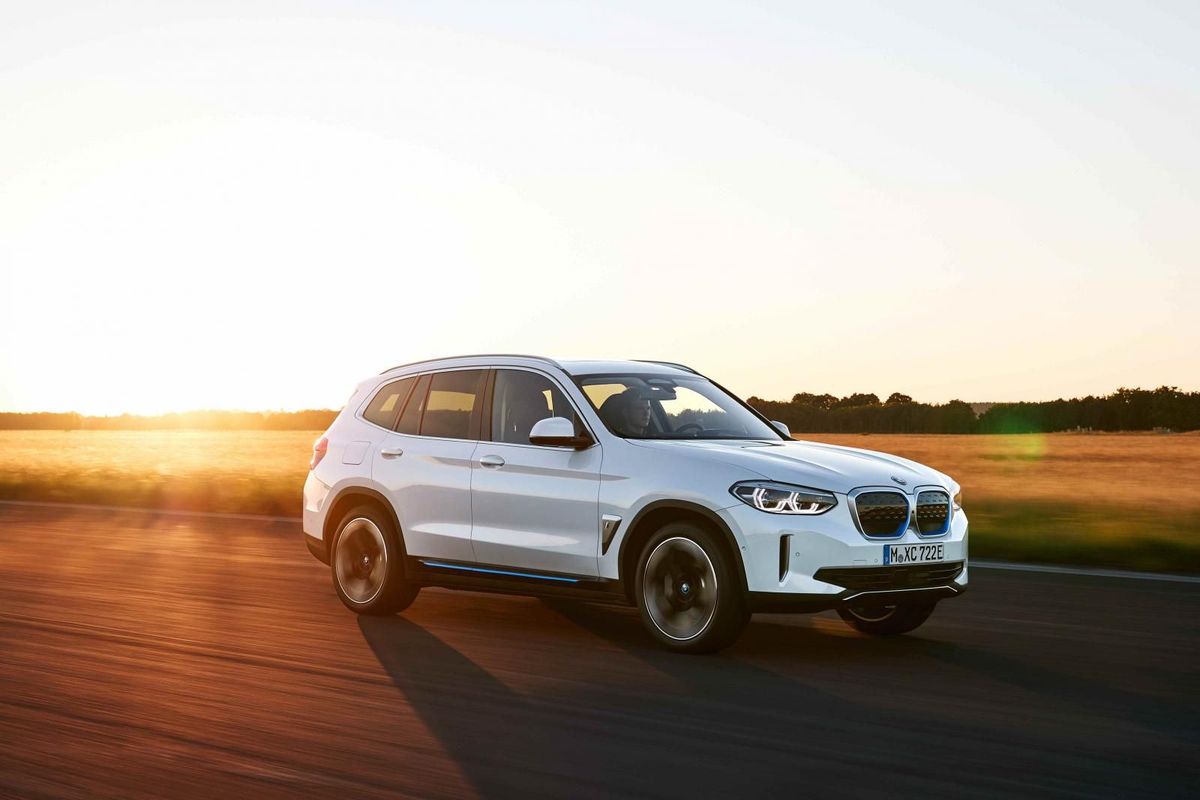
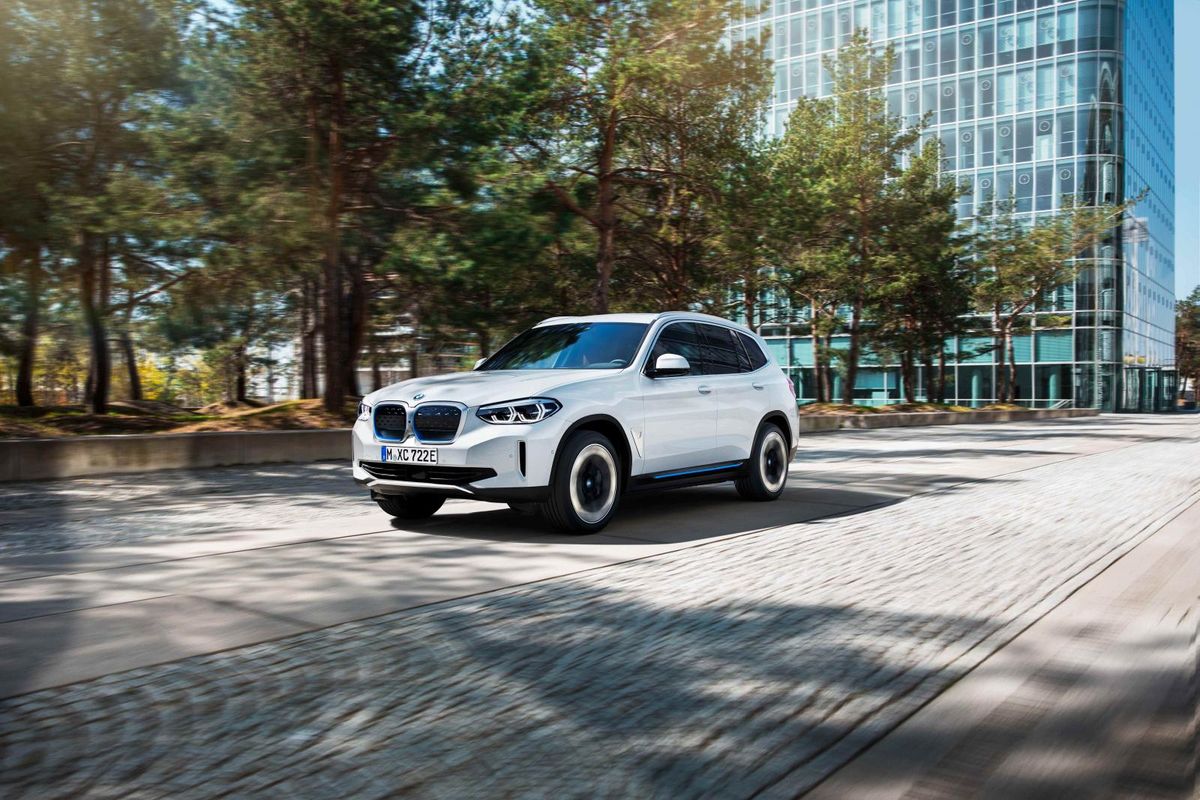
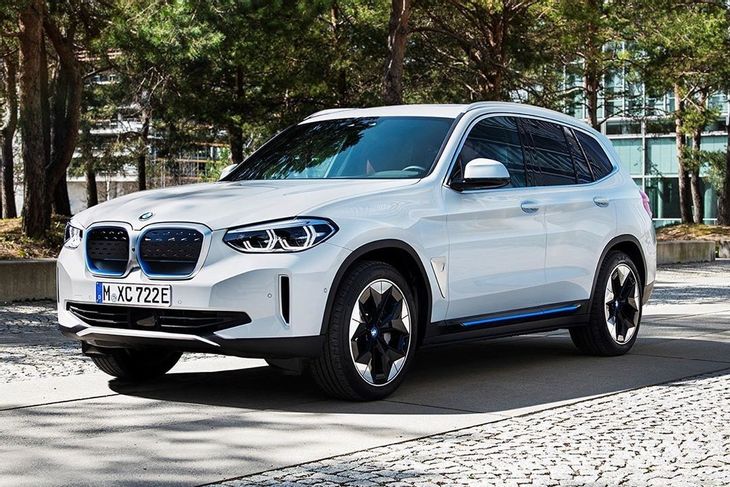
The BMW iX3 – the Munich-based firm’s fully electric executive SUV that’s closely based on the X3 – has been fully revealed!
We recently reported that BMW would have 5 EV models on the market by the end of 2021 and 25 electrified derivatives by 2023. In announcing the results for the Group (including Mini and Rolls Royce) at the end of the 2019 financial year, BMW also declared its intention to reduce the number of traditional-drivetrain variants (which we understand to be non-hybridised turbopetrol and -diesel derivatives) by 50%.
Now, BMW welcomes it's first electric SUV to market, the iX3. The BMW X3, on which the iX3 is based, is the first BMW model that's available in either petrol, diesel, plug-in hybrid and electric guise.
The iX3 still manages to offer useful luggage space at 510-litres.
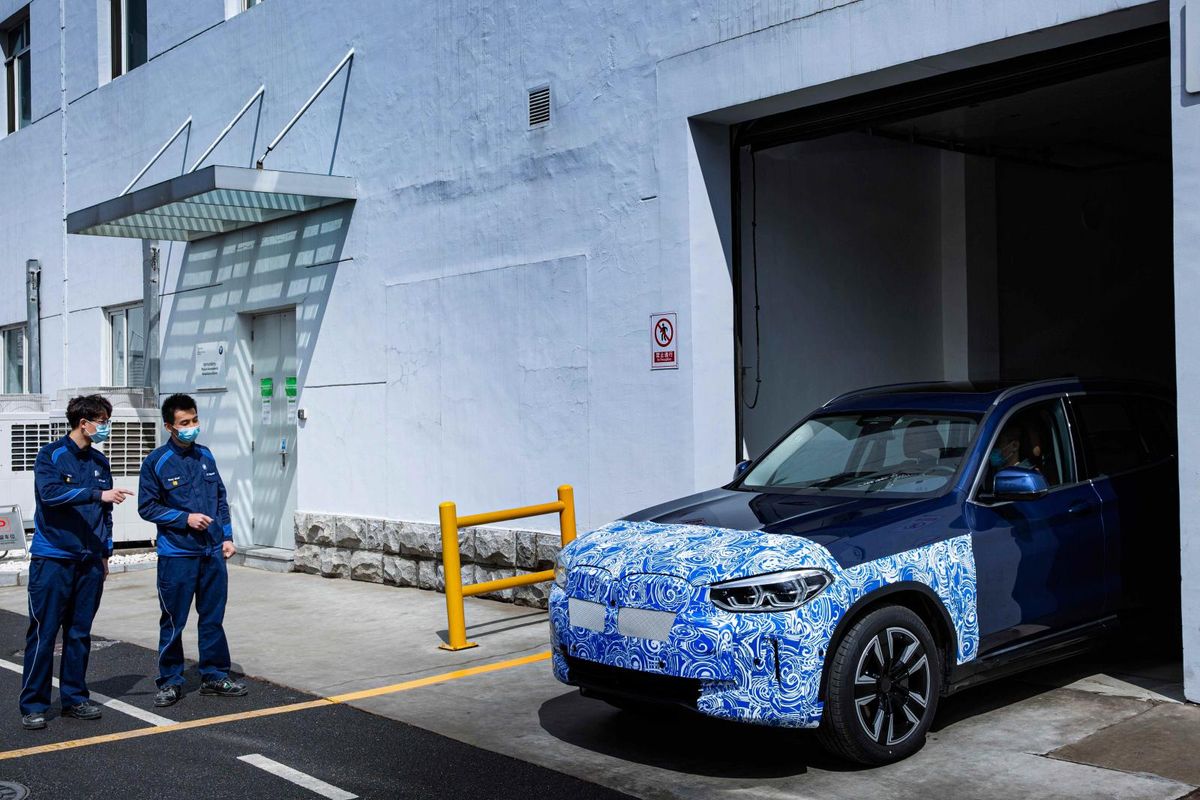
The Concept iX3 made its debut at the Beijing Show about 2 years ago and following the completion of successful homologation testing and now its full reveal, the iX3 is due to go on sale in global markets toward the end of 2021. Homologation testing required more than 340 hours and 7 700 km of testing over a period of 4 weeks.
"This is the first time we have completed the entire homologation process for a fully electric model in China and Europe at the same time. The staff on our testing team mastered this unique challenge with tremendous dedication and efficiency,” said Arno Keller, head of Development BMW iX3.
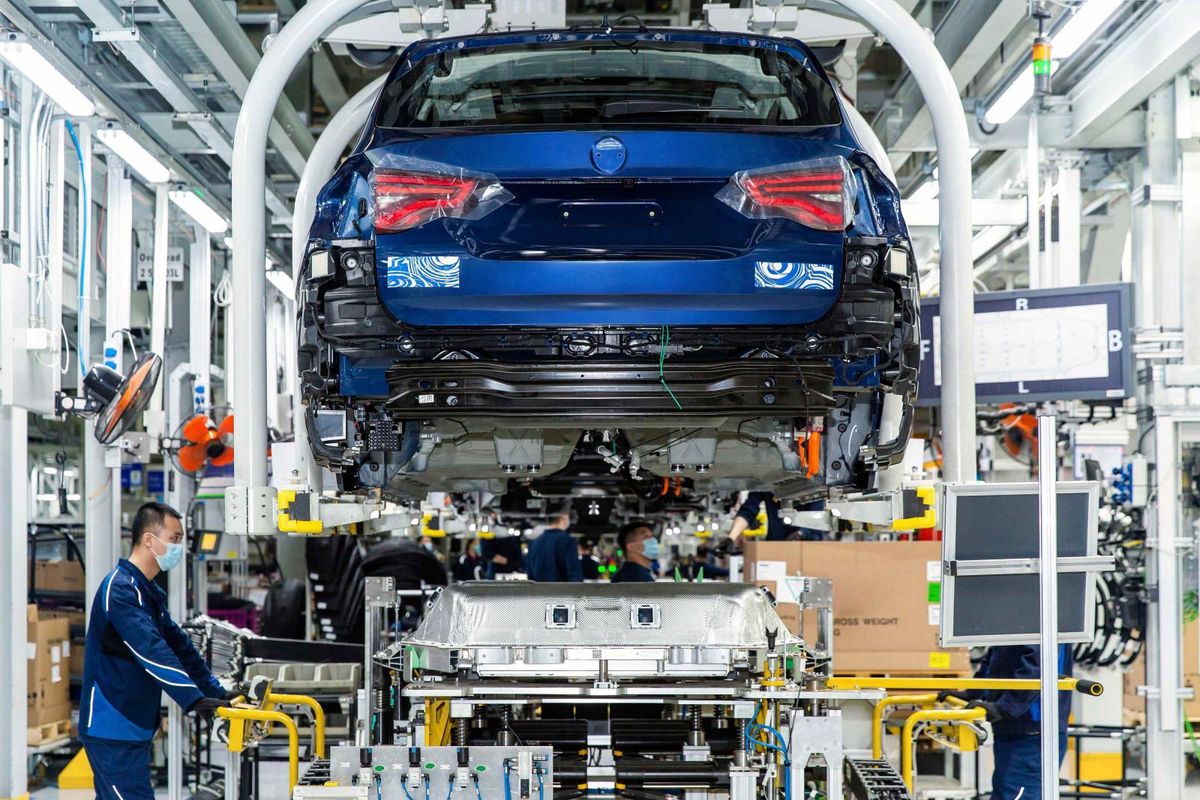
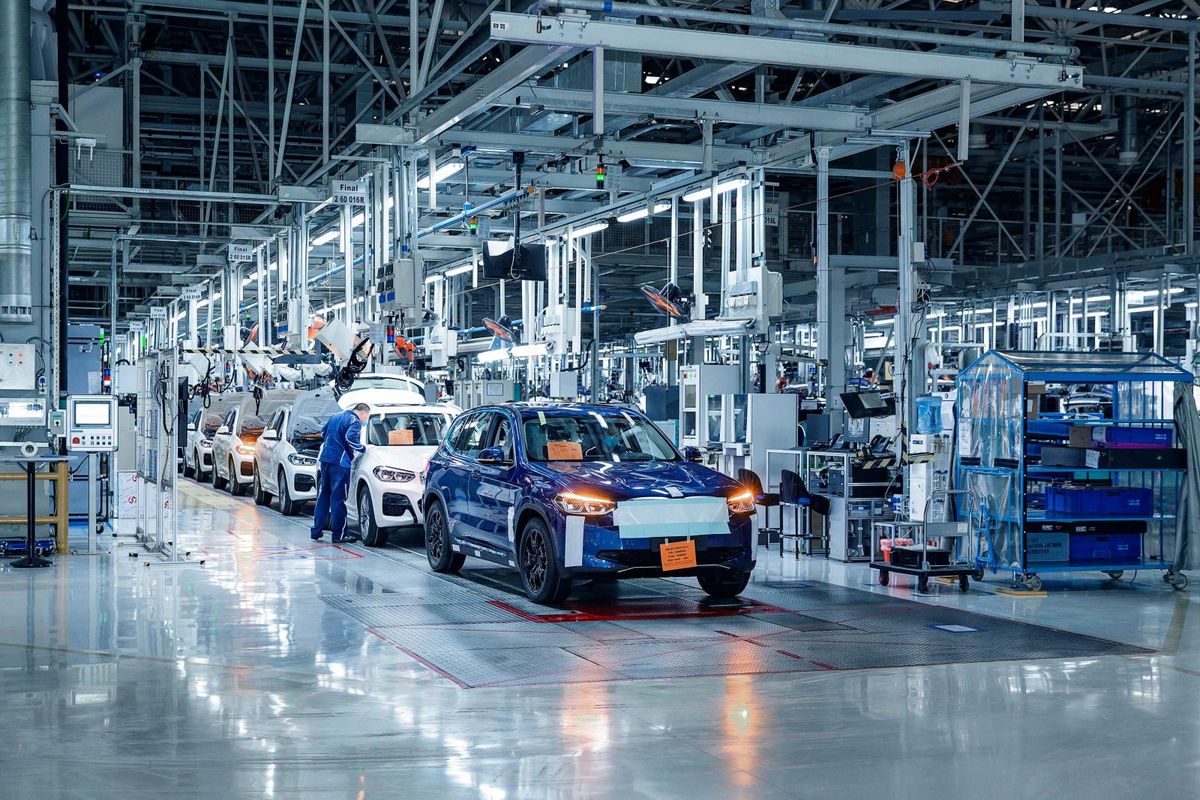
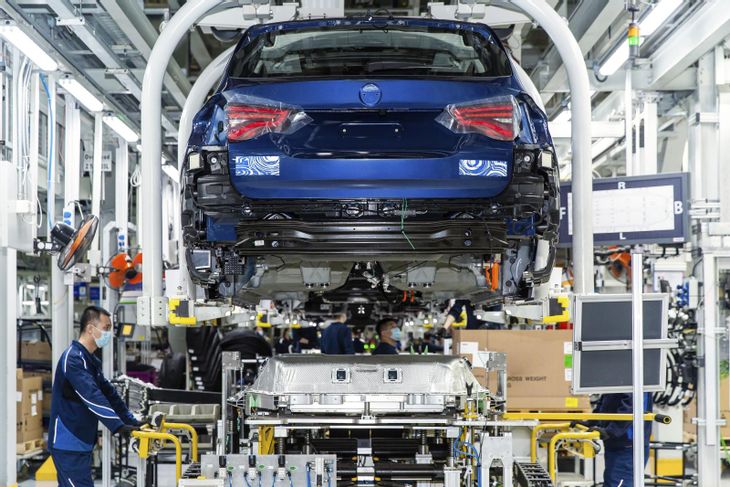
The iX3 is built in the same production facility as the X3 SUV.
We assume left-hand-drive markets will have first dibs and right-hand-drive markets will probably receive the newcomer in 2021. Considering that its rivals are either already in South Africa (Jaguar’s 2019 World Car of the Year-winning I-Pace) or heading to our shores in the near future (Audi e-tron and Mercedes-Benz EQC), the iX3 is a good bet for Mzansi, considering that BMW SA has been offering EVs in the local market since 2015; last year it expanded its X5 premium-SUV range with the launch of the xDrive45e. In fact, BMW has confirmed that the iX3 will be introduced to the South African market in Q4 of 2021.
Has BMW been wise to keep the iX3's looks familiar, or will its lack of distinctiveness reduce the newcomer's showroom appeal?
“We are right on schedule with our BMW iX3 pre-production vehicles and will launch standard production in late summer, using state-of-the-art technologies such as custom installation of the new high-voltage battery and artificial intelligence for monitoring parts,” explained Robert Küssel, BBA Plant Director Dadong. “We are also producing the fully-electric BMW iX3 and the BMW X3 with combustion engine on the same production line. This enables us to achieve high efficiency and flexibility in production,” Küssel continued.
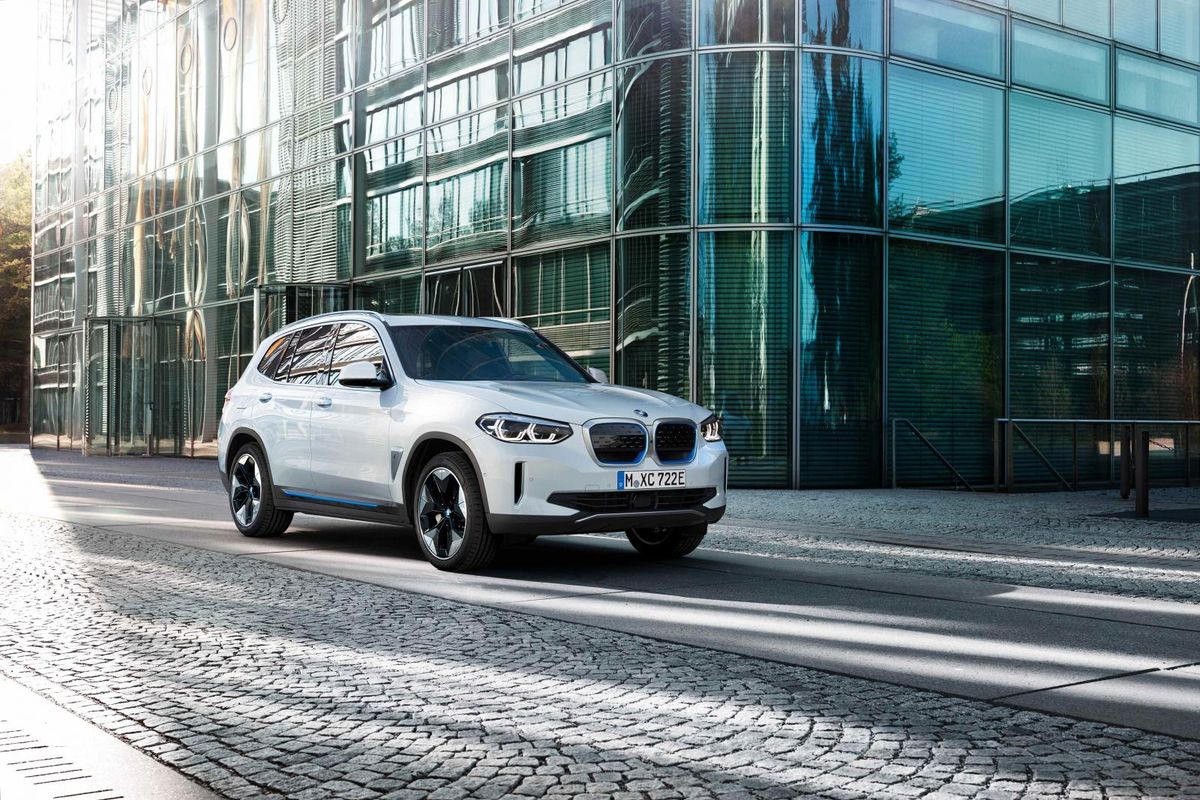
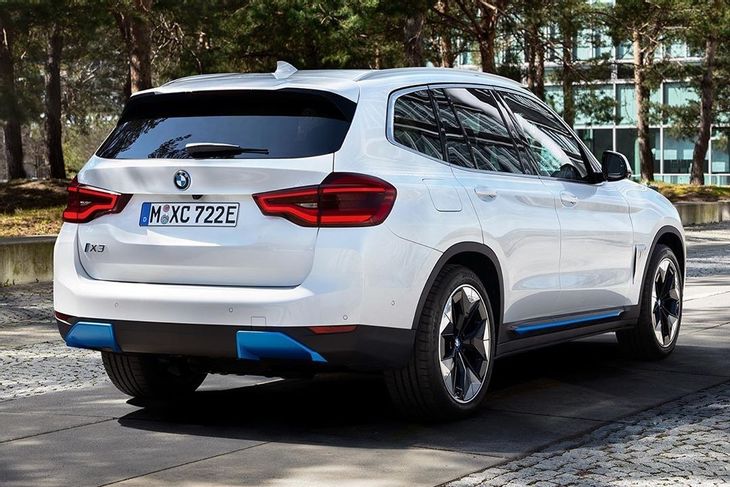
As expected, the production version of the iX3 looks closely based on its X3 sibling, which is a rather conservative approach by BMW, considering the aforementioned e-tron and EQC, which are also based on their (Q5 and GLC) executive SUV siblings, were distinctively styled by Audi and Benz so as to appear as completely separate models.
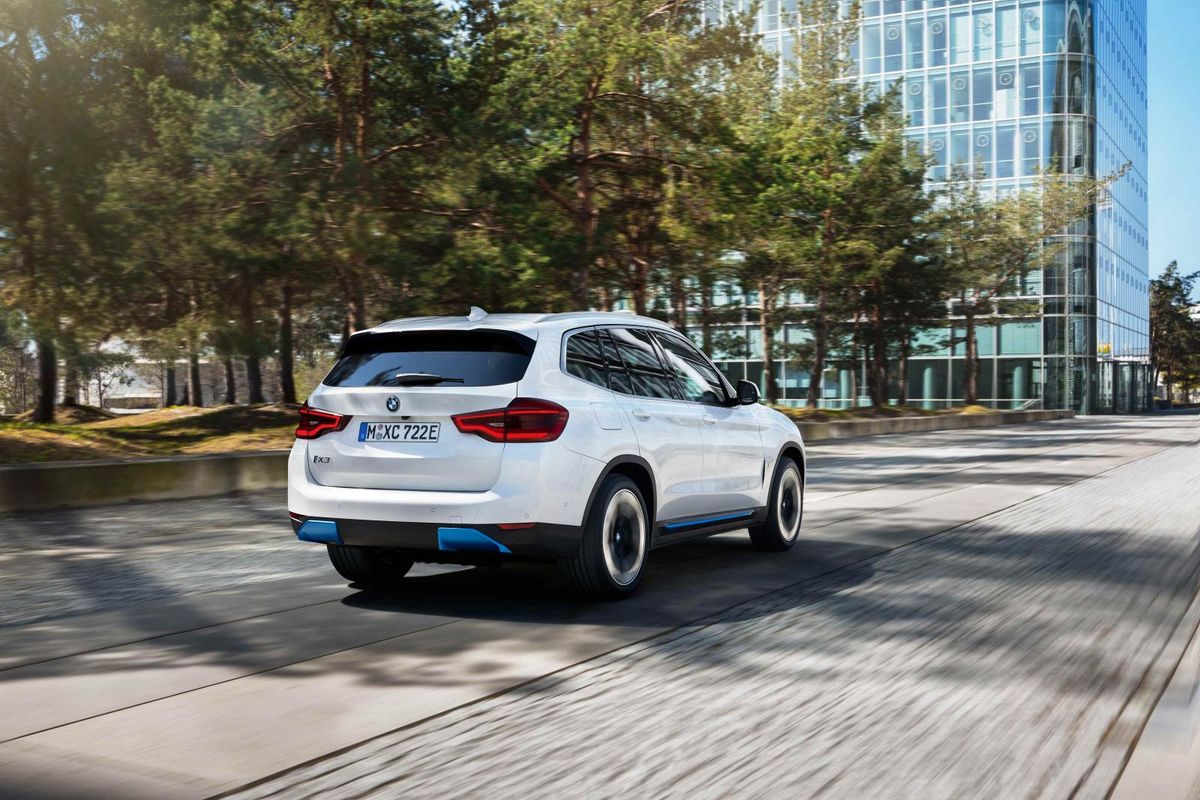
The iX3 features a plethora of characteristic blue BMW i accents (on the conventionally-styled X3 grille, side skirts and rear bumper), brushed-metal fender garnishes, eye-catching lightweight, aerodynamically-optimised wheel trims (surely they can't be rims!) and, of course, no exhaust ends.
As for the interior, it too follows the design of the X3 SUV but comes with model-specific accents. Load capacity is rated at 510 litres and goes up to 1 560 litres.
Watch our Jaguar I-Pace Vlog: Will Electric Cars Work in South Africa?
Interestingly, the iX3 – which will be built at the BMW/Brilliance Automotive joint venture plant in Shenyang, China – is not all-wheel-driven. Its 5th-generation eDrive power unit consists of a 210 kW/400 Nm electric motor, which is mated with an 80-kWh lithium-ion battery pack and powers the executive SUV’s rear wheels. BMW says that the iX3 will dash from zero to 100 kph in 6.8 seconds with a limited top speed of 180 kph.
BMW claims an optimal range of 460 km from a full-cycle charge on the WLTP standard. The iX3 is expected to feature a newly-developed Charging Control Unit, which can be hooked up to fast-charging stations of up to 150 kW capacity. In that case, the batteries can be charged zero to 80% charge in 34 minutes with every 10 minutes of charge adding roughly 100 km of range. The iX3 rides on 19-inch light-alloy wheels with a drag-reducing design to enhance overall efficiency.
There is more in the proverbial pipeline for the iX3 package too. BMW is likely to ultimately offer an xDrive all-wheel-drive version at some point, ostensibly with a dual-motor configuration, but the next models from the BMW i stable are likely to be the i4 and iNext.
Cape Storm Trashes Cars: How to Protect Your Car From Rust
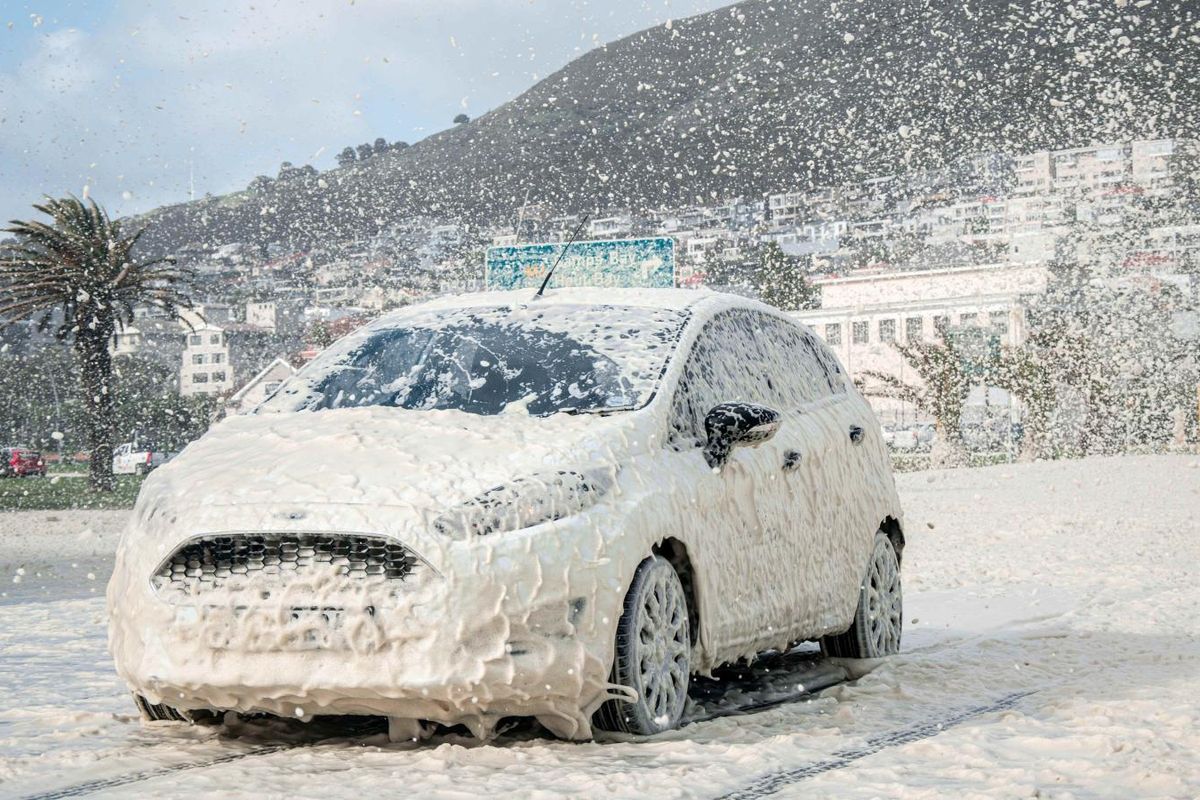
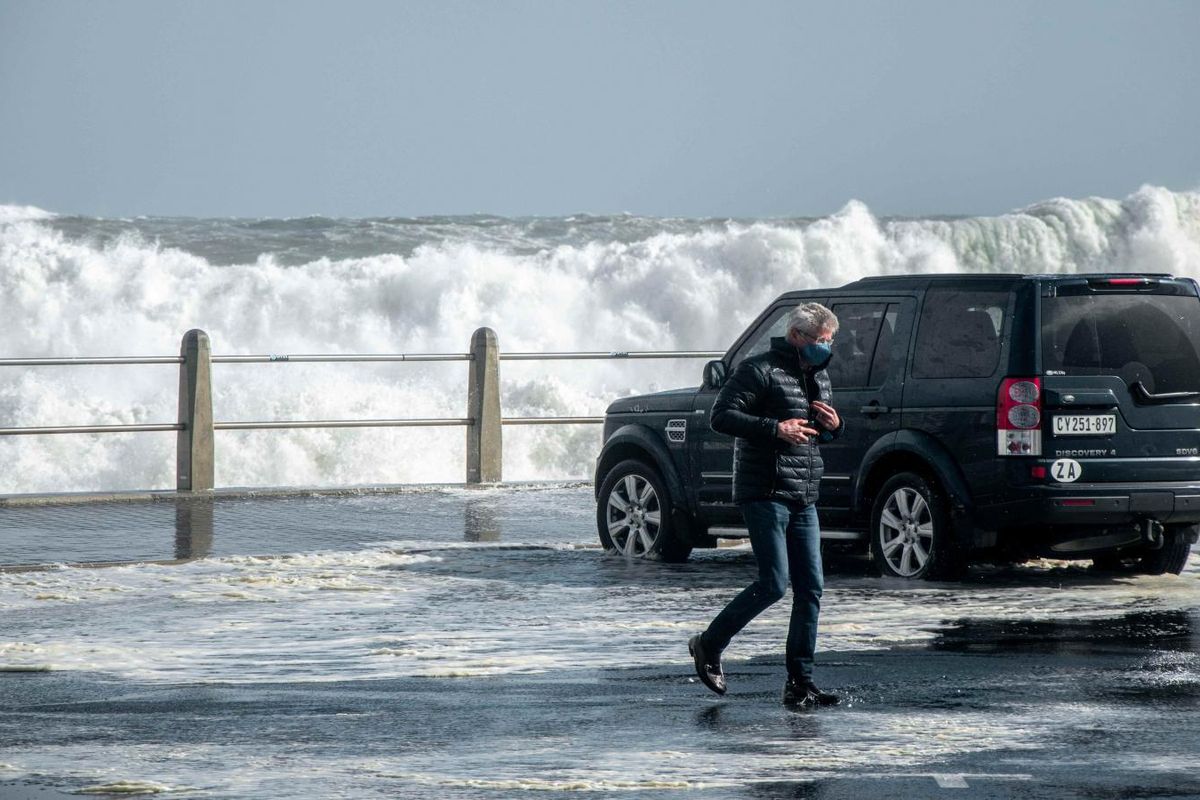
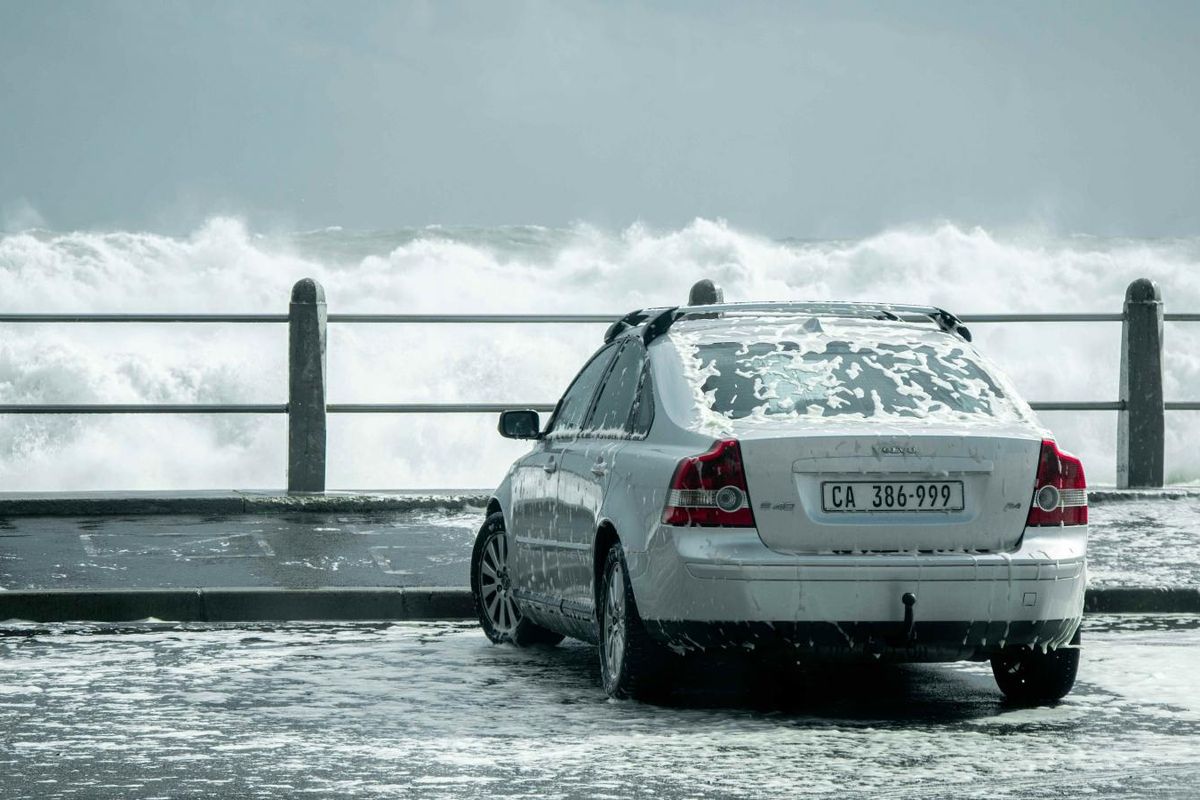
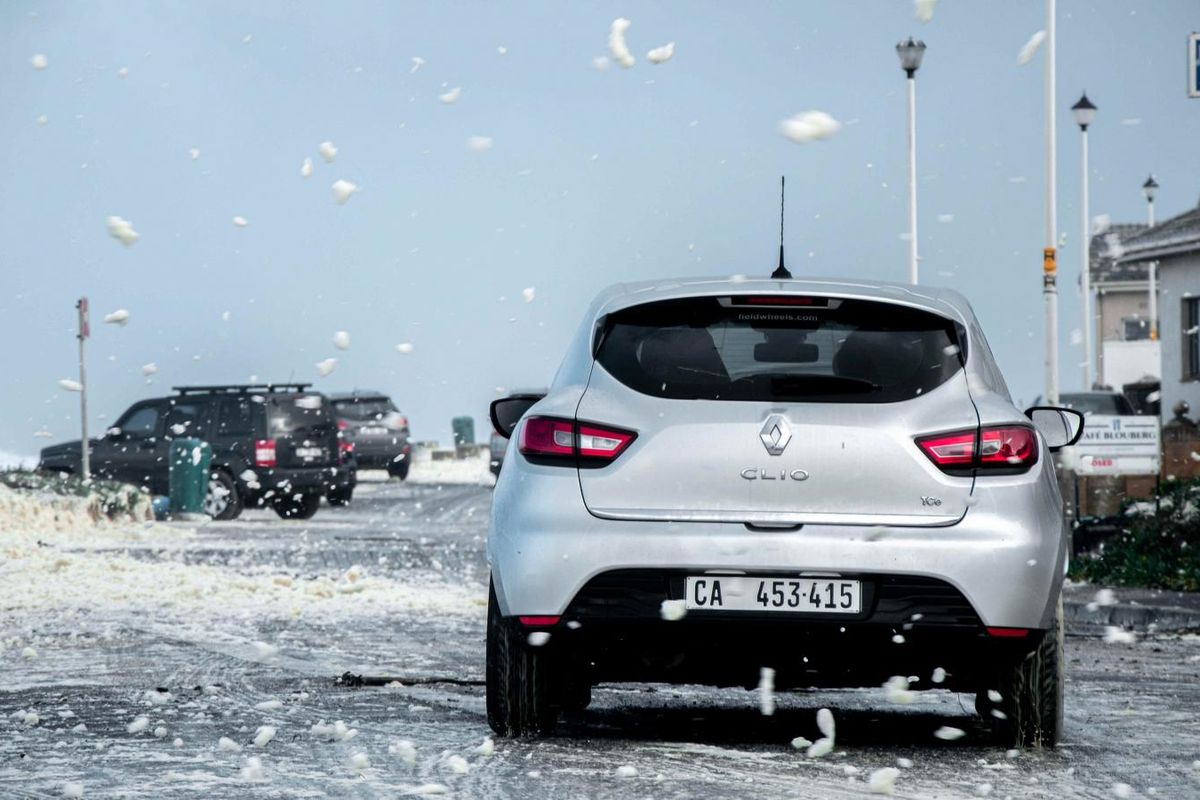
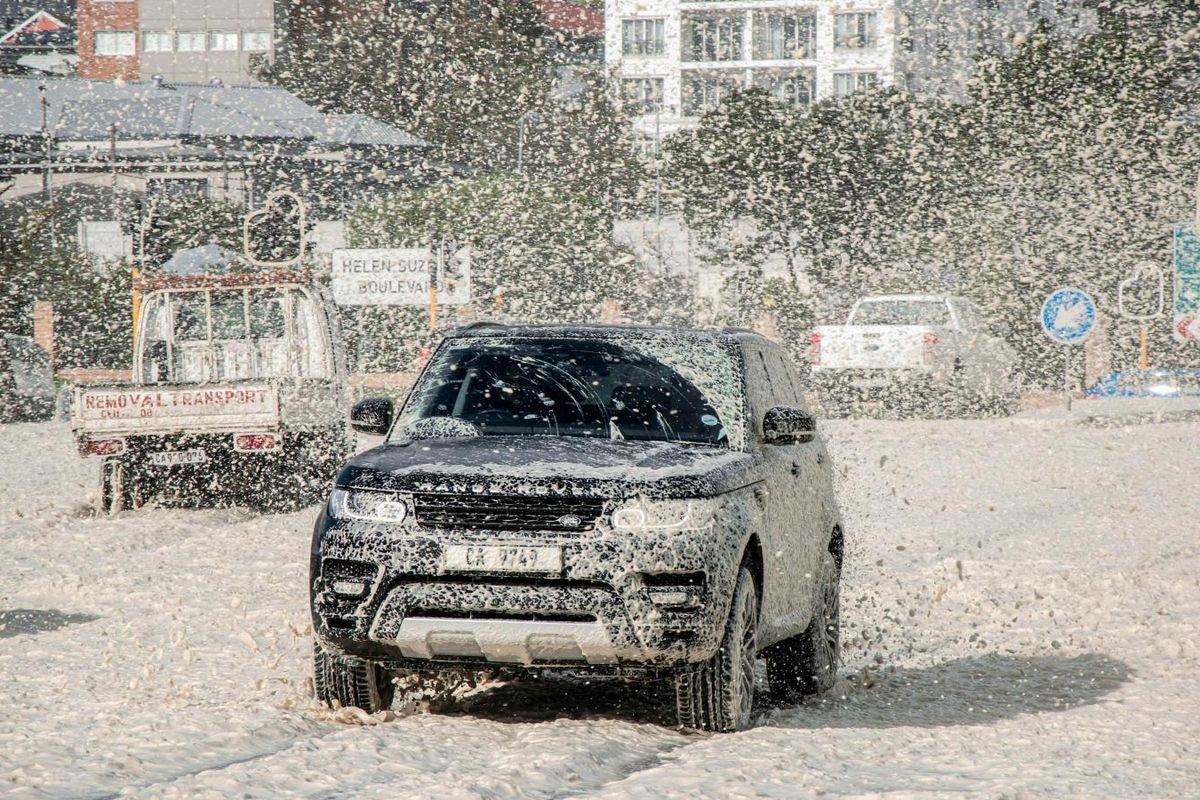
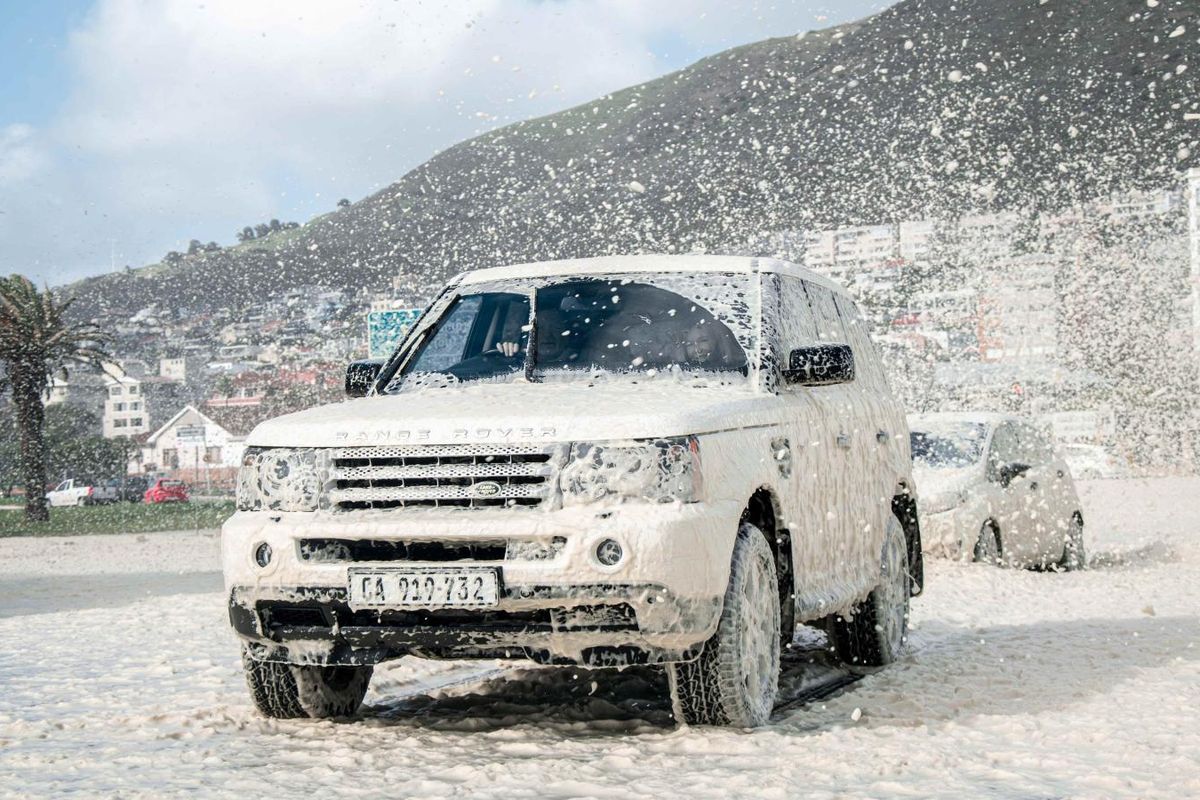
A huge winter storm raged in Cape Town this week, bringing rain and near-hurricane-force winds to the Mother City. Many cars parked along the Sea Pont promenade received a wind-blasted foam wash from the raging Atlantic Ocean nearby. It might have been fun and games for the people witnessing nature’s ferocity, but for the cars covered in seafoam, rusty days lie ahead…
Photos by Dieter Pey.
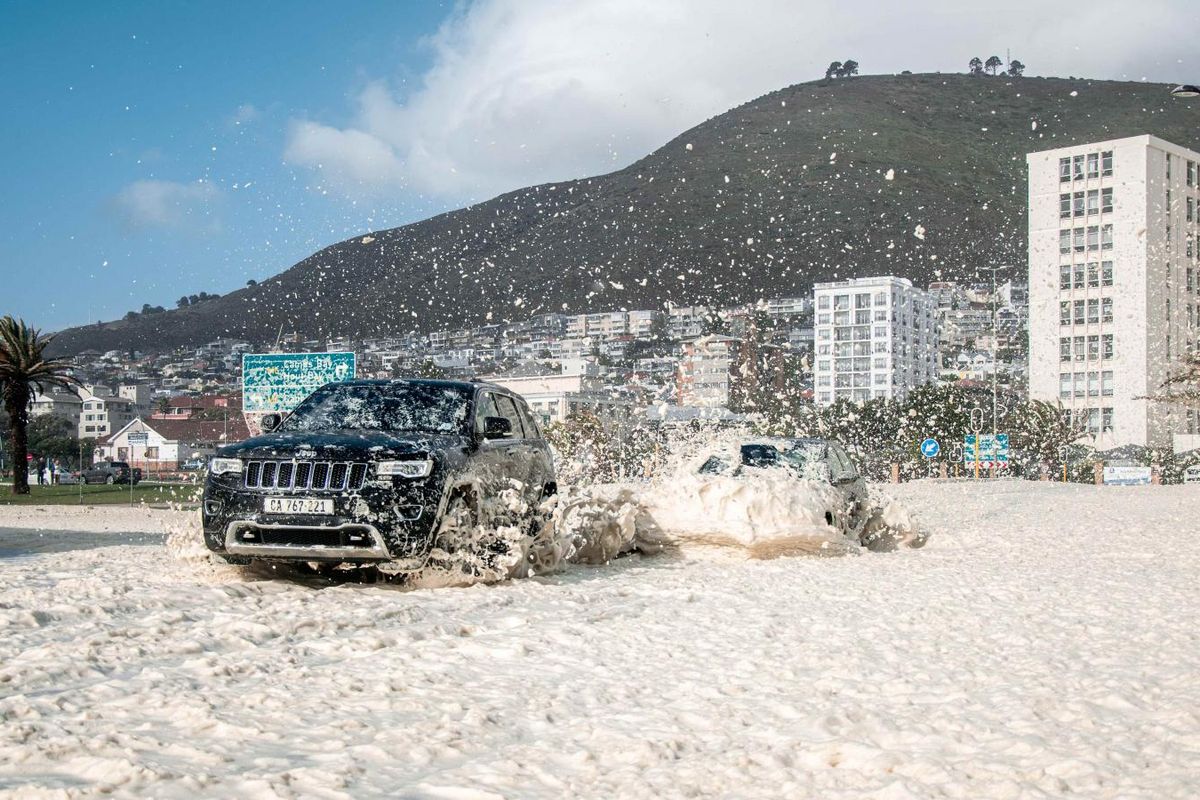
Social media was abuzz on Monday, 13 July 2020, as a wild winter storm made landfall in Cape Town. A tumultuous sea churned seawater into thick foam which was driven over the Sea Point promenade wall by violent waves and high-velocity wind, leaving numerous cars nearby drenched in seawater and seafoam.
Our very own lensman, Dieter Pey, was in Sea Point to watch and capture the mayhem. Some cars were helplessly caught in the throngs of the storm as nearby streets flooded with seawater and foam. Some people even deliberately drove their cars into the quagmire in the hope of scoring a few likes on Instagram. For the cars in the firing line, however, it was a nightmare…
Salt is very corrosive and it can be hugely destructive when it comes into contact with metal. It’s a known fact that cars that spend their life at the coast will inevitably succumb to rust far quicker than cars inland. Sea air and indeed seawater are but one of a car’s worst enemies. It goes without saying then, that bringing your car in direct contact with the ocean is never a good idea and if you care about preserving your car, this situation should be avoided at all cost.
For this reason, let's quickly take a look at what rust is and how you can avoid it…
What is rust, exactly?
Salt or sodium chloride is a major cause of corrosion and rust. Rust is the result of a chemical reaction whereby the metallic or iron surfaces of your car come into contact with salt and the iron reacts with oxygen and the by-product is iron oxide, which is known as rust. This chemical reaction is sped up in hotter and more humid climates, which explains why cars rust so much faster in places such as Durban which is mostly warm/hot and humid for most of the year.
Here are a few simple ways to protect your car from rust…
Keep your car out of the sea
Unless you are utterly daft, don’t ever drive your car on the beach, into the sea or through seafoam. Direct contact with the sea inevitably means that seawater and salt is being spread deep into the body of your vehicle, including the engine bay and underbody, which will ultimately lead to severe corrosion and rust.
Wash your car often
The most effective way to prevent rust damage on your car is to wash your car often and keep it clean. Remember that salt moisture off the ocean clings to your car and a regular wash will ensure that your car remains as salt-free as possible. If you can, it’s also advisable to have the underside of your car washed/sprayed to minimise corrosion on your car’s underbody. Have your car's underbody checked for rust the next time you have it serviced, you might be surprised at what you find…
Wax on
Sealing your car’s paintwork with a coat of protective car wax will further help to protect your car against the harsh elements such as the sun, moisture and salt in the air.
Park your car in a garage or buy a car cover
Park your car in a garage or covered parking if possible as this will help shield your car from the elements. You can also consider buying a car cover if garage parking is not an option.
Treat rust areas quickly
Exposed metal, chip marks or bonnet and door edges are common areas where rust takes hold. If you see a rust spot, be sure to have it repaired professionally as quickly as you possibly can or else it will soon get worse and deteriorate beyond repair.
The 3rd member of the new Ford Bronco family might be its smallest variant, but the Bronco Sport ranks among few contemporary family cars that offer genuine off-roading ability. The newcomer also offers myriad accessories designed for avid outdoor lifestyle enthusiasts.
Whereas the 2- and 4- door versions of the new Bronco are based on Ford’s T6 platform, which underpins the Ranger double-cab, the Bronco Sport is based on the new Escape family car (that is to say the next-generation Kuga, which has not been launched in South Africa). It may not look as ruggedly handsome as its Bronco siblings, but compared with the market's most popular family cars, including the Toyota RAV4, Hyundai Tucson, Mazda CX-5 and Volkswagen Tiguan, this Ford loves the rough stuff.
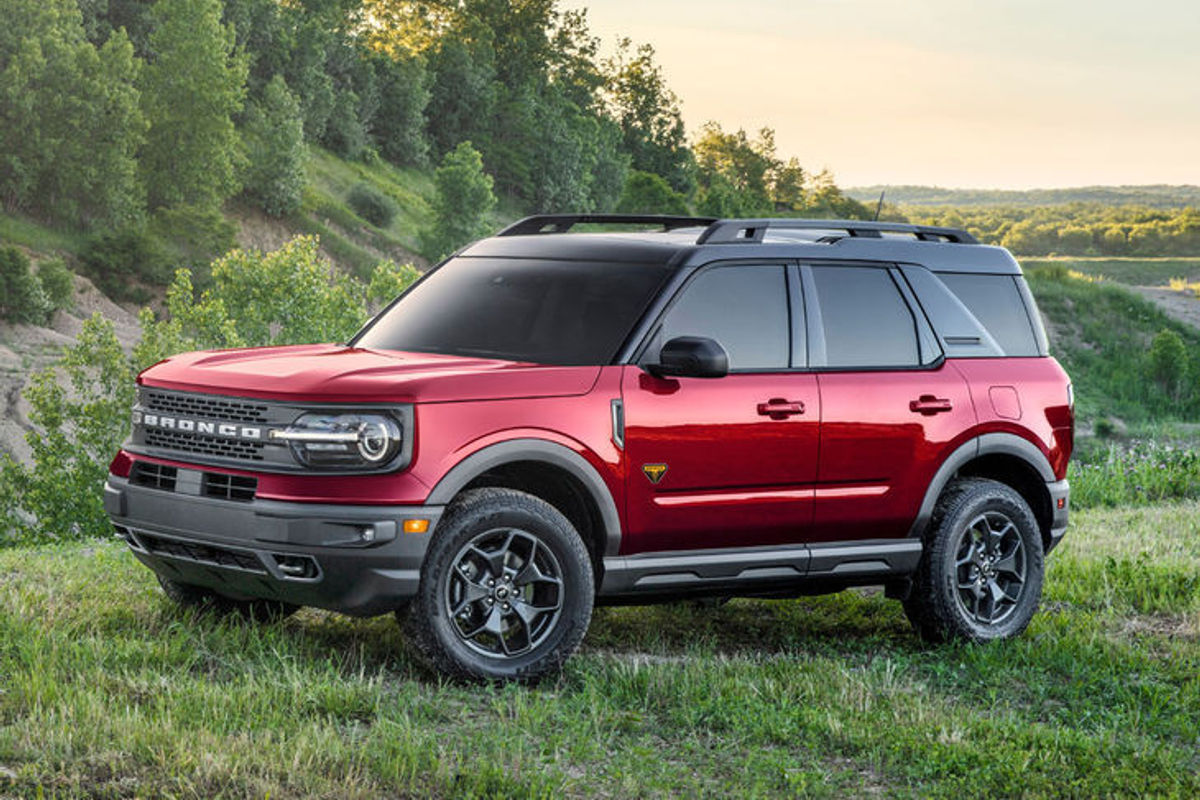
Ford has effectively relaunched its Bronco nameplate as a sub-brand, which is why the new model has a Bronco-branded grille.
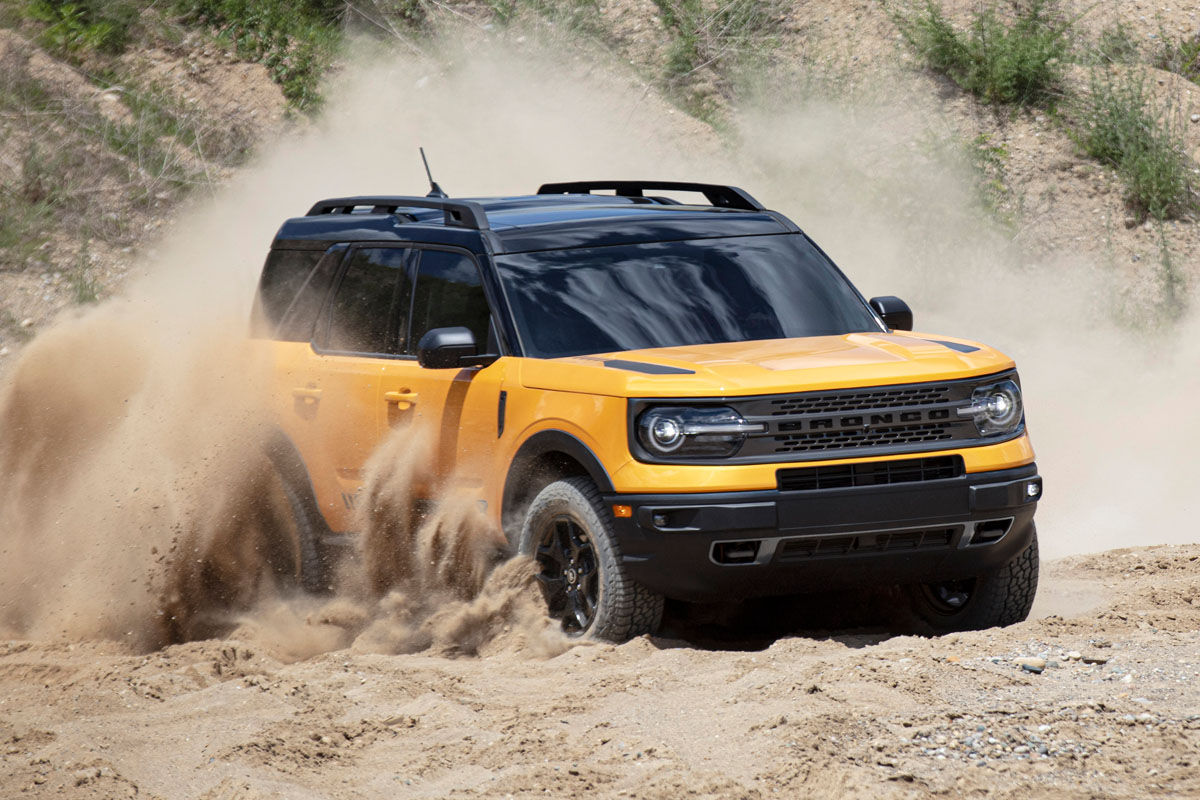
The Bronco Sport’s design is inspired by those of its body-on-frame Bronco siblings, with styling cues such as the Bronco-signature-encapsulated cartridge grille, round headlamps, flat body sides, short front- and rear overhangs, as well as tough unpainted finishes that serve to protect exterior-contact points.
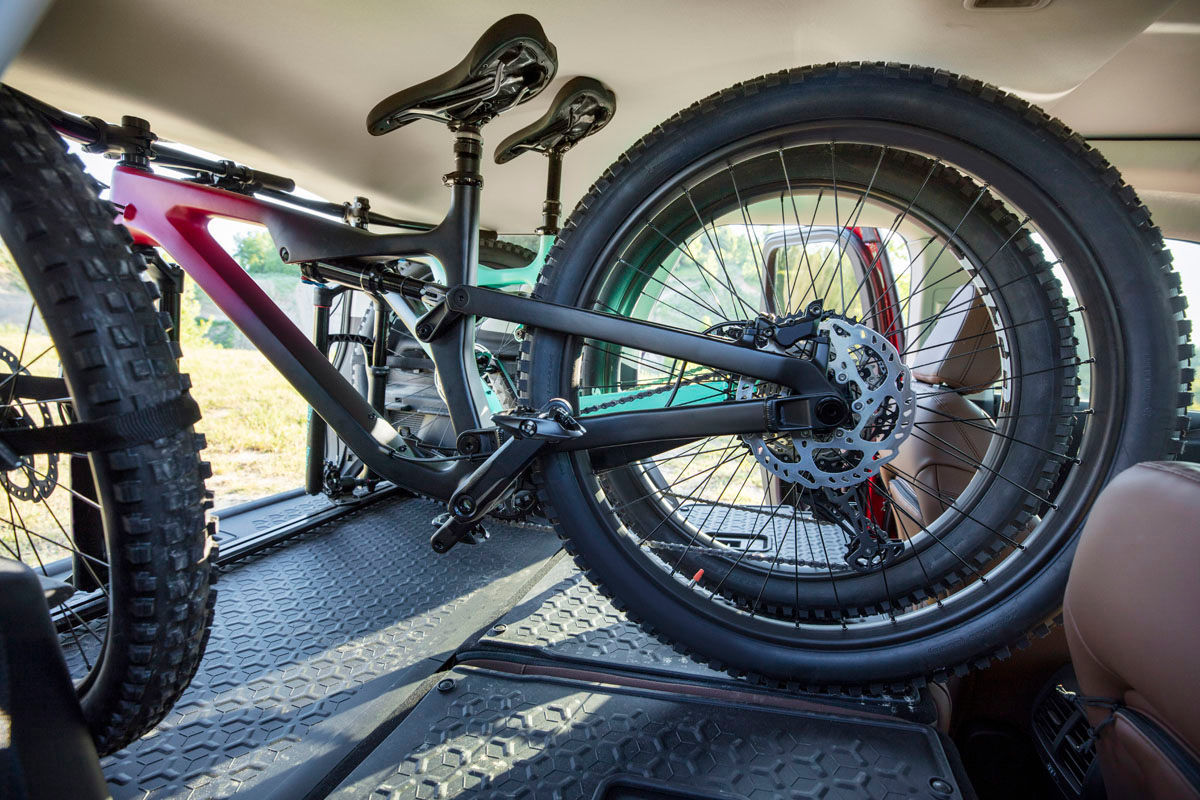
The newcomer’s tall, upright design facilitates best-in-class 1st- and 2nd-row headroom, Ford says, and the roof rails are long as possible (to offer maximum carrying length). The load bay, meanwhile, can accommodate a pair of 27.5-inch-wheel mountain bicycles upright with the optional Yakima dealer-installed bike-rack.
Other nifty features include a flip-glass rear window, low load floor, "Overlanding-ready" roof rack and fender peaks that help drivers gauge where the vehicle's front corners are.
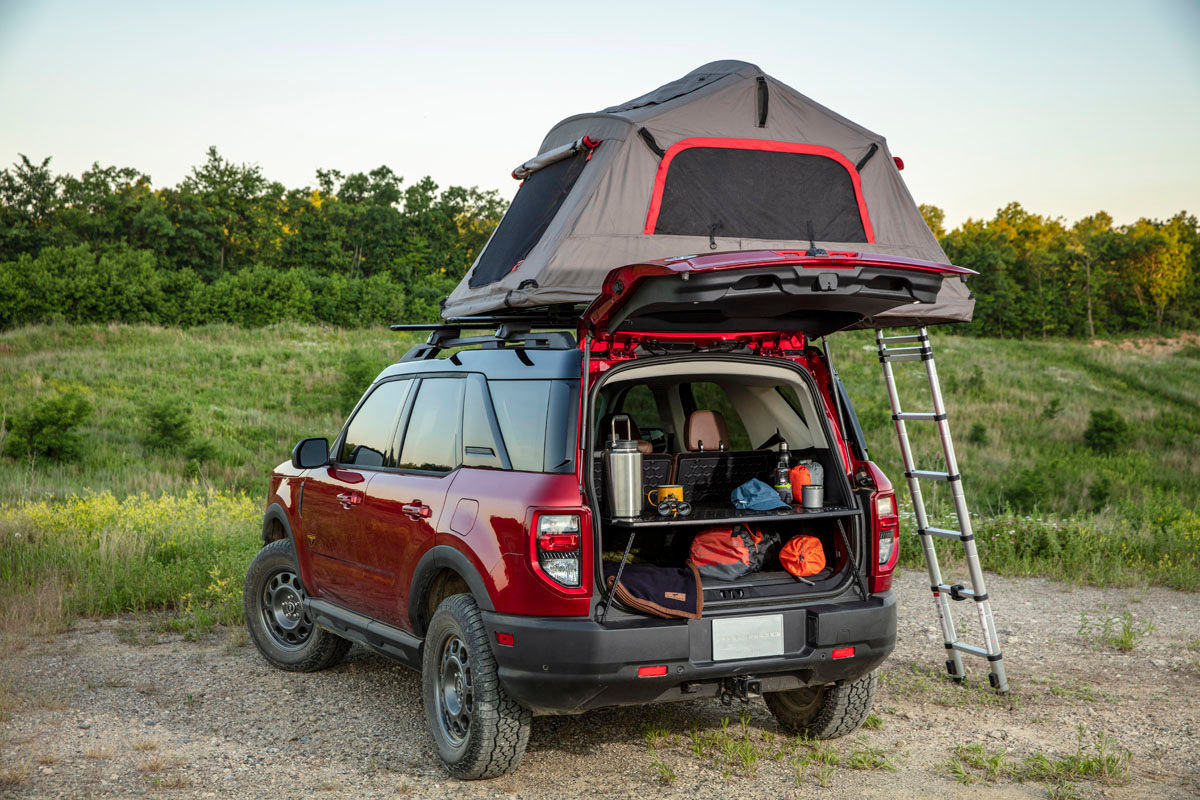
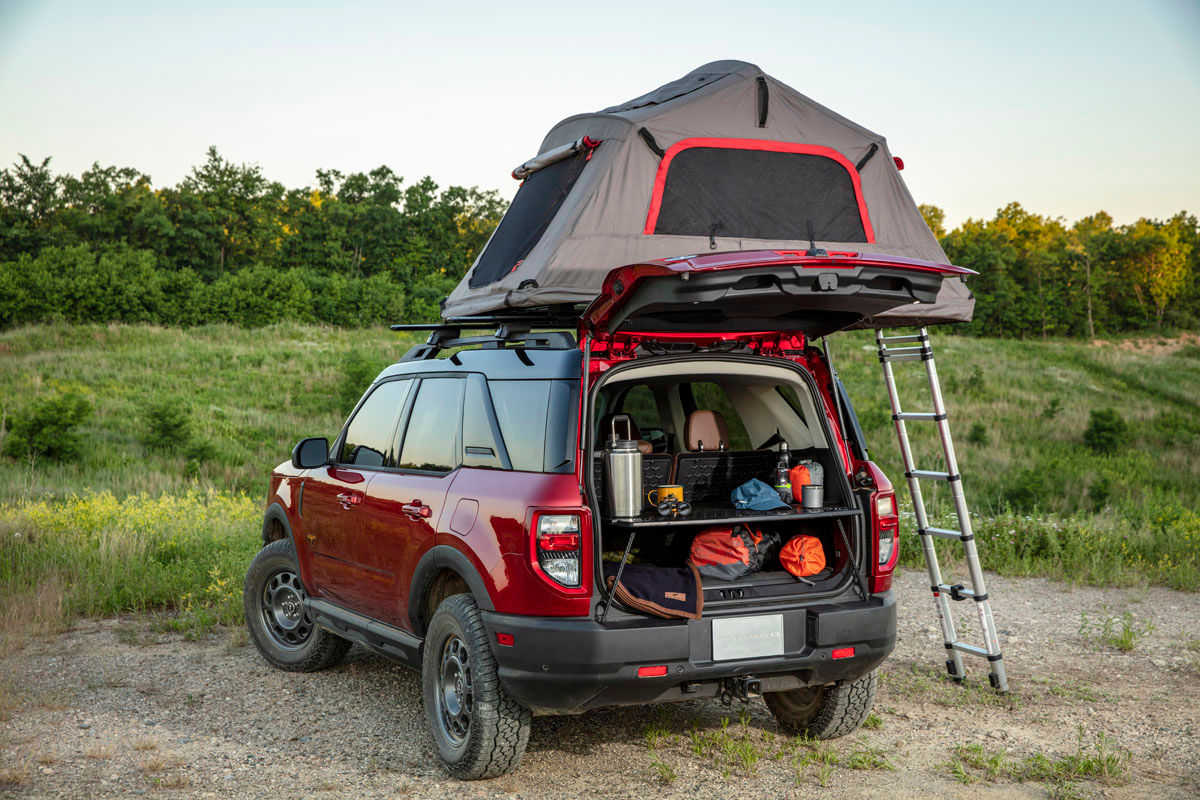
The Bronco Sport can be optioned with a roof rack that is capable of supporting a small tent.
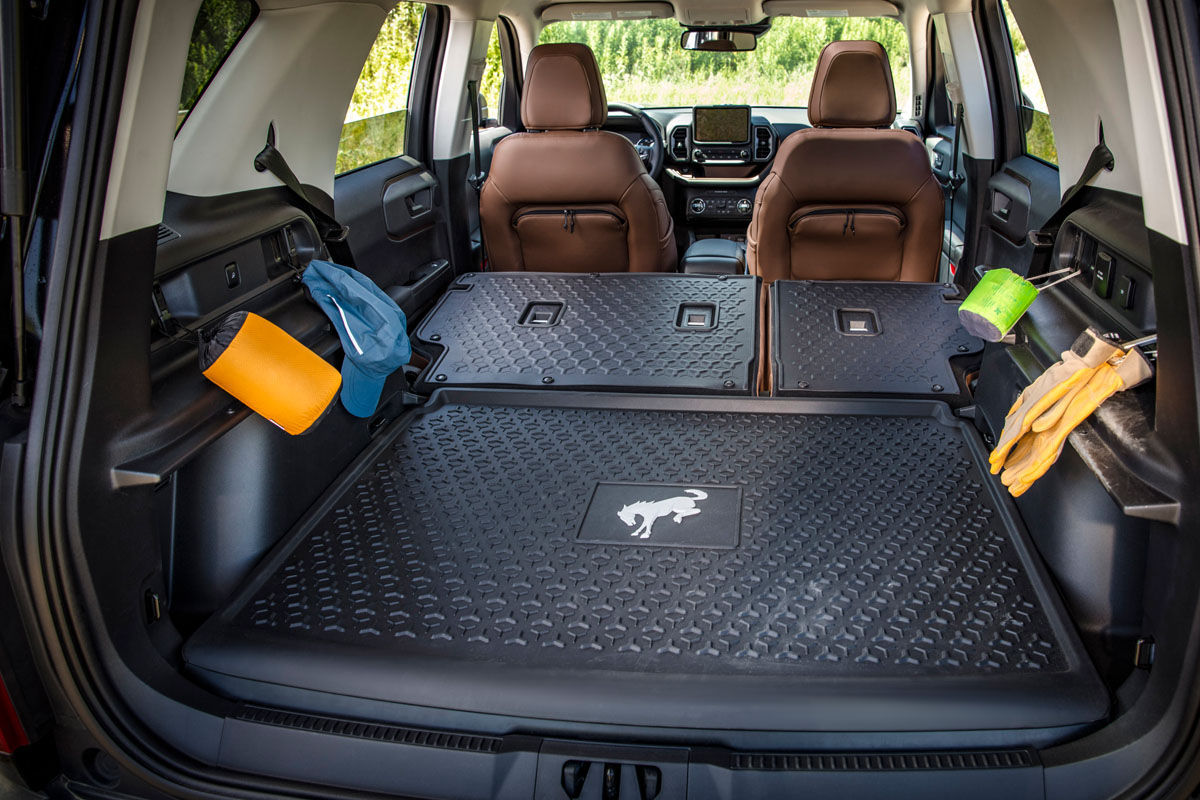
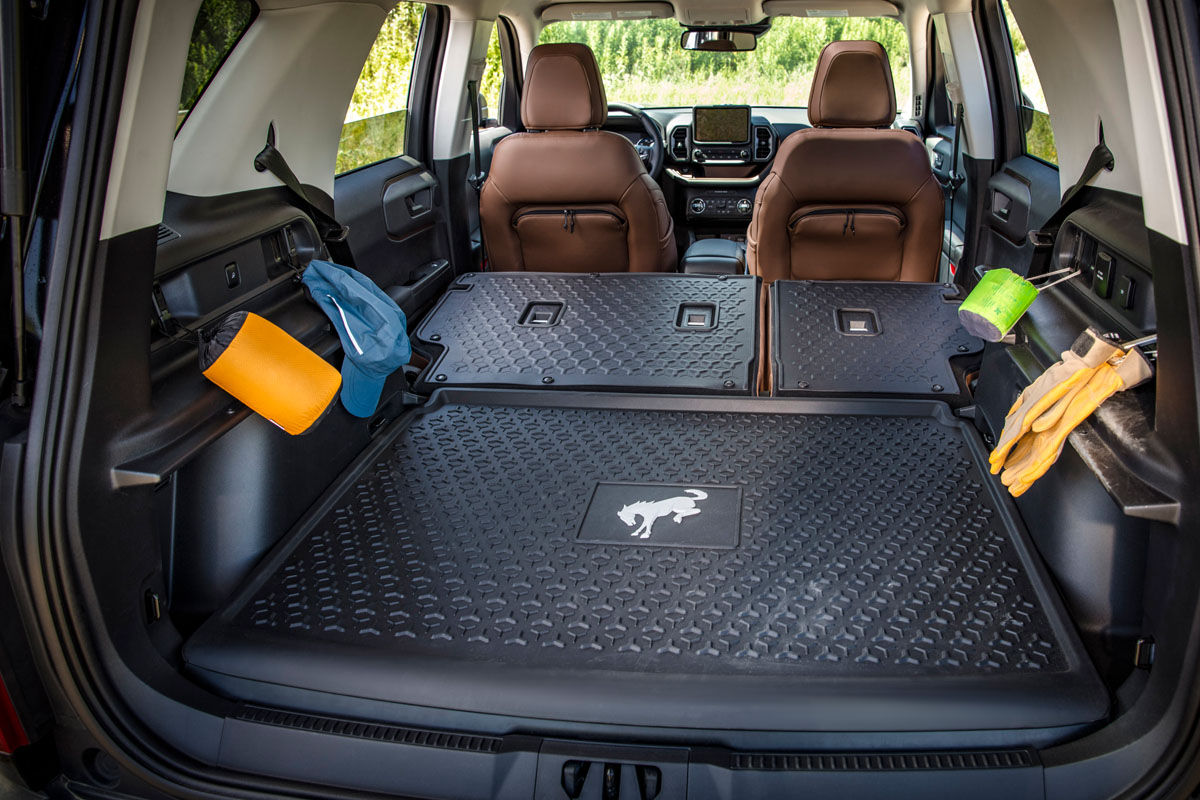
Camping enthusiasts will appreciate optional features such as a slide-out working table (which is part of the available 5-way configurable Cargo Management System), a 400W electric inverter, liftgate-mounted LED floodlamps, Molle straps to carry extra gear, zippered seatback pockets and even a built-in bottle opener in the load bay.
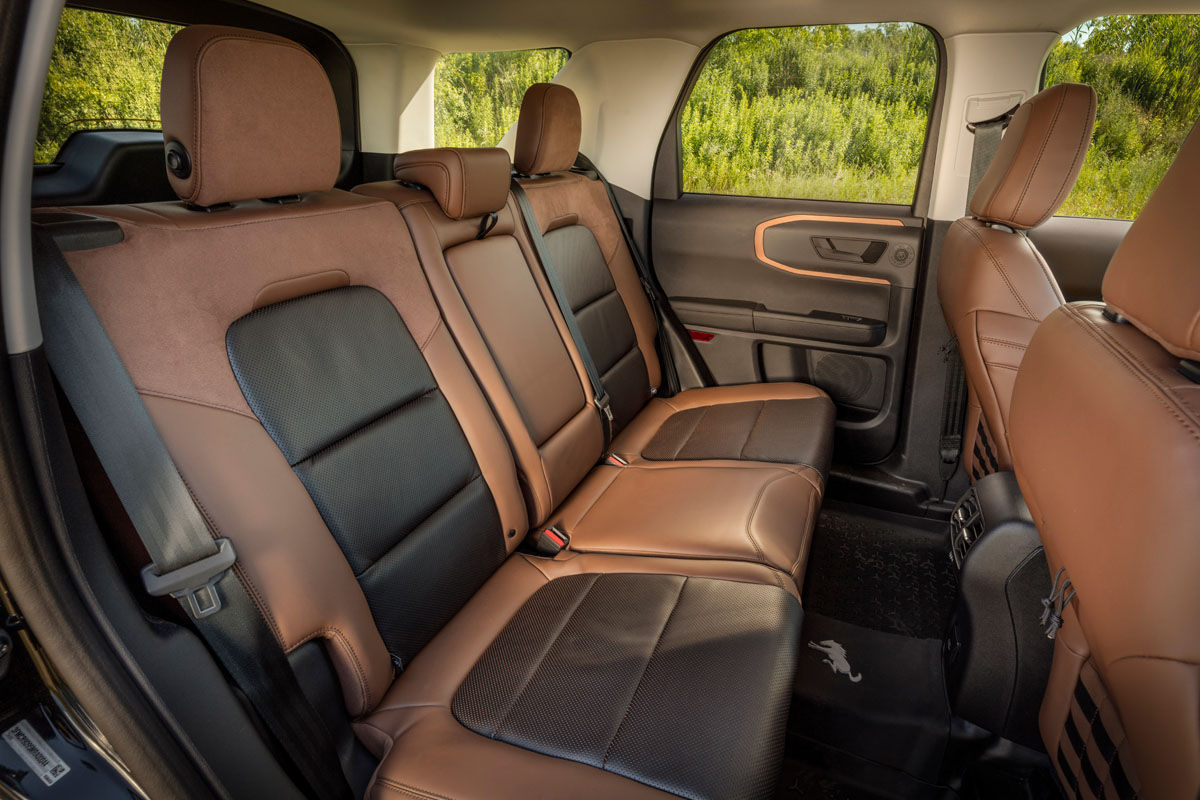
Badlands and First Edition versions feature washable rubber flooring throughout the cabin and cargo area, easy-to-clean cloth seating surfaces and silicone-sealed control switches. For storing wet or dirty gear, a storage bin is located below the 2nd-row passenger-side seat.
Ford offers the Bronco Sport with 4 distinct accessory bundles – in addition to more than 100 factory-backed standalone accessories – so that owners can kit out/personalise their vehicles for the purposes of transporting kayaks, skis, camping equipment "or whatever gear propels their adventure".
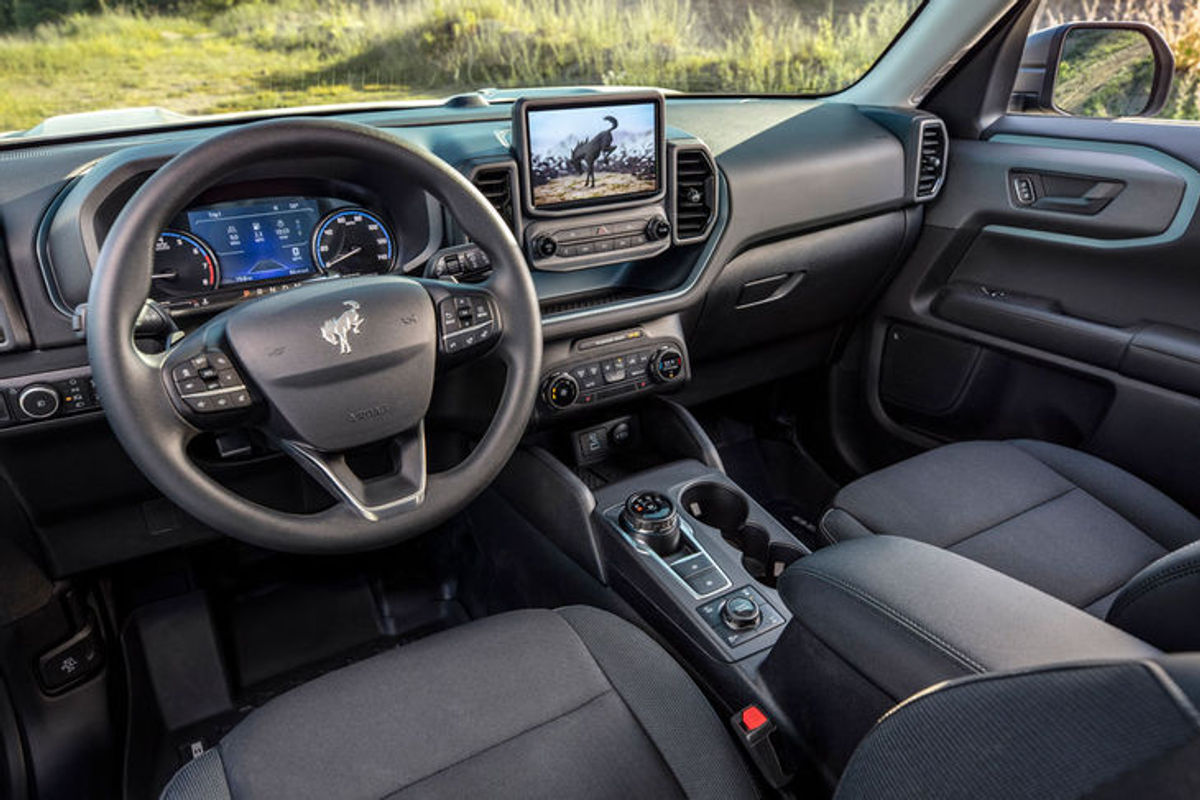
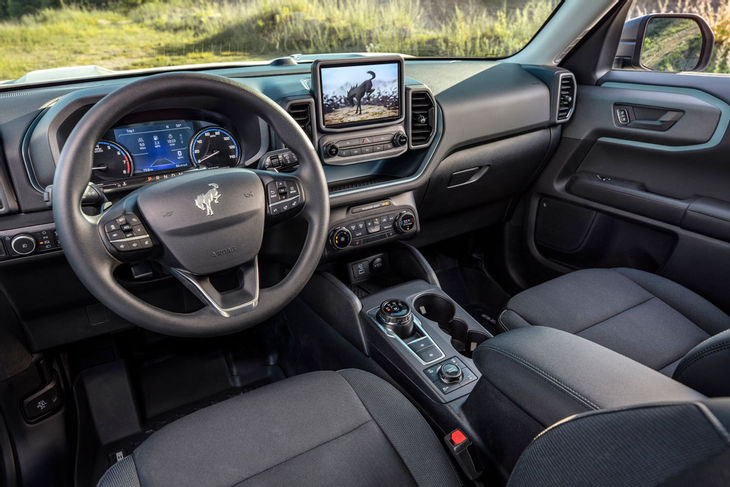
The Bronco Sport's interior comes with an 8-inch SYNC 3 touchscreen infotainment system.
In terms of onboard technology, the Bronco Sport comes equipped with an 8-inch SYNC 3 touchscreen infotainment system (compatible with Apple CarPlay and Android Auto) as well as the Ford Co-Pilot360 suite of driver-assist technologies. The suite incorporates pre-collision assist with automatic emergency braking (with pedestrian detection), forward-collision warning and dynamic brake support, blind-spot monitor with cross-traffic alert, a lane-keeping system, auto high-beam headlamps and a reverse-view camera.
The newcomer is available with either a 135 kW/257 Nm 1.5-litre 3-cylinder- or a 183 kW/372 Nm 2.0-litre 4-cylinder Ecoboost turbopetrol engine, both of which in combination with an 8-speed automatic transmission. However, 2.0-litre versions additionally feature steering wheel-mounted shift paddles and beefed-up cooling for the drivetrain.
Off-roading cred
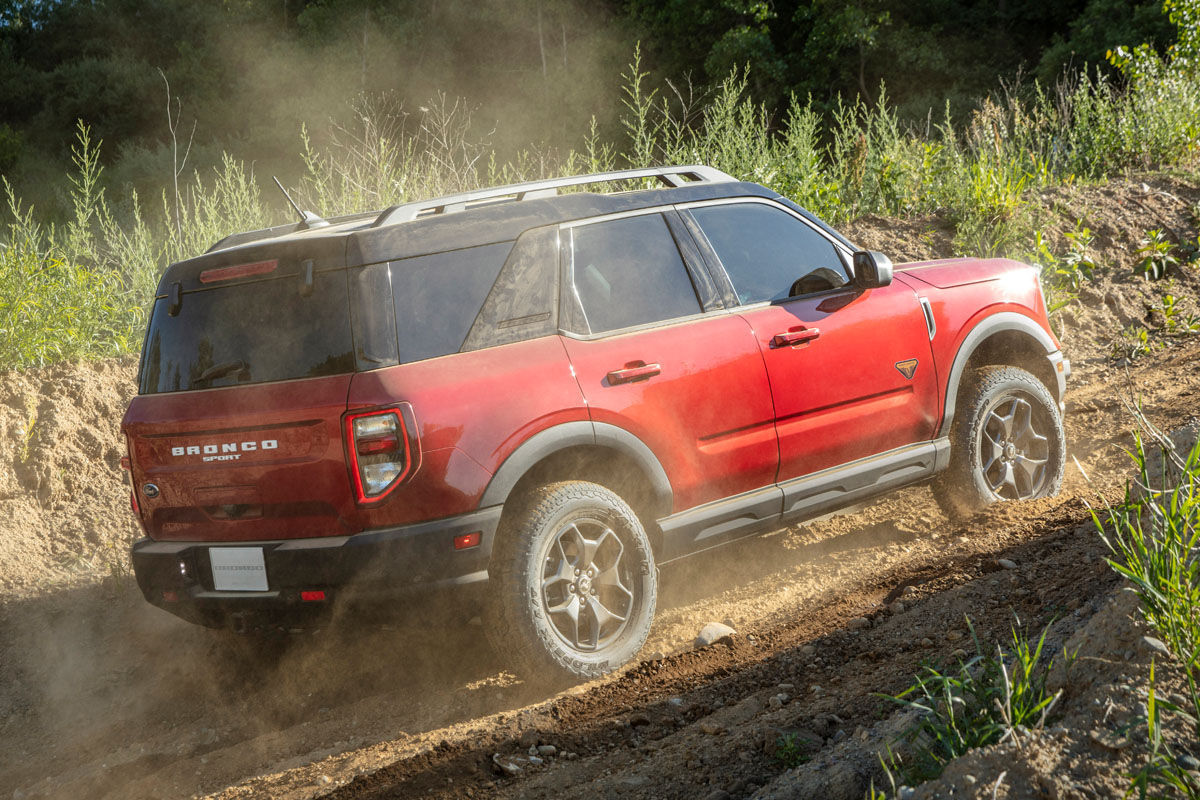
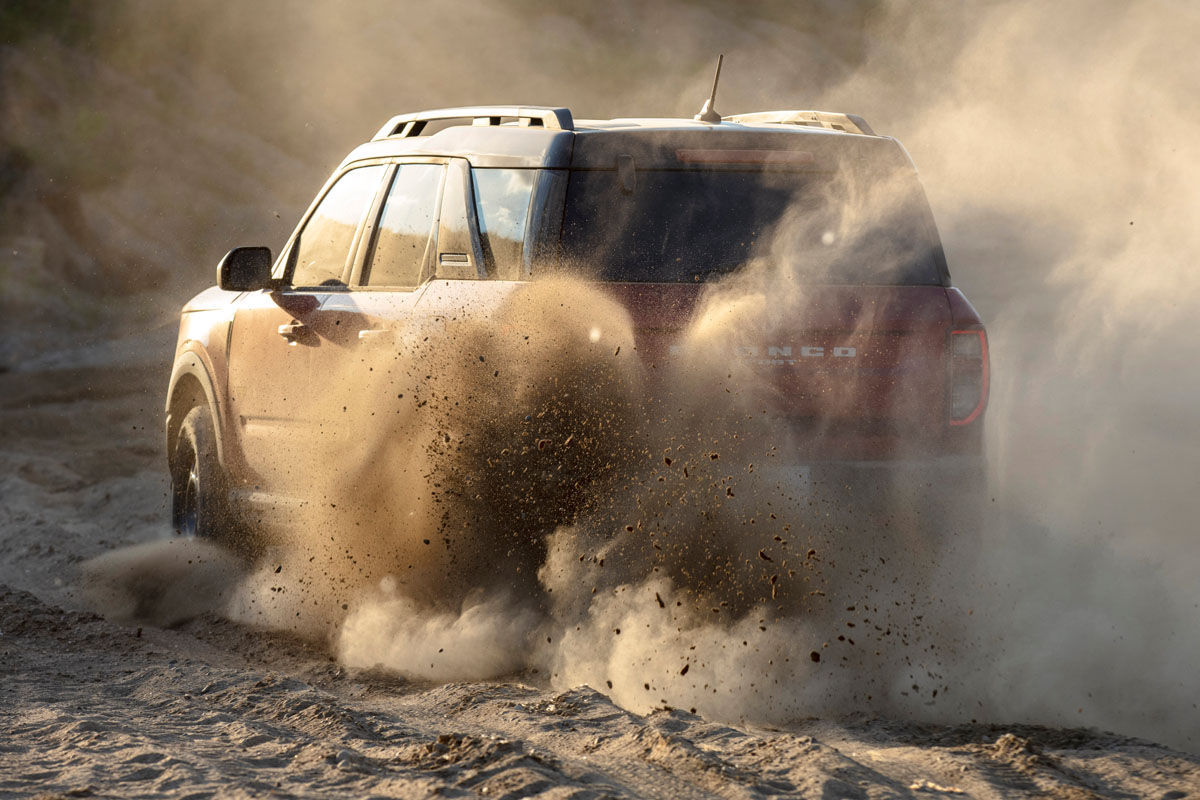
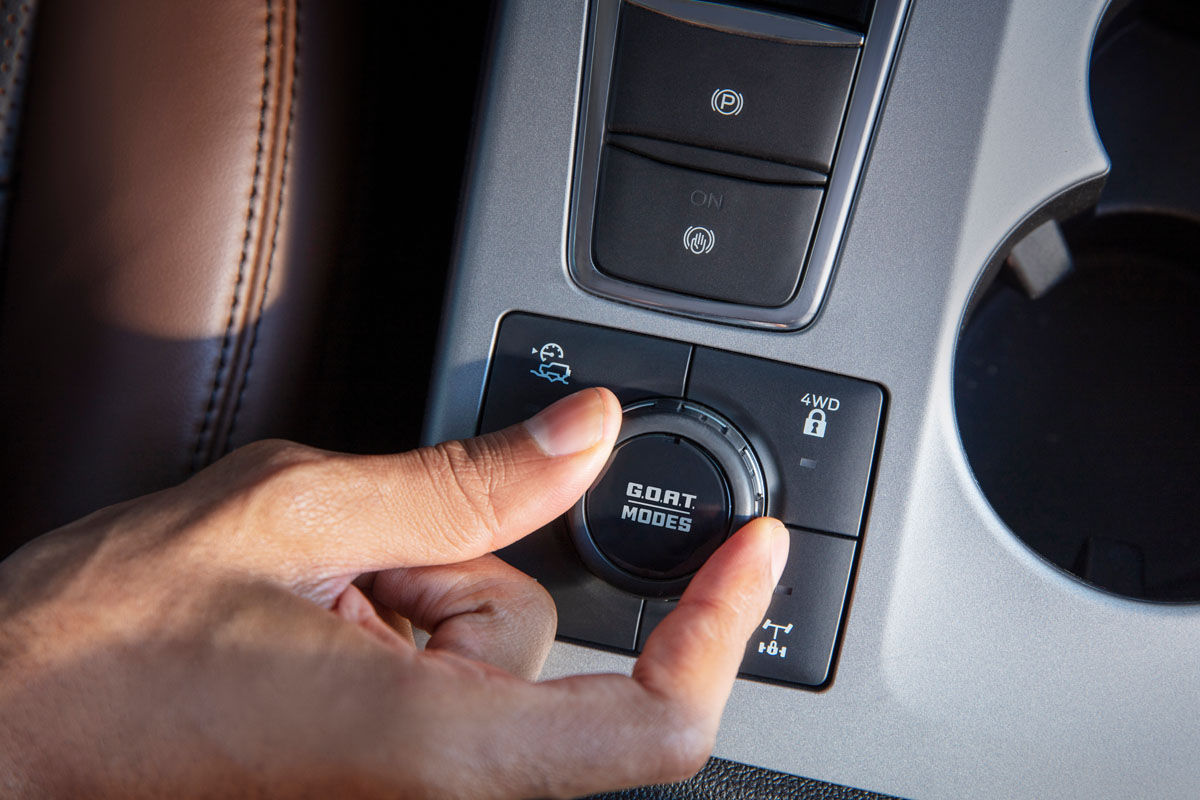
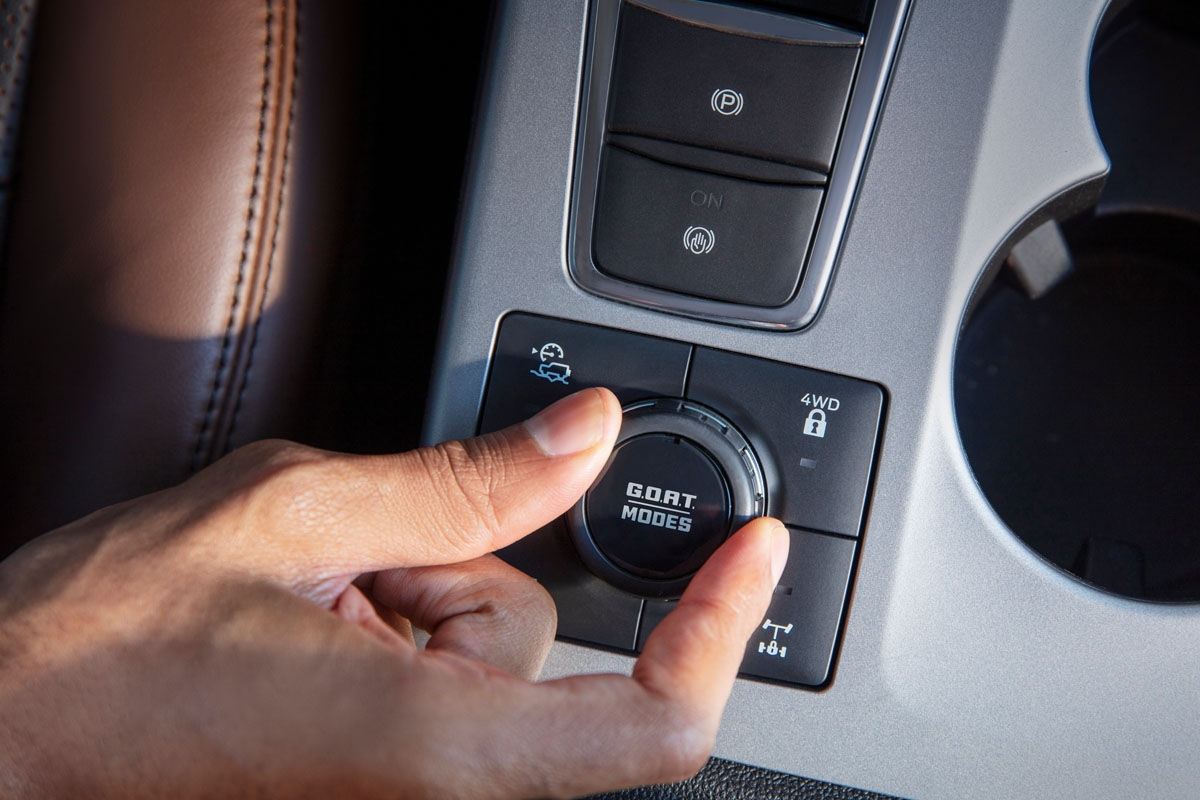
All Bronco Sport derivatives feature MacPherson-strut (front) and multi-link (rear) suspensions in combination with all-wheel drive, of which the Terrain Management System offers as many as 7 G.O.A.T. (Go Over Any Terrain) modes: Normal, Eco, Sport, Slippery, Sand, Mud/Ruts and Rock Crawl.
G.O.A.T. is an abbreviation for Go Over Any Terrain. The Bronco Sport offers up to 7 off-road driving modes.
High-spec (such as Badlands and First Edition) versions are shod with 28.5-inch and 29-inch all-terrain off-road tyres and a twin-clutch rear-drive unit equipped with a differential lock. The system can divert virtually all rear-axle torque to either wheel, setting it apart from most AWD family cars.
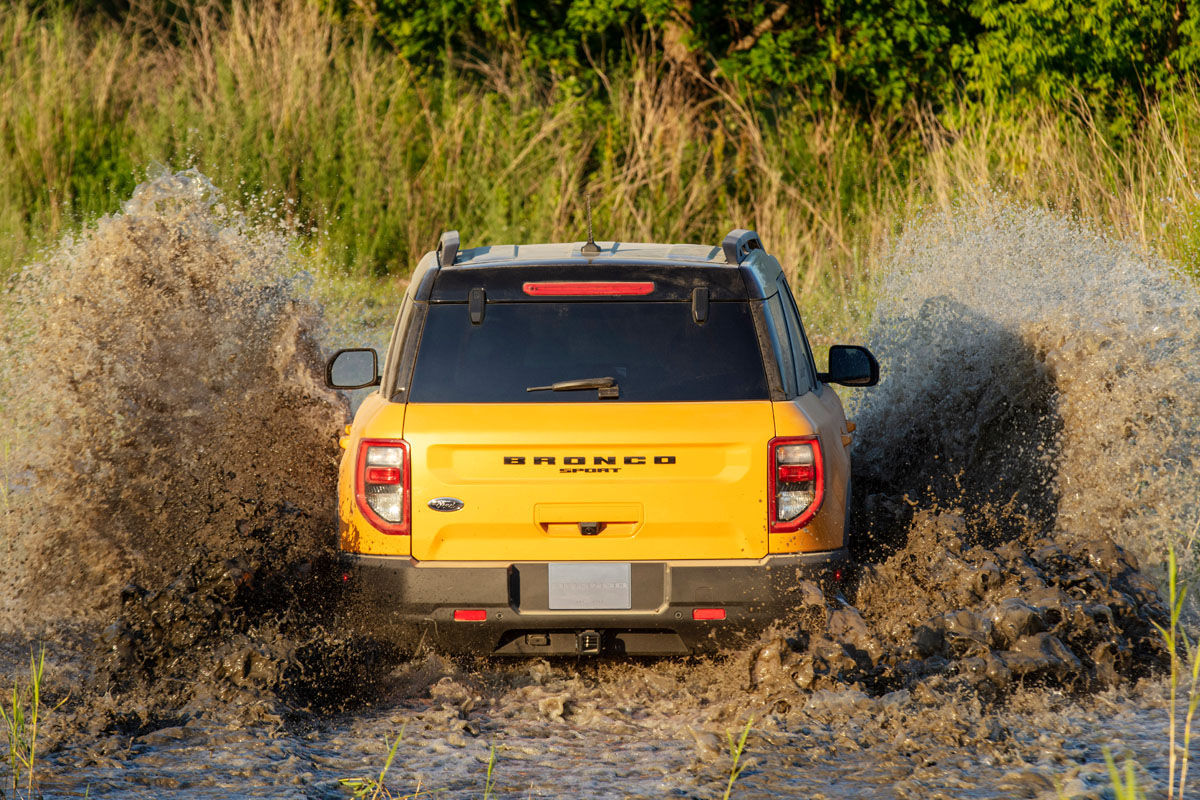
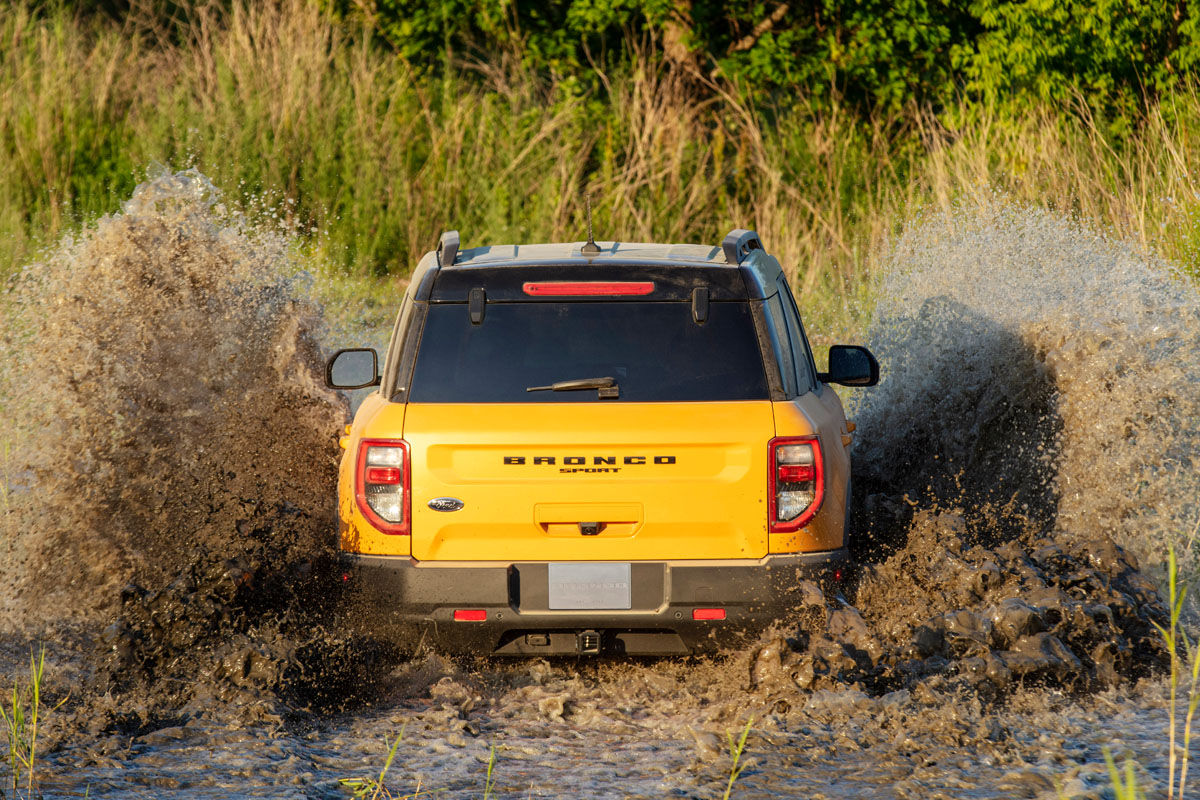
The Bronco Sport has 224 mm of ground clearance, 30.4- and 33.1-degree approach and departure angles, a 20.4-degree breakover angle, a crawl ratio of 18:1 and can wade through 600 mm-deep water. Four steel bash plates and frame-mounted front tow hooks, which can individually withstand static loads up to 100% of the GVM, are fitted.
The rubber-lined load floor and rear seatbacks are ideal for those who need to transport soiled mountain bikes etc.
Furthermore, the high-spec derivatives are equipped with tuned front struts with hydraulic rebound stops that “provide a quieter, less jarring off-road experience”, 46-mm monotube rear shocks for “improved response and more comfort off-road”, while softer springs and anti-roll bars “offer greater articulation”.
To assist less experienced off-roaders, the Trail Control low-speed cruise control system allows the Bronco Sport to travel at speeds of up to 32 kph forward (or 10 kph in reverse), while the system controls the throttle and braking so that the driver can concentrate on their steering inputs as they navigate tricky routes.
The Bronco Sport can wade through water that's up to 600-mm deep.
A notable optional extra (budding off-road enthusiasts may want to consider) is a front off-road camera with an integral lens washer, which effectively serves as a spotter to provide better visibility of the trail ahead by displaying the video feed on the fascia-mounted touchscreen.
So, what are the chances of the Ford Bronco Sport or any of its 2- or 4-door siblings being offered in South Africa? A recent report suggested the F-150 full-sized pick-up and the Bronco might be offered in the IMG market, which includes Australia, New Zealand, India, South Korea, Thailand, Malaysia, the Middle East, Africa and ASEAN, in future…
However, as things stand, the Bronco and Bronco Sport will, unfortunately, be built in left-hand-drive guise only. If the situation changes, we’ll be sure to let you know.
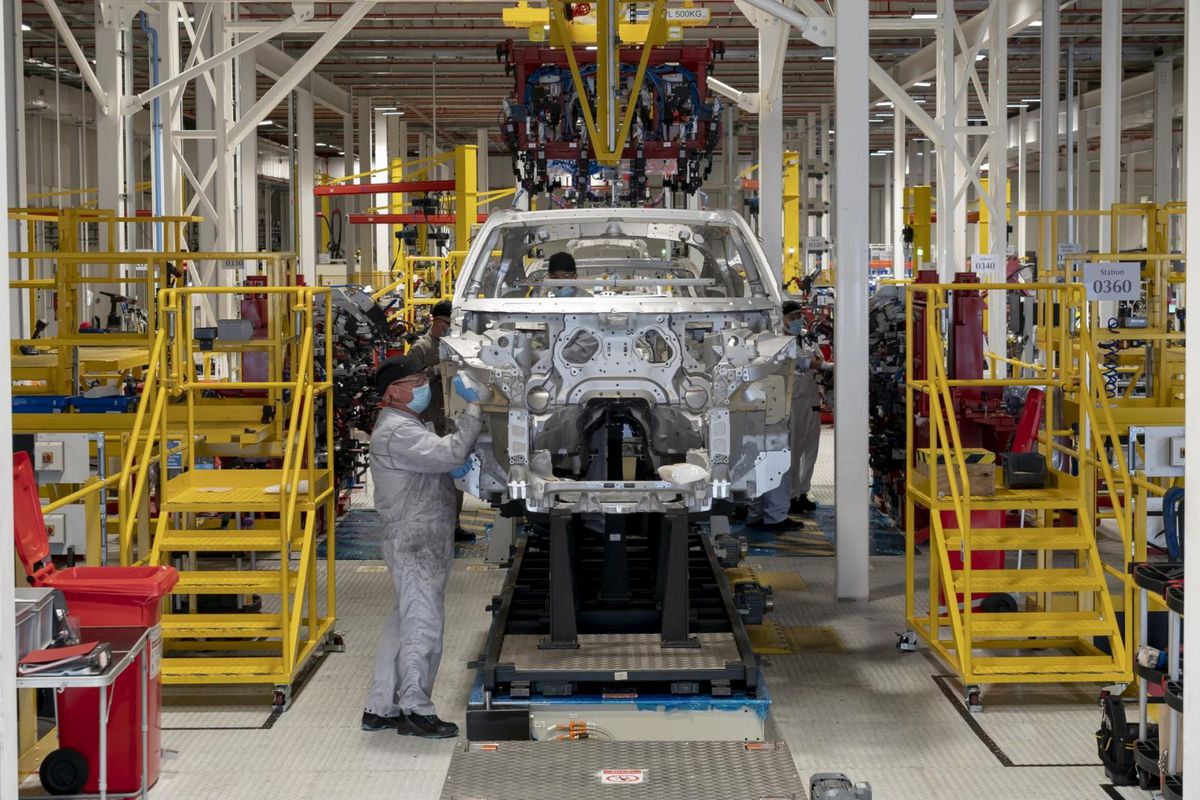
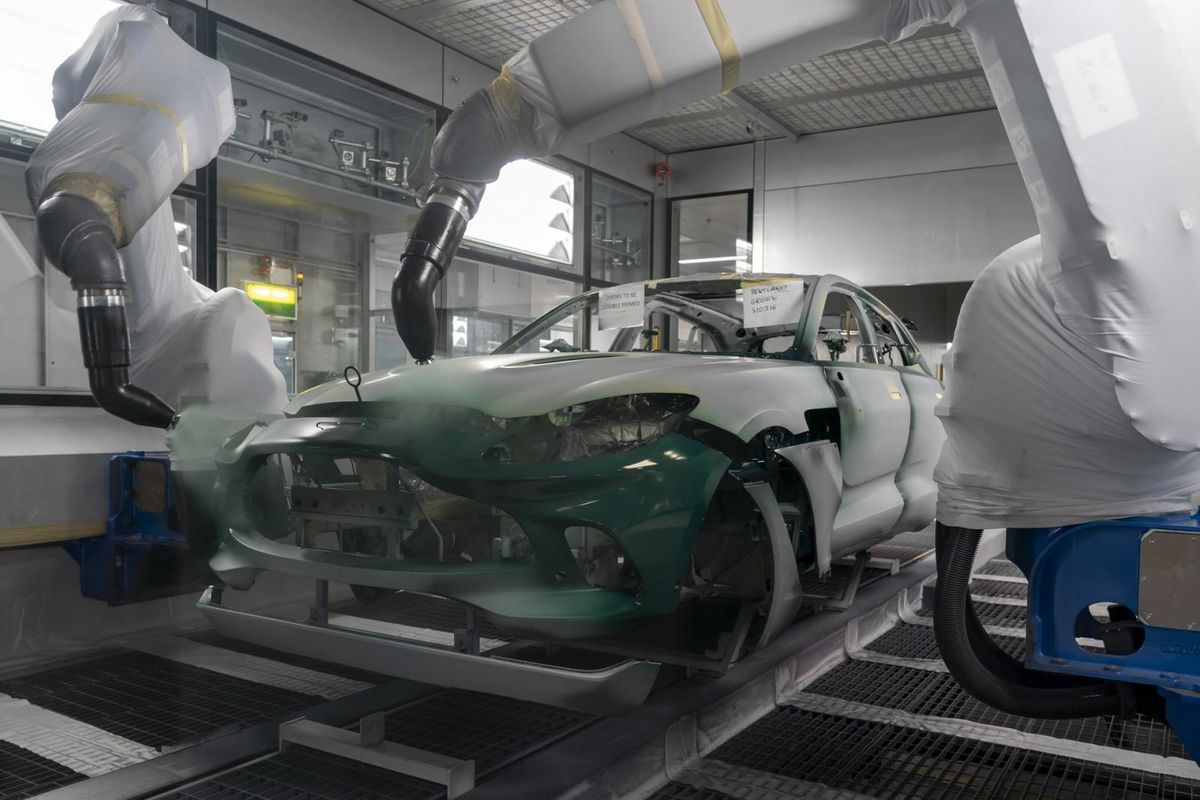
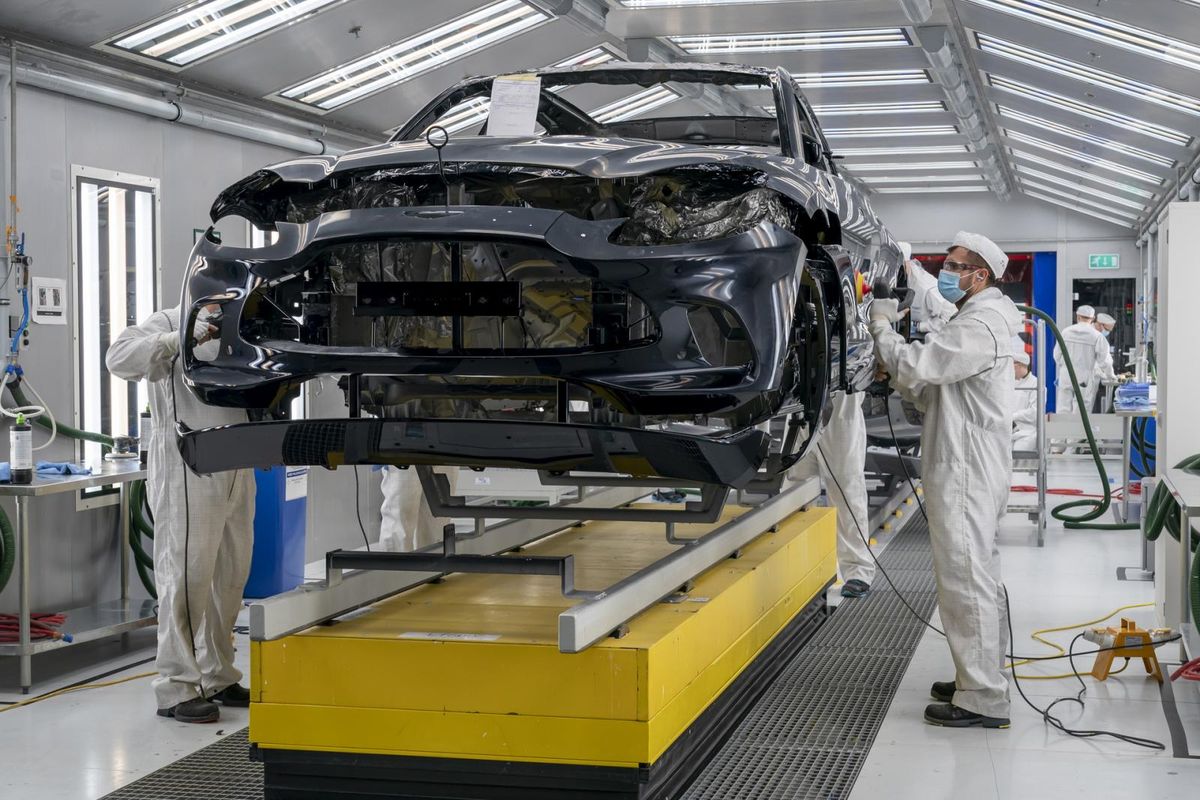
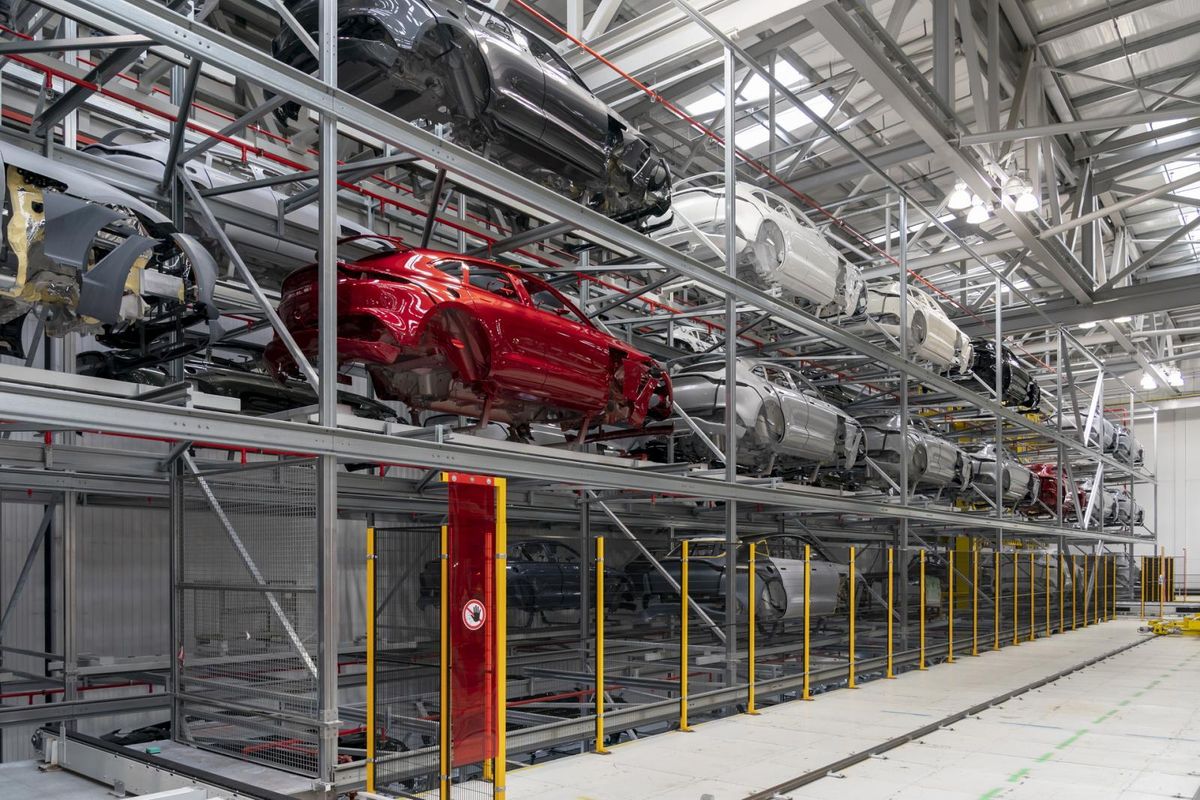
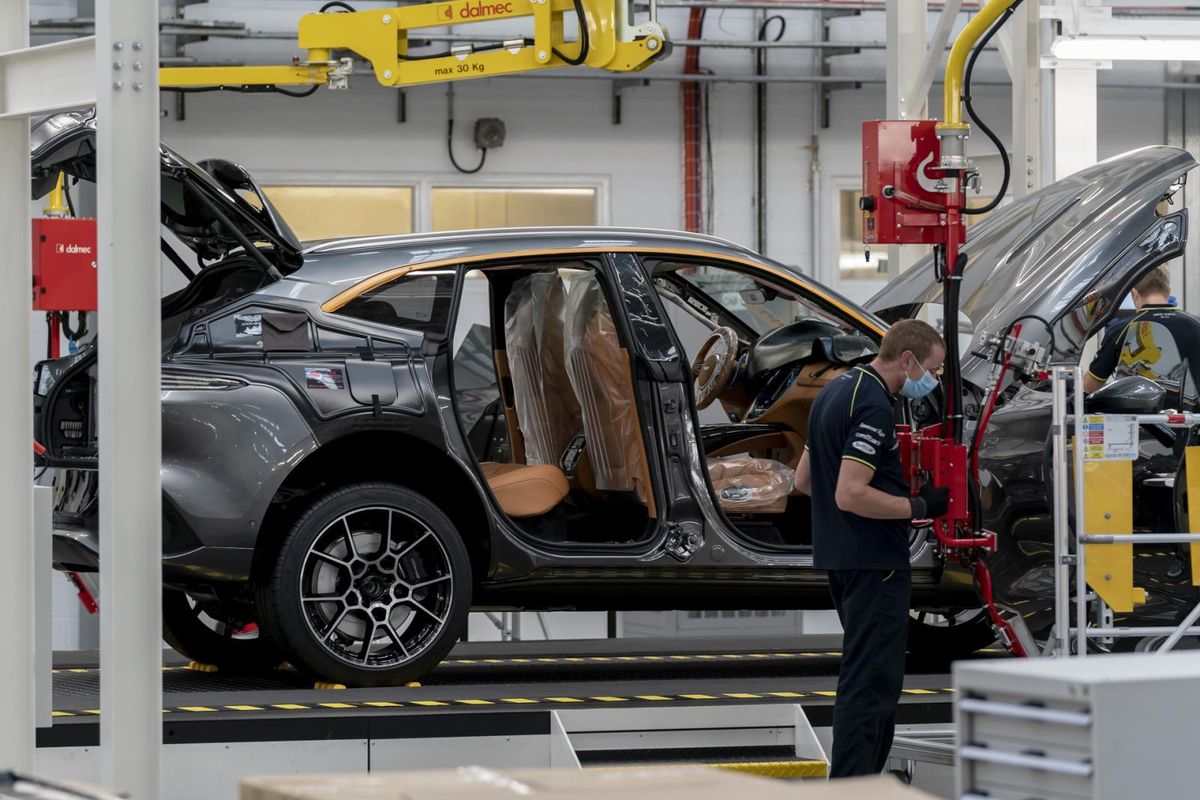
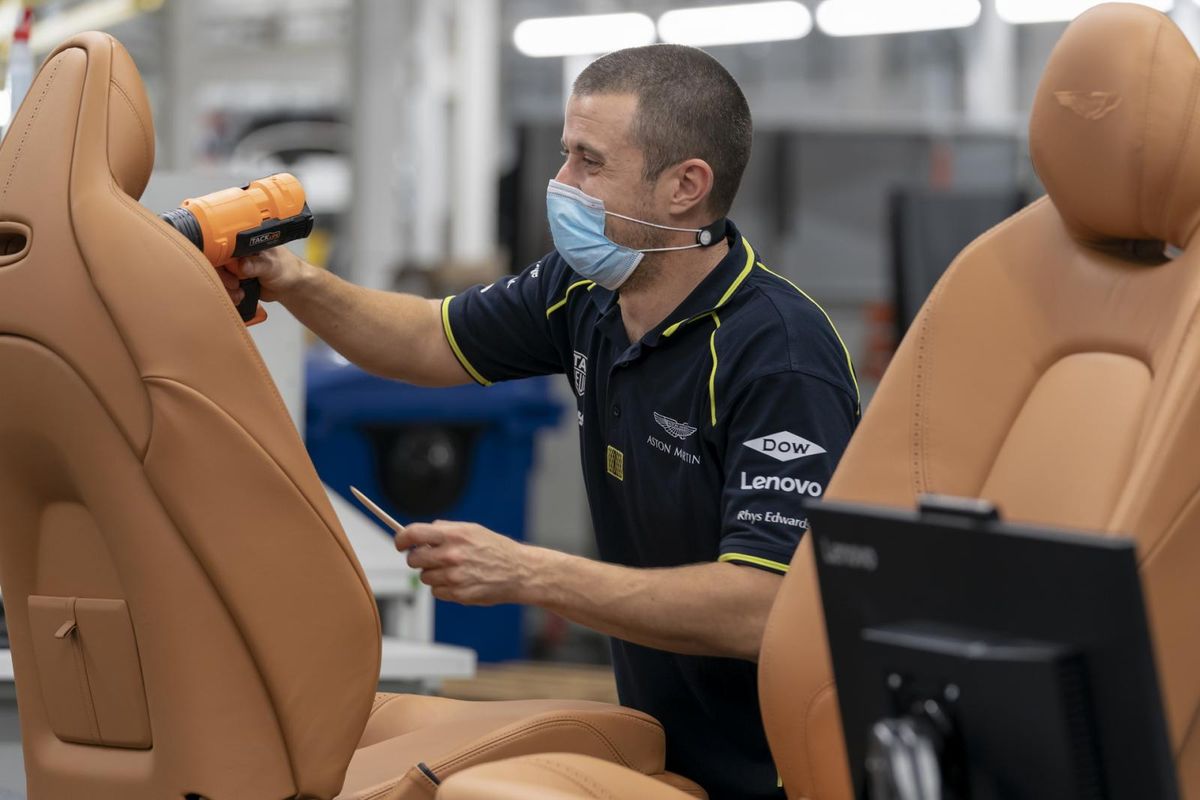
Production of Aston Martin’s first SUV, the DBX, has started at the firm’s new production facility in St Athan, Wales.
The rise of the SUV has translated into huge profits for car brands that previously only focussed on sports cars. Look at the success of the Cayenne for Porsche, the Bentayga for Bentley or the Urus for Lamborghini. There's method in the madness…
For Aston Martin, the development journey of its very first SUV started in 2015 and now the DBX has finally reached the production phase with first deliveries expected at the end of July 2020.
“I’m extremely proud of the Aston Martin team who have worked so hard to transform this ex-Ministry of Defense site into a world-class car manufacturing facility, to now be producing cars, it is testament to the resilience and fortitude of everyone at Aston Martin. It is an honour to see the first DBX come off the line and my only regret is that everyone who works for this incredible brand can’t be here to witness it,””, said interim COO, Keith Stanton.
The DBX will combine fine luxury while offering scintillating performance in an SUV body, as you would expect from a high-performance luxury car brand such as Aston Martin.
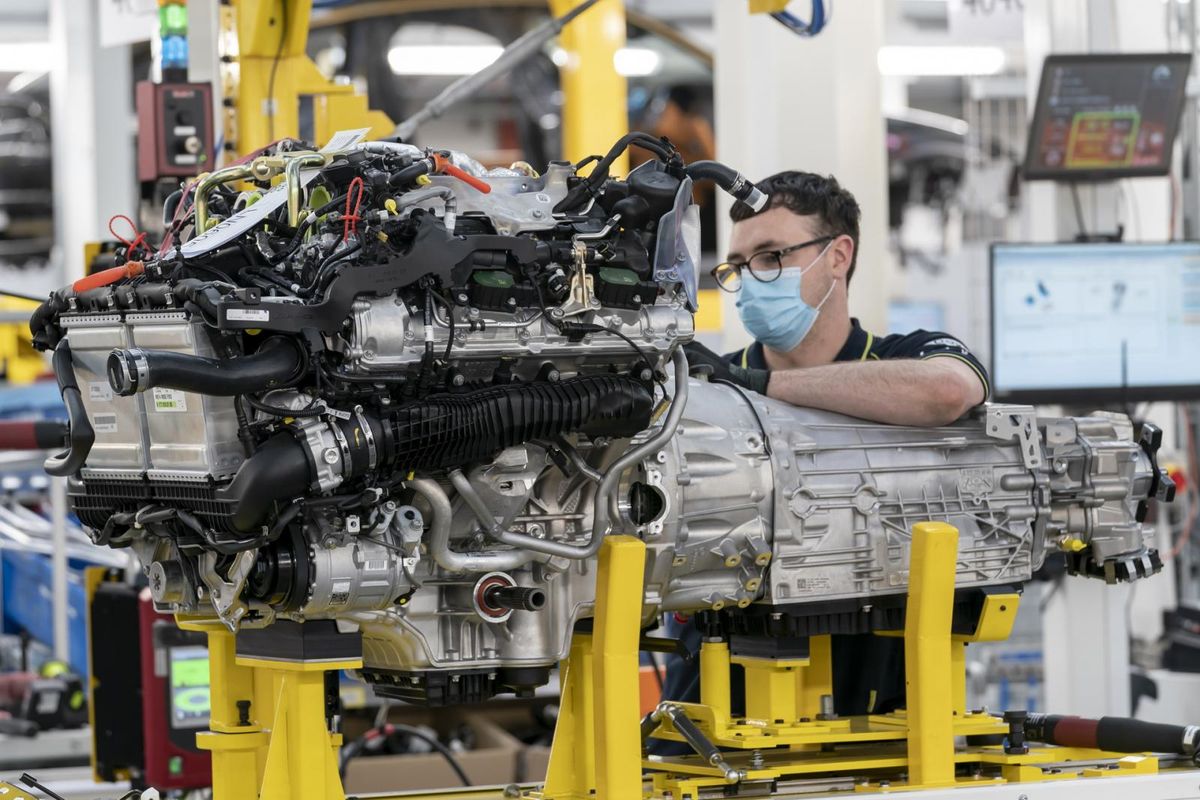
Under the bonnet of the DBX is a twin-turbocharged 4.0-litre V8 engine sourced from Mercedes-AMG and tuned to deliver 405 kW and 700 Nm of torque with power directed to all four wheels using a 9-speed automatic transmission. As you can imagine, the DBX is no slouch and zero to 100 kph will take just 4.5 seconds before thrashing on to a top speed of 291 kph.
The arrival of the Aston Martin DBX in South Africa has not yet been confirmed, however, 2021 is likely. Pricing in the UK starts at just over R3.3-million as a base indicator, it’s likely to be priced closer to R4-million when it lands in South Africa.
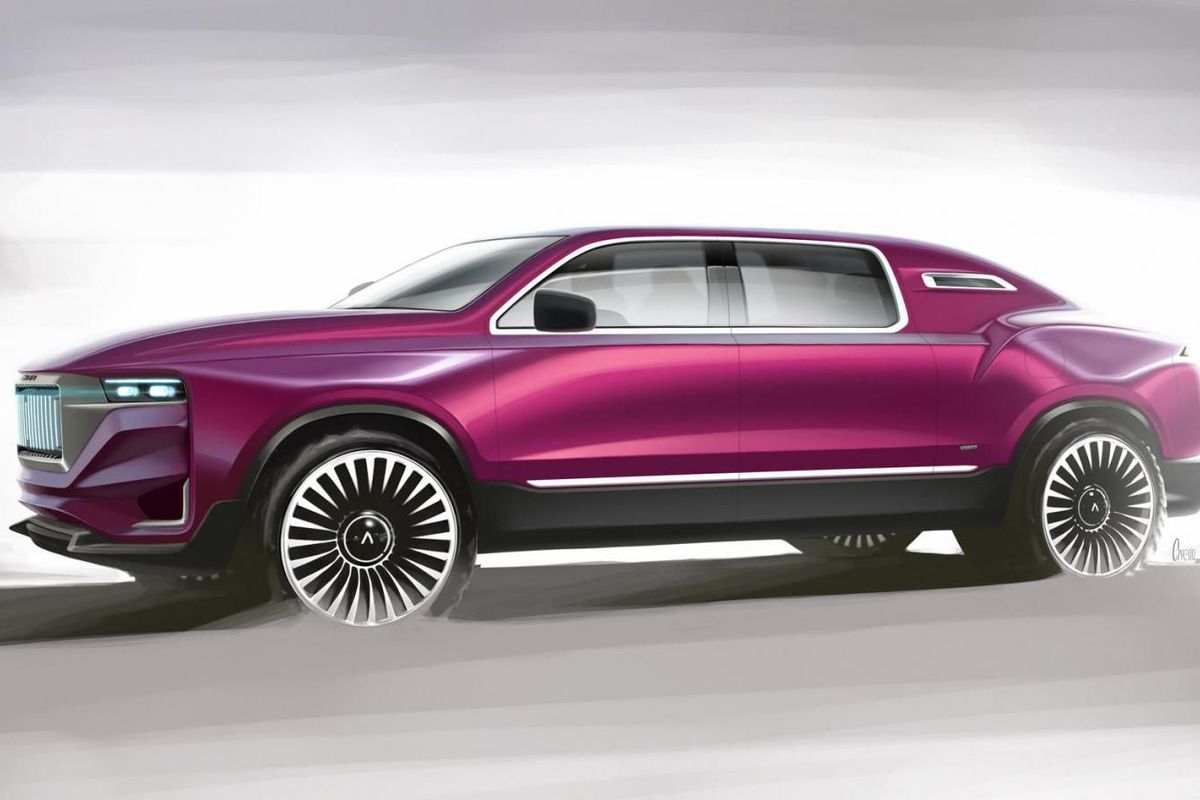
Italian design is never subtle and this new all-terrain luxury vehicle concept is proof of that.
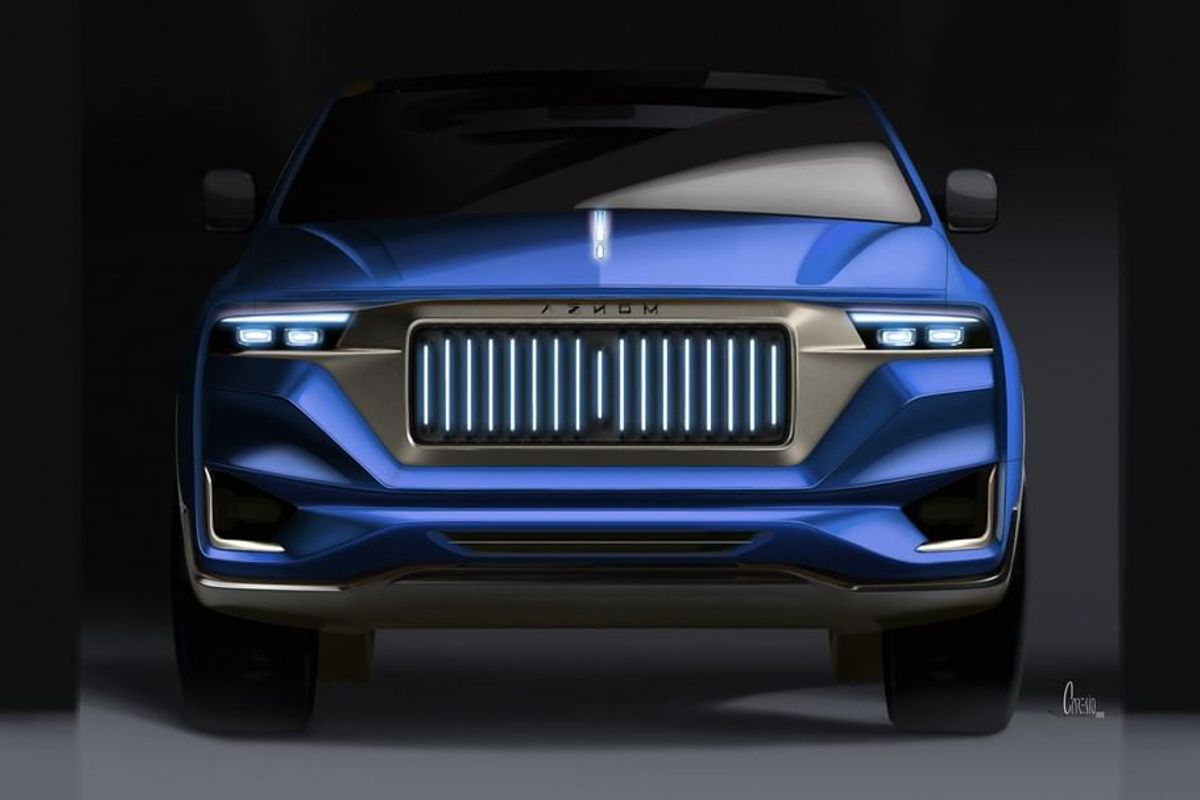
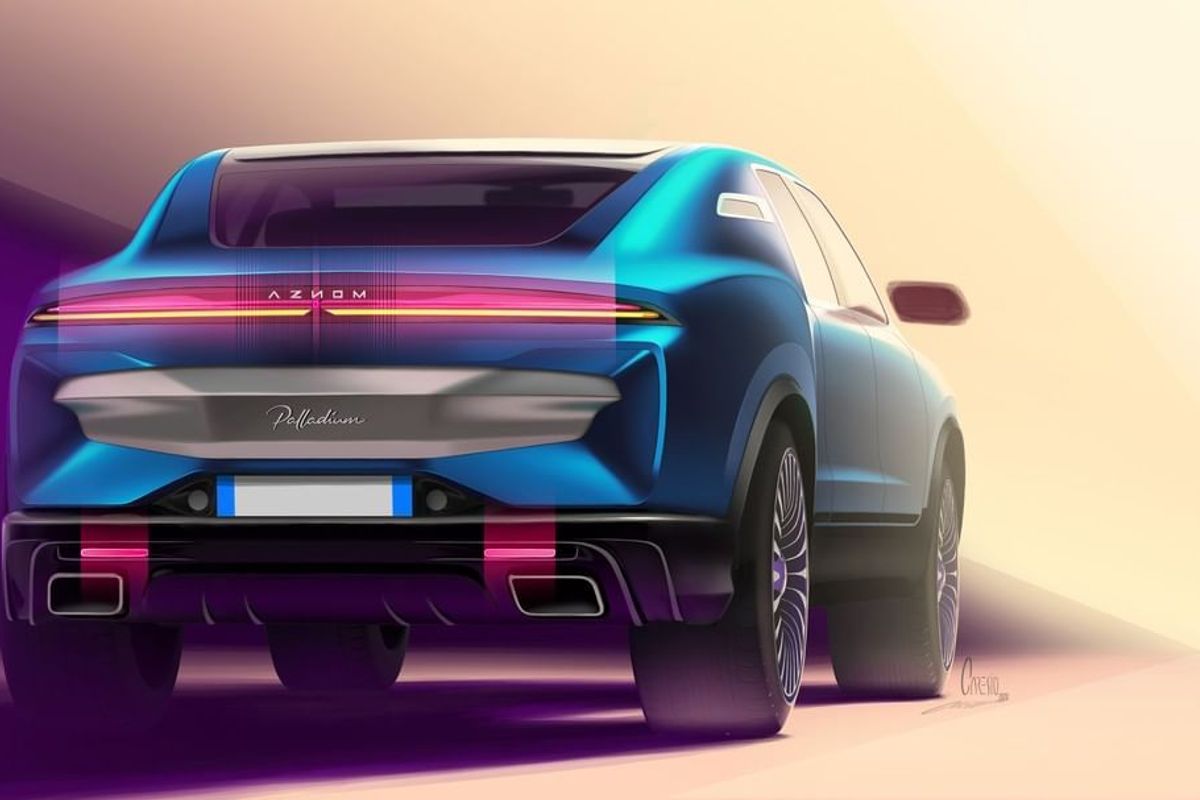
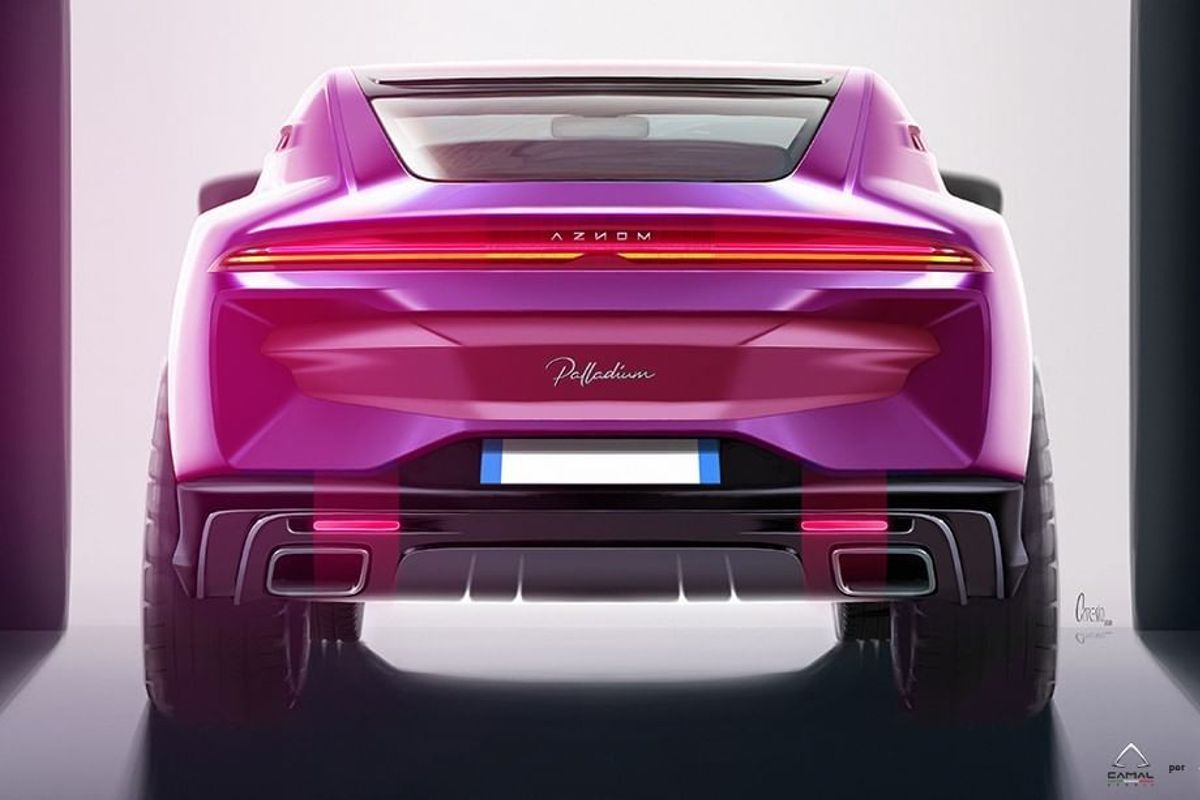
The idea is to create a combination of limousine and average off-road ability, within a strikingly styled package. It is called the Aznom Palladium and if you need something to make a Rolls-Royce Cullinan owner feel insignificant, this could probably be it.
Measuring 6 metres bumper-to-bumper, the Palladium is huge and every design feature which could be made more elaborate – has been duly shaped for effect.
There is an enormous grille up front, with very angular panels framing the light clusters. Towards the Palladium’s rear, it features hugely flared renders, accentuating the wheel arches.
Powering the Palladium, is a twin-turbocharged petrol engine, boosting 500 kW. Aznom is not at liberty to say which configuration or displacement this engine is – yet. There is also little detail on the Palladium’s platform or drive set-up, but from the renderings, it would appear to have substantial ground clearance.
Although its proportions are rather odd, there is no questioning the Palladium’s presence. Aznom says that a production-ready model will be revealed in September, with full technical details.
And if you are wondering about the company’s name: Aznom is ‘Monza’, written backwards. And yes, they have a strong history of producing Italian leather and carbon-fibre fashion and industrial design items, since 2006. Including bespoke products, for Pagani’s customers.
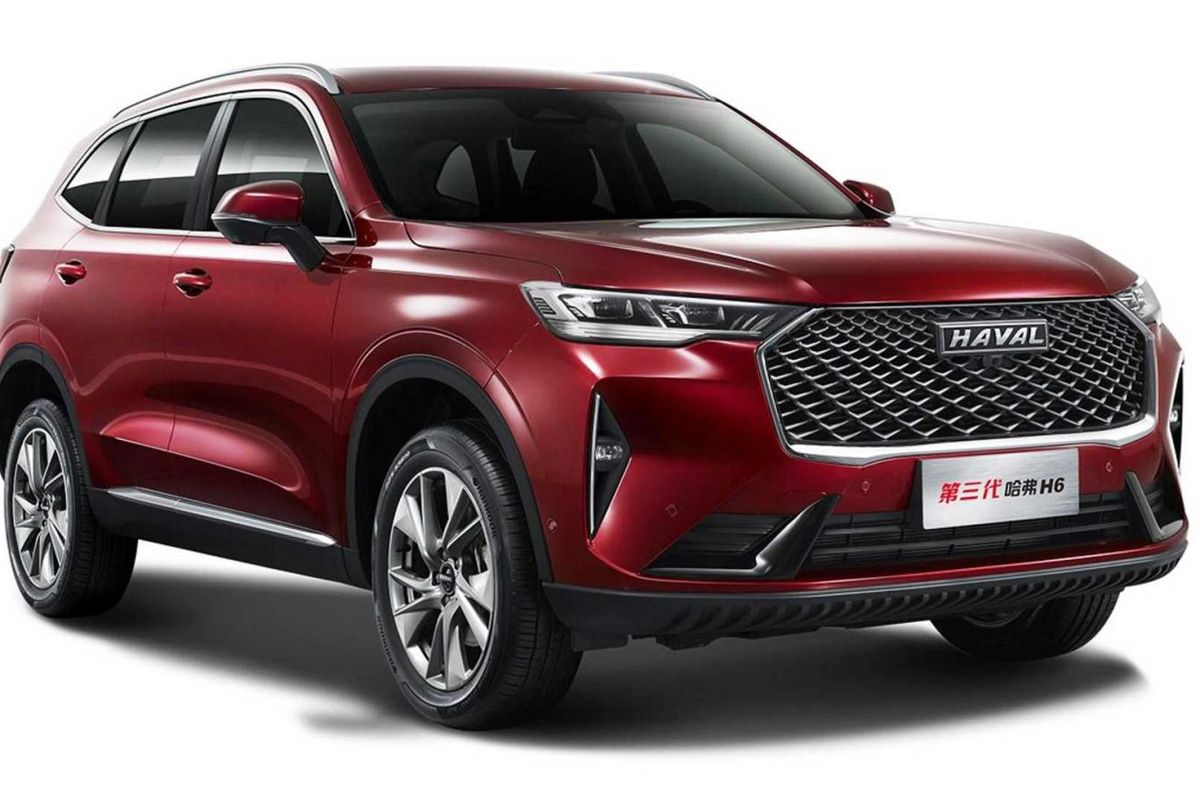
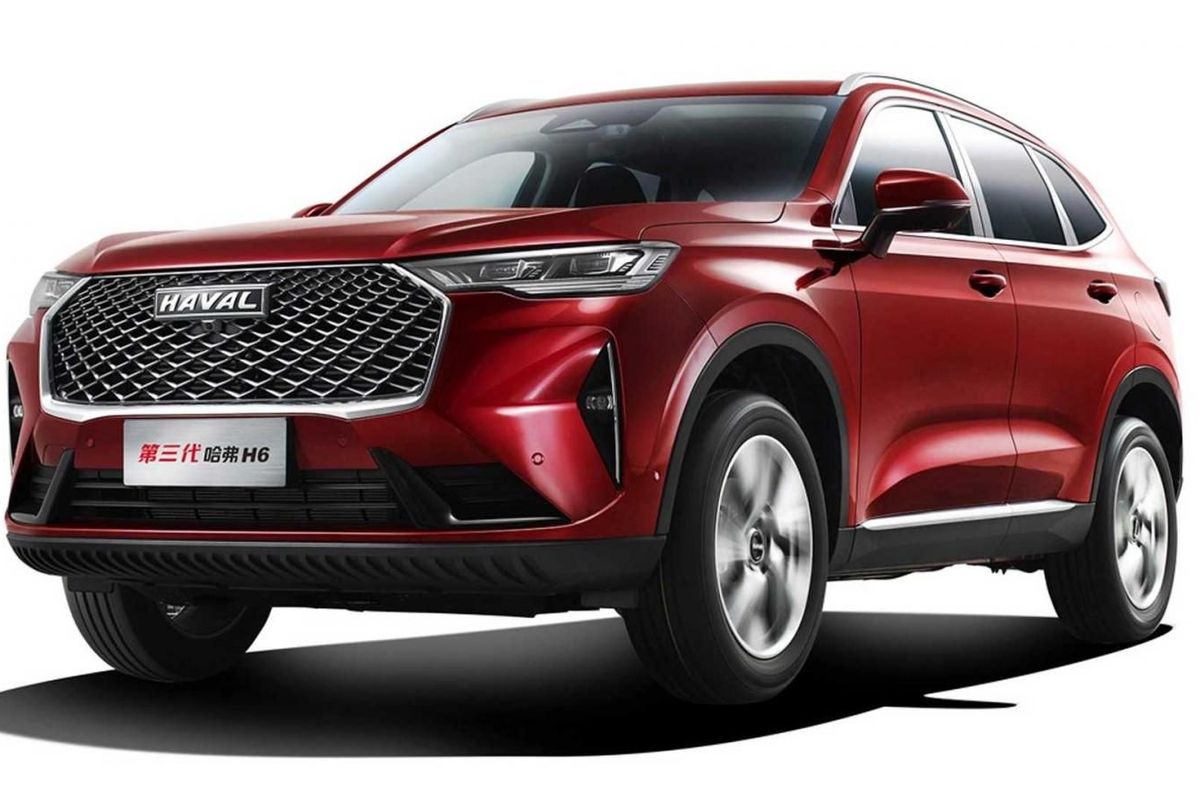
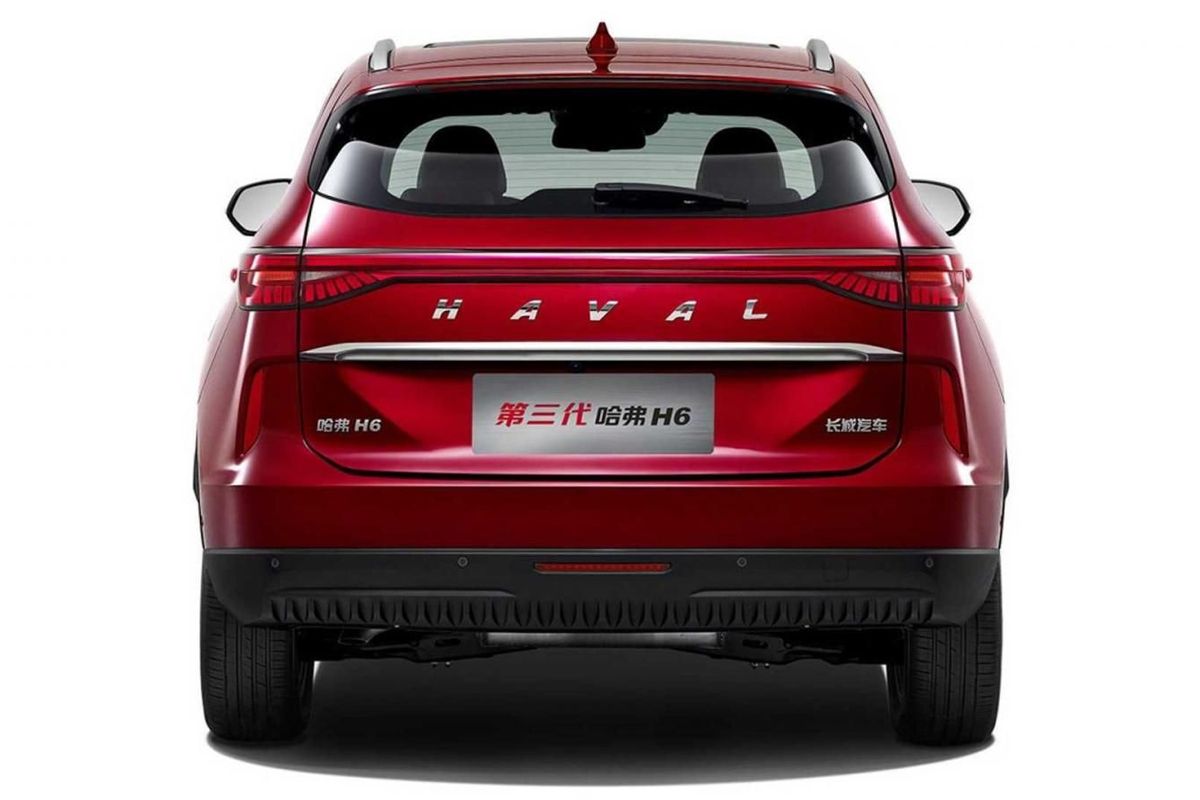
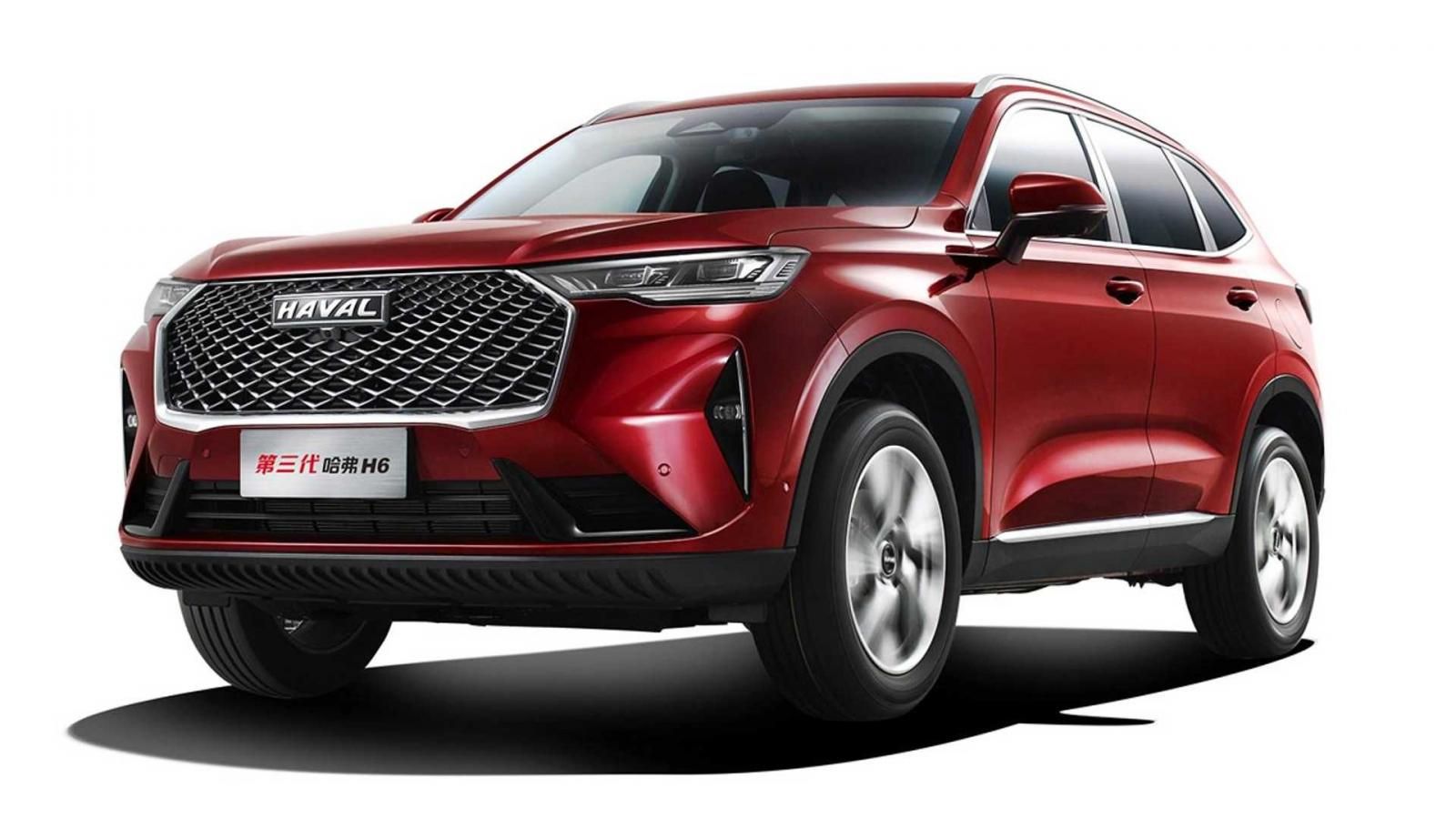
The updated Haval H6 has made its debut, with 3 images showing off the newcomer. With a full reveal just around the corner, here's what we know so far.
Under the skin is the new Great Wall B30 platform, which is said to boast excellent lightness and ridgity. It's also capable of handling hybrid and electric motors, so don't rule out an entire range of cars based on this model.
In terms of dimensions, the new Haval H6 is 53 mm longer, 26 mm wider and 10 mm taller, while the wheelbase has increased by 58 mm. The increased space should bode well for interior comfort. Speaking of cabin, there are no interior photos as yet, but we expect to see it when the vehicle is revealed.
As it stands, the 1.5-litre turbocharged 4-cylinder petrol with 126 kW is likely to power the new Haval H6, but a more powerful 2.0-litre turbocharged petrol engine is forecast for later.
In terms of styling, the new Haval H6 has gone for a bold approach.
AMG might be famous for its V8s, but no automotive company is quite as committed to the bent-eight engine configuration, as Chrysler.
A mere week after revealing the world’s most powerful SUV, Chrysler’s Jeep division has leaked an image which confirms that Wrangler will soon be available with a V8 engine option.
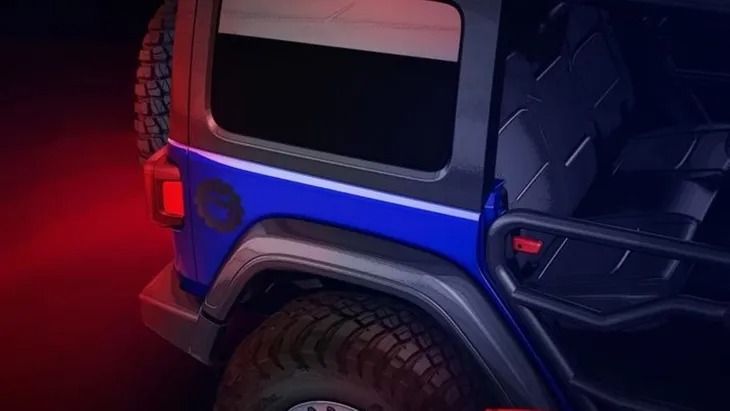
The image in question was posted on Jeep’s official Twitter account and shows a new Wrangler bonnet stamping, with a distinctive power scoop and ‘392’ badging.
Any follower of Chrysler will know that ‘392’ is the imperial capacity code for the brand’s most potent Mopar V8 engines. In our more metric South African frame of reference, it calculates to 6.4-litres – and that means a naturally-aspirated version of the Grand Cherokee Trackhawk engine, will power a V8 Wrangler.
The current Wrangler 3.6-litre V6 is hardly unpowered, compared to other low-range enabled off-road vehicles of similar ability. It produces 209 kW and 347 Nm in the South African application, yet Jeep is aware that for extreme dune driving, one can never have too much power. Hence the validation of this new project, to bring V8 power to the Wrangler range.
Chrysler’s 6.4-liter Mopar branded Hemi V8 is good for 361 kW and 644 Nm, which should give the 13-year old Wrangler platform a significant boost in acceleration and overtaking performance.
Perhaps the most considerable influence on Jeep’s product planning, with regard to this V8 Wrangler, is Ford’s new Bronco. The two American brands will soon be in direct rivalry with competing hardcore 4×4 SUVs, for the first time in decades. And Jeep does not wish to be out-powered by Ford's Bronco.
The Wrangler is a wonderfully competent rock crawling 4×4, but it lacks the on-road refinement and general polish of a new platform and design – such as Bronco. Jeep’s solution to keep it relevant is very simple – add a lot more power. For bakkie fans, the notion of a V8-powered Gladiator double-cab will be a very appealing potential consequence, of the Wrangler range's powertrain expansion.
Earlier in 2020 Jeep teased this Mopar Wrangler rear three/quarter shot.
First, the bad news: a Toyota Supra GRMN is indeed coming, but it won’t see the light of day until 2023 and will be produced in very limited numbers. But here’s the good news: it will be powered by a beefed-up version of the upcoming BMW M3/M4’s twin-turbo 3.0-litre inline-6 engine, mated with a dual-clutch automatic ‘box!
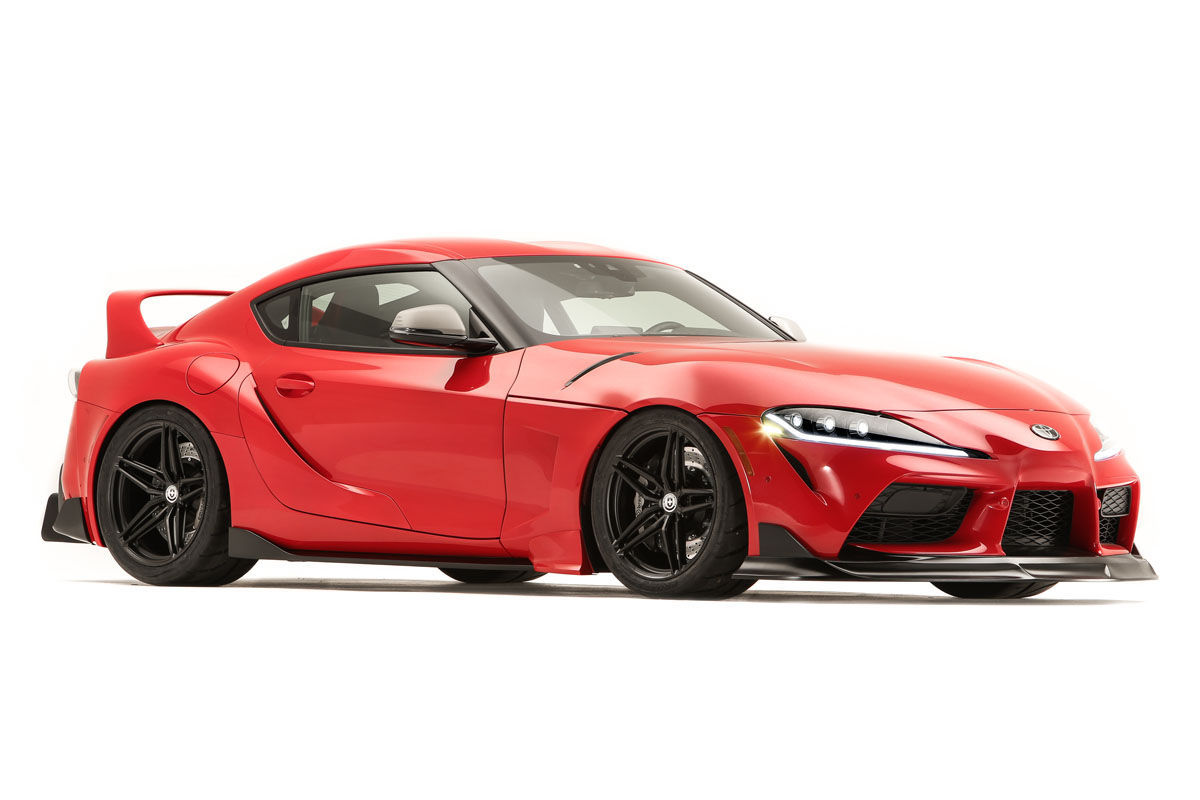
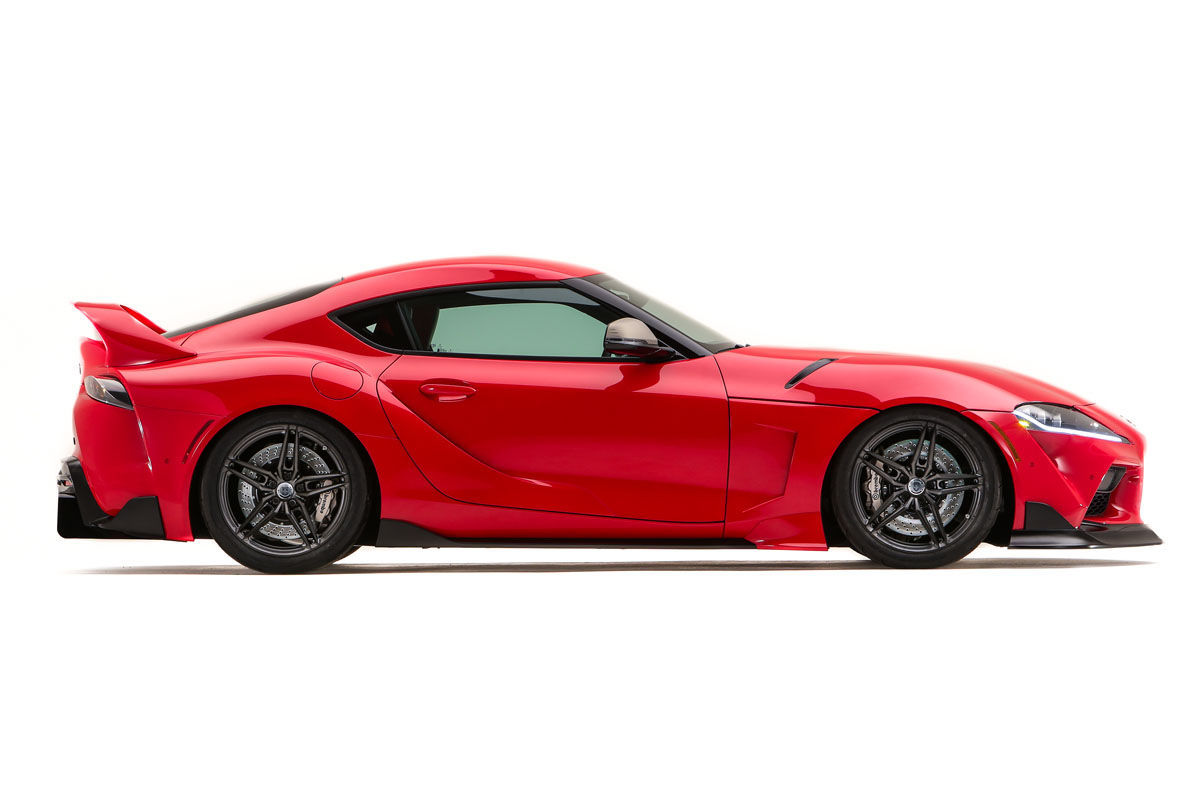
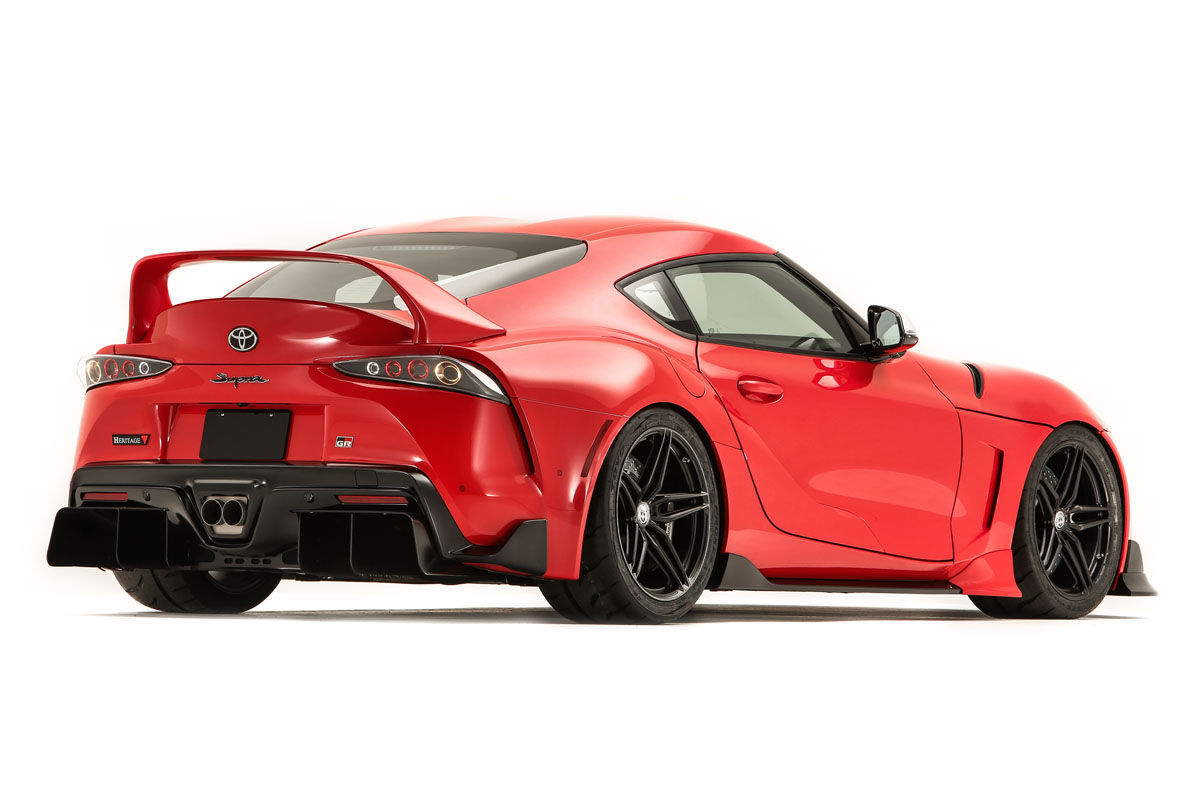
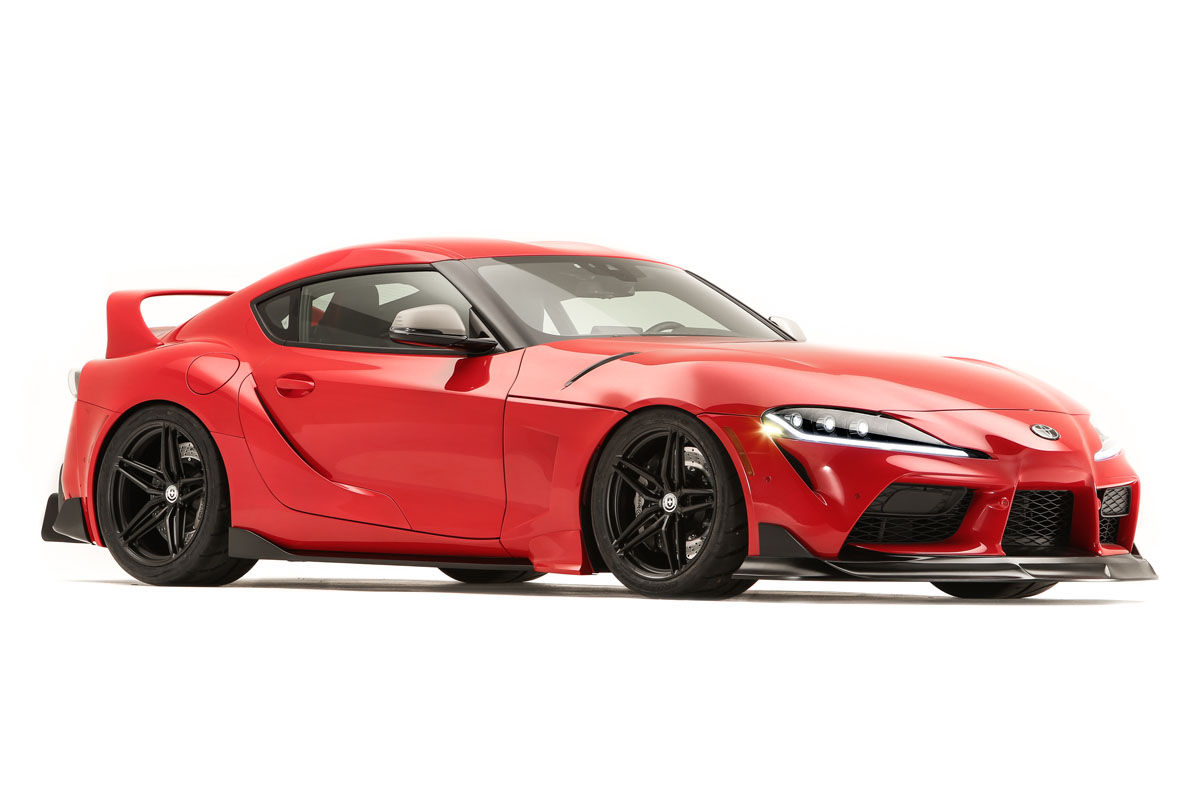
The car displayed here is the GR Supra Heritage Edition that Toyota displayed at the 2019 SEMA Show
While local fans of the 2019/20 Cars.co.za Consumer Awards – powered by WesBank category winner Toyota GR Supra hold thumbs that the South African market will be availed the updated 285 kW version of the Japanese rear-wheel coupe later this year, which would see its peak output upped to match that of its cousin, the BMW Z4 M40i (as previewed by the JDM’s RZ derivative), the Japanese website Best Car Web has revealed tantalising details about the eagerly anticipated GRMN derivative.
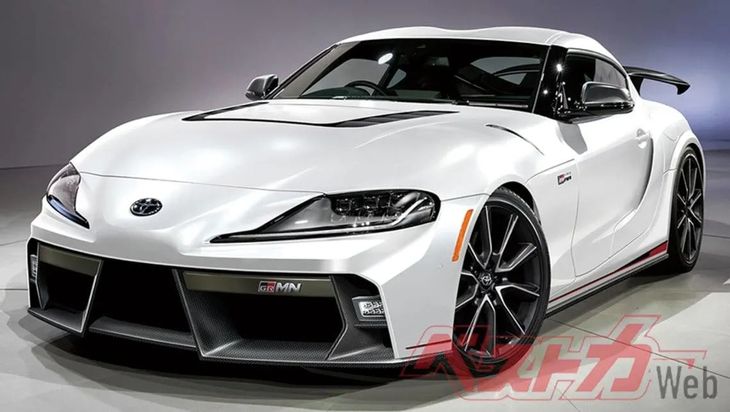
Best Car Web anticipates that the production version of the Supra GRMN might look like this…
Sensationally, the report states that the Supra GRMN won’t be powered by a reworked version of the current GR Supra and Z4 M40i’s 3.0-litre inline-6 turbopetrol, which has a single, twin-scroll turbocharger – it won't even have the same gearbox. Instead, the ultimate Toyota Supra derivative will feature the Munich-based firm’s 3.0-litre twin-turbo inline-6 motor (S58), which produces 353 kW in standard- and 375 kW in Competition versions of the upcoming BMW M3 and M4.
In fact, the article quotes none other than Supra chief engineer Tetsuya Tada as saying BMW needed some convincing to avail Toyota with the outgoing M3/M4’s 7-speed M-DCT dual-clutch automatic gearbox, because the S58 motor will be mated with an 8-speed torque-converter automatic transmission in the various new M3s and M4s.
Best Car Web reports Toyota has decided that the Supra GRMN will be introduced in 2023 and that only 200 units of the car will be produced. But wait, there's more: the mighty coupe will have slightly beefier maximum engine outputs than the Competition versions of the S58-powered BMW M3 and M4: 382 kW and 608 Nm of torque.
The Toyota GRMN is likely to look even more purposeful than the SEMA show's 2019 Heritage Edition!
Naturally, “the GR development team is fully committed to tuning (the Supra’s) chassis to suit the heightened outputs of the new engine”, and (will apply) the knowledge gained by the Aiki-based firm’s participation in the Nurburgring 24 Hours “to the maximum”, the report said.
BMW, by contrast, has no plans to utilise the S58 motor in the Z4, while the Supra’s product lifecycle is scheduled to end 2025. Toyota does not plan to replace the Supra, of which the GRMN will be the ultimate edition. Judging by current market trends, the Z4 may not continue beyond that point either.
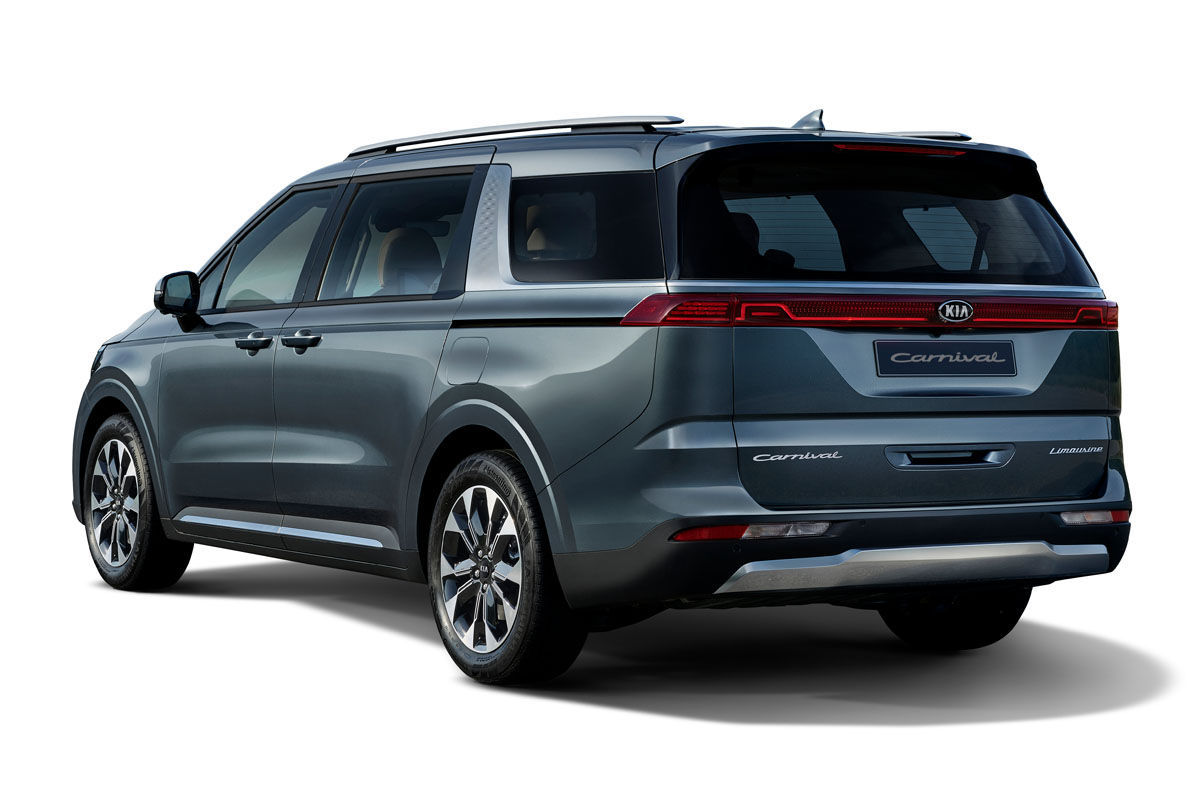
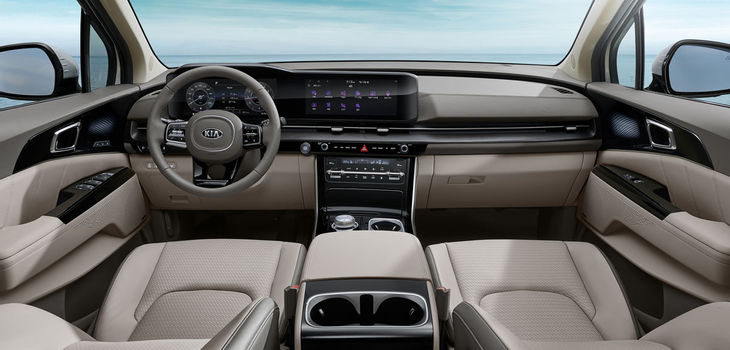
Kia will launch its 4th-generation Grand Sedona in South Africa in 2021, but whereas the Korean firm recently showcased only the exterior design of its roomier people-mover, we can now show you what the newcomer's stylish, more upmarket cockpit looks like… ?
Kia updated and revised its current Grand Sedona line-up in South Africa at the end of 2018 and we reviewed the 2.2 CRDi SXL derivative in April 2019. Although the Grand Sedona is a less fashionable conventional MPV – or Grand Utility Vehicle, as the company calls it – compared with the bakkie-based 7-seater Adventure SUVs that dominate the family vehicle market, it’s markedly more refined and luxurious than those products, but also more accomplished and family-friendly than most commercial vehicle-based buses… Given its extended (by 30 mm) wheelbase, we believe that the new Grand Sedona is probably based on Hyundai Kia's new N3 platform.
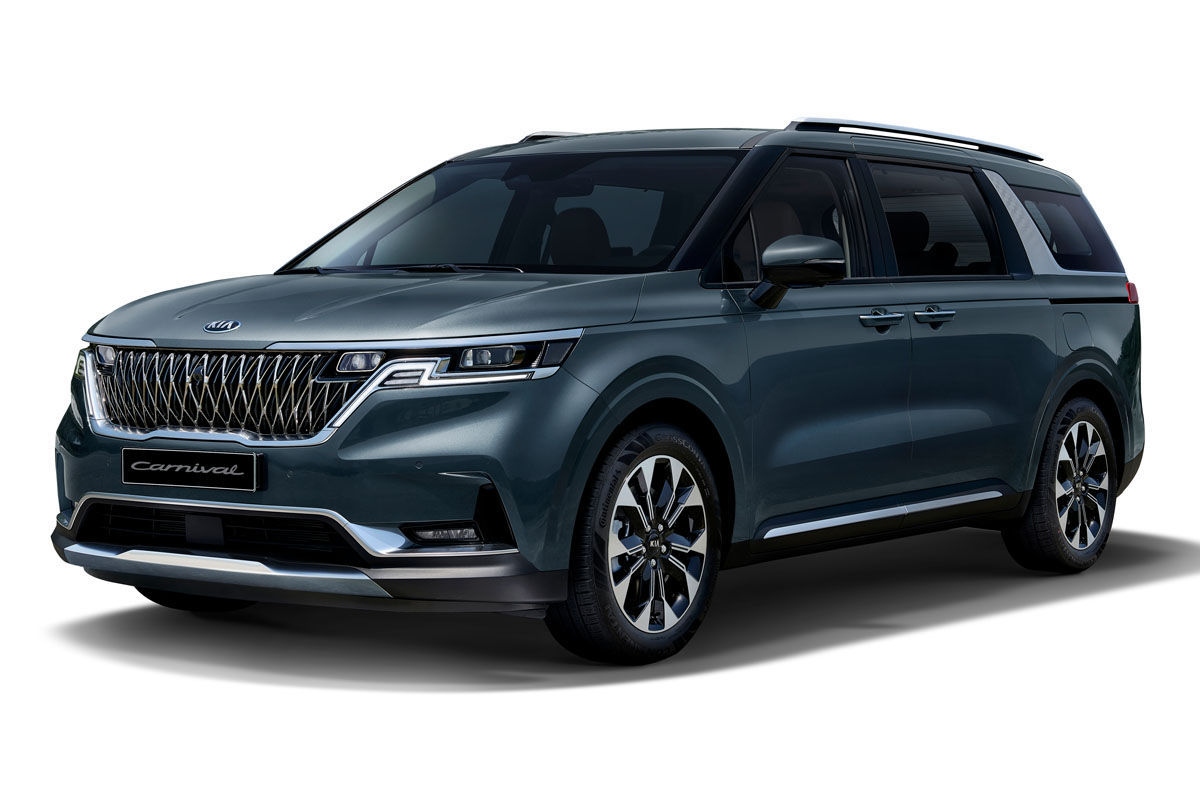
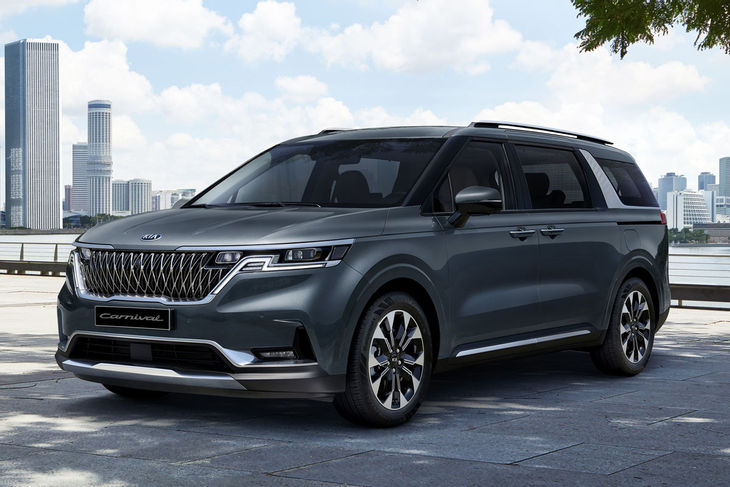
As is the case with the new Sorento, the next-gen Grand Sedona features a new “tiger face” characterised by what Kia’s designers call “symphonic architecture” – in which the chrome-look diamond-patterned grille and lighting elements create a single, expansive design cue. In the case of the newcomer, it’s topped by a pair of trim strips that flow into the shoulder lines that extend along the flanks to the tail-lamp clusters. What's more, a pair of distinct bonnet creases sprouts from the castellated top edge of the “tiger nose”.
Kia has applied lashings of machined- and chrome-look trim to the new Grand Sedona. Its bumper is very SUV-like.
So, which lights do what? The newcomer’s headlamps are integrated into the corners of the tiger-nose grille, with the low-beam lamps sitting separately at the outer edges of the “tiger face”. Between them, the “bent lightning bolt” LED daytime running lights wrap around the indicator lamps, then merge with the grille’s lower chrome border. Meanwhile, the Grand Sedona’s SUV-inspired lower bumper and air intake are adorned with generous helpings of chrome-look trim and finished with a black apron.
Compared with its predecessor, the newcomer has bolder wheel arches, with the bases of the A-pillars moved backwards to create a more elongated bonnet. Note how the A- and B-pillars are blacked-out while each of the new C-pillars features an eye-catching chrome fin, which wraps beneath the tapered rear windows and extends to the tailgate.
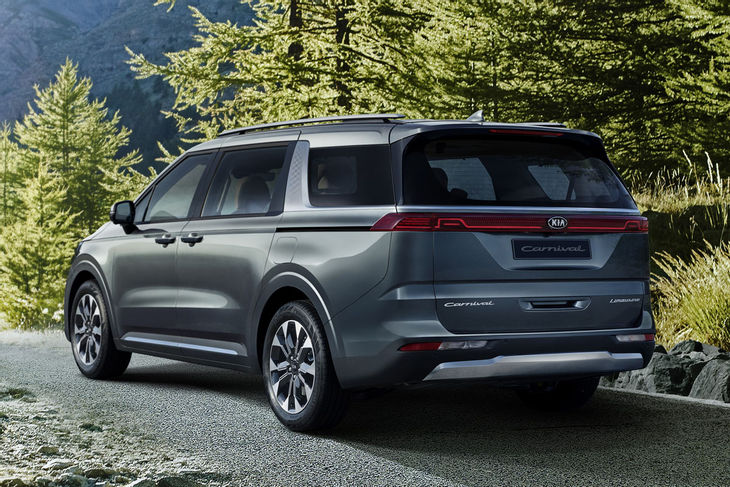
At the rear, the Grand Sedona features a full-width light bar, which includes slim combination tail lamps that echo the DRL signature at the front of the vehicle, Kia says. Above the light bar is a chrome line, which starts from the base of the new signature C-pillar and wraps around the base of the rear screen. Highlight lines extend across the tailgate to raise the visual centre of the rear of the car and, to echo the SUV-inspired front bumper, the newcomer’s rear apron features a metallic skid plate.
The C-pillars feature reverse L-shaped chrome fins, the lower ends of which effectively wrap the Kia's tailgate.
In terms of dimensions, the new Grand Sedona is 40 mm longer and 10 mm wider (for an overall length of 5 155 mm and width of 1 995 mm) and, while its front overhang is shorter, its rear overhang is 30 mm longer (that section is 1 130-mm long) to create "more space for 3rd-row passengers and best-in-class luggage space", Kia says.
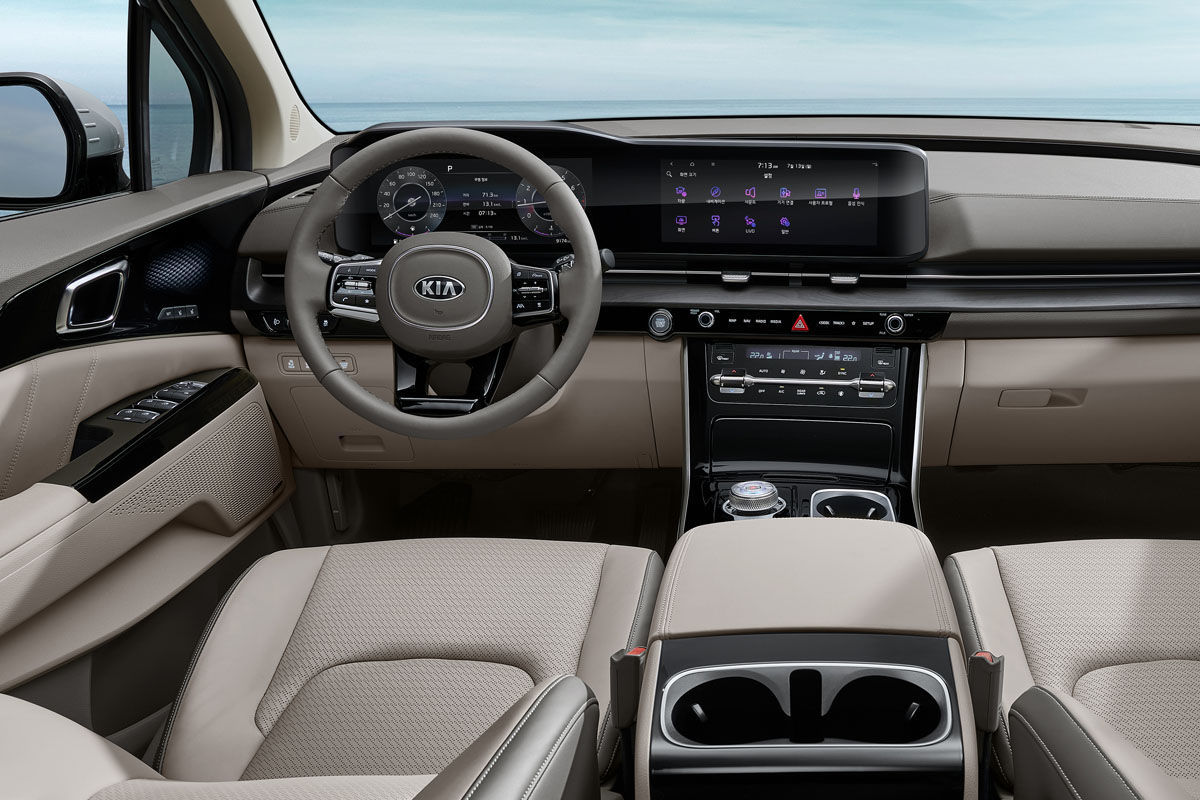
To match the bolder, SUV-inspired exterior execution, the newcomer's interior adopts Kia’s “Spatial Talents” design concept, which emphasises a greater sense of roominess, stylishness and more upmarket build quality. The cockpit is characterised by a wide, wraparound dashboard featuring a pair of digital displays (comprising a 12.3-inch electronic instrument cluster and 12.3-inch touchscreen infotainment system with haptic feedback) housed under one piece of glass. Furthermore; the transmission lever has been replaced by a knurled metallic-finished dial, which is complemented by the switchgear of the digital climate control console on the smart piano black centre console.
The Grand Sedona's upmarket leather-trimmed cockpit features an expansive dashboard and dual-digital-display layout.
Like its predecessor, the 4th-generation Grand Sedona will also be offered in 3- or 4-row seating configurations; in 7-seater guise, the newcomer again features reclining “captain’s chairs” for 2nd-row occupants, replete with adjustable backrests, arm- and leg rests. What’s more, Kia says it has introduced a range of new features for stowing, supporting and even charging electronic devices and smaller items throughout the cabin. Second-row occupants, for example, have access to back-of-seat USB chargers, storage nets for mobile devices, as well as a storage drawer in the base of the rear console, with a tray for storing tablets or phones above a larger storage area.
These images show the newcomer in Korean spec; it will go on sale in its domestic market “later in the 3rd quarter of 2020, with global sales in many of Kia’s markets to follow thereafter”. To reiterate, Kia Motors SA plans to introduce the new Grand Sedona in South Africa in 2021; we'll bring you more local info as soon as it becomes available.