10 Cars to Look Forward to After Lockdown

Here are 10 cars to look forward to when the current 21-day lockdown comes to an end. What car are you burning to drive? 

With South Africa in lockdown, petrolheads around the country are confined to their homes and those long, spirited Sunday drives are now but a dream. Despite the current situation, we are looking forward to life after lockdown and there are some exciting cars due to arrive on local soil. 

In no particular order, here are 10 cars to look forward to after lockdown.  

Volkswagen Golf 8 GTI – Due Q4 2020
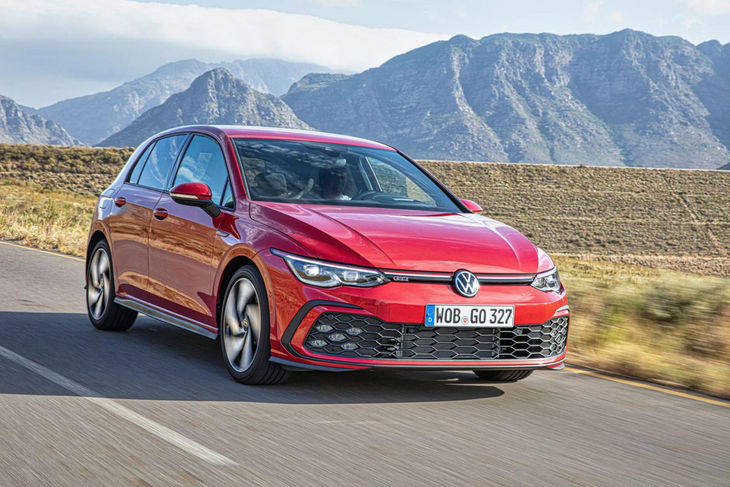
The new Volkswagen Golf 8 is due in South Africa in Q4 of 2020 with the Golf GTI expected to be introduced first. The Golf 8 GTI is powered by a 2.0-litre turbocharged engine offering 180 kW and 370 Nm and equipped with a 7-speed dual-clutch transmission. For those of you who can't wait that long, Volkswagen will be launching the swansong Golf GTI TCR around the middle of the year and it will offer 213 kW and 380 Nm from its 2.0-litre turbopetrol engine. 

Read more about the new Volkswagen Golf 8 GTI

Buy a VW Golf GTI on Cars.co.za

Audi RS6 Avant  – Due in Q3 2020
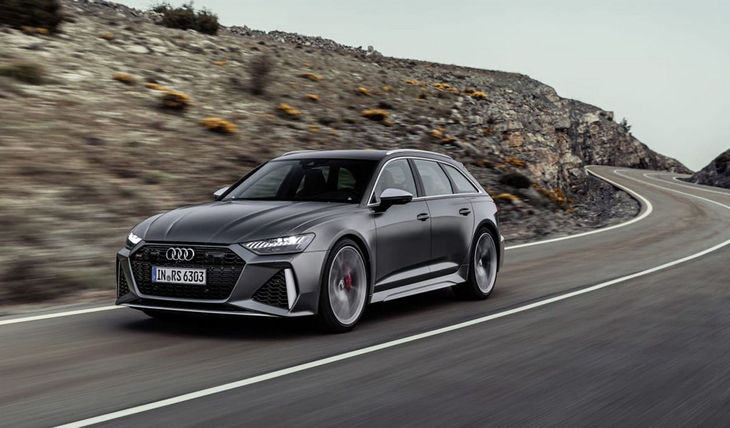
There is something so appealing about combining the practicality of a station wagon and the performance of a supercar into one package. The new Audi RS6 Avant is a fine example of this and it’s high on our driving wishlist for the year. 

Powered by a 4.0-litre twin-turbocharged petrol V8 with 441 kW and 800 Nm, it'll be capable of some serious performance. Audi's RS division claims its new performance wagon will do 0-100 kph in a claimed 3.6 seconds and will run to a limited top speed of 250 kph.

Read more about the new Audi RS6 Avant 

Buy an Audi RS6 Avant on Cars.co.za

Porsche Taycan Turbo S – Second half 2020
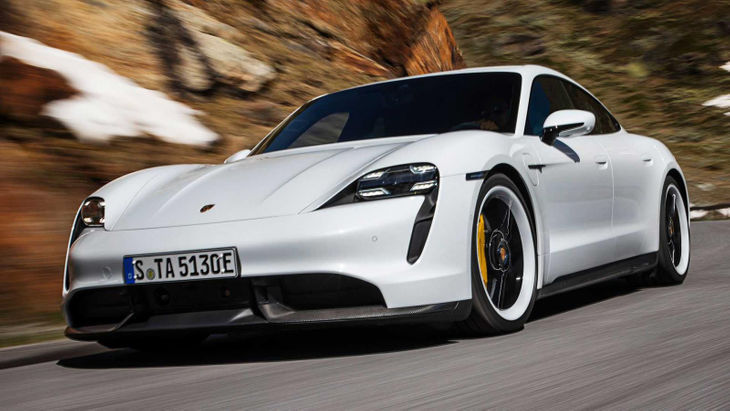
Billed as perhaps the most important vehicle in Porsche’s esteemed history, the Taycan will be available in 2 derivatives: Turbo and Turbo S, both of which make use of a dual-electric motor drivetrain and a 93.4 kWh lithium-ion battery pack. Its outputs are impressive. 

Although both the Turbo and Turbo S run in a default 460 kW mode, additional power is available on-demand and the Taycan Turbo can deliver up to 500 kW when its launch mode function is enabled, while the Turbo S amplifies that to 560 kW. Porsche is claiming 0-100kph in 2.8 seconds for the Turbo S and top speed is limited to 260kph.

Read more about the Porsche Taycan 

Buy a Porsche on Cars.co.za

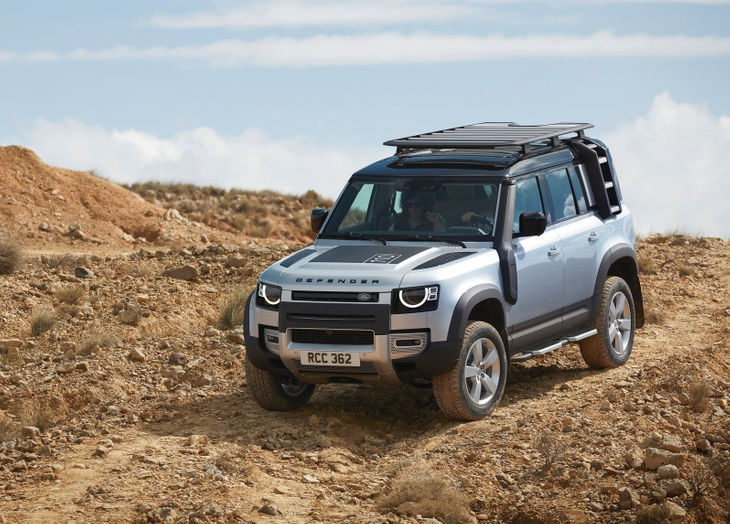
Land Rover Defender – June 2020

We can’t wait to get dirty with the new Land Rover Defender in South African mud! It will initially be offered in long-wheelbase 110 guise with the short-wheelbase 90 version expected later. 

Kicking off the range will be the D240, with its 2.0-litre 4-cylinder twin-turbocharged diesel motor. It produces 177 kW and 430 Nm, and is capable of a 0-100 kph sprint in 9 seconds. Next up is the P300 2.0-litre 4-cylinder turbocharged petrol motor with 221 kW and 400 Nm. It's a touch brisker, with an 8 second claimed sprint time to 100 kph. Finally, the P400 is a 3.0-litre 6-cylinder turbocharged petrol packing 294 kW and 523 Nm, and it will be the quickest Defender with a 6-second sprint to 100 kph. All vehicles feature all-wheel drive and all have automatic gearboxes.

Read more about the new Land Rover Defender 

Buy a Land Rover Defender on Cars.co.za

Mini JCW GP – Due in Q3 2020
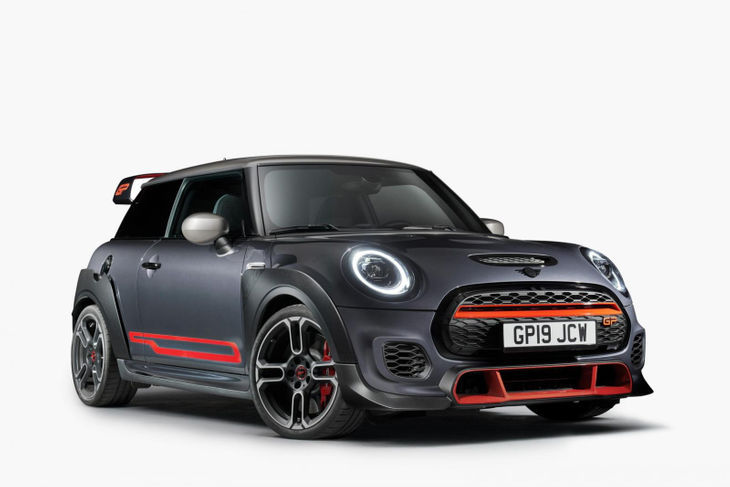
 

Fans of the Mini brand will be salivating for the arrival of the Mini Cooper JCW GP later this year. It will arrive with aggressive styling and a potent engine to match. This is Mini’s fastest and most powerful car ever and it thumps out 225 kW and 450 Nm of torque from its twin-turbocharged 2.0-litre engine. An 8-speed Steptronic transmission with an integrated differential lock ensures brisk acceleration with Mini claiming a zero to 100 kph sprint time of 5.2 seconds with a top speed of 265 kph.

Read more about the Mini JCW GP 

Buy a Mini on Cars.co.za

Renault Megane RS Trophy – Due in May 2020
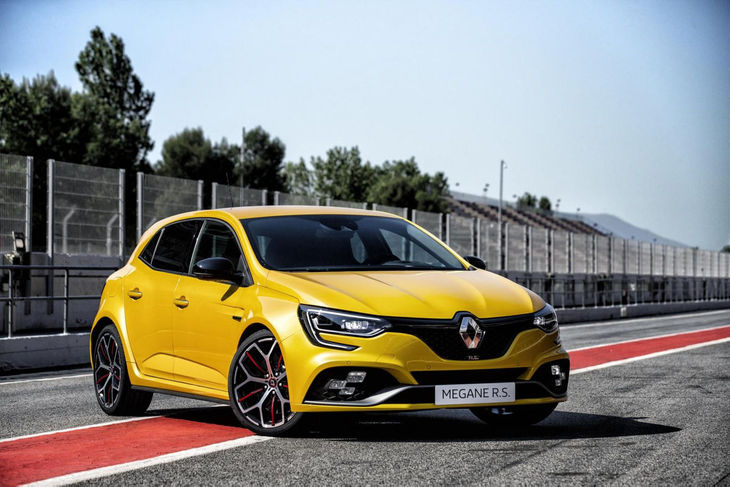
Another hot-hatch to look forward to is Renault’s track-focused Megane Trophy which will take to SA streets later this year and is set to make a compelling case for itself with its 223 kW and 420 Nm with an EDC dual-clutch transmission (6-speed manual has 400 Nm) developed by its turbocharged 1.8-litre engine. 

Read more about the Renault Megane RS Trophy 

Buy a Renault Megane RS on Cars.co.za 

Audi RSQ8 – Due in Q3 2020
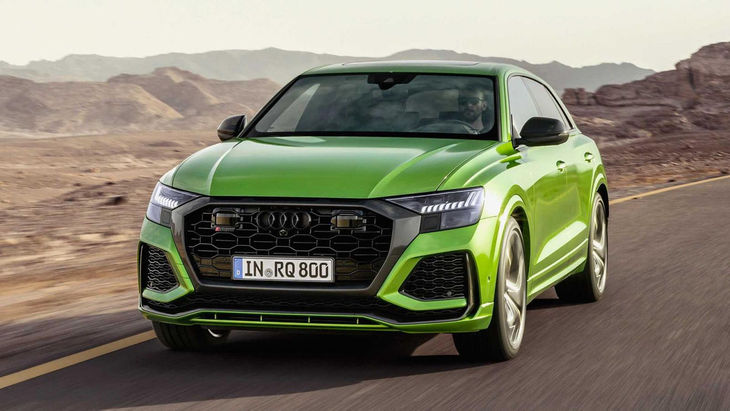
For those itching for a fast and luxuriously equipped SUV then the new Audi SQ8 is worth waiting for as it will bring massive firepower to the road. A 441 kW/800 Nm 4.0-litre bi-turbocharged engine will ensure a zero to 100 kph sprint time of 3.8 seconds before smashing a top speed of 305 kph. 

Read more about the Audi RSQ8 

Buy an Audi on Cars.co.za

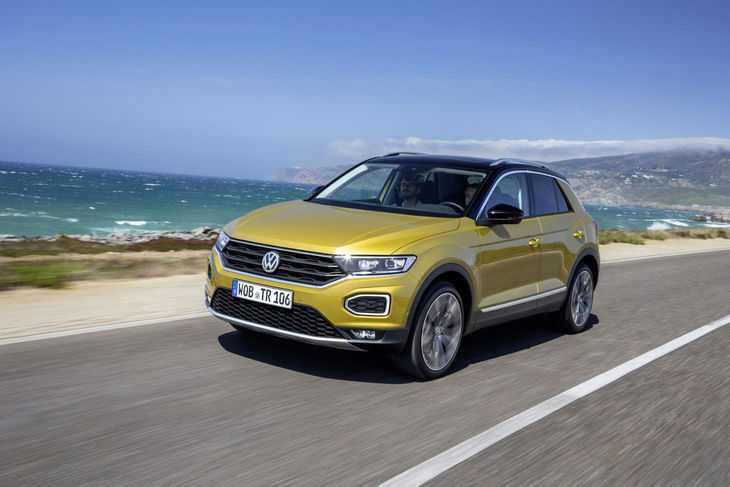
Volkswagen T-Roc – Due in Q3

Another day, another SUV. The handsome T-Roc from Volkswagen is set to be a popular choice for SUV buyers and it will make use of a range of petrol engines including 1.0-, 1.5- and 2.0-litre options while the diesel range will offer either 1.6- or 2.0-litre turbodiesel options. However, engine choices for South Africa have yet to be confirmed. A T-Roc R derivative is also a possibility later on…

Read more about the Volkswagen T-Roc

Buy a Volkswagen on Cars.co.za

GWM P-Series – Second half 2020
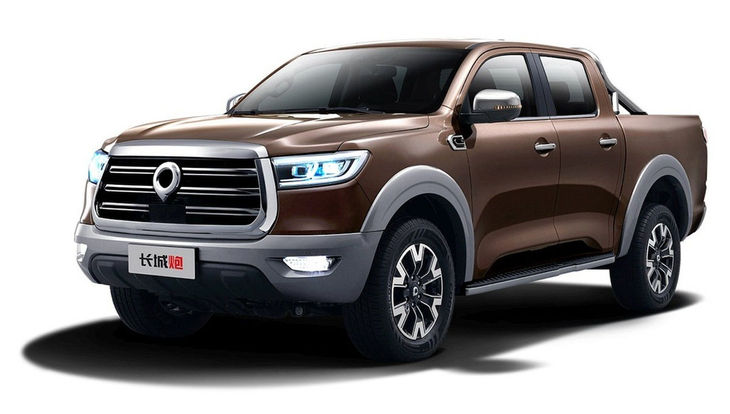
Chinese bakkie giant, GWM, has ambitious plans for its forthcoming P Series double cab bakkie which is set to rival and rattle the likes of the Toyota Hilux and Ford Ranger. 

Mechanically, the P Series is powered by a 2.0-litre turbocharged petrol engine which drives all four wheels via an 8-speed ZF automatic transmission. The 2.0-litre four-cylinder engine boasts 140 kW and 360 Nm. GWM has also equipped the P Series with 3 differential locks, which should theoretically give it unrivalled off-road ability. Its interior cabin architecture is also hugely impressive. Watch this space!

Read more about the GWM P Series

Buy a GWM on Cars.co.za

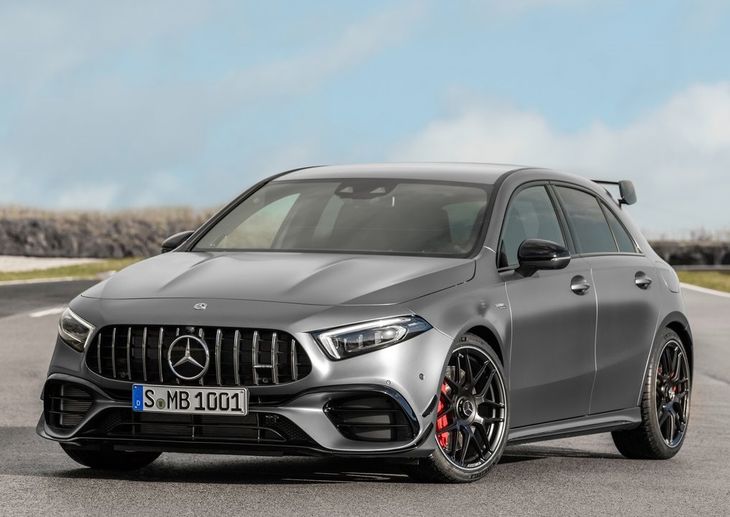
Mercedes-AMG A45 S – Second half 2020

With 310 kW and 500 Nm developed by the most powerful production 2.0-litre turbocharged petrol engine in the world, the Mercedes-AMG A45 S is one of the most highly-anticipated arrivals for 2020. With power directed to all 4 wheels using a dual-clutch transmission, a zero to 100 kph sprint time of 3.9 seconds will blow your socks off. We can’t wait to drive it!
Read more about the Mercedes-AMG A45 S

Buy a Mercedes-AMG A45 on Cars.co.za

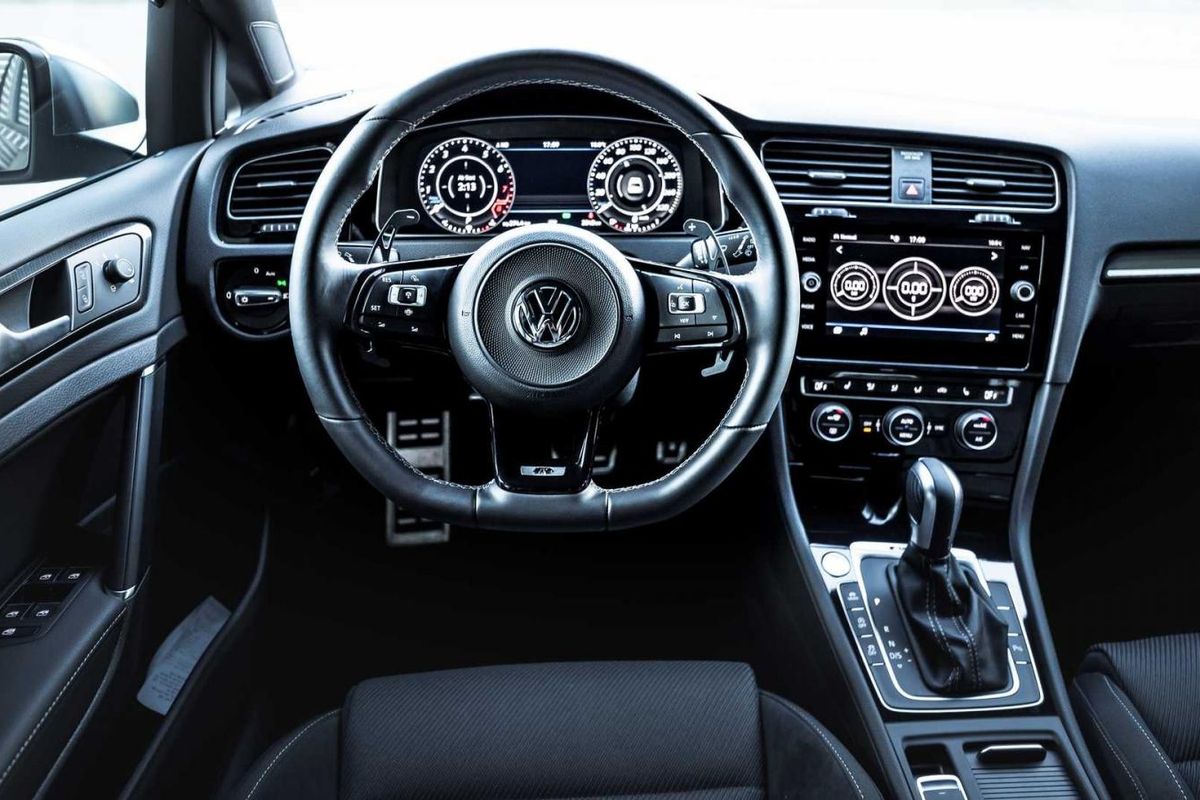
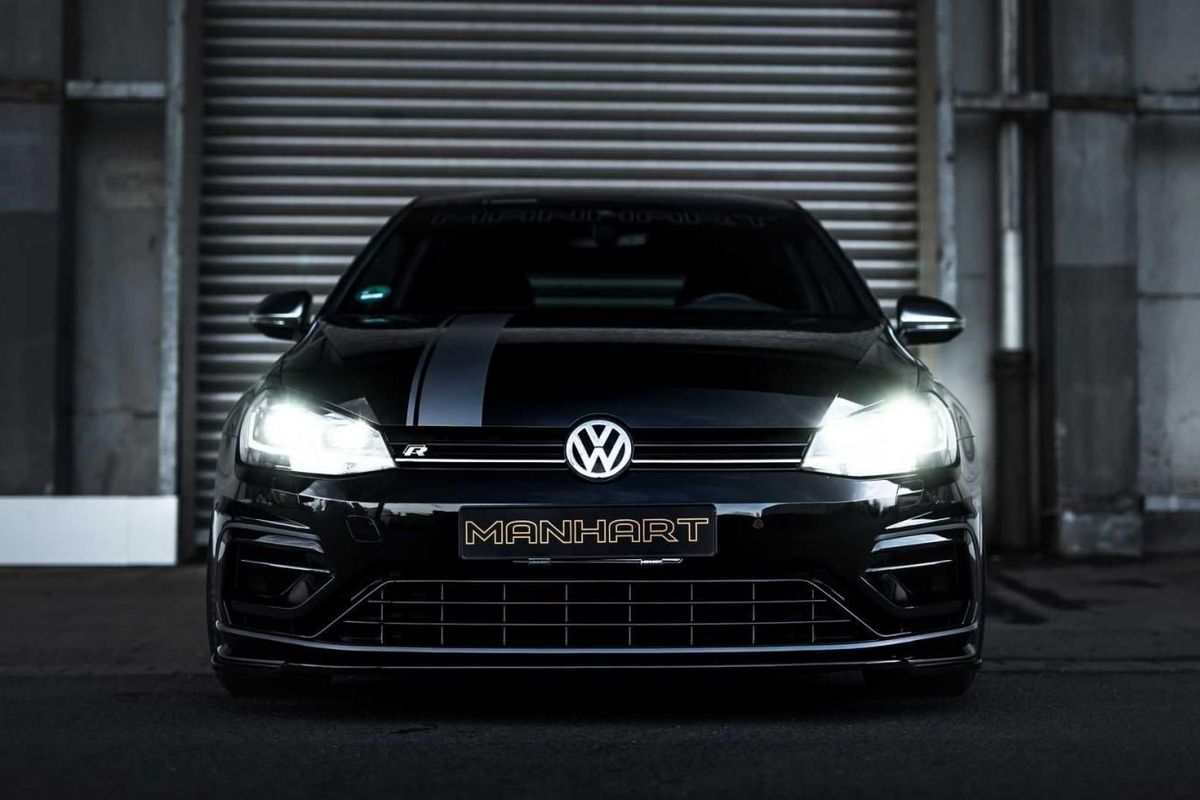
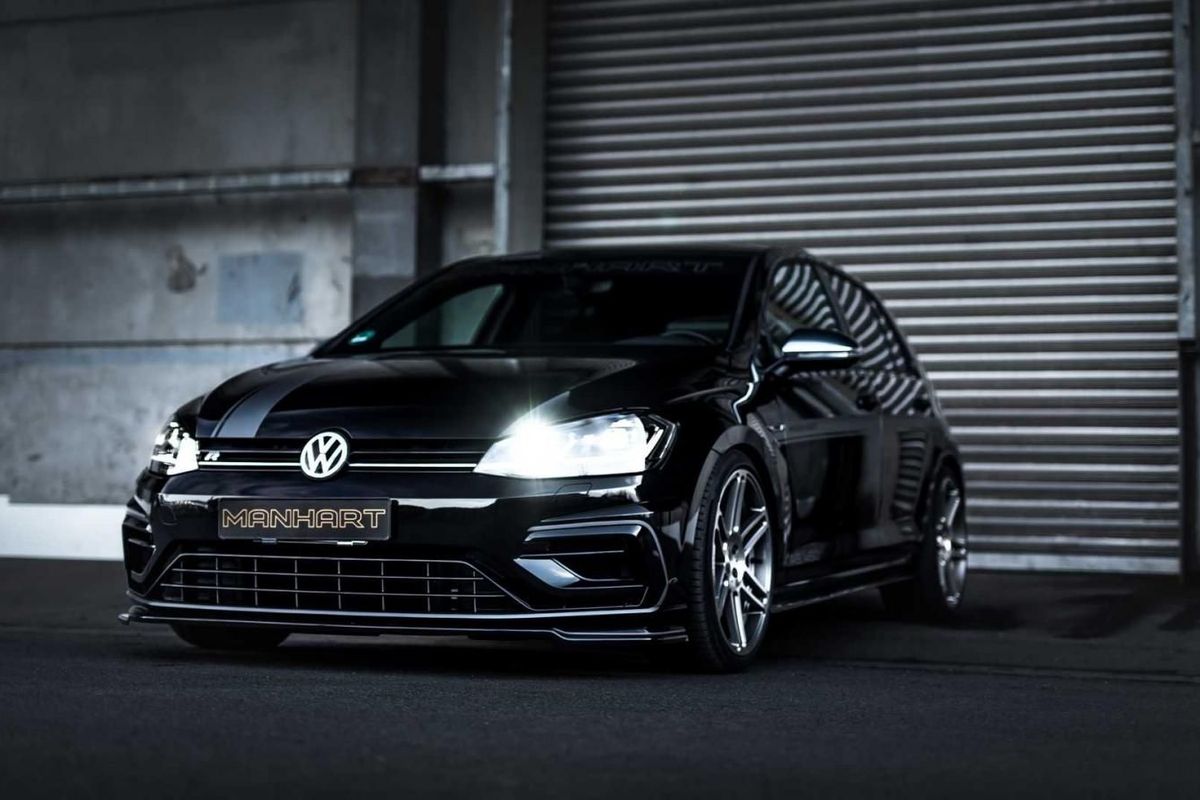
Volkswagen Golf R Given the Manhart Touch

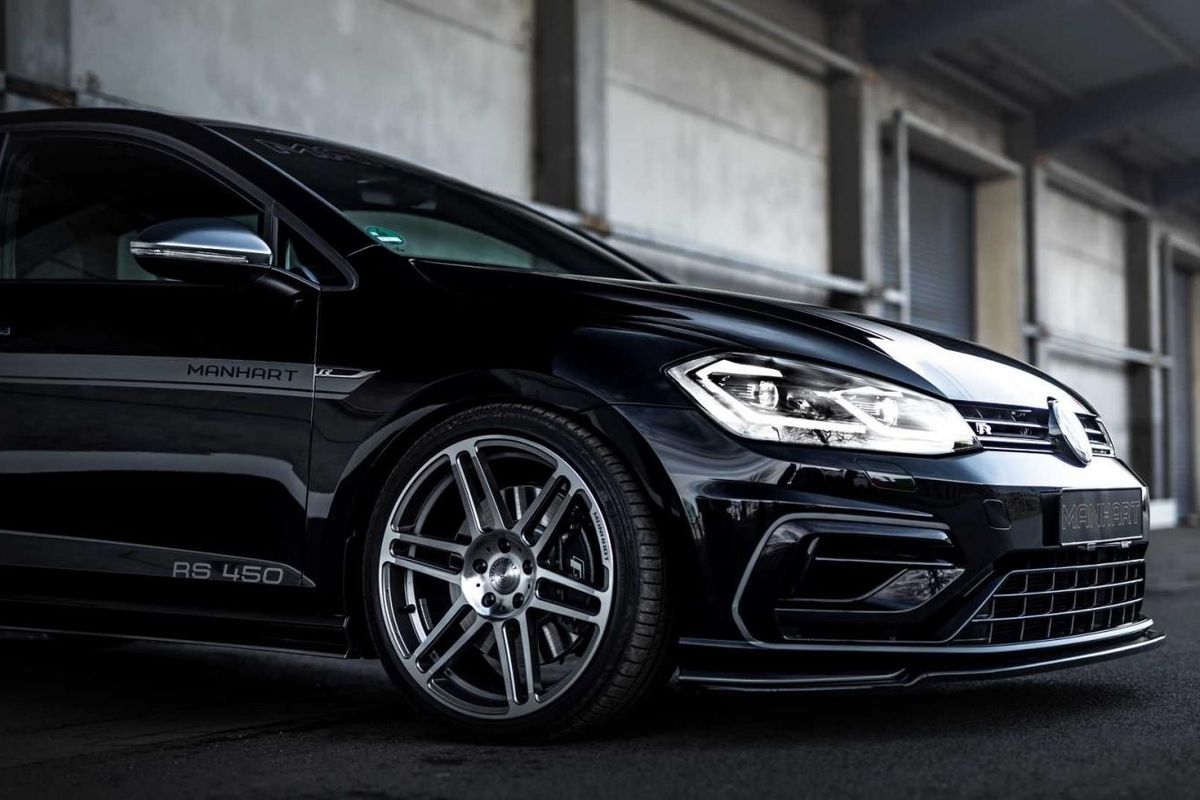
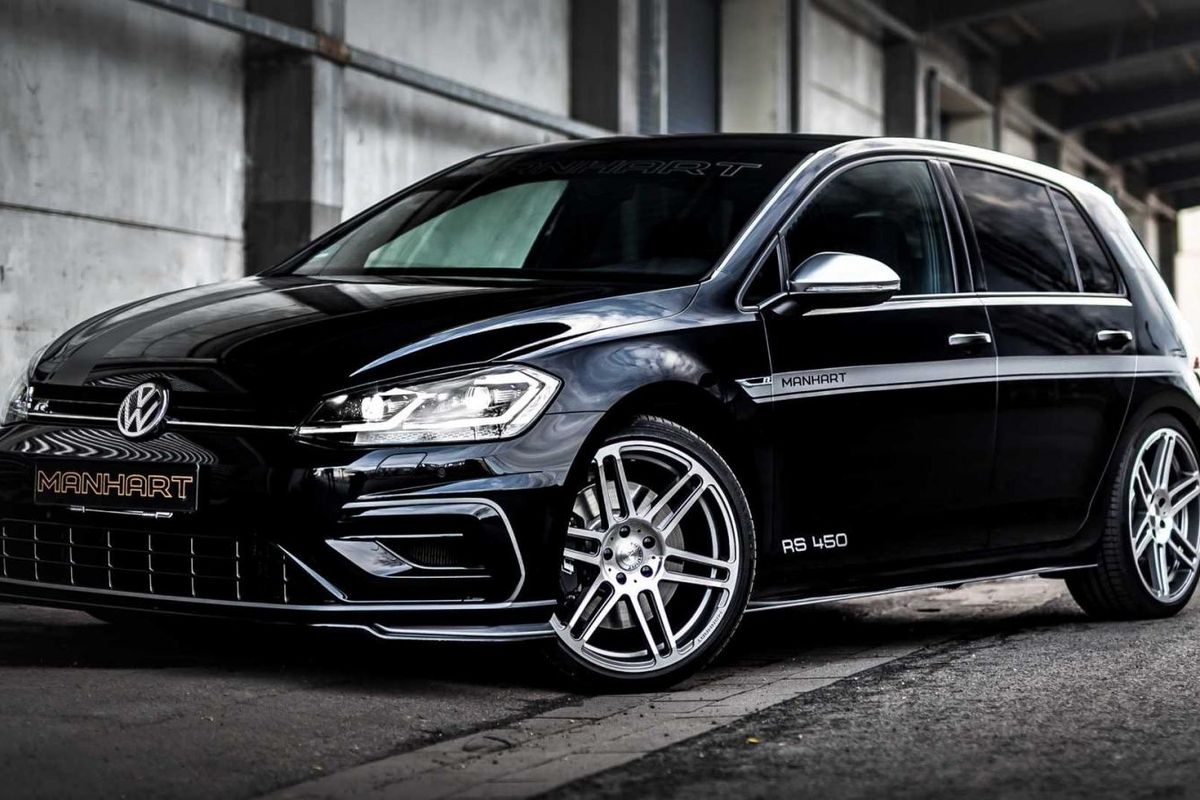
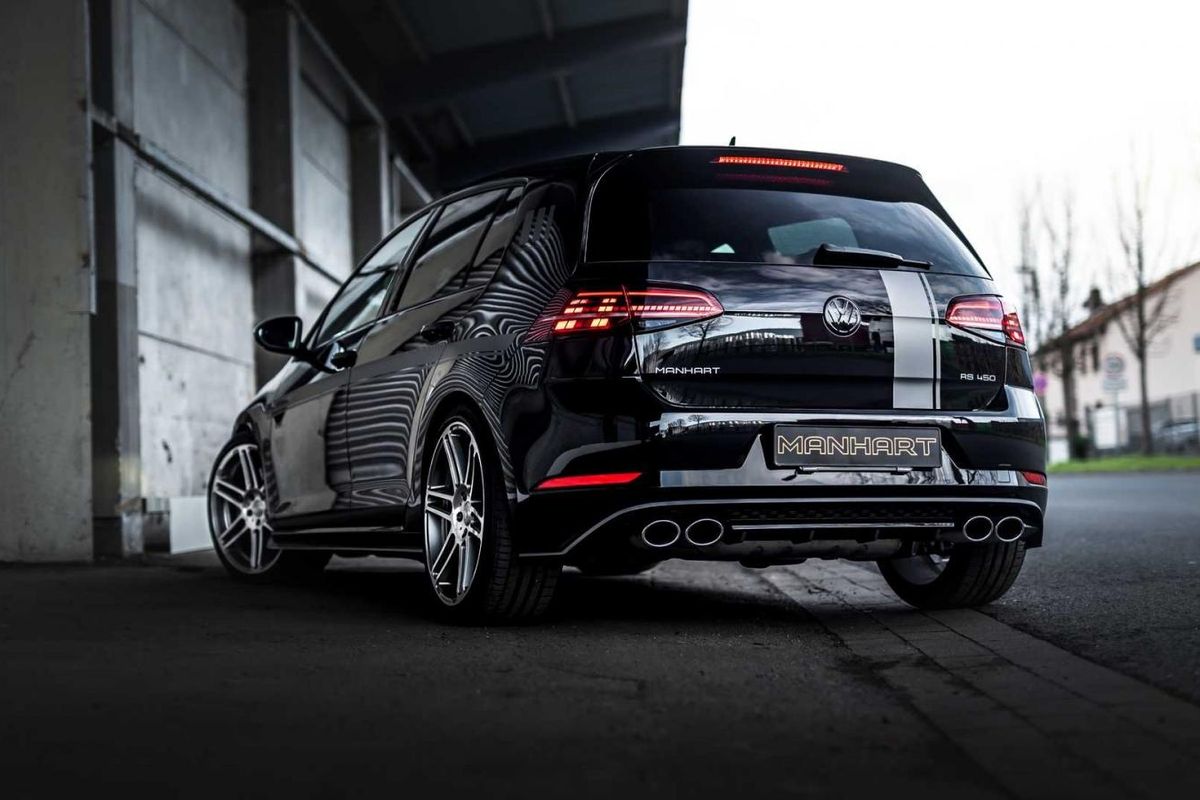
German tuner Manhart has unveiled its monster Volkswagen Golf R. 

The Volkswagen Golf R is a compact hatchback with serious performance on tap. With a 2.0-litre turbocharged motor putting out 228 kW and 400 Nm, there's plenty of power on tap. What if you wanted a bit more though? Introducing Manhart, a German tuner based in Wuppertal has revealed its RS 450 – a new level of Volkswagen Golf R.

Thanks to the addition of a larger turbocharger, a re-mapping of the engine control unit and the use of a carbon intake system, power is now rated at 335 kW and 500 Nm. That's not all as the sound has also been given an update with the addition of a Manhart centre muffler as well as downpipe. To improve the handling, Manhart has given the car some lowering springs from suspension folk H&R. It also happens to look really good, with a front lip, decal set and 19-inch alloy wheels. 

With the new Volkswagen Golf 8 R reveal still yet to happen, we're likely to see more and more of these 7 Rs hitting the road. The new Volkswagen Golf 8 R will be coming to South Africa in 2021. 

The Volkswagen Golf R is a performance bargain, check out new and used examples for sale here.

Further Reading

New Volkswagen Golf 8 R: What To Expect

Spy Shots: 2021 Volkswagen Golf 8 R

Volkswagen Golf 8 GTI Filmed in Cape Town

Drag Race: Toyota Supra vs VW Golf R

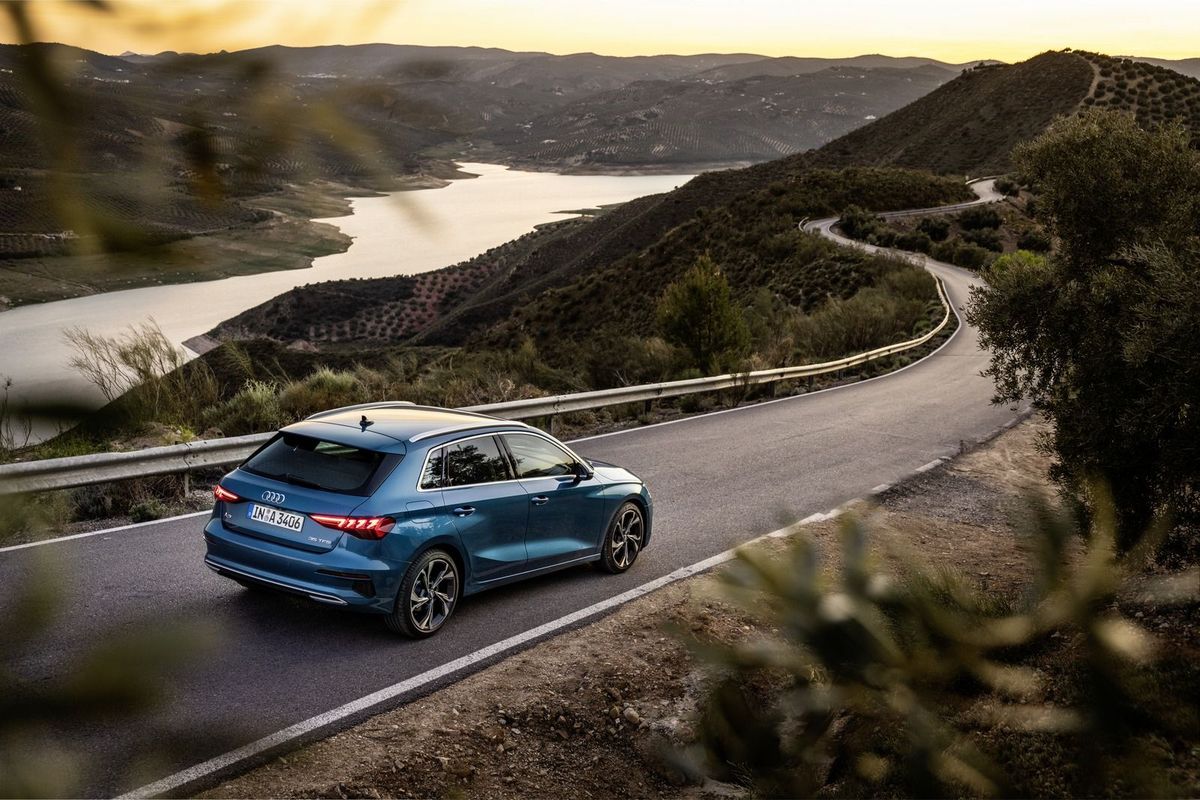
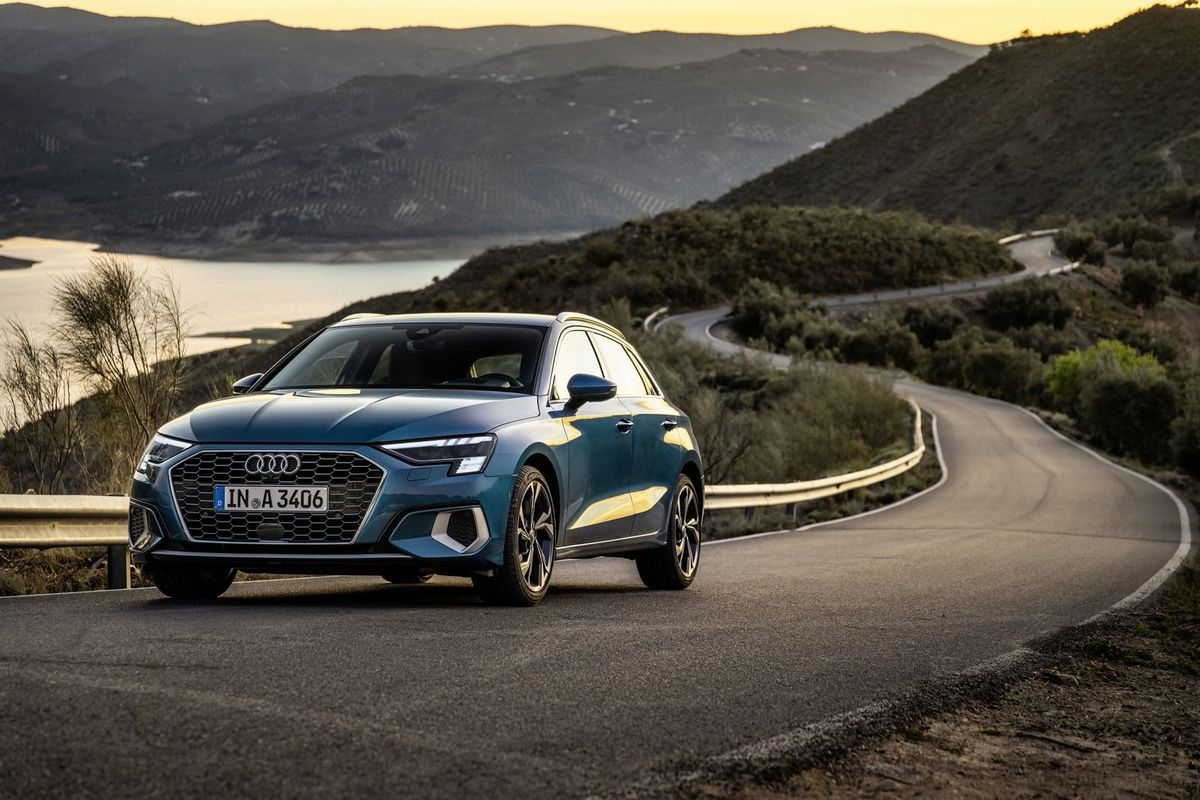
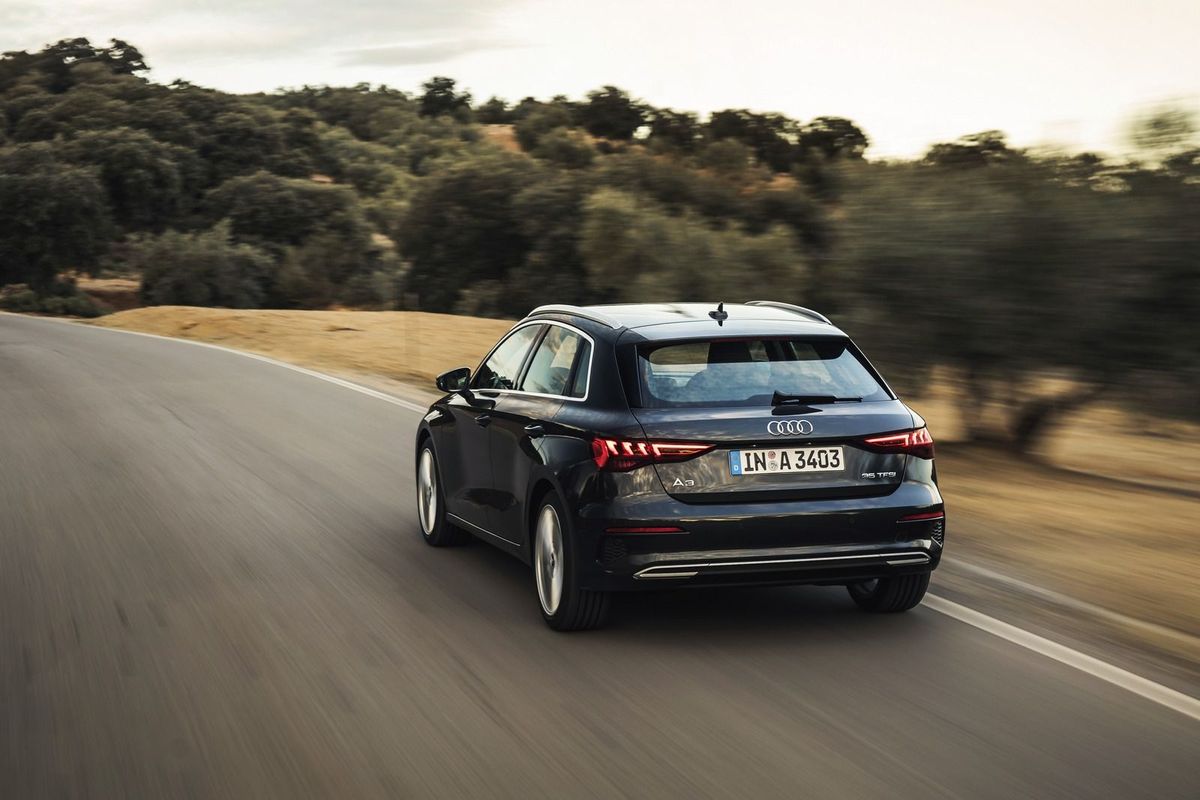
Audi A3 Sportback (2020) International Launch Review

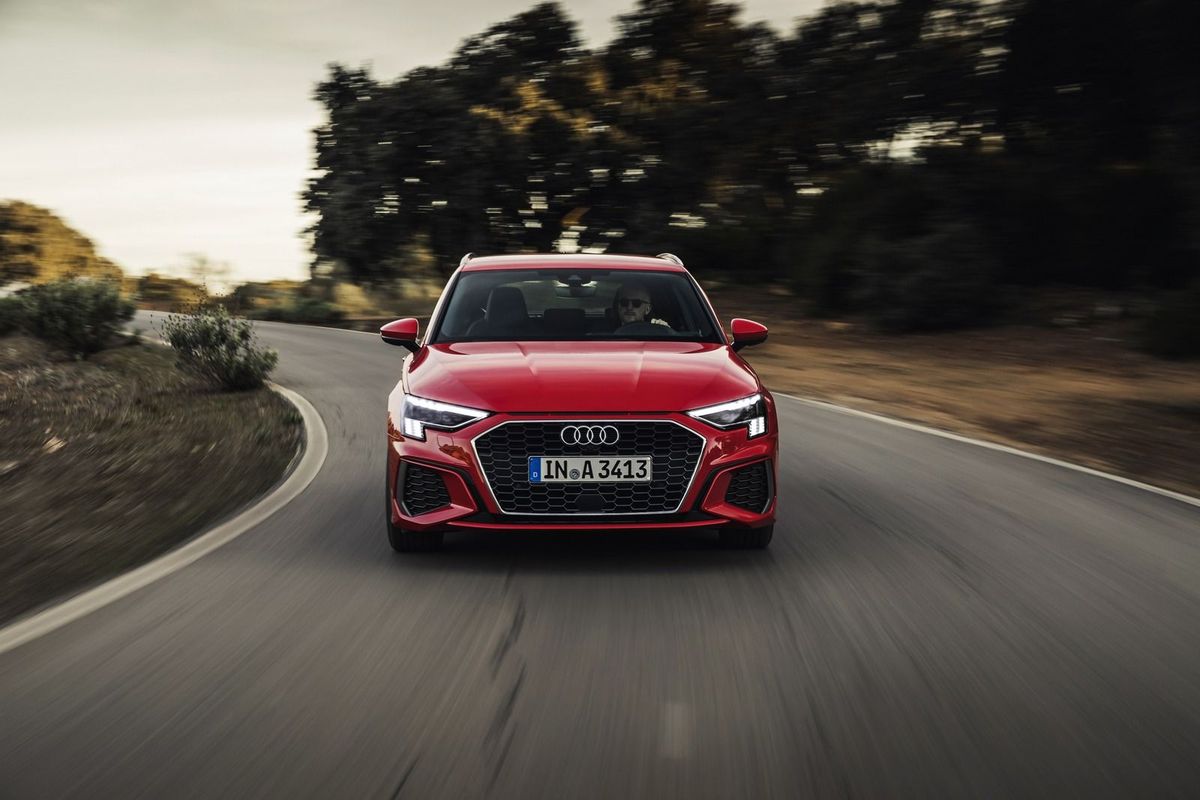
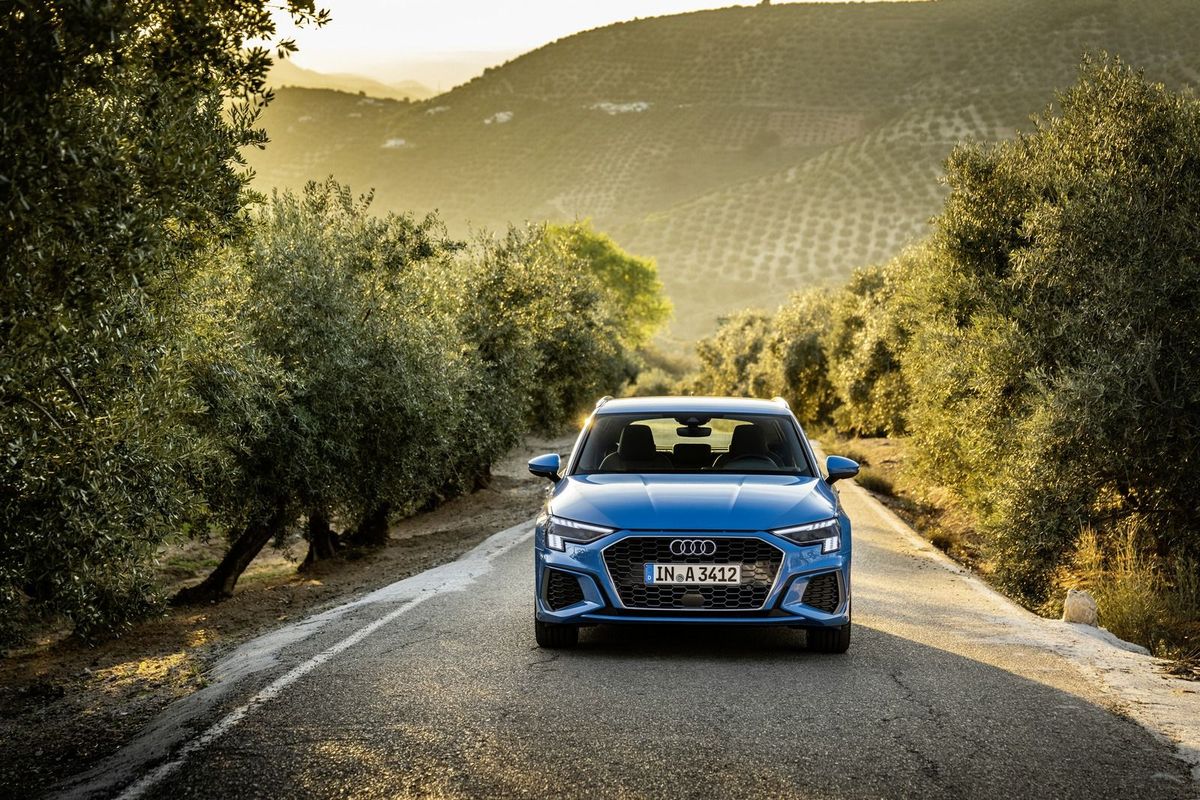
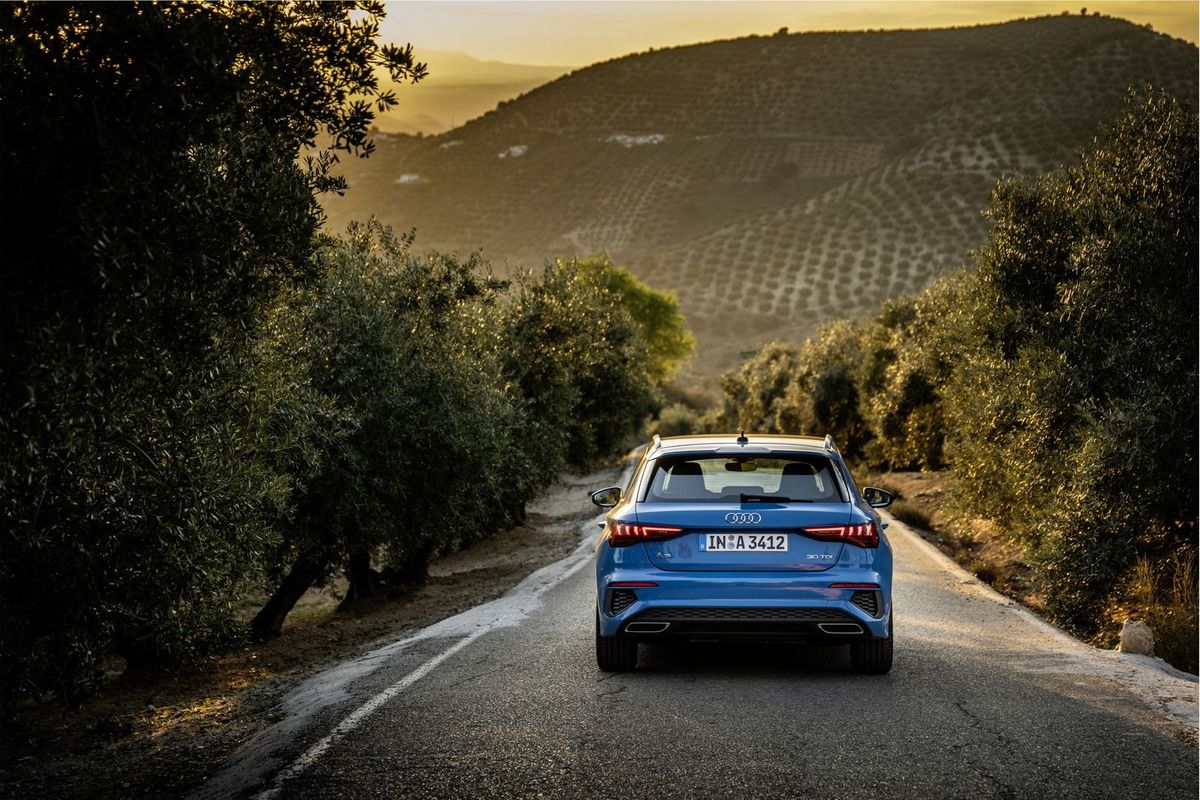
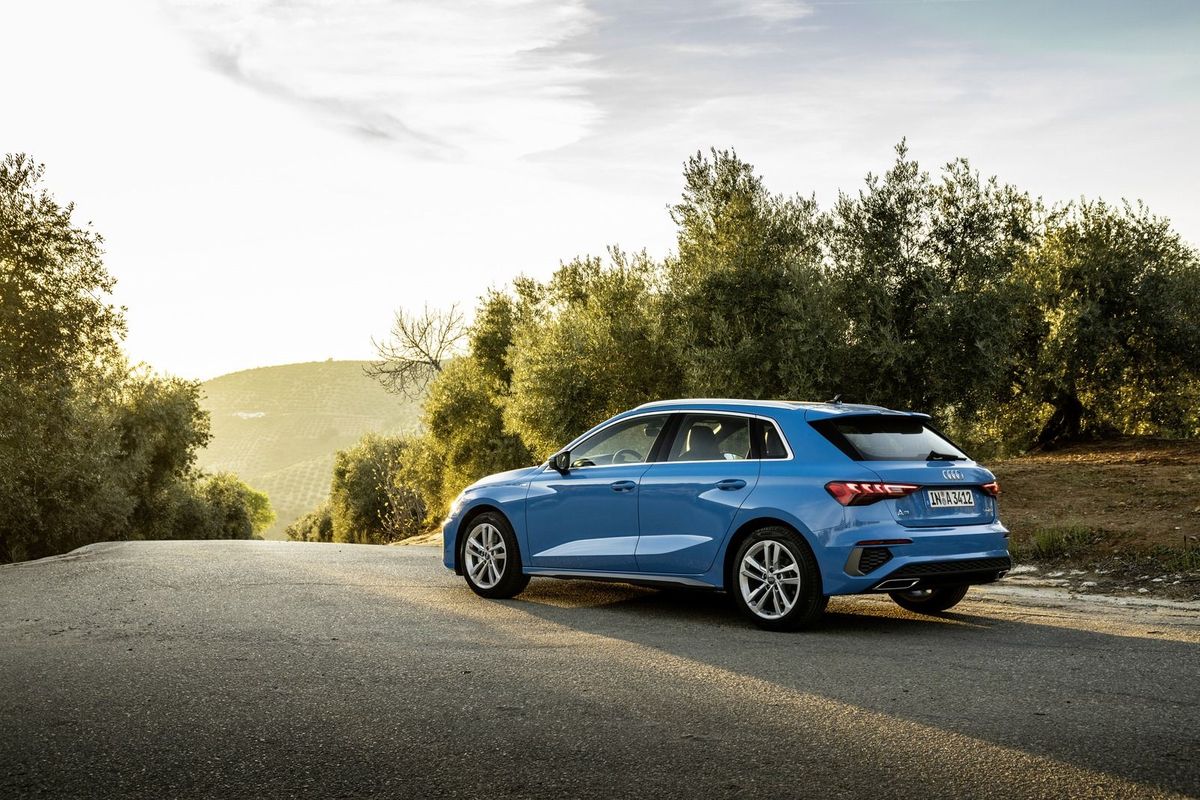
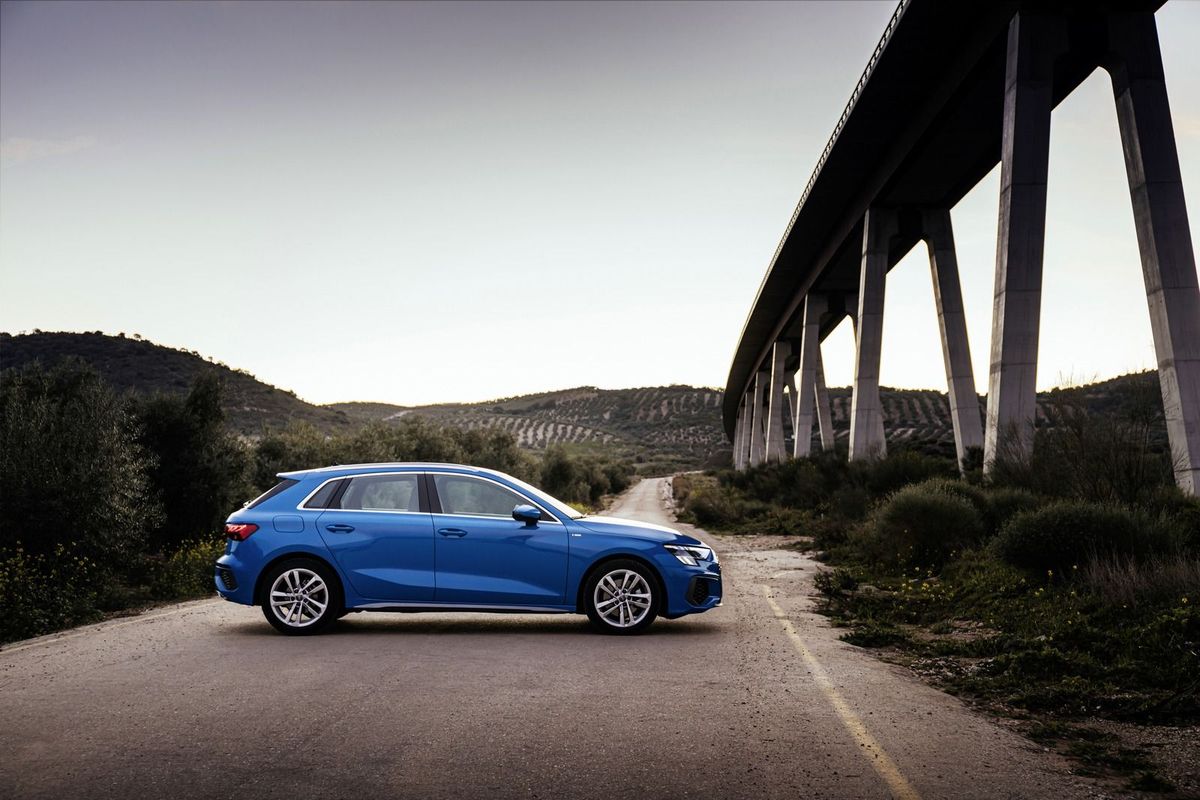
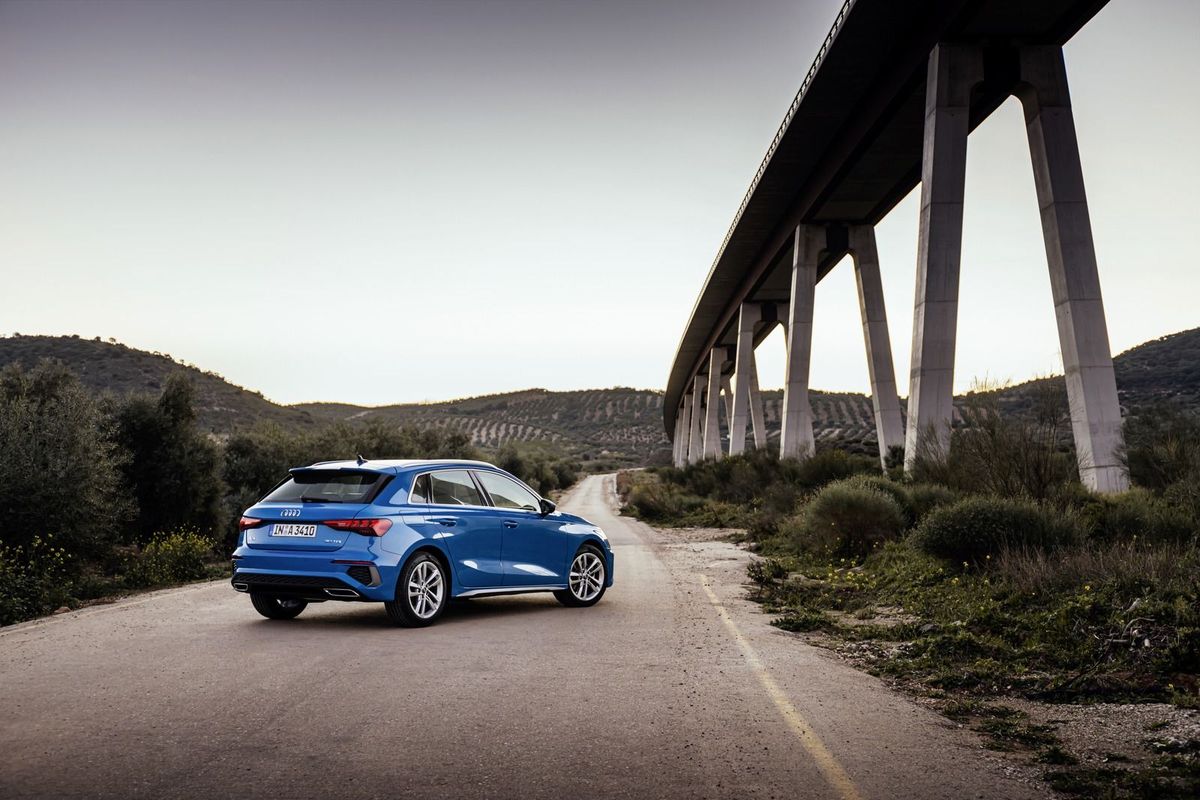
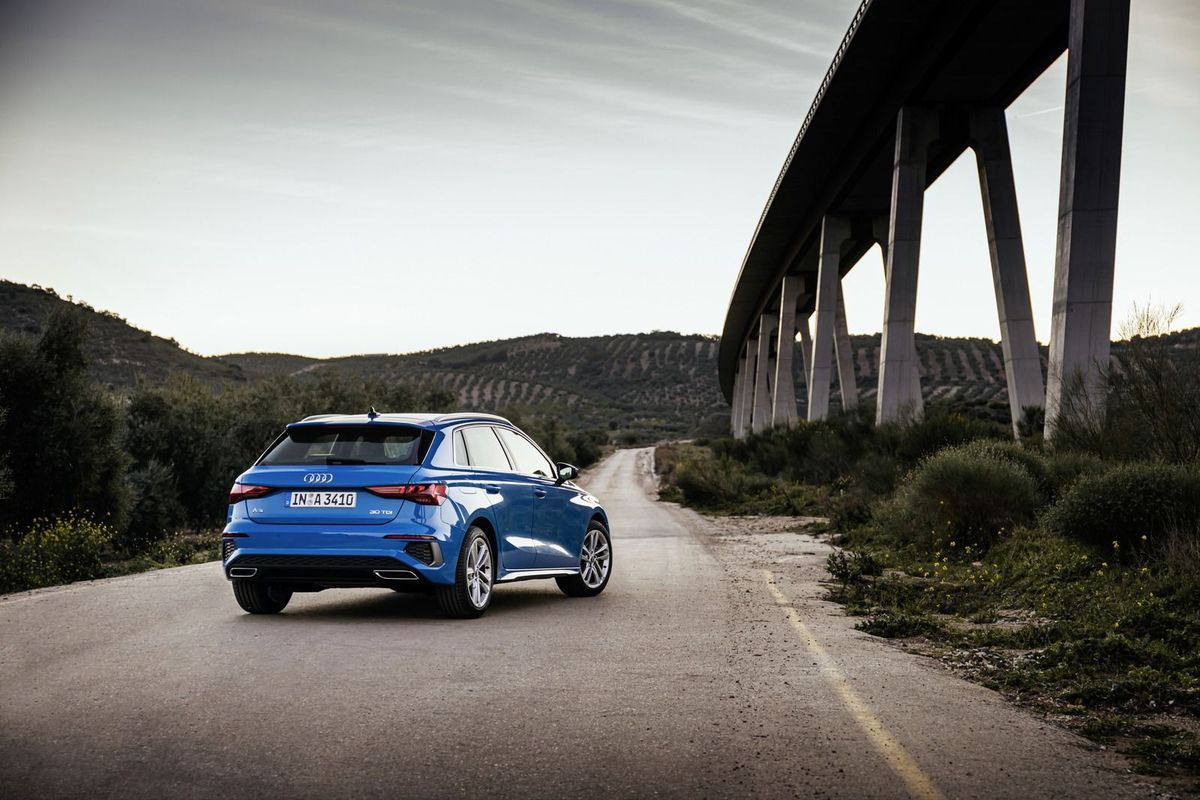
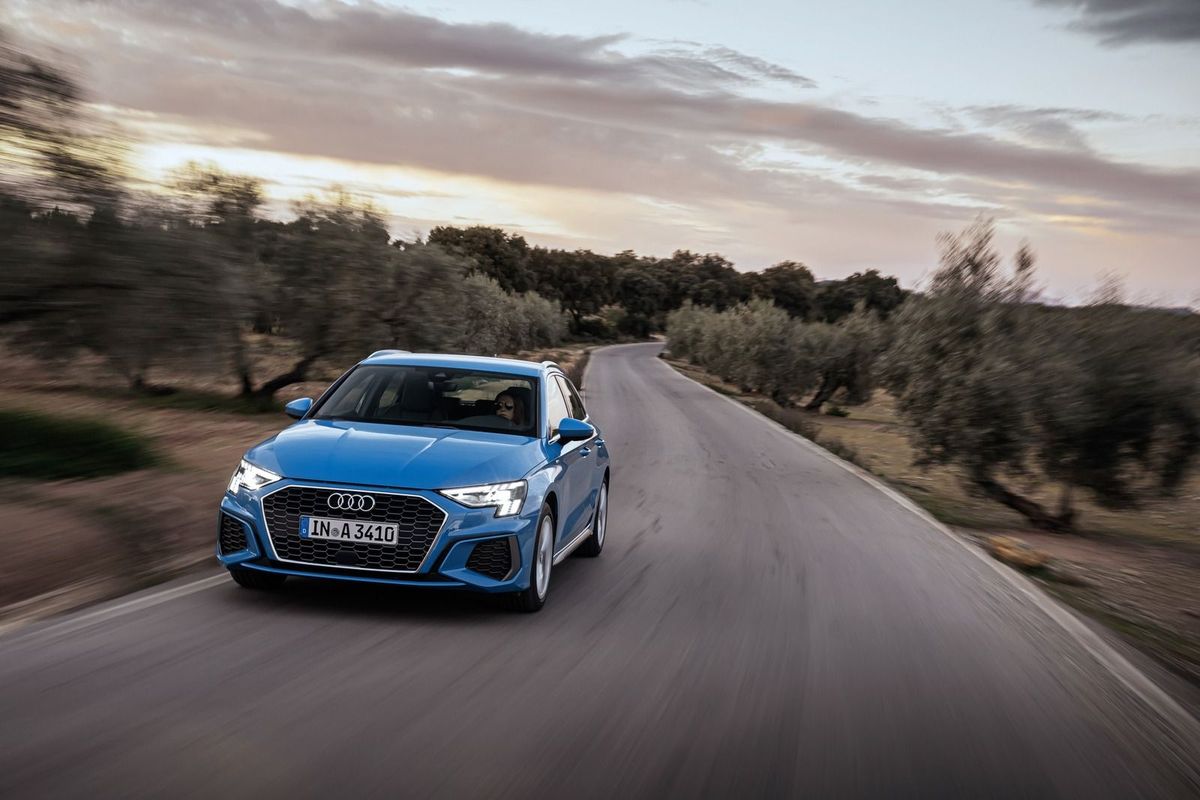
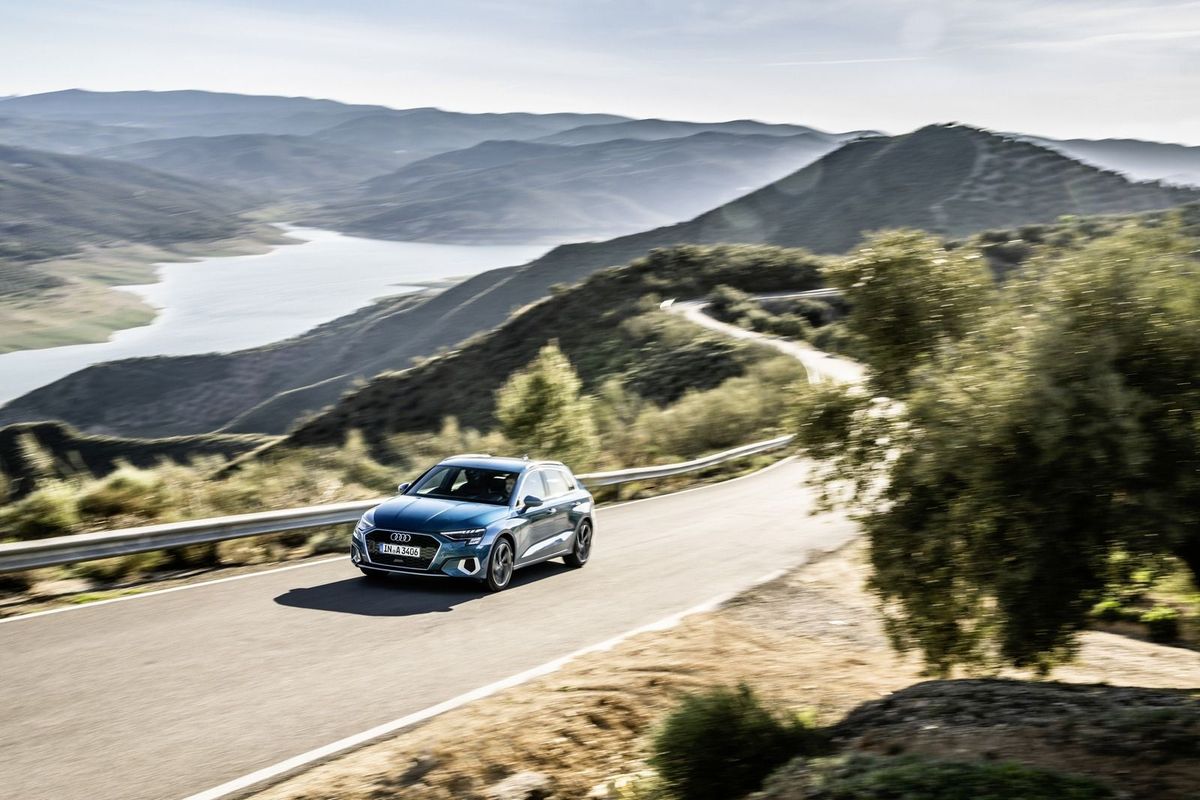
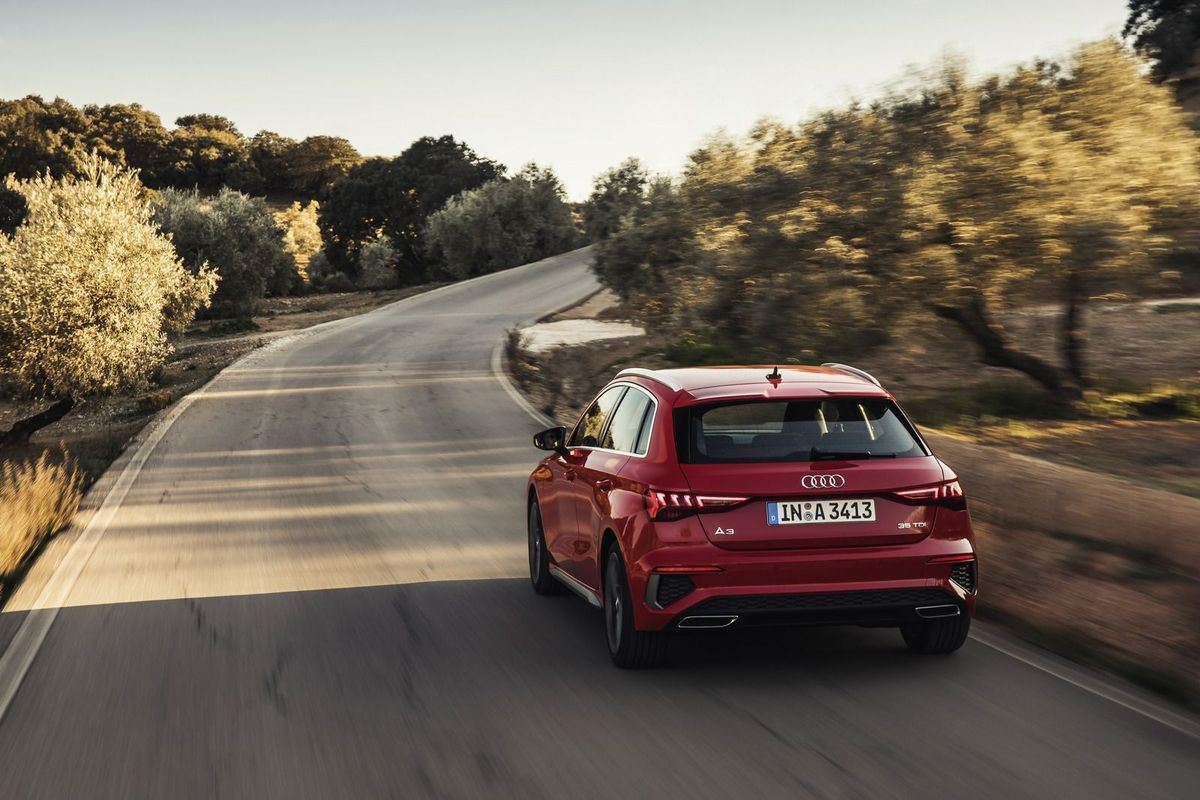
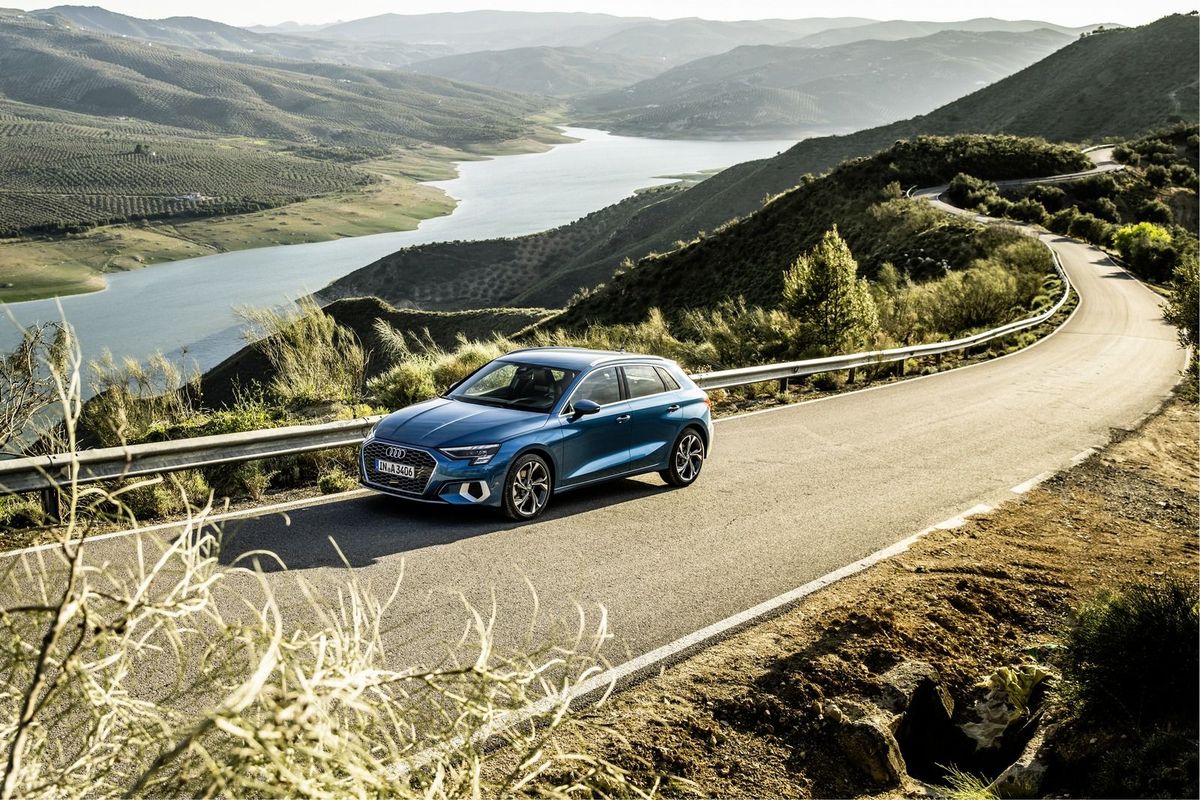
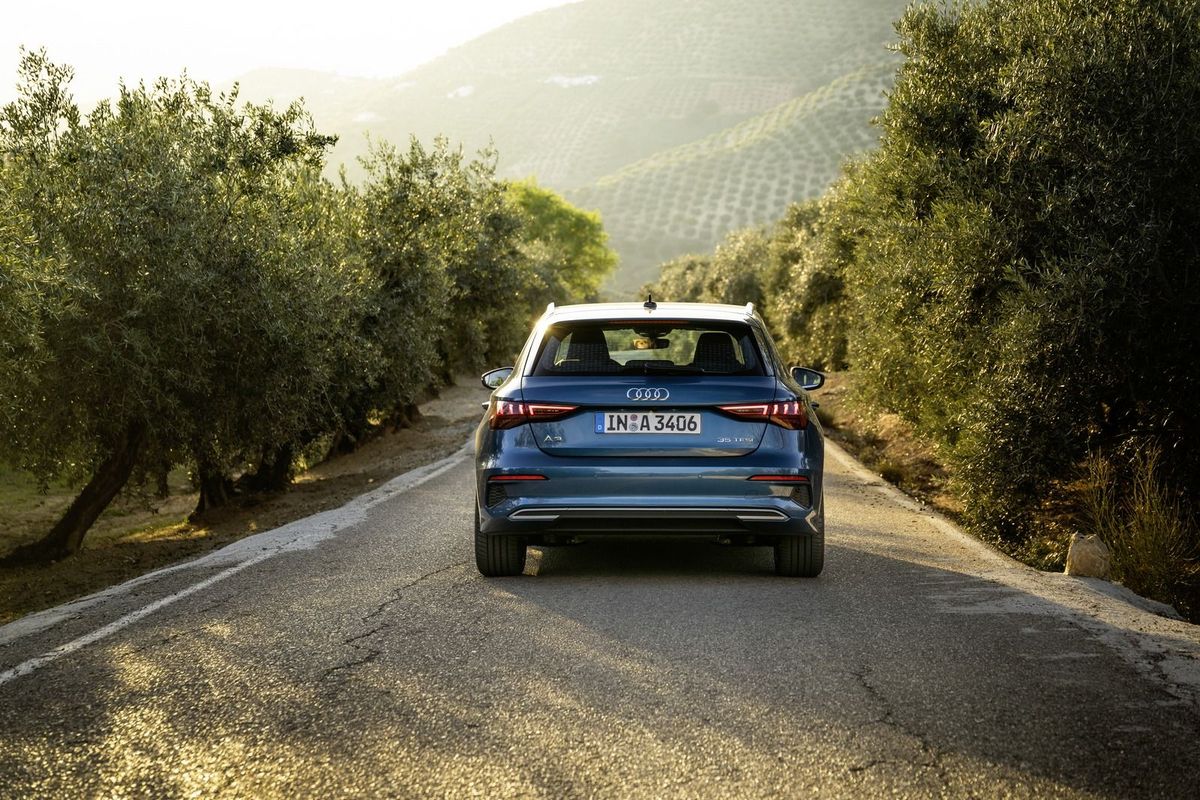
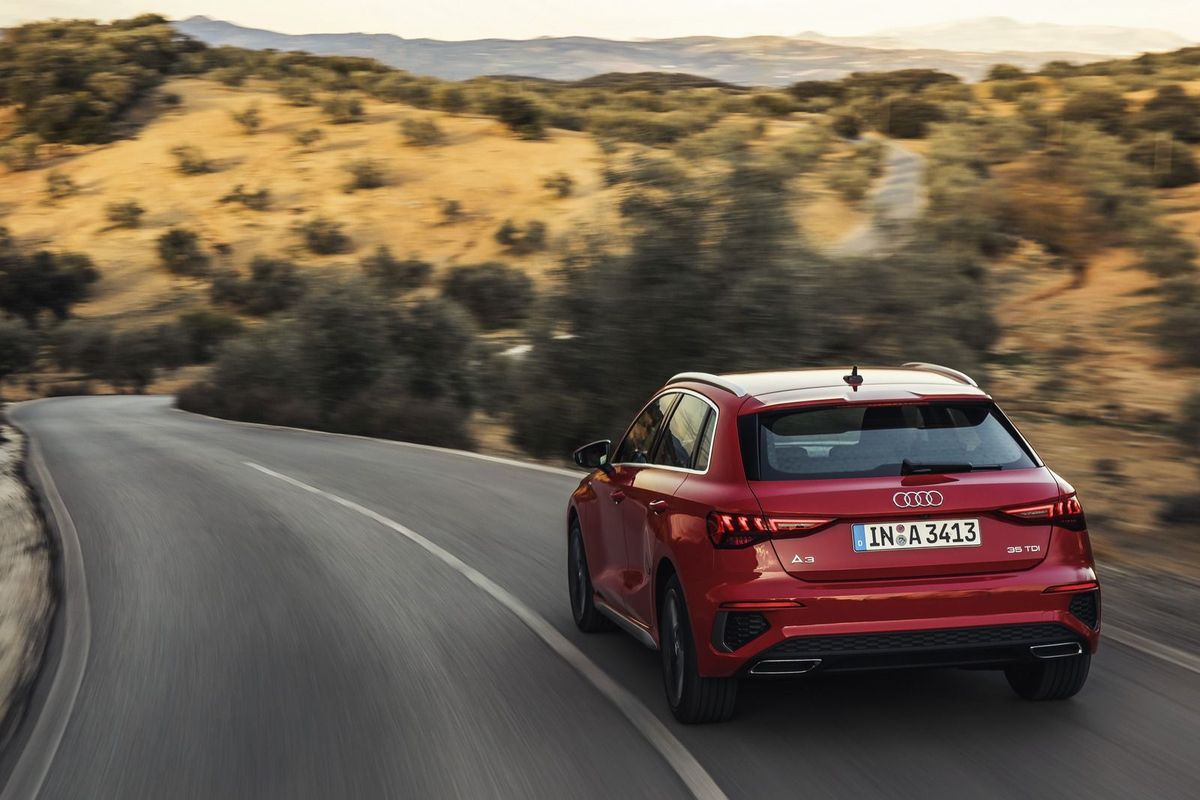
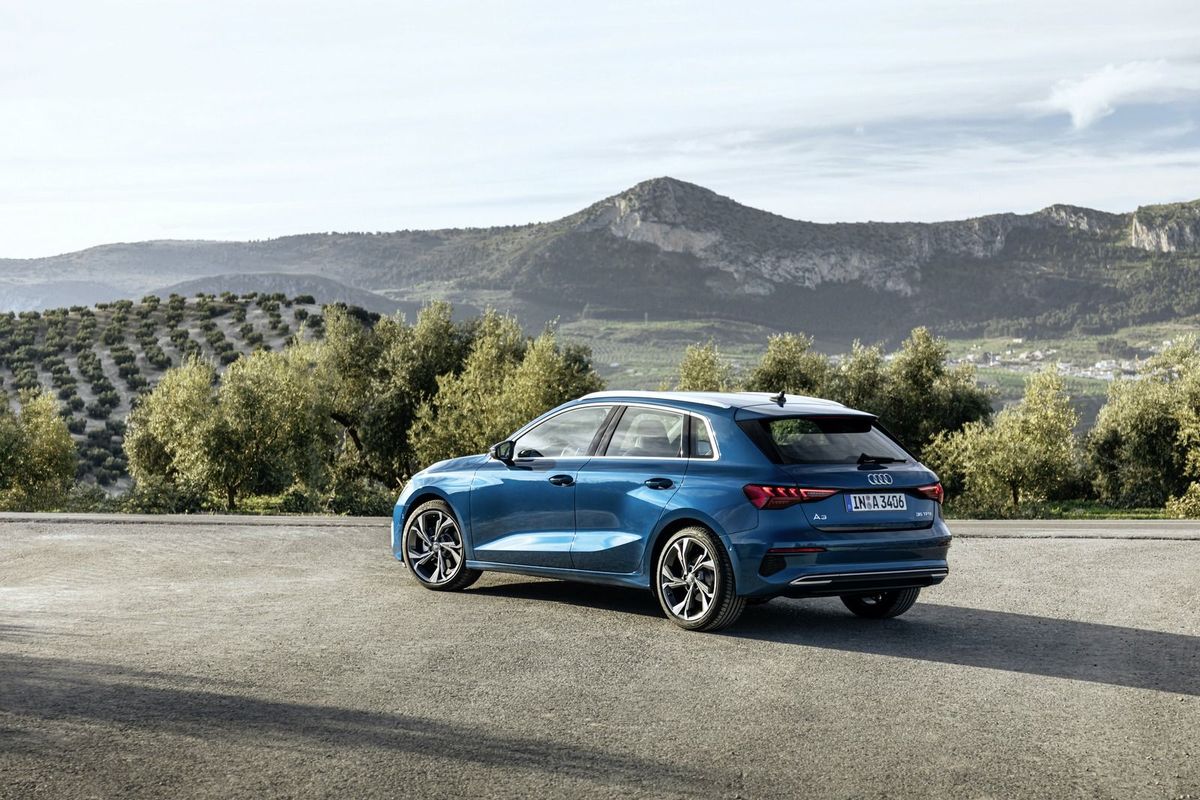
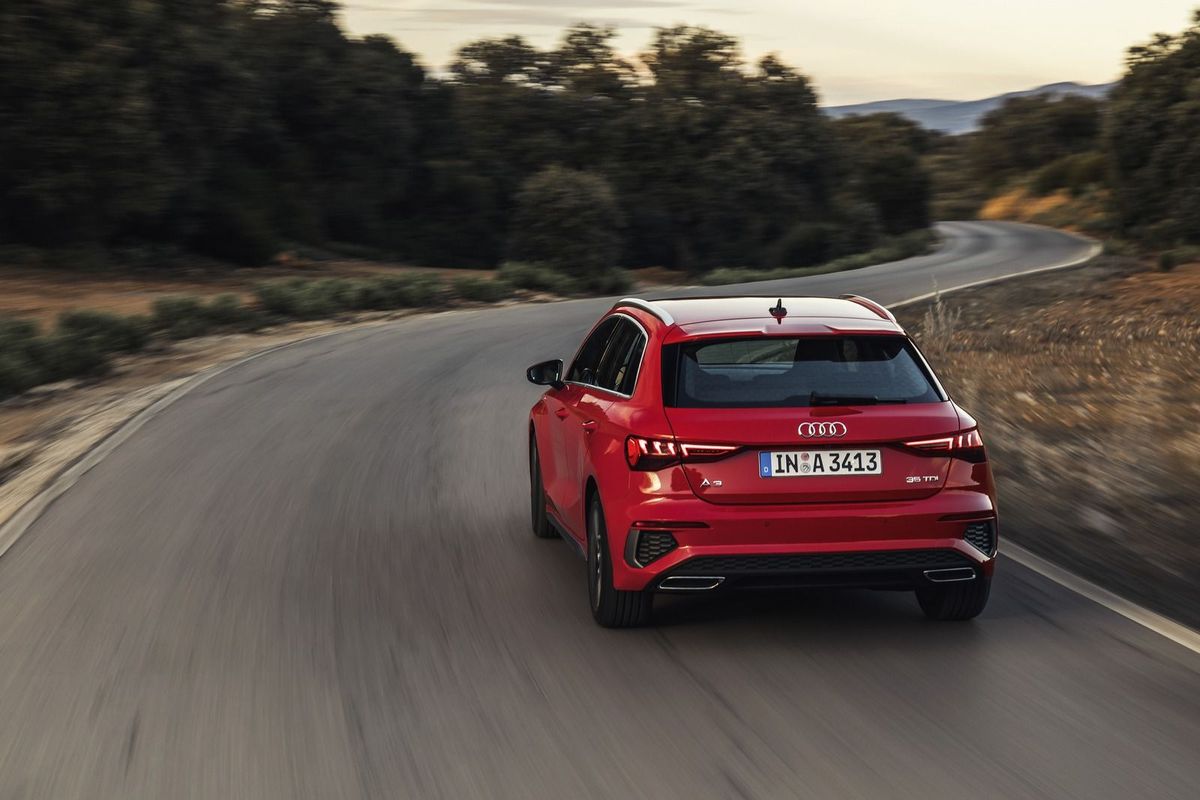
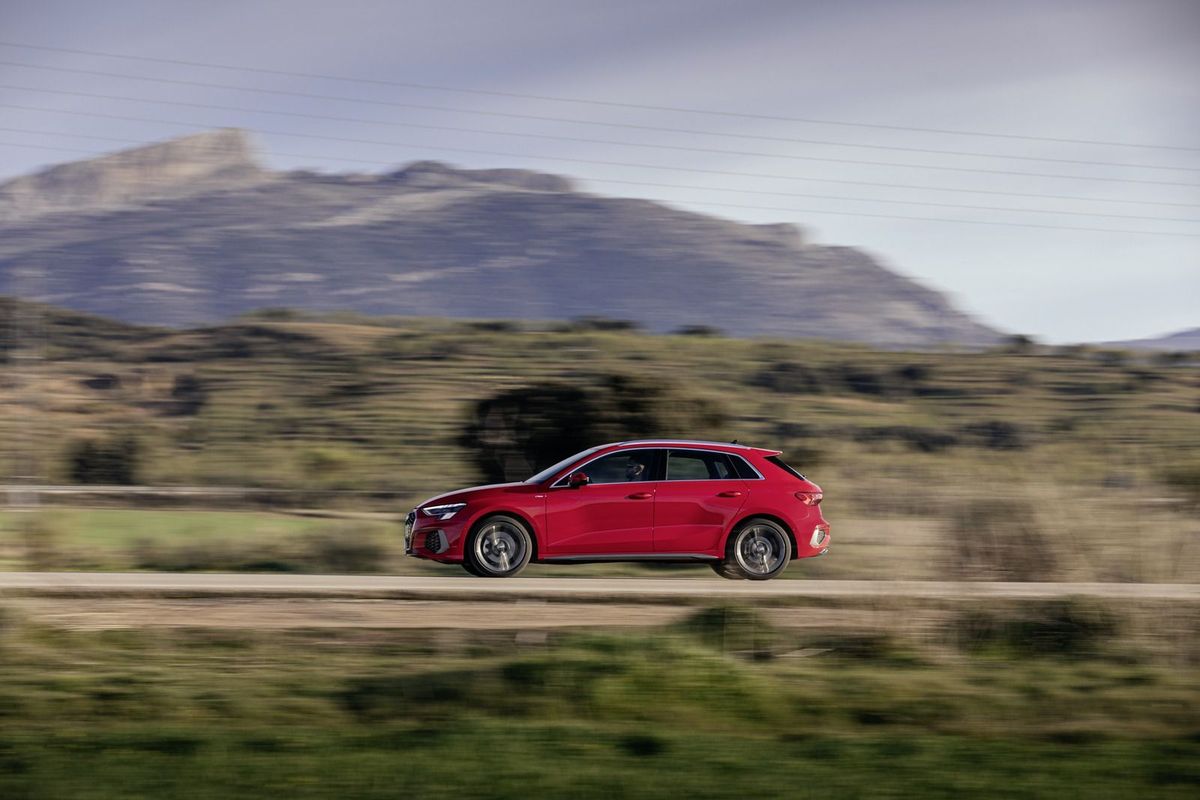
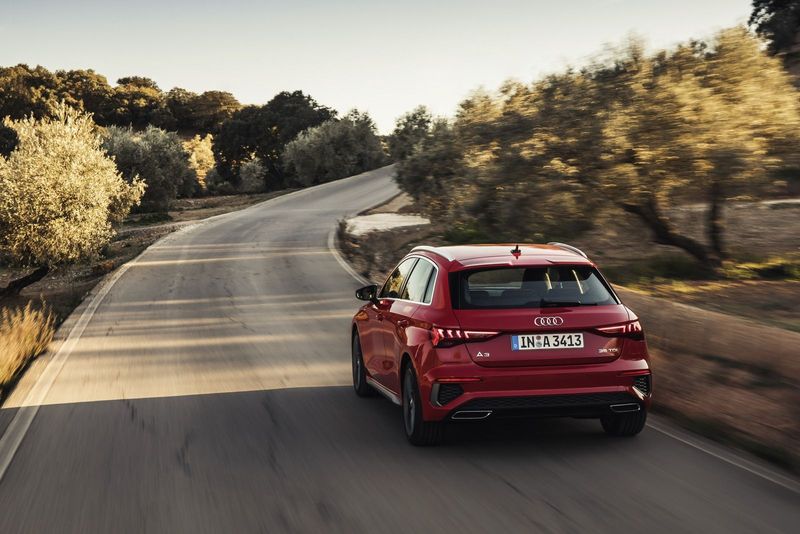
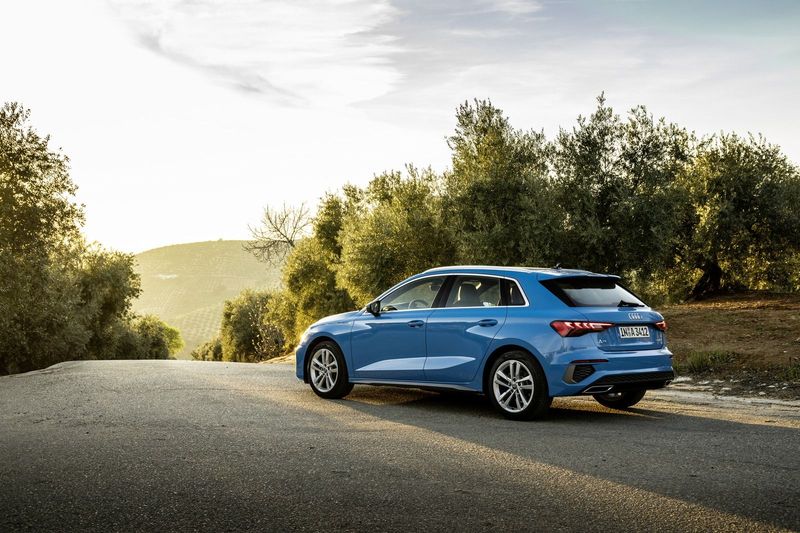
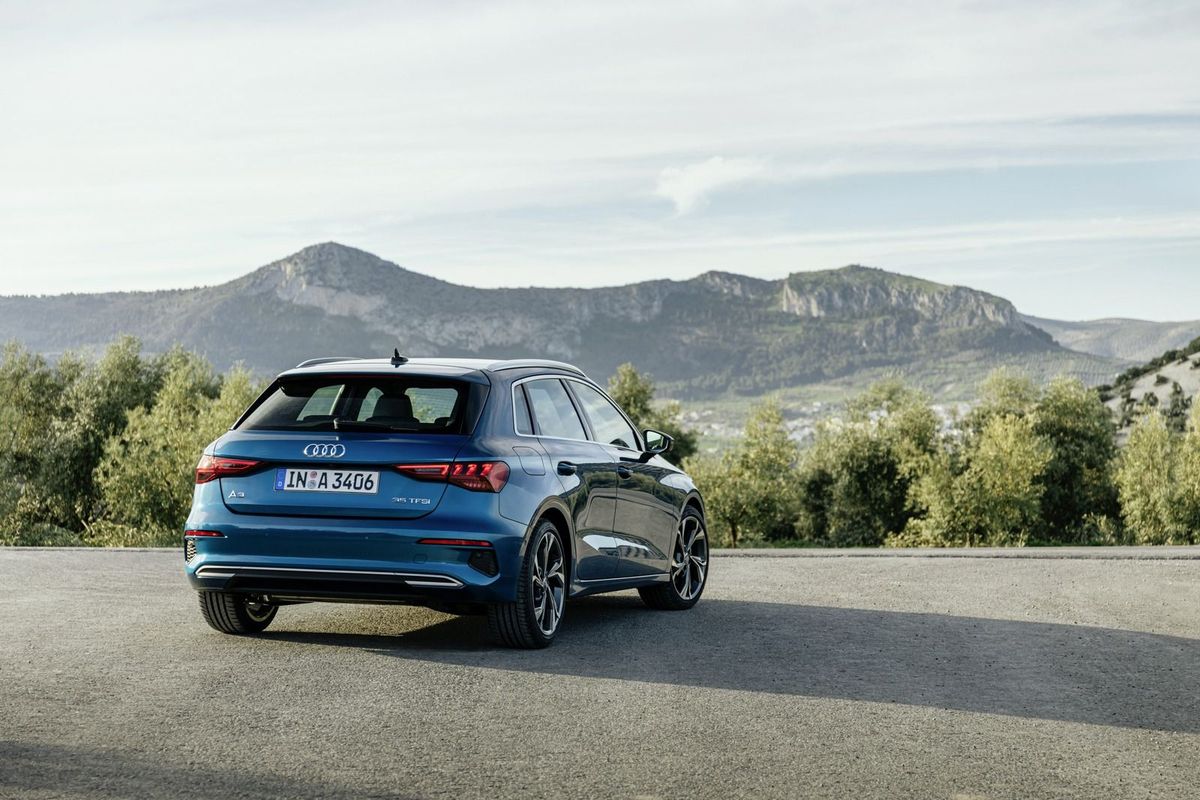
There’s an all-new Audi A3 Sportback on its way to South Africa. The newcomer takes a high-tech approach to differentiate itself from the Volkswagen Golf 8… and to stay ahead of the BMW 1 Series and Mercedes-Benz A-Class. International correspondent Dave Humphreys drove it in Spain.

The 4th-generation A3 Sportback will arrive in South Africa early in 2021. Audi hopes its premium 5-door offering will cement its position atop the Volkswagen Group hatchback tree, while also seeing off the challenges from its much-vaunted BMW and Mercedes-Benz rivals. Other body styles will be unveiled in time, but for now, the new A3 is offered solely in 5-door configuration. 

The success of the previous-generation A3 Sedan has guaranteed that it will return to the marketplace, but there is some uncertainty concerning the A3 Cabriolet, which could follow in the wheel tracks of the 3-door and disappear from the range. Audi has already previewed a more powerful S3 version in prototype form and, with the company’s legendary 2.5-litre 5-cylinder engine appearing in hot versions of the 294 kW RS Q3, it looks like we’ll get a more extreme hot hatch version of the RS3, too. But we’re getting ahead of ourselves, not least Audi’s range roll-out. 

Exterior swag


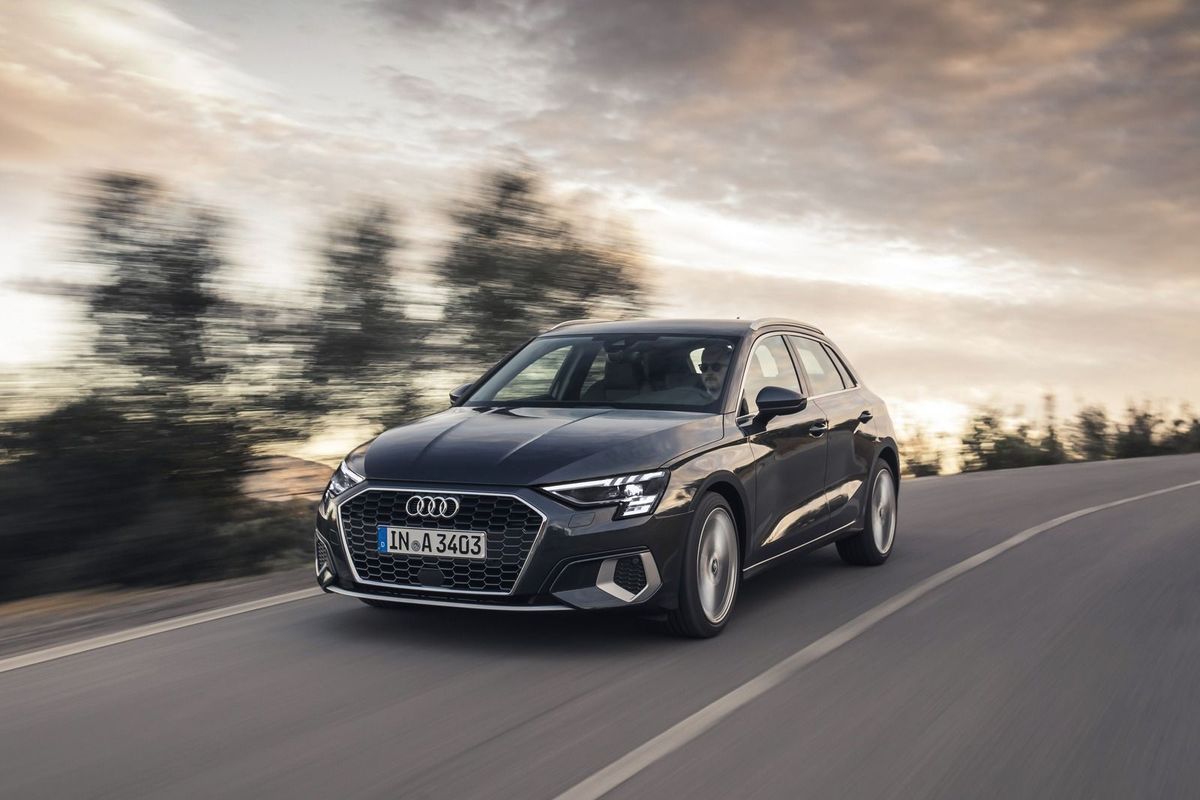
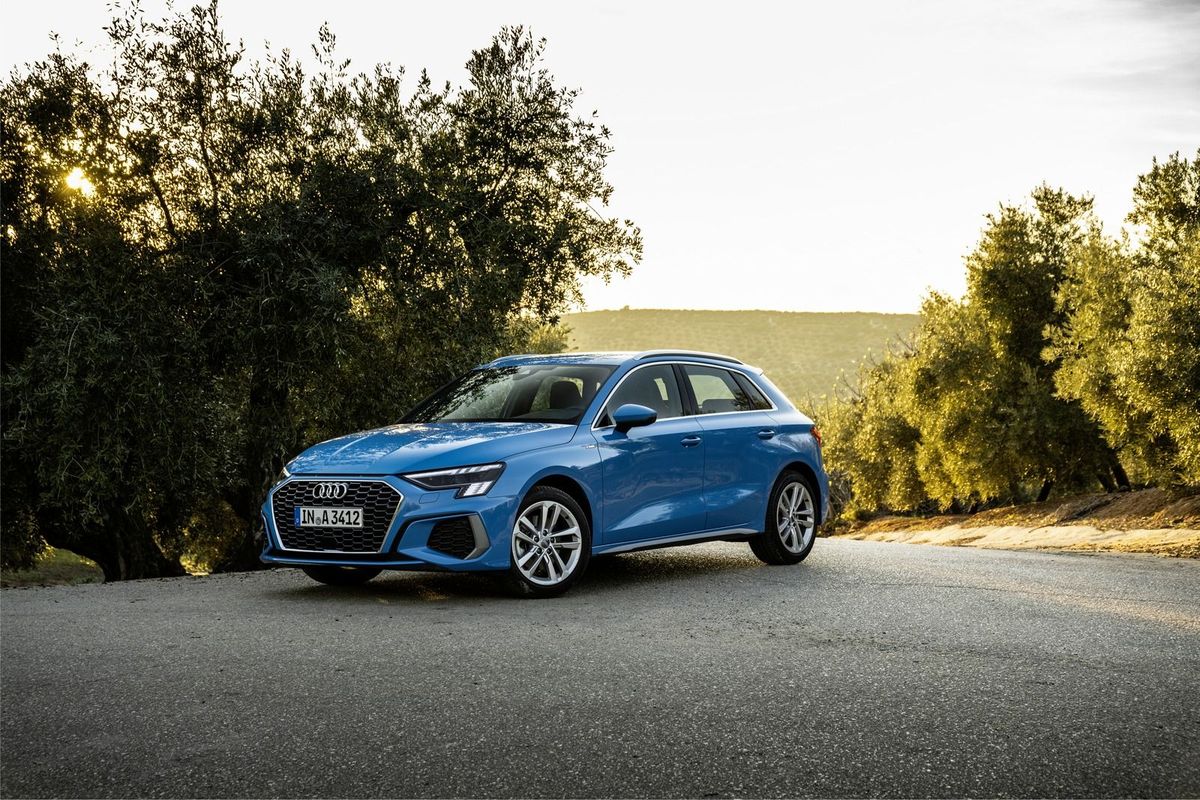
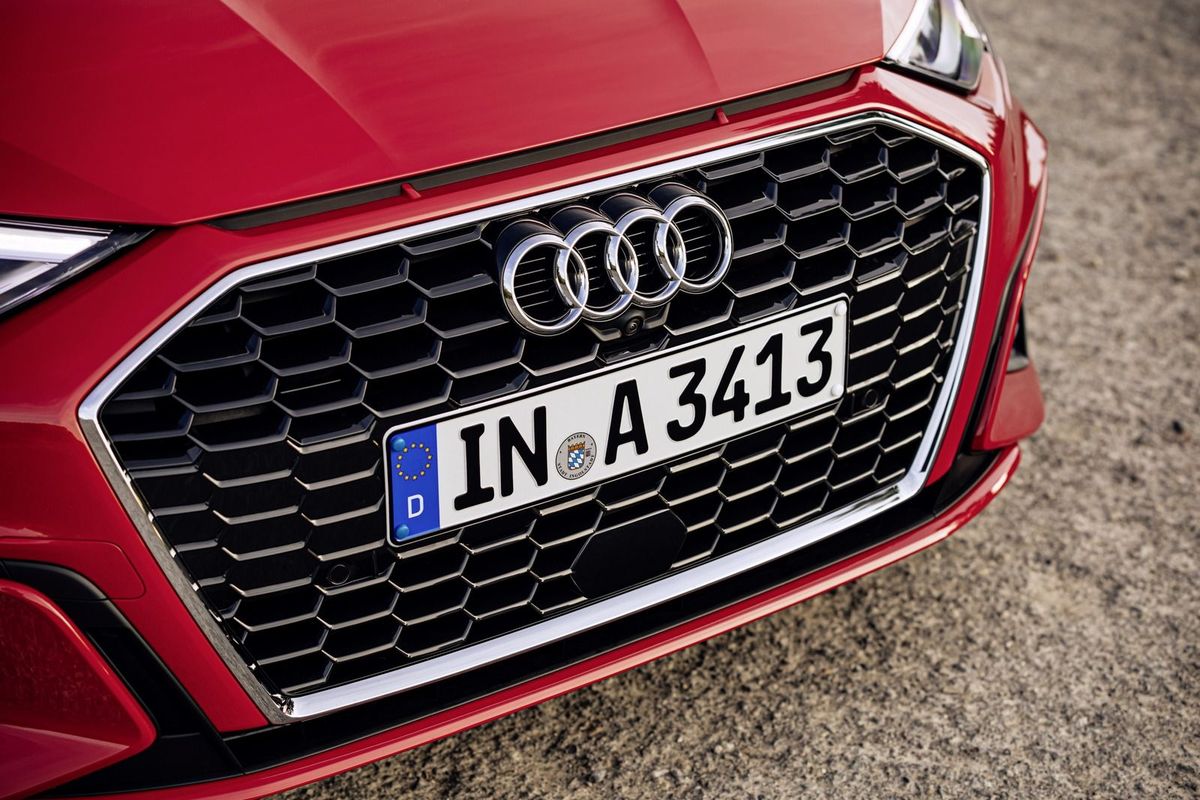
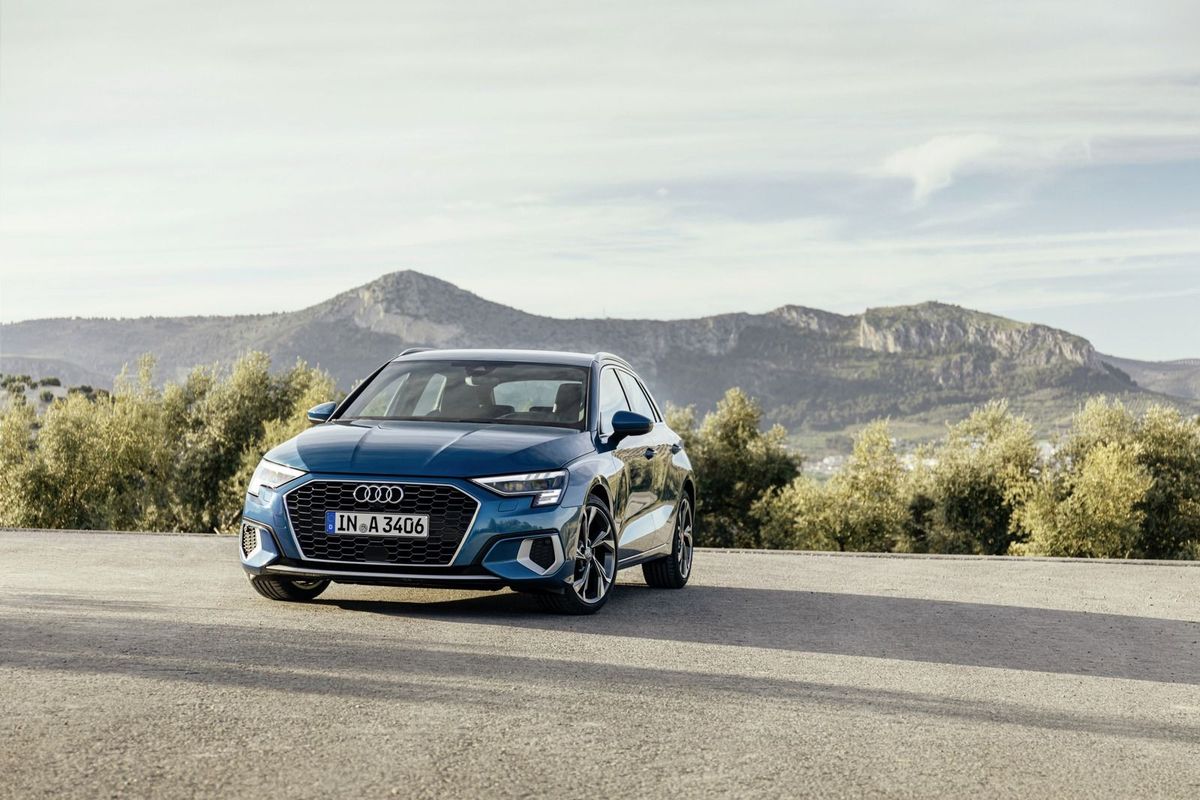
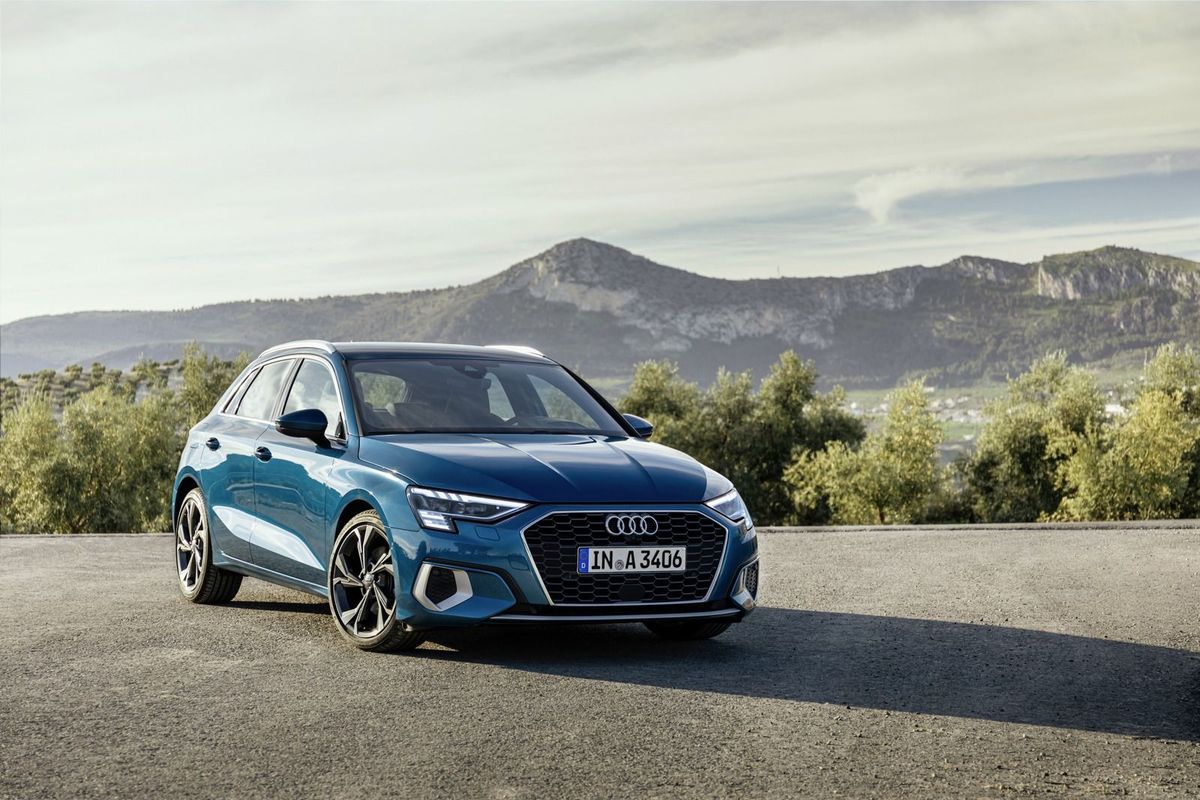
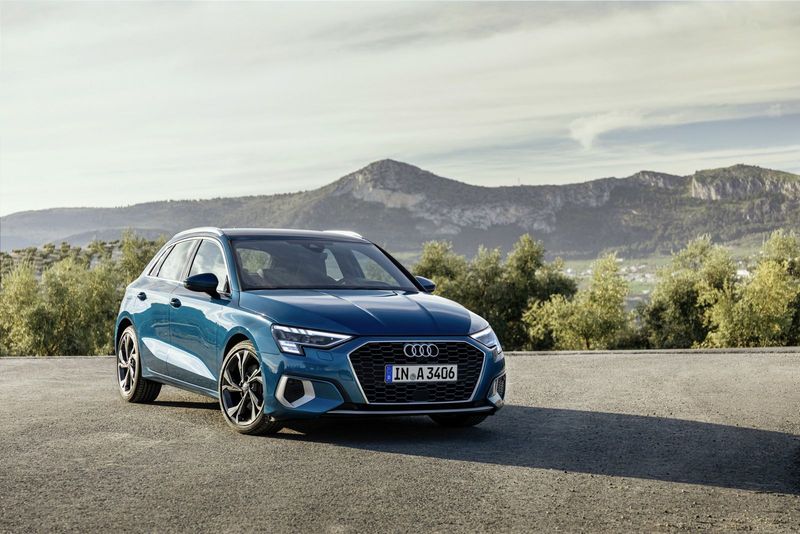
The new A3's front end is significantly revised but the design is instantly recognisable.

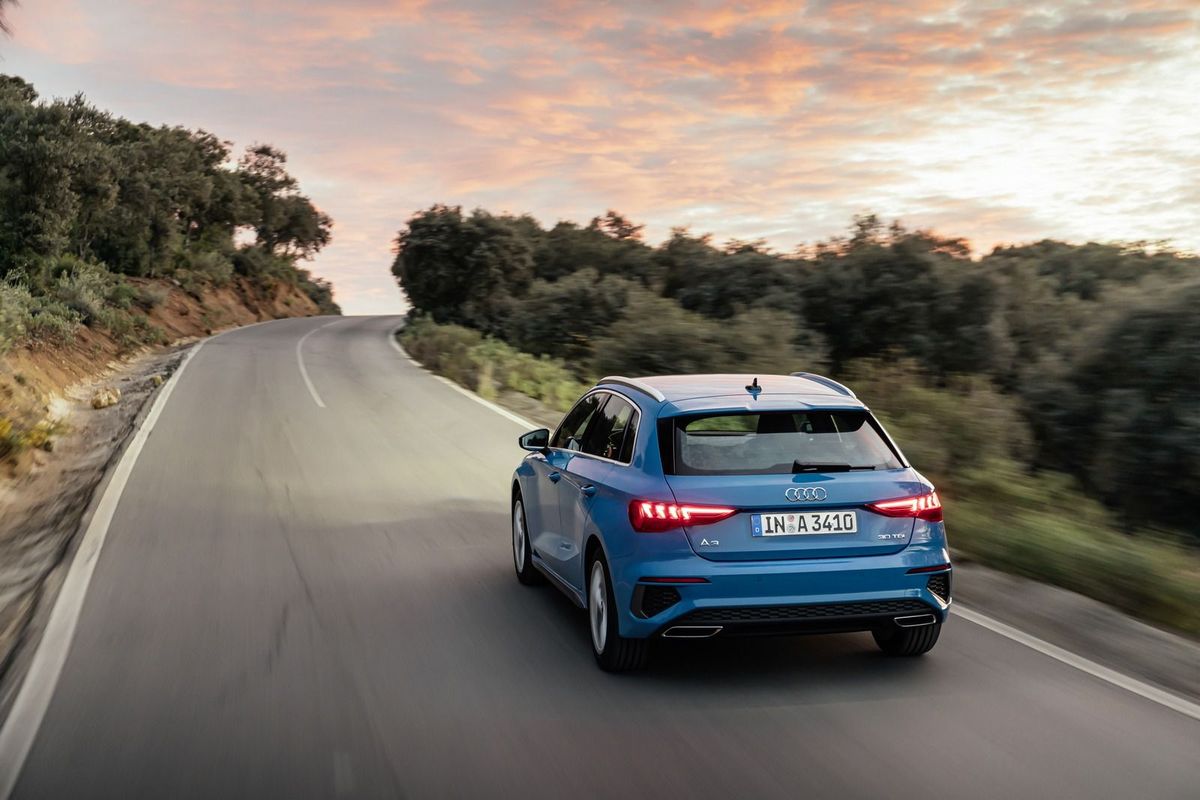
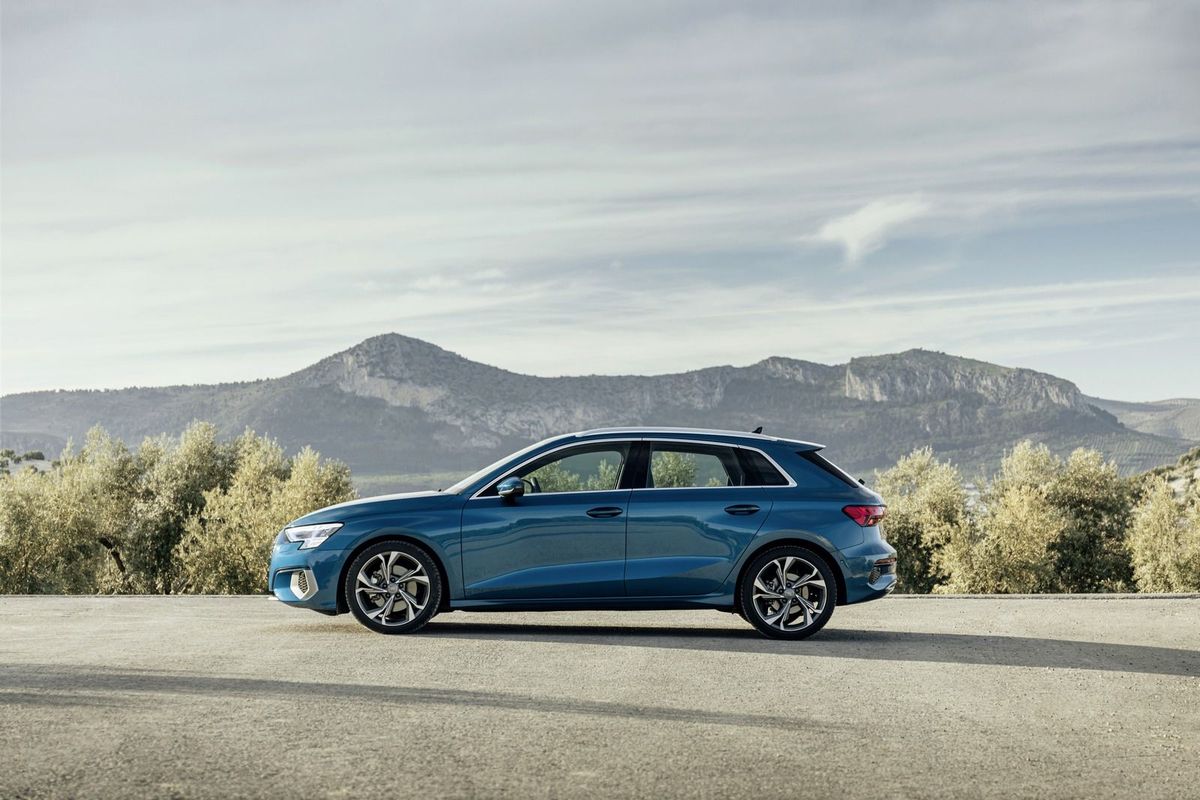
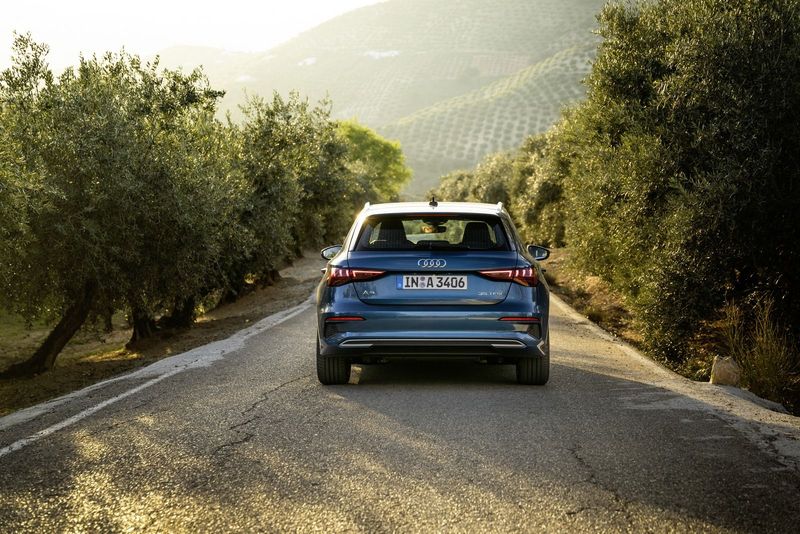
Size-wise, the A3 Sportback is now a little larger than its predecessor, but not in a very noticeable way. It is longer by 30 mm, due to the shape of the new bumper designs at either end. Including the mirrors, Audi's newcomer is 18 mm wider and the track width on both axles have been increased by 11 mm, the effect of which we’ll come back to. 

The look is fresher and has a few more curves than previous generations of the A3. It’s clear that Audi is trying to ditch its conservative image and, given the calibre of competition that the A3 Sportback faces, the Ingolstadt-based brand's designers have done a decent job here. While still being instantly recognisable as an A3, most observers should be able to spot that it’s the new model. 

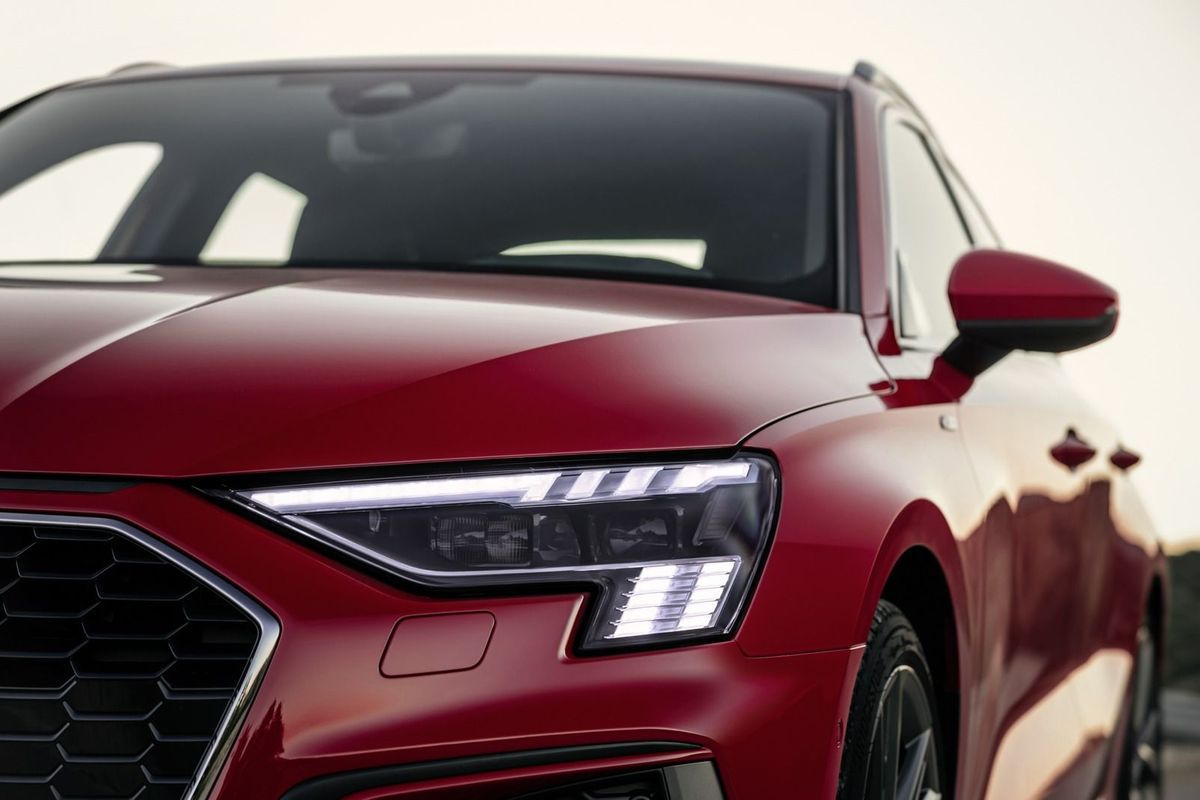
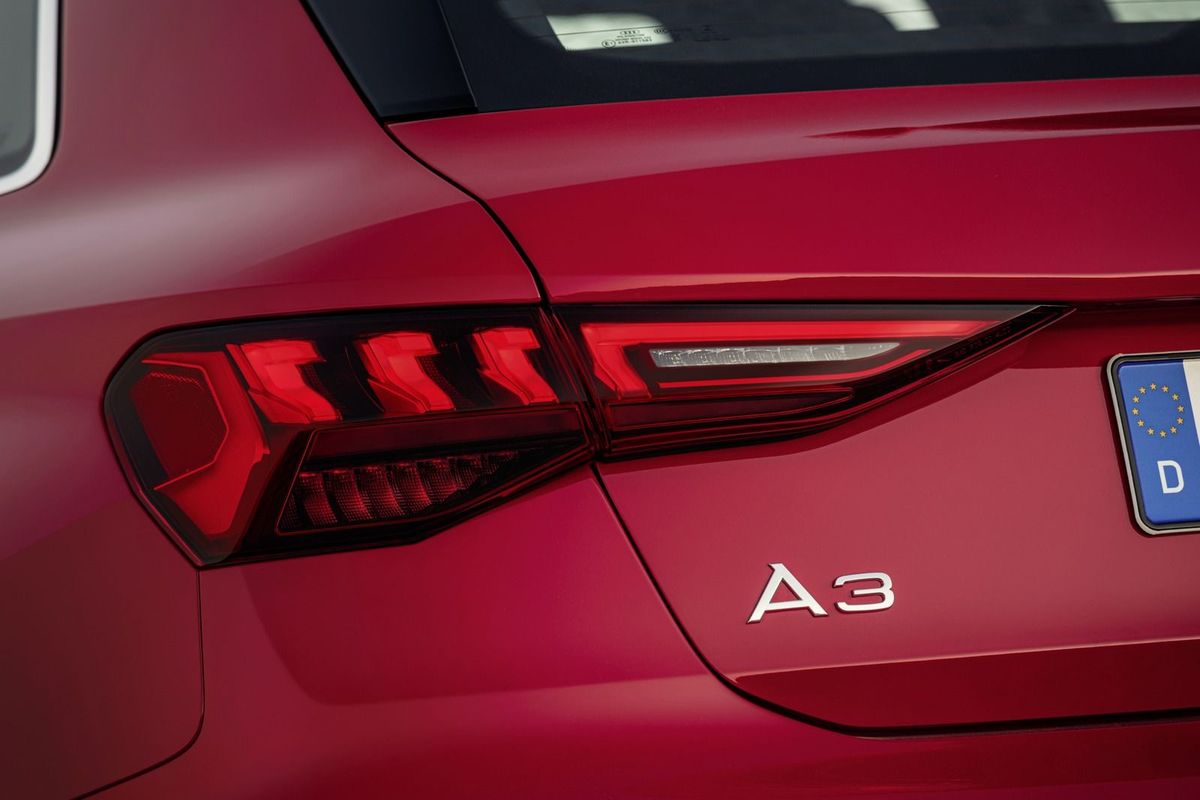
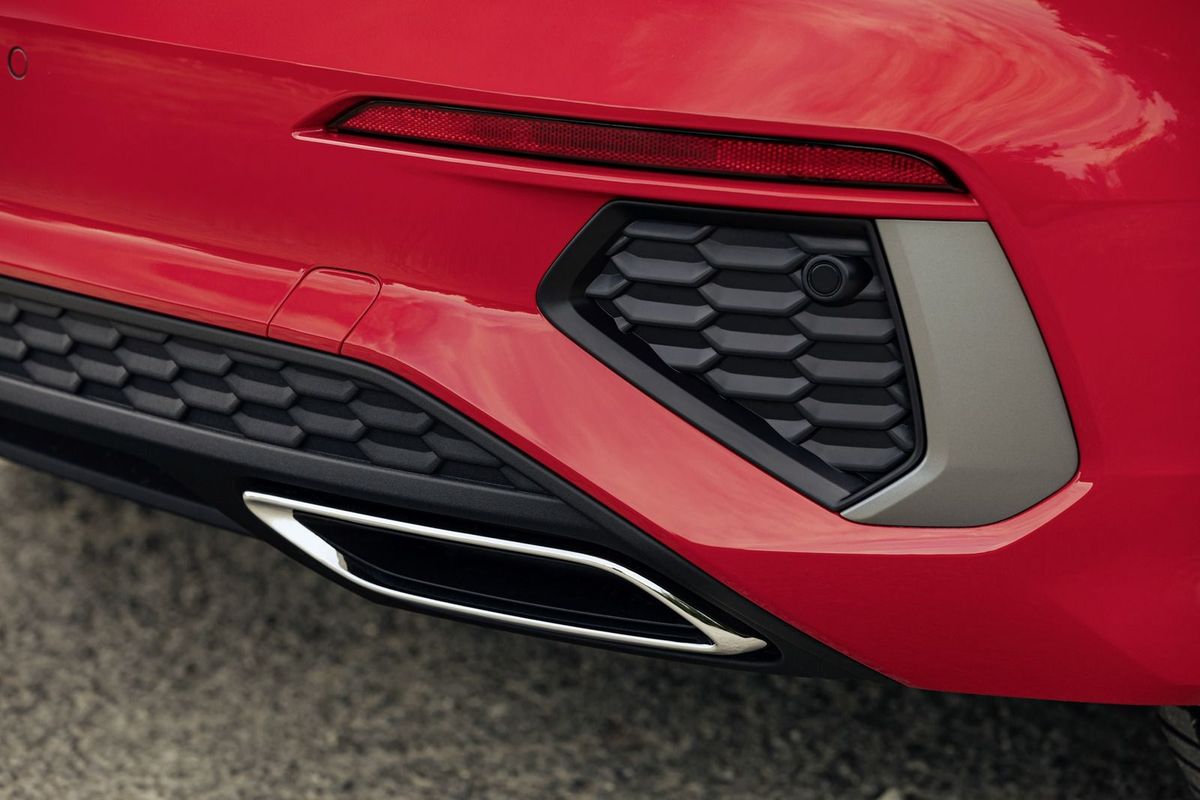
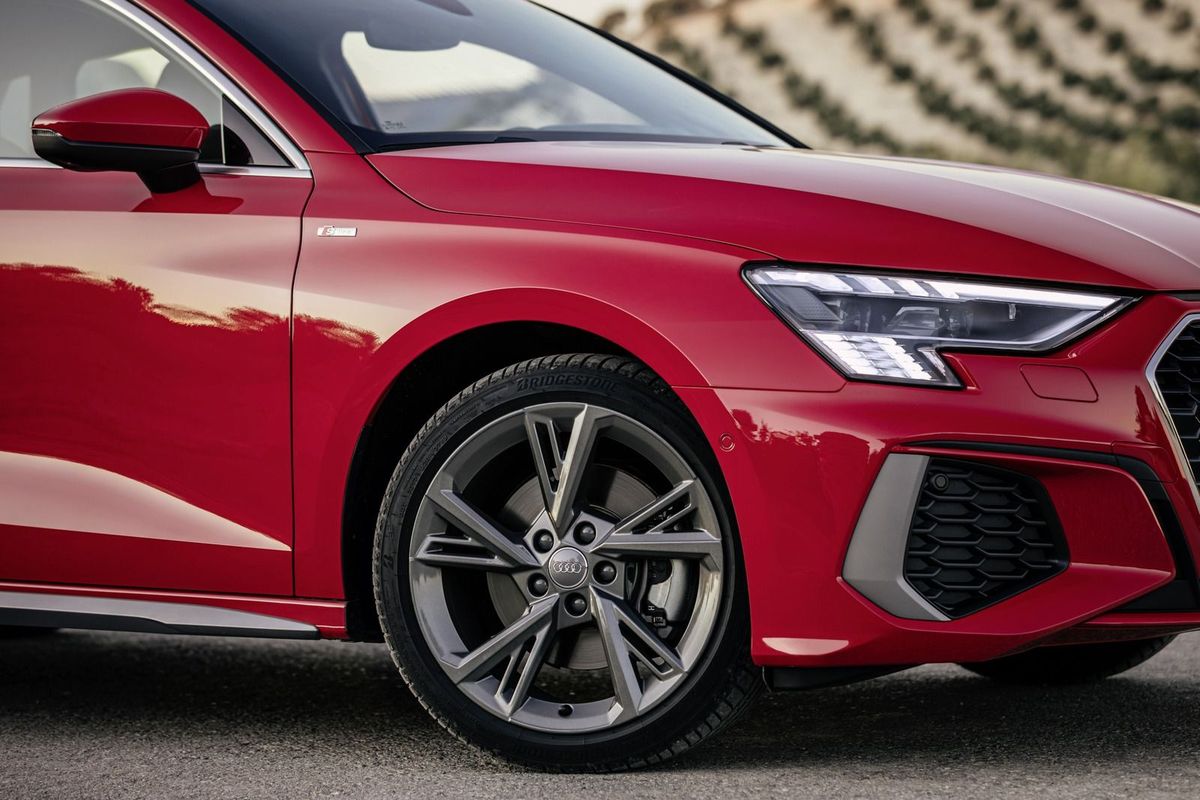
In keeping with company form, the distinctive grille is larger, while the bonnet features a more contoured look. A new LED daytime running-light signature is what every model has these days, but Audi’s heritage for making distinctive lighting a part of the overall design will give different variants of the A3 individual signatures. Higher-spec versions will receive a headlight unit featuring a 15-LED panel capable of different appearances depending on trim level. The S line derivatives also get other visual identifiers, including what appears to be chrome-look exhaust tips (but aren’t) and a trio of inserts beneath the bonnet line (just for show), like on the Audi TT.   

A range of different wheel sizes will start at 16 inches and go up to 18 inches on the sportier S line versions, while 19-inch wheels – the largest possible on the A3 – will be offered optionally. 

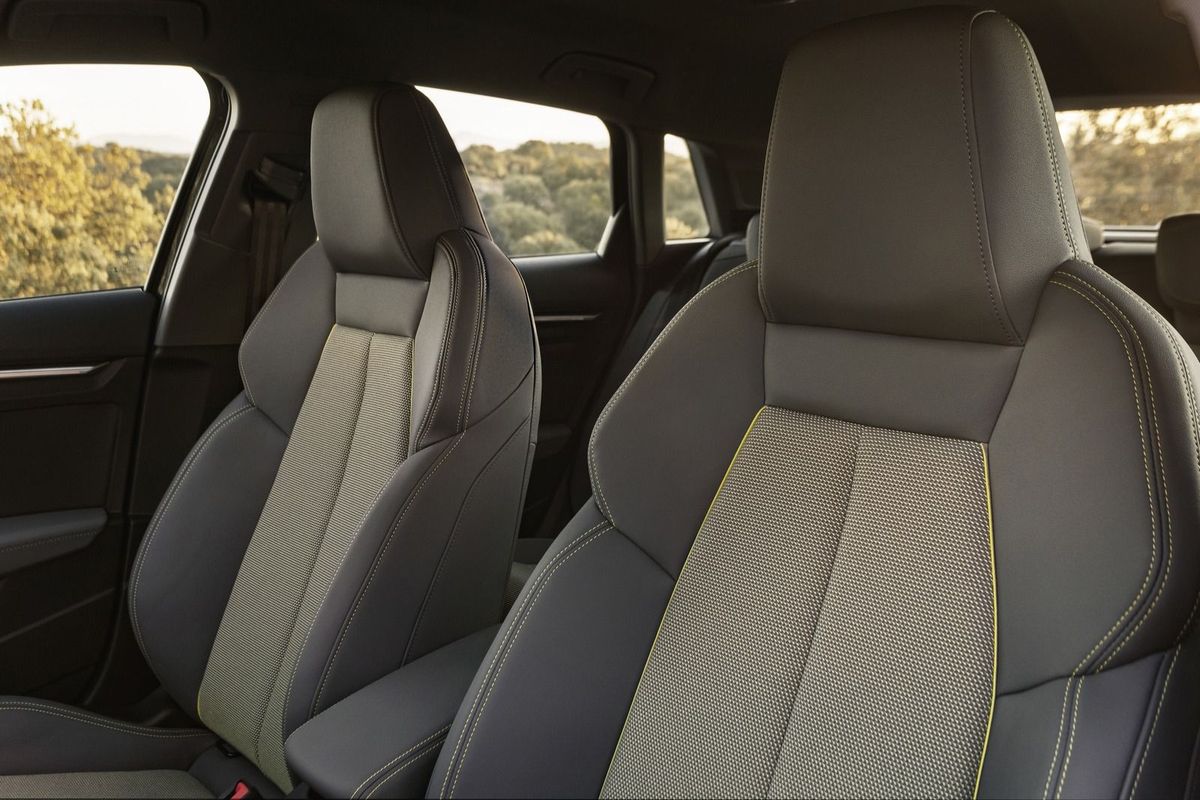
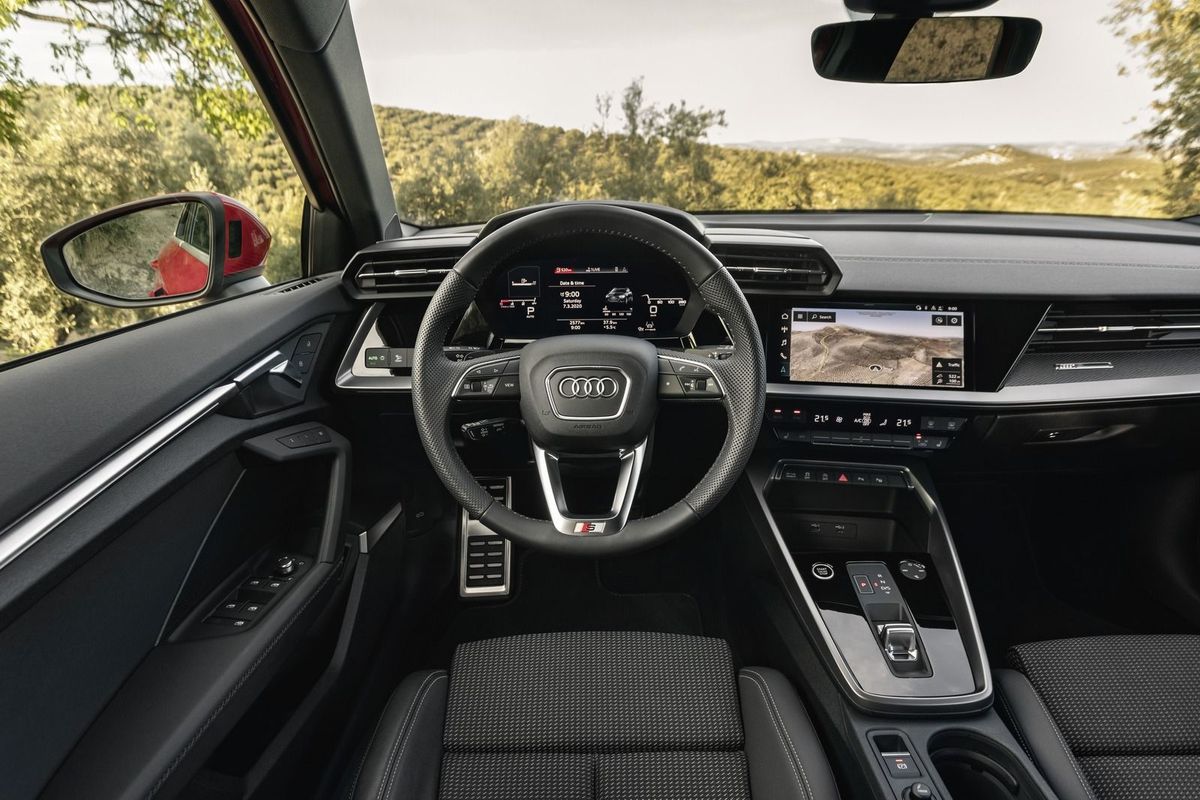
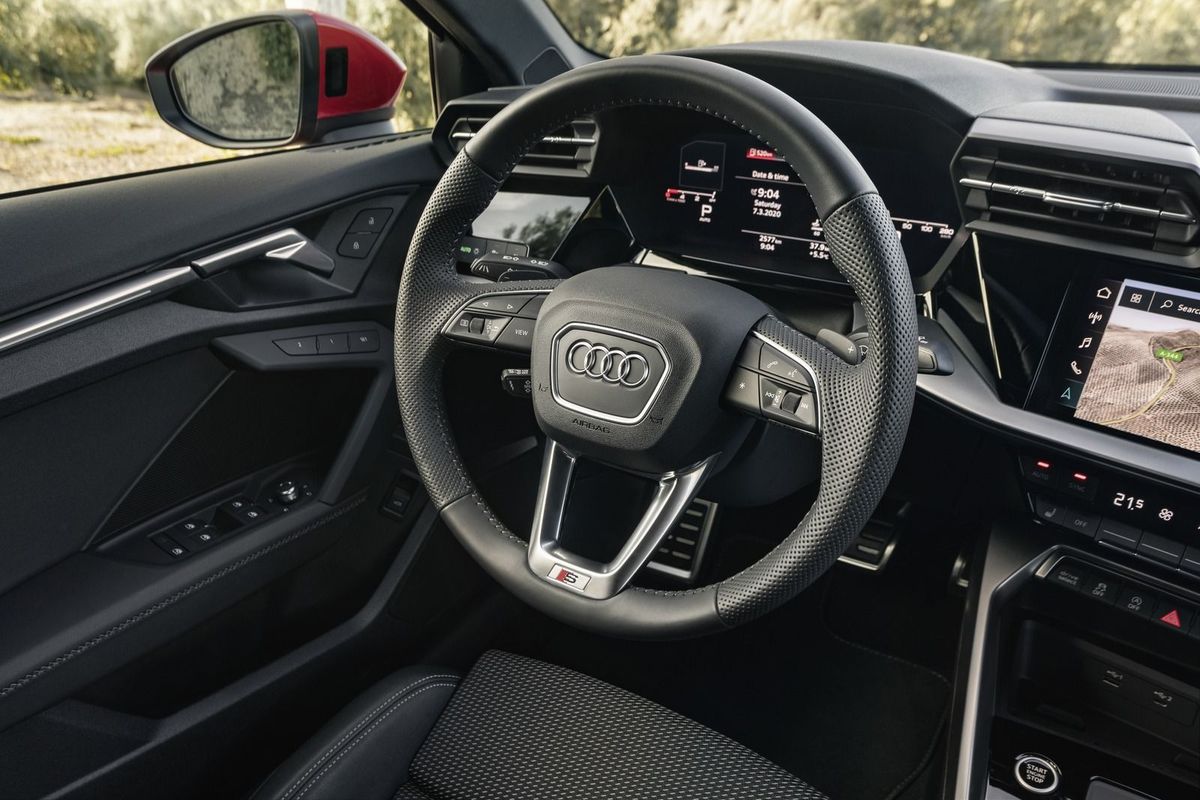
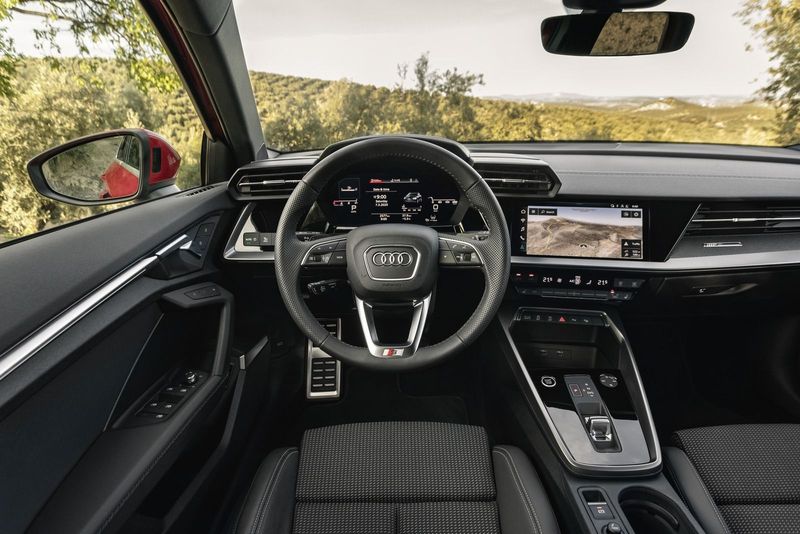
As welcome as the updated exterior look is, there are more significant differences to the A3’s design on the inside. Audi has taken a clean-sheet approach to shaping the look of the hatchback's cabin and, for the most part, it has done a terrific job. Look hard enough and you will discover some cheaper areas of plastic, but for the most part, this interior has the wow factor – even by Audi’s already high interior quality standards, it moves the game on. 

Interior evolution


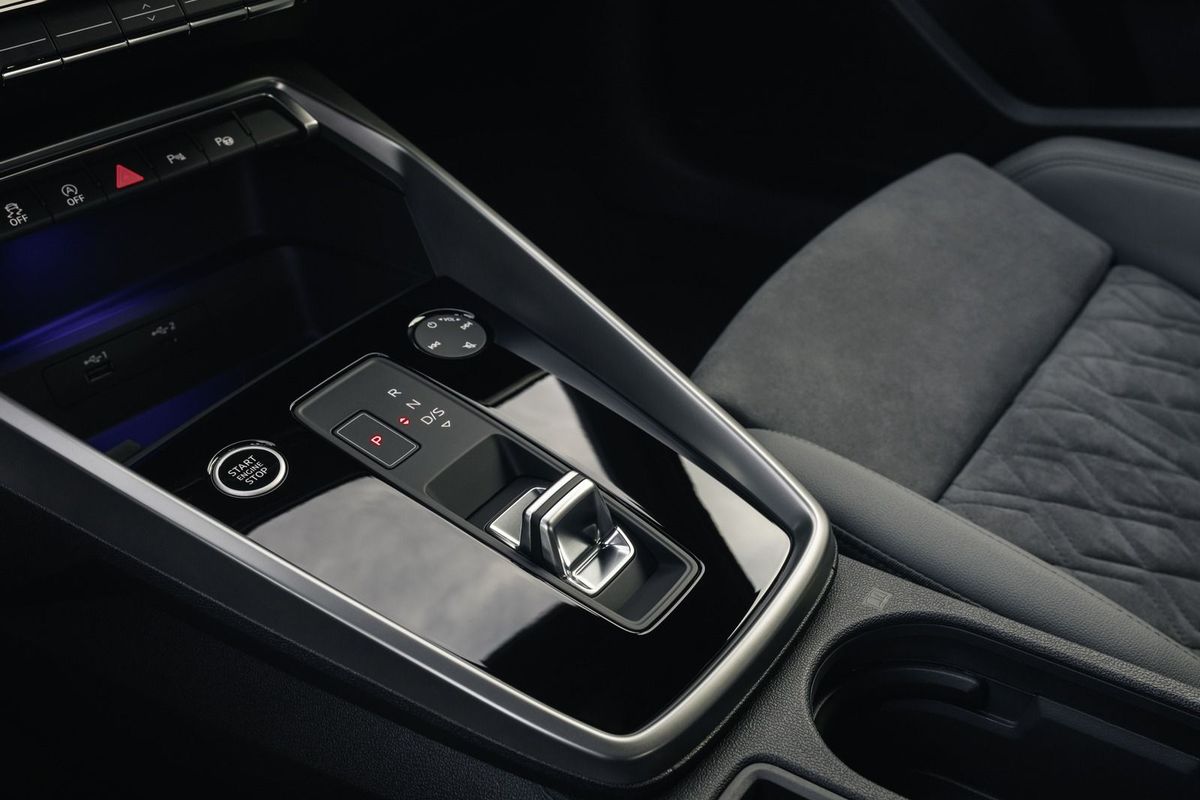
There is more space for bits and bobs with the gear lever reduced to a small toggle switch.

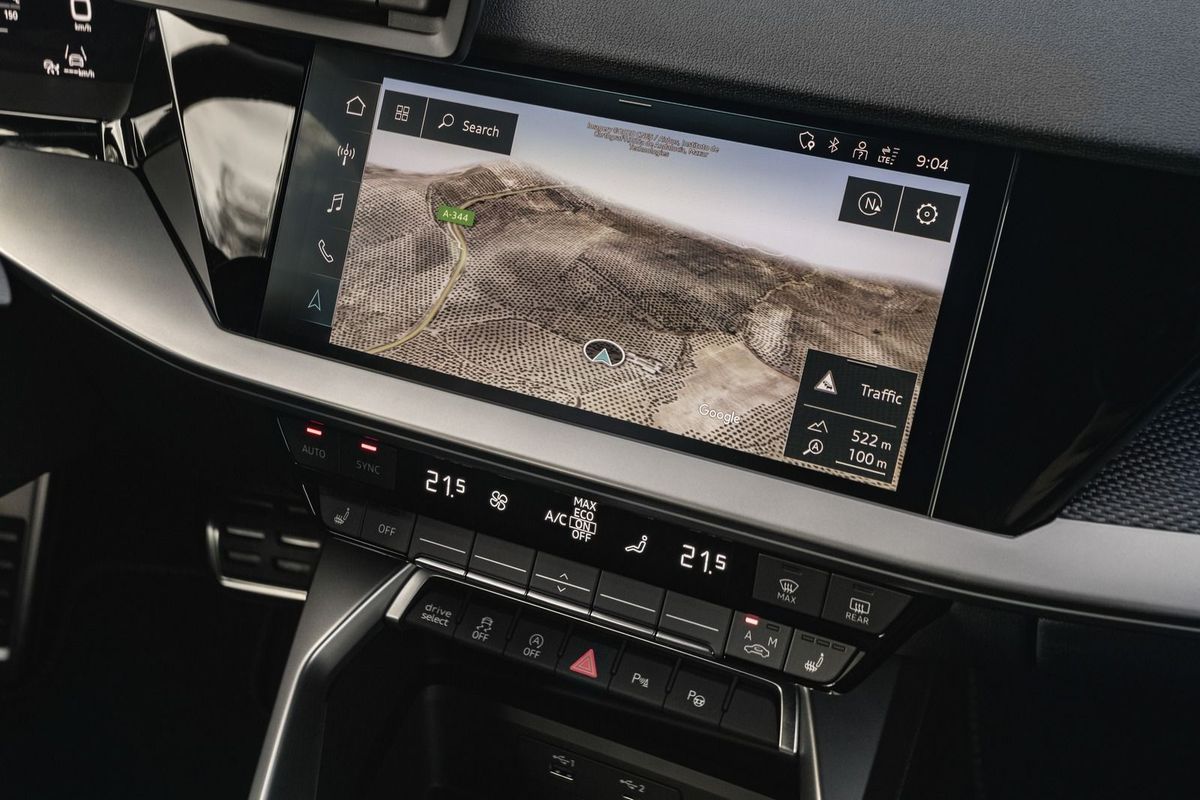
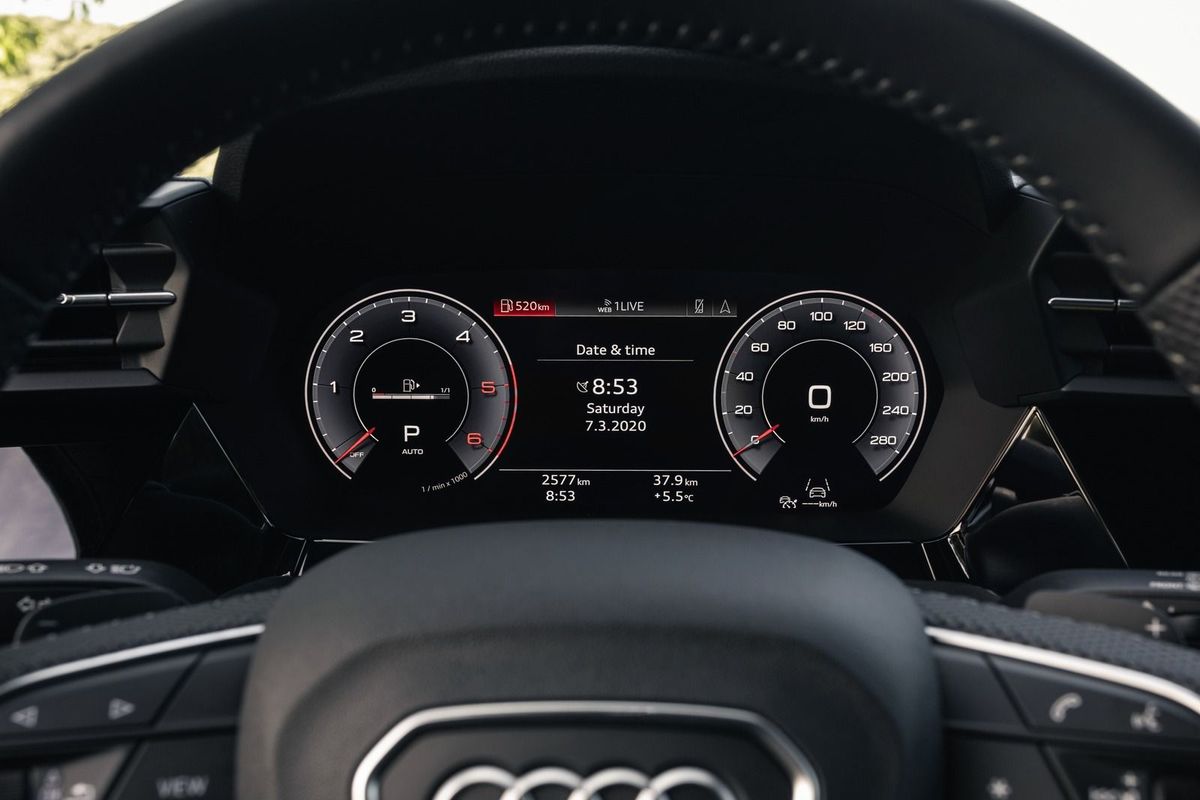
It remains a very digital affair, with a 10.25-inch digital instrument display as standard, while a larger 12.3-inch version, which was also available on the previous generation, will be optional. For the first time on the A3 Sportback, buyers will be able to specify a colour head-up display. A 10.1-inch touchscreen display, offering smartphone mirroring and connected services thanks to a built-in SIM card, will be standard across the range. Not only is the display responsive, its resolution is sharp; even on the sunniest of days, it remains bright and easily legible.  

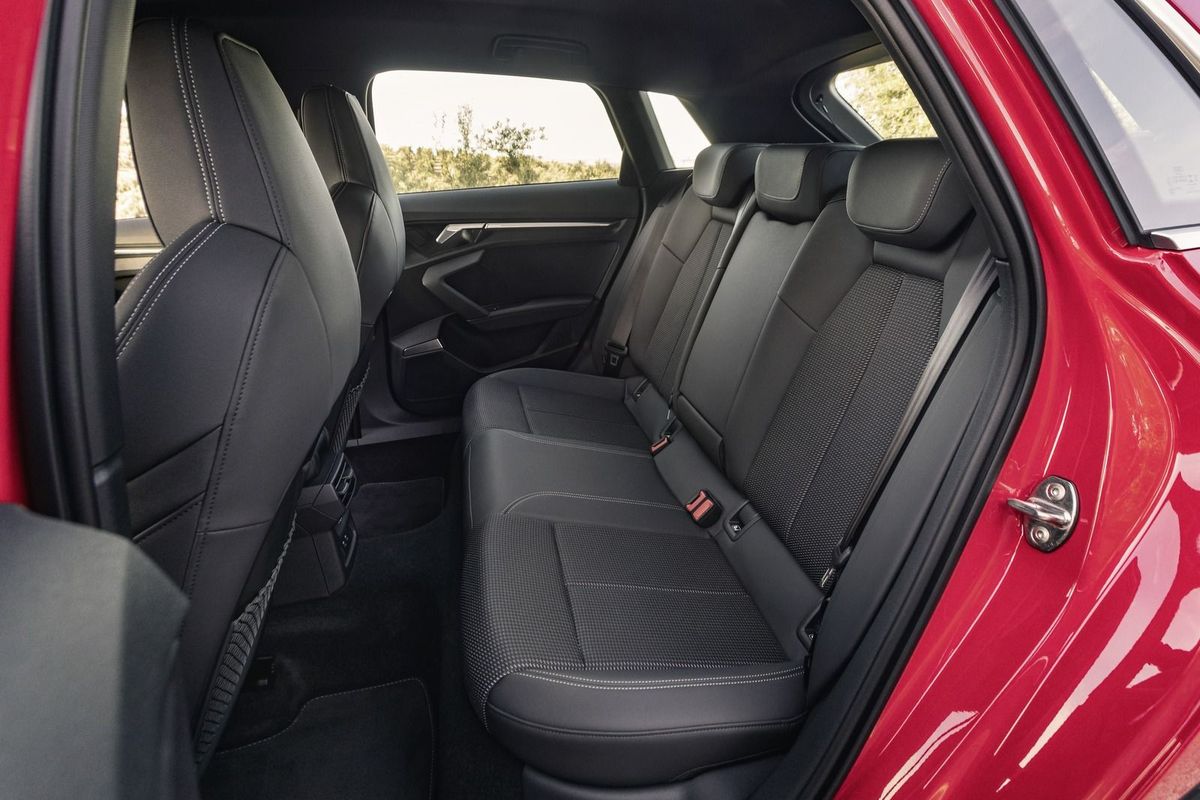
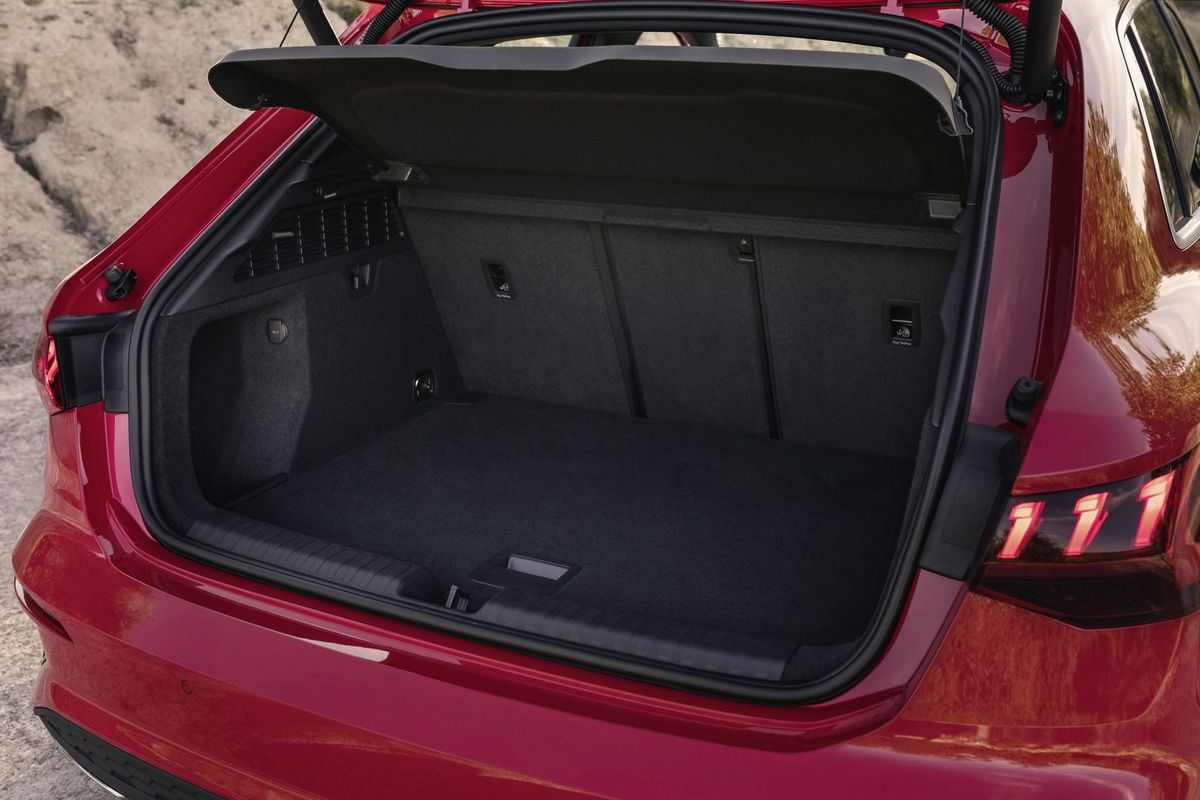
Those sitting in the rear get tiny increases in elbow- and shoulder room thanks to a new door-card design and, overall, the space available to occupants of the 2 outer seats isn’t bad. Like many cars in this segment, the middle-rear seat is more space-limited due to its design and the need for a transmission tunnel. There is no increase in luggage space over the previous A3, which remains at 380 litres and can be increased to 1 200 litres by folding down the aft seatback. 

What’s it like to drive?


The A3 Sportback will debut in SA early in 2021, we hope.

The previous A3 Sportback offered commendable comfort and refinement. That hasn’t changed; if anything, the Audi now offers even greater levels of both thanks to the various changes and the addition of a new adaptive suspension.  

Leading the charge is an updated 1.5-litre TFSI turbocharged 4-cylinder petrol engine that produces peak outputs of 110 kW and 250 Nm. Matched with the 7-speed dual-clutch automatic transmission, it makes for a snappy powertrain that provides a sufficient amount of power lower down, while comfortably delivering at the top end thanks to its free-revving nature. 

The engine is equipped with Audi’s cylinder-on-demand (CoD) system that shuts off the 2 middle cylinders when driving on part-throttle. This process, and the subsequent restarting of the cylinders, go unnoticed to even the keenest ear or bum. We experienced it with the 48V mild-hybrid system, which isn’t pencilled in to come to South Africa, and differs primarily in its ability to allow engine-off coasting for short periods. 

When you switch the Drive Select function to Efficiency, the transmission will coast when you lift off the accelerator pedal and can do that for quite some time. Most drivers will rarely switch between modes, although the lure of the Dynamic setting (when you find your favourite section of road) may prove too tempting for some. Along with a steering tweak, Dynamic makes the automatic transmission slip into a sportier mode and hang onto each gear that bit longer. The switch to a shift-by-wire setup frees up space between the seats, but does away with the transmission lever that you could use for shifting up and down the 'box.

Which means that in its absence, you’re obligated to use the steering wheel paddles to actuate manual 'shifts. Unfortunately, they don't feel very substantial – they're two of the admittedly few cheap points in the otherwise upmarket cabin. Both BMW and Mercedes-Benz do this bit better. When left in its default normal or auto mode, the S-tronic transmission switches through the gears in fine fashion – smoothly and without any jerkiness. 


Audi has made adaptive suspension available on the A3, and it appears to be the best setup for the newcomer.

If you relish your comfort, then it might be worth speccing Audi’s new adaptive suspension. It ditches the magnetic function of the previous generation in favour of a more conventional damper setup, but one that operates over a wider spectrum to provide greater levels of comfort and absorption while retaining the ability to firm up when more spirited driving is desired. Compared with the standard suspension, the adaptive system leaves the car sitting 10 mm lower. 

Nonetheless, you won’t feel short-changed if you stick with the standard (passive) suspension, which, for engines of 110 kW upwards, uses a slick multi-link rear setup, along with the MacPherson strut front end that appears across the range. The operating window is still very good, delivering a progressive and well-balanced ride. Go for the sportier S-line spec and the A3 rides 15 mm lower, with a firmer damping setup. 

The standard electromechanical steering can be upgraded to a variable ratio system that delivers a more direct feel. Toggling through the different drive modes provides greater distinction in how the steering feels, though in Dynamic mode we felt the steering was a touch too heavy.

Along a fast sweeping road, the A3 Sportback delivers an impressive driving experience with the kind of ride quality that imbues confidence across both the passive and adaptive setups. An increase of 11 mm in track width at each end adds to the planted sensation, of that I have no doubt.

Verdict


With BMW falling from grace with its 1 Series, this and the A-Class are the picks of the segment.

The Audi A3 Sportback had elevated itself to the sharp end of the hatchback segment once more. A big evolution in its design is backed up with a more refined, yet still-involving, driving experience that makes the BMW 1 Series seem bloated and ought to worry the Mercedes-Benz A-Class. While it is technically an evolution of the previous model, so much of the A3 Sportback has changed inside (and out) that it looks and feels like a totally different car. It’s every bit the high-tech model that many buyers will expect from Audi.

Related content

2021 Audi A3: SA Details Emerge

Spy Shots: 2021 Audi RS3 Sportback

New Audi A3 is Sportback Only

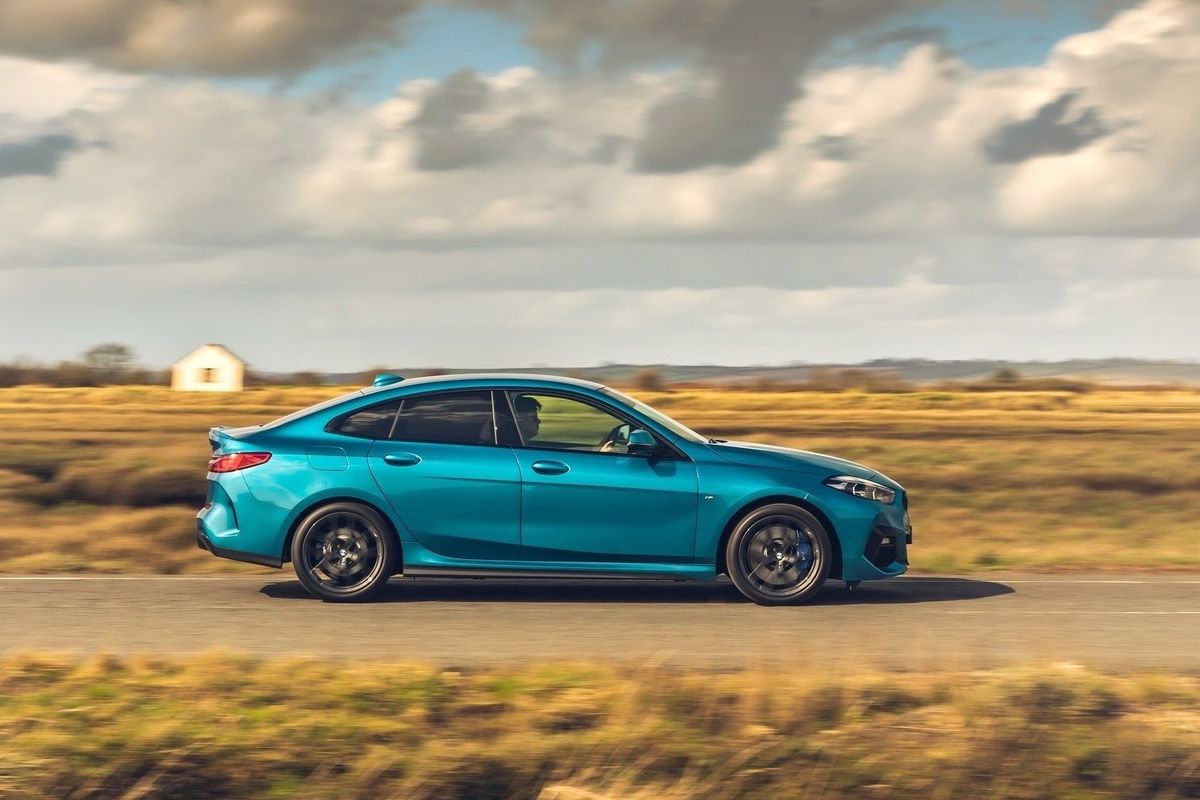
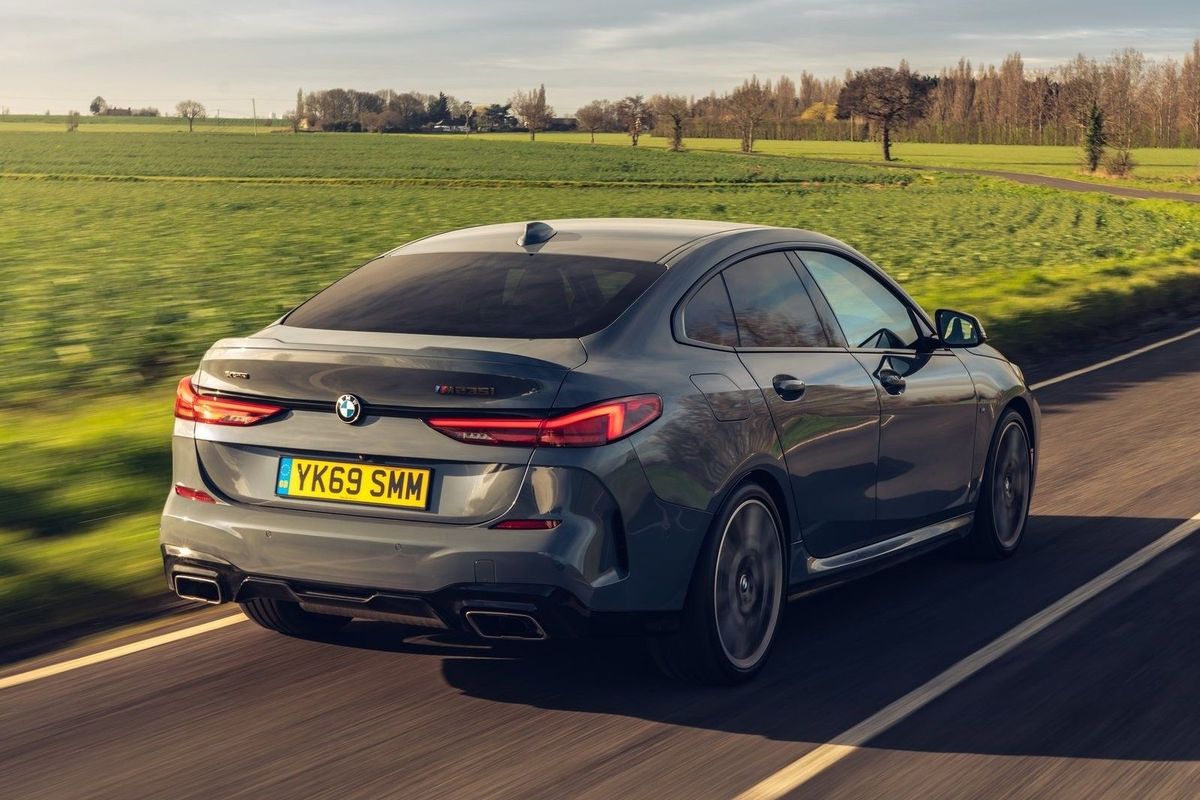
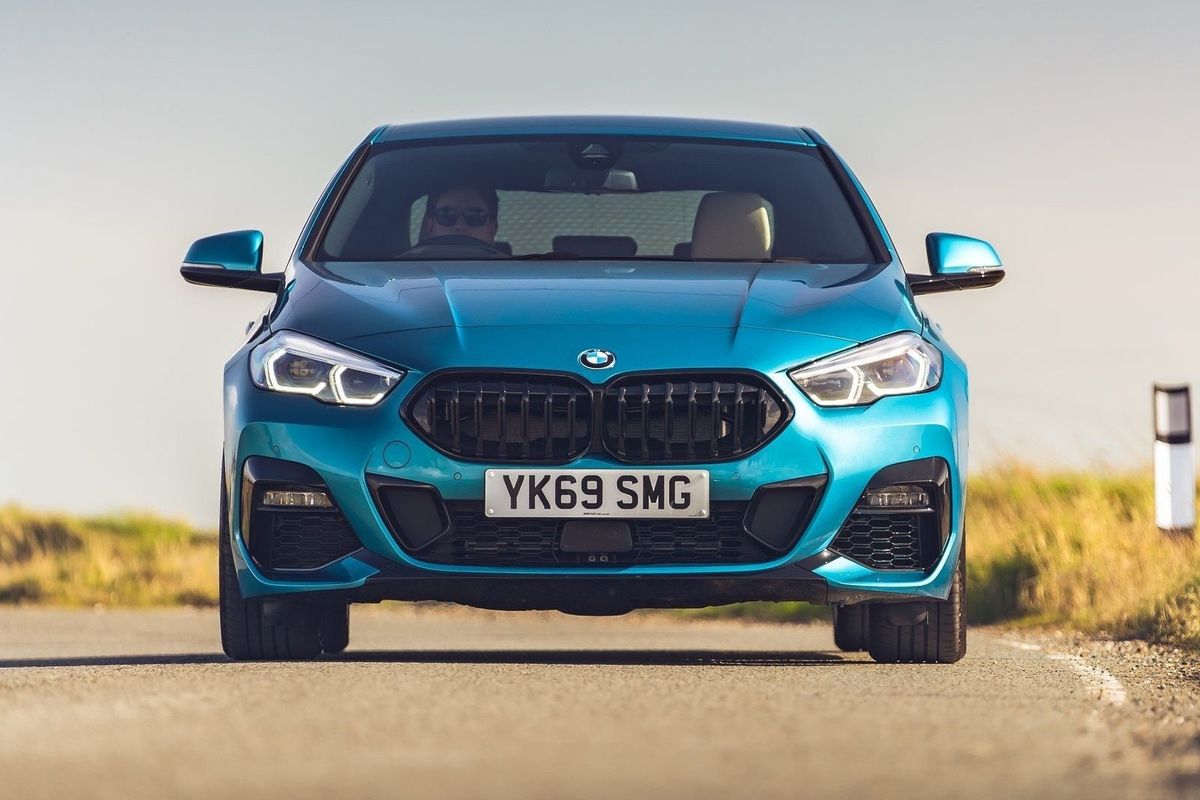
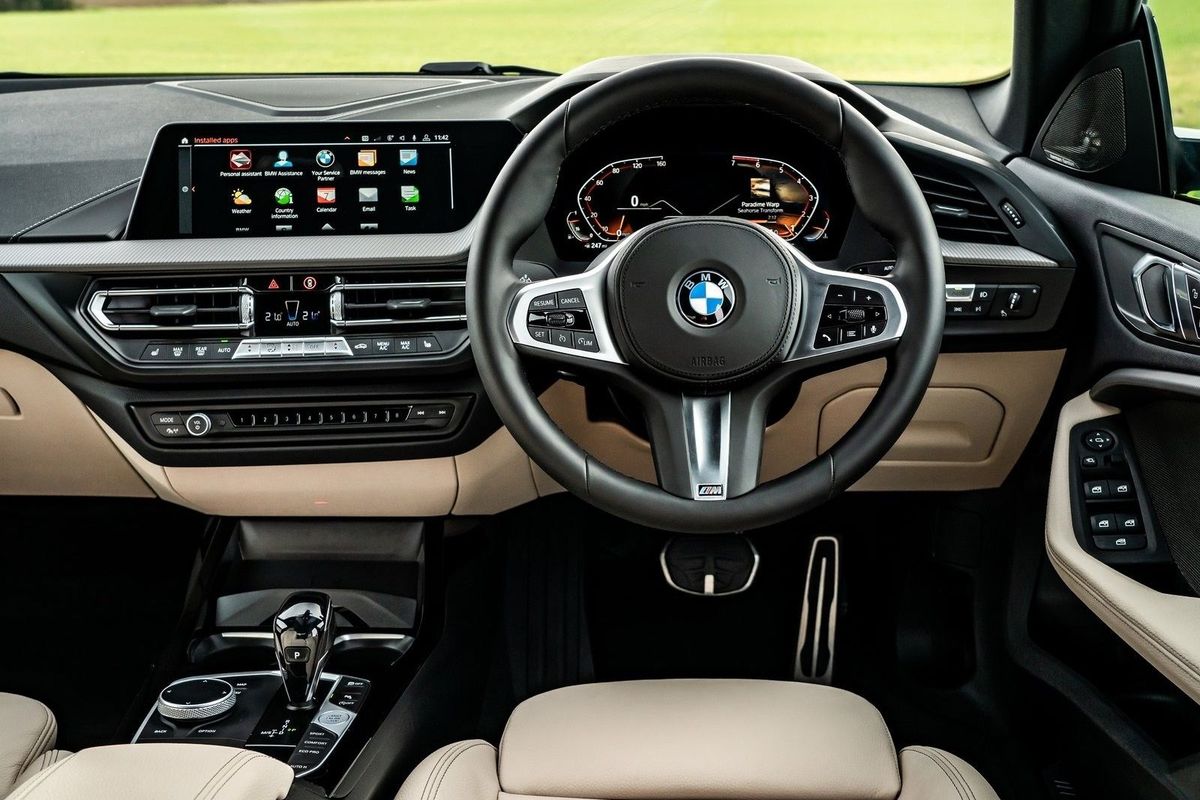
BMW 2 Series Gran Coupe Price Announced

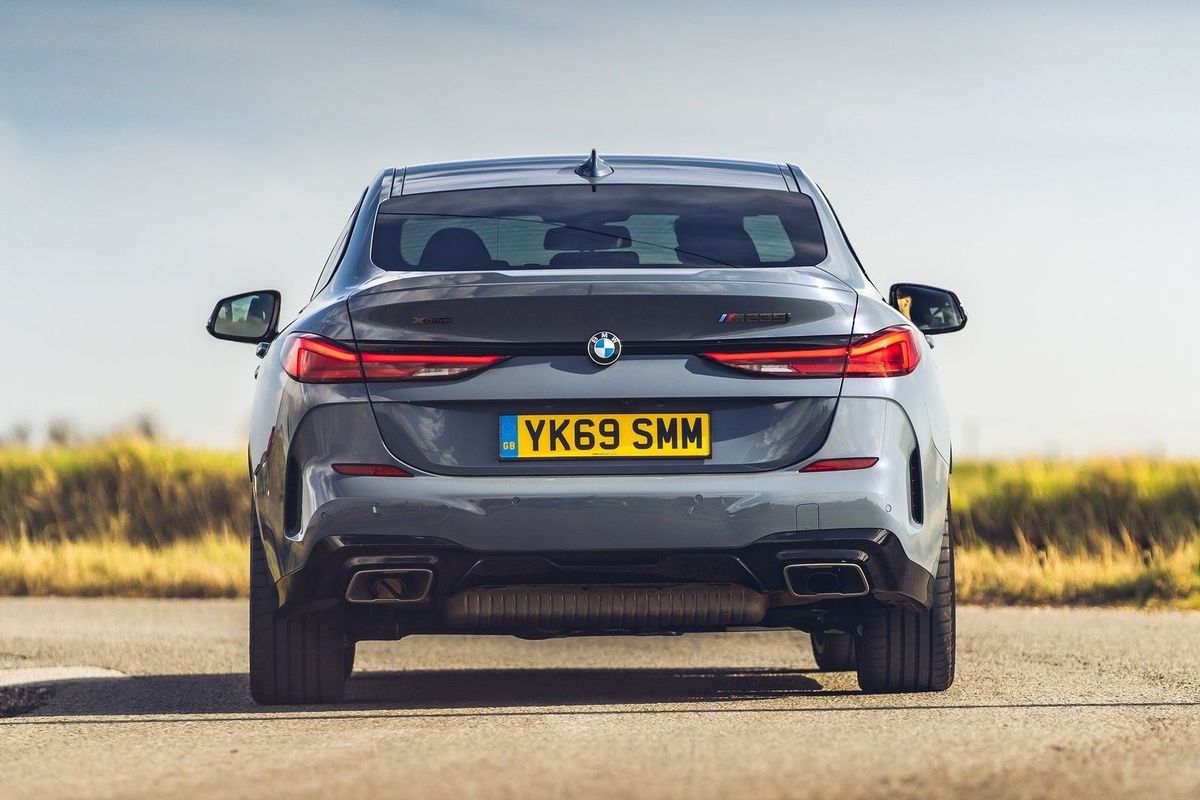
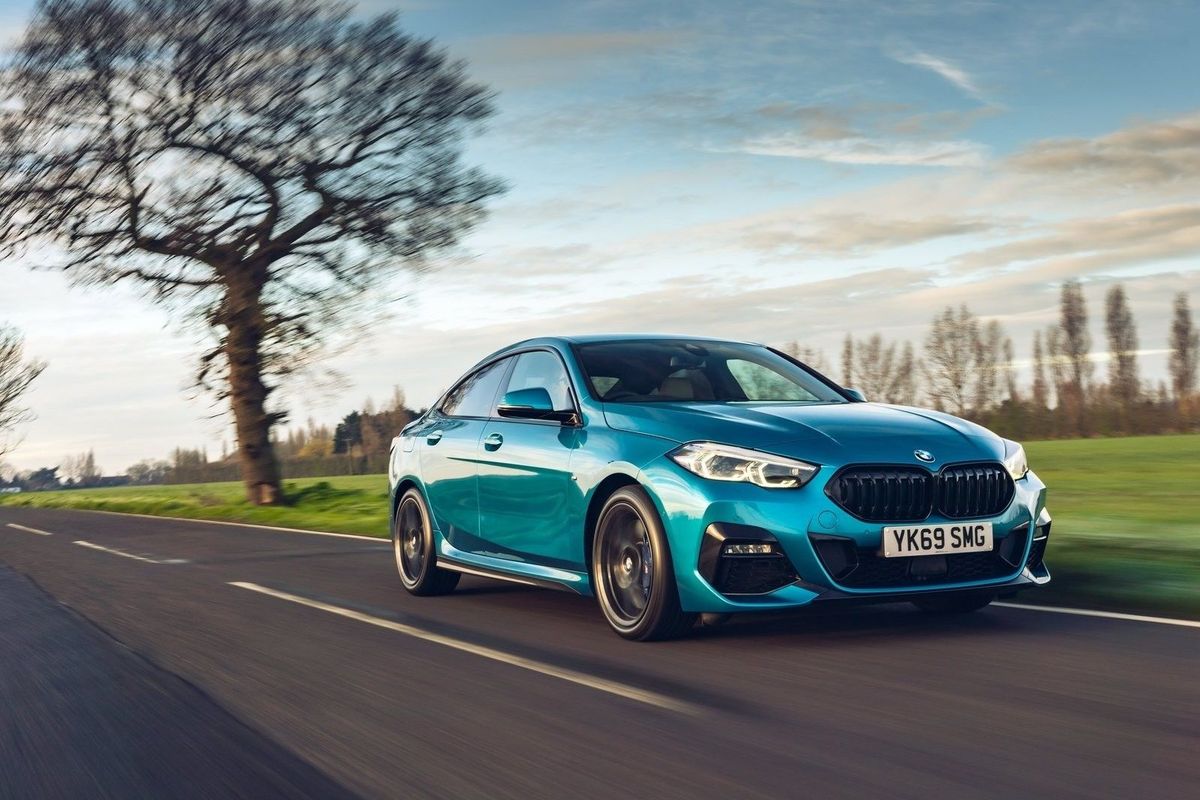
Specs and pricing for the new BMW 2 Series Gran Coupe have turned up on the local arm's website. Here's how much it costs, plus details regarding engines.

Built on the new BMW front-wheel-drive platform, the 2 Series Gran Coupe shares more than a few things with the 1-Series hatchback, including the potent 35i xDrive powertrain. Speaking of engines, the BMW 2-Series Gran Coupe will be available with 3 engines from launch; 2 petrol and 1 diesel. In terms of dimensions, the sports sedan is 4 526 millimetres in length,1 800 millimetres in width, but stands just 1 420 millimetres tall. Thanks to the 2 670-millimetre wheelbase, there's plenty of interior space as well as a 430-litre load compartment. The BMW 2 Series Gran Coupe is a rival to the Audi A3 Sedan and Mercedes-Benz CLA. 

The South African model range comprises 218i, M235i xDrive and for those wanting a diesel, the 220d. The 218i features a 1.5-litre turbocharged 3-cylinder petrol motor with 103 kW and 220 Nm. It has a claimed 0-100 kph time of 8.7 seconds and it is said to consume a claimed 5.9 L/100 km. For those wanting a real focus on performance, the 2.0-litre turbocharged 4-cylinder we've experienced in the M135i xDrive and X2 M35i makes an appearance in the M235i xDrive and it delivers 225 kW and 450 Nm. Power goes to all 4 wheels via an 8-speed automatic gearbox and with launch control dialled up, it'll hit 100 kph in a claimed 4.8 seconds. Finally, the 220d 2.0-litre has 140 kW and 400 Nm and is said to consume 4.5-4.2 L/100 km. It's not slow either, with BMW claiming 7.5 seconds to 100 kph.

We understand full specs and standard features are to be confirmed imminently and we'll update accordingly.

BMW 2 Series Gran Coupe Price in South Africa (March 2020)

218i Petrol Automatic       R515 000

220d Diesel Automatic     R595 000

M235i xDrive Automatic   R725 000

Further Reading

BMW 2-Series Gran Coupe Officially Revealed

BMW 2 Series Gran Coupe (2020) International Launch Review

BMW 2 Series Gran Coupe M Performance Parts Shown

WesBank Announces Relief Action for Customers

In response to the ongoing COVID-19 pandemic, WesBank has announced relief action for its customers and partners. 

As the Covid-19 pandemic deepens in South Africa, relief measures are being explored and implemented to soften the blow for both consumers and businesses. WesBank provides financial services to the Retail and Corporate market in South Africa, including Vehicle and Asset Finance, Full Maintenance Leasing and Vehicle Stock Funding.

As such, the firm has now announced relief action for individuals and business customers whose financial stability has been compromised due to COVID-19 and this relief will come into effect from 1 April to 30 June 2020.

Customers and partners who have demonstrated sound banking behaviour and honoured their repayments consistently prior to the pandemic will benefit from the intervention. 

WesBank says that the type of relief and the implementation thereof will depend on the type of product that the customer holds with the firm. 

If relief is granted, no fees will be charged within the above period but interest and fees will still accumulate. Customers who have been impacted are requested to contact WesBank

Furthermore, WesBank aims to ensure that clients are able to keep their financial affairs in order during this difficult period and the firm encourages clients to honour their financial obligations in an effort to maintain a positive credit history. 

WesBank, together with FirsRand Group, has further provided financial relief for its SME suppliers by paying invoices of up to R1 billion early in an effort to ensure their financial stability during this time. 

WesBank has also taken time to restructure its operations to operate effectively while reducing the spread of infection and as such, 95% of WesBank’s workforce have been equipped to work from home. 

Related Content

Toyota Financial Services Announces Relief Plans

You Can Still Buy A Car During Lockdown

10 Cars to Look Forward to After Lockdown

10 Cars To Survive The Apocalypse

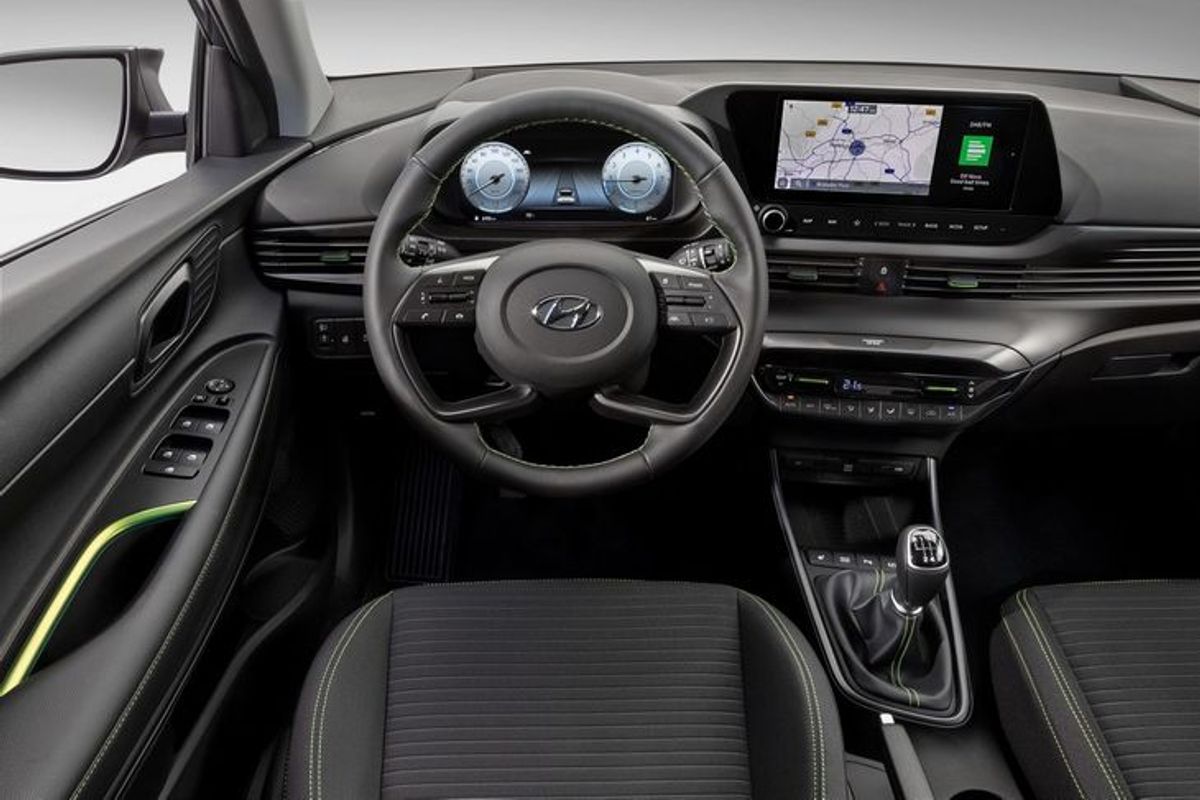
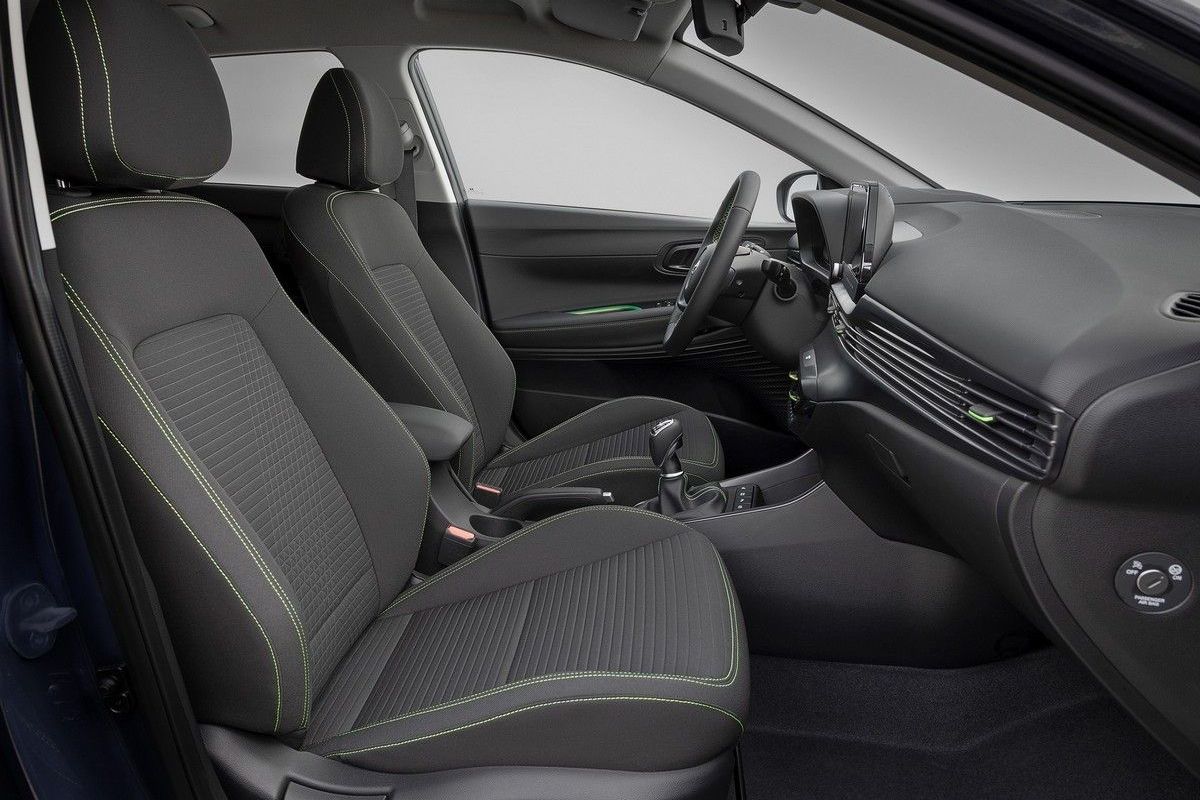
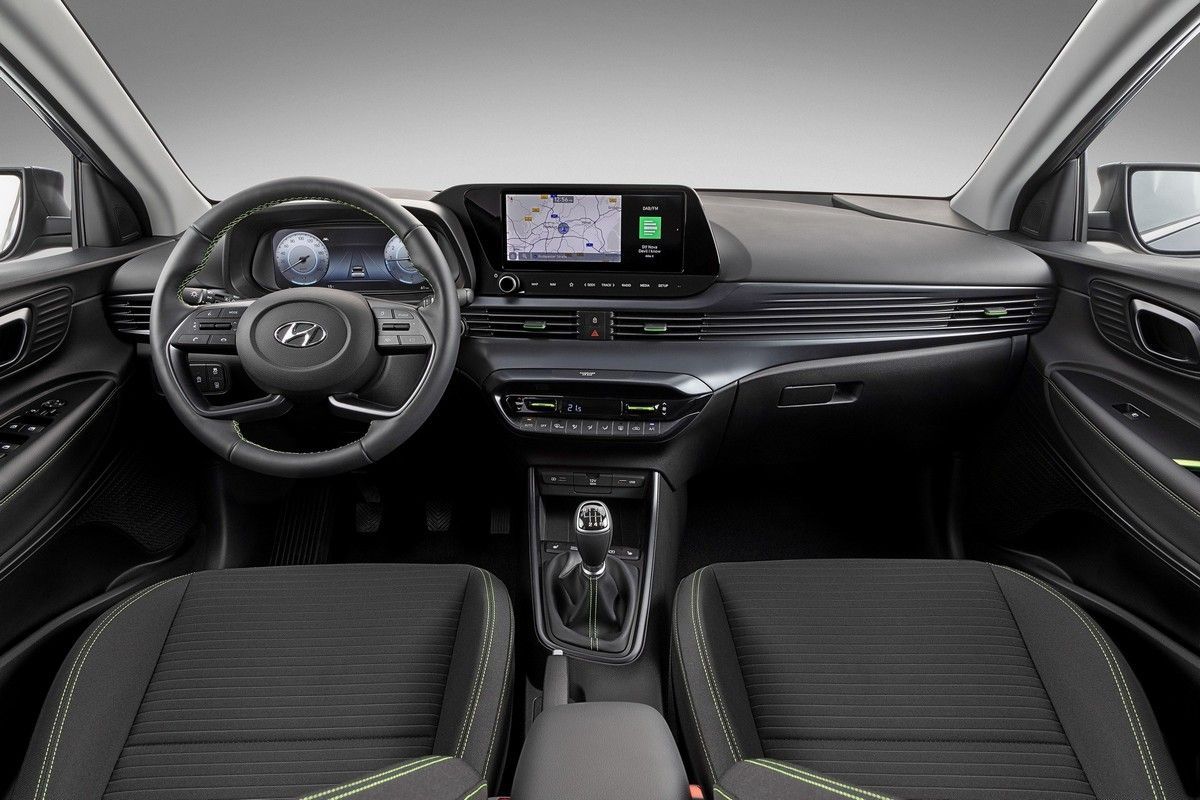
Inside the new, SA-bound Hyundai i20

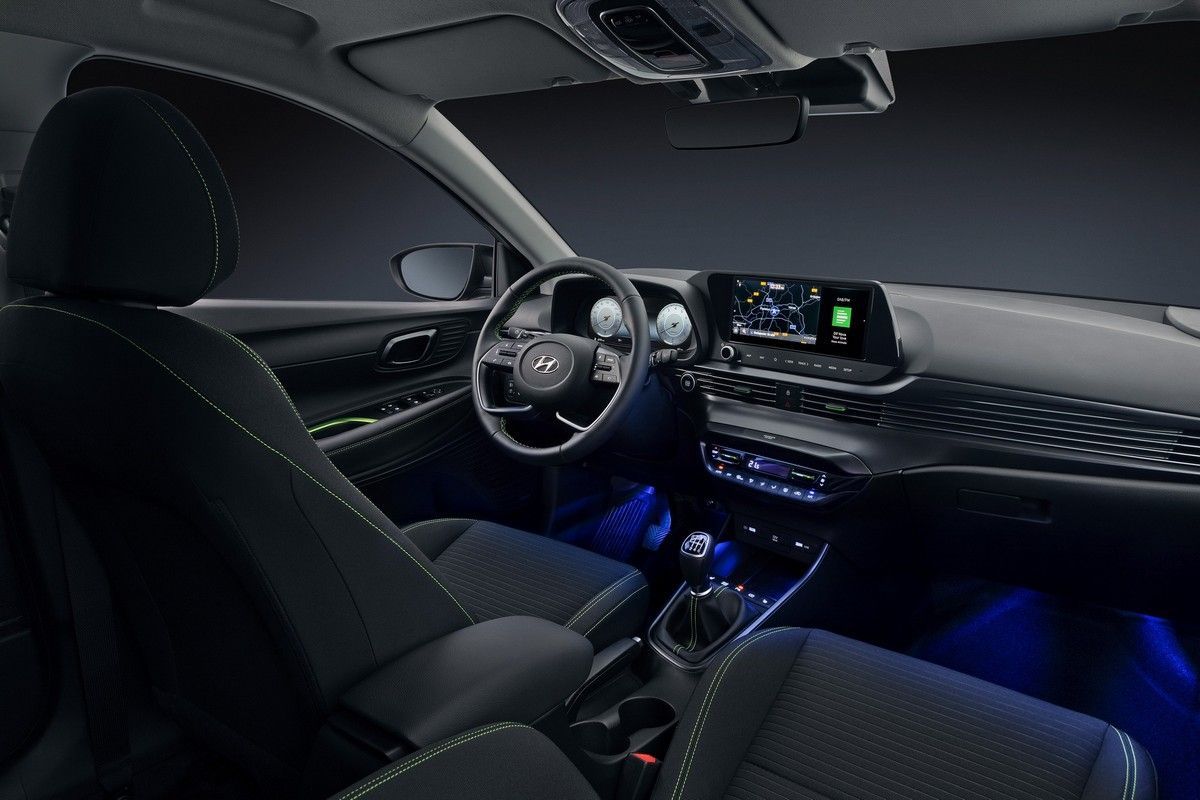
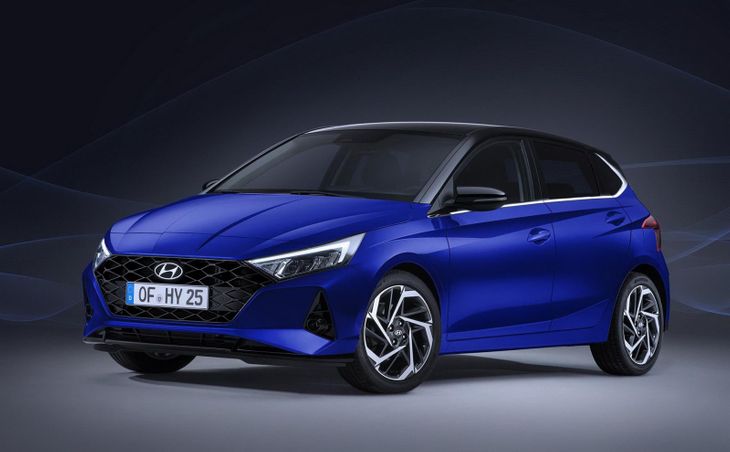
Hyundai has released interior images of its new i20 compact hatchback, which is expected in South Africa in late 2020/early 2021. In keeping with its sportier exterior, the Korean firm's rival to the Ford Fiesta, Renault Clio, Suzuki Swift, Toyota Yaris and, above all, Volkswagen Polo, has a decidedly youthful – and less utilitarian – interior. 

When Hyundai released official images of the next-generation i20 last month (ahead of the Geneva Show, which was subsequently cancelled), we were left feeling a trifle short-changed when there was a detailed description of the interior, but just a stylised sketch and a solitary image of the new car’s cabin.


Lower, wider and with sharper styling: the new i20 lends itself to sportier derivatives and a younger/more youthful clientele.

Perhaps the Korean firm wanted to release full details at the show (we’ll never know), but now that we’ve seen the new Elantra, which is reportedly not on the cards for South Africa, we reckon the compact sedan’s upmarket interior would have seemed rather derivative of the i20’s smart cabin design…

Like its Venue sibling, the i20 in the SA market is sourced from Hyundai’s Indian factory. Reports from the subcontinent suggest the new i20 will become available there in June and, hopefully, it will arrive in local showrooms early next year, if not a little sooner. Its arrival date will depend on several factors, including how long it takes to contain the COVID-19 outbreak, the local stock levels of the existing model and, to a large extent, an improvement in the current rand/dollar exchange rate, which has notably weakened after Moody’s downgraded SA’s sovereign credit rating to “junk” status at the weekend.


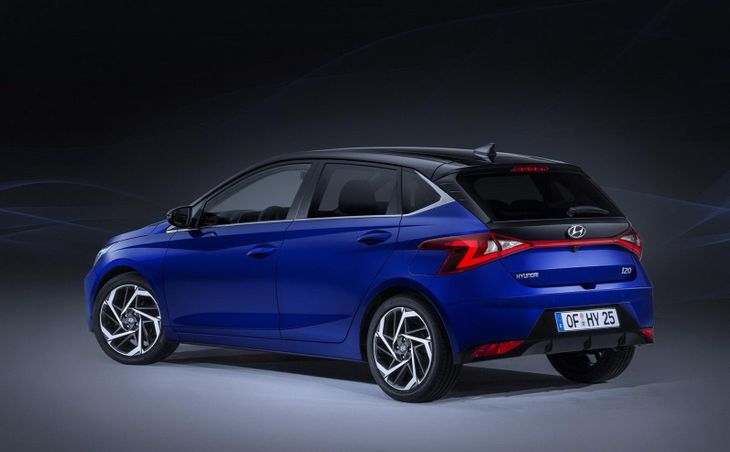
The dual-tone paint scheme is becoming increasingly popular as an option; note the black trim strip in the middle of the tailgate.

But it is coming! The new i20’s arrival will be preceded by the mid-year introduction of the new Grand i10 budget hatchback and the launch of the next-generation Creta around the end of the 3rd quarter. After the all-new Creta (also sourced from India), the i20 will be 2nd Hyundai on the South African market to incorporate the brand's new "Sensuous Sportiness" design language.

Hyundai says the i20’s interior is meant to have “a spacious, airy atmosphere… offer modern aesthetics and all the tech features available.” It certainly looks the part!

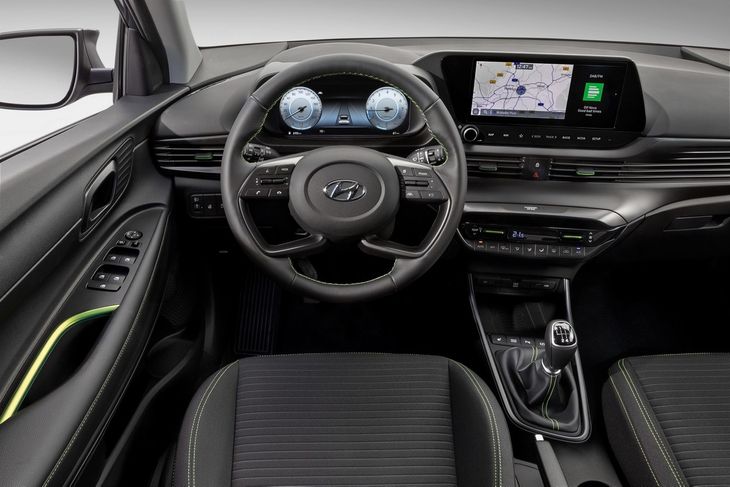
We don't expect the digital instrument cluster to be offered in SA, but the touchscreen and climate control console are tastefully integrated into the fascia. 

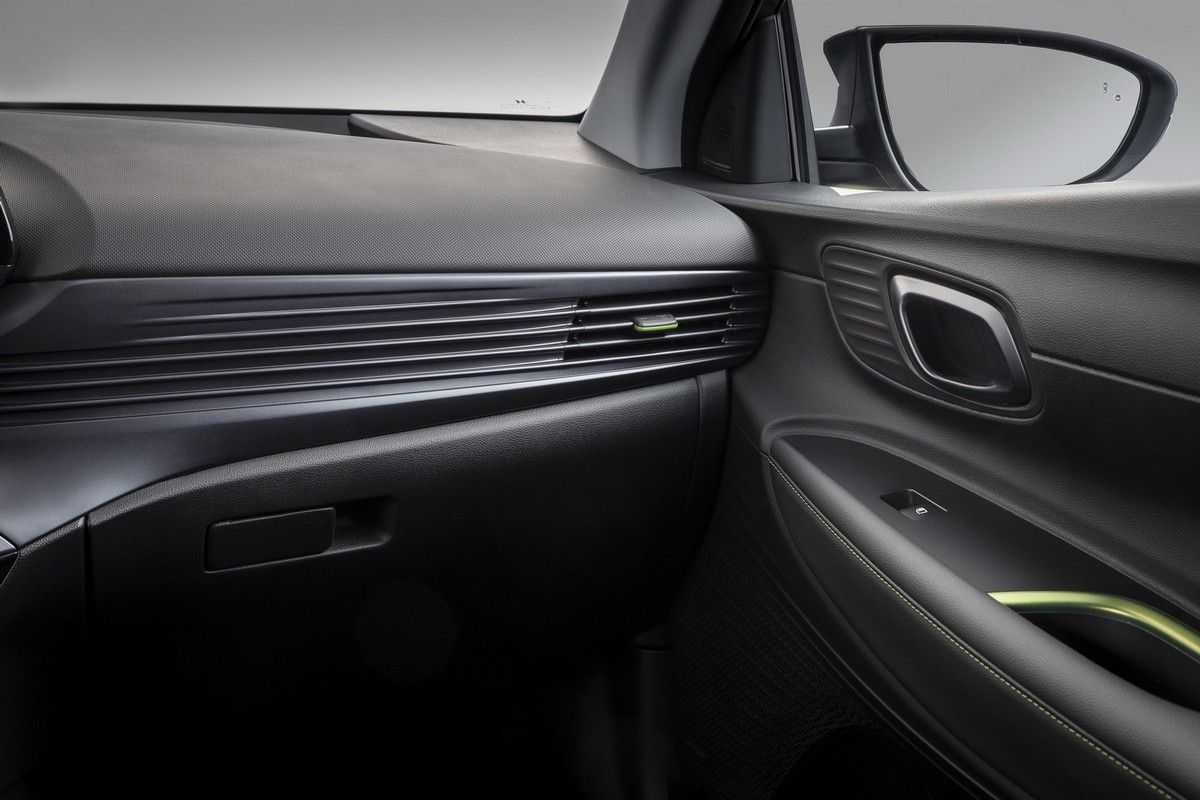
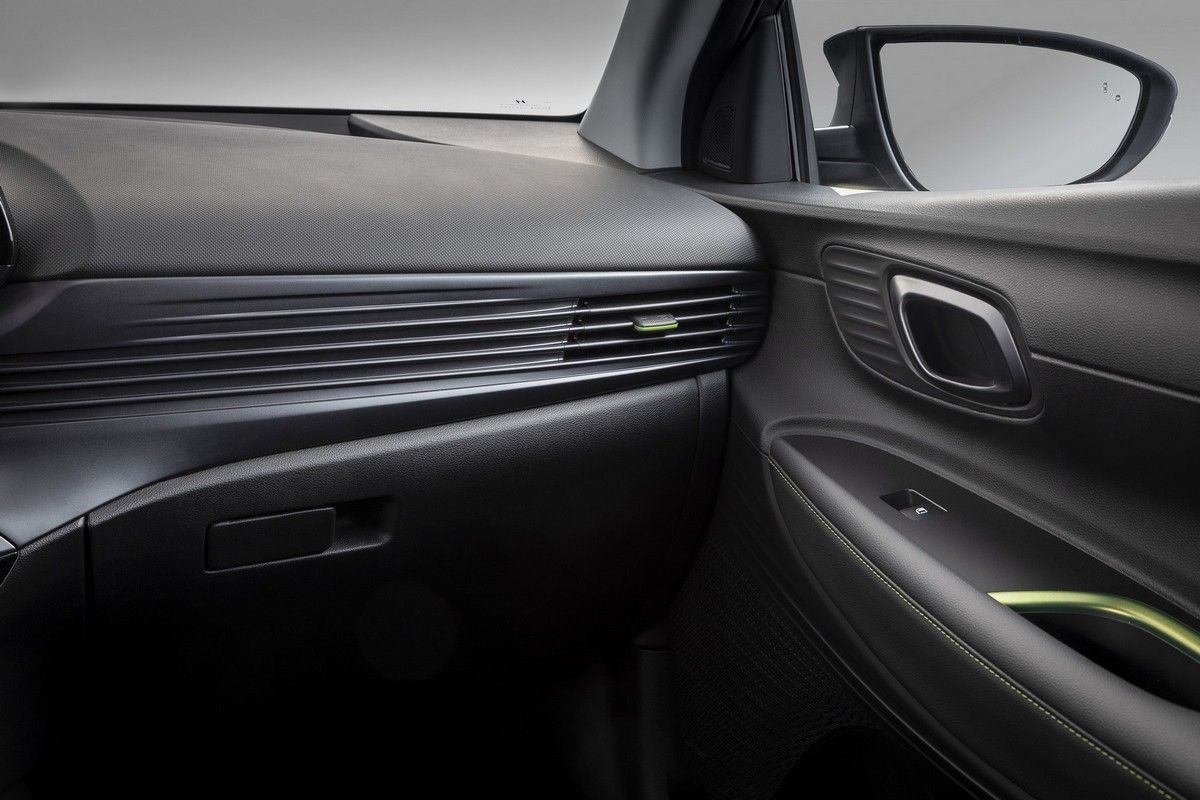
As these pictures show, the newcomer's fascia design is sweeping – characterised by a quartet of vents hidden in the expansive bank of black blades that stretch from one end of the cabin to the other. It’s a little less driver-focused than in the new Elantra; the touchscreen and climate control console are angled only slightly towards the 4-spoke steering wheel.

In the top specification, the interior comes equipped with, inter alia, a digital instrument cluster, a 10.25-inch infotainment system, keyless entry and push-button start, automatic climate control, fast-charging as well as auxiliary USB ports, a 12V power outlet, a wireless charging pad, PDC (in conjunction with a reverse-view camera), while a Bose audio system with 8 speakers is optional.


Note how the door handle surround is ribbed to mimic the pattern of the louvred ventilation outlets and decorative dash trim.

We hasten to note, however, that the specification of the local i20 range has always been more prudent (value-oriented) than luxurious; the local compact hatchback market is very competitive and particularly price-sensitive…

We’d like to see nice-to-have features such as the LED mood lighting, a 10.25-inch touchscreen infotainment screen with extended features and even the ‘charging pad, but even though the new model will be smarter inside than its predecessor, it’s more than likely, however, that derivatives in our market will have analogue instruments (albeit in conjunction of a TFT driver info display) and an 8-inch touchscreen infotainment system… but one that is nonetheless compatible with Apple CarPlay and Android Auto.


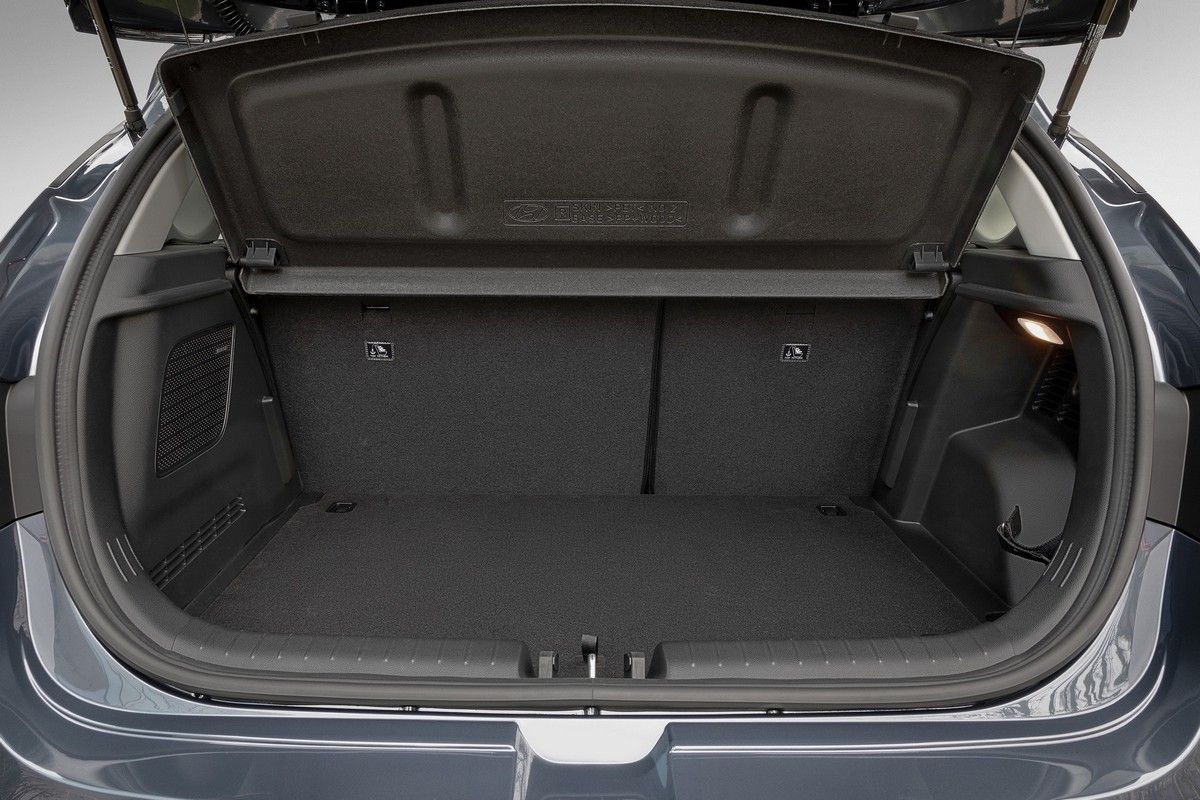
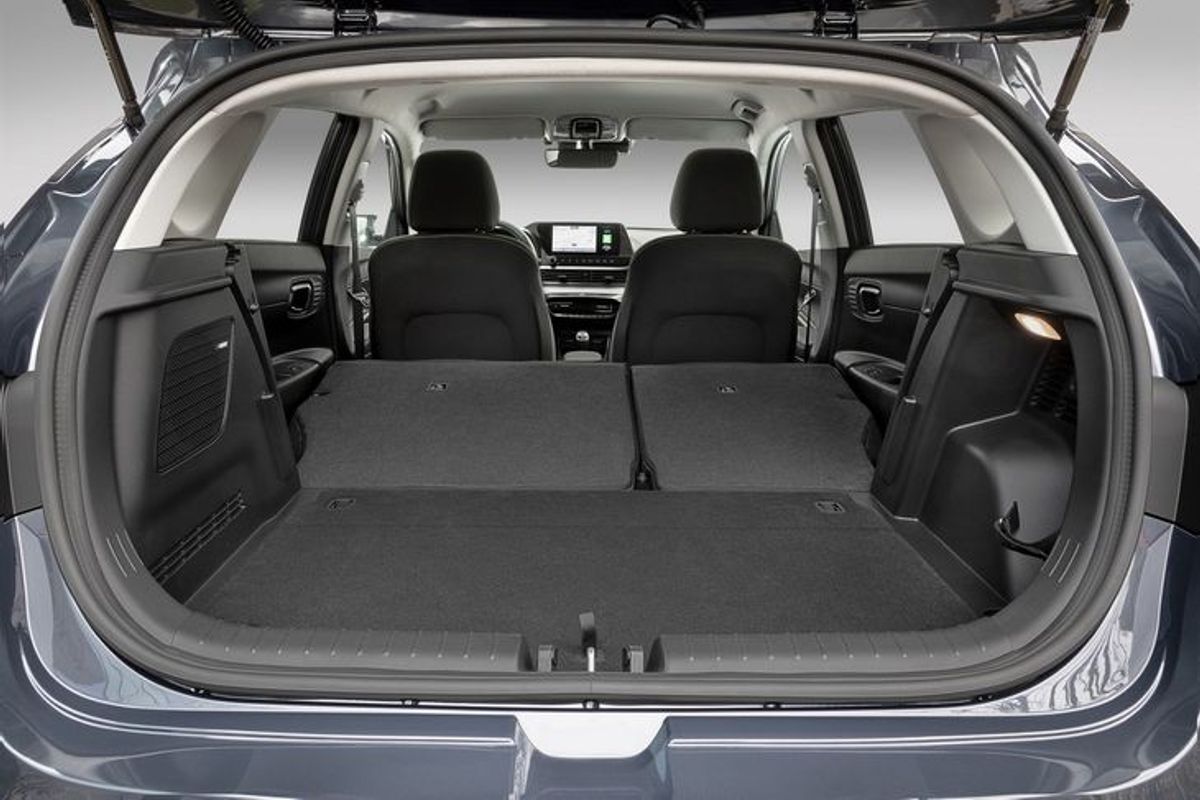
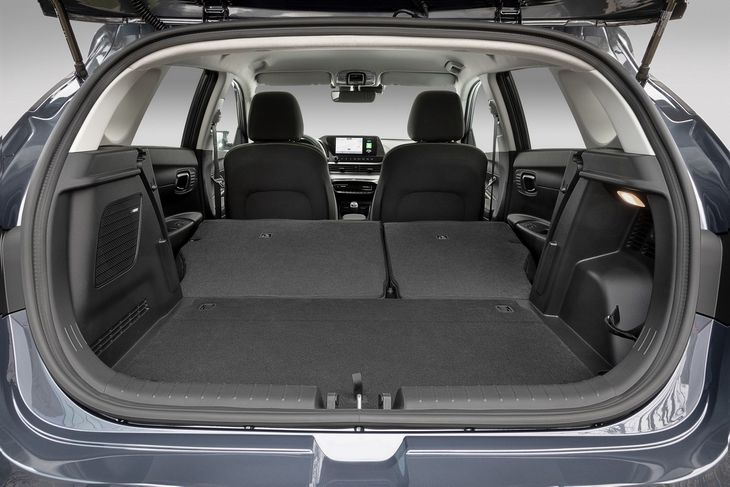
This European-spec model features a 60/40 split seatback. Check out the Bose subwoofer on the left side of the luggage bay.

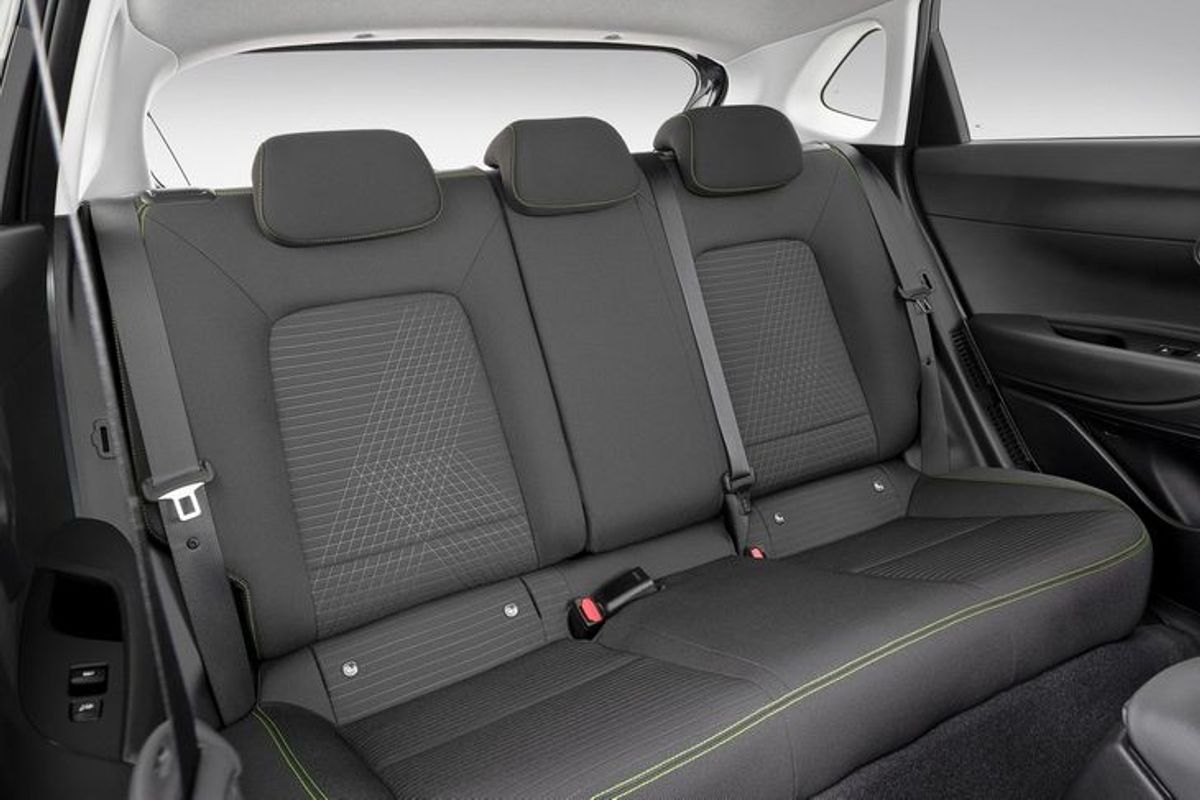
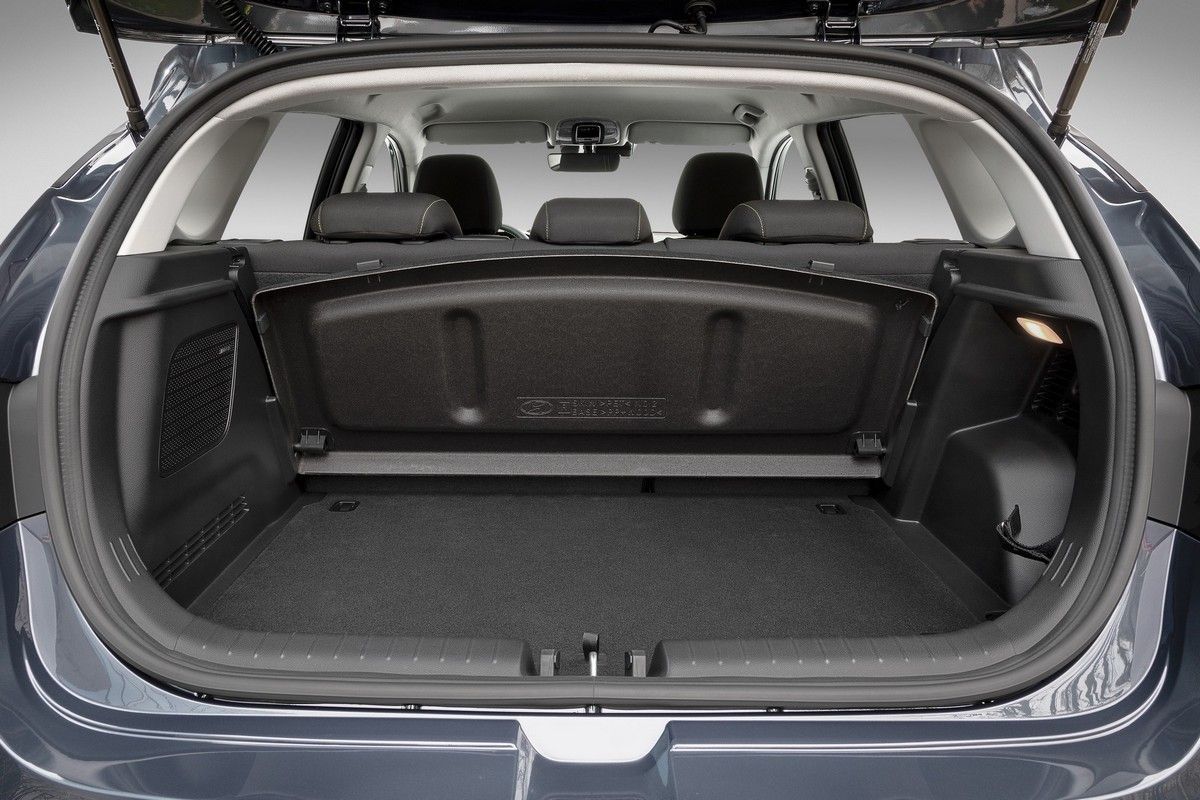
We already know that the i20 is lower (by 24 mm), wider (by 30 mm) and 5-mm longer than its predecessor, but its wheelbase has been lengthened by 10 mm to marginally increased rear legroom. Claimed luggage space has also been increased (by approximately 66 litres) to 351 litres, but we don’t know whether that takes into account the extra underfloor storage space shown on this Euro-spec version; it may be equipped with a space-saver spare wheel.

We will, however, confidently speculate on the engine line-up. Whereas the current range’s entry-level 1.2-litre 4-cylinder engine (mated with a 5-speed manual ‘box) will be carried over remains to be seen – it will depend if Hyundai South Africa has fleet aspirations for the new range or don’t mind a potential overlap with the top-end of the Grand i10 line-up. However, it’s very likely that the now ubiquitous 1.0-litre 3-cylinder turbopetrol motor, which produces 88 kW and 172 Nm – will debut in the new range, in combination with a 6-speed manual and 7-speed dual-clutch automatic transmissions.


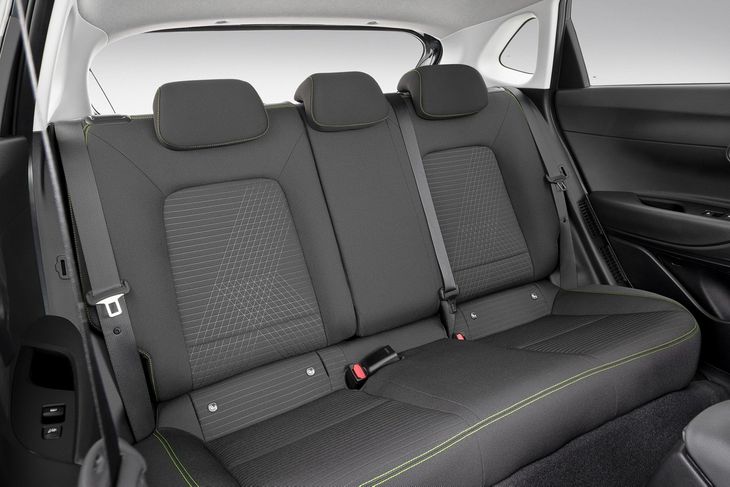
Rear occupants are afforded slightly more legroom than before. We hope the contrast stitching is offered on local models too.

As for the safety specification, we hope that the new range will feature stability control over and above ABS with EBD (as is the case in the recently-launched Venue). Only the top-spec 1.0T Glide derivative of that compact family car range features more than 2 airbags and a 60/40 split rear seatback – hopefully, if the new i20 does the same on the former (front- and front passenger airbags), it might offer the latter as standard? Fingers crossed.

We’ll bring you more information on the new i20’s range expected date of arrival (EDA) and launch line-up as soon as details become available.

Buy a Hyundai on Cars.co.za

Related content:

New Hyundai Elantra officially revealed

Hyundai i30N (2020) Launch Review

Hyundai plans i20 N: Will it Look Like This?

2021 Hyundai i20 Revealed with more Details

Spy Shots: Toyota Yaris-based Crossover

Toyota is making tweaks to its new upcoming crossover model.

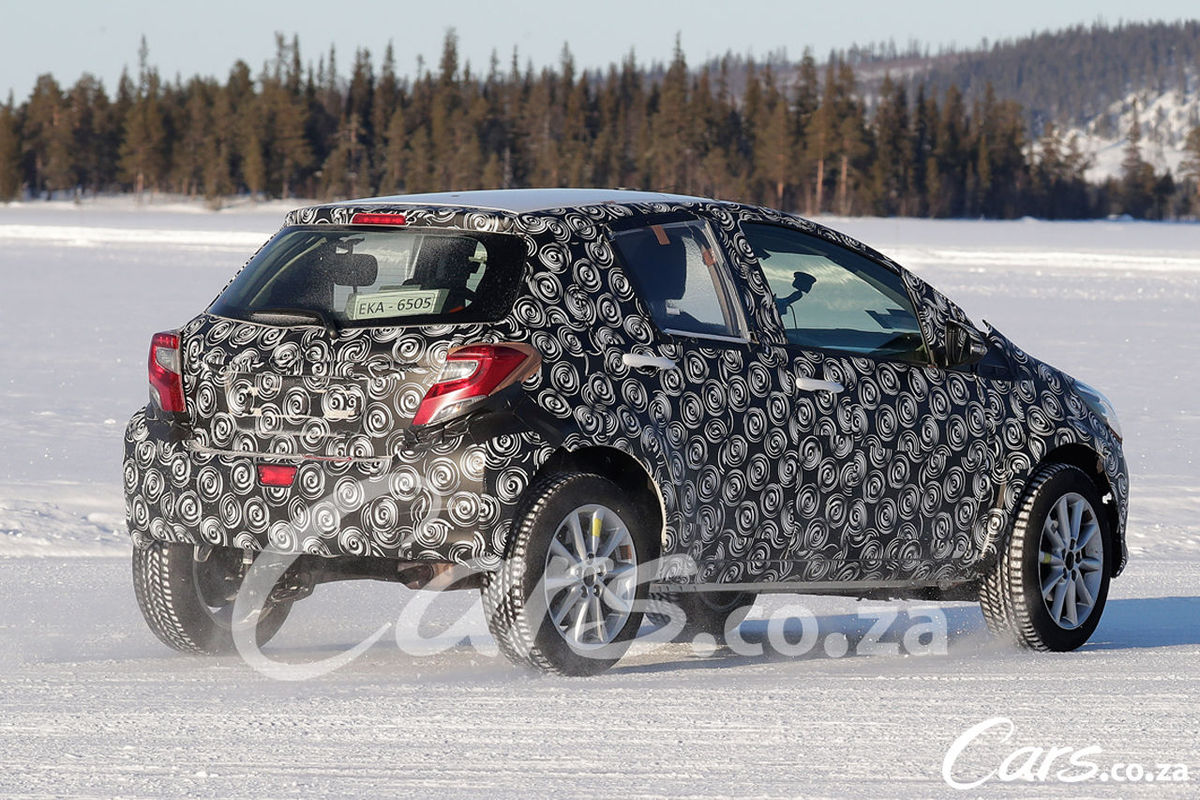
Picture credit: S. Baldauf/SB-Medien. We have paid for these photos and at the photographer's request, have watermarked them.

We were looking forward to seeing the new Toyota crossover which was meant to be revealed at the cancelled Geneva Motor Show but the official reveal has now been postponed due to the COVID-19 crisis.

Nonetheless, Toyota appears to be using the extra time to conduct a few chassis tests for its new model. The unnamed model will rival cars such as the Renault Captur, Ford Ecosport, Mazda CX-3 and Volkswagen T-Cross, to name a few. 

Seen here is a test mule wearing the camouflaged body of the previous Yaris testing in the Arctic Circle. With that said, the production model is likely to look very different when it finally arrives.  

The new crossover will be based on the same TNGA-B platform as the new Yaris and is expected to powered by a 1.5-litre petrol hybrid powertrain coupled with all-wheel-drive capability. Some markets, however, may get 1.0-litre turbopetrol engines to power the new crossover. A choice of either a manual and CVT is also expected. 

The new model will be revealed later this year and will go on sale in 2021. 

We will keep you updated soon as more details become available. 

Buy a Toyota on Cars.co.za

Related Content

Toyota Reveals Rally-Inspired GR Yaris

All-New Toyota Yaris Revealed

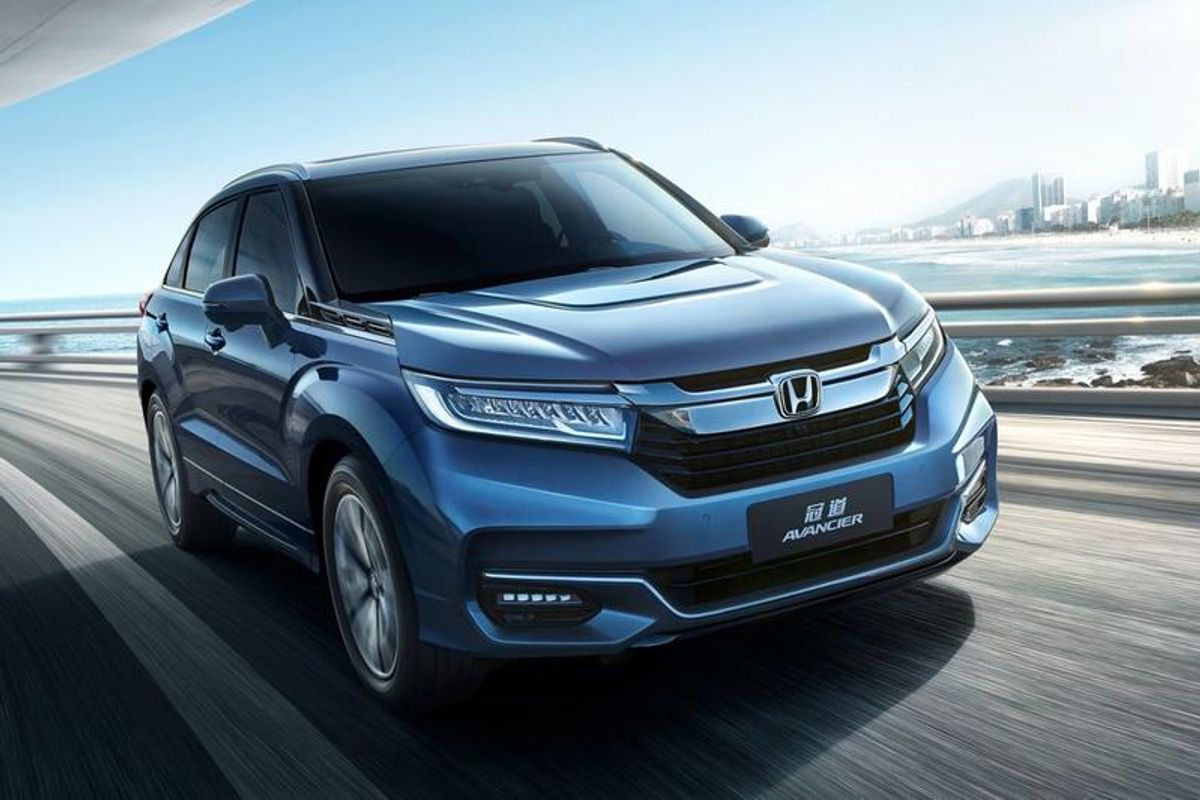
Honda SUV Gets Type-R Power

Think of it as a Type-R SUV that's bigger than a Fortuner.

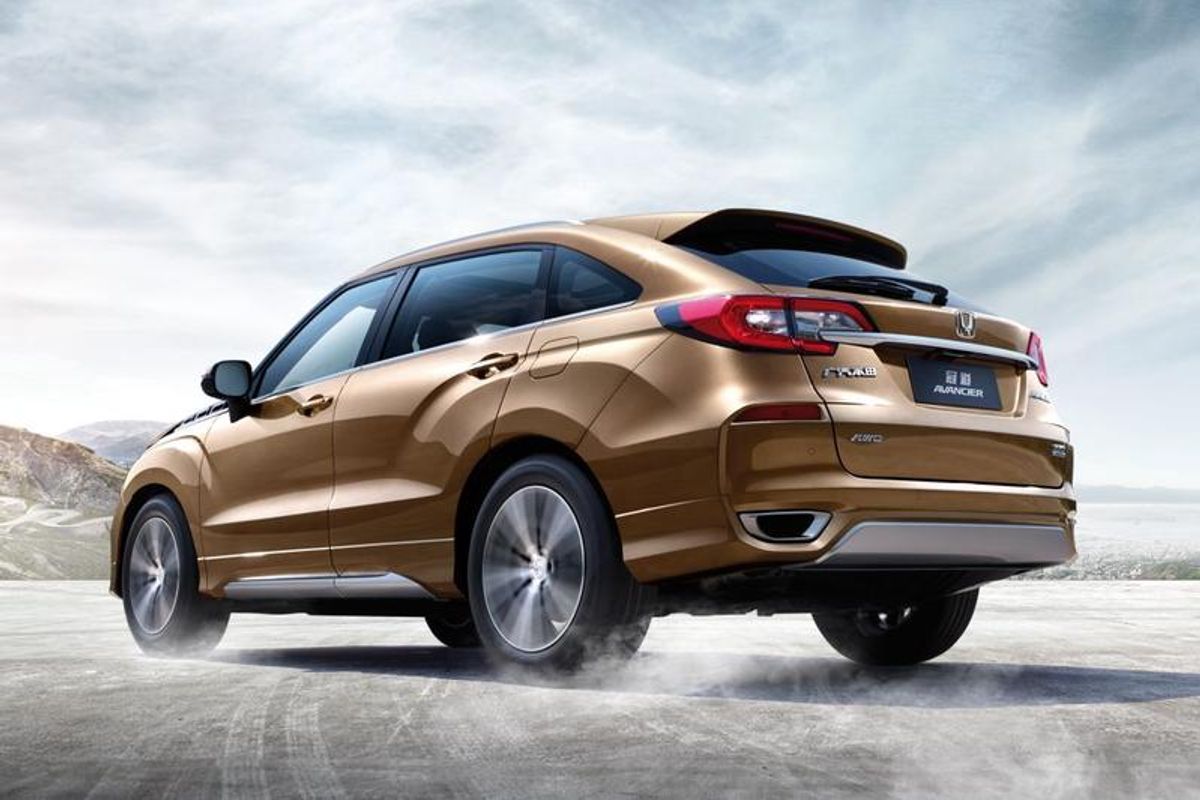
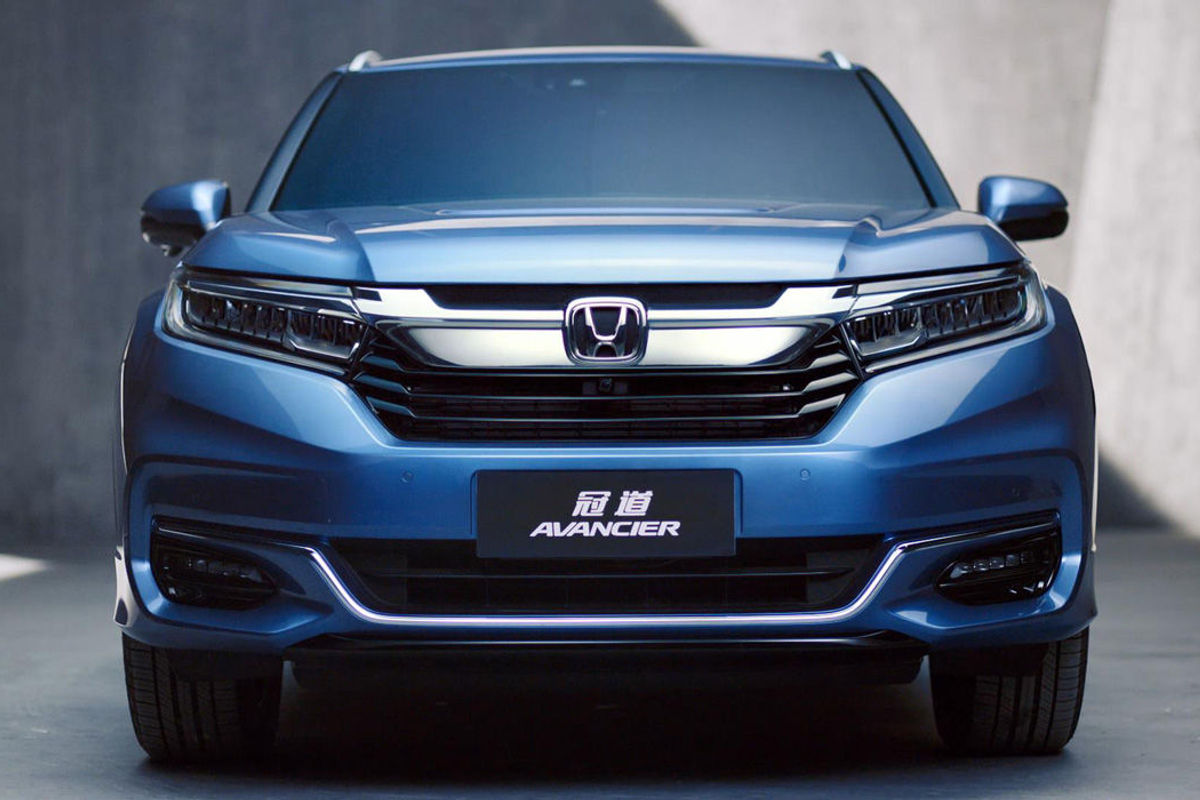
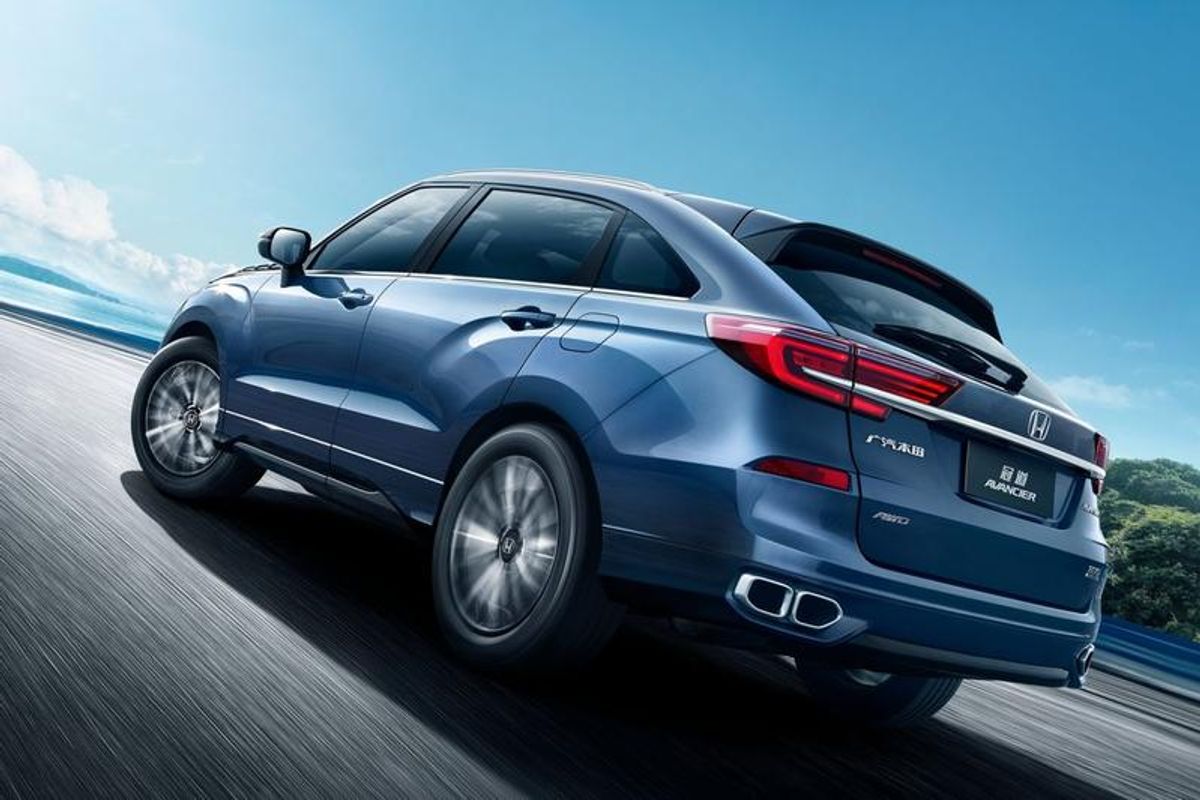
Honda has revealed an updated version of its Avancier large luxury SUV.

Built on a more robust version of the company’s Accord platform, Avancier challenges perceptions of Honda as a conservative brand.

The Avancier now boasts a new radiator grille design, reshaped bumpers and improved LED lights. Around the rear, there are dual exhaust ends.

If you thought that Honda could not trade in the market for larger SUVs, well, think again. The Avancier is 4.85 m bumper-to-bumper, which makes it longer than something like BMW’s X3 or Toyota’s Fortuner.

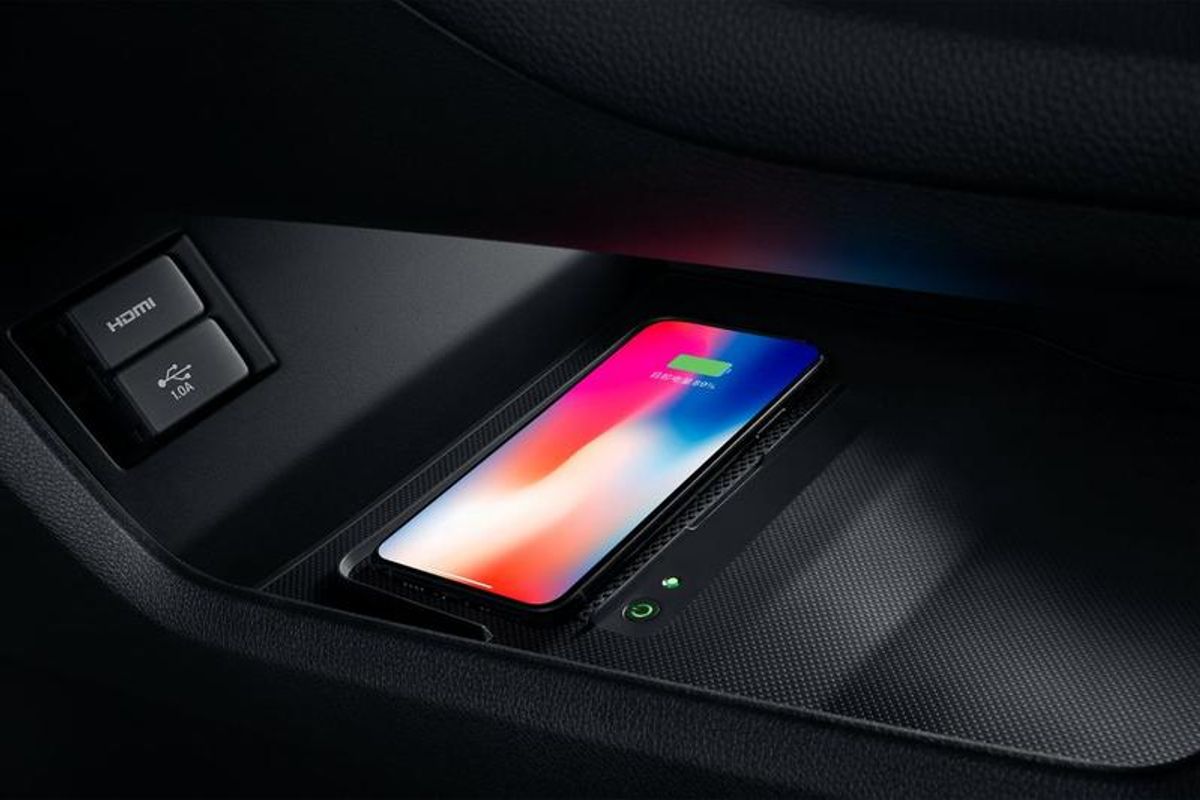
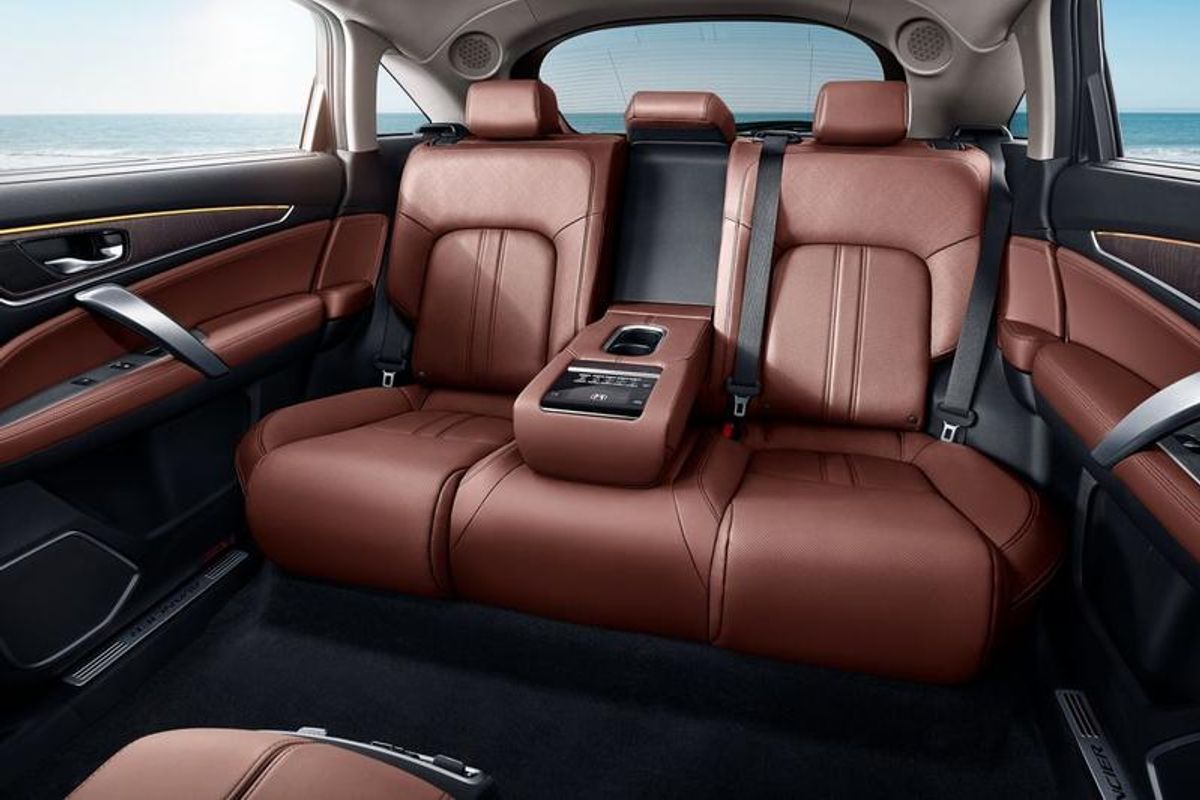
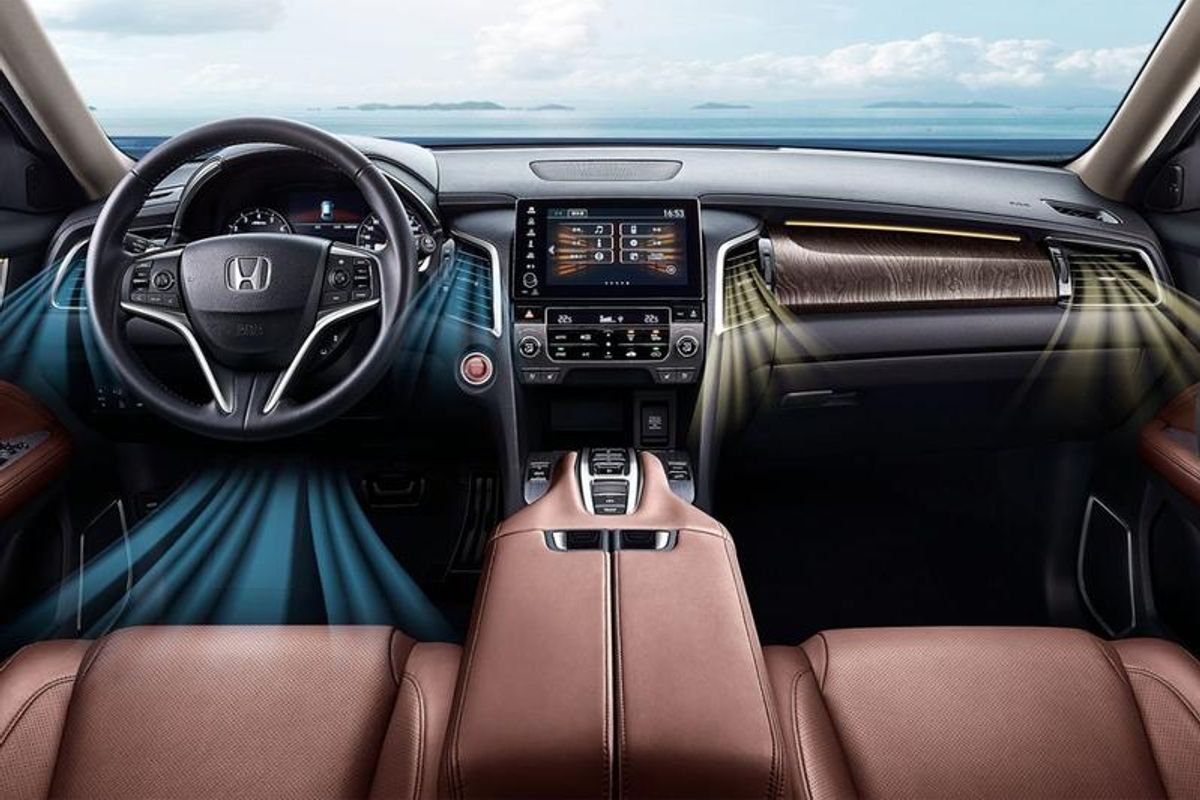
Honda’s generously equipped the Avancier inside, with plush leather seats and a huge touchscreen infotainment system. Inductive device charging is also present and there is no traditional shift selector. Honda’s Avancier is gear-selected using buttons, instead of a conventional shifter, to free up stowage space between the front seats.

Mechanically, the Avancier features two petrol engine options. Prospective owners have the option of a 1.5-litre turbo, good for 142 kW and 240 Nm. The 1.5-litre engine drives Avancier’s front wheels via a CVT transmission.

The most interesting engine is a slightly detuned version of the Civic Type-R 2-litre, producing 200 kW and 370 Nm. All-wheel drive is optional on the 2-litre Avancier models, which all drive through a ZF nine-speed automatic transmission.

Honda limits the distribution of the Avancier to China, which is a shame. There is much to like about this large SUV. It has a potent 2-litre turbocharged engine, very comfortably appointed cabin and Honda design logic.

The Avancier could enliven Honda’s reputation in countries where it hasn’t captured any large SUV market presence. If the Japanese company does decide to perhaps market this upgrade of the second-generation Avancier, a bit wider than China, it could be quite successful. 

Related content

Honda Civic Type R Limited Edition Announced

Honda e: Not for SA, But We Want It [w/Video]

What has Happened to Honda in SA?

Toyota Hilux Facelift Due Soon

A report from Australia suggests the Toyota Hilux is scheduled for an update. Here's what we know so far.

The article first appeared in CarAdvice.com.au and suggested the facelift was to happen in July 2020. There are numerous changes on the cards such as a power increase to the 2.8-litre GD-6 motor as well as the addition of Apple CarPlay and Android Auto. It's easy to see why these changes are coming as the Ford Ranger was substantially updated in 2019 and there's a new Isuzu D-Max on its way in 2021. Expect a few cosmetic changes too. 

It's interesting to note that Aussie-spec Toyota Hilux models feature the Toyota Safety Sense tech, which SA-spec models don't have yet. You're likely wondering if it has anything to do with South Africa, but given the fact the Aussie car market is quite similar to ours, we thought we'd reach out to Toyota South Africa for an official comment. Like South Africa, Australia is also obsessed with bakkies and the Hilux is one of their top-selling vehicles. A spokesperson from Toyota South Africa had this to say, "We will be getting those models but not now.  Our timing is quite different to Australia as they don’t source their vehicles from SA. In addition, SA-unique models like the Legend 50 and Dakar models bridge the gap and extend the life of our current Hilux product offerings."

So the South African market will get a facelift Toyota Hilux, but not immediately.

Further Reading

Toyota Hilux by Wald is a Boss

Toyota Hilux GRMN: Should It Happen?

Toyota Hilux Legend 50 (2019) Specs & Price

Toyota Hilux GR Sport (2019) Specs & Price

Massive Petrol Price Drop For April 2020

We're happy to report some good news in these tough times. There will be a massive price reduction in the petrol and diesel price in April 2020.

According to the Automobile Association (AA), "unleaded 95 petrol is set for a stunning R2.18 per-litre drop, with 93 set to decrease by R2.05. Both grades of diesel are expected to fall by around R1.65, with illuminating paraffin down R1.98." In reality, the petrol price reduction will be slightly less as the 16 cent fuel levy and 9 cent Road Accident Fund levy will be coming into play. 

Still, the reduction is needed as economic conditions are expected to be challenging over the next few months due to COVID-19. The main reason behind this drop is the crude oil price war between Saudi Arabia and Russia, as well as the reduced demand for oil as most countries are in some form of lockdown. Despite the Rands fall against the US Dollar which usually stops price reductions, the massive decrease is still on the cards for the first week in April 2020.

"It is unfortunate that these massive reductions are coming at a time where private motoring is severely curtailed, but we would remind motorists that in terms of the lockdown regulations, they are still allowed to fill up their vehicles," said the AA.

Related Content

Fuel Price Breakdown: What do you pay for?

5 Ways to Beat the Fuel Price Hike

Most Fuel Efficient Budget Cars in SA

Most Fuel-Efficient Double-Cab Bakkies in SA

5 Fuel-Saving Car Features & How They Work

Most Fuel Efficient Budget Cars in SA

Most Fuel Efficient Diesel Cars in SA

Most Fuel Efficient Petrol Cars in SA