10 Cool Things: Fiat 500 EV

The new, all-electric Fiat 500 is claimed to be the world’s first “open-air 4-seater with zero emissions” and offers myriad charging solutions, a highly-connected interior and a uniquely Italian chime. Fiat enlisted 3 designer brands, as well as none other than Leonardo DiCaprio, to get behind its newcomer.
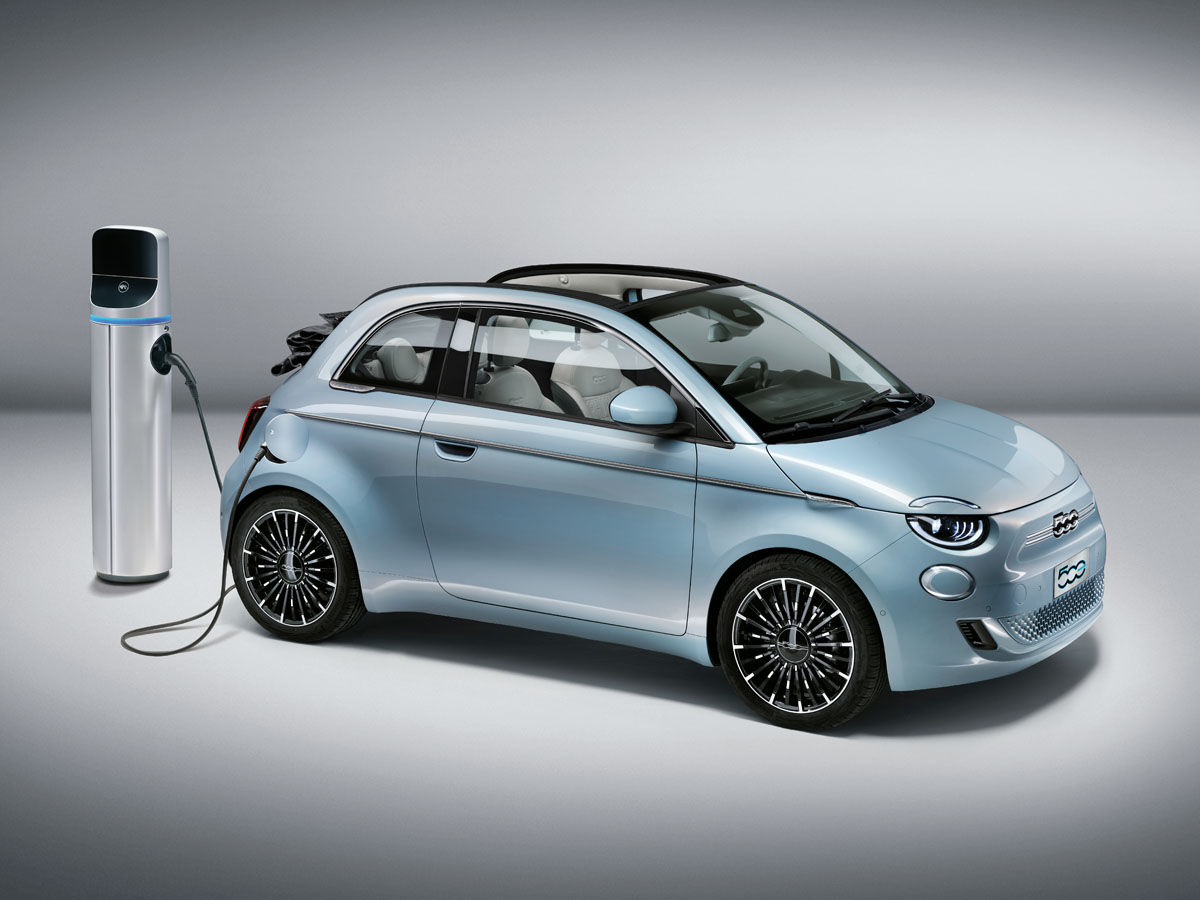

Although its predecessor remains in production, the New 500 is exclusively an EV, based on a brand new electric platform.

1. It has a 320-km range

The 500 EV, also known as New 500, will be produced at Fiat’s re-tooled Mirafiori plant. It is powered by an 87-kW electric motor combined with a 42-kWh lithium-ion battery.

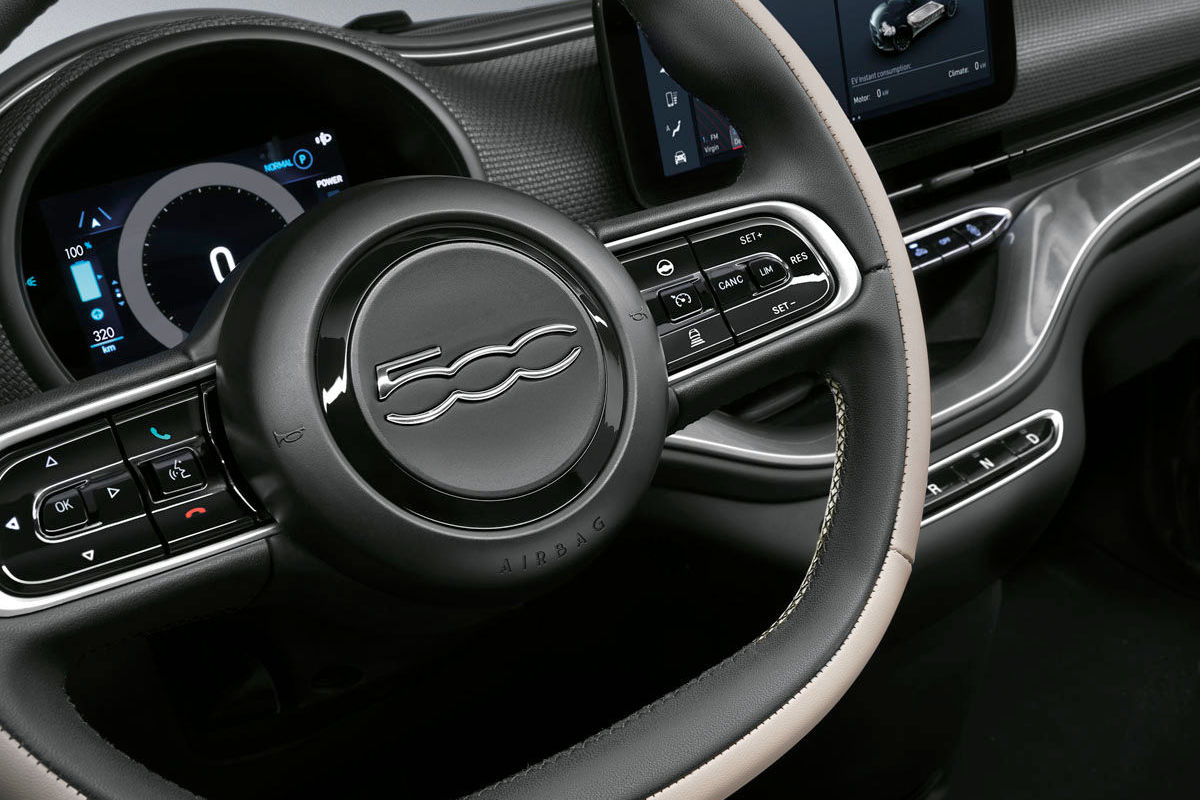
The Italian firm claims the new model can travel up to 320 km on a full charge (under the WLTP efficiency test), accelerate from 0-50 kph in 3.1 seconds, from 0-100 kph in 9 seconds and achieve an electronically limited top speed of 150 kph.
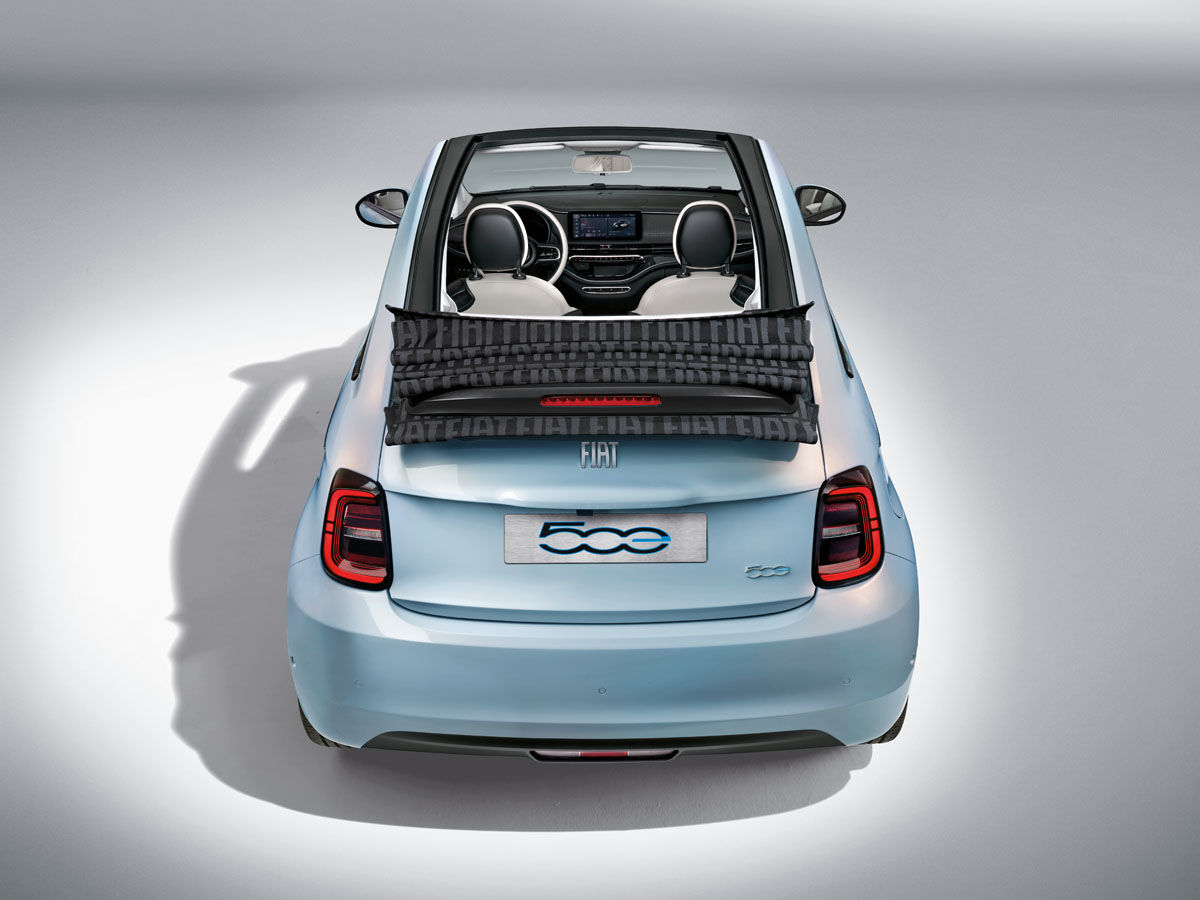

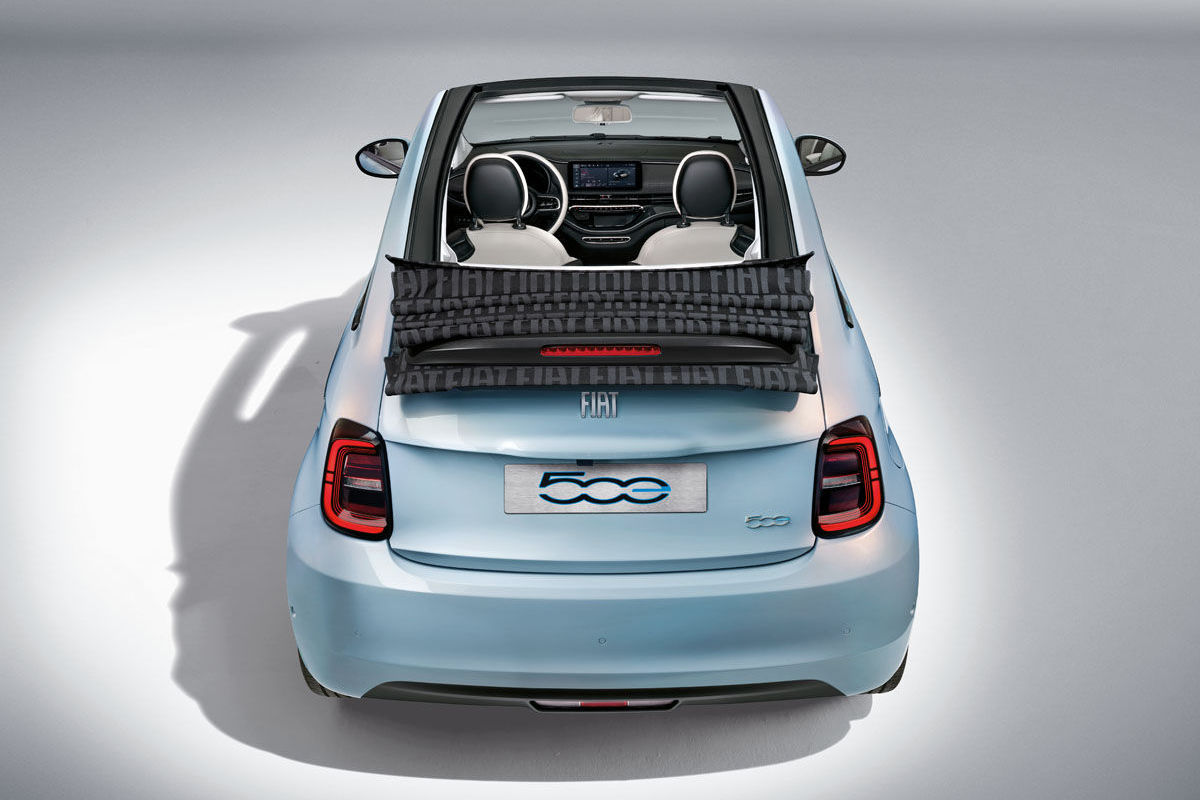
Fiat wanted to ensure it would be the first brand to offer an open-topped small electric car, that's why the newcomer's a cabriolet.

2. Socket to me: Charging options

With its standard 85-kW DC charger, the 500 EV can be recharged from flat to 80 per cent of its capacity in 35 minutes, plus it only takes 5 minutes to build up a charge to travel 50 km.

The model also comes with an Easy Wallbox home-charging system, which can be connected to a normal power outlet. The “plug-and-charge” 2.3-kW solution (manageable via Bluetooth) can be upgraded to a 7.4 kW capacity, which can charge the car fully in just over 6 hours.
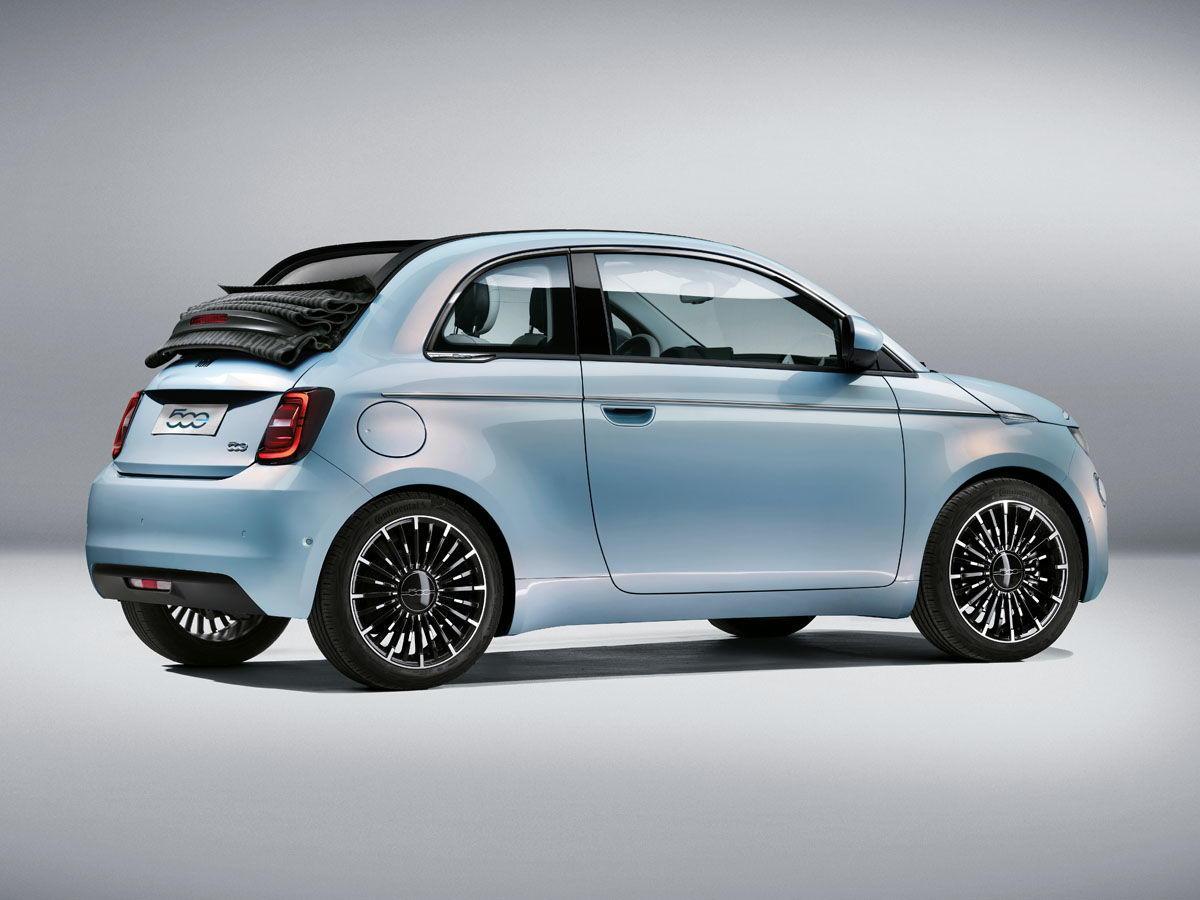

This La Prima (launch) version is finished in Celestial Blue; the New 500 will compete with the Mini Electric and Honda e.

3. Looks similar, but it’s bigger

The 500 EV might look remarkably similar to its predecessor (which still remains in production), but it is 60 mm wider and 60 mm longer than the current car. The wheelbase has grown by 20 mm as well, yet the overall length of the “New 500” remains under 4 metres.

4. Sherpa drive mode

The New 500 has 3 driving modes: Normal (which mimics the on-road behaviour of a conventional-engined car), Range (which maximises regenerative braking and facilitates a 1-pedal driving style) and Sherpa, which works to conserve range to ensure that the car can reach either the destination set on the nav system… or the nearest charging station.

Just like a Himalayan Sherpa, who guides travellers to their destination, Sherpa mode adjusts various parameters: maximum speed (limited to 80 kph), accelerator response (to reduce energy consumption), plus deactivates the climate control and the seat-heating systems.
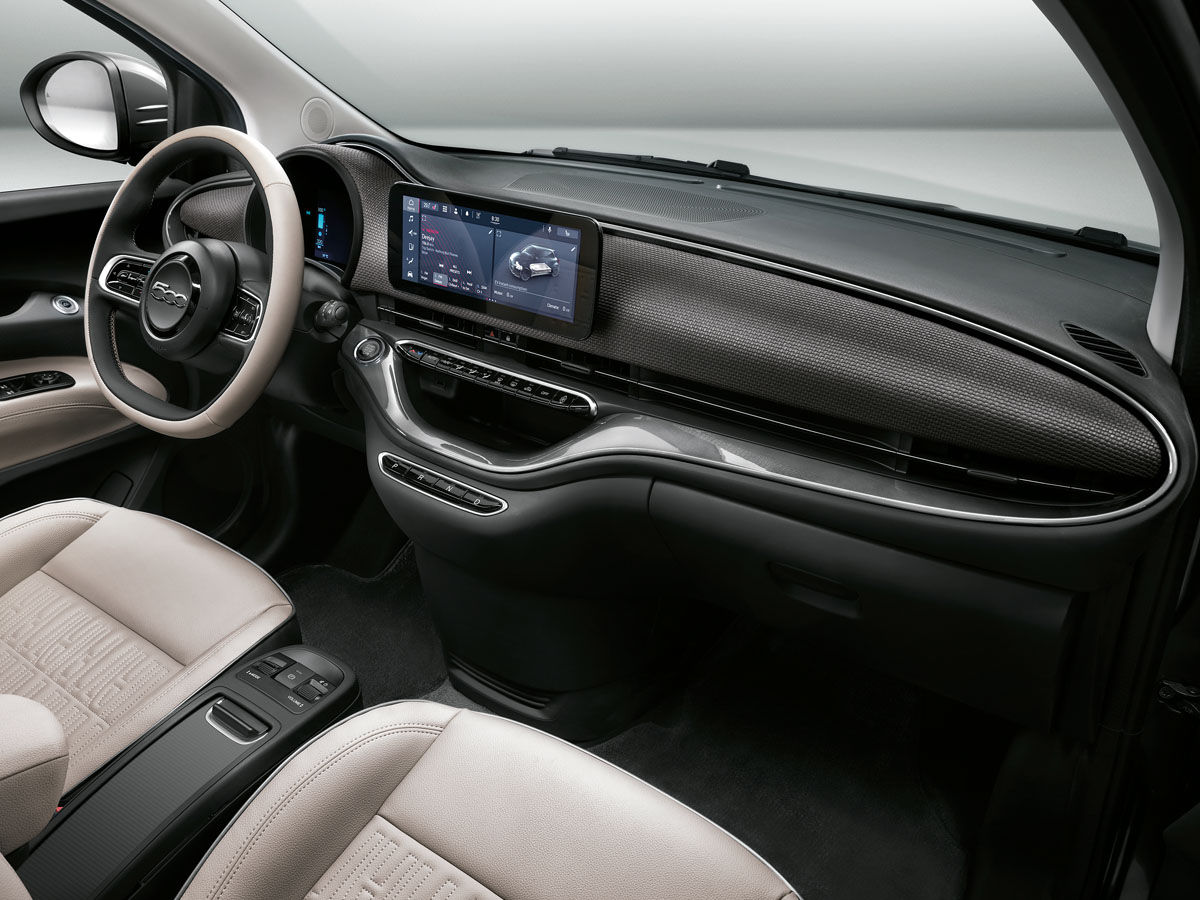

The front part of the 500's cabin looks quite spacious now that a transmission tunnel is no longer required.

5. Optimised connectivity

As the first Fiat equipped with the new UConnect 5 (10.25-inch) touchscreen infotainment system, the New 500 offers a host of functions through its customisable Android Auto-powered interface, plus its Telematic Box Module supports several connectivity services.

It goes well beyond (wireless) Apple Carplay/Android Auto compatibility, however. The Fiat’s Natural Language recognition system allows occupants to control several of the in-car functions through voice commands, while My Wi-Fi offers an internet hotspot for up to 8 electronic devices and, of course, supports, Amazon Alexa voice assistant technology.
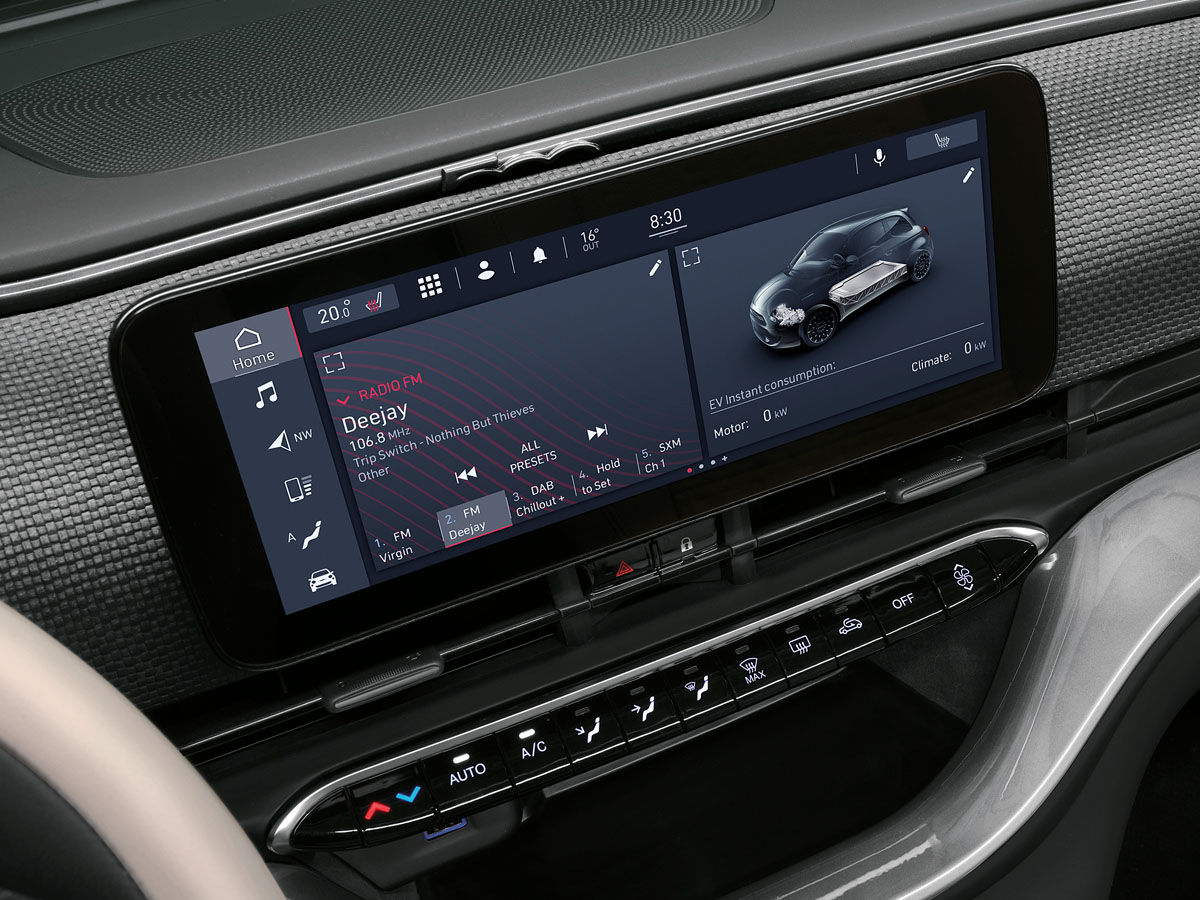

New 500 is the most-connected Fiat model ever in terms of onboard infotainment functions and smartphone integration. 

With My Remote, drivers can check the status of their 500 (including its battery charging level) from their smartphones; schedule vehicle charging; find the exact location of the car; lock and unlock the doors; turn the lights on and off and program the climate control.

You can pre-programme destinations in the car's navigation system via an app (as well as check traffic conditions, the weather along the way and, importantly, the locations of speed cameras. You can also view charging points located near you by graphically locating on the map the points that can be reached based on the New 500’s given level of battery charge.  
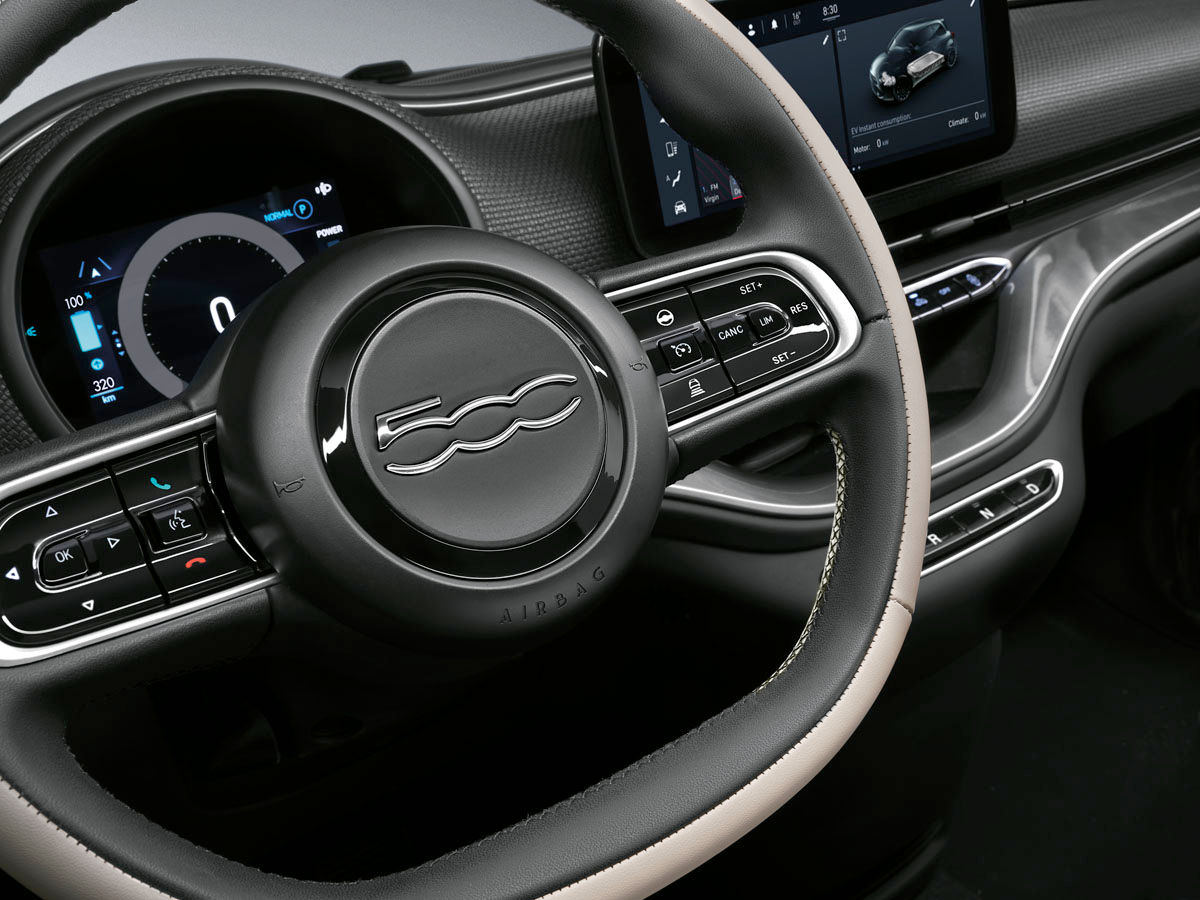

The newcomer comes equipped with a number of high-end safety features, including intelligent adaptive cruise control.

6. Level 2 Autonomy

Fiat’s newcomer is claimed to be the first car in its segment to offer level-2 autonomous driving technology. Features include a front-facing camera, which works in conjunction with intelligent adaptive cruise control and supports autonomous emergency braking; lane-keeping assist; speed-limit road sign recognition; blind-spot monitoring and Attention Assist.  

Meanwhile, 360-degree sensors help you to avoid obstacles when parking, the headlamps are automatically activated (with high-beam assist) and the parking brake is electrically operated.

7. La Prima launch edition

The “la Prima” launch edition of the New 500 is available in 3 colours: Mineral Grey (metallic), “reminiscent of the earth”, Ocean Green (pearlescent), which “represents the sea” and Celestial Blue, an “a homage to the sky”. It comes with equipped as standard with LED headlights, eco-leather upholstery, the aforementioned UConnect 5 infotainment system, a wireless charging pad, 17-inch alloys, chrome-plated inserts on the windows and side panels, as well the undeniably distinctive Fiat-logo embroidered Monogram Soft Top.
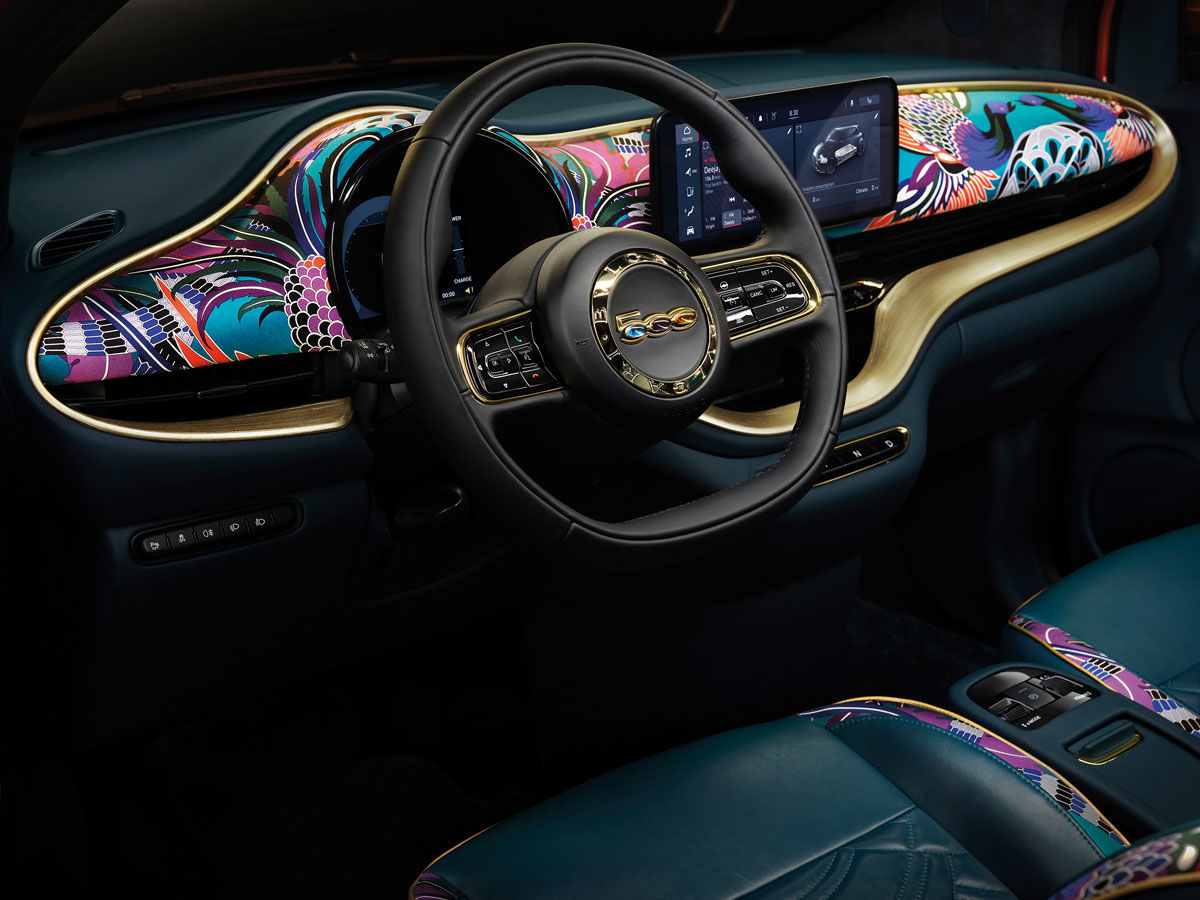

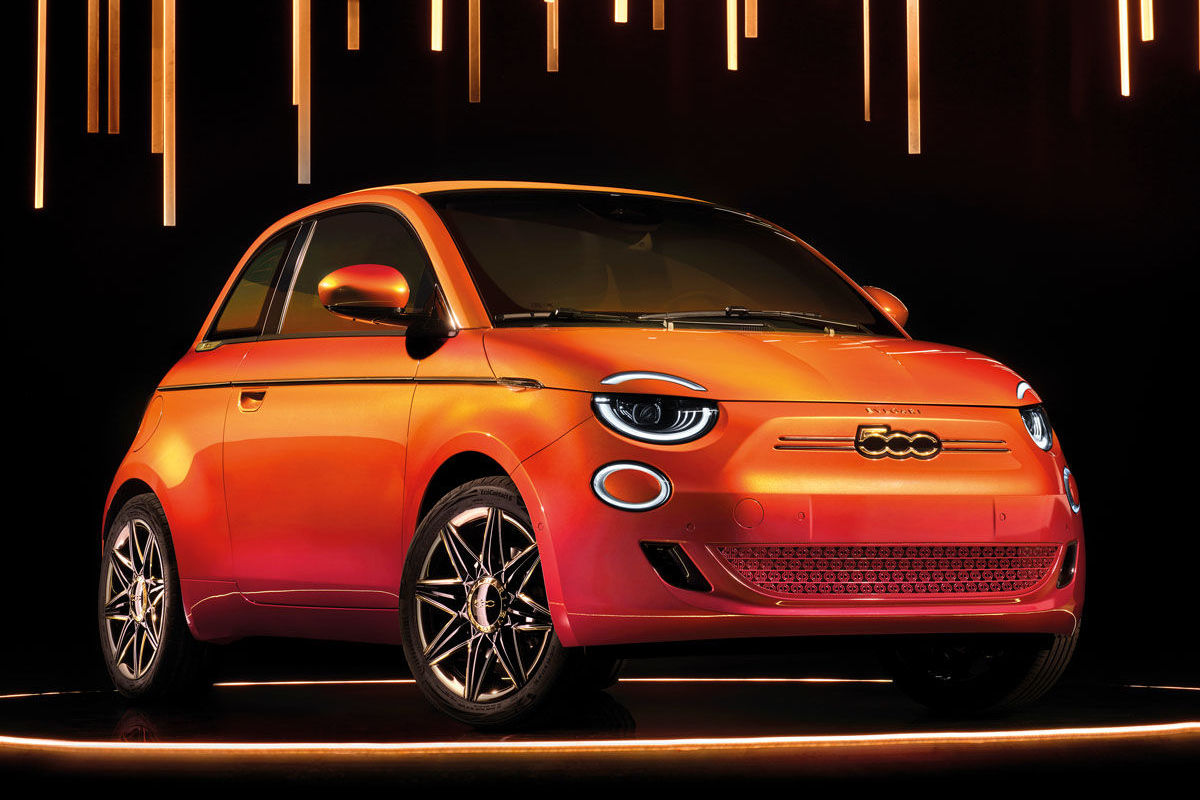
The one-off B.500 Mai Troppo version of the New 500 has, inter alia, a fascia inspired by heritage Bvlgari silk scarves.

8. DiCaprio! Armani! Bulgari! Kartell!

Oscar-winner Leonardo DiCaprio is well-known for this environmental advocacy and has, for over 20 years, been committed to combating climate change. Fiat says DiCaprio “embraced the philosophy of the New 500 and wanted to offer his endorsement for Fiat's mission”. As such, he appears in the multi-part “All-in” video campaign for the La Prima launch edition in Europe.

But the star power does not stop there… Fiat worked with Armani, Bvlgari and Kartell to produce the first 3 unique and special examples of the New 500, each of which will be sold at auction, the proceeds of which will go to one of DiCaprio's environmental organisations.

Olivier Francois, president of the Fiat brand, gives a tour of the 3 designer "masterpieces"…

9. You can hear Italy coming…

One of the drawbacks of EV-powered cars is that unsighted pedestrians have difficulty hearing them, which is why it is mandatory for EVs to have an acoustic vehicle alert system (that operates at up to 20 kph). Whereas most EV manufacturers have chosen to equip their EVs with spacey, electronic whine-like acoustic “chimes”, the “melody” that the Fiat 500 emits is programmable, much like a smartphone’s ringtone. The sample that Fiat chose for its newcomer is from Amarcord by Nino Rota. If that isn’t sheer dolce vita, what is?

Click below to hear the sound that the New 500 makes at low speed (compared with other EVs):

10. And what if you need another vehicle?

In recognition that an EV is not a multi-purpose car and that its owner will occasionally require a vehicle to use for recreation or make long-distance road trips with extra passengers on board, Fiat offers “My Dream Garage” – a new mobility service designed by FCA and Leasys, a leasing- and mobility company, exclusively for customers for the New 500.

It’s a new subscription service that offers the electric 500’s owner the option of booking any of the FCA Group cars “on-demand”. That means customers can, from time to time, loan a vehicle they need to suit their needs: a 500X or 500L, an Alfa Romeo model such as the Giulia or Stelvio, or even an SUV such as the Jeep Wrangler, Compass or Renegade.

Related content:

EV Apocalypse is Closer Than You Think

Cinquecento-e: Fiat reimagines the 500

Electric Cars: Understanding the Terms

Jaguar I-Pace Vlog – Will Electric Cars Work in South Africa?

Why VW Should Build this Electric Bakkie

Tesla Has Built 1 Million Electric Cars

Tesla reaches critical mass as it becomes the first electric car maker to breach 1 million production vehicles manufactured.

The world’s most disruptive and advanced car company has achieved a new mark of distinction.

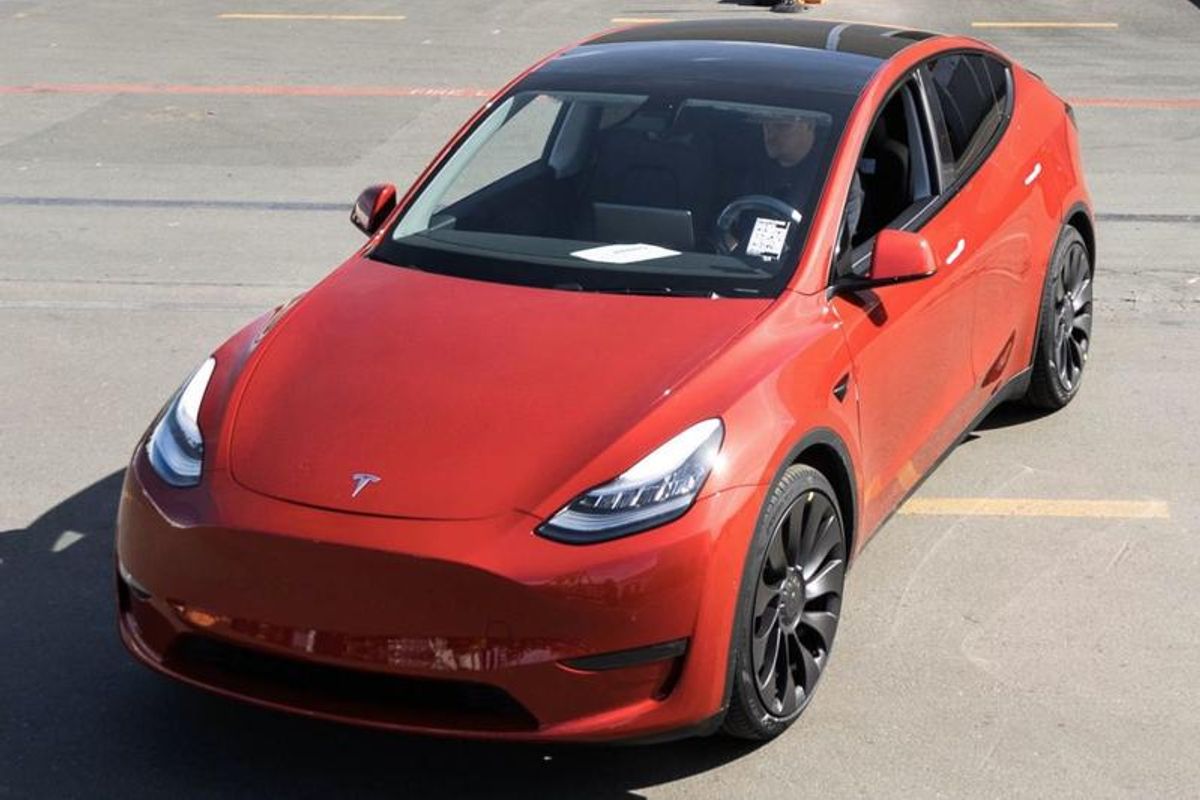
After eight years of independent production, Tesla has now built its millionth electric vehicle. The Californian car company has proved analysts, critics and legacy car company executives wrong by forging its own path to success. Tesla’s millionth production vehicle was a bright red Model Y, which rolled off the production line this week.

Although Tesla started with the Roadster 12 years ago, those sportscars were built on contact by a variety of partners which included Lotus and Borg-Warner. Tesla’s first true production car was the Model S, launched in 2012.

The company now markets a much broader portfolio of passenger car vehicles and is soon to add a fourth model, the Tesla Model Y crossover, which was symbolically its millionth vehicle.

Demand remains strong in most of the valuable global markets Tesla targeted and the company is expanding its production capabilities beyond the original facility in California.

Despite issues with Coronavirus in China, Tesla’s newly commissioned factory in Shanghai should provide a huge productivity boost in the world’s most important electric vehicle market. An indication of Tesla’s potential in China is that it sold a third of all domestic volume in the world’s most populous country during February, regardless of the Coronavirus issues.

Tesla also has a European production plant being built in Berlin. With all three of these global production facilities running in harmony, Tesla should be able to cut its delivery timetables, which has been one weakness of the company, as demand has overwhelmed supply.

The advent of its millionth production car also qualifies Tesla as the most successful battery vehicle manufacturer in history. Although the current oil price collapse might appease internal combustion product managers, Tesla has probably crossed a vital threshold in terms of scale, to survive a brief period of much lower petrol and diesel prices.

Related content

Tesla Releases Model Y Electric SUV

VW's Electric Strategy Kicks off in SA

Electric Cars: Understanding the Terms

Toyota Corolla Sedan (2020) Specs & Price

A new Toyota Corolla sedan has arrived in South Africa! Take a look at specification and pricing below…

The Toyota Corolla is a household name in South Africa and it has proven to be hugely popular on local soil over the years. Toyota has now introduced a new 12-generation Corolla in South Africa. 

Key features


The success of the Corolla is set to continue in South Africa with the introduction of this latest model. 

Built on Toyota’s New Global Architecture (TNGA) platform, the new Corolla is claimed to offer improved driving dynamics and ride comfort while also offering a host of driver-assistance features and the new infotainment system with Apple CarPlay and Android Auto functionality. Ride comfort and handling has been improved with a new double-wishbone rear suspension. 

The new Toyota Corolla is offered in 2 trim grades including the mid-spec Corolla XS and the range-topping Corolla XR.

The XS trim grade includes features such as LED headlights, push-start, cruise control, automatic climate control, a reverse camera, multi-information display, steering wheel controls with voice control and the aforementioned Apple CarPlay and Android Auto functionality. In terms of safety, a total of 7 airbags are fitted as well as an electronic parking brake, Hill Assist Control and Vehicle Stability Control. 

The top-spec Corolla XR gains features such as Bi-LED headlights with automatic high-beam, smart entry, two-tone 18-inch alloy wheels, electro-chromatic rear-view mirror, combination leather upholstery, paddle shifters (CVT only) and Toyota’s Safety Sense System which includes  Pre-Crash activation, Blind Spot Monitor, Adaptive All-Speed Cruise Control and Lane Departure Alert.

Engine Choice

The Corolla XS is powered by a 104 kW / 171 Nm 1.8-litre naturally-aspirated petrol engine which is mated with a CVT, while the XR derivative is fitted with a new 2.0-litre petrol engine which offers 125 kW and 200 Nm, some 22 kW and 27 Nm more than its predecessor. This engine can be had with a 6-speed manual transmission or a 10-step CVT. The CVT variants carry a fuel consumption claim of 6.0 L/100km while the manual Corolla claims 6.5 L/100km. 

Toyota Corolla – Price in South Africa 

Corolla 1.8 XS CVT – R380 200

Corolla 2.0 XR manual – R420 500

Corolla 2.0 XR CVT – R433 700  

The new Toyota Corolla is sold with a 3-year/100 000 km warranty and a 6-service/90 000 km service plan.  

Buy a Toyota Corolla on Cars.co.za

Related Content

Toyota Corolla Quest (2020) Launch Review


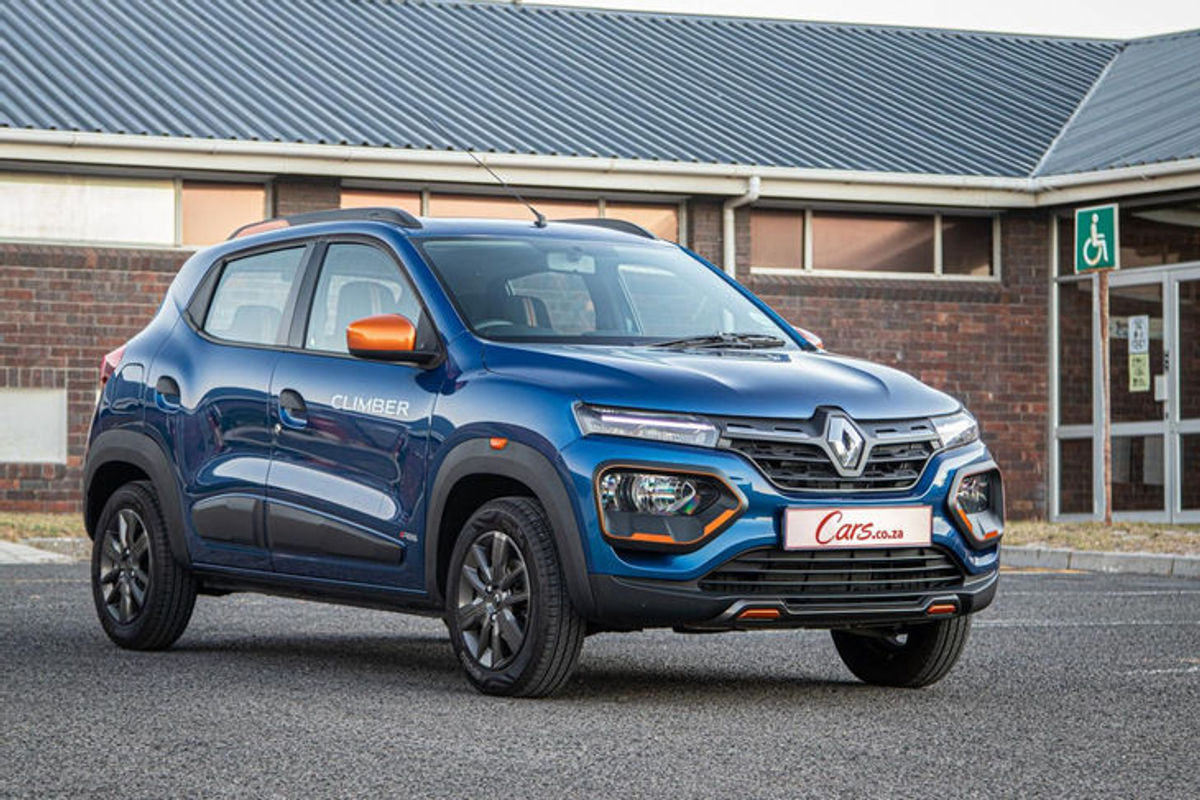
Renault Kwid 1.0 Climber (2020) Review

The Renault Kwid has received a mild update and features a number of detail upgrades, as well as improved specification. However, more than 3 years since its local introduction, which was not without controversy (we might add), does the Indian-built budget car still represent a good-value proposition to buyers looking for their first "new, out-of-box" car? 

We like: Cute looks, generous standard spec, useful ground clearance 

We don't like: Questionable safety record, underpowered when loaded with people, easily unsettled by strong winds

Fast Facts

  • Price: R164 900 (March 2020, no options)
  • Engine: 1.0-litre 3-cylinder naturally-aspirated petrol
  • Gearbox: 5-speed manual 
  • Fuel economy: 4.7 L/100 km (claimed)
  • Power/Torque: 50 kW/91 Nm

Own a Renault? Tell us about your experience here

SERIOUS ABOUT BUYING?

Where does it fit in?


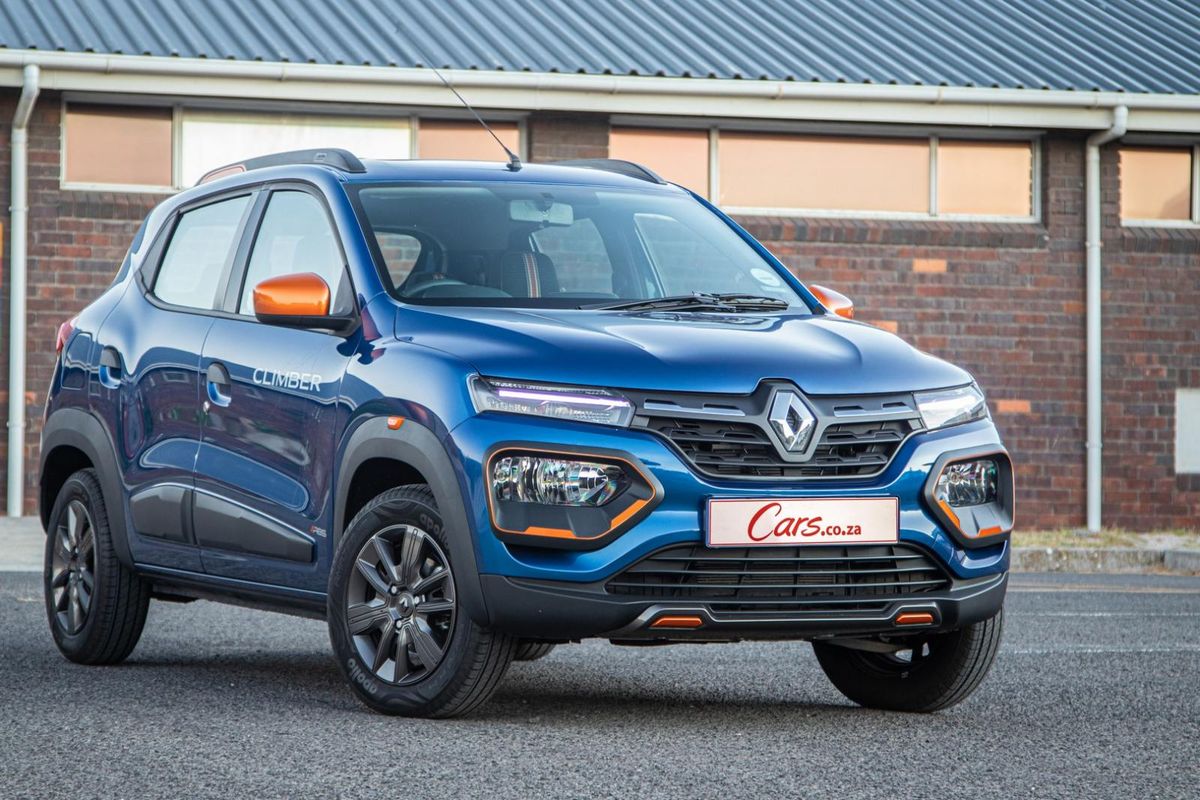
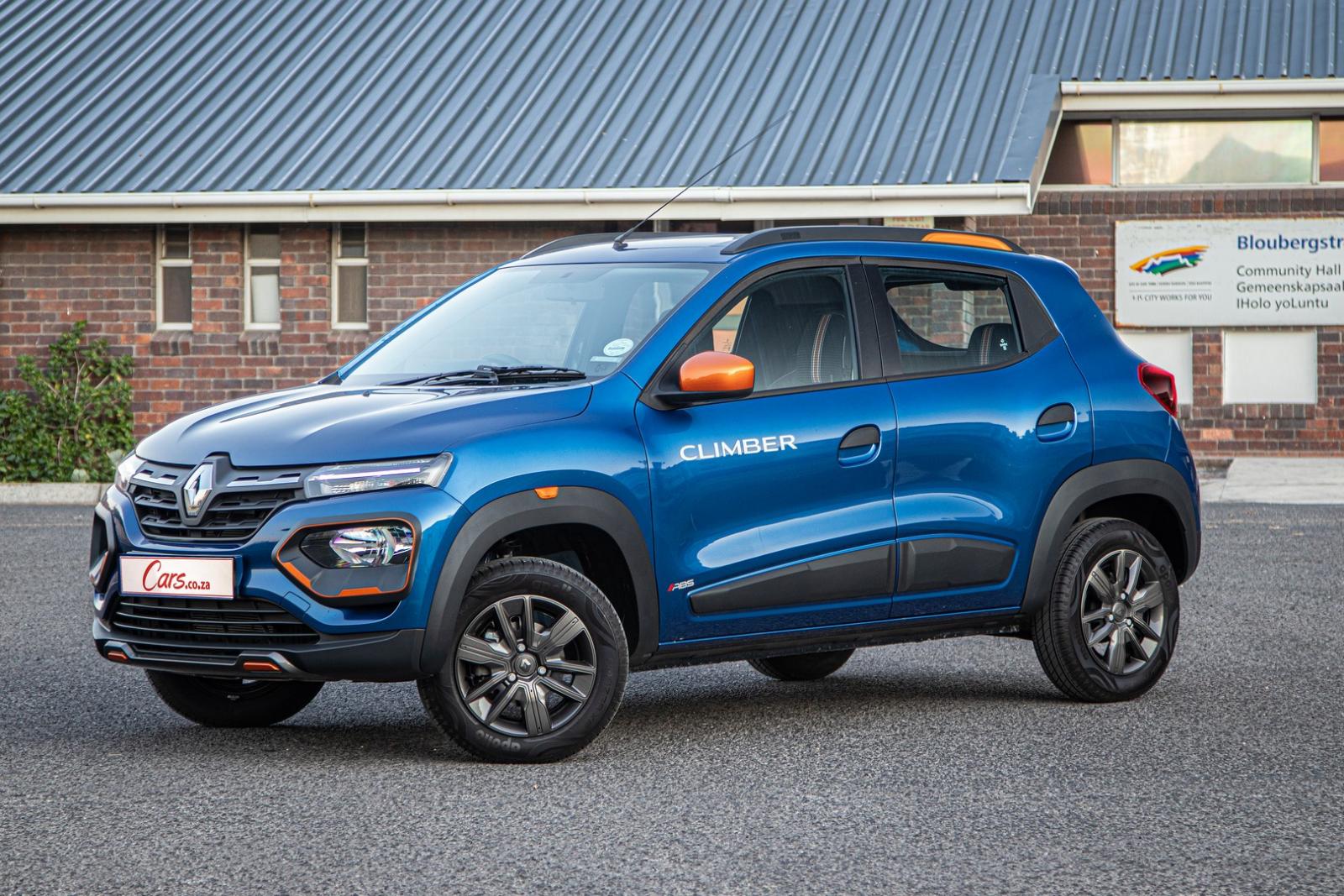
The baby SUV looks are apparent in the new-look Kwid. Daytime running lights are a fresh and modern touch.

When the Kwid landed in South Africa towards the end of 2016, it represented great value for money. Yes, if felt cheaply-made and its driving manners left a lot to be desired, but for R119 900, you could get a brand new Kwid equipped with an array of modern convenience features, plus it came with a year's free insurance. Its arrival also stirred up a fair degree of controversy (in the motoring- and general media), because the (then) newcomer lacked ABS and airbags. When the Kwid was first crash-tested by Global NCAP in 2016, it received a 0-star adult occupant safety rating. When the organisation tested the Renault again (after it had been equipped with a driver's airbag), it received a 1-star rating.

Fast forward to 2020 and we again find ourselves behind the 'wheel of the Renault Kwid, tested here in updated and range-topping Climber guise. Pricing for the upgraded range starts from R144 900 and goes up all the way to R174 900 for the most expensive version, the Climber Auto. To Renault's credit, the Kwid's standard safety specification has been increased across the board: all derivatives now feature anti-lock brakes (ABS) and 2 front airbags. 

Own a Renault? Please tell us about your experience here.

How it fares in terms of…

Design & Packaging


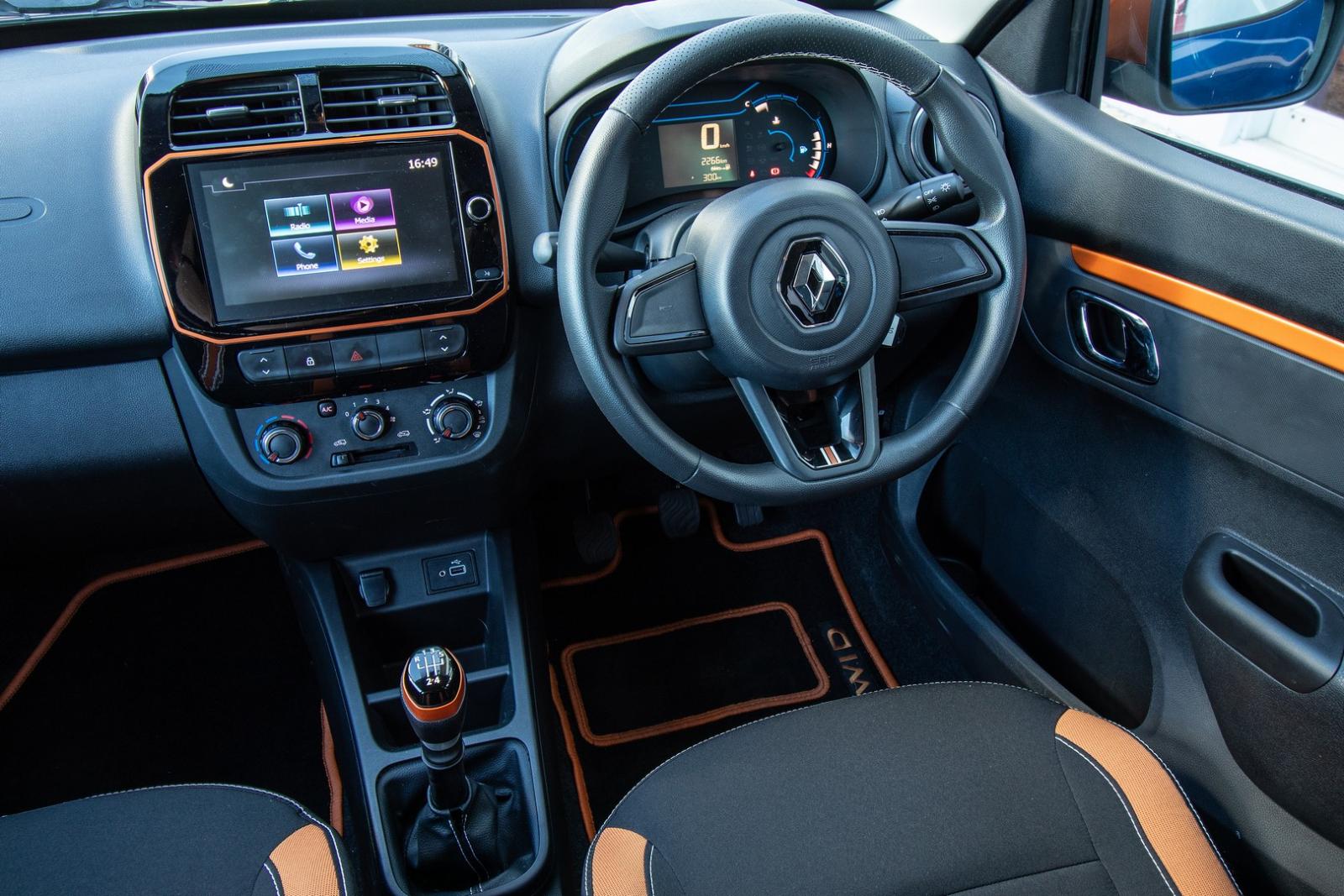
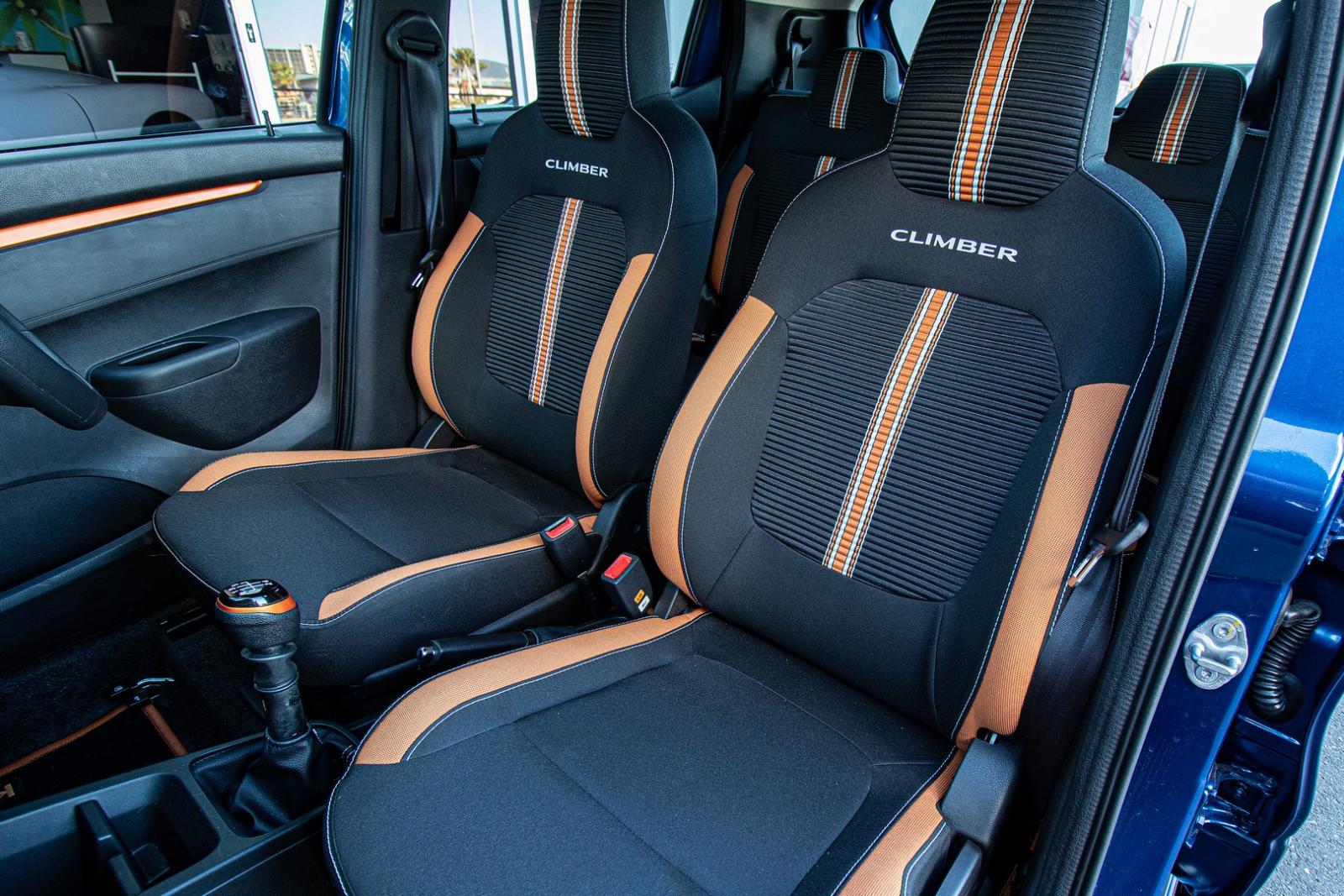
The cabin of the Kwid Climber is basic. Materials feel cheap but reasonably durable. 

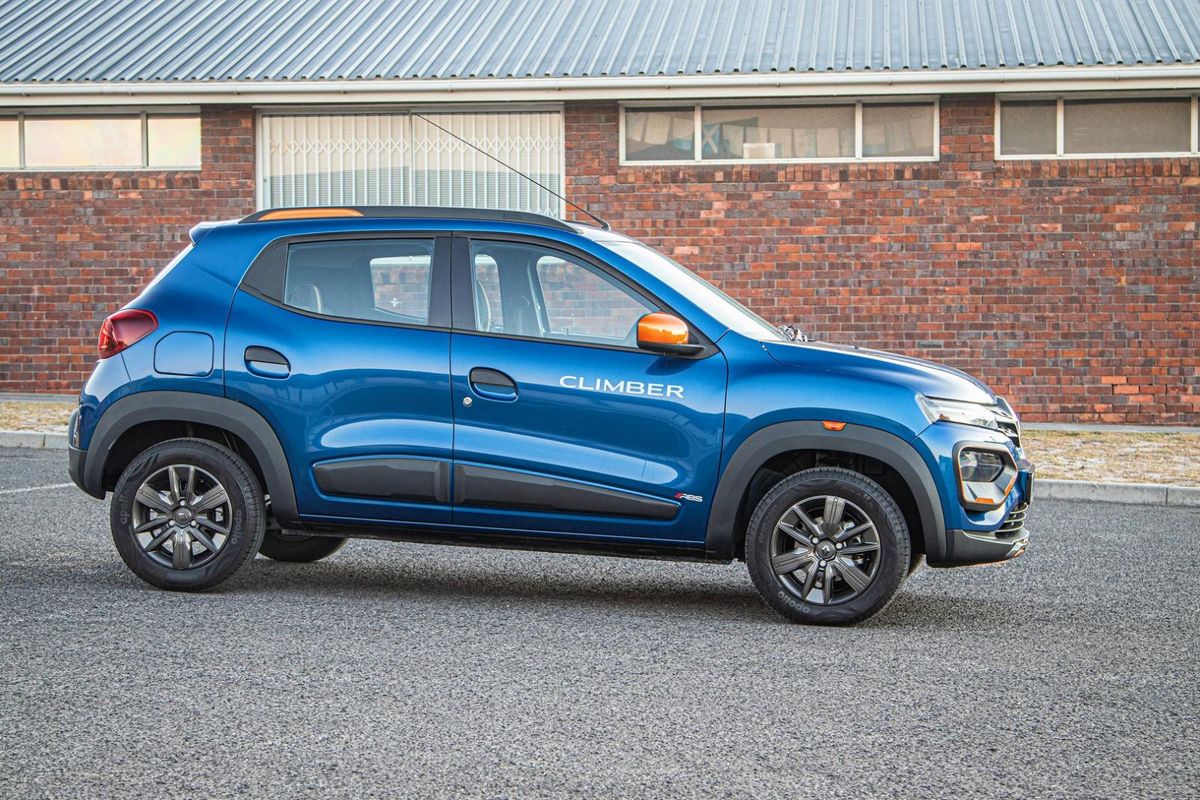
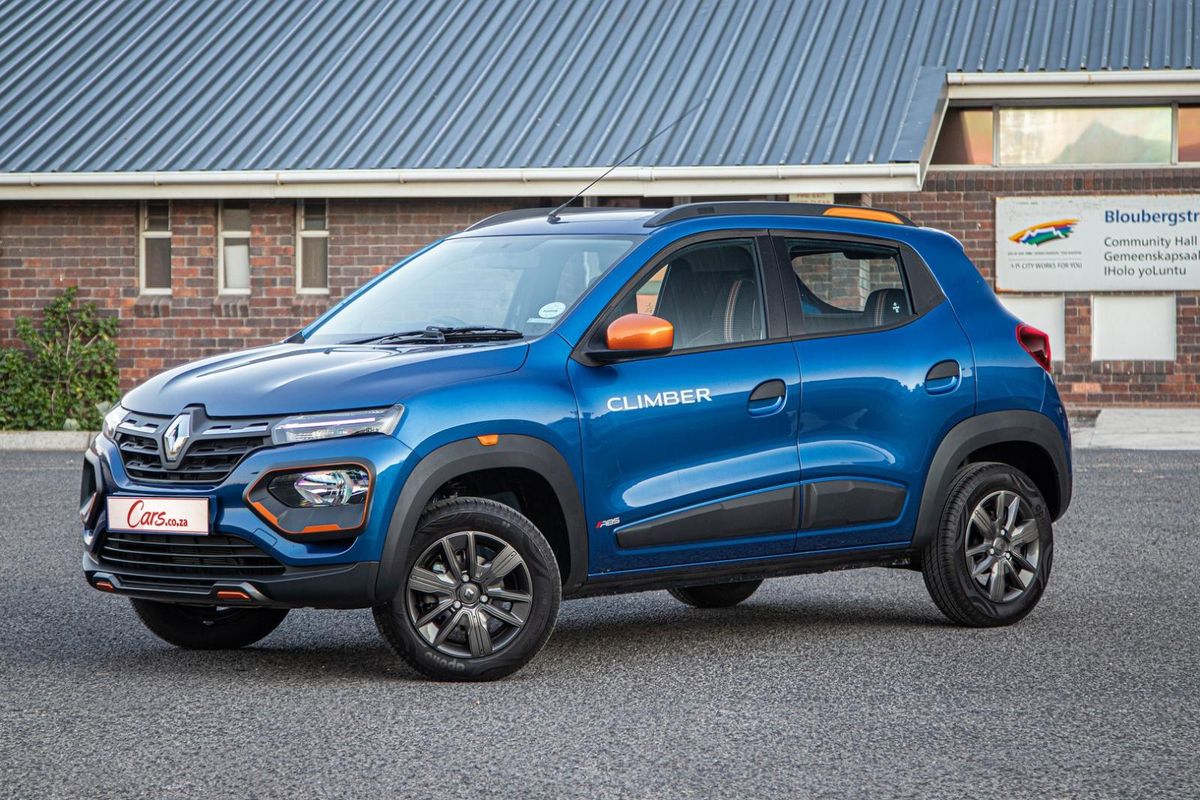
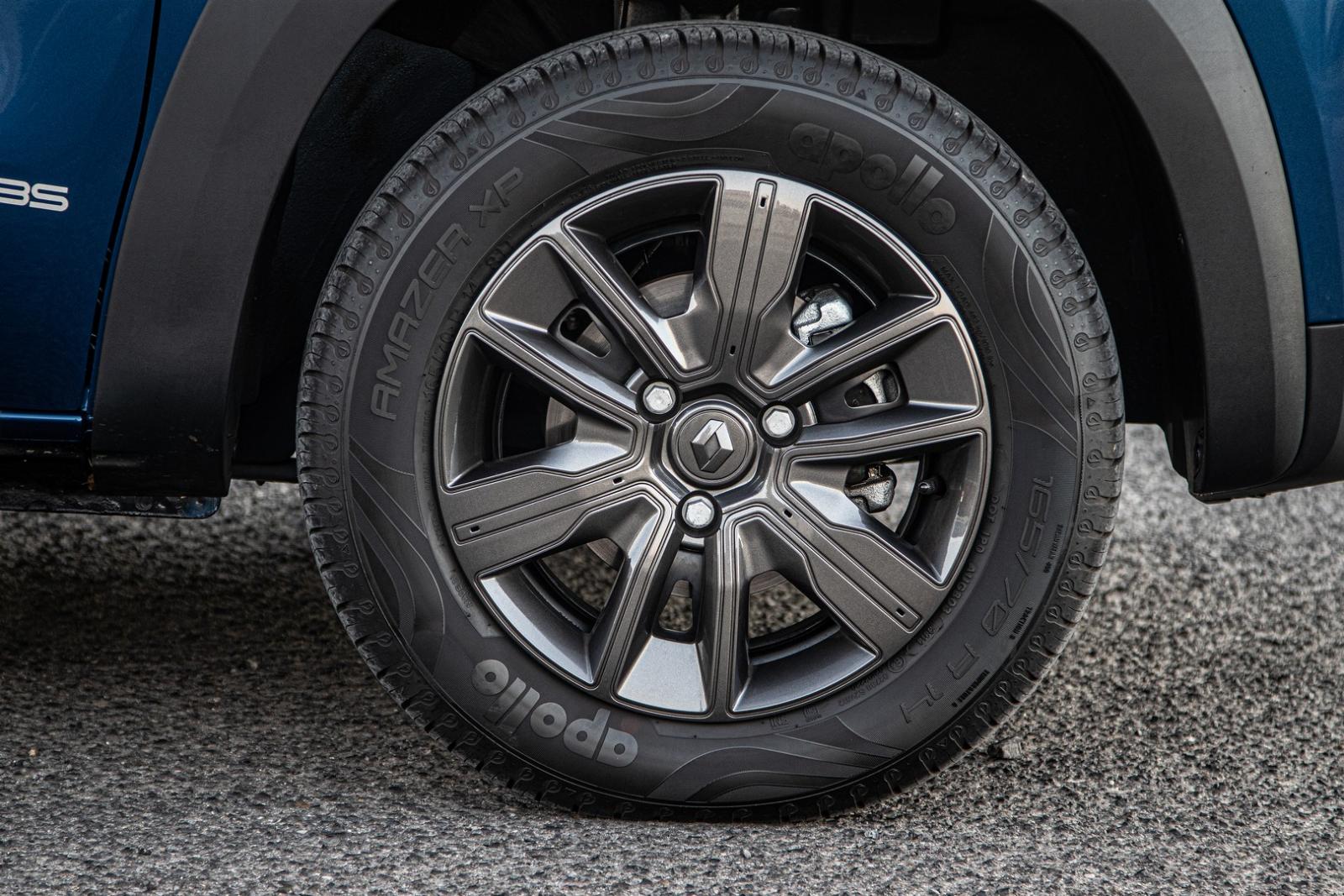
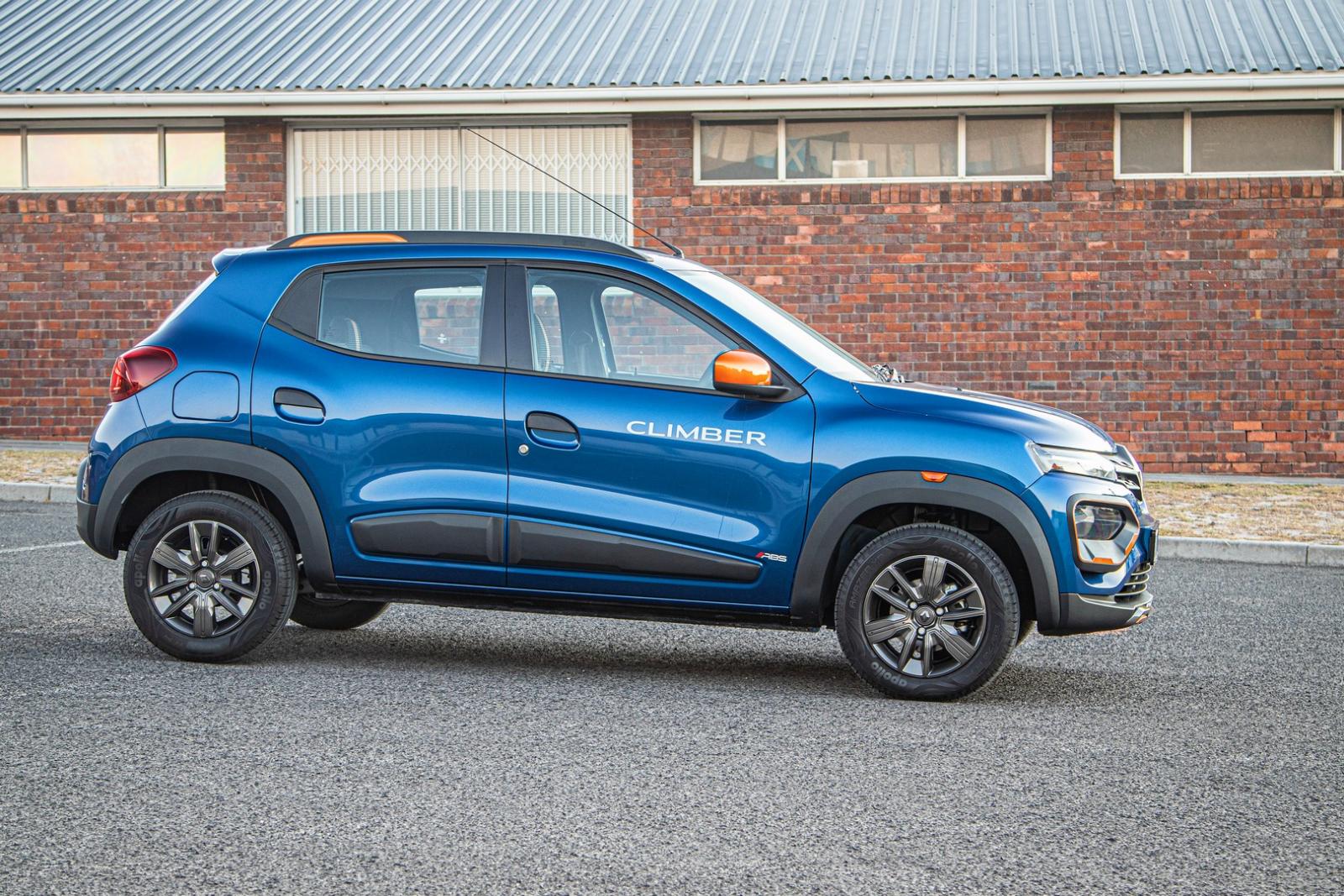
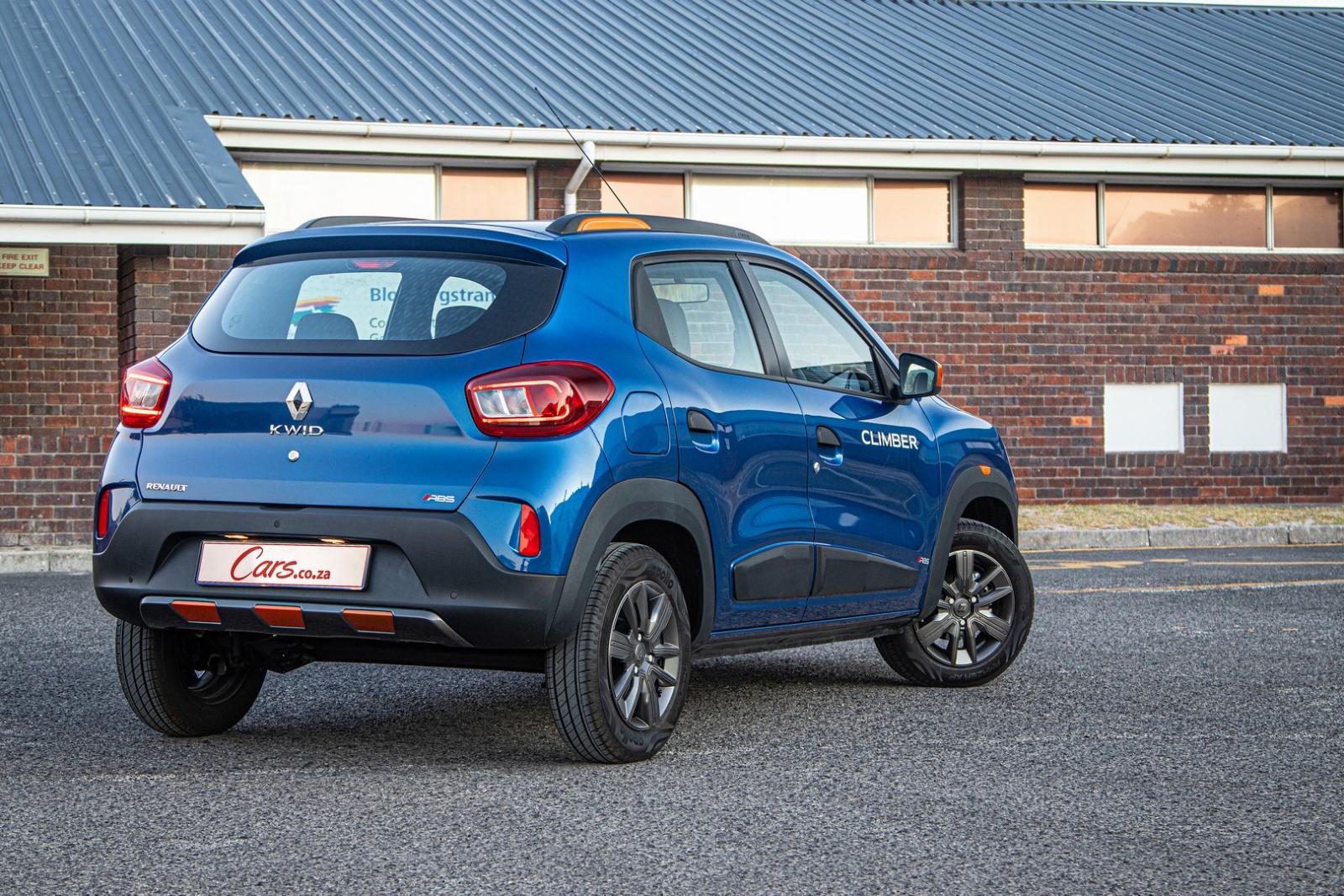
In Climber guise, the Kwid features some visual upgrades, the most noticeable of which is the orange exterior detailing, which looks striking in combination with the blue paintwork. Kudos are due to Renault's designers here: the Kwid looks fresh and modern, mainly thanks to the narrow LED daytime running lights. Another notable change is the upgrade from a 13- to 14-inch alloy wheels – the larger tyres should facilitate better road holding by virtue of their bigger contact patches on the road. Renault claims there are some changes to the handling, but more on that later. In terms of luggage space, the Kwid offers 279 to 620 litres, the latter figure is claimed for when the rear bench is folded down. 


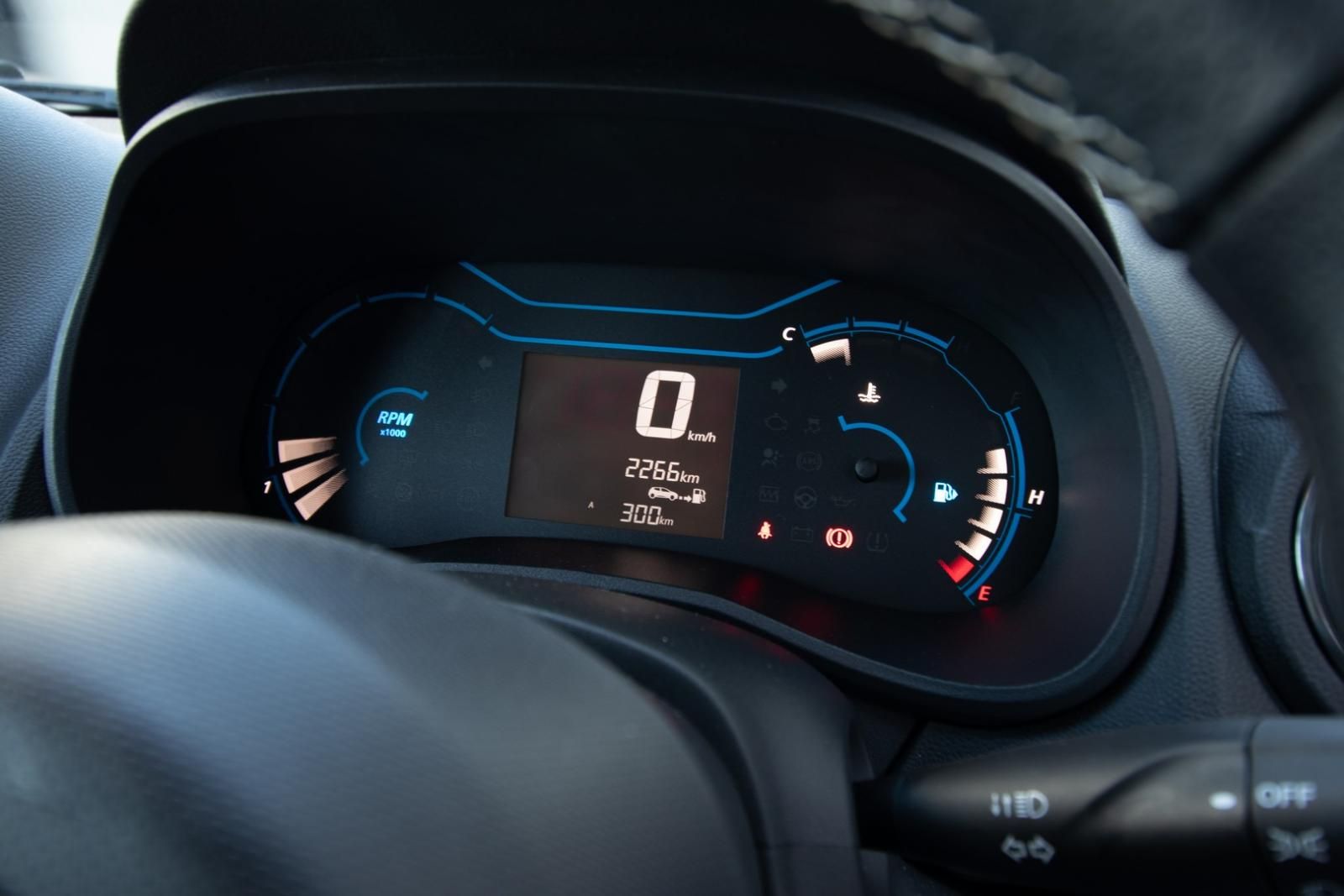
The semi-digital dashboard of the new Renault Kwid Climber

The Kwid's cabin is a "mixed bag": the Climber's trims and upholstery are brightly accented and the vents, plus heating-, ventilation and aircon knobs, have chrome-look finishes. However, the position of the driver's seat is unnaturally high by default (in keeping with the crossover vibe, we guess), which doesn't suit tall front occupants. Plus, the steering column is not adjustable (not even for rake), which means not everyone will be able to find their ideal driving position. 

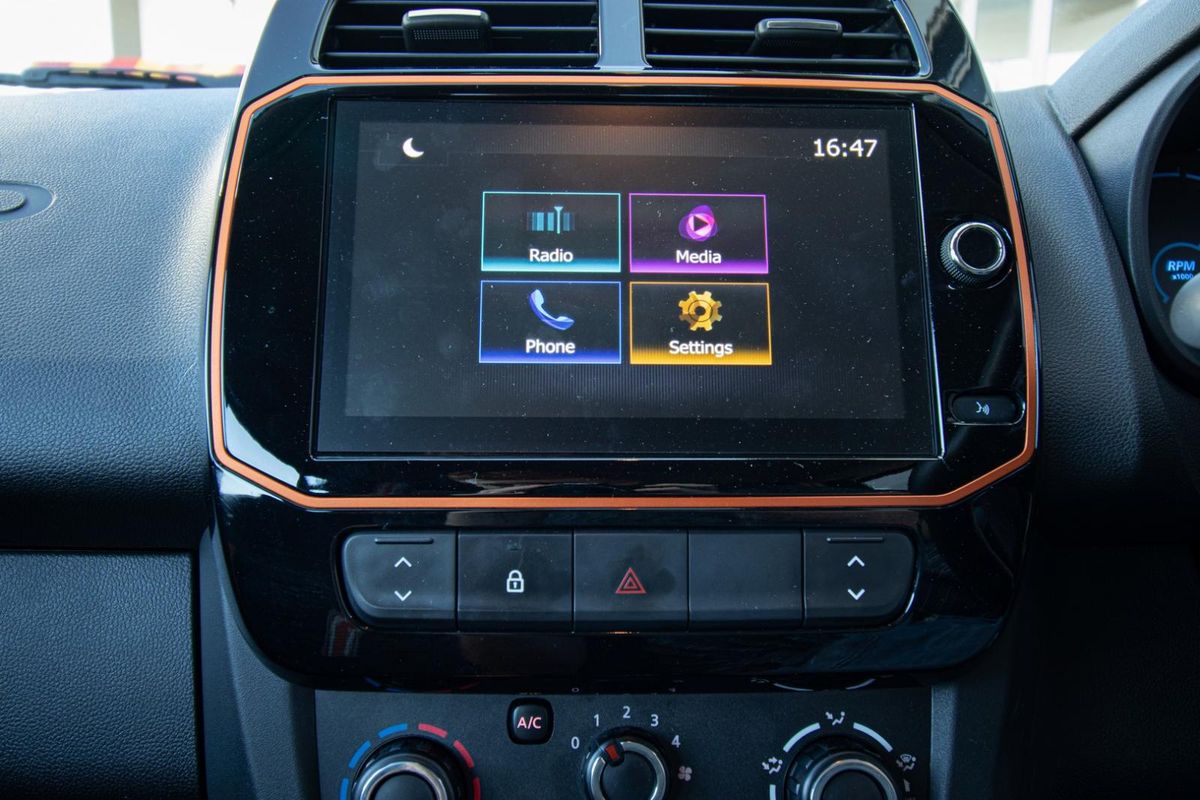
At the same time, the Kwid comes equipped with a generous array of standard features – some of the tech in this Climber isn't standard in cars costing double the price! A reverse-view camera and touchscreen infotainment system with Apple CarPlay/Android Auto compatibility are real nice-to-haves, plus there are electric windows all round and one of the most potent air conditioners we've encountered in this segment. The analogue dashboard has been replaced by a semi-digital setup; its layout looks a little strange the first few times you see it. One annoyance was the fuel icon, which stays on permanently irrespective of whether the Kwid's tank is full or not. When you do run low, it starts flashing. 

Performance & Efficiency


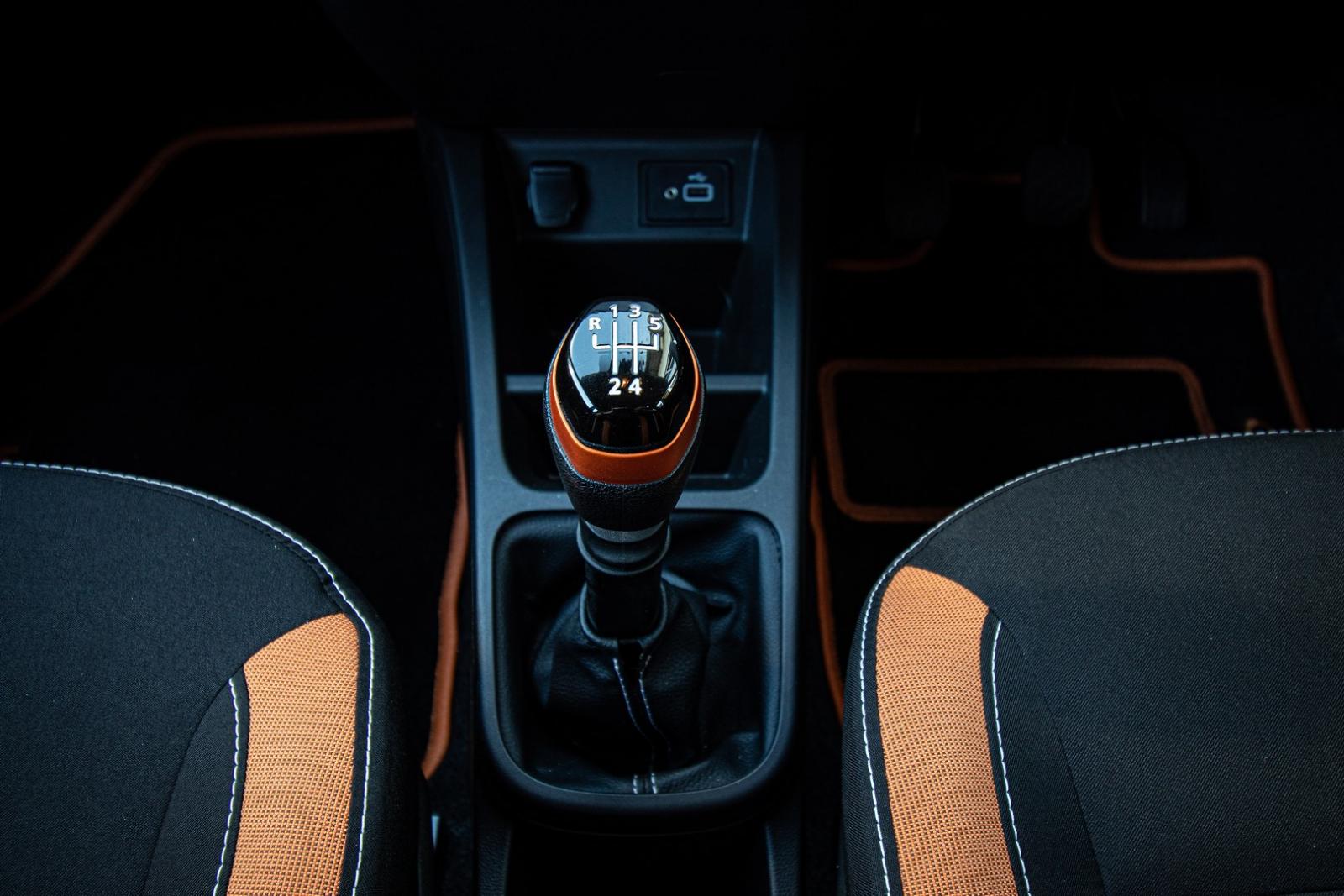
The 5-speed manual gearbox is not the slickest of operators, which is annoying as you'll need to work the 'box often.

Speaking of fuel, the Renault Kwid boasts a tiny 28-litre fuel tank, which, in our opinion, is a tad too small. The French car's rivals, by comparison, offer tank capacities of 30 to 35 litres. The small tank size should usually not be too big of a concern for the purposes of pottering around town, however, and it turns out the Kwid's pretty frugal: it had an indicated average fuel consumption of 5.9 L/100 km over the 2-week test period.

Now, if you've checked the brochure, you'll see the French carmaker claims an average consumption of 4.7 L/100 km for this derivative, which we think is a tad optimistic. We will attribute our heavier-than-expected fuel economy to the plucky Renault being obligated to punch its way through the notorious Cape South Easter during its tenure, as well as having additional passengers on board on more than one occasion. 


We hope you like orange! The Kwid Climber comes with a plethora of orange-coloured accents, both on the seats and interior trims.

The Kwid is powered by a 1.0-litre naturally-aspirated 3-cylinder petrol engine that produces 50 kW and 91 Nm. Those outputs really don't sound like much, but when you factor in the Kwid's low kerb weight of 758 kg, the French car doesn't actually need all that much grunt to get up to 60 kph.

Things go awry when you add passengers into the mix, however. The Kwid performs adequately (at best) when it has just the driver on board, but the car really struggles when it needs to transport 4 adults, let alone their baggage. As a result, you need to work the gearbox extensively to achieve any credible forward momentum; climbing steep hills when fully laden is a laborious affair for the Renault. Also, you'd imagine its gearbox would be light and easy to use – after all, it's a city car. Alas, it isn't. It is a quirky little shifter with an odd clutch that bites in the strangest of positions. It was a challenge to drive the Kwid smoothly in traffic, but we suppose matters would improve with proper familiarisation. 

Ride & Handling


The Renault Kwid's wheels have been upgraded from 13-inch to 14-inch units. High profile tyres help soak up the road imperfections.

Remember when we mentioned the pre-facelift Kwid's uninspired/iffy road manners earlier in the review? Well, Renault claims its budget car's ride and handling have been improved through the introduction of a new rear axle. Can you feel the difference, though? We'd say no – besides, we'd have to drive the newcomer and the previous-gen model back to back to feel the difference, if there is any. Despite the supposed handling upgrade, the Kwid continues to feel unwieldy and even nervous on the road. Its body style/shape means it has a higher centre of gravity and body-roll is plentiful. Apart from the steering wheel being non-adjustable, the tiller doesn't offer much in the way of feel or directness. You'll be working the 'wheel constantly to try to keep the Kwid in a straight line, it struggles to track straight and true. It does boast a useful ground clearance of 180 mm, which is handy for climbing pavements or traversing potholes…

We discovered the Renault's Achilles' Heel one particularly blustery afternoon when the South Easter (an infamous wind in the Western Cape) was gusting severely. It was blatantly noticeable how the Kwid battled when it drove into a headwind; when you're behind the wheel of a low-powered car with the aerodynamic properties of a shoebox (not technically, but you get our point) forward momentum is a challenge. Things got worse when the wind gusted in from the side. It's very alarming when the Kwid gets buffeted laterally and it's draining to maintain the car's stability. Interestingly, things improved when there were passengers in the car, their extra weight seemed to help keep the Kwid planted.


The Renault Kwid is more baby SUV than city hatchback. 

Price and Warranty (March 2020)

The Renault Kwid range starts from R144 900, with this Kwid Climber manual retailing for R164 900. The vehicle comes with a 5-year/150 000 km warranty, 2-year/30 000 km warranty and 1 year's insurance included. 

Verdict


The Renault Kwid has improved somewhat, but the arrival of the new Hyundai Atos makes competition at this price-point tight.  

With every new iteration, the Kwid improves incrementally. The first derivatives were crude, but at R119 900, cheap and cheerful, especially with a year's free insurance as part of the deal. For those who'd otherwise rely on lifts, public transport or driving an unsafe or unreliable clunker, the Kwid offered the prospect of attainable new-car ownership. The revised, better-specced model again offers good value (also with 1 year's insurance included), but at R165k (for the Climber derivative) the competition is tight. The decision to add 2 airbags and ABS across the range ups the safety ante, but until we see a more recent crash-test report, the jury's still out on the Kwid's structural integrity.

Should you seriously consider Renault's newcomer? The Kwid's positives barely outweigh the negatives, especially if you need to do the A-B shuffle over short distances – the lack of a strong crash structure is a big red flag for us. Also, the Climber's driving dynamics are a tad alarming, especially at the national speed limit. Factor in a crosswind at 120 kph and the vehicle's relative light mass makes it susceptible to lateral movements, which can be very disconcerting.

Because of this, we were reluctant to drive the Kwid faster than at 90 kph in windy conditions. In the confines of the urban scenario where speeds don't go into 3 digits, we really enjoyed the diminutive Renault's generous specification, but the package is let down by a rough engine, poor dynamics and an awkward driver's position. If you want a brand-new budget car (as opposed to trawling for low-mileage demo cars), then we'd heartily suggest the new Hyundai Atos, which offers a smoother engine, more overall refinement and Hyundai's 7-year warranty. It's all very well to offer a cheap car for the masses, but Hyundai manages to make its little Atos feel more upmarket for a lower price than this Kwid.

Looking to buy a new/used Renault Kwid?

Find one on Cars.co.za by clicking here

Further Reading

Dacia Concept Previews Electric Kwid

Renault Kwid (2019) Launch Review 

New Renault Kwid in SA (2019) Specs & Price 

Suzuki's S-Presso is a Shot at Kwid

5 Cheapest New Cars in South Africa (2020)

Get ready Cape Town! SentiMETAL Gathering Gears Up

The first Cape Town SentiMETAL Gathering for the year has been confirmed for Sunday, 15 March. Ladies and gentlemen, get your machines ready!

Following a massively successful Gathering in Johannesburg in February this year, it is now time for Capetonian petrolheads to get ready for the first SentiMETAL Gathering of the year.

"We're expecting a big turnout, particularly following the 200-odd cars that showed up for the last event of 2019," says Hannes Oosthuizen, SentiMETAL Project Manager. "We're also fortunate to have Killarney International Raceway as a venue, so we'll definitely have space."


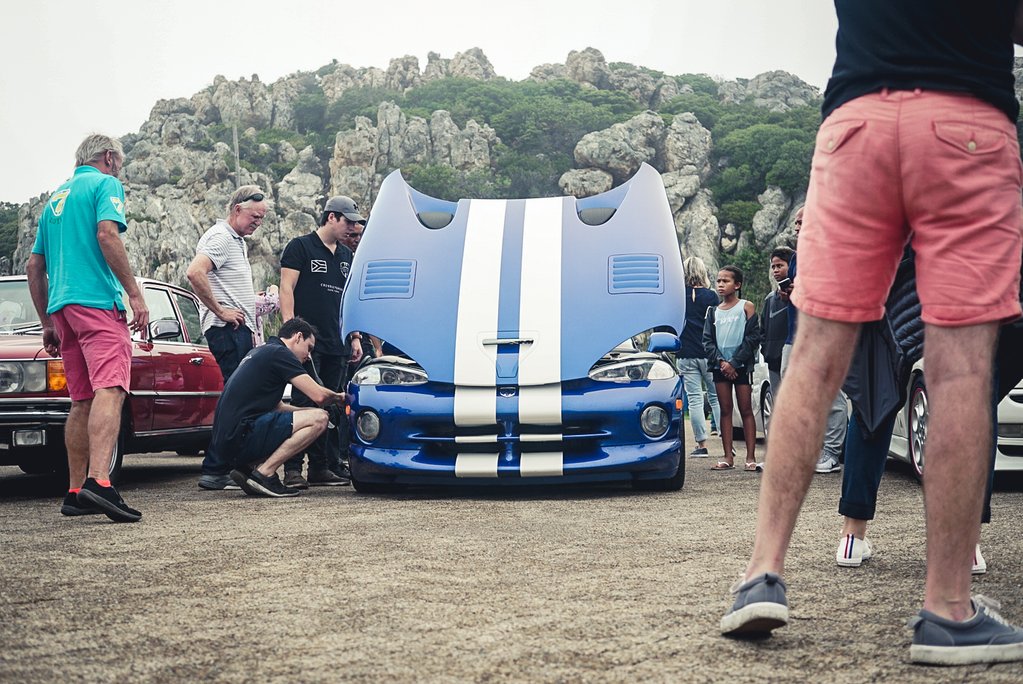
SentiMETAL Gatherings allow petrolheads get up close to hero cars such as this Dodge Viper GTS, one of only 2 in South Africa.

The first Gathering of the year will see participants travel to Killarney International Raceway on Sunday, March 15th, and park their vehicles in front of the new Pit Complex and on the pit straight. "As ever, we want to be as inclusive as possible, but I would like to remind applicants that this event is aimed at classic cars – including modern classics – in original, unmodified condition."

Superb coffee is a hallmark of SentiMETAL events, so participants will be able to get a dose of caffeine (and some pastries) and take a stroll among some of the rarest, most beautiful cars in Cape Town. Professional photographers will capture stunning images on the day that will be shared with all participants.


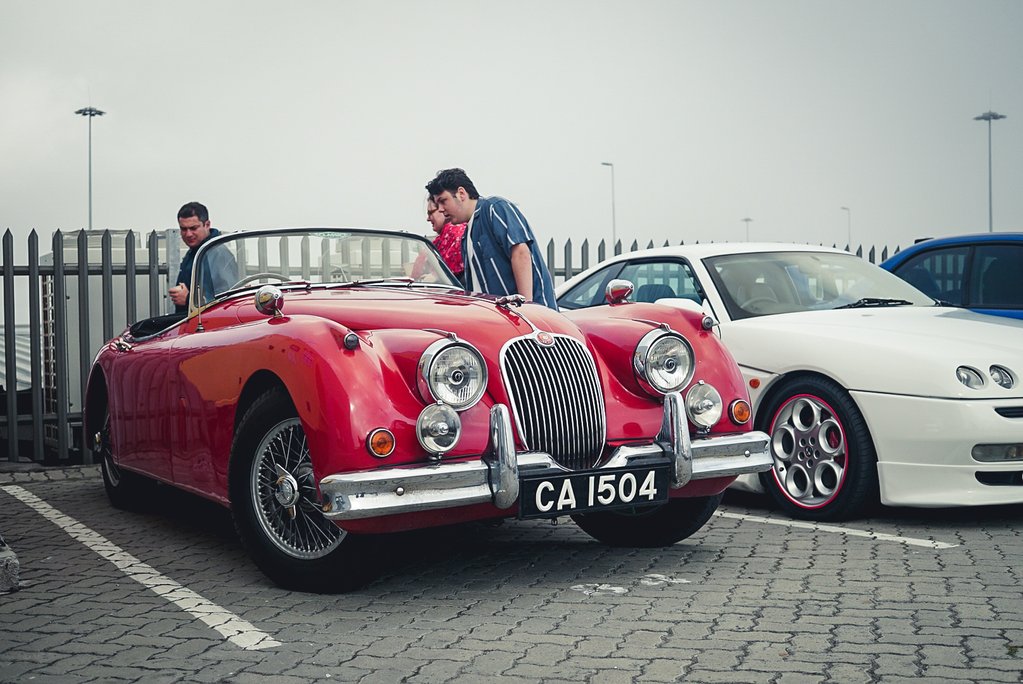
One of the confirmed cars for Sunday is this beautiful Jaguar XK150.

Participants are welcome to start arriving at 9am and by 11:30am those interested in a drive somewhere scenic, for lunch, will depart. The lunch venue is TBC, but most likely towards Darling.

If you'd like to participate in the morning display, please complete this form . Guests and Media are also encouraged to complete the form as it would give the organisers a better idea of the numbers to expect.

Note that only cars that appear on the registration form will be allowed to park their vehicles in the display area. Guests are welcome, but will park behind the Pit Complex. 

"Some of the cars already confirmed for the 15th include a first-generation Chevrolet Corvette, a stunning Mercedes-Benz 190SL, the Jaguar E-Type that appeared in the first episode of the SentiMETAL video series and a number of Porsches, from all eras," says Oosthuizen. "There will also be a number of surprises…"

You may also be interested in;

The cars that rocked the SentiMETAL Gathering Johannesburg (2020)

Koenigsegg Jesko Absolut is Crazy Fast

Swedish hypercar manufacturer, Koenigsegg, has thrown in the towel on the speed race and developed a car so fast that it doesn’t need to make another one ever again. This is the Jesko Absolut!

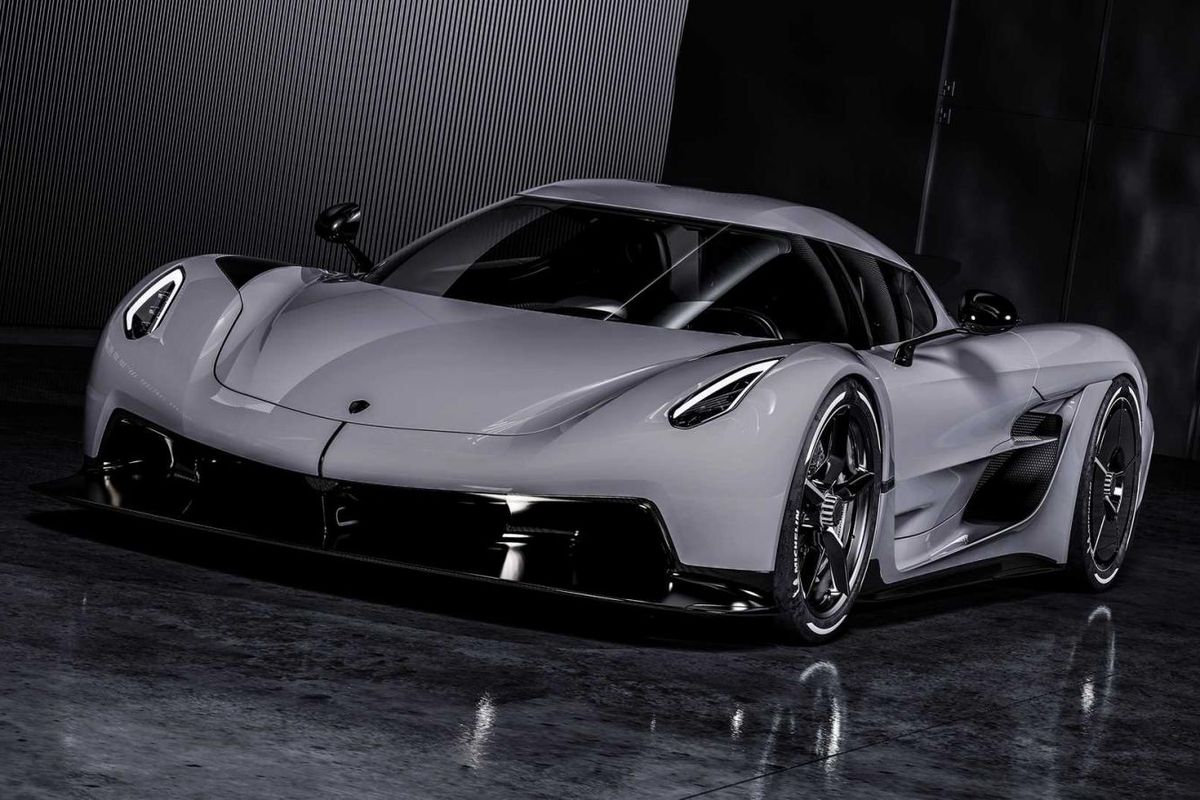
The misfiring Geneva Motor Show is now a distant memory but there is one car from the defunct show that deserves a few words and that’s the Koenigsegg Jesko Absolut. 

It’s the fastest production car that the company has ever developed and none of its future models will ever attempt to unseat it.

Before we talk speed though, let’s look at some numbers quickly. Powering the Jesko Absolut is a twin-turbocharged 5.0-litre V8 engine that produces 955 kW and 1 000 Nm of torque when guzzling petrol but on E85 (85% ethanol + 15% petrol) those numbers swell to 1 193 kW and 1 500 Nm. A 9-speed automatic transmission is able to change gears “in virtually zero time from any gear to any other gear – regardless of how many gears are skipped” says Koenigsegg.   

While Koenigsegg hasn’t specified an official top speed, the company has crunched the numbers and it believes a top speed of around 532 kph is possible. The Jesko Absolut slips through the air with a drag coefficient of just 0.278 and weighs only 1 320 kg.

Bear in mind that the fastest production car in the world is currently the Bugatti Chiron Super Sport 300+ which achieved a speed of 490 kph. 

The proof is in the pudding, however, and the challenge Koenigsegg faces now is to find and access a road long enough for the Jesko Absolut to stretch its legs and reach its top speed and claim the crown as the fastest car in the world. That will take some time, but for now, we can only revel in the magnificence of this car. 

Related Content 

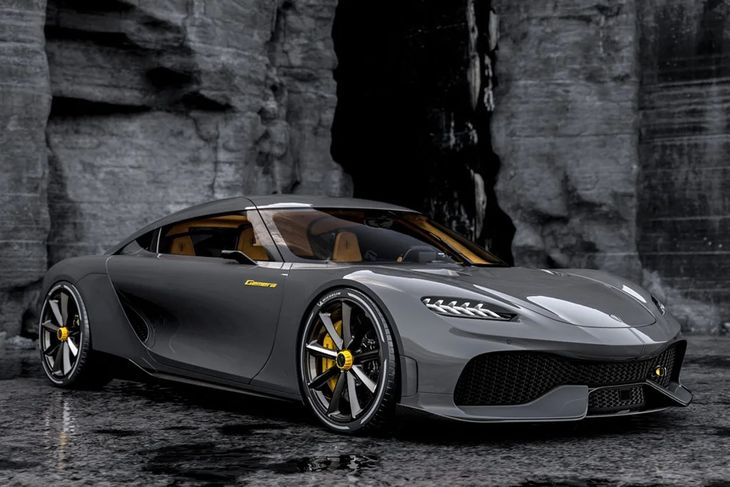
Koenigsegg unveils a 400-kph 4-seater
Bugatti Chiron Pur Sport Focuses On Driving

EV Apocalypse is Closer Than You Think

The 2020 Geneva Motorshow was cancelled to due to the Coronavirus, so everybody had to follow the online unveilings from the comfort of their offices and homes. Behind the safety of a laptop/phone, all the new products revealed had one major theme: Everything must be electrified. Mike Fourie muses over how we need to catch up with the global trend before it's too late.

So Covid-19 put paid to the Geneva Show, but a couple of vehicles that were virtually unveiled last week indicate that the new vehicle market’s speeding towards that “tipping point” where electrical vehicle (EVs) derivatives and their development will not only be prioritised over their conventional (internal combustion engine) counterparts, they will obligate buyers to “switch to electric” because of the (planned) obsolescence of volume products.

Of all the impressive products that were "shown", I had an almost childlike fascination with the Koenigsegg Gemera, a 400-kph petrol electric-hypercar with expansive gullwing doors and seating for 4. Its peak outputs are 1.27 MW (yes, kW is just not going to hack it anymore) and 3 500 Nm, it can hit 100 kph from standstill in 1.9 seconds and run up to 300 kph on battery power alone, not for that long, but who cares? If it’s not the most powerful car ever to be put into series production, it’s certainly up there.

Electric hypercars for everyone


Koenigsegg Gemera packs 1.27 MW of power from its electrified powertain.

There were plenty of other hypercars with extensive electrification, a plethora of plug-in petrol-electric derivatives of well-known premium models and concept cars that preview a pure-EV future; the thought-provoking Renault Morfoz, for example, can shapeshift and utilises interchangeable battery packs. 

New Lexus President Koji Sato recently said the market’s obsession with SUVs would “continue for another 5 years or so but after that… people will want something new”. Judging from the myriad new luxury off-roaders and crossovers that were “unveiled for Geneva”, Sato San might be a little quick on the draw. But could internal combustion-engined compact hatchbacks and compact family cars – yes, the most popular non-bakkie or bakkie-based new vehicles in South Africa – be on the endangered-species list too?   

The new-generation Honda Jazz was recently launched in Europe, but in e-HEV hybrid guise only. The model is expected to be put into production in Thailand (from where our market’s model is sourced) by the end of the year, probably with either a 1.0-litre 3-cylinder turbopetrol or 1.3-litre 4-cylinder motor (or both). We may get the new Jazz here with a petrol motor – it’s unlikely that the e-HEV version would be viable – but if you live in Europe and don’t want a hybrid, well, you have to cross the Jazz off your list.

The new-generation Fiat 500 goes one step further. Although its predecessor will remain in production (at least for now), the “500e” is based on an all-new EV platform; there won’t be any petrol versions at all. Whether FCA South Africa will be bold enough to bring the much more upmarket and definitively-boutique new 500 to South Africa remains to be seen; perhaps the firm will wait and see whether the upcoming Mini Electric – the 500e’s direct rival – will be successful in Mzansi before making that call. 

VW has to choose sides


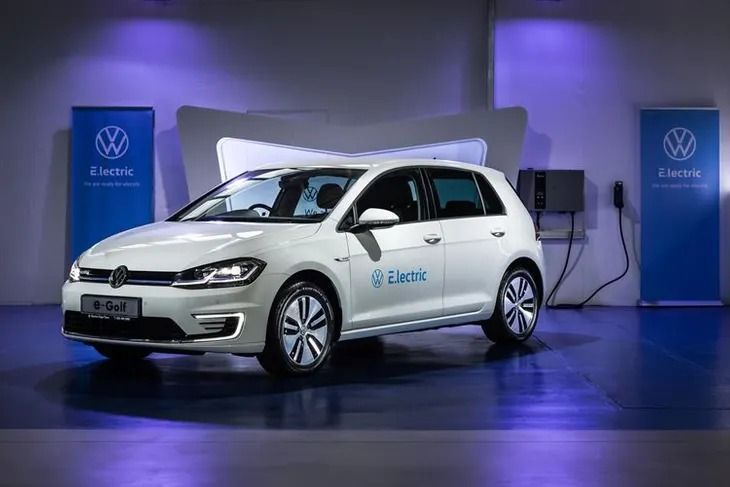
VW has begun to trial electric cars in SA with the e-Golf, but there will not be a 2nd gen version.

So, what’s the big deal? The Jazz and 500 are not particularly important models from a ZA perspective… would the market miss them if they quietly dropped off local new-vehicle price lists? Well, perhaps not, but most of us probably believed the rate of EV proliferation (of pure electrics, hybrids and plug-in hybrids) would be driven by the laws of supply and demand (sort of); in other words, manufacturers would offer electrified and internal combustion-engine derivatives of the same model, so as buyers increasingly opted for the former, the latter would gradually be phased out or simply discontinued upon the launch of that car’s replacement.

But, as the saying goes: You cannot have your cake and eat it. As much excitement as there is about the Golf 8 GTI, Volkswagen made as big a fuss about its more efficiency-minded GTE and GTD stablemates in its press material. Some observers believe that in some markets, the new Golf will be under threat from none other than its ID.3 sibling. That’s why there won’t be another e-Golf; even the most versatile platform cannot match the optimised packaging of a dedicated EV architecture. And, with the UK government aiming to ban the sale of new petrol-, diesel- or hybrid- vehicles by 2035 (to name but one example of hardnosed legislation) and EU emission regulations becoming increasingly stringent, several manufacturers have turned their focus to adding a plethora of electrified models to their line-ups in order to stay on the right side of lawmakers.  

Internal combustion development likely to cease

Something has to give… It was recently reported that Mercedes-Benz would “dramatically reduce” its model line-up as well as platform and powertrain options to reduce complexity and increase profitability. Autocar quoted Mercedes research and development boss Markus Schafer as saying the drive was a result of the firm’s focus on electric vehicles; it would range from reducing models to single components used in its products. Forget “supply and demand” – economies of scale and reduced R&D costs matter more.

That’s why the shift towards electrification is happing faster than many expected; manufacturers can no longer afford to keep developing and producing platforms that offer a variety of powertrains and “let the customers decide” which ones they prefer. I anticipate that turbodiesels will be the first to disappear from everything but bakkies and commercial vehicles and conventional hybrids will be eclipsed by plug-in versions; petrol engines will survive the longest… until they’re no longer the cheapest models to produce…


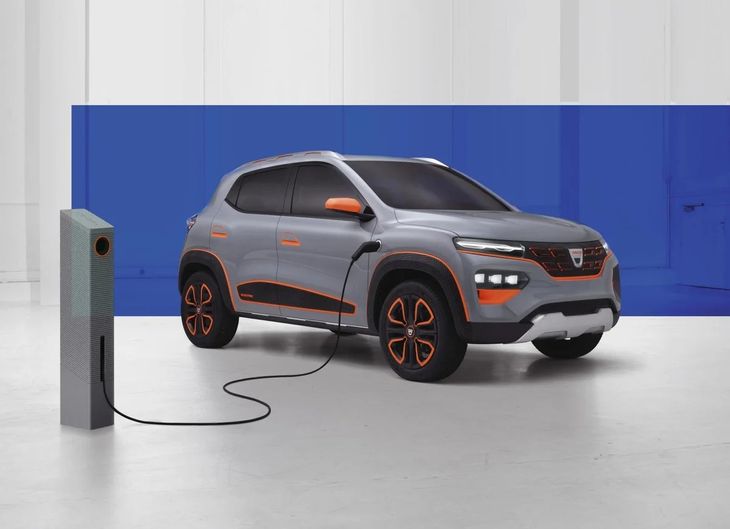
Dacia (Renault in SA) released the Spring Electric Concept, an attempt to show the cost of electric cars can be brought down.

All of which brings us neatly to the otherwise unassuming Dacia Spring Electric Concept, which is said to preview the Romanian brand's first EV model. EV technology has had a chance to gestate in pricey premium products for the past decade, which has limited such cars’ appeal to the majority of buyers – especially given low- to zero-emissions EVs are taxed heavily by our government, which simultaneously levies a CO2 tax on vehicles that emit more than 120g/km. However, the technology has trickled down to compact hatchbacks (such as the Peugeot e-208), as well as small crossovers.

The production version of the all-electric Spring Electric Concept will be an adapted version of the Chinese-made Renault K-ZE, which is based on none other than the Kwid budget car. We don’t know much about the small crossover apart from a claimed optimal range of 200 km, but imagine how the local introduction of such an affordable model would transform the look of a new-vehicle market in which the Toyota Prius (R508k) is currently the most affordable hybrid and the BMW i3 (R664k) the cheapest electric car… 

The South African question


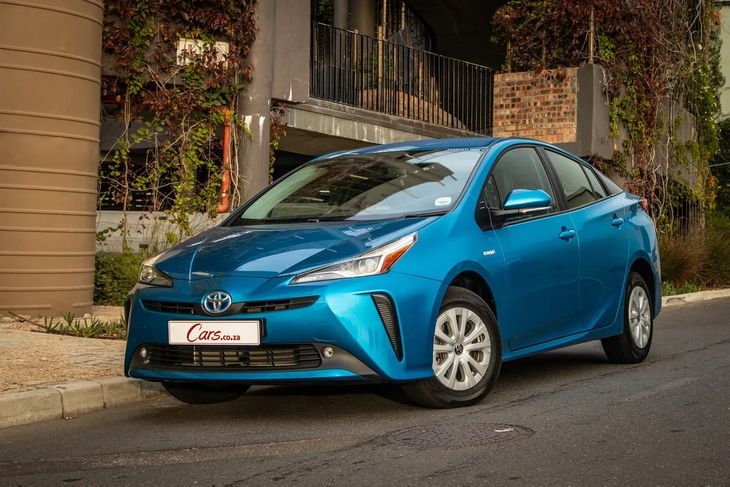
Those looking to switch to hybrid do so at the entry cost of R508k – for a Toyota Prius.

If our government could eventually be persuaded to offer relief from the hefty taxation of EVs (such as a reduction of import duties, luxury-car tax et cetera), electrically-driven or -assisted models could be offered to the public at competitive – let alone incentivised – prices, which would stimulate sales. In that case, more private- and indeed car companies would be willing to invest in the development of the Republic’s EV infrastructure. 

Of course, that may all just be wishful thinking on my part. Cynics argue that a government with as high operating costs and debt-servicing responsibility as ours would be all-too reluctant to reduce its income from taxation of new vehicles, even if it would be “for the good of the planet”. Why? Because, in a sluggish economy with nominal growth, the state coffers need to be kept as full as possible. Besides, greater uptake of more-affordable EVs will mean the good ol' GOVT will earn less from CO2-emissions tax and nothing from fuel taxes (in the case of battery-only cars).  

No matter which way you look at it, however, the electric train is about to leave the station; the new vehicle market is changing due to factors far beyond simple customer behaviour. We thought the poor quality of fuel was an impediment to new latest cars coming to South Africa. Hah, we better get ready for the EV Apocalypse… it's not that far in the future.

Related content:

Electric Cars: Understanding the Terms

Jaguar I-Pace Vlog – Will Electric Cars Work in South Africa?
Why VW Should Build this Electric Bakkie

Original Golf GTI Could Fetch R900 000

The world's best Volkswagen MK1 GTI is up for auction.

With each year more legacy cars become modern classics and for South Africans, the original Golf GTI remains an icon like no other.

Perhaps it is a question of the country’s special relationship with the first-generation Golf platform, locally built for decades after its international discontinuation, that makes the MK1 GTI such a South African hatchback hero.

Finding a perfectly original Golf GTI is deeply challenging. Many cars have been slightly altered over time, especially with regards to cabin comfort and upgraded radio/infotainment systems. But if you seek a unicorn first-generation GTI, in concourse condition, your Golf of destiny might have just come up for auction.

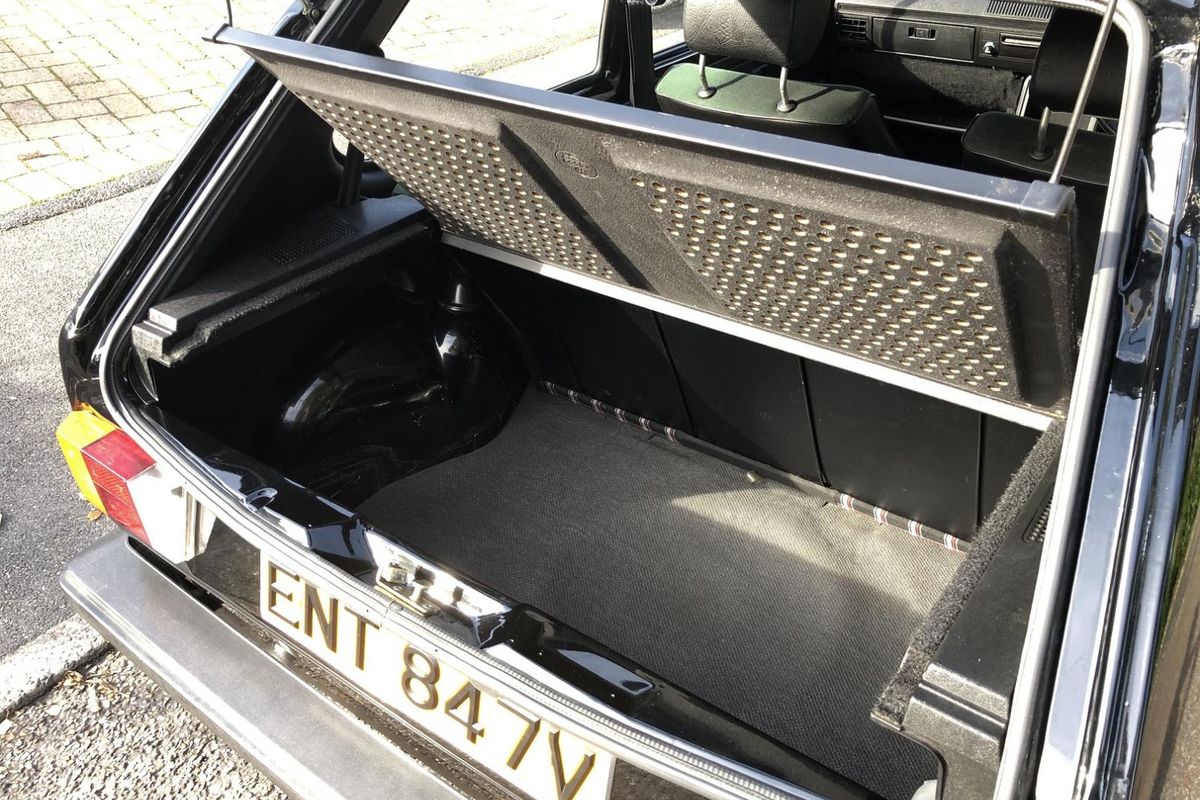
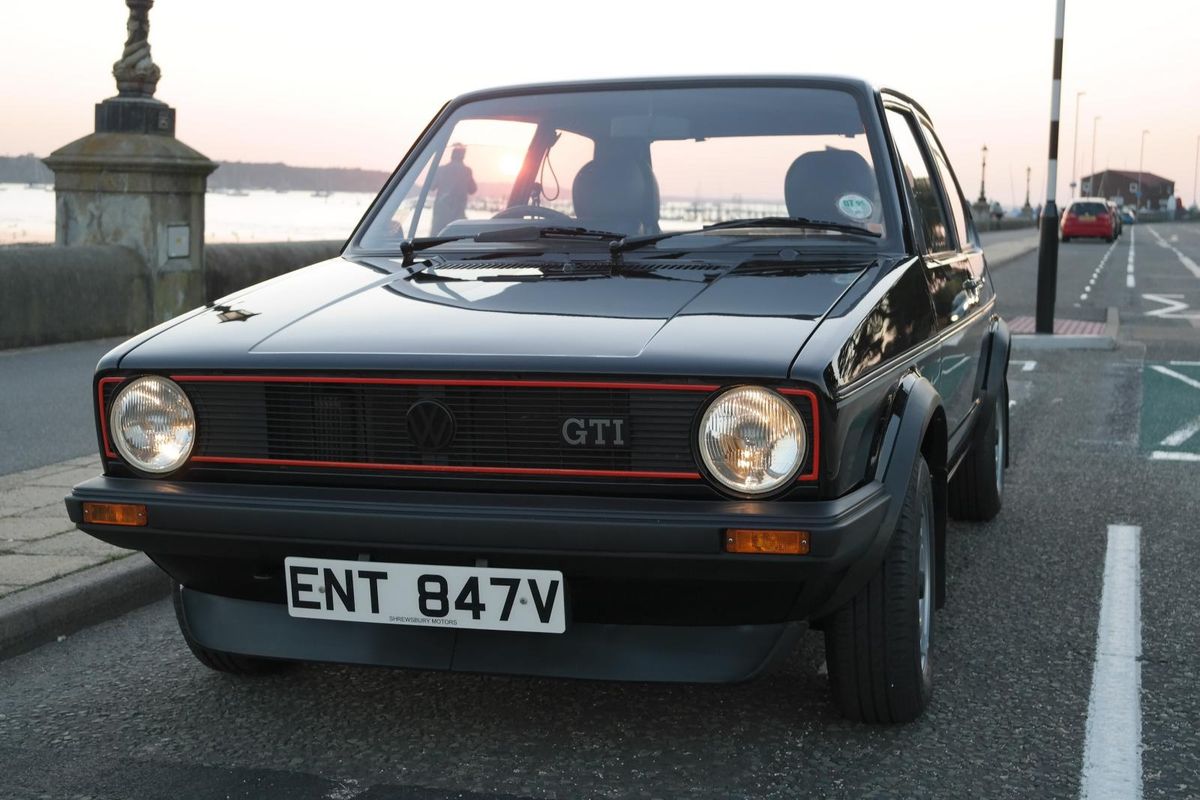
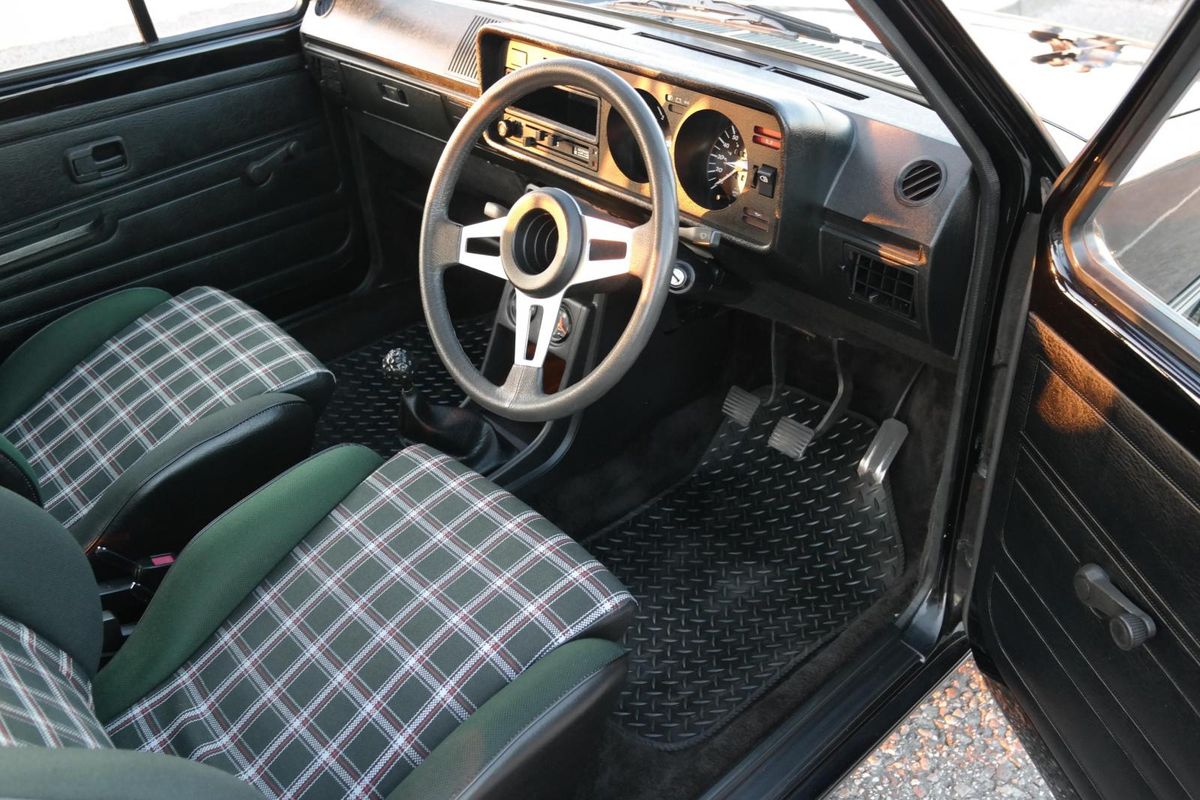
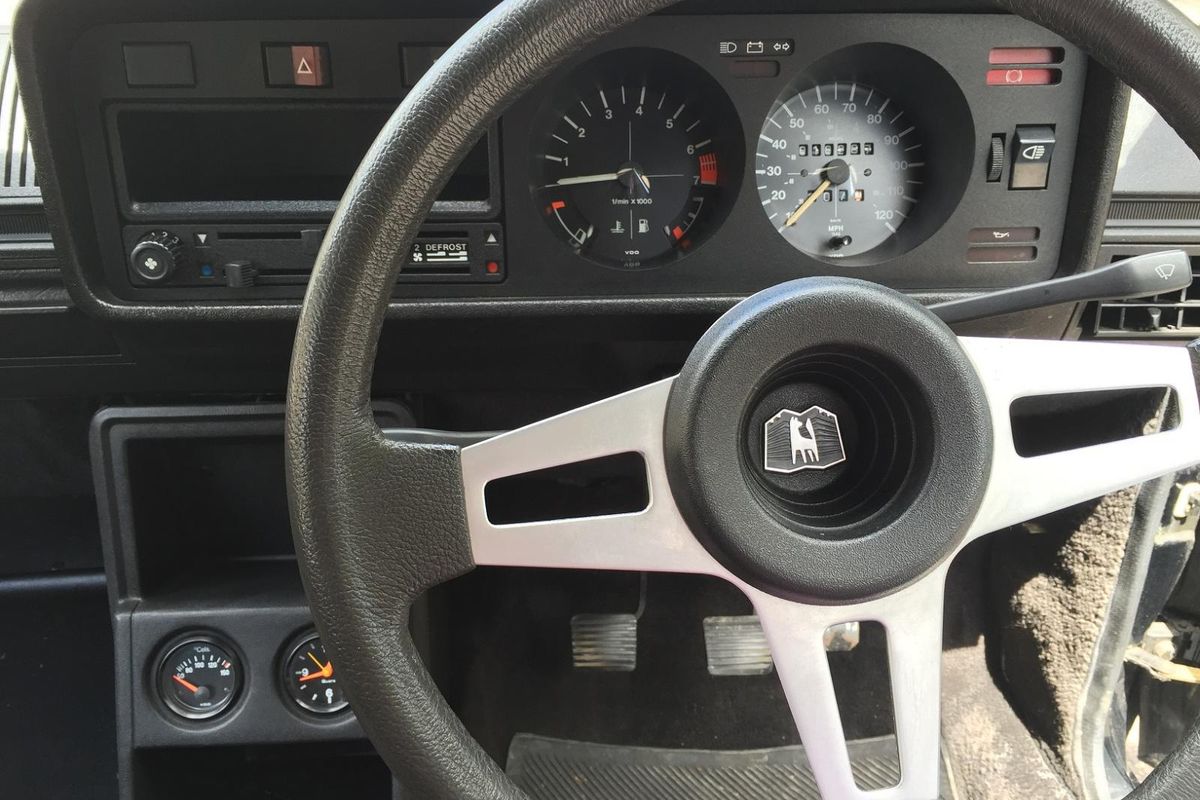
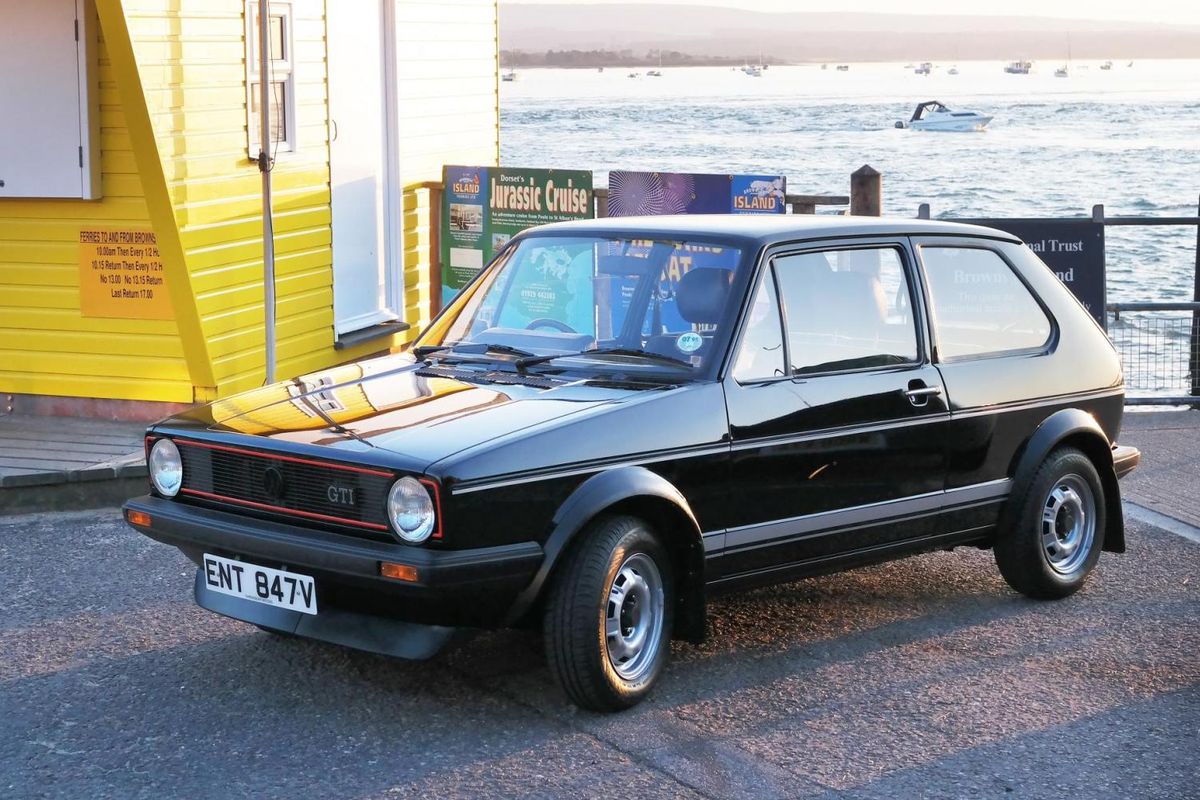
An original MK1 1.6 GTI has been released for sale in the UK and it appears to be the world’s finest running example in right-hand drive. The car in question was bought in September 1979 and has only done 27 358 km since then.

Powered by a 1.6-litre engine, good for 82 kW, and weighing only 840 kg, it is a reminder of a time when performance-by-lightness was the design mantra of hot hatch engineers.

This 1979 GTI’s configuration adds to its historic value with a treasure of small details. Perhaps the most important of these is its four-speed manual gearbox, which was upgraded to a five-speed shift pattern later in 1979.

Beyond the mechanical novelty of this GTI’s gearbox, it also has some charming cosmetic quirks, such as the fuel-filler cap, which doesn’t have a key slot lock. Inside you’ll find the traditional three-spoke Wolfsburg steering wheel and dimpled golf-ball shifter top. True to its original GTI roots, this 1979 car does not have a factory fitted radio.

Based in the UK and immaculately maintained, the claim of this GTI being the finest original car available for sale, is not ridiculous. What is it going to cost? Regarding the issue of price, auction projections are that it is expected to go for between R660 000 and R900 000 when the bidding starts later this month.
Related content

Retro Comparison: Volkswagen Golf VR6 vs Opel Kadett 200t S

Modern Classic: BMW E46 M3 Buyer's Guide

Volkswagen Golf 8 GTI officially revealed

Ferrari F8 Spider Coming to South Africa

The new Ferrari F8 Spider is on its way to South Africa. Here's how much you can expect to pay for Maranello's latest.

The new Ferrari F8 Spider is the brand's latest addition to the convertible V8 portfolio and it replaces the 488 Spider. The roof mechanism is a retractable hardtop and impressively the vehicle is 20 kg lighter than the outgoing model. This new roof takes only 14 seconds to stow in the rear deck area. 

In terms of powertrain, Ferrari has fitted its F8 Spider with the award-winning twin-turbocharged V8 motor. The 3.9-litre twin-turbocharged V8 motor produces a sensational 530 kW and 770 Nm, with the Italian brand claiming 0-100 kph in 2.9 seconds. What's perhaps more impressive is the 0-200 kph claimed time of 8.2 seconds and if the road is long enough, it'll hit a V-max of 340 kph. Power goes to the rear wheels via a 7-speed dual-clutch gearbox.

Scuderia South Africa CEO, Mervyn Eagles, comments: "We opted to launch the revolutionary F8 Spider in conjunction with the completion of our new corporate identity facelift of our flagship showroom in Bryanston, Johannesburg. Both the F8 Spider and the newly renovated facilities are set to pioneer the next generation of the customer experience in our market"

As far as pricing goes, the base price for the Ferrari F8 Spider is R6 103 400. First deliveries are scheduled in the 4th quarter of 2020.

Ferrari F8 Spider Official Film

Further Reading

Record sales for Ferrari

New Ferrari Roma Revealed 

Ferrari F40: Enzo's Greatest – SentiMETAL Ep13

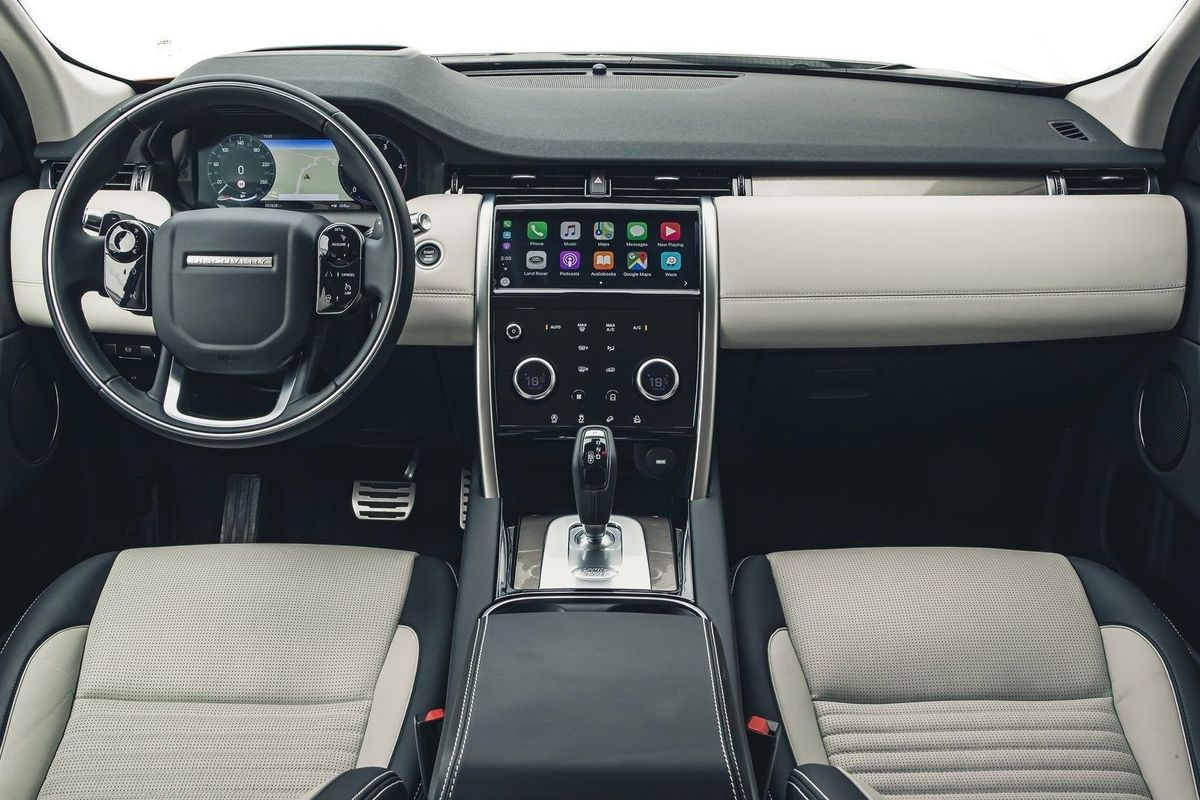
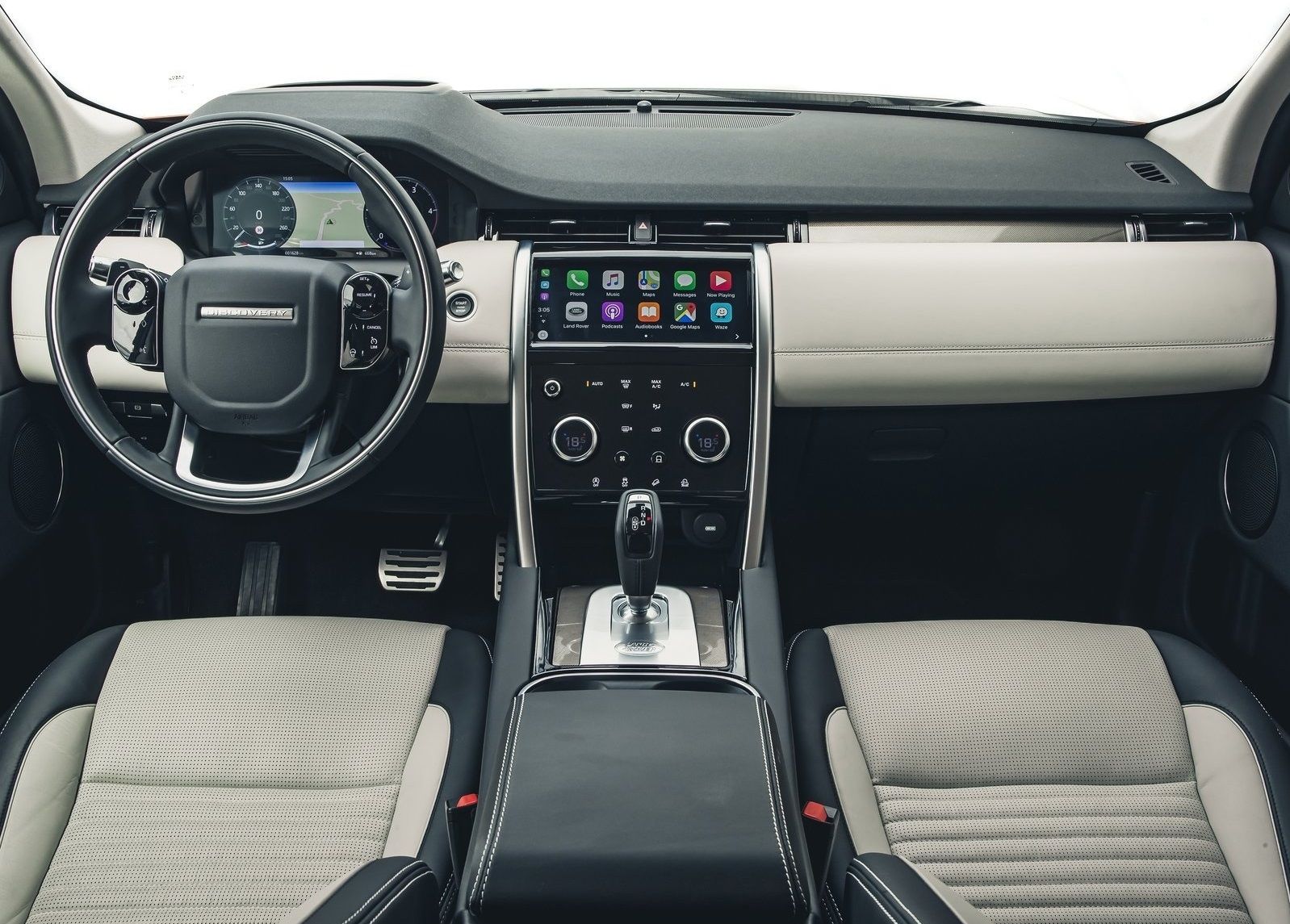
Land Rover Discovery Sport Price Announced

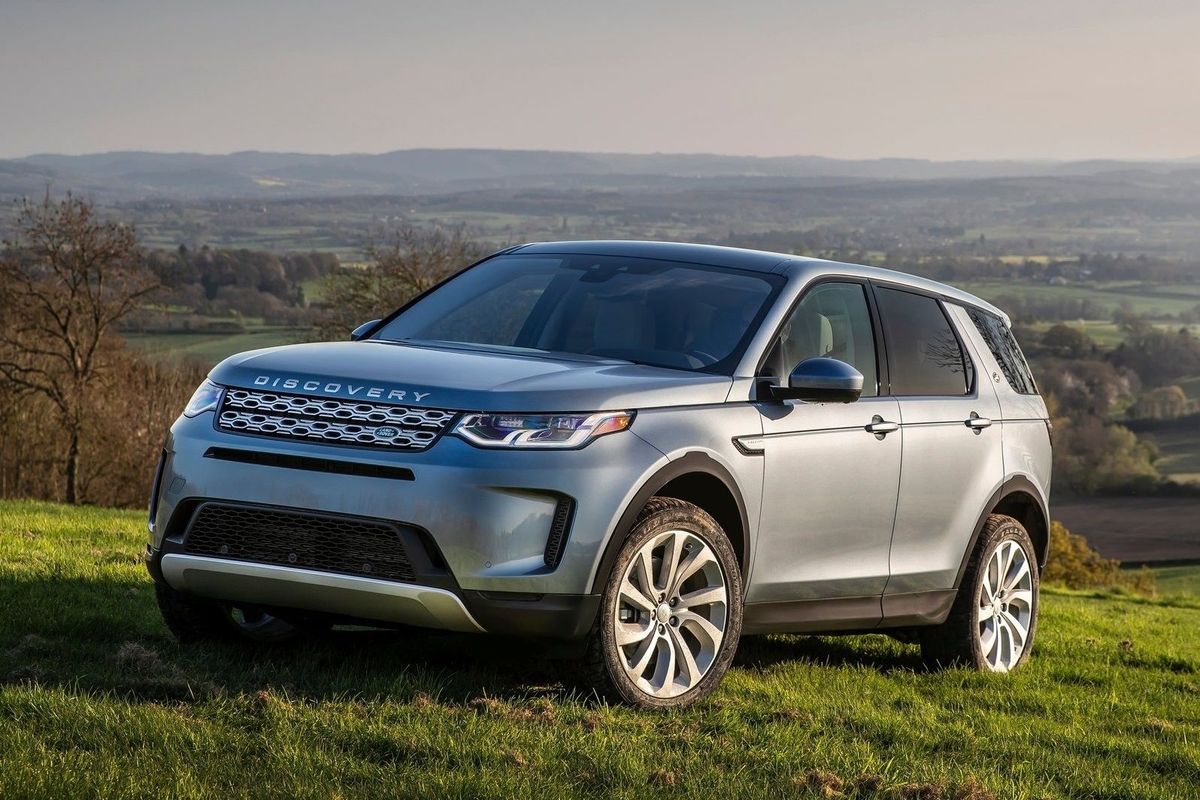
The updated Land Rover Discovery Sport is on its way to South Africa and we unearthed pricing for this model. Here's how much it costs.

The Land Rover Discovery Sport is a 7-seater SUV and a past #CarsAwards – powered by WesBank winner. 

From what we can see on Land Rover SA's configurator, we're getting 2 engines. The petrol motor is the P249, which is a 2.0-litre turbocharged 4-cylinder engine and it produces 183 kW and 365 Nm. For the diesel fans, there's the D180 which is a 2.0-litre turbocharged diesel which has 132 kW and 430 Nm. All models feature 9-speed automatic transmissions and all-wheel drive. 

There will be 2 models, a standard and an R-Dynamic, and the latter boasts 3 levels of trim: S, SE, HSE. A quick glance at the configurator shows the S rides on 18-inch wheels, the SE on 19-inch units, while the HSE boasts 20-inch alloys. A 21-inch alloy is available as an option. 

We've been told by a JLR representative that the brand is busy updating its website so final pricing is yet to be confirmed. We'll update the final pricing and specifications closer to the launch.

Land Rover Discovery Sport Price in South Africa (March 2020)

Land Rover Discovery Sport D180                               R749 500

Land Rover Discovery Sport P250                               R760 000

Land Rover Discovery Sport D180 R-Dynamic S         R819 000

Land Rover Discovery Sport D180 R-Dynamic SE      R855 000

Land Rover Discovery Sport D180 R-Dynamic HSE    R898 000

Land Rover Discovery Sport P250 R-Dynamic S         R829 500

Land Rover Discovery Sport P250 R-Dynamic SE      R865 500

Land Rover Discovery Sport P250 R-Dynamic HSE    R908 000

Further Reading

Land Rover Discovery Sport Launched

Land Rover Discovery Sport Significantly Updated for 2019

Land Rover Discovery Sport (2015) First Drive

Land Rover Discovery Sport SD4 SE (2015) Review

Land Rover Discovery Sport SD4 SE – Best Leisure Vehicle in SA