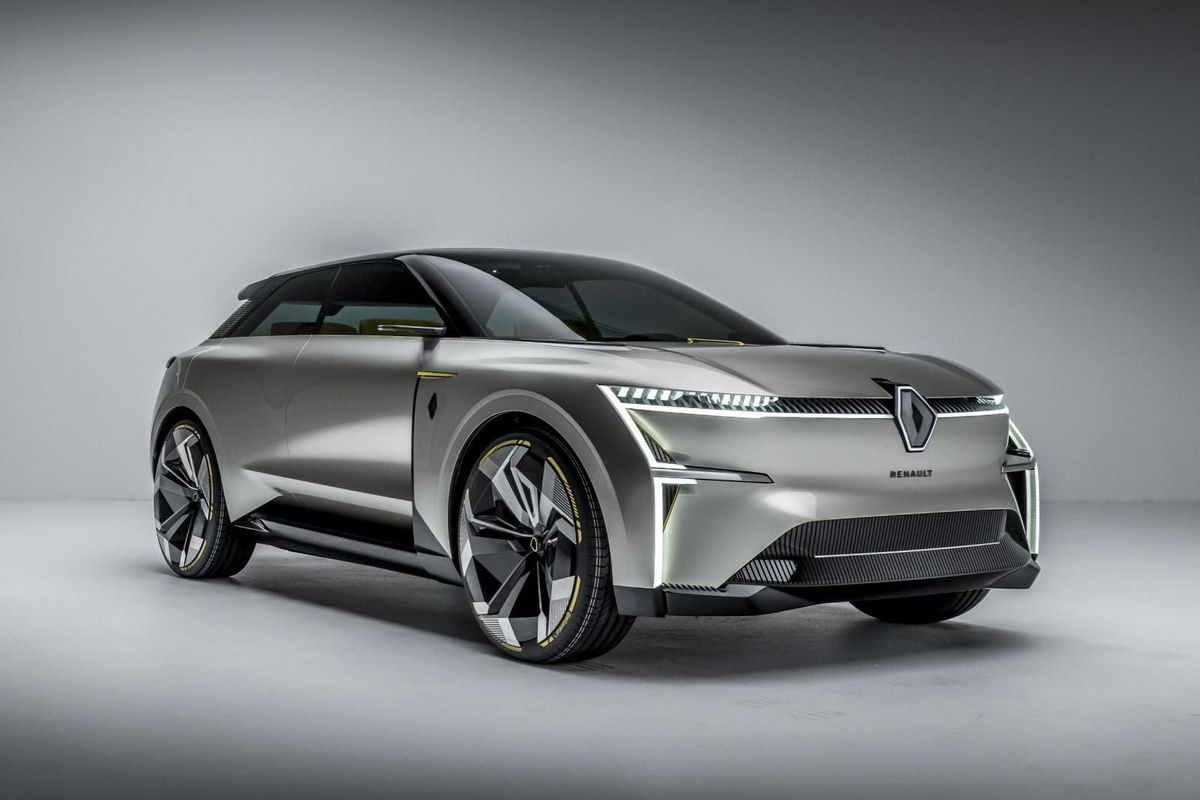
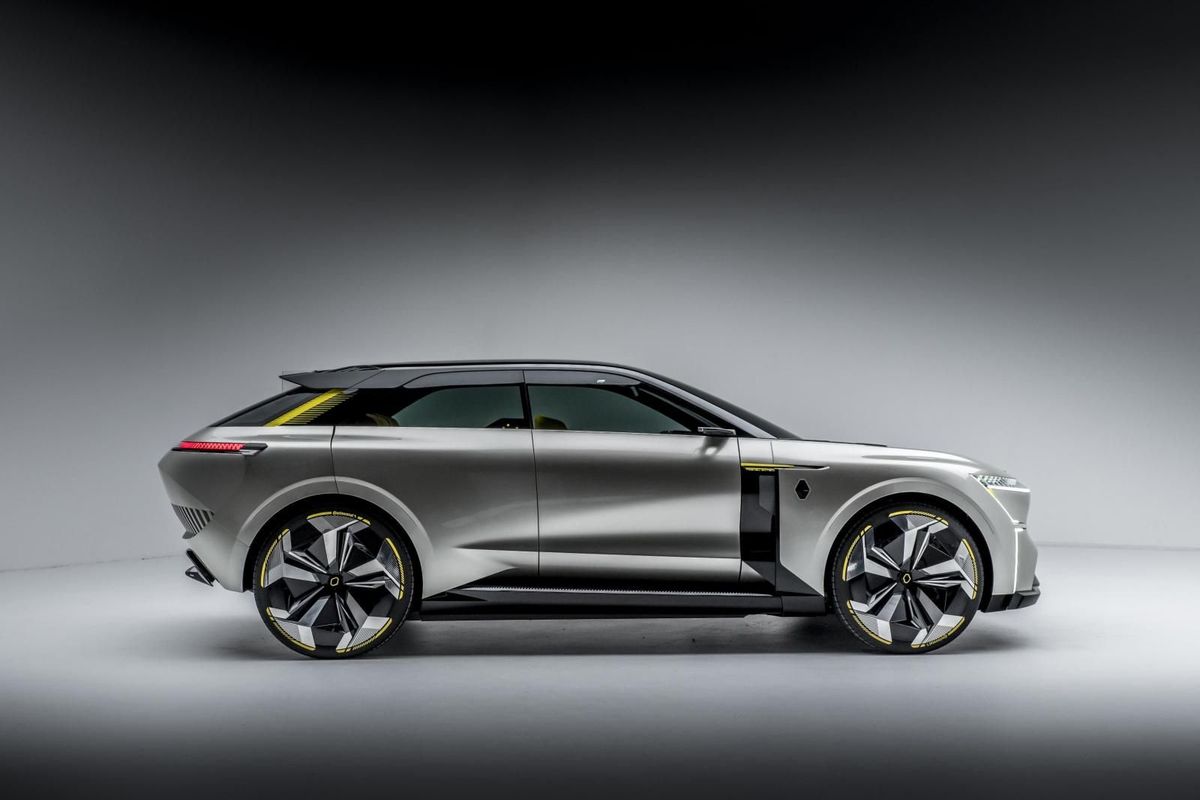
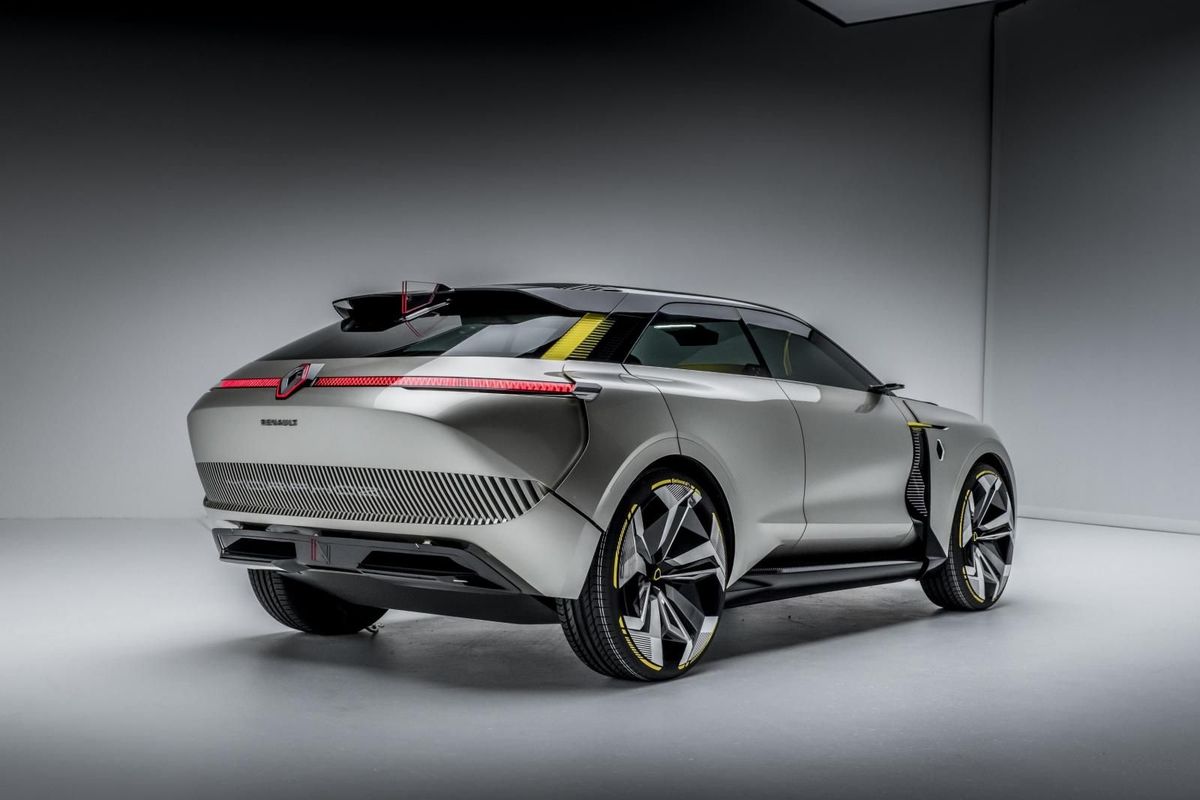
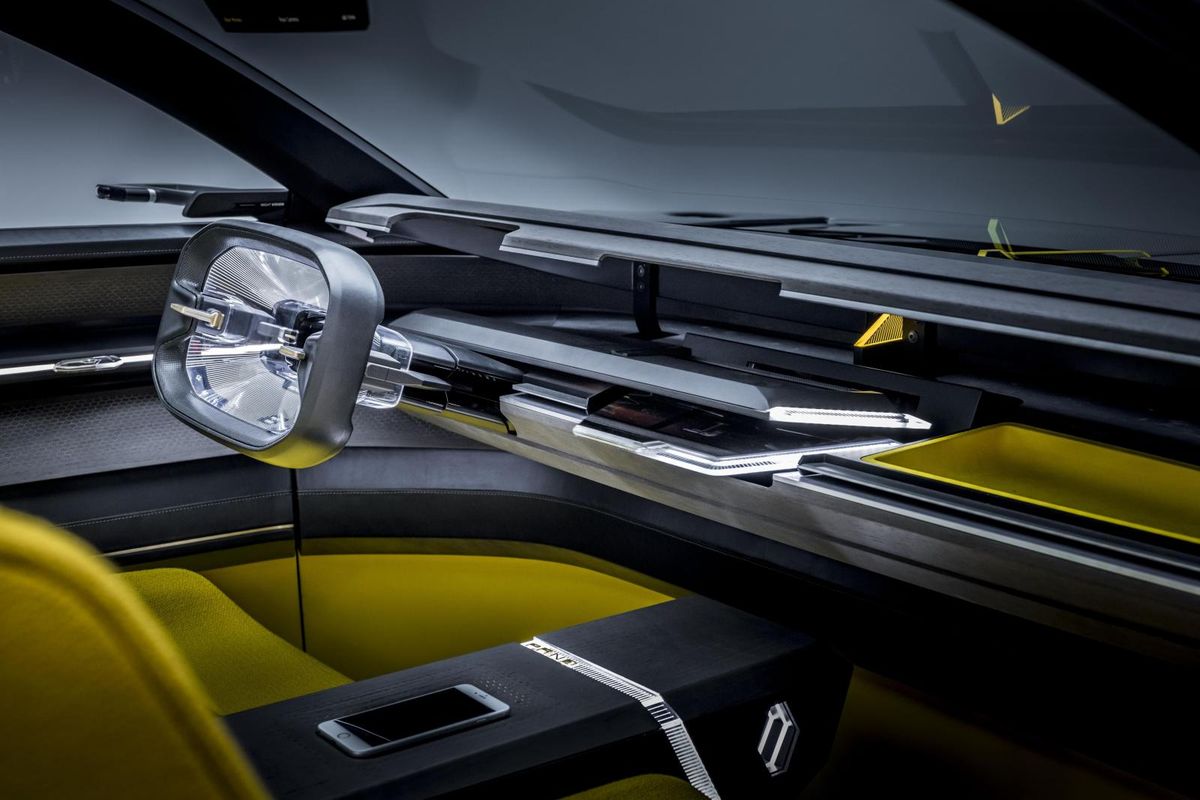
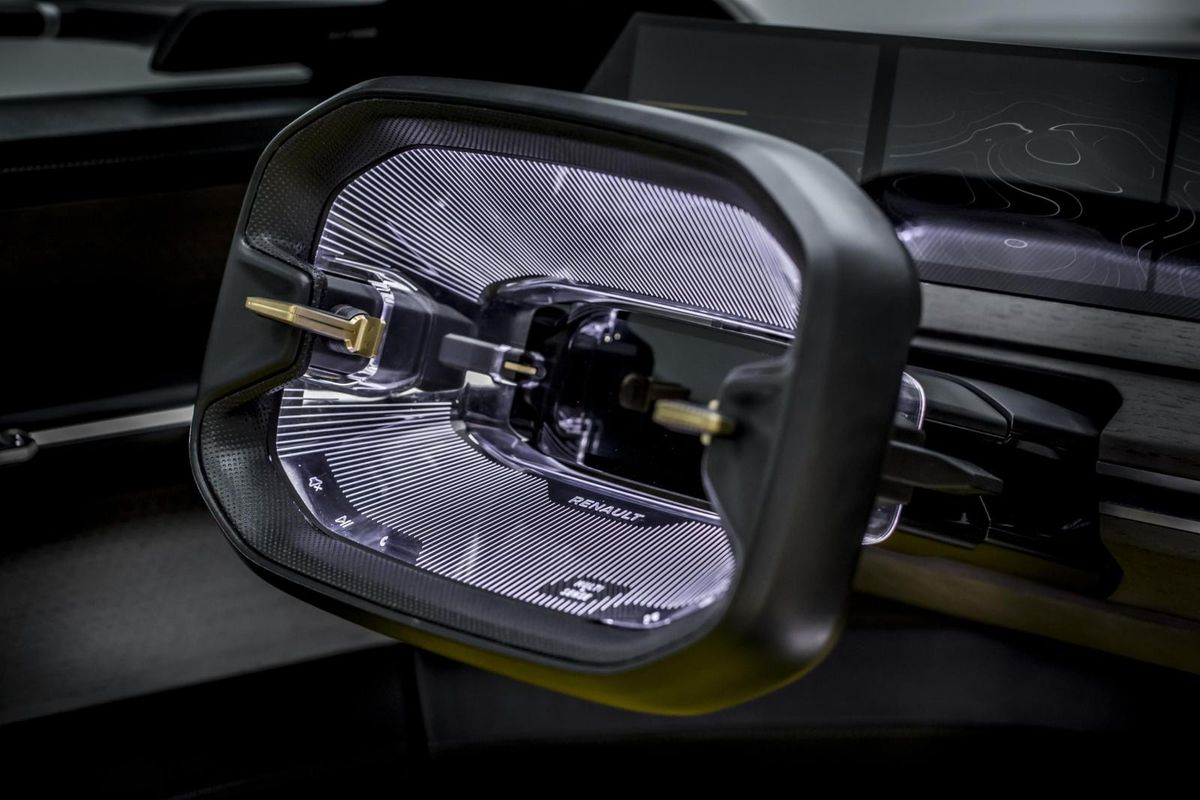
Renault has taken the covers off its Morphoz Concept – a new take on personal, shareable, electric mobility.
Built on the modular CMF-EV platform, the Renault Morphoz offers many options for power, the number of passengers as well as range. A 40kWh battery is fitted as standard, with a range of up to 400 km. A travel extender battery pack is also available, giving it a total range of around 700 km.
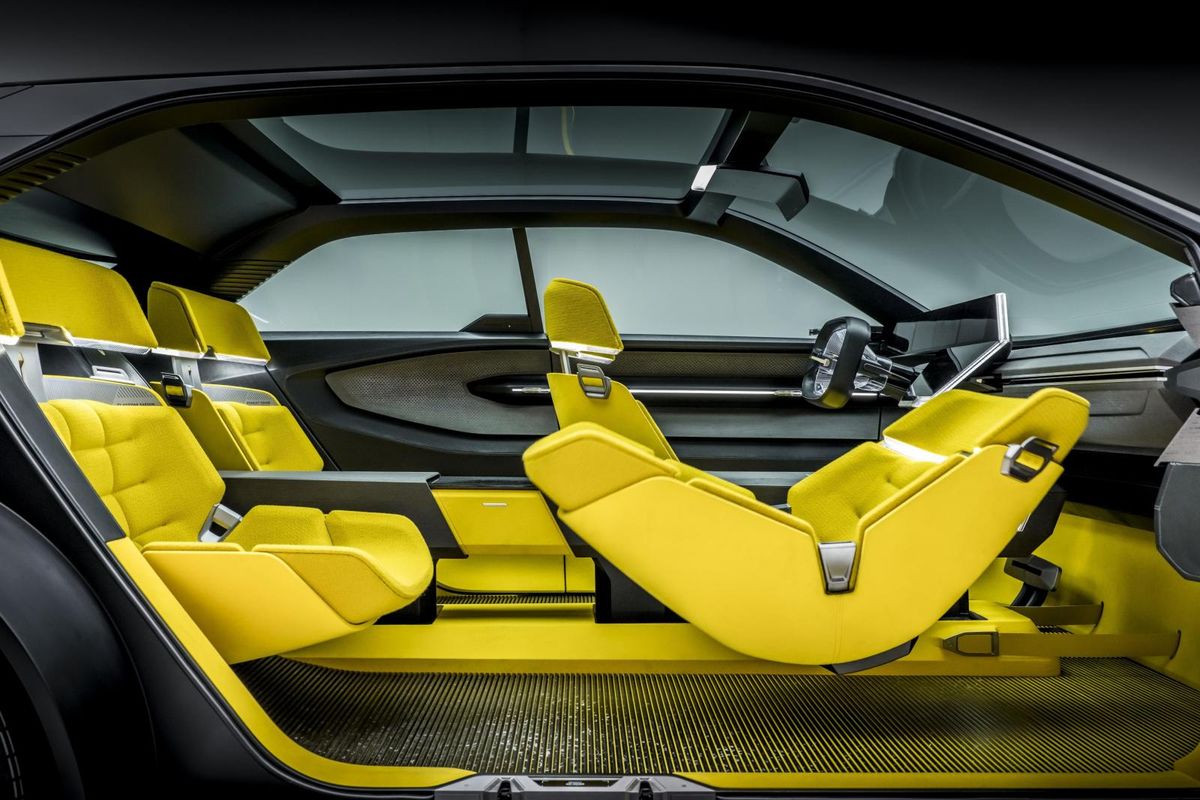
The vehicle also features Level 3 driving autonomy as well as artificial intelligence. The cabin is adaptive and can be configured to seat more or fewer passengers, plus the front passenger seat can be turned 180 degrees to face the rear passengers. There's no B-pillar, meaning access is fuss-free. The Renault Morphoz cabin is made from recycled materials, such as plastic in the doors and fabric for the seats.
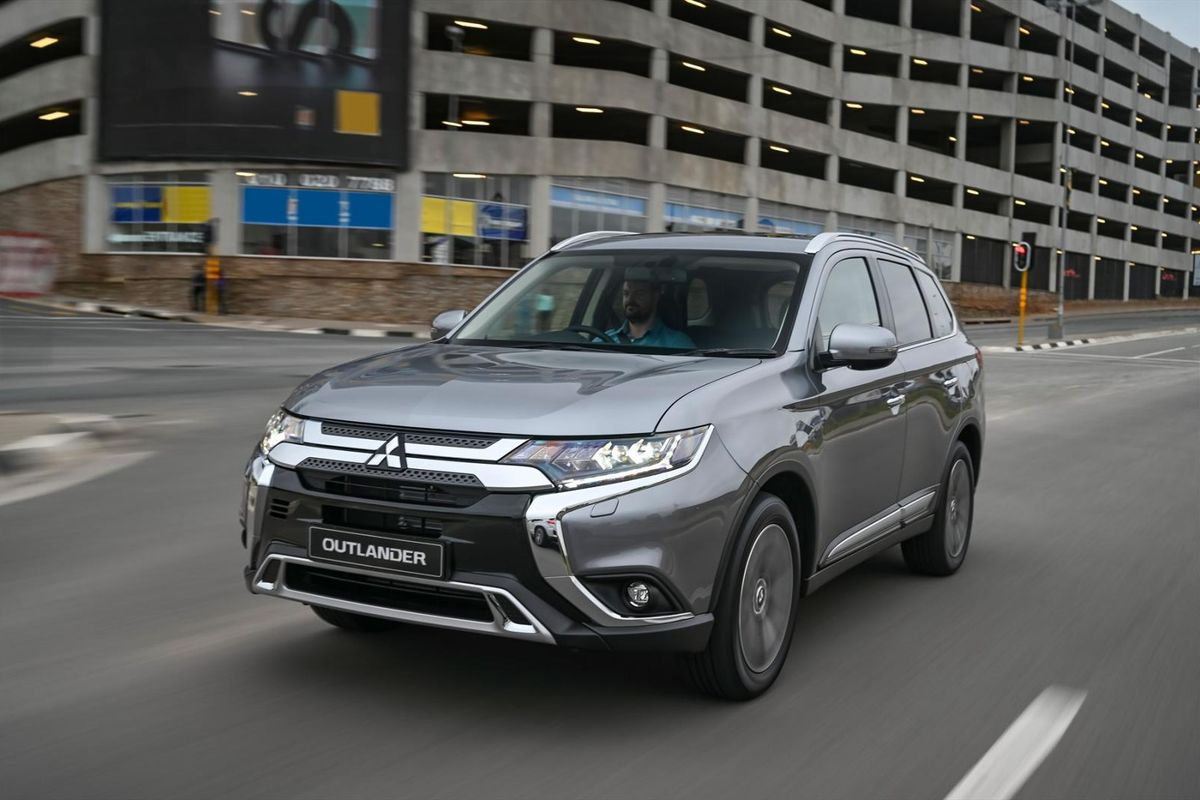
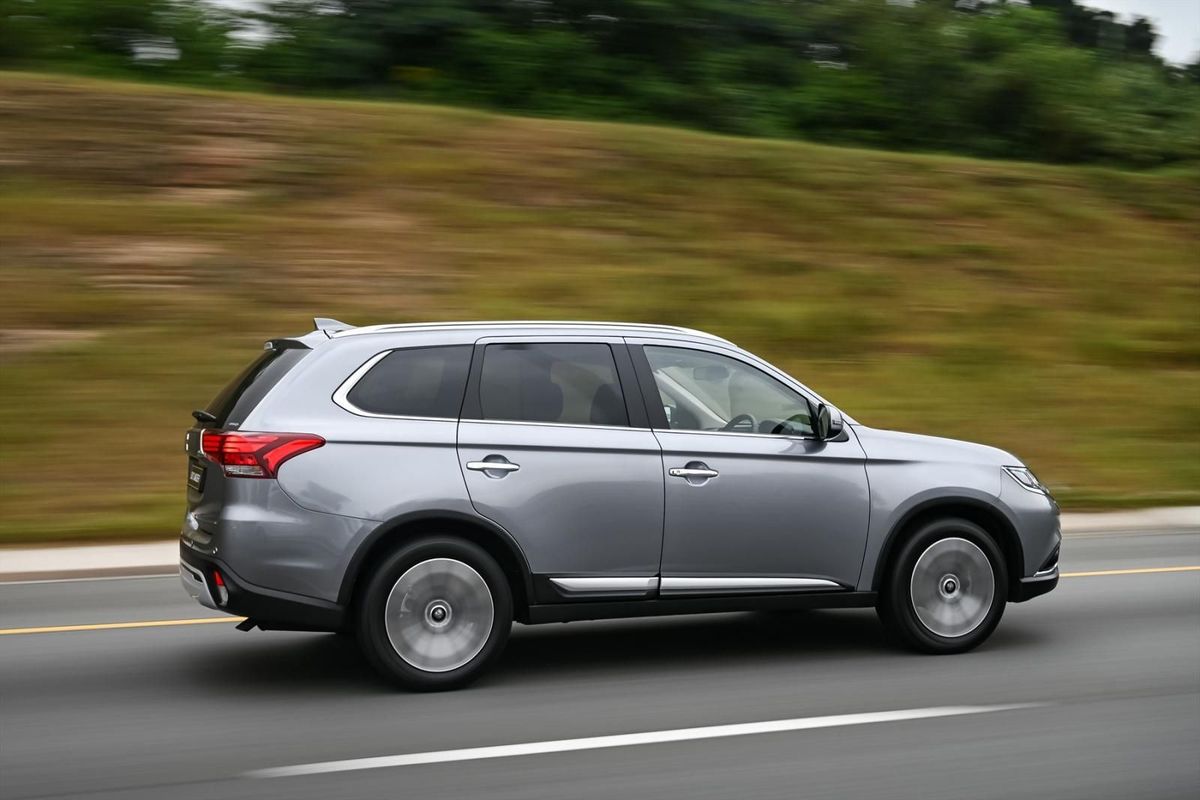
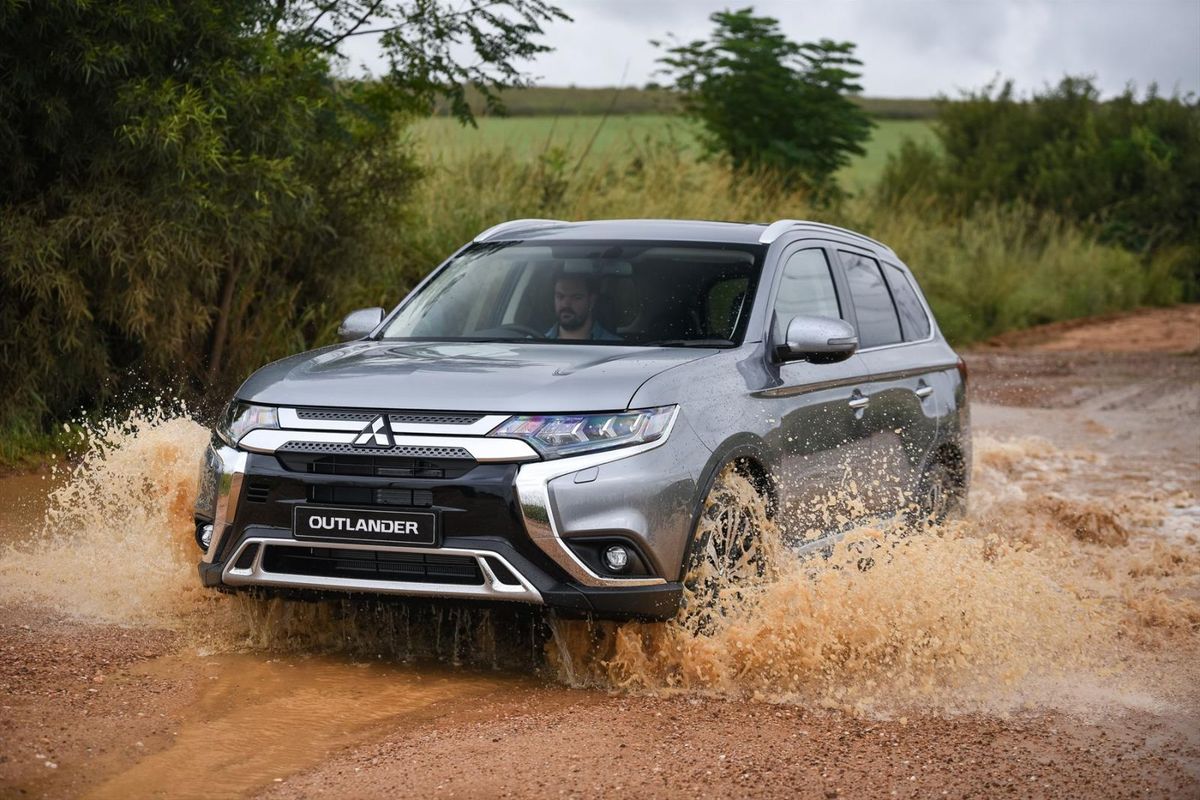
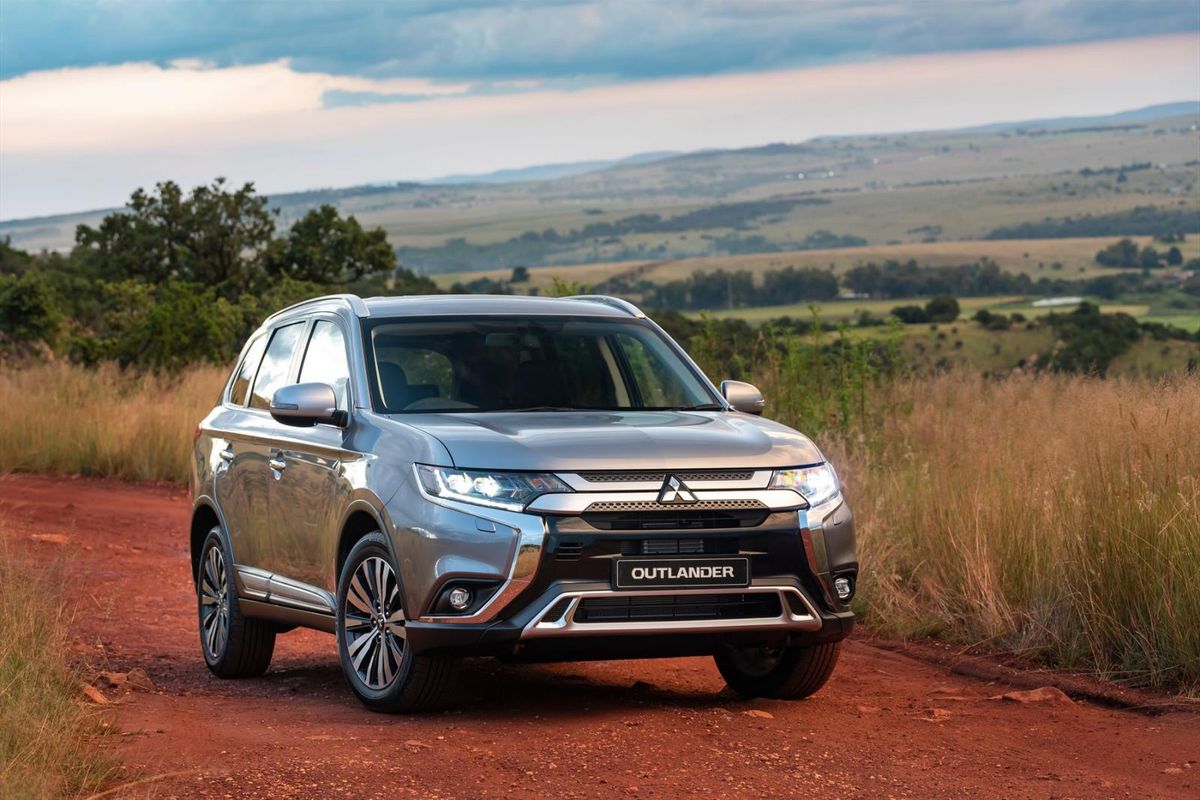
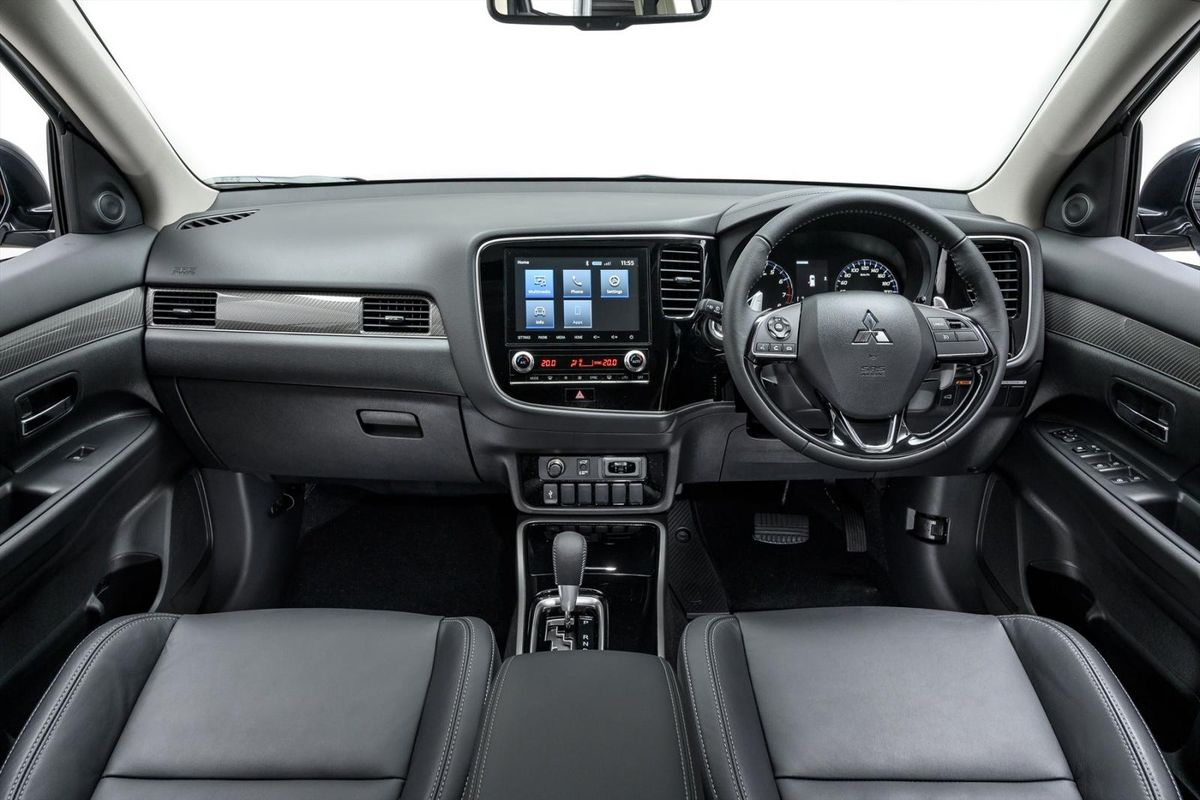
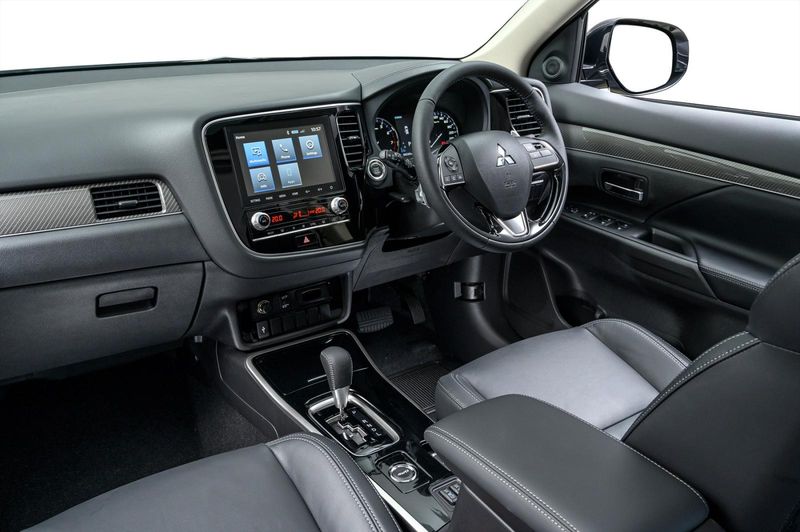
The Mitsubishi Outlander family SUV has been updated with a new face and upgrades interior. See what’s on offer below…
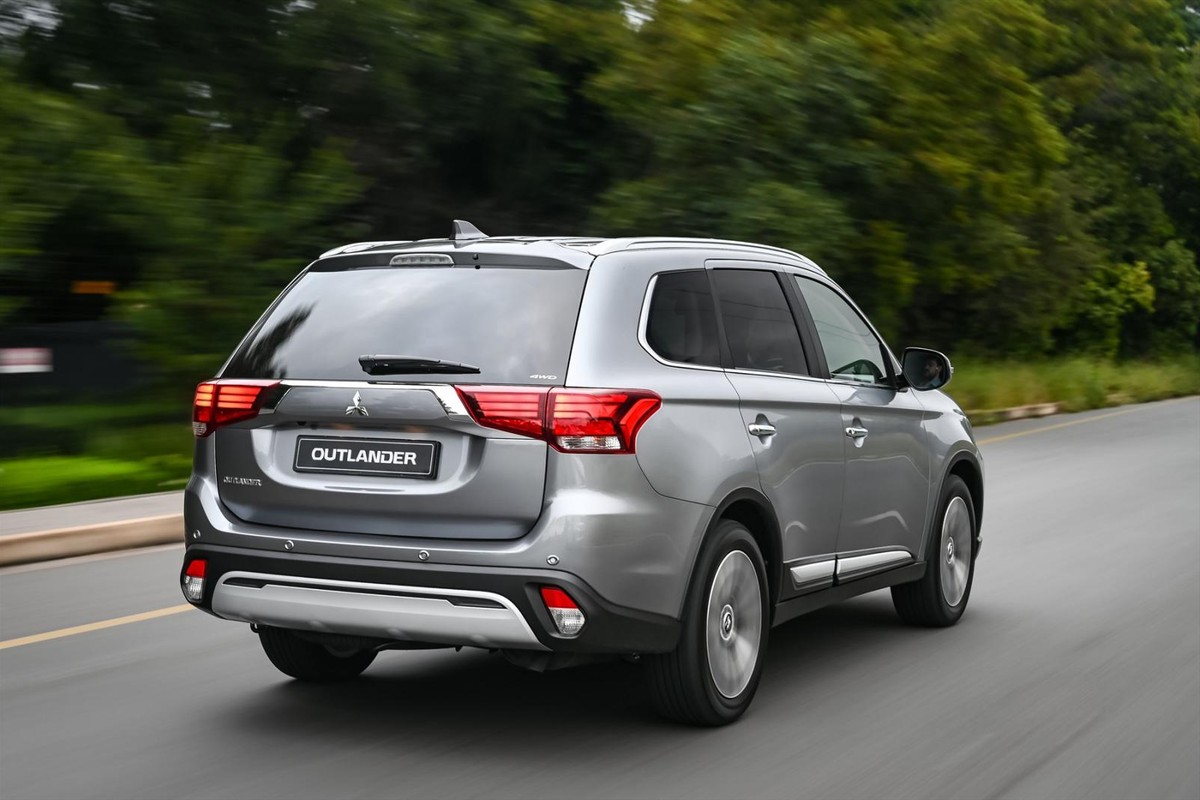
The 7-seater Outlander SUV has been on sale in South Africa since 2013 and now benefits from yet another update. This time the Outlander gains the brands ‘Dynamic Shield’ design which includes a new bumper and grille while also riding on new alloy wheels. The rear bumper has also been redesigned.
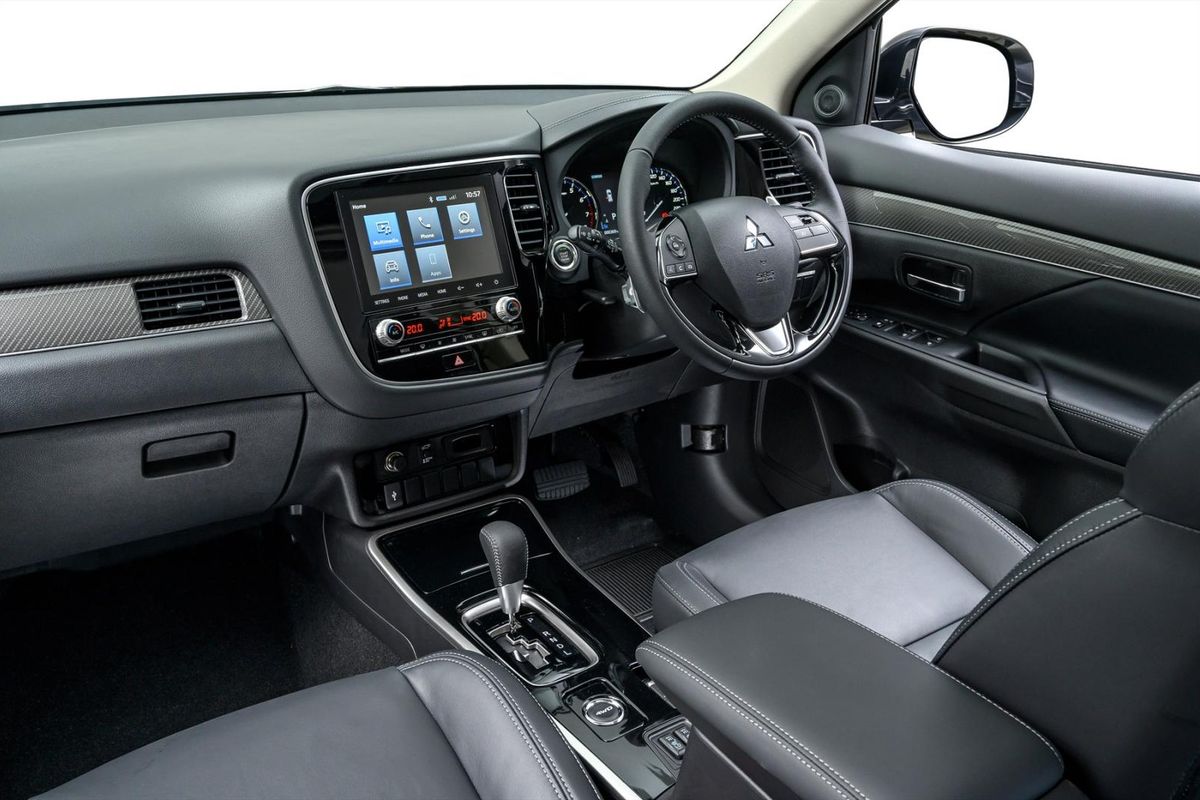
The interior benefits from added comfort and convenience features. The front seats are equipped with electronic lumbar support and heating function which will prove useful on those cold winter mornings. An electronic parking brake with an automatic hold function is now also part of the package as is climate control air conditioning with rear air vents.
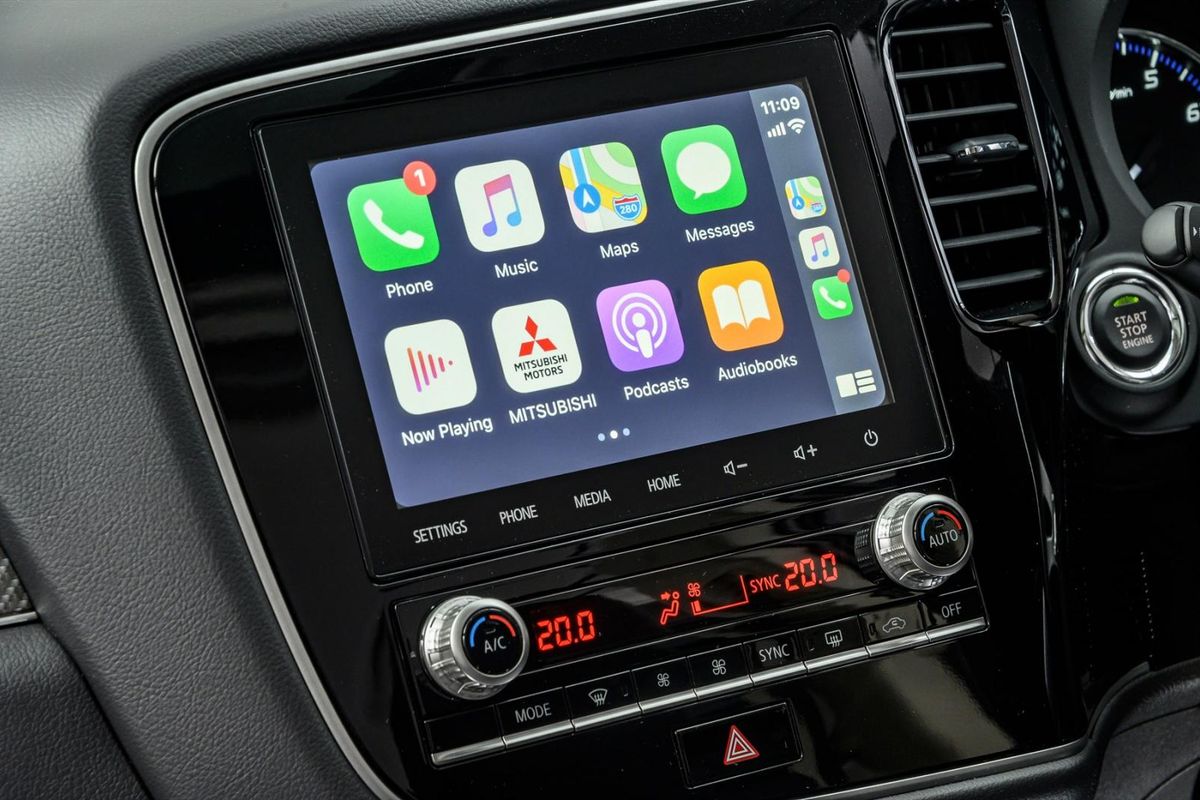
A new 8-inch infotainment system with Android Auto and Apple CarPlay is a welcome upgrade in the Outlander.
Importantly, the Outlander gains an 8-inch Smartphone-link Display Audio (SDA) touchscreen infotainment system which offers Android Auto and Apple CarPlay capability. The system also handles functions such as Bluetooth and hands-free voice control which can be activated using the multifunction steering wheel.
Other notable upgrades include updated leather seats, material upgrades on the dashboard and door panels, automatic up-down electric windows, rear USB ports, additional rear storage space and an electronic tailgate. Park distance control and a rear-view camera is also standard.
The second and third-row seat positions can be adjusted as required with 60:40 split function as well as slide and recline ability (second row) and 50:50 split function for the third row. Full cargo capacity is achieved when you fold all the seats down.
Engine Power
The Outlander is powered by Mitsubishi’s naturally-aspirated 2.4-litre petrol engine with 123 kW and 222 Nm of torque. A Continuously Variable Transmission (CVT) is standard and combines with Mitsubishi’s Super All-Wheel Control System to improve traction on all surfaces. Fuel consumption is claimed at 8.2 L/100km.
The driver can toggle between drive modes such as Normal, Eco, Snow or Gravel.
In terms of safety, the Outlander is equipped with 7 airbags, ABS with EBD, electronic stability control with traction control and hill start assist.
Mitsubishi Outlander – Price in South Africa
Outlander 2.4 GLS CVT 4WD – R499 995
The Outlander is sold with a 3-year/100 000km warranty, 5-year/90 000 km service plan and 5-year/unlimited km Roadside Assistance.
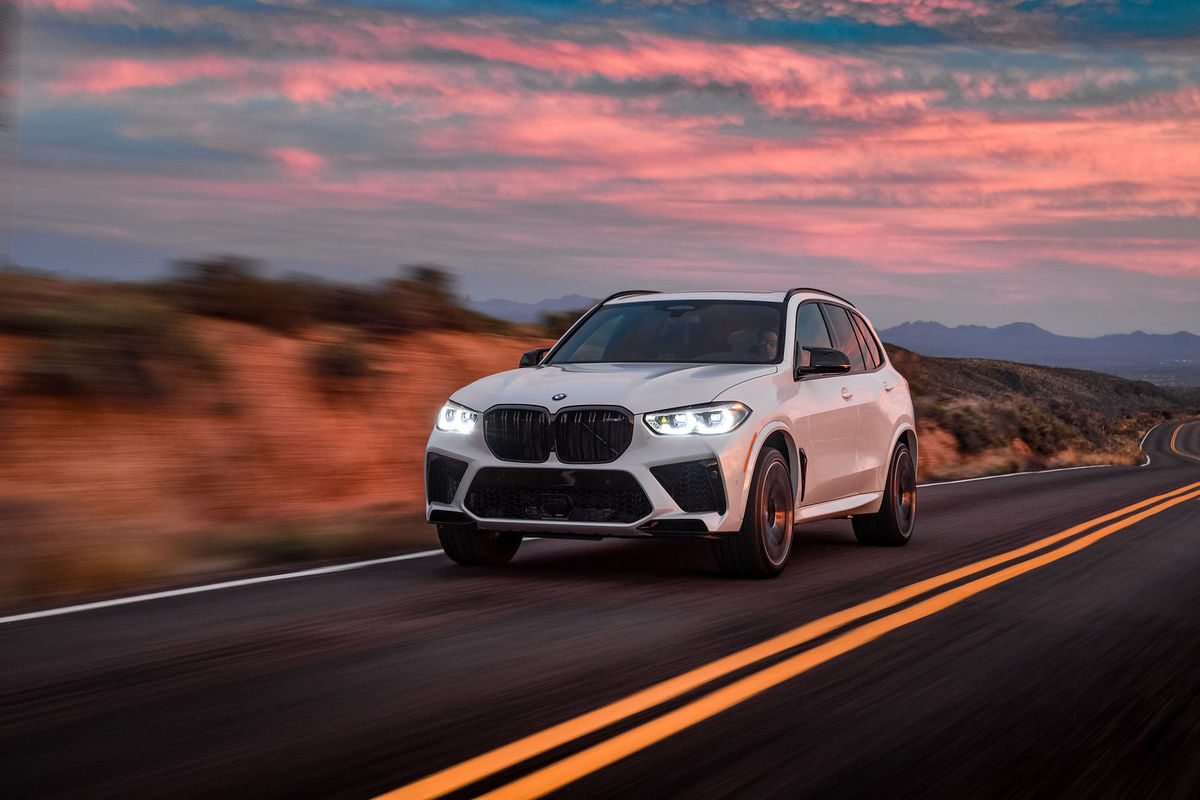
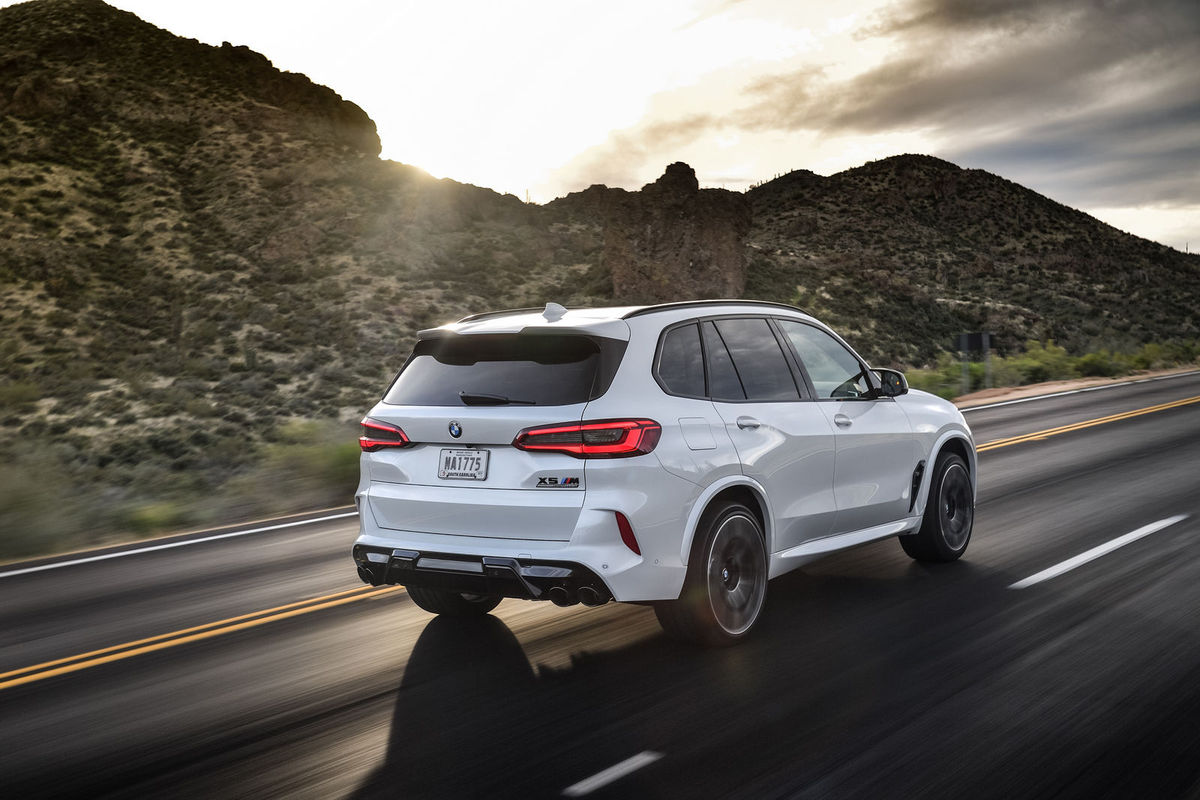
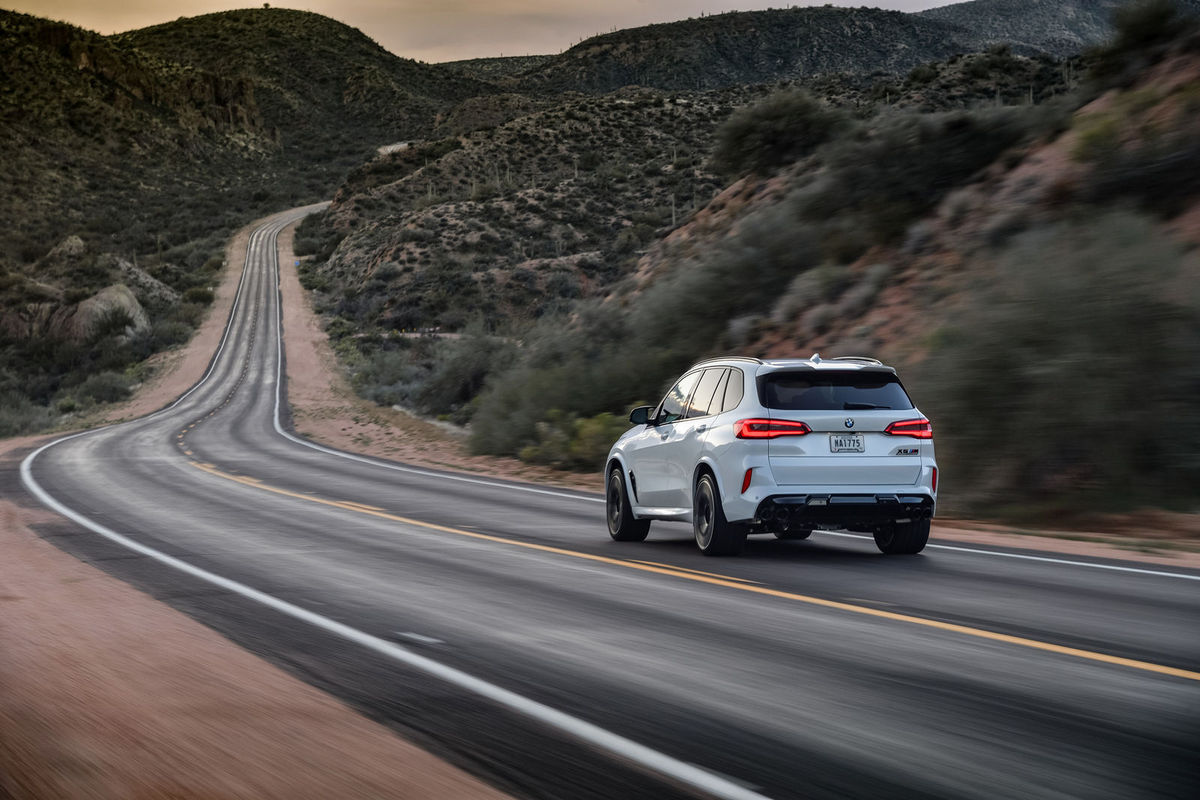
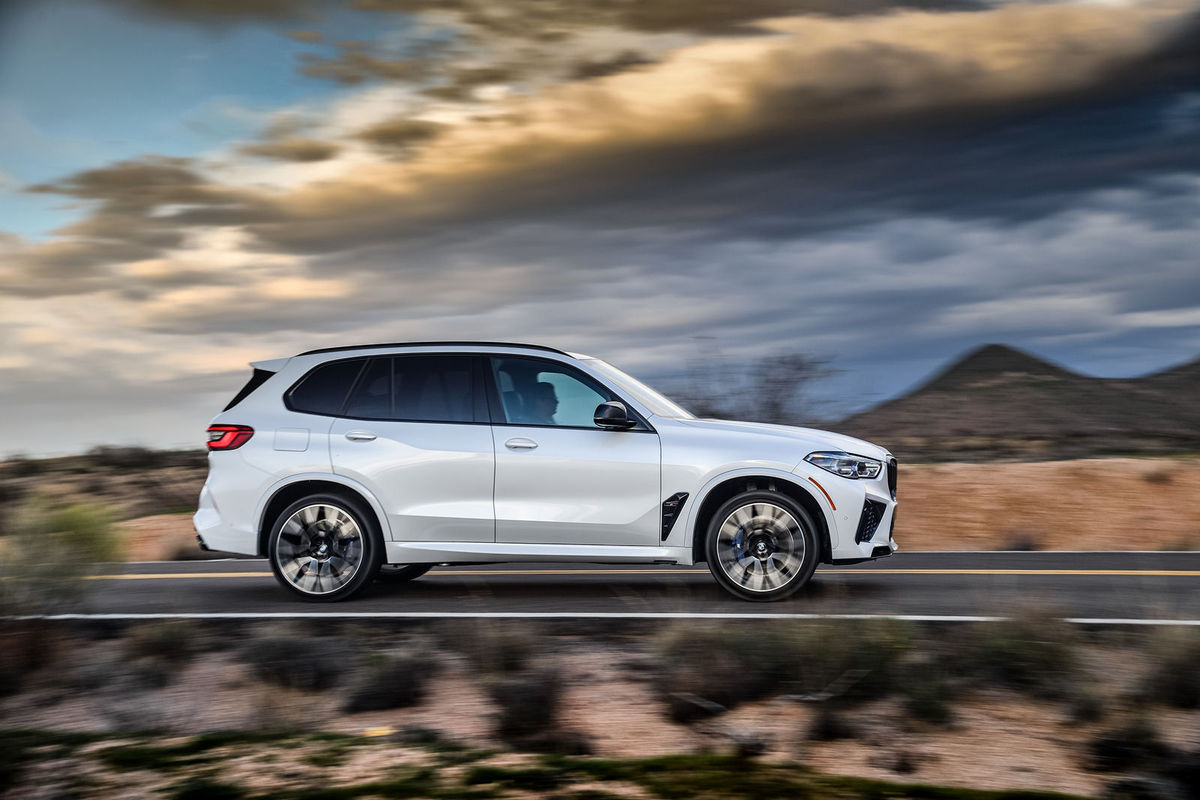
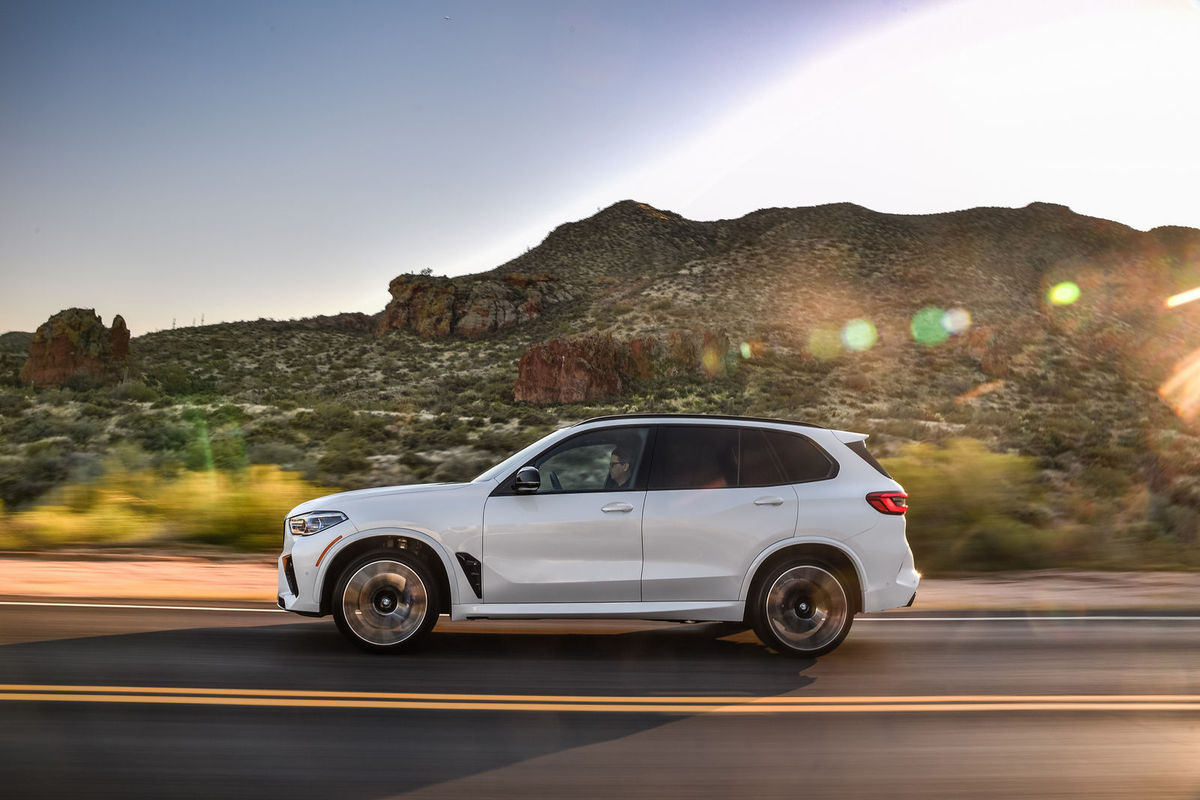
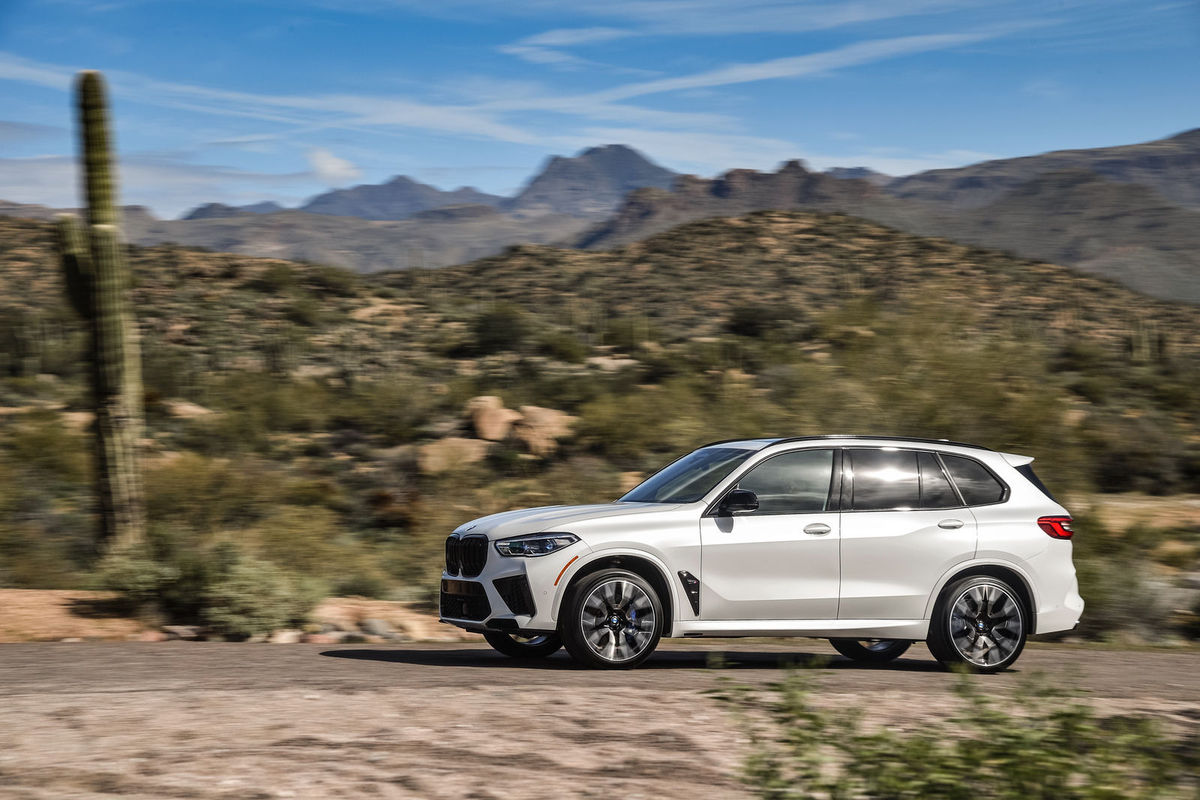
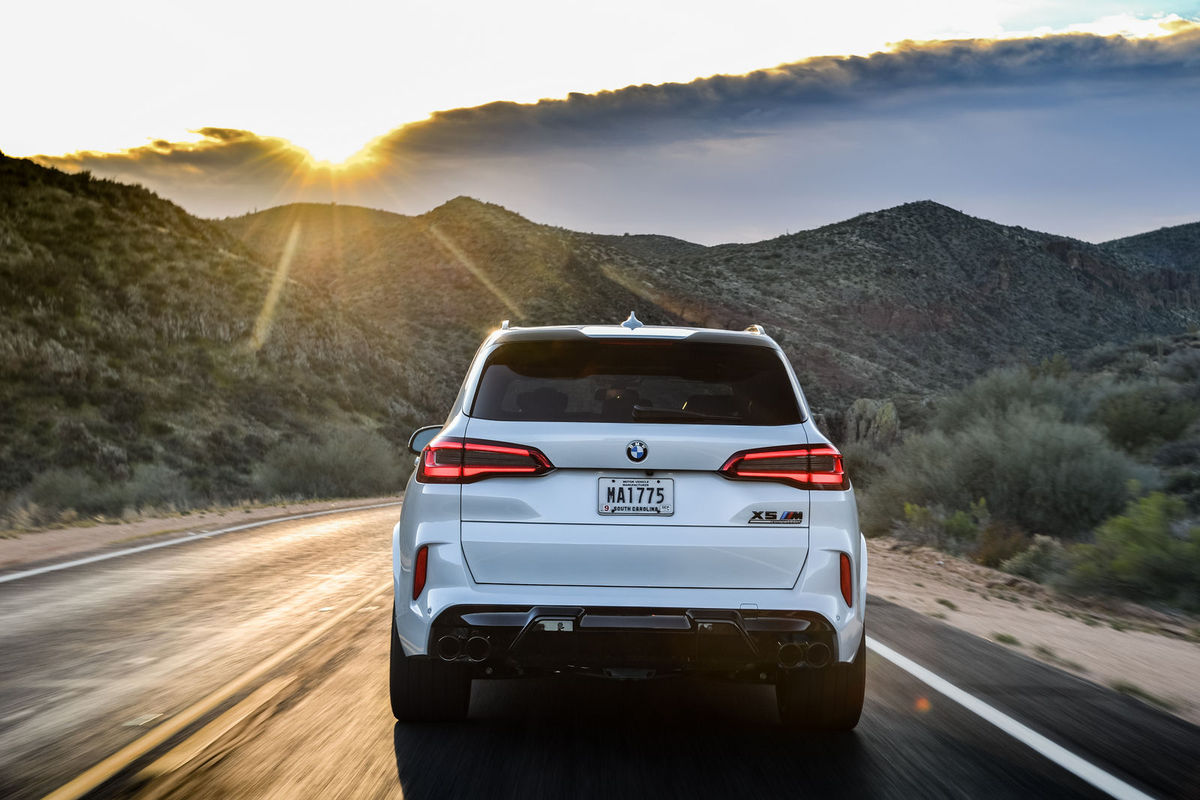
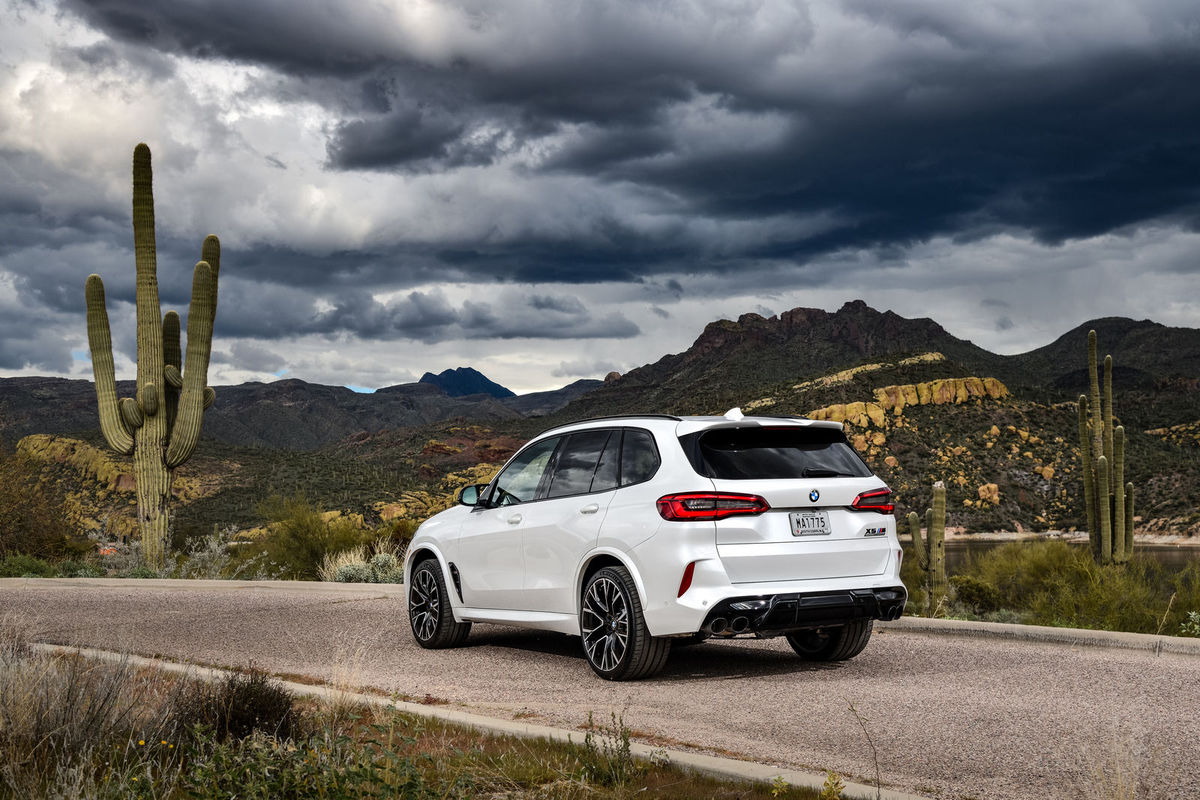
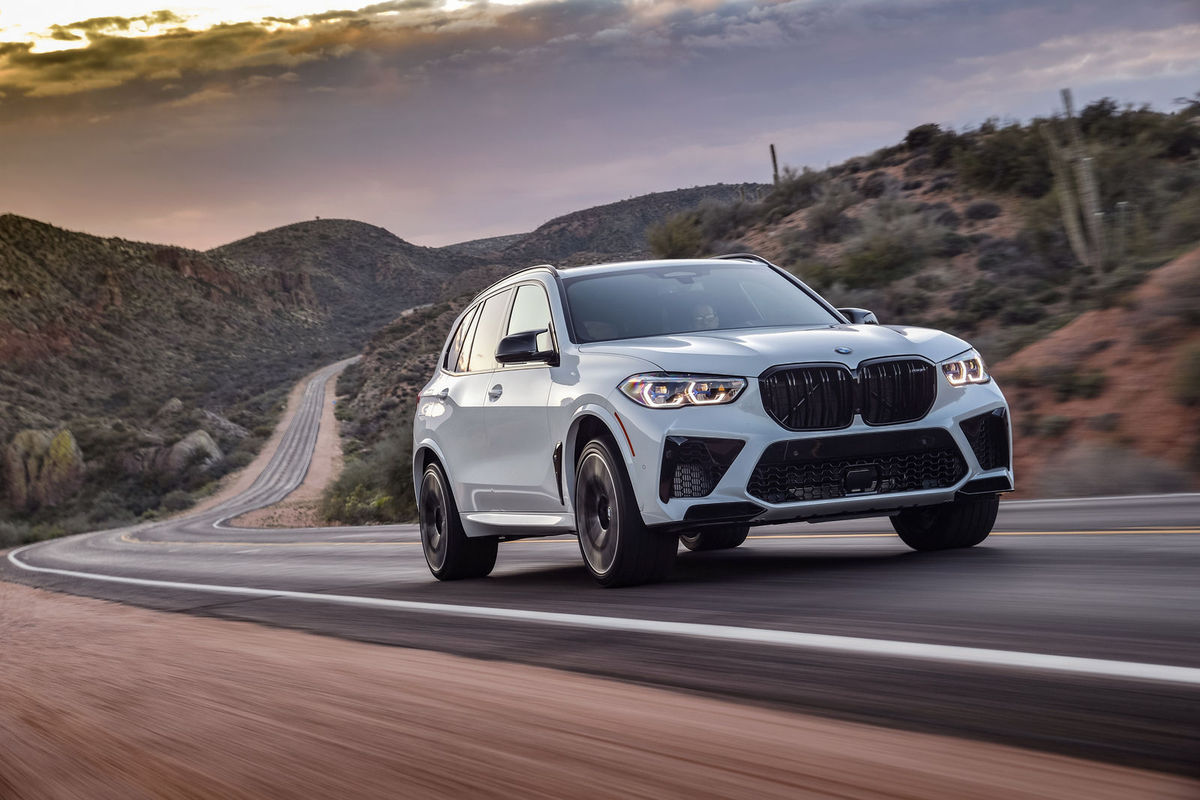
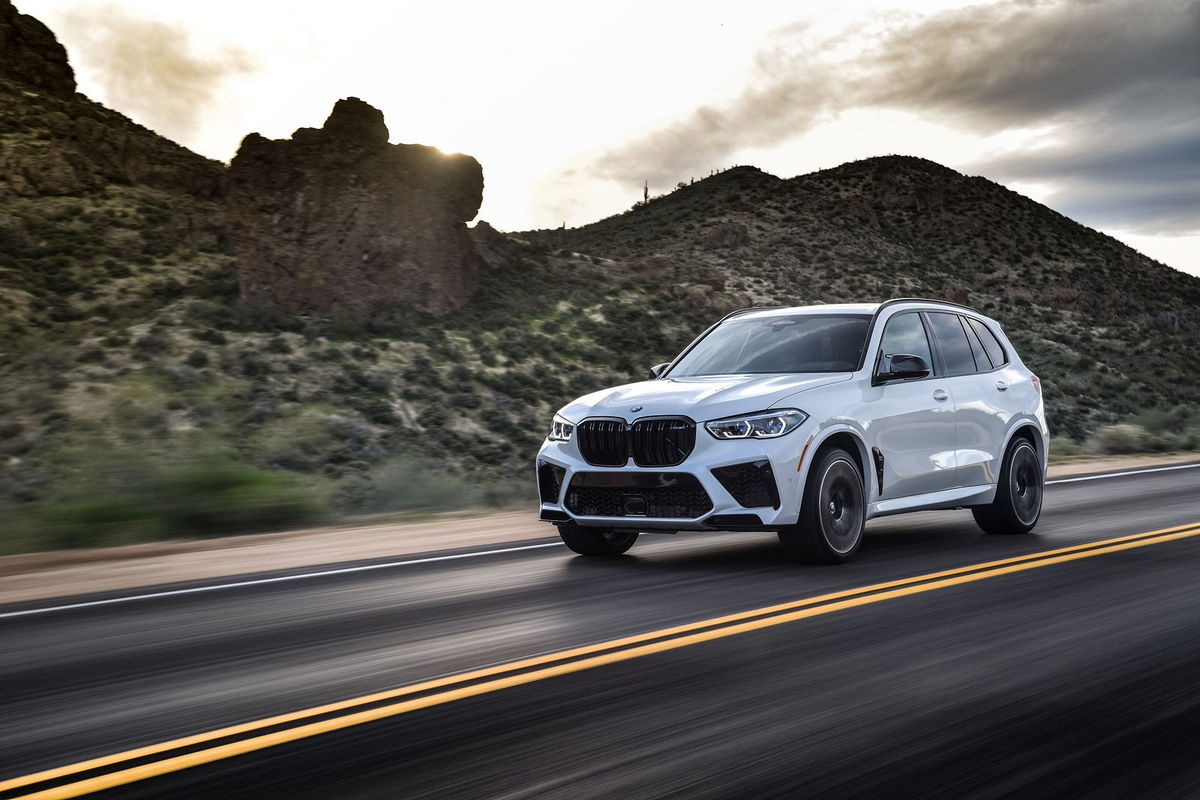
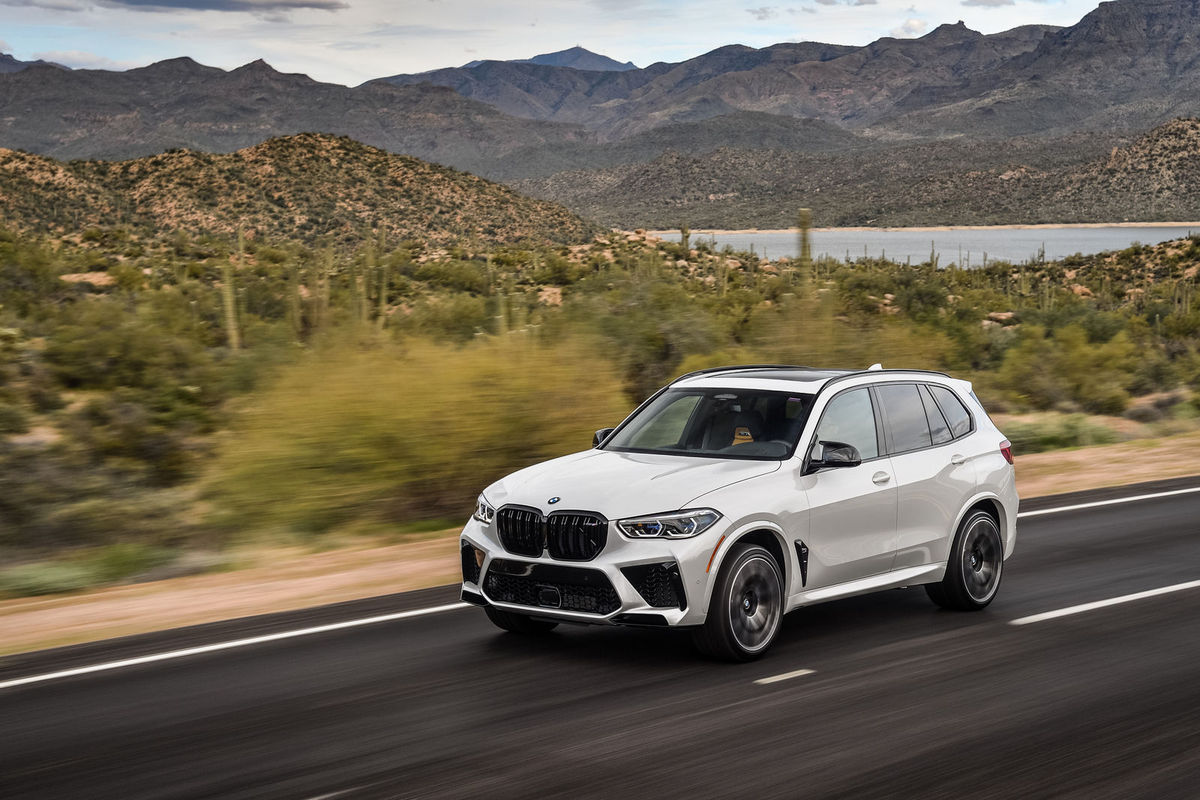
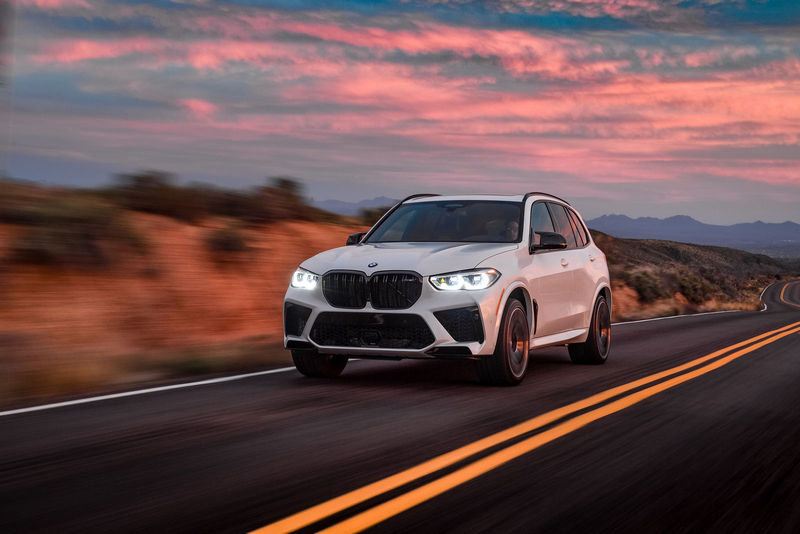
BMW X5 M Competition (2020) International Launch Review
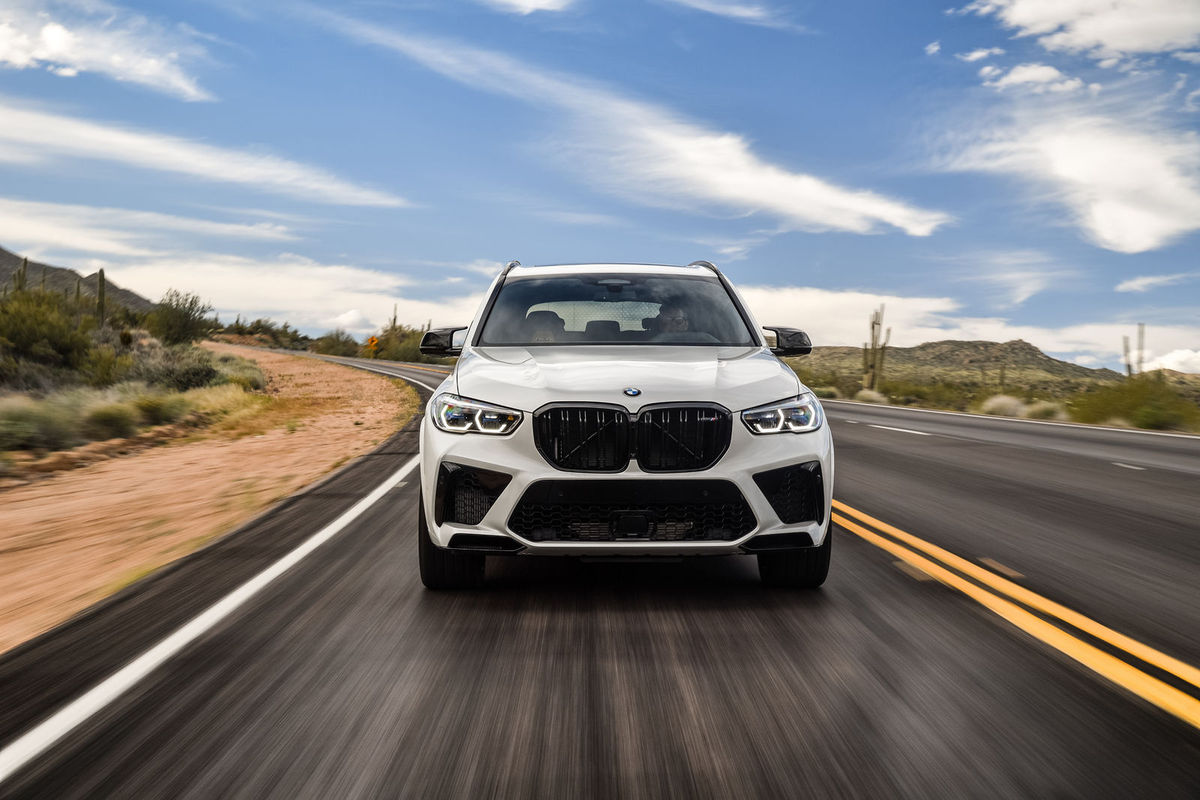
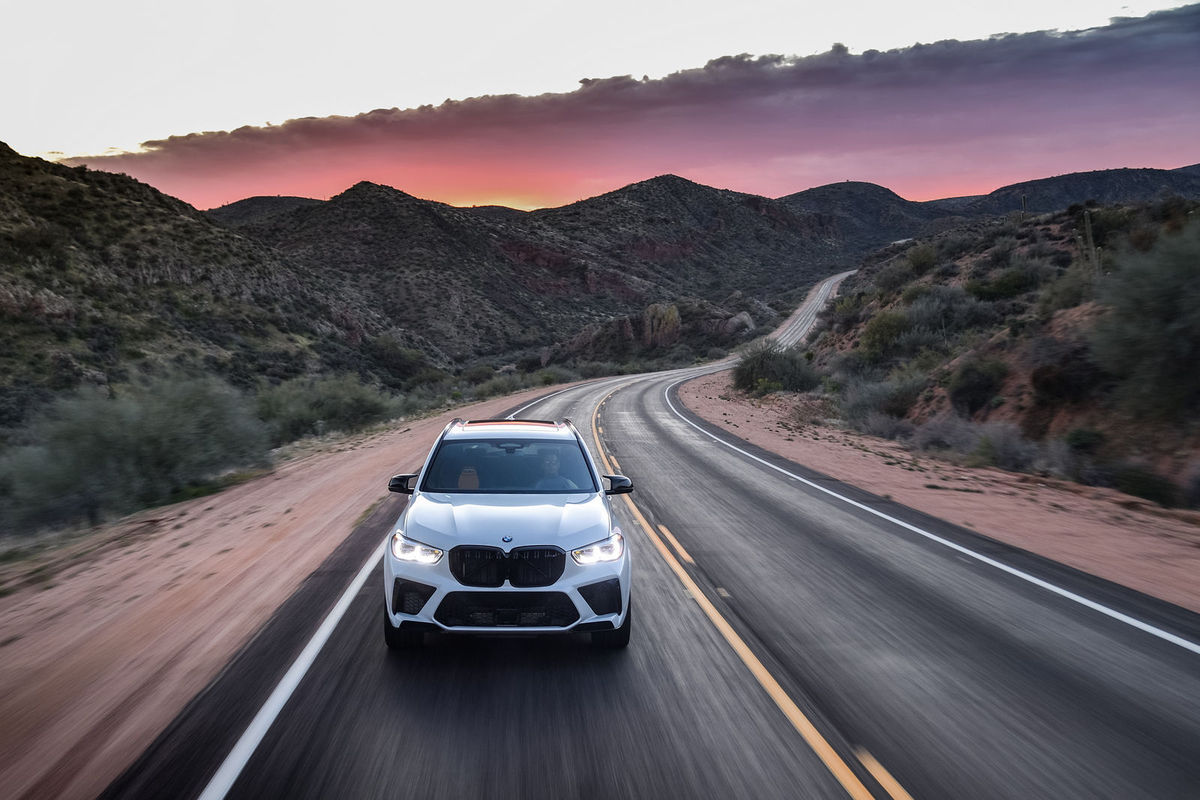
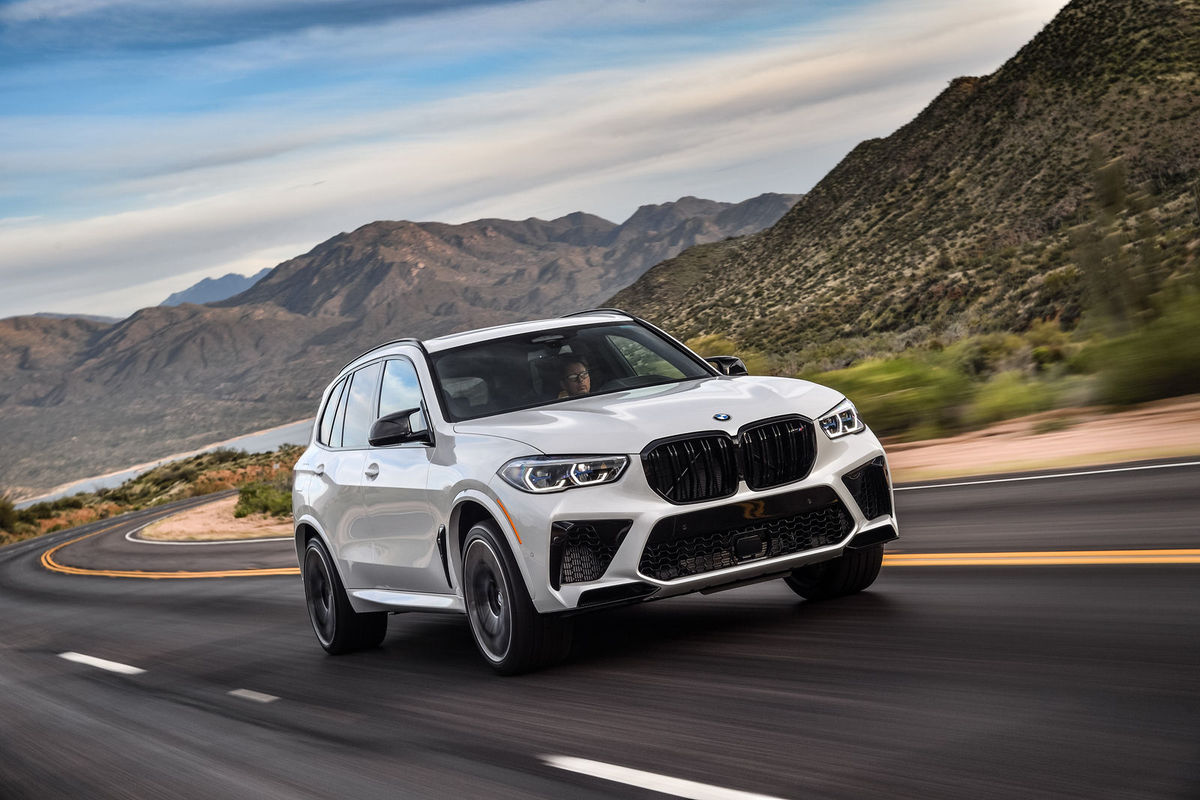
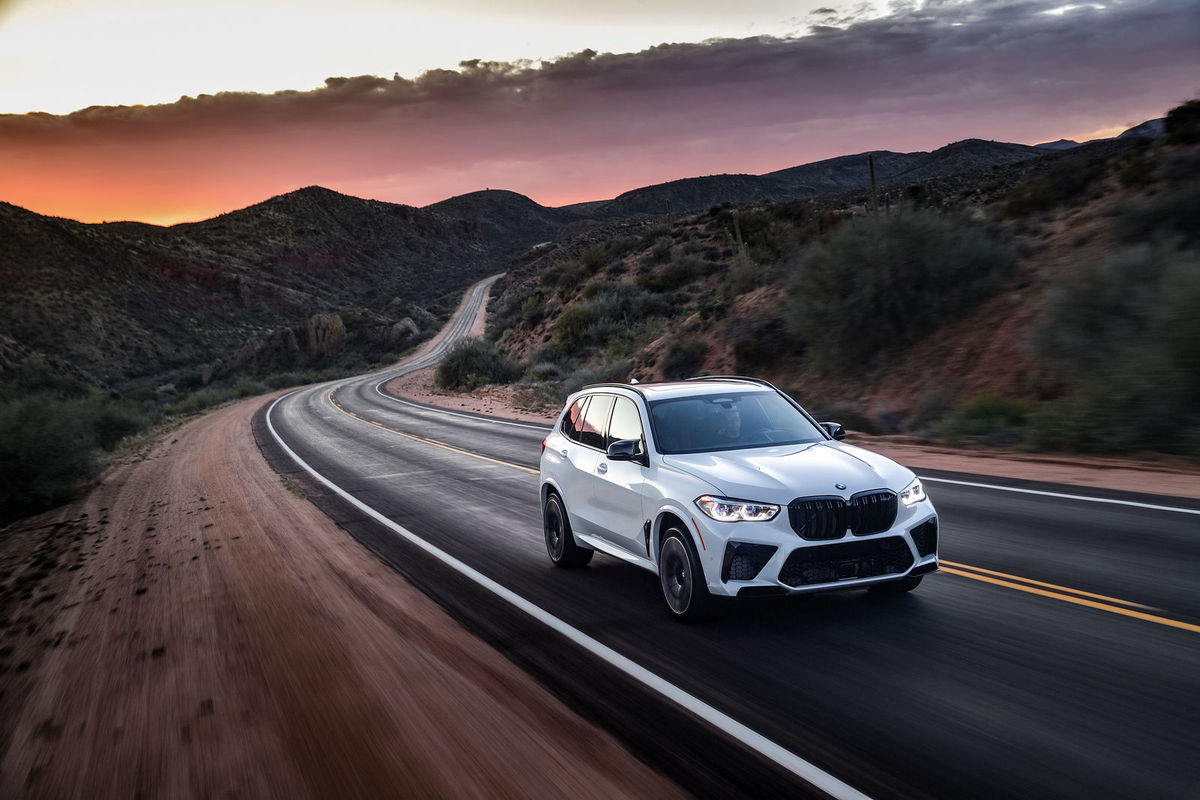
The latest entrant to the performance-SUV war is this: the brutal, 460-kW BMW X5 M Competition. Matt Robinson travelled to Phoenix to drive the newcomer…
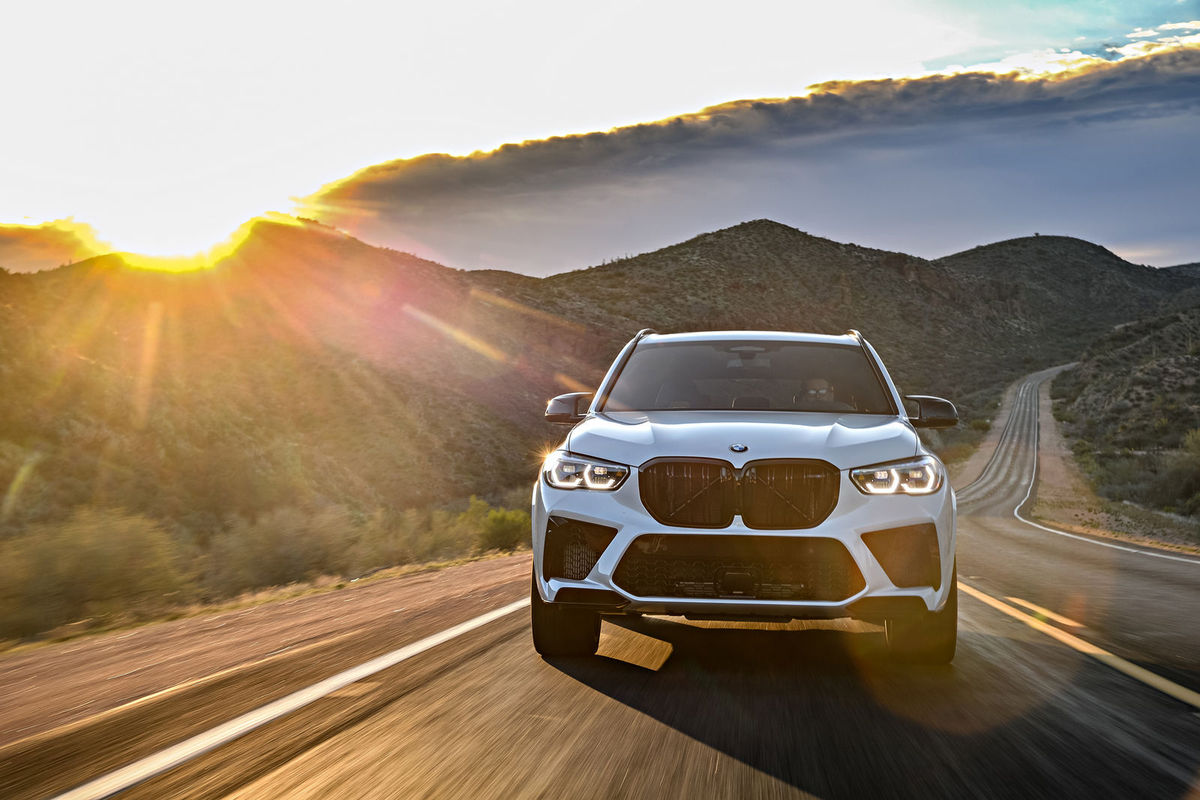
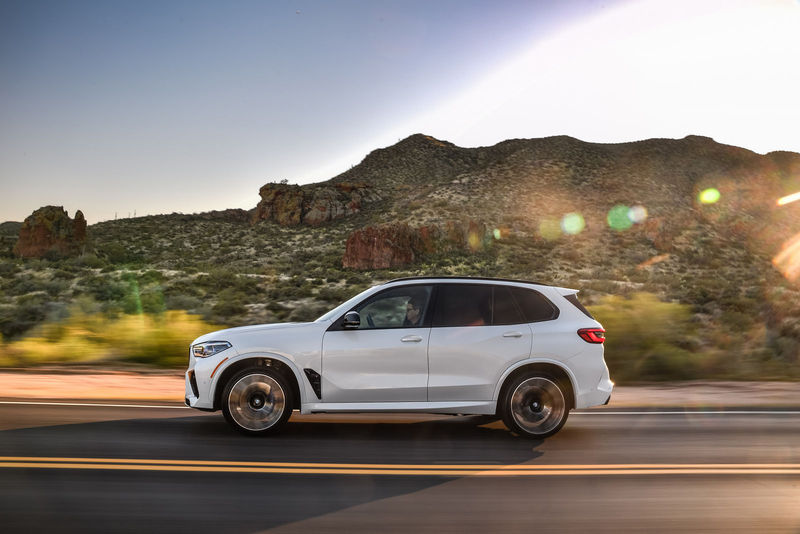
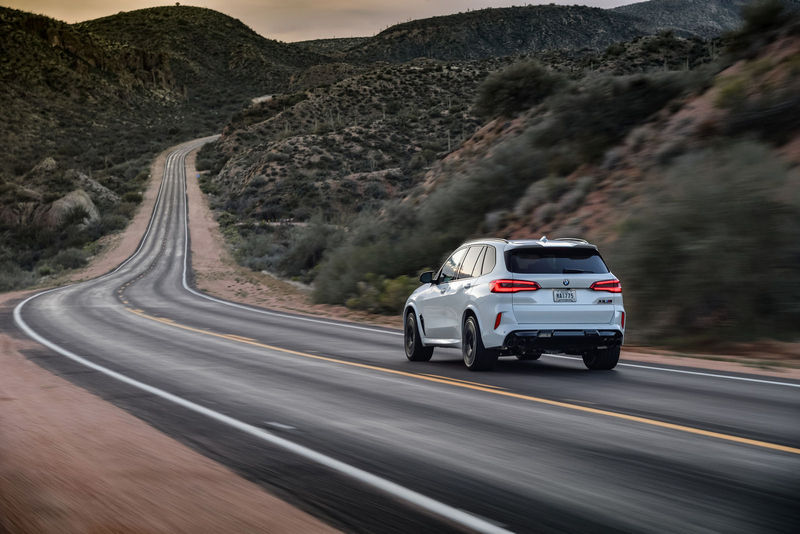
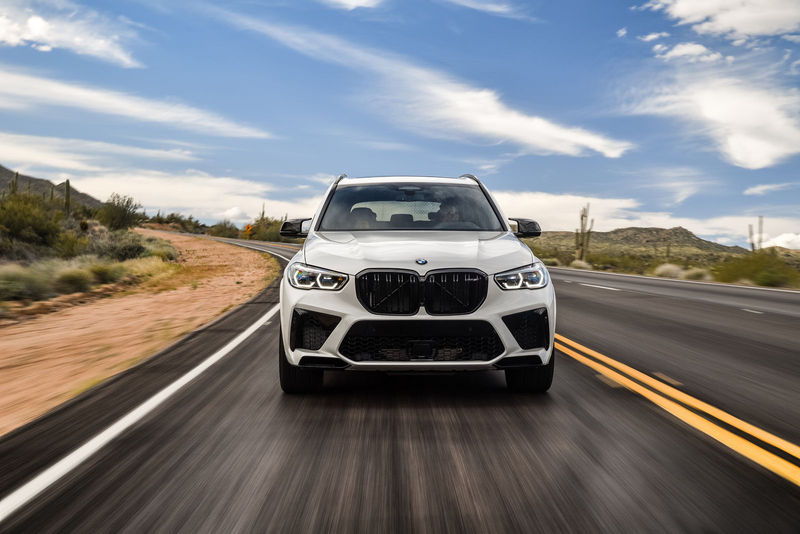
It’s another day and yet another powerhouse/juggernaut/bruiser cruiser has joined the fray; BMW's 3rd attempt at the rapid X5 M squares up to the likes of the Porsche Cayenne Turbo, the Audi RS Q8, the Range Rover Sport SVR and the incoming Mercedes-AMG GLE 63 S. It's propelled by the same 460 kW biturbo 4.4-litre V8 that powers the M5 Competition super sedan and M8 Competition sports grand tourer, which is why it too gains the exalted “Competition” honorific. Can a 2 385-kg family chariot ever really be a proper BMW M Competition machine, however? It's time to find out…
Straight to the point
Despite lugging 2.3 tonnes off the mark, this is still BMW's fastest-accelerating SUV.
Claimed to catapult from 0-100 kph in 3.8 seconds, 0-200 kph in a ridiculous 13.4 seconds and go on to a limited (yes, limited) top speed of 290 kph – if you tick the M Driver’s Package option – the X5 M Competition is a beast, a brute, a behemoth capable of bending space and time (sort of). BMW has a lengthy history of producing such machines, as does Mercedes-AMG. For the original E53 X5, the most potent derivative was the glorious, naturally aspirated, Alpina-gifted 4.8is of 2004, with its 265 kW 4.8-litre V8, but by the time the 2nd-gen X5 (E70) came into view in 2006, BMW M had abandoned its principles of ve vill not touch ze SUVs mit eine bargepole and was feverishly working on a hot X5.
So the original X5 M duly arrived late in 2009; it packed an almighty 4.4-litre V8 twin-turbo unit making 408 kW. Sound familiar? That’s because the engine in the 2020 X5 M Competition is the same unit, pretty much. It has found its way into all manner of cars in the intervening 11 years, such as the F10 M5, the F06/F12/F13 M6 and the F90 M5, but it was also utilised for a more powerful 423 kW derivative of the F85 X5 M of 2014, which was, of course, this Bimmer's predecessor. And if you think the X5 M is a slow-selling vanity project on the part of BMW, think again: the Munich outfit shifted 8 830 examples of the E70 X5 M worldwide, and a further 12 842 units of the F85 between 2014 and 2019.
Brutish SUVs with wild performance stats have proved extremely popular, and profitable.
Clearly, then, there’s a market for these wildly powerful SUVs… even if BMW seems to have taken the risky decision not to hybridise its entrant in any way, shape or form. When Porsche offers a full-blown plug-in hybrid variant of its Cayenne Turbo and when the incoming Merc-AMG GLEs are all EQ-Boost-ed with electrification and when the RS Q8 proudly wears the words ‘MHEV’ on its sleeve, BMW’s X5 M is steadfastly petrol-only. It's a mightily impressive petrol engine, that's for certain, but being a petrol-only might count against it in the increasingly eco-conscious years to come.
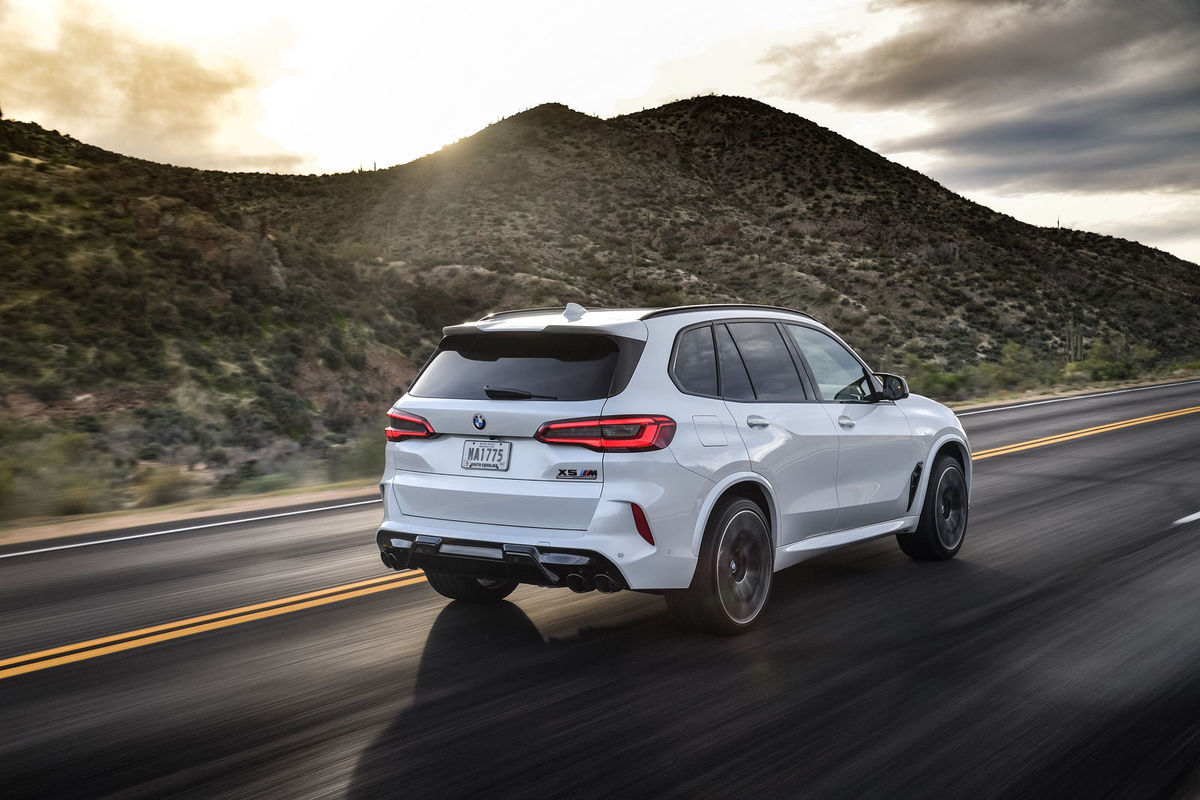
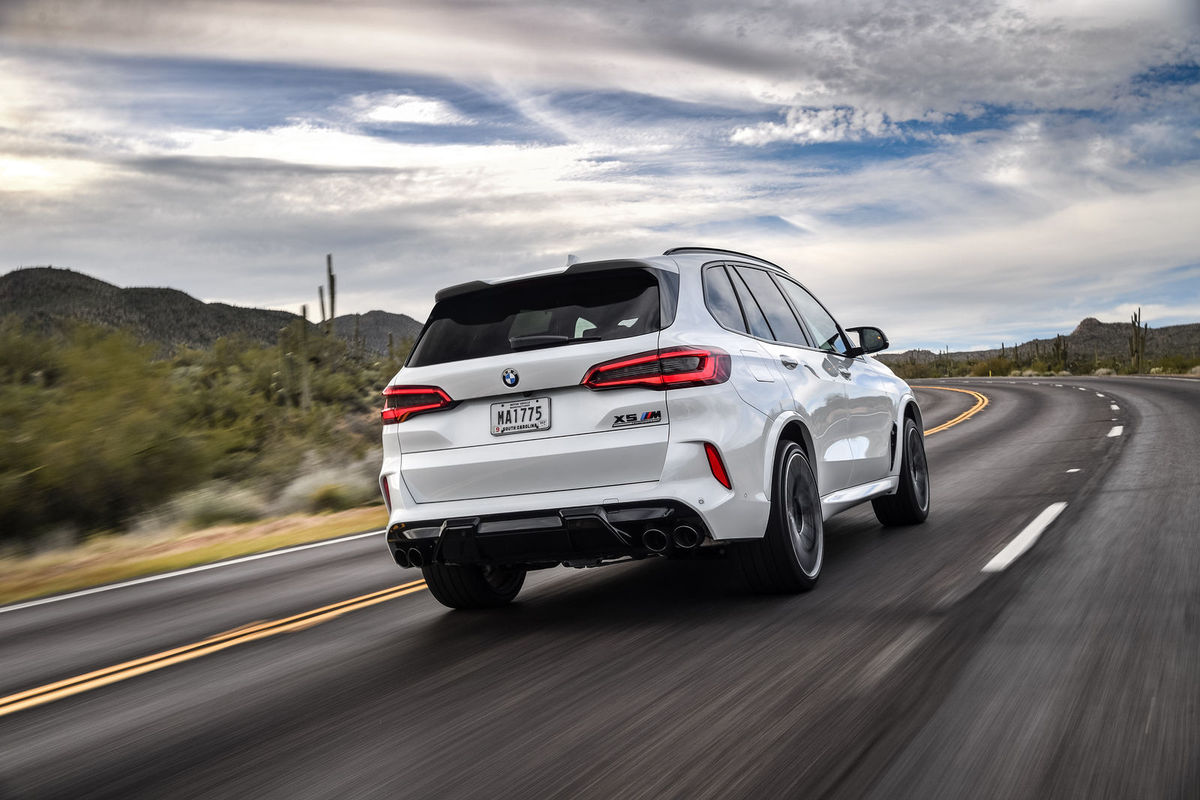
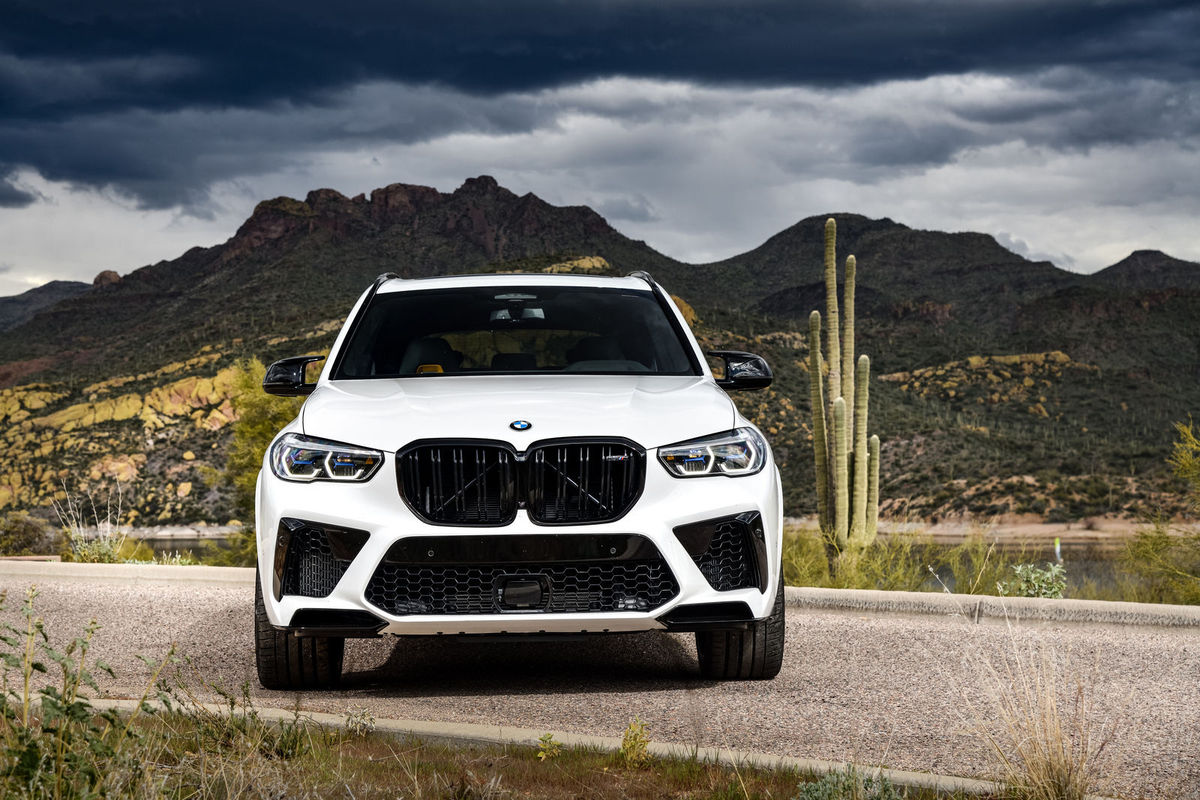
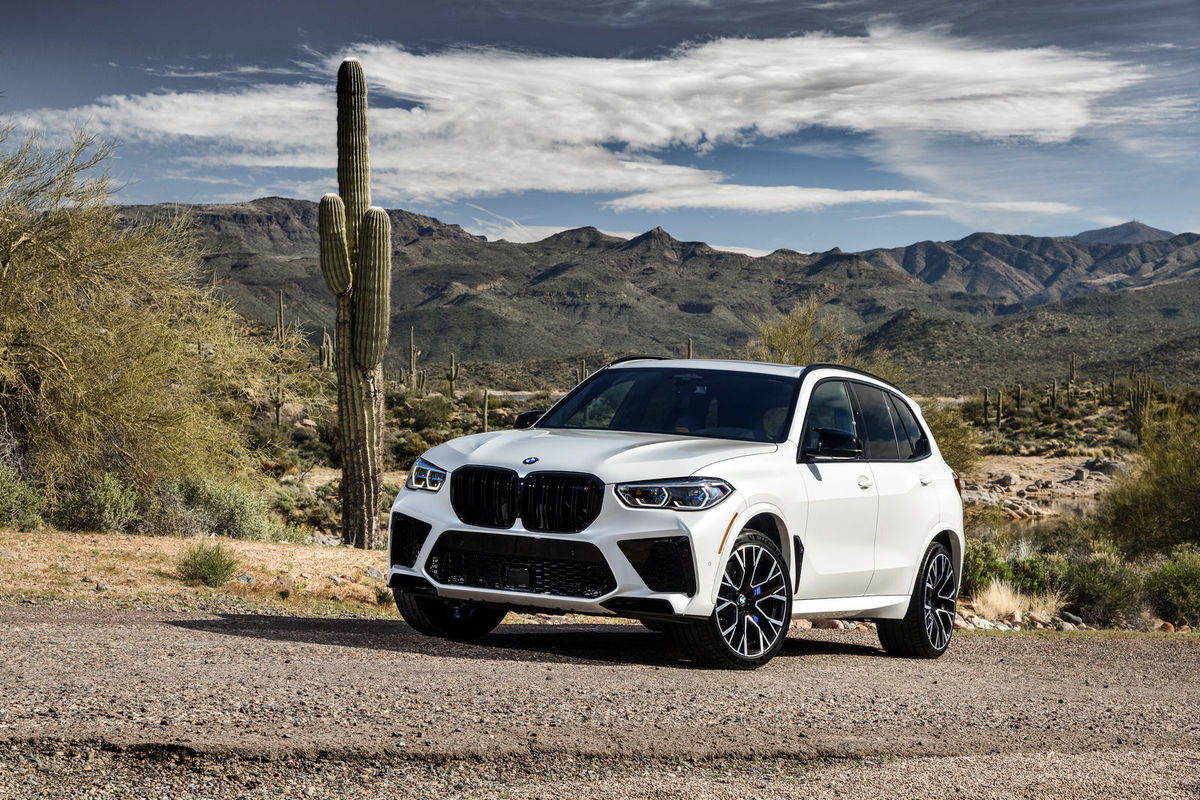
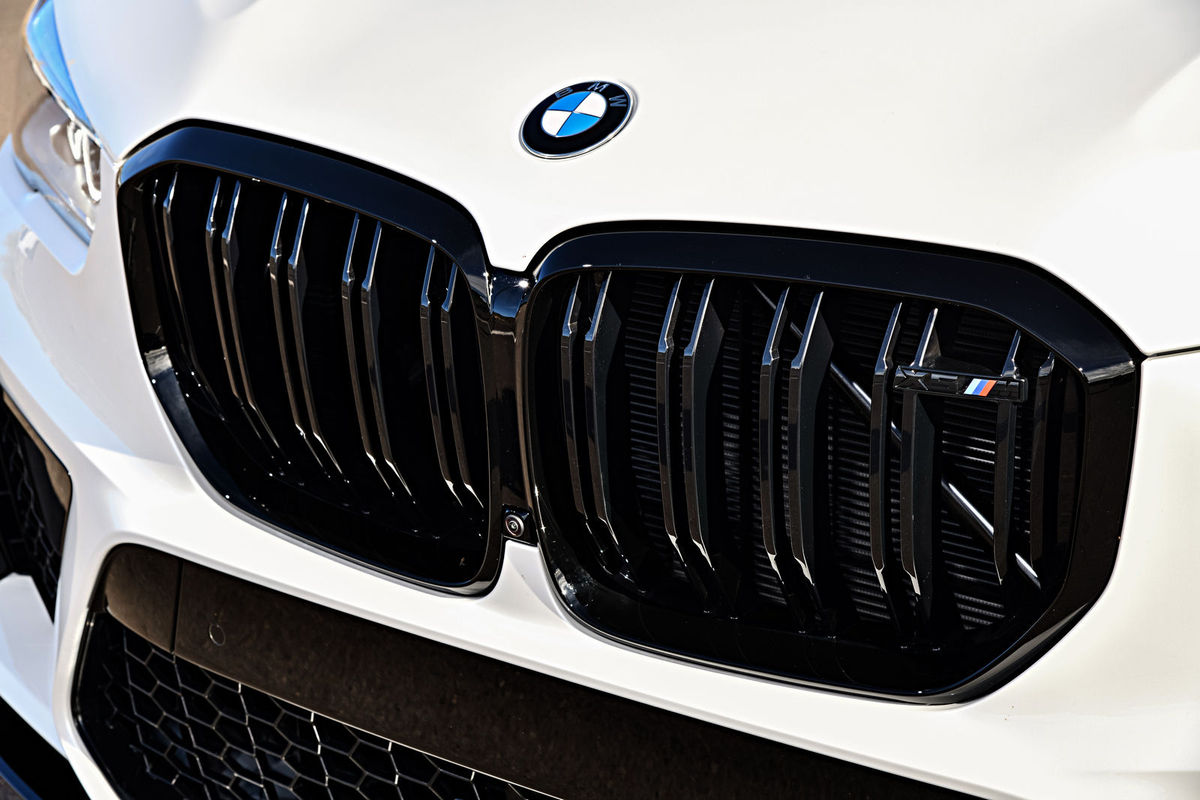
In other markets in the world, there will be the chance to buy softer-riding, less-aggressive-looking 441 kW "regular" versions of this X5 M and its sister X6 M (yep, there’s one of those too), but South Africa will exclusively get the 460 kW Competition versions of the muscular M cars. They feature lots of black detailing on the outside, such as for the double-vaned kidney grilles, all the visible model badging, the aerodynamic door mirrors, the roof rails, the window surrounds and, if you like, the massive 21-inch front, 22-inch rear alloy wheels. The X5 M also has a "3-dimensional" front air dam (it means in terms of its sculpting, somehow), quad exhausts, a rear diffuser and a roof-mounted tailgate spoiler.
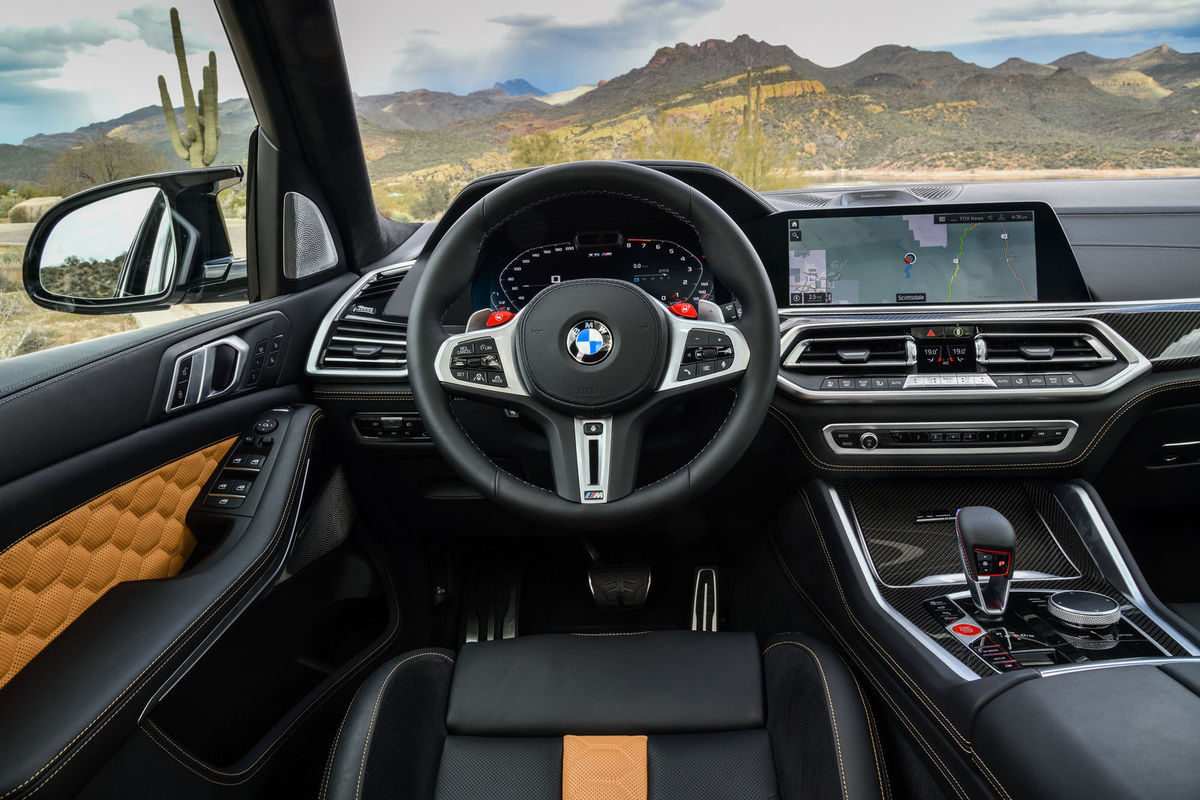
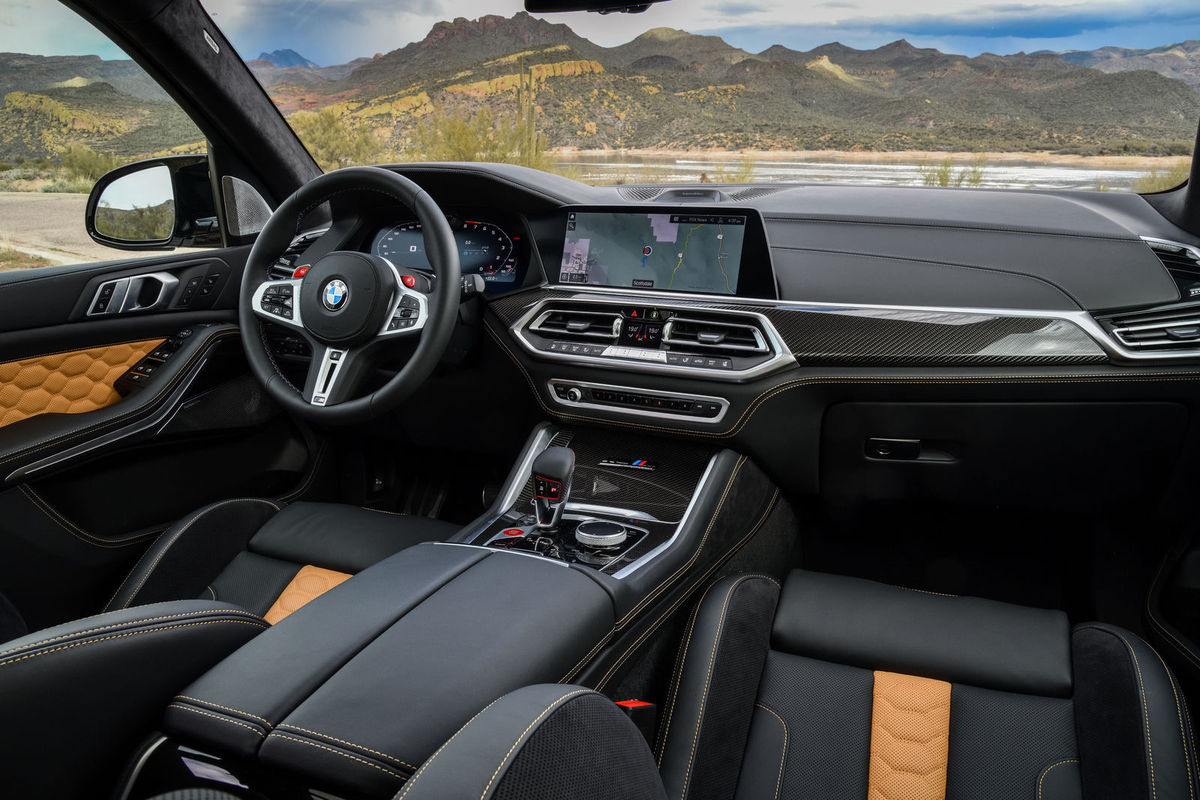
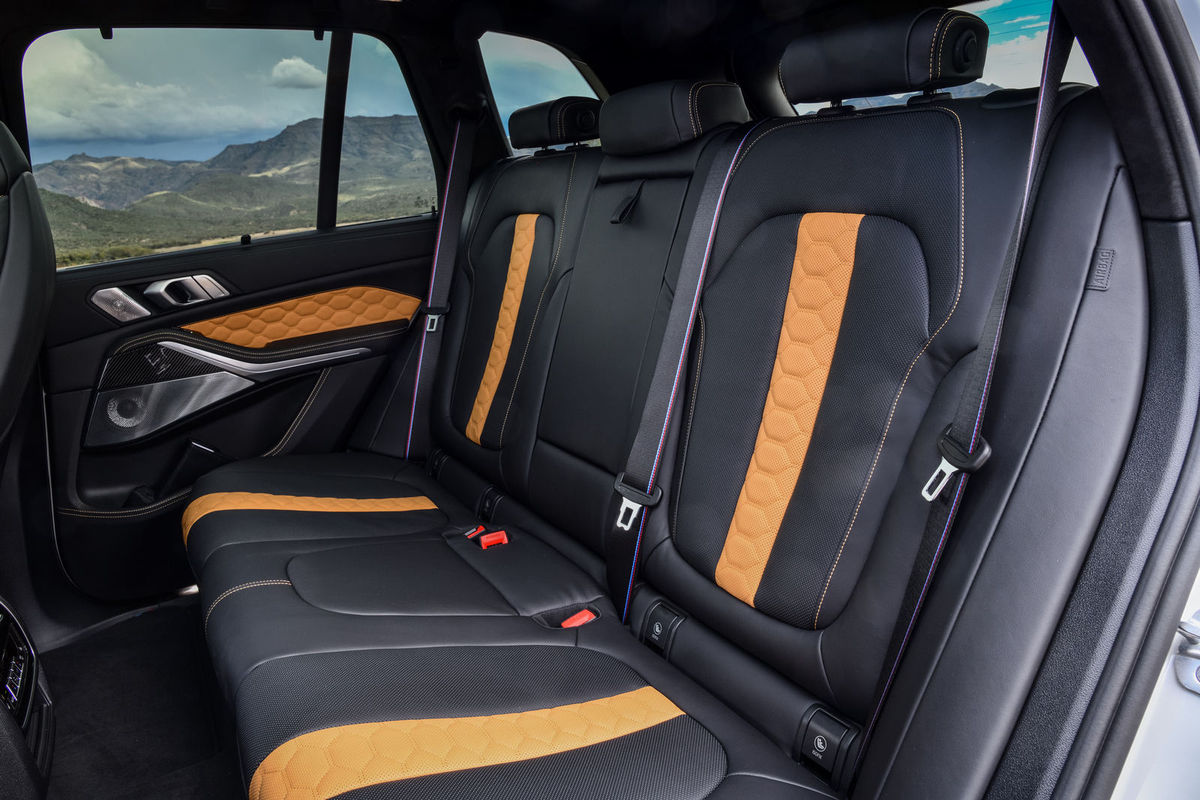
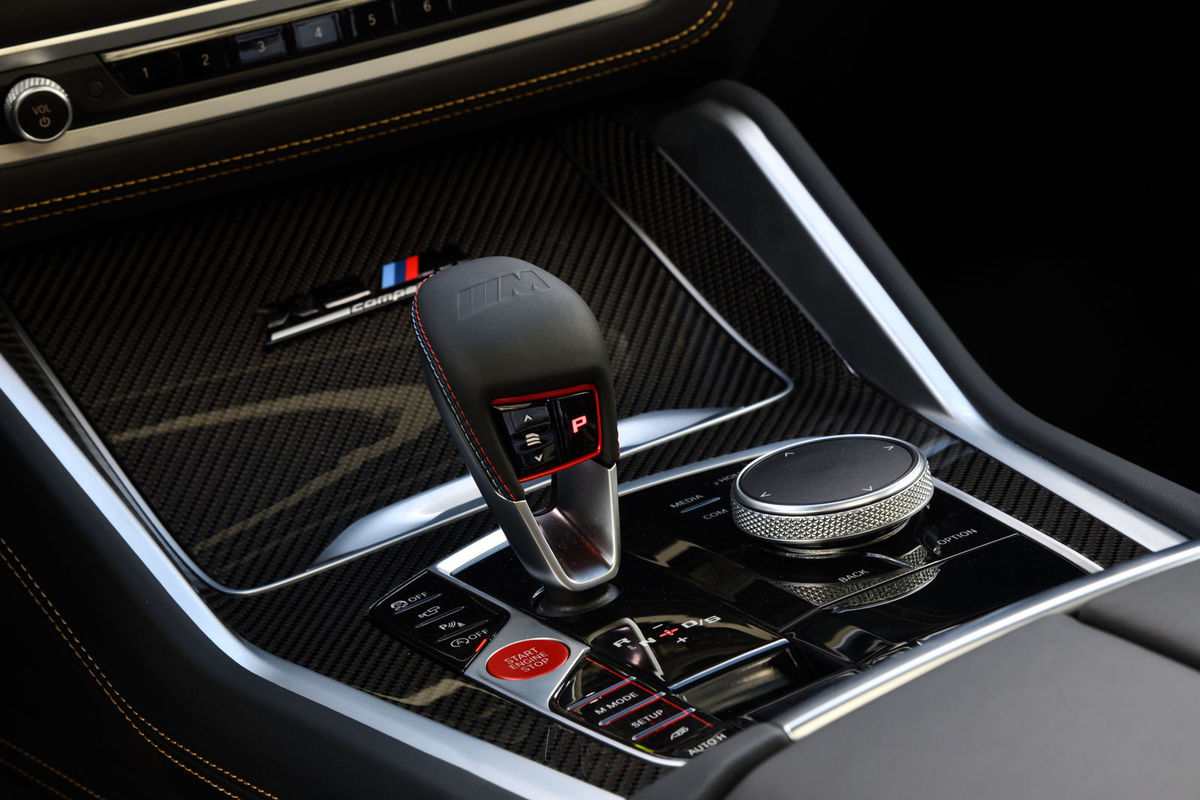
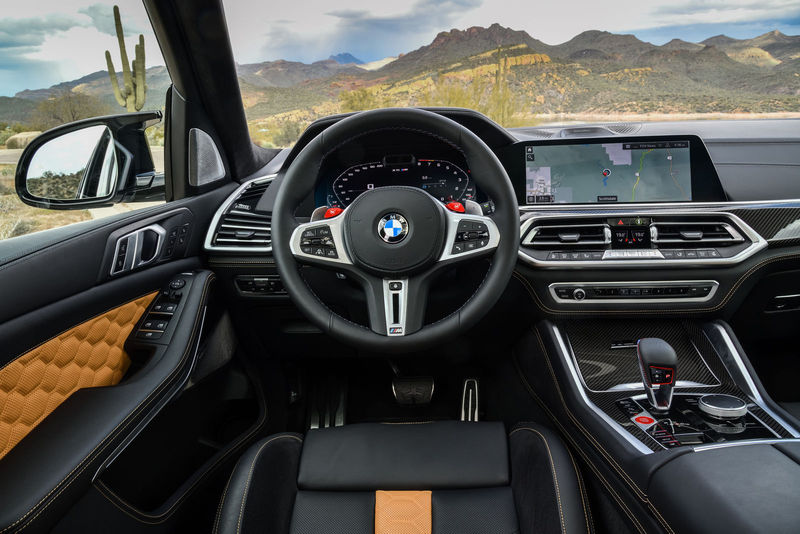
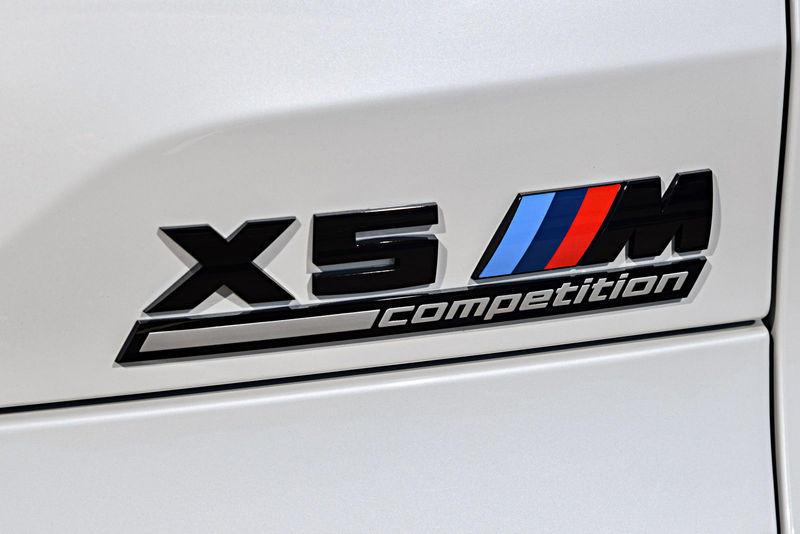
Inside are some tasty-looking and comfy-to-use M sport seats with integrated head restraints and a honeycomb-pattern for the stitching, an M steering wheel with a pair of red M1/M2 buttons and paddle shifts on it, the side-to-side M gear lever, bespoke displays for the Live Cockpit Professional digital cluster, an M Head-Up Display as standard and also lots of carbon-fibre trim, plus an "X5 M Competition" black badge on the lid for the cupholder area of the console.
Out on the road
The X5 M is not BMW M's most involving M car to drive.
Let's cut to the chase, shall we – the X5 M is largely brilliant to drive, except in 3 key regards… One of these is a slightly lacklustre M Servotronic steering: it’s not that the X5 M Competition has a bad set-up, but it’s not exactly communicative nor particularly pleasantly weighted. It’s okay, it is what it is. The 2nd issue is that the newcomer is not the most involving M car you’ll ever drive, although that’s not a surprise given its SUV leanings; and, as we shall come to see, it’s about as entertaining as anything else in this rarefied class, so it's not a major flaw.
However, by far the biggest bugbear is the criminally-firm ride quality. You don't need to travel very far in the X5 M Competition to know it will be a punishing daily driver. There’s an underlying shimmy of sport-focused suspension at all times, making for a notably poor low-speed ride, and while the damping starts to come into its own at higher speeds (as seems to be the way with all modern fast metal), it never approaches a level we’d call "tolerable".
And before you think we’ve gone soft in old age, know that all of the Porsche Cayenne Turbo/S E-Hybrid, the Audi RS Q8 and the Range Rover Sport SVR ride better than this, and there’s every likelihood the forthcoming Mercedes-AMG GLE 63s will as well, given the old model, with its adaptive air (Airmatic) suspension, was notably nicer to travel in than the previous X5 M.
The red buttons are programable so you can store your favourite drive modes for instant access.
The X5 M's brittle ride quality can be attributed to the fact that the newcomer sits on M adaptive suspension with electronically controlled dampers; there are no air springs here. The pay-off for this is something you used to always expect with a BMW, albeit it’s not a factor that always holds true in recent years, and it’s this: aside from the aforementioned Cayenne, when the roads get challenging, this is the best, big, fast SUV you can buy.
While it corners a little more steadfastly than we’d like, thanks to its permanent 4WD, it is nevertheless genuinely entertaining to get the X5 M stoked up on the right roads, because it can change direction quickly and tackle cresting turns with just as much decorum as it can thunder through well-sighted, open bends at frankly insane speeds. The body control is absolute, the grip levels on the 295/35 front, 315/30 rear Michelin Pilot Sport 5 tyres are immense, the traction advantages of the M xDrive and the Active M Differential cannot be ignored.
Suffice to say the X5 M Competition is devastatingly quick in the curves and even its brakes, 6-piston front callipers gripping 395 mm discs up front and 380 mm discs in single-piston floating callipers rear, do an admirable job of reliably and powerfully reining in 2.4 tonnes of hard-charging Bavarian beef time and time and time again.
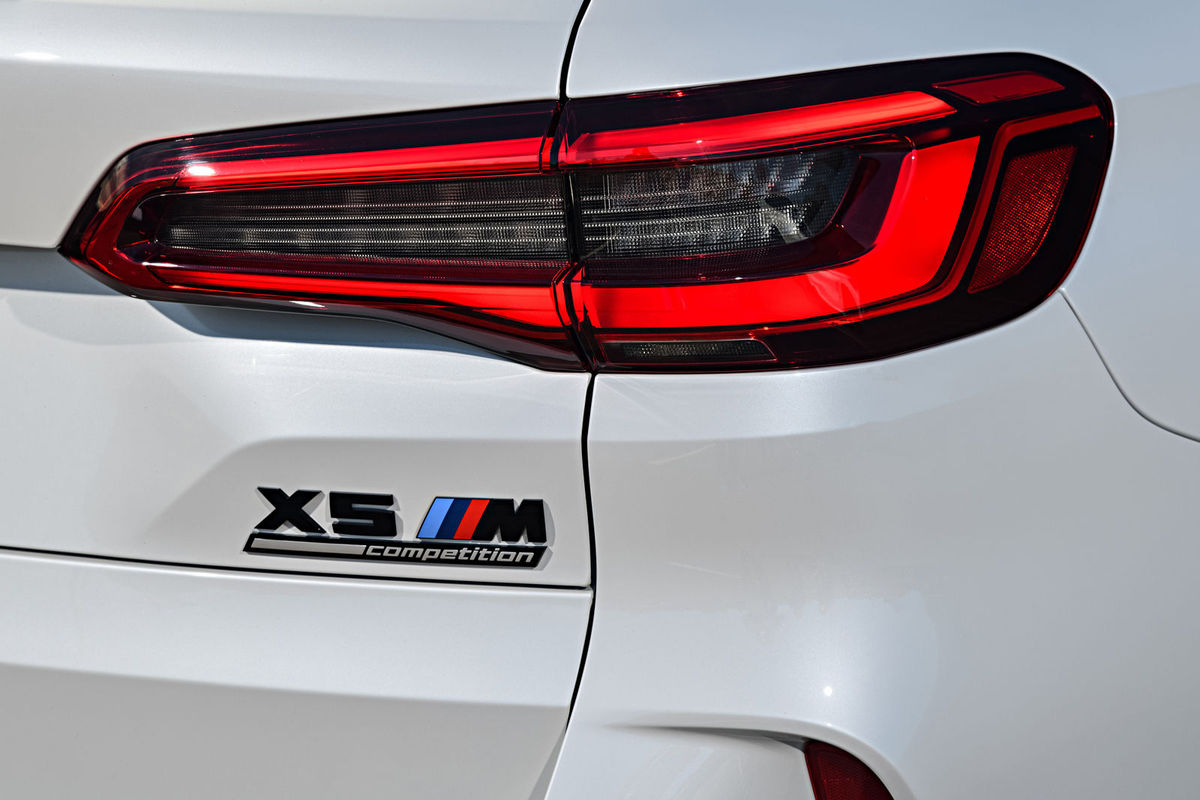
Competition models are easily spotted by their black badging.
Also, the performance of this magnificent, magnificent drivetrain is unimpeachable. It is a belting engine, hooked up to a majestic transmission, driving through a 4-wheel-drive system that never gets flustered in the slightest as it attempts to corral 750 Nm coursing through its mechanicals. The performance results are as startling as you’d expect: any gear, all revs, tap on the throttle and the X5 M surges for the horizon with an eagerness that’s most delightful.
What's more, it sounds better than a regular M5 with the same engine, thanks to the sports exhaust playing some great notes, but for all its monumental pace and terrific road-holding, the X5’s kerb weight and its jarring ride quality always make you idly wonder. . . what if BMW just did the decent thing and made an M5 Touring instead? Hmm.
Verdict
For big, outlandish SUV fans, the X5 M will deliver all the thrills expected.
In terms of its dynamic talents on a challenging road, the outrageous BMW X5 M Competition is easily the finest rapid SUV the German company has produced – and it’s one of the most engaging machines of its type from any carmaker that is currently on sale. However, it’s incredibly expensive, it doesn’t ride with good grace and as good as it is for an SUV, it’s by no means the best M car you’ll ever experience. If you’ve been waiting patiently for the 3rd iteration of the X5 M and you’ve got a hardy constitution, then this Competition is undoubtedly going to wow you with its qualities. For everyone else, it will seem like a lot of very good hardware that might have been better off employed elsewhere.
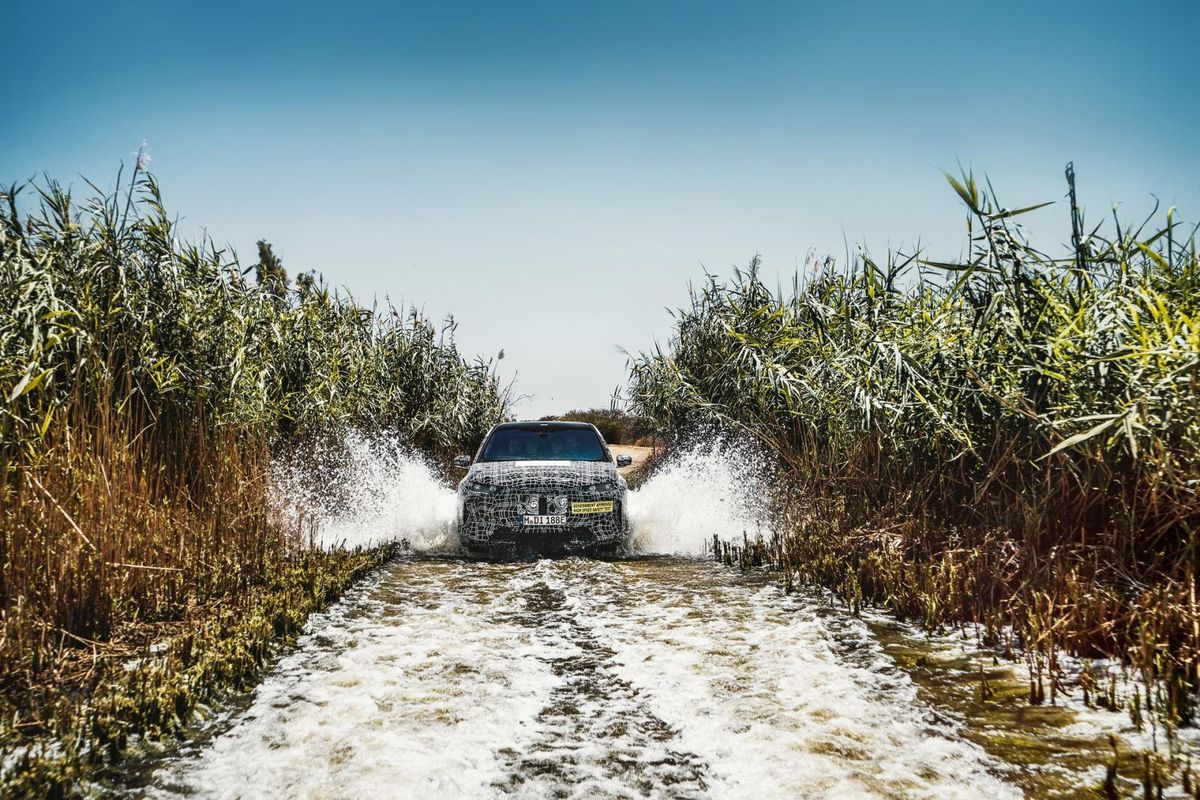
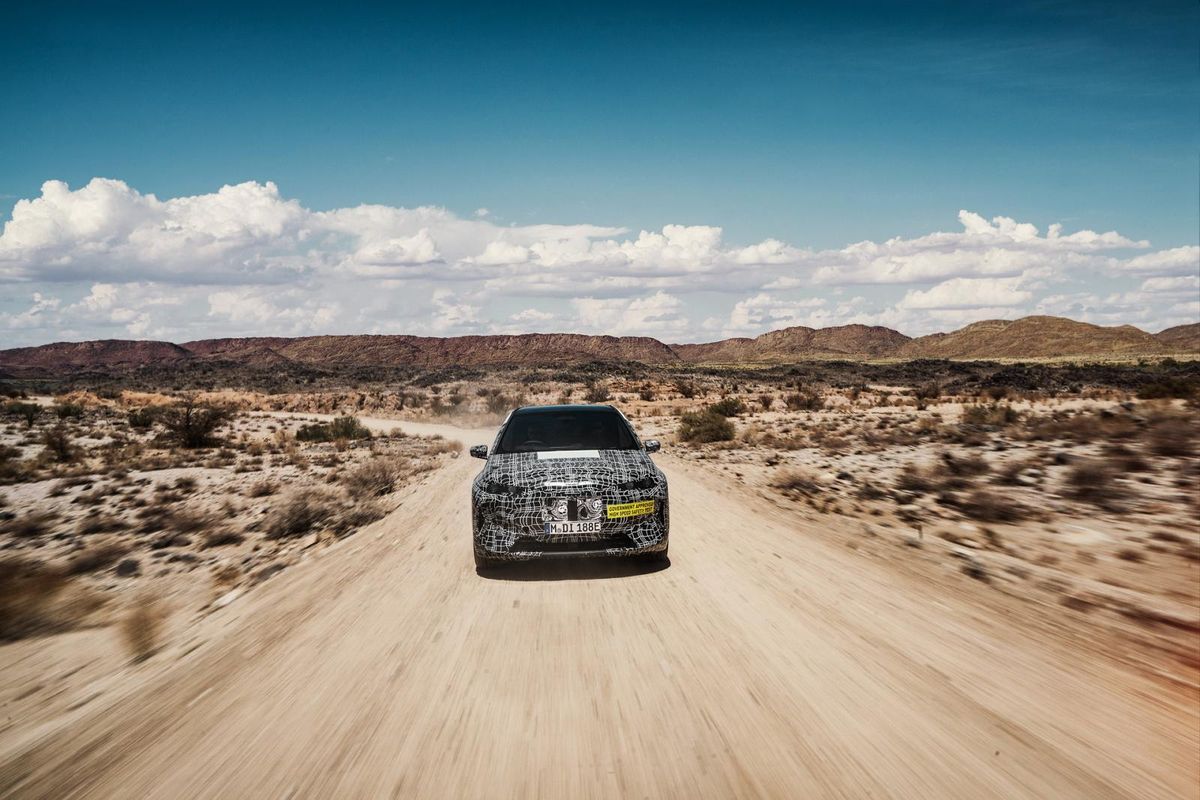
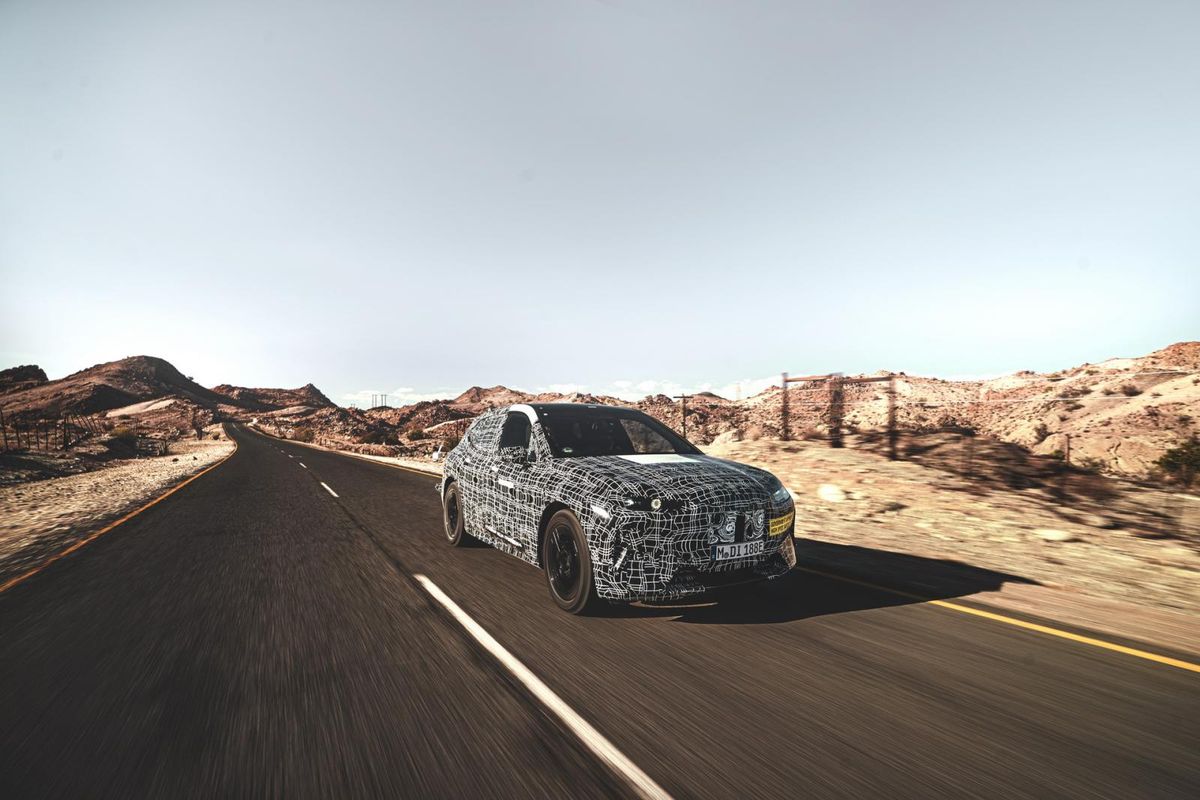
BMW’s forthcoming luxury electric SUV has been doing some hot-weather testing SA.
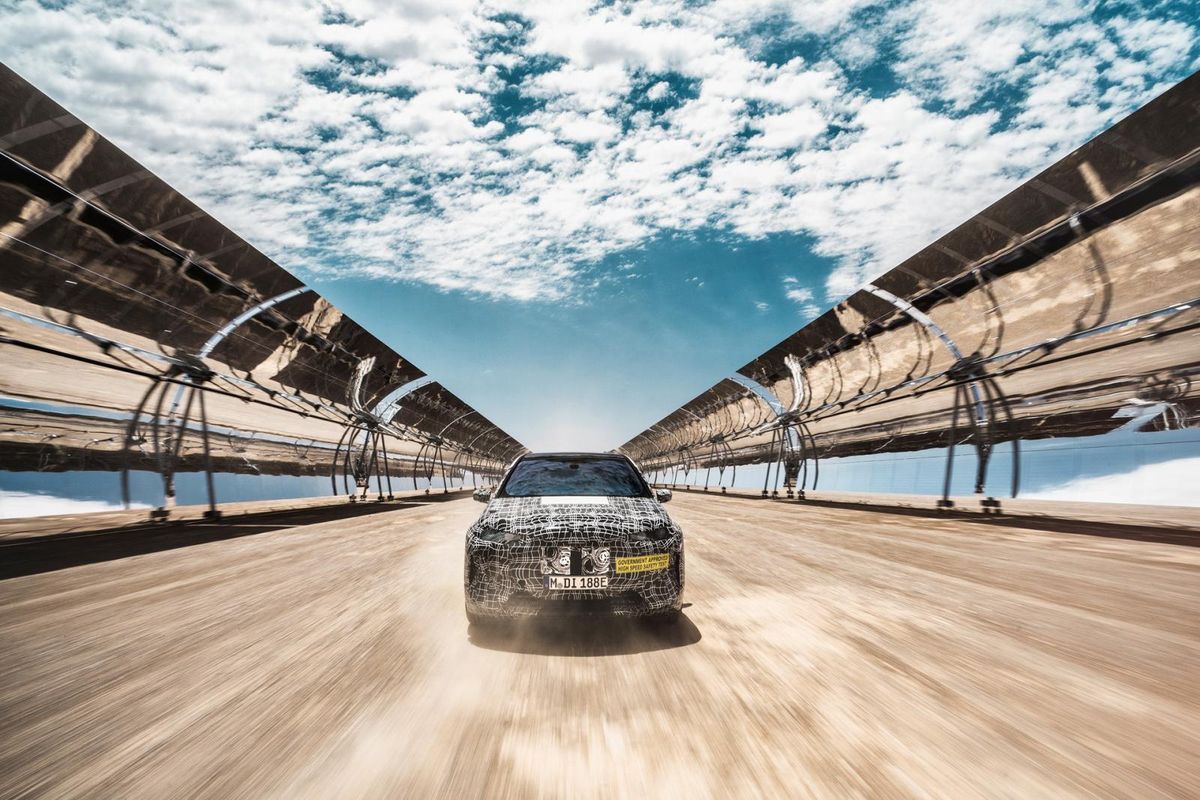
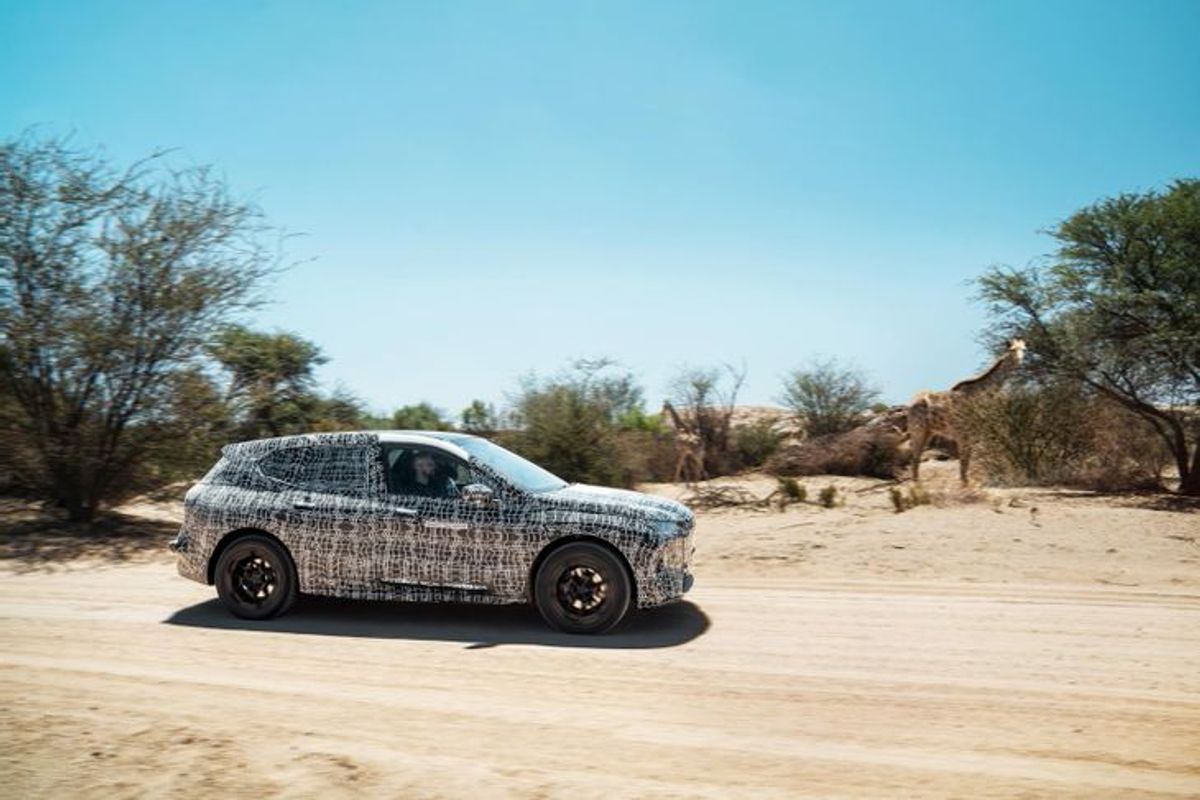
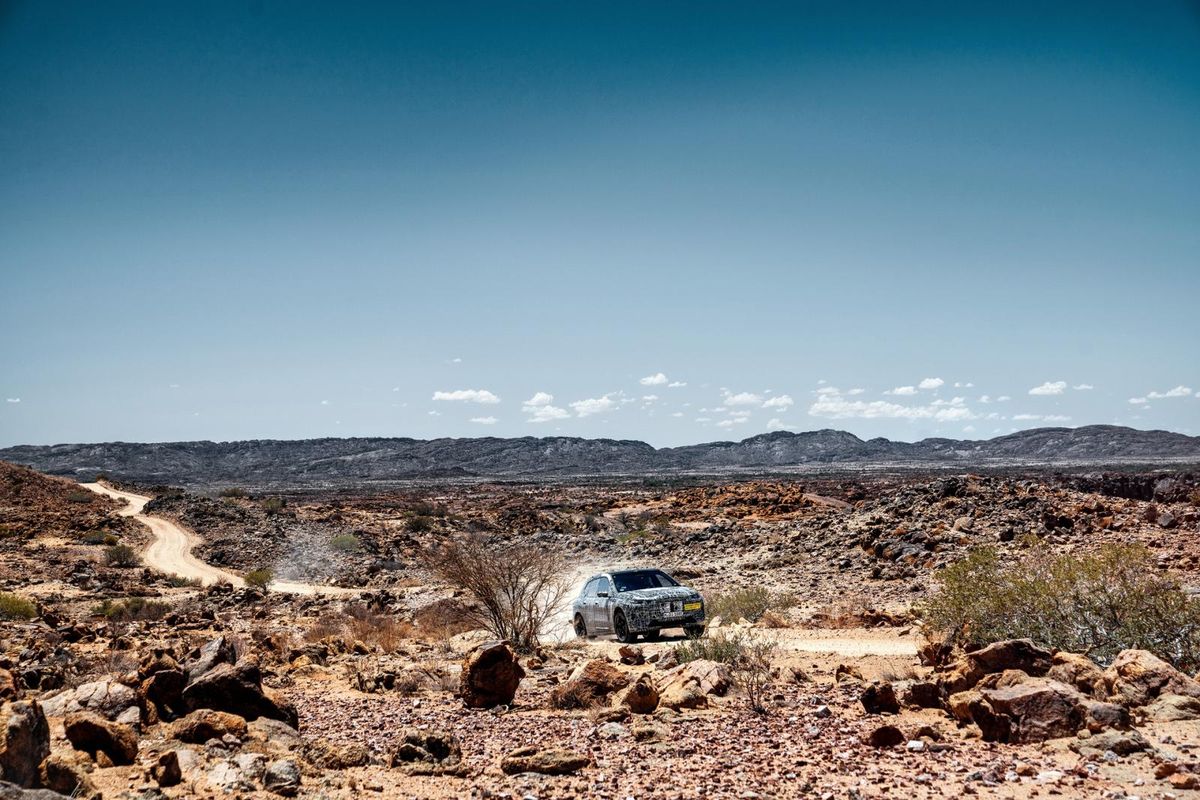
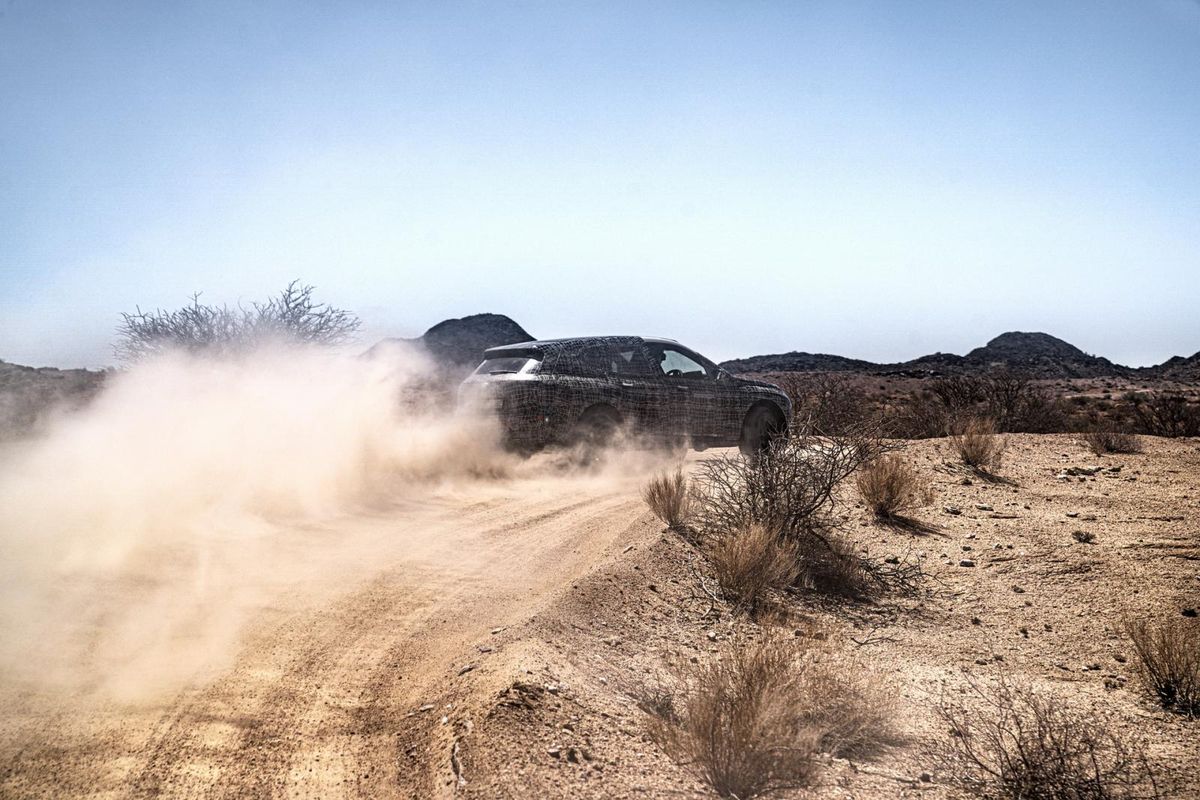
We often see spy photographs of prototypes testing in the snow and now, in the case of BMW’s forthcoming electric SUV, which will be called the iX5, a prototype has been photographed doing some hot weather testing in the Kalahari desert.
South Africa is an ideal location for car manufacturers to put prototypes through their paces in excessive heat and challenging terrain. Testing in various harsh environments is necessary to ensure that any technical or material faults can be rectified before the model goes into full-blown production. Heat testing is also useful to see how interior material, electric componentry, and suspension systems cope in extreme conditions. The Kalahari is a dusty place and it’s an ideal place to make sure that various seals (doors,boot lid, bonnet etc.) work effectively to keep dust from entering the cabin.
The BMW iX5 is due to go into production in 2021 at BMW’s Dingolfing plant in Germany and will be underpinned by BMW’s 5th generation eDrive technology. Technical details have yet to be revealed but up to 600 km range is expected and the iX5 will offer brisk acceleration with a projected zero to 100 kph of around 4 seconds on the cards.
The iX5 will also showcase the latest technology to come from BMW and you can expect advanced driver assistance systems to feature as well as sophisticated automated driving technology.
As always, we will keep you updated as more details become available.
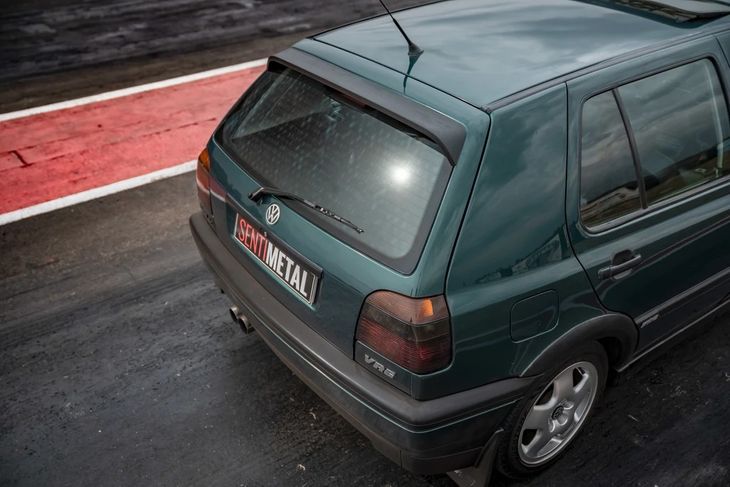
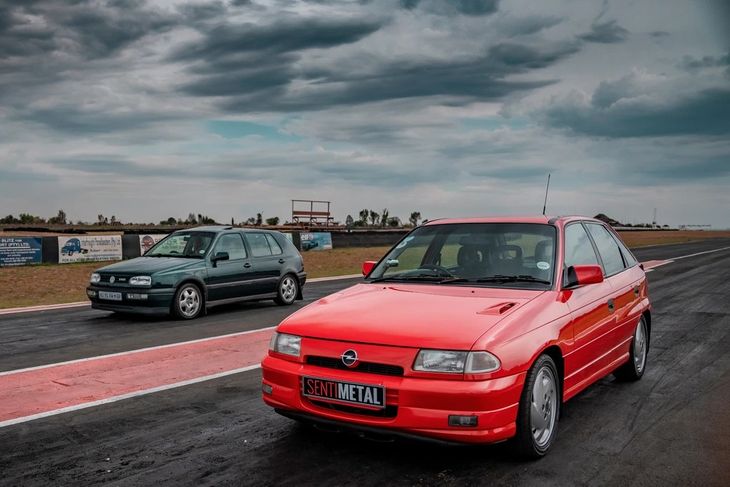
Retro Comparison: Volkswagen Golf VR6 vs Opel Kadett 200t S
We head to Midvaal Raceway to drive two hot hatch icons of the '90s. Coming from old foes Volkswagen and Opel, you'd expect these 2 machines to be quite similar, but they're not…?
Things were tough in the early '90s for hot hatch enthusiasts in South Africa. The iconic Opel Superboss had just passed on, and Volkswagen replaced its highly acclaimed Mk2 GTI with a real let-down, a Mk3 car that could only muster 85 kW from its 8-valve engine and take a leisurely stroll to 100 kph in… 11.4 seconds. This was simply not acceptable for a car wearing the GTI badge. Something had to be done.
Over in the Opel camp, things didn't look much better. Delta Motor Corporation (the then custodians of the brand), had just spent the best part of a decade rebuilding the marque on South Africa's racing circuits and built a loyal, hardcore following.
But in Europe the trend was towards more eco-friendly, efficient cars, loaded with big car luxuries and safety features. And so the new Kadett/Astra line-up lacked an obvious replacement for the iconic Supie… What to do…?
Volkswagen goes V6
Volkswagen arguably had the easier fix – you see, a high-torque V6 engine was part of the Golf III project plan from the start. It would be a new flagship, one that could even take the battle to the likes of the BMW 3 Series and other premium contenders.
The engine itself was quite something, with both cylinder banks using a common cylinder head, and a single overhead camshaft per bank actuating the 12 valves through bucket tappets. The engine features a long stroke (typical for VW engines) and to keep the engine compact, the cylinders are mounted high-up and very long con-rods are used.
The result? Well 128 kW and 235 Nm of torque doesn't sound like much these days, but the VR6 performed well, with a top speed of 225 kph and a 0-100 kph time of just under 8 seconds, as tested by CAR Magazine in 1993.
Opel counters with turbo
Delta Motor Corporation faced a stiffer challenge. Opel in Germany never envisioned a very high-performance variant of the new Astra/Kadett, so in typical South African fashion, a local plan was devised. Opel in Germany was, at the time, selling its sexy Calibra coupe fitted a turbocharged version of the famous red-top 2.0L 16-valve. "We'd like some of those," said the Delta Motor execs.
A challenge, however, was that in the Calibra, the engine was accompanied by an all-wheel-drive system, but in South Africa, the Kadett (and Astra) would be front-wheel drive only. This didn't deter the folks at Delta. Along with the engines, they acquired the Calibra's heavier-duty front wheel hubs, steering knuckles and wheelbearings. It also gained the Calibra's striking five-stud 16-inch alloy wheels, not for vanity's sake, but to cope with the extra power.
And power it had aplenty. Initial models packed no less than 160 kW and 280 Nm of torque, and unlike the Golf (which used a 5-speed gearbox), the Opel had a 6-speeder from Getrag and a modified version of that trick limited-slip differential by Andre Verwey, used in the Superboss. It was claimed to blast to 100 kph in 7 seconds and on to a top speed of 240 kph. So, it would easily see off the VR6.
Back-to-back driving
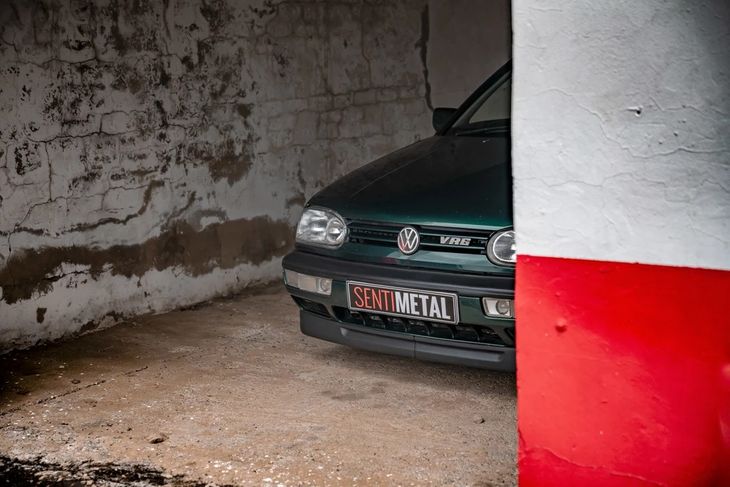
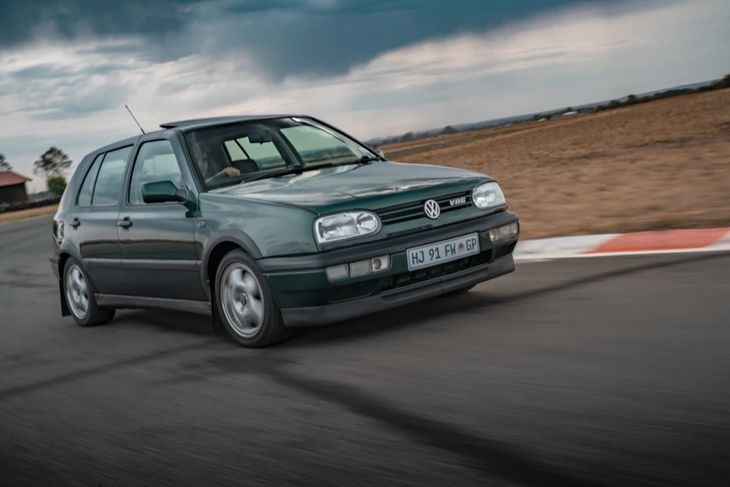
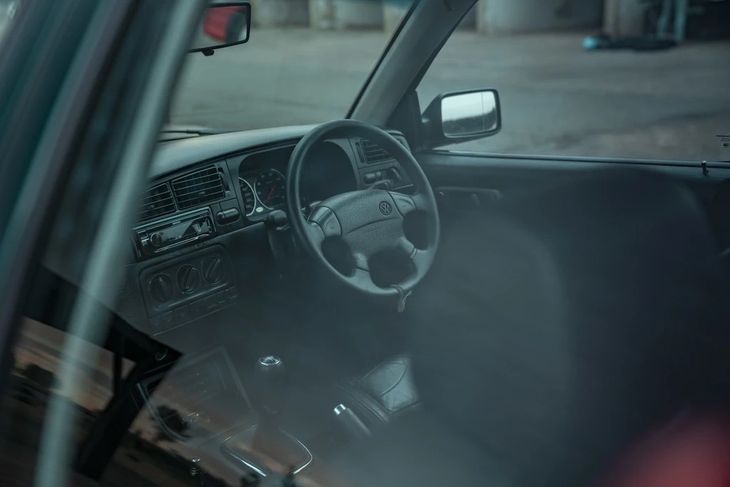
I hop into the metallic green Vura (as the VR6 is affectionately known in South Africa) first. In the early 90s, its facia plastics were a revelation in this category of car, but it's a pretty sombre place, with no satin silver finishes, or contrast stitching to brighten things up, as is the norm these days. Still, the leather-wrapped steering wheel is nice to grip and it's a car you get comfortable in quickly.
Fire up that iconic engine and there's a nice thrum immediately, followed by a rorty but crisp exhaust note when pulling away. The engine impresses with its flexibility because the torque is spread nicely and the gearing spot-on. This is a pretty easy car to drive fast because its very forgiving to an incorrect gear selection, for example.
The example I'm driving shows over 200 000 km on the odo but has obviously been well-looked after, so besides a slight synchromesh issue on third gear, makes a good impression on Midvaal, with crisp steering responses and well-damped suspension (on the smooth track). Compared with the fluffy Mk3 GTI, the VR6 gained recalibrated steering, stiffer damping and springs, and a reworked front axle configuration. That said, it's not rock-hard, and I can see it stand up comfortably to a period E36 325i as an "executive express" used on the daily drive. As the day progresses and I become more comfortable with the car, and the speeds rise, with the lovely, pure sound from the exhaust as a soundtrack, I begin to understand why this car is so coveted in South Africa. It's a charmer.
Into the blitz
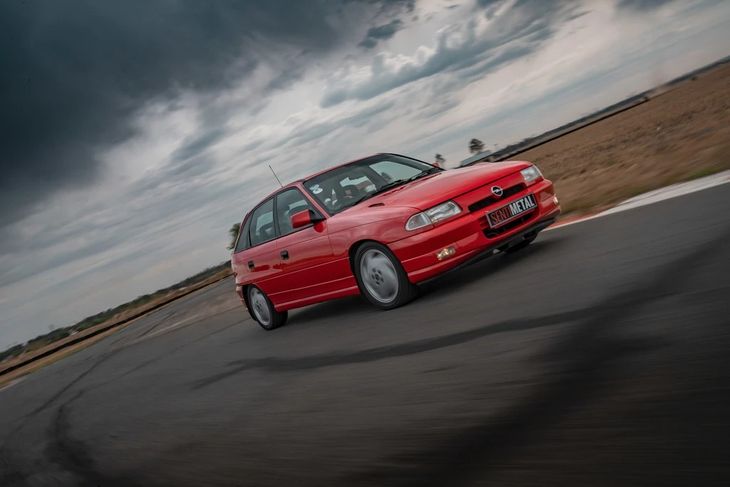
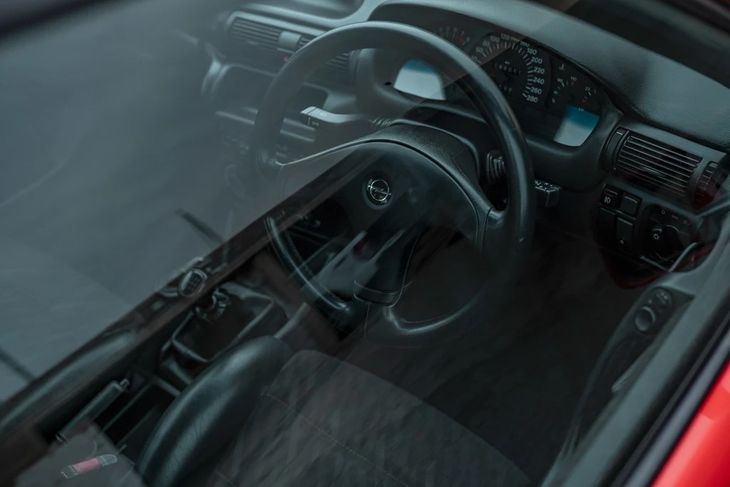
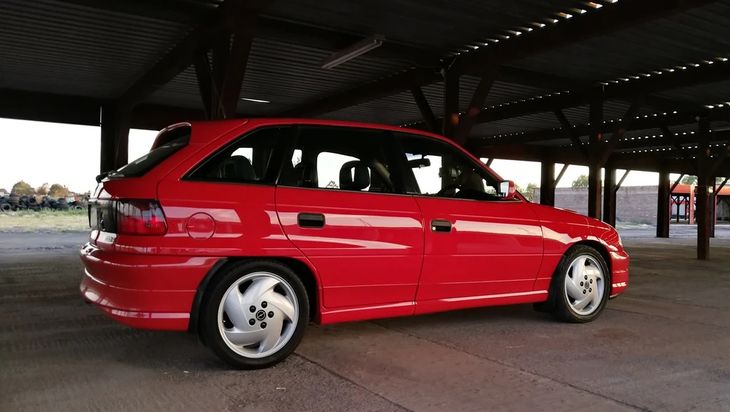
It took us about a year to find a neat-enough 200t S, but boy did we find a good one. This red 200t S looks factory fresh inside and out. The cabin of the Kadett still looks surprisingly modern in some respects, and definitely possesses more flair than the Golf, with soft curves and a particularly neat instrument cluster with the lettering 16v Turbo to remind you that this is something special.
As I head down the straight at Midvaal and push down on the throttle pedal for the first time, tentatively, I can immediately sense that the iconic red-top has lost none of its verve, but my word, when the boost arrives (and it comes on song surprisingly soon) it does so by squishing you into your seat. This car is very, very fast.
So few of these survive because so many were crashed by inexperienced or reckless drivers. I discover quickly that it's a car that demands respect and smoothness. A precise, respectful driver will get incredible pace out of this car, because grip and stability are actually both excellent. The steering is vastly superior to the Superboss's, for example, but you can't just boot it in the corner and not expect torque steer.
Unlike the Golf, in which it will be easy for most drivers to extract 90% of its performance very quickly, the Kadett demands some familiarization (and respect). the 6-speed 'box helps a lot, but you have to use it to make sure you're in the right power "zone". Get it right and it's a car that leaves a big grin on the face, with the only part of the theatrics that's missing being a memorable exhaust note.
Verdict
The kind owners of these two cars were very trusting in letting us drive their pride and joys on a racing circuit, and so drag racing (or timed laps) were never on the cards, but away from the slow-motion tracking work and stills, I had ample opportunity to stretch these cars' legs. The Golf is a fast GT, refined and handles safely and confidently while making a lovely noise. The Opel would destroy it around a racing circuit, however, but its driver would have to be a good one.
So, then… two very different cars with distinct personalities. Buy both, because both are worth having (and preserving).
* A special thank you to the owners of these 2 great cars who took the time to share their machines with us.
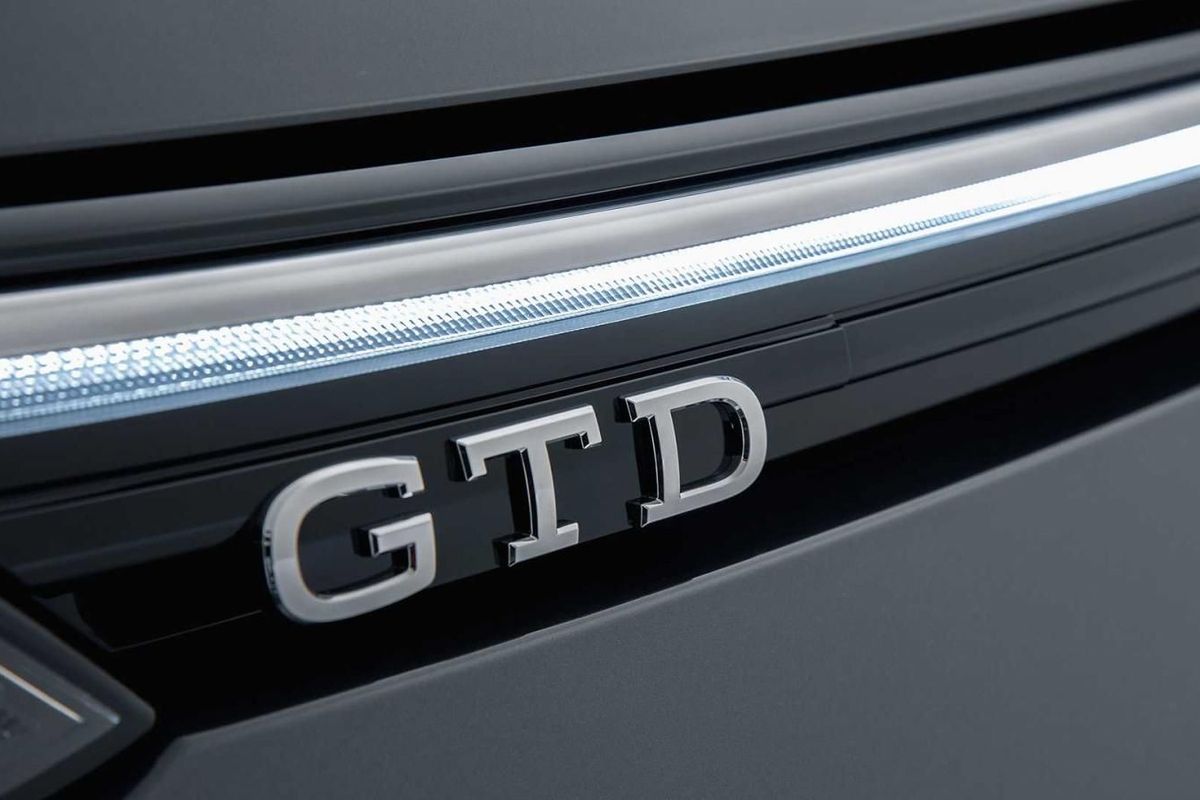
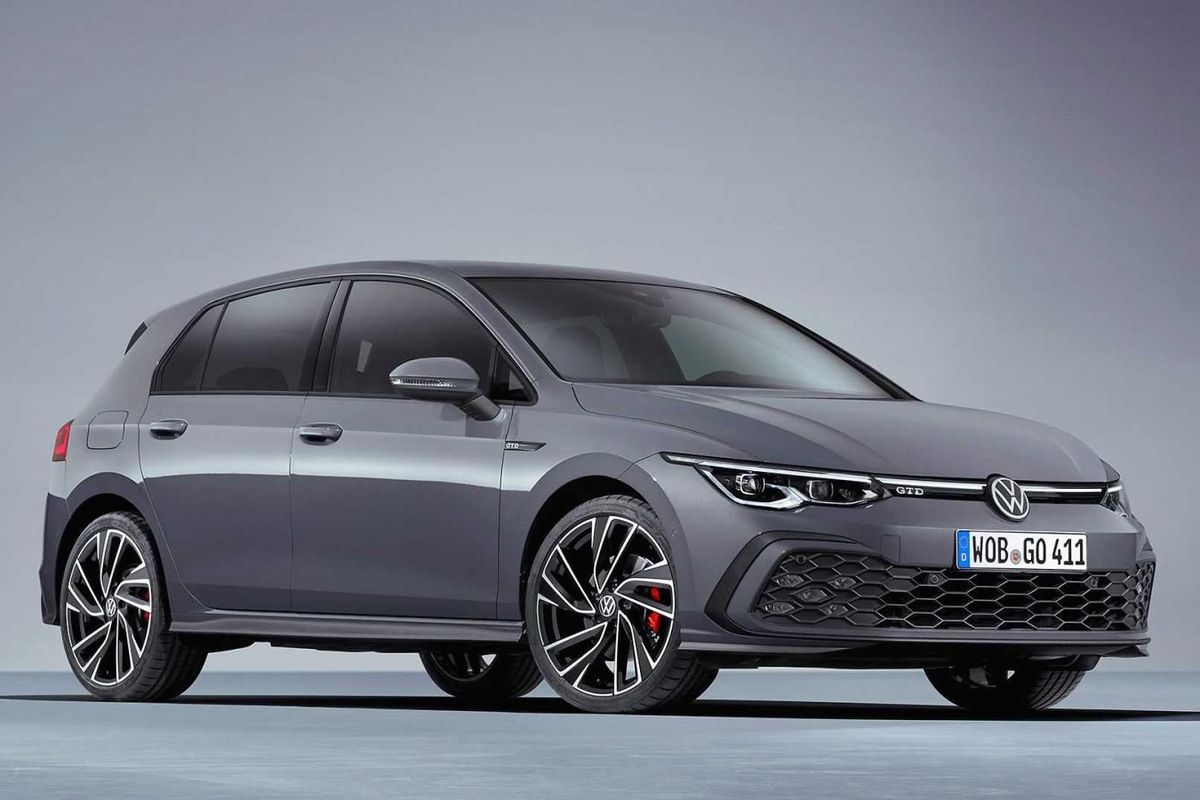
New Golf GTD Churns 400 Nm
The most powerful diesel Golf yet was shown in the shade of GTI big reveal.
The excitement surrounding VW’s new Golf 8 GTI has deflected attention from the news around its diesel sibling.
Although the company is planning to transition away from diesel and into a broad electric-vehicle product portfolio over the next decade, Golf 8 retains the GTD derivative.
For those VW followers who value the long-distance cruising ability, and overtaking capability, of the most potent diesel Golf, new GTD should have massive appeal.
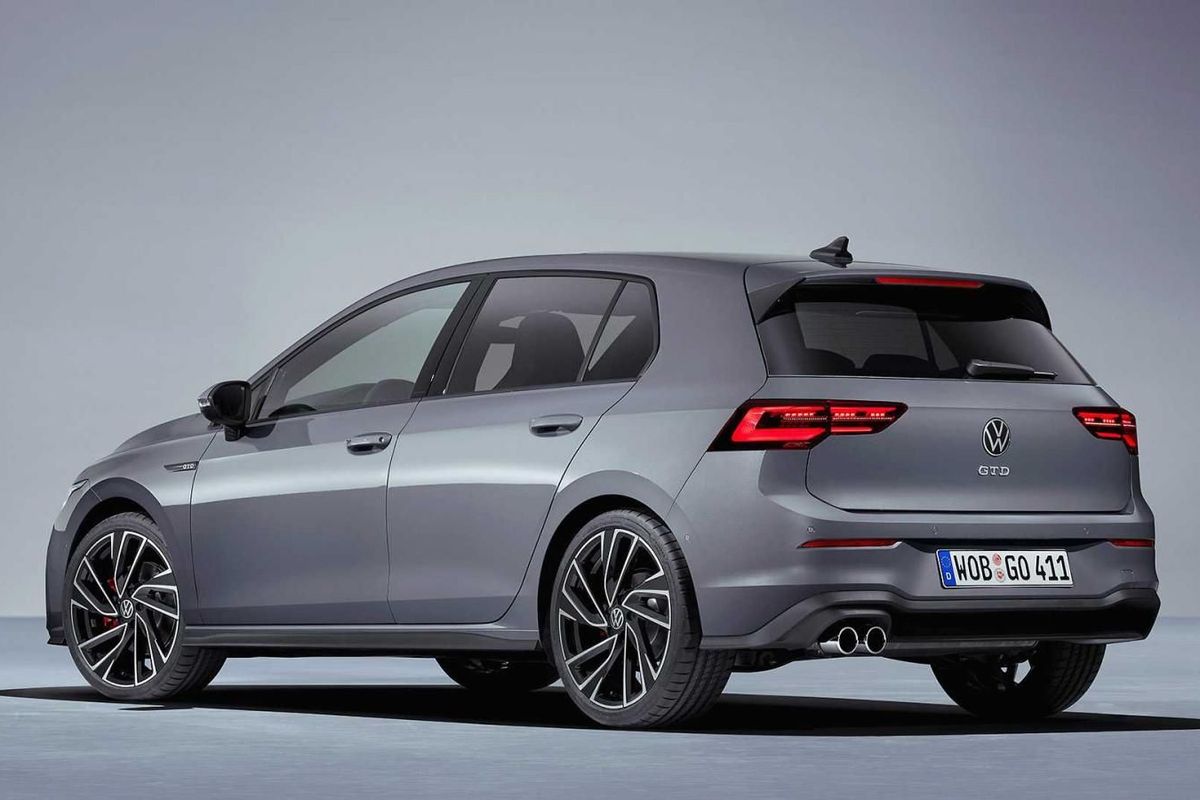
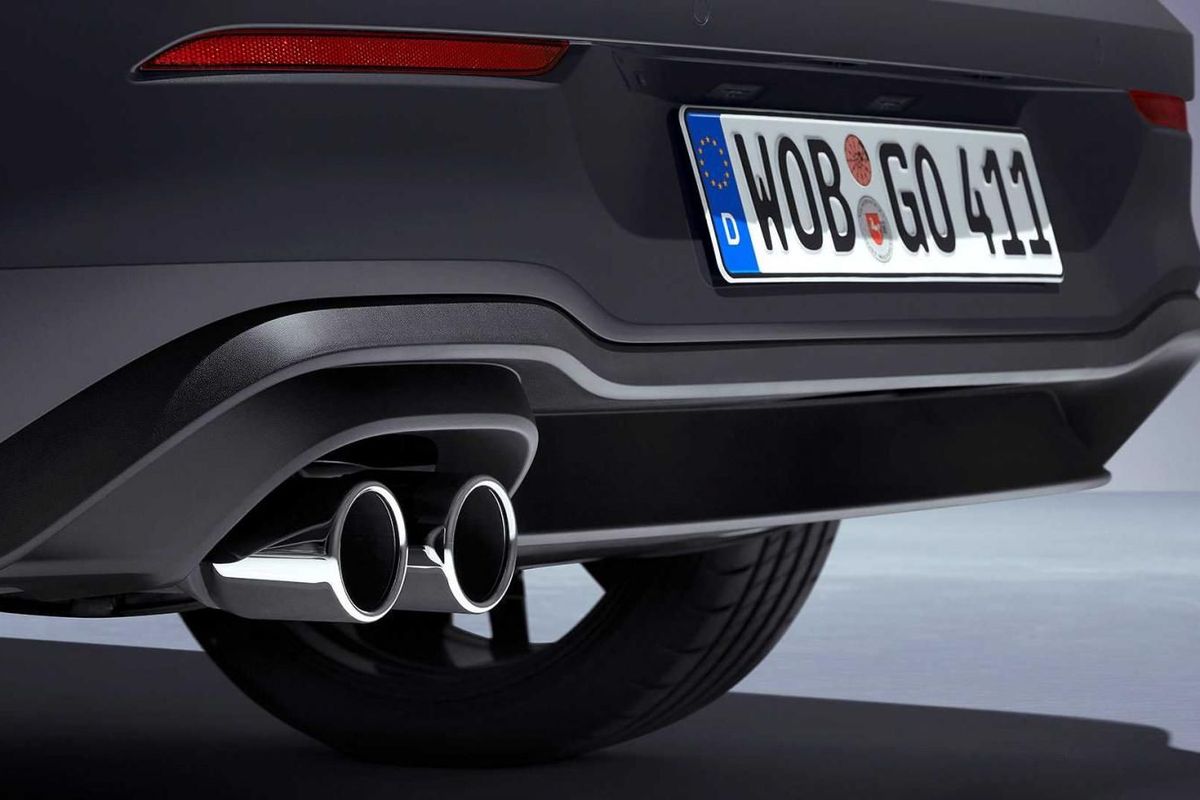
The only notable styling element which distinguishes GTD from other performance-orientated Golfs is its rear tailpipe grouping. Instead of having an exhaust end at each corner of the rear bumper, like GTI, the GTD’s dual-exhausts are arranged in a side-by-side configuration, in the left corner.
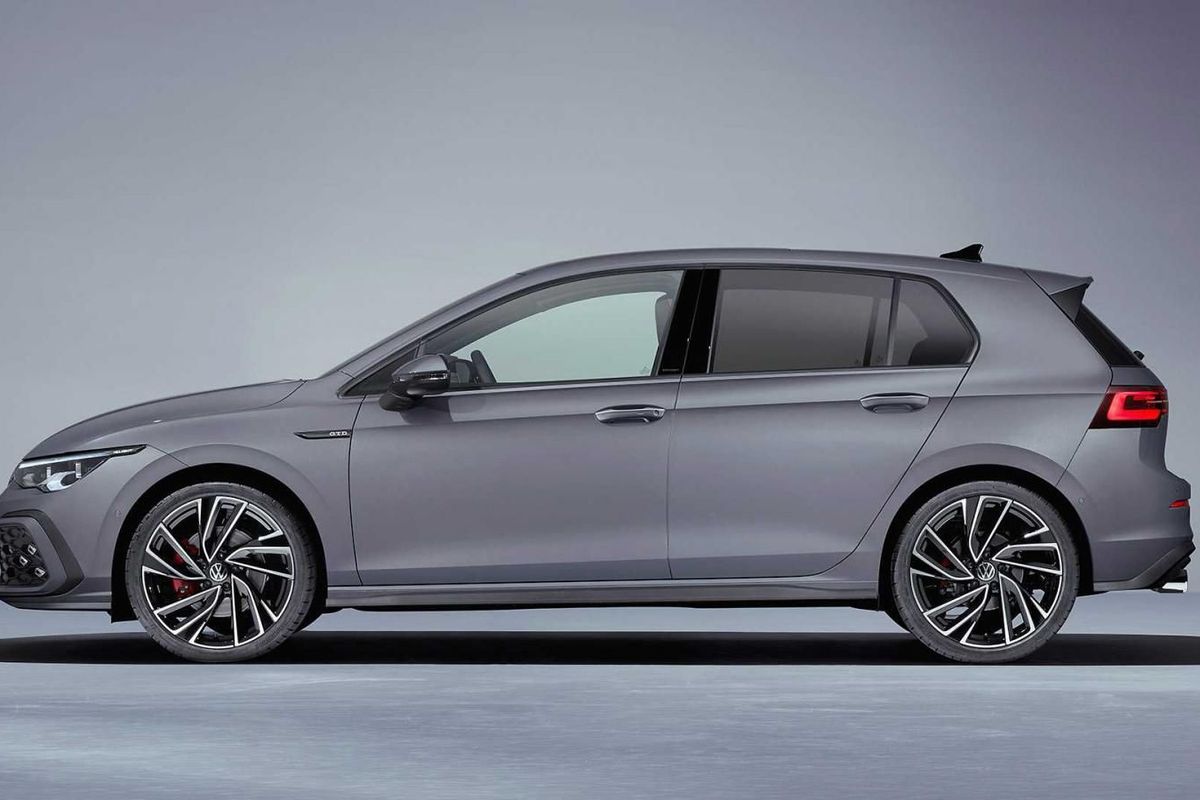
Much like its petrol-powered cousin, the GTD rides on a 15 mm lower version of the Golf 8 platform. This reduced ride height lowers the centre of gravity and should give the GTD superior stability, especially when cornering.
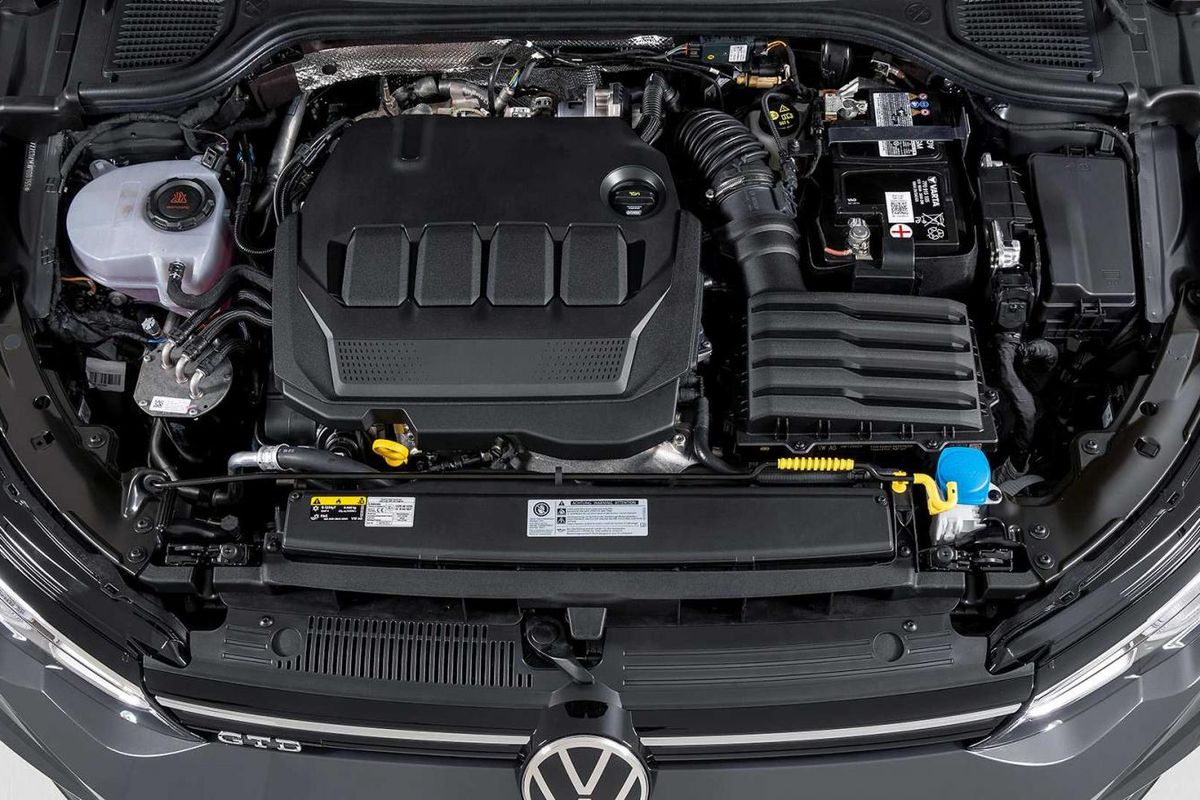
What defines the GTD, is the engine. VW’s engineers have done a lot of work making the EA288 diesel both the most powerful and least polluting diesel engine to sit above the front axle of any Golf.
It boosts 147 kW and 400 Nm, which should guarantee a surge of seamless performance when paired with the seven-speed dual-clutch transmission. The 400 Nm torque output is 50 Nm greater than the previous GTD, which was a car noted for its excellent highway speed overtaking acceleration.
Limiting the new GTD’s emissions are linked catalytic converters, which are claimed to greatly diminish the engine’s nitrogen oxide emissions. There is also AdBlue injection, to help make this the cleanest-running diesel performance car in VW’s line-up.
Here are the petrol price changes for the month of March 2020.
Due to the corona virus, international petrol prices suffered one of their steepest plunges. This means that there's some good news on the cards for SA motorists. According to the Automobile Association (AA), "The impact of the novel coronavirus outbreak on global economic activity cannot be over-stated, and petroleum prices have retreated in lockstep with the downturn across world markets," the AA says.
Despite the SA Rand suffering against the US Dollar, the AA is predicting a decline of between 9 and 19 cents a litre are on the cards for petrol, and 55 cents a litre for diesel.
Sadly, due to the budget speech and subsequent currency degradation, motorists should prepare for increases on the horizon. "It is difficult to predict where current events might lead us. The Rand has not found strength against the US dollar since Finance Minister Tito Mboweni's budget speech, and the consensus of economists is increasingly that South Africa is set to lose its last remaining investment grading before long," the AA said.
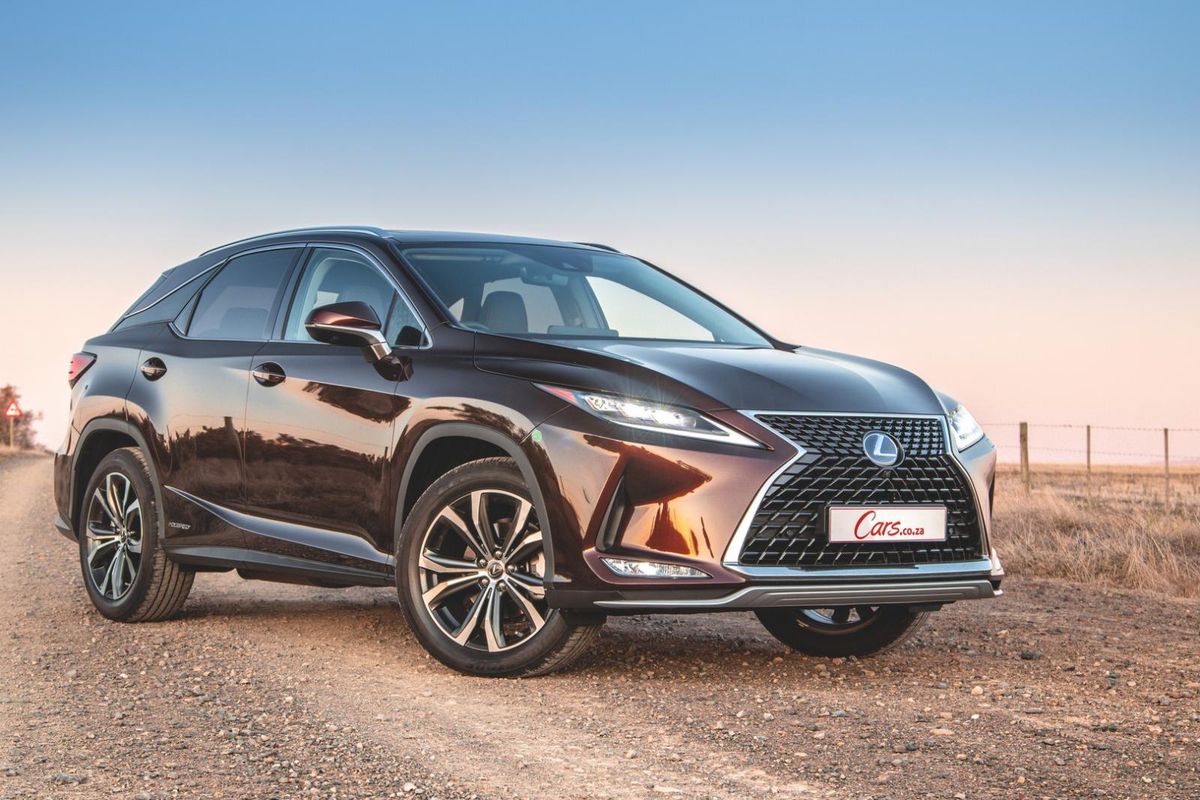
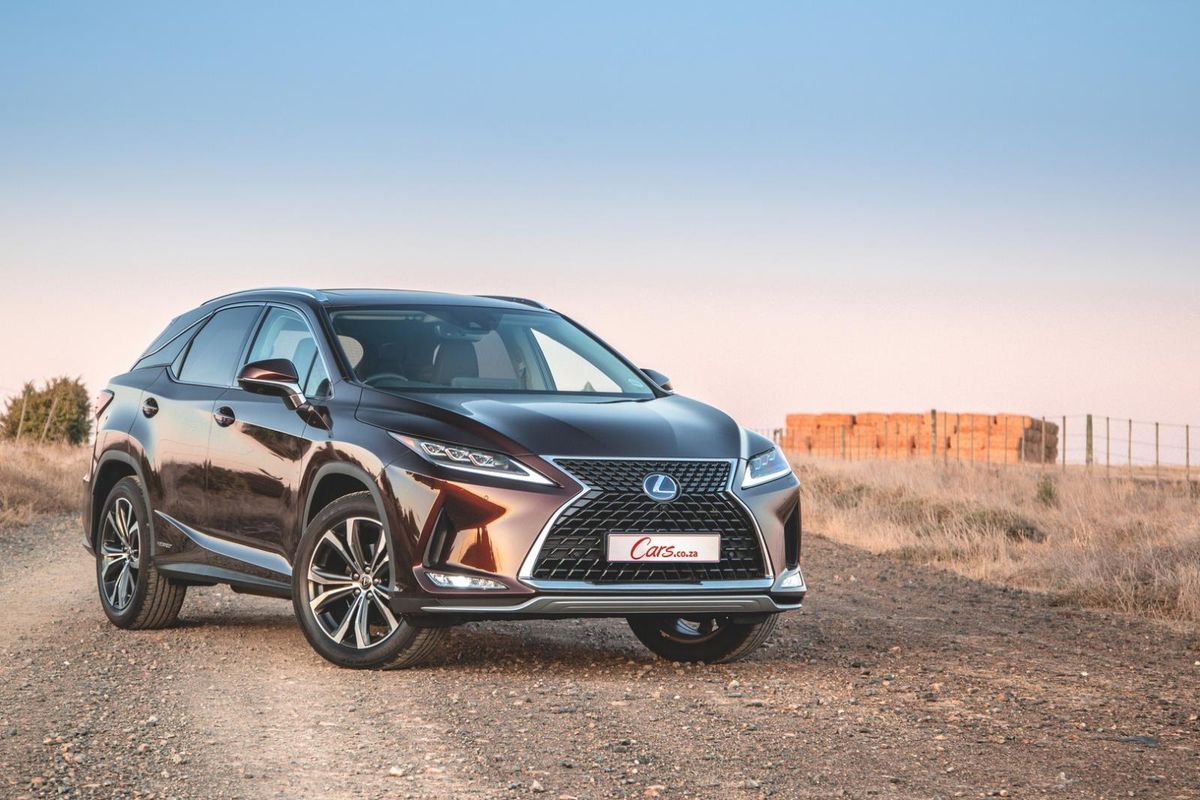
We've always regarded the Lexus RX as a strong contender in the Premium-SUV segment, but do the recent refinements to the model (and the addition of a few new features) give it broader appeal? We tested the flagship RX 450h SE derivative to find out.
We like: Excellent build quality, standard features list, refinement, ride comfort
We don't like: Not as spacious as some of its German rivals, not as economical as one might hope
Some Lexus dealers regularly offer specials: Have look here.
Where does it fit in?
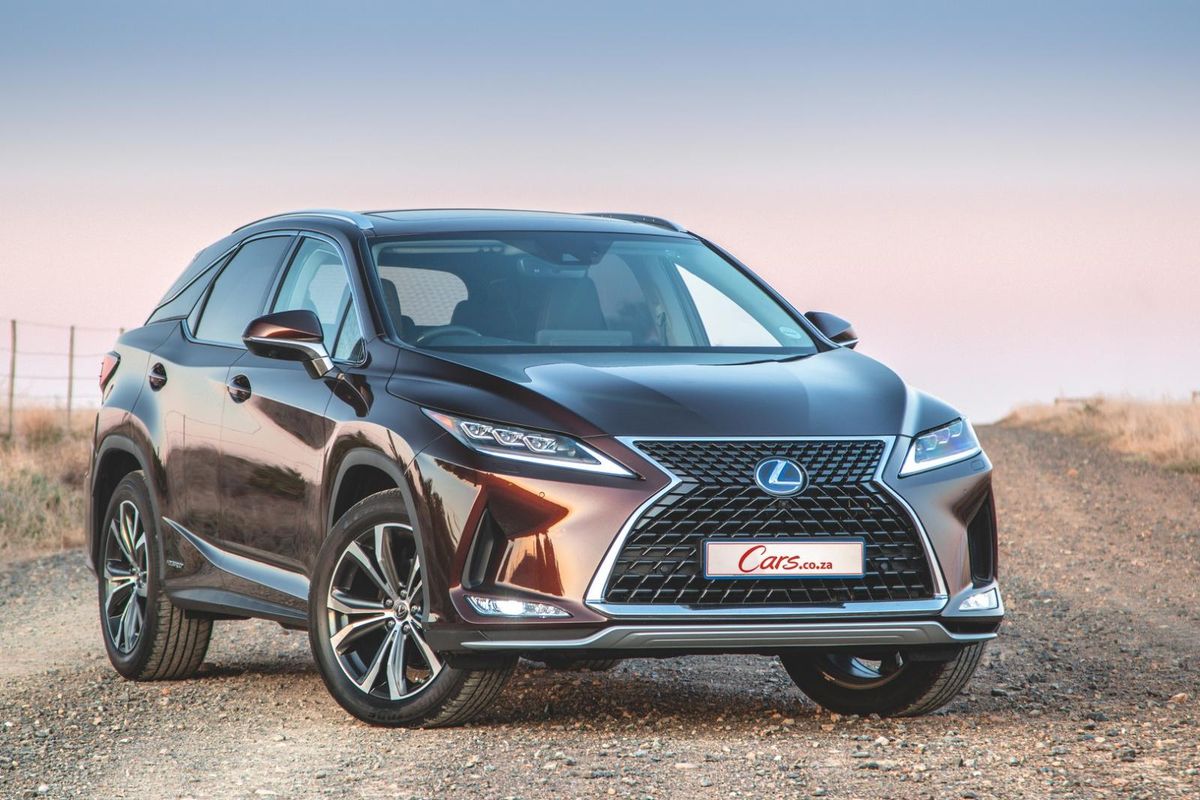
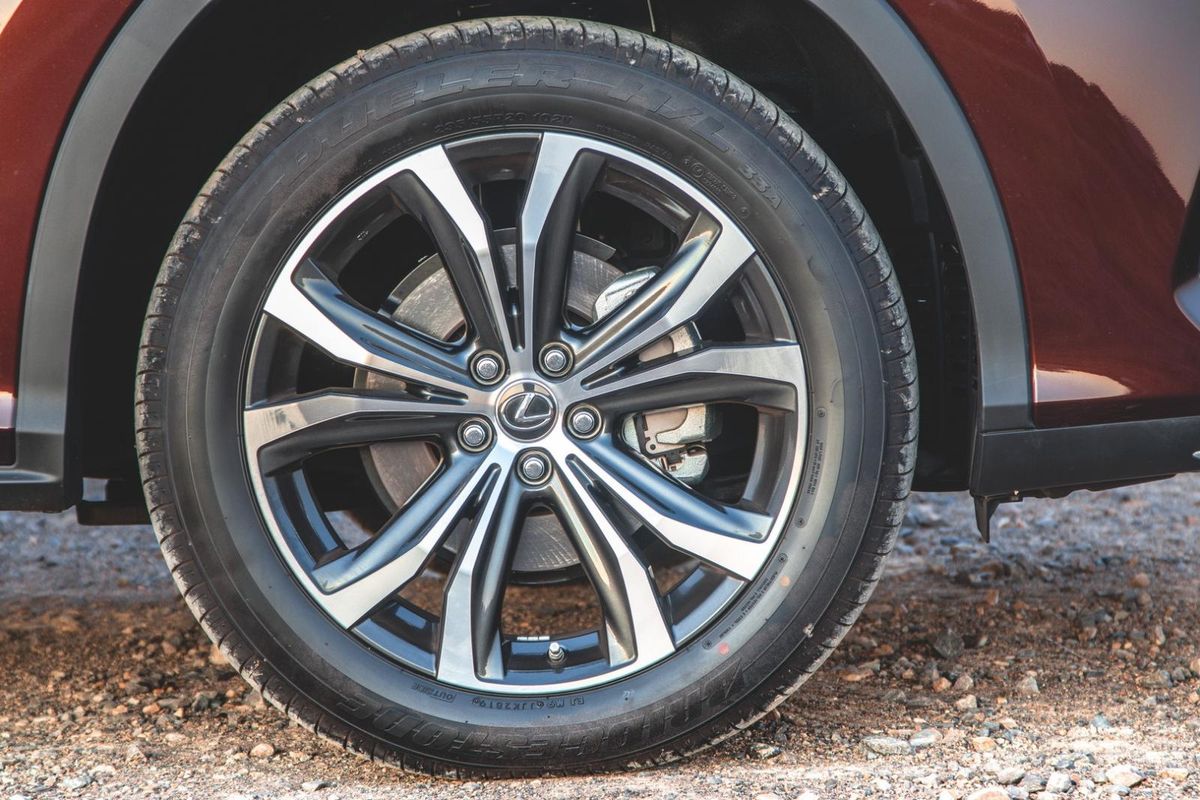
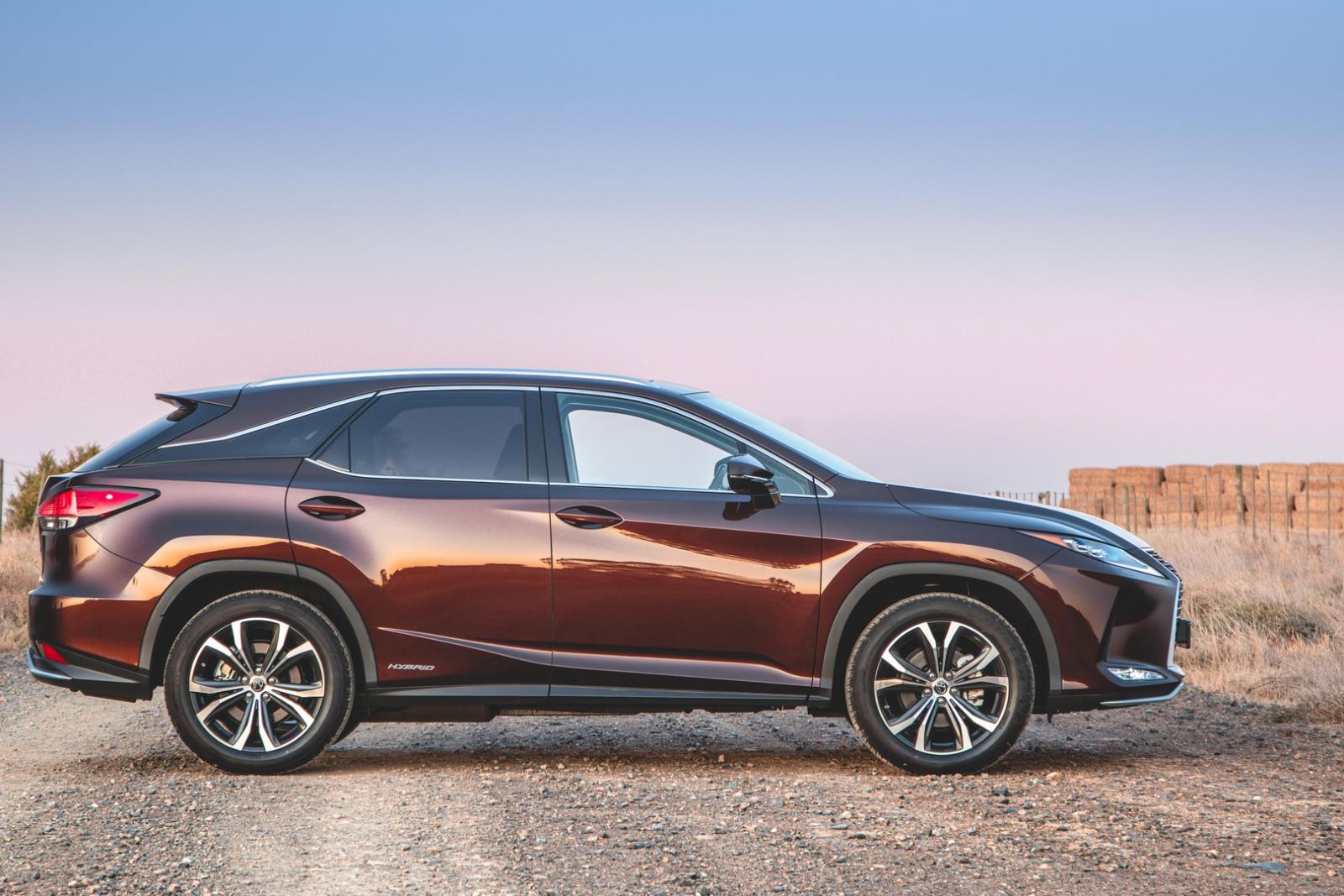
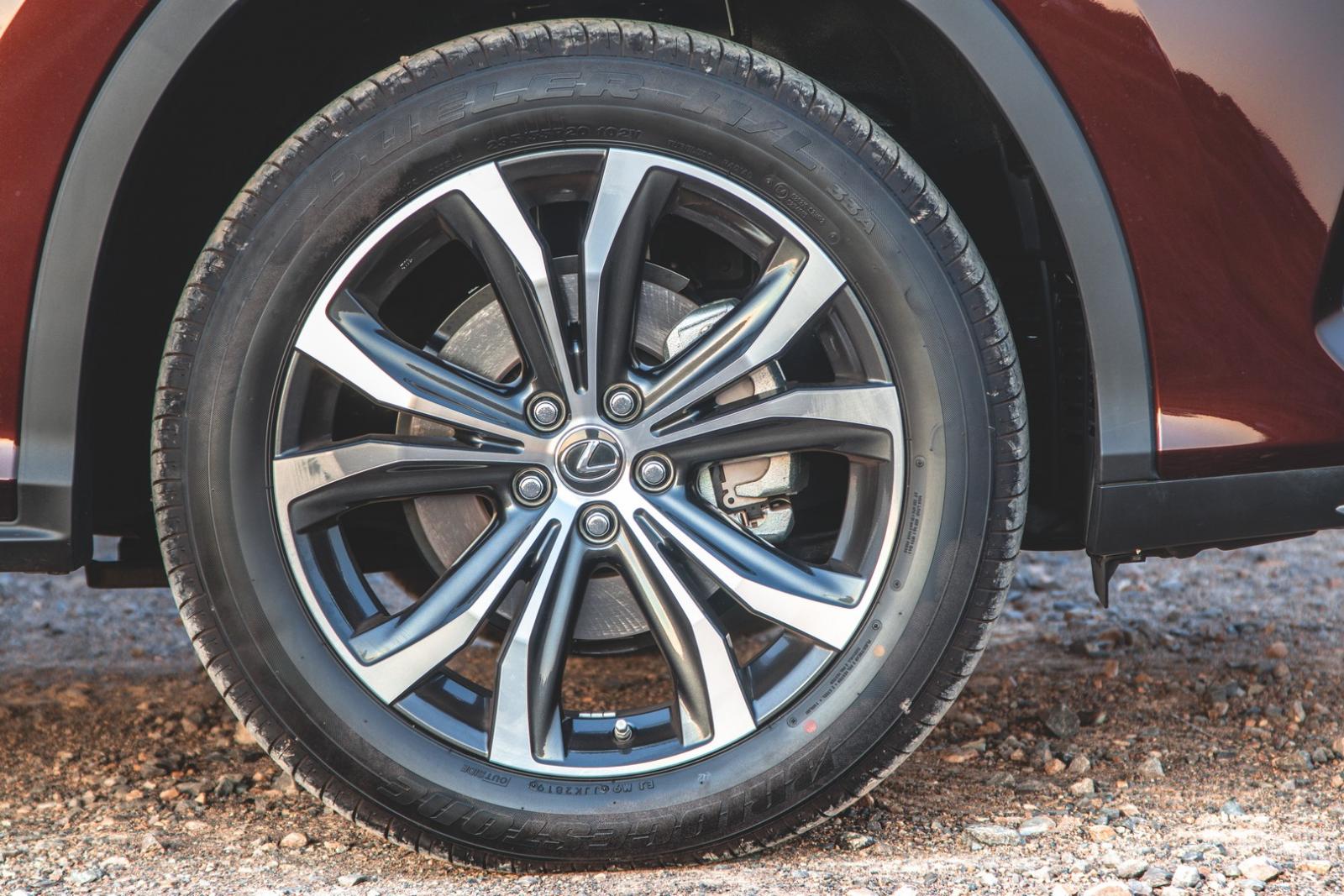
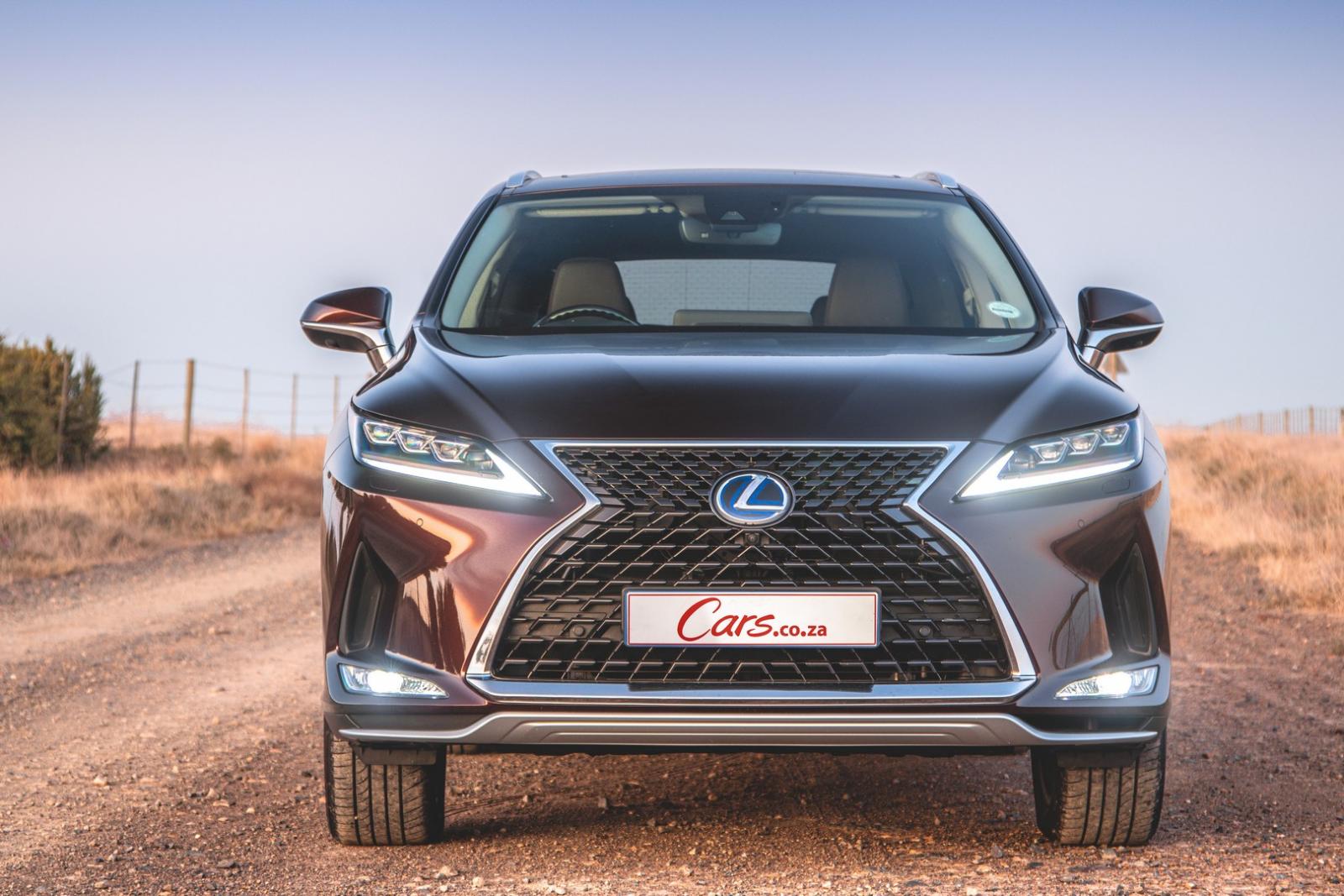
? The RX's striking design has been subtly updated, and still looks right up to date. 20-inch wheels are standard.
The RX is arguably one of the most underrated vehicles in the local market, but the 4th-generation model has not quite made the impression that Lexus may have hoped it would – at least not yet. Besides being slightly smaller inside than most of its rivals, there's precious little that it does wrong, in our view. However, the lack of a turbodiesel derivative in this market is likely as big a factor in the model's underwhelming sales performance… as badge snobbery. In our previous review, we also identified a slightly fidgety ride on some surfaces and occasionally erratic transmission performance.
The now-refreshed RX 450h SE is priced and positioned as an intelligent alternative to the market's big sellers (in the Premium SUV segment), and should, in theory, deliver the creamy smoothness of a refined petrol engine in combination with turbodiesel-like fuel economy. The best of both worlds, then? And, has Lexus ironed out the minor shortcomings of the previous-spec model? Let's see…
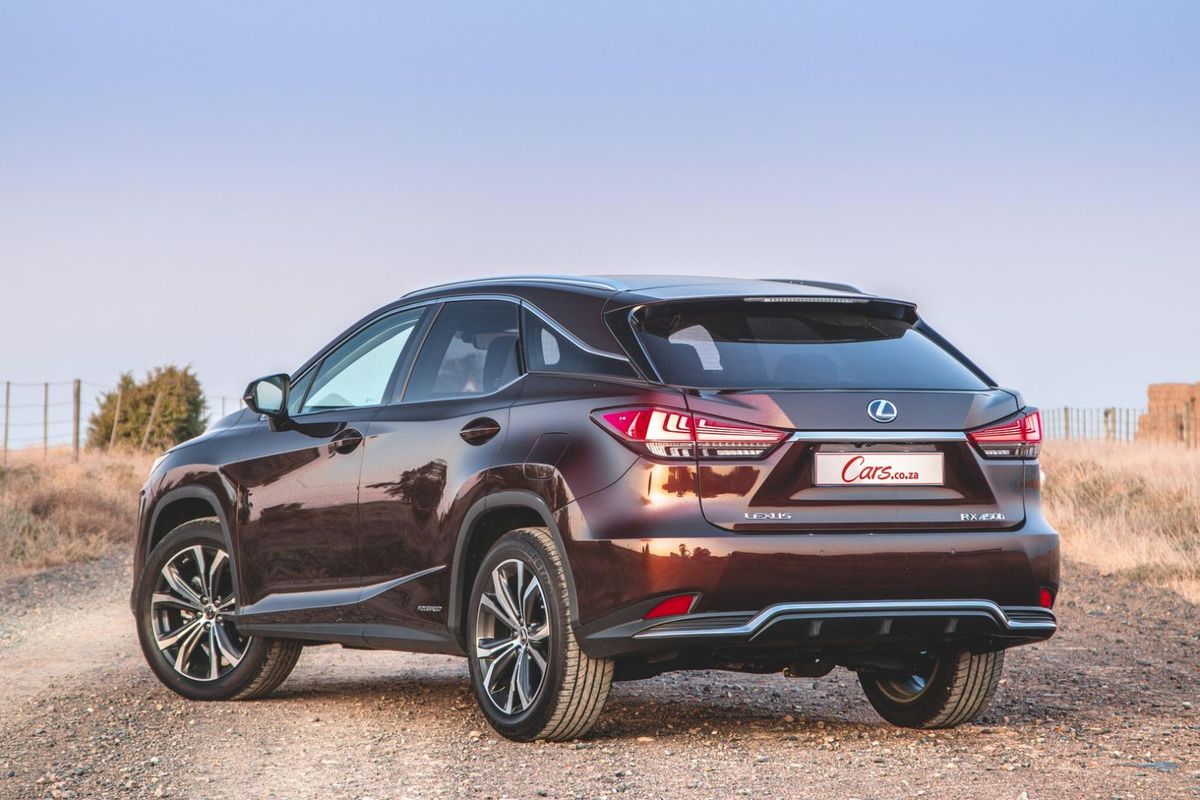
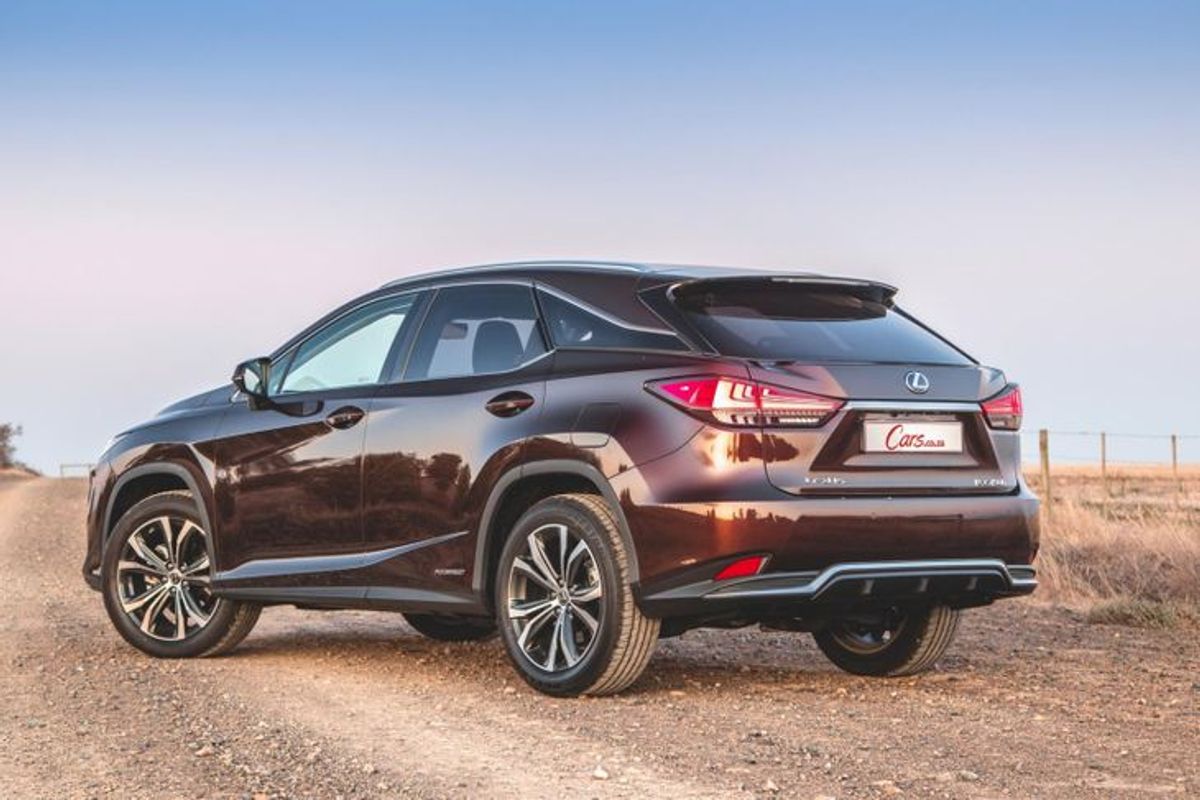
? With its "creased" exterior design language and smart detailing, the RX looks suitably premium.
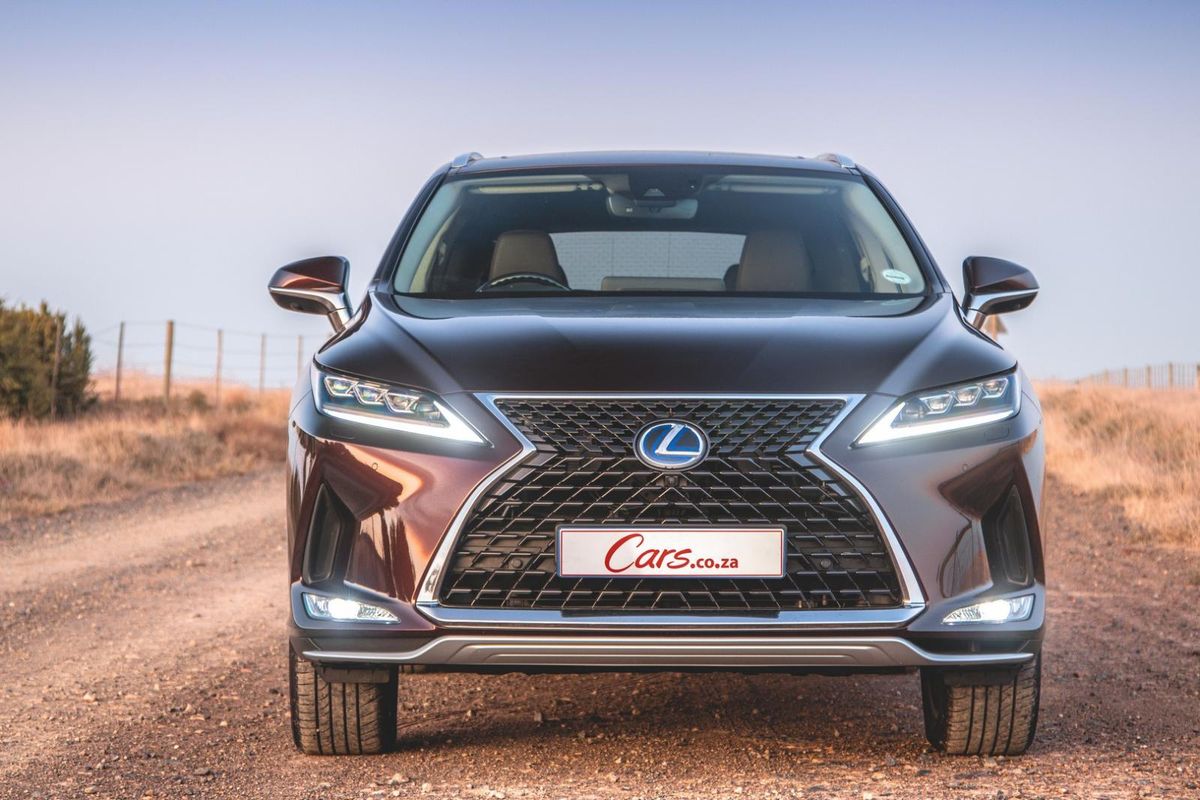
When Lexus’ “origami” design language first arrived on the motoring scene, it was often criticised, but the brand has persisted with it and now, several years, later, the RX looks just about right – not too challenging, yet still modern and interesting… as a result, this facelift incorporates very minor changes to the model's exterior execution.
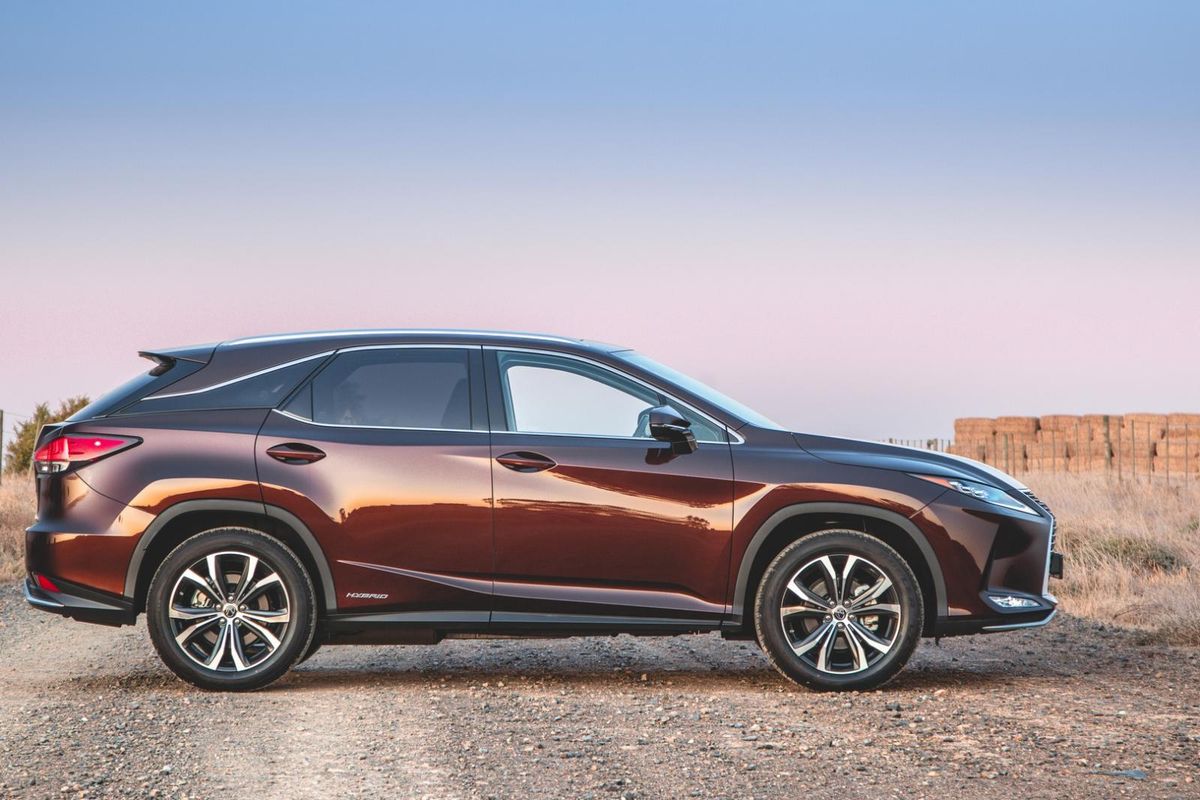
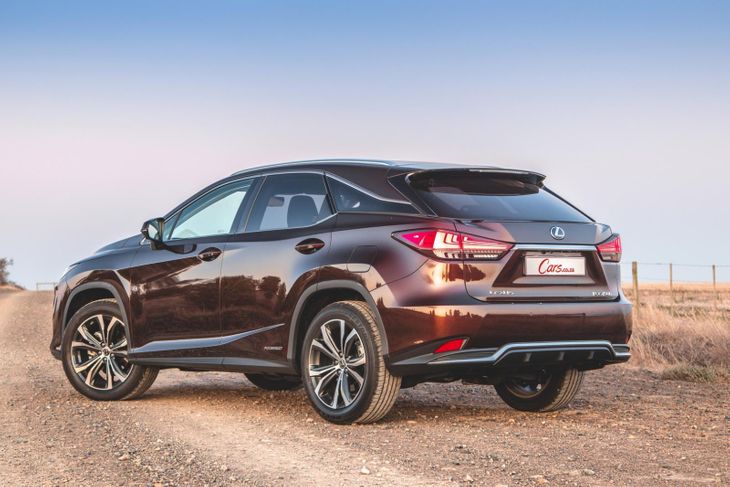
Or so it would appear… Lexus actually points out a fairly large number of changes. There’s a new version of the signature Lexus “spindle” grille, slimmer headlights, more round edges to the redesigned front bumper, a revised side “character line” (it's purported to facilitate a coupe-like silhouette), a redesigned rear lower bumper and new combination LED tail lamps. Riding on 20-inch alloy wheels as standard, and with an electrically operated sunroof included in the deal as well, the RX 450h SE turned many a head during our test period. It looks every bit the flagship Premium SUV that it is.
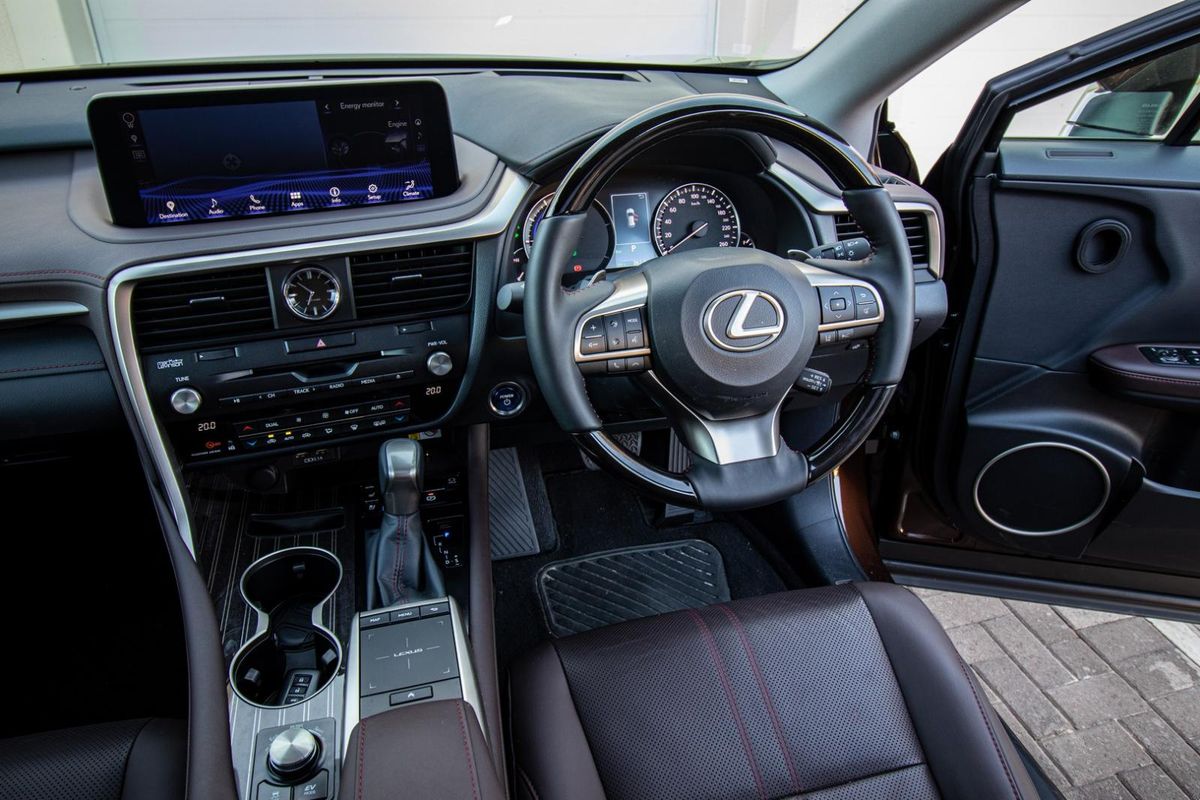
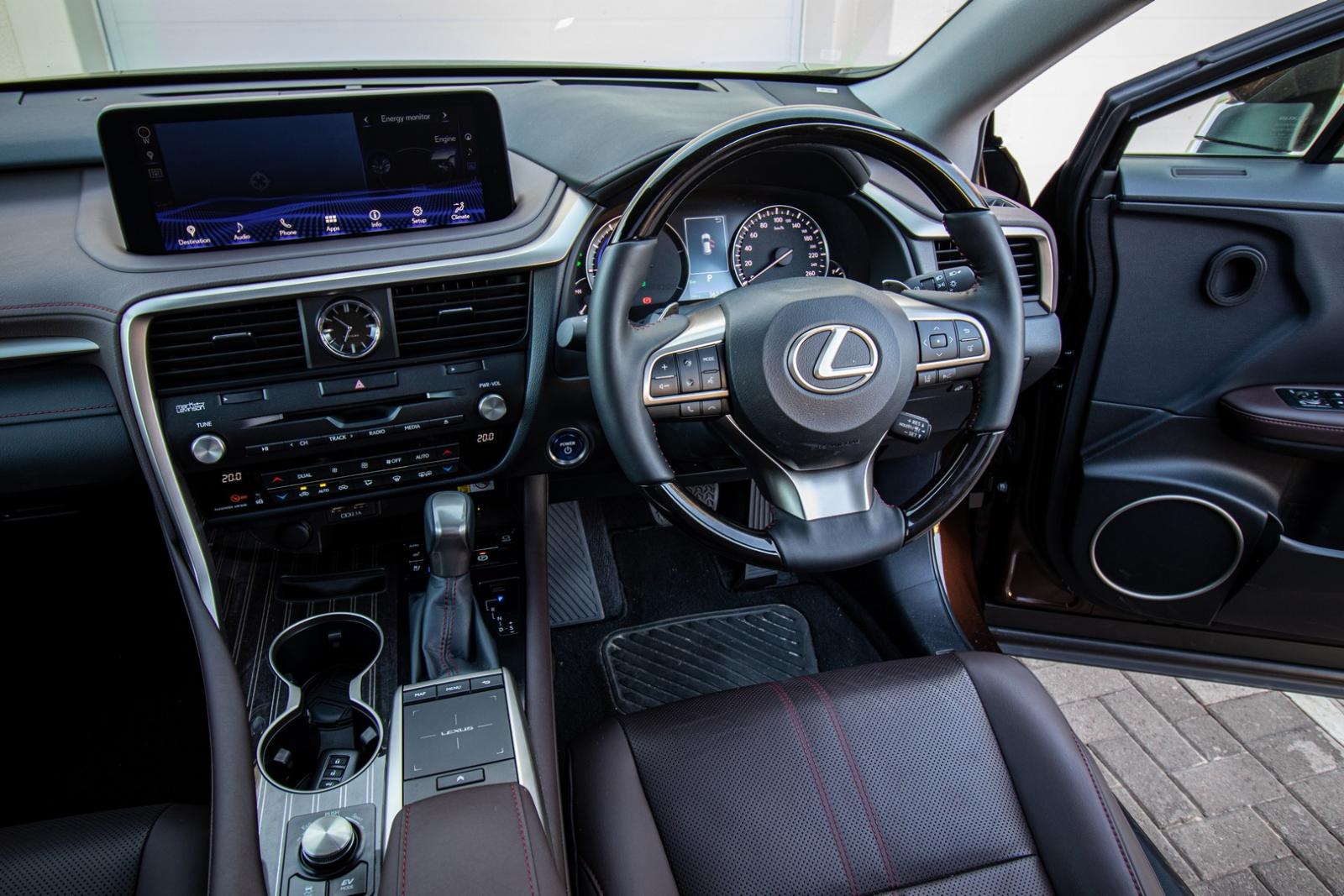
The most obvious change inside is a large new 12.3-inch touchscreen.
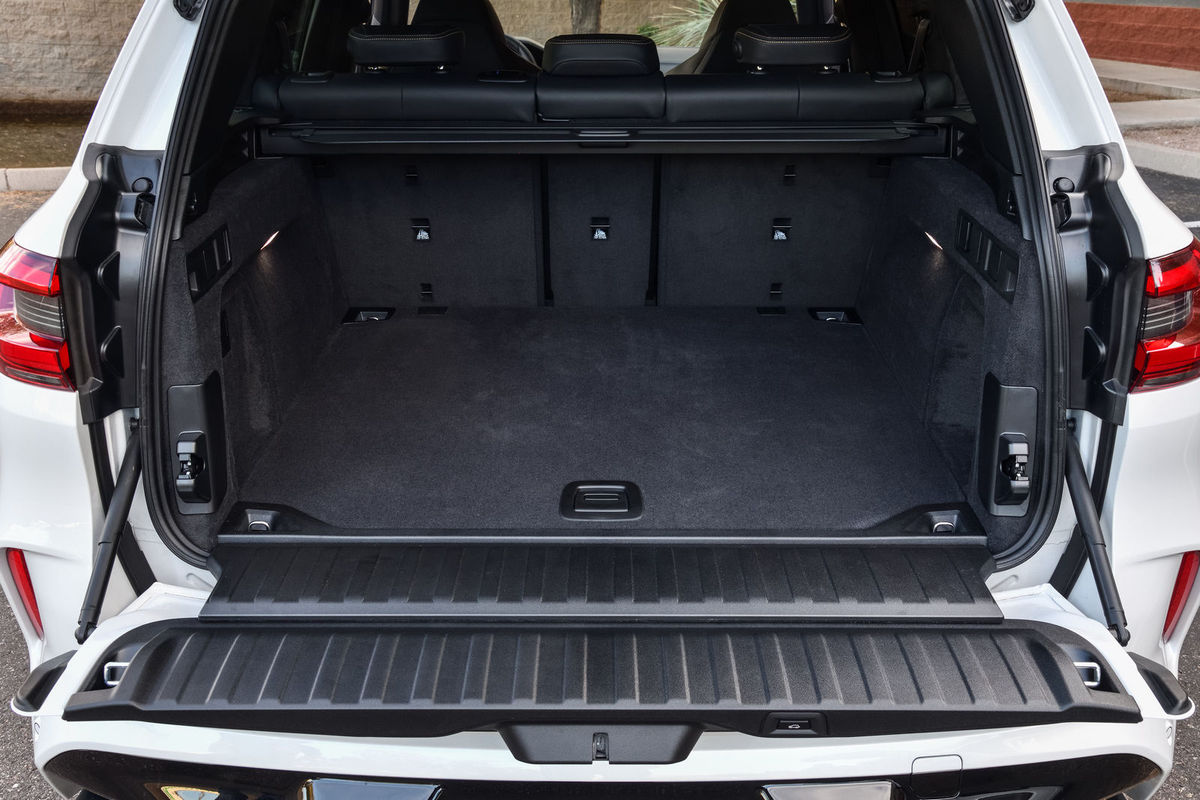
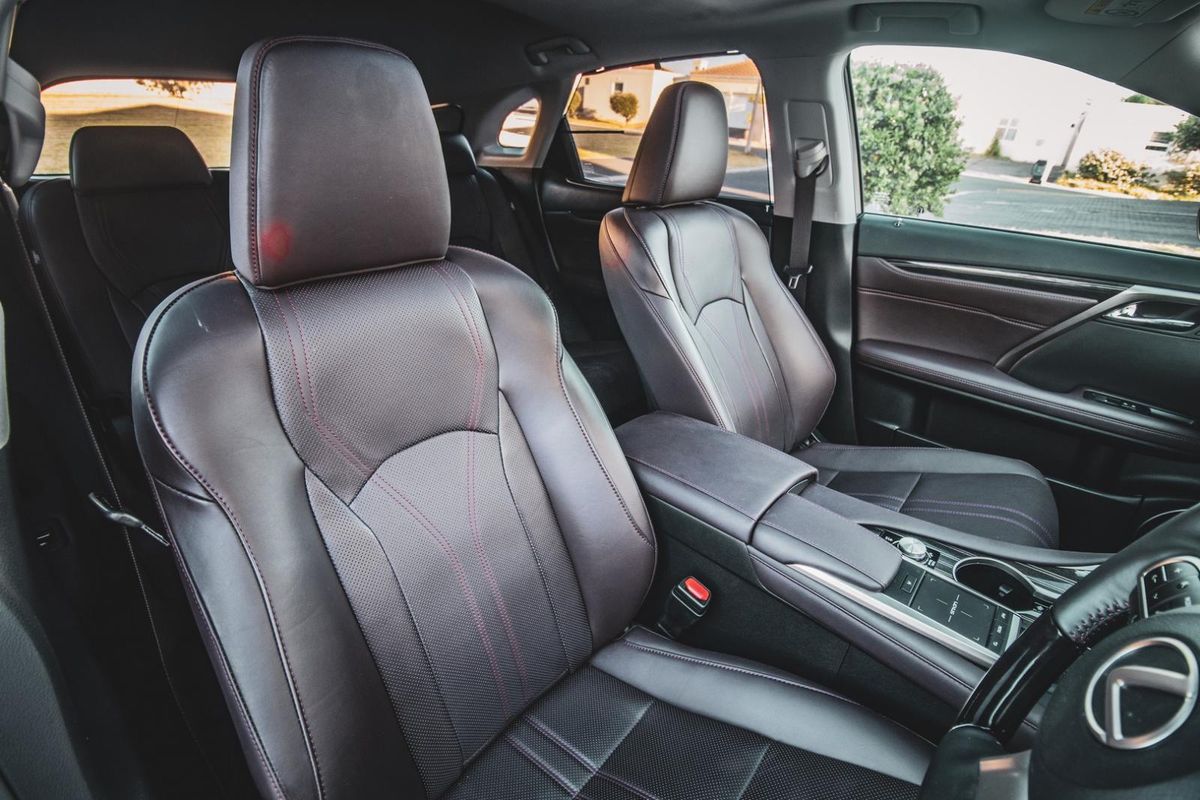
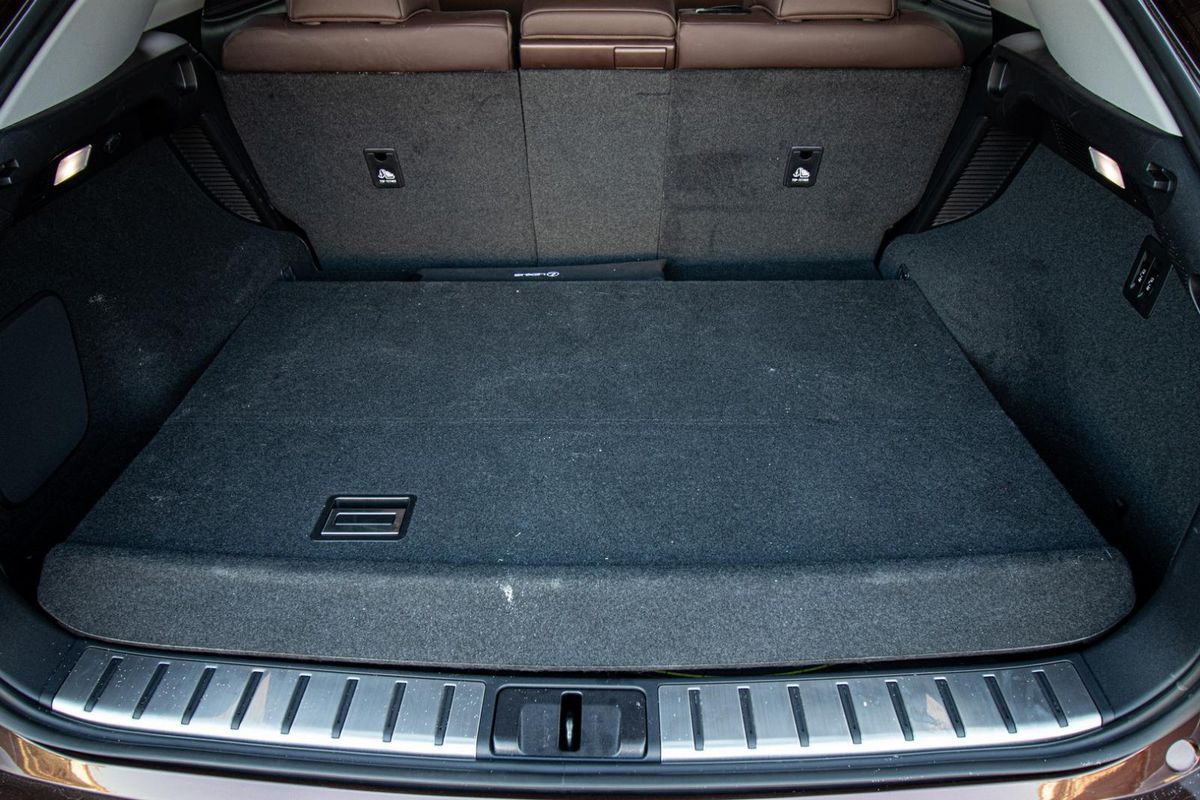
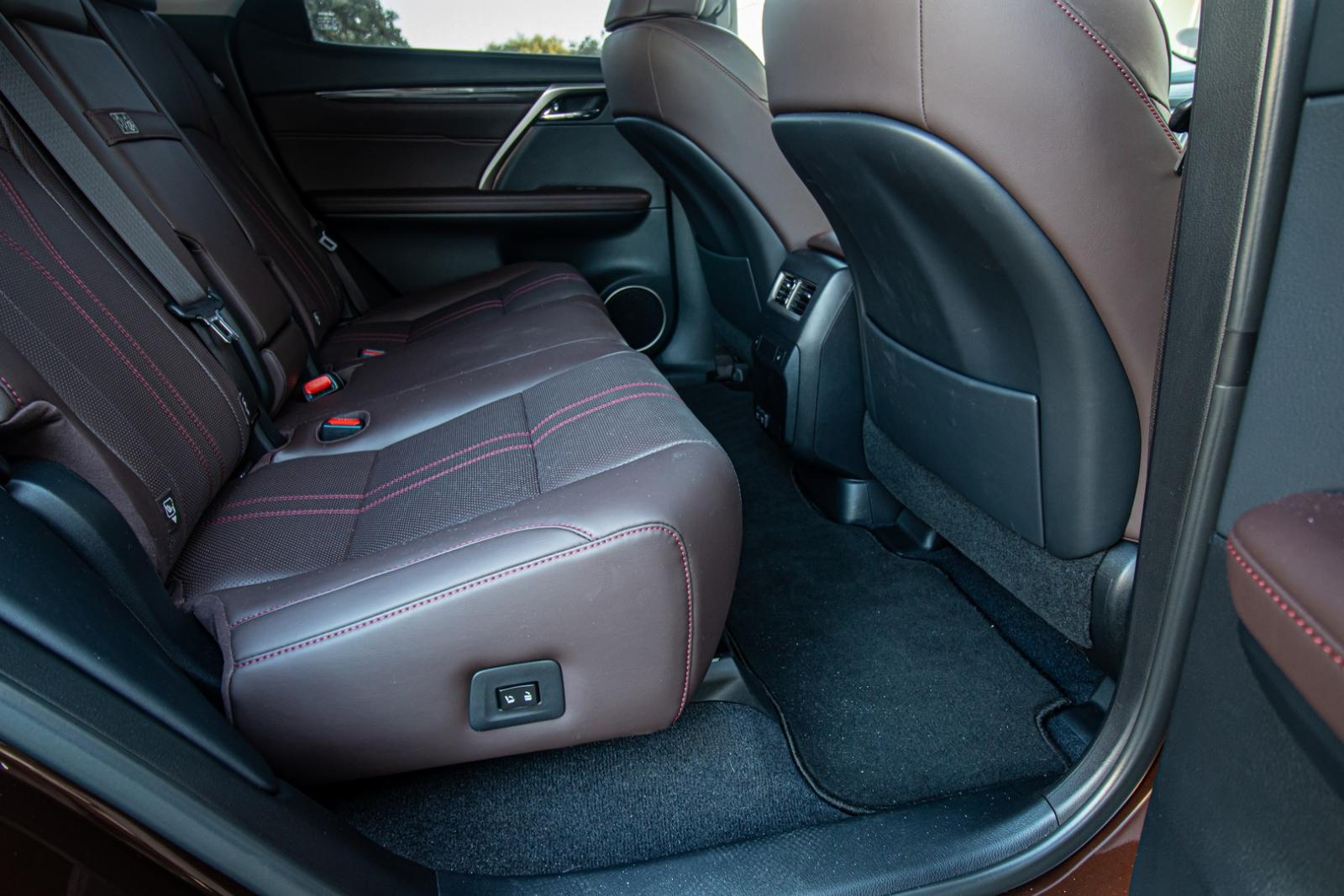
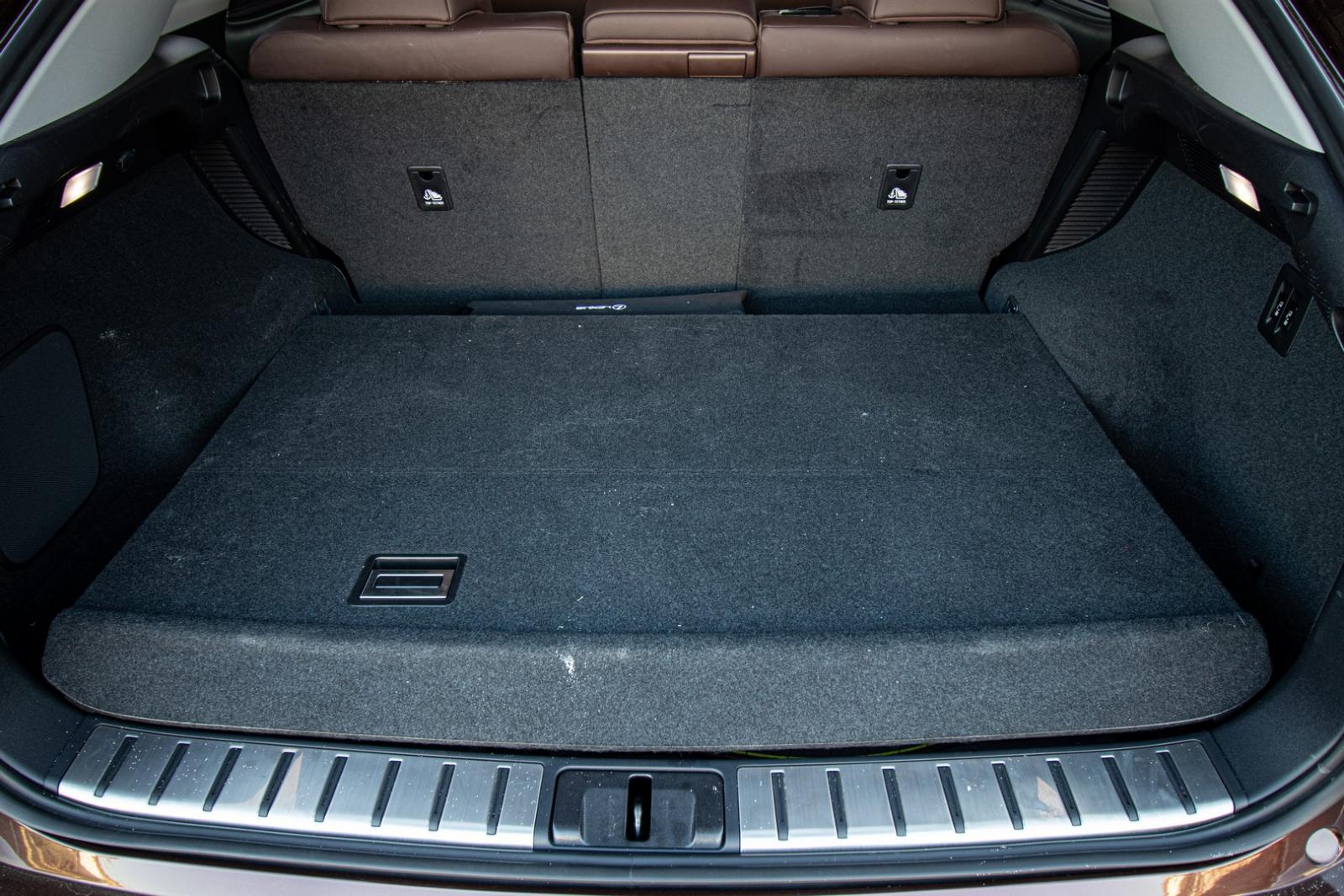
Inside, besides the tech changes detailed later in this article, the RX is much the same as before, with an emphasis on exquisite quality and detailing. It’s not, ultimately, as practical as some of its rivals, however, and while rear legroom will be good enough for most adult passengers, the load bay is notably smaller than (most of) the competition – Lexus claims a luggage capacity of 453 litres, compared with, for example, the BMW X5’s 500 litres.
The current-generation RX boasts one of our favourite Premium SUV cabins; it bristles with tech features and high-quality finishes. Lexus has further improved the recipe with this latest model… remember, the RX 450h SE is the flagship derivative, and as such, it comes loaded with standard features.
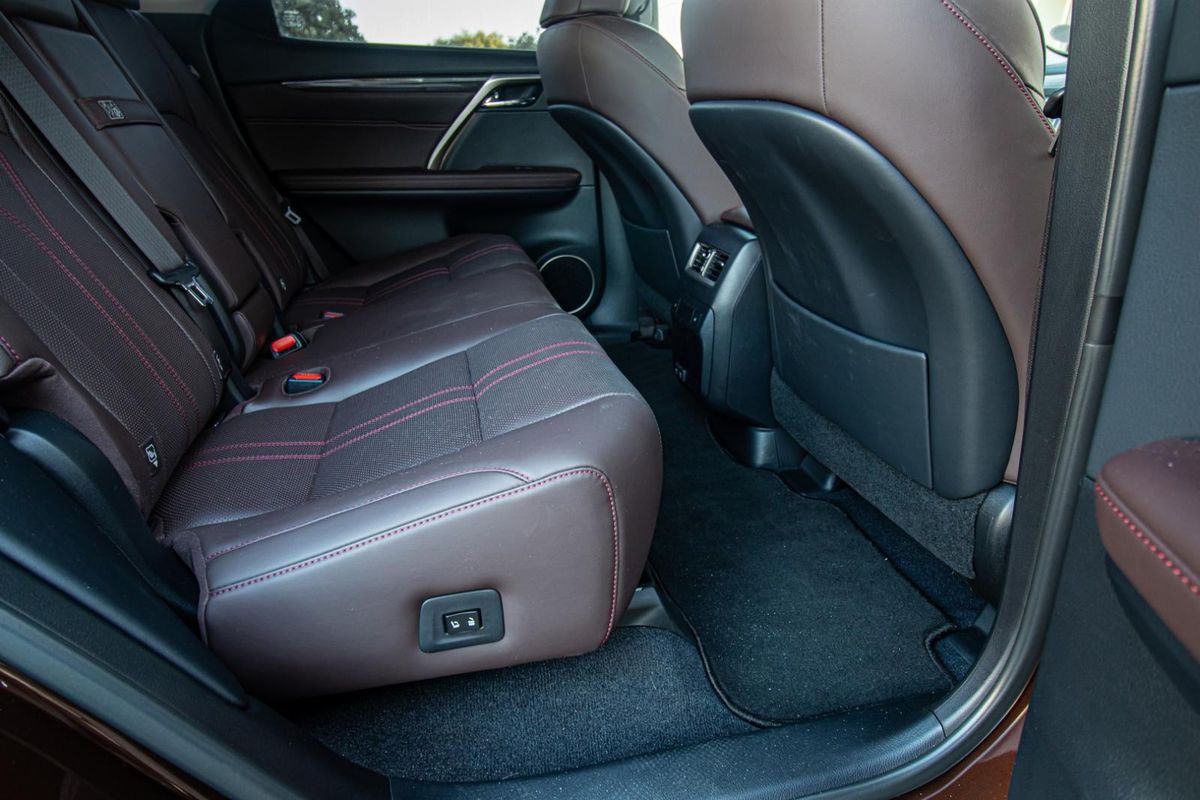
Sufficient rear legroom for rear passengers, but it does feel more "claustrophobic" than some rivals. Note electric switches to fold rear seat backrest.
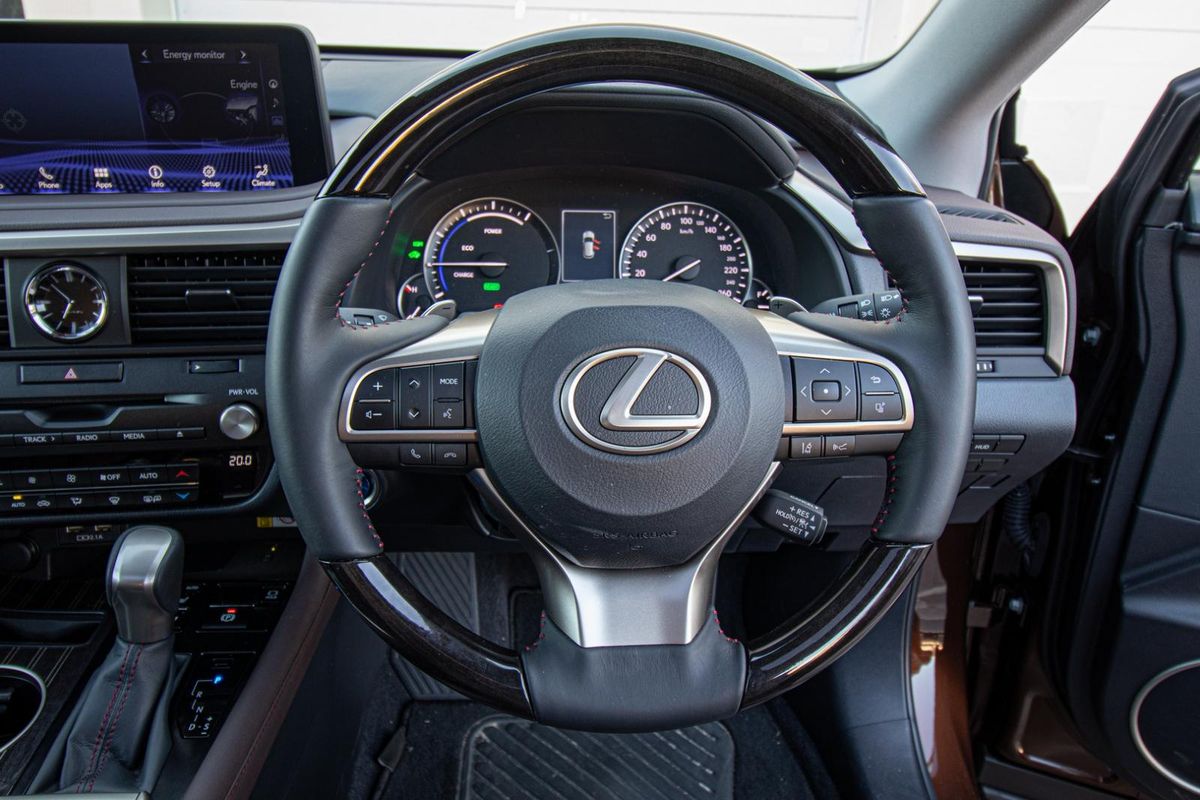
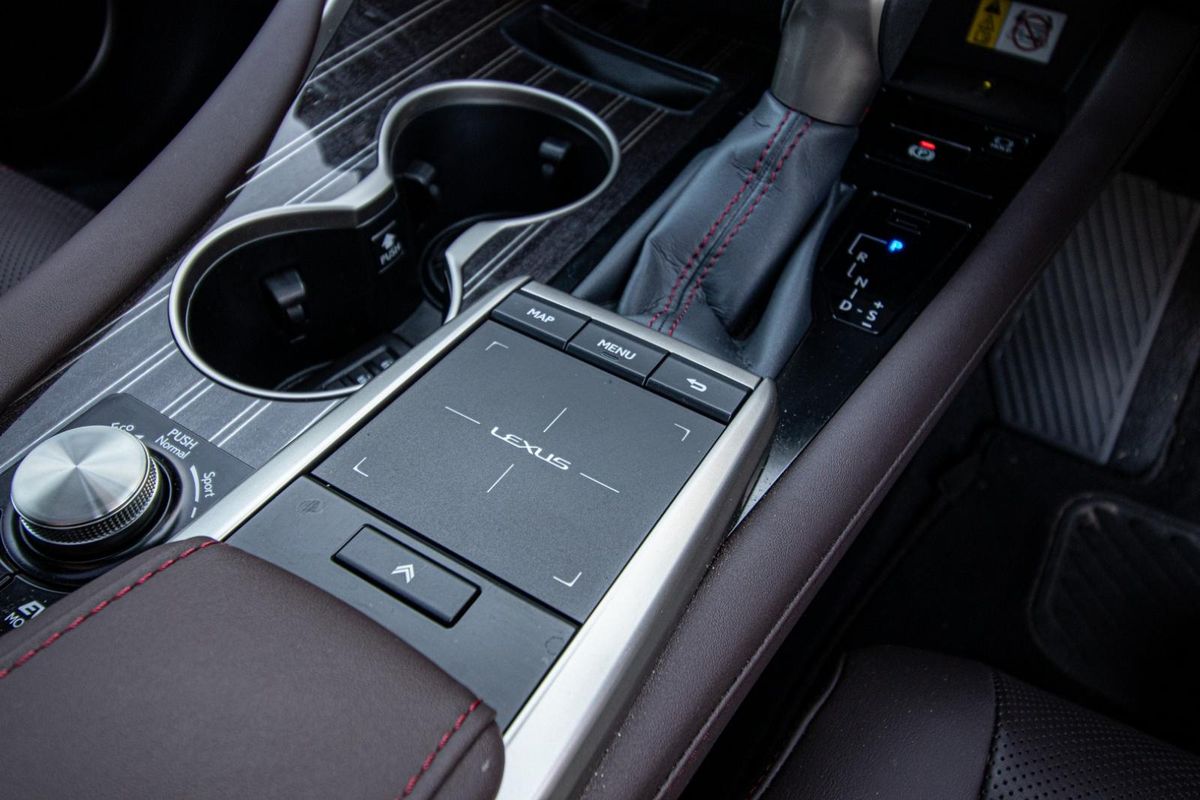
The most obvious change in the cabin is the new, touch-sensitive, 12.3-inch central infotainment display. This is a significant change, and perhaps an acknowledgement by Lexus that its (if further improved) traditional trackpad with haptic feedback is not universally loved. The system also features voice control for certain functions, so you’re spoilt for choice when it comes to functionality.
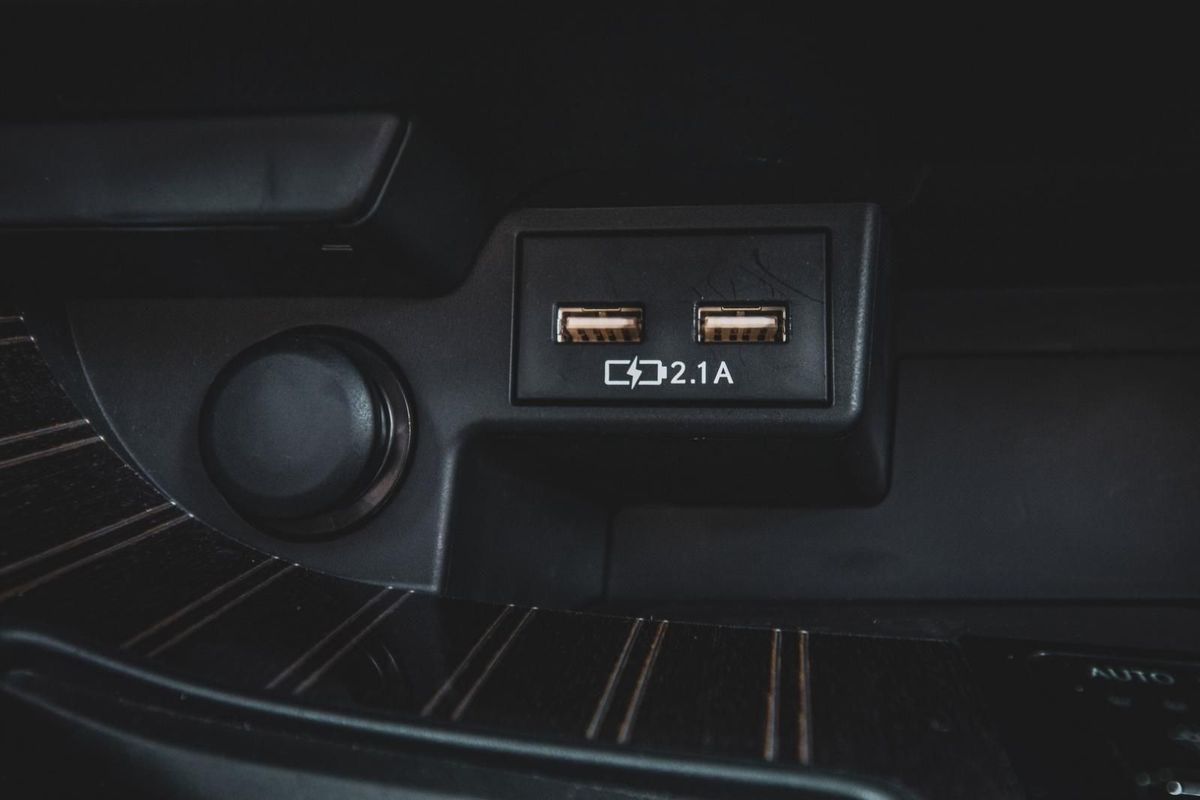
In terms of smartphone integration, the RX is bang up to date; it's compatible with Apple CarPlay/Android Auto and has no fewer than 4 USB ports. Voice control via Apple’s Siri or Google’s Assistant is also possible. MyLexus (a bundle of connected services via a dedicated app) and a wifi hotspot with an initial complimentary 15GB data plan (more data can be purchased at any time) are standard too.
With its high floor, the RX's boot is not as big as most rivals', and ultimate utility space with the seats folded down also lags the market leaders.
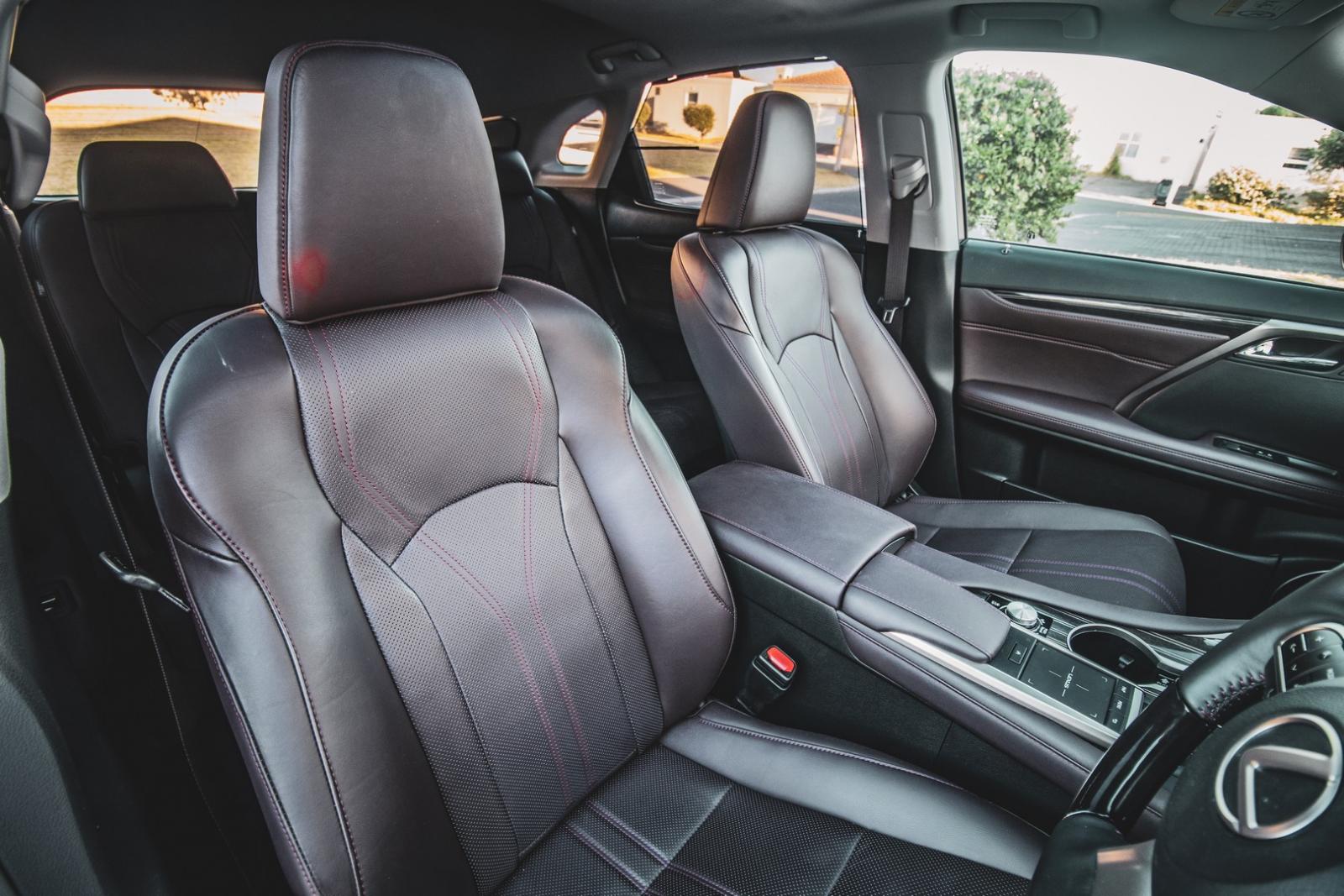
As ever, the level of fit and finish in the RX is top-notch; the cabin features rich leather surfaces, beautiful stitching and quality wood in all the right places. A new Rich Cream interior trim colour has been added to the line-up, exclusively for the RX 450h SE, but we found our test unit’s Noble Brown hue both practical and suitably stylish.
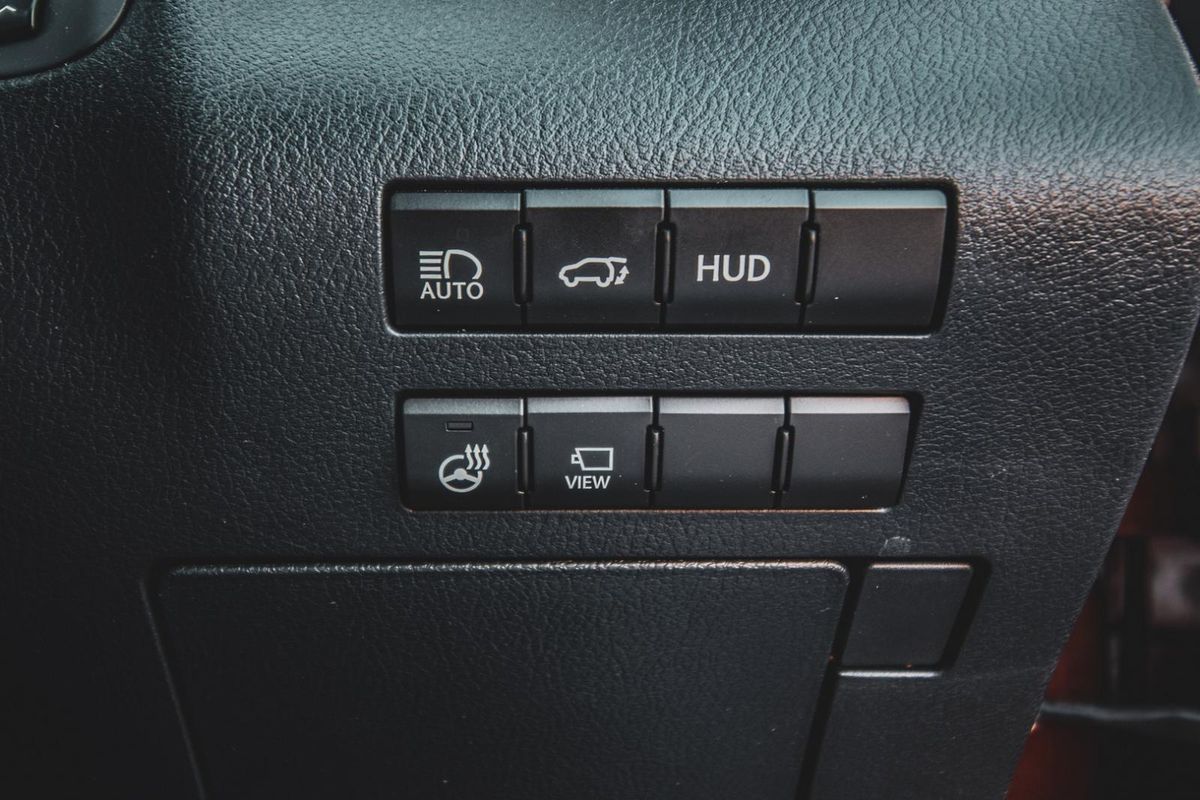
Lexus doesn’t skimp on standard features: this SE derivative features a top-quality 15-speaker Mark Levinson audio system as standard in addition to, among other features, an ambient lighting package, a wireless charging pad, as well as an HUD (head-up display).
Performance & Efficiency
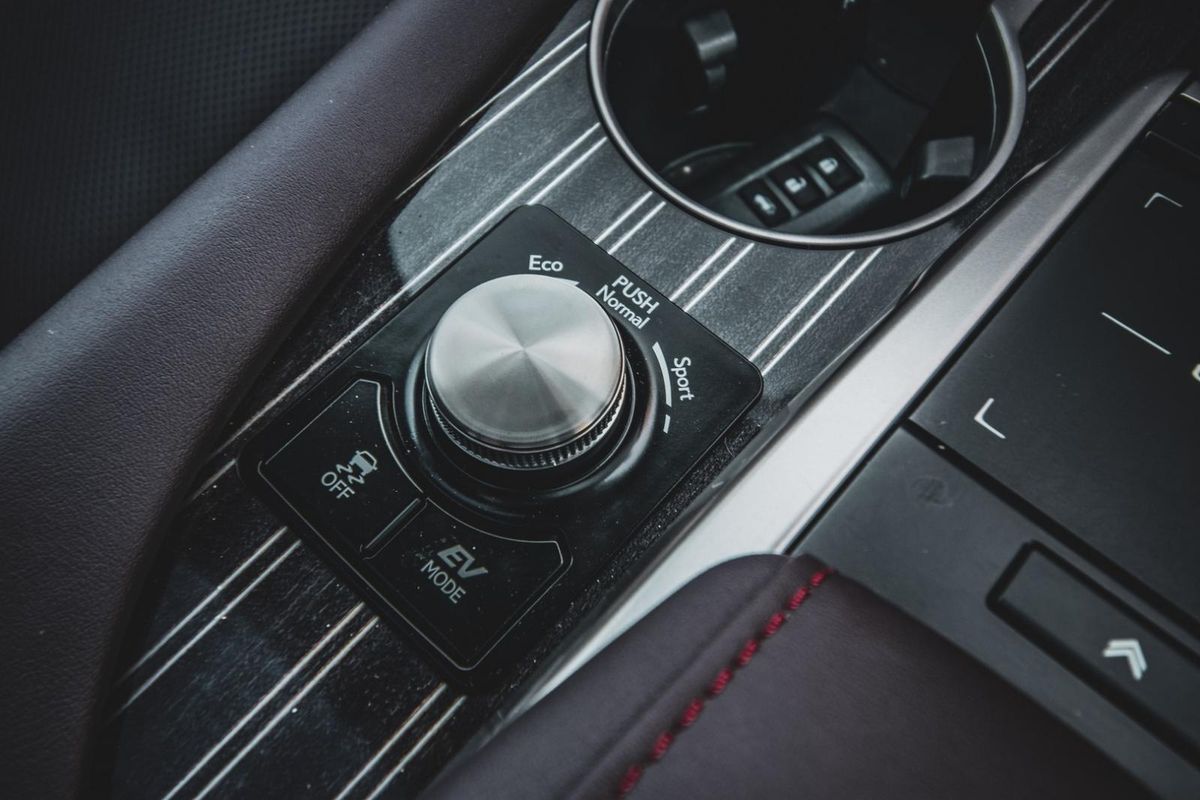
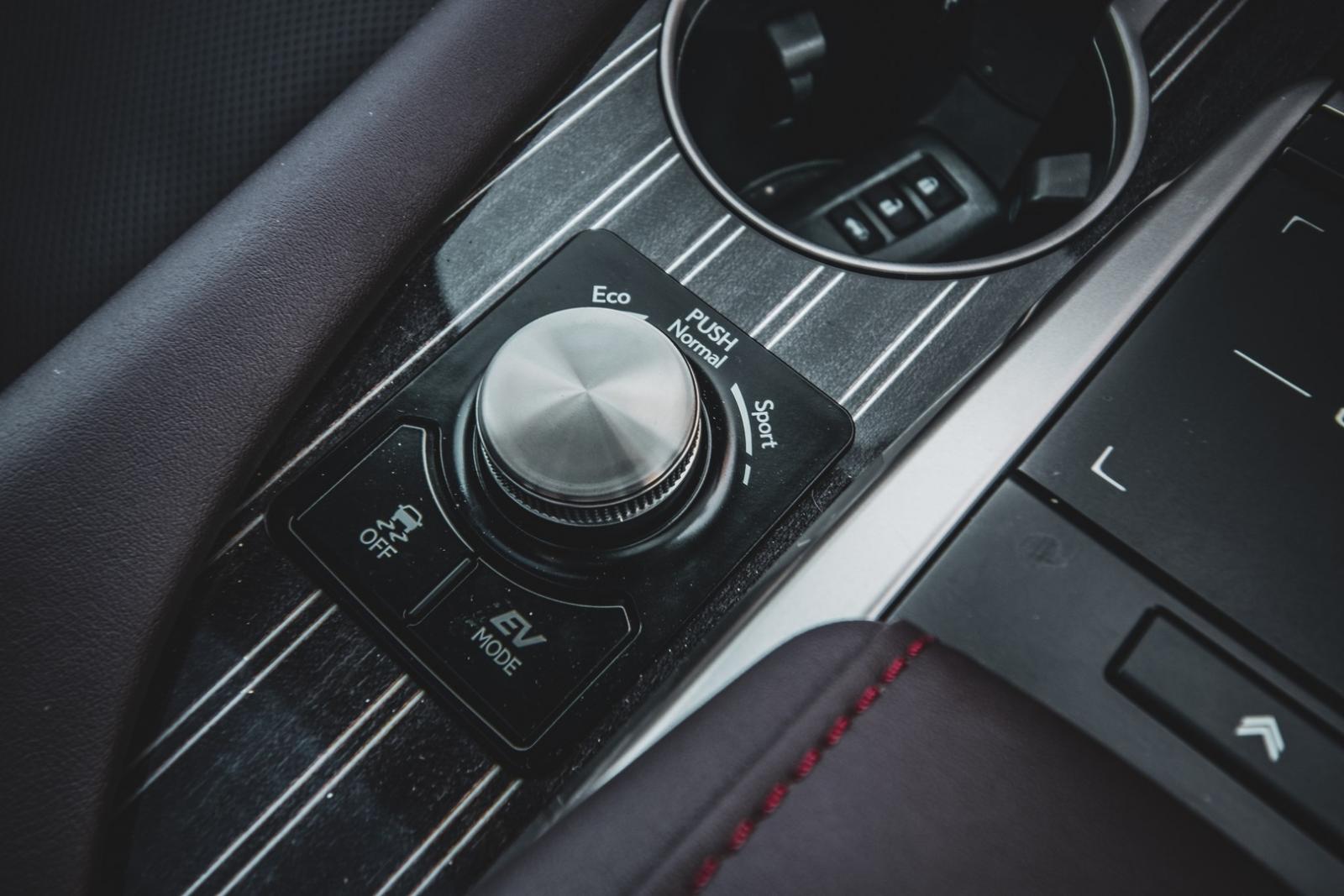
? If battery charge allows, the RX 450h can be driven on electricity alone for short distances.
Unlike its two listed rivals, the RX 450h is a "traditional" hybrid in the sense that it doesn’t allow for its batteries to be topped up using a charging station; it recharges itself by storing energy recouped from braking or coasting in its (substantial) battery pack. The creamy smooth 3.5L V6, plus a pair of electric motors deliver combined outputs of 230 kW and 335 Nm of torque. Power is transmitted via (what certainly felt like) an improved version of the marque's continuously variable transmission. The big, heavy SUV certainly does get a move on… Lexus claims a 0-100 kph time of 7.7 seconds.
But to focus on such performance figures (impressive as they are) is to miss the point of the RX 450h entirely. This is a relaxing, smooth and – when absolutely required – swift machine.
And fuel economy? Well, Lexus claims a combined cycle consumption figure of 5.4 L/100 km, but you’re going to have to work hard to achieve that regularly. We averaged around 8.2 L/100 km, and it needs to be noted that we tried to make use of full-EV mode as often as possible. So, if it's the ultimate combination of efficiency and performance you're after, a turbodiesel will probably still come out tops. If on-road refinement (especially a hushed cabin) is a major requirement, however, the RX's hand is stronger…
Ride & Handling
? Lexus has made a number of detail changes to the RX's underpinnings with the goal of further improving ride comfort, resistance to body roll and refinement.
In our review of this car's predecessor, we noted a fidgety ride quality on poor road surfaces; so, in a bid to further improve the RX's torsional rigidity, ride control and overall comfort, Lexus' engineers made a large number of detail improvements for this lifecycle update, including the addition of 36 additional weld points and the application of 4.2 metres of additional body adhesive.
Furthermore, a larger-diameter (but lighter) rear stabiliser bar, combined with more rigid hubs, are claimed to reduce body roll and improve steering response (the RX’s vehicle stability control system also gains an Active Cornering Assist function to counter the effects of understeer).
Lexus always does seating well – the RX's chairs impressed during long road trips.
To improve ride quality, newly designed shock absorbers (with a “friction control” function) are fitted, while dynamic dampers have been installed at the front to further suppress road vibrations.
Does it all work? Well, without a pre-facelift RX on hand to compare, it's tricky to say, but we think there is a marked improvement in overall suppleness. It's still not the most dynamic of Premium SUVs, but, does it need to be? We took the RX on a long road trip that included mixed surfaces (as well as some gravel) and came away impressed with the Lexus’ overall composure and occupant comfort.
Price and warranty (February 2020)
The Lexus RX 450h SE sells for R1 342 100 (February 2020) and is backed by an impressive 7-year/105 000 km warranty and 7-year/105 000 km maintenance plan. How’s that for peace of mind? Additionally, the battery pack carries a warranty valid for 8 years or 195 000 km. Service intervals are scheduled for every 15 000 km or once a year.
Verdict
? The flagship model features so-called Blade-Scan technology in its adaptive high-beam system to improve illumination and light distribution.
As ever, it's hard to beat this Lexus in terms of its suite of standard features. You'd have to spend considerably more on some of its German rivals to bring them up to the same level as the RX 450h SE. But generous standard spec is not the RX's only virtue – it is a genuinely likeable car, with a smooth, easy-going character that prioritises comfort over firm sportiness, which is actually quite refreshing.
Ultimately, the Lexus' hybrid drivetrain can't match the performance/economy balance of most of its turbodiesel rivals, however, plus its load bay is somewhat cramped. Lexus' attempts to improve the ride quality are admirable and definitely make a difference. And overall, the refinement of the drivetrain appears to have gone up a notch or two as well, particularly with regards to the CVT's calibration.
We expect the RX 450h SE to remain a fringe alternative in the Premium SUV segment, but those who do take the plunge and opt for this charming, calming car, won't be disappointed.
It's fantastic and refreshing to see typically conservative Toyota doing an about-turn and making cars that appeal to petrolheads as well as your regular commuter, but how far should Toyota go? With the meteoric rise of Toyota's Gazoo Racing brand, we think the sky's the limit and we could be seeing GR-branded Toyotas being rolled out regularly. One vehicle we've got our eye on is the popular Hilux. Toyota Hilux GRMN anyone?
*Update: CarsGuide.com reports the Japanese brand has trademarked the name GR HiLux in Australia, with the intellectual property office approving the name in the middle of February 2020.
An article from Australia suggests that the Hilux GRMN is coming. Chatting to CarsGuide.com, Toyota's senior manager of product communications, Vincent Dewaersegger spoke extensively about Gazoo's plans for the Toyota portfolio. "We cannot talk about future plans, but we can talk about intention. And our intention is of course to have more products and more derivatives, and this will be discussed car by car and model by model, based on whether it fits the purpose, and if there is a demand," he said. "But of course there is the intention – that's why we created the company. But I can't really comment much more than that, because it will be revealed in the course of the product launches. As a general company, the intention is to develop more (Gazoo) cars and more models.”
Now while this can be interpreted as a 'we will have a GR product in every model', it's highly unlikely that we'll see a Prius GR anytime soon. However, we can look at the mainstream models and given how much South Africa loves its bakkies, we think the Hilux is next.
Naturally, a hardcore performance Hilux will need some serious firepower under the bonnet for it to be worthy of the GRMN name. There's is where it gets fun as Toyota has quite an arsenal of engines to call upon. On one end of the scale is the mighty 5.0-litre naturally-aspirated V8 engine which does duty in the Hilux Dakar race truck and in the Lexus RC F.
However, we suspect that Toyota's conservative background, as well as costings, will ensure that it's highly unlikely to see the light of day. We do know this engine is capable of fitting into a Hilux though, evident by the one-off Toyota Hilux REX which pumped out 335 kW and 600 Nm. So it is possible, but unlikely as extensive work will need to be done on the brakes and gearbox to cope with all that power. If there's one thing we've learnt about Toyota's way of doing things, everything is carefully thought out and meticulously planned. A brash decision does not exist in the Toyota vocabulary.
The realistic powertrain, we think, could be one of two options. Firstly, the iconic 4.0-litre V6 motor is still soldiering on. However, we have noticed it's no longer offered in the Hilux, with the Fortuner being the sole provider. It produces 175 kW and 376 Nm, impressive numbers given the potential rivals the Hilux GRMN would face. With an intake and an exhaust tune, the vehicle would be a lot more vocal, giving it some kudos. The second powertrain option would be an enhanced version of the current 2.8GD-6. Ford's efforts with the biturbo setup in the Ranger Raptor will not have gone unnoticed and we suspect that Toyota is capable of extracting a few more ponies without having to do serious mechanical work. An extra 15-25 kW and 25 Nm would be just enough to whet the appetite, with the suspension and offroad prowess doing most of the talking. Power gets the fans excited (as Ranger Raptor found out to its detriment) so Toyota would do well to give it credible performance.
While engine choice is vague right now, we do know that the Toyota will not compromise on the vehicle's offroad capability and the hardcore GRMN will be one extremely tough 4×4 vehicle. Expect trick performance suspension, chunky offroad tyres and as our render suggests, flared wheel arches and raised ground clearance.
Rivals? Well, there's been a remarkable increase in high-performance bakkies since the Ford Ranger Raptor made its debut. Toyota already offers the Hilux GR Sport, while Isuzu has given itsD-Max the Arctic Trucks treatment. Having experienced the offroad prowess of the Ranger Raptor and Isuzu D-Max AT35, the Hilux GRMN will have its work cut out.
Brabus gets hold of a G-Class and may just have turned it into the double-cab to rule them all.
Brabus has done the unthinkable and made AMG’s G-Class even more capable.
The German automotive fabrication and engineering specialist has applied its substantial skills to the latest generation G-Glass, in particular AMG’s G63 version, and the results are astounding
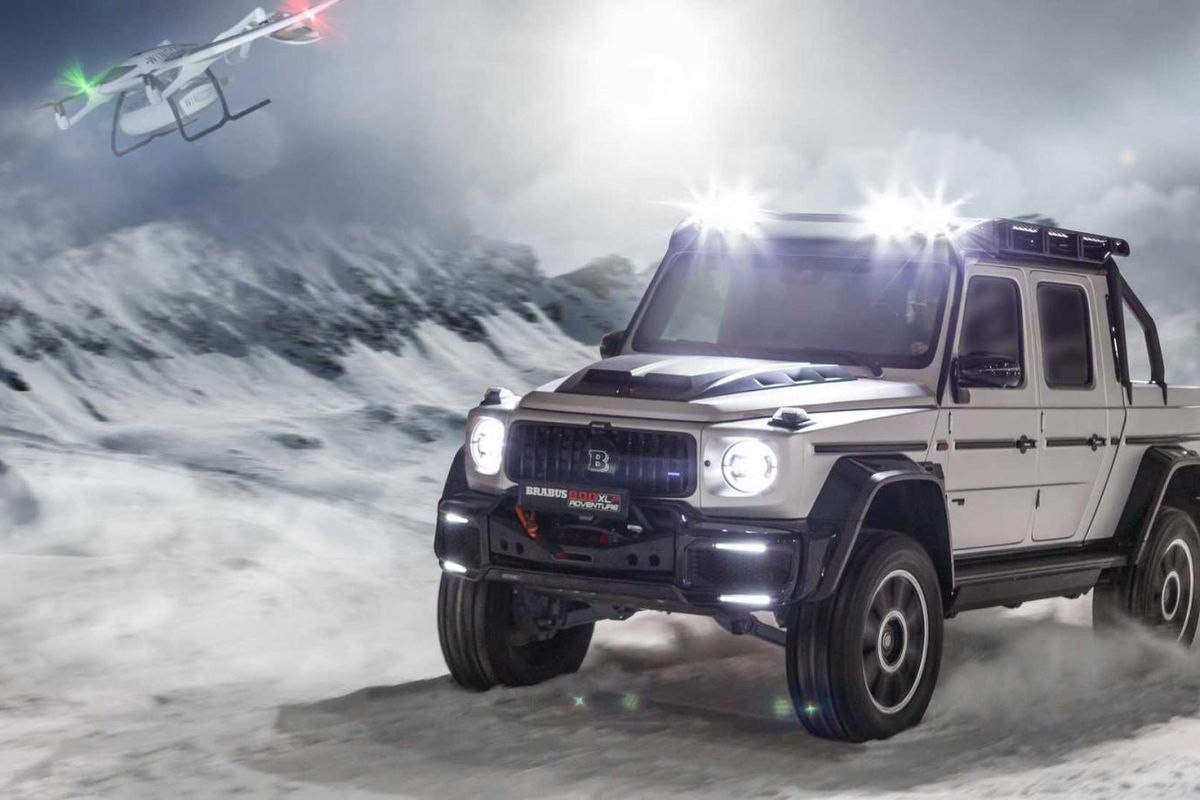
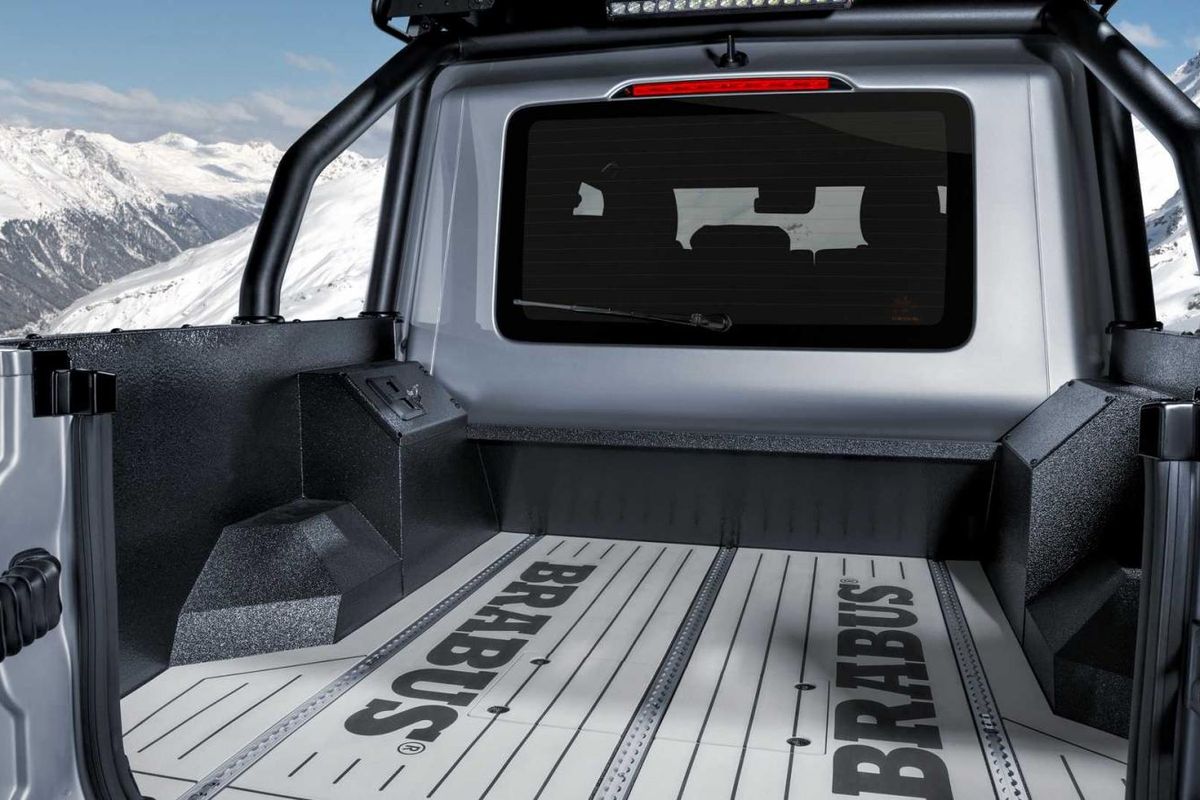
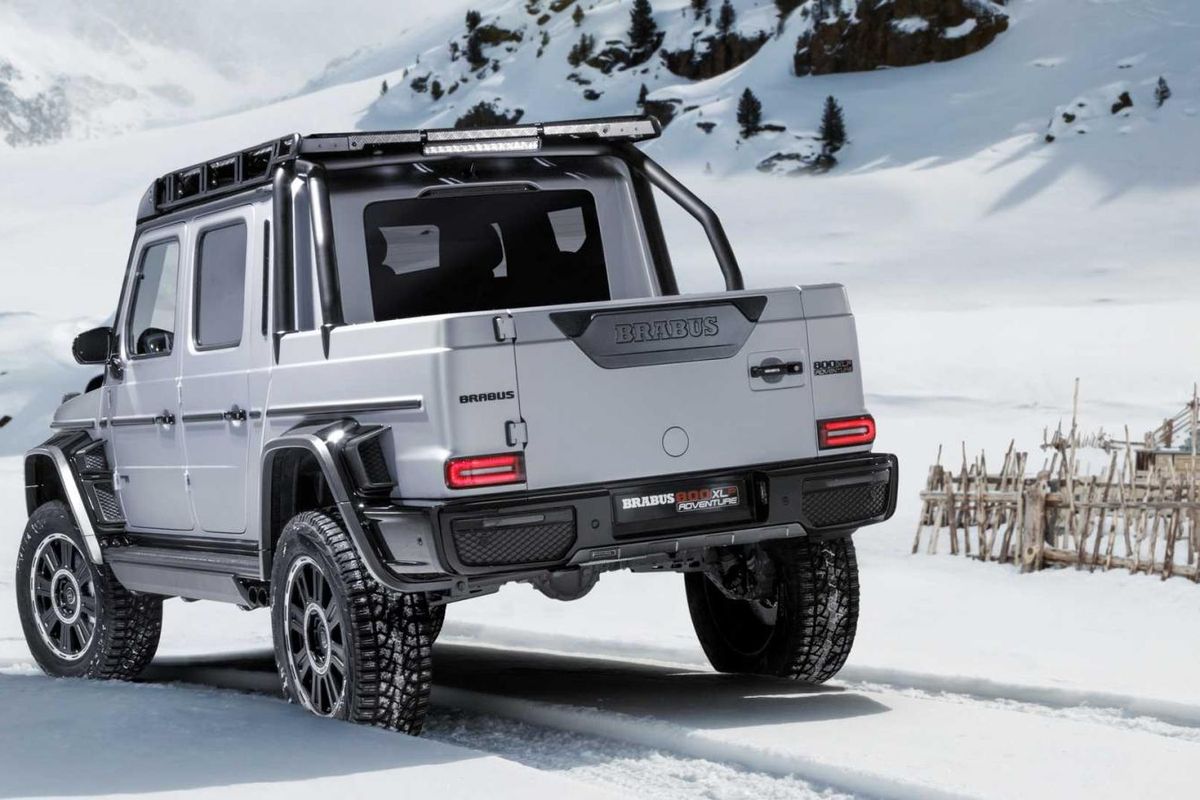
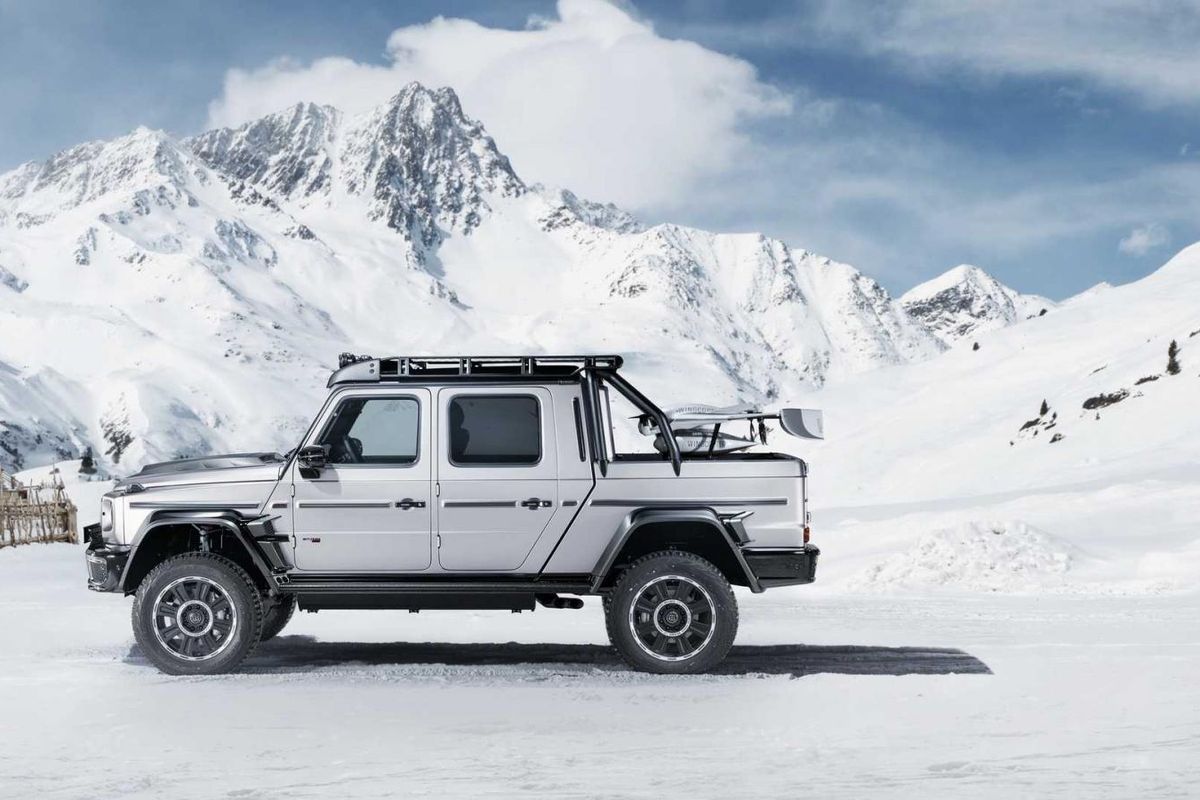
Most striking is the configuration. Unlike the standard G63, this Brabus 800 Adventure XLP is a double-cab bakkie, instead of a station wagon.
To achieve the change in body style, Brabus added substantially to the wheelbase and overall length of G-Class. The ladder-frame chassis is stretched, which results in a 500 mm longer wheelbase and 680 mm gain in overall length, compared to a conventional G63.
Brabus says the modifications all fall within the factory specification for G63’s torsional rigidity and the bakkie’s loadbox features a steel base and tailgate, with carbon sides, to keep overall weight gain within acceptable parameters.
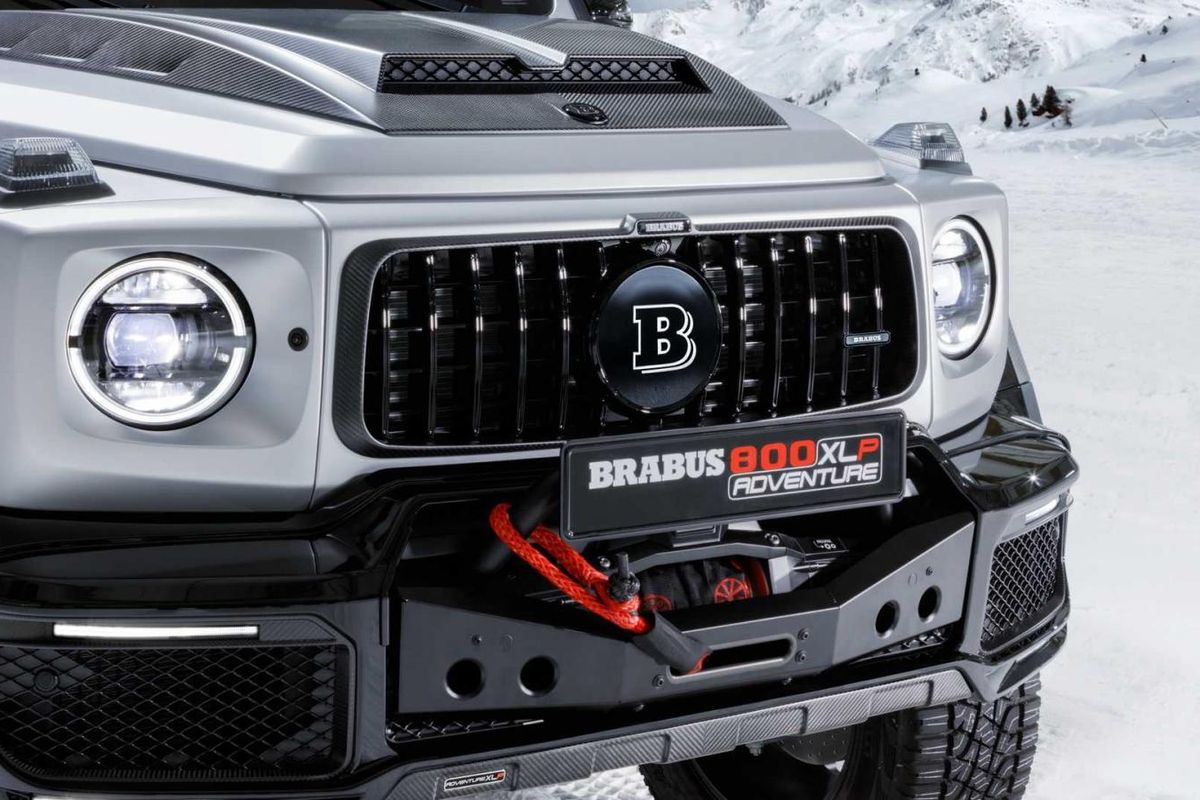
Beyond the new rear-section, Brabus has also added its own bonnet (with obligatory scoops), bumper (with an integrated winch), oversized fenders, roof-rack (with LEDs) and roll bar.
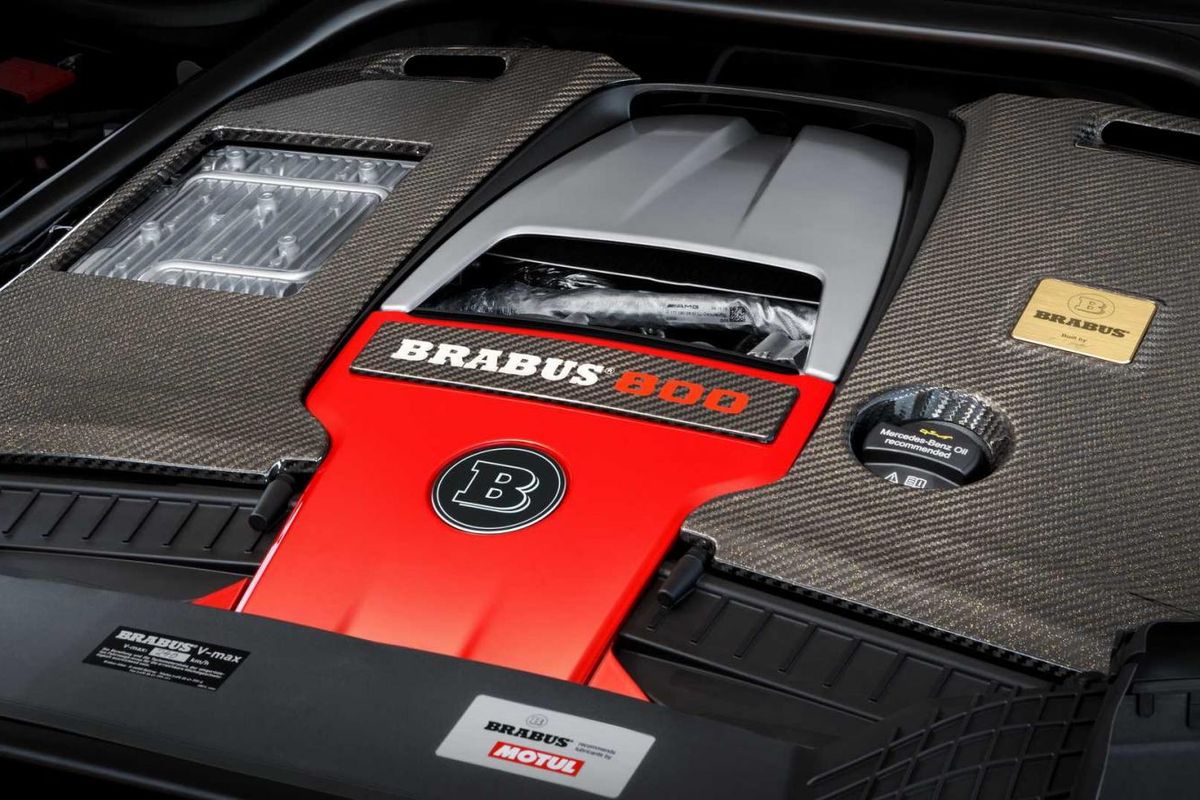
The 800 Adventure XLP bakkie’s radical appearance is underpinned by some serious capability. Brabus has boosted the 4-litre twin-turbo V8 to 588 kW and 1 000 Nm, which gives this massive double-cab bakkie remarkable performance credentials: 0-100 kph in 4.8 seconds and a top speed of 210 kph.
That top speed might sound a touch low, considering the V8 engine’s power, Brabus has wisely limited the 800 Adventure XLP’s velocity, due to the off-road biased 22-inch tyres that it rolls on. Supplied by Pirelli, these Scorpion ATR all-terrain tyres measure 325/55.
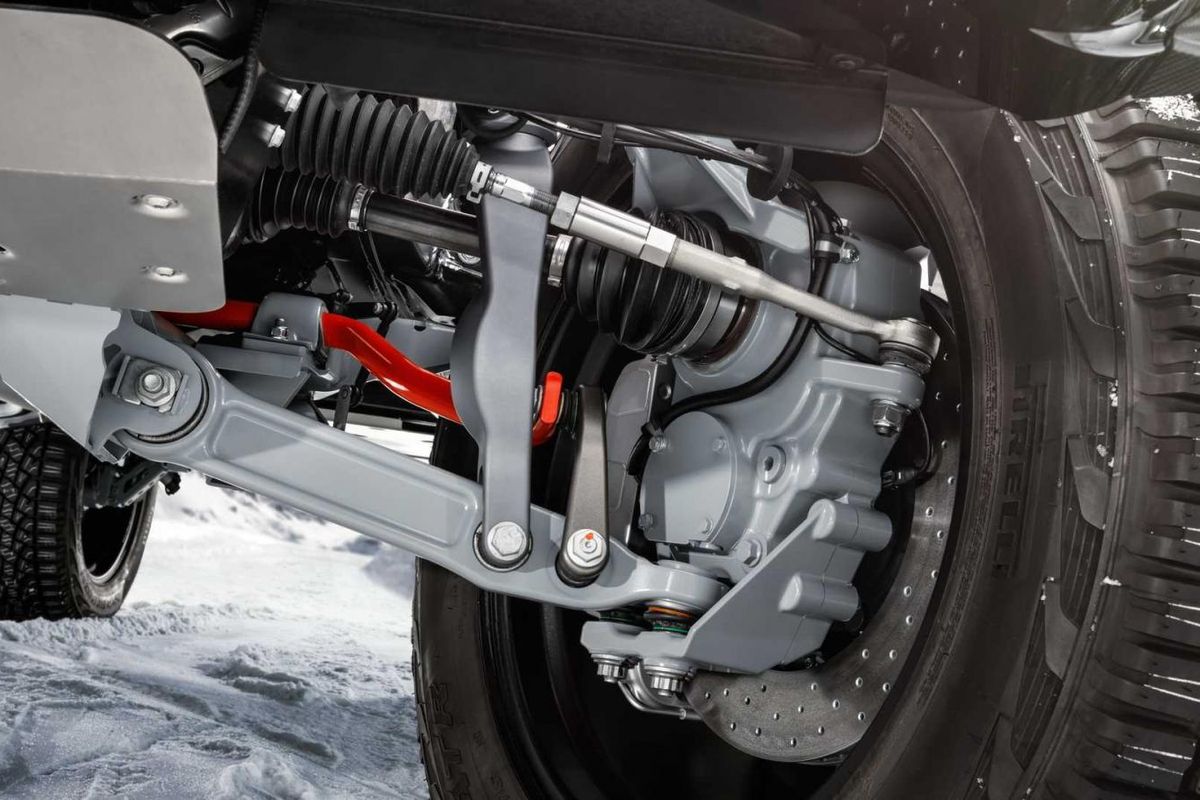
Perhaps the most novel aspect of this G63 double-cab conversion, are its axles. Drawing inspiration from the Mercedes-Benz Unimog range of all-terrain trucks, the 800 Adventurer XLP features portal axles. With the dual-gear drive system at each wheel, portal axles allow for huge gains in ground clearance and the 800 Adventure XLP has 490 mm of obstacle crossing ability.