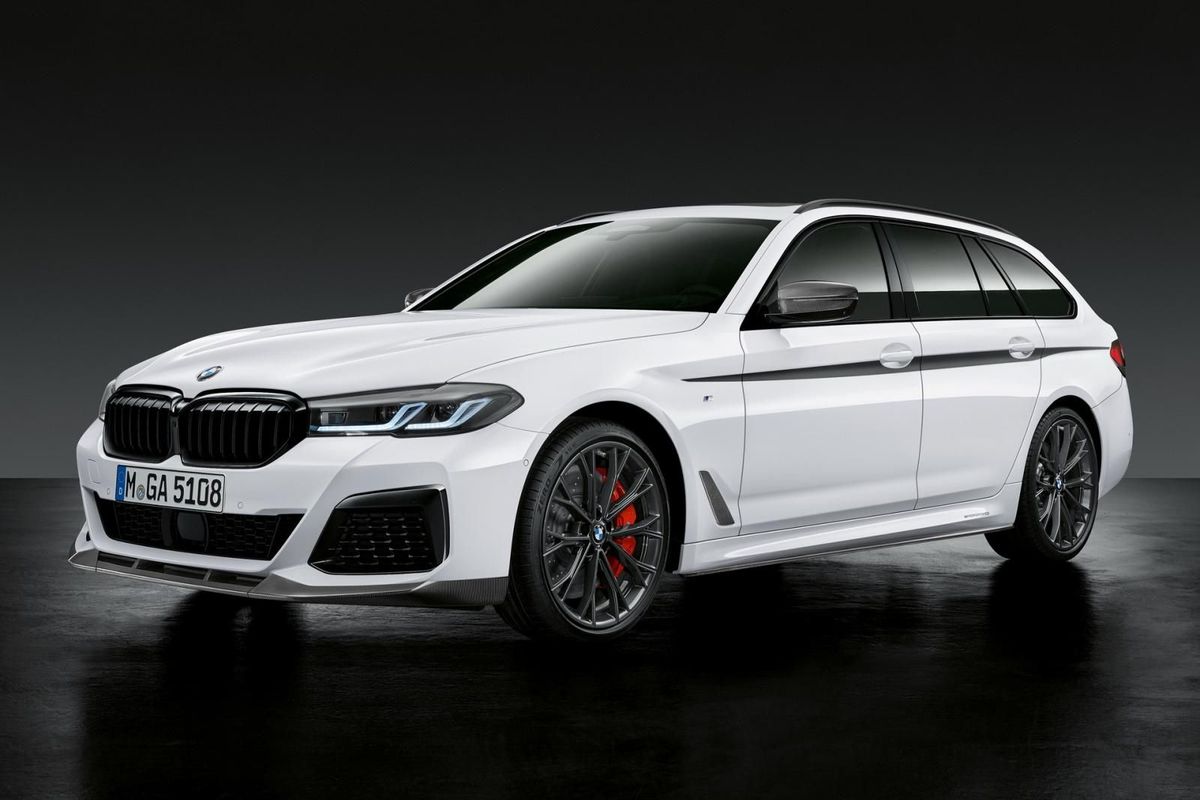
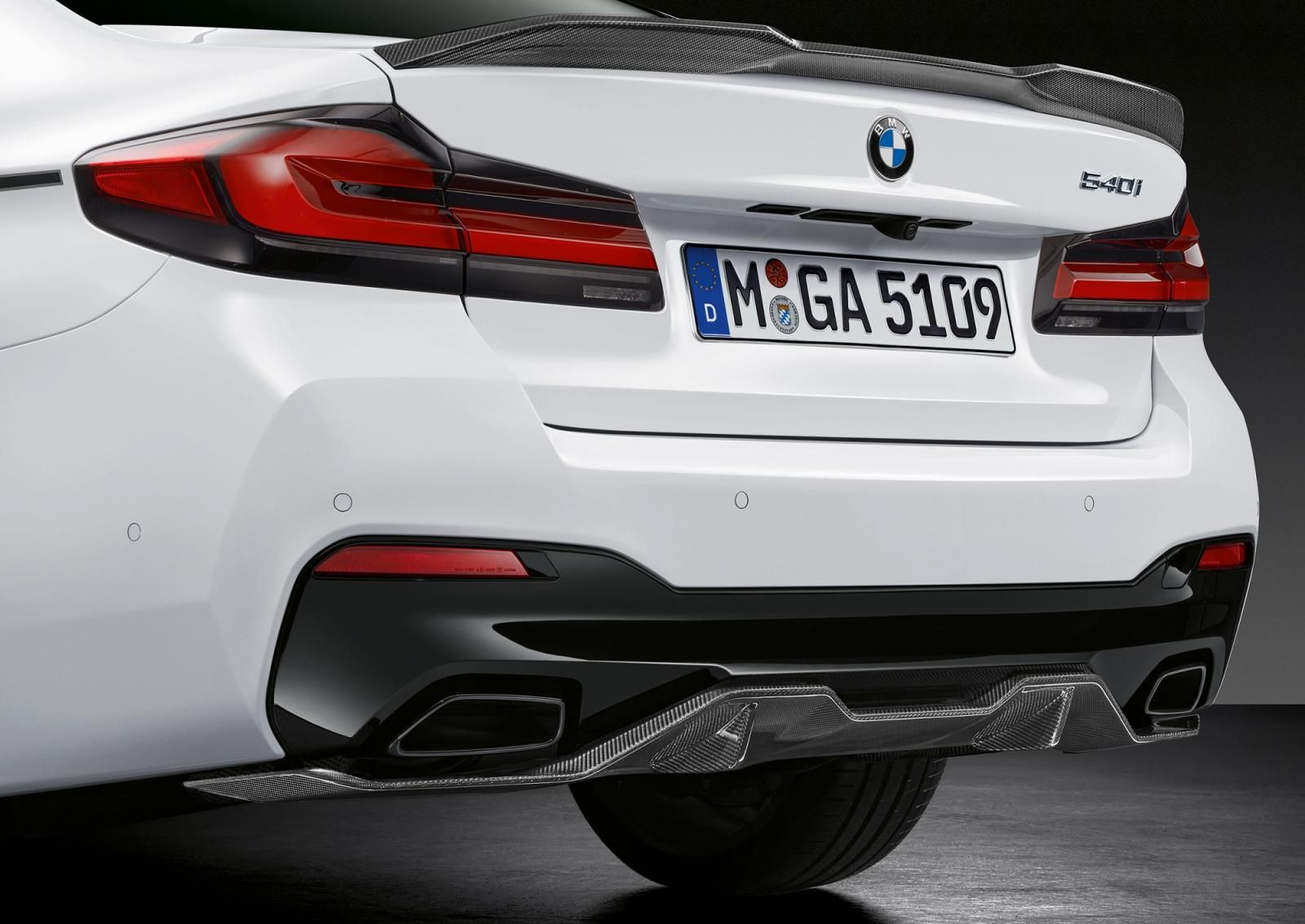
As is custom with most BMW reveals, there's usually a catalogue of M Performance parts that follows. The recently-updated BMW 5-Series is no exception and here we take a look at what's on offer.
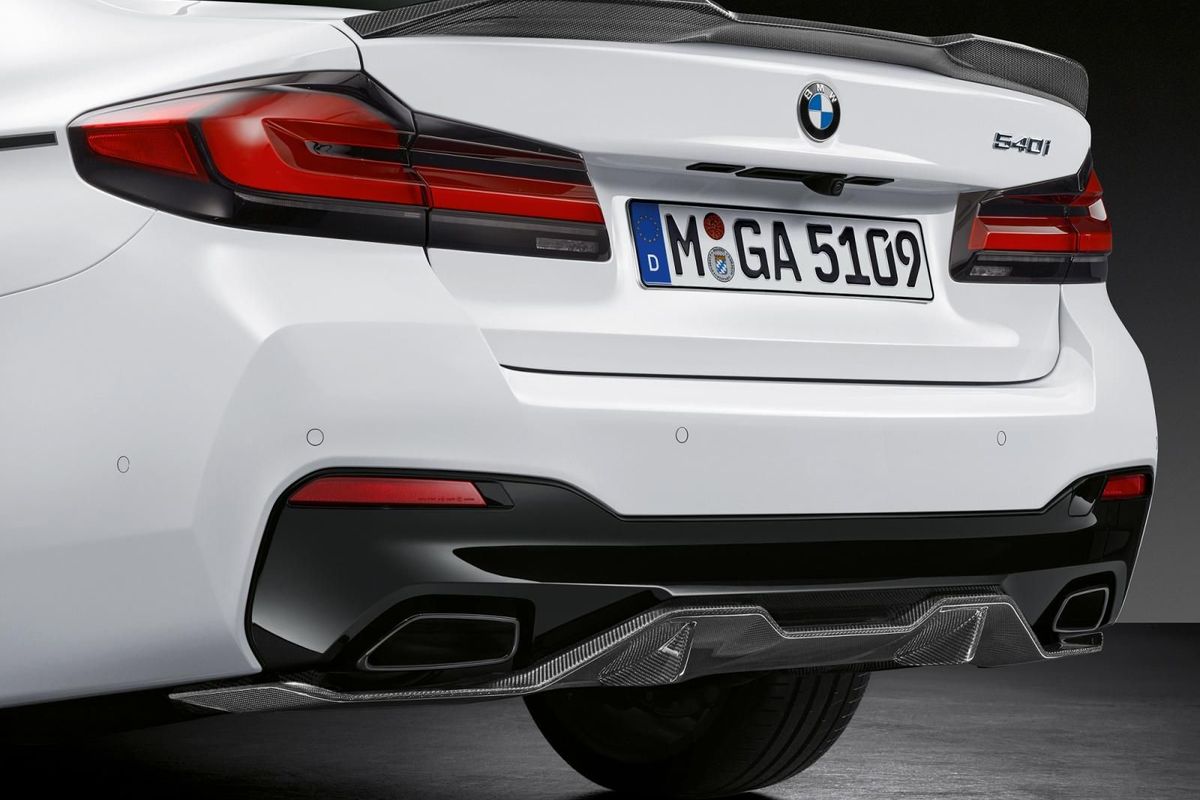
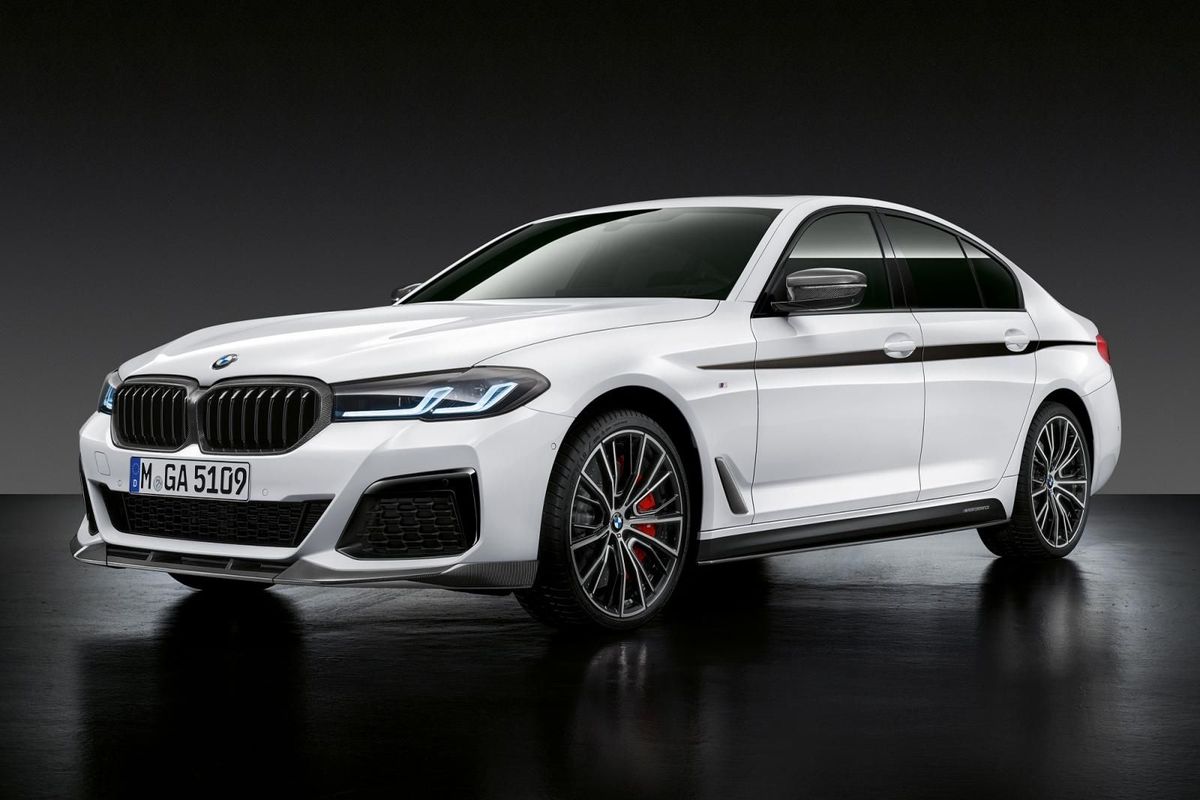
BMW has revealed its LCI 5 Series sedan and along with it, the BMW M Performance Parts. While its no fully-fledged M model, this catalogue gives you the chance to make your 5-Series look the part. They're not just for show either, as BMW claims aerodynamic improvements and weight savings.
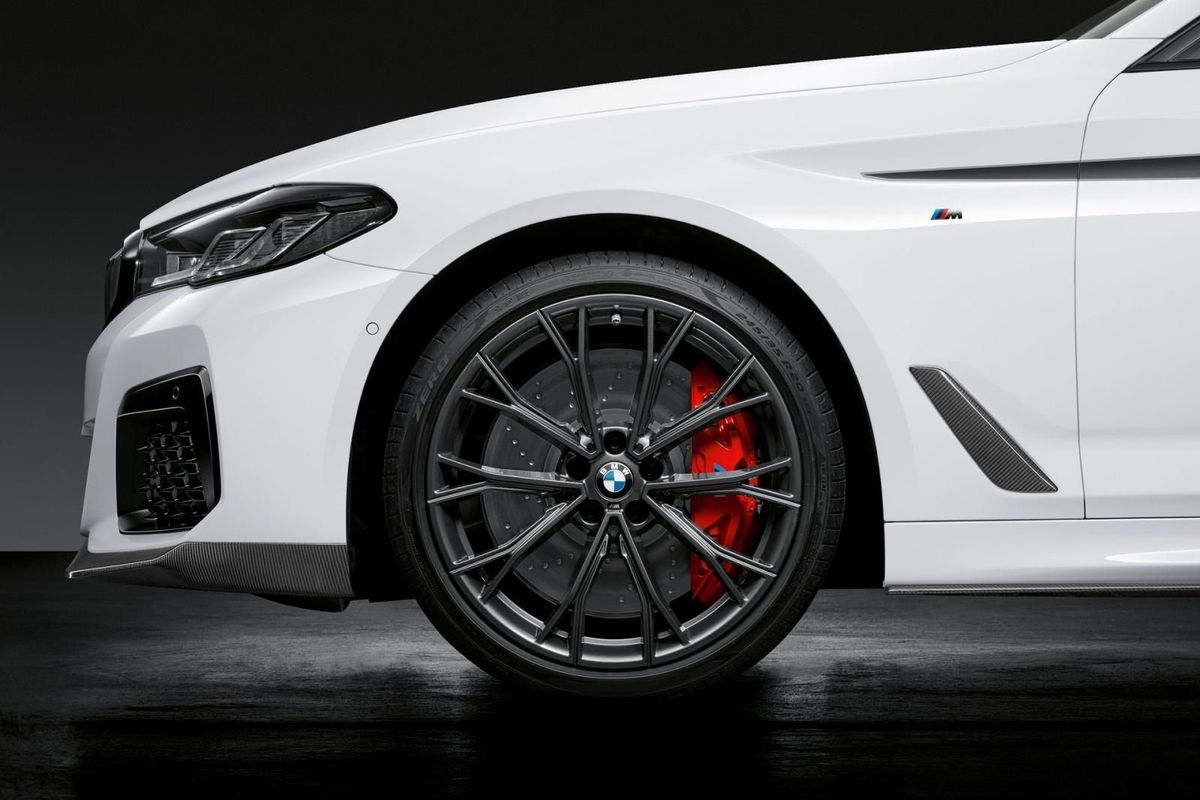
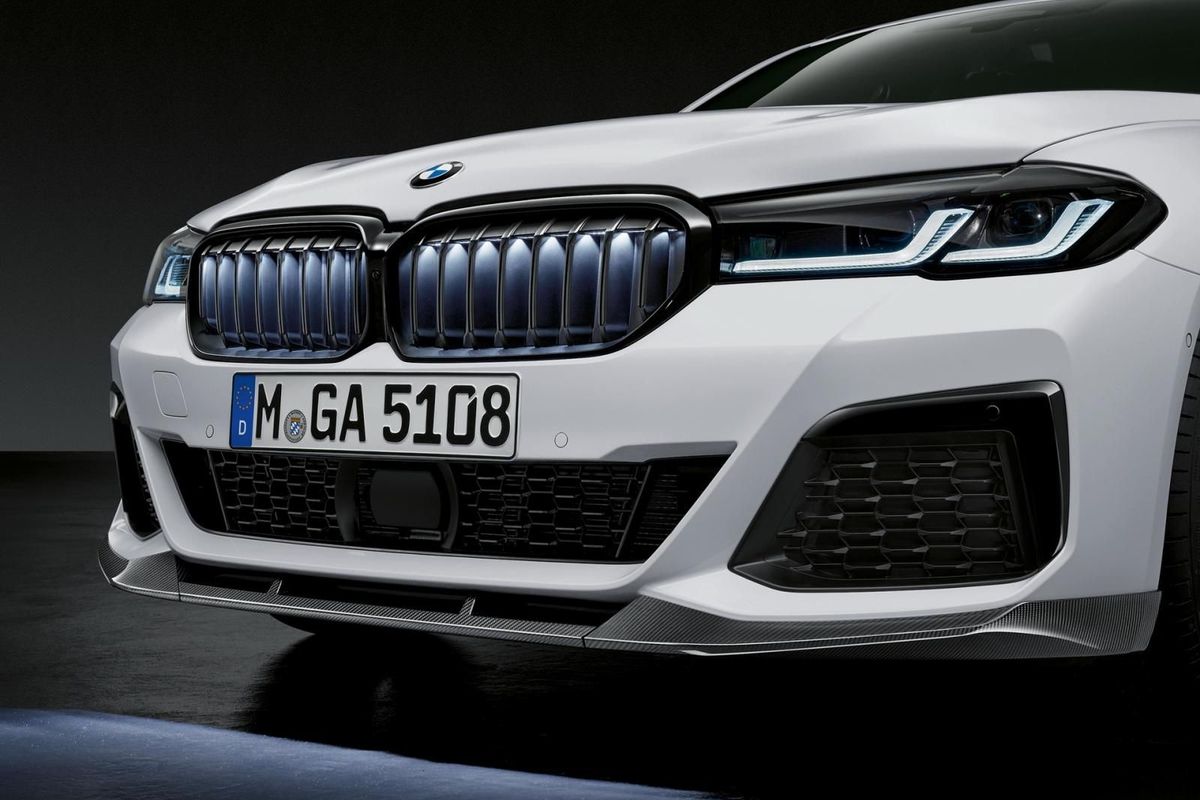
Kicking things off are some striking alloy wheel choices. There are 4, with 3 of them 20-inch in size. If you want your vehicle to look the part, then there are new components for the bodywork, all made from carbon fibre. You can go for things like a front splitter, kidney grille, rear diffusers, rear spoiler, mirror covers and fuel filler cap, to name just a few. Controversially, there's also the option of an illuminated grille, but here at Cars.co.za, we don't judge.
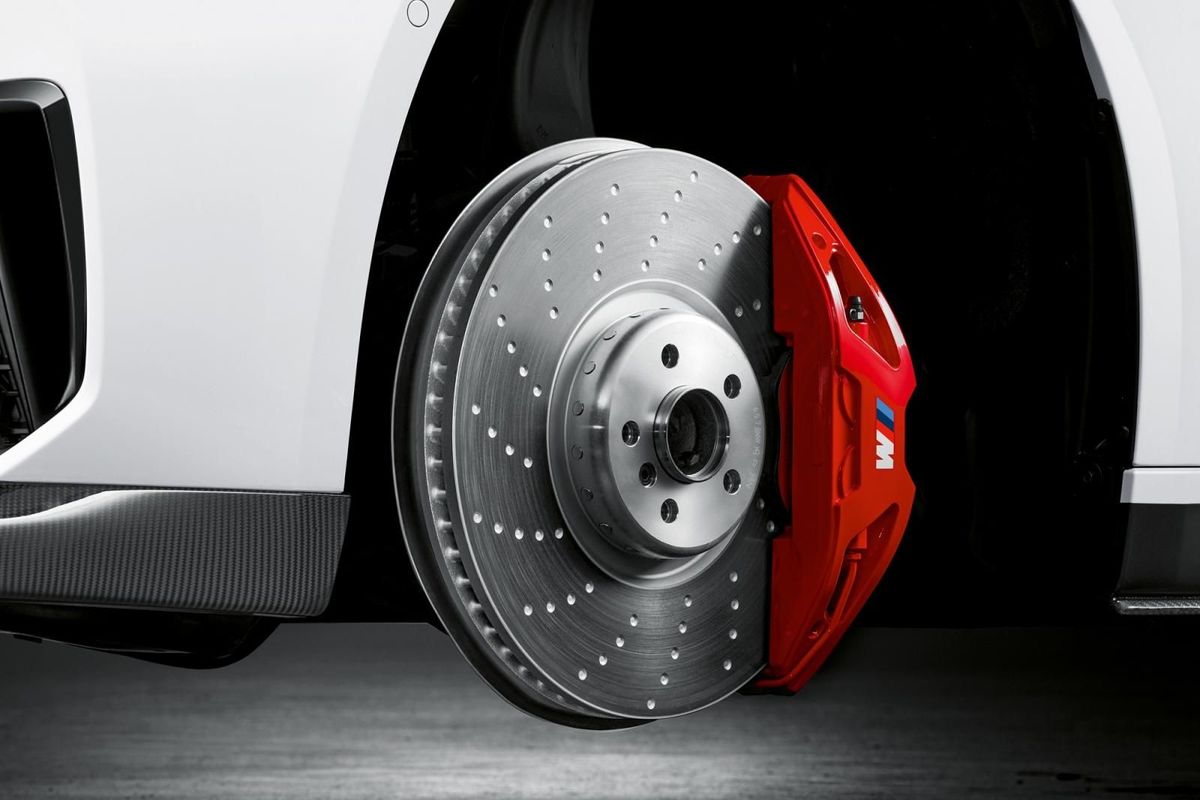
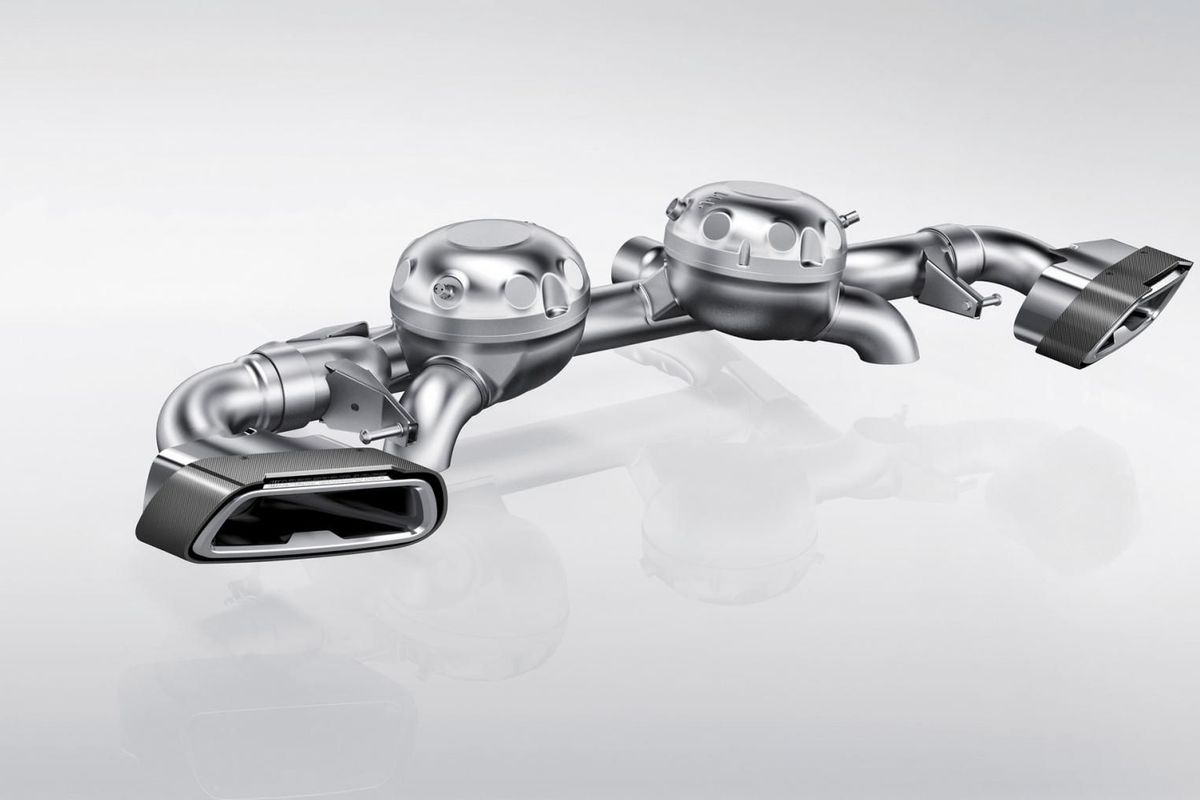
For those clients wanting some technical improvements, you can get M Performance exhausts as well as M Performance brakes.
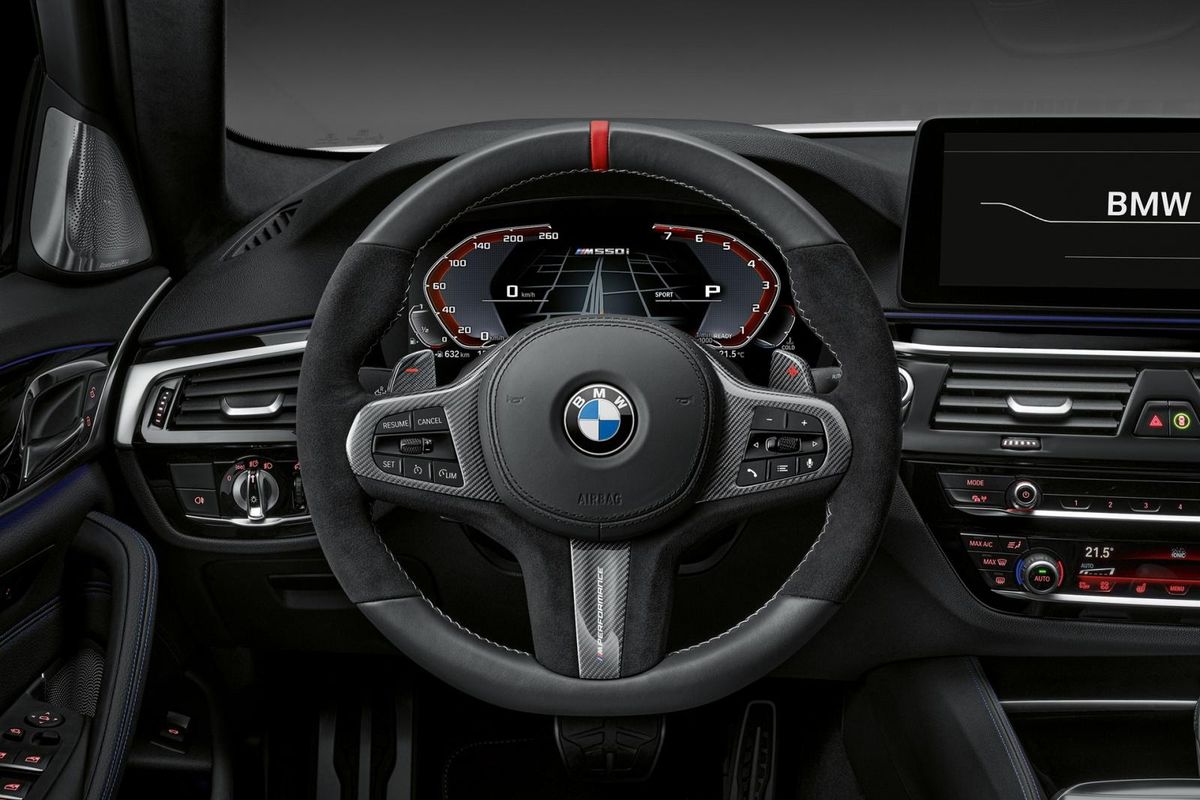
Inside, the M Performance steering wheel is available in carbon fibre/Alcantara, M Performance shift paddles in carbon fibre, as well as M Performance LED door projectors. There's even an M Performance part for the key, which encases it in carbon fibre.
Hyundai's first N car has arrived in SA, with one hefty price tag. We had a lot of time to get to know the new hot hatch during the lockdown. Here's what we think of it.
With 202 kW and 353 Nm of torque, the Hyundai I30 N is one powerful hot hatch. All that power is sent to the front wheels, in the traditional hot hatch formula. How does the newcomer cope against rivals like the Volkswagen Golf GTI, Renault Megane RS and even the mighty Honda Civic Type R? Our in house race driver Ashley Oldfield put it through the wringer at the end of lockdown to bring you this video.
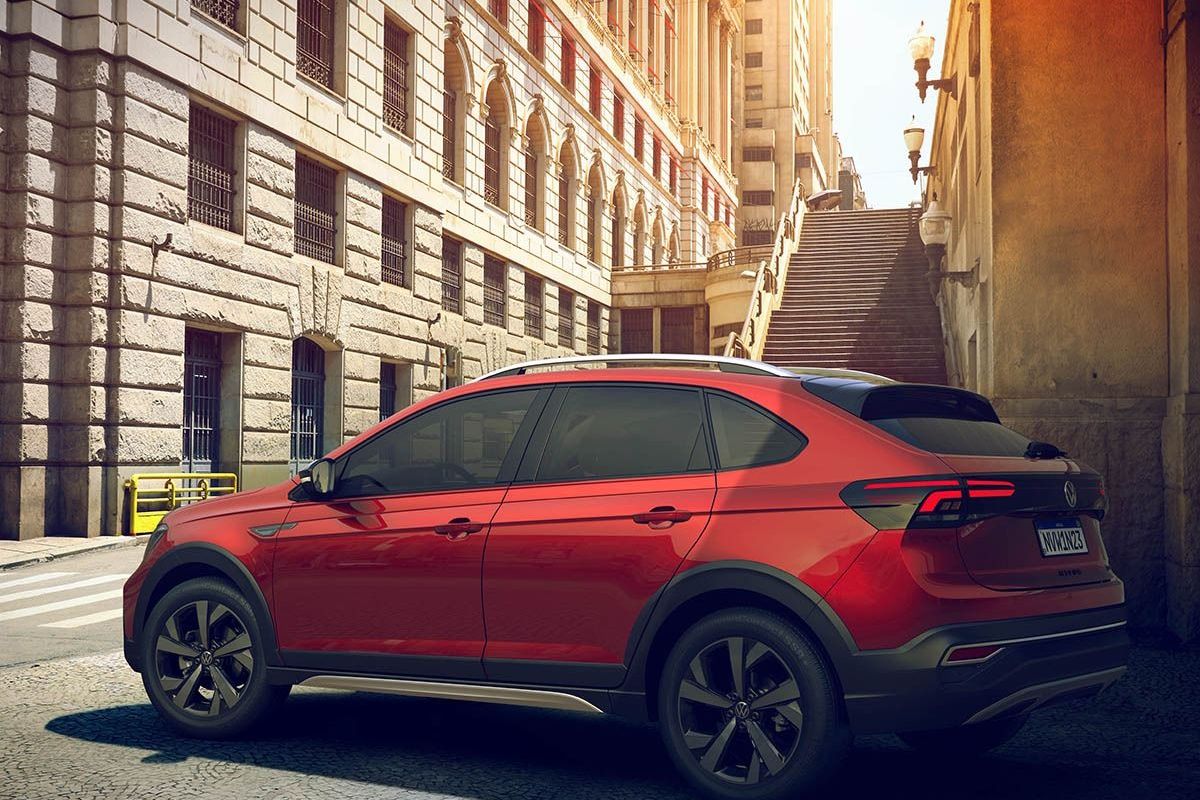
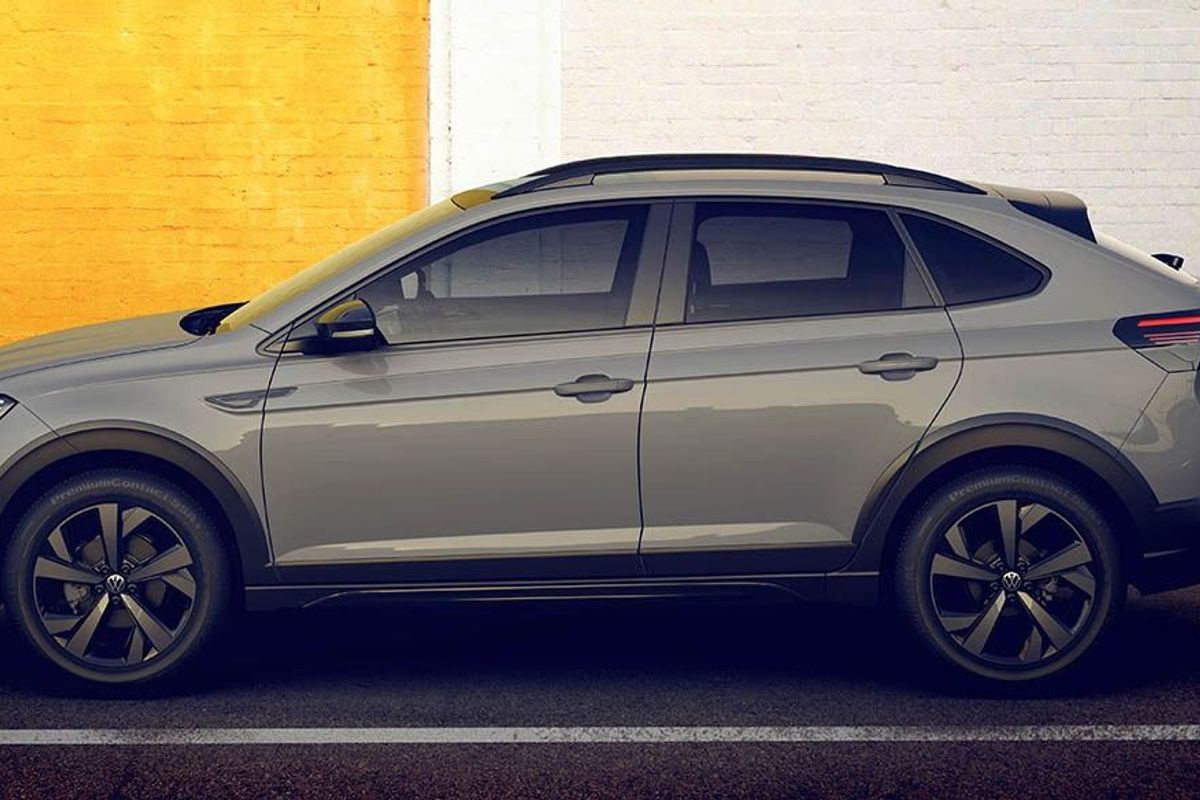
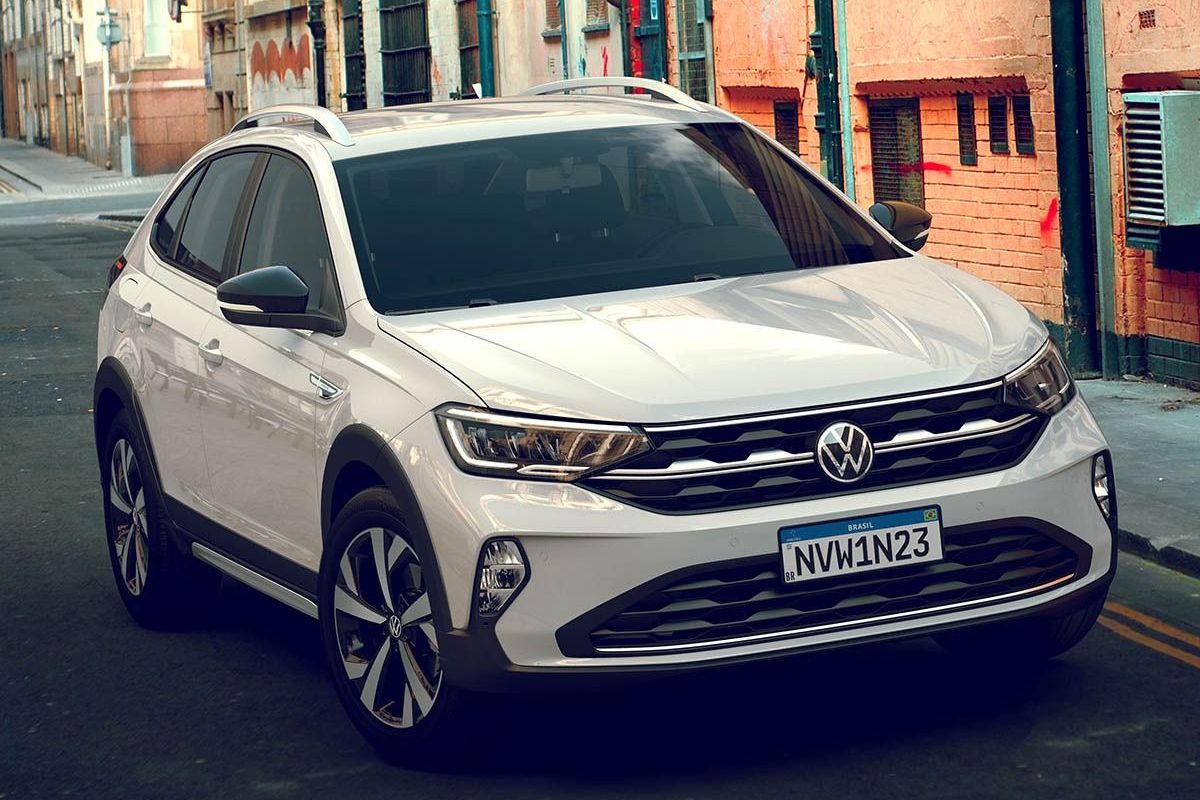
Volkswagen has unveiled another SUV. This one's called the Nivus and here's what it is all about.
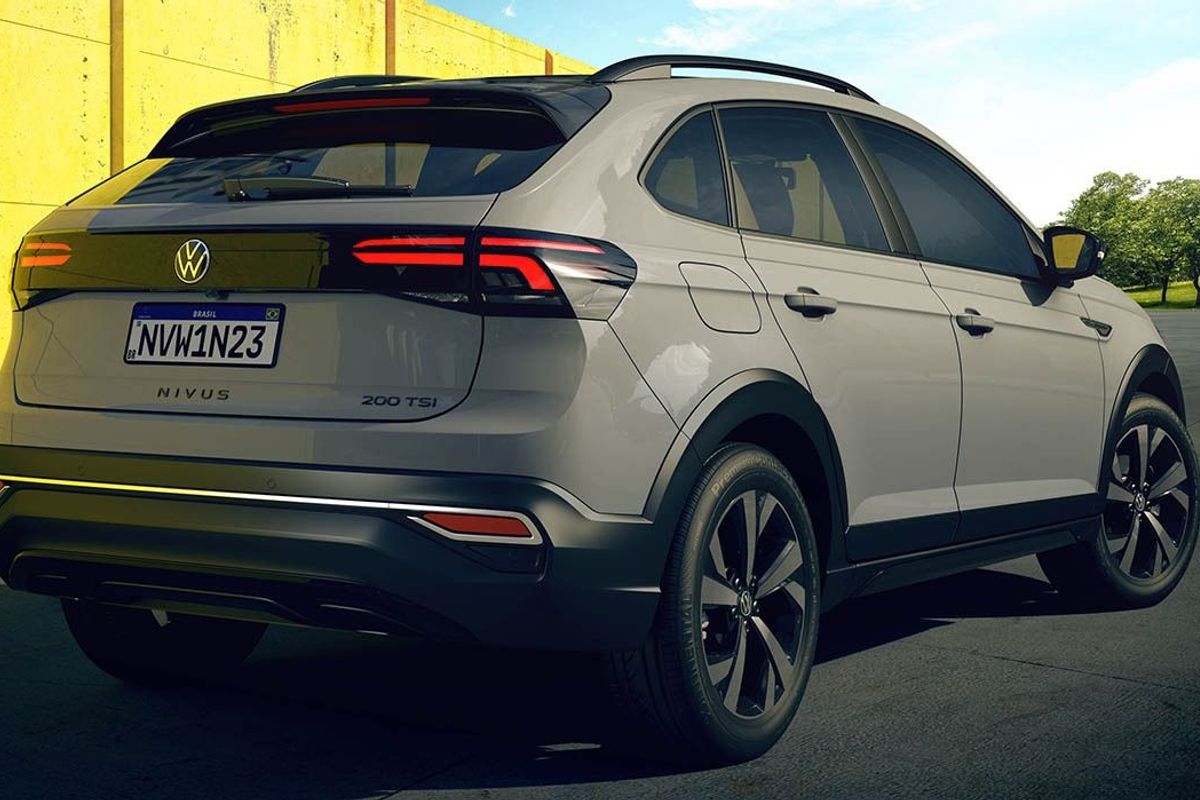
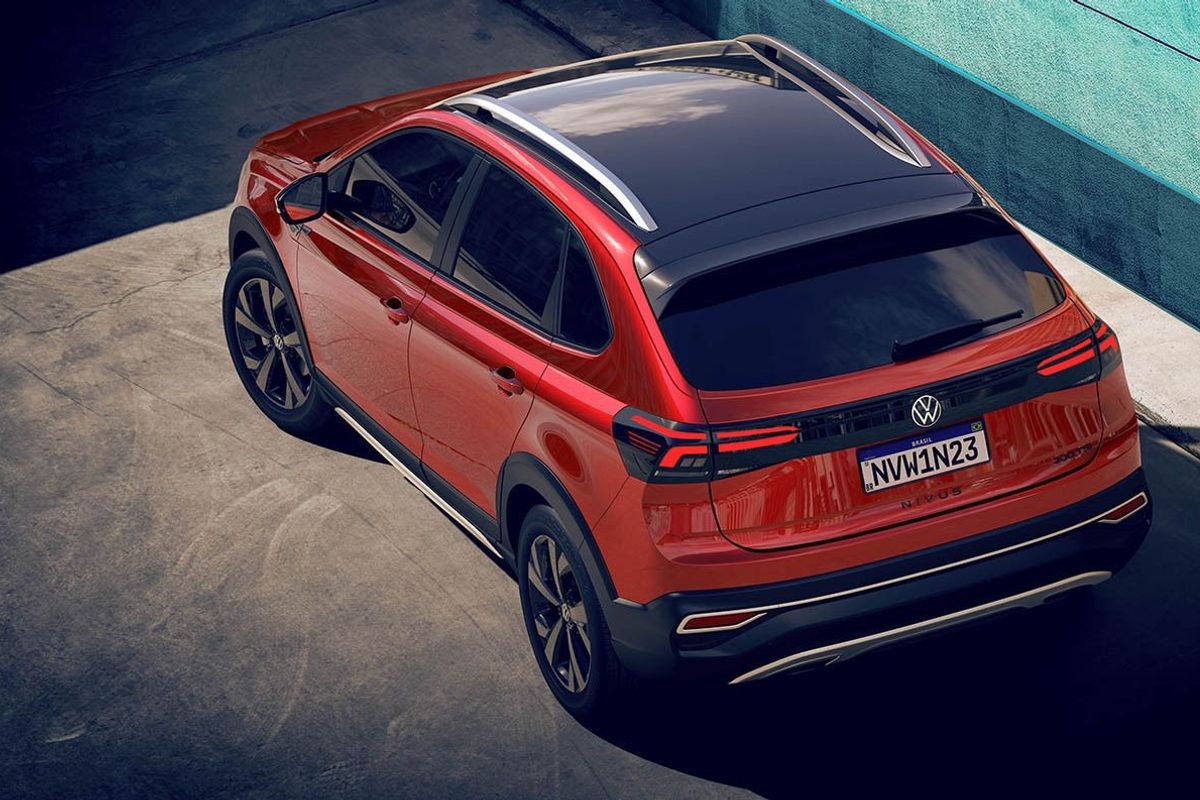
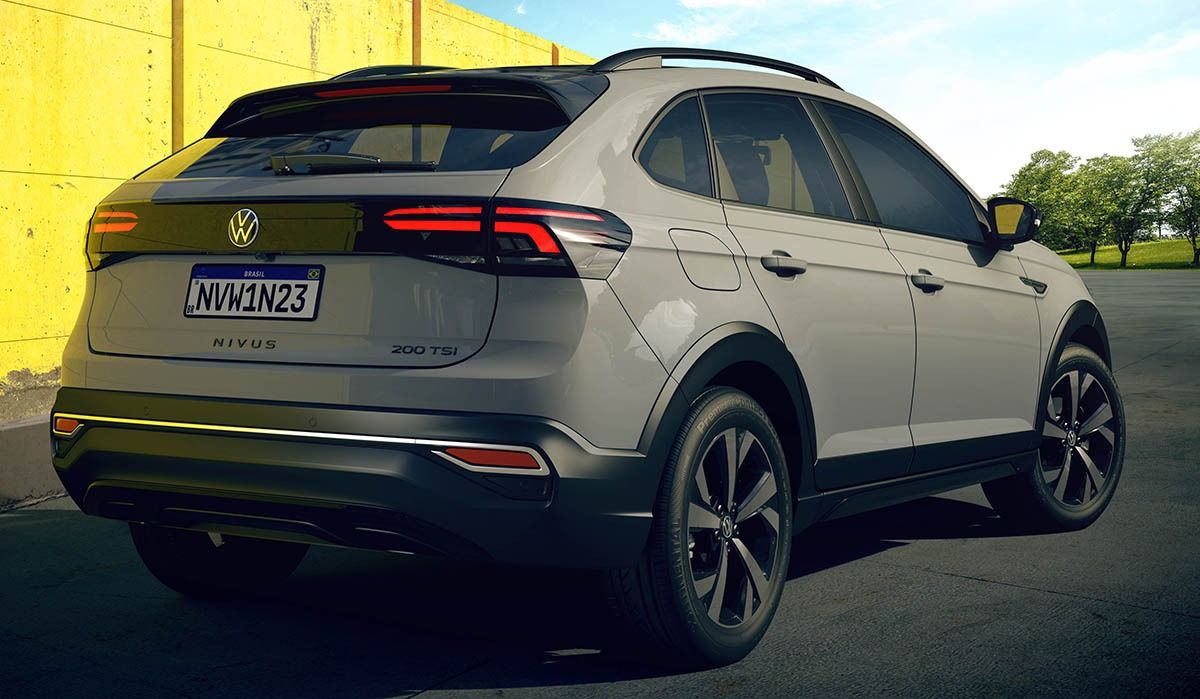
Volkswagen's SUV offensive continues, with the production reveal of the Nivus compact crossover. It has been a long time coming, with plenty of teasers along the way. It's aimed at the South American market primarily, with a European-spec model due a bit later.
Underpinned by the MQB A0 platform of the Volkswagen Polo, this stylish compact crossover looks rugged and actually capable of handling something a bit more than just a gravel road, thanks to what appears to be decent ground clearance. Despite its compact size, boot space is claimed at 415 litres, which is pretty good by segment standards. If you look closely, you'll see this is yet another Volkswagen product with the new logo.
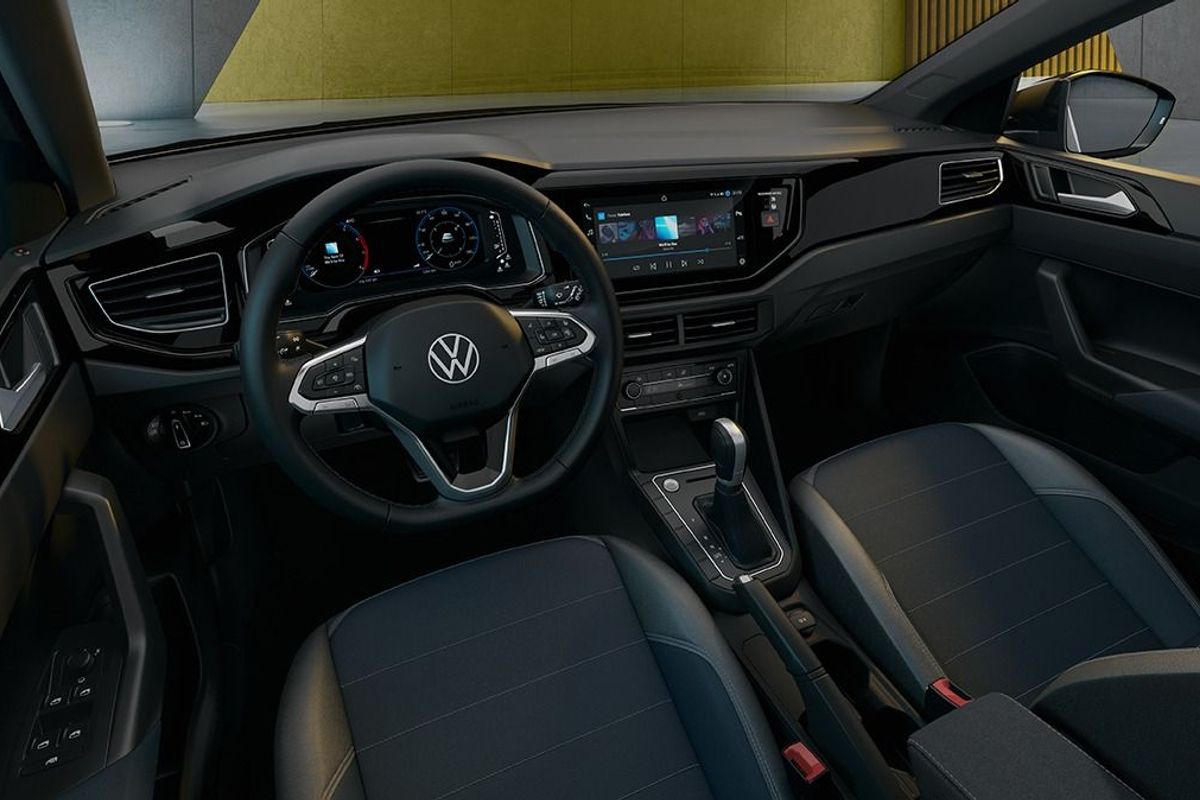
The Volkswagen Nivus is powered by the 1.0-litre turbocharged 3-cylinder motor with 95 kW and 200 Nm. This engine is mated to a 6-speed automatic transmission. In terms of safety spec, it boasts 6 airbags and adaptive cruise control, as well as autonomous emergency braking with pedestrian detection. In terms of features, it has what Volkswagen calls "VW Play", which is an infotainment system designed specifically for the Latin American market. This system features Android Auto and Apple CarPlay, as well as a 10gb hard drive to store content.
It will be made in South America, with the Volkswagen plant in Pamplona, Spain starting assembly later. This plant makes the SA-spec Volkswagen T-Cross.
2021 Mercedes-Benz E-Class and 2021 BMW 5-Series: What can we expect from these sedans?
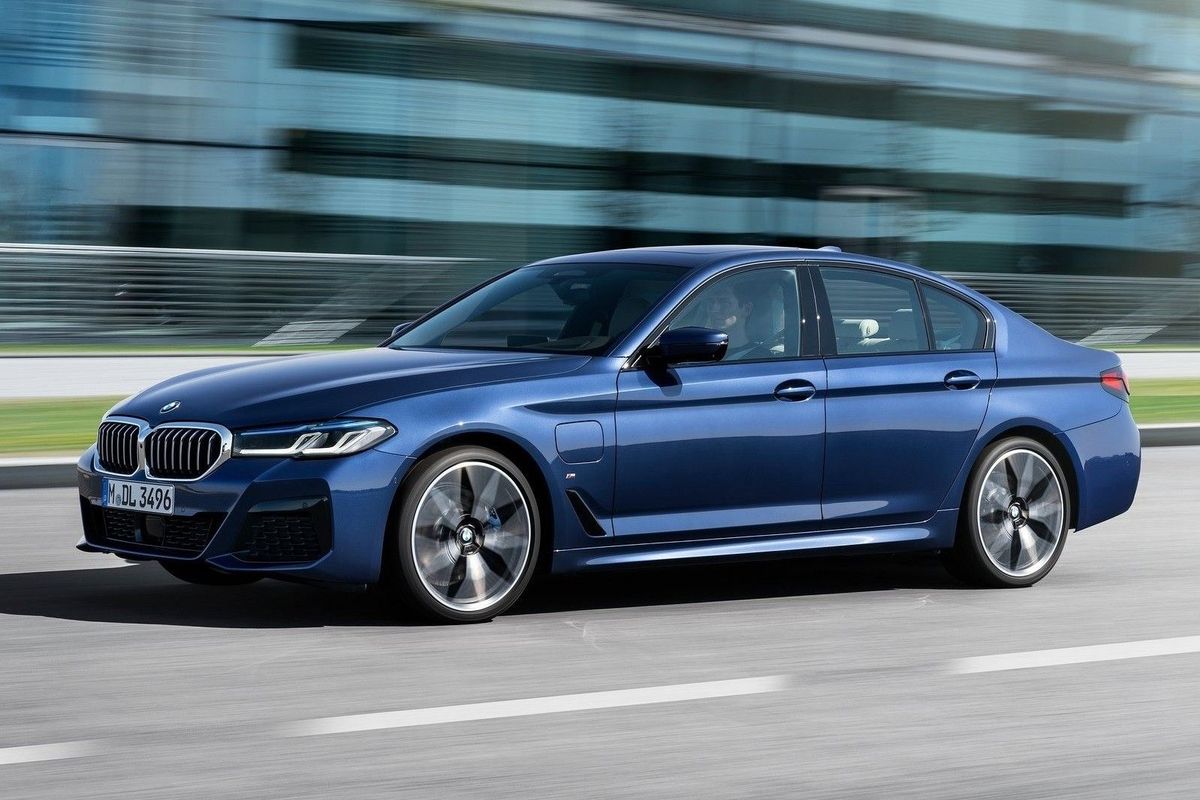
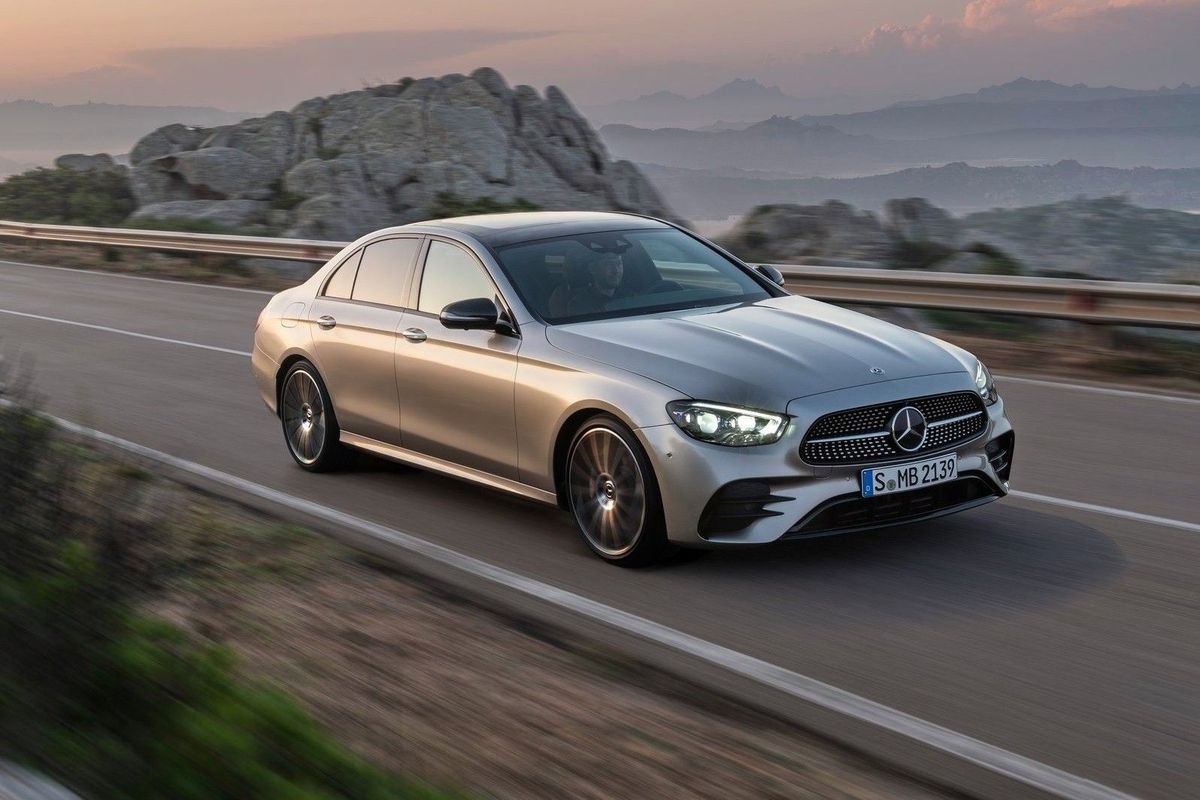
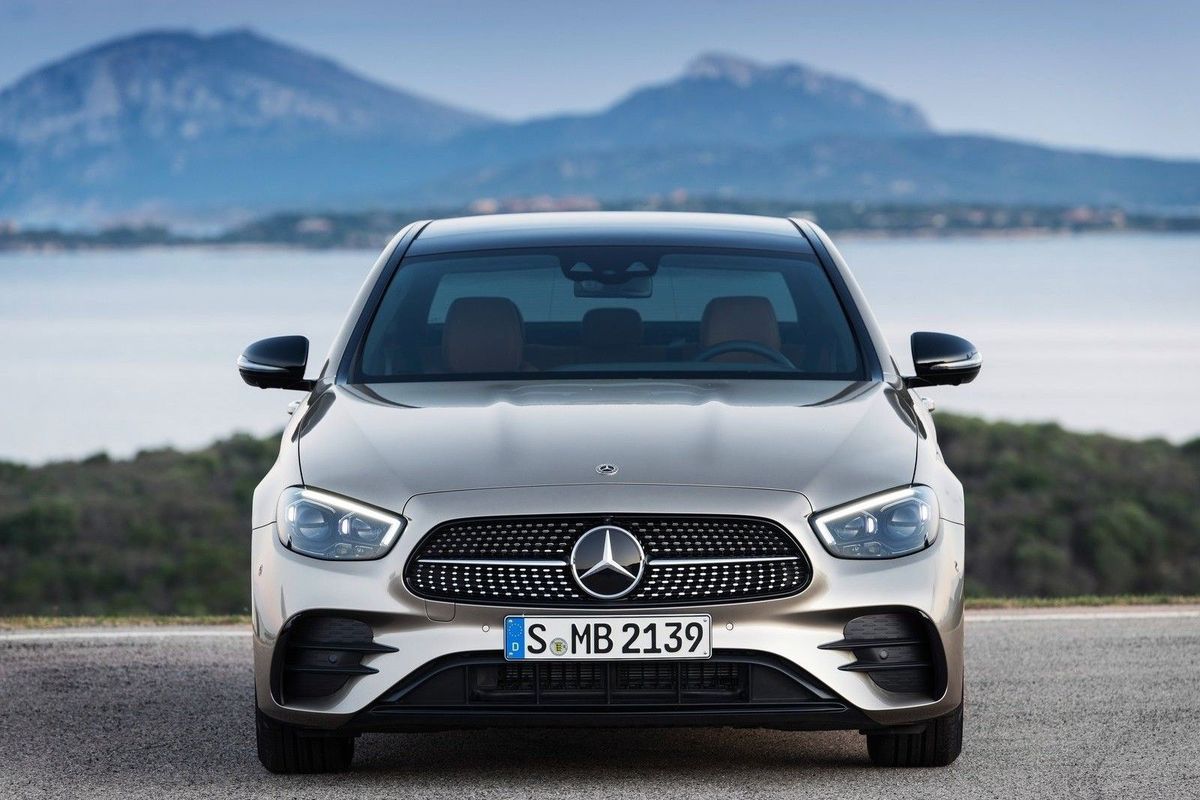
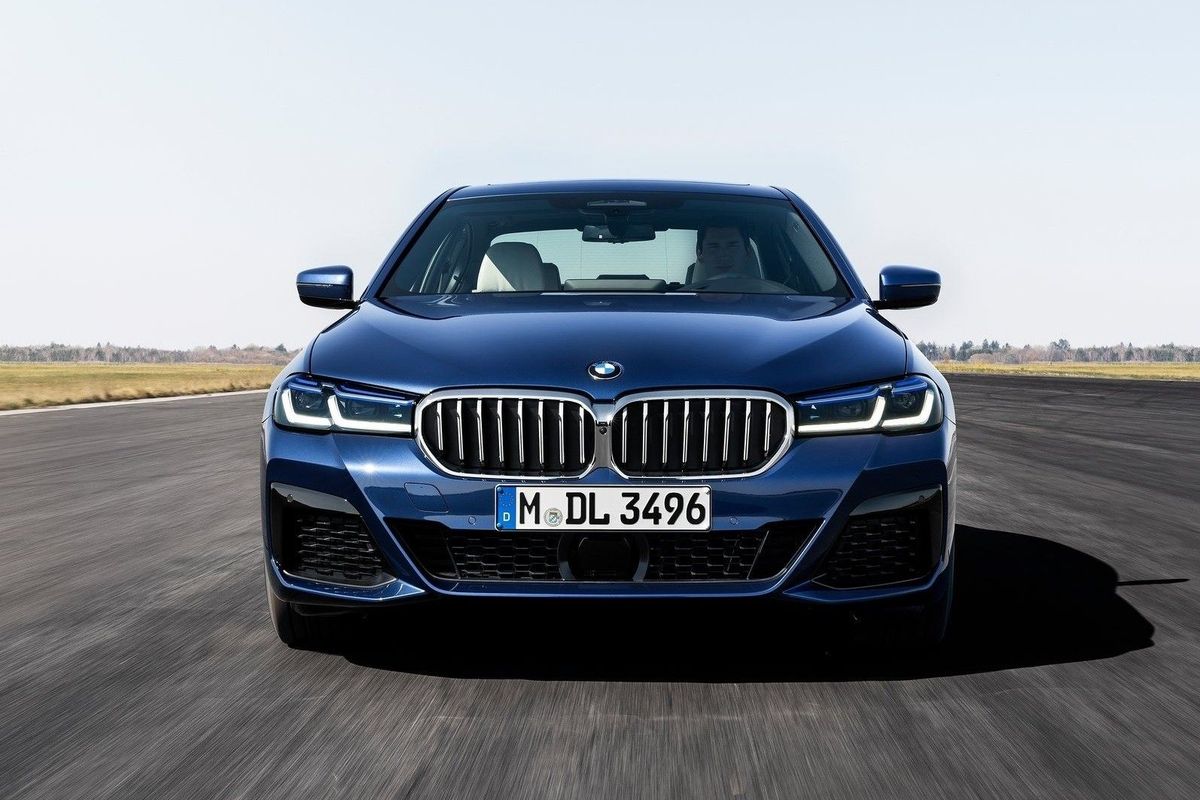
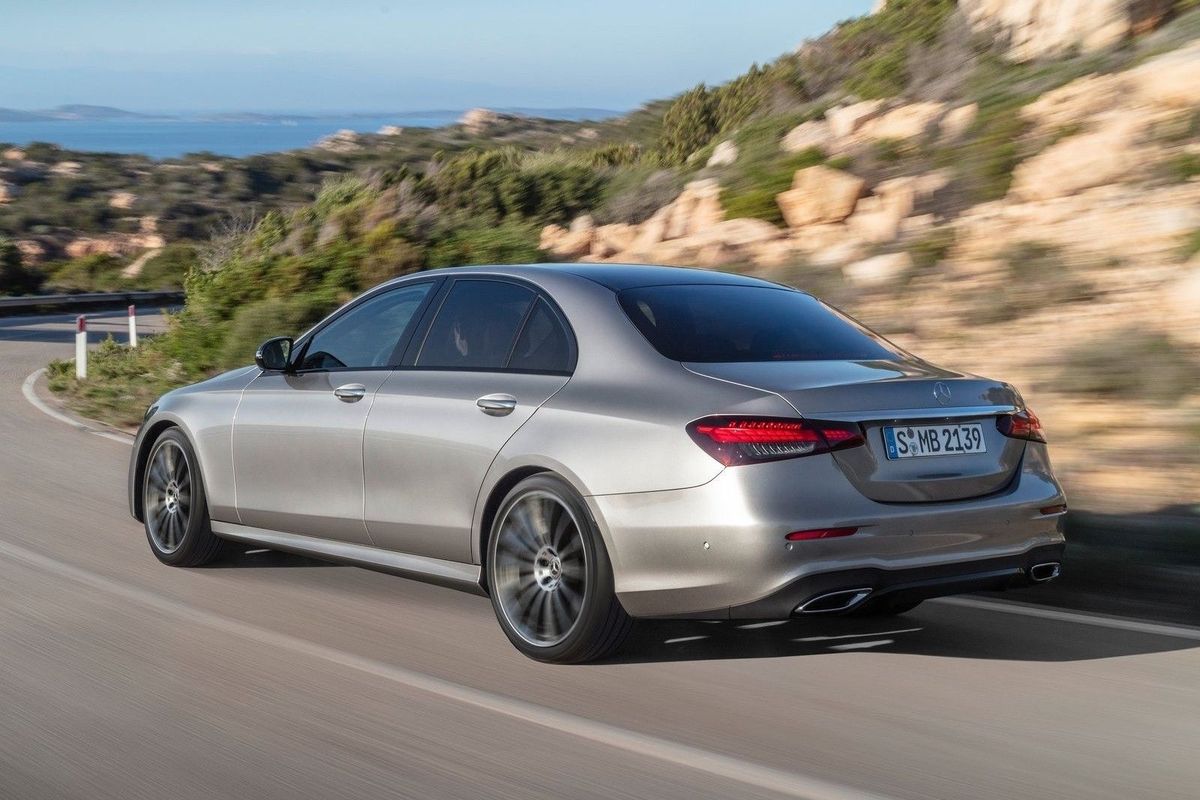
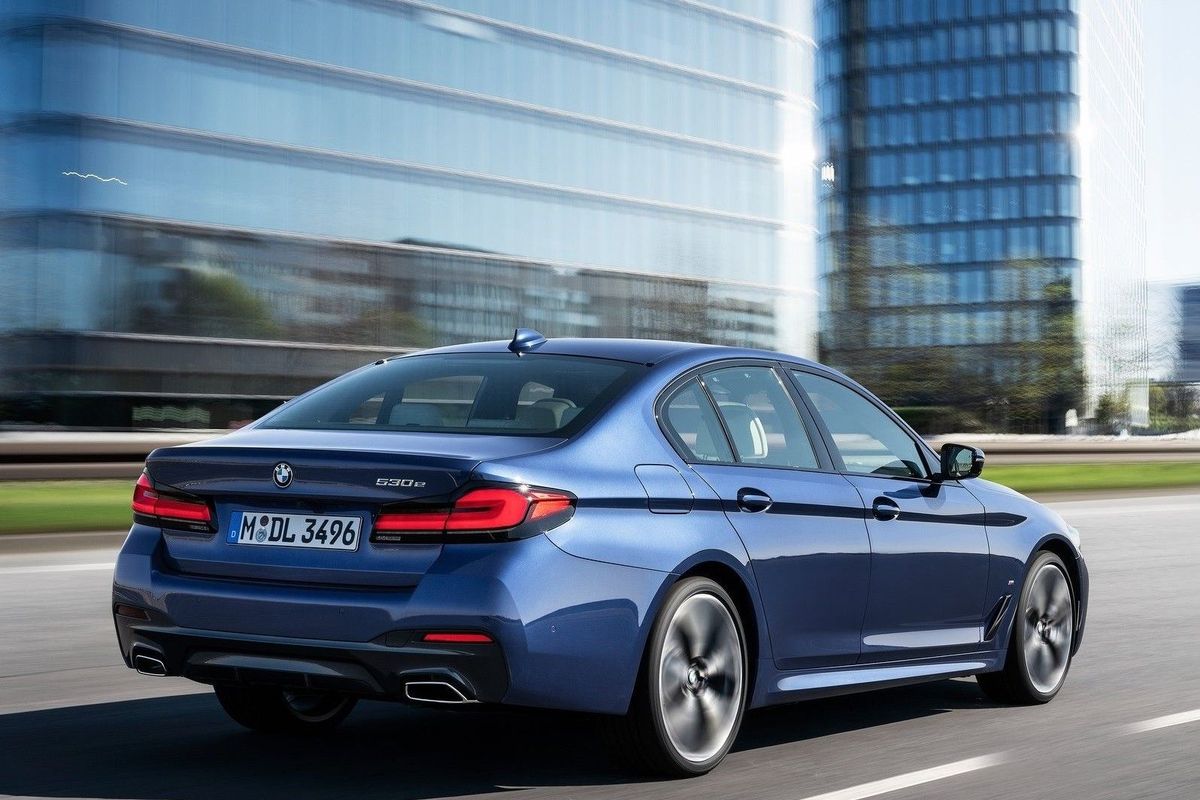
The luxury sedan segment will see 2 German brands duke it out in the premium sedan segment. Despite the onslaught of the SUV, both BMW and Mercedes-Benz still see value in the sedan market and have revealed updated versions of its 5-Series and E-Class respectively. While we haven't driven either, we can do a spec-for-spec comparison and see what they offer.
Styling
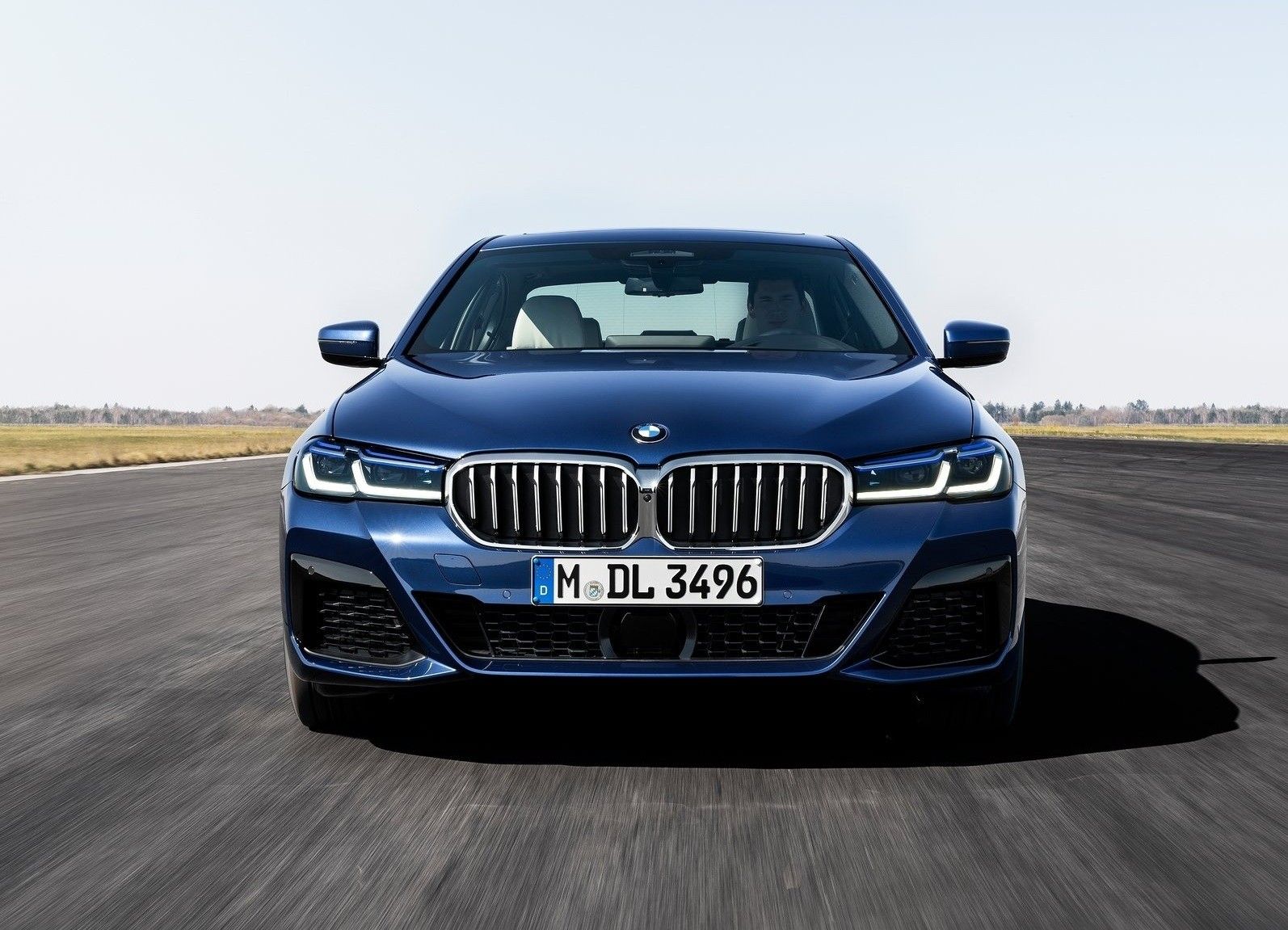
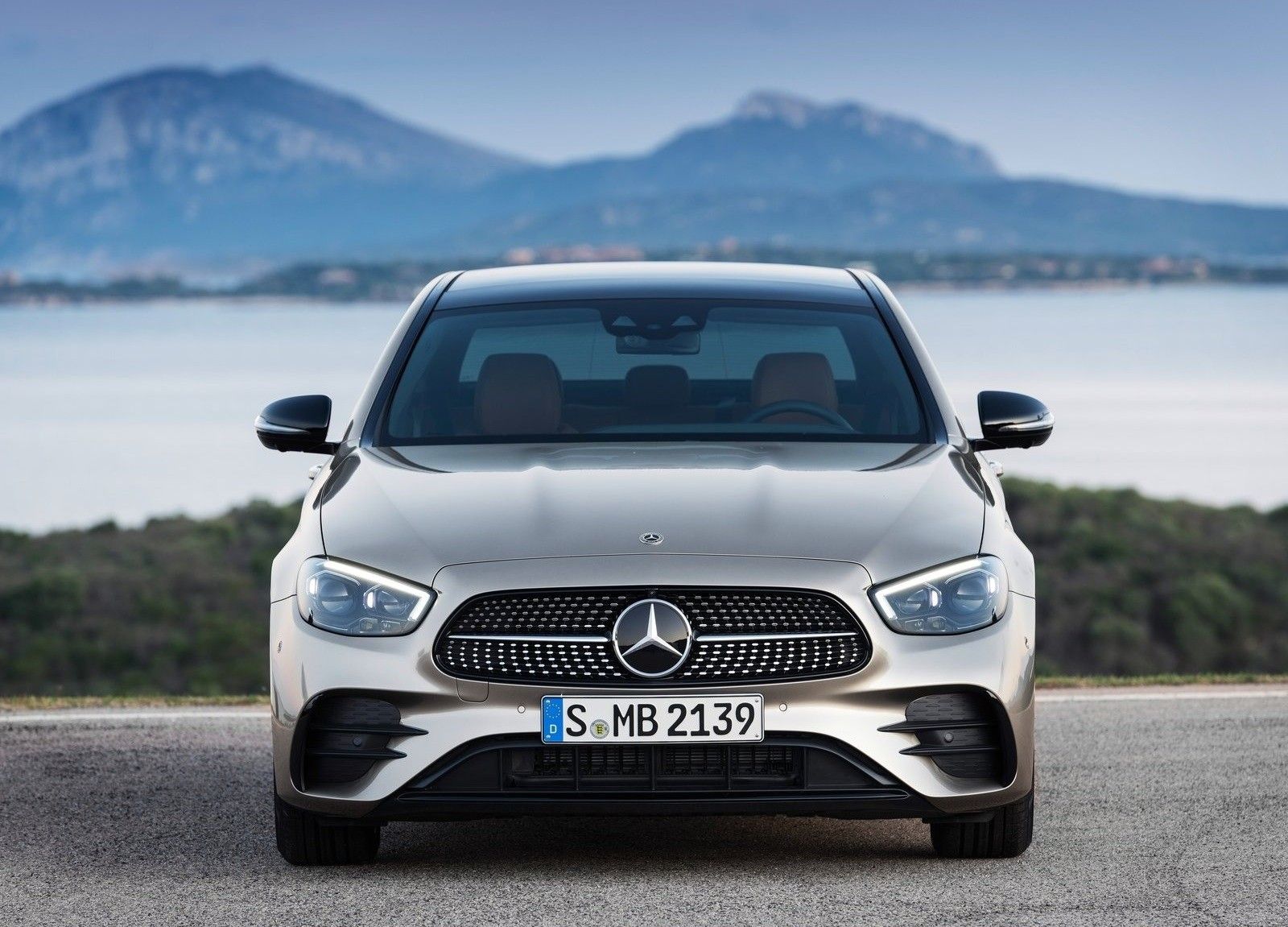
Car design is extremely subjective and one person's art is another's trash. That being said, we will say the Mercedes-Benz E-Class has appeared to change more radically, with BMW opting for a more subtle design upgrade. The new E-Class adopts the new fascia at the front, while the rear gains some new-look tail lamps. BMW has gone for a nip and tuck of the grille, while sharp-looking headlights dominate the front. The rear gets a slight redesign of the taillights.
Practicality
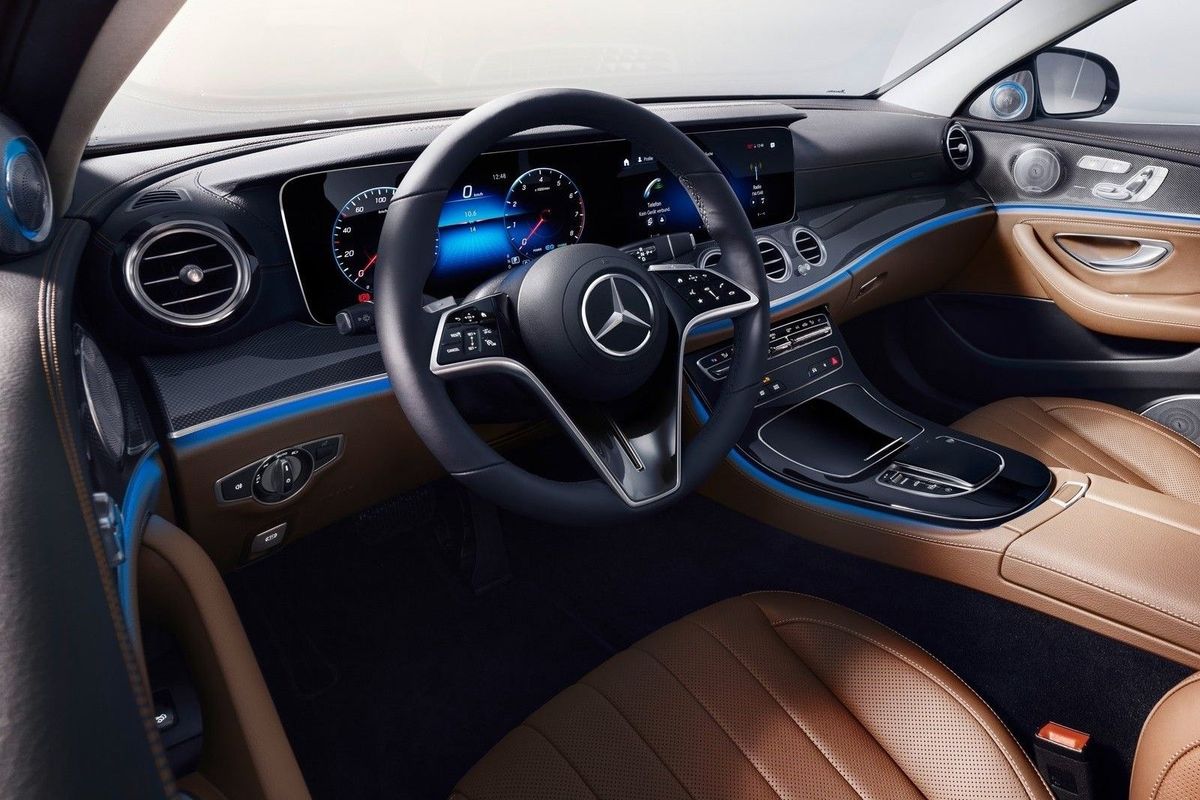
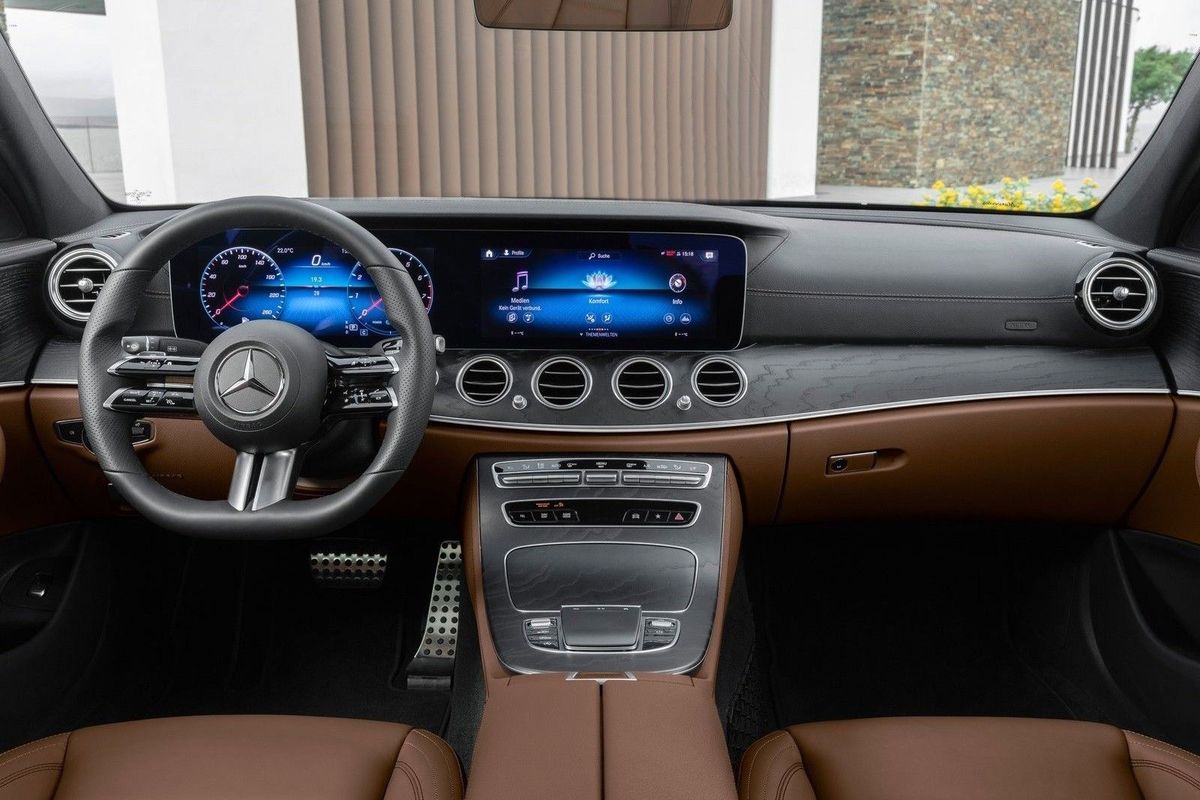
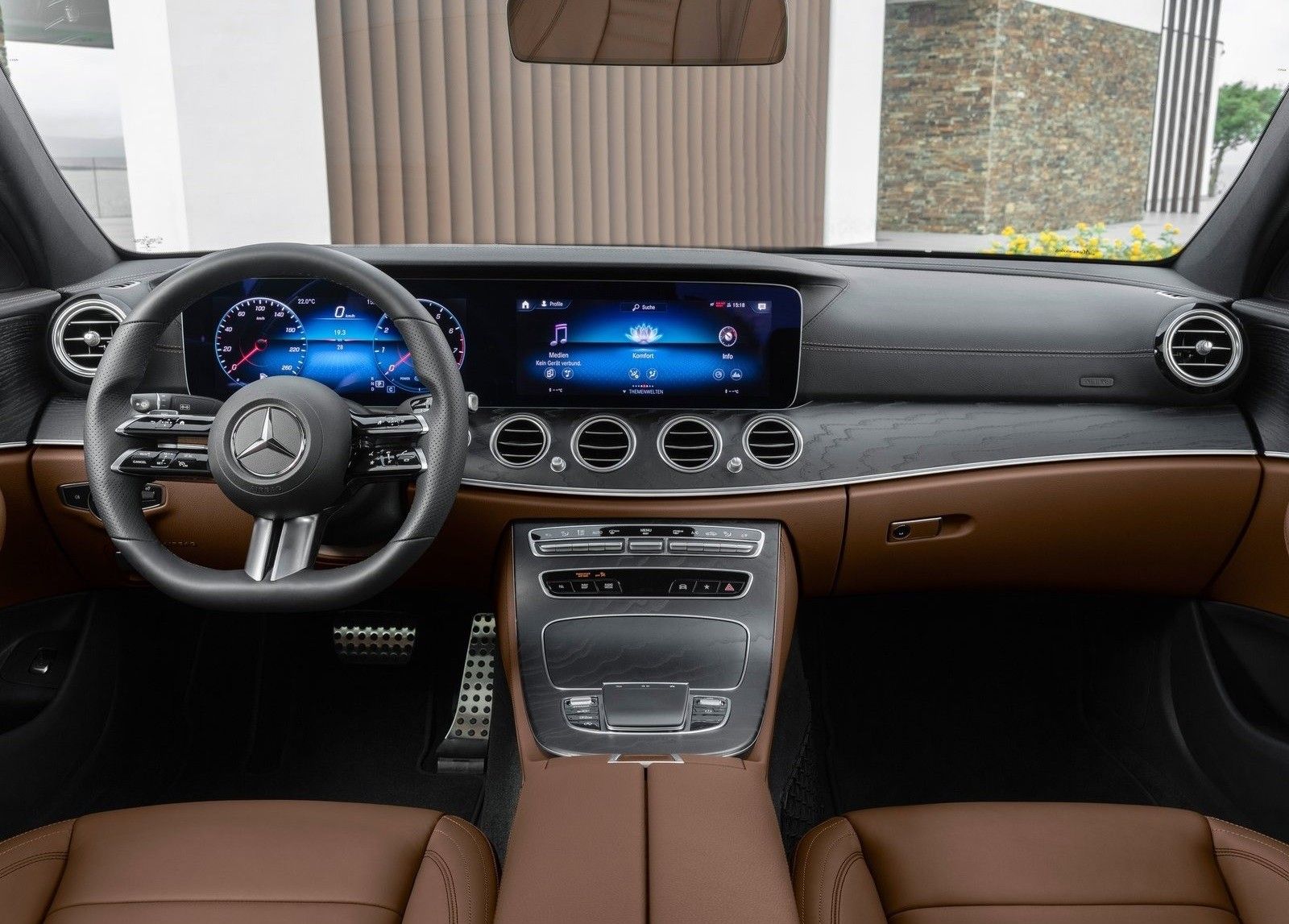
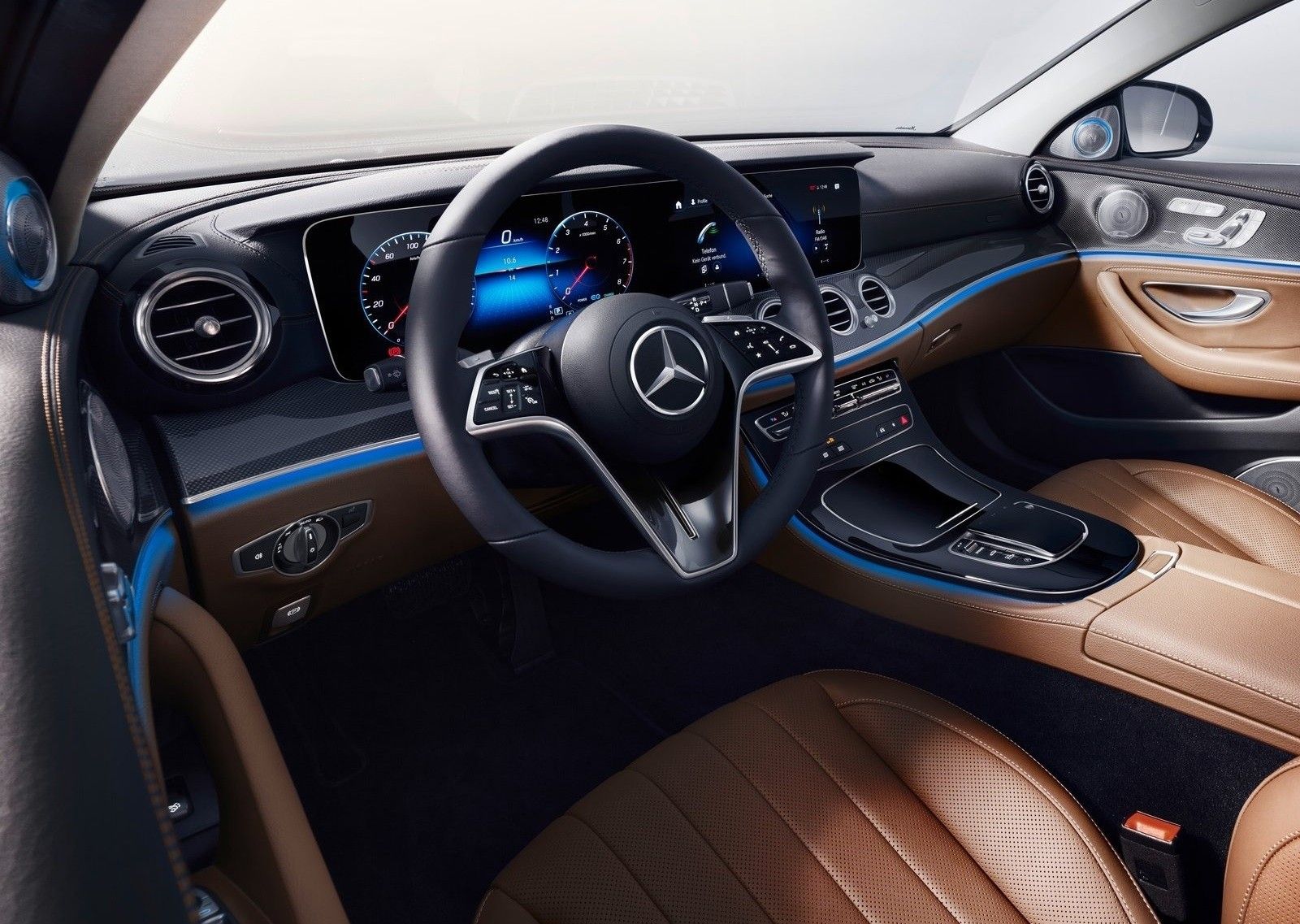
The cabin of the updated Mercedes-Benz E-Class.
Both the Mercedes-Benz E-Class and BMW 5-Series place a huge focus on comfort, cabin space and practicality. The updated BMW 5 Series boot capacity remains at 530 litres, with the rear seats folded down to get a maximum of 1 560 litres. In comparison, the Mercedes-Benz E-Class sedan musters a 540-litre boot and you can fold down the rear seats which will increase the space, but a figure was not given. In both instances, each vehicle offers plenty of practicality, with plenty of in-car storage solutions.
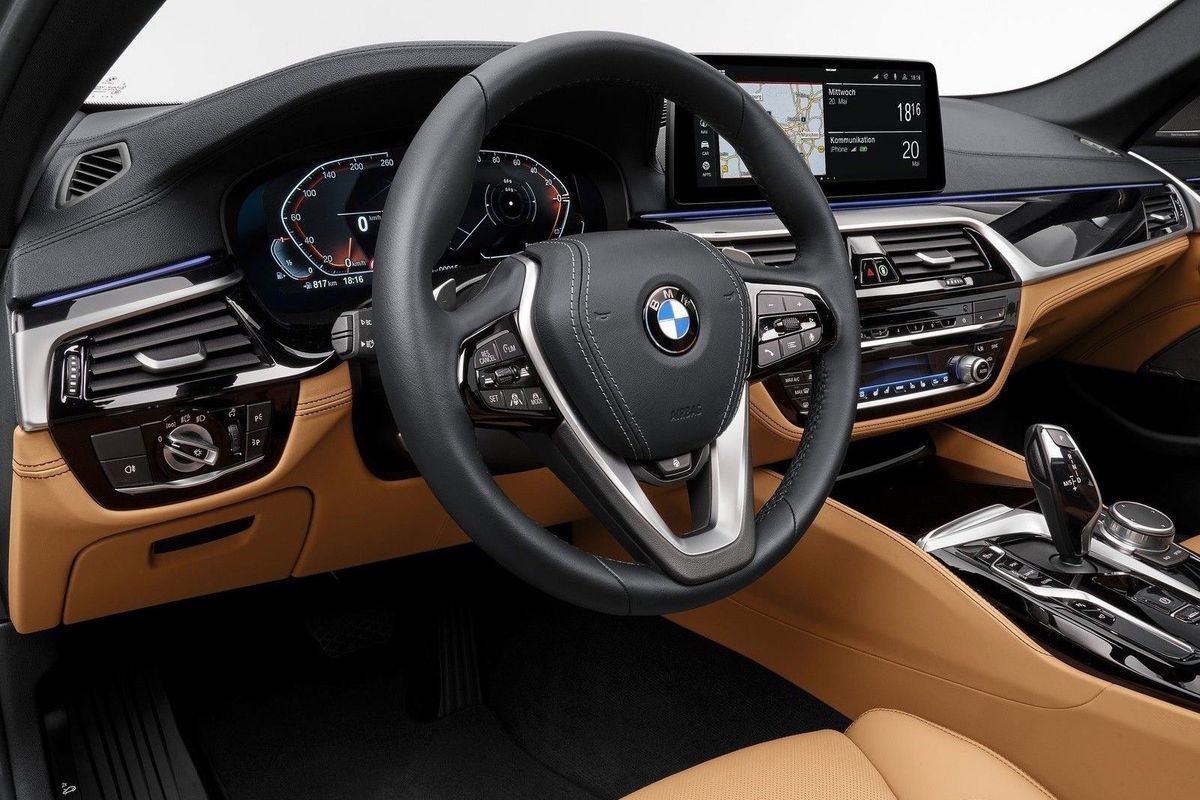
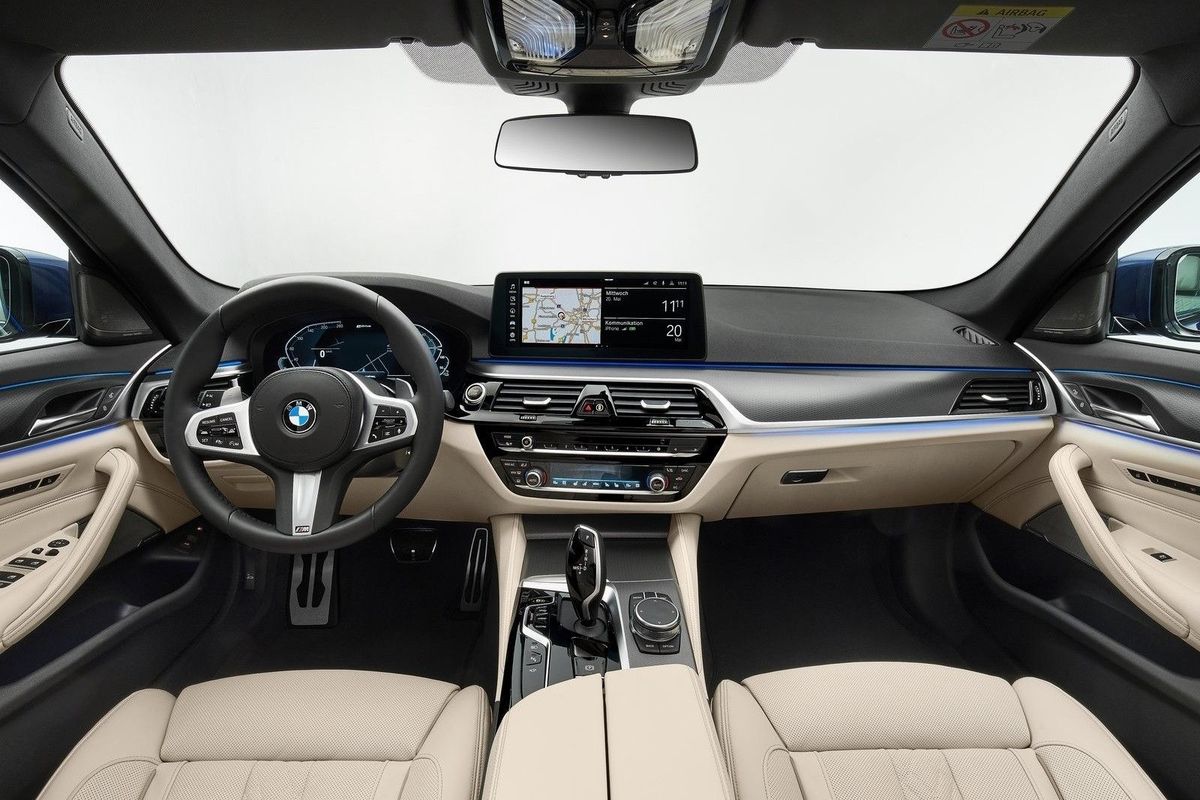
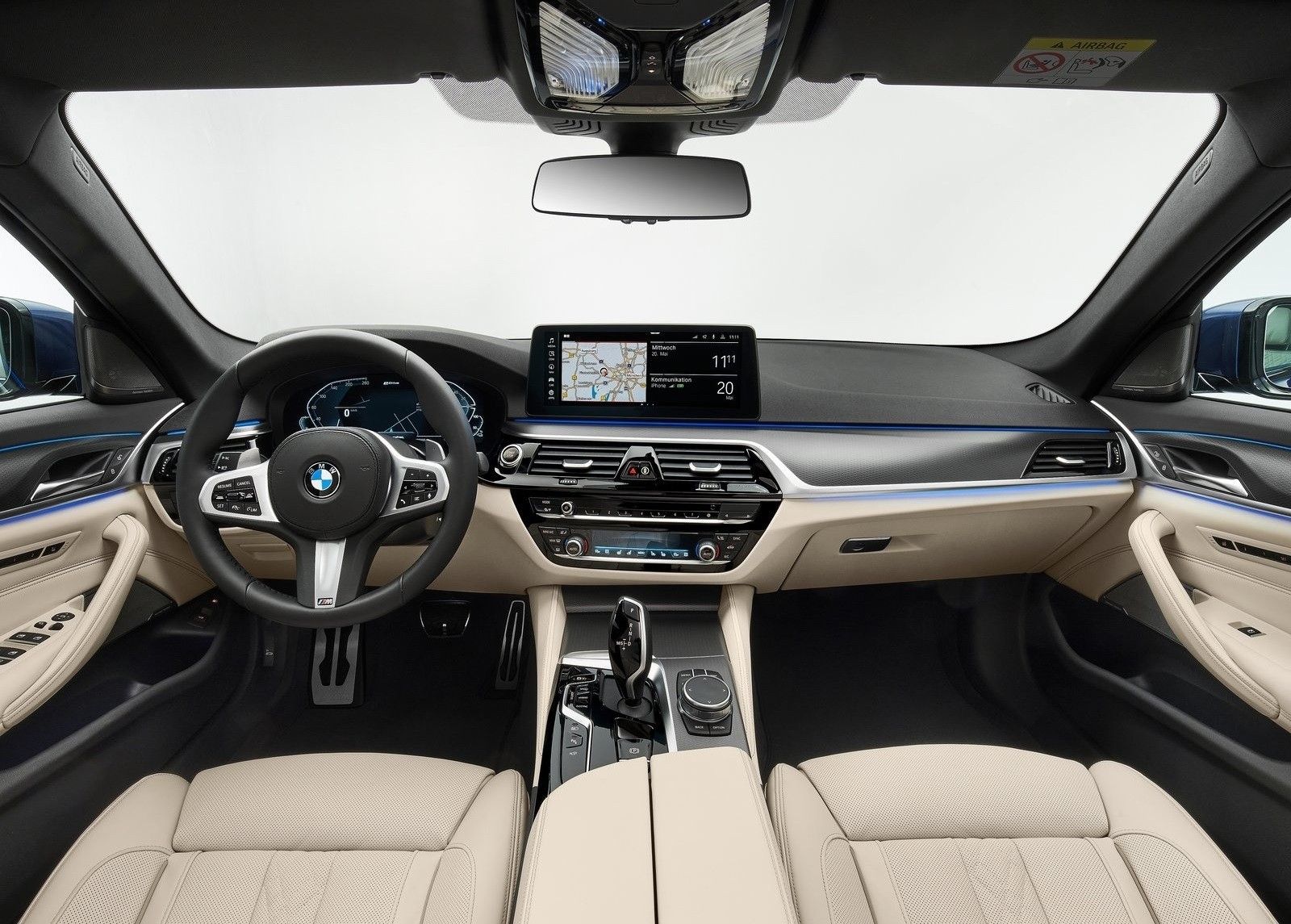
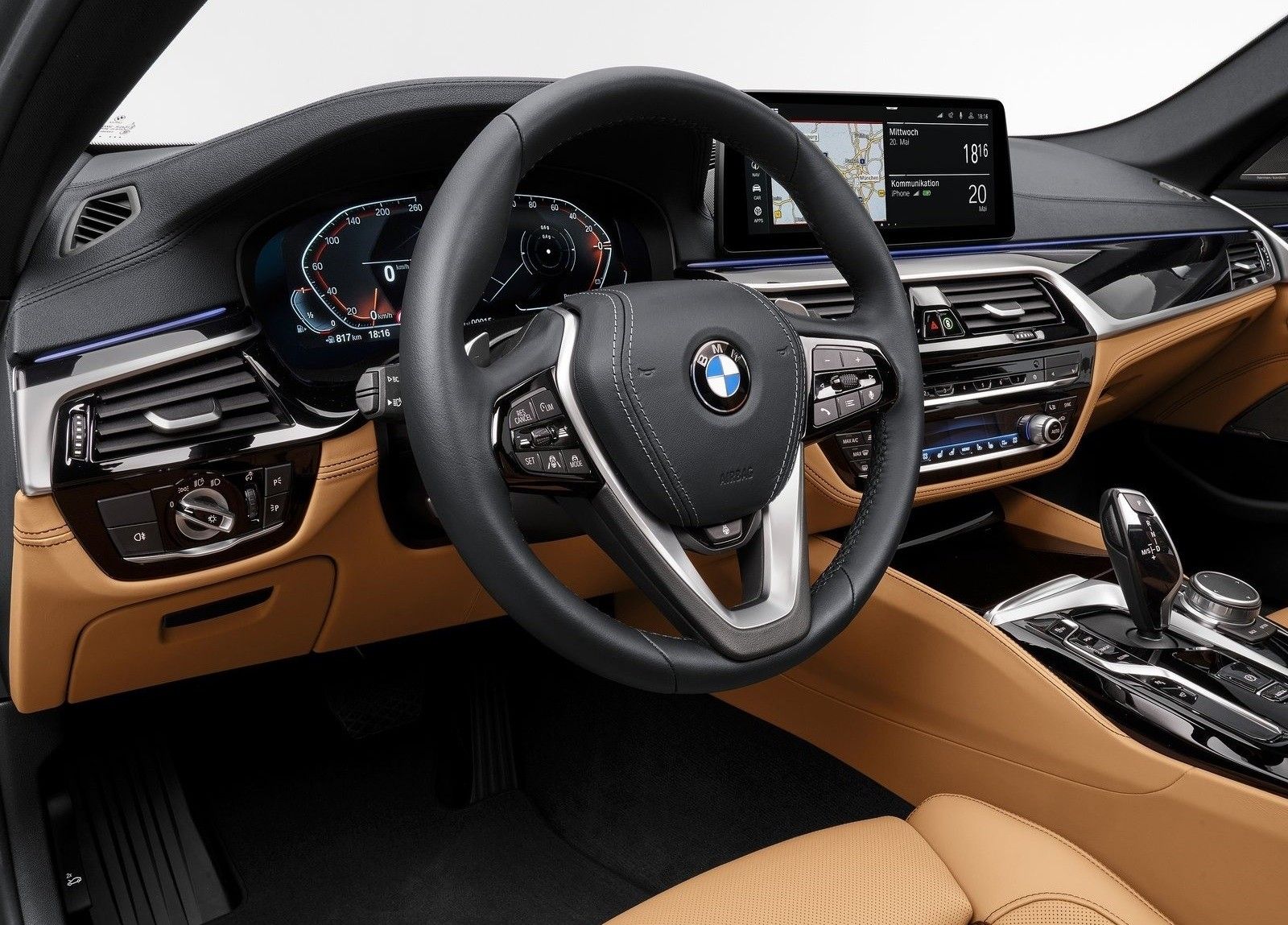
The cabin of the updated BMW 5-Series.
Engines
Both Mercedes-Benz and BMW are making progress in electrification and both cars feature clever tech. The Mercedes-Benz E-Class portfolio will have 7 models available as plug-in hybrids across petrol/diesel and saloon/estate, while BMW will be introducing e models in the 5 Series range.
Mercedes-Benz says that the petrol engine range will cover outputs of between 115 kW to 270 kW while the diesel E-Class will offer between 118 kW to 243 kW. A 200 kW (+15 kW) four-cylinder 2.0-litre turbo-petrol engine and an in-line 6-cylinder, 3.0-litre engine will be equipped with an Integrated Starter-Generator (ISG) and a 48-Volt onboard electrical system. A 6-cylinder, 3.0-litre turbodiesel engine will also be offered in some markets. A 9-speed automatic transmission is standard. In South Africa, however, the current 145 kW and 190 kW 2.0-litre turbo-petrol and 143 kW turbodiesel engines are expected to carry over.
BMW says it has improved the TwinPower Turbo with the 4- and 6-cylinder petrol engines getting optimised petrol injection, while all diesel engines now with 2-stage turbocharging. Euro 6d emissions compliance as well as 48V mild-hybrid technology for all 4- and 6-cylinder models is now available too. Mild hybrid tech has been enhanced with the addition of a 48V starter-generator and a second battery.
Later on, BMW will introduce the 545e xDrive with a 210 kW inline-6 petrol engine and 80 kW electric motor driving all 4 wheels. It will also have 600 Nm and be capable of 54-57 km of pure electric power. Outputs range from the 540i's 245 kW the mighty V8's 390 kW. For diesel fans, the 520d has 140 kW while the 530d packs 210 kW.
Performance versions?
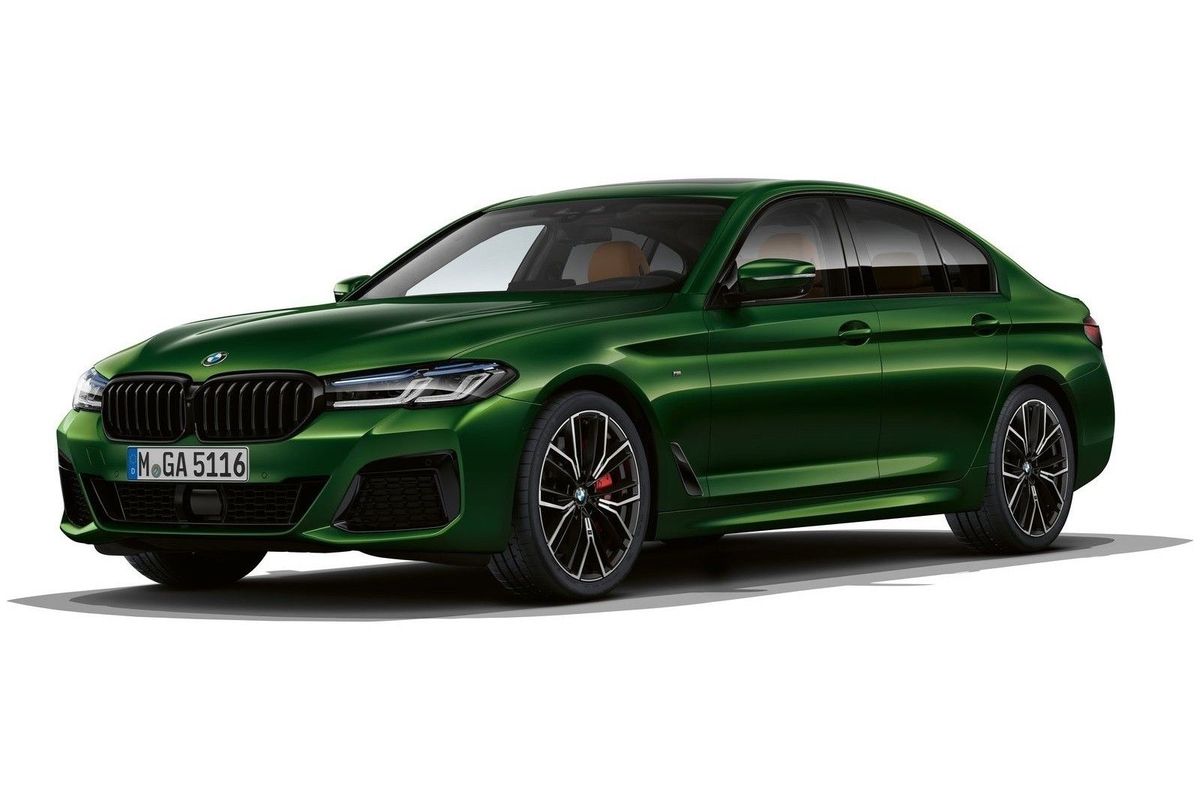
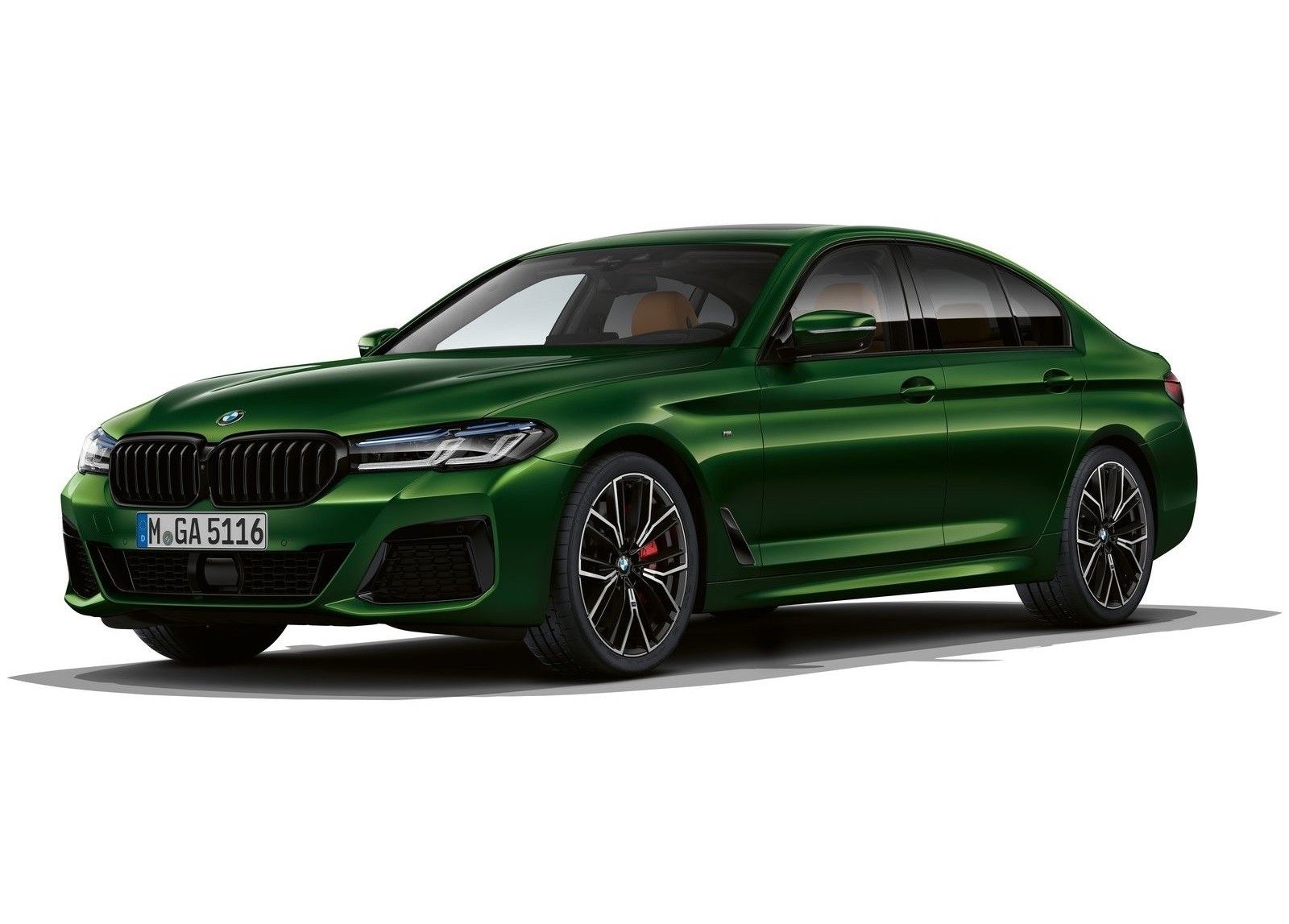
With a gloss black grille and red brakes, this is the baby BMW M5 Lite aka M550i xDrive.
At the time of writing towards the end of May 2020, neither BMW M or Mercedes-AMG had revealed the latest iterations of the high-performance models. We know they're coming as we have the spy shots of the Mercedes-AMG E63 Sas well as the hardcore BMW M5 CS, both of which are worth checking it out.
What we do have are the 'lite' versions of the aforementioned vehicles. Pictured in a lovely shade of green is the BMW M550i xDrive, essentially a detuned BMW M5. Packing the 4.4-litre twin-turbo V8 with 390 kW and 750 Nm of torque, it'll sprint to 100 kph in 3.8 seconds.
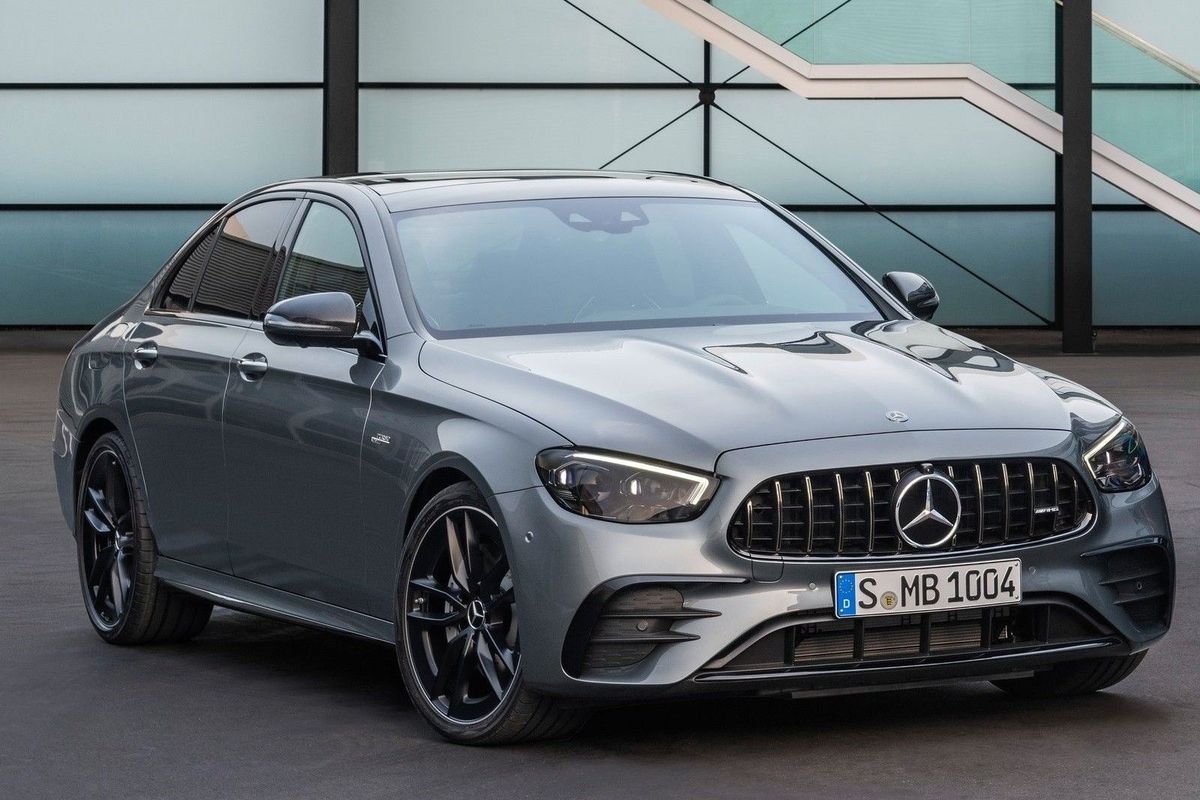
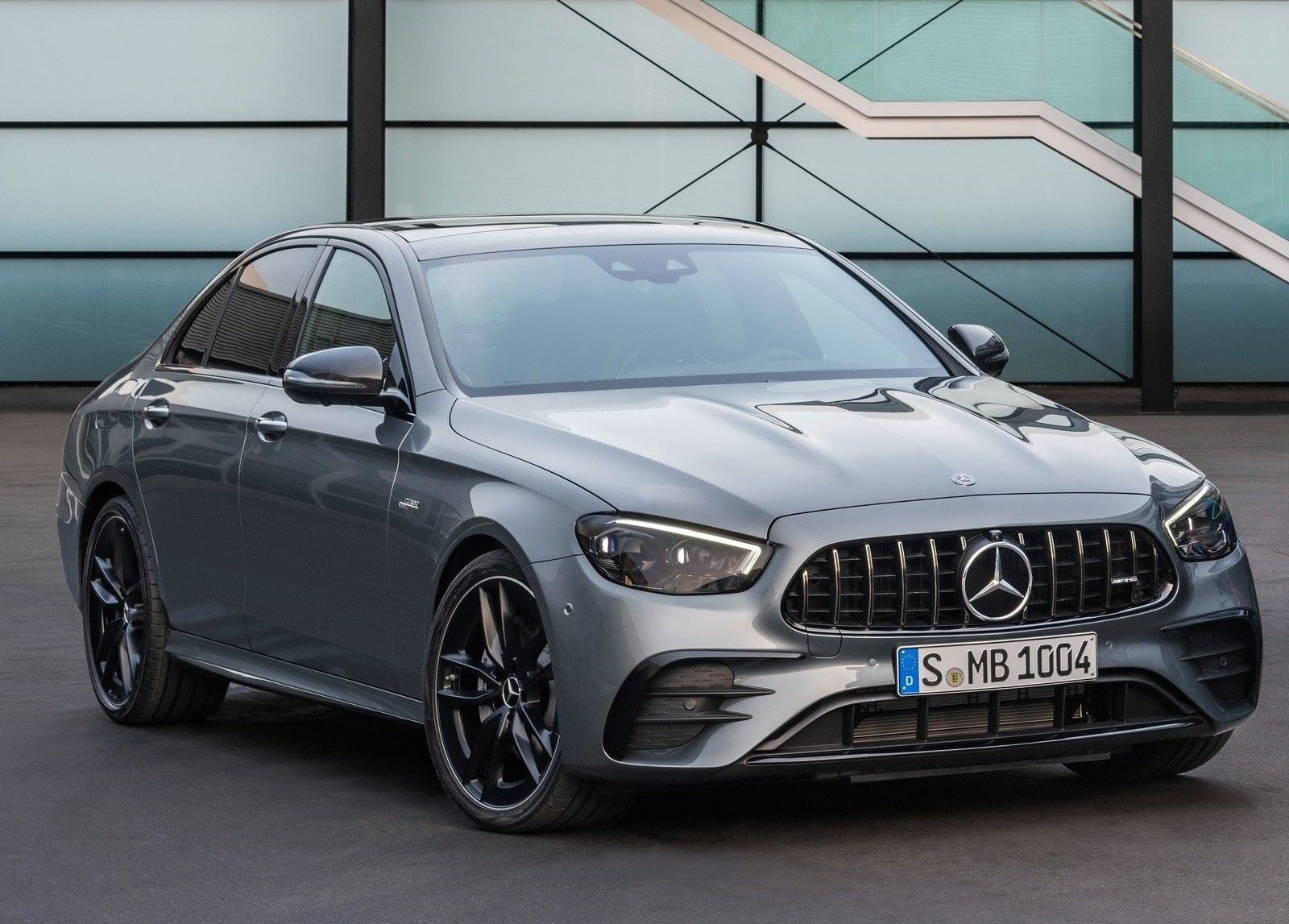
Below is the Mercedes-AMG E53, which features a twin-turbocharged 3.0-litre 6-cylinder petrol engine. It has 320 kW 520 Nm and is good for a 0-100 kph time of 4.5 seconds.
There's no mistaking this E-Class for anything other than the AMG model thanks to the Panamericana grille.
Infotainment and technology
The updated BMW 5-Series showing its new infotainment system
The BMW 5-Series may have only the most subtle of exterior updates, but the cabin updates are arguably more noteworthy and important. The BMW Operating System 7, Live Cockpit Professional and Hey BMW personal assistant make their debut. There are also some tactile changes as well as enhanced connectivity. There are a host of extra digital services, including a cloud-based navigation system that updates real-time traffic data at regular intervals. The 5 Series further supports Android Auto (in addition to Apple CarPlay) and remote software upgrades.
The updated Mercedes-Benz E-Class’ cabin now features updated trim finishes as well as a new multi-function steering wheel with capacitive hands-off detection. Another change is the presence of a touchpad to control the infotainment system which replaces the previous rotary controller. A widescreen cockpit featuring two 10.3 inch screens can be had or buyers can upgrade to the larger 12.3-inch widescreen cockpit layout. The latest Mercedes-Benz User Experience (MBUX) operating system will also be fitted with voice control and augmented reality as well as Hey Mercedes, the personal assistant.
MBUX makes its debut in the updated Mercedes-Benz E-Class
South African availability?
BMW SA has said it expects it to arrive sometime in Q4 this year. The introductory lineup looks broad, with 520d, 530i, M550i xDrive coming. The BMW M5 Competition will follow on later.
Mercedes-Benz SA has yet to confirm anything regarding local E-Class introduction or specification. We suspect it will arrive in South Africa before the end of 2020.
We await pricing for both models and will update with detailed specs and pricing as soon as we have more info.
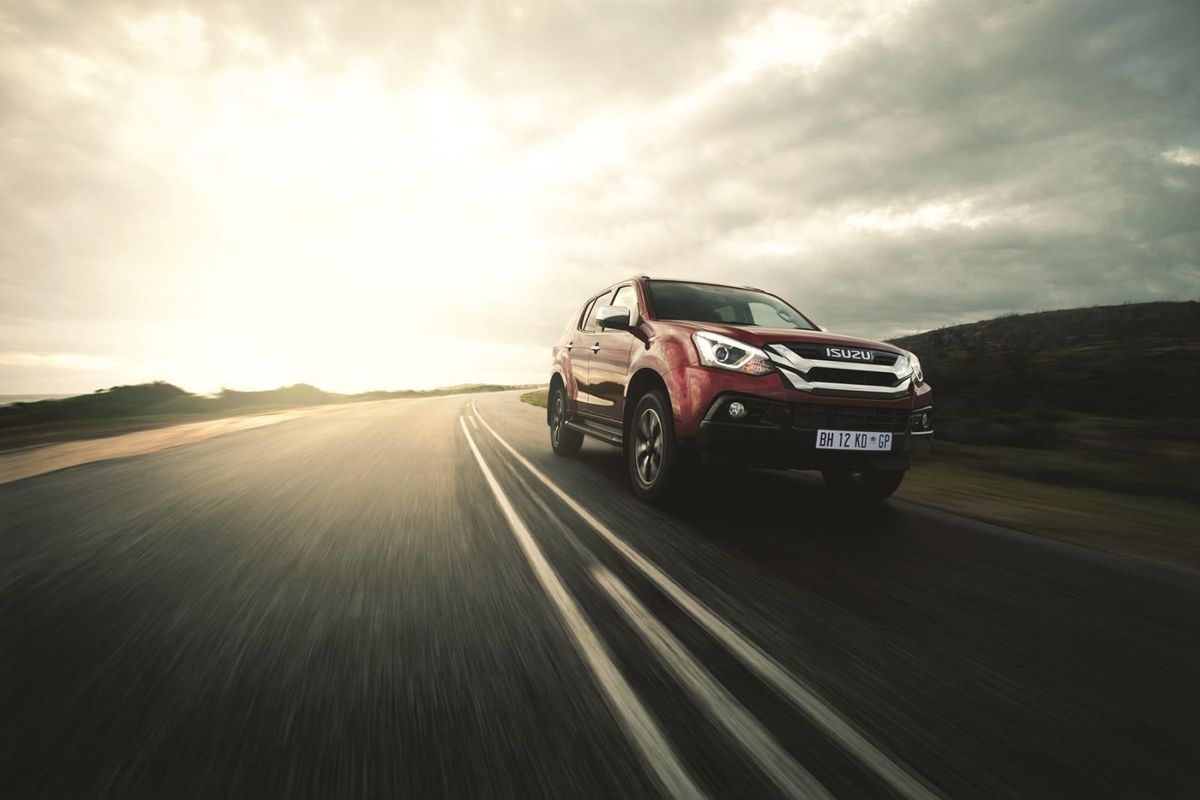
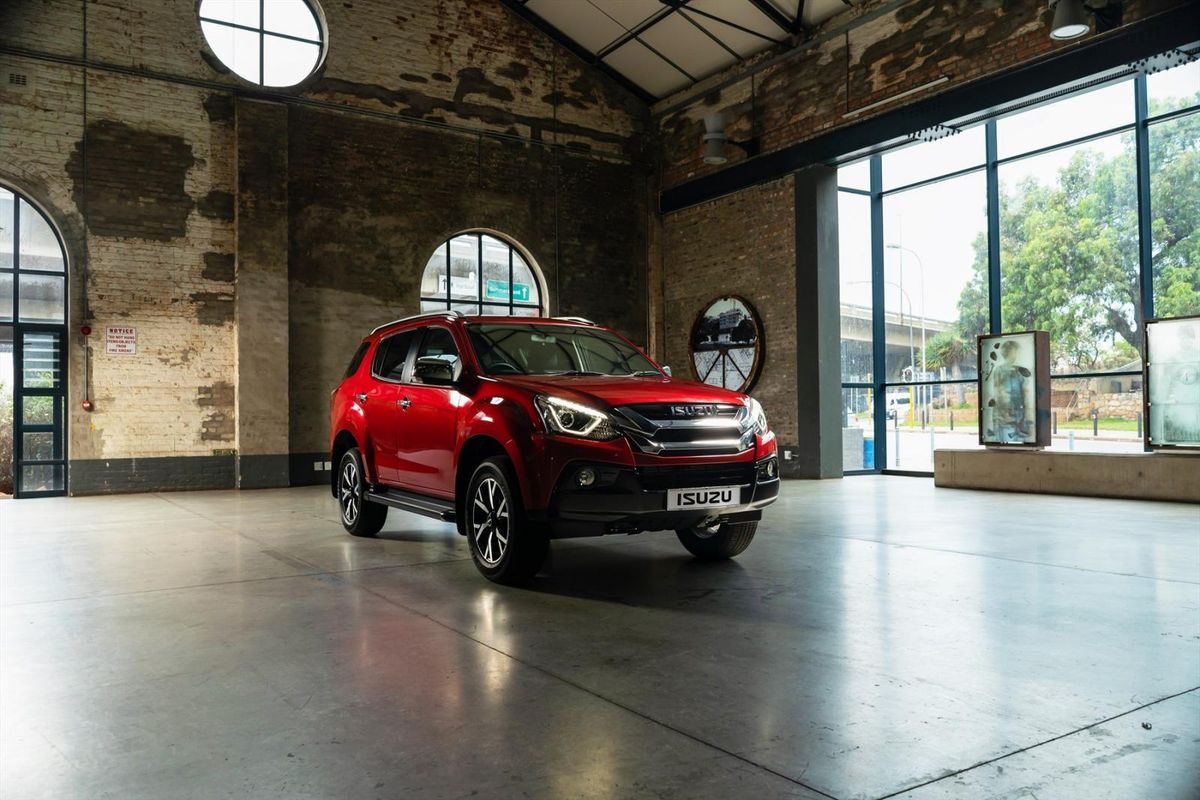
With the exit of GM and the Chev Trailblazer back in 2017, the Isuzu MU-X has filled the gap in the Adventure SUV lineup. For 2020, it has had a refresh, here are the details of the changes.
The Isuzu MU-X is reaching the end of its lifecycle, the D-Max-based SUV is surely set for renewal in the next few years as we have already seen the new D-Max (the platform the MU-X shares) which is headed for SA in 2021. This is probably the last update we will see before the new model begins to show.
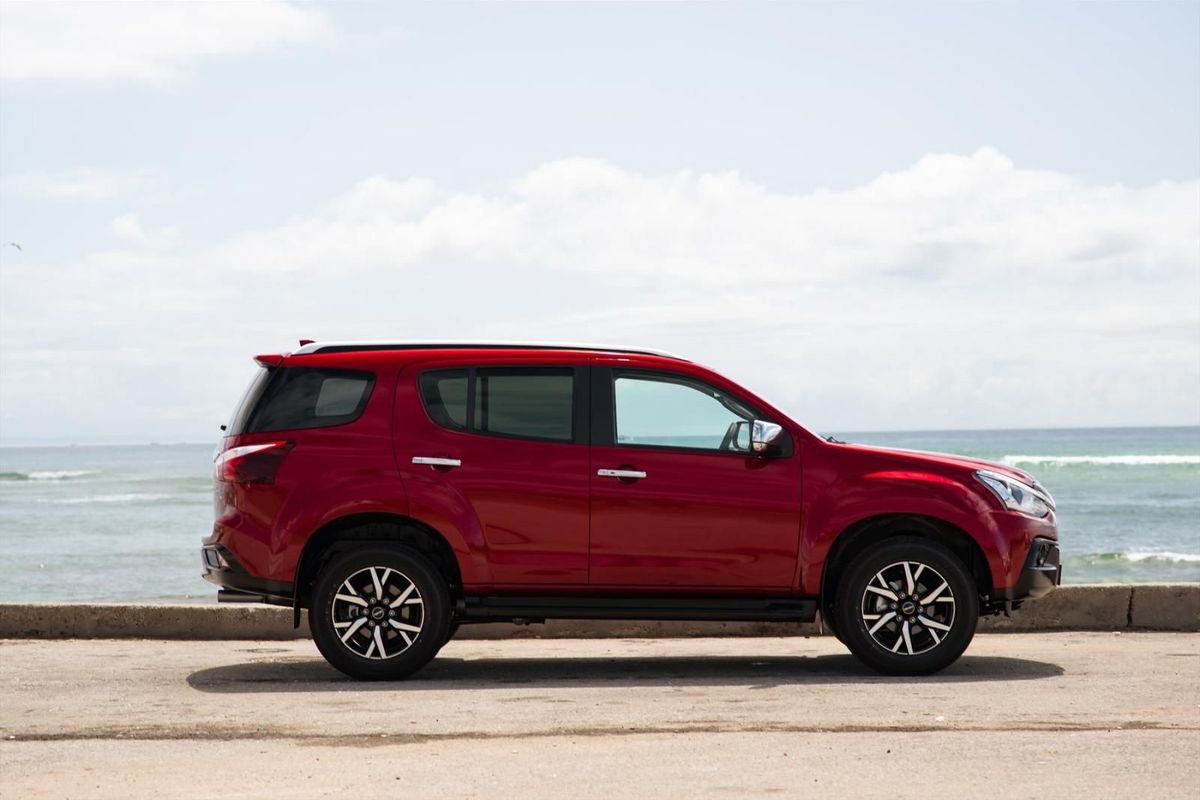
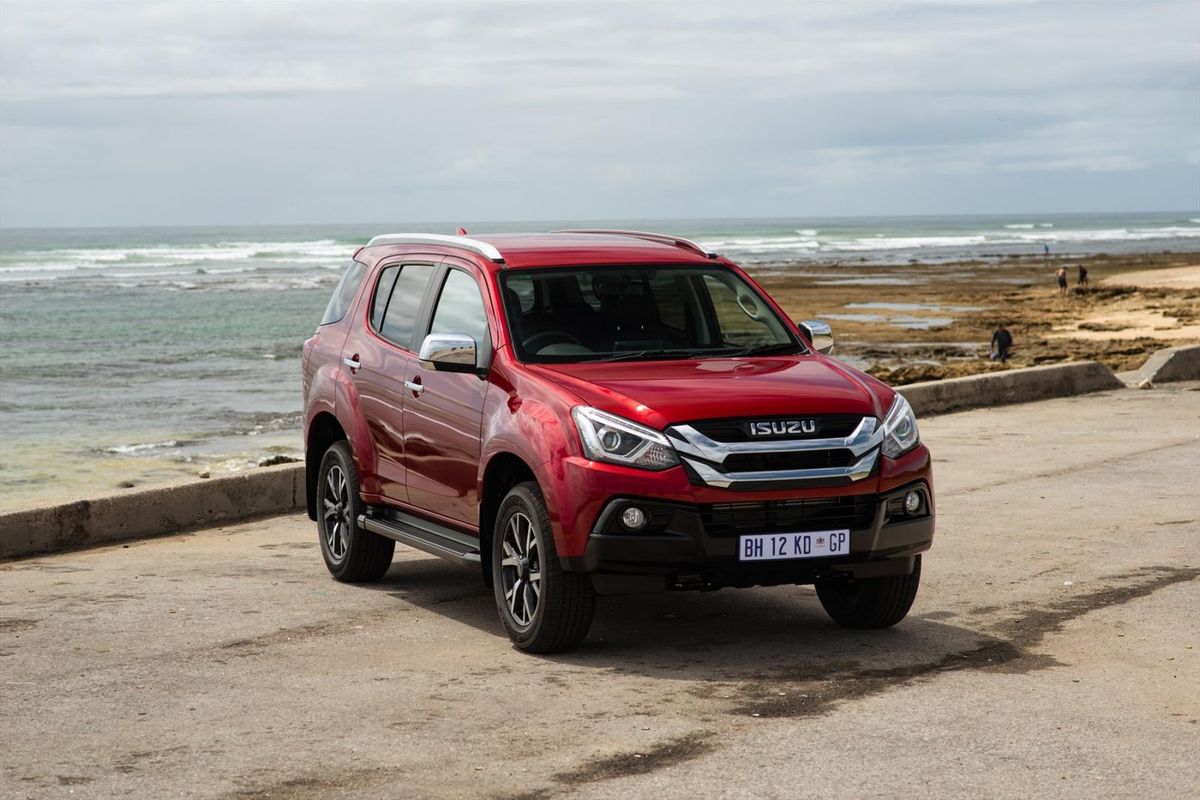
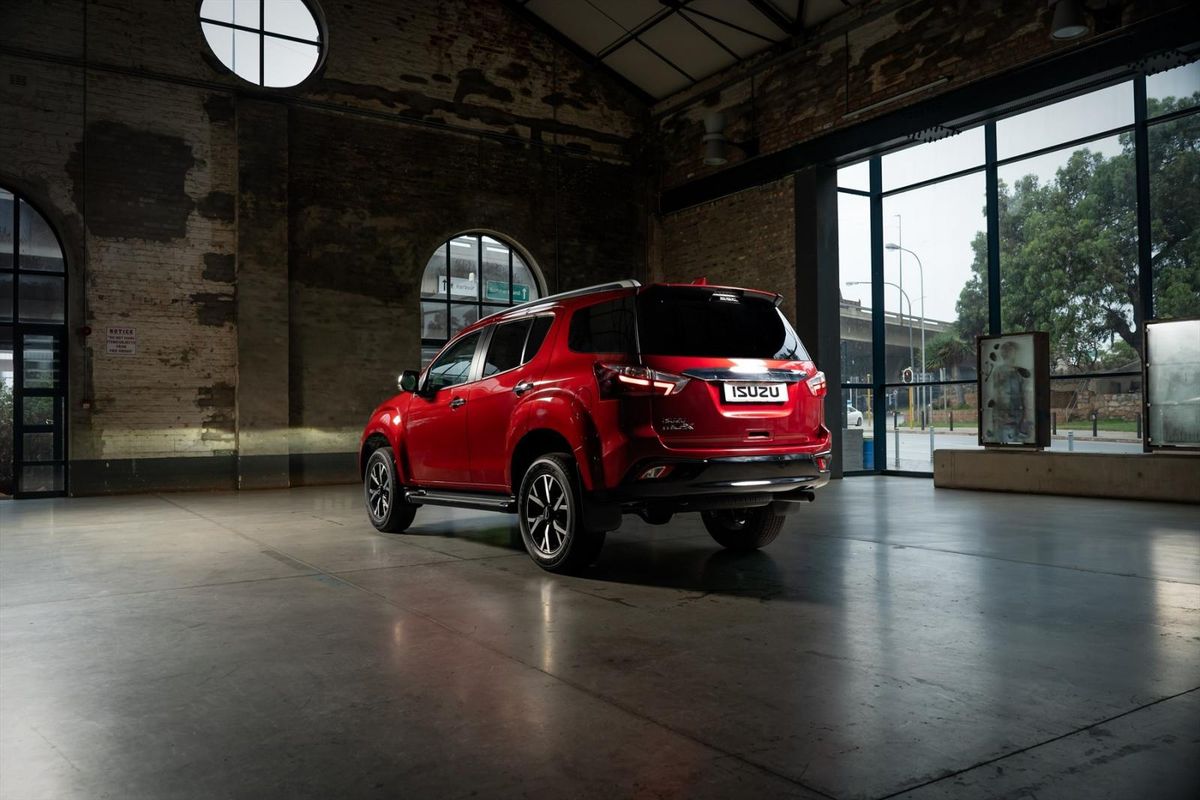
Updates for the 2020 model include a new-style radiator grille and front bumper. The lower portion of the bumper features a gloss black finish adding contrast to the upper section. There is more gloss black down the sides where the side steps are also coated in black. New 18-inch ‘diamond cut’ wheels add to the sportier profile. Similar treatment has been done to the rear with a gloss black lower bumper. The rear also features a new taillamp cluster and two-tone sliver/black roof rails.
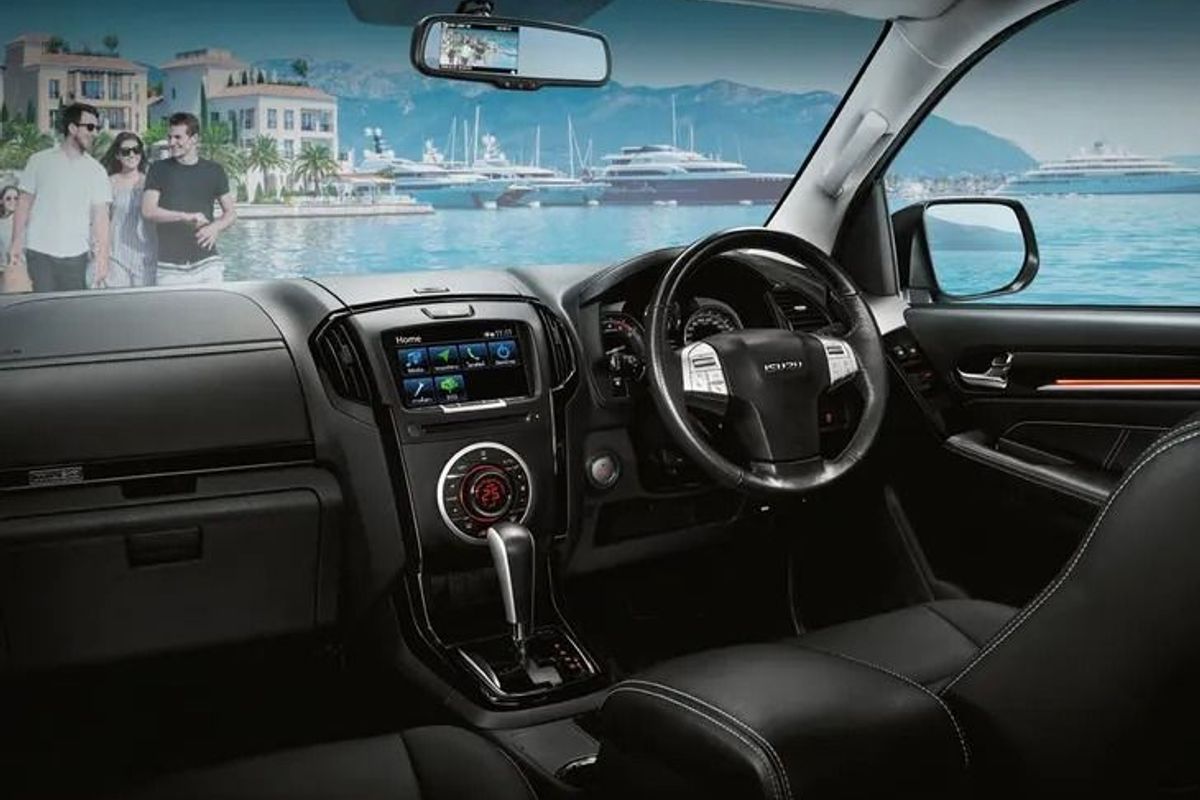
Interior update
You can just about spot the new ambient lighting added to the door trims.
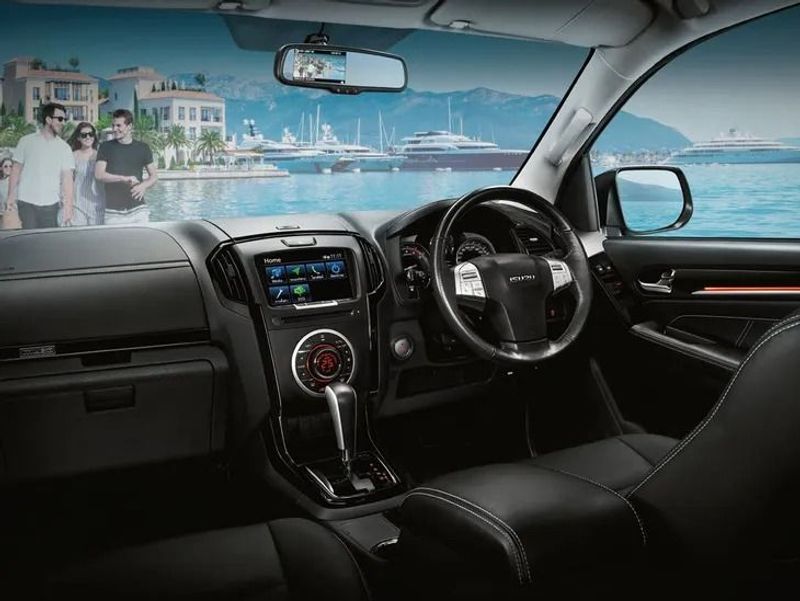
Piano black finishes have been adopted for the door switch bezels and trim panels, gear shift surround as well as the centre stack for the infotainment system and climate control.
Additionally, the switches located on the leather steering wheel for the audio system, phone functions and cruise control are picked out in black with a silver garnish, while ambient lighting has been introduced in the door trims.
The touchscreen infotainment system measures 8-inches, replete with Bluetooth, Apple Carplay and Android Auto connectivity. The system can be upgraded (at an optional cost) to a 9-inch system that includes satellite navigation and sound system. Front and rear USB ports are available as well as an Aux. connection and HDMI port.
Additional standard features include central locking with keyless entry and start. Storage compartments are located in various areas around the cabin, including dual glove boxes, an upper dash storage binnacle and cup holders for all three rows of seats. The rear-facing camera is linked to the infotainment display with audible sensors for the rear park assist system.
Additional safety
On the safety front, a new addition to the mu-X is the Brake Override System. The system is linked to the ABS system and restricts accelerator input if the brakes are applied at the same time – thereby reducing the vehicle’s stopping distance in an emergency.
This new feature complements the already extensive range of active safety features including EBD with Brake Assist, along with Stability Control, Traction Control, Hill Start Assist and Hill Descent Control which can be engaged in low range 4×4 mode.
Passive safety equipment comprises dual front, side and full-length curtain airbags, linked to front seat pre-tensioner seatbelts, plus a high tensile steel passenger safety cell.
Same power unit
The same tried and test 3.0-litre turbodiesel engine powers the facelifted MU-X. It puts out 130 kW and 380 Nm and is mated to a 6-speed automatic gearbox. The MU-X also has a 3-tonne tow rating. An optional mechanical diff-lock was introduced to the MU-X range in 2019 and remains an option on this facelifted model for the 4×4 and 4×2 models.
Pricing
The MU-X is sold with a five-year/120 000 km warranty and Isuzu Roadside Assistance, a five-year/unlimited km anti-corrosion warranty and a five-year/90 000 km Service Plan. Service intervals are every 15 000 km/12 months.
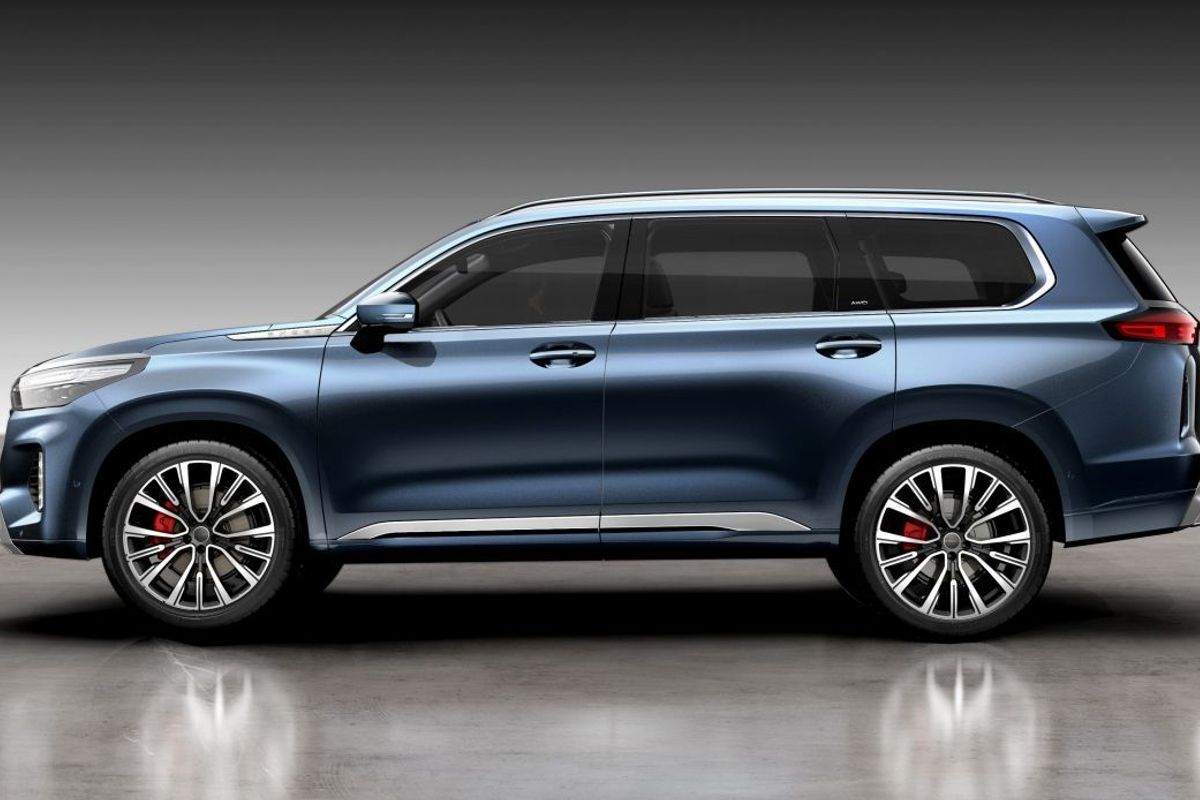
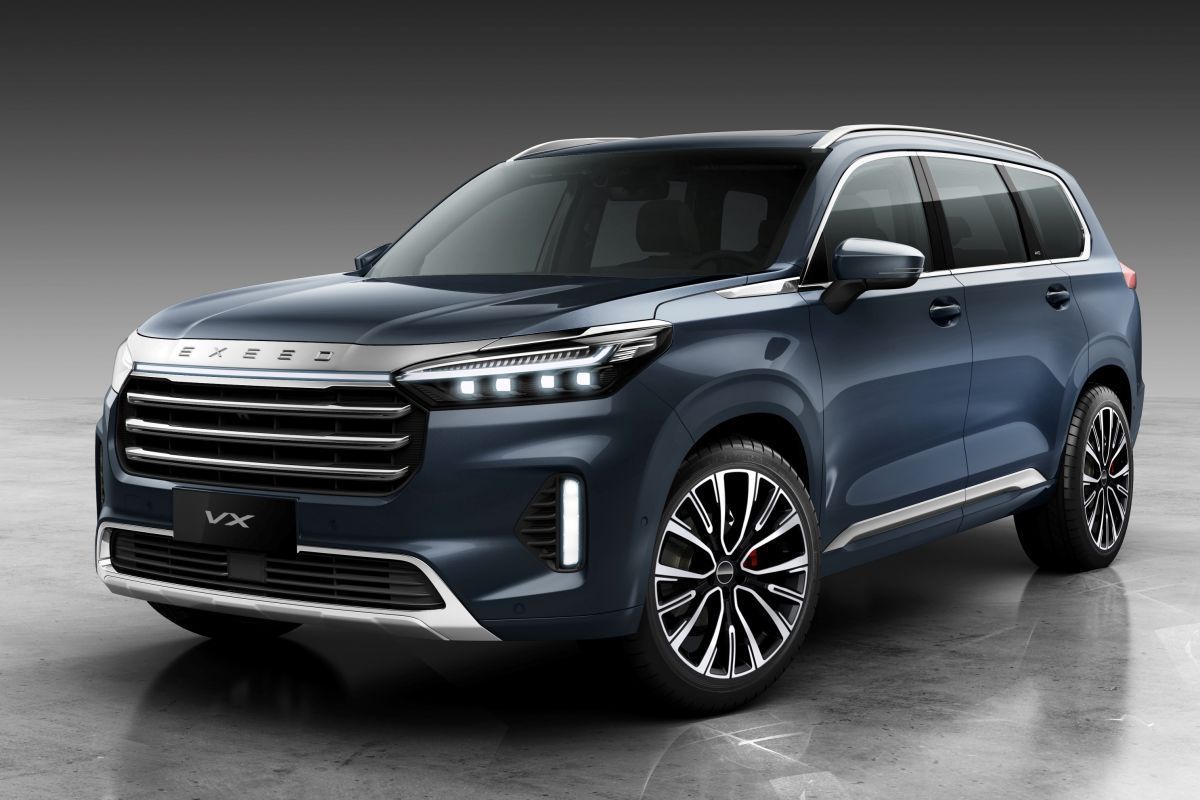
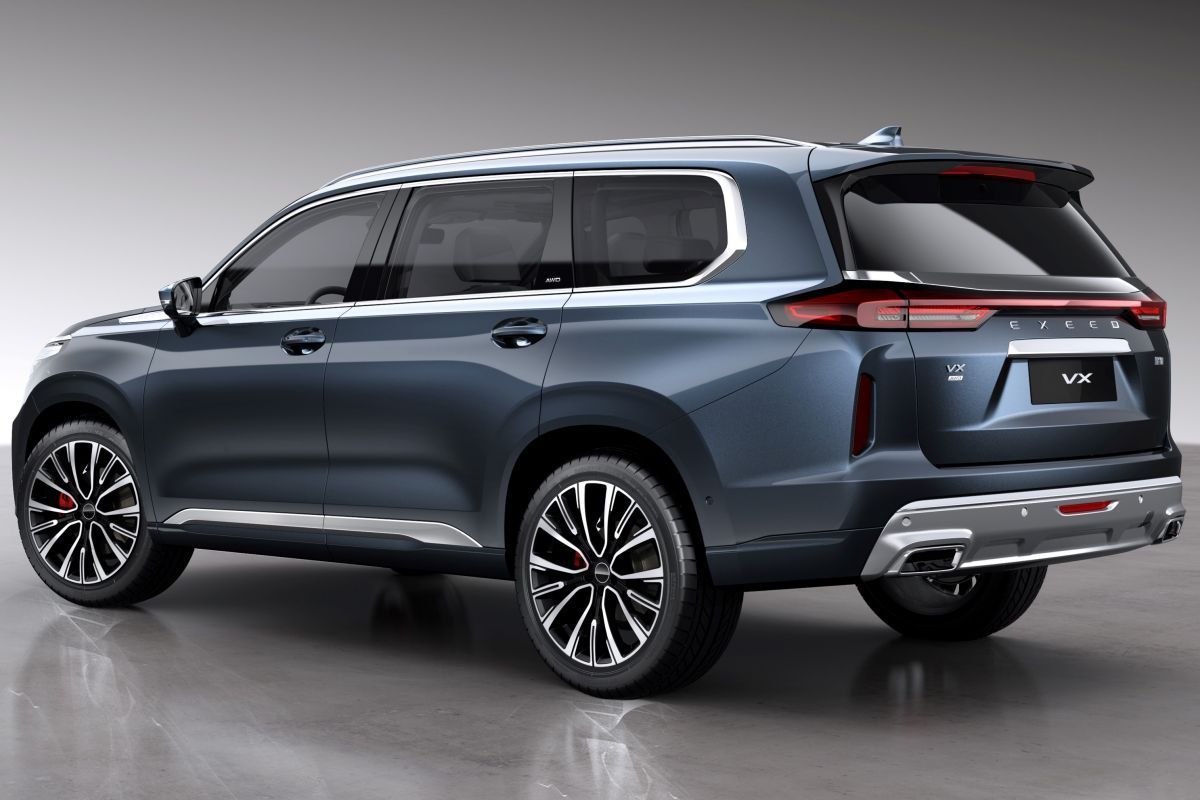
First shown in concept form last year, a production version of the Exeed VX is now ready. And the VX’s goal is to be a luxury SUV intended to conquer new global markets for Chery.
Like many other Chinese automotive companies, Chery is trying to launch more expensive luxury models, under their own sub-brand. In this case, Chery has chosen Exeed to be the name for that new venture.
Lexus proved the validity of this sub-brand strategy with its American debut (and subsequent success) throughout the 1990s.
Measuring 4.97m in length, the Exeed VX has adequate room for three rows of seating and rides on Chery’s new M3X vehicle architecture. The design is purposeful, with an oversized chrome-finish grille and narrow horizontal LED headlamps, which create the required large SUV presence.
Chery is aware that customer expectations for its Exeed brand will be higher, and there, it has subcontracted various components on the new VX to some of the world’s most renowned automotive suppliers.
The Exeed VX’s all-wheel-drive system is a joint effort, between Dana axles and Borg-Warner drivetrains, two very respected names in the realm of off-road capable differentials and components.
Hella provides the VX’s impressive LEDs, whilst Continental delivers the large SUV’s stability intervention systems and most of the electronic harmonisation. It also rolls on Continental tyres.
Although the Exeed VX is a big vehicle (slightly larger than VW’s Touareg), it is powered by relatively small engines. Customers will have the option on three four-cylinder petrol engines, which are turbocharged. All three engines drive through a Getrag seven-speed dual-clutch transmission, to ensure the best possible throttle response, despite their small capacities.
The most potent engine is a 2-litre boosting 190 kW, whilst a lower-specification version of this powerplant is also available, producing 164 kW.
Exeed VX’s least powerful engine is the turbocharged 1.6-litre, rated at only 147 kW, which might be a touch underwhelming, for an SUV of the VX’s size.
Apart from all this news, BMW will also introduce a new and more powerful 6-cylinder 3.0-litre turbodiesel engine across its range of vehicles. This new powerplant will replace the current 195 kW /620 Nm 3.0-litre turbodiesel engine but power will increase to 210 kW and torque has been increased to 650 Nm. In conjunction with a 48-volt mild hybrid system, which includes a powerful starter generator and an additional battery, this new diesel engine will be more efficient than its predecessor while also delivering better overall performance.
It will feature in the 3 Series, 7 Series as well as in the BMW’s X3, X4, X5, X6 and X7.
The new unit will also be applied to the 740d xDrive, 740Ld xDrive, X3 M40d, X4 M40d as well as the X7 xDrive40d but will be tweaked to produce higher outputs of 250 kW and 700 Nm.
The rollout of this new turbodiesel engine is expected to commence in July/August 2020.
More Nissan Navara production could be heading to SA
The current restructuring of the Renault/Nissan/Mitsubishi Alliance could mean that the Nissan plant in Rosslyn will build more Navaras.
The Nissan plant in Pretoria currently builds the NP200 half-ton bakkie and the NP300 one-ton bakkie. Nissan has invested around R3 billion in upgrading the local plant to build the ‘new’ Navara (it has been on sale since 2014 globally). The upgrade is likely to come online in late 2020 or early 2021 and produce up to 30 000 Navaras a year. That number may be stretched though if its sister plant in Barcelona Spain is closed down, which it is expected to, according to a report from Automotive News Europe.
The decision is expected to be made quite soon with Navara assembly to be shifted to the Rosslyn plant when it comes online. The Spanish plant had a maximum capacity of 120 000 vehicles per year, but this was split across the Navara, X-Class and Renault Alaskan. As we now know, the X-Class has been canned and will not be produced in SA.
The R3-billion investment by Nissan will also add around 400 new jobs to the Nissan payroll, as well as 800 jobs in the larger value chain. Local parts content in the Navara would start at 35%, growing to 48% according to the previous director Mike Whitfield.
The Navara is reaching the end of its lifespan, with a facelift model being shown in 2019 and a new model expected somewhere in 2023/2024. Nissan South Africa could see itself having to invest further in order to meet the needs a new model would require from the plant.
We've all dreamed of outrageously powered bakkies, but a UK tuner is going to make a GTR-powered Navara bakkie.
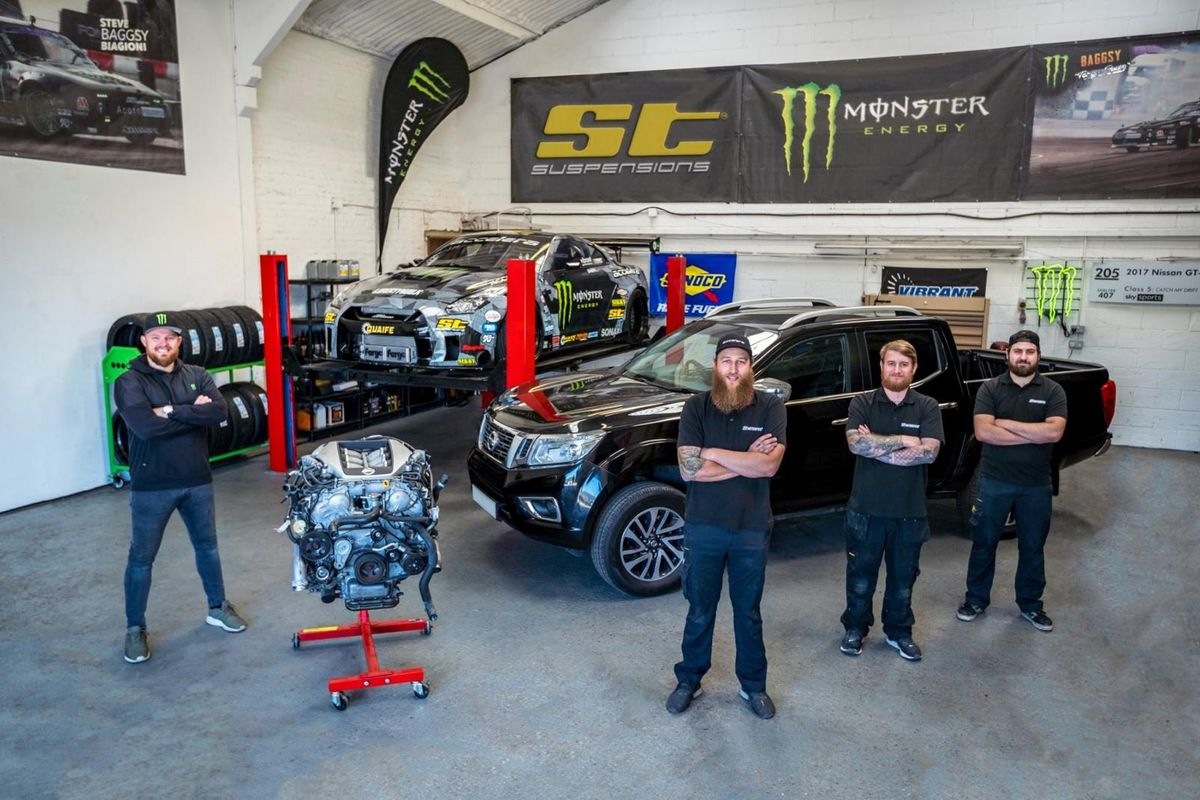
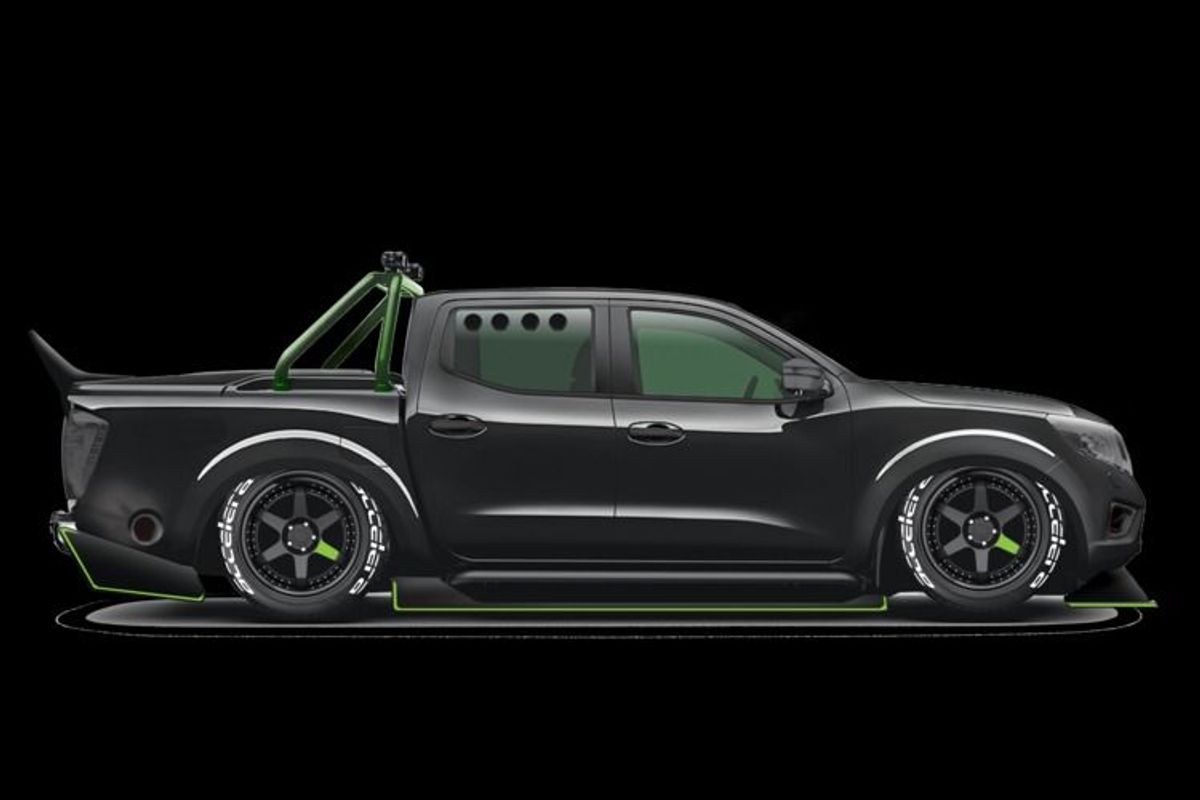
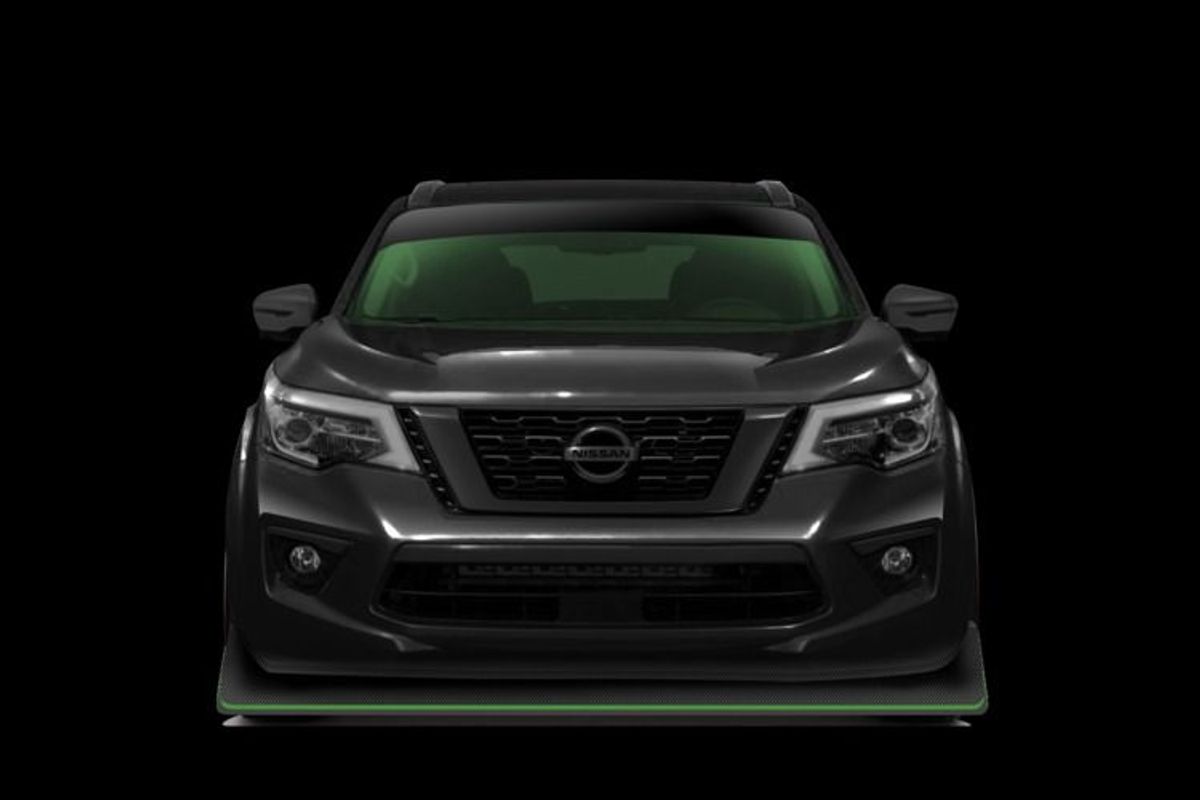
SB Motorsport, based in the UK, is working on what its calling 'the world's best pick-up.' The new project is an R35 Nissan GTR motor shoved into a Nissan Navara. Dubbed the Navara R, this bakkie is going to be a road-legal high-performance monster.
With a power goal of 1000 hp, the Nissan Navara-R will have the 4-wheel drive system from the GTR too. Expect a properly wild bodykit and huge wing too. Inside, SB Motorsport says the Navara cabin will retain as much of a factory finish as possible.
SB Motorsport founder, Stephen “Baggsy” Biagioni says “This project has always been on the cards for SB Motorsport, ever since our initial GT-R project. With racing currently on hold (due to COVID-19) this was the break we needed to re-visit the idea and bring it to fruition. We have the best partners and they share our vision to create another great vehicle that will challenge the normalities of what’s possible, this is going to be an exciting mix of performance meets practicality.” He continues “The Navara-R as we have already dubbed it, will challenge our in-house know-how. With this build, the aim is to keep the Navara road-legal, all the mod-cons of the vehicle, rather than creating a race-car chassis with minimal extras."
The project is likely to be completed by the end of 2020. Watch this space!
Mercedes-Benz has revealed the coupe and cabriolet versions of its new-look E-Class.
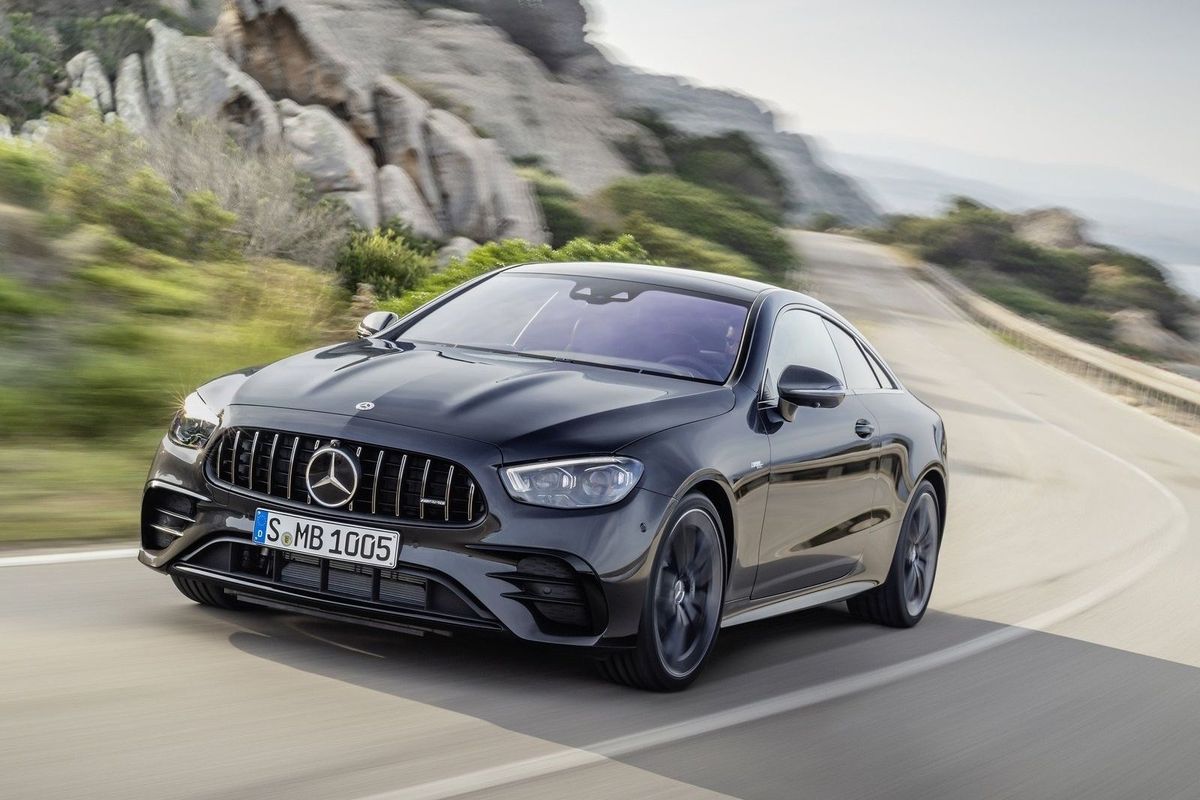
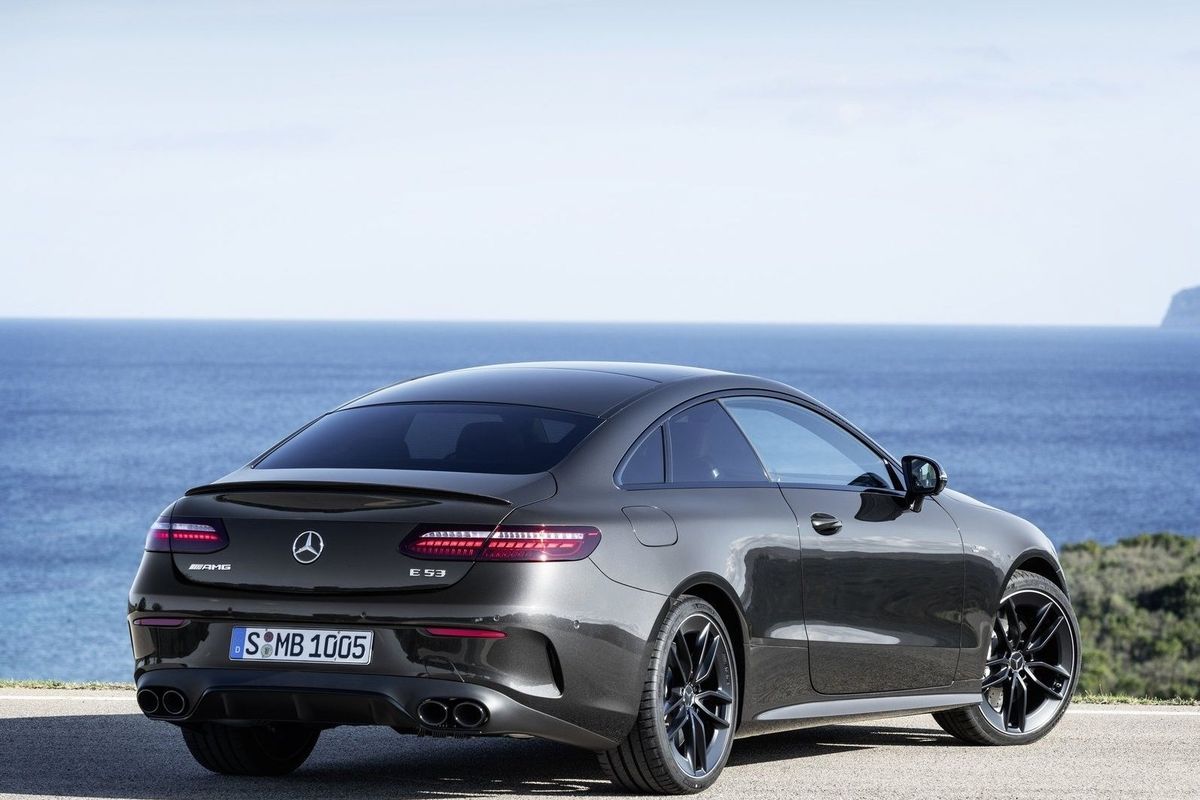
We've already seen the 2021 Mercedes-Benz E-Class sedan, revealed back in March 2020. Now its time to meet the coupe and cabriolet models. Shown here is the updated Mercedes-AMG E53 Coupe and both models benefit from improvements when it comes to styling and technology.
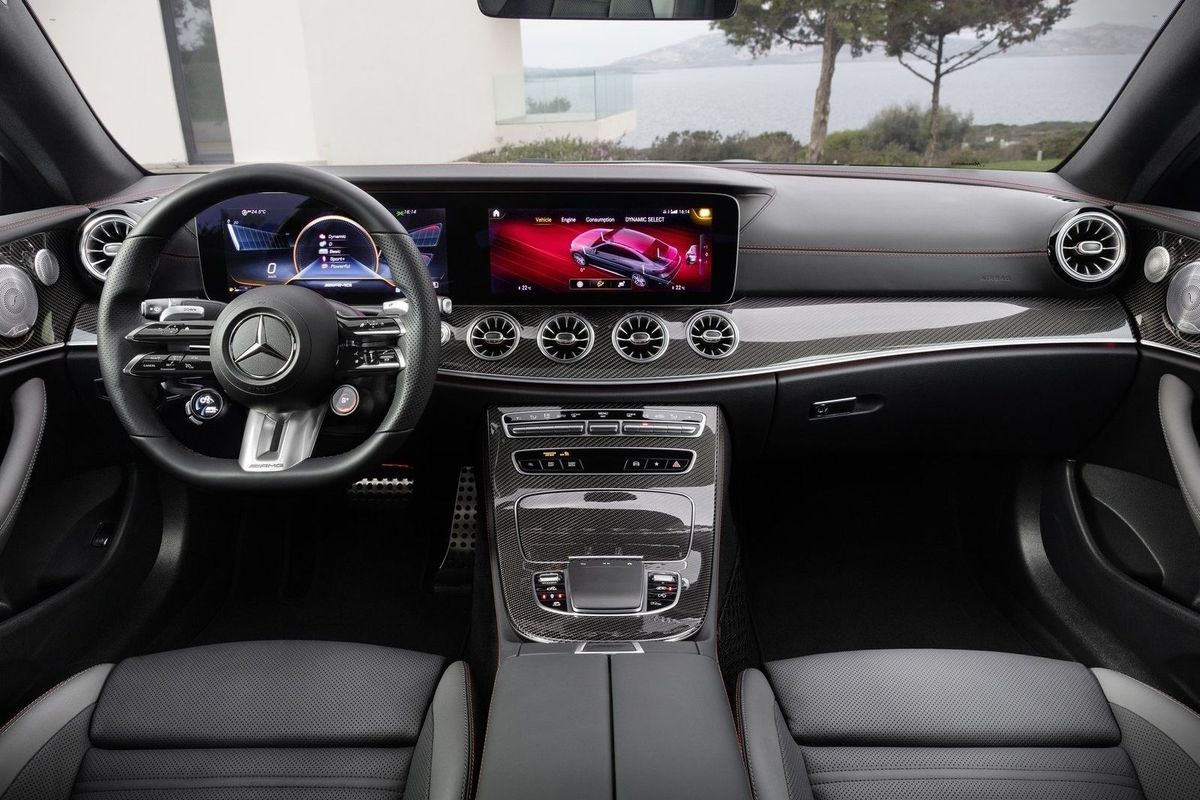
All models gain the sleek new front, while the E53 coupe gets LED lighting, new-look taillights, Panamericana grille as well as sportier big wheels. There are new colours too, but for buyers wanting something different can go for the Night Package, which offers black detailing. There's also a carbon fibre package available. The cabin gets the latest iteration of MBUX infotainment system, complete with 12-inch central touchscreen and 12-inch digital dashboard. There's also the new touchpad, which replaces the old-school dial.
It's only the engine which hasn't been changed. This is a good thing as the 53 powertrain is a joy. The 3.0-litre turbocharged inline-6 produces 320 kW and 520 Nm, and power goes to all 4 wheels via a 9-speed gearbox.
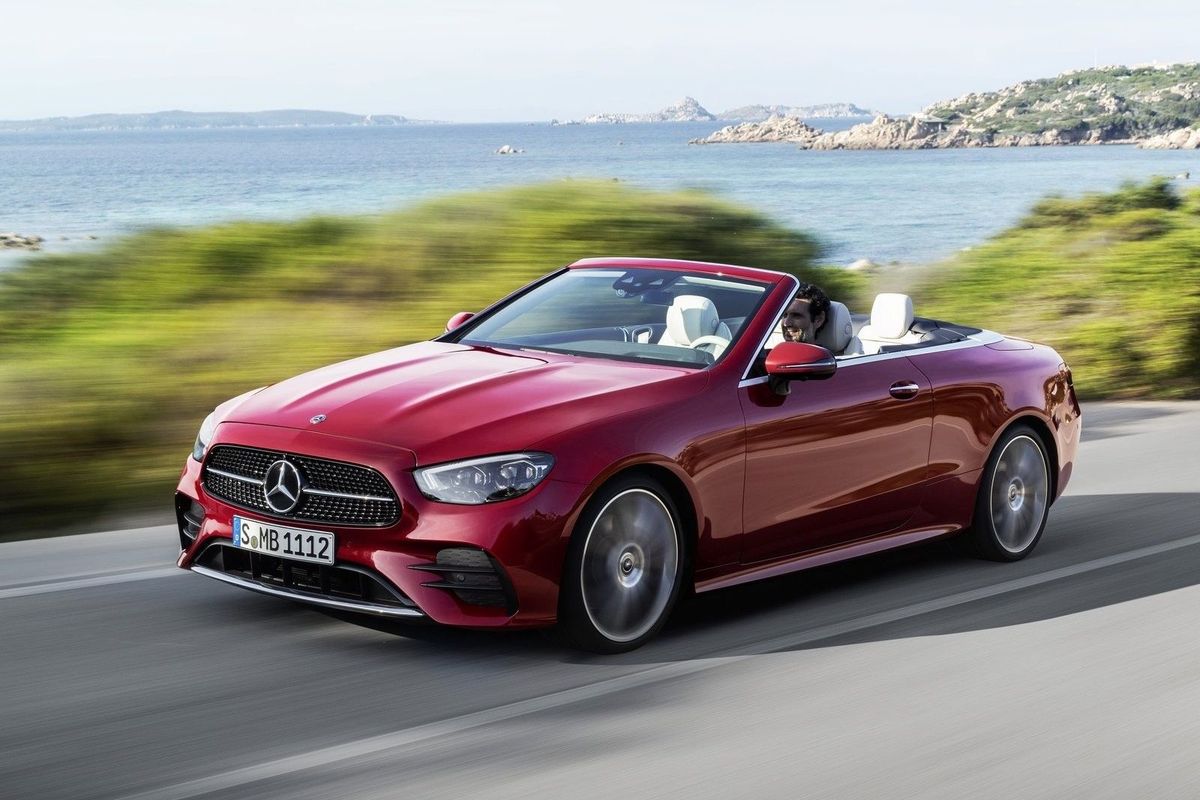
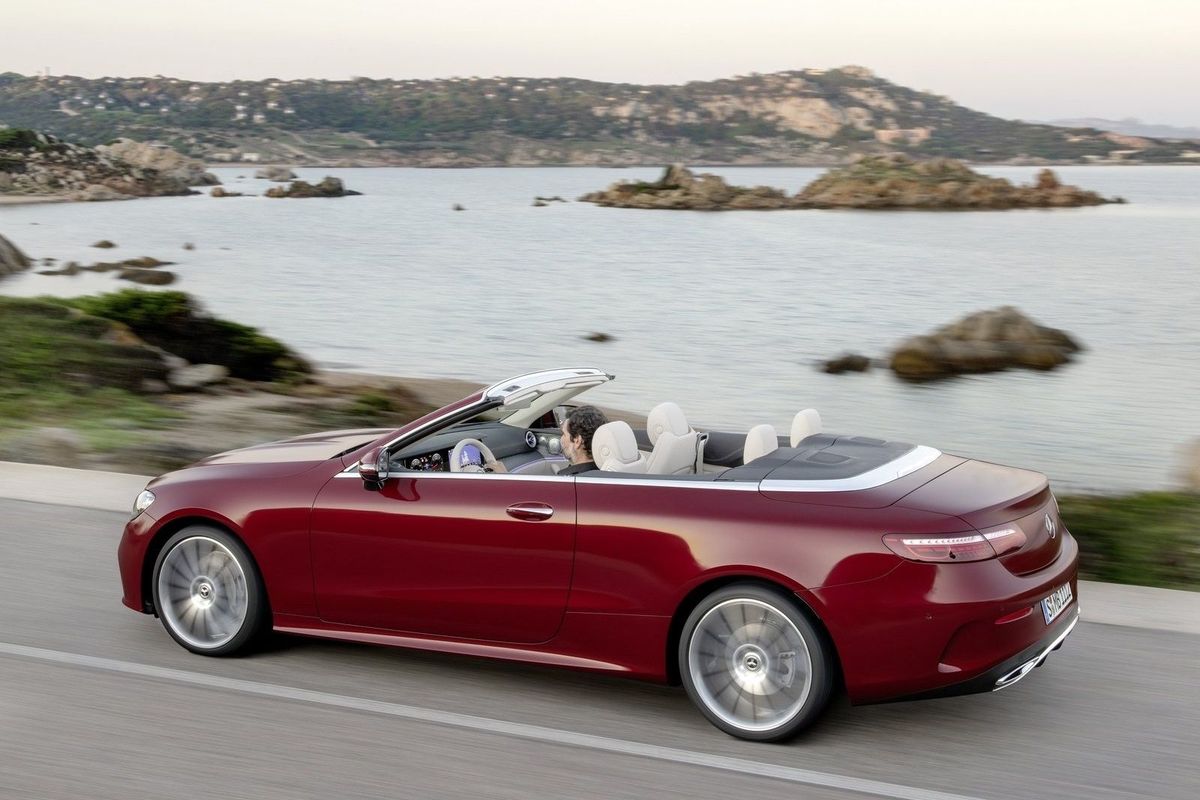
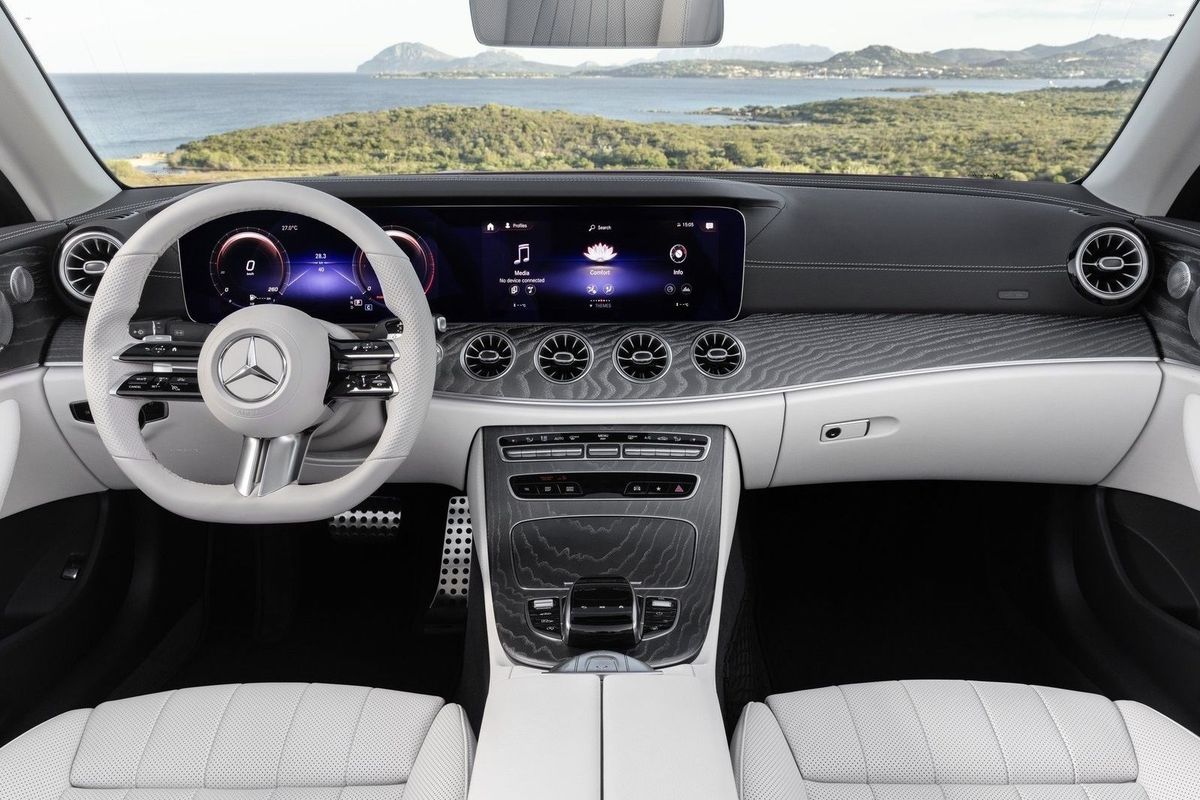
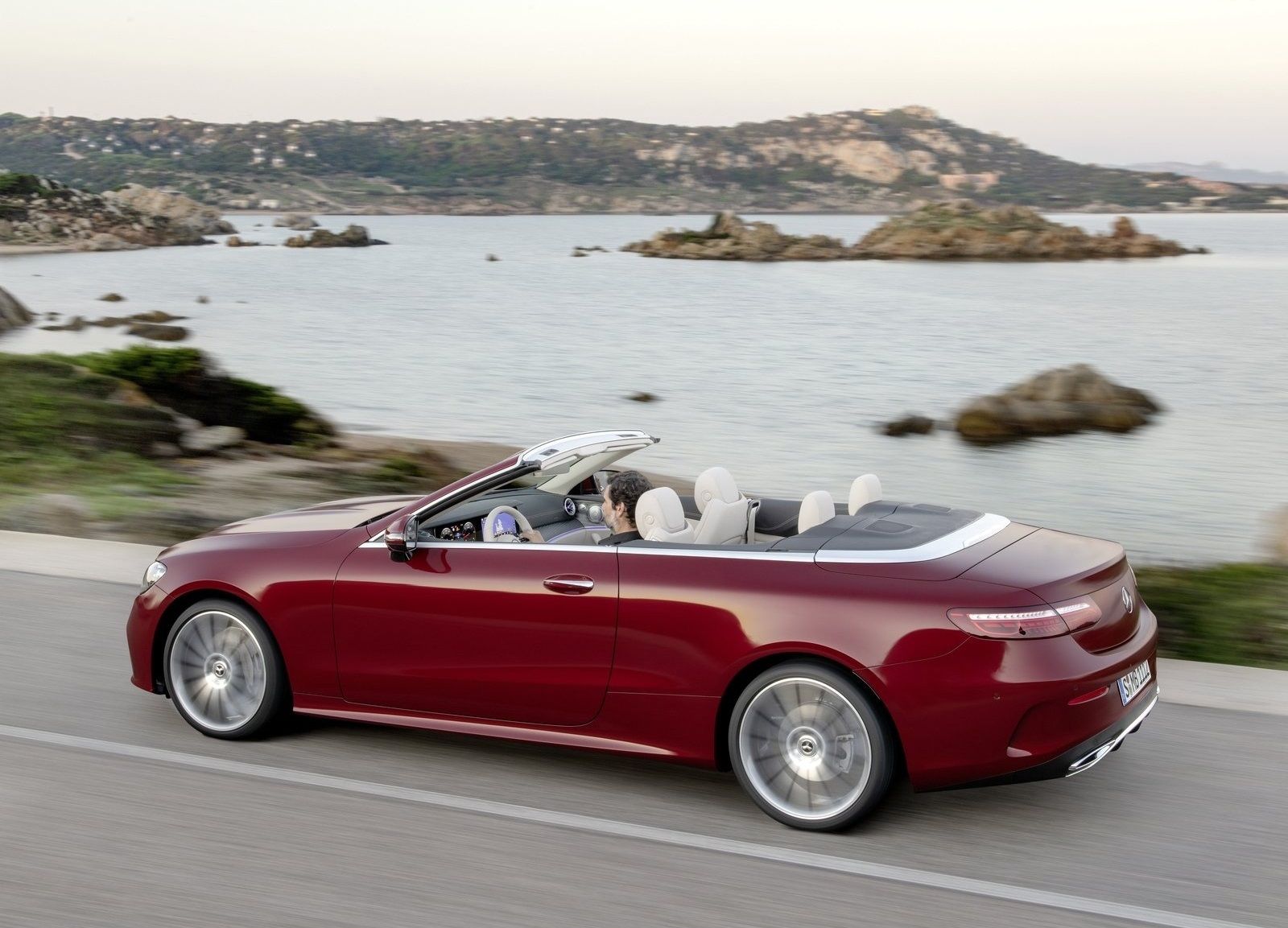
For those wanting to feel the wind in their hair, Mercedes-Benz also revealed the E-Class cabriolet. Like the coupe, it gains the new attractive front end, LED headlights and if buyers want more, there's the optional AMG Line, which adds some styling details as well as larger wheels. Inside, the cabin gets new upholstery and trim, as well as the new-generation MBUX infotainment system complete with 12-inch infotainment screen and 12-inch digital dashboard.
In terms of engines, the Mercedes-Benz E-Class cabriolet gain EQ Boost tech and loses the ageing V6 motor in favour of the newer inline-6 cylinder motor. It has credible outputs of 269 kW and 500 Nm, driving the wheels via a 9-speed transmission.
Both the Mercedes-Benz E-Class coupe and cabriolet get the latest safety features such has automatic emergency braking, active parking assist with a 360-degree camera and blind-spot monitoring. If you want more gadgetry like head-up display and Driver Assistance package, you'll have to dive into the options.
We suspect the new Mercedes-Benz E-Class range will make its way to South Africa in 2021.