After a tumultuous few months, the eventual outcome appears to be a closer-knit family as the Alliance seeks to expand platform sharing.
After the removal of Carlos Ghosn from the head of the Renault/Nissan/Mitsubishi Alliance, it has been uncertain as to how the brands would emerge going forward. Many expected Nissan to separate from the Alliance and forge its own path again. However, the brands announced that they intend to work closer than ever and improve costings for consumers as well as specifying individual brands as the ‘leader’ in strategic markets. “The Alliance is a unique strategic and operational partnership in the automotive world and gives us a strong edge in the ever-changing global automotive landscape,” said Jean-Dominique Senard, Chairman of the Alliance Operating Board and Renault. “The new business model will enable the Alliance to bring out the most of each company’s assets and performing capabilities, while building on their respective cultures and legacies. The three companies of the Alliance will cover all vehicle segments and technologies, across all geographies, for the benefit of every customer, while increasing their respective competitiveness, sustainable profitability and social and environmental responsibility.”
There was also the mention of further standardisation across the brands where upper bodies may be used widely instead of just the platform. This could be a rebadging scheme where the vehicle would merely be called something different depending on which market it is being sold in.
Nissan is to be the leader in the Chinese, North American and Japanese markets. Renault will lead in Europe, Russia, South America and North Africa. Mitsubishi will take the lead ASEAN and Oceania markets. There seems to be no mention of where South Africa will fit into this but we should expect a local announcement in the coming days.
Further to this strategy, Nissan will develop an all-new C-segment SUV with Renault developing a new B-Segment SUV. Key technology advancements will also be directed to individual brands with Nissan further developing autonomous vehicles, Renault working on connected-car tech and Mitsubishi has been assigned work on a D-segment PHEV vehicle. Both Renault and Nissan will develop electric powertrain technology to be used across all-electric platforms.
These initiatives should allow the Alliance to improve costing on each model under this scheme by up to 40%. It should also allow each brand to work in its particular area of expertise, providing more competitive products, faster, in theory.
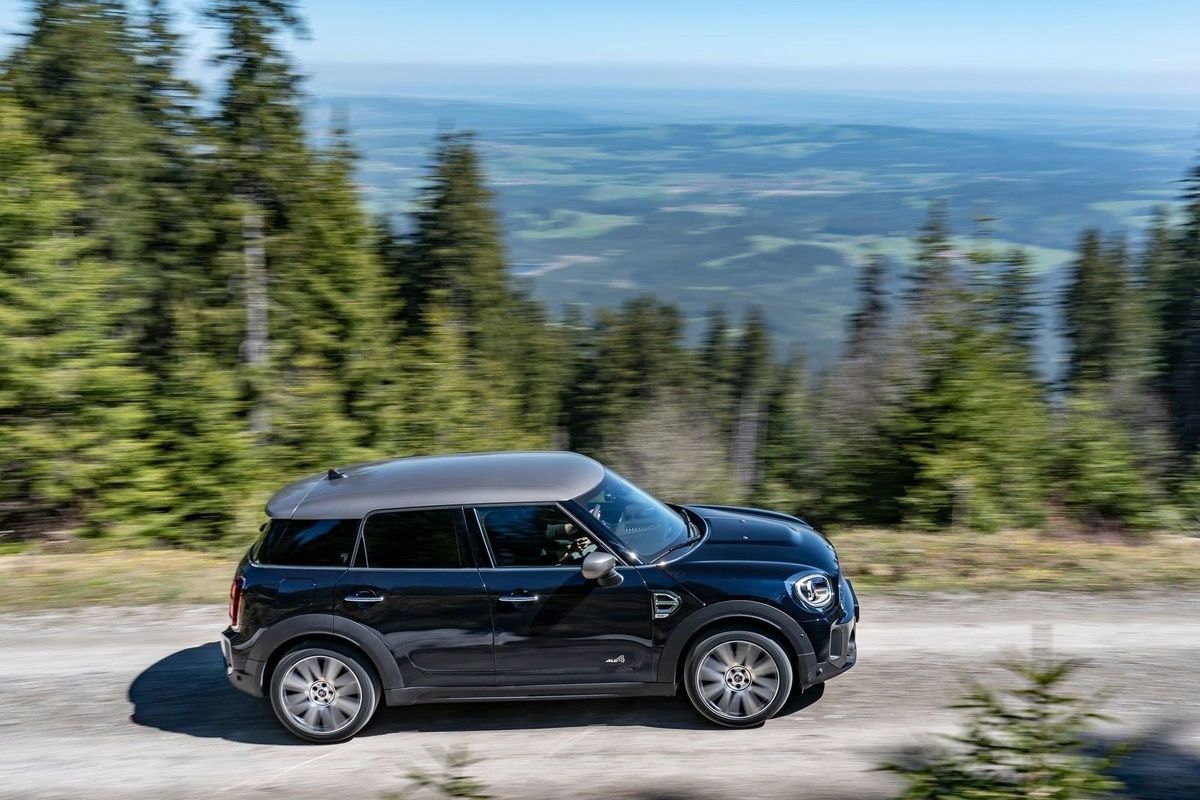
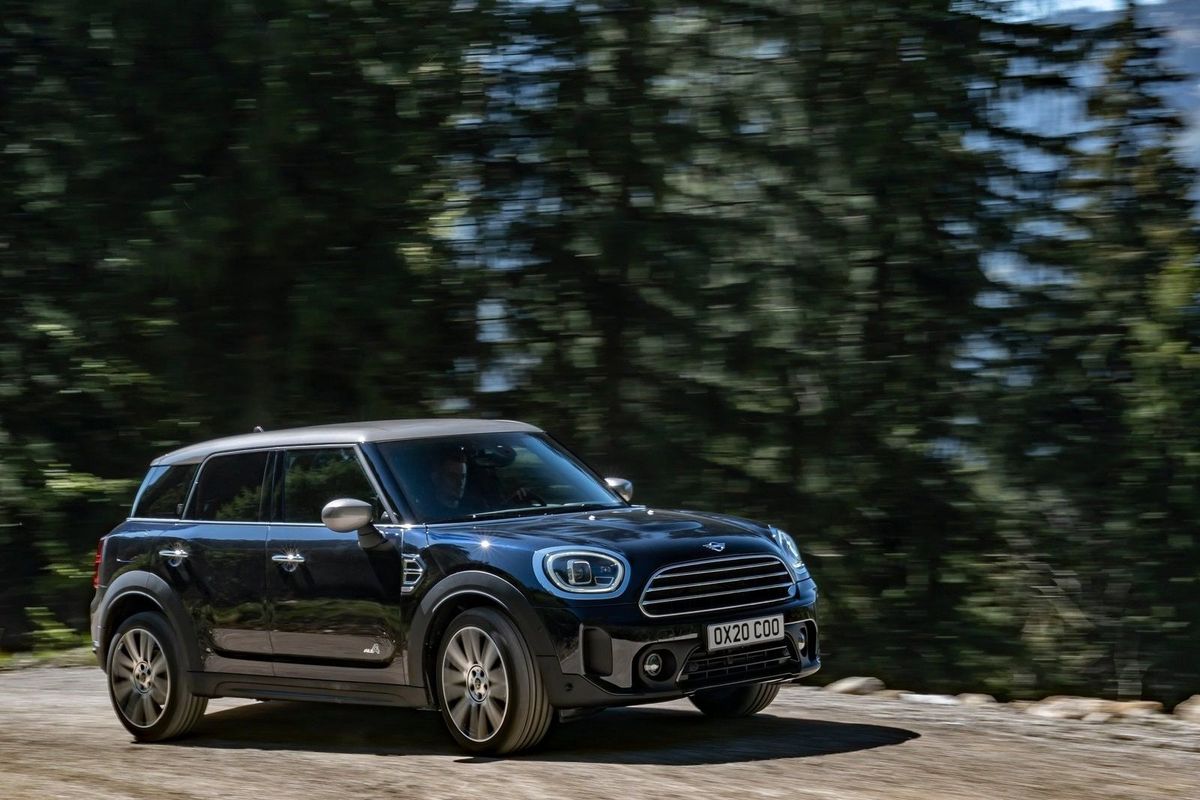
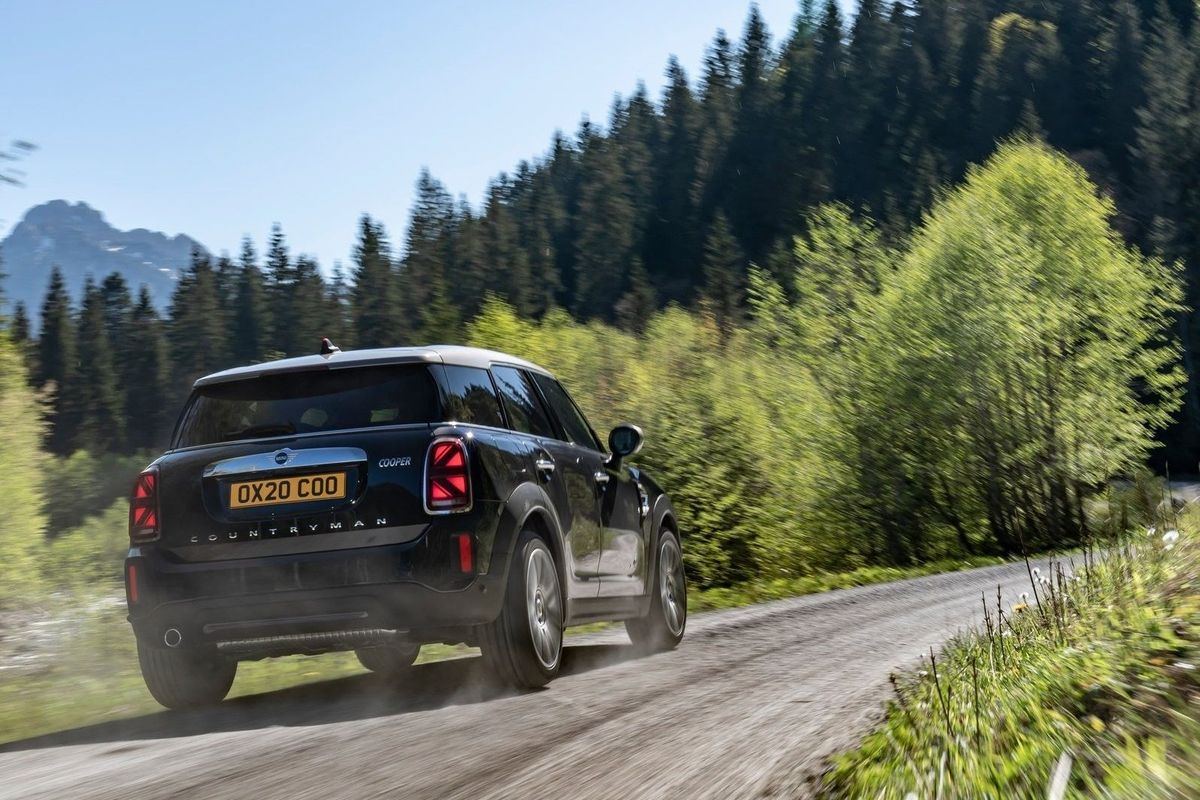
The Mini Countryman has been given an update for 2020. Here's what's changed.
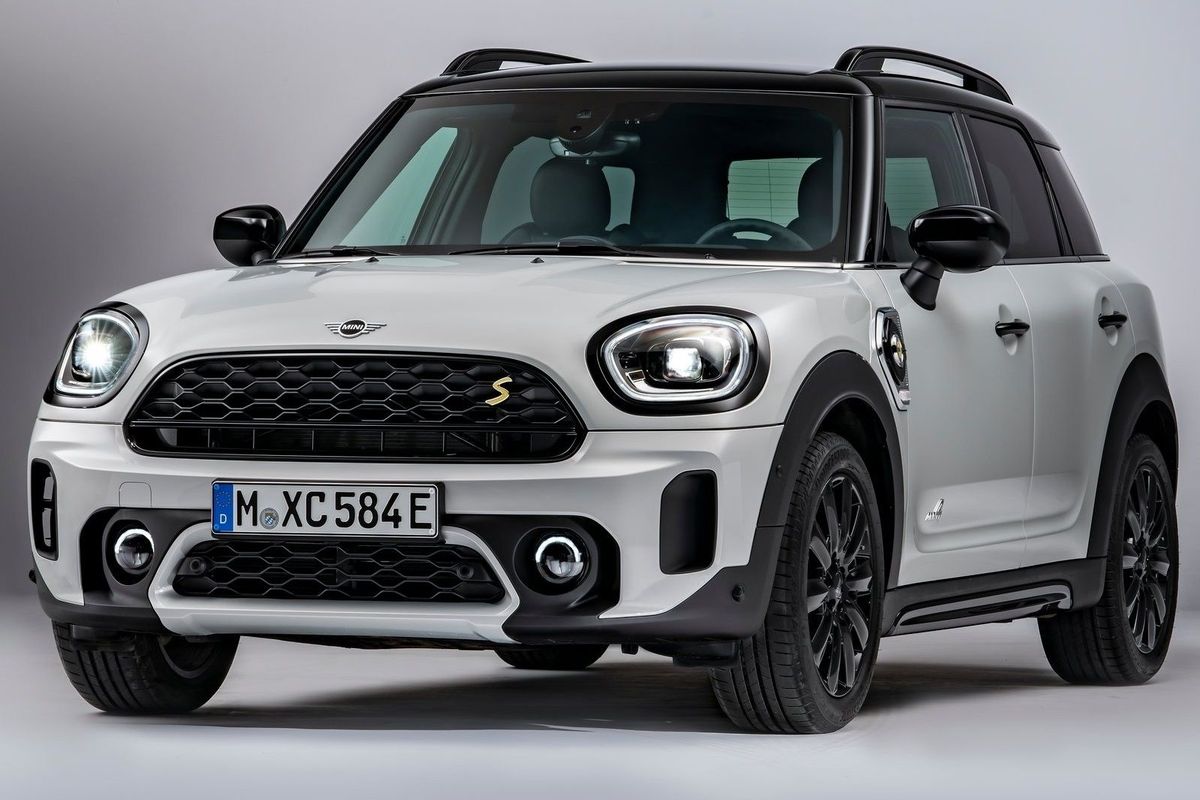
The largest member of the Mini family has been updated and while the changes aren't immediately visible, rest assured there are some improvements where it counts.
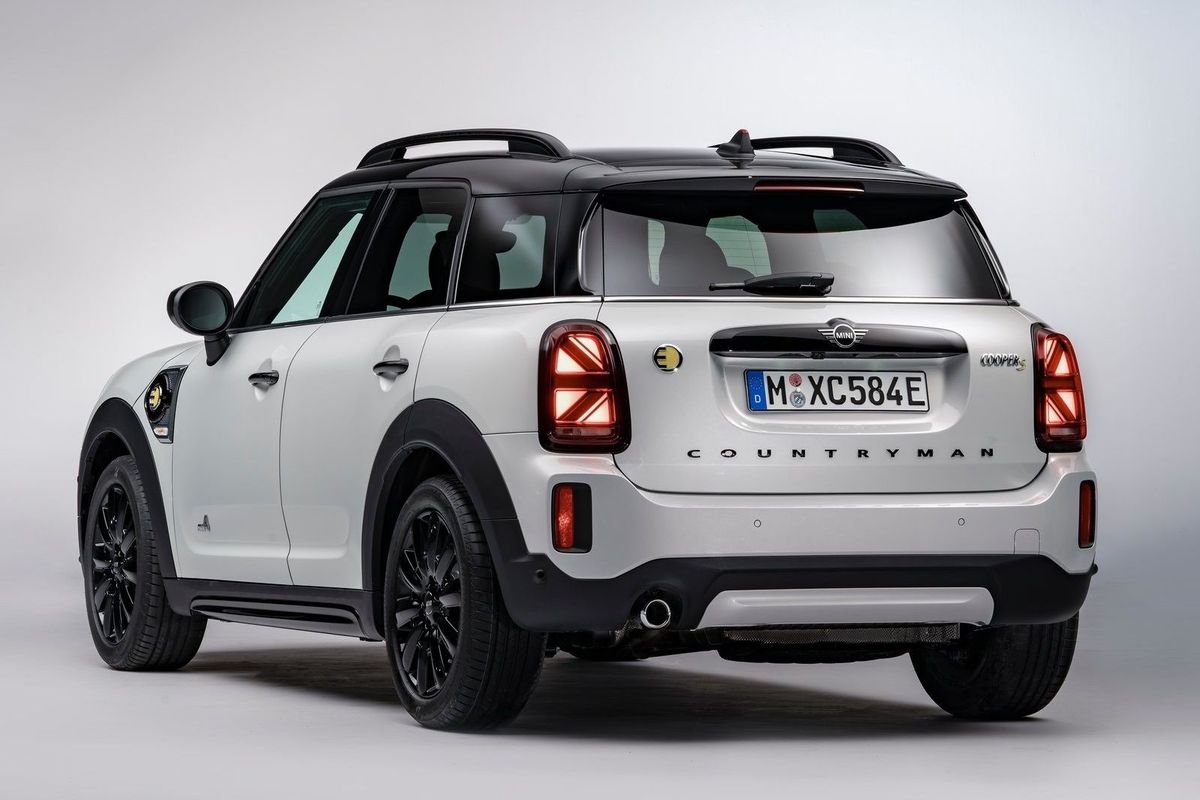
Visually, you can spot the new model with its tweaked front bumper, redesigned radiator and LED headlamps, which are now standard. The rear gains a new-look rear apron as well as the LED lights in Union Jack design. There are 2 new colours, new alloy wheels and a Piano Black exterior.
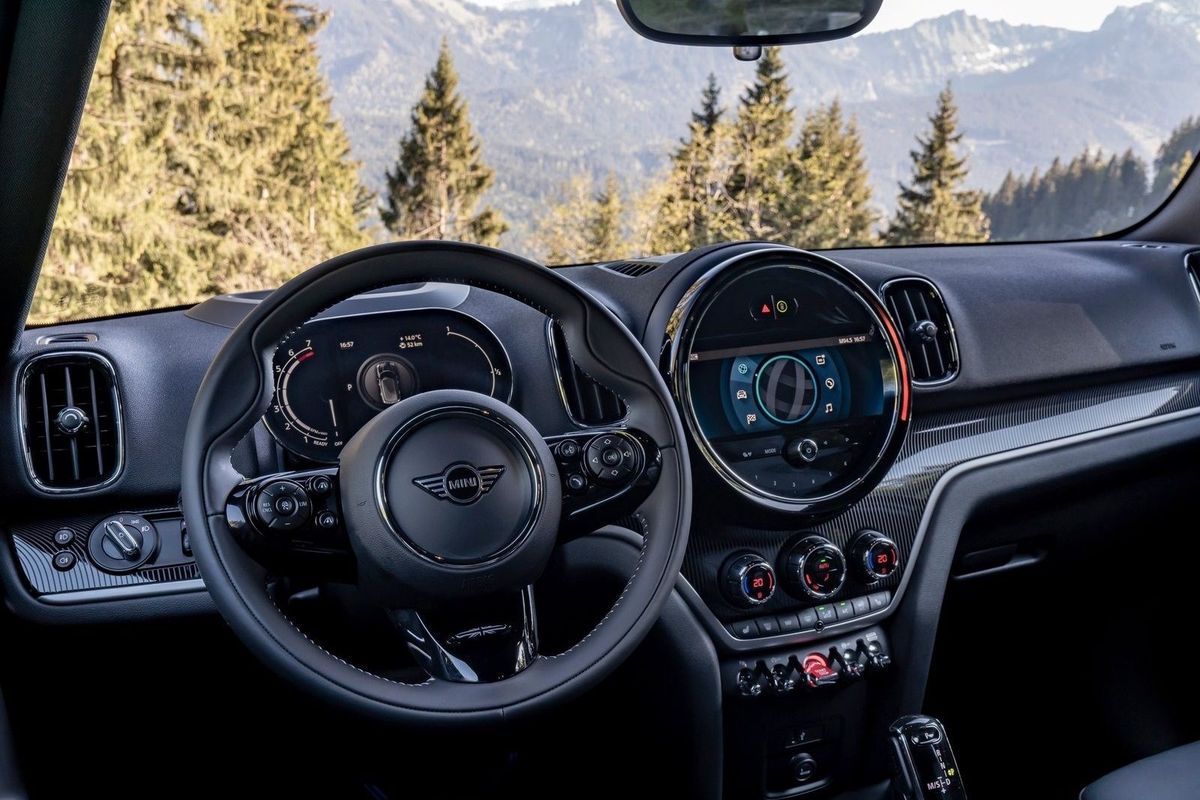
The Mini Countryman has always been touted as the most practical model in the range. It boasts 3 fully-fledged seats at the rear, and if you fold down these in a 40:20:40 fashion, you get access to 1 390 litres of space. Standard boot space is rated at 450 litres. Inside, Mini has given the Countryman an extended range of standard kit such as a sports leather steering wheel. An optional digital instrument display is available for the new Mini Countryman, giving it a high-tech look. There's also a reworked infotainment system as well as new-look buttons. The new Mini Countryman is equipped with a SIM card that is permanently fitted in the car, giving you connectivity options such as Alexa and Mini Connected.
All the Mini Countryman engines have been revised and improved with emissions and efficiency in mind. Mini claims the TwinPower Turbo tech motors meet the Euro 6d emissions standards. There are both petrol and diesel motors, with 3- and 4-cylinder options. There's also a plug-in hybrid model that features ALL4 4-wheel drive. All models feature automatic transmissions.
Mini Countryman South Africa details
Mini South Africa will be bringing in 2 models: Cooper Countryman and Cooper S Countryman. The former boasts the 1.5-litre turbocharged 3-cylinder that produces 100 kW. It's enough to give it a sprint time of 9.7 seconds to 100 kph and it will consume 6.3 L/100 km. The Cooper S Countryman features a sportier 2.0-litre turbocharged motor with 141 kW, giving it a 7.5-second sprint to 100 kph. The fuel efficiency claim sits at 6.7 L/100 km.
The updated Mini Countryman will be arriving in our market in the 4th quarter of 2020 and final specifications and pricing will be made closer to the time.
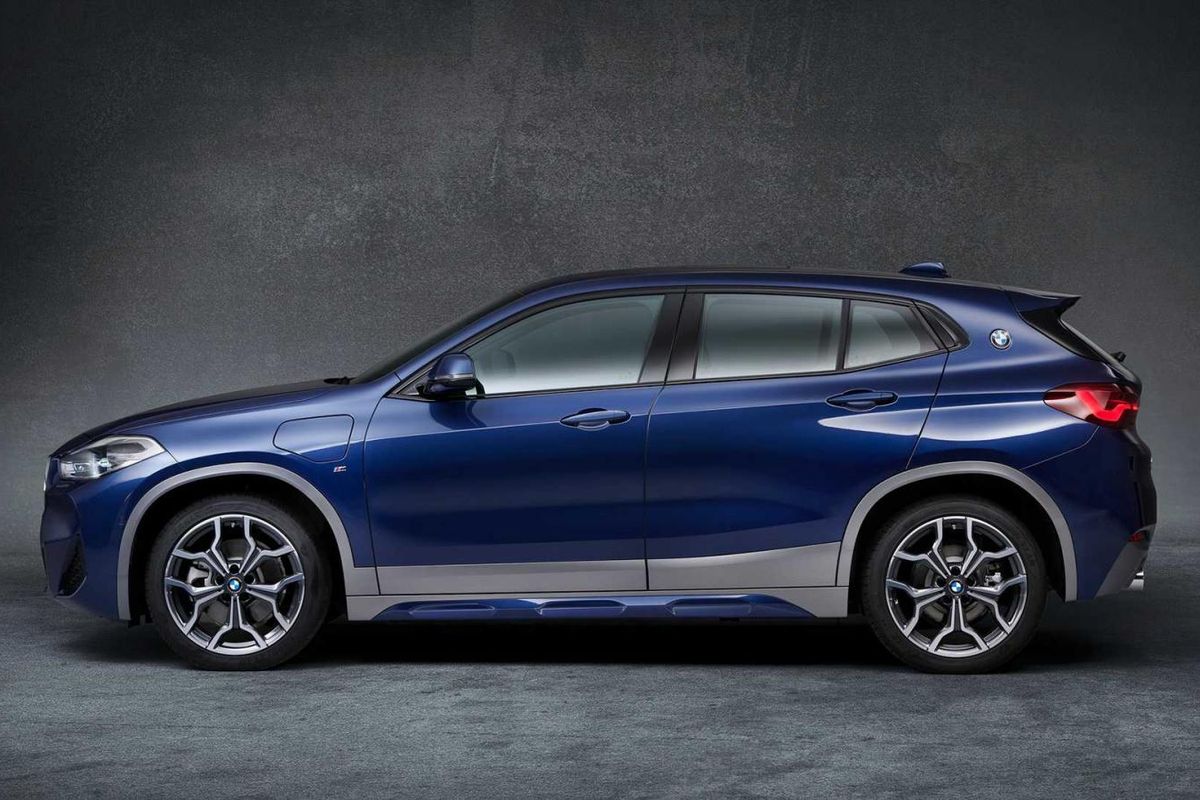
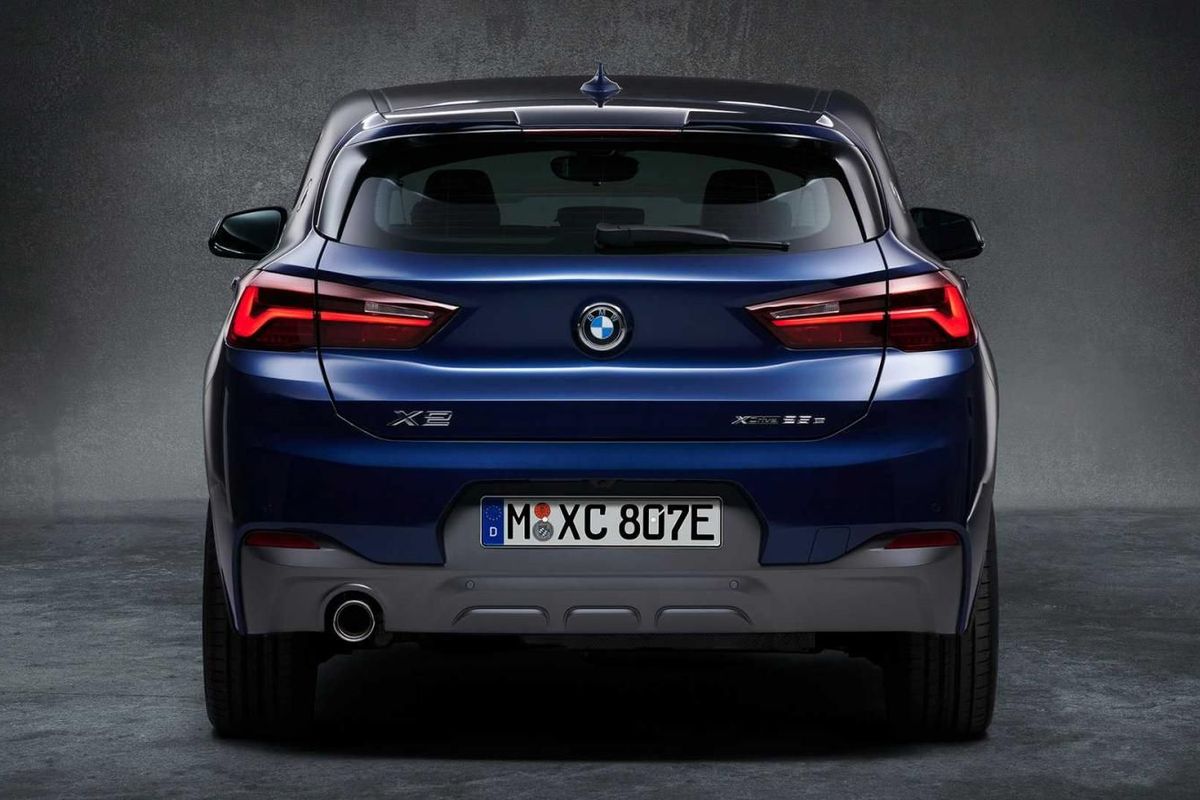
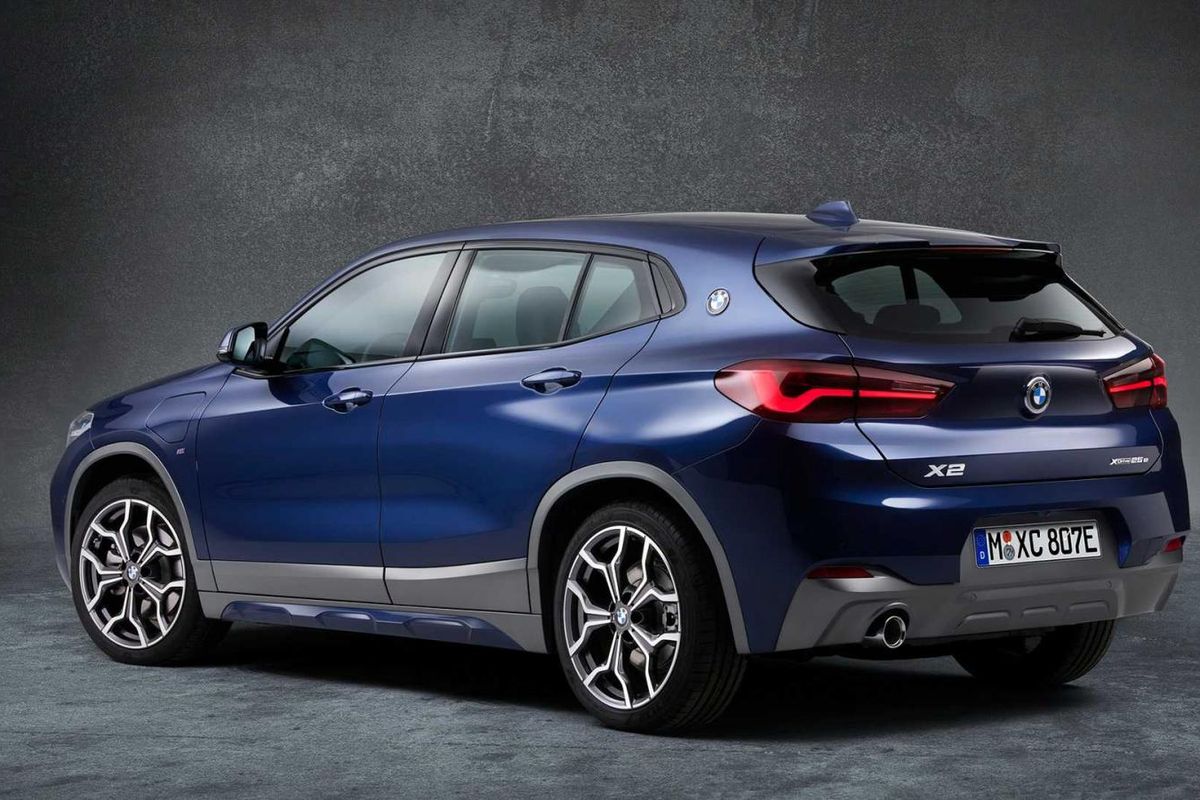
More power and lower consumption from part-electric X2.
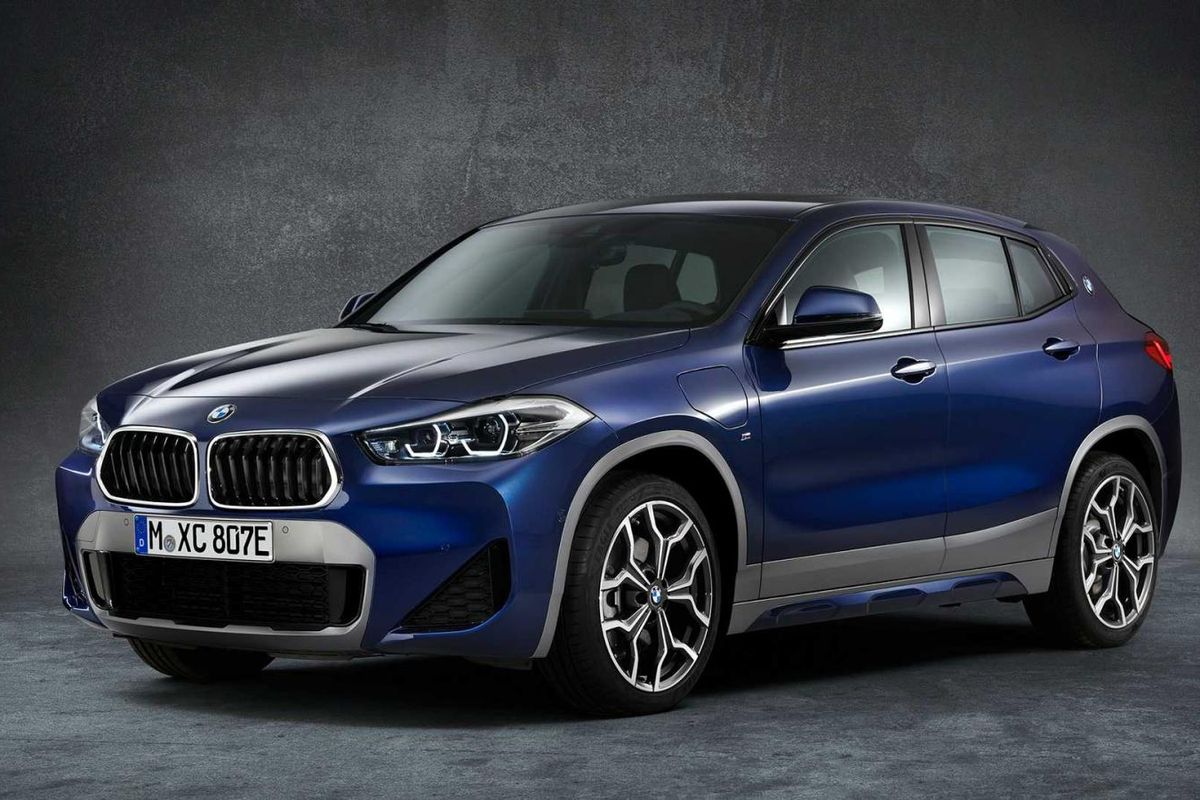
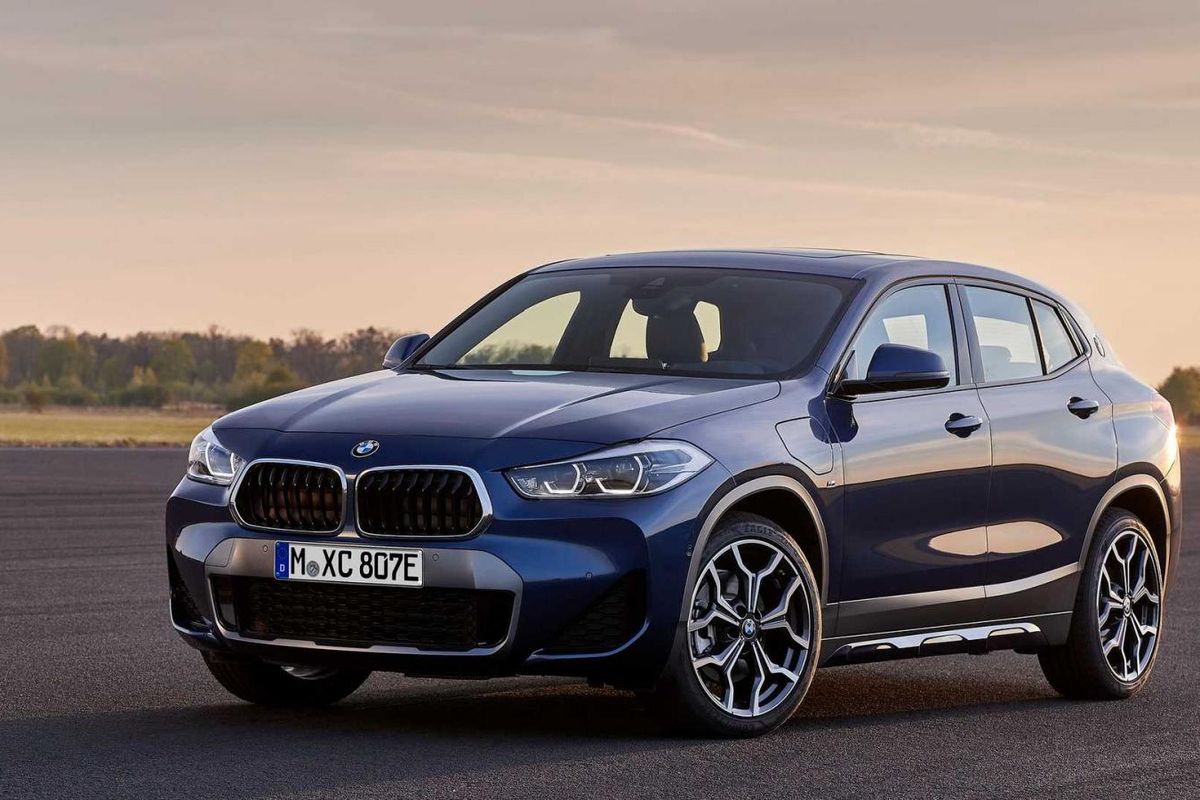
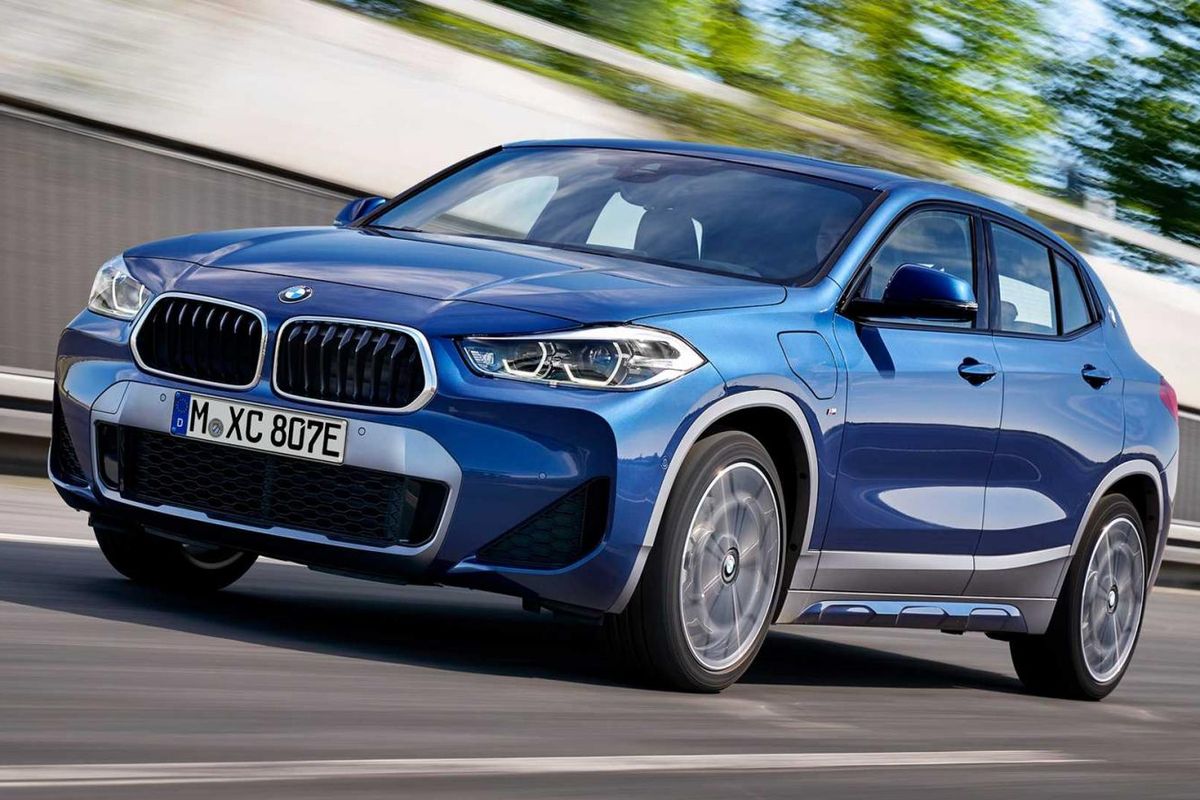
BMW has expanded its X2 crossover range with a plug-in hybrid.
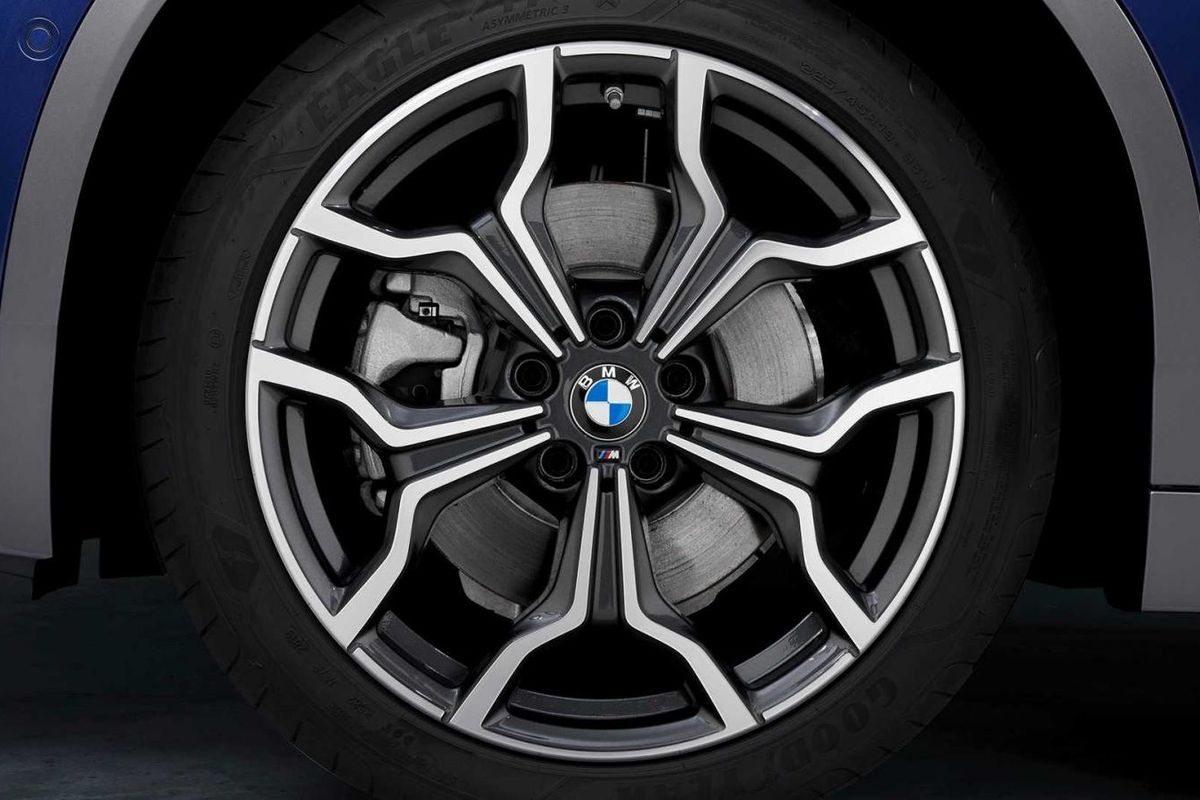
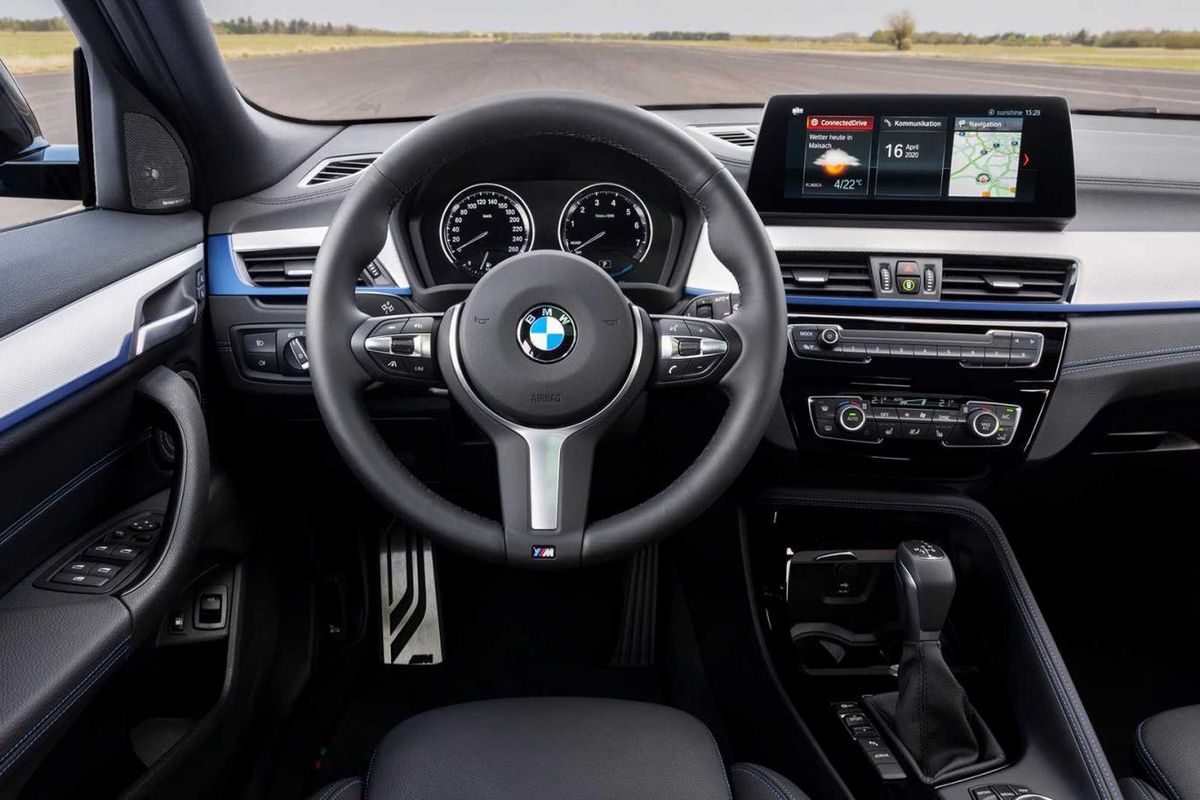
The new xDrive 25e features slight styling changes (BMW’s designers have deleted the fog lights), but the most significant update is its battery pack and electric motor.
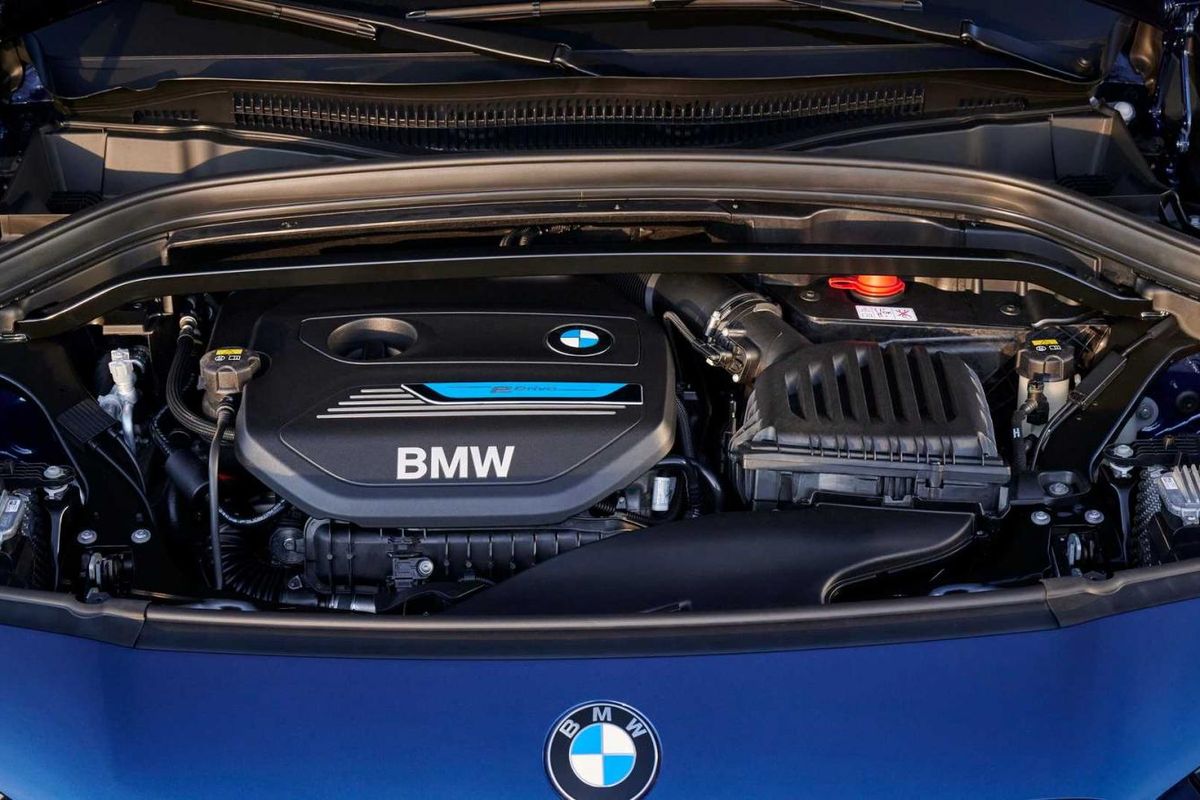
Powering the xDrive 25e is a combination petrol and electric motor system, totalling 162 kW and 385 Nm of torque. Those outputs are generated by the familiar 1.5-litre turbocharged three-cylinder engine, and a new electric motor, mounted aft, powering this plug-in X2’s rear axle. Individually the powertrain components delivery 92 kW of petrol power and 70 kW of electric energy.
BMW claims swift performance numbers for its new hybrid X2, with the crossover capable of 0-100 kph in only 6.8 seconds and a lowish top speed of only 195 kph. Like many new vehicles featuring electrification, BMW’s engineers have limited top speed to ensure superior battery endurance and range.
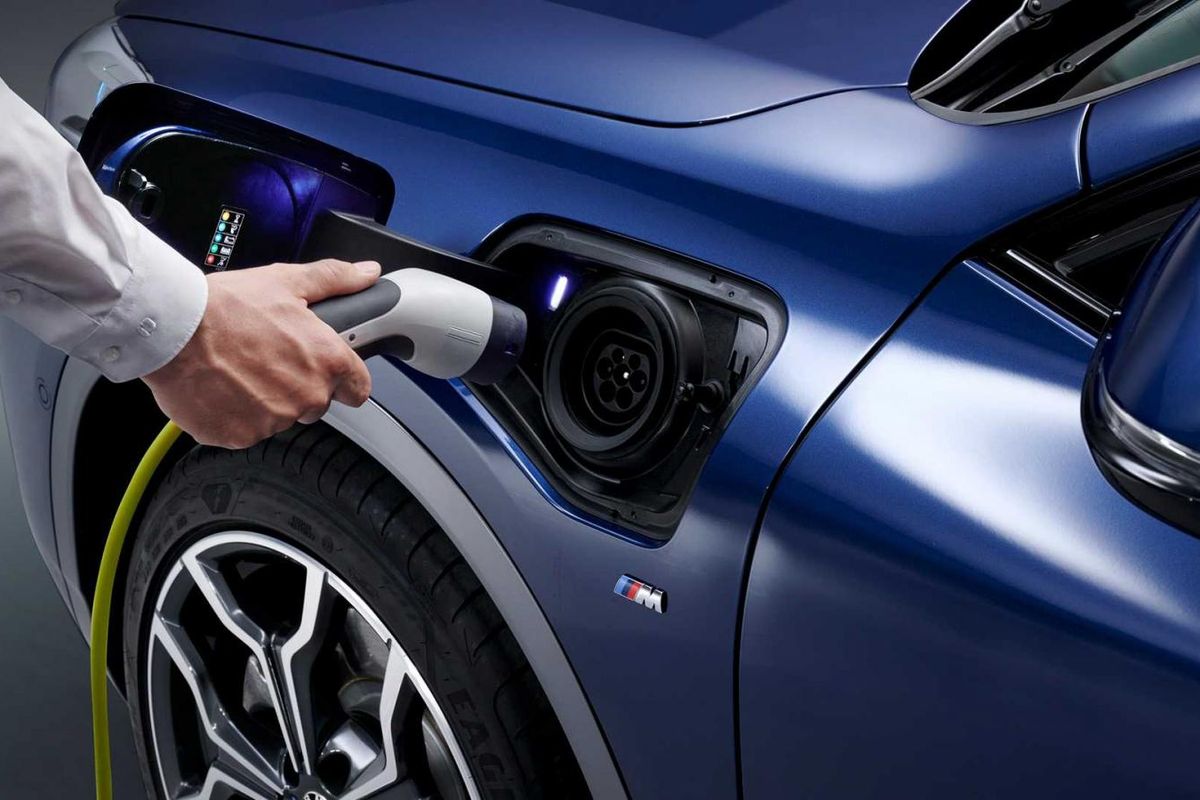
Pure electric driving range is 57 km, which should make this crossover ideal for those who commute in punishingly slow traffic. At very low speeds the X2 xDrive 25e’s 10 kWh battery back can edge it along, without requiring combustion from the petrol engine, saving fuel.
Average fuel consumption, with the hybrid system managing its balance of petrol and electric powertrain elements, is a very impressive 2L/100 km.
As a dynamic driving experience, the hybridized X2 should be a touch more agile and stable too, thanks to a 10 mm lower ride height. BMW’s engineers made the decision to lower X2 eDrive 25e, with the goal of optimising aerodynamics by reducing its drag index.
The plug-in hybrid efficiency does come at a cost, as that electric motor powering the rear axle, sacrifices luggage capacity. Whereas other X2s have 470 litres of stowage space at the back, the 25e hybrid version has 60 litres less, at only 410 litres.
Top 10 Most Highly Recommended Cars in South Africa (by their owners)
Which vehicles come the most highly recommended by the people that know them best, their owners? The Cars.co.za Ownership Satisfaction Survey, conducted in partnership with Lightstone, reveals the top 10.
Since 2015 Cars.co.za has conducted surveys with car owners measuring the Purchasing Experience, Servicing Experience and Overall Ownership Experience. One output from these surveys is the prestigious Cars.co.za Consumer Awards – Powered by WesBank. Over the past 5 years almost 30 000 cars owners have completed the Cars.co.za survey; over 10 000 of these in 2019.
The survey also measures and tracks a wide range of issues of importance to the South Africa car owner and much of this information is shared with manufacturers through an online dashboard that is regularly updated.
Which vehicle models are most likely to be recommended by their owners?
For the purposes of this analysis; and for representative results, we only included models where at least 50 owners had answered the "likely to recommend" question.
Vehicle owners were asked to indicate, based on their overall ownership experience, using a 10-point rating scale how likely it is that they would recommend their car to friends and family. With this scale we regard responses of 9 or 10 as very likely to recommend and consider these owners as “promoters”. The owners who scored 6 or lower are considered unlikely to recommend and are considered “detractors”. By deducting the percentage of detractors from the percentage of promoters we derive a Net Promoter Score (NPS).
The Top 10 (passenger vehicles)
Ranking
Make and Model
NPS Score
1.
Mazda CX-5
89,0%
2.
Mercedes-Benz C-Class
87,5%
3.
Audi A4
84,9%
4.
Mercedes-Benz GLC
84,6%
5.
Mercedes-Benz A-Class
84,6%
6.
Volkswagen Tiguan
84,5%
7.
Hyundai Tucson
82,9%
8.
Hyundai Grand i10
82,7%
9.
BMW 1 Series
82,6%
10
Toyota Fortuner
82,6%
The Mazda CX-5 is a two-times (and current) Family Car segment winner in the Cars.co.za Consumer Awards – Powered by WesBank.
If we look at the Double-Cab bakkie market, there is again strong correlation between the results of the CarsAwards, and the "likelihood to recommend" by owners. The bakkie with the highest score is the Volkswagen Amarok (with an industry-leading 93%), followed by the Isuzu D-Max (80,2%) and Toyota Hilux (77,4%).
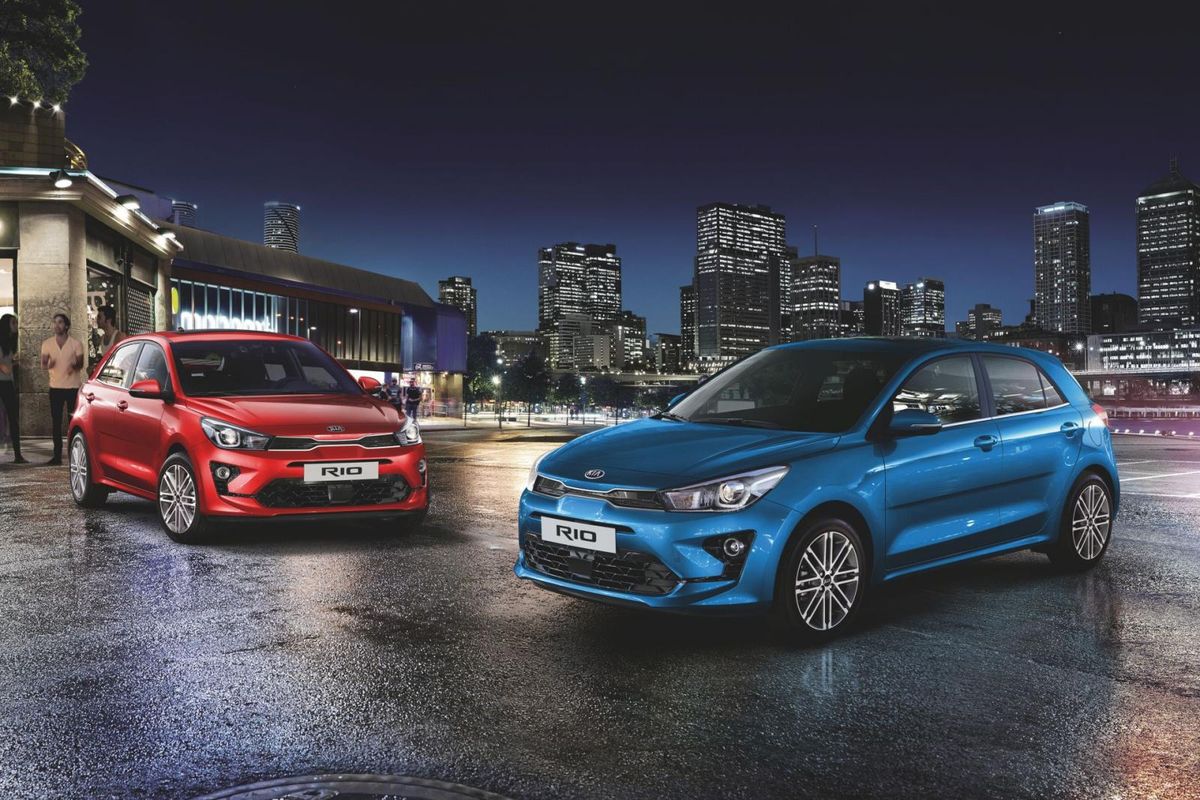
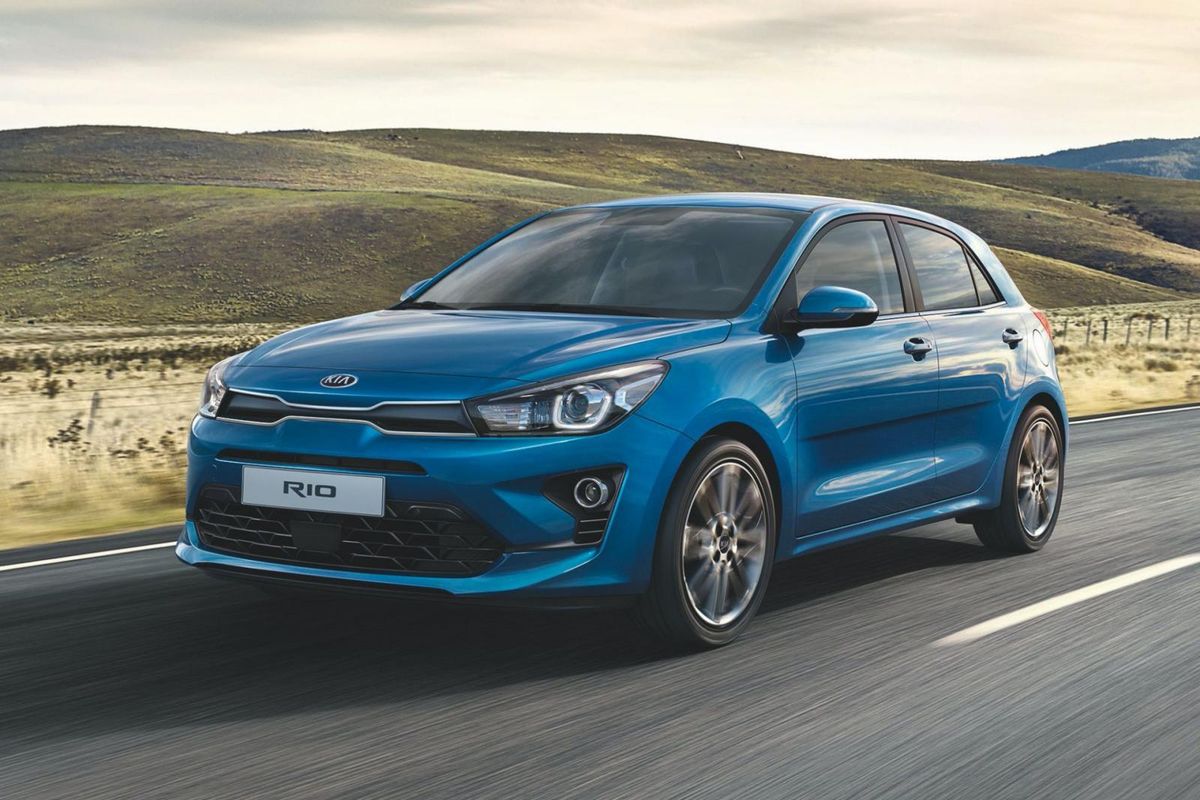
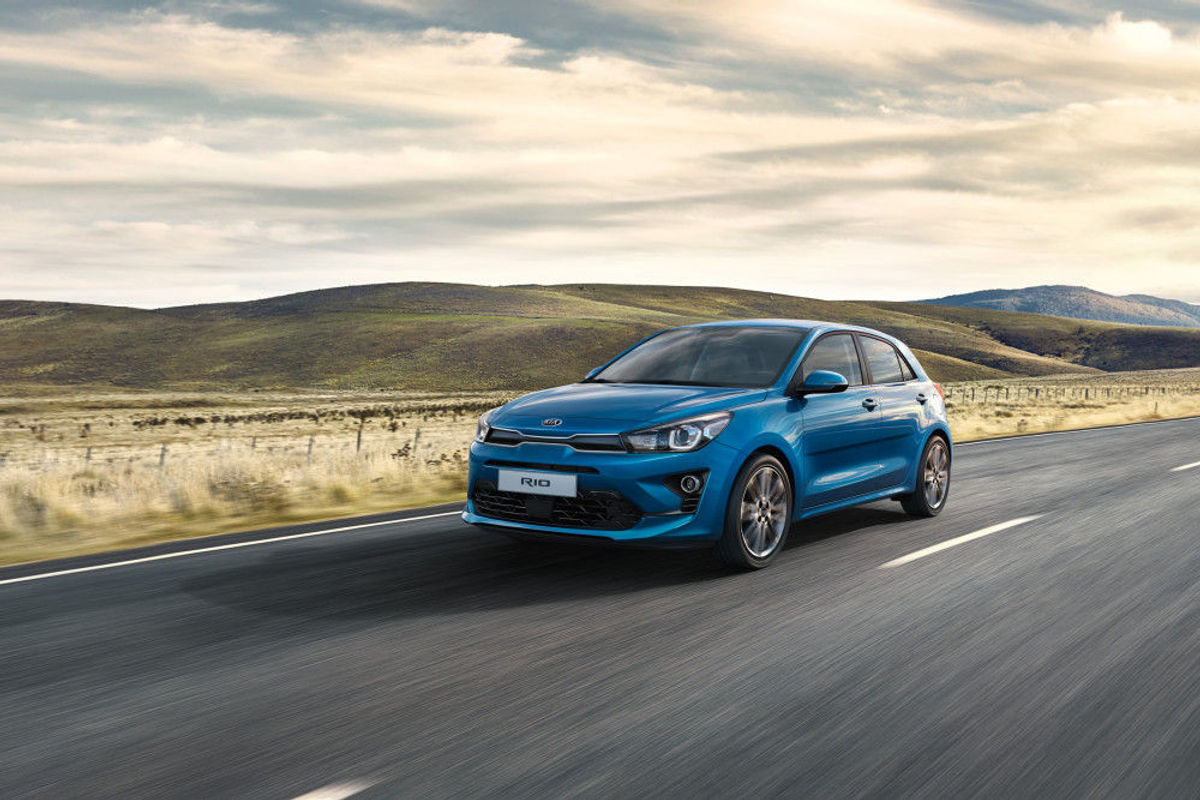
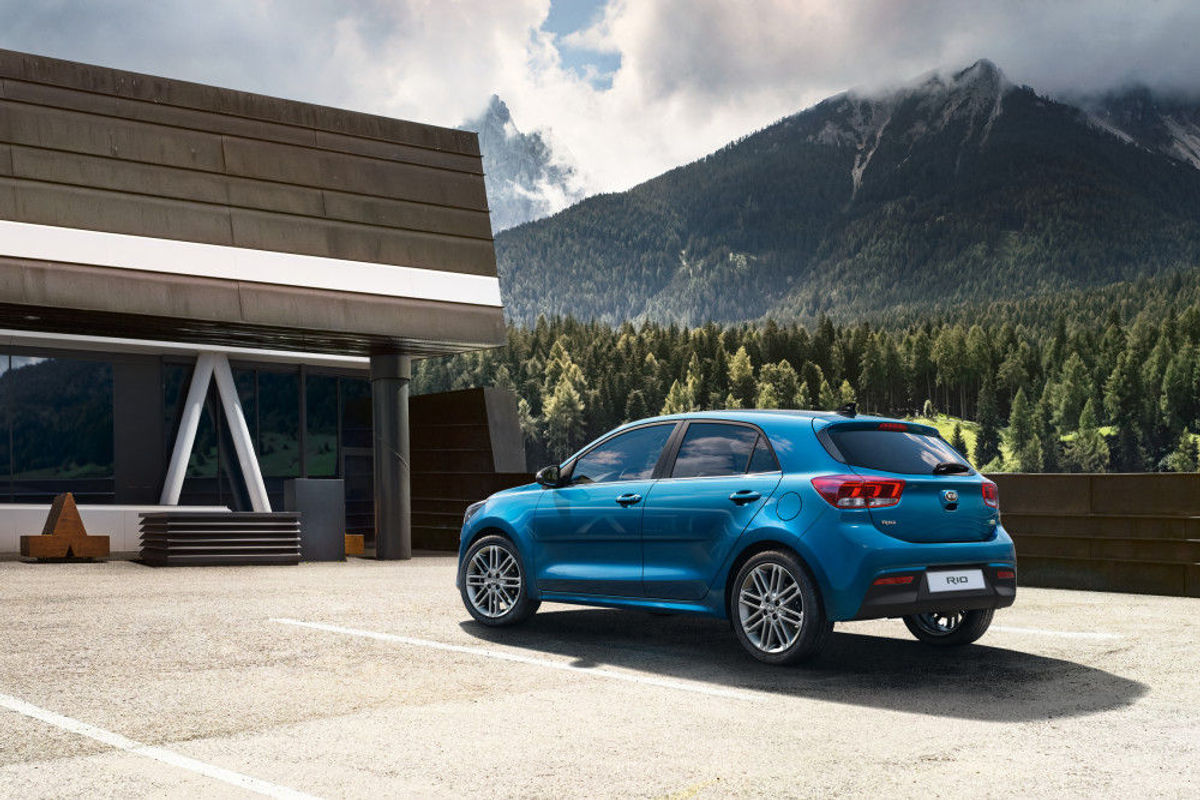
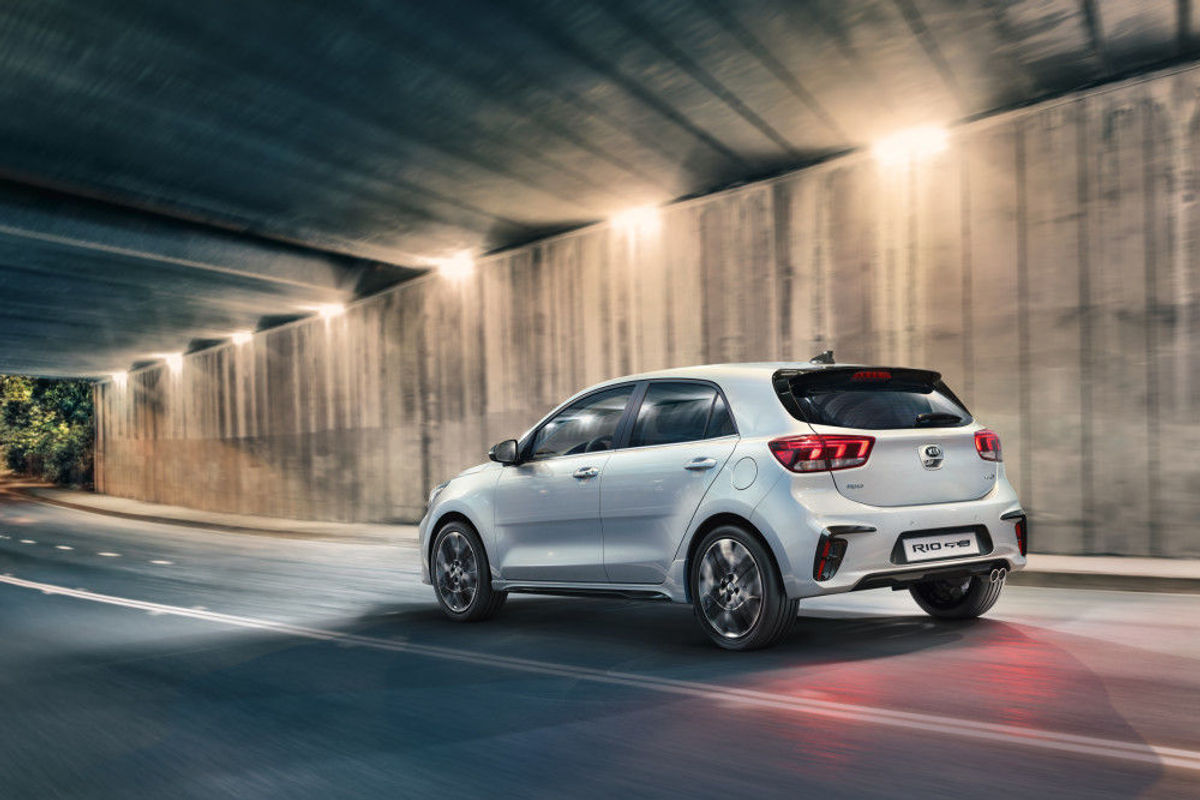
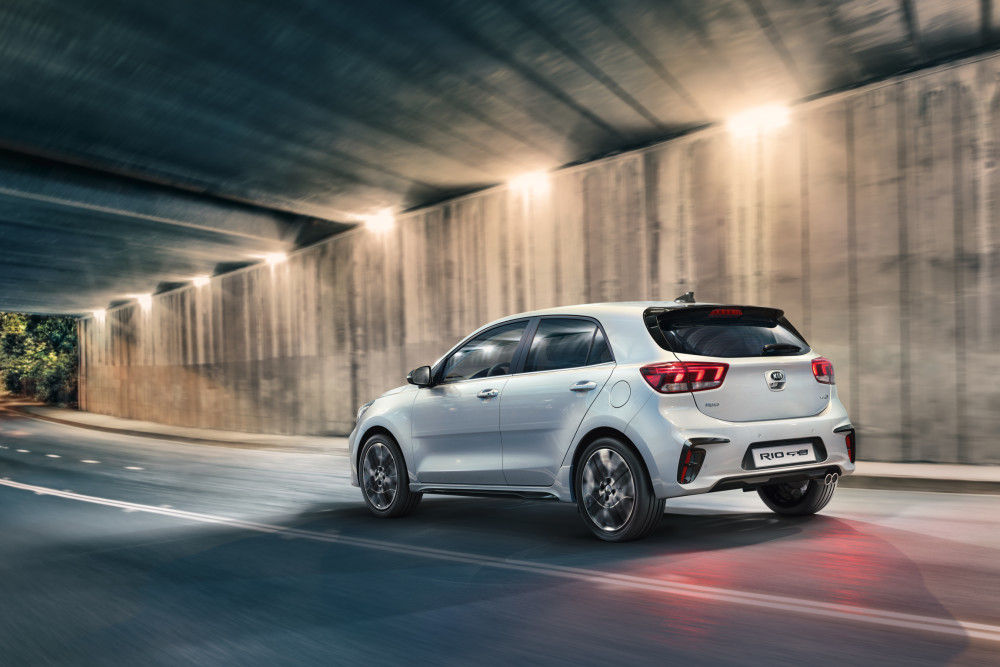
Kia has given its B-segment Rio hatchback a significant update which includes refined exterior styling, enhanced safety specification, new powertrain choices as well as featuring the brand’s first-ever mild-hybrid petrol derivative.
The new 4th generation Kia Rio was introduced to South Africa in 2017 and Kia has now given its popular Rio a makeover in an effort to keep it relevant and competitive against rivals such as the Volkswagen Polo, Ford Fiesta, Mazda2, Nissan Micra and Renault Clio, to name a few.
Let’s take a closer look…
What’s Changed?
Exterior and interior styling
A fresh face and new wheels make all the difference…
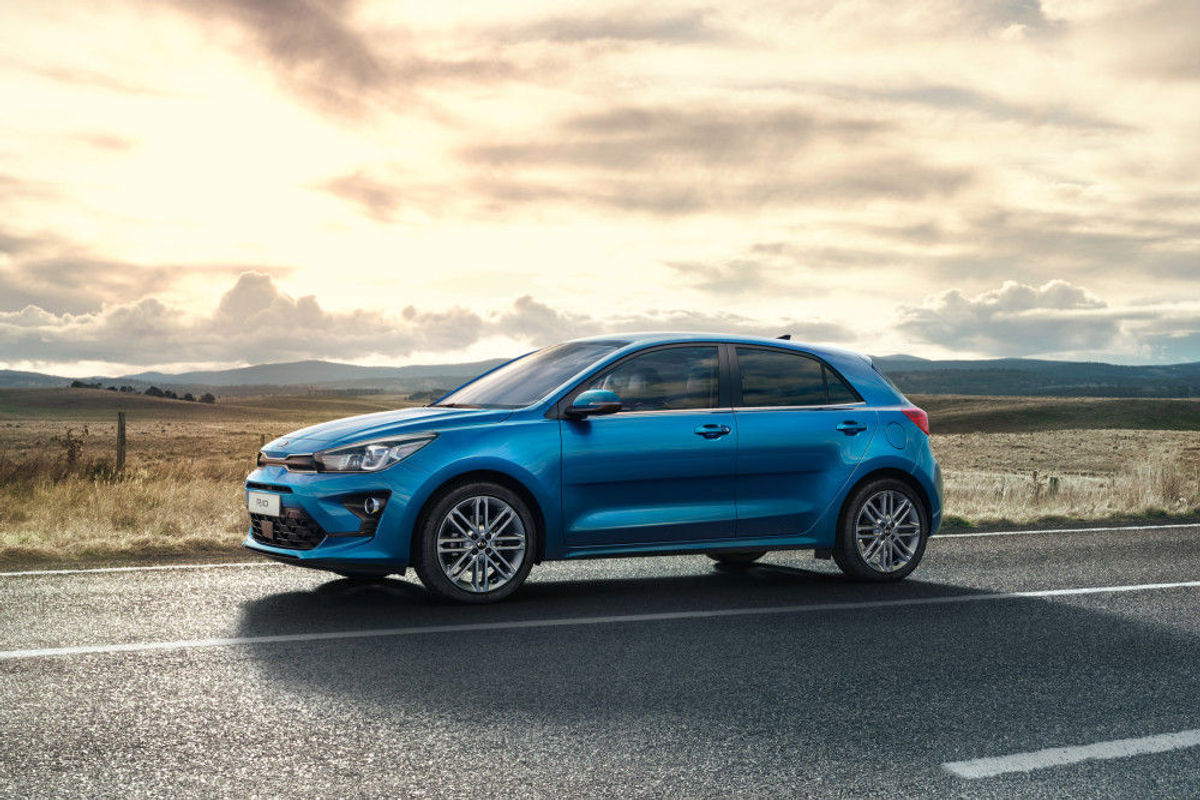
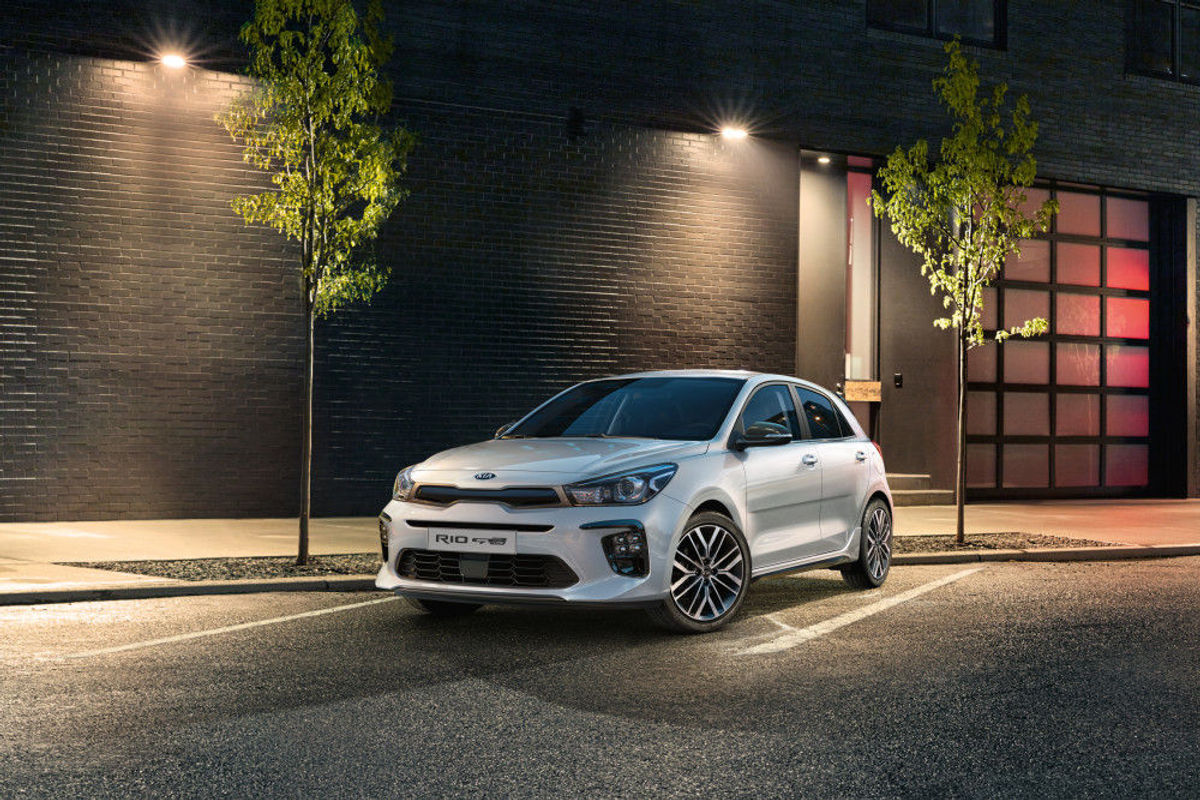
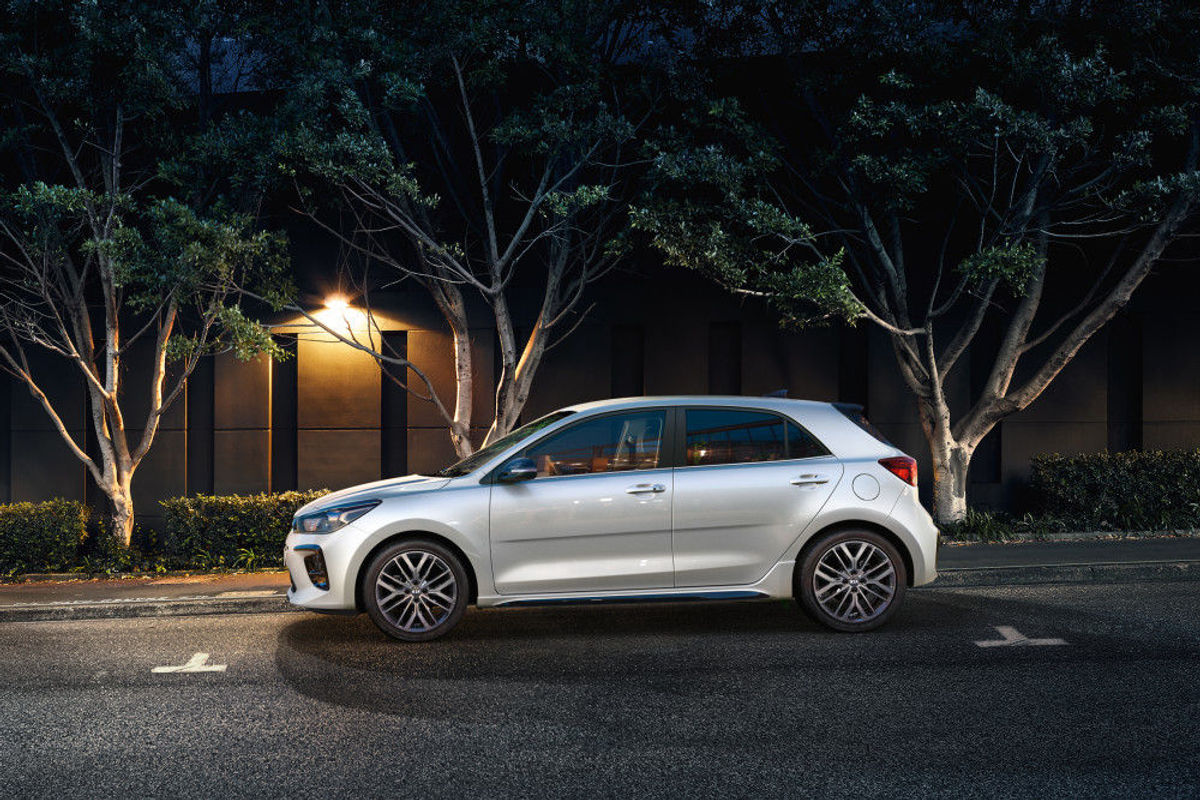
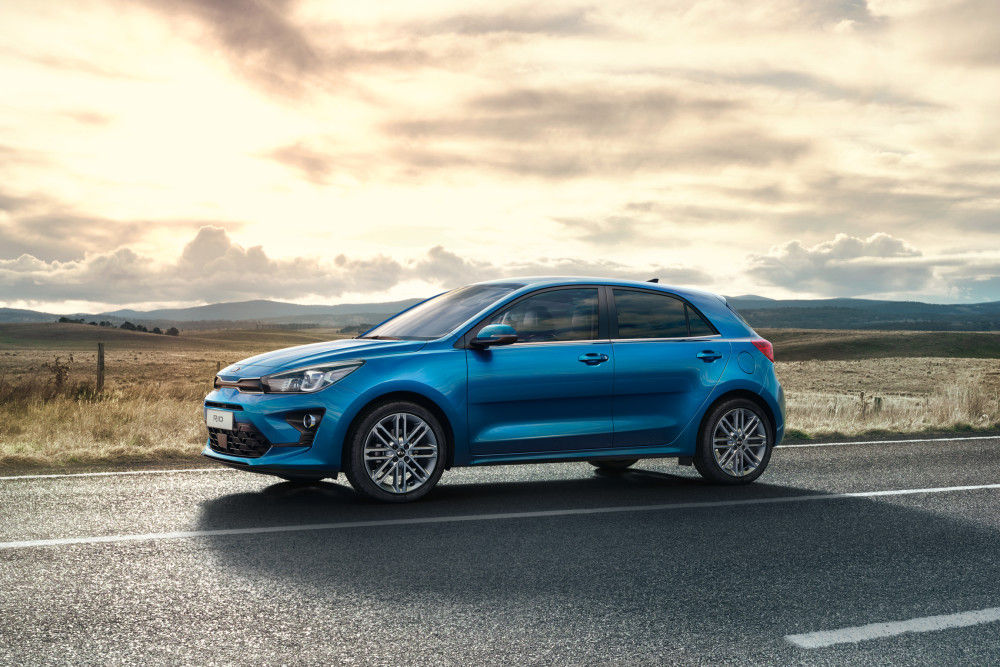
The latest Kia Rio wears a revised ‘Tiger-nose’ grille as well as a lower and wider front bumper which houses new fog lamp bezels. All Rio derivatives are also fitted with new LED headlights with integrated Daytime Running Lights (DRLs). Kia has also added 2 new exterior colours to the mix and these include Perennial Grey and Sporty Blue, giving customers a choice of 9 colours in total (depending on specification and market). Furthermore, the updated Rio rides on new 16-inch alloy wheels with an 8-spoke design.
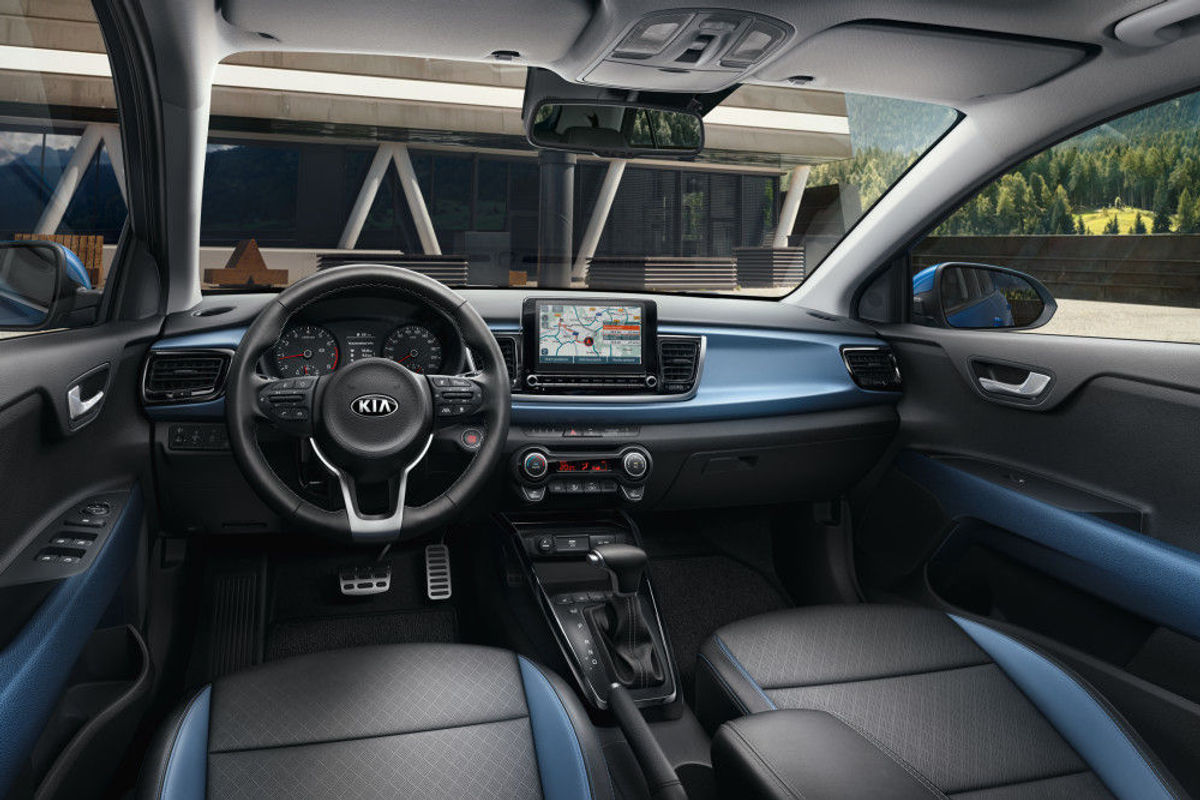
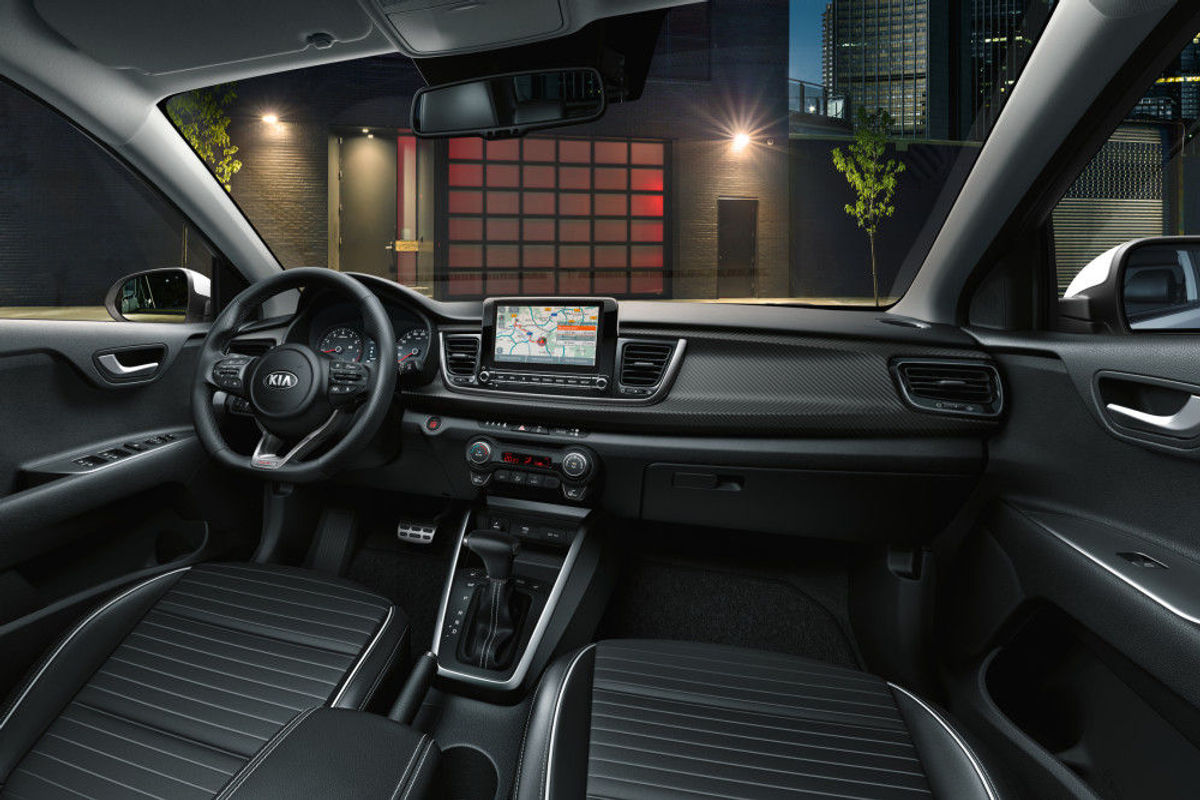
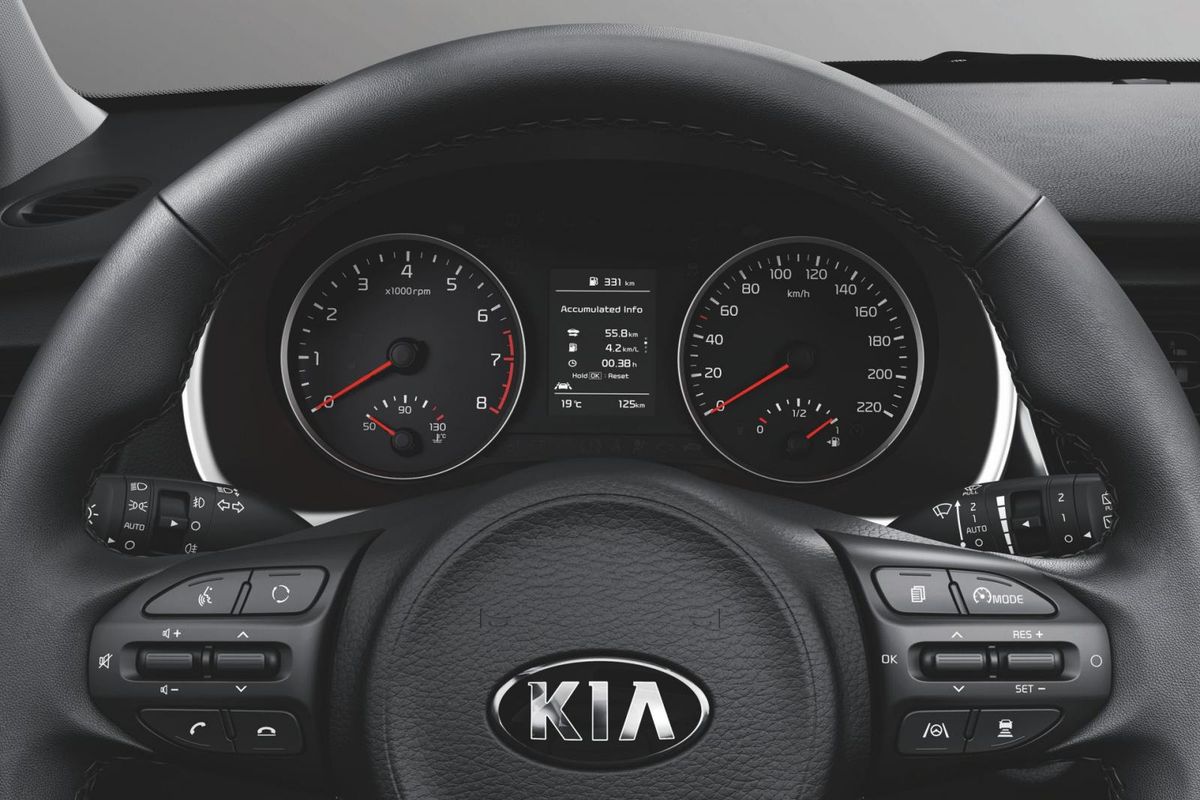
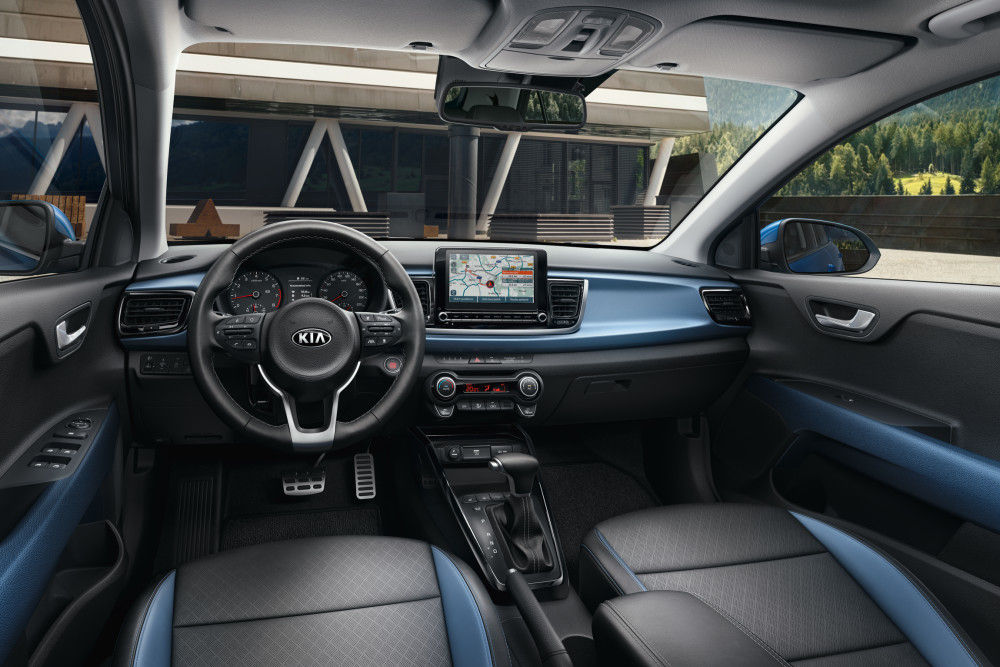
On the inside, the major update comes in the form of a new and larger 8.0-inch infotainment system (which includes wireless Apple CarPlay and Android Auto functionality) as well as a new 4.2-inch digital display in the instrument cluster. Kia is also offering some added customisation options such as a new blue colour pack which includes coloured side bolsters, dashboard trim and armrests with contrasting stitching. GT-Line derivatives can also be had with a black interior but with white piping, contrasting stitching and a carbon-fibre effect dashboard for some added sporty flair. The driver’s seat is also now adjustable for height (optional for passenger seat) which should make it easier to find the best driving position.
Engine choices
The Rio is the first Kia to feature a mild-hybrid electric vehicle (MHEV) powertrain.
The big news for the updated Kia Rio is that the range welcomes the brand’s first mild-hybrid electric vehicle (MHEV) powertrain to the range. Called, ‘EcoDynamics+’, this new powertrain combines a new ‘Smartstream’ 1.0-litre turbopetrol engine with Kia’s 48V MHEV system with the aim of improving efficiency while providing electric torque assistance and regenerative braking.
This powertrain is said to replace the previous Kappa engine offerings but still produces the same power outputs of 74 kW and 88 kW, but now with supplementation of a compact 48-volt lithium-ion polymer battery and a new Mild-Hybrid Starter-Generator (MHSG) unit, torque output increases by as much as 16% in the 88 kW version which takes torque output up to 200 Nm. Kia says that CO2 emissions are reduced by between 8.1% and 10.7%.
This powertrain will also be mated with the brand’s new ‘intelligent Manual Transmission (iMT) which adopts a ‘clutch-by-wire’ system (the clutch is electronically controlled) to aid fuel efficiency while retaining driver engagement. A drive mode select system will allow the driver to choose between modes such as Eco, Normal and Sport. Kia has also revised its Idle Stop & Go (ISG) system which is now brake-linked and the engine now switches off when both the brake and clutch are depressed when the comes to a stop. The engine starts up again when both pedals are released and gear is engaged (only the clutch was previously linked).
The Rio will also be offered with a new 74 kW, 10-litre petrol engine as well as an updated, naturally-aspirated 1.2-litre petrol engine with 62 kW. A 6-speed manual transmission and a 7-speed dual-clutch transmission will also be available to customers. Engine choices for South Africa have yet to be confirmed.
Advanced Driving Assistance and safety features
A host of new driver assistance features makes its way into the updated Rio. SA specification yet to be confirmed.
Kia has also bolstered the Rio’s driving and safety assistance systems which includes features such as Forward Collision-Avoidance Assist (FCA) with pedestrian, vehicle and cyclist recognition, Lane Keeping Assist (LKA), Driver Attention Warning (DAW) and Blind Spot Collision Warning (BCW). The above-mentioned FCA is also available with Blind-Spot Collision-Avoidance Assist (BCA), Intelligent Speed Limit Warning (ISLW), Smart Cruise Control (SCC) and Lane Following Assist (LFA).
Depending on conditions, LFA and Smart Cruise Control takes care of acceleration, braking and steering at speeds up to 180 kph and uses camera and radar technology to maintain a safe distance and to monitor road markings. Rear Cross-Traffic Collision-Avoidance Assist (RCCA) and Rear Occupant Alert (ROA) is also fitted.
The Rio is equipped with 6 airbags as well as Vehicle Stability Management (VSM), Electronic Stability Control (ESC), Cornering Brake Control (CBC) and Straight-line Stability (SLS).
The above specifications are intended for the European market and it remains to be seen what features will make it to South Africa.
The updated Kia Rio is expected to reach South Africa in Q4 of 2020 and local details pertaining to powertrain, transmissions, specification and pricing will be confirmed closer to launch.
European production of the BMW M2 is reportedly coming to an end in coming months.
The current-generation BMW M2 is a fine piece of machinery and not only has it impressed us thoroughly in the numerous performance match-ups we have enjoyed with it, all of which can be viewed on our YouTube channel, but it's also been a deserving multiple #CarsAwards powered by WesBank Performance Car winner and finalist over the years.
In a report on BMWBlog, production of the M2 (M2 Competition and M2 CS) is due to come to an end in Europe in coming months, reportedly due to more stringent emissions standards. The M2, however, is not the latest BMW product to be shown the door. BMW's sole V12 engine which does service in the M760Li is also on the way out because of stricter emissions regulations.
While this development is sad news for M2 fans, BMW is currently developing the new 2-Series Coupe which is due to be revealed in 2022. The new M2 Coupe is expected to employ a longitudinally-mounted 313 kW 3.0-litre straight-6 engine.
The BMW M2 CS, the swansong of the current-generation M2, is headed to South Africa before the end of the year and only 28 units will be available to customers. Due to the sheer interest in the M2 CS with over 300 customers expressing interest, there will be an auction of the 28 units and the customers will be the top BMW M customers from across SA who will have the chance to bid for one of these high-performance exclusive vehicles. The units are pre-configured and customers will not be able to choose specification.
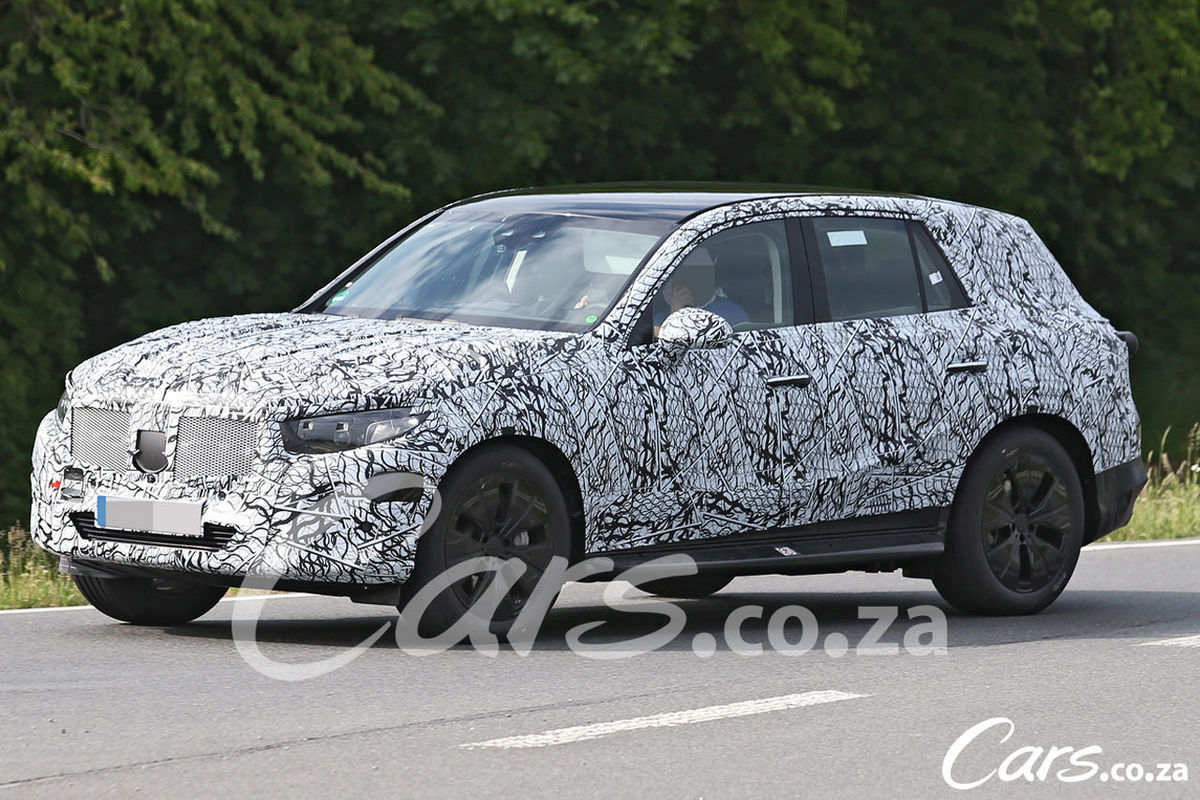
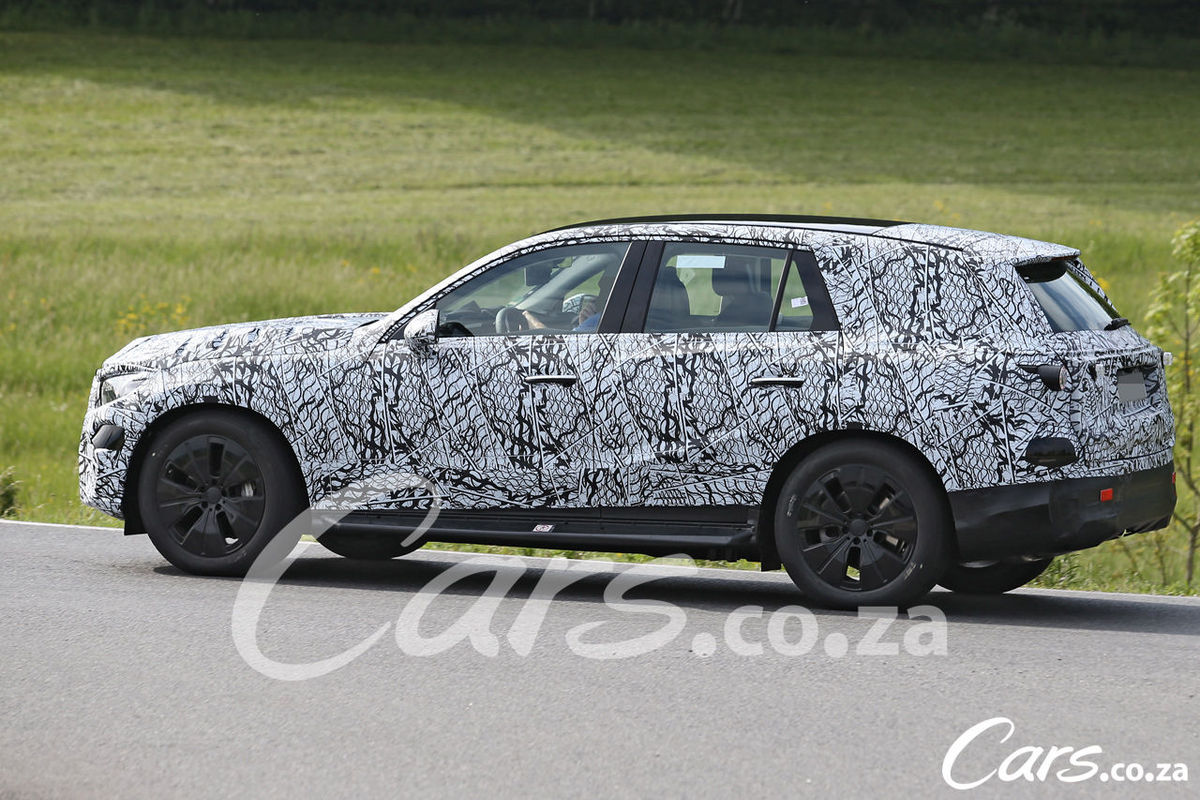
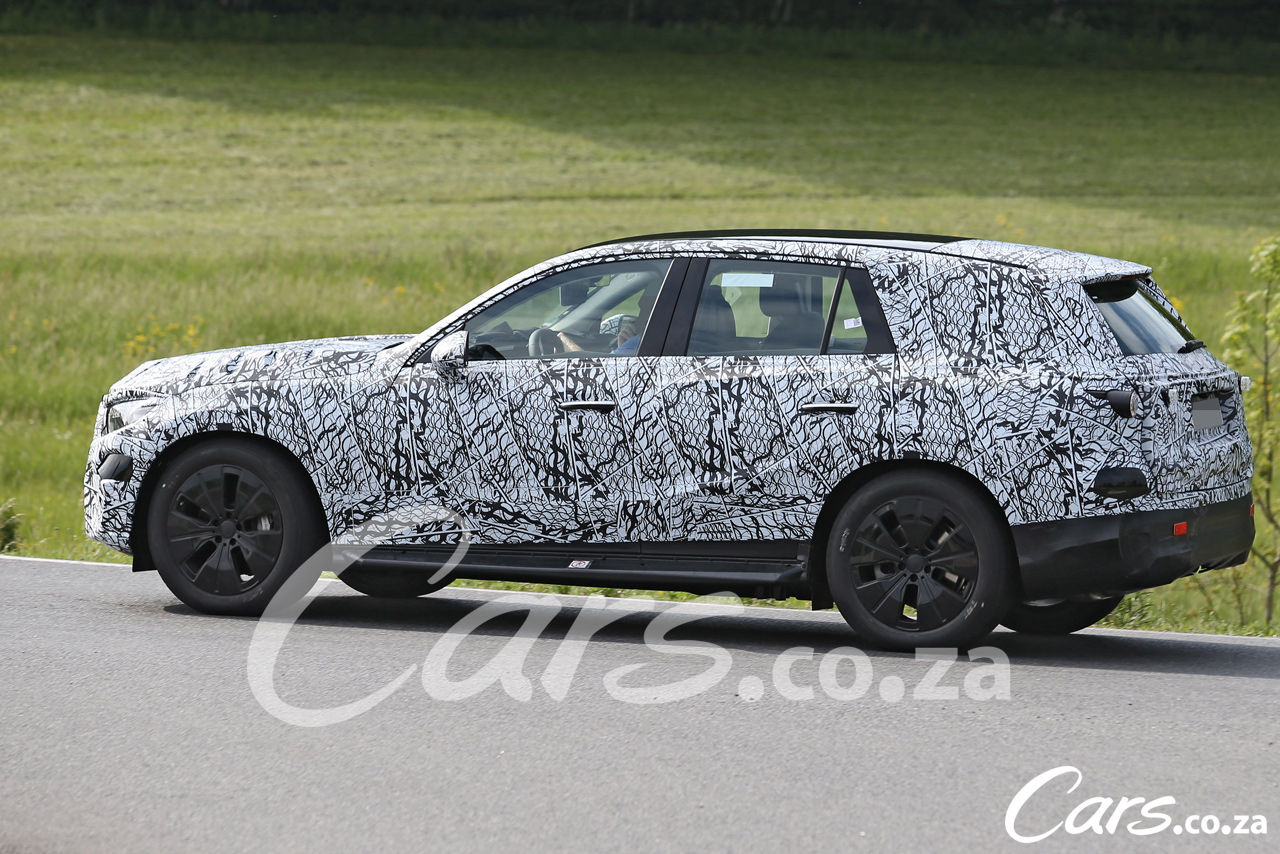
The first prototypes of the next-generation Mercedes-Benz GLC SUV have been spotted on the road. Here's what we know so far.
Picture credit: S. Baldauf/SB-Medien. We have paid for these photos and at the photographer's request, have watermarked them.
Don't be alarmed when you see that Mercedes-Benz is already working on the next-generation of GLC. We were also a bit puzzled, surely it's too early? The current Mercedes-Benz GLC only reached SA shores in 2019 and by our reckoning, there's at least 3 years left in the product lifecycle.
So, what do we know about the 2023 Mercedes-Benz GLC? Mercedes-Benz is pushing its SUV range hard and along with GLA, GLB, the GLC is becoming an important model in the portfolio. We suspect there's an all-new platform under the skin and the larger proportions are to provide more space, but critically, to carry the new hybrid and plug-in tech. Those batteries will need to be stowed somewhere after all.
In terms of engines, expect a full complement of petrol, diesel and electrified options, as well as a thundering AMG version. However, the jury's out on whether it will be a force-fed V8 petrol or the controversial 2.0-litre 4-cylinder with EQ Boost that's apparently earmarked for the next C63 S.
We've got a long way to go before we see the all-new Mercedes-Benz GLC and estimates are putting a production reveal in 2023.
Hyundai has teased more images of its forthcoming Sante Fe model upgrade.
The fourth-generation Sante Fe is now approaching the midpoint in its lifecycle and as such, some design upgrades are to be expected.
An official teaser image shows new T-shaped LEDs framing the grille. This front illumination arrangement is typical of Hyundai’s current design language. Sante Fe also gains a new geometric patterned grille, dominating the vehicle’s front-view.
It is not merely appearance where Hyundai’s product team has been busy improving the Sante Fe. This revised Sante Fe is also expected to ride on Hyundai’s N3 vehicle platform, which has been a huge investment for the Korean company.
This futuristic vehicle architecture prioritises having both a low centre of gravity and ease of hybridization. The N3 platform is Hyundai’s most advanced in terms of electronic integration, with sufficient sensor capacity for level 4 autonomous driving.
Hyundai might be sparse with technical details about the new Sante Fe’s engine and drivetrain changes, but evolution to building it on the company’s N3 platform opens the possibility of powerful new hybrid powertrain choices.
Those Hyundai followers who are taken by the promise of pure-electric drive and battery-power, should in all likelihood, have the option on a plug-in BEV version of the new Sante Fe.
The new Sante Fe is expected to launch first, in Europe by September. Right-hand drive markets in the southern hemisphere should receive the new version early in 2021.
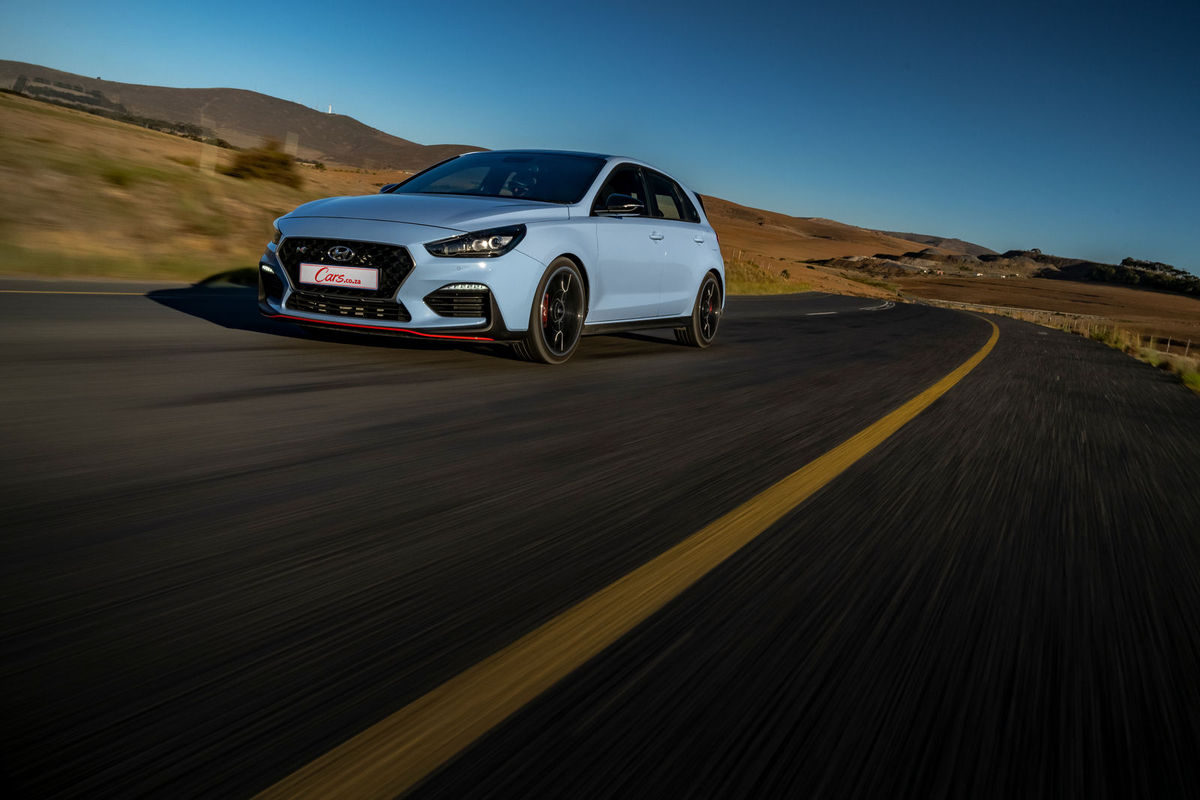
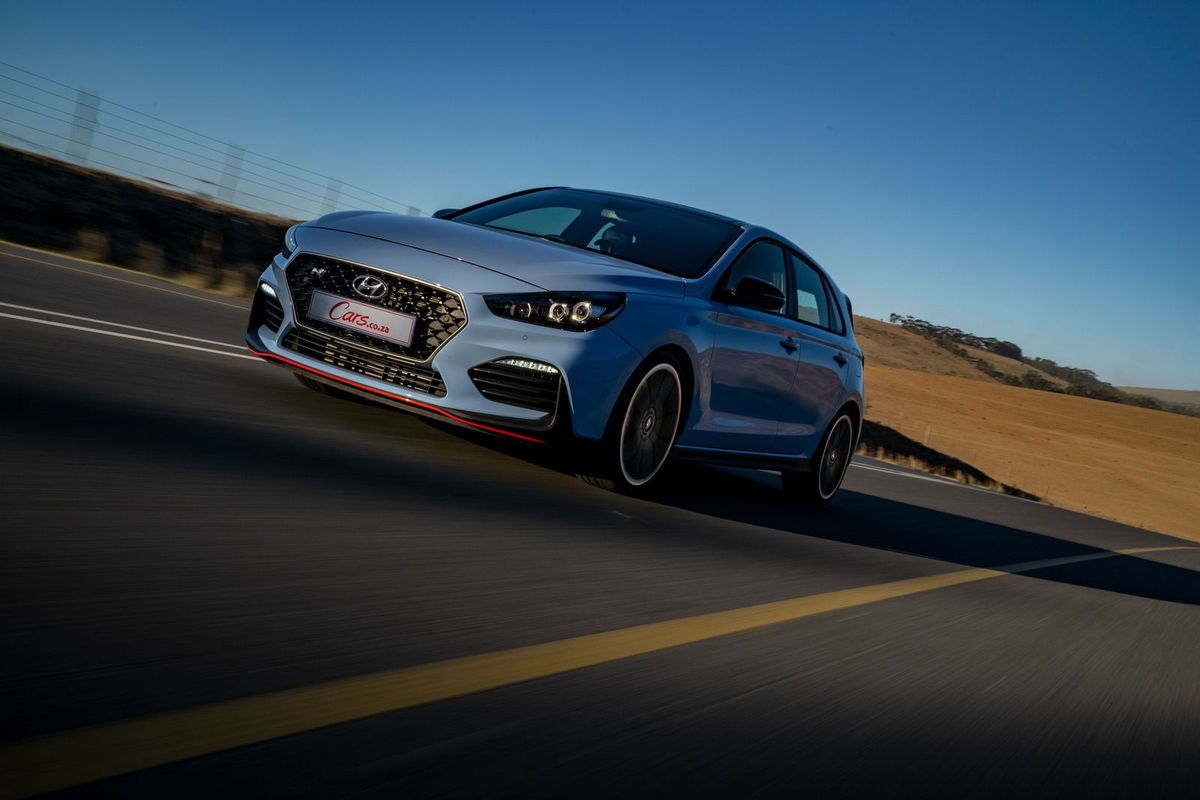
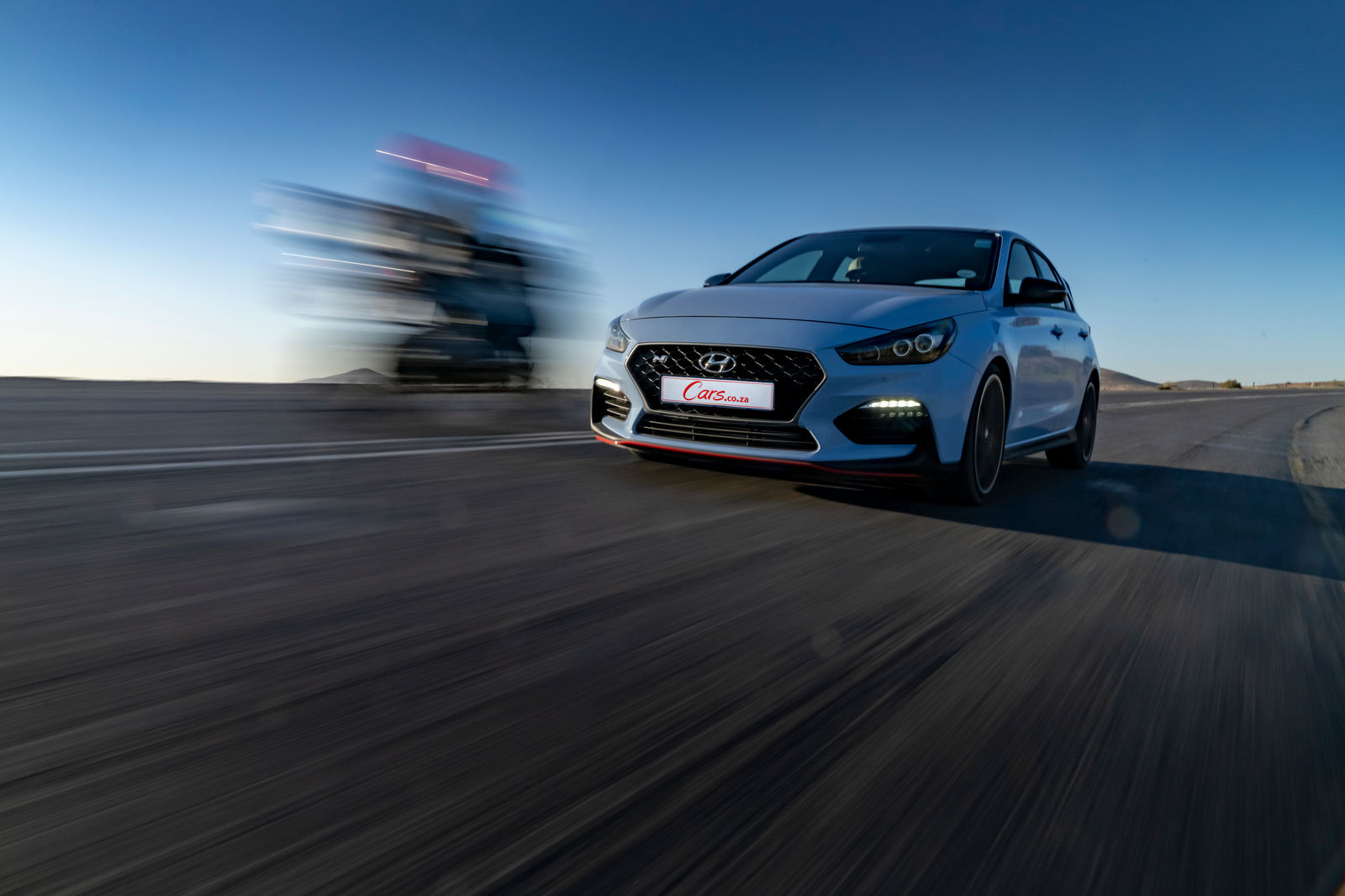
We had to wait quite a while for it to arrive, but Hyundai’s very first N car has finally landed in South Africa. Has the Korean manufacturer hit it out the park at its very first attempt? After a couple of weeks of driving the i30 N hot hatch on near-empty Cape Town roads during the lockdown, we are ready to answer that question.
We like: Manageable performance, stable handling, understated looks.
We don't like: Lacks pure steering feel, ambitious list price.
Some Hyundai dealers regularly offer specials: Have look here.
What is it?
Ready to take on the hot hatch brigade, N has made it clear it is not just here to take part.
The Hyundai i30 N has been available in Europe since the end of 2017, but the N division's protagonist took its sweet time to find its way to local shores; Hyundai South Africa did not initially believe there was a business case for it here. Fortunately for Mzansi's performance-car aficionados, the Korean manufacturer's very first N car is here and has been tossed straight into the melting pot that is the hot-hatch melee. This segment is owned by the Volkswagen Golf GTI in terms of sales, but dynamically the strength of the competition is tough to beat: the Honda Civic Type R is the most hardcore and track-adept hot hatch and the Renault’s Megane RS is chuckable, precise and the latest in a long line of great hot hatches to bear its name. How does Hyundai intend to compete?
Well, the N in i30 N has 2 meanings. Firstly, it references Namyang, where Hyundai Kia's research and development centre is located in Korea and secondly, the Nurburgring – the brand’s test base in Europe where all the N vehicles are tested and honed. Hyundai also recruited the help of some of BMW M’s most senior engineers by luring them to the N division in order to deliver a product that could match up well with any of its peers. So, it’s time to get down to the nitty-gritty.
How it fares in terms of…
Performance
It's not the winner on paper, but it's hardly slow either.
Contemporary hot hatches produce once-unthinkable power outputs. There was a theory from engineers not so long ago that the maximum output one could feasibly put through the front wheels was 200 kW. It was believed that, beyond 200 KW, the mechanical bolstering and differential trickery required to combat the effects of torque steer would become too expensive to produce an economically viable front-wheel-drive hot hatch. That is why you see models like the Mercedes-AMG A45, Audi RS3 and BMW M135i xDrive, which have all gone the all-wheel-drive route.
The i30 N shovels a pinch over that perceived barrier – 202 kW (and 353 Nm of torque) are directed solely at its front wheels. The hot hatch recipe has always been "front-engined, front-wheel-drive and a hefty dollop of fun", so Hyundai has it the marks there. The newcomer's acceleration figures are admittedly not as bold as some of its rivals, but at 6.1 seconds from 0 to 100 kph, it offers adequate sprinting thrills. Still, you’re likely to lose a robot-to-robot dice against the Honda (5.8 sec) and Renault (5.8 sec), as well as the upcoming Golf GTI TCR (5.6 sec), but the Korean will theoretically beat a stock GTI (6.4 sec) in that regard.
Putting the claimed stats aside for a second, the i30 N accelerates intently (hard) with a distinct lack of torque steer. Even though the power is delivered in a chunk of mid-range thrust, the Hyundai's grippy 19-inch tyres deal with it well and the steering holds relatively straight under intense acceleration. The 'wheel doesn’t tug harshly to one side when you shift gear and give the i30 N a full boot of throttle.
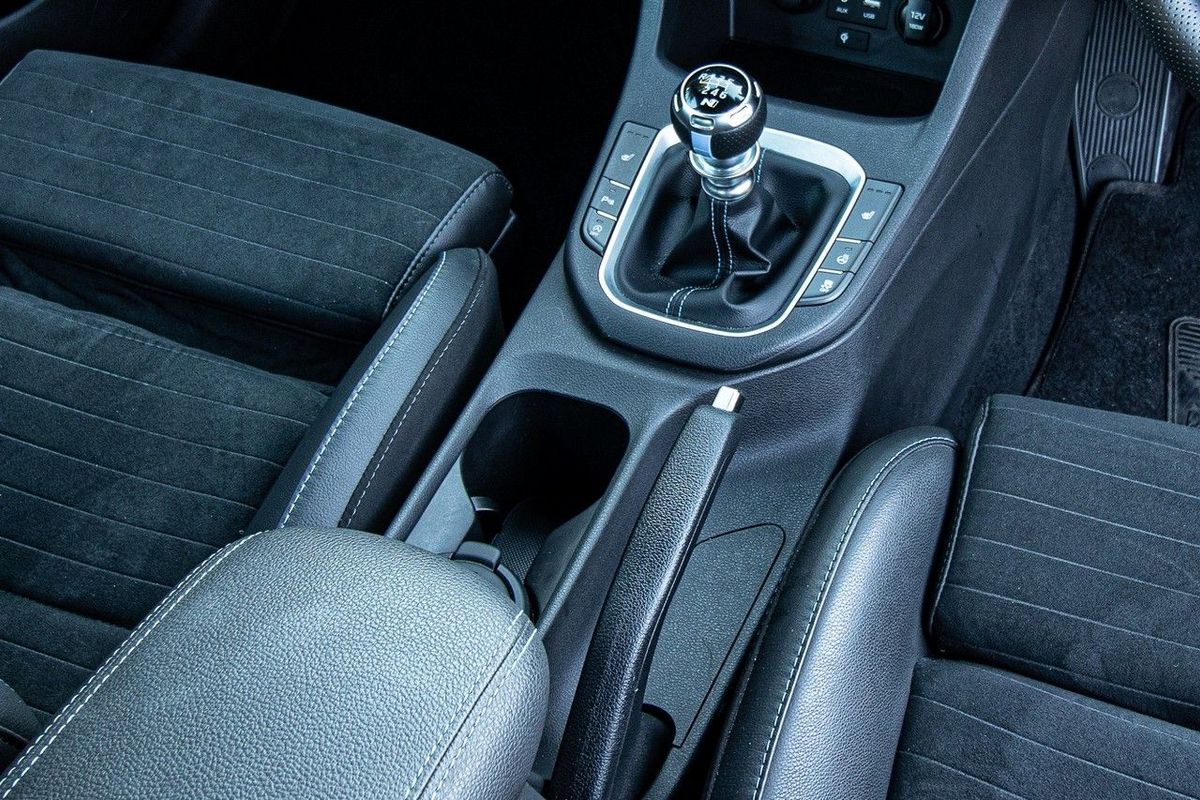
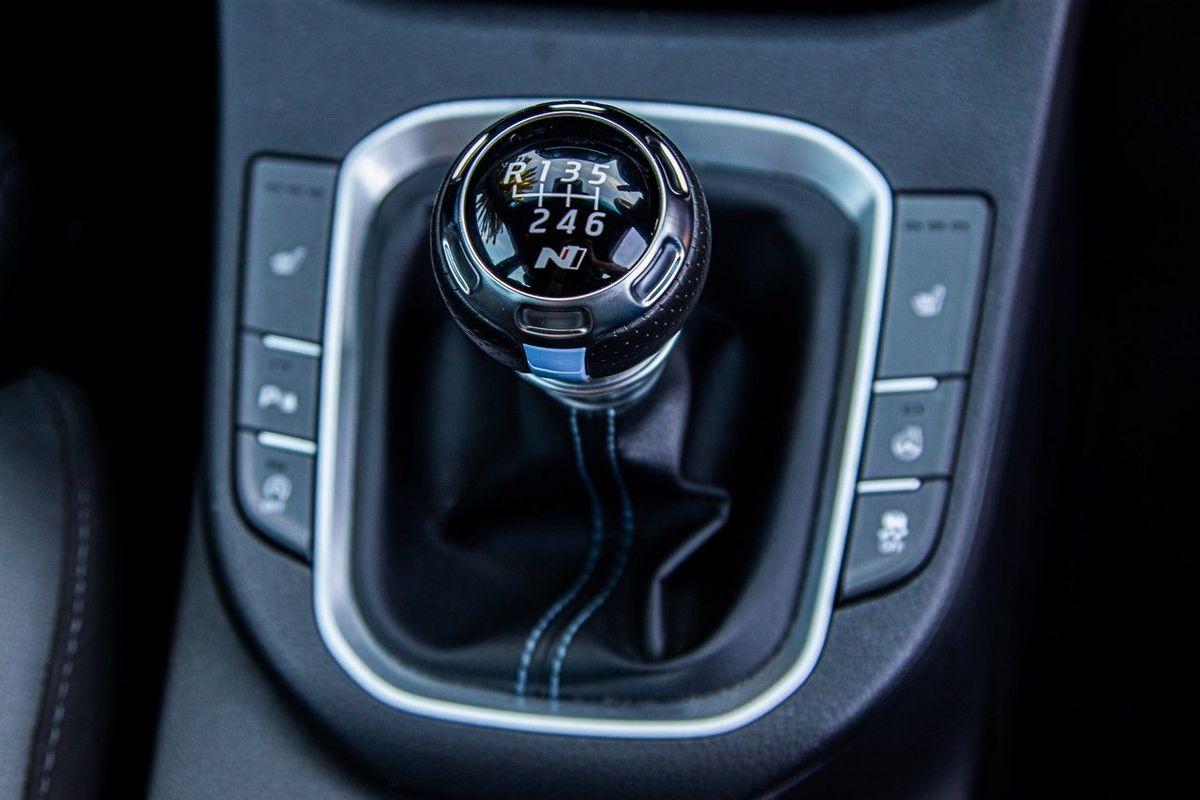
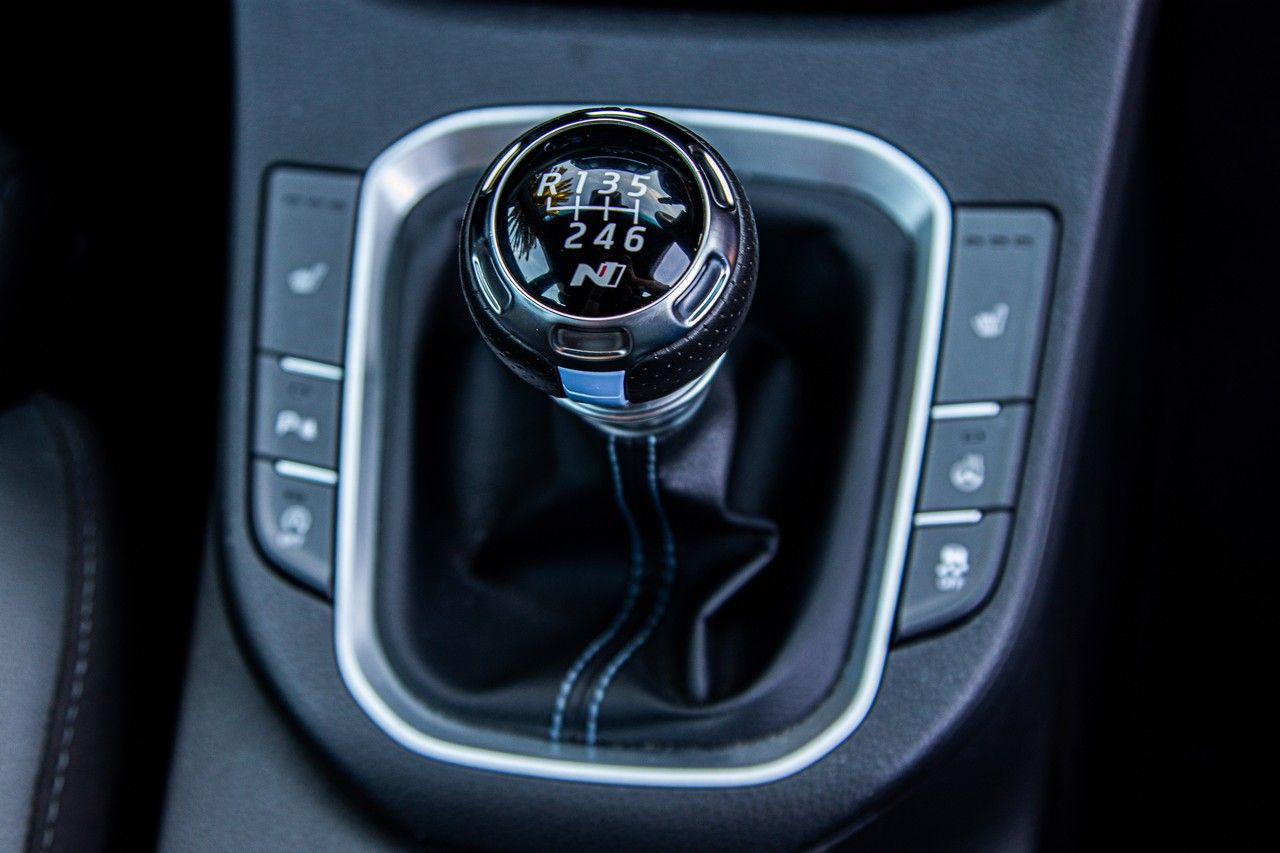
A manual shifter is rare these days, especially one this accurate and fast-shifting.
The newcomer's acceleration is not quite linear – it tapers off towards the top of the rev range – but the snappy 6-speed manual gearbox provides plenty of driver engagement. The shifter is perfectly positioned in the cabin and the shift-action through the gates is precise and confident; you're unlikely to miss a shift, even when rushing down the 'box under heavy braking. And that braking comes with a free rev-matching blip of the throttle as you reverse through the box (depending on the drive mode you’re in, of course).
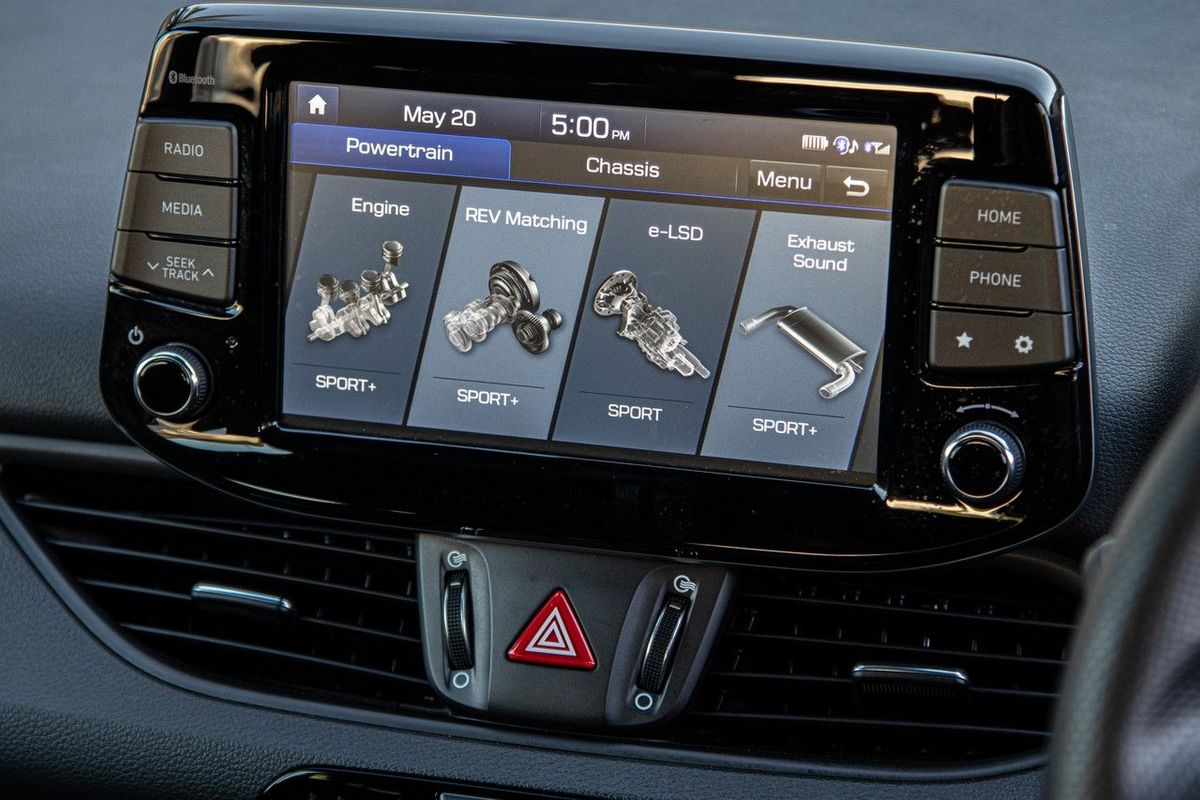
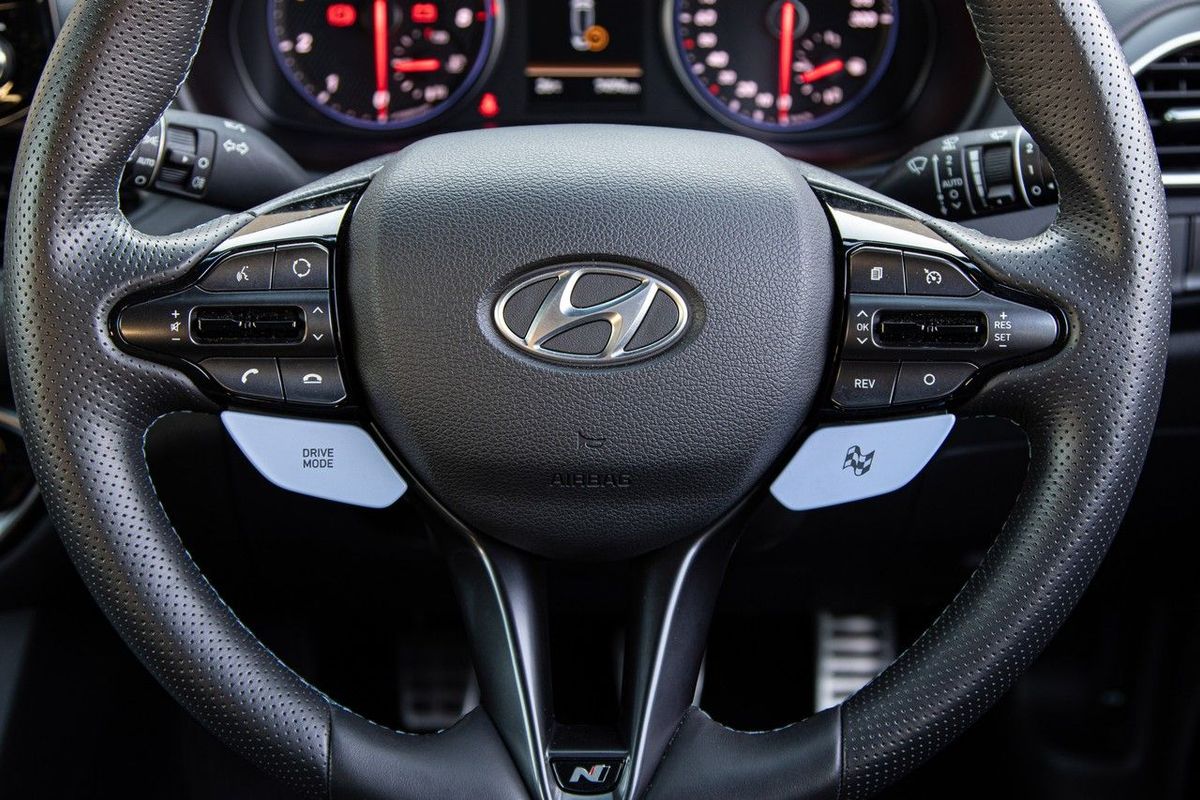
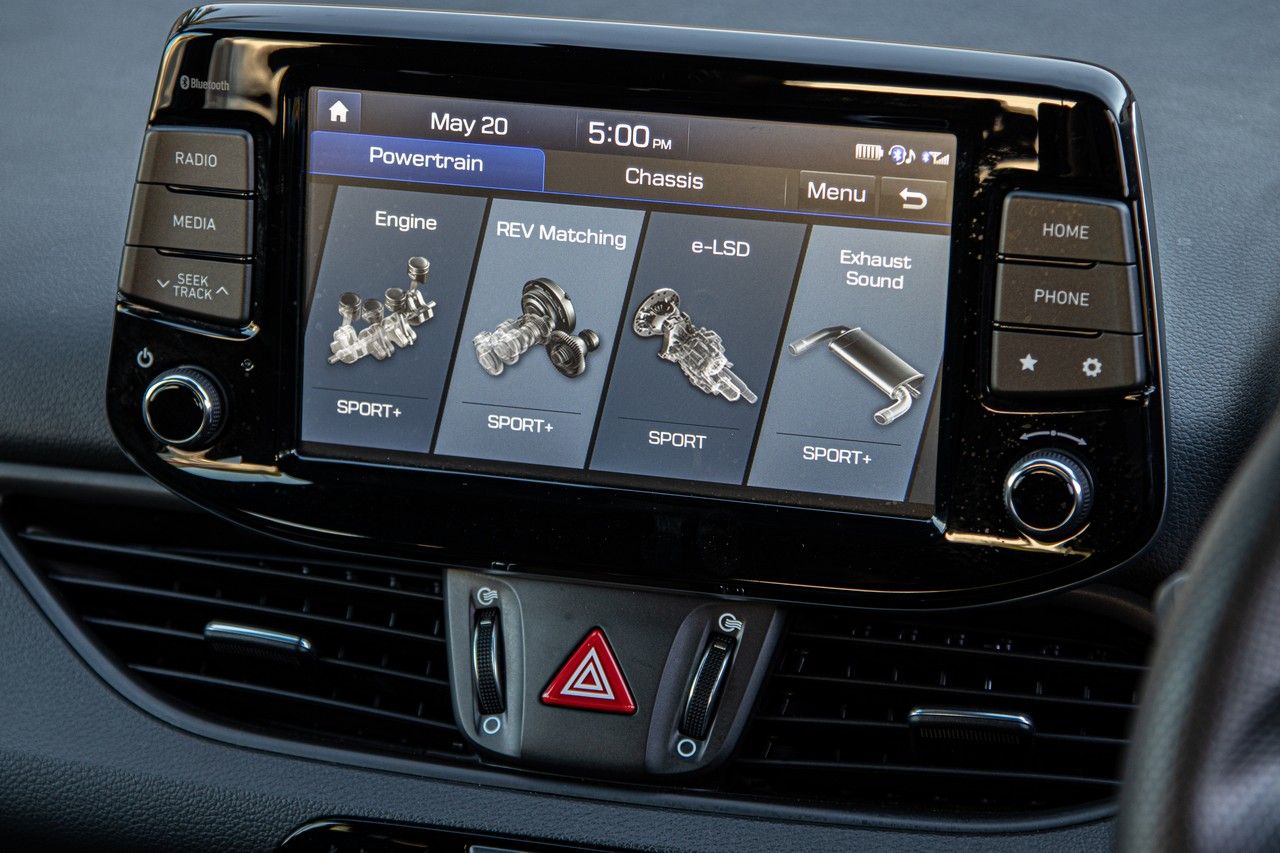
Modes? Yes, this car is all about modes and how they change the characteristics of the engine, suspension, differential, traction control and exhaust note. You can work your way through the drive modes via the steering-mounted button with your left thumb, which will scroll through Eco, Normal and Sport modes. The chequered flag button on the right puts everything into N mode, which is the most aggressive setup on all the aforementioned parameters. N mode can further be customised by using the infotainment screen menu.
Flicked into N mode, the i30 N goes from sounding like a plain warm hatch with hardly any wilful utterance from the engine or exhaust to a litany of cracks, bangs and pops at every shift (up and down), as well as every time you come off the throttle. From inside the car, it never sounds over the top, the cabin is particularly well-insulated, but from outside it sounds like an endless supply of Tom Thumbs that have been set alight in a drainpipe.
Handling
You can customise the N mode to tailor the i30 N's responses to your taste.
Driving the i30 N on near-deserted roads (with Lockdown Level 4 in place) felt strange… as if I was living in the Will Smith film I am Legend. It does have its advantages though, as it gave me the opportunity to really stretch the legs (and limits) of the i30 N without another vehicle in sight.
In full N mode, the Hyundai's suspension stiffens up drastically and the steering weights up in a similar way that it does in a (BMW) M car. In fact, the latter's a little too heavy in N mode. The ride quality, which is so absorbent around town and over bumps in normal mode, thrashes your kidneys as if they're body blows dealt by Mike Tyson; the impacts expel the air from your lungs every time the surface degrades or just becomes uneven. In N mode though, it all makes sense: the i30 N turns in fast and accurately – the grippy tyres and diff enable the front-end to cling to the tarmac so that you can introduce the power sooner and sooner until, eventually, the rubber gives way. You won’t lose traction on fast sweeping corners though, the i30 N is stable under braking and off-throttle, there’s not a hint of lift-off oversteer and in that regard, it behaves similarly to a Golf GTI, which is high praise. You can’t throw it around like a Megane RS, though: Hyundai clearly wanted a hatch that felt fast, but wouldn't pitch any curveballs in the handling department.
The Hyundai is still fun and engaging to drive hard… I found myself repeating the best sections of road with a bigger smile on my face on every occasion. I set the steering mode back to normal to reduce some of the weight, but the i30 N doesn't communicate the feel of the road in a granular manner. You have to introduce steering inputs quite early at corner entries to see how the car reacts before committing more/less lock. It’s a tenth-of-a-second adjustment, but something the aforementioned Renault and the Civic don't require.
To contextualise the dynamic characteristics of the i30 N with those of its rivals, I would say the Hyundai's more fun to drive and ultimately faster than a GTI (we await the TCR derivative for a showdown), but it won’t give you the same seat of your pants thrills of the aforementioned RS and Type R. That said, the i30 N has more refined day-to-day manners than the French and Japanese contenders.
Kerb appeal
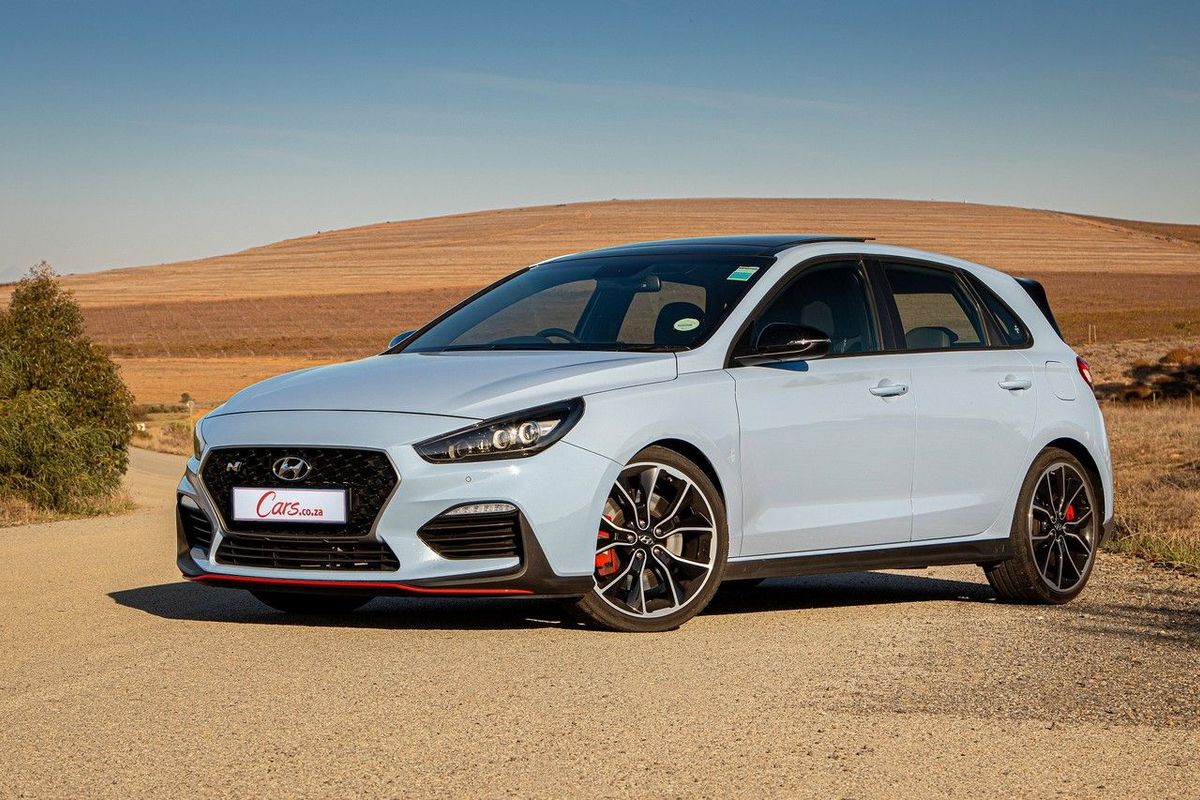
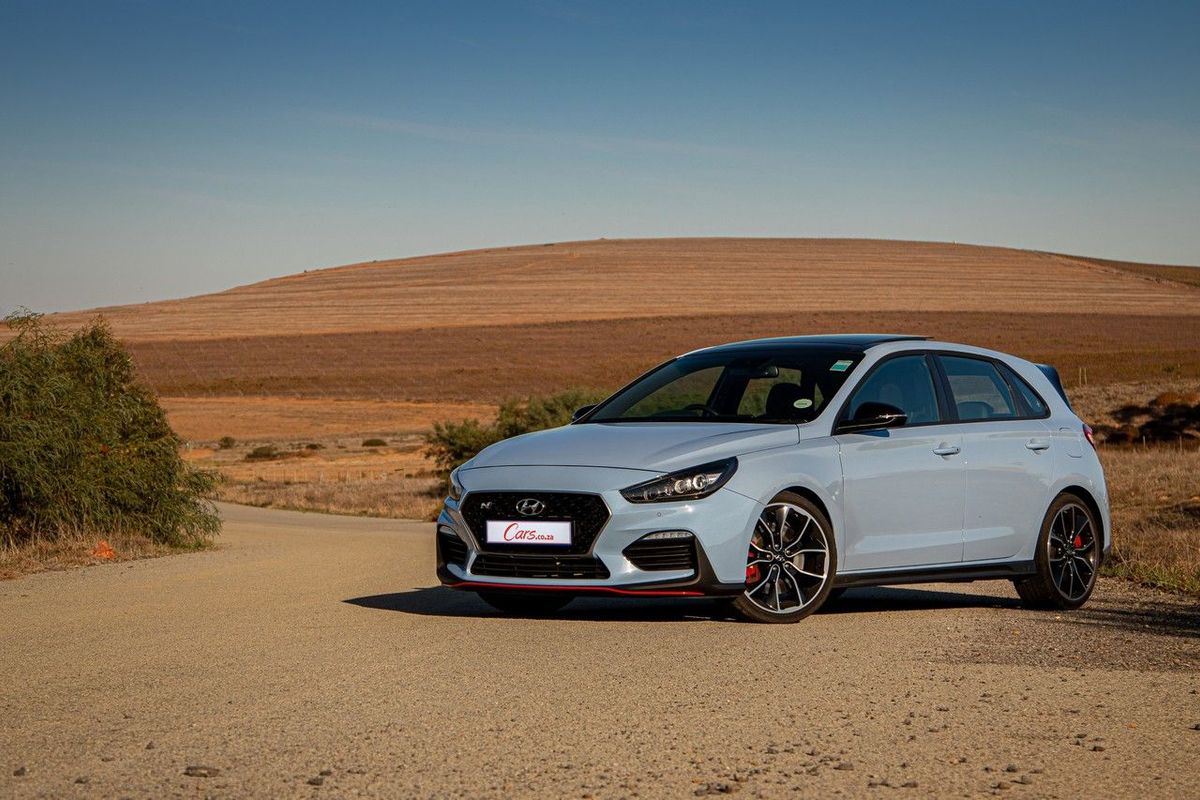
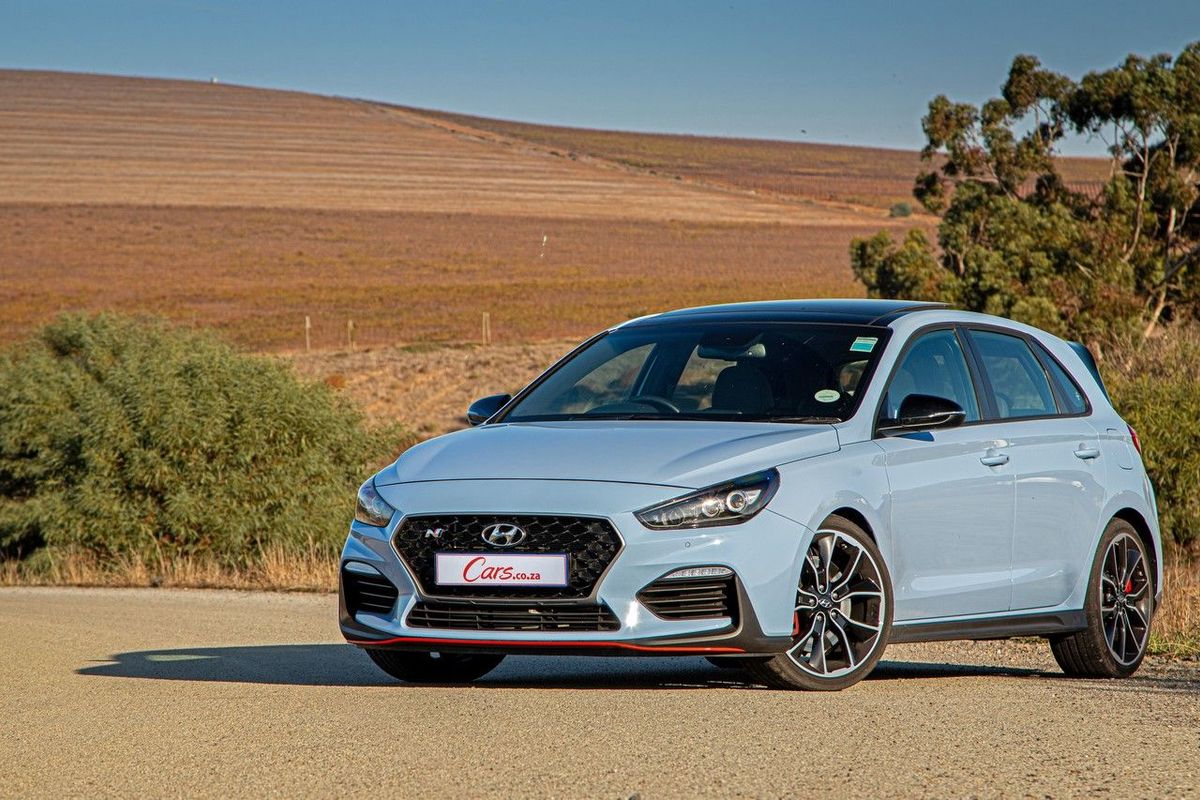
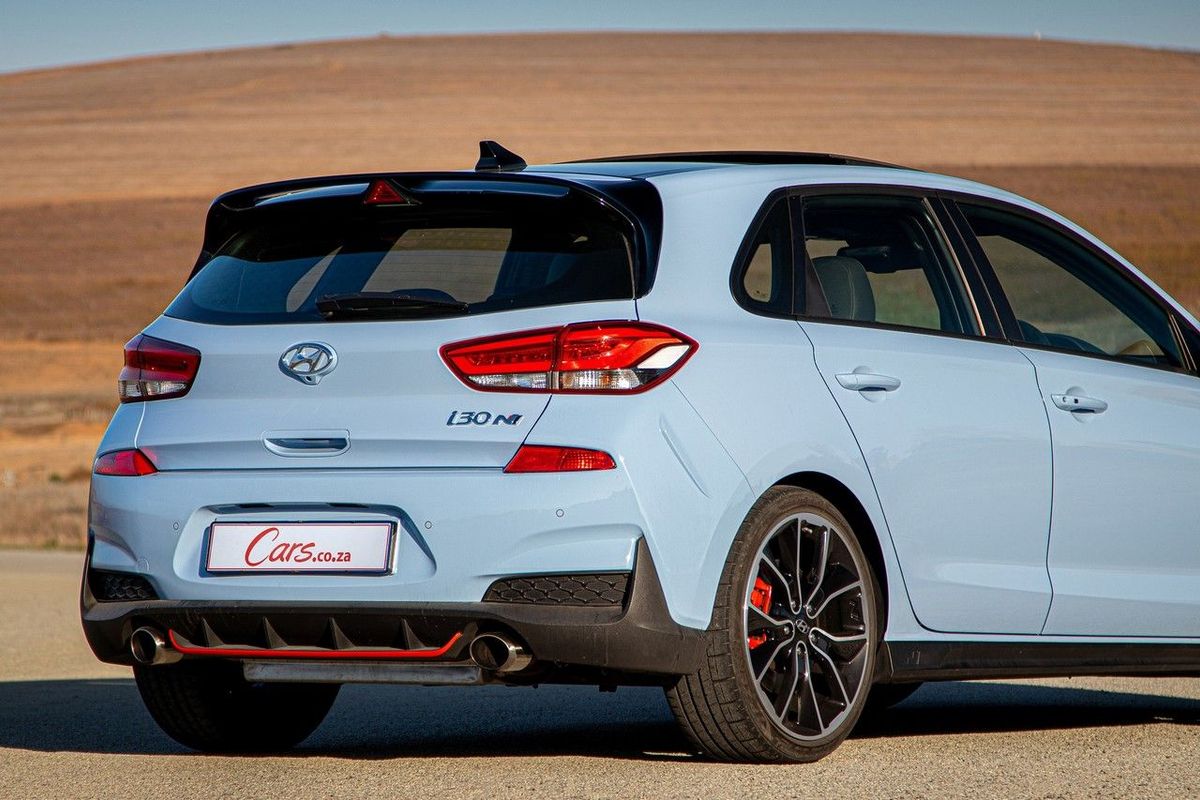
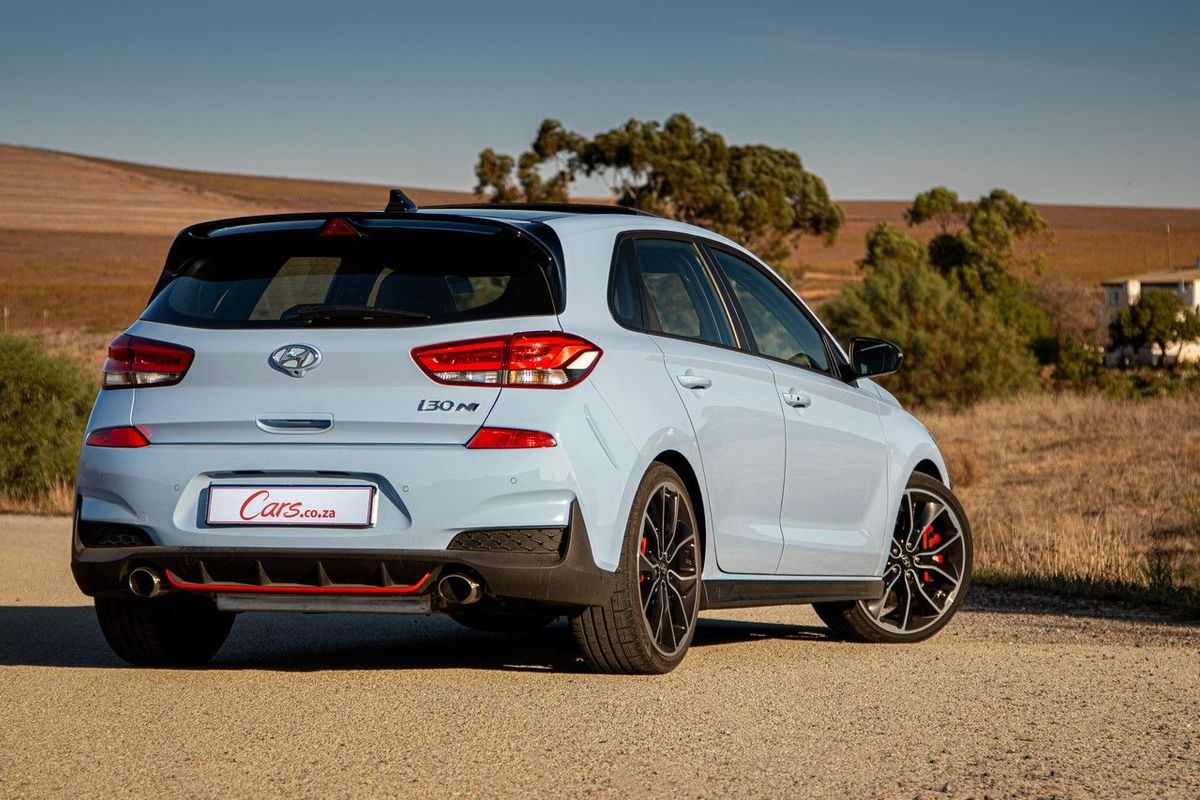
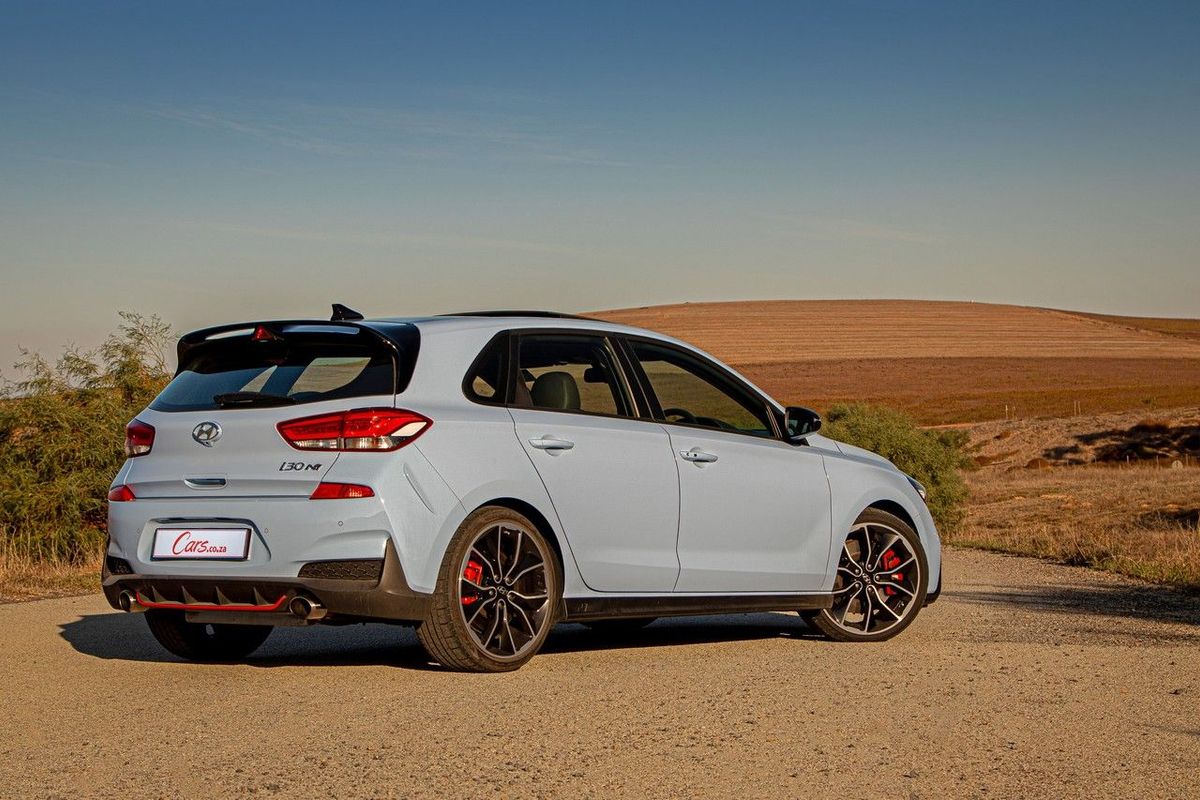
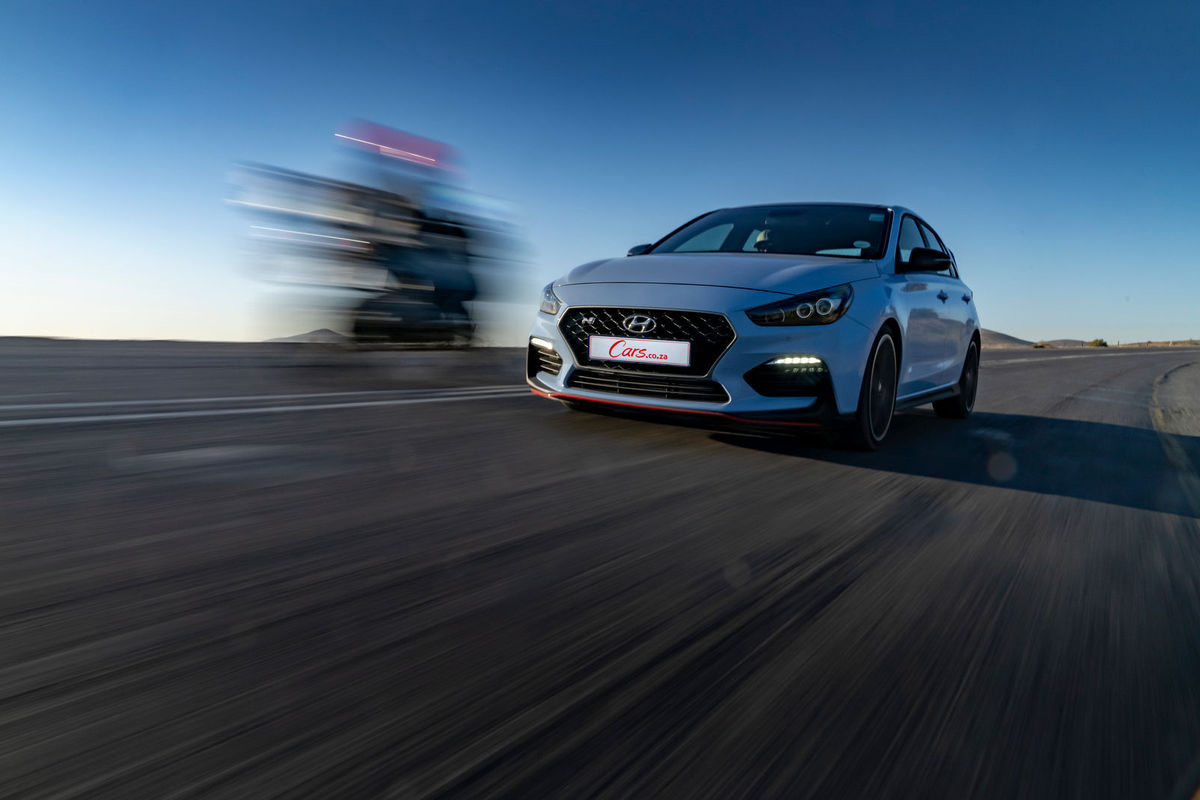
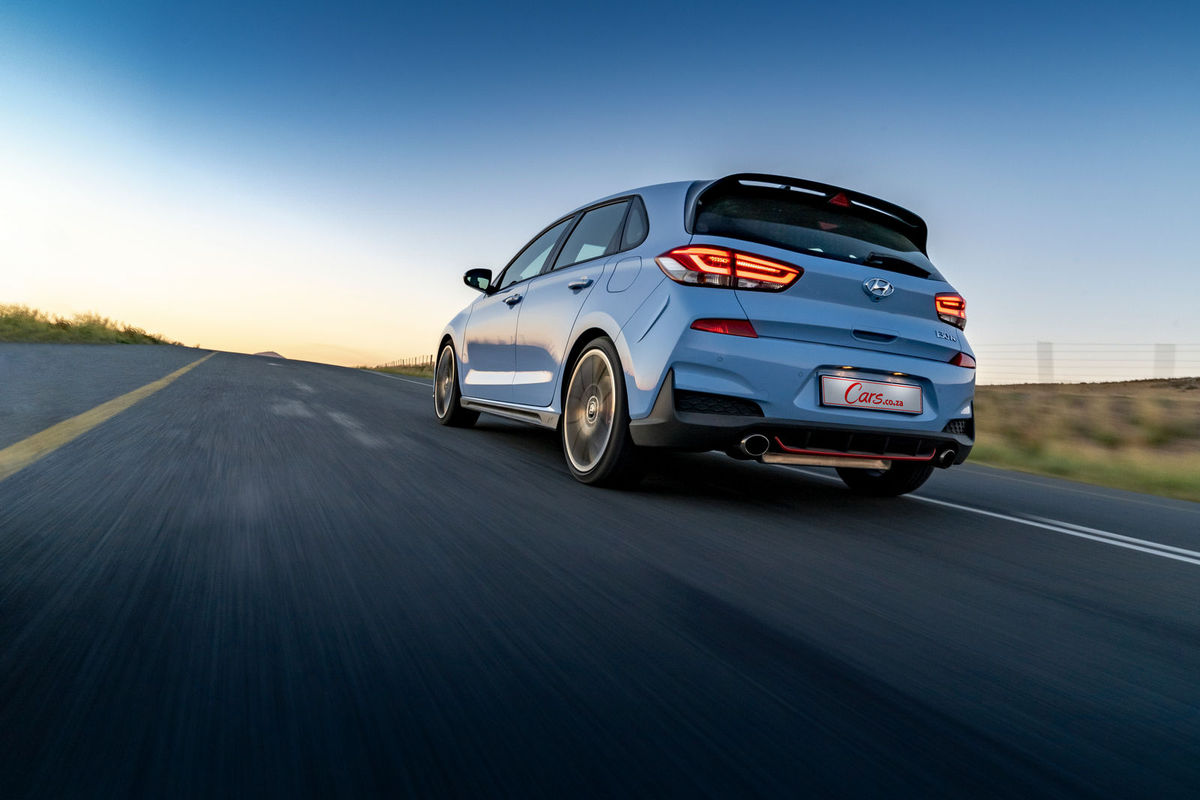
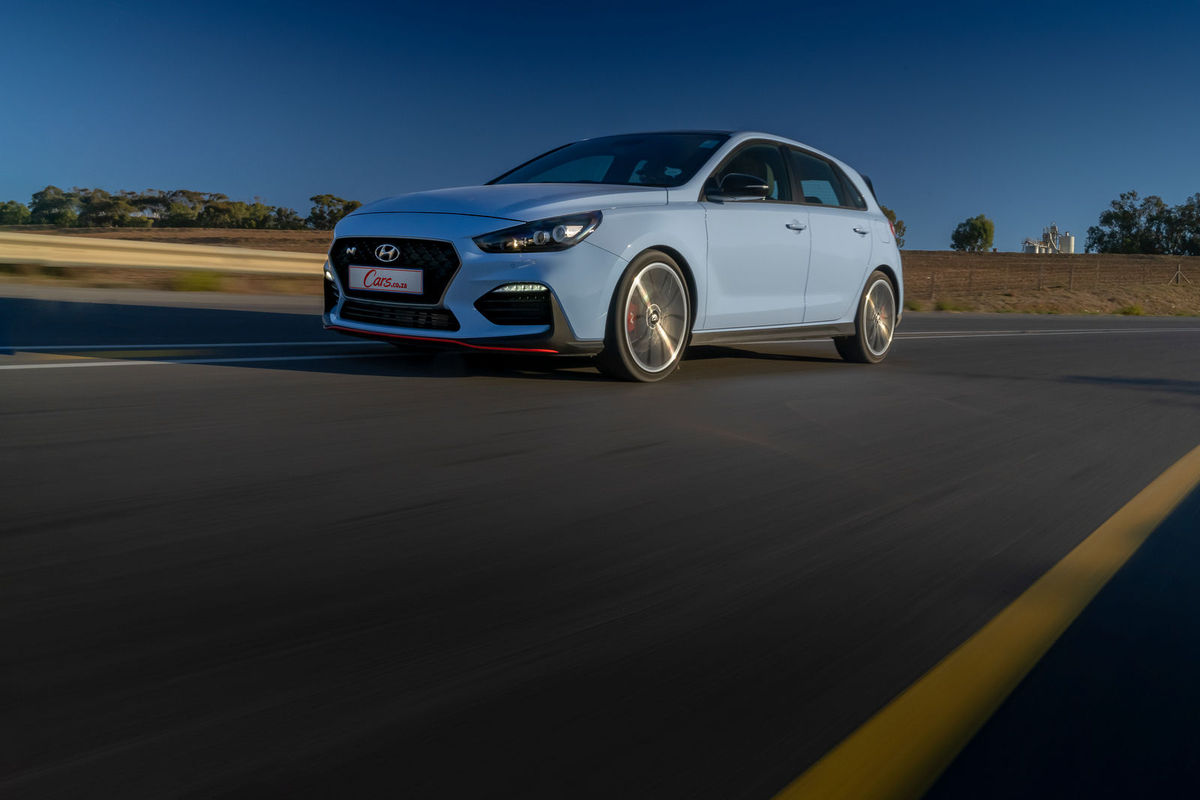
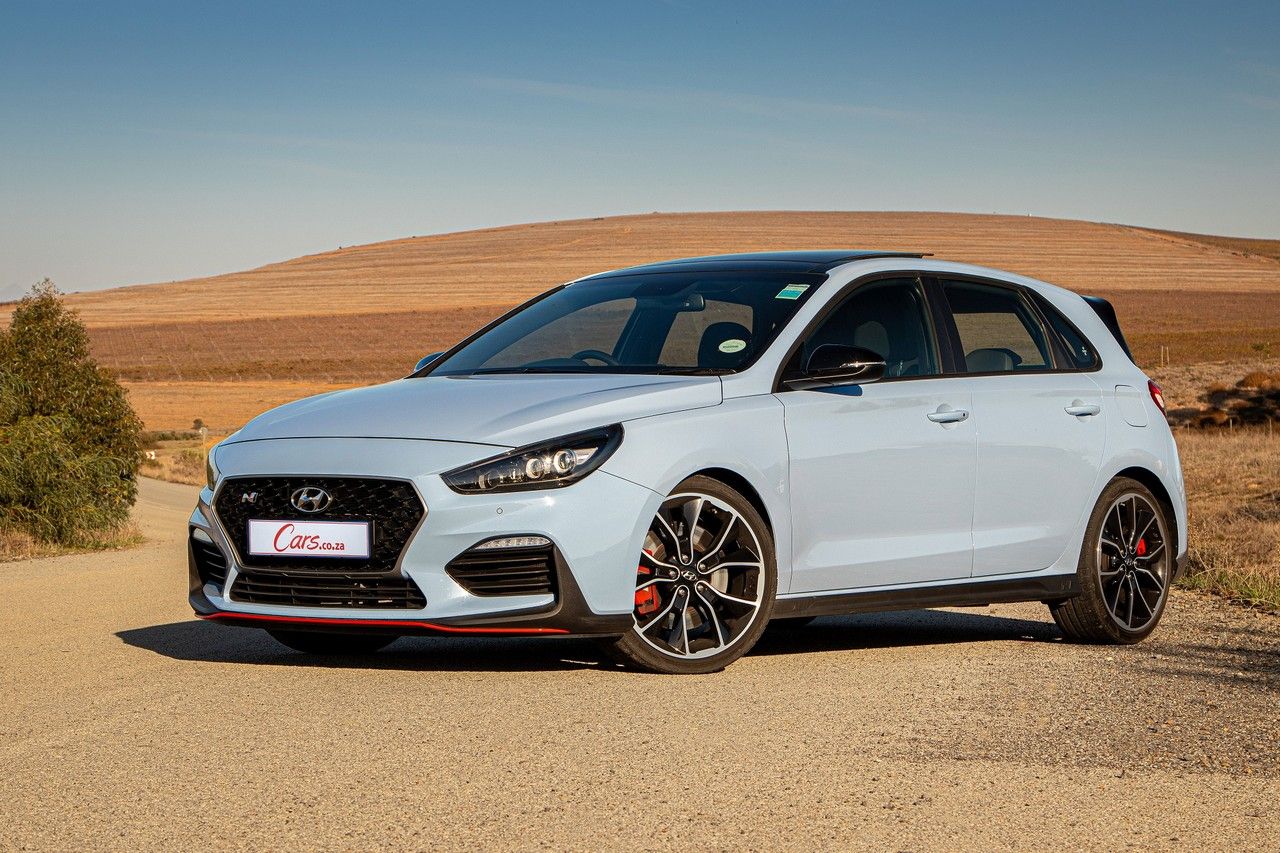
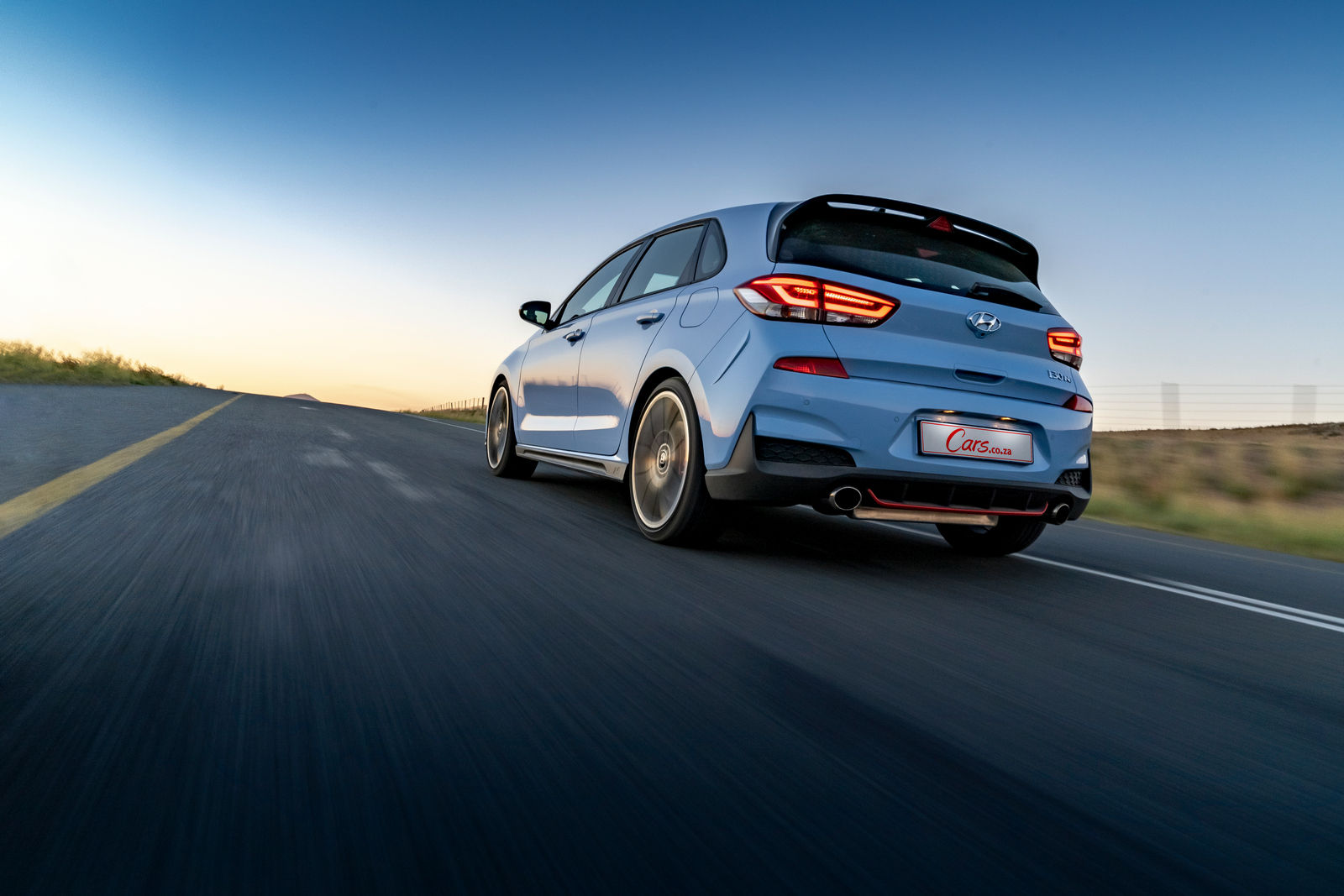
The i30 N looks a little understated compared with its rivals, but that seems to be its appeal. Hyundai must have looked at the segment-leading Golf GTI and noted how a clean design with limited go-faster bits and some subtle styling additions can make you a global icon. The Hyundai gets a roof-mounted spoiler, some side skirts, a few N badges here and there and some red pin-striping around the front and rear bumper to distinguish it. Oh, don’t forget the pipes at the back and the fake diffuser, replete with faux air dams.
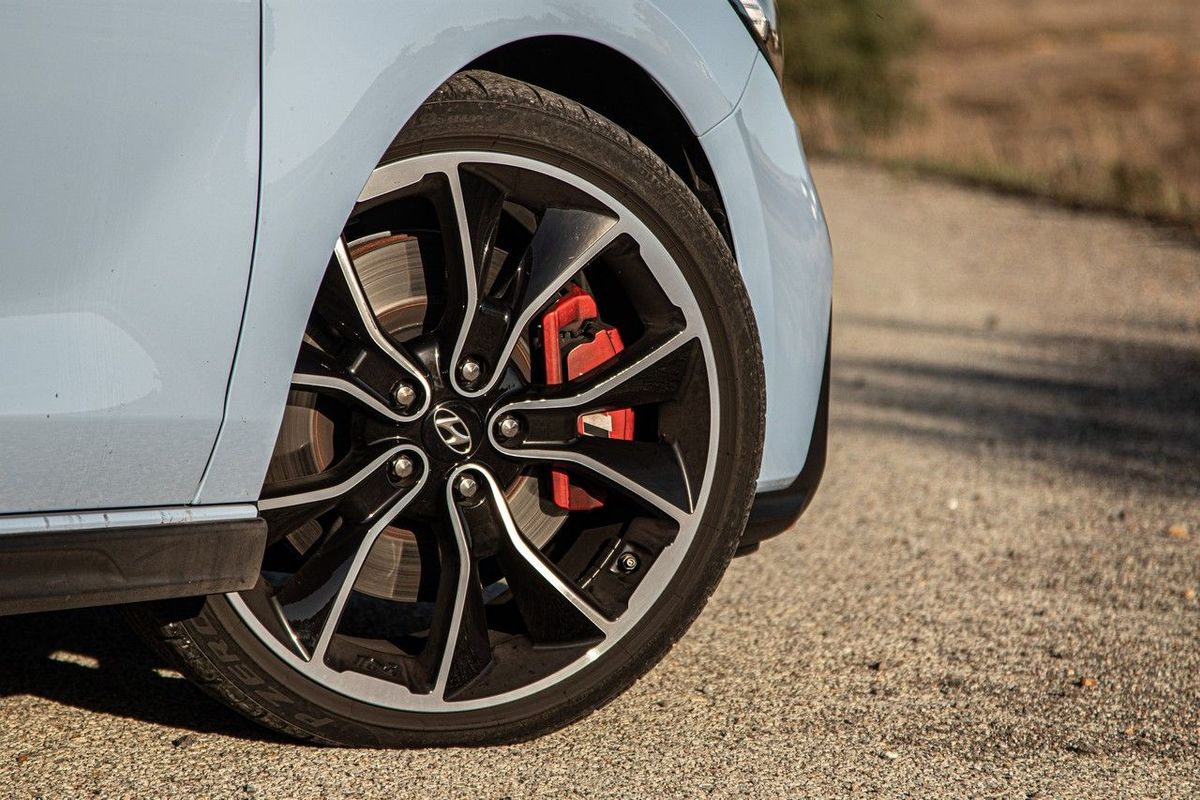
The Performance Blue paintwork, which is like a powder blue (it's not so easy to tell from the photographs of the test unit) and 19-inch wheels (with huge red brake calipers) complete the look. It’s actually a really good look; the i30 N has just the right amount of aggro without going full Civic Type R – and everyone knows you should never (need to) go full Civic Type R…
Interior ambience
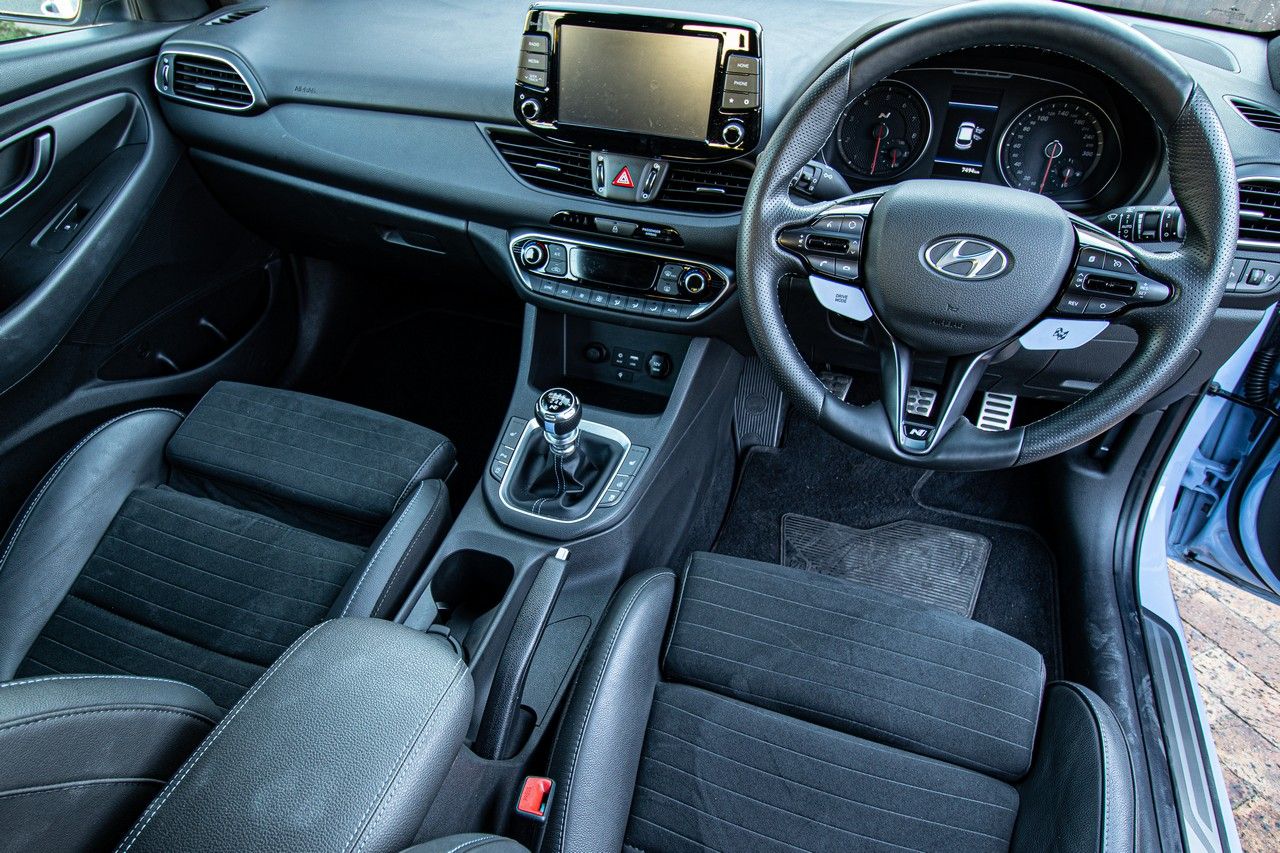
The interior could do with a few more fun elements.
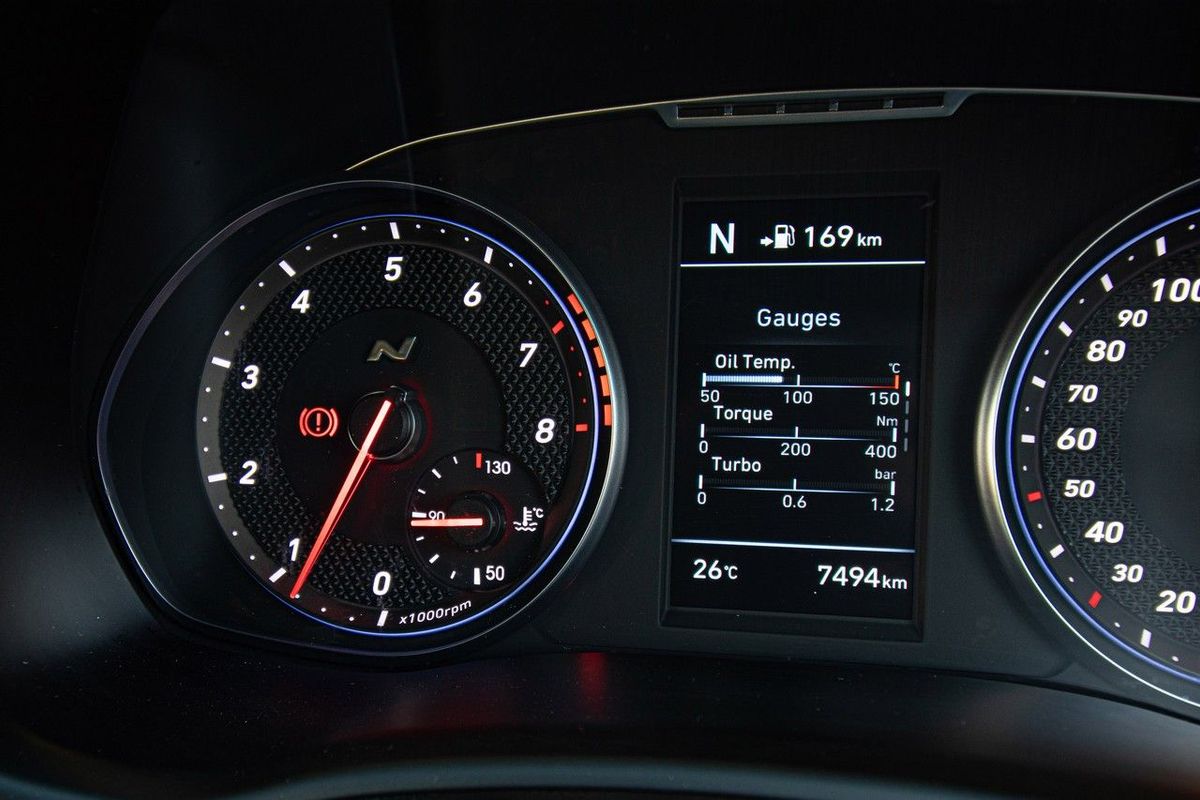
The inside of the i30 N is the only real "meh" bit of the new entrant. Aside from the bucket seats finished in a leather and suede combination, there’s nothing in the way of racy detailing to make you giddy or swoon. The Hyundai's instrument cluster gets an F1-style shift light display and there are those 2 blue buttons on the wheel for mode adjustments, but there is a noticeable lack of "a sense of occasion" when you slide in behind the Hyundai's tiller.
Beyond that, it’s a very well executed cabin with modern finishes, heated seats and -steering wheel, as well as dual-zone climate control. To reiterate, the Hyundai is very quiet when pottering around town and adapts well to inner-city life on the daily commute.
After-sales service
The Hyundai i30 N is sold with a 7-year/200 000 km warranty and 5-year/75 000 km service plan.
Verdict
The local price is the only thing holding the i30 N back at the moment.
Hyundai SA only plans to sell 5 to 10 units of its maiden hot hatch a month, so the proposition of i30 N ownership promises a level of exclusivity that its rivals simply cannot match. As a first-of-its-kind N model, the i30 N is a significant statement of intent from the brand. The Korean marque has hit the marks straight from the get-go, delivering a refined product that’s both fast when it needs to be and then perfectly capable in day-to-day traffic. It'd be even more practical with the introduction of a dual-clutch ‘box at some point.
Suffice to say the newcomer makes the right sounds and has great road presence in the same way a Golf GTI grabs attention without the need to brandish explicit wings and fins. While it’s not the fastest hot hatch on the market, the i30 N offers a fun-yet-safe driving experience that allows you to push hard without feeling like things could suddenly untangle and that the car might end up in a ditch at any moment.
So, in a comparison with the Golf GTI, the i30 N is better in many ways than its outgoing German rival and if I had to choose between the 2, at the same price, I would go for the i30 N. But, at the current price (May 2020), where it costs R100 000 more than a GTI, the Hyundai's premium is a near-impossible pill to swallow. Add to that, the next-generation (Golf 8) GTI will be here within 12 months and the Hyundai looks a little less appealing.
Mercedes-Benz teases new S-Class [Update]
Mercedes-Benz has revealed the front-end design of its upcoming W223-generation S-Class during an online presentation featuring Daimler chief executive Ola Kallenius. He confirms that the new first-class sedan will still be revealed (and go into production) this year and suggests the newcomer will be a "technological tour de force". We've rounded up all the details we've pieced together about the W223 here…
The presentation was not about the new S-Class in particular, but Kallenius said the company had put its "brightest minds and most creative people" to work on its new flagship model and that he had already driven a pre-production model.
“(The new S-Class represents) a completely new level in terms of artificial intelligence and needs-based electrification. I drove a preproduction model and it’s amazing," he said. "We drove it around, even at high speed on the autobahn. (It's) very serene and has a (very refined ride quality). Its predecessor may have set the bar high, but the new S-Class will be special."
This view of the front of the new S-Class shows more detail of its front bumper treatment.
We understand that the newcomer will be based on a substantially updated version of the brand’s MRA (Modular Rear-wheel drive Architecture) platform, which should yield weight-savings over its predecessor, and have a 48V mild-hybrid electric architecture, which of course facilitates hybridised powertrains (including of the plug-in variety). It is also rumoured that the model will be offered exclusively in long-wheelbase guise, which should give it a stately overall length of about 5.3 metres.
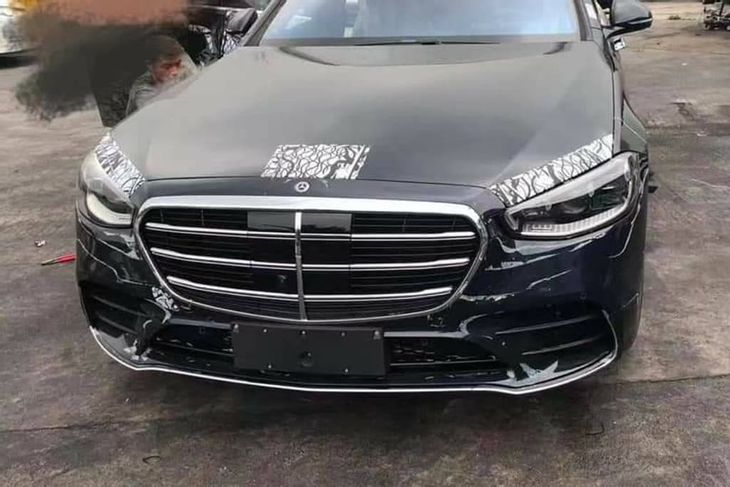
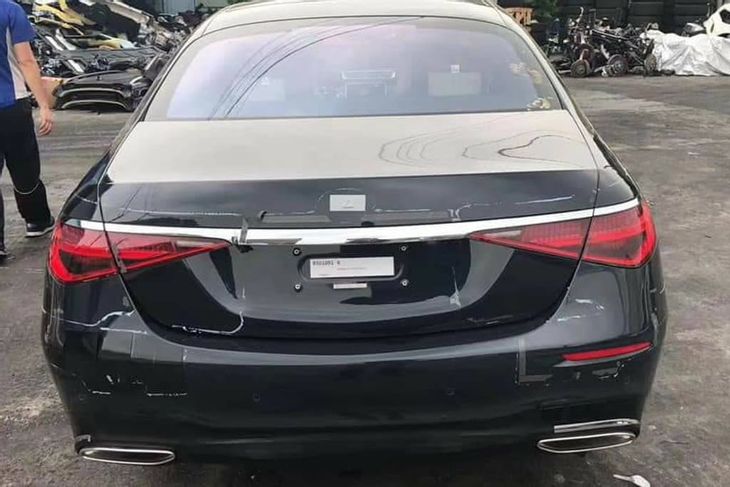
The sole supplied image shows that the W223 has a slightly protruding chrome-look grille with a trio of horizontal blades and angular headlamp clusters with a distinctive swoosh daytime-running-light detail, as well as a trio of projector beams. The design of the upcoming car's front-end is not a revelation, however. Earlier this month, we published these images from Spanish blogsite Cochespias of a black pre-production unit that was covertly photographed at a junkyard in the vicinity of one of Benz’ manufacturing plants.
The S-Class remains a symbol of restrained luxury and upper-crust motoring; its understated styling reflects that.
Compared with the bold new nose treatment of facelifted BMW 7 Series, the Benz’s styling is largely evolutionary; at the back, the most obvious change is a pair of CLS-inspired tail lamps and recent spy shots suggest the car may feature pop-out door handles.
Speaking to Autocar recently, Mercedes-Benz Gorden Wagener described the W223 as a “milestone in design” and a “digital S-Class of the next decade” but admitted it would evolve the Three-pointed Star's design language rather than "lead it into a new era".
“Back in the old days, the S-Class invented a new kind of style every time for the rest of the brand. But that was back when we only had 3 models, and it’s impossible to do now," Wagener said. "There are still a lot of people who love the S-Class how it is, so that’s probably the last car we would want to change [radically].”
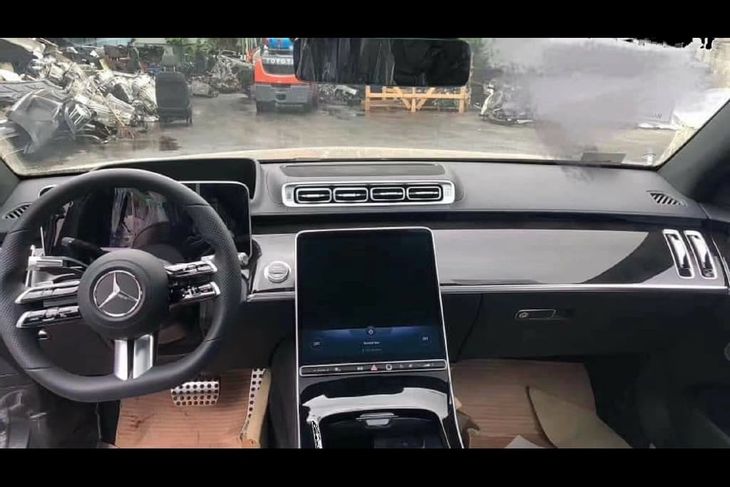
Wagener said the most “progressive aspect” would be the interior, where his team has put “even more emphasis on the digital side”. Indeed, the leaked images show that compared with its predecessor, the new S-Class’ cockpit is revolutionary – and minimalist, replete with smooth touch-capacitive surfaces. Benz has introduced a sweeping tiered dashboard; the top plane features a quartet of square vents top and centre, while the lower pane has chunky vertical vents at either end.
We're astonished by the minimalist layout of the S-Class' cabin, even the ventilation outlets seem to have been made smaller.
An imposing portrait-aspect infotainment display (ostensibly underpinned by the next iteration of the MBUX operating system) sweeps up from the centre console and an all-digital instrument cluster sits behind the steering wheel. If you look closely, you will notice a large well behind the instrument display, which suggests the W223 will feature an advanced, highly-detailed head-up display system.
By blending the high-grade materials with a level of fit and finish once found in significantly more expensive Mercedes-Maybach derivatives, the new S-Class is expected to leap back to the top of its rarefied class for luxury and quality.
Under the bonnet, expect to find a full range of electrified powertrains, including a 3.0-litre inline-6 turbopetrol and a 2.9-litre inline-6 turbodiesel, while the biggest motor is unlikely to be a V12 (owing to the impact of stricter European emissions regulations), so the headlining powerplant will probably be a beefed-up AMG twin-turbocharged 4.0-litre V8 (with electric assistance, of course).
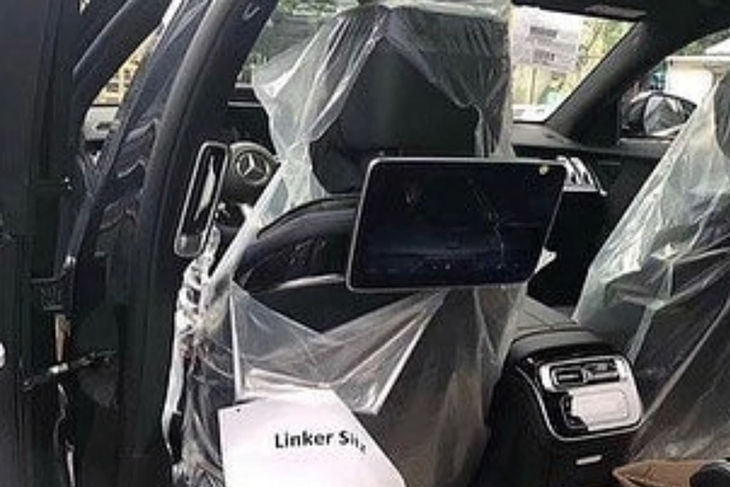
This pre-production example of the new S-Class was equipped with a rear entertainment system and 4-zone climate control.
The W223 is most likely to be produced in RWD as well as all-wheel-drive guises from the global launch in late 2021. Although Benz will also offer full plug-in hybrid derivatives, there is unlikely to be a battery electric vehicle (BEV) version of the next S-Class, because Benz has been developing its next first-class sedan in tandem with the EQS – a flagship “4-door coupe” based on the manufacturer's dedicated MEA (modular electric architecture) platform.
The W223 will introduce, inter alia, Level 3 Highway Assist autonomous driving technology, the next version of AirMatic+ active suspension (it scans the road to pre-arm the air suspension and dampers for bumps ahead), as well as new active anti-roll bars that facilitate flat cornering, even at higher speeds than the current S-Class can.
We expect the new S-Class will reach South African showrooms in the first quarter of 2021.