BMW 2 Series Gran Coupe (2020) International Launch Review
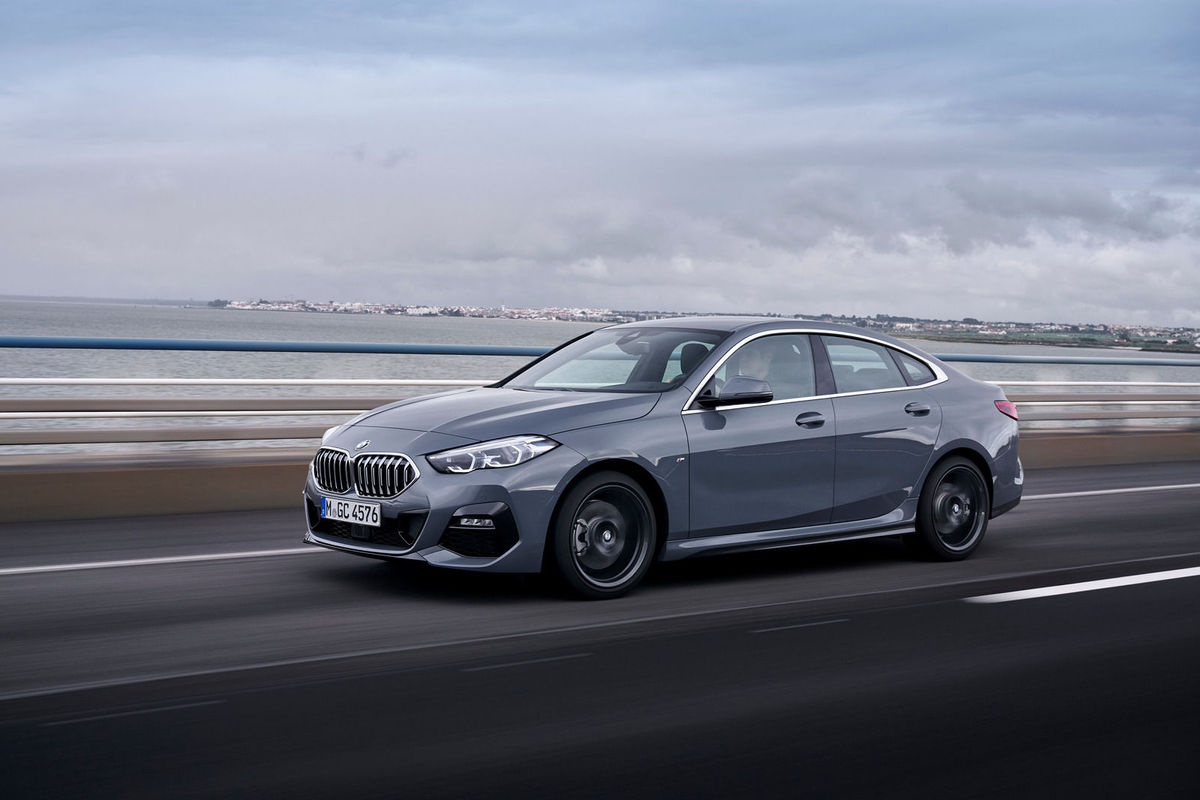
The astonishing 2 Series Gran Coupe is yet another niche-busting BMW. The compact sedan-slash-coupe spearheads the new 2 Series family – but does it feel like a true BMW to drive, given that it's a product of the firm’s platform-sharing programme? Matt Robinson travelled to Portugal to drive the newcomer…

Brutalism, in architecture, had its heyday in the late '50s/early '60s. Characterised by simple, straight lines, loads of exposed building materials and an aversion to blending into the background – it was never the most sympathetic of construction styles. After its brief apogee, it aged very badly, very quickly. As a consequence, most Brutalist structures were considered eyesores in the '70s and ‘80s and unceremoniously torn down. Most of the surviving examples in South Africa are in Jozi, such as the Wartenweiler Library, or some of the towering grey edifices looming over downtown. They’re not pretty, but there's a small yet fiercely-appreciative section of society that adores this short-lived fascination with unremittingly ugly buildings – individuals who wish to protect them from destruction.


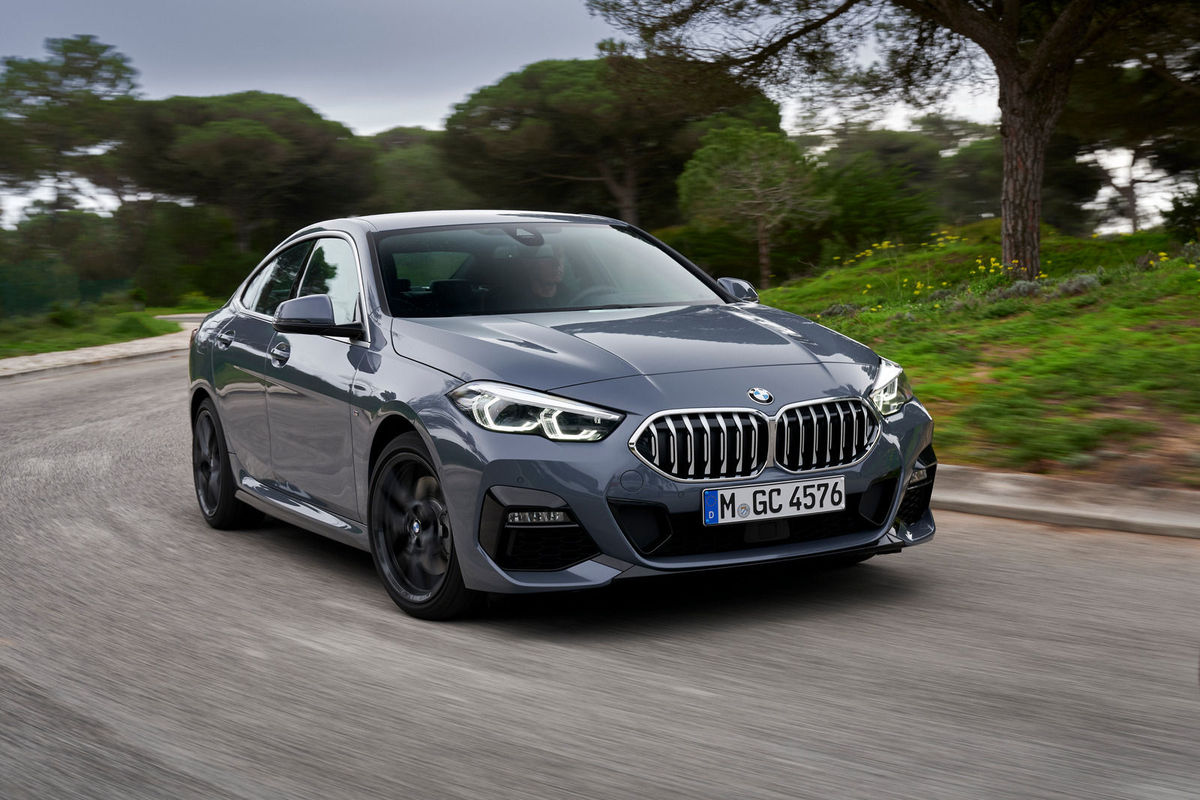
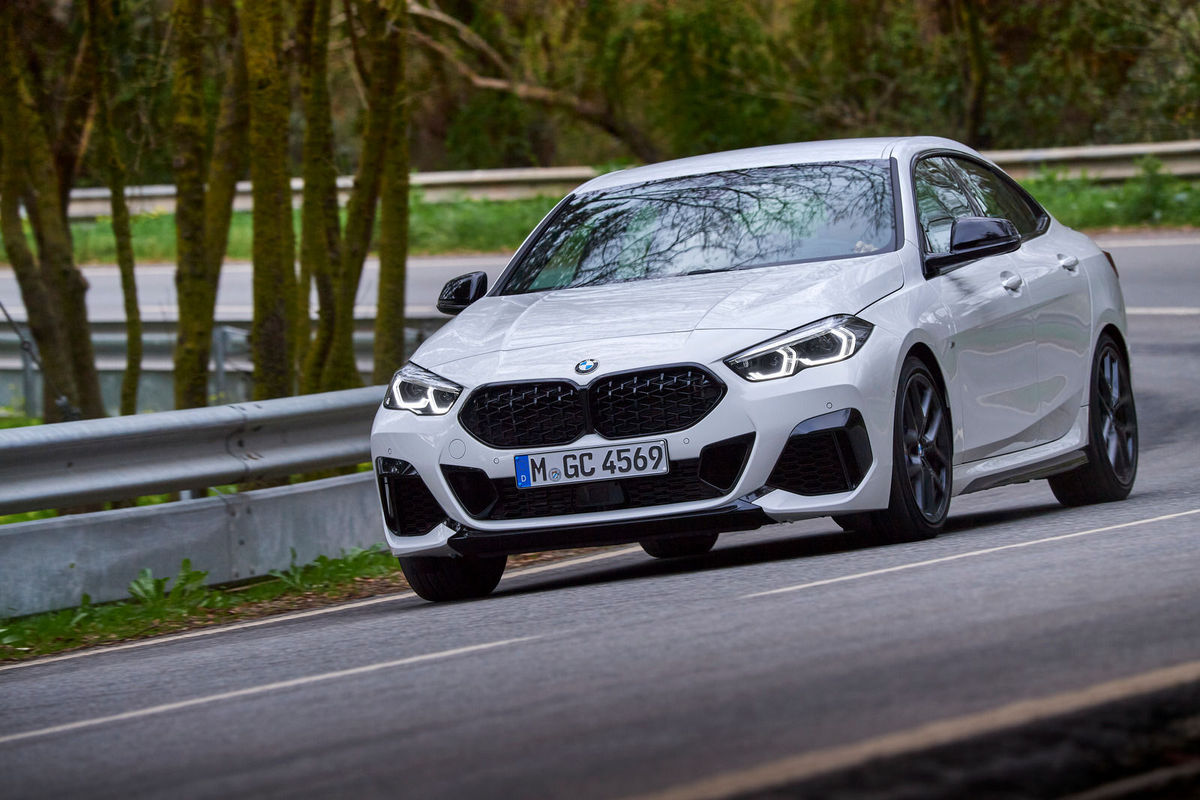
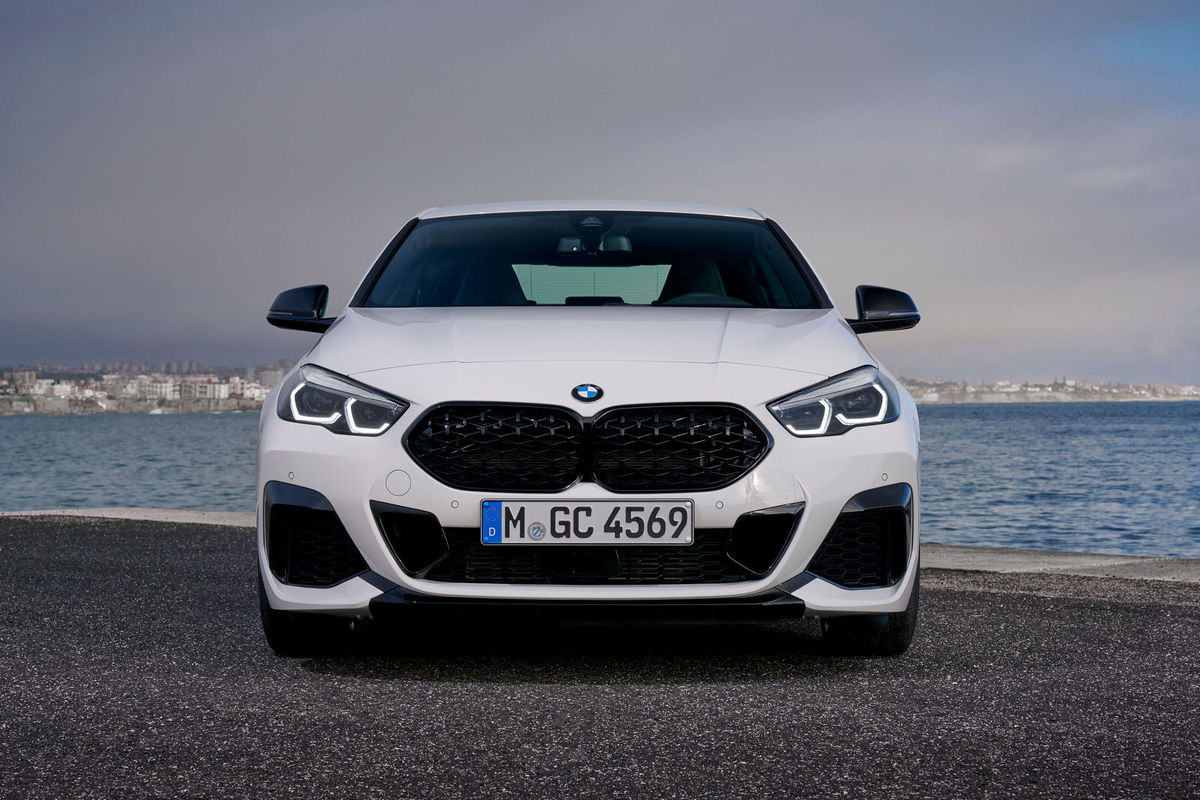
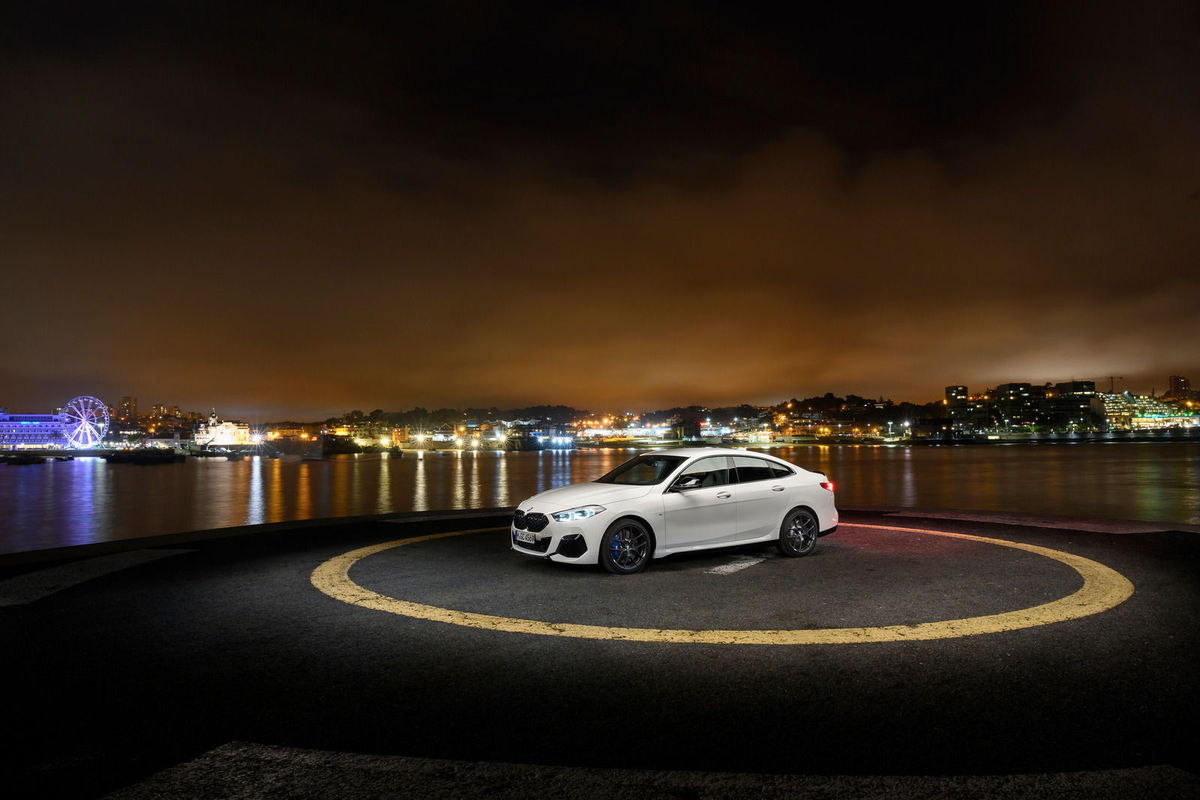
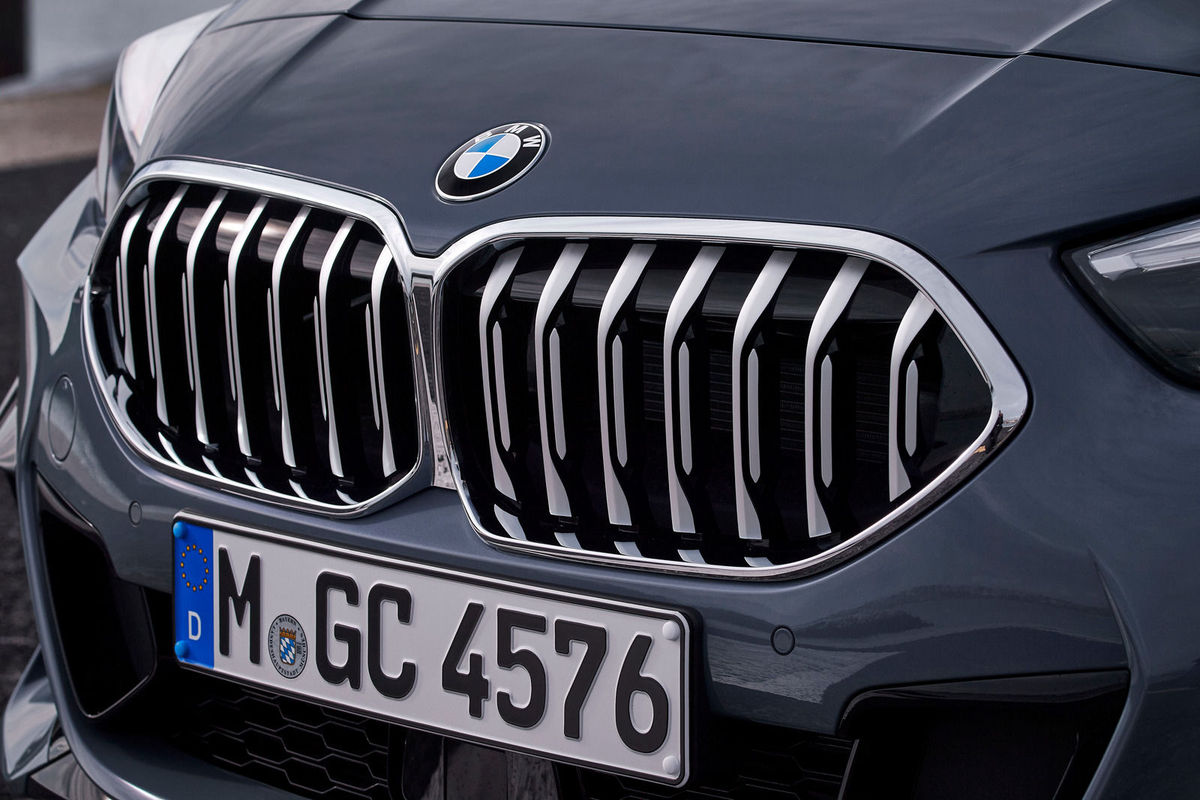
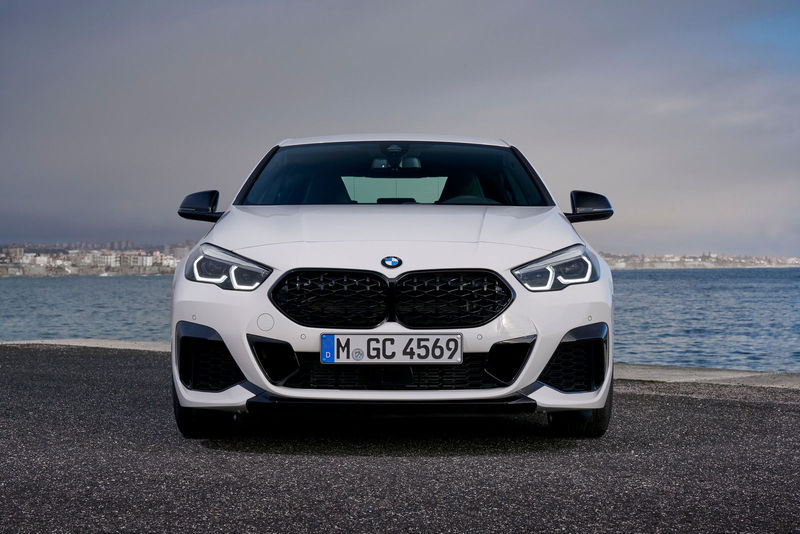
Styling may be subjective, but you would have to be under the influence(r) to believe the front end of the 2 Gran Coupe is pretty.

Maybe the same DNA that’s found in the fans of Brutalist architecture will be needed (in 20 or 30 years' time) to defend BMW's current design approach. The Bavarian manufacturer has brandished a styling Brutalism all of its own in recent times, under the tutelage of Dutch design director Adrian van Hooydonk. Under the premise that "good automotive design should elicit a response, be that good or bad; indifference to aesthetics is what is criminal", Van Hooydonk and his team have been turning out some thoroughly… challenging creations. Consider the 3rd generations of the X6 and the Z4. The monstrous kidney grilles on the facelifted 7 Series. The gargantuan double-kidney grille of the upcoming 4 Series. The baffling Vision iNext Concept. All are not what you’d call conventionally pretty.

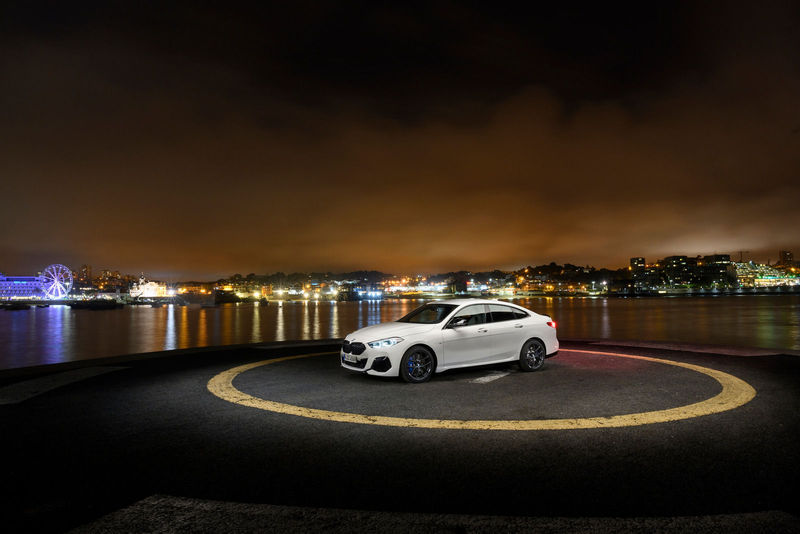
But perhaps the most visually demanding vehicle turned out by the Munich-based firm to date is this: the all-new 2 Series Gran Coupe (GC). It’s a compact 4-door sedan, based on the same front-wheel-drive (yes, FWD) underpinnings as the 1 Series and Mini families, which draws inspiration from the looks of the bigger 4 Series-, 6 Series- and 8 Series Gran Coupes that have come before it. But when you're looking to tempt buyers out of their Mercedes-Benz CLAs and Audi A3 Sedans, how can something this brutal to behold possibly win favour with your customer-base?

Beauty is in the eye of the beholder…


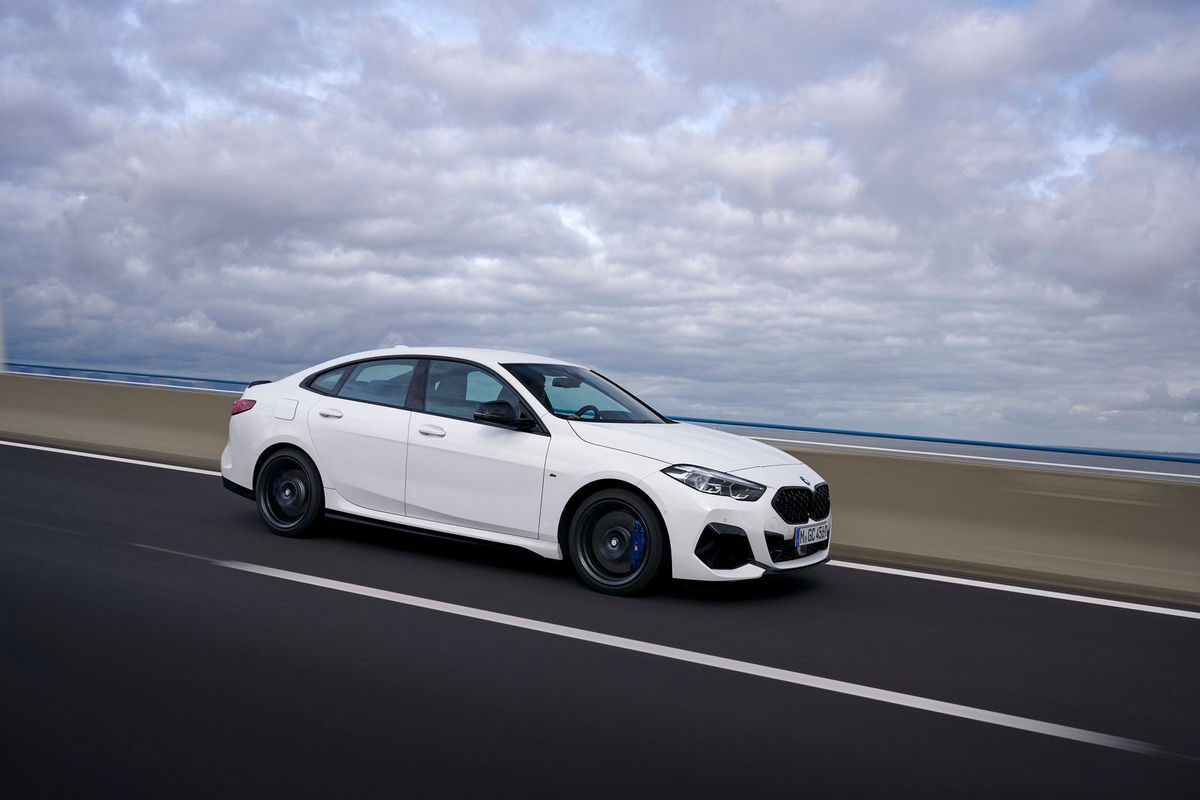
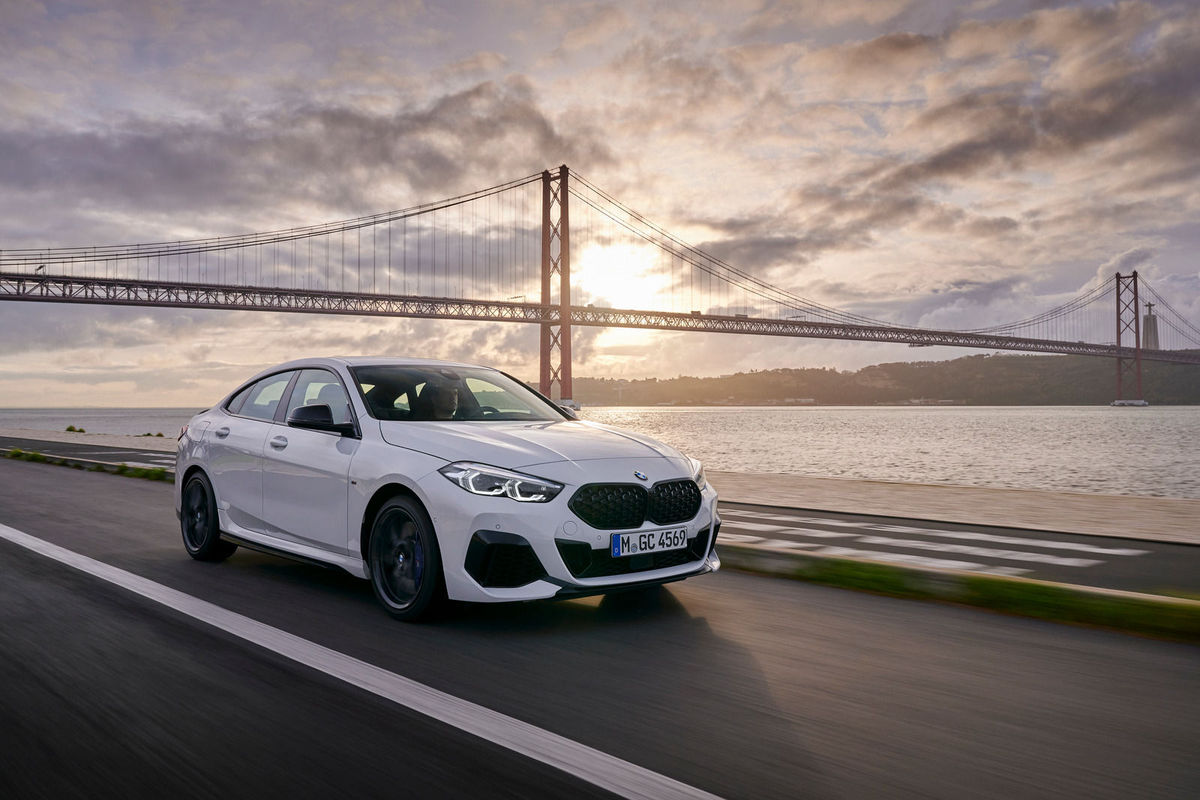
Sportier and beefier styling of the M235i tries to aid the kerb appeal.

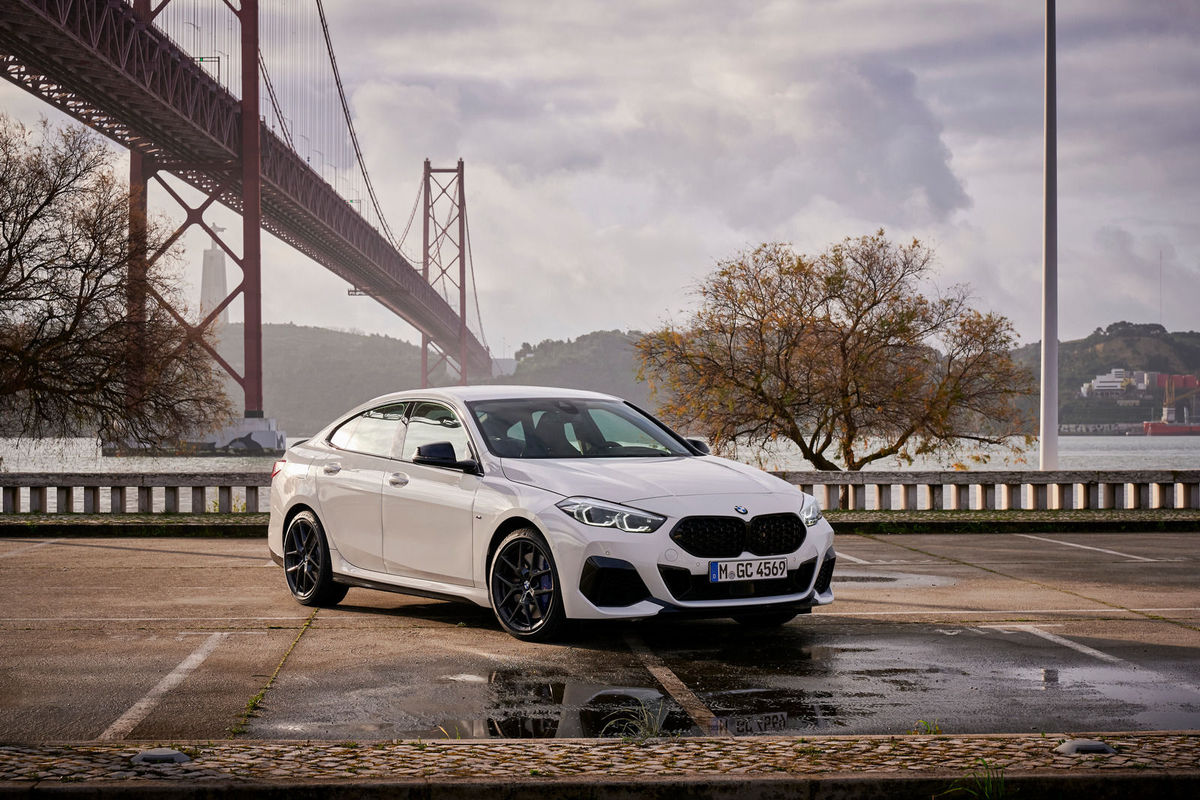
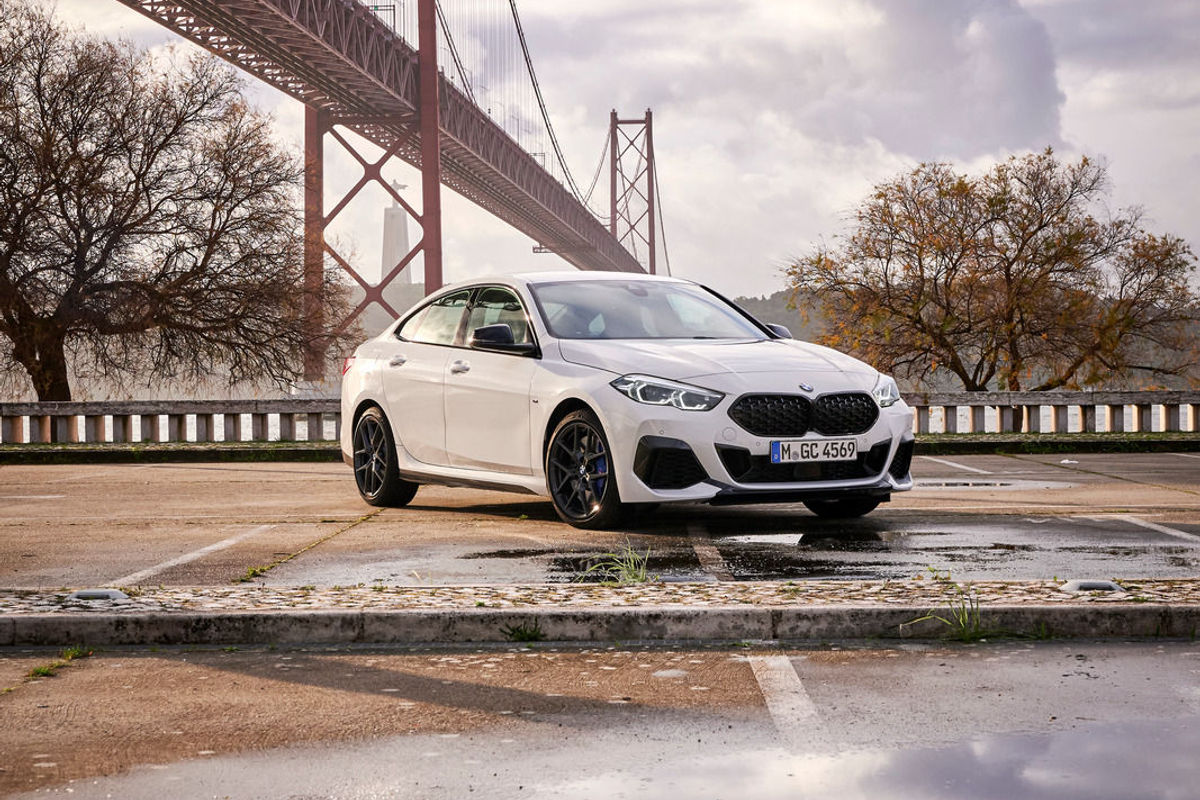
Car design is a highly subjective matter, we know that, so it may well be that you’re looking on the BMW 2 Series Gran Coupe’s form and wondering what our apprehension is about. Yet, to us, this is the least successful bit of design that has ever been put into production by this particular company – apart from, possibly, the old 2 Series Active Tourer MPV. That (now discontinued) model, however, at least had the defence of its bulbous form "following function". Quite why the (supposedly desirable) 2 Series GC has to be so grim-looking is beyond us.

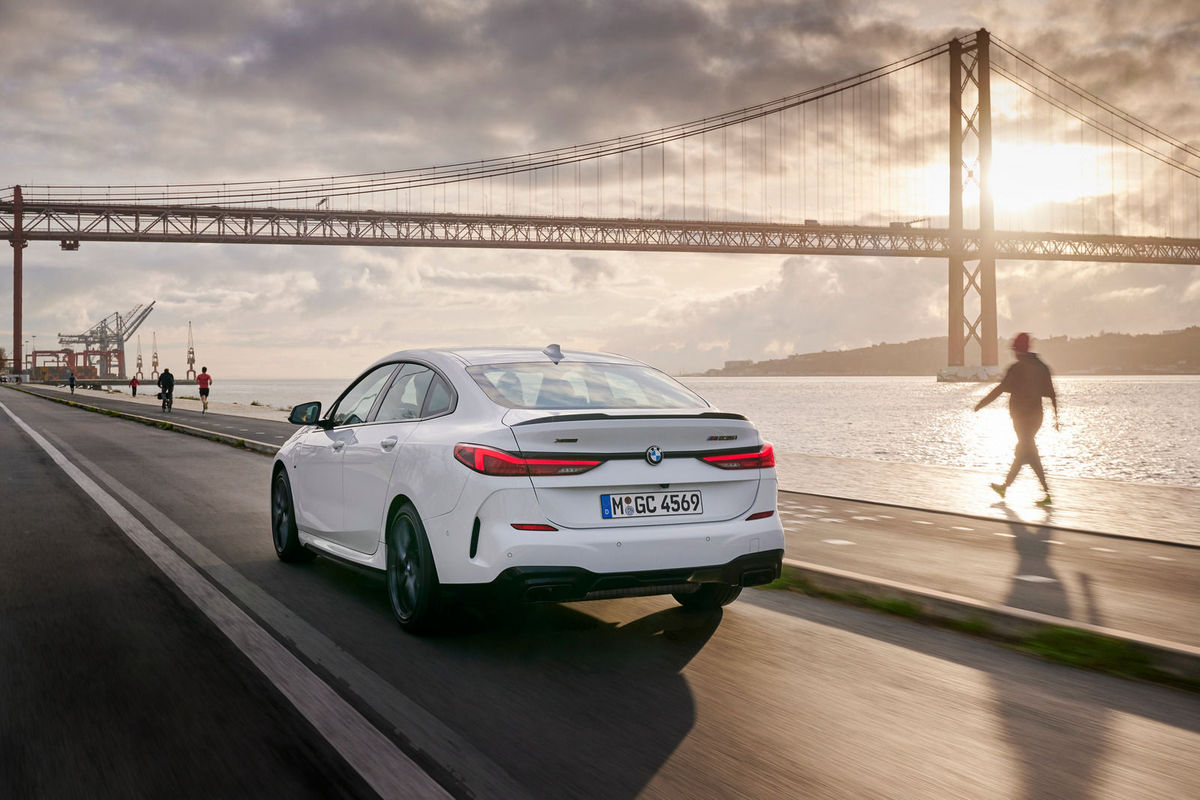
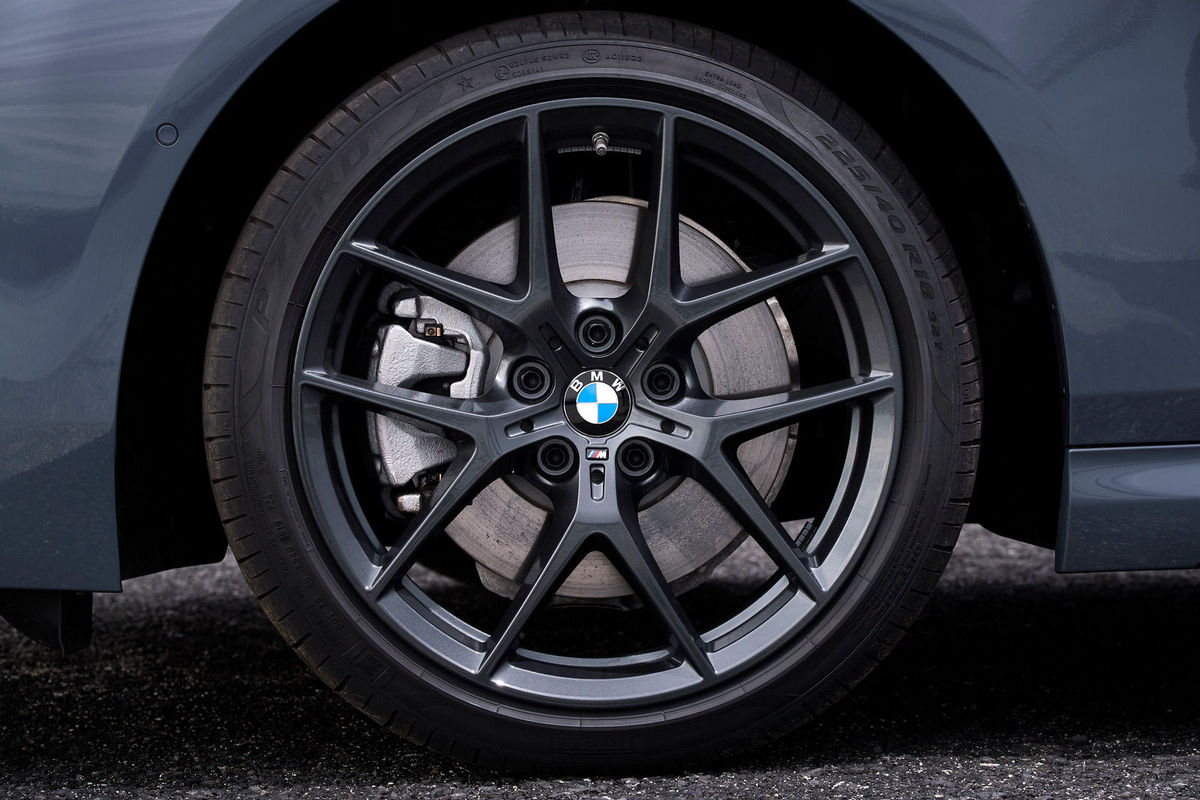
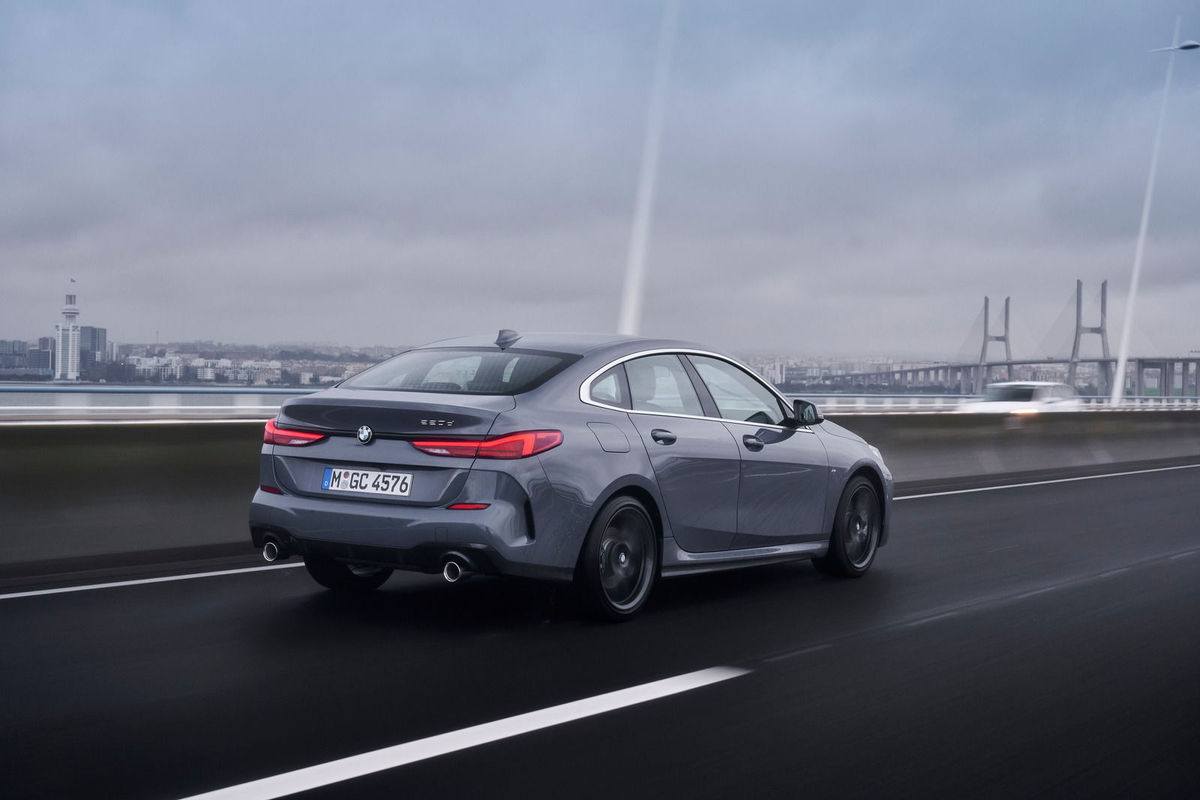
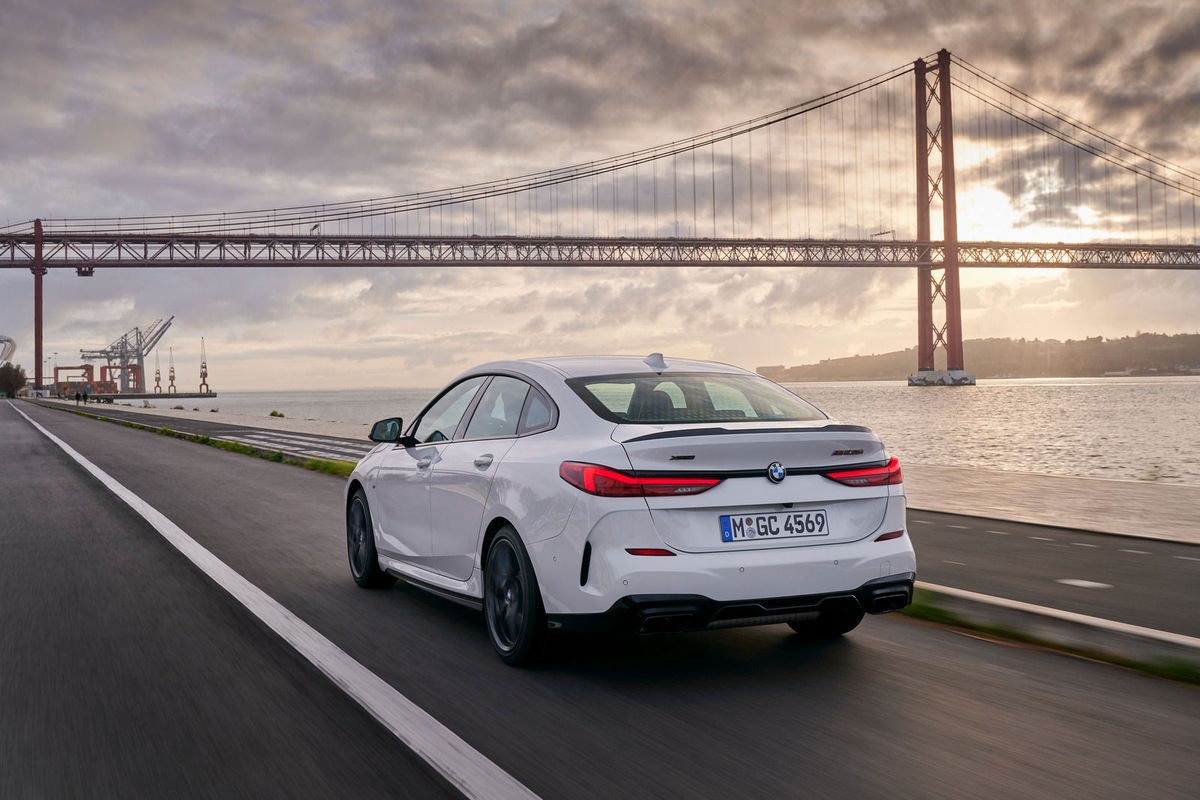
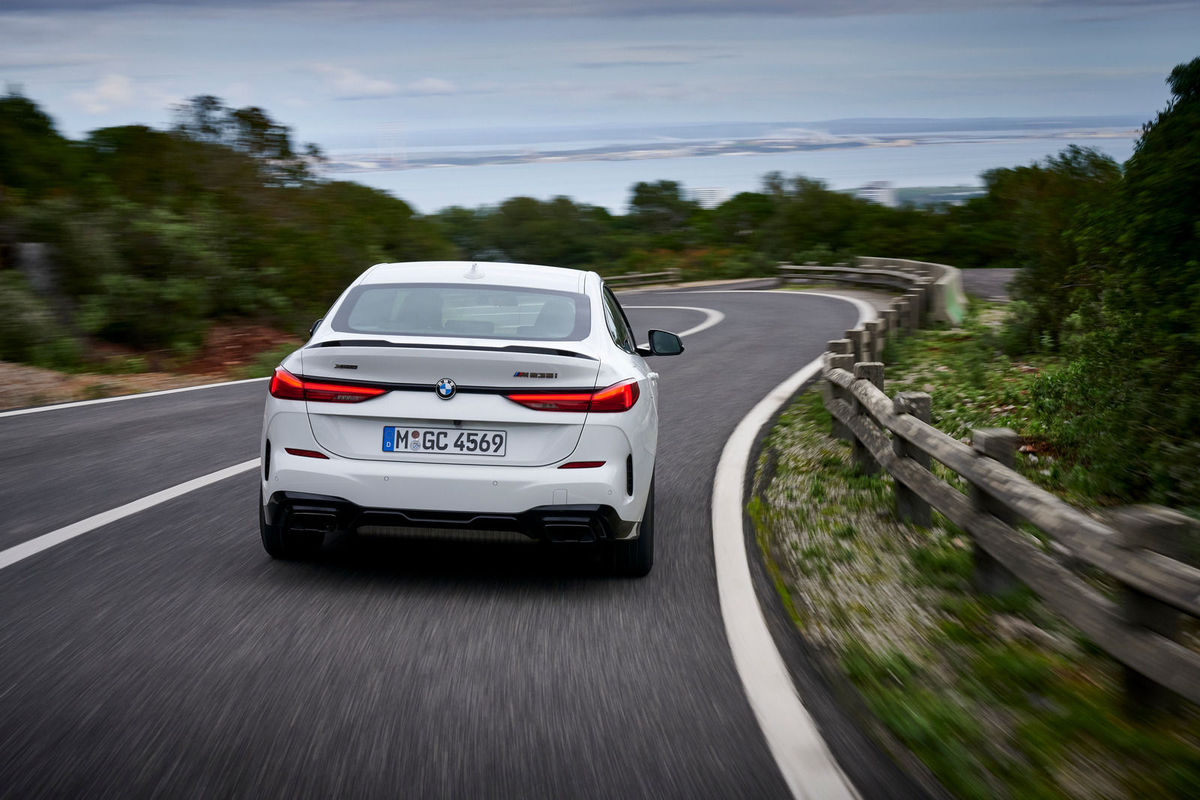
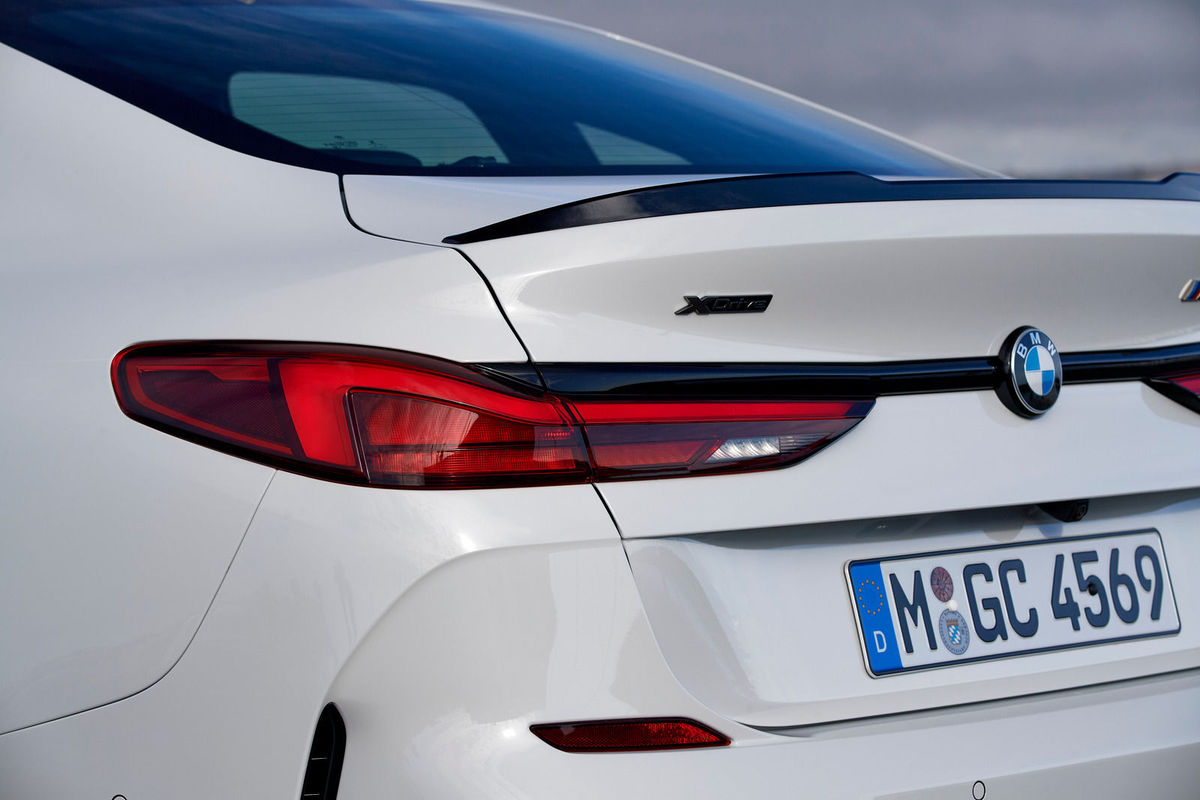
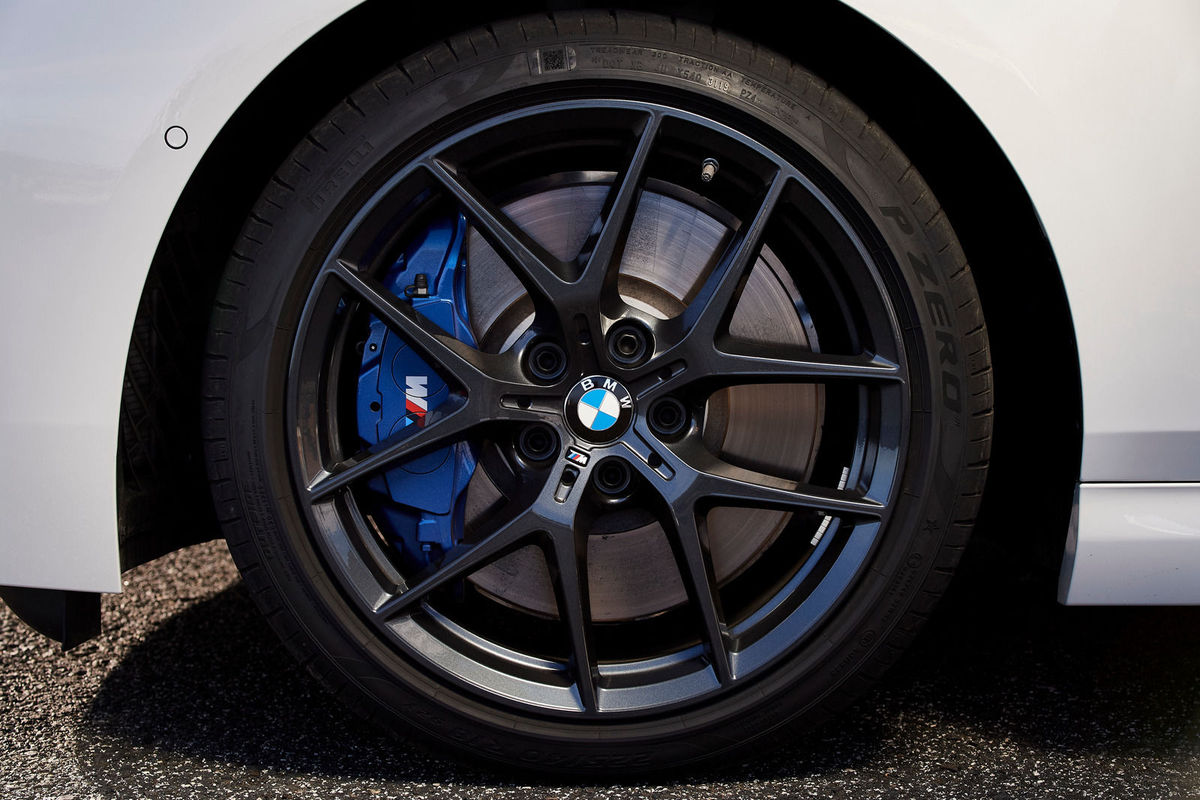
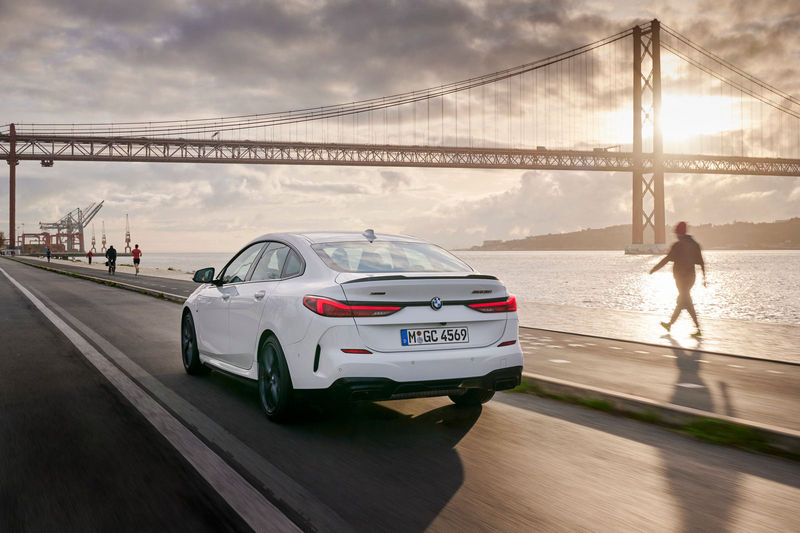
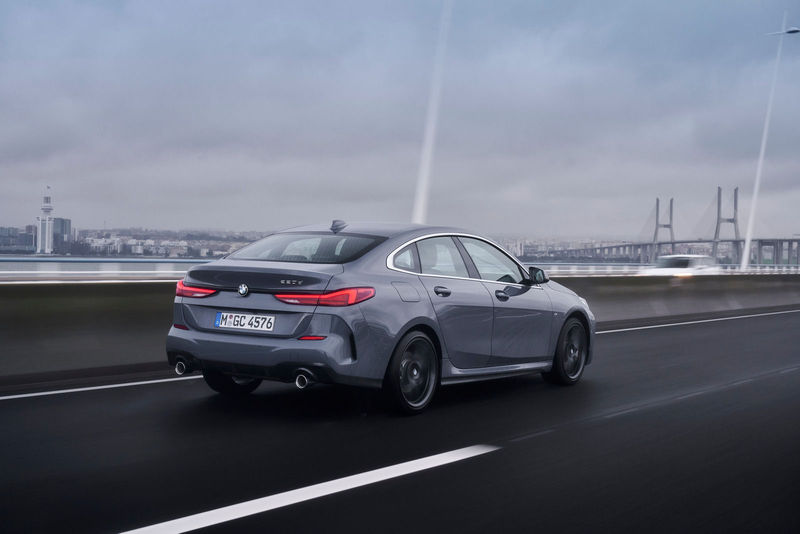
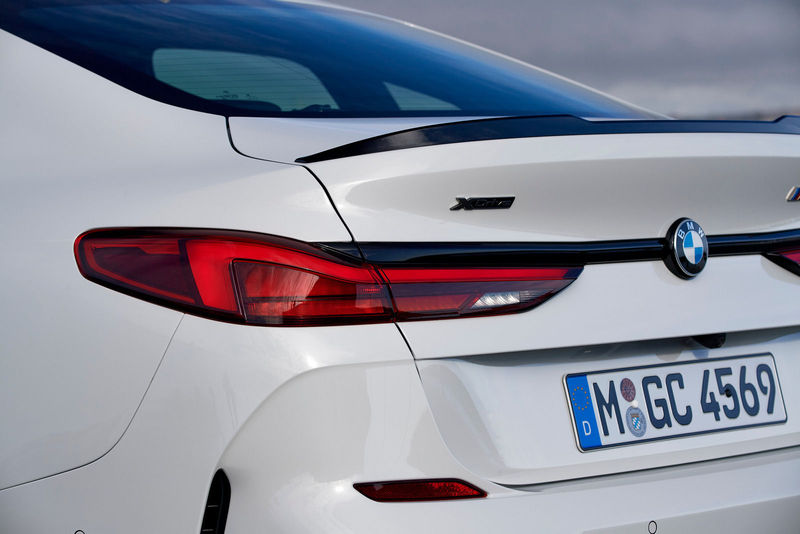
Squashing the swooping roofline of the BMW Gran Coupe formula onto a car that's 4 526 mm long with a compact (2 670-mm) wheelbase just doesn’t work. There are so many bad angles to the 2 Series GC; the rear 3-quarter view, in particular, looks particularly dumpy, hefty and busy. Even when fitted with 18- and 19-inch alloys, the BMW looks seriously under-wheeled and, viewed in profile, there is simply too much metal perched above the arches at both ends of the car. The headlights sit above the tops of the front tyres, which is a feature you’d usually find on an SUV, not a coupe, while the back of the car is a mishmash of contrasting design lines. Finally, all of the details at the front of the car come across as oversized, as if they were supposed to be on a much bigger vehicle… 

If what Van Hooydonk says is true, then yes – this is good car design. Because it has elicited a response in us and that response is: "ugh, it’s hideous". Not even the sportier styling and beefier stance of the M235i flagship can save it.

Inner sanctum


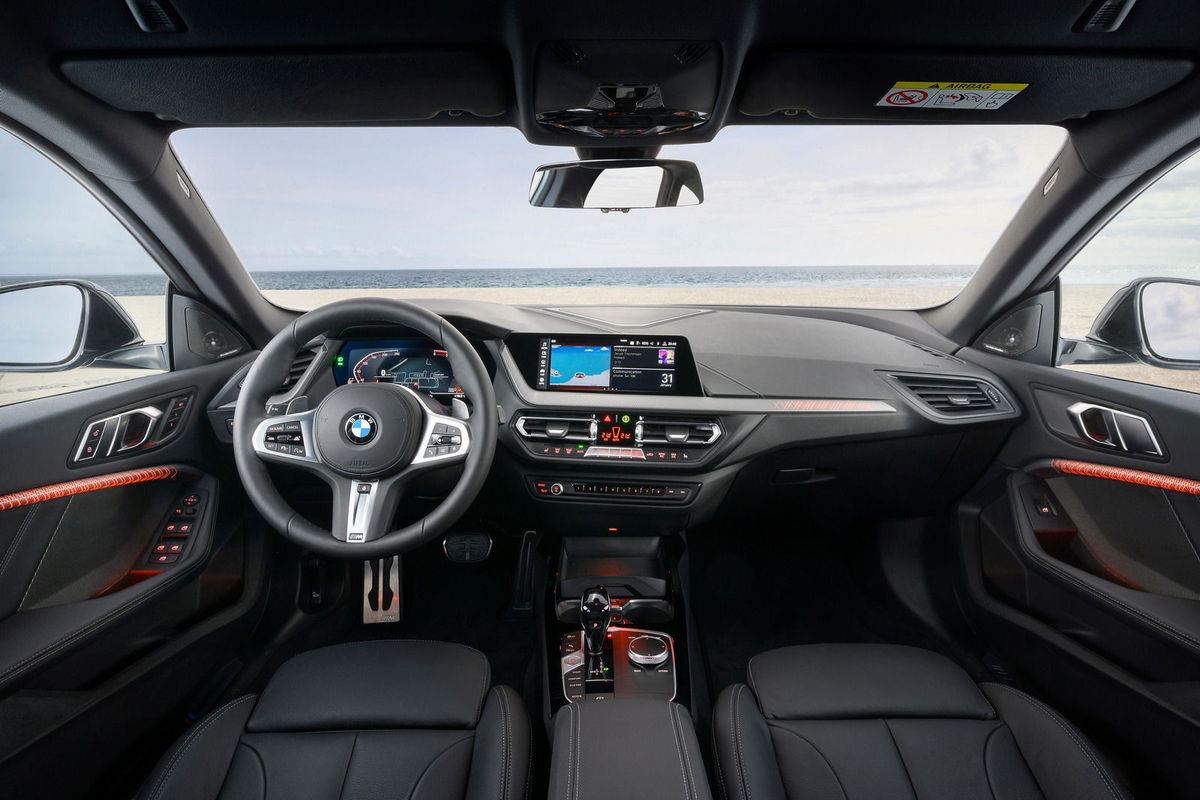
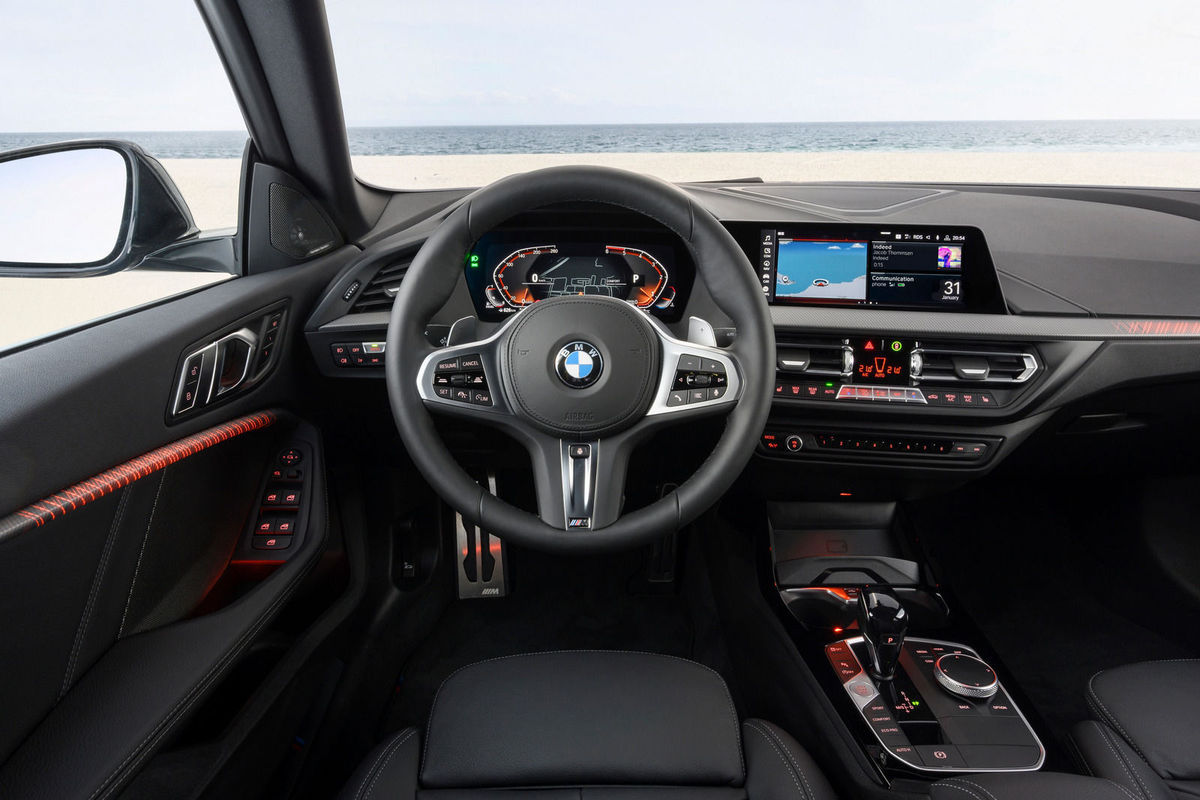
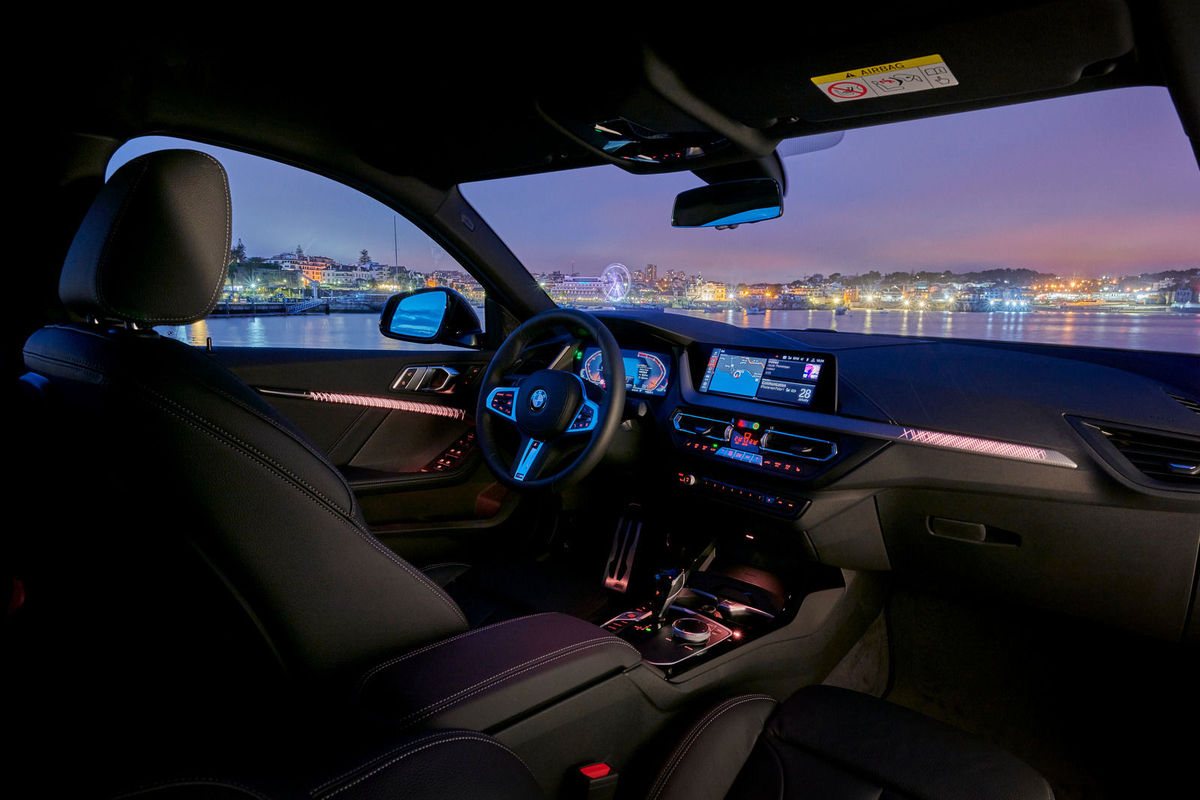
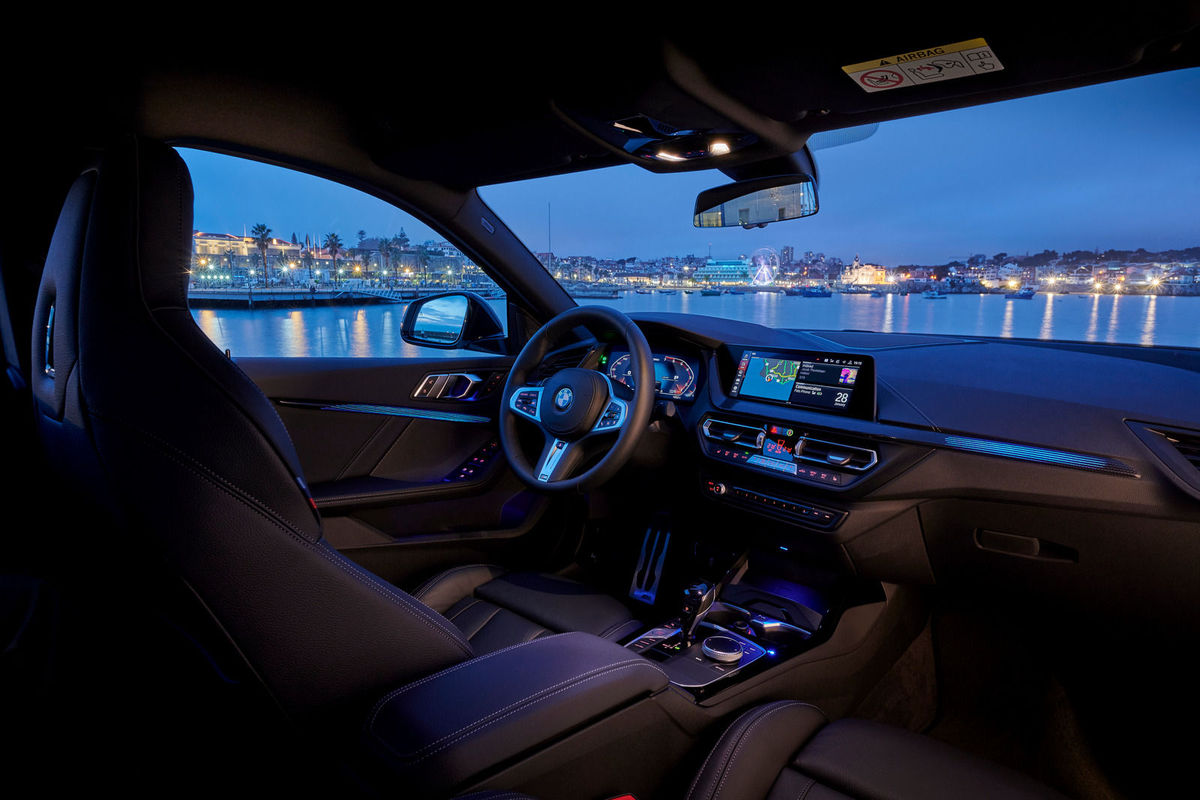
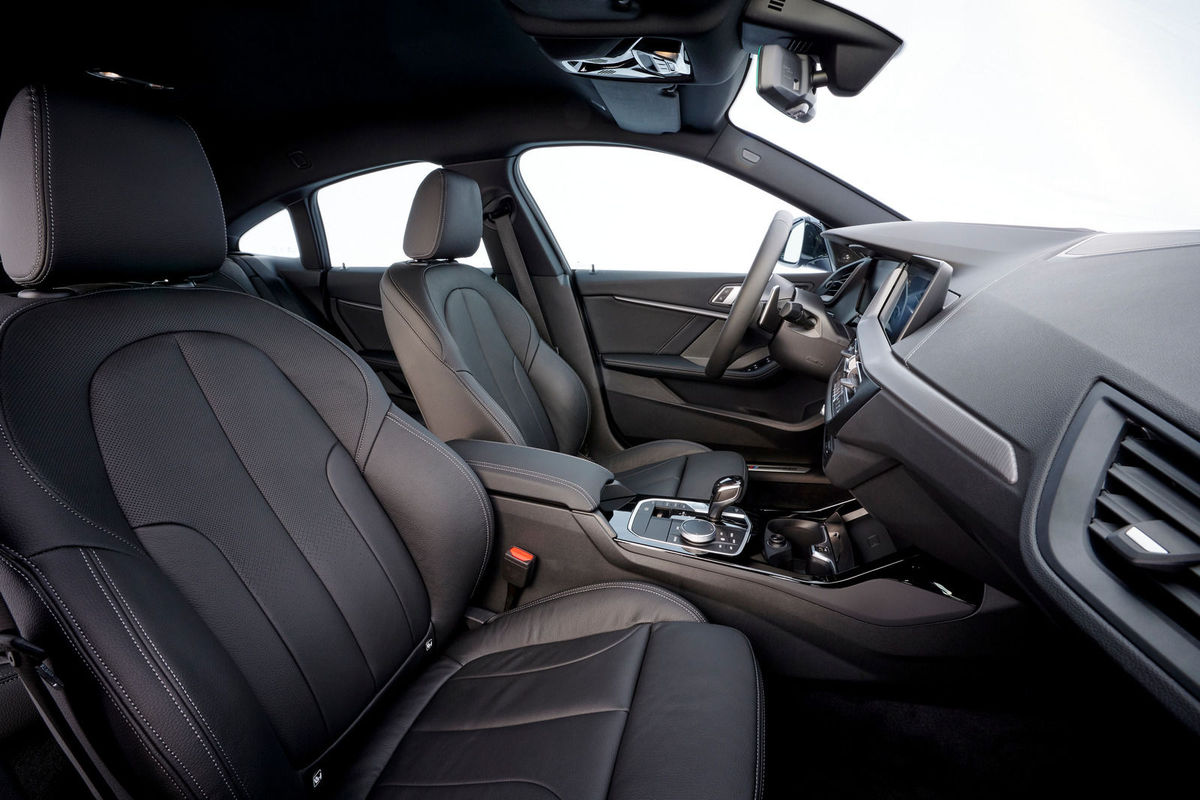
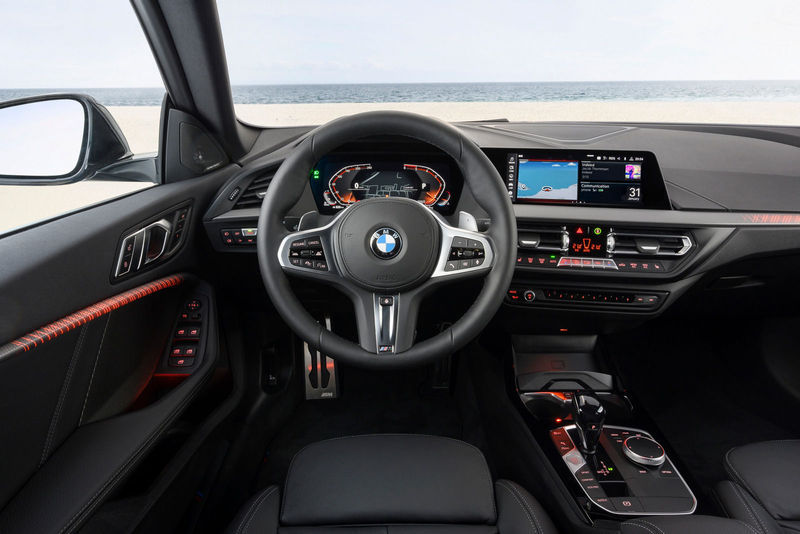
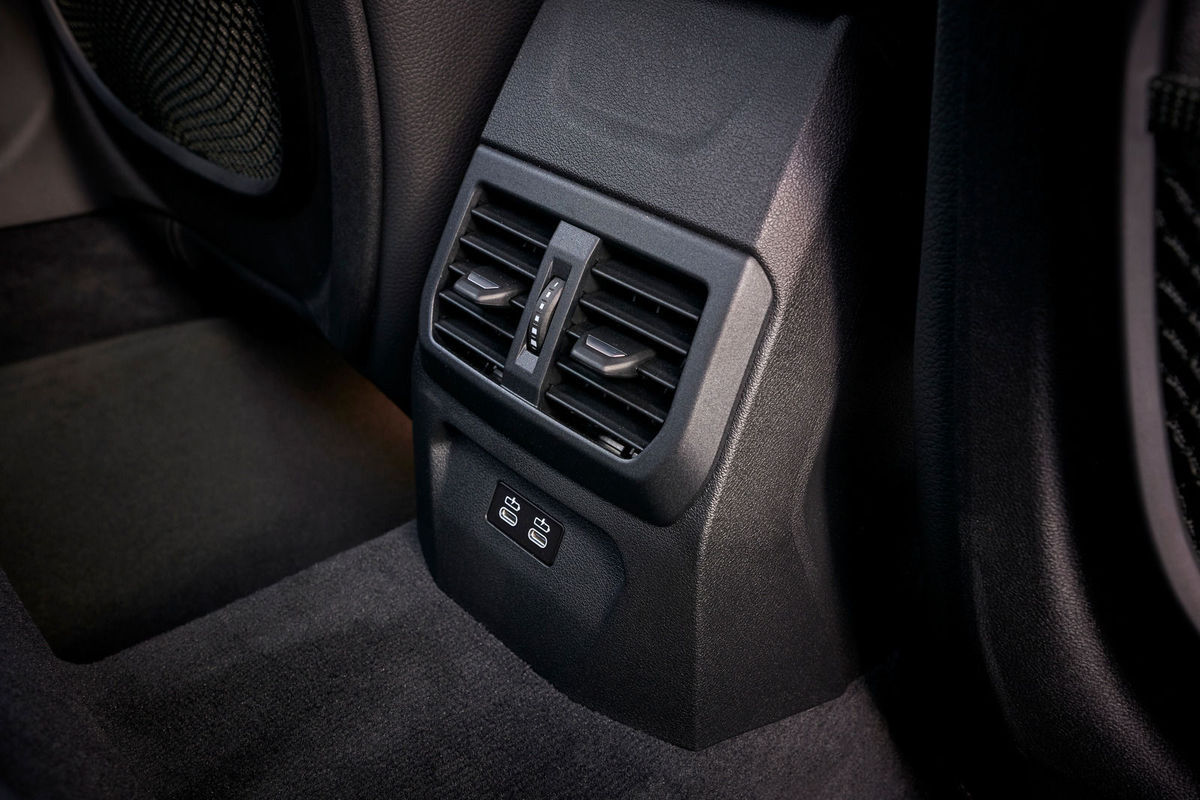
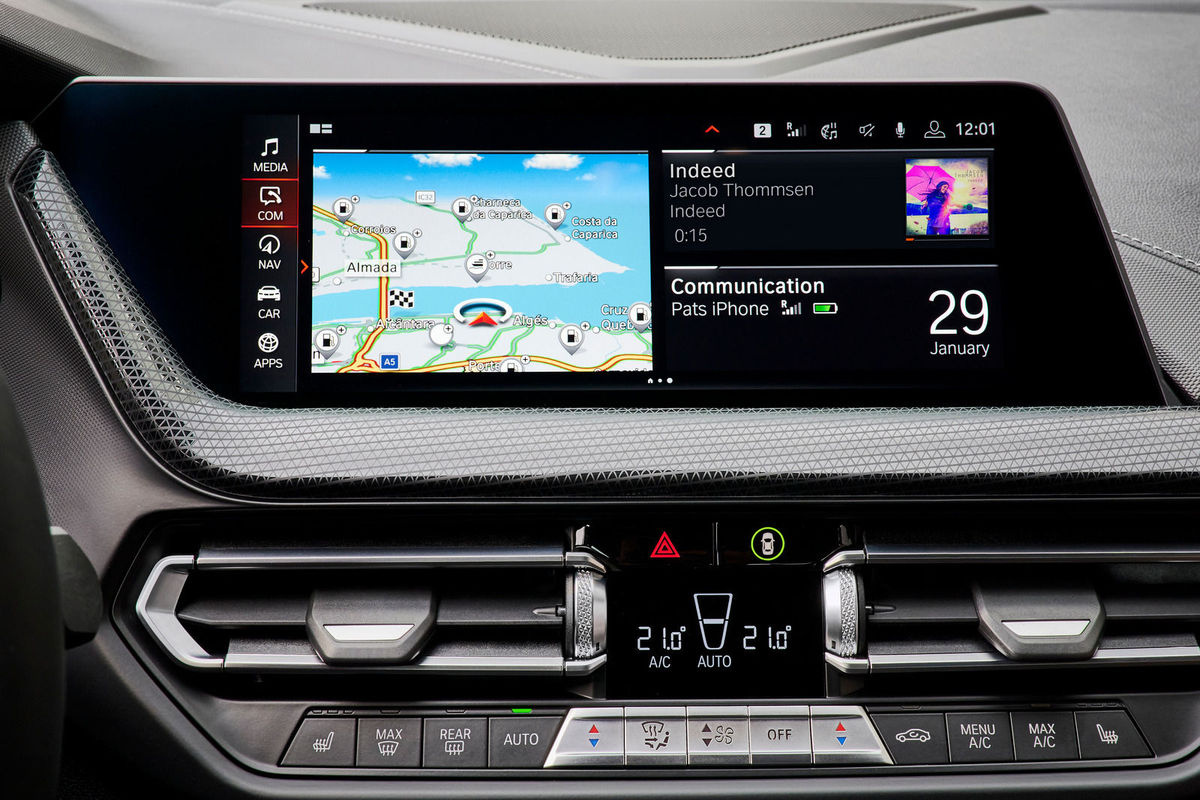
Interior designers at BMW clearly weren't given many opportunities to explore new elements.

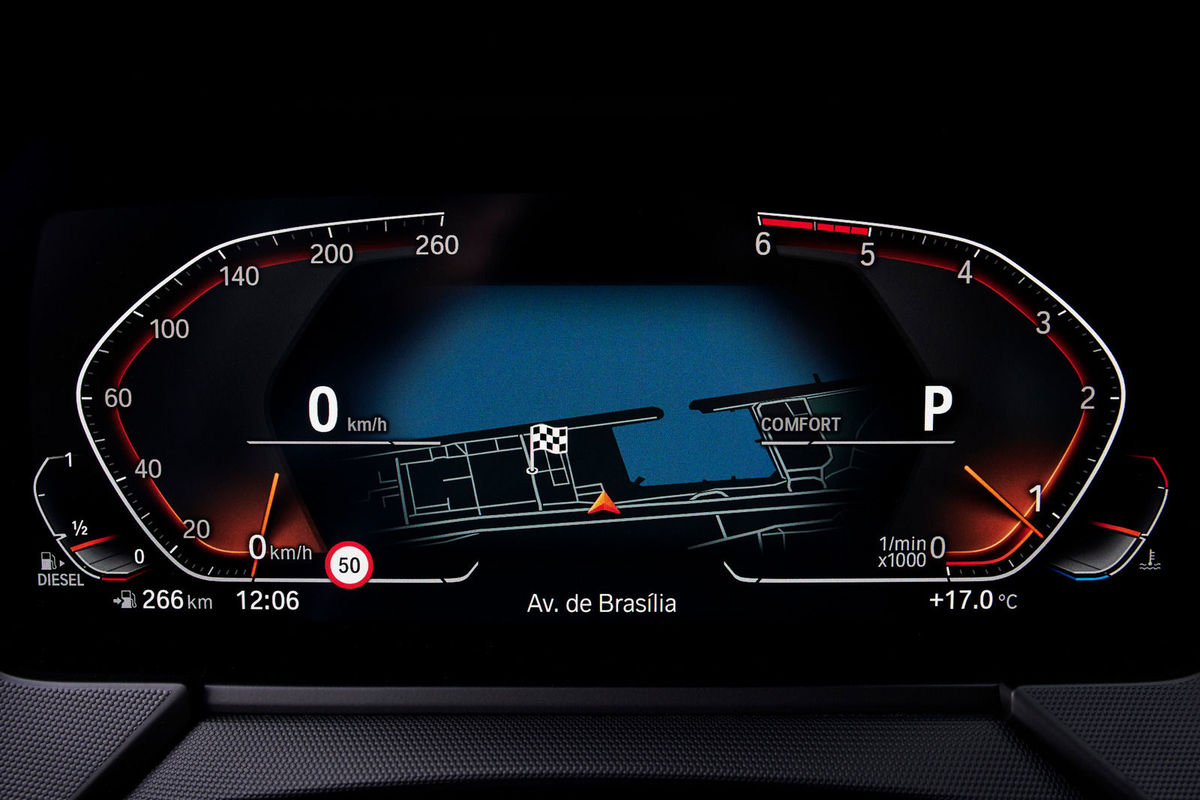
Thankfully, things improve immeasurably when you move inside the 2 Series GC, primarily because you no longer have to look at the outside. There is the worry that all of BMW’s interiors are starting to look the same these days, dominated as they are by the combination of the Live Cockpit Professional digital instrument cluster and the BMW Operating System 7.0 infotainment screen, but there’s little to fault with the material quality or ergonomic correctness of the GC’s forward accommodation. As is the case with the 1 Series hatchback, the cockpit is the newcomer's single best feature.

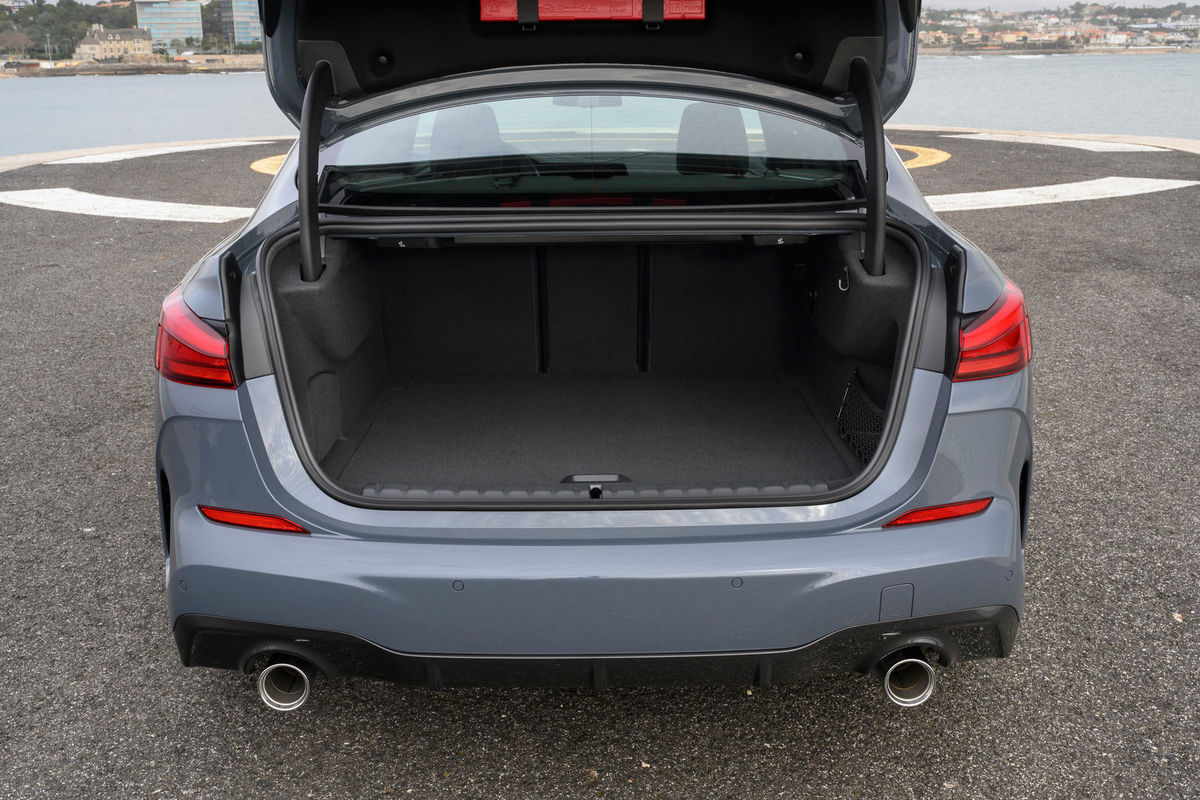
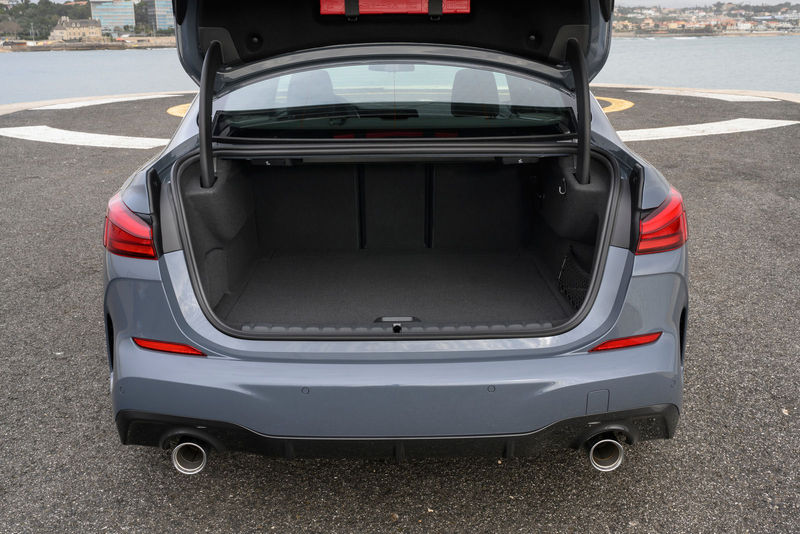
Of course, the whole point of having 2 extra doors at the back is added practicality, and taller occupants (who stand around 1.8m) sitting in the rear will find 33 mm more kneeroom than in the old 2 Series Coupe, as well as acceptable headroom – despite that sloping roof. Plenty of glass in the back of the 2 GC means the driver’s visibility rearwards isn’t compromised for low-speed manoeuvring, while a 430-litre boot is useful and can be accessed from the passenger compartment via 40:20:40 split rear backrests. Yep, it’s much nicer to sit in the newcomer than stand outside it!

Aim for the top


BMW SA currently plans to bring the 118i, 22d and M235i xDrive version to SA.

BMW SA is going to take the full launch line-up that is slated for other markets around the world. That means a trio of 3- and 4-cylinder TwinPower turbopetrol and -diesel engines, delivering between 103- and 225 kW. The base car is the 218i, with its 1.5-litre, 3-cylinder petrol delivering 103 kW and 220 Nm; it’s the only 2 Series GC that can be fitted with a 6-speed manual gearbox, although an 8-speed Steptronic automatic is optional. Whichever transmission you choose for this front-wheel-drive derivative, the claimed top speed is 215 kph and 0-100 kph sprint time 8.7 seconds.

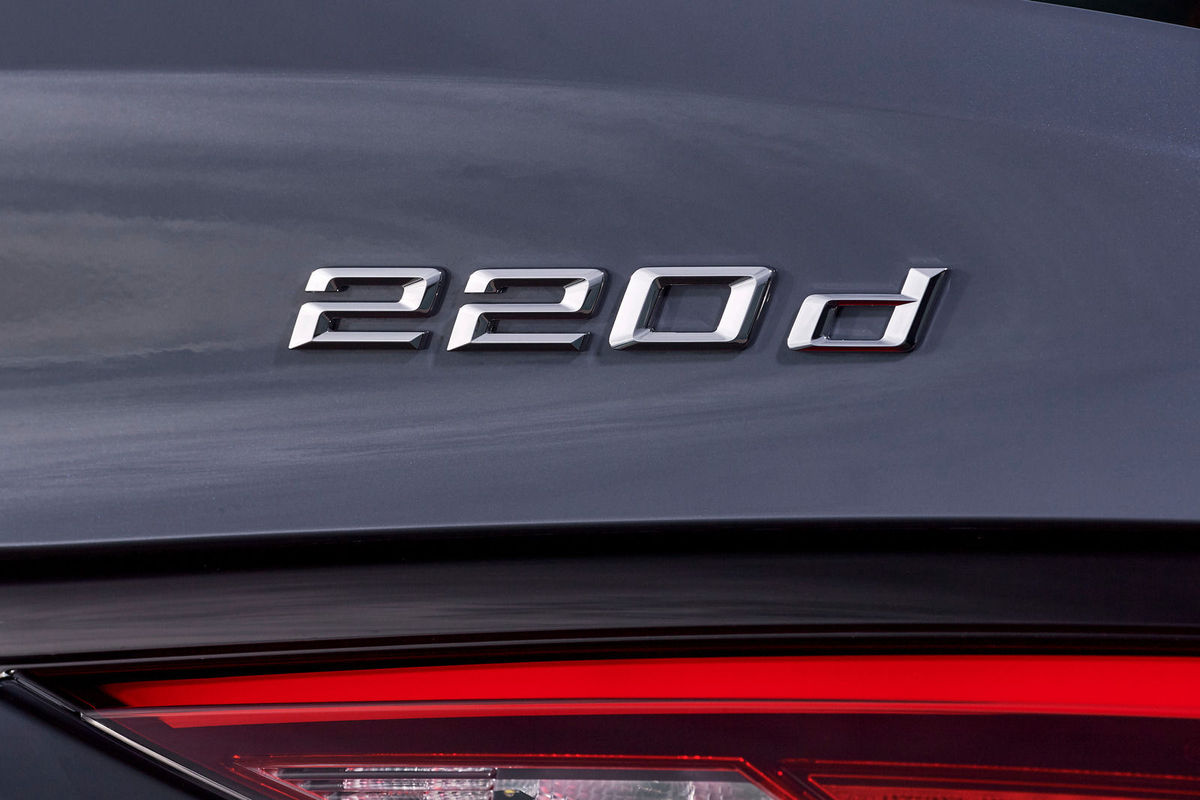
We drove the other 2 versions. The 220d employs a 2.0-litre turbodiesel 4-cylinder motor with 140 kW and 400 Nm, resulting in a 0-100 kph time of 7.5 seconds and a 235-kph top speed. Like the 218i, this is front-wheel drive only (for now) and it comes with the 8-speed auto 'box as standard. It’s also the eco-champion of the range, with a best (claimed) combined fuel economy of 4.2 L/100 km.

The one to focus on, though, is the M Performance flagship – the M235i xDrive. Whereas the 218i and 220d come in base, Luxury Line, Sport Line and M Sport package trims, the M235i has a specification all of its own. It also has easily the most powerful engine: a punchy and robust 2.0-litre 4-cylinder unit with 225 kW at 5 000 to 6 250 rpm, backed up by 450 Nm from 1 750 to 4 500 rpm. As its name insinuates, power is channelled to all 4 wheels (xDrive) via the 8-speed automatic transmission and performance is decent: 0-100 kph takes a scorching 4.9 seconds and the top speed requires limiting to 250 kph. You pay for this performance with consumption rising to a claimed 7.1 L/100 km, but it’s unquestionably the drivetrain that serves the 2 Series GC’s "coupe" aspirations best.

Steady, stable… a bit safe?


Top M235i model features all-wheel-drive.

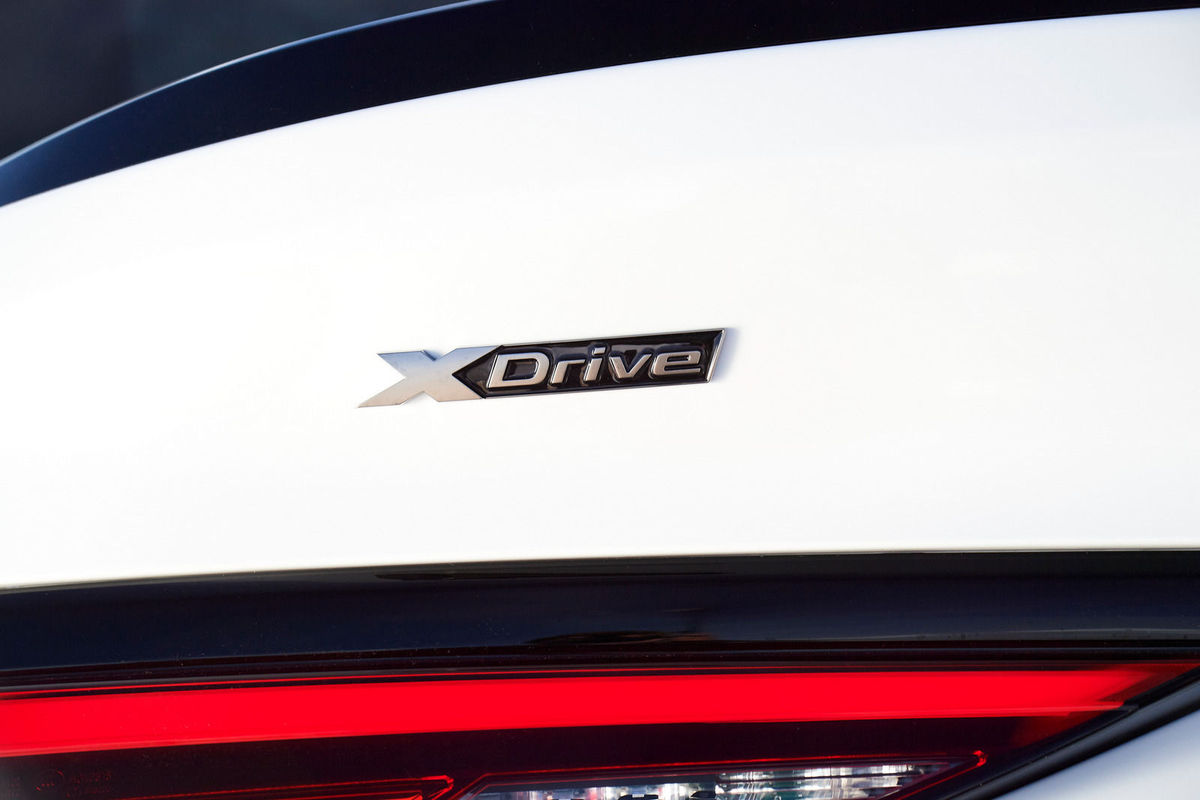
There’s no doubt that xDrive makes the 2 Series GC feel more… BMW-ish. The M235i is not the most thrilling machine ever to wear that single letter and those 3 hallowed stripes of light blue, purple and red, even allowing for the fact it’s not a full-fat M car. The steering has too much artificial heft to it in Sport mode and there’s a background firmness to the ride quality courtesy of the M Performance suspension and big alloys shod with low-profile tyres. Yet it never descends to the realms of unbearable and, on freeways and driving in urban areas, the M235i GC is a civilised, premium-feeling car.

It's a pretty fine engine that pulls strongly through its rev range, allied to that super-sweet and near-faultless 8-speed transmission. By displaying next to nothing in the way of turbo-lag characteristics, the M235i feels every bit as quick as some of its larger M Performance stablemates with 6-cylinder engines. It emits an appealing sound, too; the turbocharged induction is given a chance to shine over and above the rumblings of the exhaust, although there is a degree of augmentation to the soundtrack of the 4-cylinder motor that’s too easily discernible in the cabin.

What makes the M235i such a devastatingly quick car across the ground is that it is phenomenally stable in all conditions. On greasier, slipperier surfaces slicked by recent rainfall and sand (thanks to our test-drive taking place on the Atlantic coast of Portugal), the M235i just bites into the asphalt and goes. You can configure the BMW to have the steering in its more pleasant, lighter Comfort mode along with the engine and transmission in "maximum attack mode", and it proves a supple enough car to take on even the bumpiest roads with a huge degree of aplomb.


At 430 litres the boot is surprisingly big.

But, ultimately, it’s not quite as engaging to pilot as BMW aficionados would have hoped. Although you can feel a push from the rear in the xDrive system, the M235i is resolutely neutral in the corners and doesn’t have the involvement of BMW’s finest rear-driven machines of the past. There’s not a lot of feel from the steering in any mode, even if it’s consistent and accurate to use, and there’s the suspicion that anyone could get the best from this M235i in very short order of climbing in behind its way-too-fat steering wheel. In that regard, it feels like a good number of high-performance all-wheel-drive (Quattro) Audis from the recent past (to the shock and horror of the staunchest of Bimmer fans, I'm sure). Those Audis weren't particularly known for any shining dynamic deftness.

So the M235i Gran Coupe is fast and secure and capable in all conditions, but is it a compelling compact sporty BMW? No, not really. It’s admirable, yet not hugely desirable. It is, however, better than the 220d, which is commendably comfortable on the freeway, but which will descend into scruffy understeer and scrabbling front-drive traction issues if you try to take liberties with it. So, to make the most of the 2 Series’ chassis, xDrive is the only way to go.

Summary


While competitors have filled this niche, did BMW need to really need to follow suit?

South African pricing will be the key to the BMW 2 Series Gran Coupe’s success (it's projected to land in Mzansi in the 2nd half of the year). If it undercuts comparable 3 Series derivatives by enough of a margin, then – provided you can stomach the way it looks on the outside – there’s not much about the way it drives and its smart interior that will put you off. However, we can’t help but feel that this is a niche that BMW didn’t necessarily need to explore. The 2 GC isn’t notably sporty to drive and, with those unprepossessing looks, it’s certainly not something that packs oodles of undisputed showroom appeal. Unless you’re a real fan of the 2 Series, or indeed Brutalism rendered in car form, there are better options than the smallest Gran Coupe available elsewhere.

Related content:

BMW X2 M35i (2019) Review

BMW 2 Series Gran Coupe M Performance Parts Shown

Mercedes CLA vs Mercedes A-Class Sedan Review

Spy Shots: BMW M4 Coupe

BMW is developing its next-generation M4 Coupe and a prototype has been spied testing in the snow. Here’s what we know so far…

Picture credit: S. Baldauf/SB-Medien

The next M4 Coupe is currently in development and with production expected to start towards the end of 2020, we may very well see the production version in coming months. The M4 Coupe will take aim at rivals such as Audi’s RS5 Coupe and the Mercedes-AMG C63 Coupe.

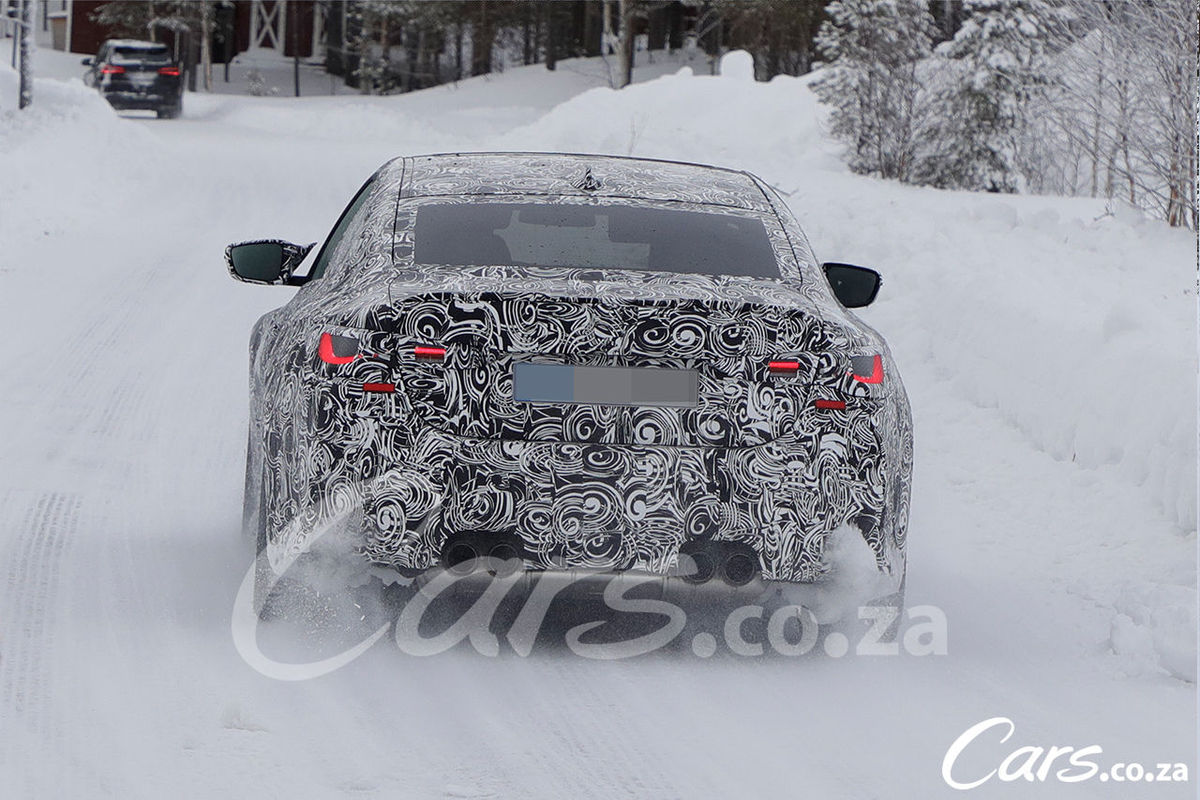
BMW’s grille design has been a major talking point lately and this particular M4 Coupe prototype is quite heavily camouflaged, which does a fair job at hiding the size and shape of the grille. Based on previous leaks, you can expect a monster grille to dominate the front-end of the M4 Coupe. 

The headlights appear to be production-spec and the sculpted bonnet will give the M4 Coupe a menacing appearance as do the large black alloy rims with sizey brake discs to boot. The taillights look like production units too but their design are well hidden. Note the large quad tailpipes…

As for the engine, the M4 Coupe will utilise the same 3.0-itre twin-turbocharged, 6-cylinder engine that powers the X3 M and X4 M with outputs of at least 375 kW and 600 Nm expected. BMW is also expected to offer both rear-wheel-drive and all-wheel-drive variants of the M4, with the former being mated with both a manual and automatic transmission. The all-wheel-drive system will M4 will be paired with an automatic transmission.

We will keep you updated as more information comes to the fore so stay tuned!

Buy a BMW M4 on Cars.co.za

Related Content

Spy Shots: 2021 BMW M3

The BMW M4 Video We Never Published – Flashback Friday (2014)

BMW M4 GTS (2016) Review

This New M4 Knows its Heritage

Upcoming BMW M4 GT3 Teases Production M4

Audi RS4 Bronze Edition Revealed

Audi has revealed the RS4 Avant Bronze Edition – a stylish version of the performance wagon.

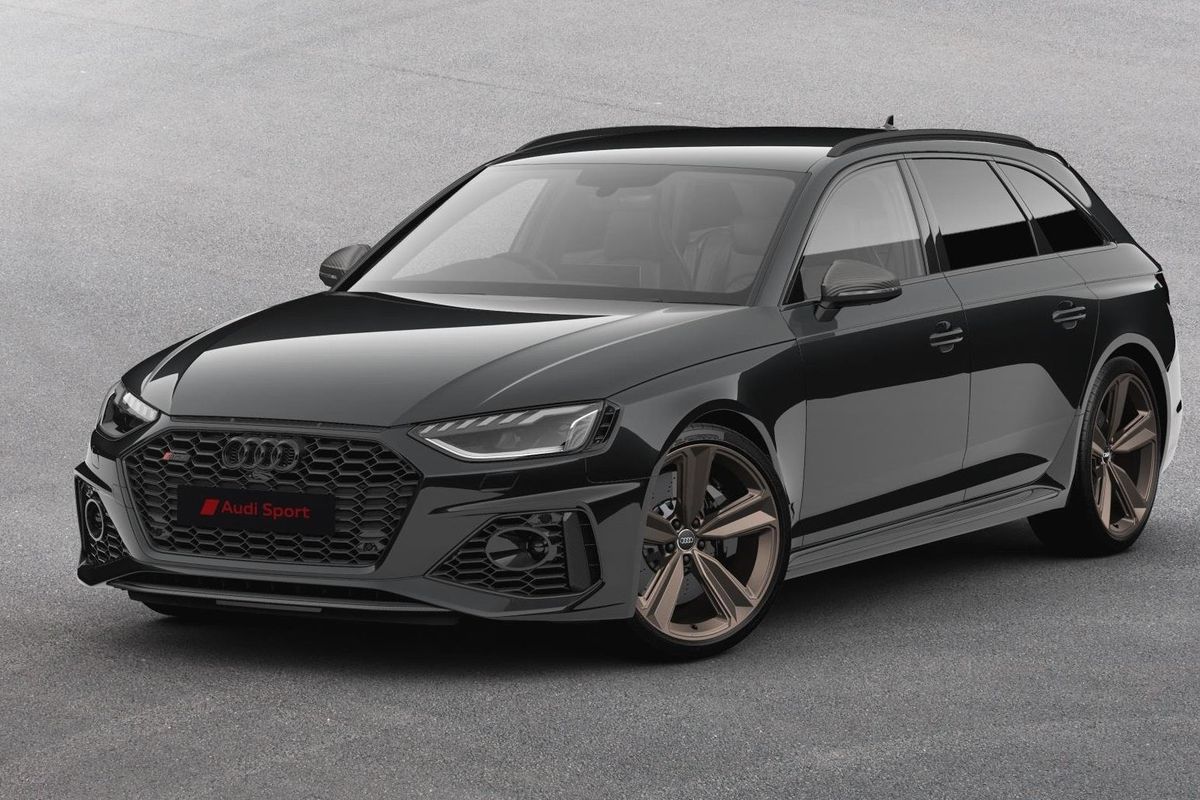
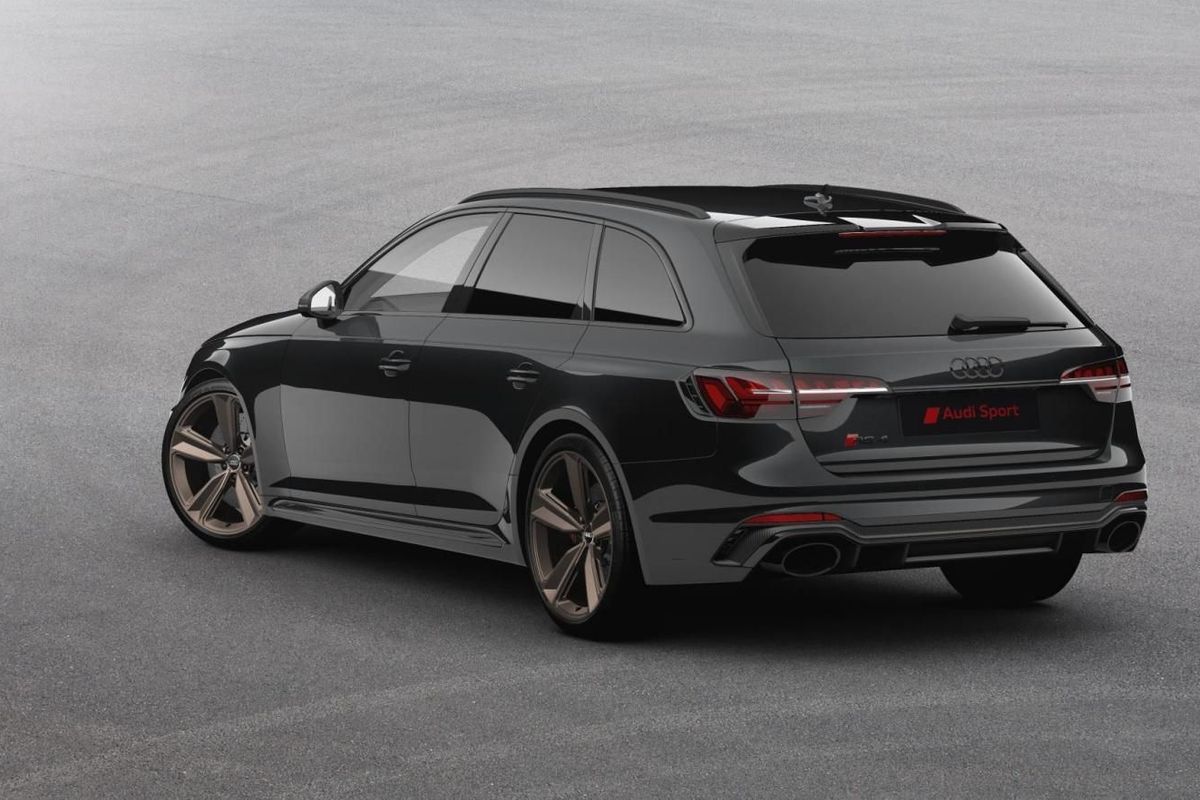
Audi has released a limited-edition version of its RS4 Avant performance wagon. Called the Bronze Edition, this Audi RS4 looks sensational. Sadly, it's a limited-run model and there'll be just 25 for the UK market. 

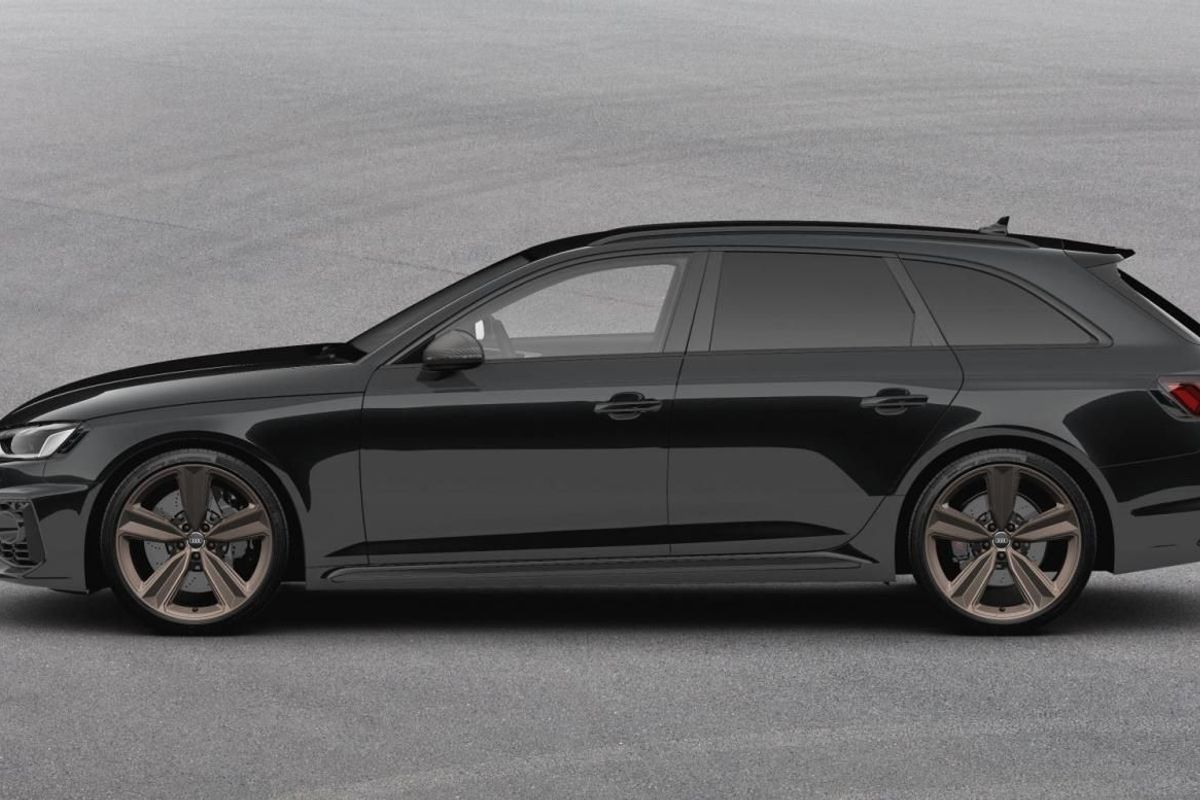
With a Vesuvius Grey paint and black detailing, coupled with the 20-inch bronze wheels, this is one seriously good-looking station wagon. There's plenty of matte carbon used too. Inside, the Audi RS4 Bronze Edition features bronze stitching in the sports seats as well as armrests and steering wheel. The matte carbon detailing is also featured in the cabin.

The engine remains unchanged and its the same 2.9-litre twin-turbocharged V6. It produces 331 kW and 600 Nm and thanks to its quattro all-wheel drive, it'll hit 100 kph in a claimed 4.1 seconds. Sadly, there's no sign of this exact model coming to South Africa, but we expect to see the facelifted Audi RS4 and RS5 making landfall in SA before the end of 2020.

Further Reading

Audi RS4 Facelifted For 2020


Audi RS4 Avant (2019) Review

New V6 Audi RS4 Avant – More Torque, More Fun?

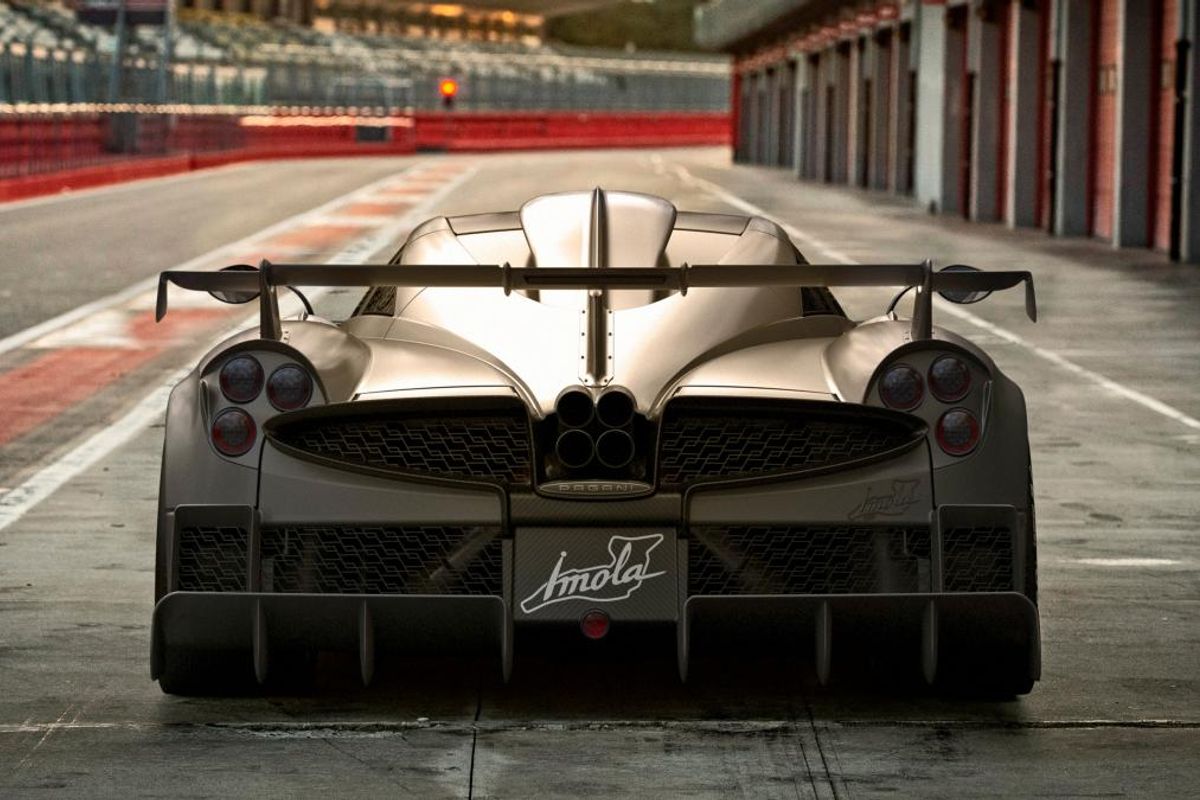
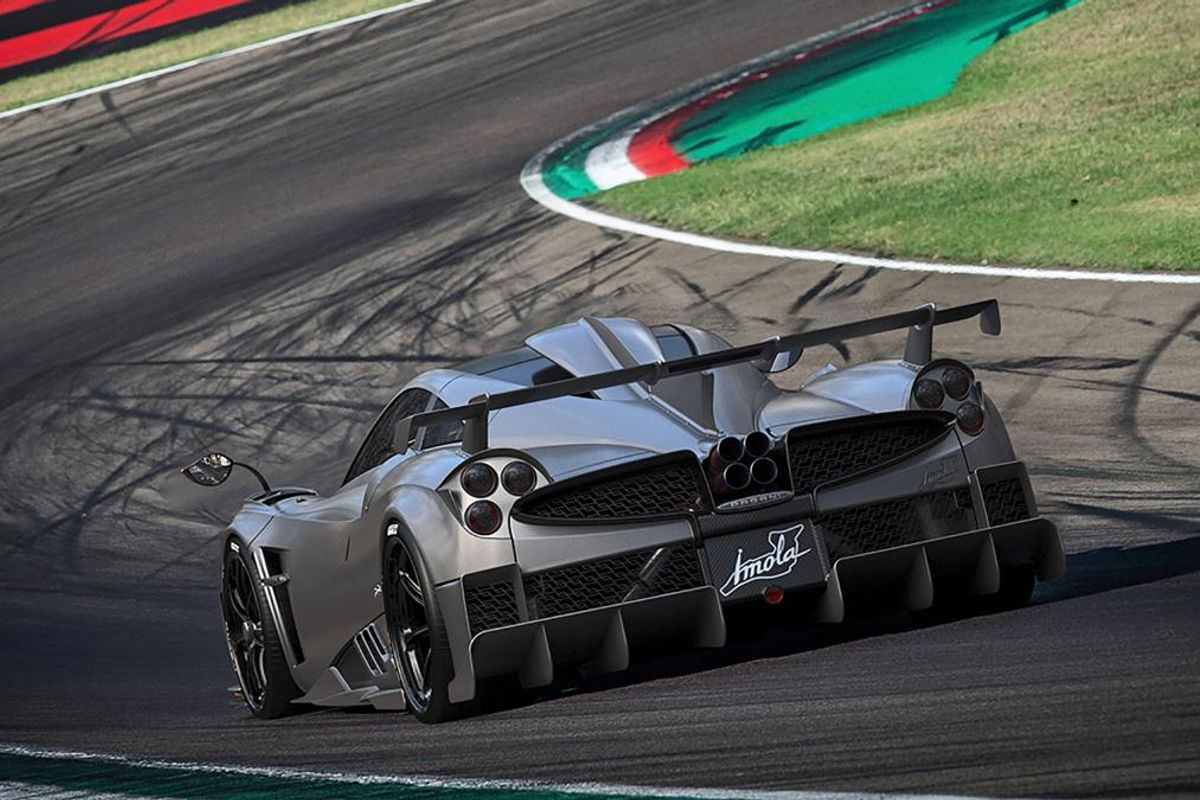
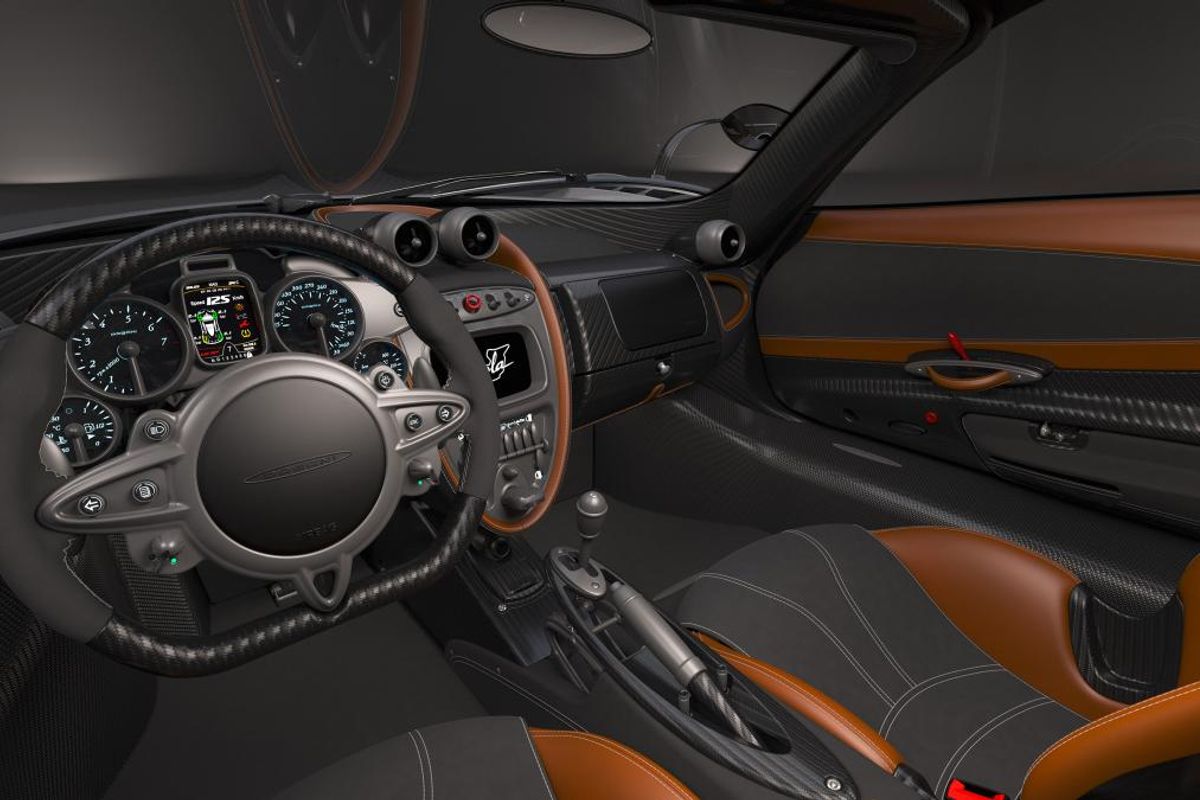
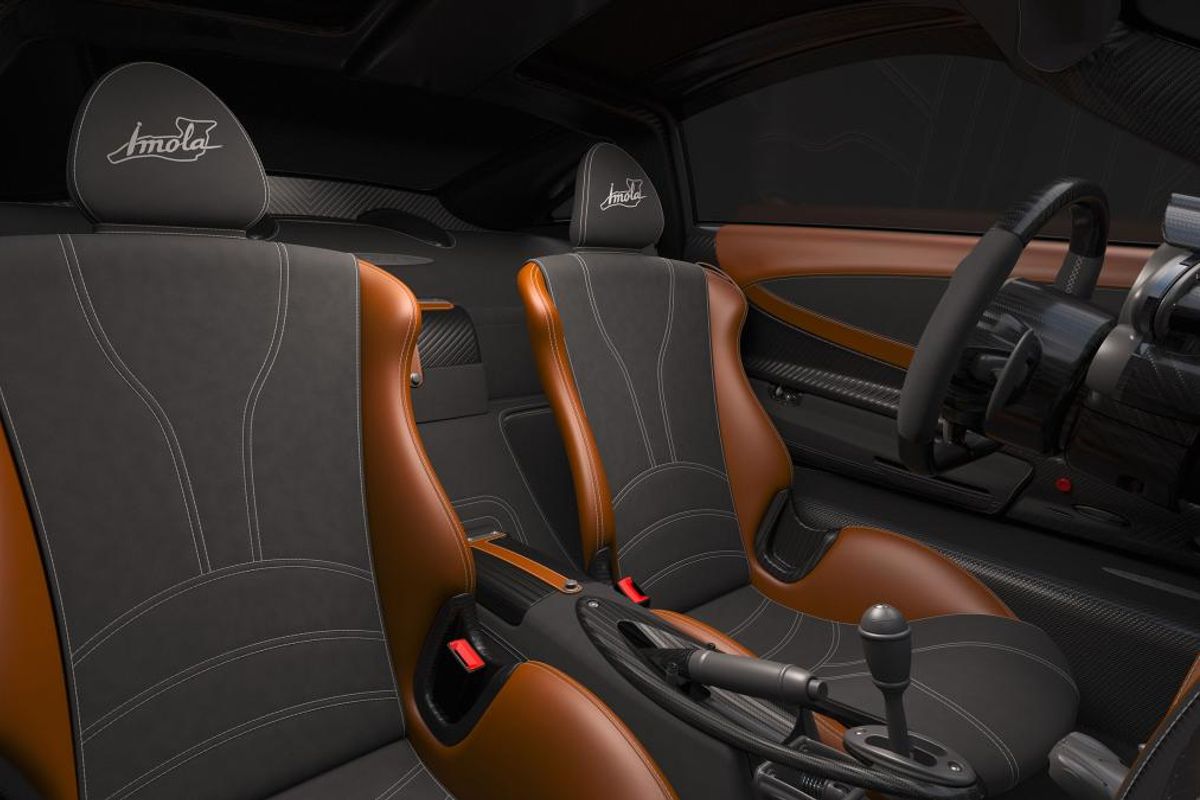
Pagani Imola is Most Potent Huayra

Power of the Italian supercar edges beyond 600 kW. 

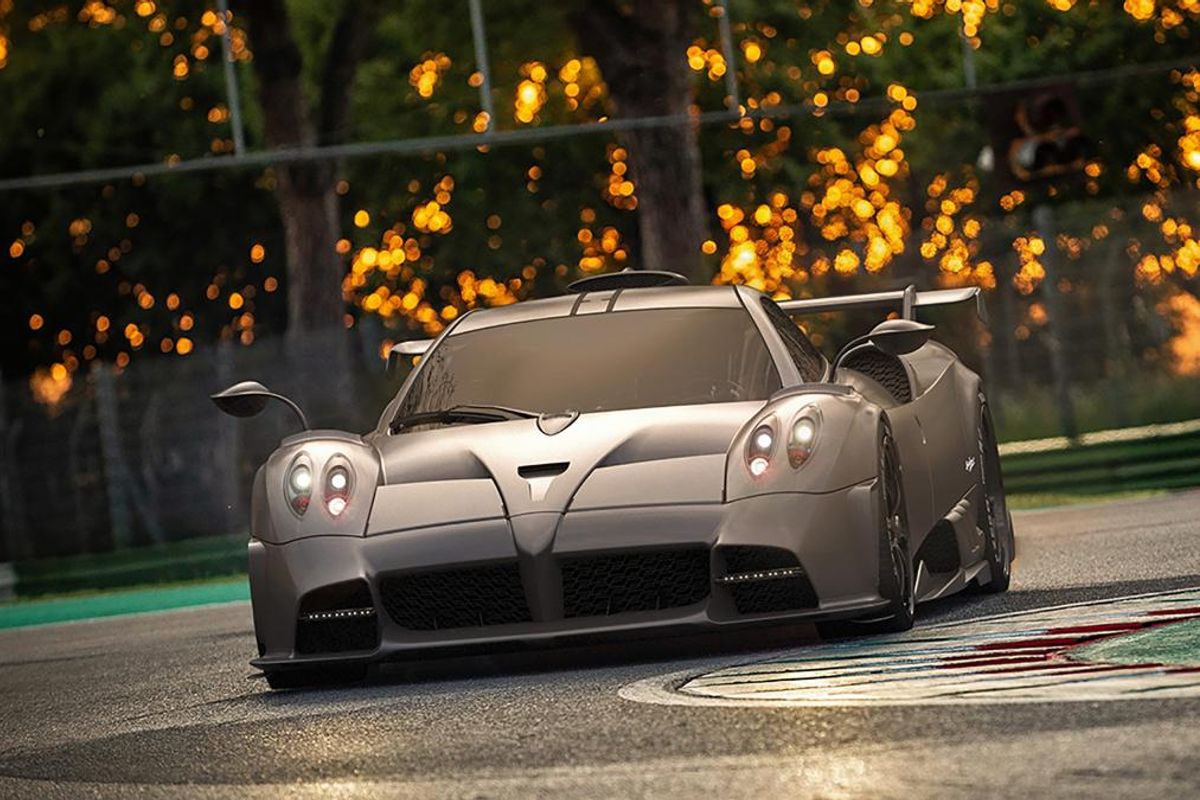
Pagani has revealed the most powerful version of its Huayra supercar.

The low-volume Italian manufacturer has named the new car ‘Imola’, after the famous race track.

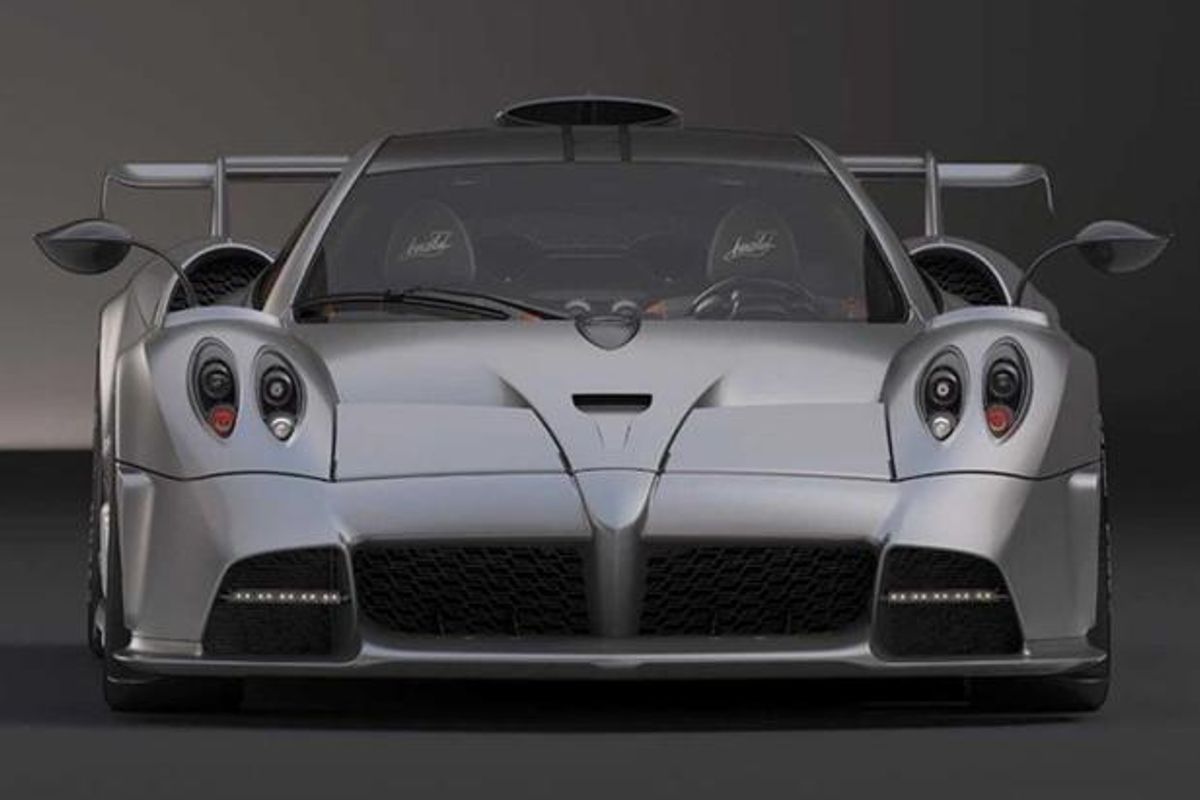
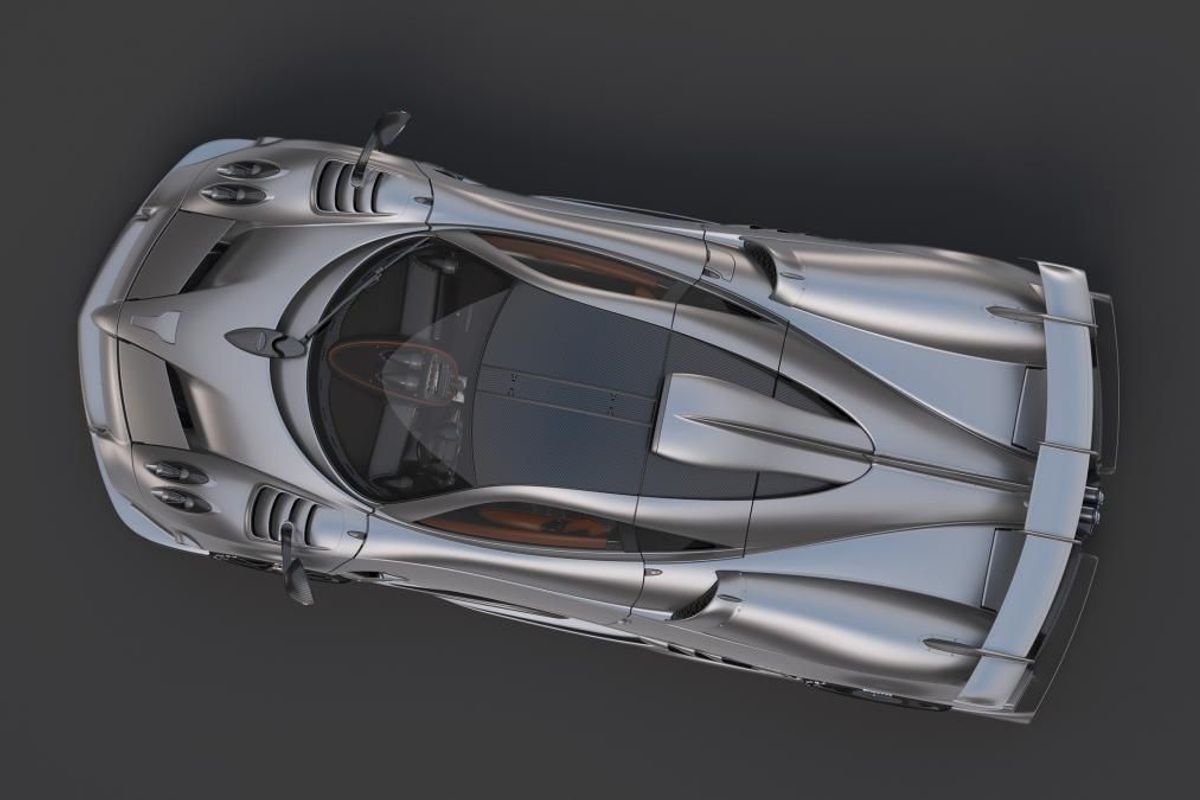
Although Imola uses the Huayra platform, it features significant upgrades. Unlike the Huayra, which is a roadster, Pagani’s Imola features a fixed-roof structure.

Honed with hundreds of laps around the Imola circuit, Pagani’s latest supercar is powered by an AMG supplied twin-turbocharged 6-litre V12.

The Mercedes-Benz engine is good for 608 kW and 1 100 Nm, making this the most potent Pagani yet.

A combination of titanium and carbon-fibre structure delivers a car which weighs just 1 246 kg.

Although performance figures have not been confirmed, there is no doubt that the Imola is a very rapid car. The previously quickest Huayra (Pagani’s BC Roadster) was capable of 0-100 kph in a touch under 3 seconds and a top speed of 383 kph. Being lighter and more powerful, the Imola should improve on those statistics.

Pagani’s Imola also features a sophisticated aerodynamics package, with a roof-mounted scoop and combination of large wing/diffuser combination at the rear. In partnership with the car’s flat underside, the surface aerodynamic details generate massive amounts of downforce as speeds increase.

Pagani will only be building five Imolas, with each one priced at an estimated R80m.

Related content

Czinger Teases 919 kW Hybrid Hypercar

Top 100 Coolest Cars of all Time

Powerful Bugatti Centodieci Revealed

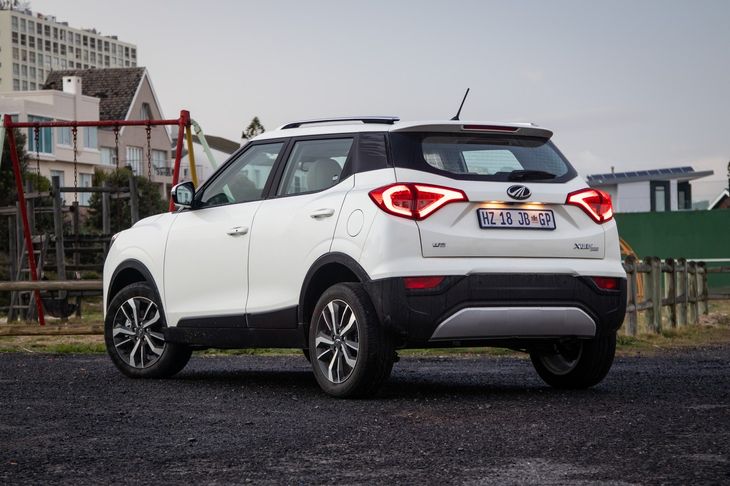
Global NCAP lauds Mahindra XUV300

By achieving the highest combined occupant safety rating for any Indian-produced vehicle tested by Global NCAP, the Mahindra XUV300 has been awarded the organisation’s first "Safer Choice" award, which is significant, given the multitude of Indian-made models offered in South Africa’s new-vehicle market.  

Last month, Mahindra’s compact family car, which was launched in South Africa during the first half of 2019, achieved a 5-star rating for adult occupant protection and a 4-star rating for child occupant protection as part of Global NCAP’s ongoing #SaferCarsForIndia crash-testing campaign. Read our review of the XUV300 1.5TD W8.

The Indian firm then submitted the XUV300 for further Global NCAP conformity tests and the model was found to meet the requirements of the "Safer Choice" award; the organisation had announced the award challenge at Auto Expo 2018 and it is only applicable to manufacturers that achieve the highest levels of safety performance for cars produced (and sold) in India.


Apart from XUV300, the Tata Nexon and Altroz are the only other Indian-made models to receive a 5-star Global NCAP adult occupant protection rating.

To win this award, a car must achieve a 5-star score for adult occupant protection and at least 4 stars for child occupant protection (in accordance with the latest version of the Global NCAP New Market Test protocol). Additionally, it must have an electronic stability programme (ESP, at least as an option for all variants) and also meet pedestrian protection norms, the organisation said.

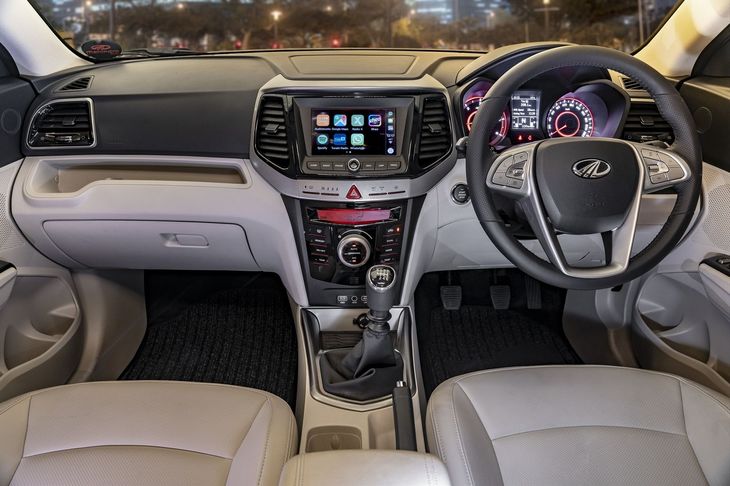
From a local perspective, the XUV300 range does not strictly conform with the standards of the "Safer Choice" award, because the top-spec W8-grade 1.2-litre turbopetrol and 1.5-litre turbodiesel XUV300s do come with ESP, but the technology isn't optional on the other versions. However, all derivatives are equipped with ABS with EBD, pre-tensioned front seatbelts (with load limiters), a collapsible steering column, passenger airbag deactivation switch, impact-sensing unlock function, a 3-point seatbelt for the middle seat in 2nd row, as well as ISOfix child-seat anchors.


As opposed to other derivatives of the XUV300 range, the W8 versions feature a total of 7, as opposed to 2, airbags.

“This is a historic moment for Mahindra and the Indian auto industry, marking a tipping point in vehicle safety performance for the country. After setting our Safer Choice award challenge in 2018, it is deeply satisfying to see an Indian automaker taking a lead on safety in this way,” David Ward, the chief executive and president of Global NCAP, was quoted as saying.

Global NCAP has become reasonably well known in the wider South African motoring community by virtue of the organisation’s similar #SaferCarsForAfrica 64-kph frontal-impact crash-testing campaign in conjunction with the Automobile Association of South Africa, which began in 2017. See the #SaferCarsForAfrica results for 2019, 2018 and 2017.

To compare the organisation’s rating for the Mahindra XUV300 with those of vehicles that have been tested as part of #SaferCarsForAfrica campaign, their scores are (from latest to earliest):

Model Adult Occupant Protection (stars) Child Occupant Protection (stars)
Toyota Avanza 4 2
Honda Amaze 4 1
Suzuki Ignis 4 1
Toyota Yaris 3 3
Kia Picanto 3 2
Hyundai i20 3 2
Nissan NP300 0 2
Toyota Etios 4 3
Renault Sandero 3 4
VW Polo Vivo 3 3
Datsun GO+ 1 2
Chery QQ3 0 0

New Mahindra XUV300 Specs & Prices in South Africa

Related content:

Mahindra XUV300 1.5TD W8 (2019) Review

Mahindra XUV300 (2019) Specs & Price

Mahindra XUV300 (2019) Launch Review

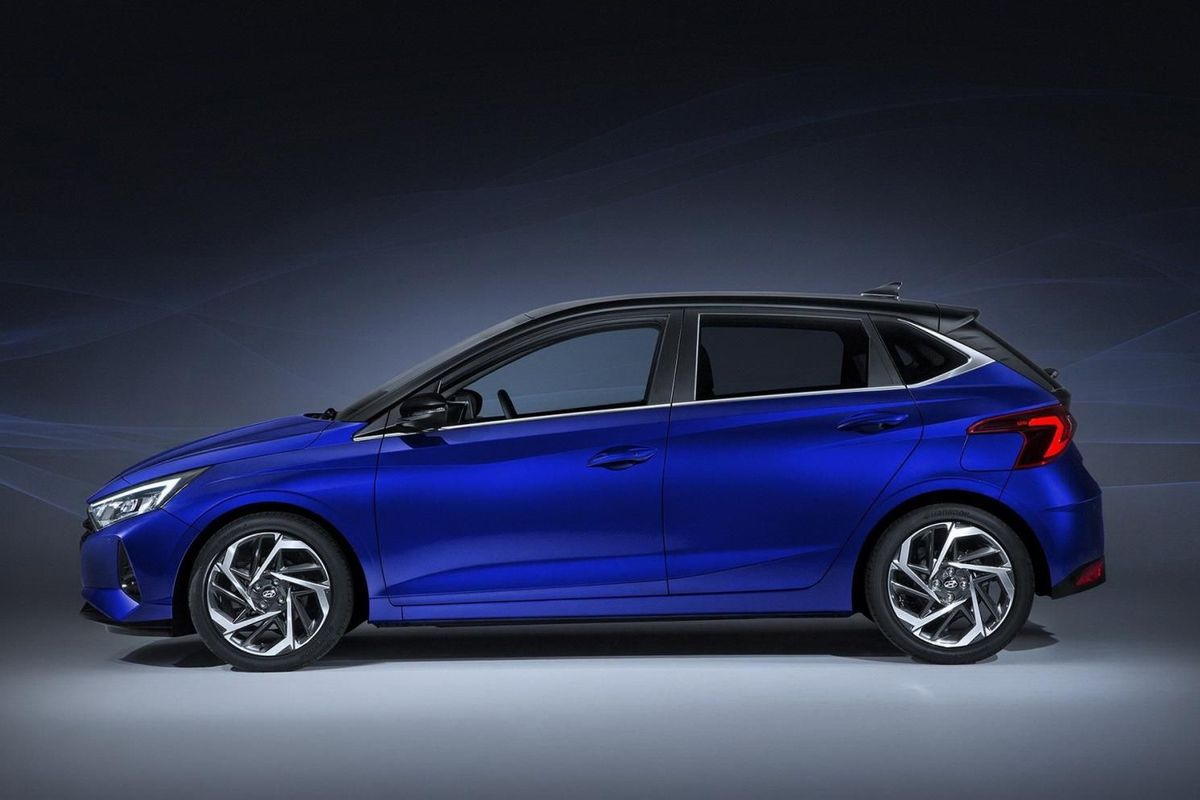
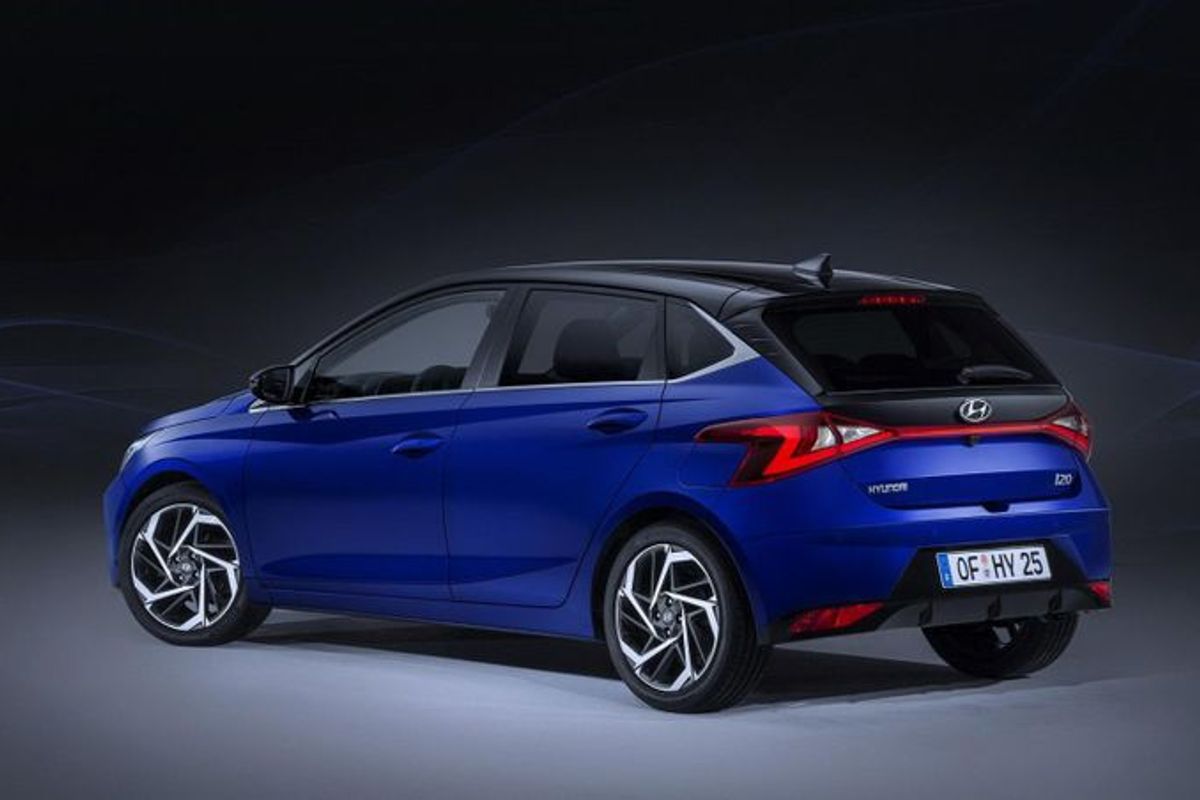
Sleek New Hyundai i20 Images Emerge

Hyundai has been brewing a new i20 hatchback and it will be shown at the upcoming Geneva Motor Show. 

The Hyundai i20 is a bread-and-butter model in South Africa and it has proven popular with buyers looking for an affordable and reliable hatchback. 

The good news is that a new i20 will be shown at the upcoming Geneva Motor Show and it will introduce a sharper, fresher look to take the fight to its rivals such as the Volkswagen Polo and Ford Fiesta. 

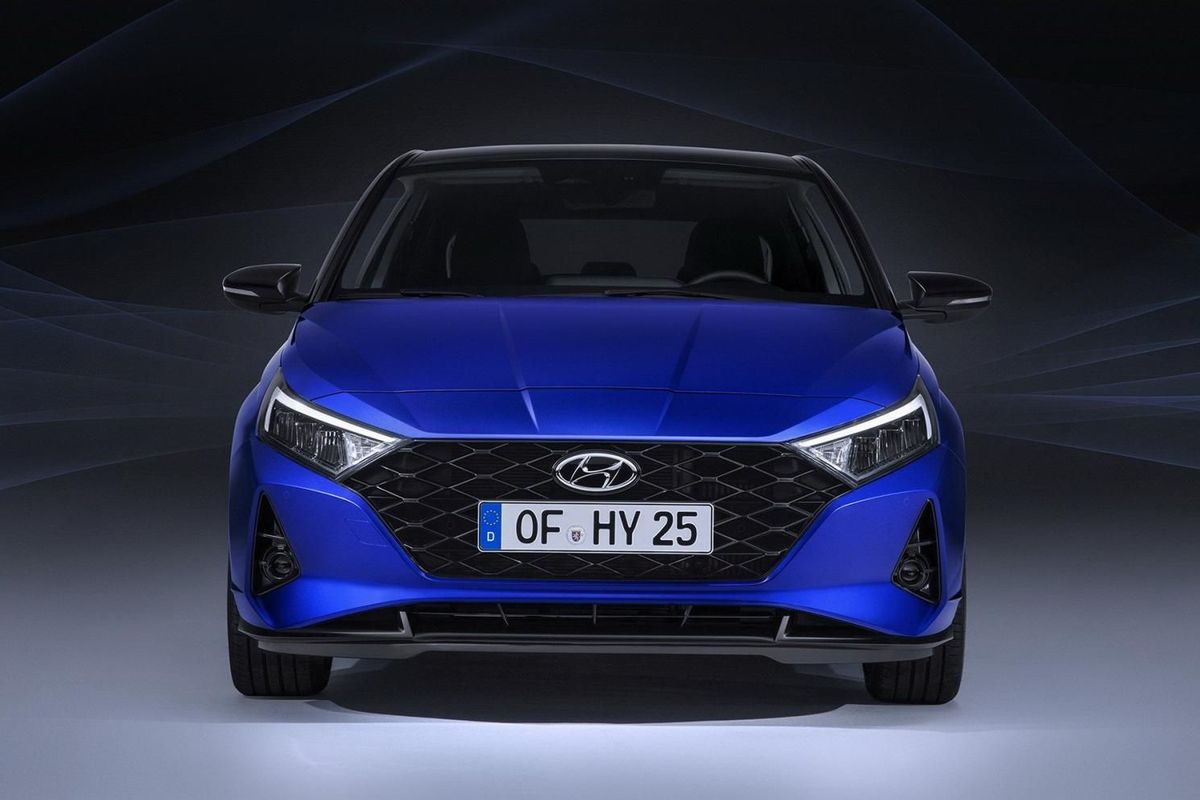
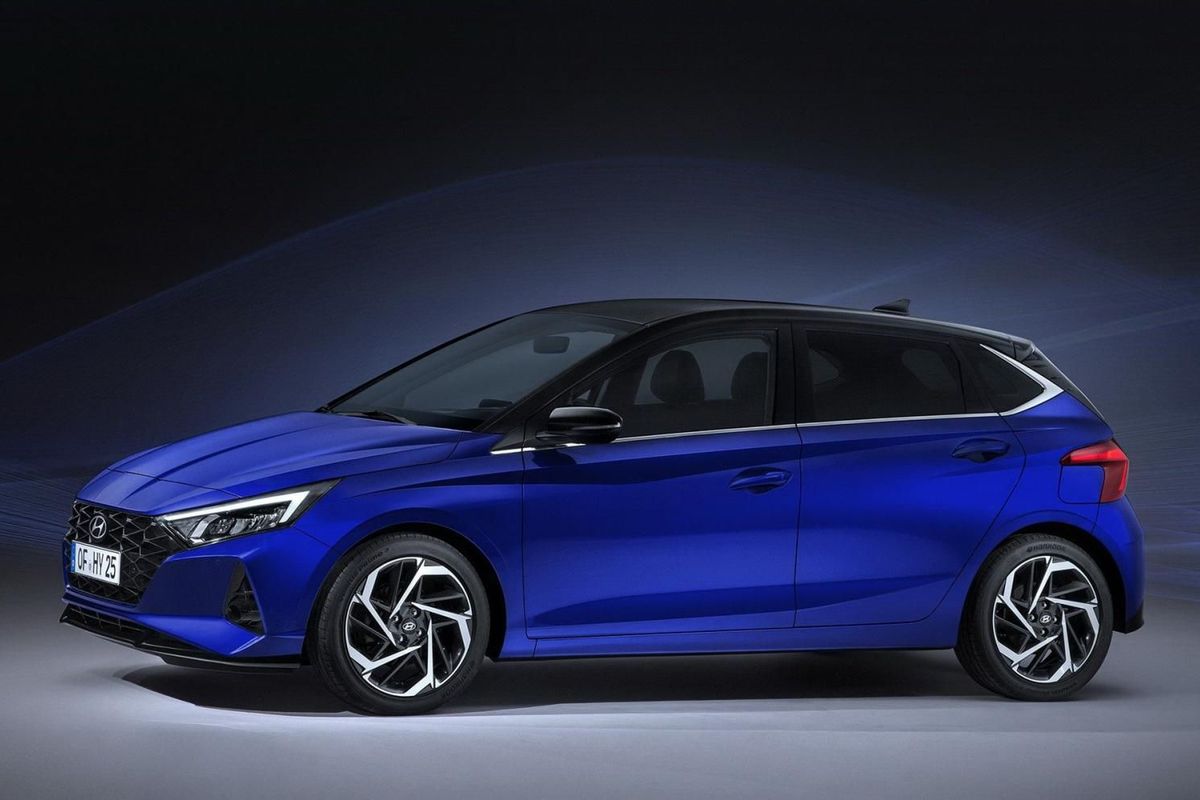
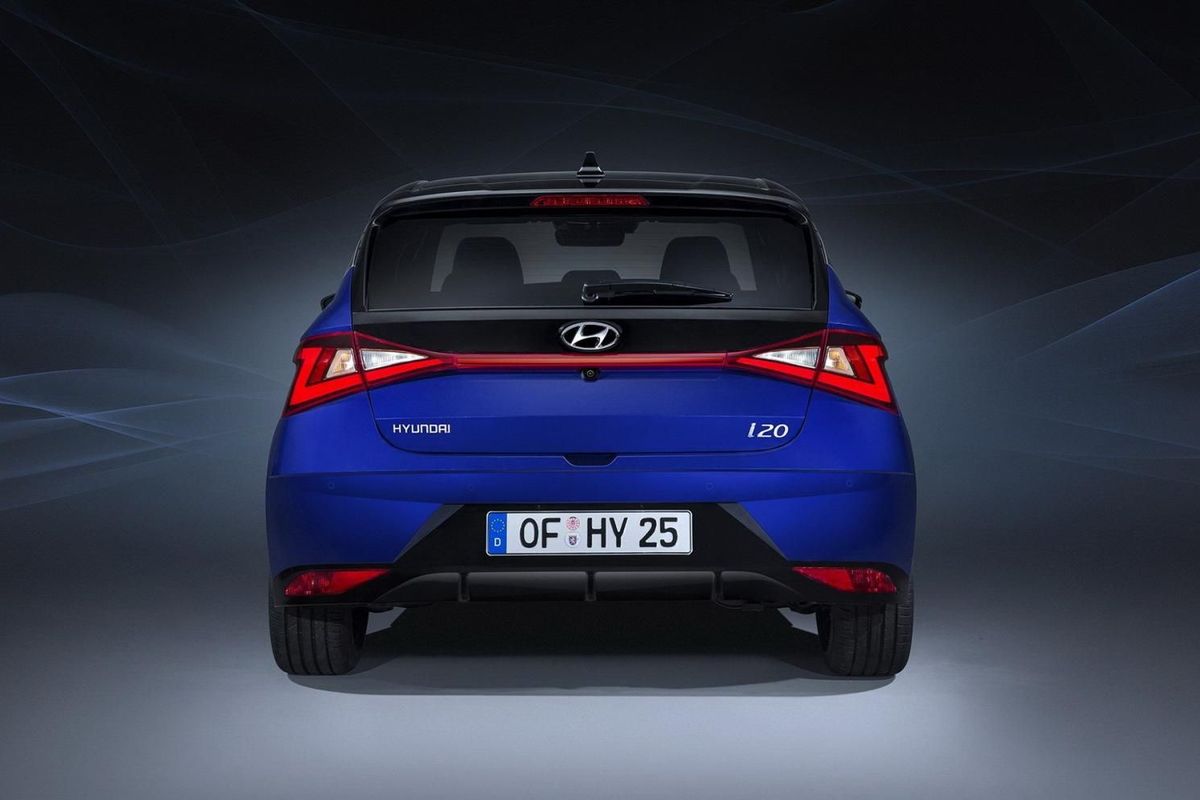
The new i20’s design is far bolder and sportier with a large gaping grille, sculpted bonnet, edgy headlights and distinctive tail lights with a ‘Z’ lighting signature and a light bar that runs across the length of the boot lid. Based on these images, Hyundai will offer a 2-tone paint scheme too, which further adds to the i20’2 new character. 

As for the interior, official images have yet to be released but you can expect Hyundai’s latest touchscreen infotainment screen (with Android Auto and Apple CarPlay) and digital instrument cluster to make its way into the i20. The interior material finish is also expected to be of higher quality to match its stylish exterior design. 

While we wait for official details, we reckon the i20 will offer both a 3-cylinder, 1.0-litre engine (same as Kona and Venue with 88 kW and 172 Nm) and a naturally-aspirated 1.2-litre petrol engine. The exciting news however, is that Hyundai will also offer a fully-fledged i20N model which could very well be powered by a 1.6-litre turbopetrol engine with 150 kW and 265 Nm, which should be an absolute hoot to drive. 

We will have more details to share when the new i20 makes its debut at the Geneva Motor Show, stay tuned. 

Buy a Hyundai i20 on Cars.co.za

Related Content

Spy Shots: 2021 Hyundai i20

Next Hyundai i20 has 'Sensuous Sportiness'

Hyundai i20 (2009-2015) Buyer's Guide

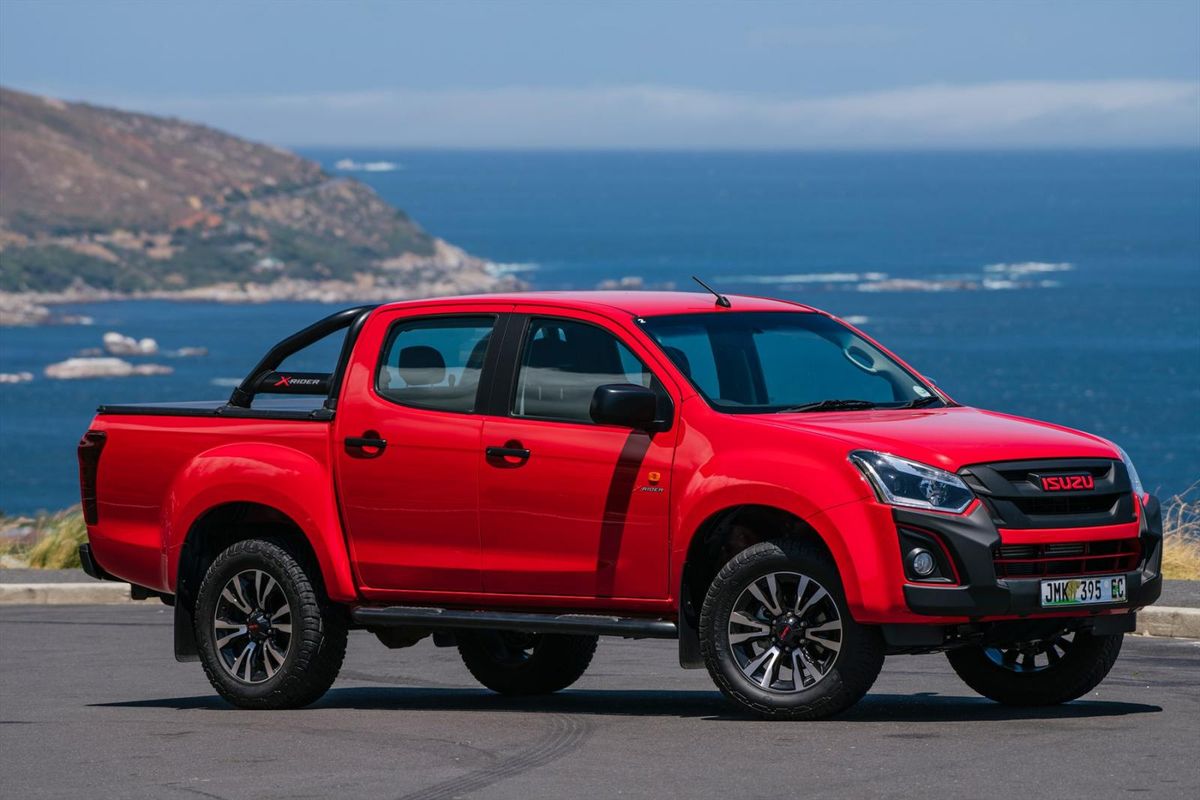
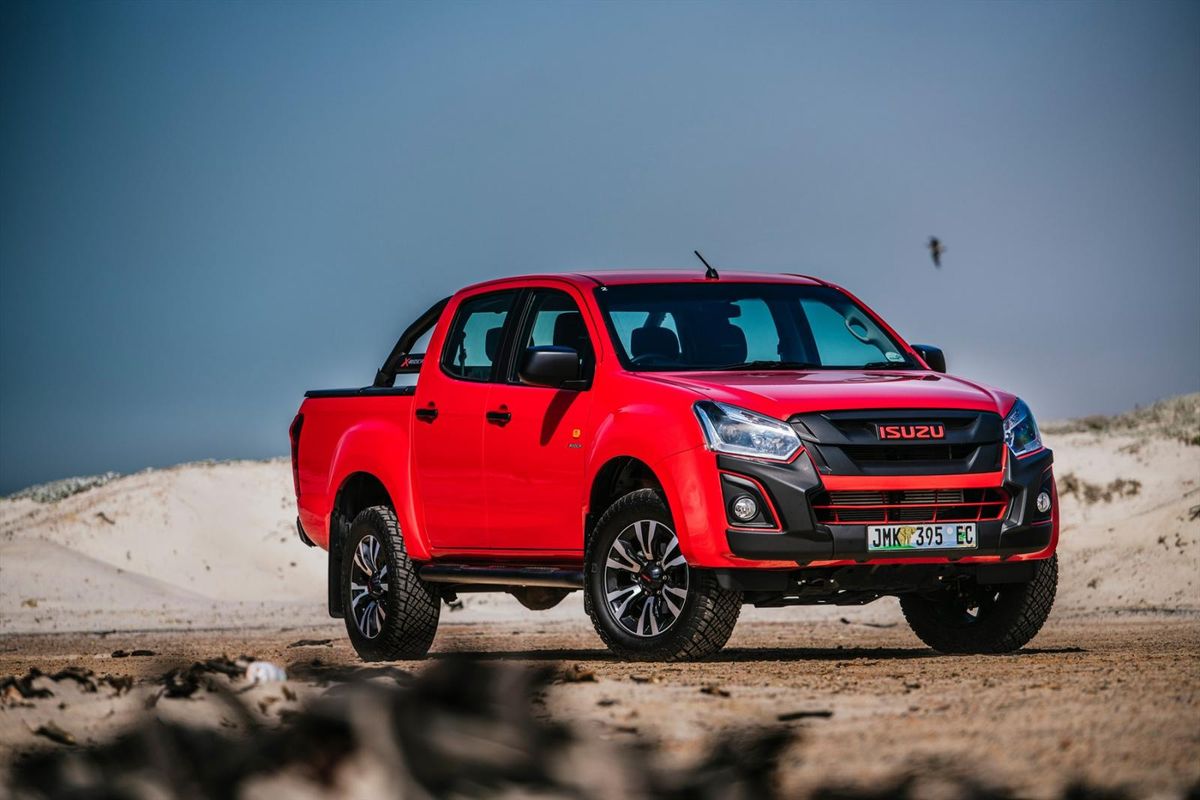
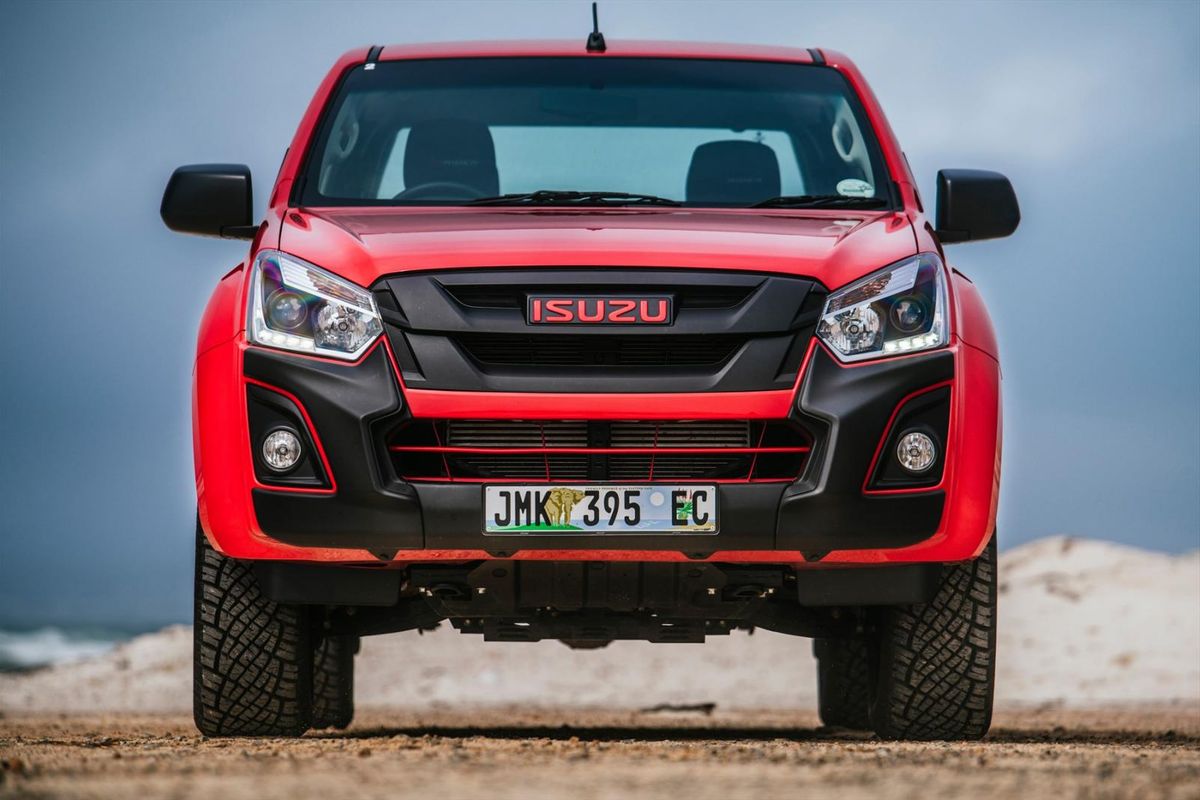
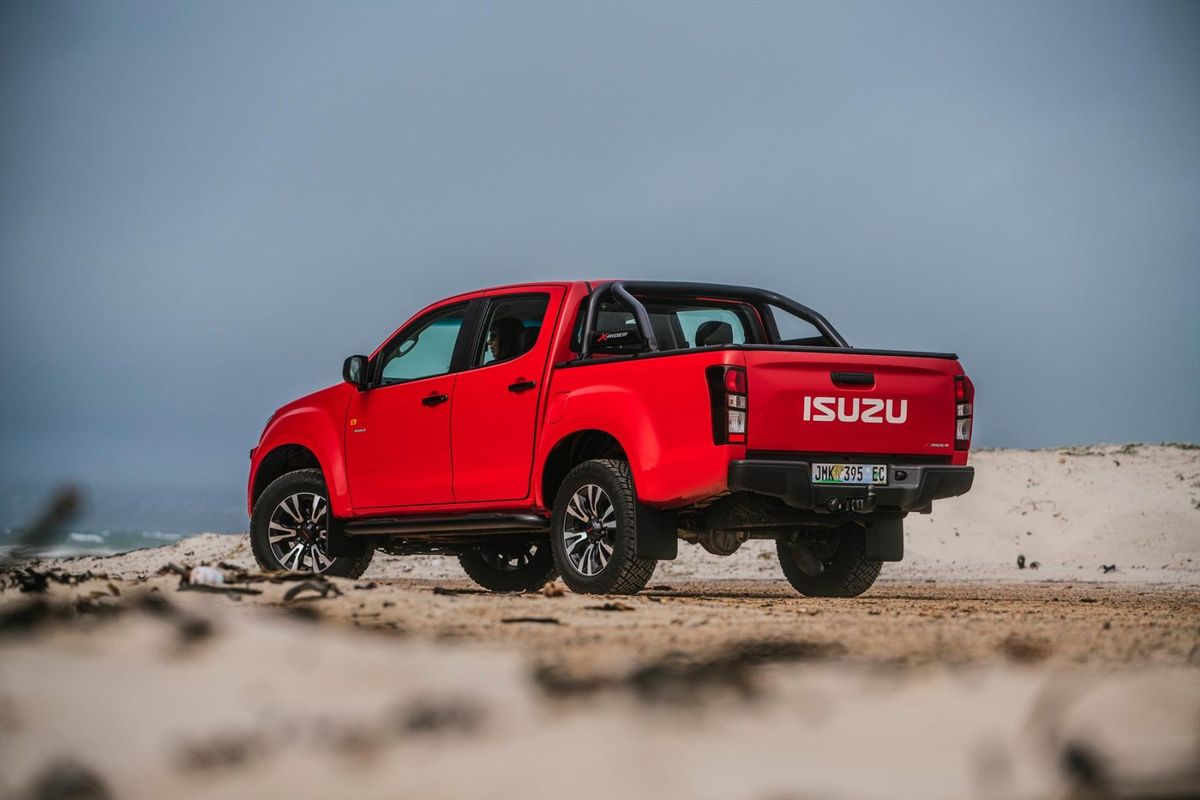
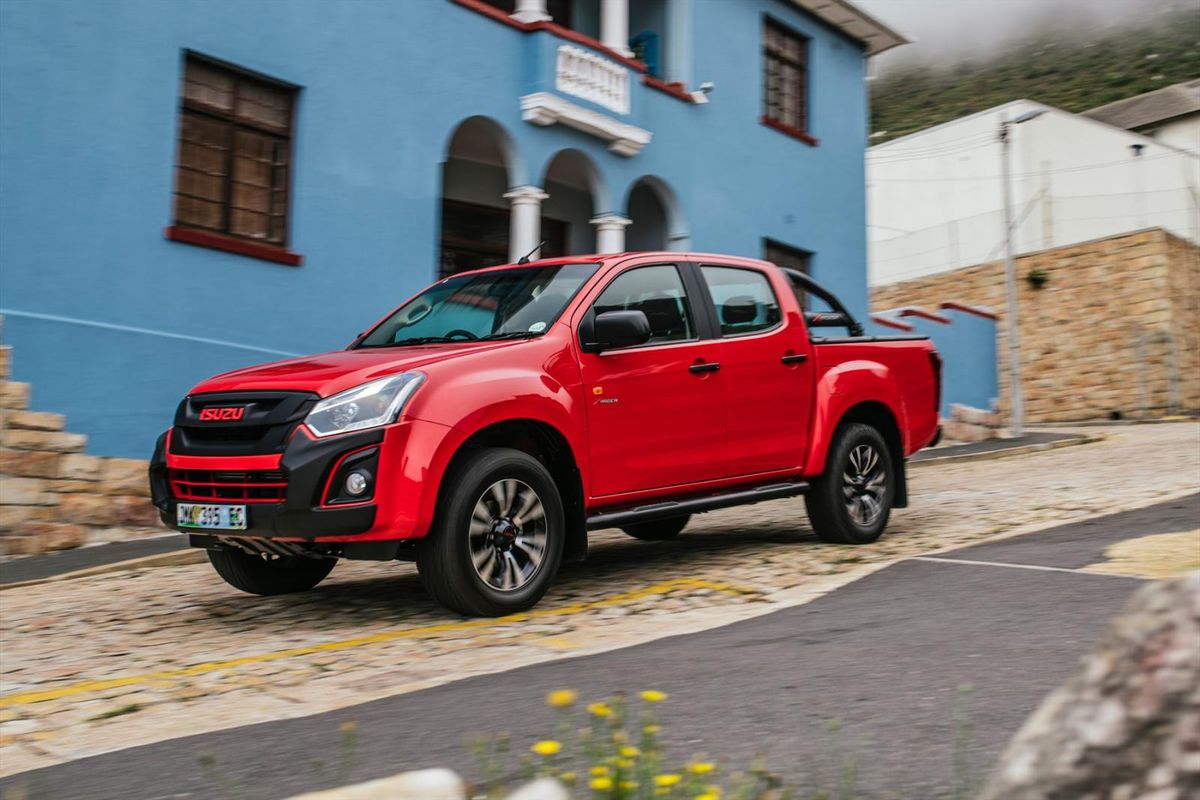
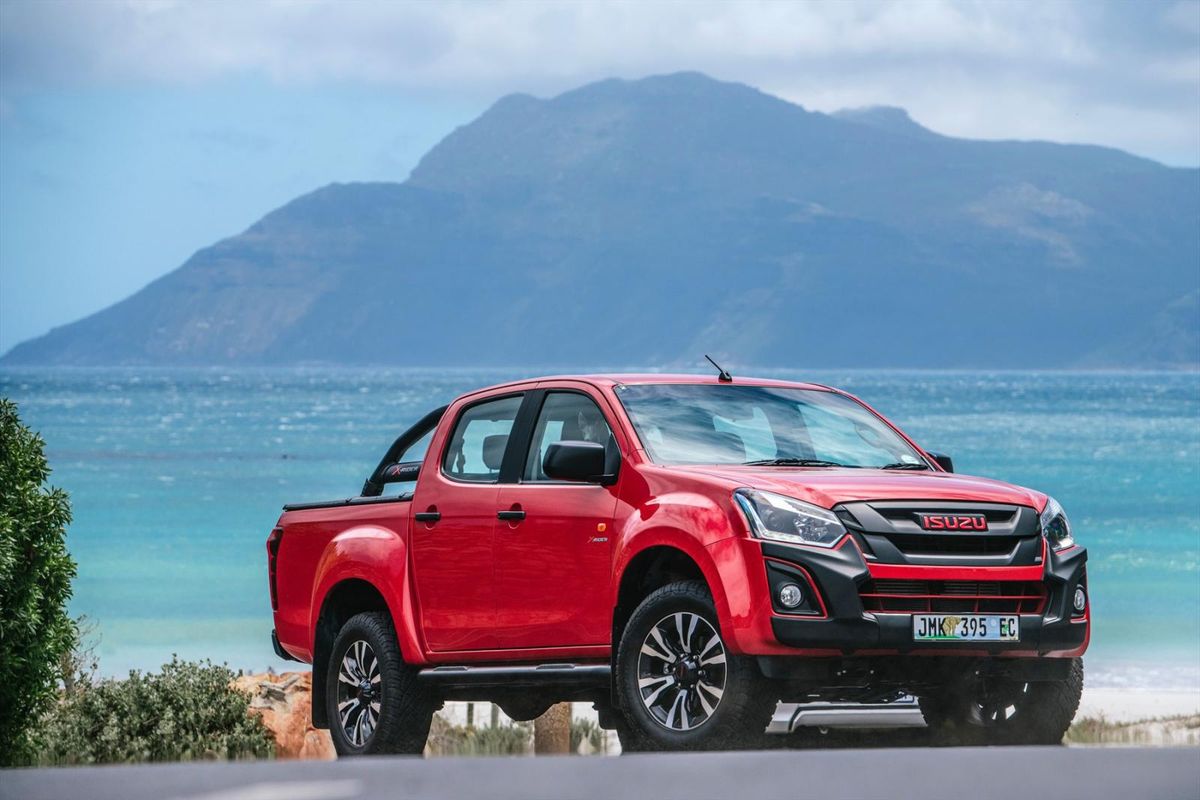
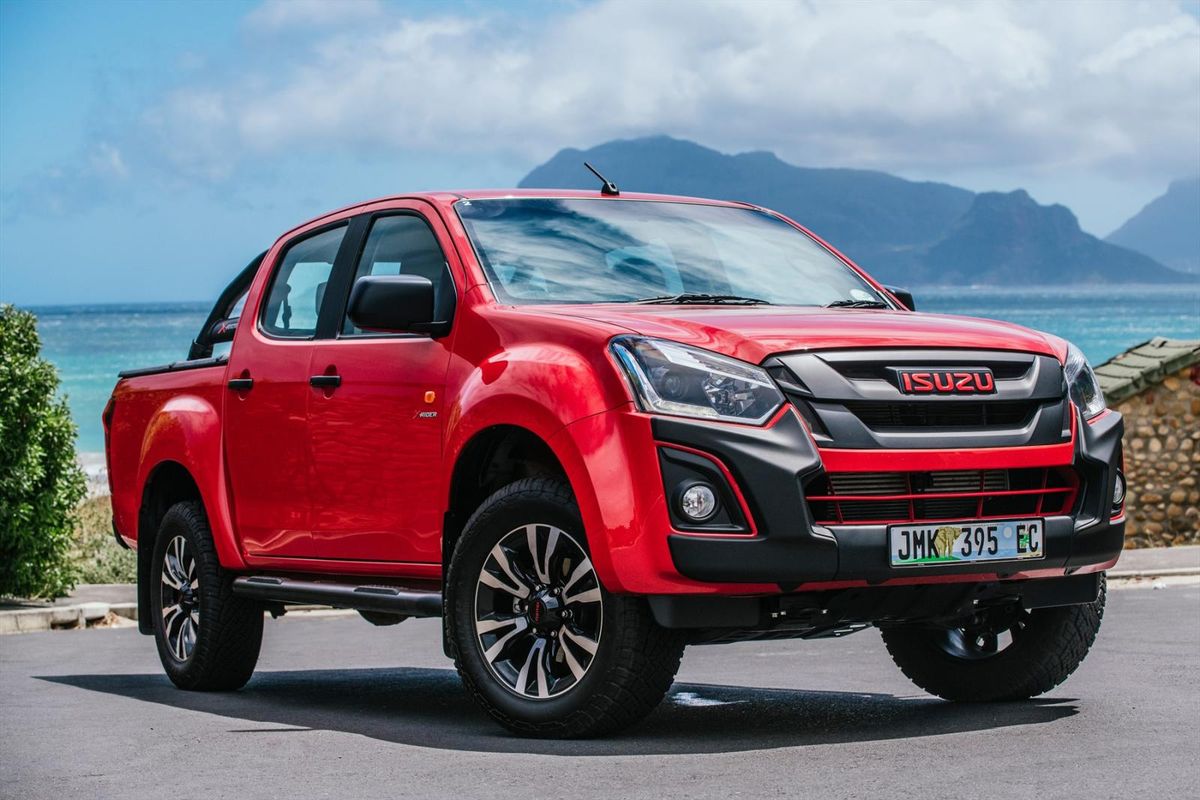
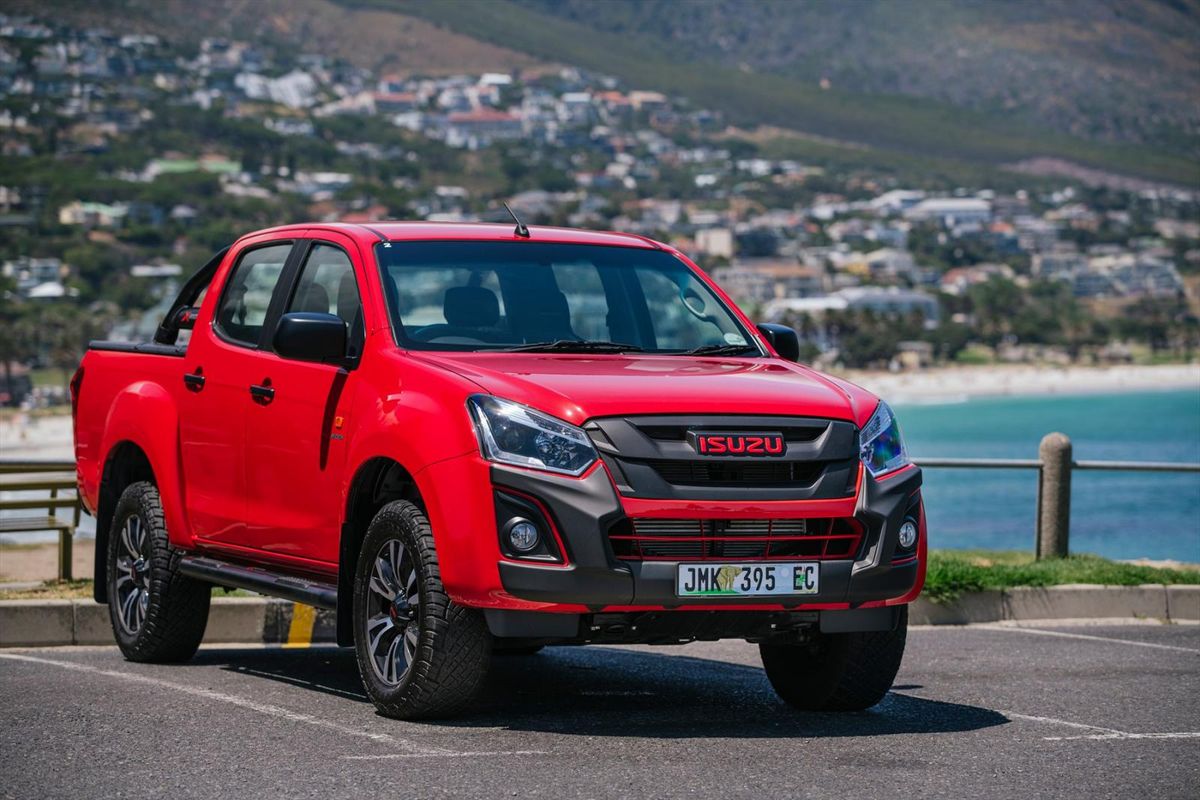
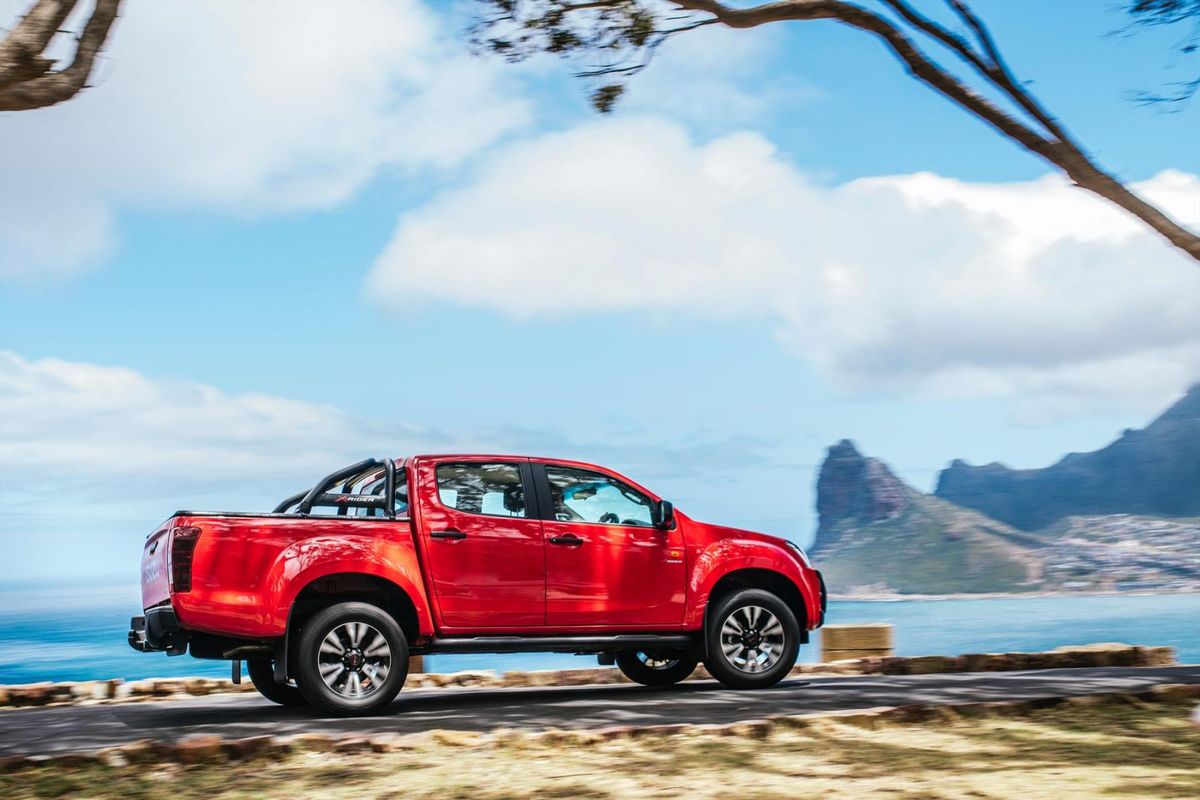
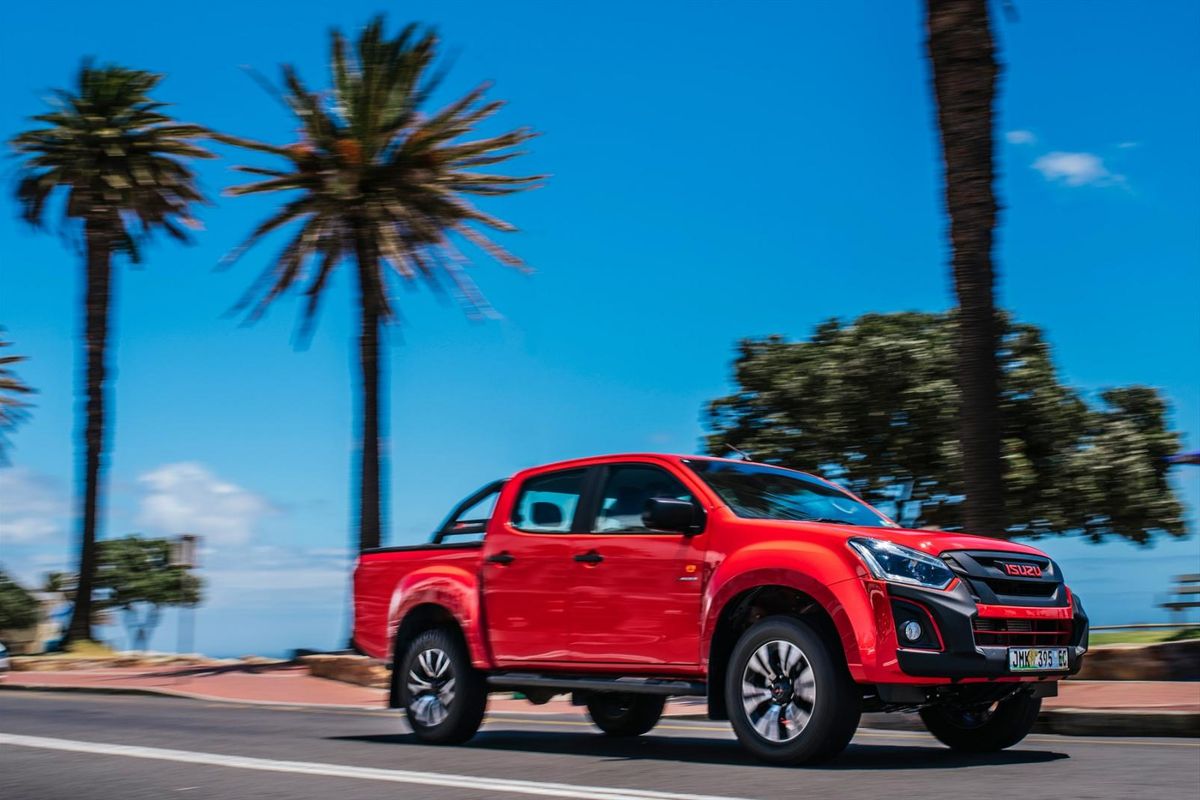
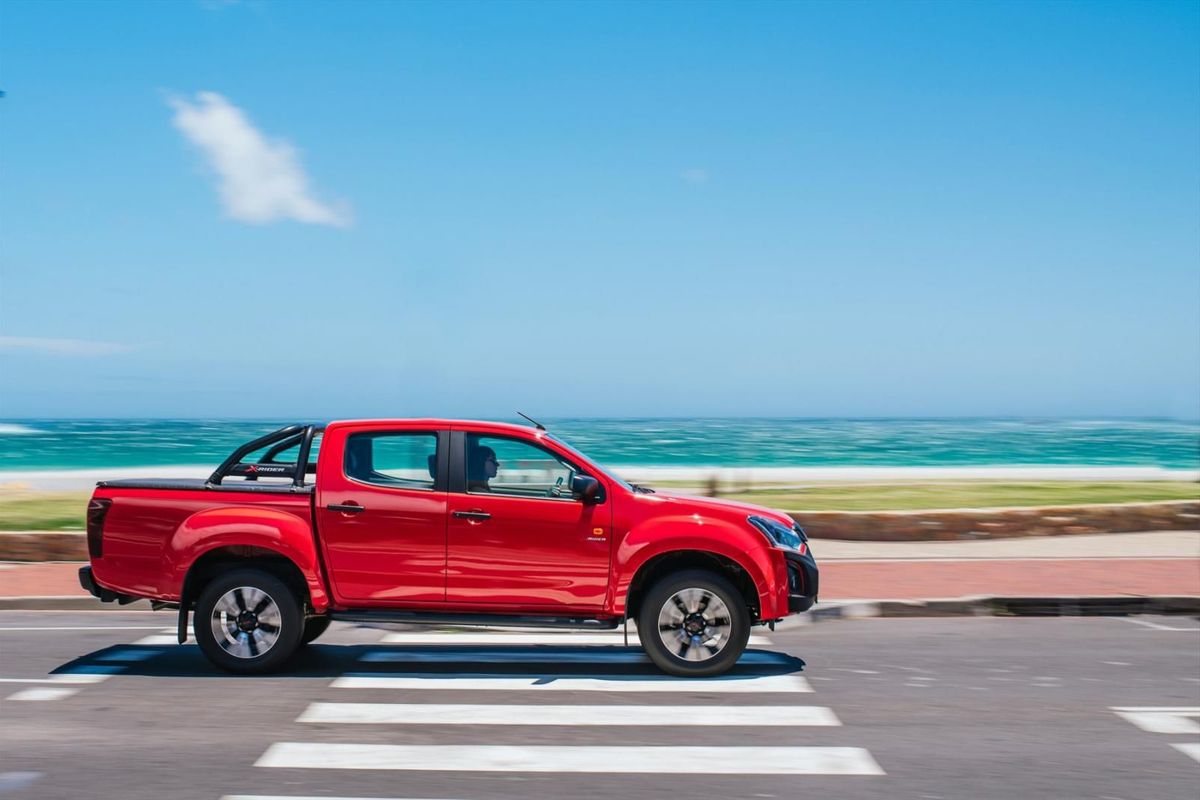
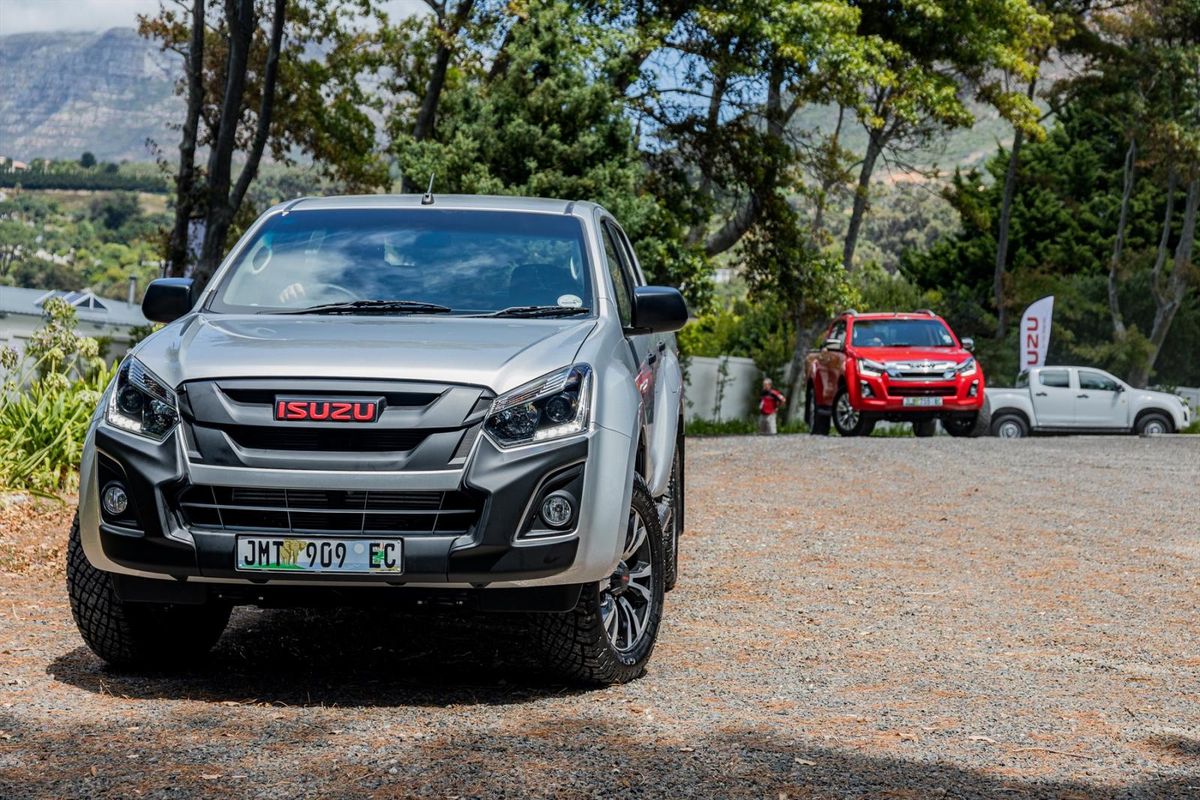
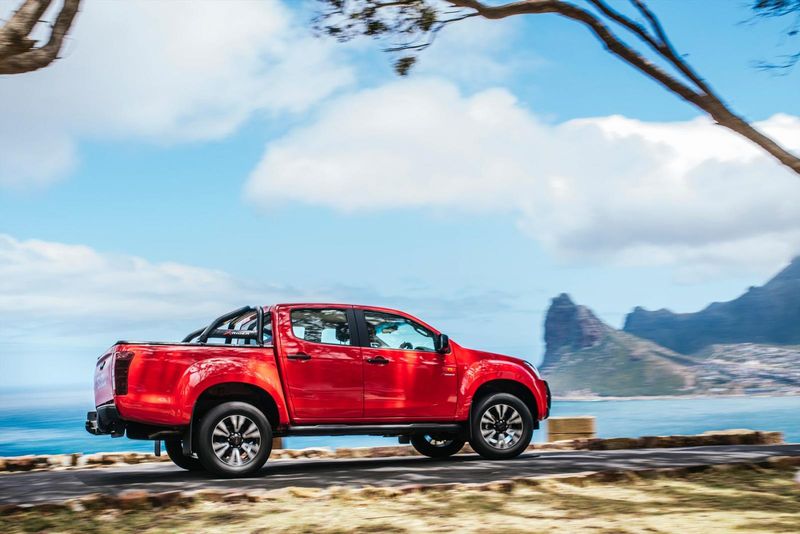
Isuzu D-Max 250 Auto (2020) Launch Review

Yes, there is an all-new Isuzu D-Max bakkie in the pipeline, but that will only become available in South Africa in 2021. In the meantime, Isuzu SA has updated the current range by introducing automatic-transmission versions of its 250 turbodiesel derivatives. Ernest Page reports…

When General Motors' departure from South Africa was announced back in 2017, consumers were concerned about Isuzu's future (at the time, few people realised that the Japanese firm, although distributed by the US company in the local market, was an independent company). But in the last 2 years, Isuzu South Africa has taken over operations at the Port Elizabeth plant (it merged production of bakkies and trucks to great effect) and, out in the public domain, the company’s gone on to win 2nd place in the Brand of the Year category at the 2019/20 #CarsAwards – powered by WesBank.  

Isuzu's stellar performance in the Cars.co.za Consumer Survey reflects that customer satisfaction is at an all-time high and the next-generation Isuzu D-Max, which should arrive around the 2nd half of 2021, has bakkie enthusiasts salivating. Until then, however, Isuzu has 1 important card to play: add an auto box to one of its best sellers: the 250 D-Max (or KB250, as it was formerly known).

Just as tough as before


Isuzu placed 2nd in the 2019/2020 #CarsAwards Consumer Satisfaction Survey.

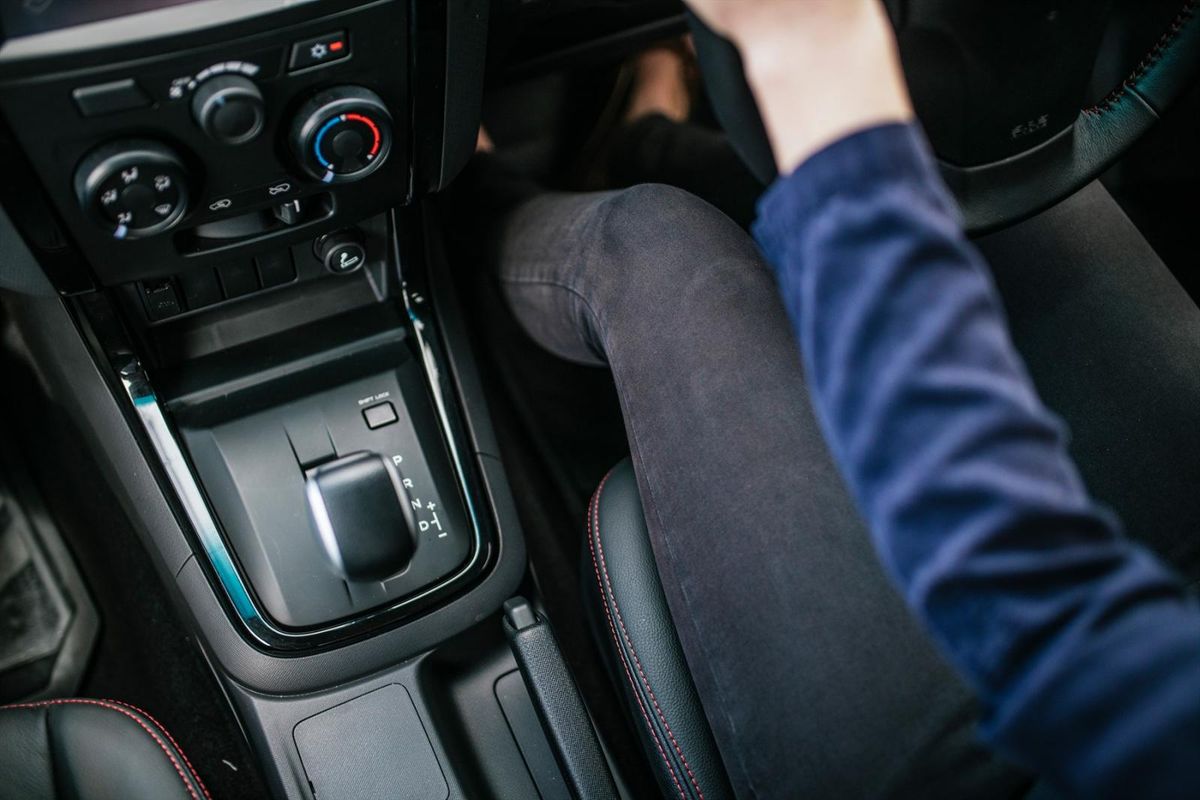
Isuzus still have a reputation for being tough – so tough, in fact, that the word leisure isn’t often used to describe any other derivative than the top-of-the-range automatic versions. The stories often told about Isuzus usually entail tales of many millions of miles travelled. But, to make the D-Max more appealing to the leisure market, an automatic 'box is now available on 5 versions of the 250 range.  

It's very smooth…

During a lengthy chat with Dominic Rimmer, Isuzu Motors South Africa's senior vice president of technical operations, he confirmed Isuzu was one of the very few local manufacturers to still test their bakkies extensively for local conditions. This included months of suspension and setup tests and choosing tyres that were perfectly suited to Mzansi's driving conditions (and driving habits).


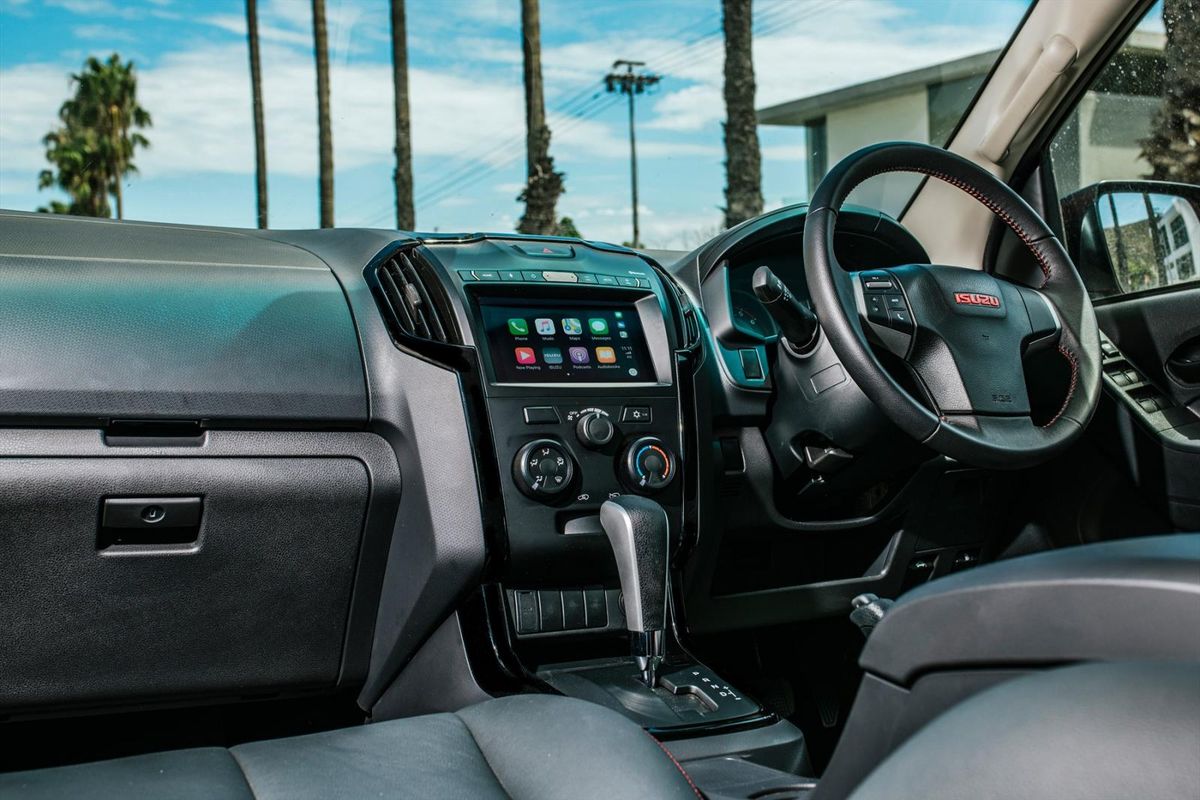
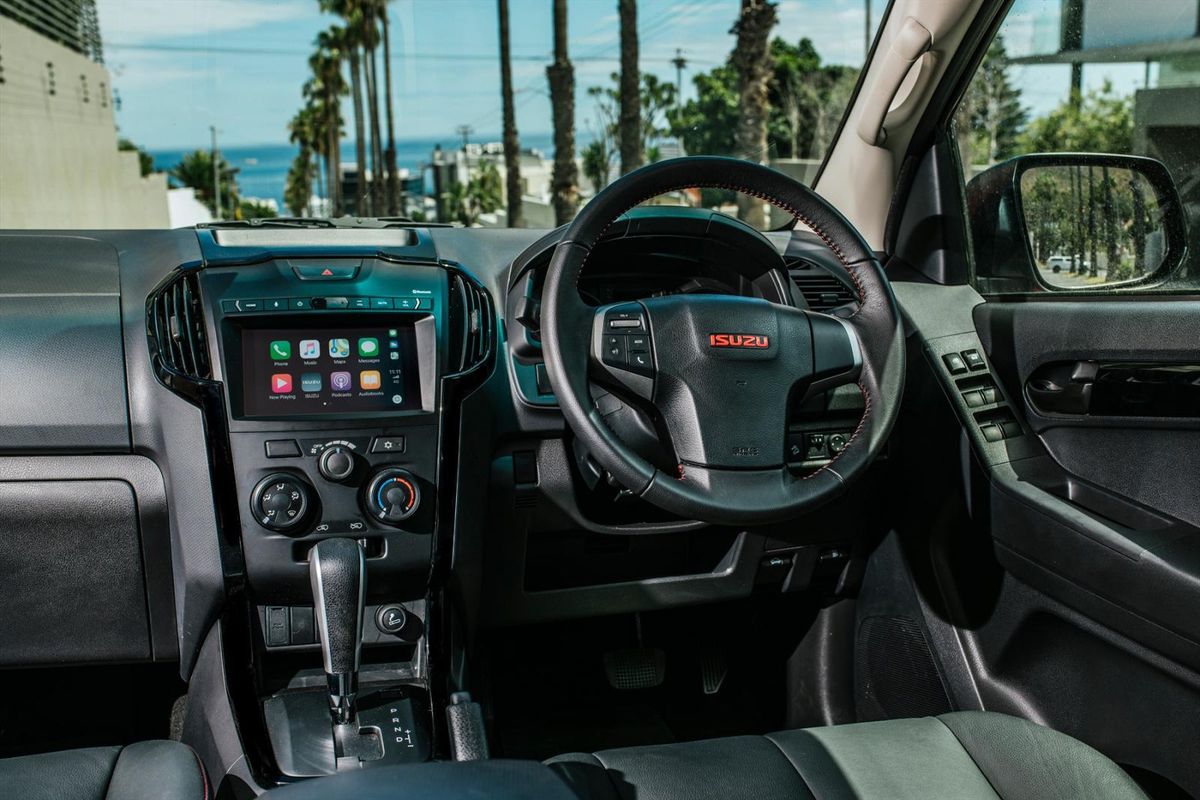
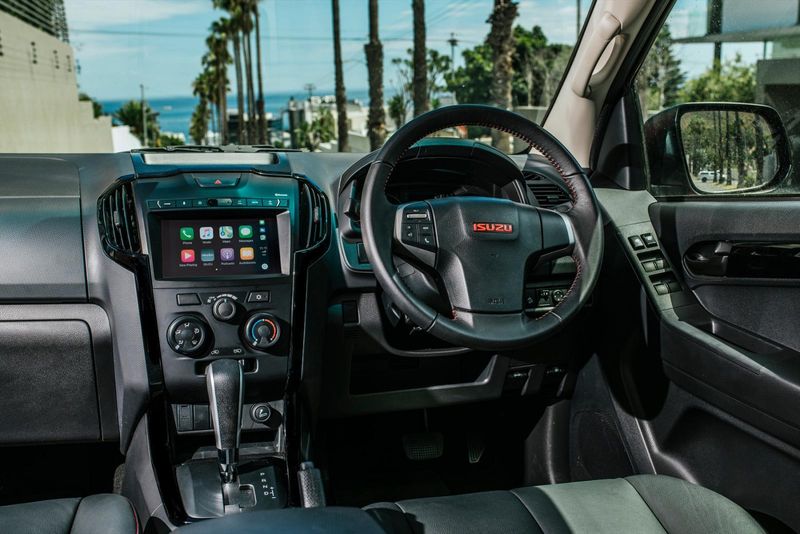
The functional interior might not shout lifestyle but it's near bulletproof reliable.

Isuzu’s research shows that South African bakkie owners generally travel longer distances than in other markets (and at higher speeds). The road conditions in South Africa also vary more than in most developed countries. Therefore, the durable yet smooth-running General Tyre AT Grabber was chosen for the 250 D-Max. The tyre is said to complement the damping of the bakkie in such a way as to provide a soft-yet-reassuring ride quality – even when operating at higher speeds. You can really tell the bakkie's suspension tuning has been tweaked for our "uniquely South African" road network.  

And the transmission?

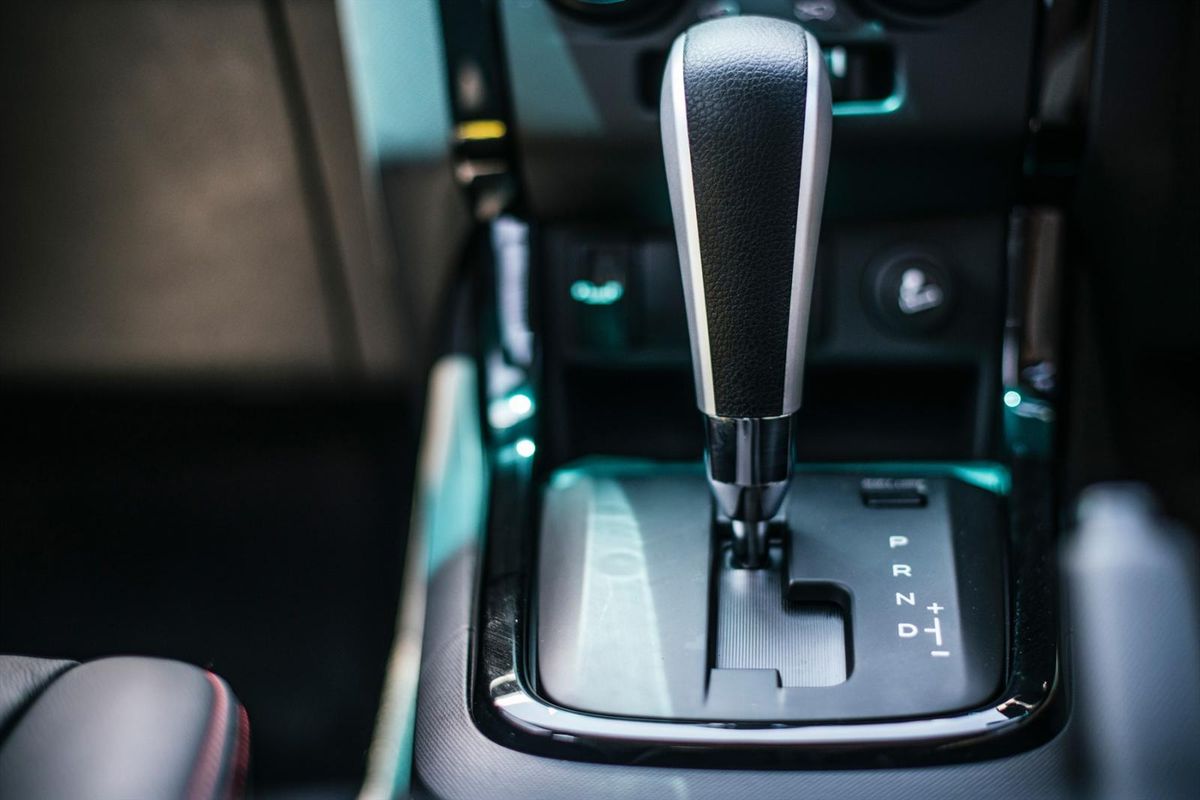
While driving in mixed conditions, I endeavoured to test the auto box by purposely varying my driving behaviour. When the 250 D-Max was cruising at speeds of around 120 kph, the transmission felt well-calibrated, with sufficiently prompt responses when it was required to kick down, overtake and coast. Even the engine-braking felt natural and intuitive; my only bugbear was that the drivetrain snatched slightly when shifting down to 1st in congested traffic. For consumers who spend most of their time travelling in urban areas, the self-shifting Isuzu is a credible option at an affordable price.

The tried-and-trusted 100 kW/320 Nm turbodiesel engine is quite well-matched with the 5-speed automatic transmission and I can imagine that opting for a 6-speed unit instead would have added more cost without any obvious/substantial benefit to drivability. By the way, the claimed average fuel consumption figure for the new auto derivatives is a very respectable 8.1 L/100 km.

Summary


The D-Max autos now offer a keen entry point for the range.

Isuzu plans to invest more than R1.2 billion to optimise the next-generation Isuzu bakkie for the Southern African market, which includes sourcing parts locally and ensuring that the bakkie will be able to withstand harsh operating conditions. The current model has been around for a long time, but for what it lacks in the latest features and safety technologies, it makes up for in value for money.

Starting at R403 200, the Isuzu 250 D-Max automatic is priced lower than both Ford and Toyotas alternatives and also boasts one of the best warranties of any manufacturer. It's still not AS lifestyle-oriented as those two rivals, but certainly carries enough appeal to give Isuzu fans the alternative they need until the 2021 model arrives. Will it entice other bakkie owners? Yes, I think so.

Pricing:

D-Max 250 Extended cab Hi-Ride Auto  R403 200
D-Max 250 Double cab Hi-Ride Auto R435 300
D-Max 250 Double cab LE Auto  R459 000
D-Max 300 Double cab Hi-Ride Auto  R464 100
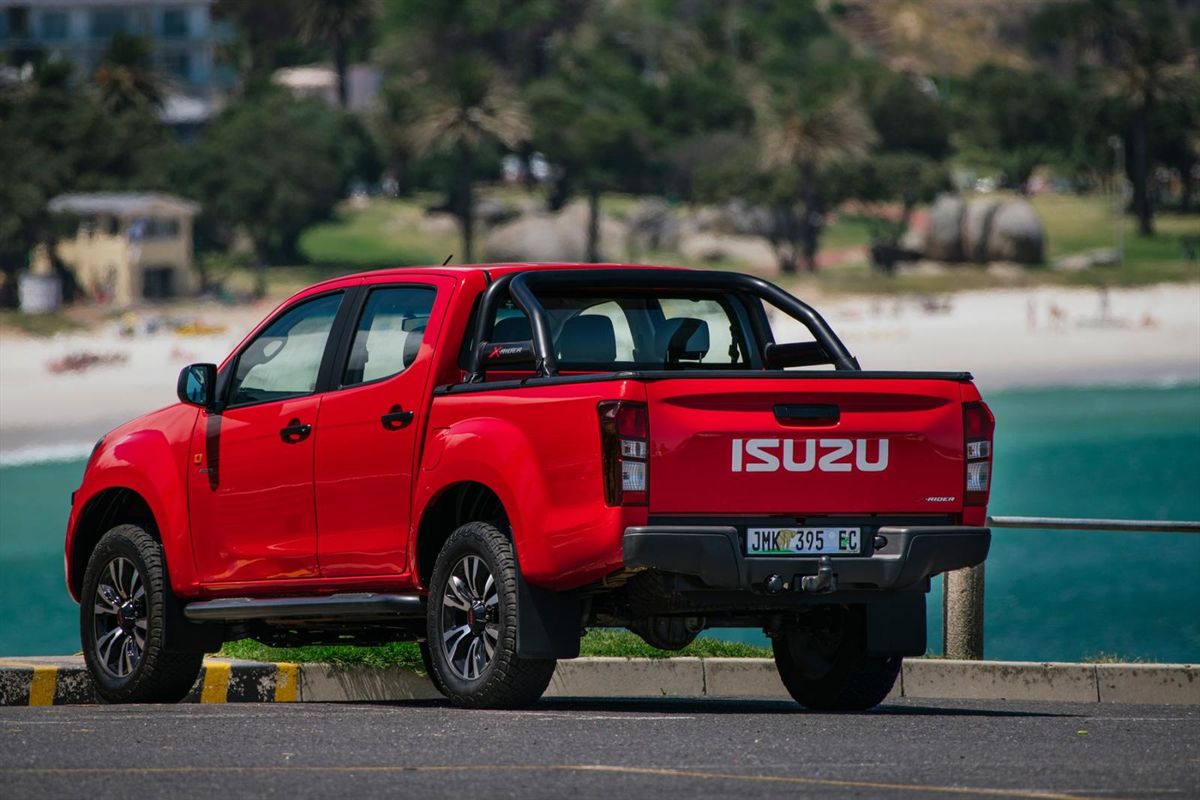
D-Max 250 Double cab X-Rider Auto  R474 700

Related content:

Isuzu Adds Automatics To D-Max Range

Isuzu D-Max Arctic AT 35 (2019) Launch Review

Isuzu finally offers diff-lock MU-X

New Isuzu D-Max to be Built in Eastern Cape

All-New Isuzu D-Max Revealed (SA Details)

Smaller Maserati SUV due in 2021

New factory will build Maserati SUV.

Maserati has inadvertently confirmed that its new SUV will go into production sooner than anticipated.

The Italian sportscar brand is desperately trying to reinvent itself by transitioning away from its core product heritage. Maserati’s management are keenly aware that luxury SUVs and crossovers are rapidly eroding its traditional premium sportscar business.

In response, Maserati is radically overhauling its product strategy, by committing to electric powertrains and more SUVs.

As market forces threaten to overwhelm legacy automakers, Maserati is especially vulnerable. It is a specialist manufacturer, trading in very low volumes, which means that reduced sportscar demand has hurt it badly.

Maserati is now taking the radical step of investing heavily in its Italian production facility, to prepare for the arrival of a new luxury SUV, sooner than the market had anticipated.

The original timeline for Maserati’s new SUV was scheduled for 2022. But details in the company’s latest trading update, indicate that we’ll see a pre-production SUV within the year and customers can expect deliveries by early in 2021.

This information has come via confirmation of Maserati’s new production facility in Cassino, Italy. The company is spending R1.2bn to commission an assembly plant for its new SUV, which is expected to be smaller than the current Levante.

Exact specification details concerning this new sub-Levante SUV aren’t known, but it will ride on the rear-wheel drive Giorgio platform. This vehicle architecture has been FCA’s most significant engineering investment in a decade and is set to underpin 12 models.

The Giorgio platform has already been proven as a dynamic all-wheel drive SUV package, by Alfa Romeo’s Stelvio. Expect Maserati’s new SUV to share the Alfa's 2.9-litre turbocharged V6 engine, too.

Related content

Maserati Levante S (2018) Launch Review

Alfa Romeo Stelvio Quadrifoglio (2019) International Launch Review
Bentley Bentayga Diesel (2018) Launch Review
Volkswagen T-Cross vs Hyundai Venue – Review and Comparison

The Volkswagen T-Cross is a newly-crowned 2019/20 #CarsAwards category winner, but it faces a fresh-faced challenger in the shape of the recently introduced Hyundai Venue. We compare these top-selling compact family cars head-to-head to see which is the better buy.

To read the full comparison of the vehicles with a massive gallery check out this article

For other videos we've done on the T-Cross, check the links below.

First Drive – New Volkswagen T-Cross – Landing in SA in 2019 https://www.youtube.com/watch?v=sYYzMXIs_VQ&feature=youtu.be

New VW T-Cross vs VW Polo – Which one should you buy? https://www.youtube.com/watch?v=Rl2sbzxJshY&feature=youtu.be

Looking for a used Volkswagen in South Africa?

We have over 10 000 VW's to choose from! https://www.cars.co.za/usedcars/Volkswagen/

Looking for a used Hyundai in South Africa? Find over 4000 on our site: https://www.cars.co.za/usedcars/Hyundai/

Volkswagen Teases New Golf 8 GTD

Volkswagen has released a teaser image of its all-new Golf GTD and here's what we know about it, ahead of its world premiere at the 2020 Geneva International Motor Show.

The Volkswagen Golf GTD has always played second fiddle to the more popular GTI, but for those who wanted 90% of the performance with vastly superior economy, it found favour particularly in the European market. A few units even came to South Africa as part of the Golf 7.5 family, back in 2017. However, with Dieselgate, diesel power has lost some of its appeal. 

Volkswagen thinks there's still place for a diesel-powered lukewarm performance Golf and will be celebrating the 8th iteration of the GTD at the 2020 Geneva International Motor Show. Volkswagen is claiming this all-new Golf 8 GTD will be one of the most powerful and cleanest. Volkswagen is claiming a significant increase in performance as well as the lowest emissions, with the new motor's efficiency significantly optimised and CO2 emissions cut even further. Without going into much detail, Volkswagen is putting the improvements down to 'a new twin dosing SCR with double AdBlue® injection.'

When it was launched, the SA-spec Volkswagen Golf GTD came with a 2.0-litre turbodiesel motor, which offered 130 kW and 350 Nm. Power reached the front wheels via a 7-speed dual-clutch transmission and it was claimed to hit 100 kph in 7.4 seconds, while consuming 5.0 L/100 km. We'll see the all-new Volkswagen Golf 8 GTD be revealed in the first week of March 2020 and based on a leak recently, we're expecting outputs of 147 kW. 

Further Reading

Volkswagen Golf GTD (2017) Video Review

Volkswagen Golf GTD (2017) Quick Review

Volkswagen Golf R + GTD (2017) Launch Review
Volkswagen Golf R, GTI & GTD (2017) Track Comparison Video