Kia Seltos (2020) Launch Review
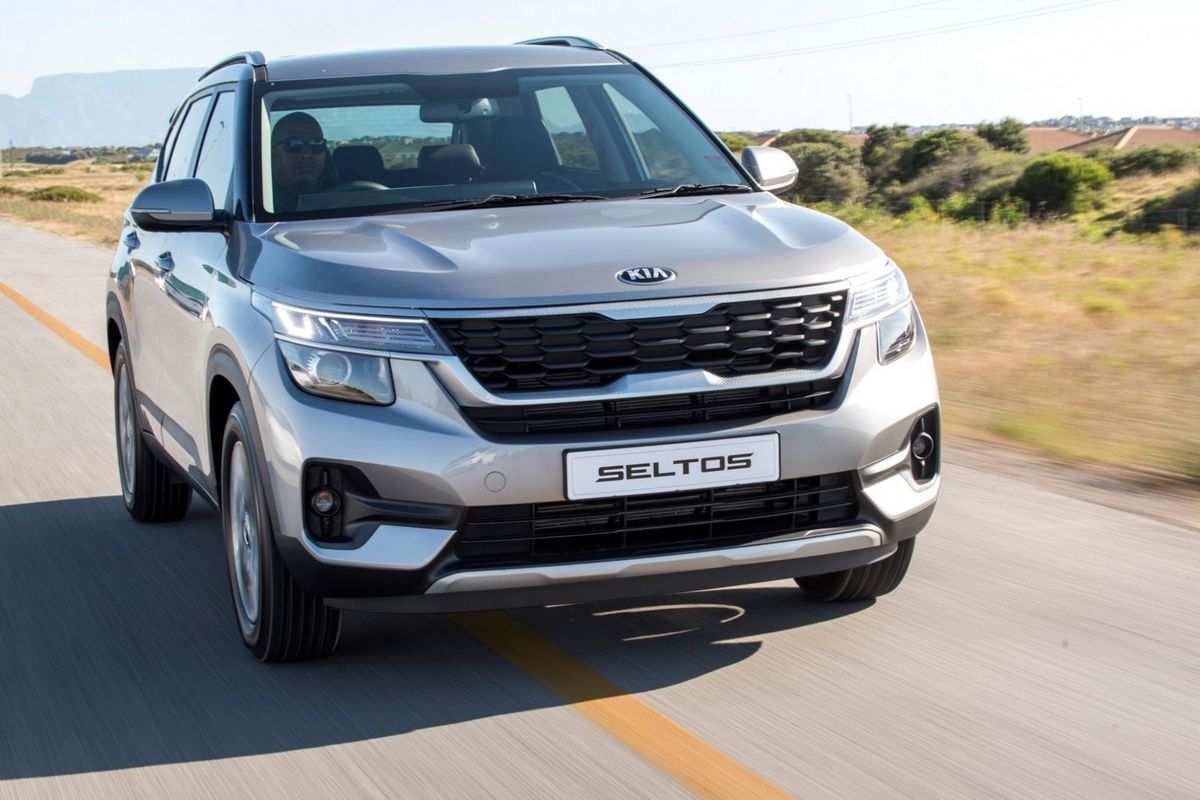
The Seltos arrived in South African showrooms towards the end of 2019, but this week we finally got our chance to sample Kia's stylish compact family car on local soil. Is this handsome newcomer that "smartly-positioned sub-Sportage model" many have been waiting for?

Our first taste of the Seltos came in India, where we also got to step inside the mighty Kia plant in Bangalore, which is assembling the SA-spec units. Kia South Africa is set to have a strong year in 2020 with a multitude of new product launches in the pipeline. One of those new models will be the Kia Sonet, which is positioned just below the Seltos. 

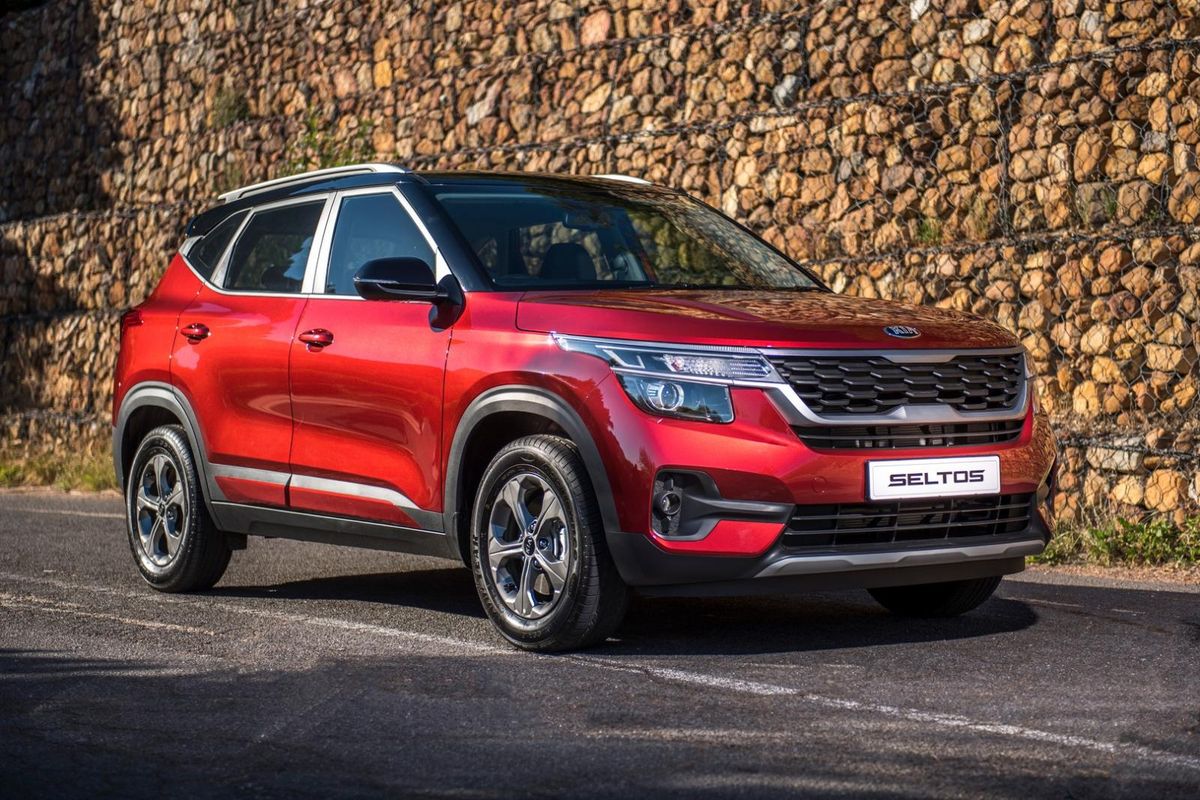
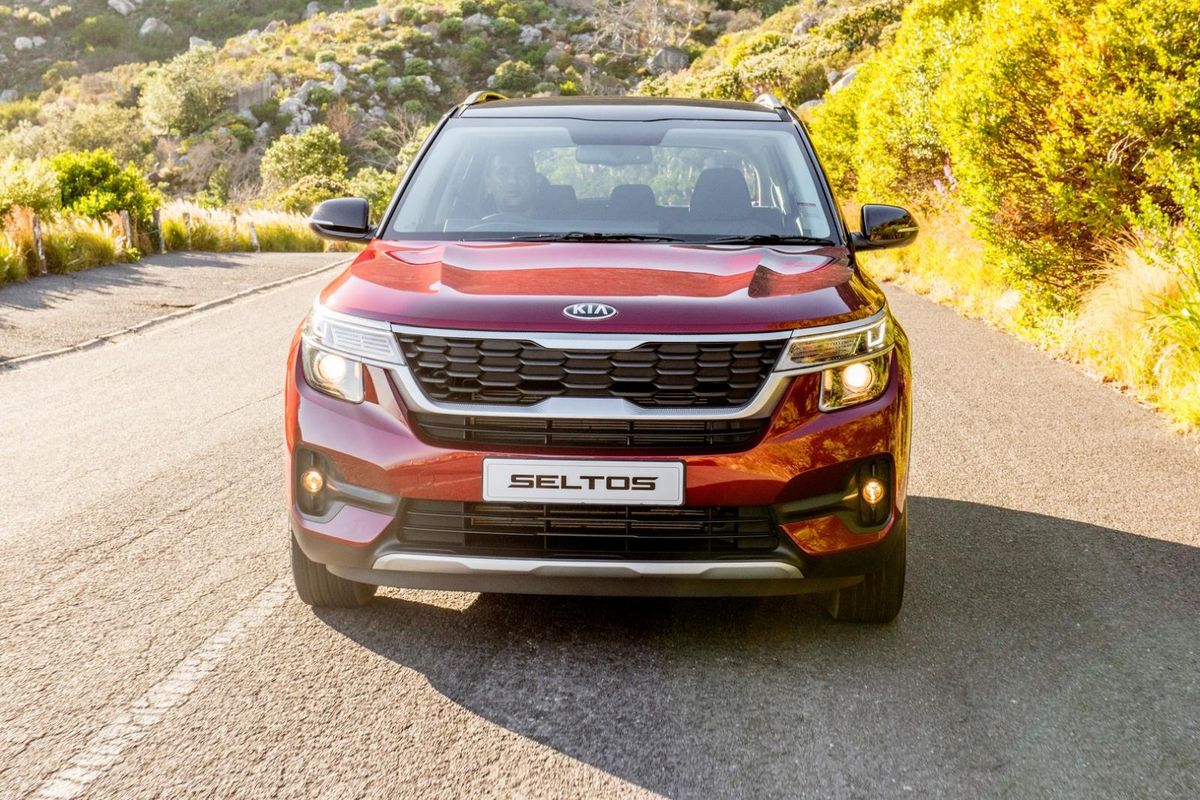
Underpinned by the same platform as the Indian-built Hyundai Creta, the Kia Seltos looks impressive and imposing in pictures. And, in the metal… it's much the same. First impressions suggest it's physically larger than most offerings in the compact family car segment, which is growing so densely populated that we may need to create another subdivision just to classify the comparatively larger Creta, Seltos, Haval H2 and the upcoming Volkswagen T-Roc (no name just a few of the more obvious examples). 

So how would one describe the Seltos' ideal buyer? Well, imagine you have a 6-year old premium SUV out of warranty. The cost of ownership and servicing of said vehicle is high and the cost of the replacing it is prohibitive. Between R300 000 and R450 000, there are exceptional SUV-styled vehicles on offer and the Seltos will be taking on the likes of the Mahindra XUV300, Volkswagen T-Cross, Renault Duster, Honda HR-V and Suzuki Vitara. In fact, you could name another half dozen vehicles that sit in this category. 

What's on offer?
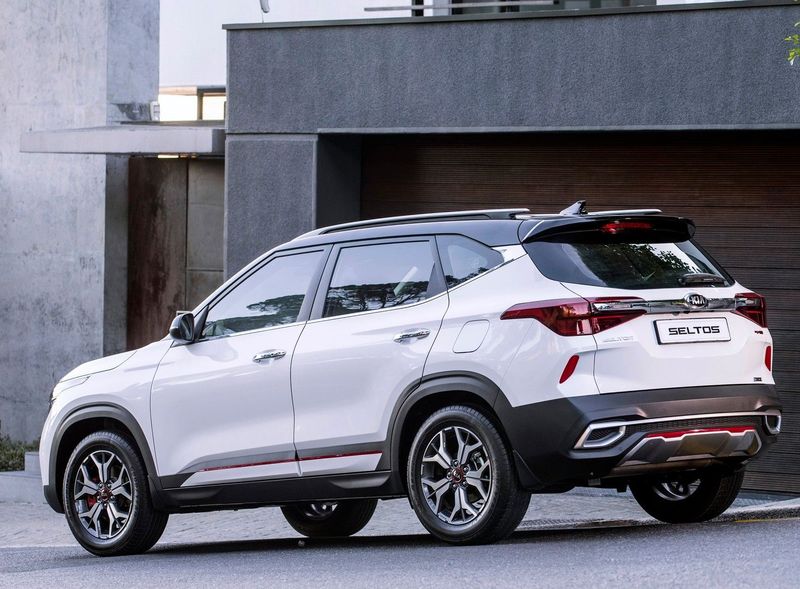

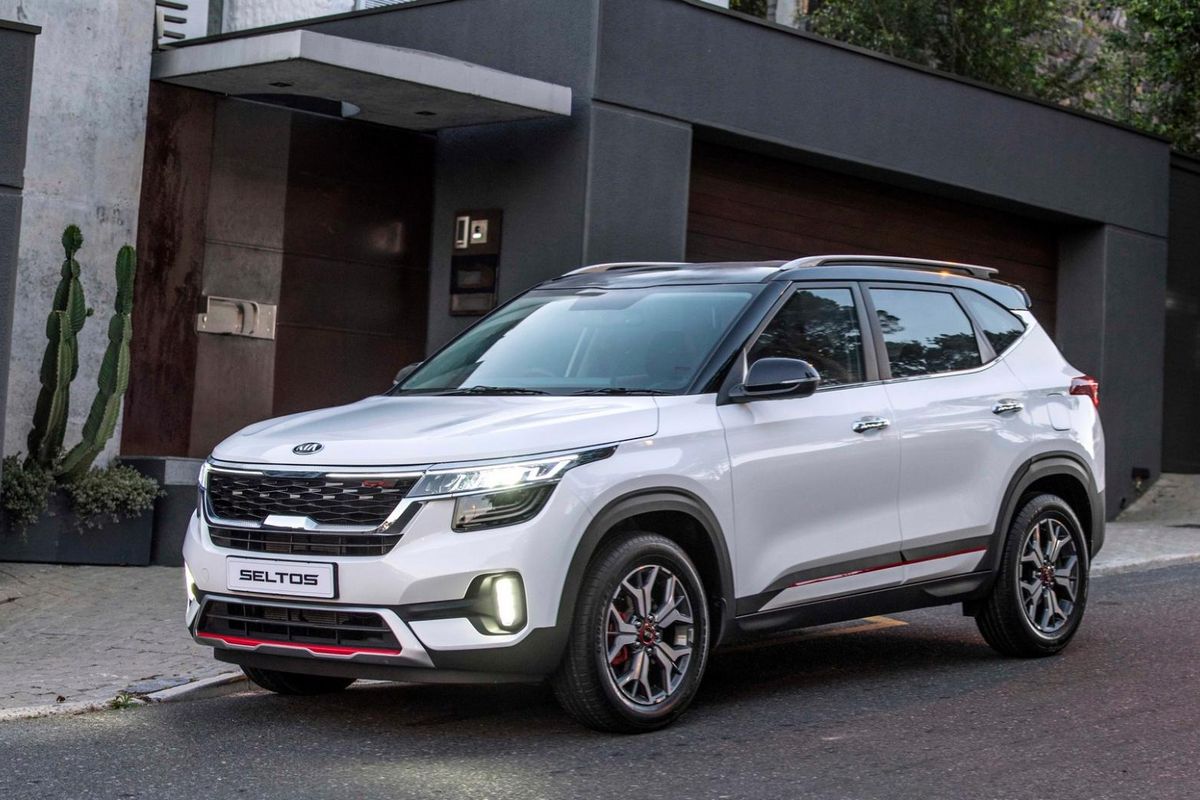
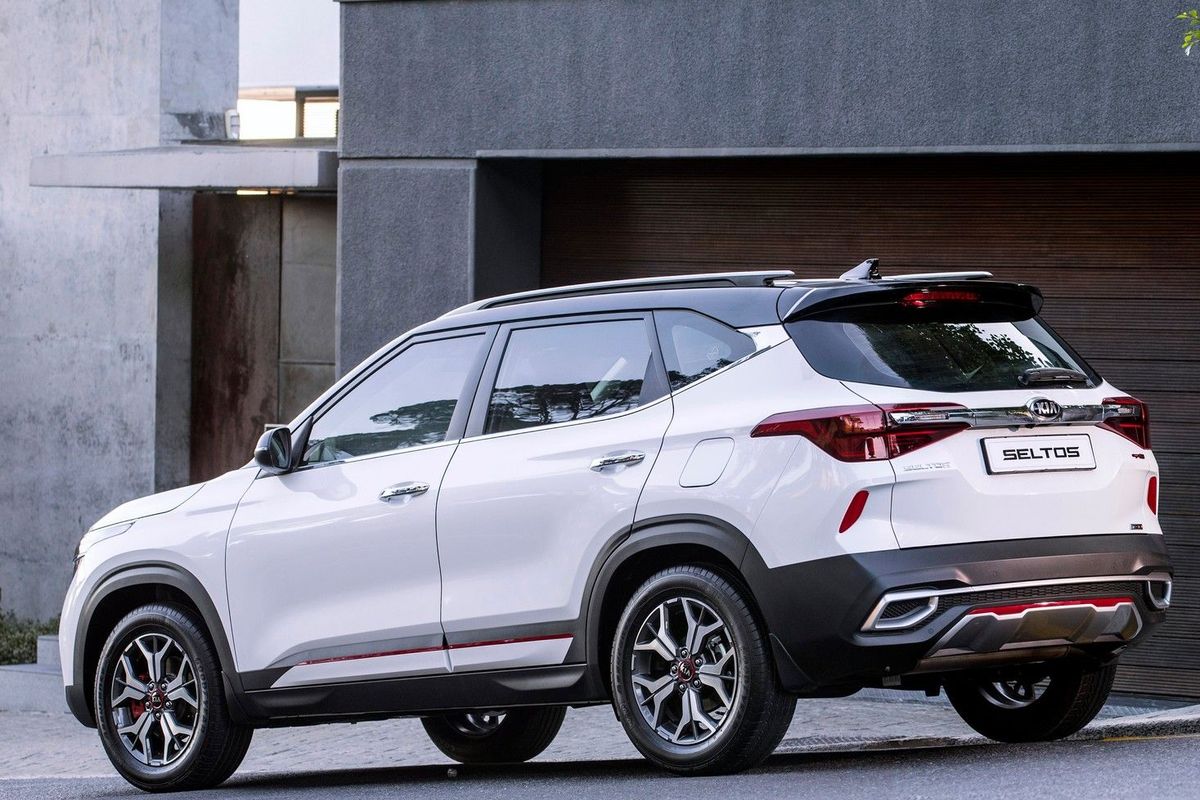
The GT-Line derivative of the Seltos is a very good looking SUV.

Kia believes its Seltos is aimed at younger, tech-savvy consumers. There are 4 derivatives, with a 5th set to join the ranks later on. The first wave of Seltos offerings consists of petrol-driven derivatives, with a turbodiesel version coming later. The 2 petrol engines are the 1.6-litre naturally-aspirated 4-cylinder with 90 kW and 151 Nm and the 1.4-litre turbopetrol (exclusive to the flagship GT Line, which punches out 103 kW and 242 Nm). Both manual gearboxes and automatic transmissions are available across the range.

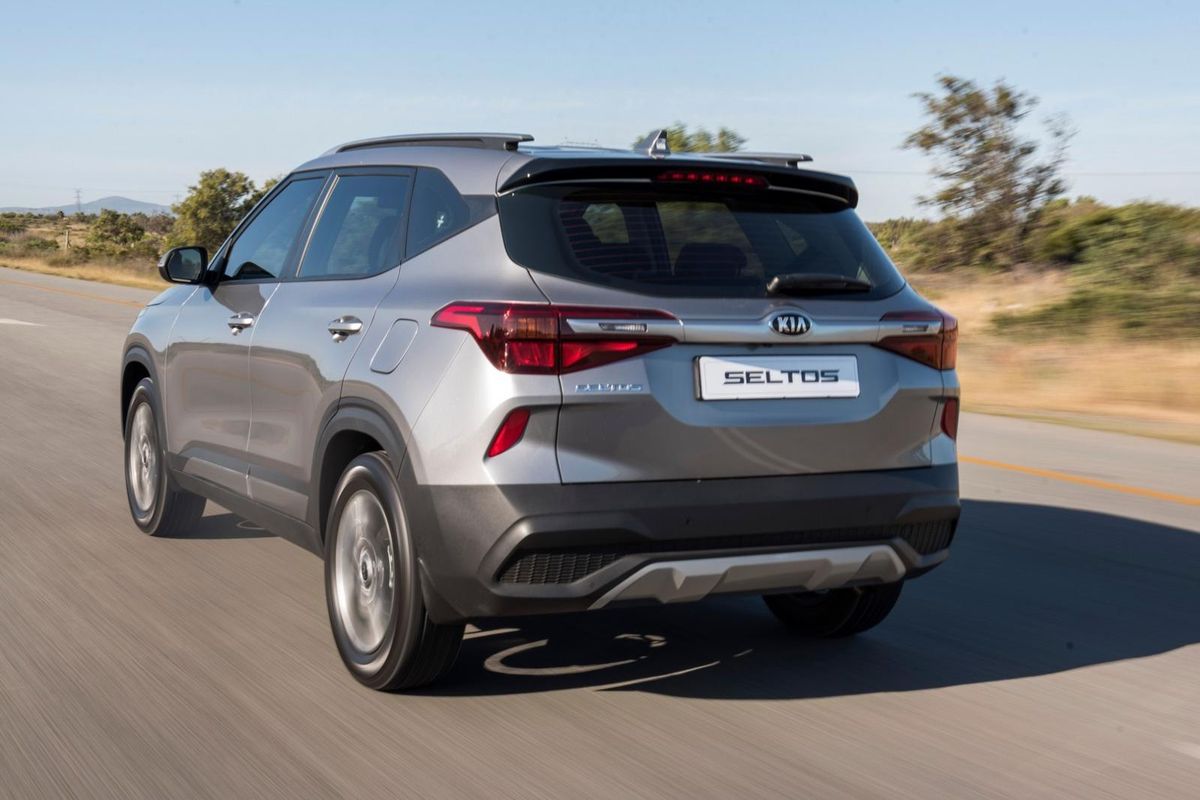
The newcomer is 4 315 mm long, 1 800 mm wide and 1 620mm high; numbers that eclipse those of the majority of its rivals. Load capacity is rated at a respectable 433 litres.

The list of standard features looks generous, irrespective of which grade you pick. All derivatives offer Apple CarPlay and Android Auto compatibility and feature USB ports for front and rear passengers. Every Seltos comes with 6 airbags, ABS, EBD, rear PDC and a reverse-view camera. The EX+ and GT Line derivatives also have stability control.

The EX derivative kicks off the range and comes with air-conditioning, automatic headlights, electric mirrors, cloth upholstery, steering wheel-mounted controls, electric windows, cruise control, and an 8-inch touchscreen infotainment system linked to a 6-speaker audio system.

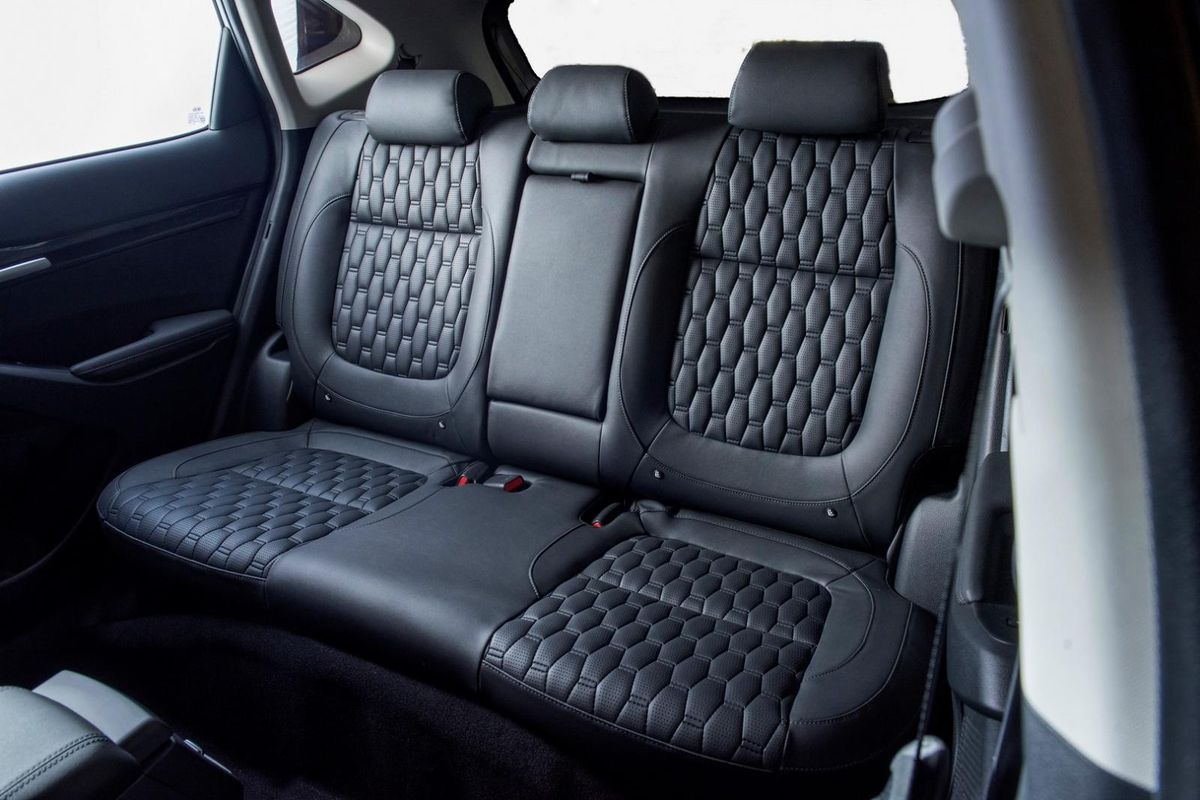
The EX+ version additionally features leather trim, auto-folding mirrors, a centre-console armrest with an integrated storage box, as well as 17-inch alloy wheels.
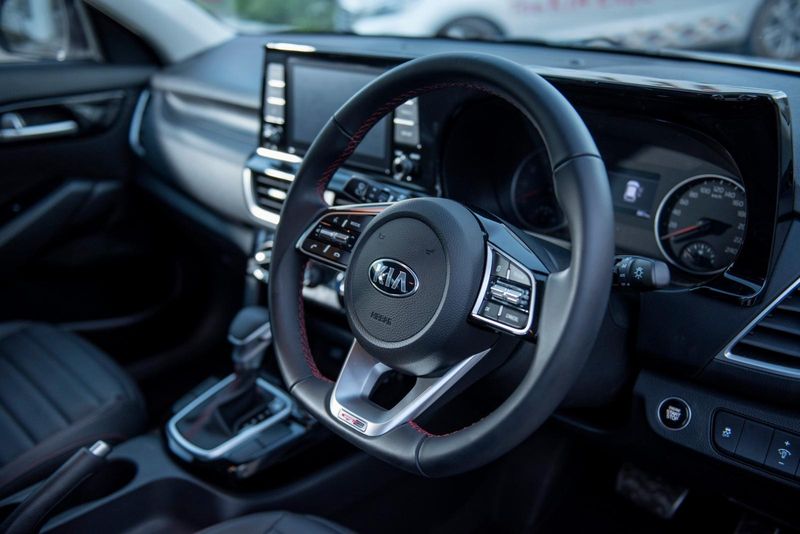

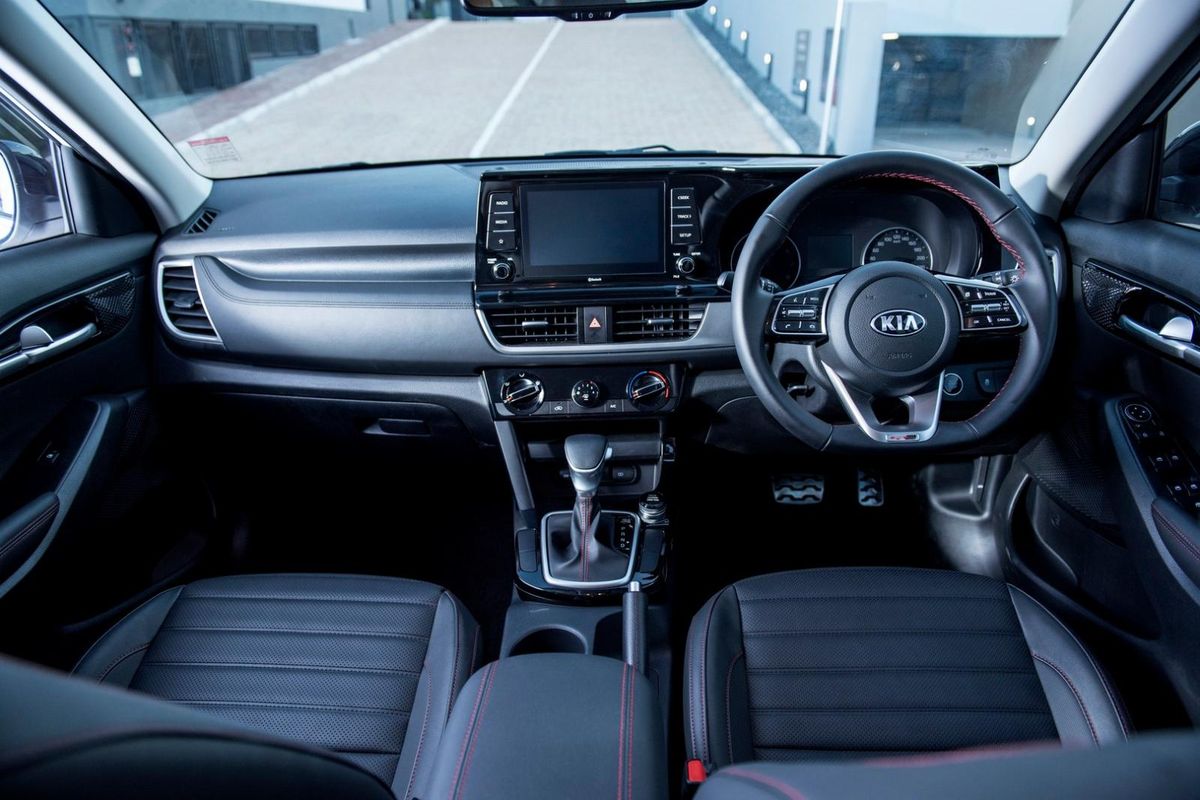
The Kia Seltos cabin is well finished and irrespective of model, specification is generous.

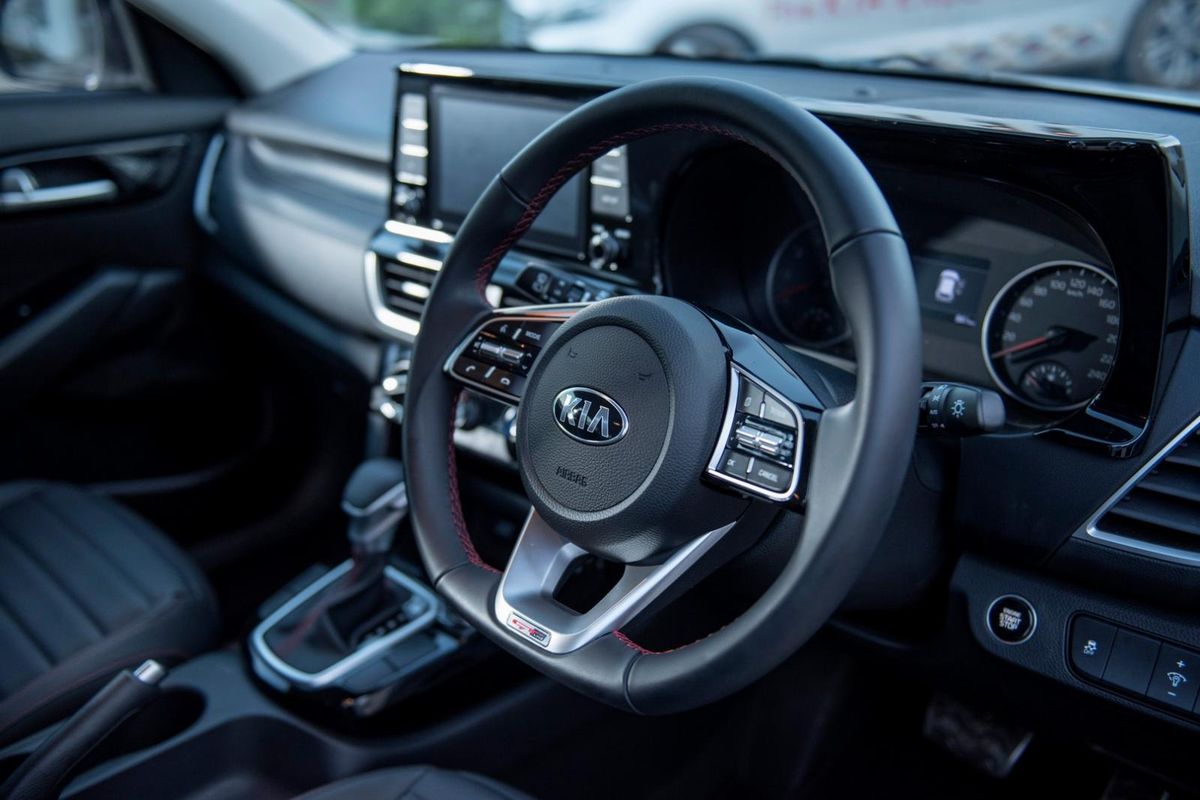
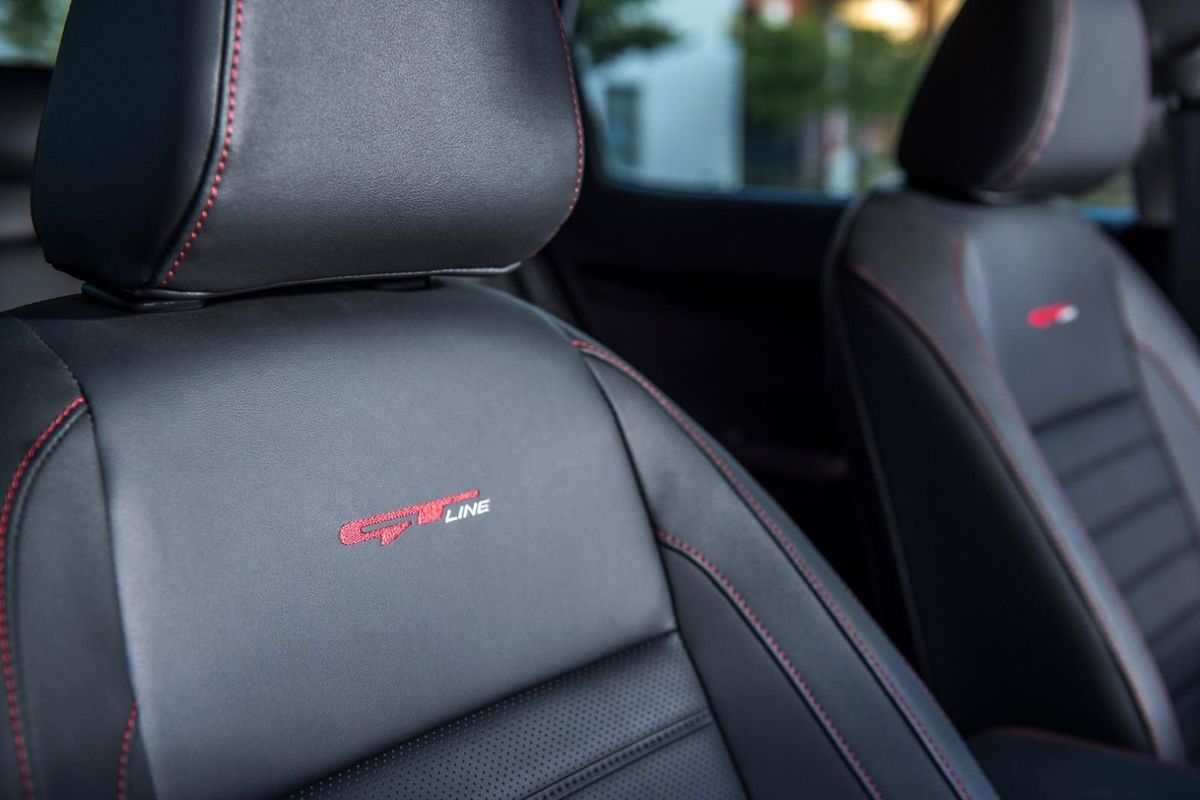
Finally, the GT Line flagship comes equipped with bonus visual addenda in the form of red detailing on the bumpers, bigger alloy wheels, chrome edging and (what Kia claims is) a Terrain Mode. This mode controls the ESC and is said to help with traction on non-sealed road surfaces. It's not all-wheel drive at all and, having had past experience with comparable systems, we find it more of a sales gimmick than anything else. This top-rung offering also has a sportier steering wheel, driving modes and stainless steel pedals.

Interestingly, Kia South Africa claims the top-spec GT Line derivative has proven the most popular so far in terms of sales, so much so there's now a considerable waiting list…

What is it like to drive? 

During the media launch of the Seltos, we had the opportunity to get behind the wheel of the stylish GT Line and the 1.6 EX+. First up was the GT Line. Before we'd even opened the door, we stopped to admire the Kia's fresh, modern looks… this really is a striking vehicle and the design is unlike anything we've experienced from the Korean brand. When you climb inside you immediately get a sophisticated vibe from the cabin. There's extensive use of high-quality materials – you can see Kia has worked hard to eradicate that made-to-a-cost feeling that often pervades vehicles in this segment. Kia is a repeat winner for quality in the JD Power survey and it's easy to see why. 

Once we'd left the morning traffic behind, the Seltos hit its stride on the freeway. The 1.4-litre turbopetrol's sweet spot starts at around the 1500 rpm mark and the 7-speed dual-clutch 'box shifts cogs promptly and efficiently. The motor performs in a linear, smooth way and acceleration is seamless. Kia claims a 0-to-100 kph sprint time of 9.7 seconds, which feels more than adequate for driving in various traffic conditions, but we look forward to putting a test unit through a more thorough evaluation when we review it.
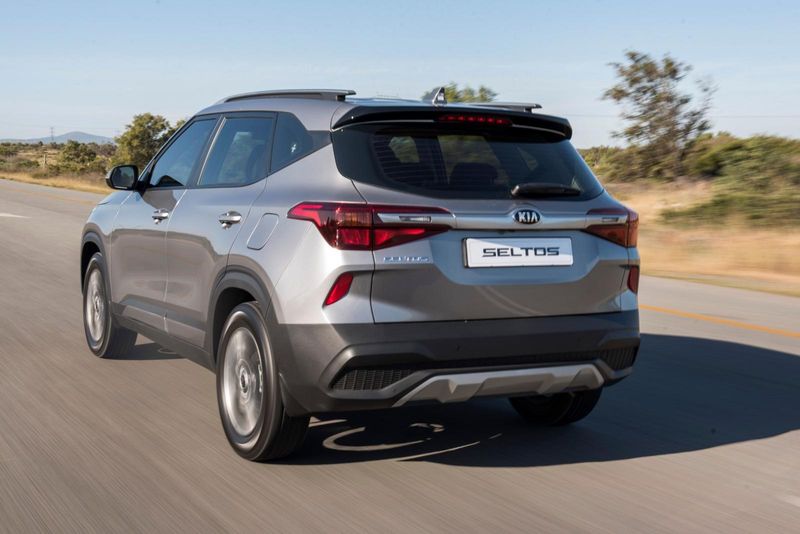

Refinement and low noise levels are the order of the day on the open road.

After lunch, we climbed aboard the naturally-aspirated 1.6 EX+. Having been spoilt with the early torque delivery of the GT Line derivative, we weren't looking forward to the comparatively lethargic naturally-aspirated motor, but we were pleasantly surprised by its performance. How wrong we were: this 1.6-litre (non-turbo) engine delivers credible acceleration and was only somewhat sluggish when climbing hills of the steepest variety. It was well aided by the automatic transmission, which quietly goes about its business to make the most of the engine's performance characteristics. Better yet, our unit's consumption was sitting at an indicated 7.6 L/100 km, which is good for a vehicle of this size.

There's a lot to like about the Seltos' build quality and the fit-and-finish of its interior. NVH levels are good, with minimal wind noise at the national speed limit. The suspension is firm but composed, and the GT Line's ride does not suffer unduly because of its larger alloy wheels. The steering feel is reassuringly heavy and instils a "premium SUV feel".

Verdict
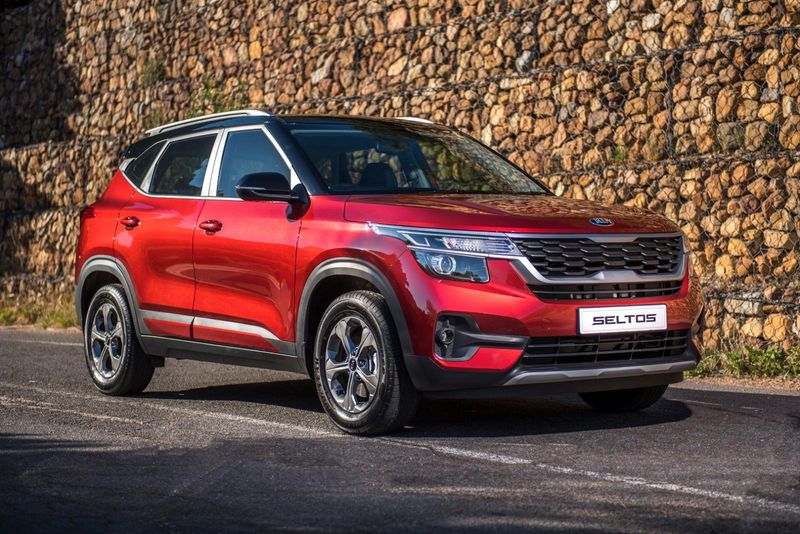

We think the Kia Seltos is a striking and strong entry into the hotly-contested compact SUV segment. Roll on the group test!

The arrival of the Seltos had been eagerly-anticipated. Hyundai recently expanded its small crossover/compact SUV line-up and its sister brand Kia seemed to be playing catch-up, but the wait is over! Not only is the new Seltos a solid, well-finished product, there is no skimping on standard features. The newcomer is one of the roomier vehicles in its class and, let's not forget about that stellar Kia warranty, which covers Seltos owners for 5-years/unlimited km (with roadside assistance) and a 5-year/90 000 km service plan.

Should you buy one? Based on our first impressions, Kia is on to a winner here, especially when it comes to packaging and space utilisation. We can't wait to conduct a group review in which we pit this newcomer against many of its established rivals, including the #CarsAwards – powered by WesBank – category winner, the Volkswagen T-Cross.

Kia Seltos (2020) Price in South Africa

1.6 EX                      R353 995
1.6 EX auto              R371 995
1.6 EX+                    R389 995
1.4T-GDI GT Line     R444 995

Further reading:

Kia Seltos X-Line Concept Showcased

Kia Seltos (2019) Specs & Price

Kia Seltos (2019) International Launch Review

New Kia Seltos for SA [w/video]
Kia Sonet Concept Revealed at Auto Expo

Kia Sonet on cards for SA?

Kia K-Series gets 135 kW Electric Motor

Kia electrifies the K-Series truck.

Unless you are active in the local commercial vehicle sector, you probably don’t know that Kia trades a fair bit of bakkie volume in South Africa.

The Korean brand’s K-Series is marketed as a light-commercial vehicle and there are two locally variants, the K2700 and K2500.

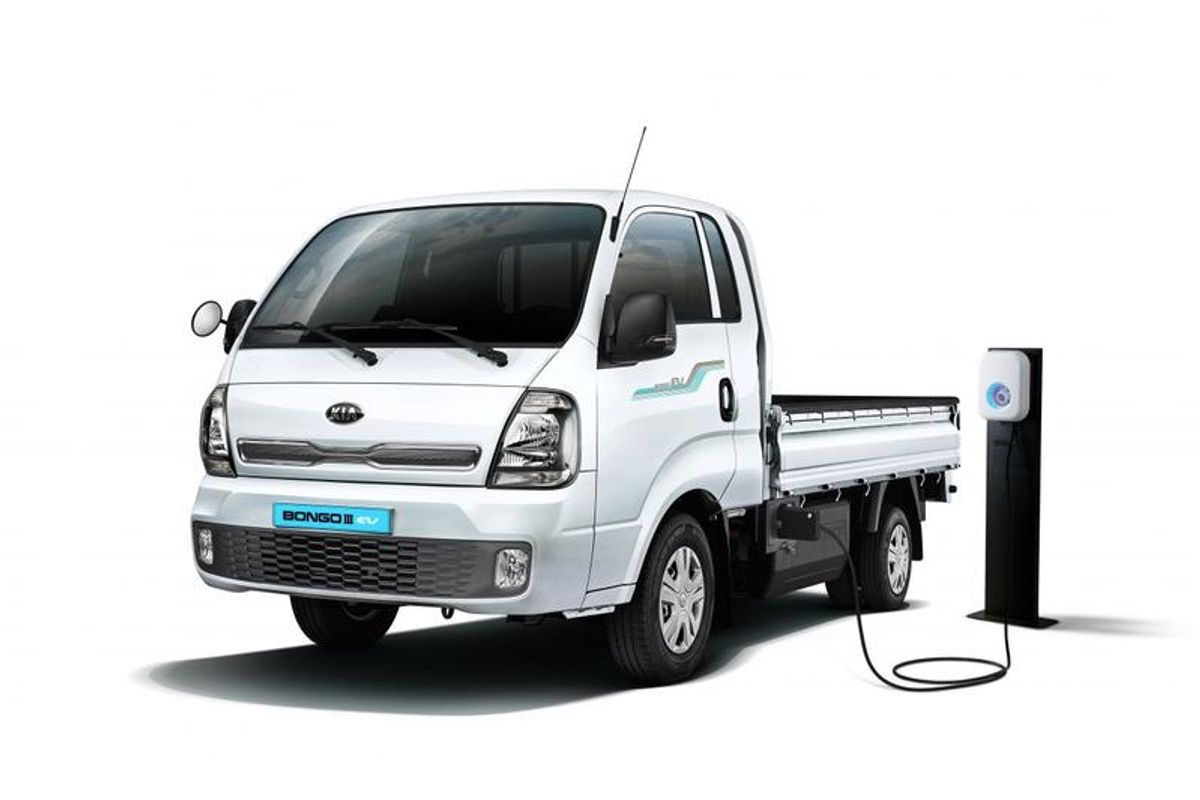
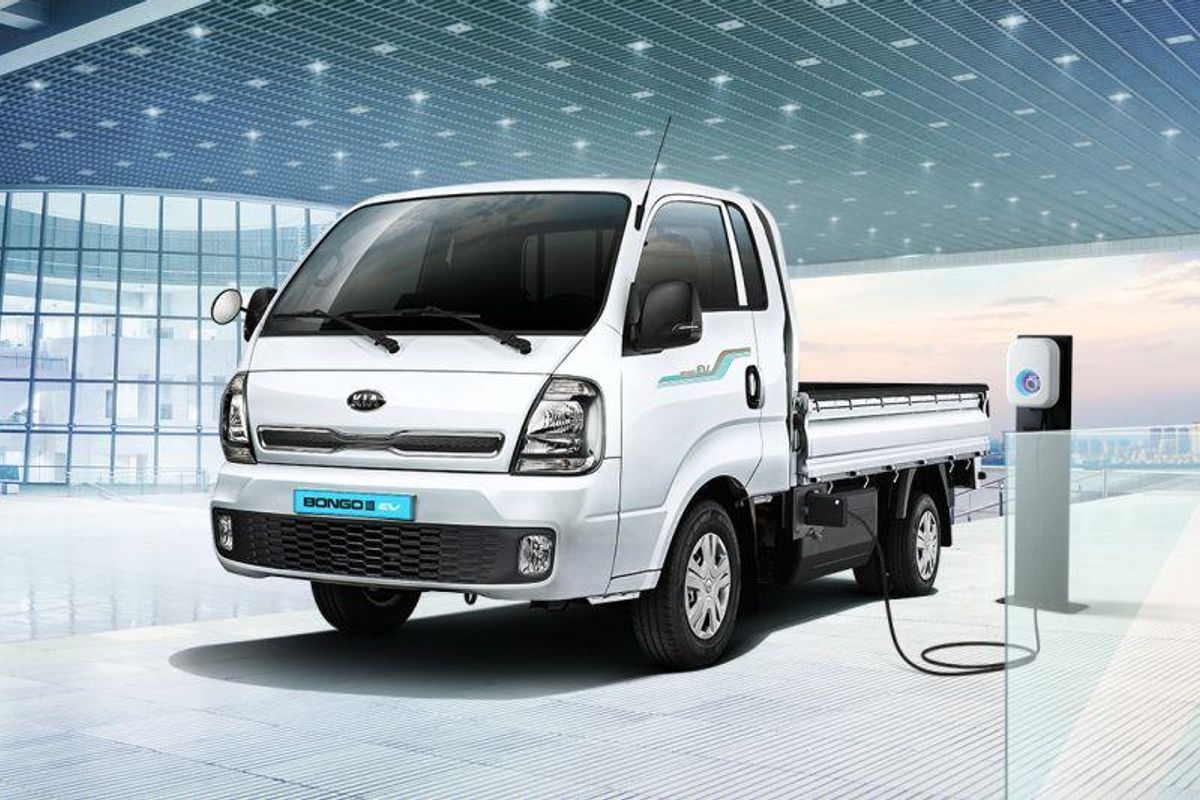
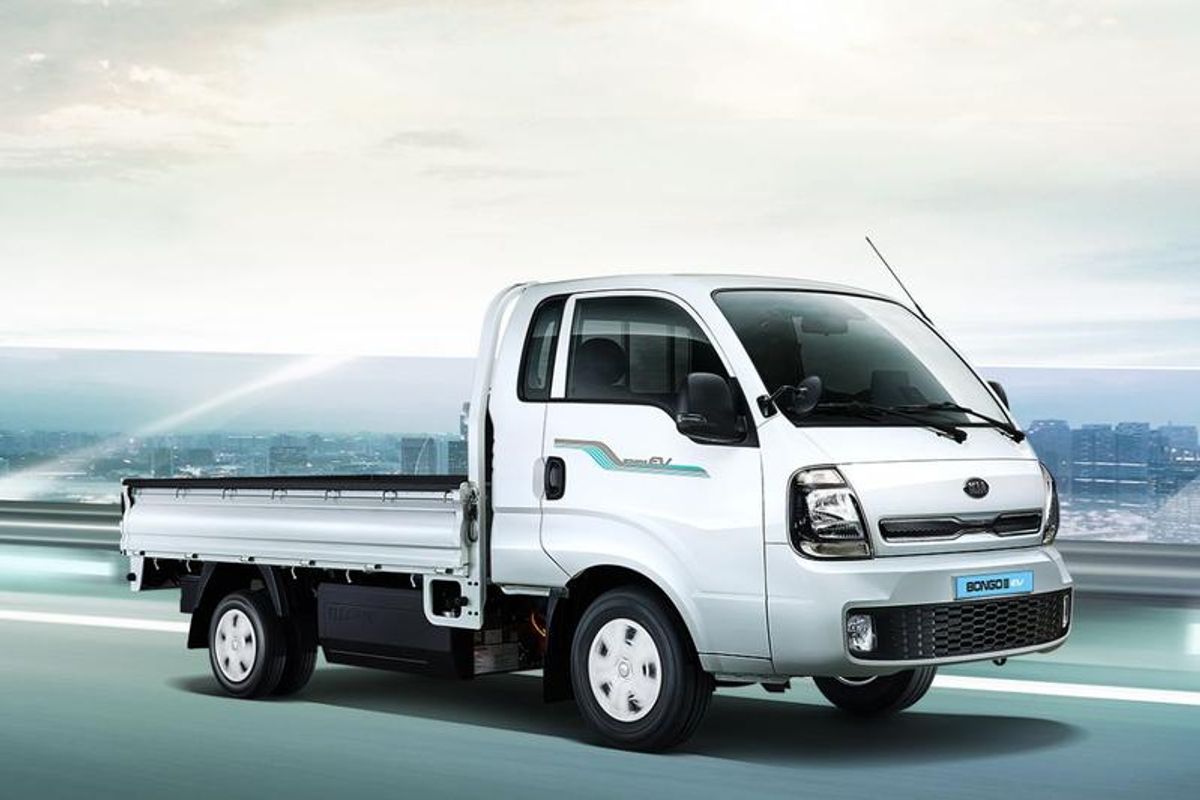
Designed as a cab-forward mini-truck with optimal loadability without requiring a special driver’s licence, the K-Series is a popular workhorse. And now there is a battery-powered version.

As the proliferation of electrification continues in 2020, Kia has surprised many with its latest battery-powered vehicle.

Instead of providing an all-electric passenger car, they’ve electrified the K-Series. Although this design is hardly new (the current K-Series debuted back in 2005), it has great potential as a short-range logistics vehicle.

The K-Series EV is has a 58.8 kWh battery pack, which provides enough energy density to power an electric motor which produces a very potent 135 kW. Packaging for the battery pack is interesting as you can see it has been placed where the traditional long-range fuel tanks would be on a truck, below the front section of the loadbed.

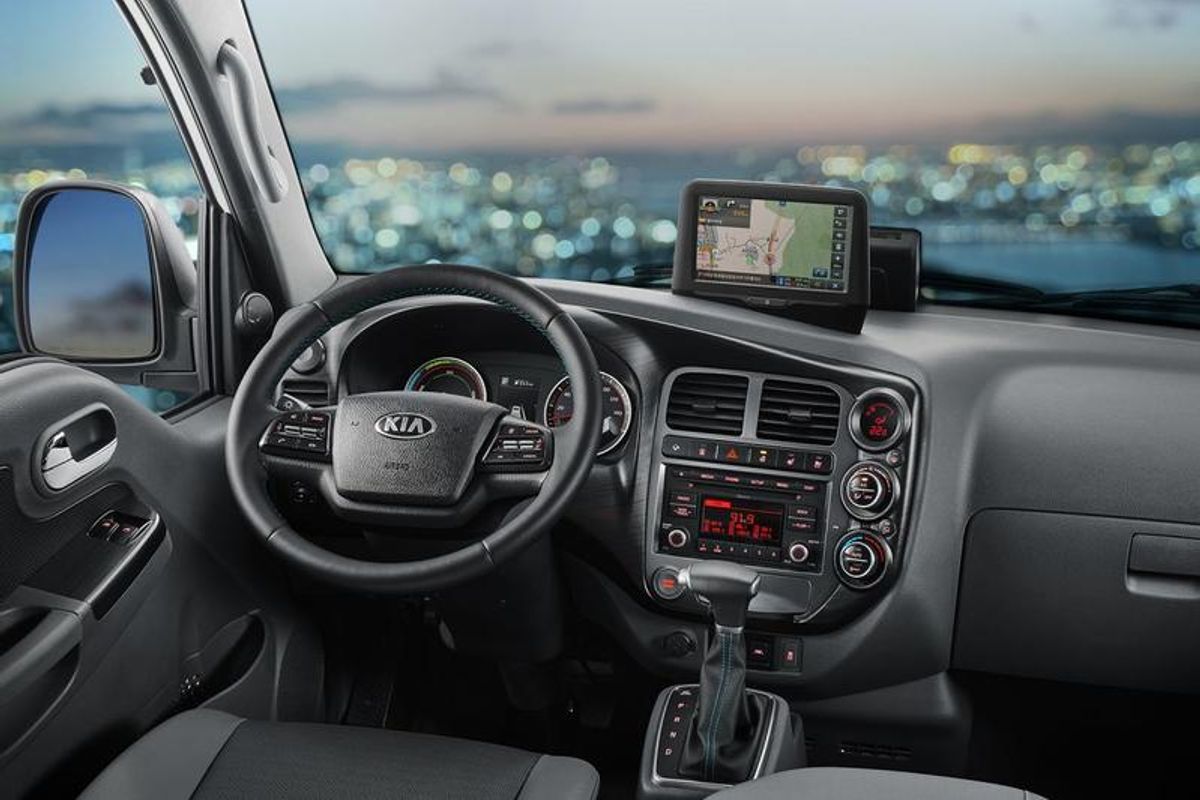
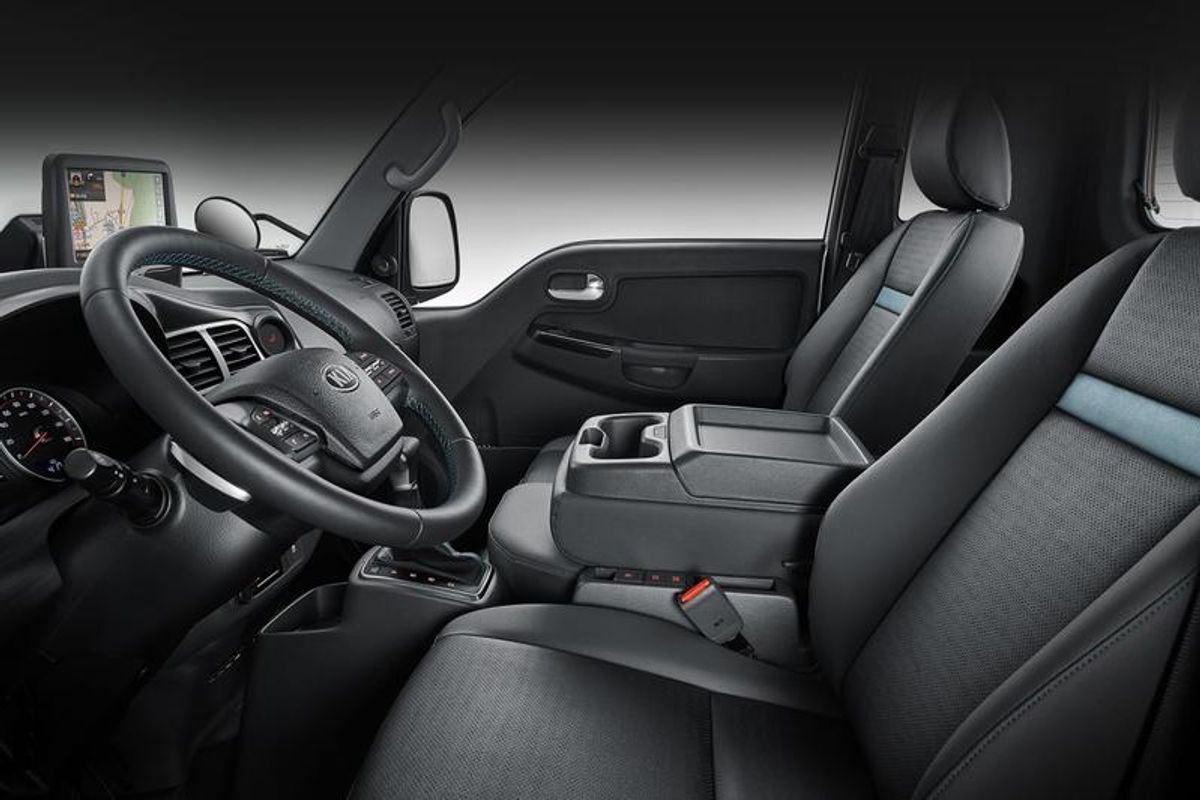
Kia’s unusual EV min-truck also features a rather decent cabin specification, with a touchscreen infotainment system and the brand’s latest passenger vehicle steering wheel design, featuring only two spokes with an array of satellite controls on each.

Initial distribution fo the Kia K-Series EV will be limited to Korea, but with 211 km of range and decent performance from its 135 kW electric motor, this could be a great inner-city workhorse for the South African market too.

Related content

Updated Kia Sorento Interior Teased

Kia Sonet Concept Revealed at Auto Expo

New Hyundai Creta Revealed

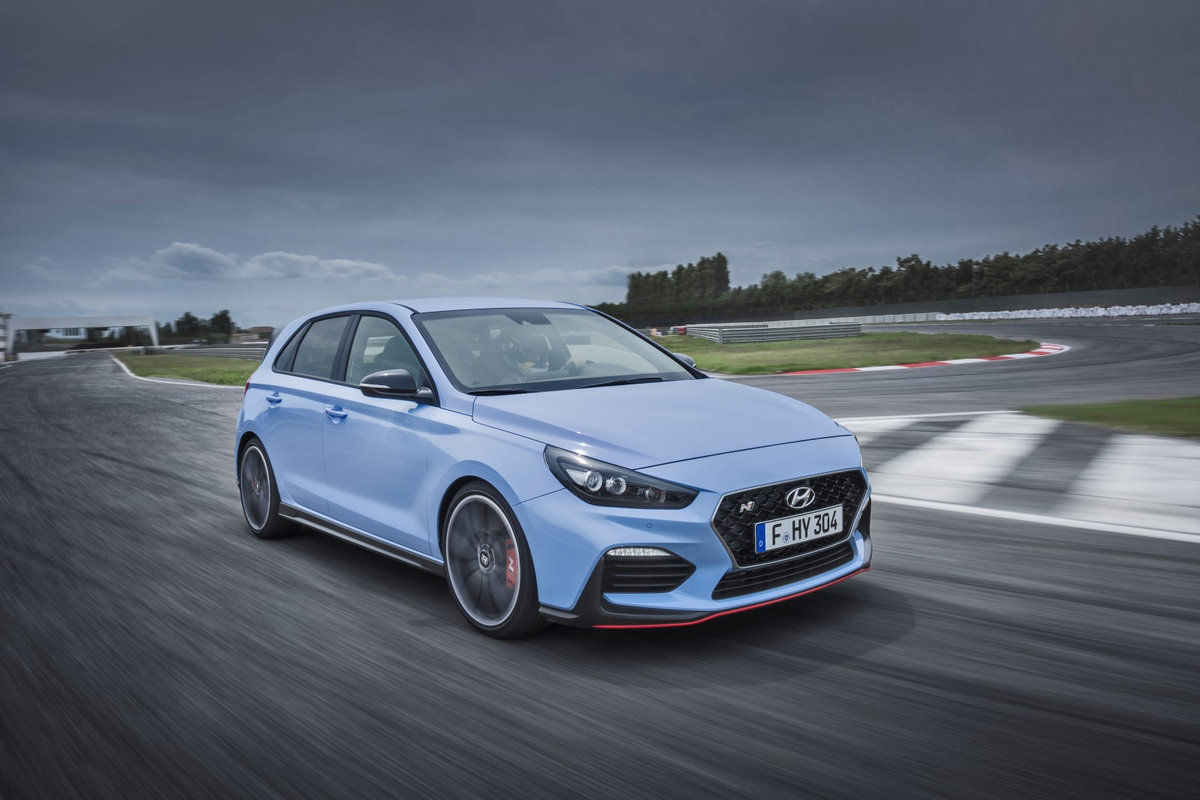
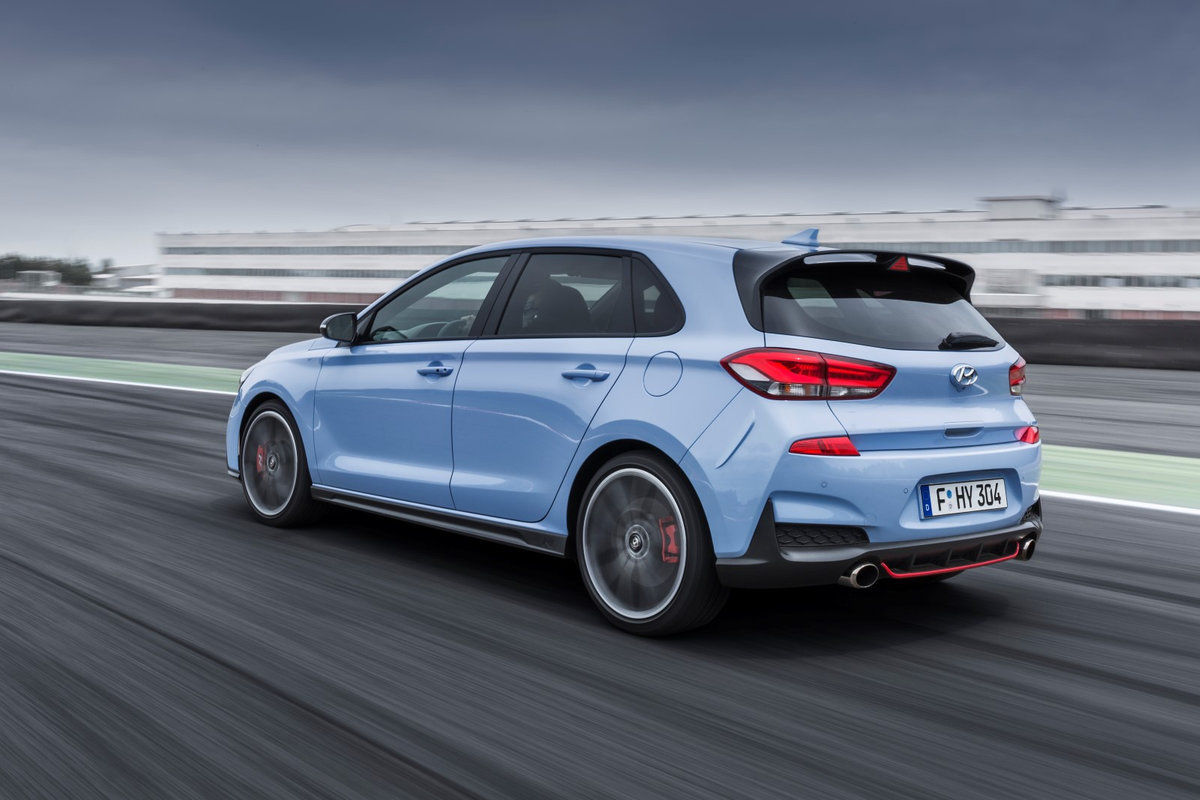
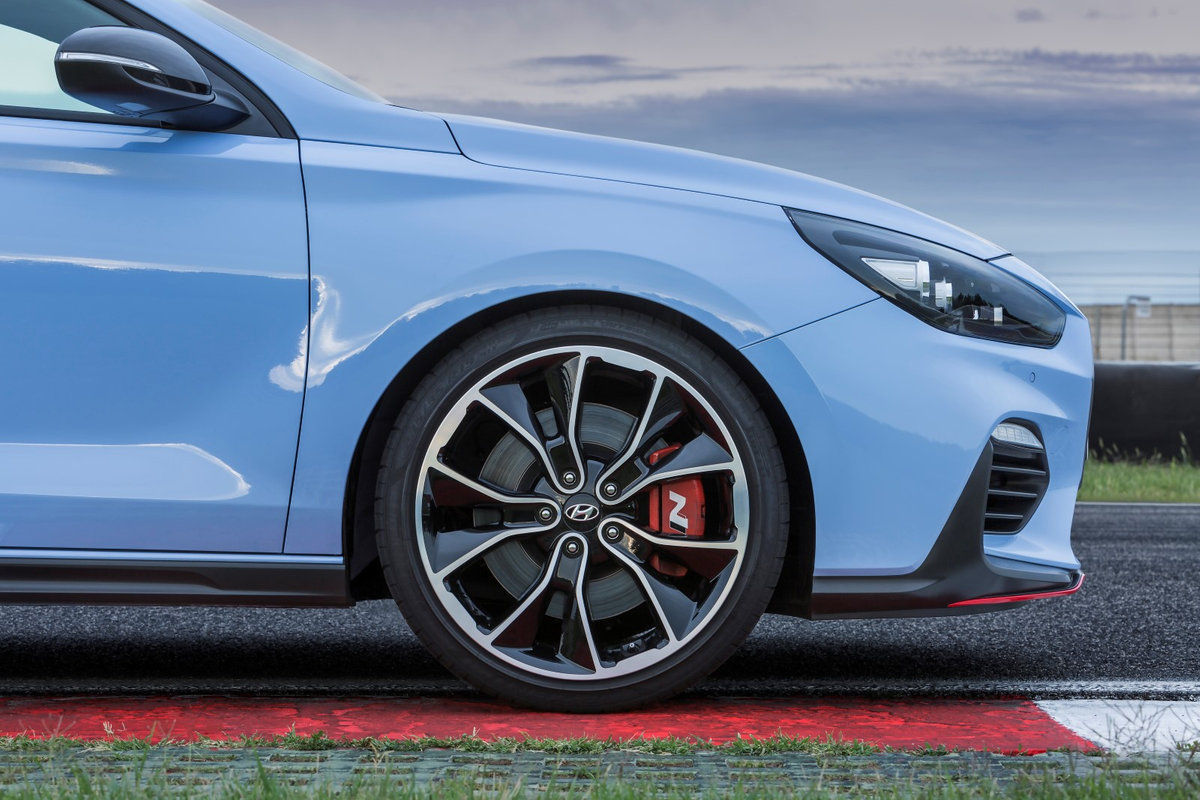
Hyundai i30 N Price in SA

Hot-hatch enthusiasts are in for a treat as Hyundai has finally launched it’s highly anticipated i30 N in South Africa!

The i30 N was revealed back in 2017 and we’ve been itching to drive it on local soil ever since. Thankfully, the long and painful wait is finally coming to an end as Hyundai South Africa prepares to launch its potent hot hatchback in Cape Town this week. 

The i30 N will be a tantalising alternative to the competent and much-loved Volkswagen Golf GTI, with the new Golf 8 GTI expected to land in South Africa in Q4 2020. 

The i30 N brings some notable firepower to the tar with a 2.0-litre turbocharged petrol that’s offered in 2 power flavours including a high-power 202 kW version and a de-tuned 184 kW version, both with 353 Nm of torque, which out-powers its Golf GTI rival by a fair margin. It has been confirmed that the 202 kW i30N will be offered in South Africa. 

A 6-speed manual transmission lays the power down via the front rubber and you can expect a zero to 100 kph sprint time of 6.1 seconds while the de-tuned version will take 6.4 seconds. 

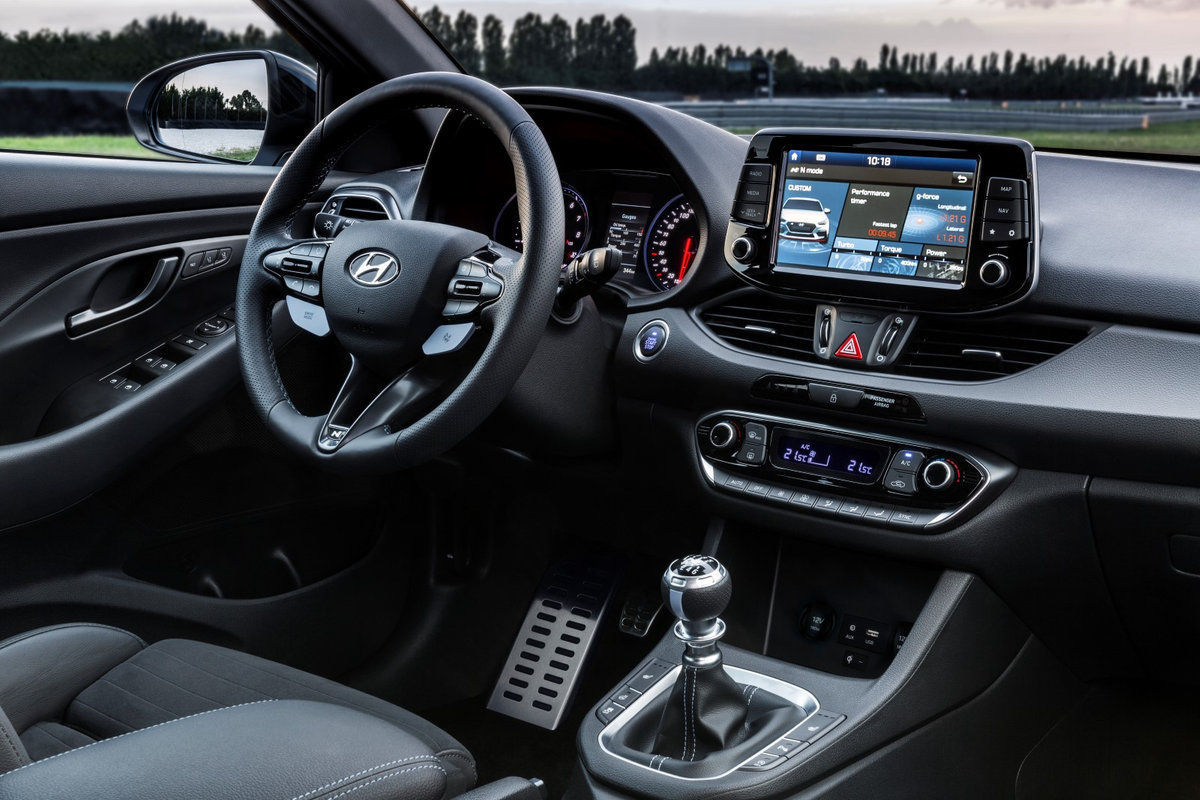
We have yet to see what specification Hyundai South Africa will offer for the i30 N, but we are confident that the car will feature leather sports seats, a 5- or 8-inch infotainment screen with Apple CarPlay, Android Auto and performance-related readouts. We will, however, have more details from the launch, which takes place on the 12-13 February 2020.

Look out for our launch report this week for all the official local details!

Are you looking forward to seeing the i30 N in South Africa? 

Pricing

Hyundai i30 N 202 kW – R679 900

Buy a Hyundai on Cars.co.za

Related Content

Hyundai i30 N (2018) International Launch Review

Hyundai i30 N: 4 Rivals It Has To Beat

Hyundai Announces i30 N Project C

Aston Martin Vantage Roadster officially revealed

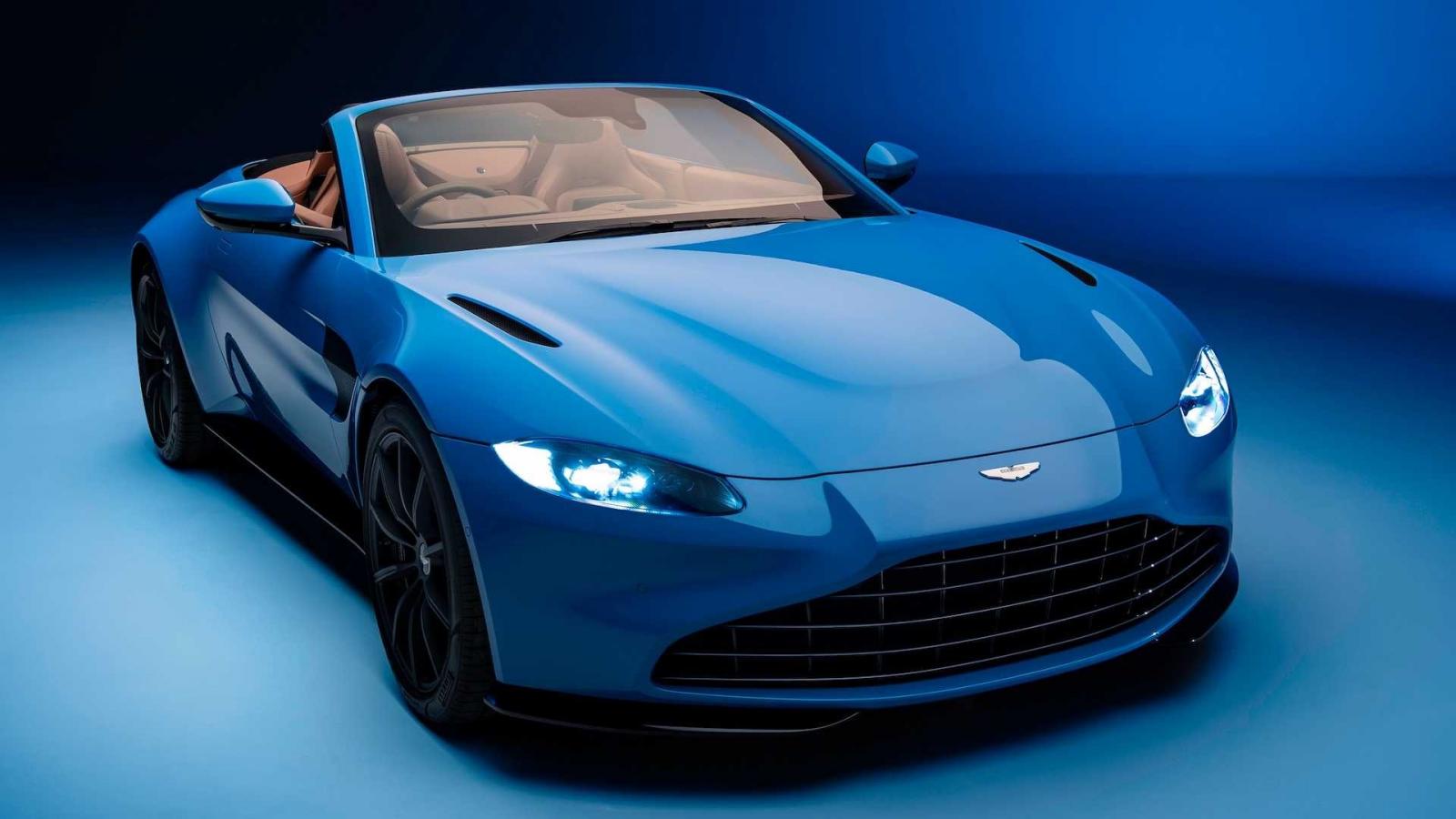
Aston Martin has finally taken the wraps off the Roadster variant of its Vantage sportscar. Not only is this AMG-powered newcomer capable of dashing from 0 to 100 kph in 3.7 seconds – its automatic soft-top is said to be able to retract fully in a “record-setting” 6.7 seconds!

Last last year, Aston Martin released a handful of images of a pre-production Roadster bearing stickers that read “Vantage – Opening Spring 2020”. South Africa may be heading into the autumnal months, but the Gaydon-based firm was clearly referring to the Northern Hemisphere when it teased the new model…

It seems an eternity since we first sampled the arrestingly-styled Vantage (with its 375 kW/685 Nm 4.0-litre twin-turbo V8 engine mated with an 8-speed ZF automatic transmission) in April 2018. Since then we’ve experienced the audacious DBS Superleggera both in Germany and last month, here on home soil.


The Vantage Roadster shows off the more traditional "vane grille", which is now optional throughout the model range.

Aston Martin was recently taken over by a consortium headed by Canadian fashion mogul and Racing Point F1 team owner Lawrence Stroll, who hopes to restore the embattled British supercar marque back to profitability. Much is expected of the brand’s DBX first-class SUV, which is expected to go on sale in South Africa soon (with a reported starting price of R3.6 million), but in the case of the Vantage Roadster, Aston Martin is clearly sticking to its core strength: building fast, beautiful, exotic machinery.  

Apart from its sub-4.0-second 0 to 100 kph time and a top speed of just over 300 kph “with the roof raised” (obviously!), the Roadster weighs only 60 kg more compared with its Coupe sibling by virtue of a new, lighter Z-shaped folding roof mechanism and optimised exterior and chassis revisions, the firm says.


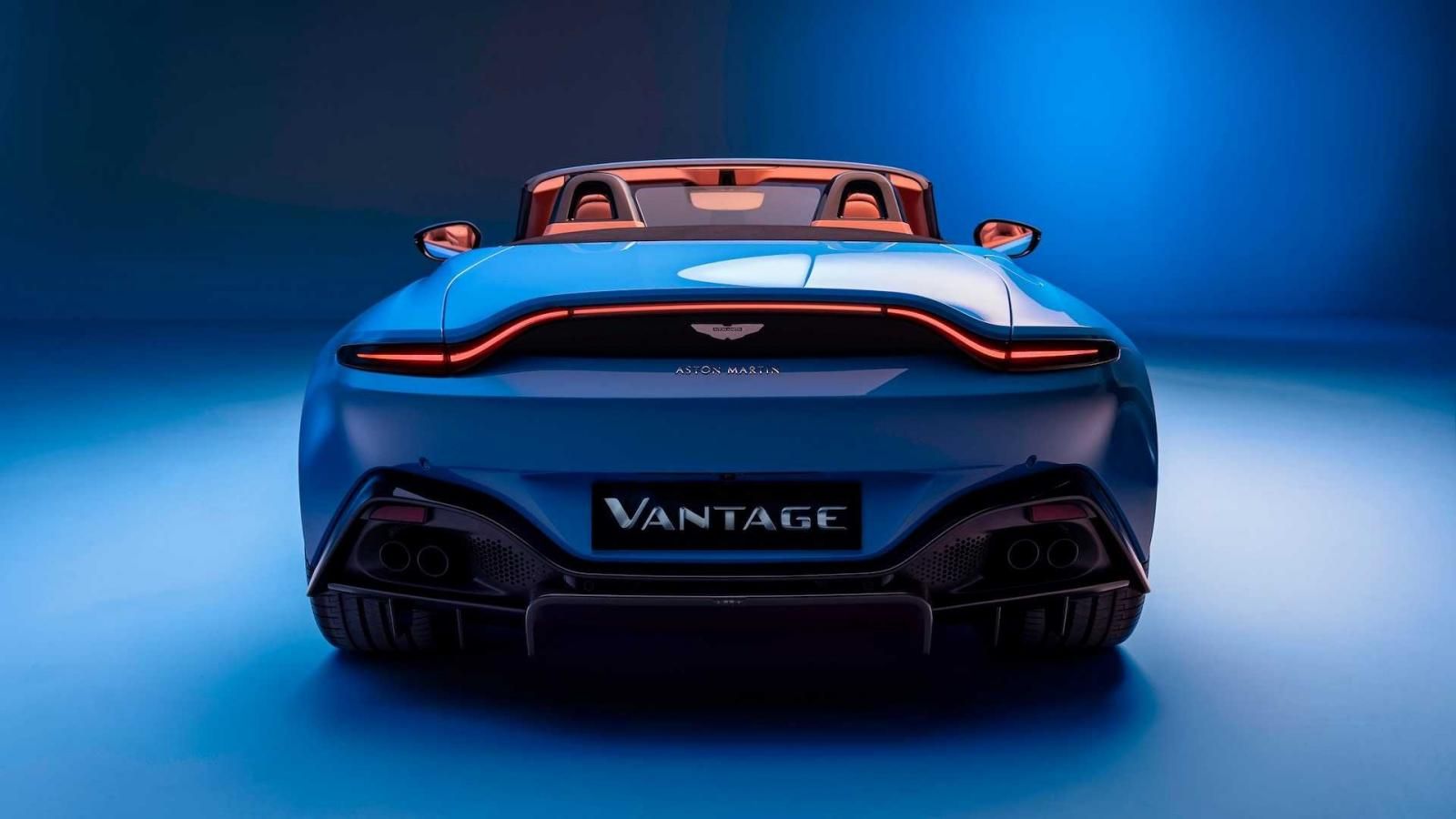
The compact roof mechanism has enabled Aston Martin to keep the Vantage's pert rear-end virtually unaltered in Roadster guise.
 
Roadster-specific structural shear panels, chassis components, rear-damper tuning, adaptive-damping software and ESP calibration are said to ensure the Vantage Roadster retains the coupe’s “strong dynamic ability and sporting character… with no compromise to feel or refinement." It shares its dynamic stability control- and dynamic torque vectoring system, as well as electronic rear differential with the hard-top.

Drivers are offered a choice of Sport, Sport + and Track chassis and powertrain modes – also tuned specifically for the Roadster variant – to progressively increase the car’s overall responsiveness, which “mean(s) the Roadster has “a tremendous breadth of ability and feels equally at home on road or race track.”


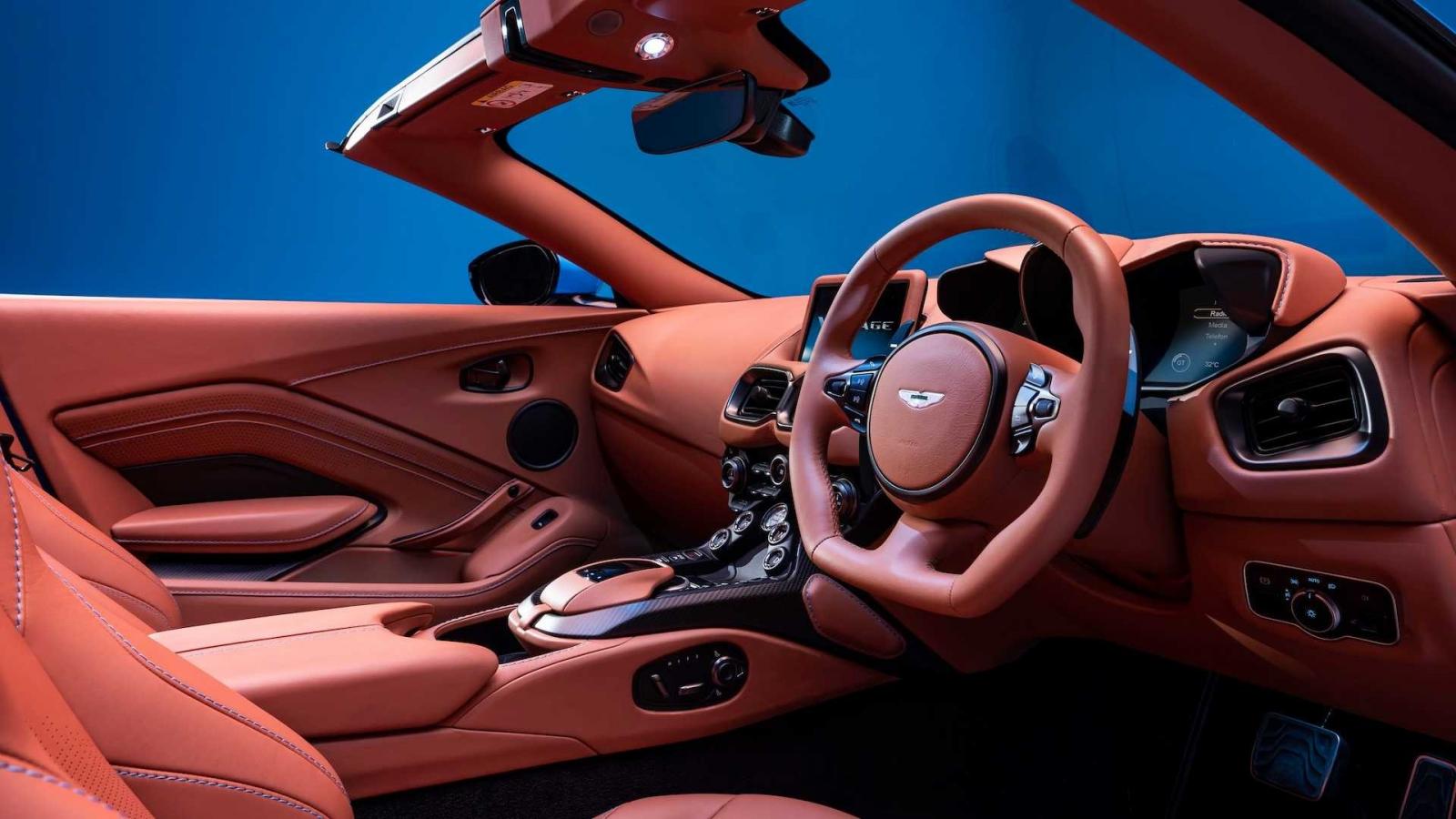
Make of the "radioactive putty" leather trim what you will, the Roadster retains its hard-topped sibling's engaging driving position.
 
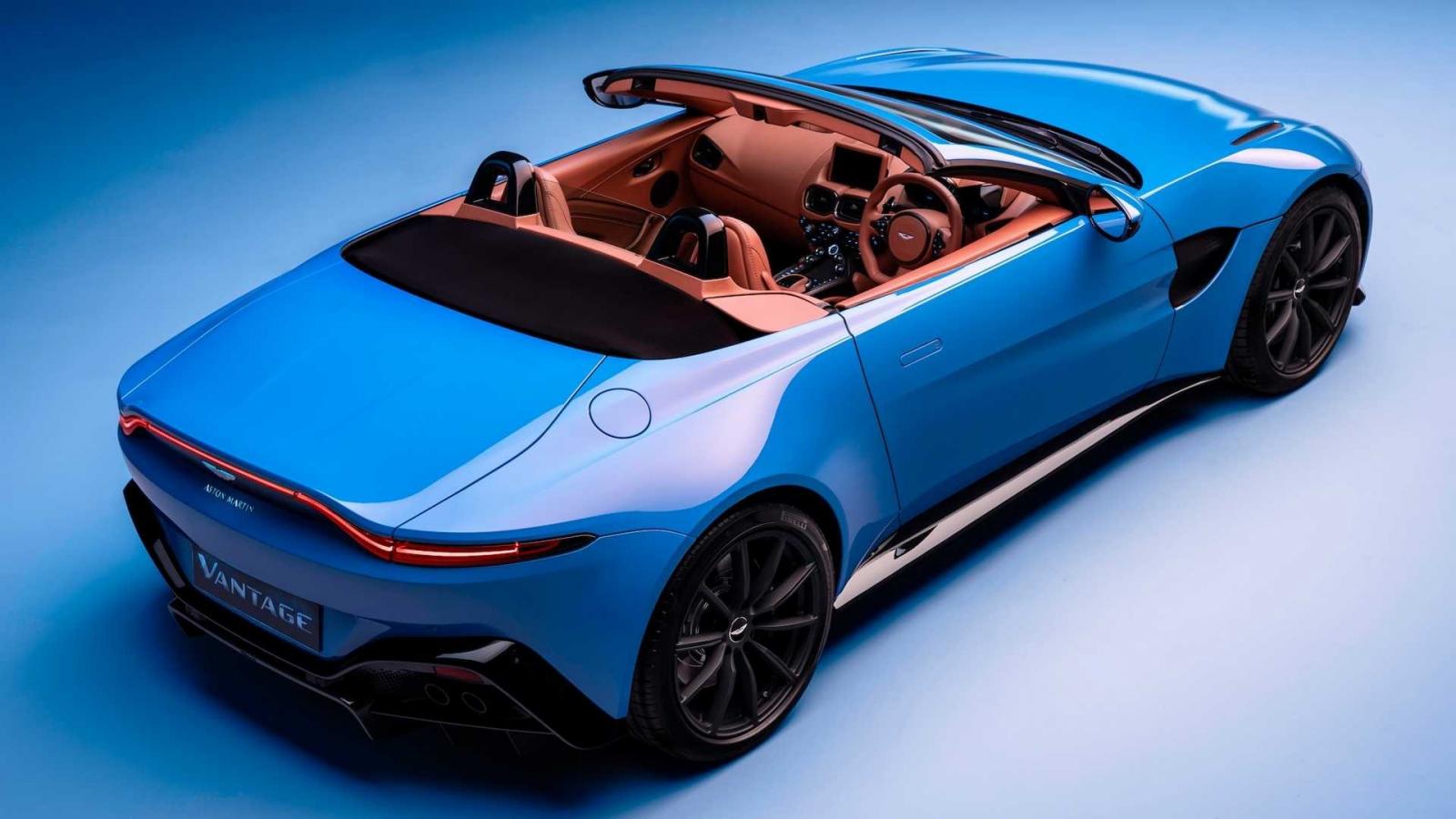
The tautly-tailored fabric roof features a compact electrically-operated Z-fold mechanism that can be fully lowered in 6.7-, or raised in 6.8 seconds, at speeds of up to 50 kph. In fact, the roof of Vantage Roadster is claimed to have the fastest full-operating cycle of any folding-roof mechanism in the new vehicle market…
 
What's more, the low stack-height facilitates a sleek rear profile with minimal impact on the Roadster’s luggage space. With a claimed capacity of 200 litres, the newcomer’s boot can reportedly accommodate “a full-sized golf bag and accessories”.


 Now you don't see it, but soon you will… The roof can be raised fully from the retracted position in 6.8 seconds.

Meanwhile, Aston Martin has introduced the company’s iconic “vane grille” as an option for both the Coupe and Roadster (an alternative to the “hunter grille” featured on the Coupe). Apart from a new range of optional alloy wheel designs and optional finishes, the manual 7-speed transmission is now also available on the Coupe, having initially only been available in the limited-edition Vantage AMR.

Deliveries of the Aston Martin Vantage Roadster will begin in the latter half of 2020 across the globe, the firm says.

Related content:

Aston Martin DBS Superleggera (2020) Quick Review

Aston's New Gold Standard DBS

Aston Martin Announces DBS Superleggera Volante

Aston Martin DBS Superleggera – First Drive

Aston Martin Vantage (2018) Launch Review

Updated Kia Sorento Interior Teased

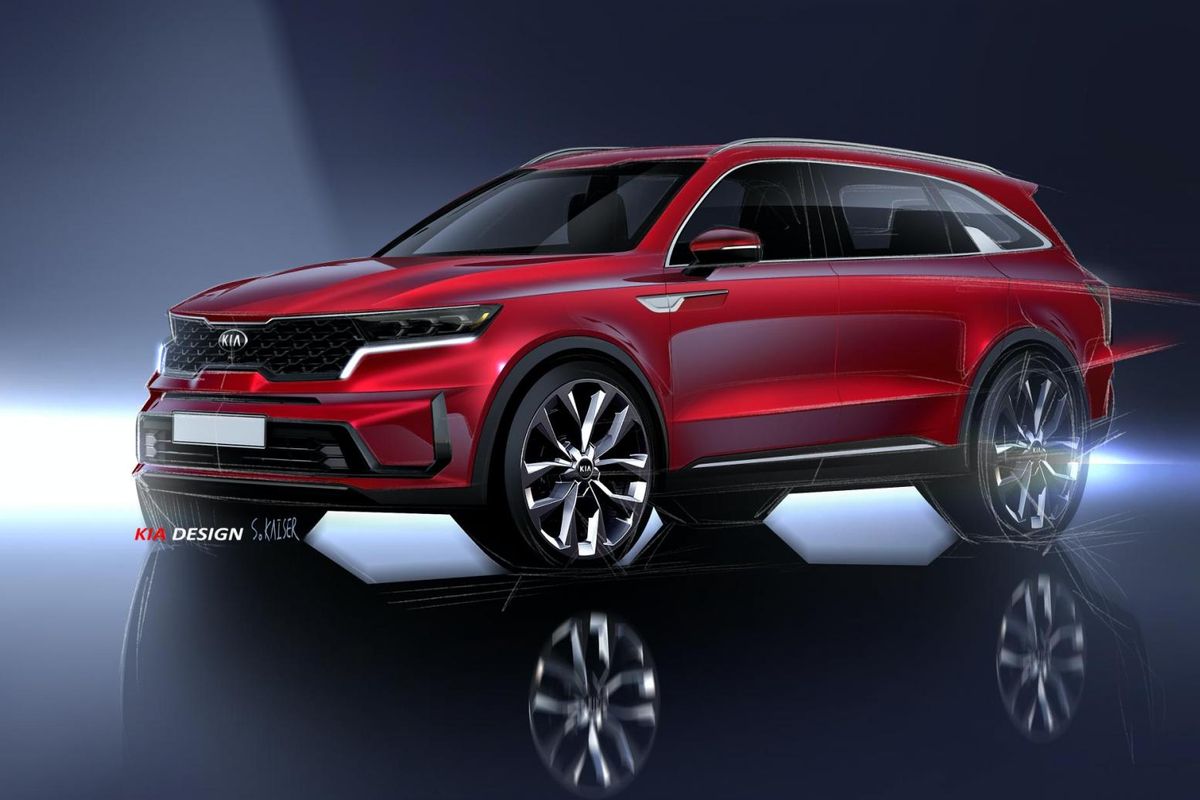
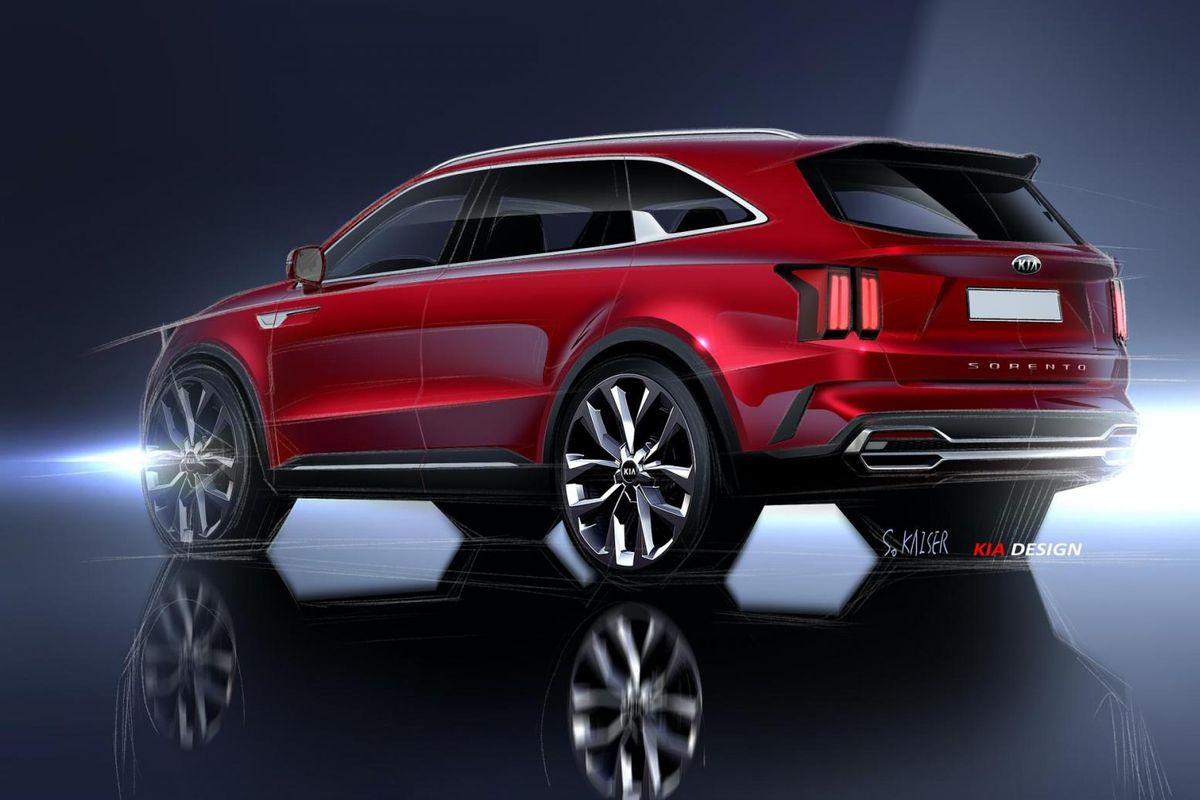
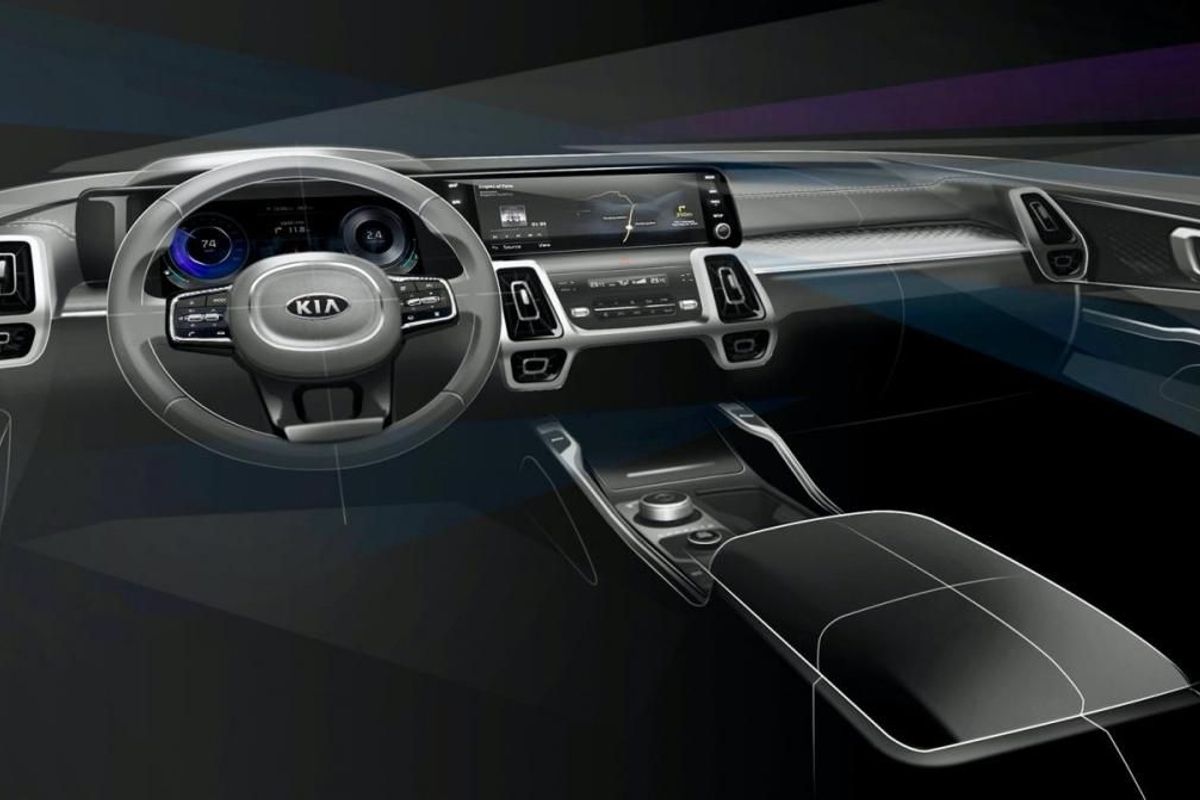
After a relatively quiet year on the new-product front in 2019, Kia South Africa will roll out a number of updated models in Mzansi in 2020, including an extensively reworked version of the Sorento during the 3rd quarter of the year. Despite the recently leaked images of the Sorento, Kia continues to release teasers, this time sketches showing the interior design direction have surfaced…

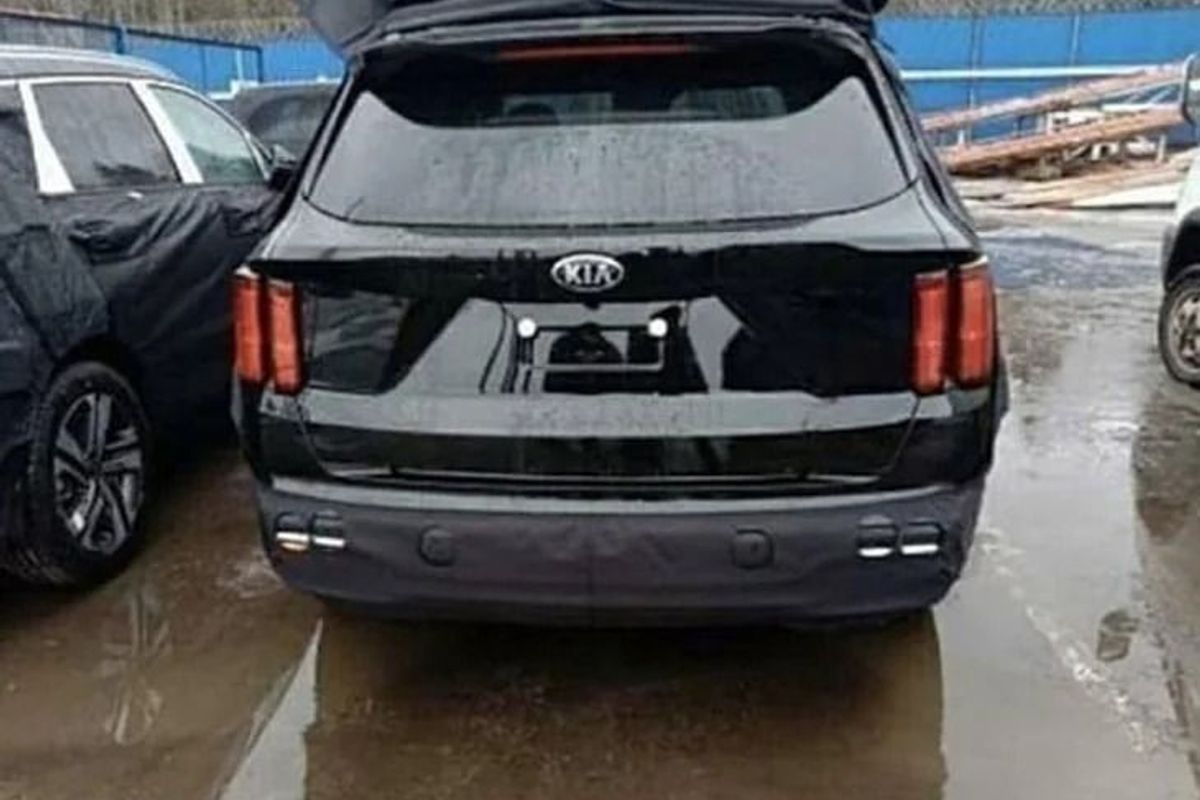
Spy shots credit: onecar.1 and Kurdistan Automotive Blog.

Latest Teaser Images


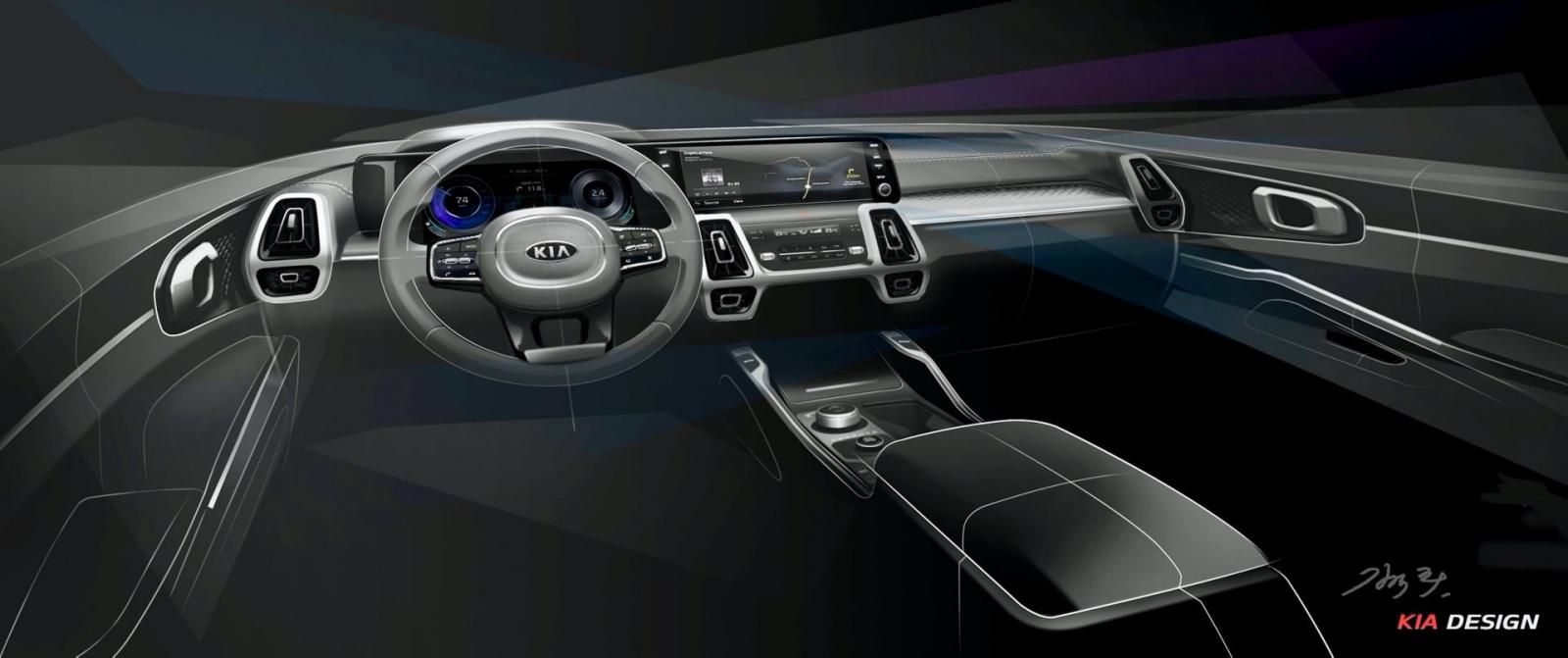
The Sorento's cabin design is clearly moving more upmarket with highler levels of intuitivity. 

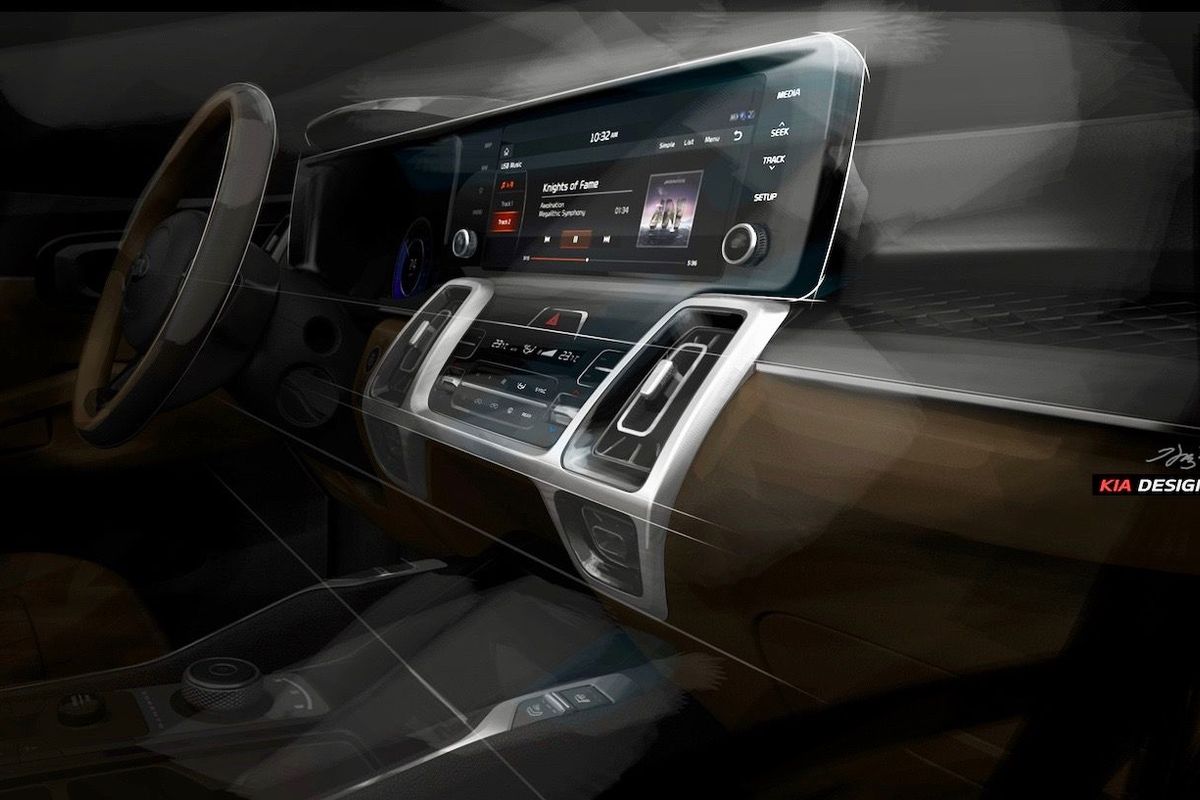
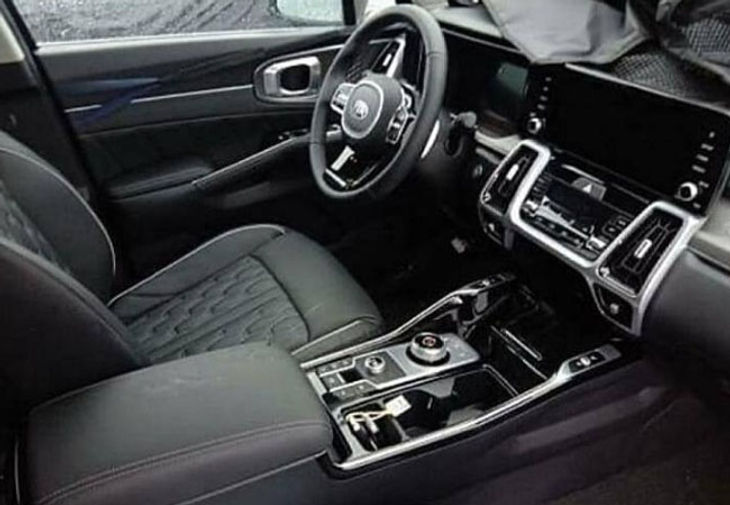
These latest interior sketches hint at what we can expect from the Sorento which is due to be revealed at the Geneva Motor Show in March 2020. Note the large digital instrument cluster and central infotainment system which appear to be visually connected which gives the Sorento a classy and premium feel. There also appears to be a third smaller screen below the central system which will probably take care of comfort functions such as seat ventilation and air conditioning. 

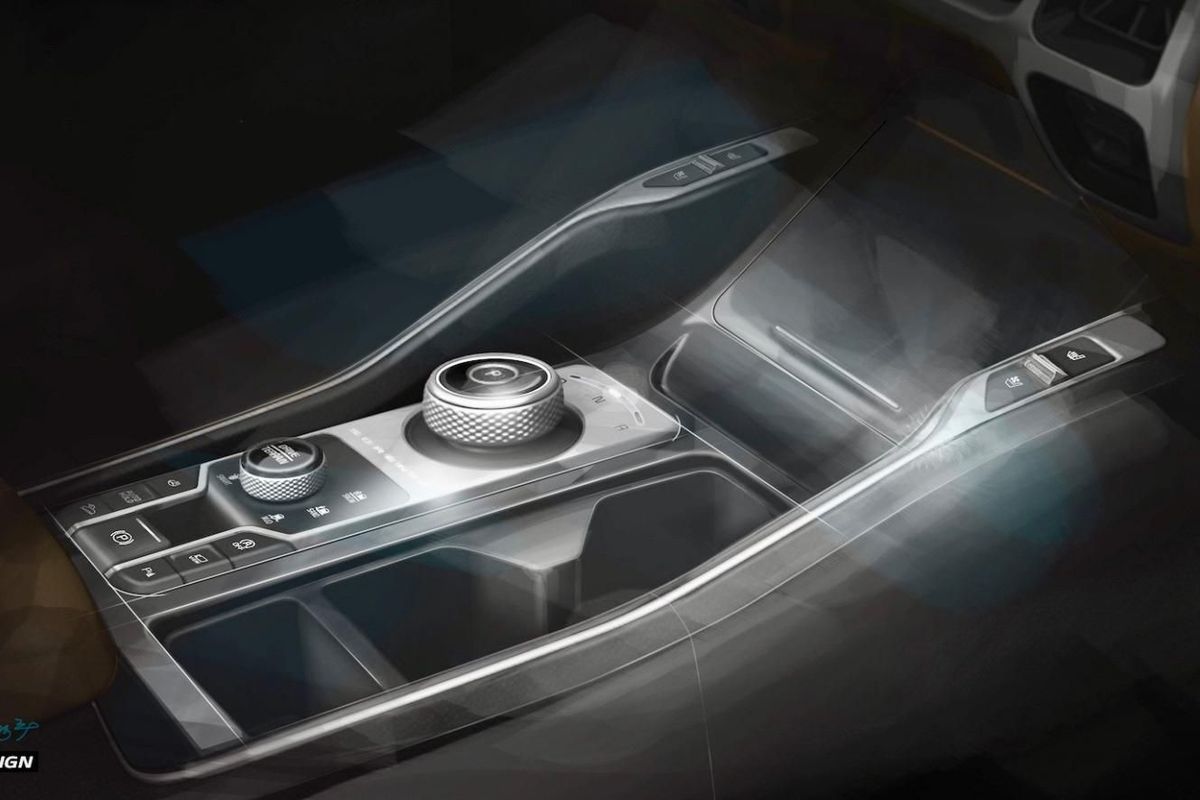
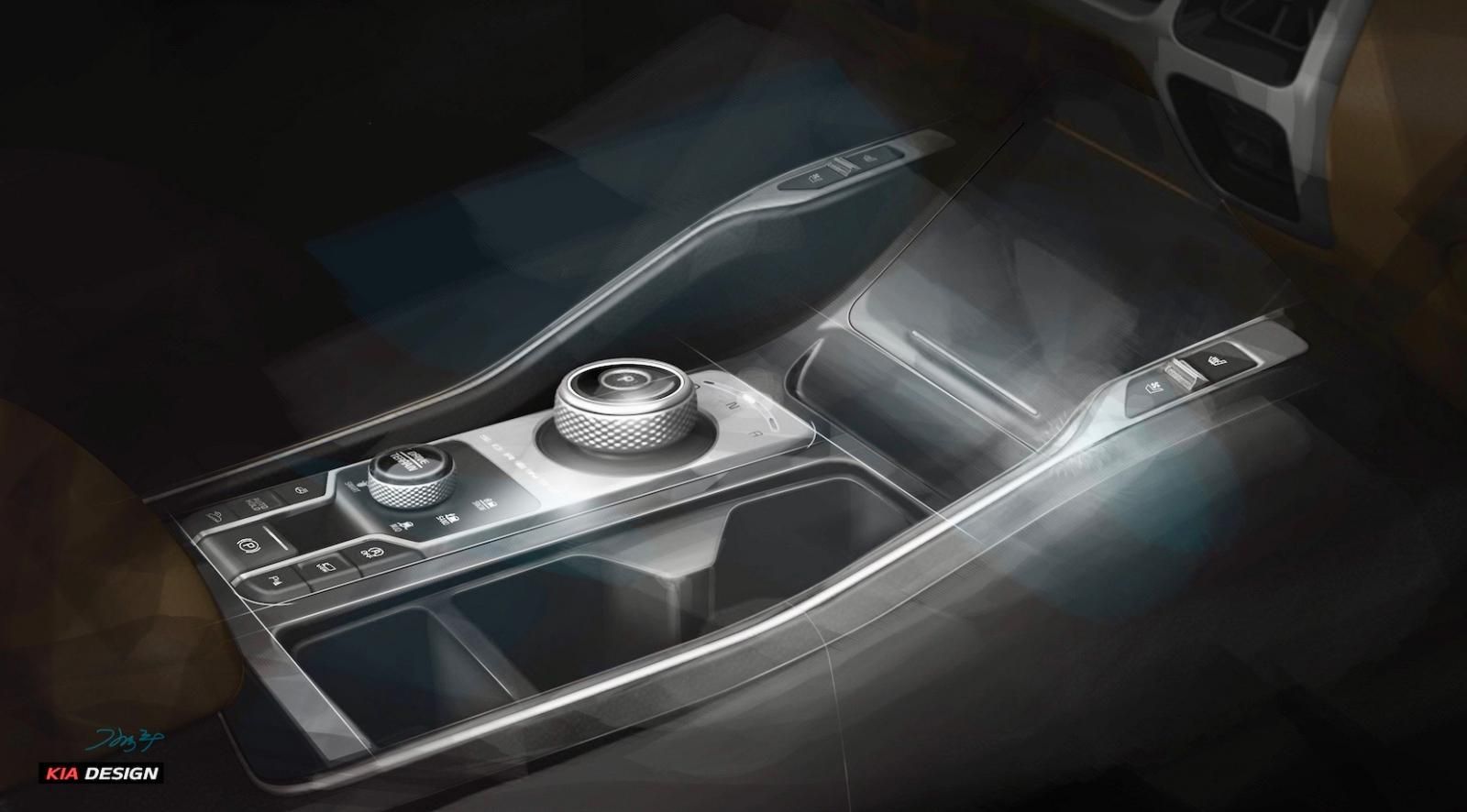
A rotary gear shifter is also seen in the centre console as well as a drive mode dial with other function buttons neatly placed behind it for the electrontic parking brake, parking sensors, hill descent control, steering wheel heating and the start/stop system. 


A neat gear dial and a drive mode dial will add conveniance while also saving space. 

Previously reported…

The recent introduction of the Seltos compact family car was a significant one for Kia Motors South Africa, which will follow up the launch with facelifts of the Picanto and Rio hatchback ranges in the coming months. The update to the Sorento – the Korean firm’s unibody rival to the bakkie-based SUV brigade (headed by the Toyota Fortuner), however, is arguably the most extensive of the lot. 

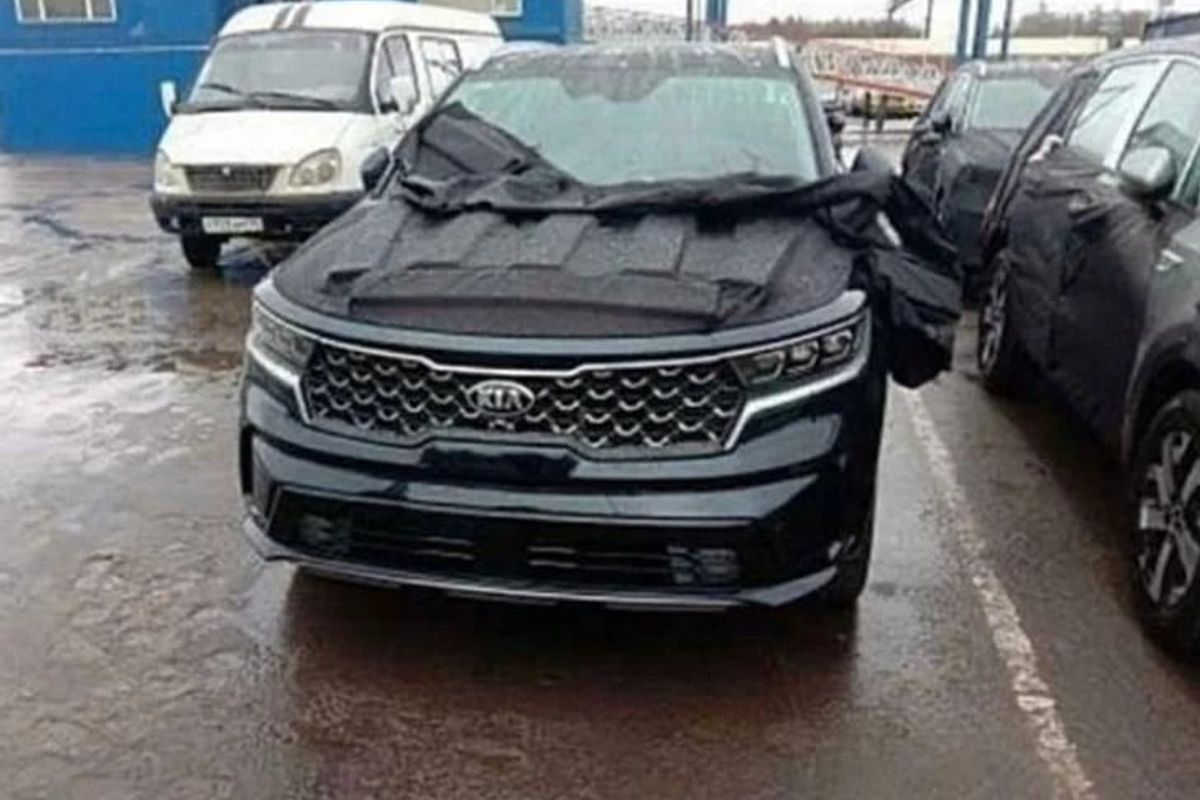
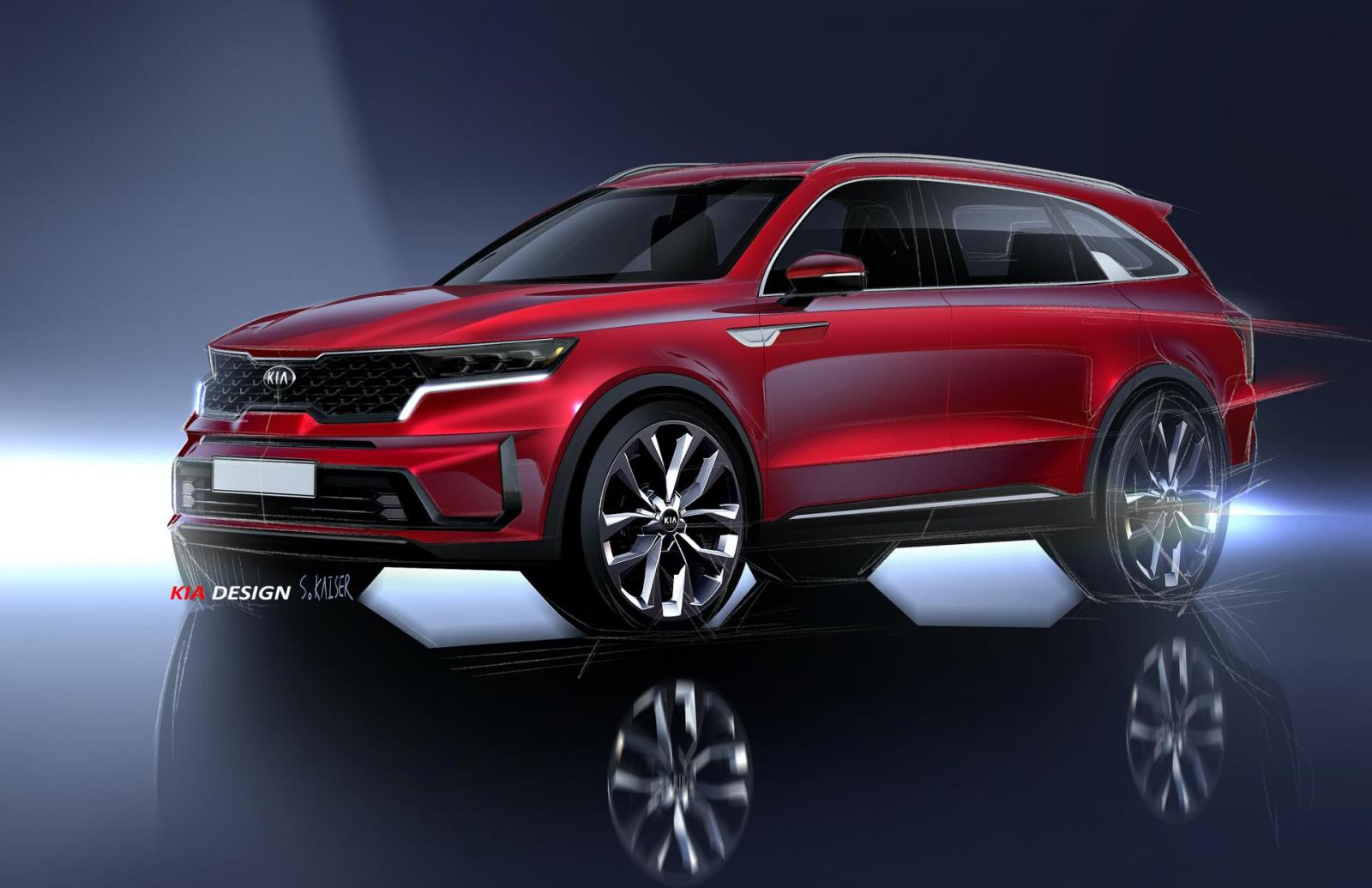
The recent spy shots of the latest Sorento, posted by Instagrammer onecar.1 and the Kurdistan Automotive Blog – show a near-production version of the updated Sorento. As was the case with its Hyundai Santa Fe cousin, the visual upgrade to Kia's adventure SUV model is significant; it incorporates design cues from the eye-catching Seltos and looks sportier and more square-jawed than ever.

Apart from the bold “chain mail” mesh of the signature "tiger nose" grille and slim LED headlamps (with distinctive C-shaped LED elements), the bold chrome-look surround is the standout design element, because it appears to encase the grille and the lighting elements at the same time! Meanwhile, the front bumper features an enlarged central air inlet, ostensibly to improve engine cooling.

The back of the new Sorento is comparatively demure… The tail-lamps appear to feature a pair of vertical light bars.


The Sorento's design has been thoroughly revised to compete in a highly competitive large family SUV segment.

The newcomer’s fascia design is certainly much less generic than that of the current car, replete with myriad metallic finishes, as well as eye-catching vertical air vents. It’s hardly surprising that the fascia sports an enlarged touchscreen, which is flanked by a digital instrument cluster (this is likely to be a high-spec derivative, perhaps a demo unit). We assume those units will be customisable with extended features/Apple CarPlay/Android Auto capability.

It’s too early to speculate on the number of features the new Sorento will gain over the current model (but we expect more mod cons and integral safety systems) or whether versions for the South African market will be quite as fancy as the unit pictured here. By the way… is that a Jaguar/Land Rover-style transmission selector knob we see on the centre console? We assume a wireless charging pad will be located under the new Sorento's fascia hang-down section.


Picture credit onecar.1 and Kurdistan Automotive Blog.

However, the 2.2-litre turbodiesel (mated with an 8-speed automatic transmission) is likely to remain the only powertrain in the range; if Kia’s current line-up is anything to go by, there will be at least 2 trim levels, as well as both 2- and 4-wheel-drive derivatives in the line-up. Globally, Kia will also offer a hybrid powertrain for the first time in the Sorento but powertrain details have yet to be revealed. It is, however, unlikely that the hybrid Sorento will make its way to South Africa. 

The updated Sorento will be revealed at the upcoming Geneva Motor Show on 3 March 2020.  

We’ll bring you more details about the new Sorento as soon as they become available.  

Related content:

Kia Sorento 2.2 CRDI LX (2019) Review

Kia Seltos (2019) Specs & Price

Kia Seltos (2019) International Launch Review

Kia Sonet on cards for SA?

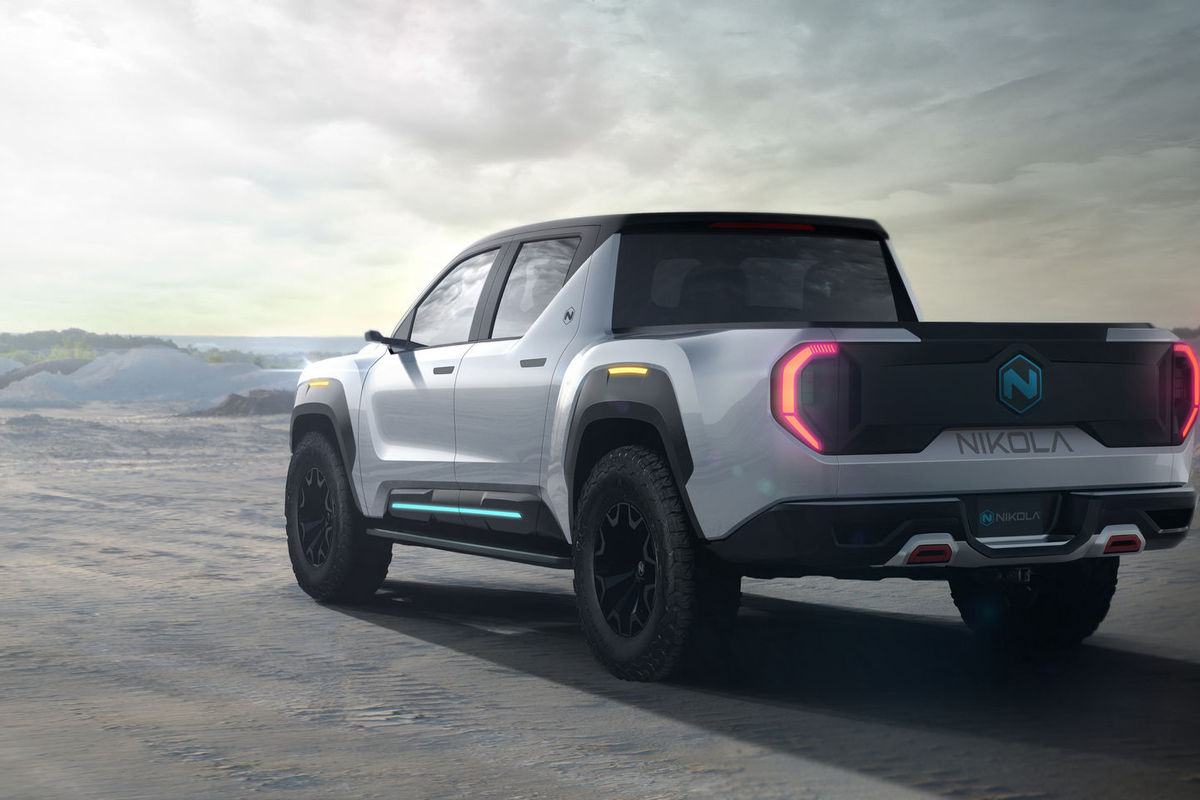
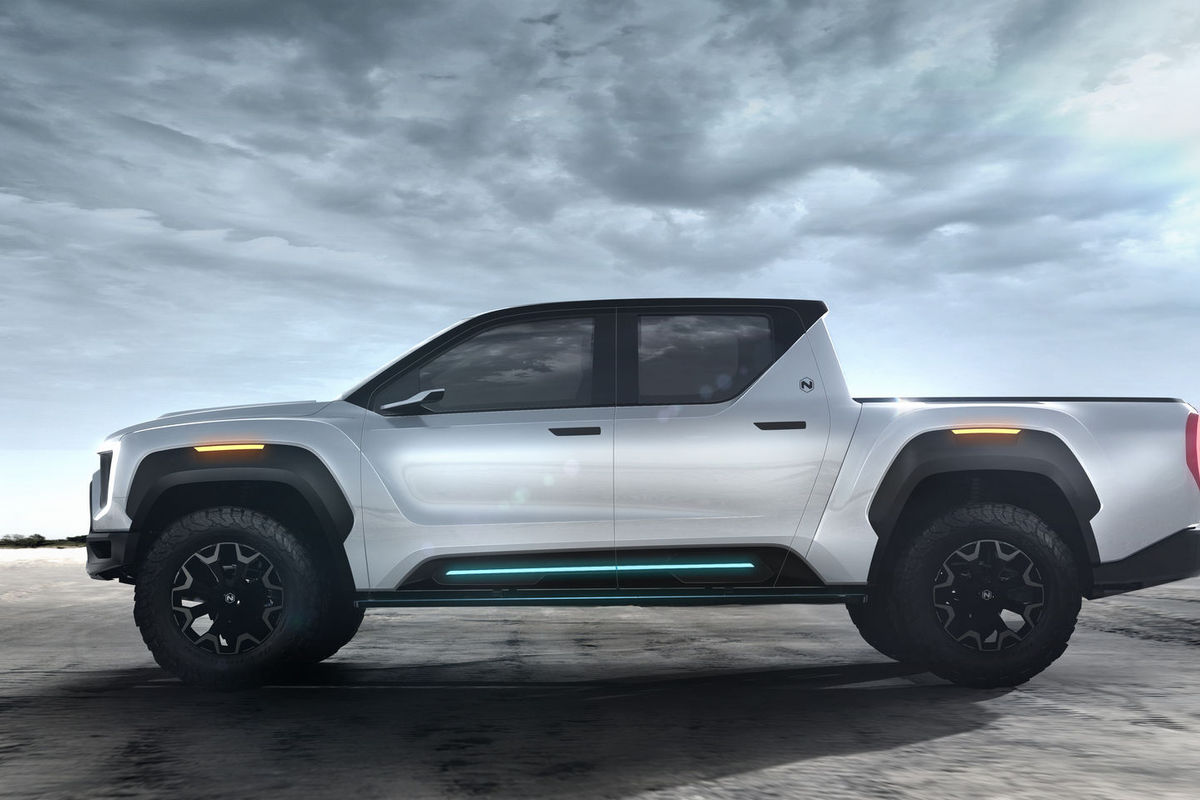
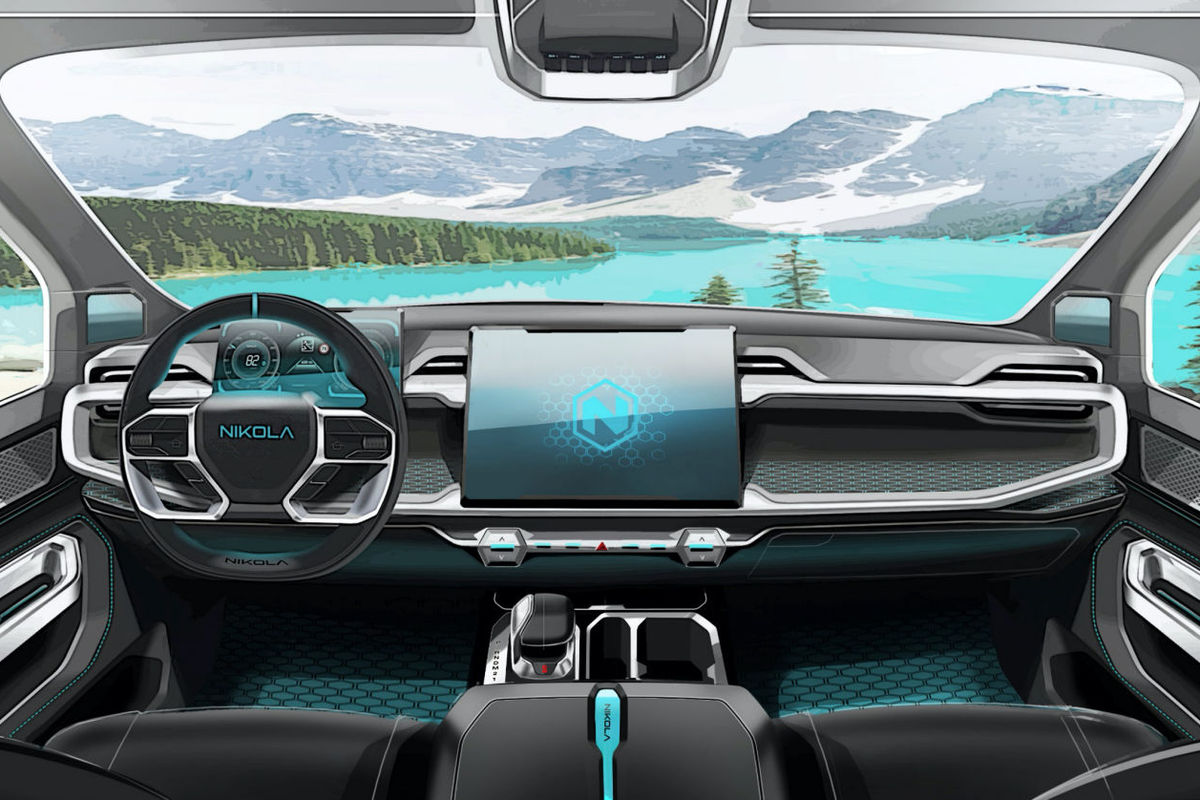
Nikola Badger is one Badass Bakkie

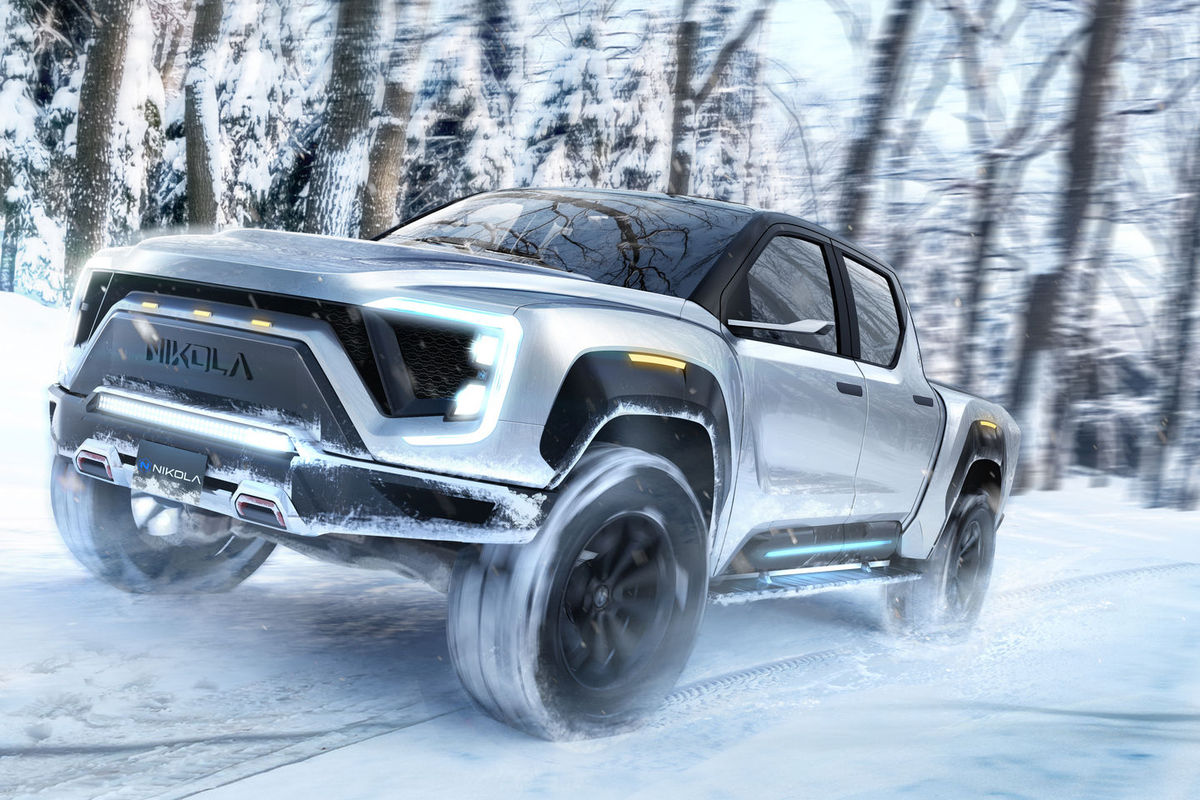
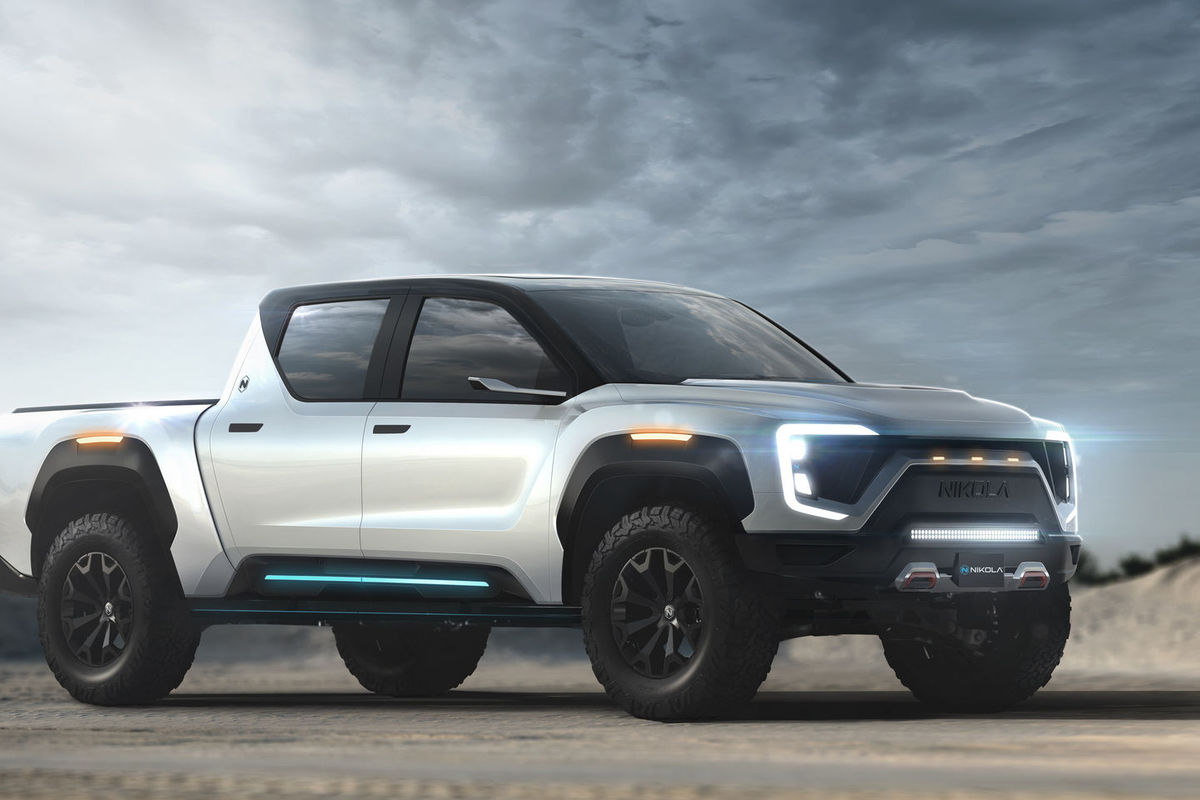
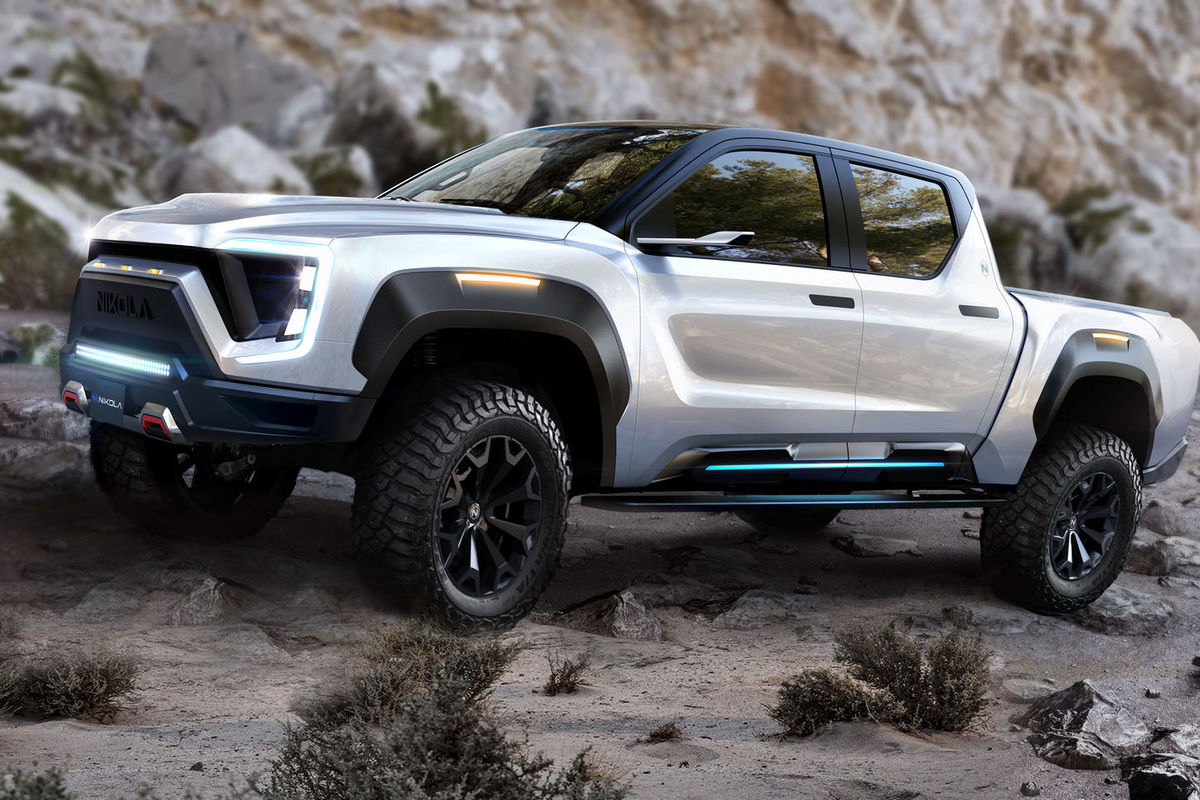
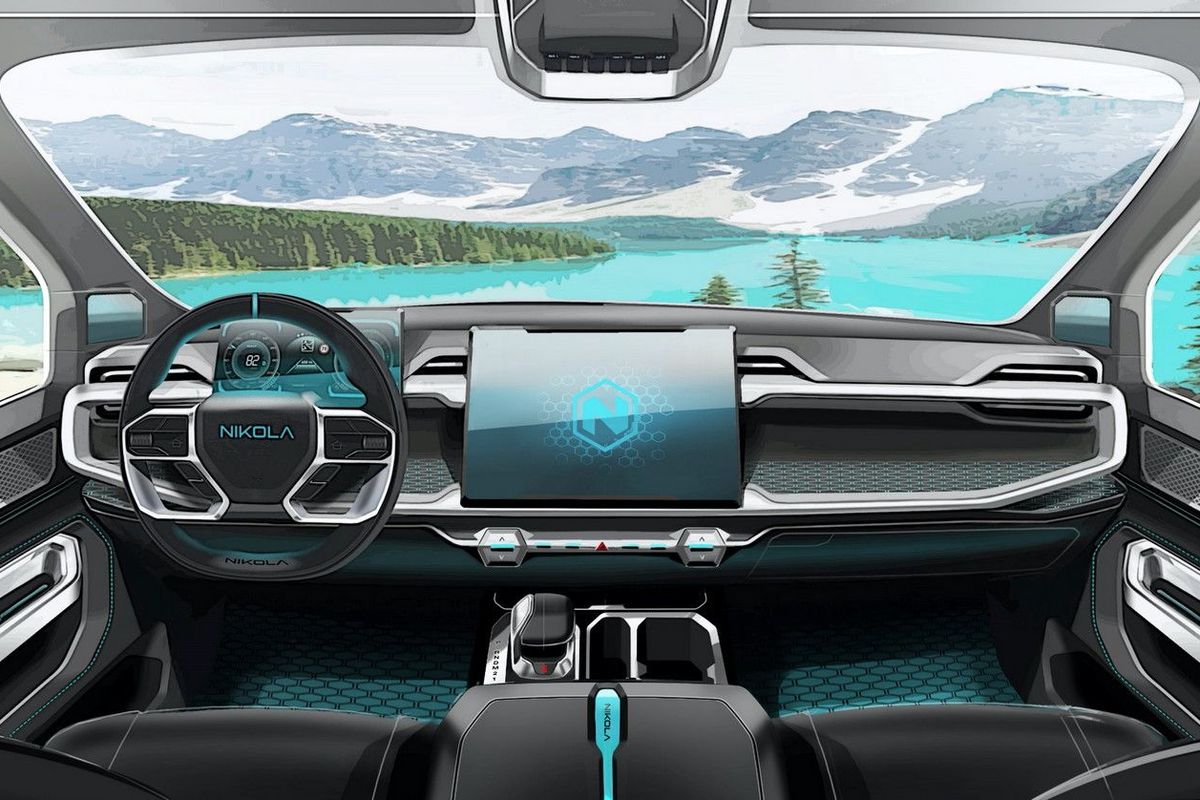
The American brand Nikola is dipping its toe into the bakkie market with a fuel cell/battery-powered off-road killer.

The number of electric bakkies promising to hit the market over the next few years continues to rise. Nikola is another manufacturer looking to make its mark.

Nikola is an American company in the business of producing cross-continental hydrogen trucks. Although nothing has yet reached production, the company has already begun pitching a part fuel cell, part electrified bakkie.

The future tech allows for a range of 1 000 km when using blended power from both battery and fuel cell. It can run purely in electric mode, which is still good for close to 500 km on its own if a hydrogen filling station isn’t within reach.

The numbers of the Badger are insane when you conjure up all of its available power in one go. It will push out 675 kW in one hit teamed with 1 320 Nm of torque. It’s not sustainable for a long run but will shoot the bakkie to 96 kph in just 2.9 seconds. The power comes from some hefty batteries on board with a 150 kWh battery pack and a 120 kW fuel cell.

More impressive perhaps is its maximum tow capacity of 8 tons which it claims can be towed up a 30% gradient without the engine stalling.

For those likely to use the Badger for outdoor work can make use of the 15 kW power outlet for powering things like power tools and mini compressors. It can also act as a generator delivering power when there isn’t any.

The Badger double cab is on the large size when compared to our local bakkies measuring in at 5 900 mm long x 1 850 mm tall x 2 160 mm wide a 1 560 mm bed width. That makes it about the same height and width as a Ranger Wildtrak but half a metre longer.

At the moment, this is still a bit of a fantasy production, but Nikola says that it expects a completed version to be ready by September 2020.

Related content

Hummer Revived as a 745 kW Bakkie

Rivian Bakkie Doubles as 562 kW Kitchen

Tesla Reveals Cybertruck Pickup

Fiat teases Strada Double-cab

New Strada bakkie is in the works.

Fiat might challenge Nissan for small bakkie supremacy next year.

Despite the pressure of having to integrate a massive corporate merger with PSA, Fiat has revealed that it is working on a new version of its Strada.

The Italian compact bakkie was sold in South Africa during its previous generation and proved a popular choice.

An official rendering of the new Strada was revealed by Fiat and the company has spoken of a 2021 dateline for delivering its next-generation bakkie to market.

What is significantly different for this Strada, compared to the last one South Africans will be familiar with, is its cab-configuration. The new Strada is a double-cab, which should position it as a very unique offering. Fiat is also expected to offer single- and cab-and-half versions.

The idea of a compact double-cab bakkie, as an alternative to a similarly sized SUV, would be compelling for markets where users desire the practicality of an open loadbin, but also need to seat four passengers in comfort.

Fiat already markets a double-cab bakkie in South America, called the Toro, which was launched late last year and rides on a Jeep Renegade/Fiat 500X platform. Positioning for this new Strada will be below the Toro, on Fiat’s new Argo platform, which would be equivalent in class to the Palio platform previously used for Strada.

In terms of powertrain, Fiat has some potent small capacity petrol engines to deploy in this bakkie. The company’s 1.3-litre naturally aspirated engine is a likely candidate, producing 73 kW. A turbocharged version of this engine could broaden the powertrain options, with Fiat’s MultiAir producing 88 kW.

Fiat has confirmed that the new Strada will officially debut in November, at the Sao Paulo auto show. Although Fiat’s current merger and restructuring dynamics mean that many markets are undergoing revision of their product portfolios and viability, a new Strada would do very well in South Africa.

It would also enliven the compact bakkie market, where Nissan’s NP200 sells strongly, without any competition.

Related content

GWM P Series Bakkie – SA Details

Why VW Should Build this Electric Bakkie

Why Toyota Never Built a Corolla Quest Bakkie

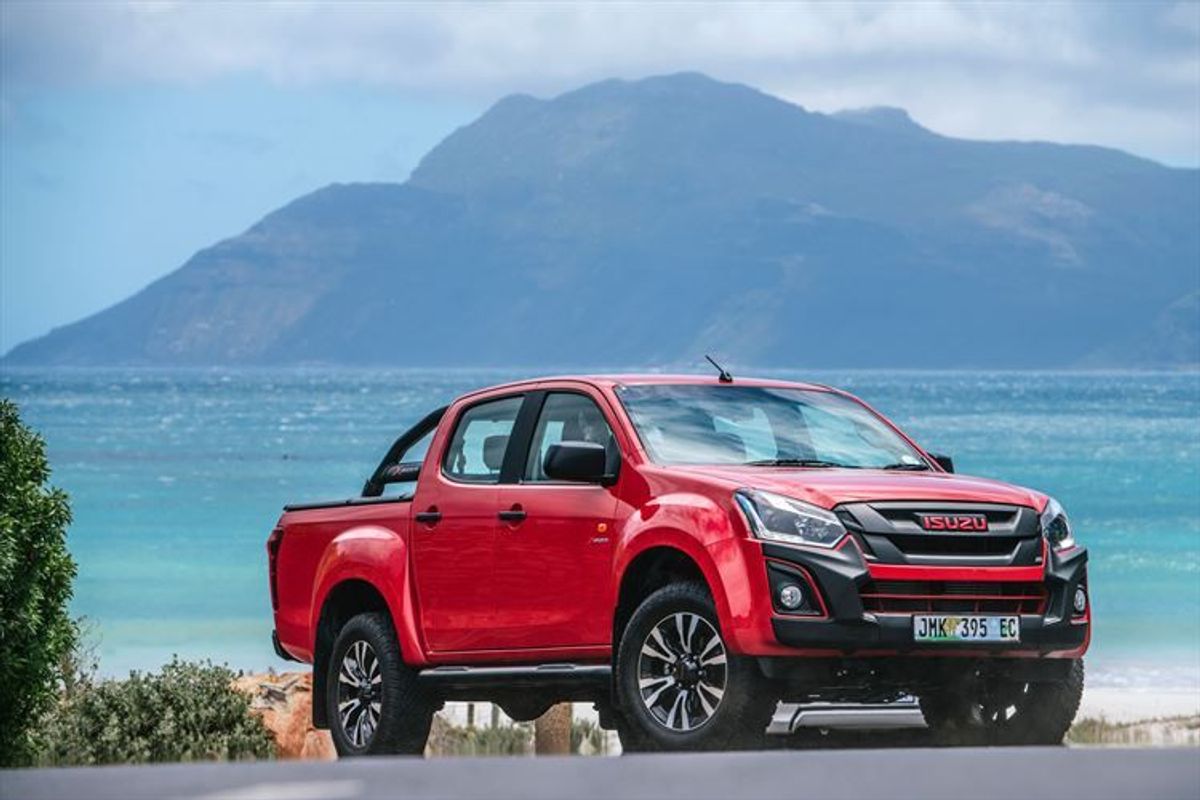
Isuzu Adds Automatics To D-Max Range

Isuzu bolstered its local D-Max bakkie range with the addition of 5 new automatic derivatives!

Japanese LCV giant, Isuzu, has responded to the market demand for automatic transmissions by offering more choice for buyers. 

"Buying trends in the bakkie segment are changing rapidly, and we have seen a major upswing in the demand for automatic gearboxes in recent years. The introduction of the 6-speed automatic transmissions in the D-Max 3.0-Litre models in 2018 was extremely well received, and we are delighted to now offer automatic gearbox options on our popular D-Max 250 models, from our trendy X-Rider model to the mid-level LE and the Hi-Ride which is ideally suited to our commercial vehicle customers," says Dominic Rimmer, Senior Vice President, Technical Operations at Isuzu Motors South Africa.

The D-Max 250 range is headlined by the X-Rider which now gains a 5-speed automatic which complements the choice of the existing 5-speed manual transmission and is available in both 2-wheel-drive and 4-wheel-drive formats.

The mid-spec D-Max 250 LE double-cab and workhorse-orientated D-Max 250 Hi-Ride also gain a 5-speed automatic transmission as well as the D-Max 250 Hi-Ride 4×2 Extended Cab.

The D-Max 250 derivatives are powered by a 2.5-litre turbodiesel engine with 100 kW and 320 Nm of torque and have maximum towing capacity of 2 100 kg. 

Lastly, Isuzu is also offering a 6-speed automatic on the D-Max 300 Hi-Ride Double Cab. 

This derivative makes use of a 3.0-litre turbodiesel engine with 130 kW and 380 Nm of torque. 

D-Max X-Rider specification


The X-Rider features derivative-specific details that makes it stand out from the rest of the D-Max range. 

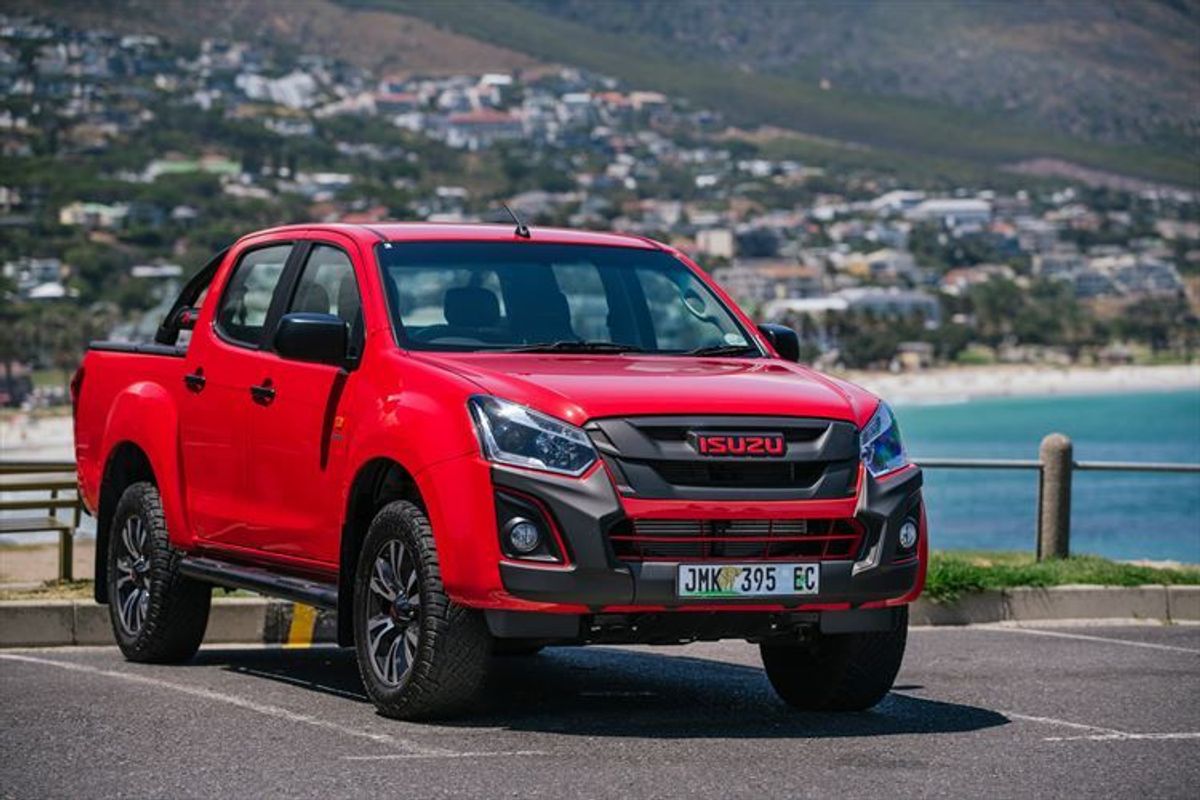
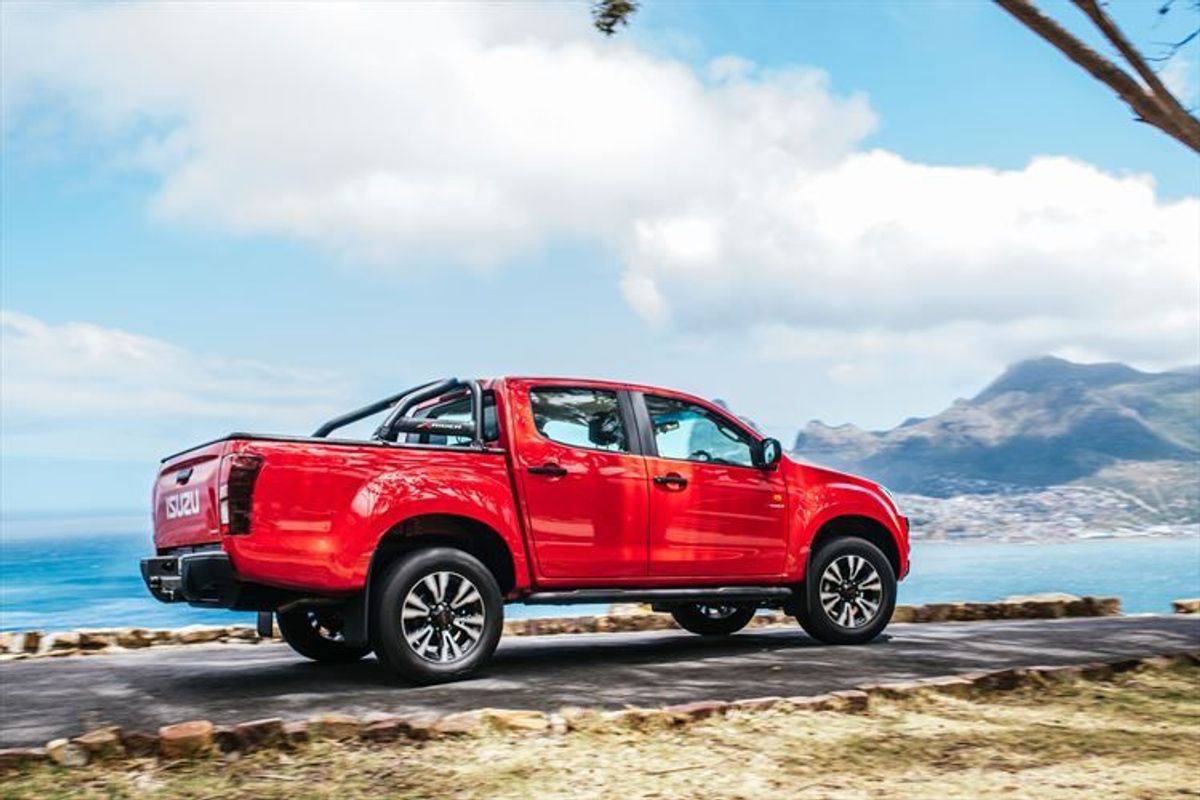
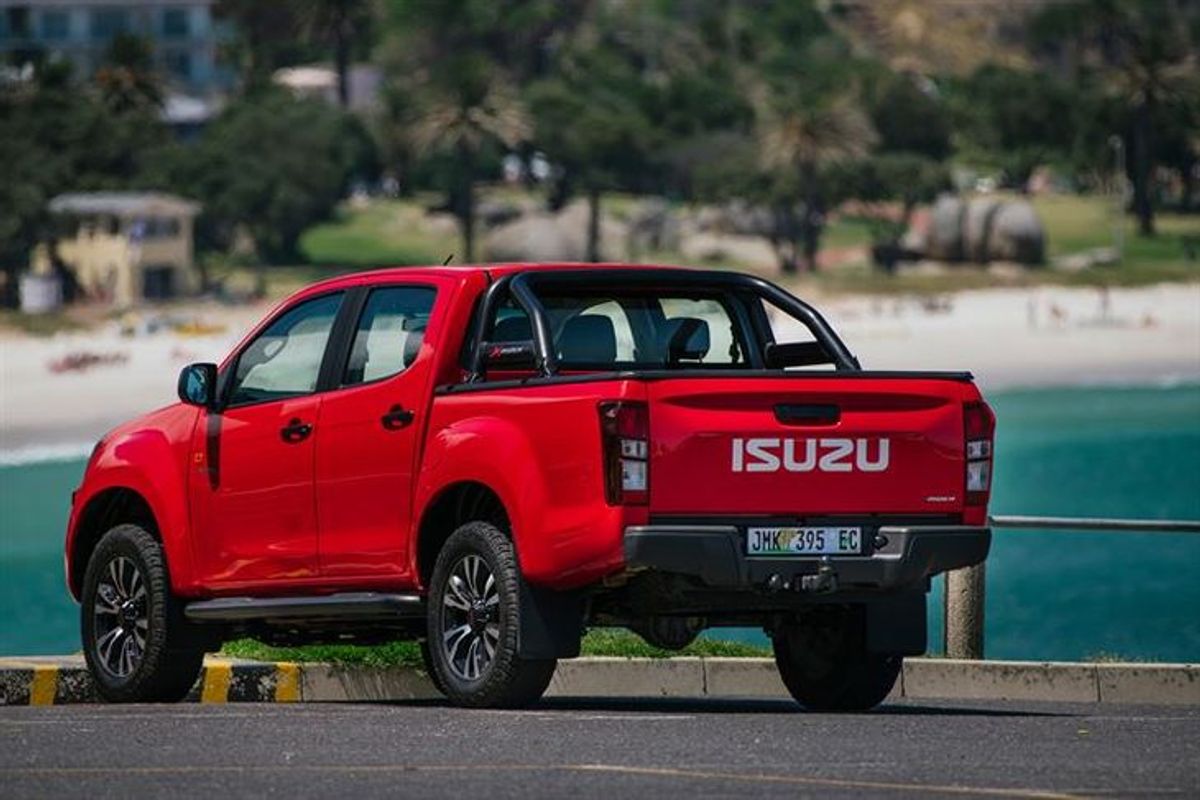
The D-Max 250 X-Rider brings a bold look to the road with a black bumper and grille complemented with a striking red Isuzu badge on the nose as well as projector-style headlights with daytime running lights. This distinctive derivative also features 18-inch alloy wheels, tubular side steps and a roll bar all in black.   

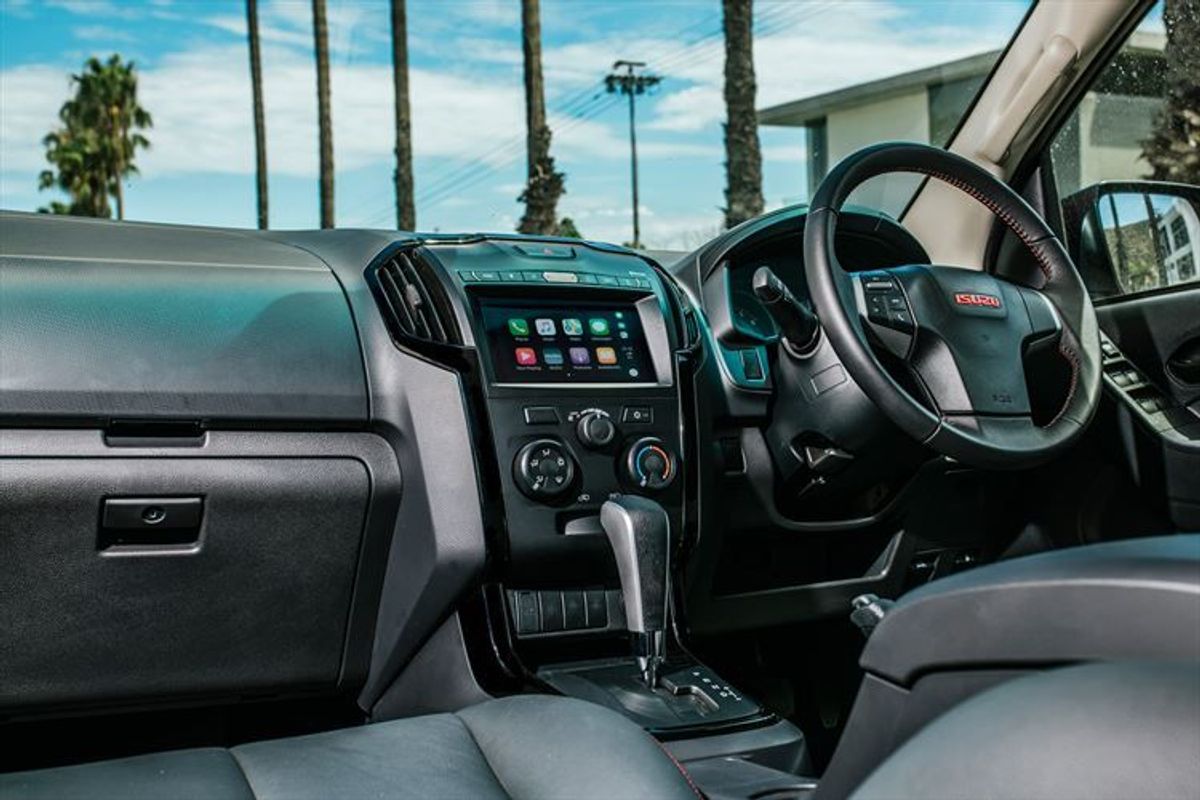
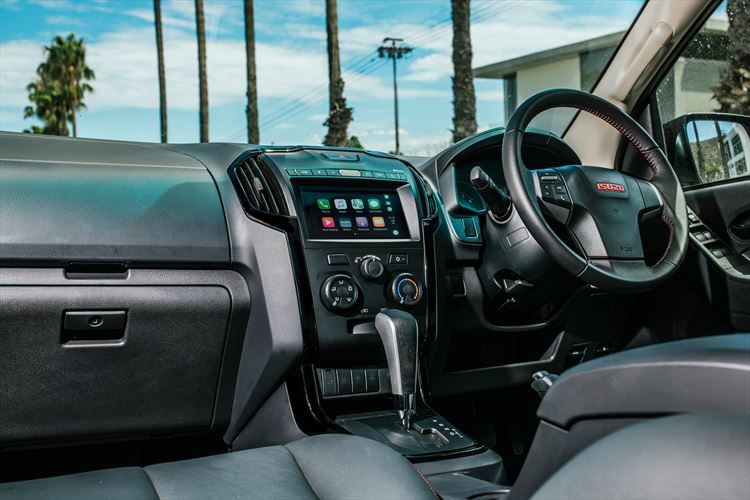
The interior gains leather upholstery with contrasting red stitching and X-Rider badging. A basic Bluetooth radio is fitted (with 6-speakers). Safety features include ABS with EBD, brake assist, electronic stability control with traction control, hill descent control and hill start assist. Driver and passenger airbags are also included. 

View further specification details of the entire Isuzu D-Max range here!

Isuzu D-Max – Prices in South Africa 

D-Max 250 HO Extended Cab Hi-Ride Auto – R403 200

D-Max 250 HO Double Cab Hi-Ride Auto – R435 300

D-Max 250 HO Double Cab LE Auto – R459 000

D-Max 300 Double Cab Hi Ride Auto – R464 100

D-Max 250 HO Double Cab X-Rider Auto – R474 700

The Isuzu D-Max is sold with a 5-year/120 000 km warranty, 5-year/90 000 km service plan, 5-year/unlimited km anti-corrosion and Roadside Assistance. 

Buy an Isuzu D-Max on Cars.co.za

Related content:

New Isuzu D-Max to be Built in Eastern Cape

All-New Isuzu D-Max Revealed (SA Details)

BMW X6 (2020) International Launch Review

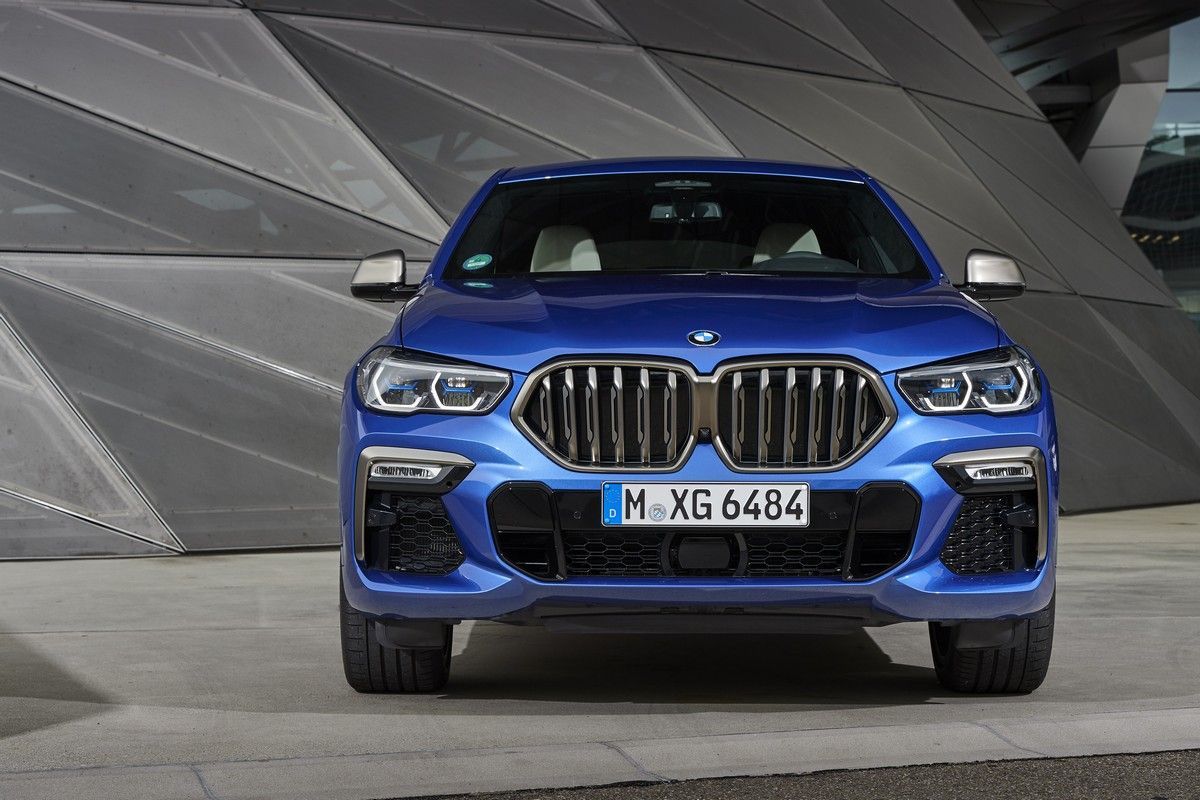
Before BMW released the gargantuan X7, the audacious 7 Series facelift and, most recently, the utterly-divisive grille treatment of the upcoming 4 Series coupe, the X6 premium SUV coupe was easily the Bavarian firm's most controversial model. The 3rd-generation X6 will arrive in South Africa soon, ostensibly spearheaded by the flagship X6 M derivative; is the newcomer still a love-it-or-hate-it offering? 

Gucci. Prada. Balenciaga. The BMW X6. All are considered style icons, right?

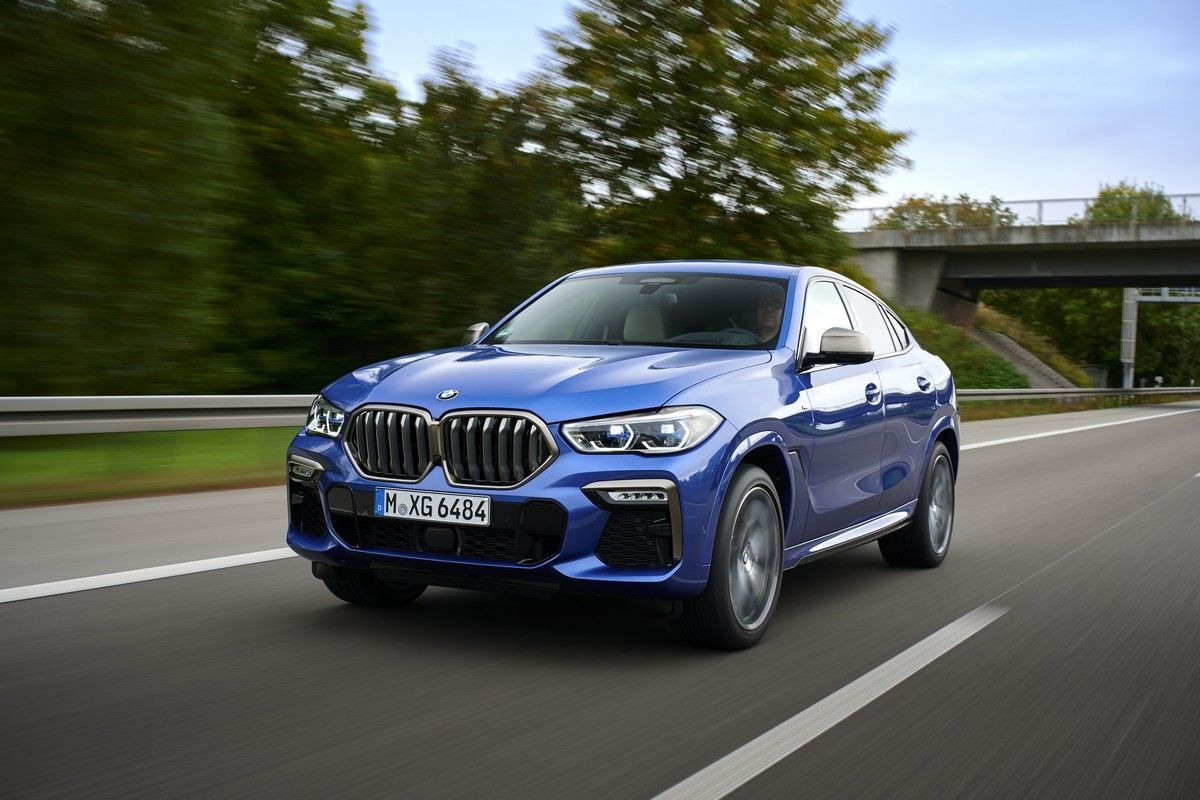
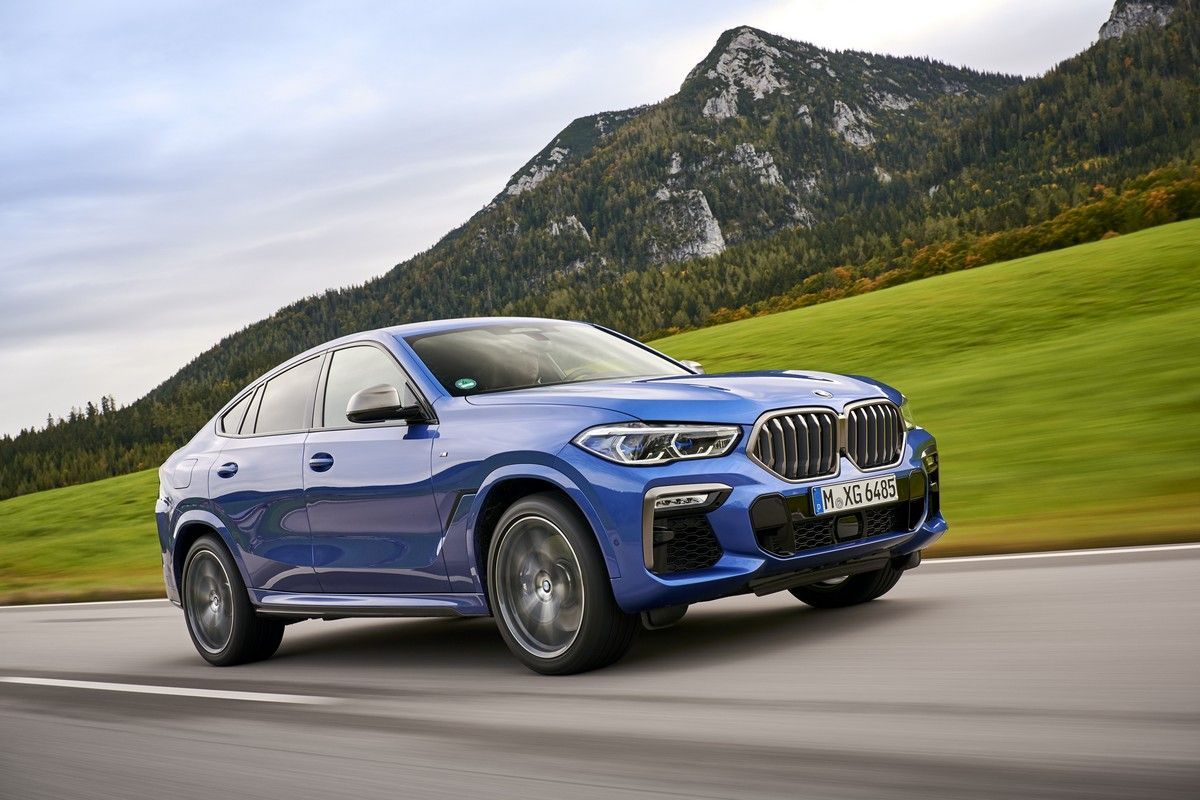
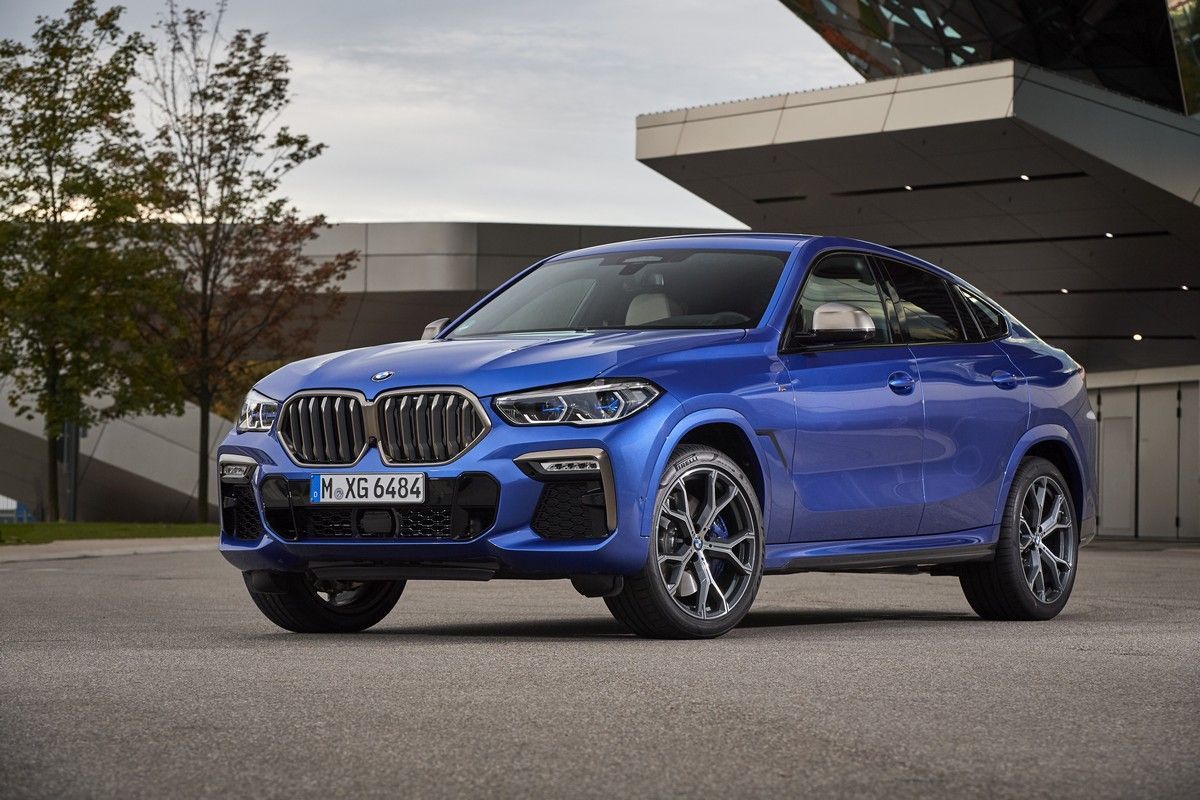
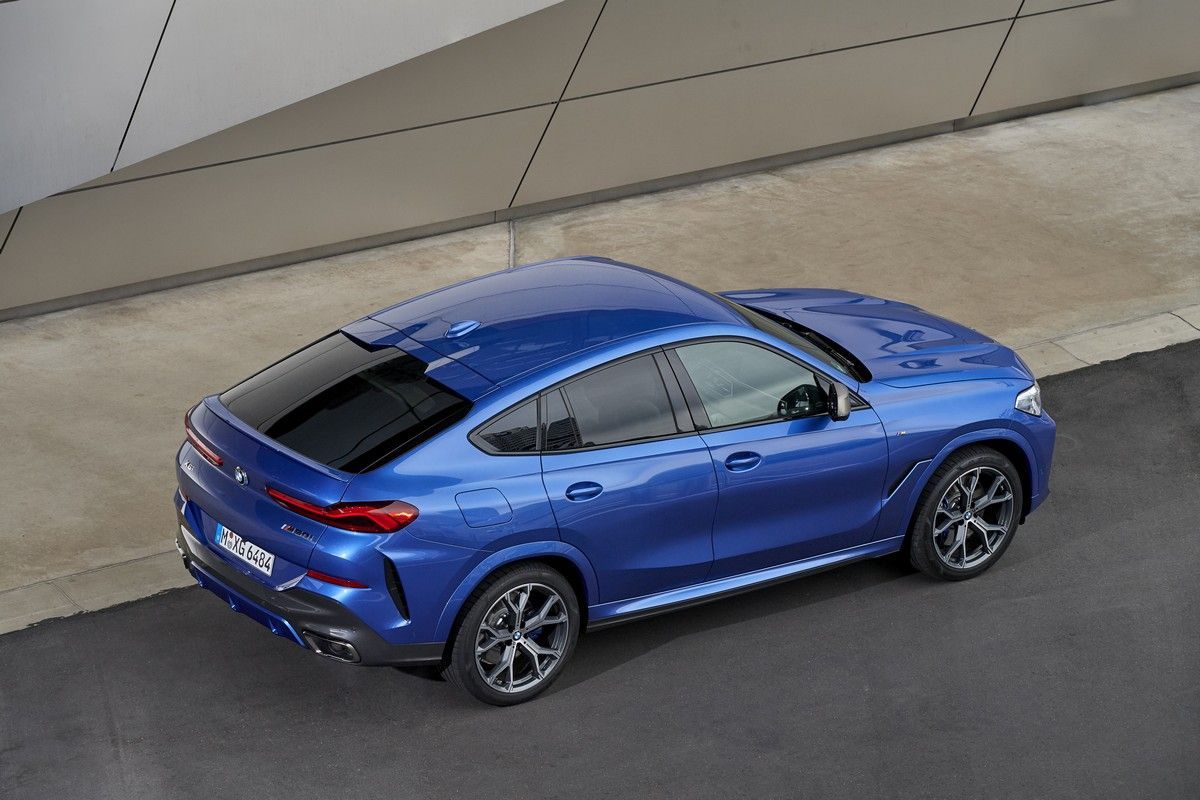
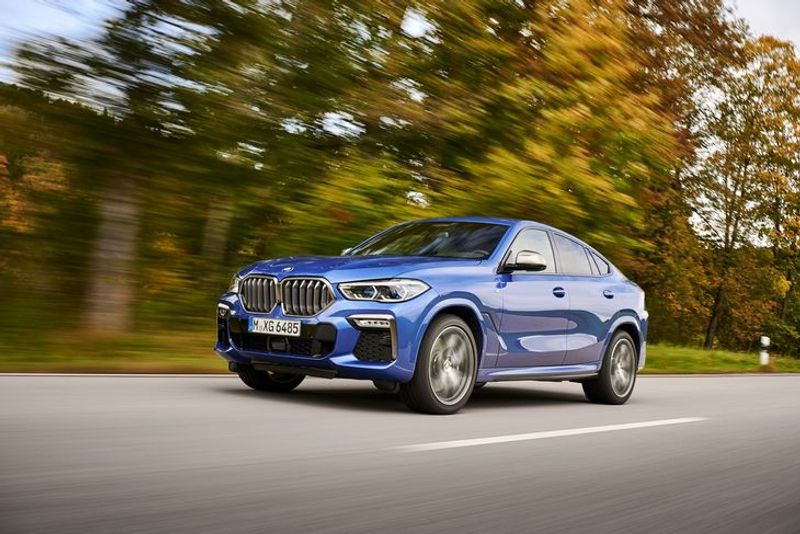
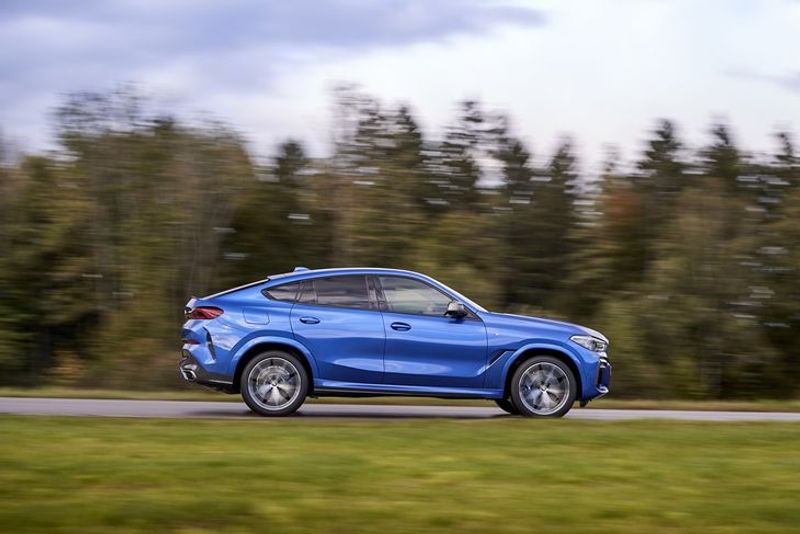
Apparently so, as this is the 3rd-generation version of the BMW X6, a genre-defining luxury SUV coupe (or, in BMW speak, Sports Activity Coupe) which, in its new-look guise, has followed a similar trajectory as those aforementioned high fashion brands. It is bolder, more polarising – and arguably gaudier – than ever before.


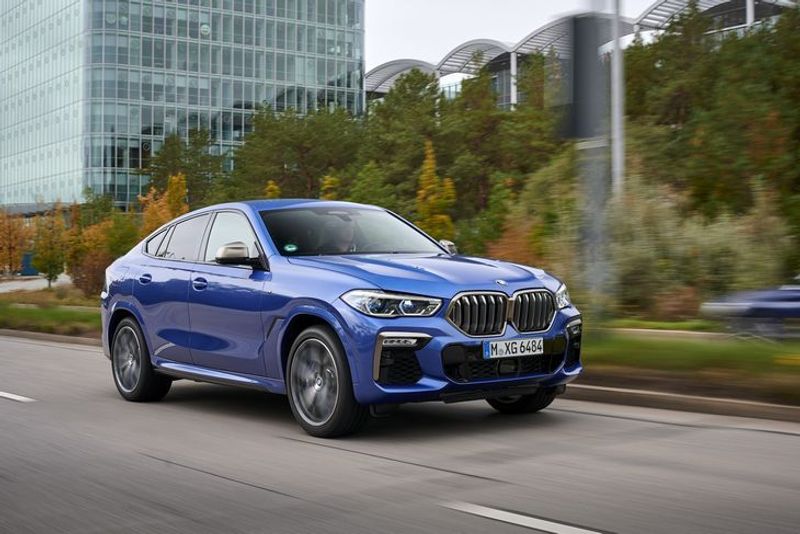
Whereas the 2nd-generation X6 was clearly a "brother of X5" looks-wise, the new version is plenty of distinctive road presence.

Style is just one part of the equation when it comes to the G06-generation BMW X6 – it also has plenty of substance, some surprising smarts, and a level of charm to it, too. However, does the Munich-based firm's premium SUV coupe have what it takes to remain a standout offering in the rarefied boutique luxury "off-roader" space, considering rivals such as the Porsche Cayenne Coupe, Mercedes-Benz GLE Coupe, and Audi Q8? 

The bold – and the beautiful?

The X6 has always been a car that you either "get", or you don’t. When the 1st-gen model was launched in 2008, its design was widely considered "too out there", the 2nd-generation – which many thought might not happen – was comparatively derivative of its X5 sibling (but still no beauty queen) and this (3rd) one, well, I guess it's landed somewhere in the middle. Clearly, enough people out there understand the intent of the X6, because BMW has built and sold about half a million X6s over the years.


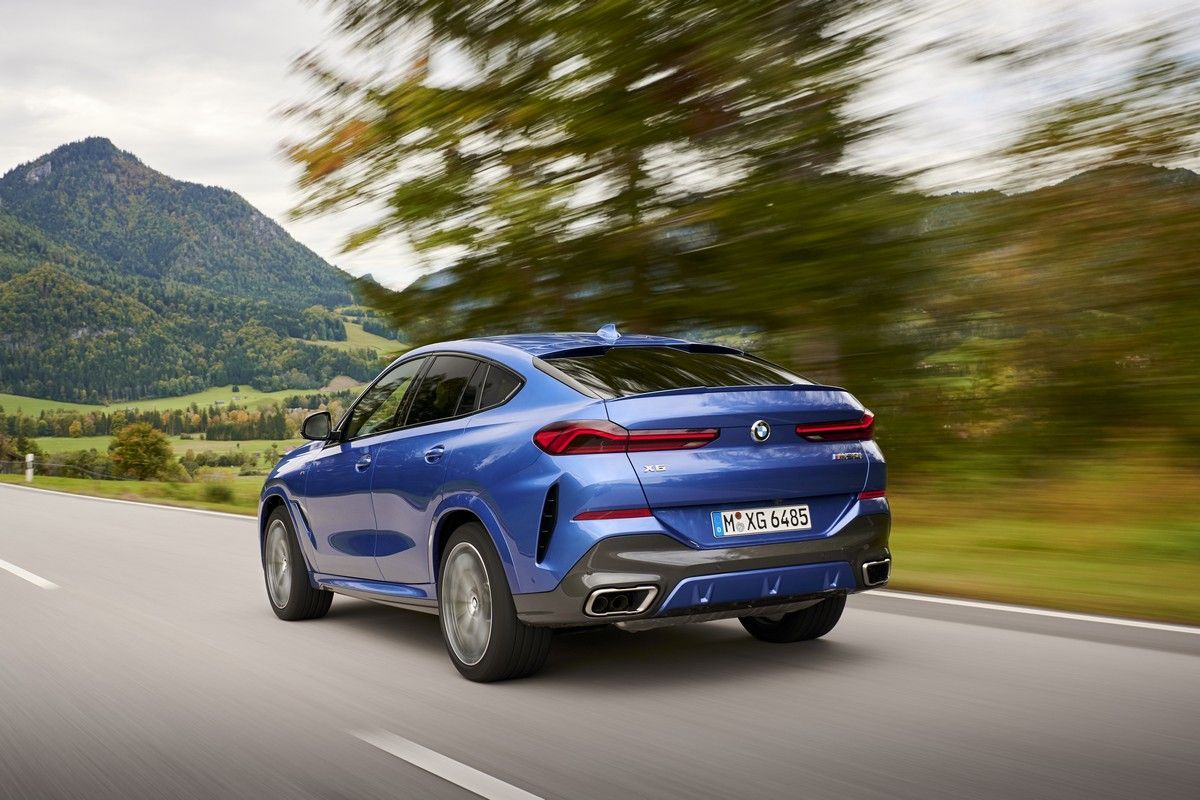
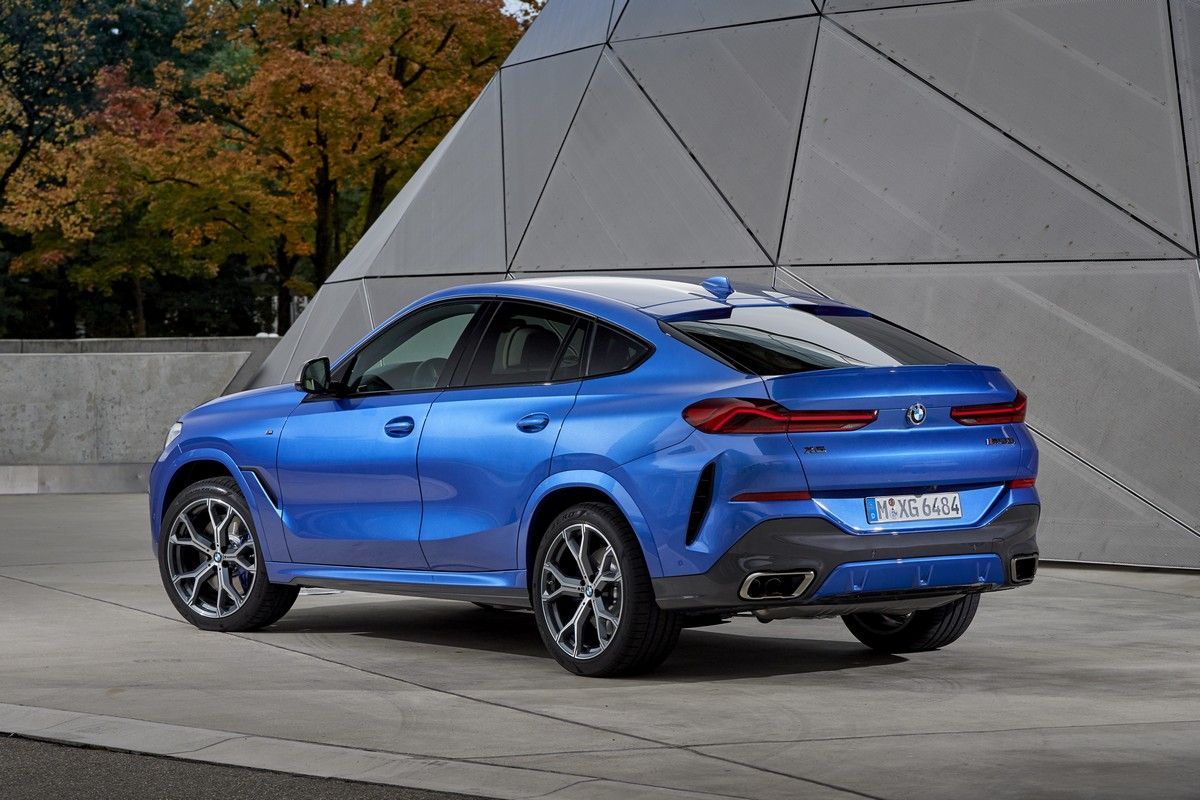
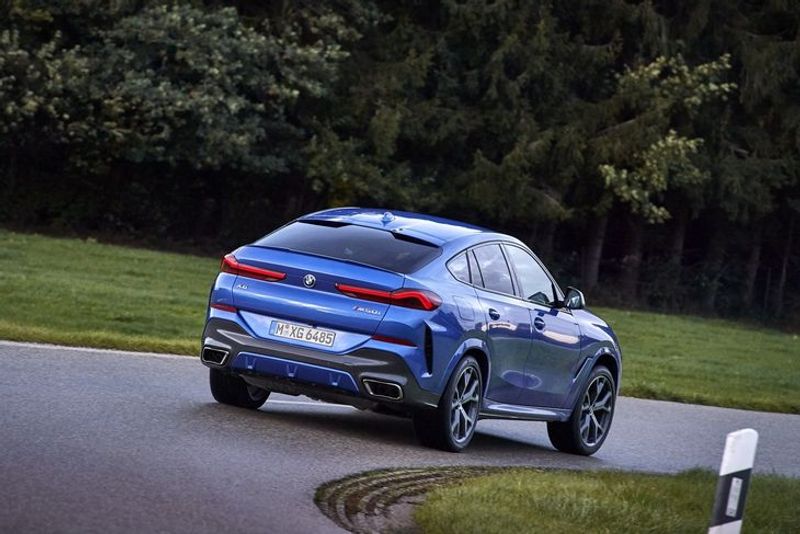
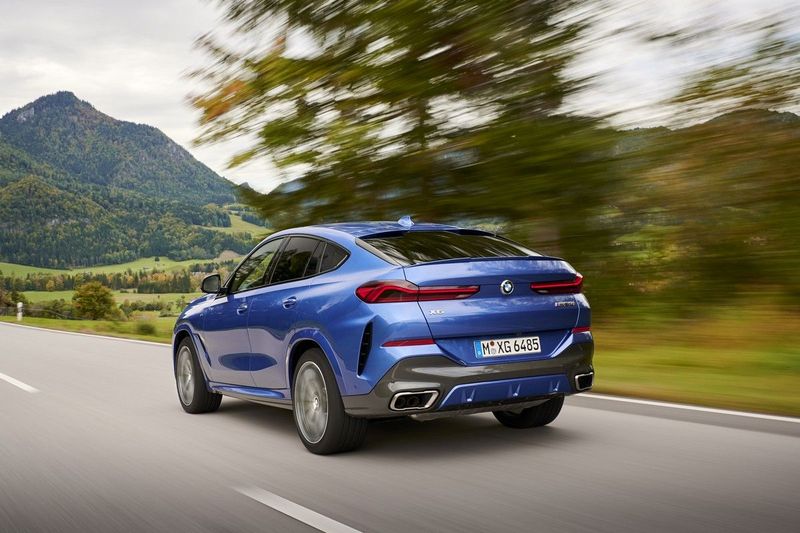
In M Sport guise, the X6's rear apron features extensive dark cladding around the stylised exhaust tip cutouts.

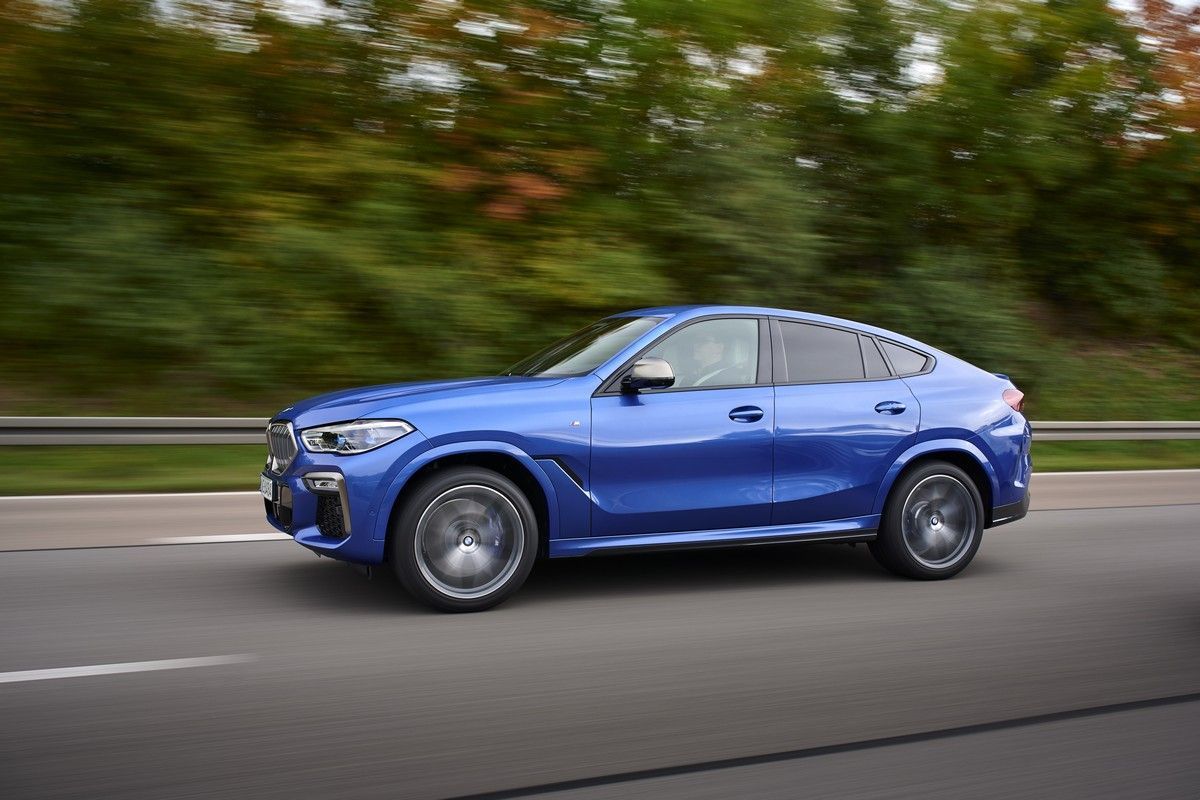
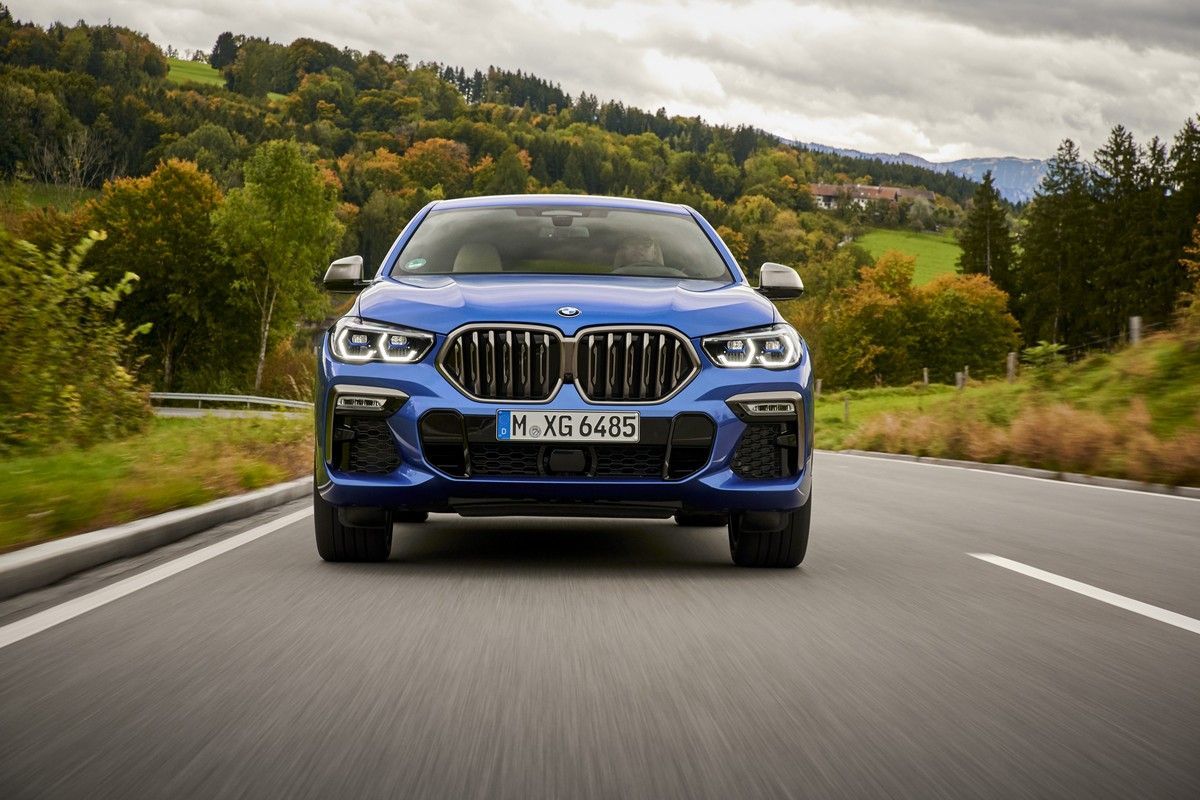
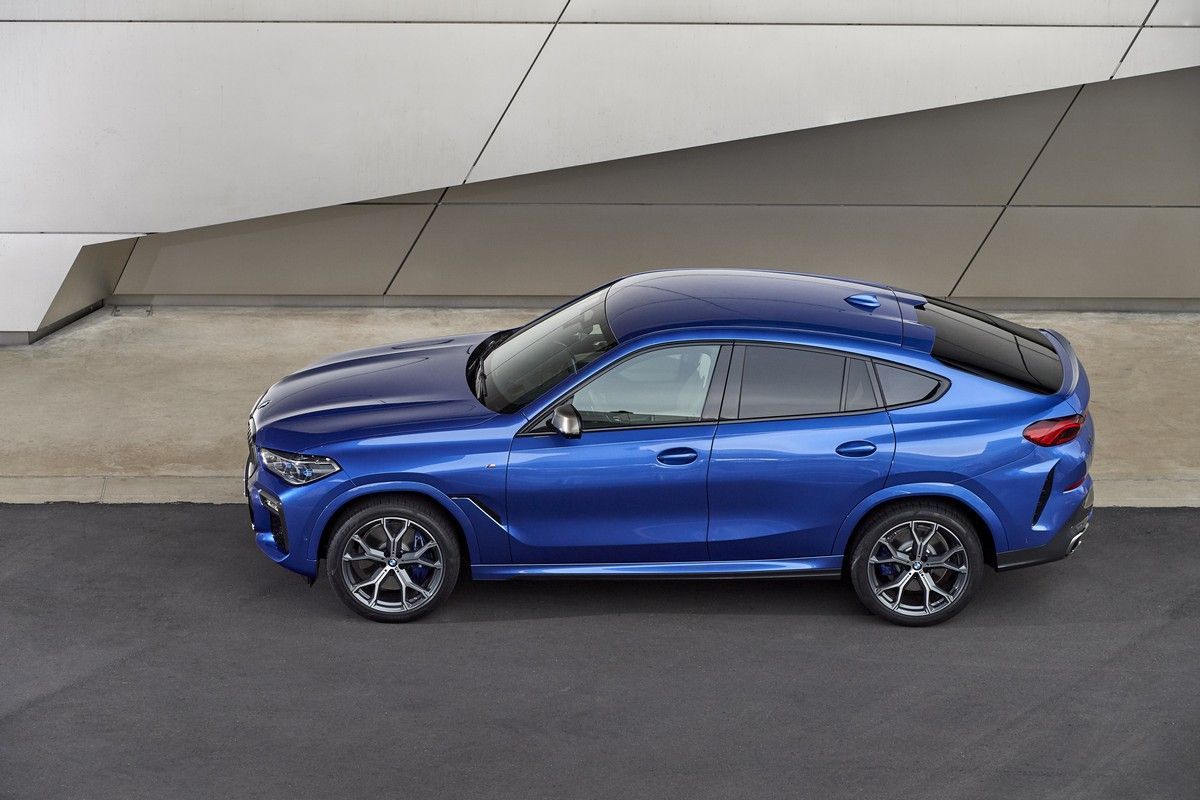
 The G06-generation X6 still has that now-trademark sloping roof design, a dead giveaway that you’re not looking at a BMW X5, but there are also some new, more aggressive design elements (to especially the front of the car) that are clearly intended to make it appear more sporty, macho and – undoubtedly – more appealing to Chinese buyers.

As BMW’s Chinese website (translated by Google) puts it: “The distinctive design philosophy outlines a stern gesture, and the dazzling light curtain grille shows its handsome temperament, and it gives off a stunning charm between movement and silence.” Purple prose indeed.


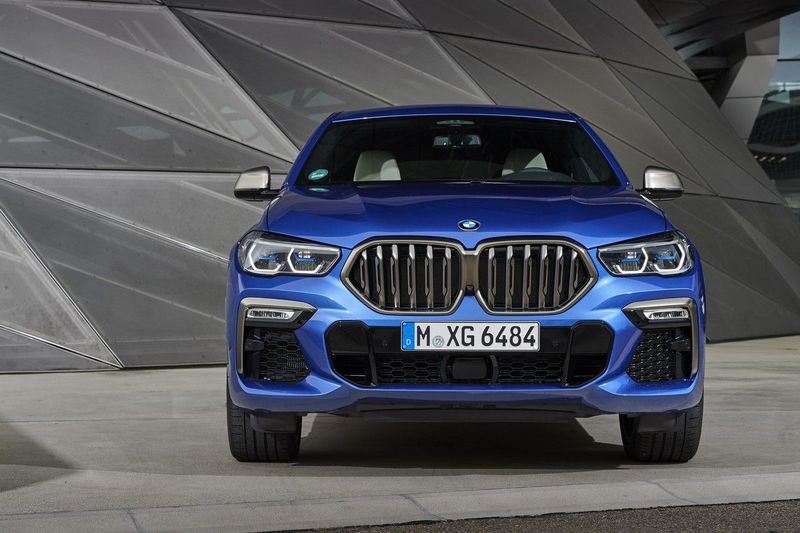
Would you believe the uprights in the grille come with their own LED detailing? Talk about purposely drawing attention to oneself… 

That illuminated kidney grille is an intriguing part of the look: hidden LEDs add an extra bit of visual bling to the front end, though if that’s the shape of your kidneys you’d best get to the doctor in a hurry. Below is a bumper with big air intake sections, and the headlights feature a distinctive, on-brand LED signature.

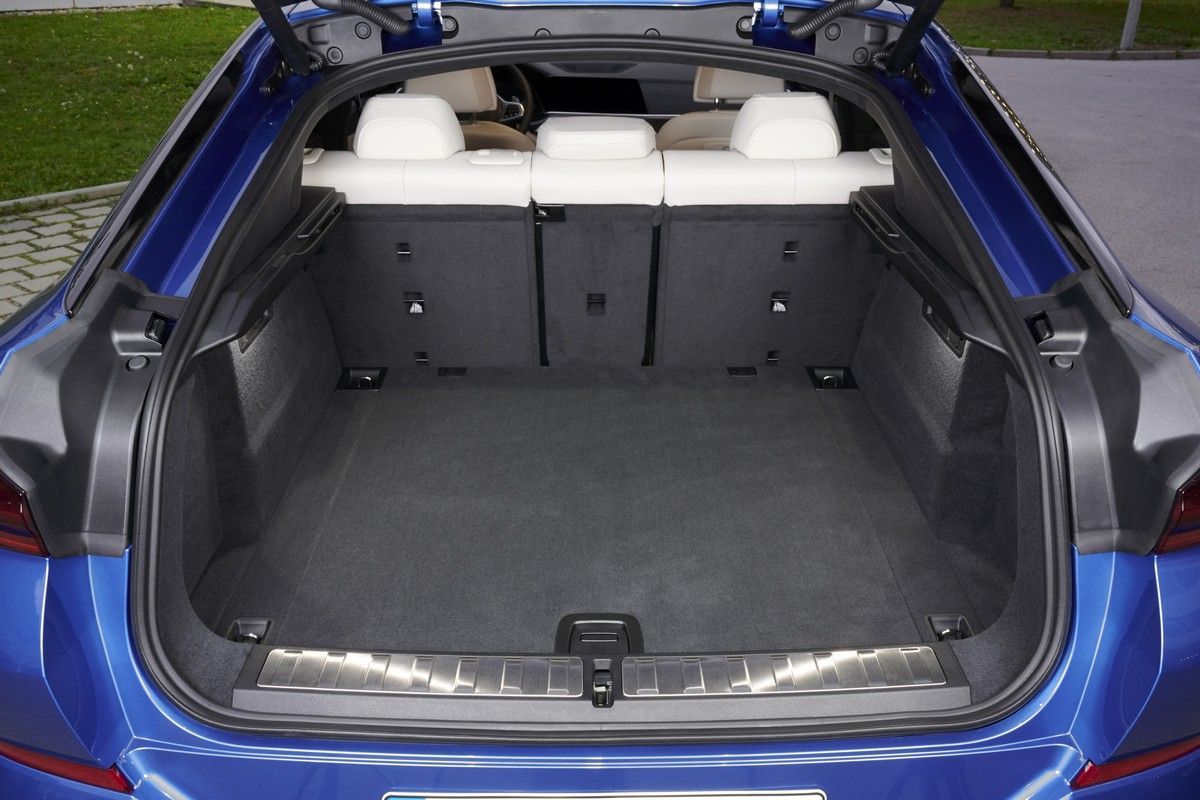
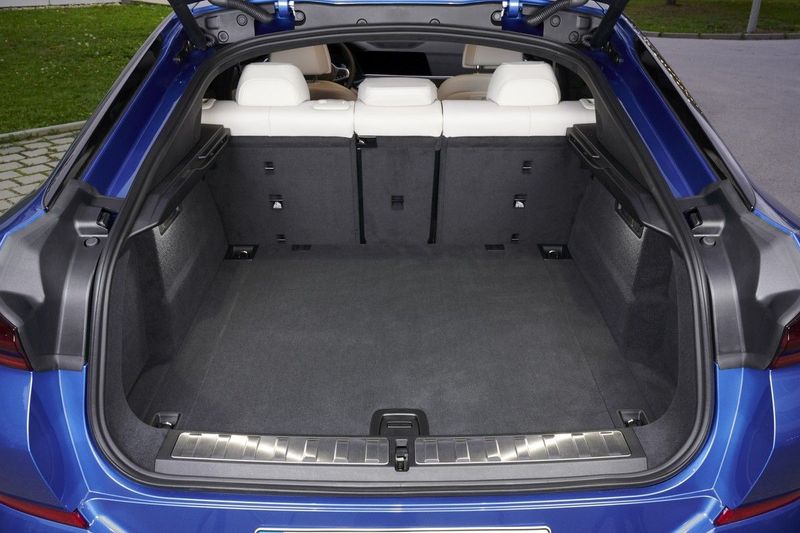
The roofline aside, it looks pretty smart in profile. It’s bigger than ever before, measuring 4 935 mm in length (on a 2 975 mm wheelbase), 2 004 mm in width, 1 696 mm in height and the claimed luggage capacity has increased by 30 litres to 580L (or up to 1 530 litres with the 40:20:40 split-fold rear seat stowed).


Some will find the familiar X5 cabin architecture welcome, others may find it too predictable in something as wildly-styled as the X6.

The rear is where the arguments will probably start. Not just because of the roof, but because the mix of horizontal and vertical lines is rather confronting. The new tail-light styling isn’t to all tastes, but it does add to that broader look, while the sharp, angular breather lines behind the wheels in the rear bumper are, well, eye-catching.

But one has to appreciate a bold car design for what it is: utterly subjective… you have to consider it relative to the styling of rival products in the market upon its commercial release. You might absolutely adore the look of this vehicle, or, like me, think it’s horrible. But things are more appealing and arguably more palatable on the inside…


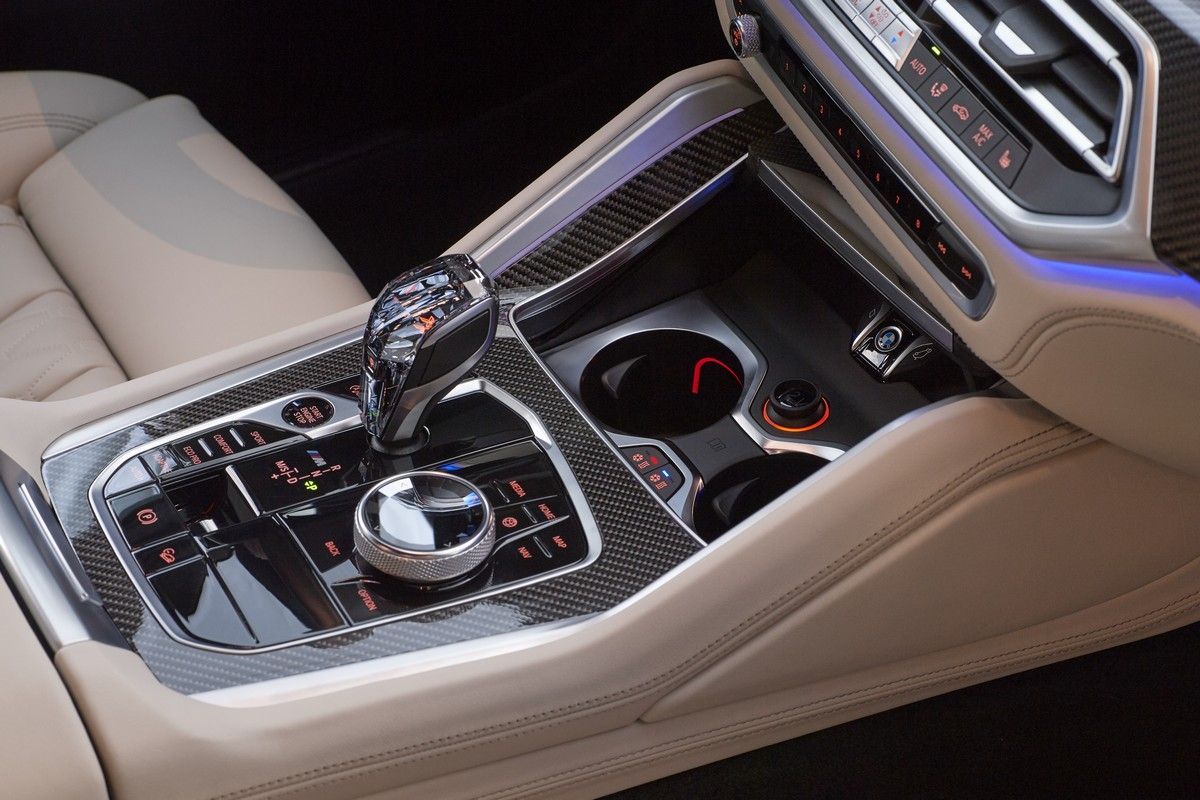
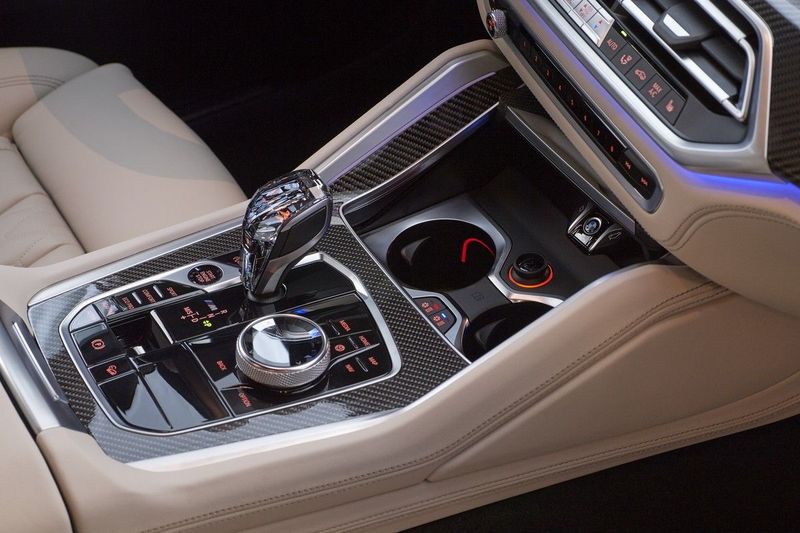
If you're not going to fit the now well-known Swarovski-crystal transmission lever in an X6, you may as well not offer it at all!

Inner beauty

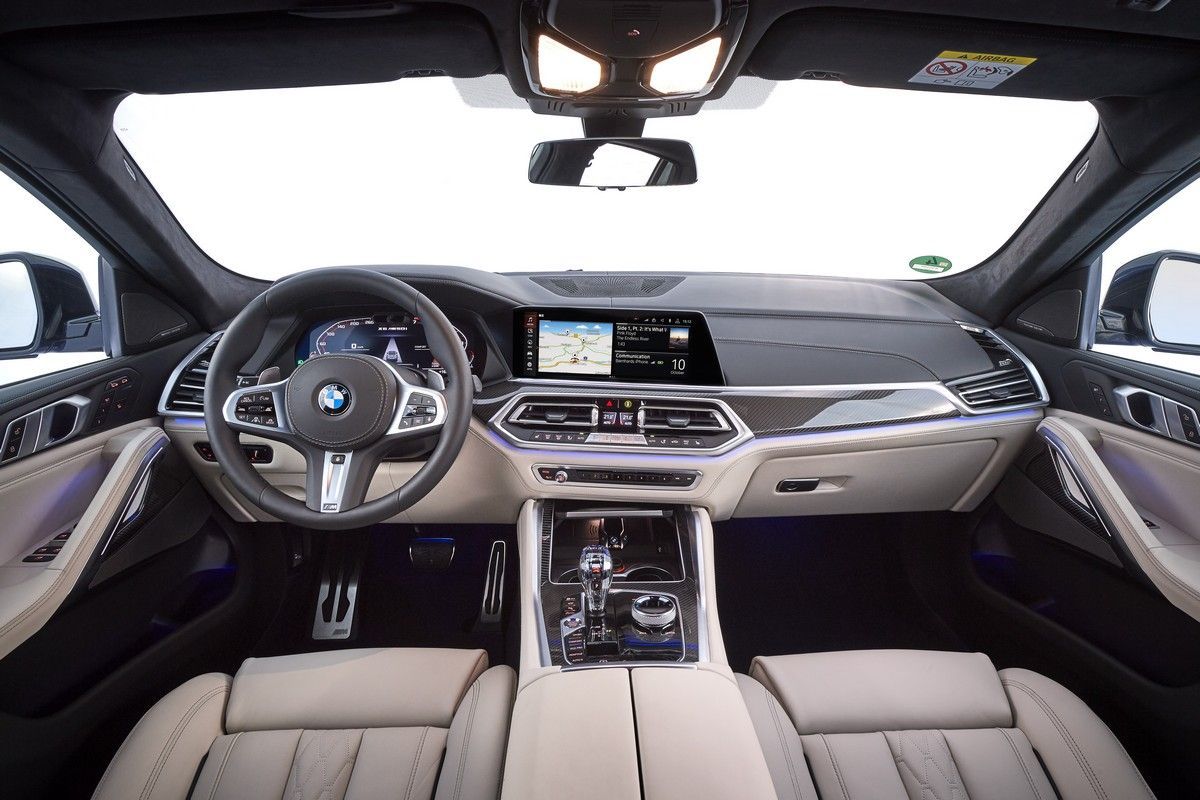
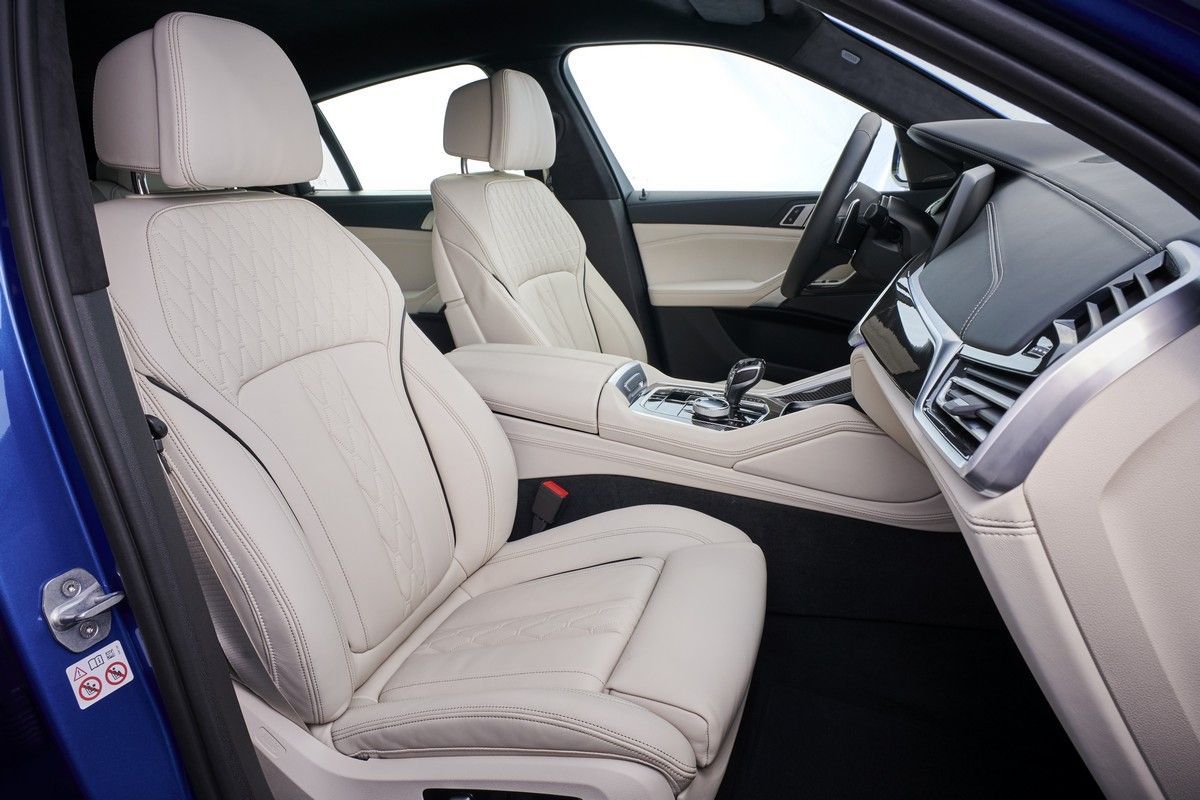
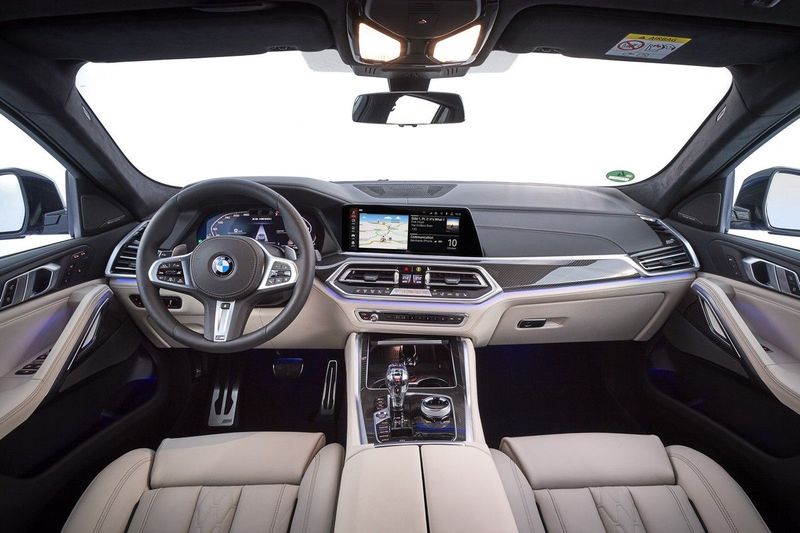
Some regard the interior of the X6 too derivative and humdrum (considering its target market), but I appreciate just how close it is to the plush BMW X5 cabin design. The dashboard doesn’t have the same hard-edged high-tech look that, say, a Mercedes-Benz GLE does, but it still has a 12.3-inch display in front of the driver and a second 12.3-inch unit for media controls, and while there’s Apple CarPlay available, Android Auto is still omitted.

I actually admire how BMW has stayed true to its traditional interior design and not opted for excessive touchscreen controls for the climate control interface, or flat panel-style screens that dominate the dash. And there are neat elements such as ambient lighting to keep the kids happy, plus a voice control system with a “Hey, BMW” speech interface.


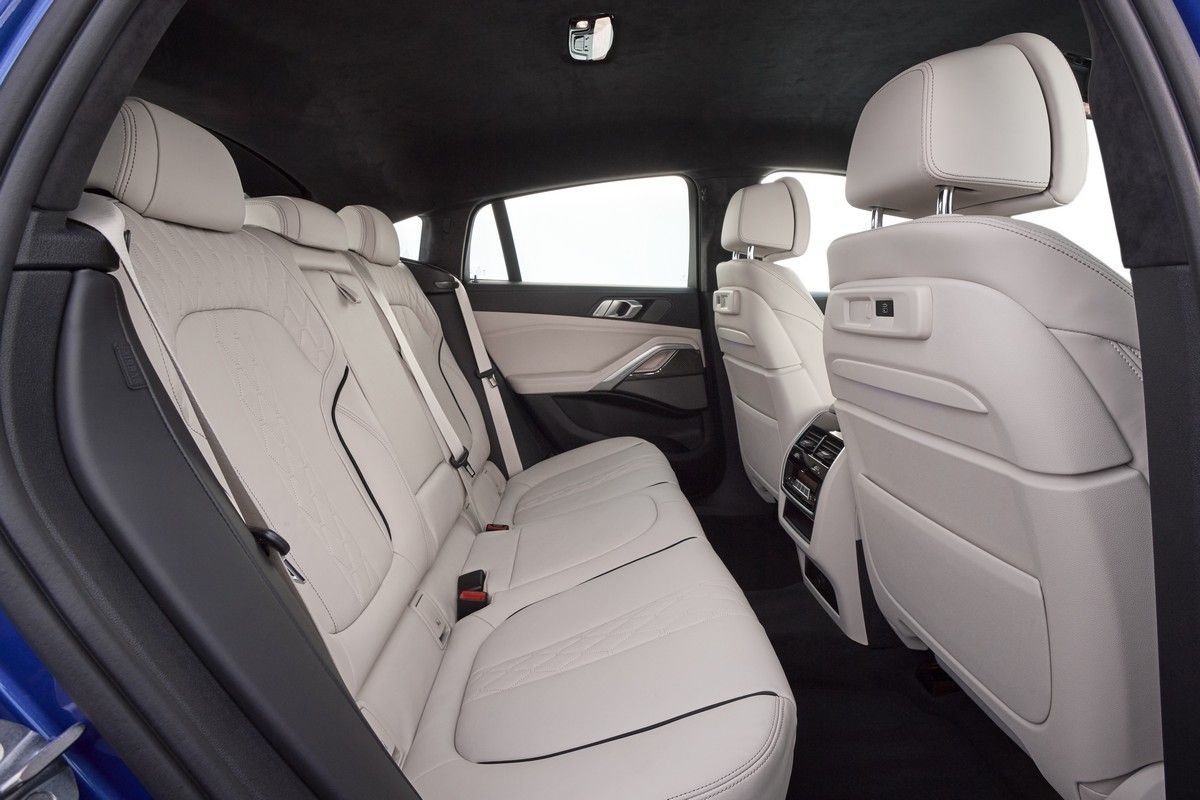
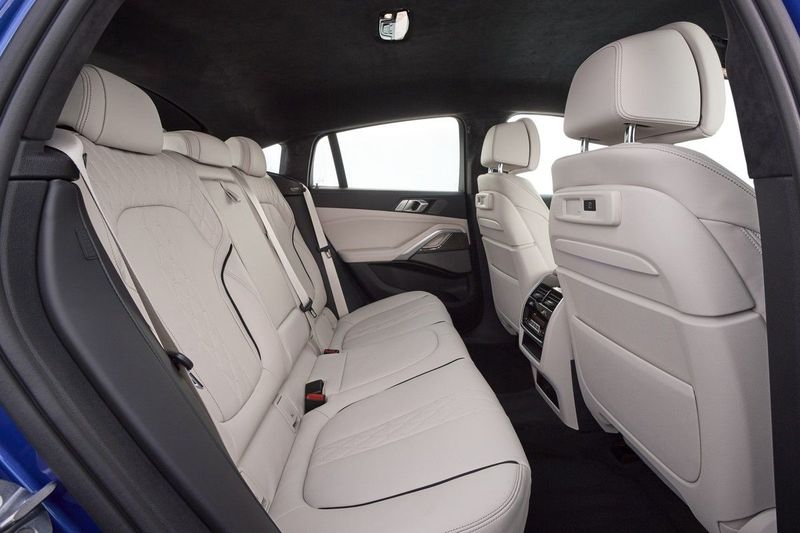
Rear occupants are afforded a comfortable bench seat with reasonable legroom, but, as expected, headroom is less than plentiful.

Indeed, the controls all fall easily to hand, everything is logically and ergonomically positioned for the most part (I found myself having to occasionally glance down at the central rotary controller to make sure I was pushing the correct button surrounding it), and the materials and finishes are of the quality you’d expect of the Bavarian marque.

The screen also houses some innovative tech, including the excellent surround-view camera system, which can now also be teamed up to the downloadable Drive Recorder dash camera system, which uses all four cameras (front, 2x side, rear) to monitor the car’s surroundings. It’s a great safety feature, especially among the rest of technologies: autonomous emergency braking, blind-spot monitor, cross-traffic alert, lane-keeping assist and steering assist, adaptive cruise control, high-beam assist and parking sensors.


The X6's luggage area was never going to be as practical as that of its X5 brother, but it's more than big enough for a weekend's luggage.

Aft occupants are afforded reasonable comfort, with ample legroom and toe room for adults of my size (1.82 metres), though anyone taller than that might struggle for headroom; what's more, those beanpoles will need to watch their heads as they get in and out of the rear seat.

While the cargo space mightn’t be huge – the X6 is clearly not as practical as an SUV with a boxier backside – there is enough to store a couple of week-away suitcases for a couple, or a pram plus the excess baggage you need if you’ve got a youngster.

Power player

Although not part of the local launch line-up, I drove the xDrive30d derivative in Australia. It’s powered by a 3.0-litre straight-6 turbodiesel engine with 195 kW and 620 Nm, all of which is enough to slingshot this 2 110-kg bruiser cruiser from 0 to 100 kph in 6.5 seconds. In Mzansi, the entry-level version is the xDrive40i powered by a 3.0-litre straight-6 turbopetrol with 250 kW and 450 Nm. It will get you to 100 kph a second quicker, but it produces 170 Nm less than its sibling and is thirstier, so it's a bit of a strange choice…  


BMW didn't fit the X3 M40i's 265 kW/500 Nm motor in the xDrive40i, so it has to make do with a 250 kW/450 Nm 3.0-litre straight-6.

Something tells me, however, that the all-guns-blazing M50i, with a thumping 4.4-litre twin-turbo V8 producing 390 kW and 750 Nm and capable of finding the horizon in just 4.3 seconds, will be very popular in Mzansi. Of course, around May, the X6 M will arrive in standard (441 kW) and/or Competition (460 kW) configuration(s). Both engine tunings produce a similar peak torque number (750 Nm), and the motor will readily spin to 7 200 rpm. How fast, did you say? Depending on which version you buy/is offered in South Africa, the 0 to 100 kph sprint will be dispatched in around 3.8 or 3.9 seconds, which is absolutely astonishing for a 2 295 kg machine. It would take some stopping too!

All derivatives come equipped with an 8-speed Sport Steptronic automatic transmission and, of course, the fact they all have that little ‘x’ at the start of their nomenclatures means they're all-wheel driven. In Australia, the X6 is available with an integrated towing hitch receiver, and the towing capacity is rated at 750 kg for an unbraked trailer, and 3 500 kg for a braked trailer – though the tow-ball down-weight limit is 280 kg. Fuel consumption is claimed at 9.0 L/100 km for the 40i and 11.5 L/100 km for the M50i. 


Not that it would matter all that much to image-conscious buyers, but the ride quality on 22-inch wheels and rubber is quite firm.

The drive to succeed?

I’ve long been a fan of BMW's straight-6 turbodiesel (every time I've driven an xDrive30d derivative I've come away thinking, “Would you really need any more than that?”). It’s a smooth, gutsy, refined and tractable motor, with a lovely character to the way it revs, and none of that clatter you find in other turbodiesel SUVs. The eight-speed auto does a tremendous job of choosing the correct ratio for the situation, and during my time in the 30d, the 'box shifted smoothly and smartly, no matter where I was pottering around town at urban speeds, thumping the throttle to get moving more rapidly, or sauntering on the highway. This is a drivetrain that simply ticks the boxes you’d expect of a luxury SUV.

It’s also very quiet inside the X6 cabin – at freeway pace (that's 110 kph here in Australia) – there was barely a hint of wind noise and road roar, even with the oversized 22-inch wheels fitted to the test vehicle I piloted.


As before, the BMW X6 is a great long-distance mile-eater; its 8-speed automatic transmission remains a highlight of the package.

There are other ways, however, that the X6 doesn’t quite feel as plush as it could. Those big wheels – fitted with 275/35 front and 315/30 rear rubber – can make the ride feel rather abrupt over sharp-edged sections of road, even though they don’t come wrapped in run-flat tyres. They instead run Pirelli P Zero tyres, which are superbly grippy and allow excellent handling in twisty sections, and the steering has lovely weight and feel to it, and is certainly more satisfying to steer than the previous-generation version.

Even with Adaptive M Suspension and Dynamic Damper Control set to Comfort mode, the ride was harsher than I expected. When the road smoothens out and the traffic clears, however, I revel in the chance to engage Sport, which sharpens the throttle response, plus it makes the 'box shift more decisively and the steering a trifle weightier.

Summary

The 3rd-generation BMW X6 certainly ups the ante in terms of aggressive design, and it is a smarter, more high-tech and arguably more agreeable model than any X6 that preceded it. I would personally suggest the Audi Q8 is a superior offering – if only because it’s not so divisive to look at – though I could be missing the point of this type of boutique luxury "off-roader" completely by saying that. Suffice to say, you won’t see me rocking a Prada tracksuit, Gucci day pack or Balenciaga hi-tops anytime soon.

Related content:

BMW X6 (2020) Specs & Pricing

Porsche Cayenne Coupe (2019) International Launch Review

Audi Q8 55TFSI quattro (2019) Review [w/Video]
2020 Audi S3: Details Emerge

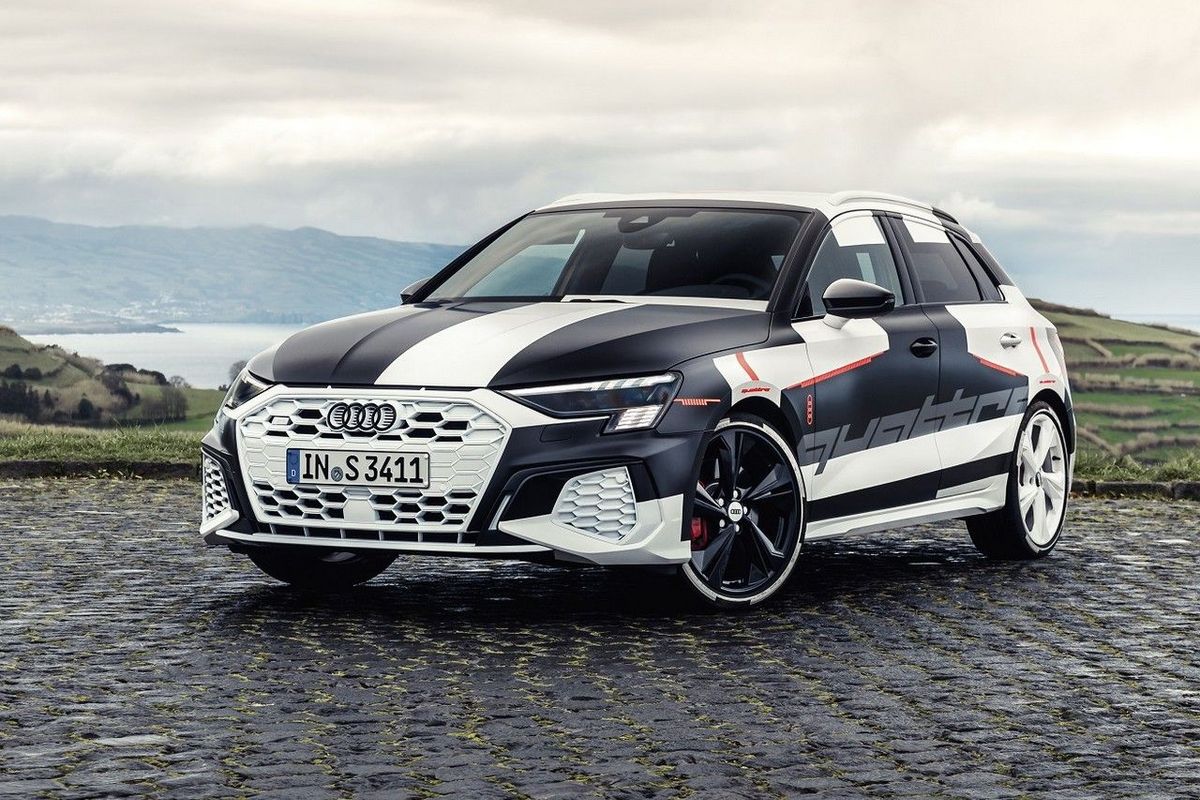
Audi has released some details of its forthcoming A3/S3 compact hatchback. 

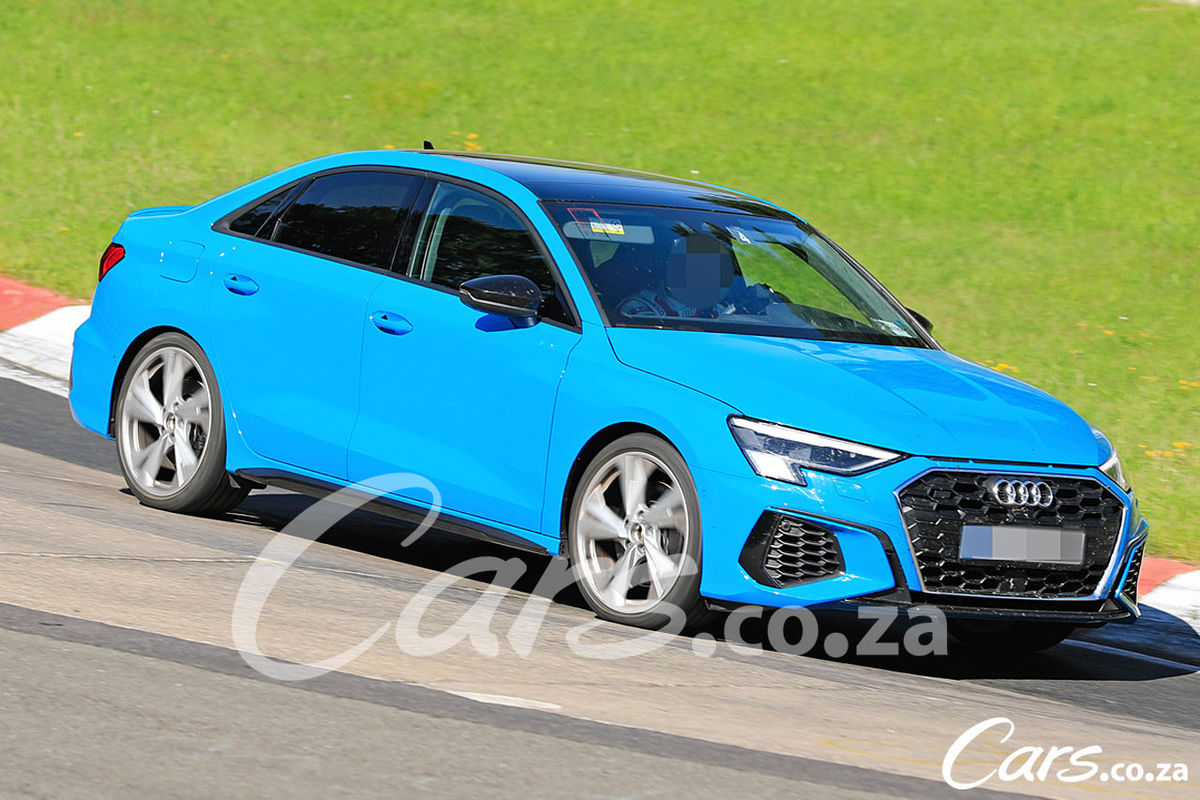
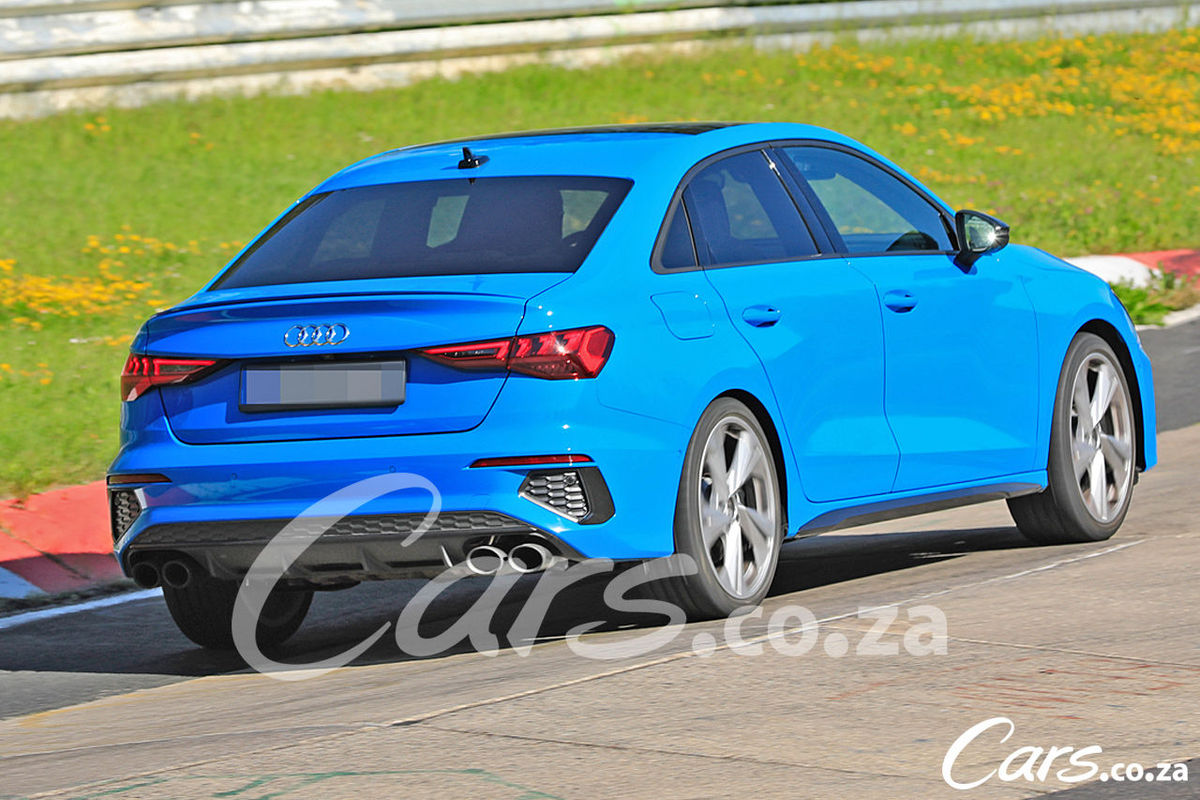
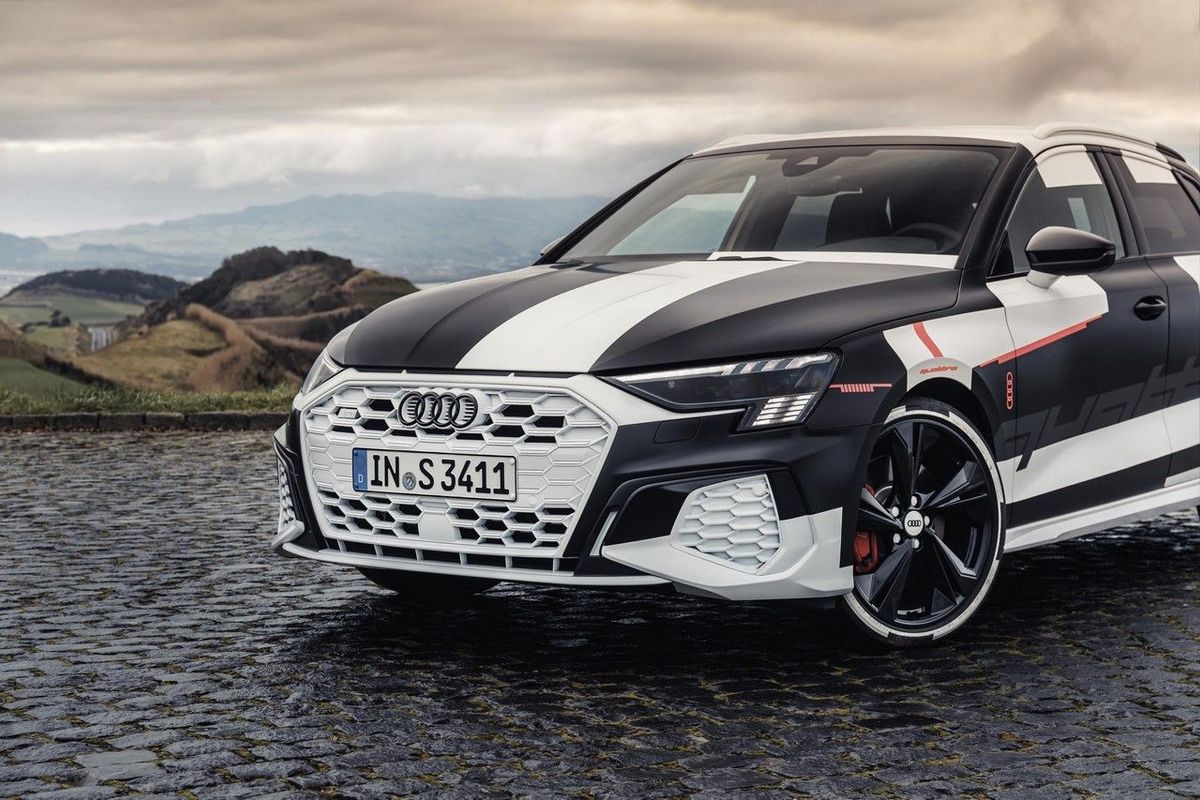
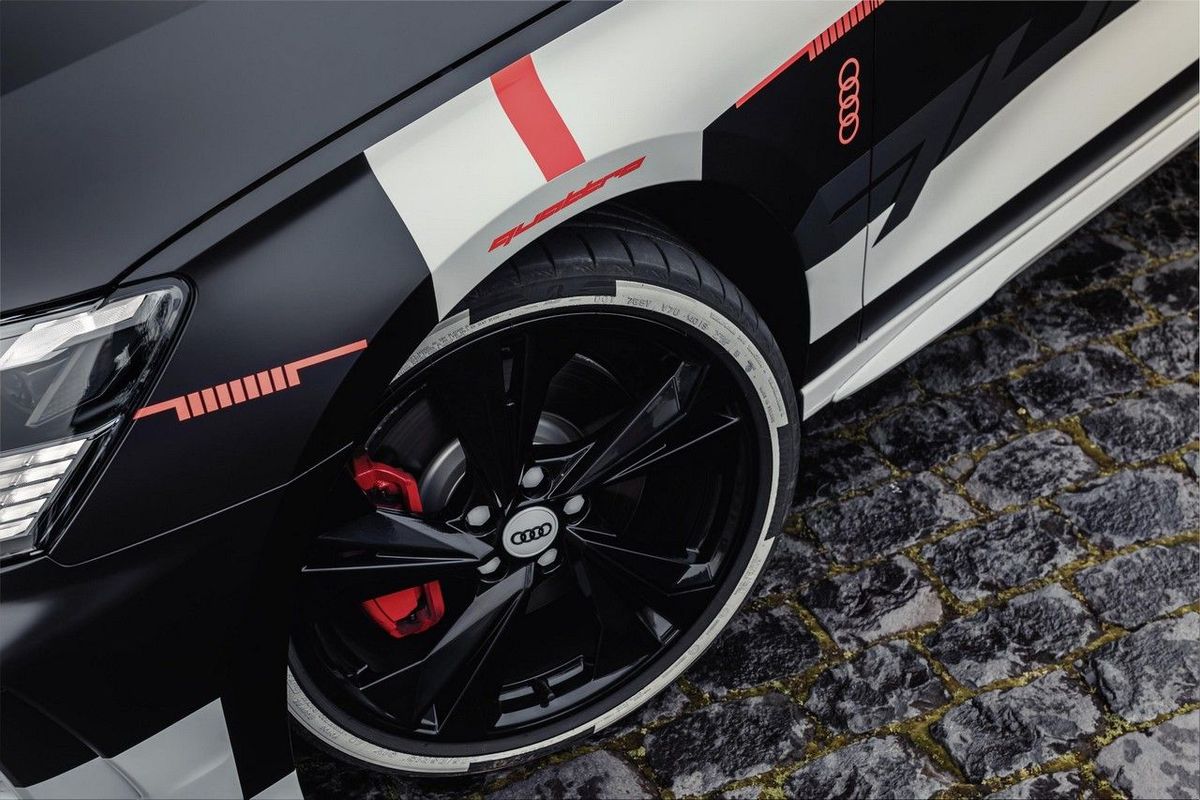
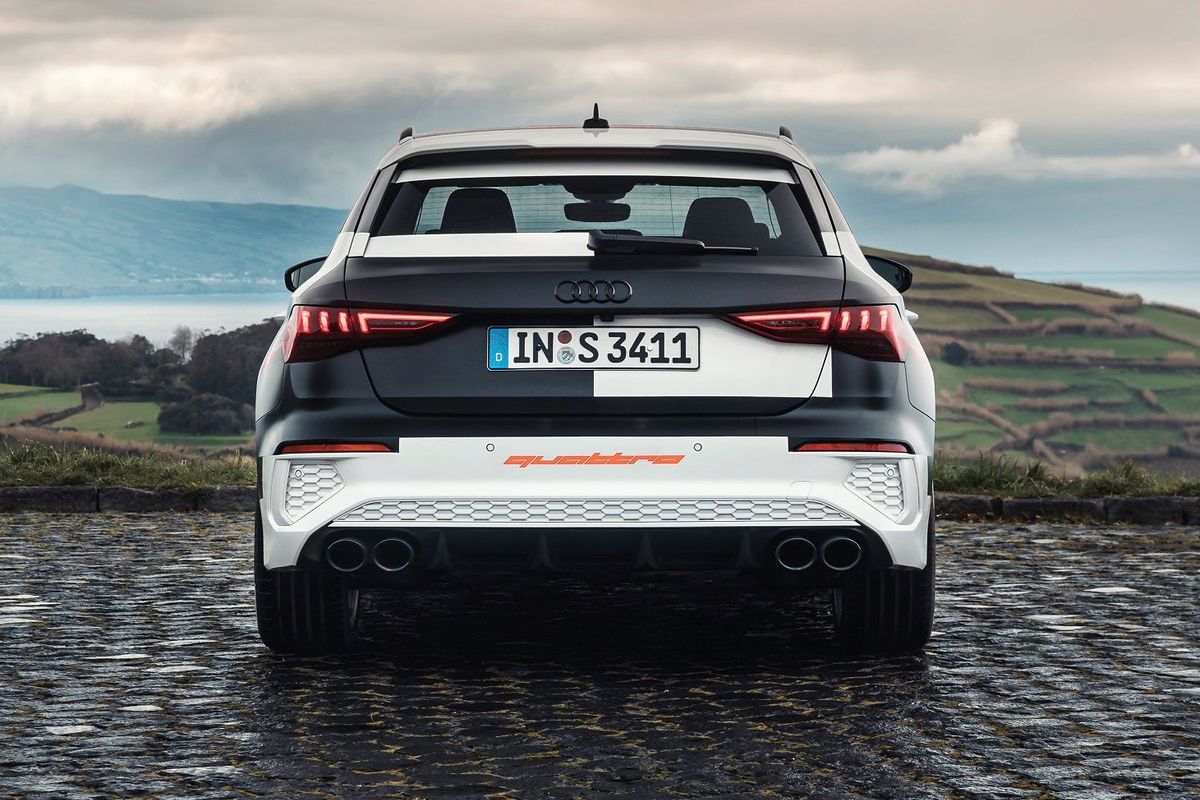
In what’s fast becoming the norm, car makers are releasing their own spy shots to the public. These are often accompanied by some nice nuggets of info, giving everyone some decent insight into what’s to come. What you see here is the soon-to-be-launched 4th generation Audi A3 and S3. The car is very lightly disguised, hiding some of the finer styling cues, but the majority of the details are there, such as the headlight and tail lamp design.

Audi used the technical roads of the Azores rally to showcase its quattro all-wheel drive, ESC and steering setup. The quattro technology has formed the backbone of Audi’s products and the system is renowned for high levels of grip and stability. The quattro system has received some updates and is now capable of sending 100% of power to the rear axle. Also receiving an upgrade is the electronic stabilisation control (ESC), which cleverly brakes the two wheels on the inside of the bend for improved agility.

The new Audi A3 will also feature progressive steering which is said to solve the conflict between comfort and directness. Audi claims that ‘when the steering wheel is turned quickly during faster driving, it is smaller and the steering is very direct. This decreases the steering effort in urban traffic and while manoeuvring and increases the level of comfort considerably."

As far as engines go, Audi has confirmed that the 4th generation S3 will be powered by a 2.0-litre turbocharged 4-cylinder motor delivering 228 kW and 400 Nm. All that shove goes to all 4 wheels via a 7-speed S tronic dual-clutch ‘box and we reckon it should be fractionally quicker. The outgoing model is claimed at 4.6 seconds, so we're guessing the new one will sprint to 100 kph in 4.5 seconds.

The 4th generation Audi A3 and S3 will be revealed at the 2020 Geneva Motor Show.

4th Generation Audi S3 Prototype Video


Further Reading

Spy Shots: 2020 Audi A3

Audi A3 2.0T Sportback Auto (2017) Review

Facelift Audi A3 (2016) First Drive