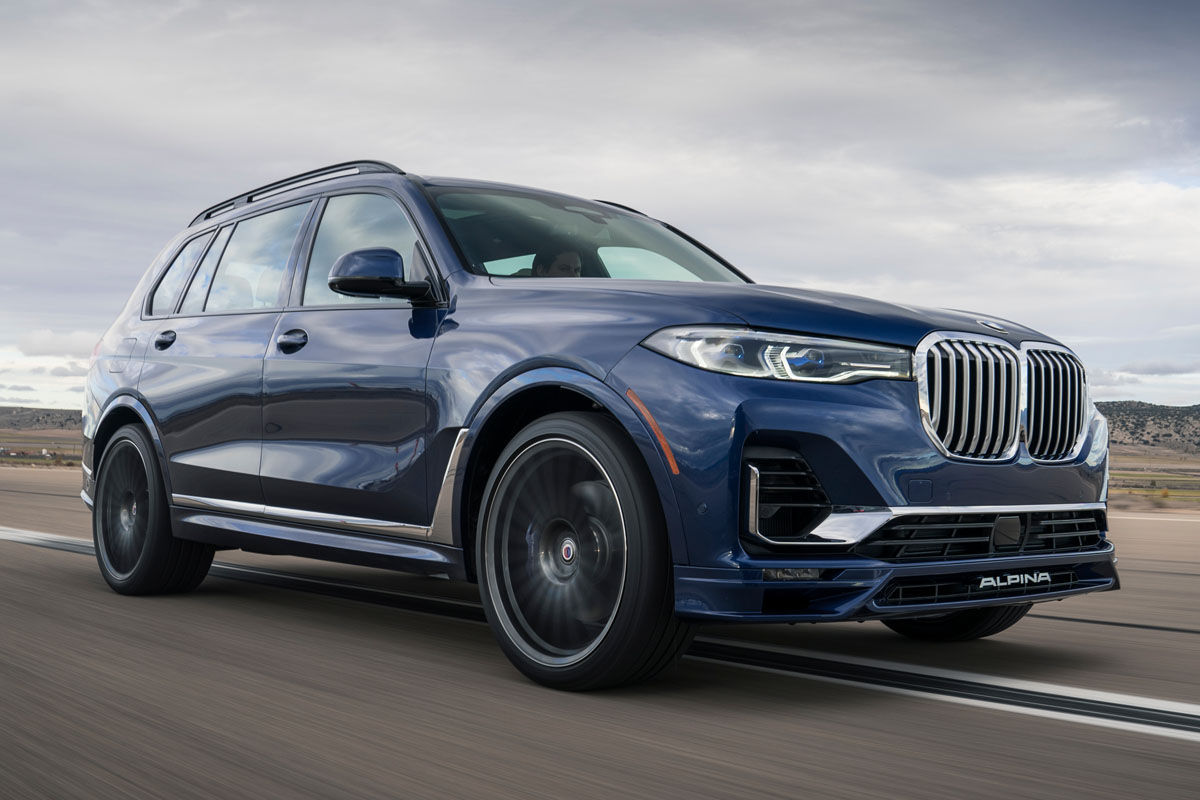
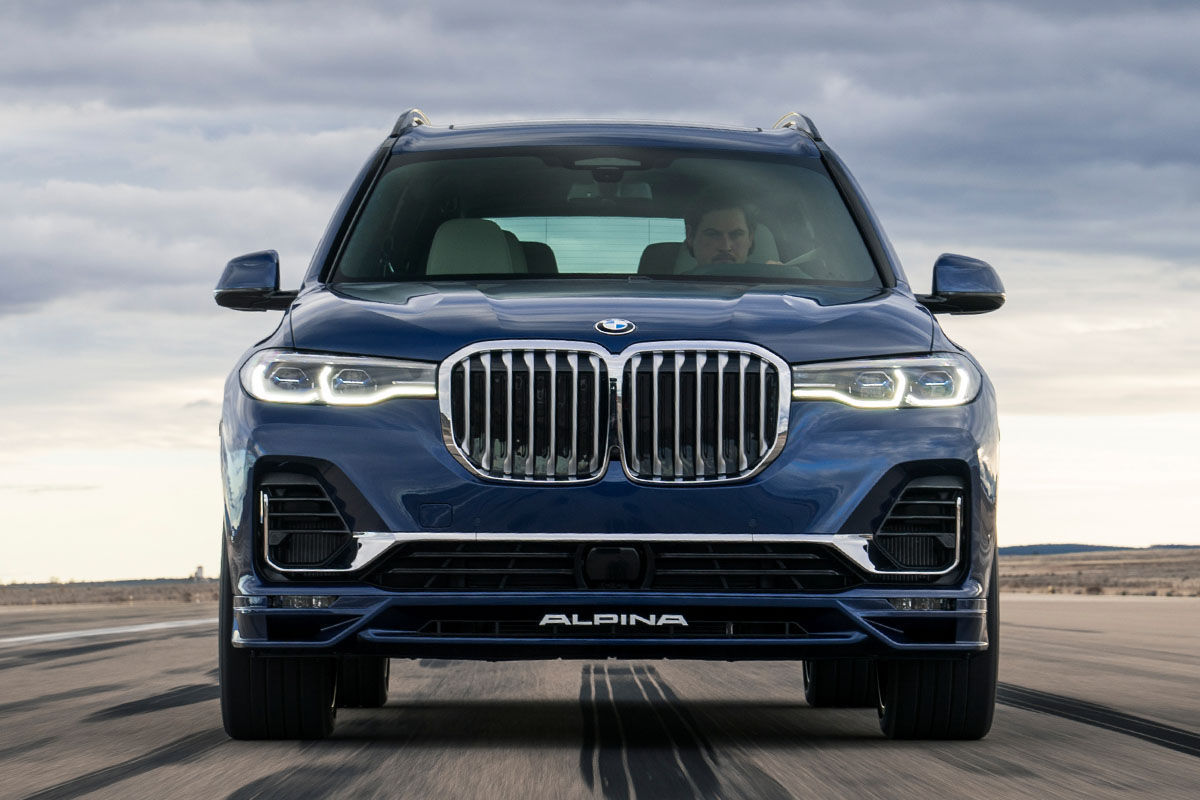
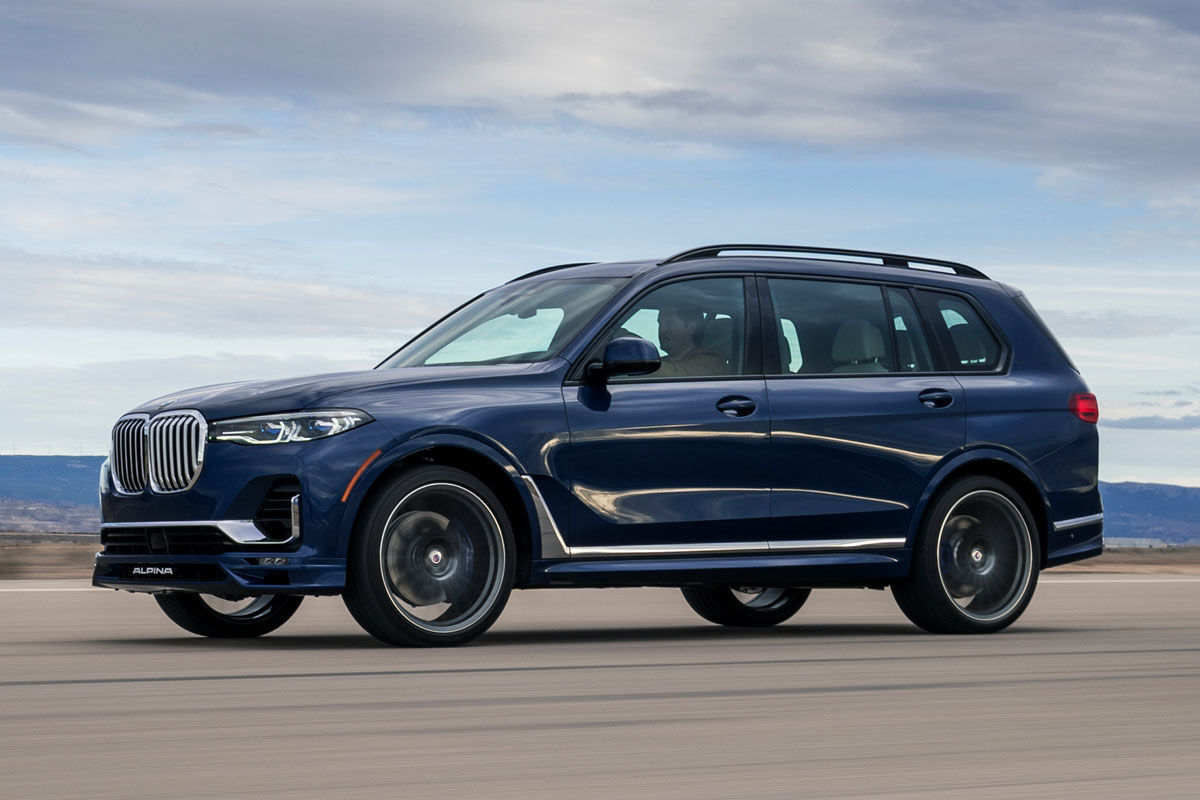
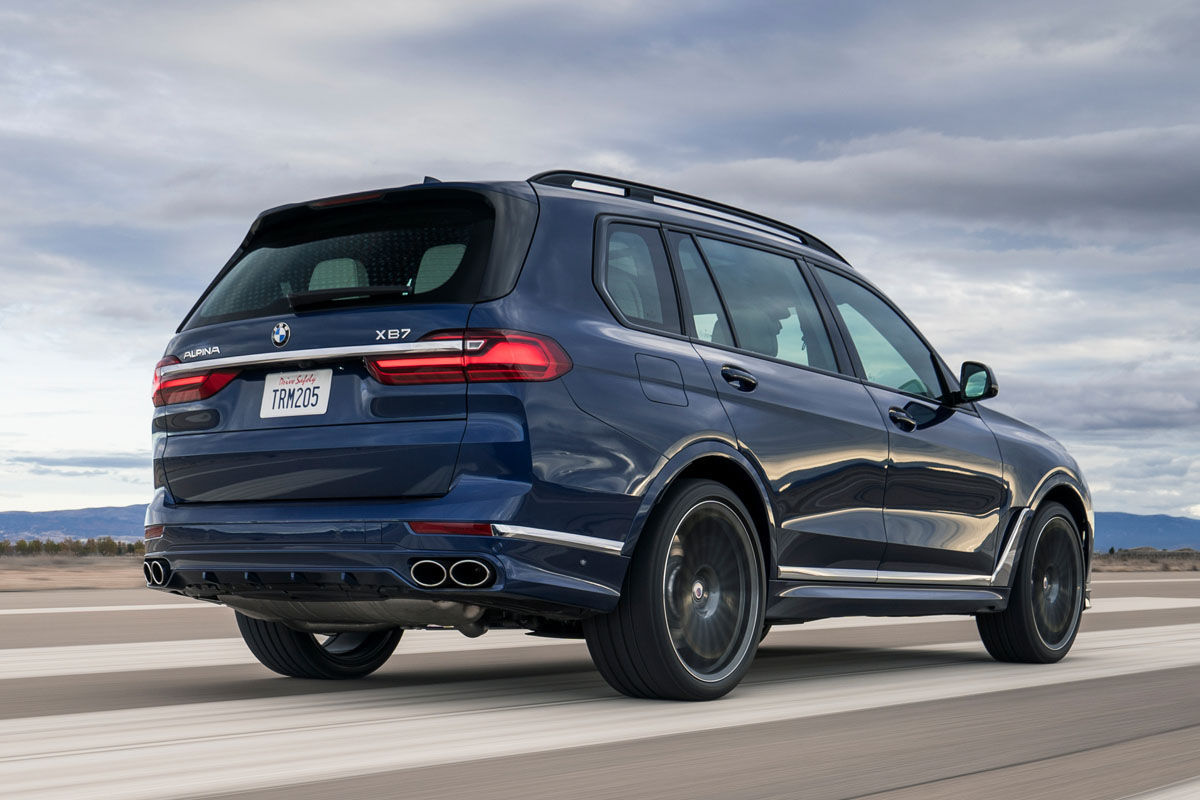
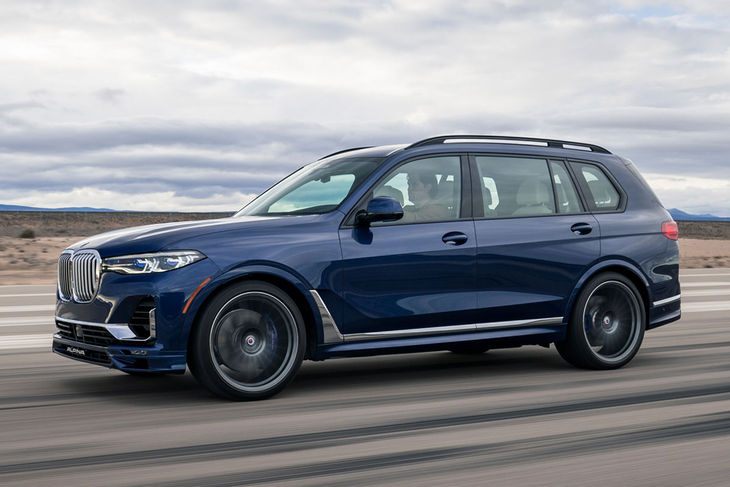
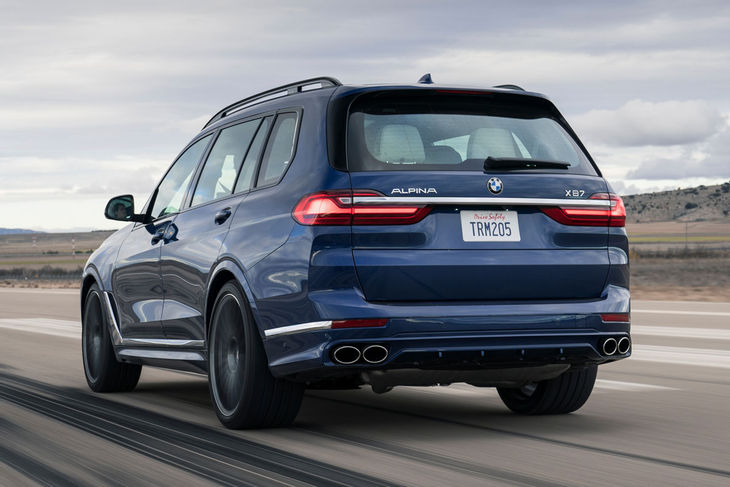
BMW hasn’t released an M version of its X7 first-class SUV to rival the upcoming Mercedes-AMG GLS 63, but German tuning firm Alpina has come up with a solution of its own: the 457 kW/800 Nm XB7, which is said to accelerate from 0 to 100 kph in 4.2 seconds.
We recently reported that Mercedes-AMG had announced the GLS 63. Powered by a 4.0-litre V8 turbopetrol motor producing peak outputs of 450 kW and 850 Nm, Affalterbach’s new all-wheel-driven 7-seater is, like the XB7, claimed to bolt from 0-100 kph in a blistering 4.2 seconds.
BMW has always been reluctant to produce a fully-fledged M model based on the 7 Series and, by implication, its SUV sibling, the X7. Alpina, however, has a close, longstanding relationship with the Munich-based manufacturer (its expertise helped to produce several of the unique-to-South Africa models that have become highly collectable in our market); its answer to the GLE 63 is… the XB7!
The XB7 weighs in at 2 655 kg, but it can accelerate from 0 to 100 kph in 4.2 sec and hit a top speed of 290 kph.
To be produced at BMW North America’s Spartanburg plant in parallel with its standard X7 brethren, the XB7 delivers 3 kW less, but 50 Nm more than the twin-turbo 4.4-litre V8 in the X5 M- and X6 M Competition, but a notable 67 kW and 50 Nm more than the current flagship of the brand’s first-class SUV range, the X50i.
To enable the XB7 to complete the quarter-mile sprint in a claimed 12.6 seconds and go on to a top speed of 290 kph (when equipped with the standard 21-inch wheels and performance tyres, the tuner notes), Alpina has fitted its newcomer’s powerplant with larger turbochargers, bespoke intercoolers, a pair of supplemental water coolers, a larger transmission-fluid cooler plus a sonorous quad-tipped exhaust system replete with active flaps. The tuner also beefed up the 8-speed automatic transmission and fitted shift buttons on the branded multifunction steering wheel.
The XB7's exhaust volume is suitably restrained in Comfort mode, but "clearly pronounced" (Alpina claims) in Sport mode.
While the X7's integral active steering, active anti-roll bars and air springs are carried over from the standard X50i, Alpina has bolstered the XB7’s suspension, firmed up the damping and fitted stiffer bushes; the newcomer’s air springs lower the ride height by 20 mm in Sport mode – or at speeds above 160 kph, and by 40 mm when in Sport+ mode – or at speeds above 250 kph. To scrub off the heady velocities that the 2 655-kg first-class SUV can achieve, the XB7 is fitted 394-mm front brake discs and tell-tale blue 4-piston Brembo calipers, while the rear discs measure 399 mm.
By Alpina standards, the XB7’s exterior treatment is quite subtle. The front bumper features large air intakes and the brand’s free-floating lettering, while at the rear, the pair of twin tailpipes are elegantly integrated into the bumper, which is rounded off with a 4-fin diffusor. While the 21-inch rims and tyres are standard, 23-inch 20-spoke Anthracite-coloured wheels (shod with bespoke Pirelli summer tyres) is optional.
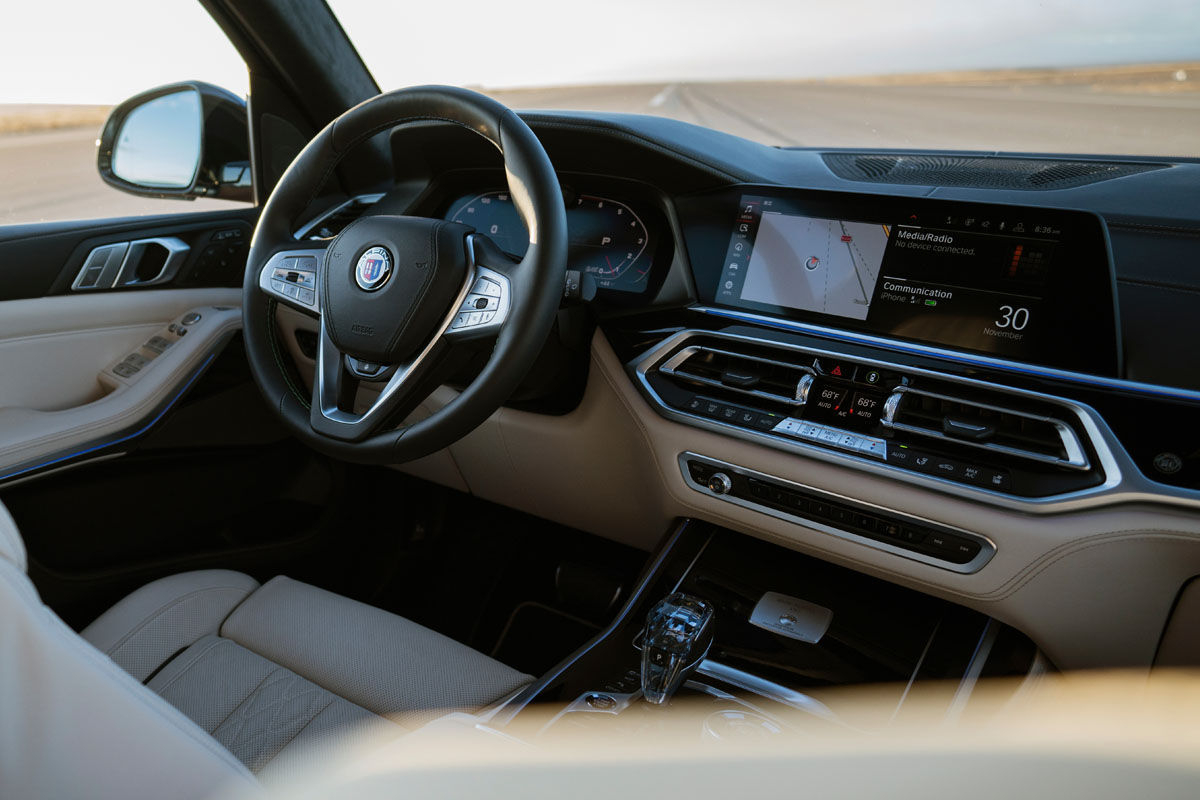
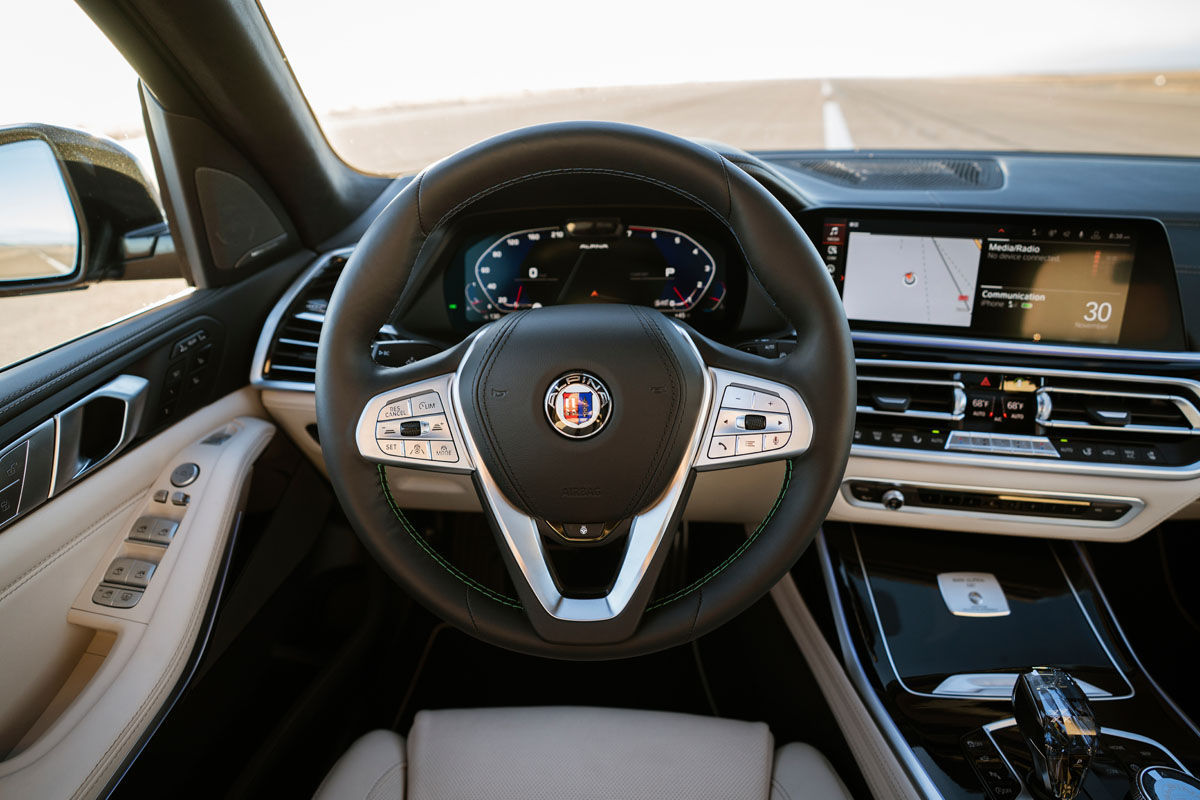
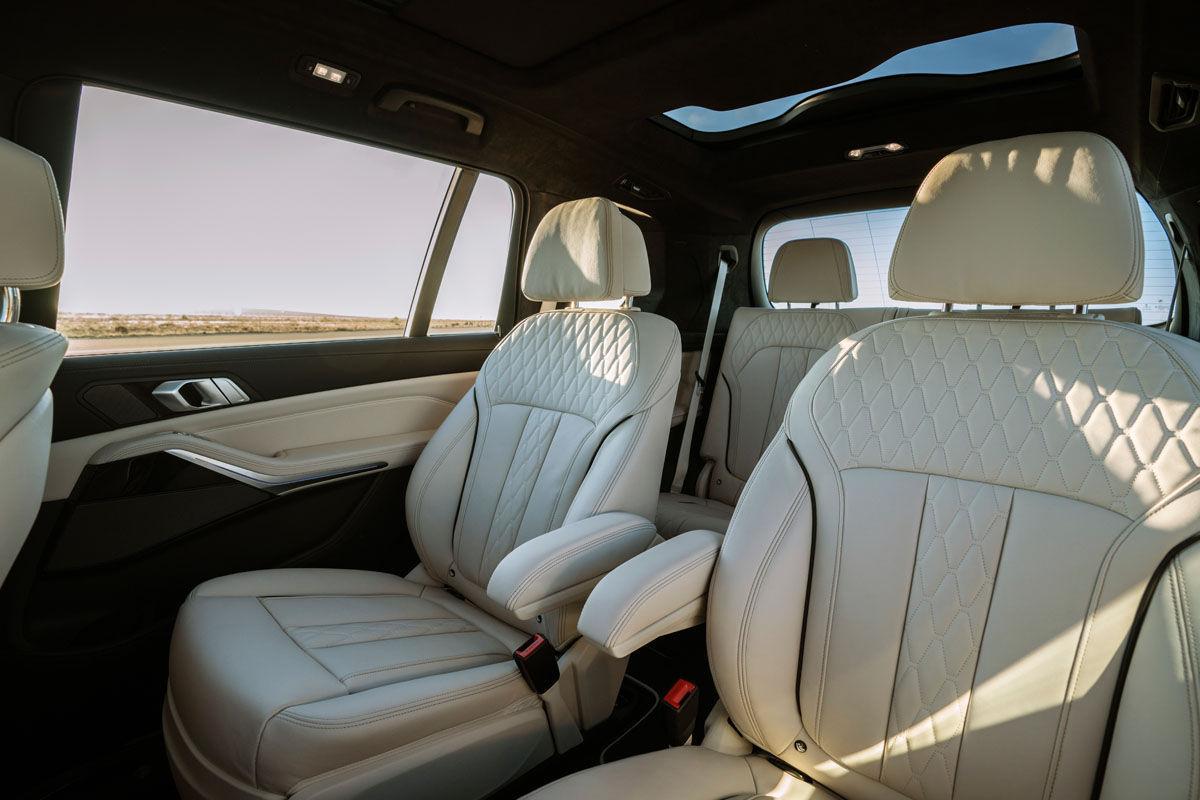
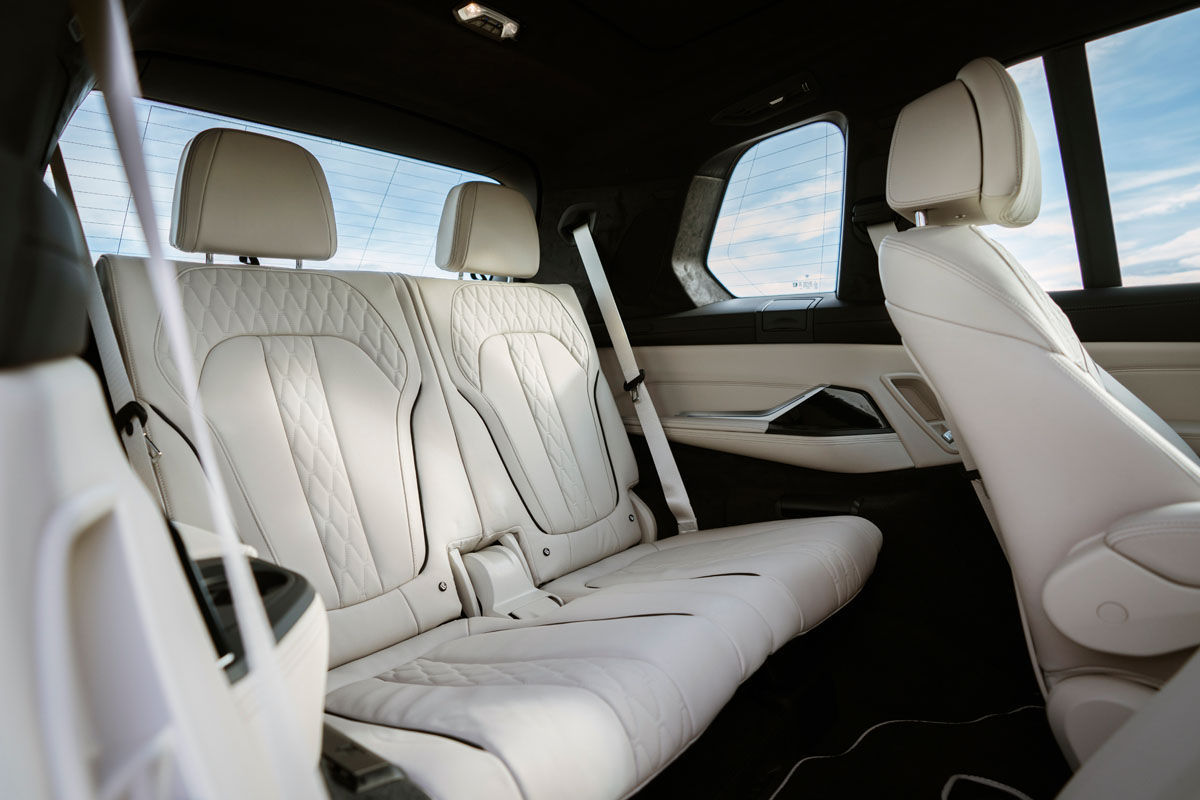
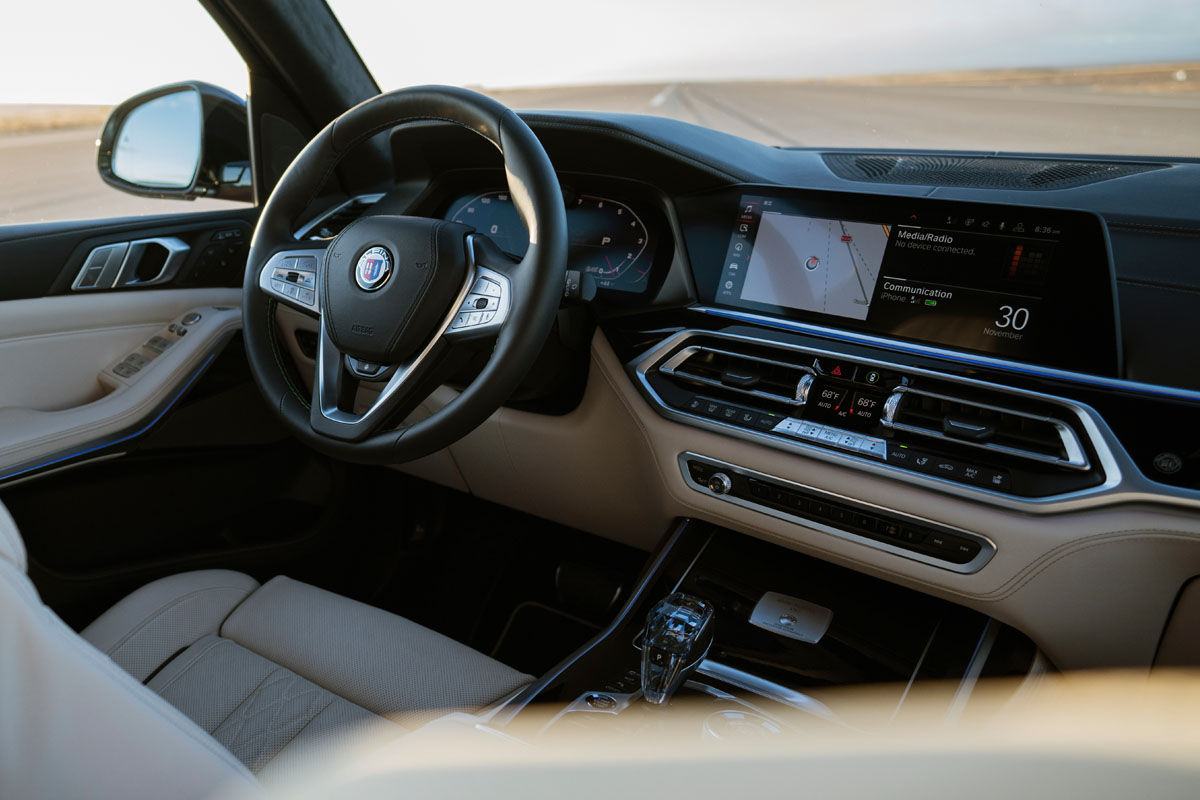
The XB7 retains its standard siblings' opulent interior, but features, inter alia, a bespoke Alpina instrument cluster and menu system.
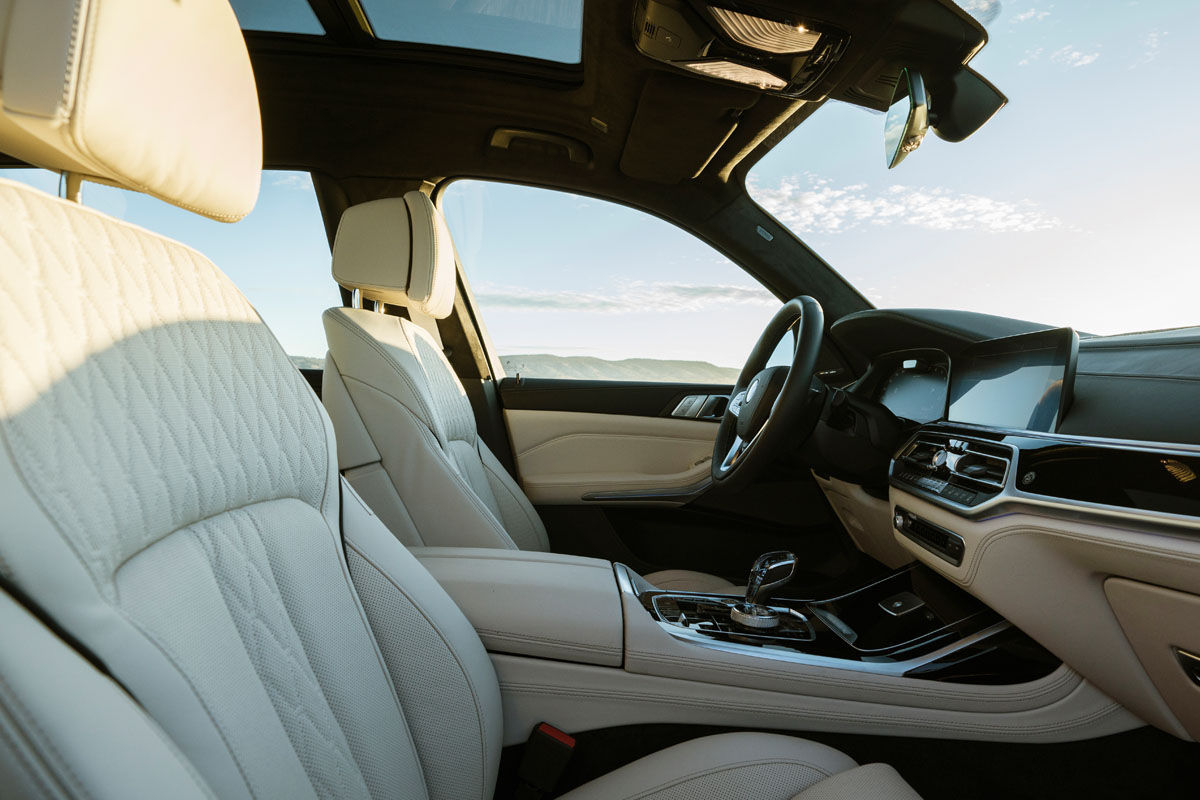
The XB7’s opulent interior features, inter alia, Merino leather and stitched-leather dashboard, multi-contour seats with heating elements, soft-close doors, an Alcantara headliner, the 3-part panoramic glass sunroof. It comes equipped with the Driving Assistance Professional as well as the Parking Assistant Professional packages.
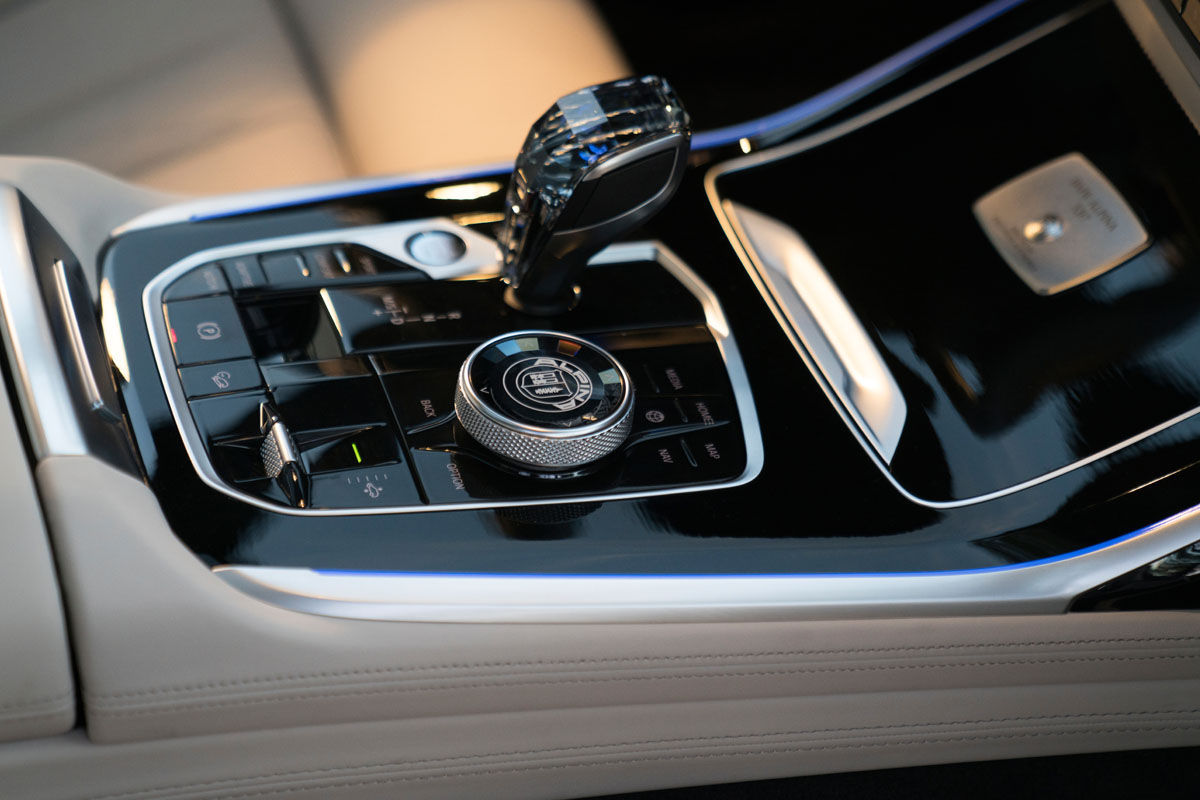
To give the newcomer’s interior – which can be specified in either 6- or 7-seat configuration – that bespoke Alpina look, the tuner has specified a crystal glass branded iDrive controller, a blue-illuminated transmission lever, a production plaque, illuminated door sills and the sports steering wheel hand-finished in Lavalina leather and adorned with the company’s blue/green stitching.
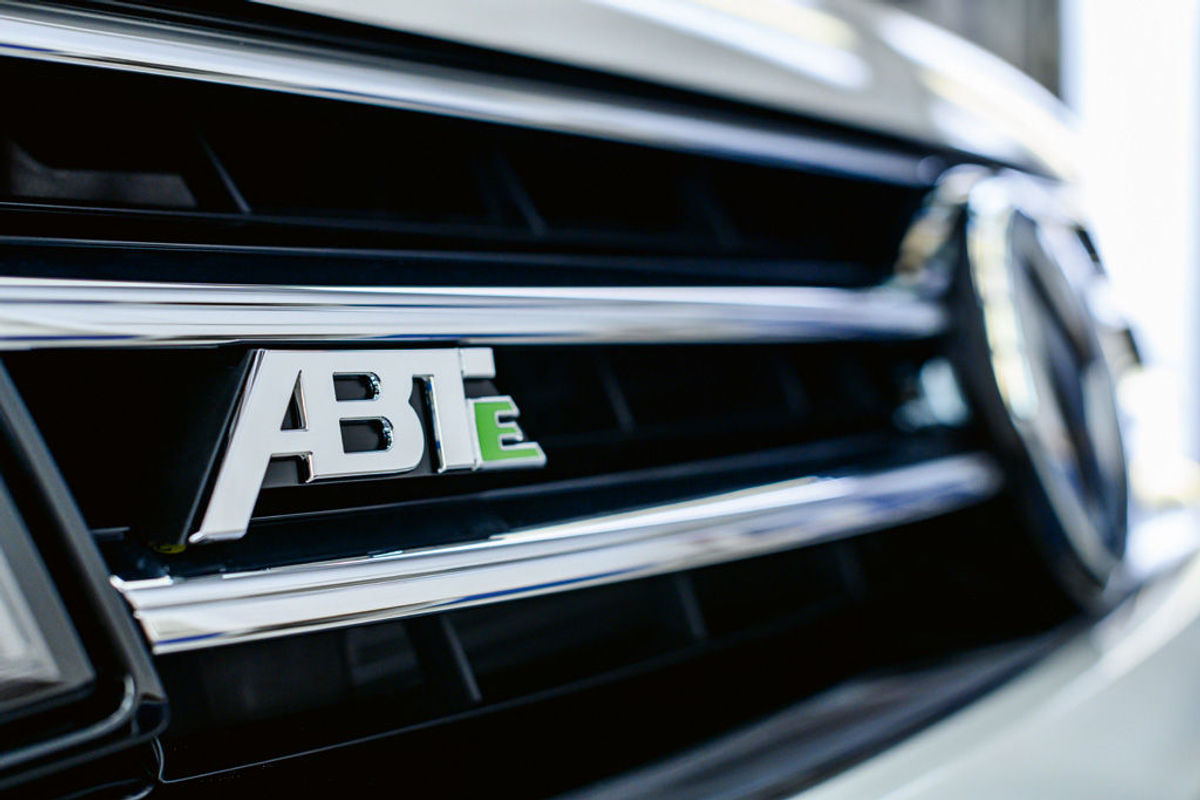
Volkswagen has teamed up with recognised German tuning firm, ABT, to produce a new battery-powered van, but the project is altogether unconvincing…
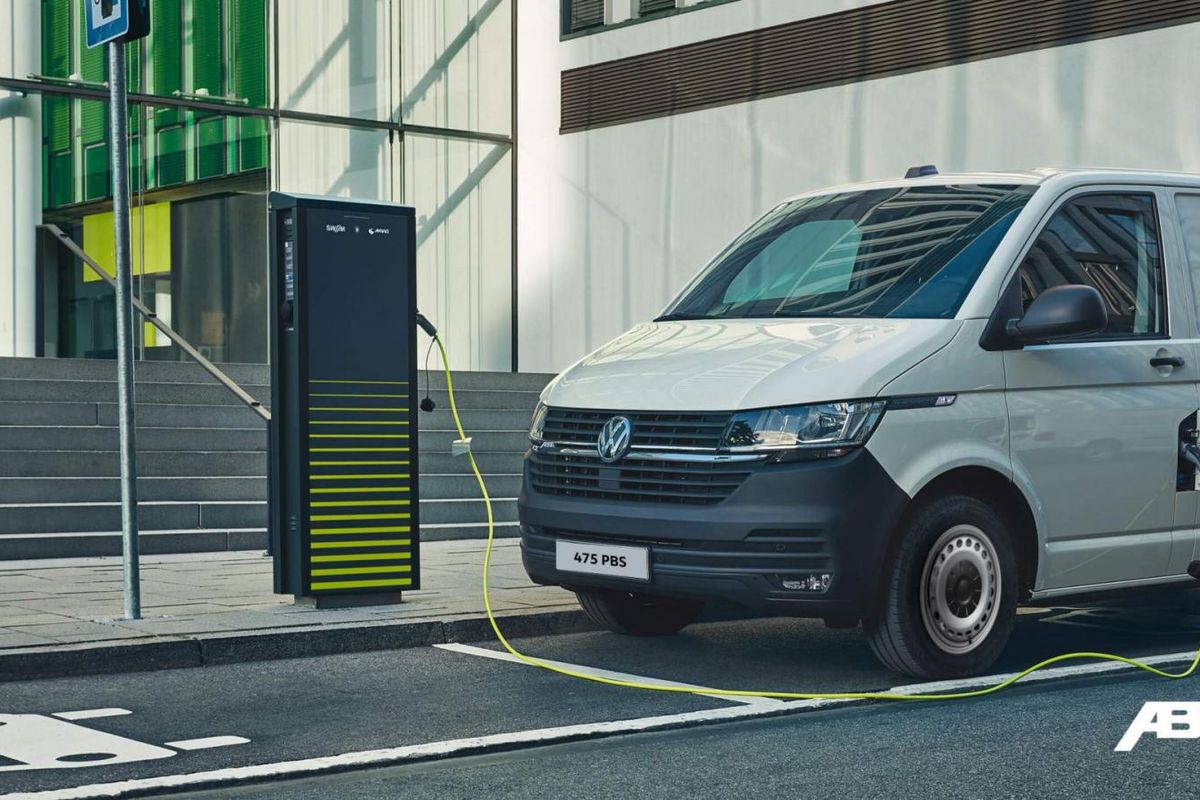
It is called the eTransporter 6.1 and predictably uses VW’s current T6 commercial vehicle as its platform. Although there is a rich heritage of ABT producing high-performance VW and Audi derivatives, this eTransporter might appear to be an odd joint-venture (or, more to the point, misadventure).
ABT’s engineers and technicians have applied themselves with enthusiasm to the eTransporter project, but the newcomer's numbers are very underwhelming. Why? The newcomer's peak power and range statistics can only be described as disappointing. The eTransporter is powered by an electric motor rated at only 83 kW and 200 Nm – those are rather mild numbers for a van of its size.
The lithium-ion battery pack adds weight to the Transporter, which, of course, blunts the van's performance and reduces range. VW claims a leisurely 0-100 kph time of only 17.4 seconds for its ABT-tuned eTransporter. More troubling, however, is the battery-powered van’s optimal range (from a full charge), which totals a mere 132 km.
The eTransporter's performance and range will suffer further when it is fully-laden, which is exactly the purpose of any commercial van. Its battery can be recharged to 80% capacity in 45 minutes from a high-energy fast-charging outlet.
Priced at the equivalent of R940 000, the ABT eTransporter is a rather tough sell, compared to virtually any of its own VW T6 turbodiesel siblings.
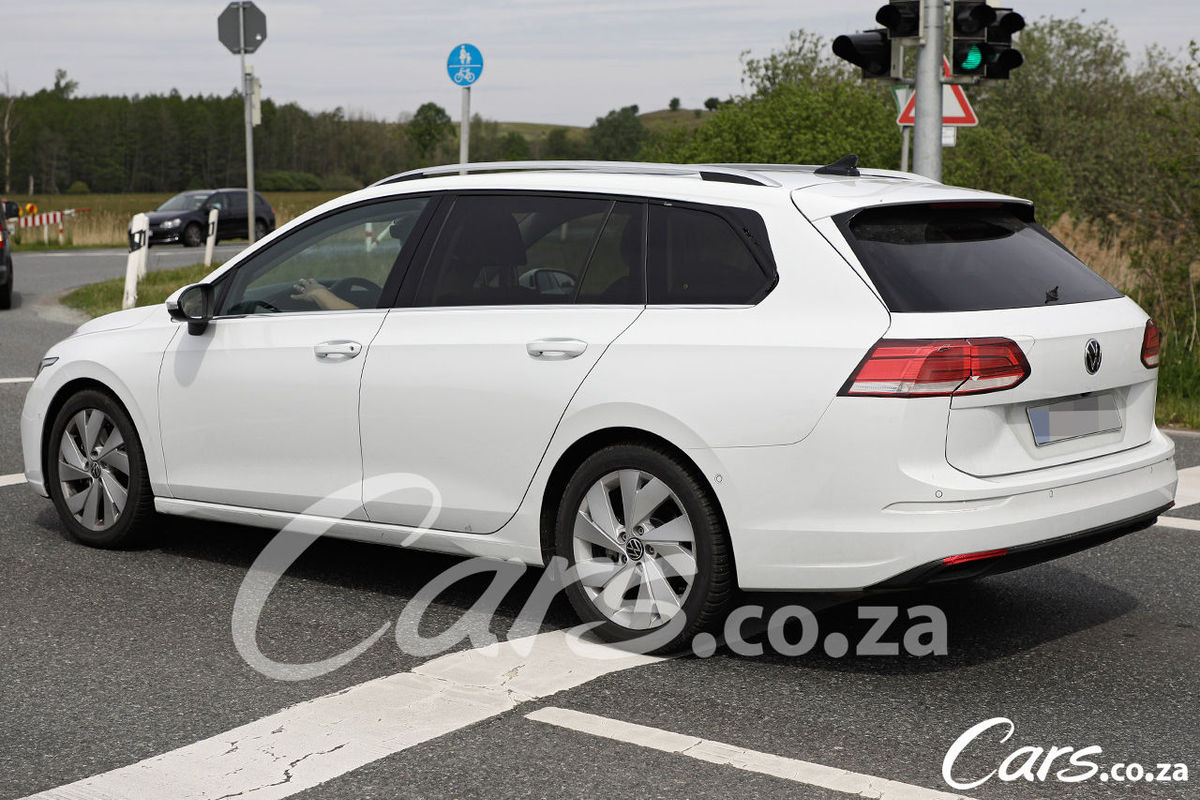
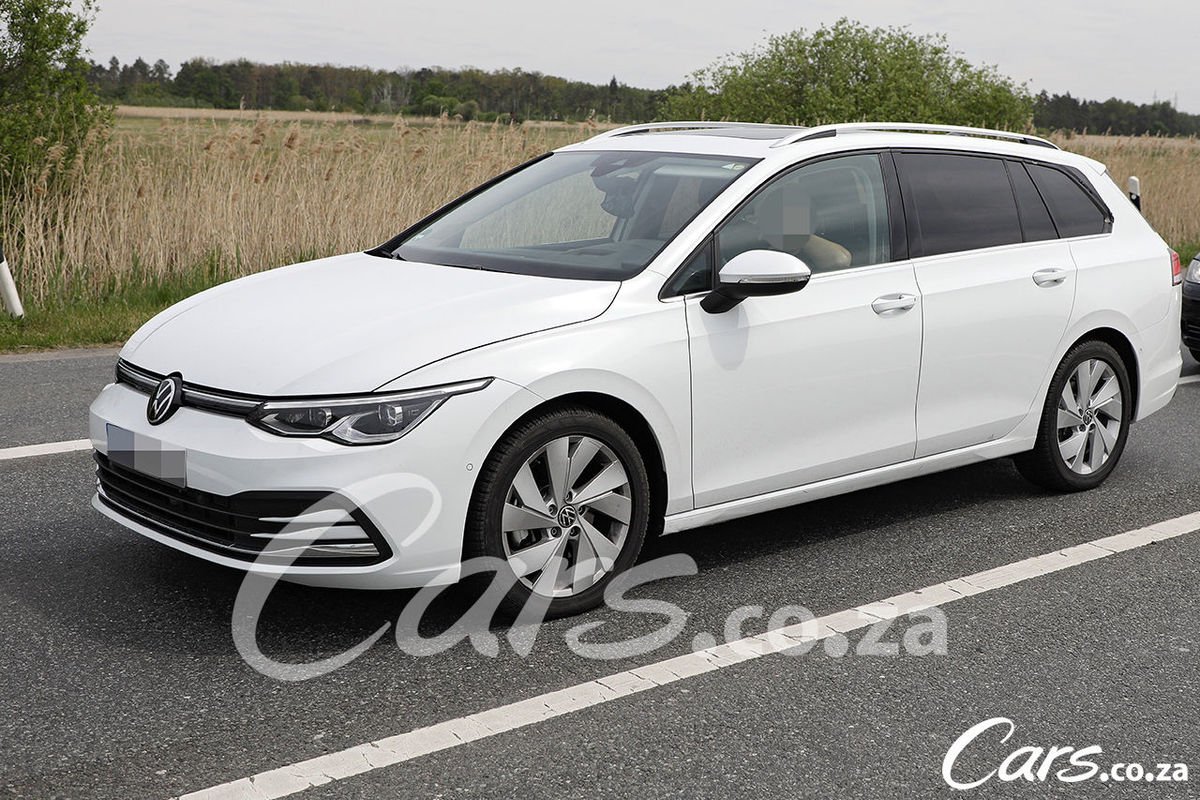
Spy photos showing the new Volkswagen Golf 8 Variant have emerged. While the SA market has lost interest in station wagons, the Europeans still enjoy them, despite the meteoric rise of the SUV.
Picture credit: S. Baldauf/SB-Medien. We have paid for these photos and at the photographer's request, have watermarked them.
First spotted in Germany, this is the all-new Volkswagen Golf Variant with minimal camouflage. From what we can see, it's just the tail lights which are obscured. Let's be honest, in terms of design, it's about as predictable as you'd expect with the front end resembling the Golf 8 hatchback.
Expect the same powertrains as the hatchback Golf 8, with petrol, diesel and hybrid motors making their way into the Variant. There's likely to be a raised ground-clearance Alltrack model as well as performance versions too. The European market offered performance and practicality fans the Volkswagen Golf R in a Variant body style which sounds like a really nice combination. We're expecting the Variant to be revealed later this year, but don't expect the performance versions until the middle of 2021.
Updated Mercedes-Benz E-Class Coupe / Cabriolet Teased
Mercedes-Benz is preparing to reveal its facelifted E-Class Coupe and Cabriolet on 27 May 2020.
The facelifted E-Class was revealed earlier this year but we will soon see the E-Class Coupe and Cabriolet on an online reveal, which has now become the norm due to the ongoing Covid-19 pandemic.
The facelifted Mercedes-AMG E53 4Matic Coupe is due to make its online debut with its 320 kW / 520 Nm 3.0-litre bi-turbo engine and 48-volt electrical system with an EQ Boost generator that provides an additional 16 kW of power for short periods as well as an additional 250 Nm of torque. We suspect that the reveal of the E63 S will take place at a later stage. For those looking to bask in the sun, the latest E-Class Cabriolet will also be revealed.
The E-Class Coupe and Convertible will adopt the same visual changes from its sedan sibling revealed earlier this year which includes a refined grille design, updated bumpers, new headlight design and light graphics front and rear. The latest MBUX infotainment system will be fitted too along with more driver assistance technology as well as a new steering wheel which is lifted straight from the new S-Class.
We will keep you updated with further details from the online reveal.
Volkswagen is currently rolling out its Electric Vehicle (EV) strategy and while we can expect to see a range of new all-electric vehicles coming to market in the near future, the brand's R division is bound to be swept up in the electric tide too.
Volkswagen has big electric plans with as many 75 new electric vehicles expected within the next 9 years. The ID.3 hatchback has already been revealed and ID. Crozz electric crossover is due very soon with the ID. family of electric vehicles is expected to grow steadily in coming months and years.
But what of Volkswagen’s R division? The shift to electric within the R brand is already well underway and this hit home with the recent reveal of the Touareg R, the first R model to feature a plug-in hybrid powertrain and it’s the most powerful passenger car in Volkswagen’s current line up with 340 kW and 700 Nm of torque.
More so, the fact that the multiple-record-breaking ID.R electric race car wears the ‘R’ rather proudly should give you a hint of what’s to come for the beloved R brand.
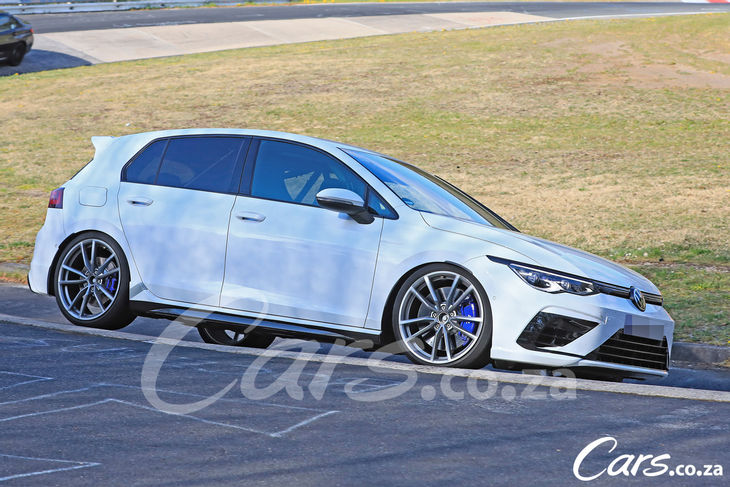
Now, before you have go into a tailspin, don’t fret, the forthcoming Golf 8 R will still employ an internal combustion engine with at least 245 kW and all-wheel drive capability which should be good for a zero to 100 kph sprint time of around 4.5 seconds. This, however, is also likely to change by the time the Golf 9 R rolls around.
The forthcoming Golf 8 R is in development and will feature an internal combustion engine, but that will likely change with the next generation.
This electric sentiment for the R division was clearly confirmed in a recent interview with Top Gear, where Volkswagen Board Member, Jürgen Stackmann, said “The future of R needs to be, and will be, electric. We’re still working on what we started two and half years ago – which was obviously not electric, though exciting – but the work going forward is and will be electrified.”
The Golf 8 R will undoubtedly be a smash hit with fans of the brand and it will likely take some time for enthusiasts to get excited about its electric future which is literally now on our doorsteps.
The transition to electric will, however, take longer to establish itself in South Africa as vast distances, infrastructure challenges, range anxiety and high pricing of new electric vehicles are likely to remain prohibitive factors for the foreseeable future.
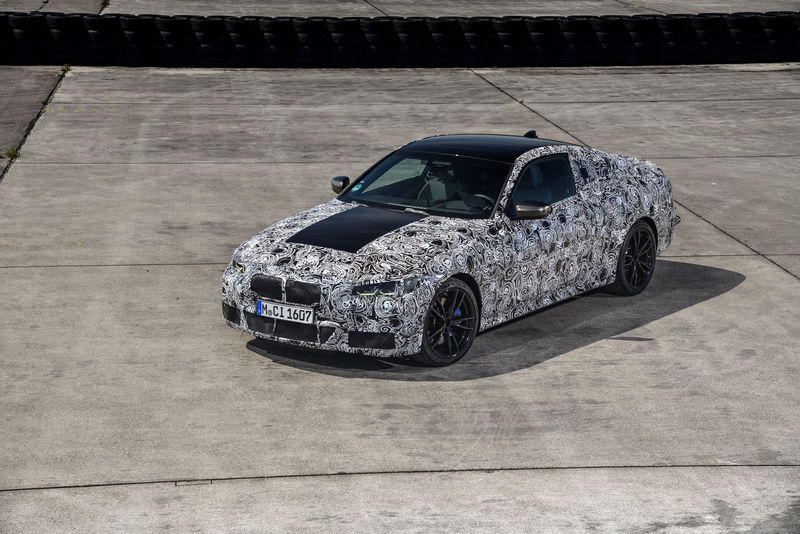
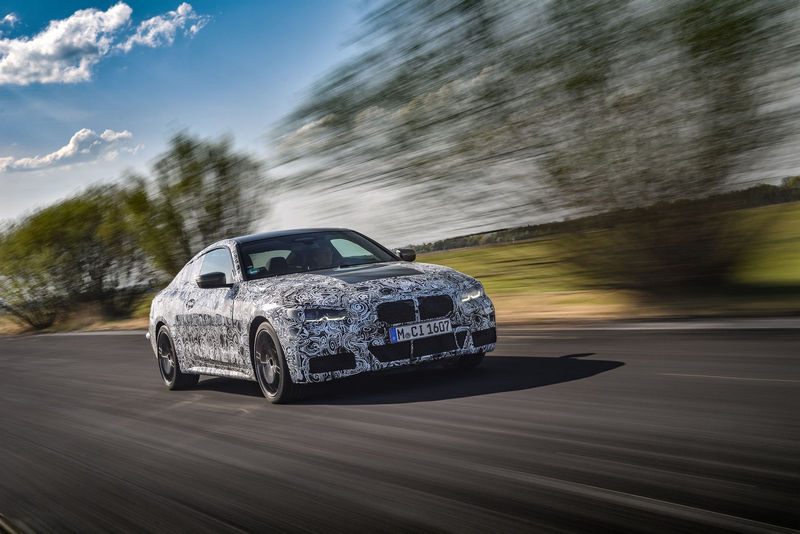
A new BMW 4 Series is coming this year – and it promises to offer a notably sportier driving experience, as well as far more distinctive styling, than its predecessor. International Greg Kable closely inspects a prototype of BMW's upcoming G22-generation business-class coupe in Munich.
Jos van As, BMW’s head of driving dynamics, is grasping an imaginary steering wheel as he enthusiastically details the on-road character of the new 4 Series. “It’s more sporting in every way compared with the old model,” he says. “But we’ve managed to improve overall comfort as well.”
Having just driven a prototype of the new business-class coupe at 280 kph along a German autobahn and then on some magnificently smooth back roads, I’m eager to hear first-hand what the man responsible for its development had to say about the G22's clearly more engaging properties.
How is it different?
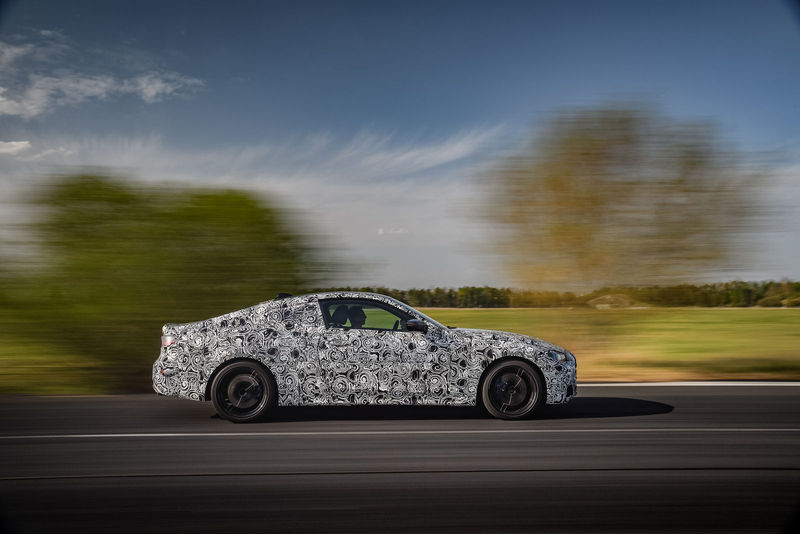
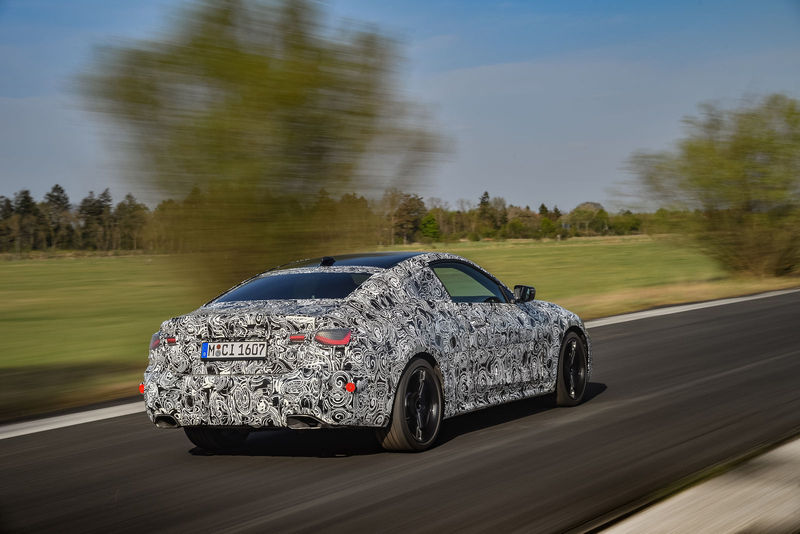
The roofline slopes at the rear far more noticeably than the predecessor.
But before I’ve had a chance to even pose the question after we pull into a shady lay-by in a sleepy town to swap cars, he’s already singling out the variable electromechanical steering as the biggest improvement (among a whole series of changes that have been made to the Audi A5 and Mercedes-Benz C-Class rival).
“We’ve concentrated on making it more direct and responsive than in the recent past,” says the man who has spent more time in the upcoming 2-door than probably anyone else, with obvious pride. “There’s greater clarity and added linearity, too. We’ve incorporated measures to make the body structure a lot stiffer than before. It’s (even) a better basis than the 3 Series sedan.”
So that’s the message: the new 4 Series Coupe is intended to be not only sportier than any of its predecessors, but also more comfortable and, crucially, further differentiated from the 3 Series.
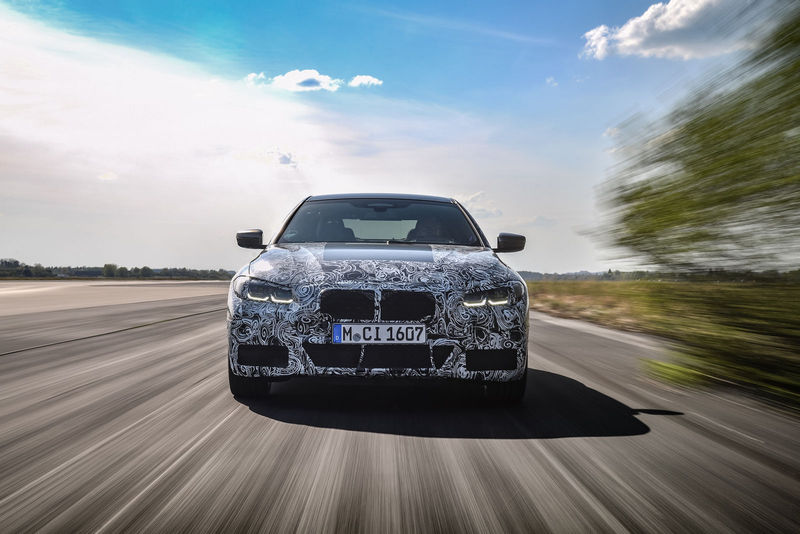
This is an observation that could be made of its styling as well. Although the 2 prototypes I drove were both heavily disguised, the new 4 Series appears sleeker than the current model and is clearly differentiated from its sedan sibling. We’ll avoid any comment on the controversial grille, which is set to mirror that of the Concept 4 Series that was revealed last year until we see the production version.
The profile shot offers a much more distinctive view with a swish of a boot-lip spoiler too.
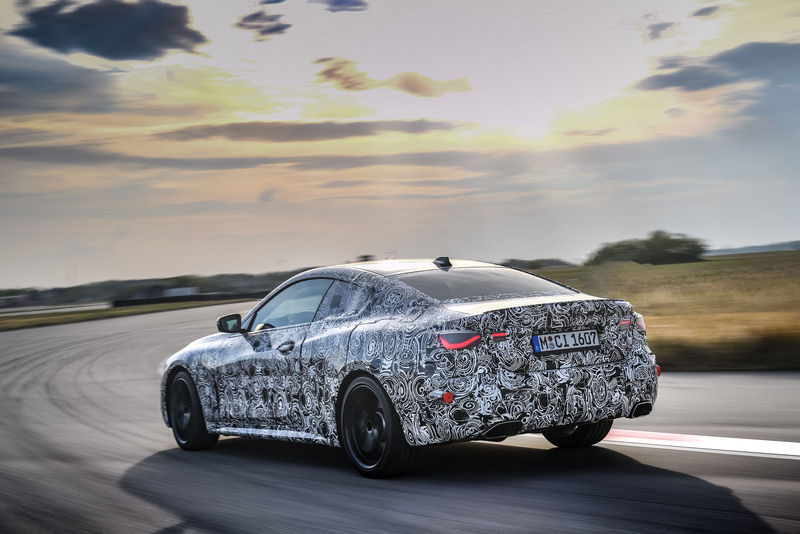
However, the car certainly cuts a sharper profile than before, with a long sweeping bonnet, a more heavily sloping roofline and a rather high-set boot line, all of which provide it with clear aesthetic links to the larger 8 Series Coupe and, according to Van As, improved aerodynamics – namely a lower drag coefficient and added downforce. There’s also greater volume to the wheelhouses, allowing them to accommodate rims of up to 20-inches in diameter.
The new 4 Series looks bigger up close, although not excessively so. Underneath, it’s based around the same CLAR (Cluster Architecture) as all other recent BMWs that have longitudinally-mounted engines, giving it a wheelbase that is 42 mm longer than that of its predecessor (2 851 mm). BMW engineers aren’t at liberty to reveal exact dimensions just yet, but they suggest the G22 is also slightly longer and wider, while being 57 mm lower, than the 3 Series (G20).
The Coupe will once again head a family of 4 Series variants, with successors to the existing Cabriolet and Gran Coupee to follow in 2021. The latter "4-door coupe" also forms the basis of a new electric sedan – the i4, which is also due out next year. With more than 6 months still to go before the Coupe heads into showrooms, BMW has confirmed just 2 variants so far: the 430i and M440i xDrive. However, I’m told the line-up will include replacements for the 420i, 430d and 435d as well.
The 2-door will also, of course, form the basis of a 2nd-generation M4, which is planned to be unveiled as a rival to the recently upgraded Audi RS5 Coupe and upcoming new Mercedes-AMG C63 Coupe within the next 12 months.
Power units
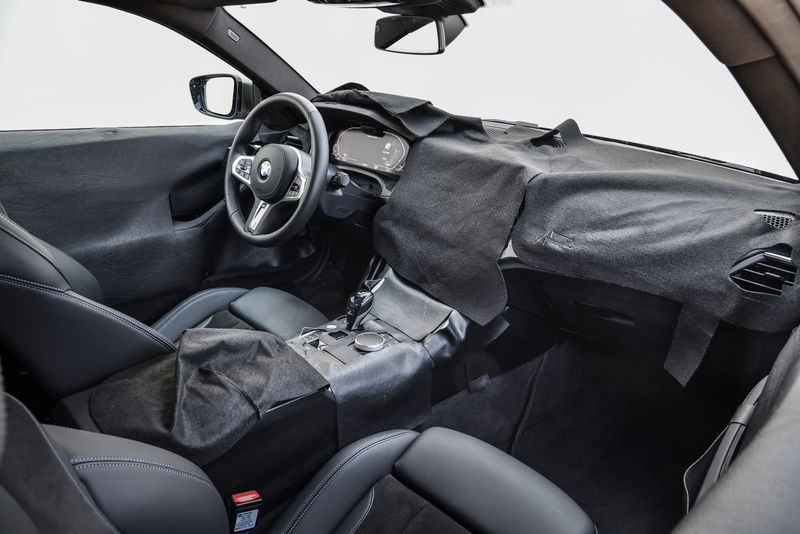
The interior is still under wraps but don't expect it to differ much from the 3 Series.
The M440i xDrive will be the obvious highlight of the launch line-up; offering "junior M4" qualities and the added security and all-season capability of BMW’s latest 4-wheel-drive system. Its turbocharged 3.0-litre inline 6-cylinder engine is combined with a 48V electrical architecture in a development that introduces mild-hybrid properties, including off-throttle coasting.
Producing 275 kW between 5 500 rpm and 6 500 rpm and 500 Nm of torque from 1 850 to 5 000 rpm, it’s a smooth, punchy motor and nothing less than determined on a loaded throttle. By engaging the left-hand shift paddle for longer than a second, you can call up Sprint mode, in which the alternator provides an additional 8 kW and a good dollop of torque. At the same time, the car delivers wonderfully relaxed and effortless cruising qualities on more measured throttle openings – in taller gears.
The 430i, meanwhile, adopts the latest version of BMW’s 2.0-litre 4-cylinder turbopetrol engine, which is tuned (as in the 330i) to deliver 190 kW between 5 000 rpm and 6 000 rpm and 400 Nm of torque from 1 640 to 5 000 rpm, giving it 5 kW and 45 Nm more than the unit it replaces. It’s not a particularly melodious engine, due in part to the adoption of a petrol particulate filter that mutes the exhaust note, but it’s engagingly responsive, with little lag and an inherent smoothness as it pulls to 7 000 rpm with a good deal of zest. It’s the abundance of torque, though, that forms the basis of the performance. In fact, the engine is almost diesel-like in the way its urgency builds, giving the 430i impressive flexibility and relatively strong in-gear accelerative qualities across a wide rev-range.
The 8-speed torque-converter automatic transmission is brilliantly suited to the engine’s strong torque characteristics, helping to endow the 430i with outstanding refinement. Its action is crisp and smooth in Drive, suitably rapid and eager in Sport and obliging via either the steering-wheel-mounted shift paddles or a nudge of the transmission lever in Manual. BMW won’t quote any acceleration figures just yet, but you can take it as read that the new model will beat the old 430i’s official 0-100 kph time of 5.6 seconds. And, given that it features the same driveline as the 330i, it should come close to matching, if not bettering, the sedan’s combined consumption figures of between 6.0 L/100 km and 5.7 L/100 km on the WLTP combined test cycle.
Dynamically different
The focus of the new 4 has been to make it feel different to drive from its sibling.
Still, BMW is focusing its development on a final layer of polish to the ride and handling of the G22. Although our impressions were garnered in a pair of high-mileage prototypes, there appears to be a strong promise of a return to the driver-centric traits that characterised earlier incarnations of the 2-door coupe, whose roots can be traced all the way to the original 3 Series introduced in 1975.
What BMW has achieved is a heightening of agility and driver engagement, while further refining the levels of ride quality and comfort. Predictably, they’re similar to the improvements reflected on the latest 3 Series and are very much dependent on the selected driving mode. But with 5 different settings (Adaptive, Eco, Comfort, Sport and Sport Plus), the new 4 Series offers an even broader range of driving characteristics than before. There’s precision and assurance in the latest incarnation of BMW’s Variable Sport Steering system. It’s also more finely tuned, with less build-up of weighting and greater feedback to the tiller. It quickens with lock, providing quite direct turn-in in combination with relaxed on-centre properties and impressive ease of manoeuvrability around town.
In an attempt to achieve a 50:50 weight distribution front to rear, the bonnet, front wings, doors and front suspension towers are made from aluminium, combining with other unspecified weight-saving measures copied from the 3 Series.
This prototype doesn't show the full extent of the new BMW grille expected to dominate the front.
Among the changes that BMW has brought to the chassis in order to give the 4 Series a more sporting flavour are wider tracks than those of the 3 Series, with that at the rear extended by 23 mm. This creates a particularly well-planted stance, which is further enhanced on the M440i xDrive by way of an otherwise-optional M Sport suspension set-up that lowers the ride height by 10 mm.
The suspension retains the same hardware as the 3 Series, with an aluminium-intensive MacPherson strut layout at the front and 5-link arrangement at the rear, although it has been given its own unique settings and kinematic properties. Fundamental in achieving what Van As describes as “more authentic steering feel” is additional camber brought to the front axle.
“It makes for a more direct action and greater response off centre,” he reveals.
The long-time BMW engineer also credits a series of new braces and other measures as being key to enhanced sportiness. Included is a new shear panel within the front bulkhead, a newly designed strut across the front suspension towers and an additional A-frame support at the front of the engine bay. Together, these served to increase both the static and torsional stiffness of the body while providing a more rigid and firm basis for the suspension.
Another feature that Van As attributes to the improved steering is a decision to fit every new 4 Series Coupe with BMW’s lift-related dampers. Brought over from the 3 Series, these feature both main and auxiliary springs, as well as hydraulic bump-stops to progressively increase pressure within the damper under compression while also progressively adjusting rebound.
“There’s greater wheel control and less corruption,” Van As explains.
The suspension changes and stiffening around the front end make the 4 faster to turn with more authentic steering feel.
To this end, BMW will also offer adaptive damping as part of the optional M Sport package. There is an appealing tautness, as well as a progressiveness, to the handling of the 430i, enabling it to corner in a flat and neutral manner. However, there’s also sufficient body movement for its limits to be communicated and allow you to explore the adjustability offered by the reworked chassis when its 3-stage Dynamic Stability Control (DSC) system is switched into one of its more liberal modes.
The 4-wheel-drive of the M440i xDrive increases the amount of grip and enables you to carry greater speed through corners, but it’s no less engaging despite its added security. While the adaptive set-up of the flagship derivative (until the M4 arrives) is our early preferred choice, the passive suspension of the 430i does a pretty good job of soaking up nasty bumps in its Comfort mode. It’s quite firm – firmer than the 330i by way of comparison – but rebound is excellently controlled and road shock is nicely absorbed through the stiffened body structure.
To sum it up quickly
First impressions of the new 4 are positive, especially in the handling department.
We’ll have to wait to fully explore the new 4 Series, including its reworked 2+2 interior, but these prototypes have made quite a positive first impression. Although the model has grown slightly, it feels more compact than its predecessor from the driver’s seat and is more appealing to drive to boot. BMW has clearly listened to the criticisms of the old model, not least of all its lack of true steering feel and overall engagement, and reacted with the sort of engineering solutions traditionally reserved for its high-performance M cars. As Van As suggests, it’s more authentic. And that’s a good thing.
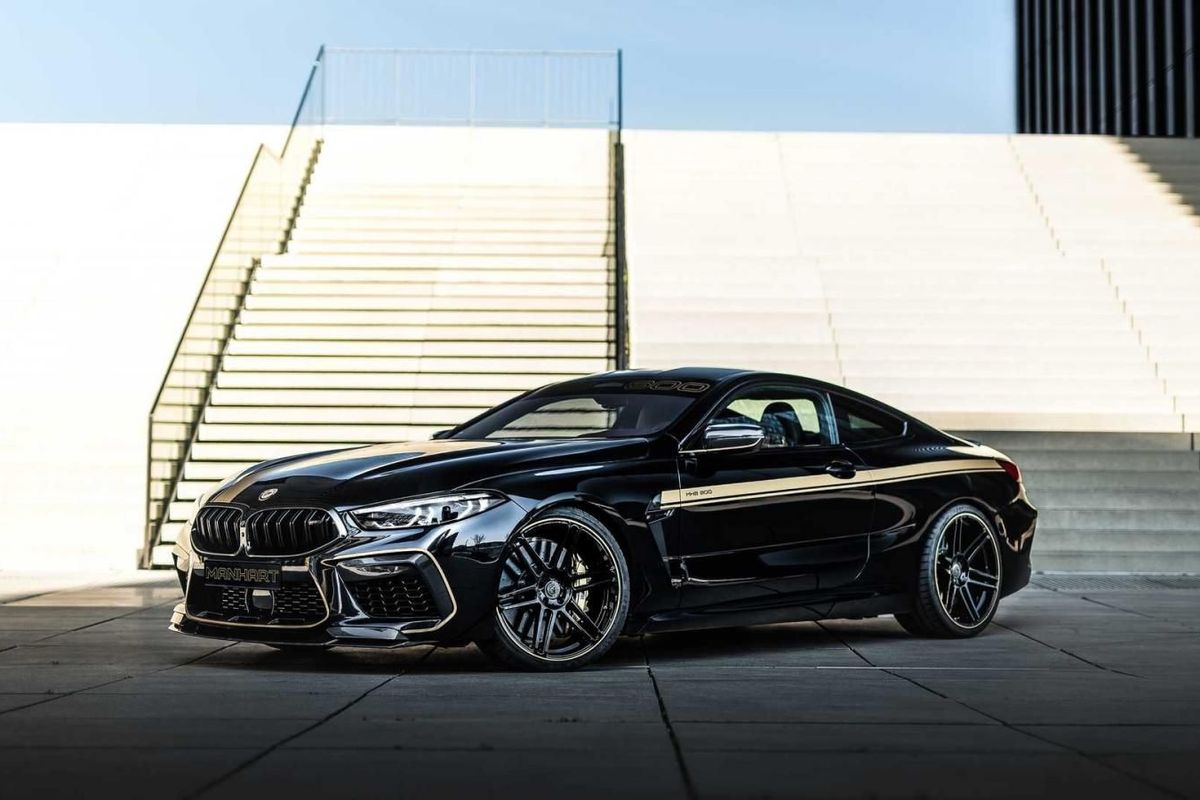
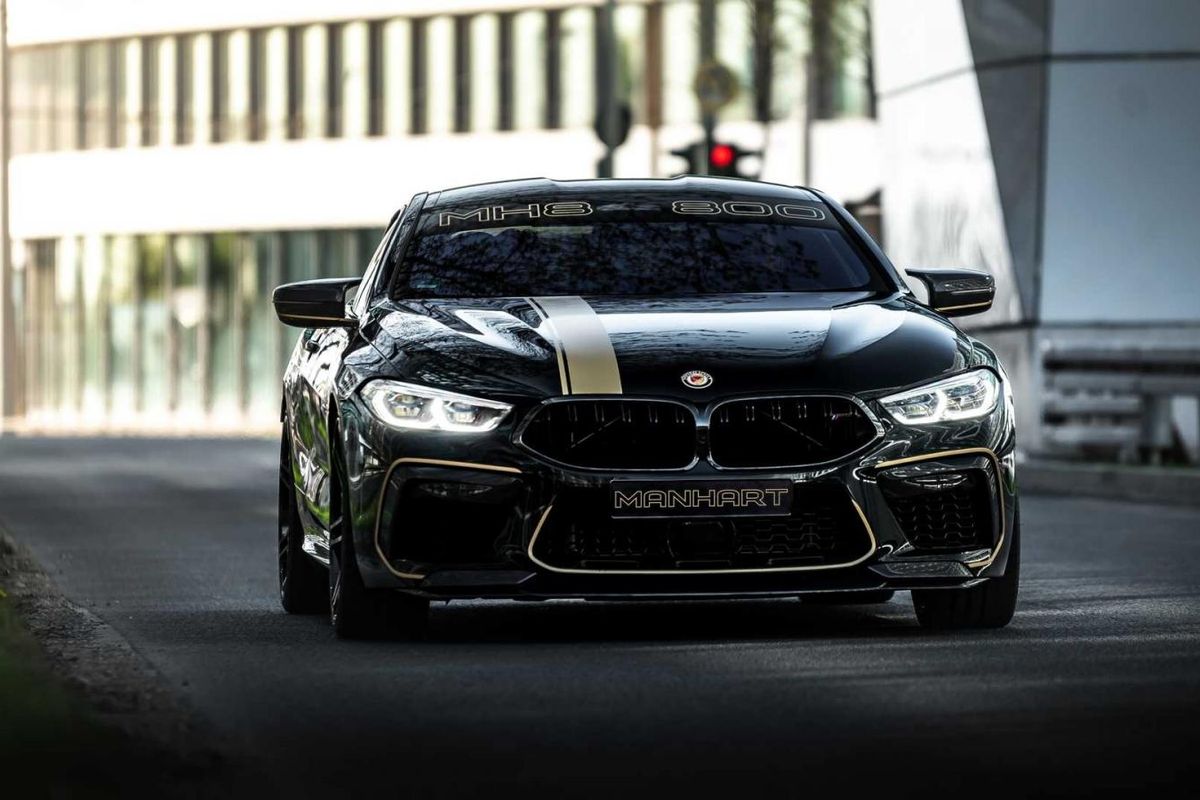
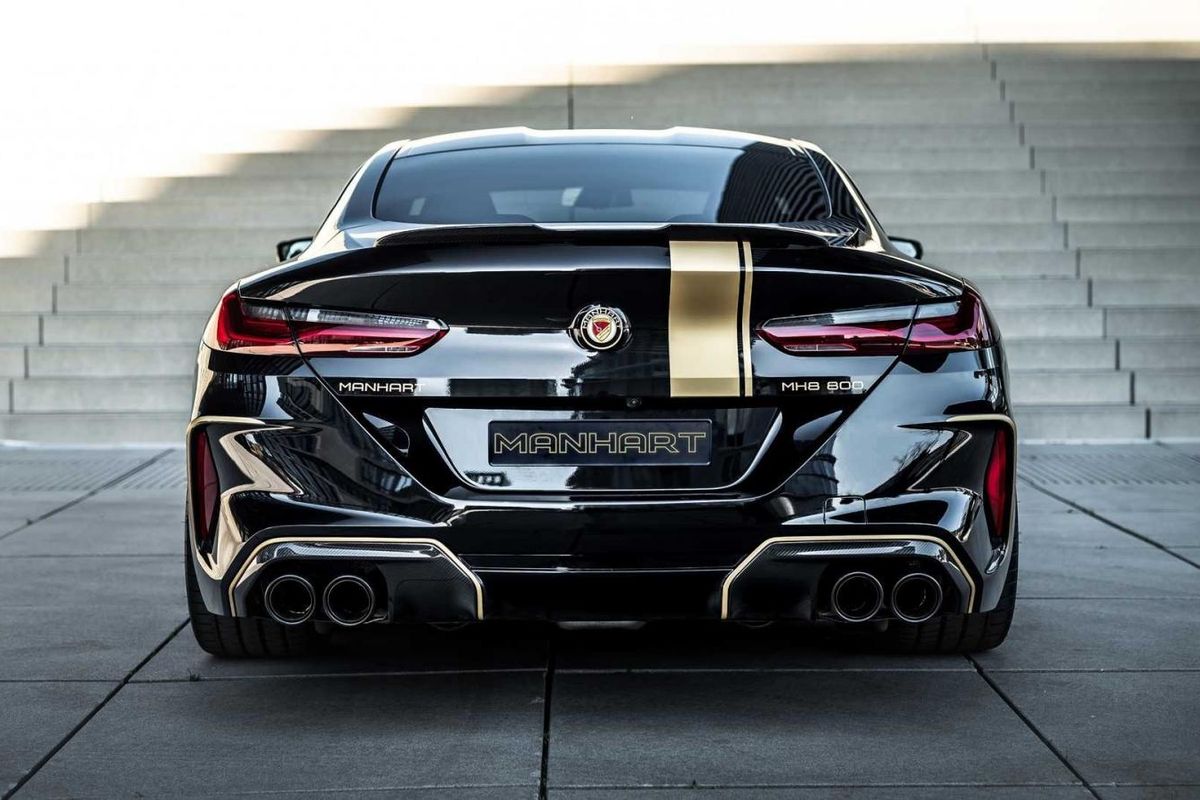
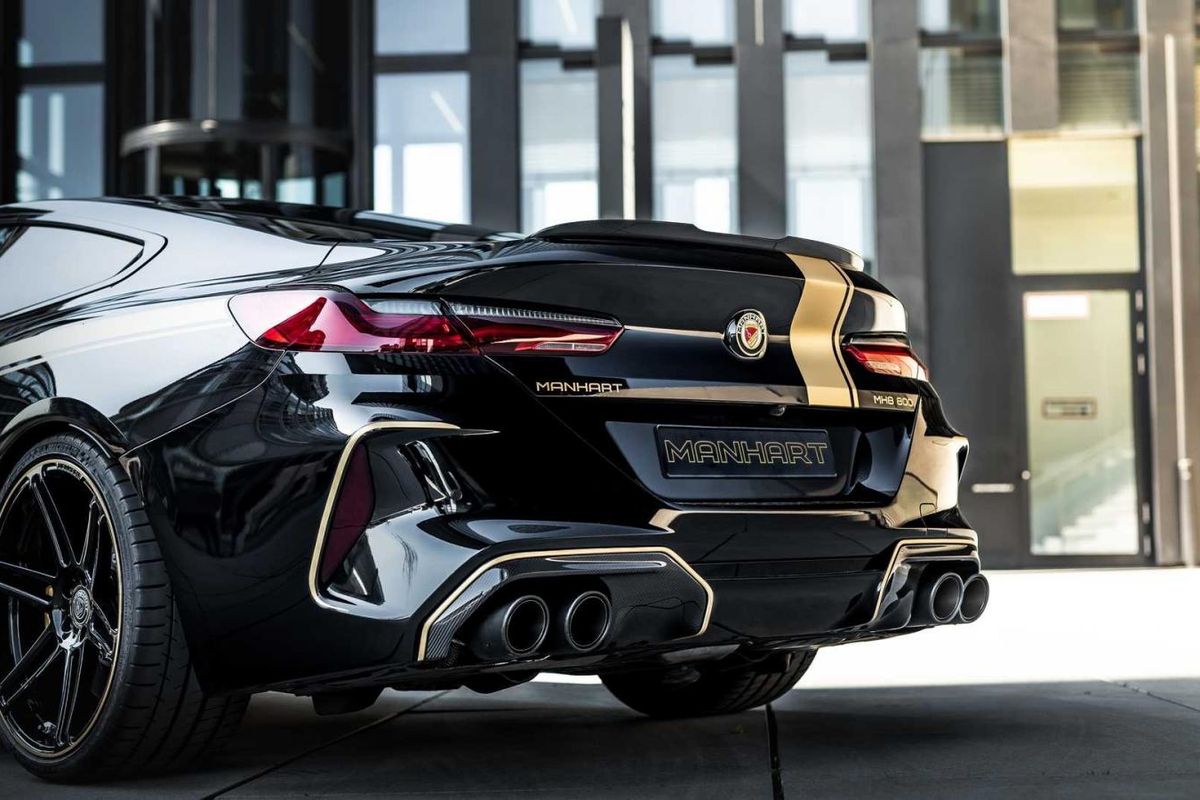
If the BMW M8 Competition wasn't fast enough for you, how about this absolutely mental conversion by German tuner Manhart?
Manhart calls this road-legal weapon the MH8 800 and upgrades take the BMW M8 Competition's engine from 460 kW and 750 Nm to 605 kW and 1 050 Nm. This additional power sees the 0-100 kph claimed time drop from 3.2 seconds to 2.6 seconds. What's even more ballistic is the 100-200 kph which is decimated in just 5.7 seconds.
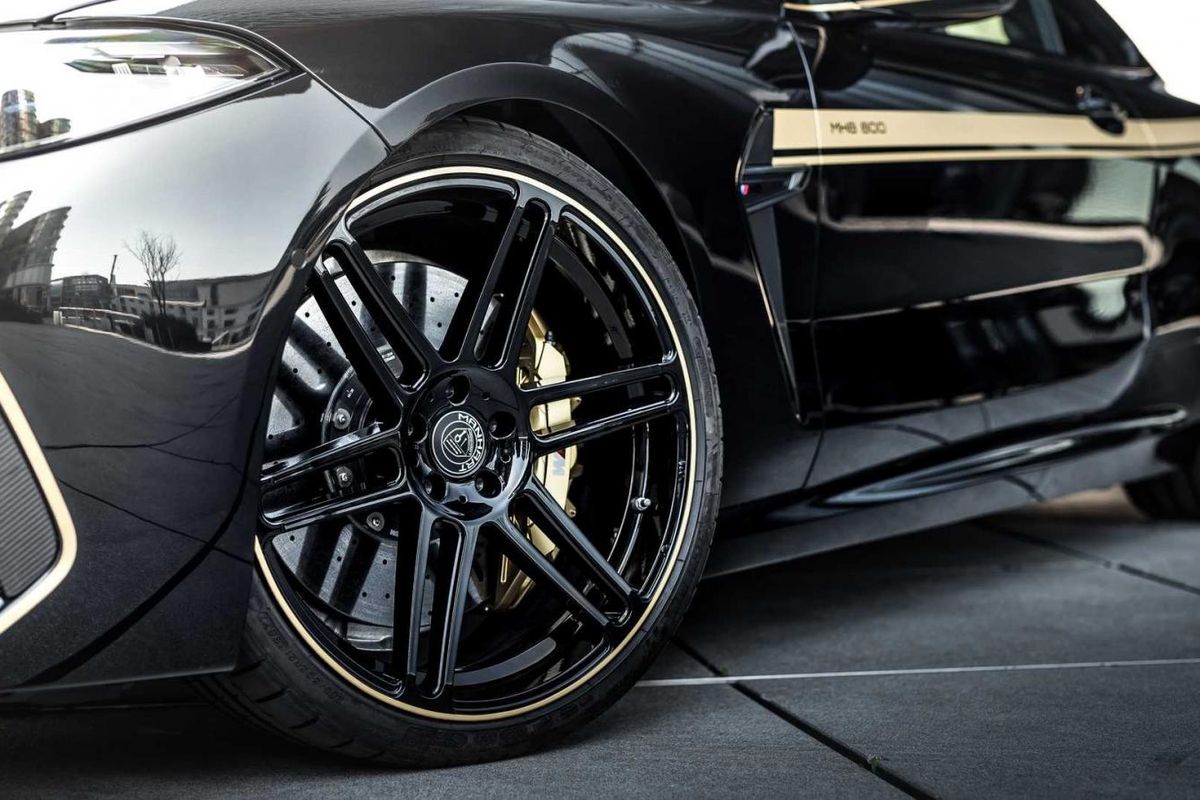
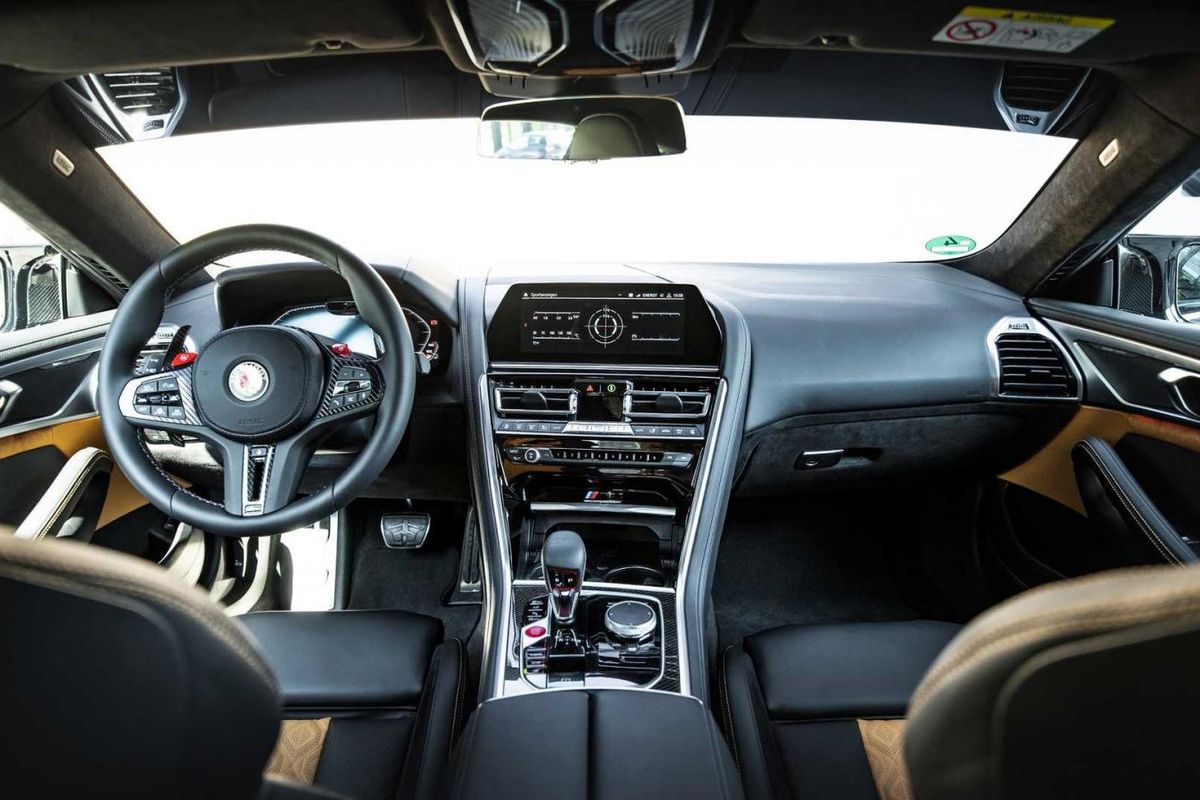
Visually, Manhart has given the M8 Competition a subtle bodykit with some gold detailing. Some 21-inch alloy wheels and a revised suspension setup with adjustable ride height round off the visual appeal. Inside, there's some carbon fiber on the steering wheel.
For those of you complaining that modern emissions regulations have ruined engine notes, Manhart has reworked the exhaust so you can hear that 4.4-litre twin-turbocharged petrol V8 engine sing the song of its people.
BMW M8 Competition by Manhart Video
Ranger V8 Cancelled
Mustang powered Raptor undone by economy.
The ultimate Ranger might never happen. Reports from Down Under suggest that Ford fans, keenly anticipating the Ranger Raptor V8, are unlikely to ever see it happen.
In January it was revealed that due to positive customer inquiries, Ford was considering the development of a V8-powered version of its Ranger Raptor. The modified T6 platform could definitely handle the extra power, which was lacking in highway driving – due to the Raptor’s additional weight, blunting the performance of its diesel engine.
Ford wished to use an adapted version of its Mustang V8 engine in the Raptor. Premcar was selected as the engineering consultancy to execute this new Ranger Raptor V8 project.
Using the 5-litre V8 petrol engine, powering Ford’s Mustang GT, Ranger bakkie followers could expect a very potent double-cab. Unfortunately, the project has stalled.
With Ford having posted massive global losses in Q1, many future product developments have been shelved. Some of these projects will be revived as revenues rise again, but the niche projects are basically done for.
Panic and uncertainty about how the global economy might recover in the months ahead has now convinced managers at Ford’s bakkie division to not pursue a Ranger Raptor V8.
Although most of the tooling and production risk would have been outsourced to Premcar, Ford decided that the market for a V8-powered Ranger has narrowed so greatly, that it no longer presents a viable business case.
Disappointment aside, those Ford bakkie fans who are hoping for a more powerful Ranger Raptor, can take heart. With the success of Ford’s T6 Ranger in North America, the demand for an EcoBoost V6 version is entirely possible.
An American inspired Ranger Raptor might not be naturally aspirated and have eight cylinders, but a turbocharged V6 Raptor would be entirely fit for purpose.
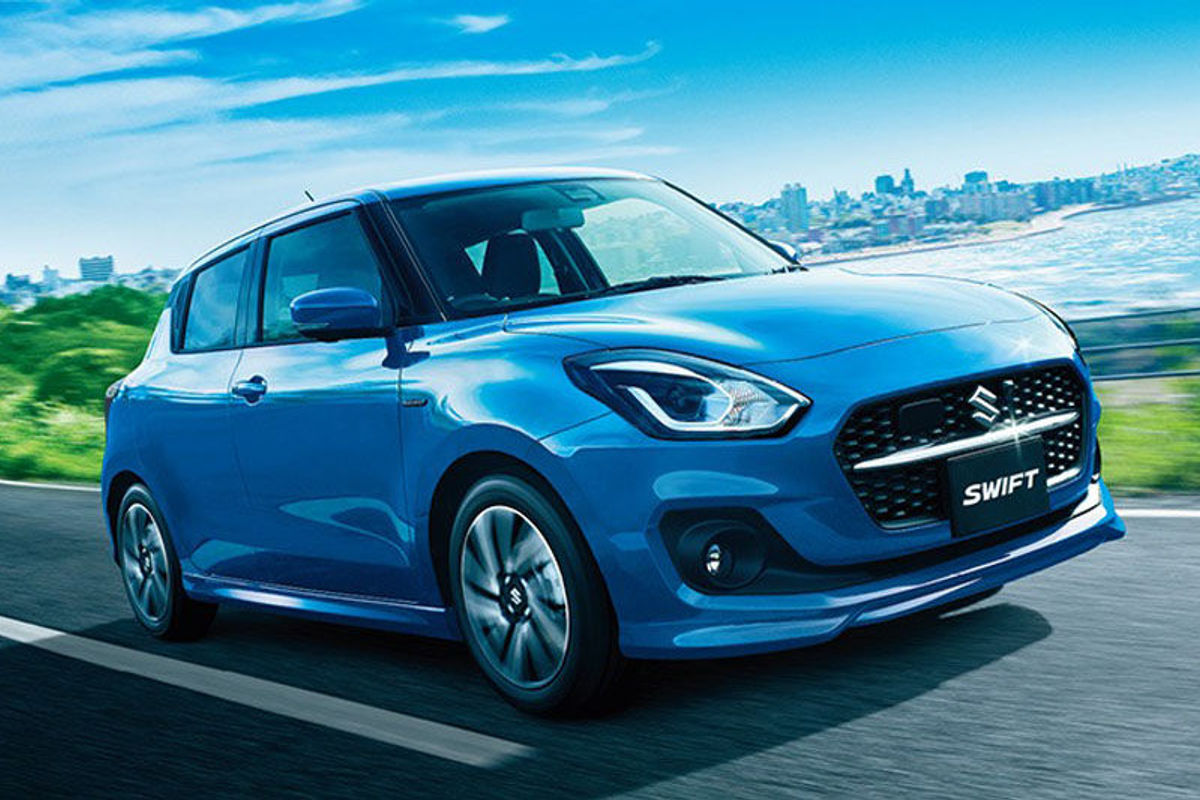
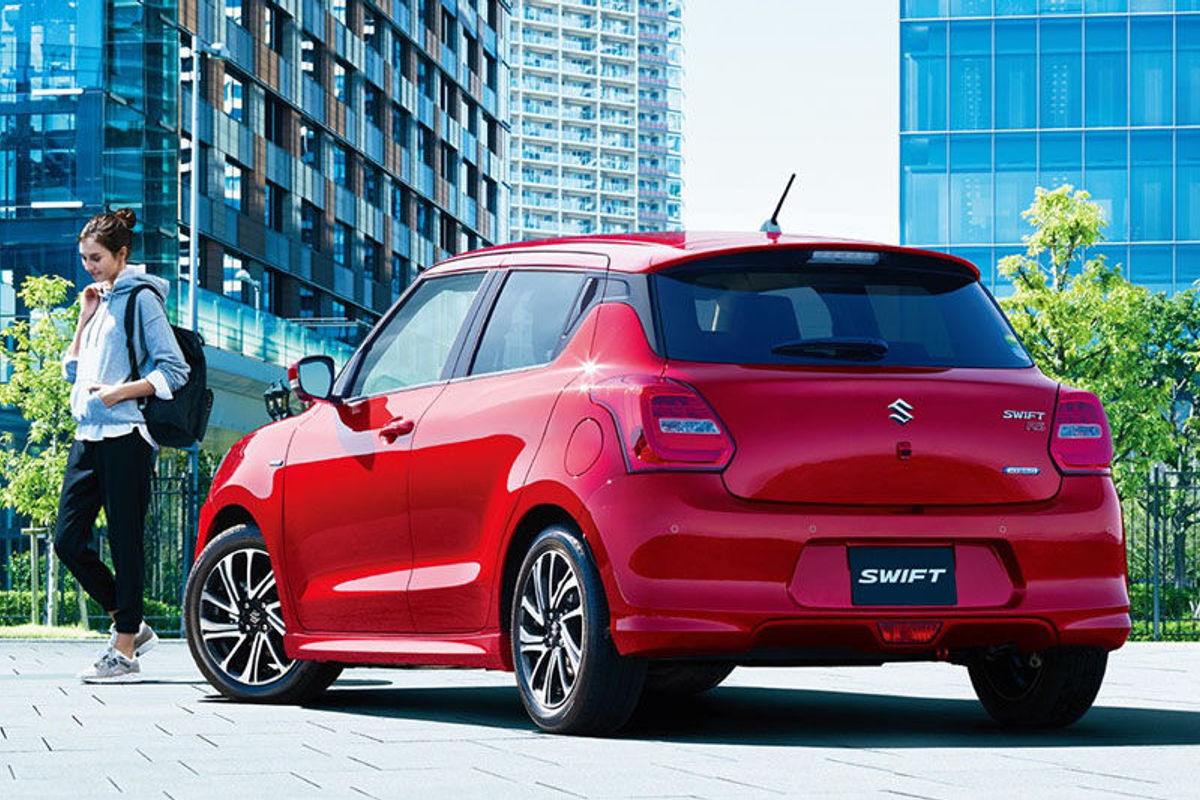
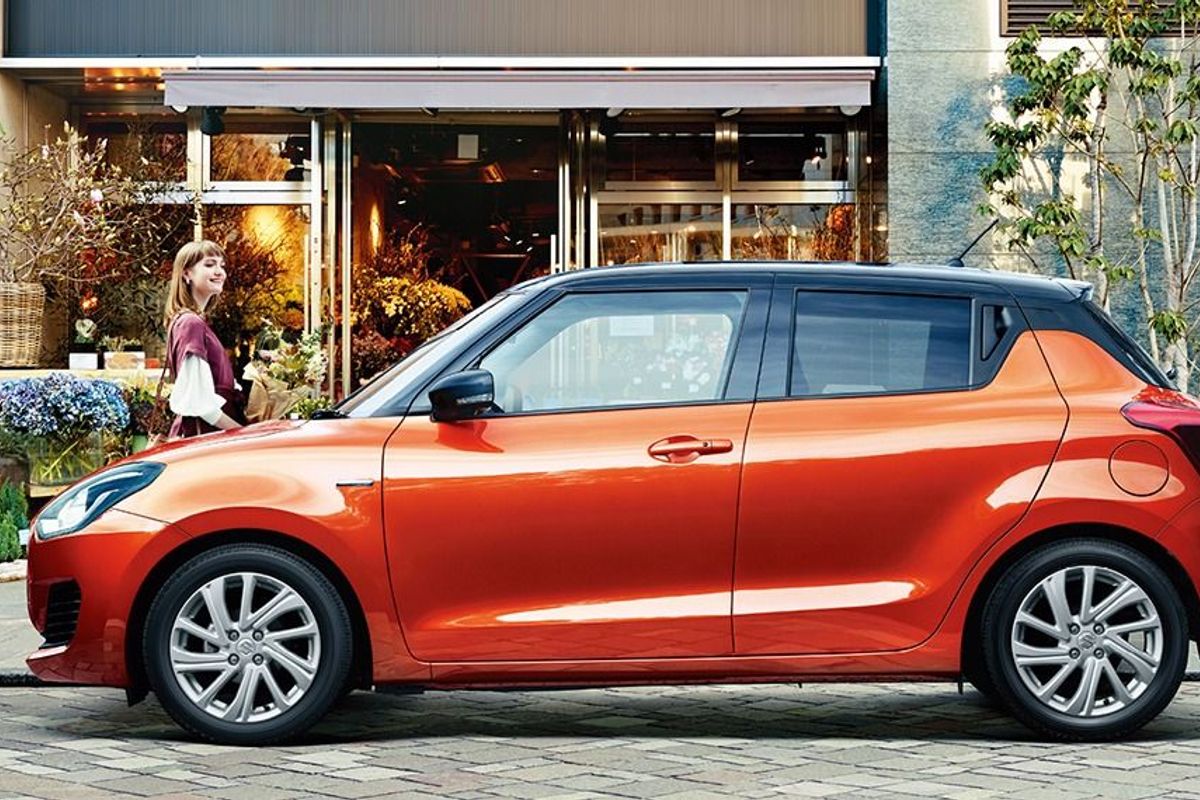
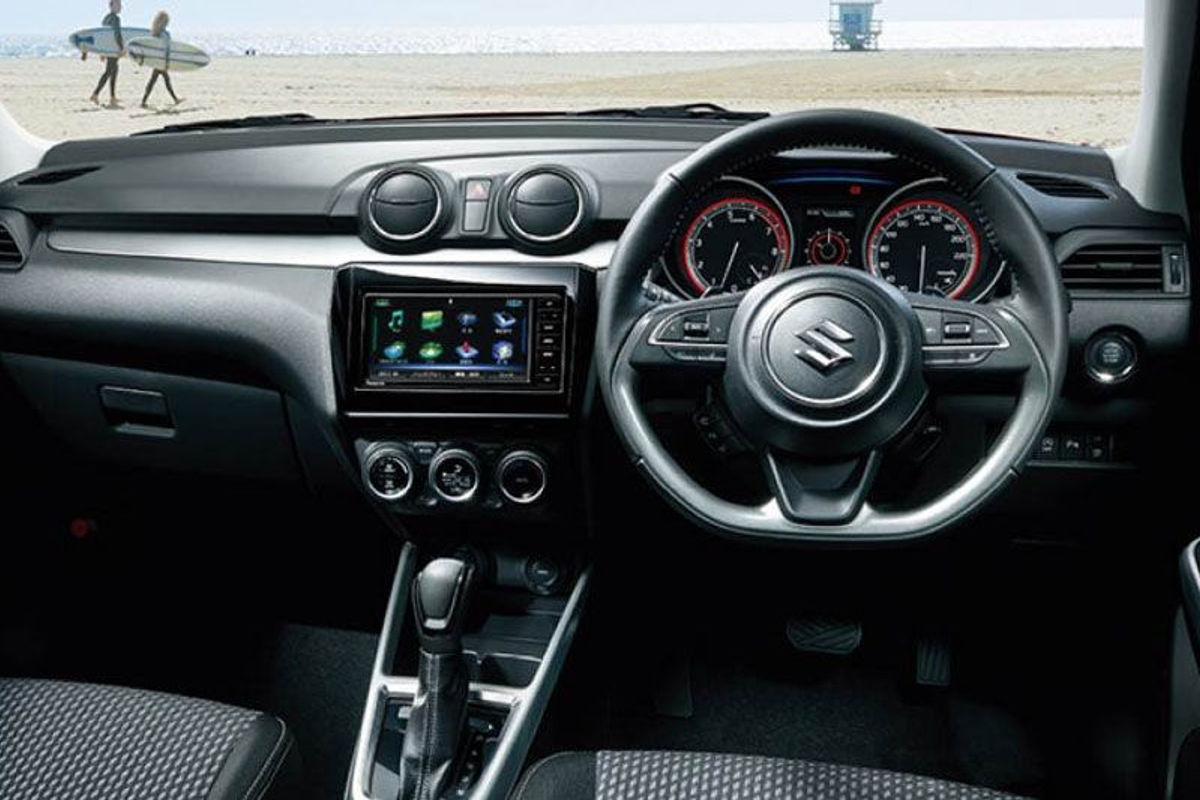
There’s an updated Suzuki Swift on the way. These images from the Japanese marque's site (in its home market) indicate the changes that are in store…
The Swift is Suzuki’s best-selling model in South Africa by a fair margin and while the all-new Swift came to market back in 2018, the lineup was later bolstered with the arrival of the punchy turbocharged 1.4T Sport, as well as the feature-packed – but keenly-priced –1.2 GLX mid-range derivative.
It's worth noting that the Swift 1.2 GLX is the current champion in the budget-car category of the Cars.co.za Consumer Awards – powered by WesBank, while the 1.4T Sport was a finalist in the fun hatch category in the 2019/20 iteration of the awards. Suzuki, which recently introduced its new S-Presso budget car, has also won the #CarsAwards Brand of the Year title on 2 occasions…
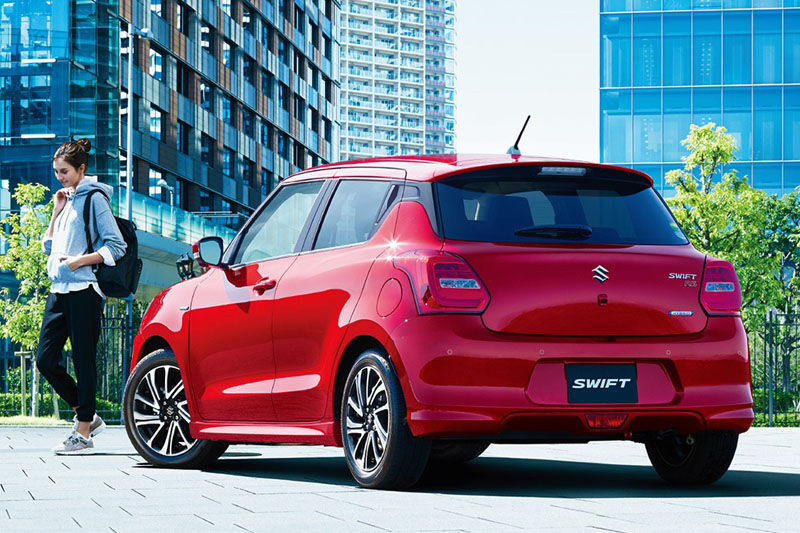
Note the diamond-cut alloy designs with black accents. Could those wheels ultimately be offered in South Africa?
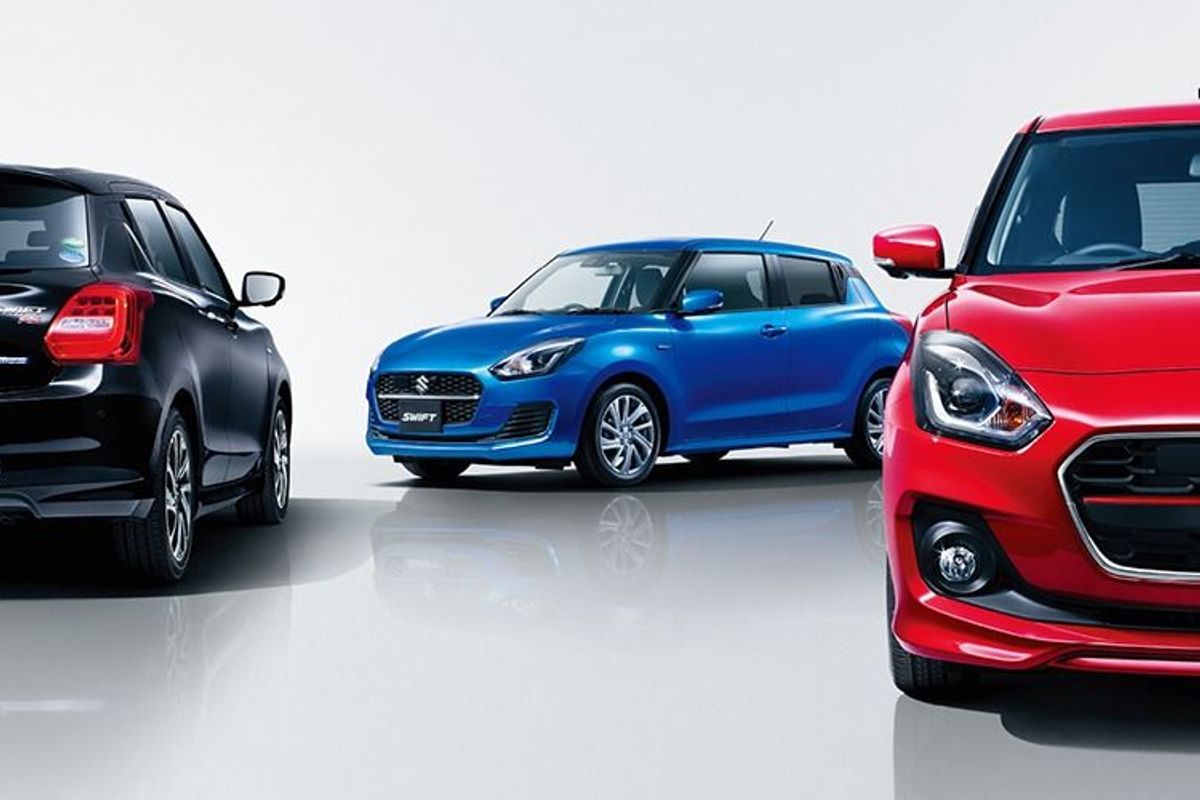
In terms of styling, Suzuki has revised the Swift's front bumper and fitted (what appear to be) slightly-revised headlights. The grille either features a black mesh or one with a honeycomb pattern and chrome-look accents. What's more, the Japanese firm has added a horizontal bar to the grille, which is finished either in red or "chrome". New 16-inch alloy wheel designs have also been availed.
The updated compact hatchback is further offered with a wide choice of 2-tone colour schemes: Flame Orange, Burning Red and Speedy Blue are all matched with a black roof, while Rush Yellow is contrasted with a silver-coloured roof.
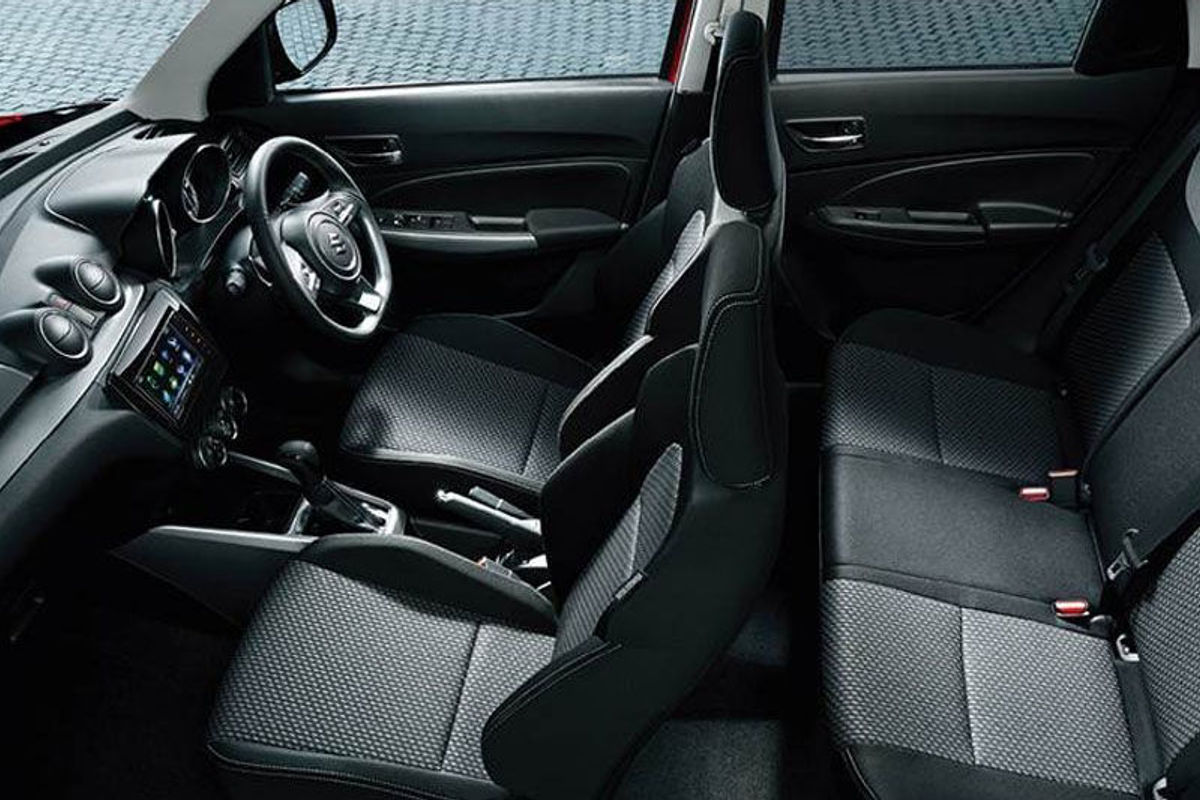
The changes inside are also relatively minor. In Japan, the updated Swift features a 4.2-inch multifunction display in its instrument cluster (plus a digital speedometer). Apart from upgraded trim, a 6-speaker audio system has been introduced throughout the range, while top-spec derivatives feature auto lights, blind-spot monitoring, rear cross-traffic alert and surround-view camera system. It's unlikely that the advanced driver-assist features will be offered outside of Suzuki's home market, however.
Under the bonnet, however, the same 1.2-litre petrol engine will be put to work with 61 kW and 113 Nm of torque with either a 5-speed manual or 4-speed automatic transmission driving the front wheels. The Swift Sport will forge on with its punchy 1.4-litre turbocharged petrol engine with 103 kW and 230 Nm.
As for availability, don’t expect the updated Swift to reach South Africa in 2020. This is the Japanese-spec Swift, but the Indian-spec Swift (which is the version that we get in South Africa, apart from the Japan-sourced 1.4T Sport) is probably still months away due to the ongoing Covid-19 pandemic, which means we may very well only see the facelifted Swift in South Africa in 2021.
As always, we will keep you updated as soon as more details are revealed.
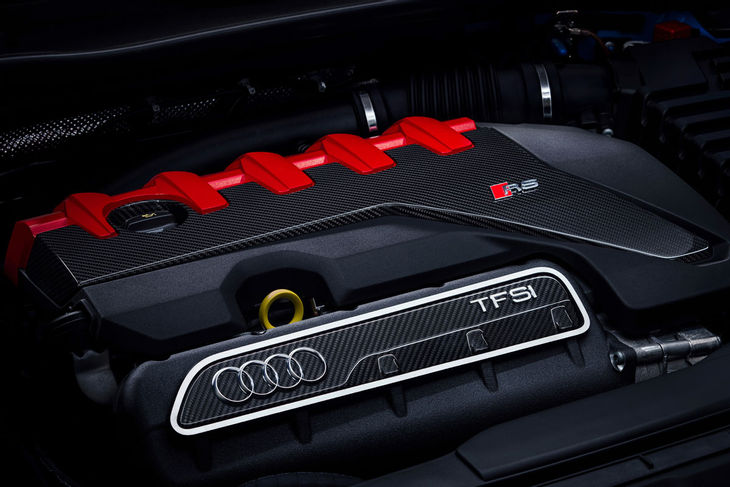
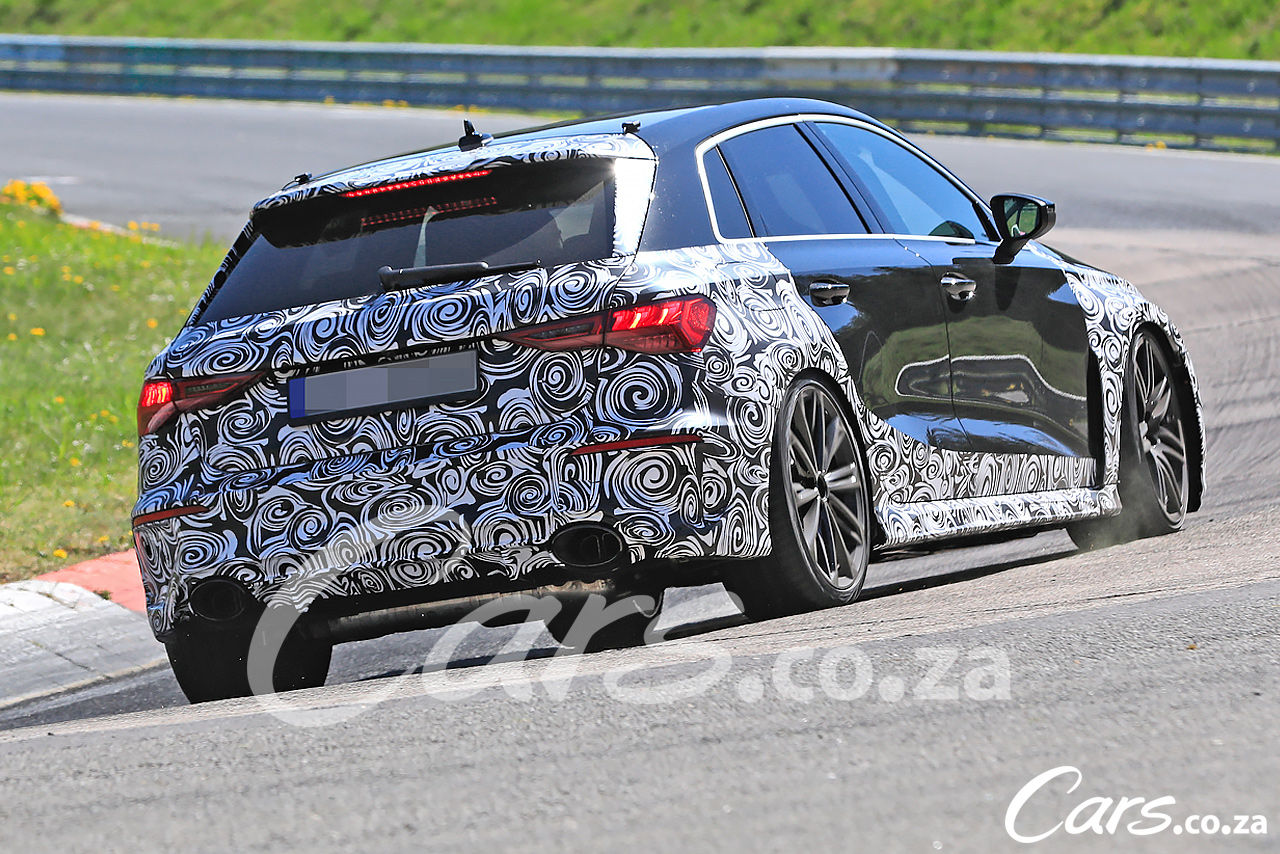
Audi’s upcoming rival to the Mercedes-AMG A45 S has been spotted undergoing tests at the Nurburgring again. According to a report, the hyper hatch is “in the final stages of assessment” and its turbocharged 2.5-litre 5-cylinder mill will produce at least 310 kW…
Picture credit: S. Baldauf/SB-Medien. We have paid for these photos and at the photographer's request, have watermarked them.
As we look forward to the arrival of the new-generation A3 Sportback on the local market in early 2021 – when it will resume its premium hatchback rivalry with the BMW 1 Series and Mercedes-Benz A-Class – we also anticipate the unveiling of its RS3 flagship.
The previous-generation model was powered by a 2.5-litre 5-cylinder turbopetrol motor that produced 294 kW and 480 Nm of torque (in hatchback as well as sedan guise), and many enthusiasts hoped that having reportedly blocked sister brand Volkswagen from appropriating the charismatic 5-pot engine for the R derivative of the Golf 8 range, Audi would carry over its charismatic powerplant to the new 4th-generation A3 Sportback (Typ 8Y).
In an era of muffled forced-induction engine notes, the 2.5-litre 5-cylinder emits an evocative soundtrack.
In this era of ever-stricter emissions standards, however, the continuation of the sonorous 5-cylinder engine was never guaranteed. The inline-5 (then mounted longitudinally) was introduced by Audi in the Eighties and underpinned much of the brand’s rallying and track racing success in that era. After a 12-year hiatus, the cylinder-configuration returned in 2009 to Audi’s engine line-up (it debuted in the previous generation TT RS) and in 2016, the RS3’s motor was updated to a 26-kg lighter unit with an all-alloy block, higher-pressure dual-injection system and beefed-up turbocharger.
Fortunately, Audi is determined not to put its multiple Engine of the Year category winner to pasture, because the marque regards the 5-cylinder mill as integral to the RS3 package.
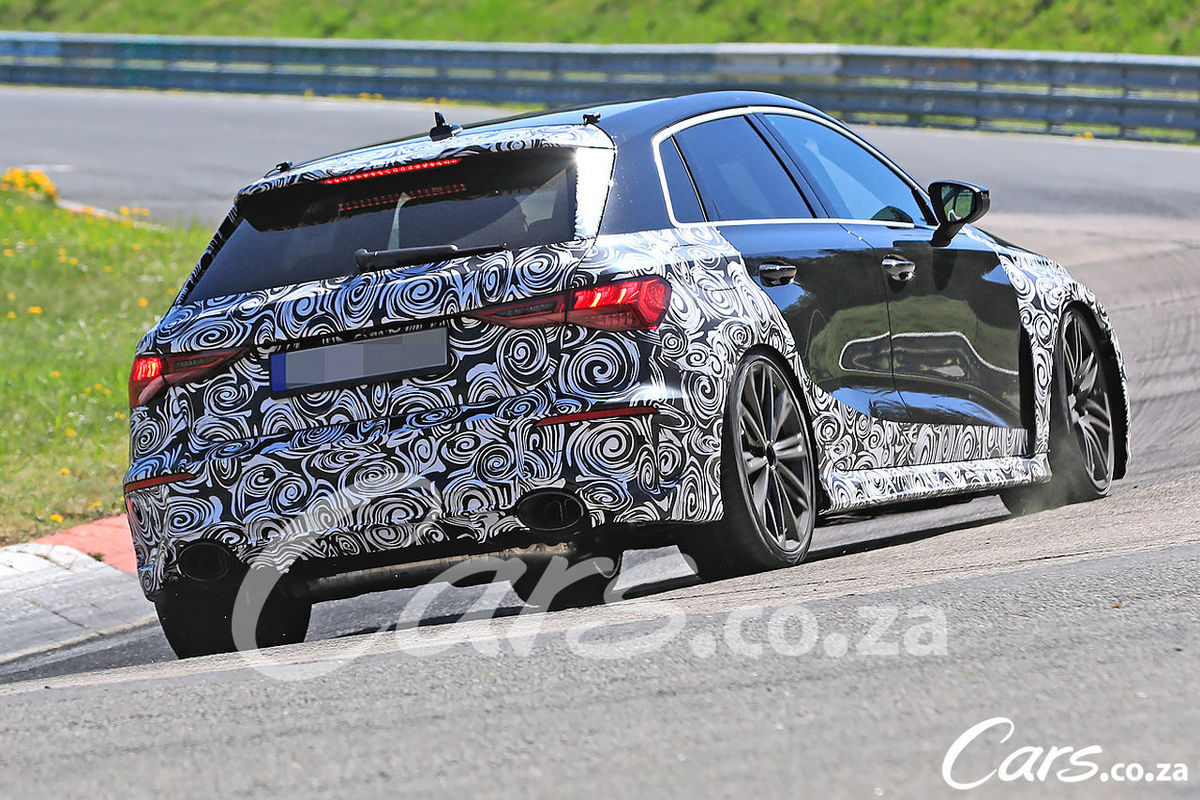
The RS3 prototype has a lowered suspension and bigger brakes. Note the outlets in the front fenders and the large oval tailpipes.
Audi Sport sales and marketing head Frank Michl told Autoexpress the RS3 was “one of the success stories of the brand” mainly due to its 5-cylinder powertrain. “The RS3 is one of the most emotional Audi Sport cars and a major part of the brand’s DNA,” he added.
The British site’s report suggests that in a bid to counter the Mercedes-AMG A45 S’ peak outputs of 310 kW and 500 Nm, the Audi’s 2.5-litre engine will be tuned to produce identical outputs to the 2.0-litre 4-cylinder with its twin-scroll turbo produced in Affalterbach. And, don’t forget BMW is understood to be readying an M2 Gran Coupe, which will feature a 2.0-litre turbopetrol allied with all-wheel drive (M xDrive).
WATCH: Track Race Audi RS3 vs Mercedes-AMG A45
Just how Audi will realise those heady outputs while remaining on the right side of Euro 7 remains a mystery. Audi Sport could make the 5-cylinder meet stricter regulations by implementing the Volkswagen Group’s 48V mild-hybrid system (as it did in the Golf 8) while adopting cylinder deactivation technology or a belt-driven starter/generator.
Power will be directed to all four wheels by Quattro all-wheel drive via a 7-speed dual-clutch automatic transmission. As in other RS models, the newcomer will feature adjustable dampers, a torque-vectoring system and adaptive electronic power steering.
?The test car spied in the latest images wears less camouflage than previous prototypes, but it’s instantly recognisable as an RS3 by virtue of its purposeful body kit. Note the sculpted front bumper with enlarged air inlets and vents behind the front wheel arches. The rear features a large spoiler, an extended diffuser and large-bore oval exhaust ends.
Drag Race: Audi RS3 vs Mercedes-AMG A45?
As for the interior execution, expect Audi’s newcomer to feature a sports steering wheel and firmly-bolstered front seats clad in a mixture of leather and Alcantara, matched with aluminium pedals. Autoexpress anticipates a range of RS-specific displays for the car’s 10.1-inch infotainment system and Virtual Cockpit digital instrument binnacle.
It’s not inconceivable that the new RS3 will be revealed internationally (in the metal, or perhaps digitally) before the end of the year, with sales commencing in 2021.