Welcome to the 6th episode of our new weekly show. In this episode, Ciro takes on a real-life Moto-X course in a Suzuki Jimny, we shut down the City of Cape Town and let a hooligan loose in a drift car, we meet the owner of one of the most beautiful cars ever made who tells her ownership story of the iconic Mercedes 190SL, the BMW i8 takes on the Audi R8 to see which one will win Ciro's heart, and lastly, pop superstars Mi Casa join us for a drive and a game of Lazer Tag.?
We have been working towards this project for many years now – a proudly South African long format, multi-segment car show. A show which celebrates South Africa and our rich car history. We toyed with broadcasting on terrestrial television or launching on a streaming network, but with us so close to the finish line we got blindsided by the global Covid-19 crisis, which required a global lockdown.
Our talks, production and country halted. But this extraordinary moment in time also creates opportunity. With South Africa ordered to stay home, online content consumption is on the rise and content creation dwindling. As a company which takes great pride in being nimble, we simply couldn’t resist the urge to fill this content void and give South Africa, and the world, something beautiful to watch.
And so in a moment of inspiration, we decided to adapt our long-format car show concept, using some techniques that may have been unthinkable before lockdown, and get it ready in record time to release it for free to the world. With this show, we aim to entertain, inform, inspire and hopefully make our audience smile.
We have also committed to donating all revenue generated off our Cars.co.za YouTube channel for the rest of 2020 to charitable causes in support of the fight against Covid-19. For this show, all of our content was either filmed pre-lockdown or safely under lockdown conditions by our presenter himself – Ciro De Siena; it turns out a lounge and dining room can be an excellent TV studio.
New episodes will debut every Thursday at 8pm and all episodes will remain on the channel indefinitely. From everyone at Cars.co.za, stay safe, stay home, look after yourselves, and each other.
New Subaru WRX STi: What to Expect
There was a time when the gold-rimmed and tail-spoiler-adorned Subaru WRX STi was the final word in compact, forced-induction and all-wheel-drive road machines… then the Mercedes-AMG A45 (and other hyper hatchbacks) came along. Well, fear not, the Scooby is about to make an almighty comeback.
Born as a product of Subaru’s participation in the world rally championship through the Nineties and Noughties, which yielded multiple championships for the Fuji Heavy Industries brand, the (formerly Impreza-branded) WRX STi a became household name by virtue of its rorty turbocharged 2.0-litre flat-four (boxer) motor, symmetrical all-wheel drive, audacious boy-racer body kits and, invariably, the brand's inimitable Rally Blue paintwork.
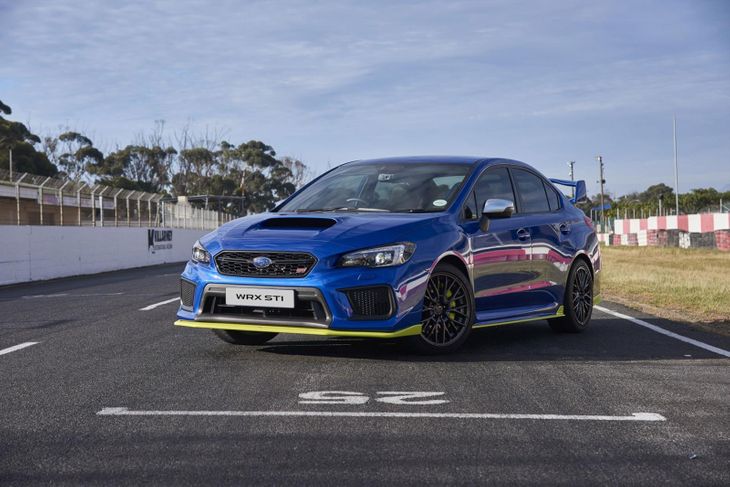
Subaru offered the limited edition, SA-developed WRX STi Diamond Edition on the local market in 2018.
The 2.0-litre EJ20 boxer engine, which debuted in 1989 and evolved over the next 30 years through, inter alia, the brand’s involvement in motorsport, powered several iterations of the WRX STi. Although the current model uses a 2.5-litre EJ257 motor, the iconic 2.0-litre unit was offered in the Japanese market until recently, when Subaru gave its revered EJ20 a respectful send-off with the EJ20 Final Edition.
Of course, to call the current model “current” is a bit of misnomer, because whereas the WRX STi (and its WRX little brother) used to be based on the Impreza, the pair remain underpinned by the 4th-generation 4-door model (VA), while the 2.0-litre Impreza (in which guise it is offered in our market) is based on the 5th-generation model, based on the Subaru Global Platform (SGP), as is the XV.
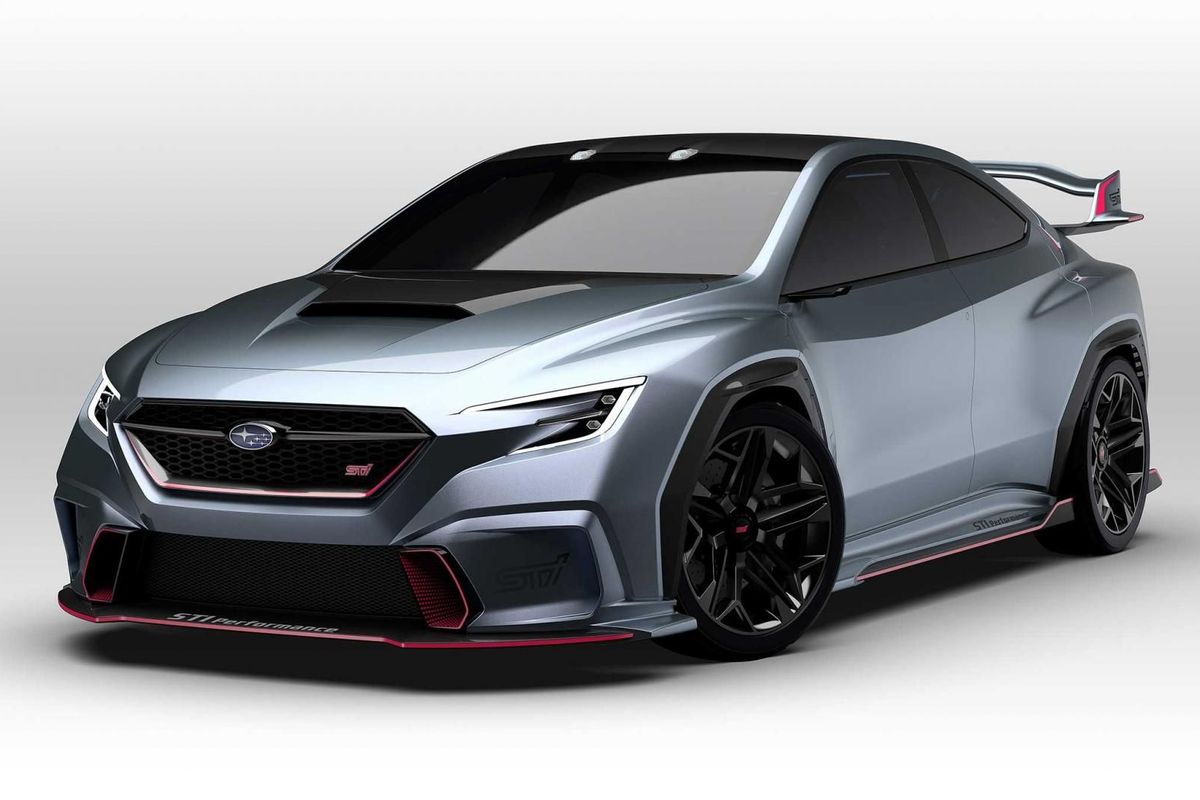
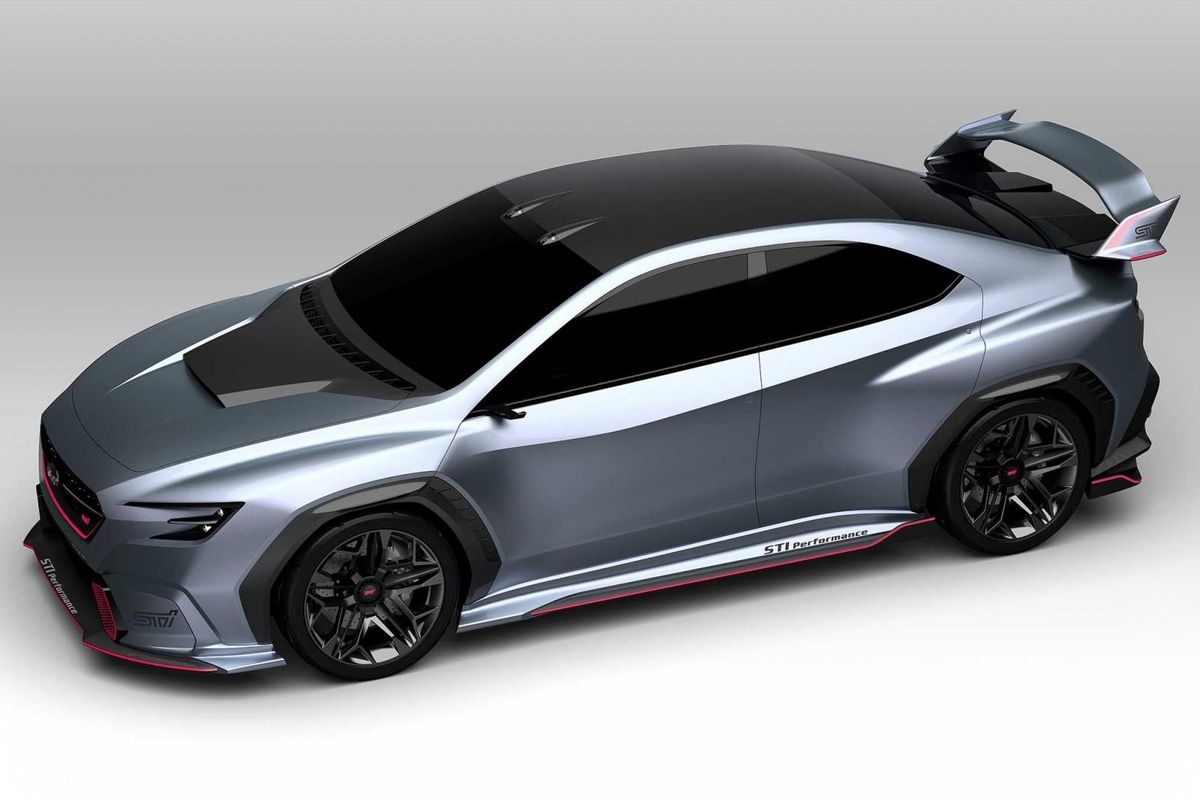
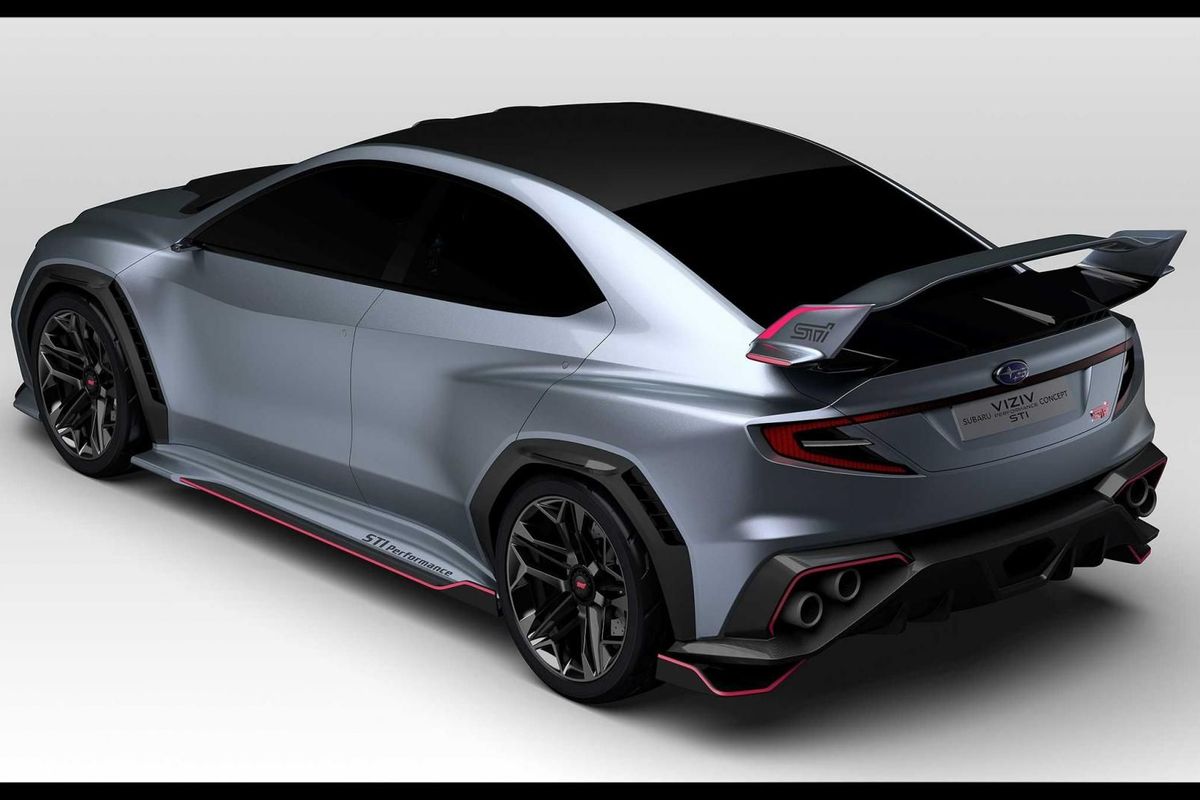
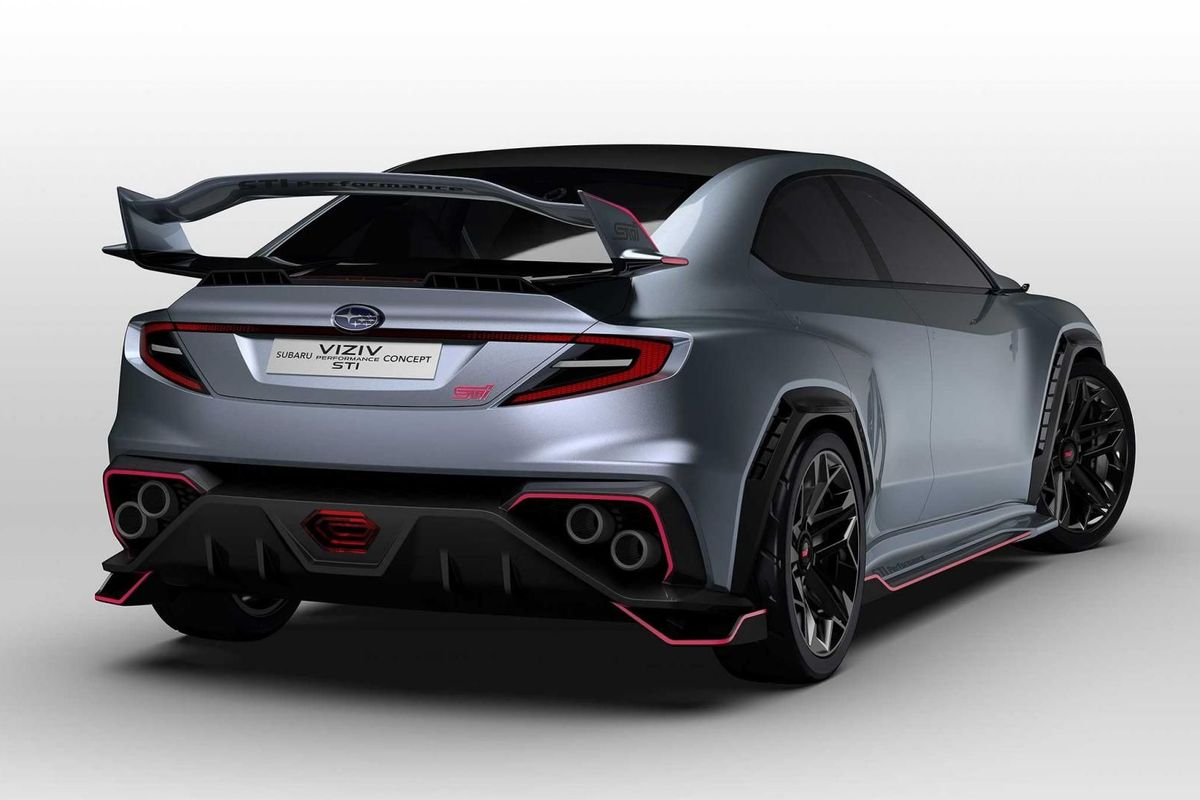
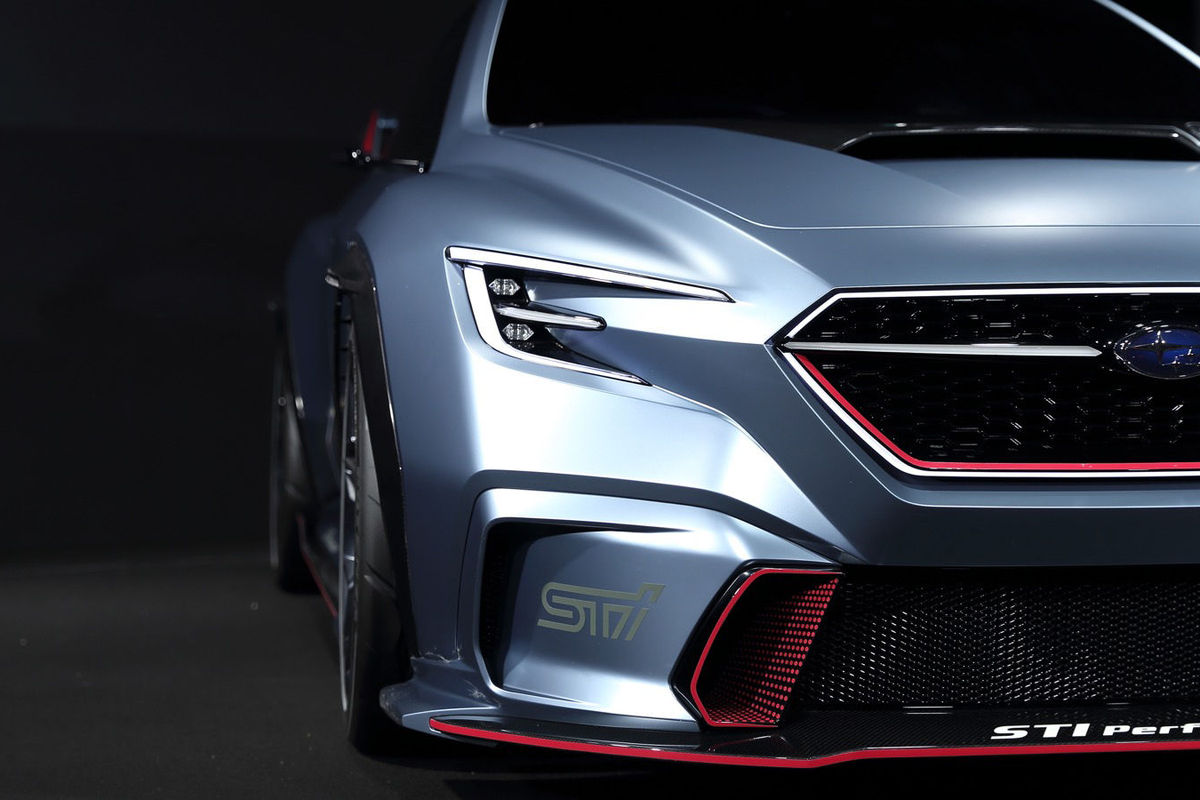
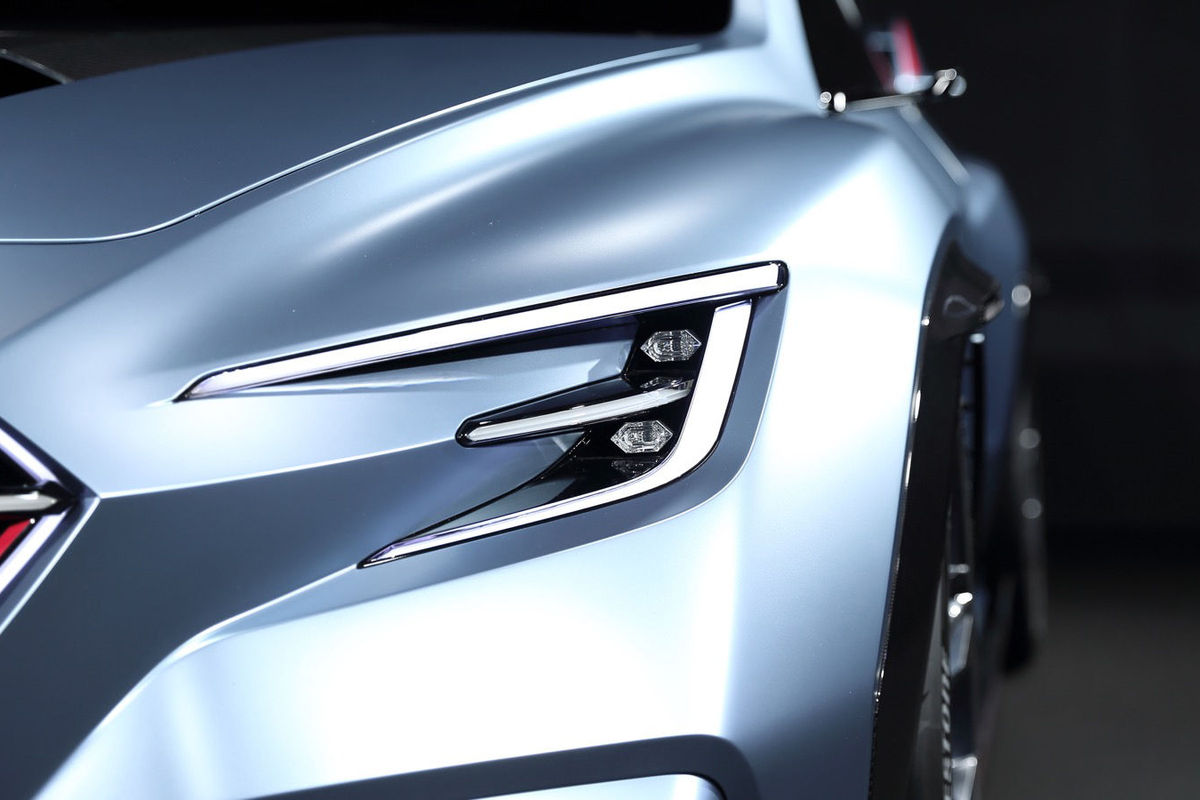
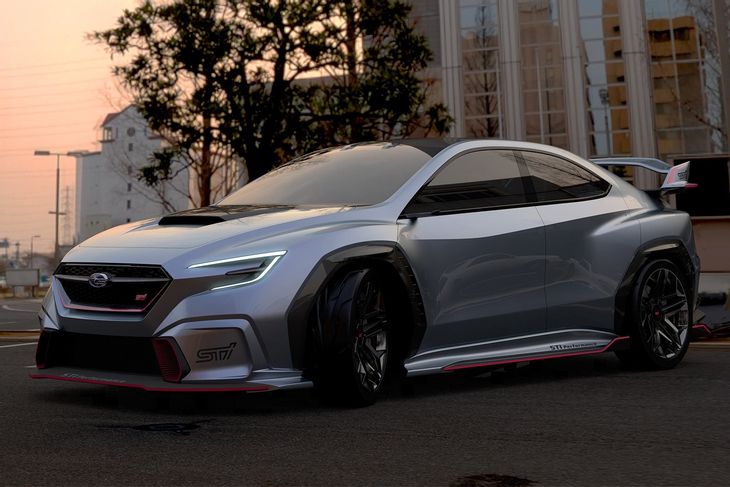
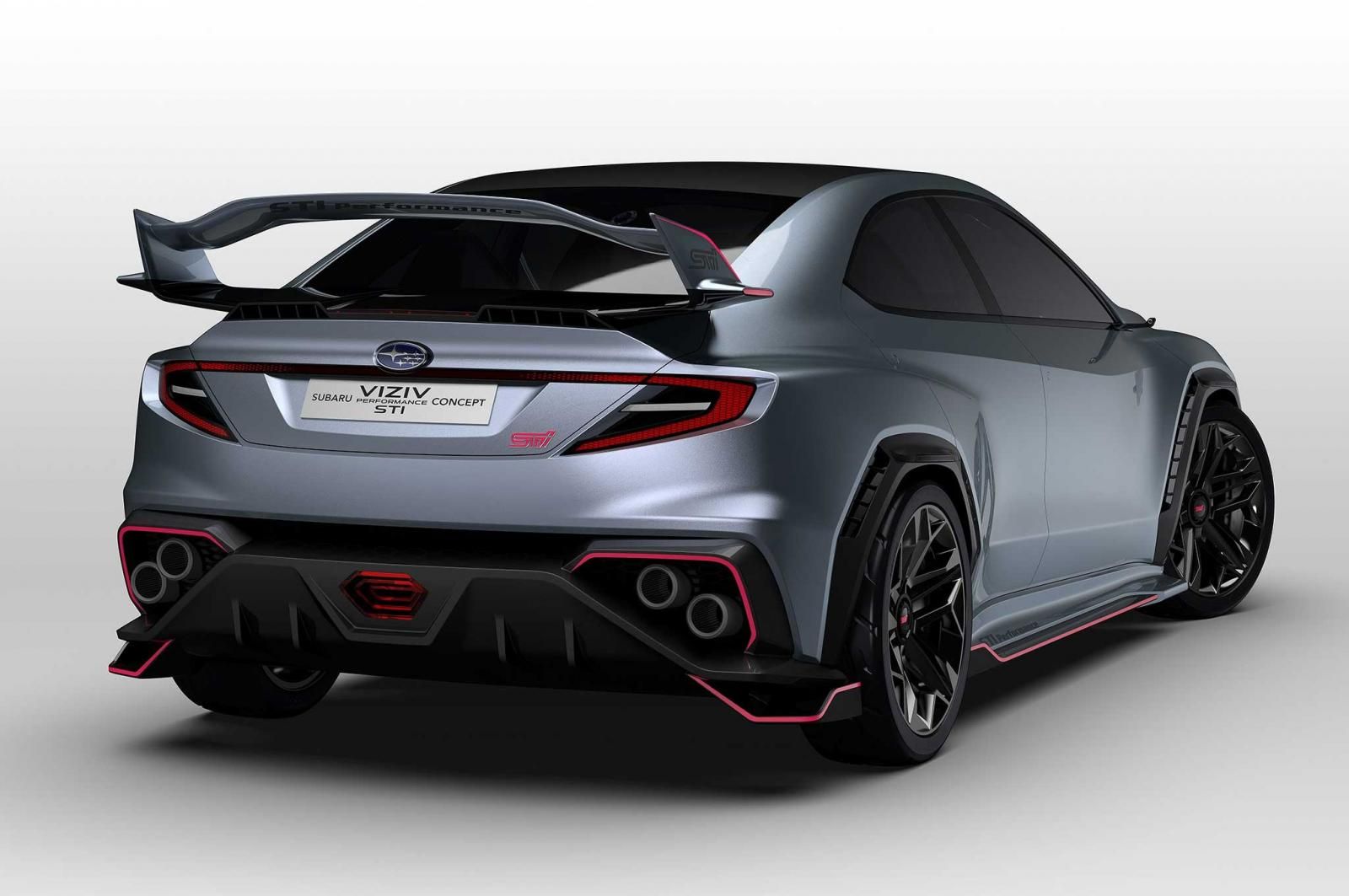
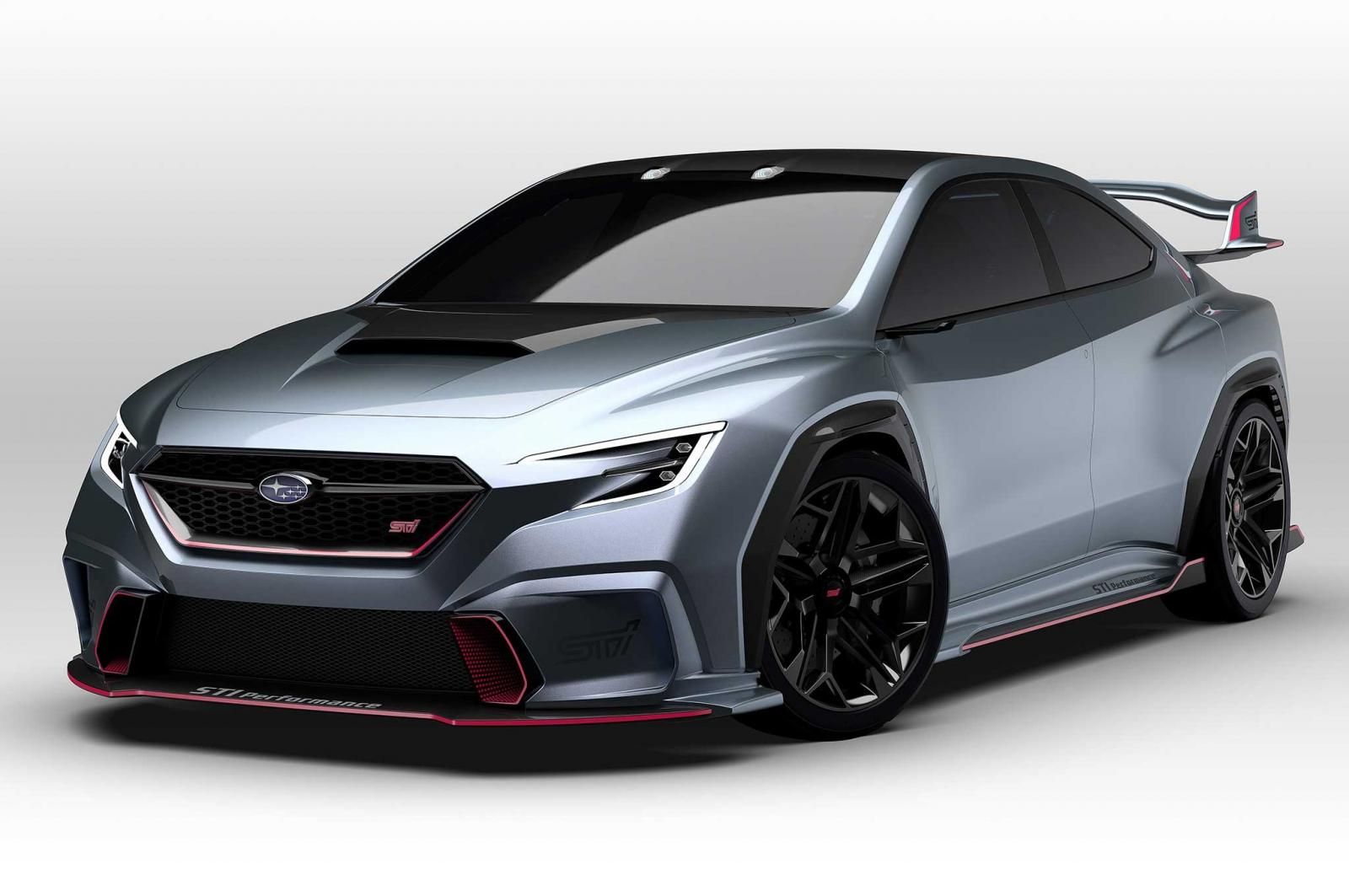
The look of the next-generation WRX STi will take its inspiration from the Subaru Viziv Performance STI Concept.
Ever since the emergence of models such as the Audi RS3, Mercedes-AMG A45, Ford Focus RS and Volkswagen Golf R, the hot-pink-badged WRX STi has undoubtedly lost some of its mystique; Subaru has toned down its performance sedan and introduced new technologies to broaden its yuppie appeal, but an enthusiastic cult-following does not guarantee strong sales – especially if your product has a premium price tag, but your brand does not quite have the cachet (or marketing budget) of German marques.
Undeterred, Subaru is about to foist its WRX STi into the third decade of the century, with various Japanese reports confirming that a new model is being prepared for a global launch in 2021. The EJ series motor is no longer the solution; the WRX STi’s 221 kW/407 Nm from its turbocharged 2.5-litre engine pales in comparison with the benchmark 2nd-generation Mercedes-AMG A45’s 310 kW and 500 Nm, for example.
Subaru may have left the World Rally Championship at the end of 2008, but the brand has not forgotten the WRX STi's roots.
Just under 300 kW
The basis of the upcoming car’s powerplant will be the 2.4-litre flat-four (boxer) turbocharged FA24F engine that powers the Subaru Ascent SUV in the North American market. In standard guise, it produces merely 194 kW and 376 Nm, but citing sources close to Subaru, Forbes reports the motor will be upgraded to produce 298 kW and 489 Nm thanks to the introduction of a reinforced crankshaft and pistons, fine-tuned valve timing, revised intake ports and higher boost pressure.
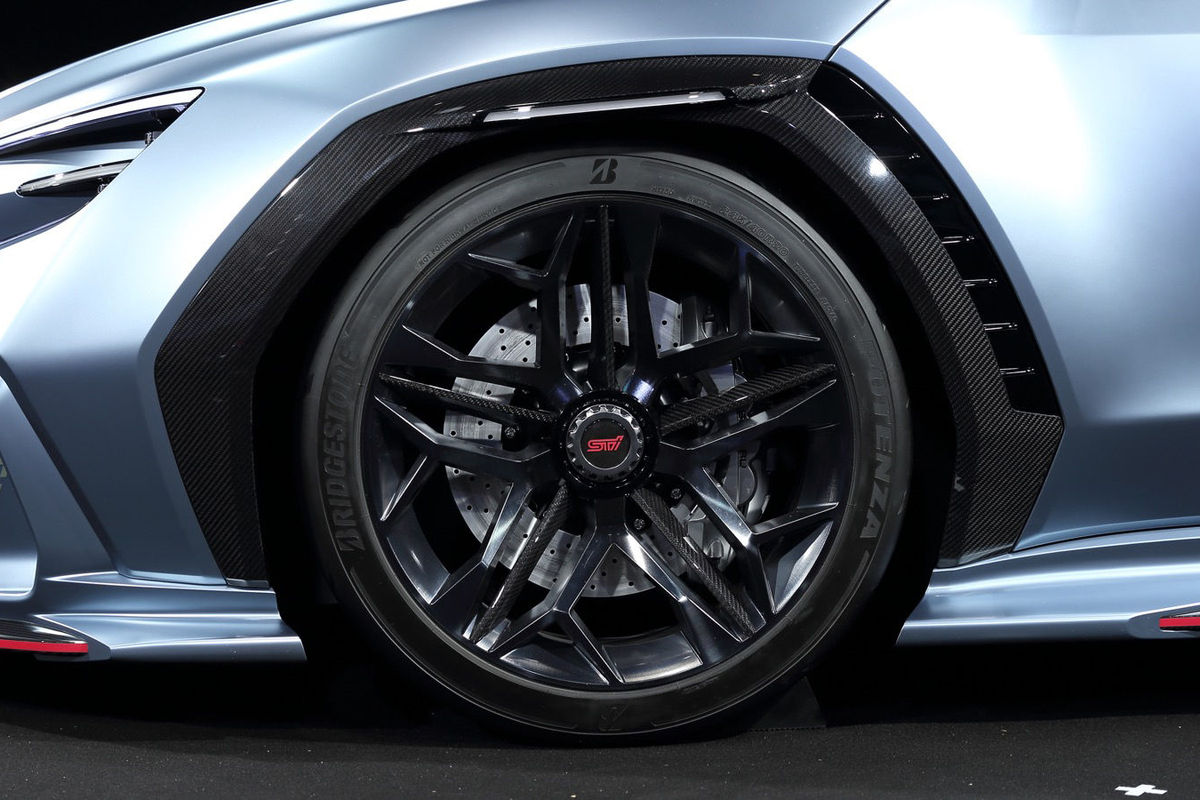
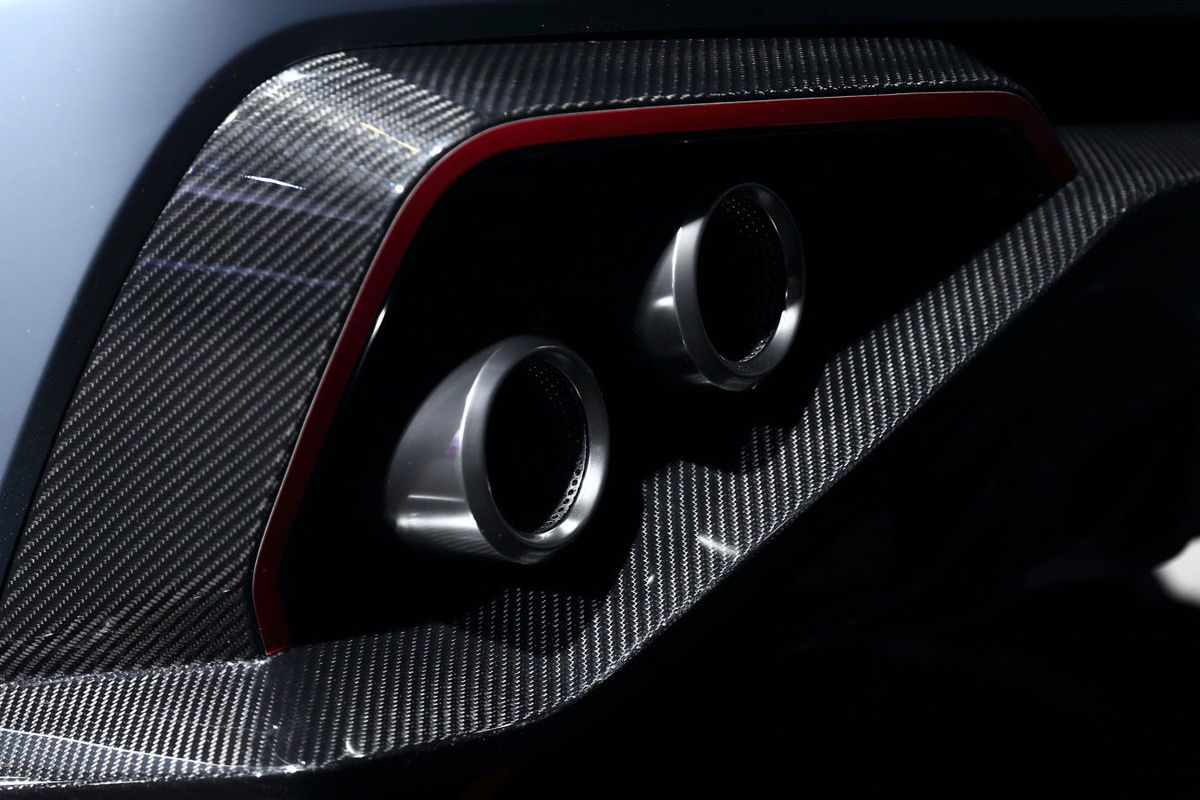
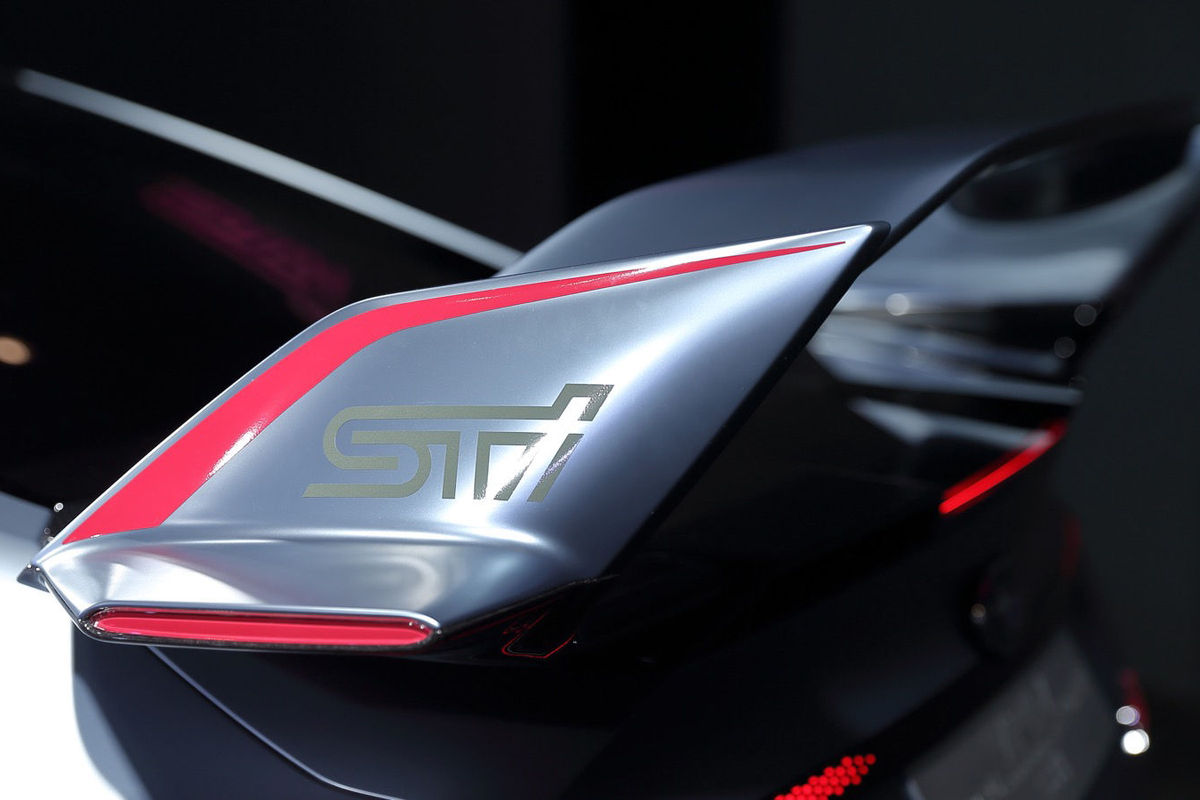
It may seem a while ago, but Subaru previewed the next-generation WRX STi at the 2018 Tokyo Show when it showcased the Viziv Performance STi Concept. Although very much a concept car, it was festooned with a carbon-fibre bonnet scoop, a muscular body kit with winglets and pink pin-striping and, of course, flared wheel arches, a huge rally-style diffuser, 4 exhaust tips and an elaborate boot spoiler.
Subaru will crank up the performance of its new 2.4-litre boxer engine and probably add hybridisation for good measure.
Reports out of Japan suggest the new WRX STi will measure 4 650 mm in length, 1 800 mm in width and 1 470 mm in height, and ride on a 2 675 mm wheelbase. That’s substantially lower, but the same width and slightly longer than the Impreza. Interestingly, the car will weigh about 1 550 kg, which will make it 22 kg lighter than the current WRX STi. Could it be a sub-5.0 sec 0-100 kph car?
It goes without saying that Subaru’s symmetrical all-wheel-drive system will be integral to the package and it’s likely the newcomer will again be offered with a 6-speed manual ‘box, but, then again, the sports sedan may well switch to a Lineartronic CVT automatic transmission; here's why…
Hybridisation expected
In order to keep the WRX STI on the right side of tightening emissions standards (the current car is no longer offered in Europe due to high emissions), the upcoming model will probably feature a version of Subaru’s e-Boxer hybrid technology, in which an electric motor is mounted to the CVT transmission, while its lithium-ion battery pack and other components are mounted above the rear axle.
Whether that technology, for which the aforementioned SGP was specifically designed, will be utilised for reducing fuel consumption only – the motor produces a mere 10 kW/65 Nm and has a 13.5-kWh battery in other Subarus – remains to be seen, however. We hope to see a production version of the WRX STI early in 2021, with deliveries beginning around the latter half of that year…
Lockdown hasn’t been a particularly positive experience for most, but it has saved you money in fuel and time spent in your car. Tracker released some interesting stats to show just how much Lockdown has saved you.
Tracker, the vehicle recovery company has over 1 million vehicles subscribed to its service. With all that information at hand and data analysis experts Lightstone, it has managed to extrapolate some interesting information during the national Lockdown period.
During Lockdown, the roads have been quiet, and the usual mileage you would put in has been drastically reduced. That means fuel costs have come down, in fact, most households that have 2 vehicles have only used 1 during this time.
Tracker’s data indicates that on average, reduced use of passenger vehicles saved 1 150 km of driving, 30 hours on the road and R1 350 in fuel, during the first month of lockdown. This is compared to the average kilometres driven, time spent on the road and money spent on fuel during the month prior to lockdown. Persons who travelled more before lockdown stood to gain greater savings than those with lower mileages. On average, passenger vehicles previously travelling less than 500 km per month saved 4 hours of time on the road and R100 in fuel, while those with a typical mileage of 1 500 km to 2 000 km per month saved 40 hours in drive time and R1 800 on fuel. For further comparison, 500 -1 000 km and 1 000 – 1 500km drivers respectively saved 20 and 30 hours on the road plus R750 and R1 250 in fuel spend.
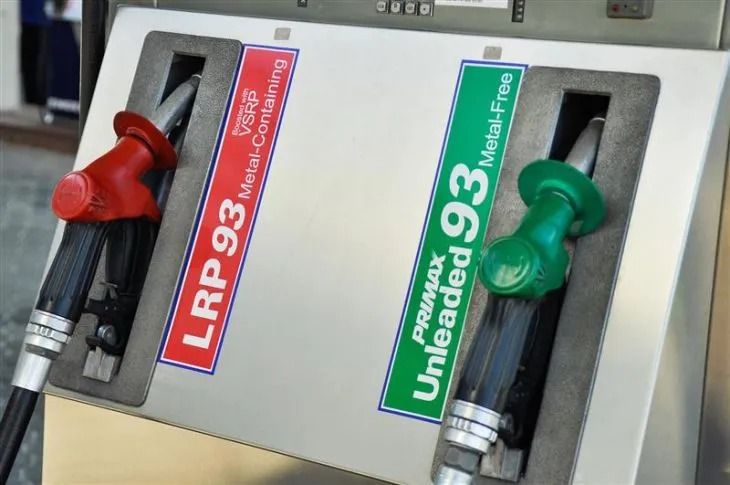
Most people haven't been able to take advantage of the huge reduction in fuel prices yet.
With fewer vehicles on the road, congestion eased too, allowing the big metros to be navigated quickly. Cape Town experienced the biggest time saving of A to B trips with 36 hours, followed by Johannesburg and Polokwane at 33 hours, then Tshwane, Ekurhuleni and eThekwini at 31 hours, and Rustenburg at 28 hours.
“With many vehicles standing idle during lockdown it is not surprising that motorists have saved a lot of time and money during this period,” says Michael du Preez, Executive: Product and Marketing at Tracker South Africa. “Unfortunately, with travel significantly curtailed, many motorists would not have been able to take advantage of savings from the record fuel price decrease during April, which was close to R2 for petrol and more than R1 for diesel.”
While the savings on fuel can be seen as a silver lining of sorts, the overwhelming effect on the economy can also be seen from the reduced distance travelled by light commercial vehicles. “While many private individuals might not have been able to take advantage of the fuel price decrease during April, the drop might have provided some relief to a few commercial operators,” says Linda Reid, Head of Data for Lightstone. “While probably not enough to make a substantial difference to the negative economic impact of the lockdown for companies, which we are already picking up in the data, perhaps this was a little helpful in containing costs for some. Distances travelled by panel vans are down from 2 350 km to 750 km, while distances travelled by trucks are down from 3 100 km to 1 100 km. The impact on small businesses can be clearly seen in the distances driven by bakkies, which are down from 2 200 km to 700 km.”
If an Australian article is on the money, the next Ford Ranger Raptor will be getting a meaty 6-cylinder diesel motor.
We at Cars.co.za love the Ford Ranger Raptor. Bakkies are typically purchased for commercial purposes and lifestyle applications like 4x4ing and towing, but the Raptor adds some petrolhead enthusiasm into the mix. It's hilariously good fun offroad and supremely capable as a 4×4 vehicle. If it had one fault, it would be the engine.
Sure, it is adequate, but to justify that Raptor badge, surely it needs a more appropriate engine. While it's not the 5.0-litre V8 Mustang engine we'd hoped for as that project appears to be shelved. Thanks to CarExpert.com.au, we now know that the updated Ford Ranger will gain a meaty 6-cylidner diesel engine. The article goes onto give some outputs of 186 kW and 600 Nm, which is very impressive. This motor apparently does duty in the current American-spec Ford F-150.
There's also mention of that magical suspension and the updated 2022 Ford Ranger will get the next-gen Fox Racing shocks which are doing duty in the 2020 Ford F-150 Raptor.
As a reminder, Volkswagen and Ford teamed up to develop the new Amarok and Ranger and we're expecting to see the fruits of the combined labour in the next 2 years.
Range Rover is working on a 7-seat version of its stylish Evoque. Here's what we know so far.
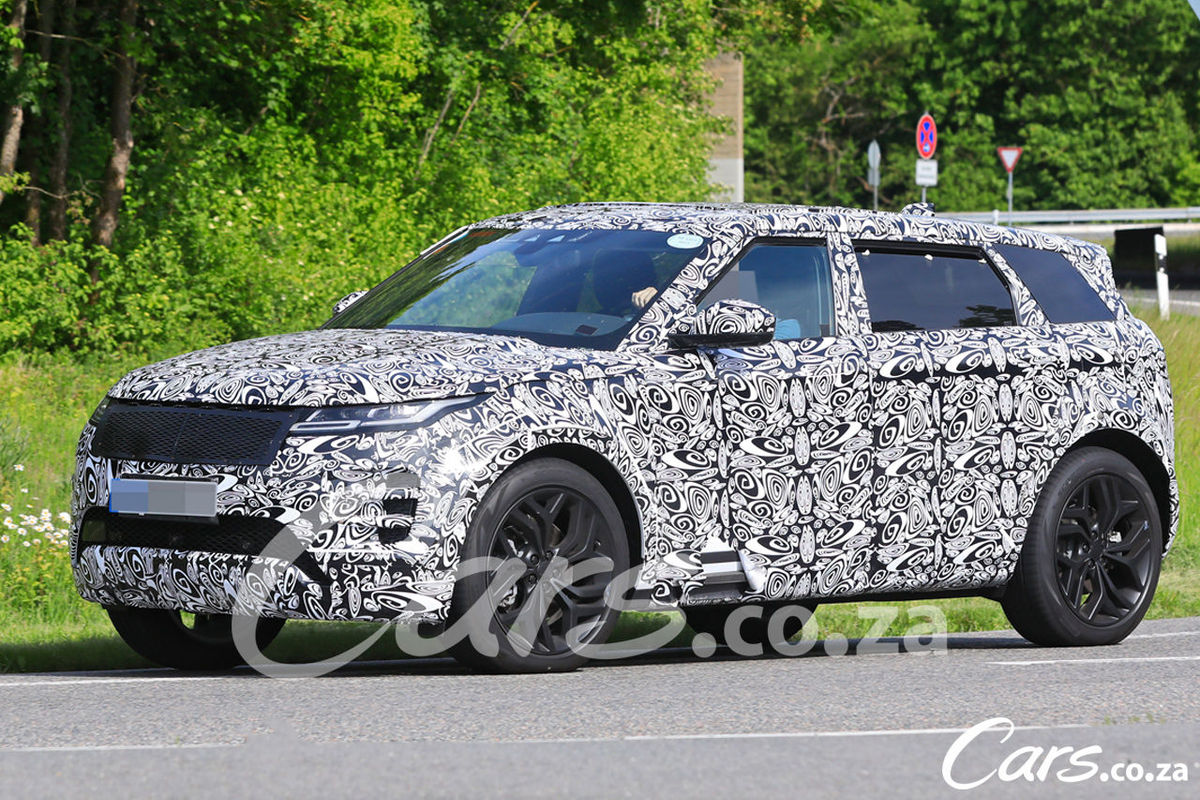
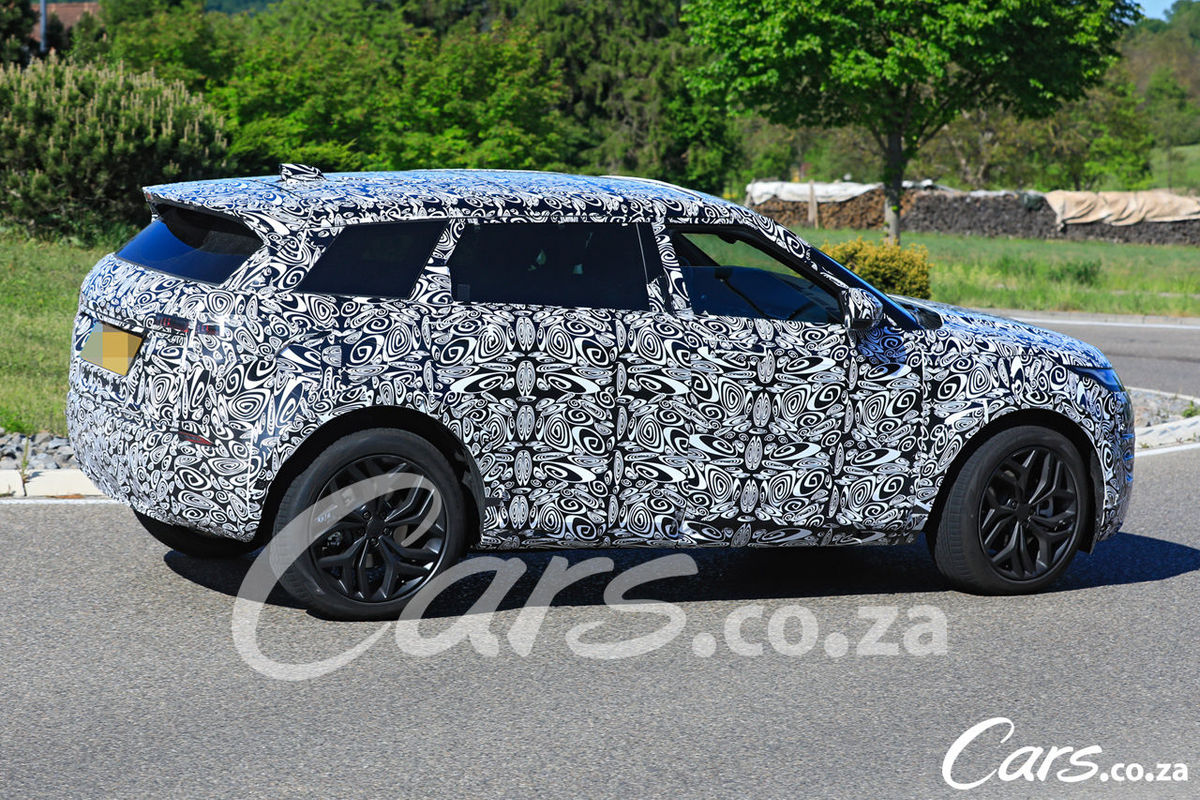
Picture credit: S. Baldauf/SB-Medien. We have paid for these photos and at the photographer's request, have watermarked them.
Our spy photographers have snapped something unusual. This Range Rover Evoque looks a bit longer than the standard model and a 7-seater version is planned to enter the market in 2021. We know Land Rover / Range Rover has the platforms and know-how to make a 3-row Evoque as there's the Discovery Sport which offers just that. This won't be a just a face swap however, as Evoque clientele are different to Discovery Sport customers.
Range Rover is preparing the 7-seater Evoque to take on the likes of the Volkswagen Tiguan Allspace. The longer length, wheelbase and longer rear doors are the clues here, allowing for easier access into the 3rd row of seats.
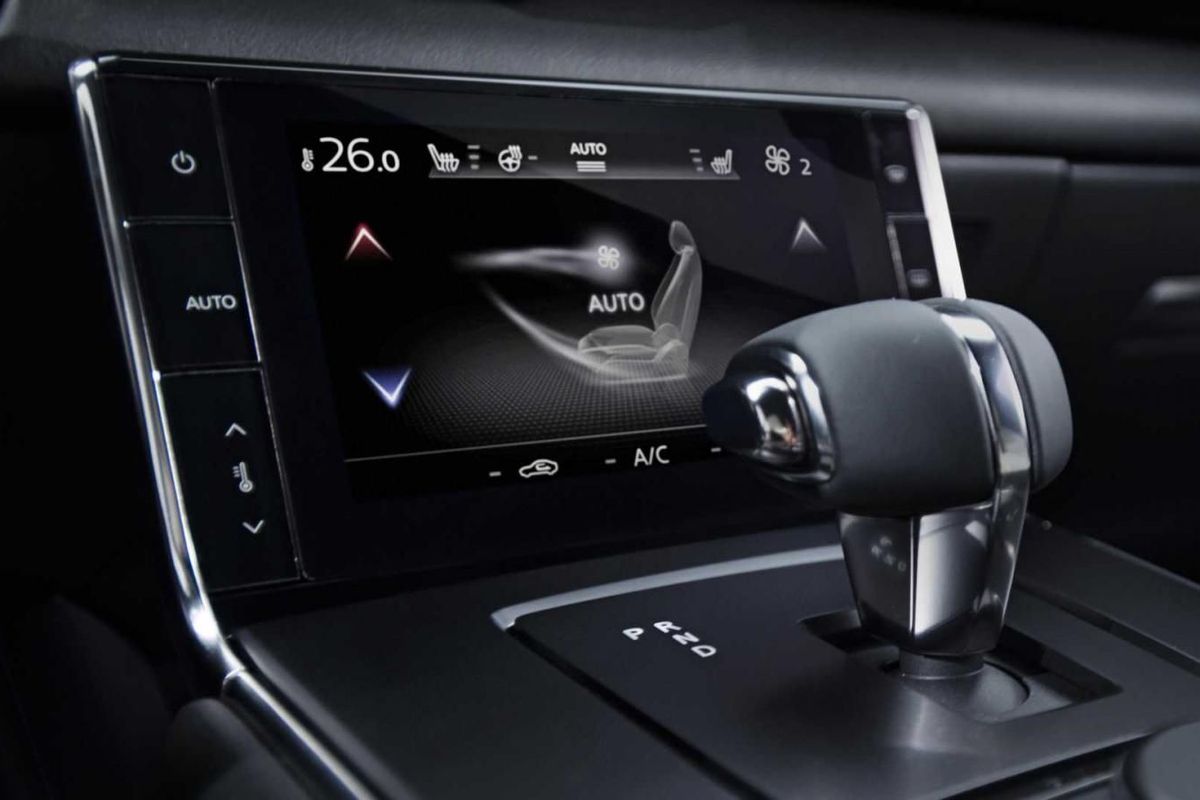
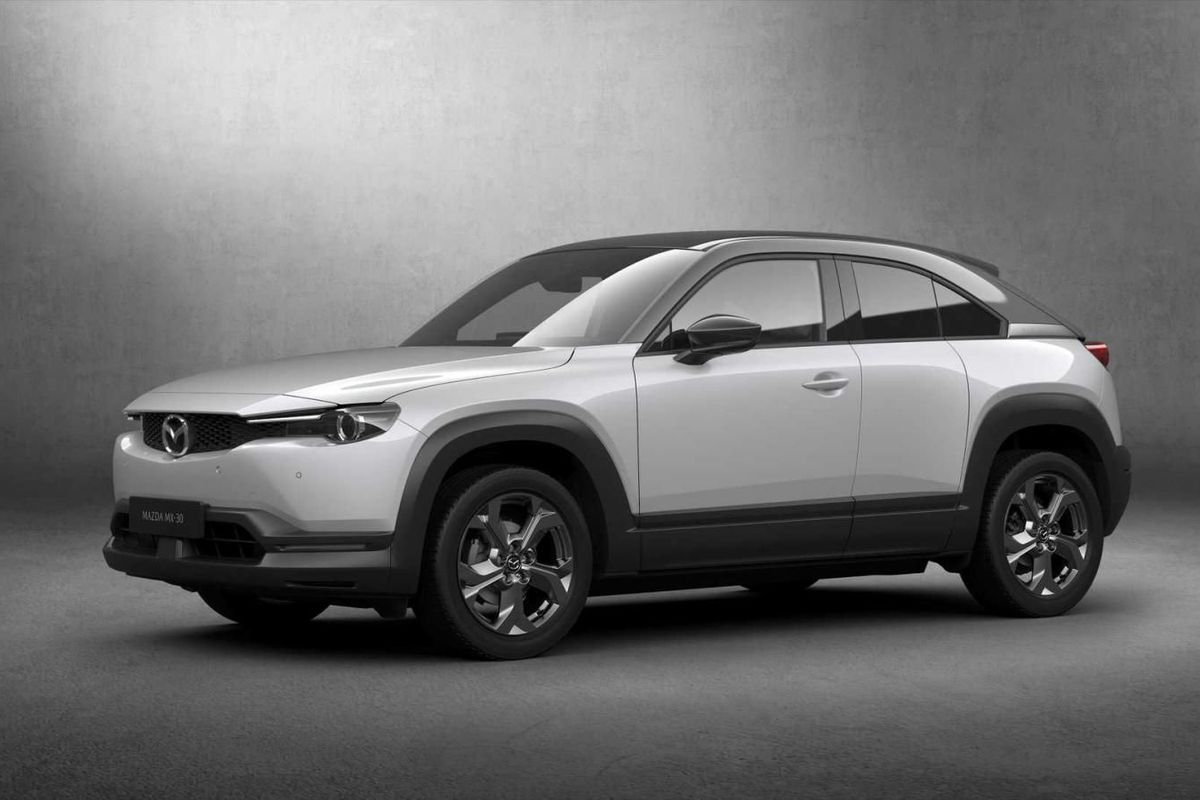
Last year, Mazda revealed its first electric vehicle, the MX-30 crossover and it's now finally going into production at the Japanese firm's Ujina plant in Hiroshima.
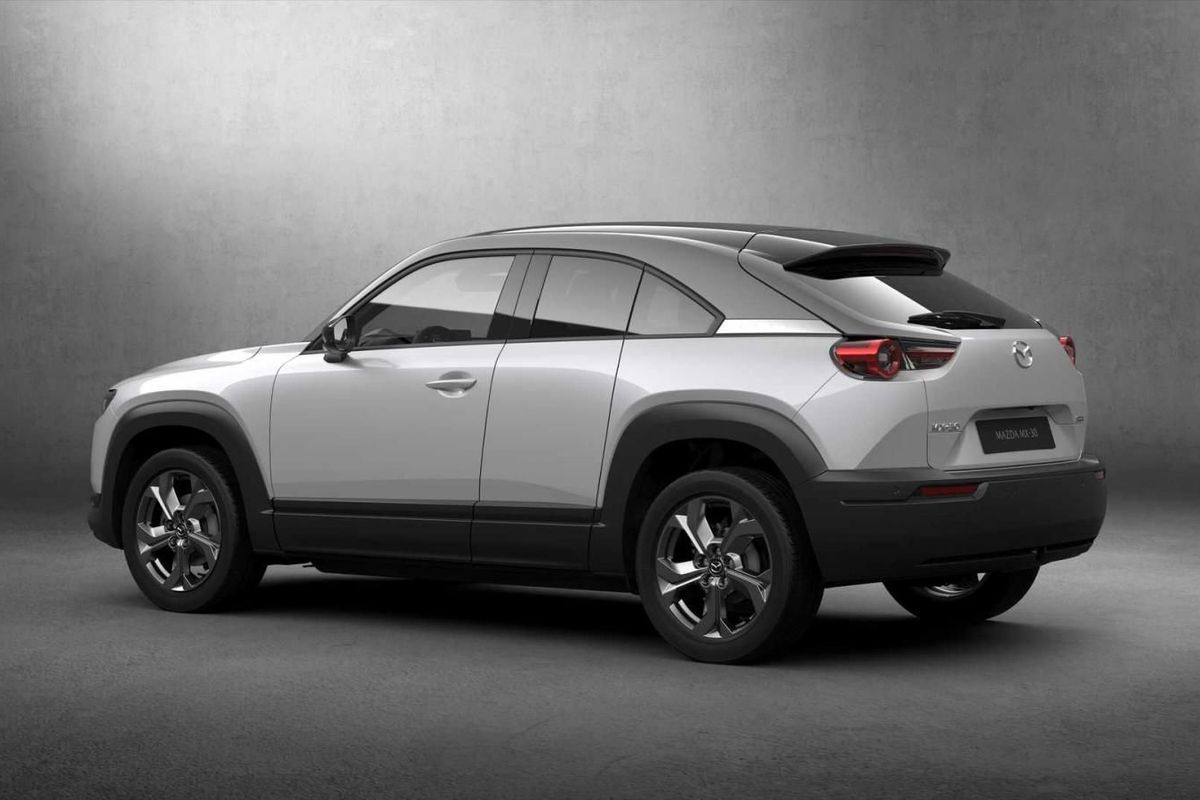
Destined for Europe and similar in size to the CX-30, this new MX-30 is a bold venture for Mazda as it boasts the brand's e-SkyActiv battery and electric drive technology.
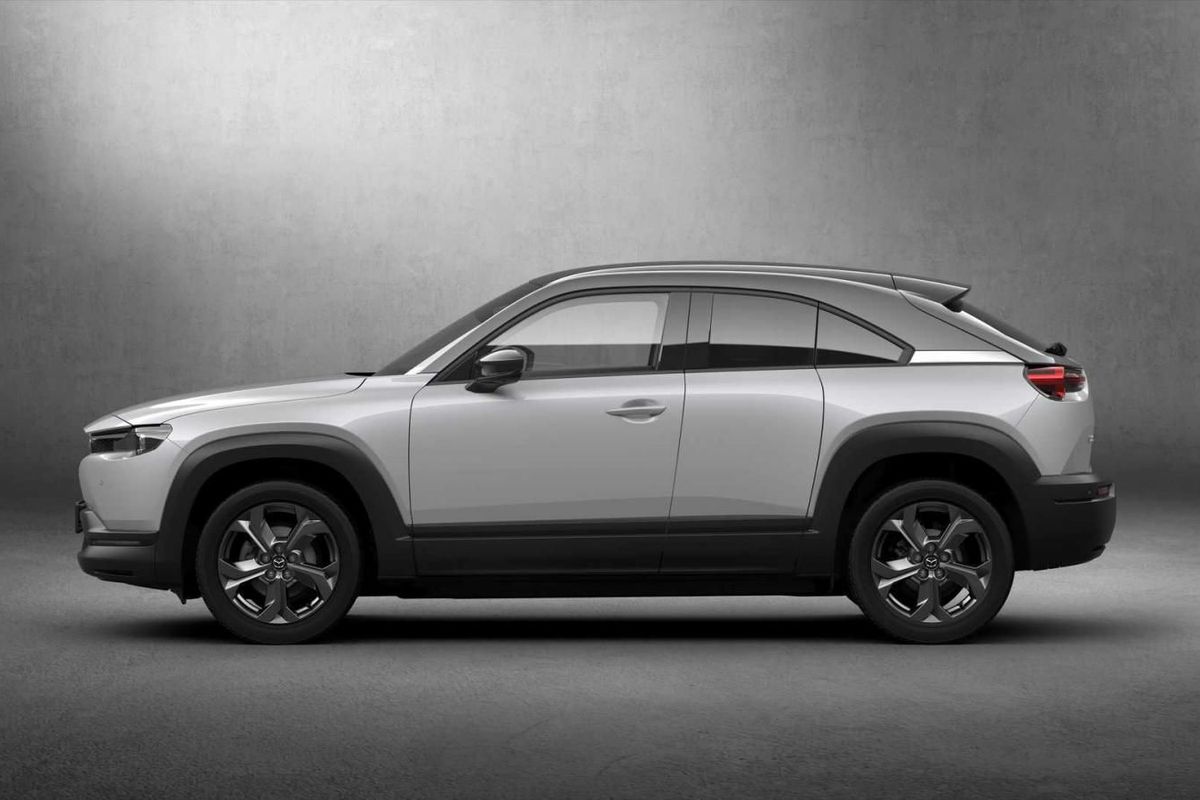
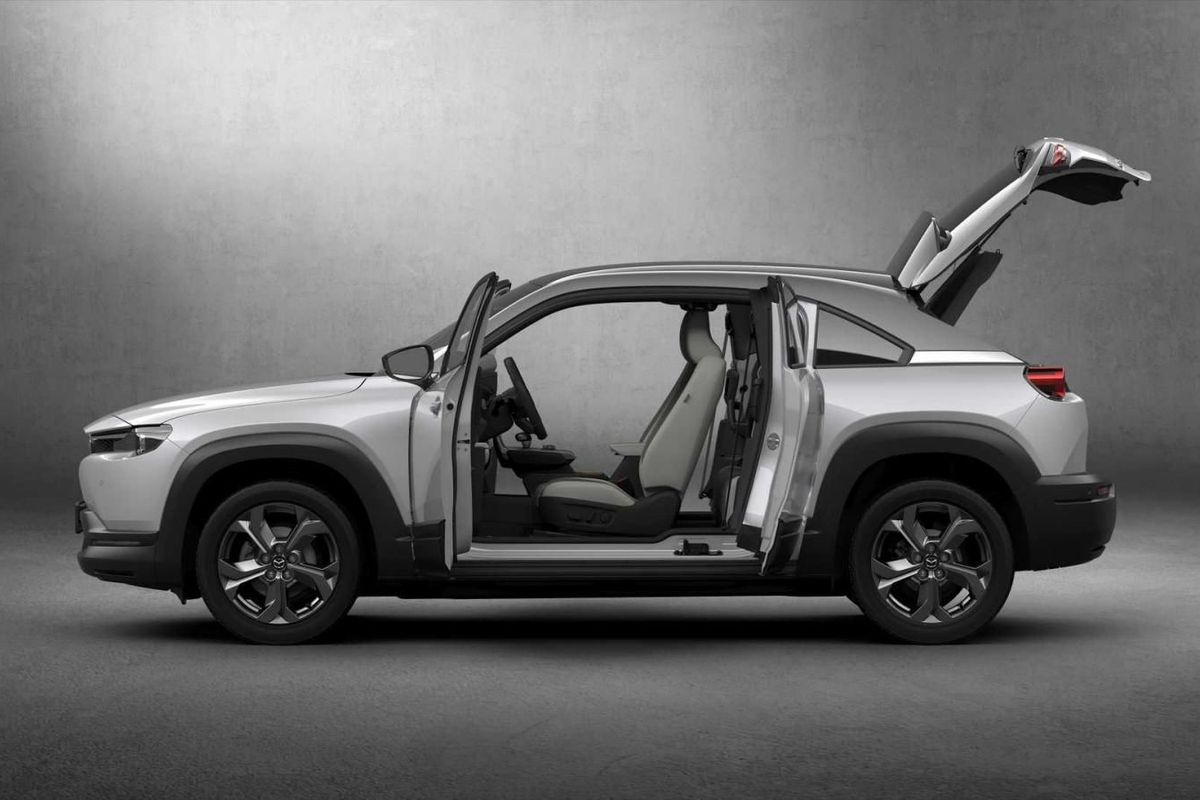
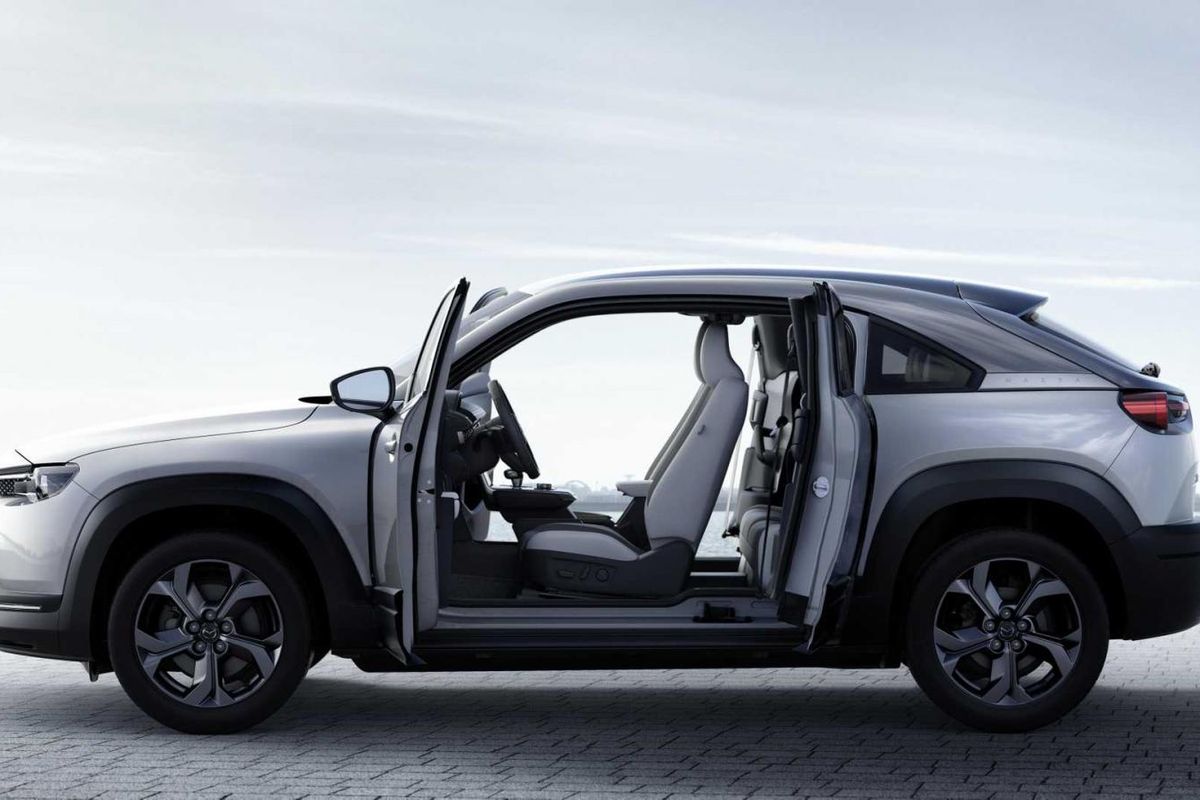
Although the crossover silhouette is instantly recognisable as a Mazda, with recessed head and taillights, the MX-30 features radical door architecture.
Pillarless design and the absence of a conventional centre B-pillar, gifts the MX-30 an extremely generous door opening aperture, to ease ingress and debussing for occupants. By using high strength new-generation steels, Mazda has been able to produce a pillarless cabin that does not sacrifice overall vehicle rigidity.
For loyal followers of the Mazda brand, this is a design feature which will be reminiscent of the RX-8 rotary power sports cars of the early to mid-2000s.
Another interesting aspect of the MX-30’s exterior is the use of black plastic cladding along the door sills, bumpers and fenders – instead of a body colour coding.
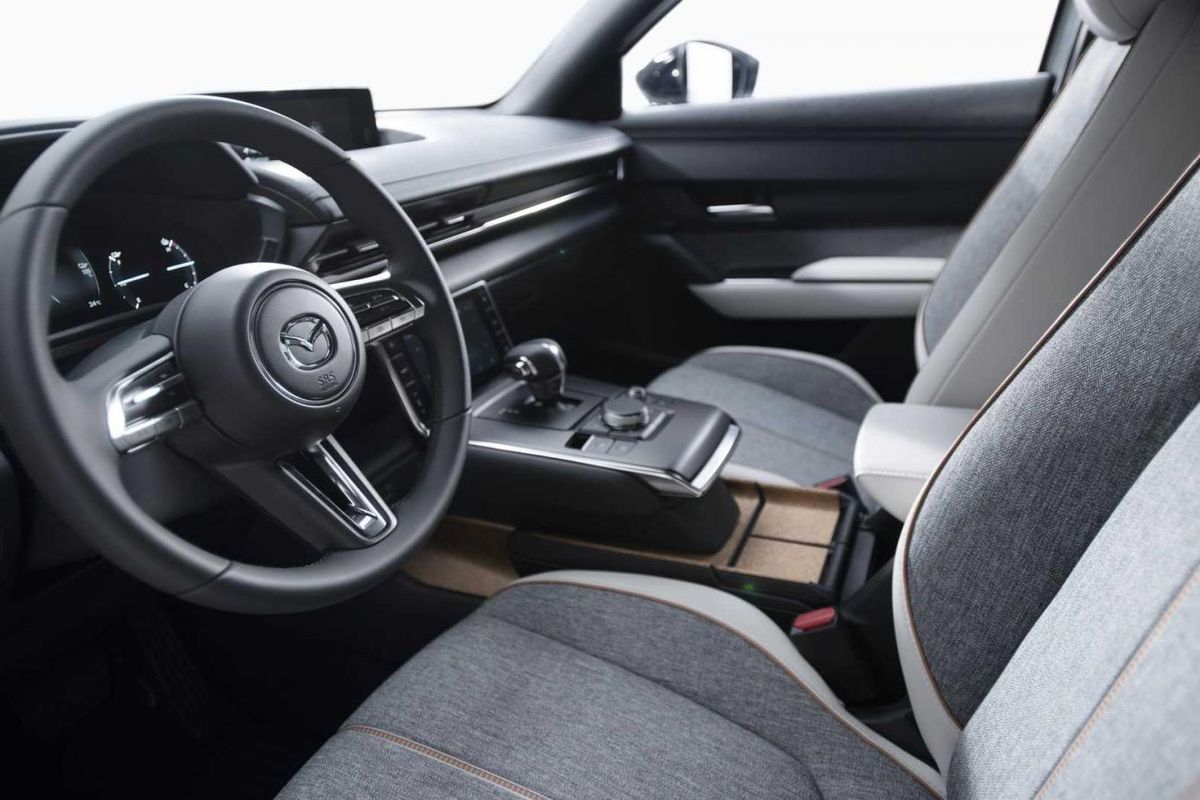
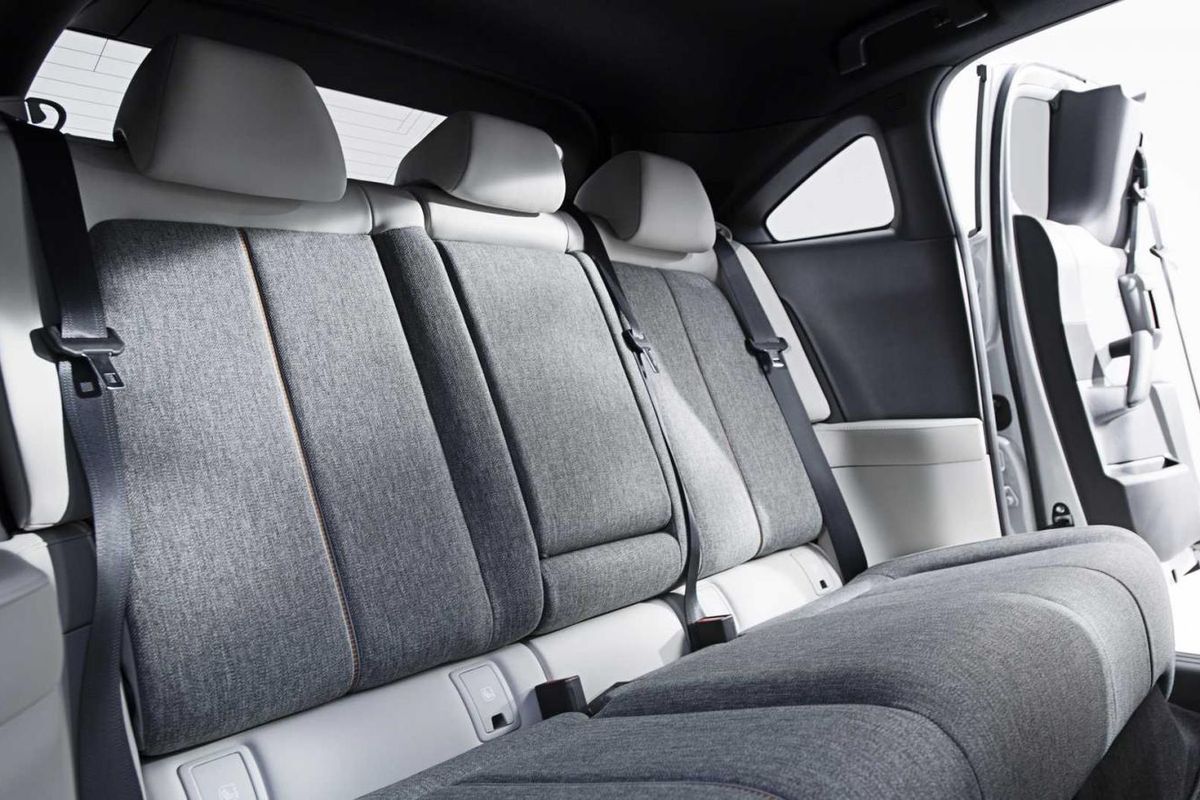
Beyond its striking styling and considered door design, the MX-30 also features a sustainable approach to interior materials. The door trim fibres are made from recycled plastic and all upholstery is sustainably sourced.
Electric Power
Powering the MX-30 is a comparatively small 35.5 kWh battery pack, which disperses energy into a 107 kW electric motor, supported by 264 Nm. As such the MX-30 should offer brisk low- to medium-speed performance.
With a range of only 200 km on a charge, this Mazda is very much configured as a city commuting electric vehicle, instead of a touring crossover. 80% charge can be achieved in approximately 40 minutes using DC rapid charging.
What it might lack in outright driving endurance, the MX-30 will compensate for with dynamics. Mazda’s engineers have equipped the company’s first electric vehicle with ‘Electric G-Vectoring Control Plus’, which is an elaborate way of saying it has intuitive torque vectoring.
Using the immediate energy delivery of its electric drivetrain, the MX-30 will advance electric motor torque to the appropriate wheels when cornering and thereby improve steering responses and overall agility.
Although the MX-30 is Mazda’s first-ever electric vehicle, it has promised that its product portfolio will have e-SkyActiv battery-powered drivetrain options for each model range, by 2030. The new MX-30 will go on sale in Europe in Q4 of 2020.
Volvo has added to its reputation as the most progressive European car brand.
The Swedes have always been known for obsessive safety awareness, but Volvo’s latest product innovation moves into the realm of containment. More accurately: limiting your ability to drive at high speeds.
Volvo’s Vision 2020 project has the lofty goal of preventing all road deaths in the brand’s new cars and preventing owners from cruising at very high speeds, is now considered a crucial part of that ambition.
The speed limit in question is 180 kph. For road safety activists that speed would still appear a touch too generous, but Volvo’s engineers believe that its current active safety and autonomous driving technologies, make 180 kph a safe top speed cap for the entire vehicle portfolio: from XC40 to XC90
Road safety lobbyists believe that most modern vehicles are simply too fast and powerful, easily overburdening their braking abilities in an emergency situation. As both vehicle weight and performance has increased over the last decade, the argument is not without merit, when speeds beyond 180 kph need to be decelerated.
Volvo has never overly marketed itself as a performance vehicle brand, hence the 180 kph speed limit isn’t much of an issue for the company’s marketing strategy. The new speed governing feature is now standardised in all Volvos and with Polestar no longer part of the brand’s internal-combustion range, it doesn’t create any marketing inconsistency.
“We believe that a carmaker has a responsibility to help improve traffic safety,” is the opinion of Volvo’s Safety Centre boss, Malin Ekholm.
“Our speed-limiting technology, and the dialogue that it initiated, fits that thinking. The speed cap and Care Key help people reflect and realise that speeding is dangerous, while also providing extra peace of mind and supporting better driver behaviour.”
Although most of Volvo’s customers are accommodating of this new limitation to the performance of their vehicles, it will be interesting to see how German drivers respond. With an allocation of highway infrastructure without any speed limits, Germany has always been the empirical counter to any argument which tables excessively high cruising speeds, as being universally lethal.
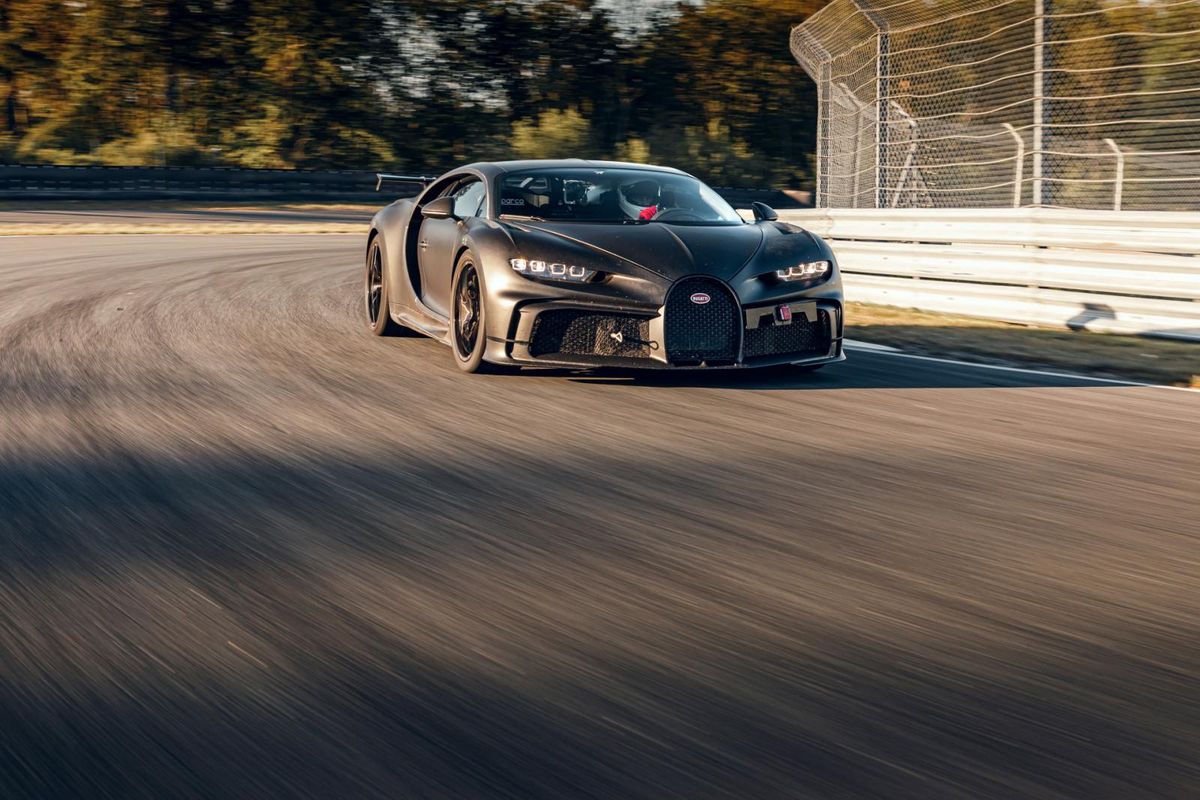
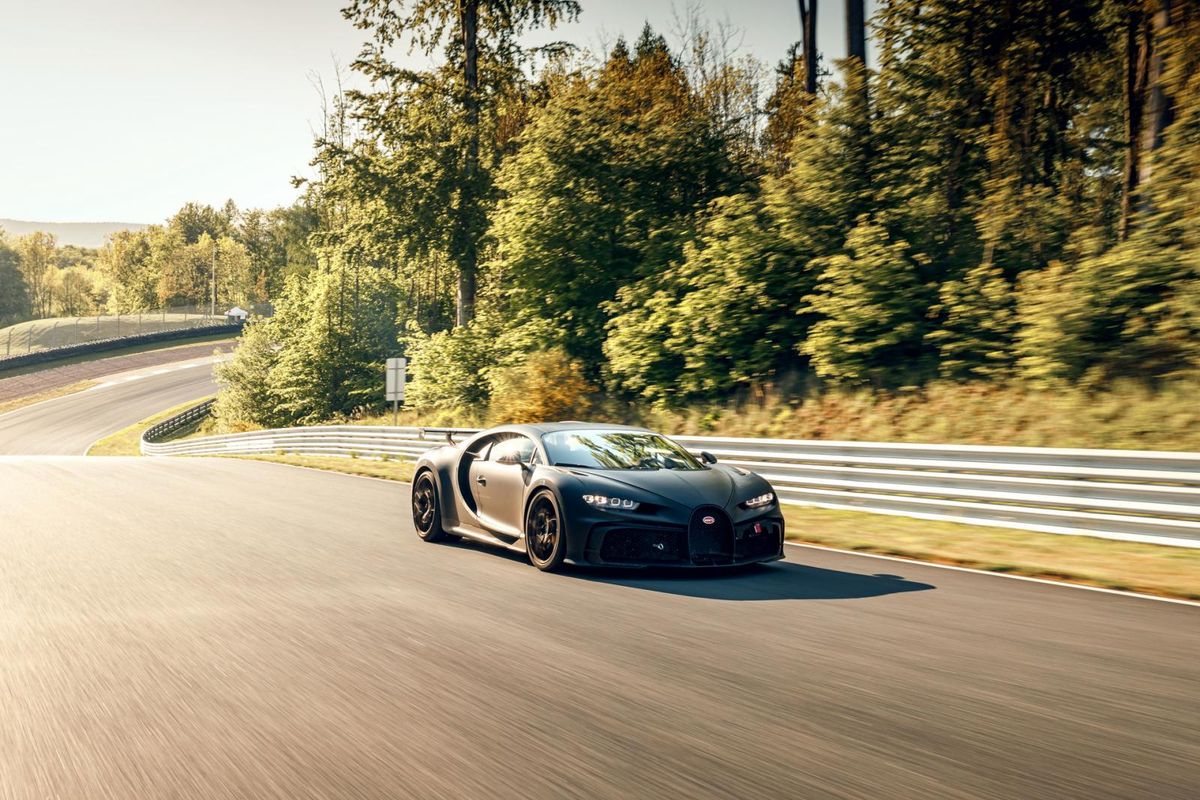
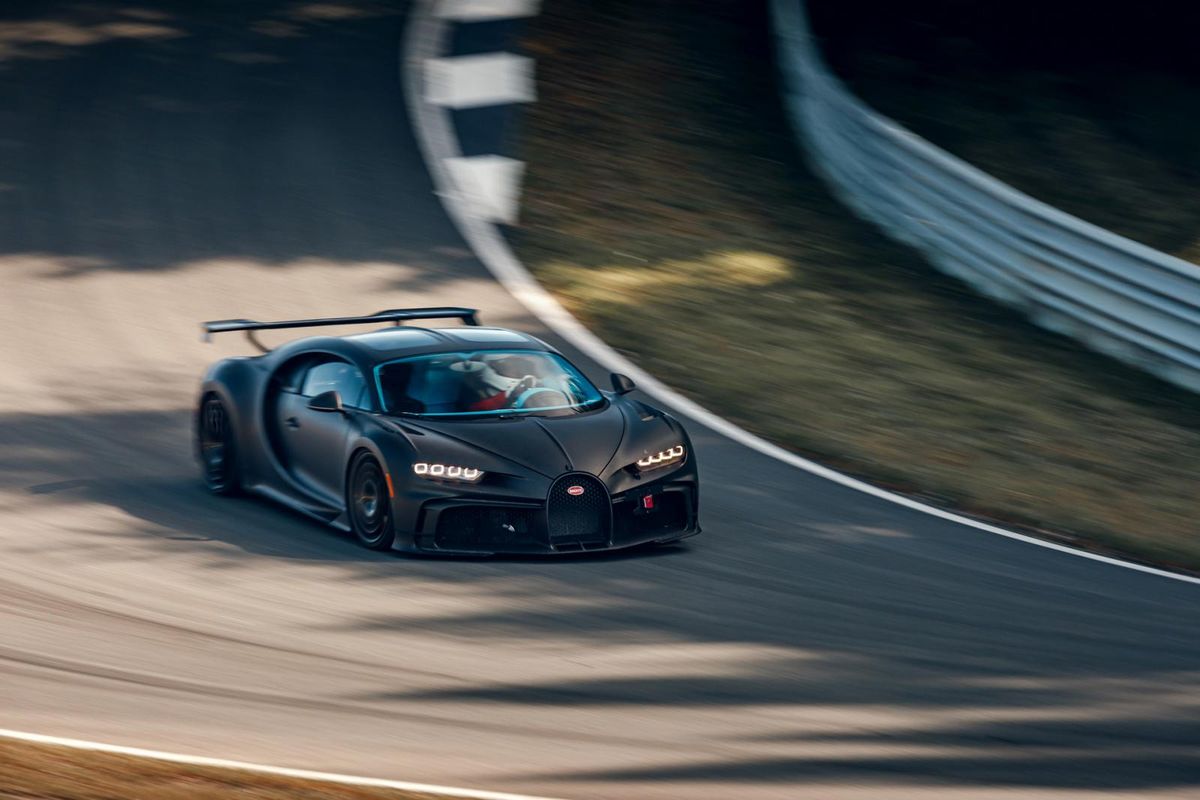
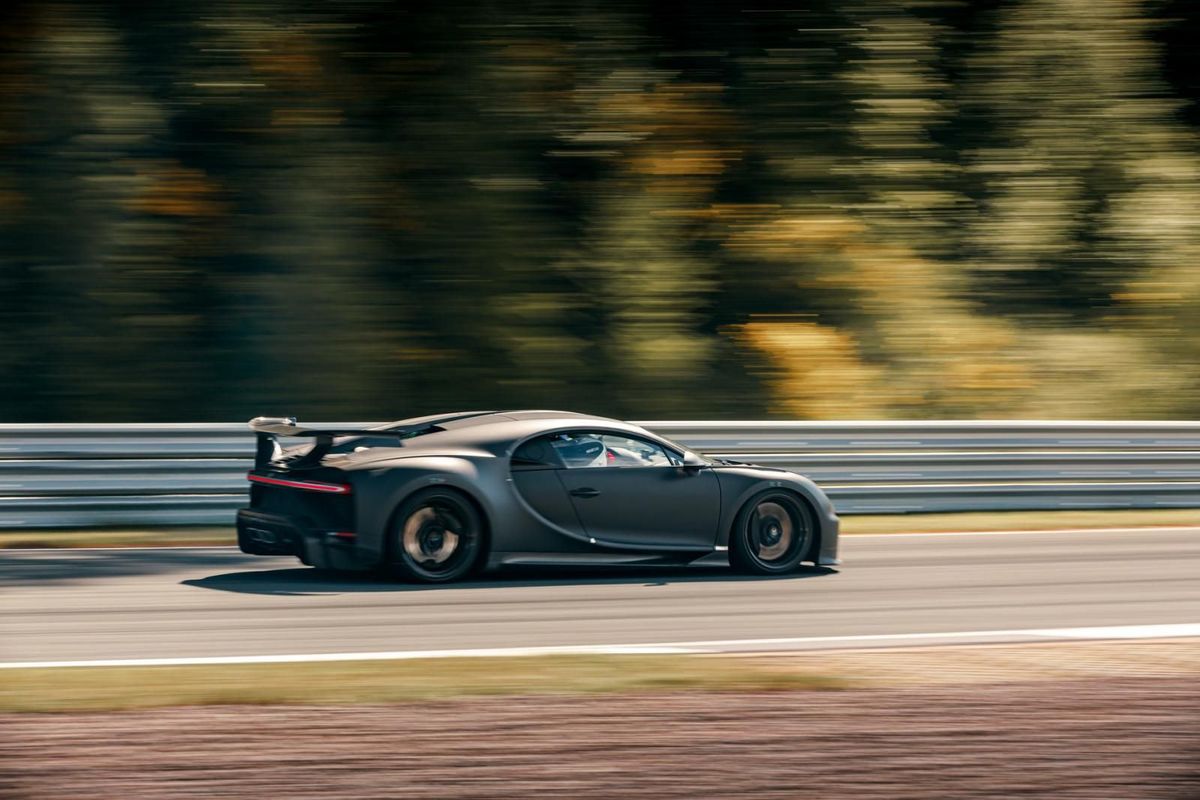
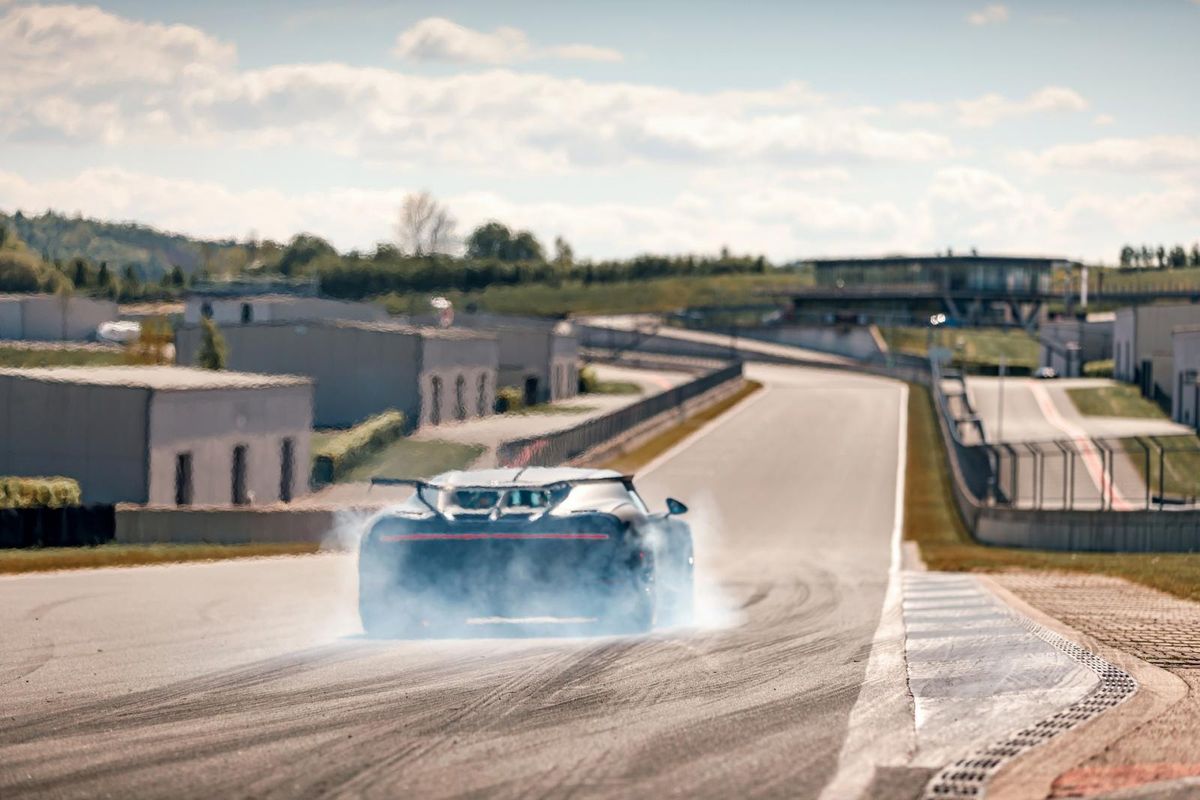
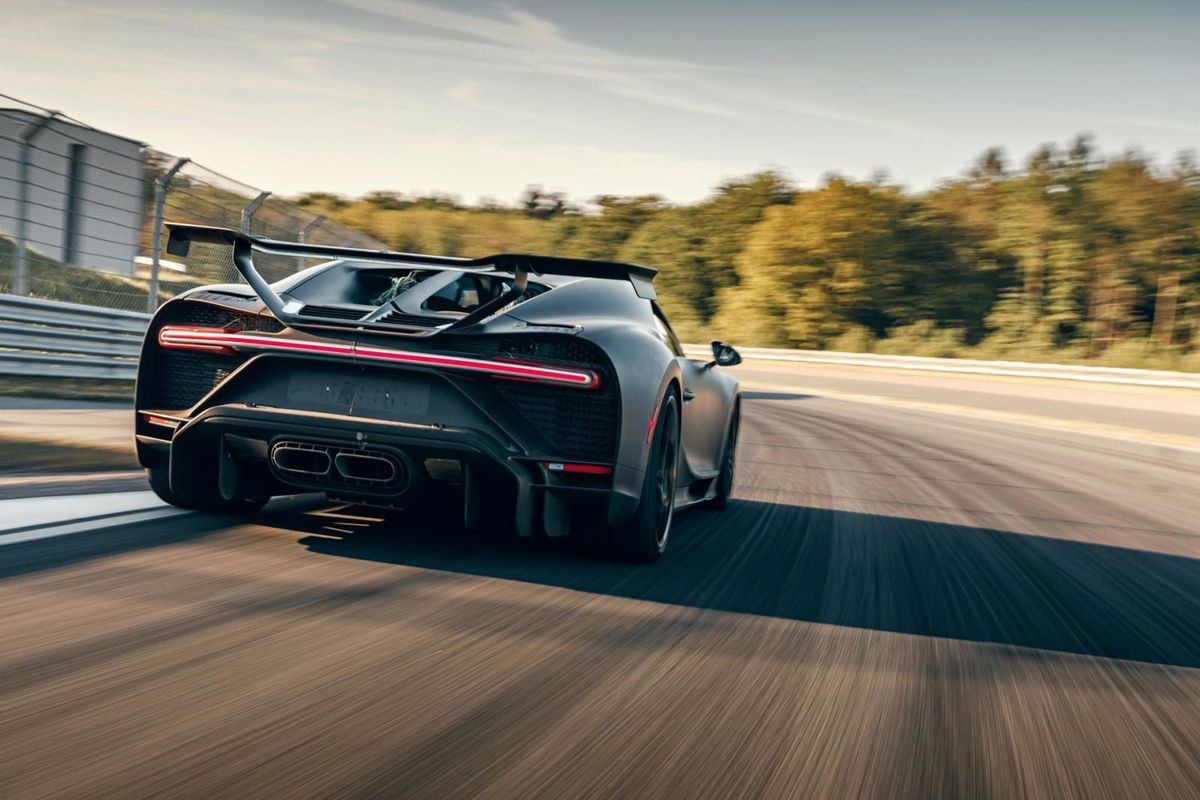
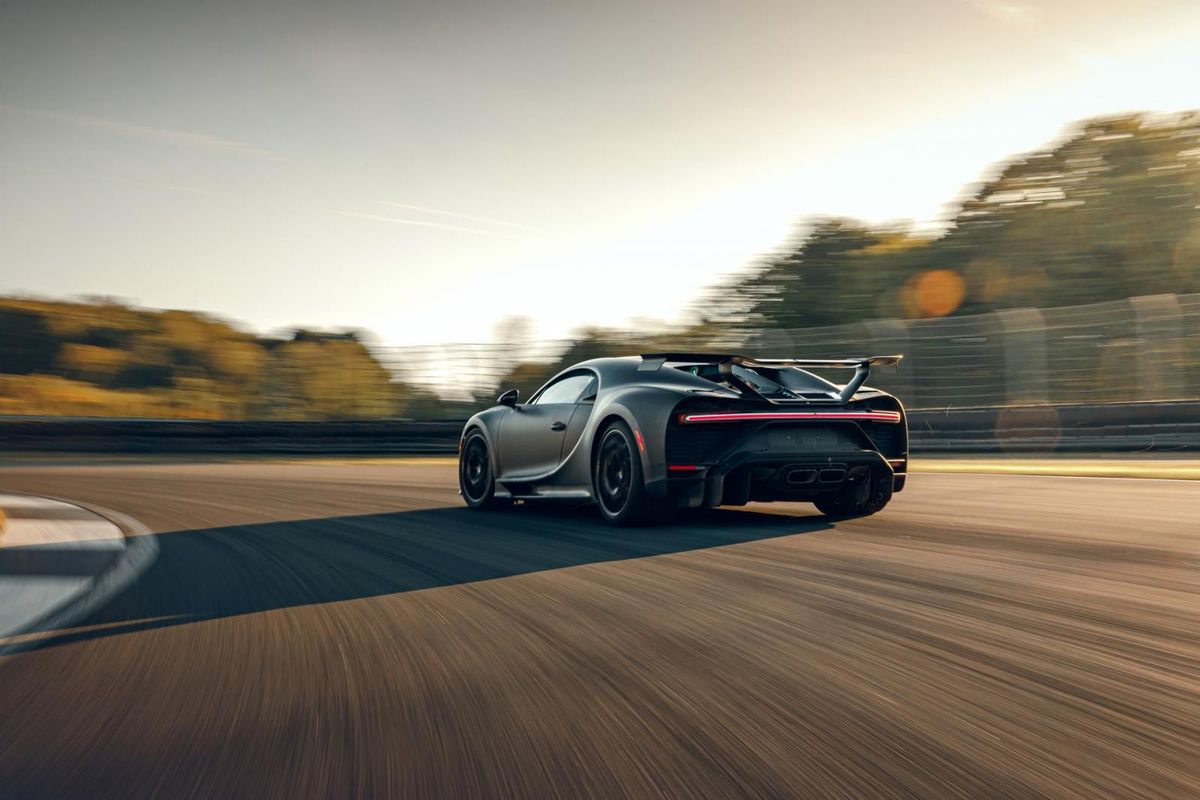
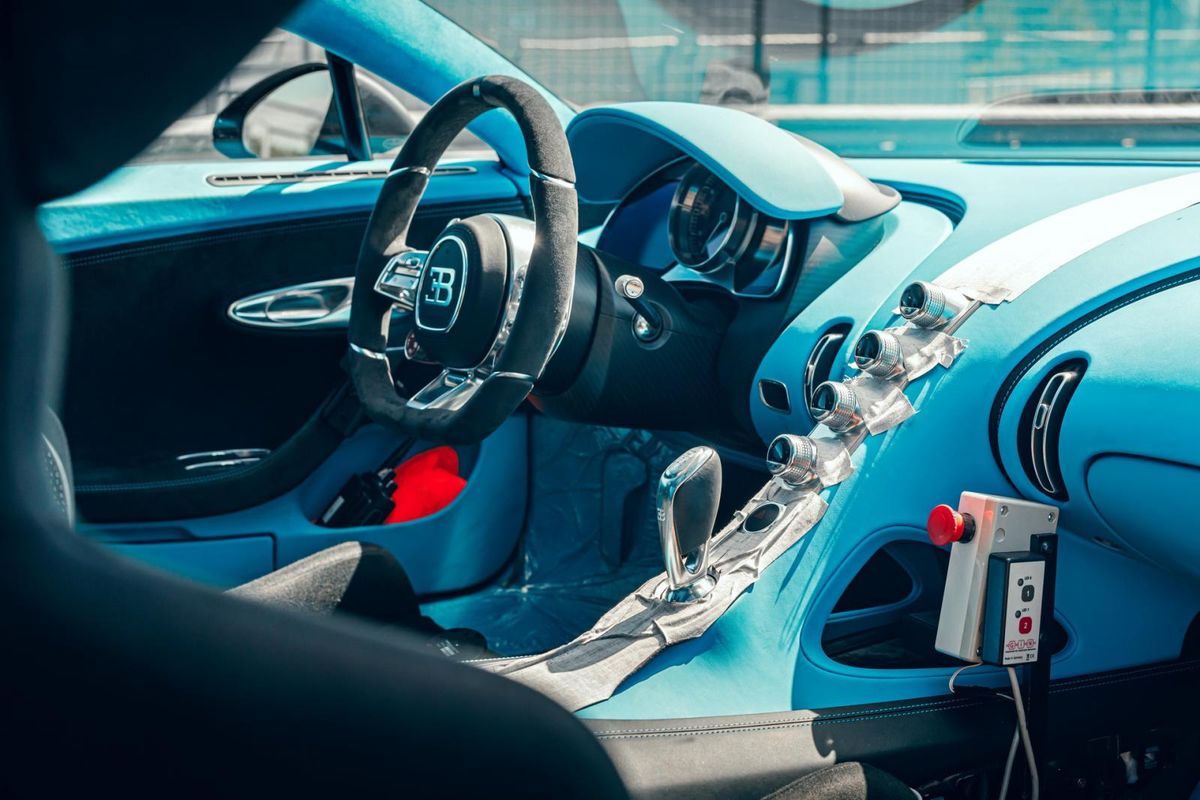
Watch the Bugatti Chiron Pur Sport go for a run on the Bilster Berg circuit in Germany.
Despite Covid-19 lockdowns and all the restrictions that come with it, the Chiron Pur Sport needed a run and so 8 Bugatti engineers recently unleashed 2 pre-series Chiron Pur Sports at the Bilter Berg circuit in Germany.
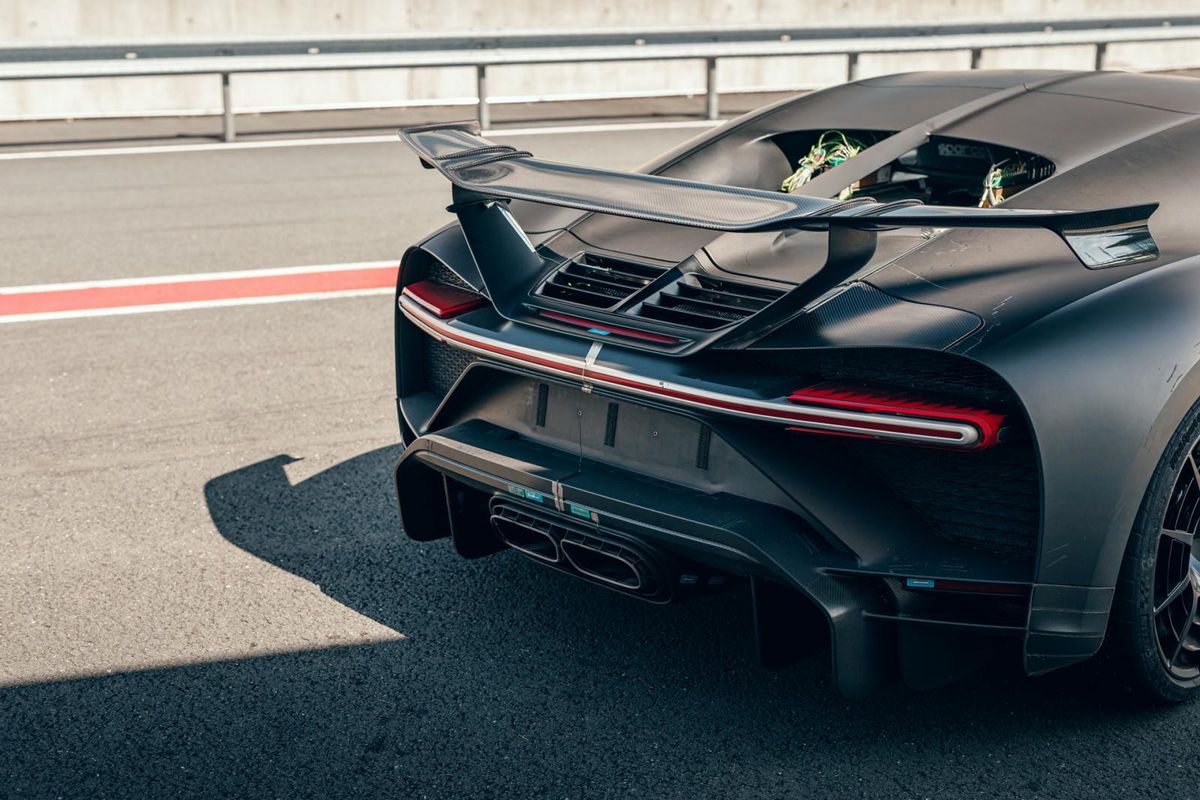
Yes, the Pur Sport is a Chiron, but it’s leaner and meaner. It’s 50 kg lighter than the regular Chiron and it rides on a firmer chassis which means it offers more dynamic handling ability. The Chiron Pur Sport is fitted with a close-ratio gearbox with the gear ratios shortened by 15% while engine speed has been ramped up a few notches too.
Bugatti’s famed W12 8.0-litre quad-turbocharged engine develops a mammoth 1 103 kW and 1 600 Nm of torque and now redlines at 6 900 rpm. Fitted with a fast 7-speed automatic transmission, the Chiron Pur Sport will get from zero to 100kph in less than 2.3 seconds and rocket to a limited top speed of 350 kph. In Sport+ mode, drivers brave enough to drive the Chiron Pur Sport on the limit will be able to initiate controlled drifts on track which adds a level of dynamism to the driving experience.
Jachin Schwalbe, Head of Chassis Development said, “Even for our engineers who are very familiar with the Chiron, this is so much fun they don’t want to get out of the car. The Chiron Pur Sport makes you a better driver.”
Head of Development at Bugatti, Stefan Ellrott commented, “This is crucial for development because the Chiron Pur Sport is set up for maximum performance and lateral dynamics. The laps on the test tracks are incredibly important here. With the Chiron Pur Sport, we’re pursuing a more extreme and radical development approach. It’s the perfect car for all those drivers who enjoy cornering at the limits and want to feel a connection with the road.”
Only 60 Bugatti Chiron Pur Sport units will be built and customers can expect to from $3.28 million or over R60 million!
Watch the video below to see the Bugatti Chiron Pur Sport perform on track!
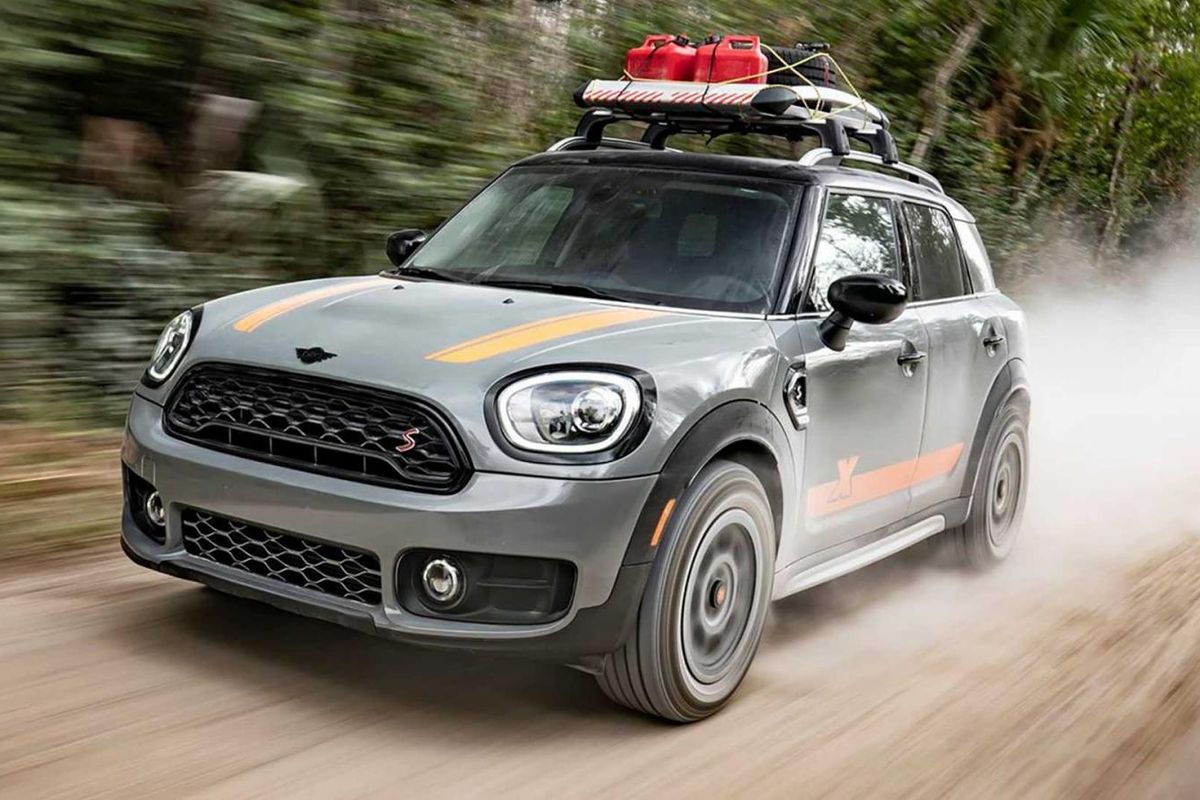
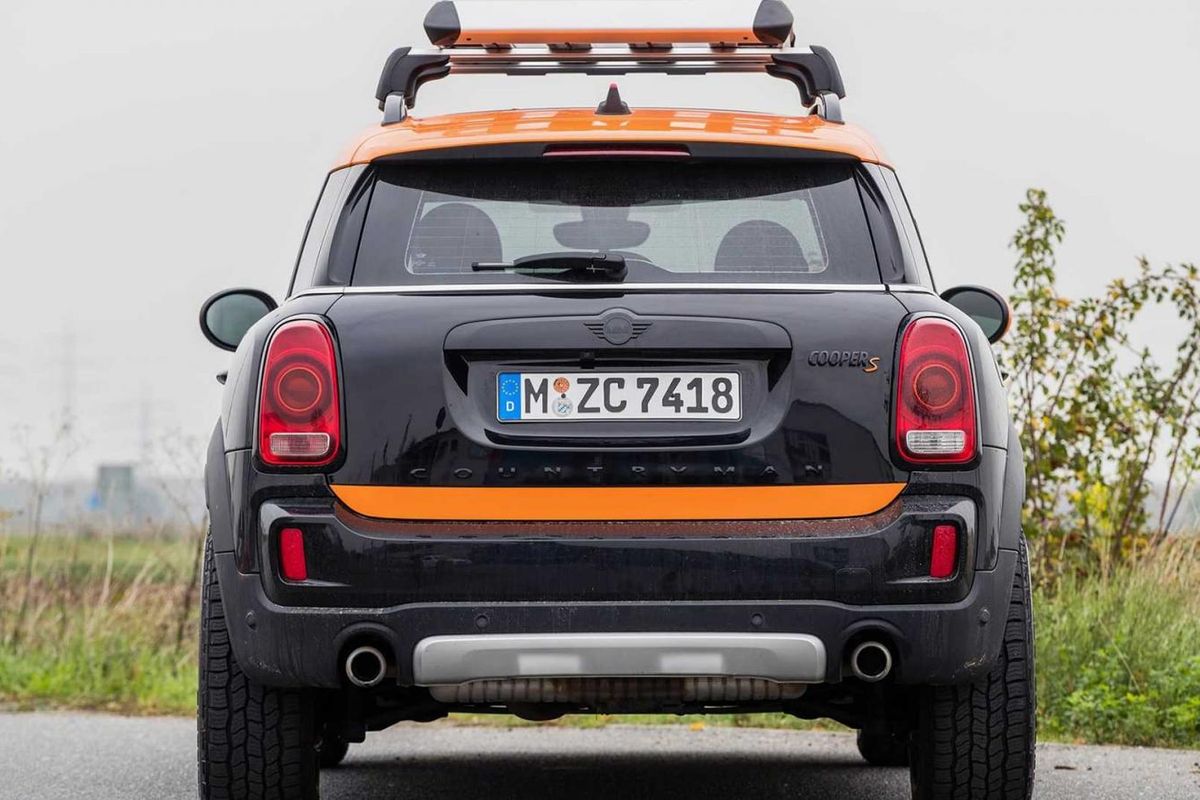
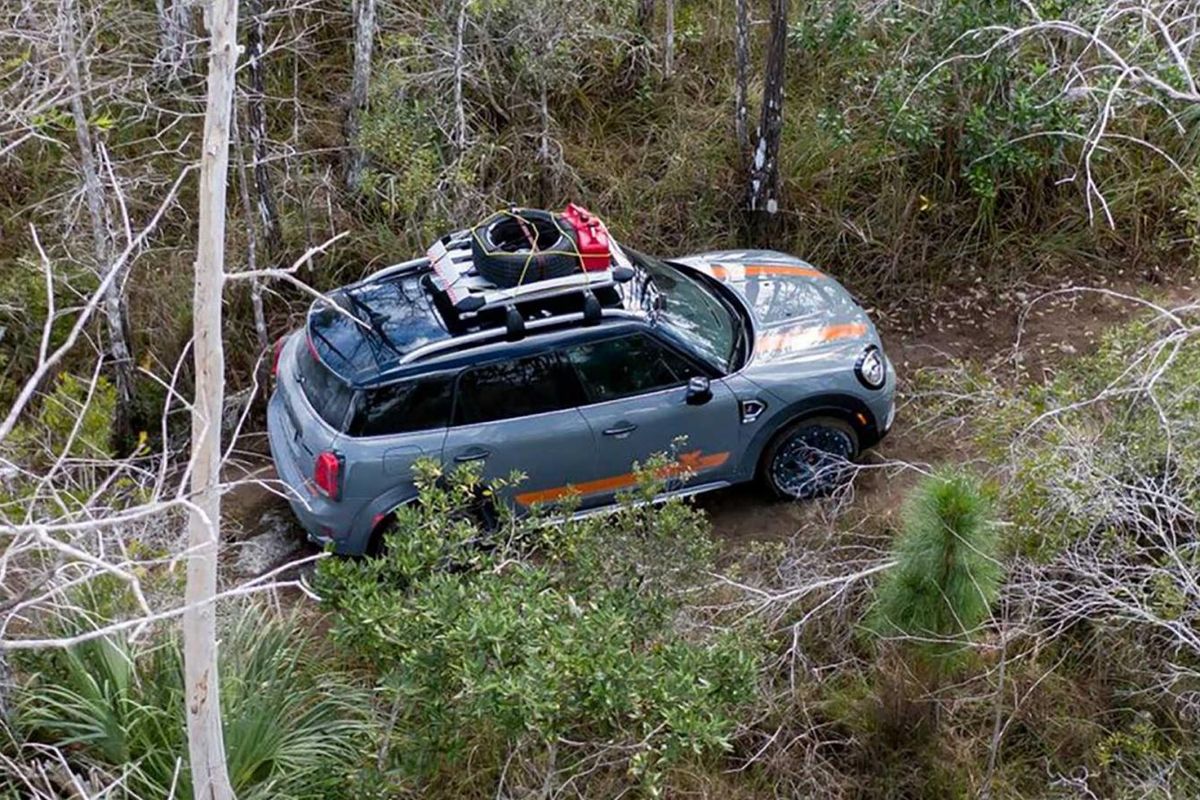
Mini Countryman by X-Raid Gives You The Dakar Look
X-raid is the German motorsport team who regularly takes Mini products to the Dakar. Now there's a kit to make your Countryman look like the offroad-racing legend.
X-raid has considerable experience preparing the Mini Countryman vehicles for the insanity that is the Dakar race. With 5 wins under its belt as well as building the support and logistics vehicles, it's easy to see why they've garnered quite a reputation. Now, X-raid is offering some of its expertise and products for customer Mini Countryman units.
The offroad package is an increase of the ground clearance by 4cm and the addition of special offroad wheels and tyres. These wheels are tougher and offer a higher sidewall to cope with offroad driving. There's extra front LED lighting to illuminate the darkest of roads, while the aluminium roof rack bolsters the carrying capacity. Rounding off the package are some great-looking design elements consisting of Piano Black and Orange X-raid accents.
Pricing for the X-raid goodies was not mentioned, so you'd have to get in touch with the motorsport outfit if you want to give your Countryman a makeover.
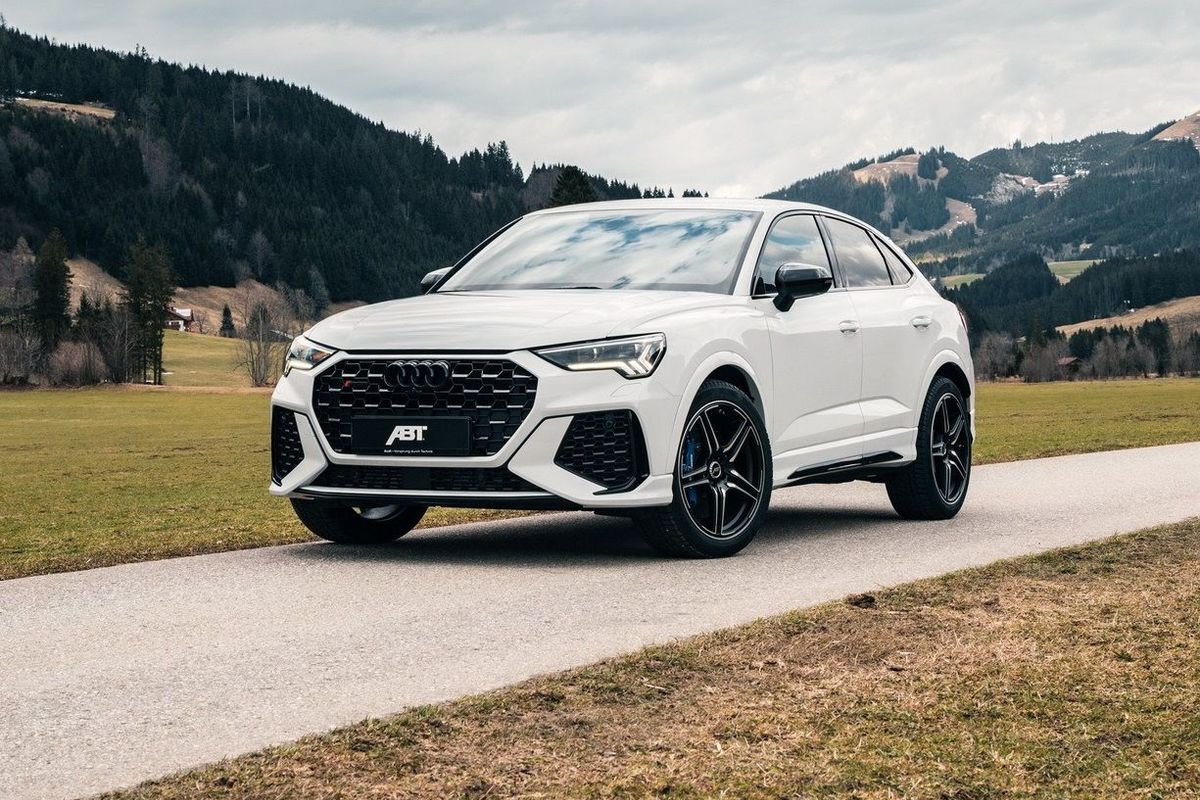
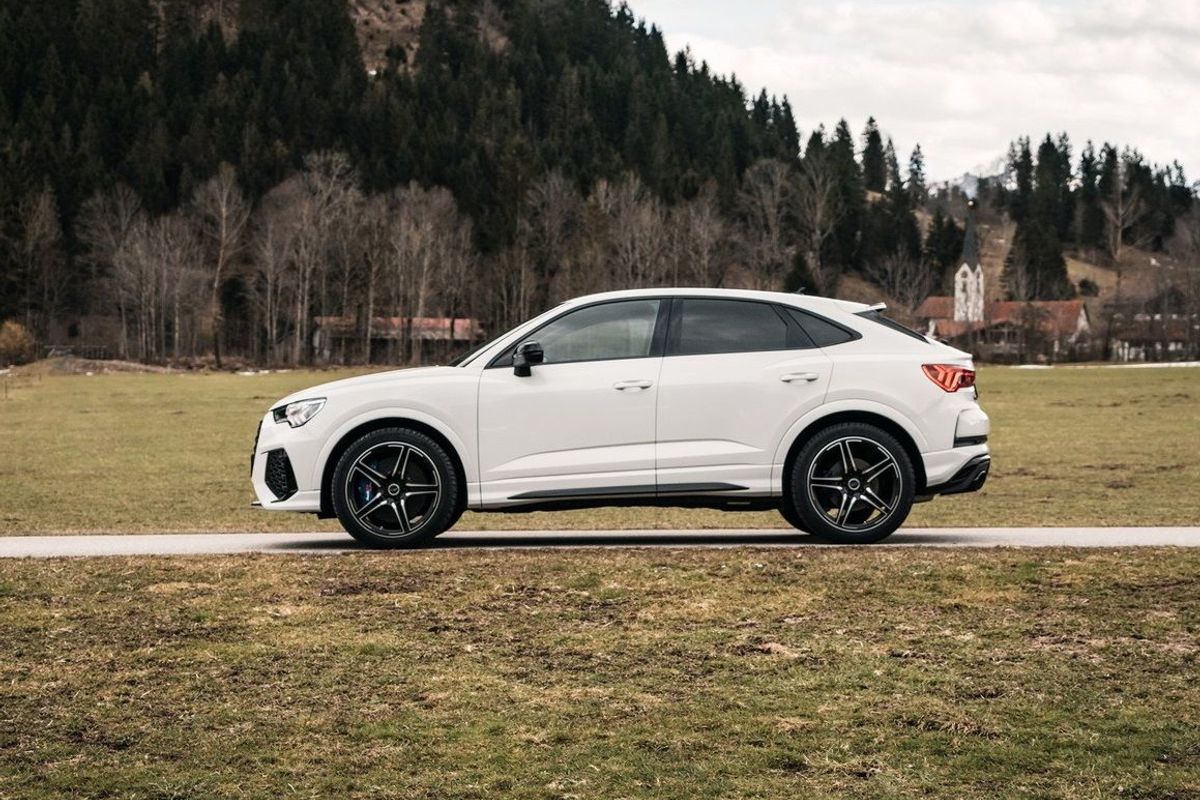
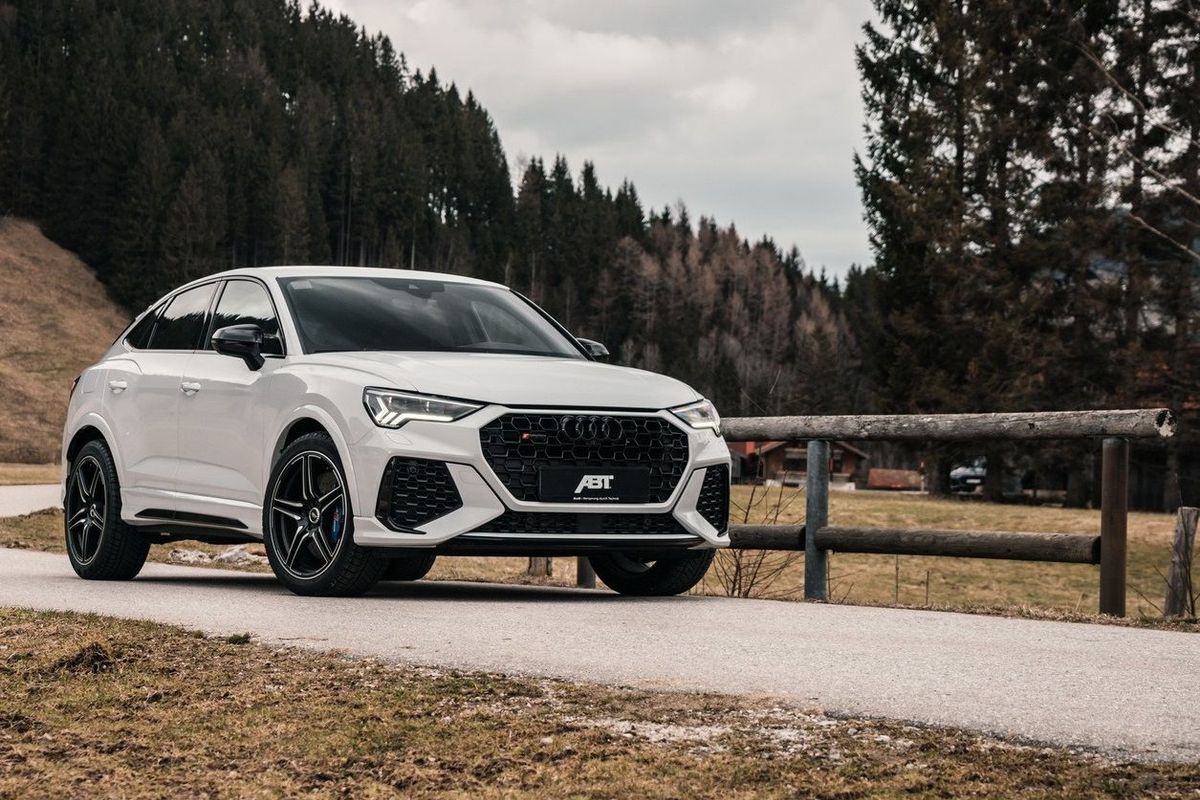
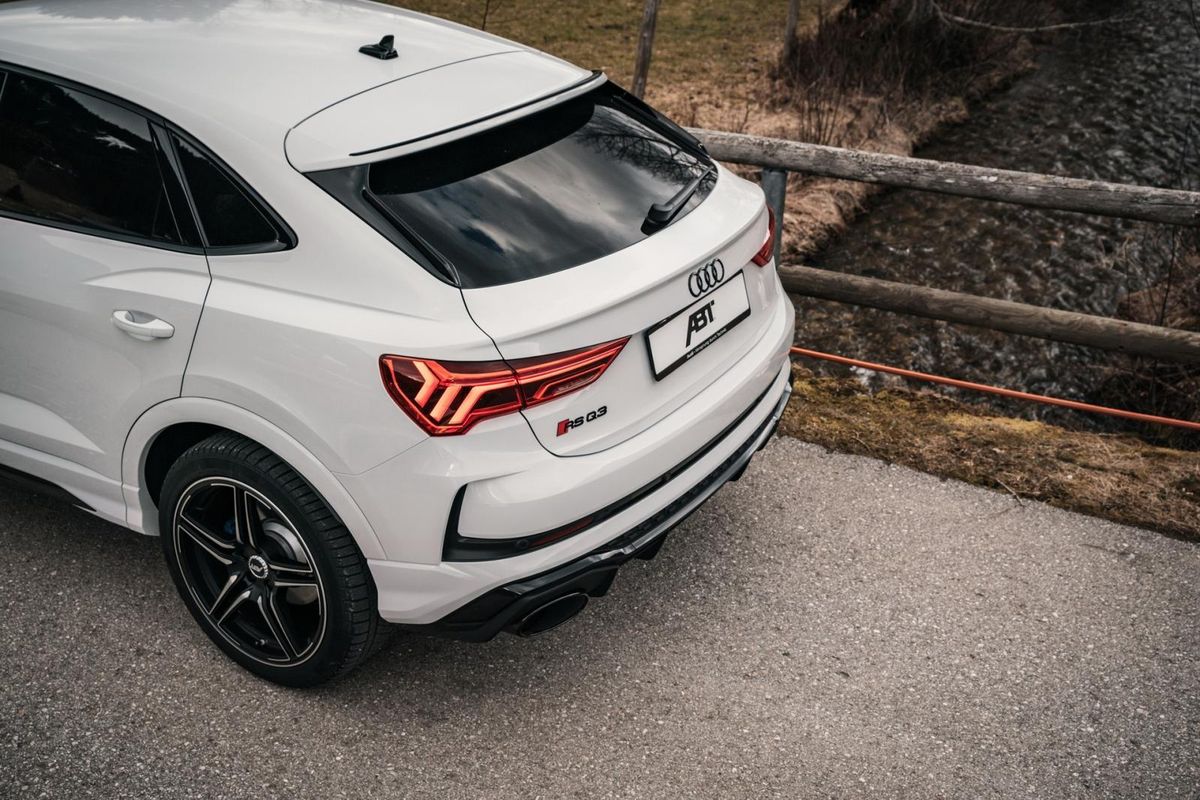
The Audi RS Q3 Sportback is hardly slow, yet German tuners ABT Sportsline has given it even more shove.
The big change is the 2.5-litre 5-cylinder engine which has been given a power upgrade. In standard trim, it delivers a more-than-reasonable 294 kW and 480 Nm, but after ABT Sportsline's upgrade, it now produces 324 kW and 520 Nm. Power goes to all 4 wheels via a 7-speed dual-clutch transmission.
The additional shove has resulted in the claimed acceleration time of 4.5 seconds dropping to 4.3 seconds, while top speed has increased from 250 kph to 285 kph.
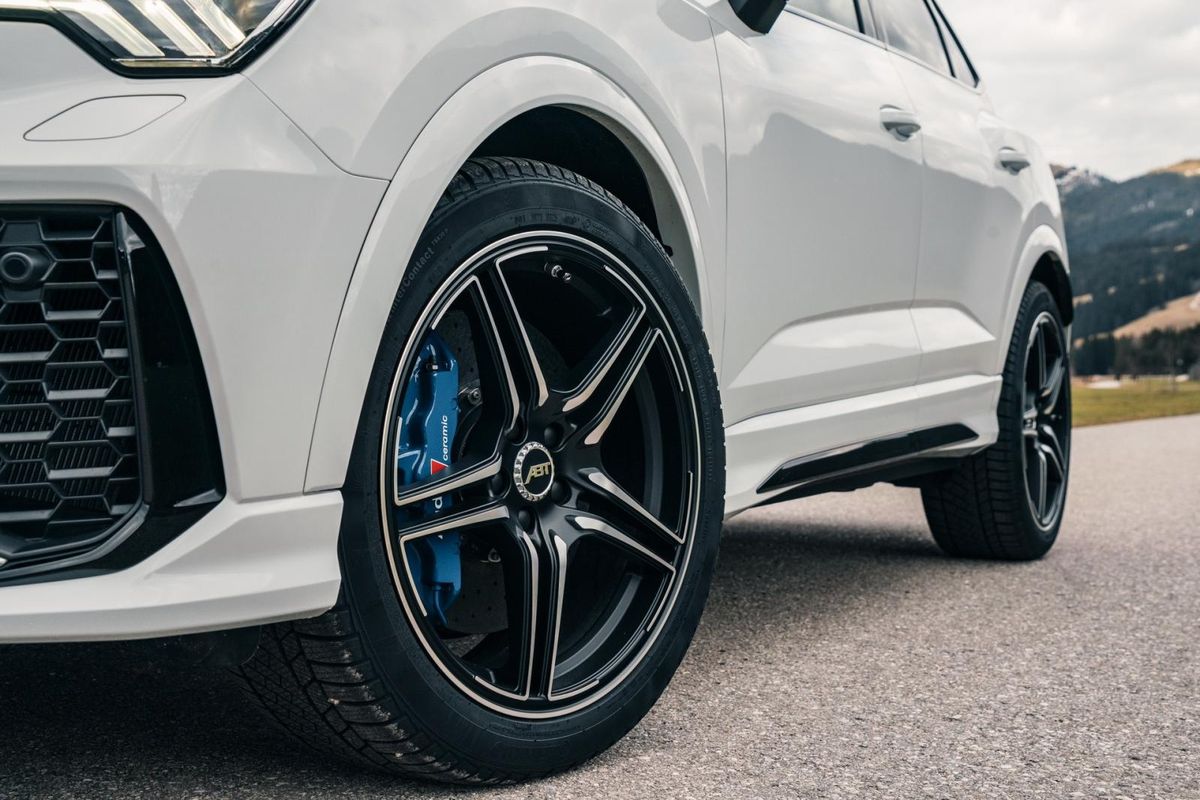
It's not just about power as ABT Sportsline is offering the new Audi RS Q3 with a set of attractive 20-inch wheels, but customers can go even bigger and spec 21-inch units.
The Audi Q3 Sportback is scheduled to come to South Africa, but thanks to COVID-19, pretty much all planning is up in the air. We'll update when we hear more info.