The 2020 World Car of the Year finalists have been announced. Interestingly, there are no American manufacturers involved, with the finalists coming from Korean, Japanese and European carmakers.
There are other categories alongside the headline act are the 2020 World Urban Car, 2020 World Luxury Car, 2020 World Performance Car and World Car Design of the Year. The finalists were decided by 86 motoring journalists from around the world and the winners will be announced at the New York Auto Show in April 2020.
2019's iteration of the competition resulted in Jaguar's I-Pace dominating proceedings. Aside from taking the overall title, the Jaguar I-Pace also bagged the World Green Car award which is the first time JLR has won in this category. Completing the trifecta was the World Car Design Award. The string of victories comes on the back of the Jaguar I-Pace winning the European Car of the Year title.
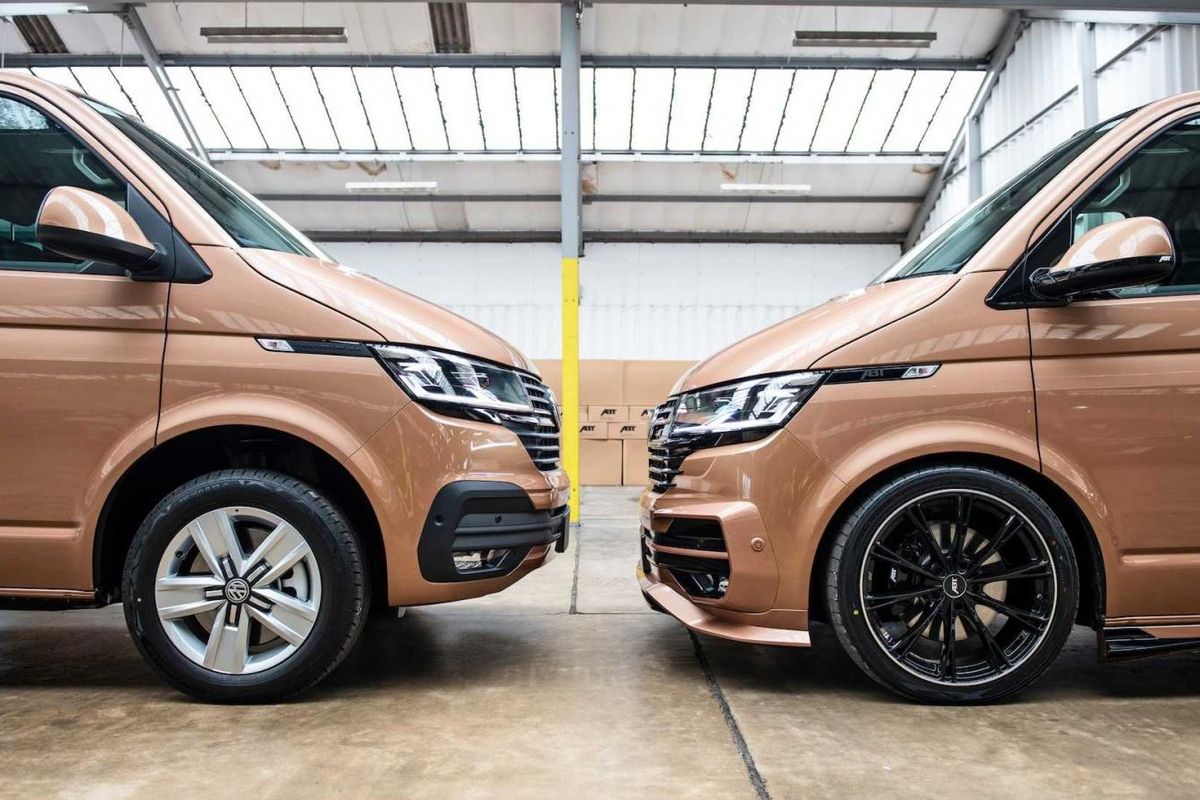
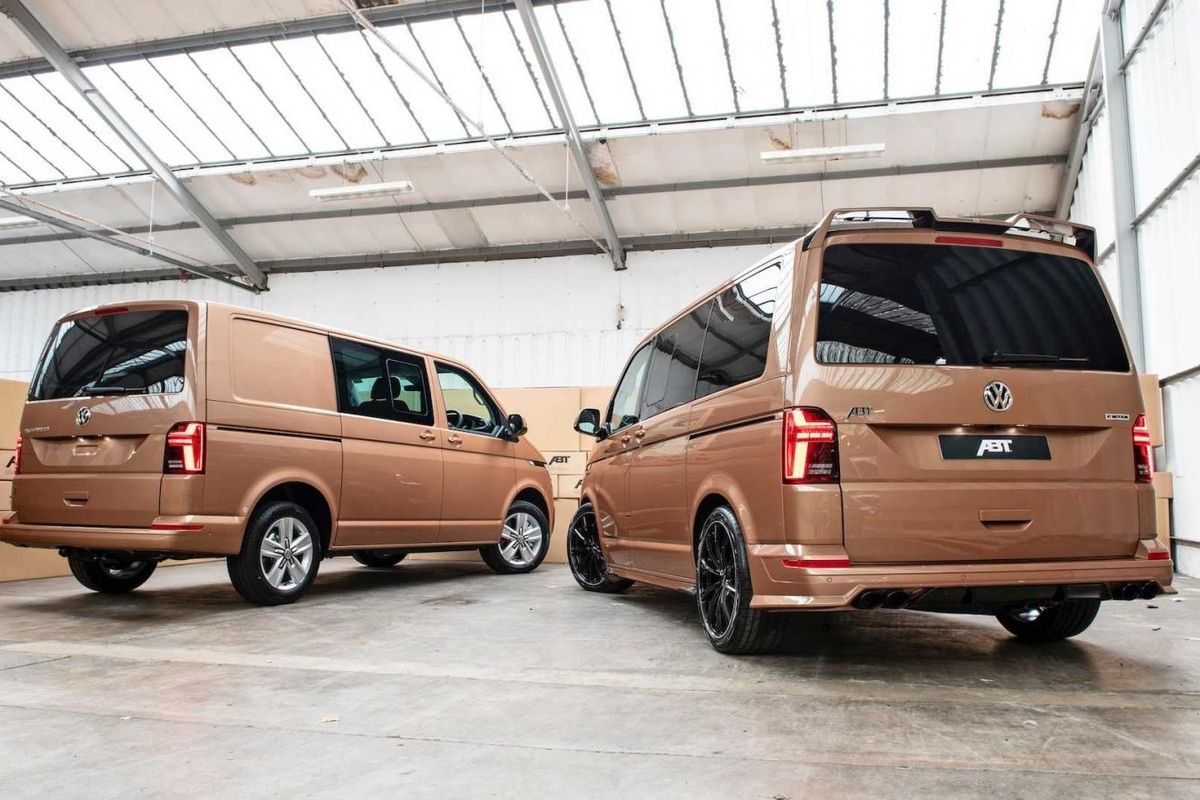
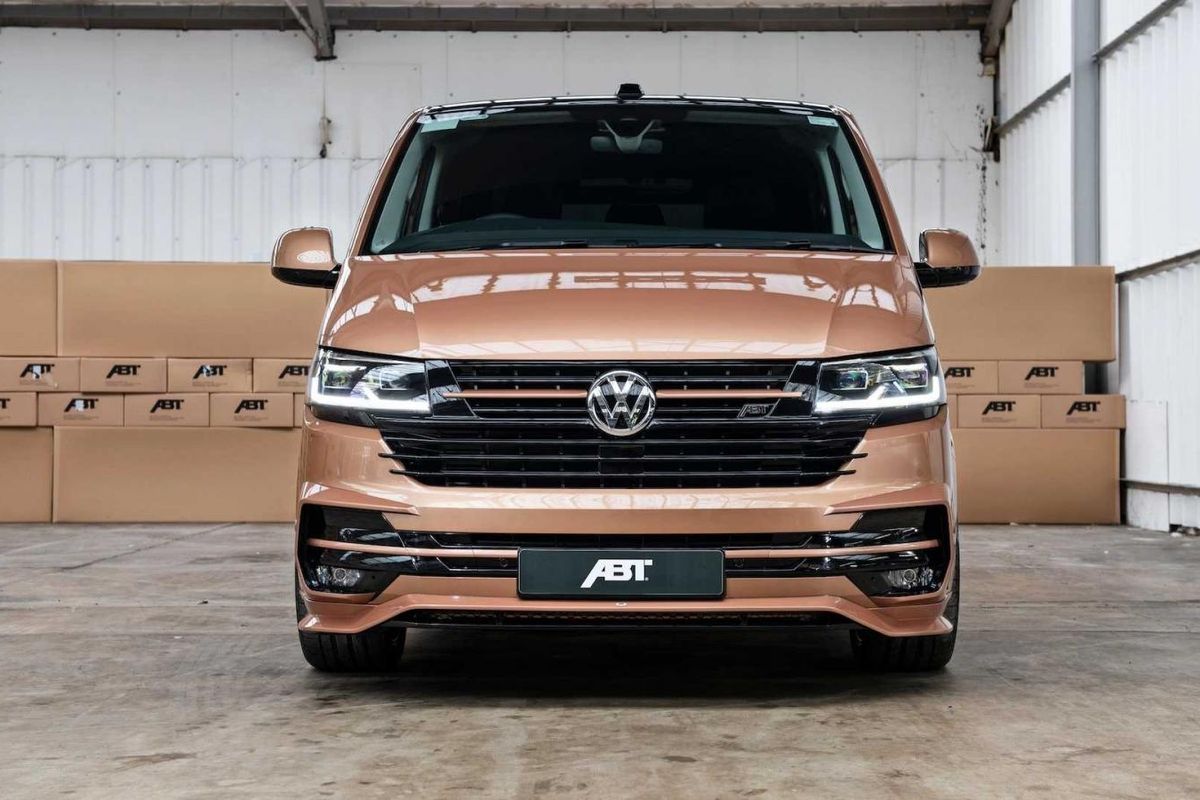
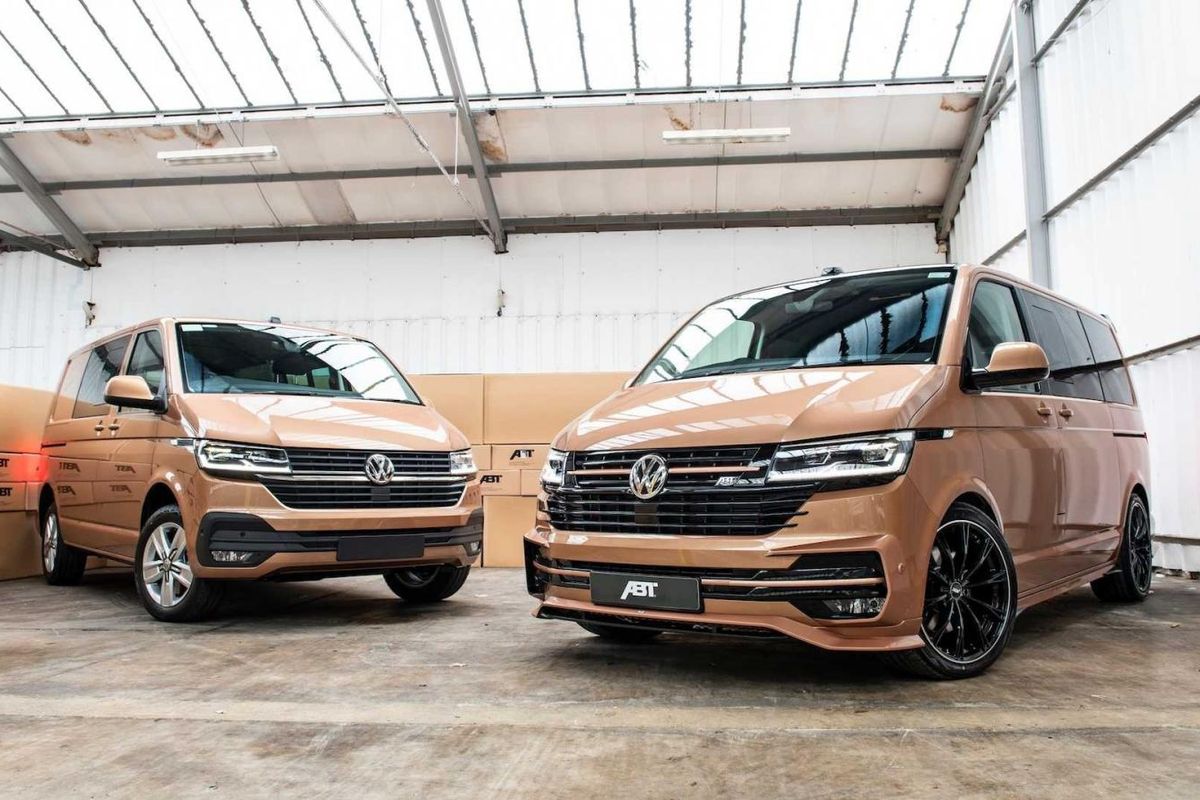
The Volksiebus gets some added grunt plus a striking body kit thanks to VAG specialists ABT.
Tuning company ABT is the world’s largest tuner of Volkswagen Group products and it has considerable experience with the entire portfolio. Now the Transporter gets the ABT goodness.
This time, its the Volkswagen Transporter which receives a go-faster kit. It’s not just a visual overhaul as there’s a performance tune too. Dubbed the ‘ABT Power Performance Upgrade’, this gives the Transporter quite the performance boost. The 2.0-litre motor goes from 148 kW and 450 Nm to 169 kW and 490 Nm. There's also a tuning kit for the lesser-powered derivatives.
ABT will also do you a suspension upgrade and the Height Adjustable Suspension kit can lower the Transporter, giving it the stanced and slammed look.
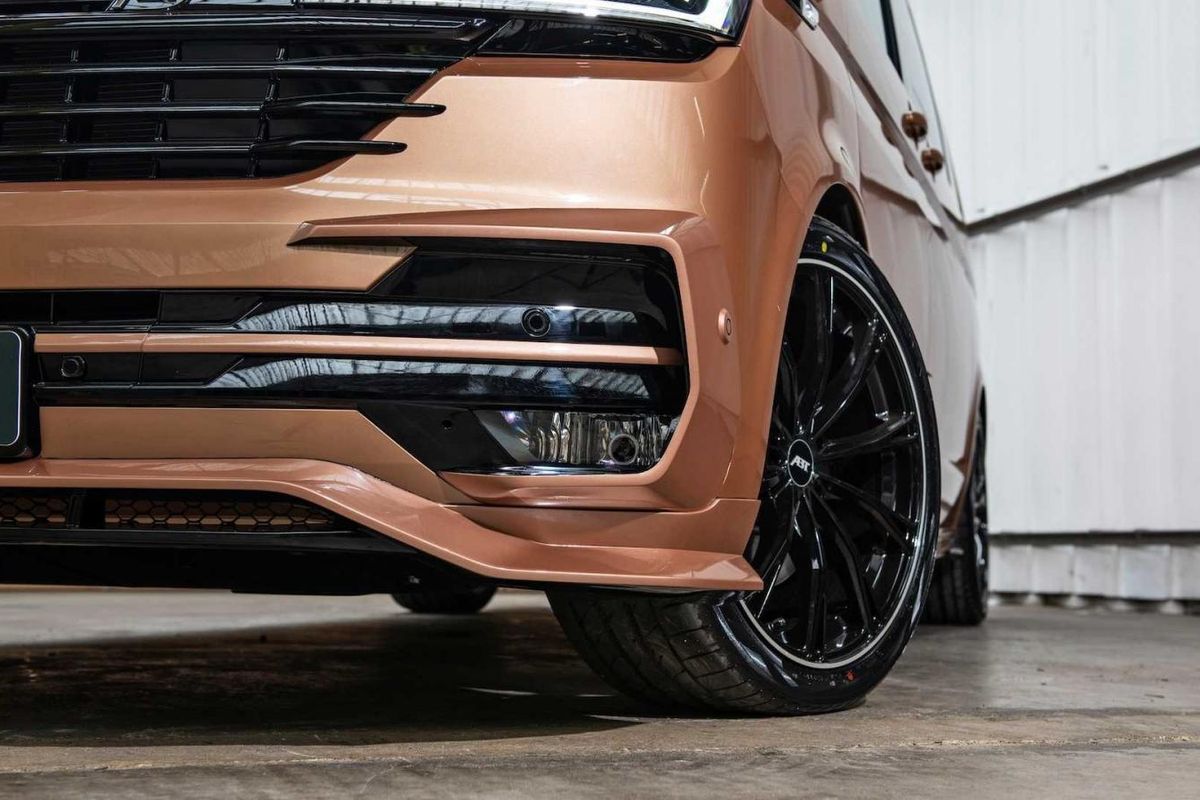
Of course, you’ll want your Volkswagen Transporter to actually look the part too and ABT has you covered with its ABT Aero Package which can be had as single components or a complete kit. There’s a front skirt, grille, side skirts, rear bumper with quad exhausts and a rear wing. There are also some tasteful alloy wheels, either 19-inch or 20-inch with the choice of either matte black or diamond-cut finishes.
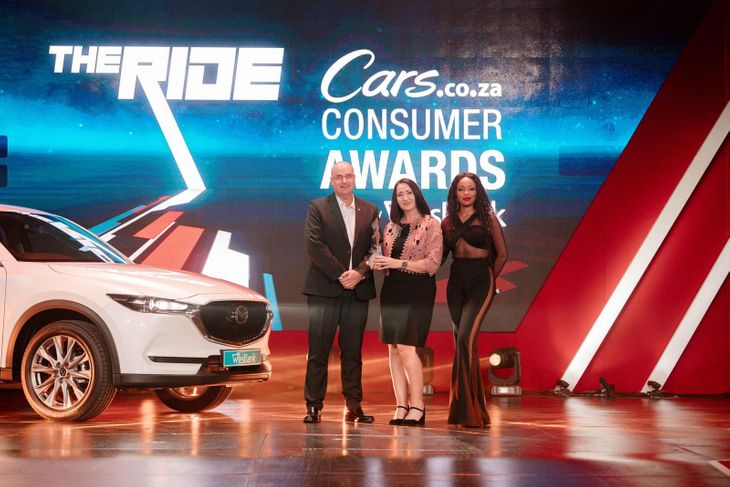
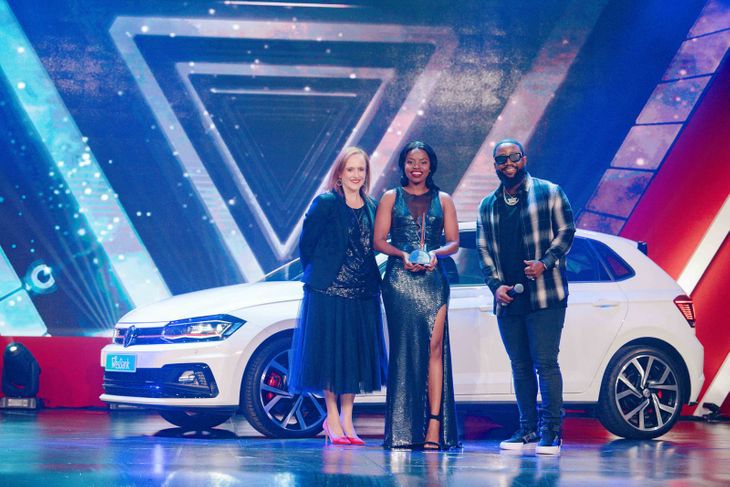
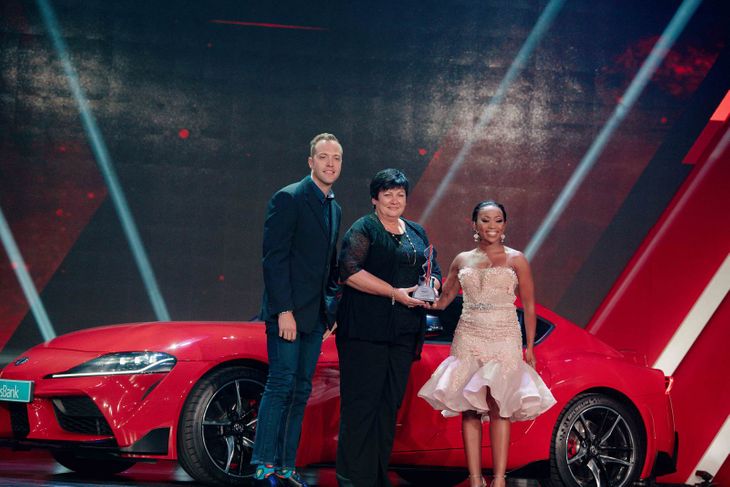
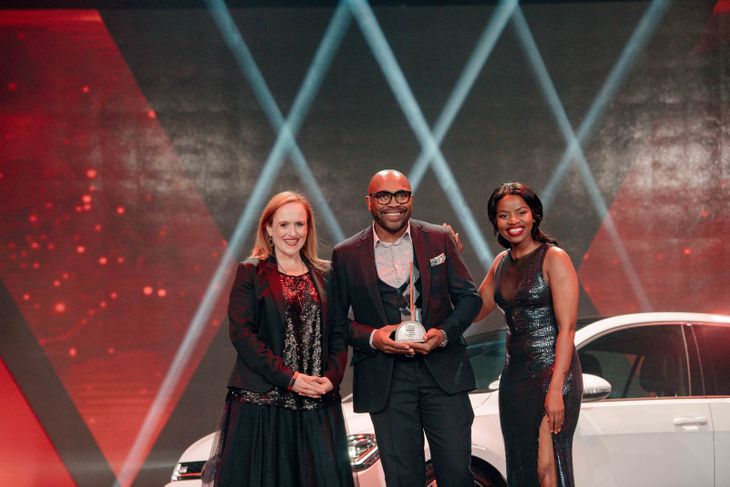
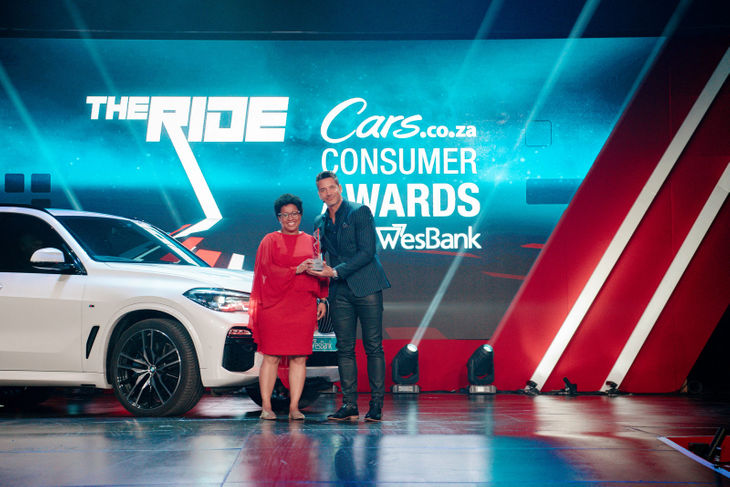
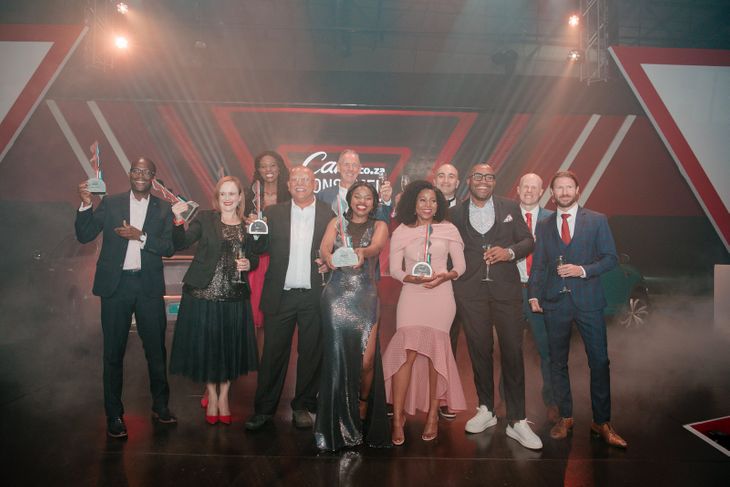
Winners: 2019/20 Cars.co.za Consumer Awards – powered by WesBank
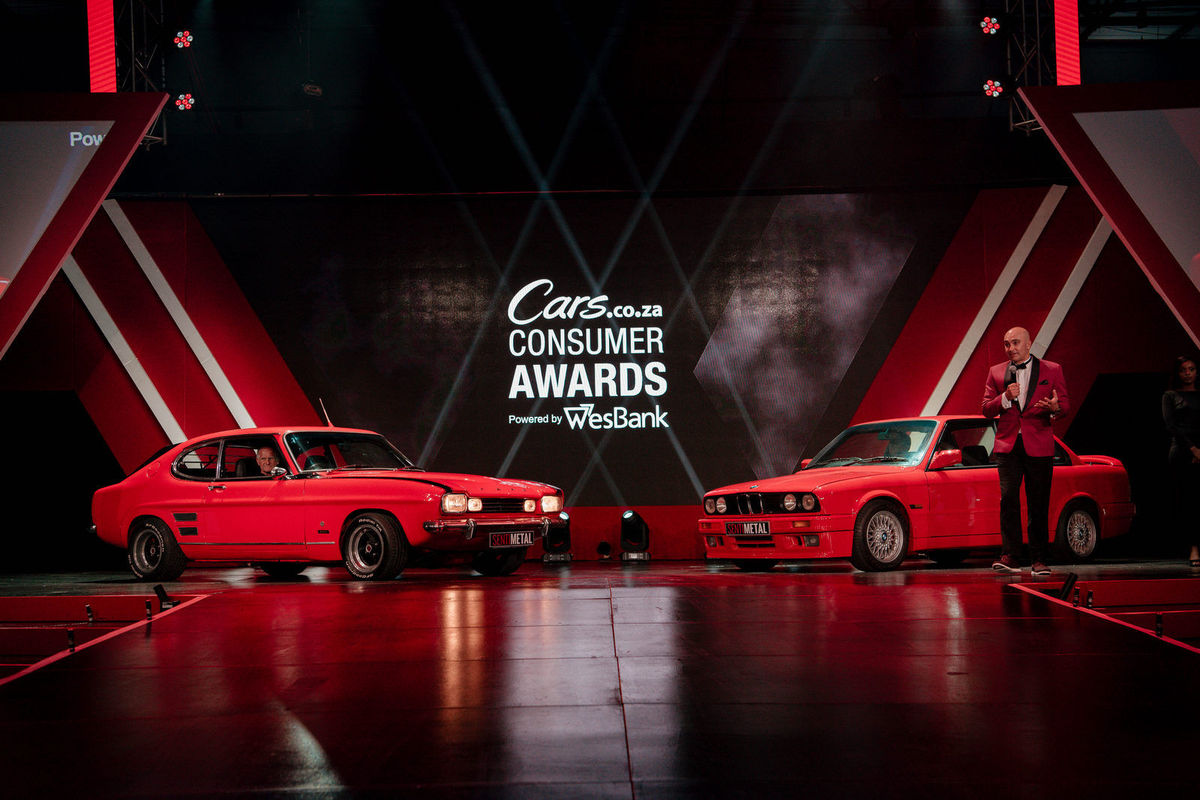
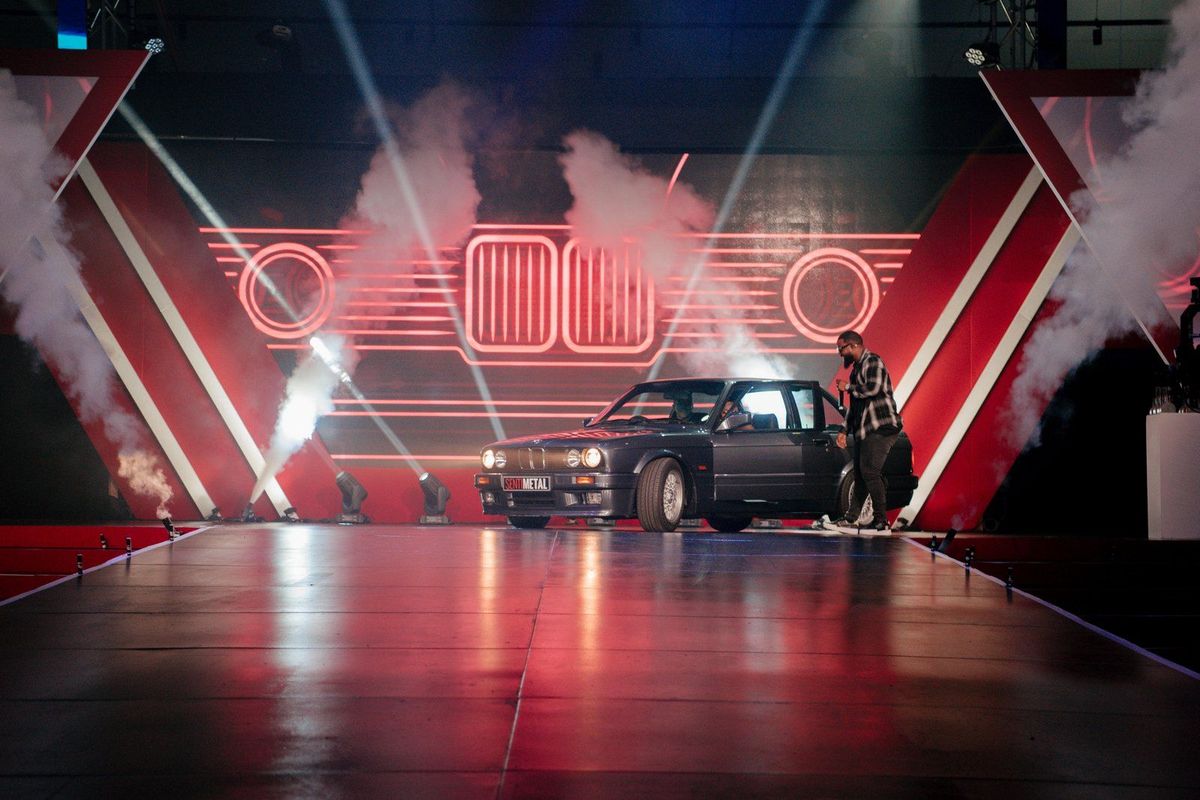
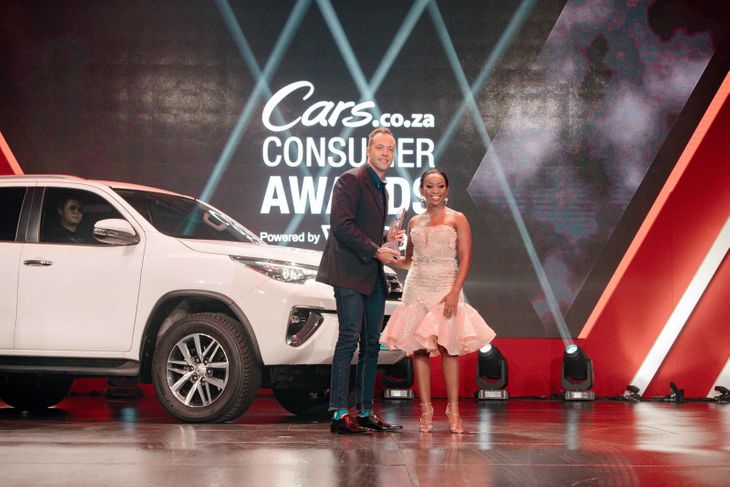
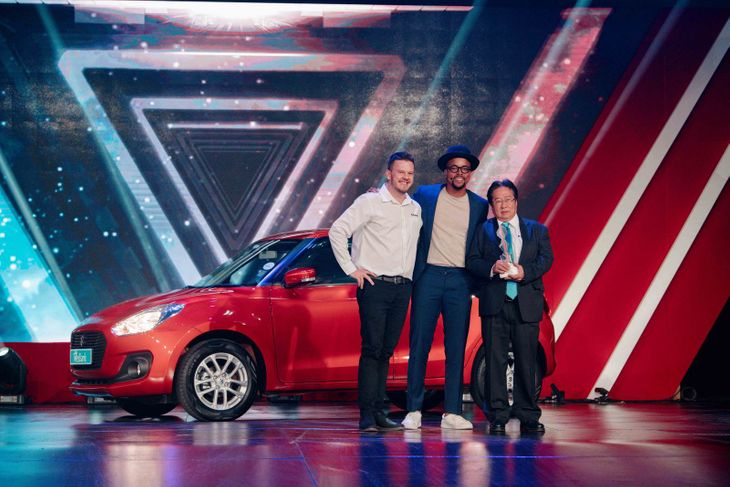
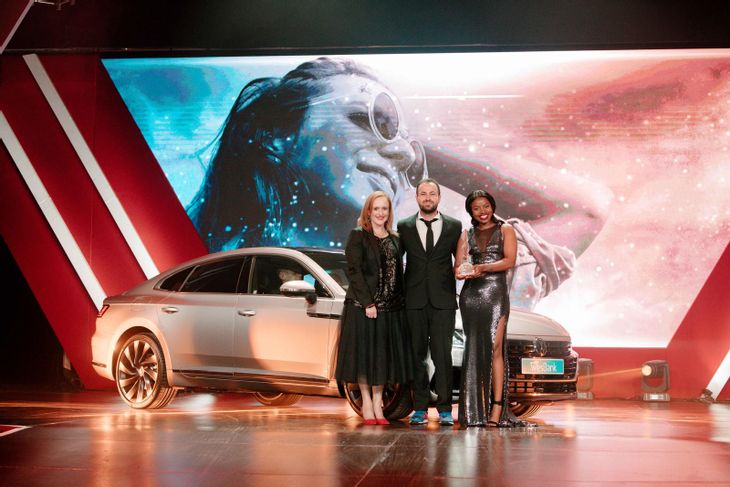
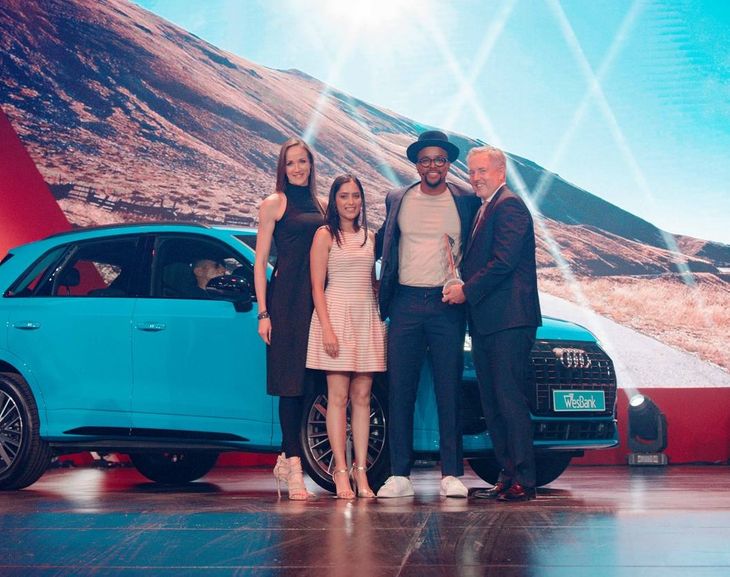
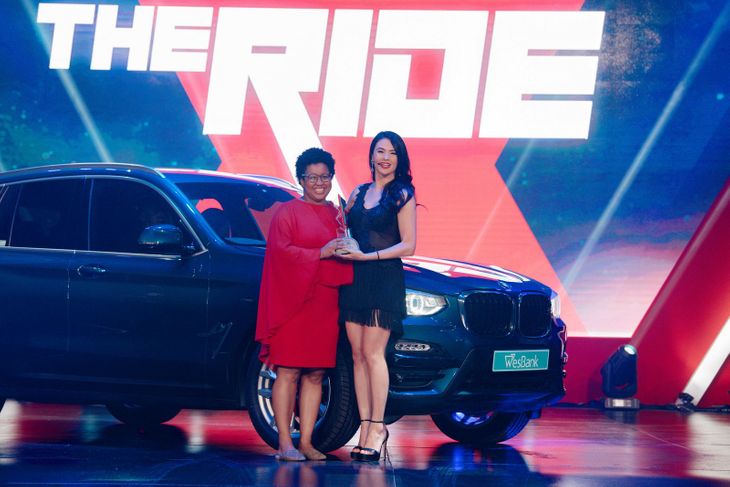
The Cars.co.za Consumer Awards – powered by WesBank – celebrated its 5-year landmark when the programme’s 13 category winners and the recipient of the Brand of the Year title were announced during a gala event held at the Kyalami Grand Prix circuit on 6 February 2020.
#CarsAwards was conceived to be South Africa’s definitive automotive awards programme; the list of vehicles it recognises is meant to guide car buyers to make the best-informed purchasing decisions… Cars are judged directly against their peers in specific categories, each of which has distinct requirements. What’s more, 50% of the final scores is based on brand-specific after-sales data that incorporate customer feedback from thousands of South African vehicle owners.
Since its debut in 2015/16, the #CarsAwards has grown into the largest and most influential awards event on the South African motoring calendar and, since 2017, the programme has been loyally supported by WesBank – the largest provider of vehicle finance in South Africa.
“As South Africa’s largest vehicle and asset finance house, we want to align our brand with impactful industry initiatives, especially those that add value to consumers. Walking this journey alongside consumers continues to make these industry-recognised awards very effective, as their contribution plays a vital role in the final decision. We congratulate all the winners for this year’s awards and look forward to seeing what the upcoming year brings,” says Lebogang Gaoaketse, WesBank’s Head of Marketing and Communication.
Highlights:
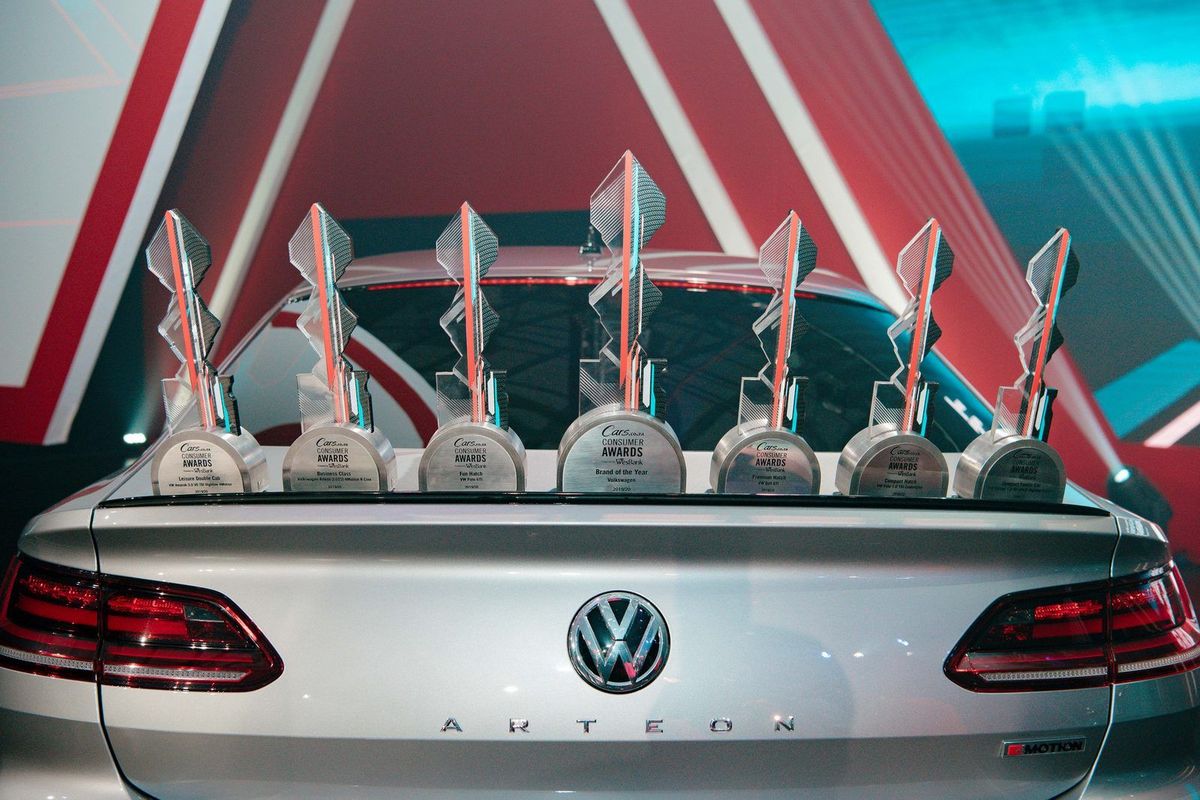
In the four previous iterations of the #CarsAwards, Suzuki and Toyota won the Brand of the Year title twice. However, the 2019/20 recipient of the most coveted #CarsAwards trophy – which is determined entirely by market and customer data – is Volkswagen.
And, by garnering six more trophies on the night (BMW and Toyota won two each), Volkswagen remains the most prolific category winner (16) in #CarsAwards history.
Representatives of the Volkswagen Amarok, Arteon and Polo, Toyota Fortuner and Suzuki Swift ranges successfully defended their category victories from the 2018/19 #CarsAwards, although in the case of the Amarok and Swift, with different derivatives.
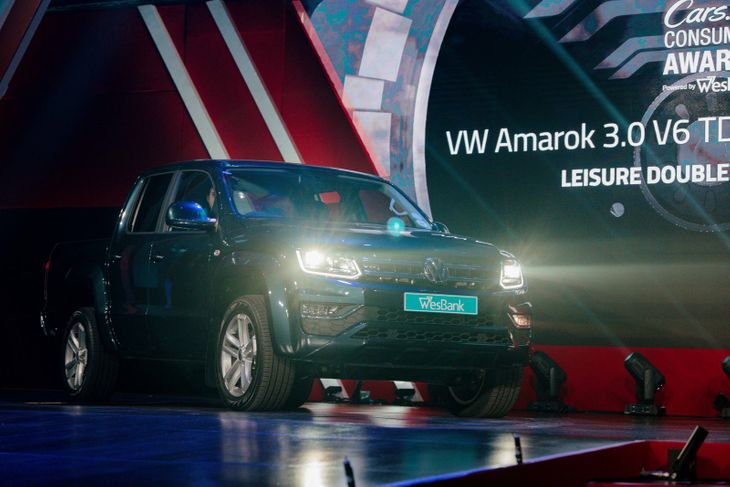
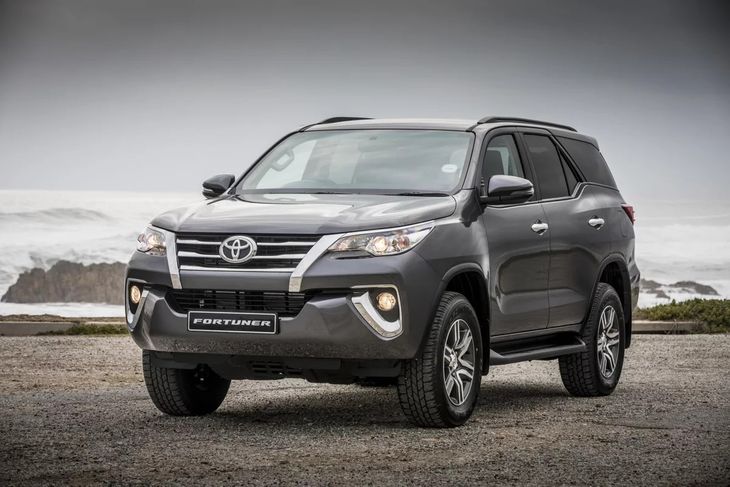
The Volkswagen Amarok and Toyota Fortuner have now won their respective categories – Leisure Double-Cab and Adventure SUV – for three consecutive years. Suzuki won the Budget Car category (with a Swift derivative) for an incredible fourth year in a row.
Three of the 2019/20 category winners (BMW X3, Mazda CX-5 and the Volkswagen Golf GTI) rebounded from having finished as runners up in the previous year’s #CarsAwards.
In no fewer than five of the 13 categories the judges’ favourites did not win, due to the impact of data from the Cars.co.za Ownership Satisfaction Survey (more details to follow).
The narrowest victory margin (0.1%) was in the Budget Car and Leisure Double-Cab categories; the largest (3.2%) was in Compact Hatch. The Budget Car category had the smallest gap between first and third place (1.4%); Performance Car the biggest (12.6%).
Seventeen brands were represented in the list of finalists. Volkswagen led the nominations with 7 derivatives, followed by BMW, Ford and Toyota (4 apiece), Mazda and Suzuki (3 apiece). The Chinese SUV brand, Haval, made its first appearance in the final stage of the #CarsAwards, while Jaguar and Land Rover returned to the list after failing to make the last round in 2018/19.
Category winners: 2019/20 #CarsAwards – powered by WesBank
Adventure SUV: Toyota Fortuner 2.8 GD-6 4×4 Auto
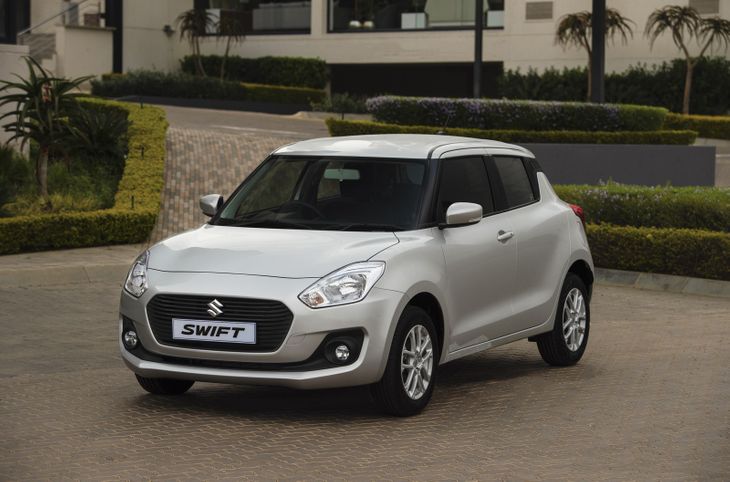
Budget Car: Suzuki Swift 1.2 GLX
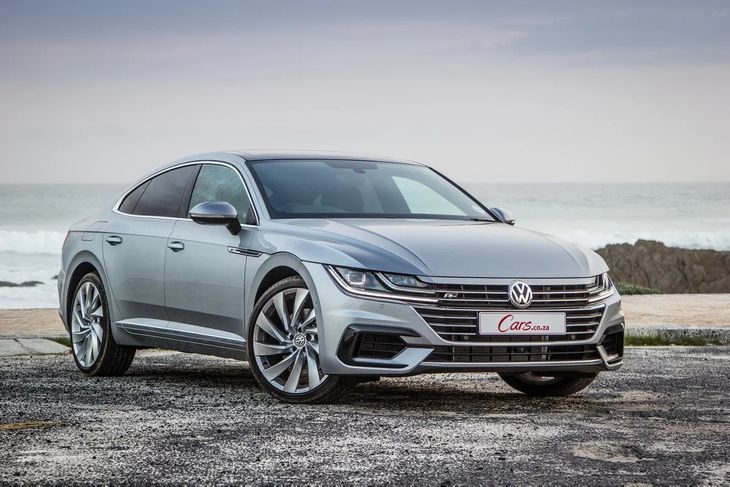
Business Class: Volkswagen Arteon 2.0TSI 4Motion R-Line
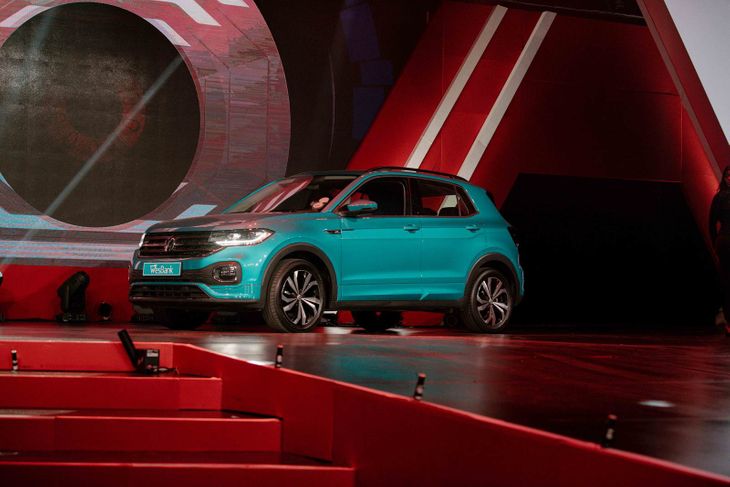
Compact Family Car: Volkswagen T-Cross 1.0 TSI Highline R-Line
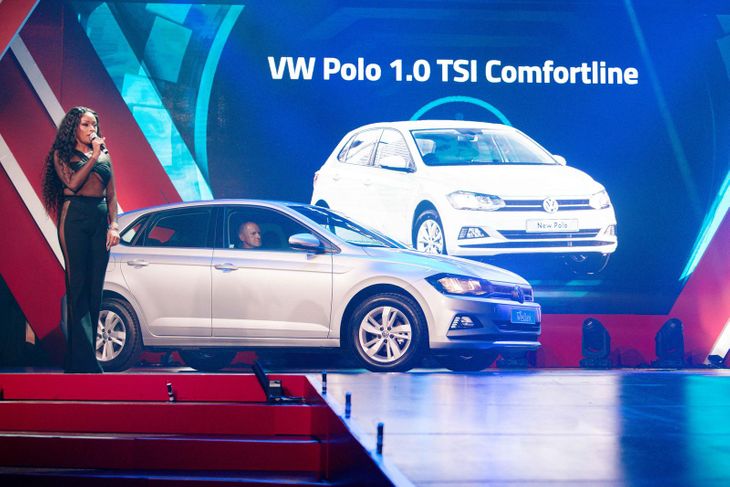
Compact Hatch: Volkswagen Polo 1.0TSI Comfortline Auto
Impact of the Cars.co.za Ownership Satisfaction Survey
Fifty per cent of the final scores of the #CarsAwards category finalists was determined by the rankings the vehicles’ respective brands achieved in the Cars.co.za Ownership Satisfaction Survey – in partnership with data specialists Lightstone Consumer. The data was based on owners’ experiences of their vehicles (less than five years old and serviced through franchised outlets) and the survey made its presence felt: it determined the results in five categories.
The Toyota Fortuner (Adventure SUV), Volkswagen Amarok, Arteon and T-Cross (Leisure Double-Cab, Business Class and Compact Family Car) and BMW X3 (Executive SUV) did not score the highest marks from the panel of judges following evaluation, yet emerged victorious because consumers rated their brands’ experiences higher than those of their competitors.
“The public interest and industry support for #CarsAwards shows that there is a need for an Awards programme that takes a more practical and usable approach to deciding the winners,” Oosthuizen says. “Our Awards programme is meant to be used as a buying guide that reaches the entire population, not only those who follow motoring publications.”
“With 50% of a vehicle’s final score determined by a brand’s performance in the survey, a car really only stands a very good chance of winning if it is a good product in the eyes of the judges and if the brand delivers solid after-sales service,” he adds.
In four categories (Compact Hatch, Performance Car, Premium Hatch and Premium SUV), the winning derivatives received both the highest consumer category- and judges’ scores. In three categories (Budget Car, Family Car and Fun Car), the winners received the highest judges’ scores, but not the highest consumer category scores. In the Crossover category, the winner received neither the highest consumer category – nor the judges’ scores, but won on aggregate.
Multifaceted judging process
The #CarsAwards can be differentiated from other automotive award programmes in a number of ways: the winners aren’t chosen exclusively by motoring journalists who report on (and review) the latest new vehicles in the market. What’s more, the finalists were selected from the entire new passenger-vehicle market (all derivatives listed on the Cars.co.za new-vehicles price list on 1 September 2019, as opposed to only models launched during the past 12 months).
Although Cars.co.za’s extended editorial team chose the finalists, the combined judging panel (including 14 respected guest judges from various backgrounds and fields of expertise) only compiled the finalists’ individual scores once they had evaluated the cars back-to-back during an intensive two-day test at the Gerotek testing facility on 31 October and 1 November 2019. The judging process was supervised and the final results audited by PricewaterhouseCoopers.
The combined judging panel (in alphabetical order):
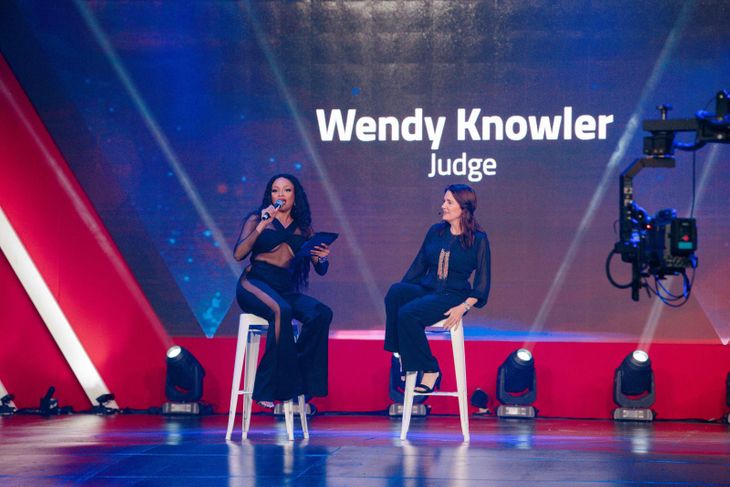
Aluta Maqoko (The Kolloquium), Ashley Oldfield (Cars.co.za), Brenwin Naidu (Sowetan & Sunday Times), Ciro de Siena (Cars.co.za), Claire Mawisa (Carte Blanche), Dasen Thathiah (eNCA), David Taylor (Cars.co.za), Ernest Page (SA Car Fan), Gero Lilleike (Cars.co.za), Jacob Moshokoa (947/EWN), Juliet McGuire (Freelance), Khulekani Dumisa (Khulekani on Wheels), Khutso Theledi (YFM), Kojo Baffoe (freelance), Lerato Matebese (Driven), Mike Fourie (Cars.co.za), Nafisa Akabor (Tech Journalist), Phuti Mpyane (Business Day), Thami Masemola (In4Ride), Wendy Knowler (Consumer Specialist) and Wezile Bonani (Bay FM).
Brand of the Year
As opposed to the 13 category winners, which are decided by a combination of judges’ scores and consumer data, the recipient of the #CarsAwards Brand of the Year title is determined entirely by market data and the findings of the survey (brands’ respective sales and after-sales service ratings are particularly impactful). With a pair of Brand of the Year titles apiece, either Toyota or Suzuki was expected to break the deadlock in the fifth iteration of #CarsAwards…
However, Volkswagen – the only brand to have won at least one #CarsAwards category every year since the programme began in 2015/16 – walked away with the most prestigious accolade. Having won six of the 13 #CarsAwards categories in 2019/20, Volkswagen is comfortably the most prolific category winner (with 16 trophies) in the history of the #CarsAwards programme.
Now it has the big trophy! The Wolfsburg-based brand is a powerhouse in the South African new vehicle market, but despite its extensive dealer network, its level of client service is clearly highly regarded.
The Cars.co.za Ownership Satisfaction Survey data showed that Volkswagen defeated Isuzu by a narrow margin, while Suzuki scored the final podium position. Delving deeper into the data, it is interesting to note significant improvement from, in particular, three brands when it comes to after-sales service – Renault, Ford and Isuzu all improved by more than 15% compared to last year.
“We think the Brand of the Year trophy is the ultimate accolade in the local automotive industry,” says Oosthuizen. “It represents validation from the people who matter most – actual car owners.”
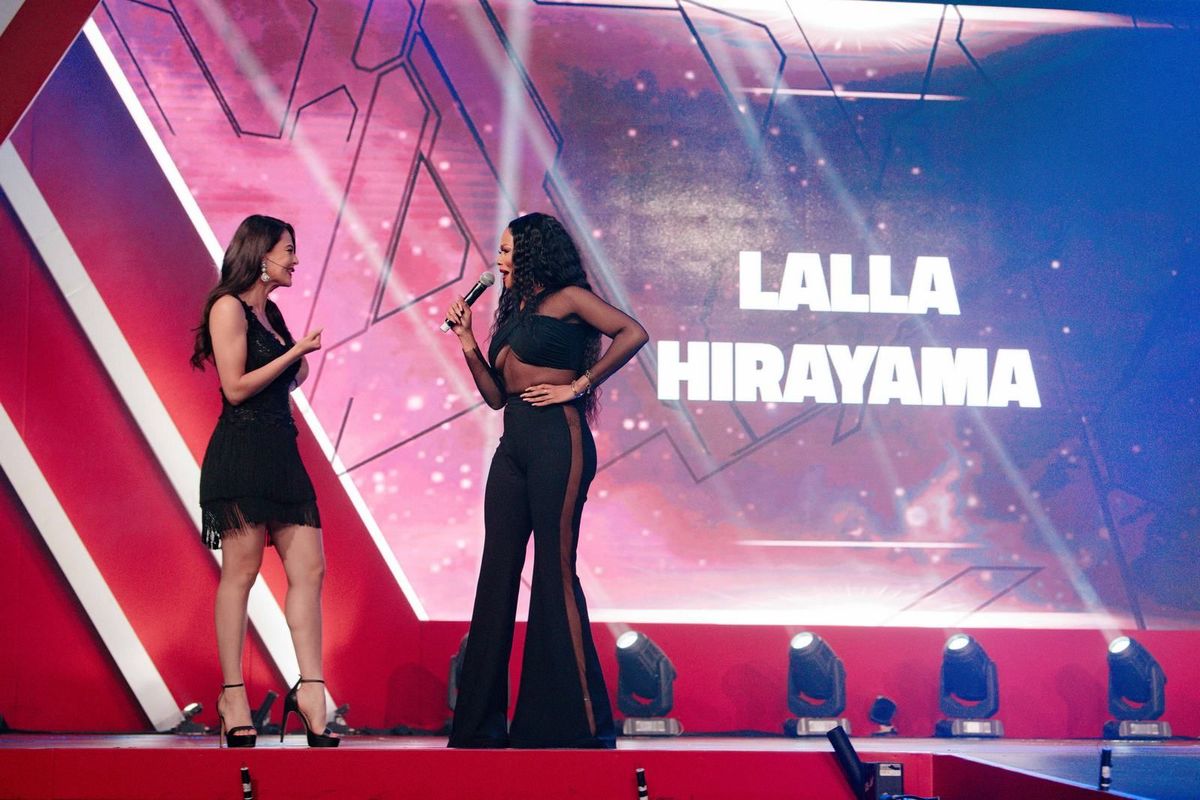
Bonang Matheba, who was recently recognised as “African Influencer of the Year” by the E! People’s Choice Awards in the United States, was the master of ceremonies. She was joined by guest presenters, Lalla Hirayama, Maps Maponyane, Ms Cosmo and Nico Panagio. The event was preceded by a business presentation by WesBank and attended by 350 guests, including industry leaders, representatives of the finance sector, media agencies and celebrities.
As has become tradition, the gala event was digitally broadcast on Twitter, Instagram, Facebook and, significantly, streamed live on Cars.co.za’s top-ranked YouTube channel, which now has in excess of 190 000 subscribers. The multi-platform broadcast allowed consumers, who are at the core of Cars.co.za’s awards programme, to actively participate in the event.
Visit www.carsawards.co.za for more information about #CarsAwards, including the category criteria and to view images of the award recipients taken at the event.
More Range Gains for Tesla
Tesla Model Y is crazy light on energy
Tesla has managed to make its Model Y SUV the world’s most efficient SUV.
Although most would expect the smaller Model 3 to be Tesla’s running cost and range champion, the American electric car brand announced some very interesting numbers this week.
The Model Y is due to launch next month and for fans of the Tesla brand, this crossover version of the Model 3 platform is a rather big deal.
Engineers are rumoured to have made significant improvements to its body structure and build quality, which could, in theory, mean that the Model Y is lighter than Model 3.
That could be one of the facts supporting Tesla’s amazing economy and range claims, for the Model Y. Measured on the MPGe equivalence formula, which created a liquid fuel consumption number for electric energy vehicles, the Model Y is incredibly light on resources.
Tesla says that by applying the official EPA vehicle economy standards, its Model Y runs at the equivalent of 1.95L/100 km. That makes it’s the least energy-demanding SUV in the world.
Not only is Model Y extremely light on electricity but it can also go further than rival battery vehicles. Tesla claims a range of 507 km for the Model Y which is beyond the psychological 500 km threshold.
With the global automotive market showing no slowing in demand for crossovers, Tesla’s Model Y is exactly the right product, at the right time.
It is worth mentioning that although the Model Y’s 507 km range is deeply impressive, its MPGe-equivalent consumption only cleared a very slim margin of victory.
Hyundai's Kona electric registers a metric MPGe number of 1.96L/100 km. It runs the Model Y desperately close, although the Tesla has a better range (507km versus 415km), stronger performance and superior interior architecture with more space.
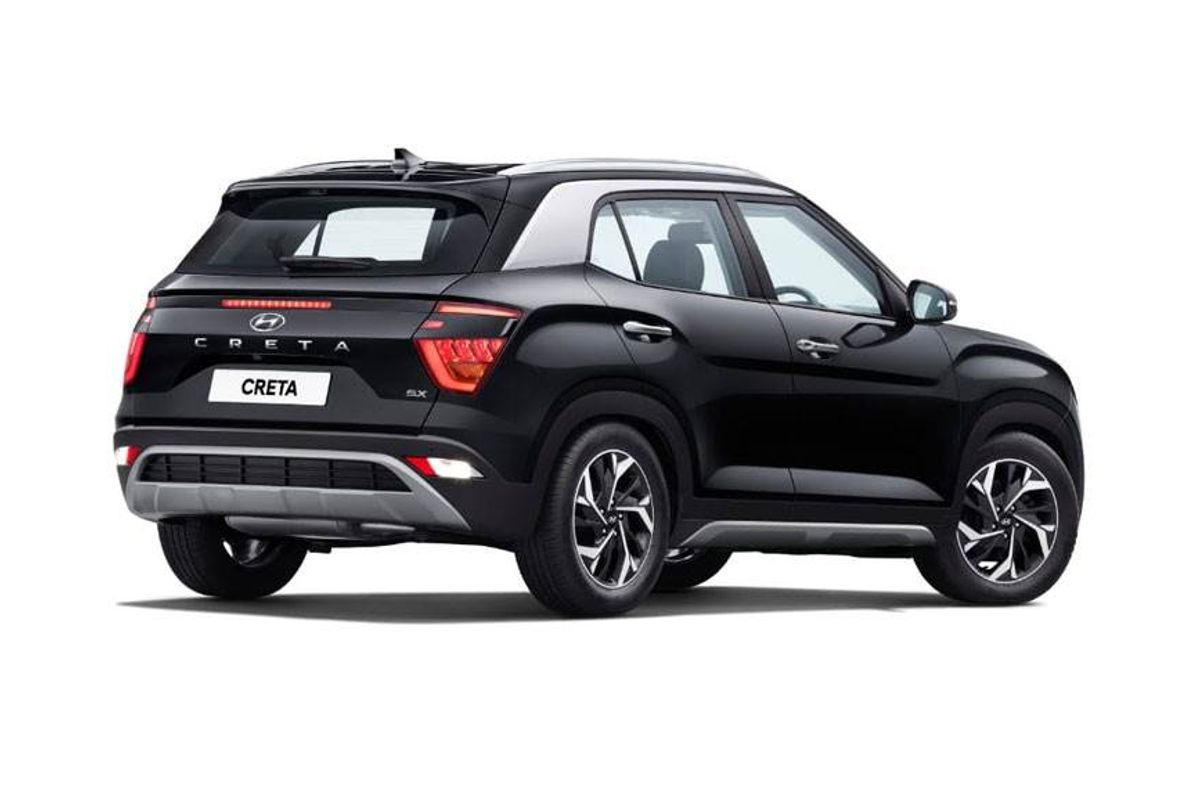
Hyundai has revealed its new Creta compact family car at the Auto Expo in India. Here are the details…
A new Hyundai Creta has been revealed and its styling approach is quite different from the outgoing model. The new Creta is due to make landfall in South Africa in Q4 of 2020.
The front-end has changed dramatically and the Creta now wears a bold cascading grille flanked with split LED headlights and unique daytime running light design, and to that of the Hyundai Venue which was recently welcomed to the local market. The grille will be flanked by striking split LED headlights as well as LED taillights. A split taillight design is also seen at the rear and a brushed-aluminium-look skid plate adds some rugged appeal.
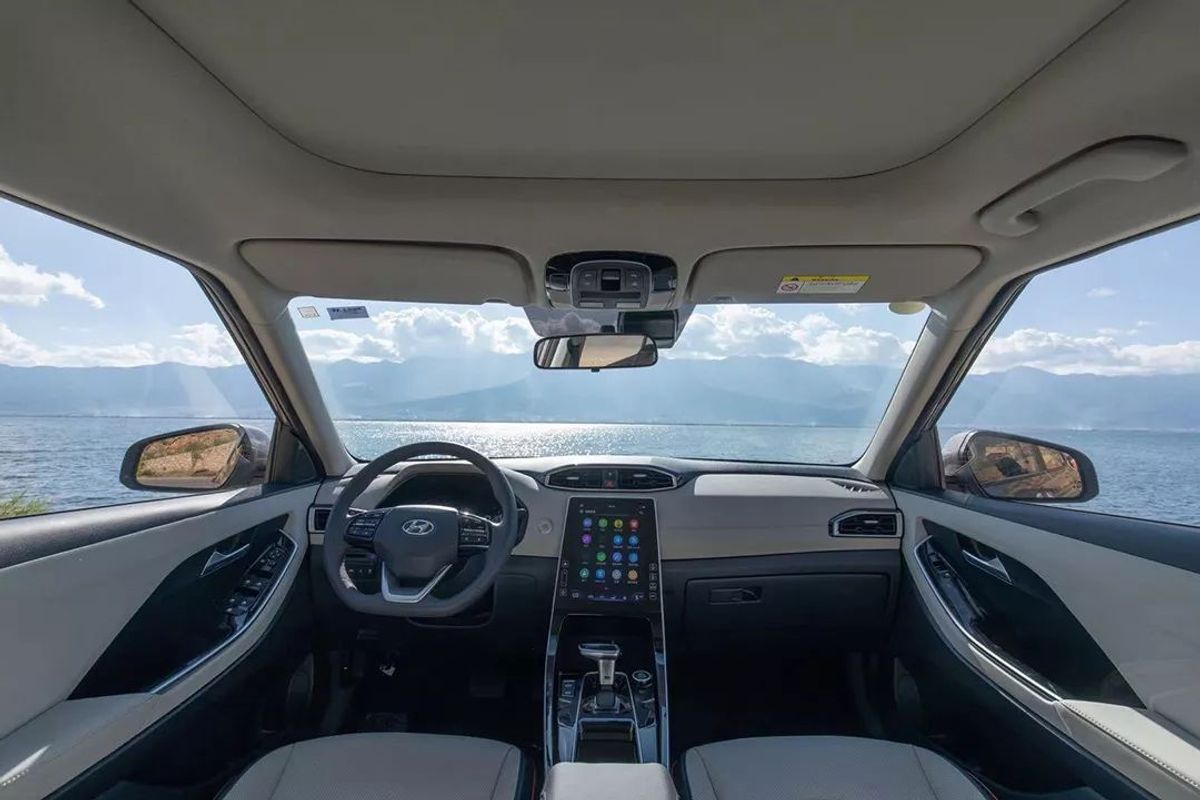
Hyundai is ramping up the quality inside the Creta but it remains to be seen if it will get the infotainment screen from the ix25 seen here.
The interior is perhaps the biggest departure from the outgoing model and if the Creta adopts a similar design the Chinese ix25, buyers will be in for a treat. Hyundai is going upmarket inside the Creta with a large, slick 10.25 infotainment touchscreen taking much of the dashboard real estate. Other features include A newly-designed, multi-function flat-bottom steering is also fitted as is a new digital instrument cluster. Other nice features include a panoramic sunroof, ventilated seats and wireless charging.
In terms if engines range of petrol and diesel engines are expected including an 84 kW 1.5-litre naturally-aspirated petrol engine and an 84 kW 1.5-litre turbodiesel engine. A 1.4-litre turbopetrol engine with 103 kW and 242 Nm is also on the cards (this engine also powers the Kia Seltos). The Creta will be offered with a 6-speed manual or a CVT.
We will keep you updated as soon as local pricing and specification details become available.
The Saldanha Drags held outside Cape Town, South Africa, are some of the largest motorsport events in the country. We made a video about it!
Over 2 days, hundreds of cars compete in the quarter mile and 800m races, and this year, records were broken in both disciplines.
But we wanted to tell the story of one of the stars of our channel's Launch Control series, Pierre Pogenpoel, who has built a phenomenal 400hp Mazda-powered Mk2 Ford Escort. We ride shotgun with him for the weekend and find out what it takes to compete at the highest level in straight-line motorsport.
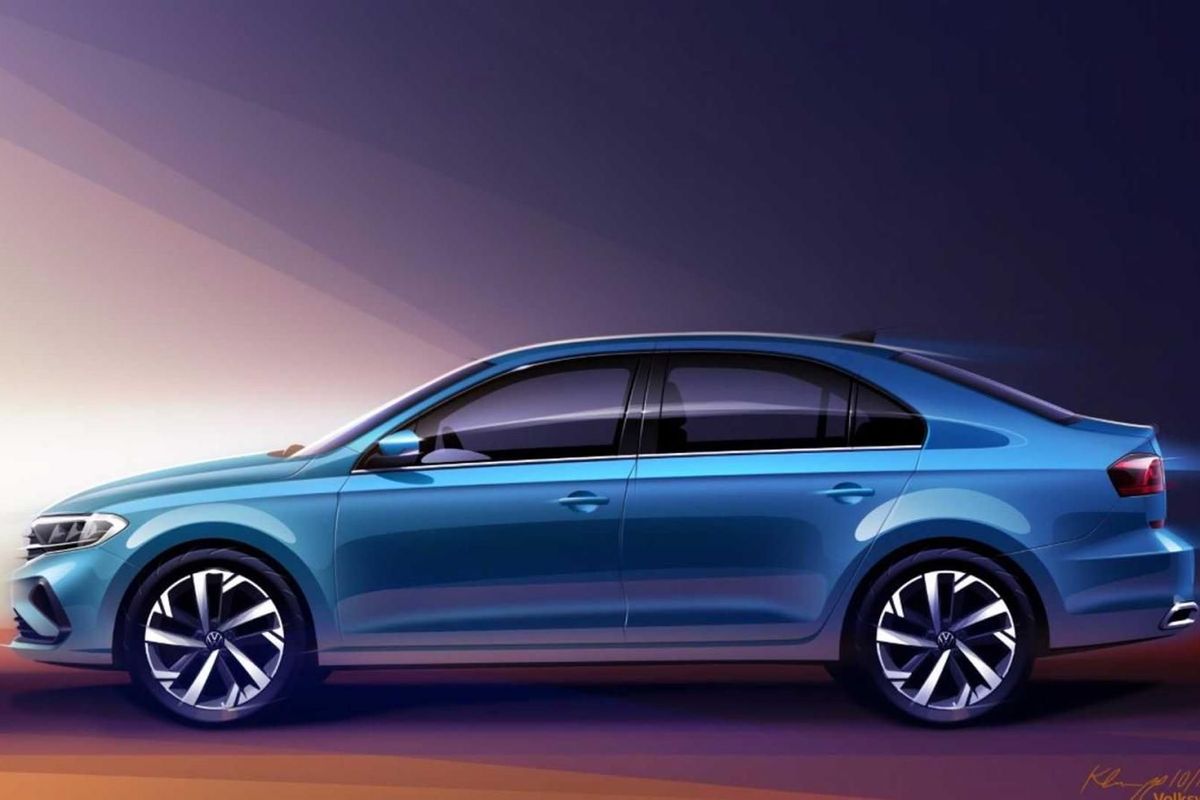
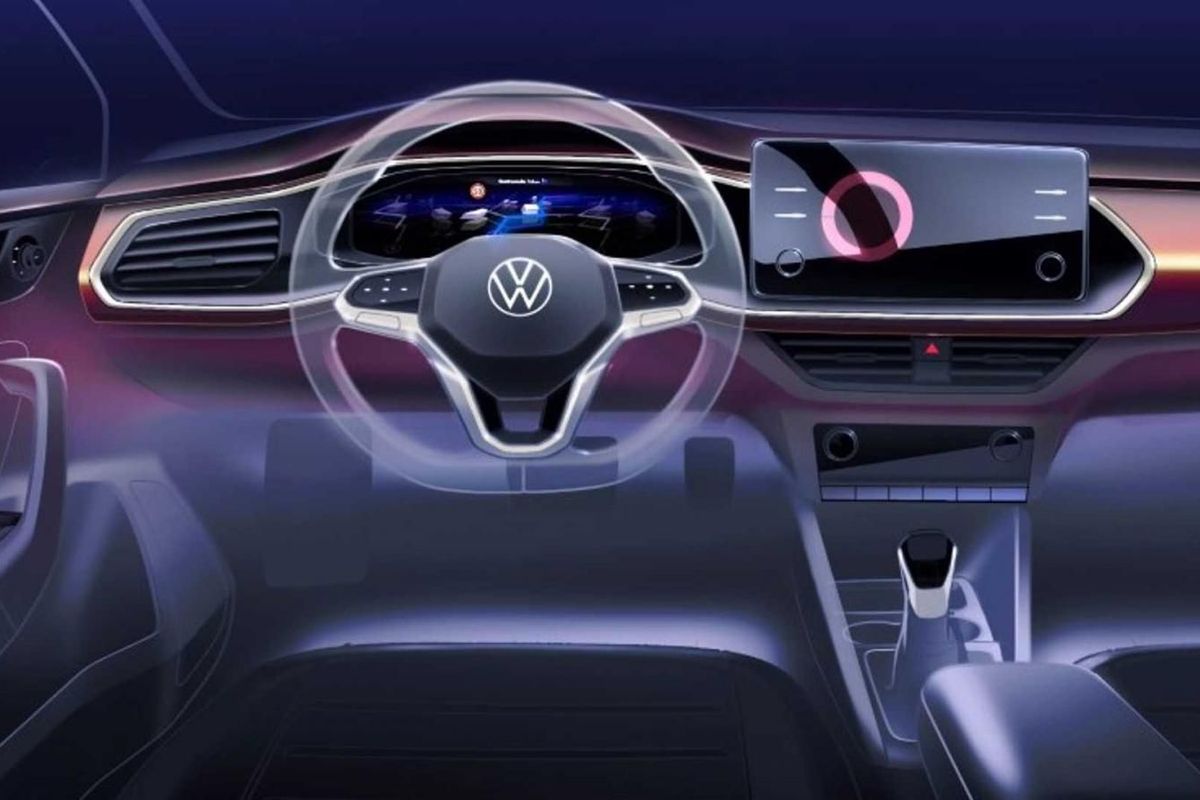
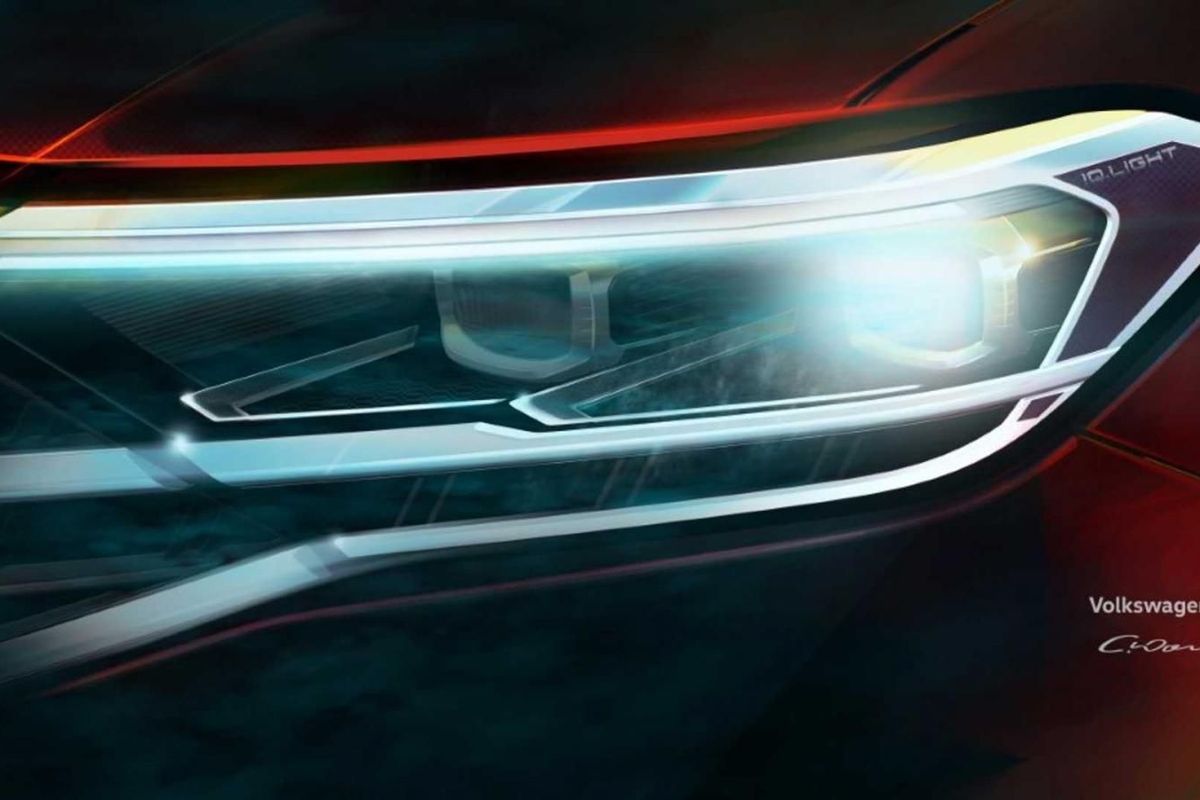
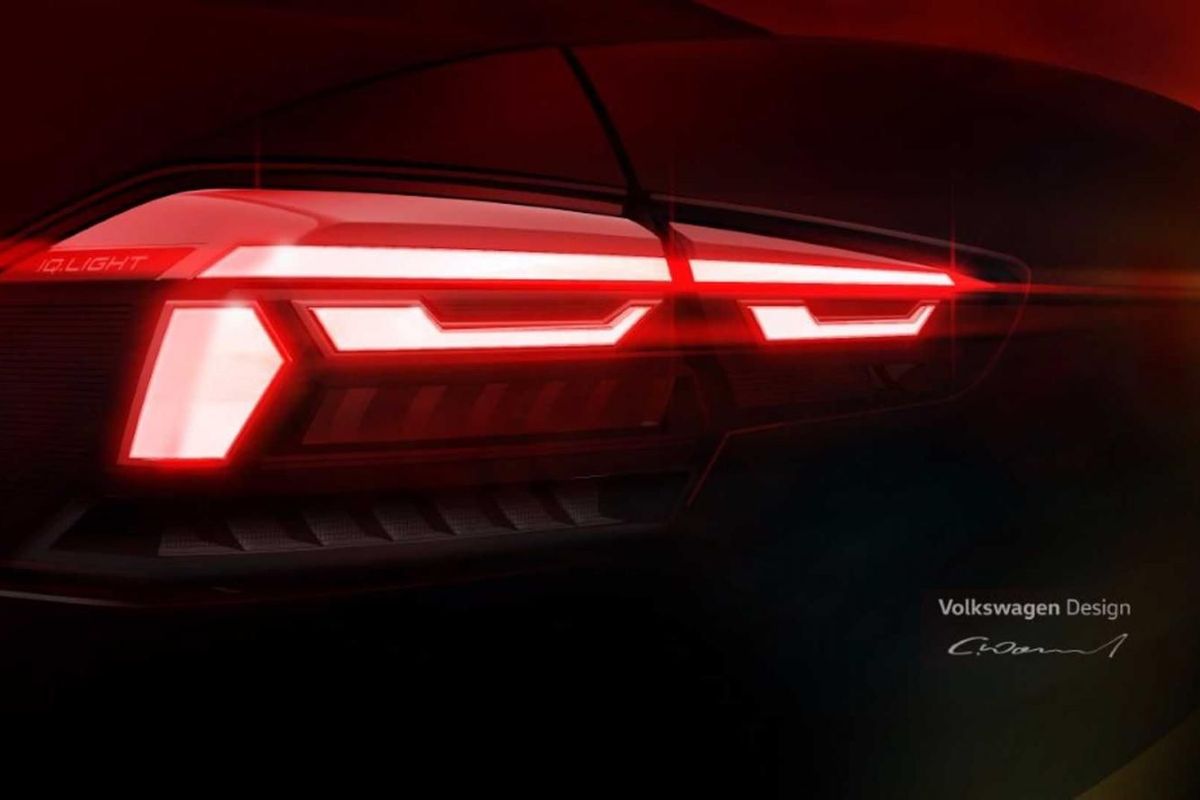
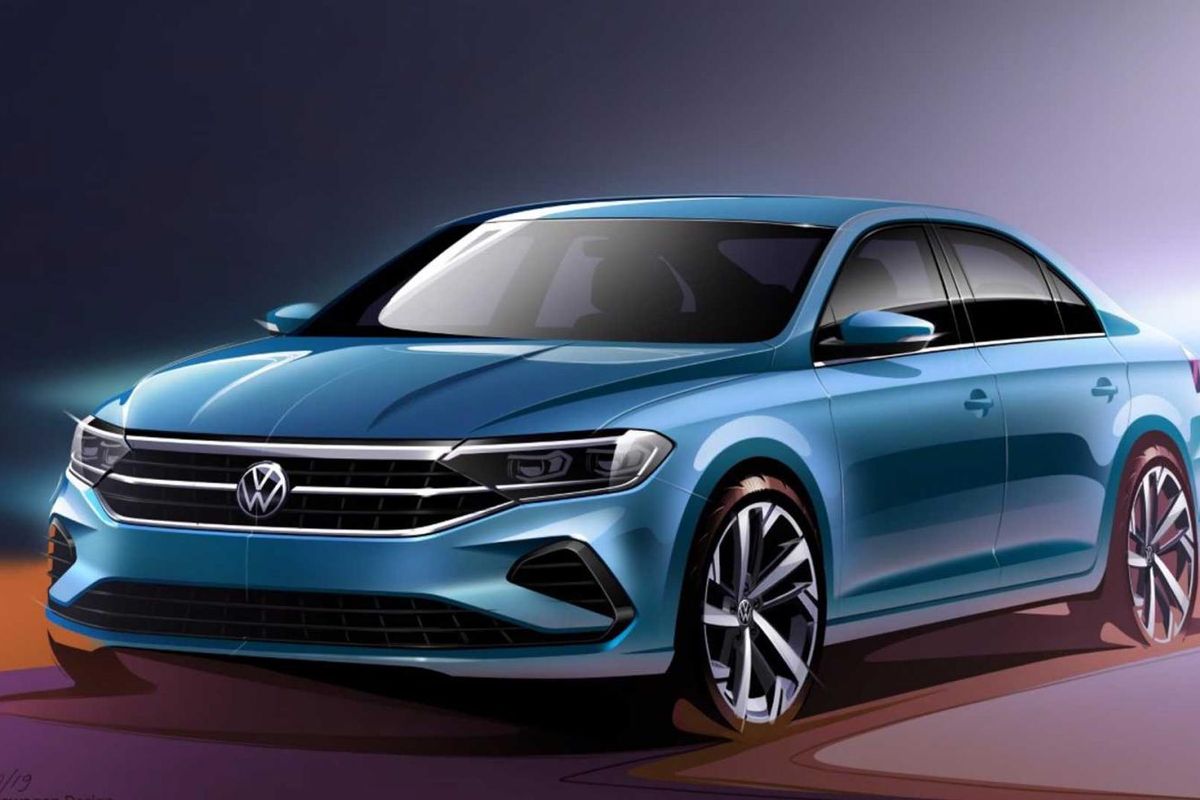
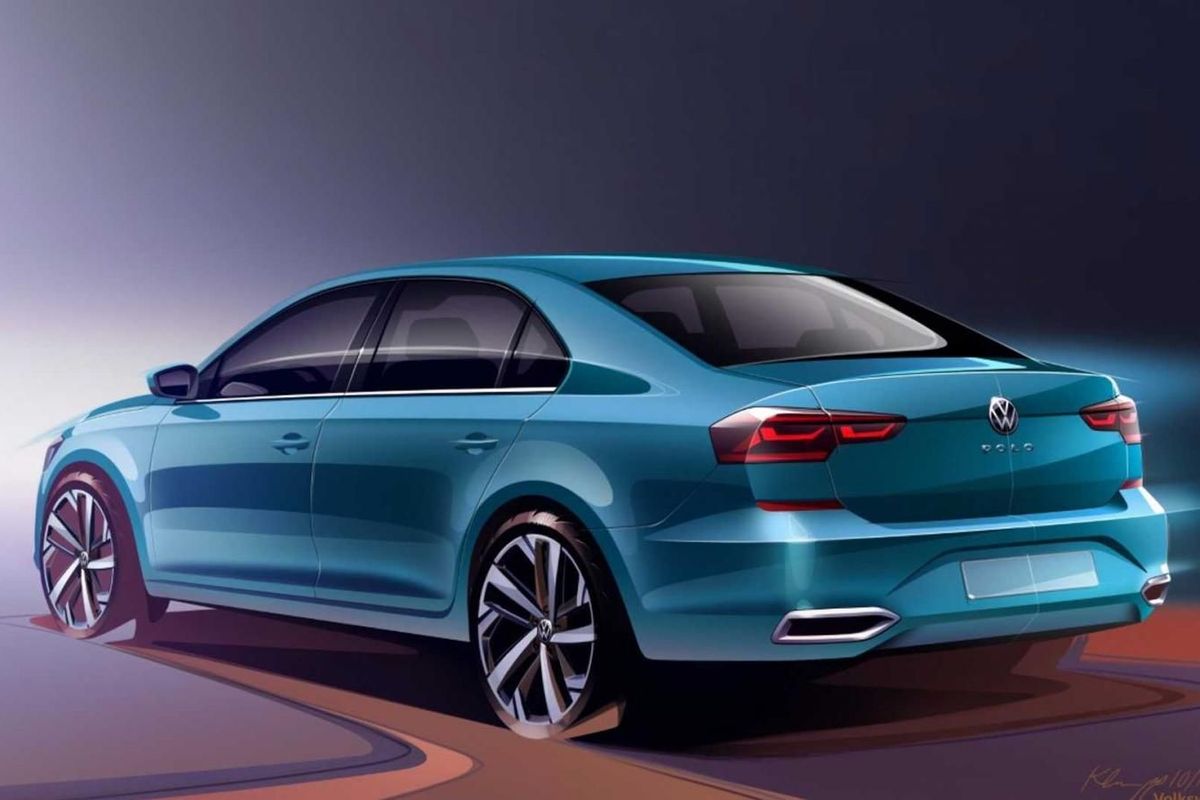
Volkswagen has released design sketches for a new compact sedan. The global market for 4-door vehicles with a boot might be shrinking, but there are places where people still prefer the sedan configuration.
As Volkswagen is truly a diversified global automotive business, it has a broad enough customer reach to create demand for a sedan. And these sketches show what the future holds for those VW brand fans who want neither a compact 5-door hatchback, nor a small crossover.
The design impressions show what VW’s new Polo sedan is intended to look like. For a market like South Africa, this is big news, as the Polo sedan continues to be sold here as a continuation model, based on VW’s previous-generation small car platform.
VW’s new Polo sedan will be 4.48-metres long and measure 1.7 metres in width, which makes it slightly bigger than the current version (4.39m and 1.69m). The most impressive packaging gain with the new Polo sedan is its claimed boot space, which grows to a very substantial 550-litres.
Mechanically, the new Polo sedan will be powered by two versions of VW’s 1.6-litre naturally-aspirated petrol engine, good for either 66- or 80 kW. There will also be a 1.4 TSI engine, producing 92 kW.
Transmission options are either a 5-speed manual or 6-speed automatic for the 1.6-litre engines, while the 1.4 TSI will only be available in combination with a DSG auto.
Inside the new Polo sedan, VW’s digital cockpit replaces analogue instrumentation. There is also a large infotainment touchscreen, although it is mounted atop the dash, instead of being neatly integrated into the fascia.
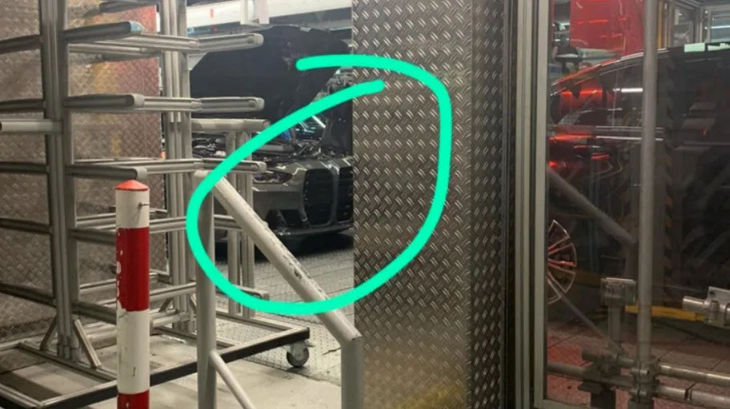
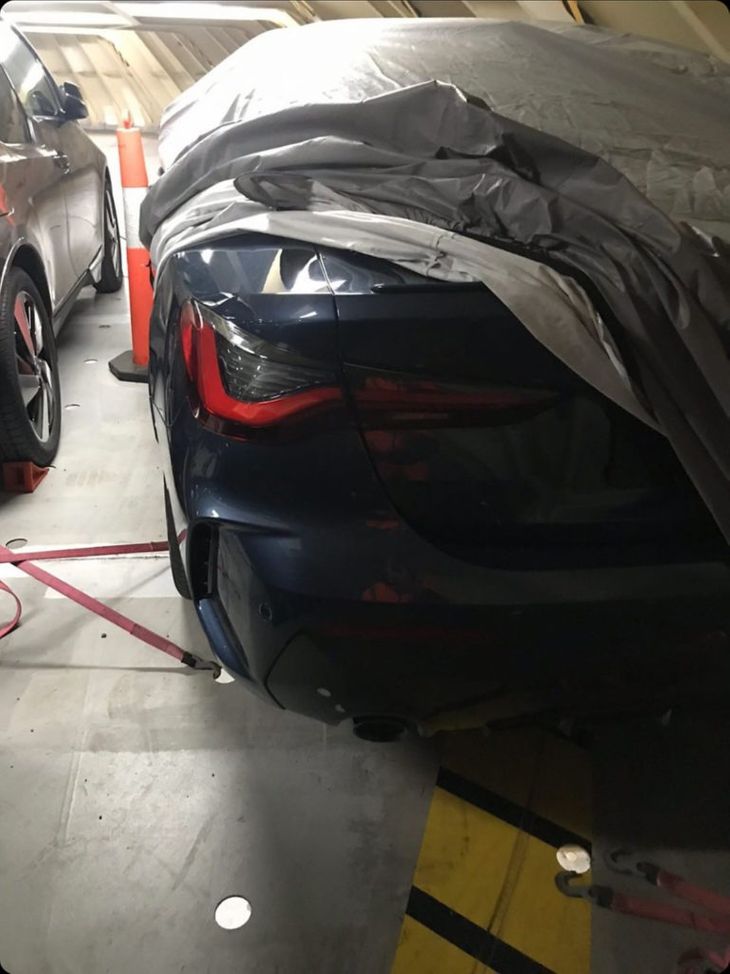
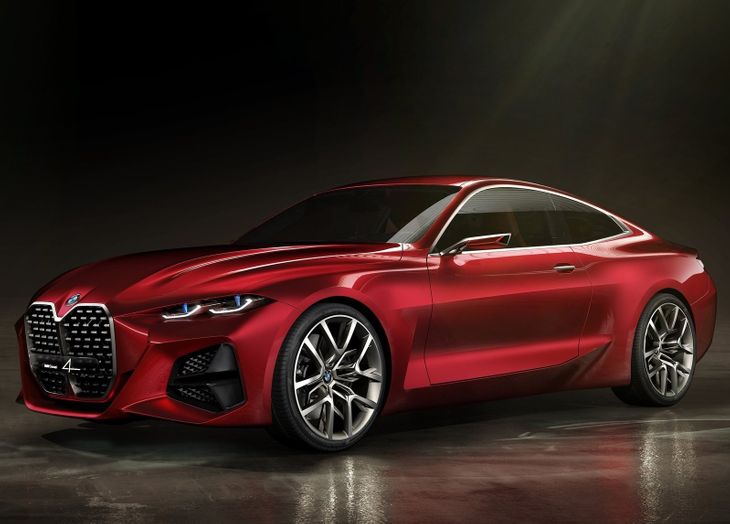
If you hoped the oversized double-kidney grille of the BMW Concept 4 would be discarded for the production version of the next 4 Series, look away now… Instagrammers have posted these images that show (ostensibly roadgoing) G22-generation BMWs with “large nostrils”!
When the BMW Concept 4 was unveiled at the 2019 Frankfurt Show it sparked controversy. Purported to be “85% representative” of the production version of the G22-generation BMW 4 Series, the concept was generally applauded, but even the staunchest Bimmer enthusiasts took issue with the double-kidney grille that, apart from looking like the “kidneys” had virtually blended into one another, practically “bit chunks out of the lip of bonnet” and stretched all the way to the very bottom edge of the car’s bumper.
At the time, industry observers commented that even if the much-talked-about design cue would be carried over to a production version, it would be much less elaborate. After all, "where would one fit the front number plate?" Well, the answer is: in the middle of the grille; yesterday, Instagrammers Allcarnews and Wilcoblok posted these photos that show partially-uncovered BMW 4 Series derivatives and the evidence is damning: the next generation of the Bavarian brand’s business class coupe is indeed “big-nosed”.
From what we can see, the double-kidney grille isn’t as chiselled out (some might say chintzy) as the BMW Concept 4's, but it’s elaborate nonetheless. The sporty mesh design of the grille and sculpted bumper treatment suggests that the car (shown from directly in front) is an M Sport version such as the M440i xDrive or perhaps M440d xDrive!
If the M440i (the flagship until the M4 comes in 2021) is identical to its sedan sibling, it’ll be powered by a 3.0-litre straight-6 turbopetrol that produces 285 kW and 500 Nm of torque and drives all 4 wheels through an 8-speed sport automatic transmission. Expect a 0-100 kph time of 4.4 seconds and a fuel consumption figure of around 7.7 L/100 km.
It’s uncertain whether an M440d would be produced and, if so, whether it will come to South Africa, but we anticipate such a derivative would be powered by 3.0-litre turbodiesel that produces 240 kW and 700 Nm of torque (it would also be 4-wheel-driven and be mated with an 8-speed auto. Reportedly supported by a 48V electrical system, which gives the car mild-hybrid ability, an M440d XDrive should be capable of hitting 100 kph from standstill in 4.6 seconds and consume an average of between 5.3 and 5.7 L/100 km.
BMW sought to strongly differentiate its 3 Series sedan and its coupe-, convertible- and gran coupe variants when it launched the 4 Series. For the next iterations of the 4, the headlamp treatment is even more distinctive – they’re slimmer and more upwardly angled, while at the back, designers took their cue from the 8 Series’ ornate tail-lamp design.
The 2nd-generation BMW 4 Series Coupe should be unveiled around mid-year. Could it be launched in South Africa before the end of 2020? We’ll keep you posted!
2019/20 Cars.co.za Consumer Awards – Powered by WesBank
The 39 finalists (3 in each of 13 categories) of the 2019/20 Cars.co.za Consumer Awards – powered by WesBank have been announced. They were selected out of 65 vehicles that Cars.co.za’s extended editorial team agreed were the best derivatives available in the South African new passenger vehicle market on 1 September 2019.
The #CarsAwards – now in its 5th year – was conceived to be South Africa’s definitive automotive awards programme and it has steadily grown in stature, reach and influence with the support of WesBank, South Africa’s largest vehicle finance provider. The 13 category winners and Brand of the Year recipient will be announced at a glittering awards ceremony in Johannesburg in February 2020.
Watch the #CarsAwards event live from 7:30pm 6th February 2020
VW again leads the field, but 1st appearance for Haval
To determine the finalists, Cars.co.za’s extended editorial team trimmed the list of semi-finalists from 5 to 3 contenders per category by scoring each of them against specific pillars of success. As a result, 17 brands are represented in the list of finalists, with Volkswagen leading the nominations with 7 derivatives, followed by BMW, Ford and Toyota (4 apiece), Mazda and Suzuki (3 apiece).
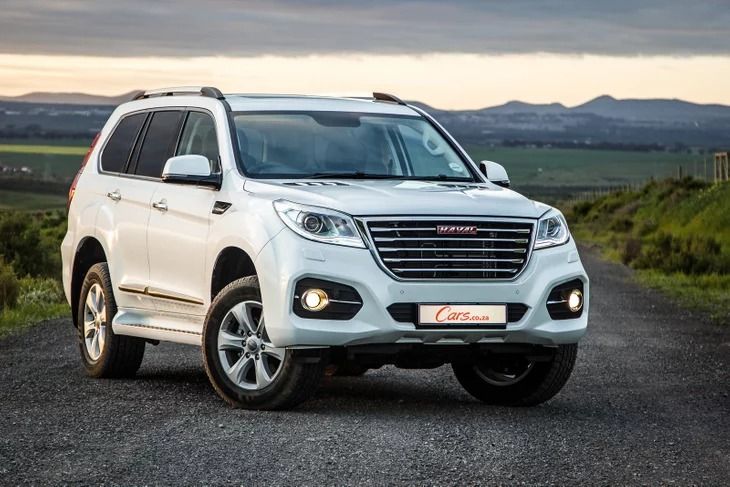
Having previously made the semi-finals of the #CarsAwards with its H2, Haval has gone one better with its H9 adventure SUV.
Significantly, fledgling Chinese SUV brand Haval makes its first appearances in the final stage of the #CarsAwards, while Jaguar and Land Rover return to the list after failing to make the last round in 2018/19.
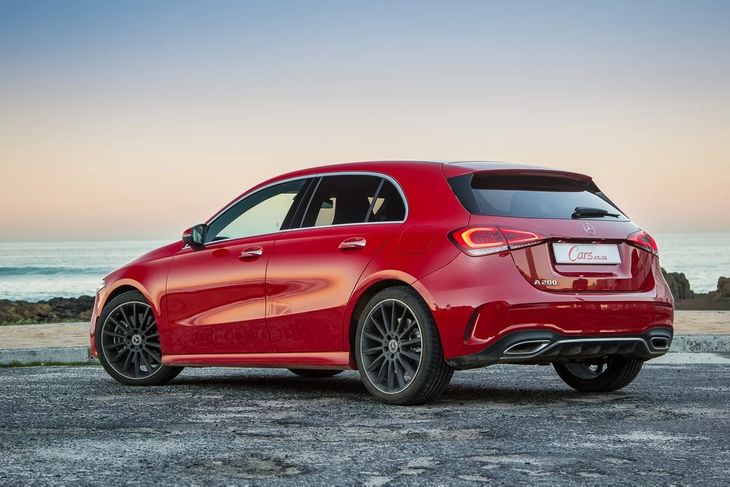
Because candidates were selected from the entire new passenger-vehicle market (as opposed to only models launched during the past 12 months), there are eight defending category winners among the finalists, including the Mercedes-Benz A-Class, Toyota Fortuner, Volvo XC60, Volkswagen Polo, Amarok and Arteon, Range Rover Velar and Suzuki Swift, although in the case of the latter two, in different derivatives to last year.
A total of 16 finalists from last year’s programme will return for another round of judging in the 2019/20 programme, including the BMW X3 xDrive20d M-Sport, Mercedes-Benz C300 AMG Line and Volkswagen Golf GTI. There also different (or updated) versions of the BMW M2, Ford Everest and Fiesta, Mazda2, Volkswagen Polo Vivo and Volvo XC40.
2019/20 #CarsAwards finalists in the 13 categories are (click on the headings for details on the categories and finalists):
Will the Suzuki Swift defend its title in the Budget Car category with its recently-launched 1.2 GLX derivative?
The next phase of the programme will take place on October 31 and November 1, when all the finalist vehicles will be judged back-to-back (against the rivals in their categories) during a 2-day test session at Gerotek by a diverse judging panel, which includes the experienced motoring journalists of Cars.co.za’s extended editorial team, plus 14 respected and influential guest judges with a broad base of expertise.
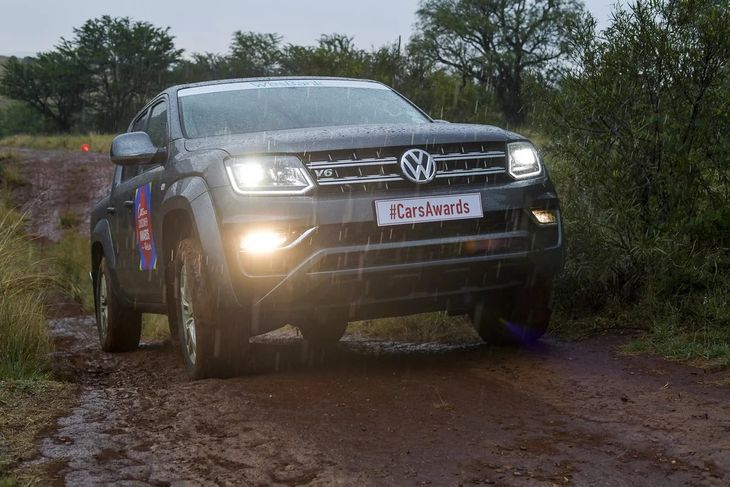
The 21-member combined judging panel will put the finalists (including the Volkswagen Amarok) through their paces at Gerotek.
However, the findings of the 21 judges will only count for half of the finalists’ total scores – the remaining 50% will be based on rankings that the respective vehicles’ brands achieved in the Cars.co.za Ownership Satisfaction Survey, which is conducted in partnership with leading data specialists Lightstone Consumer. The data incorporates feedback from thousands of vehicle owners, based on their experiences of their own vehicles, which are less than five years old and serviced through franchised outlets.
“The #CarsAwards is designed to be a guide for all new passenger vehicle buyers, not only those who follow motoring publications,” says Cars.co.za Consumer Experience Manager Hannes Oosthuizen. “With 50% of the final scores determined by brands’ rating in the survey, a vehicle only really stands a very good chance of winning if it is a good product in the eyes of the judges and if its brand delivers solid after-sales service.
In the 2018/19 programme, the experiences and perceptions of South African vehicle owners determined the final outcomes of 5 of the 13 #CarsAwards categories. And, importantly, their feedback will completely determine the 2019/20 Brand of the Year, which has been won by Toyota and Suzuki before (each of which has won it twice). SA’s best brands for after-sales service. Have your say…
To access more information about the programme (including categories, judges and finalists) visit http://www.carsawards.co.za
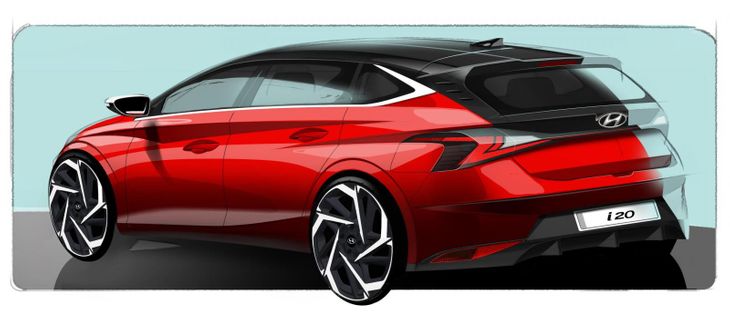
Hyundai will unveil the next-generation i20 at the upcoming Geneva Show and the firm has released a pair of imaginative design sketches to whet our appetites. It’s touted to be the first hatchback to incorporate the Hyundai's new “Sensuous Sportiness” design language…
The current i20 compact hatchback is a perennial sales success for Hyundai South Africa but, by virtue of being in the twilight of its product cycle, it's one of the Korean brand’s most conservative offerings, well, at least compared with its newer models. Owing to the fact that we get the Indian-market version in South Africa, instead of the European model, the derivatives in Mzansi are more moderately equipped to cater specifically for the value-for-money/mid-spec light hatchback market.
Should you expect more of the same? While these design sketches do seem fanciful and overblown compared with what we’ll find in showrooms when the newcomer arrives on our shores, but they suggest that the next i20 won’t just be a modernised version of what we have now; it will showcase the brand's “Sensuous Sportiness” design language, which combines “proportion, architecture, styling and technology” to “bring instinctive beauty to Hyundai(s)" by "creating emotional value and (producing) a distinctive look”.
From the front, the dominant design cue of the all-new i20 is ostensibly a cascading grille and (markedly) upwardly-contoured bonnet, while the swept-back headlamp clusters and bold character lines on the flanks emphasize the car’s sporty proportions and hunkered stance. The second image highlights a rear aspect dominated by ornate C-pillar garnishes and LED tail lamps with Z-shaped lighting elements, which are, in turn, linked by a pronounced lip midway up the tailgate. It's a tantalising prospect…
The newcomer’s interior is left up to the imagination… Hyundai claims the dashboard features “horizontal blades” that “emphasise the width of the fascia and disguises the air vents”. Keeping with the trend of increasingly-digital interiors, the instrument cluster and infotainment screen “have been combined” and comprise two 10.25-inch screens.
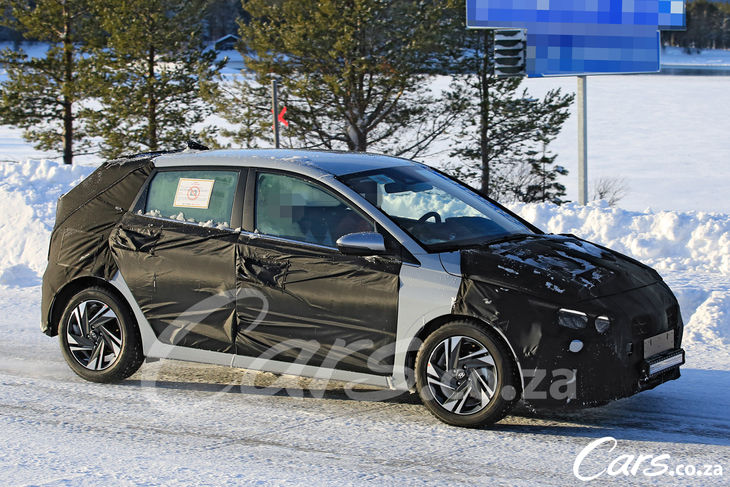
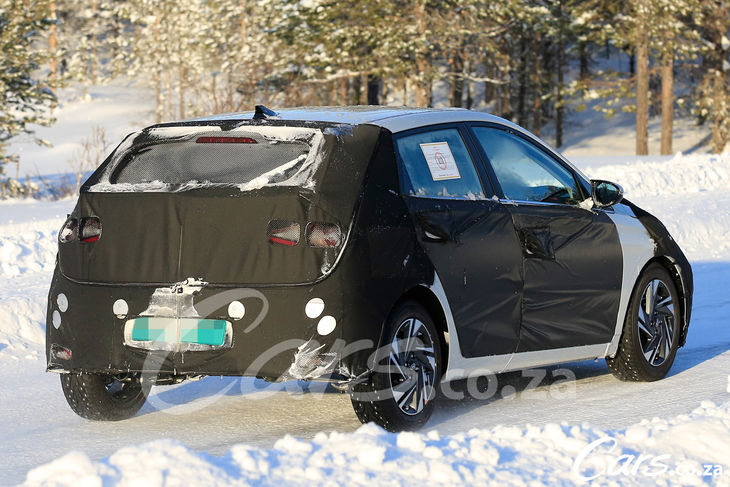
Earlier this week, we published spy photographs of a pre-production i20 undergoing winter testing. The current version is powered by either a 1.2- or 1.4-litre naturally aspirated engine, but we wouldn't be surprised if the 88 kW/172 Nm 1.0-litre turbocharged 3-cylinder motor from the Venue and Kona made an appearance in the new i20. If so, it would mark two firsts for the Hyundai's Volkswagen Polo-rival in South Africa: a turbopetrol motor and a dual-clutch transmission (in 1.0-litre automatic guise).
And keeping with the sportier and dynamic theme, with the imminent local launch of the eagerly-anticipated Hyundai i30N hot hatch, these sketches of a sportier and dynamic next-generation i20 raises hopes that an i20 N derivative might eventually be offered in South Africa, replete with sporty suspension, race suspension, stronger brakes and a purposeful body kit. If rumours are to be believed, the i20N will be powered by the Veloster Turbo's 150 kW/265 Nm 1.6-litre 4-pot turbopetrol.
We don’t yet know when the new-generation i20 will be made available in South Africa, but we don’t expect to see it here before late 2020 or early in 2021….