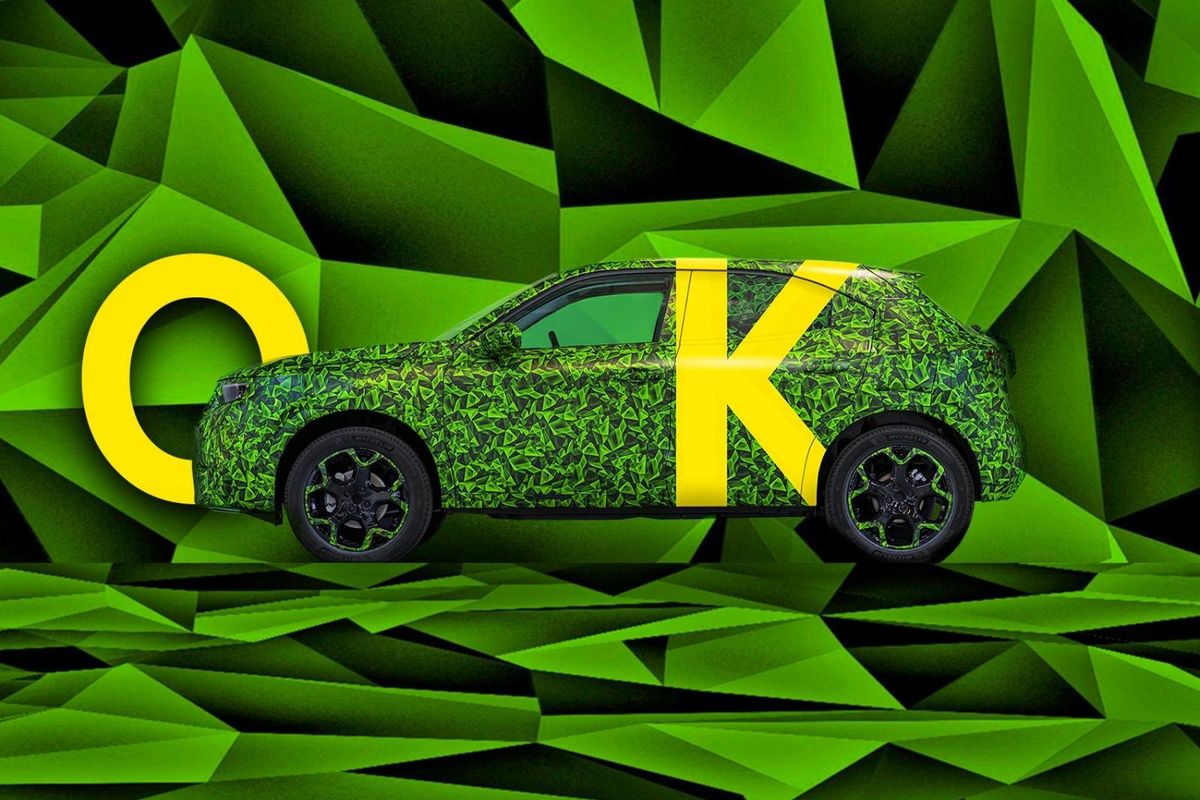
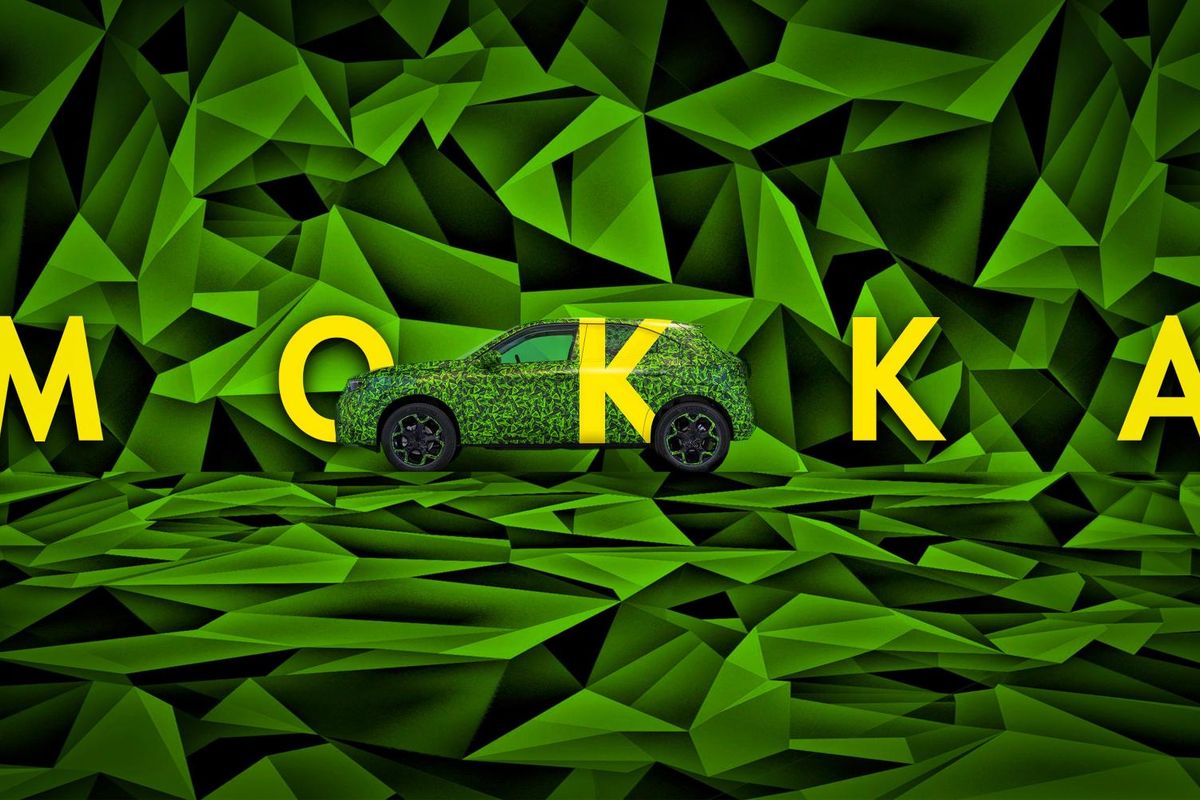
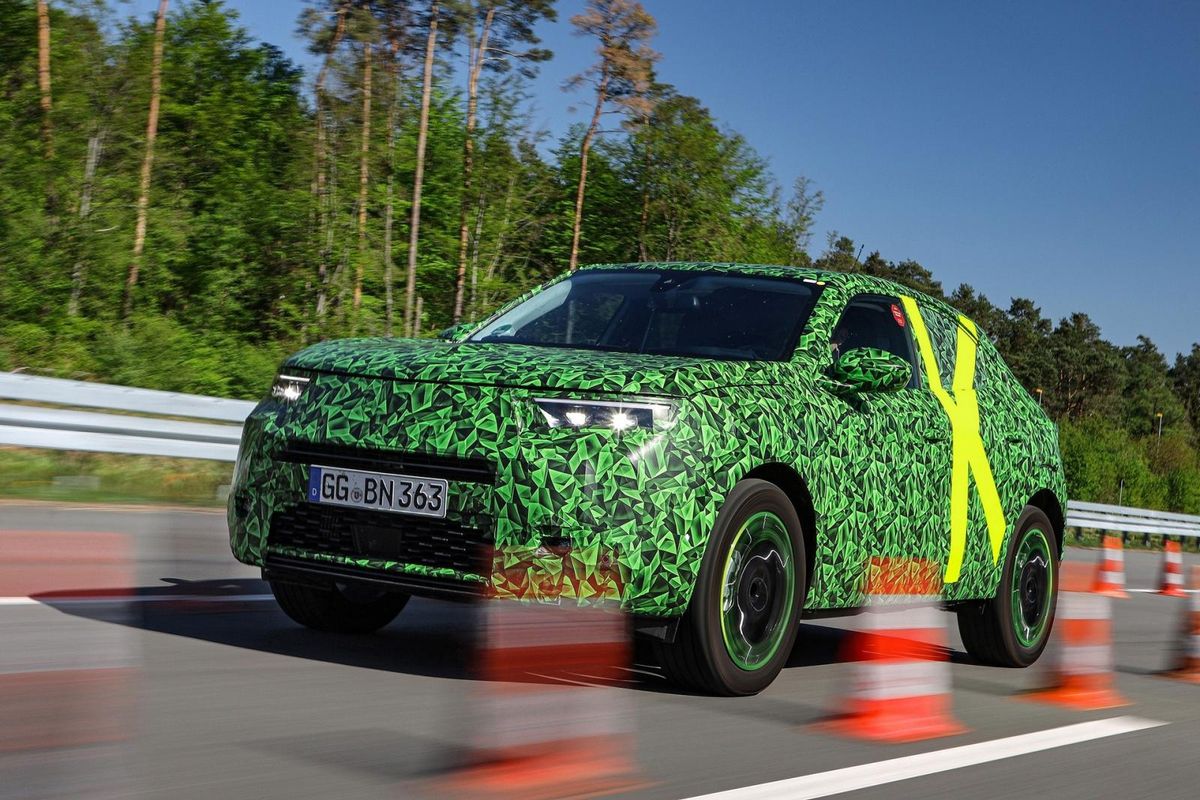
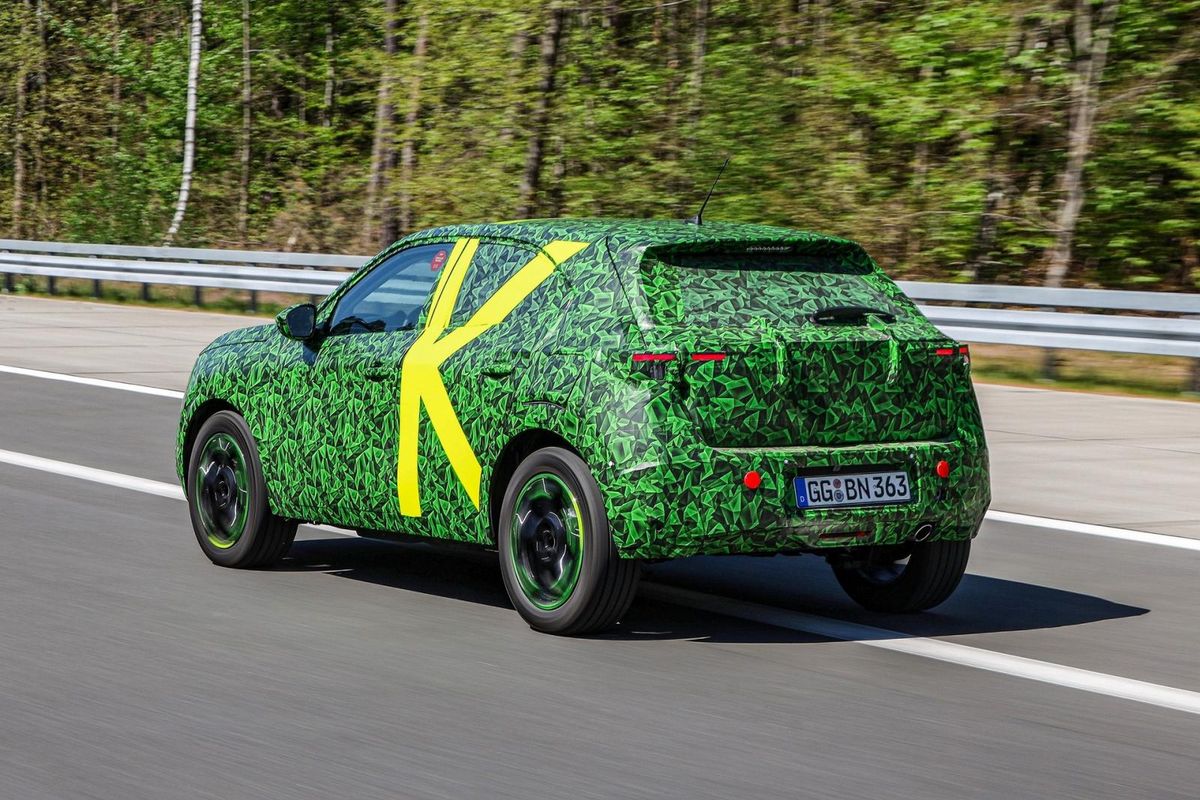
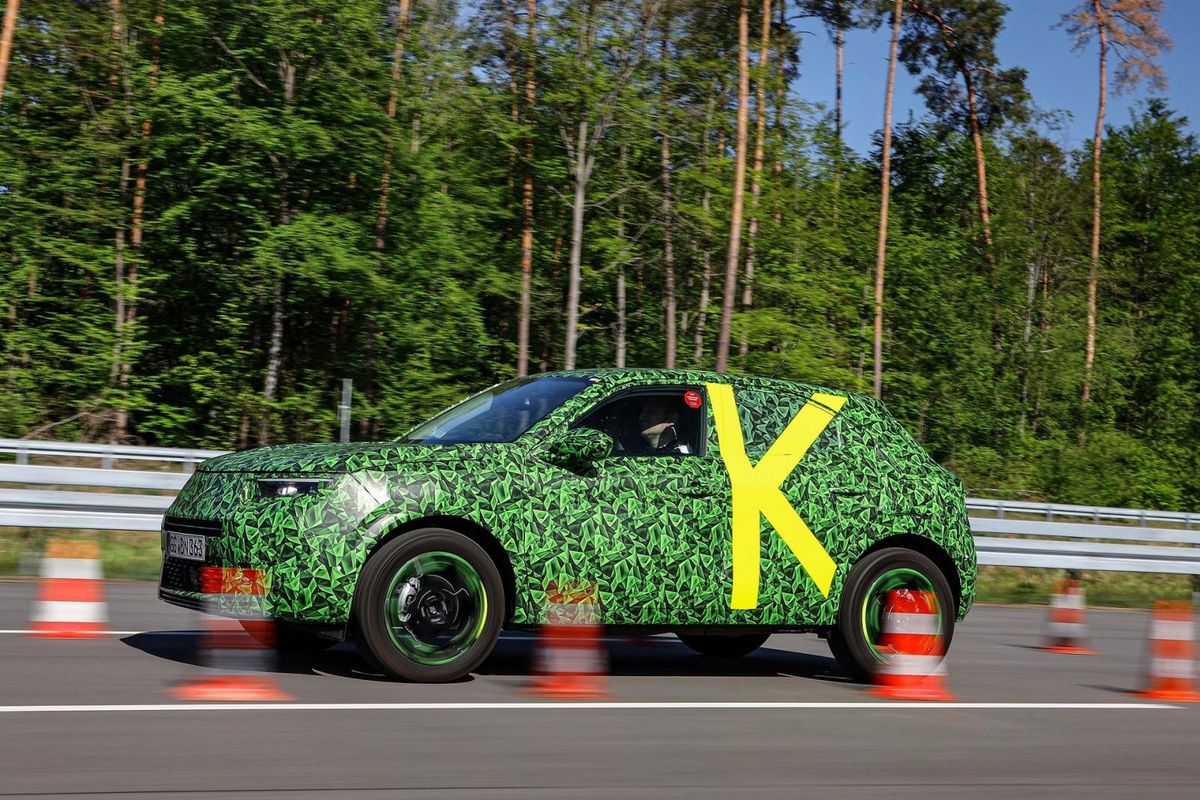
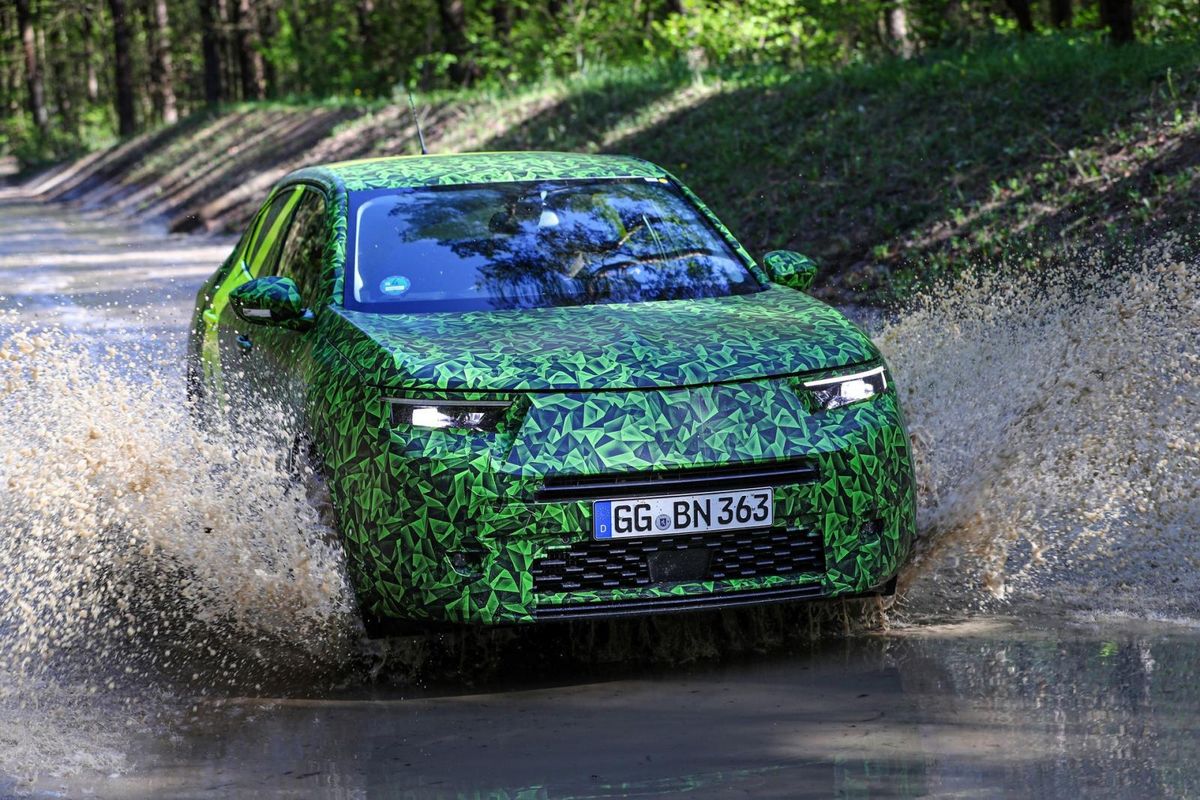
Opel has teased the first images of its all-new Mokka compact SUV. Here's what we know so far.
Opel is now under the ownership of the Peugeot Citroen Group (PSA) so expect some shared technology like platforms and powertrains. Opel is claiming there will be a fully-electric Mokka as well as conventionally-powered units. We suspect the electric Mokka will use the current electric Corsa's powertrain which offers up 100 kW and 260 Nm, and has a range of around 330 km.
Production will begin towards the end of this year, with the first customer cars (including the all-electric model) due to reach showrooms in the first part of 2021. Interestingly, the Mokka is losing its predecessor's Mokka X name and will just be known as Mokka.
‘The new Mokka will change people’s perception of our brand,’ said Stephen Norman, Vauxhall’s Managing Director. ‘Not only does it show that we’re serious about electrification, but also that we’re not afraid to innovate with design, both inside and out of the car. The Mokka is still in its development phase now, but it is set to be one of Vauxhall’s most important models when it arrives with customers at the start of next year.’
In May 2020, Opel released info on how the new Mokka was put through its paces as engineers refined springs, dampers and steering. There's also a focus on making the Mokka's drive engaging. According to the Opel Mokka project coordinator Karsten Bohle, “The test drives are running like clockwork, also because our new baby, with its low weight and compact external dimensions, reacts well to adjustments. Handling and comfort are super. The Mokka is a joy to drive.”
The new Opel Mokka will ride on the CMP platform, which underpins many Peugeot Citroen group products. Remember Opel is now owned by the French, and given PSA's meteoric rise over the past 18 months, this change of ownership can only mean good things for Opel. There are suggestions the all-new Mokka will be 120 kg lighter than the outgoing model, despite having almost the same wheelbase and tyre size.
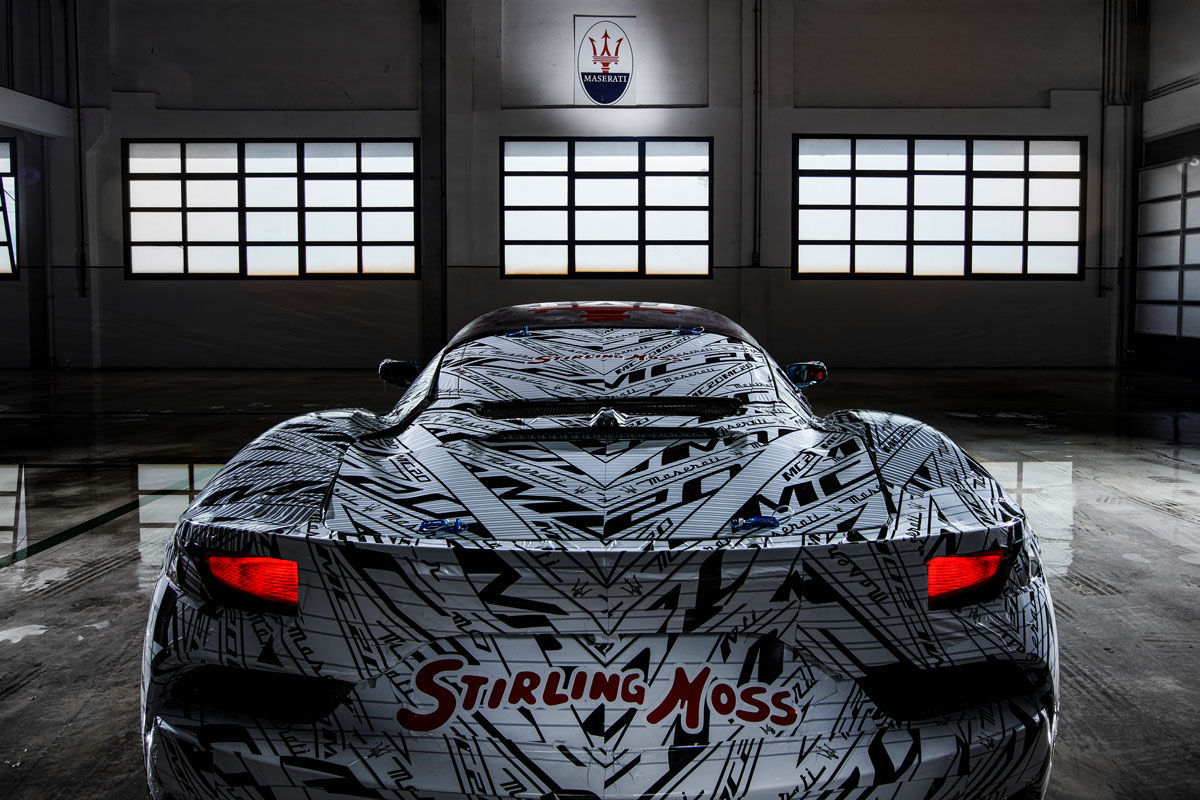
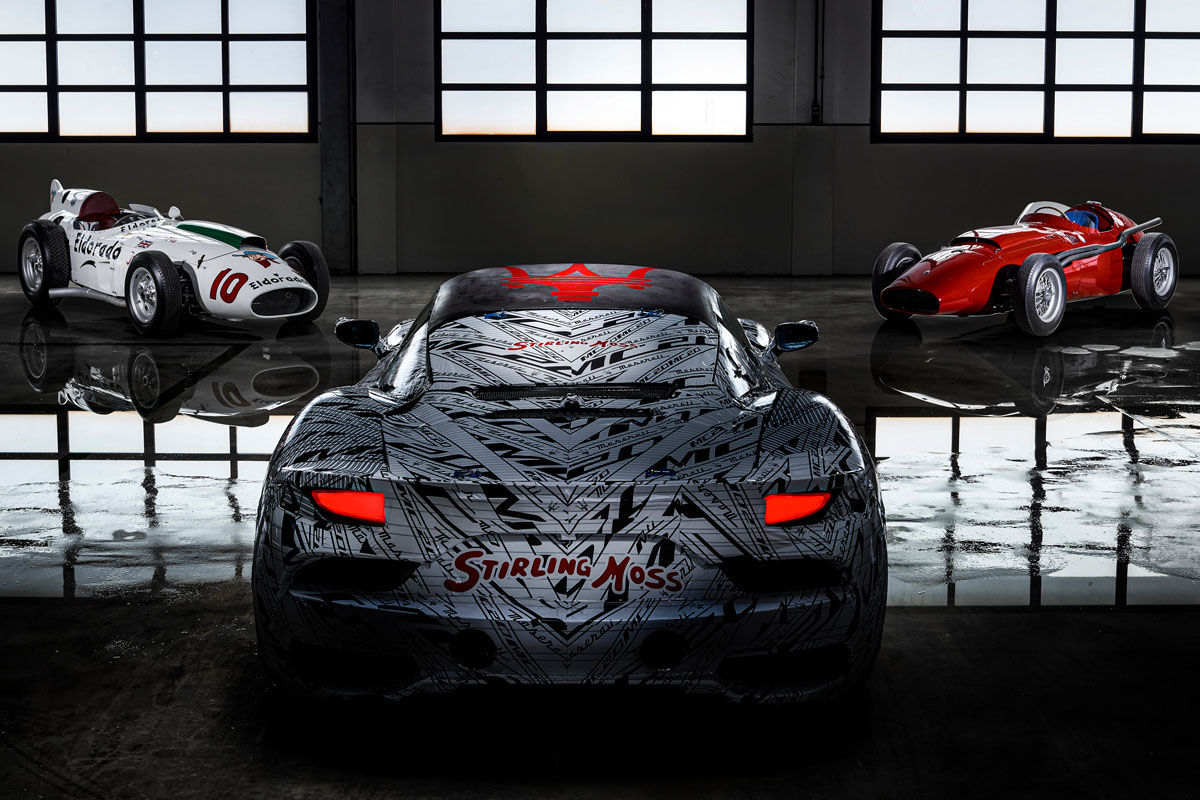
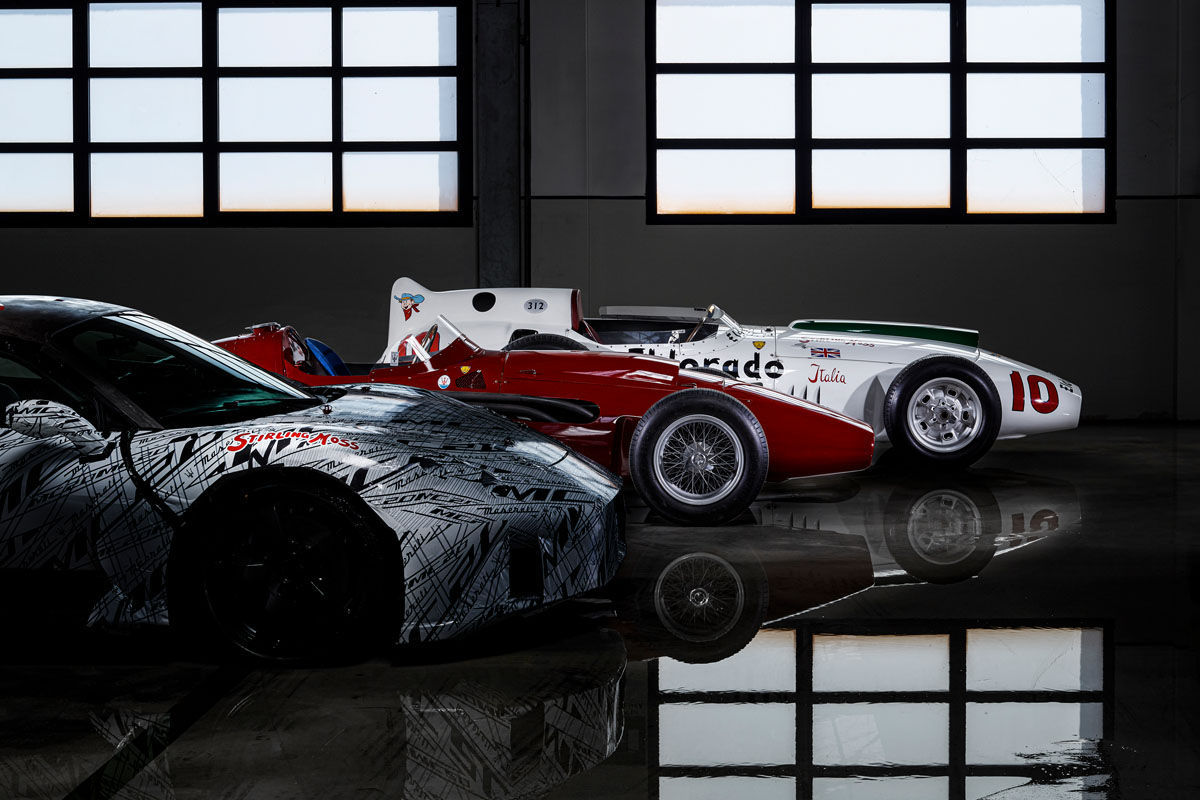
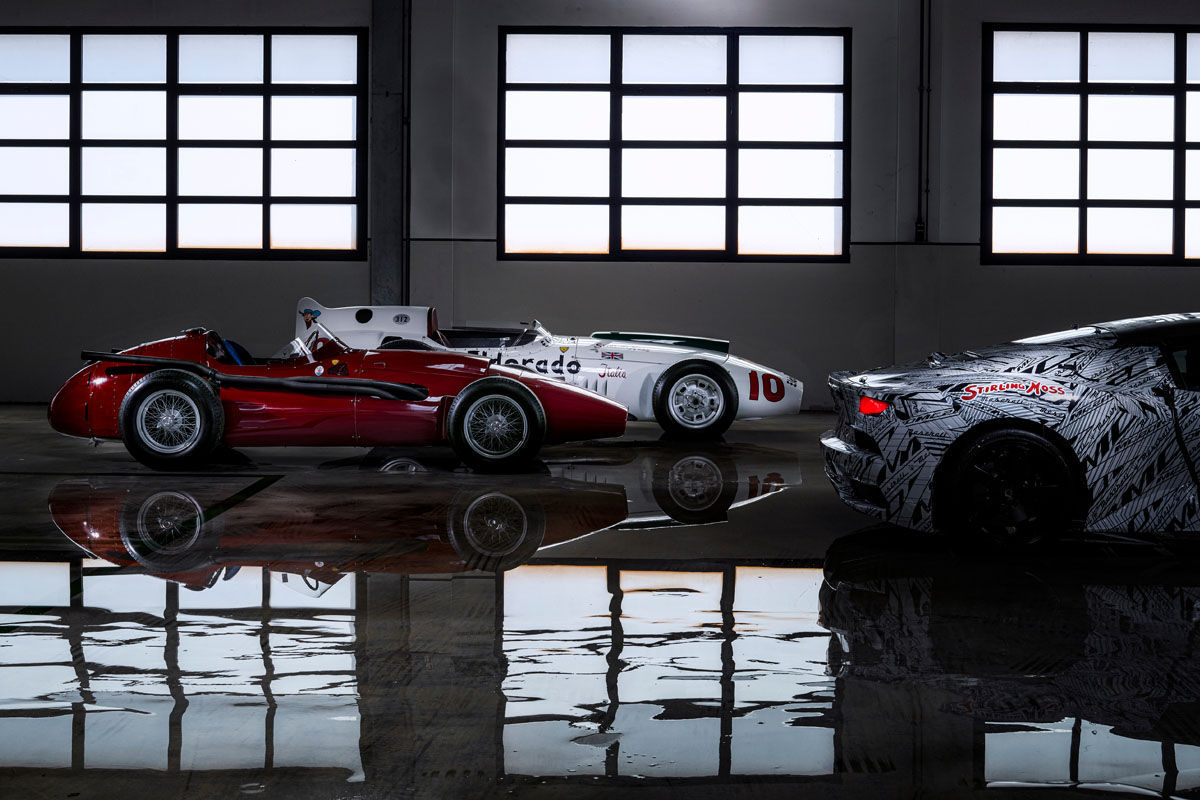
The Covid-19 pandemic has forced Maserati to delay the unveiling of its carbon-fibre-tubbed (and ostensibly twin-turbo V6-powered) mid-engined sportscar, but to whet our appetites for the upcoming launch, the Modenese marque has clothed its MC20 development prototype in a livery that commemorates the late Sir Stirling Moss.
Despite the unforeseen delay, 2020 looks to be a momentous year for the historic Italian marque. The Fiat Chrysler Automobiles' premier brand has been struggling for sales with an ageing product line-up, but in September, the defiant company will host a brand-relaunch event in Modena titled “MMXX: The Way Forward” to inaugurate the brand's "new era".
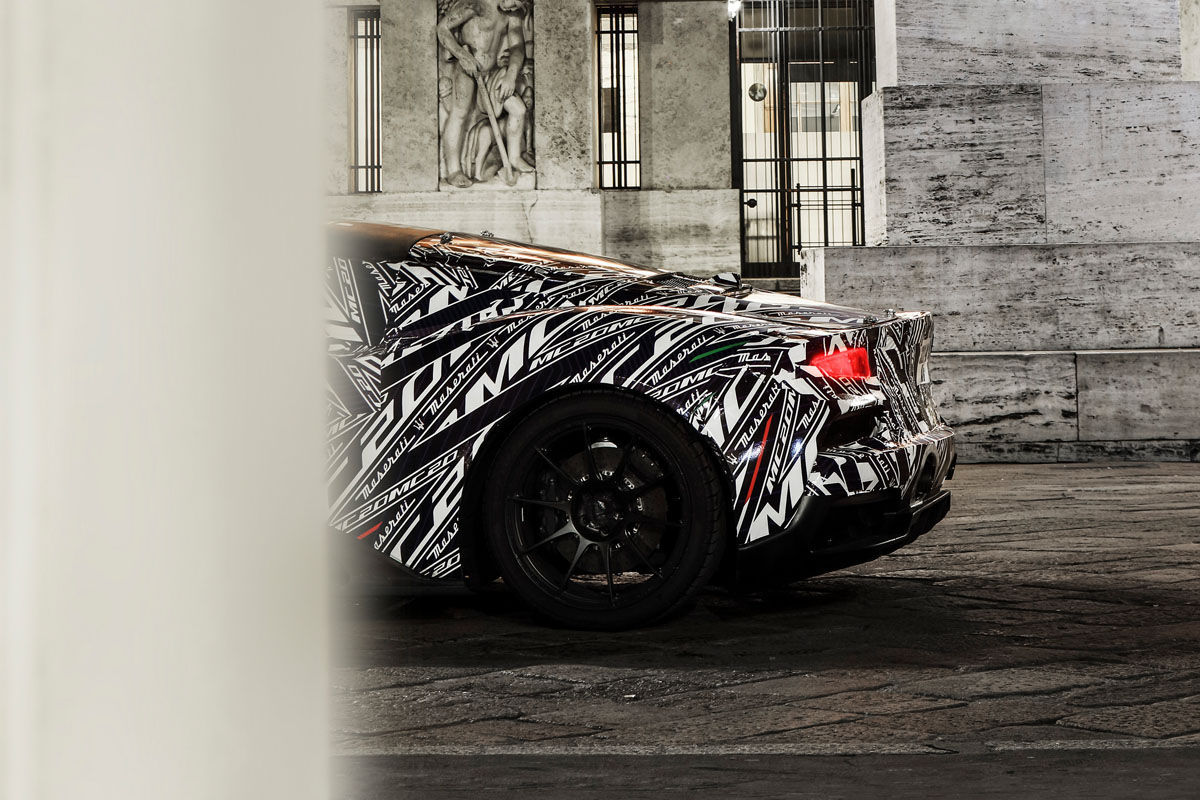
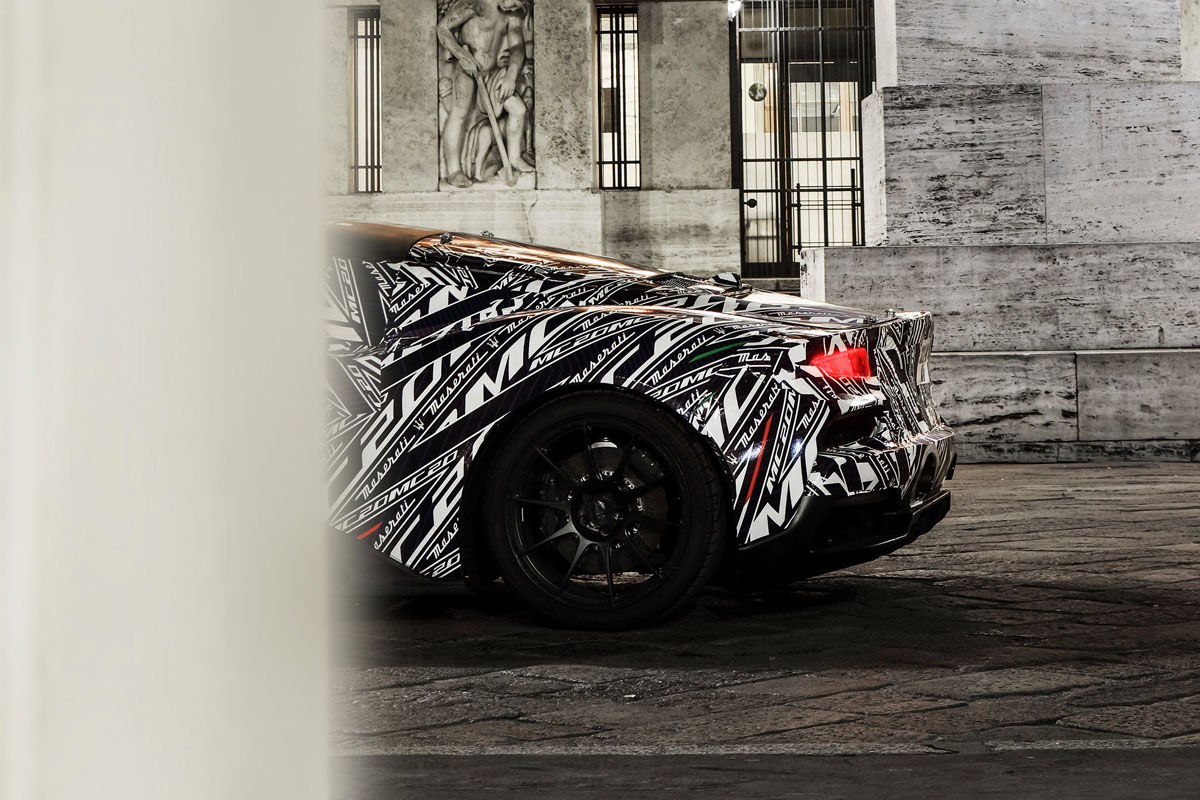
The MC20 prototype shows vents on the rear engine cover… pity we can't see the car's exhaust-end layout.
The MC20 (MC is the abbreviation for Maserati Corse – or Maserati Racing – while the 20 refers to 2020) is set to be the first model to be launched in the so-called “new era” of the Trident brand. As a spiritual successor to the MC12 supercar, which won 22 races (including 3 victories in the 24 Hours of Spa) and clinched 14 championship titles in FIA GT racing from 2004 to 2010, the newcomer will be officially entered in motorsport competition.
Maserati claims the MC20 will be “the first car to adopt a new engine 100% designed, developed and produced by (the brand) itself” and it will be produced at the historic plant in Viale Ciro Menotti (where the now-discontinued Gran Turismo was built). The plant’s production line is being modernised “to accommodate the newcomer’s advanced electric powertrain”, and a new low-environmental-impact paint shop is being built.
Sir Stirling Moss campaigned a host of Maseratis during his storied career.
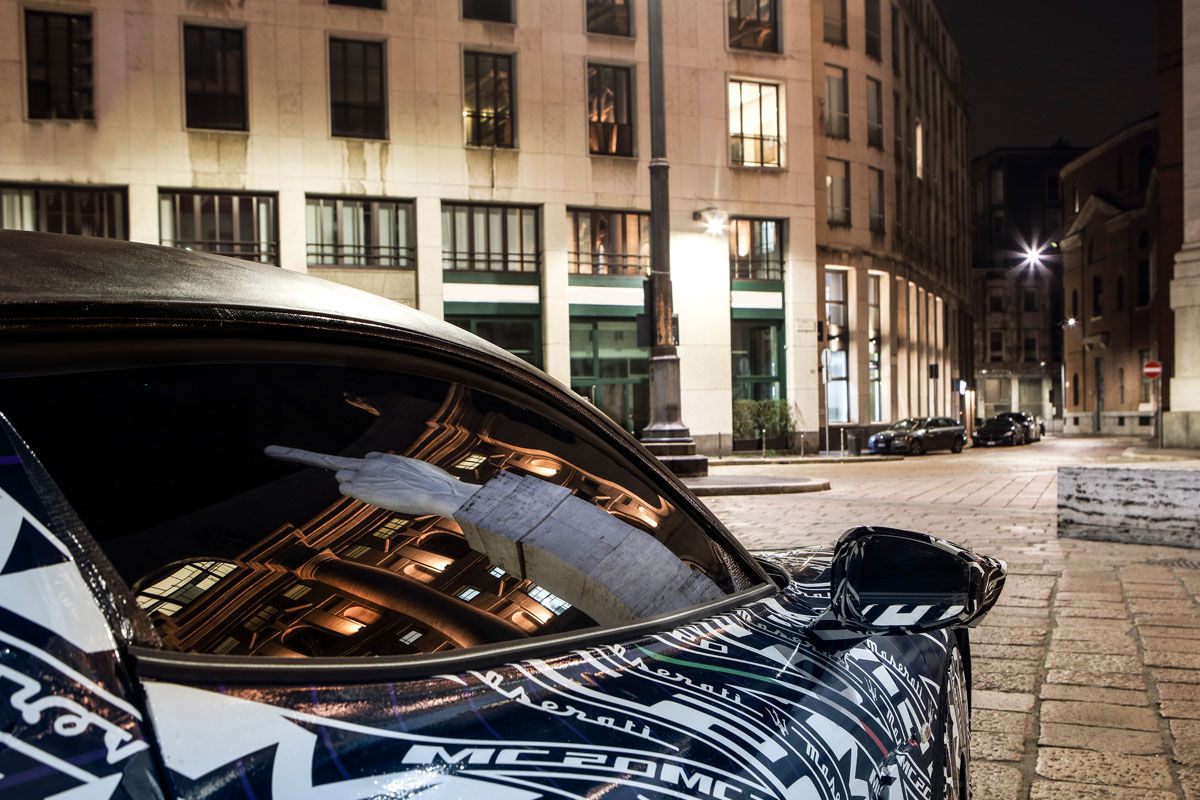
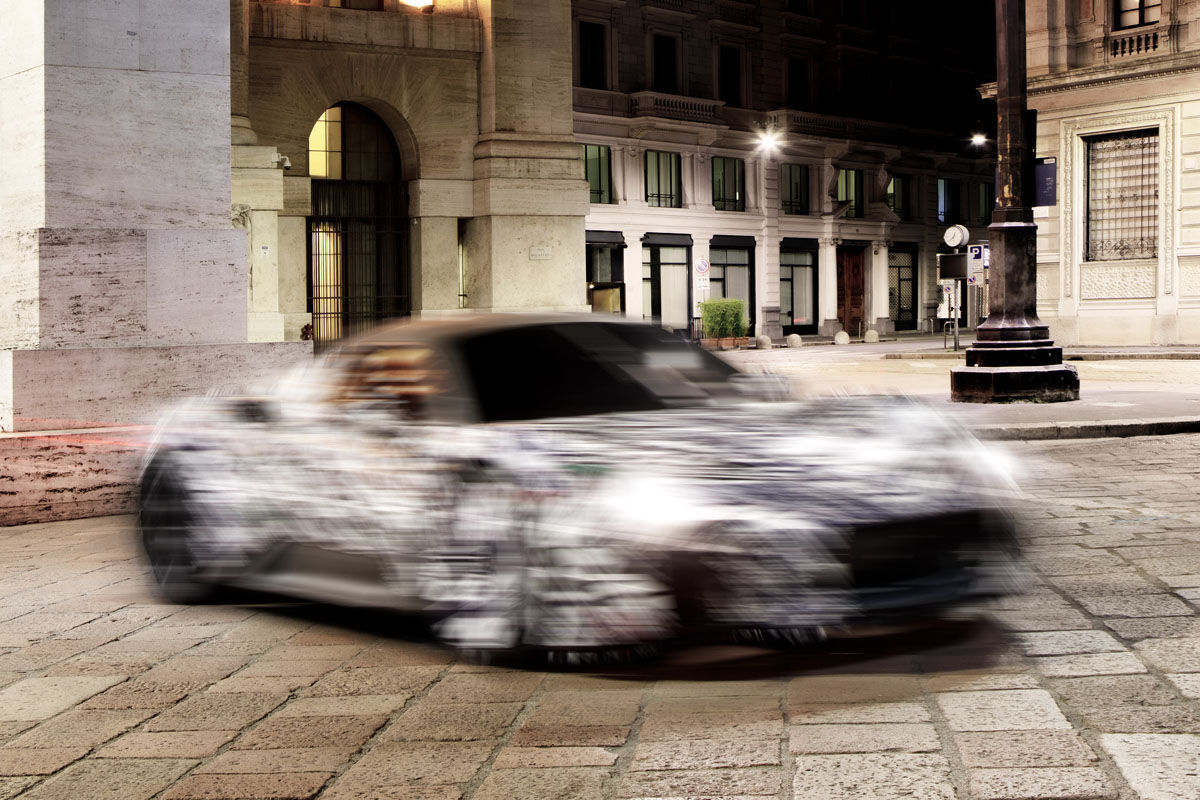
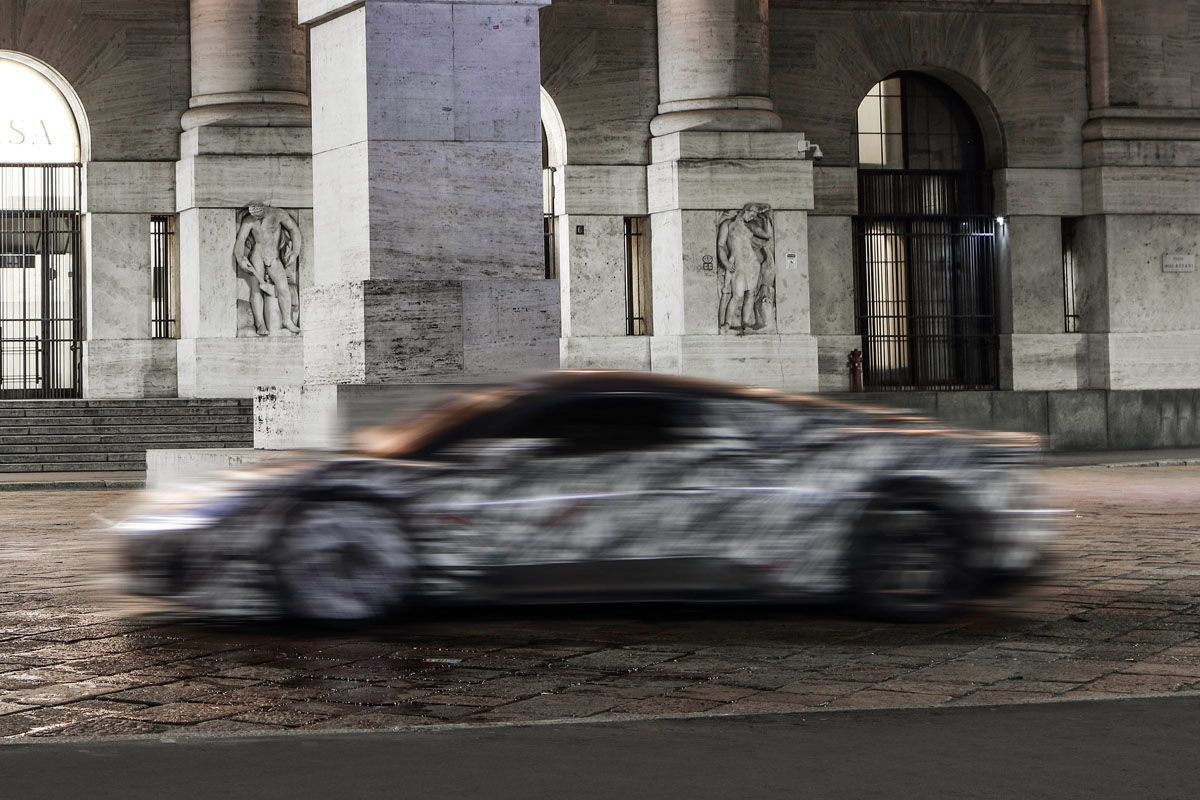
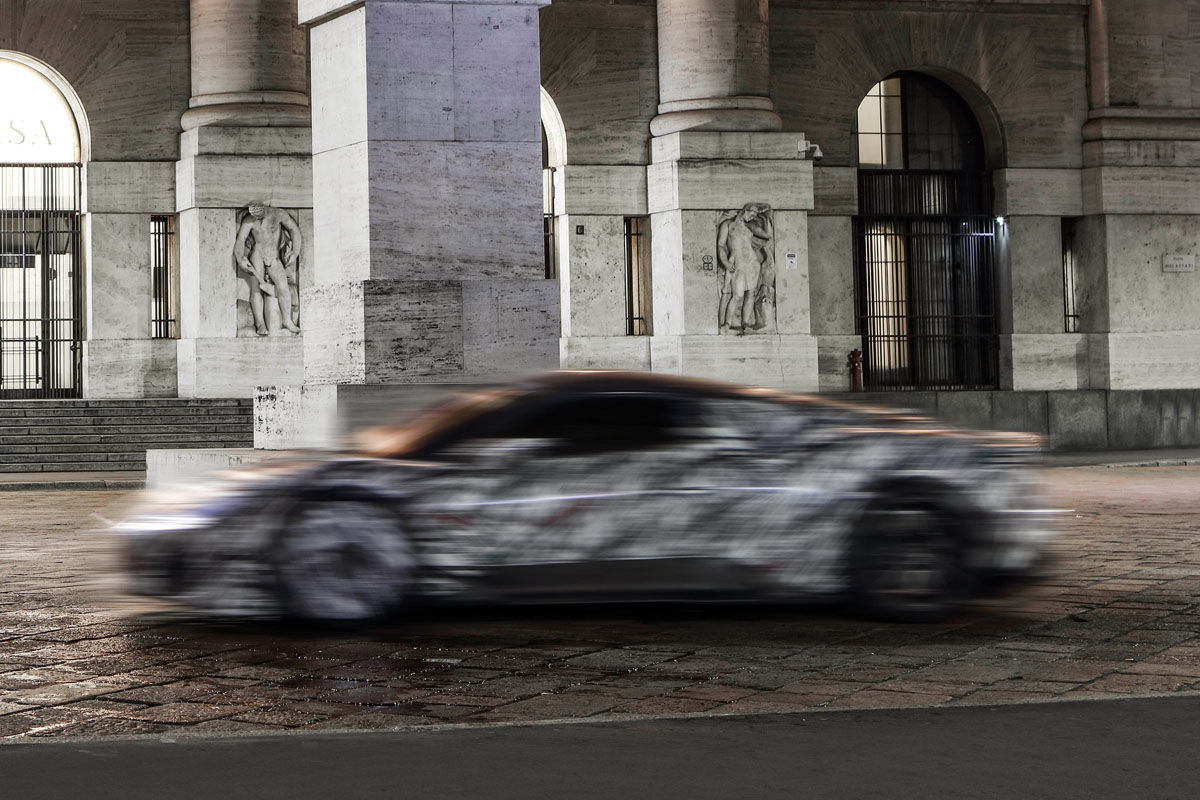
In March, to hammer home the Trident brand’s “Masters of ItalianAudacity” global statement, of which the new MC20 is claimed to be “the first and ultimate expression", the first full prototype of the mid-engined sportscar was photographed at night in Piazza degli Affari in Milan. That marked the start of a period of road and track testing, in various conditions, to acquire vital data for the preparation of the car's final setup, Maserati says.
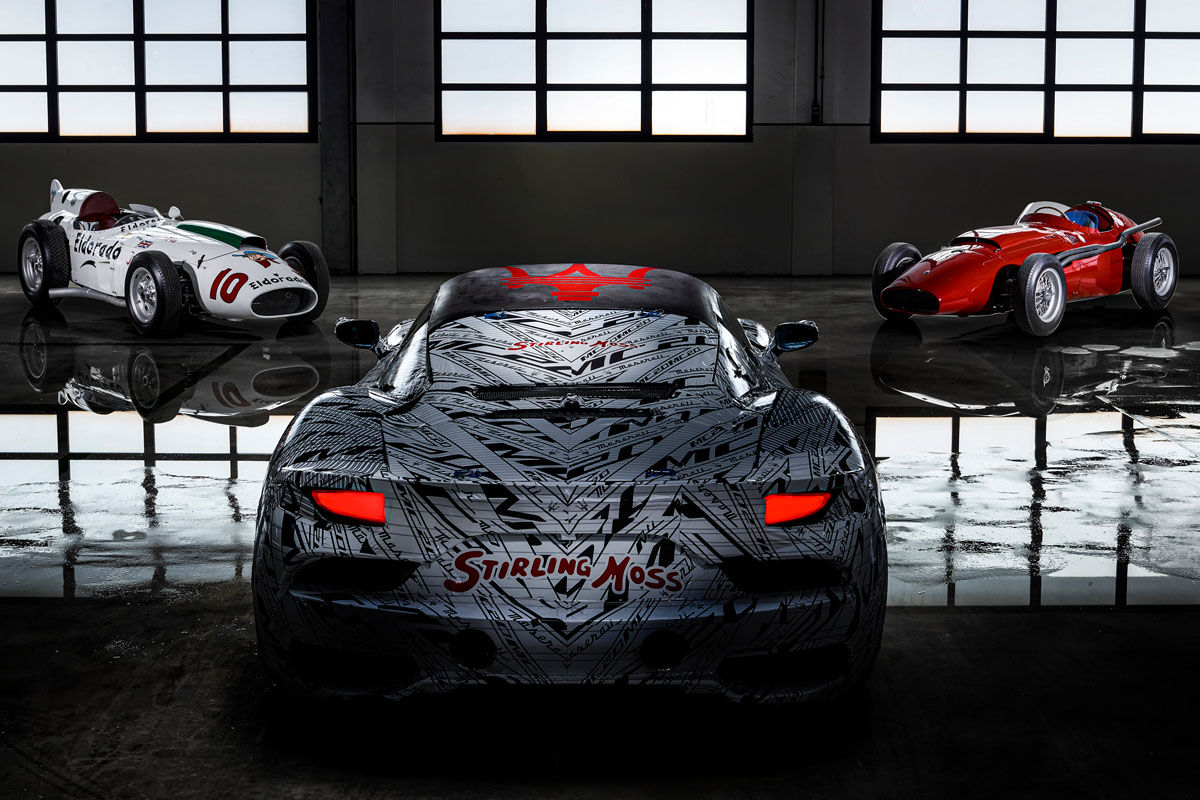
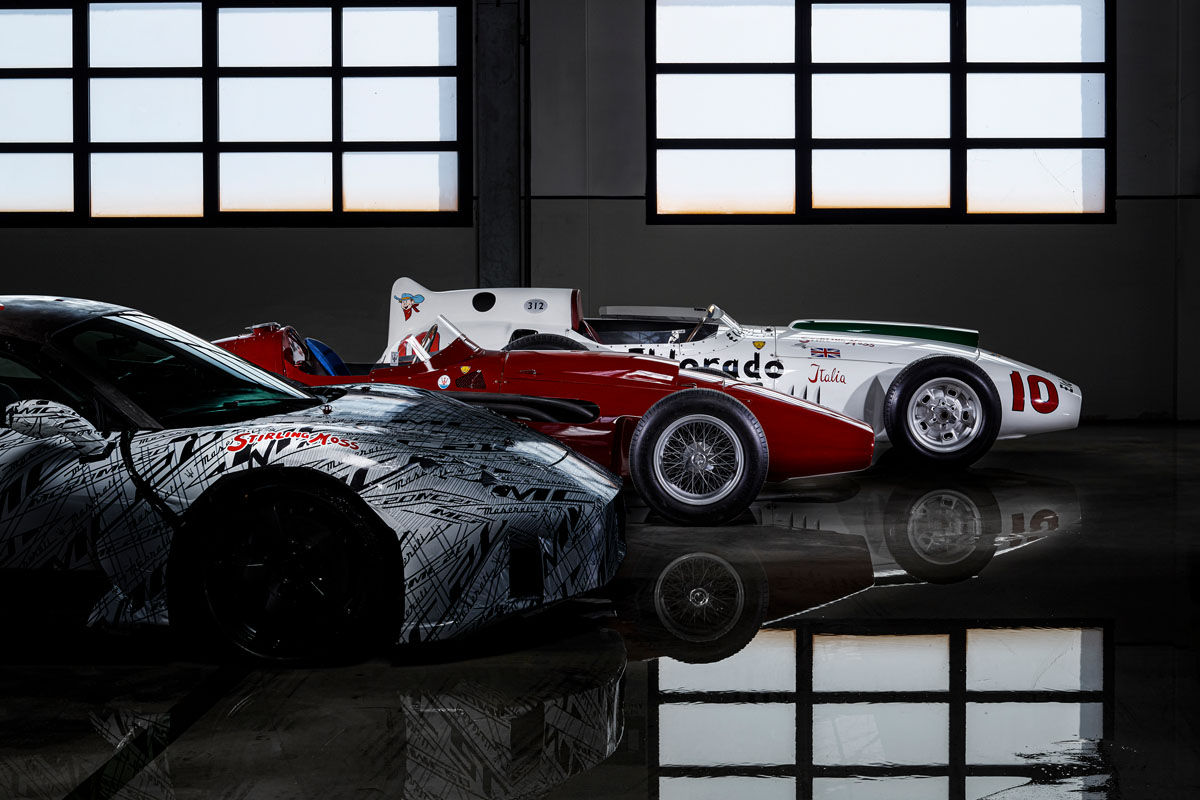
Now Maserati has shown the MC20 prototype again in a livery that pays homage to Sir Stirling Moss, the British motorsport legend who died on 12 April at the age of 90. The design is inspired by the Maserati Eldorado – the iconic single-seater Sir Stirling drove in the “Trofeo dei due Mondi” at Monza in 1958.
Questions remain about Maserati's claim of an "advanced electric powertrain". It presupposes hybrid and BEV versions of the MC20.
The wrap features Moss' name in bold, red letters at the rear in honour of the man who recorded 16 victories in 66 Formula One starts – he’s widely regarded as is one of the most successful drivers never to have won the F1 world drivers' title. In the 1956 season and some 1957 races, he drove a Maserati 250F (“his favourite”, as he often recalled). The British driver also drove the Maserati Tipo 60 Birdcage, Tipo 61 and 300 S during his career.
What’s clear from the teaser images is that the MC20 is mid-engined (note the sharp, plunging nose section and the air intakes atop the car’s elaborate rear fenders). Car and Driver claims the MC20 will – like its now-discontinued Alfa Romeo 4C cousin – feature a carbon-fibre tub and that it will be powered by that “all-new” twin-turbo V6 producing in excess of 447 kW, mated with an 8-speed dual-clutch automatic transmission.
It that a centrally-mounted single exhaust end protruding from the MC20 prototype's rear diffuser?
The engine’s displacement has not been announced, but British Car suggests that Maserati engineers are working towards an ultimate engine capacity of approximately 3.6 litres, which is substantially beefier than the 2.9-litre displacement of the twin-turbo V6 that produces 403 kW/600 Nm in the Alfa Romeo Giulia GTA.
The MC20 will be produced in coupe and roadster guises – it will be launched in hardtop guise, with the soft-top version expected to follow in 2021 (or soon thereafter). But what about the “advanced electric powertrain” that Maserati referred to when it described the upgrade programme of its historic Modenese plant (where the MC20 will be built)?
Hybrid, pure-electric versions mooted
While a pure-electric version of the MC20 is said to be planned, we believe that newcomer's power unit could also comprise a combination of a twin-turbo engine with multiple electric motors – with at least one of those motors mounted on the front axle, British Car reports. The result will be a hybrid sportscar with a combined output of 515 kW that should be capable of sprinting from 0-100 kph in under 3 sec.
We believe that the unveiling of the MC20 will coincide with the “MMXX: The Way Forward” event in September. We also await news of a replacement for the Gran Turismo, which is believed to be based on the 2+2 Alfieri concept.
An S8 engine, without the performance, but it does have some rather special kit to make up for that.
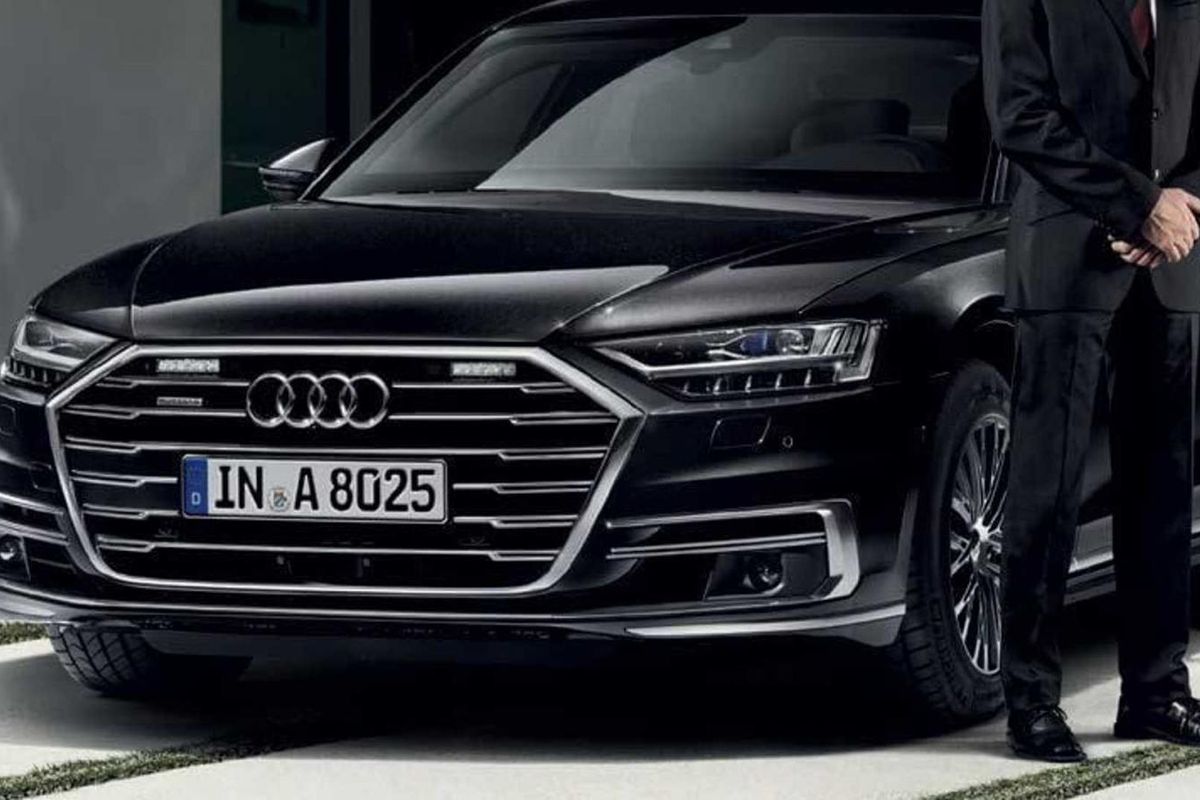
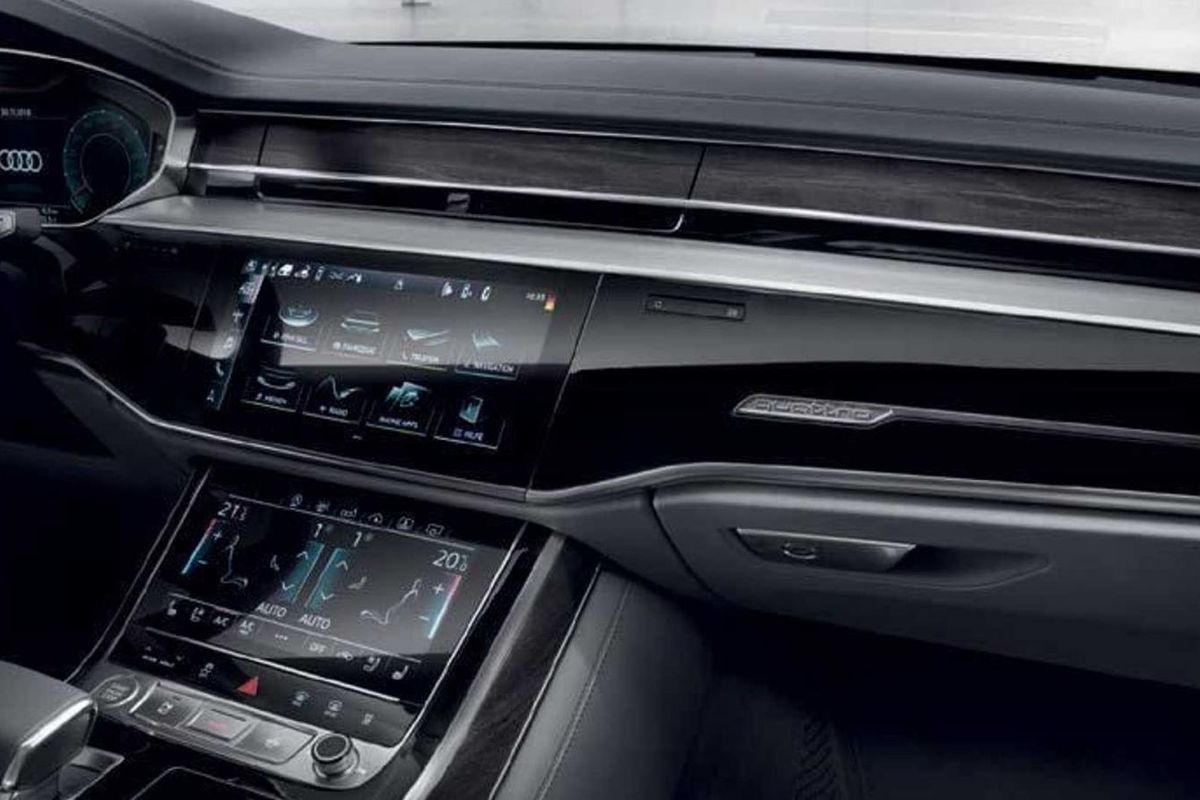
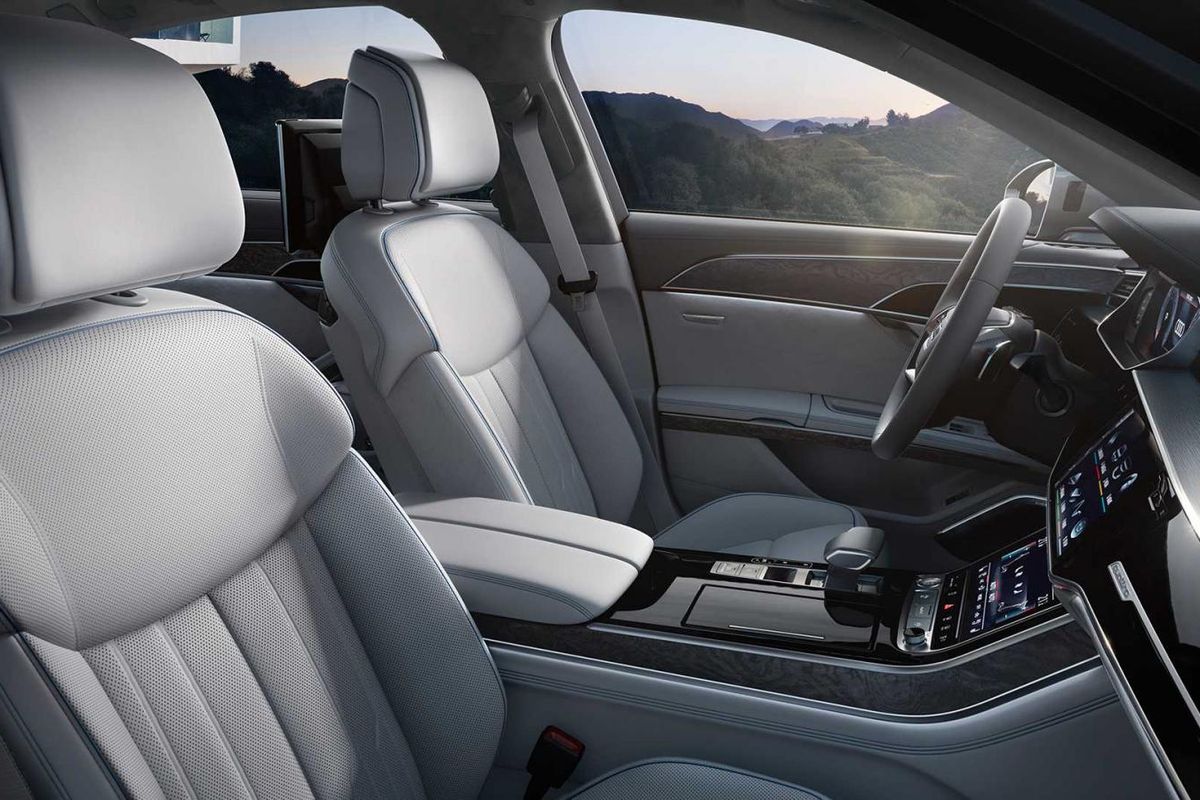
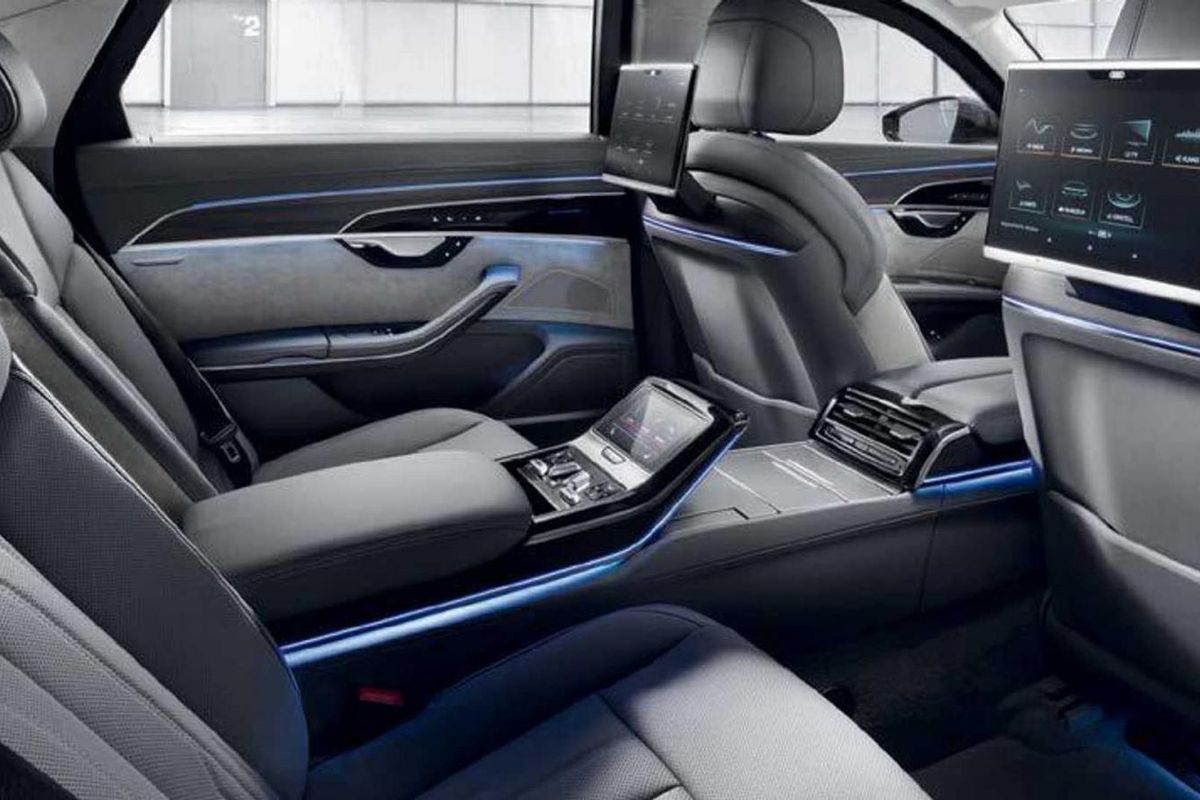
Audi has launched the most sophisticated version of its A8.
Without much fanfare, the latest A8 Security is now available for those most discerning Audi customers, who feel a touch vulnerable about their safety on the move.
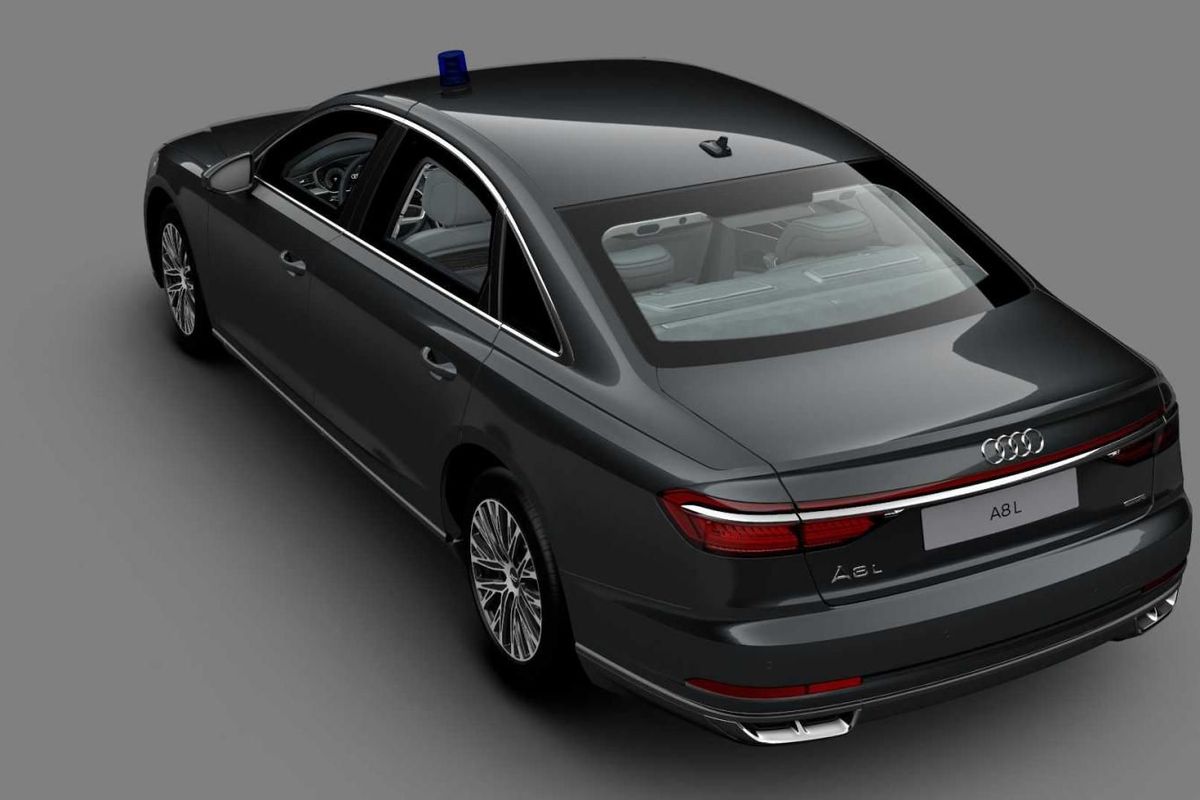
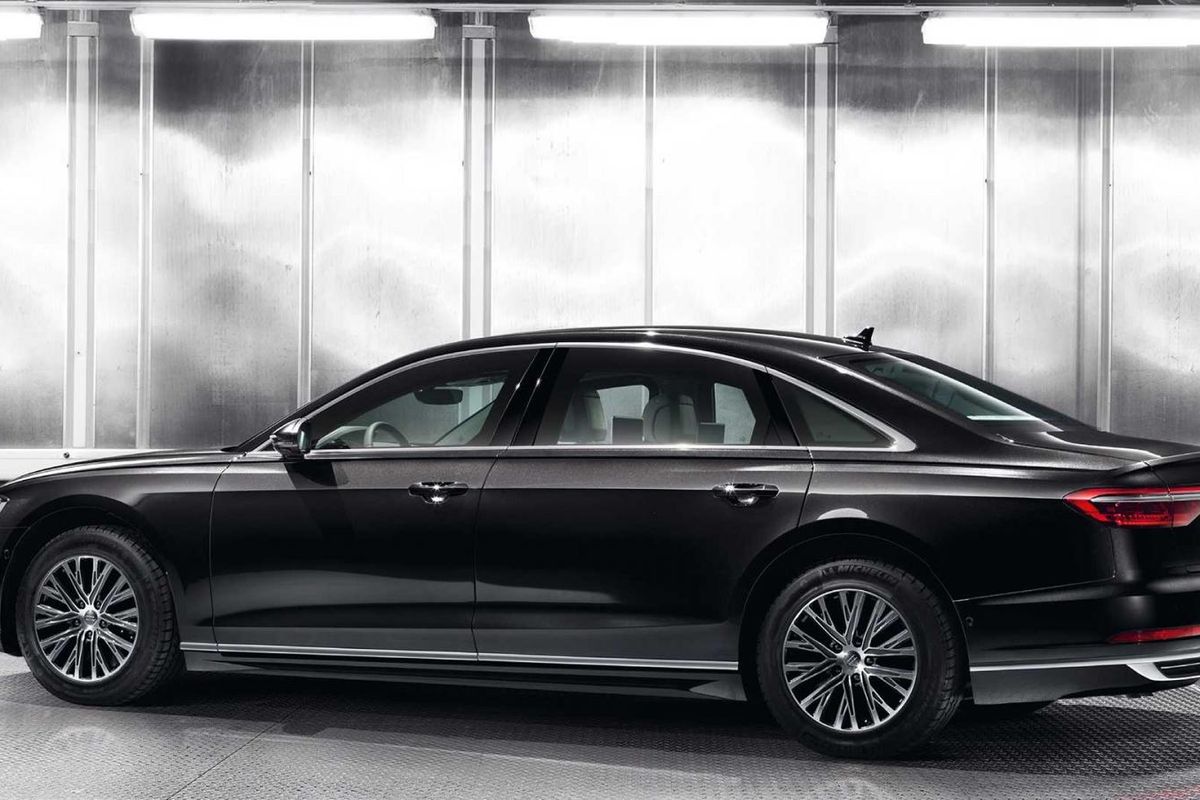
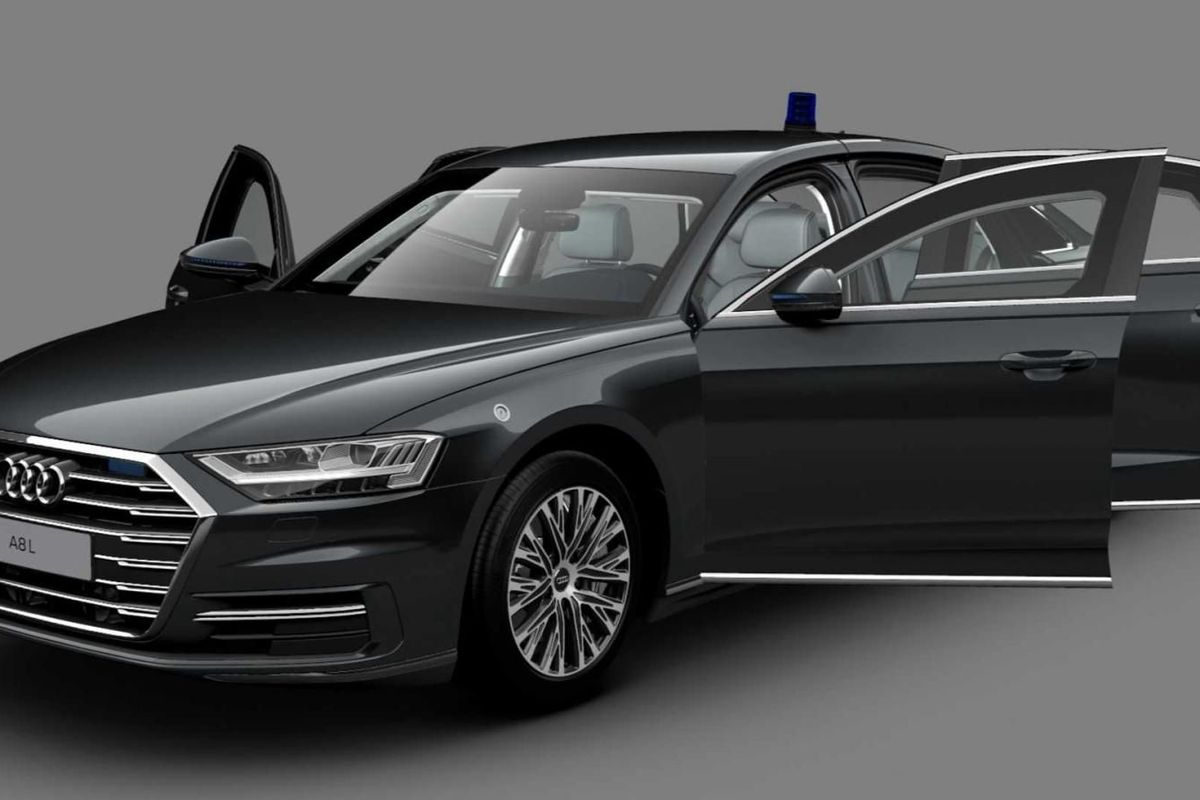
Although the A8 Security might not look much different to a regular A8 – but for the blue roof LEDs – it has a lot more of, well, everything.
Armoured windows and a fully integrated protection cell around the cabin, give it VR9-level gunfire protection. That bulletproofing naturally comes at a cost, in weight, with the A8 Security calculating to a massive 3 875 kg kerb weight. But don’t imagine that it is awfully slow, due to the ballooned vehicle mass.
Audi’s technical people have been clever enough to equip the A8 Security with an S8-specification engine, which means the twin-turbo 4-litre V8 is good 420 kW, delivering 0-100 kph in 6.3 seconds. That might be two-and-bit seconds slower than an actual S8, but still makes the A8 Security swift enough to get away from pursuers.
Top speed is limited to 210 kph, to preserve braking function, considering the car’s near 4-tonne mass when fuelled and loaded with passengers.
What are some of the unique A8 Security features? Beyond protecting its occupants from snipers and grenade tossing assassins, its run-flat tyres allow for 85 kph speeds over an 80 km distance, when punctured. A fire suppression system also prevents all that unleaded fuel from causing an issue, after suffering a severe attack.
The doors also feature pyrotechnic hinges, which can blast-separate them from the A8 Security’s bodywork, if required. A fresh air system also recognises the presence of pollutants, triggering a pump system that vents better air into the cabin, to allow passengers to breathe.
Pricing
It takes Audi’s technicians 400 hours to build each A8 Security, which is primarily targeted at the Russian market, for a winching R13m (estimated) list price.
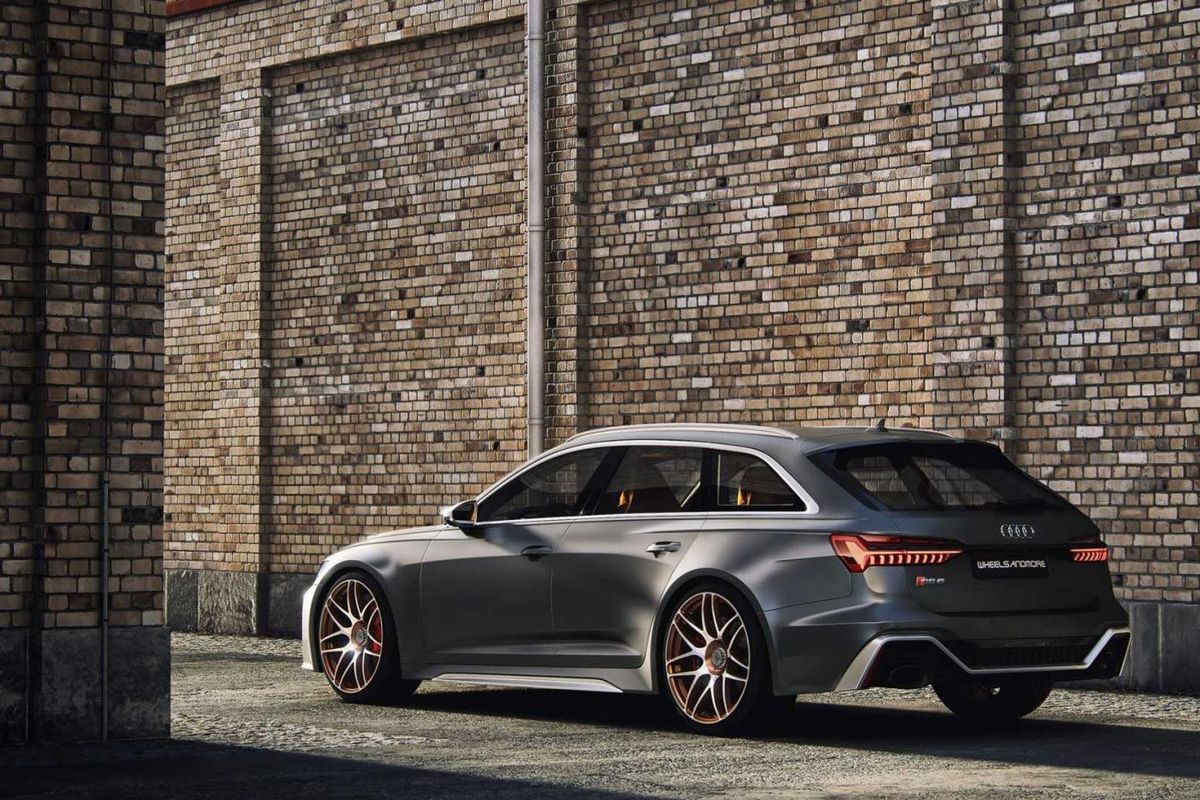
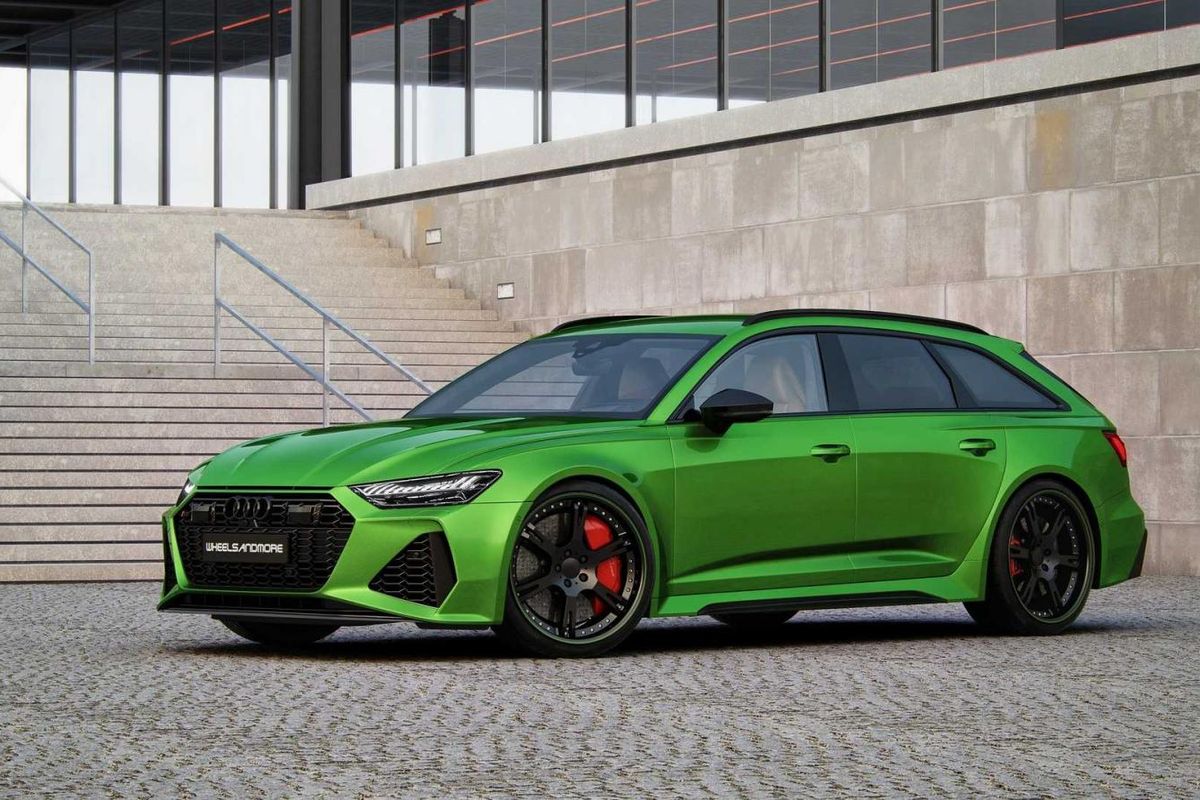
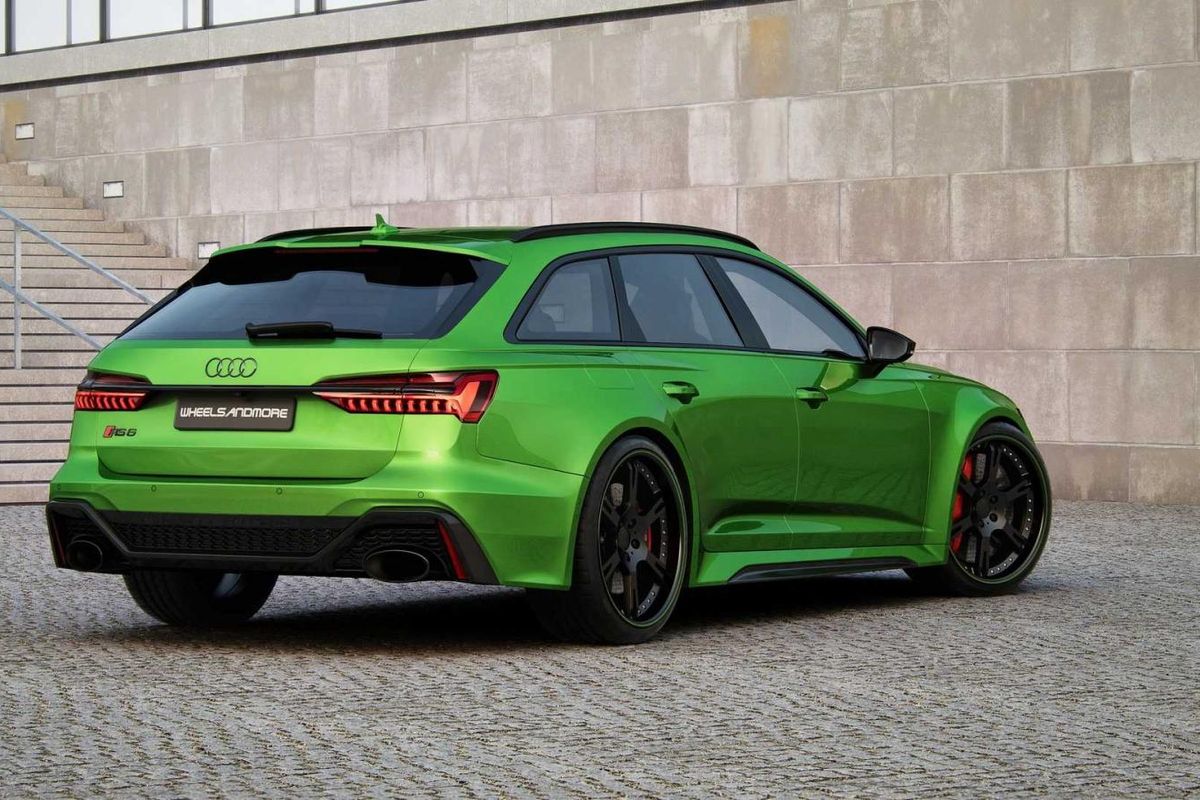
The new Audi RS6 Avant has impressive power outputs in standard form, but tuning firm, Wheelsandmore, have created a monster…
Audi’s new RS6 Avant is one hot wagon that we can’t wait to drive. In standard form, the RS6 Avant packs a big punch with 441 kW and 800 Nm of torque developed by a twin-turbocharged 4.0-litre V8 engine. Equipped with an 8-speed Tiptronic transmission and all-wheel-drive, the RS6 Avant will smash zero to 100 kph in just 3.6 seconds! Top speed is limited to 250 kph.
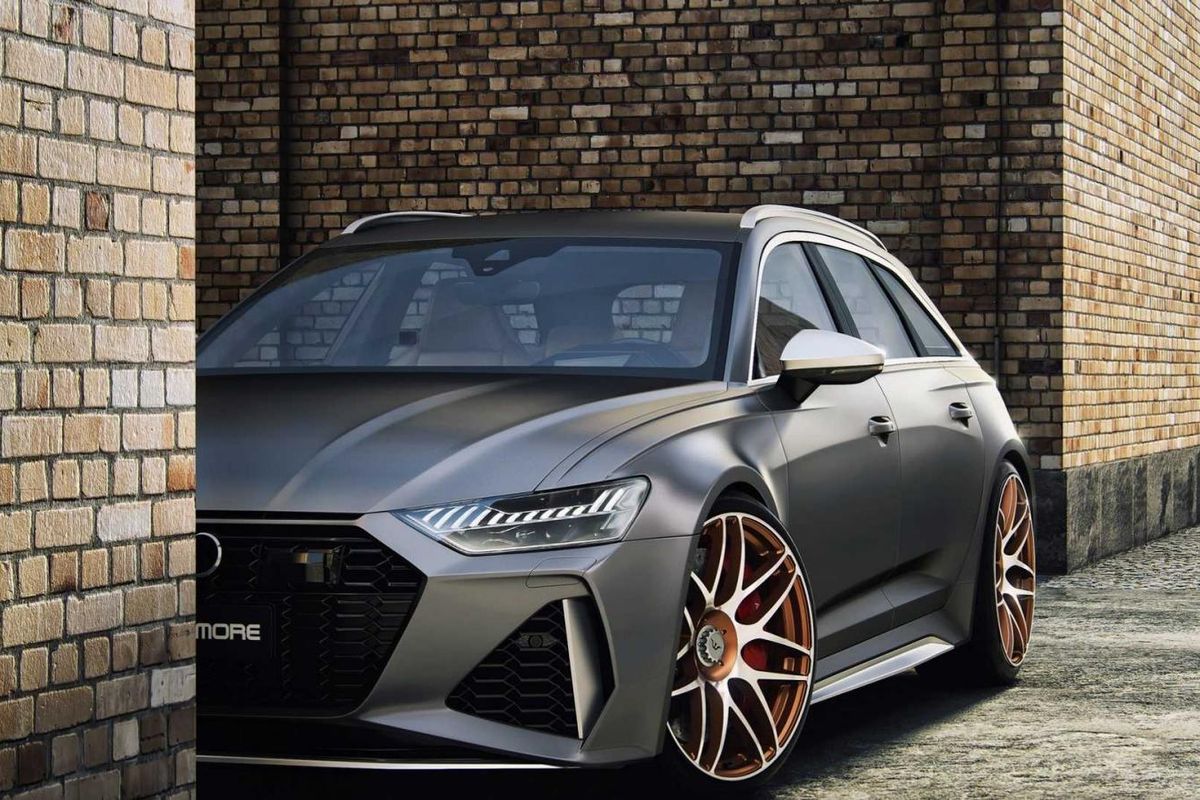
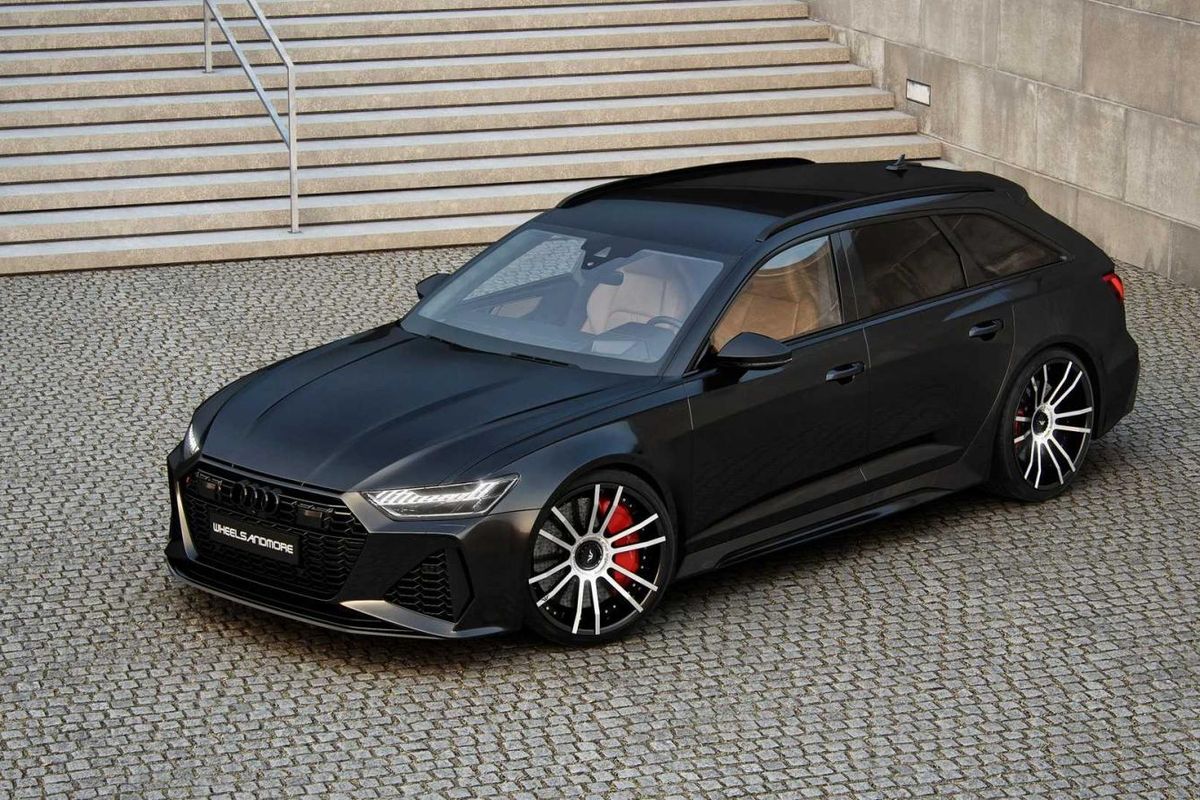
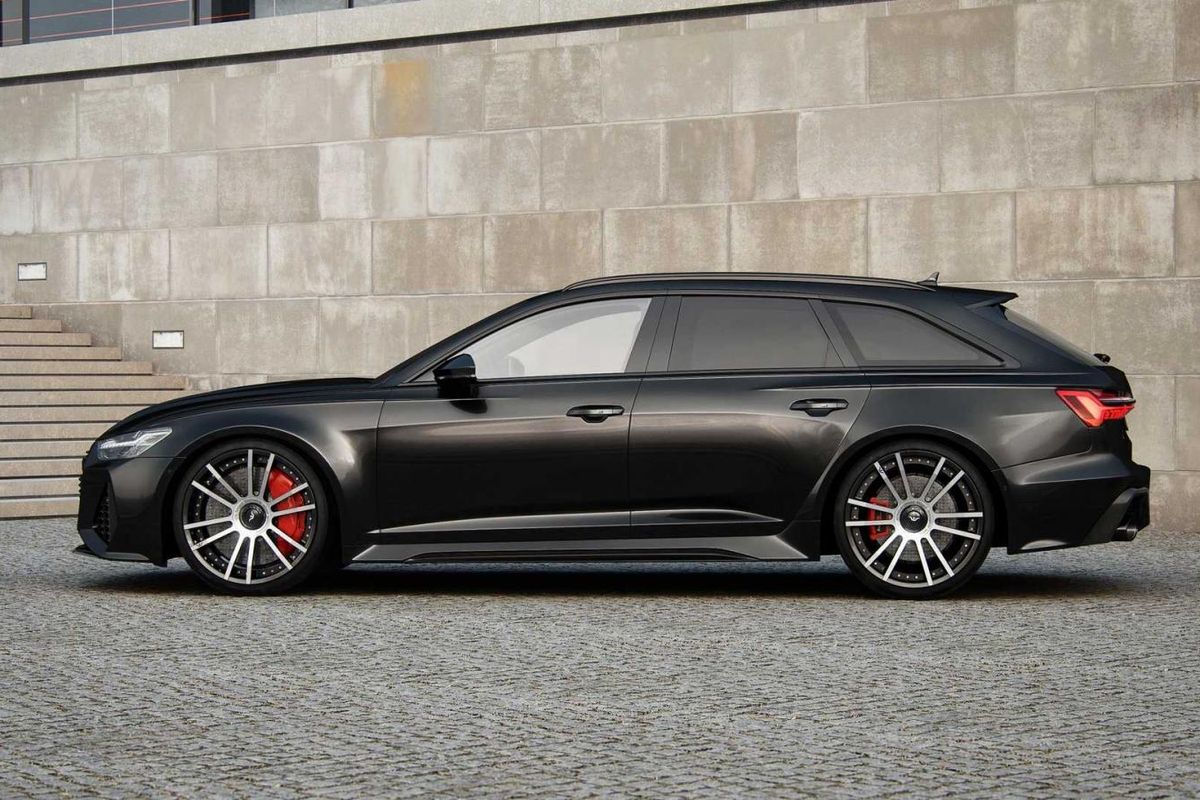
For some though, that’s just not enough. German tuner, Wheelsandmore have taken the RS6 Avant and created a monster. The firm calls this project TenTension and has managed to squeeze significantly more power and torque from the engine. This was done with various hardware and software upgrades resulting in outputs of 753 kW and 1 250 Nm of torque.
The firm has yet to conduct long term testing on the modifications before it goes on sale to the public and the upgrade costs about R833 000 at current exchange rates, which excludes the price of the RS6 Avant which is estimated at about R2.1-million. The RS6 Avant is not on sale in South Africa yet but is likely to arrive in 2021.
Ever since the Carlos Ghosn imprisonment and subsequent escape, the Renault/Nissan Alliance has been in trouble. It seems the future of Datsun is in jeopardy now too, is it a case of no more Go?
Nissan is desperately attempting to reorganise and downsize its business, as it suffers more losses and a share price which has nearly halved, this year.
After a terrible 2019, Nissan has awoken to the reality that it might no longer possess the resources to be a volume vehicle brand.
Projections from the Japanese company are for immediate cost savings of R50bn according to Automotive News Europe. Nissan wishes to build fewer cars, with better margins and higher prices. That business strategy means no more cheap Nissans. In fact, Bloomberg reports from a source that the Infiniti brand will see renewed investment as the brand focuses more on the premium sector of the market.
Reducing Nissan’s size and rationalising its business has cast doubt on the future of Datsun, which was revived as a value sub-brand in 2013.
Although vastly popular in developing markets (like South Africa), the profit potential in cheap Datsuns are too small. Nissan is no longer interested in scaling large production and distribution assets, for low returns, which means Datsun has no future.
Emerging market economies and entry-level buyers will be in a very weak economic position after the Covid-19 lockdown. India, Indonesia and Russia are crucial Datsun markets, all facing economic ruin after the Covid-19 economic disruption. For those oil producing countries which were strong Datsun target markets (Indonesia, Kazakhstan and Russia), the crash in crude prices will significantly dent new car sales for many months.
Nissan’s future strategy is to align its products to American, Chinese and Japanese demand, where budget cars are only a peripheral part of the product portfolio.
If Datsun swiftly disappears, it will radically reduce Nissan’s South African presence, where it accounts for most of the company’s passenger car sales.
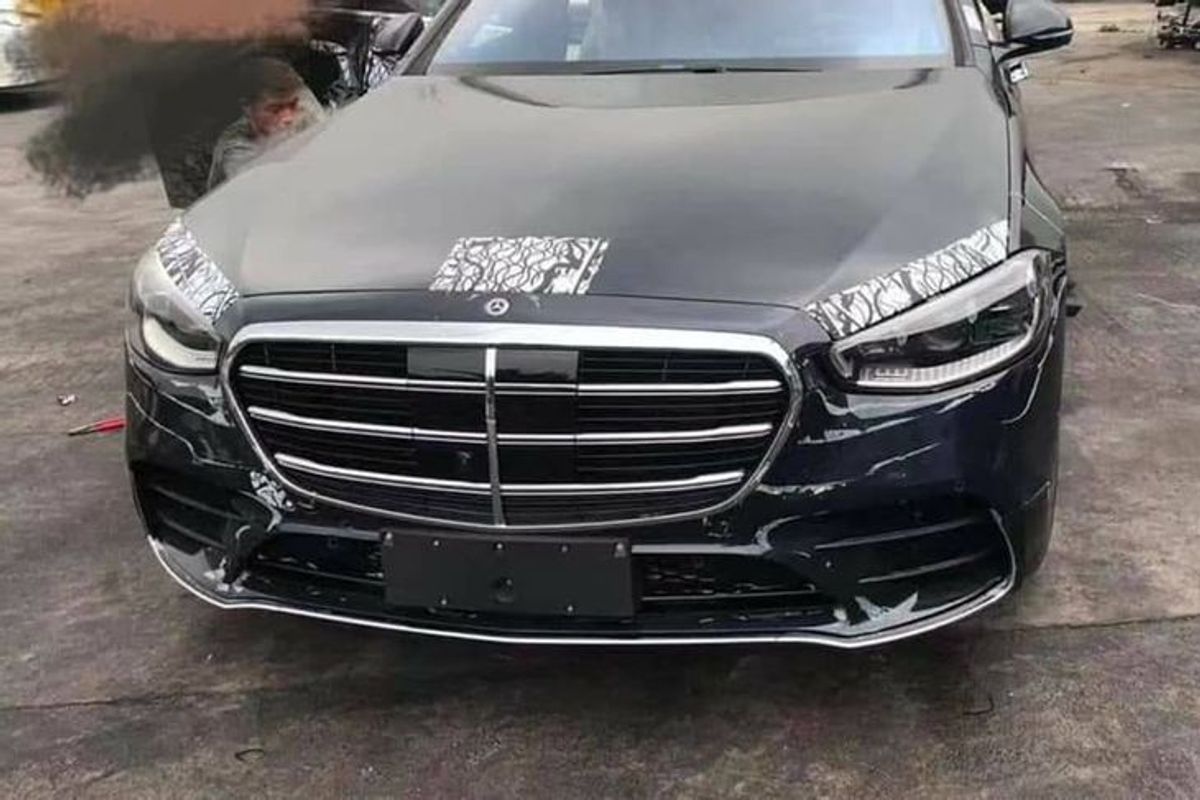
Thinly-disguised new Mercedes-Benz S-Class spotted
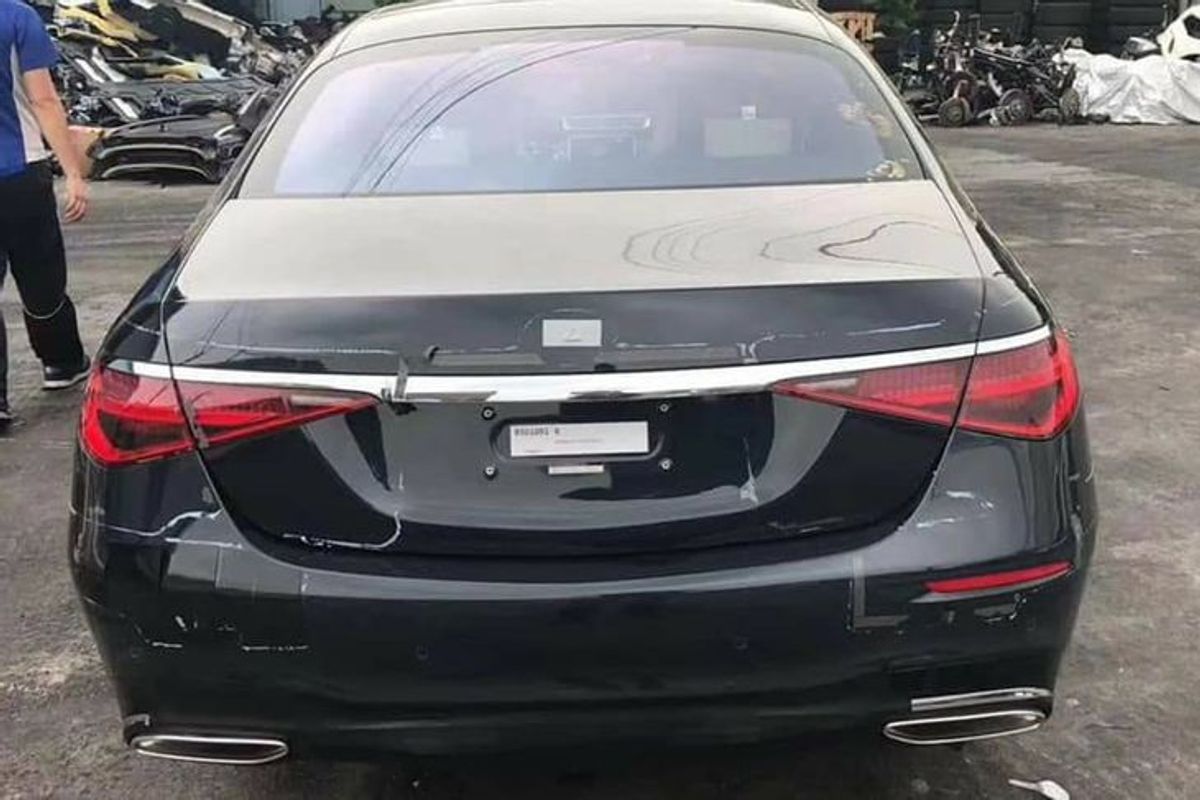
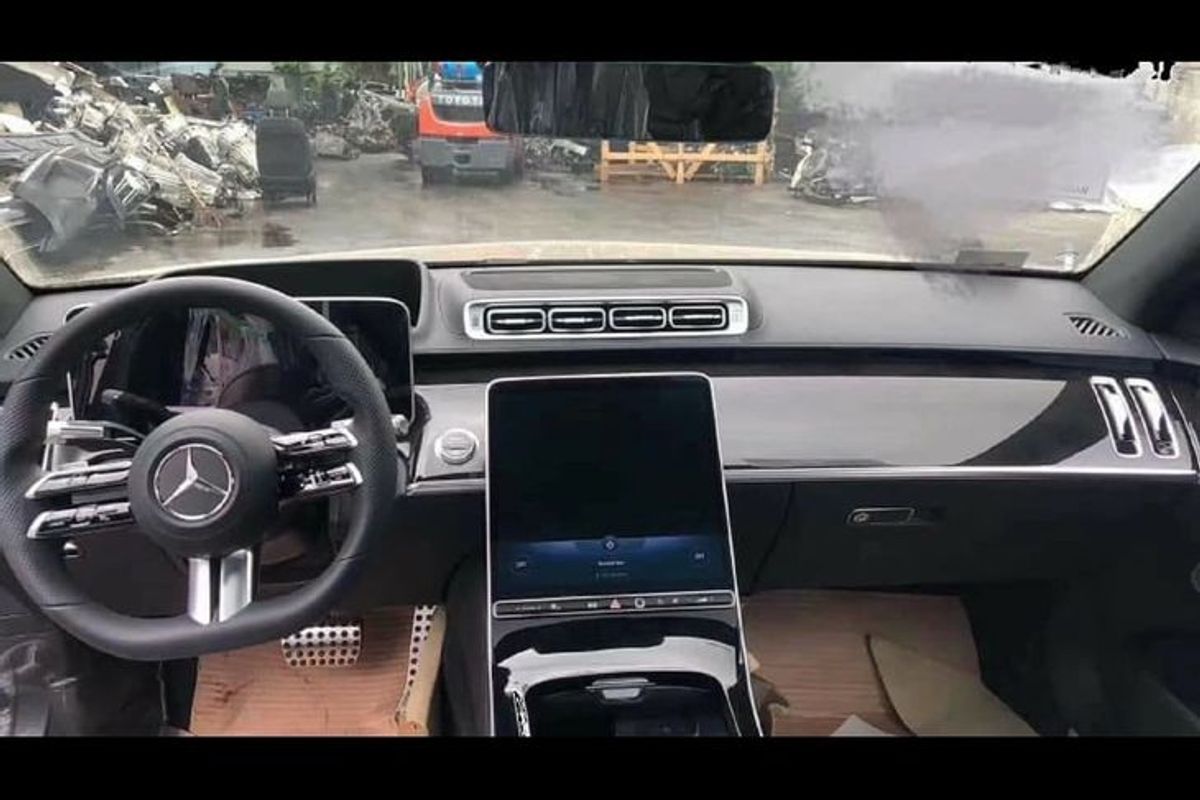
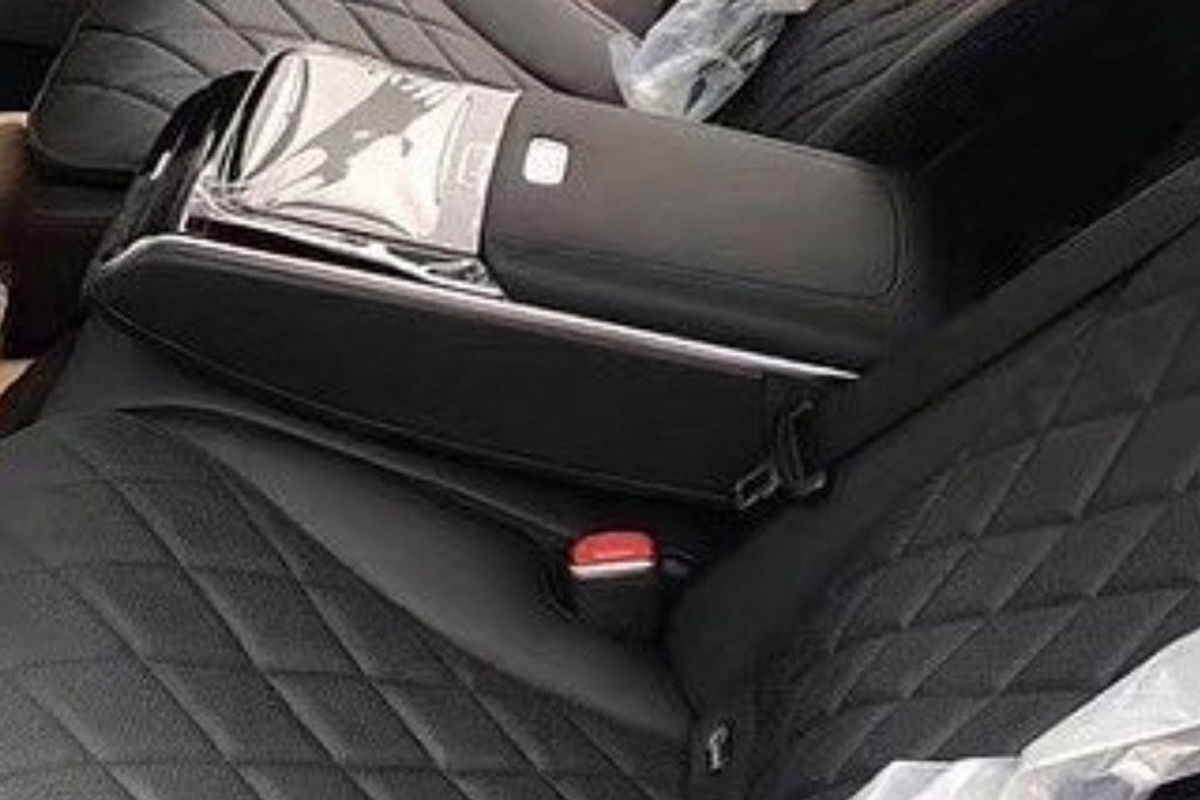
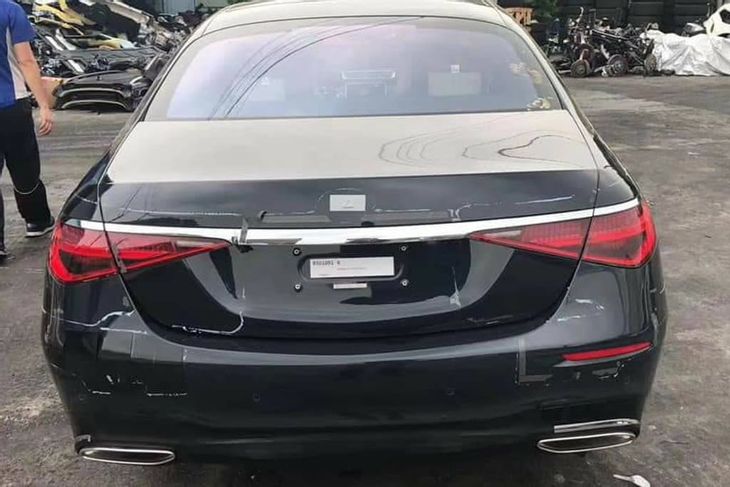
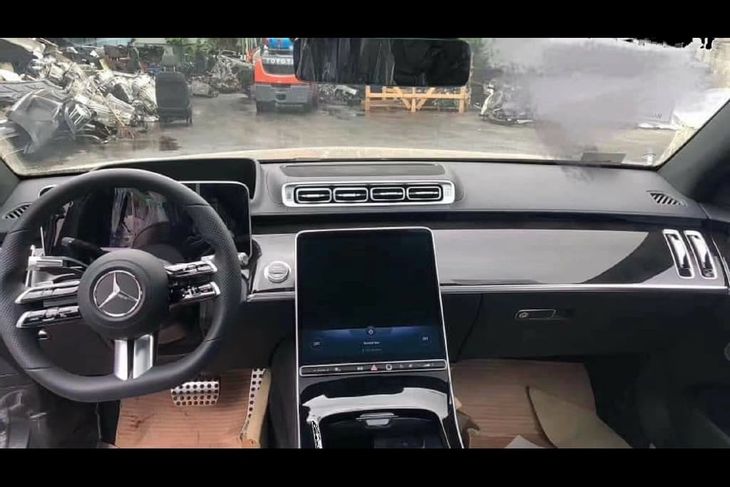
Images of a thinly-disguised Mercedes-Benz S-Class has popped up on the Internet, but don’t be fooled by the understated, evolutionary exterior styling of the upcoming W223 – its interior is revolutionary, replete with a gigantic infotainment system tablet that sprouts from the first-class sedan's centre console.
These images were posted on the Spanish blogsite Cochespias, which, you may remember, also gave us the first glimpse of the upcoming Volkswagen Golf 8 R. Apparently, this black pre-production unit of the next S-Class was covertly photographed in the vicinity of one of Benz’ manufacturing plants.
Expected to be unveiled internationally late in 2021, the W223 is based on a substantially updated version of the brand’s MRA (Modular Rear-wheel drive Architecture) platform, which should yield weight-savings over its predecessor and it is rumoured that the newcomer will be offered exclusively in long-wheelbase guise, which should give it a stately overall length of about 5.3 metres.
The S-Class remains a symbol of restrained luxury and upper-crust motoring; its understated styling reflects that.
Compared with the bold new nose treatment of facelifted BMW 7 Series, the Benz’s styling is largely evolutionary; its front end looks more flat-faced (bluff-nosed) than the W222, with smaller LED headlamps flanking a new-look grille. At the back, meanwhile, the most obvious change is a pair of CLS-inspired tail lamps and recent spy shots suggest the car may feature pop-out door handles.
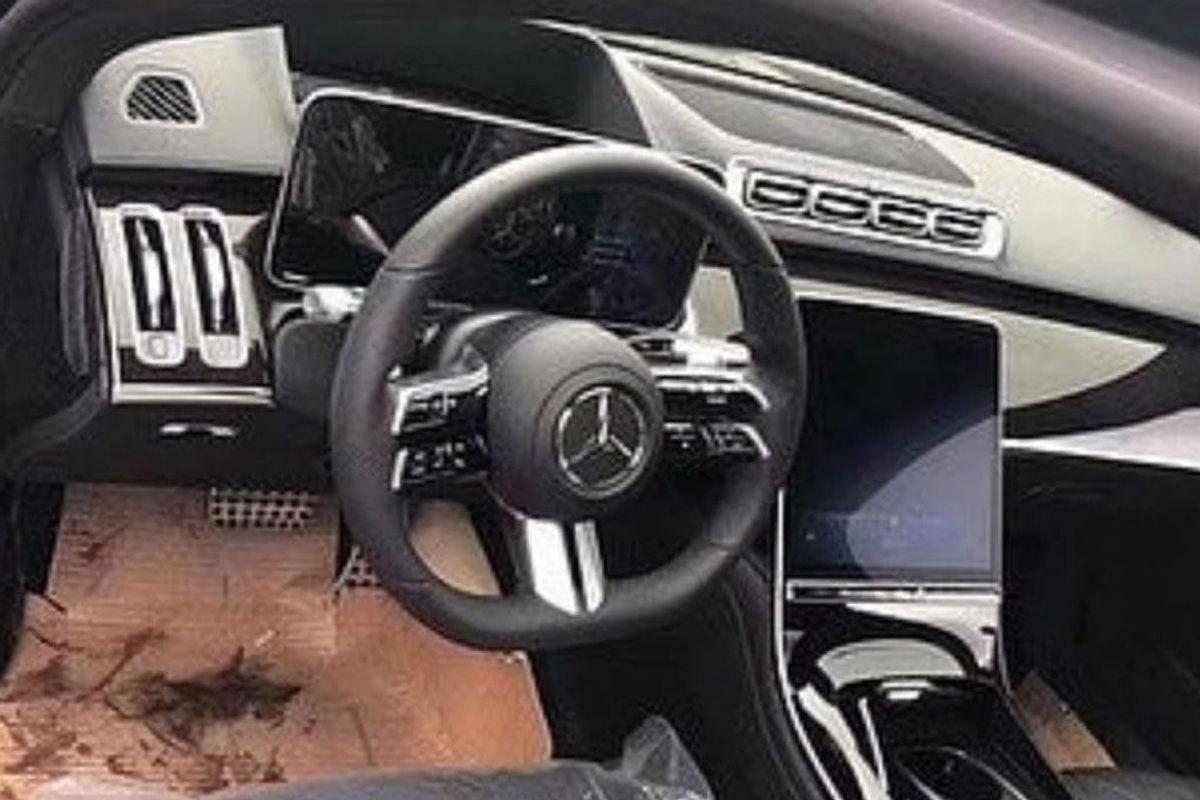
But the biggest revelation, however, is the new S-Class’ revolutionary – and minimalist – cockpit, replete with smooth touch-capacitive surfaces. Benz has introduced a sweeping tiered dashboard; the top plane features a quartet of square vents top and centre, while the lower pane has chunky vertical vents at either end.
We're astonished by the minimalist layout of the S-Class' cabin, even the ventilation outlets seem to have been made smaller.
An imposing portrait-aspect infotainment display (ostensibly underpinned by the next iteration of the MBUX operating system) sweeps up from the centre console and an all-digital instrument cluster sits behind the steering wheel. If you look closely, you will notice a large well behind the instrument display, which suggests the W223 will feature an advanced, highly-detailed head-up display system.
By blending the high-grade materials with a level of fit and finish once found in significantly more expensive Mercedes-Maybach derivatives, the new S-Class is expected to leap back to the top of its rarefied class for luxury and quality.
Under the bonnet, expect to find a full range of electrified powertrains with even the entry-level derivative featuring the Three-pointed Star’s 48V mild-hybrid electric architecture. We expect to see a 3.0-litre inline-6 turbopetrol and a 2.9-litre inline-6 turbodiesel, while the biggest motor is unlikely to be a V12 (owing to the impact of stricter European emissions regulations), so the headlining powerplant will probably be a beefed-up AMG twin-turbocharged 4.0-litre V8.
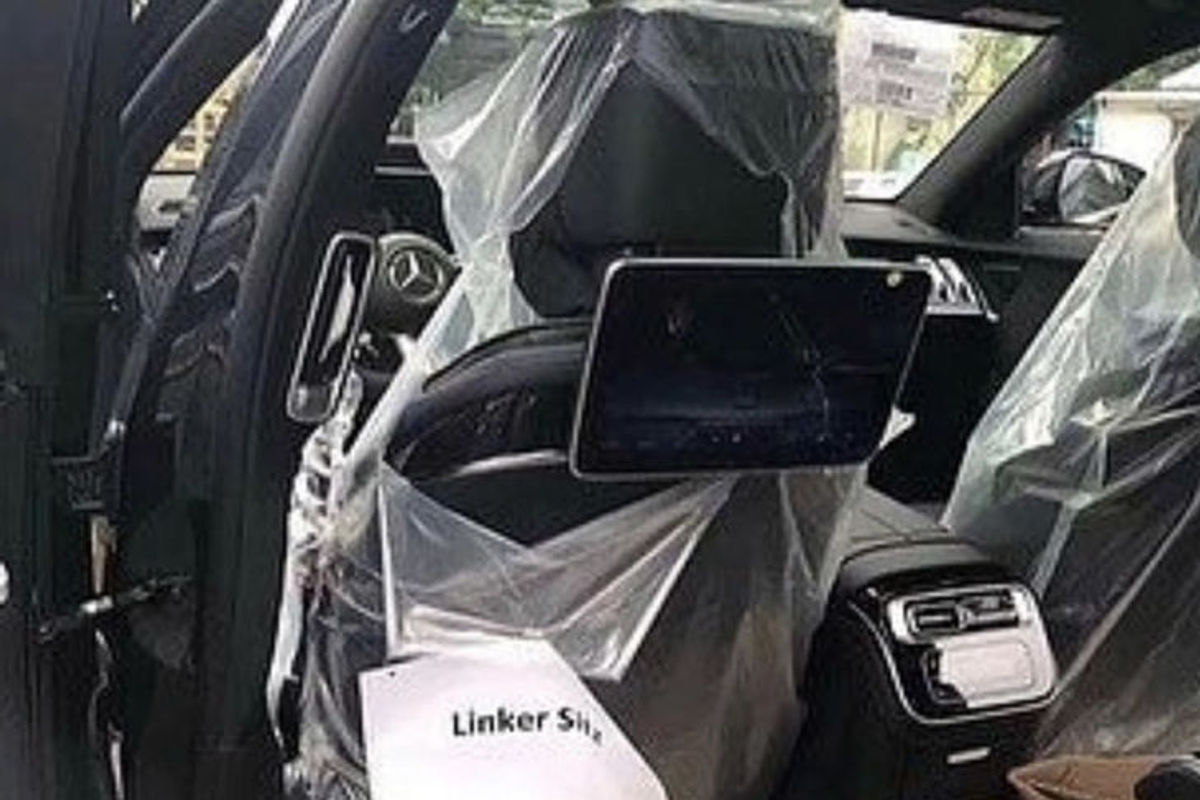
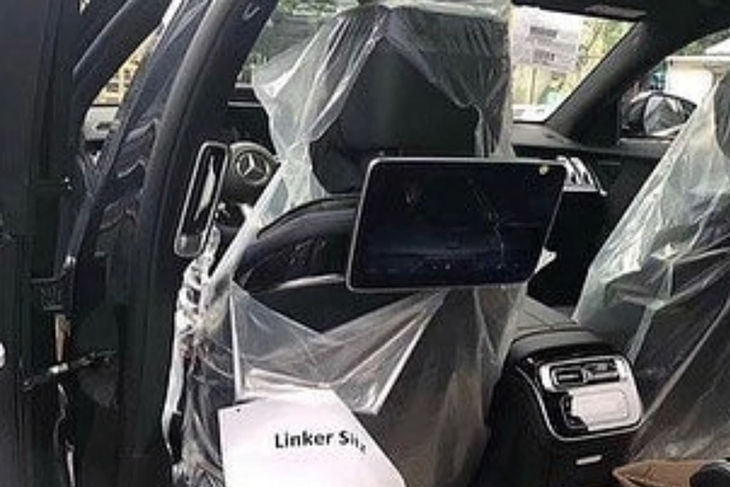
This pre-production example of the new S-Class was equipped with a rear entertainment system and 4-zone climate control.
The W223 will probably be produced in RWD as well as all-wheel-drive guises and, from the global launch in late 2021, Benz will also offer full plug-in hybrid versions. Surprisingly, there is unlikely to be a battery electric vehicle (BEV) version of the next S-Class, because Benz has been developing its next first-class sedan in tandem with the EQS – a flagship “4-door coupe” that sits on the manufacturer's dedicated MEA (modular electric architecture) platform.
The W223 will introduce, inter alia, Level 3 Highway Assist autonomous driving technology, the next version of AirMatic+ active suspension (it scans the road to pre-arm the air suspension and dampers for bumps ahead), as well as new active anti-roll bars that facilitate flat cornering, even at higher speeds than the current S-Class can.
We expect the new S-Class will reach South African showrooms in the first quarter of 2021.
Car sales may resume as well as servicing under Level 4 lockdown guidelines. Here are all the details.
Late on the evening of Tuesday 12th May 2020, the Minister of Trade, Industry and Competition Ebrahim Patel announced a number of changes which affect the motoring industry. The good news is that car sales and servicing are allowed to resume, albeit under strict conditions. The term car sales also cover the wholesale vehicle trade, movement of vehicles to dealerships as well as the export/import aspect of vehicles.
The gradual reopening of the motoring industry will be done in phases, with the first phase placing some restrictions. We've scanned the Government Gazette and here's what you need to know regarding the phased reopening. If you'd like to view the Government Gazette, click here.
Phase One
Car dealerships may not have more than 30% of its staff onsite, with no more than 1 customer or employee for every 9 square metres of floor space.
The majority of car sales will be done remotely via the internet or eCommerce or telephone. Personal contact will be kept to a minimum and only on appointment under very strict hygiene and social distancing conditions in line with the Regulations.
Test drives are to be booked via appointment.
Once a car has been sold, it must be delivered to the buyer's homes after being sanitised.
Car services can now resume, but only for those whose vehicles are due for service during the lockdown period.
Businesses that repair vehicles may now operate and these include outlets like autobody repairers, windscreen replacement, tyre fitment, auto electricians.
Cosmetic repair work has been banned, for now.
Phase Two
Car dealerships may increase their staff attendance to 60%
On-site pickups and deliveries of sold cars will be allowed, but vehicles will need to be sanitised.
Limited customers will be allowed to enter the dealership under very strict hygiene and social distancing conditions in line with the Regulations.
Car auctions for all categories will be conducted online in compliance with the CPA Regulations and limited physical contact will be allowed for viewing prior to the auction under very strict hygiene conditions including fully sanitised cars.
Phase Three (estimated 8 June 2020)
Car dealerships may have 100% of staff attendance.
Car auctions for all categories will be conducted online in compliance with the CPA Regulations and limited physical contact will be allowed for viewing prior to the auction under very strict hygiene conditions including fully sanitised cars and limits on the numbers of persons at auctions in order to maintain a distance of at least 1,5m between persons at all times, including when entering or exiting from an auction.
Customer on-site contact will be allowed but kept to a minimum, whilst remote vehicle sales are encouraged.
For the Dealerships
The new regulations mean dealerships and used car outlets must implement health and safety measures, including, but not limited to the following: (a) Sanitisation procedures at all sites will be strictly applied to ensure that all work surfaces, equipment and cars on the floor are disinfected before the dealership is opened, and regularly cleaned during the working period; (b) maintaining social distancing protocols at all times; (c) ensuring that all staff and customers wear a cloth face mask or a home-made item that covers the nose and mouth and not allowing any customer access to a dealership, used car outlet or auction without a face mask; (d) not allowing an employee who is sick or who has COVID-19 symptoms to work; (e) mandatory screening of all employees when they arrive for work on a daily basis; (f) mandatory signing of a register by all visitors and customers to all sites; and (g) not permitting children access to dealerships and used car outlets under Alert Level 4.
Dealer Principals or other persons in charge of dealerships and used car outlets will ensure that ongoing training and guidance on personal hygiene and preventative measures are communicated to all employees on a regular basis.
Other Services
There are plenty of other vehicle-related businesses and some of them can resume service, and these include:
Car testing centres
Homologation services from the National Regulator for Compulsory Specifications
Weighbridges
Logistics (wholesale distribution of cars across South Africa, subject to the following: (i) movement of cars under own power to be permitted from Port of arrival to an approved storage facility provided vehicles moved do not exceed batches of 10 at a time; (ii) new cars to be driven between dealerships within the same province where a car is required for sale only; and (iii) movement of cars to be permitted to service outlets required to complete the repair of the car were unable to perform the work at the dealership but excluding the fitment of accessories.
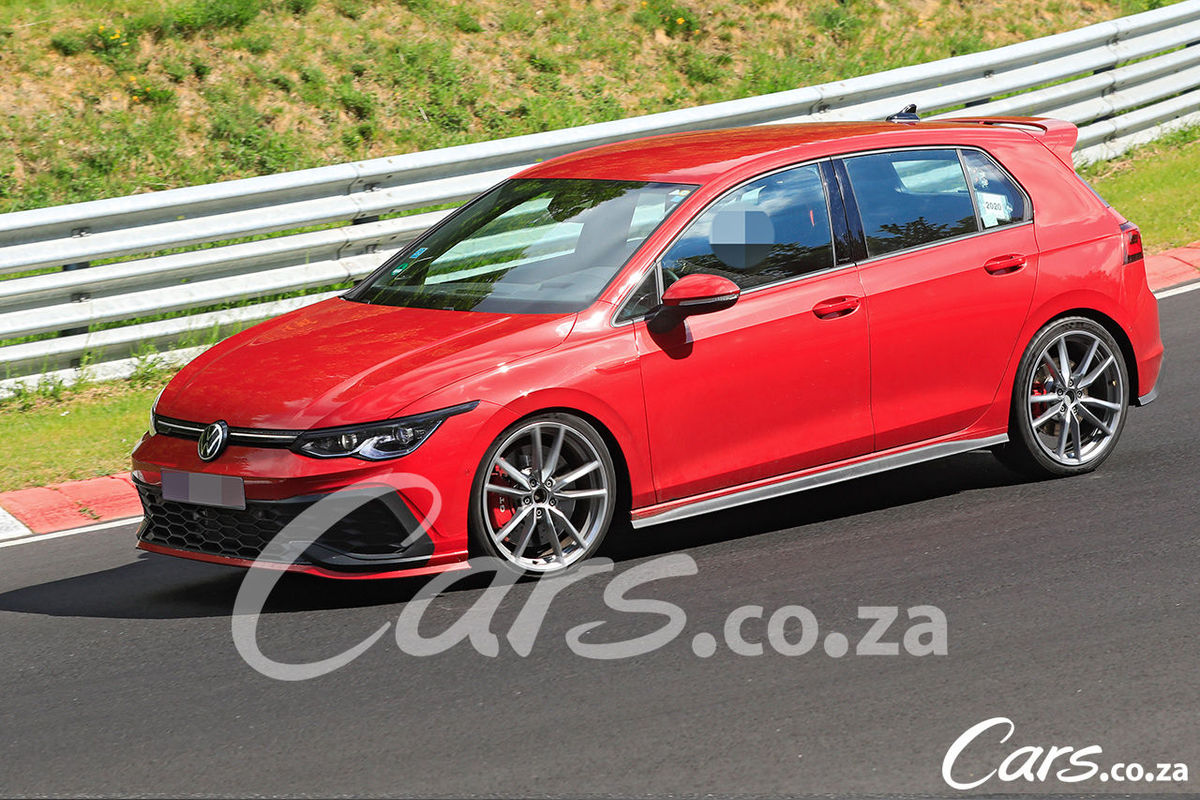
Volkswagen is readying the new Golf 8 GTI Clubsport. In the previous Golf (7.5) range, the Clubsport moniker was reserved for special track-based limited-production derivatives, but in the 8th-generation model's line-up, the GTI Clubsport will effectively replace the GTI TCR. Here's what we know.
Picture credit: S. Baldauf/SB-Medien. We have paid for these photos and at the photographer's request, have watermarked them.
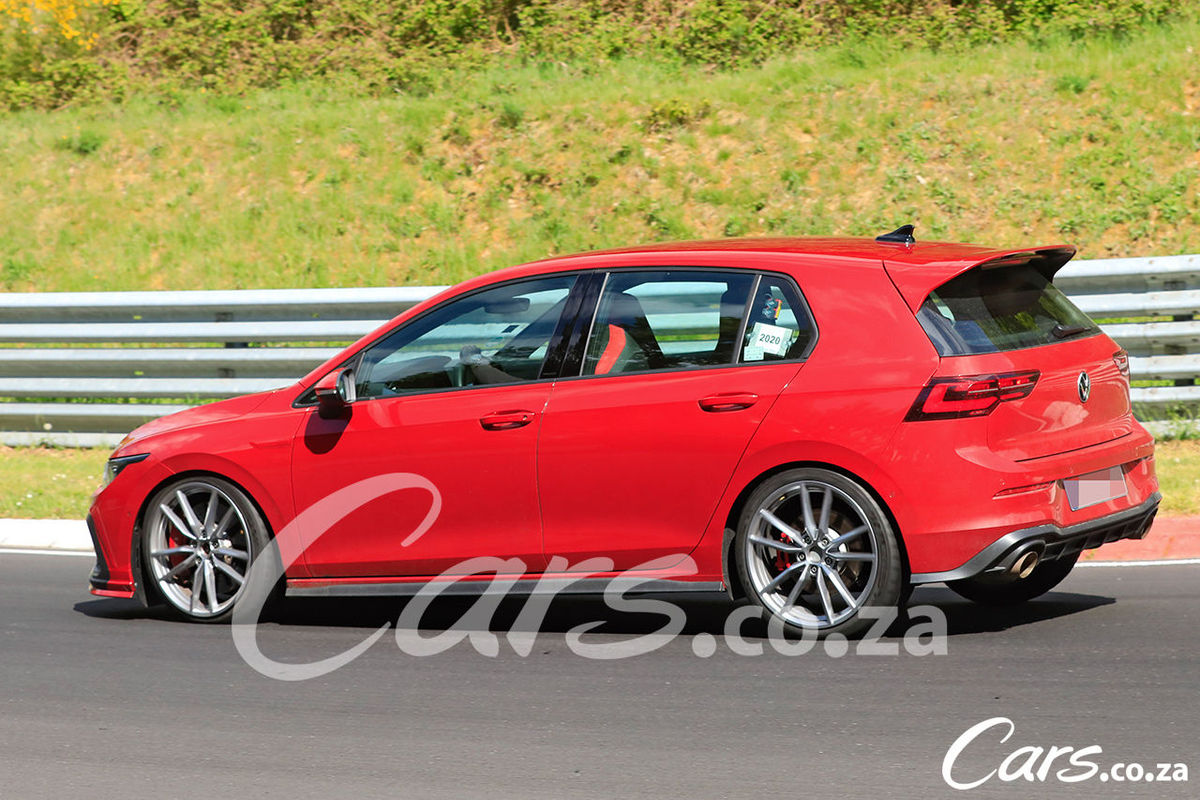
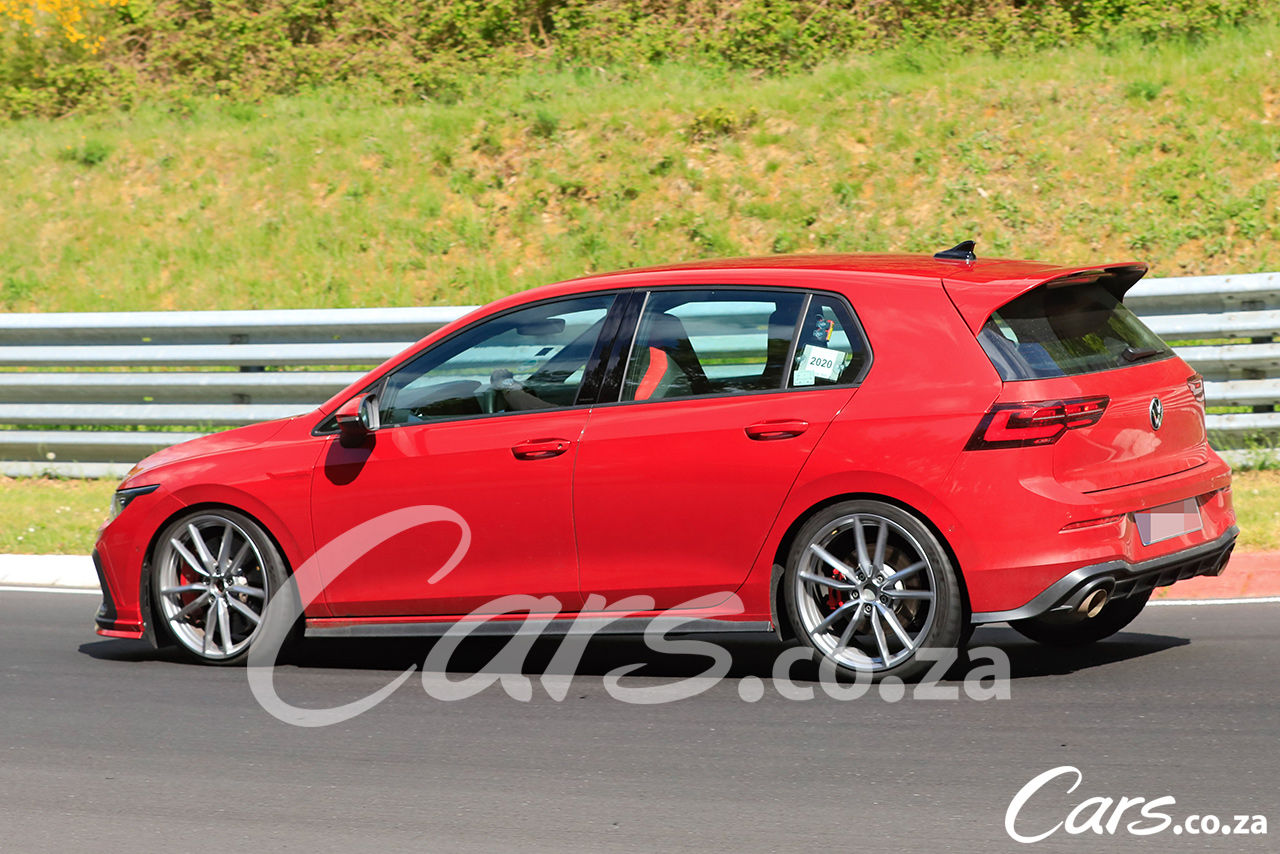
The upcoming Golf 8 GTI Clubsport has been spotted while undergoing testing on the Nurburgring recently. At first glance, it looks like a standard GTI, but if you look closely you start to notice sportier addenda. Those red brake calipers are a giveaway, as are the bigger wheels, larger exhaust pipes and roof-mounted rear spoiler. If you look closely, you'll see a small diffuser on the rear bumper.
Details have yet to be officially revealed, but the Clubsport is claimed to run the same level of tune to the EA888 engine as the outgoing GTI TCR, which develops 213 kW at 5 400 rpm and 370 Nm of torque between 1 950 rpm and 5 300 rpm. The standard Golf 8 GTI is said to hit 100 kph in a claimed 6.2 seconds, so we estimate the Clubsport will achieve that benchmark in under 6 seconds.
Straight-line prowess won't be its only party trick as we expect the all-new Clubsport to gain performance suspension upgrades, more potent brakes as well as revisions to the XDS electronic differential to make it a more efficient corner-carver.
Not to be confused by the Volkswagen Golf R which utilises a 4Motion/all-wheel-drive setup, the Volkswagen Golf 8 GTI Clubsport will be exclusively front-wheel driven. In terms of transmission, there will be a choice between a manual gearbox and dual-clutch transmission, but given Mzansi's love for the self-shifting version, we're likely to get that the latter.
The Clubsport is aimed at the sportier entrants to the segment, like the Renault Megane RS280, Honda Civic Type R and Hyundai i30 N (itself due for a facelift in the next few months) and we expect Wolfsburg's "hotter hatch" will be revealed before the end of 2020.
Kia will launch a new Electric Vehicle (EV) crossover in 2021 and if reports are to be believed, it’s going to be mighty fast!
Kia is committing to an electric future and earlier this year, the Seoul-based carmaker announced ‘Plan S’, which is mid- to long-term strategy that will see at least 11 new EV’s brought to market by 2025.
Kia’s goal is to achieve a global annual EV sales target of 500 000 units and look to sell 1 million eco-friendly cars by 2026. Importantly, Kia will invest at least $25-billion to achieve these goals.
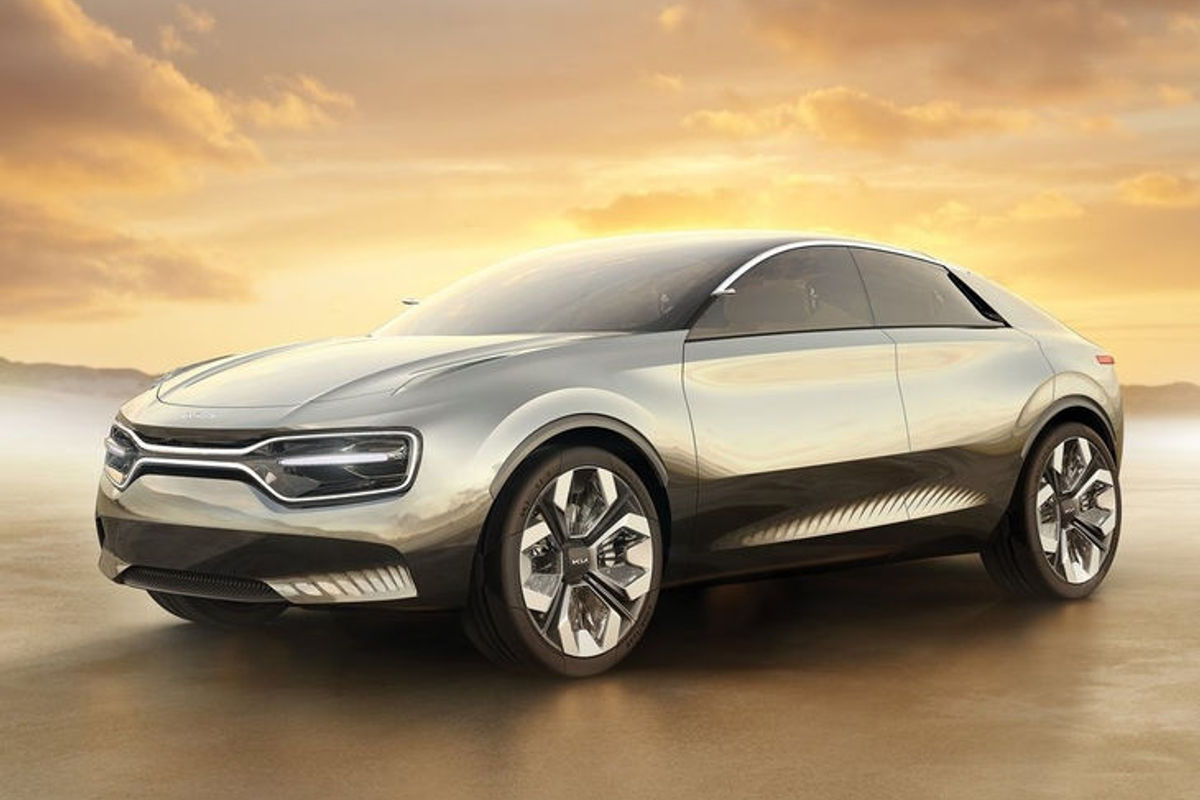
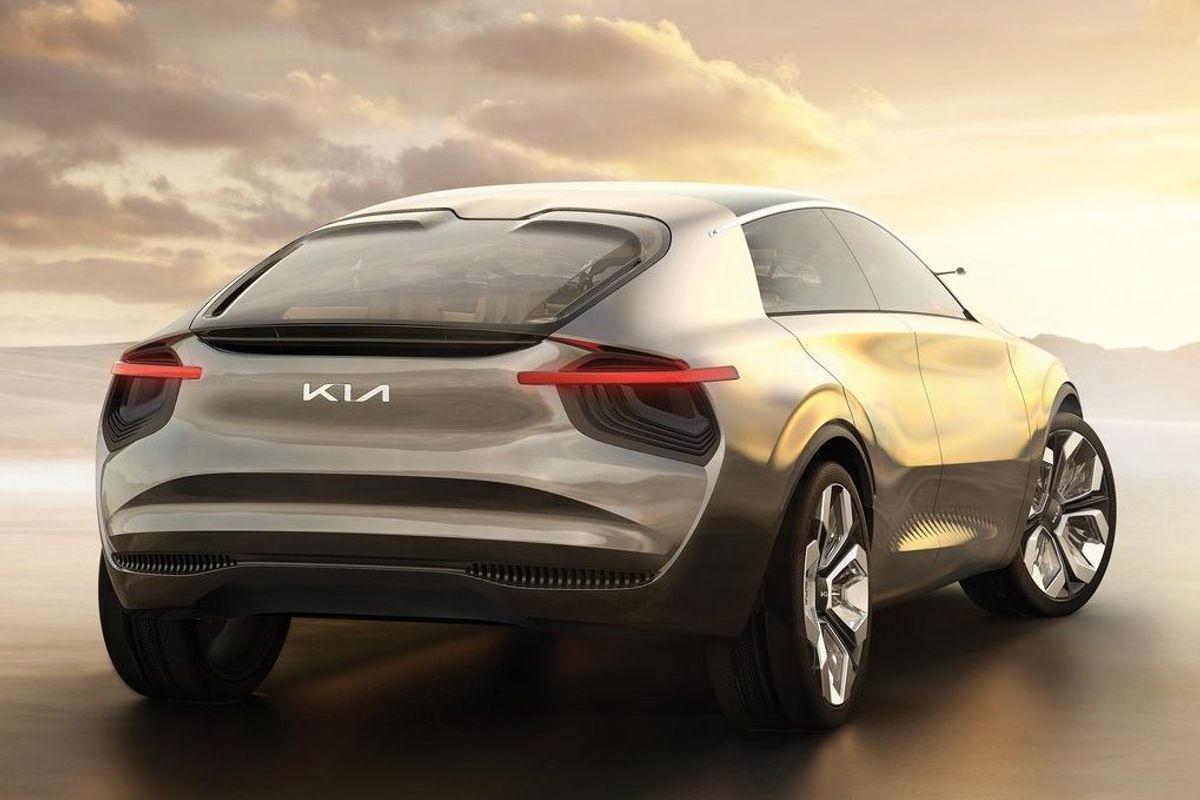
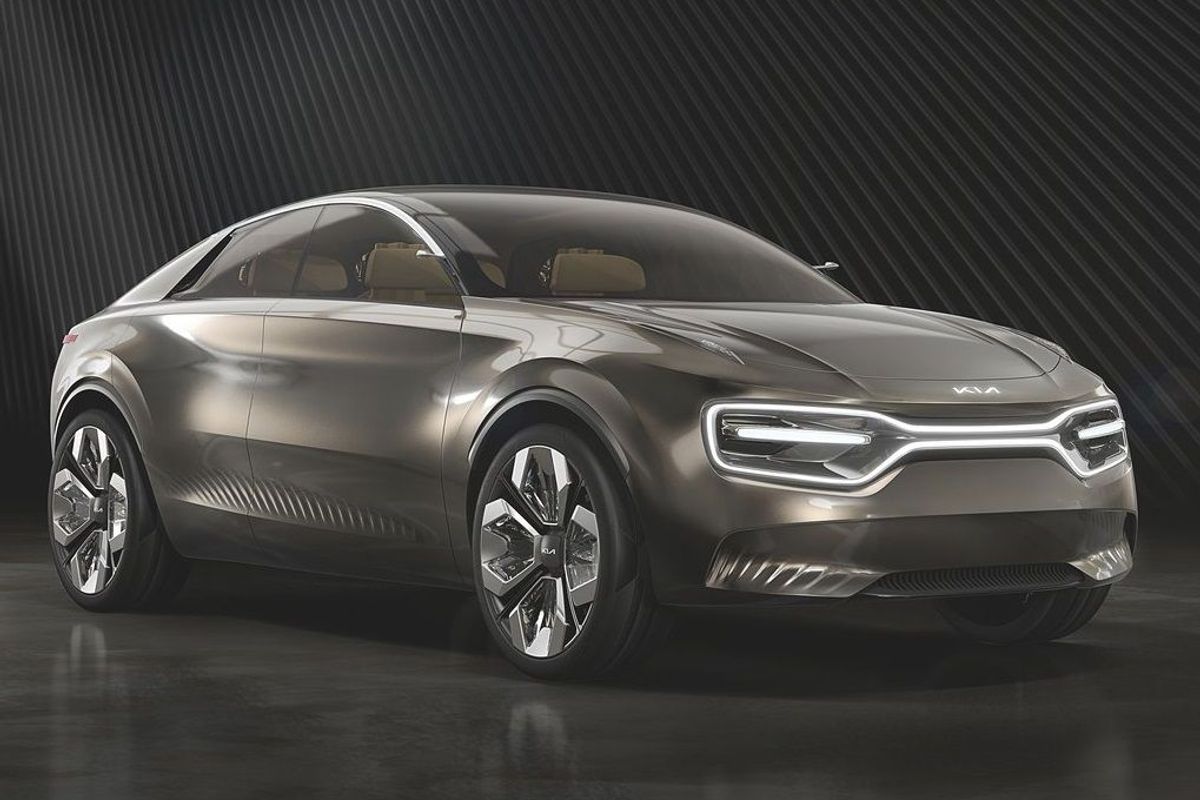
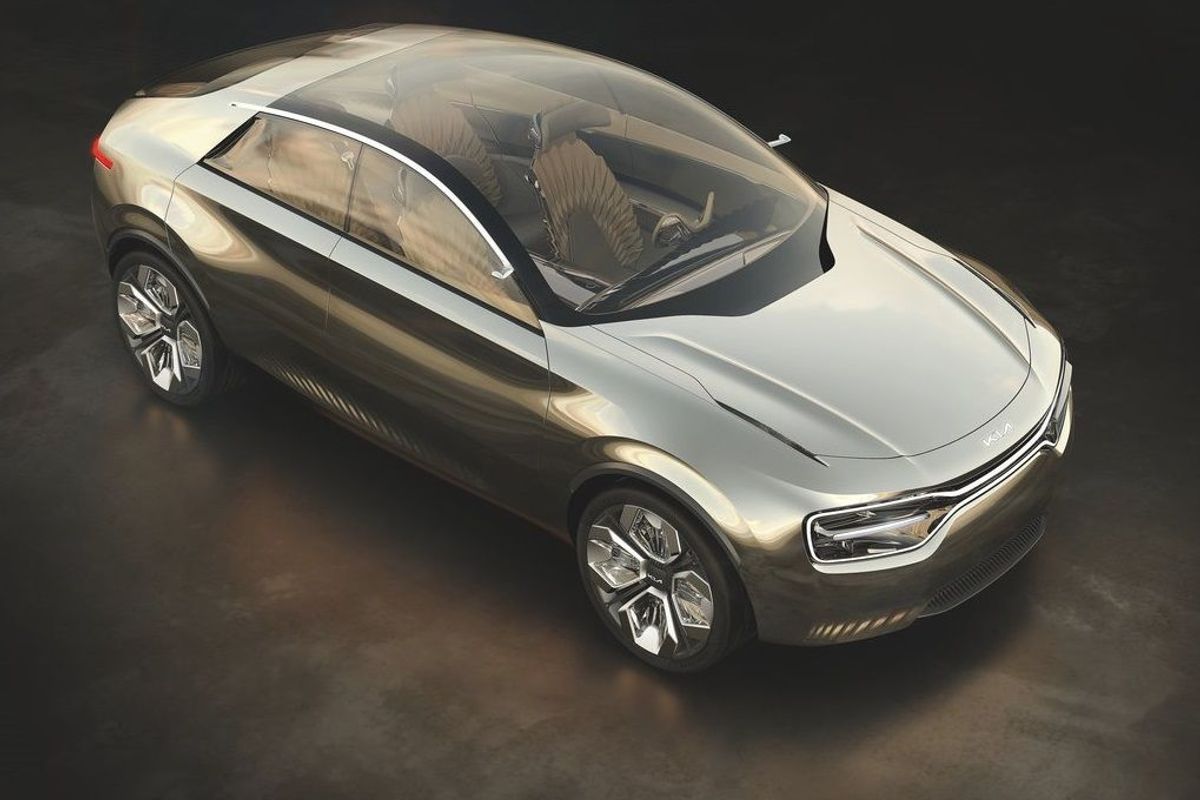
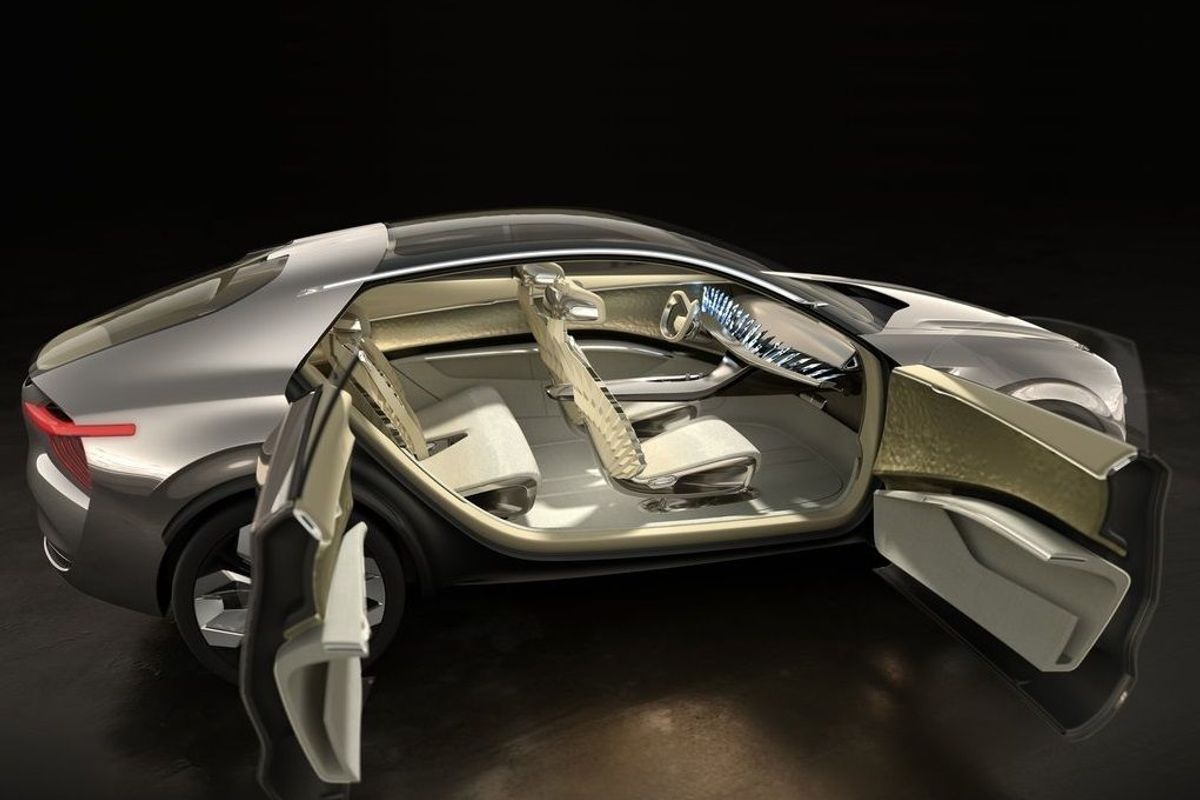
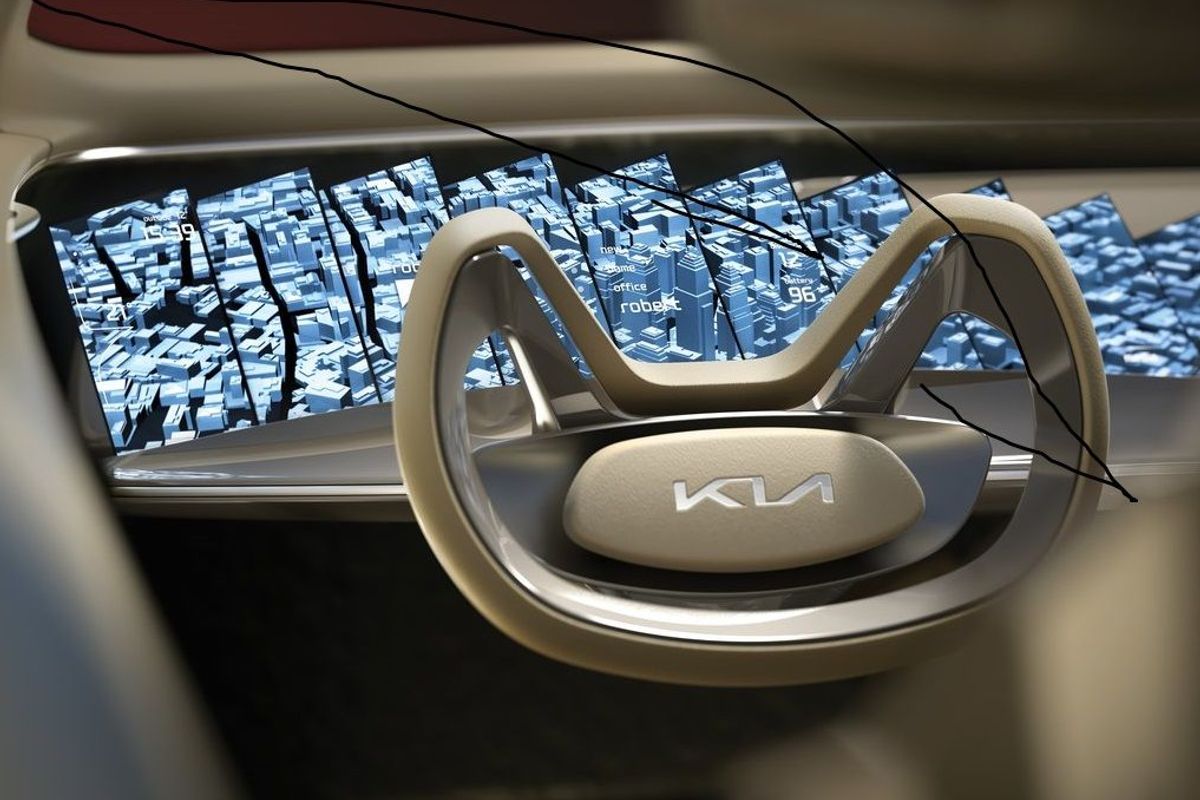
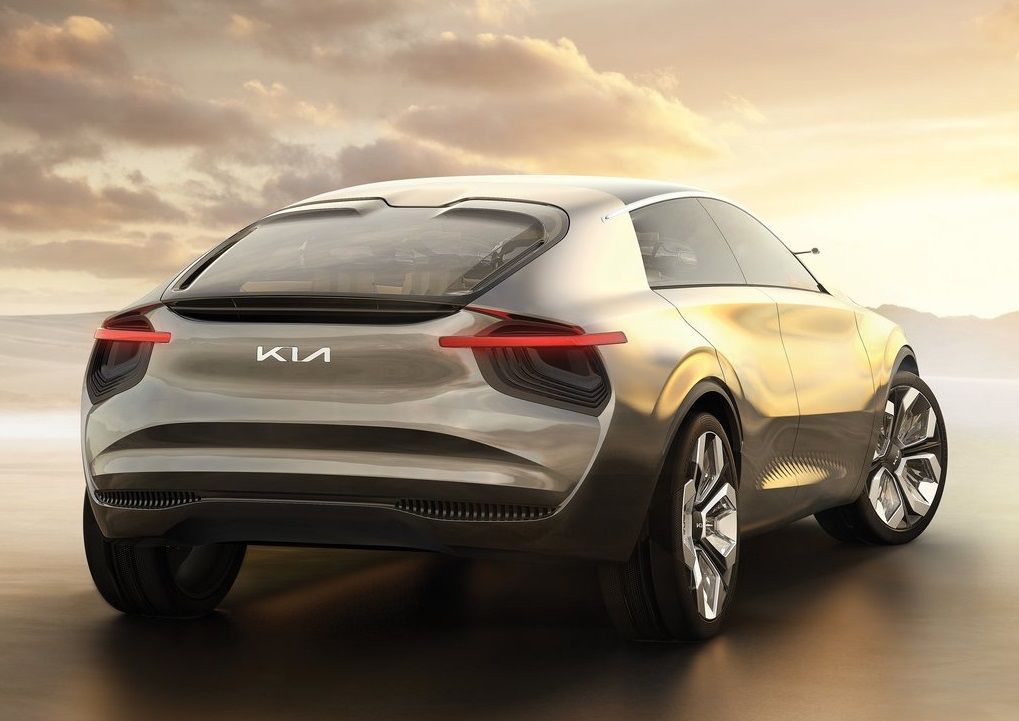
Next year, Kia plans to launch a new electric crossover which will be based on the Imagine Concept above.
This new electric crossover, codenamed ‘CV’, will be built on the brand’s new scalable E-GMP platform which is a dedicated electric car platform. This platform will allow for rapid high-power charging where 80% charge can be achieved using a 350 kW ultra-fast charger and will offer an electric range of around 500 km.
The big news, however, is the expected performance that Kia’s new EV crossover is expected to deliver.
The forthcoming electric crossover from Kia is expected to deliver impressive performance.
In a report by UK’s AutoExpress, it’s stated that Kia’s new electric crossover will rival the Porsche Taycan’s performance, which in itself is mightily impressive. Kia reckons that a performance version of the CV crossover is aiming to achieve a zero to 100 kph sprint time fo below 3 seconds. The Taycan claims a zero to 100 kph sprint time of 2.8 seconds.
If those figures become reality, Kia’s EV crossover will slay a host of performance cars, including supercars, which will be a major achievement for the brand.
As far as styling goes, you can expect a sleek crossover design to come to the fore. The Imagine Concept was shown at the 2019 Geneva Motor Show and at the time, Kia’s chief designer commented on the concept, saying, “I don’t see anything that’s really not feasible. There are some cost-related issues that have to be validated; but it hasn’t been done by designers who don’t understand how to build a car for production. [The Imagine concept] is not a free exercise. It’s not just a last-minute car for Geneva. It has a purpose. This is more business than show. We are definitely not entertaining here, but actually communicating with our customers.” This implies that the design cues seen on the Imagine concept are likely to be mostly carried over to the production crossover.
We will keep you updated as soon as more details are revealed.
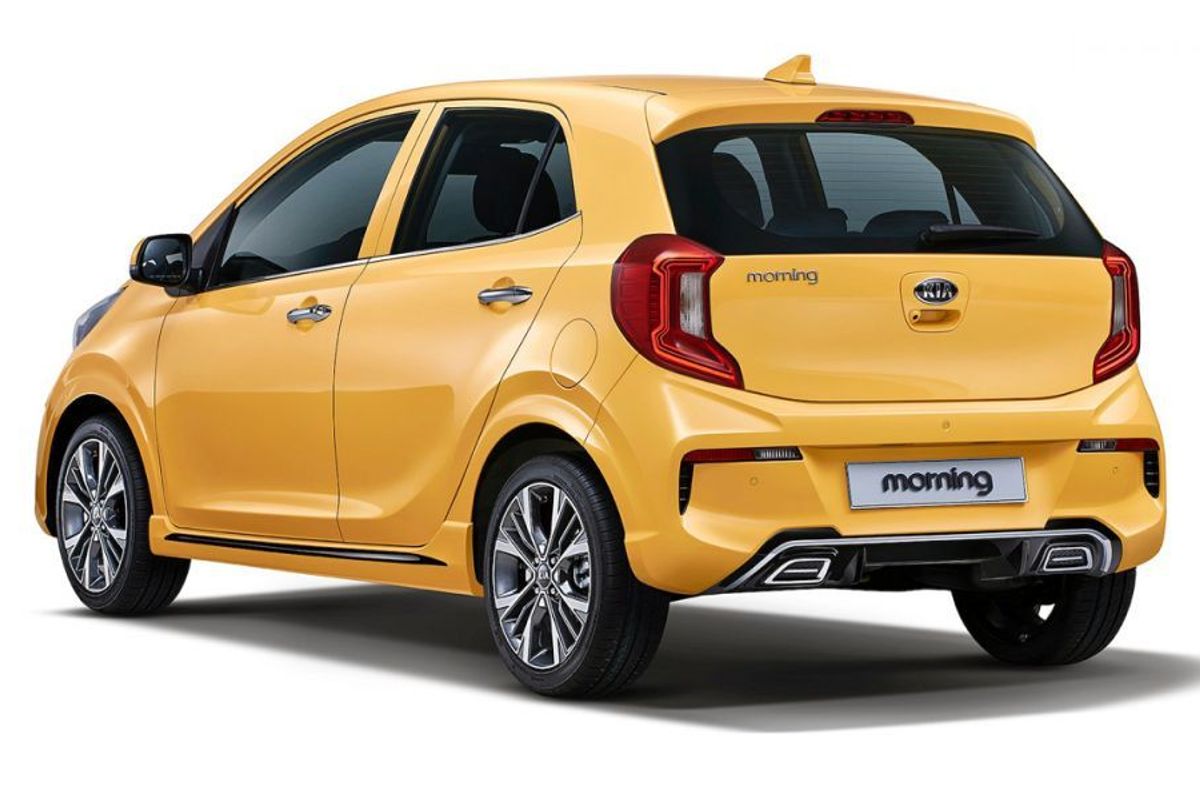
An updated Kia Picanto has been revealed in South Korea. What do you think of the fresh look?
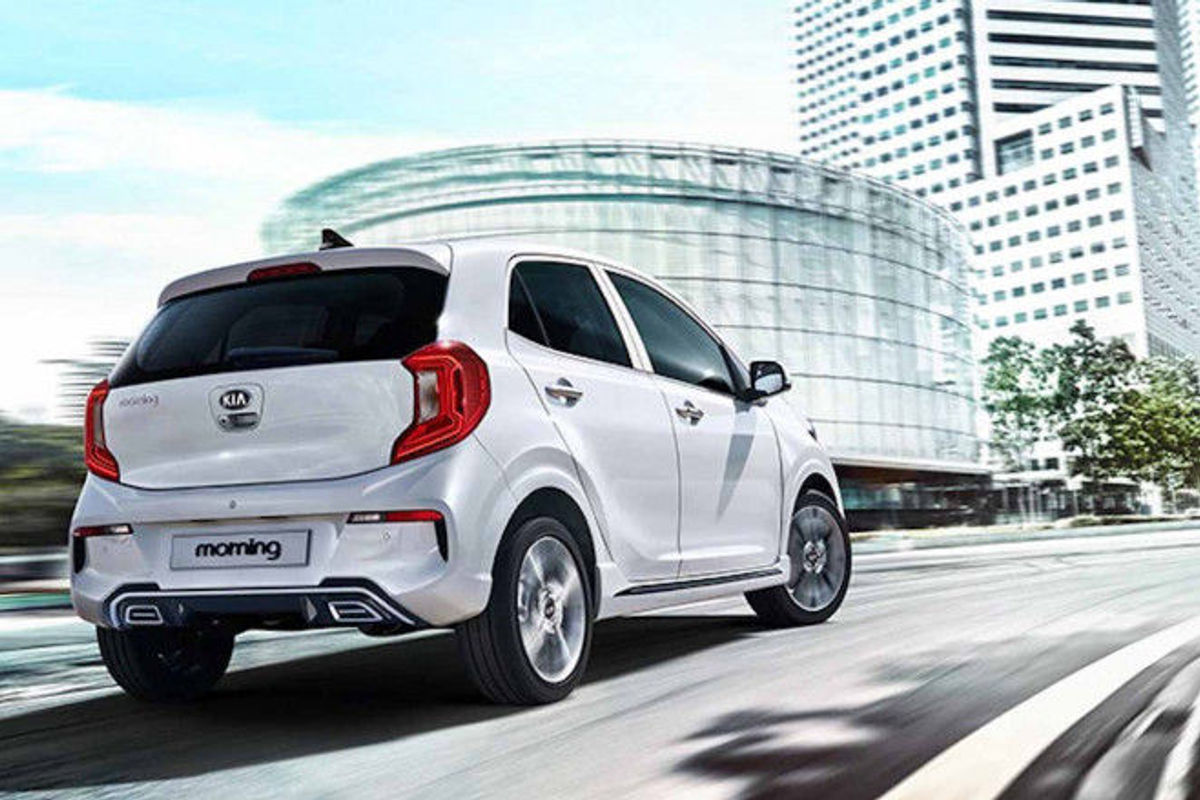
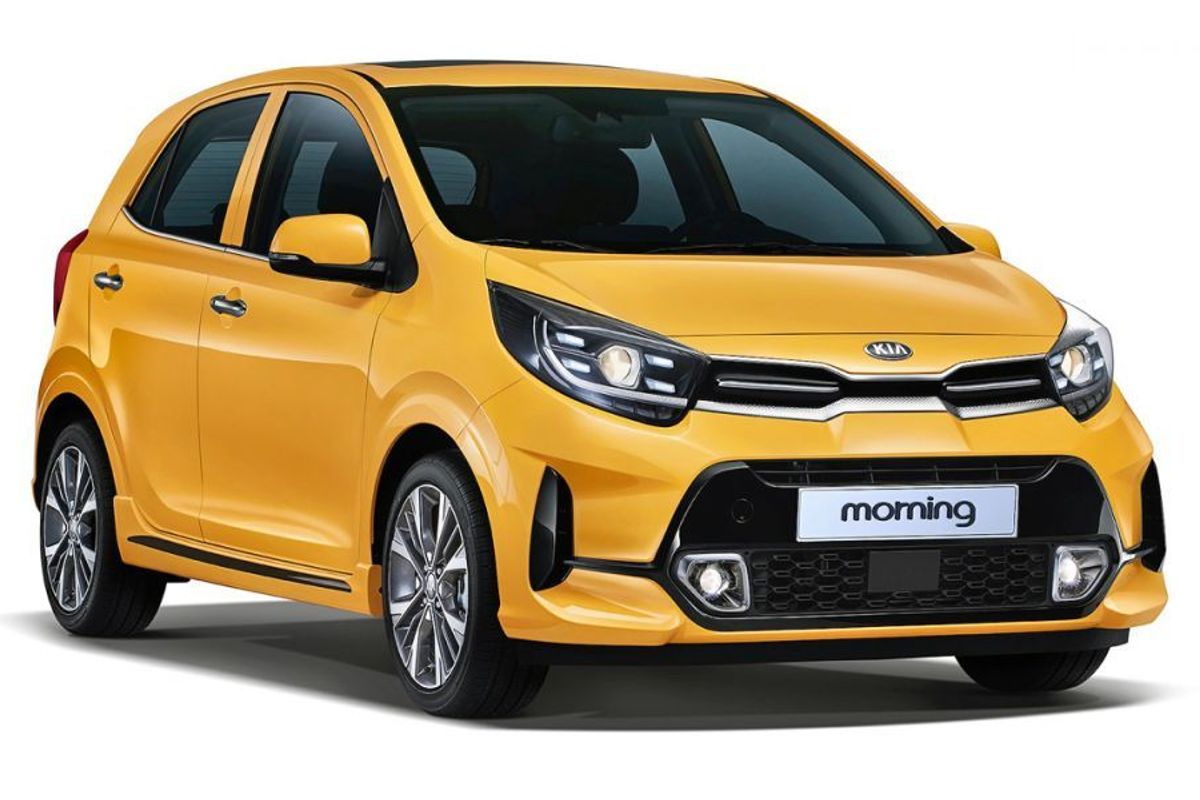
Following a leak late last month, Kia has now revealed the facelifted Picanto. In its home market of South Korea, the Picanto is known as the Morning, hence the plates in these images.
Nonetheless, the facelifted Kia Picanto gets more modern styling cues lifted straight from other Kia products. There are new-look headlamps with a new Daytime Running Light (DRL) design, a new grille, sportier front bumper with fog lights inspired by the Kia Seltos. The rear has been given a subtle update too with a revised bumper (and faux dual exhaust tips) and LED taillights. The Picanto will also be offered with new wheel designs and revised side skirts and garnishes.
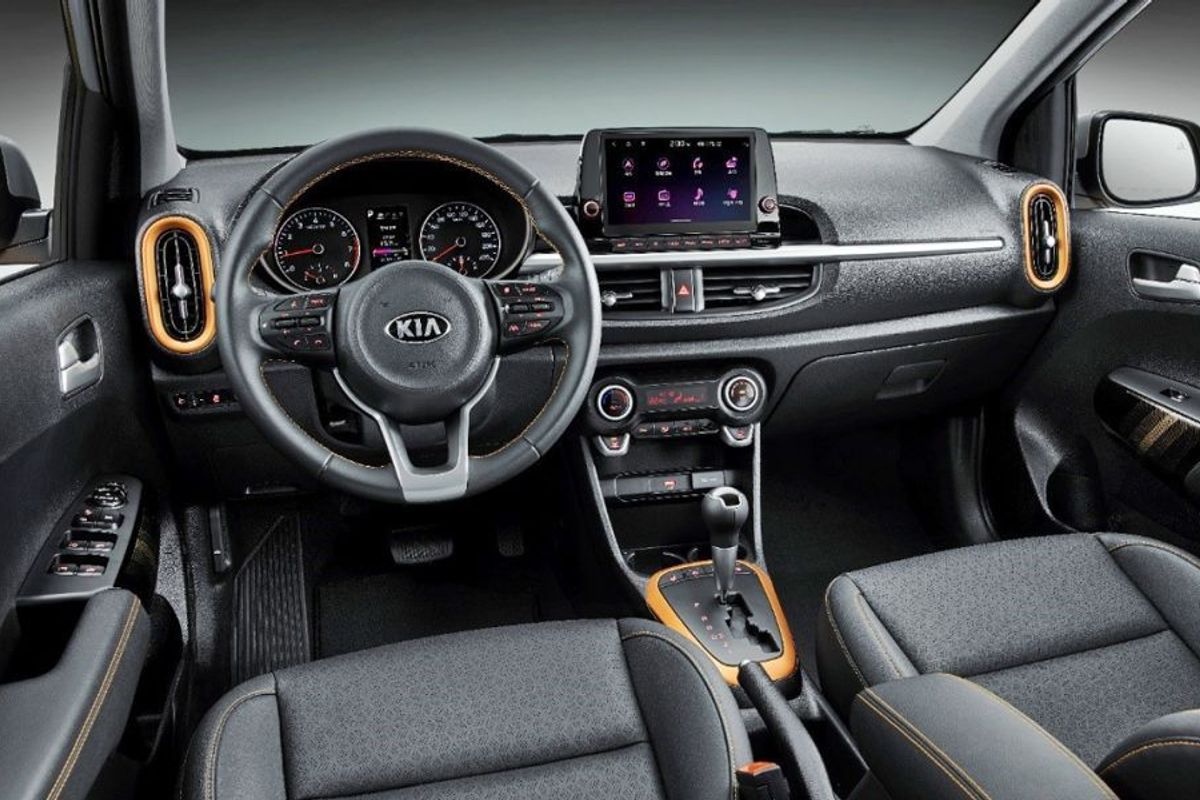
While the exterior changes are cosmetic, the big news is that safety and driver assistance specification has improved with the addition of rear cross-traffic alert, lane-keeping assistance, blind-spot monitoring and forward-collision warning which is a boon in this segment. The interior gains a color multi-information display as well as a larger 8-inch touchscreen infotainment system.
In terms of engines, Kia South Africa offers the Picanto with 1.0 and 1.2 naturally aspirated engines, while the overseas market gets a compact 1.0-litre turbo option. 5-speed manual gearboxes and 4-speed automatics are available. We suspect this engine lineup will be carried over as Kia is pushing hard with its SUV range. The Seltos landed in SA in early 2020 and will be joined by the compact Sonet and the flagship Sorento in the next 18 months.
A local Kia spokesperson has confirmed that the facelifted Picanto is due to arrive in South Africa in 2020 with current timings pegged in Q4. However, with the uncertainty of the current COVID-19 pandemic, timings might change. Local specification for the updated Picanto will also be confirmed closer to launch. We will keep you updated.