Volvo will introduce a new flagship SUV that will slot in above the XC90 and it will be electric.
When the current generation Volvo XC90 came to market way back in 2014, it represented a major leap forward for the brand. It was so impressive, in fact, that the XC90 scooped the Premium SUV title in the #CarsAwrds powered WesBank numerous times.
A new third-generation XC90 is expected to be revealed in 2021 but Volvo is taking it a step further and will look to introduce a new flagship SUV in 2023. This new flagship is expected to carry the XC100 moniker and it will be an all-electric SUV. In fact, reports suggest that it will be named the XC100 Recharge, which follows from Volvo’s XC40 Recharge crossover.
The current XC90 is built on Volvo’s Scalable Product Architecture (SPA) which caters for petrol, diesel and hybrid vehicles. However, the next-generation XC90 and the new flagship XC100 will be built on the second-generation SPA-II which also caters for all-electric vehicles.
The new third-generation XC90 is expected to be the first Volvo model to feature roof-mounted Lidar autonomous technology (watch the video above to learn more about this technology) and is likely to feature on the XC100 too. Unlike the XC90, the XC100 is expected to be a strict 4-seater with individual rear seats. The XC100 will be the most luxuriously appointed vehicle in Volvo’s stable.
While the exact details of the electric powertrain for the XC100 have yet to be revealed, a dual electric motor setup is expected and all XC100’s are likely to feature an all-wheel-drive layout. The batteries are likely to be installed beneath the vehicle floor which means that cabin space won’t be impacted. In terms of design, you can expect the XC100 to forego the boxier design of the XC90 and instead employ more of a coupe-like design.
We will keep you updated as soon as more details of the XC100 are revealed.
The Toyota Corolla and Hyundai Elantra have been long-time rivals in the compact sedan segment and both manufacturers are likely to introduce performance-orientated derivatives in the future. How would the Elantra N and Corolla GR stack up against each other? Let‘s take a closer look.
The C sedan segment is currently dominated by the Corolla and the Corolla Quest and the segment as a whole is under tremendous pressure as buyers have shown a preference for crossovers and SUVs. It’s no surprise then that Hyundai no longer offers its Elantra sedan in South Africa and it also brings the local introduction of the new 7th generation Elantra into question.
Nonetheless, that doesn’t mean we can’t pit Hyundai’s N division against the boffs from Toyota’s Gazoo Racing arm in a hypothetical sense. In fact, we think the potential match-up between the Corolla GR and Elantra N is not only closely-contested but it’s also perhaps just the excitement that this segment needs.
We recently imagined what the forthcoming Hyundai Elantra N and Toyota GR Corolla sedans would look like in our very own renderings. On that note, let’s take a closer look at what’s on the cards in terms of exterior and interior styling and performance from the Elantra N and Corolla GR.
Exterior and Interior Styling
Hyundai Elantra N
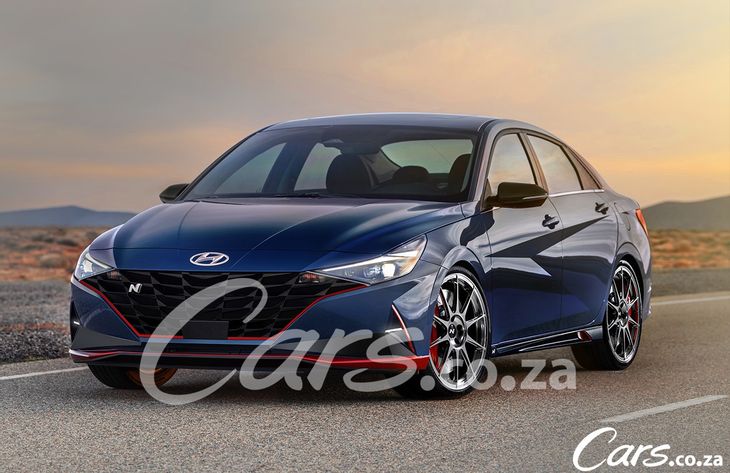
Sharp and sporty, the Elantra Nis quite the looker. Render courtesy of Duwyne Aspeling, Cars.co.za
The Elantra N draws its design inspiration from the new Elantra which features a much bolder and sportier design underpinned by the Seoul-based firm’s new ‘Sensuous Sportiness’ design language which features sharp body lines and a progressive cascading grille design.
The Elantra N will, however, feature unique exterior styling treatments to match its performance intentions. These additions include a sporty front spoiler along with red detailing also seen bordering the cascading grille. The Elantra N is also likely to ride on larger and sportier alloy wheels shod with low-profile rubber along with obligatory red N brake callipers which add a sporty touch. Front and rear N badges will further differentiate the Elantra N from its standard sibling.
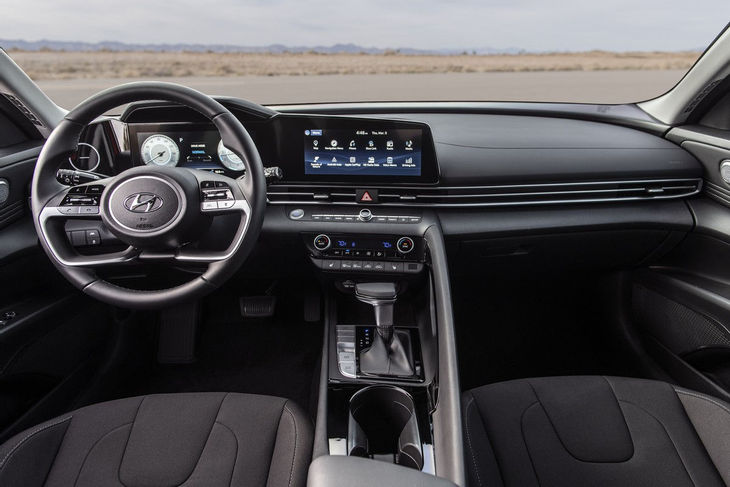
The interior of the Elantra N will follow on from the new Elantra, albeit with sporty accoutrements such as an N performance steering wheel (with shift paddles) wrapped in leather and suede, bolstered sport seats and sports pedals.
The Elantra N's cabin will be based on the new Elantra seen here, but sporty details will be added.
Toyota Corolla GR
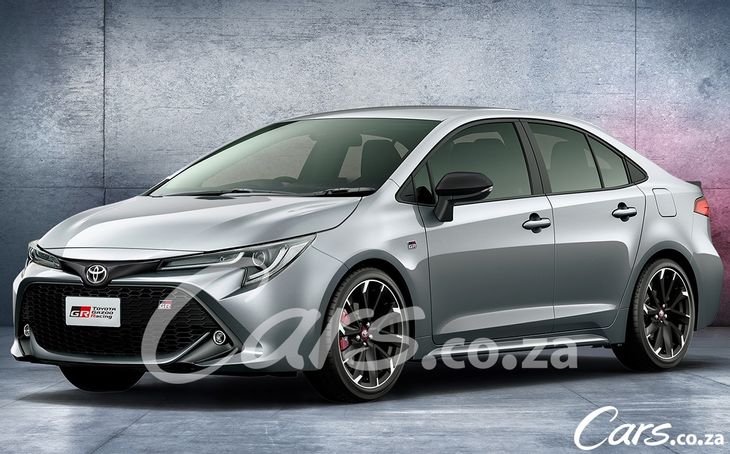
Toyota Gazoo Racing's experience in motorsport will be infused into the Corolla GR. Render courtesy of Duwyne Aspeling, Cars.co.za
Much like the Elantra N, the Corolla Corolla GR will be based on the new 12th generation Corolla which recently arrived in South Africa. The Corolla is built on Toyota’s New Global Architecture (TNGA) platform and the Corolla GR will likely sit lower than the standard Corolla while wearing a slightly more aggressive front bumper. We wouldn’t be surprised if a neat rear spoiler makes its way onto the boot lid. GR badges seen on the grille, boot lid and below the side mirrors will be a reminder that this isn’t an ordinary Corolla. The Corolla GR will also ride on larger and sportier alloy wheels.
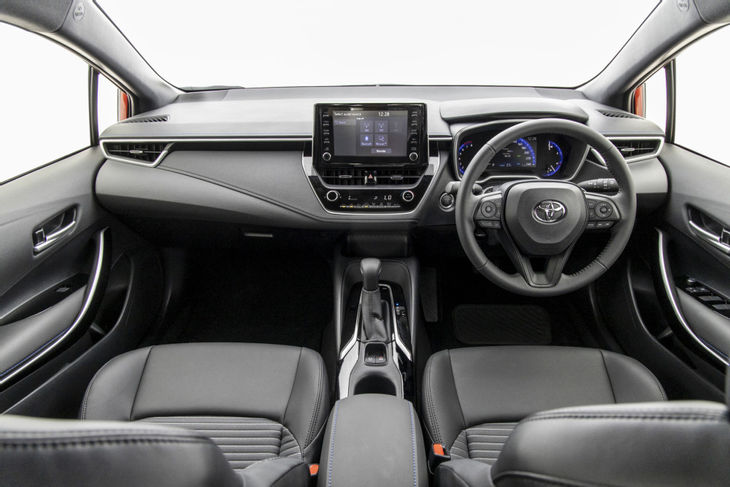
As for the interior, the Corolla GR will follow the design of the new Corolla but will include sporty touches such as bolstered Gazoo Racing sport seats, a GR sports steering wheel and aluminium pedals. Further GR badging is likely to be found on the side sills and mats.
The new Corolla's cabin is familiar but the Corolla GR's cabin will be decisively more sporty in execution.
What about performance?
Hyundai Elantra N
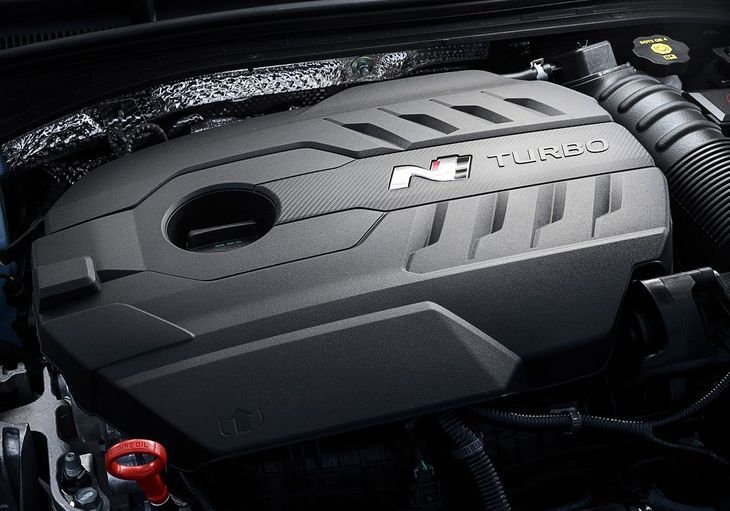
Hyundai's 2.0-litre turbopetrol engine will offer more than enough grunt for the Elantra N.
The same 2.0-litre turbopetrol engine found in the i30 N is expected to make its way into the Elantra N and it will likely be offered in conjunction with a slick-shifting 6-speed manual transmission or Hyundai’s newly-developed 8-speed DCT which will soon make its way into the i30 N and Veloster N.
Outputs will likely be in the region of 202 kW with 353 Nm which should provide ample shove in the Elantra N. More than this, if equipped with the 8-speed DCT, an additional 24 Nm overboost for 20 seconds is possible thanks to a new N Grin Shift mode which will improve full-bore acceleration.
More than this, the Elantra N will also feature an uprated suspension system to allow for enhanced dynamic handling ability and dual exhaust with a variable-valve system is expected to deliver a sporty engine note.
Toyota Corolla GR
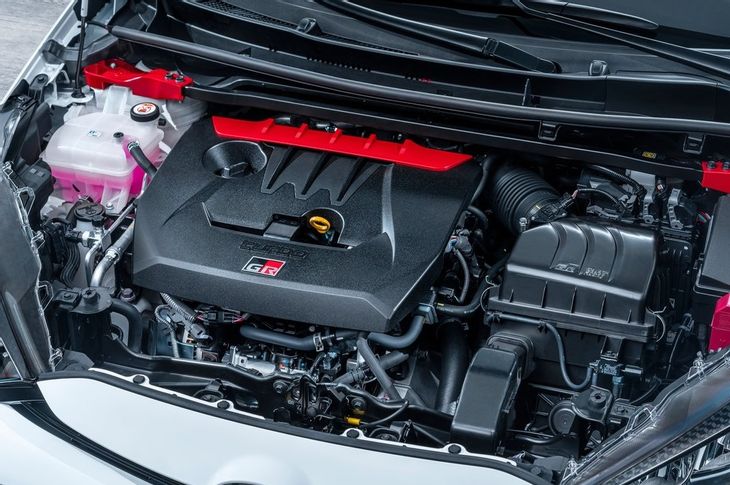
The new Yaris GR's 1.6-litre, turbocharged petrol engine is a likely candidate for the Corolla GR.
We have reason to believe that if a Corolla GR sedan is indeed in the works, it will employ the same 1.6-litre, 3-cylinder turbopetrol engine found in the new rally-bred Yaris GR (which is due for SA in 2021). This punchy motor produces 192 kW and 360 Nm but there’s also a high-powered version that offers 200 kW and 370 Nm, which is pretty much on par with the Elantra N.
The Corolla GR will employ a 6-speed manual transmission and since Toyota doesn’t have its own rapid-shifting transmission, perhaps the Japanese powerhouse will employ the services of the 8-speed ZF automatic transmission which does duty in the GR Supra, or look to Lexus to send over a unit from its performance RC-F. Neither of those are great options as they are built to deal with far more torque than a Corolla GR could ever muster. The Corolla GR sedan would also feature a revised suspension and braking setup to enhance dynamic handling ability.
If we close our eyes and imagine the Hyundai Elantra N and Corolla GR lining up at Killarney Raceway for a quarter-mile drag race showdown, we can see this being a very close battle. What car do you think will win? The previous Yaris GRMN punched well above its weight and we think the Corolla GR might be able to out-perform the larger-engined Elantra N. It may very well come down to what car has the best engine-transmission combination. Time will tell…
The economic consequences of coronavirus, and increasingly strict emissions regulation, have hastened the demise of large capacity engines.
From Germany, it is reported that the latest victim of this new reality is BMW’s sole V12-powered vehicle, its 760Li limousine. According to BimmerToday, the 760Li is being scheduled to end production later this year.
In a world where most luxury vehicles are now being hybridized, the appeal of a V12 is waning. Beyond its status, the performance discrepancy between a new generation of turbocharged V8s and legacy V12s has become too small to justify the latter.
Unlike Mercedes-Benz, which managed to leverage its V12 engine across a variety of models, BMW has only used its N74 V12 in the 760Li. The narrow scaling meant unjustifiable development and production costs, a scenario which is now pressuring BMW to retire the V12 760Li later this year.
For BMW fans the pending discontinuation of the brand’s V12 will be telling. Engine technology has always been the anchor engineering value for BMW. Producing a V12 was seen as an act of validation by the Germany company.
Economic and environmental realities are now rather severe and forcing rapid change in BMW’s future strategy. Large BMWs of the future, including the next iteration of 7 Series, will feature significant powertrain electrification, with much smaller-capacity internal combustion engines.
The V12 had served BMW well and in its final configuration, was an especially potent powerplant. Displacing 6.6-litres and boosted by twin-turbochargers, the N74 powering these final 760Li cars is good for 449 kW.
Despite the 760Li being retired, the broader BMW Group will still retain a link to the V12 engine configuration. Rolls-Royce, which is owned by BMW, has no plans to retire its 6.75-litre version of the N74 engine.
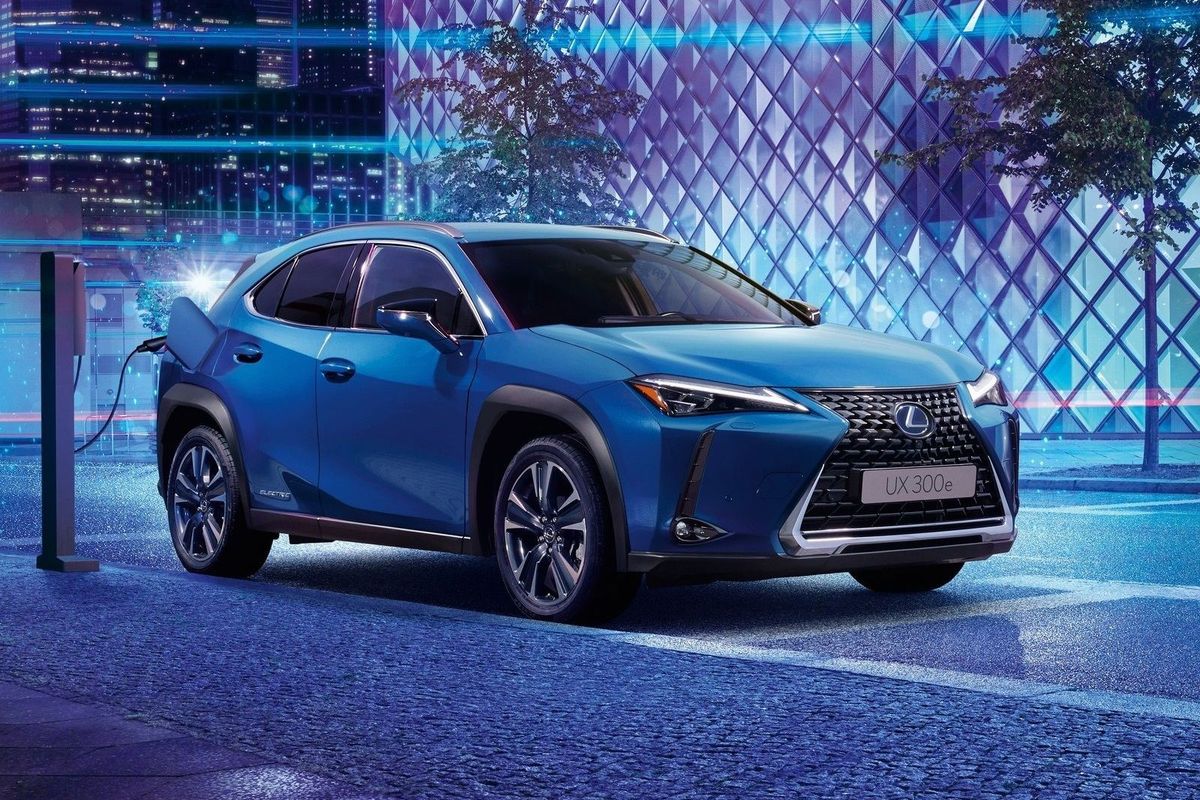
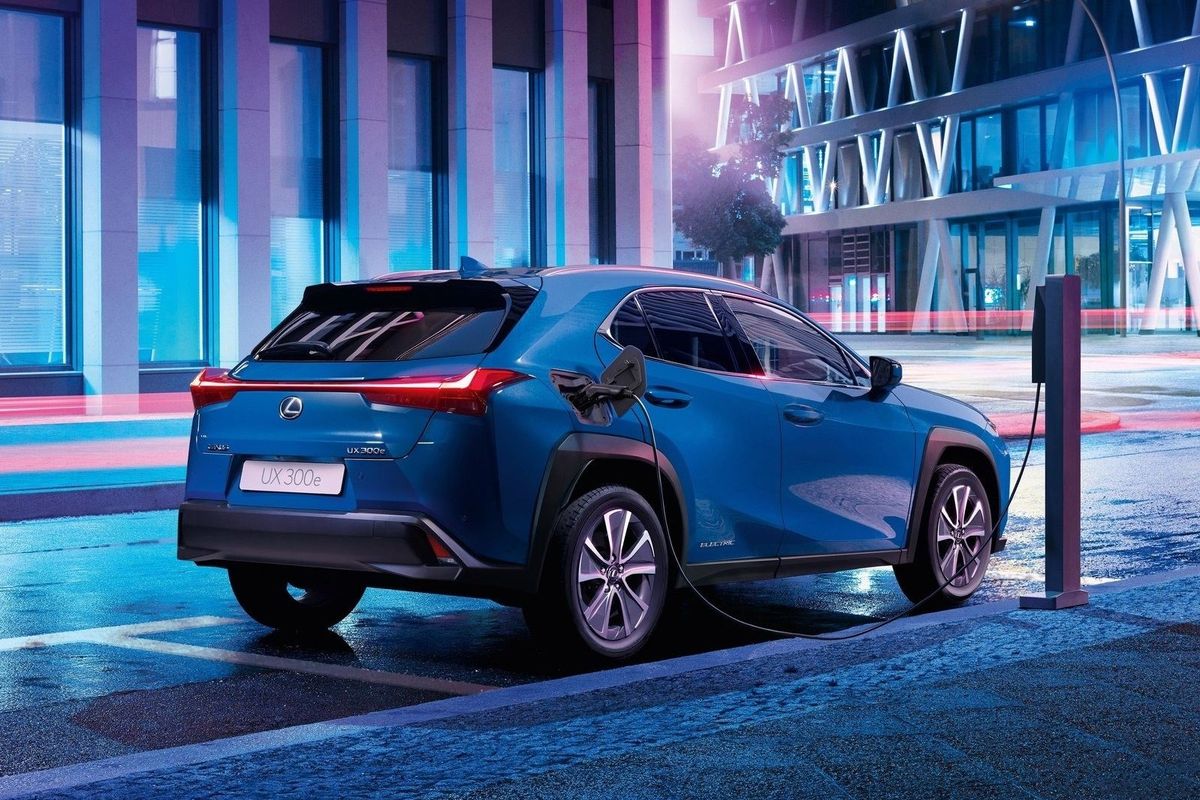
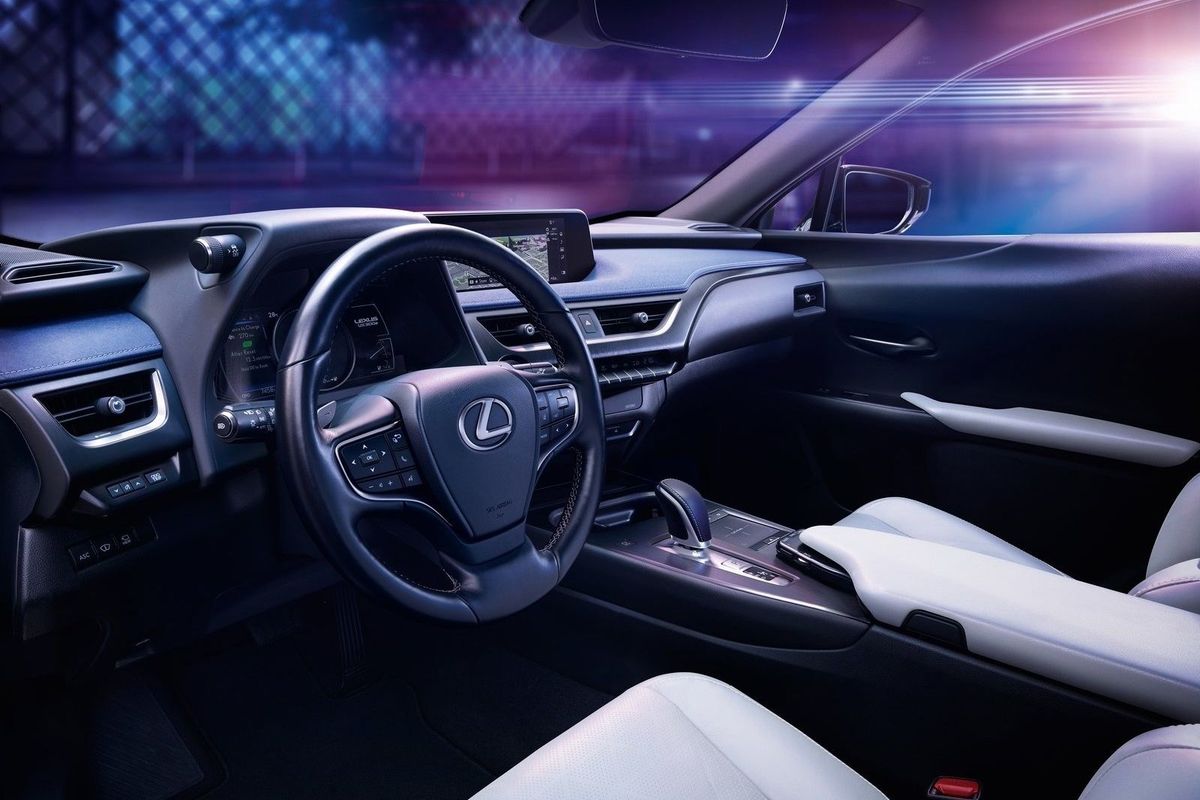
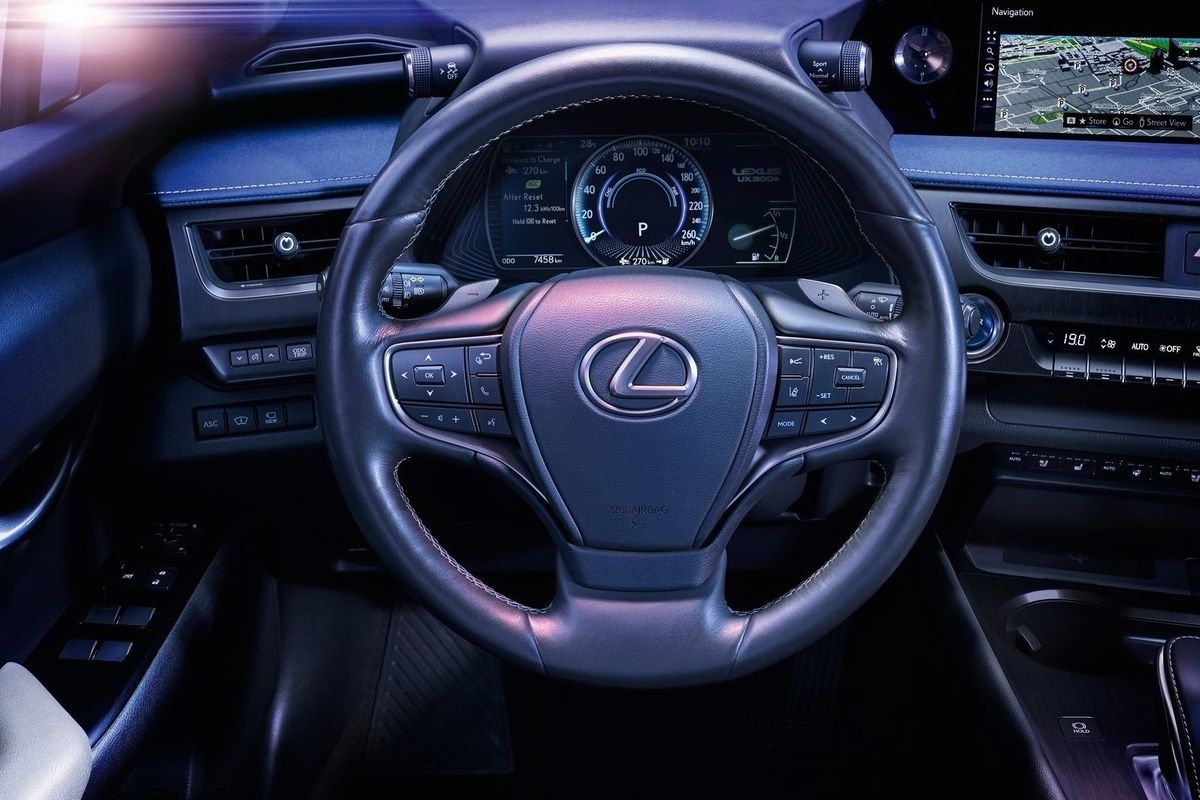
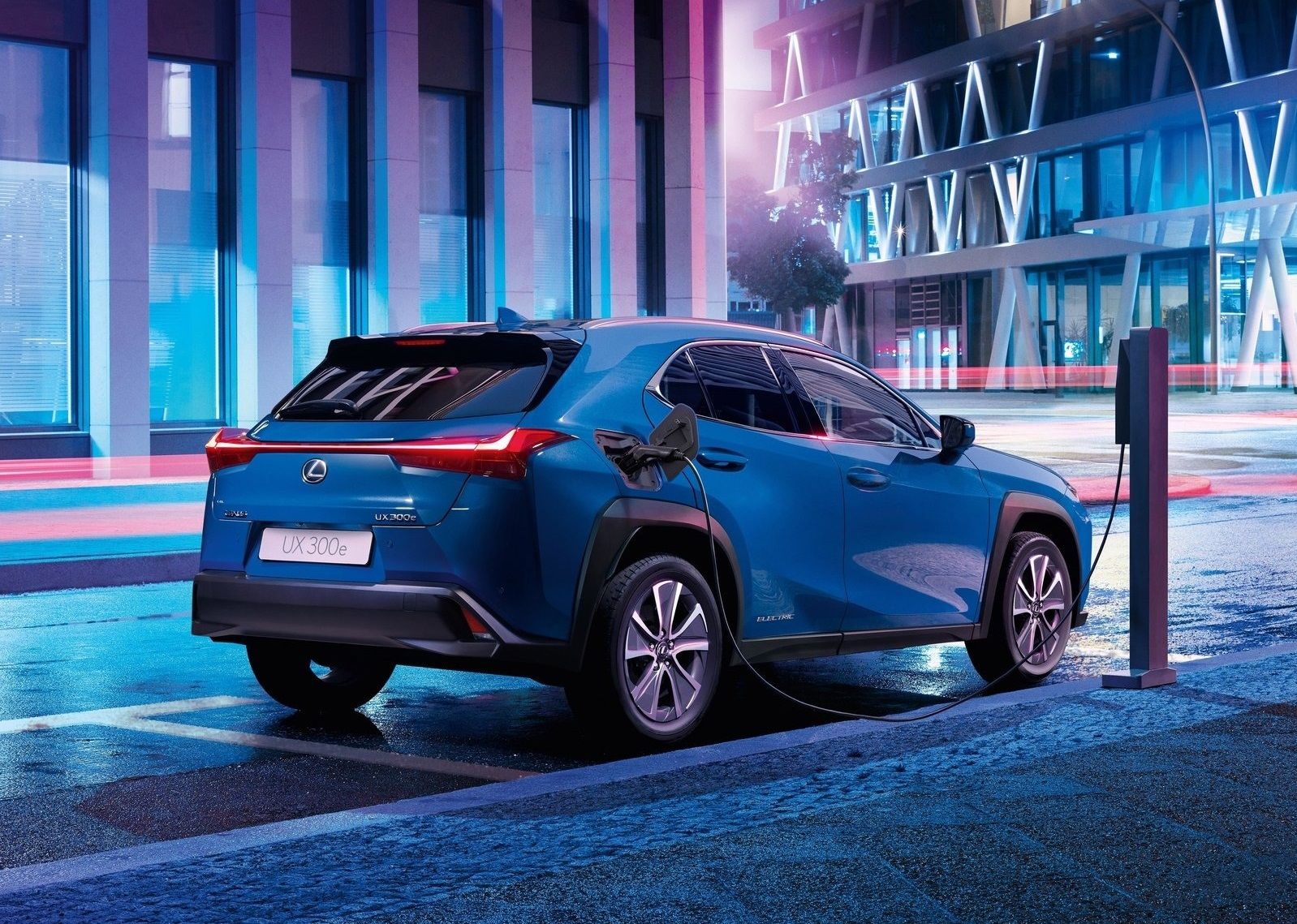
Lexus unveiled its first BEV in China last year – the UX 300e, which is an electric version of its compact crossover model sold here in South Africa. Now, to sweeten the 300e’s proposition in the European market, Lexus is offering a landmark 10-year warranty.
One could speculate that, apart from the well-known range anxiety (allied by fears about an insufficient charging infrastructure) and prohibitive purchase prices in South Africa, the greatest barrier to a greater uptake of battery electric vehicles (BEV) is the lingering concern that the car’s powertrain (particularly its battery pack), will start behaving like a that of a well-used smartphone. We refer, of course, to degraded battery performance.
Never mind that a battery’s life depends largely on the manner in which the device it powers is utilised, charged and discharged (there is a lot of confusion on the part of consumers in that regard); automotive manufacturers have sought to add extra peace of mind to the proposition of EV ownership by offering warranties on the batteries of their all-electric models that outstrip those that apply to the rest of the vehicle.
Other than a subtle UX 300e badge, there's not much to tell you that this is an electric vehicle.
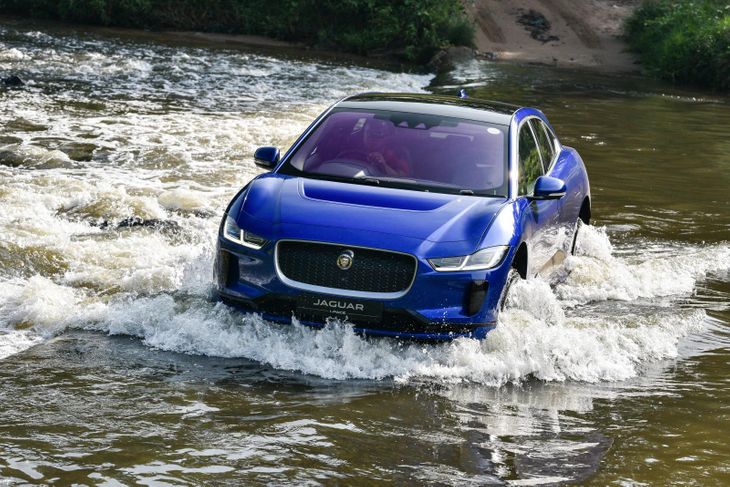
Here’s an example: the Jaguar I-Pace, which went on sale in Mzansi last year, comes with a 5-year/100 000 km warranty and maintenance plan, while its battery warranty is valid for 8 years/160 000 km. A claim against the latter can be made in the case of a manufacturing defect or if the battery is deemed to have dropped below a 70% state of health.
The Lexus UX 300e, which was shown at the Guangzhou Auto Show late last year and is already available in China, is now being readied for introduction in other major markets, including Europe, later this year. But whereas the Lexus will have a 3-year general warranty and a 5-year/100 000 km mechanical warranty, the Japanese premium marque will offer a 10-year/1 000 000 km warranty on “all traction battery functions” of its EV.
As with Jaguar warranty, for the specified duration or mileage, Lexus guarantees that the UX 300e’s battery capacity will not drop below 70% during this period, “provided that the owner respects the regular checks specified in the maintenance programme.”
Jaguar offers an 8-year battery warranty on the I-Pace, will Audi, BMW and Benz be able to match that with the e-tron, iX3 and EQC?
While the extra 2 years of battery warranty over that of the I-Pace is not such a big leap, the 1 000 000 km mileage limit (even if it might be ceremonial in nature) is mind-blowing considering the longest mechanical warranty we’ve seen in our market – 7 years/200 000 km, offered by Hyundai South Africa, is a fifth of that, at least in terms of kilometres.
Lexus (and parent company Toyota) have long been proponents of hybrid technology and will have garnered significant experience in extending battery life. The UX 300e utilises a 150-kW electric motor with a 54.3 kWh battery. Fourteen battery modules are mounted in the floor, and 4 modules are located on the flat battery pack under the rear bench. This installation benefits interior space optimisation and overall battery capacity.
Air-cooled battery pack
Interestingly, Lexus utilises air cooling for the UX 300e’s battery, which it claims is “safer and lighter than water-cooled systems”. Air cooling is said to give the battery pack stable battery performance even at a high speed with repeated rapid charging. The company says that the cabin air conditioning system works in combination this air-cooling in the battery to improve the vehicle’s performance, battery life and charging capacity.
However, the “temperature management” in the UX300e goes beyond air cooling when cells are too warm. At low temperatures, heating elements placed under each battery module are designed to warm the rubber-sealed battery and thus, according to Lexus, minimise the effects of cold weather conditions on the range of the vehicle.
Lexus’ first BEV (or full-electric) derivative offers 4 levels of regenerative braking and is claimed to have an optimal 400-km driving range from a full charge on the NEDC consumption cycle (which is still favoured in China). As for the best range on the new “more representative” WLTP test cycle, that’s "over 300 km", the company claims.
You voted for these cars to fill your ultimate 10-car garage. It sure is an eclectic line-up!
It’s something that virtually all petrolheads have dreamt of doing… If you won a sizeable sum in a lottery or gained a small fortune through a financial windfall… and you could only choose 10 cars for your fantasy garage, which ones would make it into a well-rounded or balanced line-up? I stress well-rounded as it would be very easy just to fill the garage up with supercars and hypercars and other crazy machinery, but the ultimate 10-car garage needs boundaries. You need a daily runabout, you need an off-roader, and in today’s times, you have to have an electric/hybrid car of some kind. There you have it – a car for every occasion, that’s what makes a well-rounded garage.
So we put it to a vote and you chose what you would put in your garage. We only listed cars that are available in South Africa, or already have a local list price. So, without further ado:
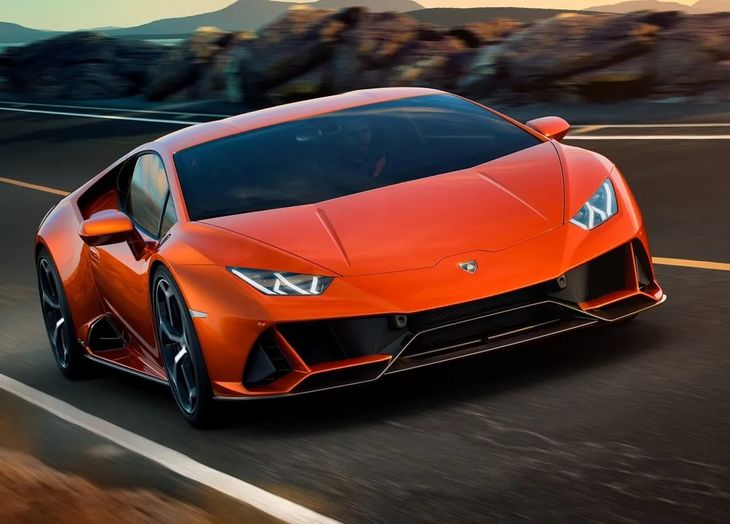
Supercar: Lamborghini Huracan Evo
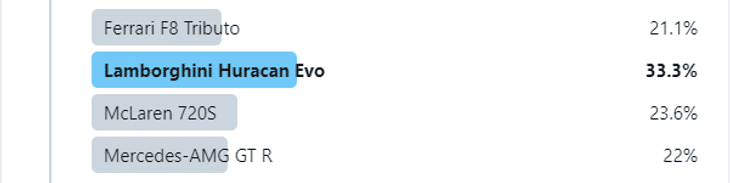
This was one of the tightest categories in terms of the outcome. The screaming 5.0-litre V10 Lamborghini, despite its age, managed to shake off the McLaren 720S, Ferrari F8 Tributo and the Mercedes-AMG GT R. It’s a difficult choice as all of these supercars bring something unique to the table, but the Huracan Evo from St'Agata is the only one with a naturally aspirated engine. Maybe there’s still hope for free-breathing supercars to continue well into in the future.
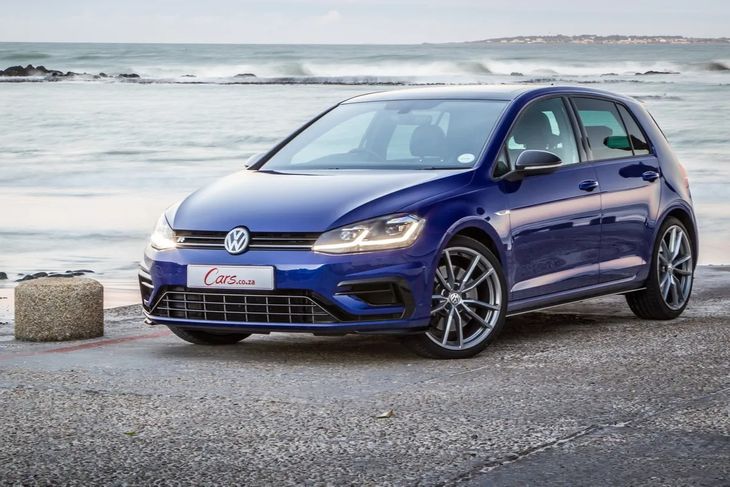
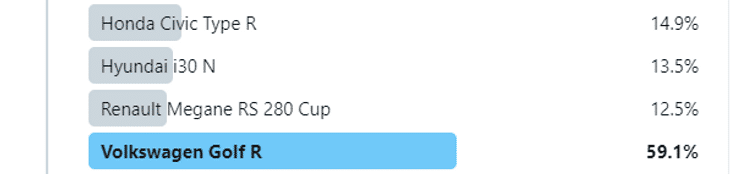
It's about to replaced by the 8th-generation car, but the current Golf R easily won this spot in the garage, which is strange because it’s certainly not the best hot hatch served up to vote on. The South African favourite beat out the Honda Civic Type R, Hyundai i30 N and the Renault Megane RS Cup. The Golf R won out with 59.1% of the vote with none of the rivals managing to even get 15%.
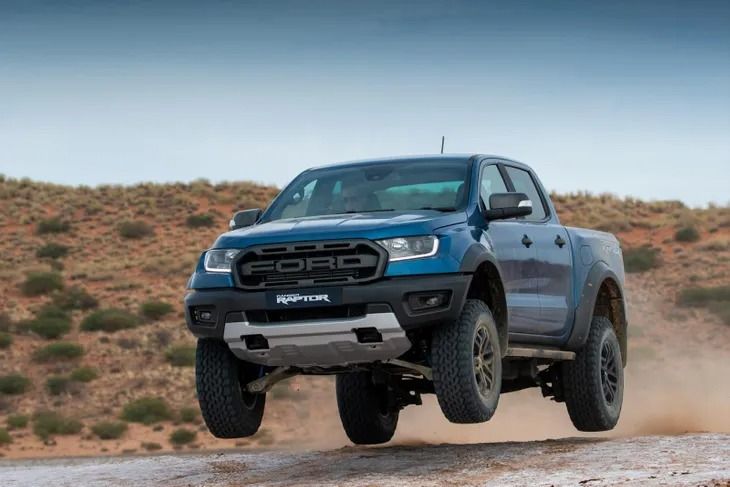
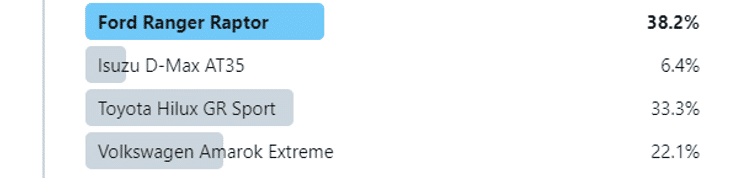
With the introduction of so many factory-modified bakkies hitting the market, there was a lot of choice in this category. The Ranger Raptor narrowly beat out the Hilux GR Sport in the vote. The Raptor has garnered lots of attention from the public with its bolstered, aggressive looks and bespoke Fox suspension. It feels more like a made for purpose unit than the Hilux GR Sport, which is essentially a standard Hilux with a small suspension adjustment and sticker kit.
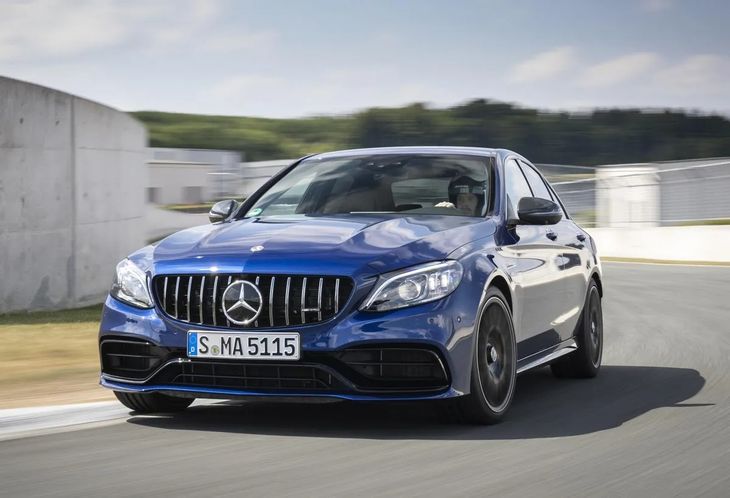
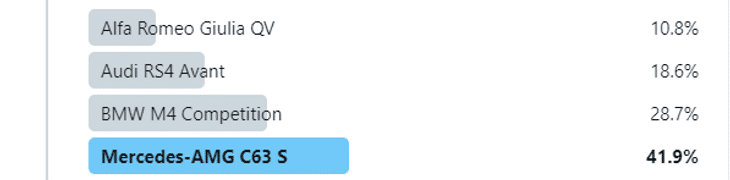
I was really rooting for the Alfa Romeo Giulia Quadrifoglio in this category as it’s the driver’s choice in this hotly-contested segment. Even the ageing BMW M4 Competition couldn’t see off the loud and in-your-face C63 S which won out by some margin. Enjoy it while it lasts as according to Mercedes-Benz, the next C63 will be a 4-cylinder.
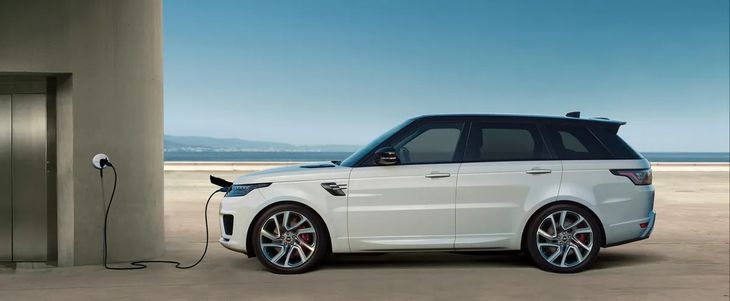
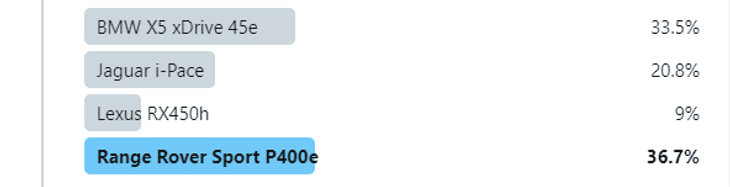
I suspect the looks and appeal of the Range Rover shape won out over its electric capability. The Jaguar i-Pace is the most advanced electric car on sale in South Africa, but was even beat out by the BMW X5 xDrive45e to the second spot. Still, the P400e Range Rover Sport does have a 50 km pure electric range making it useful on the commute.
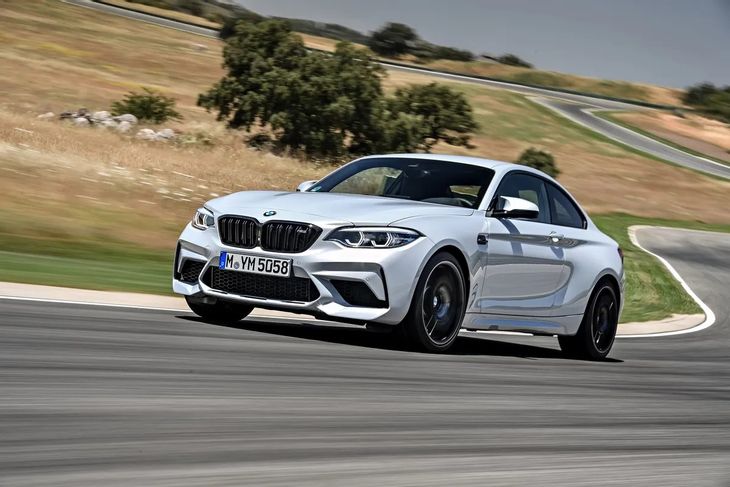
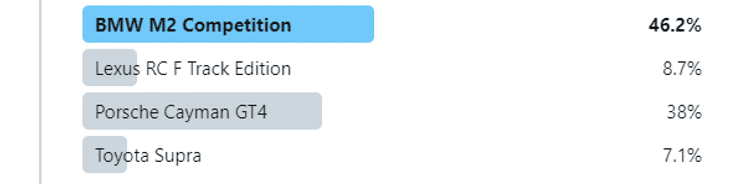
South African drivers like to have themselves a proper workout on track it seems. Compared with the original, single-turbo M2, the M2 Competition (powered by the outgoing BMW M3/M4's twin-turbo 3.0-litre inline-6) is a handful on track and when its rubber begins to wear down, things get really snappy, really quickly. It is incredibly exciting to drive on track, but more so than a Porsche Cayman GT4? Hmm.
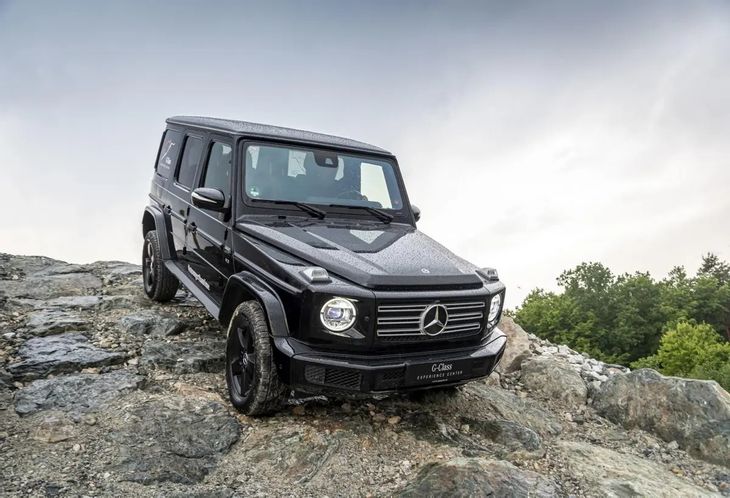
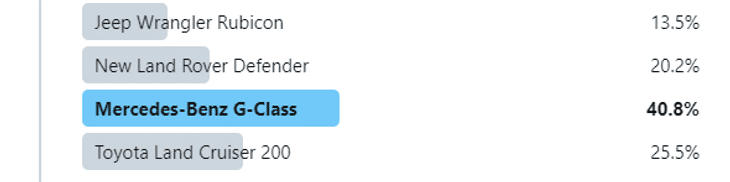
This surprised me a little as I expected the New Land Rover Defender to walk this, but it couldn’t even beat out the Land Cruiser 200 – where the 200 stands for its current age. The G-Class walked this category, and I suspect it did so with its thug-like looks and rapper attitude. It is still an extremely capable off-road vehicle, as long as you don’t opt for the AMG 63 with the side-exiting exhaust pipes.
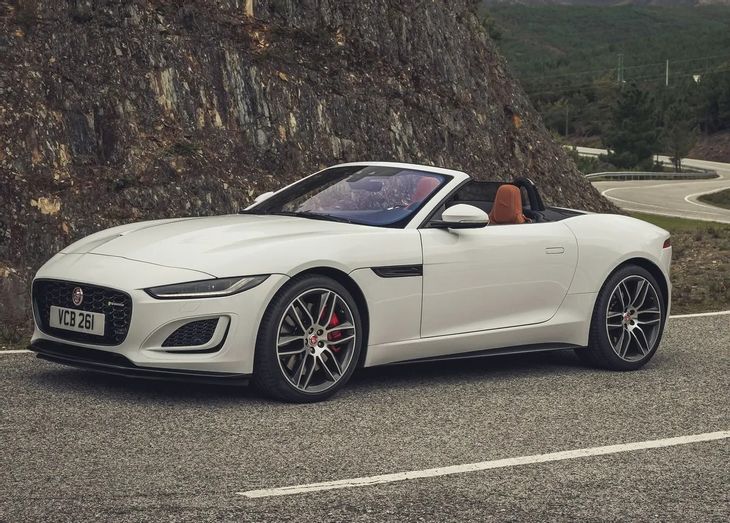
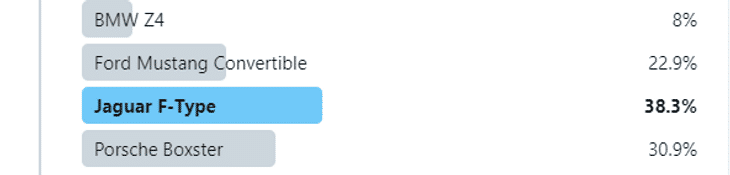
Seeing that South Africa is a BMW-obsessed country, I did not expect to the BMW Z4 being kicked to the kerb this hard. The Jaguar F-Type was run close by the Porsche Boxster and Ford Mustang, but the gorgeous, head-turning looks of the British convertible won most of you over. The new model is just about to go on sale too.
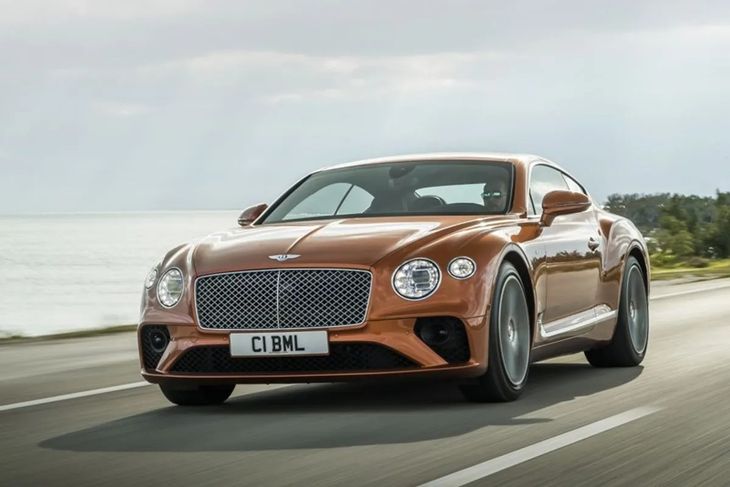
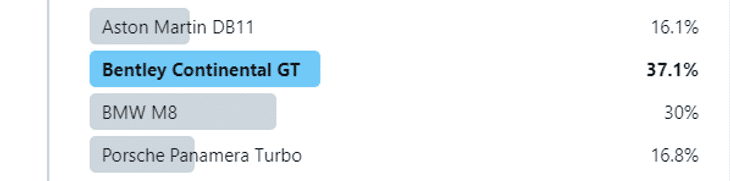
Grand tourer: Bentley Continental GT
The grand tourer (GT) is the consummate country-crosser and there were some big-hitters in the fold. Bentley’s prestige and uniqueness must have won out here as the competition is more than a match for performance. The Continental exudes presence while still holding true to the brand’s sporting ethos. Seeing one of the Continental GT3 cars 3-wheel it (the inside front lifts off the ground) around some of the corners at the Kyalami 9hr last year was a real highlight.
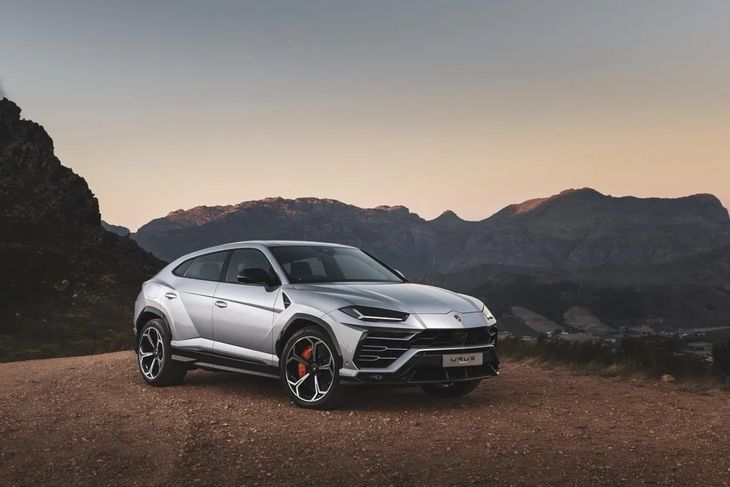
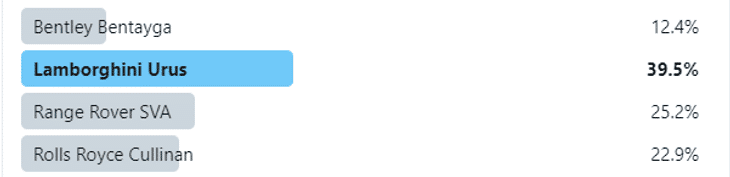
Hyper SUV: Lamborghini Urus
The maddest looking SUV on sale won out over some of the most expensive machinery on the planet. The Urus pushes aside stately, understated looks for unmedicated crazy angles and creases. Having driven a few Uruses in the Emirates, I can tell you that even over there, with the plethora of expensive cars on the road, the Urus still turns heads.
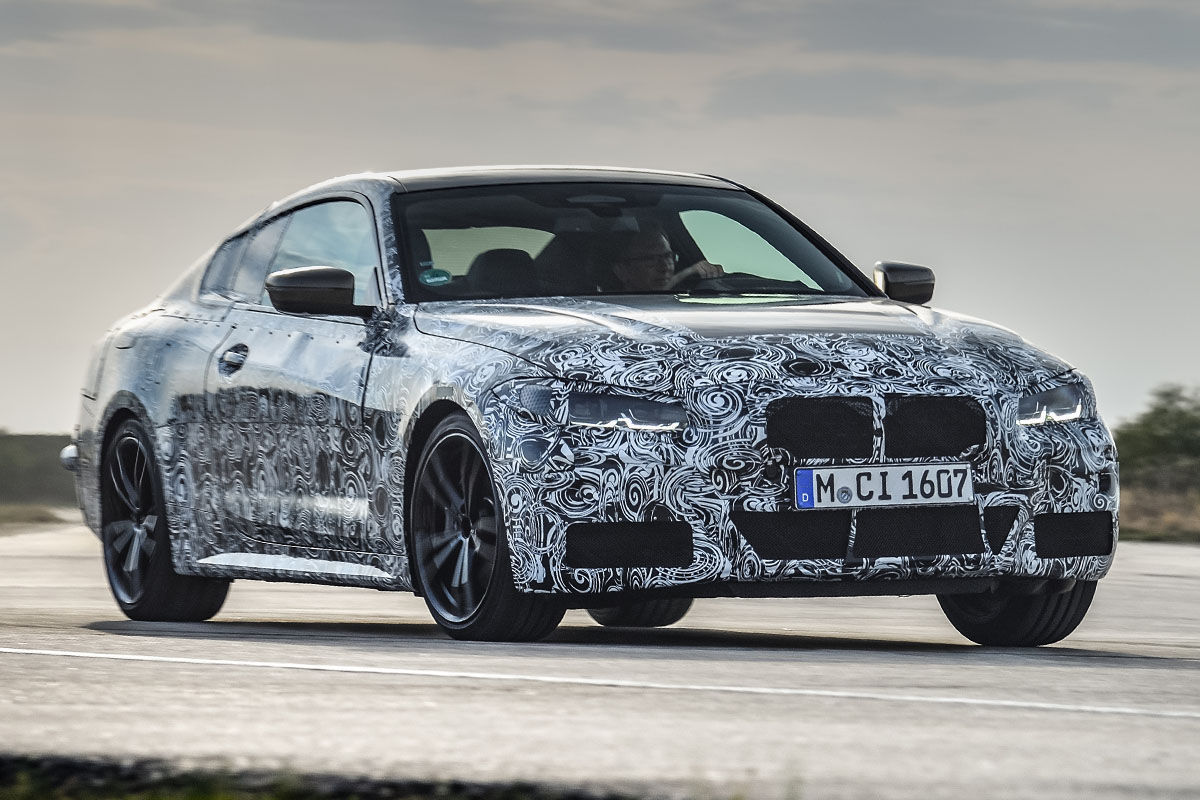
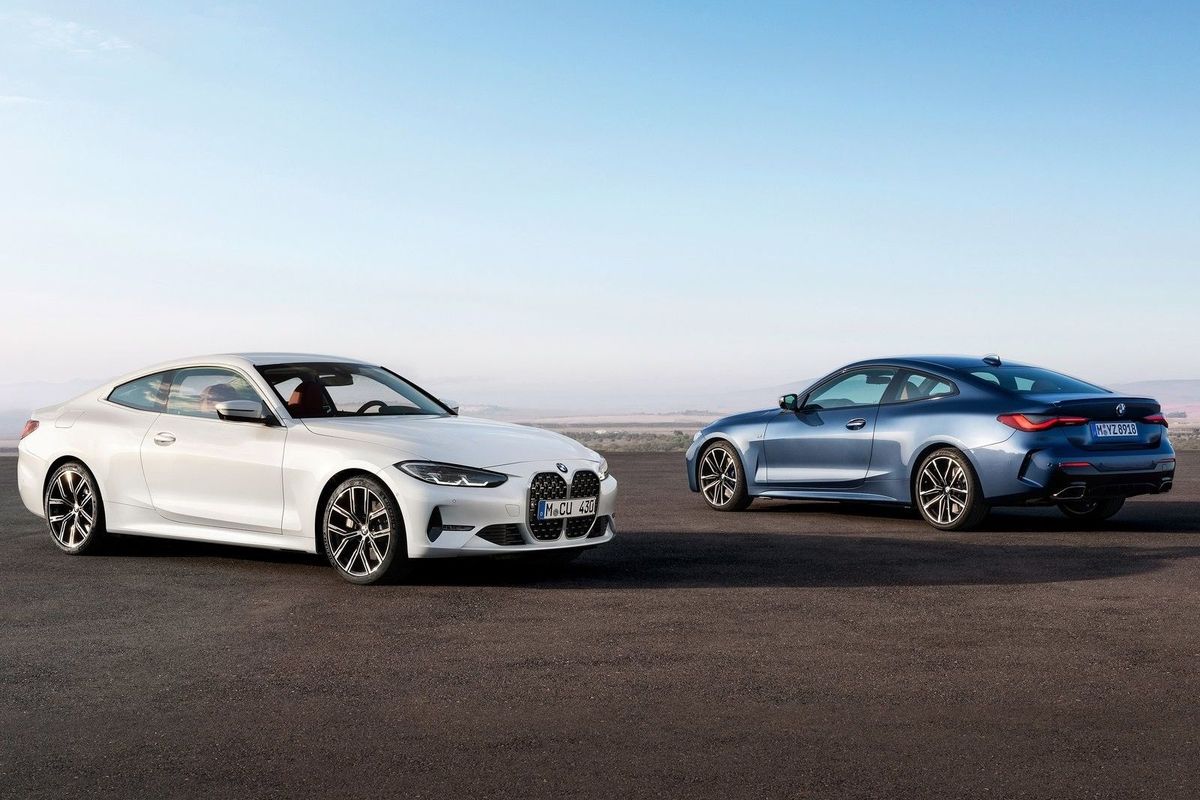
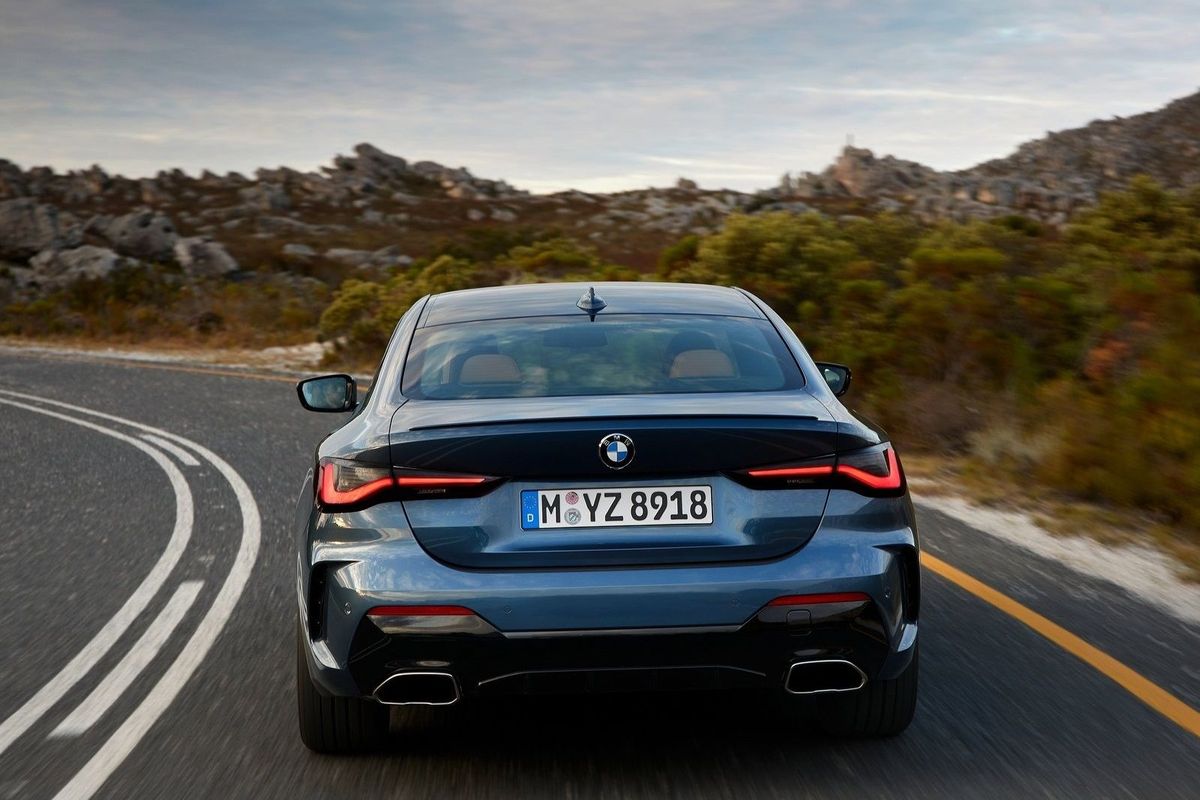
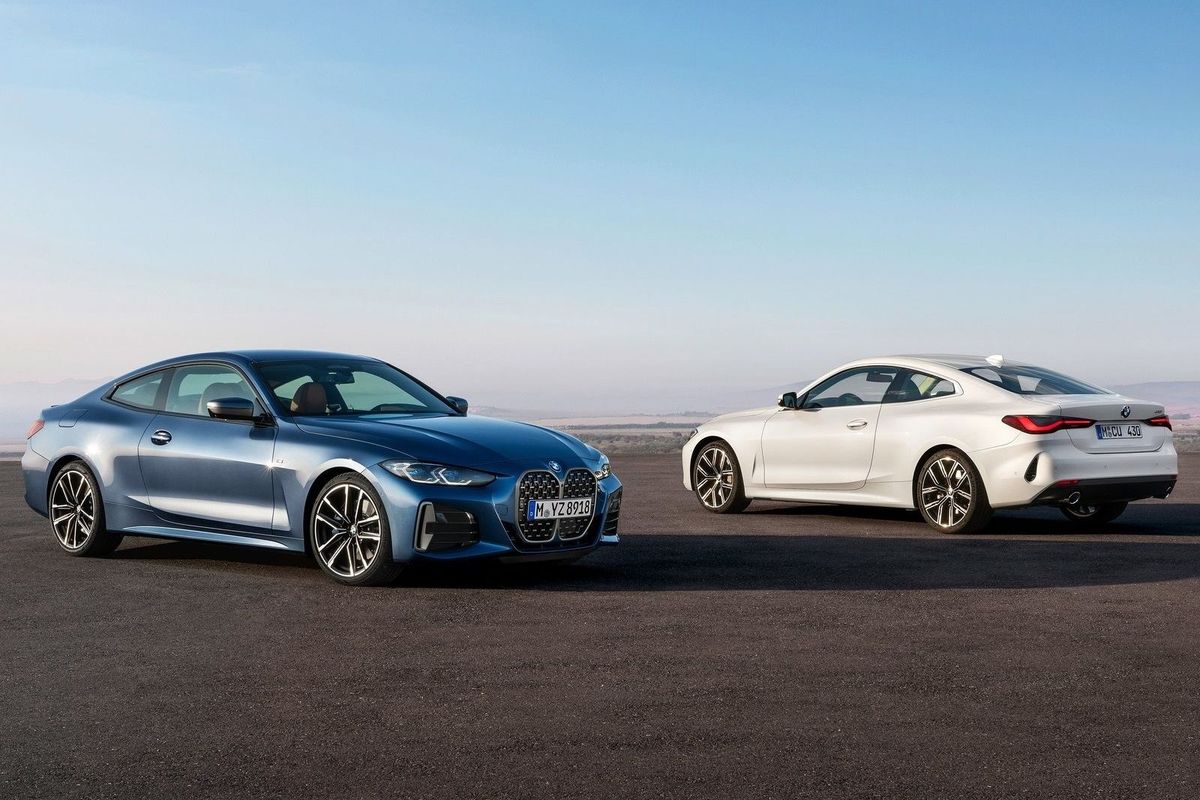
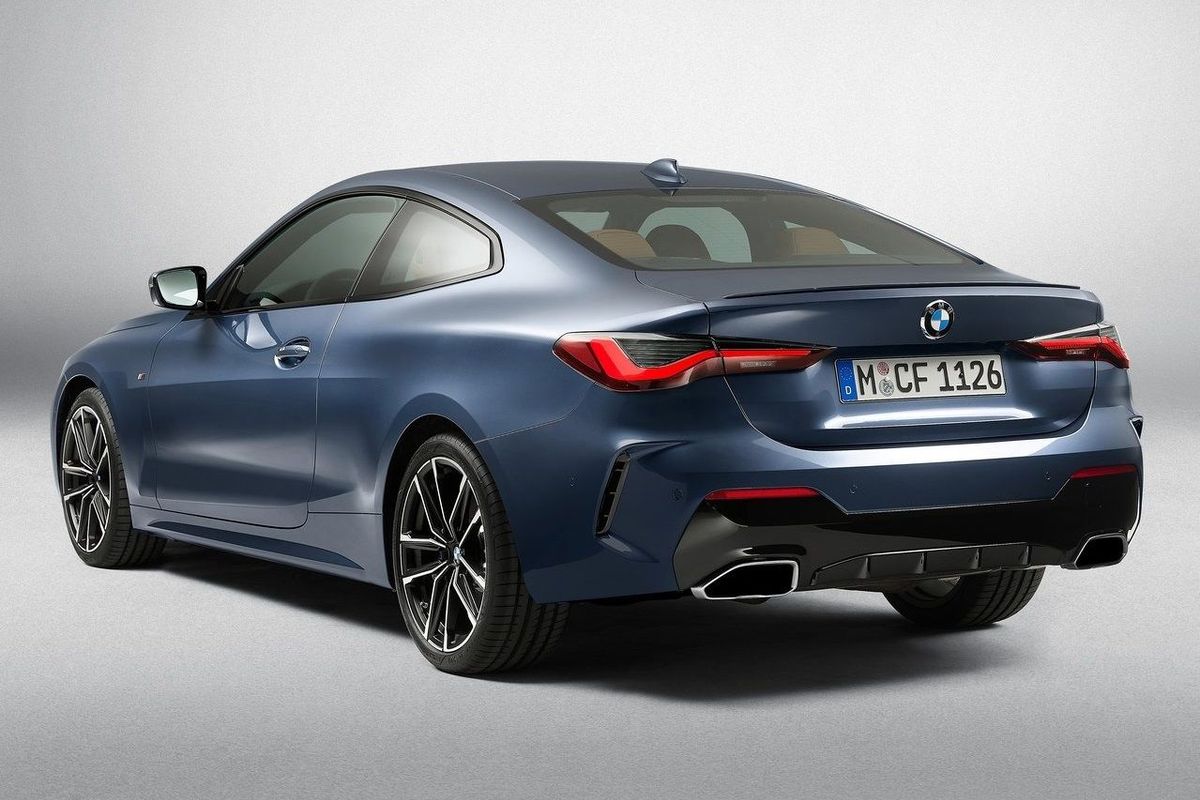
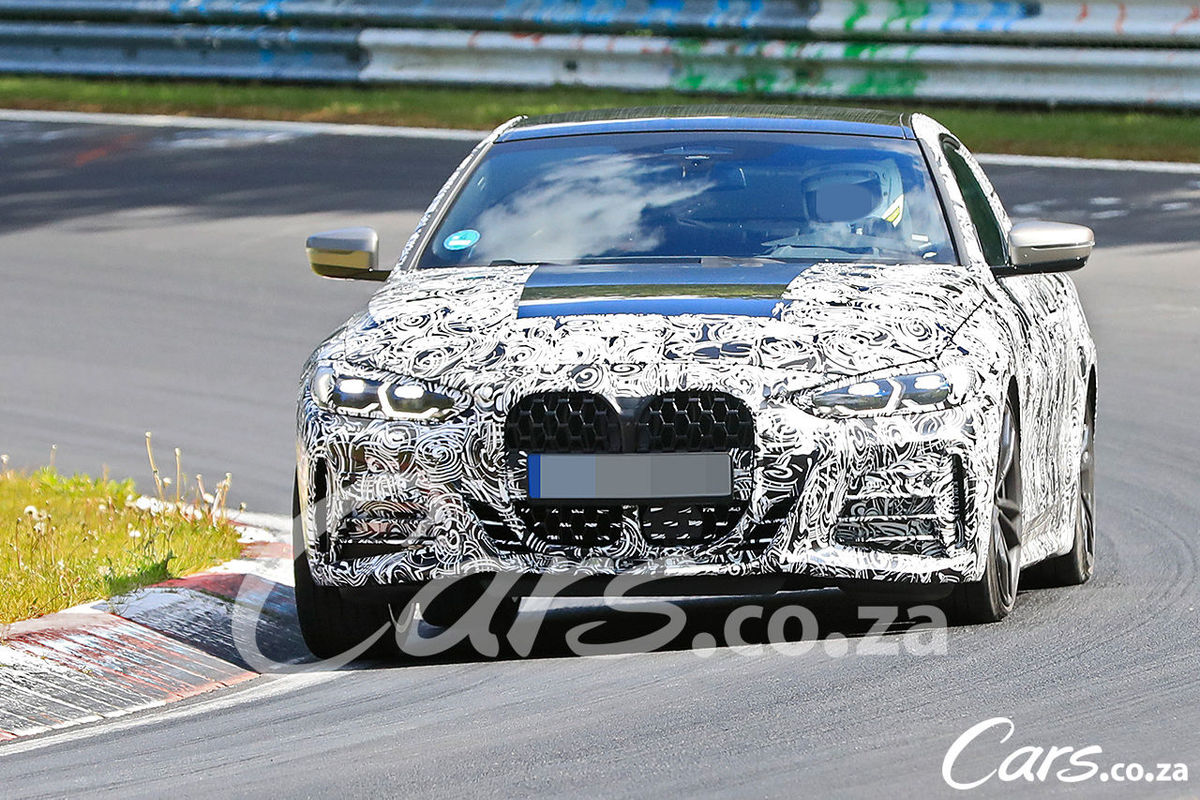
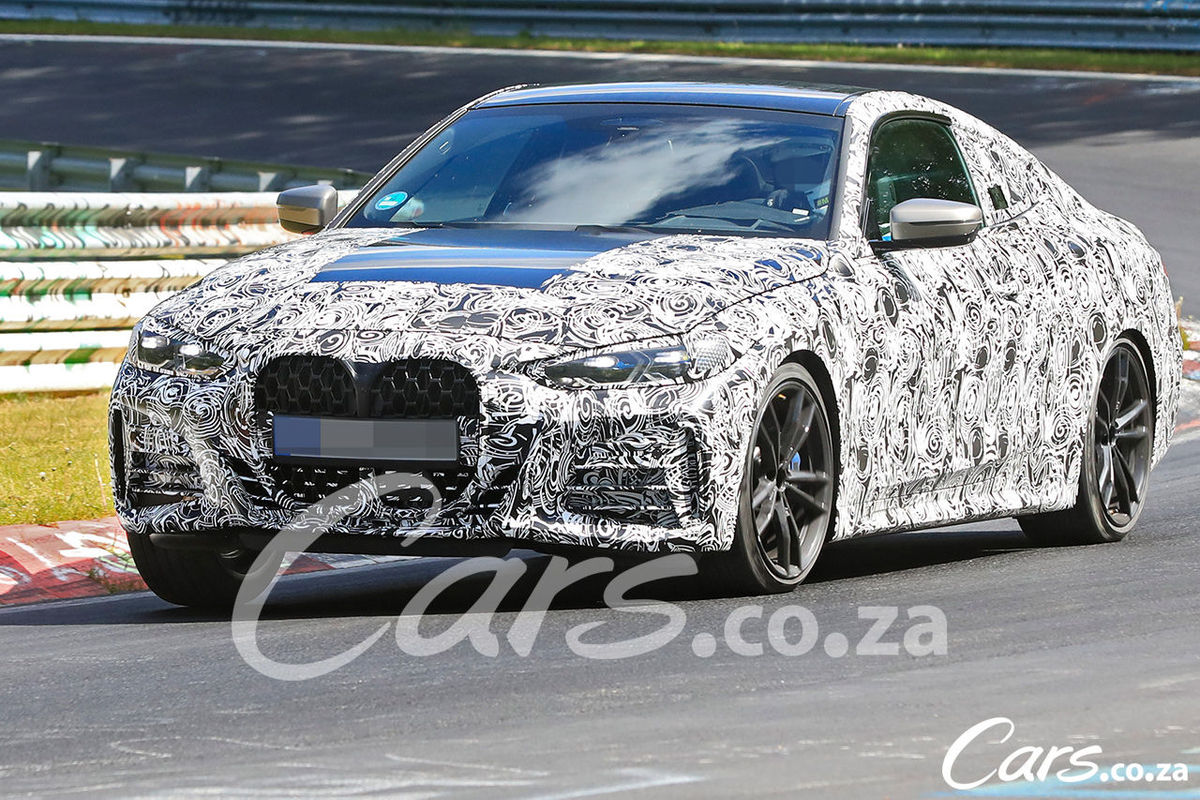
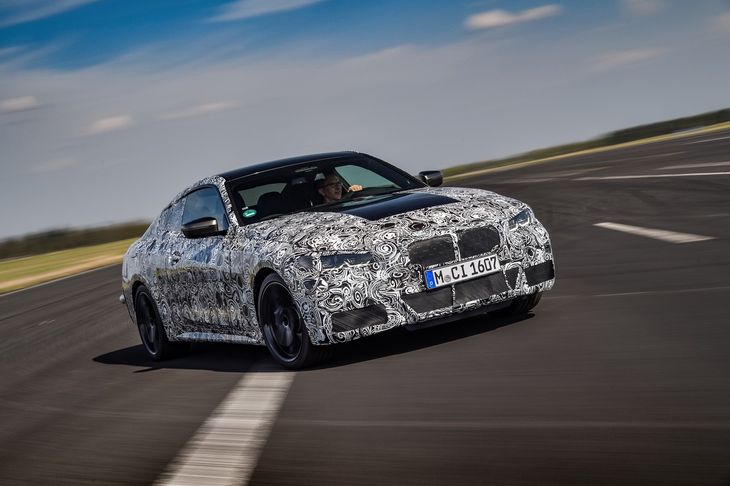
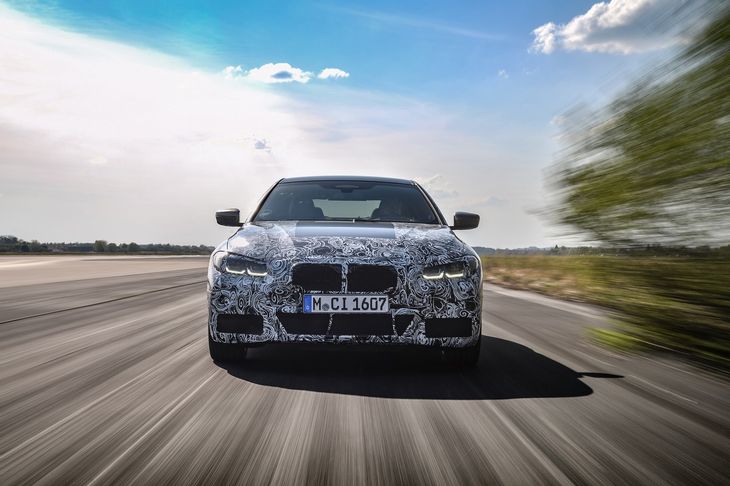
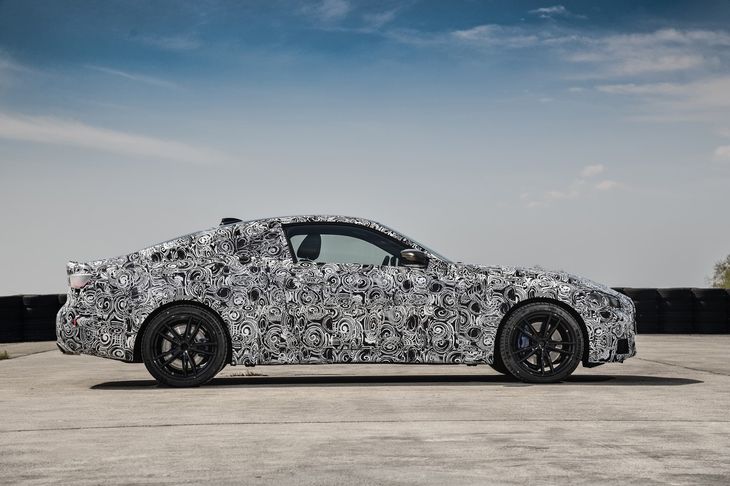
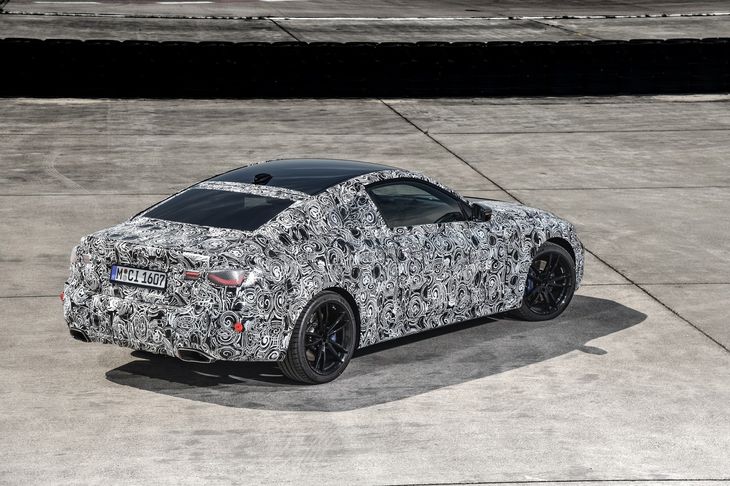
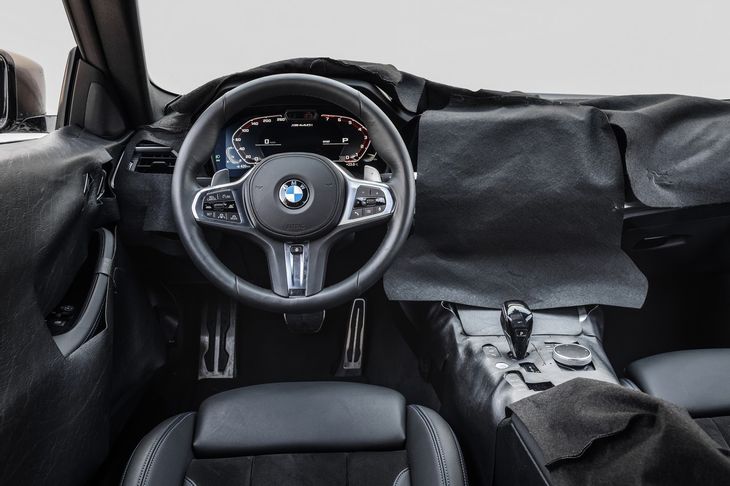
BMW has been drip-feeding us information about its soon-to-be-launched 4 Series, but thanks to a new report, we have more clarity on the range’s line-up, the configurations of the three(!) M4 models and can look forward to the arrival of the range-topping i4.
1. Controversial grille part of a new BMW strategy
BMW sought to differentiate the 3 Series from its 2-door sibling by launching the F30-based version of the latter as the first-generation 4 Series in 2013, followed by a 4-door Gran Coupe – which, in 420d Sports Auto guise, was the winner in the business class category of the 2017/18 instalment of the #CarsAwards – powered by WesBank.
Although there were differences between the respective F30-based models, most would be hard-pressed to distinguish them from one another when viewing the cars directly from the front…
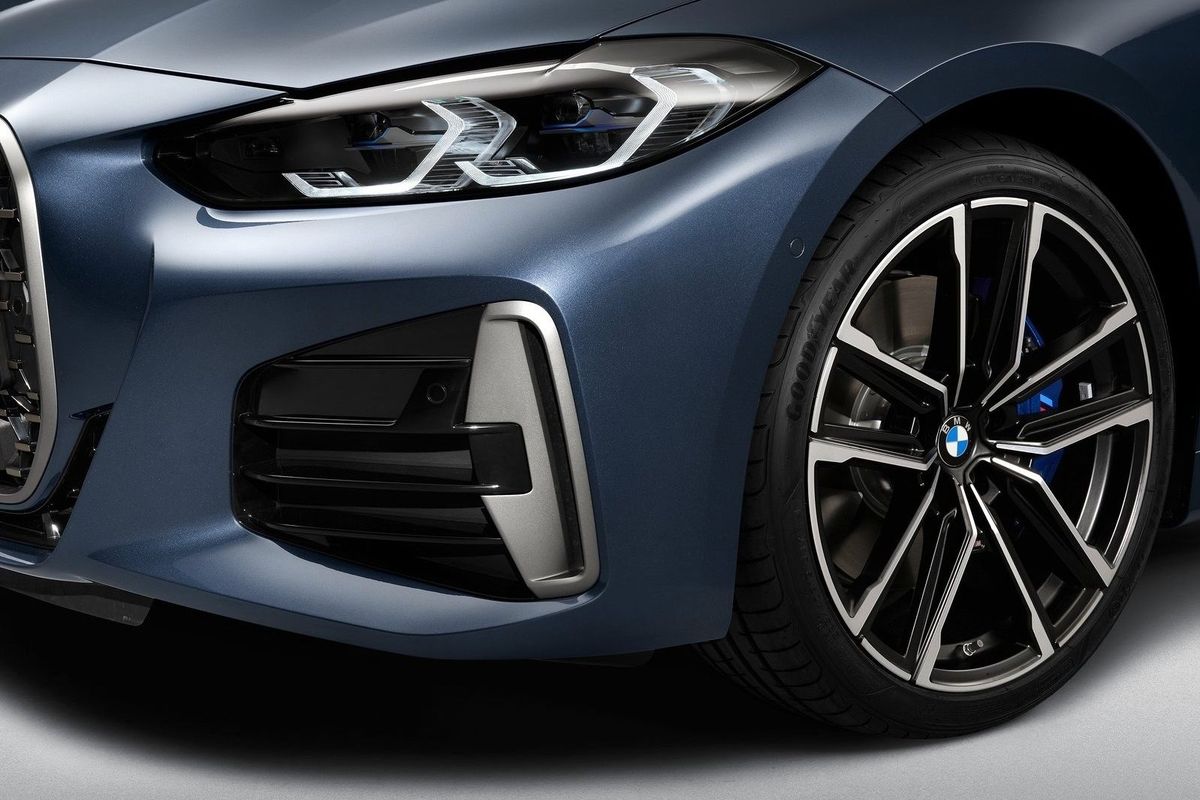
Well, that will no longer be the case… BMW, which previewed the controversial looks of the upcoming G22-generation 4 Series when it revealed the tall-grilled/beaver-toothed Concept 4 at the Frankfurt Show last year, is ringing the changes for next batch of 4ers, starting with that striking new frontal styling. Various spy photos have confirmed that.
The bold front end, which was inspired by the vertical kidney grilles of BMWs from the 1930s (such as the iconic 328), has been described by design chief Stefan Woerns as the first step towards giving each BMW model a unique interpretation of the brand’s most recognisable styling element, even those that are similarly sized/directly related.
Plus, in terms of proportions, aerodynamics, weight distribution and handling dynamics, the new 4 Series is said to be markedly different from its G20-generation 3 Series sibling…
2. Further differentiated from 3 Series
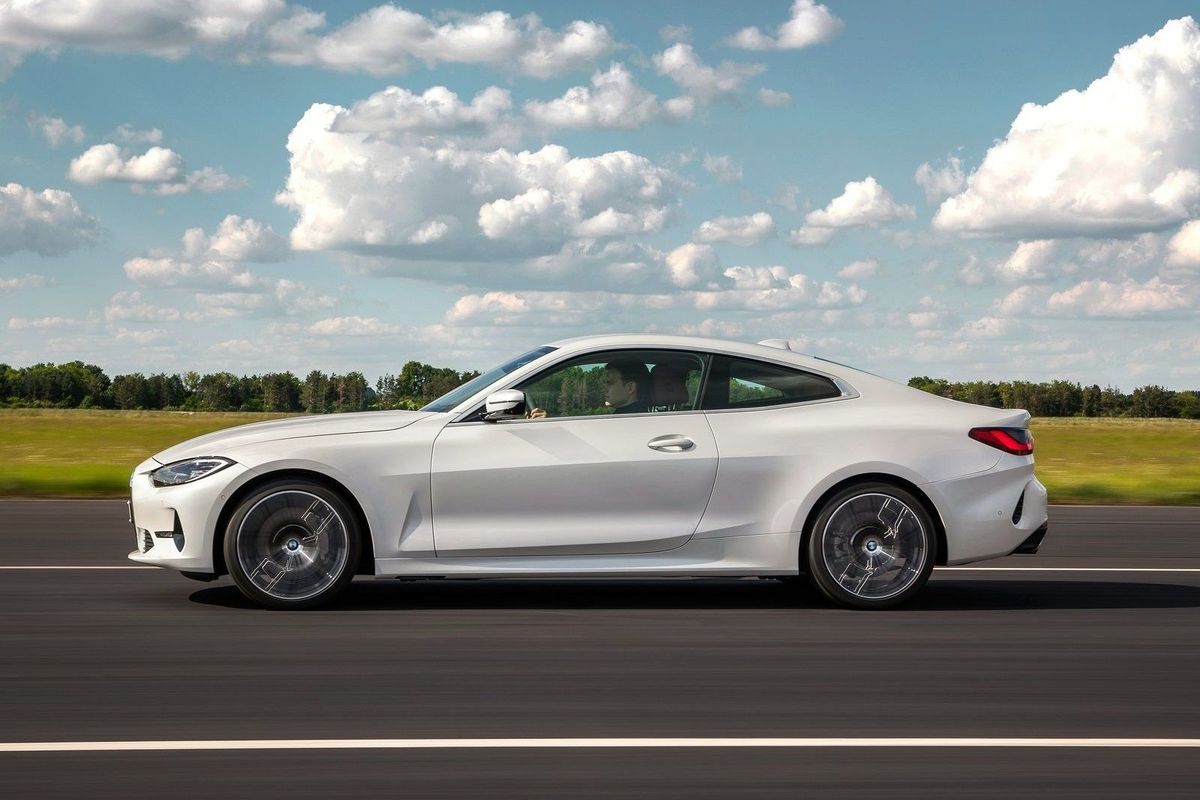
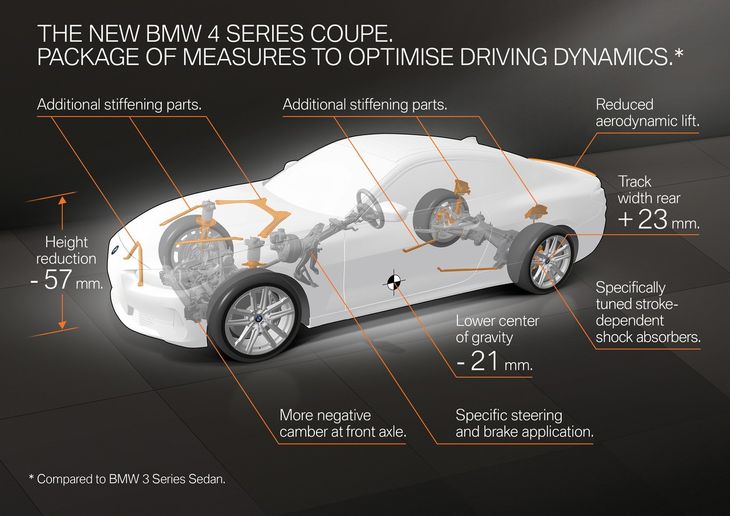
Apart from being 57 mm lower than its 4-door sibling (its centre of gravity is also 21 mm lower), the 4 Series’ rear track has been widened by 23 mm at the rear, while the front wheels are set up for negative camber. BMW has been testing the new 4 Series at the winter testing centre in Arjeplog, Sweden, at the BMW Group’s facility in Miramas in France, on the Nürburgring’s Nordschleife circuit, as well as many other tracks.
The newcomer’s lift-related dampers are tuned for a more engaging and sporty drive and BMW has added model-specific front-end strut braces as well as bracing elements around the rear axle to increase stiffness. These measures are all said to be in aid of greater steering precision and improved suspension control compared with the 3 Series.
3. It will be available in three, no four, iterations
According to Autocar, the G22-generation 4 Series will be launched soon in coupe guise, followed by the cabriolet and the 4-door Gran Coupe. The latter is particularly important for BMW, because of all the units of the previous generation that were sold (700 000), half were 4-doors, while the coupe and cabriolet account for around 25% each.
It’s a credit to the brand’s ubiquitous CLAR platform that the all-electric i4 will be based on the same structure as that used by its ICE 3- and 4-Series siblings – it’s the only time, apart from the iX3, that BMW has not utilised bespoke underpinnings for an EV product.
Seeing that it is closely related to the Gran Coupe, the i4 will be built alongside its 4-door sibling at BMW’s plant in Munich; its significance compared with the M4 will be explained later.
4. Return of the soft-top
Does anyone remember the boxy 3 Series Cabriolet? Well, BMW used to utilise a folding fabric roof for its topless compact models from 1985 until the E93 3 Series Convertible arrived in the mid-Noughties, replete with a metal folding roof. Its 4 Series successor featured a (somewhat more elegant) convertible roof too, but while it offered more convenience and refinement, it blunted the cars’ dynamics (by adding weight), limited rear legroom and reduced boot space.
Well, the good news is that the upcoming 4 Series cabriolet will return to its roots by swapping its folding hard-top roof for a multi-layer fabric structure. Similar to the arrangement on the 8 Series cabriolet, this will include a composite tonneau cover and a dedicated storage area. This augers well for a tauter, more shapely rear-3-quarter design for the upcoming model.
5. Wide range of petrol-, turbodiesel engines
Although neither the launch line-up nor the estimated date of arrival for the 4 Series in the South African market has yet been confirmed, we know that the 4 Series will be produced in 420i (135 kW/300 Nm) and 430i (190 kW/400 Nm) 2.0-litre 4-cylinder turbopetrol guises; there will also be 420d (140 kW/400 Nm) and 430d (195 kW/580 Nm) 2.0-litre 4- and 3.0-litre 6-cylinder turbodiesel versions, but perhaps not in Mzansi.
6. M440i xDrive will initially top the range
But before the 2nd-generation M4 – codenamed the G82 – is released around the 3rd or 4th quarter of 2021 (Autocar reports), the 4 Series line-up will be headed by the M440i xDrive and its diesel sibling, the M440d xDrive. Both derivatives will be powered by a turbocharged 3.0-litre inline-6 engine aided by a 48V mild-hybrid setup that provides off-throttle engine-idle coasting, regenerative braking and a Sprint mode that boosts acceleration under load.
Judging by the performance figures of the M340i xDrive and M340d xDrive, the corresponding 4 Series derivatives (equipped with an 8-speed Sport automatic transmission, an M Sport differential and adaptive damping), should produce peak outputs of at least 285 kW/500 Nm and 250 kW/700 Nm respectively.
The sedans are claimed to accelerate from 0 to 100 kph in 4.4 and 4.6 sec respectively; but, again, the M440i is likely to be more significant for our market than the M440d.
7. M4 will be a 6-speed manual with RWD
Performance-car purists will be overjoyed to learn that even though the upcoming M440i xDrive will be all-wheel-driven, the base M4 will be rear-wheel-driven and equipped with a 6-speed manual gearbox, at least if the recent report is accurate. As we reported last week, the M3 (and its M4 sibling) will be powered by a version of the twin-turbo 3.0-litre inline-6 engine that powers the X3 M and X4 M non-identical twins. It is believed the M4 will produce peak outputs of 353 kW and 600 nm of torque.
8. M4 Competition be an Auto with M xDrive
As is the case with the M5 sedan, the M4 Competition will feature an 8-speed torque-converter (not dual-clutch) automatic transmission in combination with an M xDrive all-wheel-drive system. Autocar believes it will be as powerful as its X3 M and X4 M Competition siblings with a peak output of 375 kW and 600 Nm of torque. Will it be offered with switchable, part-time 2WD drift mode? Time will tell…
9. The first M4 Gran Coupe
BMW resisted the urge to produce a full M-car version of the previous generation 4 Series Gran Coupe – probably to avoid cannibalisation of M3 sedan sales. However, such is the popularity of the 4 Series Gran Coupe model in North America and China (globally, the 4-door accounts for half of 4 Series sales, remember), that BMW has decided to build a junior sibling to the recently introduced 8 Series Gran Coupe (and discontinued 6 Series Gran Coupe).
The M4 Gran Coupe is scheduled to be launched in 2022 as a rival to the Audi RS5 Sportback, well-placed BMW sources told Autocar.
10. i4 will be the most potent 4 Series
We thought we’d save the juiciest news ‘til last. Even though BMW’s marketing gurus will do their utmost to position the upcoming i4 (based on the recent i4 Concept) as a standalone model, it is understood to be very closely based on the 4 Series Gran Coupe and, upon its launch later this year, it will effectively be the “most powerful 4 Series” of the lot.
The i4 is the first in a wave of new electric cars being developed and brought to market by BMW over the next 3 years and the brand’s first all-electric sedan. Powered by a pair of powerful electric motors (one at each axle), the i4 will produce up to 390 kW and about 813 Nm of torque in its most potent guise – the (all-wheel-driven) i4 xDrive.
BMW claims that the i4, which is equipped with an 80-kWh lithium-ion battery pack, will have an impressive optimal range of 600 km (from a full charge) on the WLTP test cycle.
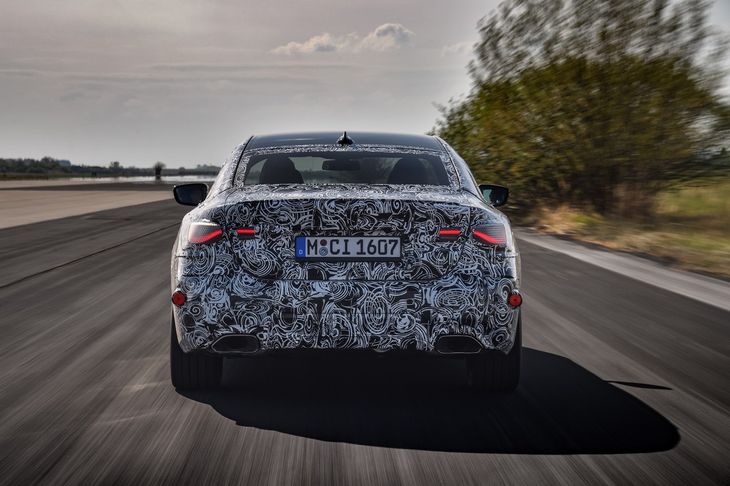
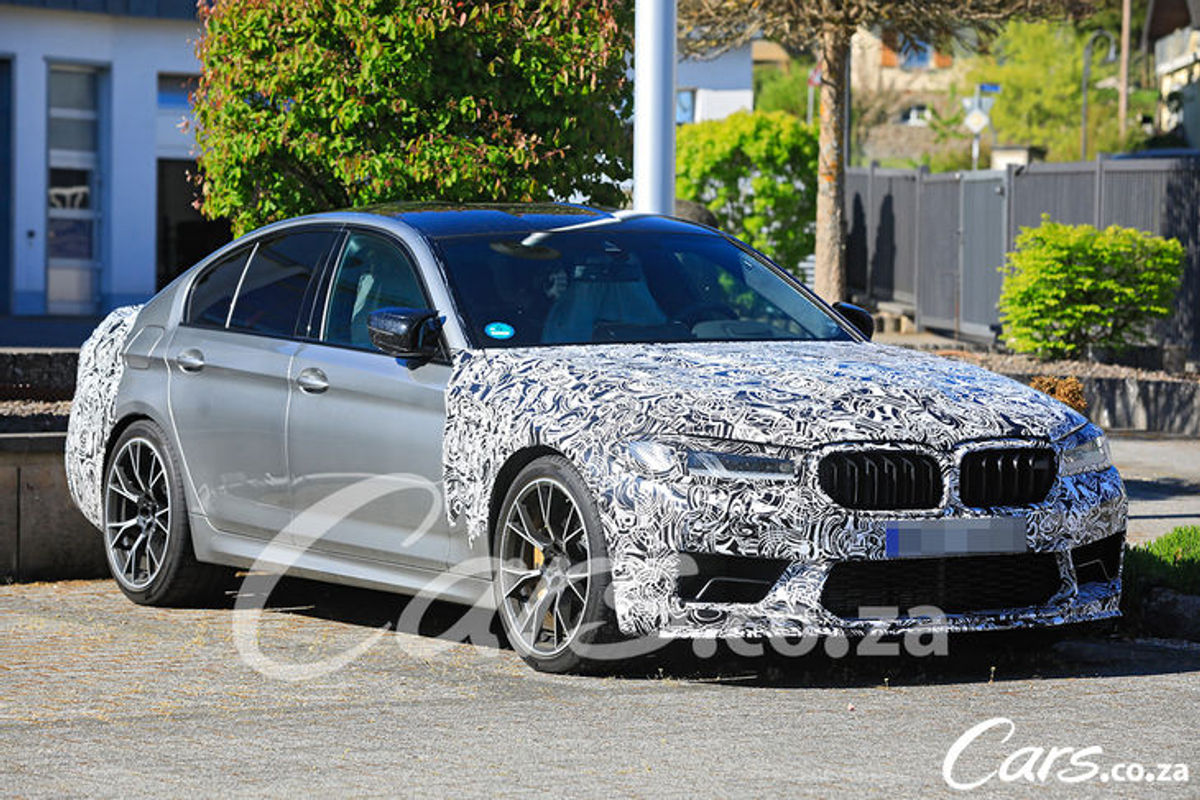
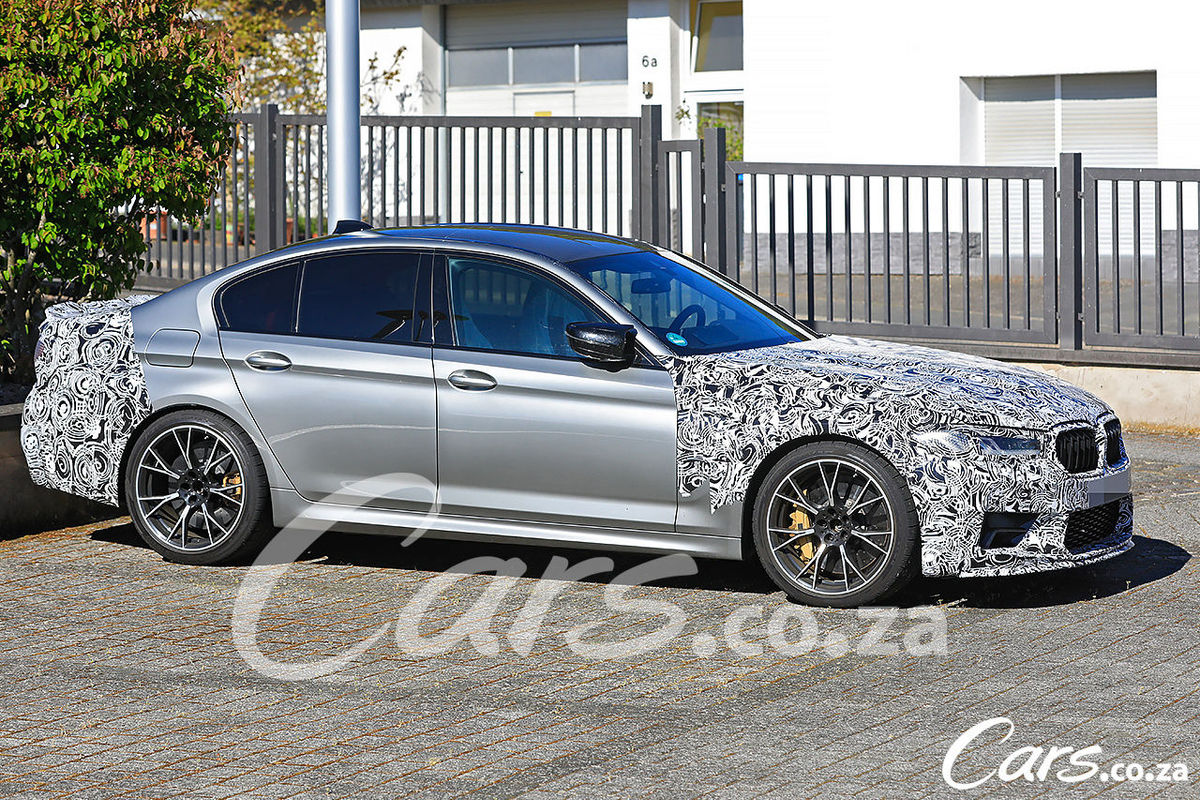
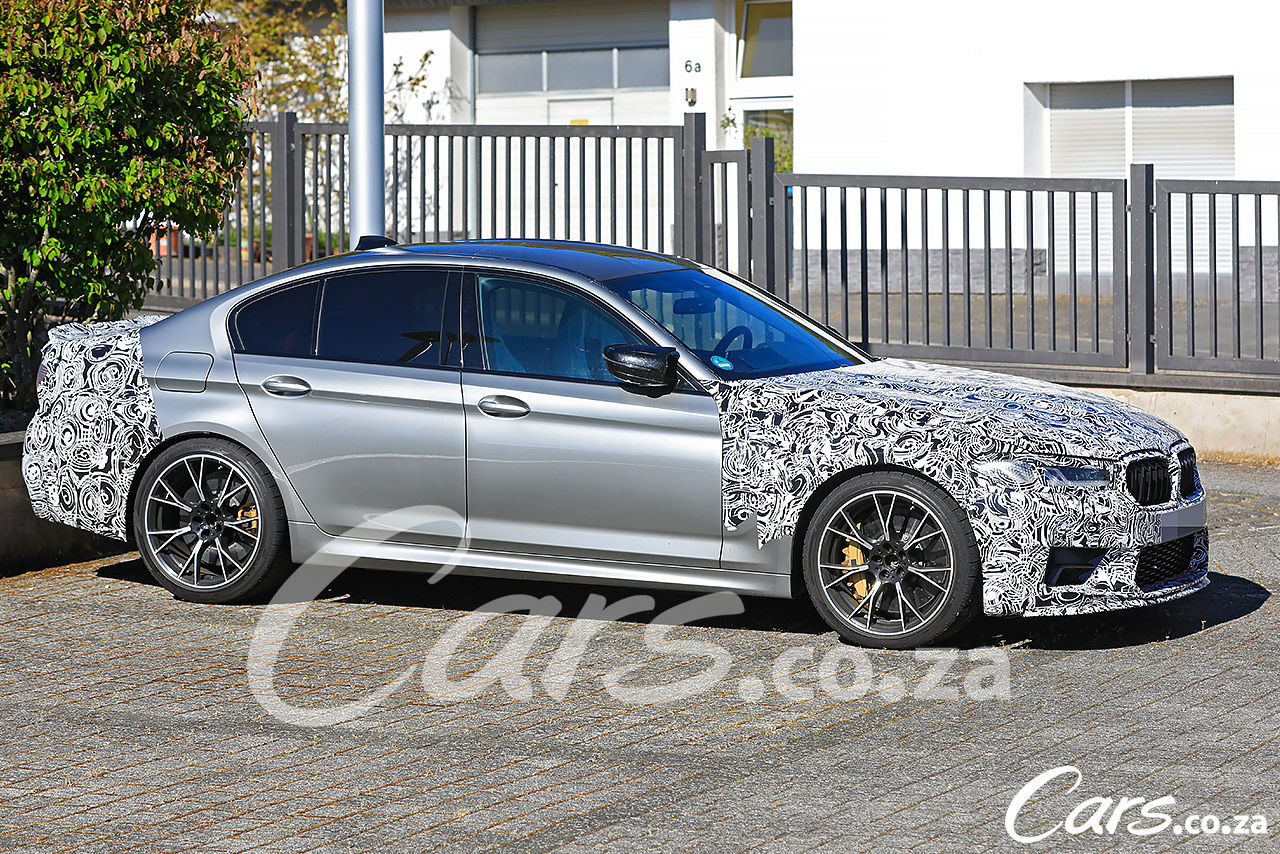
BMW is readying a hardcore version of its M5 supersedan which will be badged as M5 CS. Here's what we know.
Picture credit: S. Baldauf/SB-Medien. We have paid for these photos and at the photographer's request, have watermarked them.
These photos are proof that German carmaker BMW is working on an even hotter and more hardcore version of the M5. Dubbed the BMW M5 CS, this will undoubtedly be the ultimate iteration of the M5, surpassing the outputs and performance of the M5 Competition. This news comes at an interesting time as towards the end of April 2020, the all-new Mercedes-AMG E63 S was spotted at the Nurburgring. Keen to not have Affalterbach's latest trample all over the BMW M5 Competition, BMW's M division is planning this hardcore M5 CS model.
How do we know this is something special? Take a look at the front grille as well as real spoiler. That lip on the boot is very similar to that use on the current BMW M CS portfolio and if you compare it to the M2 CS and M4 CS, it's a near-perfect replica. There's also a front lip spoiler which we haven't seen before. At this stage there's no official mention of engine and performance, but sources like BMW Blog have suggested that the new BMW M5 CS will get an all-new turbocharged V8 petrol engine. Not much is known about this new powertrain, but many reckon it will be physically smaller as well as boast some form of electrification.
Typically, CS models focus on mild power upgrades, weight reduction and aerodynamics. That being said, the current BMW M5 Competition is no slouch at all, with its 460 kW and 750 Nm giving it a claimed 0-100 kph of just 3.3 seconds. Who knows, we may even see a 2.9 second claim when the BMW M5 CS is officially revealed…
Speaking of, we expect an official reveal of the BMW M5 CS alongside the LCI BMW M5 which was leaked in early May 2020 and the vehicle will be hitting showroom floors before the end of 2020. As for a South African arrival, we'd guess and say early 2021. The super sedan arms race is about to kick off again!
Note the BMW M CS spoiler on the boot, a tell-tale clue that BMW is working on a hardcore M5 CS.
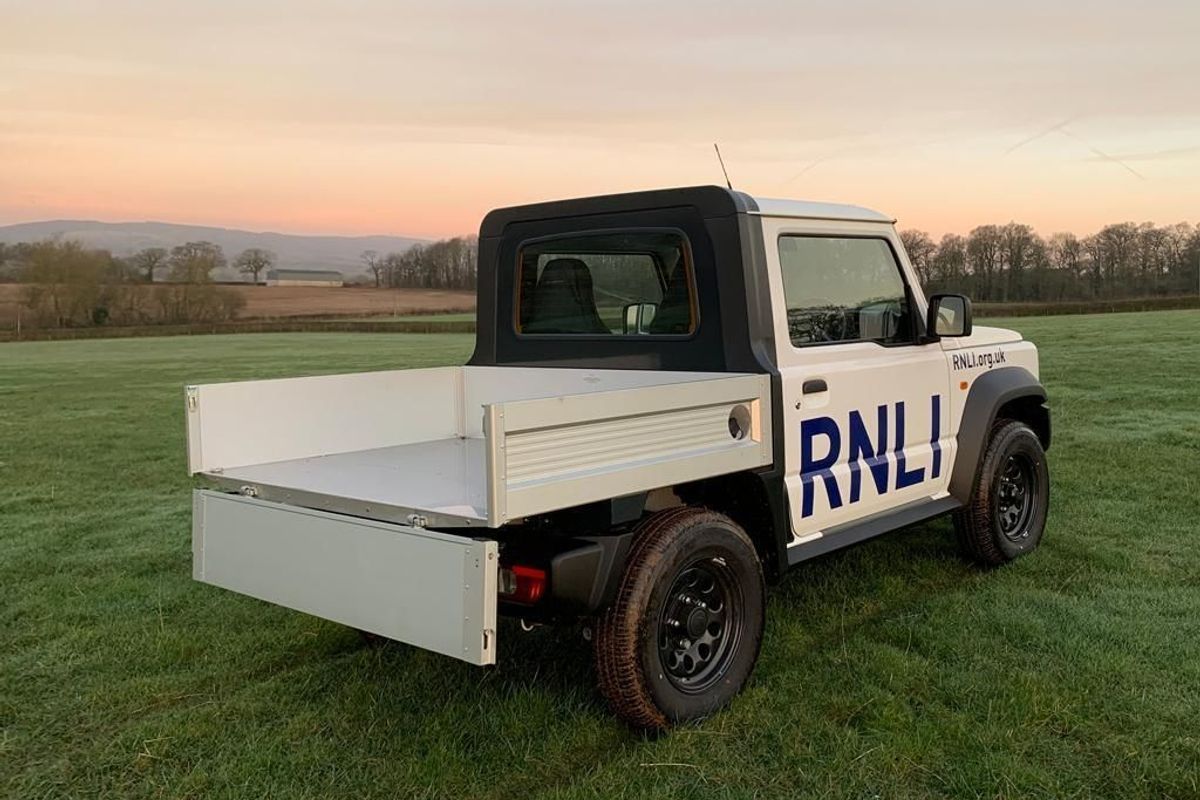
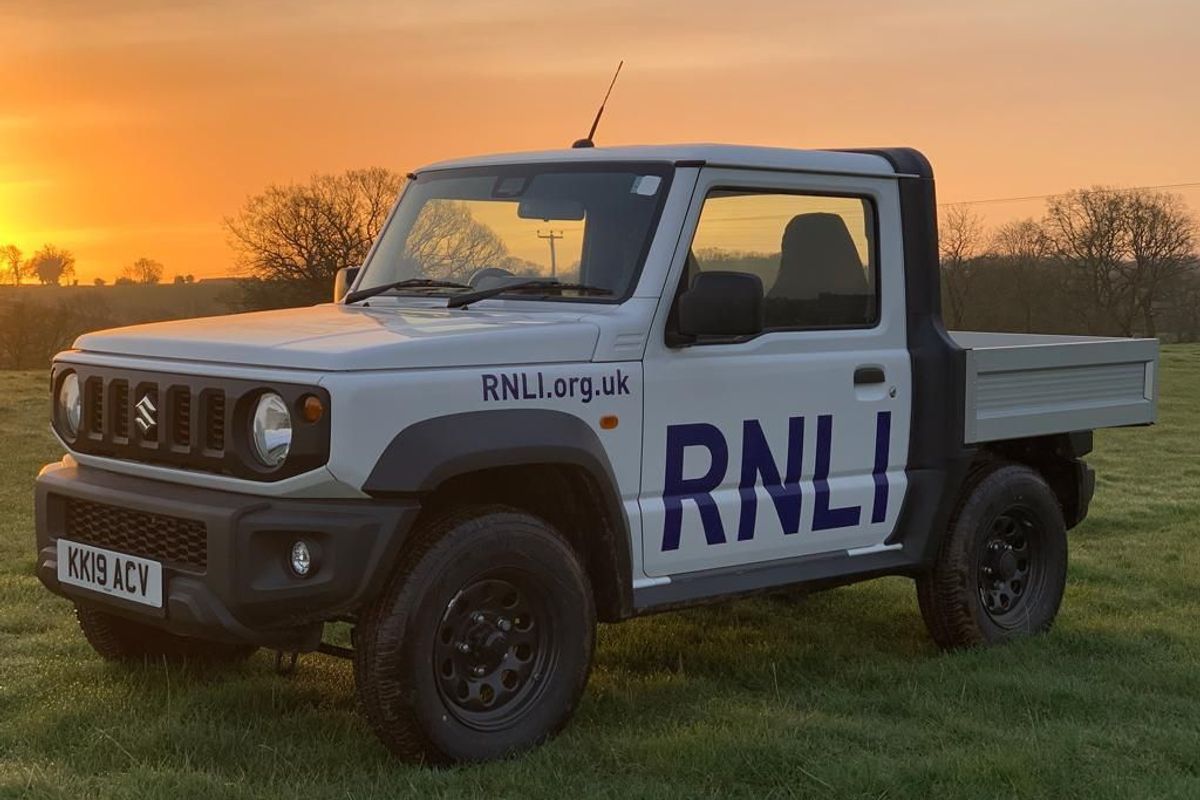
British company showcases an example of what is possible with the Jimny platform.
Suzuki must be aware that its Jimny would be even more popular and successful if there was a bakkie version.
Indications are that a five-door Jimny is being prototyped, and hopes remain of a loadbox version in future. But what if you can’t wait or deal with the uncertainly, and desire to have a single-cab Jimny now?
Well, your answer is to be found in the English countryside. More specifically, in Shropshire. This is where SuzukiJimnyPickUp’s David Johnson plies his trade, building single-cab conversions of the current and previous generation Jimny.
It might be strange to find that the world’s best single-cab Jimnys are built in England, where bakkies are generally unpopular. Johnson’s business is mainly targeted at farmers, who value the Jimmy’s small size and low-range 4×4 traction, in muddy conditions.
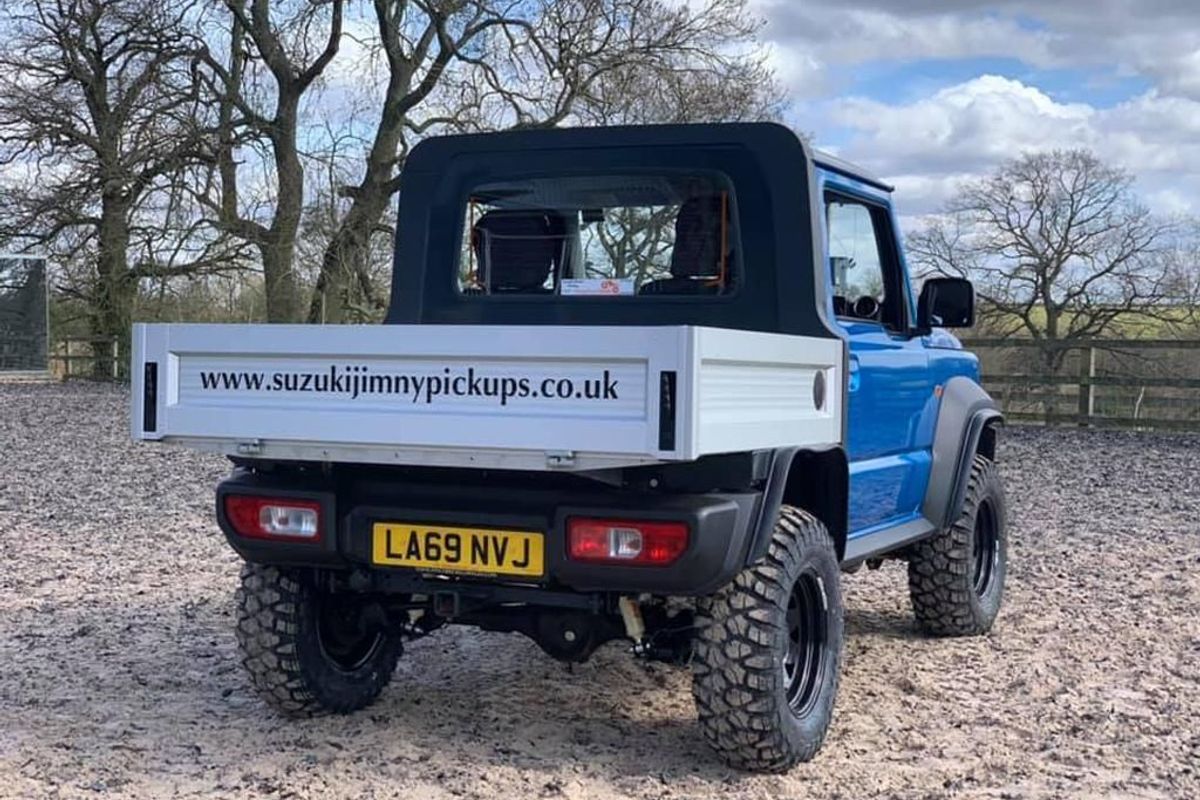
With its ladder-frame chassis and separate body, converting the Jimny into a single-cab bakkie is much easier than would be the case with a comparable unibody compact SUV or crossover. Johnson uses an aluminium and steel loadbox, which can be upgraded with a variety of canopy options or carrying rails.
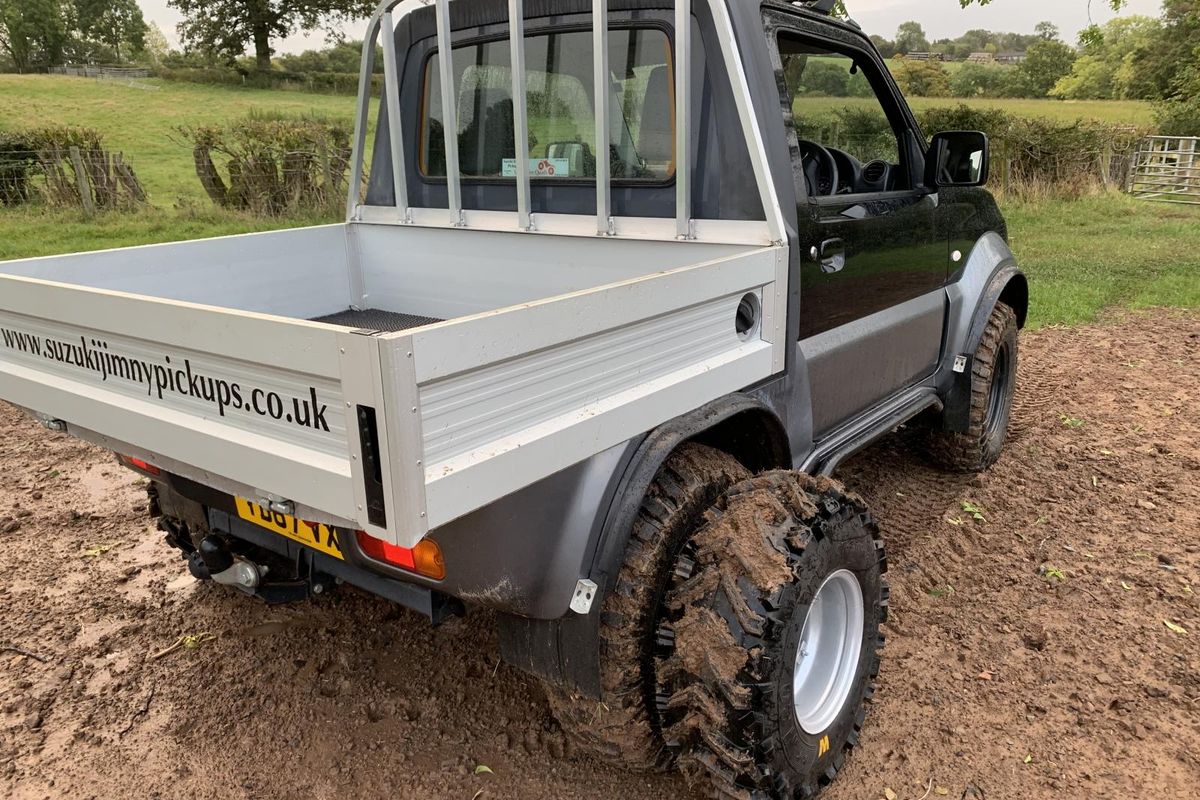
There is no arguing that a single-cab Jimny looks terrific, its compact proportions and appearance being enhanced – instead of diminished – with the bodywork being cut in half. Johnson adds cargo intrusion protection to the single cab's rear window, with the choice of either a grid or thicker bars. Mindful of the ventilation issues that single-cabs can suffer, on those cold winter farm mornings, the rear window also features a defogging function.
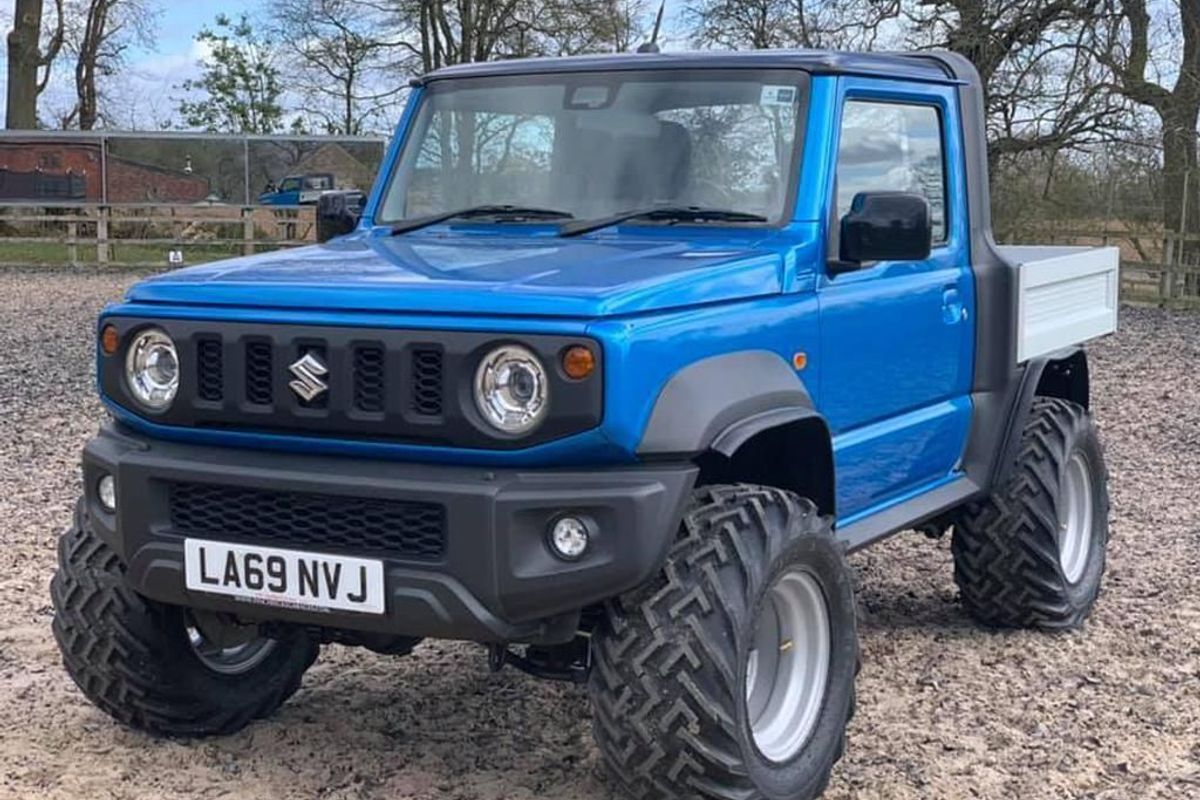
Although the Jimny’s factory 1.5-litre petrol engine is left unmodified, customers have a choice of enhanced off-roading components as part of their single-cab conversion. Ride height can be incrementally raised, from 25- to 75 mm, allowing for much larger tyres.
Perhaps the most striking specification that SuzukiJimnyPickUp’s offer, is a mini-tractor version. It rides on the highest 75 mm lift-kit and rolls huge volume compact-tractor tyres. You can even add dual-wheel capability at the rear, with special wheels and hubs, to turn your Jimny single-cab into a true Suzuki tractor of sorts.
Pricing
Pricing for these Jimmy single cab conversions vary between an estimated R160 000 and R180 000.
Although its Chinese Gigafactory is running, with social distancing protocols in place, Tesla is experiencing frustration at its American headquarters.
The world’s most successful electric vehicle brand is not pleased with Californian authorities. Company CEO, Elon Musk, launched into a tirade of Tweets against local lawmakers, who are preventing Tesla’s Fremont production facility from reopening, amidst easing US lockdown regulations.
Production bottlenecks are an issue for Tesla, which has historically experienced difficulty in delivering vehicles to customers on time. Demand for Tesla vehicles have surged in the last few months, enabling the world’s most technologically advanced car-maker to post a Q1 profit in 2020, something very few rivals could match.
Most American assembly assets will be reviving vehicle production at various stages this month. Alameda County, where Tesla’s factory is, has stipulated a restart date for heavy industrial activity of 1 June. Musk is not happy.
A recent Tweet illustrated his displeasure. "Frankly, this is the final straw. Tesla will now move its HQ and future programs to Texas/Nevada immediately."
Tesla has been rapidly expanding and many US States are offering it handsome incentives, realising that any Tesla office or production facility would mean quality local jobs. California remains the most attractive place to live and work for highly skilled engineers and researchers, which could make Musk’s threat of moving Tesla’s headquarters and R&D functions to Nevada or Texas, slightly complicated. Especially if his most valuable staff are unwilling to relocate.
With its American production having ceased for six weeks, and product demand remaining high, Tesla has no additional capacity to make up the shortfall. Every day its Fremont factory is not running, the lag becomes worse.
Expanding its product range will further pressurise Tesla’s production assets. The keenly anticipated Cybertruck is expected to enter production by 2021, but the longer Tesla’s Californian factory idles, the further the launch date of its bakkie could be delayed.
Musk’s strongest argument against the particularly strict Californian law, preventing workers from resuming 100% production capacity, is that Tesla has experience in dealing with a Covid-19 work environment.
The company’s Shanghai Gigafactory resumed production April and Musk’s argument has been that lessons learned from Tesla’s Chinese workers, could easily be applied to Californian production and social distancing.
In today's ultra-competitive and cutthroat car sales environment, which brands have the best salespeople? We consulted Cars.co.za's annual Ownership Satisfaction Survey – conducted in partnership with Lightstone Consumer – to find out.
Since 2015, Cars.co.za has conducted surveys with car owners to measure their perceptions of their respective purchasing-, after-sales- and overall ownership experiences. One output from these surveys is the prestigious Cars.co.za Consumer Awards – Powered by Wesbank, in which with 50% of the category scores are drawn from the survey results and the much-prized Brand of the Year Award is based entirely on market data, which includes this survey. Over the past 5 years, almost 30 000 car owners have completed the Cars.co.za Ownership Satisfaction survey; in excess of 10 000 of these were completed in 2019.
The survey also measures and tracks a wide range of issues of importance to South Africa car owners and much of this information is shared with manufacturers through an online dashboard, which is regularly updated. For the purposes of this analysis of the sales process; and for more representative results, we only included brands of which at least 150 owners had answered the questions pertaining to sales experience questions last year.
The purchasing experience
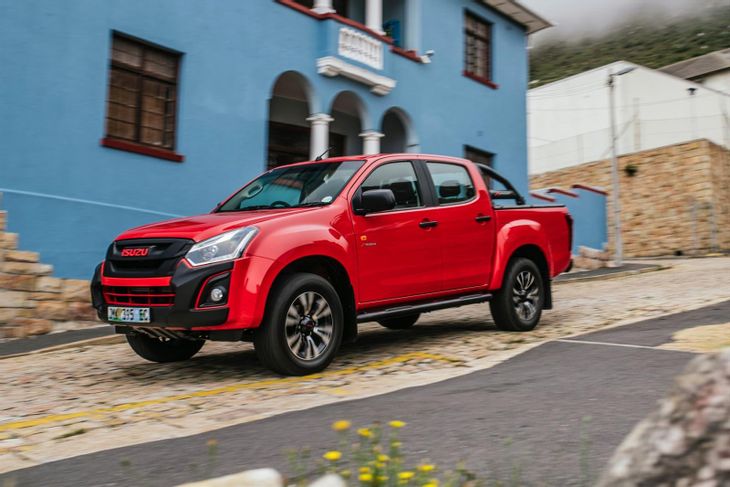
With an ageing product line-up, Isuzu's salespeople have to be on the top of their game to move metal.
Car owners who had recently purchased a new car were asked about their sales experience. A number of these questions relate directly to the salesperson they dealt with. These cover the salesperson’s professionalism, friendliness, (perceived) honesty, product knowledge, how well extras and add-ons such as insurance, on the road costs etc. were explained, as well as the salesperson’s overall communication.
The brand with the overall highest-rated salespeople during the 2019 survey year was Isuzu, with a score of 9.1 (out of 10). Toyota, Honda and Mazda all scored 9 out of 10, with Suzuki coming in at 8.9. It's interesting to note that the top 5 brands are all Japanese. Ford, BMW and Nissan (all with scores rounded off to 8.9) followed closely after.
Product knowledge
Digging into the sub-sets of data that make up the overall picture provides more fascinating insights; Isuzu's salespeople are once again rated tops (score of 9.2) when it comes to product knowledge (keep in mind the brand has a limited product line-up), but Toyota's second-place finish (9.1) in this section is particularly impressive given its vast and complex model range.
While the rest of the ranking closely mirrors the overall picture, it is worth noting that Mahindra makes an appearance in the Top 10 (8th, in fact) with a score of 8.9.
Isuzu's consistency
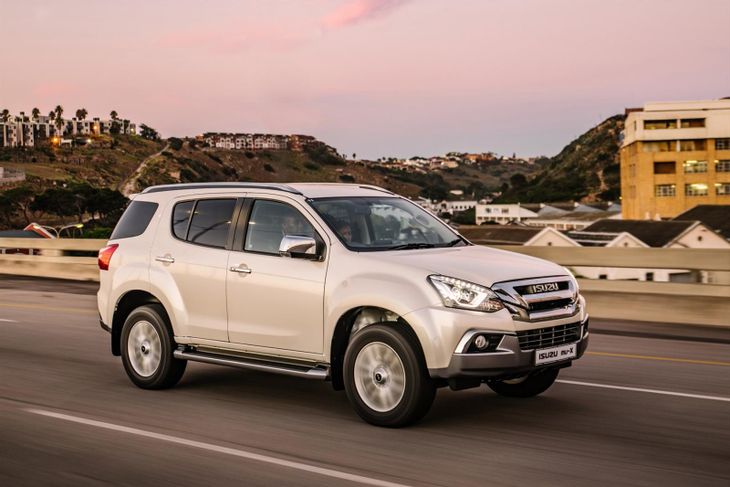
Isuzu's product line-up expanded to include the mu-X in 2018.
The Japanese marque can be justifiably proud of its dealership network. Its salespeople are not only ranked tops for product knowledge, but also for "friendliness", "explaining add-ons" and "overall communication".
Owners were also asked to consider, based on their sales experience, if they would be likely to recommend the dealership to their friends or family members. Using the Net Promoter Scoring (NPS) system, those rating 9 or 10 are considered Promoters and are highly likely to recommend the dealership while those rating 6 or lower are considered Detractors and are unlikely to recommend the dealership. The difference between Promoters and Detractors results in a Net Promoter Score.
The top five ranked brands in terms of the sales process are:
Isuzu
Mazda
Toyota
Suzuki
Ford
"Isuzu's excellent performance in the sales process is particularly impressive because it was part of the General Motors stable not so long ago – GM brands did not perform well in our survey," says Cars.co.za Consumer Experience Manager Hannes Oosthuizen.
"It is clear that the ability to focus on a single brand has been beneficial, in addition to selling a well-known product with few issues, but another contributing factor is that the company's entire existence depends very much on the dealership network's ability to move this product (D-Max) against much newer competition. This focus and determination will stand the brand in good stead once the all-new D-Max arrives in the future."