Lincoln to benefit from Ford's partnership with Rivian
Ford is leveraging its R7bn investment in California electric vehicle technology company, Rivian, to help the brand’s ailing luxury division. With the investment in Rivian allowing Ford access to some of the most advanced bakkie/SUV battery platform technology in the world, it makes sense to try and be ahead of the trend and deliver an electric SUV, with traditional branding legacy.
For decades Lincoln was Ford’s luxury division, selling limousines and boulevard cruisers. The market for those vehicles has narrowed to nothing and in 2020 most of Lincoln’s portfolio consists of luxury SUVs.
Of the brand’s 6 current models, four are SUVs (Corsair, Nautilus, Aviator and Navigator). Realising that large SUVs still offer an appealing profit opportunity and charge strong demand from consumers, Ford must keep these vehicles relevant in a future where heavy CO2 counts won’t be feasible.
The solution is to reinvigorate Lincoln with technology from Rivian. Although there are plug-in hybrid versions of the Aviator and Corsair, this is merely an intermediary solution. What Ford envisions is a new all-electric Lincoln, riding on a dedicated battery platform, without any of the packaging and drivetrain integration compromises, which bedevil most hybrids.
According to Ford’s official position, Rivian has been commissioned to build an ‘all-new fully electric vehicle,’ which will obviously be a large SUV. Rivian’s platform is excellently suited to this purpose, as its own double-cab bakkie and SUVs, aren’t small. Ford can be a lot more daring with new electric all-terrain vehicles, under is Lincoln sub-brand, without risking its core bakkie and SUV business, which generates most of the company’s profits.
Building a battery-powered SUV is going to be expensive and there is a price ceiling, for what Ford customers are willing to pay. By the same token, early adopters might be a lot more wiling to pay higher debut technology prices for a Lincoln branded electric vehicle. Rivian’s most notable technical advantage is its huge battery pack, which rates at 180kWh, much bigger than anything currently available from Tesla or Porsche. And these enormous battery packs, are key to achieving the performance and range required, in a heavy luxury SUV.
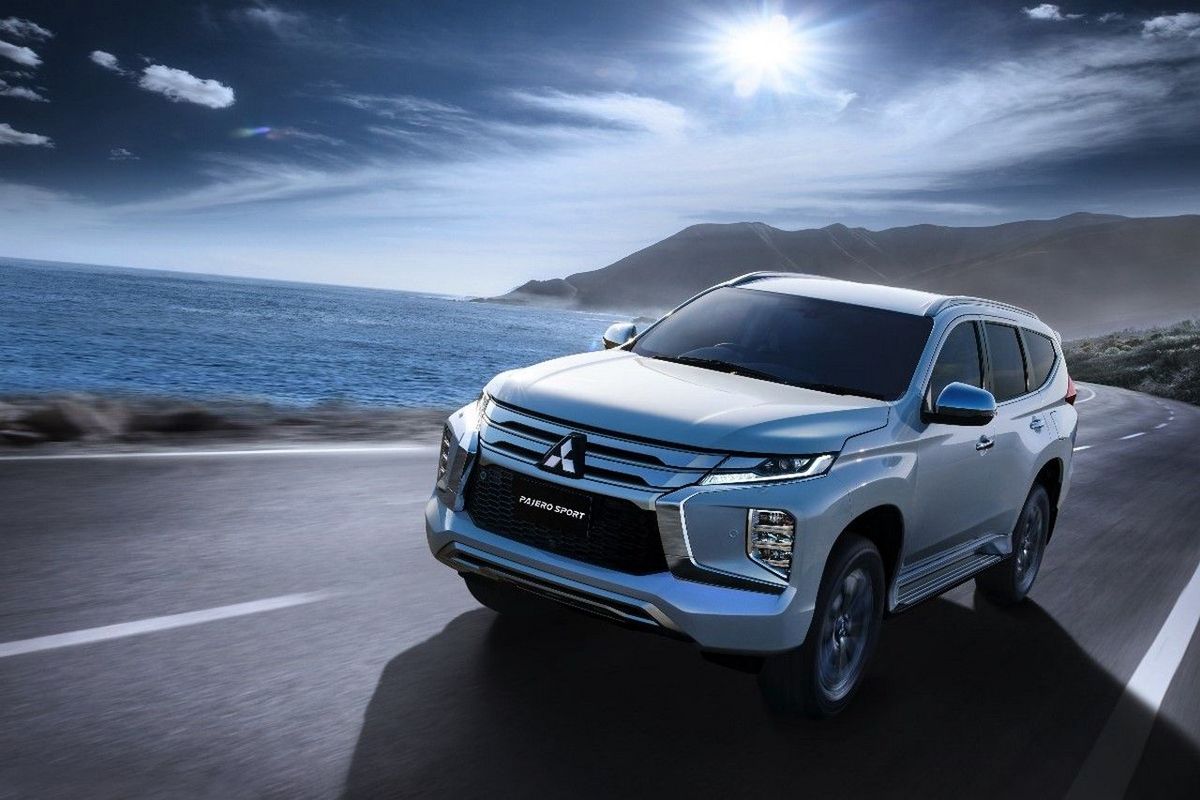
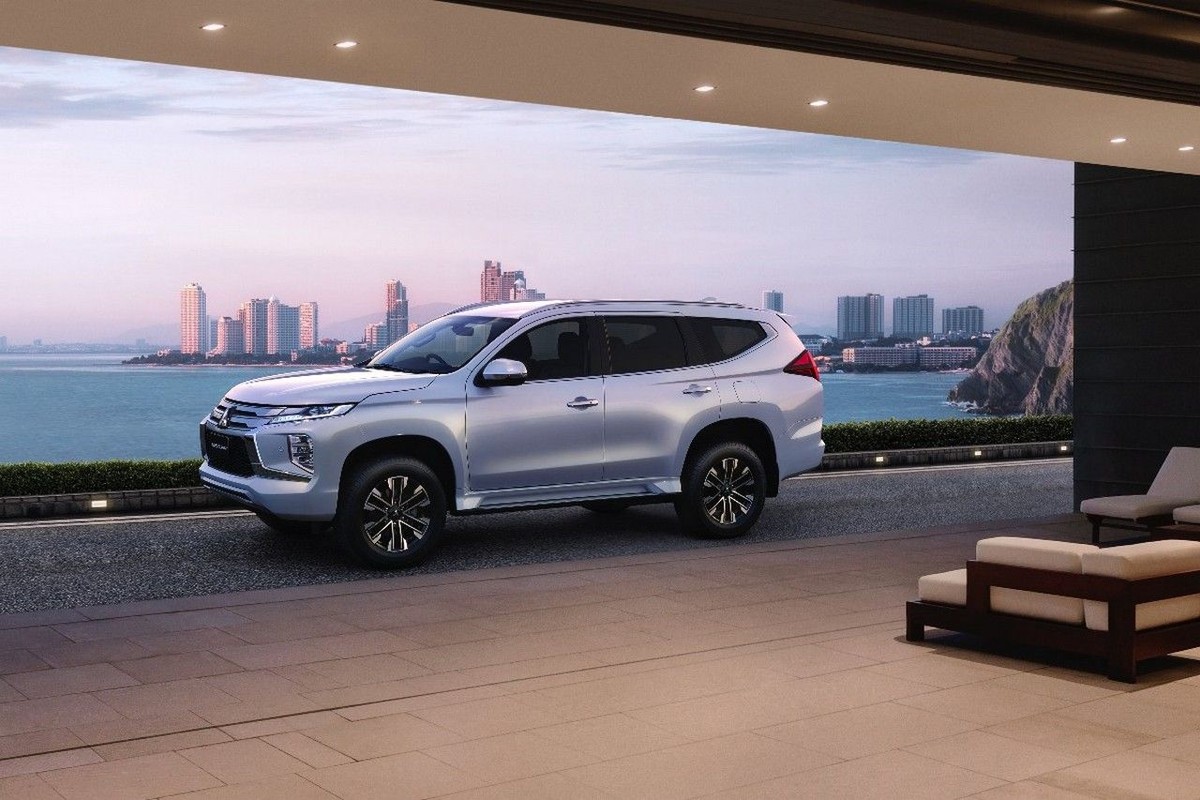
An updated version of the Mitsubishi Pajero Sport has been announced and it's coming to South Africa.
The 2020 Mitsubishi Pajero Sport has gone official and the changes are numerous, both inside and out. It's a rival to the Ford Everest, Toyota Fortuner, Isuzu MU-X and Haval H9.
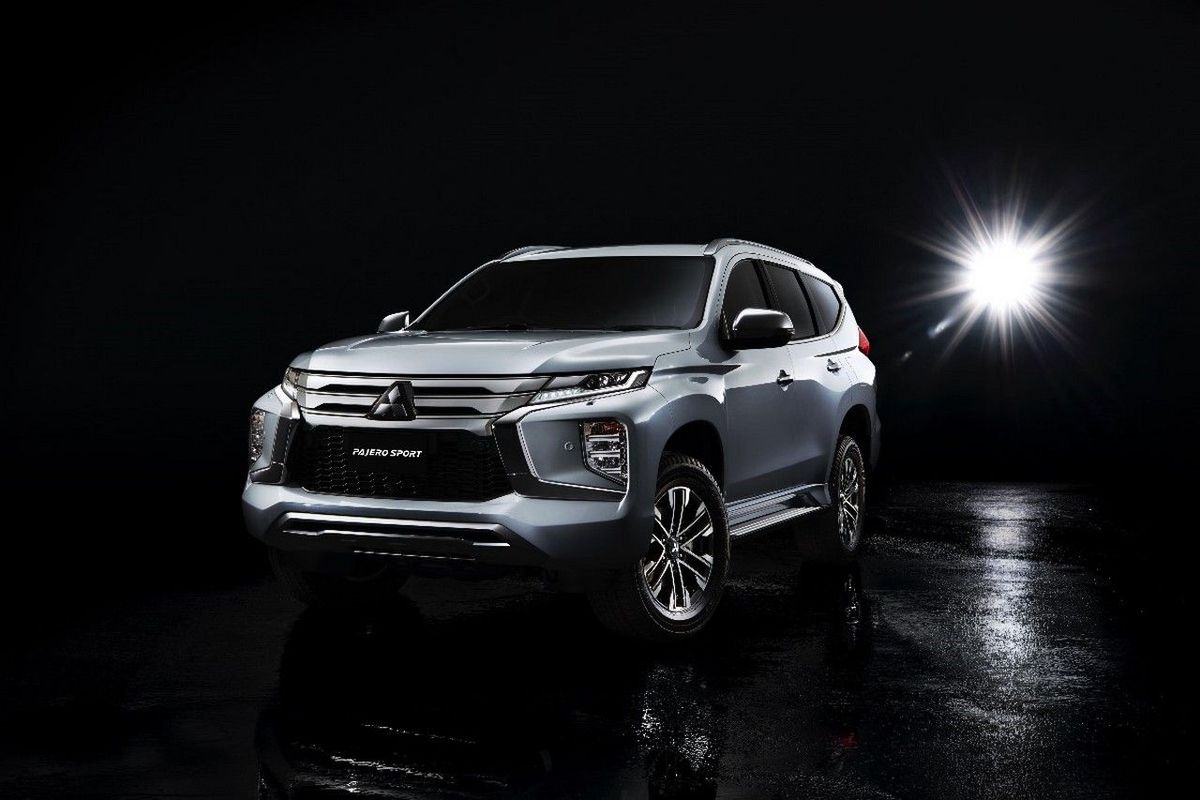
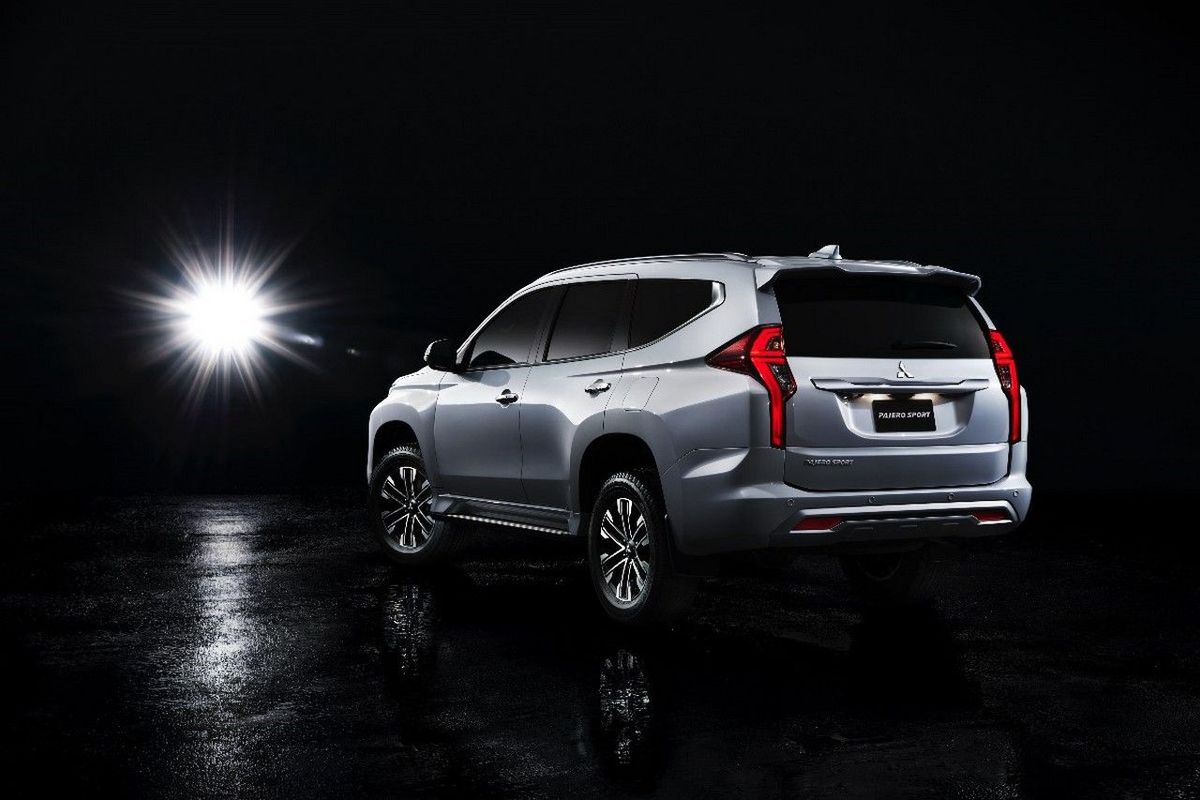
Visually, it gains new daytime running lights, bumpers and a grille that's not too dissimilar to the updated Mitsubishi Triton double-cab bakkie. There are also all-new alloy wheel designs and repositioned side steps, which Mitsubishi claims adds more ground clearance.
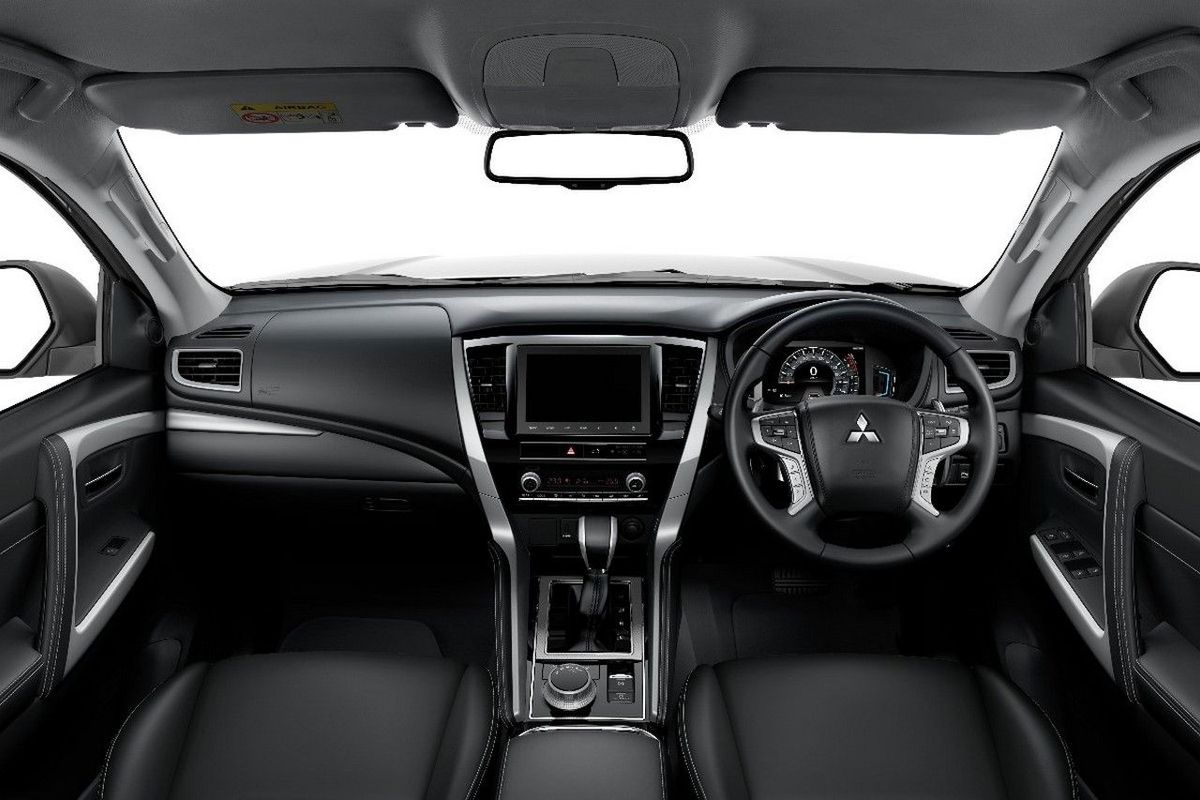
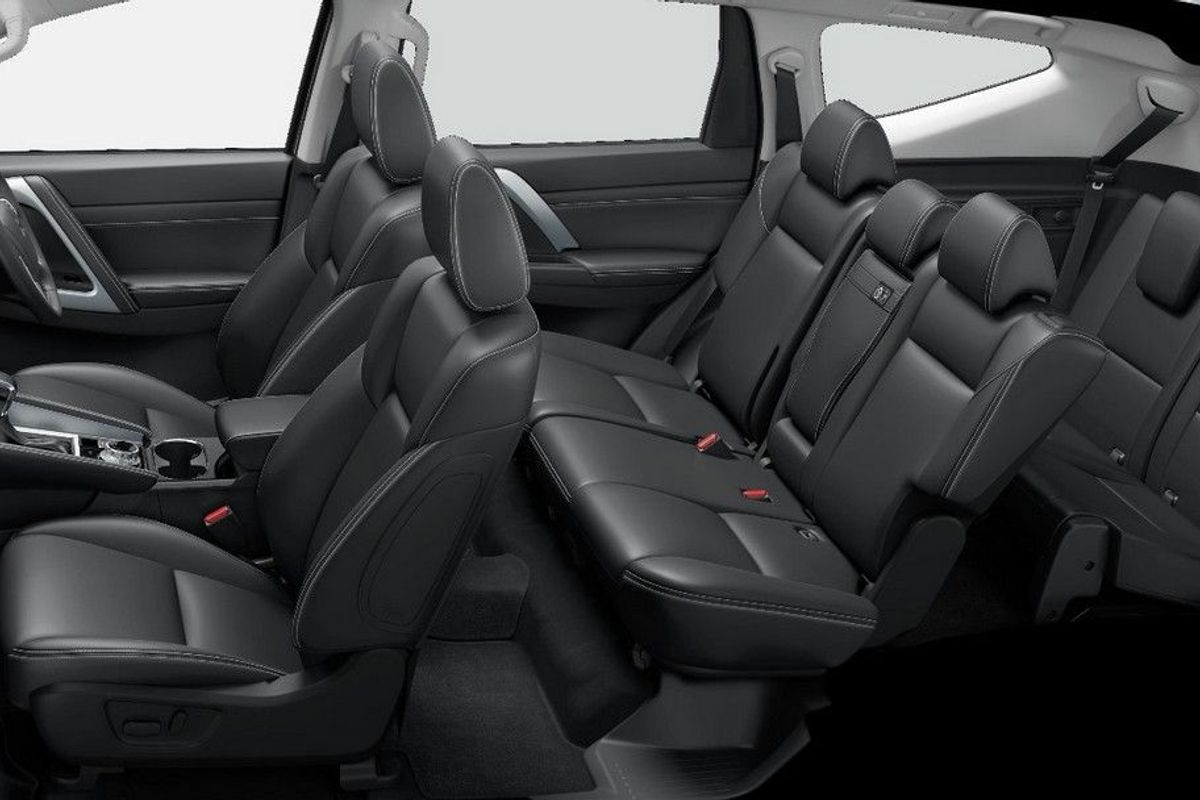
Inside, there's a new 8.0-inch touchscreen with Apple CarPlay and Android Auto connectivity, and top-spec variants gain TomTom navigation and a digital dashboard. Mitsubishi claims more specification is standard and includes things like hill descent control, trailer stability control, reversing camera, rear parking sensors, digital radio, four USB ports, one 220-volt socket, one HDMI socket and three 12-volt outlets, a proximity key fob, rear air-vents, side steps and roof rails. Standard safety equipment has also been increased with 7 airbags and autonomous braking.
Finally, the Mitsubishi Pajero Sport's engine has received a small tweak with the 2.4-litre turbodiesel motor. It produces 133 kW and 430 Nm, and now features new fuel injectors, revised combustion chamber as well as a new aluminium alloy block which is claimed to save weight. It retains the Super Select 4WD-II 4×4 system with its 5 offroad modes.
We reached out to Mitsubishi South Africa who confirmed that this updated model is scheduled to hit showroom floors in the middle of 2020. Final specifications and features will be confirmed then.
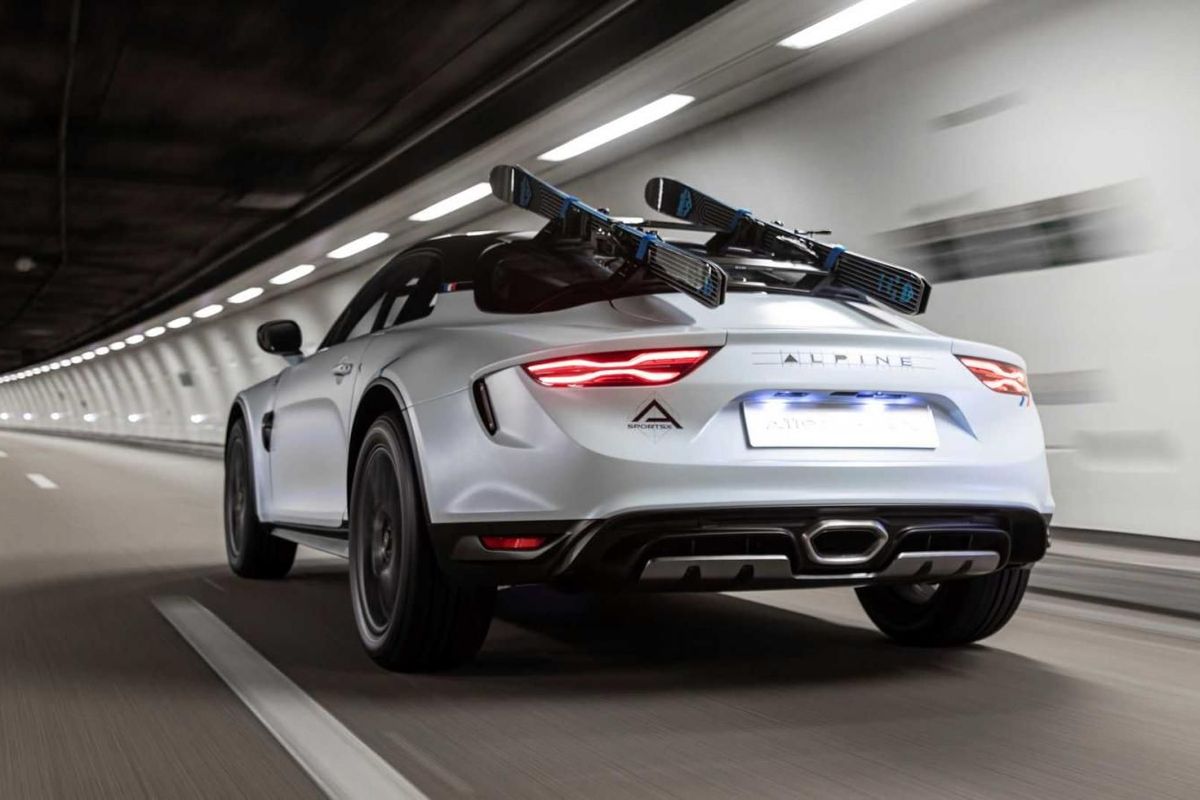
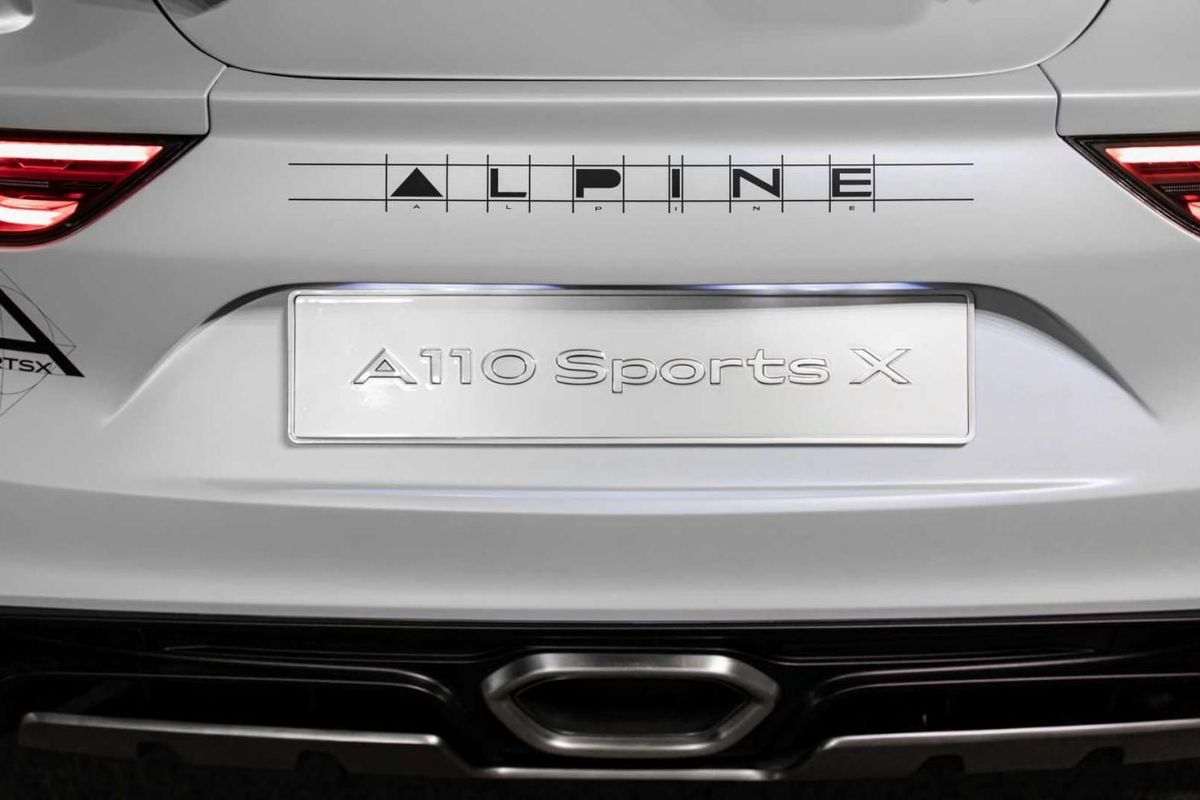
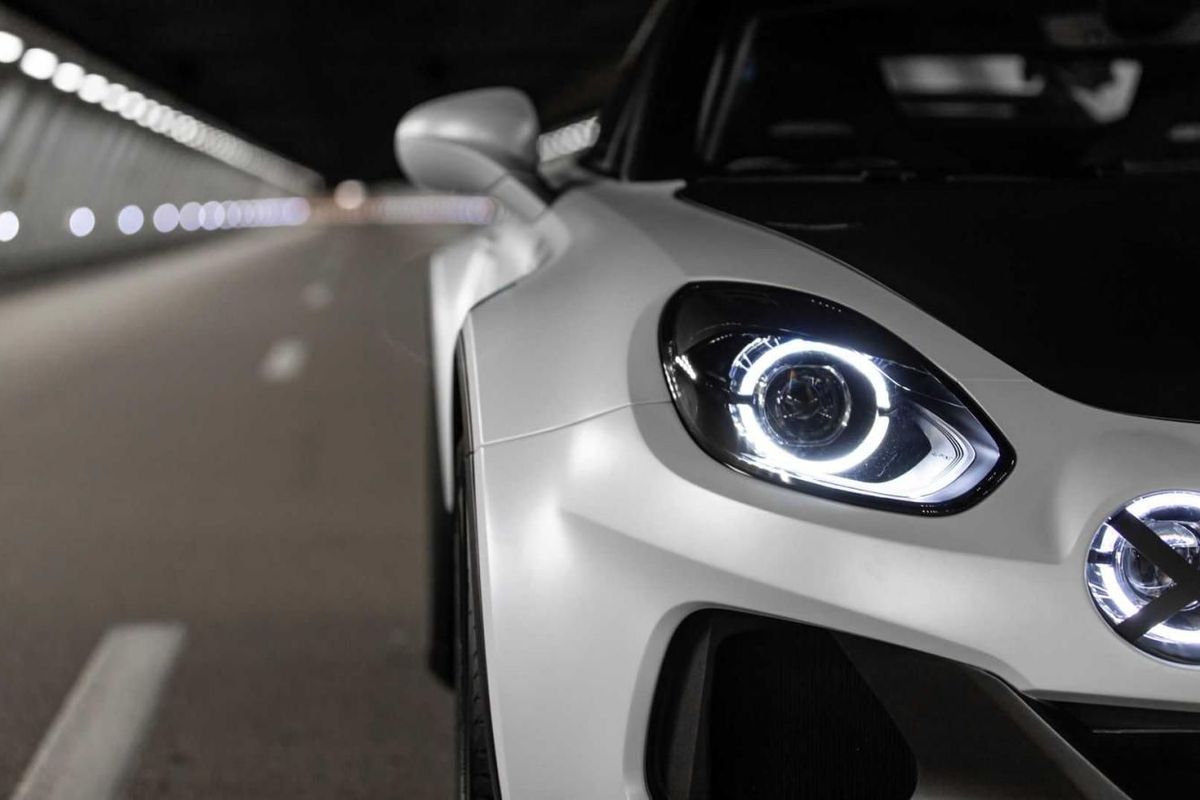
Think of it as a French safari-spec (Porsche) Cayman. For its A110 SportsX crossover concept, Renault's sportscar subsidiary Alpine drew inspiration from its competition-car history.
It might appear the antithesis of everything that Renault’s revival of the Alpine brand is supposed to represent, but the SportsX is purported to be a modern reinterpretation of the original A110 rally car.
Although the Alpine A110 is classed as one of the purest sportscars in the market, with a mid-engined configuration and low kerb weight, even Renault’s performance vehicle engineers realise that crossovers are the hottest ticket in town.
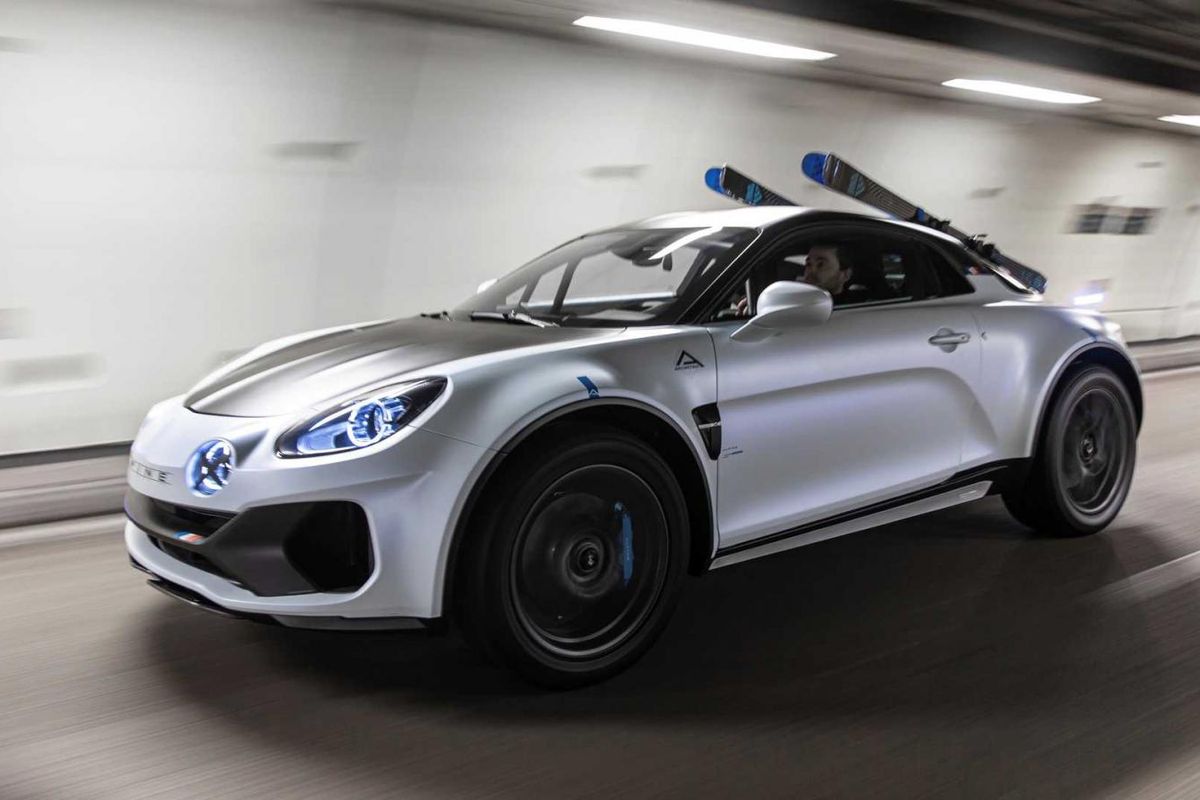
To appease the surging trend for vehicles that offer additional ground clearance, for no particular (or apparent) reason, the A110 SportsX concept features a host of modifications.
Its stance is the most obvious change, with a suspension upgrade raising the A110 platform by 60 mm. That means this Alpine will ride much more comfortably when traversing gravel roads and rolling over speedbumps, than a standard A110, but there is, of course, also the dynamic penalty of a much higher centre of gravity.
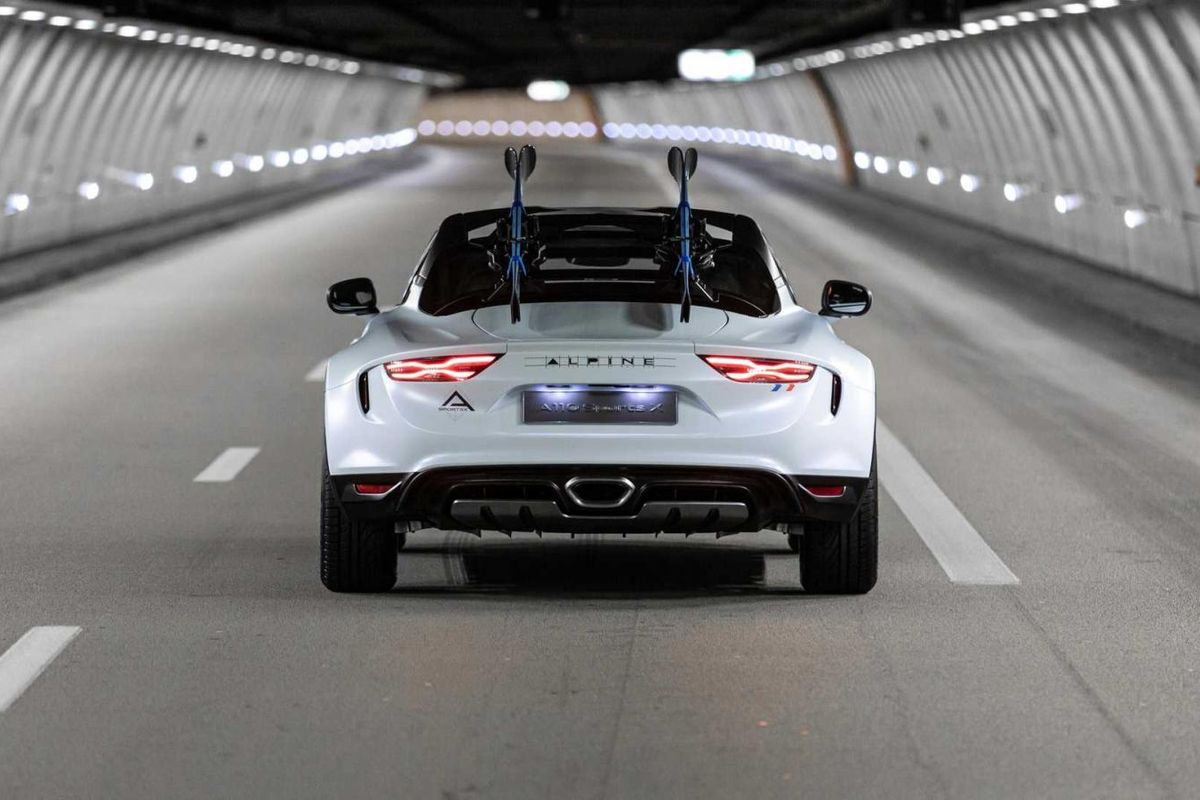
Beyond the increased ride height, Alpine’s designers have swapped out the standard fenders for wide mouldings, which accommodate the additional wheel stroke and facilitate the option of running larger tyres. These new wheel arches add 80 mm of width to the A110 platform, with the SportsX version being appreciably wider than the car's it's based on.
A novelty upgrade for this Alpine crossover is the presence of a rear window rack carrying system, which appears to have the purpose of carrying equipment such as skis.
Like all other A110s, the SportsX concept is powered by a 1.8-litre turbocharged engine with peak outputs of 185 kW and 320 Nm of torque.
Despite its crossover configuration and stance, the A110 SportsX is not all-wheel driven. It shifts gear via a 7-speed Getrag dual-clutch transmission, which drives the rear wheels only.
Alpine has not specified a kerb weight for its latest sportscar concept, but with the different fenders, racking system and suspension upgrade, the SportsX will certainly be a touch heavier than a factory A110’s 1 098kg.
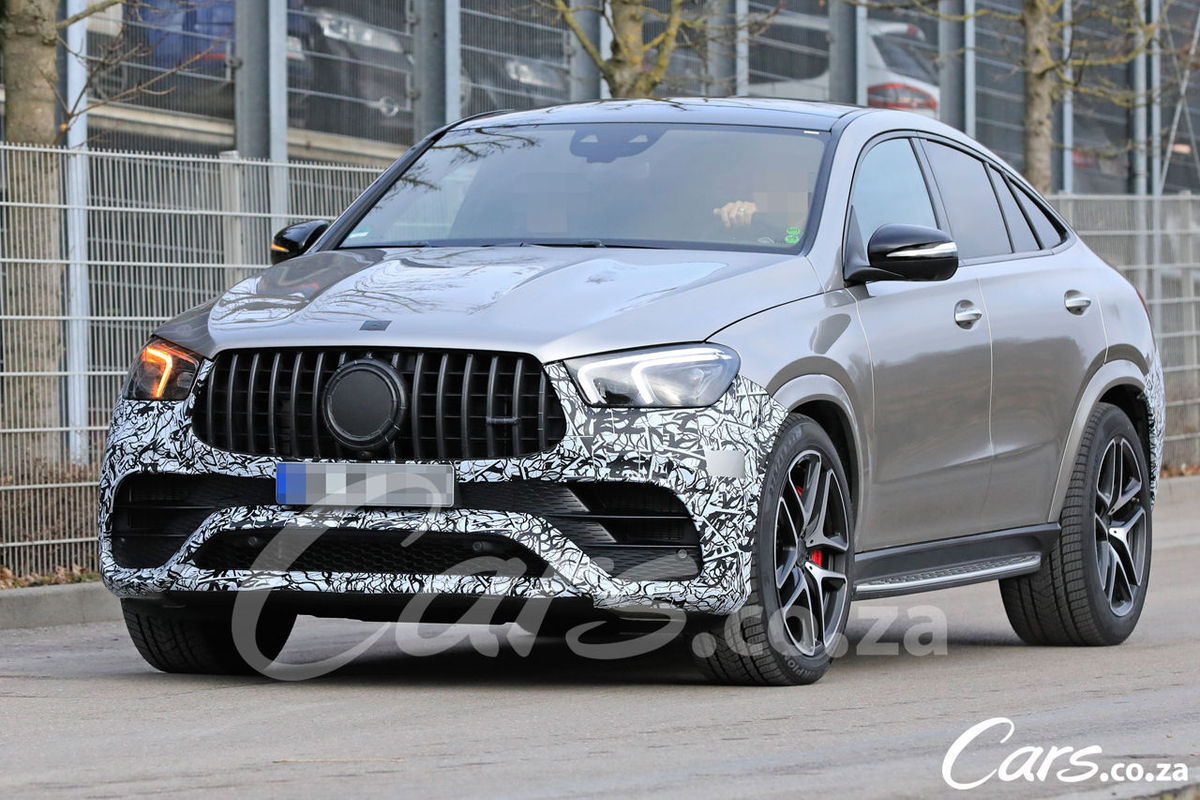
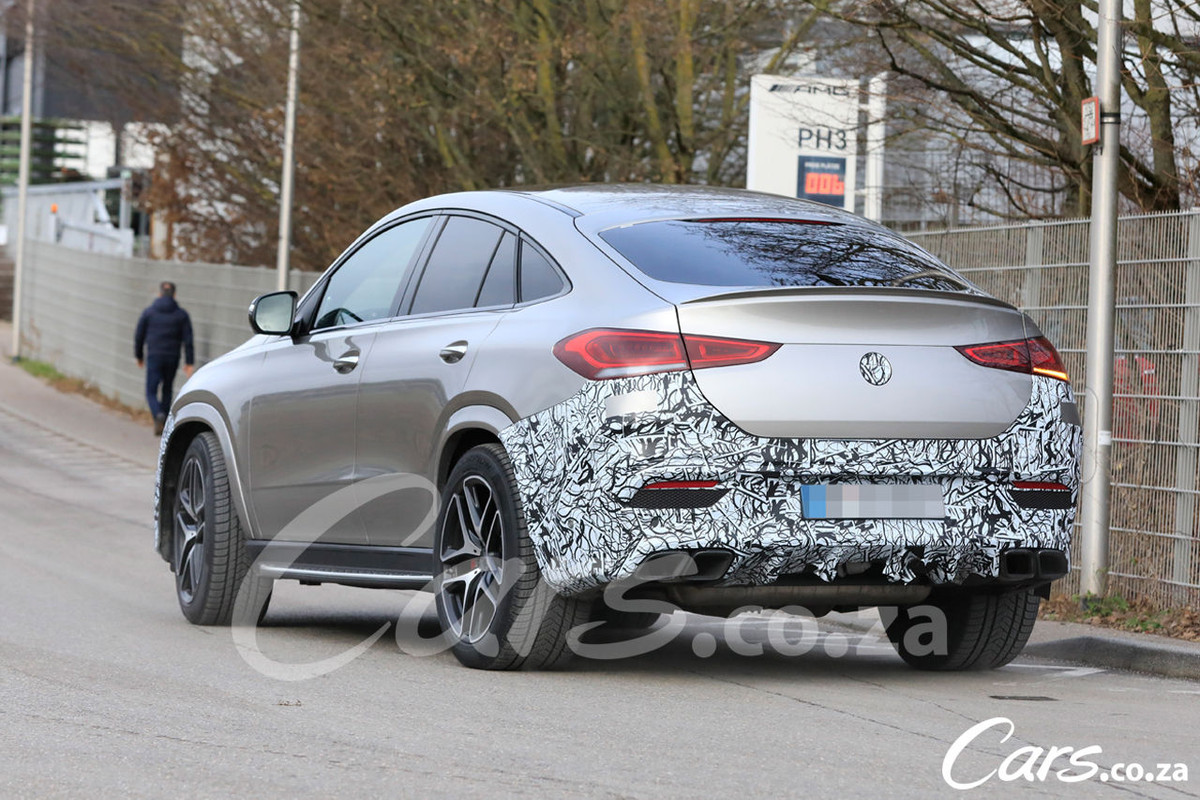
Spy shots of the new Mercedes-AMG GLE 63 Coupe have emerged. Here's what we know about Affalterbach's X6 M rival.
Picture credit: S. Baldauf/SB-Medien
We're glad to see the big and bold looks have been retained, but petrolheads will be keen to know what sort of performance it packs. From what we understand, it will retain the 4.0-litre turbocharged V8 setup, but producing 450 kW and 850 Nm. With a 9-speed automatic gearbox and a rear-biased 4Matic+ system, it should be good for around 3.7 seconds to 100 kph, which is brisk for a big luxury SUV. At this stage we're not sure if this is standard AMG or AMG S specification.
It's not just about power however, and the Mercedes-AMG GLE 63 coupe will also feature big performance brakes as well as an air suspension that's been tuned for performance driving. As for rivals, 2020 will be a big year for performance SUVs as almost all premium brands have new product reaching showroom floors. The Audi RS Q8, BMW X6 M and Porsche Cayenne Coupe Turbo will have AMG's new offering in its crosshairs. Expect the newcomer to be revealed at the 2020 Geneva Motor Show.
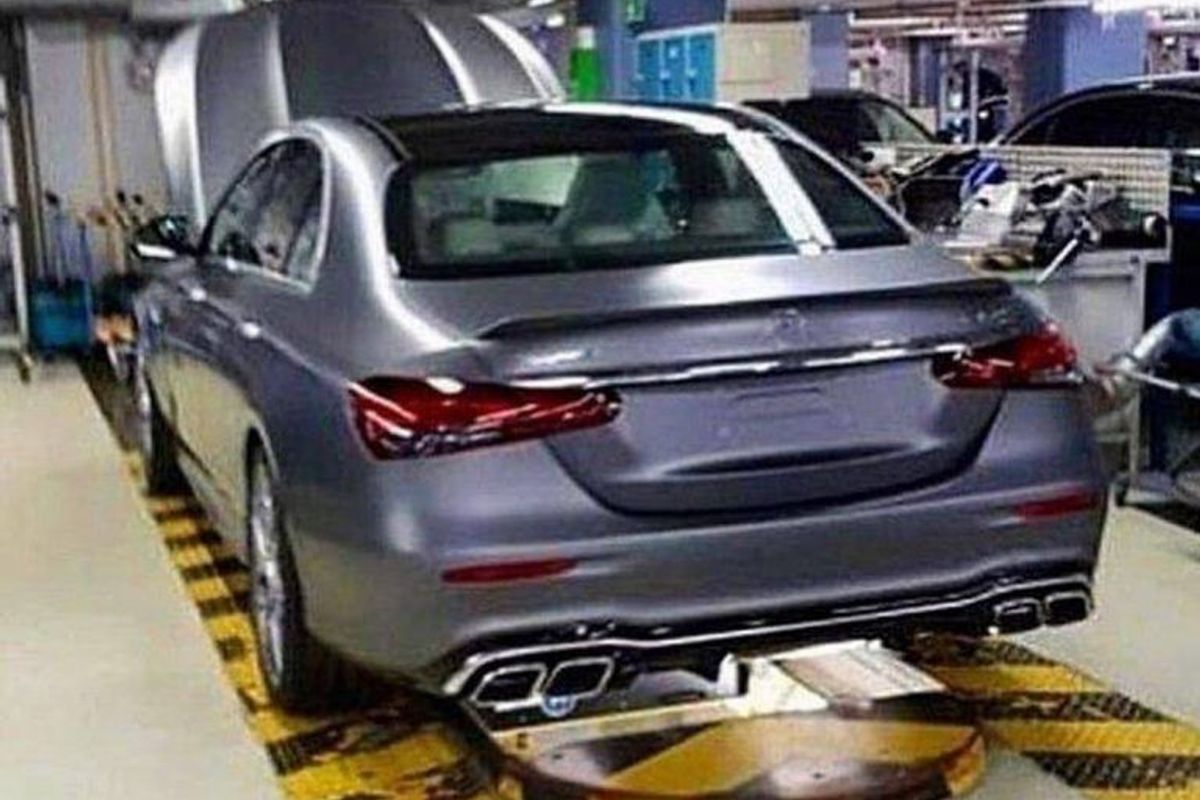
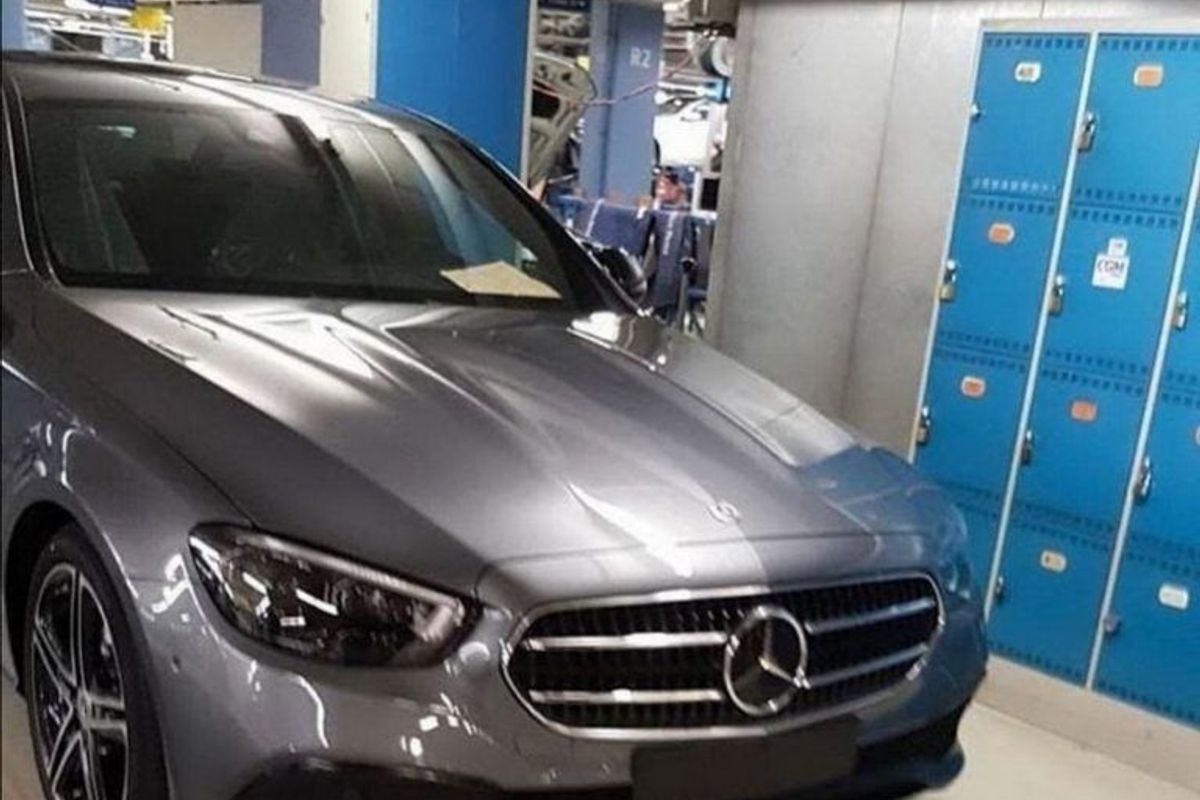
Another day, another leak. This time it's the 2021 Mercedes-AMG E63 S which has been spotted.
Thanks to Germancarforum, we get 2 photos of the super sedan. Trademark styling cues such as quad exhausts are clearly visible. We can also see the new-look rear lights.
It's not known if the new model will gain a power increase, but to be fair, the 4.0-litre V8 biturbo fitted to the current car delivers a thumping 450 kW and 850 Nm making it good for 3.4 seconds to 100 kph. Interestingly, we do know this powertrain is capable of 470 kW and 900 Nm, evidenced by the mighty Mercedes-AMG GT63 S 4-door.
We already know Mercedes-Benz is in a very advanced stage of development with its updated E-Class, with many speculating it will be released at the 2020 Geneva Motor Show, scheduled for March 2020.
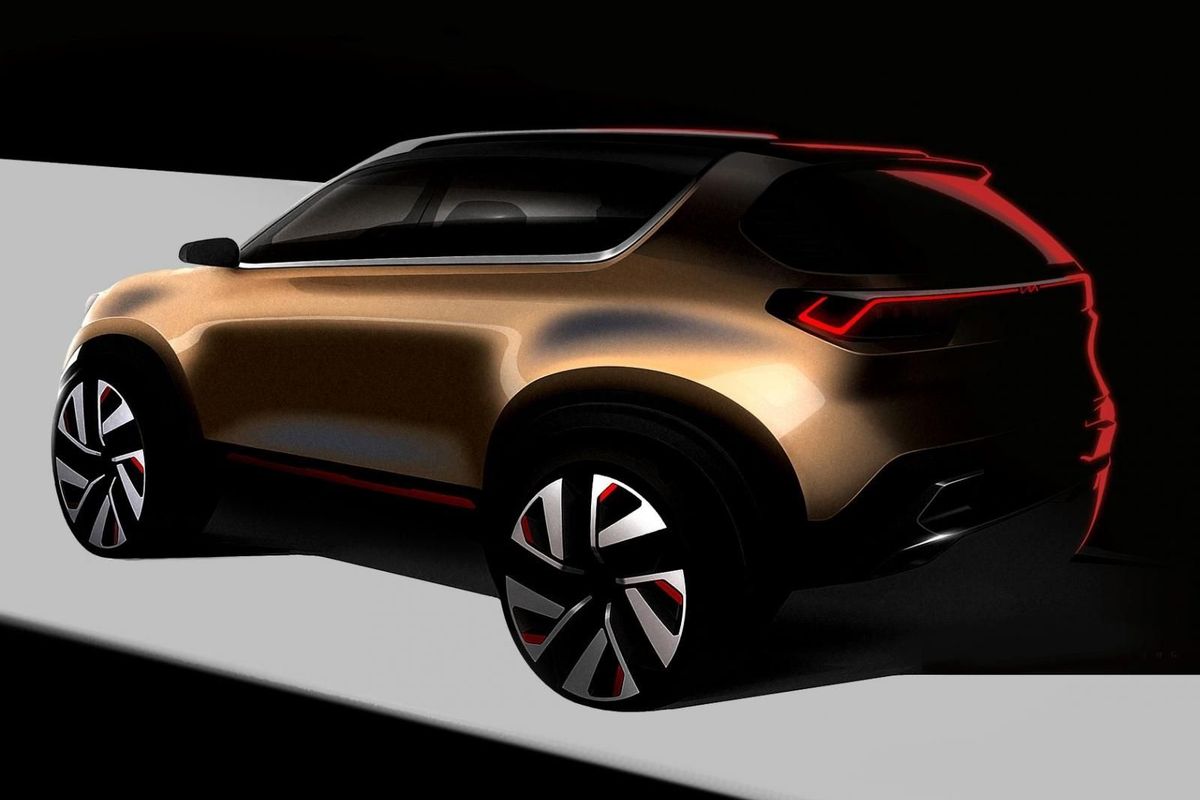
Could Kia launch the Sonet – a sub-Seltos small SUV in South Africa in 2020 – one that would compete directly with the recently-released Hyundai Venue? Well, a pre-production car is expected to be exhibited at India's Auto Expo next month…
If local manufacturers and importers haven’t admitted as much already, they will certainly have noticed that the proliferation of small crossovers (or compact SUVs) has not only impacted sedan sales in South Africa, the flood of newcomers is encroaching on the traditional compact-hatchback market too.
Remember when Hyundai’s entry-level SUV was the iX35/Tucson? That now seems an eternity ago; the Korean brand recently launched the Venue in South Africa to bring its number of compact SUVs/small crossover offerings (below the Tucson in the product line-up to) 3, including the Creta and Kona. Toyota, meanwhile, has the C-HR, Rush, is keeping an eye on the Raize and there’s said to be an upcoming crossover based on the new Euro-spec Yaris as well.
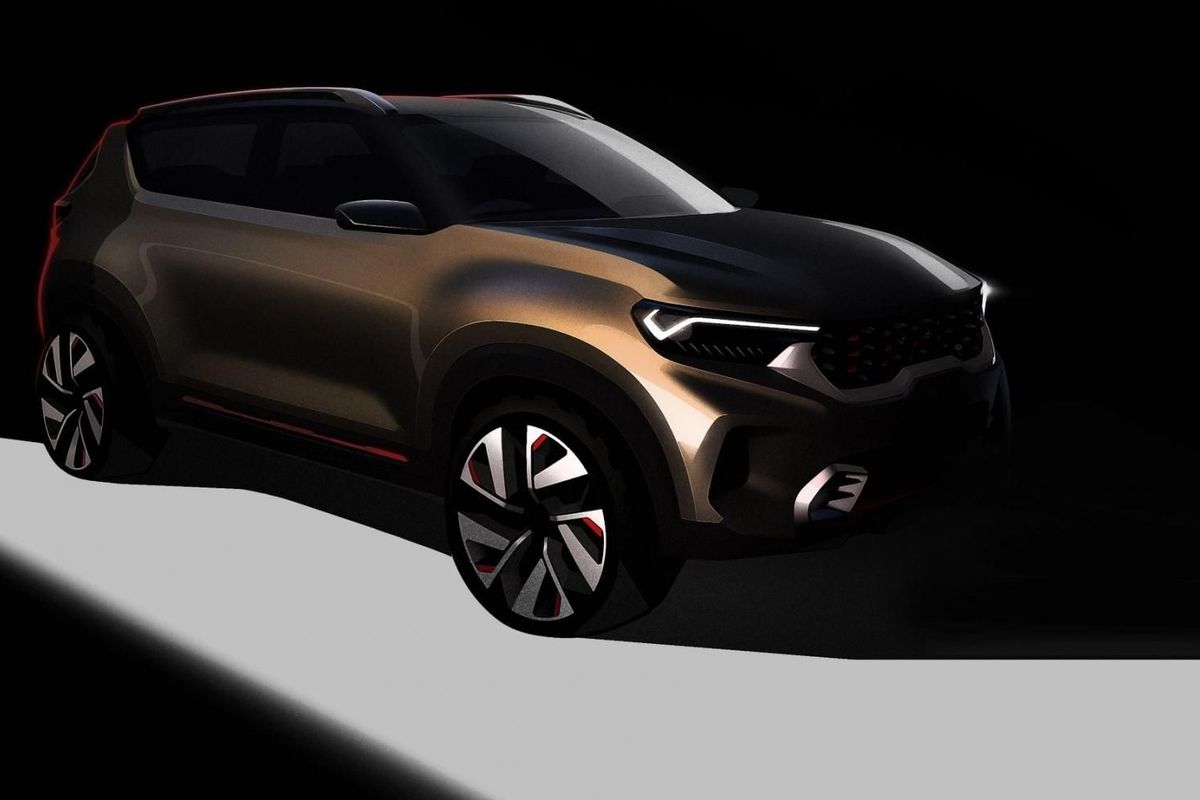
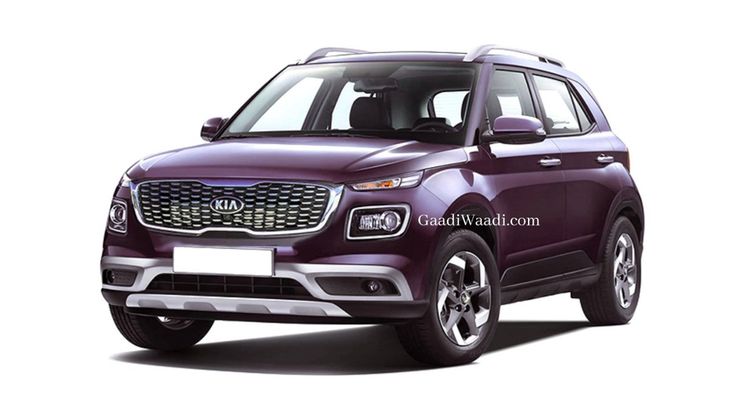
Although the final version won't be a futuristic as the HabaNiro concept shown above, it should be less conservative than this rendering from GaadiWaadi.com.
Kia’s recently launched the Indian-made Seltos in South Africa to slot in below the Sportage and, according to our sources, the newcomer’s selling up a storm in the local market. Recent reports from India suggest Kia is readying a sub-4-meter compact SUV/small crossover (codenamed the QYi), which could be launched in the subcontinent in the latter half of 2020. Kia has apparently registered the name Sonet in several markets, including Australia.
Based on the platform of its cousin, the Hyundai Venue, the Kia “Sonet” will have similarly compact dimensions and, according to indiacarnews.com, youthful, eye-grabbing styling replete with signature tiger-nose grille, integrated ice-cube styled fog lamps and 16-inch alloys (LED lights could be reserved for top-spec derivatives) trim. The website also reports that spy pictures suggest the newcomer will feature a raked rear windshield and characteristic tail-lamp detailing.
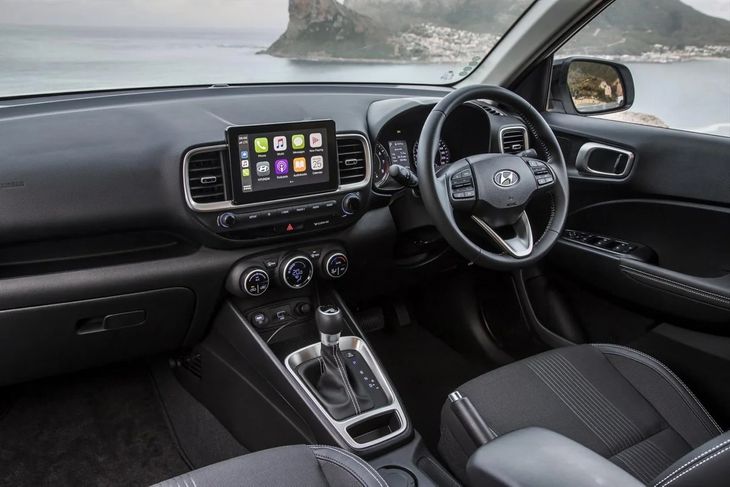
The Hyundai Venue's interior and spec provides a clue to the level to which the "Sonet" will be specified.
Its interior architecture should be broadly based on that of the Venue, with features such as a touchscreen infotainment system with latest smartphone connectivity, climate control, front-, side- and curtain airbags, ABS with EBD. Reports suggest it will be a more upmarket offering, feature-wise, than its direct rivals, but given that it may need to come to market with a starting price of (well) under R300k, it’s unlikely that, should the “Sonet” be launched locally, its derivatives will be that liberally equipped.
To take the Venue’s local line-up as a starting point, the 88 kW/172 Nm 1.0-litre turbopetrol engine, mated with a 6-speed manual or 7-speed dual-clutch automatic transmission, seems logical for a projected local “Sonet” line-up, but Kia may opt for a 1.2- or 1.6-litre naturally aspirated petrol engine, which may drive down the landed costs of the new range's derivatives and, in turn, reduce the asking price of at least the entry-level versions. A 5-speed ‘box and CVT automatic are also possibilities.
Could it work in South Africa?
The question remains whether there would be a solid business case for a vehicle such as the “Sonet” in Mzansi… Kia Motors South Africa is preparing to roll out facelifts of the Picanto and Rio during 2020 as well as the new Sorento; if the brand’s sub-Seltos small SUV was viable for local introduction, could it perhaps cannibalise Rio sales? Perhaps.
But remember that Korean cousins Hyundai and Kia’s product line-ups have traditionally competed model for model (with a few exceptions) in South Africa… If the Venue could be successful for Hyundai SA, why couldn’t the “Sonet” be a success story for Kia? We'll be sure to keep you posted.
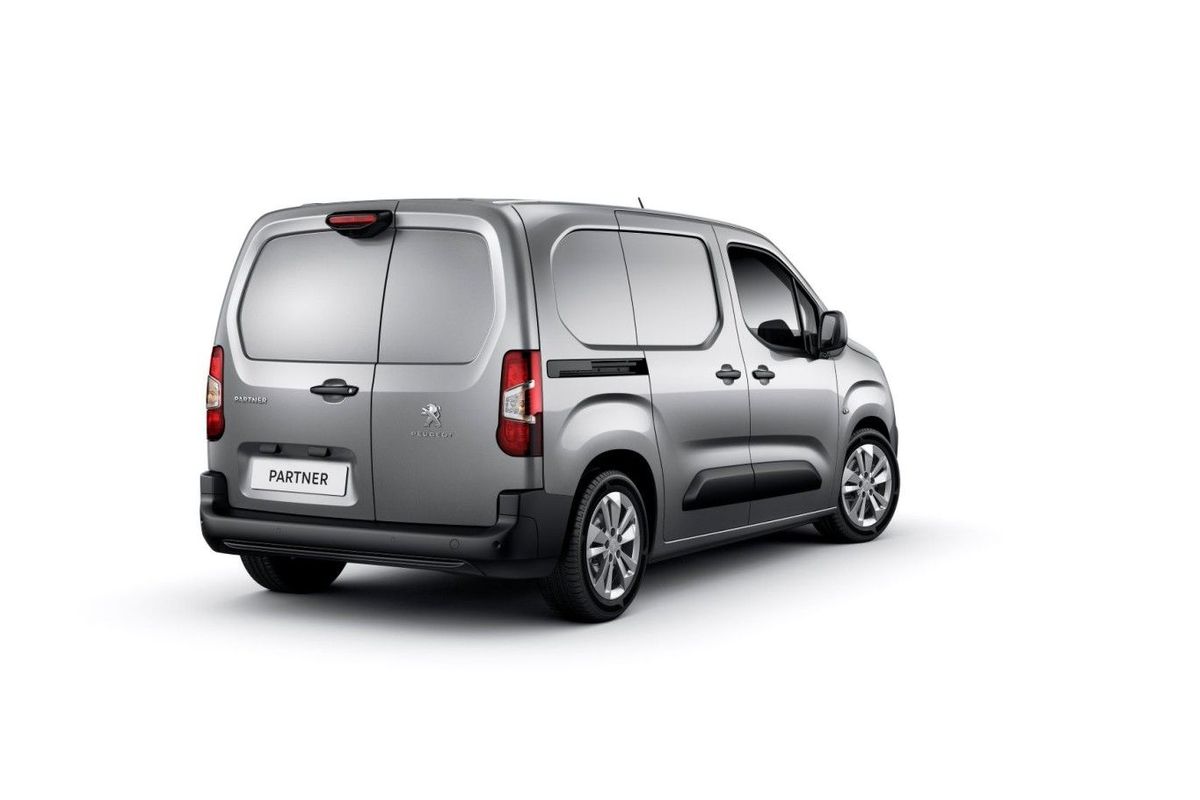
A new Peugeot Partner is available in South Africa! See specification and pricing details below…
The Peugeot Partner is built to serve and in its latest form, it’s perhaps one of the most stylish panel vans in the Light Commercial Vehicle (LCV) segment.
Key Features
The Peugeot Partner is powered by a 1.6-litre turbodiesel engine with 68 kW and 230 Nm and comes paired with a 5-speed manual transmission.
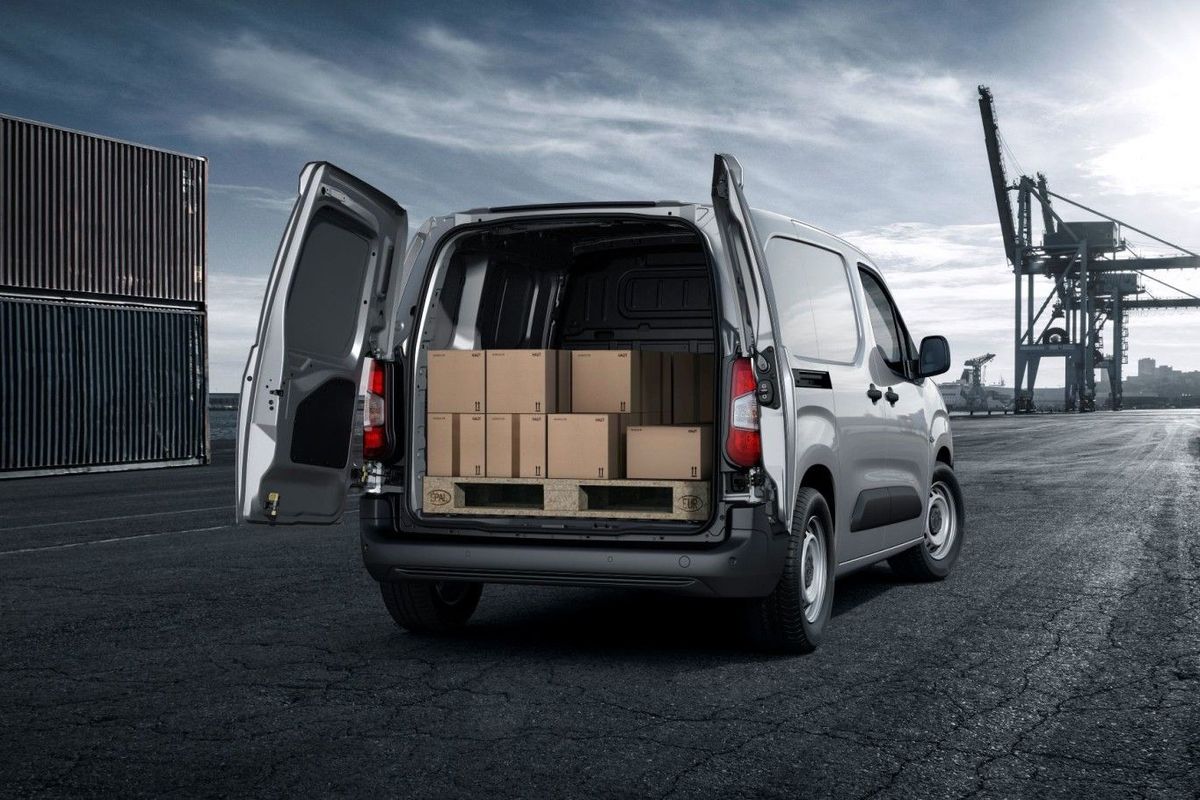
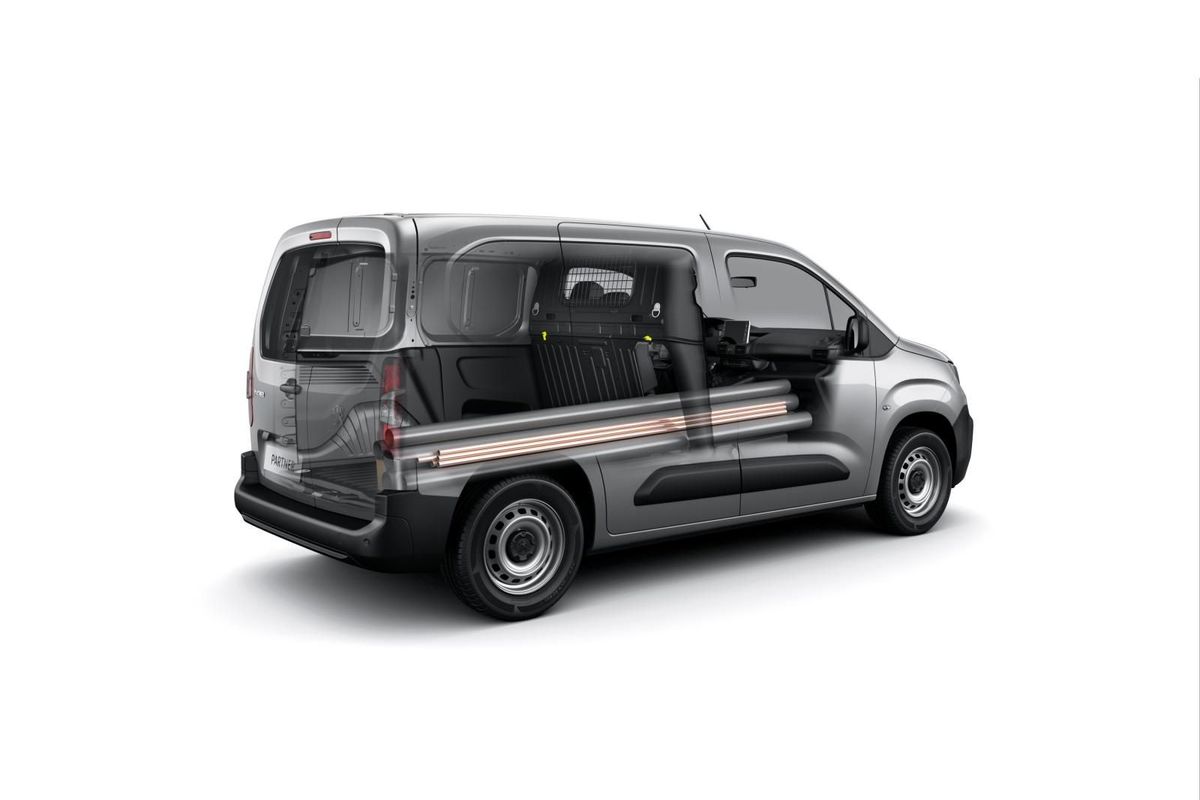
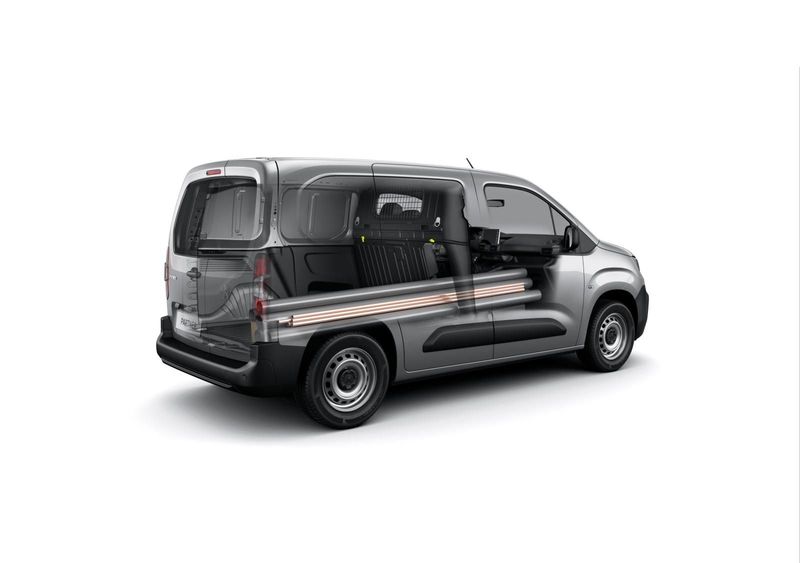
The load area is tall and wide and offers 4.4 cubic metres of loading space with a load bay that measures 2.1 metres in length. The payload is rated at 1 000kg. The cargo bay can be accessed using the dual rear doors or the dual sliding side door. Longer items are accommodated with a bulkhead pass-through panel.
A pass-through panel in the bulkhead allows for loading of longer items.
A total of 6 anchoring rings are offered to secure cargo and a12V socket and 6 LED lights are also fitted for your convenience. The load floor is also equipped with a protective covering to minimise scuffing.
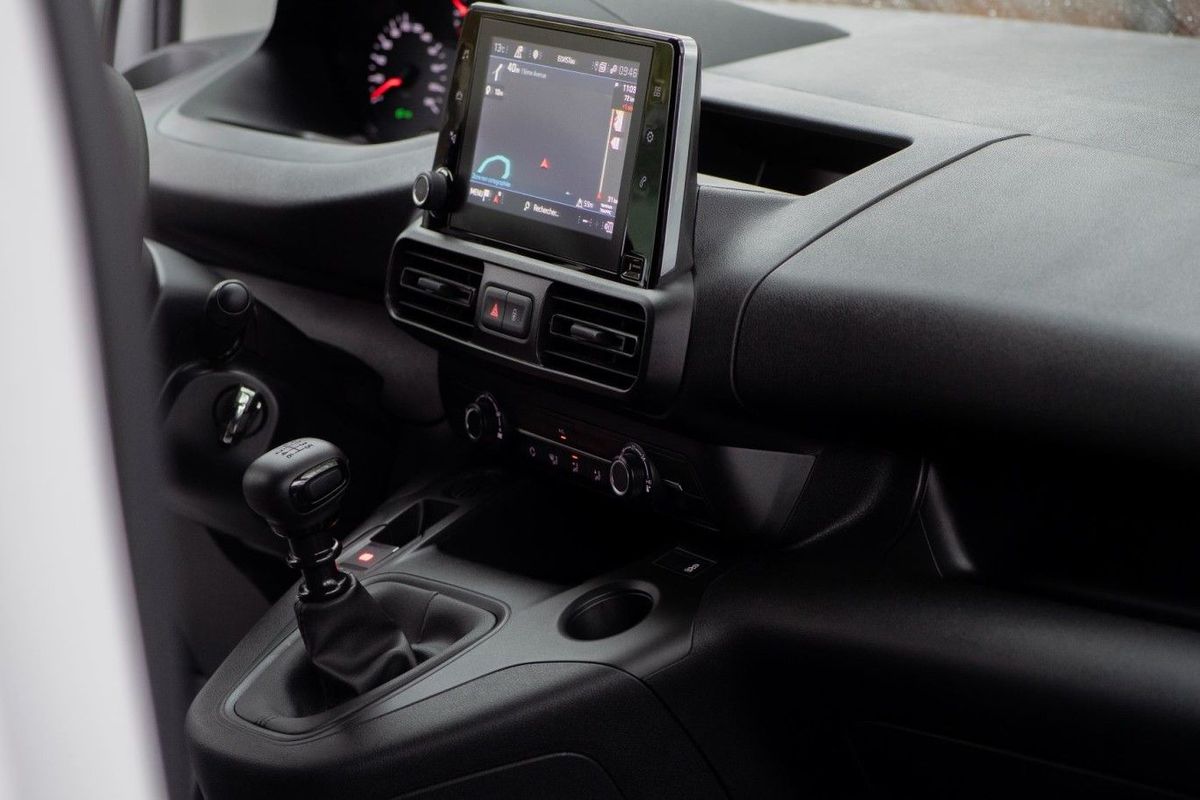
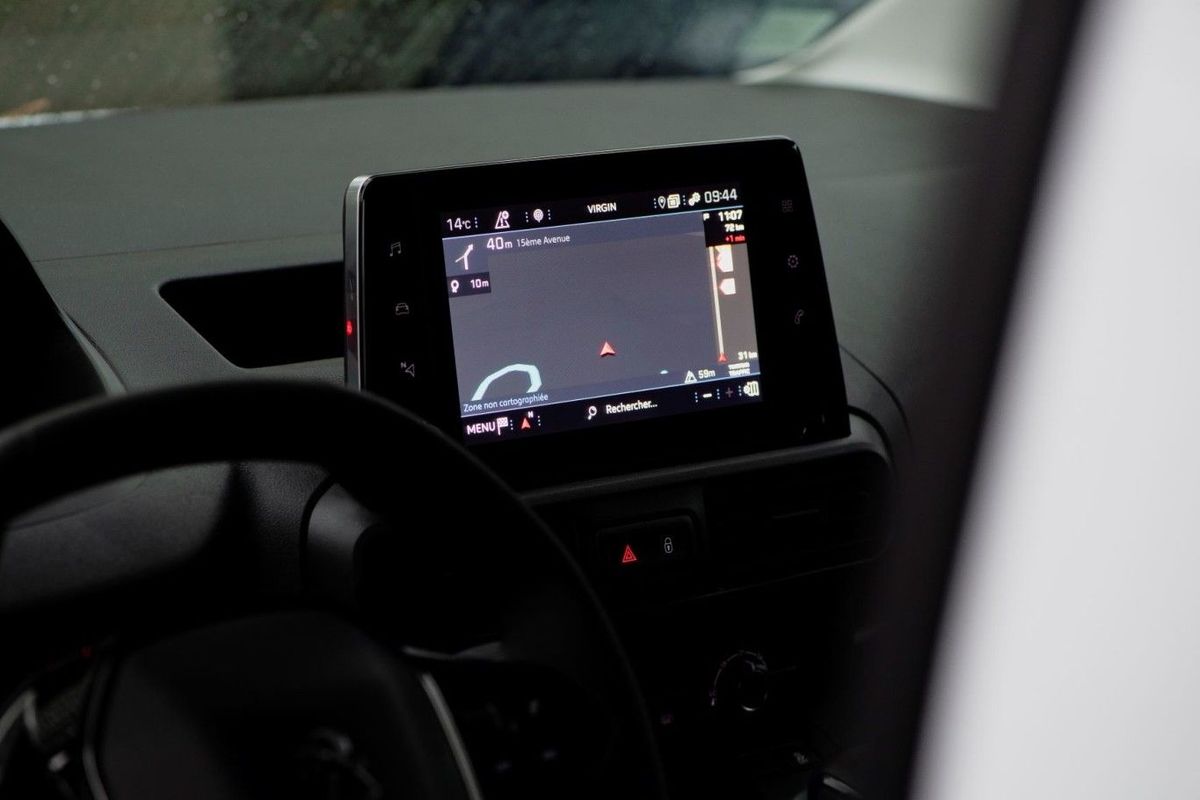
As for the interior, the Partner is now fitted with Peugeot’s i-Cockpit which is found on its passenger cars. The system includes an D-shaped steering wheel with mounted controls, a head-up style instrument cluster that places all vital information directly in the driver’s vision and an 8-inch touchscreen that takes care of functions such as Bluetooth, Mirror Link, Android Auto and Apple Carplay.
Other nice features include cruise control (with limiter) electric windows, rear parking sensors, automatic drive away locking and automatic locking of the load area.
An electronic handbrake frees up some more space and Peugeot says that the Partner offers 113 litres of storage space in the passenger cabin.
In terms of safety, the Peugeot Partner is equipped with 6 airbags, ABS with EBD and brake assist.
Peugeot Partner – Price in South Africa
Peugeot Partner 1.6 HDI – R389 900
The Partner is sold with a 5-year/100 000km warranty, 5-year/100 000km service plan and a 5-year/100 000km Roadside Assistance.
Despite earlier reports, it appears relief is on the cards for SA motorists as the fuel price comes down for February 2020.
The Automobile Association of SA says the price of oil declining since the 2nd week of the year has resulted in decreases across the board for the month of February 2020.
The decreases are as follows: 95 Octane petrol will drop by around 13 cents a litre, with the other reductions marginal: 93 Octane petrol and both grades of diesel by four cents a litre.
"Rising tensions between the USA and Iran in the opening days of 2020 sparked a sharp increase in international oil prices, but the commodity has rebounded quickly. In fact, the oil price has returned to a level we might have expected had the US-Iran flare-up not taken place at all," the AA says.
While the oil price has dropped to its lowest level since the beginning of December 2019, the Rand/Dollar exchange rate is worsening. "We have some concerns over this ongoing weakening in the absence of any overt Rand shocks," the AA says. "It is not a good sign of confidence in the SA economy. We're pleased fuel prices have managed to tread water at the start of a year, a year which is likely to again be extremely economically challenging," the AA concludes.
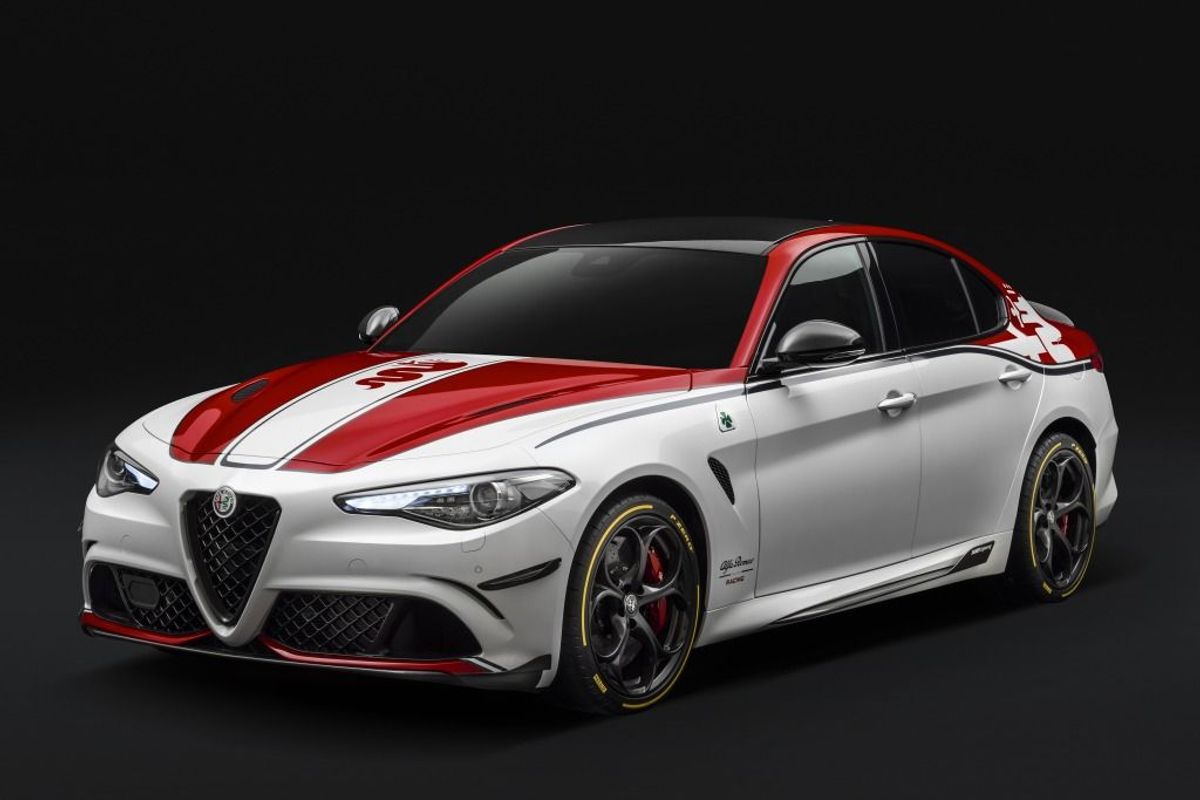
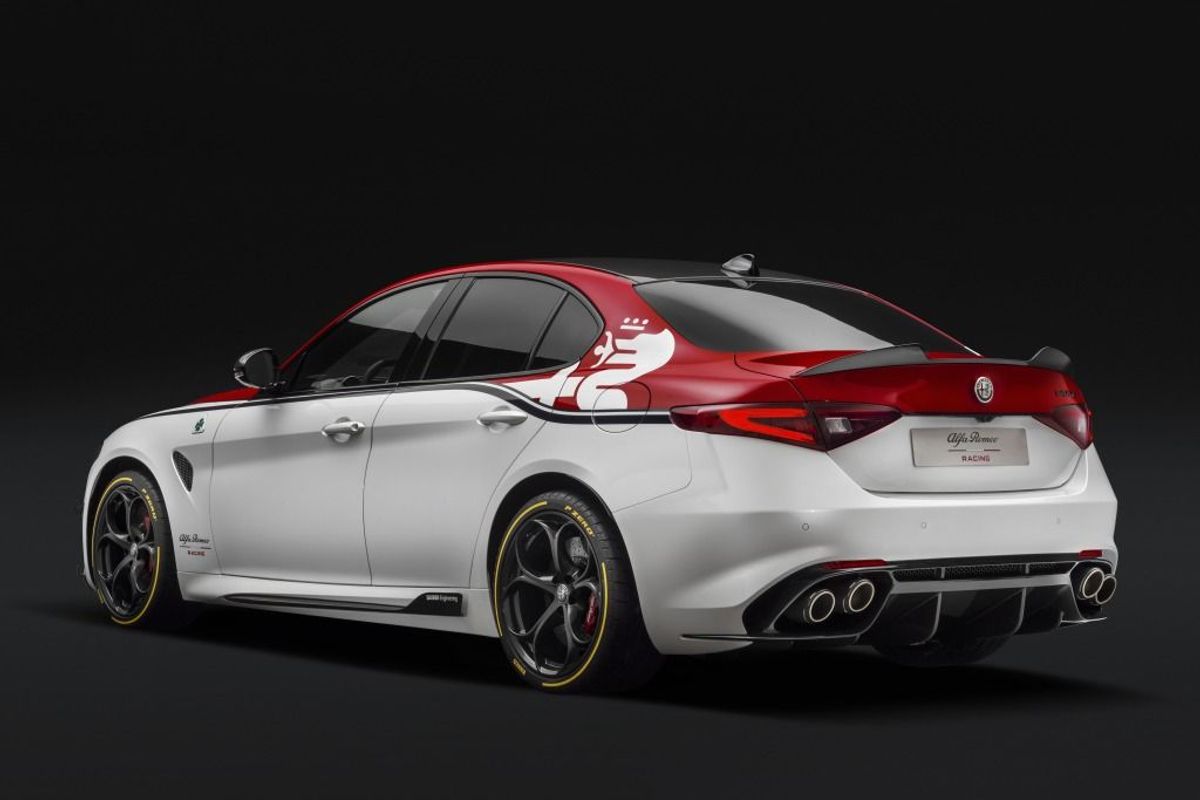
Alfa Romeo’s product development plans may have been scaled back drastically, but according to a report, the Milanese marque is reportedly planning to resurrect its famed GTA badge when it unveils a beefed-up and lightened version of the Giulia Quadrifoglio super sedan around mid-year.
Under the leadership of the late Sergio Marchionne, there were big, bold plans for Alfa Romeo. Apart from the production version of the Tonale compact family car and another upcoming SUV, the Italian firm had plans to flank the Giulia business class sedan and Stelvio executive SUV with a new Giulia-based GTV sports coupe and a successor to the 8C supercar. Indeed, there were even rumours of an all-new Giulietta, a Premium SUV to rival the likes of the Audi Q7, BMW X5, Mercedes-Benz GLE and Volvo XC90, plus an executive sedan – Alfa Romeo’s first since the underappreciated 166.
But no, as you may have read, Marchionne died and then, in November 2019, FCA chief executive Mike Manley told investors that Alfa Romeo’s portfolio plan had been scaled back significantly. The revised 5-year product outline he presented detailed only updates to the Giulia and Stelvio and the launches of the aforementioned pair of SUVs. The rest of the scheduled models were unceremoniously scrapped.
What’s more, the Fiat Chrysler has since officially merged with the PSA Group, so we assume that any Alfa Romeo products that weren’t at least at an advanced stage of development (when the deal was struck) have been put on ice… indefinitely.
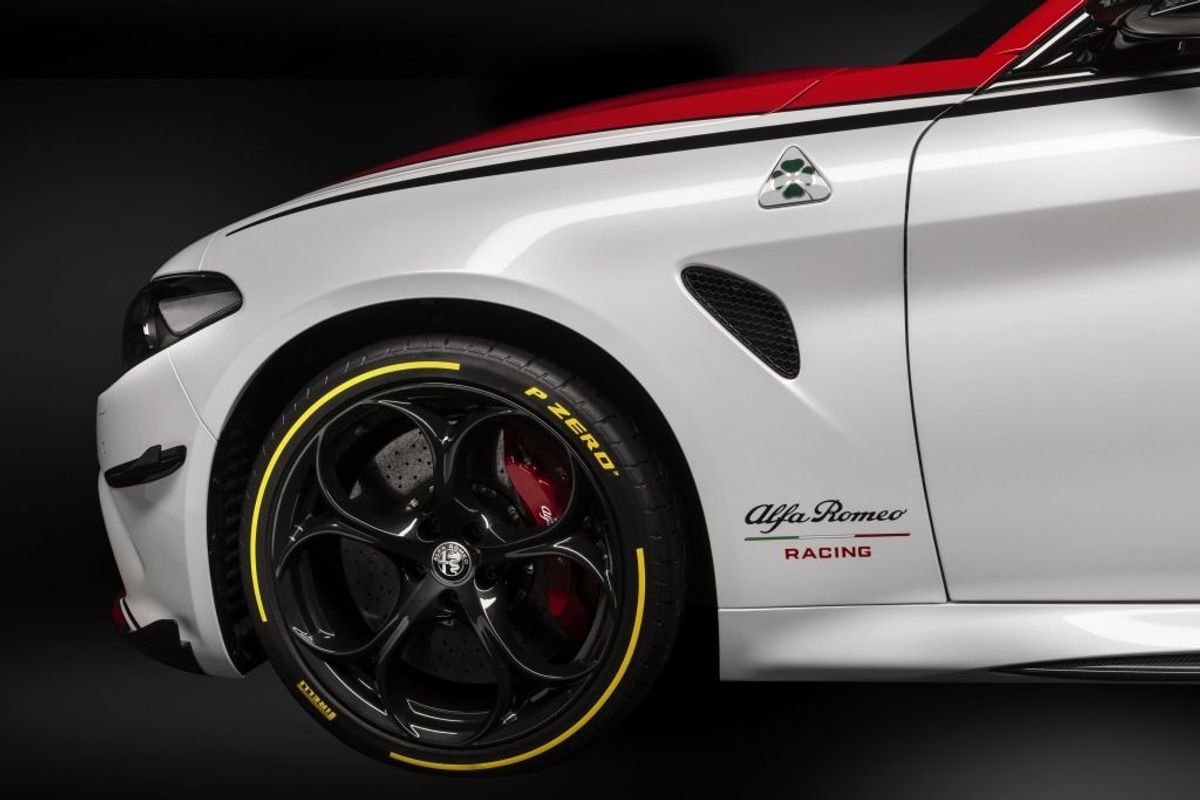
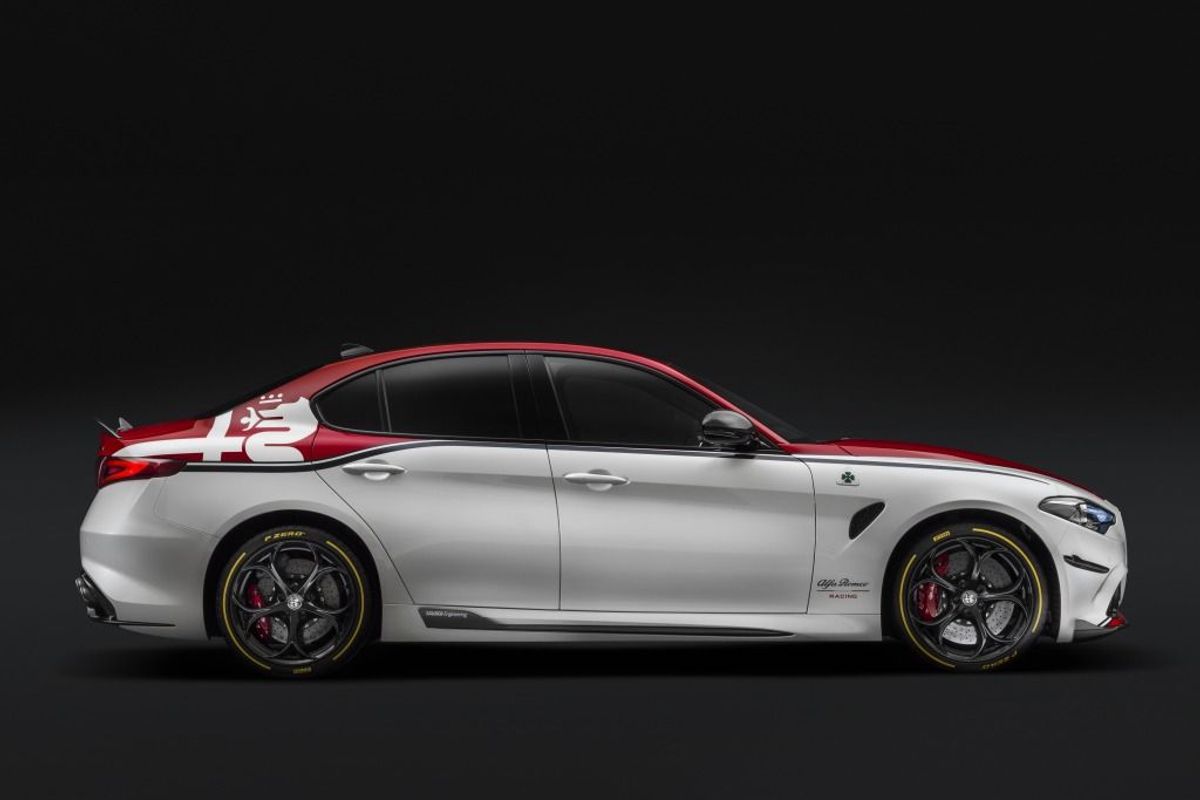
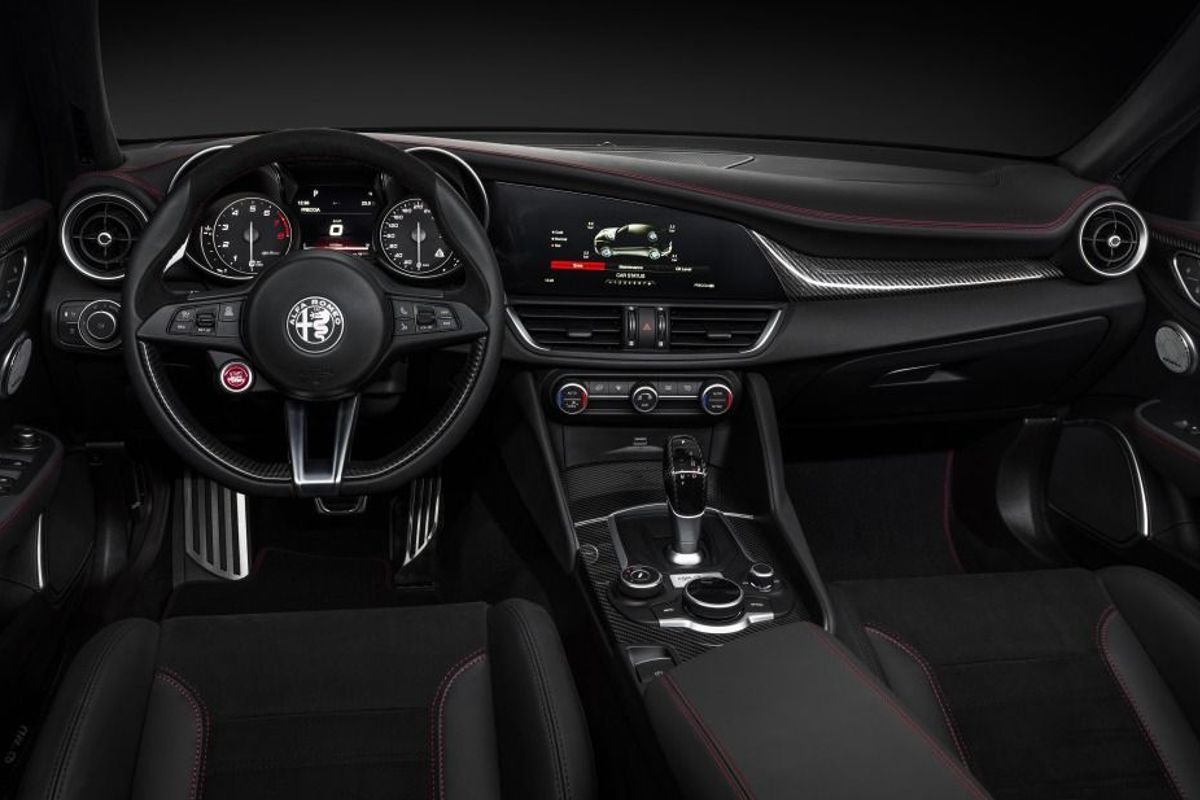
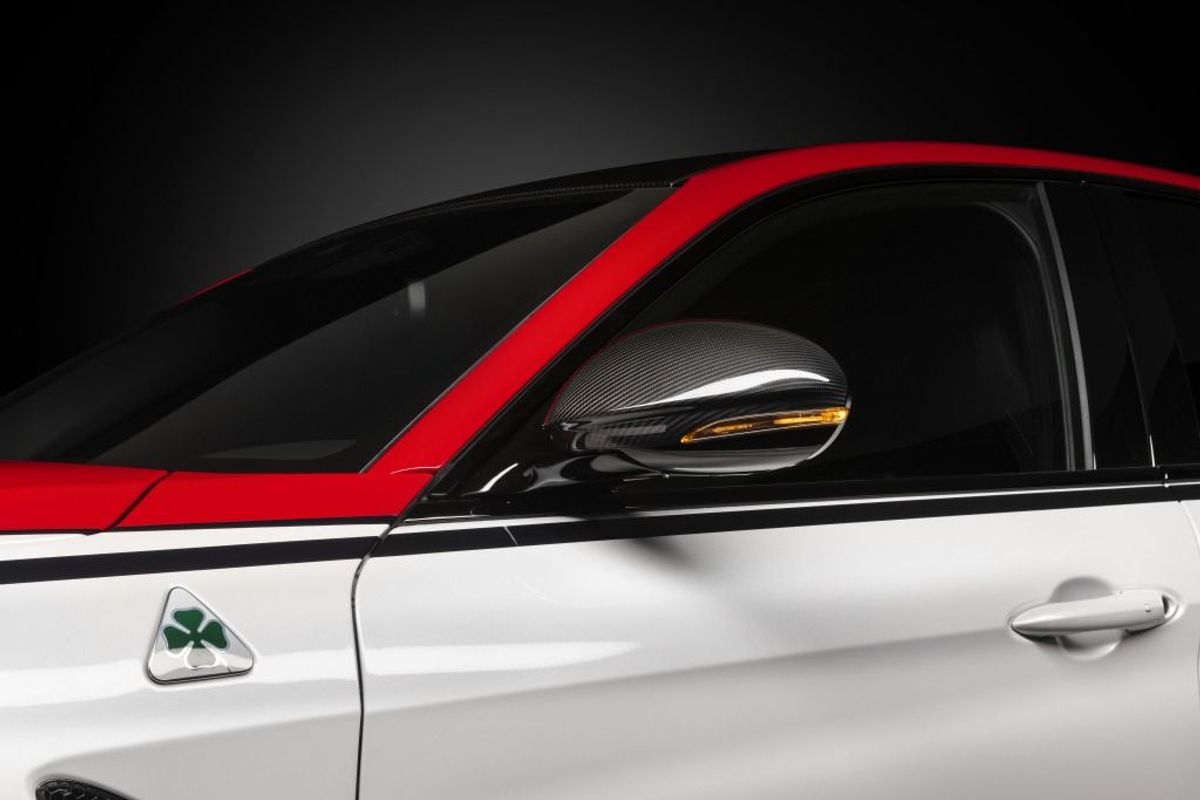
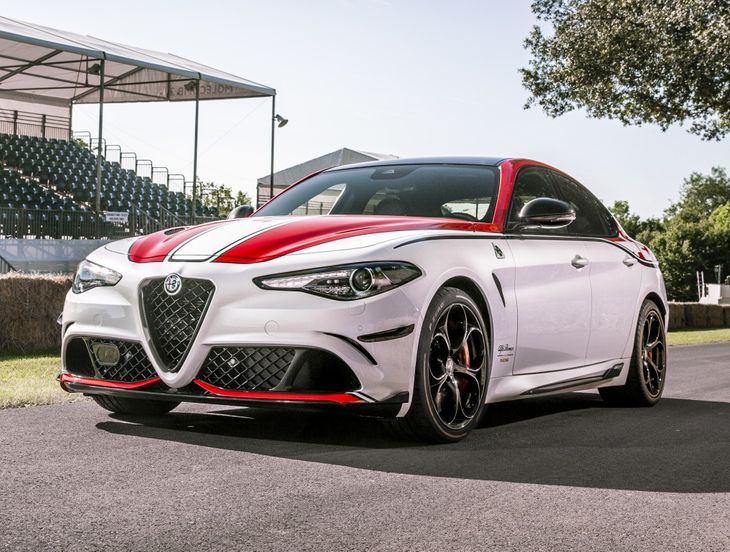
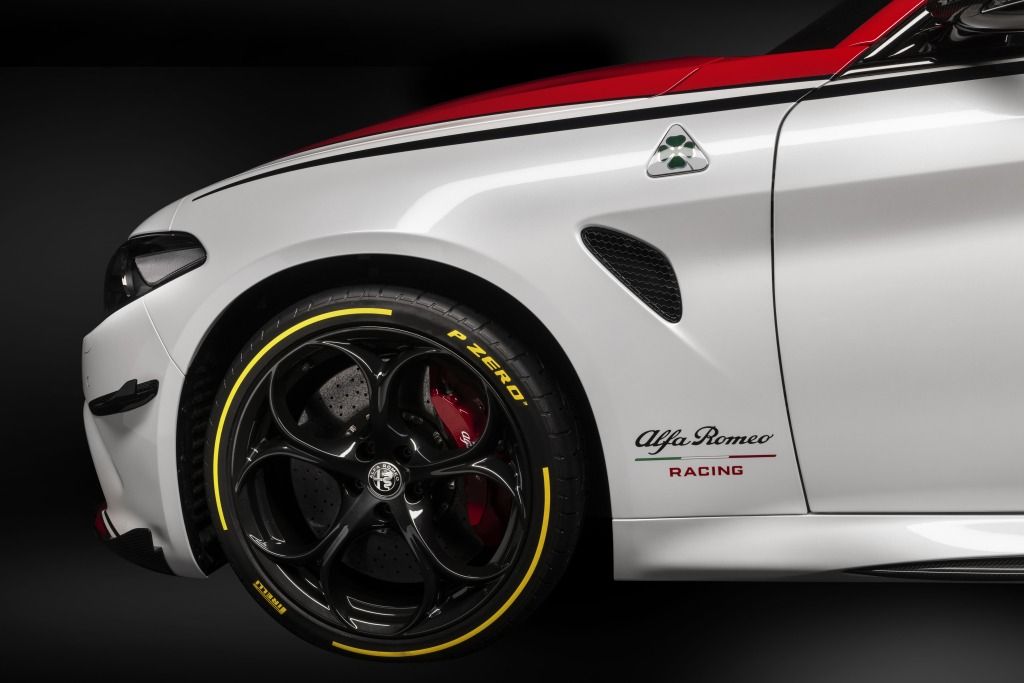
The Giulia Quadrifoglio Racing Edition (offered in Europe) gives a clue to how the GTA version might look.
It’s not like local Alfisti have had much to crow about recently anyway, apart from the fact Alfa Romeo quietly slipped the Stelvio’s Quadrifoglio flagship into South Africa last year, the Giulia range still doesn’t feature Veloce derivatives or the 2019 model-year upgrades (as far as we know), Stelvio sales have been disappointing given the market’s demonstrated appetite for SUVs and the Giulietta’s in the twilight of its product cycle.
But then, Alfa Romeo’s bloom periods never seem to last long anyway. That trend has, however, never precluded the brand from doing what it does best: grabbing the attention of its loyal fans by drawing on the firm’s heritage to build a go-faster version of something that's already in its line-up. And seeing that there’s an event in Milan to mark Alfa Romeo’s 110th birthday in late June 2020, a new halo product is sorely needed.
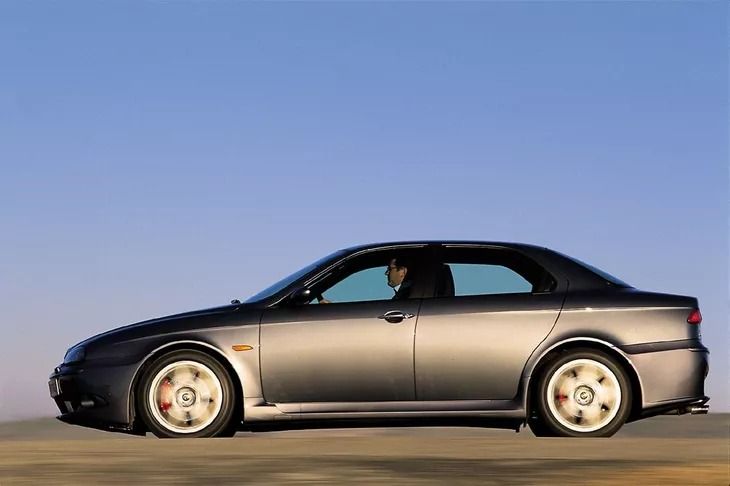
Well, according to US site Mopar Insiders, Alfa Romeo may well revive its historic GTA nameplate (last seen on the top-flight 147 and 156 derivatives almost 20 years ago) for a limited-edition version of the Giulia Quadrifoglio.
The last Alfa Romeo to wear a GTA badge was the flagship 156 in the early Noughties.
Remember that car? The carbon-fibre-laced and rear-wheel-driven (in South Africa) super sedan powered by a Ferrari-flavoured 2.9-litre twin-turbo V6? Well, of course, you do, because it’s one of very few Alfa Romeos to be regarded as having the measure of its BMW M Division, Mercedes-AMG and Audi RS rivals. It would not be boastful to say that the Giulia flagship gained critical acclaim; not something that can be said of most of its stablemates.
It’s understood the eagerly-anticipated M3 derivative of the G20-generation BMW 3 Series (and its M4 coupe sibling) won’t see the light before 2021… after all, the production version of the 4 Series isn’t even out yet and BMW tends to release those performance twins simultaneously. Therefore, the lull before successors to M3, C63 and RS4 come out leaves Alfa Romeo with an ideal opportunity to shine.
A 460-kW Giulia Quadrifoglio GTA would certainly need beefed-up stopping power…
GTA is an abbreviation for Gran Turismo Allegerita (the last word of which is Italian for lightened) and the newcomer is believed to tip the scales at around 20 kg less than the standard Giulia Quadrifoglio. That meagre weight saving doesn’t sound conducive to a massive boost in performance, but then, why save a lot of weight if the Quadrifoglio GTA’s rumoured to produce at least 460 kW from its highly tuned 2.9-litre V6 powerplant?
To realise an 85 kW boost in peak output (and do so without dramatically shortening the lifespan of the motor) would require more boost pressure from those 2 turbos, obviously, but probably necessitate upgraded engine internals too. The brakes would need to carbon-ceramic as standard and the Quadrifoglio GTA will most likely be sold exclusively with an 8-speed auto transmission, which is probably wise.
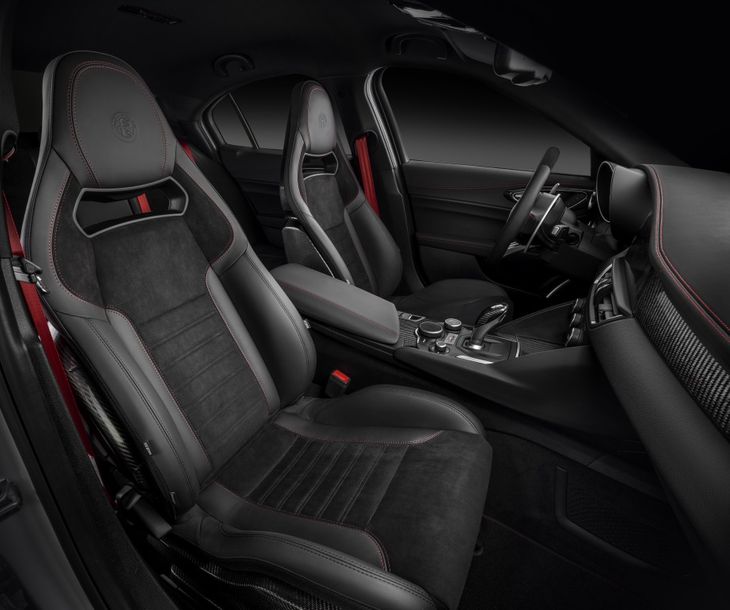
Carbon fibre-backed sports seats are signature adornments of top-spec Guilia Quadrifoglios.
So, if Alfa Romeo does unveil a Giulia Quadrifoglio GTA by the middle of the year and if it decides to produce the derivative, the Italian firm may only build around 500 units of the highly-desirable super sedan. Those are a lot of big ifs and even if they’re all answered in the affirmative, here’s the biggest question of them all: Will FCA in South Africa be able to secure a few units for release in the local market? It all remains to be seen.
Suffice to say it’s a tantalising prospect for a car that would cost a small fortune to buy. But you want one anyway, don’t you? Yes, we thought so.
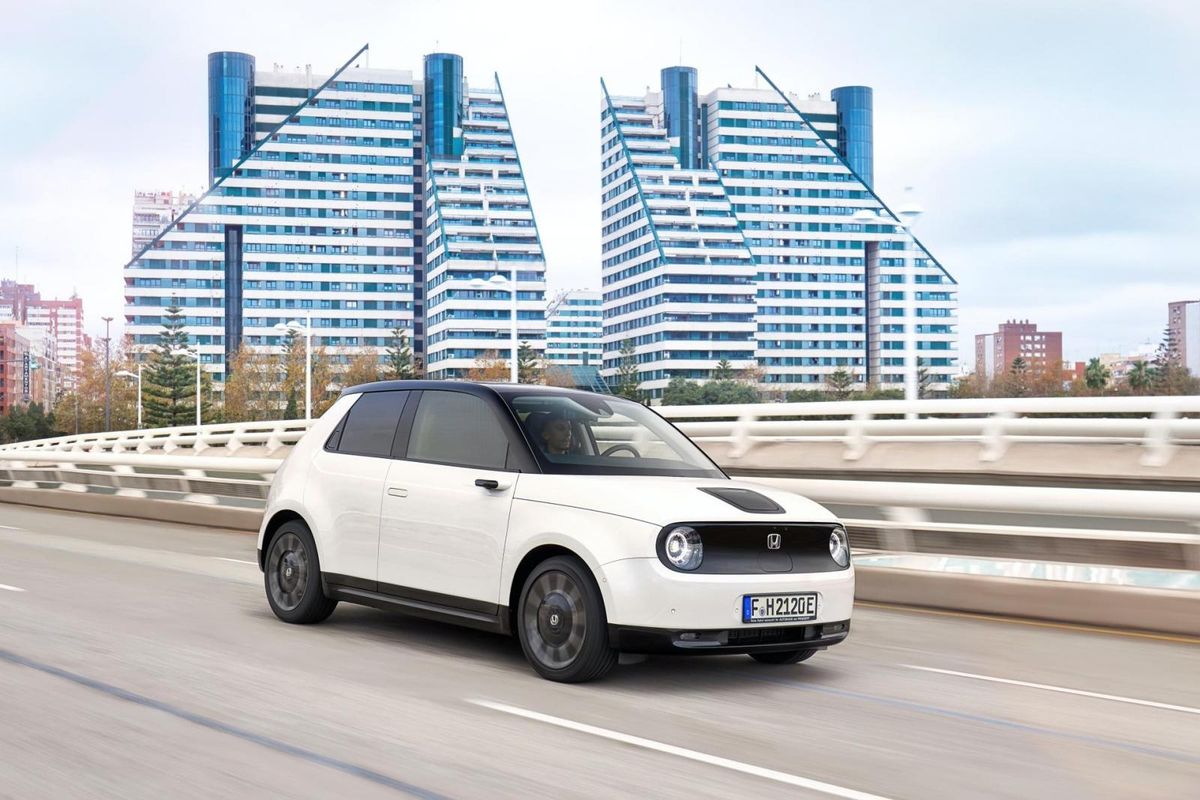
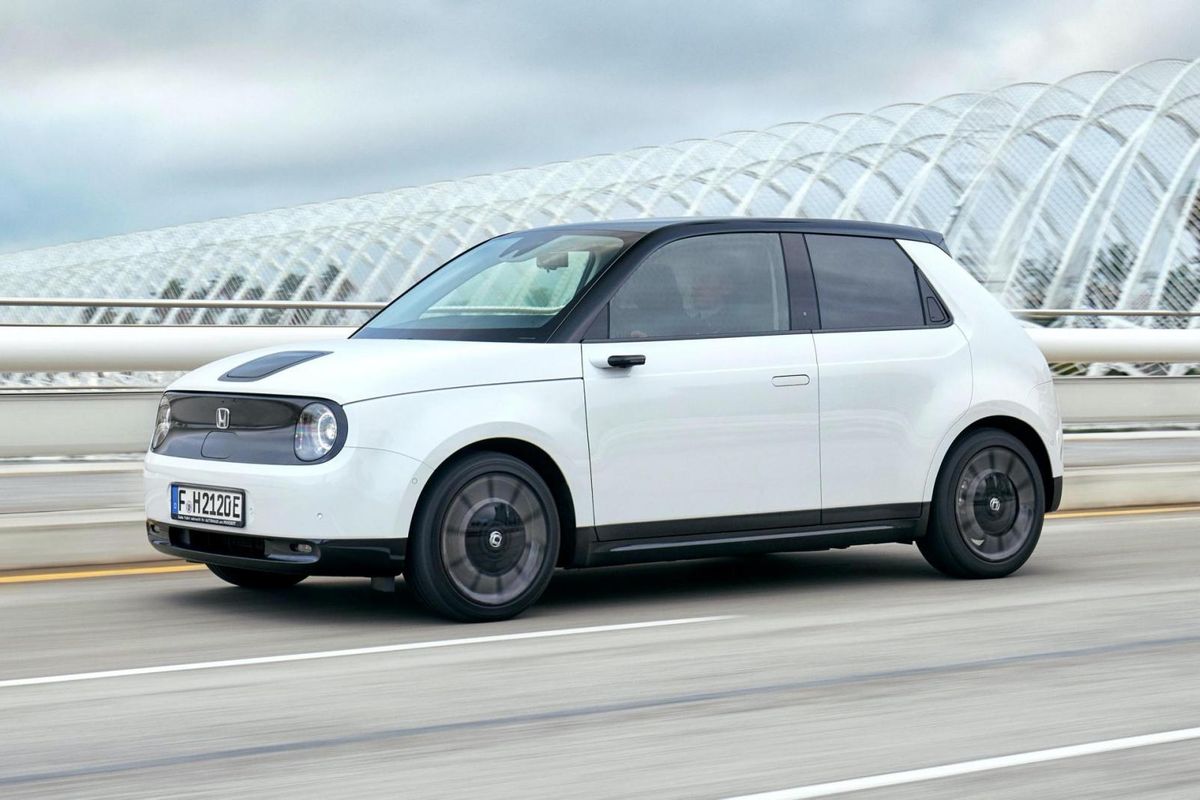
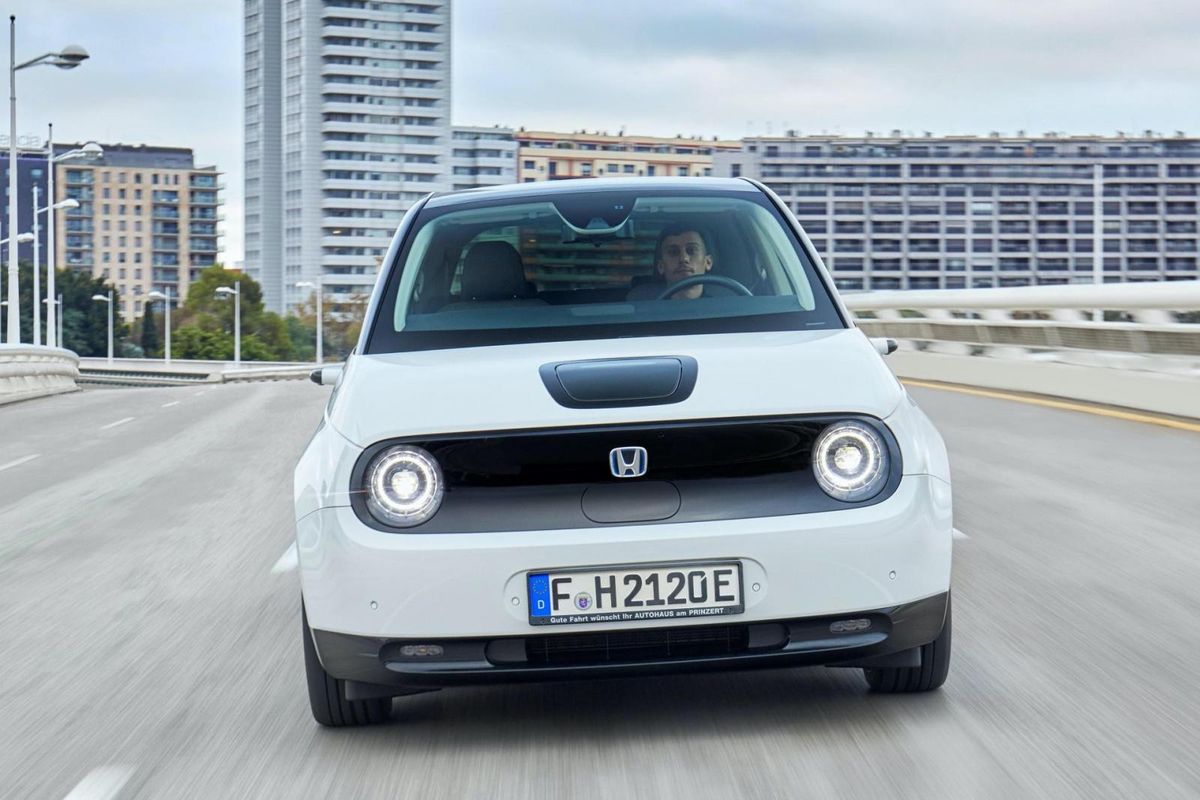
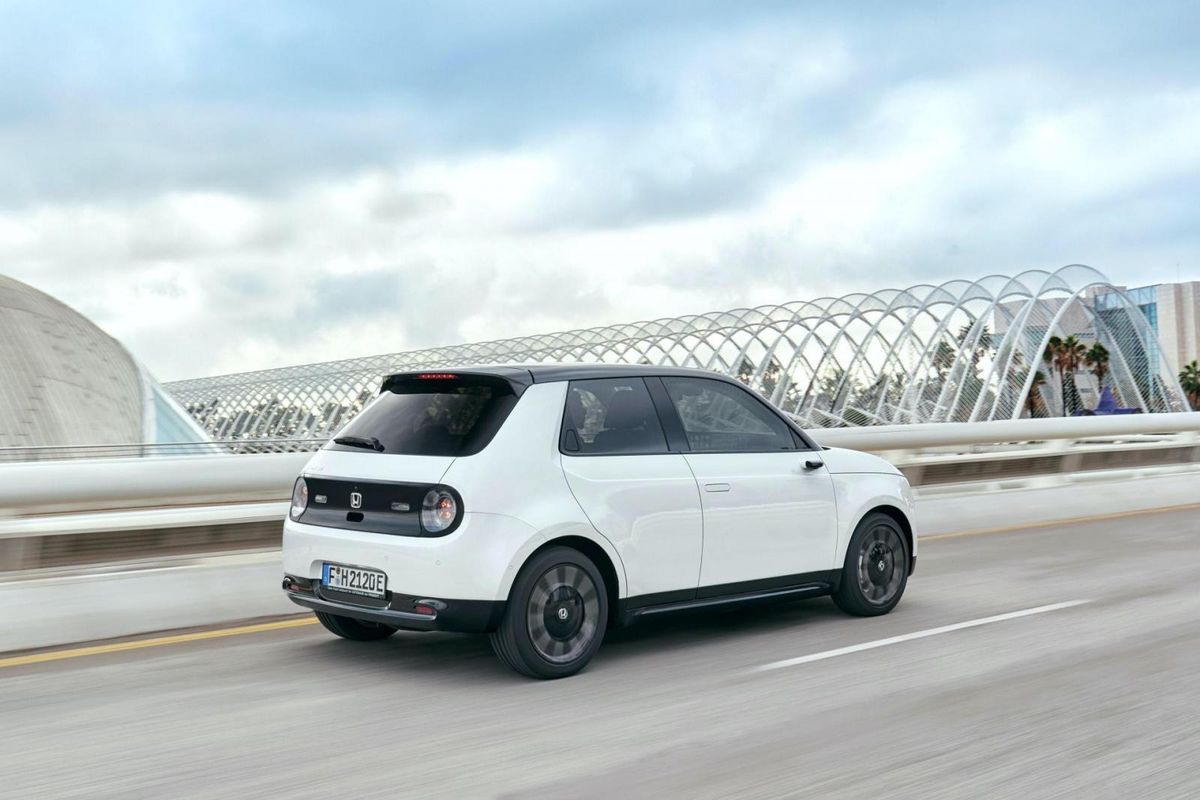
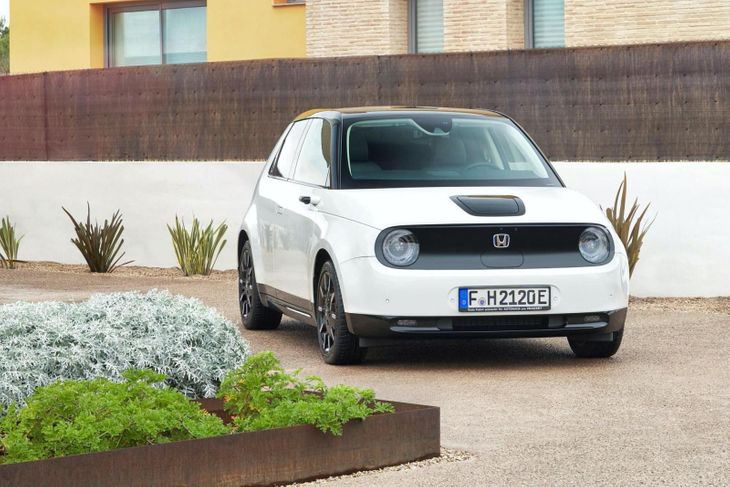
Details of Honda’s Europe-only supermini, the Honda e, have been revealed. We would love to see it in South Africa but that ain’t going to happen…
We don’t typically report on cars that aren’t destined for South African shores but sometimes there are exceptions and the Honda e is one of them.
We absolutely loved the 2017 Honda Urban EV Concept and we were excited that Honda promised to have a production car ready in 2 years. Now, enter the Honda e, which made its world premiere at the 2019 Frankfurt Motor Show. What a great-looking electric car, don’t you think?
The Specs
The Honda e is only destined for Europe and it sadly won't be offered in South Africa. Insert sad face emoji here…
The Honda e stands some 3 895 mm long, 1 750 mm wide, 1.512 mm high and weighs in at a hefty 1 514 kg. It’s wheelbase measures 2 530 mm. It’s a rear-wheel-drive electric car that boasts a 50:50 weight distribution, low centre of gravity and MacPherson Strut independent suspension for each wheel, all of which is pegged to deliver a fun driving experience.
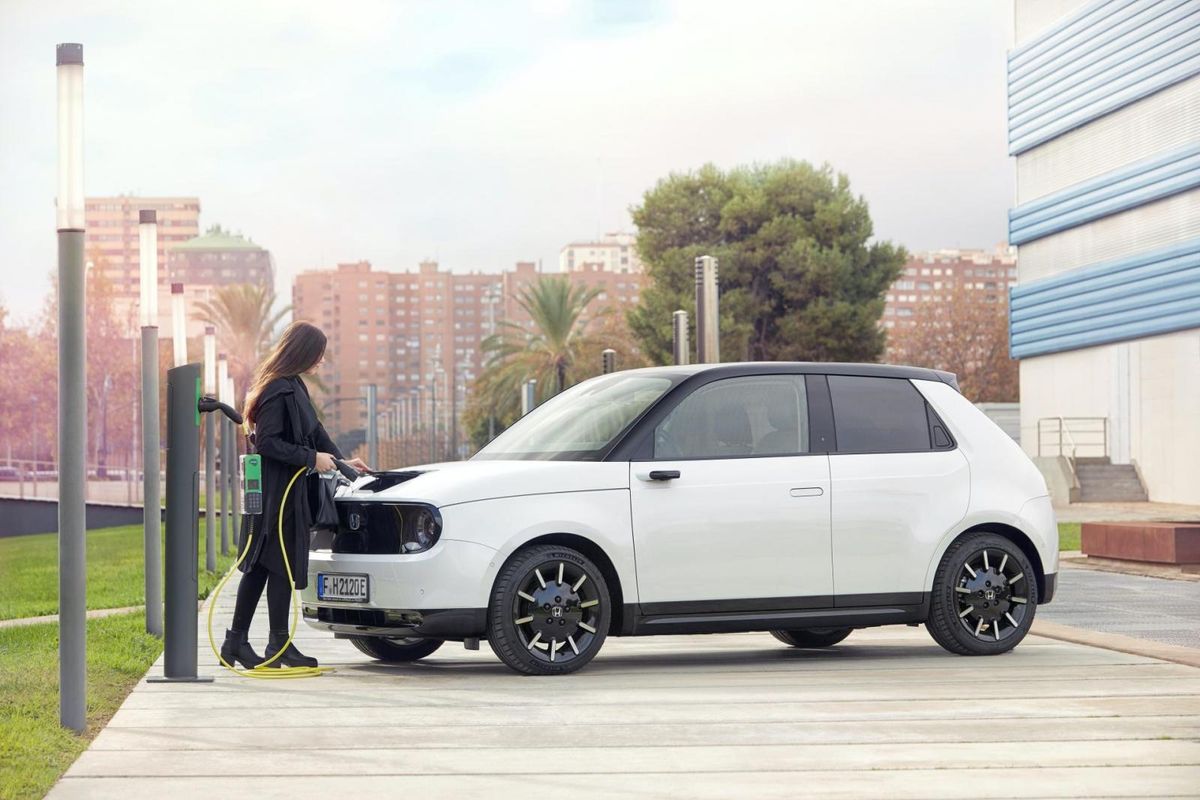
As for electric power, the Honda e is offered to European customers in 2 flavours including a 100 kW/315 Nm version as well as a more powerful 113 kW/315 Nm variant. The former can sprint from zero to 100 kph in 9 seconds while the uprated version takes only 8.3 seconds. Both derivatives are limited to a top speed of 145 kph. A 35.5 kWh lithium-ion battery pack allows for the Honda e to travel up to 222 km (WLTP standard).
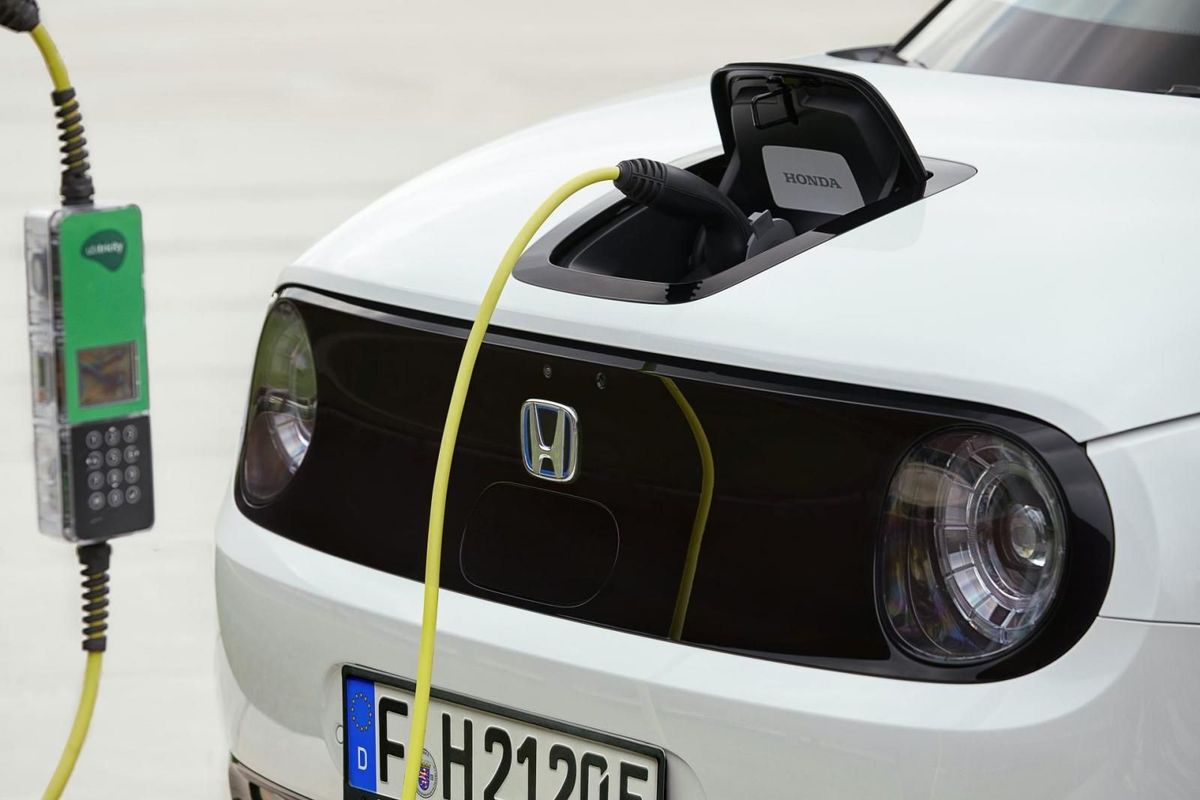
Charging can be done using a 100 kW CCS2 fast charger allowing for 80% charge in just 30 minutes. A public 4 kW Public Type 2 charger will take 4.1 hours for a full charge while a 2.3 kW Home Type 2 charger will take 18.8 hours.
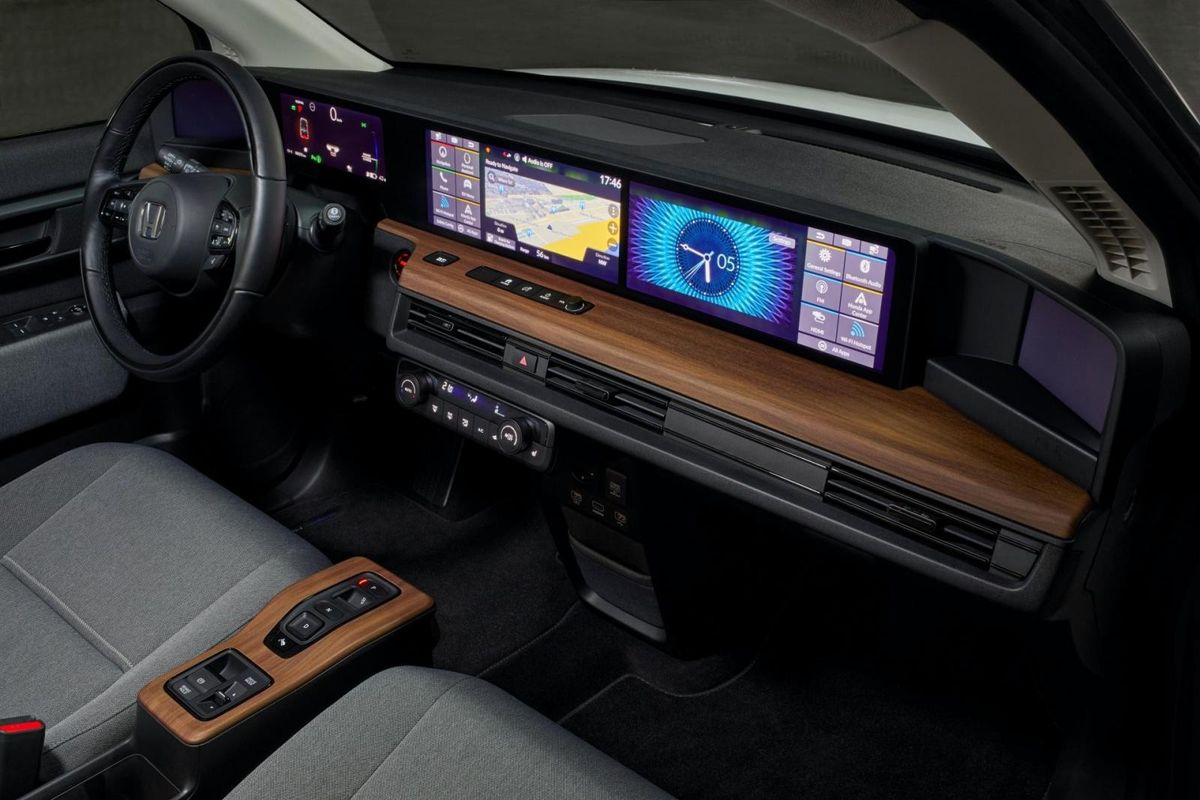
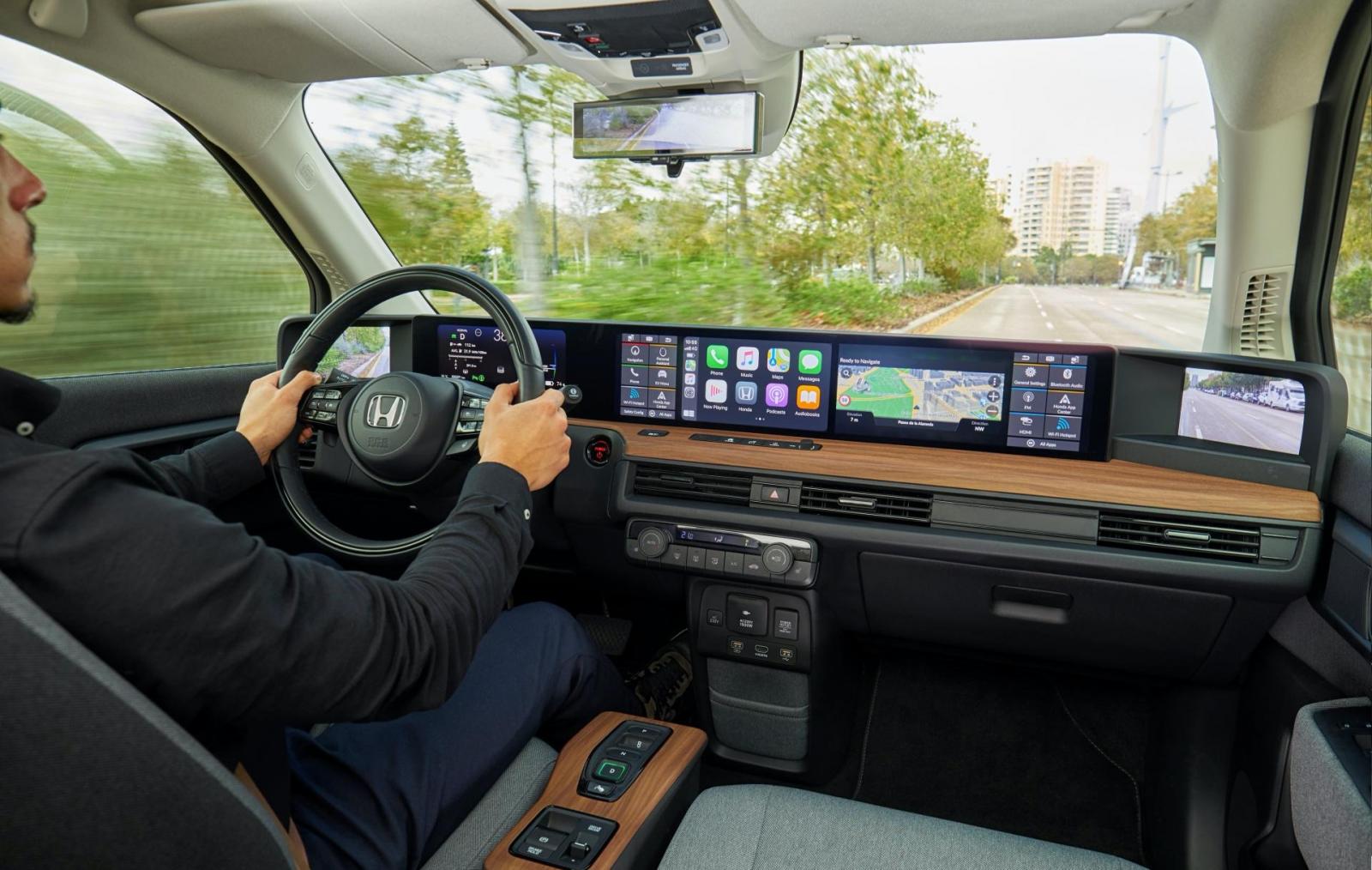
How cool is this interior? Note the Side Camera Mirror System.
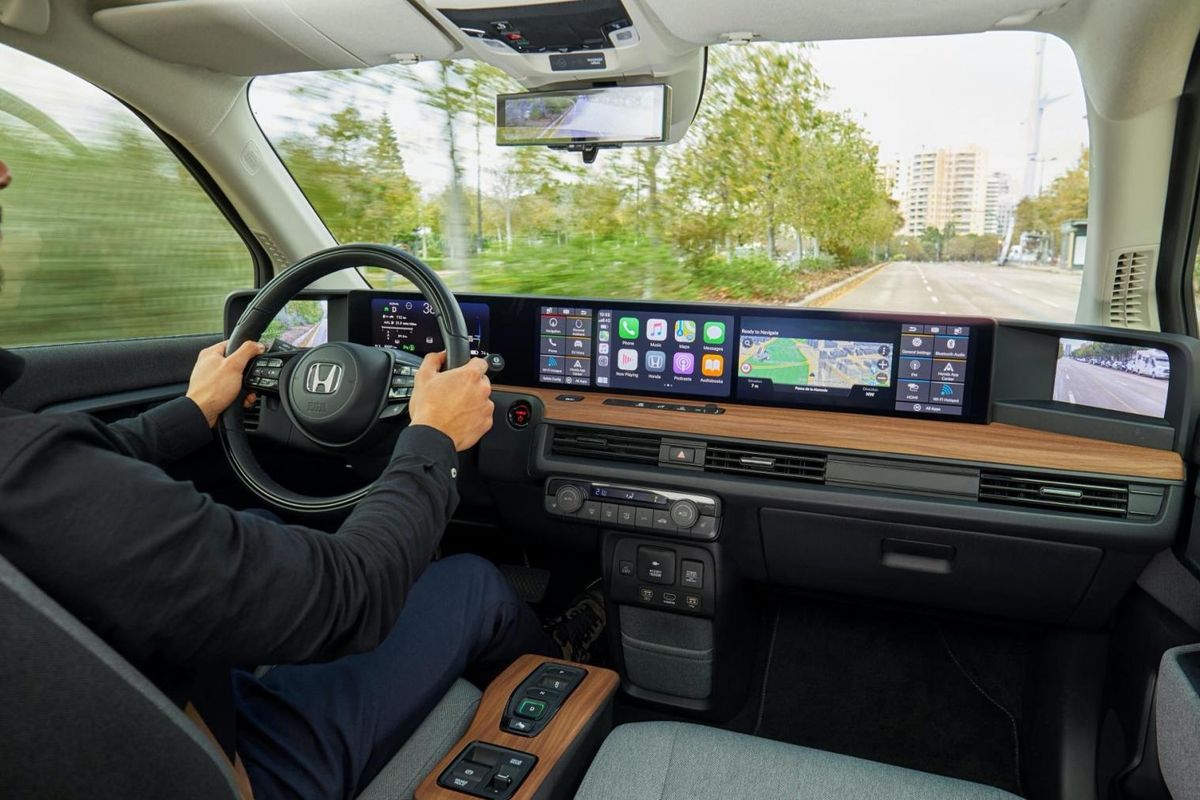
As for the interior, it’s pretty cool with a full-width digital dashboard which integrates 5 HD displays including an 8.8-inch digital instrument cluster and 12.3-inch dual touchscreen display with Apple CarPlay and Android Auto functionality. Honda’s new AI-powered Personal Assistant is also able to respond to natural questions and commands and improves over time by learning an individual’s voice. The 2 outer screens are used for the Side Camera Mirror System while a Center Camera Mirror system provides a clear view from the rear. Other nifty features include Honda Parking Pilot, Collision Mitigation Throttle Control, Low Speed Brake Function and Lead Car Departure Notification System.
The Honda e is a strict 4-seater and being a supermini, it’s limited in terms of luggage space and only offers 171 litres of space in the load bay which expands to 571 litres with the seats folded down.
We think the Honda e is one of the coolest electric cars in the world, would you agree?
Watch the videos below to see the Honda e in motion!