Honda has thrilled some of its most loyal followers with the S2000, but now it's announcing new accessories for the company's cult car. To celebrate 20 years since its debut, Honda’s will offer a range of new bits for the S2000, set to be revealed at the Tokyo auto show in January 2020.
All these new S2000 parts are official Honda specification upgrades and won’t affect the value of running cars – which are amongst the most revered of all Japanese sportscars, especially in South Africa.
Tallying the S2000 upgrade accessories are styling, suspension and infotainment bits. The roadster’s exterior is enhanced by a revised front bumper, whilst inside there is a better audio system, which should include contemporary device synching and streaming media features.
Perhaps the most interesting aspect of Honda’s S2000 upgrade kit, is the mention of a suspension modification. Although Honda is being coy about exact detail of the suspension improvements, which will only be officially detailed at the show car’s debut in a month, it should make the S2000 even more agile. With the automotive industry obsessing about autonomous driving and electrified drivetrains, why is Honda bothering to release an upgrade kit for a car which ceased production in 2009? The answer is that heritage helps a brand.
The S2000’s cult following is not incidental. It remains a revered technical achievement, with credible driving dynamics, even a decade after its ‘official’ retirement. Designed and engineered with the goal of highly responsive driving dynamics, the S2000 was light and offered incredibly linear mechanical interfaces. Its six-speed manual gearbox is still considered to be the finest of any type fitted to a road car and the 2-litre naturally-aspirated engine could out-rev most Ferraris.
Throughout its production timeline (1999-2009) the S2000 was never truly equalled. What could perhaps be considered a sign of respect from its rivals, is that no German automotive company ever attempted to produce a direct challenger, in terms of concept and specification, to the S2000.
For Honda there is a vested interest to keep its fleet of S2000s running in peak condition. By supplying owners with some contemporary component upgrades, Honda ensures that the S2000 remains a useable daily driver. And the more owners are wiling to spend time in them, the better their real world marketing value becomes. Hence the new suspension and infotainment upgrades, which should make the S2000 more comfortable and convenient to live with.
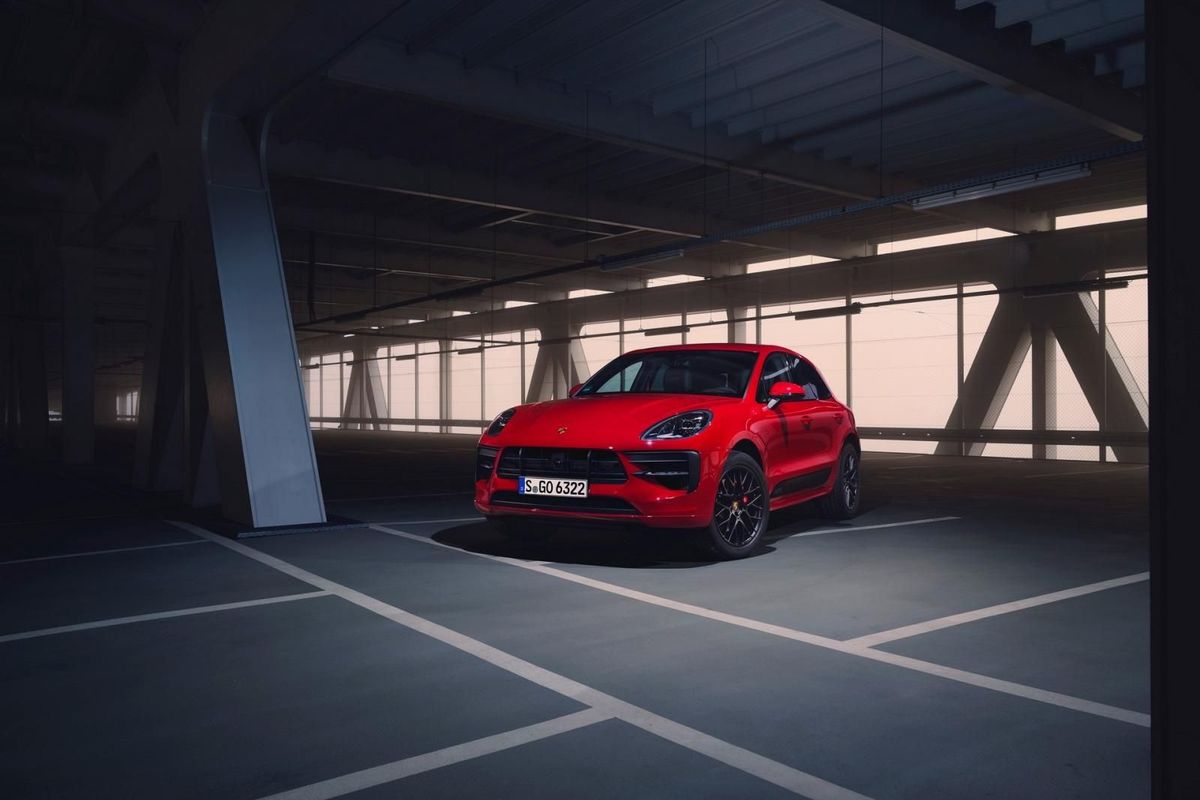
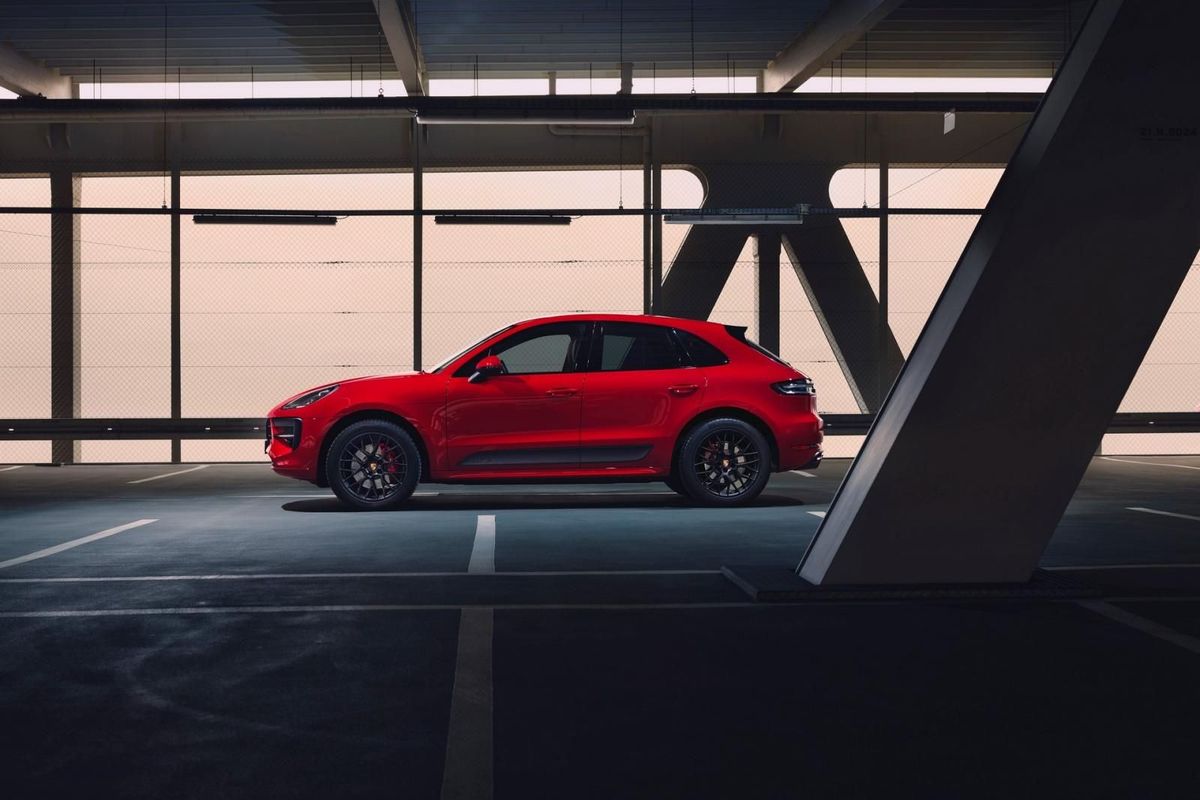
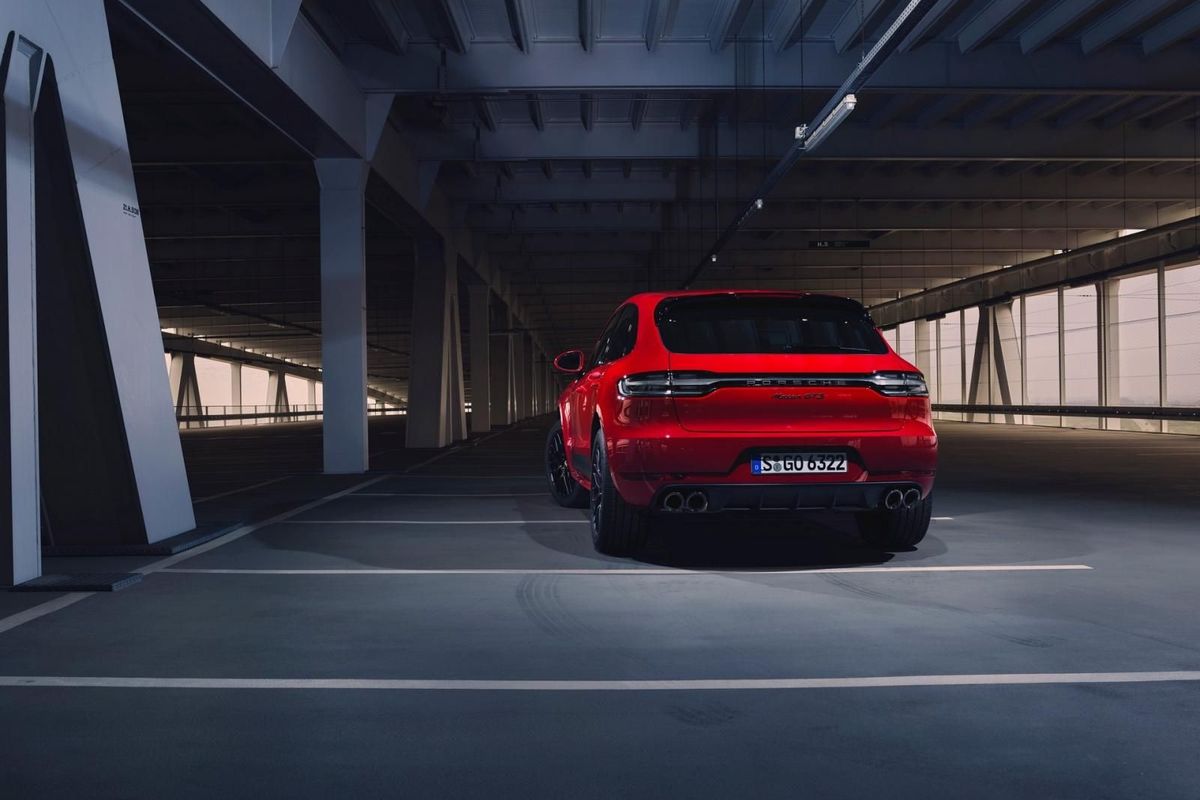
Porsche has revealed its Macan GTS now with more power and an updated PDK transmission. Details below…
We sampled the facelifted Porsche Macan earlier this year at its local launch and even though we only sampled the base Macan with its 180 kW / 370 Nm 2.0-litre, 4-cylinder turbopetrol engine, we came away suitably impressed by the Macan’s performance and overall packaging.
That bodes well for derivatives higher up in the ranks and there’s little doubt that the Macan S and Macan Turbo have much to offer when it comes to performance. However, the Macan family has now grown with the reveal of the latest Macan GTS, which slots in nicely between the S and Turbo derivatives.
The Macan GTS is powered by a twin-turbocharged 2.9-litre V6 petrol engine that’s tuned to deliver 280 kW and 520 Nm of torque which represents an increase of 15 kW and 20 Nm over the previous Macan.
That’s not all, the Macan GTS is also equipped with a newly adapted PDK dual-clutch transmission and when combined with the optional Sport Chrono package, the Macan GTS is capable of accelerating from zero to 100 kph in 4.7 seconds and reach a top speed of 261 kph. Fuel consumption is claimed at 9.6 L/100km.
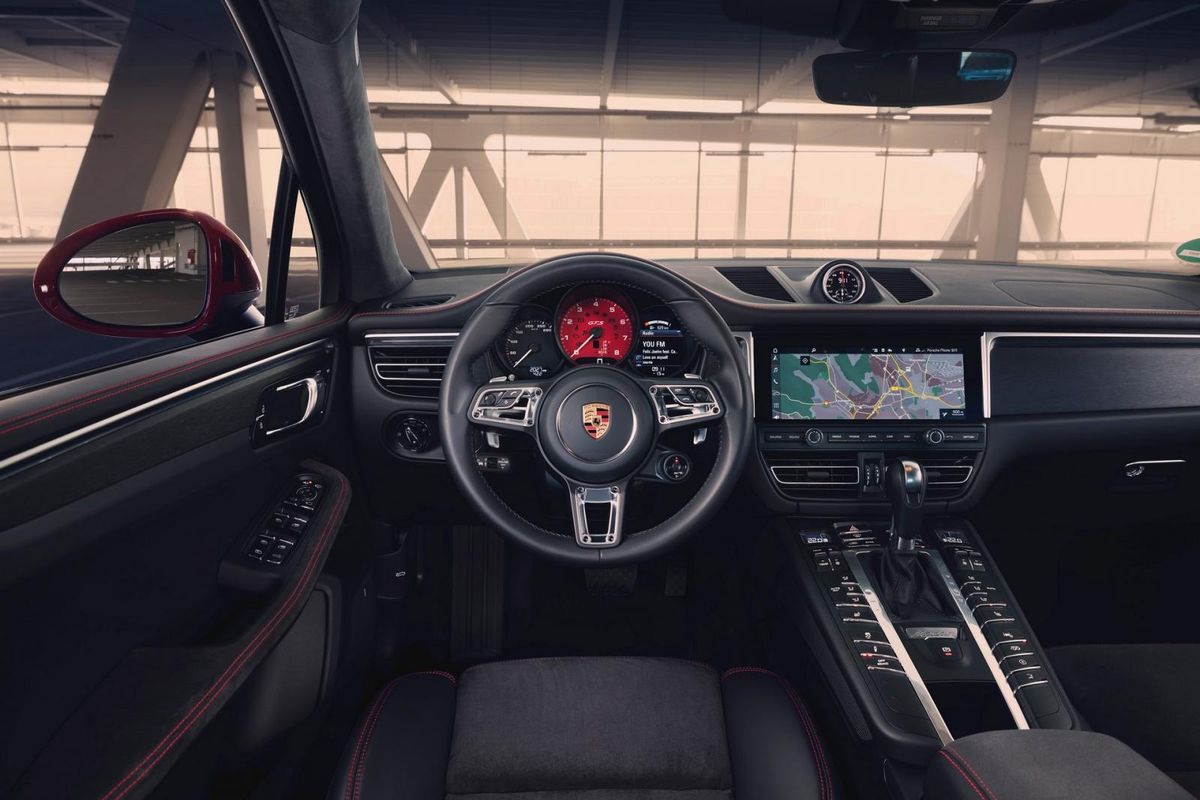
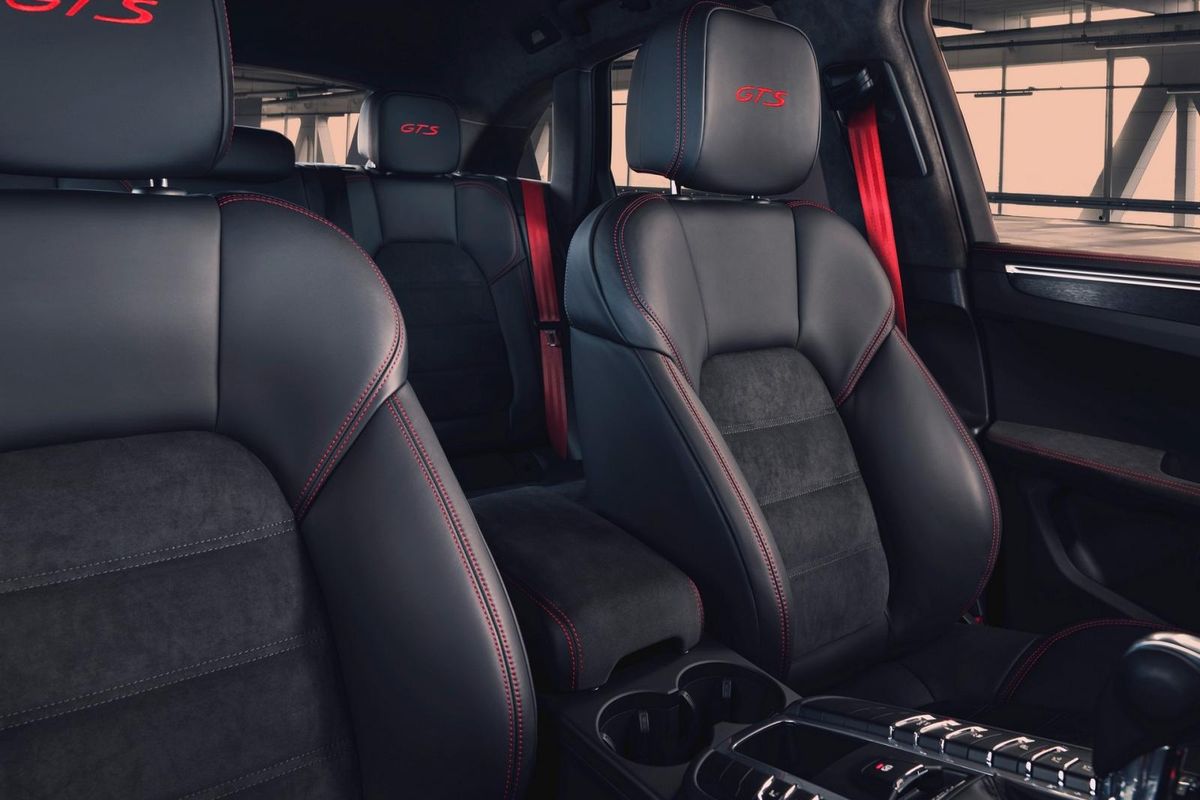
For the Macan GTS, its Porsche Active Suspension Management (PASM) damping control system has been specifically to tuned and the chassis has been lowered by 15 mm. If you opt for the optional air suspension, the chassis can be lowered by a further 10 mm. The Macan GTS rides on 20-inch RS Spyder Design wheels and a sports exhaust system is standard. The interior features 8-way adjustable leather sports seats with side bolstering and Alcantara on the centre seat panels which are unique to the GTS as well as a multifunction sports steering wheel with sports paddles fitted as standard. A BOSE surround system and a smartphone tray with
inductive charging are standard too as is the new 10.9 inch PCM infotainment screen.
Orders for the Porsche Macan GTS can now be made and pricing includes a 3-year/100 000km Driveplan and 2-year/unlimited warranty.
Mercedes-Benz has released two cars which, if they aren't parked side-by-side, you might struggle to tell the difference between them.
Luckily, Ashley Oldfield from Cars.co.za forced Ciro De Siena to make a video covering this exact topic.
And so, here we go, a detailed review of these two cars which have the same engine, same gearbox, same chassis and same interior. They do differ on price, with the CLA listed at R37 000 more than the A-Class Sedan.
If you can hang around for 8 minutes, Ciro will give you our opinion on which one you should buy.
It’s been well over a year since the Mini Cooper range received a subtle, yet effective update, but just how competitive is the Mini Cooper S automatic in South Africa's premium hatchback segment? Let’s take a look!
We Like: Punchy engine, handling ability, boutique appeal
We Don’t Like: Pricey, not very spacious, interior showing its age
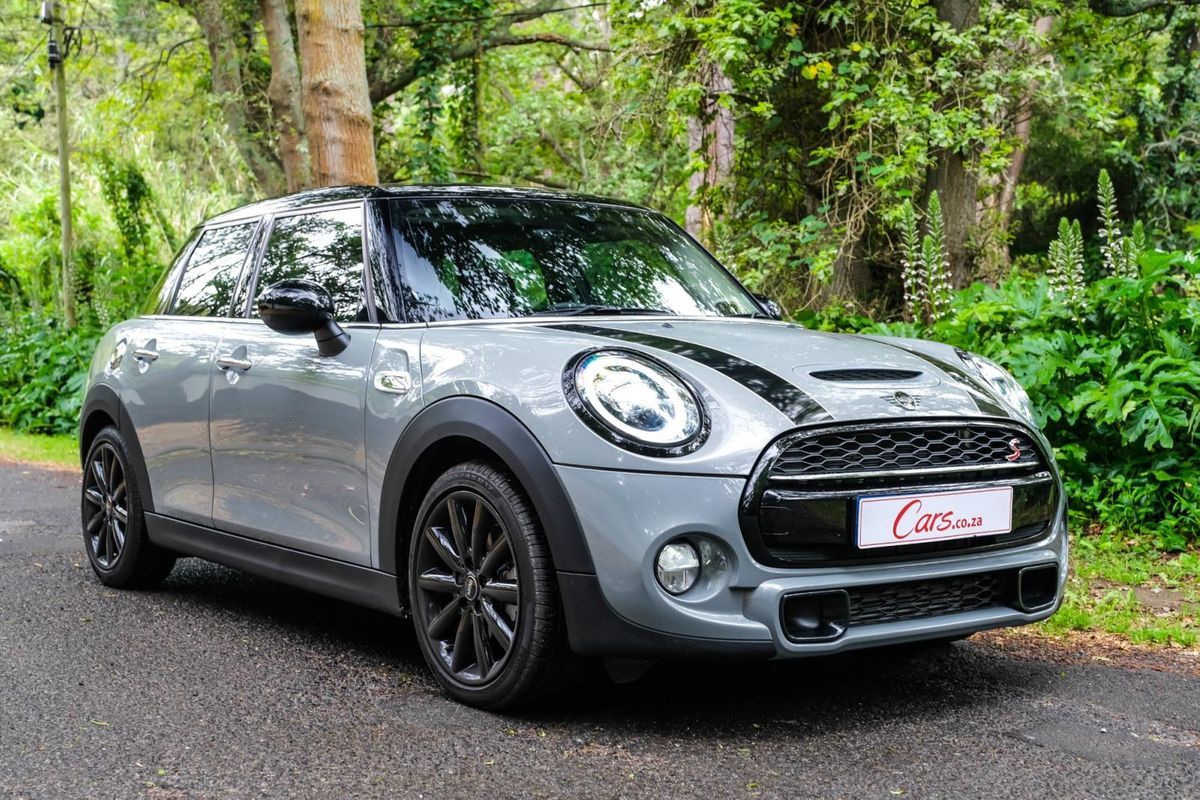
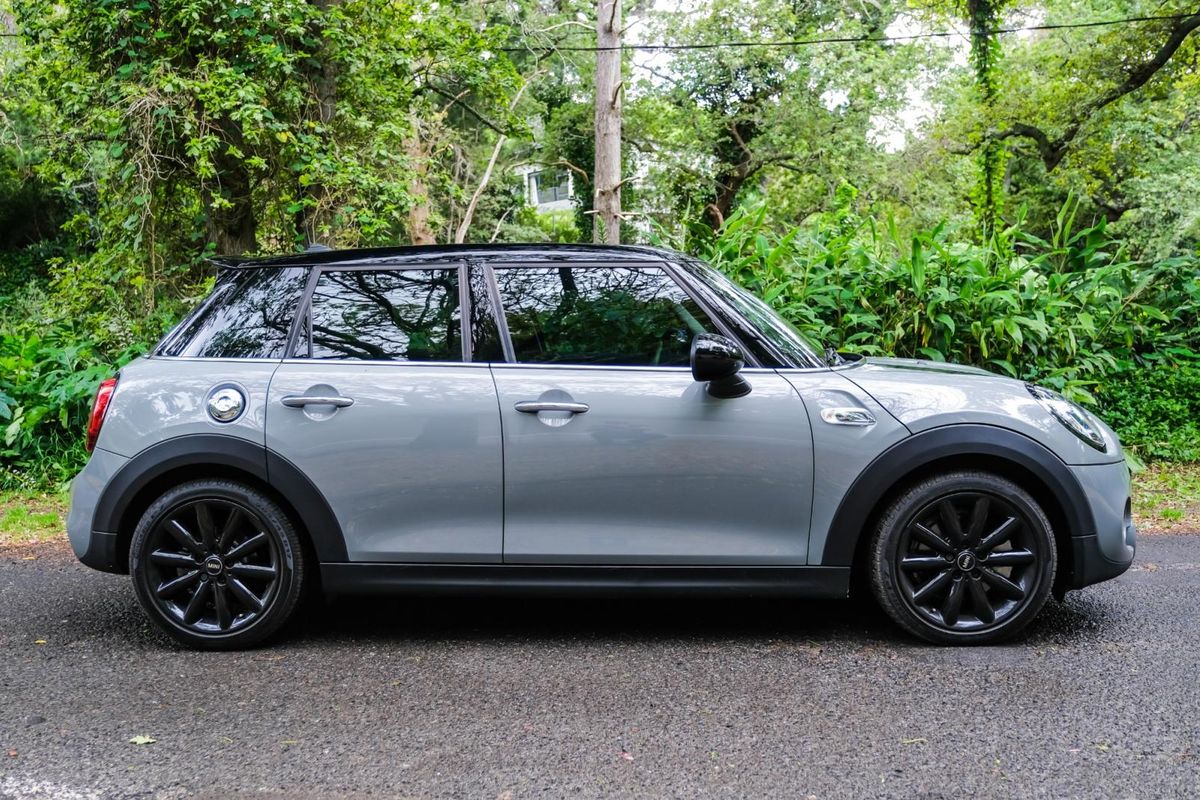
The Cooper S is a niche product in the local market and has quirky design appeal matched with punchy performance.
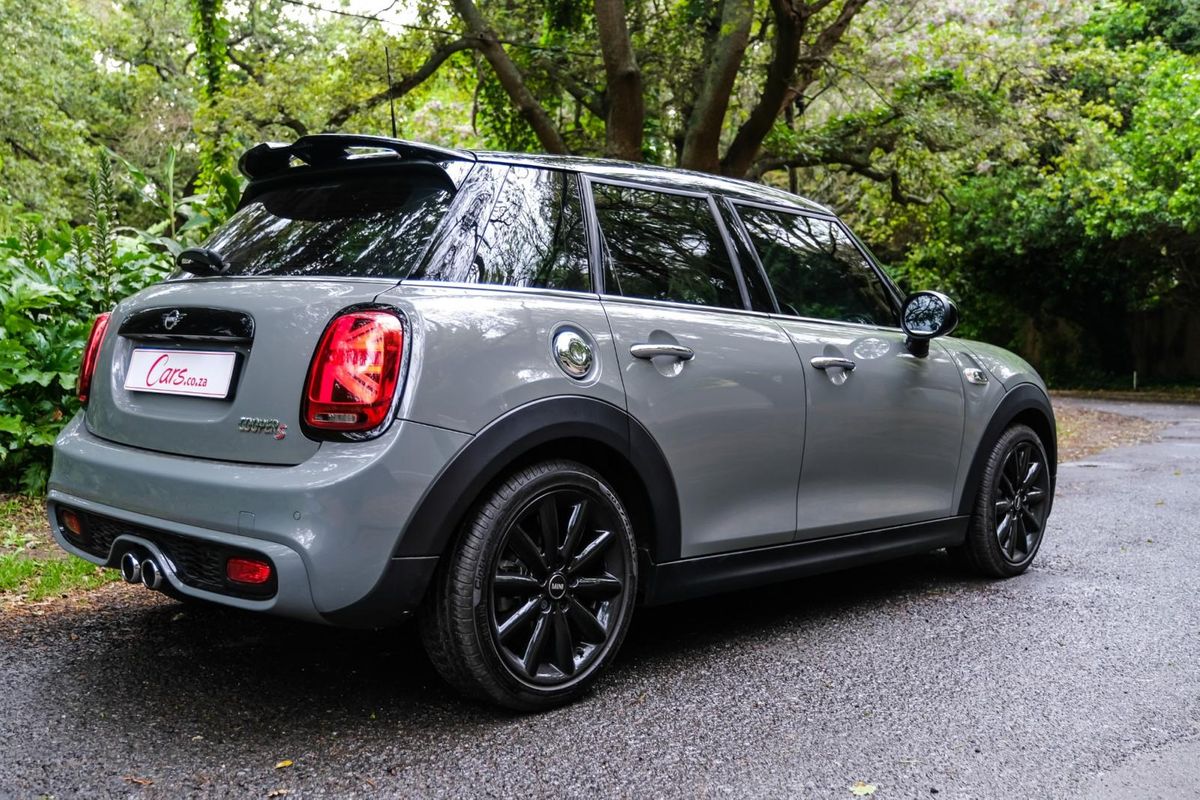
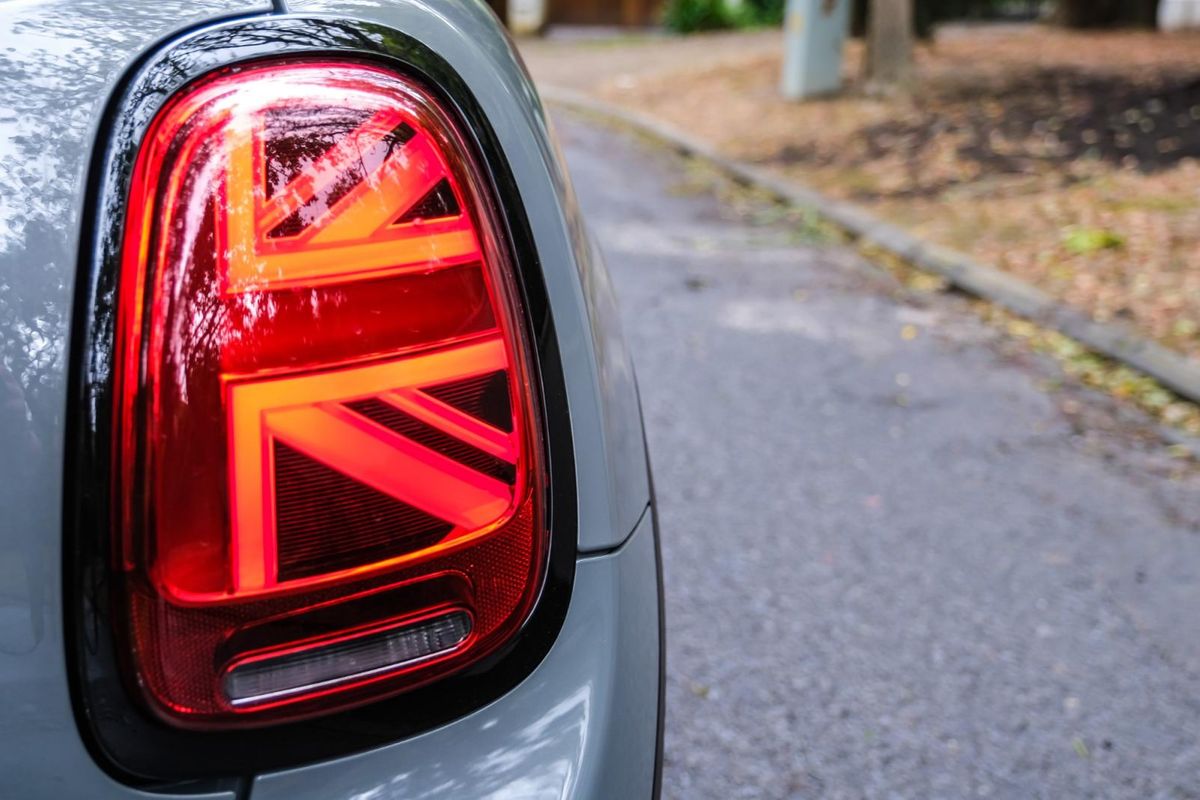
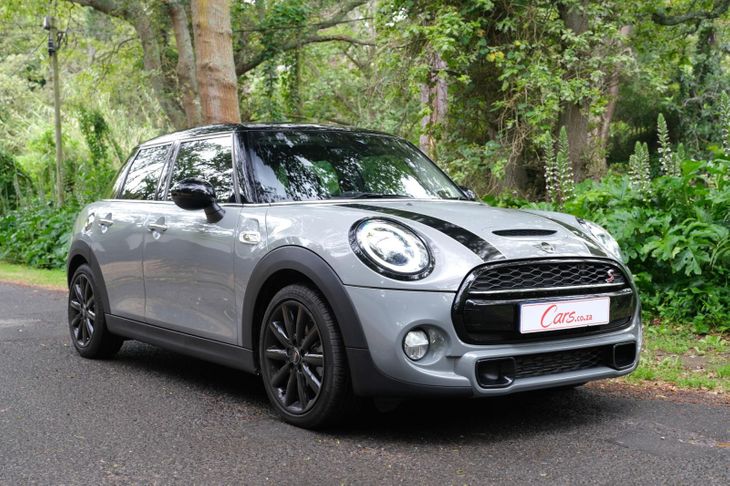
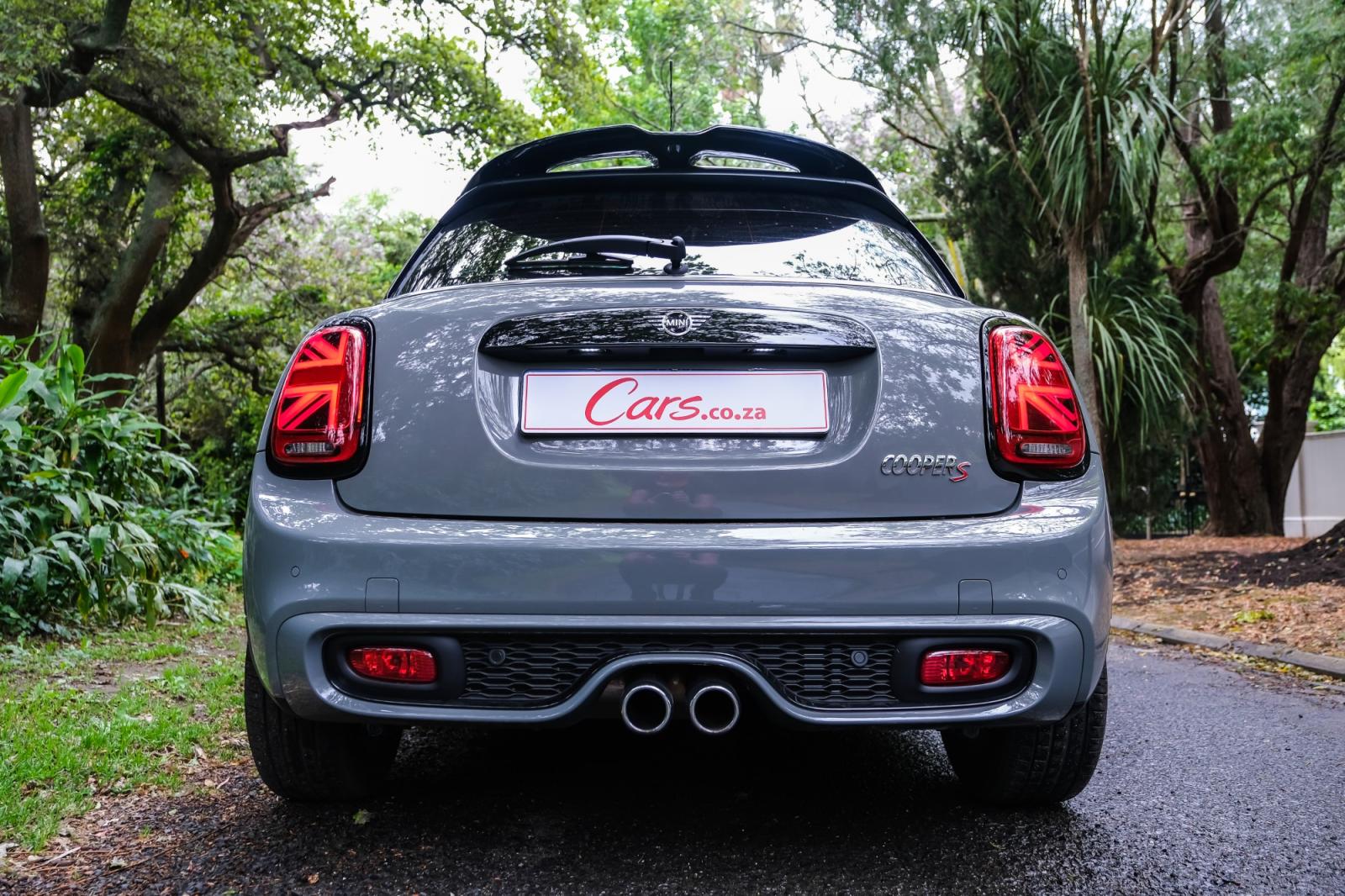
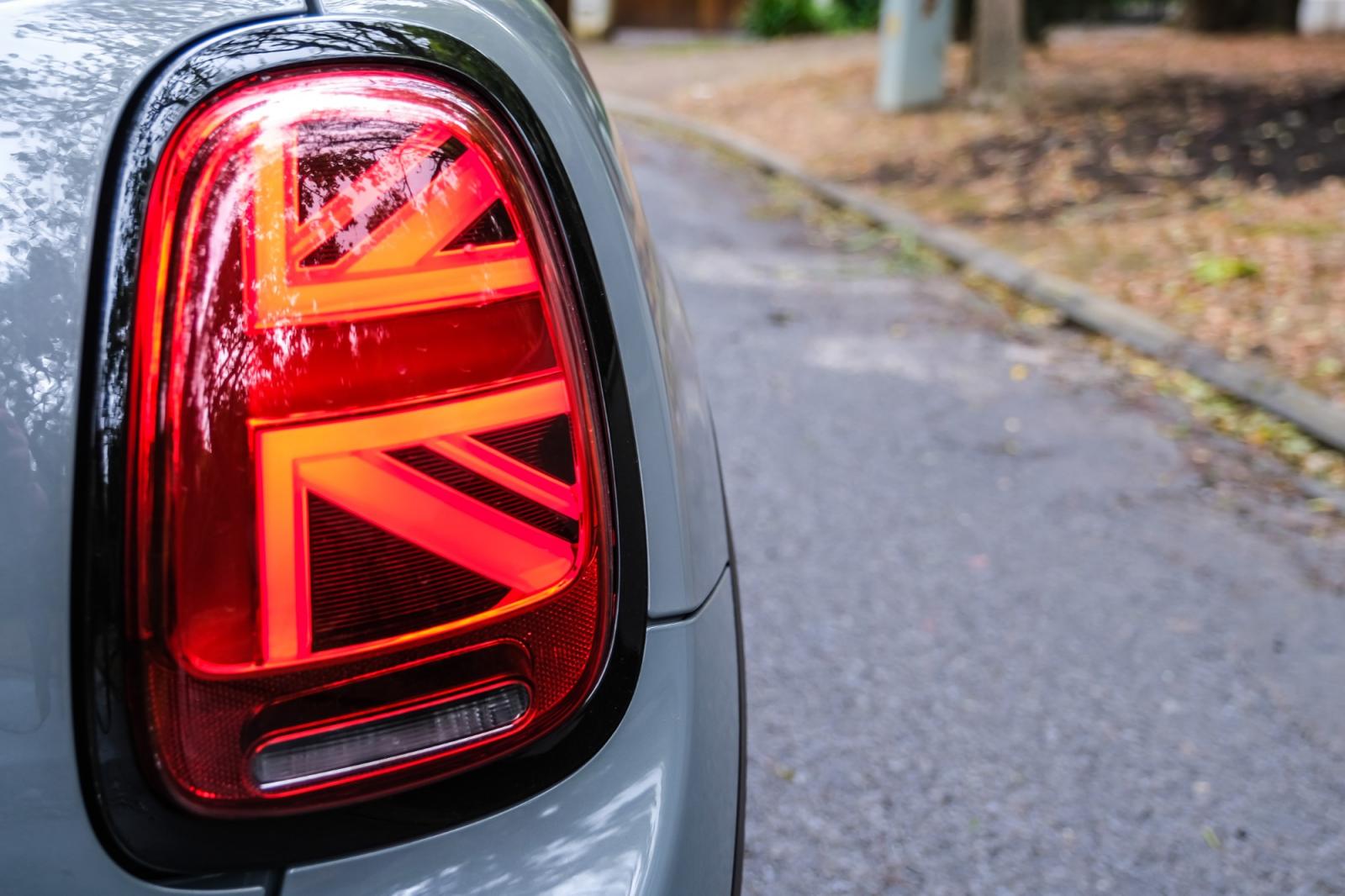
The Mini Cooper is well known for delivering a fun, go-kart-like driving experience, while also appealing to young (and young-at-heart) buyers with its funky design and packaging. The updated model offers much of the same as its 1st and 2nd-generation "New Mini" predecessors and the easiest way to recognise the facelifted 3rd-gen car is by spotting its thoughtful and striking Union-Jack tail lights or round daytime running lights.
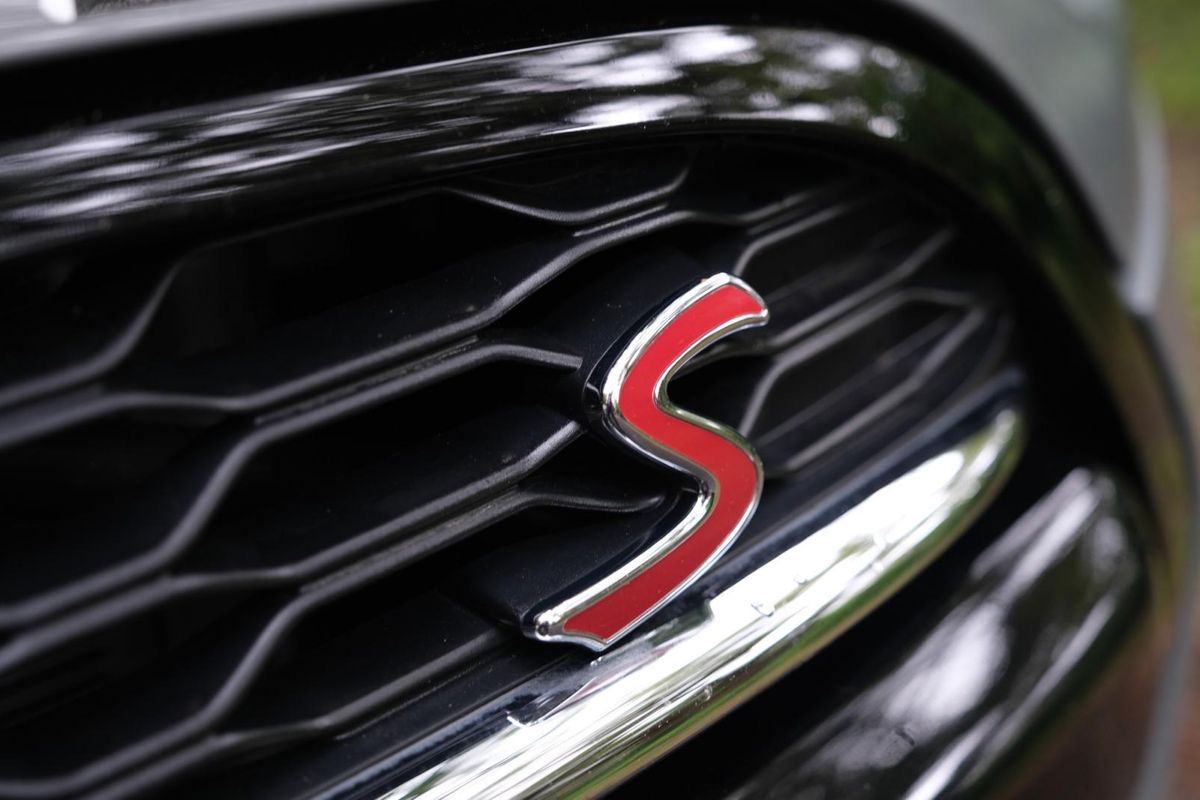
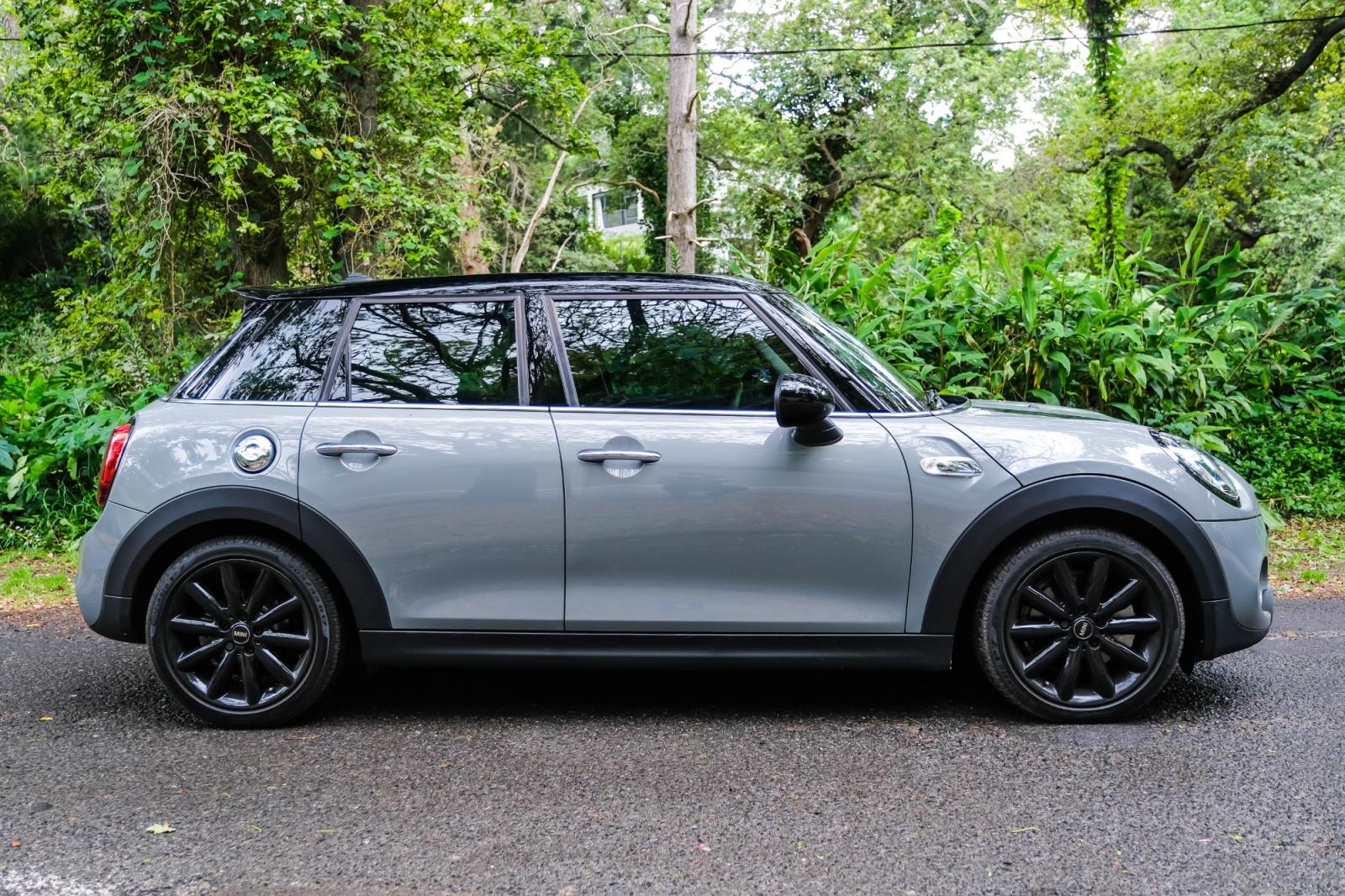
The Cooper’s styling and overall package offering, however, is not everyone’s cup of tea and it remains a niche product in the South African market. The S-flavoured Cooper is a bit more aggressively styled and looks to lure buyers looking for more performance punch. The Cooper S rivals products such as the Volkswagen Polo GTI and recently-introduced Audi A1 40TFSI. Is the Mini Cooper S fighting fit and will it suit your needs? Read on…
How it performs in terms of…
Performance and economy
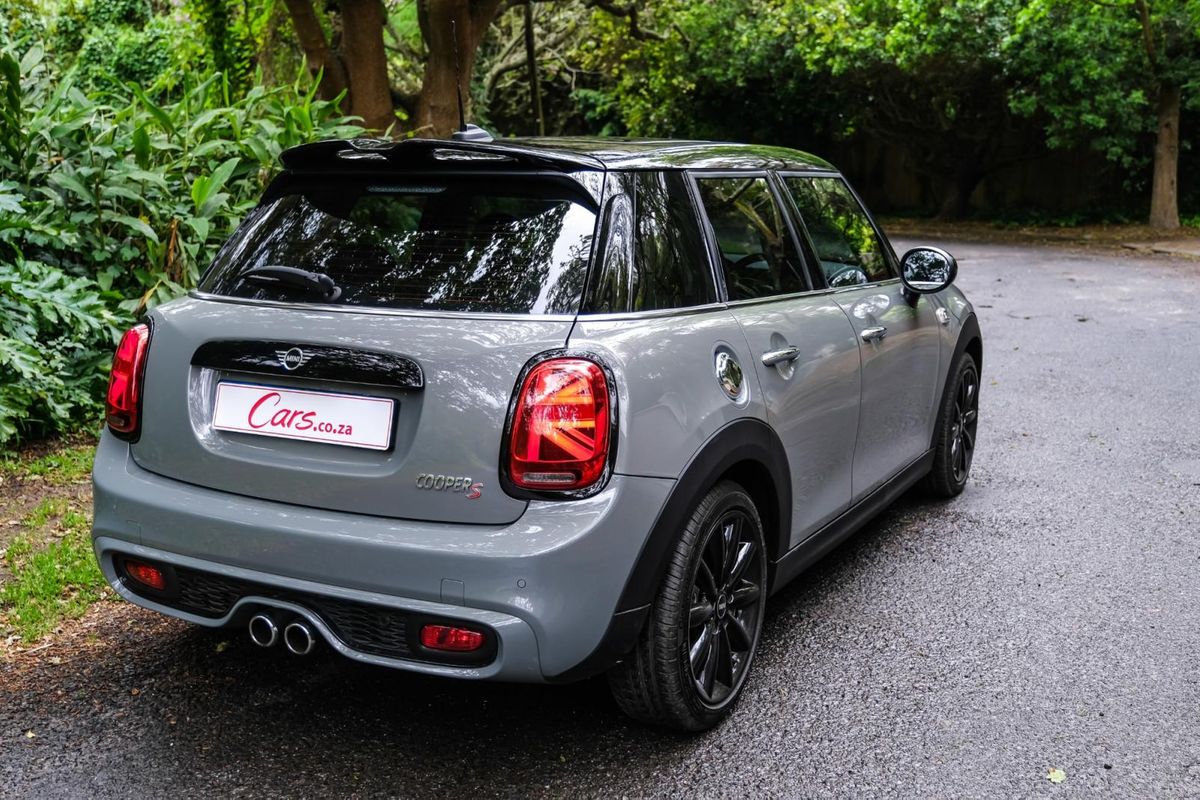
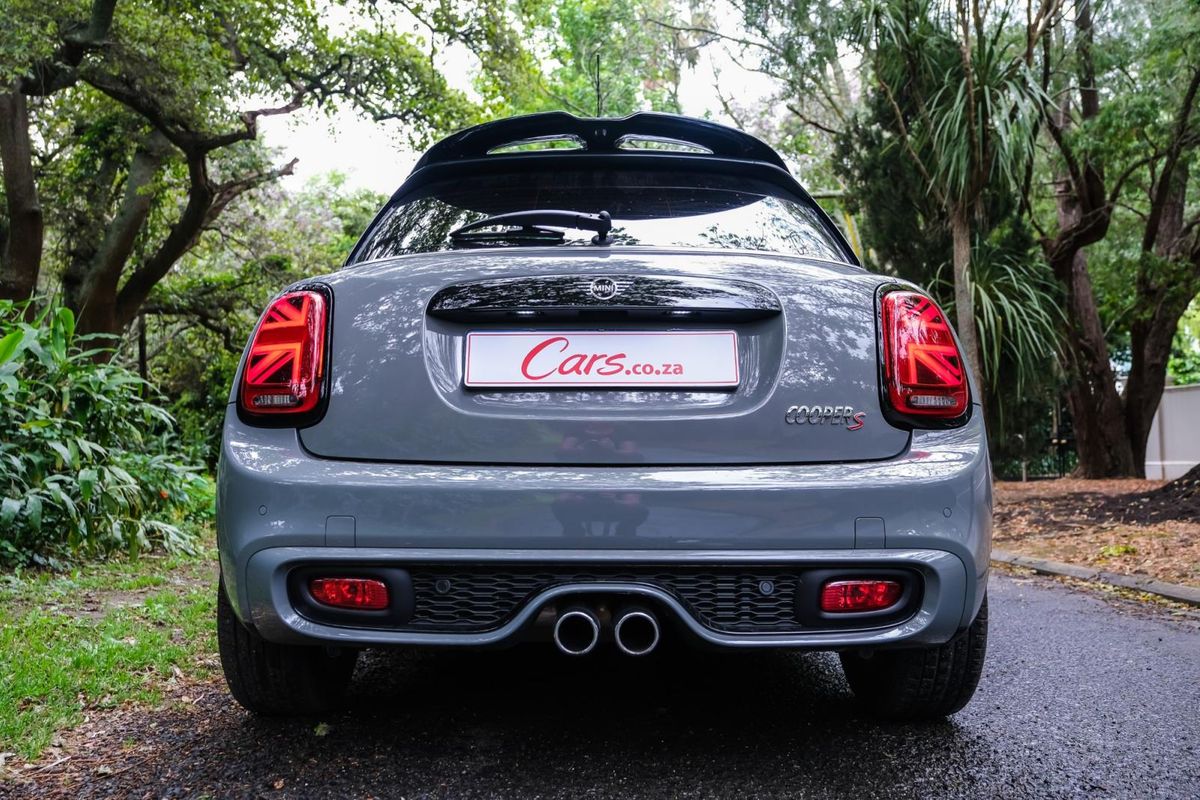
The central dual tailpipes allude to the Cooper S' performance intent and the Union Jack taillights are particularly striking.
There’s much to like about the 141 kW/280 Nm 2.0-litre turbopetrol engine wedged under the Cooper S' stubby bonnet. It's a punchy, yet refined powerplant, which, in combination with its 7-speed dual-clutch transmission, offers commendable performance. Simply pin your right foot to the floor and after the turbo spools up/overcomes its initial lag, the Cooper S accelerates from a standstill with zeal; it's marvellously nippy in traffic.
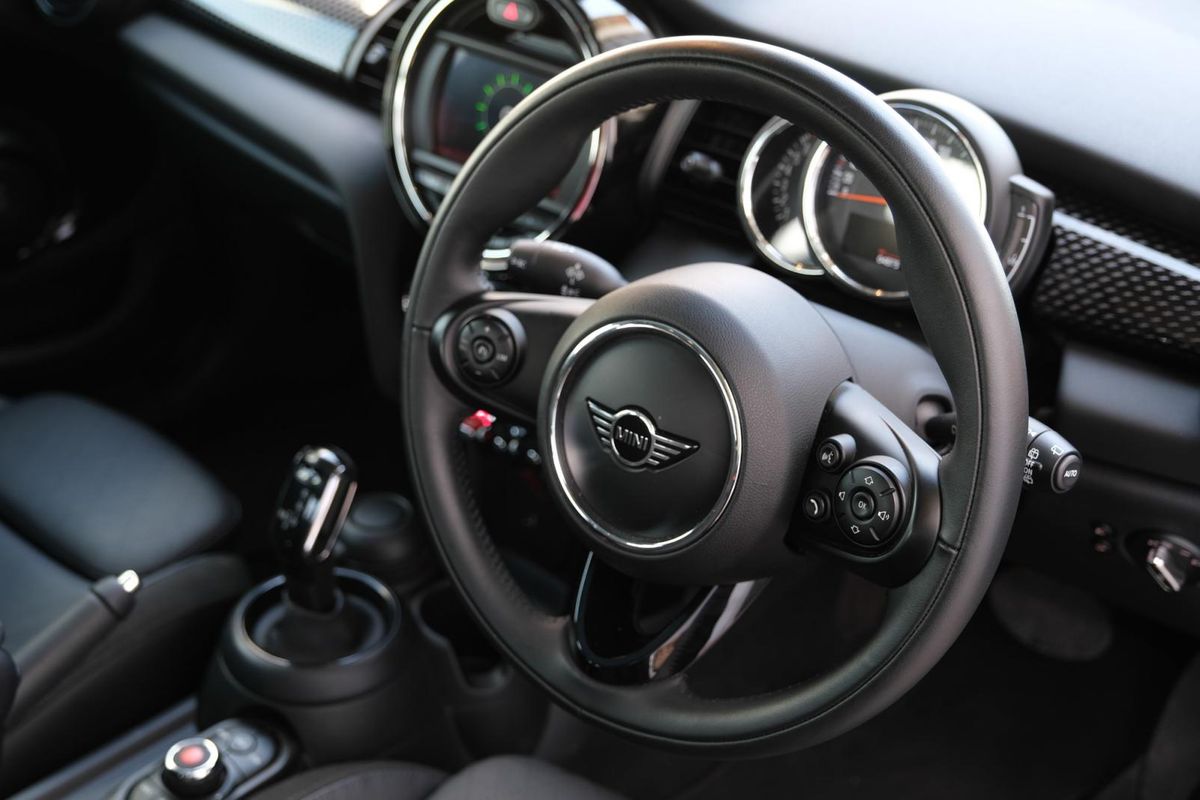
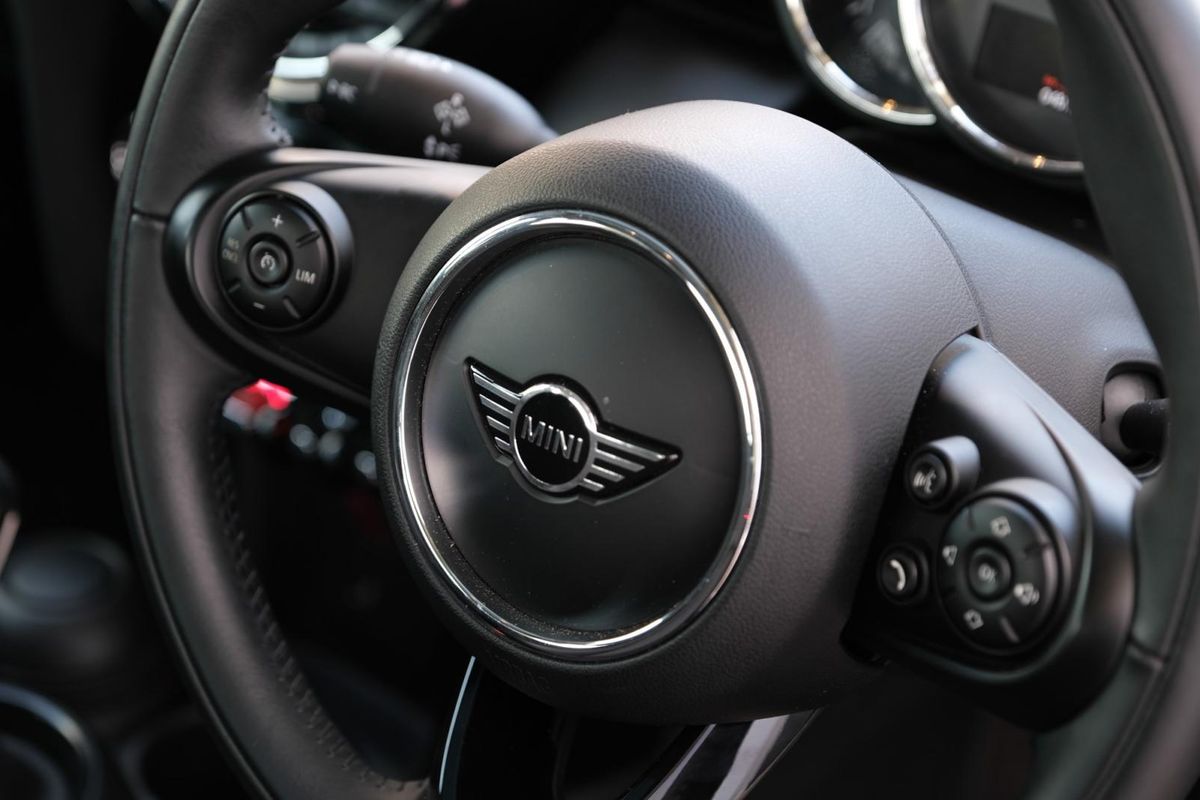
The transmission does a fair job of shifting gears, but we suggest you consider the sports-auto transmission (for an extra R3 300), which includes steering-wheel-mounted shift paddles. With them, you can actuate snappy manual shifts and extract more enjoyment from the driving experience. It shouldn't even be an option in what is meant to be a fun, performance-oriented hatchback, should it? The paddles should be standard!
Thanks to its keen acceleration, the Cooper S gets up to highway speed effortlessly and has no problems in executing quick overtaking manoeuvres. The rate of acceleration does taper off at the top end of the rev range, which reduces a bit of the fun when driving hard; by comparison, the engine in the Volkswagen Polo GTI and its cousin, the Audi A1 Sportback 40 TFSI, is happier to spin to its rev limit.
In terms of fuel economy, however, the Mini could raise its game… The Oxford-based manufacturer claims an ambitious combined fuel consumption figure of 5.4 L/100 km, but during our evaluation (which admittedly included a fair chunk of spirited driving) the Cooper S indicated an average of 9.8 L/100 km. It's a performance-oriented derivative, certainly, but with a more measured driving approach, that average should be reduced somewhat.
Ride and handling
The Cooper S shines in the handling department and it remains a fun car to drive on a daily basis.
The Cooper S' sheer depth of dynamic handling ability is arguably its strongest selling point. It’s hugely entertaining to pilot through corners at speed and, thanks to its relatively wide footprint (tracks), it usually has oodles of traction at its disposal and provides reassuring and surefooted handling. It’s no surprise the Cooper S (with sports automatic transmission) is a finalist in the Fun Hatch category of the #CarsAwards, powered by WesBank.
In terms of ride quality, the Cooper S' suspension is supple enough to be bearable on the daily commute (over roads of variable quality). Look, the Mini's ride is reasonably firm, to complement the car's sporty bent, but it’s only when traversing particularly nasty surfaces that suspension thuds translate to the cabin. It must also be mentioned that despite the Mini's low-profile tyres, road and wind noise is tolerable/relatively subdued.
Interior quality and features
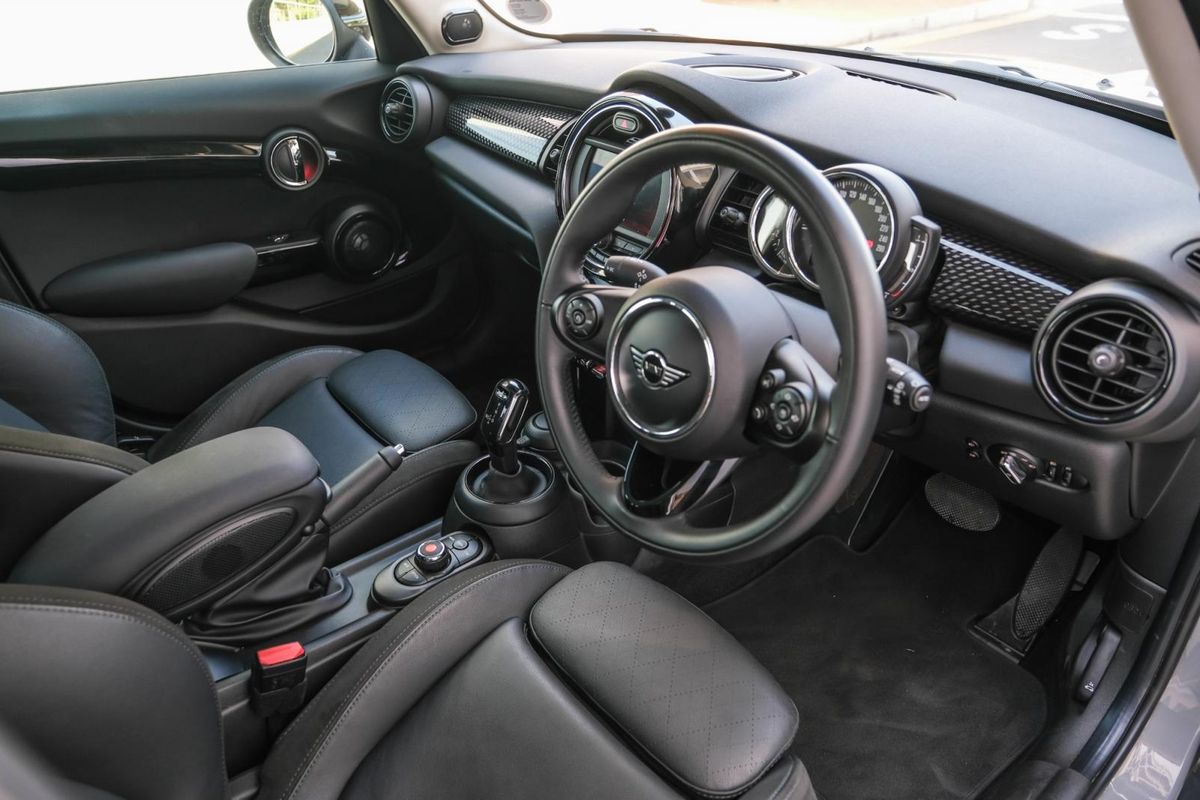
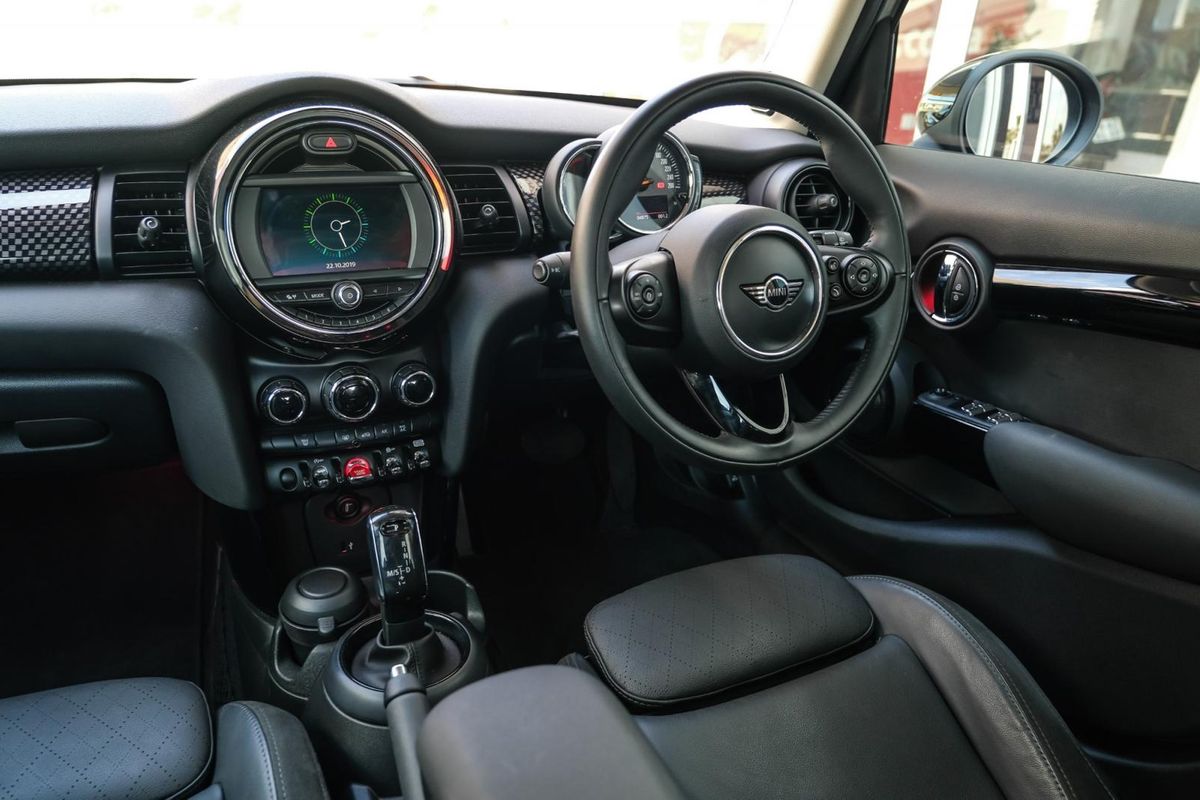
Perceived interior quality is good, but the interior is showing its compared to newer premium products on the market.
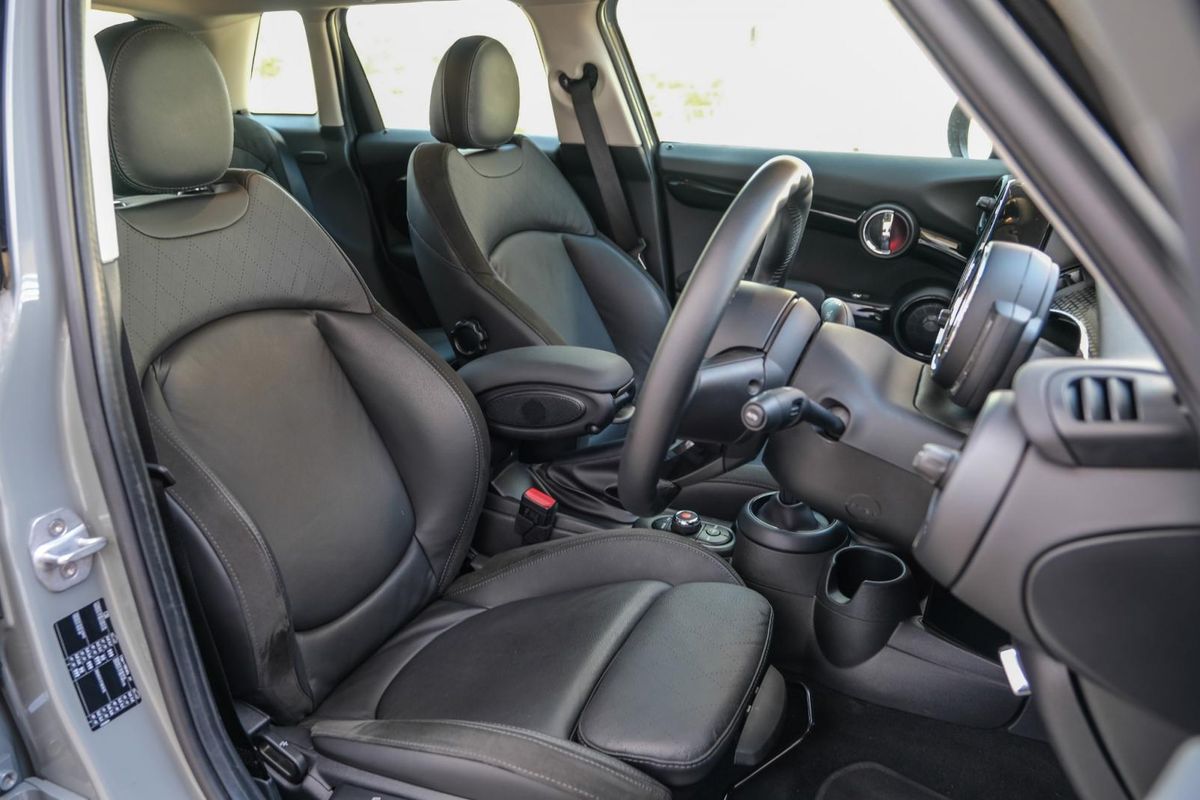
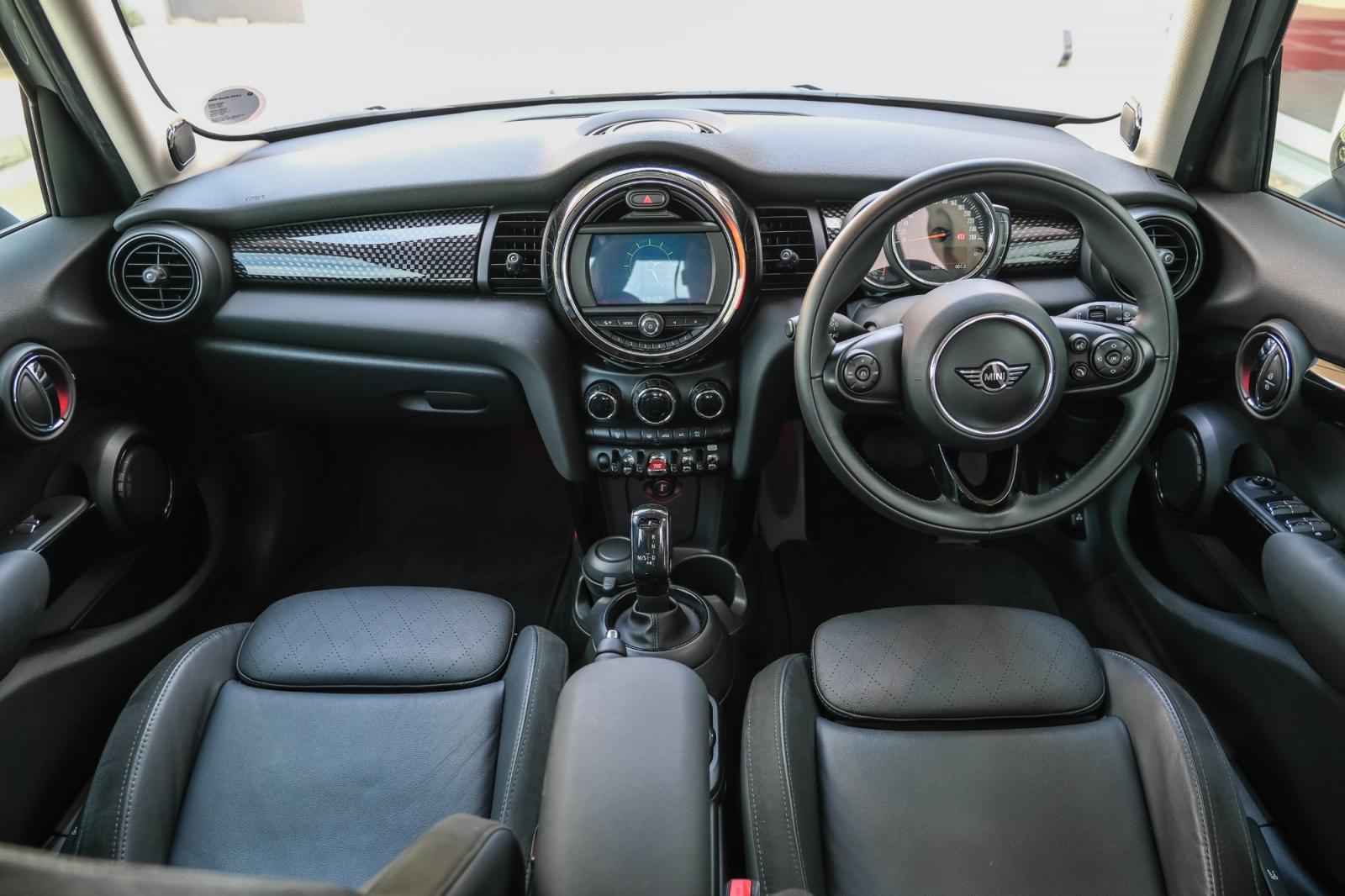
Interior build quality has not been a strength of the Cooper package in the past, but to Mini's credit, the British manufacturer has made incremental gains per generation. Its interior design offers a lively, colourful and youthful appeal that other offerings in the premium hatchback segment can’t match. Good perceived quality and personality count for a lot, but it’s not a styling approach that will appeal to an older, more sophisticated clientele.
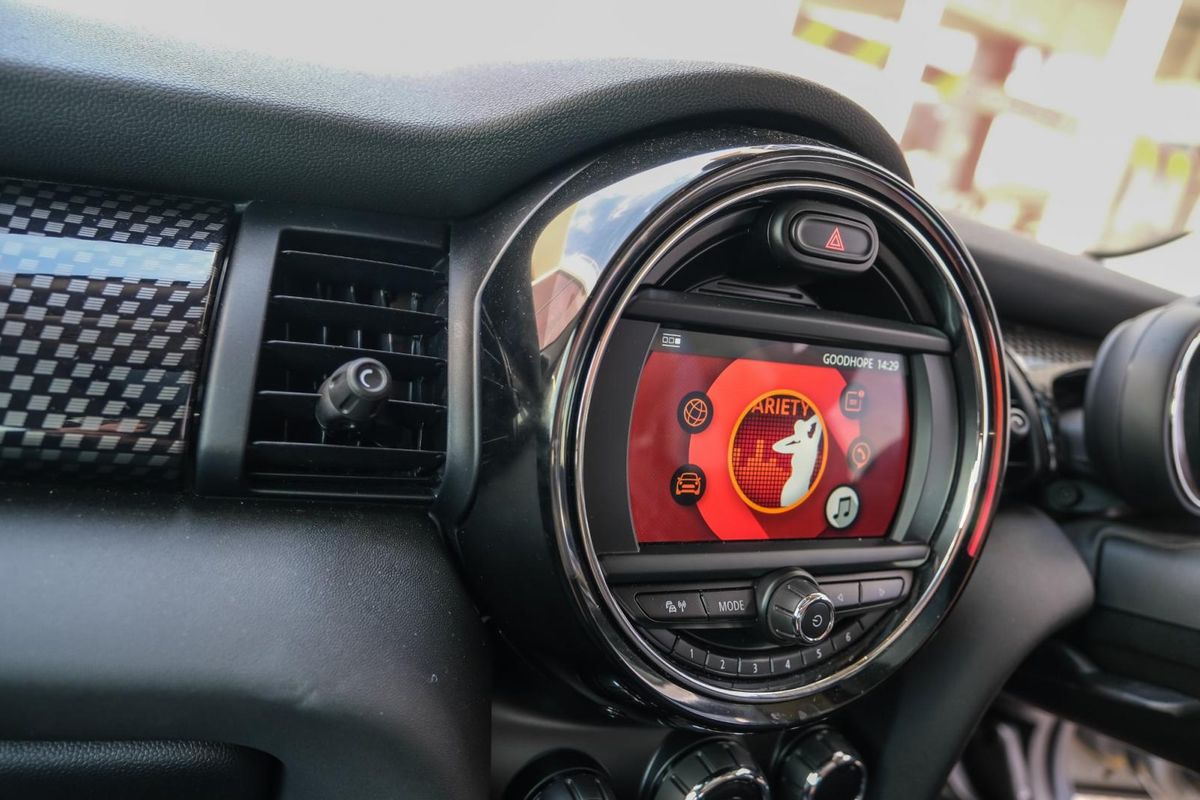
The central and circular 6.5-inch infotainment system can be controlled by touch or by using the rotary controller, which does look old now when compared to newer products on the market. What's more, design of the steering wheel (including its controls) is also showing its age, in our opinion.
The excitable light ring around the infotainment system (or Visual Boost, as Mini calls it) never gets old though and it gives the cabin some colourful disco flair. This particular test unit was equipped with a basic infotainment system that offers Bluetooth and USB functionality. That said, you will have to spend more if you want features such as navigation and complete smartphone integration.
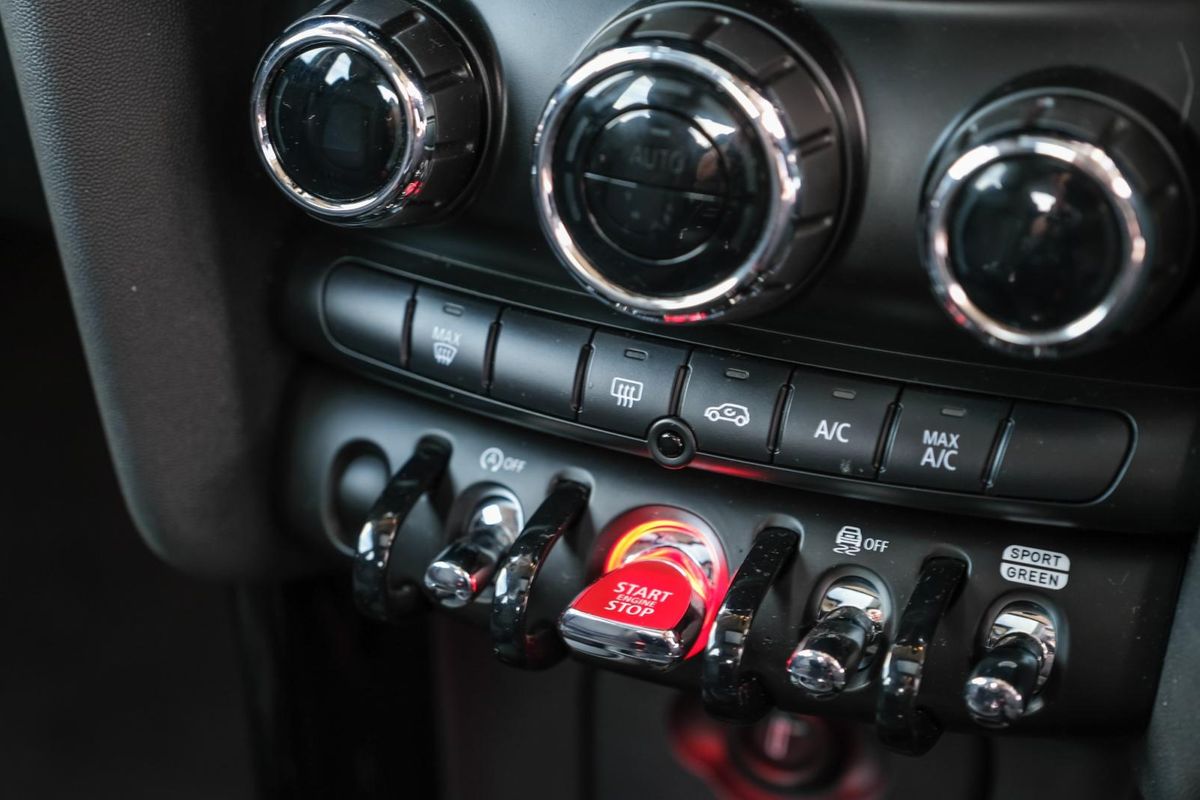
Other useful standard features include cruise control, climate control airconditioning, keyless start and rear park distance control. Customisation remains a key selling point for Mini and you can go wild on optional features to tailor the Cooper S to your own personal taste. This will, however, increase the final price of the car significantly, so be aware when ticking off options…
Practicality
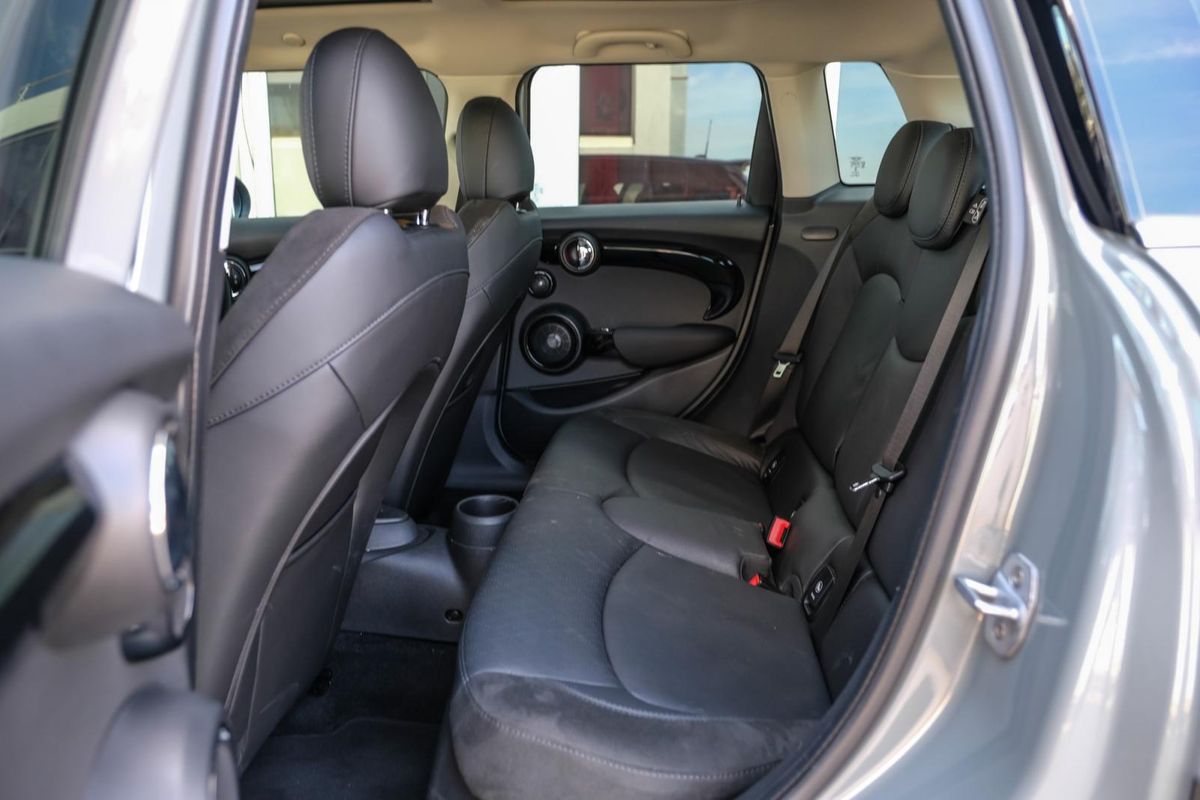
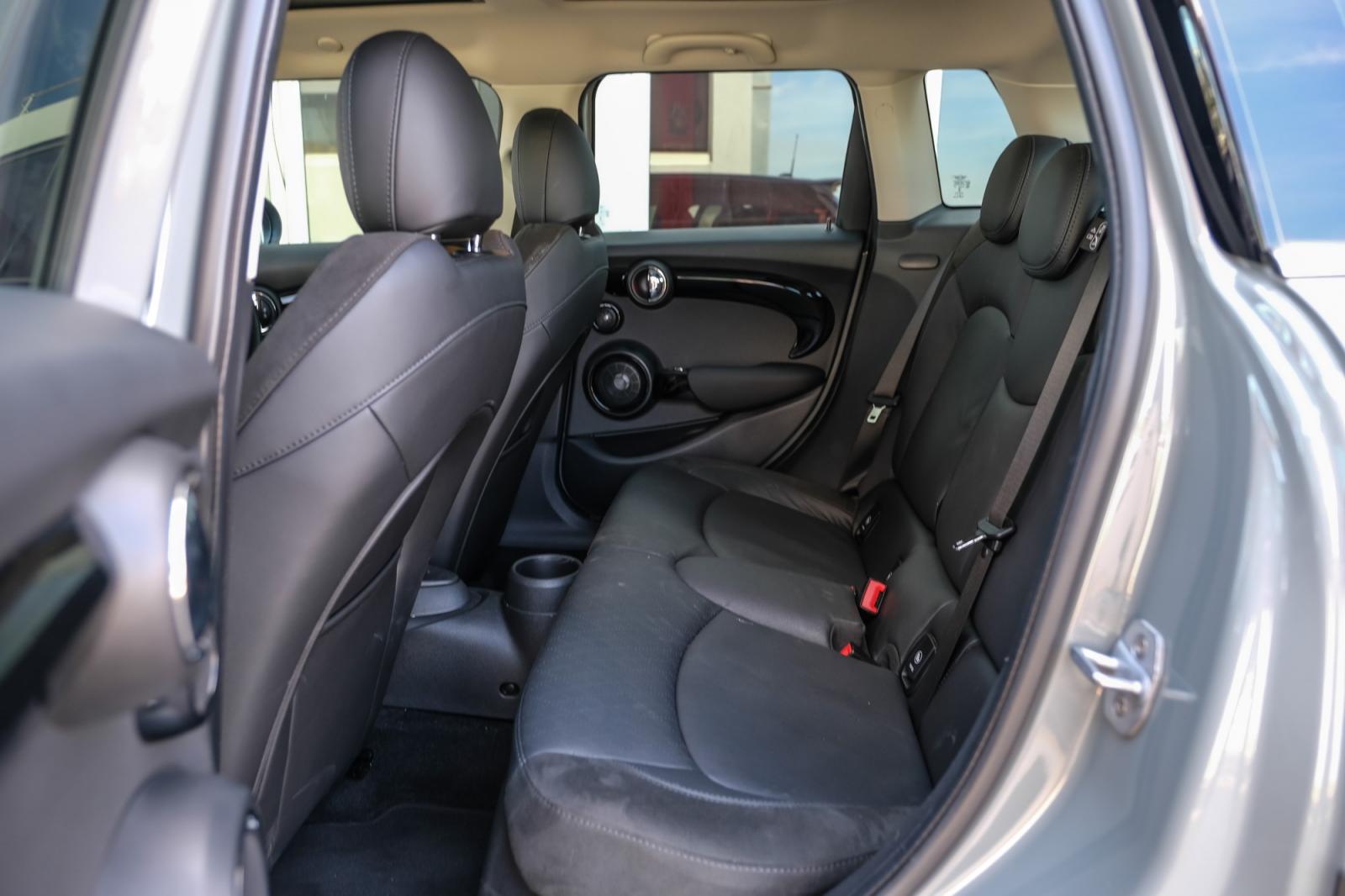
Adults will find the rear cabin to be cramped and rear load space could be better…
Practicality is not the Cooper S' strongest suit. From the driver’s seat, you will notice that the front cabin area is quite intimate and engaging, or small and cramped, depending on your point of view. The central armrest remains a divisive feature; it provides some relief for the driver's left arm when you're cruising, yet it has an annoying habit of getting in the way of your elbow when it’s in its raised position. There are bottle holders in the door mouldings, but, apart from the 2 front cupholders and a small central bin, space for oddments is quite limited.
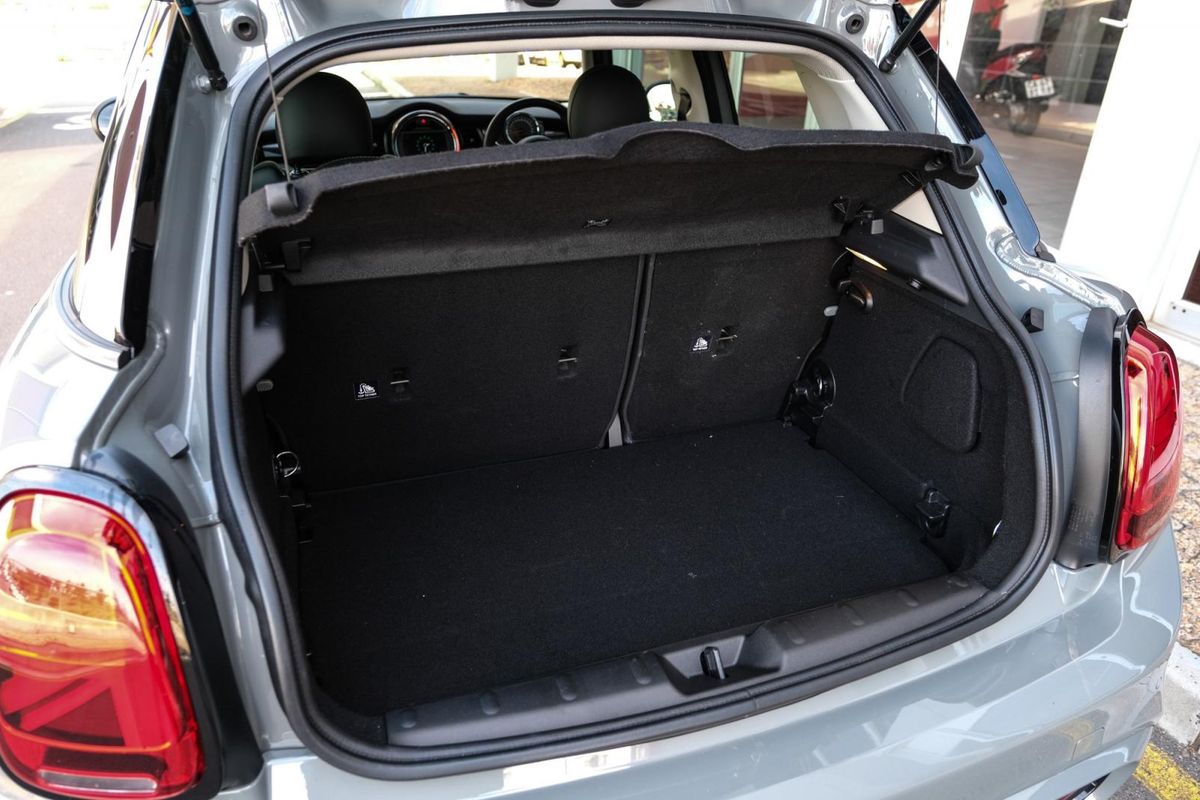
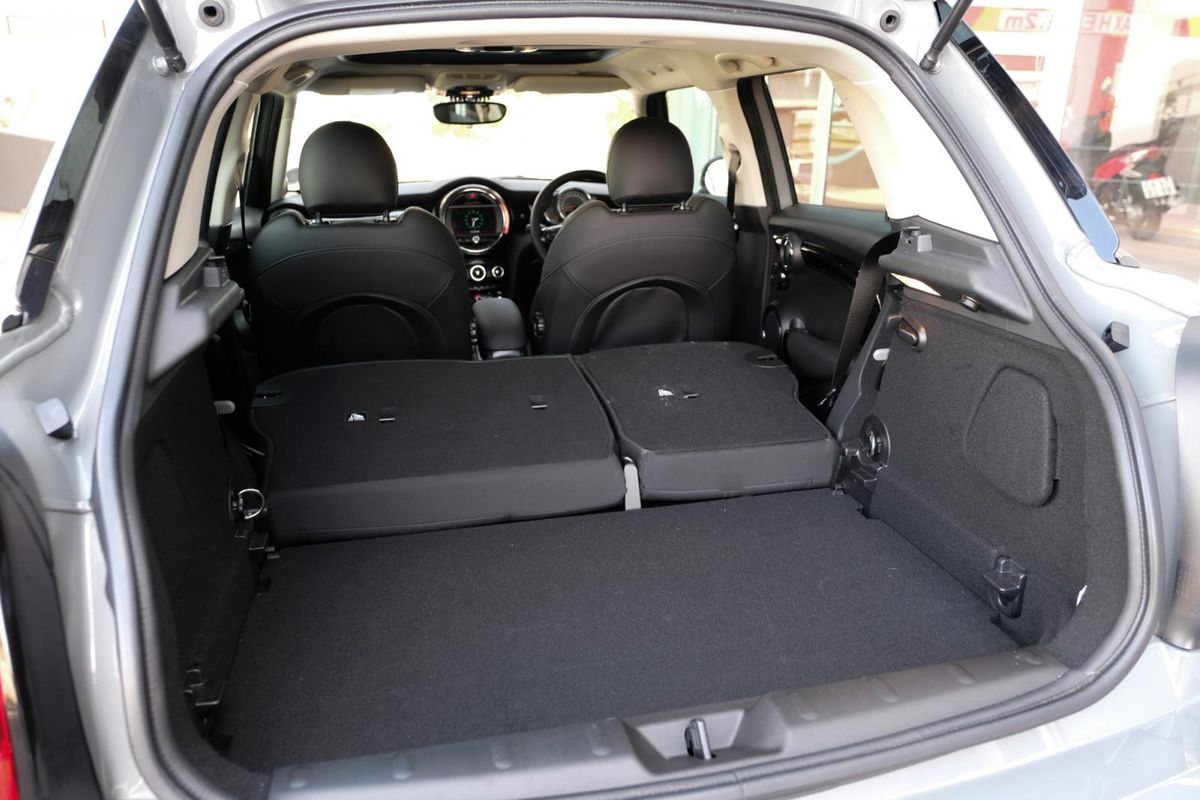
Talking about limited space, rear legroom is a tight affair; adults will struggle to get comfortable on the aft bench. Space doesn’t improve in the load bay either: Mini claims a capacity of 278 litres, which is notably less than rivals such as the new Audi A1 (335 litres) and Volkswagen Polo GTI (305 litres), both of which are underpinned by the space-optimised MQB platform. Utility space does expand to a claimed 941 litres when the 60:40-split seatback is folded down.
With the above in mind, it makes sense that the Mini Cooper S will be more suited to a young single person, childless couple or empty-nesters.
Pricing and warranty
The Mini Cooper S hatchback is priced from R473 380 and is sold with a 2-year/unlimited km warranty and a 5-year/100 000km maintenance plan.
The Mini Cooper S has its appeal, but newer products offer more in terms of premium appeal and performance.
If you are looking for a premium hatchback that offers punchy performance, fun handling ability and youthful (design) appeal, then perhaps the Cooper S is worth a closer look, but you must consider and think about a few factors first. It’s a niche product and has a few drawbacks, of which its lack of interior and luggage space are the principal ones.
As it stands, the Cooper S is pricey and, if you are ticking off desirable options then the price will escalate above R500k and beyond very quickly. If you are okay with that, then you also need to consider looking at newer premium hatchbacks such as the Audi A1 and Mercedes-Benz A-Class, which are arguably more stylish and sophisticated than the ageing Mini Cooper S. Those rivals are also more spacious, practical and arguably more premium than the Mini.
From a performance perspective, the Mini Cooper S is somewhat outgunned by the similarly-priced Audi A1 40 TFSI Sportback, as well as the considerably-cheaper Volkswagen Polo GTI. Now that newer products have joined this segment, the Mini's no longer the default choice for driving enthusiasts, but the Cooper S still has its charm and if you are willing to accept its quirks, you’ll have tonnes of fun behind the wheel.
Suzuki has debuted a bolder version of its popular Swift hatchback, in Thailand. The fourth-generation Suzuki Swift is one of the Japanese brand’s core products and to bridge the dynamic image appeal between Swift Sport and the less dramatic derivatives, enter the Extreme.
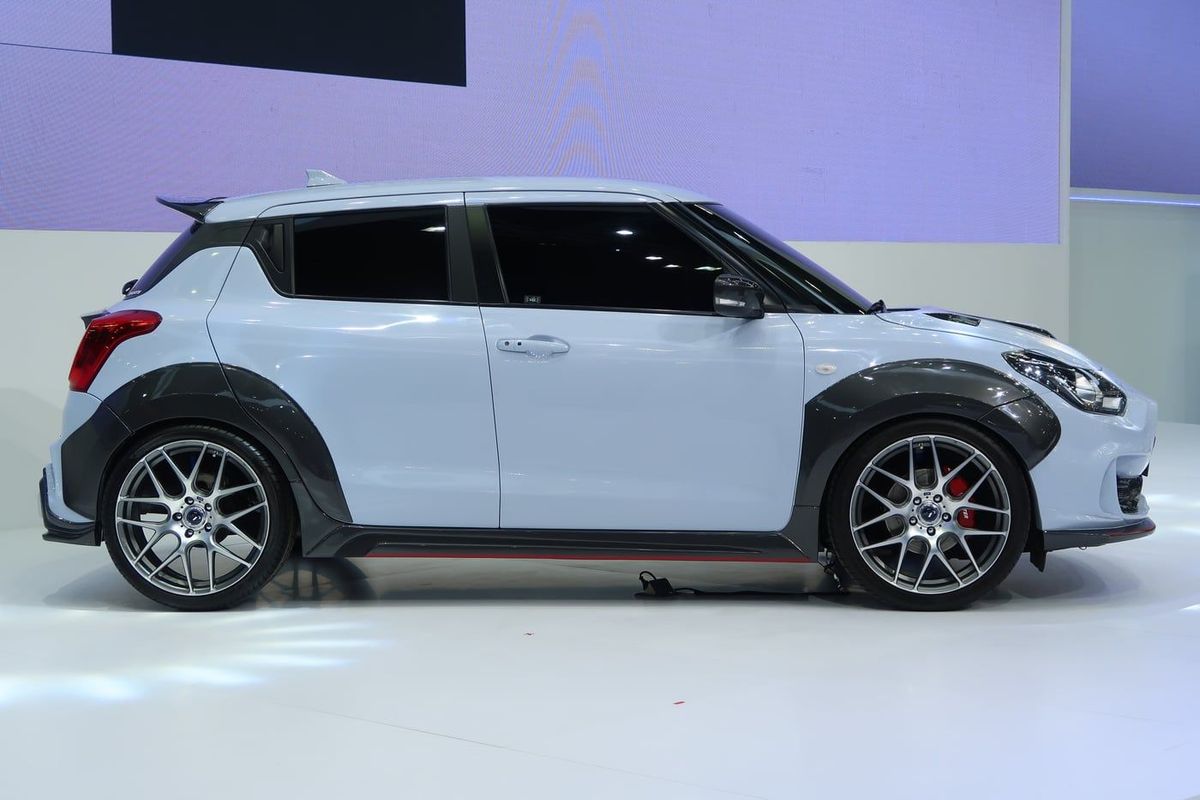
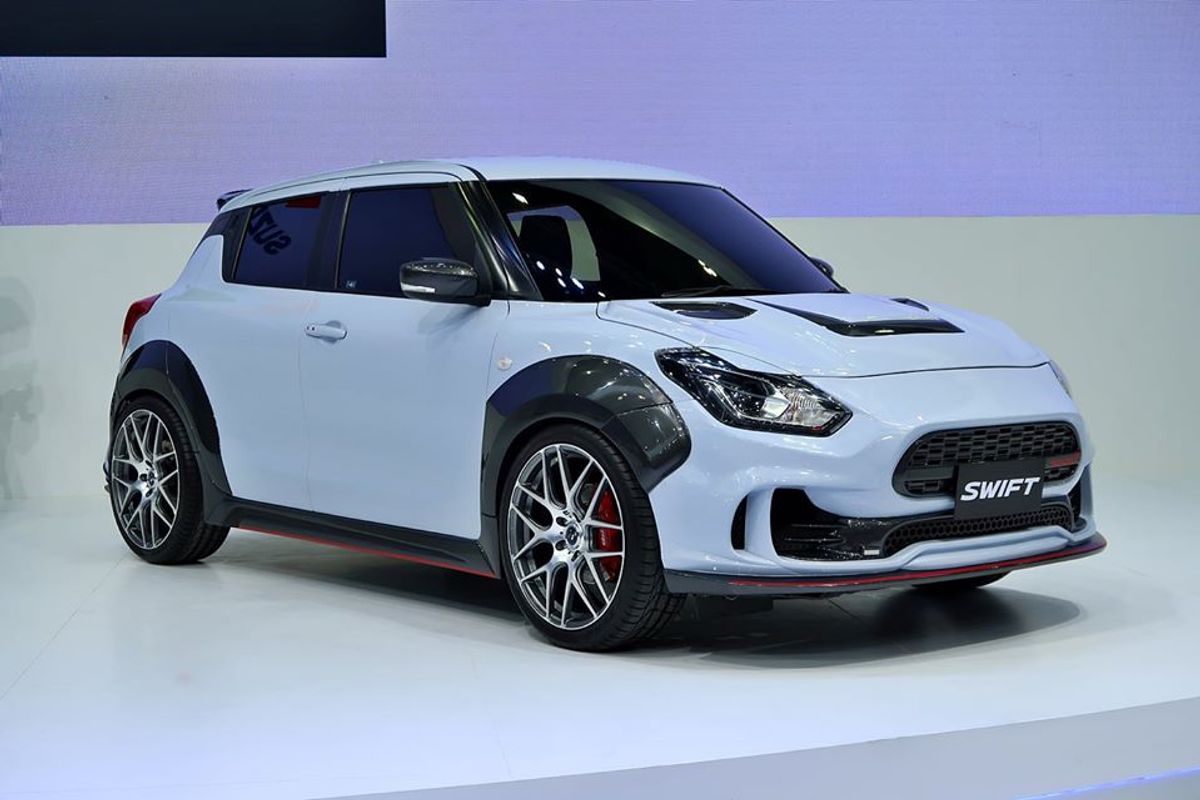
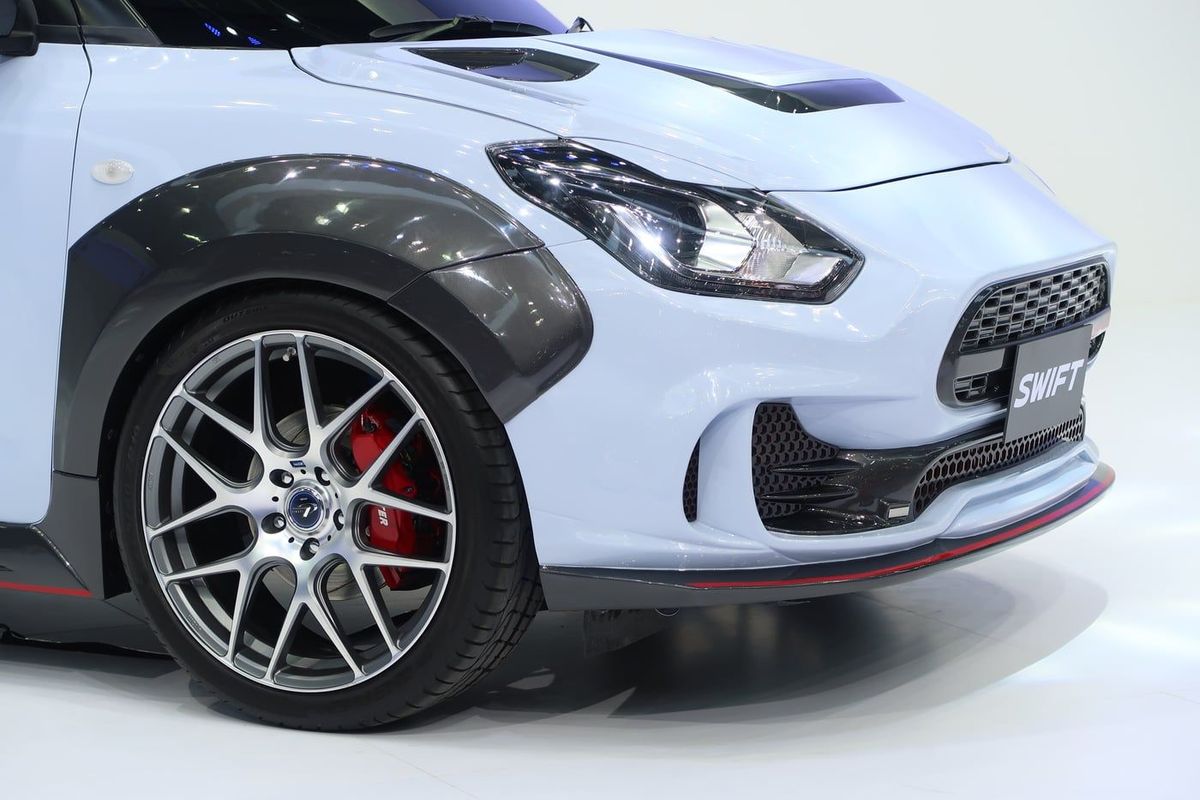
Revealed at an auto show in Thailand, the Swift Extreme concept shows how receptive the current hatch is to design upgrades without spoiling its proportions. Suzuki’s design team has added all the requisite styling details you’d expect on a youth-orientated performance hatch.
Viewed from the front there is a blacked-out grille and new bumper moulding. Underscoring the grille is a splitter and dominating the Swift Extreme’s front view is a reshaped bonnet with air vents punched into its surfacing. In its side profile the Swift Extreme rolls a new alloy wheel design (of unspecified size) and features huge fender flares.
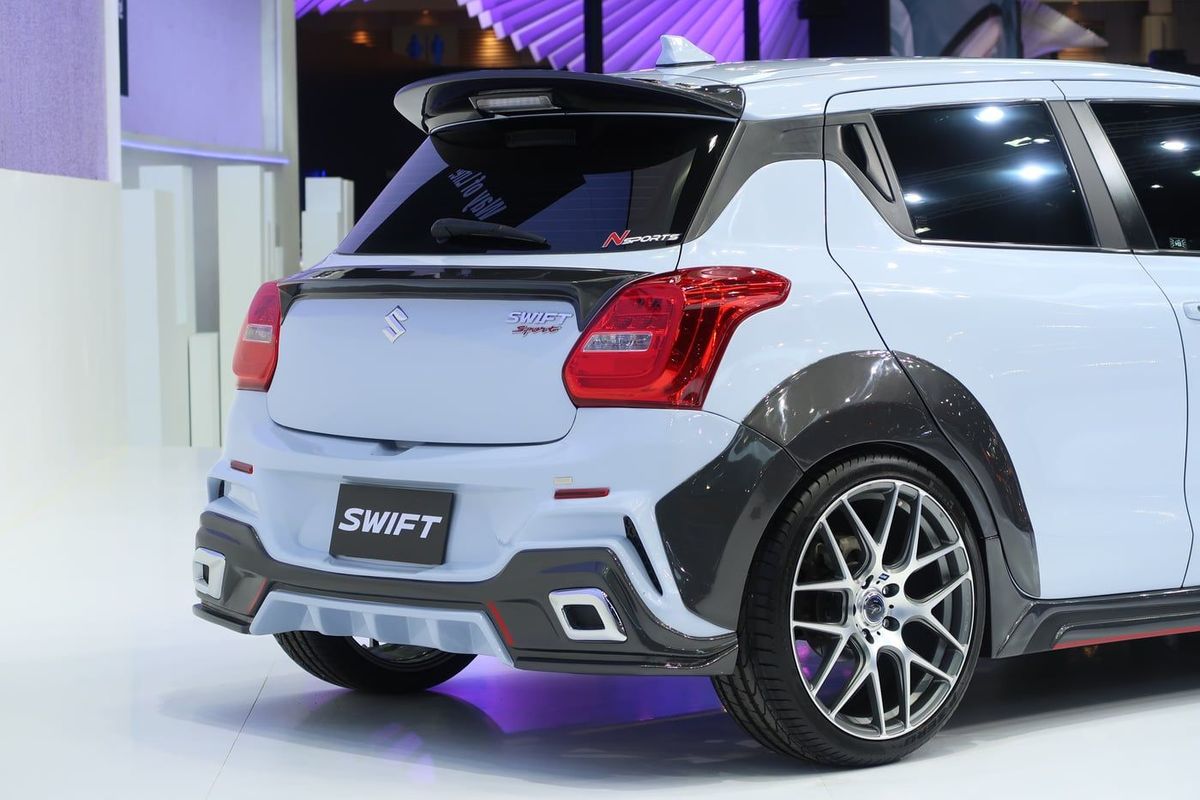
Around the rear there are dual fixed spoilers, one the roofline and other applied to the hatch's lower tailgate section. Suzuki has also added a body-coloured diffuser, framing the rear bumper, with integrated square exhaust ends. For the moment this Suzuki Swift Extreme is purely a concept car, but all the parts appear to be of a production specification. There is a likelihood that some of these Extreme accessories could become optional upgrades in future. They would appeal to those Swift owners who desire a more dynamic appearance but don’t quite want to commit to the full Swift Sport ownership experience.
This is the second look at the forthcoming Toyota GR Yaris, which will be revealed at the Tokyo Auto Salon in January 2020.
The Toyota GR Yaris is not just a hotted-up version of the consumer hatchback, but rather the second sports car engineered by GR after the Supra.
With technology lifted straight from the Toyota Gazoo Racing rally car, the GR Yaris is going to be quite a little weapon when it's officially revealed in January 2020 at the Tokyo Auto Salon.
Not much is known about its powertrain, but guesses range from a big lumpy 2.0-litre turbo 4-pot to a downsized-yet-punchy triple turbo. All we know is that if GR has given the Yaris the same level of performance and engineering prowess as the Supra, this is going to be one serious little hot hatch!
Since its global launch in 2017, Atlas has been hugely successful, with most of its demand coming from North America and China.
Built on VW’s advanced MQB platform, it is the largest vehicle evolved from this Golf-sized structure. Positioned between Tiguan (which it shares a platform with) and Touareg, the Atlas would compete with Fortuner, if it were available in South Africa.
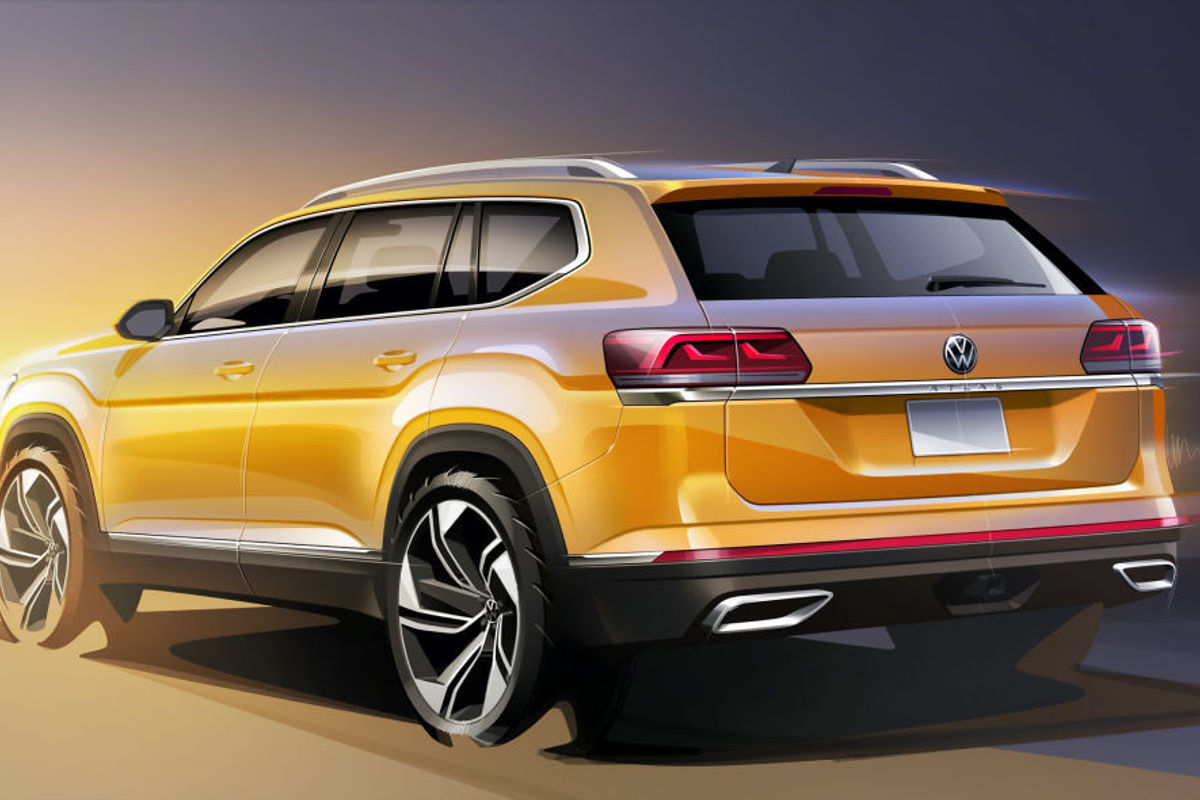
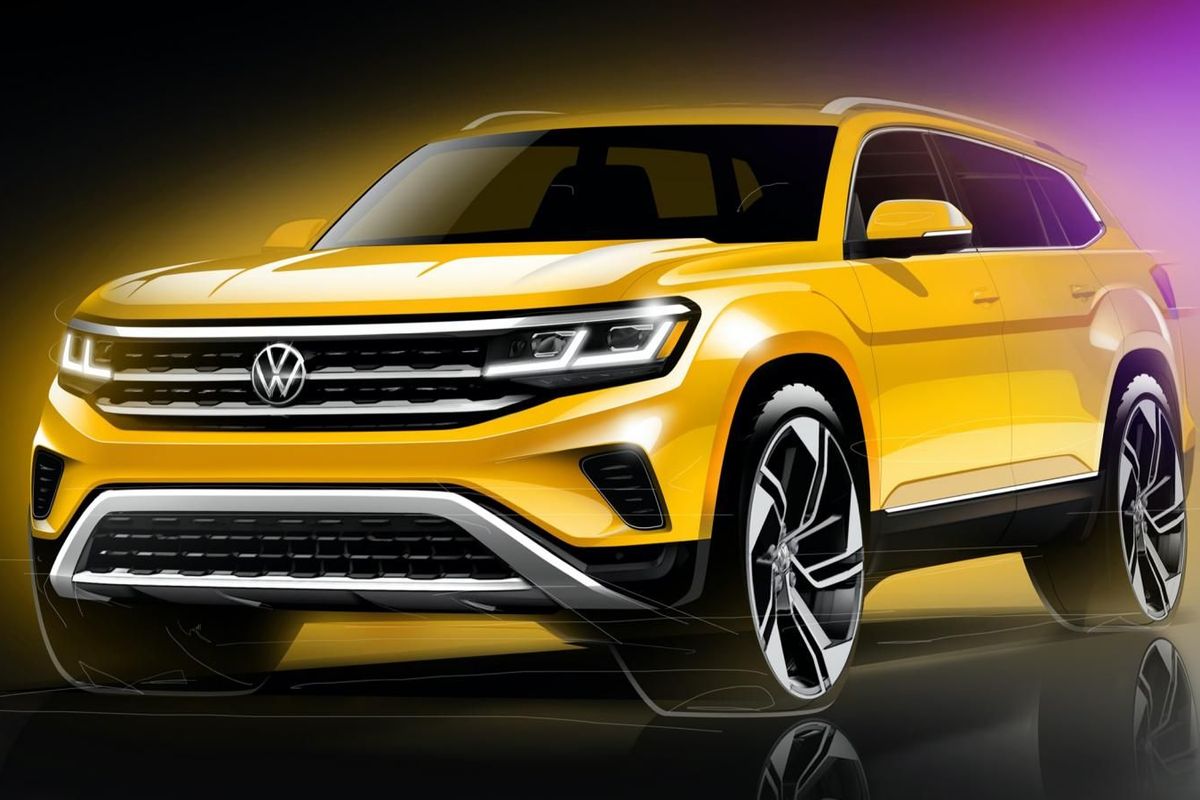
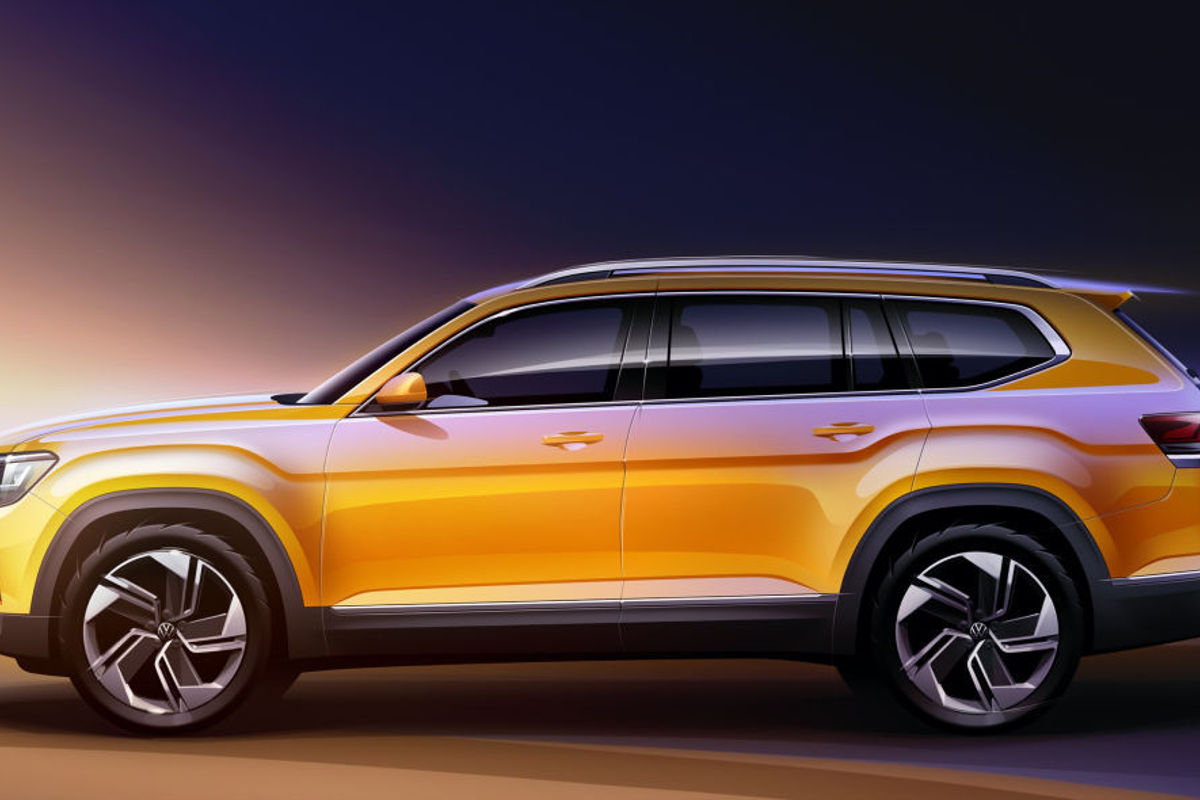
VW is readying a product update for the Atlas and some official sketches give us a clearer idea of what the facelift will look like when it is revealed in early in 2020.
Engineers and designers have created a new front bumper, which also reshapes the fascia and grille surround. This new bumper has special pedestrian safety impact absorption properties and is part of the 76 mm overall increase in length.
Measured bumper-to-bumper the new Atlas is 5 116 mm, which makes it a 630 mm longer than its MQB platform twin, the Tiguan.
Other discernible styling changes are LED headlights and around the rear, 2020 model year Atlas features a remoulded bumper design (framed by a full-length horizontal reflector strip) and revised light clusters.
Technical changes include additional driver assistance systems, such as road sign traffic detection and traffic jam assist. The latter is supported by adaptive cruise control, when triggered in severe traffic, at crawling speeds.
The only drivetrain change is VW’s decision to offer 4Motion all-wheel drive with the entry-level 2-litre turbopetrol engine. Previously, all-wheel-drive was only available on the 3.6-litre V6 Atlas.
VW expects to launch the new Atlas during Q1 of 2020.
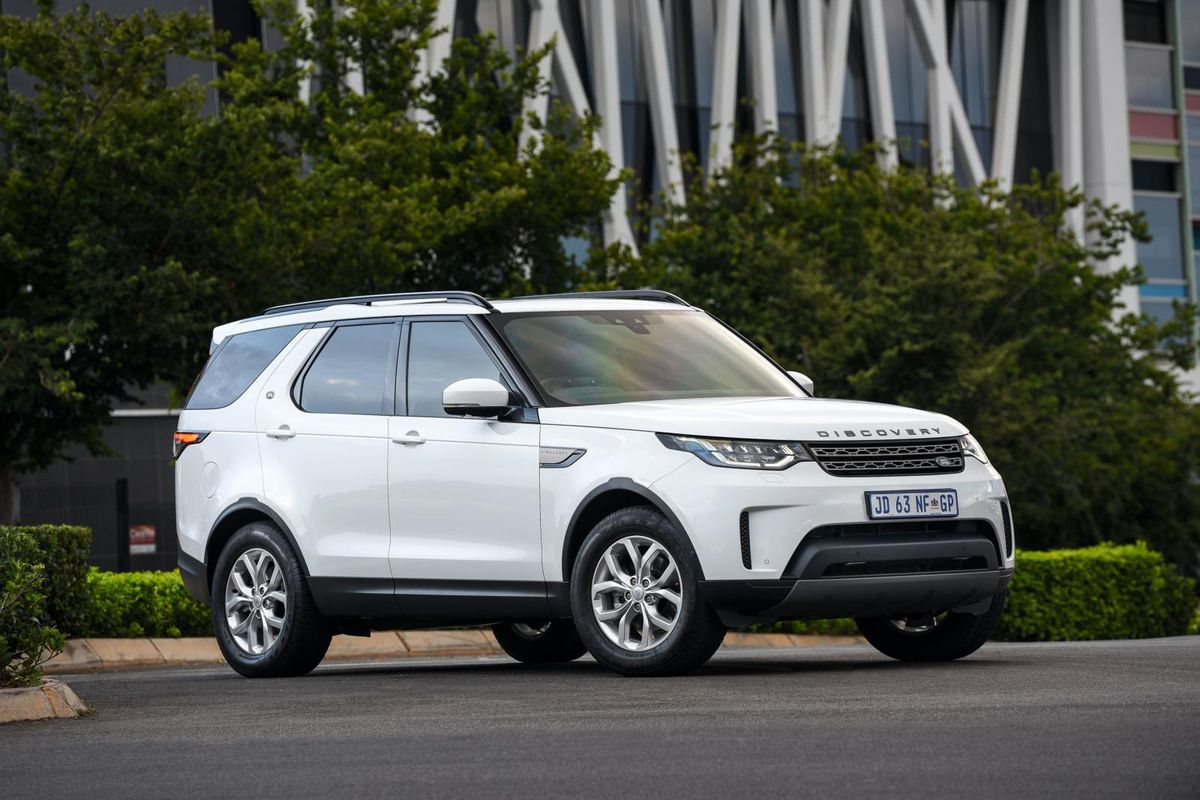
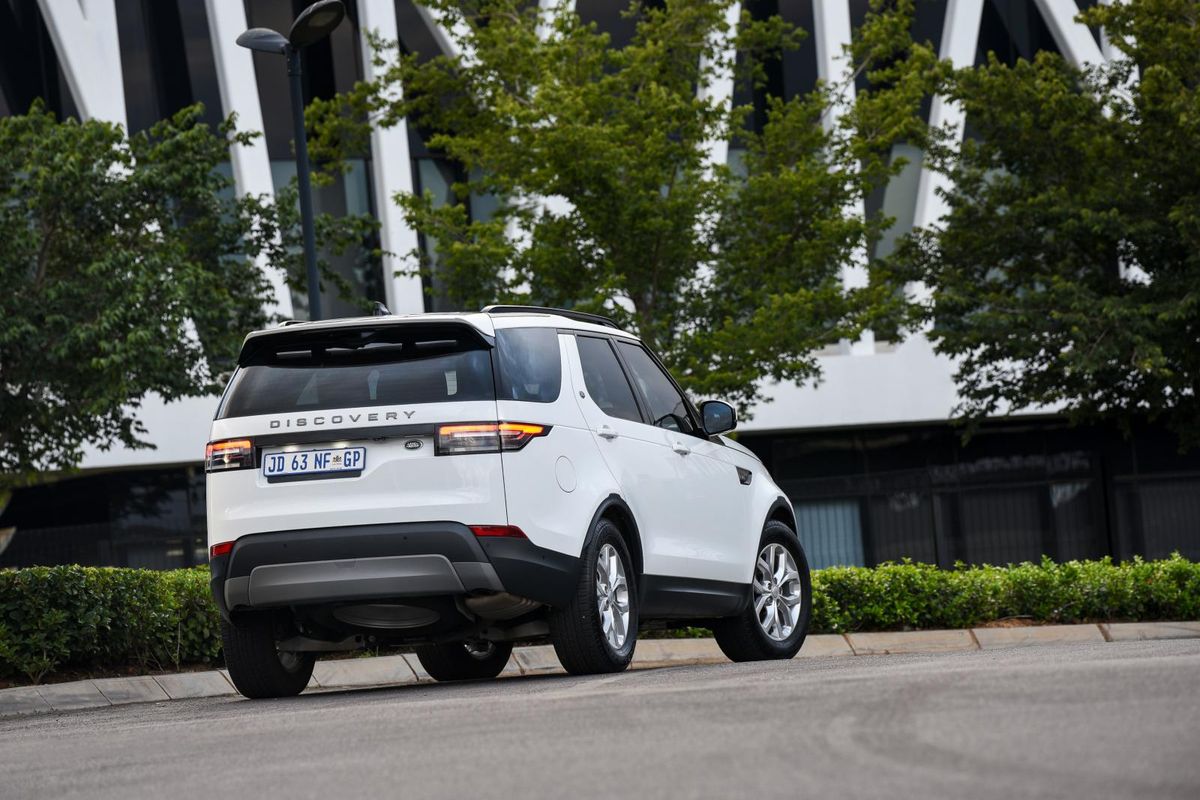
Land Rover SA Introduces Limited Edition Discovery
Land Rover South Africa has announced a limited edition Discovery model. Here's specs and pricing.
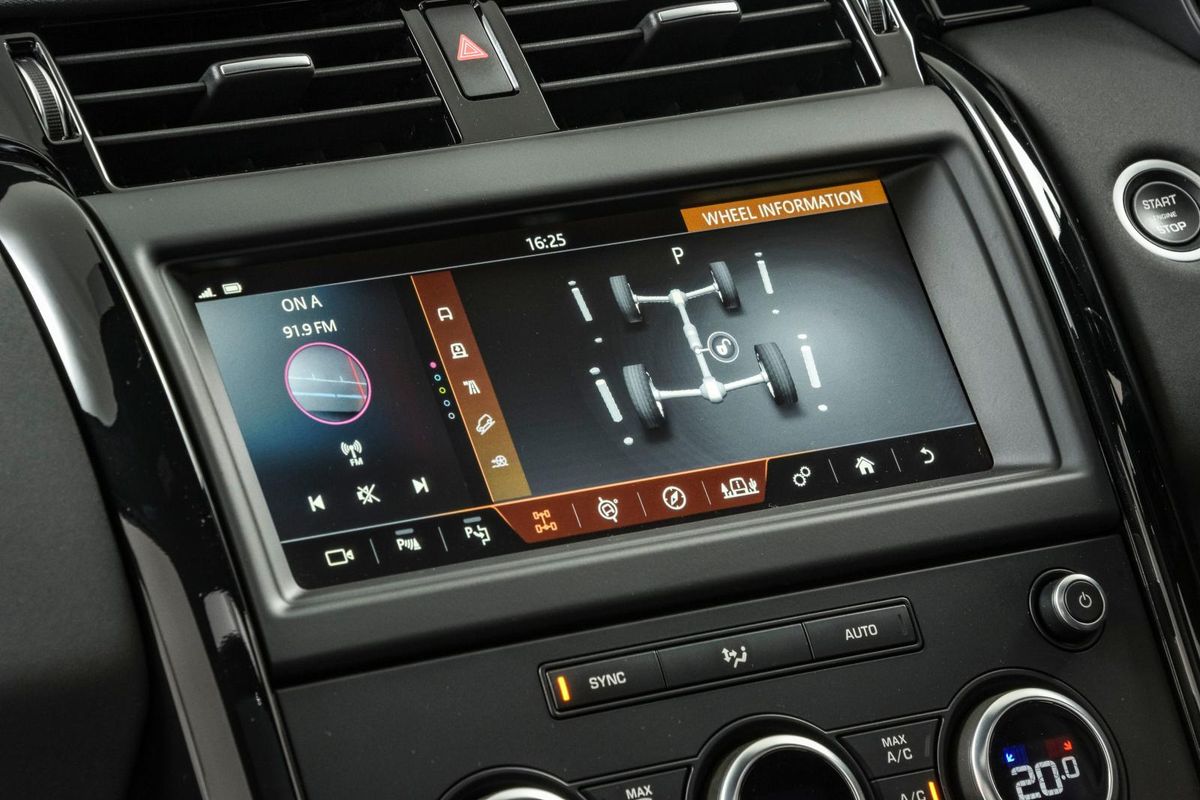
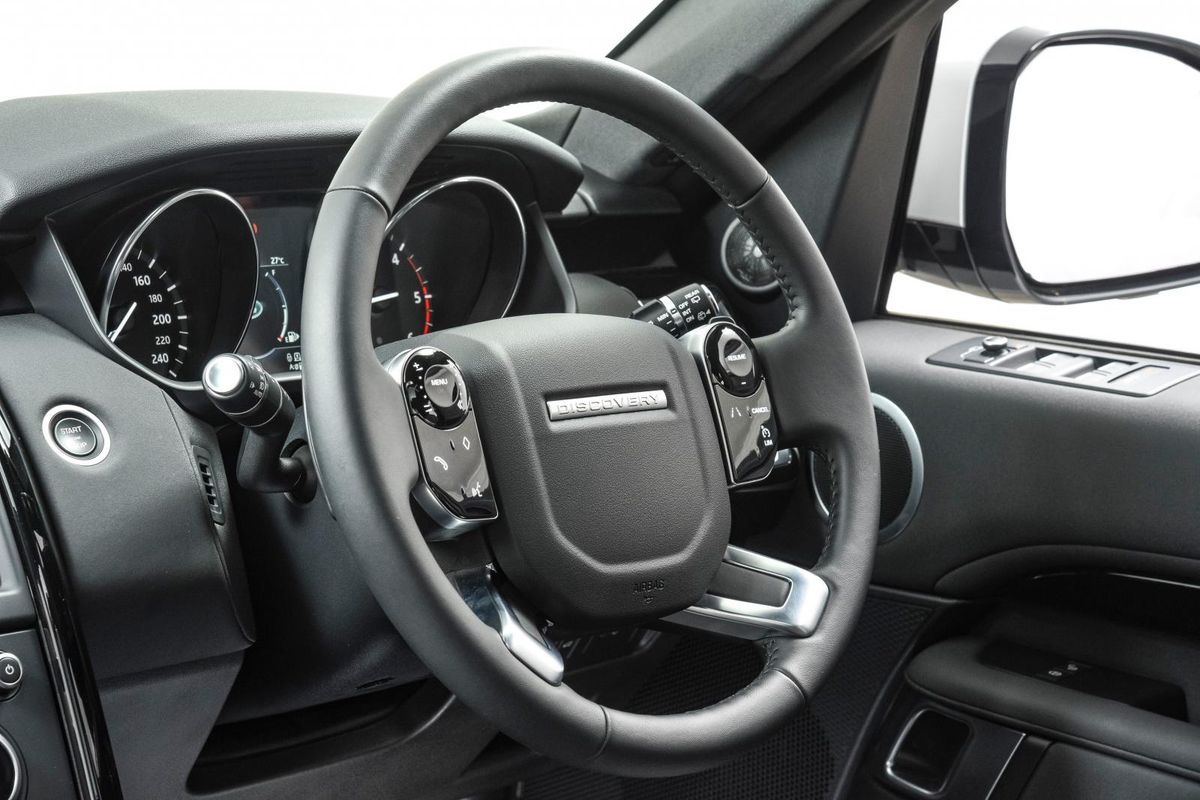
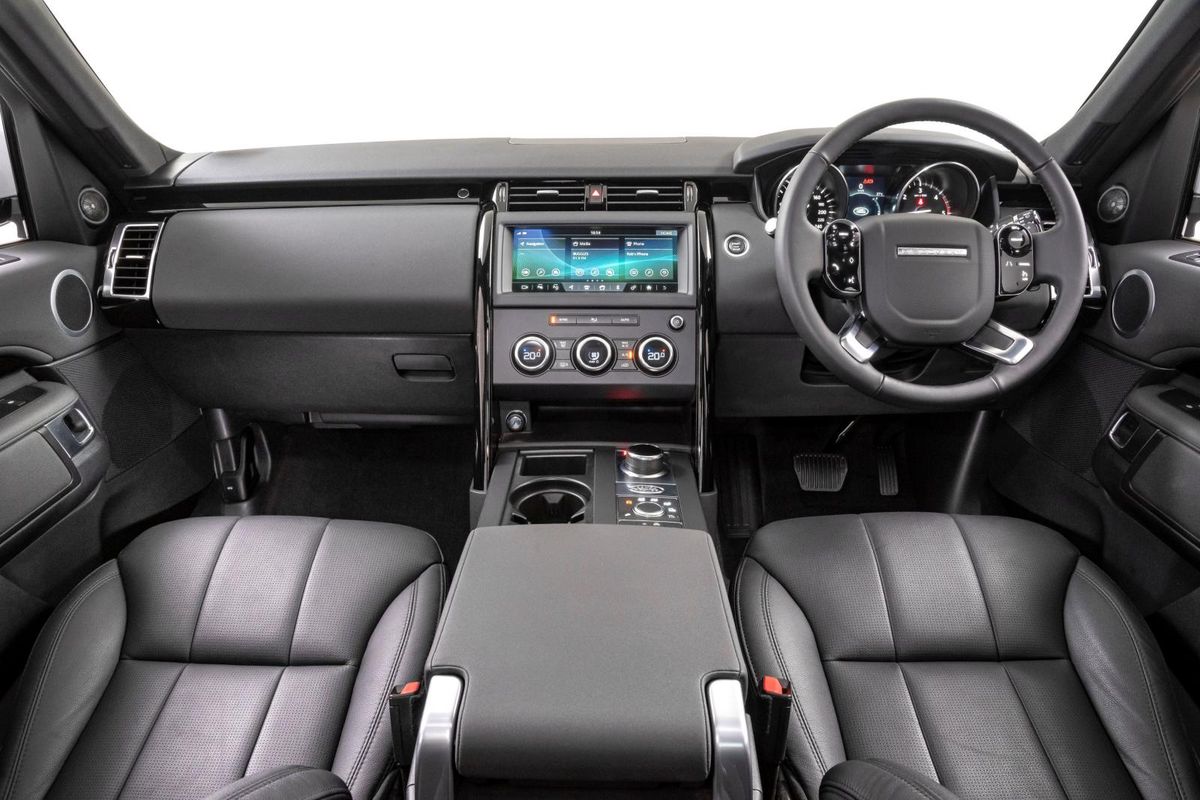
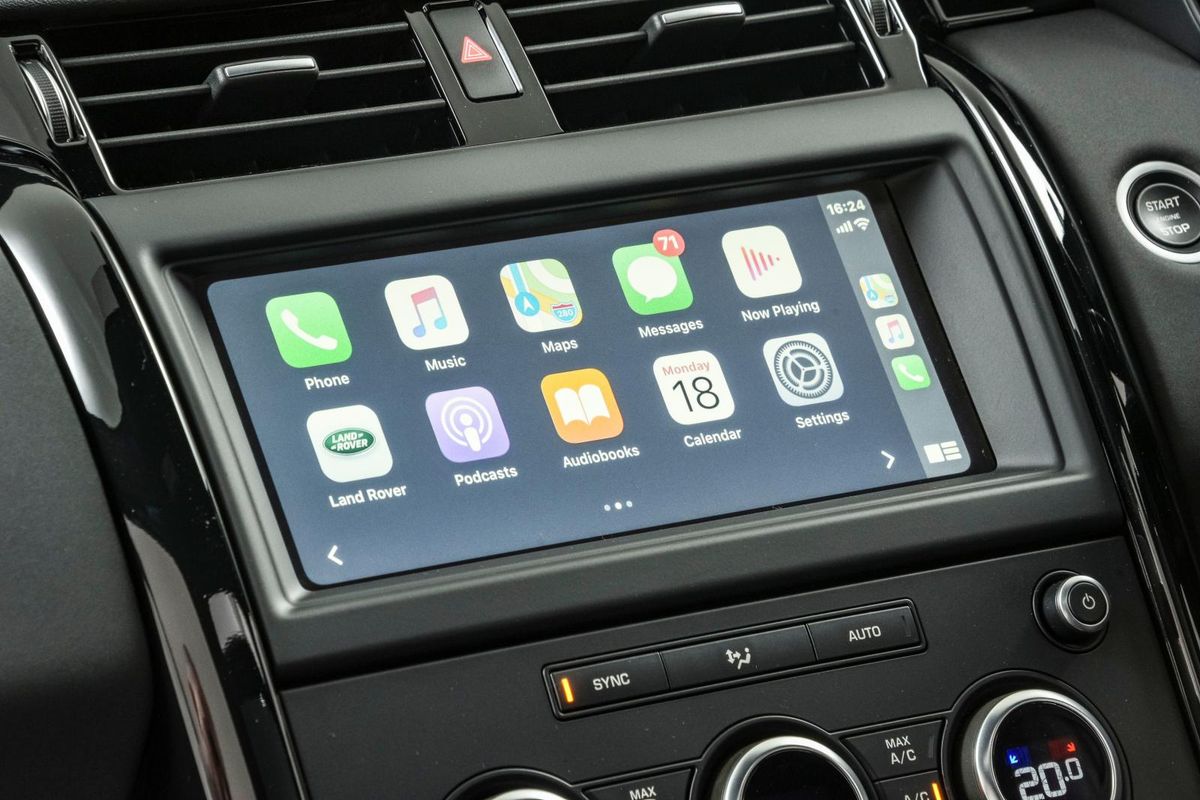
There'll be just 50 units up for grabs and on paper at least, looks to be excellent value. Based on the Discovery SE package, which already has a comprehensive array of equipment like LED headlights, rain-sensing wipers, a 10-speaker Enhanced Sound System, Terrain Response, 12-way leather seats and InControl Touch Navigation with Apple CarPlay, this model boasts even more.
So, what do you get on top? Well, there's now an added sunroof, power inner tailgate, roof rails and keyless entry. The cabin gets third-row seating, a centre console cooler, ebony headlining and second seating row USB ports.
Under the bonnet is the SD4 Ingenium diesel motor which punches out 177 kW and 430 Nm. Land Rover claims 0-100 kph in just 8.7 seconds which consuming just 6.4 L/100 km. The vehicle also features an 8-speed automatic transmission as standard.
Land Rover Discovery Limited Edition Price in South Africa (December 2019)
The vehicle is available in either Fuji White or Indus Silver and comes with Land Rover’s standard 5-year/100 000km maintenance plan and warranty.
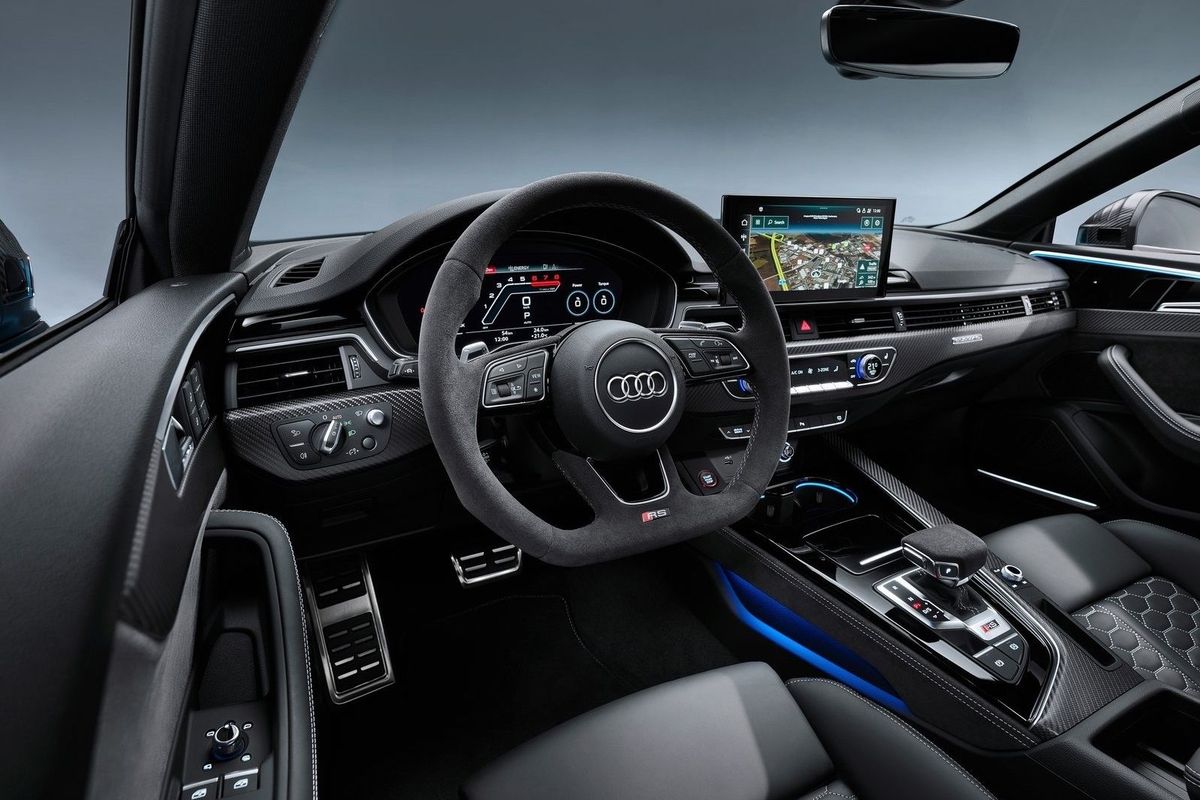
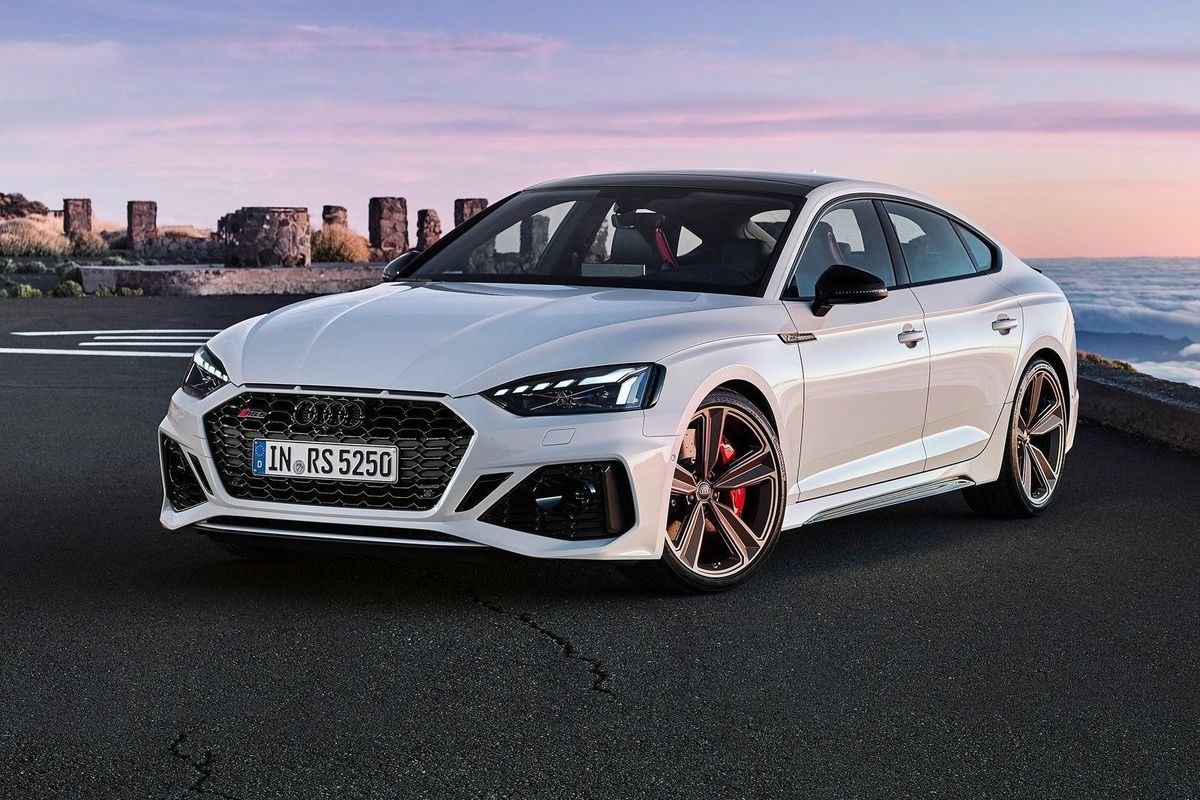
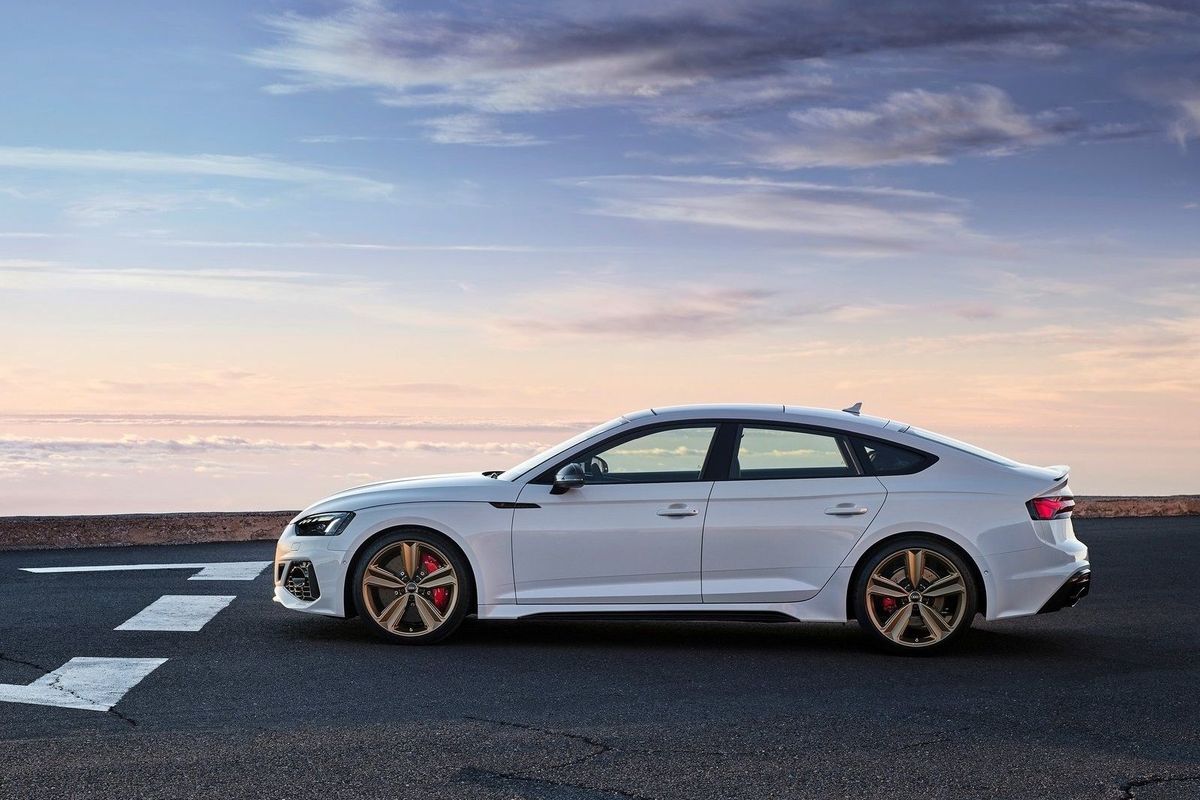
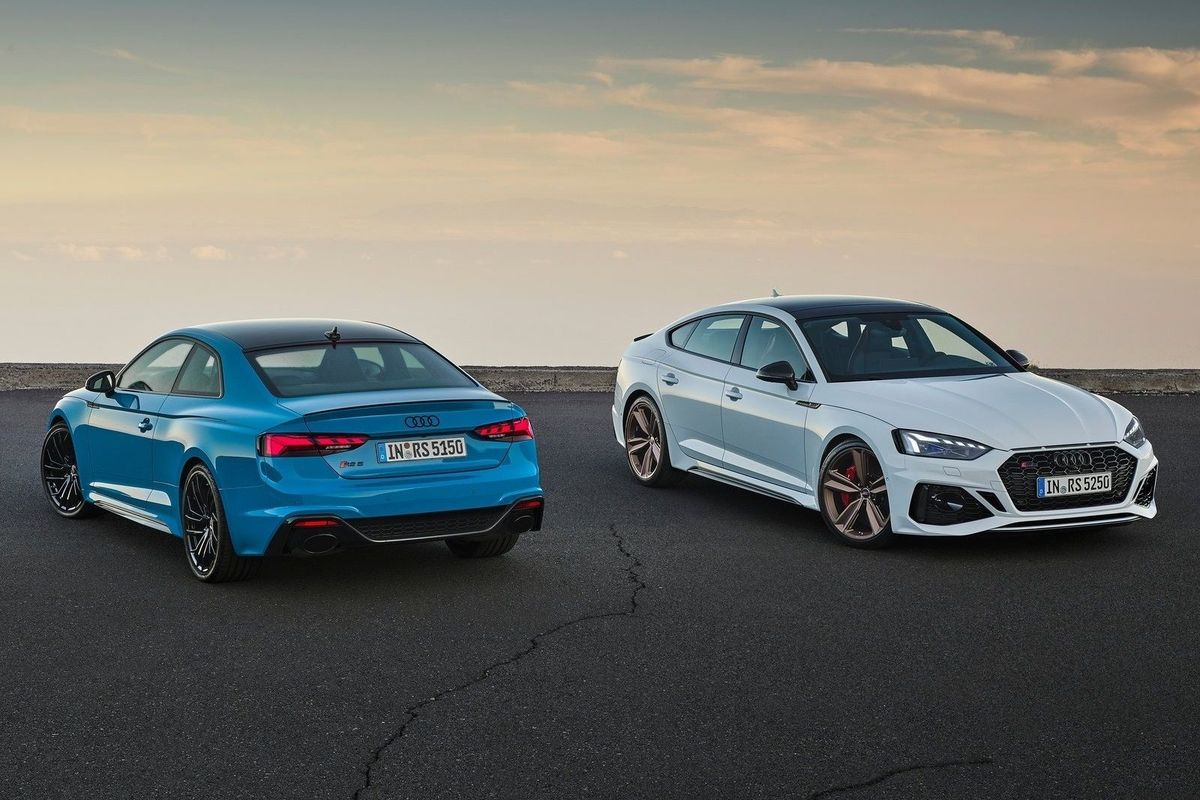
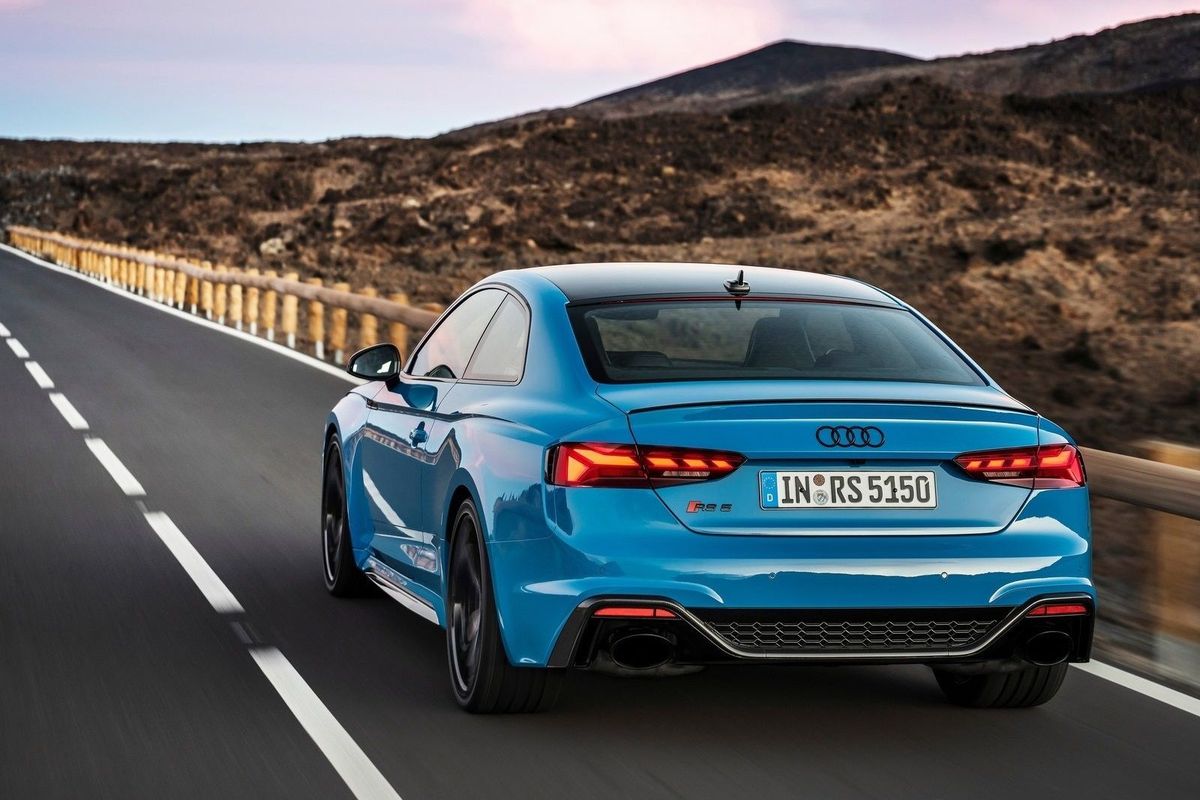
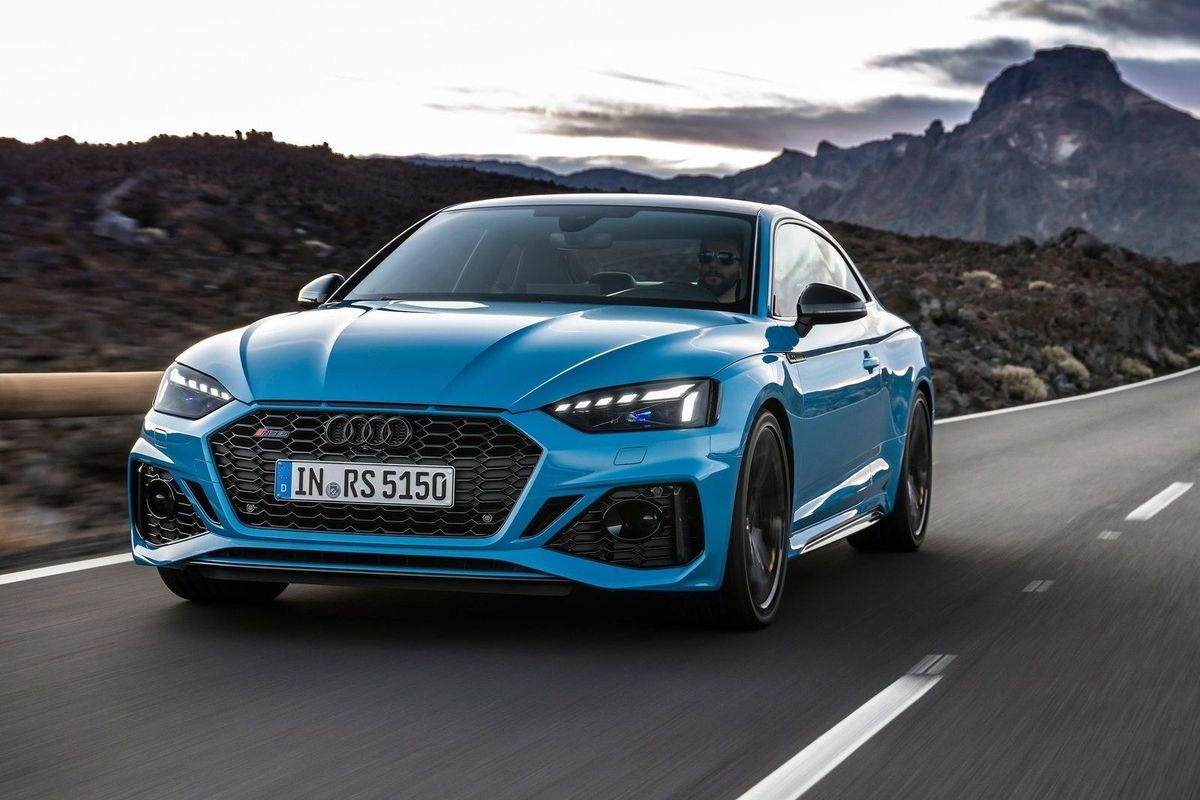
Audi has revealed updates to its RS5 coupe and RS5 Sportback. Herewith all the details.
At first glance, it does not appear that much as changed when it comes to the 2020 Audi RS5 coupe and RS5 Sportback. However, there are big changes, especially when it comes to the cabin. The exterior receives a wider and flatter grille and there are air vents which are a nod towards the classic Audi Sport quattro. The vehicle also gets wider wheel arches, side sills and diffuser. You can get a carbon roof for the RS5 coupe.
Inside, there are revised RS sport seats with a choice of either Alcantara or Nappa leather. There's a new digital dashboard with a rev counter lifted straight from the RS6/RS7. There are now 2 individual RS modes, which are accessed by buttons on the steering wheel. The updated RS5 rides on 19-inch alloy wheels, with 20-inch units available as an option.
The engine and gearbox is carried over and for the record it is the 2.9-litre turbocharged V6, which produces 331 kW and 600 Nm. Power reaches all 4 wheels via an 8-speed automatic transmission and both models can hit 100 kph in a claimed 3.9 seconds.
"The revision of the RS5 Coupé and RS5 Sportback marks the successful conclusion of our 25th anniversary and the renewal of our model range," says Oliver Hoffmann, Managing Director of Audi Sport GmbH. "Thanks to the standard permanent quattro drive, they occupy a special position in their segment."
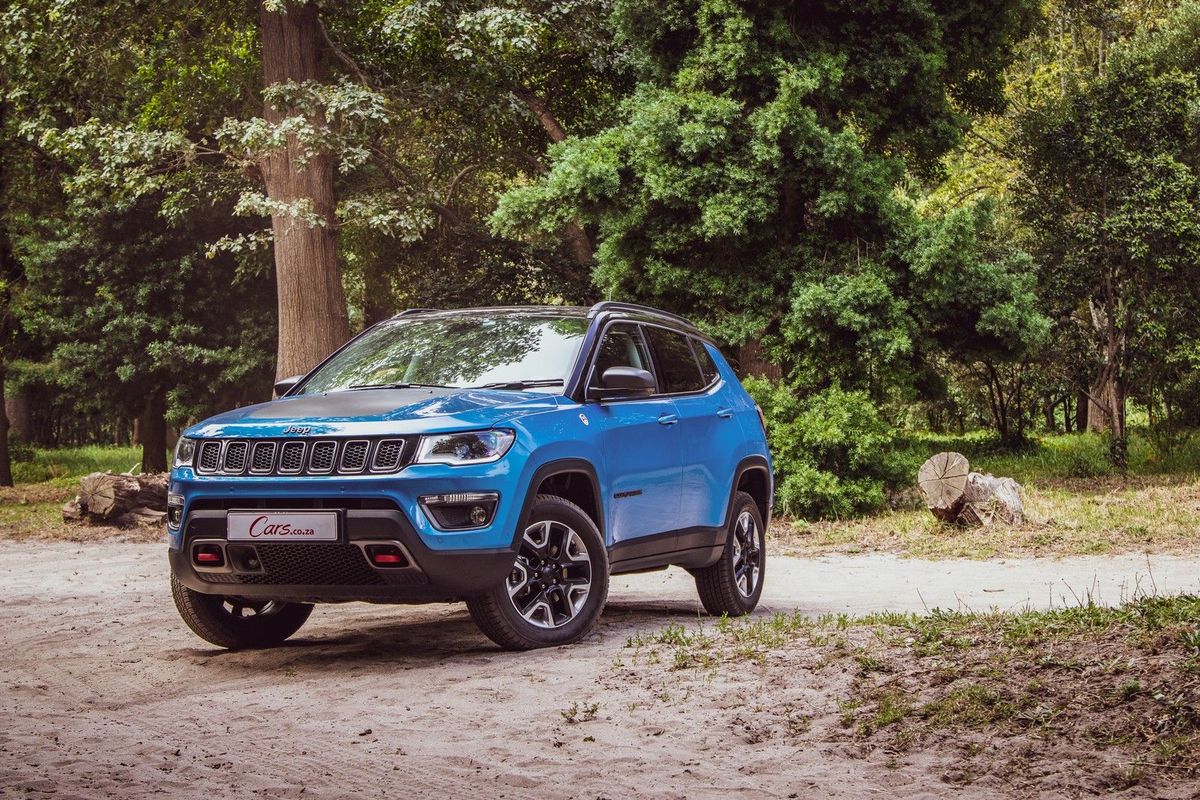
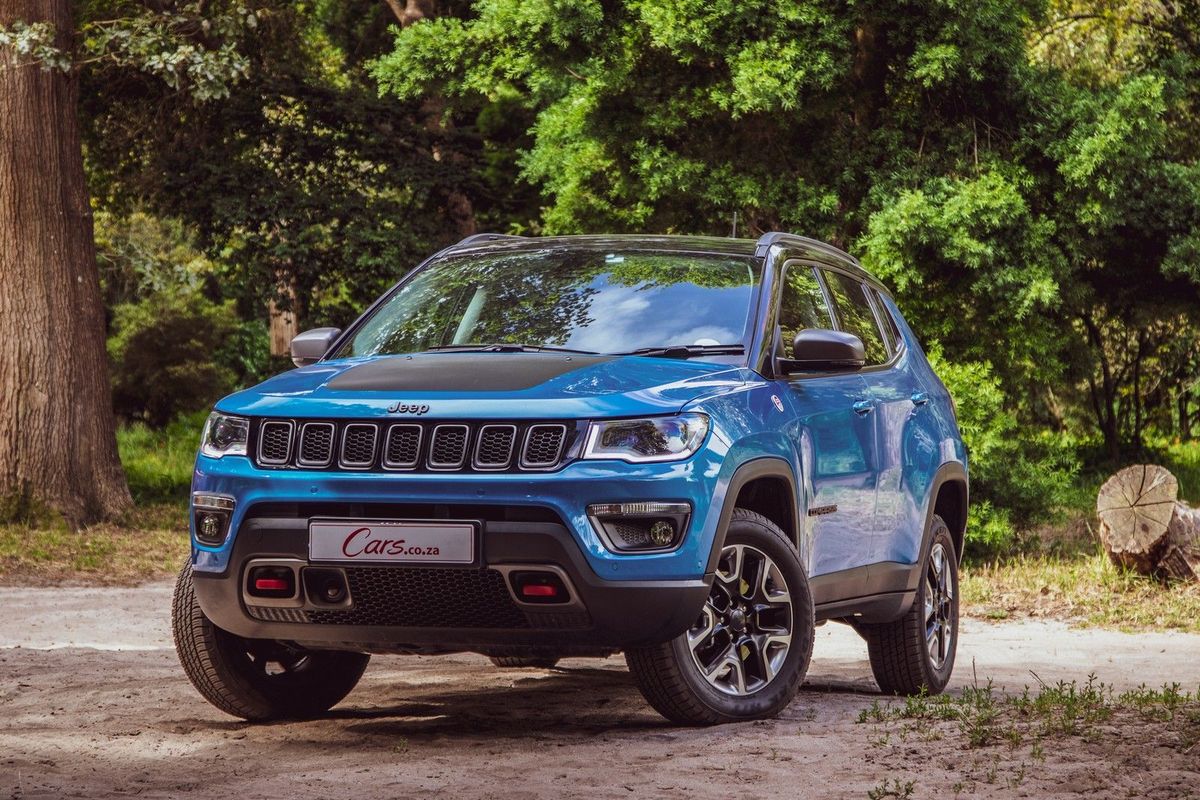
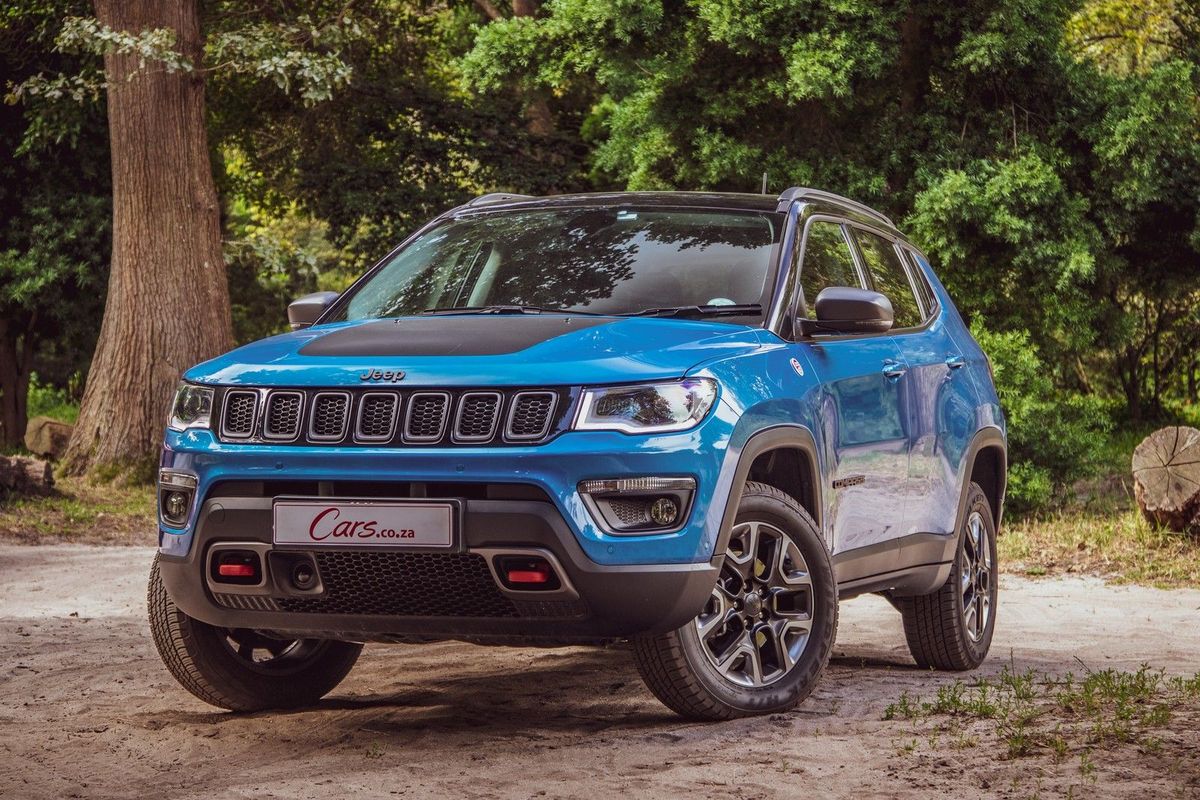
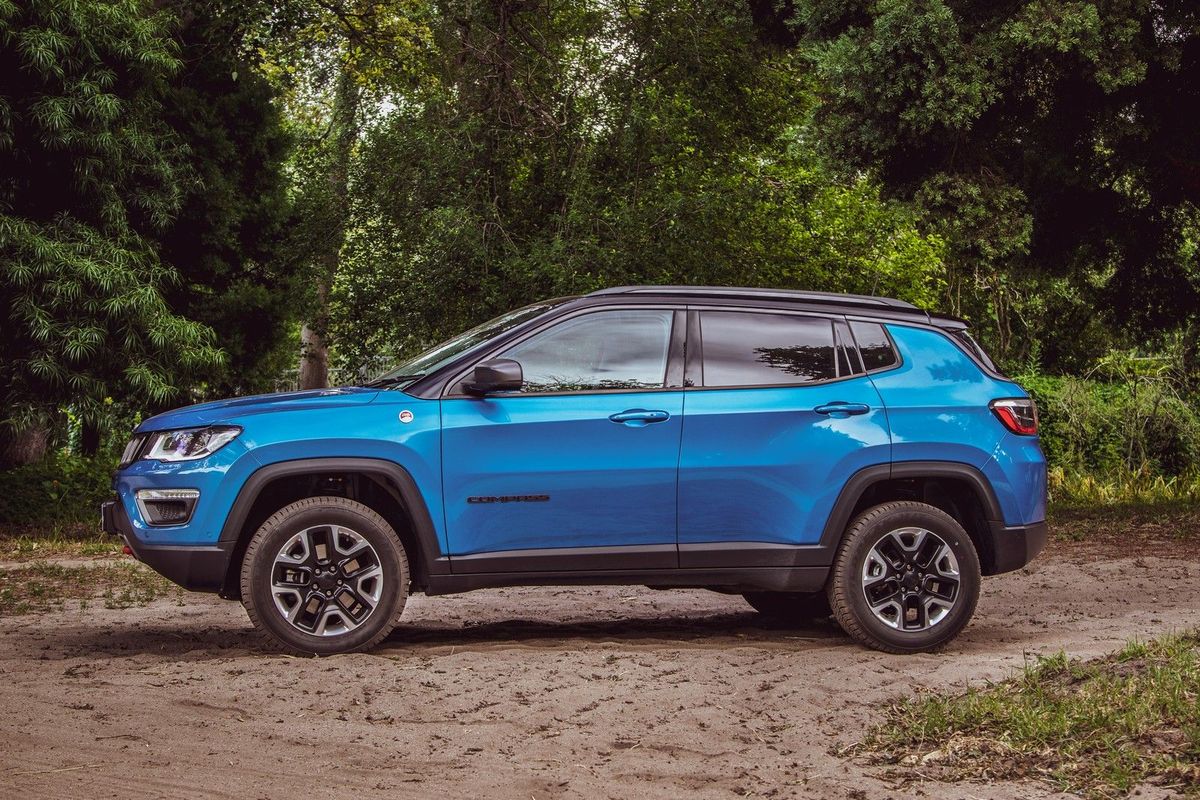
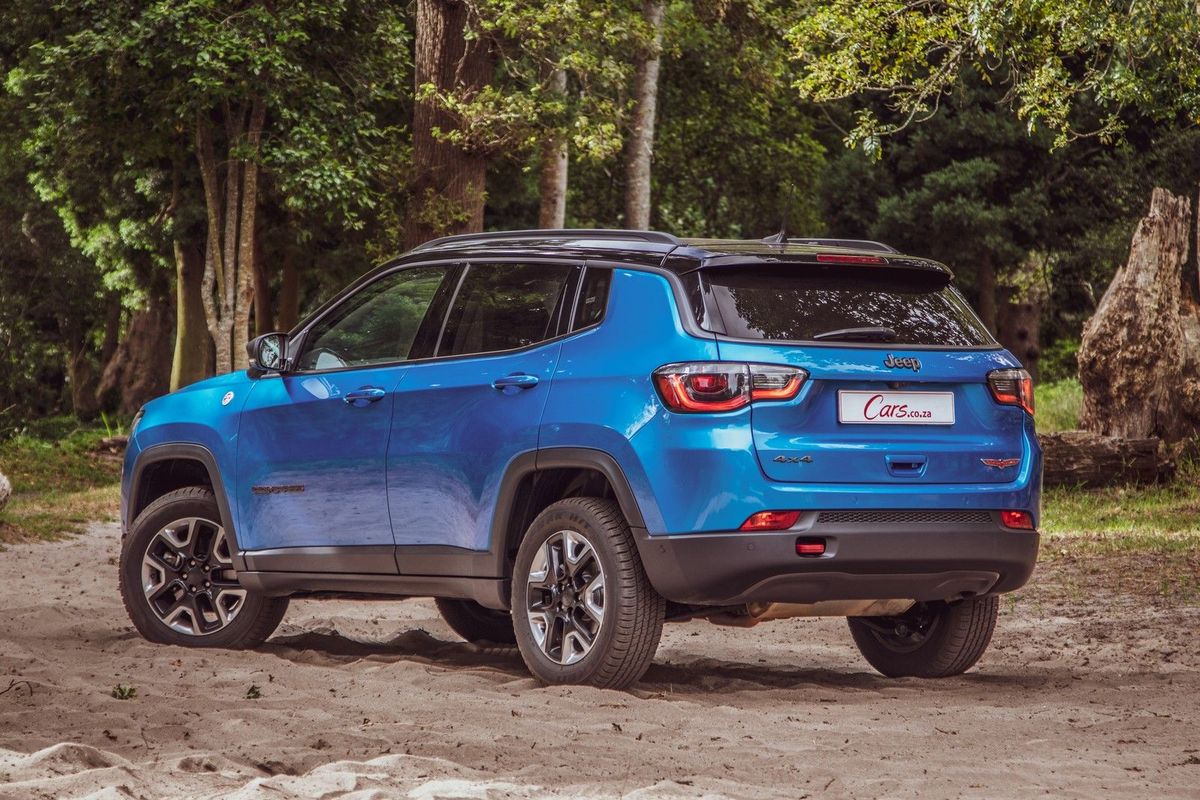
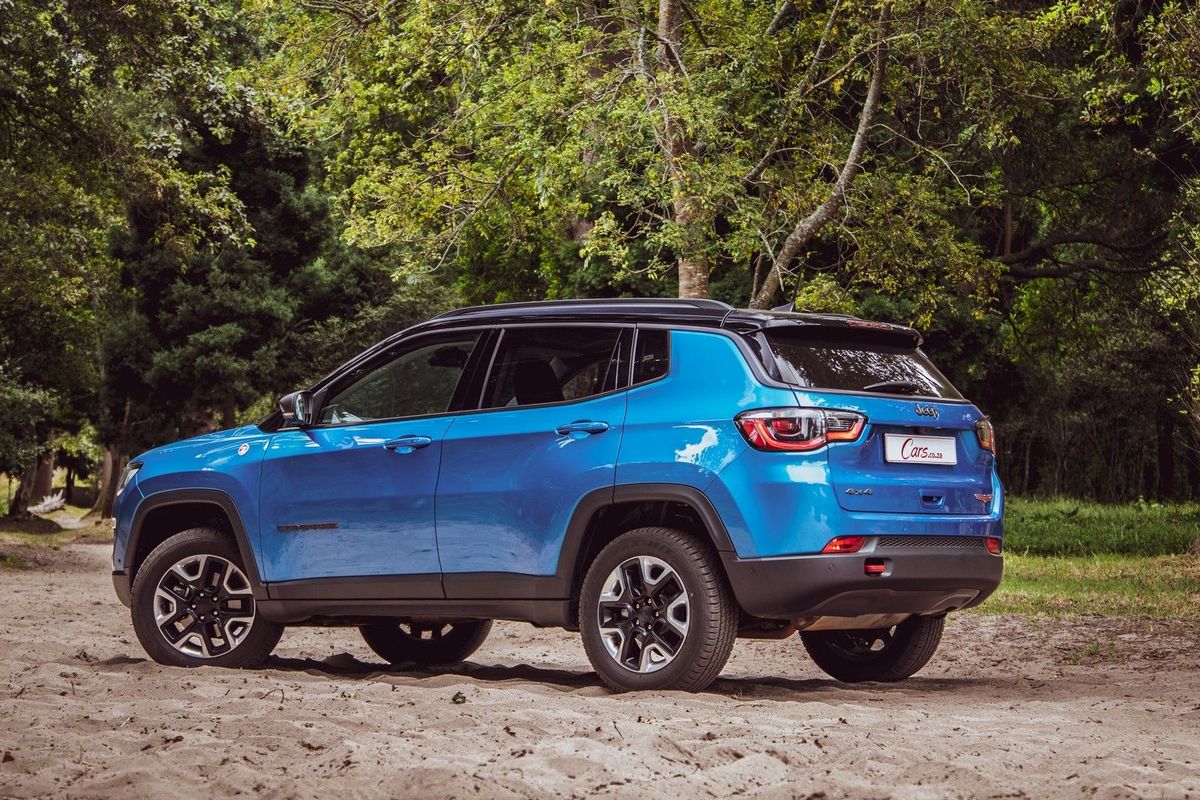
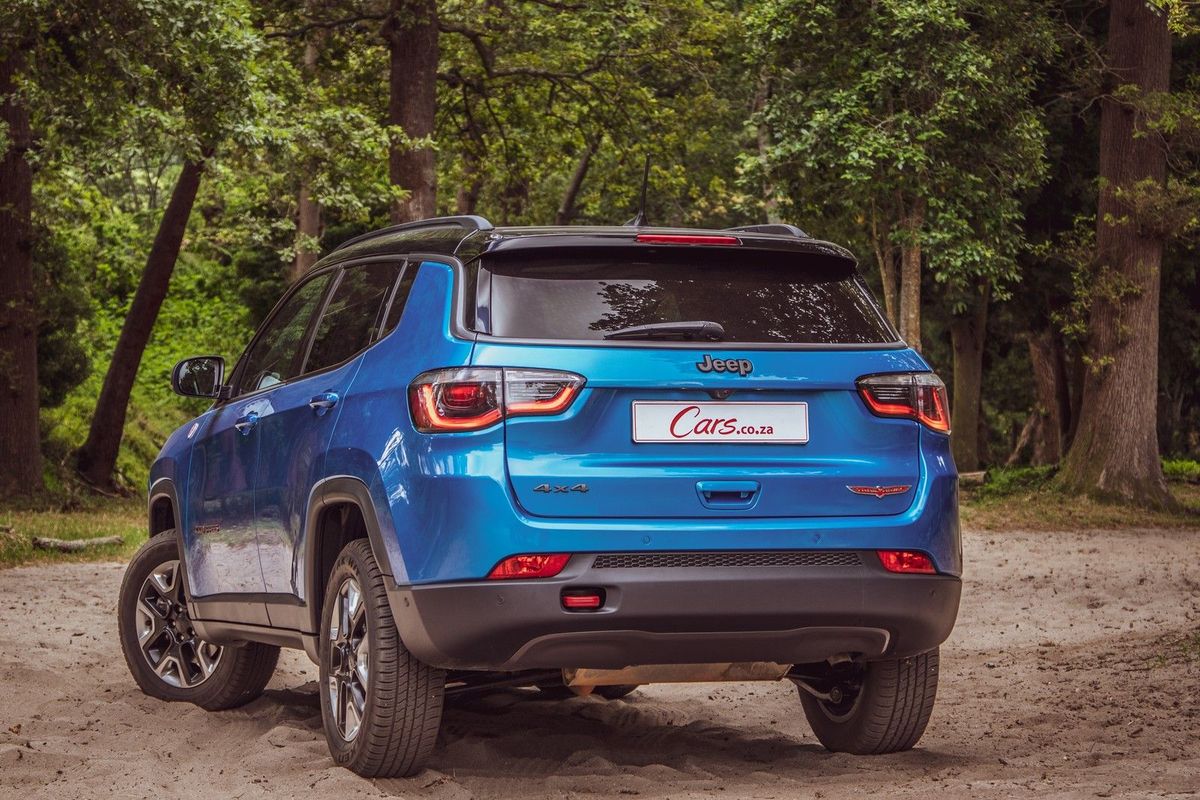
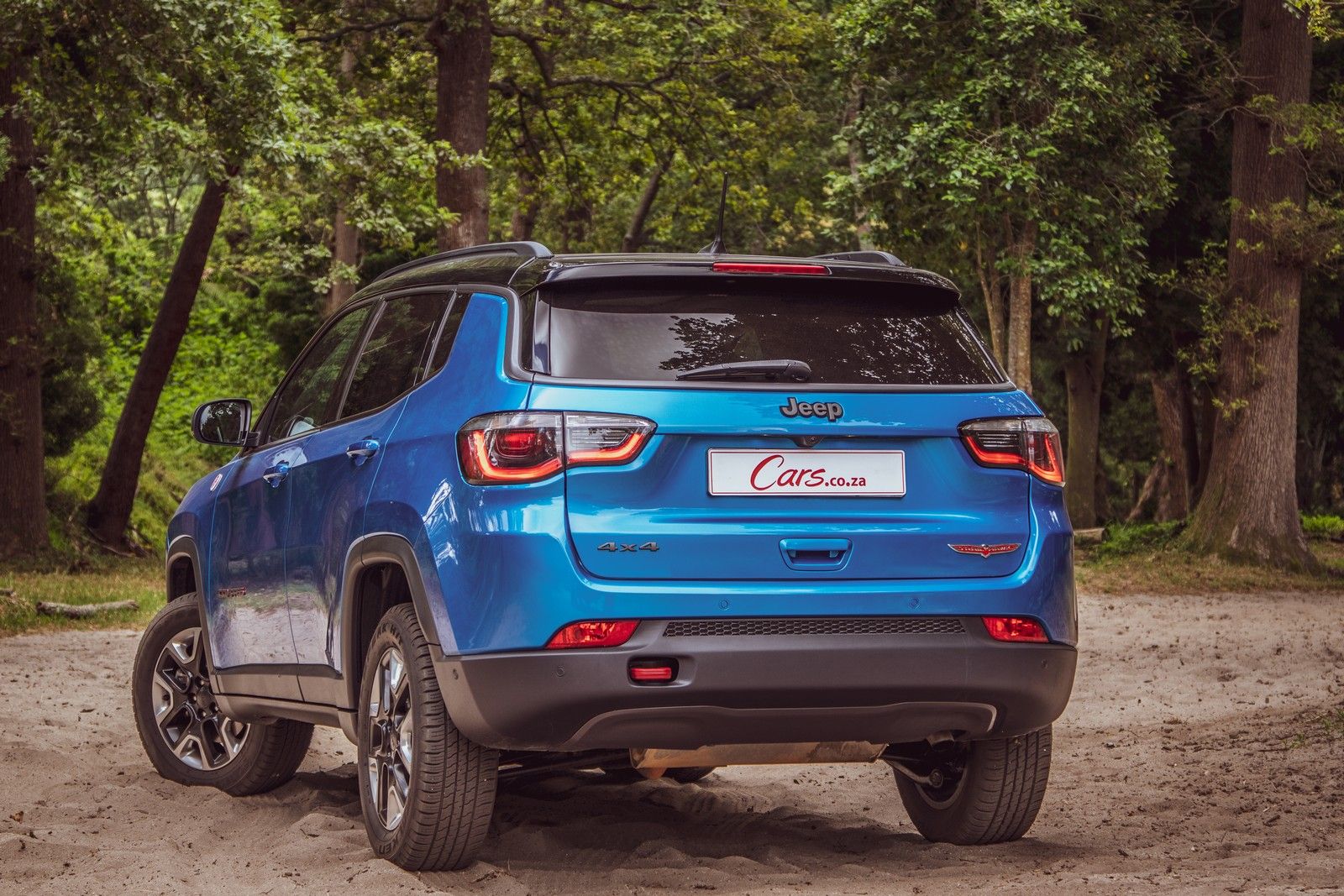
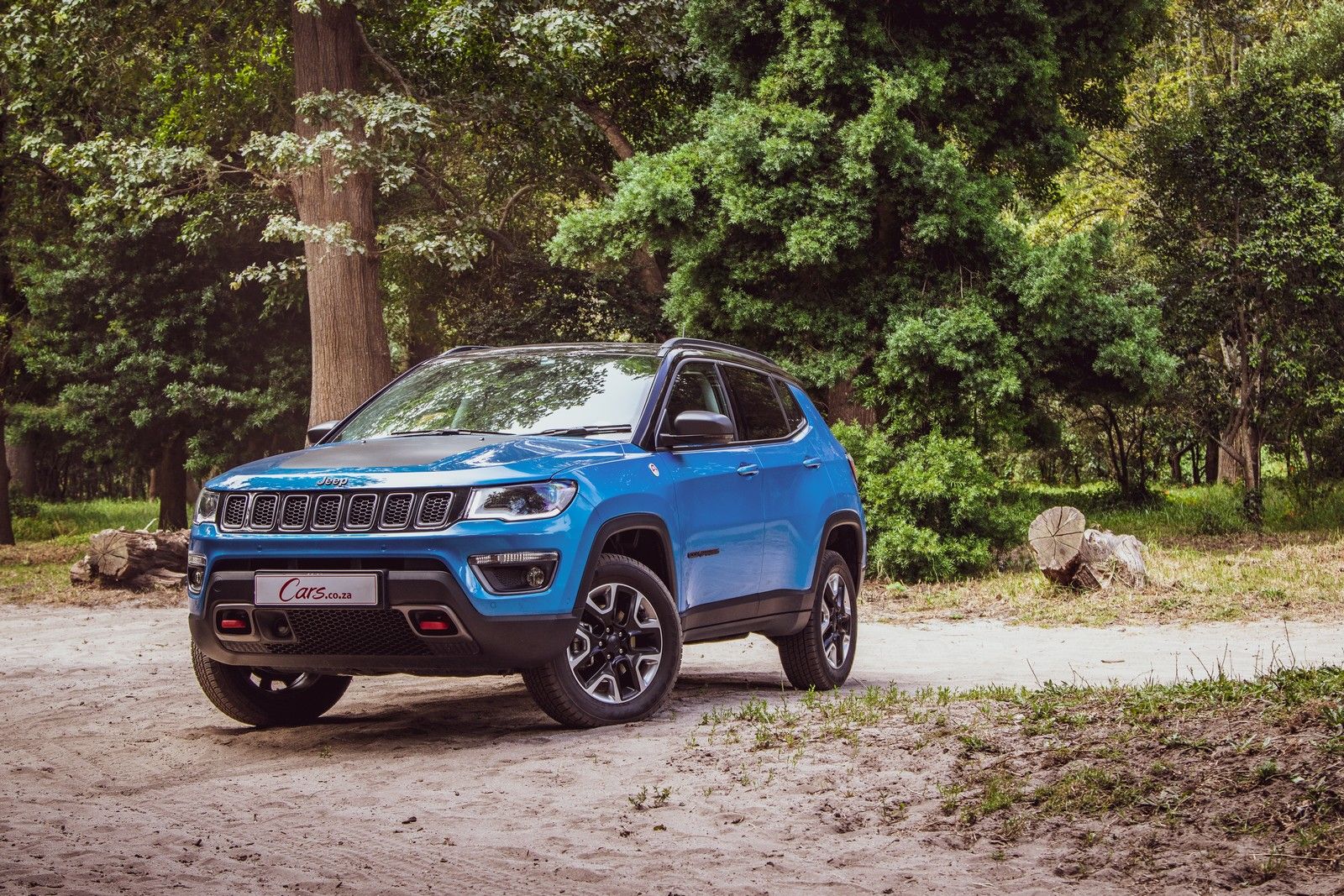
Jeep’s awkwardly-sized family car could be just another SUV among a host of competitors, some of which have much more brand cachet in the local market. It seems to have the odds stacked against it, but in 2.4 4×4 Trailhawk guise, the Compass has real off-road ability, which elevates it to adventure-SUV status. Could this be its trump card? Let's find out…
We like: Off-road ability, ride comfort, standard features.
We don’t like: Fuel consumption, not as spacious as rivals.
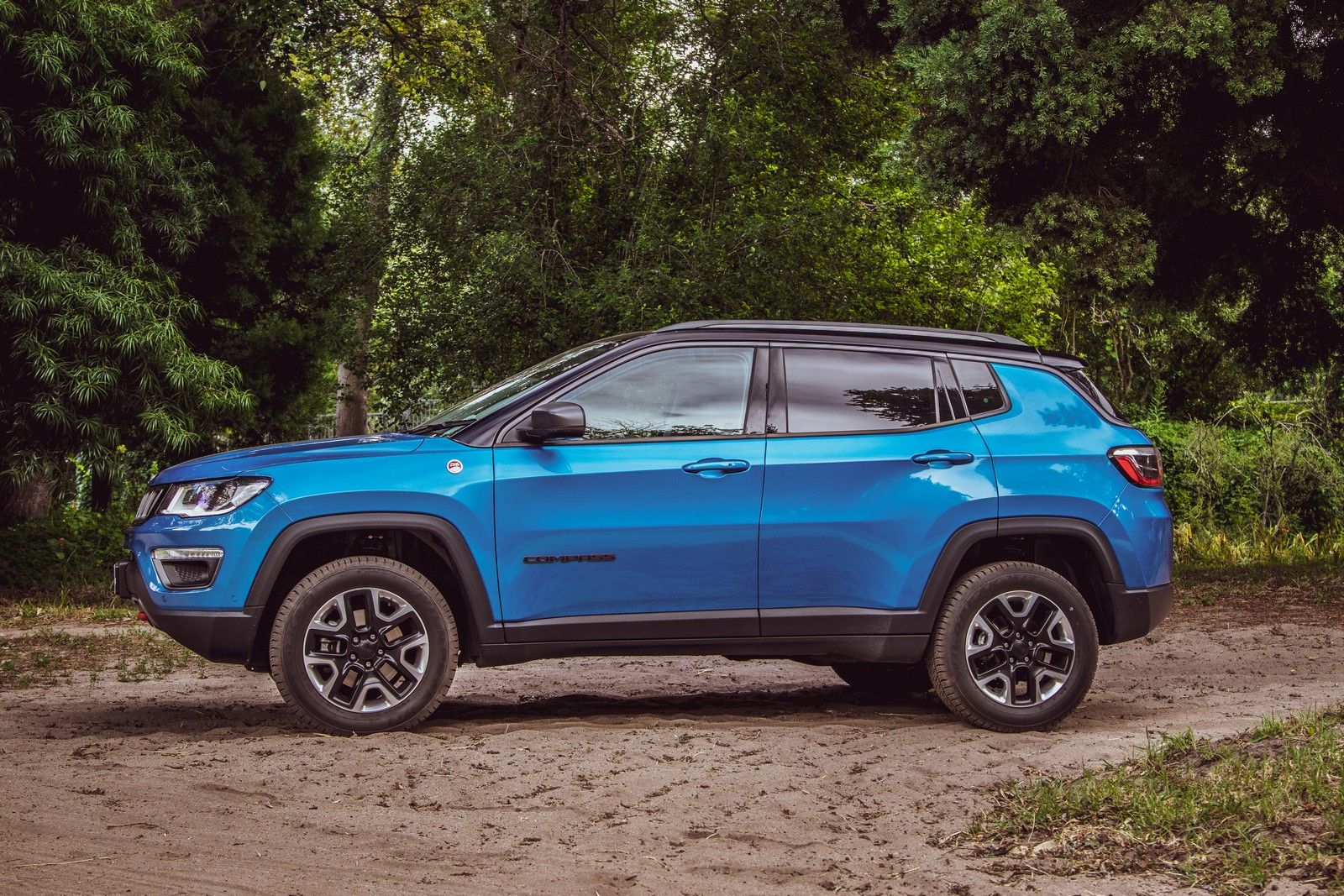
Difficult to place the Compass in terms of size, it's similar to a Nissan Qashqai/X-Trail.
The Jeep Compass 2.4 4×4 Trailhawk is tricky to categorise within conventional segments of the contemporary new-vehicle market. It cuts its own niche because, unlike most similarly-sized family cars, it comes with genuine all-wheel-drive ability, as well as low-range. As a result, it’s the most capable midsized SUV on the market; one could say it performs a role that earlier generations of the Cherokee did. So, we'd describe its ideal target market as buyers who seek vehicles with which they could transport their families across technically tricky off-road routes, if necessary. Think of this Compass as sort of a mixture of a Subaru Forester and Toyota Fortuner, then…
How it fares in terms of…
All-terrain ability
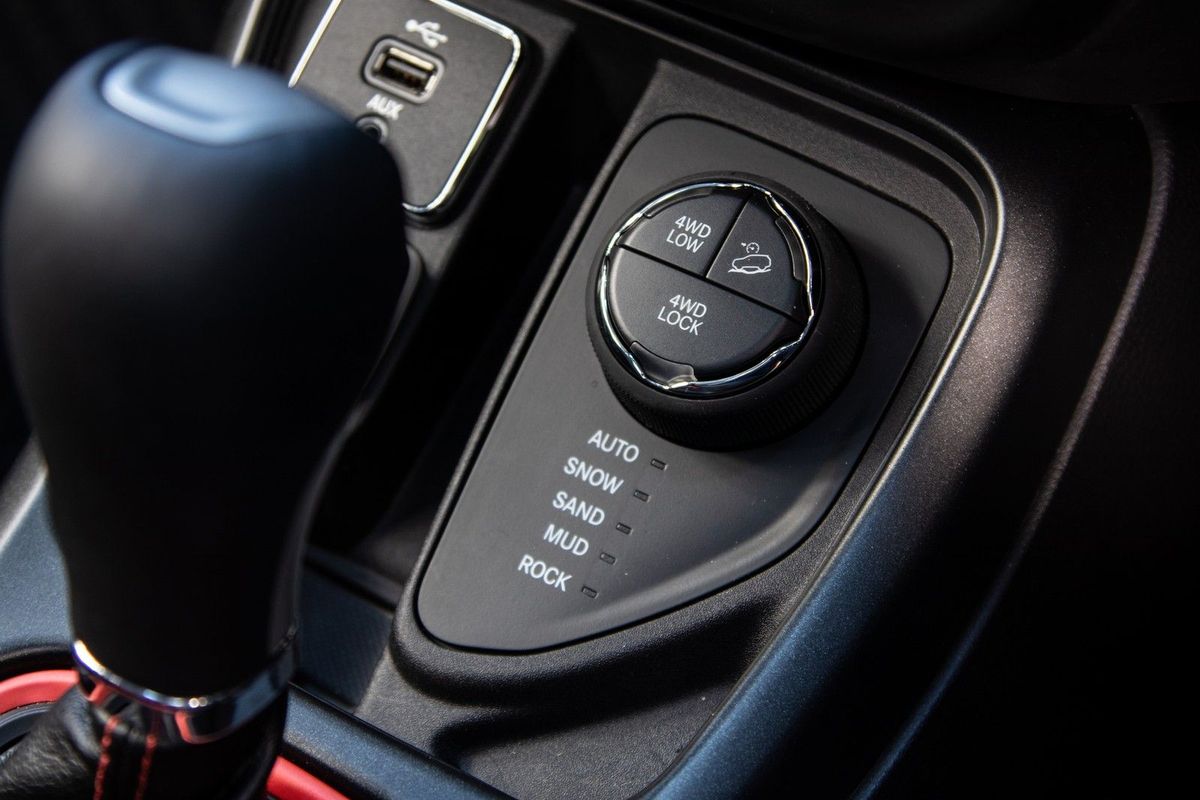
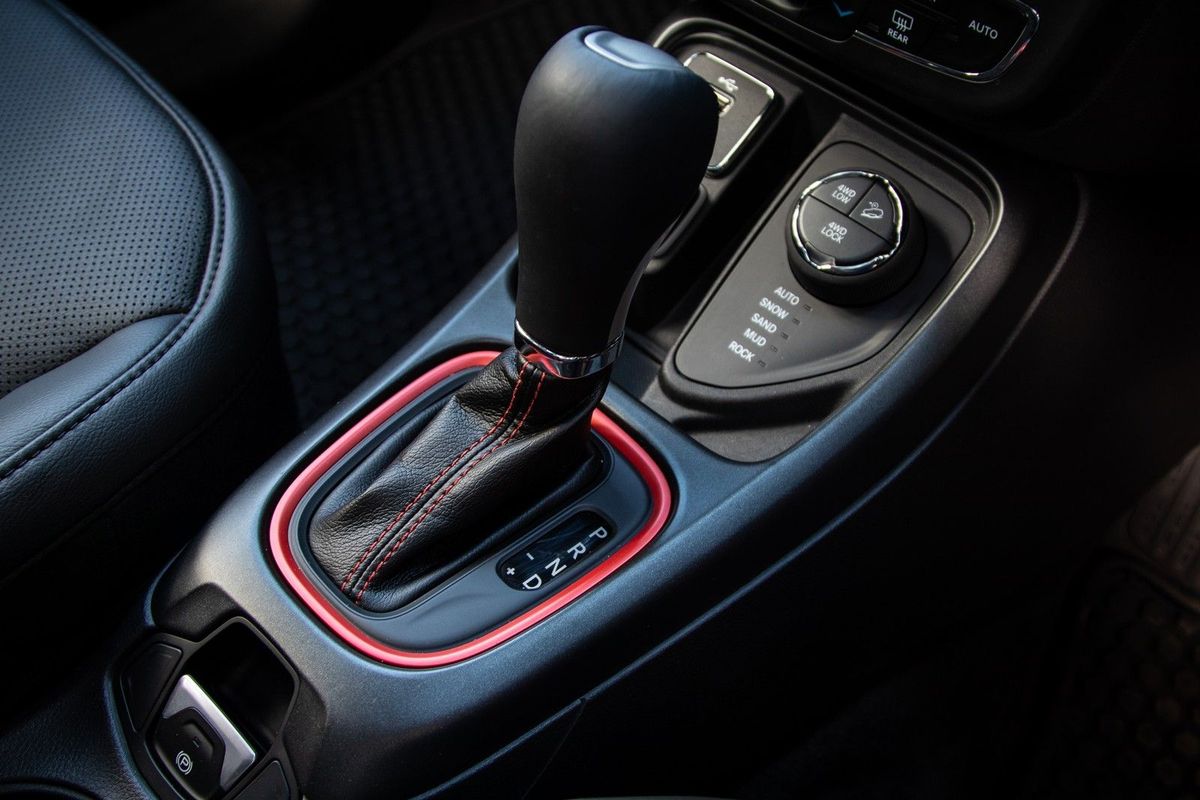
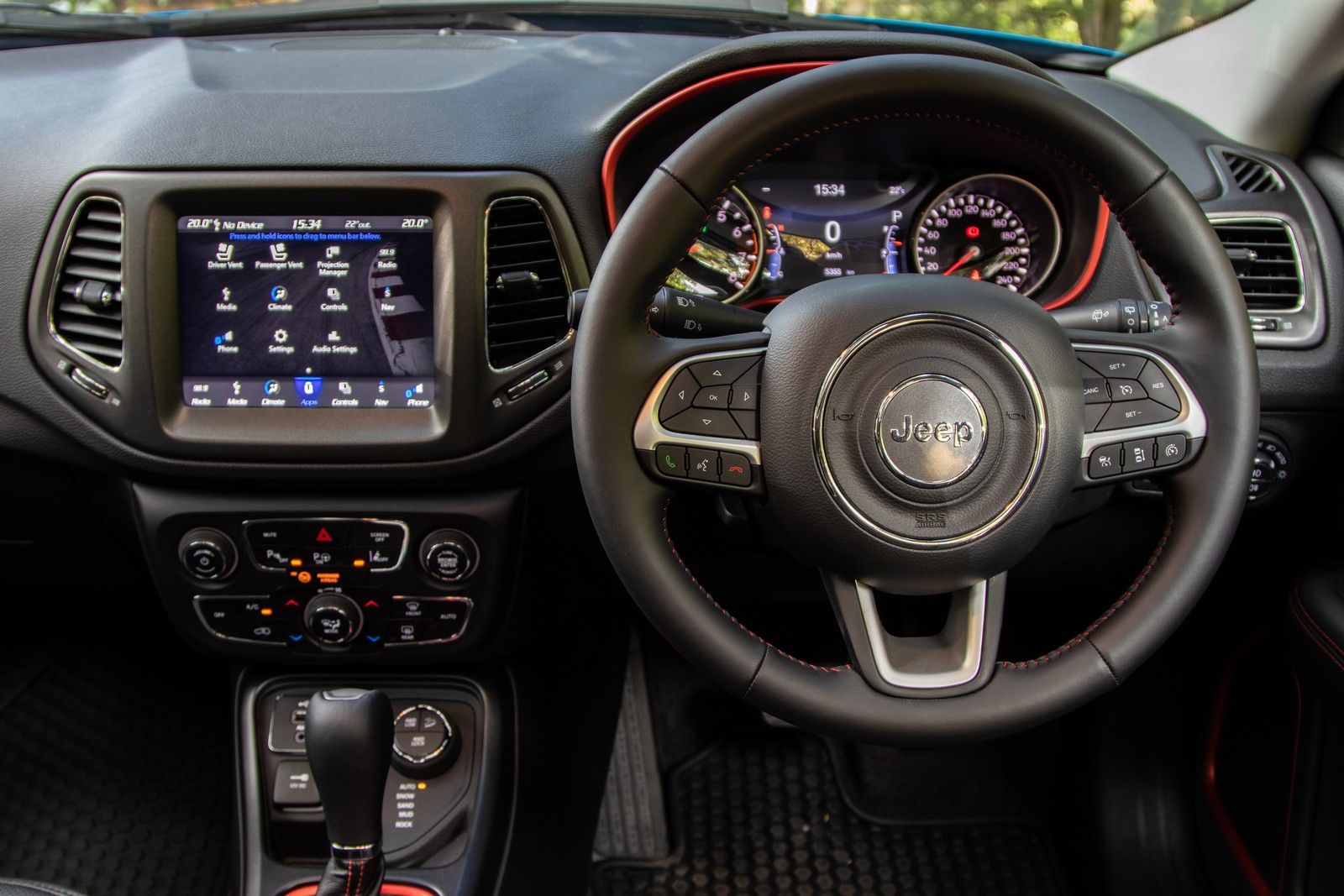
The 2.4 4×4 Trailhawk may look like a city slicker/kerb climber from the outside, but it’s a very capable off-roader equipped with all the modern traction control systems that make off-the-beaten-track excursions (largely) stress-free. For a start, a rotary dial in the centre console allows you to select the terrain you’re traversing so that the vehicle can set up its drivetrain to achieve optimal levels of traction. You can select from Snow, Rock, Sand, Mud and Auto.
Auto is the default on-road mode, which disconnects drive to the rear wheels (and thereby optimises fuel consumption in everyday driving conditions). The other modes are self-explanatory, but for the record, the Jeep offers an approach angle of 26.5 degrees, break-over angle of 21.2 degrees and departure angle of 31.6 degrees. In 4×4 Trailhawk guise it gets an extra 30 mm of ground clearance (taking it up to a total of 216 mm, which is reasonable for an off-roader).
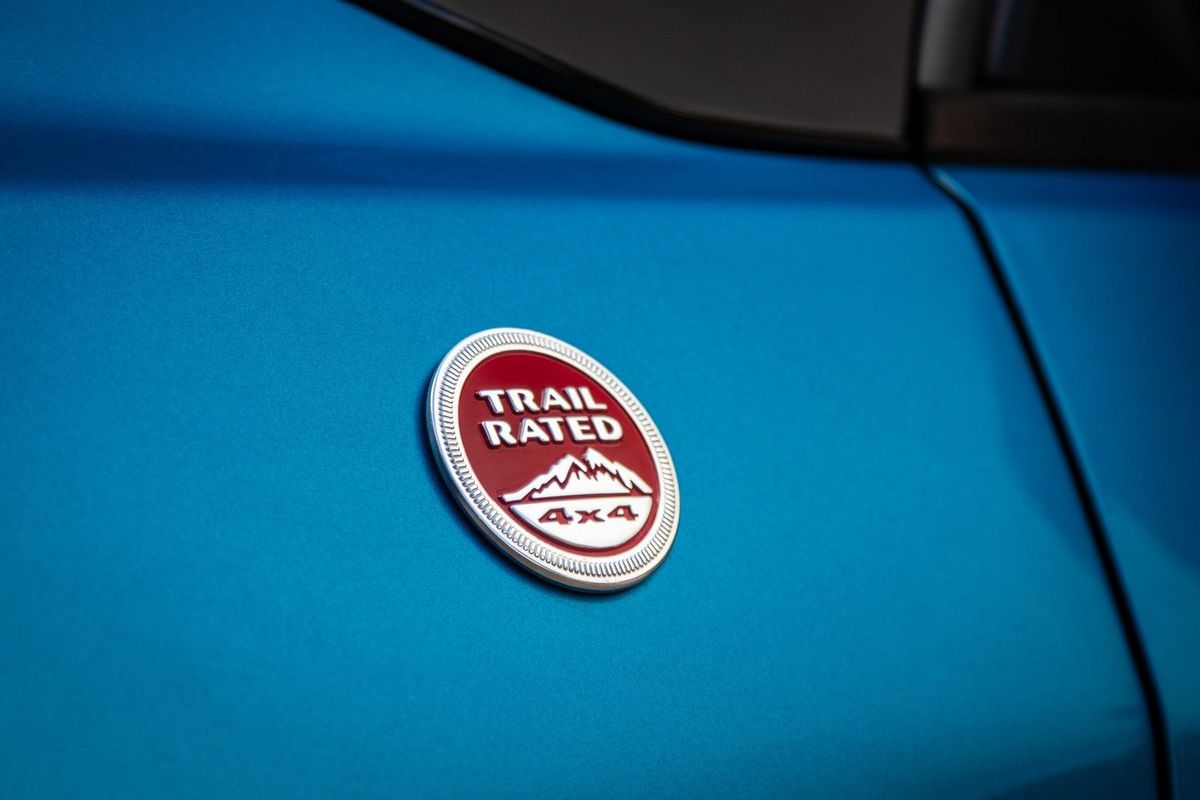
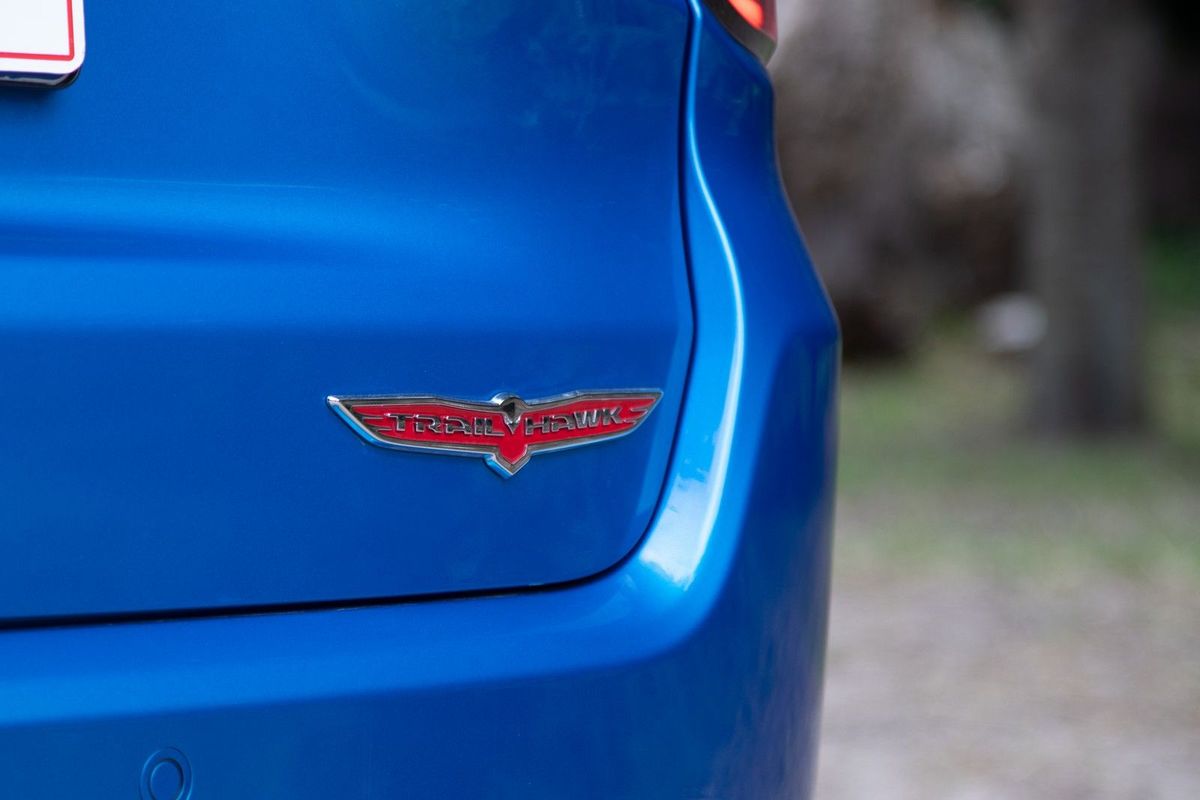
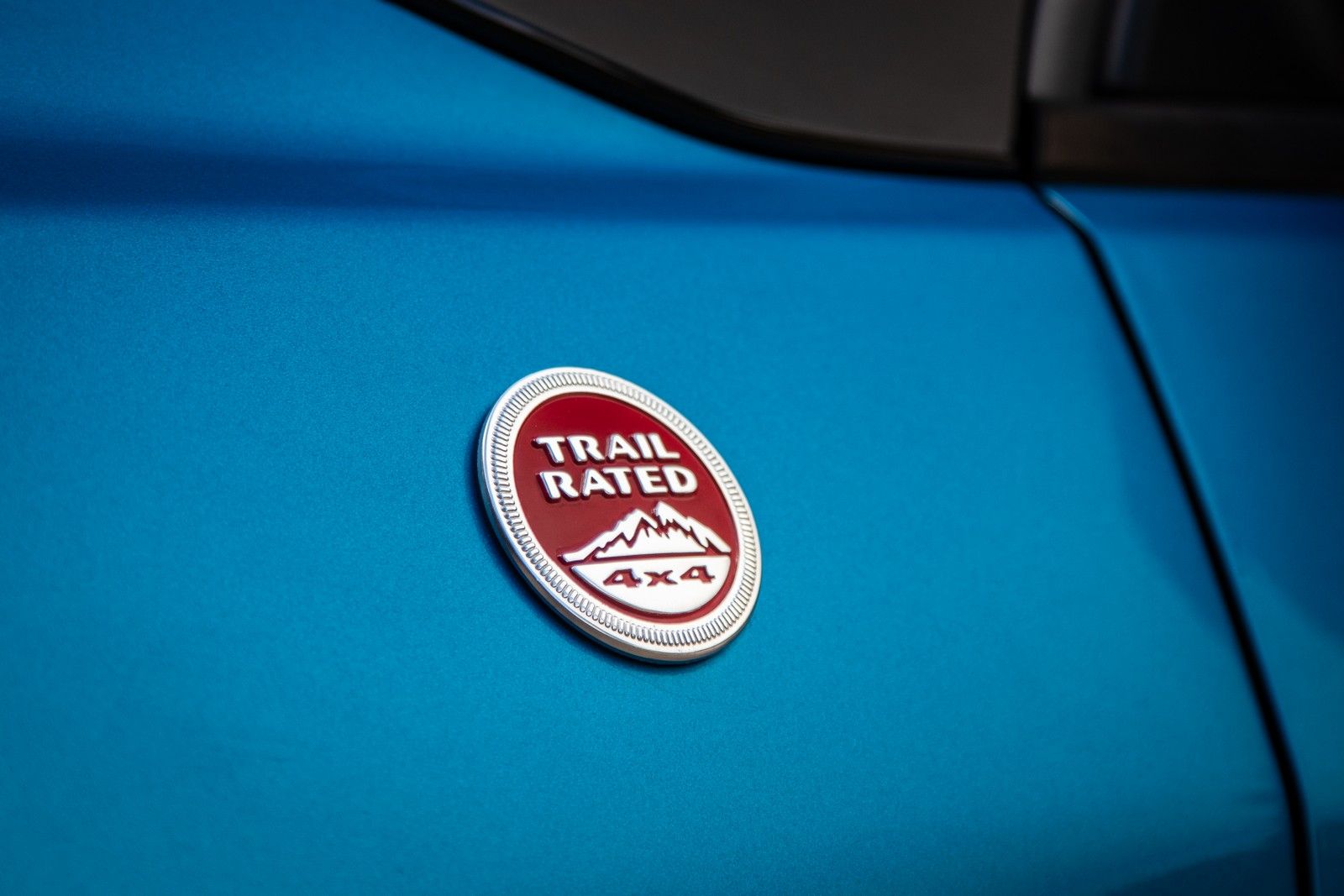
Jeep's Trail Rated tag only goes onto vehicles with prolific off-road credentials.
But it’s the low-range transfer case (with a 20:1 crawling gear) that really sets the 2.4 4×4 Trailhawk apart from its rivals. Given its kerb weight of 1.5 tonnes, it’s not a particularly heavy SUV, which makes hopping over rocks or climbing steep inclines easier – even with a middling naturally aspirated 4-cylinder petrol engine under the Jeep's bonnet. When off-roading, you do have to apply a proper boot of the throttle pedal to get the Compass moving and keep its engine high in its rev range to achieve the best results. Aside from perhaps when crossing sand dunes, a turbodiesel is arguably a better choice of engine in this application…
On-road ability
Despite being very good in the rough stuff, the little Compass deals with day-to-day driving conditions reasonably well too. The ride quality is comfortable and the body doesn’t roll anywhere near as much as you'd expect from a vehicle that's as capable off-road as the Jeep is. The compact wheelbase makes it feel very "together" out on the open road, where it proved very adept at completing long-haul trips. There’s nothing to complain about with the steering either; the tiller delivers accurate and well-weighted feedback to inputs.
A turbodiesel would probably be a better solution but local fuel does not meet standard.
Meanwhile, the aforementioned 2.4-litre naturally aspirated engine delivers peak outputs of 129 kW and 229 Nm. It’s mated with a 9-speed automatic transmission that shifts gears expectedly and without fuss. The motor could do with more torque, especially when overtaking – you have to work it quite hard to execute swift overtaking manoeuvres. The result of liberal throttle inputs, of course, is a hit to the fuel consumption. Jeep claims an average figure of 9.5 L/100 km, but we found it to be more like 12 L/100 km, which, given the current price of petrol, will drive up running costs appreciably. A turbodiesel engine is offered overseas, but not locally, due to concerns over the quality of our diesel.
Practicality
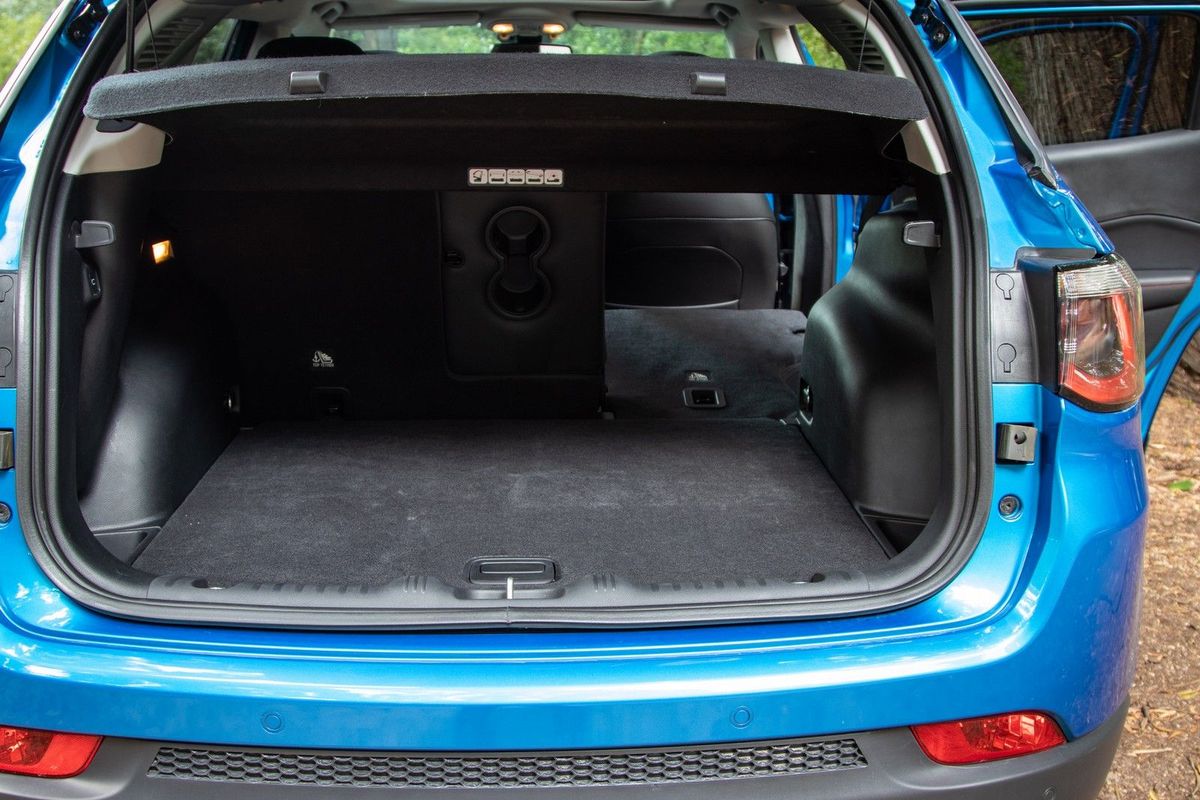
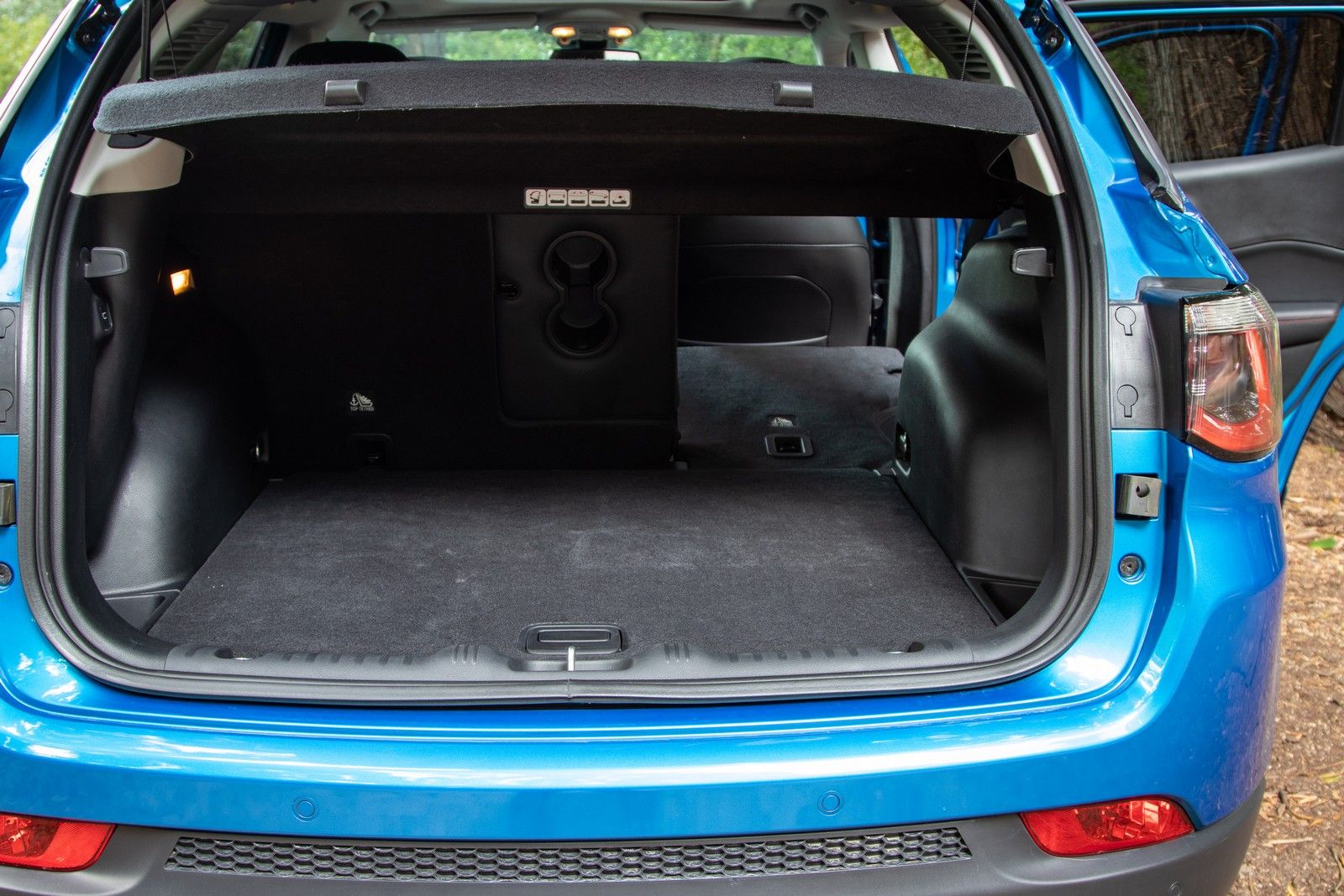
In terms of size, the Compass is actually a small- to mid-sized SUV. It's based on a stretched Jeep Renegade platform and, if you’re looking for something similarly sized, its closest match is a Nissan Qashqai or its sibling, the X-Trail. It’s quite a bit smaller than one would expect, given its asking price of almost R600k. Passenger space is decent, even the rear adults have sufficient leg and headroom, provided they're not taller than 6ft (183 cm). It’s the load bay that lets the Compass down, though – its claimed capacity is only 438 litres. As an adventure vehicle, it’s likely that the 2.4 4×4 Trailhawk will have to transport lots of outdoorsy kit and a bigger luggage capacity would broaden its appeal.
See electric bootlid button mid-left? Awkward positioning means you have to get out of the tailgate's way every time you close it.
The tailgate is electrically operated, but strangely via a button inside the load bay rather than on the leading edge of the tailgate. This doesn’t seem like the most practical solution: in practice, you have to dodge the closing tailgate after you press the button. The centre of the 40/20/40-split rear seatback can fold down into an armrest fitted with a pair of cupholders.
Interior features
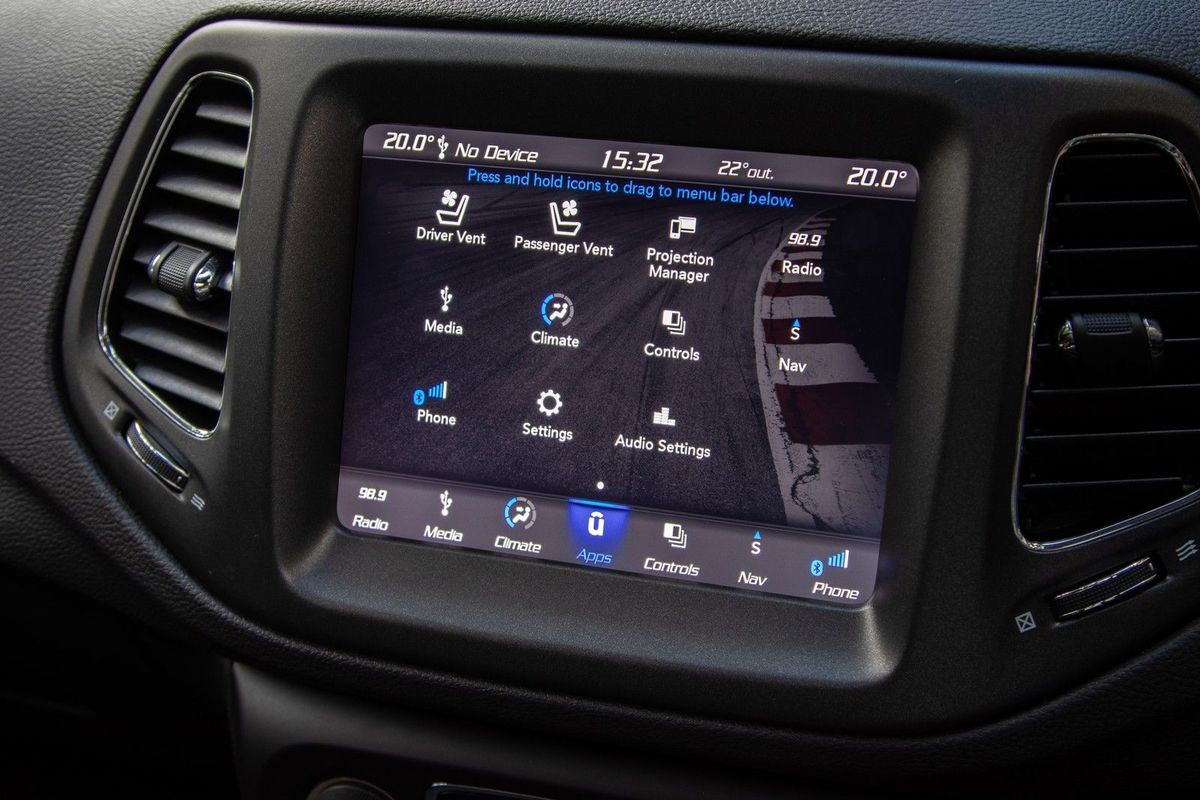
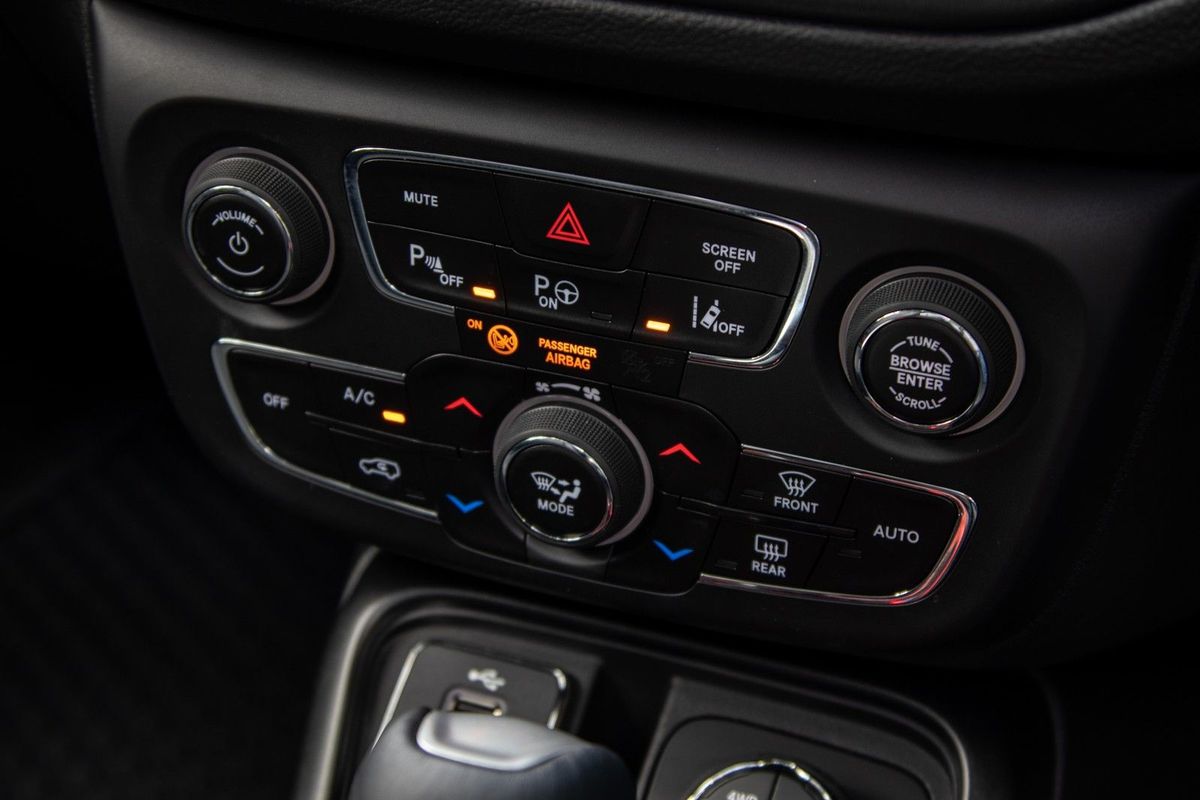
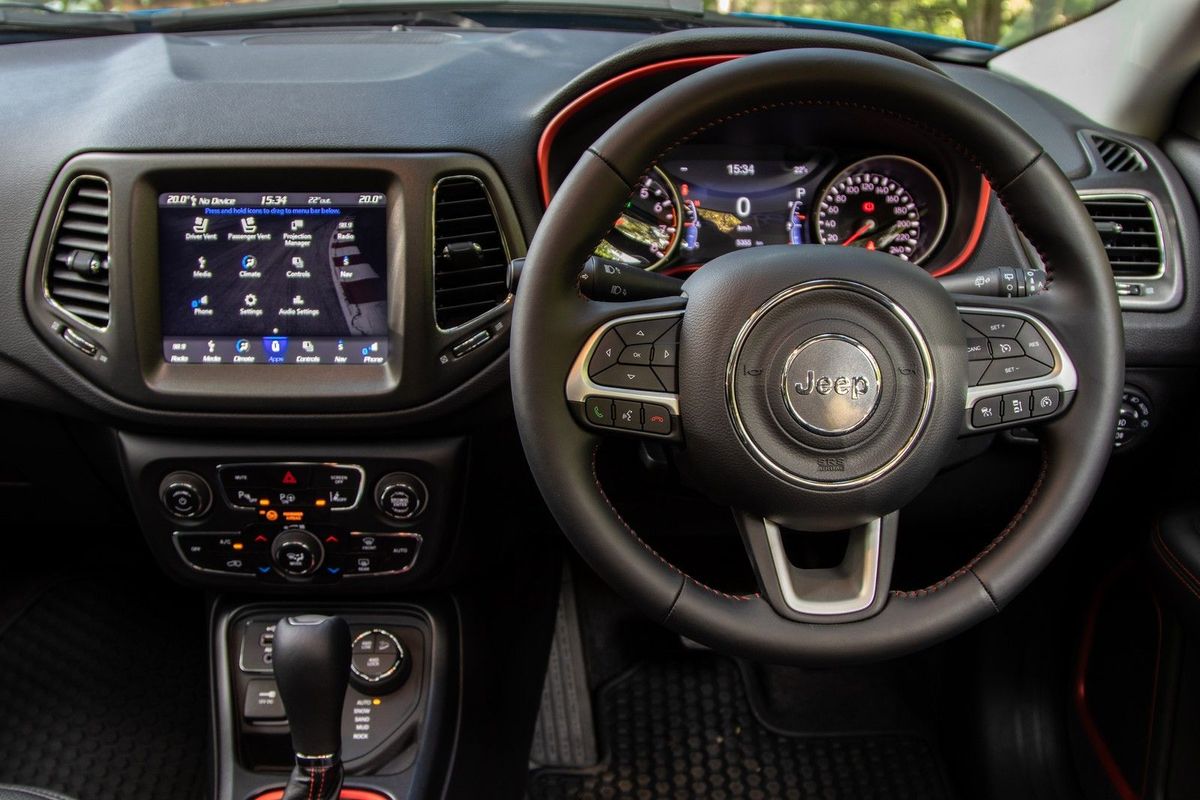
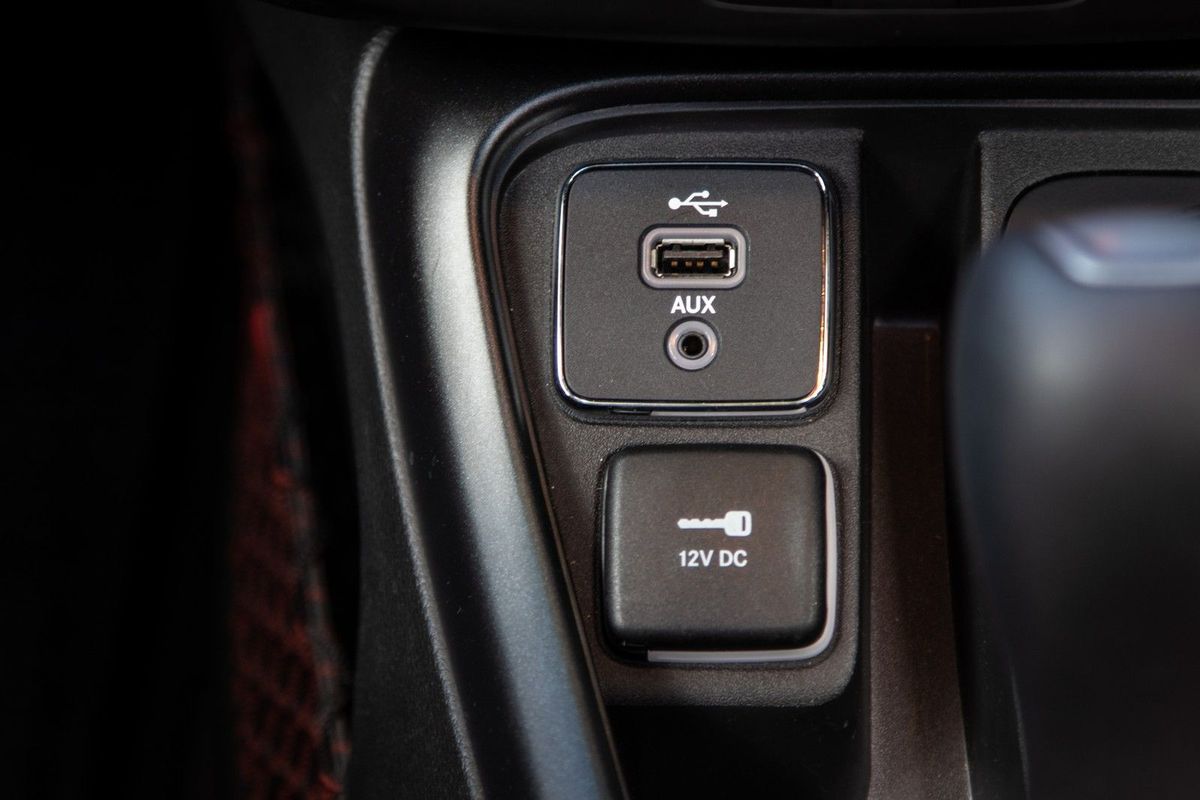
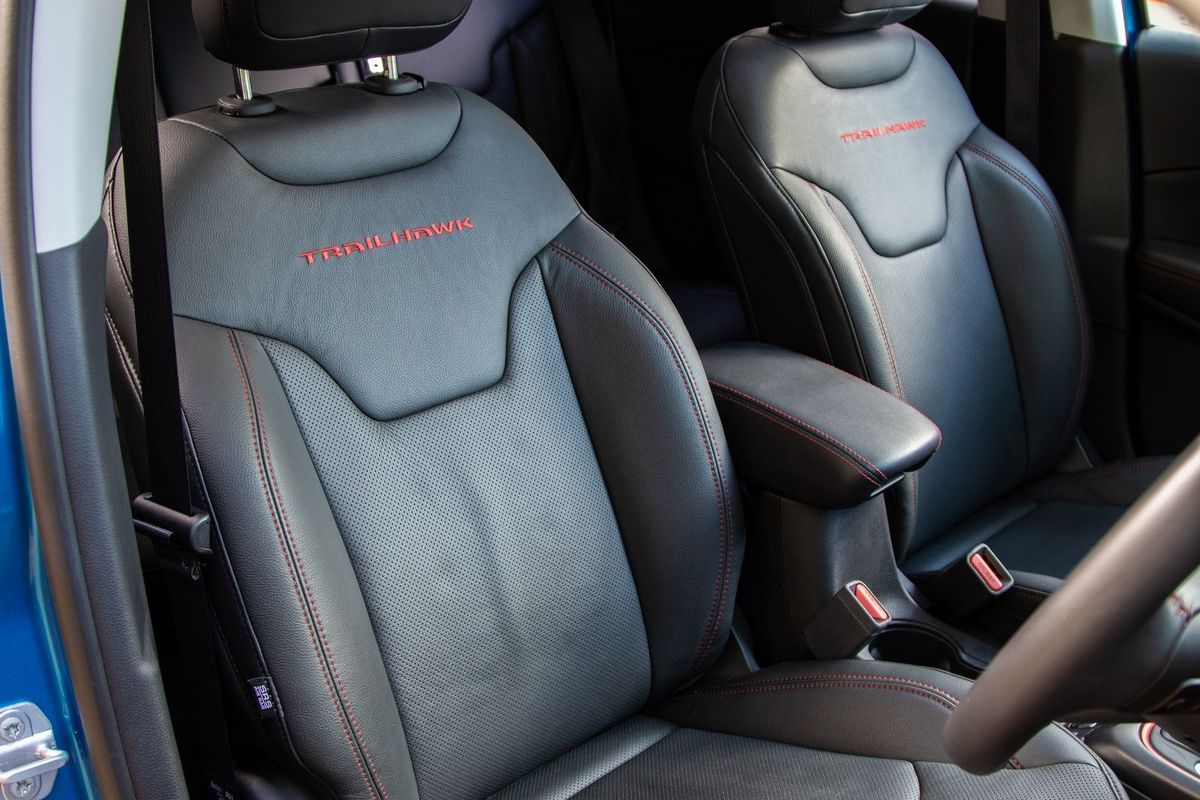
The 2.4 4×4 Trailhawk comes fully loaded inside, which you would justifiably expect in a family car with price tag of R600k. The leather seats are particularly comfortable and feature ventilation and electrical adjustment for both driver and passenger. The Apple Carplay/Android Auto interface works the moment you plug in your phone via the USB port, but it would have been beneficial to have somewhere other than the cupholders to place your device while you're driving. Dual-zone climate control is standard and front and rear park distance control with a rear camera are definite pluses.
The instrument cluster features 2 analogue dials that flank a digital screen that supplies custom information (speed, trip details etc.).
The Trailhawk's fully loaded in terms of comfort features and modern connectivity.
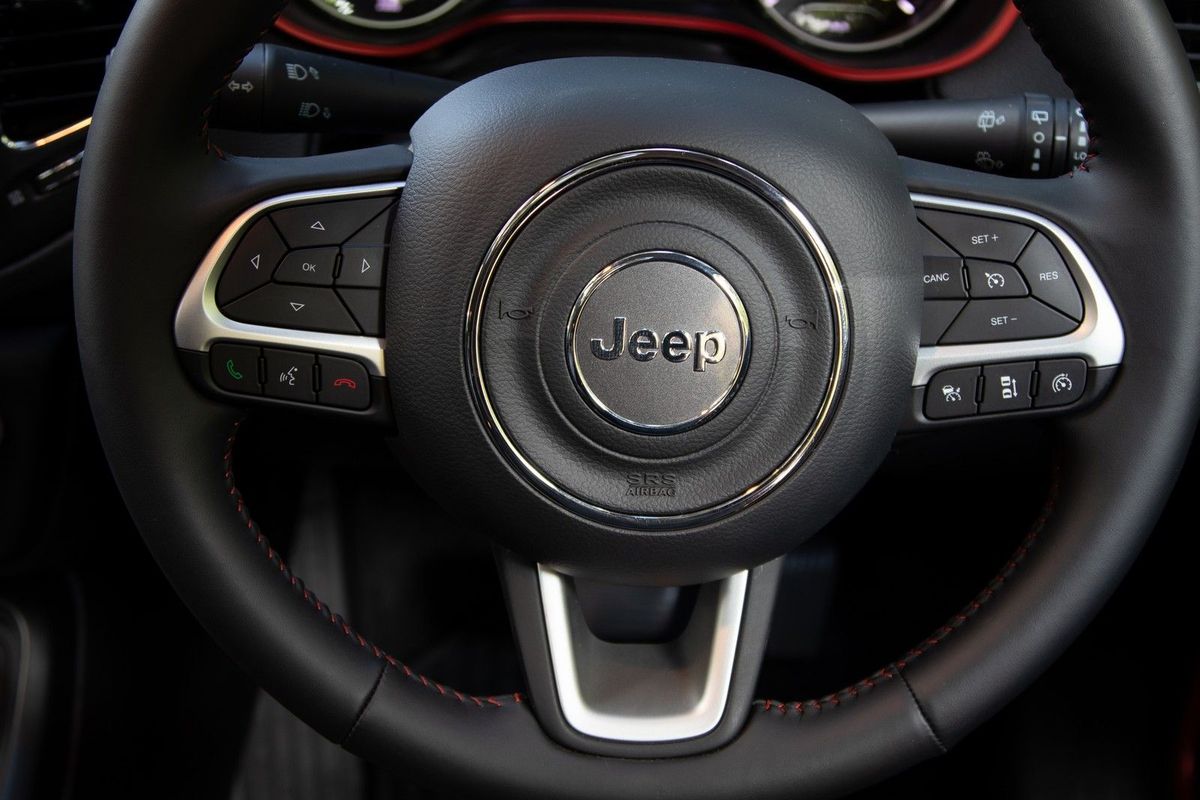
As for the quality of the cabin materials, the Jeep's interior feels solidly put together with a mix of hard- and soft-touch plastics, while leather wraps the steering wheel, transmission lever and door handles. It’s a mixture of hard-wearing and upmarket materials that again makes it difficult to benchmark the 2.4 4×4 Trailhawk against its rivals. The removable rubber mats are a good choice, considering the mucky routes this derivative is likely to traverse from time to time.
Safety
The list of safety equipment fitted to the Compass is excellent. The 2.4 4×4 Trailhawk even features adaptive cruise control and lane-keeping assist, although the latter can be bothersome when it firmly encourages you to steer the Jeep away from lane markings. Six airbags, ABS with EBD and brake assist, electronic stability control and LED daytime running lights are standard too.
Pricing & warranty
As of December 2019, the 2.4 4×4 Trailhawk is the only Compass on sale in SA, but other derivatives are expected to arrive in 2020. It costs R599 990 and comes with a 3-year/100 000 km warranty and service plan.
Verdict
It's a small niche, but if you don't want a Fortuner but do want a proper off-roader, the Compass Trailhawk is for you.
The Compass 2.4 4×4 Trailhawk carves out its niche well. There aren’t many true off-roaders at this end of the market that are as refined on- or off-road as Jeep's newcomer. It’s generously equipped with modern connectivity and comfort features, plus it offers a high level of safety. Passengers will undoubtedly enjoy the SUV's ride comfort and generous occupant space, although the smallish load bay may put off buyers if they're split between the Jeep and a competitor.
At its current price, the Jeep's unlikely to be a volume seller, as most buyers that really want to go off-road will opt for the peace of mind that’s offered by established bakkie-based adventure SUVs, especially the Toyota Fortuner 2.4GD-6 4×4 auto. While this version of the Compass is a very good off-roader and certainly a much better car (on-road) than the Fortuner, conservative and brand-conscious buyers are likely to invariably favour the Japanese model.