The Kia Stinger is due for an update and more power is on the cards.
An article from South Korean magazine Top-Rider suggests the updated Kia Stinger is just a few months away. The big news is more power from the engines. While the lower-spec 4-cylinder motor didn't make its way to South Africa, the bigger 3.3-litre V6 turbo did. In current iteration, it produces 272 kW and 510 Nm, with all that shove going to the rear wheels via an automatic gearbox.
The new engine is said to be the 3.5-litre GDI turbocharged V6 which produces 283 kW and 528 Nm. The engine has the Smartstream tag, which means it has improved efficiency and emissions. Another interesting change is the addition of a variable exhaust system, which will be Kia's first application of such tech. Inside, there will be updates to the trim, as well as the addition of a digital dashboard. The infotainment screen size has grown from 8-inch to 10-inch. The article went on to say that updated Kia Stinger will be revealed in Korea in July 2020.
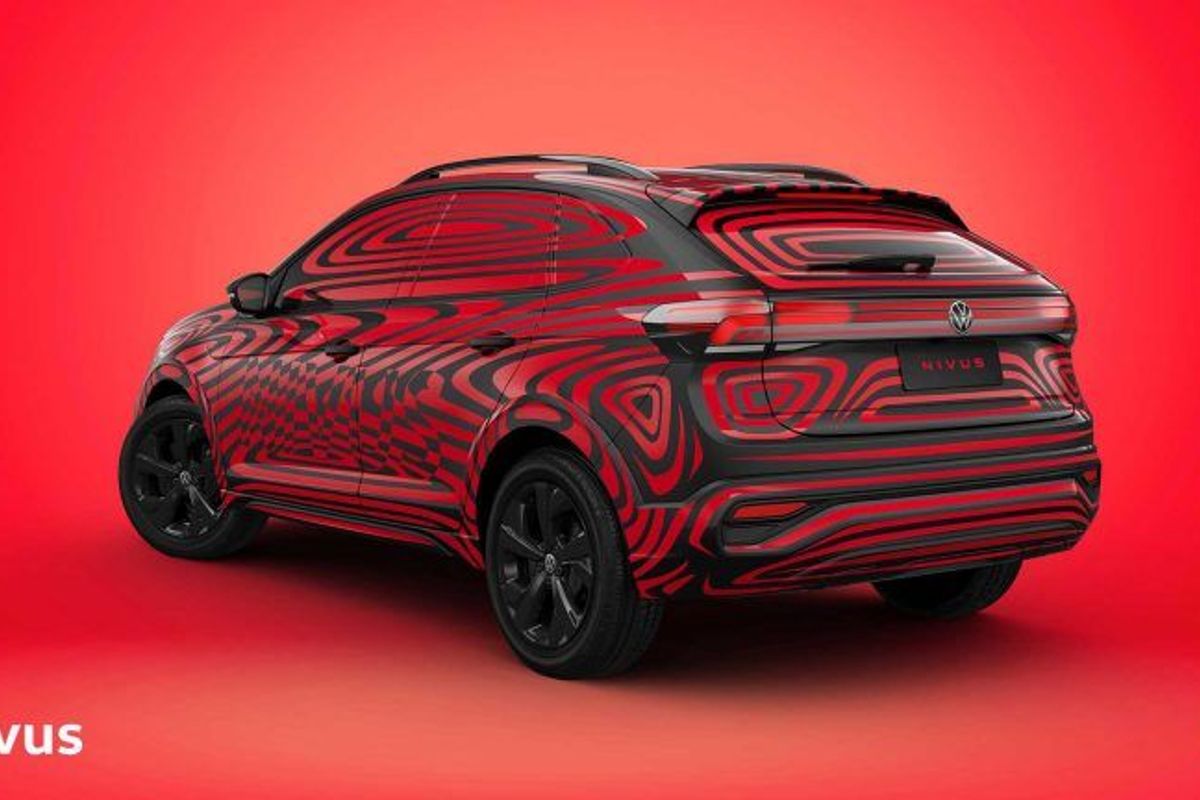
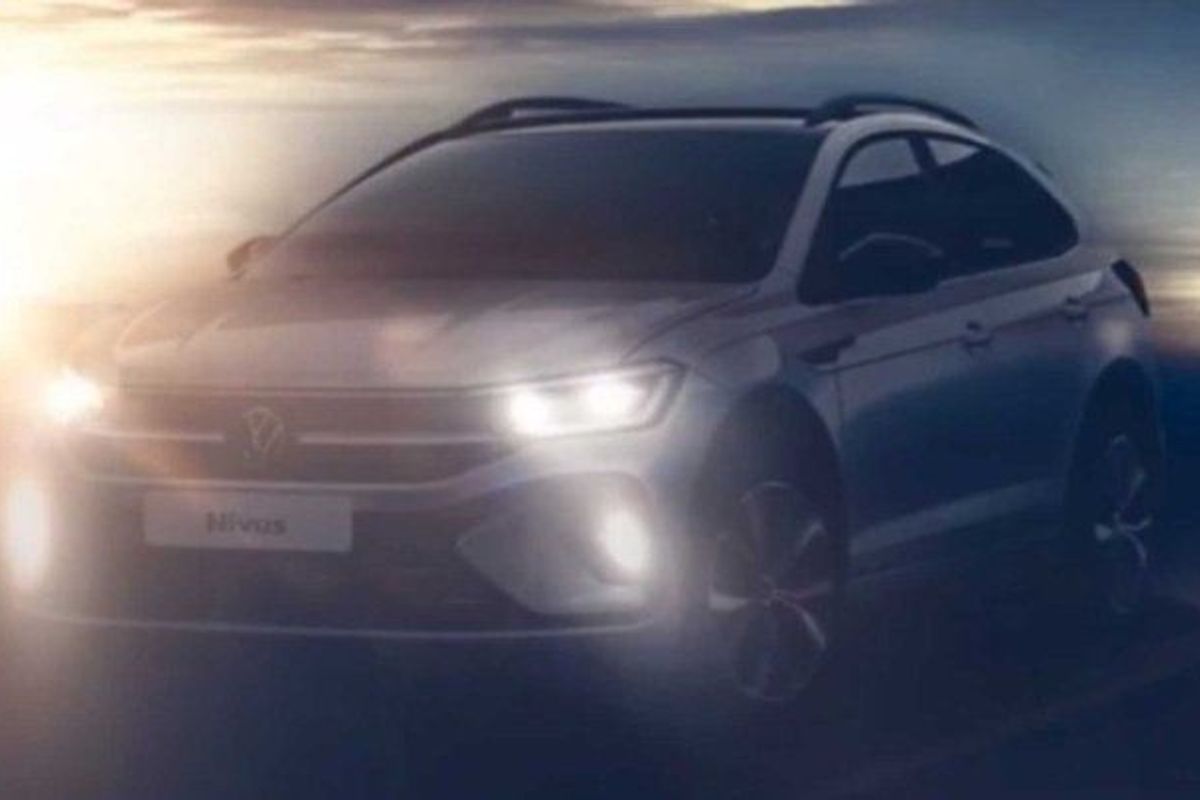
Volkswagen has teased its 2021 Nivus urban crossover yet again. The Nivus is aimed at the South American and European markets.
The teasers don't stop with the Volkswagen Nivus. First announced back in September 2019, the Volkswagen Nivus is a Polo-based cross coupe. Previously, a video showing some details of the Nivus, including the interior, was released by Volkswagen and now a pair of revealing teaser images show the Nivus wearing a psychedelic wrap.
A generously proportioned rear end ensures competitive luggage capacity at a claimed 415 litres, despite the tapered roofline, plus the Nivus' tailgate features a slightly broader taillamp design than the T-Cross. Developed on the very accomplished VW MQB A0 platform (the same one that underpins the T-Cross), the Nivus should have all the ride, handling and refinement attributes of a Polo, but with additional ground clearance. The Nivus will be powered by a 94 kW / 200 Nm, 1.0-litre 3-cylinder TSI turbopetrol engine paired with a 6-speed automatic transmission. A 6-speed manual transmission may also be offered.
The Nivus will be fully revealed later this year and a European market introduction is likely in 2021. Given how much love there is locally for the T-Cross and the imminent launch of the T-Roc, it's hard to see where the Volkswagen Nivus would fit in, but if Audi SA can make provision for both a Q3 and Q3 Sportback, then anything is possible.
Toyota never has to try with its Land Cruiser range. Global customer demand for these off-roading icons remains strong and ardent fans of the brand are easily excited by even the most marginal of updates.
In places with lots of sand, no surface water and towering dune fields, the Toyota Land Cruiser 200 is unrivalled. No other luxury SUV is trusted in terrain where getting home, is often a question of life or death.
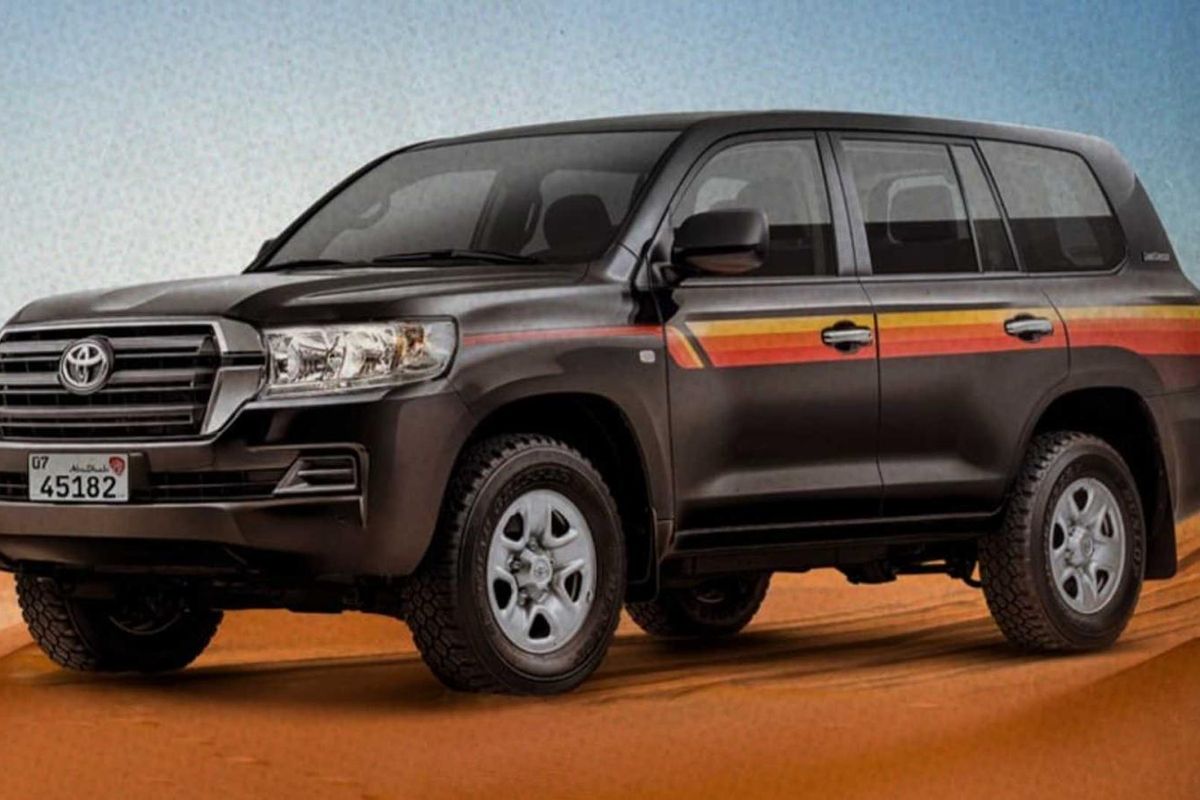
To celebrate its reputation as the only true luxury off-road vehicle which is true to its original design purpose, Toyota has released a tiny consignment of Land Cruiser 200 Heritage Edition models.
Part of Land Cruiser’s global 10 million unit sales celebration, the Heritage Edition adds some terrifically retro styling graphics. That’s about it. But those yellow-orange-red stripes are wonderfully symbolic, and yes, they draw inspiration from an era when Toyota fielded one of the world’s most memorable movie cars: the Hilux single-cab which starred in Back to the Future.
Beyond those exterior graphics, the cabin has some embossed Heritage Edition seat badges. A neat technical upgrade is the presence of an onboard air-compressor for managing tyre pressure, which is crucial for any sand or dune driving adventure.
These Toyota Land Cruiser Heritage Edition vehicles are available in two petrol engine configurations that will be unfamiliar to local ‘Cruiser fans. The 4-litre V6 version is good for 202 kW and paired to a five-speed manual, whilst the 4.6-litre V8 produces 227 kW and links to a six-speed auto.
Distinguishing the V6 and V8 Heritage Edition ‘Cruisers are their wheels, which although both 17-inches in size, are made from differential materials. The V6 has steel wheels, whilst the V8 rolls alloys. Toyota will only be supplying 20 versions of each for the Middle Eastern market, which should ensure that these Heritage Edition Land Cruisers, become future classics.
Pricing
Cruisers are particularly popular in the Emirates so prices of standard Cruisers are much cheaper than in SA, but if we do a basic currency conversion it would look something like this:
Born out of a collaboration between Toyota and BMW, the Supra draws power from a 3.0-litre, 6-cylinder twin-turbo petrol engine that develops 250 kW and 500 Nm and lays it down using an 8-speed automatic transmission.
What makes the Supra so attractive, however, is that it’s a highly tunable car and it serves as a brilliant canvas for aftermarket tuners to beef it up and create something far more powerful.
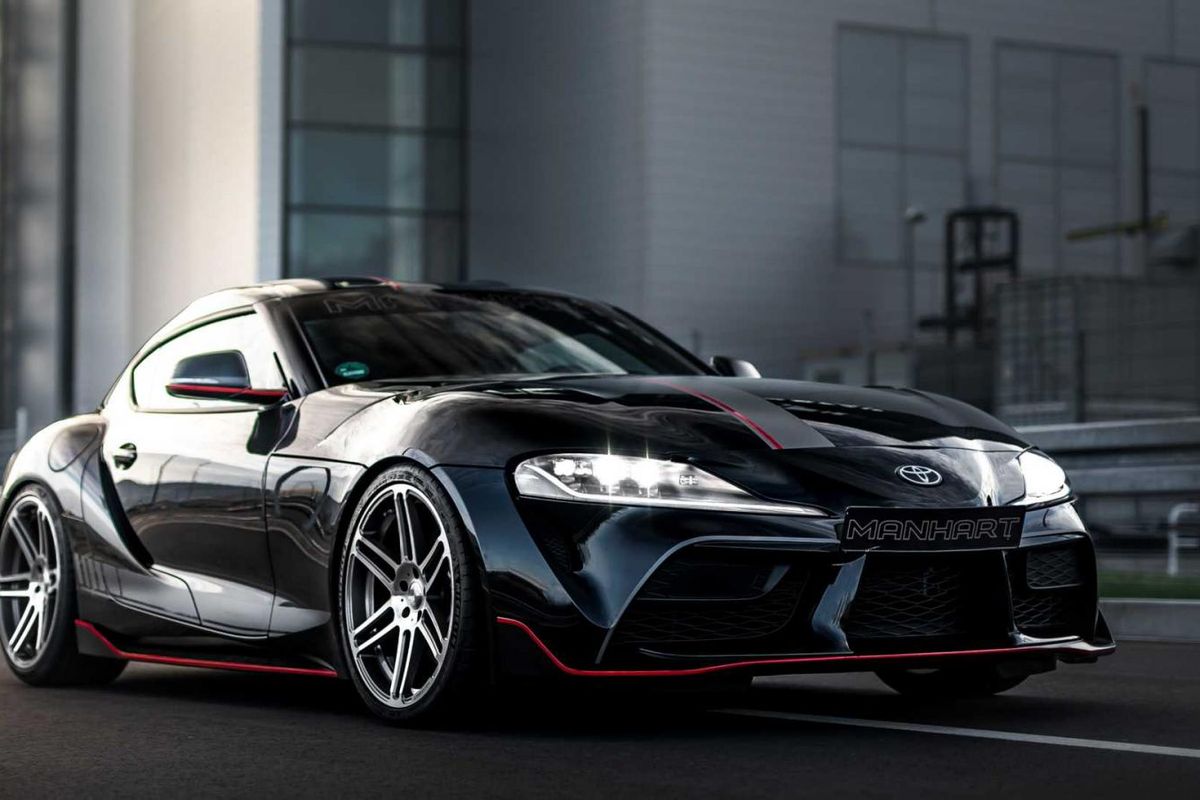
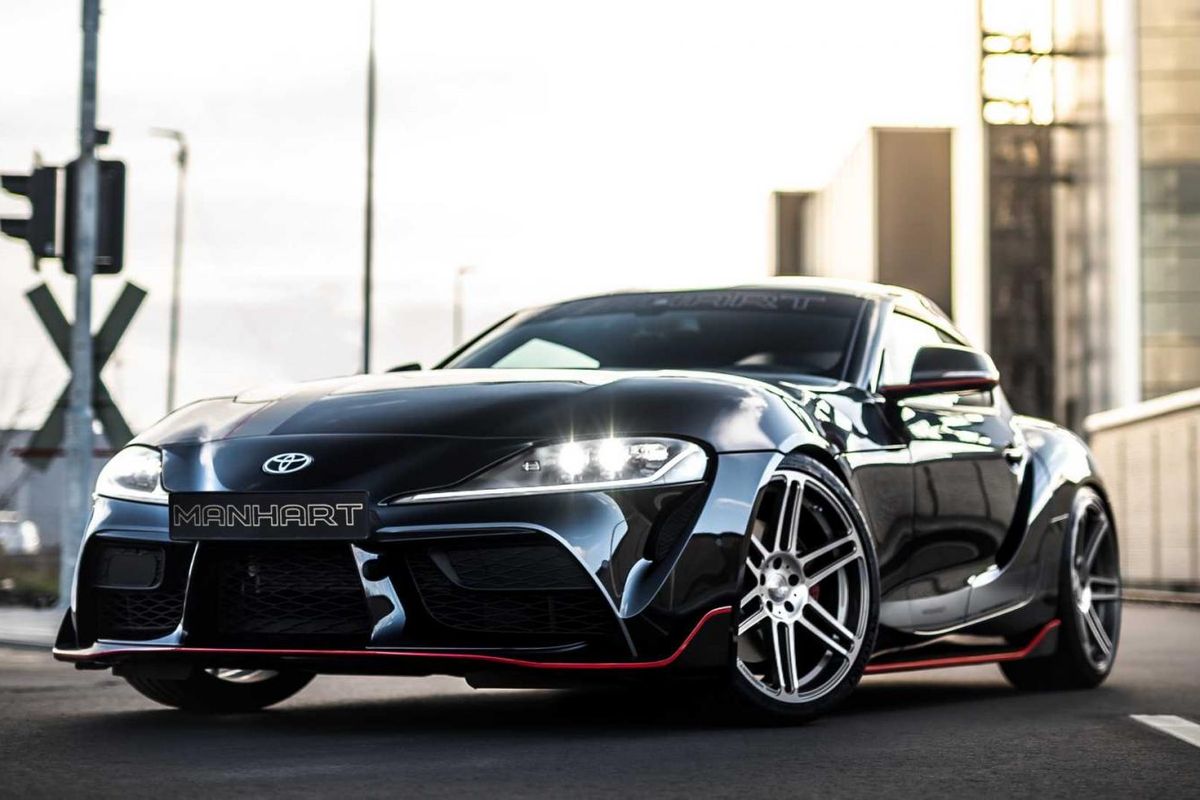
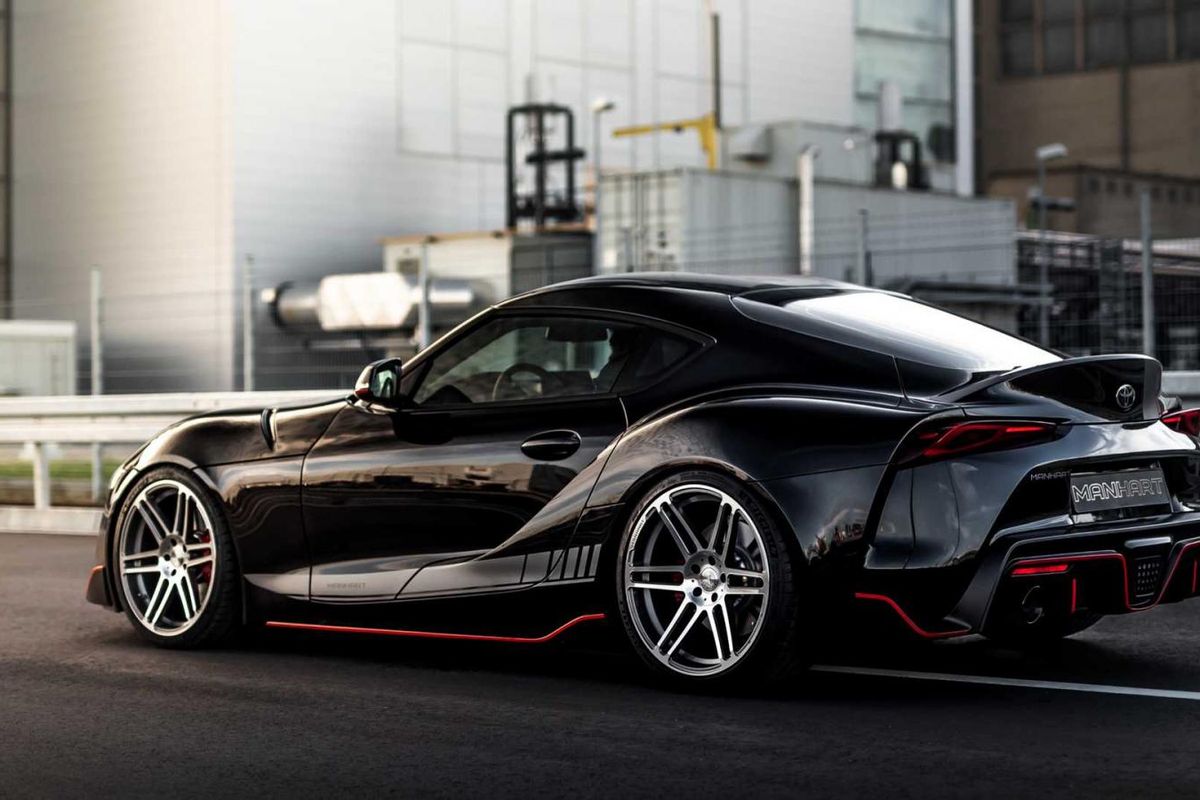
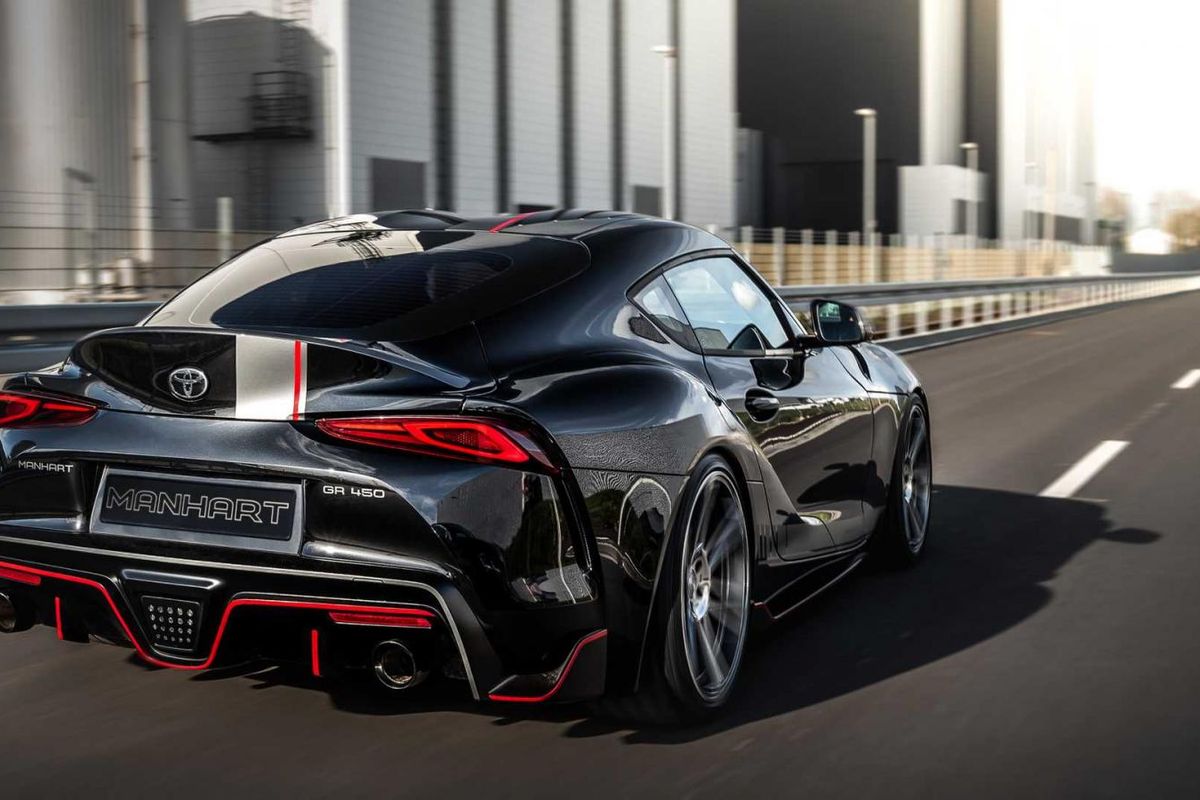
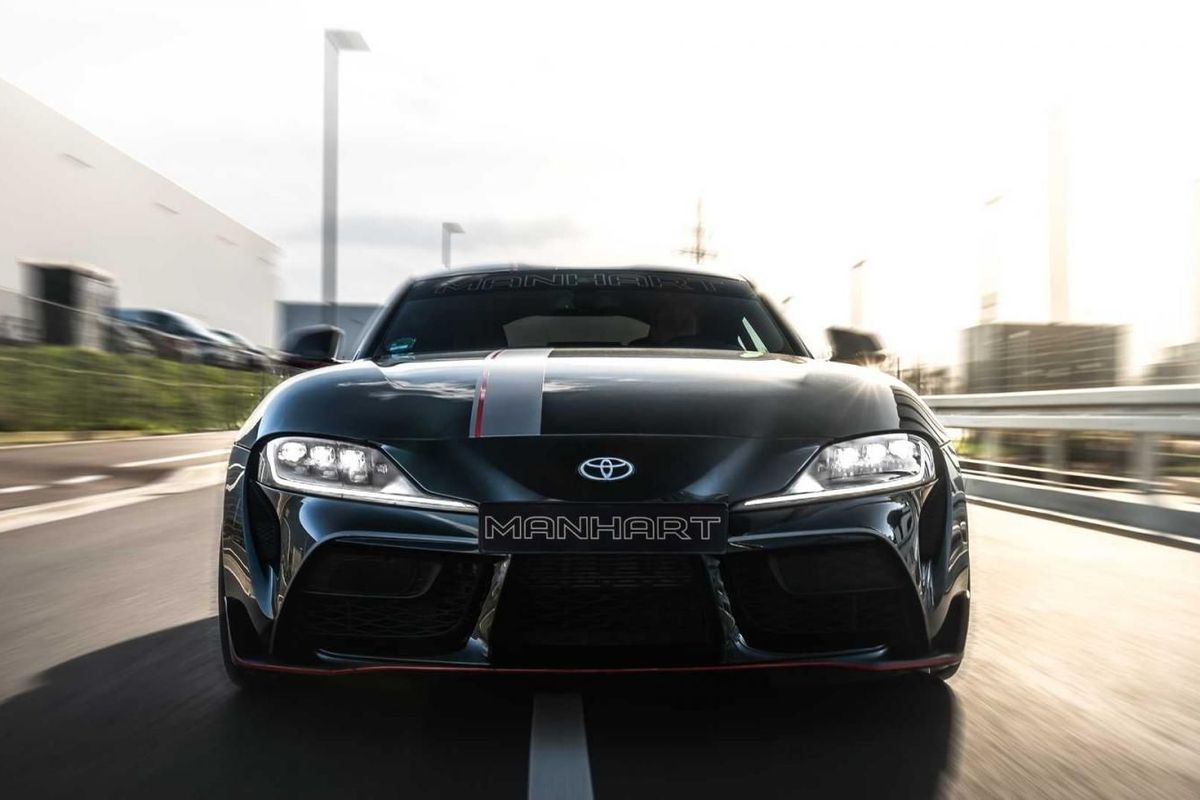
German tuning specialists, Manhart, are perhaps best known for their BMW tuning work and while they offer a tuning program for the new BMW Z4 roadster, they have turned their attention to its Japanese counterpart, the Toyota Supra, to create what the tuning firm calls the Mannhart GR 450.
With an ECU remap (MHtronik Powerbox) and a stainless steel rear silencer with valve control, Manhart has increased outputs to 336 kW and ramped up torque output to 650 Nm. The exhaust tips can be had in either black carbon fibre.
Fitted with H&R lowering springs and a KW Variant 3-coilover suspension, the GR 450 has a dynamic stance with a lower centre of gravity.
The visual appeal is enhanced with decorative red accent stripes and rides on 20-inch diamond-polished, double-spoke Concave One alloy wheels. Wheels in glossy black and matte black are also available.
Do you like the look of this tuned Manhart GR 450?
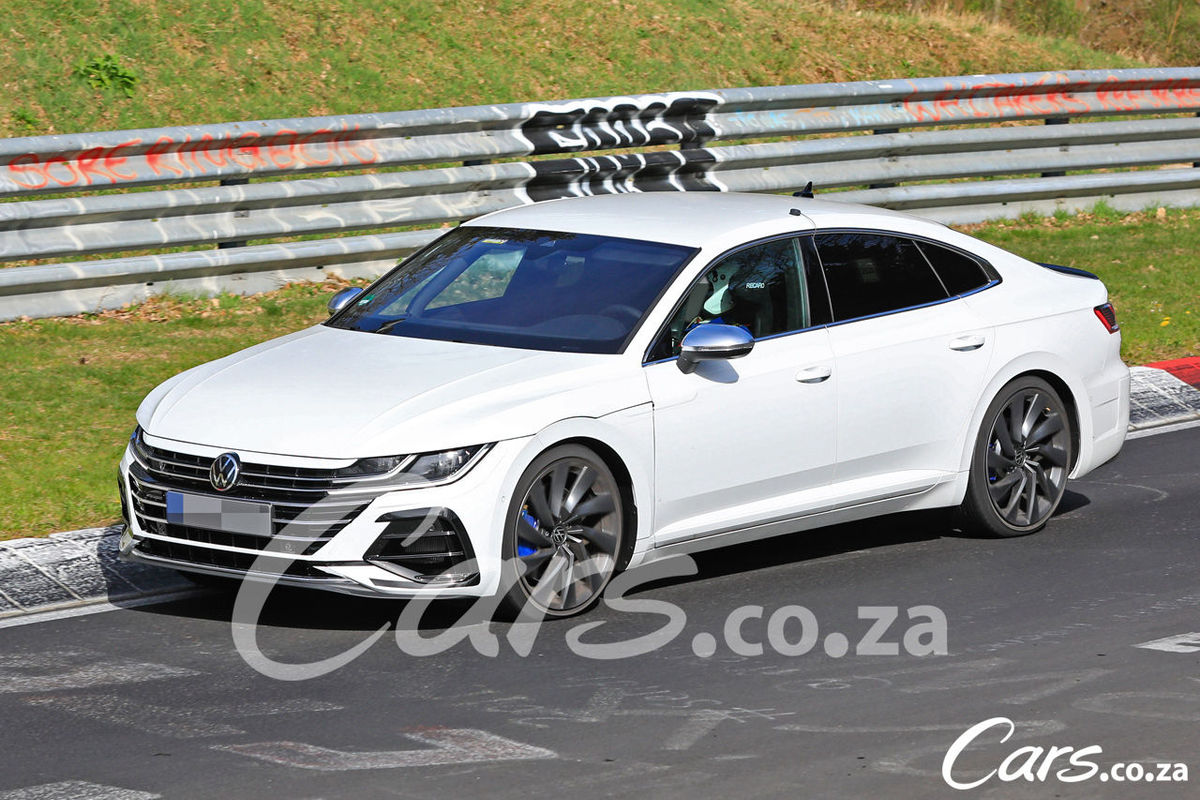
Volkswagen is preparing a high-performance variant of its Arteon sedan. Here's what we know so far.
Picture credit: S. Baldauf/SB-Medien. We have paid for these photos and at the photographer's request, have watermarked them.
Not so long ago, we showed you photos of a Volkswagen Arteon Shooting Brake which would be released as part of a facelift to the Arteon range. Now we can share photos of the rumoured Volkswagen Arteon R, the high-performance version of the good-looking sedan. When it was launched to the South African public in 2018, there were 2 engines on offer. There was a range-topping 206 kW/350 Nm 2.0-litre turbocharged petrol engine and a 130 kW/350 Nm 2.0-litre turbodiesel engine.
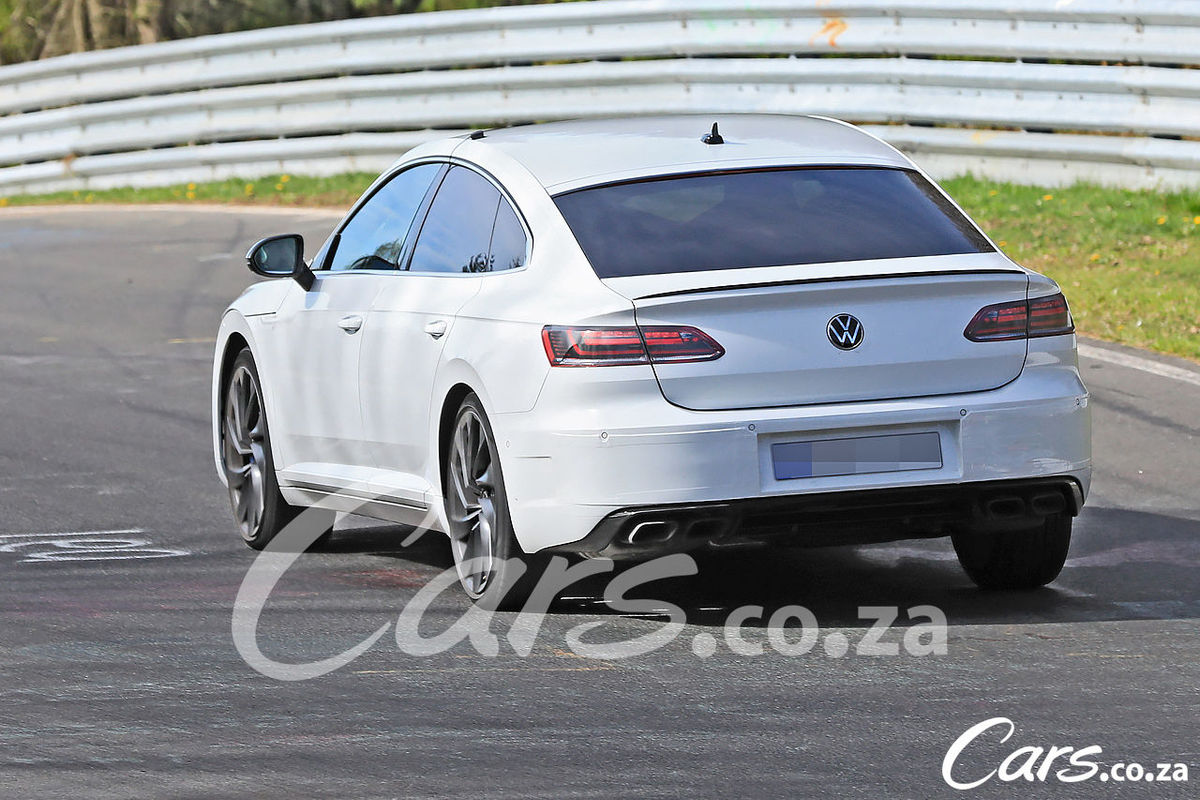
The R version of the Volkswagen Arteon would gain a sportier suspension setup, quad exhausts and as you can see in the photo, blue brakes. We also suspect the engine would be given the full R treatment and like other Volkswagen R products, it would be the 2.0-litre turbocharged 4-cylinder delivering 220 kW and 400 Nm. However, we do know that the next-gen Volkswagen Golf R will get 245 kW, so that could also be an option for the newcomer. Power will continue to go to all 4 wheels via a dual-clutch transmission. Expect 0-100 to be in the late 4 second ballpark.
Expect the Volkswagen Arteon R to be revealed alongside the Arteon Shooting Brake as part of a facelift to the model range before the end of 2020.
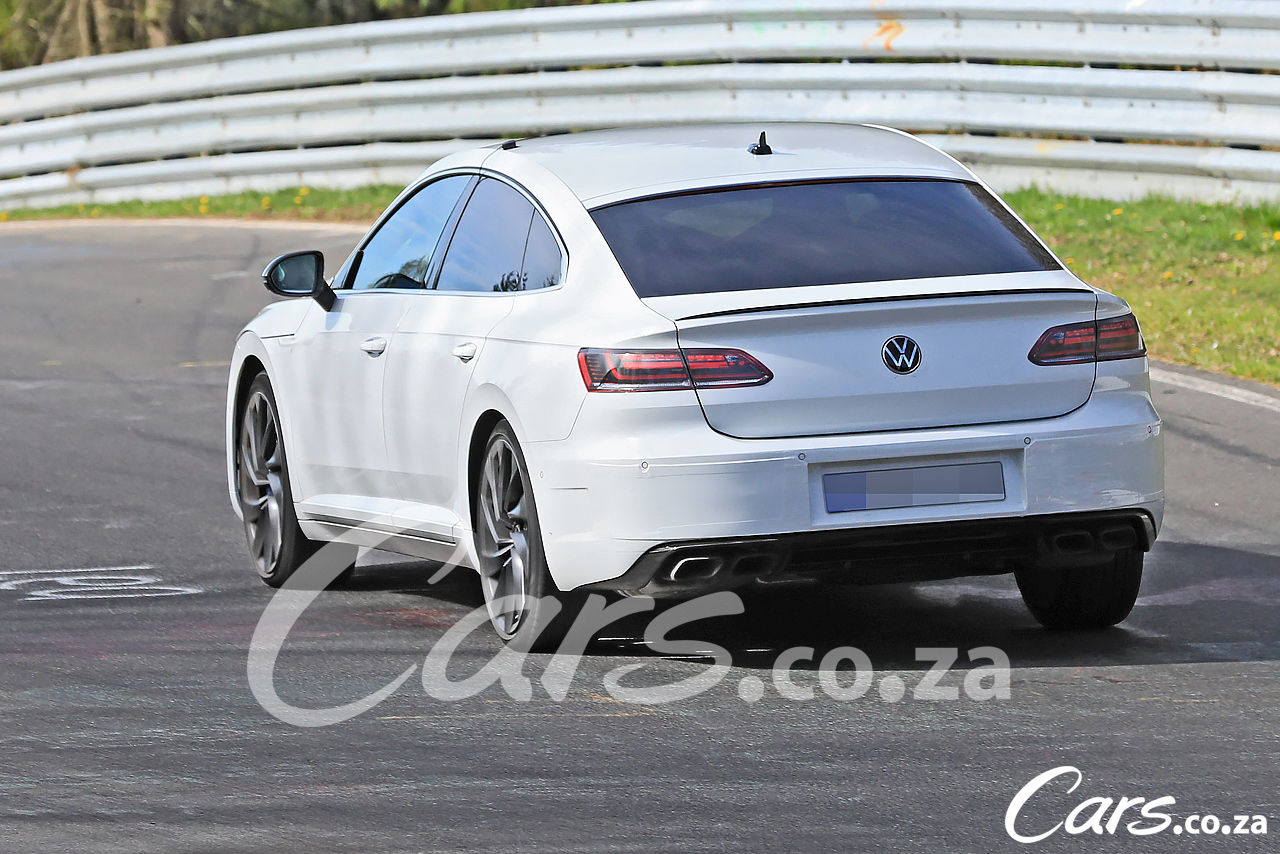
The quad exhausts are a giveaway that this is no ordinary Volkswagen Arteon
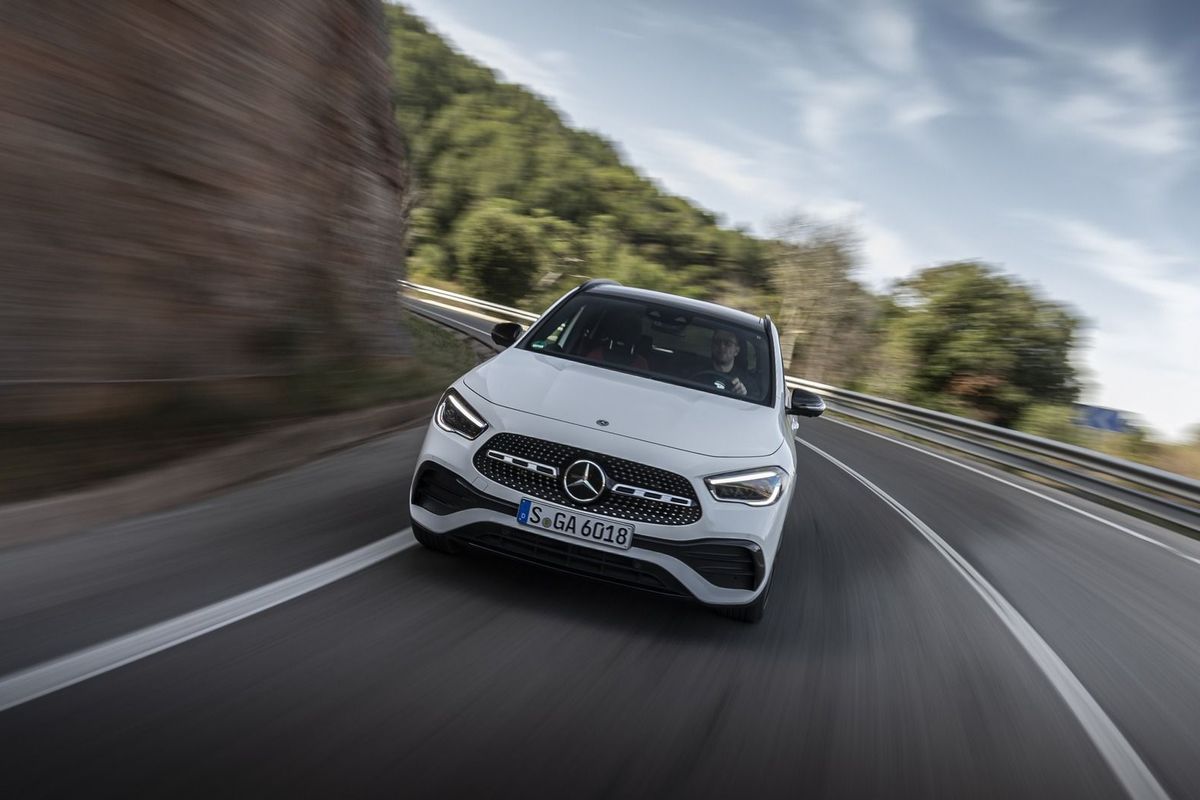
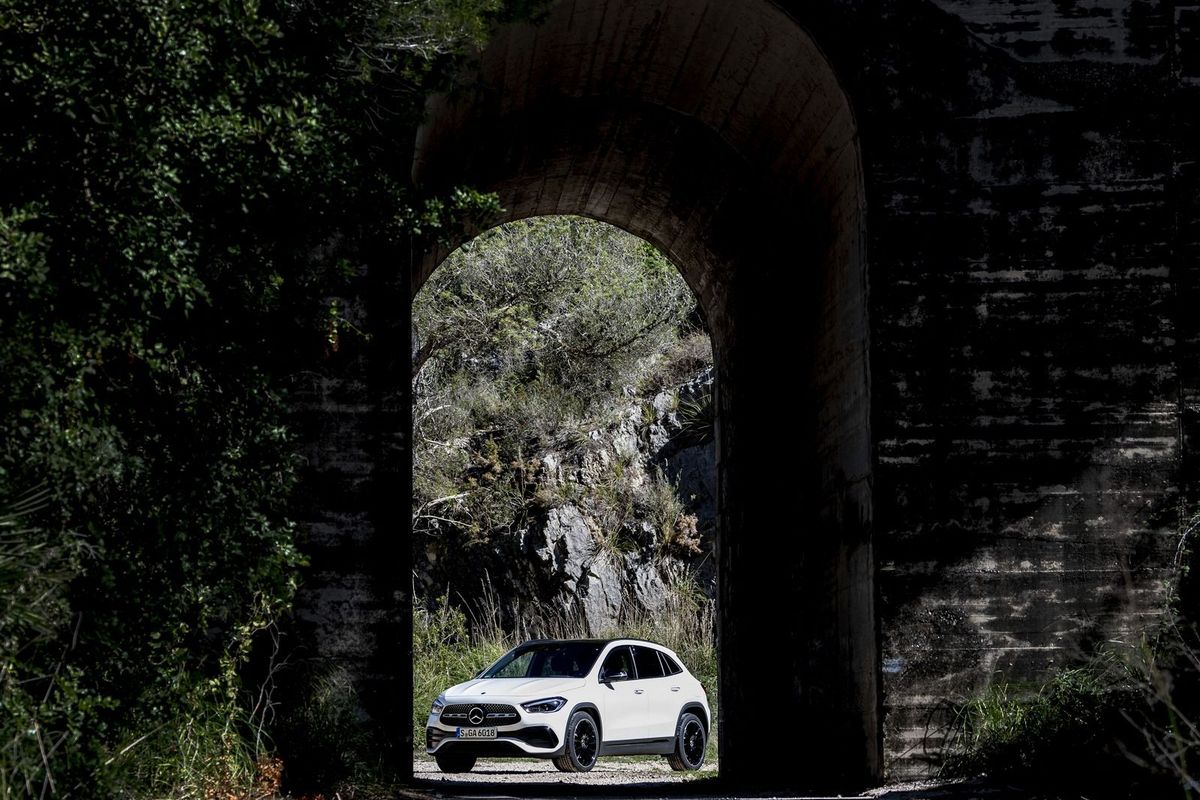
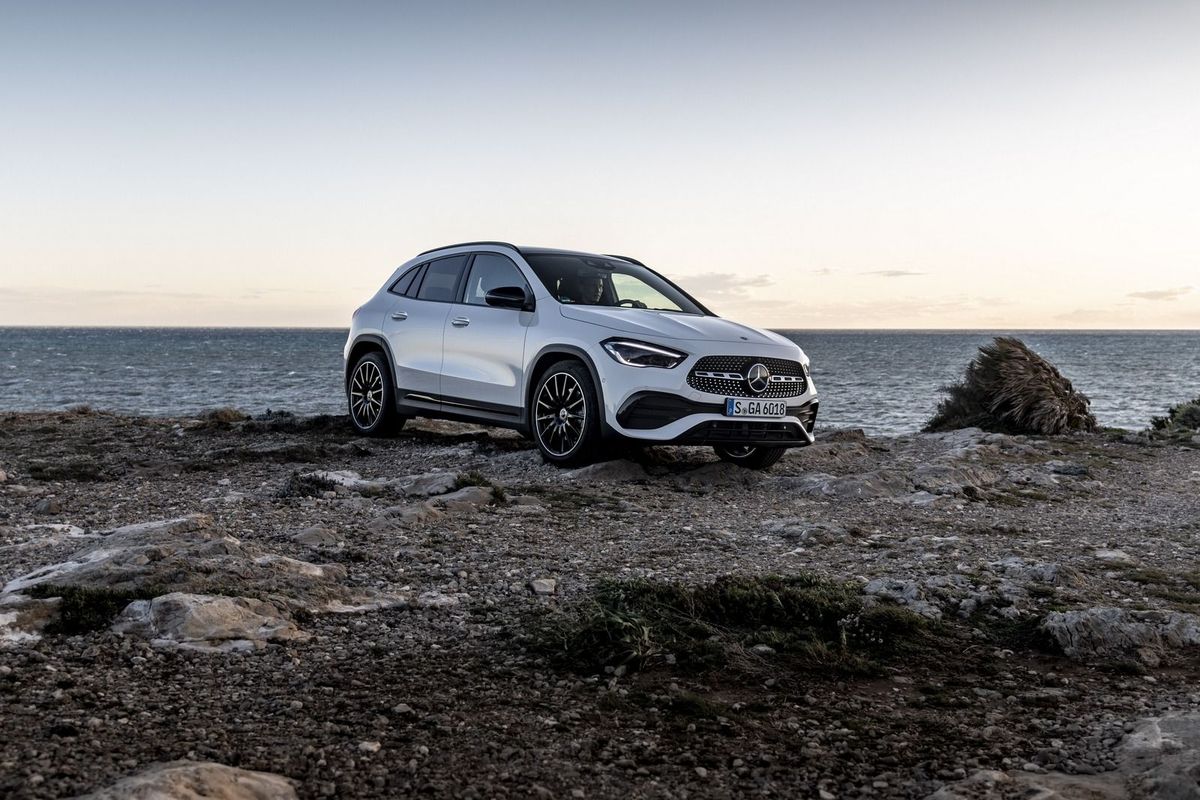
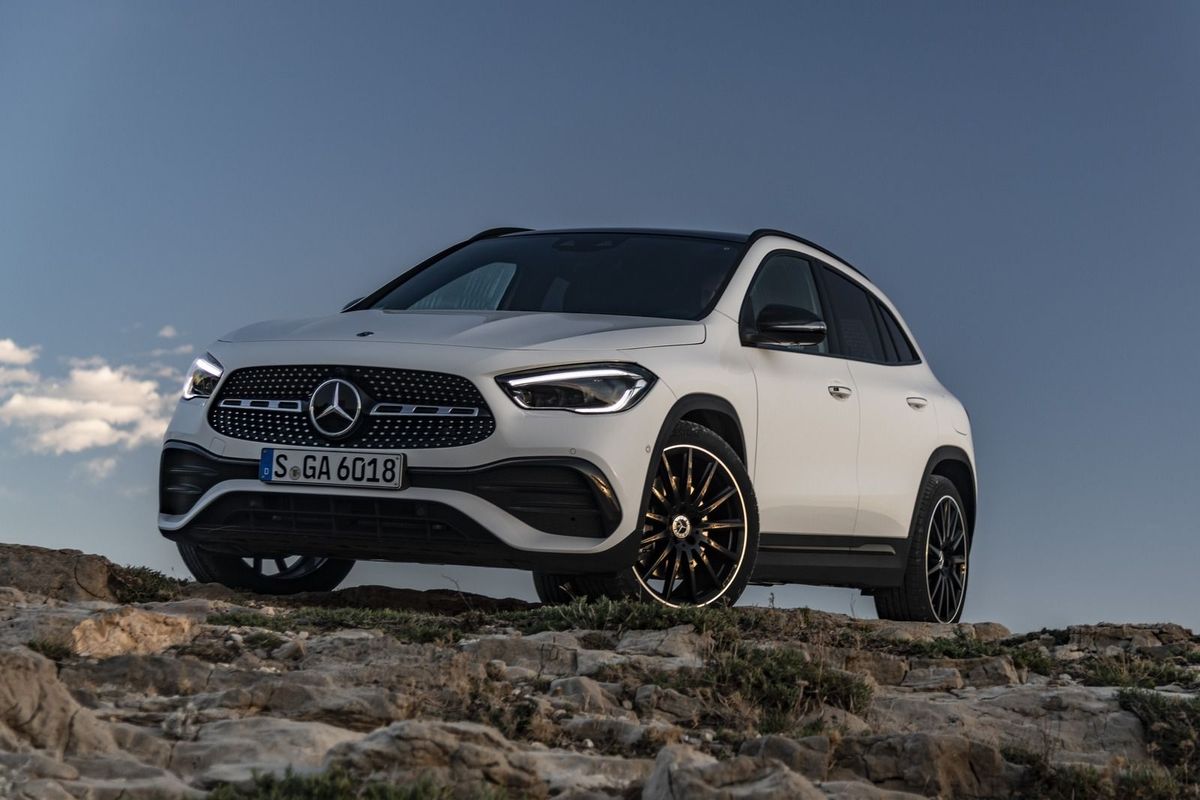
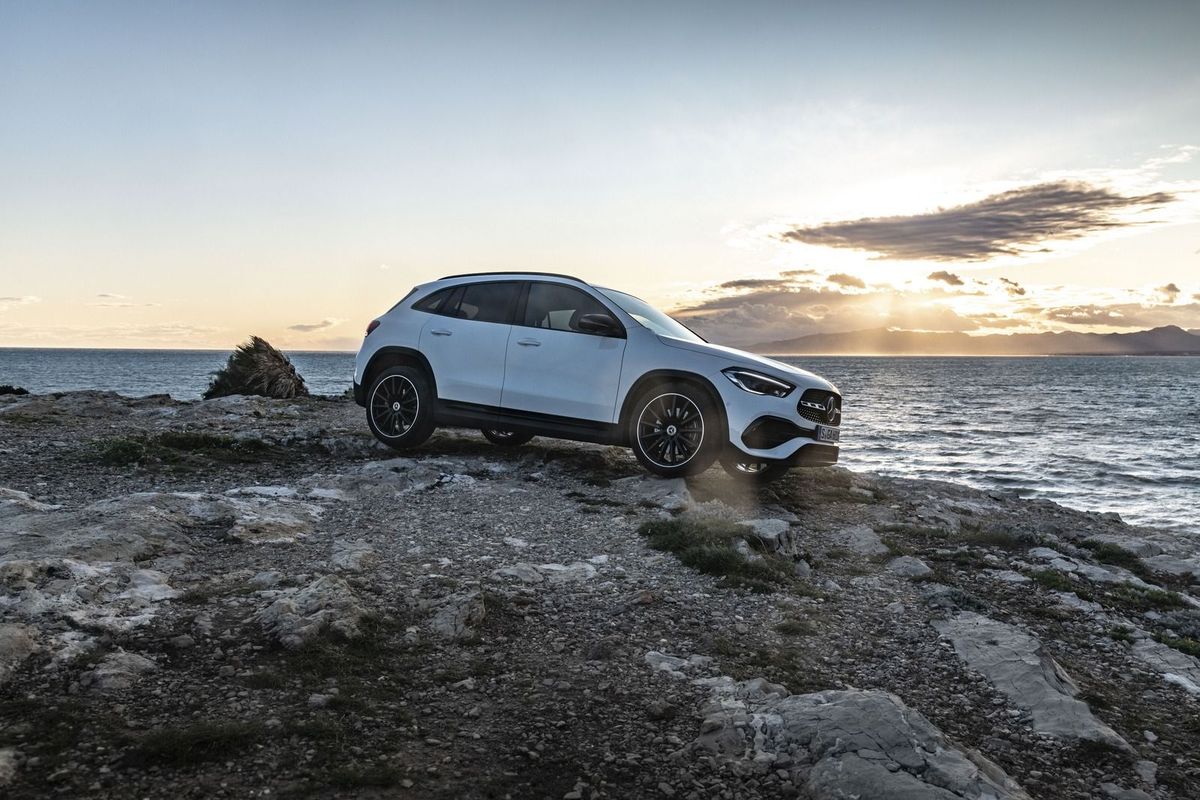
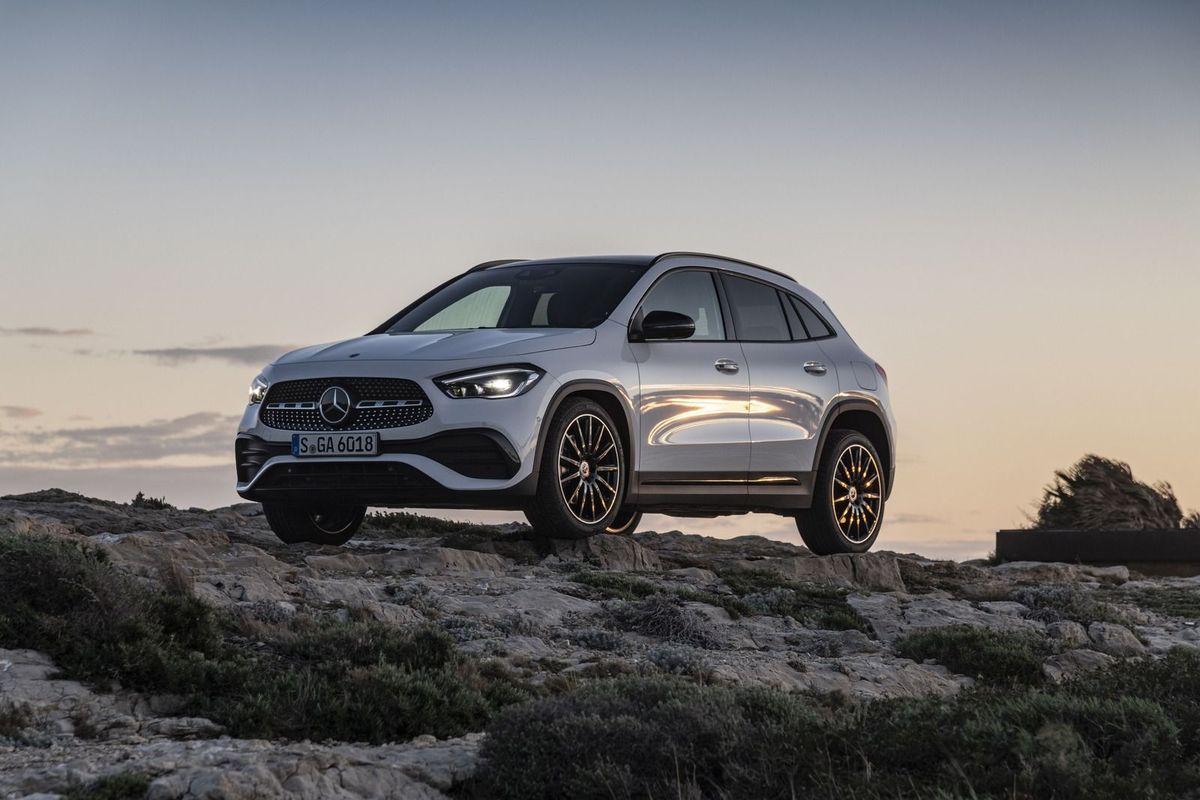
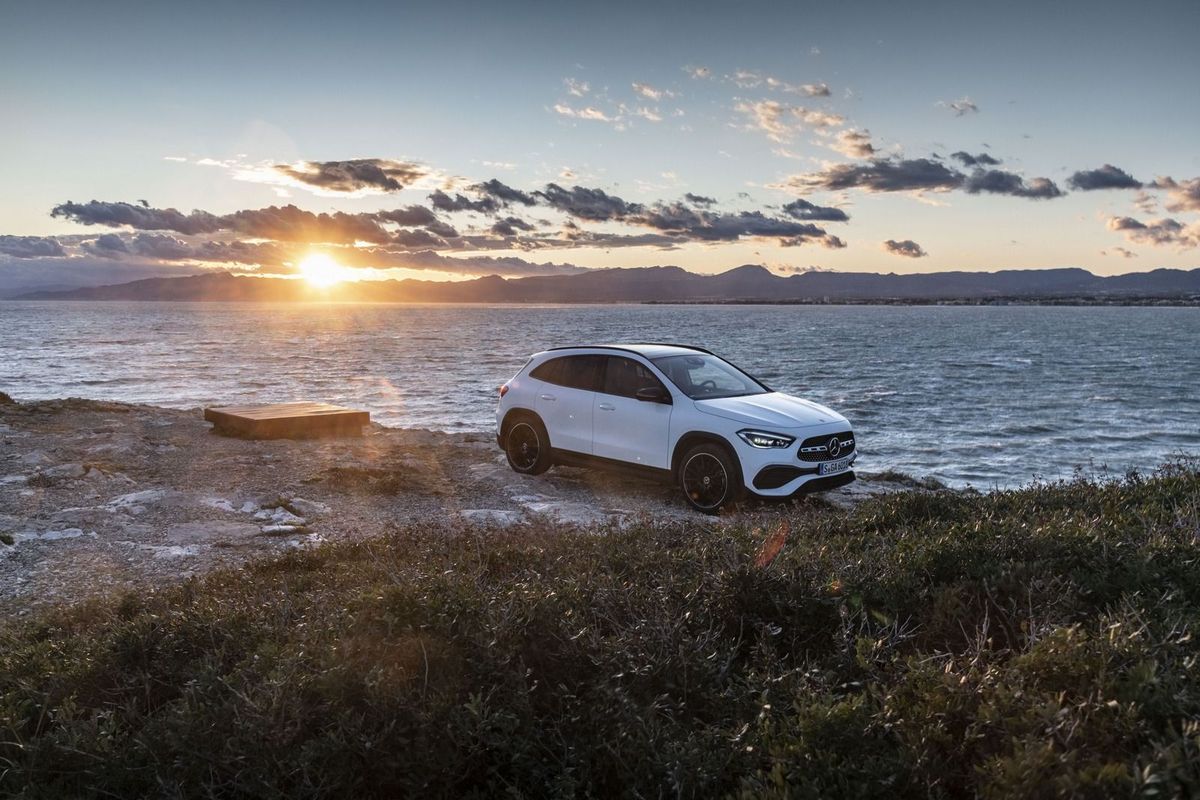
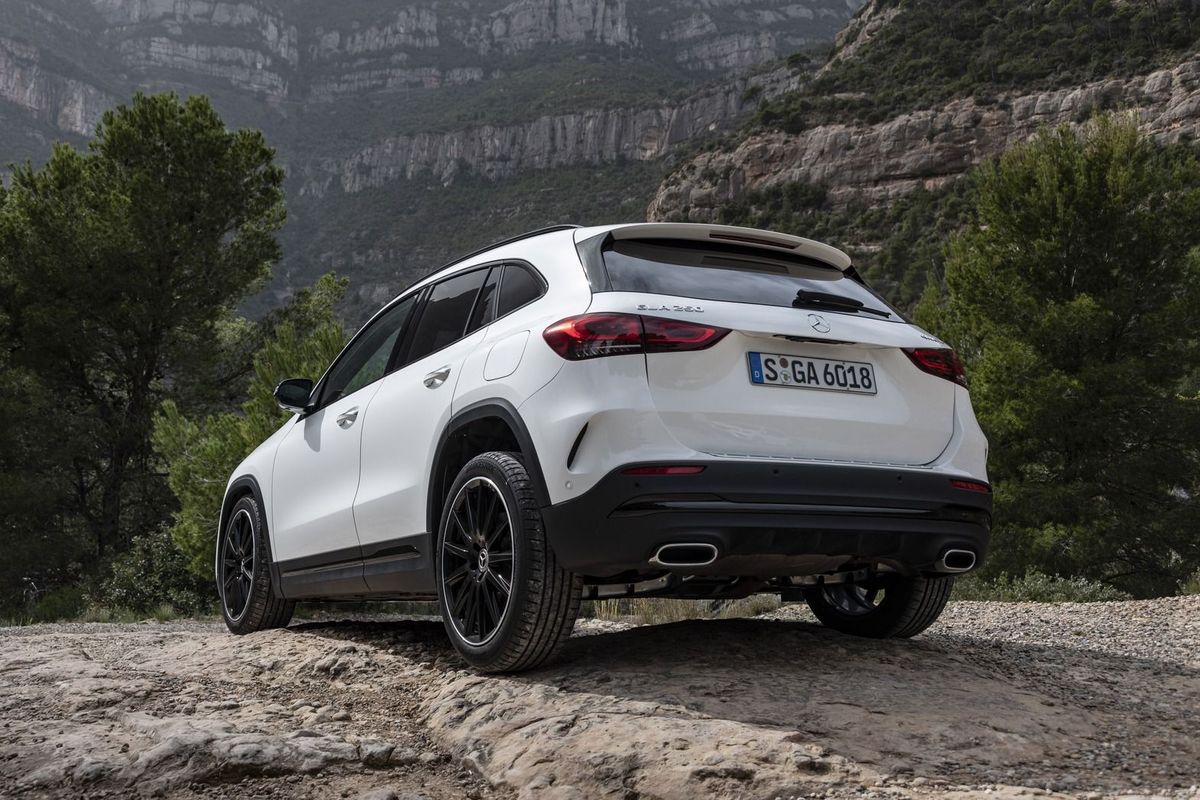
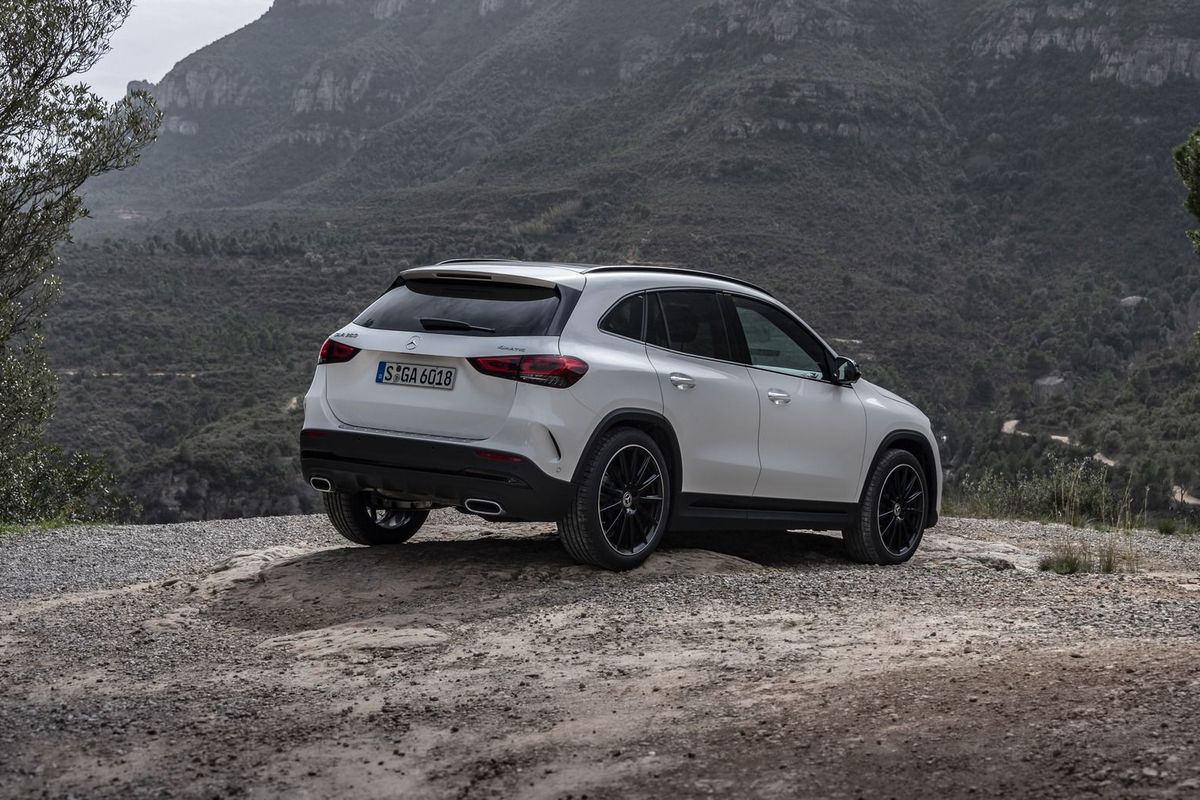
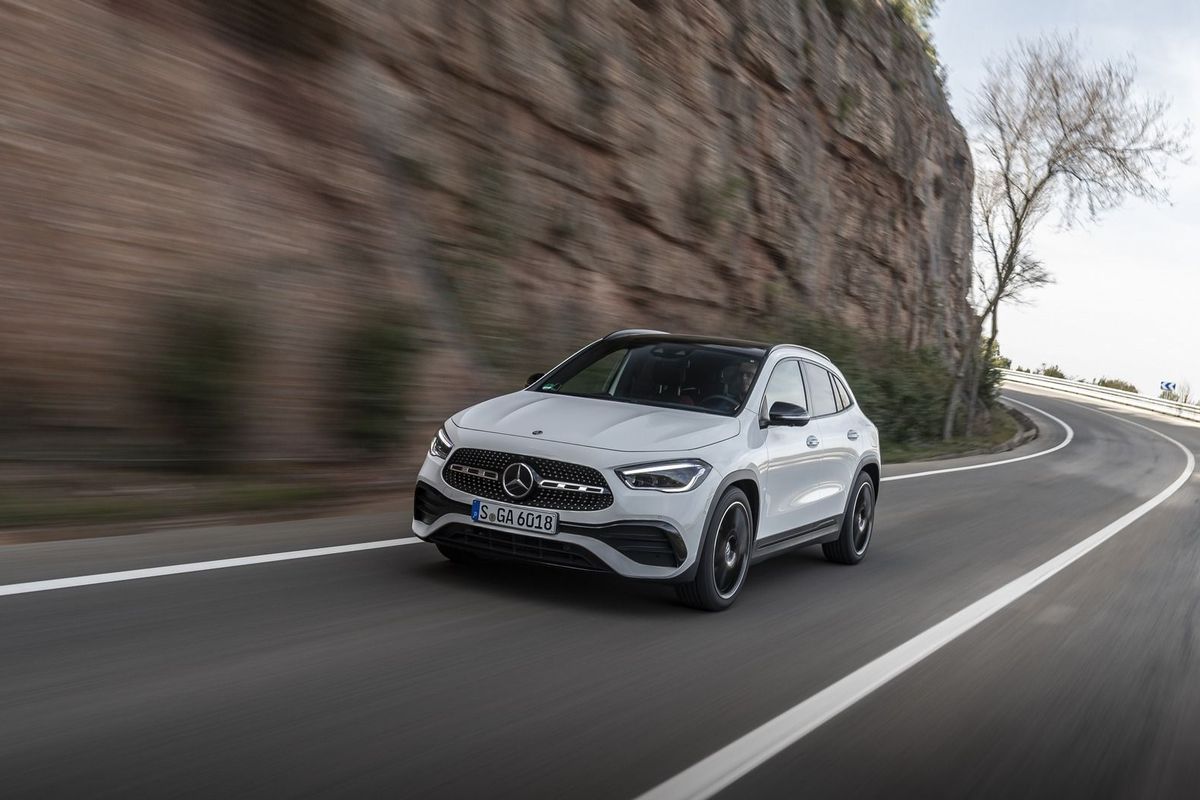
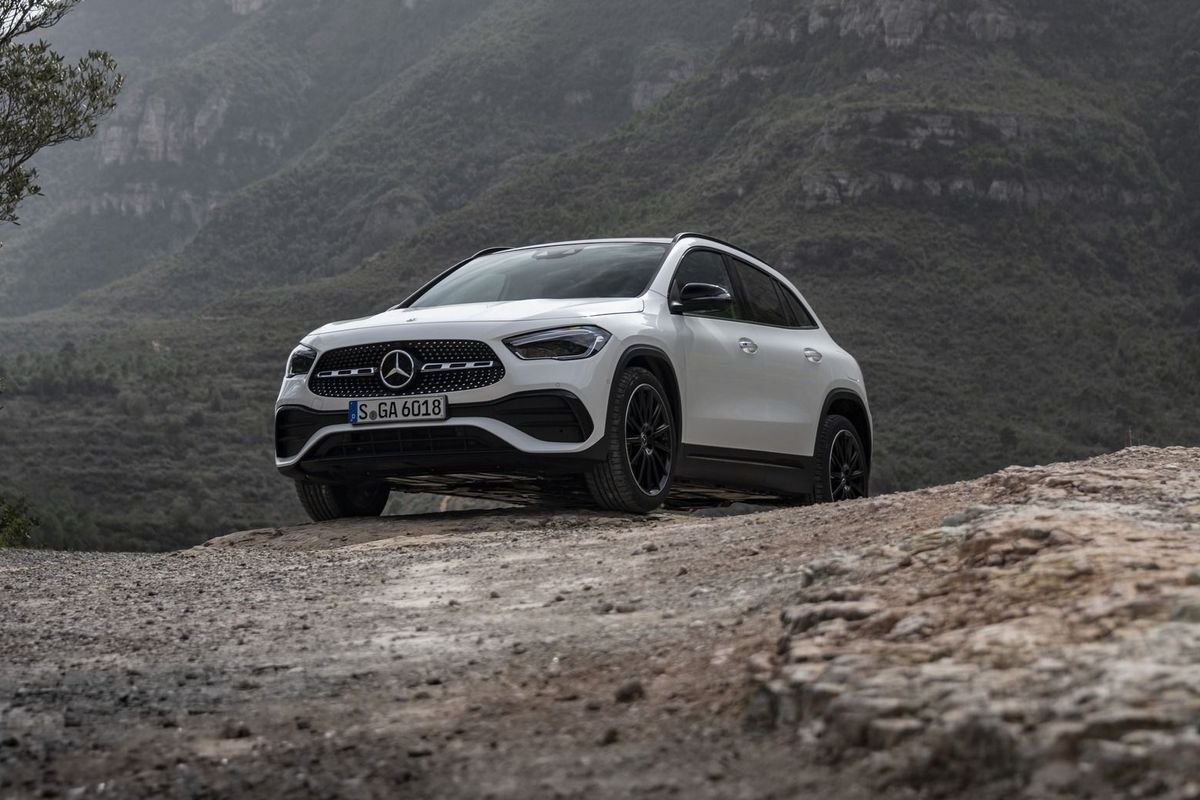
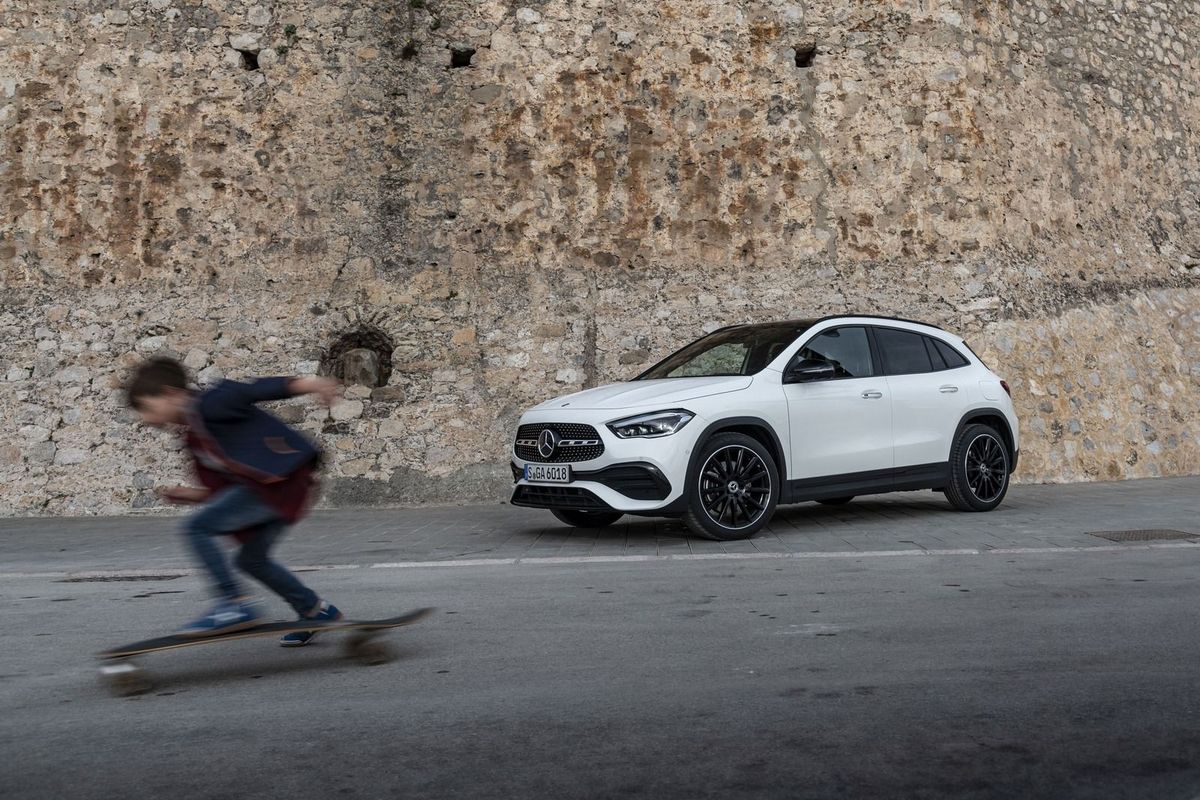
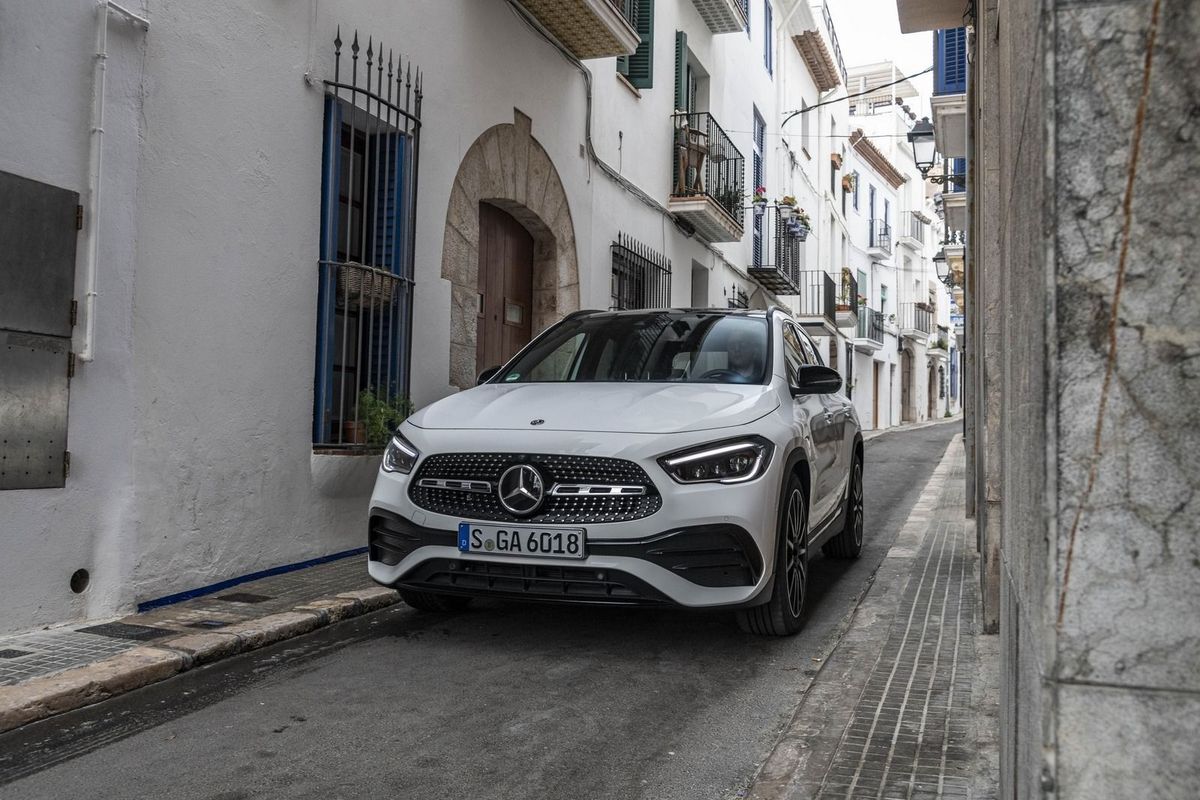
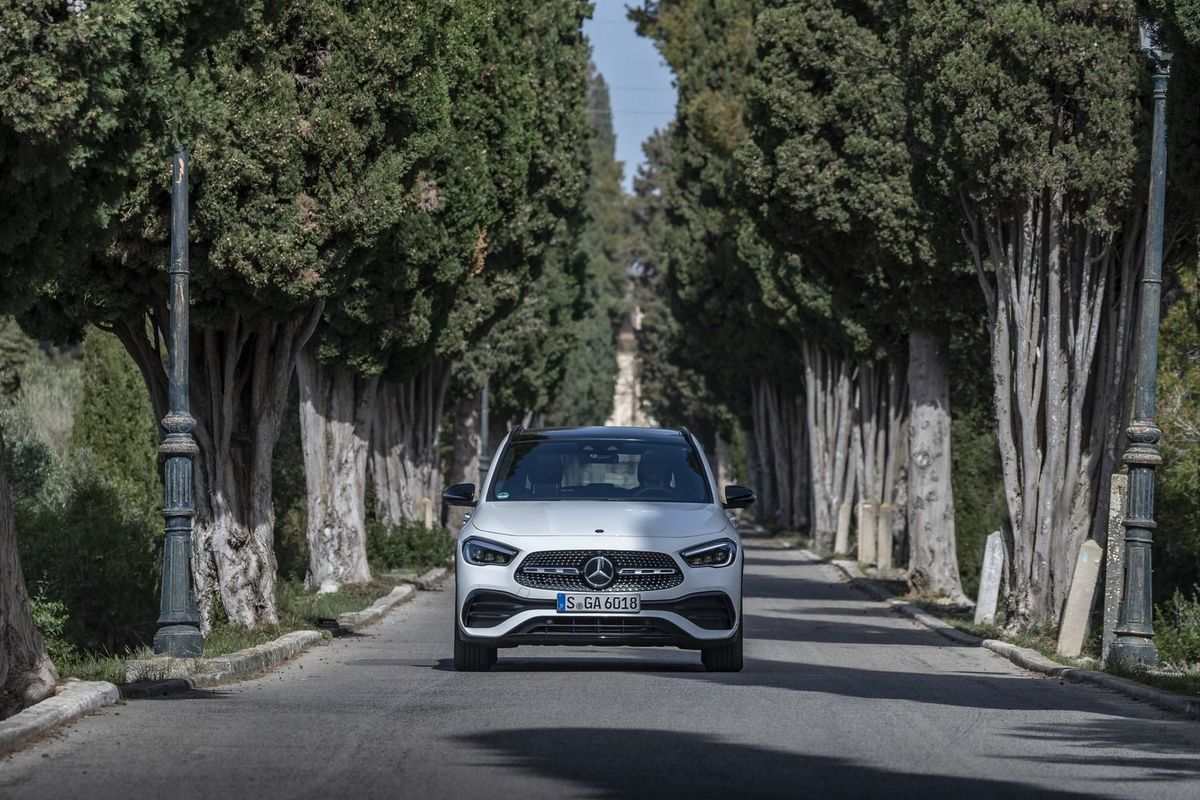
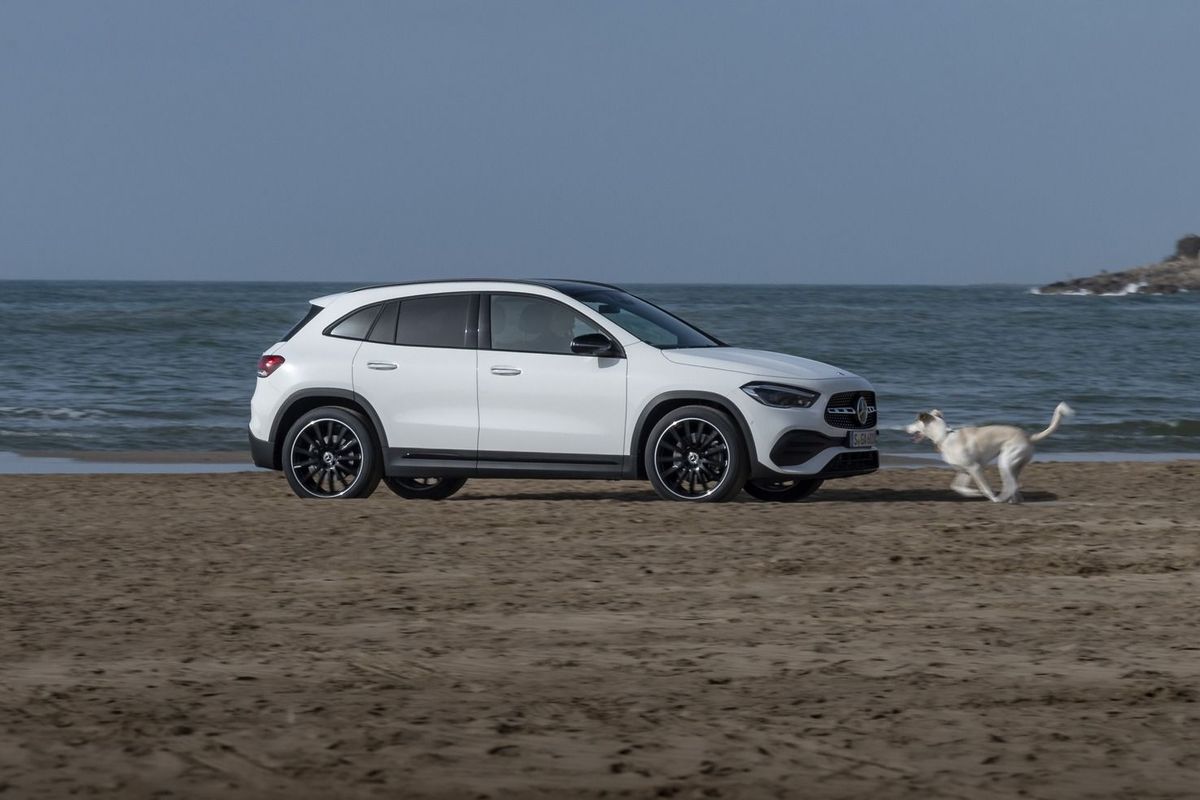
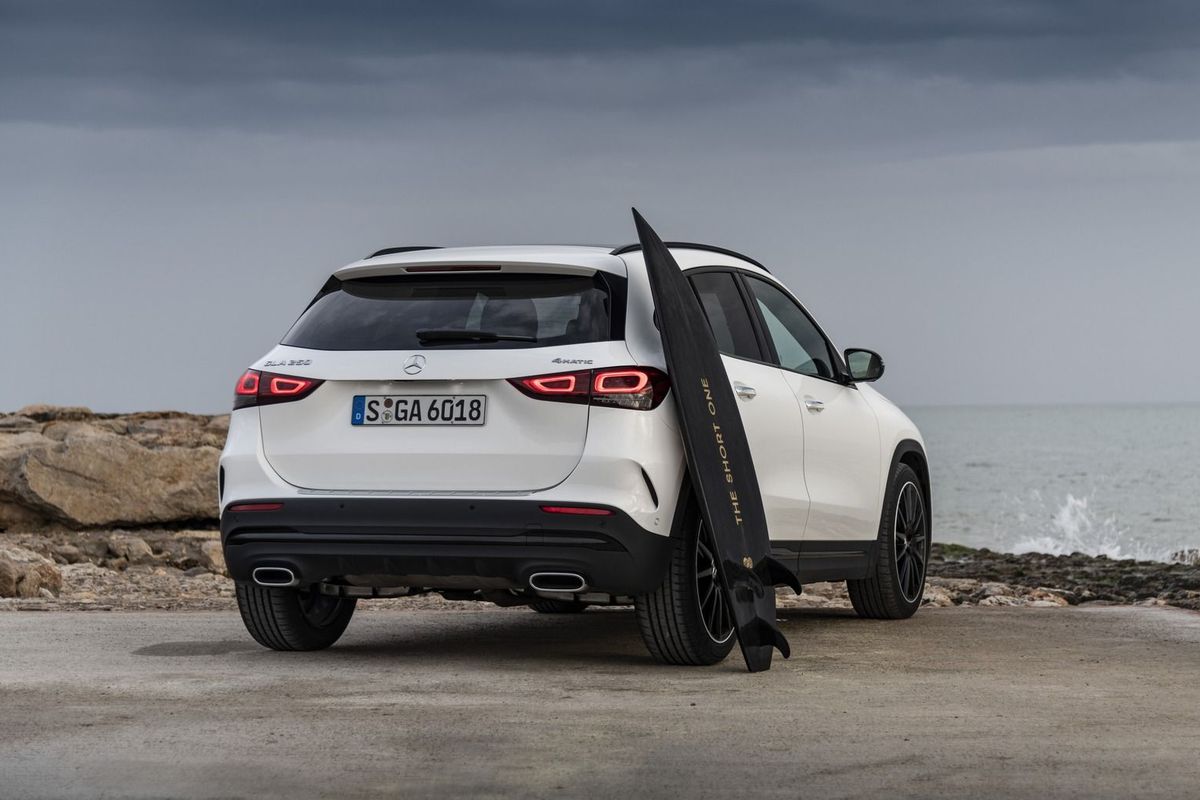
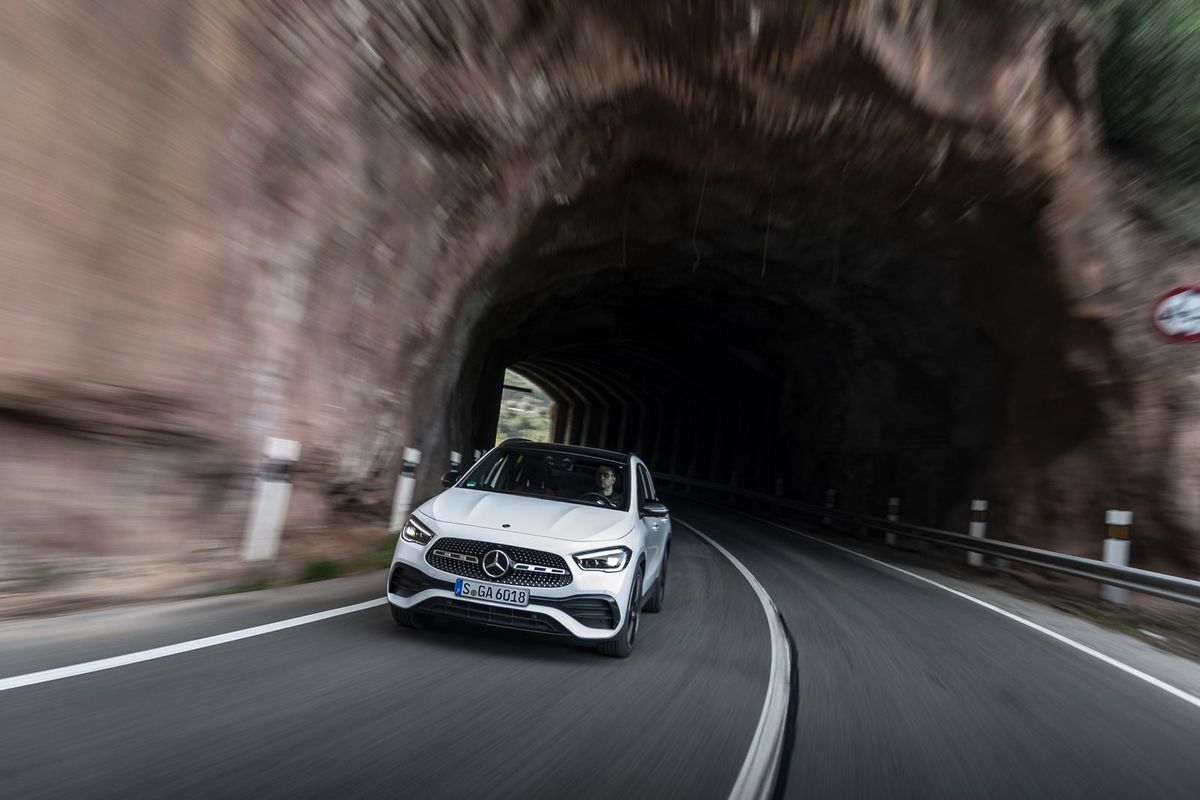
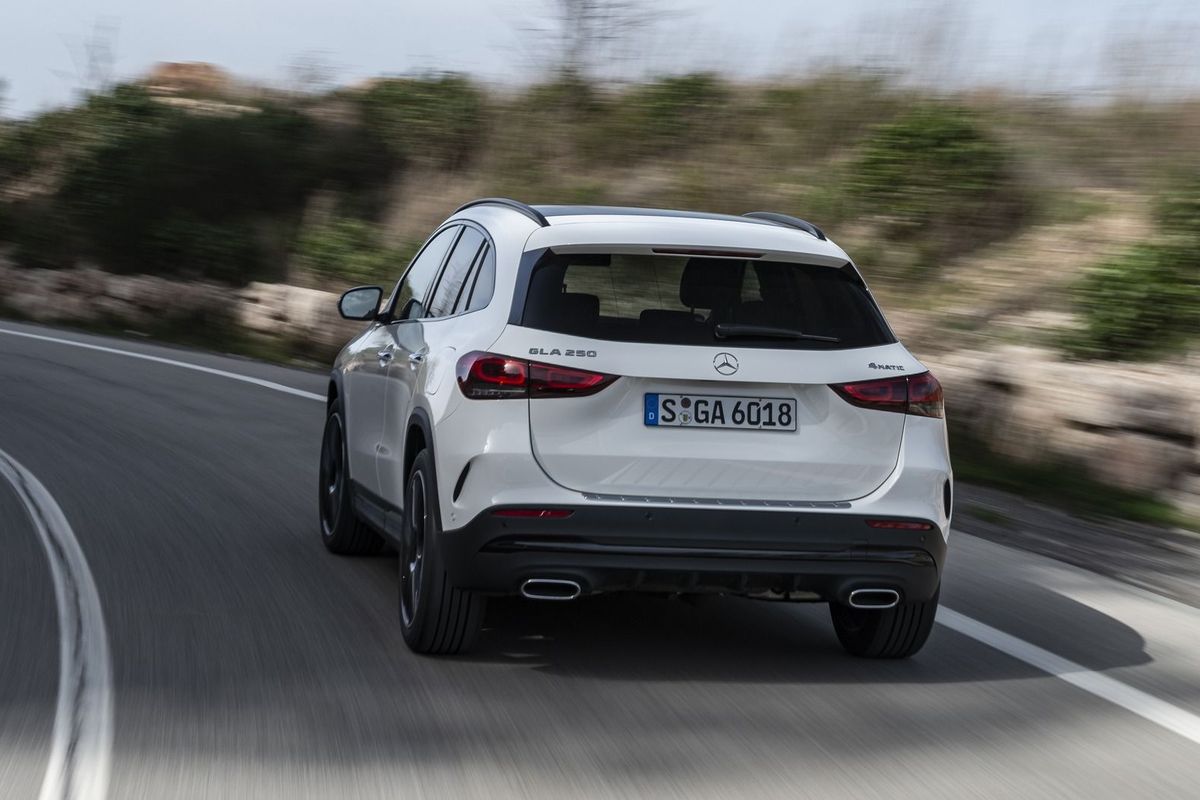
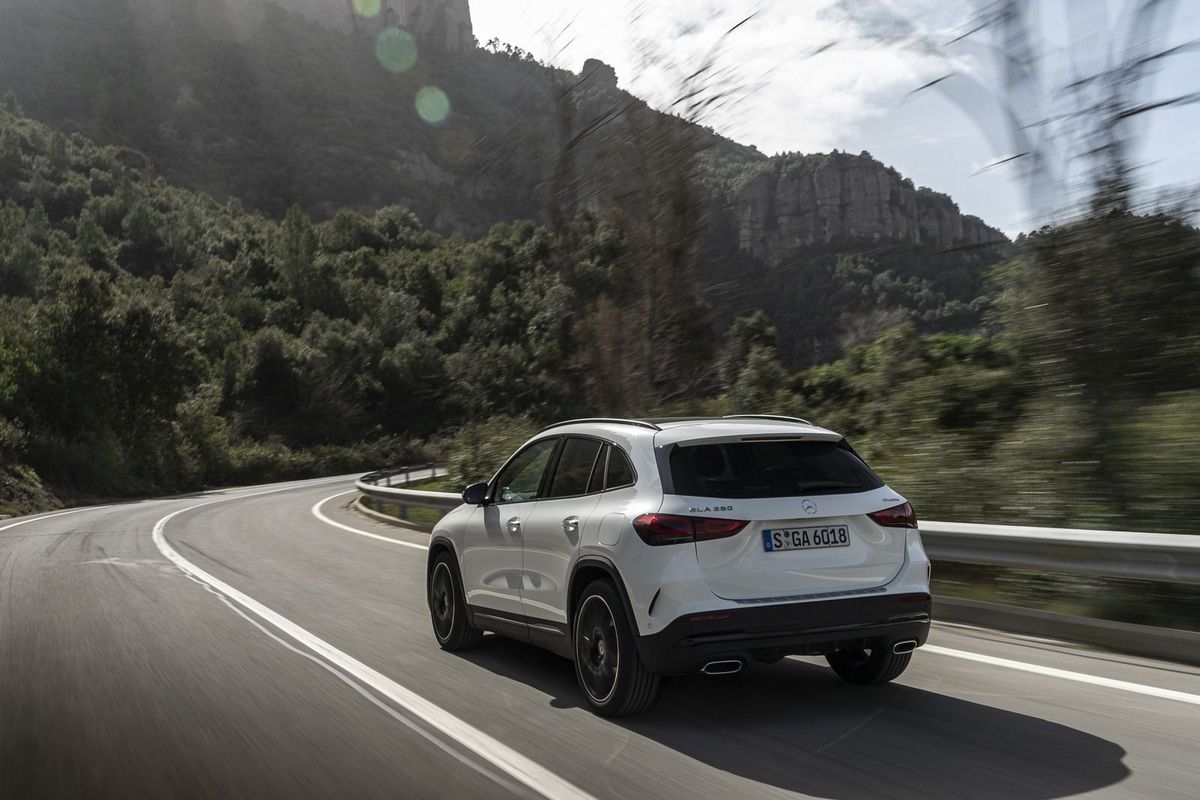
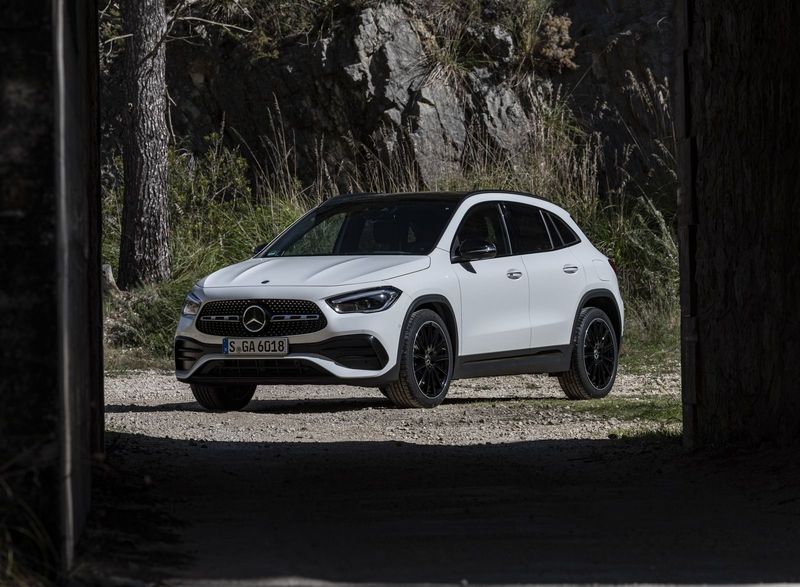
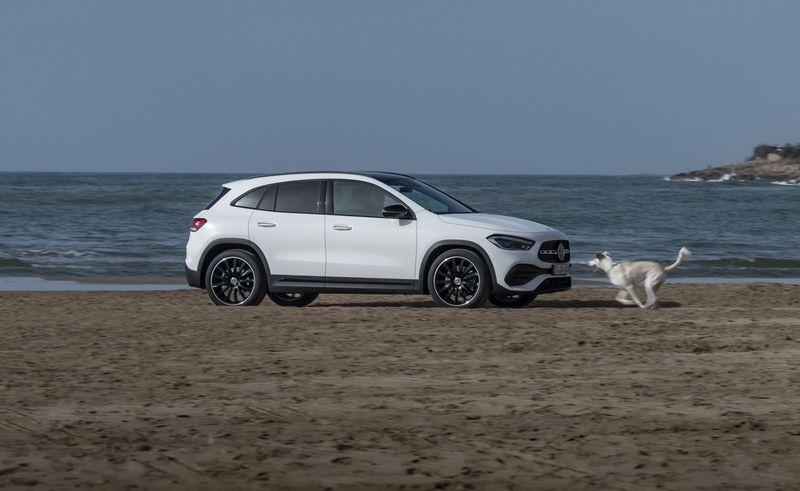
Mercedes-Benz GLA (2020) International Launch Review
Compared with its predecessor, Mercedes-Benz's 2nd-generation rival to the Audi Q2 and BMW X2 emphasises its crossover role a whole lot more. Our international correspondent Greg Kable got behind the wheel of the new GLA, which will appear in South African showrooms shortly…
The first GLA was undoubtedly a success from its launch in 2014; Mercedes sold 1 million units worldwide. However, with all the marketing nonsense that surrounded it stripped away, the high-riding hatchback was, in essence, not much more than a re-bodied version of the 3rd-generation A-Class – the claim to it being a genuine crossover was somewhat empty (in terms of the model's function).
This new one is different, however – and all the better for it. Developed as part of an 8-strong line-up of compact Mercedes-Benz models, it has been given the necessary design and engineering scope to evolve into a much more rounded and talented rival to the Audi Q2 and BMW X2.
While the mechanical similarities to its lower-riding sibling remain, a whole host of unique touches help not only to provide the 2nd-generation GLA with a more standalone character, but to instil the car with the inherent qualities to make it more appealing on many fronts…
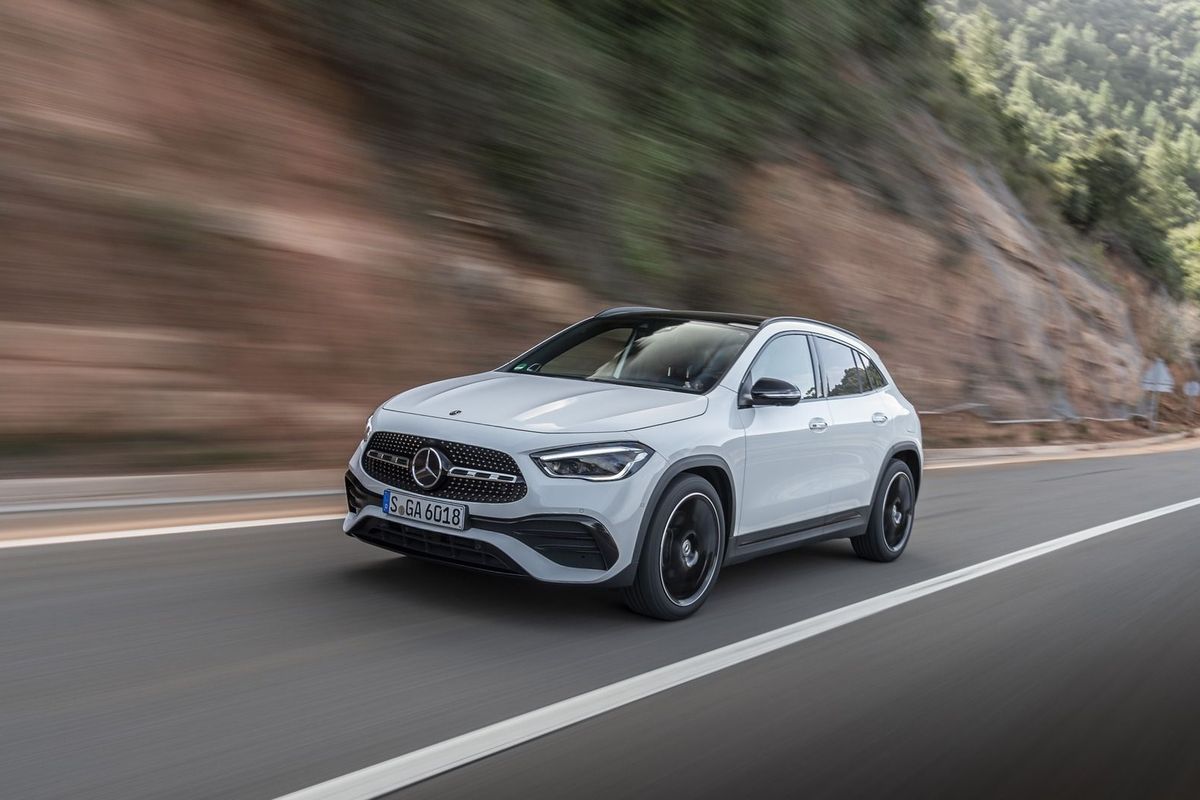
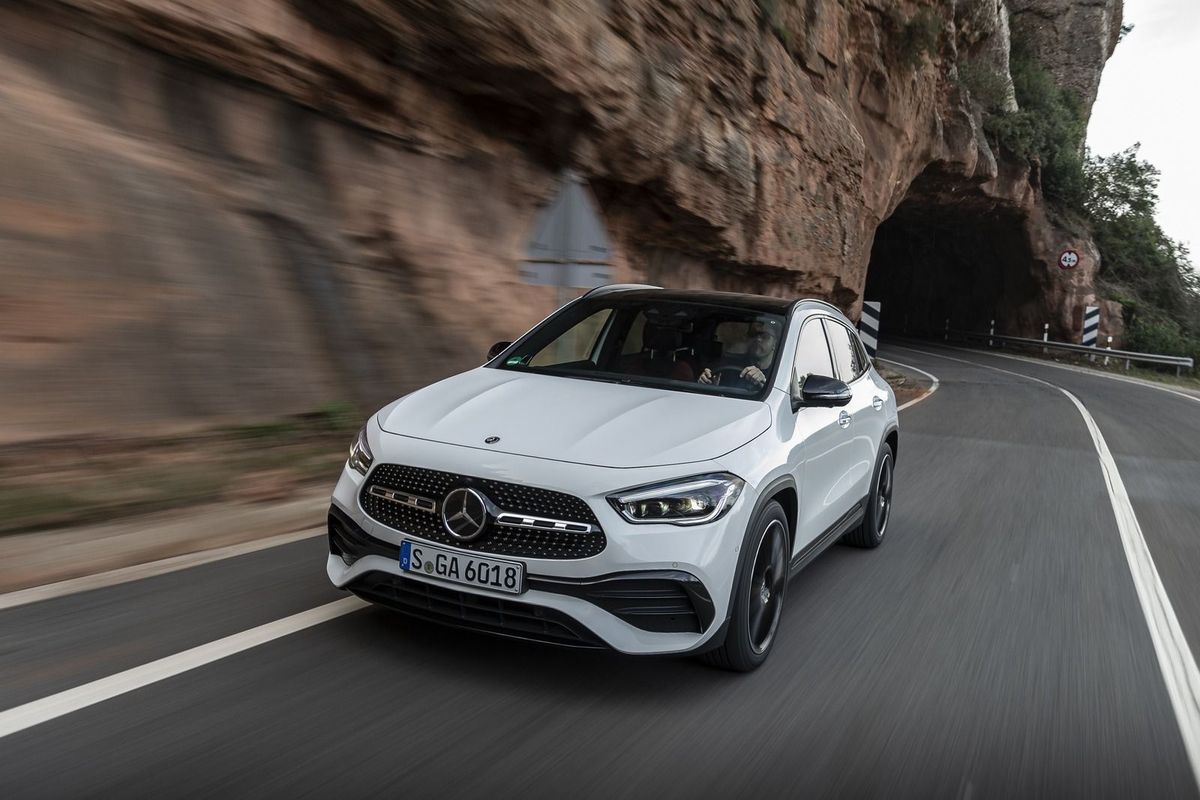
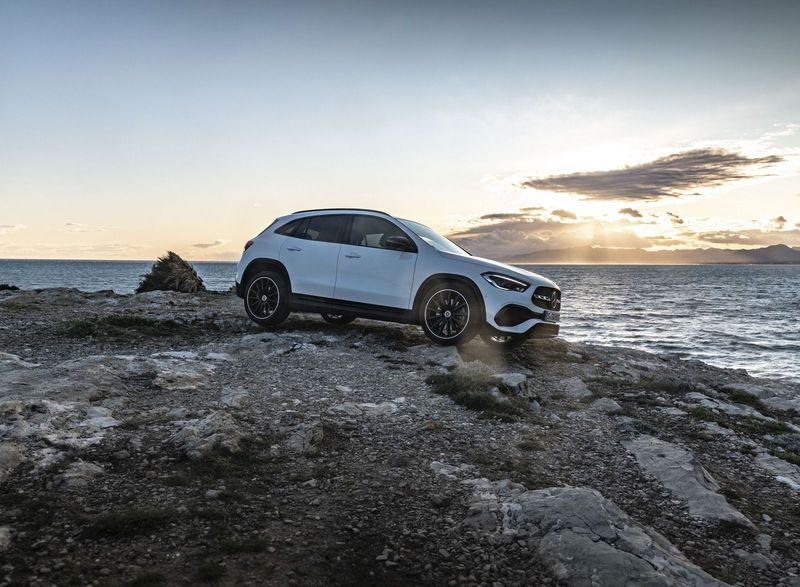
The new GLA is a larger car than previously, especially in the height department.
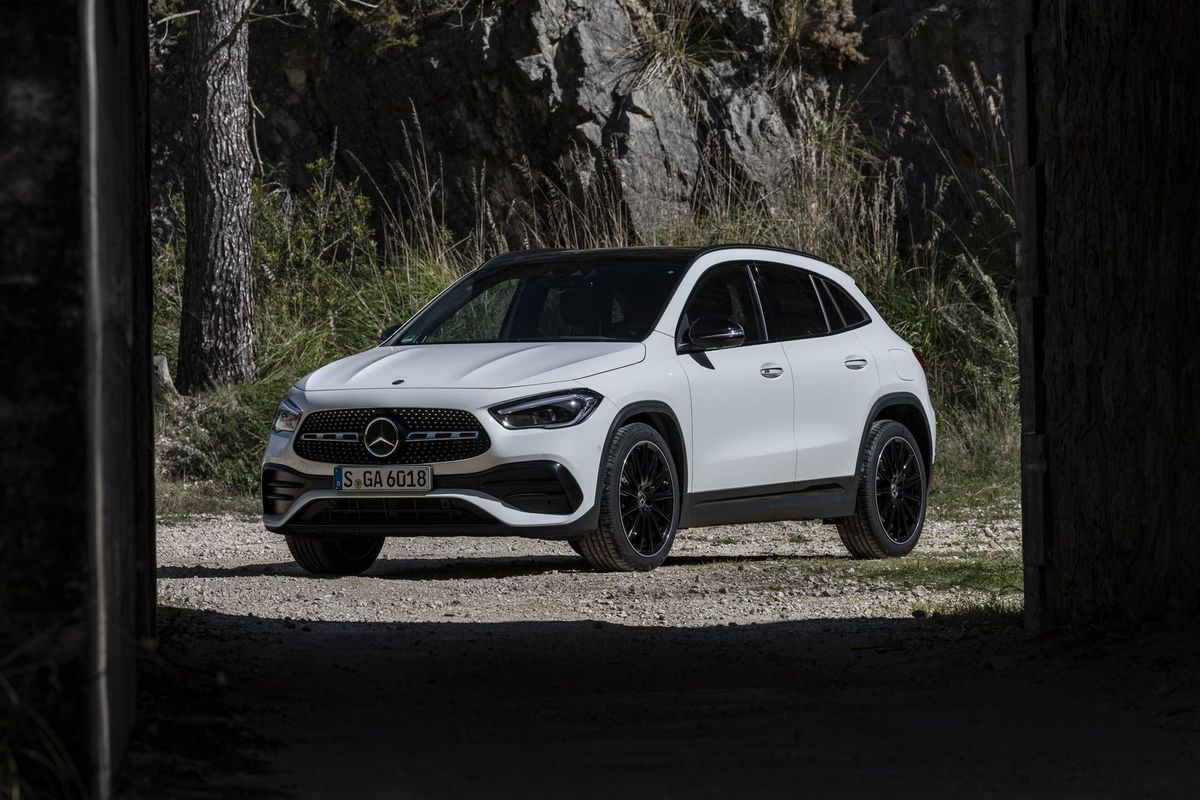
Before we get into the finer points of the GLA driving experience, though, we should consider its altered form. Styling is always subjective, so we’ll sidestep judgement on the new GLA’s bolder appearance. What you should know, however, is that its dimensions have changed: length has been reduced (by 14 mm) to 4 410 mm, while width extends (by 30 mm) to 1 834 mm and the height has increased (by a considerable 104 mm) to 1 611 mm… and that's without the optional roof rails.
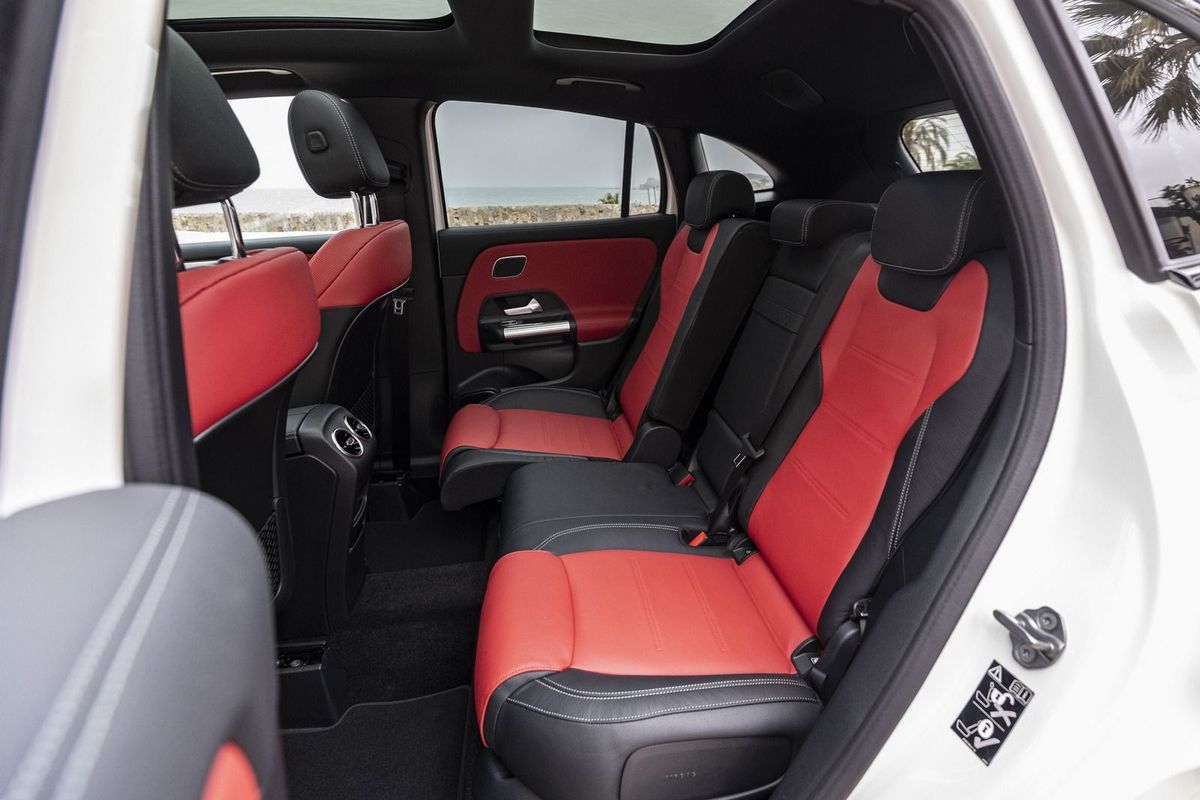
By comparison, the Q2 is 4 191-mm long, 1 794-mm wide and 1 508-mm high, while the BMW X2 stretches to a respective 4 360 mm, 1 824 mm and 1 526 mm. Don’t think the reduction in length has greatly reduced its versatility, though. With a 30 mm-longer wheelbase (2 729 mm), the newcomer's interior has grown in size, notably in the rear, where it’s now considerably roomier than before.
At its global launch, the GLA will be offered with a pair of 4-cylinder turbopetrol engines and a single 4-cylinder -diesel engine across 7 derivatives; Mzansi will initially introduce the GLA 200 and 200d.
What's on offer?
The GLA range features both front-wheel-drive and 4Matic all-wheel-drive versions.
The entry point is the front-wheel-drive GLA 200, which utilises a Renault-sourced turbocharged 1.3-litre petrol unit that delivers 120 kW and 250 Nm. It’s joined by the initial range-topping GLA 250 (in front- and four-wheel-drive guises); its turbocharged 2.0-litre petrol develops peak outputs of 165 kW and 350 Nm. The two turbodiesel models, both with the choice of front- or four-wheel drive, use the same turbocharged 2.0-litre 4-cylinder powerplant, but in different states of tune. It has 110 kW and 320 Nm in the SA-bound GLA 200d, while it produces 140 kW and 400 Nm in the GLA 220d. The GLA 200 is fitted with a standard 7-speed dual-clutch automatic transmission supplied by Getrag, while all other new GLA derivatives receive an 8-speed dual-clutch transmission built by Mercedes.
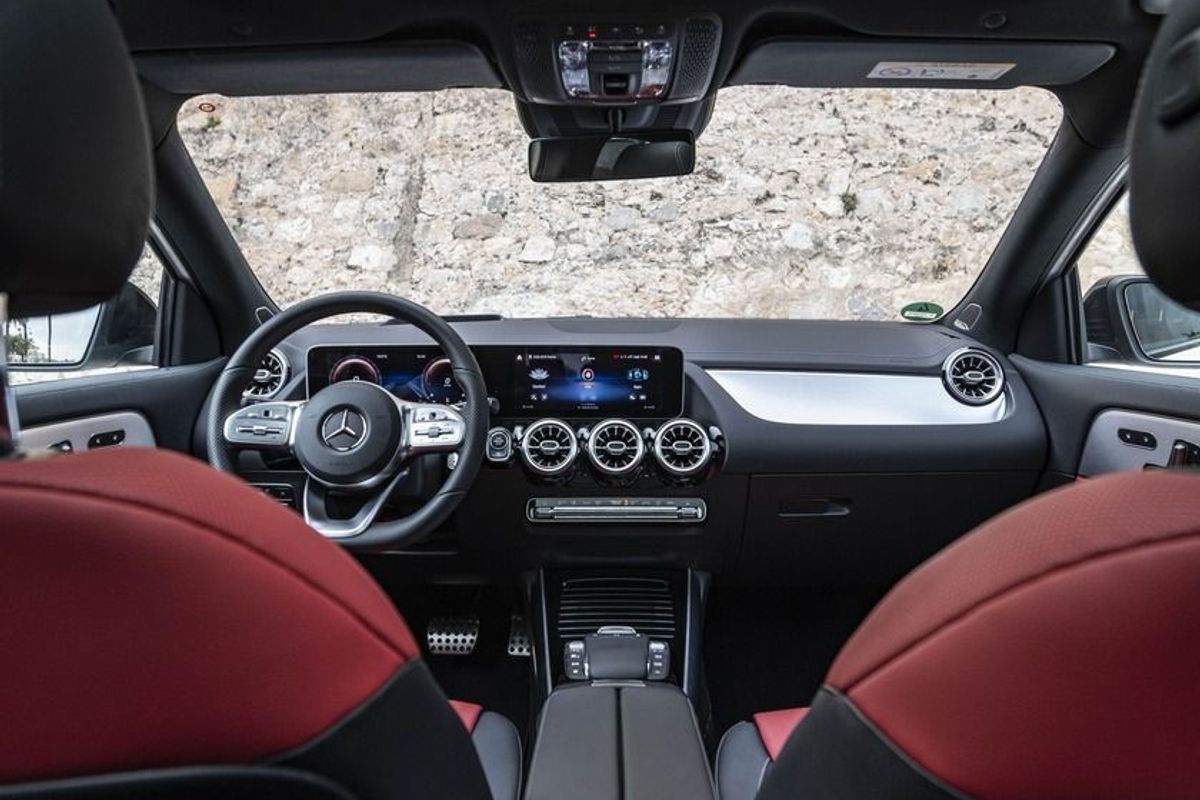
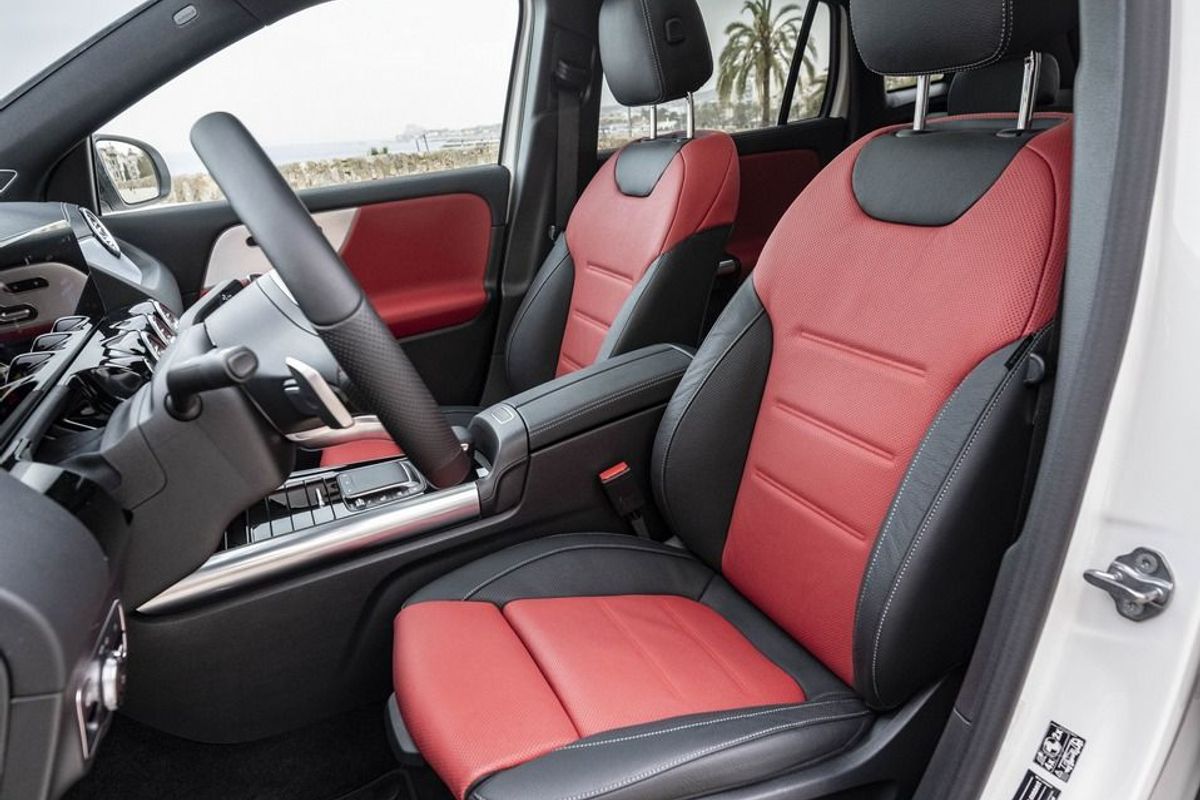
It’s the top-of-the-line GLA 250 4Matic we’re in here, and the similarities to other recent new Mercedes-Benz models can’t be denied. Inside, the fascia, controls and free-standing digital display will be familiar to anyone who has set foot in the latest A-Class hatchback, A-Class Sedan, B-Class, or CLA.
Intuitive user interface
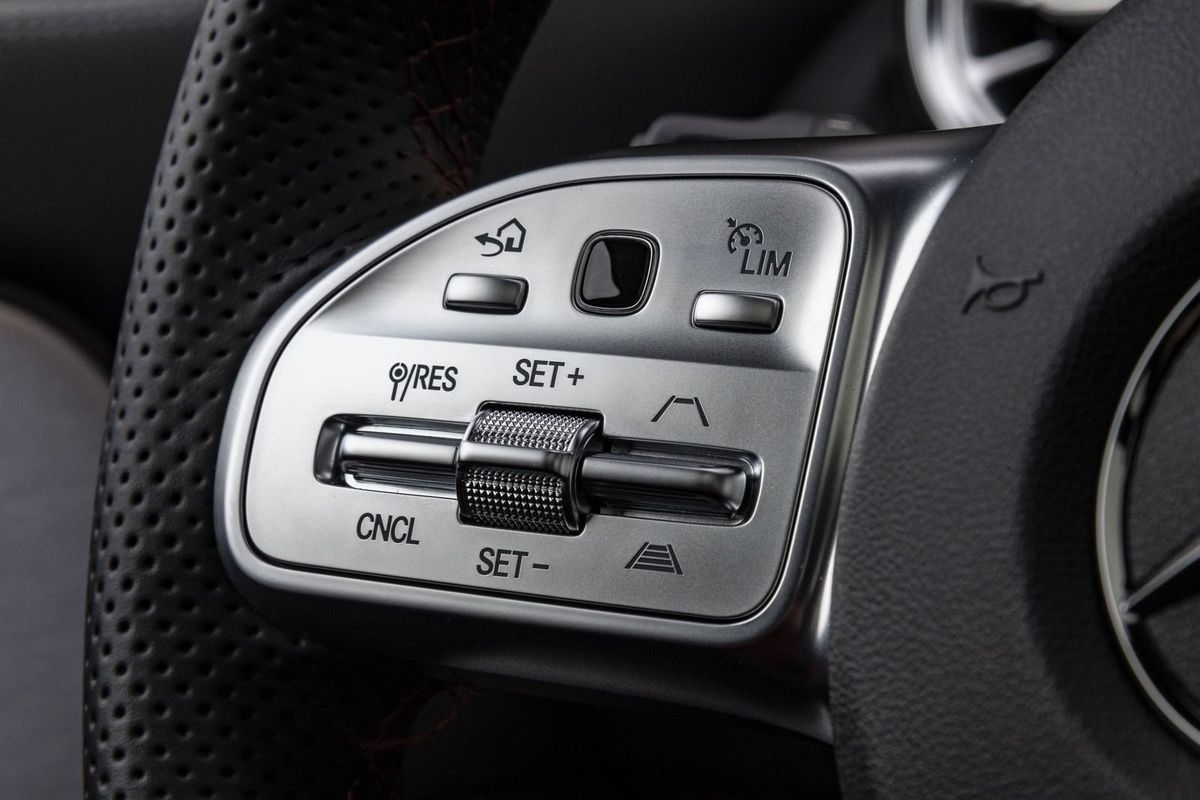
Our highly equipped test car featured optional 10.2-inch twin displays, along with a multicolour head-up display unit in place of the pair of standard 7.0-inch screens, which gave it a rather upmarket air that’s further accentuated by Mercedes-Benz’s latest multi-function steering wheel and lots of brushed- aluminium-look trim.
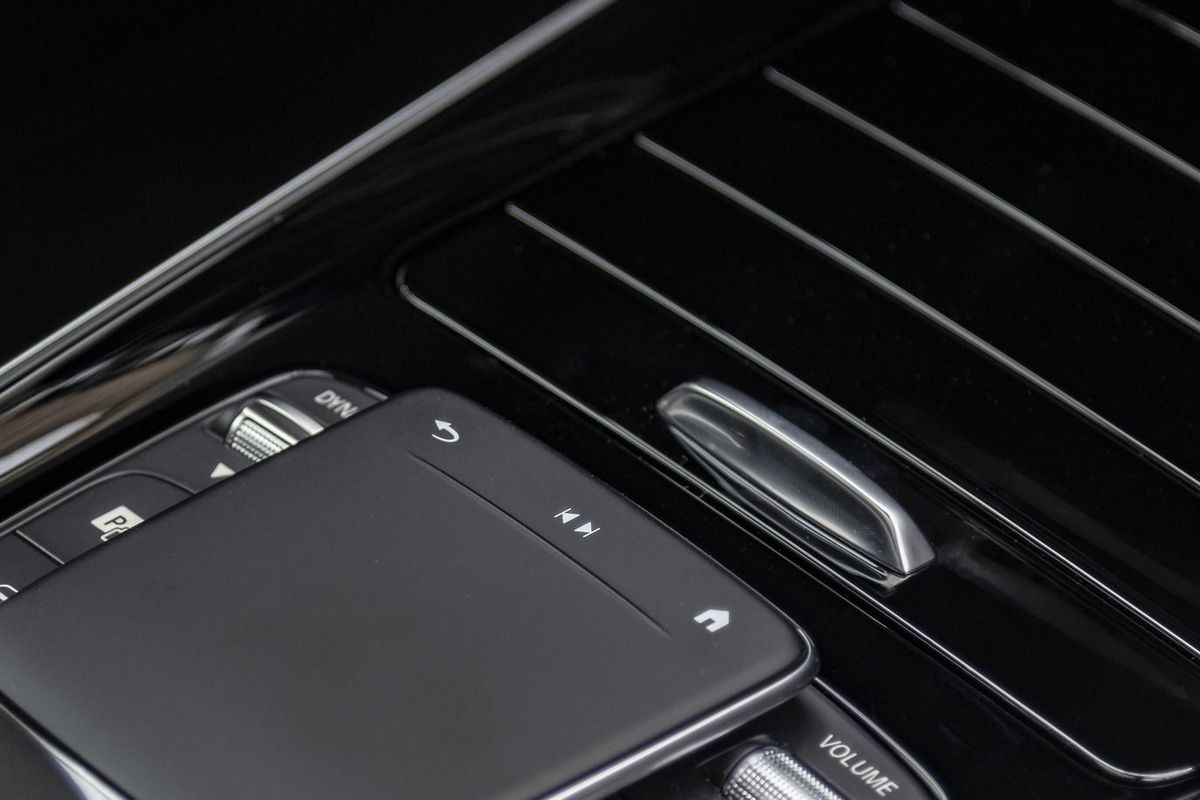
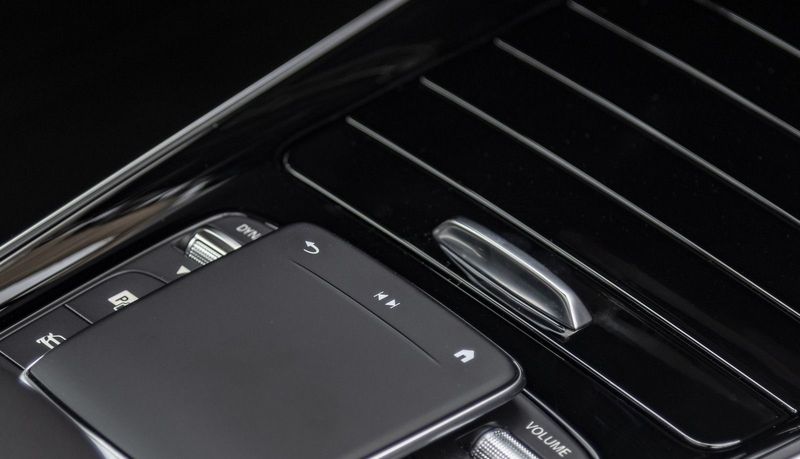
So configured, it’s all fittingly premium in look and feel, and with the latest in conversational voice recognition and touchscreen functions within easy reach of the steering wheel, it’s quite intuitive, too. The response from the infotainment system and MBUX operating system is particularly impressive, making it easy to set commands on the go.
The MBUX infotainment system is carried over from the A-Class.
Befitting the GLA’s crossover positioning, its front seats are mounted 140 mm higher than those in the A-Class hatchback. In combination with its increased ride height, this provides the GLA with a more commanding driving position. The added height within the body also brings a 22-mm increase in front headroom compared with the first-generation model. It’s an agreeably airy and relatively spacious driving environment by class standards.
The rear gets a fixed seat as standard but, as with the latest B-Class and the new GLB, there’s an optional bench with 140 mm of fore and aft adjustment and, crucially, 116 mm more rear legroom than before. Longer door apertures with less intrusion from the rear wheel arches also ease entry to the 2nd row, although rear headroom has been reduced by 6 mm, due to the new GLA’s more sloped roofline.
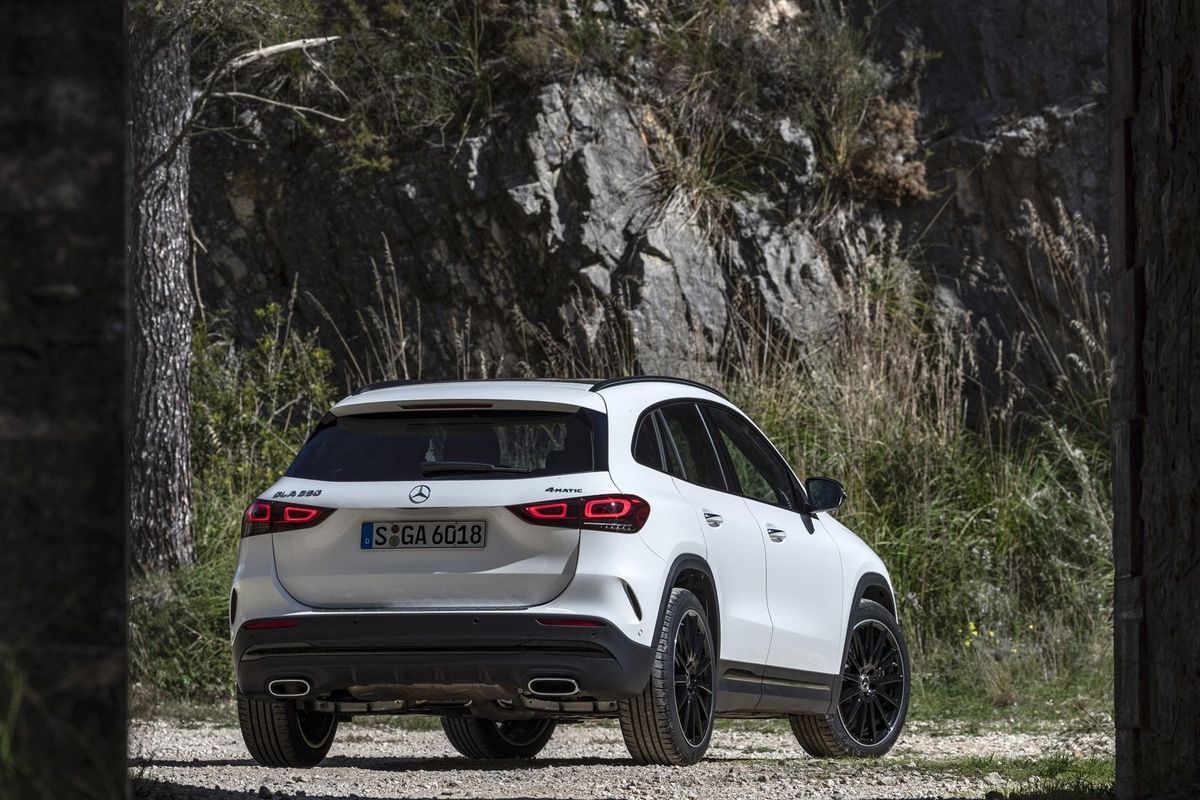
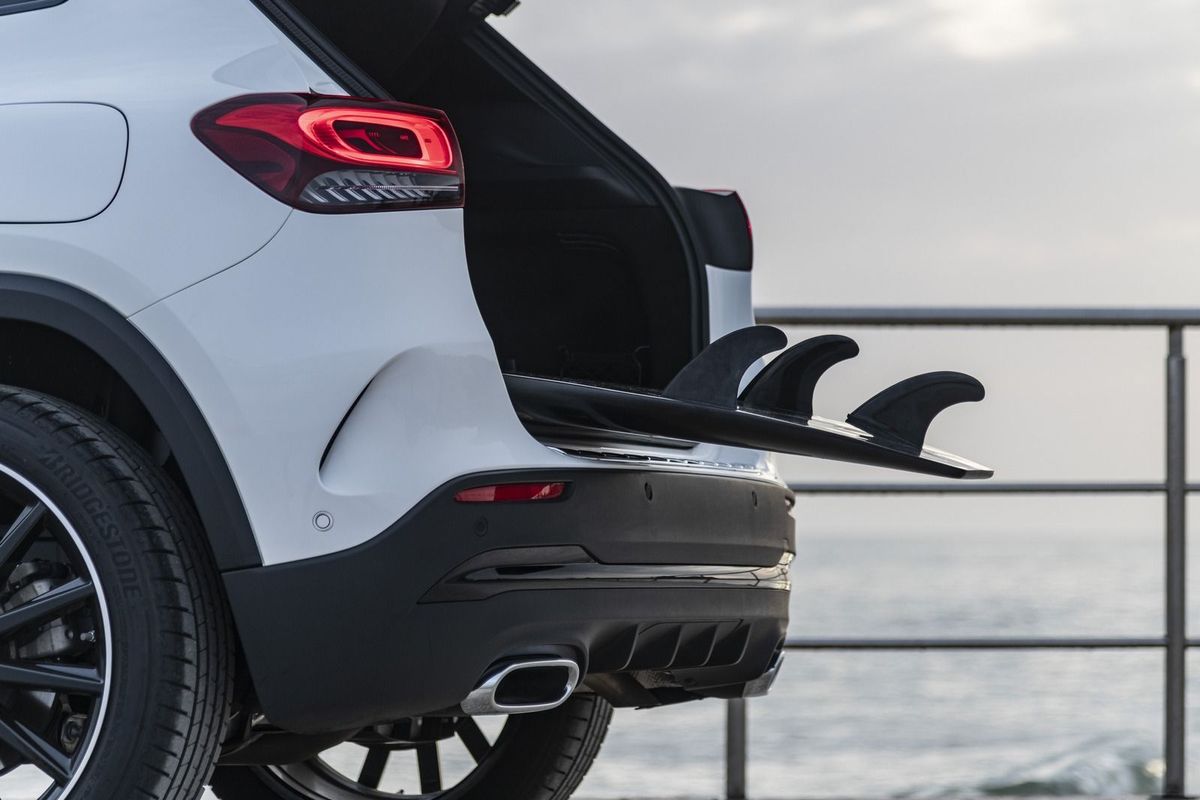
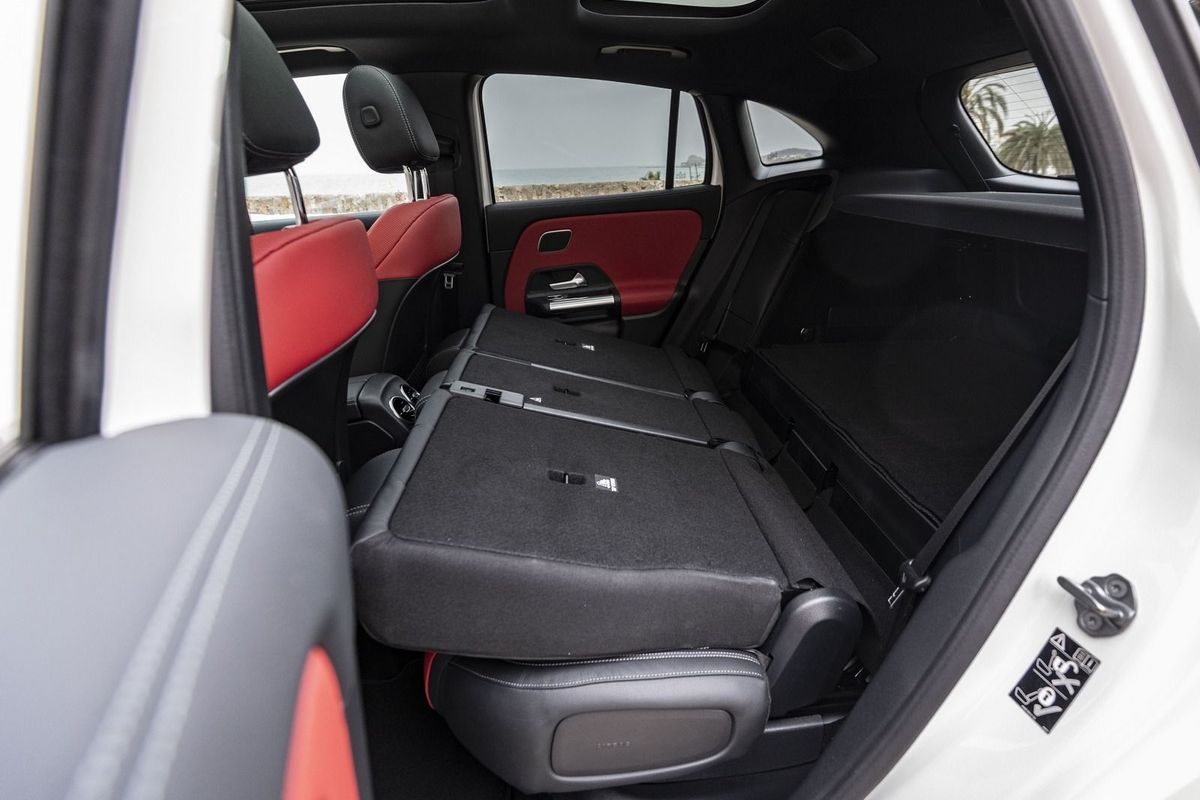
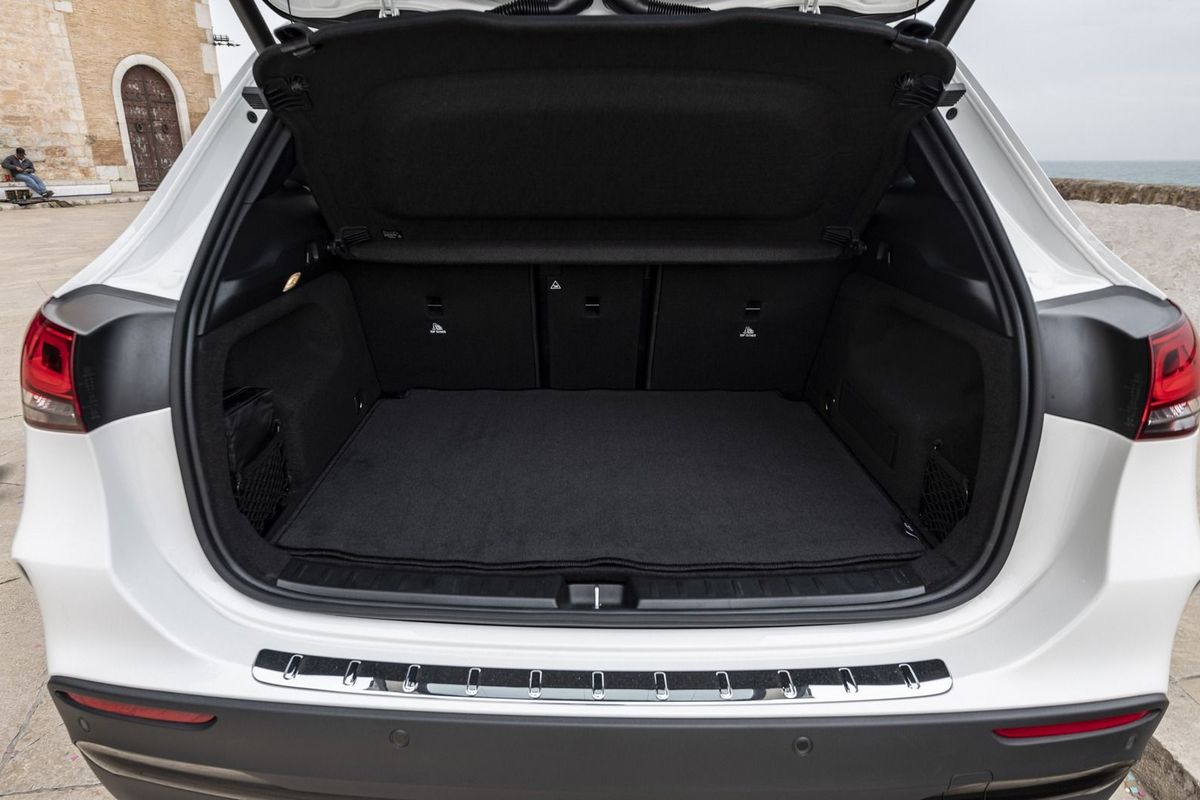
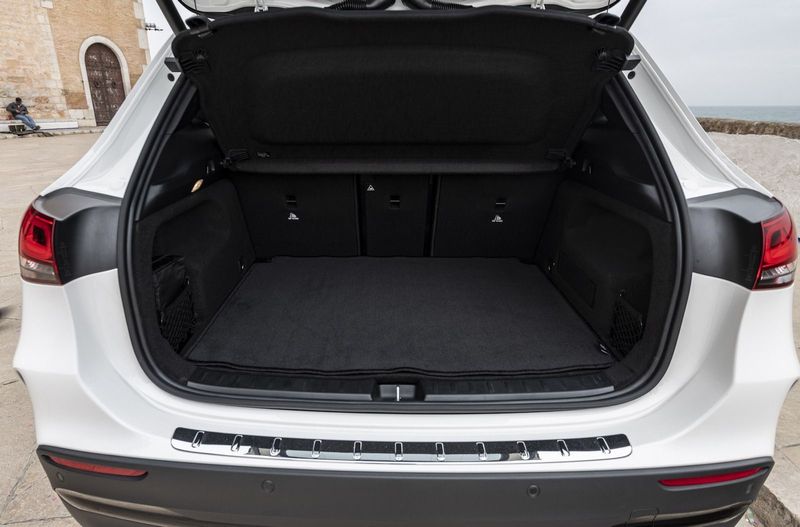
Despite the decrease in overall length, Mercedes has managed to squeeze an extra 14 litres of load volume into the load bay, which, with a capacity of 435 litres, now offers 30 litres more than the Q2, but still 35 litres less than the X2.
What's it like to drive?
Out on the road, the GLA 250’s engine provides solid performance. It never feels quite as refined as the 2.0 TSI unit in the Q2, nor as smooth as the engine that powers the X2 xDrive20i. But with little obvious lag and a good deal of low-end torque, it endows the junior Benz crossover with purposeful off-the-line and mid-range acceleration, as reflected in its claimed 0-100 kph time of 6.7 sec.
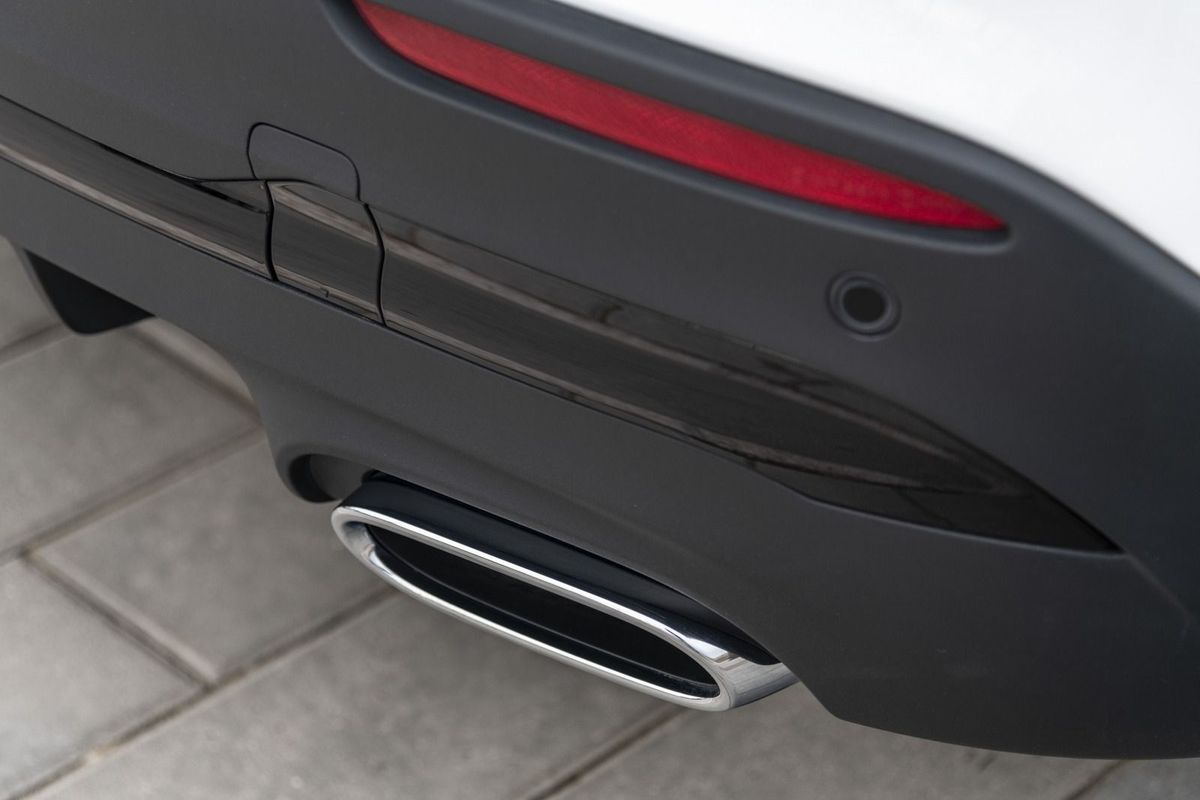
Scrolling through the various driving modes alters the powertrain's acoustic qualities quite markedly. In Comfort, the exhaust note is nicely subdued and distanced from the cabin. Switch into Sport, though, and it becomes instantly more determined in nature, with a raspy timbre under load and the odd crackle on a trailing throttle serving to engage enthusiast drivers.
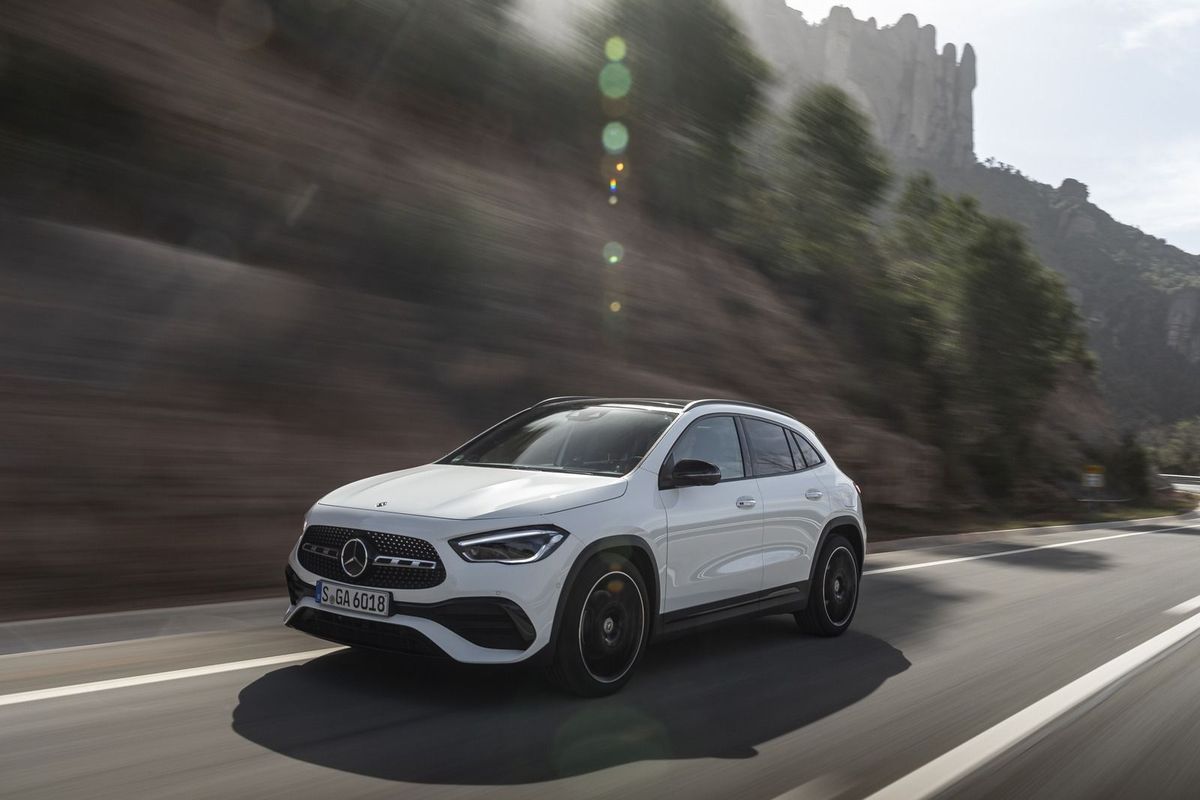
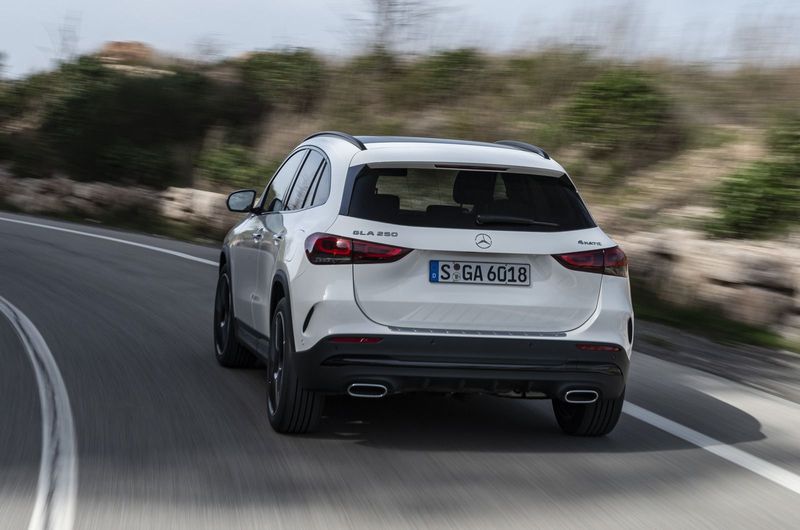
With the new A-Class chassis underneath, the drive is far more refined.
Gear shifts, which can be controlled via steering-wheel-mounted paddles, are generally quite decisive, but the transmission can sometimes be caught out as you step off the throttle in automatic mode, leading to the odd less-than-smooth downshift as you decelerate to an intersection. With quite long gearing, it also endows the GLA 250 4Matic with a reasonable, if not outstanding, combined fuel economy figure of 5.8 L/100 km.
It’s the chassis and the improvements to the ride and handling that really stand out, though. The basis for this is the updated MFA platform, which brings increased rigidity and stiffness, as well as a decision to provide all-new GLA derivatives with a suspension featuring a combination of MacPherson struts up front and multi-links at the rear, together with optional adaptive damping control.
Along with the 30-mm increase in the wheelbase, the tracks have also been widened by 36 mm at the front and 46 mm at the rear, giving the new GLA a larger footprint than its predecessor and, in combination with increased volume to the wheelhouses, the ability to offer a wider range of alloy wheel sizes, from the standard 17-inch up to 20-inch.
To this, the GLA 250 4Matic adds a reworked multi-plate-clutch four-wheel-drive system with electromechanical instead of the earlier hydraulic operation, as well as fully-variable apportioning of power to each axle depending on prevailing grip levels. In Comfort and Eco modes, the drive is distributed in a nominal 80% front/20% rear split, while in Sport mode it’s set up to deliver a more rear-biased (30% front, 70% rear) apportioning of the drive. In Off-road mode, it offers an evenly balanced 50/50 front/rear split.
The on-road character alters quite a bit depending on the driving mode, giving the new GLA a broader range of qualities than before and the sort of cross-market appeal it is going to need to post a greater challenge to its premium-brand rivals. The weighting of the electromechanical steering is quite light, but the action is precise, even if it fails to impart much in the way of genuine road feel.
Boot space is in the middle between the smaller Q2 and slightly larger X2.
Despite its raised ride height, the GLA 250 4Matic also manages fine body control and engaging agility. Quick directional changes are met with progressive movements and excellent levels of grip. There’s sheer ease to the driving that makes it very appealing from an everyday point of view.
With a good degree of spring travel (and the optional adaptive damping) the ride is fairly compliant, even with the largest wheel choice and 225/45 R20 Bridgestone Alenza tyres of our test car. Road noise is also well isolated from the cabin. In fact, overall refinement has been greatly improved, which makes the GLA well suited to enjoyable long-distance travel.
The G in the GLA name stands for the German word Gela?nde, meaning terrain. And having experienced the new GLA away from the bitumen, we can vouch for the limited off-road qualities of the 4Matic derivatives, which come as standard with an Off-Road Engineering Package.
Summary
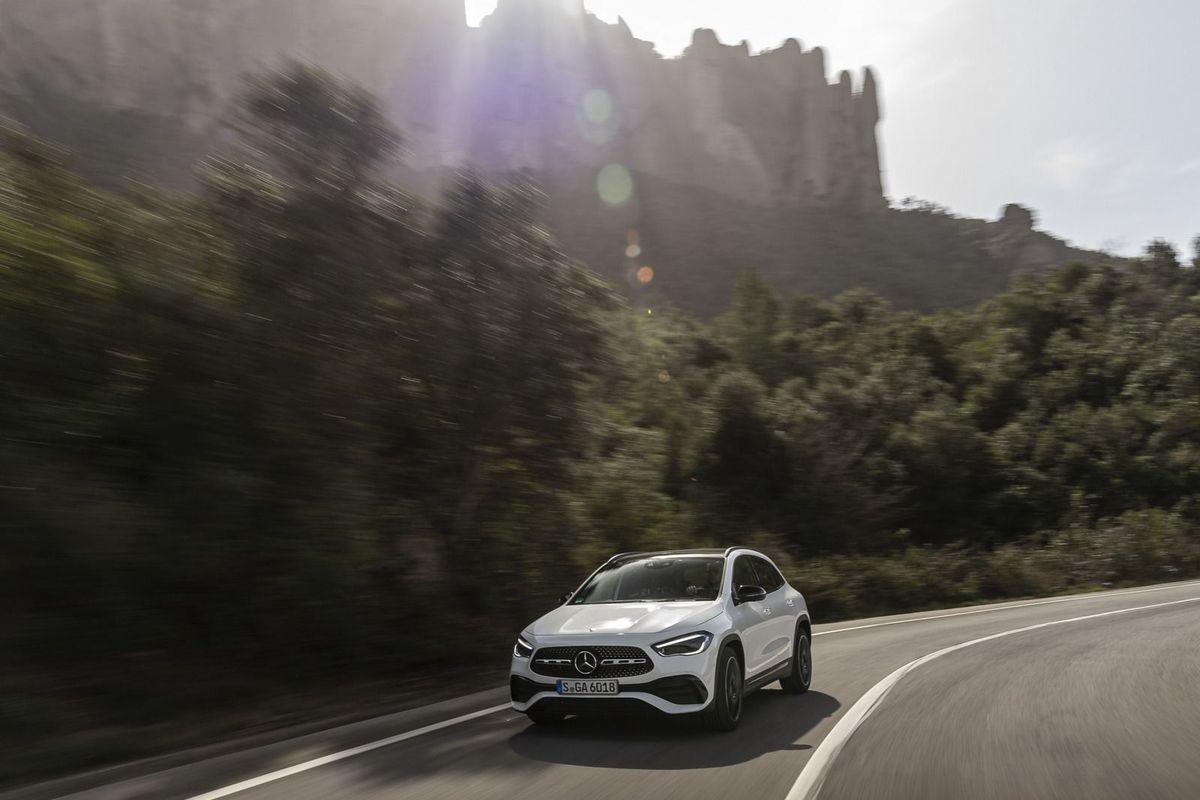
The new GLA has a lot more off-road cred than before.
Without the benefit of proper off-road tyres and mechanical differential locks, the new GLA is never going to take you deep into the jungle or the desert. However, the ability of its reworked four-wheel-drive system to vary the amount of drive to each axle – together with a downhill speed regulation, a unique Off-road mode that alters the intervention of the anti-lock braking system, multibeam LED headlights with an integrated off-road function and a moderate amount of ground clearance – does help it go places few prospective owners are ever likely to consider.
Mercedes-Benz deserves to be complimented on the new GLA. It’s a far more rounded and accomplished car than its predecessor, with greater dynamism and maturity to the way it feels to drive. What's more, it offers a considerably richer and roomier interior and improved levels of versatility and quality throughout.
However, we suspect the ownership experience will hinge greatly on the drivetrain. In four-wheel-drive GLA 250 4Matic guise, it’s convincingly powerful and punchy, with distinct sporting qualities. But we’ll need to spend time in more affordable front-wheel-drive derivatives before we can say if the new GLA has truly hit the target.
If you're shopping for a new family vehicle on a tight budget and looking for a model that can occasionally seat 7 occupants, Renault's new Triber is likely to be of particular interest to you… It seems to offer impressive value for money, but is the newcomer really up to the task?
We like: Good space utilisation, cabin flexibility, standard features
We don't like: Drivetrain (lack of power and gearing)
Some Renault dealers regularly offer specials: Have look here.
Where does it fit in?
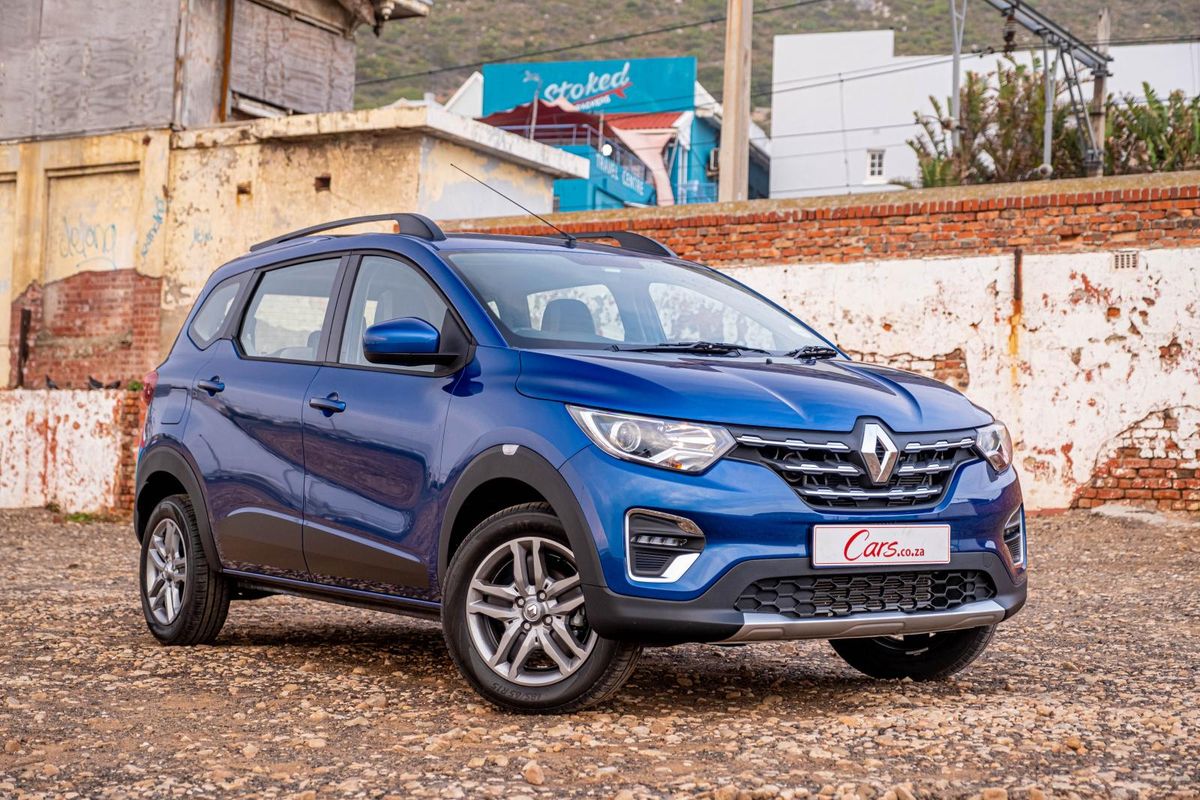
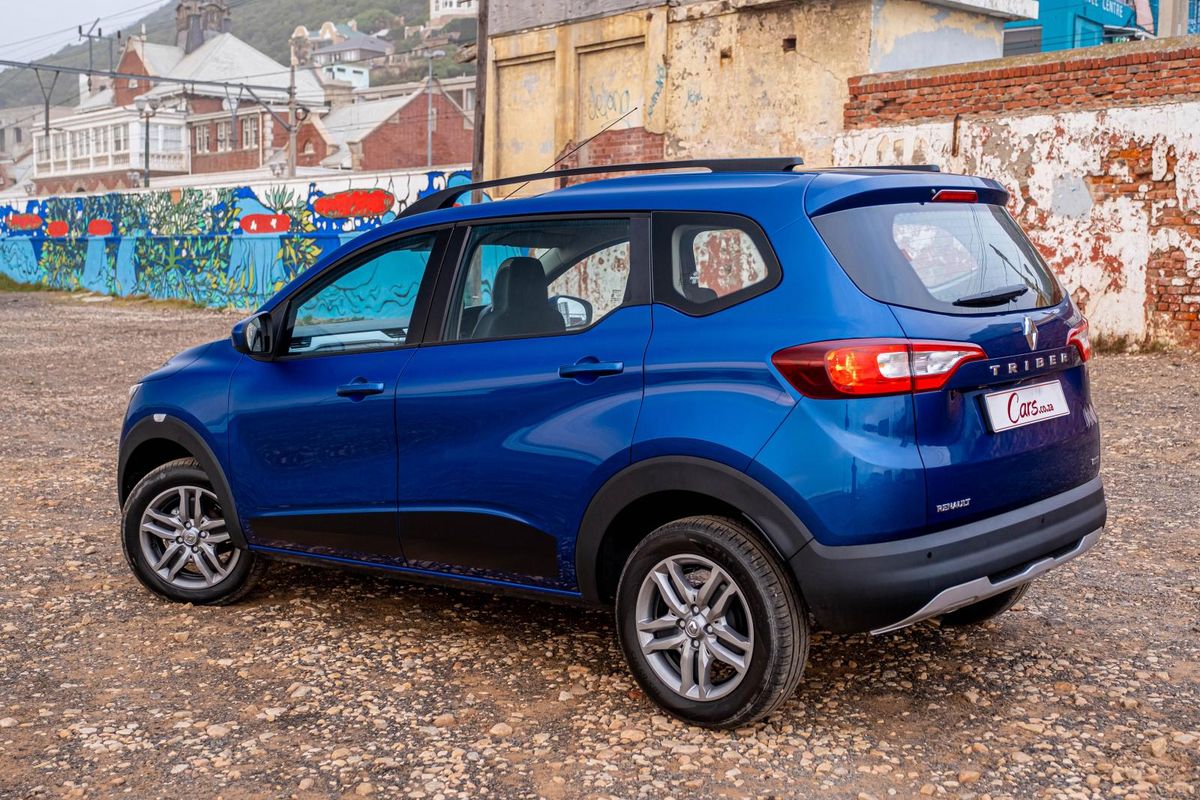
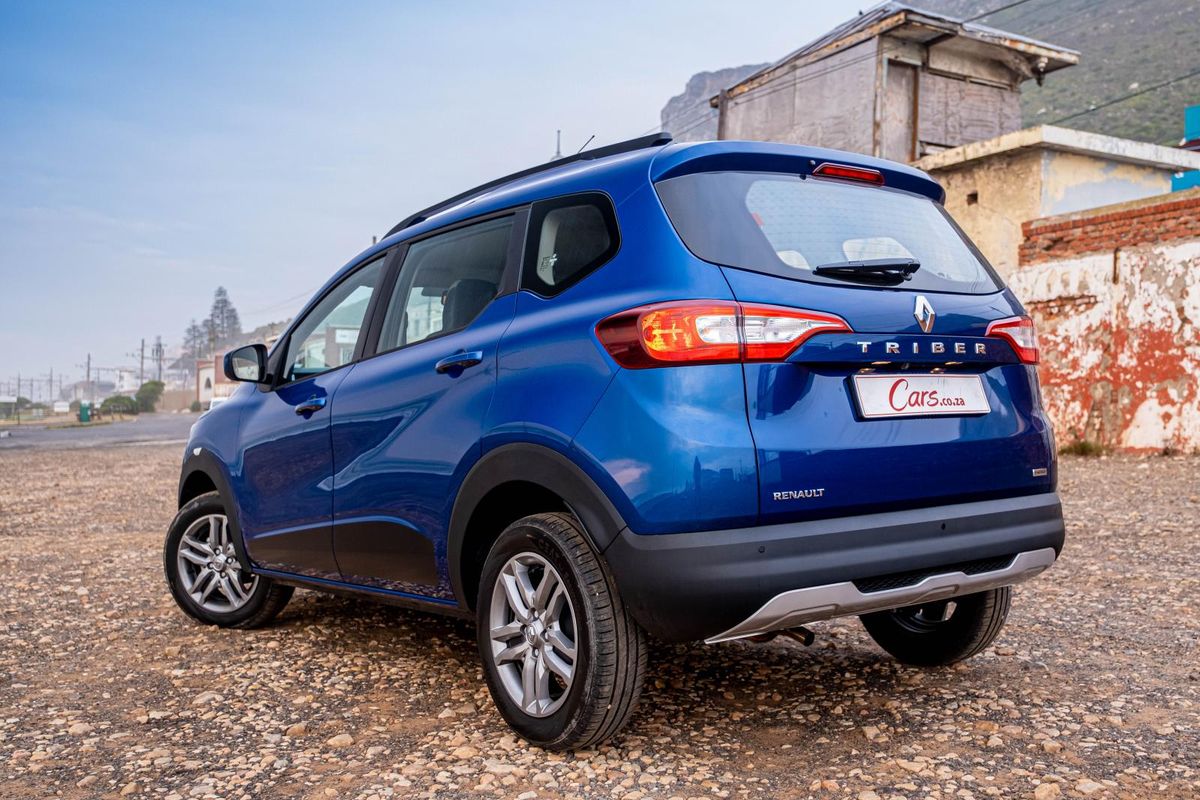
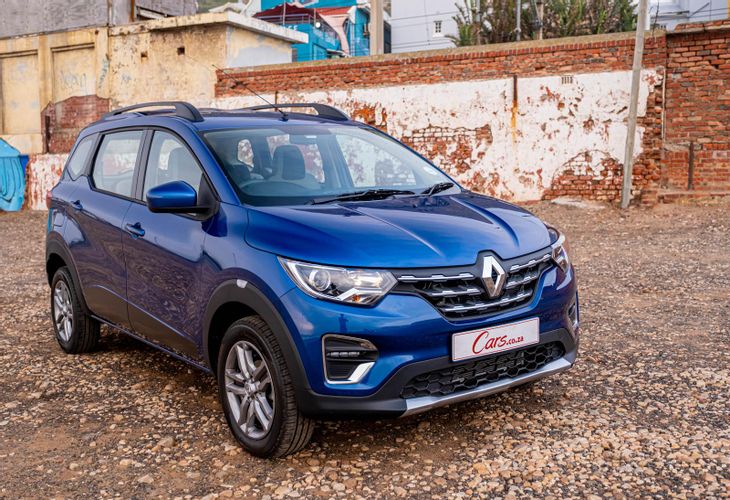
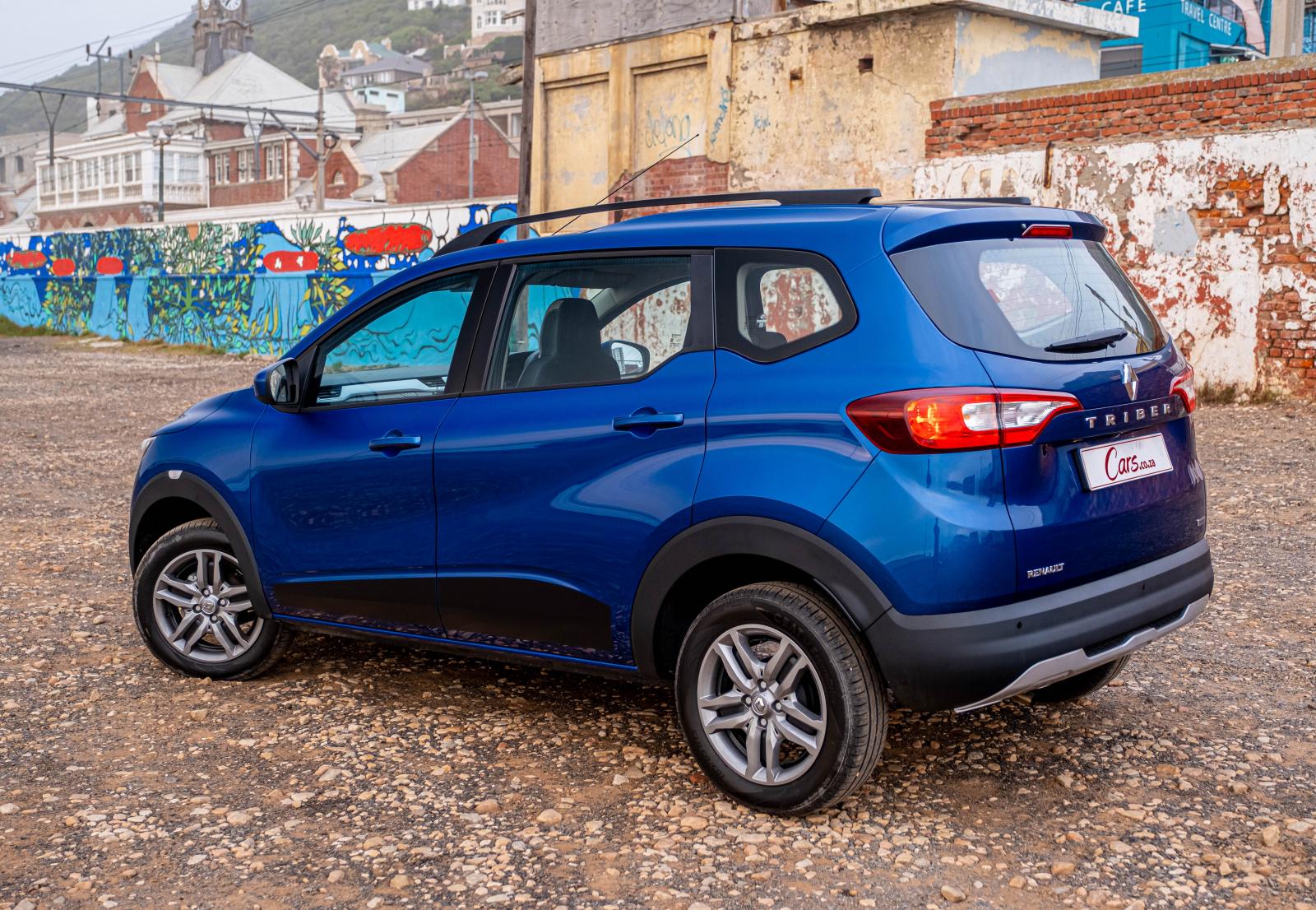
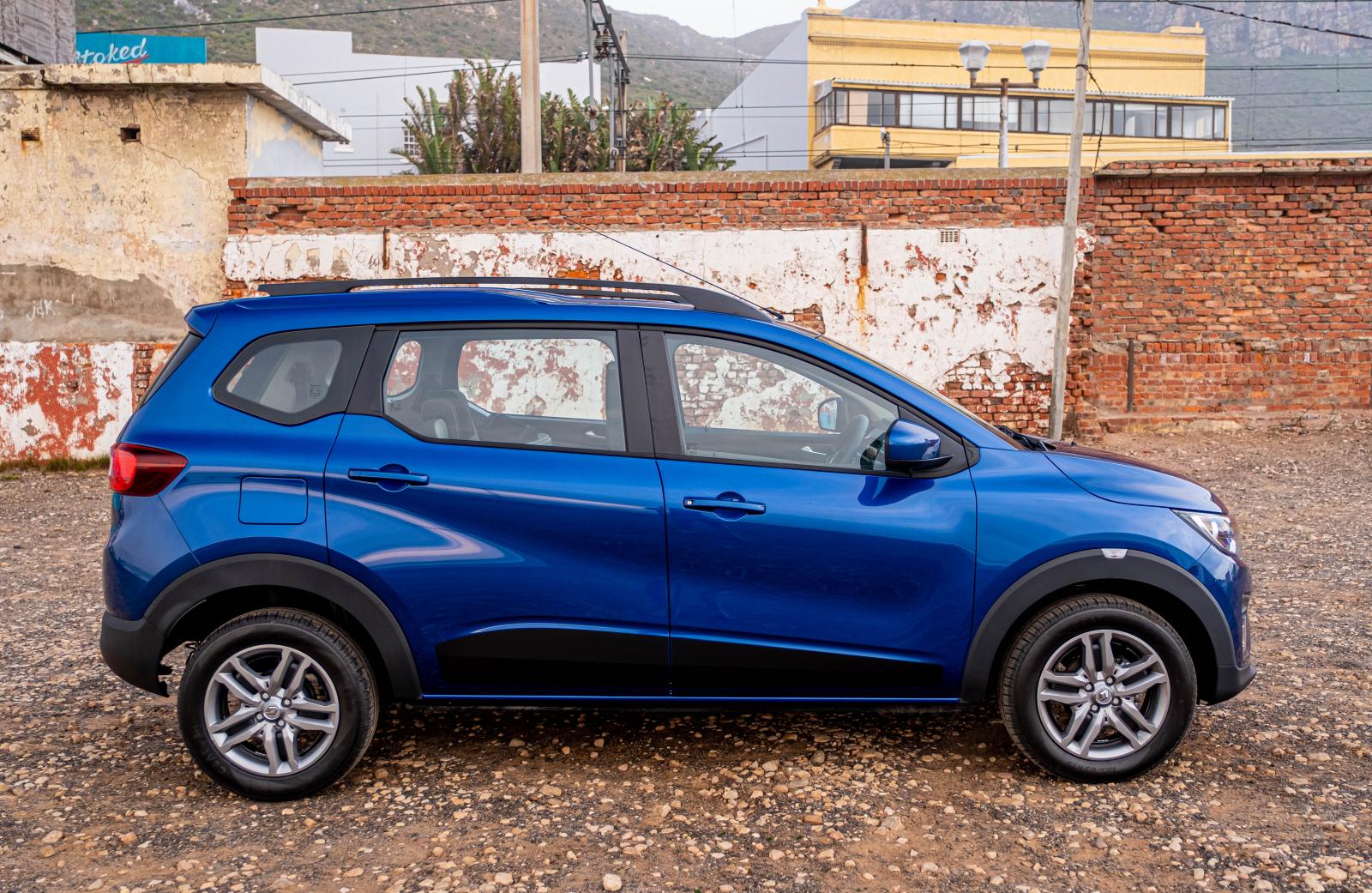
? Boasting quasi-SUV styling and neat 15-inch alloy wheels, the Triber manages to look more expensive than it really is.
Affordability is more important than ever in the South African new-vehicle market, which is why the arrival of a sub-R200k 7-seater is bound to garner quite a bit of attention. When said 7-seater also boasts attractive looks and a long warranty, success is just about guaranteed… So, upon the Renault Triber's arrival in Mzansi, it ticks a great many of the necessary boxes straight off the bat. It's aimed at families that need a compact, yet practical, runabout that won't break the bank to buy and run. Its only main rival in the market is the Datsun Go+, which offers more traditional station wagon-esque styling, but if you can stretch your budget or get a good deal on your trade-in, you may also want to consider vehicles such as Suzuki's Ertiga, the Honda BR-V and Toyota Avanza.
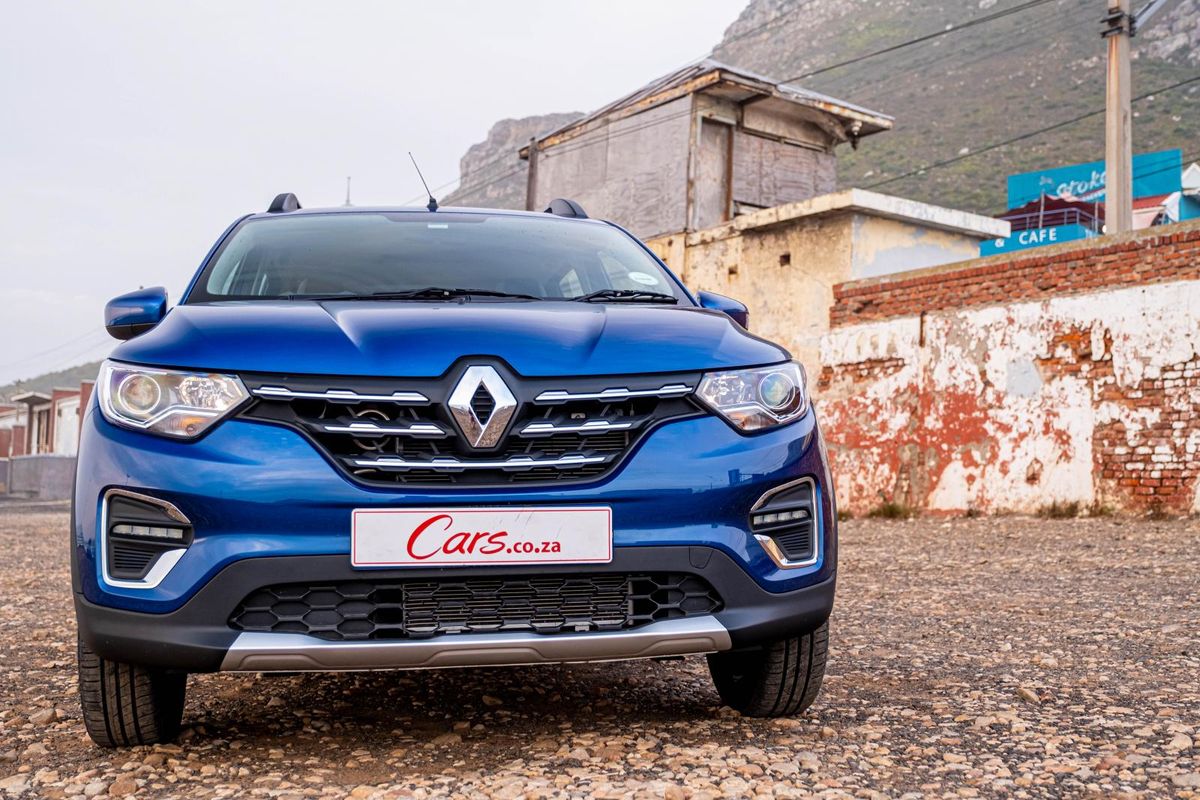
?Renault has packaged the Triber cleverly. From the success of its Captur and Duster models, it knows that a strong SUV-theme does well in the showroom, and so the Triber doesn't look like just another humdrum 7-seater people-mover. In fact, it looks a fair deal more expensive than it really is, which is a major boon in a cutthroat marketplace. With its black plastic cladding, roof rails (with a 50-kg carrying capacity), LED daytime running lights and 15-inch alloys, the Triber looks suitably smart.
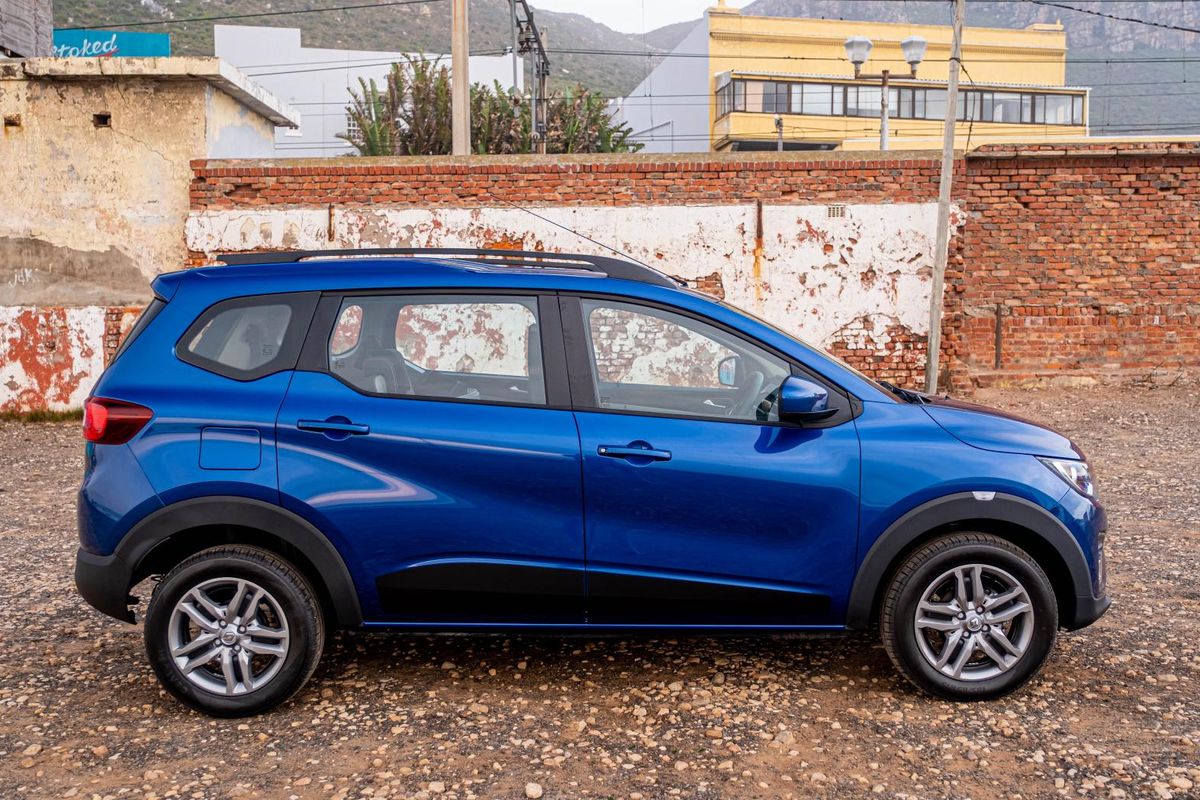
The Triber is no longer than a compact hatchback, yet it offers genuine 7-seater capability.
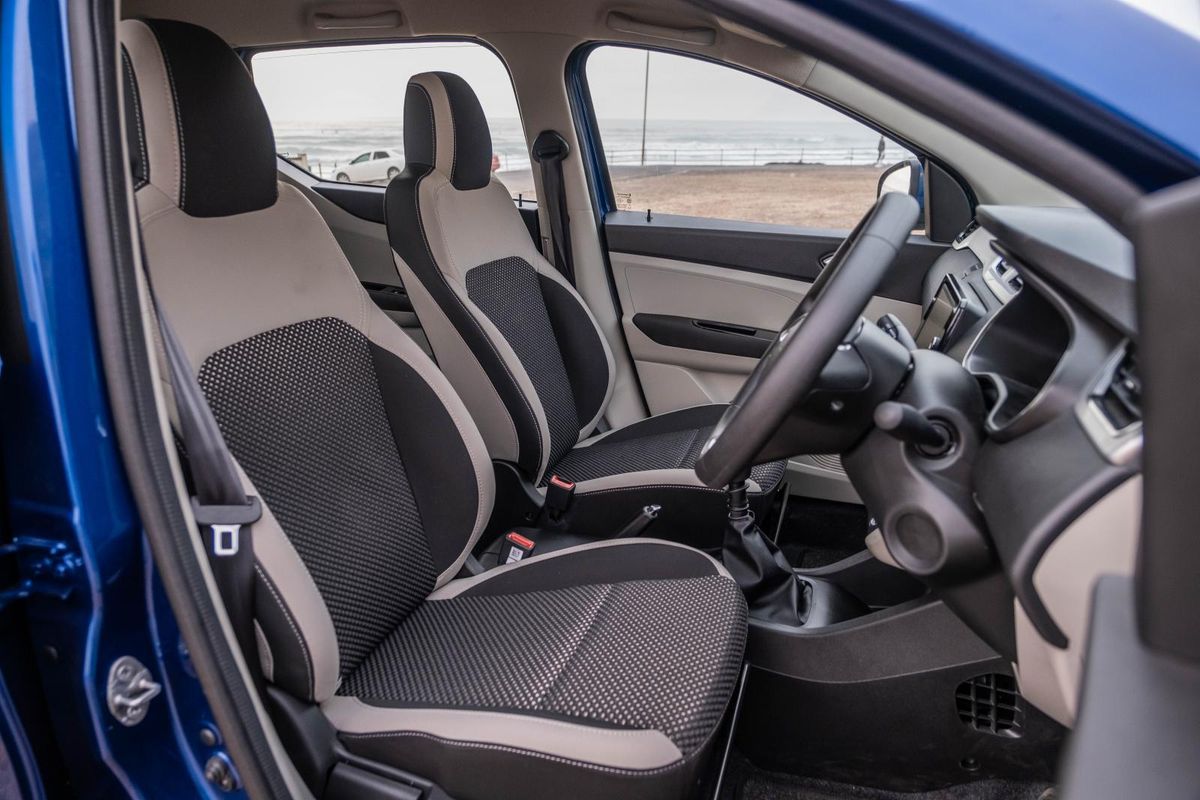
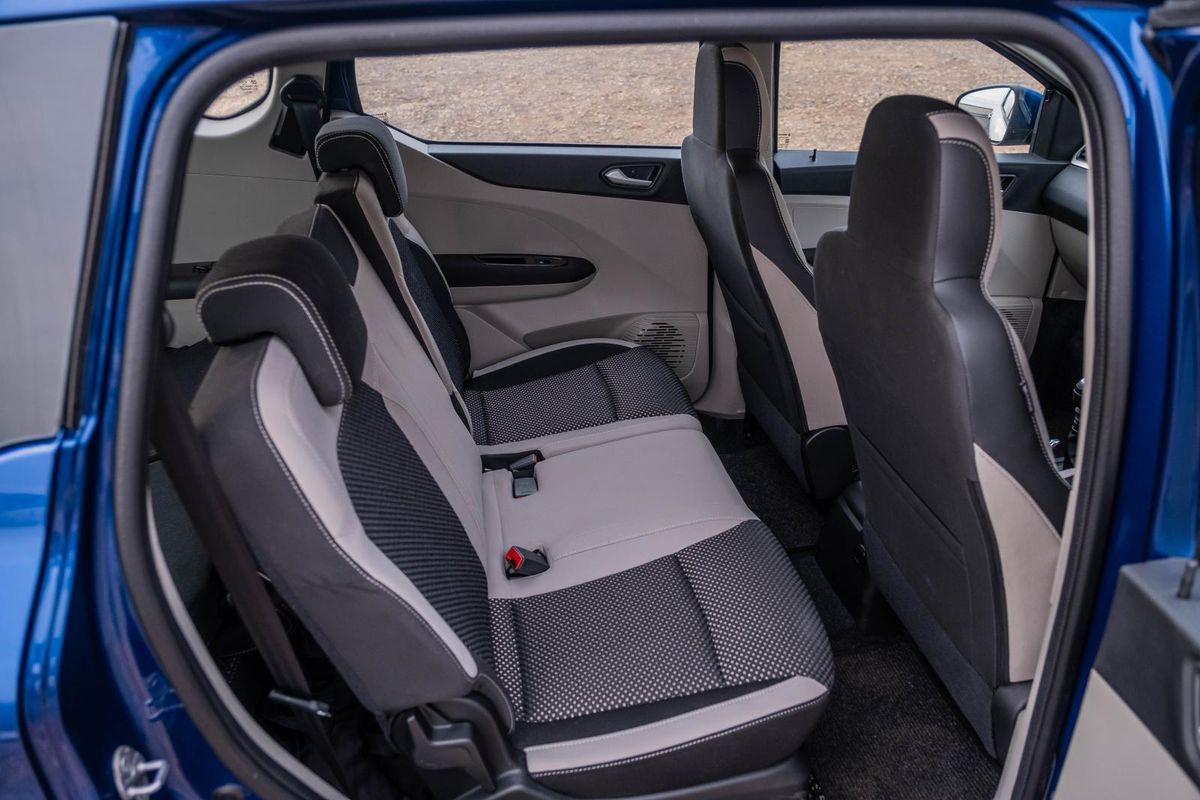
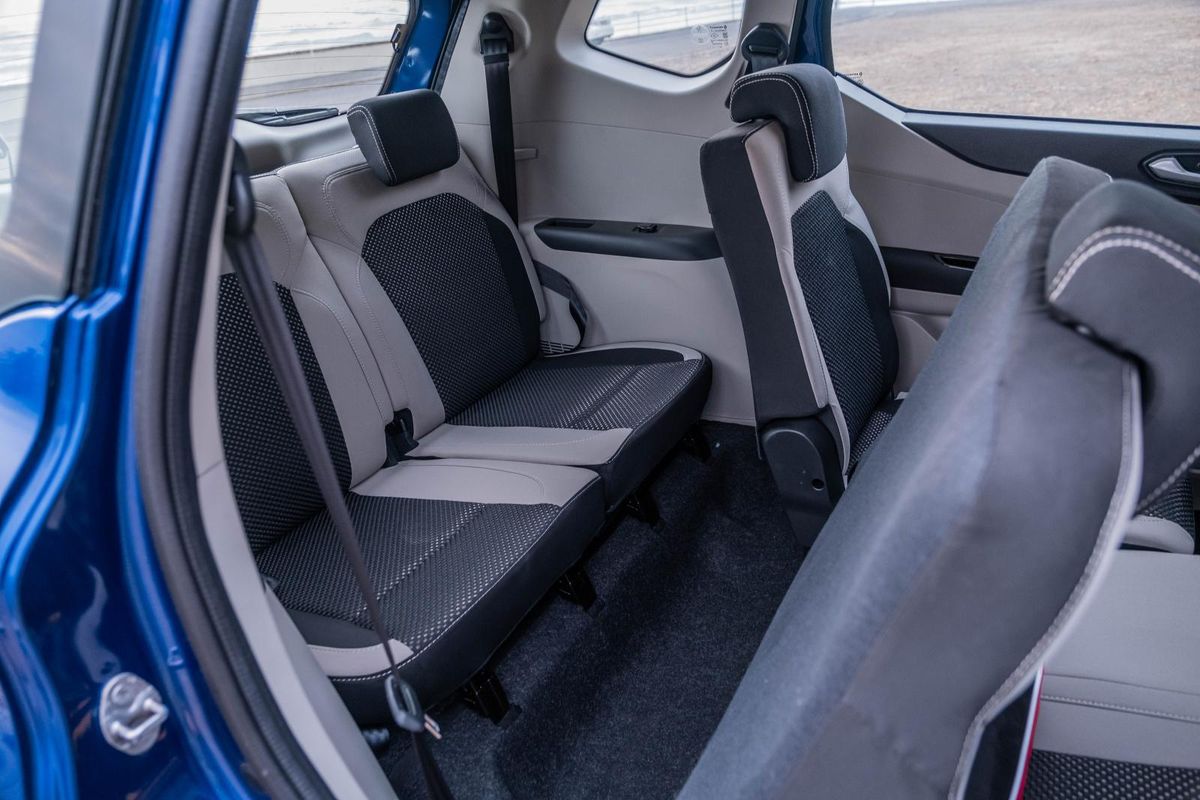
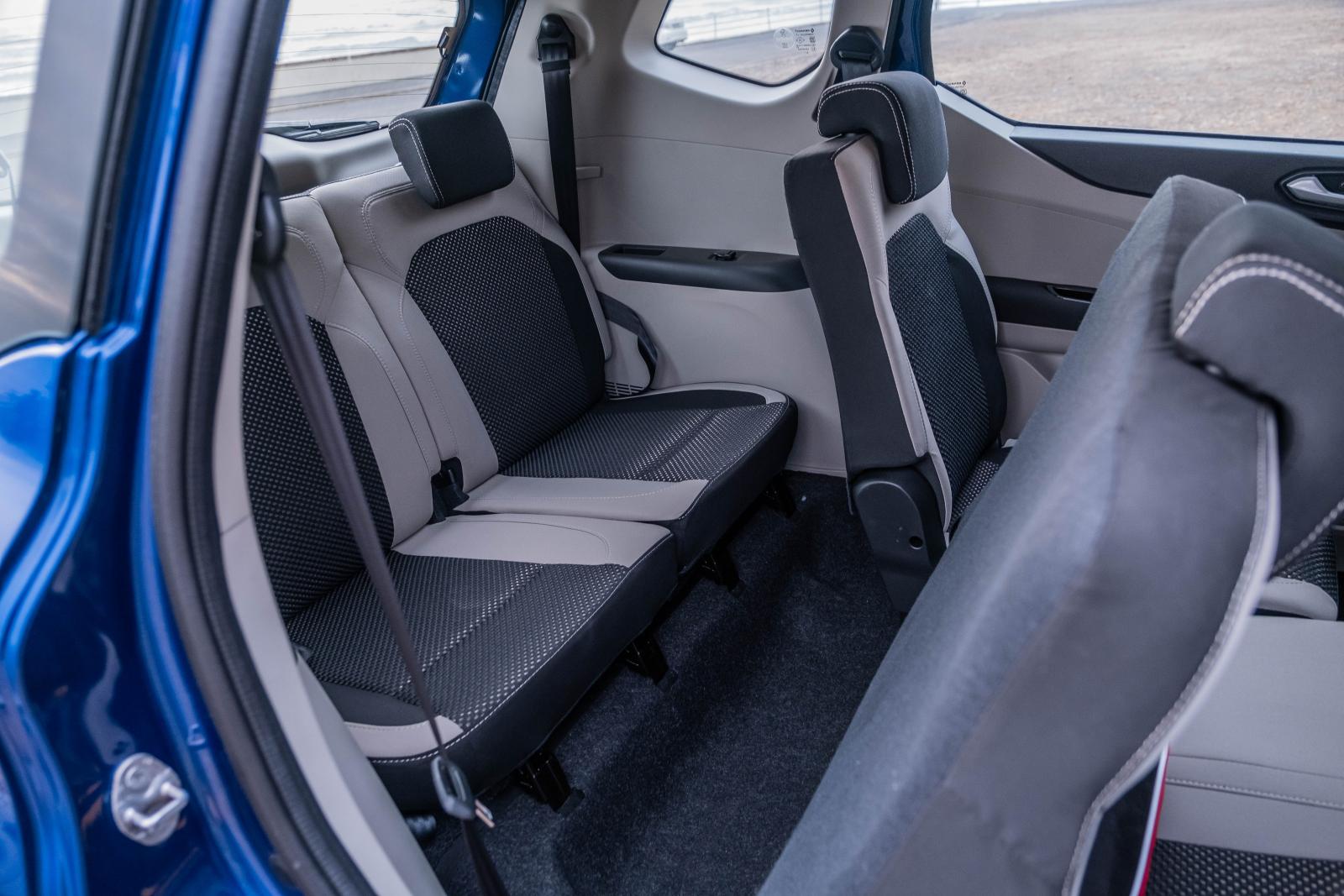
It's a compact little thing, too. It's a smidge under 4 metres in length but inside, Renault's designers have squeezed in not only an attractively finished dual-tone fascia, but genuine 7-seater capability. With a 1.8-metre driver and a passenger of similar height seated behind them, there's still sufficient space for a pair of average-sized adults or teenagers in the 3rd row. Of course, with all 7 seats taken, luggage capacity becomes negligible, but that also applies to larger, costlier 7-seaters. The fact that the 2nd row of seats can slide (to adjust legroom), as well as recline, is a major boon.
Renault expects most owners to use the Triber as a 5-seater most of the time. For this reason, the rear seats can be folded down – or removed entirely. In fact, Renault claims up to 100 possible configurations inside, although we're unsure how it managed to calculate that lofty number. Still, the Triber is indeed a cleverly-packaged car and it offers some smart touches that are particularly surprising at this price level – such as separate air-con ventilation outlets for the 2nd and 3rd rows of seats. With the lattermost row removed, a massive 625 litres of utility space is available.
The rear seats are suitable for teenagers or adults of average height, especially if the 2nd row is adjusted forward.
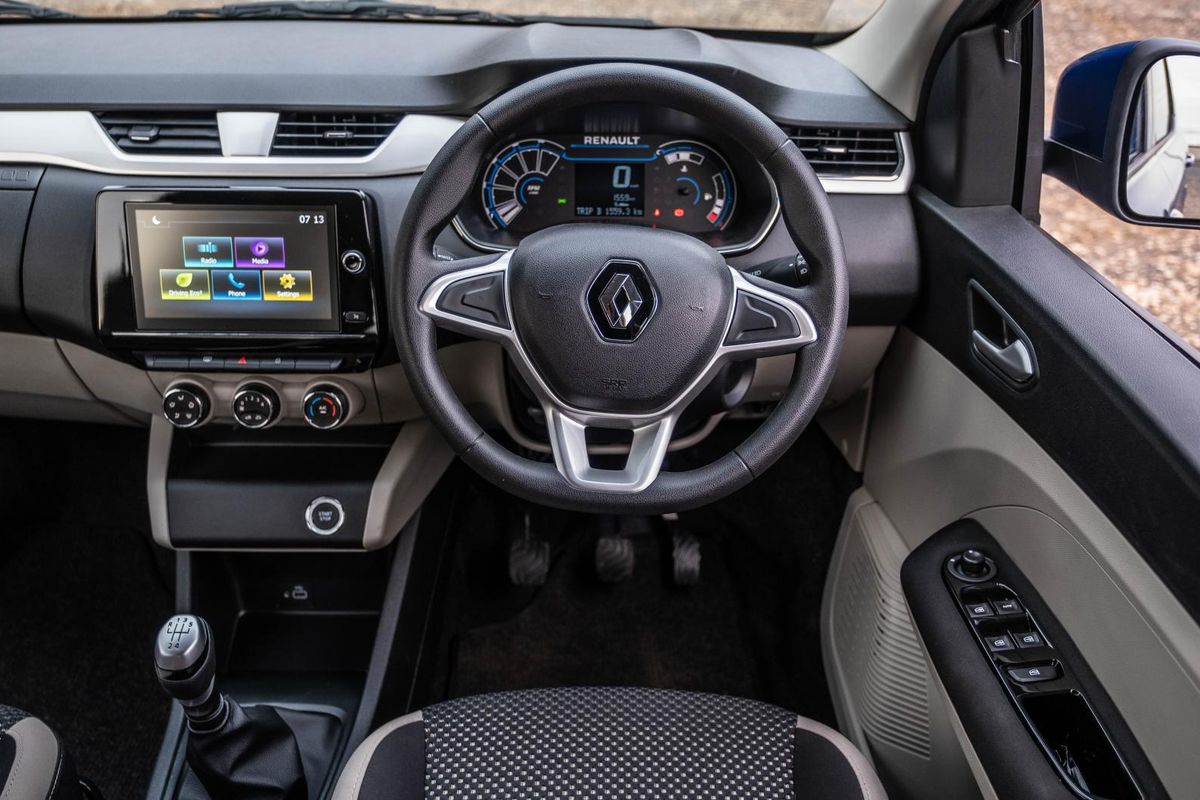
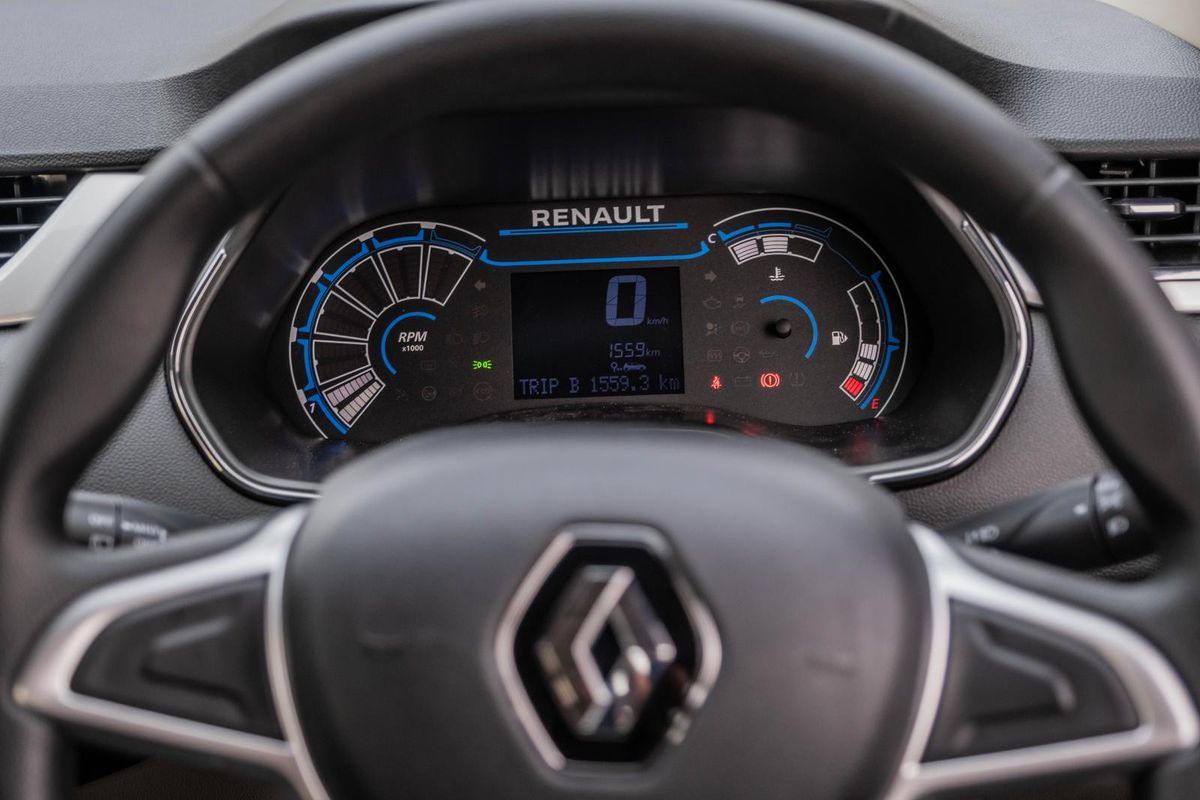
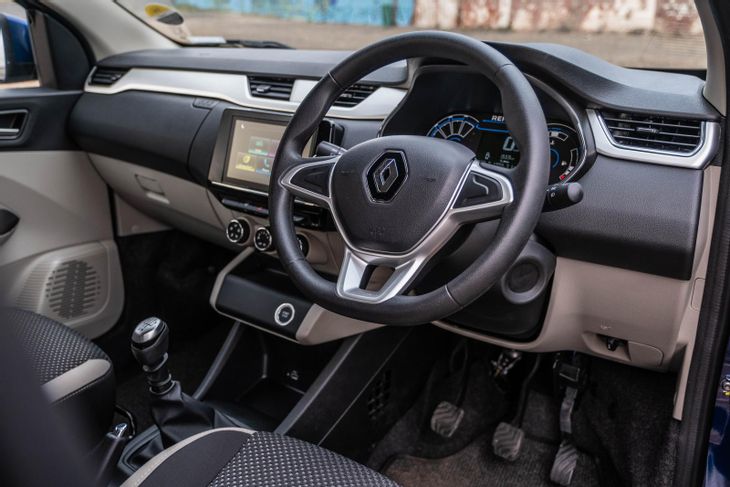
At this price point, the Triber 1.0 Prestige is extremely well appointed. It comes equipped with a touchscreen infotainment system compatible with Android Auto and Apple Carplay, a digital instrument cluster and electric windows and -mirrors. An air-conditioned centre console and cooled glove box are provided, but charging options are limited to 1 USB port up front and a 12V socket in the rear.
Another useful storage space is a "secret" drawer underneath the driver's seat. But, perhaps most impressively, the standard features list extends to include "luxury car" items such as keyless entry and -start, as well as a reverse-view camera.
The dual-tone fascia makes the Triber's cockpit look less utilitarian and the touchscreen infotainment system is right up to date.
Overall, then, the Triber has an impressive cabin given the model's price positioning… the interior panels and fittings may be of the hard-plastic variety, but Renault has added some classy touches, such as metallic-look accents and part-LED instrumentation to elevate the newcomer's cabin from humdrum to something… interesting.
Performance & Efficiency
?The Triber is powered by a naturally aspirated 1.0-litre 3-cylinder engine – that's right, there is no turbocharger under the bonnet. The quoted power and torque figures are 52 kW and 96 Nm respectively, and these alone should set some alarm bells ringing, particularly if you intend to regularly drive the Renault with a full complement of passengers on board, and especially so at altitude (which applies to South Africa's biggest car market). The 96 Nm of torque is developed at a fairly high 3 500 rpm (max power is at 6 250 rpm!), so it's an engine that you need to "keep on the boil".
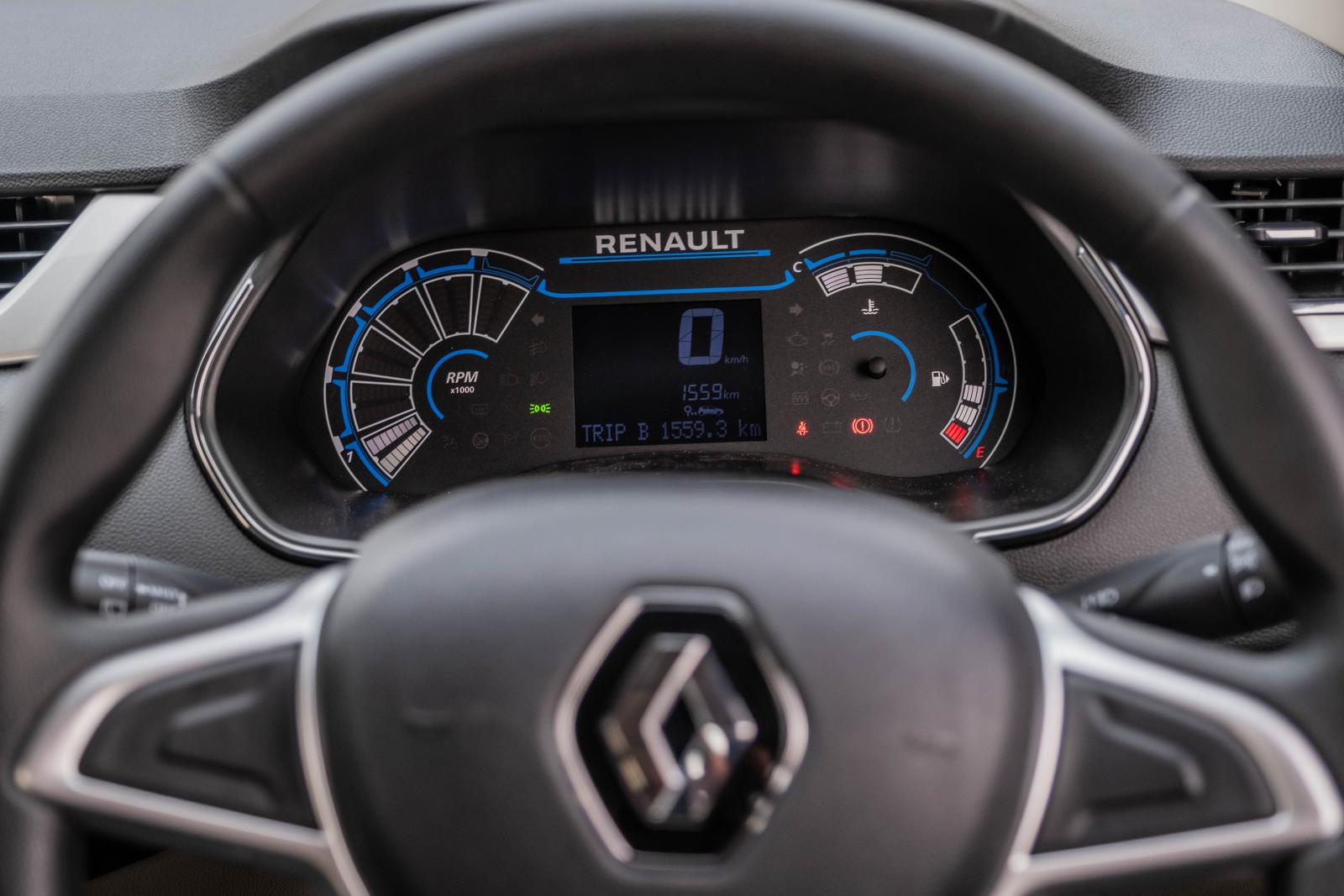
Alas, when attempting quick overtaking manoeuvres, you're likely to stare at the Triber's neat digital instrument cluster in frustration…
Sadly, the Renault's gearing is not particularly well-suited to South African driving conditions (it probably reflects the lower average vehicle speeds of its home market – India). Throttle and clutch modulation is tricky; far too much concentration is required to achieve smooth progress. When it's loaded with passengers and tasked to ascend steep hills (of which there are many in Cape Town), the Triber needs to be geared down rather often. In fact, "riding the clutch" is something you may end up doing quite often in this car, and we can't say that it felt particularly at ease doing that.
The engine is, however, better suited to cruising on the freeway, where it is impressively quiet; it allows the Triber to keep up with fast-flowing traffic quite easily. Fuel economy is also good – Renault claims a combined cycle consumption figure of 5.5 L/100 km, but in reality, you're looking at around 7.0 L/100 km, which is still a good result.
Ride & Handling
? The Triber's pliant suspension belies the newcomer's budget price. It also traverses uneven/unsealed roads with confidence.
The Triber doesn't share its underpinnings with the Kwid budget hatchback, as you might expect; it's built on its own platform. By virtue of a claimed ground clearance of 182 mm, the Renault's a capable pavement climber or gravel-road traverser, and with a wheelbase of 2 636 mm, there's substantially more metal between the axles than in a Kwid! This is immediately apparent when you drive the Triber over a variety of road surfaces. It rides on bumpy roads and its build integrity seems good, too, given the absence of rattles we discerned when travelling on poor surfaces.
Speaking of freeways, we did drive the Triber at cruising speeds and unlike the Kwid, it feels capable at the national speed limit. One discerns some wind and engine roar at about 120 kph, but the newcomer offers satisfactory performance in terms of its general road-holding.
Price and warranty (April 2020)
The flagship Renault Triber, the 1.0 Prestige, costs R189 900, which includes a lengthy 5-years/150 000 km warranty and a 2-years/30 000 km service plan. Services are scheduled for every 15 000 km/12 months.
Verdict
? The Triber offers plenty of value as an affordable people-mover, but its iffy powertrain impedes it from being a balanced package.
There is a lot to like about the Triber, not least its value proposition. The cabin is a genuinely good place to occupy and is packed with clever, practical features, in addition to being just plain practical and spacious. It also rides better than we anticipated; from behind the 'wheel, it feels like a bigger, more sophisticated car on the road than, for example, the aforementioned Kwid. And although crash testing has not yet been conducted on this model, the car "feels" more substantial overall, in addition to offering a quartet of airbags and ABS as standard.
It's a pity the iffy drivetrain diminishes the package. During the Triber's extended stay with the team, the usual "acclimatisation" didn't occur, and we continued to lurch and stall our way through Cape Town traffic, cursing the lack of torque, poorly-spaced gear ratios and sticky clutch. We can only imagine that it will be worse at altitude. A rumoured turbopetrol version can't come soon enough…
There is some good news for SA motorists as the petrol price will be coming down in May 2020, but will the lockdown have ended by then so we can take advantage of this decrease?
Due to a massive spat between Russia and Saudi Arabia over oil production, the oil price has been subjected to some massive drops in value. "Coming in the wake of March's record fuel price reductions, South Africa is probably set for a second month of record fuel price drops for some fuel types," the AA comments. "The irony is that this has come at a time where motorists and businesses are severely limited as to how they can use their vehicles," said the Automobile Association (AA).
The forecast suggests petrol will be down by a massive R1.89 a litre, with illuminating paraffin dropping by R1.88 and diesel by R1.17. This is very good, even though the Rand has lost considerable value against the US Dollar. However, these figures are not set in stone and due to market volatility, we could see some radically different figures by the end of April 2020.
The AA press release ended off with a happy note, "But as matters currently stand, when South Africans come out of lockdown at the end of April, fuel prices will be around three Rand a litre lower than when they went in."
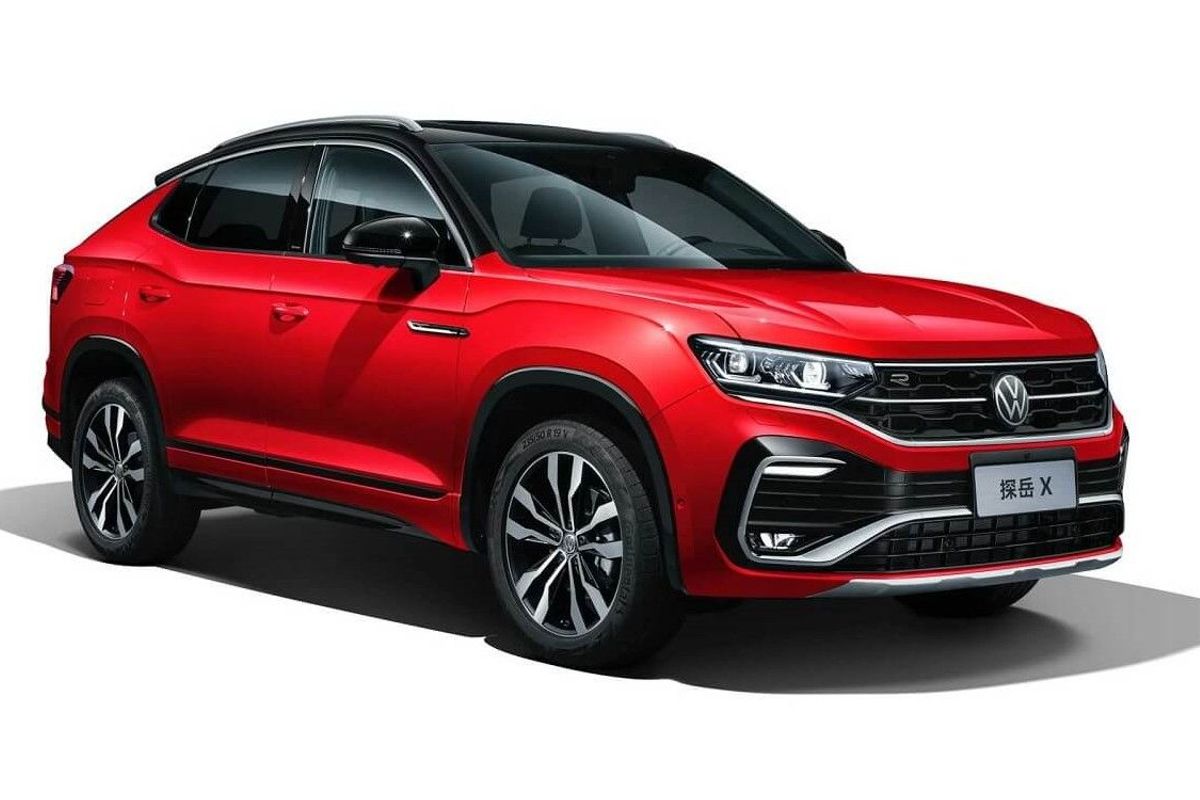
New roof and tailgate for Tiguan platform as VW begins to chase the SUV coupe craze.
VW has revealed images of its latest coupe – and obviously it is based on one of the brand’s popular SUVs.
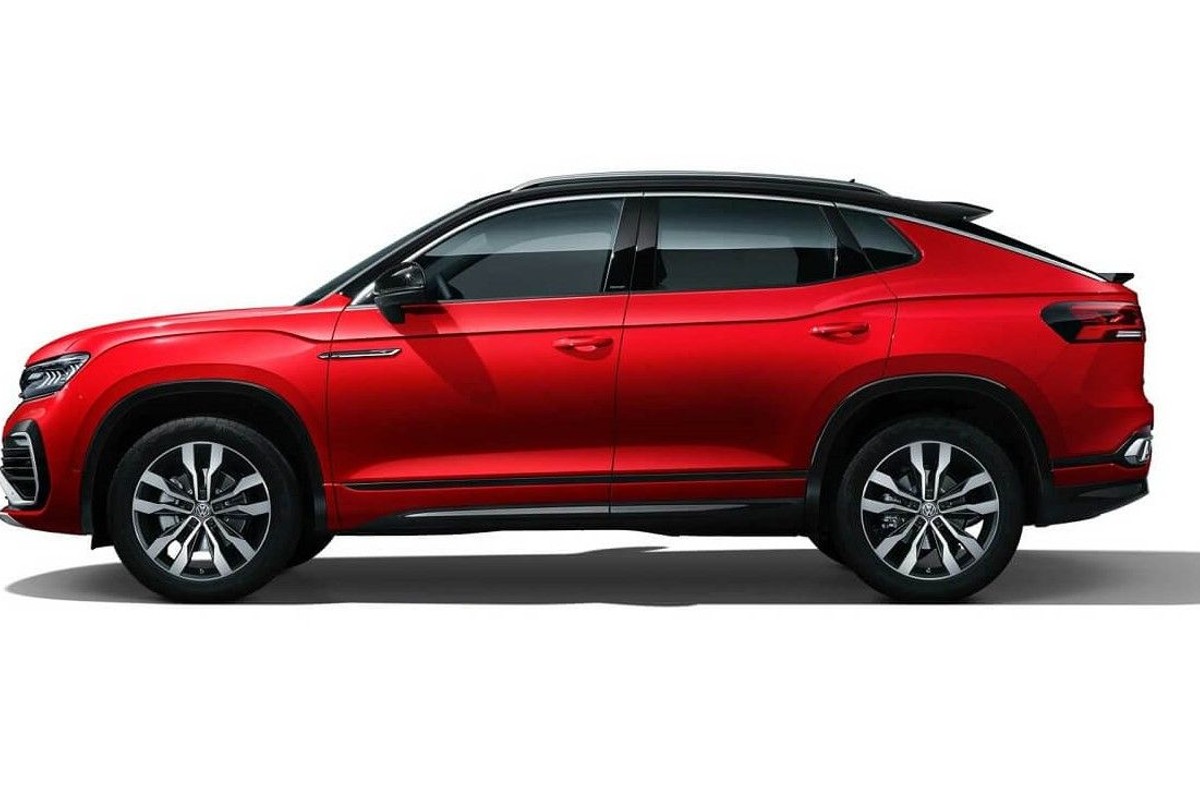
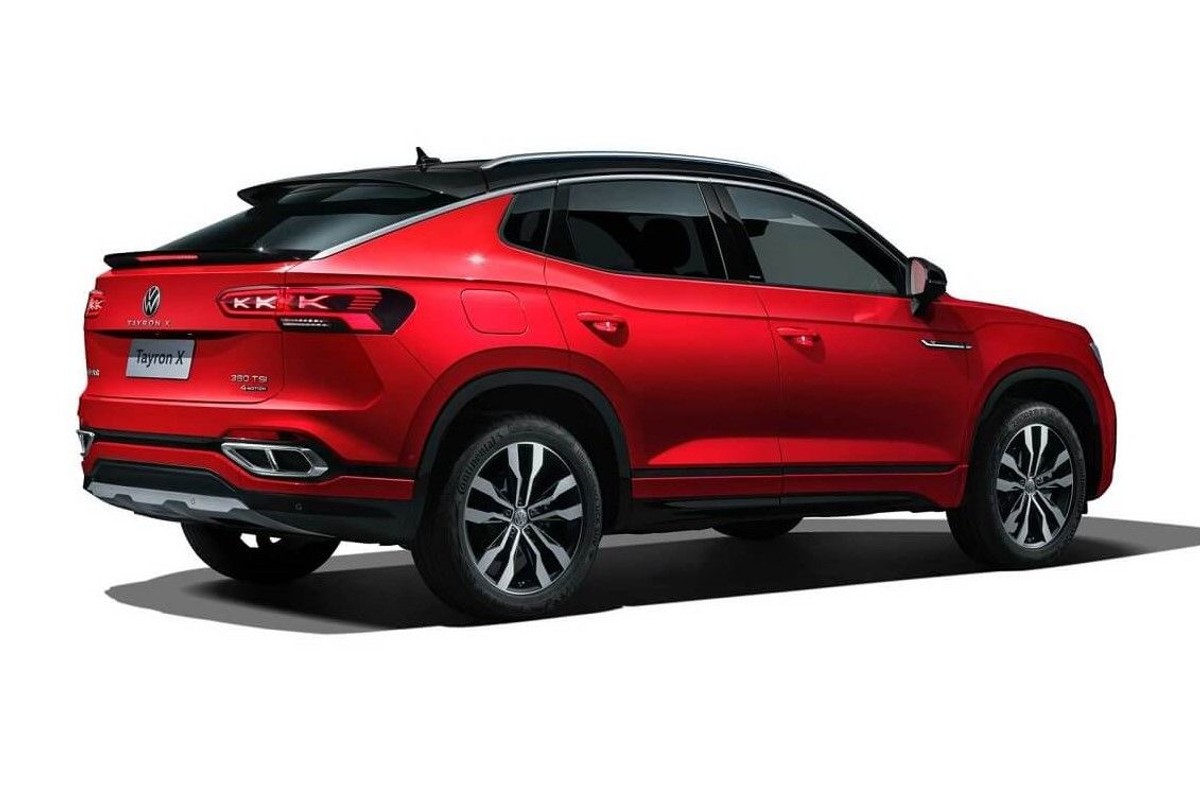
The Tayron X is a sloping roofline version of VW’s Tiguan platform and the design logic is to harvest the surging tide of demand for anything with elevated ride height and a curvy roof section.
Like the Tiguan, it rides on VW’s proven MQB platform – which runs anything from a Polo to a Caddy to a Q3. Bumper-to-bumper the Tayron X measures 4.62 m, which places it between a standard Tiguan and a Tiguan Allspace.
Height is the dimension where Tayron X expectedly differs from a conventional Tiguan. Measured from the road surface to its roof, the Tayron X stands 1.66 m tall, which is slightly lower than a Tiguan, at 1.67m.
An interesting design detail applied to the Tayron X, for VW brand fans, is its rear illumination. The taillights have an X-shaped LED illumination profile which is different from anything seen on the current Tiguan. There is a possibility of those lights being a clue to what the next Tiguan upgrade could entail, in terms of rear styling.
Powering the Tayron X are a choice of familiar VW petrol engines. At the entry-level there’s the 1.4-litre turbocharged four-cylinder engine, boosting 137 kW.
Most customers will probably opt for the more potent 2-litre turbo motor, which is truer to the dynamic intent of owning and driving a sloping roofline coupe. VW will be offering the Tayron X with a 162 kW version of the EA888 engine, driving through a seven-speed dual-clutch transmission.
The Tayron X defaults to a front-wheel-drive configuration, as one would expect from an MQB vehicle platform, with only the option for 4Motoin all-wheel drive.
VW is planning to launch the Tayron X in China, although elements of the design appear very transposable to similarly-sized SUVs of the brand, which sell in all global markets.
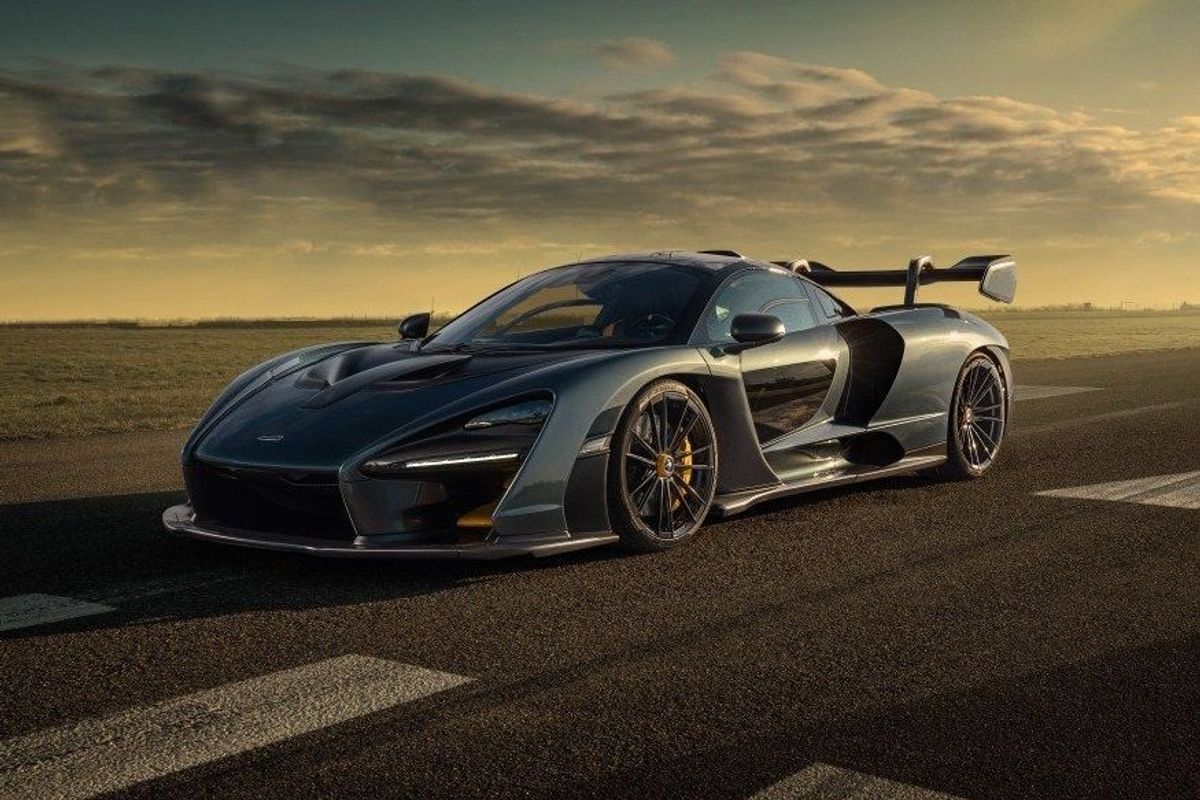
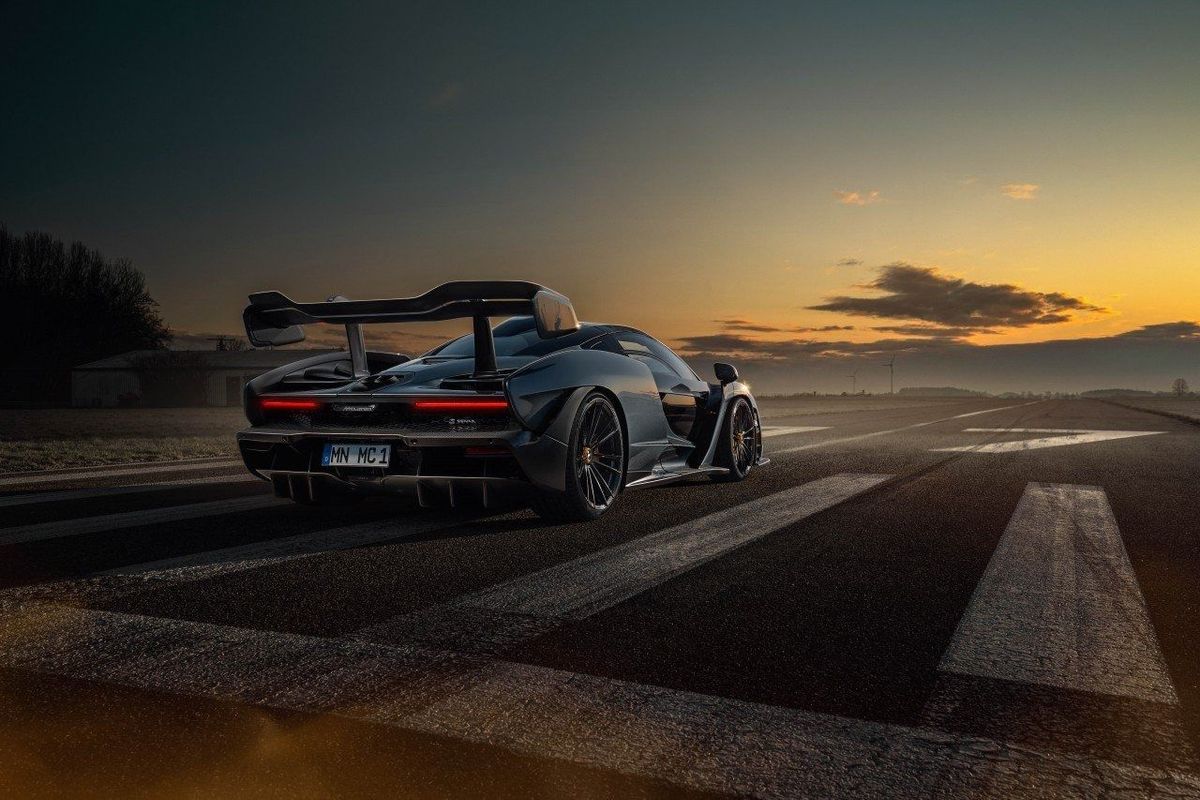
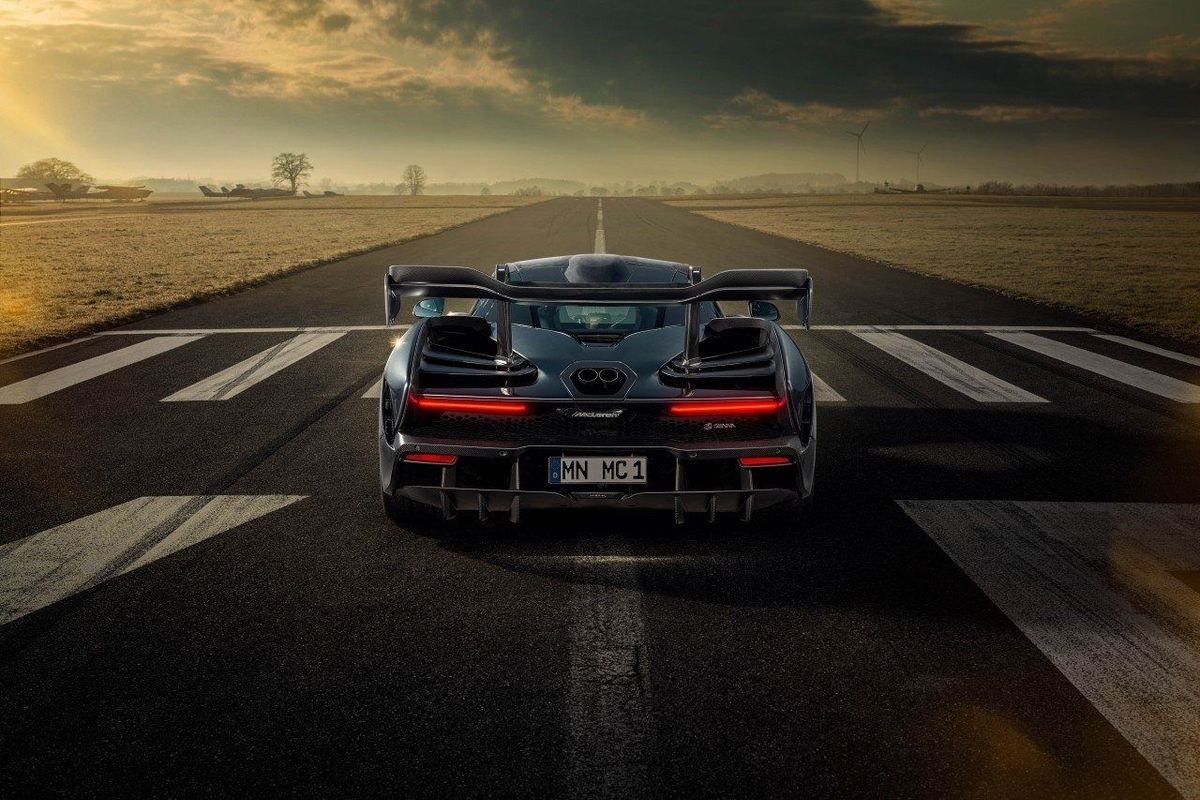
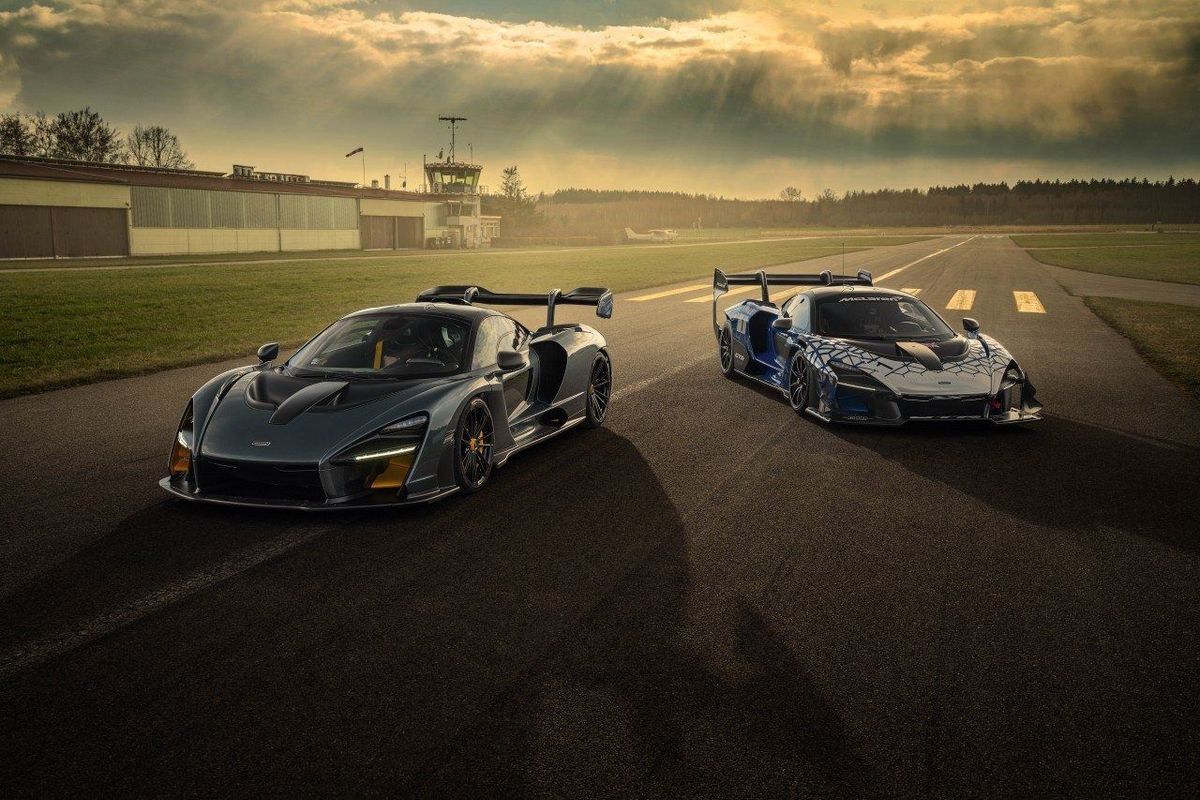
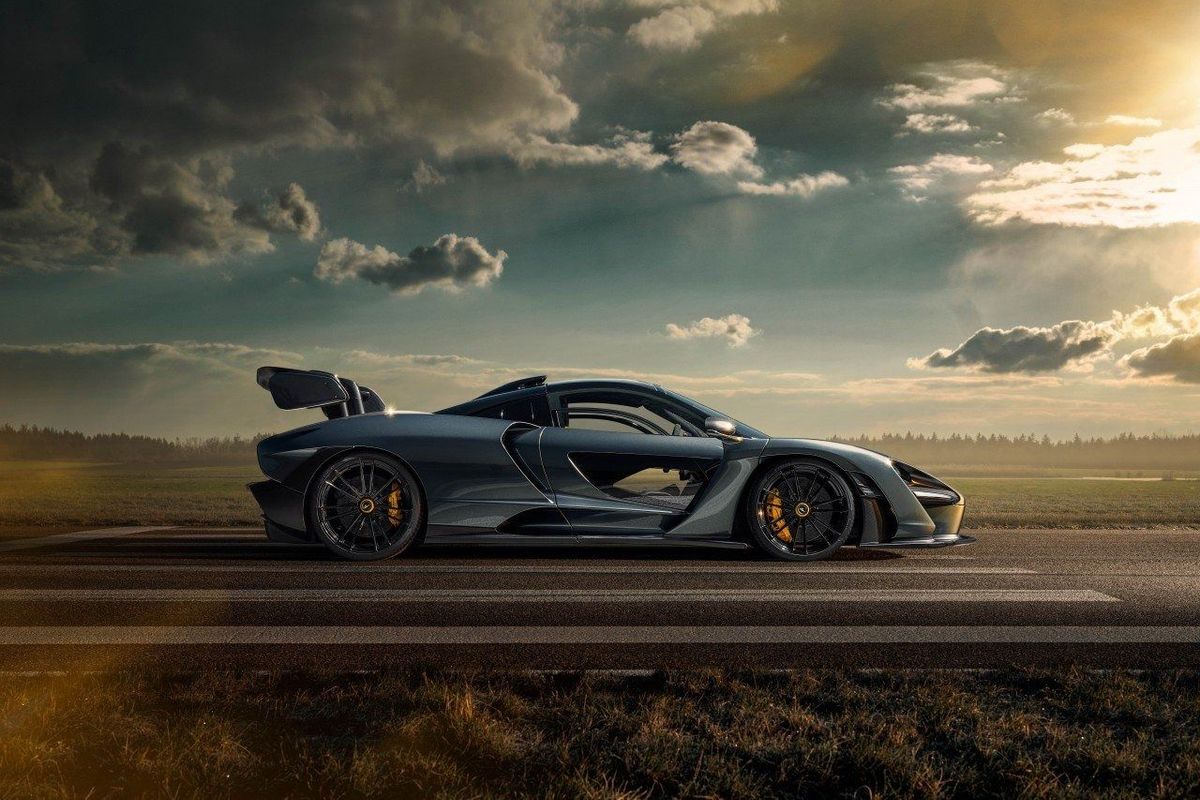
The McLaren Senna is already an outrageous high-performance hypercar, but Novitec has turned up the wick even higher to make for one insane machine.
Tuners Novitec has turned the already-insane McLaren Senna into something even more menacing. For starters, the power has increased from 588 kW and 800 Nm to 663 kW and 888 Nm, giving it a claimed acceleration of 2.7 seconds to 100 kph and it will hit a top speed of 335 kph. Novitec has used what it calls the 'Novitec N-TRONIC module', which is essentially an electronic engine control unit upgrade for the 4.0-litre twin-turbocharged V8 petrol engine. There's also a Novitec Race GTR high-performance exhaust system.
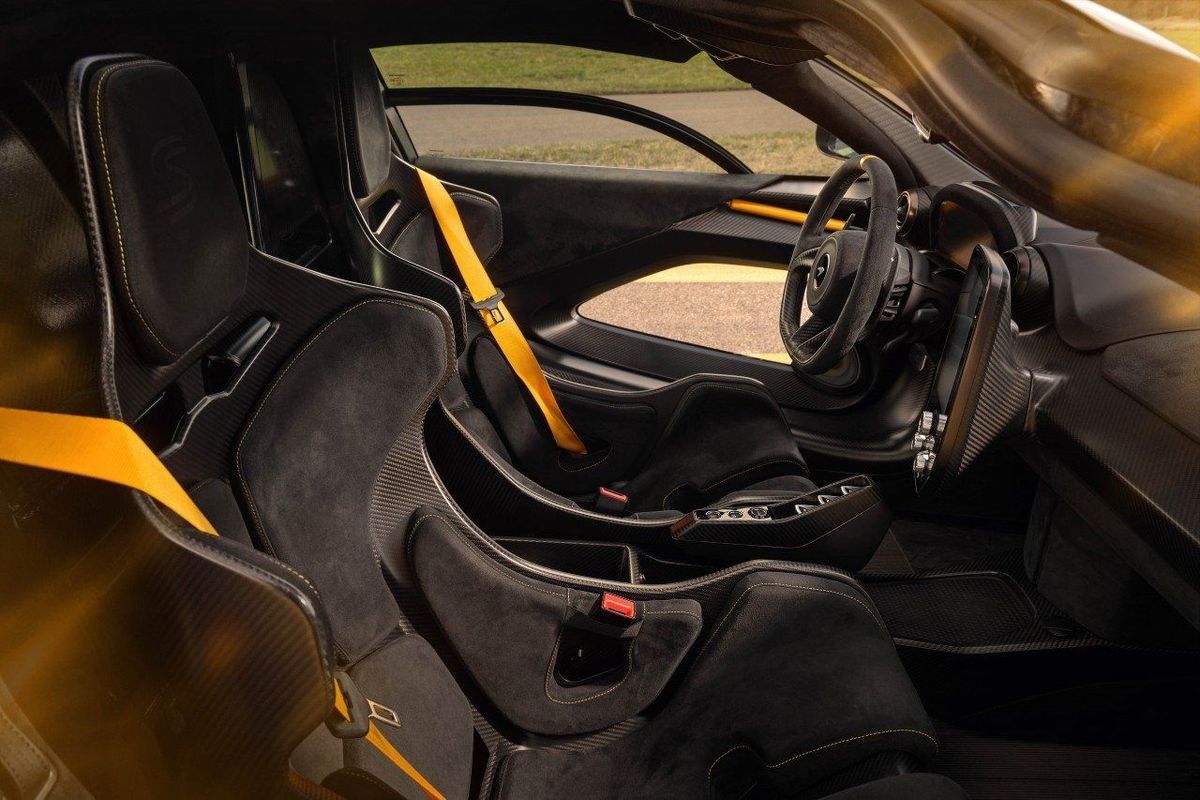
The aerodynamics have been left alone as they already probably at their most effective, but Novitec has partnered with Vossen alloy wheels to develop a proper wheel/tyre combination for this specific car. They're of the lightweight variety and are available in 72 different colours. Customers can also spec a variety of customised interiors for the cabin too. Check it out in the below video.