SentiMETAL launches digital magazine for petrolheads
Cars.co.za's car-culture sub-brand, SentiMETAL, has launched a new digital magazine aimed at petrolheads. The first edition is available for purchase and download now.
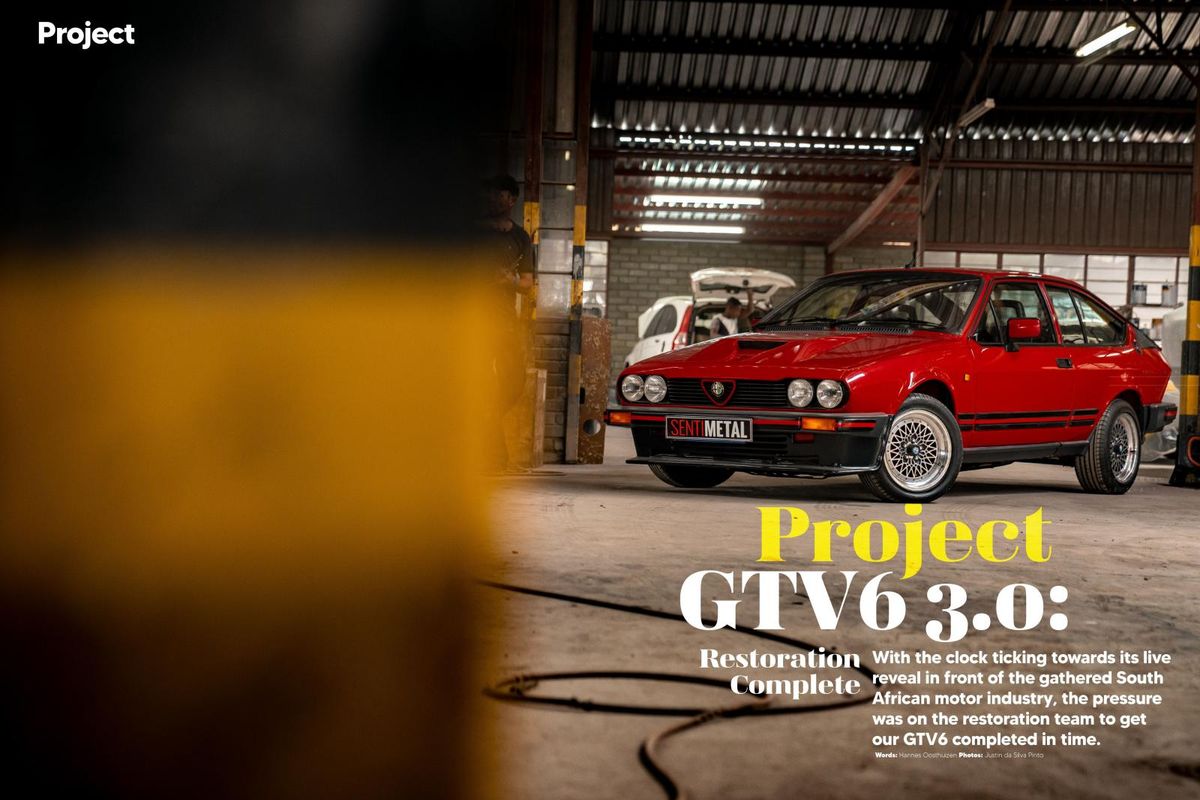
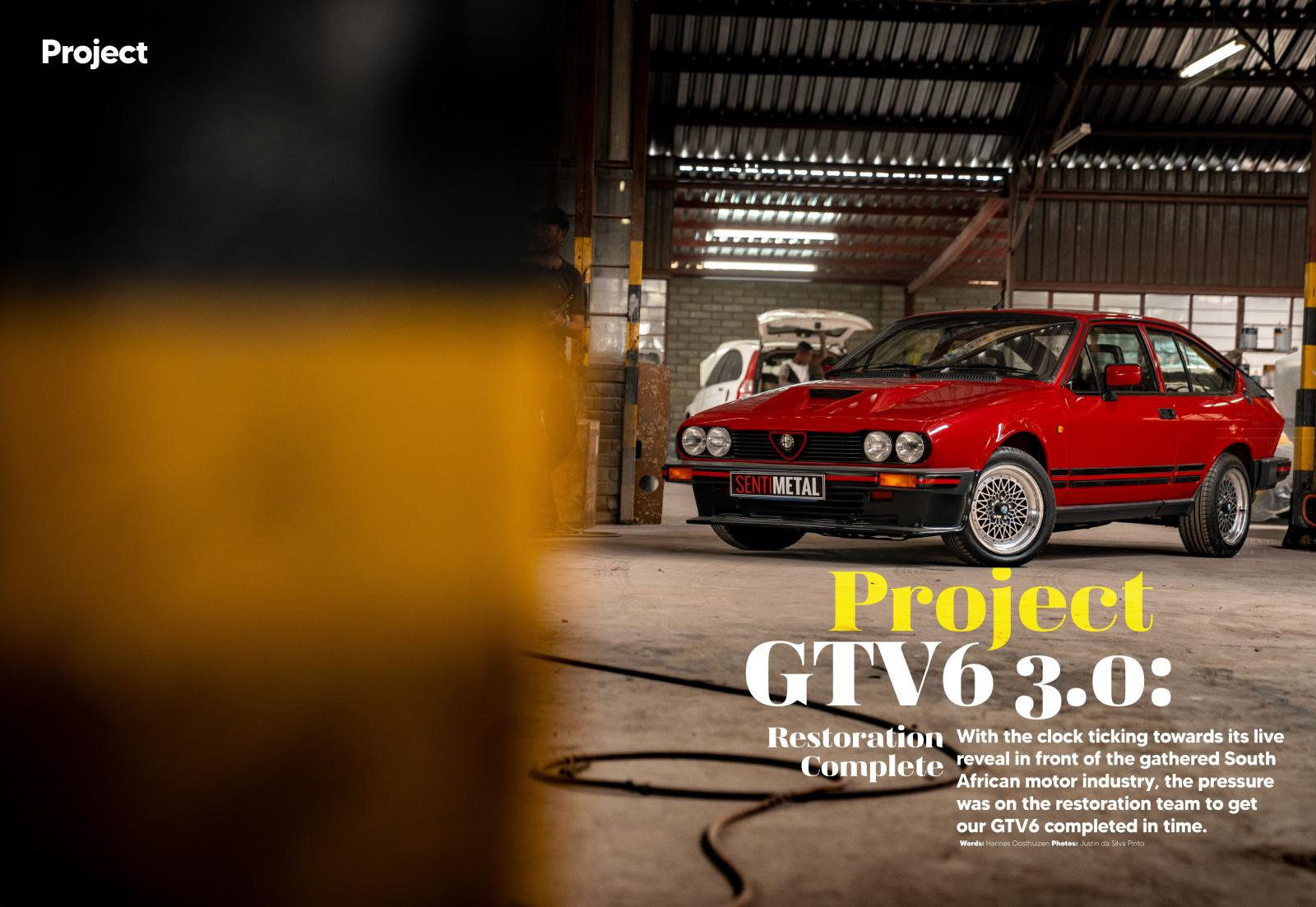
The new title, simply called SentiMETAL, Live To Drive #1 features the uniquely South African Alfa Romeo GTV6 3.0 on the cover, and consists of nearly 90 pages filled with petrolheaded content.
"We've noticed a tremendous increase in interest in motoring content, particularly entertaining content, in the past few weeks as people are spending a lot more time on their digital devices," says Hannes Oosthuizen, SentiMETAL project head. "So, about two weeks ago we decided to launch a SentiMETAL digital magazine aimed at those petrolheads, and I'm really proud of the team for putting it together so swiftly and beautifully," he says.
The magazine is for sale on www.sentimetal.shop. Following payment, the buyer is sent a link and a password to download the magazine and open it in PDF magazine format.
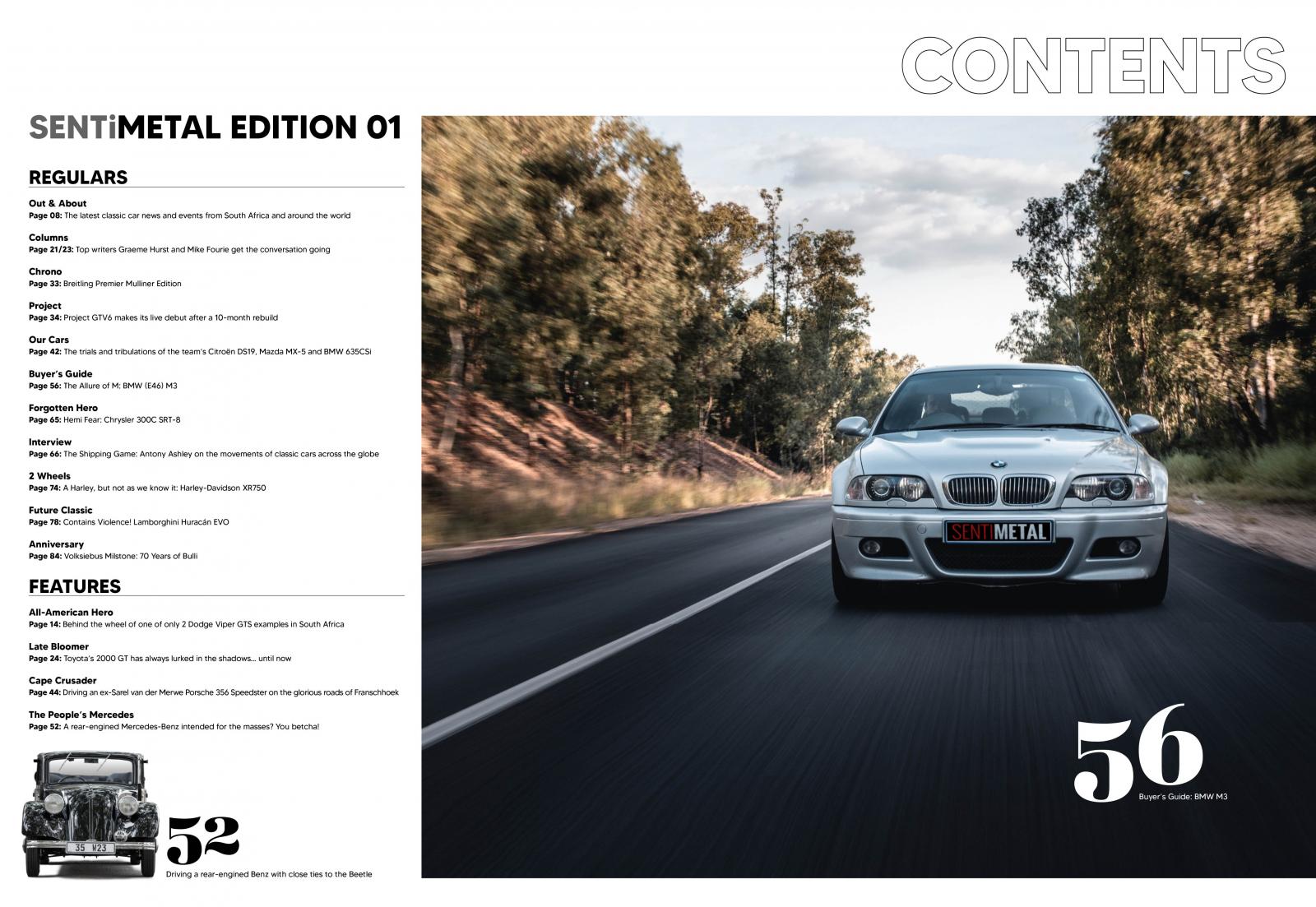
In the first issue
Our Alfa Romeo GTV6 3.0 restoration project in detail
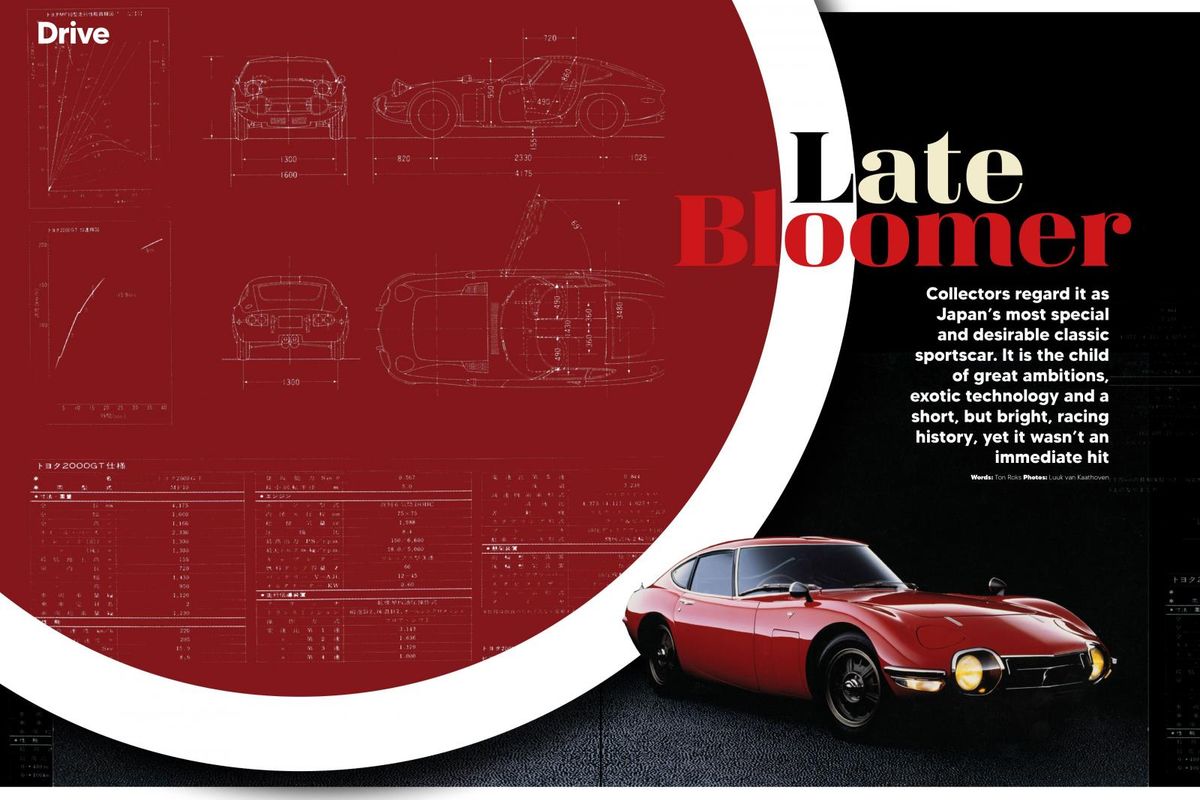
Driving Toyota's late bloomer, the beautiful 2000 GT
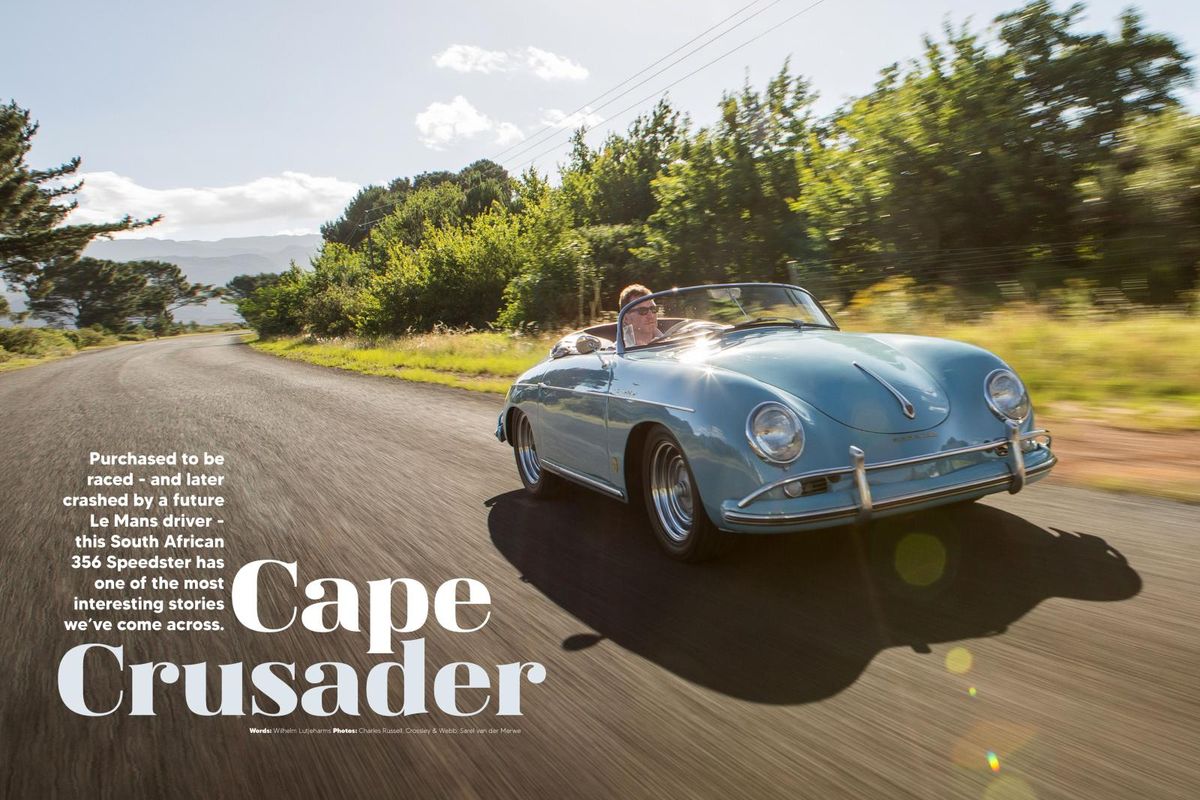
Cruising the fabulous Western Cape roads in an ex-Sarel van der Merwe Porsche Speedster
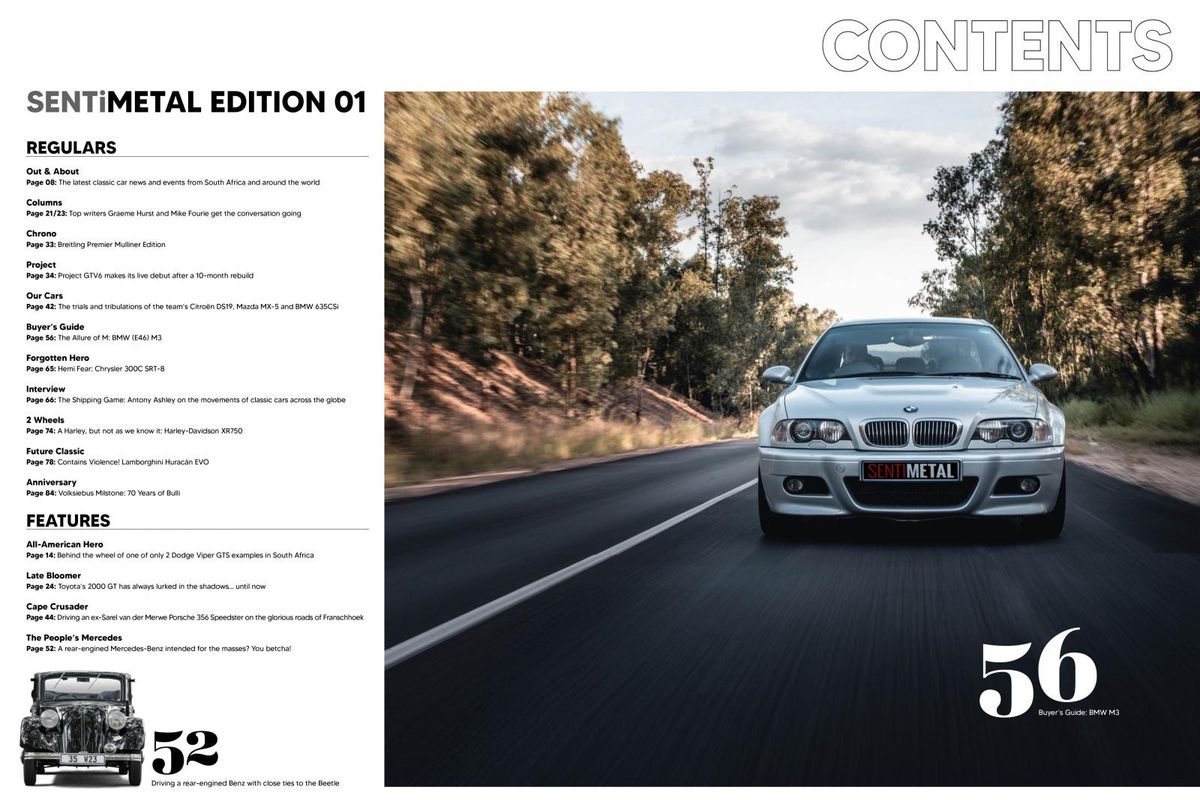
In-depth Buyer's Guide on the BMW (E46) M3
Behind the wheel of one of only two Dodge Viper GTS examples in SA
A closer look at the fascinating history of the Harley-Davidson XR750
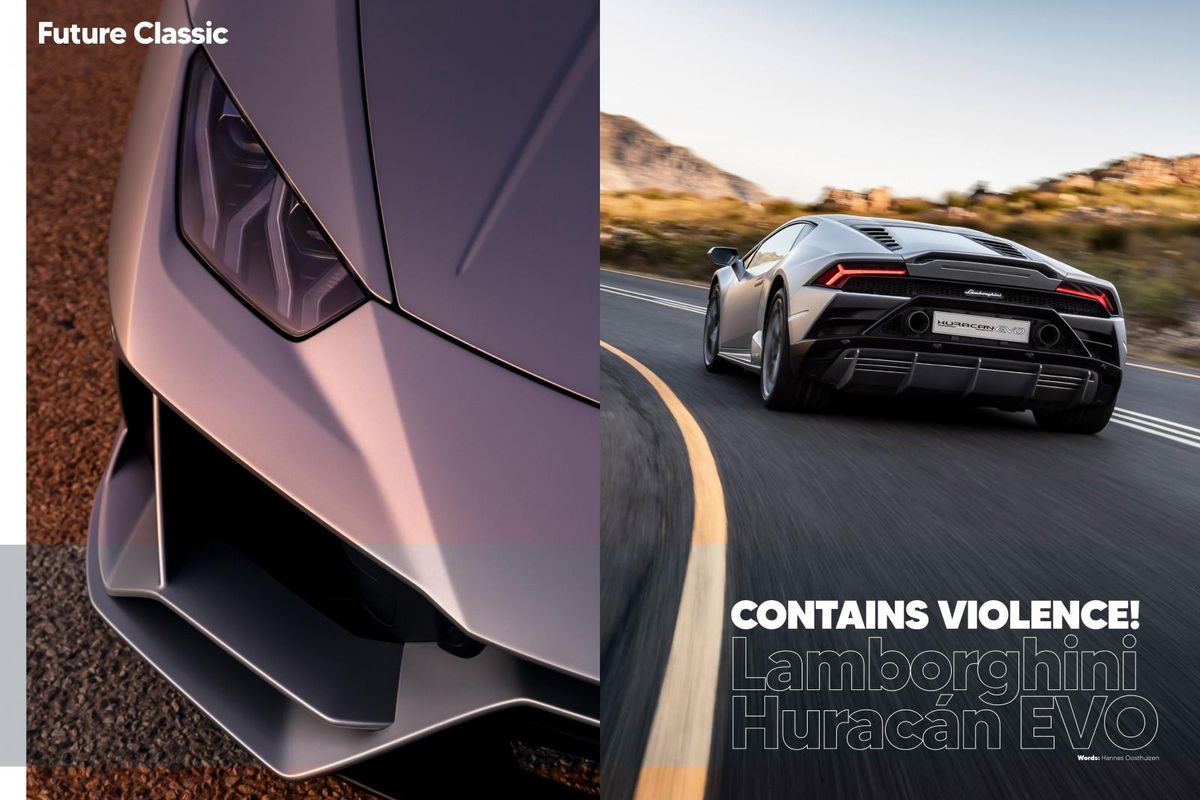
Future classic: we take Lamborghini's new Huracan EVO for a spin
An odd-ball rear-engined Mercedes-Benz from the '30s, the 130
Furthermore, the issue features an overview of local and international classic-car related news and events (including our two SentiMETAL Gatherings earlier this year), updates on our contributors' experiences with their own classics, columns by Mike Fourie and Graeme Hurst, an interview with Antony Ashley from Freight Factory about global car shipping and more.
Hyundai’s N division is preparing a high-performance version of the Kona compact SUV.
Picture credit: S. Baldauf/SB-Medien. We have paid for these photos and at the photographer's request, have watermarked them.
Hyundai isn’t a brand typically associated with producing high-performance vehicles but that perception is changing fast as the brand’s N division rolls out exciting performance models.
Last year, we saw spy images of a hotter version of Hyundai’s Kona compact SUV and now Korean Car Blog reports that the Kona N will be revealed in July 2020.
The Kona N is also expected to be the first N model to feature all-wheel-drive and will be fitted with the same 2.0-litre turbopetrol engine found in the i30 N and Veloster N and will be tuned to offer up to 205 kW (202 kW is likely). An 8-speed DCT was recently confirmed for the Veloster N and it too is expected to be offered in the Kona N while a 6-speed manual transmission is also on the cards.
In terms of styling, the Kona N will likely feature a more purposeful face with a mesh grille, skid plates and a dual exhaust system. The Kona N will ride on N-branded 19-inch wheels with red brake callipers adding a sporty touch.
The Ford Everest has been given the Mustang's 2.3-litre EcoBoost engine.
Straight away we can tell you that it's not for the SA market as we're adopting a diesel-only approach for the 7-seater bakkie-based SUV. This engine change is earmarked for the Chinese market and will give the Everest some muscle.
The engine is the 2.3-litre EcoBoost, a motor we've sampled in the Ford Mustang as well as the 3rd-gen Ford Focus RS. It produces 202 kW and 455 Nm, easily surpassing its oil-burning siblings. Like the diesel Everests we've experienced on numerous occasions, it too features the 10-speed automatic gearbox.
Do you think there's place for petrol-powered Ford Everests in our market?
New drawings show Mazda is pushing ahead with rotary development.
Mazda fans will be overjoyed with confirmation that the Japanese brand is keeping its most famous engine configuration alive.
Although there are no current Mazda vehicles powered by the Wankel rotary design, the company’s in-house research department tasked with evolving this engine technology, has never seen a funding cut.
The result of that is a new patent application drawing which clearly shows that rotaries are very much part of Mazda’s future product planning.
Drawings filed at the Japanese patent office show a new hybrid vehicle architecture from Mazda. It features all-wheel drive by virtue of a rotary engine, in combination with a smallish lithium-ion battery pack and capacitors.
Weight has been one of the most significant engineering challenges for electric vehicles. Batteries are heavy and unlike fuel, they don’t become lighter as you journey.
Mazda’s solution to this has been a lower energy density 3.5 kWh lithium-ion battery pack, which is very light. To ensure decent performance, the company’s engineers have integrated capacitors.
So where does the rotary engine revival come into all of this? Well, hybrid petrol-electric engines are a technical nightmare to package and integrate. Mazda’s rotary is wonderfully compact, which makes its packaging a lot easier within the hybrid system.
The use of in-wheel electric motors is a way for Mazda to profit from the charging and discharging ability of capacitors, which have thus far been a peripheral technology in vehicle electrification.
Where this new rotary-hybrid drivetrain will be of use, remains unclear for now. Mazda’s patent application indicates serious intent and a likely candidate could be the brand’s unconfirmed RX9 or possibly a large luxury crossover.
Tuning bakkies seems to be the next craze, but there's a risk of losing warranties. Not to be outdone, Ford Performance has released a package for the Ranger.
Sadly, this is for the US-spec Ford Ranger EcoBoost, but with a bit of luck, Ford South Africa will get the hint that hotter bakkies are the real in-thing right now and release an SA-spec kit. Sadly, we don't even get this EcoBoost in our SA-built Ford Rangers, which is a shame as it would add additional appeal to the Ranger portfolio. Also, it would be an apt send off for this generation of Ranger, as the new model (co-developed with the new Volkswagen Amarok) is due for reveal in the next 2 years.
As for the performance kit, it comprises a power upgrade and improves the throttle response. There's also Ford Performance Pro Cal 4 calibration device and a high-flow air filter thrown in. The results are a 34 kW and 81 kW increase over the standard outputs of 201 kW and 420 Nm. The performance pack is claimed to be legal in 50 states and comes with a 3-year/36 000 mile warranty. What's interesting is once the upgrade is installed, you'll need to run the Ranger on premium grade fuel which is anything with octane in the 90s.
British sports car manufacturer, Lister, has developed a raging-mad SUV called the Stealth (previously called LFP) and the firm claims it's the fastest SUV in the world. Yes, even faster than a Lamborghini Urus…
Lister has released a teaser video of its beastly Stealth and it sounds glorious! Give the video a watch.
The Lister Stealth is based on the already-hardcore Jaguar F-Pace SVR which in standard guise, develops 405 kW and 680 Nm of torque from its supercharged 5.0-litre V8 engine. Lister has presumably tinkered with the SVR’s bits to now produce 666 horsepower or 497kW! The torque figure for the Lister Stealth is not yet known but will likely exceed the SVR’s 680 Nm by a fair margin.
In comparison, the potent Lamborghini Urus, which offers 478 kW and 845 Nm from its 4.0-litre twin-turbo V8, is capable of sprinting from standstill to 100 kph in 3.6 seconds and will rage on to a top speed of 305 kph.
The Lister Stealth is said to sprint from zero to 100 kph in 3.5 seconds with the help of carbon fibre modifications and reach a blistering top speed of 322 kph, which if true, will make it the fastest SUV in the world. Few cars, supercars included, will be able to keep up with such brutal performance.
Are you a fan of high-performance SUVs? Share your thoughts with us in the comments below!
Volkswagen’s mid-size SUV is set to launch overseas in the next quarter, however it will only land in SA in 2021.
The Tiguan has been a top-seller for the VW in recent years, in fact, it has sold so well that in 2019 it was the best-selling VW on the planet. That’s right, better than a Polo and better than a Golf. Most of the uptick in sales has been in China and the US where the SUV market has captured the imagination of buyers.
The current model has been on sale since 2016 and is due for its facelift this year. We have seen plenty of spy shots and test mules doing the rounds but during a Skype meeting with Hendrick Muth, marketing boss for the Tiguan, he mentioned that the design would be much more masculine and include a totally new front end. Muth also made mention of an expressive R-Line kit that would be available to buyers.
VW showed us the teaser image you see above, which shows the new lighting design at the front and the more masculine design. There are also camouflaged cars currently in the final phase of testing, which you can see here.
Into the nitty-gritty details of what’s likely to be new with the facelifted Tiguan. The engines will be updated, and particularly the diesel units have been improved to produce far less CO2 and NOx emissions using a technique called twin-dosing. The system uses two catalytic converters to make reduce NOx by up to 80%.
The updated Tiguan will also get the new 1.5-litre turbopetrol engine that is due on the new Golf and which we should see first on the T-Cross this year. Volkswagen SA hasn’t stated which models SA will get but expect a varied lineup that will be phased in over a year or two.
The interior connectivity is getting a full makeover with an entirely new infotainment system. MIB 3 (not the film) is the new media system VW first installed on the Passat and has a few neat tricks available to users. Wireless Apple Carplay and Android Auto is part of the system. It also has the ability to turn certain Samsung phones into vehicle keys, automatic accident notification and anti-theft alerts.
Tiguan Allspace updated too
Fans of the longer wheelbase Tiguan – the Allspace – will be pleased to know that it too will be updated with the same treatment as the regular Tiguan. It will be introduced after the standard car though.
As reported in previous articles, there will be a plug-in hybrid version of the Tiguan, capable of more than 50 km of pure electric driving. Whether this will make it to SA remains to be seen as it will no doubt be the most expensive Tiguan available. Volkswagen has already committed its future to electric vehicles and even the South African arm has been piloting an electric car project by handing over a few e-Golfs to certain publications.
Tiguan R confirmed
There is going to be a Tiguan R and it is likely to come very soon after the facelifted Tiguan is launched. VW was not very forthcoming with details other than to say that it will be particularly exciting. You can read about the current Tiguan R rumours here, and get a glimpse of what it might look like.
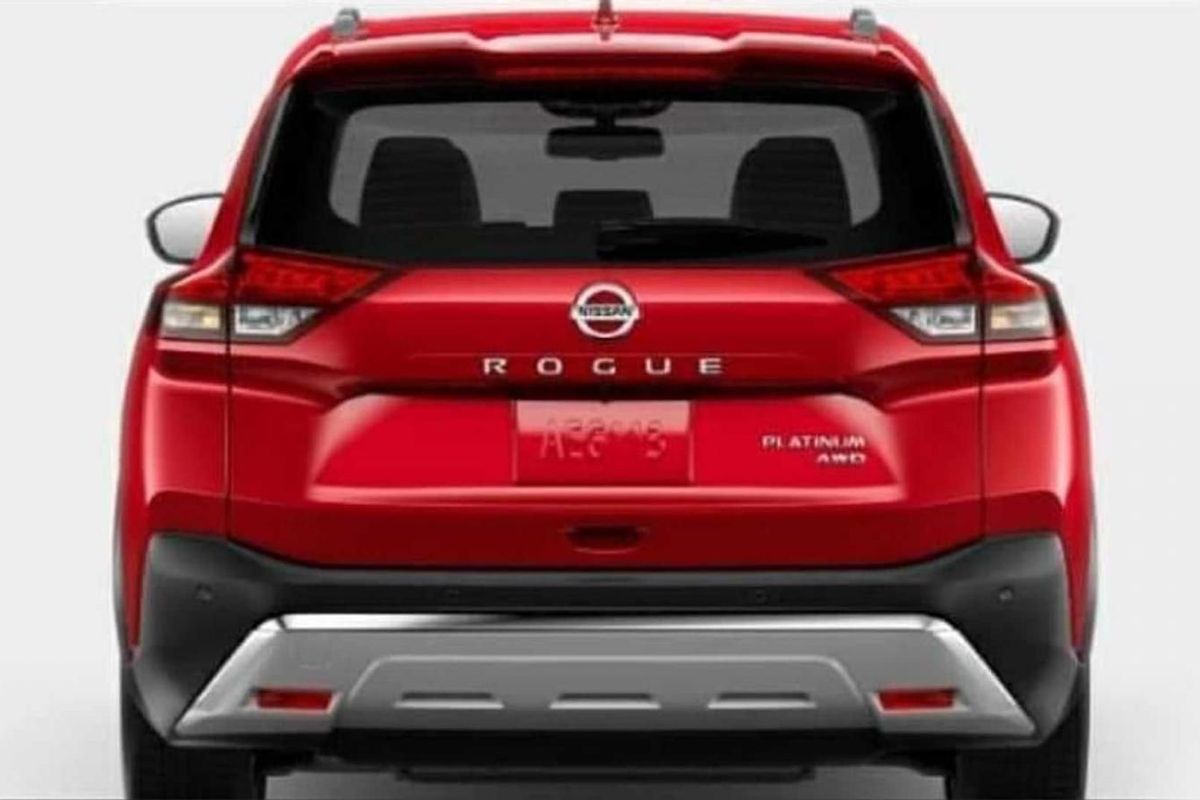
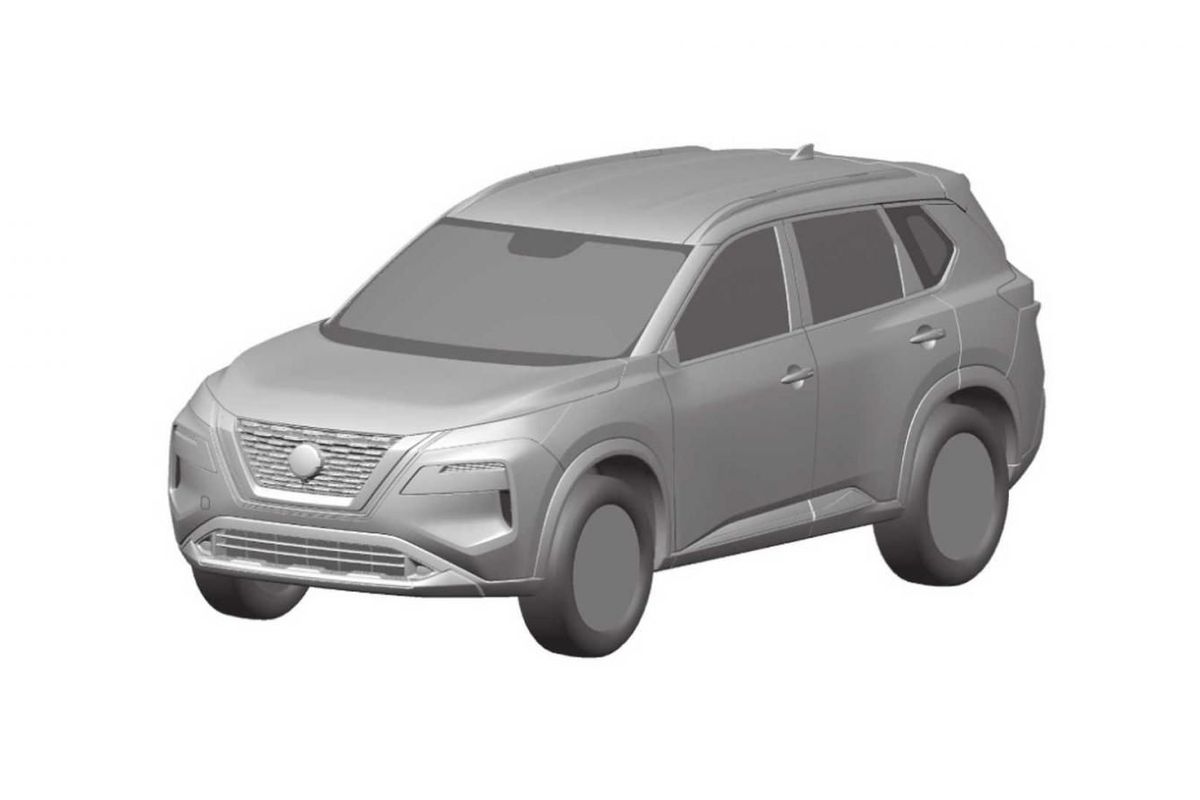
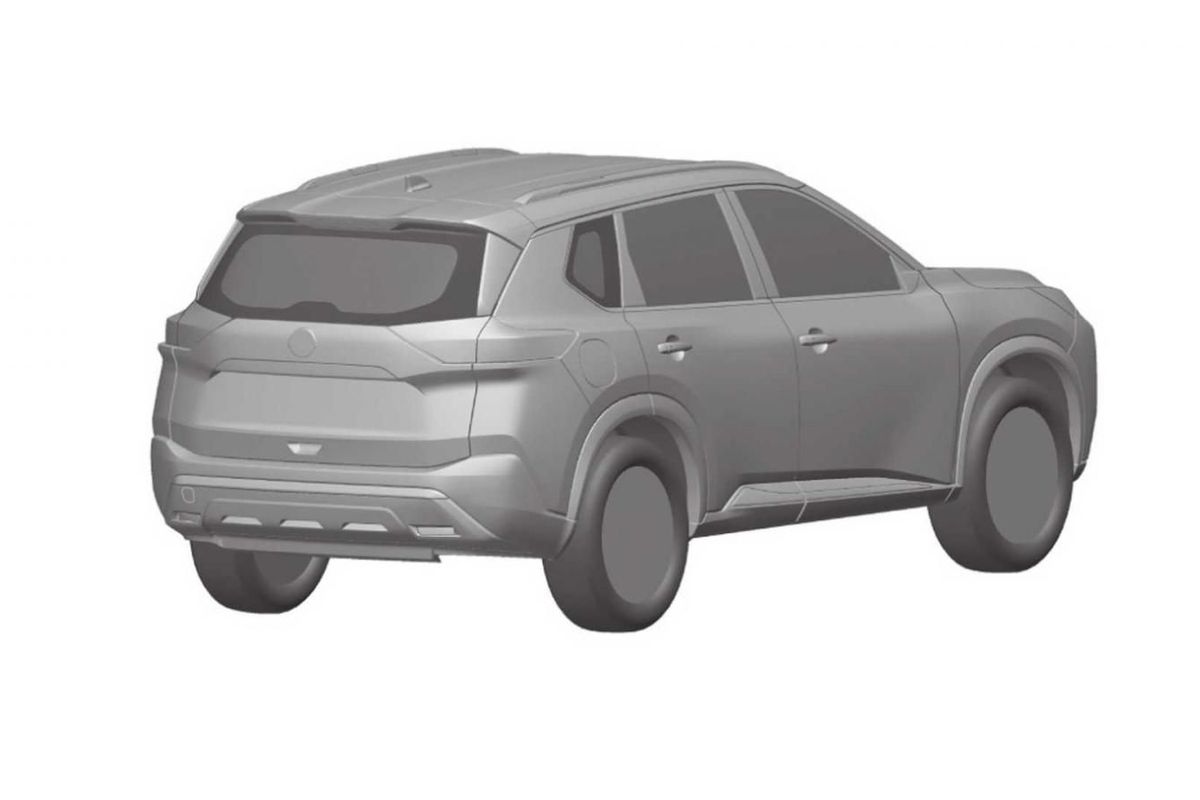
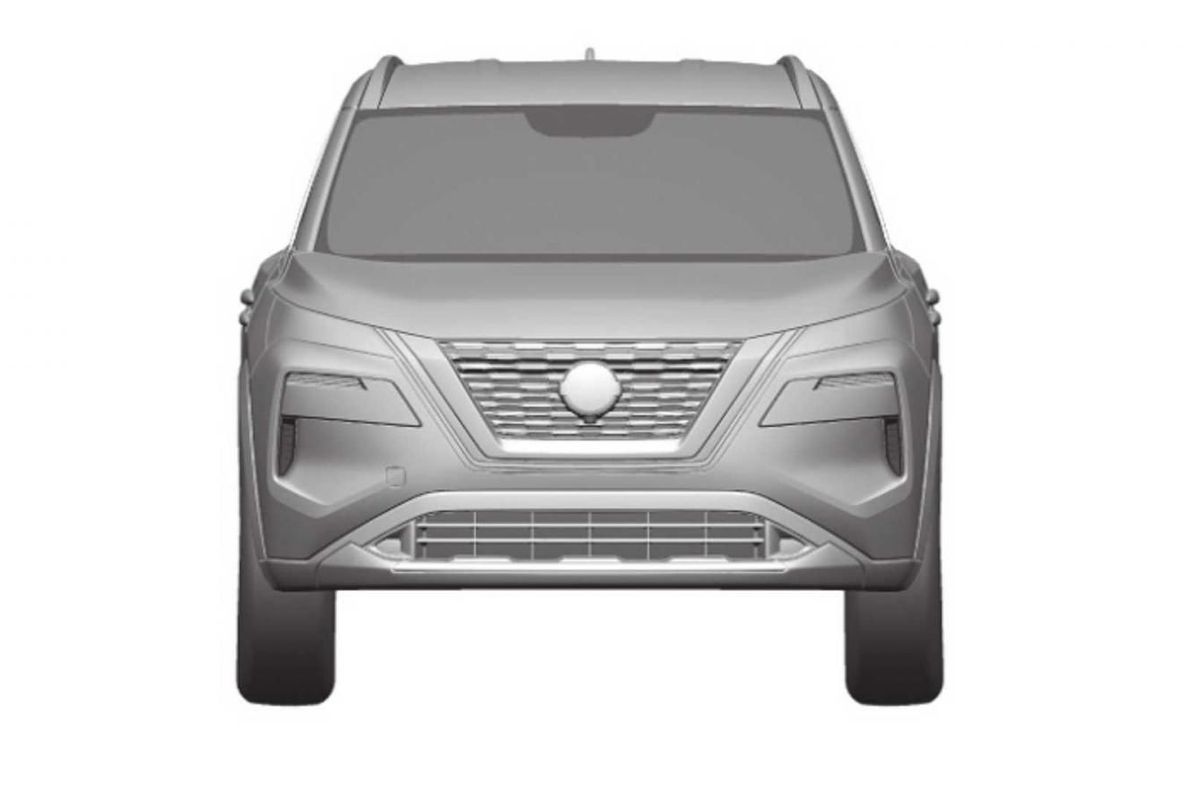
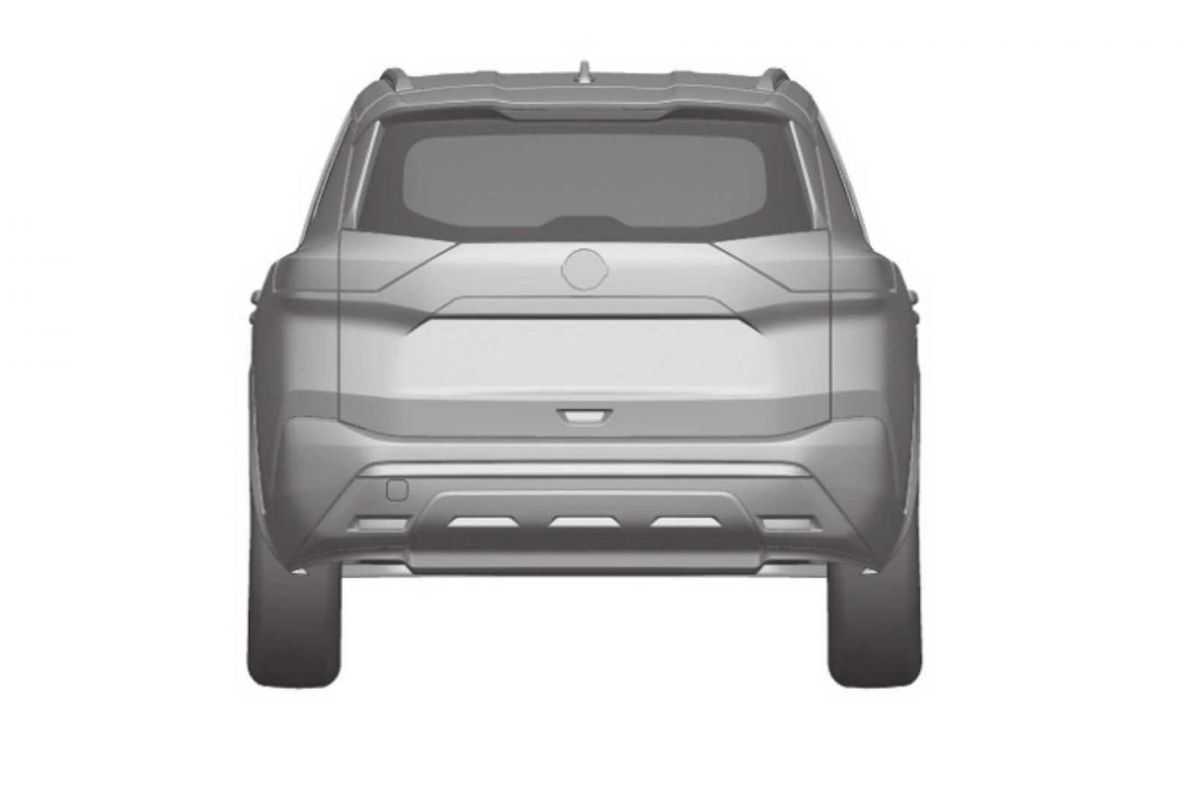
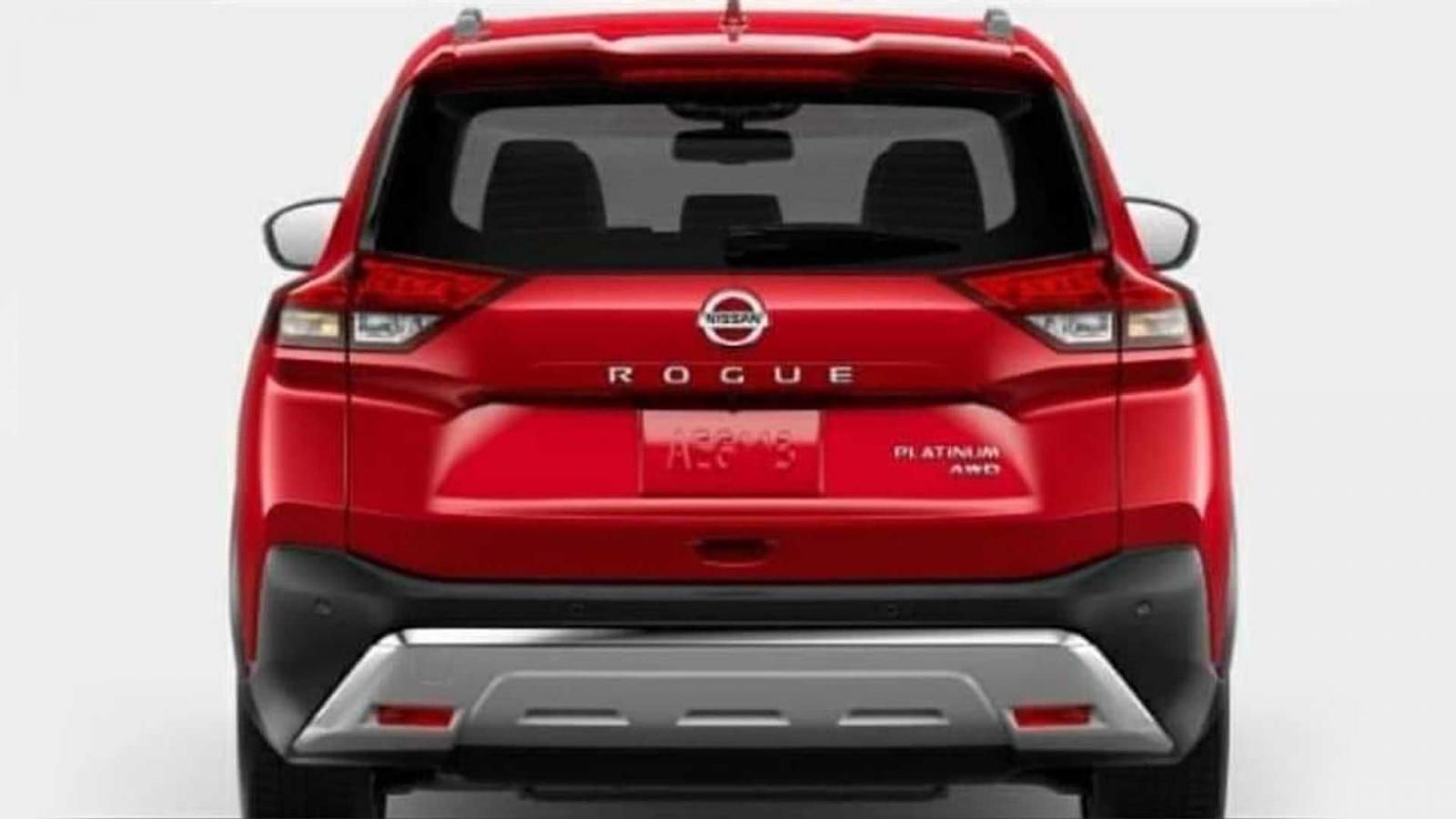
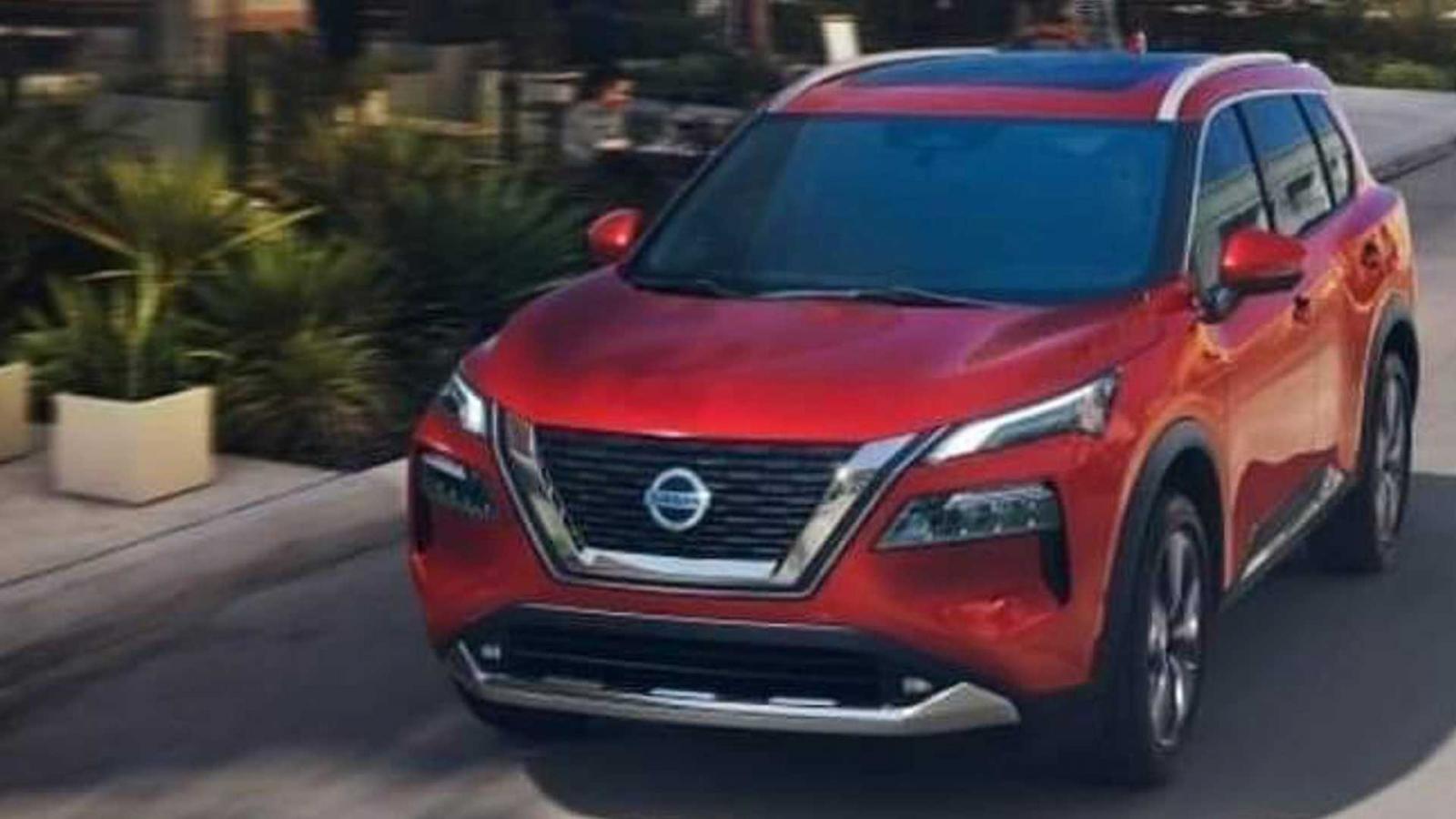
We’ve known an all-new Nissan X-Trail was in the pipeline when images of a Brazilian patent filing surfaced earlier this month, but now, thanks to leaked promotional (or brochure) images we can see what the newcomer will look like in the metal.
The facelift to the X-Trail – a former finalist in the 2015/16 as well as 2016/17 iterations of the #CarsAwards (in the guise of the 2.5 SE CVT AWD) – was introduced in South Africa towards the end of 2017. Then, in 2018, Nissan’s family car was updated with a host of Intelligent Mobility active safety technologies (on Tekna-spec derivatives), including intelligent blind-spot warning and intervention, -lane intervention, -forward collision warning and emergency braking, as well as an –around-view monitor.
In the climates with harsher winters than ours, AWD is virtually a prerequisite on family cars, such as on this Platinum-spec derivative.
But, considering that the current-generation car was launched in South Africa in the first half of the previous decade (in 2014, to be precise), it stands to reason that a new model of the X-Trail (or Rogue, as it is known in North America) will be coming out soon. The Brazilian patent images gave us an inkling of the newcomer’s overall shape and major design cues, but now, these grainy images have appeared on the Worldscoop forum…
These images confirm that although Nissan has suitably contemporised and smartened up the look of its family car, the newcomer still has chunky proportions and “squared-off” edges to underline the off-road pretensions of the range-topping AWD derivatives.
Nissan has resisted the temptation to give its X-Trail a cutesy and overly curvy softroader look.
The front-end treatment is characterised by an expansive V-Motion grille replete with a wide chrome look-insert, the latter of which is complemented by the shiny lip spoiler below the large air-intake in the bumper. The LED lighting elements have been split; we assume the daytime running lights are housed in the slit-eyed top clusters and the main beams in the lower ones, which are mounted in front of sculpted side air intakes.
At the rear, the X-Trail’s wraparound tail-lights are mounted high up on the bodywork, while the tailgate features a subtle roof spoiler and the now ubiquitous raised band that facilitates a reduced rake to the screen and emphasises the SUV’s “square shoulders”. The sculpted rear bumper, meanwhile, features a large aluminium-look kick plate.
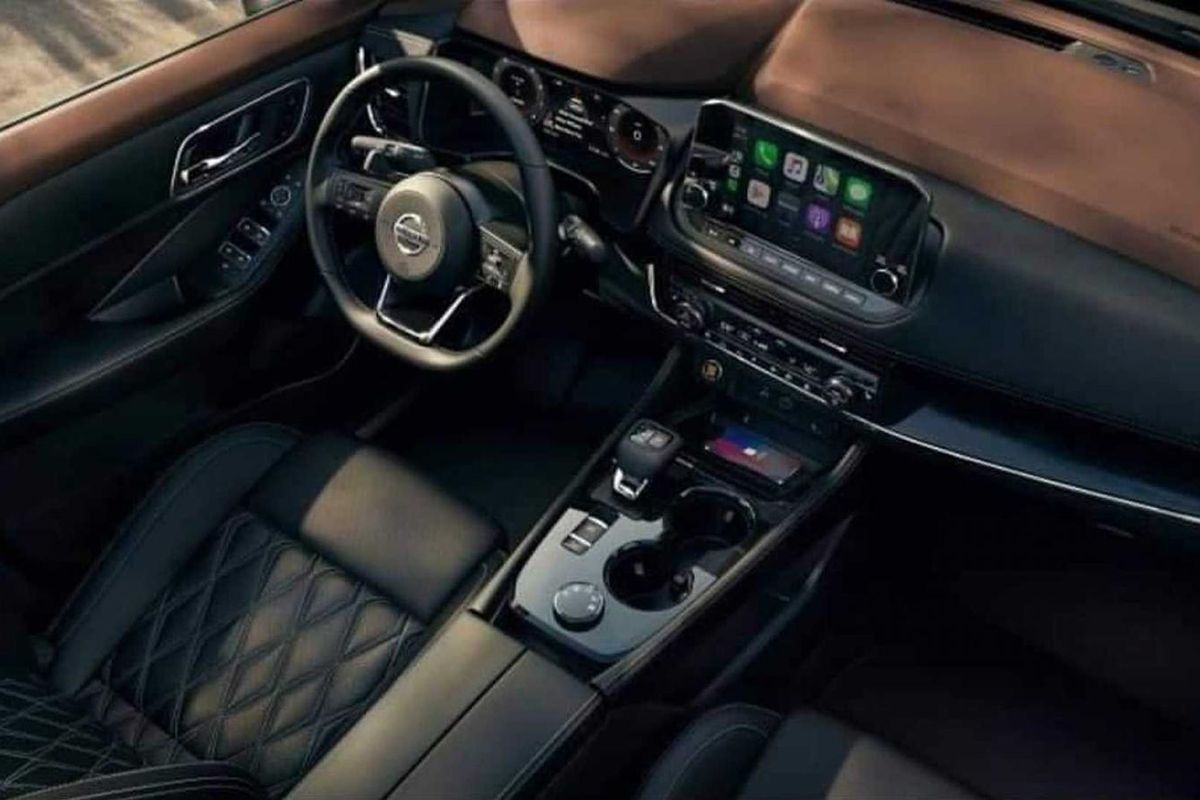
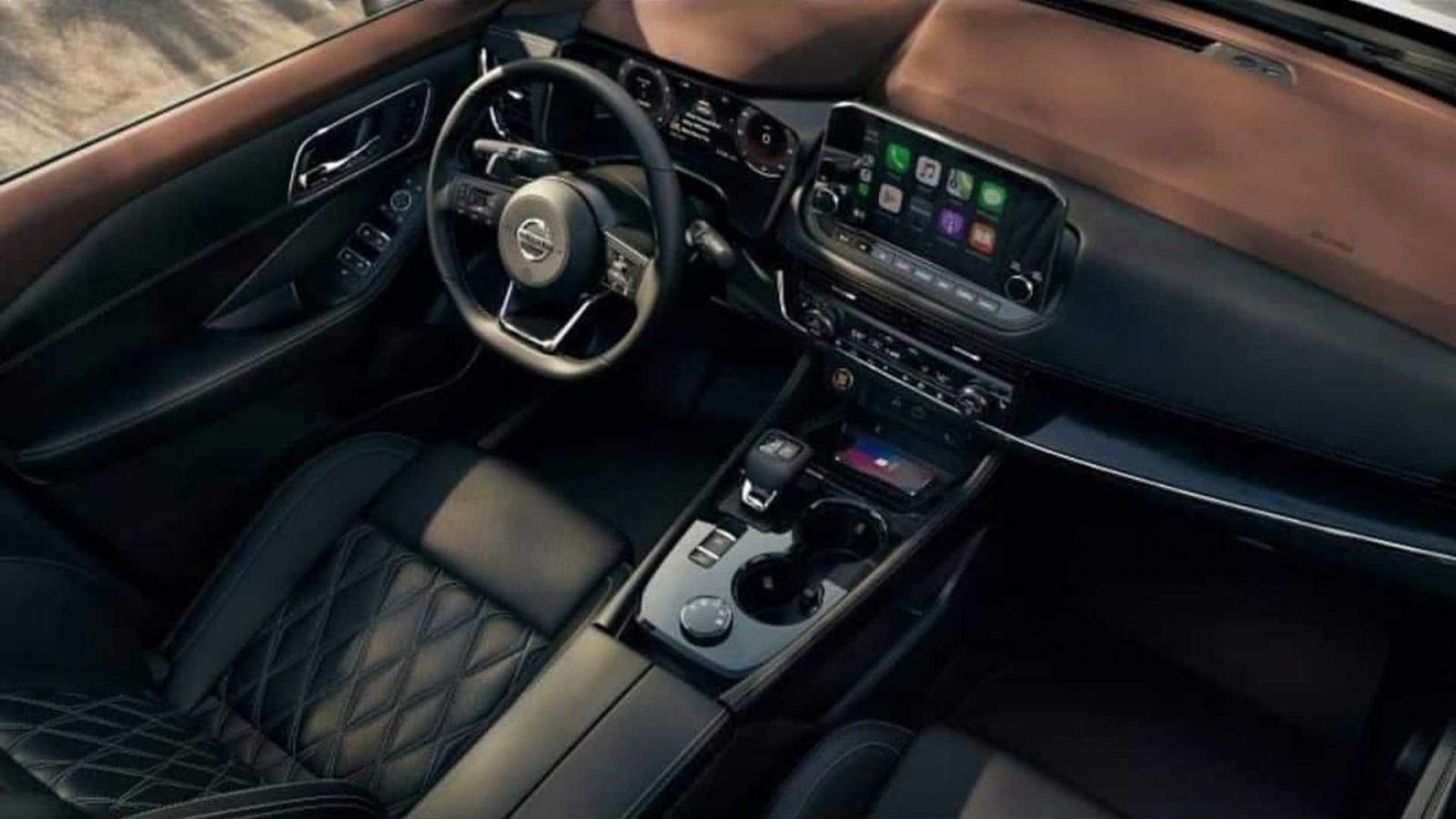
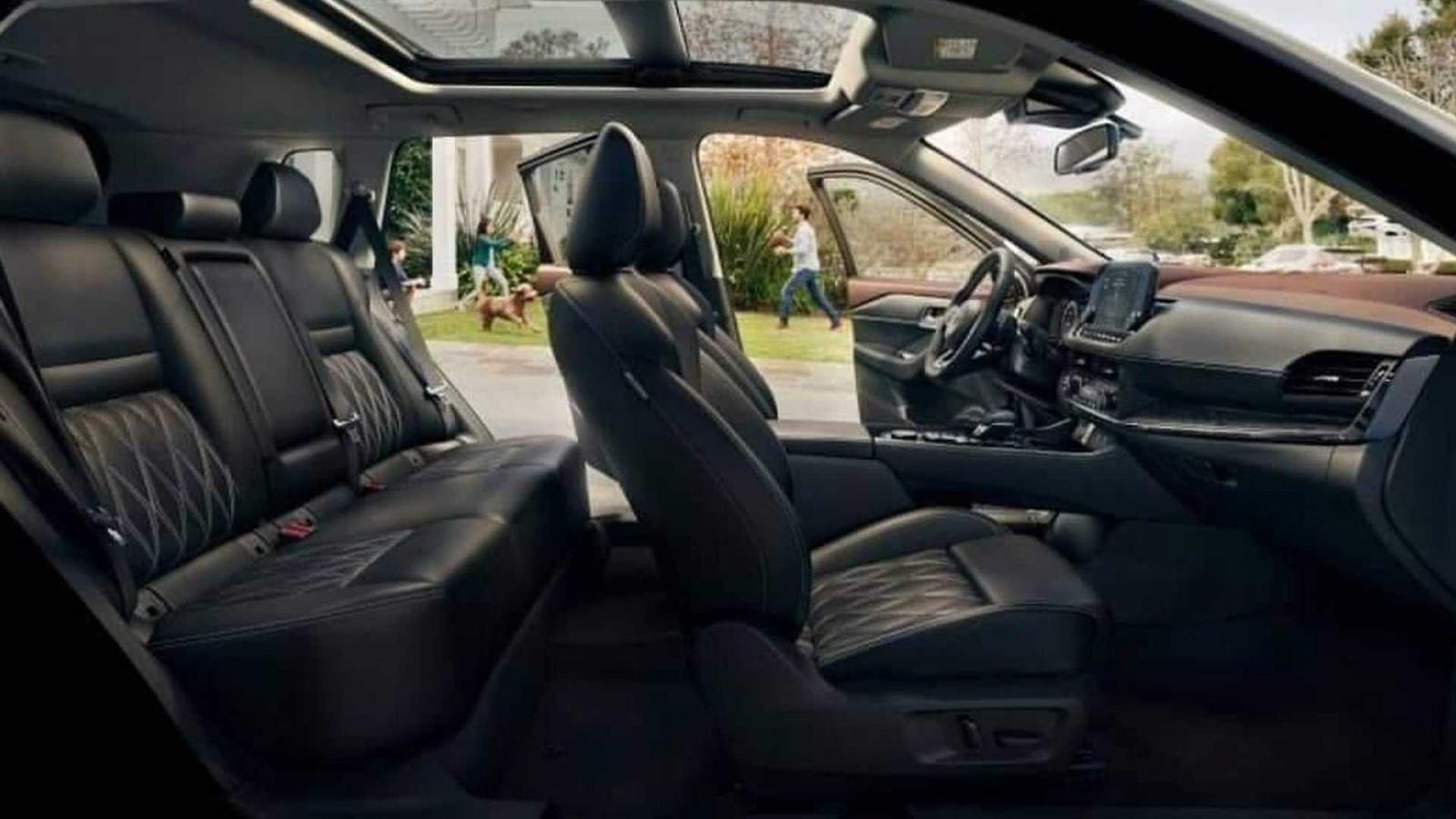
The new X-Trail's interior would not look out of place on an executive SUV, although, to be fair, this is probably a top-spec example.
The upmarket dual-tone interior, with its swooping tiered dashboard and quilt-pattern black leather trim, however, marks a major departure from the current model’s neatly-finished – but rather conventional – fascia. It features a digital (and, ostensibly, customisable) instrument cluster flanked by an enlarged infotainment touchscreen.
The fascia features a dual-climate control console below a pair of slim air vents and the centrol console, trimmed in piano-black, of course, features a recess for a wireless charging pad, a stubby transmission lever and a rotary off-road drive mode selector.
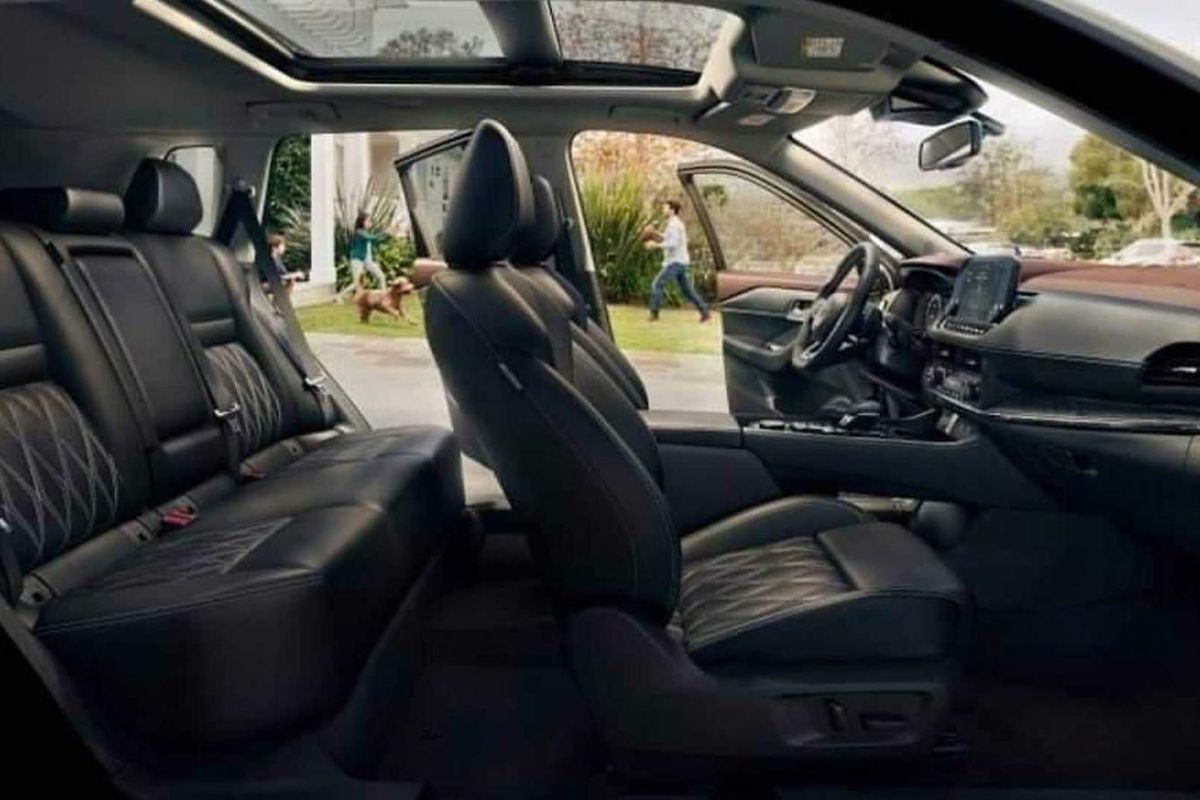
The Platinum spec (probably unique to the US market) includes a panoramic sunroof and electrically-adjustable front seats.
The 2021 X-Trail is expected to be unveiled in North America (badged as the Rogue) in coming months, ahead of a confirmed launch in the ‘States later this year. It’s our educated guess that the model will arrive in South Africa at some point during 2022…
We expect the new X-Trail will again be available in 5- and 7-seater configurations, but the current engine line-up of a 1.6-litre turbodiesel and 2.0-litre and 2.5-litre 4-cylinder petrol motors (mated with either manual or continuously variable automatic transmissions) may change. Some reports suggest the 2.5-litre will be carried over, but a variable-compression 2.0-litre turbopetrol (from the Infiniti QX50) is also a possibility. We'll update this story as soon as more details become available…
Here it is, the first-ever episode of our new weekly show. Welcome to the Cars.co.za Show!
We have been working towards this project for many years now – a proudly South African long format, multi-segment car show. A show which celebrates South Africa and our rich car history.
We toyed with broadcasting on terrestrial television or launching on a streaming network, but with us so close to the finish line we got blindsided by the global COVID-19 crisis, which required a global lockdown. Our talks, production and country halted.
But this extraordinary moment in time also creates opportunity. With South Africa ordered to stay home, online content consumption is on the rise and content creation dwindling. As a company which takes great pride in being nimble, we simply couldn’t resist the urge to fill this content void and give South Africa, and the world, something beautiful to watch.
And so in a moment of inspiration, we decided to adapt our long-format car show concept, using some techniques that may have been unthinkable before lockdown, and get it ready in record time to release it for free to the world.
With this show, we aim to entertain, inform, inspire and hopefully make our audience smile. We have also committed to donating all revenue generated off our Cars.co.za YouTube channel for the rest of 2020 to charitable causes in support of the fight against COVID-19.
For this show, all of our content was either filmed pre-lockdown or safely under lockdown conditions by our presenter himself – Ciro De Siena; it turns out a lounge and dining room can be an excellent TV studio.
In Episode 1, we find a way to shoot a car review in a basement, the BMW M5 takes on the Mercedes E63 AMG in a drag race, Maps Maponyane joins us for a zip-lining adventure in the Cederberg, we spend time with one of the rarest cars on earth, and lastly, the Toyota Supra takes on the BMW M2 Competition in a head-to-head track race.
New episodes will debut every Thursday at 8 pm and all episodes will remain on the channel indefinitely.
From everyone at Cars.co.za, stay safe, stay home, look after yourselves, and each other.
The Kia Stinger is due for an update and more power is on the cards.
An article from South Korean magazine Top-Rider suggests the updated Kia Stinger is just a few months away. The big news is more power from the engines. While the lower-spec 4-cylinder motor didn't make its way to South Africa, the bigger 3.3-litre V6 turbo did. In current iteration, it produces 272 kW and 510 Nm, with all that shove going to the rear wheels via an automatic gearbox.
The new engine is said to be the 3.5-litre GDI turbocharged V6 which produces 283 kW and 528 Nm. The engine has the Smartstream tag, which means it has improved efficiency and emissions. Another interesting change is the addition of a variable exhaust system, which will be Kia's first application of such tech. Inside, there will be updates to the trim, as well as the addition of a digital dashboard. The infotainment screen size has grown from 8-inch to 10-inch. The article went on to say that updated Kia Stinger will be revealed in Korea in July 2020.