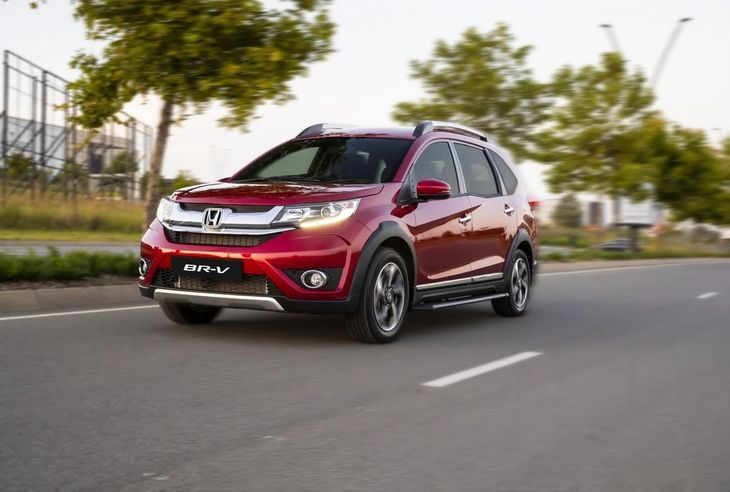
Honda India has announced that the production of the BR-V will come to an end, but the BR-V will still be offered in South Africa.
Honda’s 7-seater BR-V is on the rocks as production comes to an end in India but the versatile 7-seater will forge on in the local market.
"Honda Motor Southern Africa has no plans to discontinue the BR-V and is currently securing sufficient stock of the BR-V from India while the alternate factory is being set up for production," says Dinesh Govender, General Manager of Automobiles at Honda Motor Southern Africa.
Honda SA, however, has not divulged where the BR-V will be sourced from going forward. Other than India, the BR-V is also produced in countries such as Thailand, Pakistan, Malaysia and Indonesia.
The BR-V is still powered by the same 1.5-litre petrol engine with 88 kW and 145 Nm and can be had with either a 6-speed manual transmission or a Continuously Variable Transmission (CVT).
Honda BR-V Price in SA
BR-V 1.5 Trend Manual – R262 600
BR-V 1.5 Comfort Manual – R295 400
BR-V 1.5 Comfort CVT – R314 100
BR-V 1.5 Elegance Manual – R318 300
BR-V 1.5 Elegance CVT – R336 800
The Honda BR-V is sold with a 5-year/200 000 km warranty, 4-year/60 000 km service plan (BR-V Comfort/Elegance only, optional on Trend) and 3-year AA Roadside Assistance.
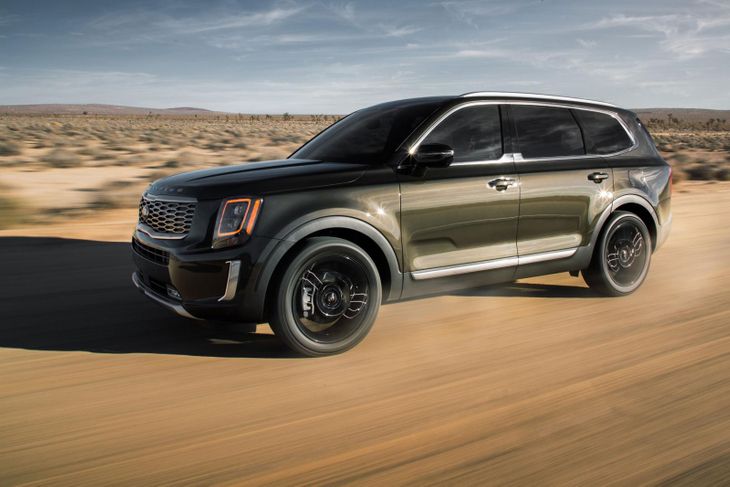
Kia has become the first Korean manufacturer to win the World Car of the Year title. Its Telluride 7-seater premium SUV was chosen ahead of the Mazda3 and CX-30 by a jury of 86 motoring journalists, including Cars.co.za's Consumer Experience Manager, Hannes Oosthuizen, from 24 countries across the globe. The Soul EV also bagged the World Urban Car of the Year title.
The announcement would have been made at the New York Auto Show, but the event was cancelled because of COVID-19, therefore the World Car Awards judging panel announced the winners via an online presentation.
“Everyone at Kia is truly honoured to receive not just one, but two awards from the World Car Awards judging panel,” said Thomas Schemera, executive vice-president and product head of Kia Motors. “These accolades are a testament to the talents and efforts of a worldwide team, who all strive to create desirable, high-quality and practical cars that drivers love.”
The Telluride is Kia's flagship SUV offering. Kia says demand for it is so strong that the brand can't offer it in RHD guise yet.
The Telluride, which is unfortunately not offered in right-hand-drive markets (although the all-new Sorento 7-seater is scheduled to arrive in South Africa during the course of 2020), was chosen from an initial World Car of the Year entry list of 29 vehicles, which was subsequently narrowed to 3 finalists in the category, including the Mazda3 premium hatchback (a losing 2019/20 #CarsAwards premium hatchback finalist) and the CX-30 all-electric family car.
As is the case with the Telluride, the new-generation Soul EV is left-hand-drive only, but its win is significant in that the Kia was chosen ahead of the Mini Electric and Volkswagen T-Cross, which recently won its #CarsAwards category.
Consolation win for Mazda3
Mazda did not go home empty-handed from the 2020 World Car Awards, however. An expert panel including Anne Asensio, Gernot Bracht, Ian Callum, Patrick le Quément, Tom Matano, Gordon Murray and Shiro Nakamura narrowed the candidates for the World Car Design of the Year award to the Mazda3, Peugeot 208 compact hatchback and Porsche Taycan electric performance sedan. The WCOTY jury then picked the Mazda3 as the winner in the category.
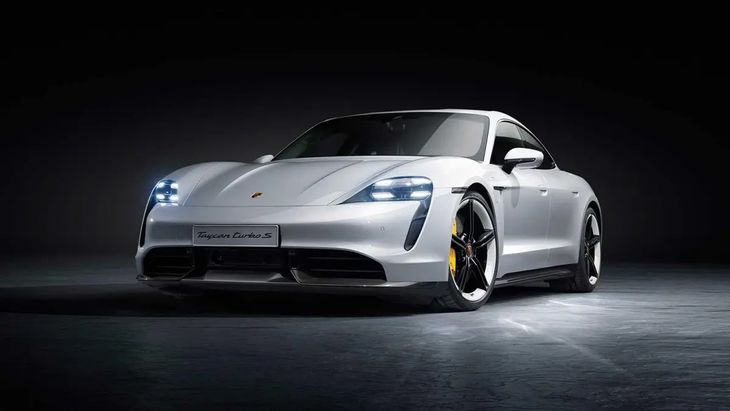
The Taycan may not have won the World Car Design of the Year award, but it was a double winner on in the 2020 WCOTY programme. First, the Taycan was named the World Performance Car of the Year, which the Zuffenhausen-based firm was guaranteed to win because the 718 Spyder/Cayman GT4 and the Porsche 911 were the other finalists. Porsche had previously won the World Performance Car category in 2006, 2012, 2013, 2014 and 2017.
The all-electric Porsche Taycan is scheduled to be introduced in South Africa during the second half of 2020.
Porsche's first pure EV product beat its 911 sibling and the Mercedes-Benz EQC all-electric executive SUV, which is also bound for the South African, to take the World Luxury Car of the Year title for 2020.
Previous overall winners of the World Car of the Year programme include the Audi A6 (2005), BMW 3 Series (2006), Lexus LS 460 (2007), Mazda2 (2008), Volkswagen Golf Mk6 (2009), Volkswagen Polo (2010), Nissan Leaf (2011), Volkswagen Up (2012), Volkswagen Golf 7 (2013), Audi A3 (2014), Mercedes-Benz C-Class (2015), Mazda MX-5 (2016), Jaguar F-Pace (2017), Volvo XC60 (2018) and Jaguar I-Pace (2019).
Cars.co.za's Hannes Oosthuizen has served as WCOTY jury member for South Africa from 2006 to 2013 and from 2016 to the present day.
Epic Mercedes-AMG G63 Yachting Edition by Carlex Design
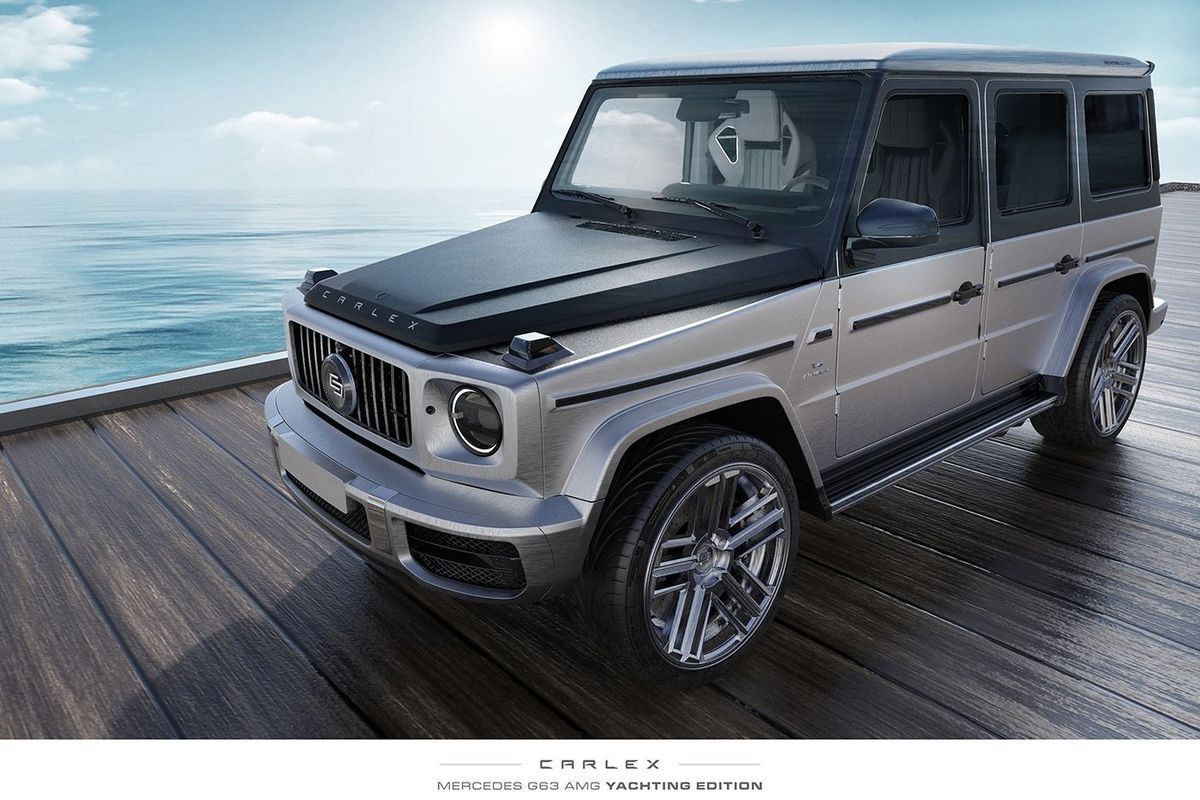
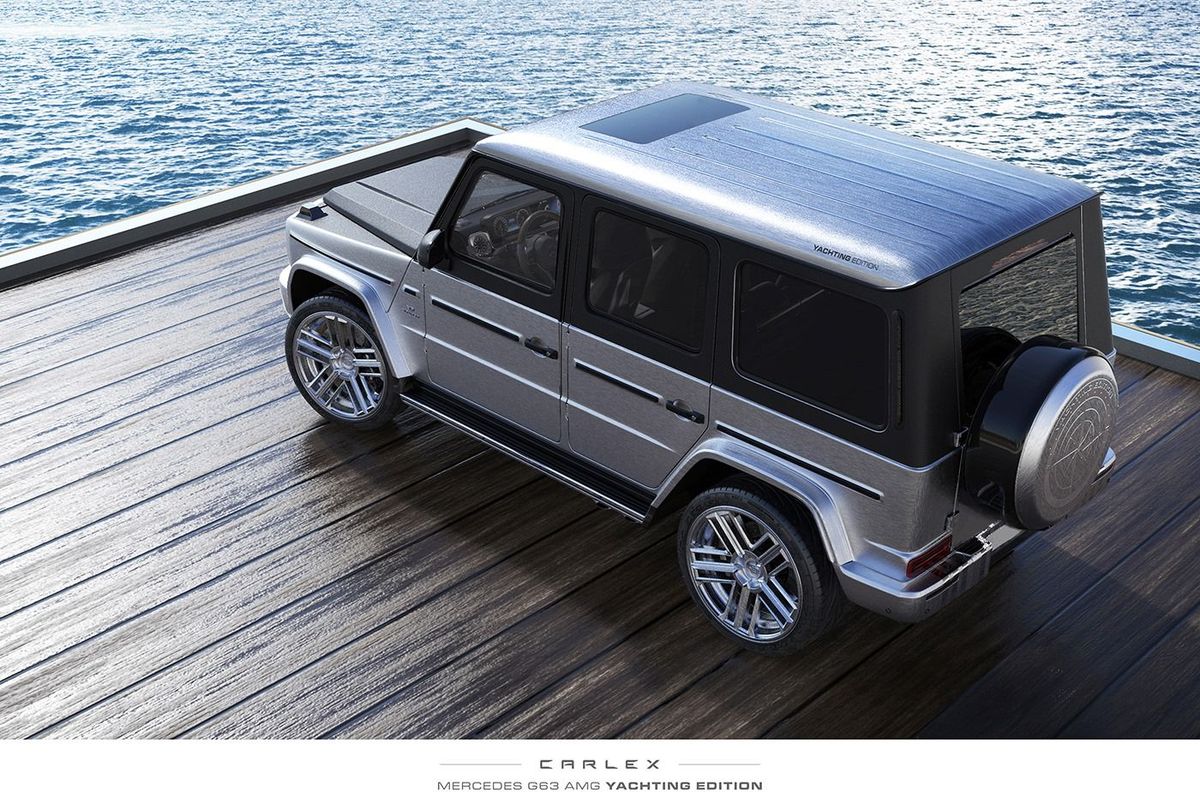
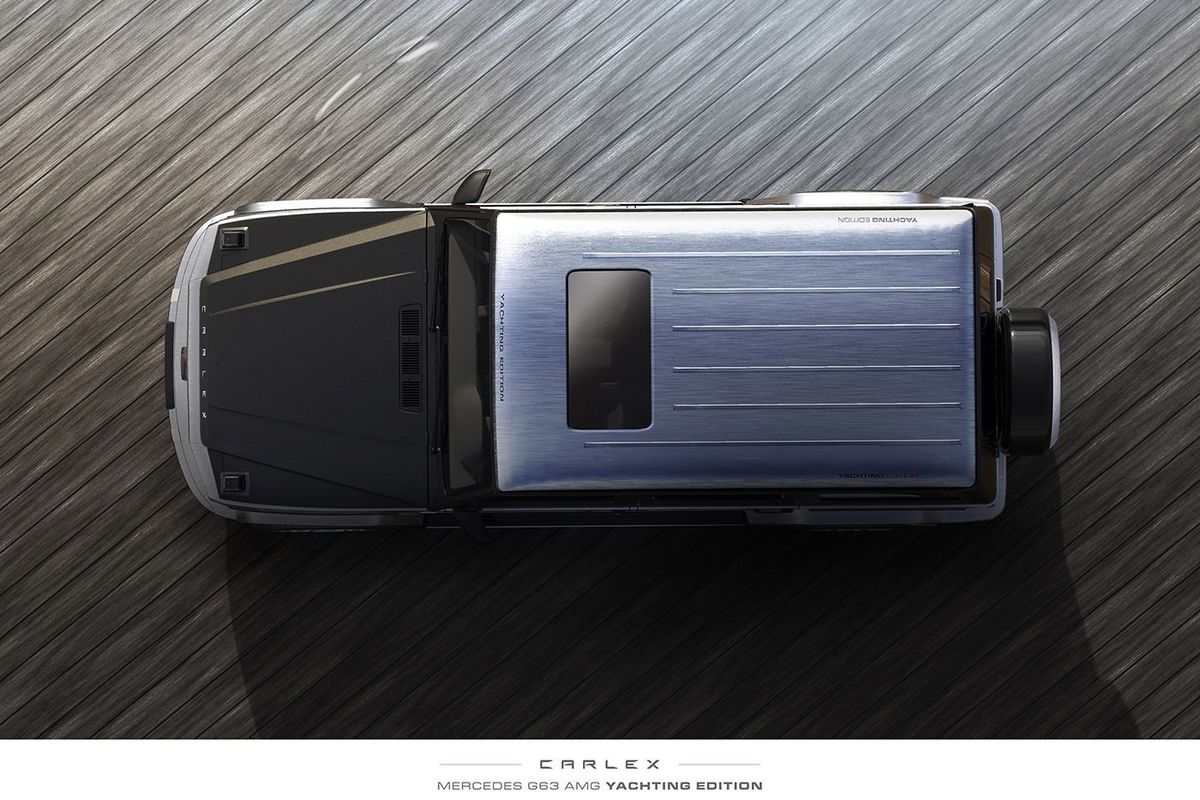
Polish design and tuning firm, Carlex Design, has released renderings of a Mercedes-Benz G63 Yachting Edition and it looks quite impressive, would you agree?
Just a few weeks ago, we were mightily impressed by the fine detailing of the Mercedes-AMG G63 Steampunk Limited Edition by Carlex Design and now a luxurious, maritime-inspired G63 Yachting Edition has been brought to life with a set of render which highlights what this upgrade package could offer.
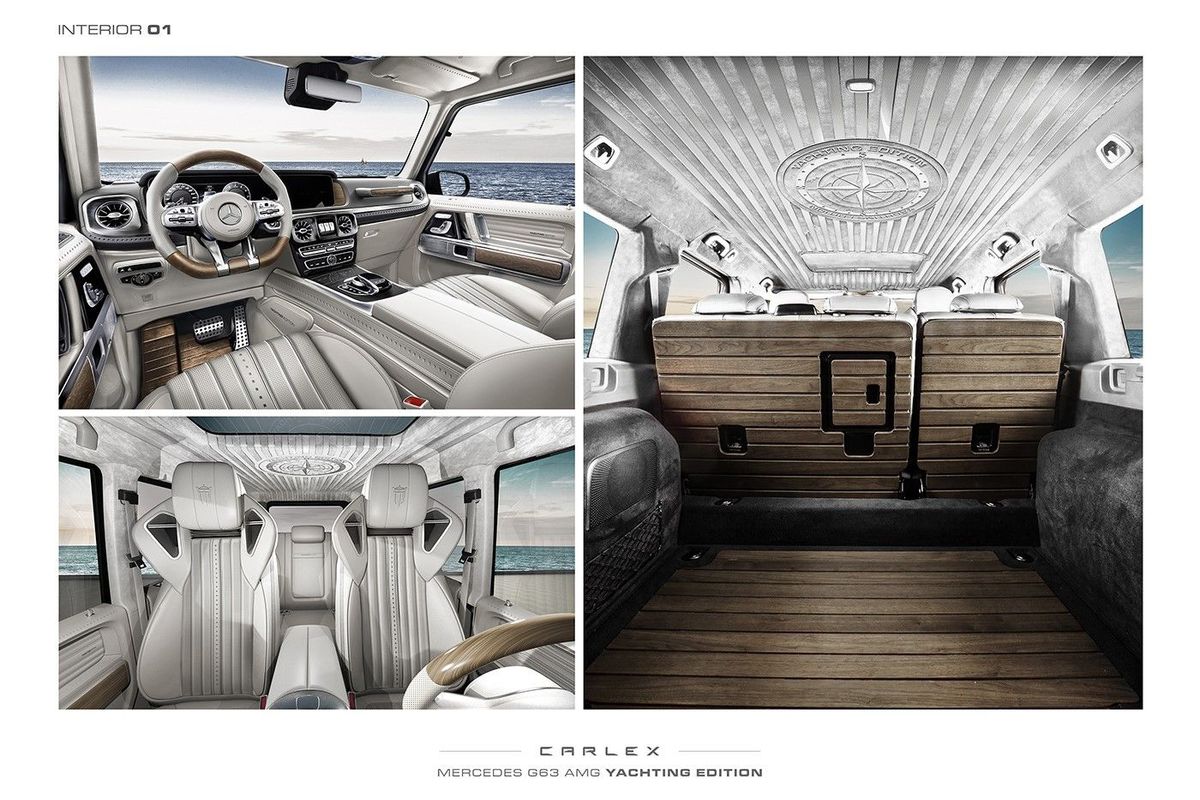
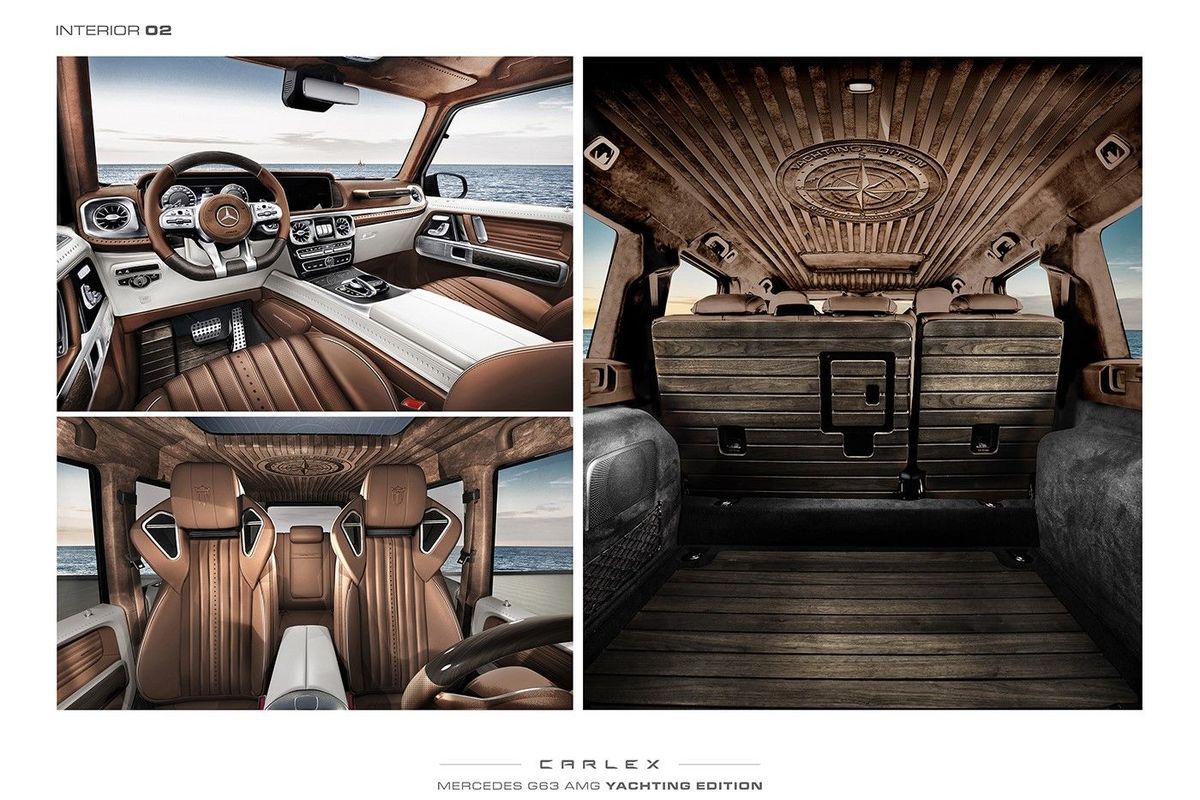
Featuring a two-tone brushed-silver and black body, the G63 Yachting Edition is striking. The look is further accentuated with large 22-inch wheels and a specially-designed rear wheel cover. For the interior, Carlex Design provides 2 distinct options including a white-leather interior and a brown leather theme. Light and dark wood finishes resembling the decking of a yacht are seen in the load bay and both options give the G63 a classy look. The headliner appears to be finished in Alcantara with a special Yachting Edition emblem which is a visual reminder that this is indeed a bespoke vehicle.
The AMG G63 is powered by a twin-turbocharged 4.0-litre V8 engine with 430 kW and 850 Nm of torque and can sprint from zero to 100 kph in 4.5 seconds. There’s no word on whether the G63 Yachting Edition will offer additional power but we wouldn’t be surprised if Carlex Design squeezes more grunt from this engine.
Do you like the look of this Mercedes-AMG G63 Yachting Edition?
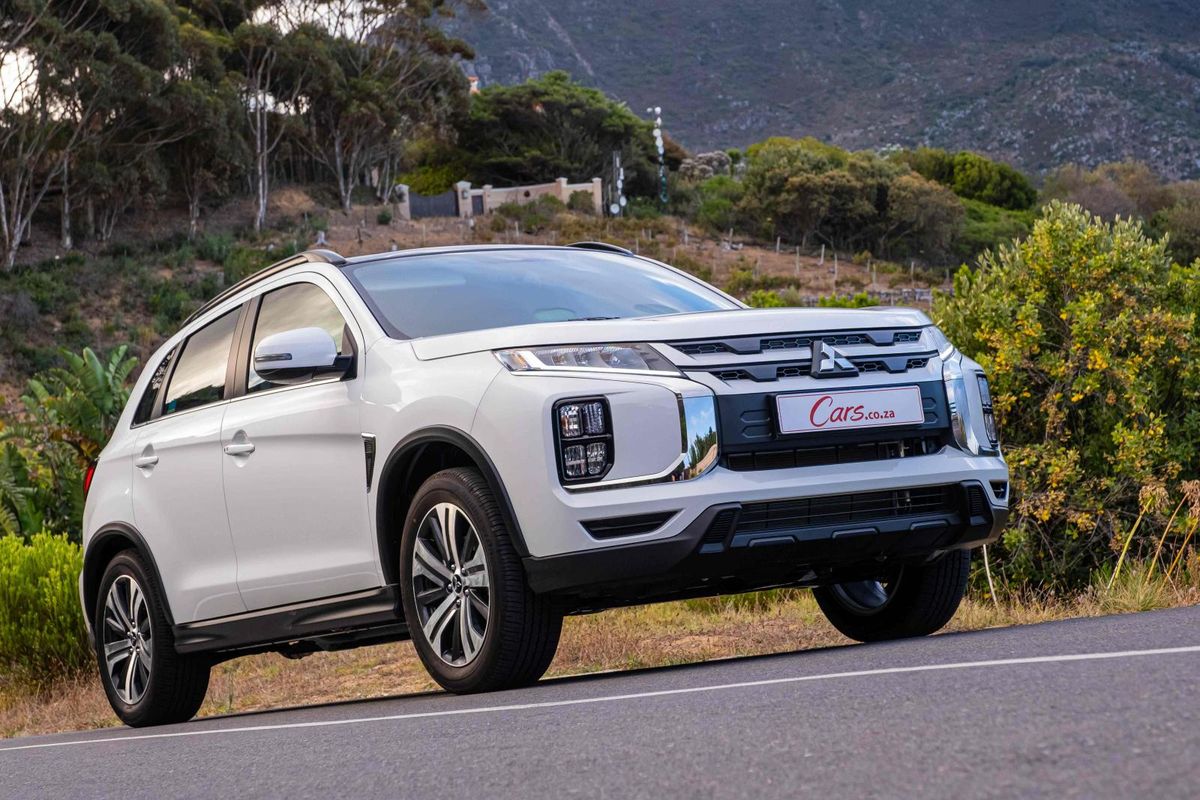
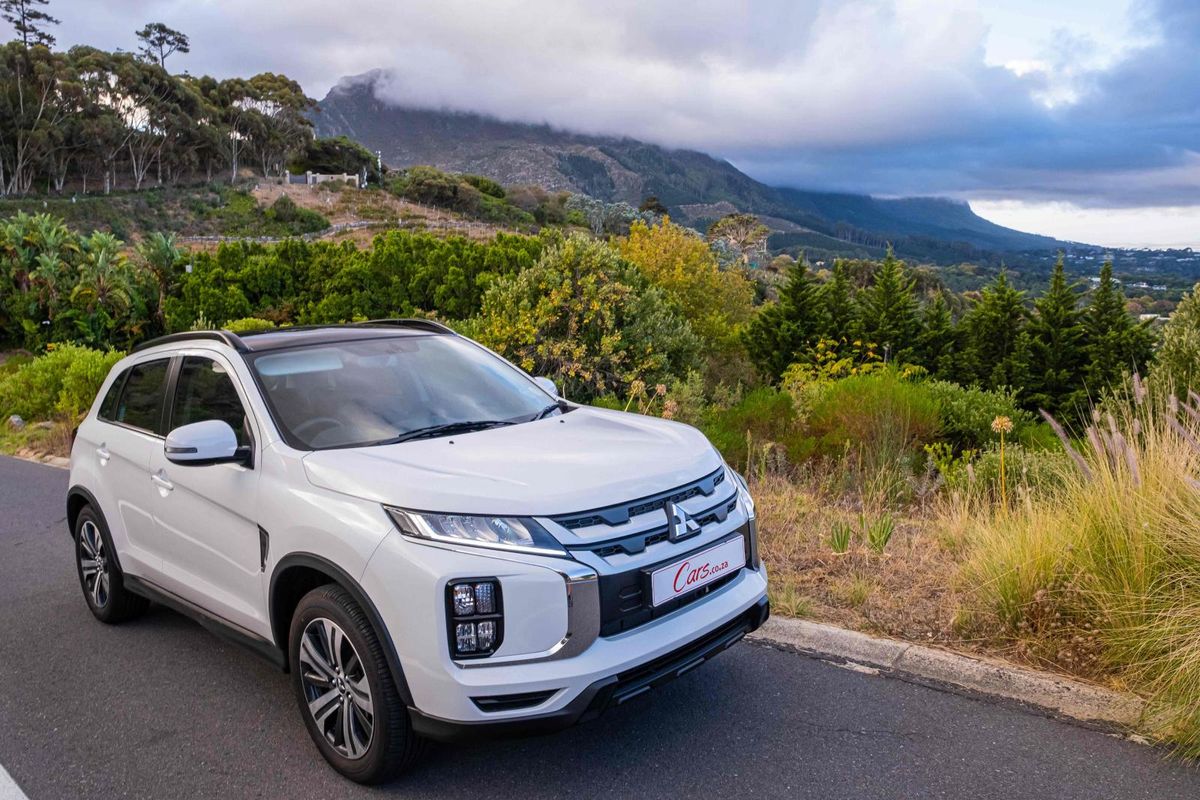
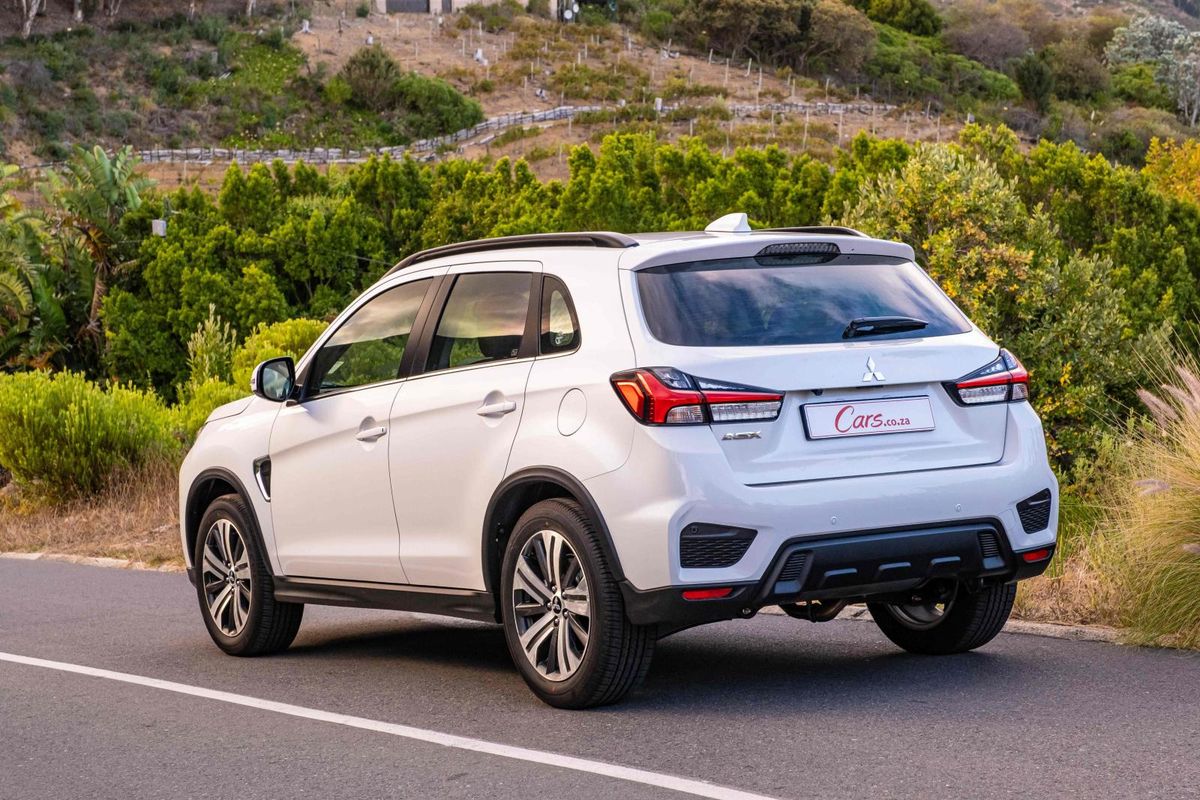
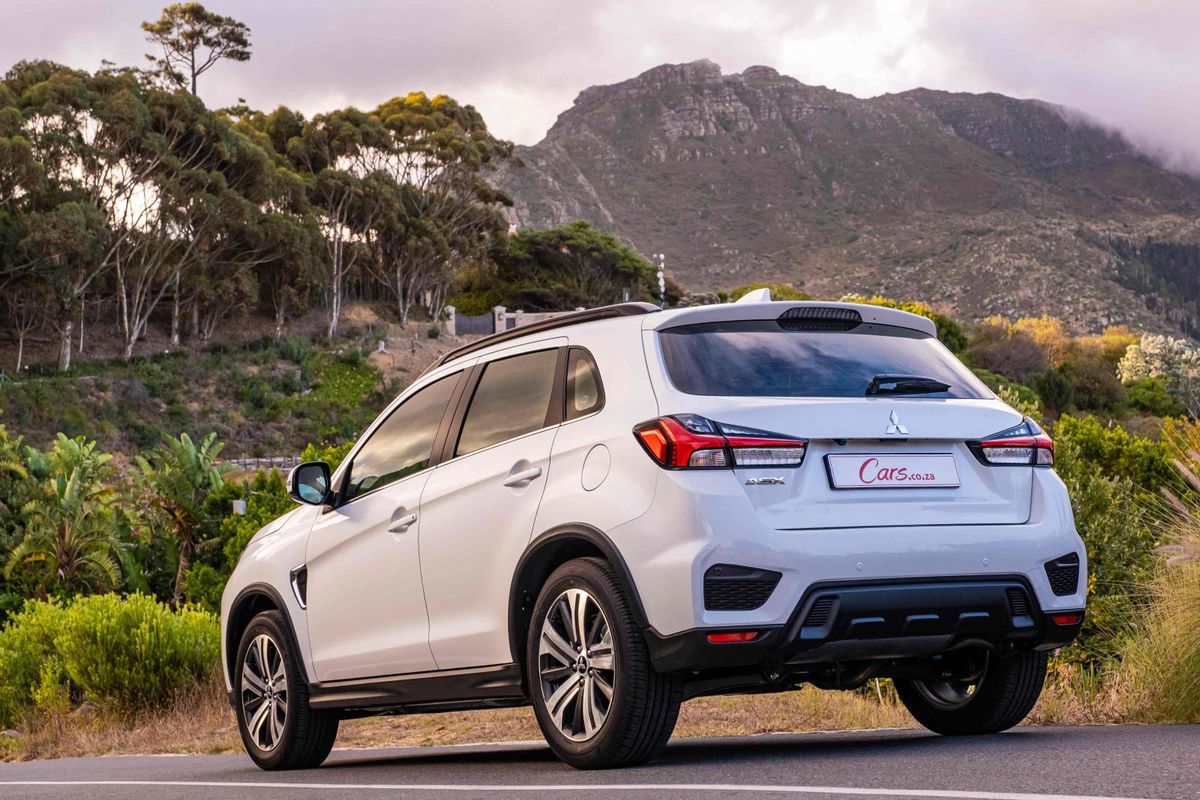
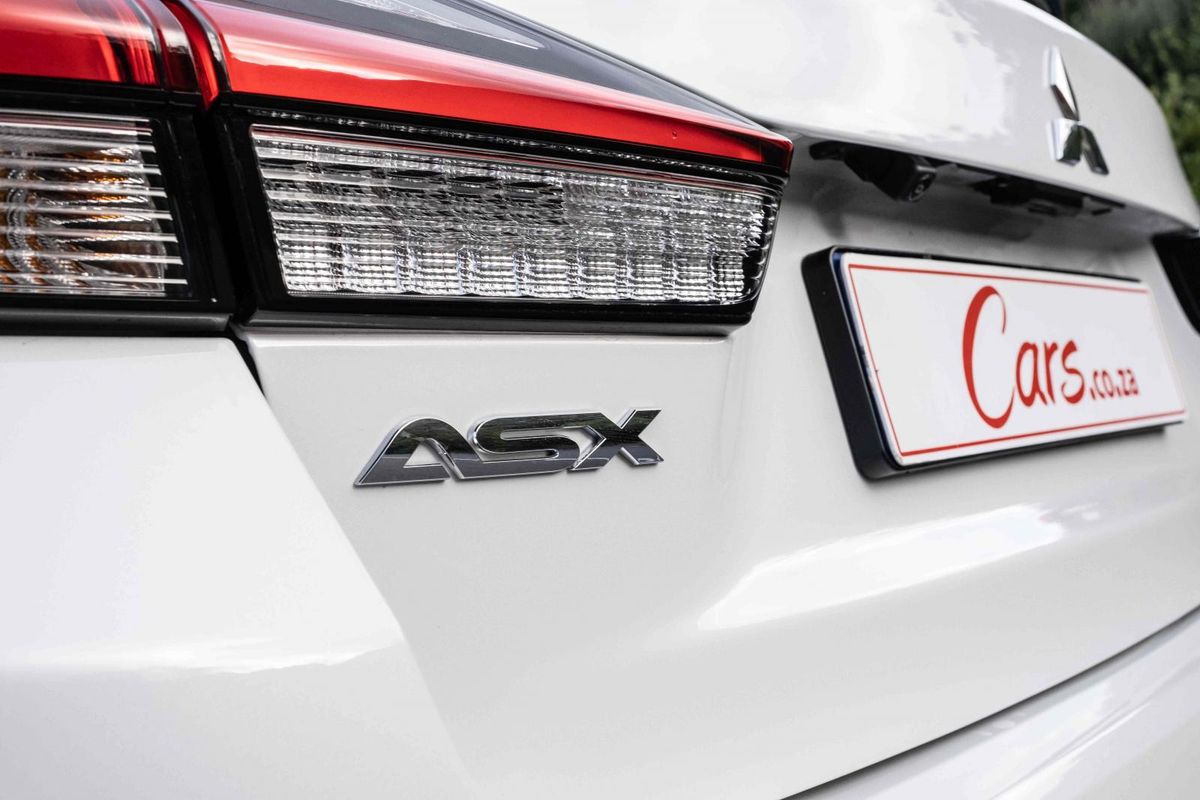
Mitsubishi has given its ageing ASX compact family car a significant cosmetic update in an attempt to ensure the Japanese crossover remains competitive in a crowded segment. Are the changes enough to convince buyers to purchase the venerable ASX, however? We spent some time behind the 'wheel of the 2.0 Automatic derivative to find the answer…
We Like: Updated styling, ride quality, good standard spec
We Don’t Like: Old, high fuel consumption, unexciting/bland interior design
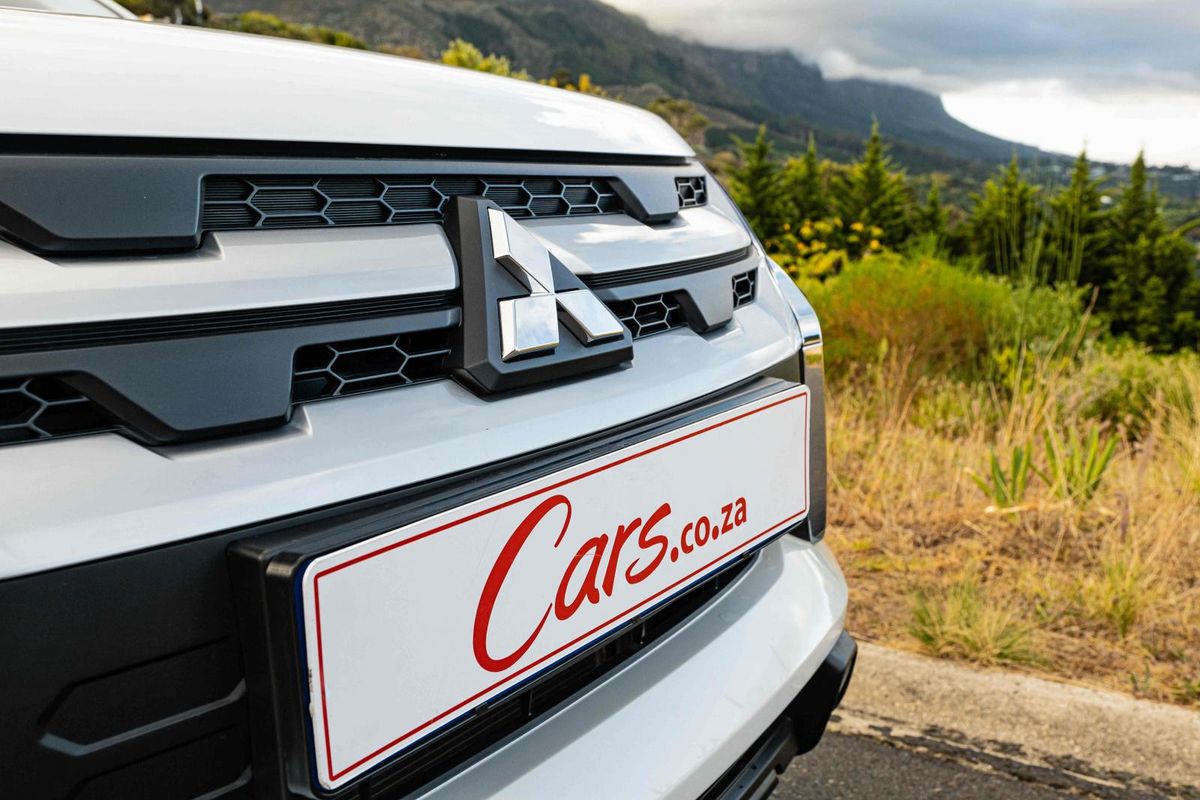
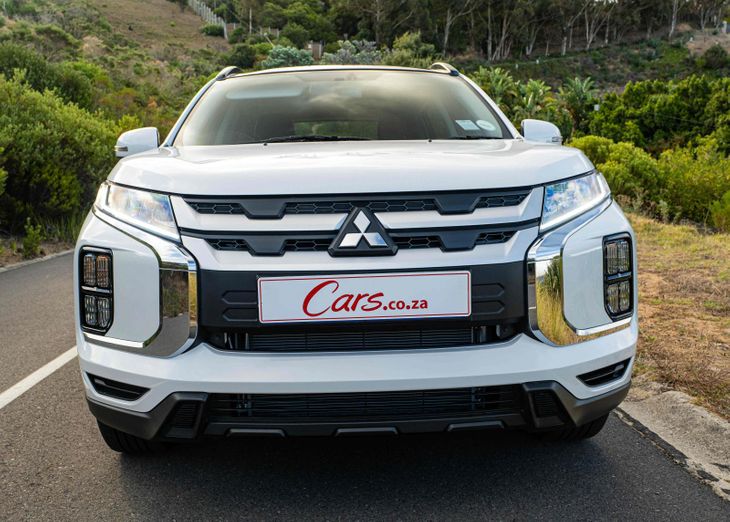
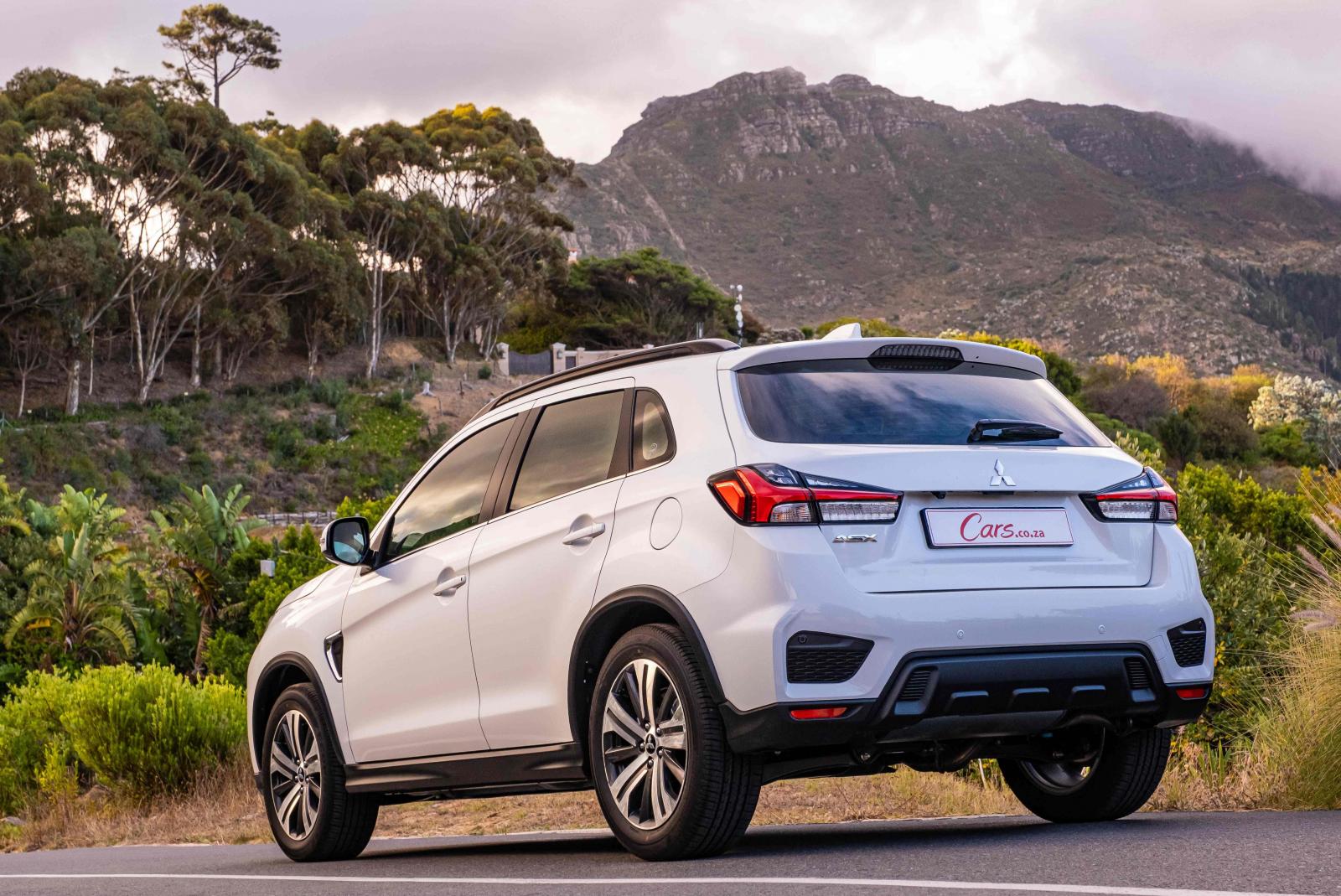
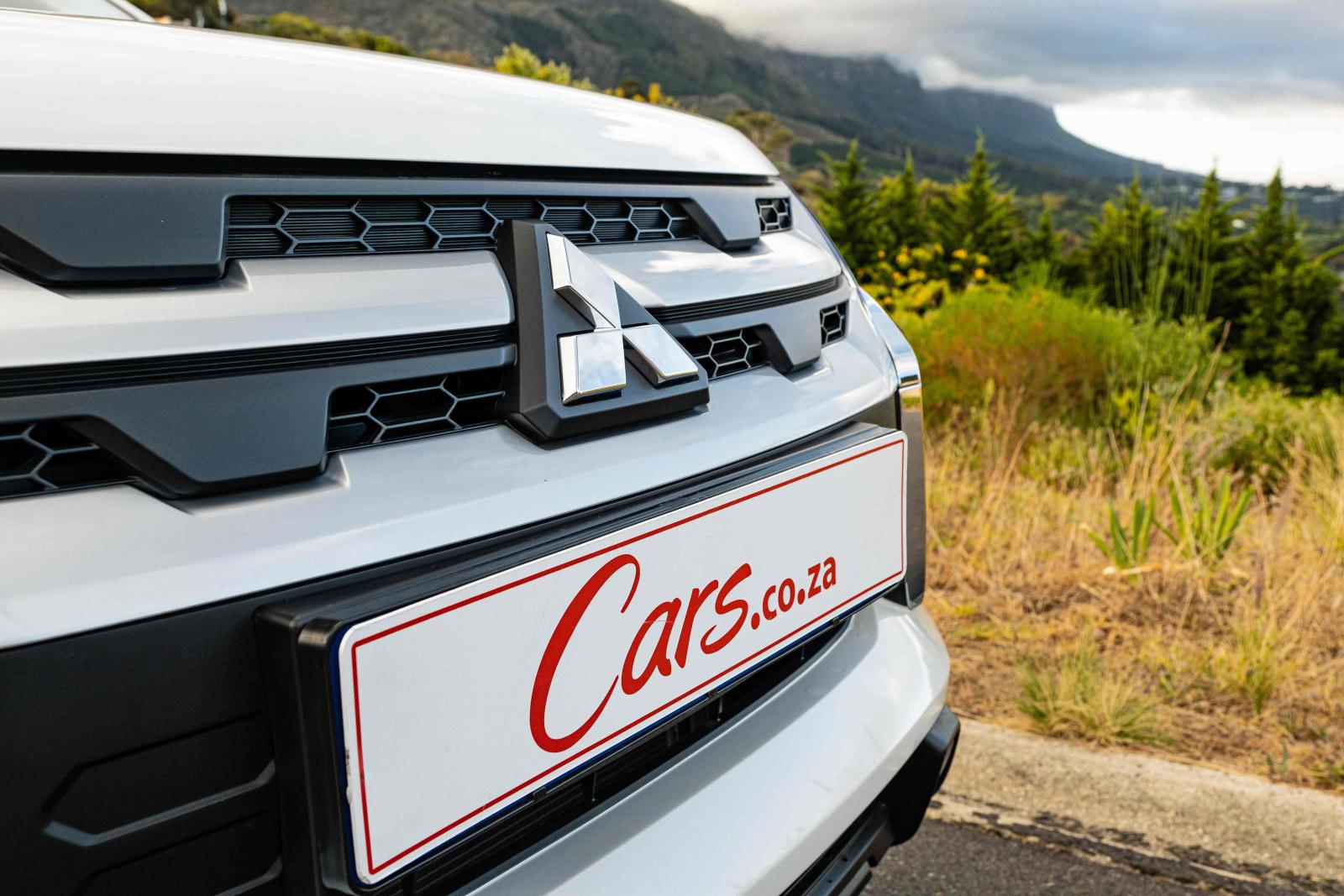
The ASX now incorporates the brand's bold "Dynamic Shield" design language. It's certainly the most progressive update so far.
The ASX is a compact family car that came to market as long ago as 2011 and Mitsubishi since been updated its crossover on numerous occasions to keep it relevant in a booming segment, which now includes rivals such as the Haval H2, Hyundai Creta, Kia Seltos, Mahindra XUV300, Nissan Qashqai and Suzuki Vitara – to name just a few of its competitors.
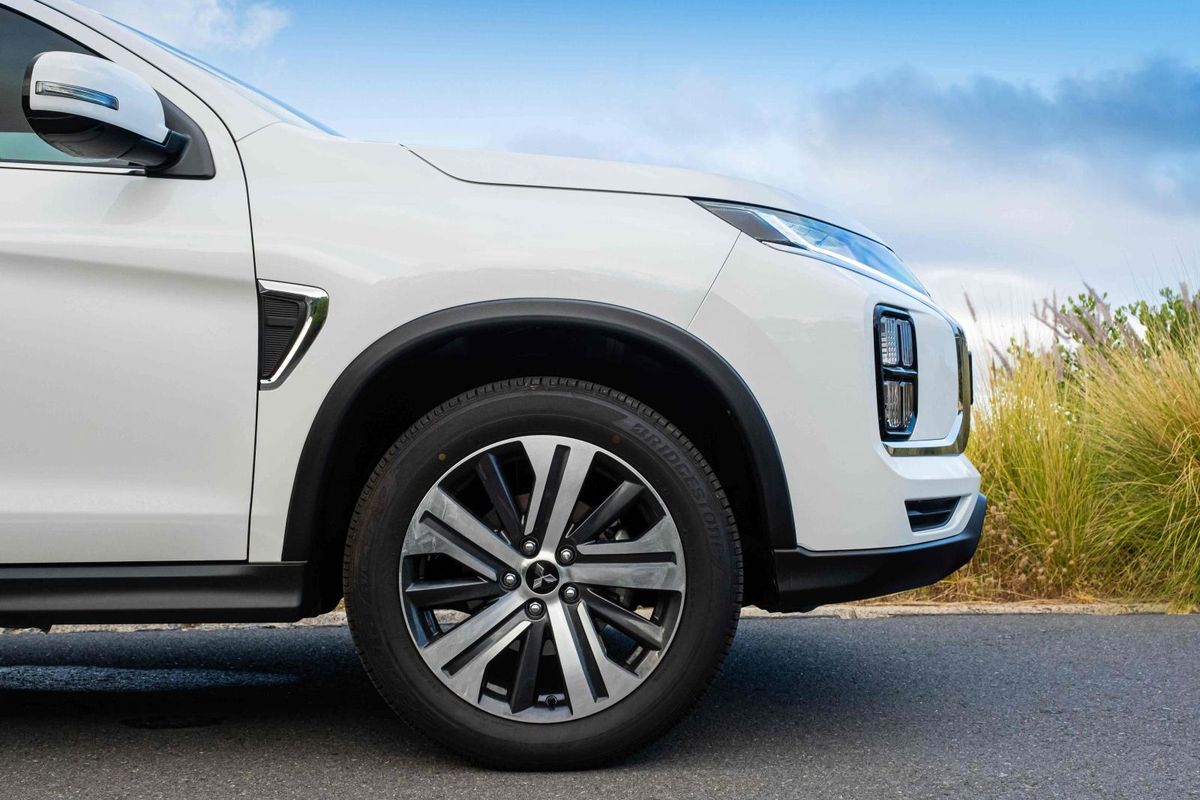
While this latest version of the ASX is far from all-new, it marks perhaps the most significant styling update for the ageing model, which now adopts the same "Dynamic Shield" design language that has been so successfully applied to the Triton bakkie and Pajero Sport adventure SUV. Apart from its considerably stronger aesthetic appeal, the ASX gains a larger infotainment system inside as well as an improved standard specification.
We spent some time with the ASX 2.0 automatic to see if all these improvements amount to a convincing buying proposition. Let’s take a closer look…
How it performs in terms of…
Engine performance and fuel economy
The ASX's performance is average, but we found its fuel consumption higher than expected.
Despite the far-ranging changes to its exterior styling, the ASX forges on with the tried-and-tested 2.0-litre non-turbo petrol engine (110 kW and 197 Nm of torque), mated with a 6-step continuously variable automatic transmission.
We found the engine and transmission well-matched in general use; despite its ageing powertrain, the ASX performs admirably both on the highway and in urban driving situations. The 2.0-litre's performance is reasonably good and the ASX does a fair job of getting up to – and then maintaining – speed. No, it’s not sluggish and average family car buyers should find its performance adequate for the daily commute.
The CVT can be a bit lurchy (and noticeably noisier) under harder acceleration, however; it's a trait common to most CVTs and not something you ever really become accustomed to. CVTs are becoming quite prominent in our market as the Japanese brands prefer them to torque-converter auto 'boxes. The ASX's CVT is average compared with the those of the Toyota RAV4 and Subaru Forester, which are quieter and "shift speeds" in a more refined manner.
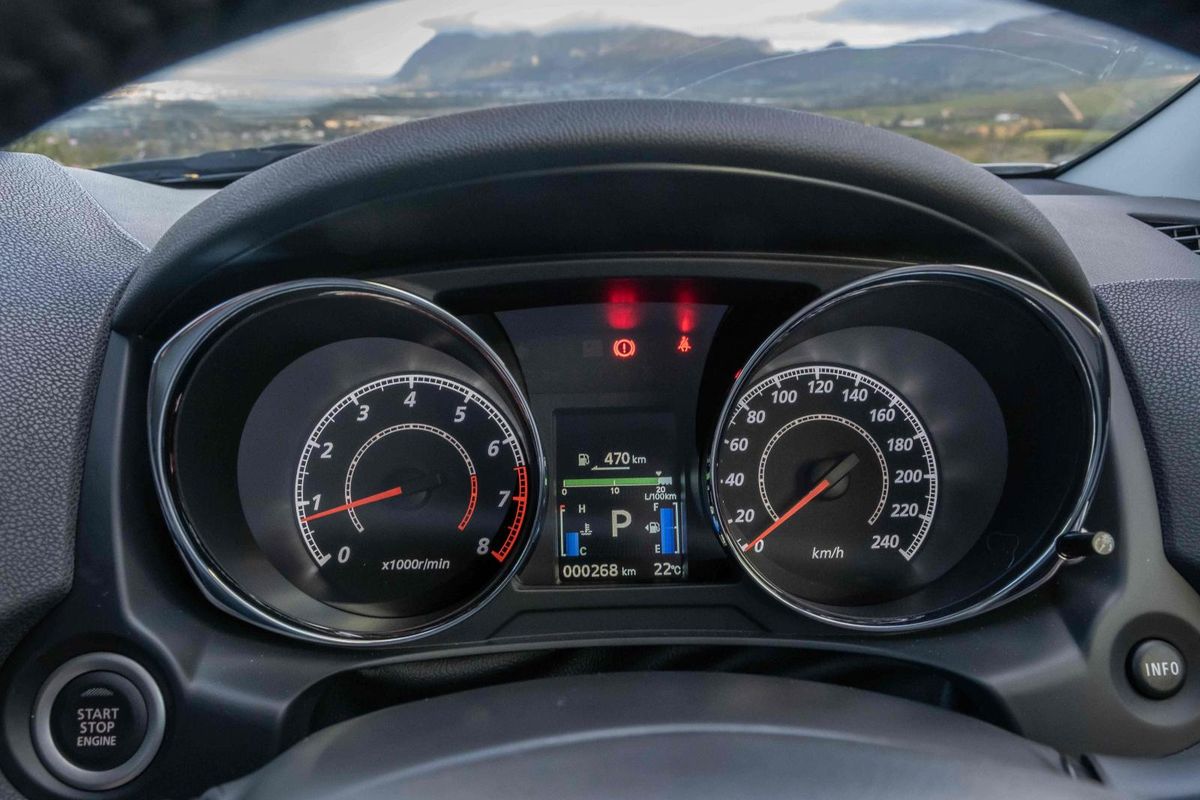
This is an old engine and while it’s not as refined as newer products on the market, it’s also not as efficient. Mitsubishi claims an average fuel consumption figure of 7.9 L/100 km and during our test, we saw an indicated 8.9 L/100 km after an extended stint of highway driving, while figures closer to 11 L/100 km were the norm in town, both of which were notably higher than we expected.
Nonetheless, one of the things we liked most about the ASX was its comfortable and forgiving ride quality. We drove the ASX on gravel (for a while) too and came away impressed with how well it copes on uneven road surfaces. Moreover, the ASX offers a positive steering feel, with a relatively good level of feedback to the driver.
Interior execution and features
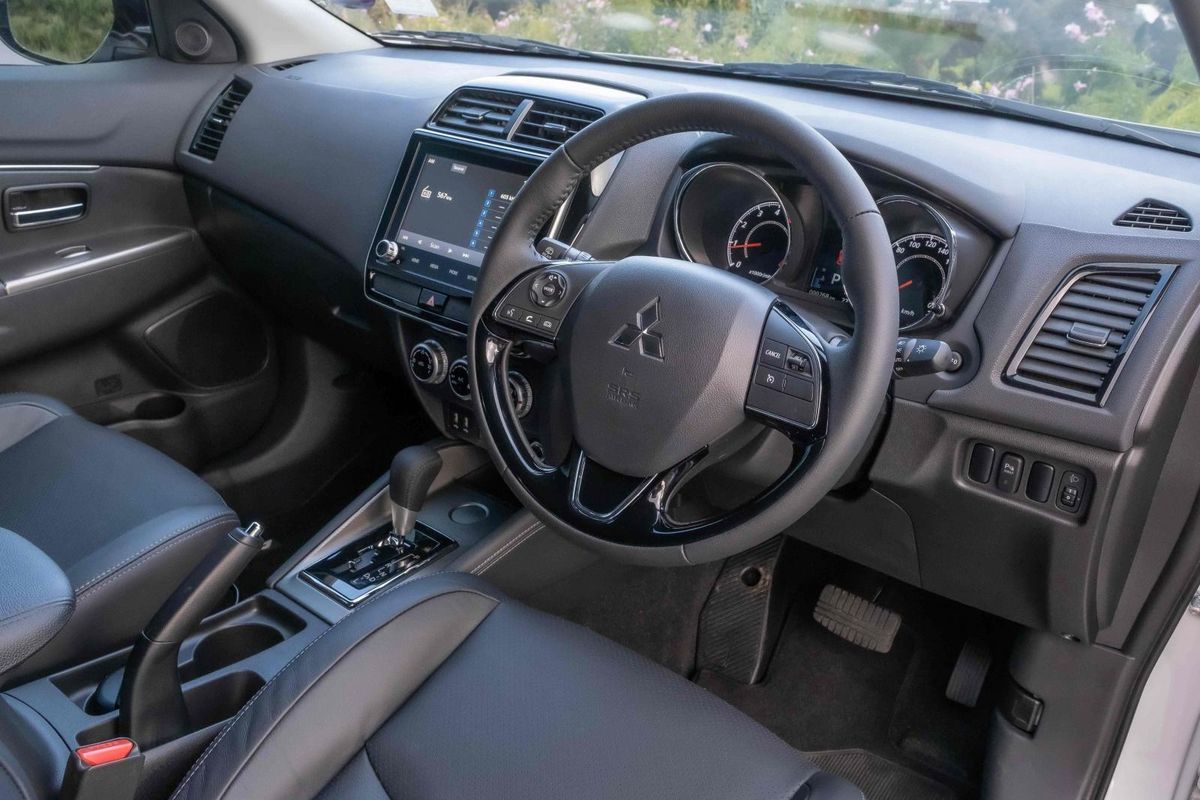
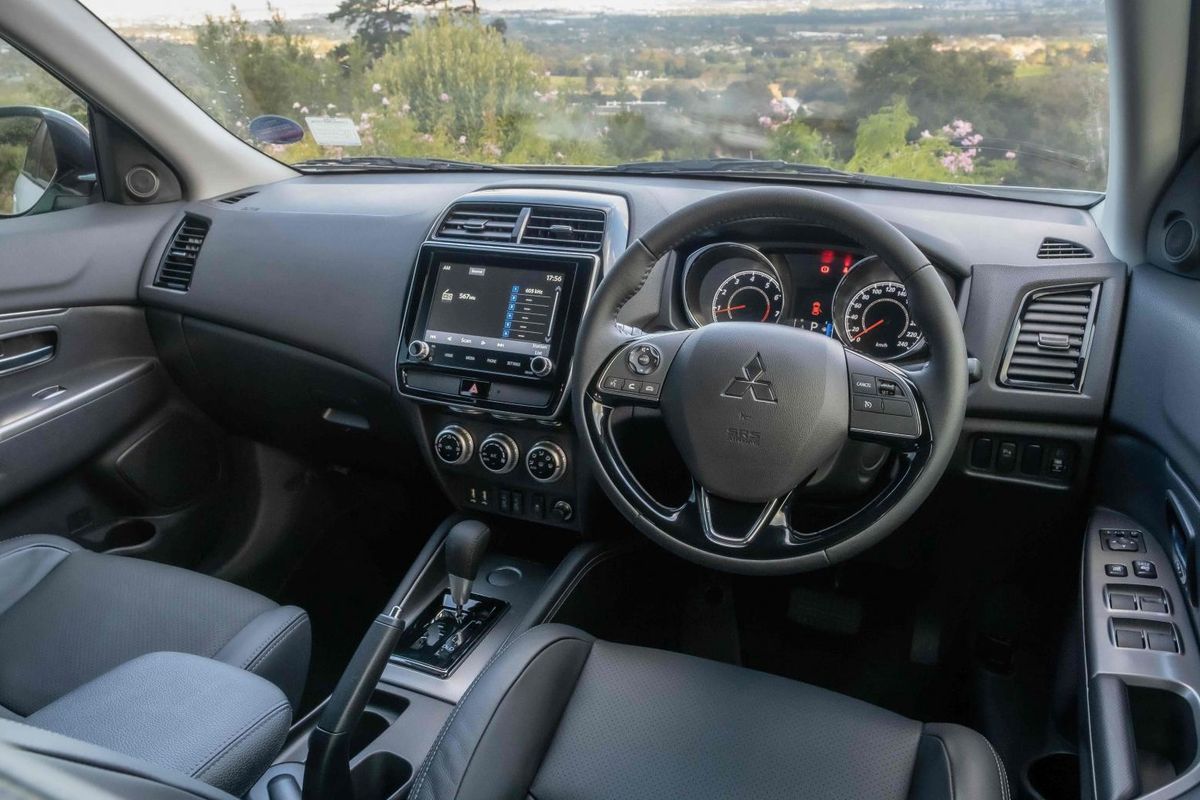
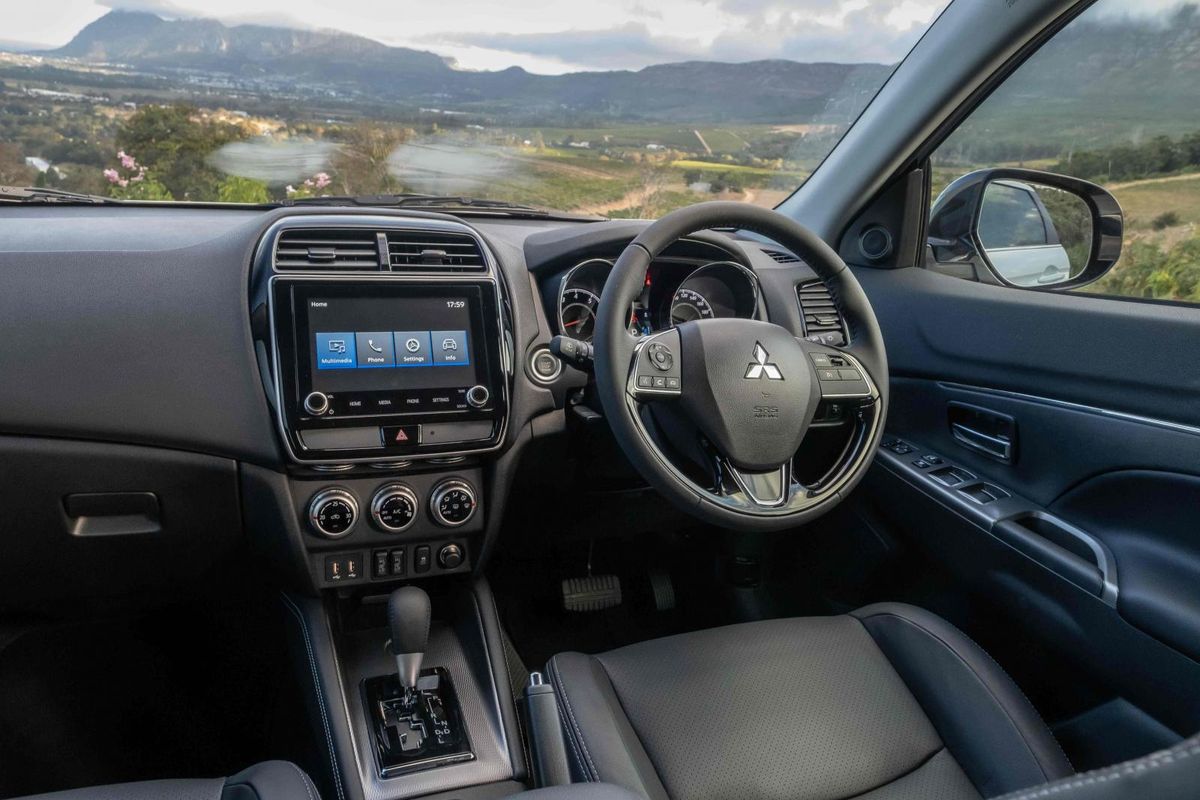
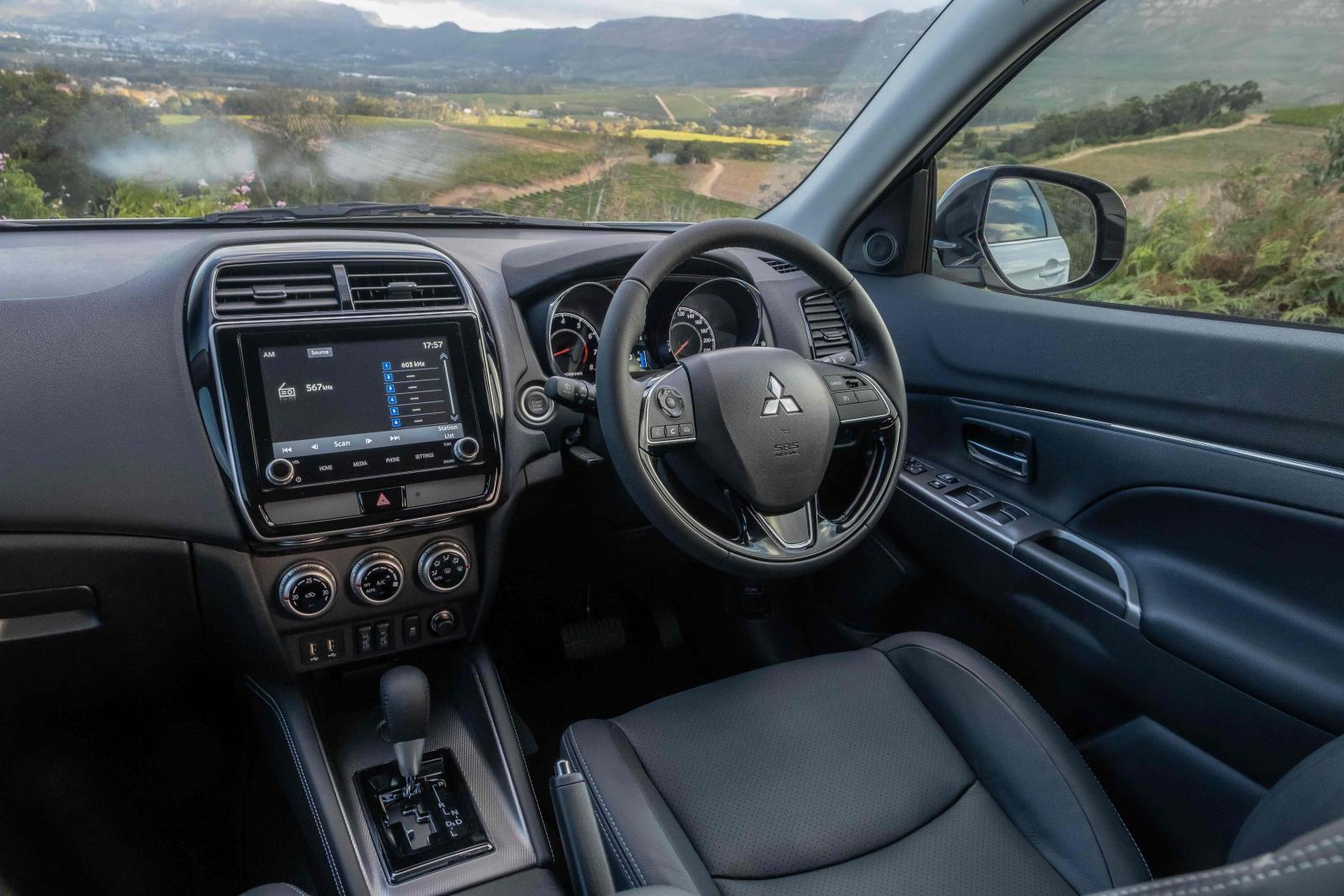
A larger infotainment system is now fitted and heated seats are a nice-to-have feature.
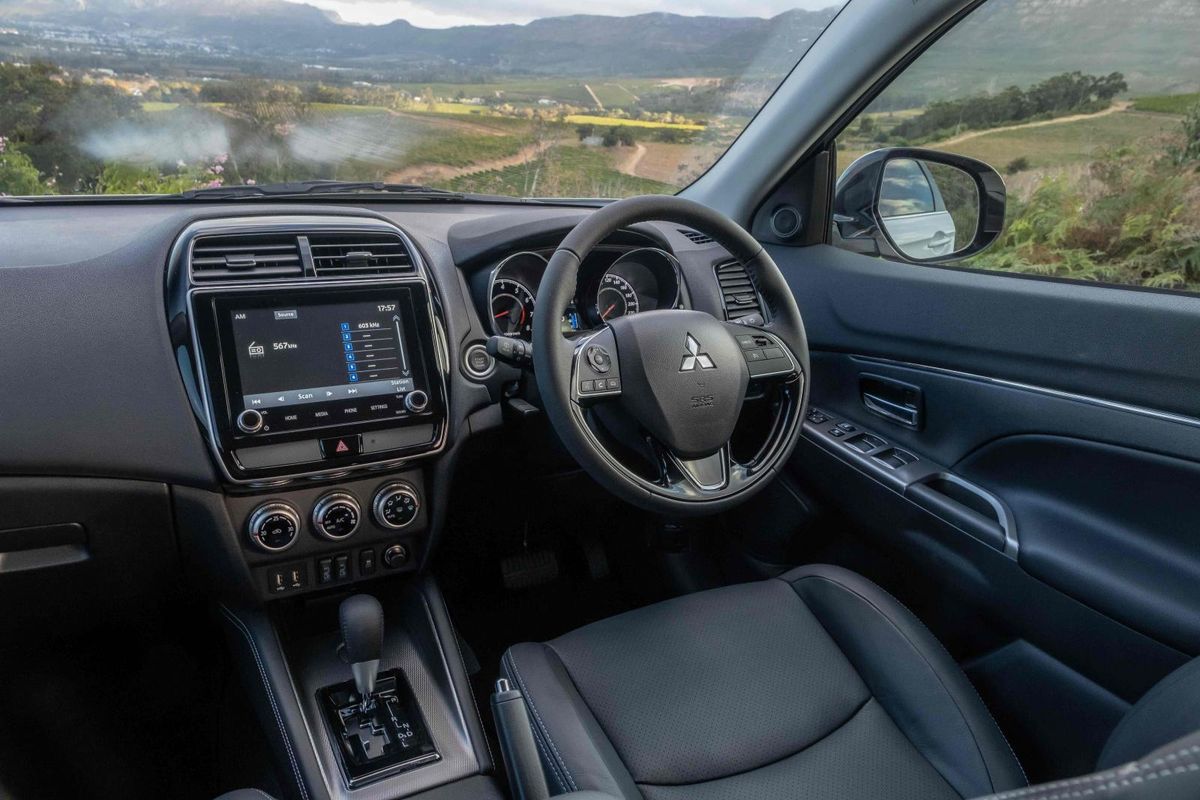
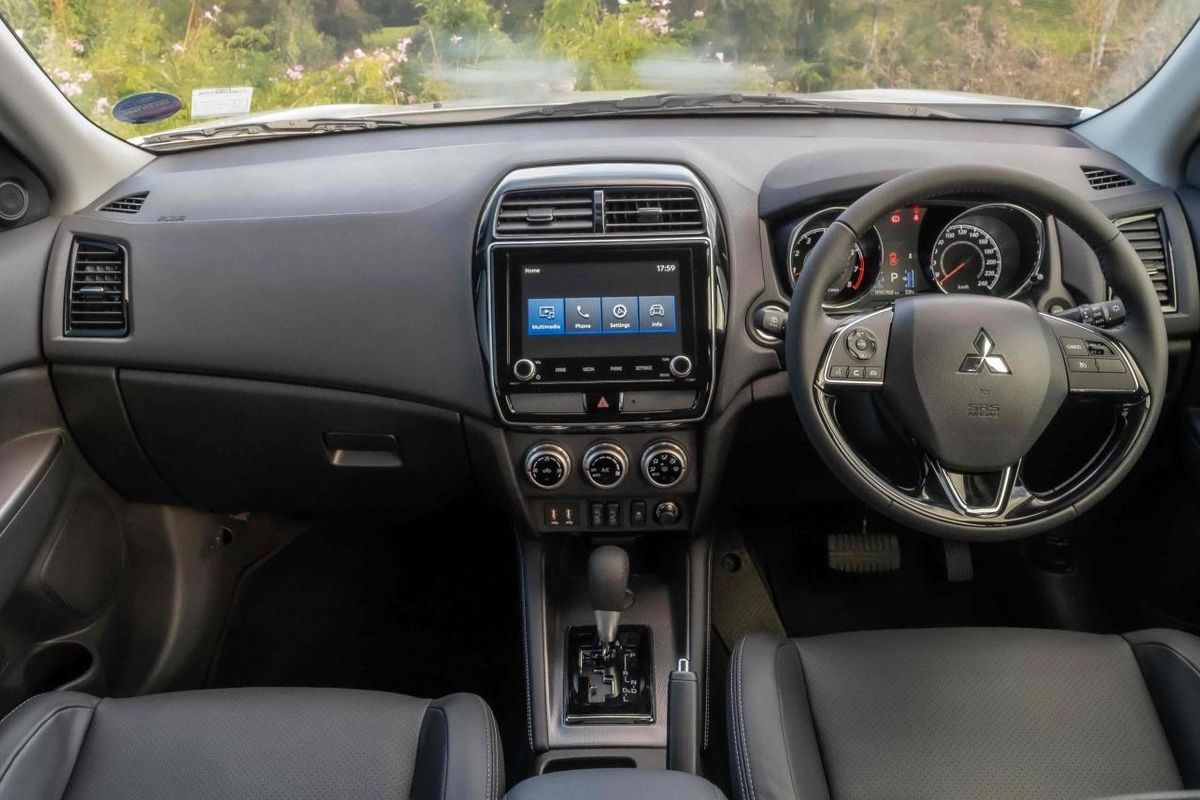
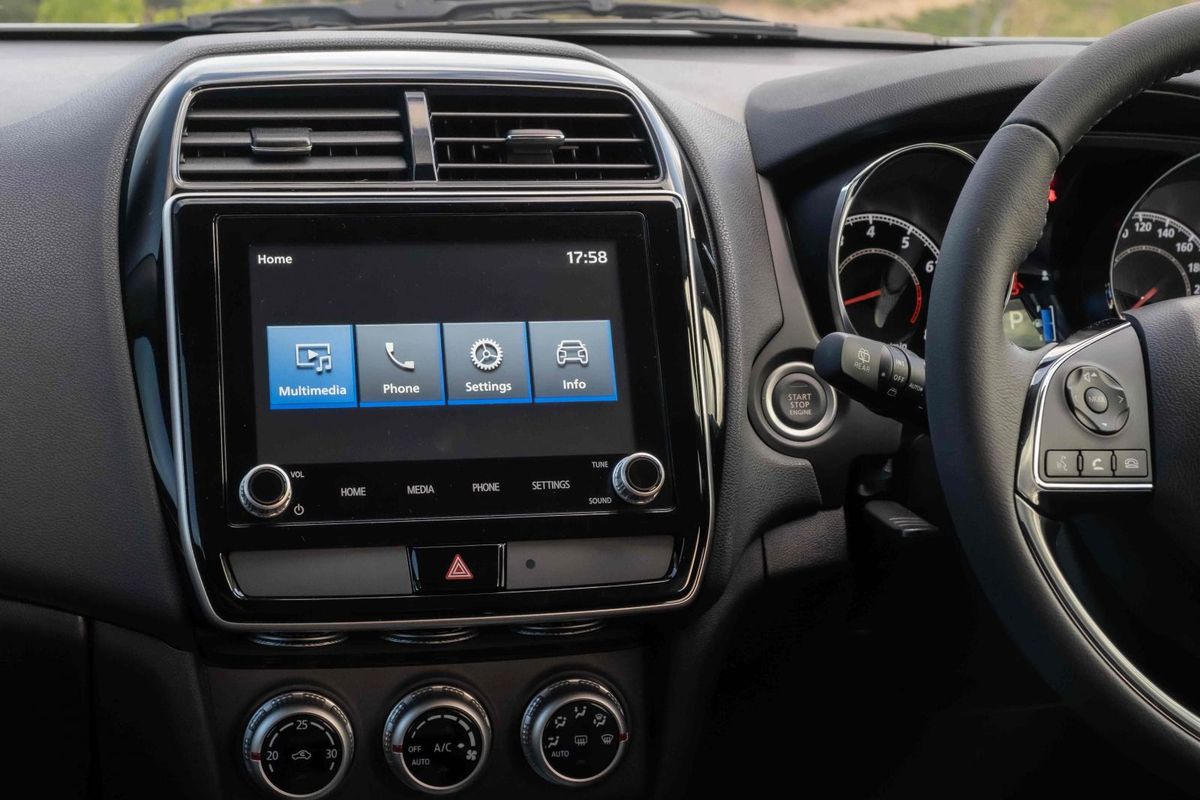
Step inside the ASX and you are met with a rather sombre black interior featuring a mix of hard and soft plastics and trims of average quality. While the perceived build quality is good, the ASX can’t hide its ageing interior compared with those of newer offerings in this segment. However, the most welcome update is indeed the larger 8-inch touchscreen infotainment system, which includes Apple CarPlay and Android Auto compatibility in conjunction with a pair of USB ports up front to connect devices. While these are useful features to have, they do feel like add-ons plugged into an older cabin design (it reminds us of the last update to the Ford Kuga's fascia).
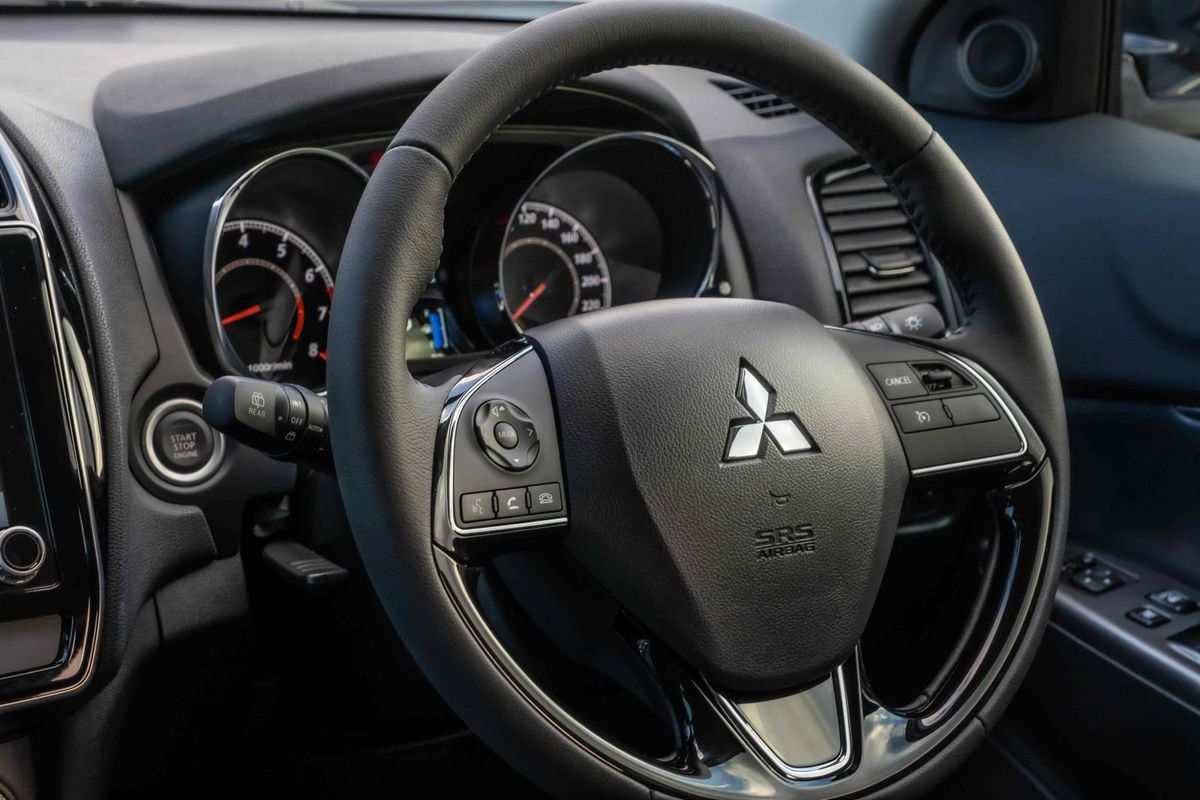
The ASX is also equipped with nice-to-have features such as keyless entry, a panoramic glass roof, leather upholstery with ventilated front seats, a multifunction steering wheel with rake/reach adjustment, cruise control, electric windows, automatic aircon, electric folding mirrors, rear park distance control and a reverse-view camera. If you're the sort of buyer purely interested in function over form, the ASX's interior ticks a lot of boxes.
Family car buyers will also be happy to know that the ASX is well-sorted in terms of safety features with 7 airbags, ABS with EBD, brake assist, electronic stability control with traction control as well as hill-start assist.
Practicality
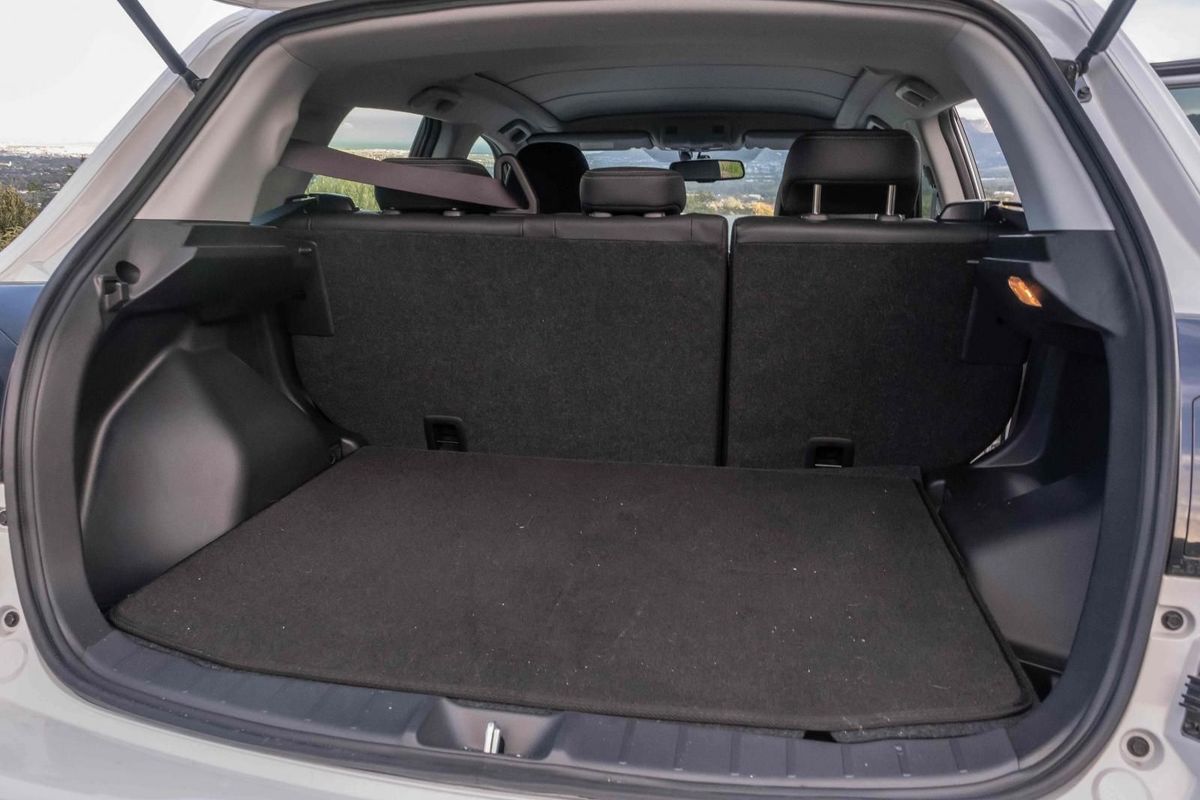
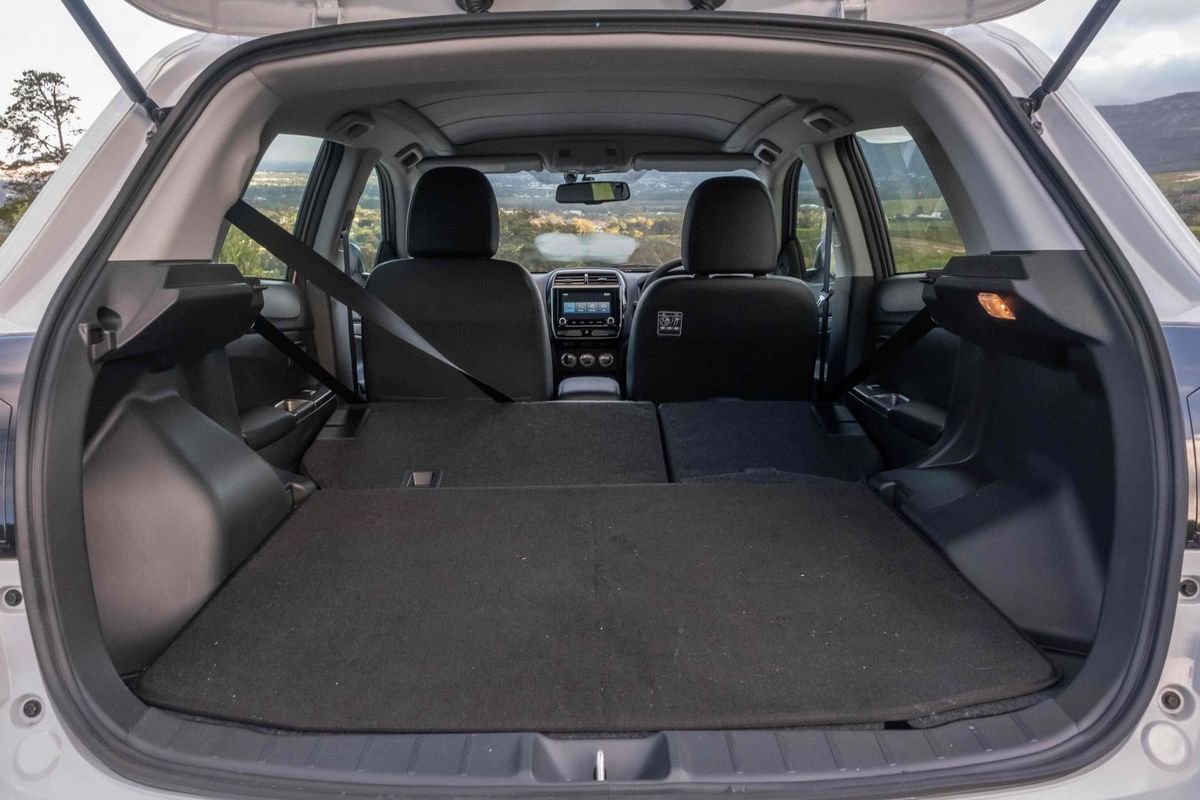
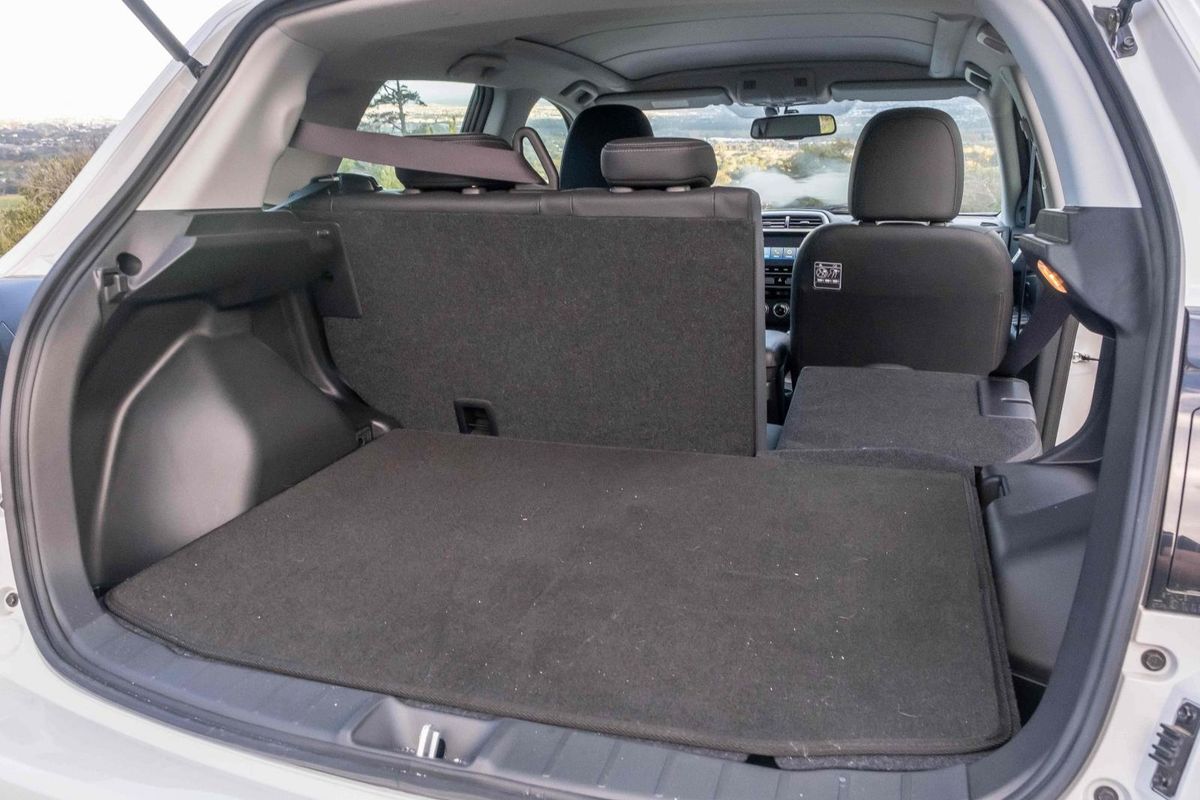
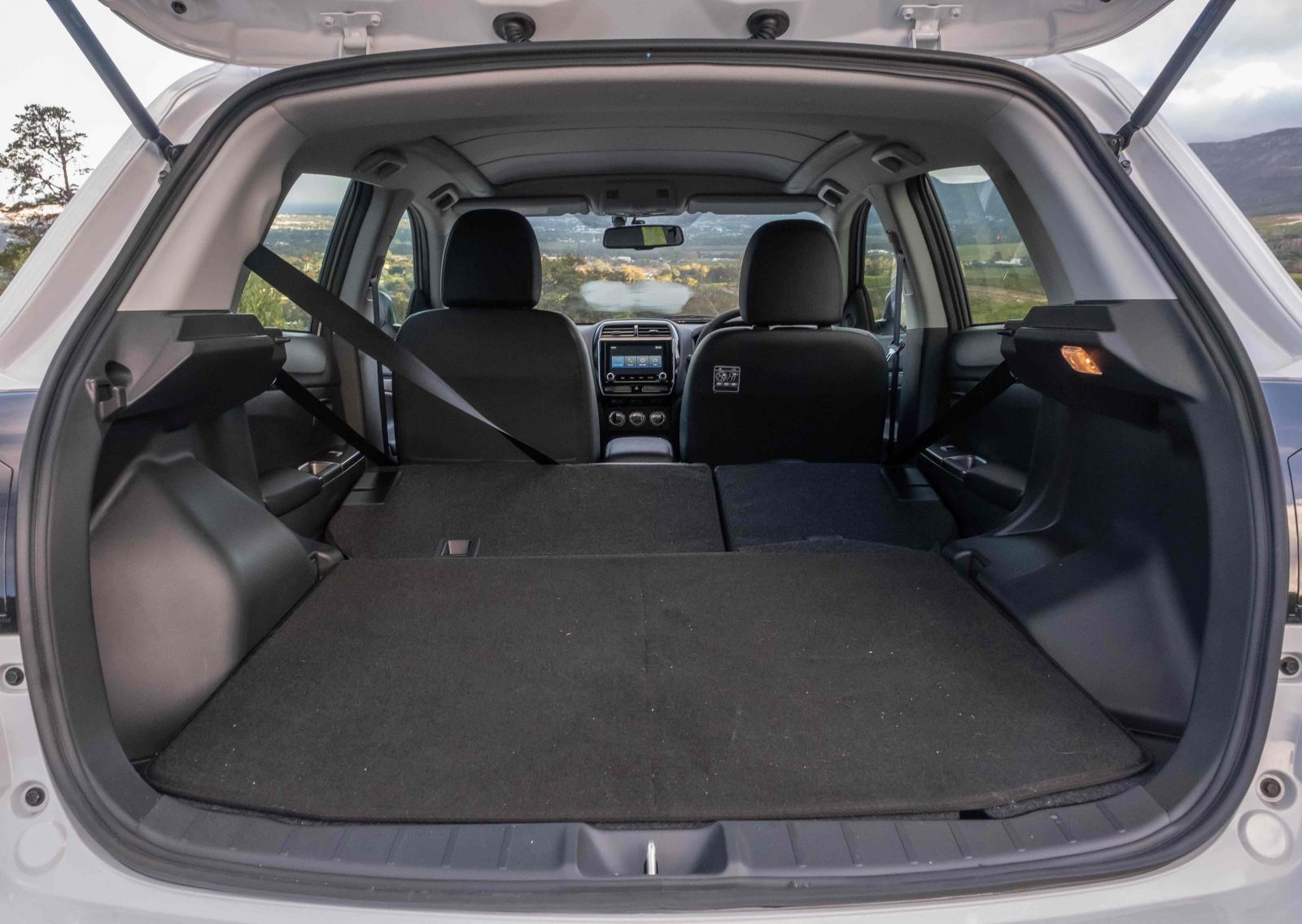
A large, useable load bay makes the ASX a practical choice in this segment.
The ASX performs strongly in terms of practicality by offering a relatively capacious load bay, which is claimed to have a 406-litre capacity and, with the 60:40 split rear seats folded down, expands to a useful 1 206 litres. That puts the ASX's luggage space right in the ballpark with rivals such as the Kia Seltos (433 litres) and the Suzuki Vitara (375 litres).
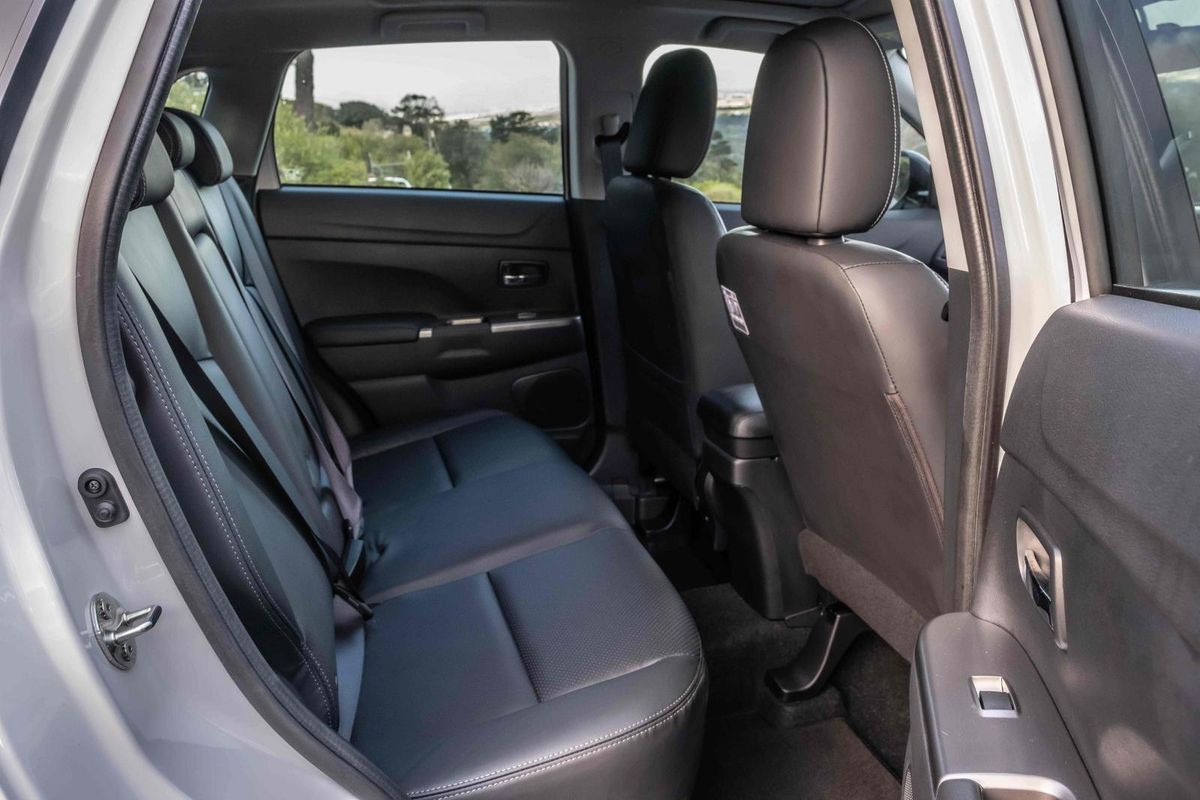
Rear passenger legroom is generous too, but with the bench's near-upright seating position, taller passengers may find it more difficult to sit comfortably on longer journeys. The ASX is equipped with 2 cupholders up front, along with bottle storage in the door mouldings and additional storage space in the central bin.
Price and warranty
The Mitsubishi ASX 2.0 automatic is priced from R399 995 and is sold with a 3-year/100 000 km warranty and a 5-year/90 000 km service plan.
While not prohibitively flawed in any way, the ASX is old, but still capable of serving its owner well. We can't wait to see an all-new ASX!
Of all the iterations of the Mitsubishi ASX we have seen over the years, this latest update is by far the most visually-striking. More than that though, the upgraded infotainment system brings the ASX up to date with its rivals. Apart from offering average overall performance, the Japanese crossover comes well equipped with standard features and remains a relatively practical choice in this segment.
However, the raft of changes can’t hide the fact that the ASX is almost a decade old. Buyers have myriad choices available to them in the compact family-car segment and while the changes to the ASX are welcome, in our opinion, there's nothing particularly special about it – it's just average. Because it's a reasonable all-rounder, but not a standout offering in any particular facet of its package (the Mitsubishi doesn't even have newness in its favour), the ASX is likely to remain an afterthought in this segment until a new, more exciting model comes to market. Time to get back to the drawing board, Mitsubishi!
Lexus South Africa has announced updates to a few models in its portfolio. Here's what's changed, as well as SA pricing.
The 4 models which have been updated for 2020 are the Lexus IS, NX, RC and LS. Lexus SA classes these updates as minor improvements, so you're not going to see radical differences.
The Lexus IS range currently features 3 models; the flagship IS 350 F Sport, IS 300 EX and the IS 300 Hybrid EX. The changes include the addition of the 15-speaker Mark Levinson setup in the Hybrid and F Sport, the F Sport gains improved LED headlamps and a rear sunshade. There's also a new paint finished called Manganese Luster.
The Lexus NX range consists of the NX 300 EX, NX 300h EX, NX 300h SE and NX 300 F Sport. The updates include: The F Sport and SE hybrid get updated LED lamps as well as an LED adaptive high beam system, SE Hybrid gains headlamps cleaners, headlamp levelling, power-enabled rear boot and auto re-retractable side mirrors. There are some trim changes and the SE Hybrid gets some wooden dashboard inserts as well as a panoramic sunroof and 60:40 power-adjustable second-row seats. Both the F Sport and SE hybrid models now come standard with the Lexus Safety System which includes Pre-crash System, Lane Trace Assist and Blind Spot Monitor with Rear Cross-Traffic Alert. Finally, the NX gains a slightly bigger screen and Android Auto/Apple CarPlay connectivity.
The sporty Lexus RC receives the least updating as a new version of the vehicle was launched about a year ago. However, it gets an electronic parking brake and a 17-speaker Mark Levinson Sound System, as well as Android Auto/Apple CarPlay connectivity.
The flagship LS sedan is available in two derivatives – the LS 500 and LS 500 F Sport. It gains Cruise Control: Adaptive Cruise Control – All Speed (previously High Speed only) and the Lane Keeping Assist have been improved.
Lexus IS Price in South Africa
IS 300 EX R733 100
IS 350 F Sport R863 200
IS 300h EX R826 500
Lexus NX Price in South Africa
NX 300 EX R722 600
NX 300 F Sport R826 500
NX 300h EX R819 100
NX 300h SE R933 500
Lexus RC Price in South Africa
RC F Sport R1 009 100
Lexus LS Price in South Africa
LS 500 R2 022 000
LS 500 F Sport R2 200 800
All Lexus vehicles come with a 7-year/105 000km warranty and full maintenance plan with intervals every 15 000 km.
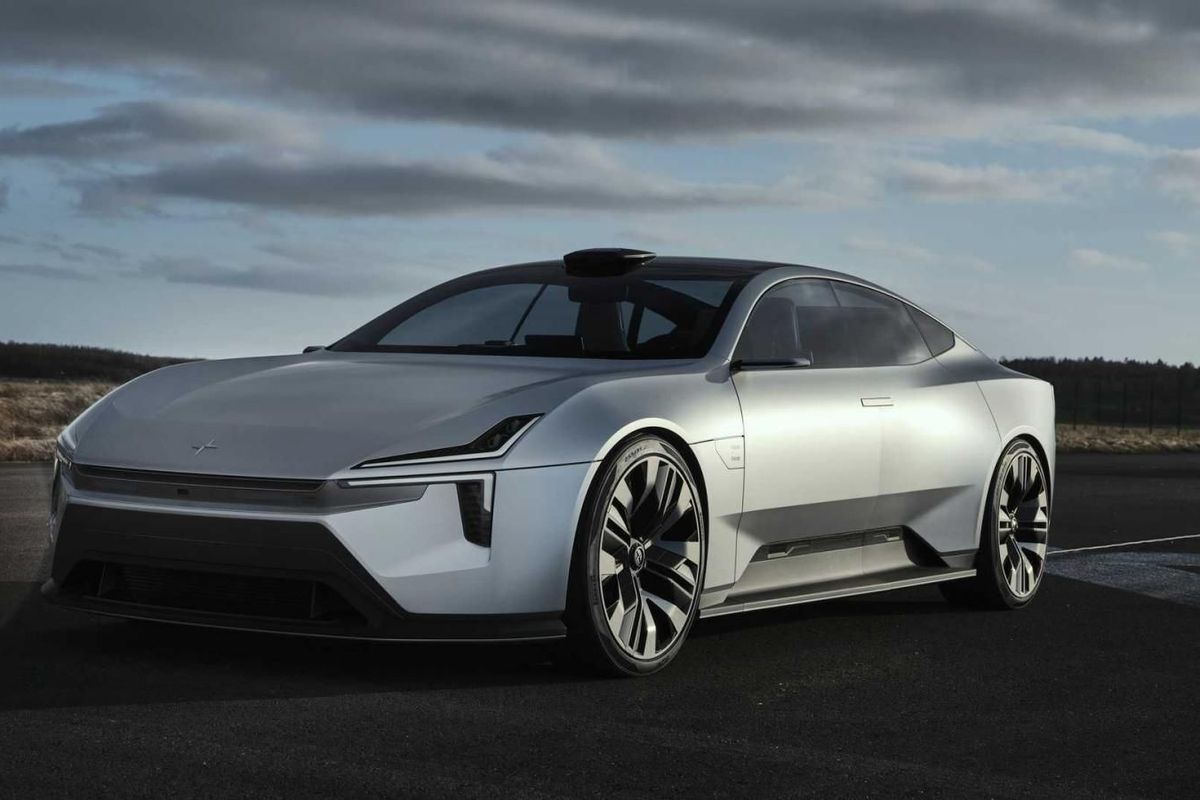
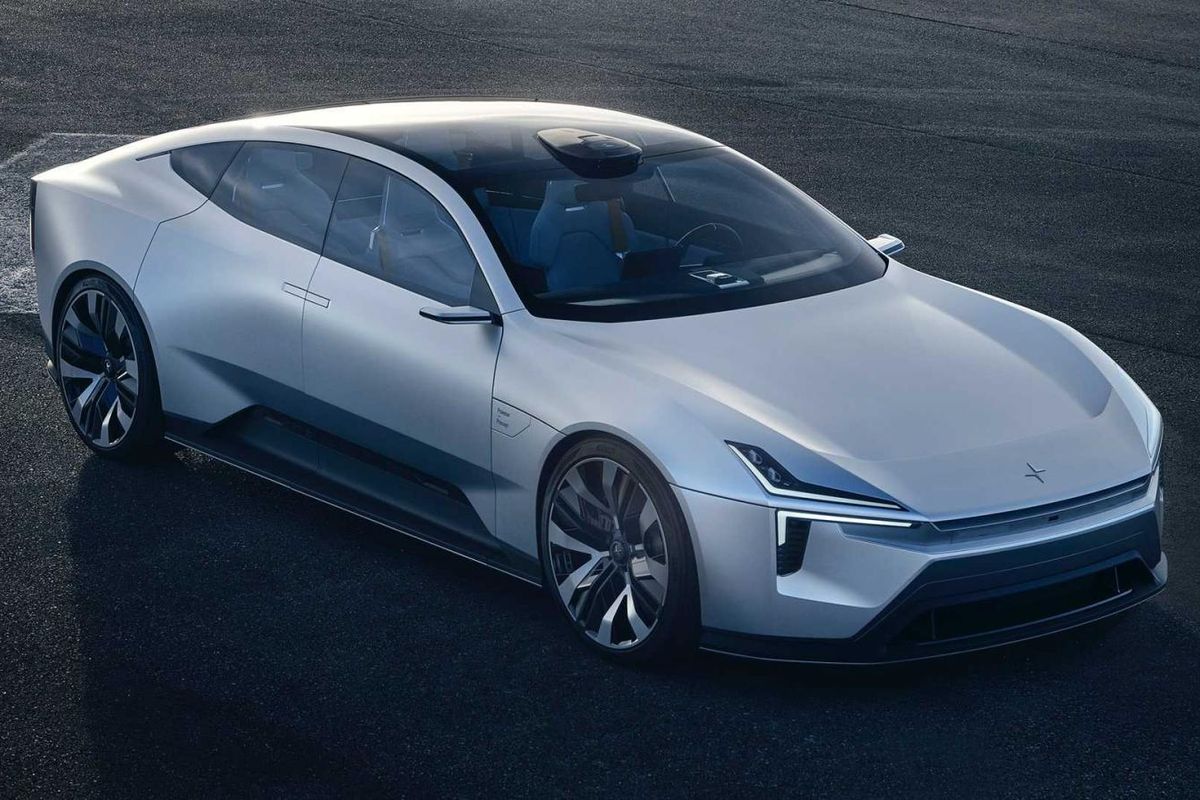
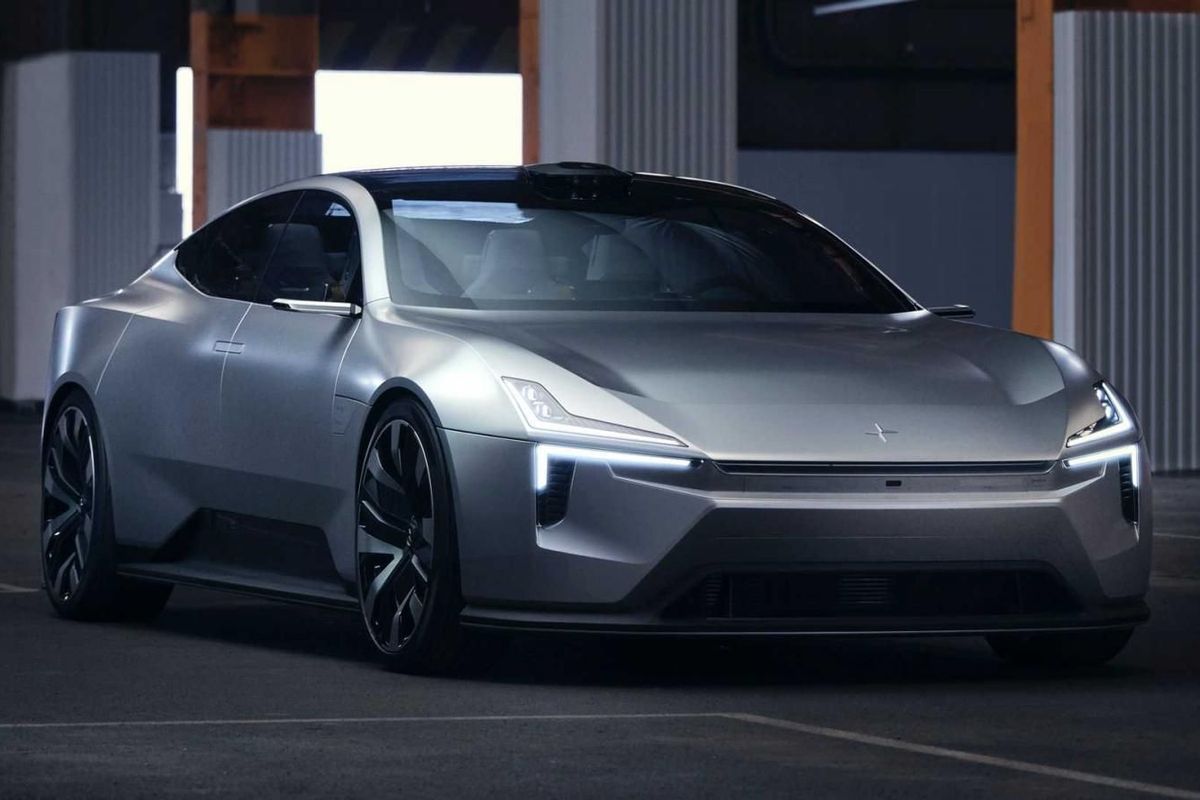
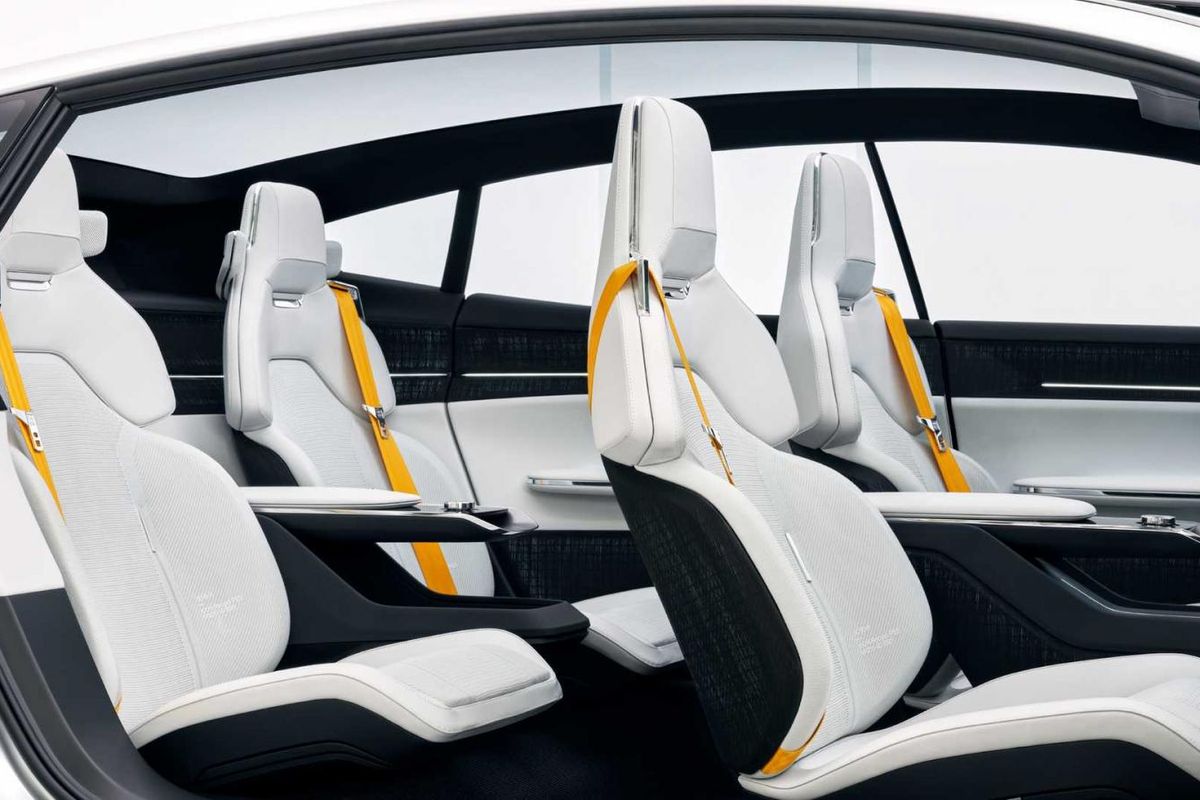
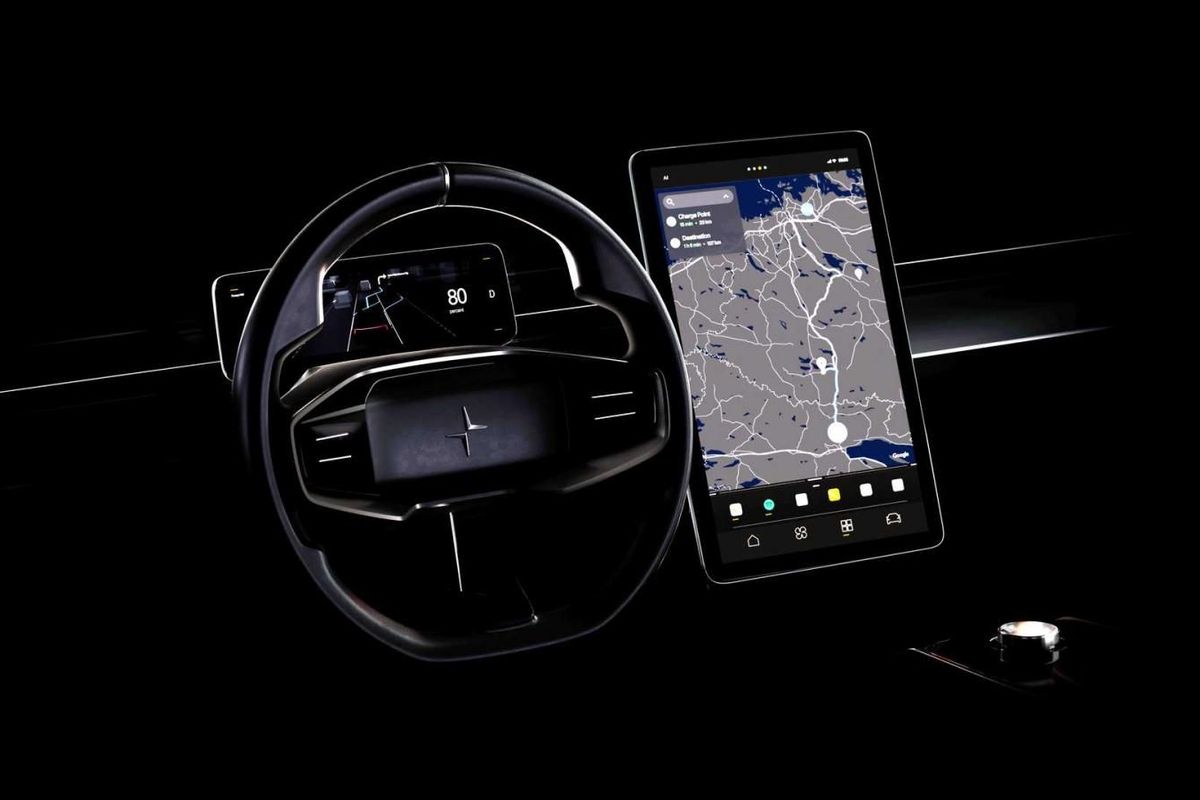
Polestar, Volvo’s performance sub-brand, is working on a new SUV that will draw inspiration from the 2020 Precept Concept.
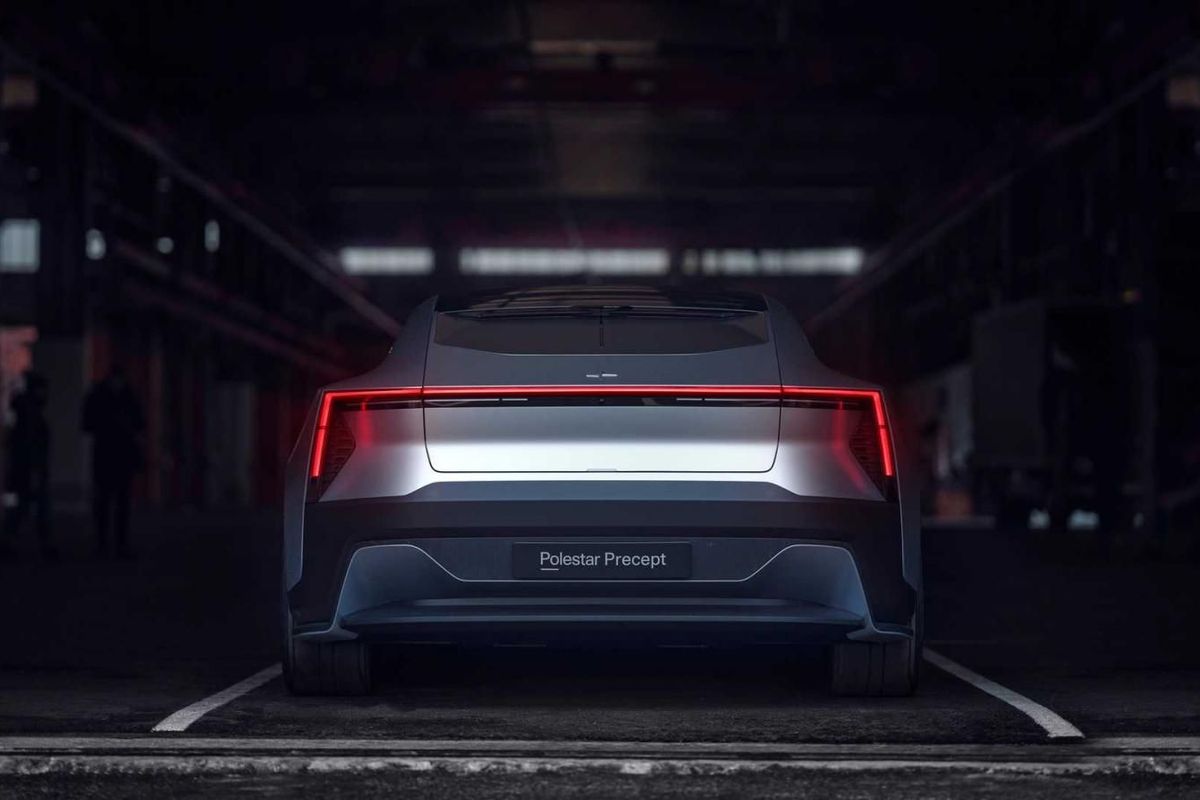
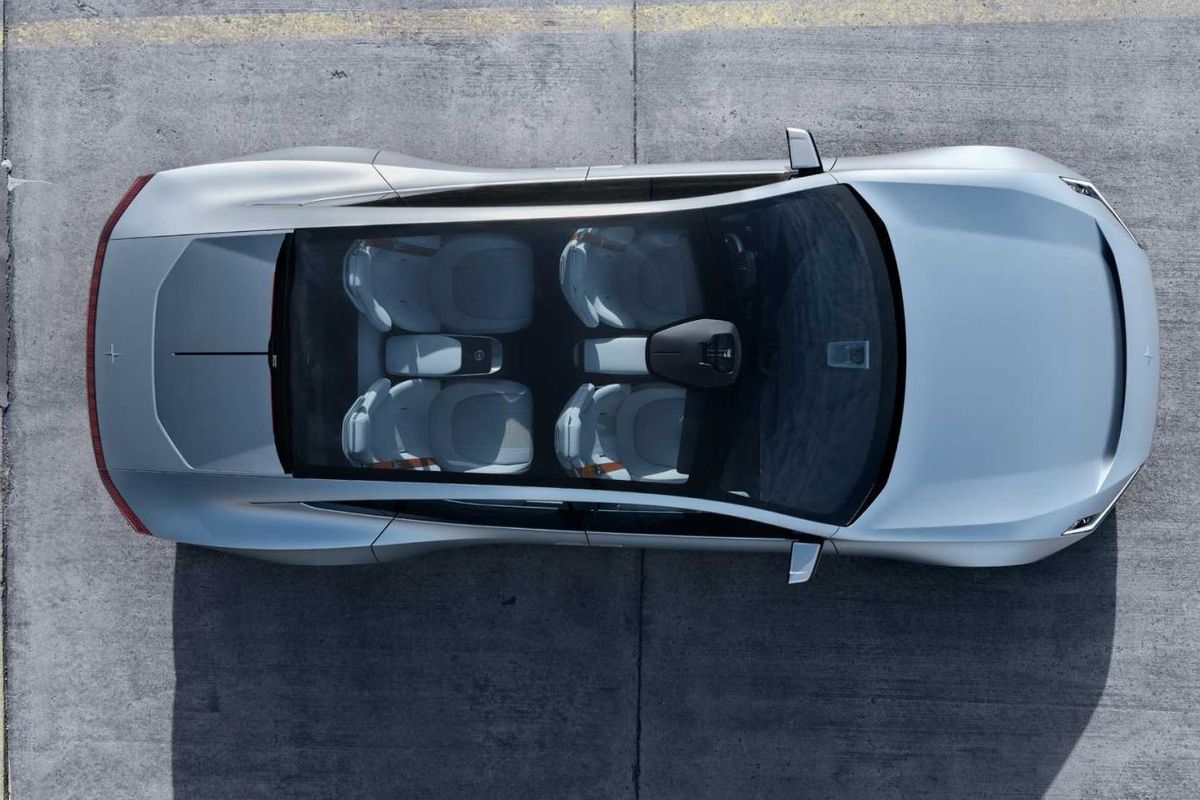
*Pictured is the Polestar Precept Concept.
Remember the Polestar 1? Yes, that sexy hybrid coupe that packed a powerful hybrid punch by combining a supercharged 2.0-litre turbopetrol engine with 2 electric motors driving the rear axle and developing a tantalising 447 kW and 1 000 Nm of torque. What a beauty!
Then came Polestar 2, a striking all-electric fastback powered by 2 electric motors and a 78 kWh battery that develops a total system output of 300 kW and 660 Nm of torque and an estimated range of 443 km.
Now, as you can well guess, Polestar 3 is in the works and it will look to tap into the worldwide SUV trend which has proven to be lucrative for many car manufacturers. The Polestar 3 will take inspiration from the Precept Concept which was meant to be revealed at the 2020 Geneva Motor Show which was cancelled due to COVID-19.
Nonetheless, the Precept Concept gives us an idea of what to expect from the Polestar 3 and highlights a new design direction for the brand.
Unlike the Precept Concept, the Polestar 3 will feature a slick, aerodynamic SUV shape. Key design elements such as the newly-designed split LED headlight design, rear light bar and the SmartZone front fascia, which houses radar sensors and a high-definition camera, are likely to feature on the Polestar 3.
As for the interior, the Precept Concept features a large 15.5-inch portrait-style infotainment screen, powered by Google, which is likely to also make its way into the production Polestar SUV. It’s worth noting that Polestar has gone to great lengths to use sustainable and recycled materials inside the Precept Concept and the same ethos is expected to be carried over to the brand’s first SUV.
Powertrain details for the Polestar 3 remain unknown at this point but we do know that it will be all-electric. The production version of the Polestar 3 SUV can be expected in 2021 and we will keep you updated as soon as more details become available.
Take a closer look at the Polestar Precept Concept in the video below.
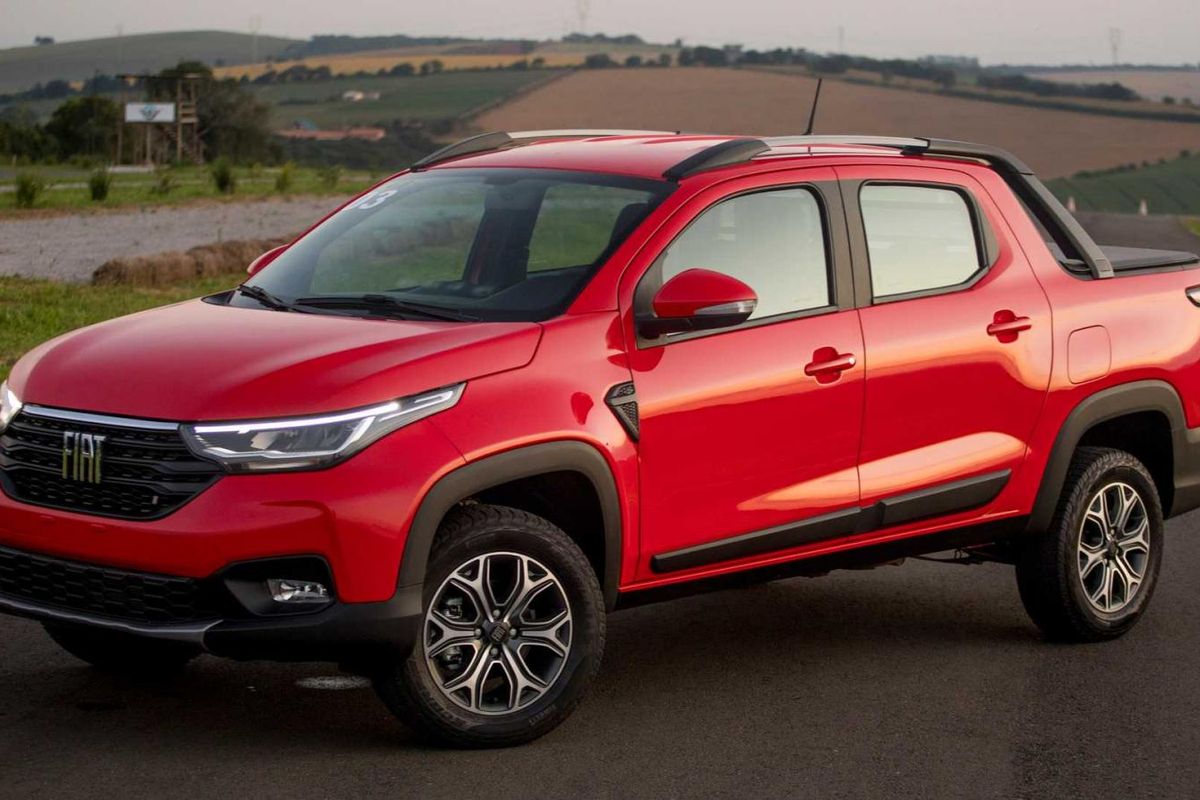
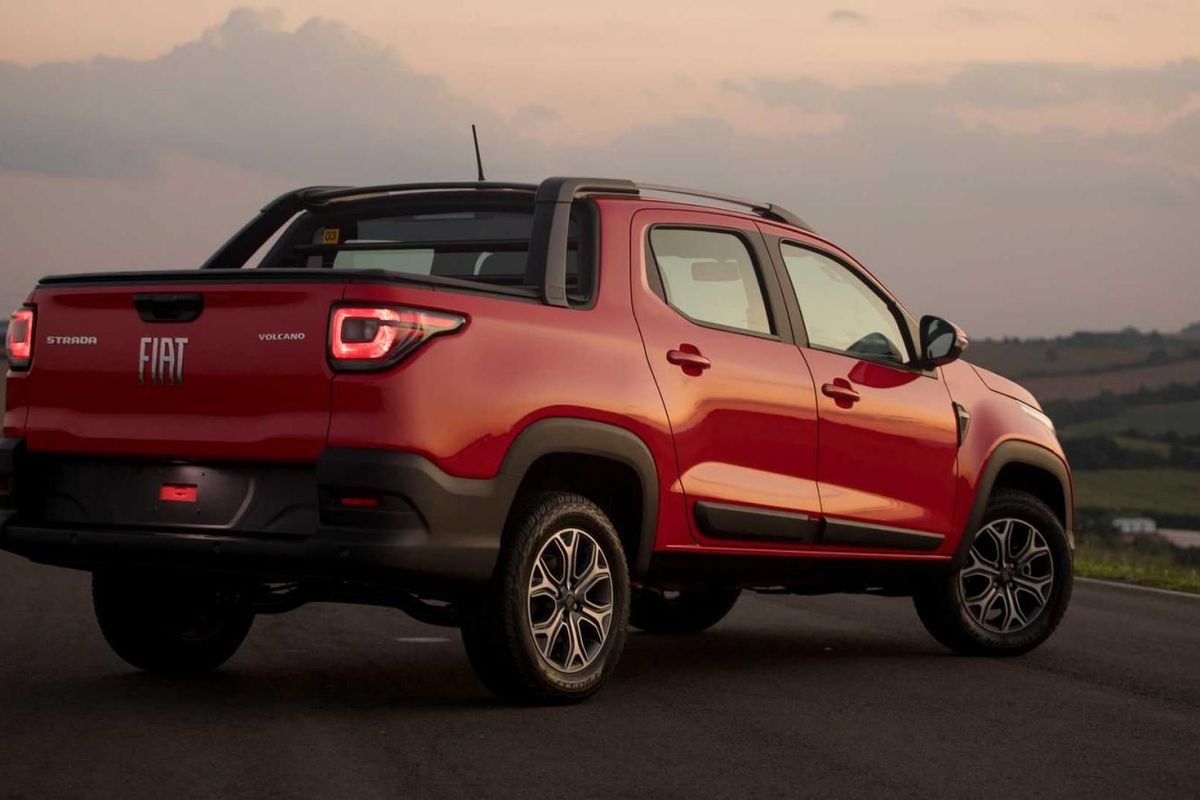
Since 2001, Fiat has been producing its compact bakkie in limited markets and for fans of the brand, this new Strada will be an exciting prospect.
Although the brand’s strange Mitsubishi joint-venture, with the Fullback/Triton, is a bakkie most South Africans of recent memory will associate with a loadbox Fiat, the new Strada has real legacy.
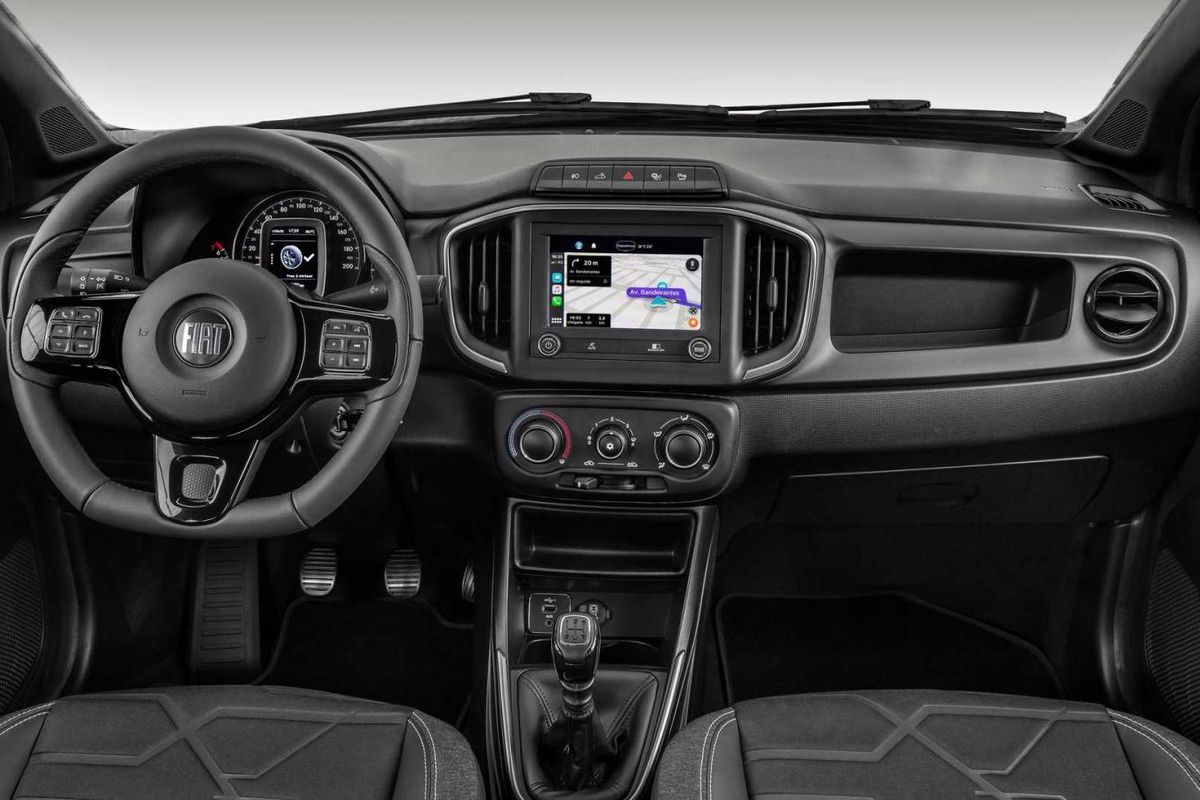
In typical Italian style, it features a better exterior design than any rival (which is primarily Nissan’s NP200) and the cabin architecture is entirely car-like. A seven-inch infotainment screen lives atop the centre stack and there’s a Smartphone sized cubbyhole ahead of the shifter.
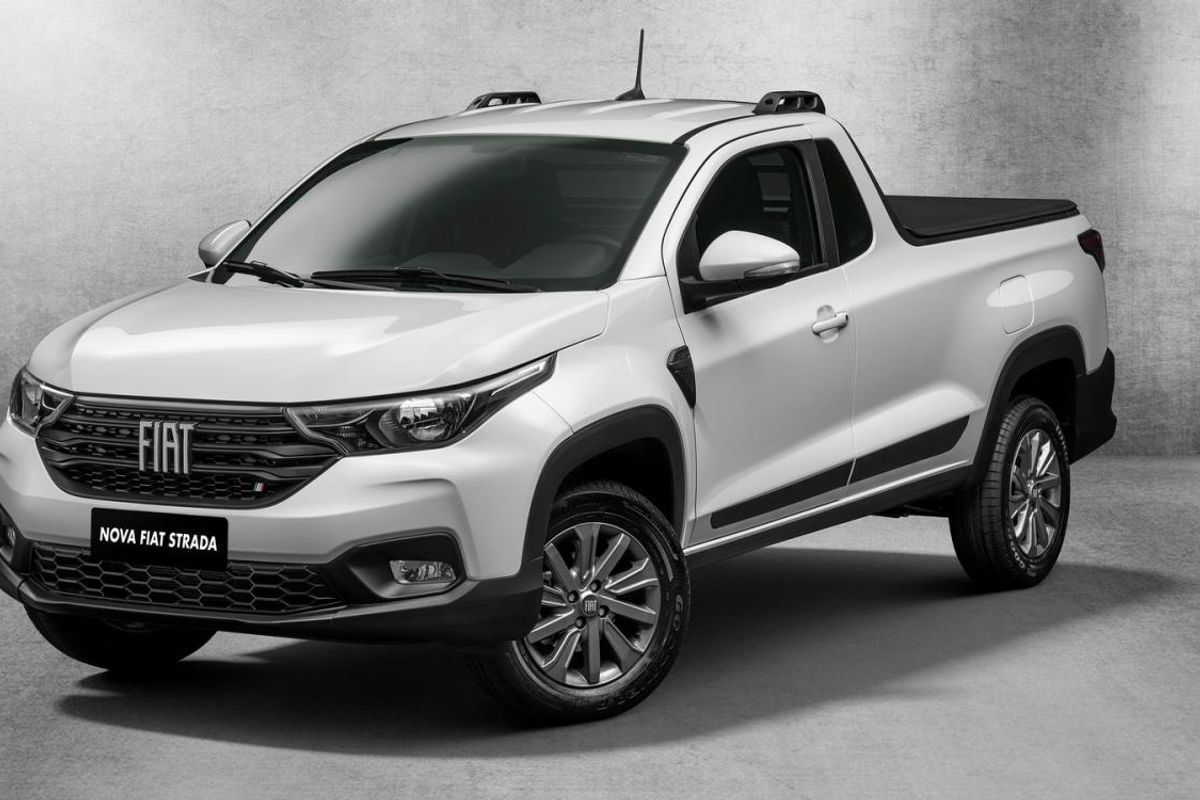
Strada features a huge Fiat emblem in the centre of its grille, LED headlights and lots of protective plastic cladding around the wheelarches and rocker panels. It also rolls six-spoke alloy wheels.
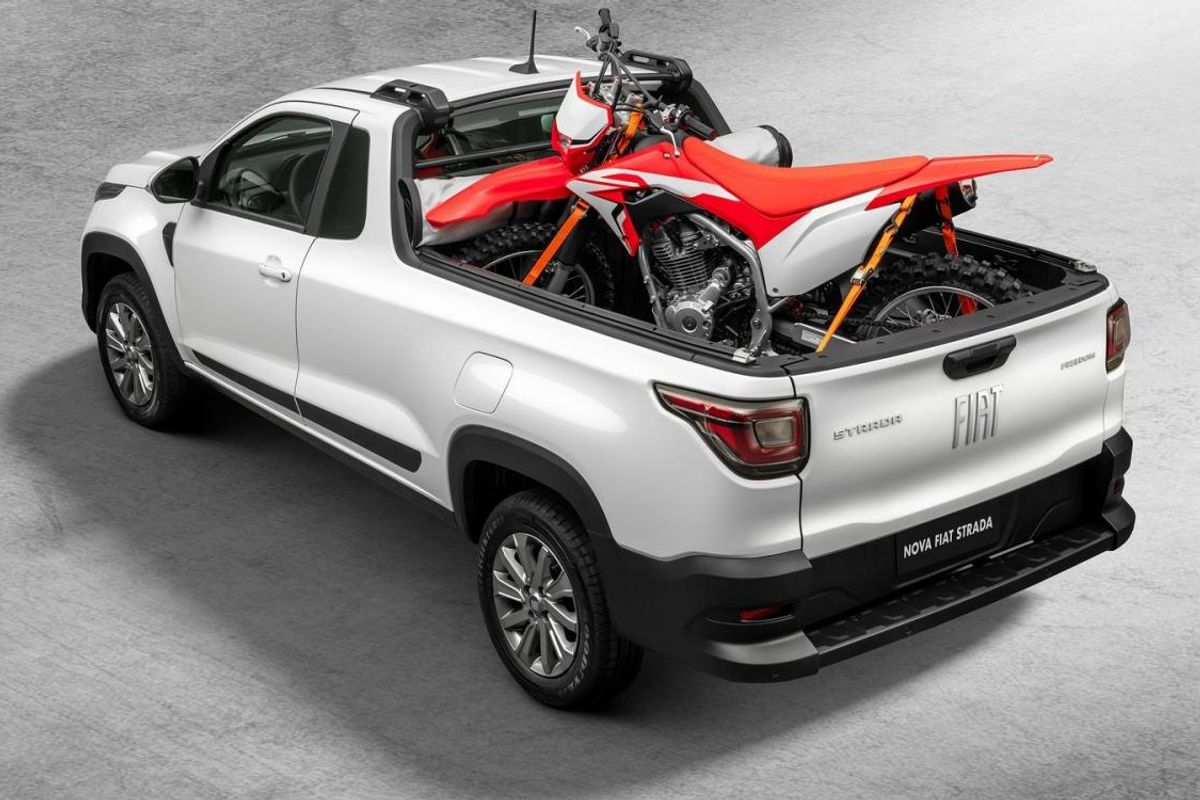
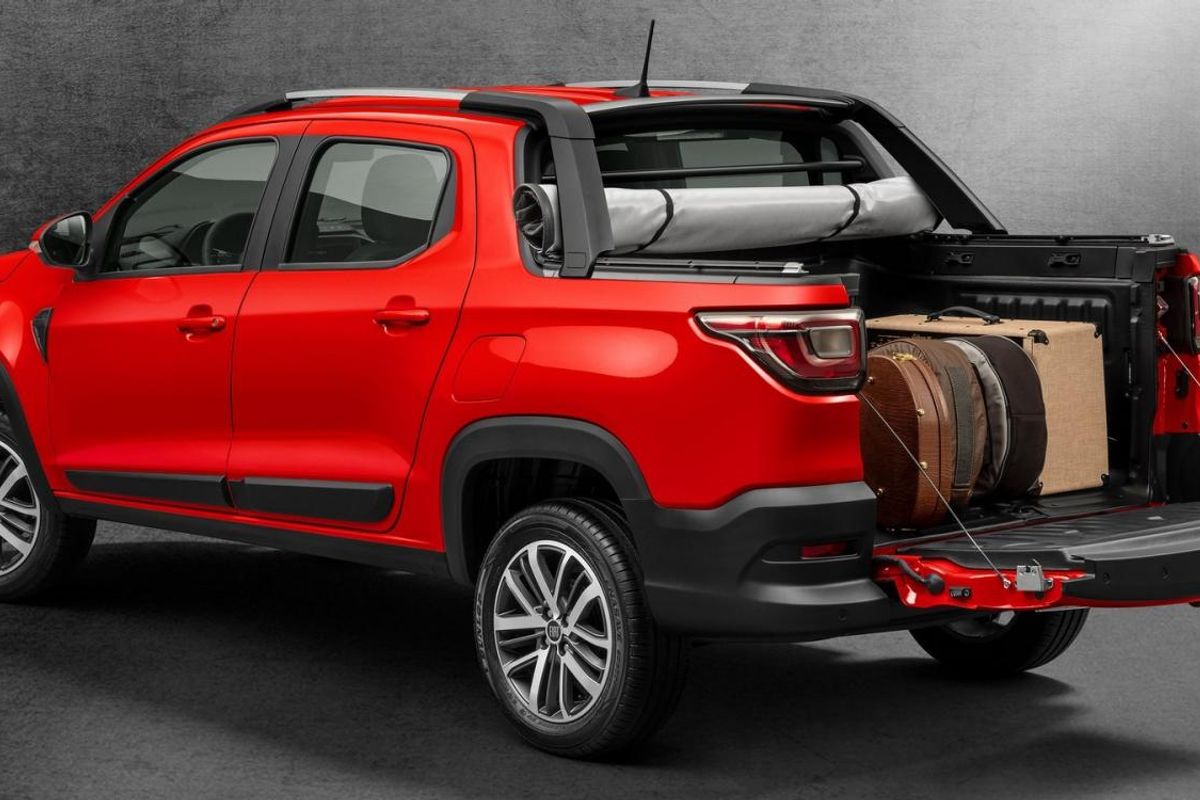
Around the rear, there is a step-bumper, tonneau cover and a cosmetic roll hoop, which merges into the roof rails.
The Strada is built upon Fiat’s Argo compact vehicle platform and powered by two petrol engine choices. There’s a 1.4-litre naturally-aspirated engine, good for 65 kW and 123 Nm, whilst a more potent 1.3-litre turbo boosts 81 kW and 139 Nm of torque. Both these engines drive the Strada’s front wheels via a five-speed manual gearbox.
Gauged in terms of size, the new Strada is 4.48 m long, which makes it a touch shorter overall, compared to Nissan’s NP200, which is 4.49 m when measured bumper-to-bumper. Loadability rates at 650 kg for the double-cab and 720 kg for Fiat’s single-cab Strada.
Although there is no talk of a 4×4 version, the Strada has an adequate 208 mm of ground clearance for gravel road use. Despite being excellently suited to South African requirements, the new Strada is only being targeted at left-hand drive markets.
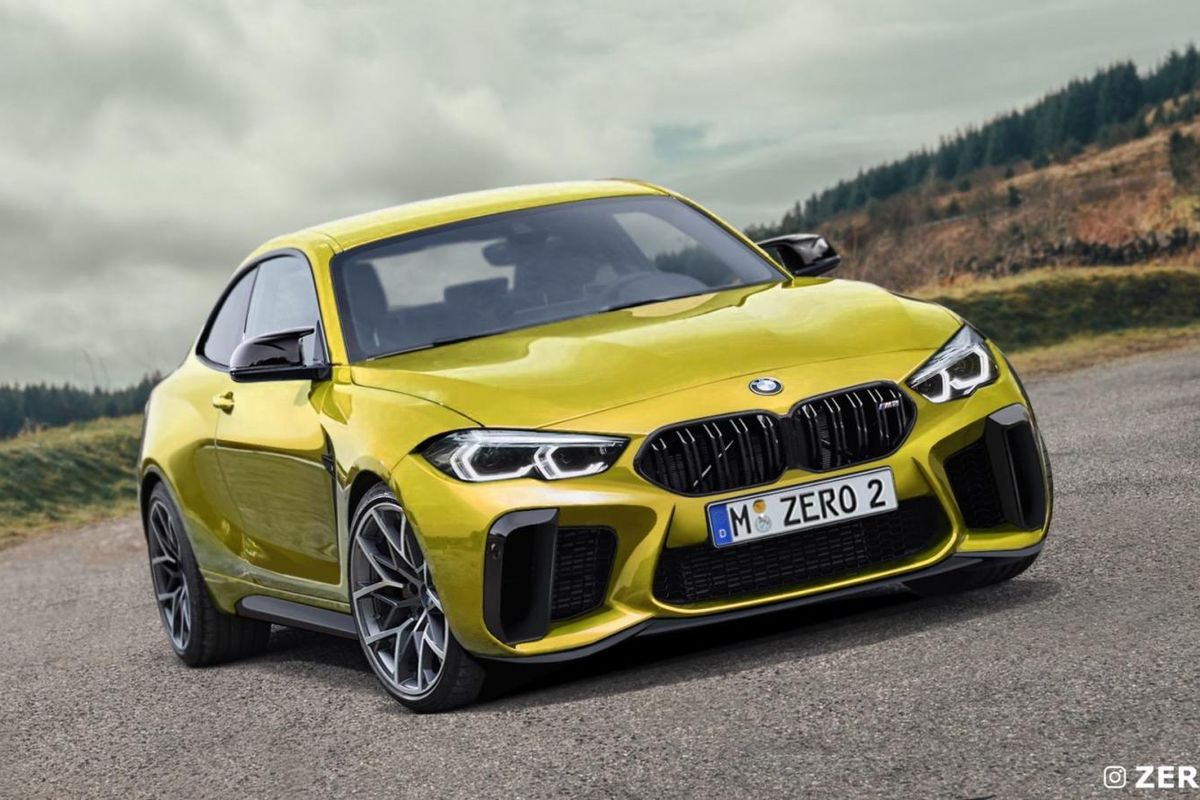
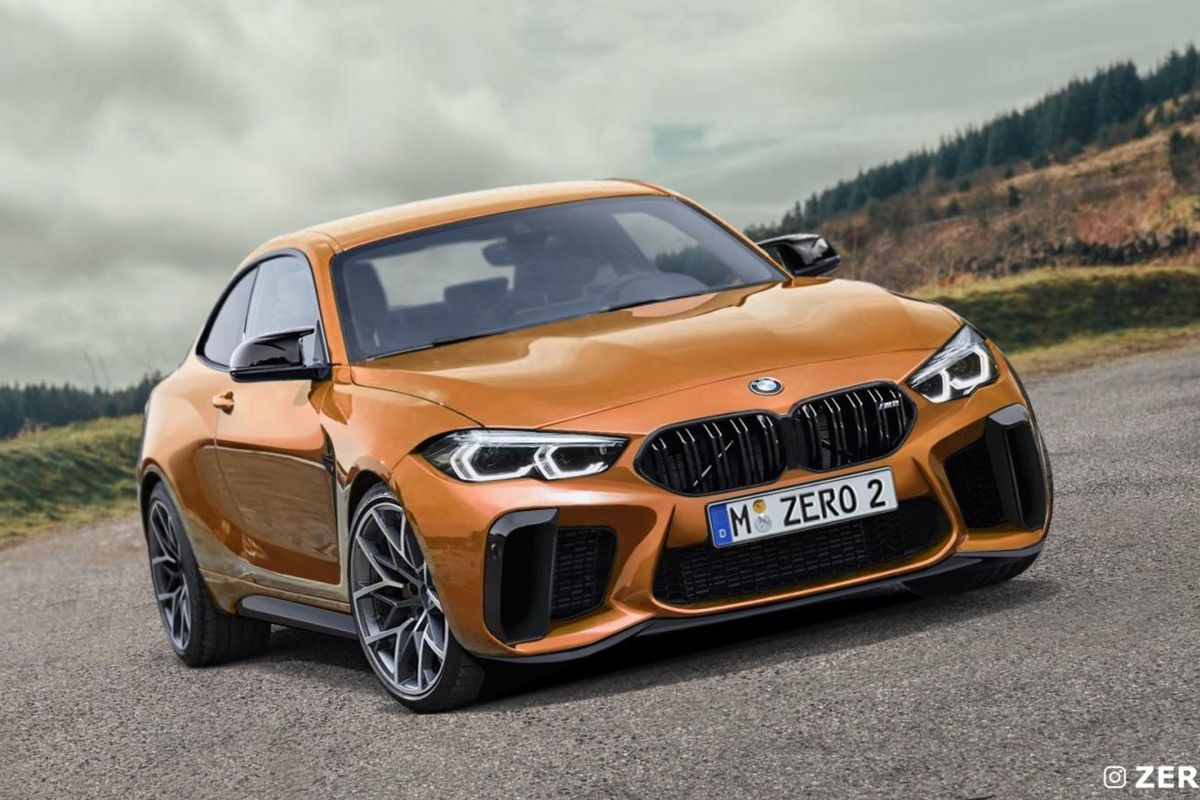
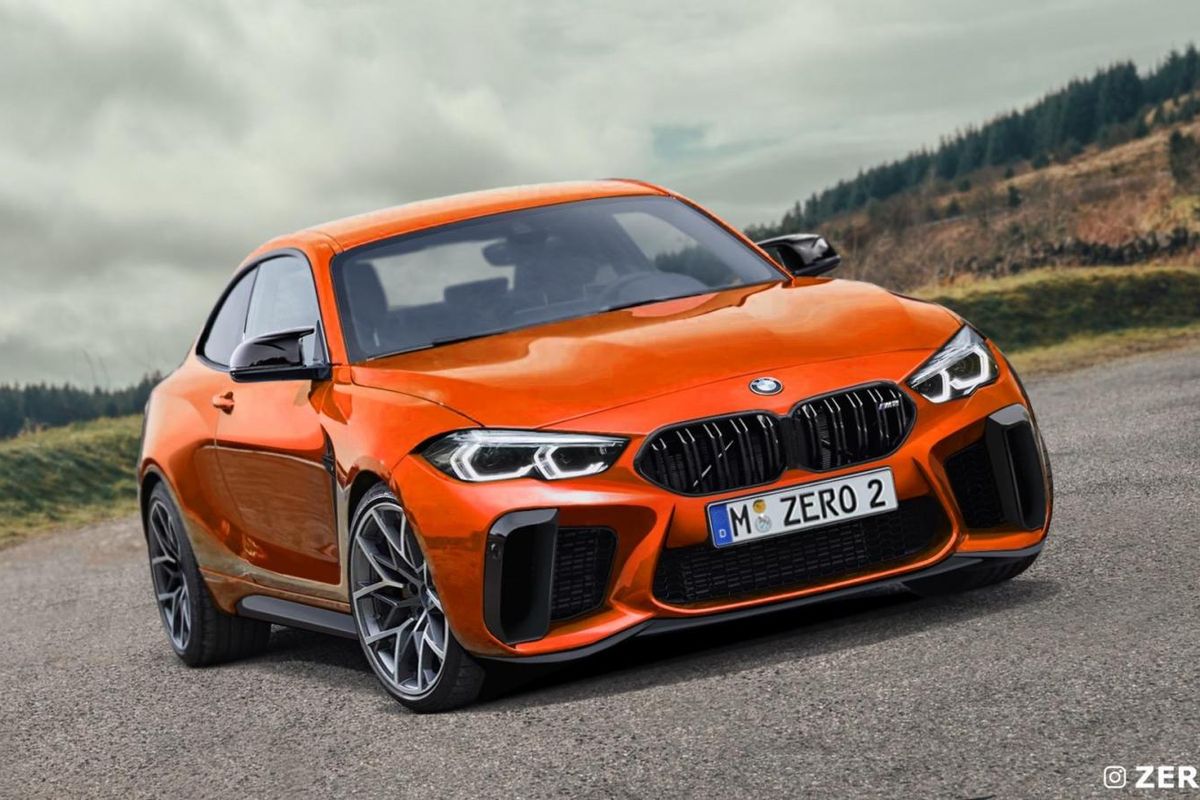
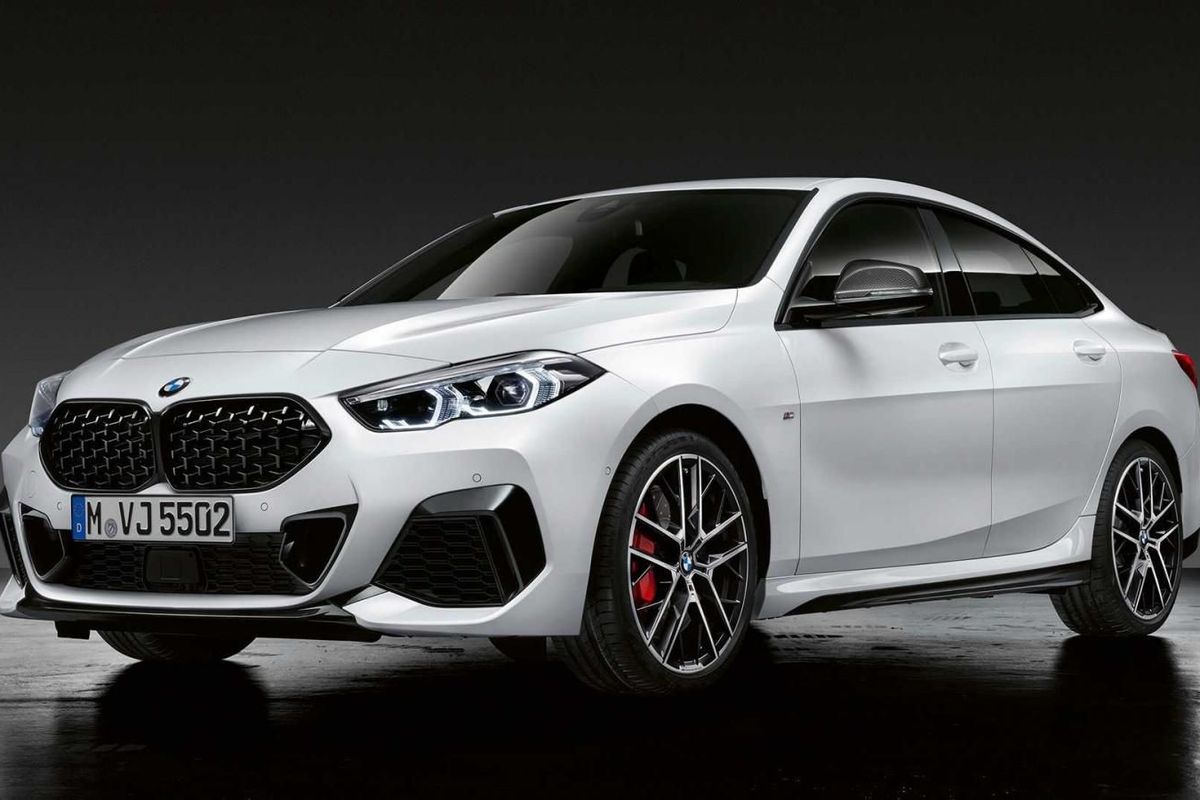
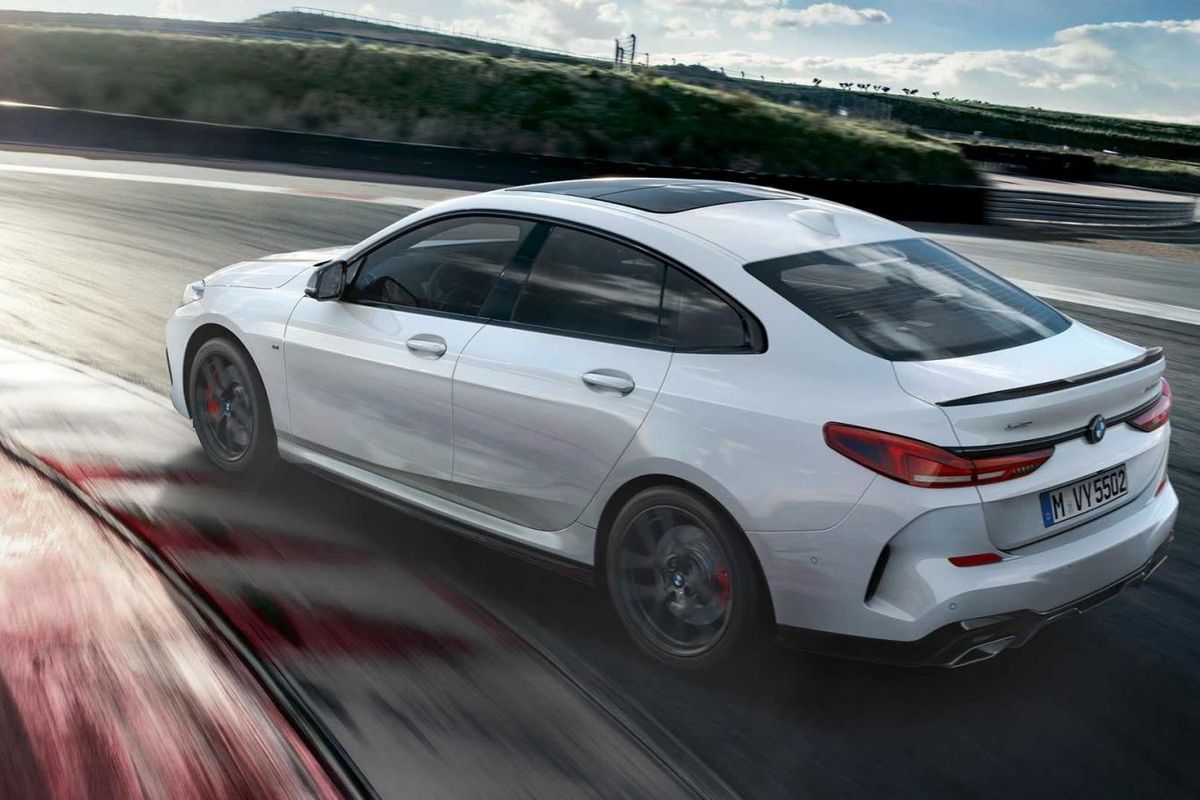
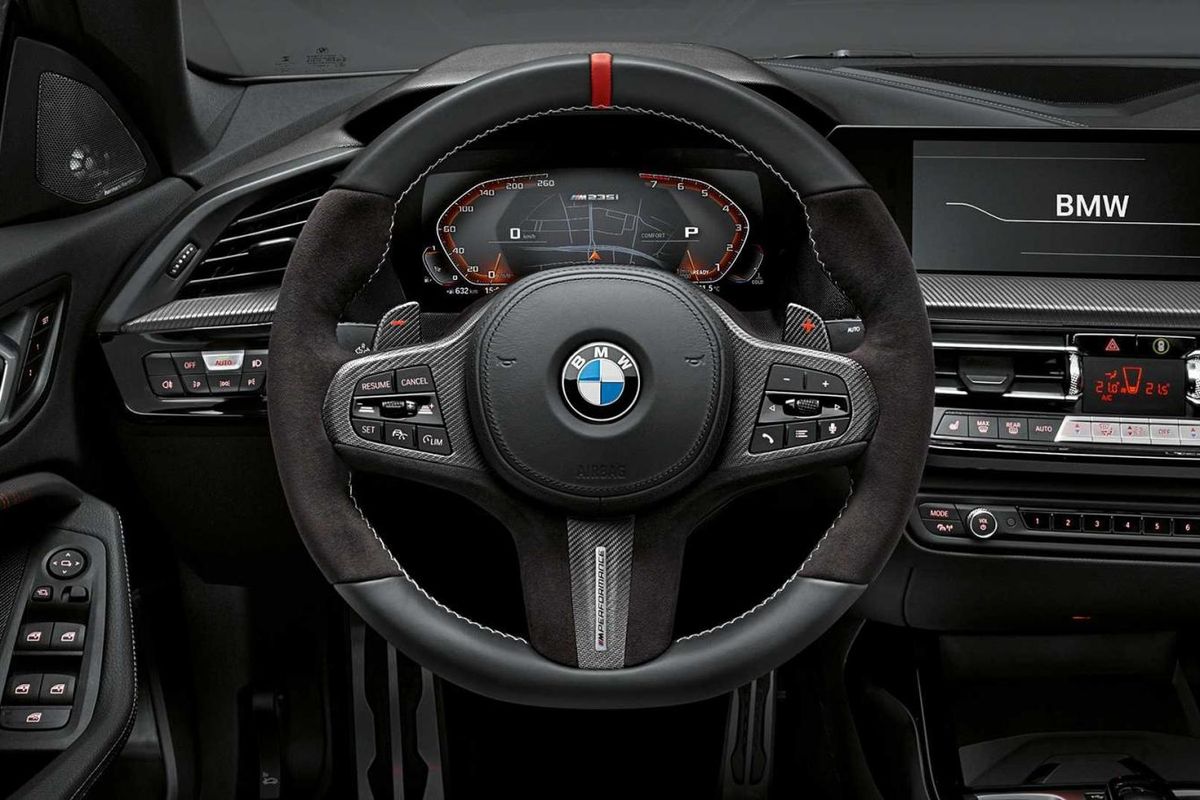
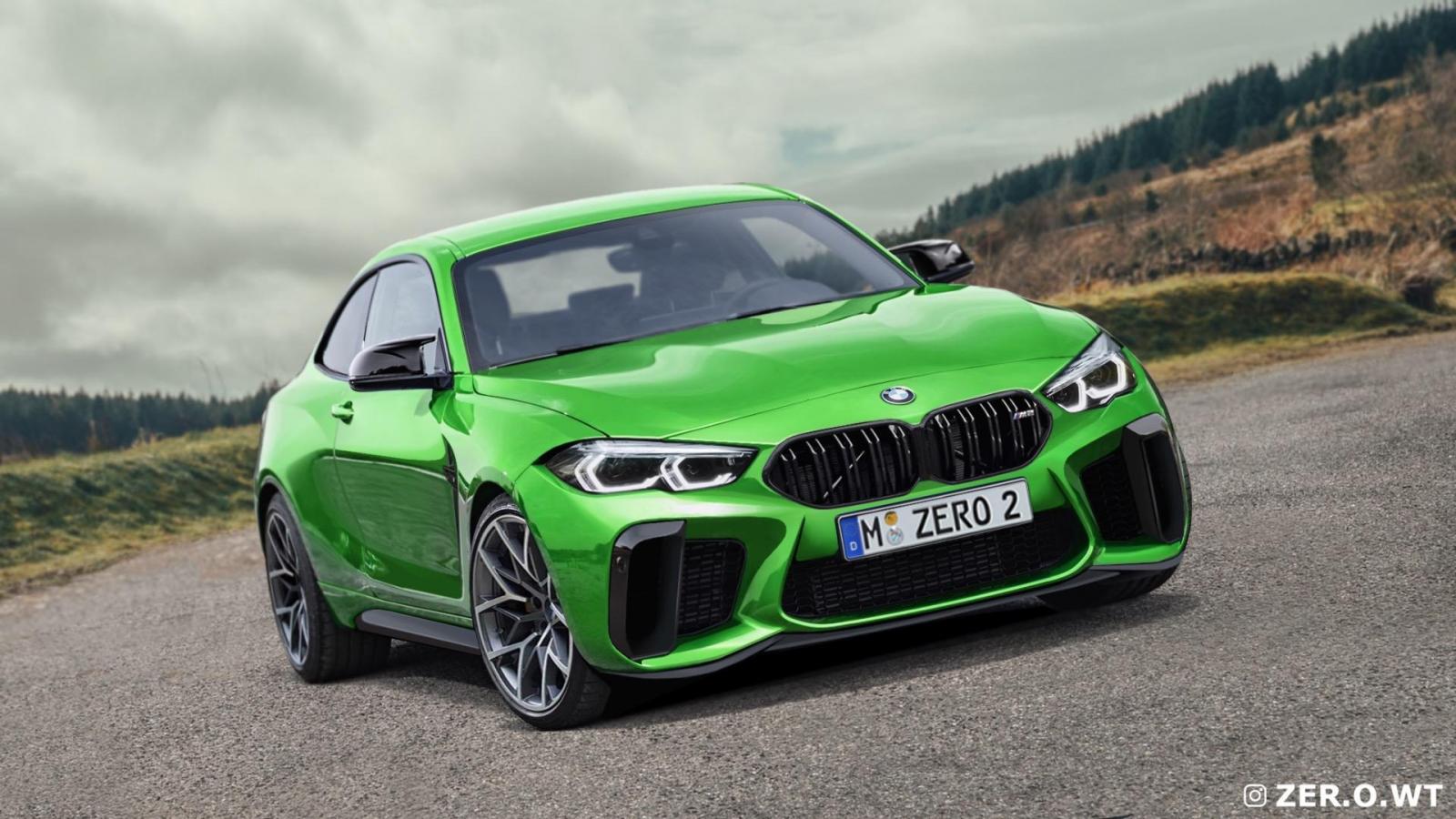
We know that a new, rear-wheel-drive M2 Coupe – powered by a longitudinally-mounted 313-kW 3.0-litre straight-6 – is in the works. However, in light of the controversial styling of the Concept 4 and the challenging looks of the 2 Series Gran Coupe, many BMW fans fear the next M2 might look like a bit of monstrosity. That may not necessarily be the case, however…
Last month, we reported that the 2nd-generation BMW 2 Series Coupé (codenamed the G42) was scheduled to go on sale next year – but it might now be later than that, depending on the duration of the COVID-19 pandemic. However, unlike the current 1 Series hatchback and 2 Series Gran Coupe, which have transverse engine layouts and are based on BMW’s Front Architecture platform (FAAR also underpins the X1, X2 and all current Mini models), the newcomer will adopt an evolution of the brand’s Cluster Architecture (CLAR) platform and be closely based on the Z4 Roadster and its cousin, the Toyota GR Supra. So, whereas previous Coupe, Cabriolet and Gran Coupe versions of the BMW 4 Series, 6 Series and 8 Series were built on the same platform and had very similar styling cues (despite their distinctive body configurations), the 2 Series Gran Coupe and its Coupe siblings will be more like half-siblings…
Of course, the confusing genealogy of the 2 Series variants won't bother purists, because the G42 will be rear-wheel-driven and configured to be powered by the legendary 3.0-litre straight-6 motor. Autocar has reported that the next M2 Coupe (codenamed G87) will be propelled by a detuned version of the twin-turbo S58 powerplant in the X3 M/X4 M (also in the upcoming M3 and M4) and produce peak outputs of at least "313 kW and 550 Nm of torque".
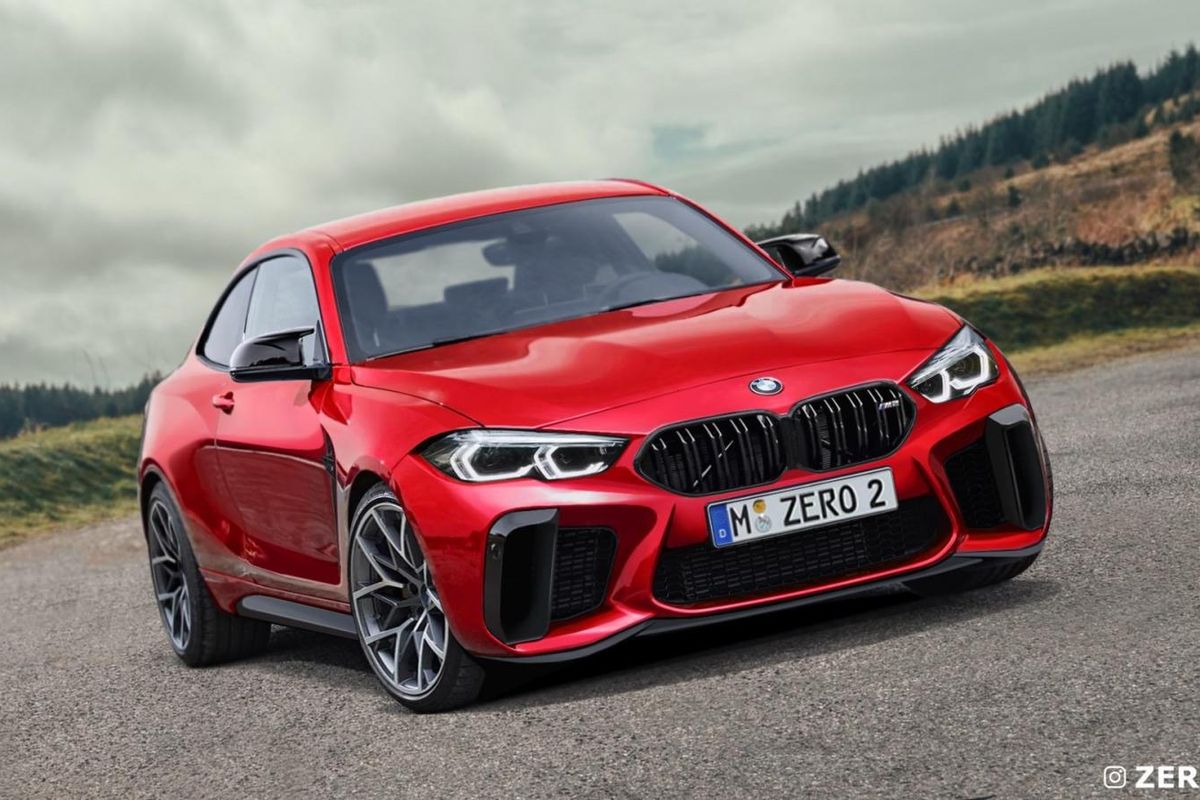
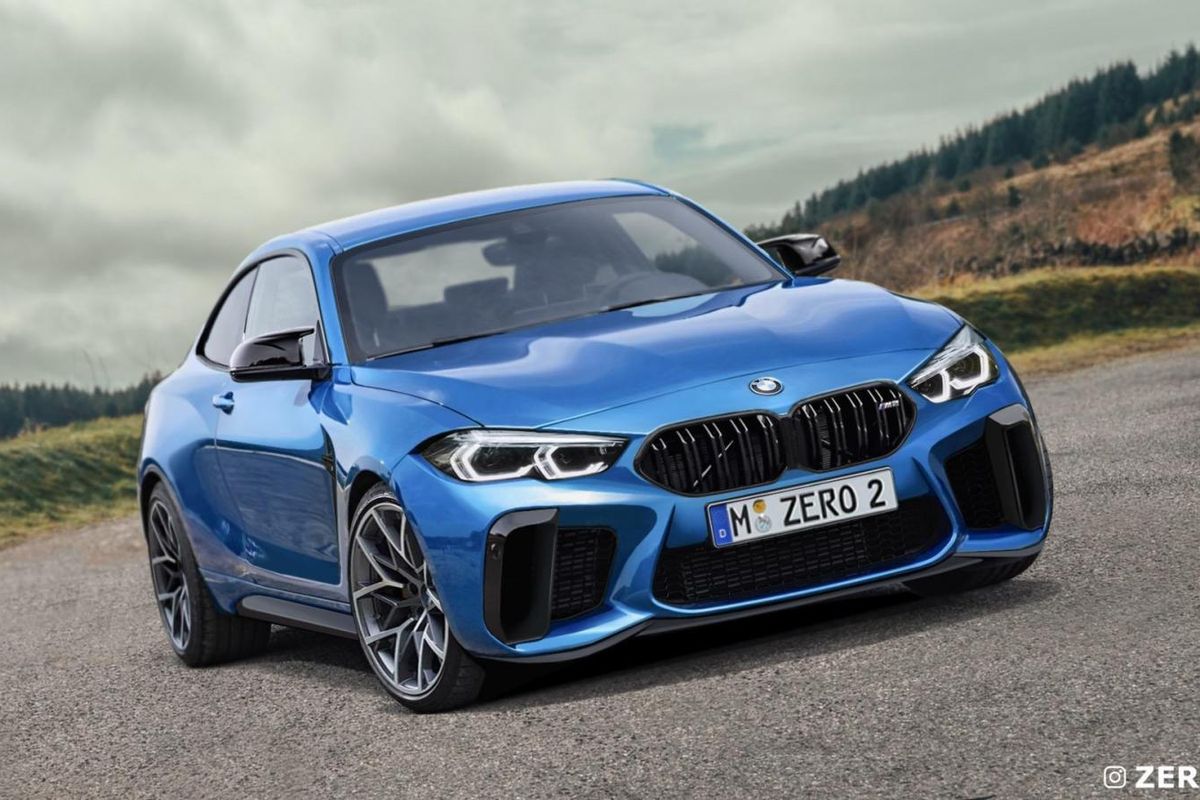
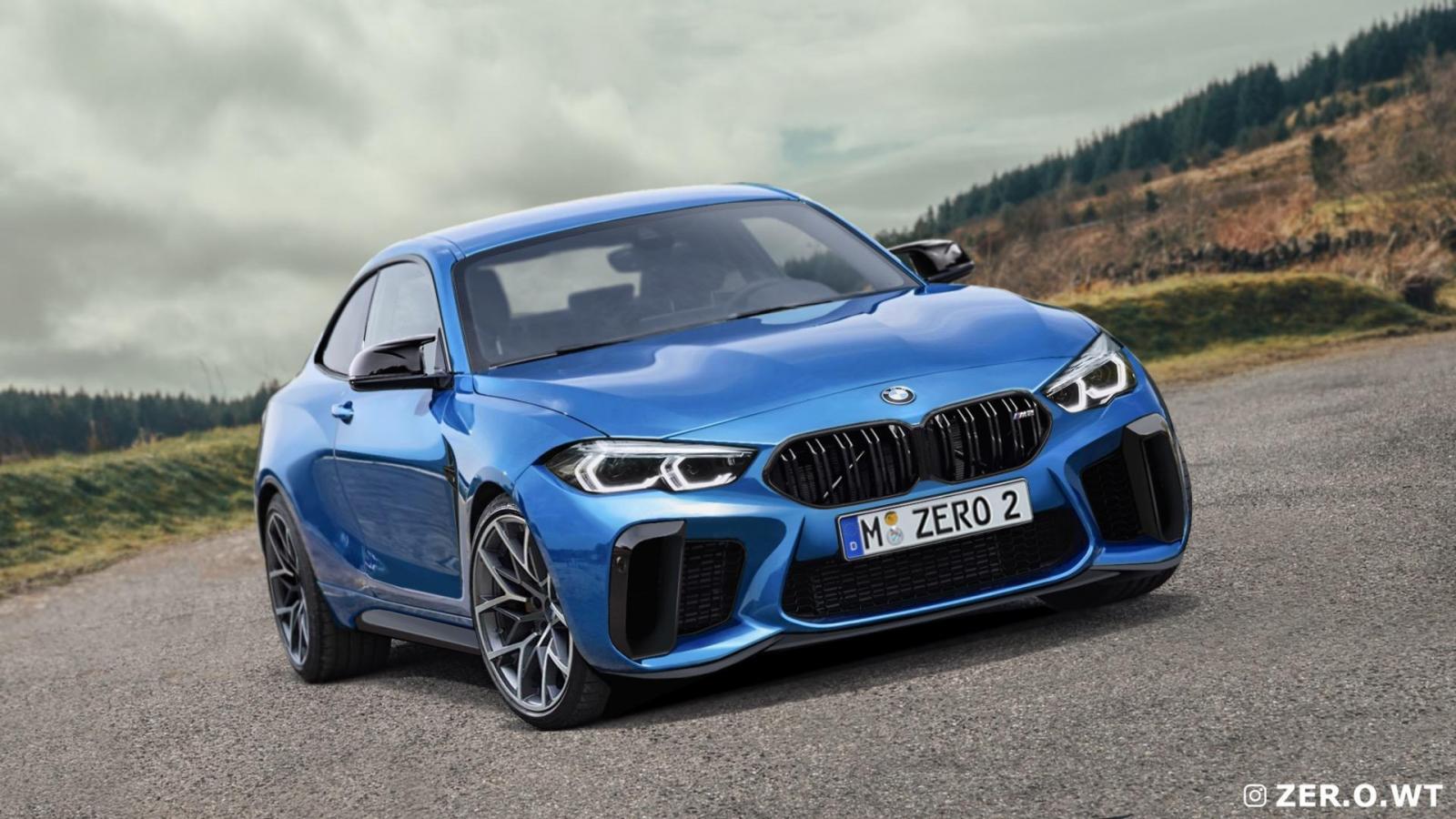
This finish closely resembles the Estoril Blue M colour; @zer.o.wt was happy to explore a diverse palette with their M2 rendering.
But what will the 2 Series Coupe, especially the M2 version look like? Judging from the dramatic design cues of the Concept 4 and Concept i4 (backed up with the clues we've got from spy pictures of the former), we know that the upcoming 4 Series is most likely to sport some version of the concept cars' gargantuan upright double-kidney grilles. Given that BMW has made it quite public that it wants to further differentiate between its rational and emotional models from an aesthetic point of view (like the 3 Series and the next 4 Series, for example) it could mean that the 2 Series Coupe may get that controversial large-nostrilled treatment too…
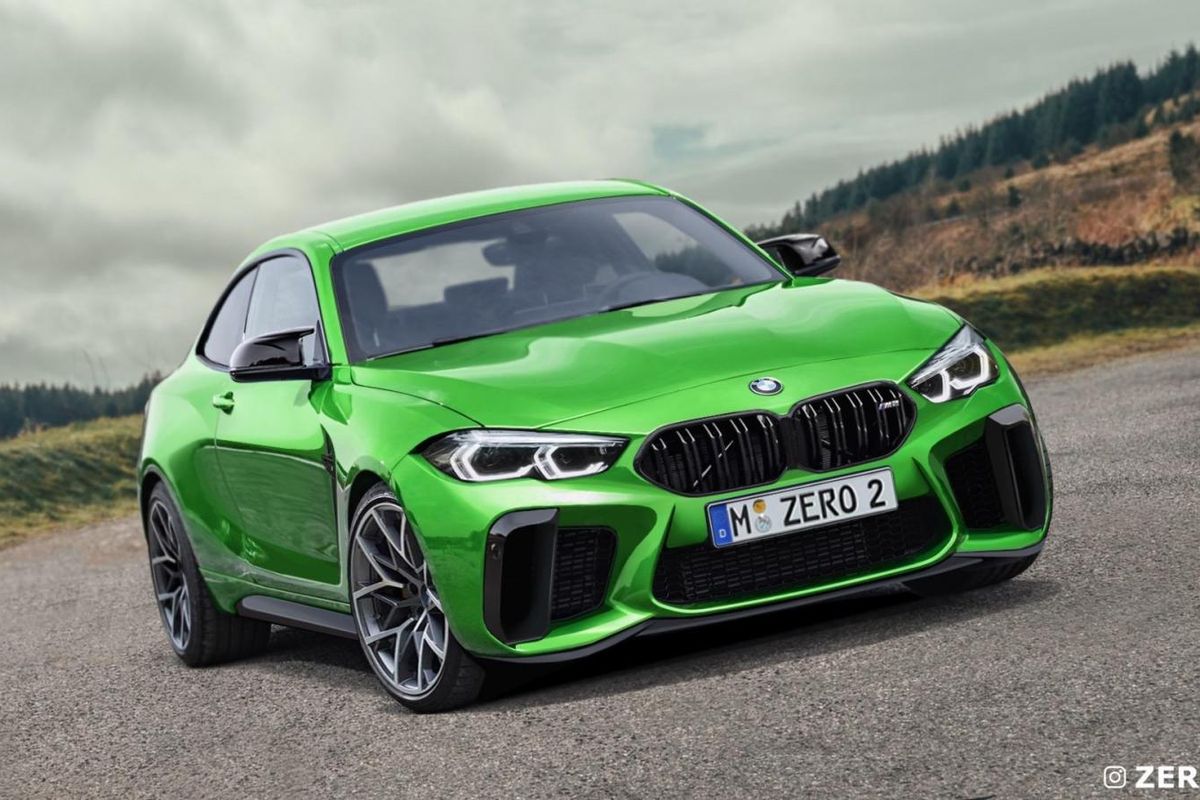
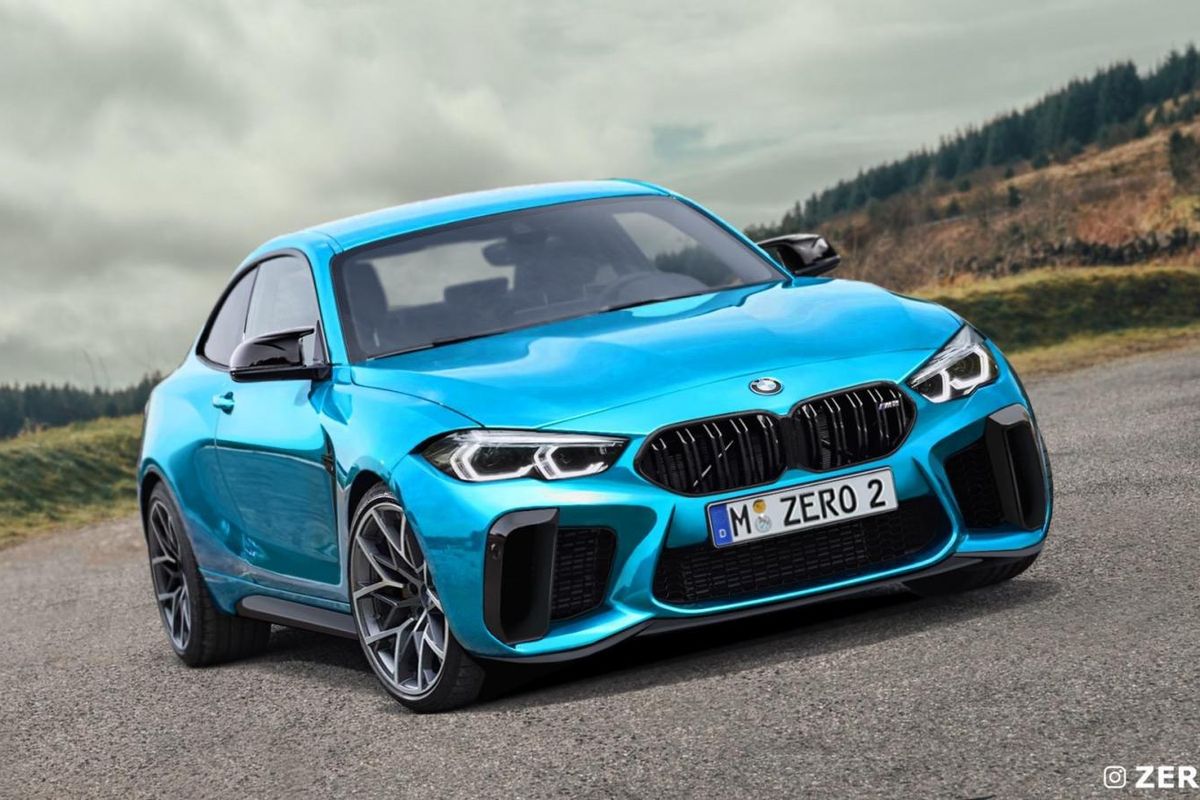
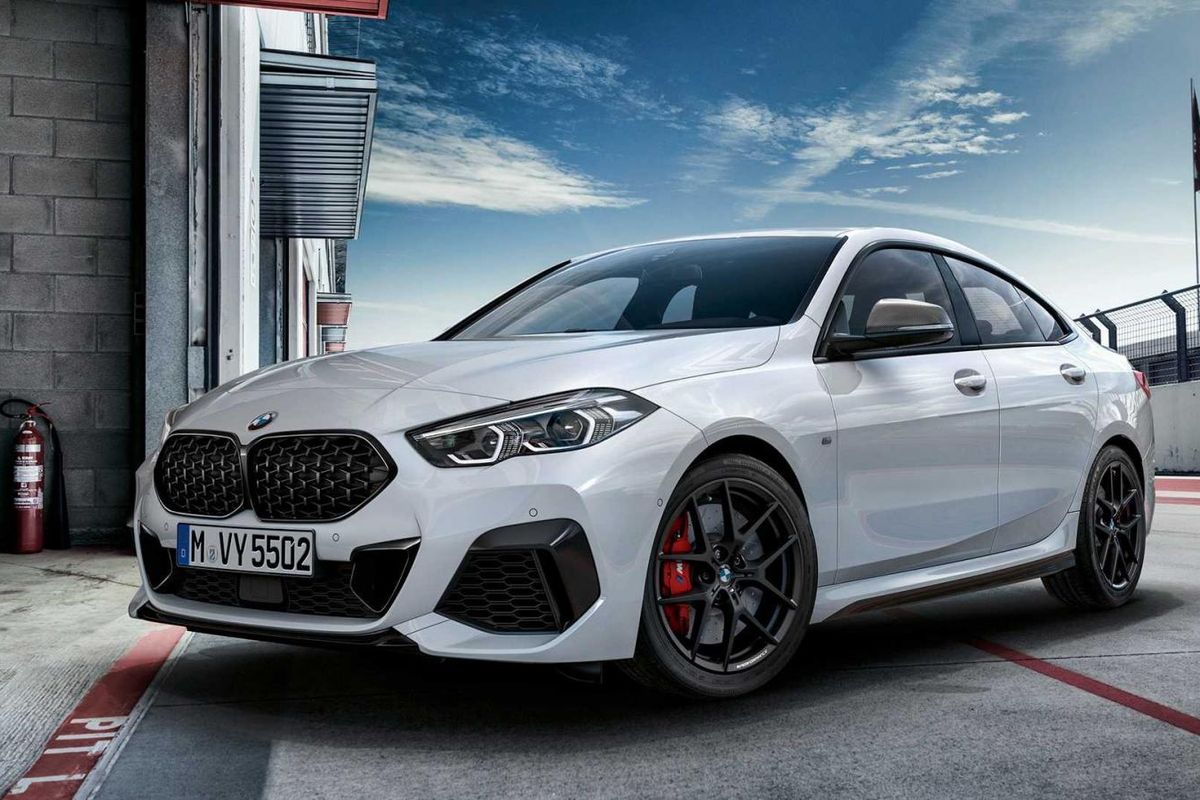
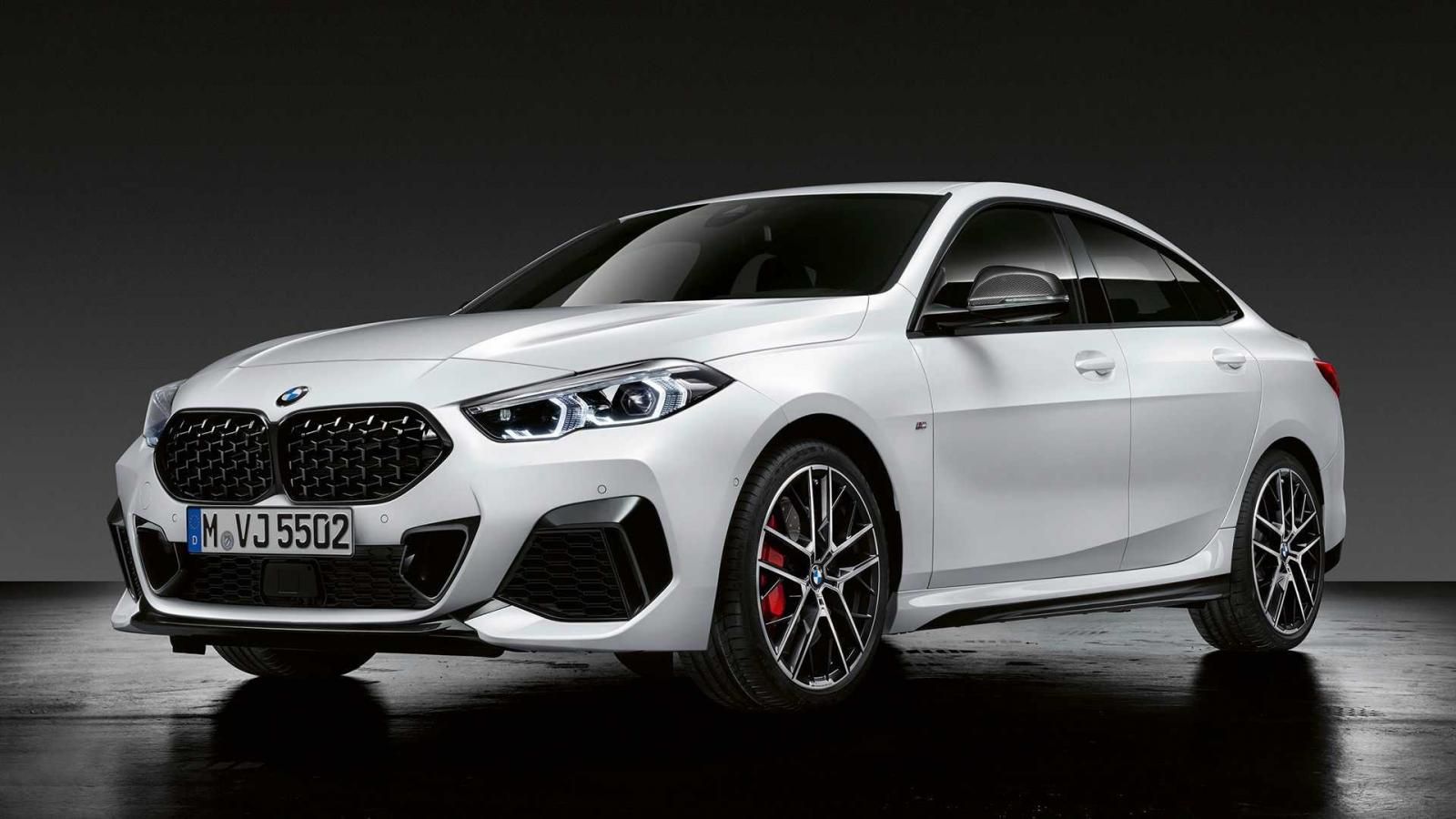
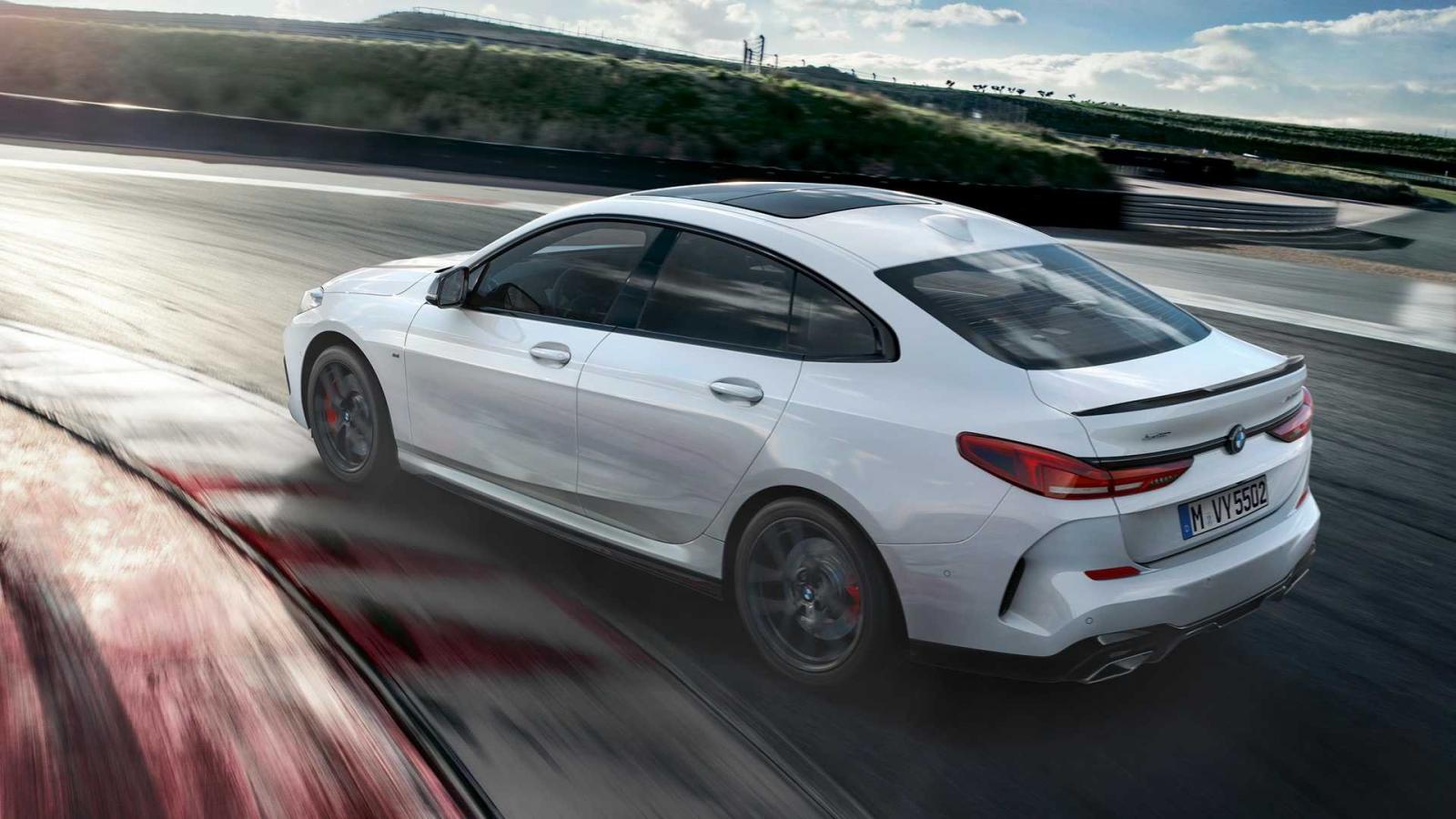
However, these speculative renderings, which were shared with BMW BLOG by one of its readers, @zer.o.wt, show that the upcoming M2 might look even better than its predecessor! While BMW's attempt to distil the 8 Series Gran Coupe's sleek, sweeping looks in the 2 Series Gran Coupe (GC) was less than successful because designers were boxed in (literally) by the dumpy 2-box hatchback packaging of the 1 Series on which the newcomer is based, the G42's adapted CLAR platform's longitudinal-engine layout necessitates a longer bonnet and a more cab-rearward profile. Of course, the Munich-based brand will still be obliged (at least, so we believe) to tie in the new M2 with the rest of the members of the 2 Series family, so the 2 Series GC's broad kidney grille with 3-dimensional black mesh and distinctive lighting elements are bound to be carried over. The elaborate spoiler and flared fenders? Well, they're mandatory!
Signal Green is one of the extra-cost Individual M colours in BMW's current line-up… Picture credit: @zer.o.wt
Meanwhile, the next M2 Coupe is expected to comfortably rev to a redline of 7200 rpm and dispatch the 0-100 kph sprint “in the low 4-second bracket”, the British publication said. What's more, the flagship 2 Series Coupe will be offered with either a purist-pleasing 6-speed manual gearbox (in combination with an Active M Differential) or an 8-speed automatic transmission (to replace the current car's dual-clutch 'box). It will also feature “extra stiffening measures, such as suspension-strut tower-mounted beams front and rear, dynamic engine mounts and a wider track, the last of which has also necessitated new bodywork."
The rumoured M2 Gran Coupe, by contrast, will be a 2.0-litre 4-cylinder all-wheel-drive rival to the Mercedes-AMG CLA 45.
The adoption of the CLAR platform further provides the 2 Series Coupe with the basis for a 48V electrical architecture, which supports throttle-off engine idling, regenerative braking and, most importantly, the option of an electric boosting function. BMW is said to be developing the system to be integrated with the S58 motor, but don’t expect it to appear on the M2 Coupe upon its initial release, only later on in the model's lifecycle, the publication added.
The M2 Coupe and its standard siblings will be produced (we think there might also be an M240i with 285 kW and 550 Nm) alongside the 3rd-generation Z4 at BMW’s factory in Leipzig, Germany.
BMW won't rest on its laurels with its 224 kW 2.0-litre 4-cylinder motor; it hopes to crank the engine's output to near 300 kW!
M2 Gran Coupe?
Autocar also suggested the M2 Coupe would eventually be joined by a 4-door namesake. BMW will indeed not be limiting the 2.0-litre 4-cylinder engine in the 2 Series Gran Coupe to 225 kW/450 Nm. The firm plans to introduce an M2 Gran Coupé to rival the Mercedes-AMG CLA 45 and next-generation Audi RS3 Saloon. The flagship 2 Series Gran Coupe will produce around 300 kW from a highly tuned version of the M235i GC’s motor, in combination with xDrive.
That unit will also be transferred into the 1 Series hatchback; as for what the derivative that will sit above the current M135i xDrive will be called, that's anyone's guess. It's still unlikely that BMW will use the hallowed "M1" moniker for its smallest 4-wheel-drive M car, even if it does have the ability to show the upcoming Audi RS3, next-generation Ford Focus RS and Volkswagen Golf R, plus the Mercedes-AMG A45 a clean pair of… exhaust tips.
Which car brands did what in terms of new-vehicle sales in 2019… not in terms of total numbers, but market-share growth or loss? We dug a bit deeper to see how the manufacturers and importers on the South African market performed in 2019. This is what we found…
*figures calculated off NAAMSA sales data
By calculating the market share of each car brand in 2019 and comparing the firms' figures with those from 2018, we can get some sort of an idea as to how each manufacturer (or importer) is faring in the South African market. For our calculations, we only considered passenger vehicles (no bakkies) because not every manufacturer sells a bakkie and they are considered commercial vehicles by law. We will prepare a separate article for the "bakkie brands" later.
But first, a few clarifications before we get started. In 2018, BMW reported its numbers as an aggregate (it included Mini sales in its total). In 2019, it separated the two brands, which made it easier to calculate BMW’s market share for the year. We had to take an average of the Mini sales from 2019 and apply them to 2018’s figures to get a better understanding of BMW’s actual figures.
Mercedes-Benz includes Smart in its sales, but the numbers for the Swiss brand are negligible and would not make a difference to the overall number.
So, without further ado…
The big winners
Haval/GWM
2018 market share: 0.18%
2019 market share: 2.1%
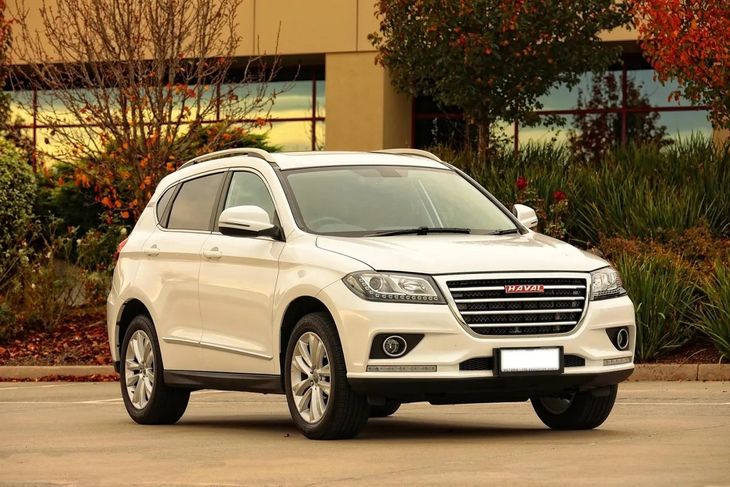
Ever since the Chinese SUV brand officially took over GWM's local operations (previously it was imported through a local business), it has begun to make real inroads in the South African market. It has begun to challenge the esteemed and long-standing brands with its H2 and H6 and, with the introduction of the H9, made its first appearance in the final round of the Cars.co.za Consumer Awards – powered by WesBank (in the Adventure SUVs category).
Suzuki
2018 market share: 3.2%
2019 market share: 4.2%
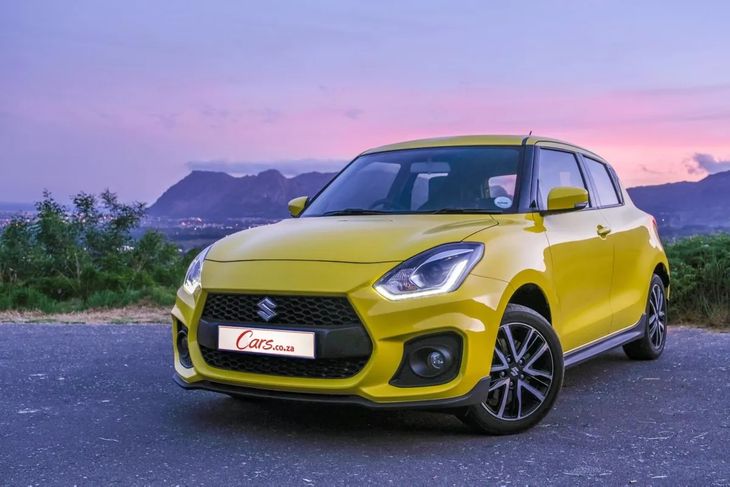
The rise of Suzuki in the South African market shows no sign of slowing down; the brand continues to grow year-upon-year. In 2019, it introduced a facelifted Vitara while the Jimny was launched at the very end of 2018. Most of its sales come from the Swift (a #CarsAwards budget-car category winner), while the Ertiga and Ignis continue to do well locally.
Renault
2018 market share: 6.9%
2019 market share: 7.6%
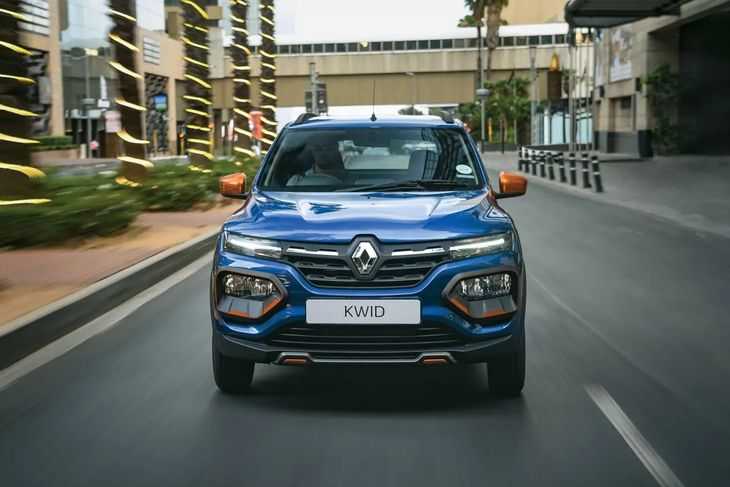
The French brand has shifted its marketing focus from its upmarket models and prioritised the budget end of the market, where it offers a bit more brand cache and image value than, say, Datsun. The Kwid has turned big numbers for Renault locally, but the ageing Clio is still able to hold its own along with the Sandero. Sales of the new Duster appear to yield good volumes for the brand too.
Mahindra
2018 market share: 0.6%
2019 market share: 1%
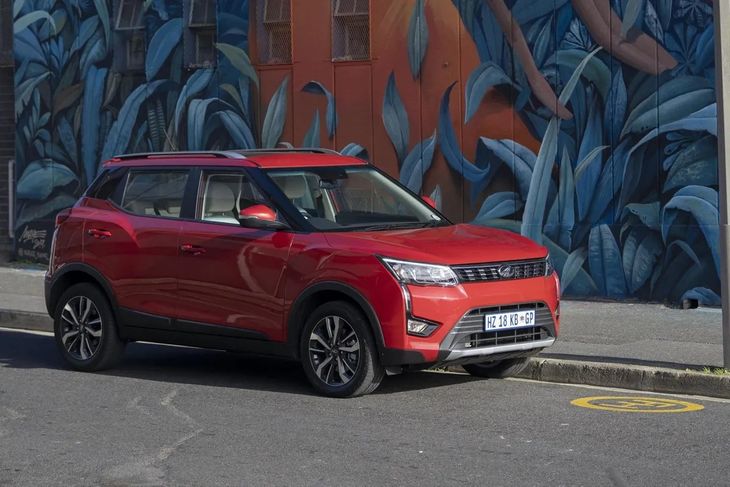
Mahindra calls South Africa its second home, but the Indian manufacturer's sales have been predominantly in the LCV segment with the Scorpio Pik-up and the Bolero. In 2019, it introduced a compact family car in the form of the XUV300, which is selling fairly well. The budget-oriented KUV100 turns the most units on a monthly basis, which is helping Mahindra to gain a bigger foothold in the passenger-car market.
Volkswagen
2018 market share: 20.3%
2019 market share: 21%
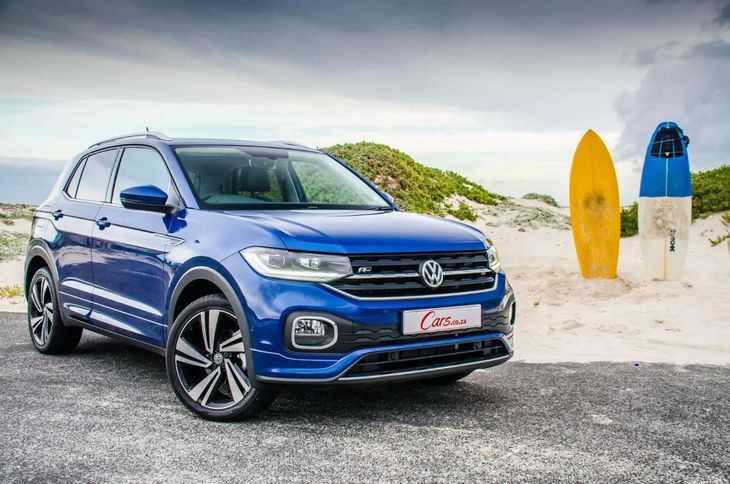
It’s a small percentage gain for the reigning #CarsAwards Brand of the Year, but further underlines the fact that the Wolfsburg-based firm is South Africa's favourite passenger-car brand. It increased its gap over Toyota at the top. The introduction of the T-Cross in 2019 certainly helped the brand gain access to the compact family-car segment, where previously it had zero presence.
The little winners
Audi
2018 market share: 2.45%
2019 market share: 2.5%
Mitsubishi
2018 market share: 0.3%
2019 market share: 0.4%
Fiat/Chrysler
2018 market share: 0.4%
2019 market share: 0.6%
Peugeot/Citroen
2018 market share: 0.3%
2019 market share: 0.4%
Porsche
2018 market share: 0.35%
2019 market share: 0.4%
Subaru
2018 market share: 0.28%
2019 market share: 0.29%
Lexus
2018 market share: 0.22%
2019 market share: 0.25%
The big losers
Toyota
2018 market share: 18.9%
2019 market share: 17.7%
Don’t feel too sorry for Toyota, the Hilux is still SA’s best-selling vehicle by some margin. It’s hard to pick a fault in Toyota’s passenger-car numbers. Apart from the Corolla Hatchback, most models do particularly well with Fortuner, Corolla and RAV4 registering close or more than 1 000 units a month. The recently-arrived updated C-HR might help Toyota's numbers in the compact SUV segment and remember, the new Corolla and Corolla Quest have just hit showrooms!
BMW
2018 market share: 4.4%
2019 market share: 3.6%
Without the locally-built 3 Series to flood the market, BMW hasn’t been able to cover the shortfall with the X3. The result is a slight decline in sales. BMW had a lot of expensive products come to the market in 2019 in the form of the 8 Series and the Z4, which sell in small numbers but provide healthy profit margins. The new 1 Series was launched at the tail end of 2019 and an expanded 3 Series line-up (including a 318i) should bolster BMW’s numbers for 2020.
Nissan
2018 market share: 4.1%
2019 market share: 3.6%
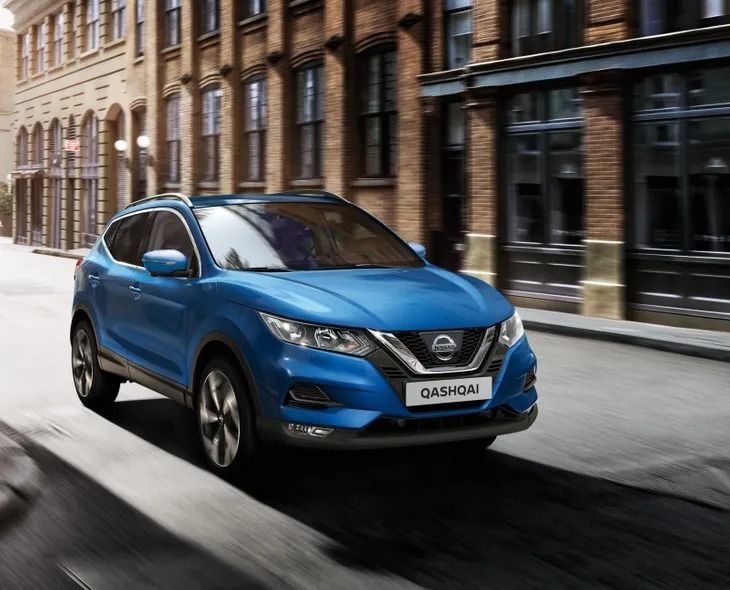
Nissan South Africa has been circumspect with introducing new products and with its ageing SUV line-up (Qashqai and X-Trail were facelifted in 2017), the Japanese firm has lost its foothold in the family-car segment. The new Micra is outsold by the same-platform Clio and the Almera does not offer much other than lots of legroom in the ‘Uber’ segment. Hopefully, new Nissan models will come to the market in 2020… or it may become an LCV business only.
Honda
2018 market share: 2%
2019 market share: 1.55%
Honda hasn’t brought anything new to the market in a while and has stood by its local product portfolio, which is, unfortunately, looking a bit long in the tooth. It doesn’t look like things are going to get any better for the brand as the recently released Jazz is unlikely to come to SA. The BR-V has been lightly facelifted but the line-up lacks the sparkle and excitement that something like the all-electric Honda-e could bring to the local market.
The little losers
Hyundai
2018 market share: 8.8%
2019 market share: 8.5%
Ford
2018 market share: 7.3%
2019 market share: 7.1%
Mercedes-Benz
2018 market share: 4.4%
2019 market share: 4.1%
Kia
2018 market share: 4.35%
2019 market share: 4%
Mazda
2018 market share: 3.85%
2019 market share: 3.45%
Datsun
2018 market share: 1.99%
2019 market share: 1.97%
Jaguar Land Rover
2018 market share: 1.4%
2019 market share: 1.15%
Opel
2018 market share: 0.85%
2019 market share: 0.7%
Volvo
2018 market share: 0.7%
2019 market share: 0.65%
The passenger-car rankings
1. Volkswagen – 21%
2. Toyota – 17.7%
3. Hyundai – 8.5%
4. Renault – 7.6%
5. Ford – 7.1%
6. Suzuki – 4.2%
7. Mercedes-Benz – 4.1%
8. Kia – 4%
9. Nissan – 3.6%
10. BMW – 3.6%
11. Mazda – 3.5%
12. Audi – 2.5%
13. GWM/Haval – 2.1%
14. Datsun – 1.97%
15. Honda – 1.55%
16. Jaguar Land Rover – 1.15%
17. Mahindra – 1%
18. Opel – 0.7%
19. Volvo – 0.65%
20. Fiat/Chrysler – 0.6%
21. Porsche – 0.4%
22. Mitsubishi – 0.4%
23. Peugeot/Citroen – 0.4%
24. Subaru – 0.29%
25. Lexus – 0.25%
Top 10 Cheapest Cars in South Africa with 150kW or More
If you are looking for the most bang for your buck then consider these 10 cheapest cars with 150 kW or more!
If you are a car buyer looking for a new car with decent performance then 150 kW is a reasonably attainable target. Enough to keep your inner enthusiast happy when the moment takes you but not so much that the price escalates to a scary place. For the lowest possible price, then this list will point you in the right direction. Note that pricing is accurate as of February 2020 and the cars are listed from the cheapest to the most expensive.
Top 10 Cheapest Cars in South Africa with 150 kW or more
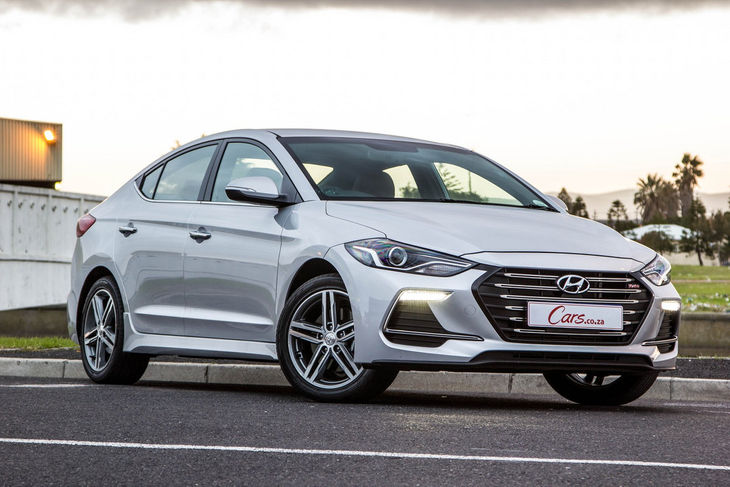
1. Hyundai Elantra 1.6 Turbo Elite Sport – R436 900
Launched in 2017, the Hyundai Elantra 1.6 Turbo Elite Sport sedan is currently the cheapest new car you can buy with exactly 150 kW and 265 Nm on offer from its 1.6-litre turbopetrol engine and comes mated with a 6-speed dual-clutch transmission. Hyundai claims a zero to 100 kph sprint time of 7.7 seconds with a top speed of 210 kph. The Elantra Sport offers good general performance but we found the ride to be quite firm which may deter some buyers. The infotainment screen could be better too.
It's priced at R436 900 and is backed by 5-year/150 000 km vehicle warranty, a 7-year/200 000 km drivetrain warranty and a 5-year/90 000 km service plan.
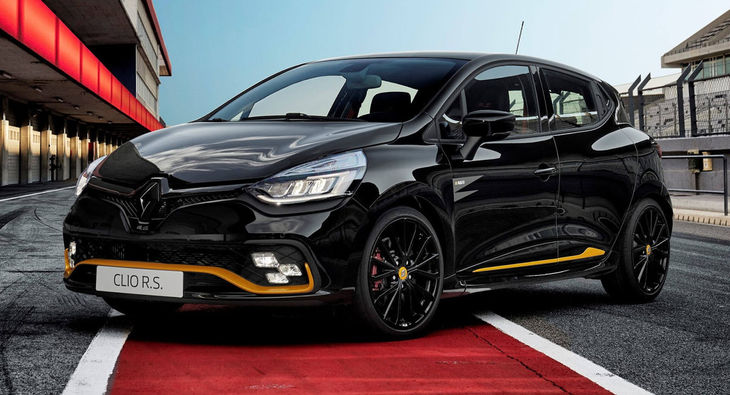
Renault's Clio RS 18 F1 came to market in 2018 and is based on the Clio RS 220 Trophy EDC and named after the 2018 RenaultSport F1 team. It employs a gutsy1.6-litre turbocharged petrol engine with 162 kW and 280 Nm of torque which powers the front wheels via a 6-speed dual-clutch transmission. With a sorted chassis, this Clio RS will dispatch the sprint to 100 kph in about 6.6 seconds before reaching a top speed of 235 kph. A number of performance-inspired features are fitted, including a lowered and stiffened suspension and a rorty Akrapovic exhaust system.
The Clio RS 18 F1 is priced at R459 900 and is sold with a 5-year/150 000 km warranty and a 3-year/30 000 km service plan.
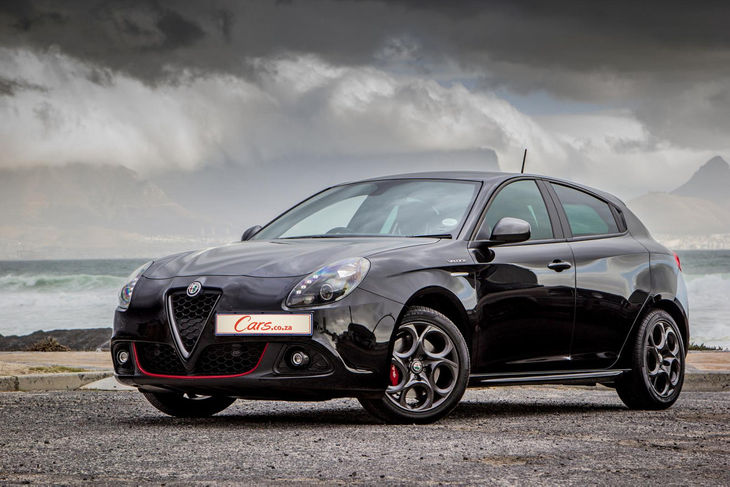
The ageing Volkswagen GTI rival from Alfa Romeo is still on sale and comes powered by a 4C-derived 1.75-litre turbopetrol engine with 177 kW and 340 Nm of torque. Power is directed to the front wheels via a 6-speed dual-clutch transmission with a claimed zero to 100 kph sprint time of 6.0 seconds and a top speed of 244 kph. The engine and gearbox combination delivers riveting performance but the chassis and interior features are outdated and not up to scratch with its more modern rivals.
The Alfa Romeo Giulietta 1750TBi Veloce is priced at R521 900 and is sold with a 3-year/100 000 km warranty and a 3-year/100 000 km service plan.
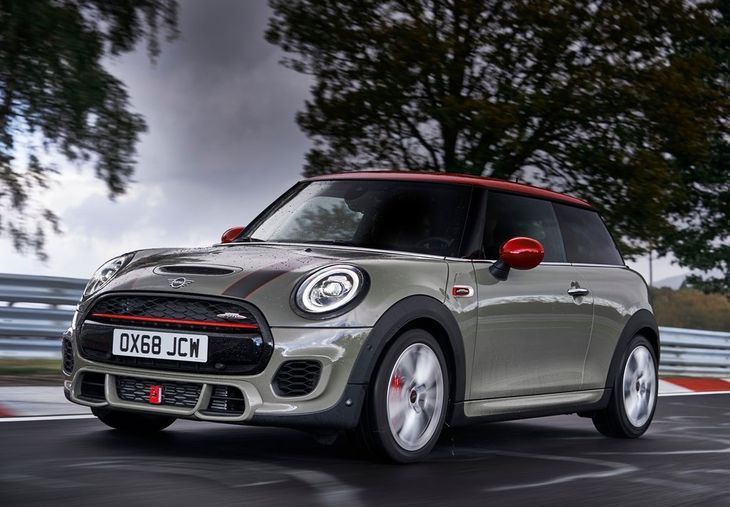
The Mini John Cooper Works 3-door hatchback is a potent performer and draws its power from a 2.0-litre turbocharged petrol engine with 170 kW and 320 Nm of torque which can be exploited using an 8-speed automatic transmission that drives the front wheels. With its go-kart-like handling ability, the Mini JCW hatch will gun from zero to 100 kph in 6.1 seconds and top out at 246 kph. While Mini's styling makes it a niche offering, this JCW hatch remains a strong performer, albeit pricey if you consider that there are still a few options worth adding to the package.
The Mini JCW hatch 3-door auto is priced from R551 265 and is sold with a 2-year/unlimited km warranty and a 5-year/100 000 km maintenance plan.
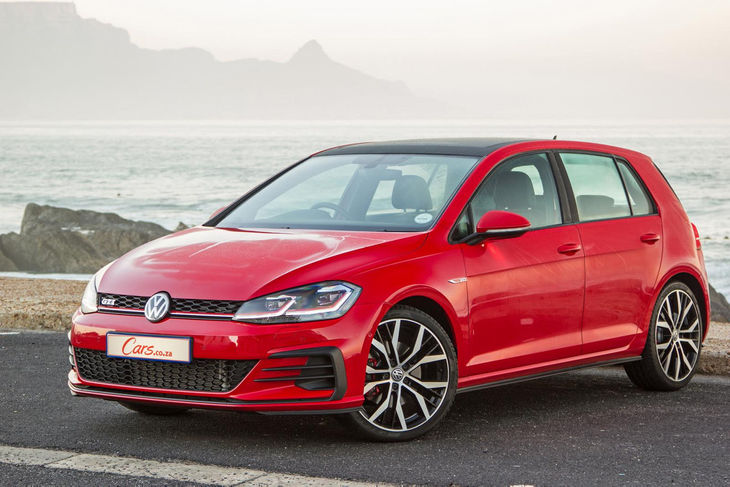
The current Volkswagen Golf GTI is on its last legs as the arrival of the new Golf 8 GTI draws ever closer (due in Q4 of 2020). The GTI, however, remains hugely popular in South Africa and its no surprise as it has won awards on numerous occasions at the #CarsAwards powered by WesBank and is the reigning Premium Hatch category champion for the 2019/20 iteration of the awards programme.
In its current form, the Golf GTI is powered by a turbocharged 2.0-litre petrol engine with 169 kW and 350 Nm of torque available using a 6-speed DSG to drive the front wheels. Zero to 100 kph is done and dusted in 6.4 seconds with a claimed top speed of 248 kph. The Golf GTI 7.5 is agile and nimble on its rubber while delivering a refined, yet powerful driving experience which has played a pivotal role in its success.
It's priced at R568 600 and is sold with a 3-year/120 000 km warranty and a 5-year/90 000 km service plan.
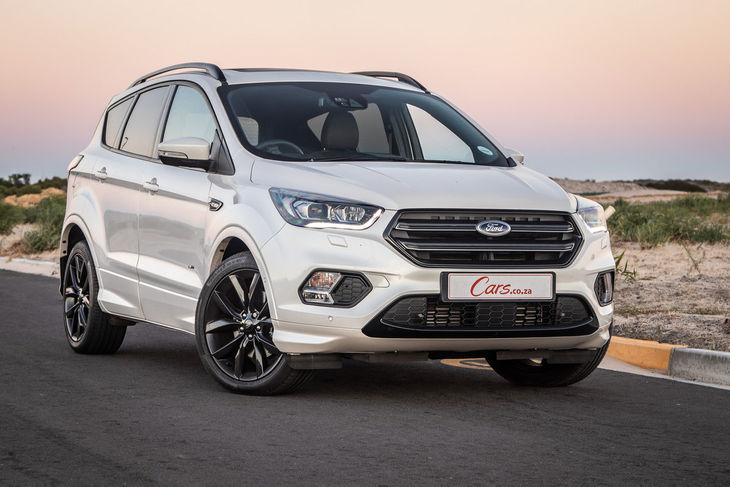
Amid its efforts to rebuild the reputation of the Kuga nameplate in South Africa, Ford launched a thoroughly updated version of its family car late in 2018. With power and torque figures of 177 kW and 340 Nm, developed by its 2.0-litre turbopetrol engine (a turbodiesel ST Line is also available), this Kuga is a family car with some punch. A 6-speed automatic transmission is matched with all-wheel-drive capability and Ford claims a zero to 100 kph time of 7.8 seconds with a top speed of 212 kph. The petrol engine is not as fuel-efficient as its diesel-powered equivalent though (Ford claims 8.6 L/100km).
This sporty Kuga is priced from R585 400 and is sold with a 4-year/120 000 km warranty and a 6-year/90 000 km service plan.
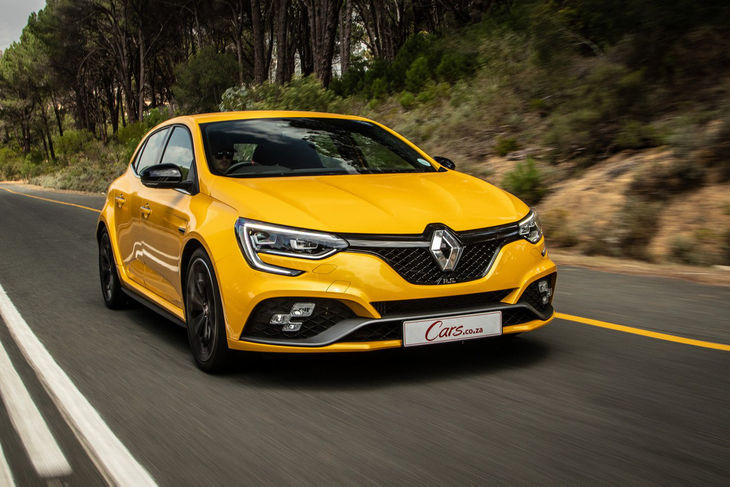
The Renault Megane RS 280 Cup and Lux duo are the most powerful offerings on this list. A 1.8-litre turbopetrol engine develops no less than 205 kW and 390 Nm of torque. The more road-bias Lux derivative is equipped with a 6-speed dual-clutch automatic transmission while the more hardcore sportier Cup version comes with a 6-speed manual transmission. Both are capable of sprinting from zero to 100 kph in 5.8 seconds but the Cup has the edge with a top speed of 255 kph versus 250 kph claimed for the Megane RS 280 Lux. As far as value in the hot-hatch segment is concerned, the Megane RS makes a compelling case for itself.
Both the Megane RS 280 Lux and Cup are priced at R589 900 which includes a 5-year/150 000 km warranty and a 5-year/90 000 km service plan.
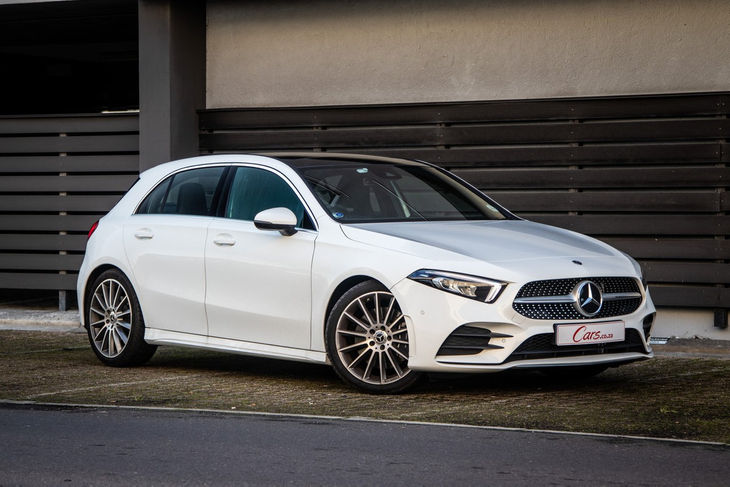
While we wait in anticipation for the Merc-AMG A35 and A45 hot hatches to reach local shores, this A250 AMG Line is currently the sportiest A-Class on offer. Its 2.0-litre turbopetrol engine offers 165 kW and 350 Nm of torque and those numbers are laid down via the front wheels using a 7-speed dual-clutch automatic transmission. In a straight line, the A250 AMG Line can sprint from zero to 100 kph in 6.2 seconds and reach a top speed of 250 kph. The A250 strikes a good balance between performance and affordability, especially if you consider that the AMG A45 will be priced close to R1-million when it arrives while the AMG A35 will be priced from around R755k, before options.
The Mercedes-Benz A250 AMG Line is priced from R598 024 before options and is sold with a 2-year/unlimited km warranty and a 5-year/100 000 km maintenance plan.
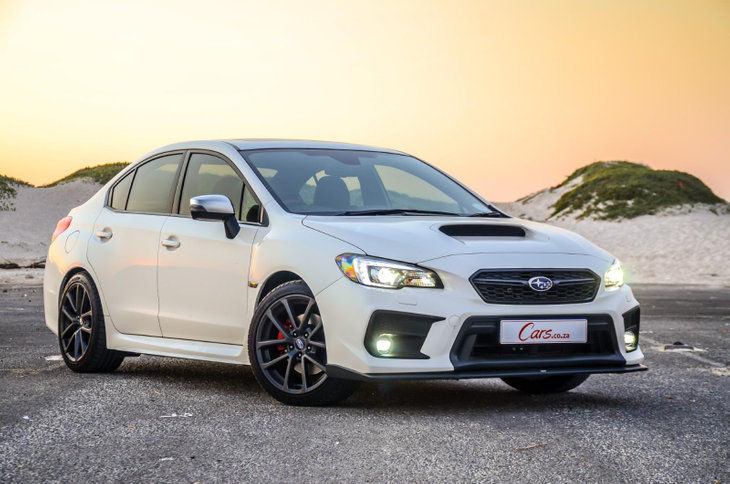
A facelifted Subaru WRX came to market in 2018 and with it, enhanced front-end styling and improved standard specification. Power comes from the familiar turbocharged 2.0-litre petrol engine which develops 197 kW and 350 Nm of torque and comes mated with a 6-speed manual transmission in Premium guise. Zero to 100 kph is dispatched in 6 seconds flat and the WRX will power on to a top speed of 240 kph. The WRX is a bit long in the tooth now, but it still holds attractive old-school appeal.
The WRX Premium is priced at R599 000 and is sold with a 5-year/150 000 km warranty and a 3-year/75 000 km warranty.
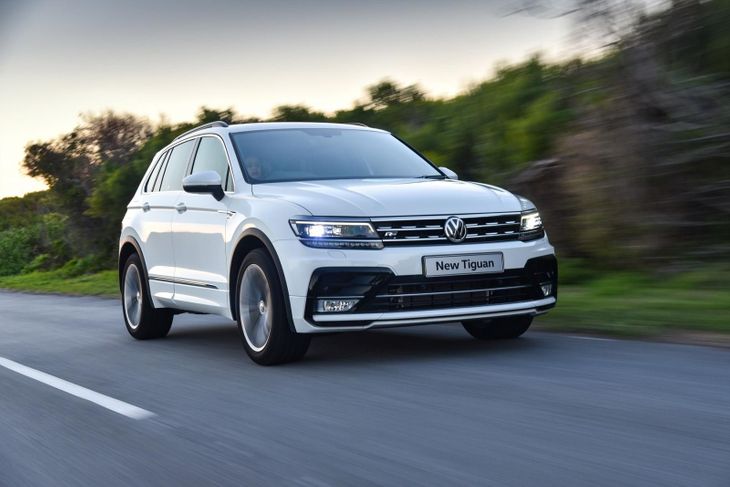
The last car on this list is yet another family car in the form of the popular Volkswagen Tiguan 2.0 TSI 4Motion Highline. A 2.0-litre turbopetrol engine is found under the bonnet with 162 kW and 350 Nm of torque. 4Motion all-wheel drive and 7-speed DSG transmission combine to ensure solid performance. Zero to 100 kph will take 6.5 seconds and top speed is pegged at 220 kph. The Tiguan is a sensible choice in the family car segment but it can become pricey once you start ticking off a few of the desirable optional features Volkswagen has on offer.
This Tiguan 2.0 TSI 4Motion Highline is priced from R601 400 and is sold with a 3-year/120 000 km warranty and a 5-year/90 000 km service plan.