The future according to BMW i
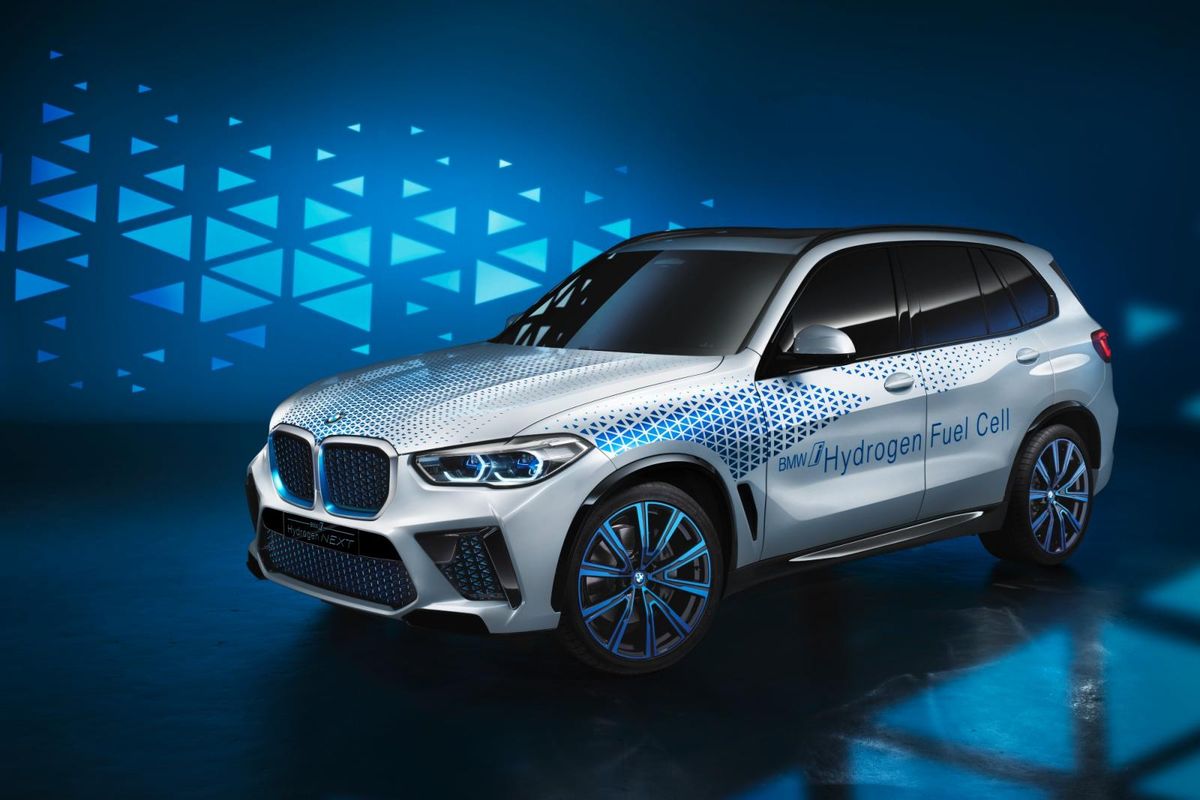
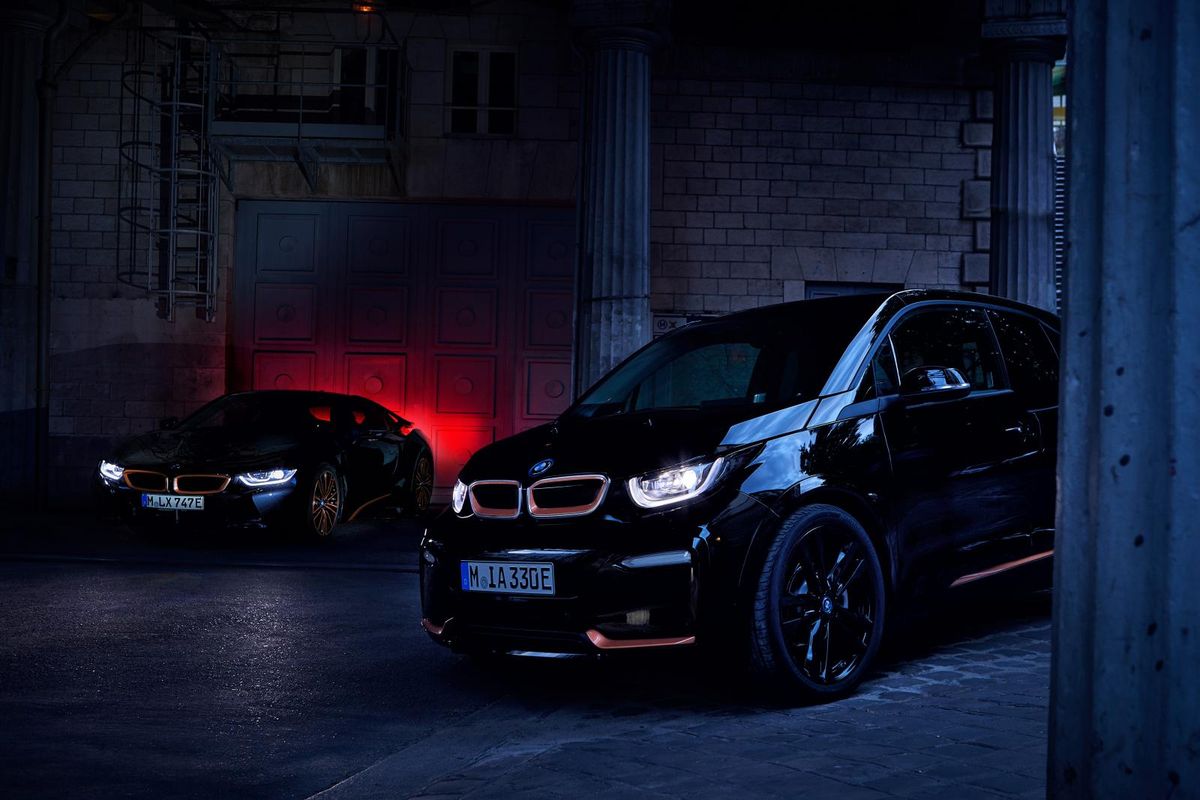
In many ways BMW was ahead of the curve with the development of the i3 and i8, but with both these products now well into their lifecycles, what's next for the "i" division? We caught up with Robert Irlinger, Head of BMW i at the Frankfurt Motor Show where the marque showcased, among many concepts, the BMW i Hydrogen Next.

At a Motor Show where just about every brand had electric vehicles on their stands, BMW was possibly unique in also displaying a hydrogen fuel-cell concept. Of course, hydrogen is not new to the BMW brand, but it has been some time since it last had anything to showcase related to this technology. In theory, hydrogen fuel-cell vehicles make a lot more sense than battery electric vehicles, primarily because (once the infrastructure is there) refuelling would take a similar amount of time to a normal internal-combustion engined vehicle, as opposed to a battery electric vehicle which takes hours. Furthermore, because a fuel-cell stack develops its own electricity the batteries can be smaller (making the vehicles lighter). Still, there are challenges that are not restricted to the refuelling network – manufacturing hydrogen is rather energy intensive, as an example.

Nevertheless, BMW has in recent years quietly continued working on the technology, partnering with Toyota and intends launching a hydrogen fleet (in Japan), within 3 years. But why go down this avenue in the first place, when everyone seems convinced that the future is battery electric? 

What the market wants, the market gets
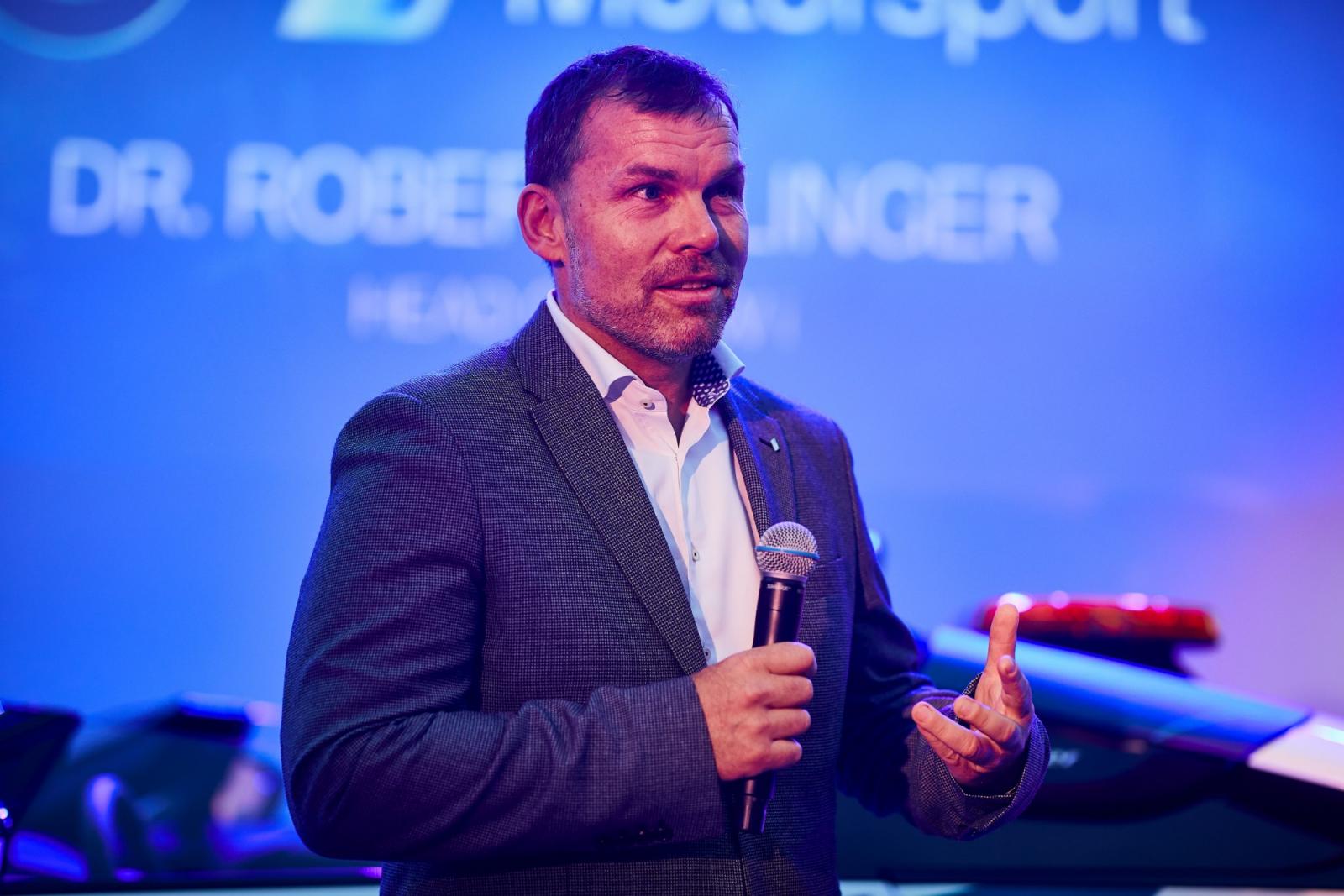

Robert Irlinger, Head of BMW i is betting on a future where multiple drive technologies co-exist and customers and markets will choose what best suit them.

According to Irlinger, BMW is working on the assumption that, in the near future, various types of drive systems will exist alongside one another, and it will be up to customers to choose which they prefer. 

"We will give customers whatever they want, but you must also remember that demand is driven at this point by government subsidies," he says. "If you look at Norway as an example, 3 out of 4 cars there are already electric. In this country (Norway), you will just make EVs. If we go to South Africa, however, 95% or more are still ICE (internal combustion). Worldwide, we will supply what is most suitable to that market and the demand in that market, whether it's diesel, plug-in hybrid, or full electric etc."
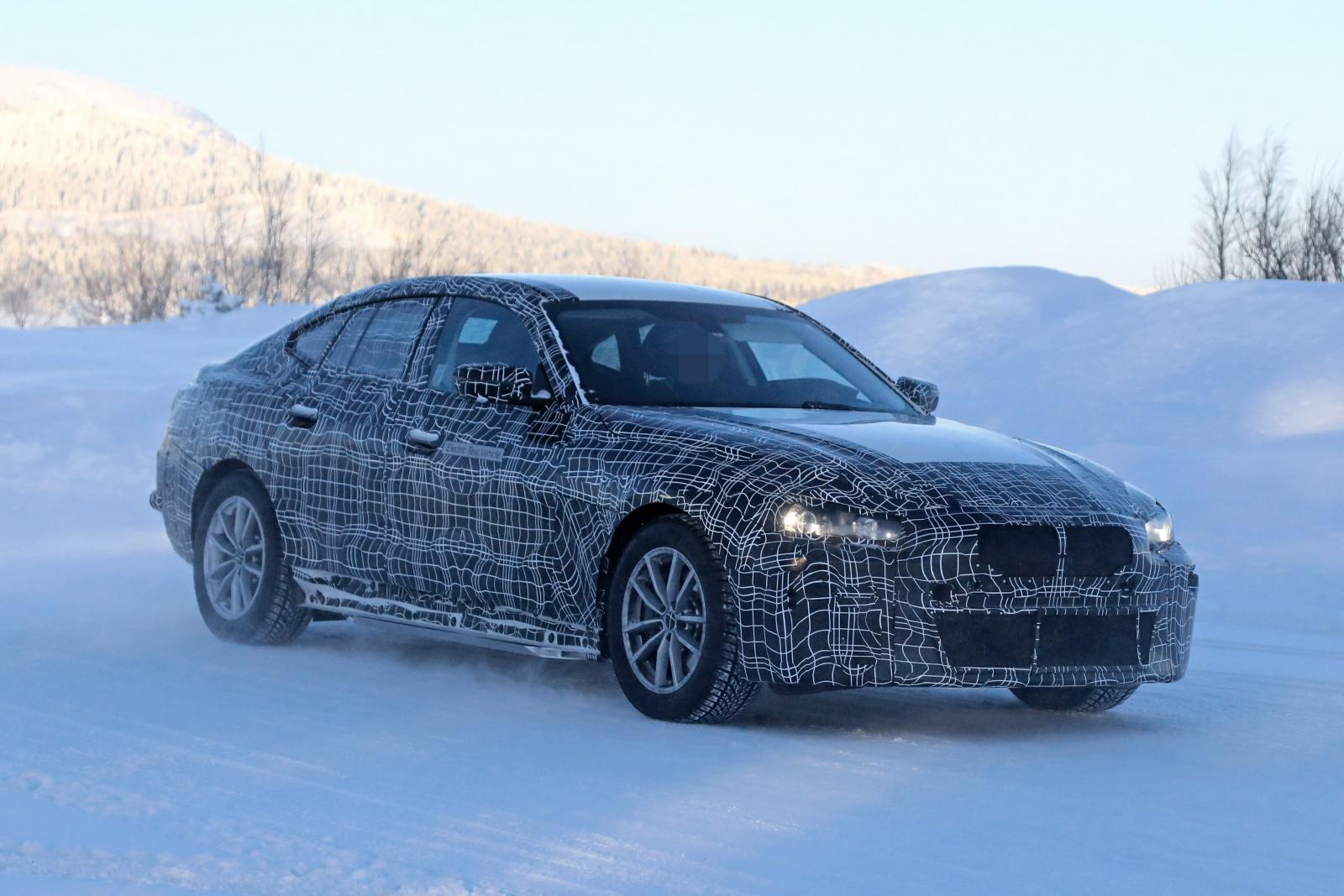

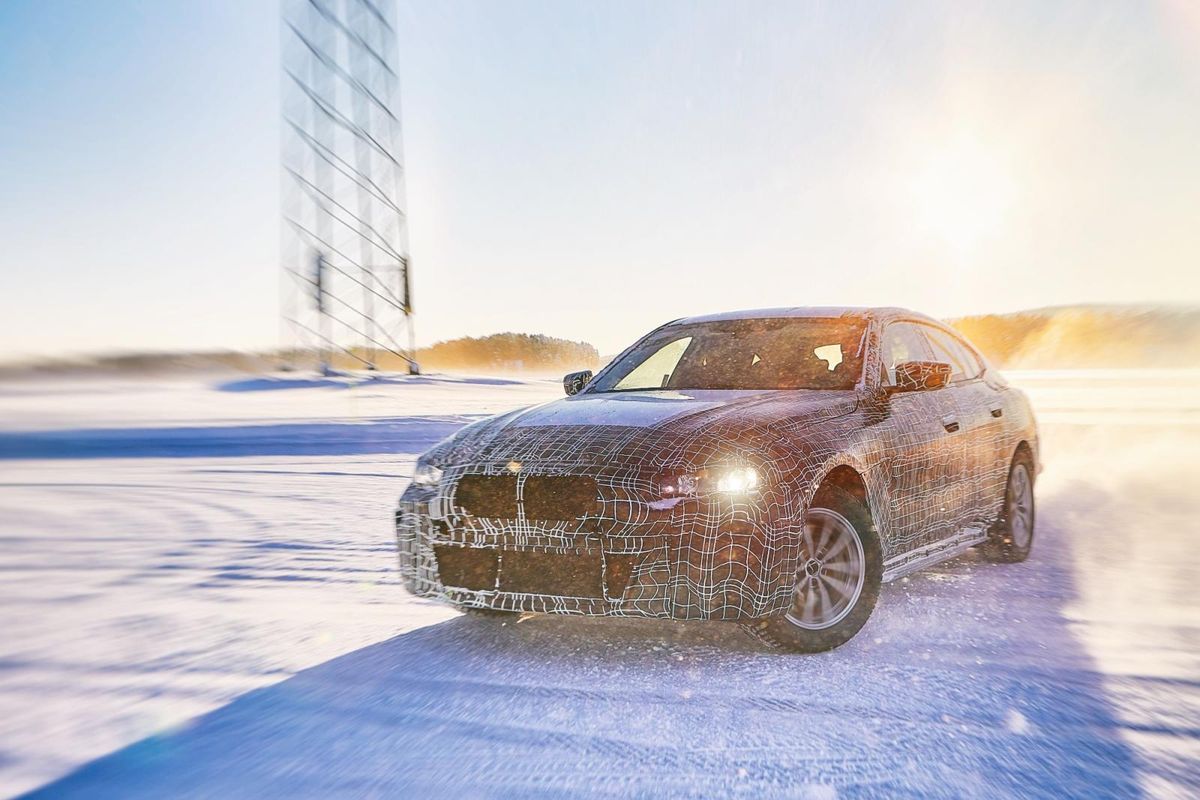
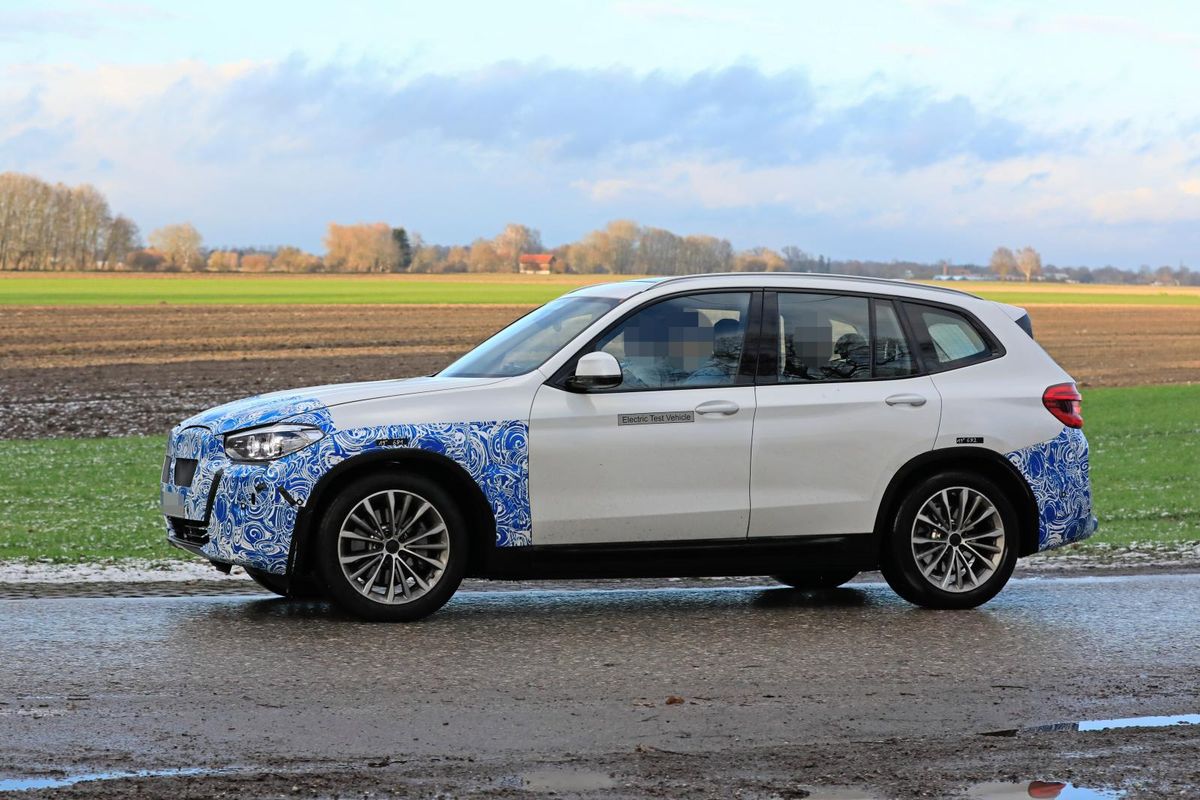
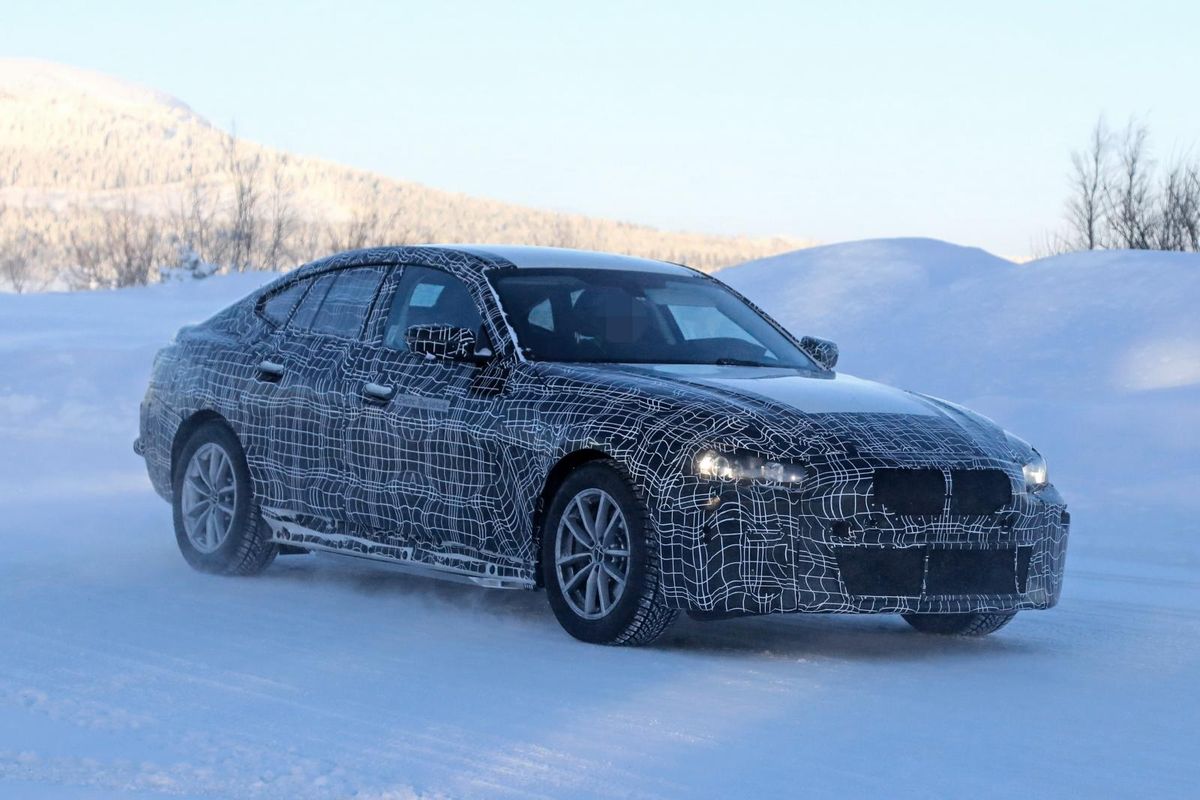
The BMW i4 undergoing testing – the Tesla Model 3 challenger will arrive in 2021. Photo by S. Baldauf

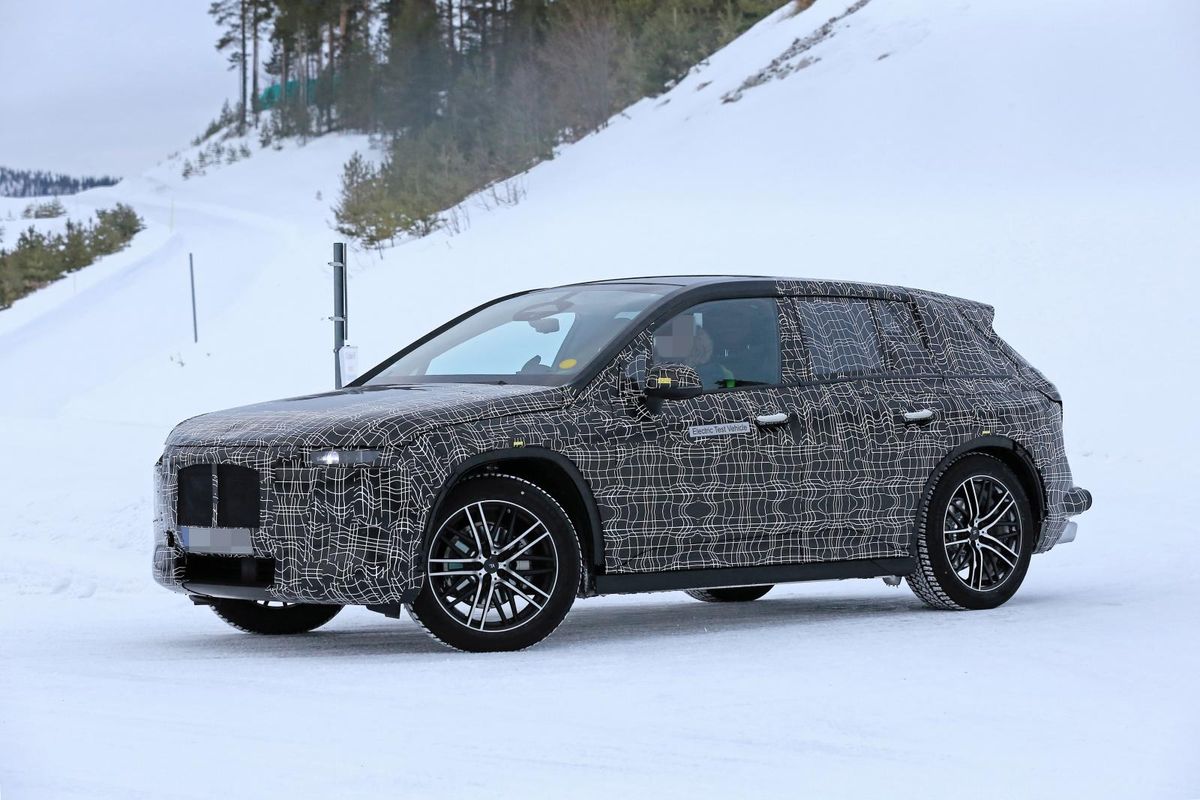
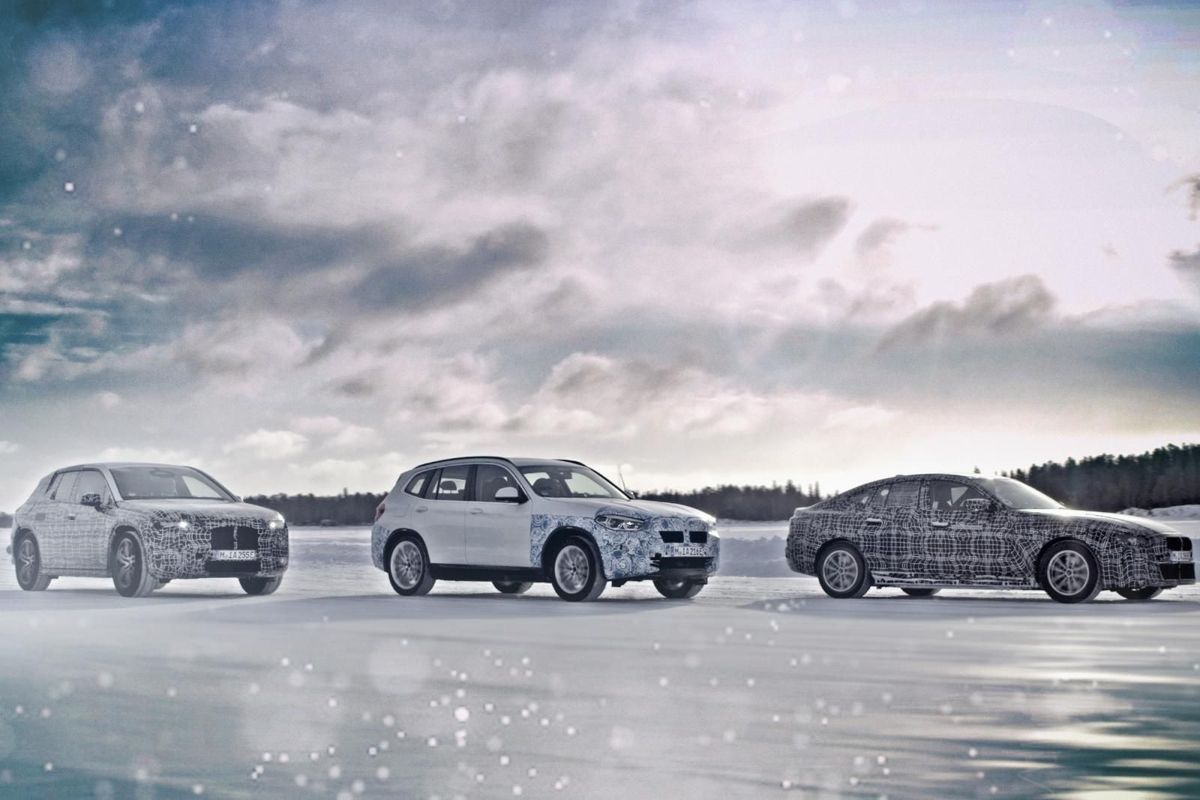
BMW will be introducing its iX3 and i4 production vehicles relatively soon, but there is no word yet on replacements for the i3 or i8 (the latter could go fully electric). We asked Irlinger what BMW i had learned from its 2 groundbreaking cars (the i3 and i8).

"I would say the biggest lesson is that the we have a brand where we work on pioneering and new solutions for mobility, not to try to get it (the tech) into one normal car, but to really have a bookmark car and to try new technologies, like a sustainability, e-mobility, carbon fibre, recyclability, and bring it to the customer, and if successful, to spread it to the rest of the brand. In that sense the i3 was really successful. Look at the knowledge we gained in e-mobility, or even the carbon fibre, that we afterwards decided to get into the 7 Series, and some other sustainability technologies that are now part of our normal processes. Secondly, we are still gaining knowledge at the sales point, about how to treat potential EV customers, because they have different questions and needs, and questions about infrastructure."

Will there be a new i3 (and i8)?
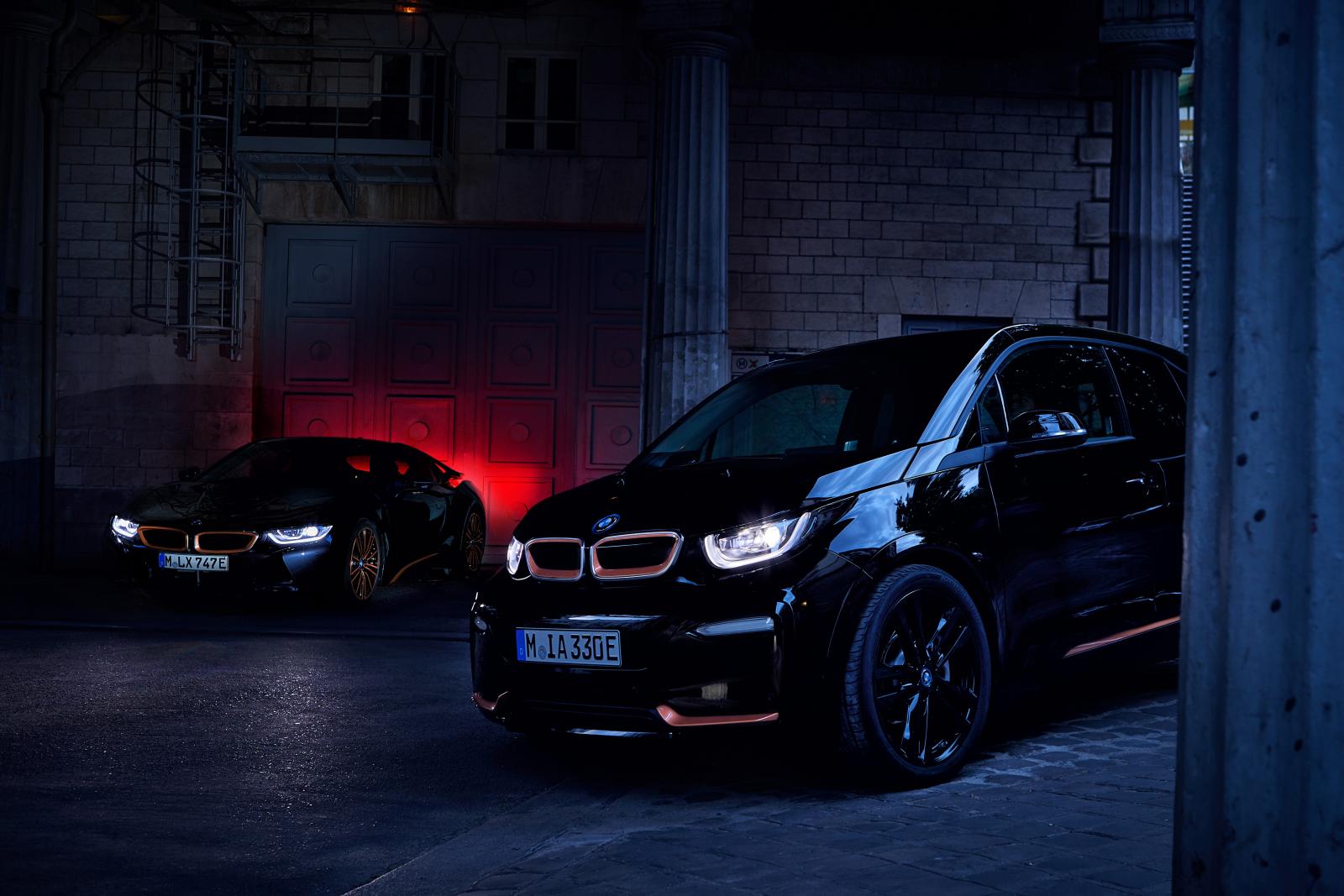

Will there be a new i3 and new i8? BMW has not yet decided…

What becomes very clear during our chat with Irlinger, is that BMW i (and BMW in general), is open to adapting to change swiftly. "There aren’t these dogmatic rules that every car will have a successor, like with 3 Series and 5 Series," Irlinger says. "This rule does not apply in BMW i, because we will always try someting else, and if we try it out and it works, we will spread it out to the market. And if there will be an i3 successor? We will see… same with i8. We will see. What we found out with i8 is that electrification with sports cars really works very well. What is the outcome of that? You will see electrification in future BMW M cars. That’s something we've already learned. Whether there will be an i8 successor or not, and which powertrain solution it will have, that we will leave up to your speculation."

How will the i range expand?
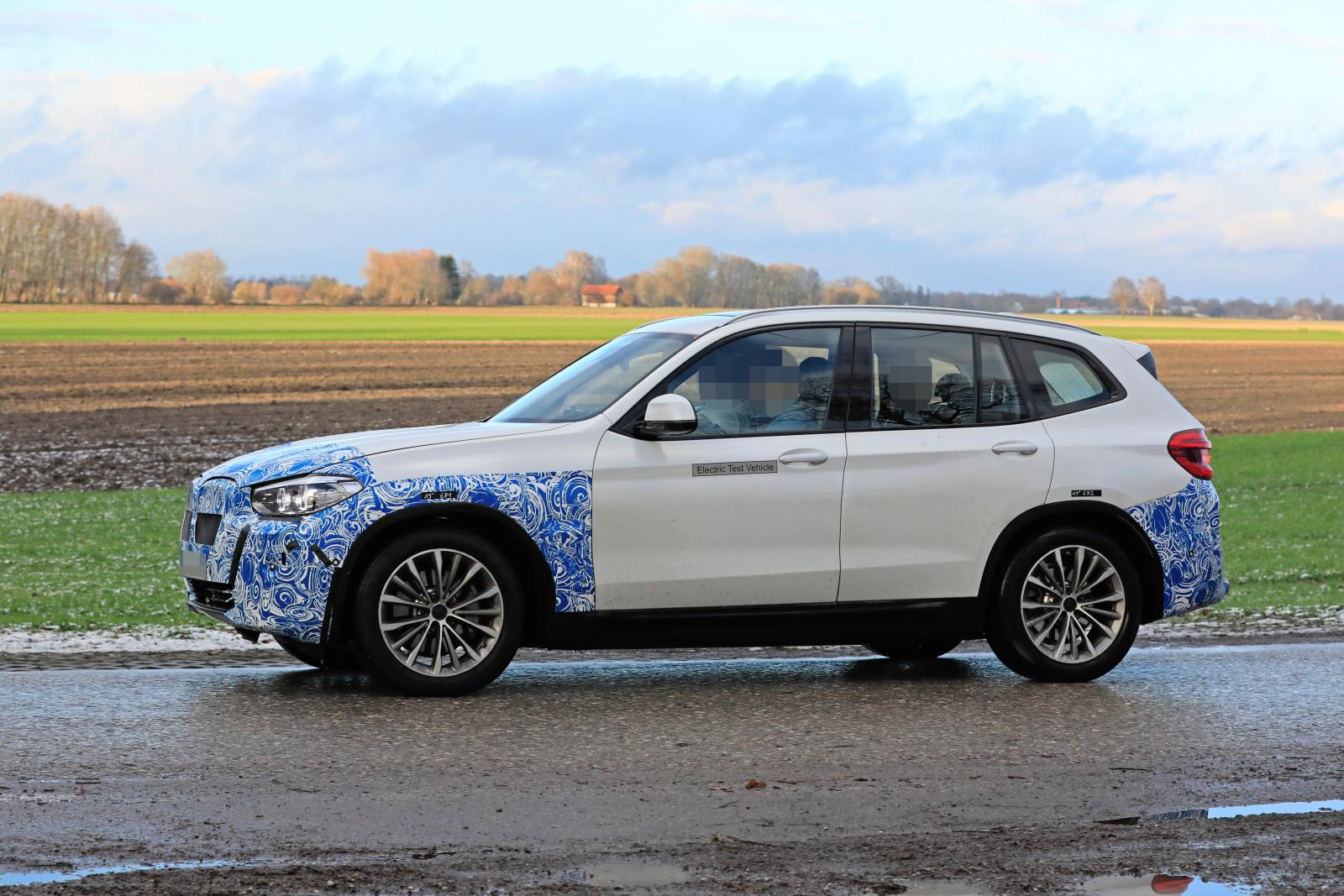

The next BMW i vehicle to arrive is the iX3, due for its global reveal next year.   Photo by S.Baldauf

When BMW launched its i3 and i8, it chose to develop all-new platforms, and to not shoehorn an electric drivetrain into an existing product. Going forward, however, it would appear that this approach may evolve to include traditional platforms as well. 

"With i3 and i8 we brought cars to the customer at very specific points in the portfolio, so-called bookmark cars – again in the spirit of trying something out. What we are seeing now is that the demand for e-mobility is far bigger than only those 2 specific points. Our customer now demands e-mobility across the whole portfolio. And what we decided is that we will upgrade our front- and rear-wheel drive architectures to offer the customer each kind of tecnology. All of our future platforms will be able to offer all kinds of technology to our customers. So whatever the segment, we will be able to offer whatever powertrain solution our customers want."
You may also be interested in;

There are no taboos at BMW M: Interview with Markus Flasch

BMW i3 Launch Review (2019)

BMW i8 Roadster International Launch Review

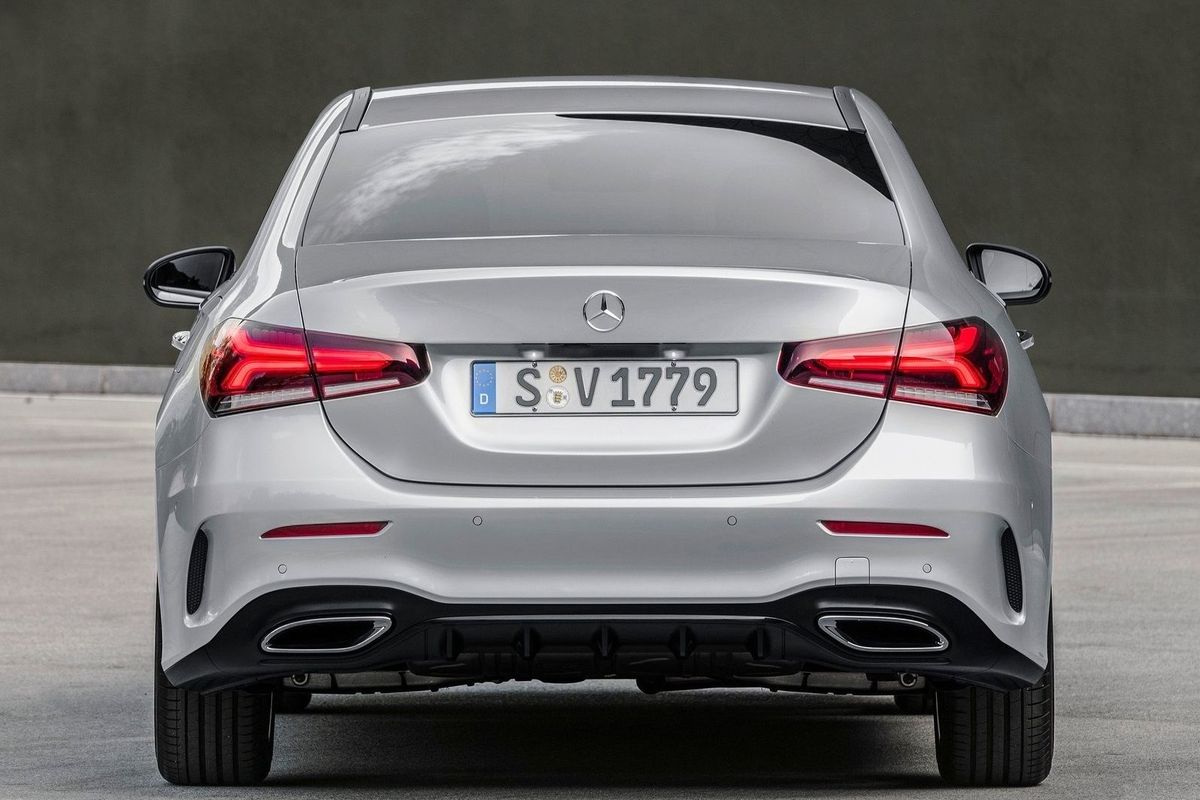
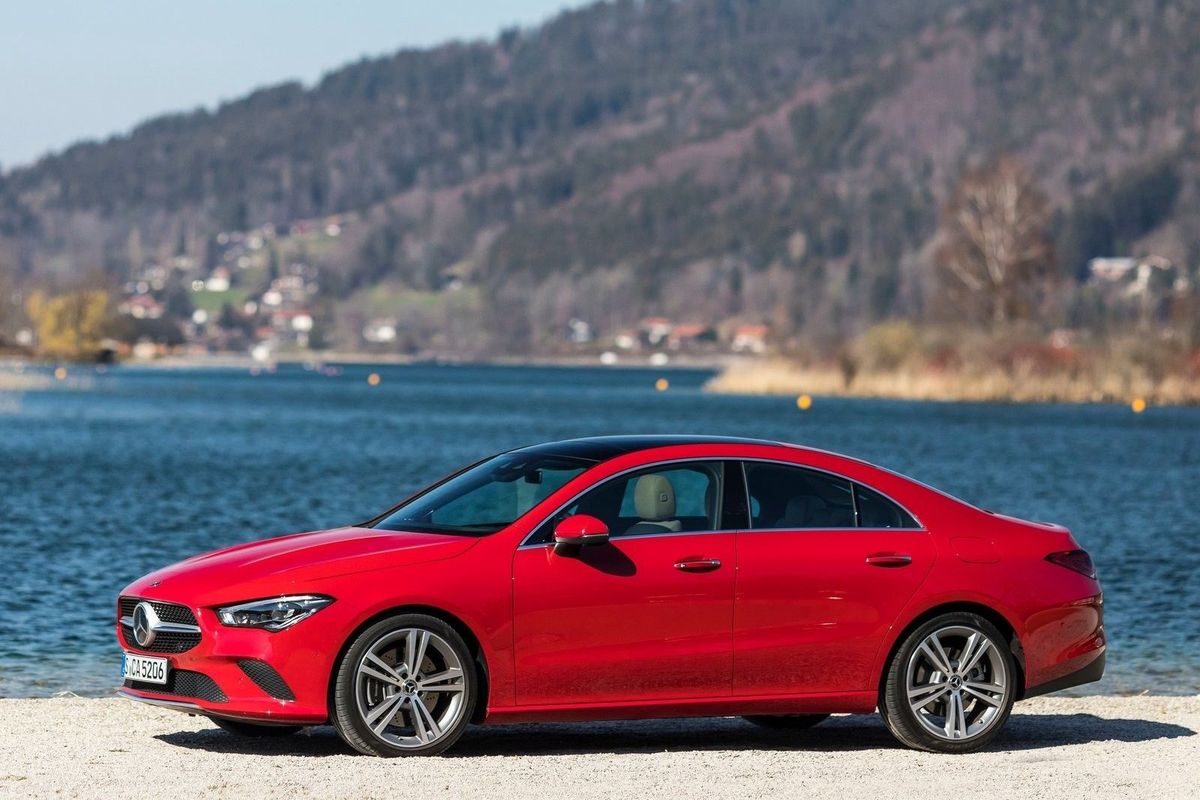
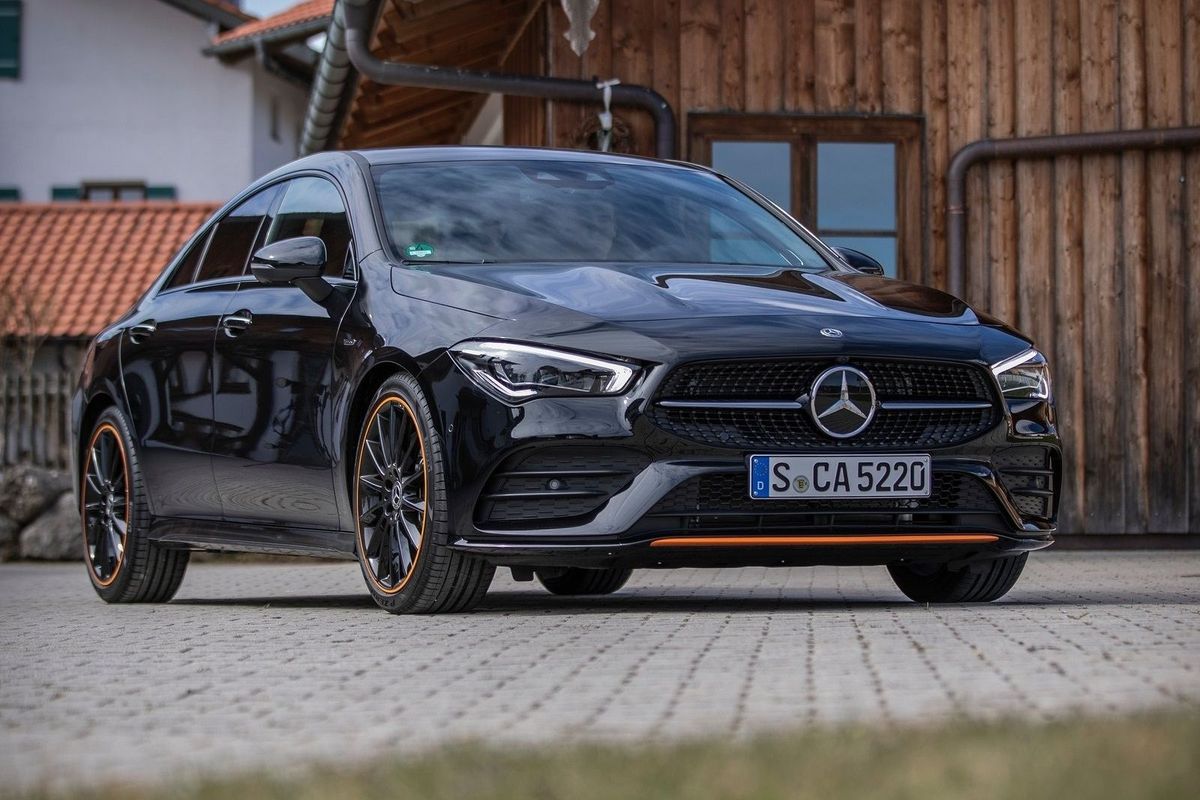
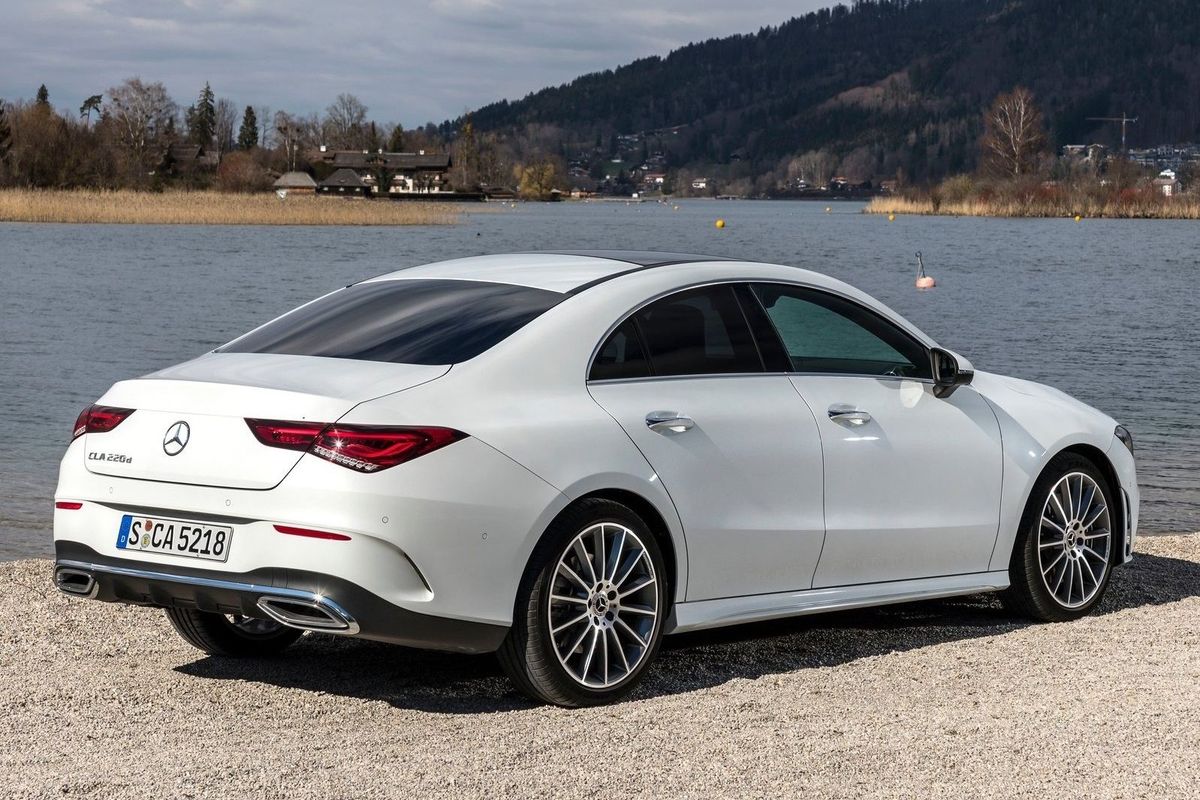
Mercedes-Benz CLA & A-Class Sedan (2019) Launch Review

Mercedes-Benz South Africa has launched its compact duo and we had a chance to get behind the wheel of the new A-Class sedan and CLA. 

The world has changed much over the past decade… Whether it's been for the better or the worse remains up for debate, but for a traditional carmaker like Mercedes-Benz, which used to sell large luxury vehicles to a typically older target clientele, to open its portfolio of compact offerings to the young, upwardly-mobile market, well that was quite a transition! 

The compact range from Mercedes-Benz has been quite the success story. The W177 A-Class hatchback is doing brisk sales, bagged the Best Compact Hatch trophy in the 2017/18 #CarsAwards – powered by WesBank and is looking to defend its title this year against the Volkswagen Golf GTI and Mazda3 2.0 Astina. Globally, Mercedes-Benz has shifted more than 6 million compact products since the 1st A-Class debuted in 1997.

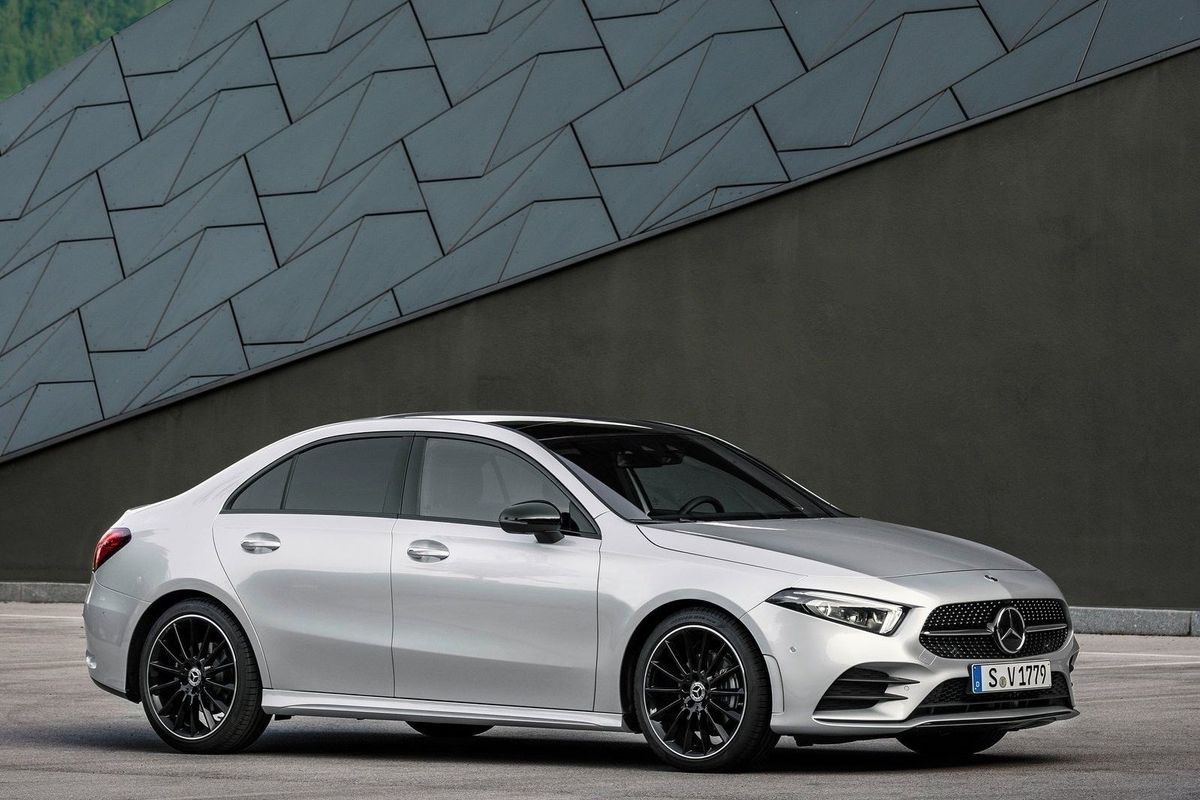
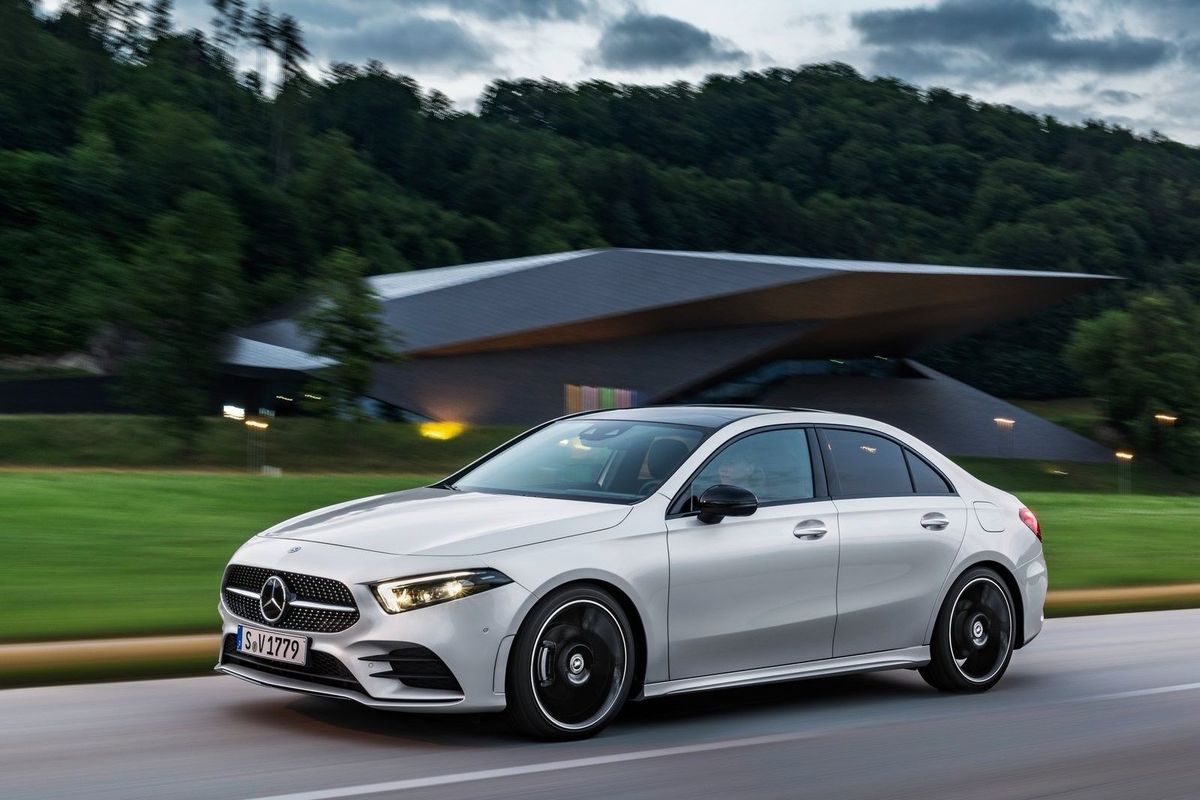
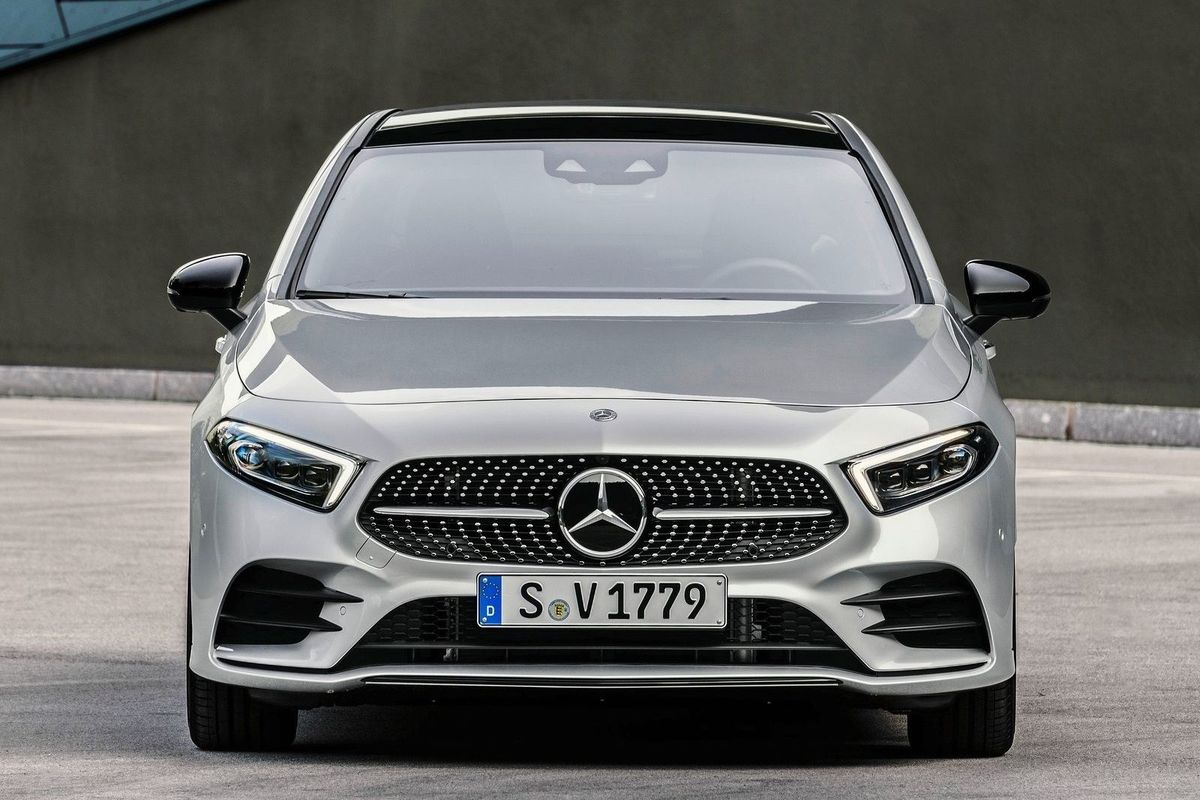
The new A-Class Sedan is now the 7th model in the compact family, reinforcing the idea that Mercedes-Benz will continue to play in this space… Despite the massive global demand for crossovers and SUVs, there are still markets, such as China and the 'States, that have a predilection for sedans. With a buying-down trend also taking place, it wouldn't be a surprise to see customers downsizing from a C-Class to an A-Class or CLA. 

What's on offer?


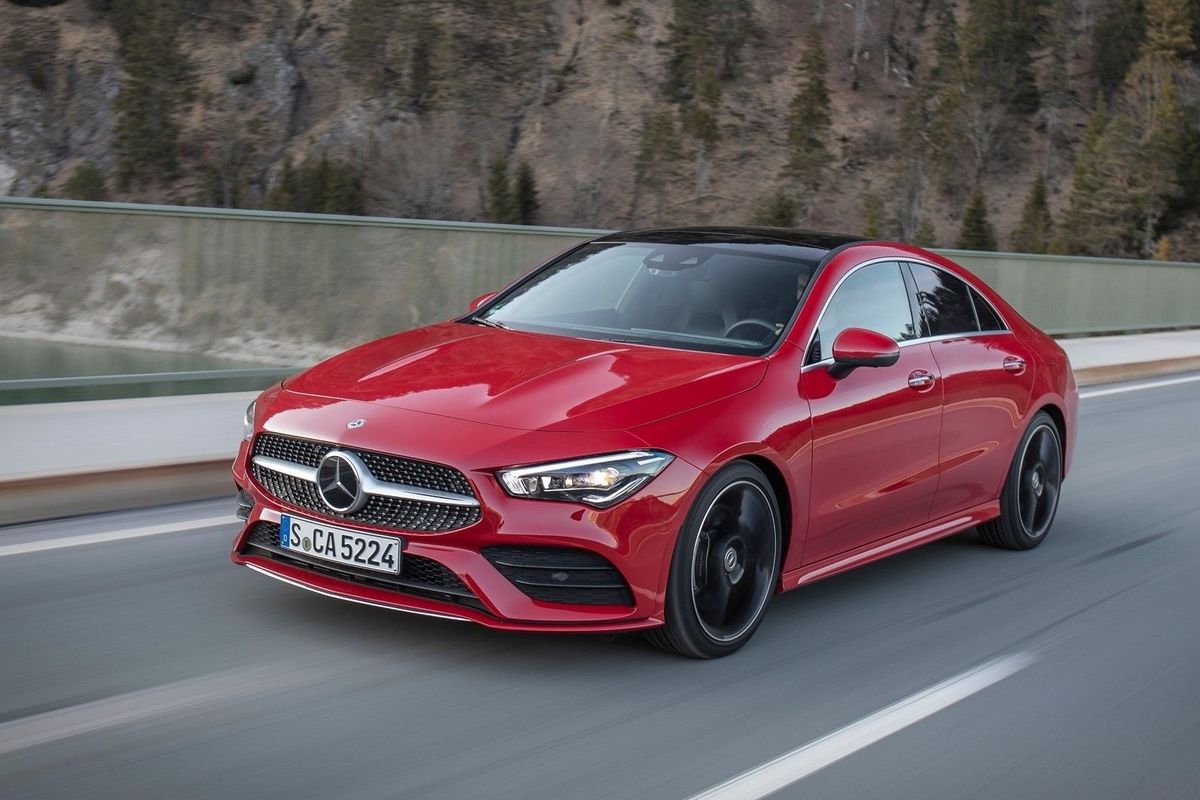
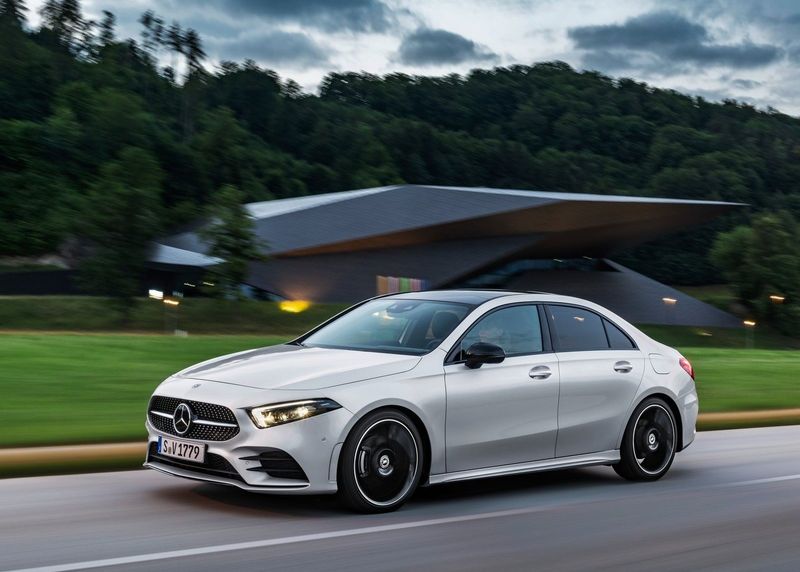
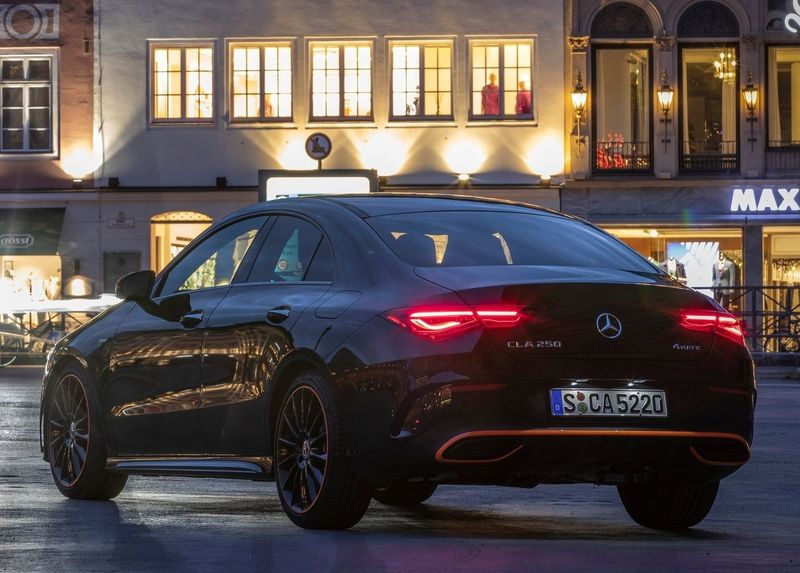
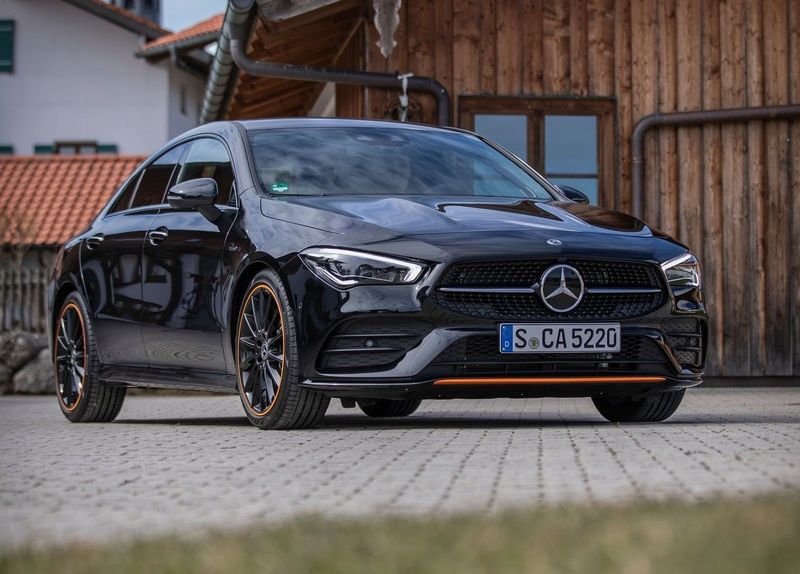
The Mercedes-Benz CLA is the sportier-looking of the two new compact offerings

Mercedes-Benz appears to have a solid strategy behind the launch of its compact 4-door offerings. The A-Class Sedan line-up comprises 2 petrol derivatives, while the low-slung and sportier CLA is available with either a turbopetrol or -diesel motor. The base engine in derivatives with a 200 designation is a 1.33-litre turbocharged 4-cylinder petrol-fed unit, which produces 120 kW and 250 Nm. The A250, on the other hand, boasts a 2.0-litre turbocharged 4-cylinder with maximum outputs of 165 kW and 350 Nm. In both cases, power goes to the front wheels via a 7-speed dual-clutch transmission. The CLA's turbodiesel motor is a 2.0-litre 4-cylinder unit with 140 kW and 400 Nm, with power going to the front wheels via an 8-speed dual-clutch transmission. When it comes to fuel economy, the diesel engine leads the way with an impressive claimed figure of 4.3 to 4.4 L/100 km, with the 1.33-litre turbopetrol derivatives returning 5.2 to 5.5 L/100 km. The A250's 2.0-litre motor, in turn, is said to consume 6.0 to 6.2 L/100 km.

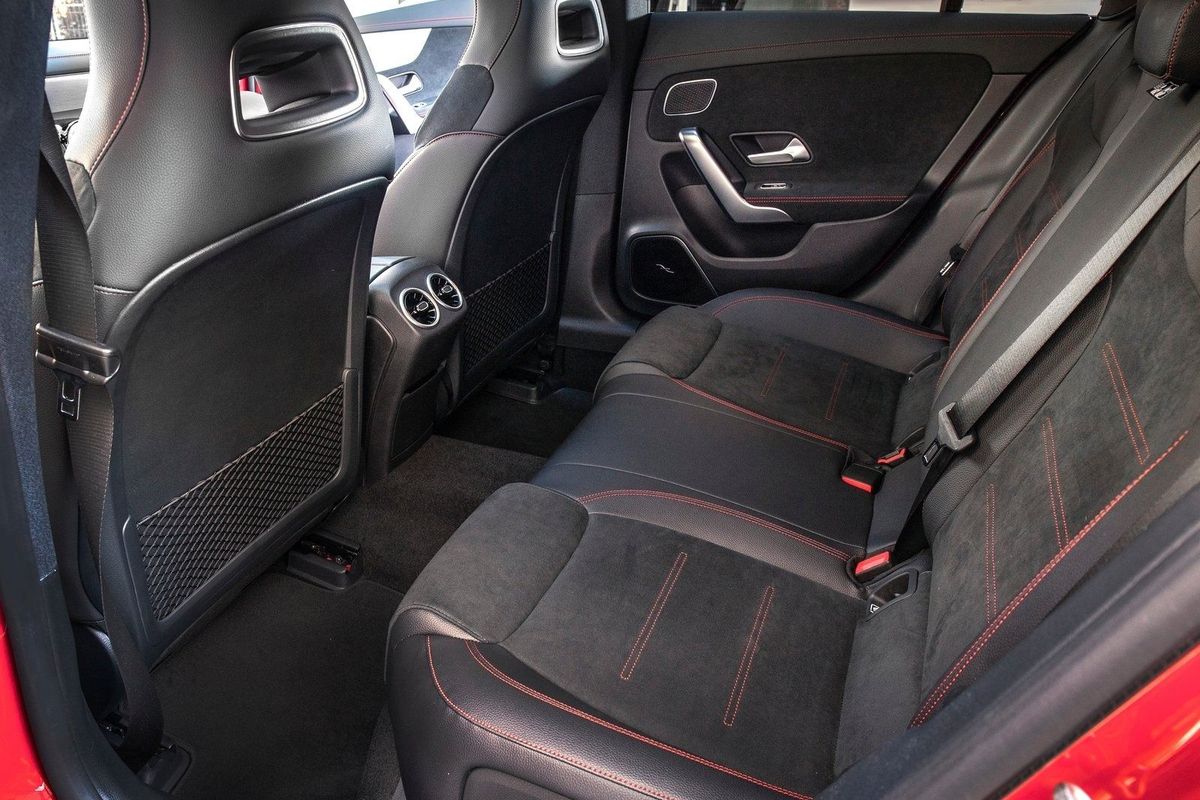
The A-Class sedan is an all-new model, whereas the CLA (which is marketed as a 4-door coupe) is now in its 2nd generation. The changes for the latter are substantial… Not only does it look sharper than ever – one could say it resembles a "baby CLS" – but the concerns we had with the 1st-gen car's cabin quality have also been addressed. Indeed, the CLA's interior feels more solidly assembled and there's a bit more cabin space. That being said, rear space for tall passengers is going to be a tough challenge given the dramatically-sloped roofline and, as a result, rear headroom, in particular, is tight for adult passengers. The new CLA is a touch larger than the outgoing model, but it sits lower and wider than its A-Class sibling.

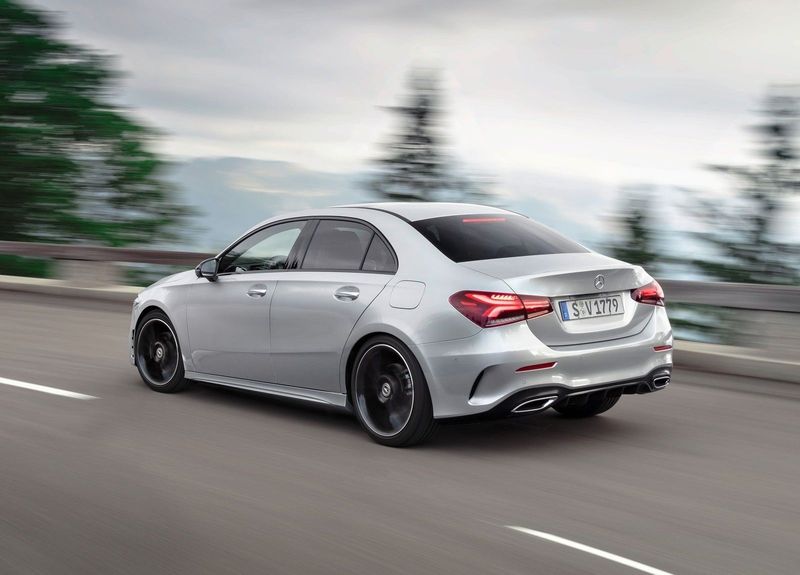
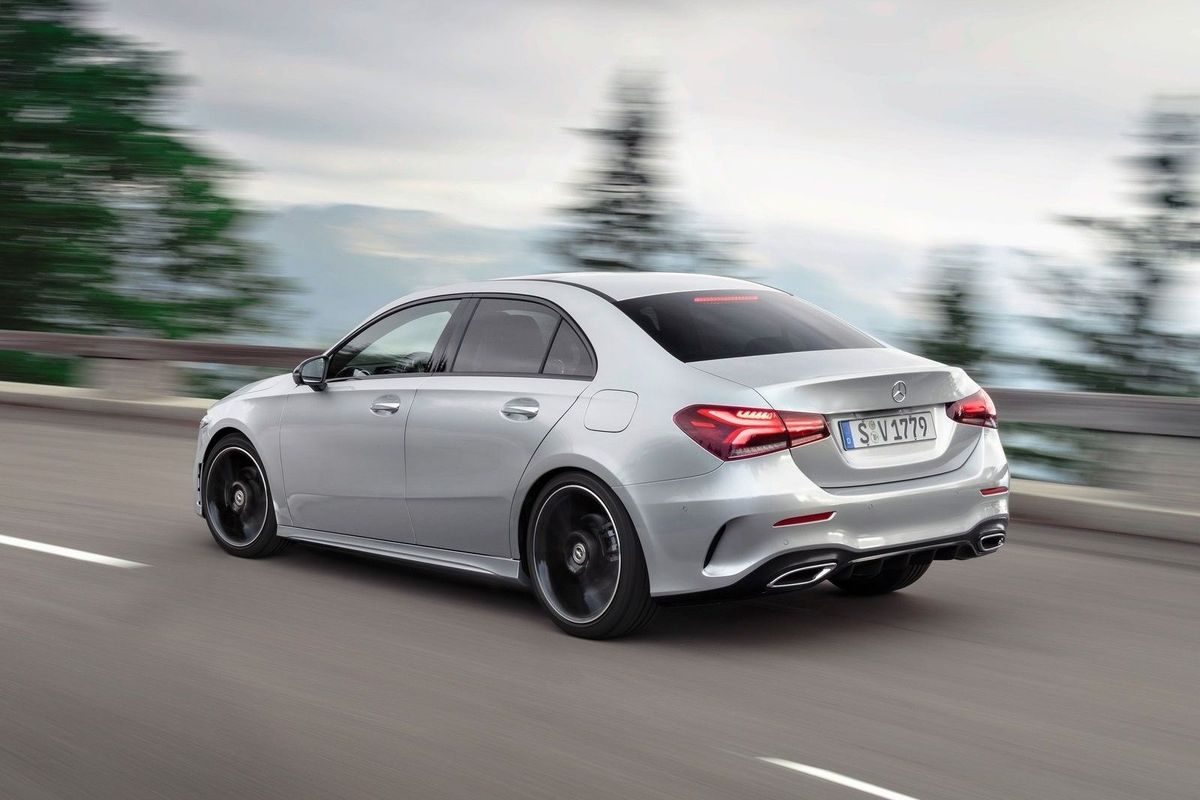
The Mercedes-Benz A-Class Sedan makes a compelling case for itself, with reasonable boot space and good rear legroom.

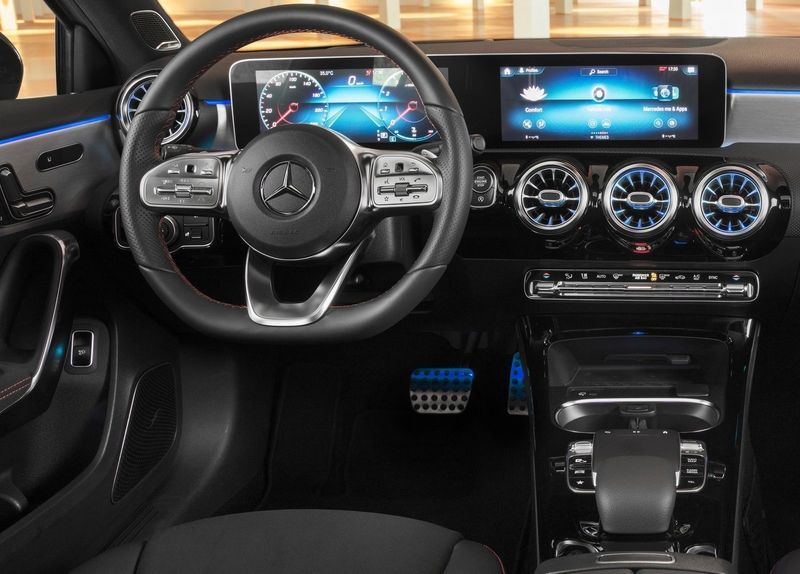
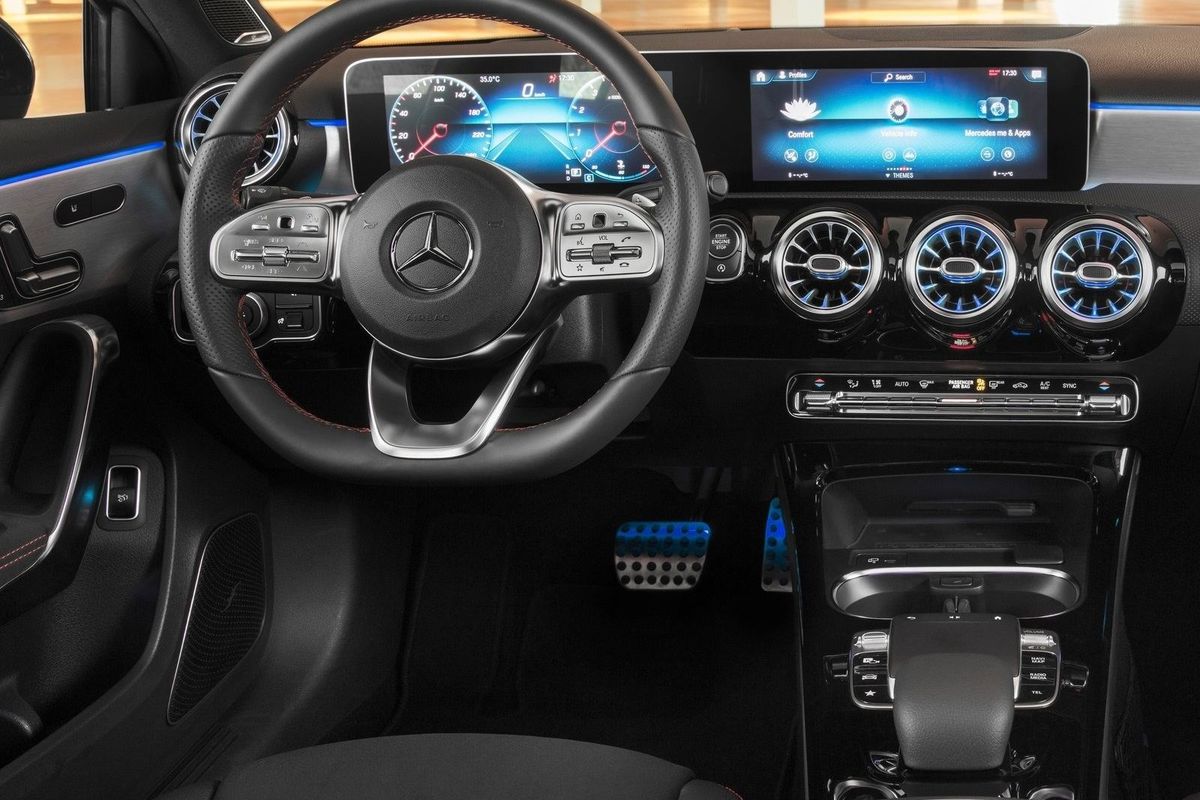
Both the CLA and A-Class Sedan boast the latest MBUX infotainment system. Its dual-screen setup features gorgeous graphics and its menus can be navigated by using a touchpad. It requires a little bit of familiarisation, but the "Hey Mercedes" voice command interface works particularly well. 
Being a Mercedes-Benz, there are optional extras galore. The matte paint finish on the CLA in the main image costs R31 450, but it does look the business! Other noteworthy options in our CLA 200 test unit included the driving assistance package (R32 300), AMG Line (R50 175), MBUX 10-inch display (R11 100), adaptive dampers (R16 800), Panoramic sliding sunroof (R15 800). The A-Class Sedan is much the same: the A200 Sedan we drove had the head-up display (R15 000), heated seats (R5 000), Navigation (R11 000) and the Burmester surround sound system (R10 200).


Both the CLA and the A-Class Sedan feature the new MBUX infotainment system, which works well.

What are they like to drive?

We had the opportunity to drive a CLA 200 and an A200 Sedan. First up was the CLA 200 and, while many would suggest that this model and the A-Class Sedan are virtually identical in terms of what sits underneath their respective body panels, the cars offer divergent driving experiences… Interestingly, you sit lower and in a slightly sportier position, giving you the illusion that you're in something low-slung and dynamic. The models share some underpinnings, but the CLA features a wider track at the front and rear, which gives it a good stance and makes it feel more dynamic to drive than the A-Class. The steering is light; inputs take little effort and, thanks to the car's aerodynamic design, there's precious little wind noise.

While the models are not marketed as performance vehicles (even if there are 35 and 45 AMG versions on the way), the CLA does feel somewhat sporty from behind its 'wheel. The suspension is firm, but not compromised, which is a great relief because its predecessor felt too stiffly-sprung on uneven road surfaces. If you want a more pliant ride, you could always opt for adaptive dampers. Body roll is low too; the car imparts a sure-footed feel. Its execution is subtly different, but if you're leaning towards the CLA for a dynamic edge over the A-Class Sedan, you won't be dissatisfied. 

The A-Class Sedan, meanwhile, is more "old-school Benz" (not that it's a bad thing). We've already mentioned the CLA's low-slung driving position, but in an A-Class 4 door, you feel a bit more regal and stately behind the car's, um, tiller. It's certainly more practical in the back too, with plenty of leg- and headroom thanks to its classic shape. The boot offers 45 litres more space than the A-Class hatch (it has a claimed capacity of 420 litres).


The Mercedes-Benz A-Class Sedan rides well, with excellent road manners. This or a C-Class? Tough call.

The A200 isn't as sporty as its A250 sibling, but offers a good driving experience and ride quality. Body control is fair, plus it coped well with the iffy road surfaces of the launch route, its sporty 17-inch alloys notwithstanding. Unlike the CLA's positive setup, the A-Class Sedan's steering lacks feel. 

The 200 engine offers up 120 kW and 250 Nm, which we think is a reasonable blend of performance and economy (between 5.2 and 5.5 L/100 km). The quick-shifting dual-clutch (auto) transmission does a fine job of swapping cogs, although its apparent urge to get to the highest gear as quickly as possible (to the benefit of fuel consumption, of course), does detract a tad from the overall driving experience. You can change the driving modes and/or actuate shifts by using the shift paddles, which easily solves this minor issue. The best part for us was that both cars felt quiet inside/refined, a sure sign that things have improved in the build quality department. If you want more poke, it'd be best to wait for the 35-powered derivatives.


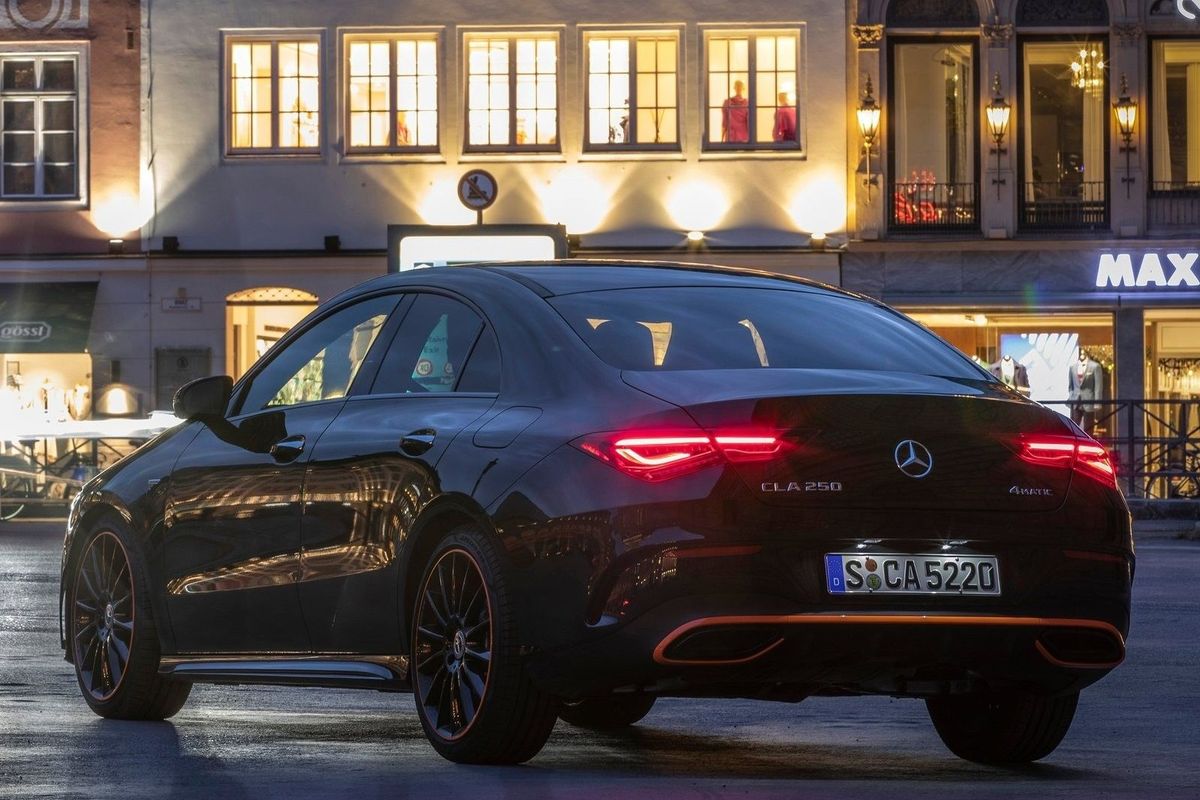
Want to go all out? Then spec your CLA with the Edition 1 kit.

Summary

Despite the prevailing crossover/SUV craze, Mercedes-Benz SA still believes there's a reasonable market for sedans. We think the A-Class Sedan and CLA will snatch more than a few sales from the C-Class, which is about to be replaced by an all-new model in the next 2 years. Both vehicles are nicely finished and didn't appear to have any squeaks or rattles (a common ailment in Mercedes-Benz press units). The onboard infotainment and tech, headlined by MBUX, is arguably class-leading, plus it makes the electronic interfaces of older Mercedes-Benzes look and feel ancient.

Should you buy one – and, if so, which one? It comes down to what customers are looking for… If they want something with a bit more style and road presence, and are prepared to sacrifice rear cabin space, then the CLA is the way to go. However, if they hope to transport 4 adult occupants, then it's best to lean towards the A-Class Sedan. Another thing to consider is: if you want to upgrade your C-Class in the near future (but don't want to wait for the all-new model), you won't be disappointed if you trade in your W205 for one of these stylish compacts. It will save you money as well.


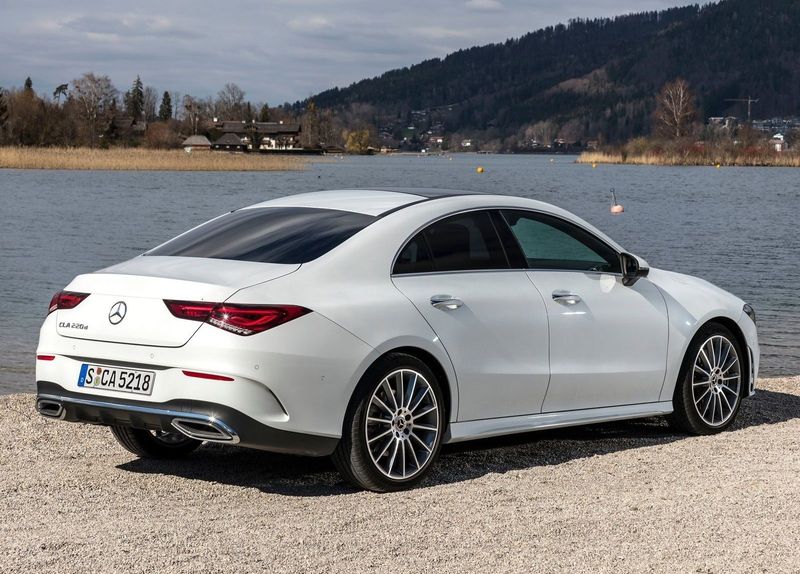
The Mercedes-Benz CLA is a great-looking sedan, but tall people won't appreciate the lack of headroom.

Mercedes-Benz A-Class Price in South Africa (October 2019)

Mercedes-Benz A-Class Sedan 200               R533 400
Mercedes-Benz A-Class Sedan 250 Sport     R604 800 

Mercedes-Benz CLA-Class Price in South Africa (October 2019)

Mercedes-Benz CLA 200         R570 500
Mercedes-Benz CLA 220d       R612 800

Further Reading

Mercedes-AMG A35 Sedan Price in SA

Mercedes-Benz A-Class Sedan vs Mercedes-Benz CLA: What's The Difference

Mercedes-Benz A-Class L Sedan debuts in Beijing

2020 Mercedes-AMG CLA 45 Goes Official

Mercedes-Benz CLA (2019) International Launch Review

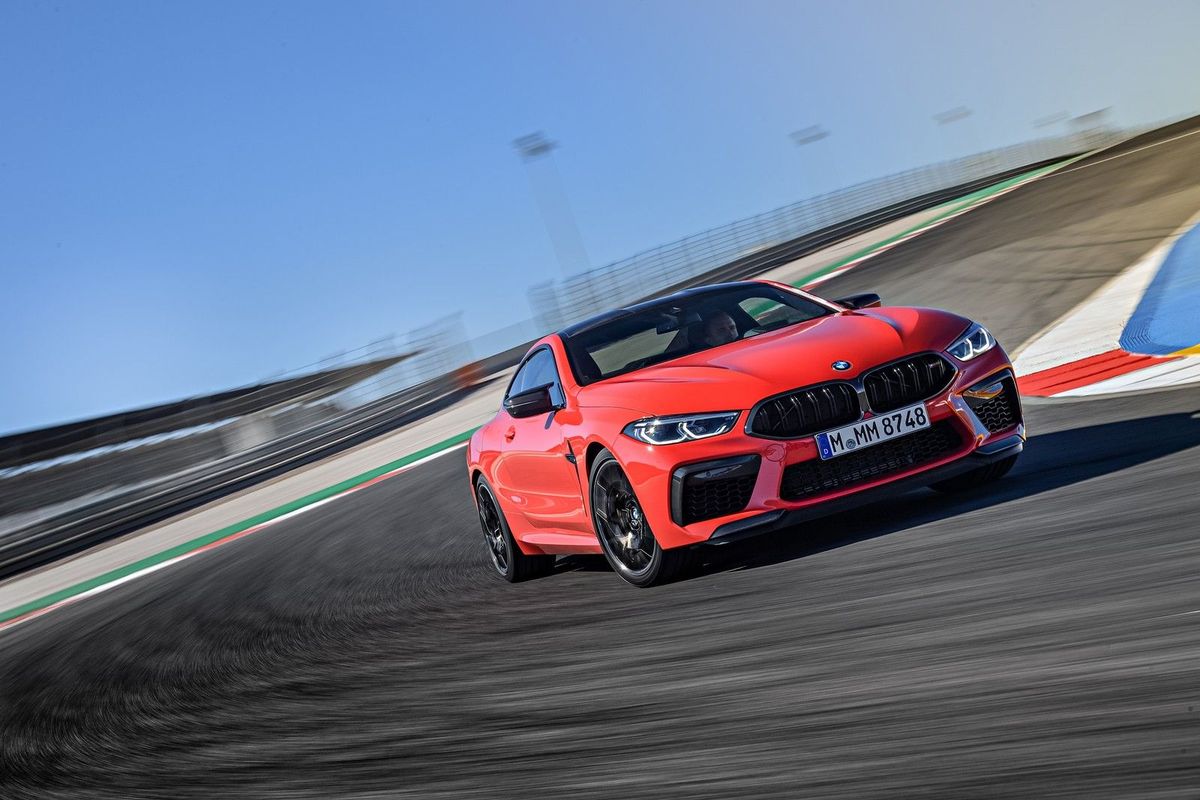
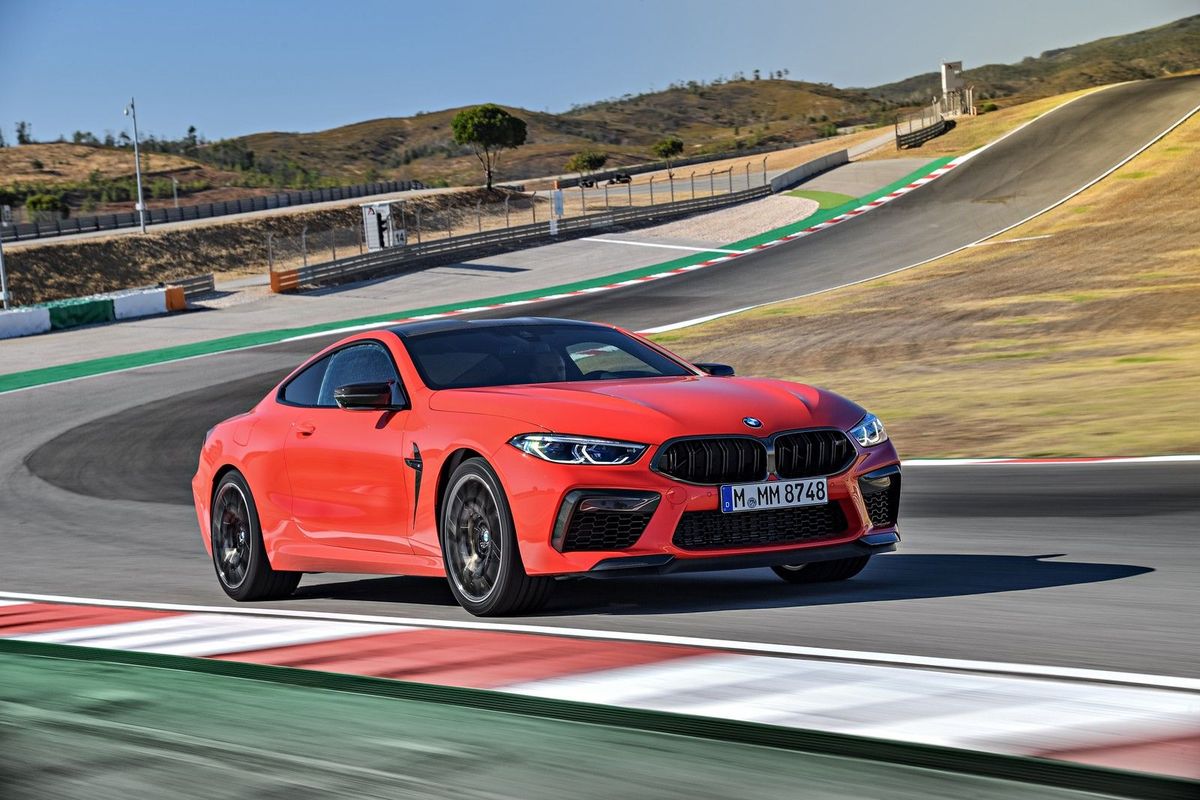
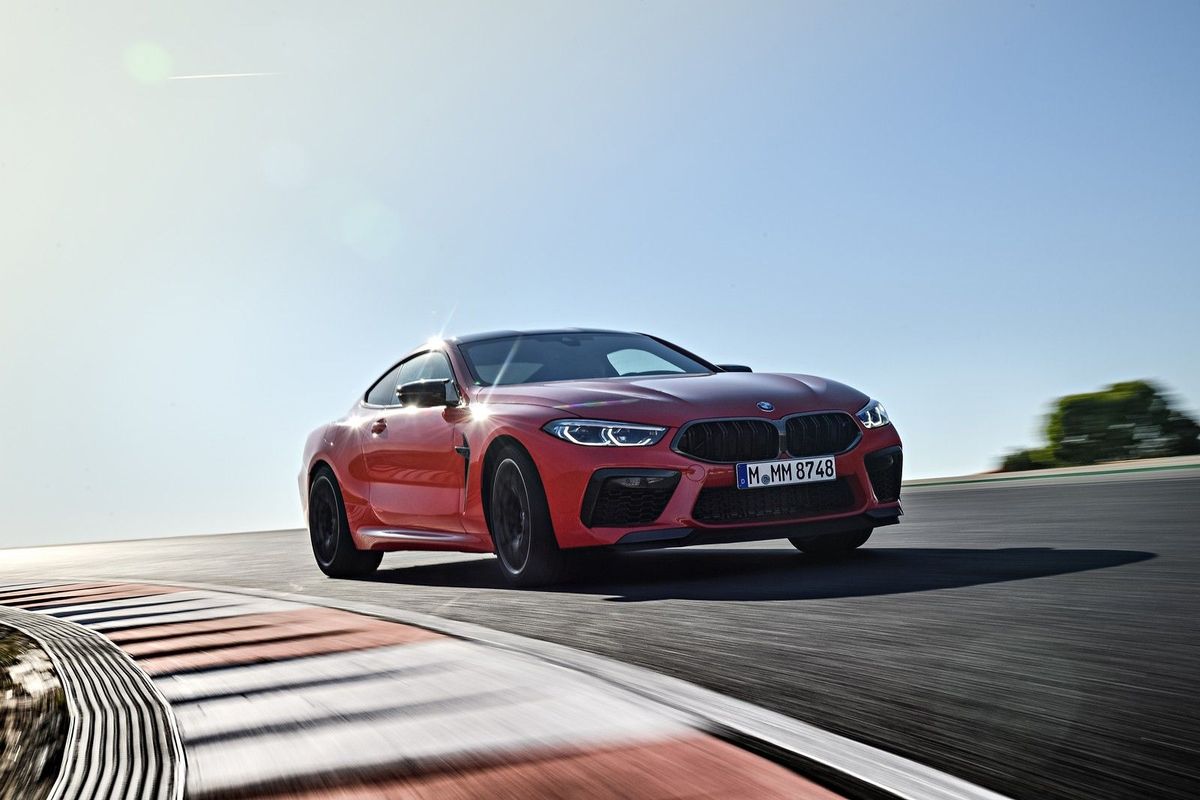
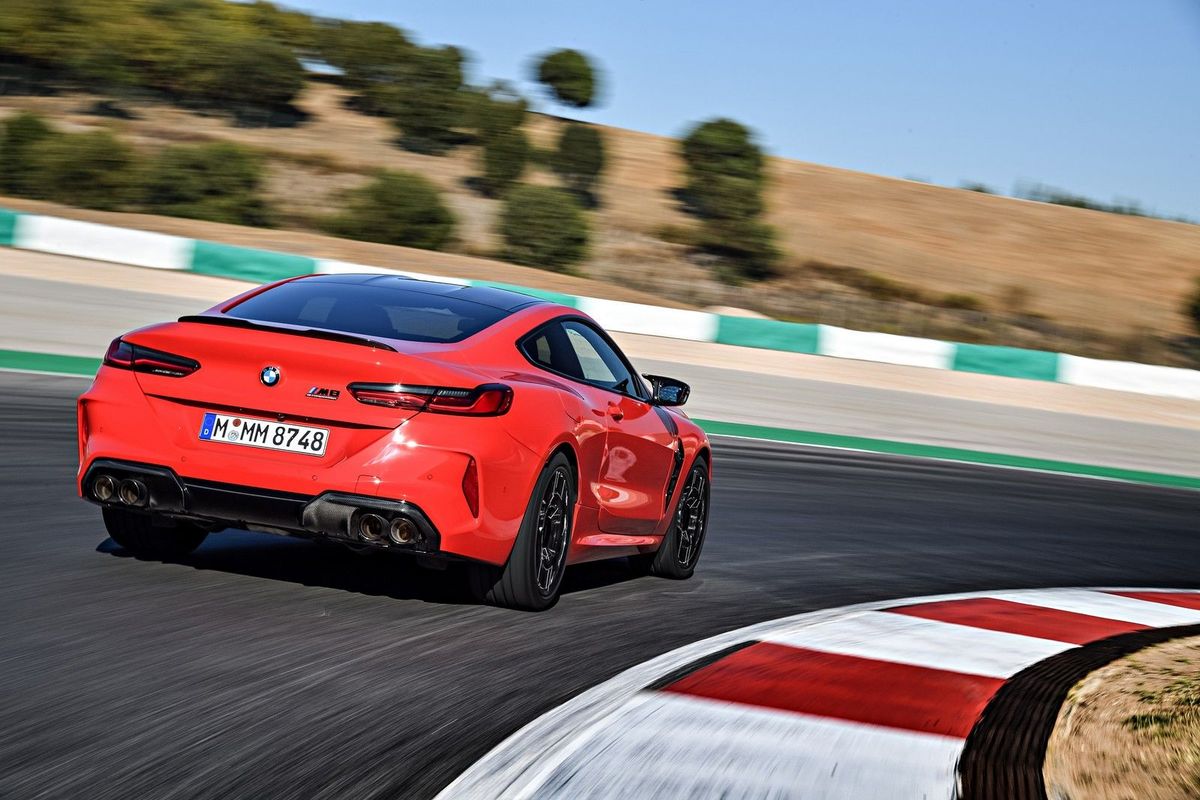
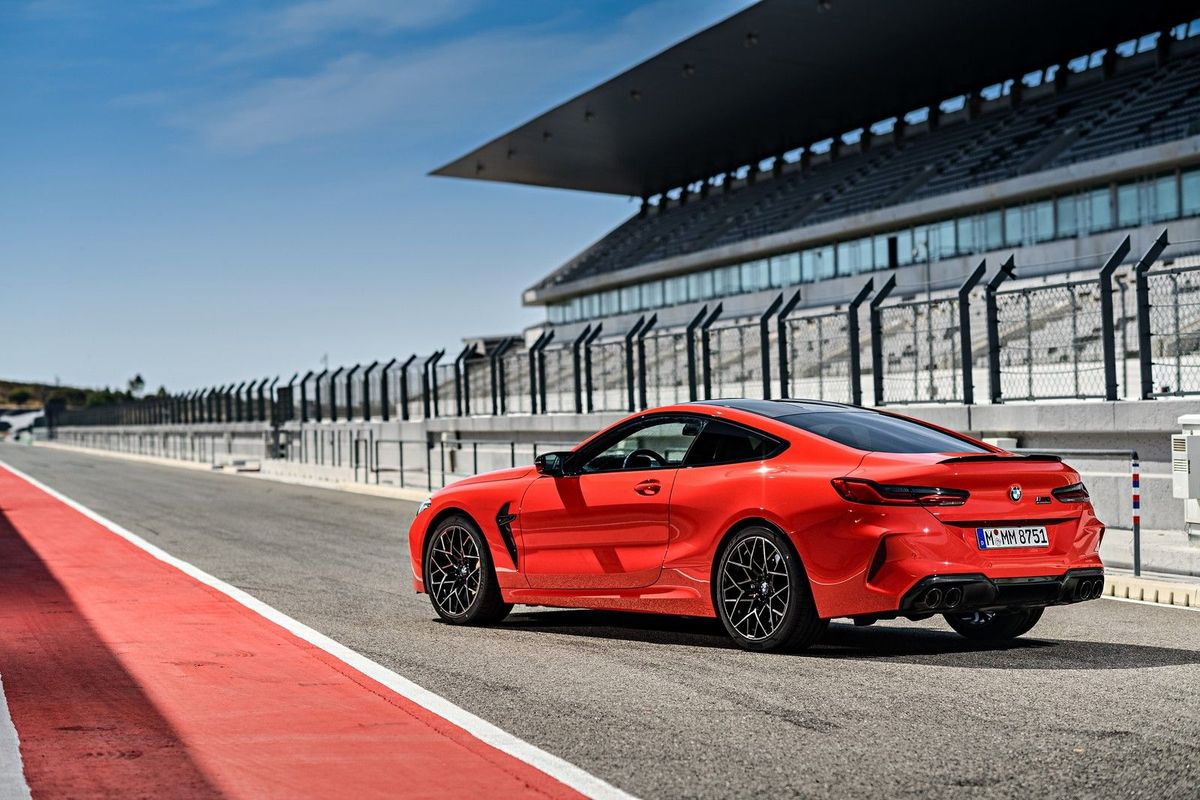
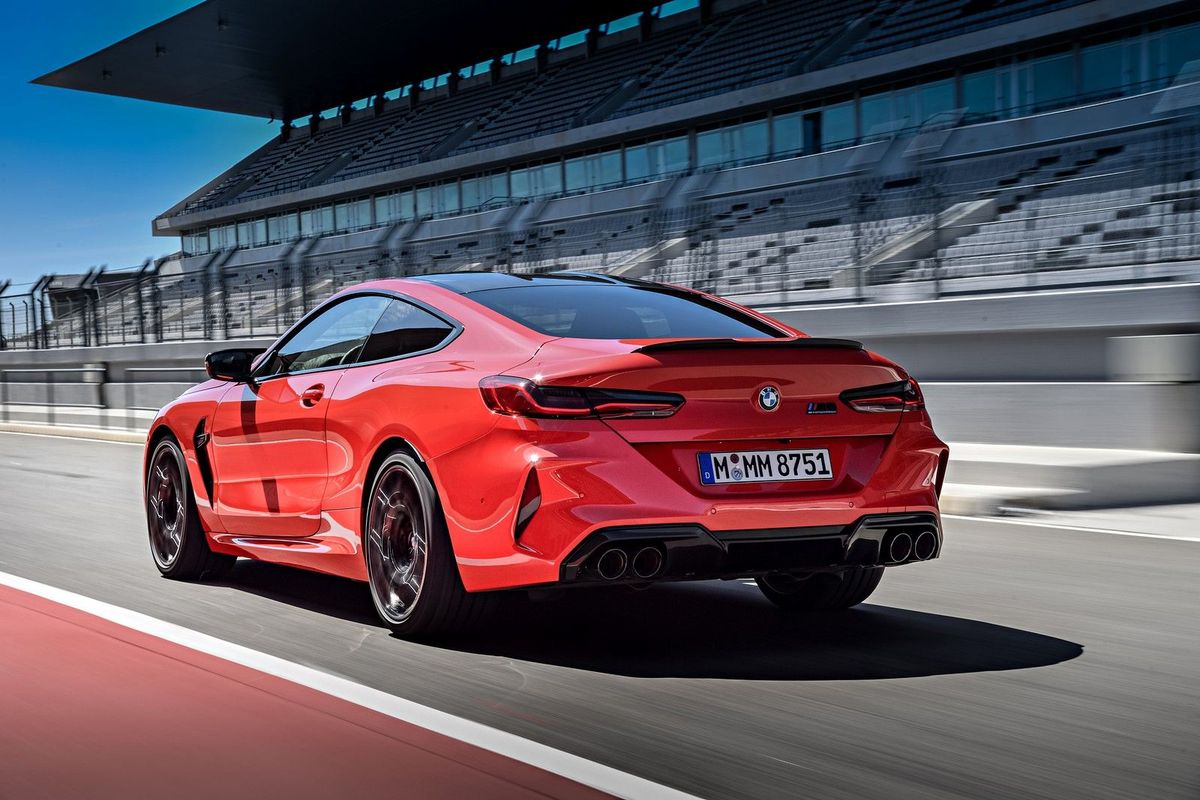
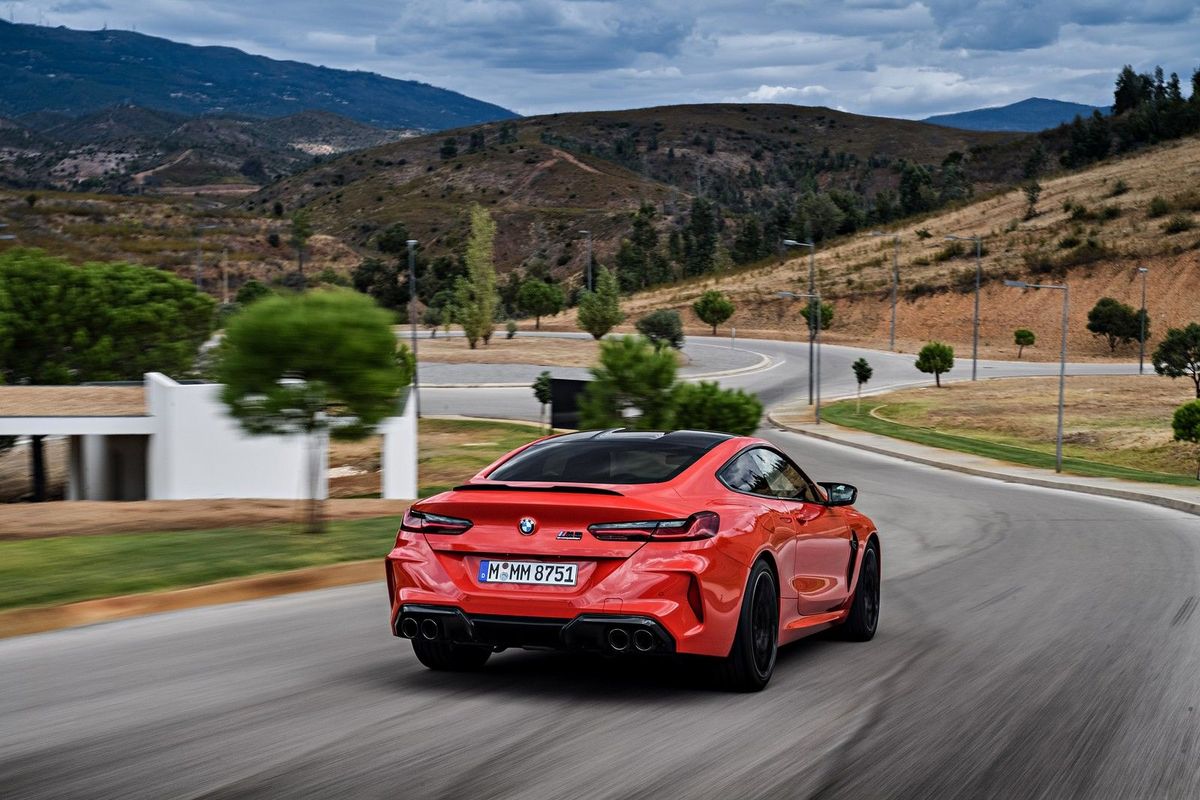
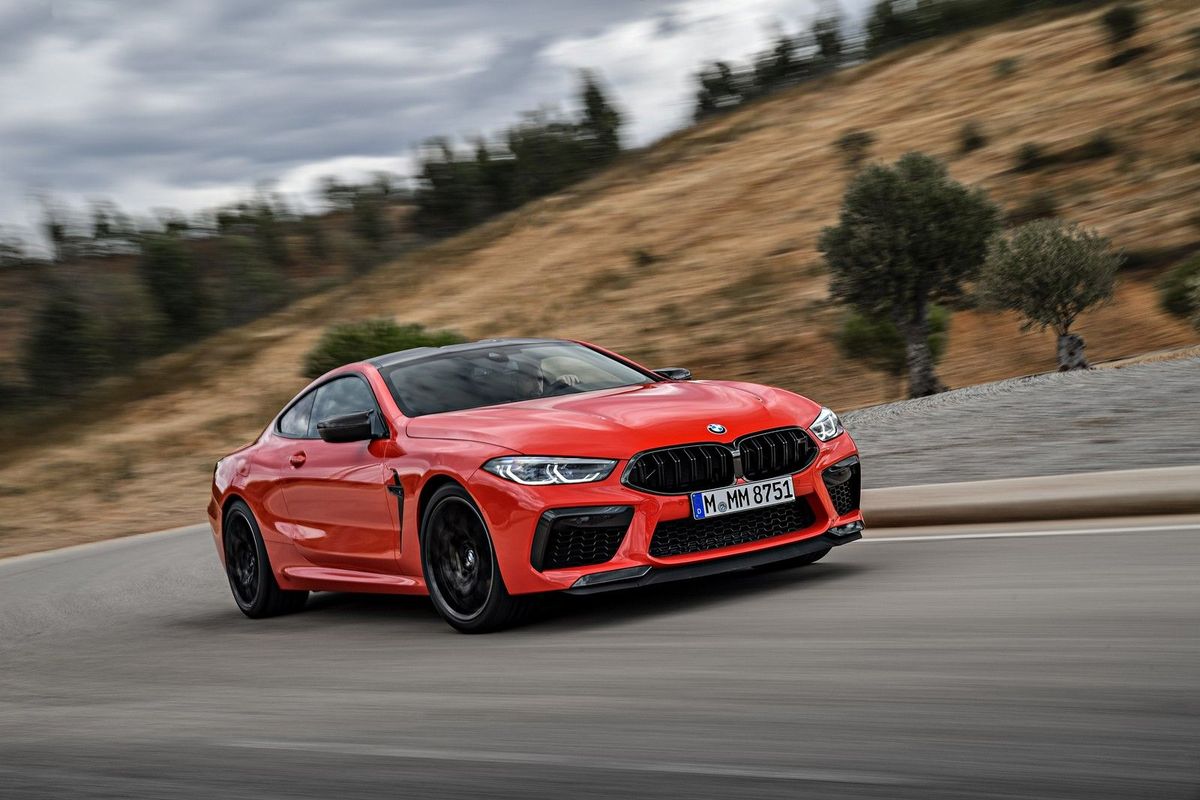
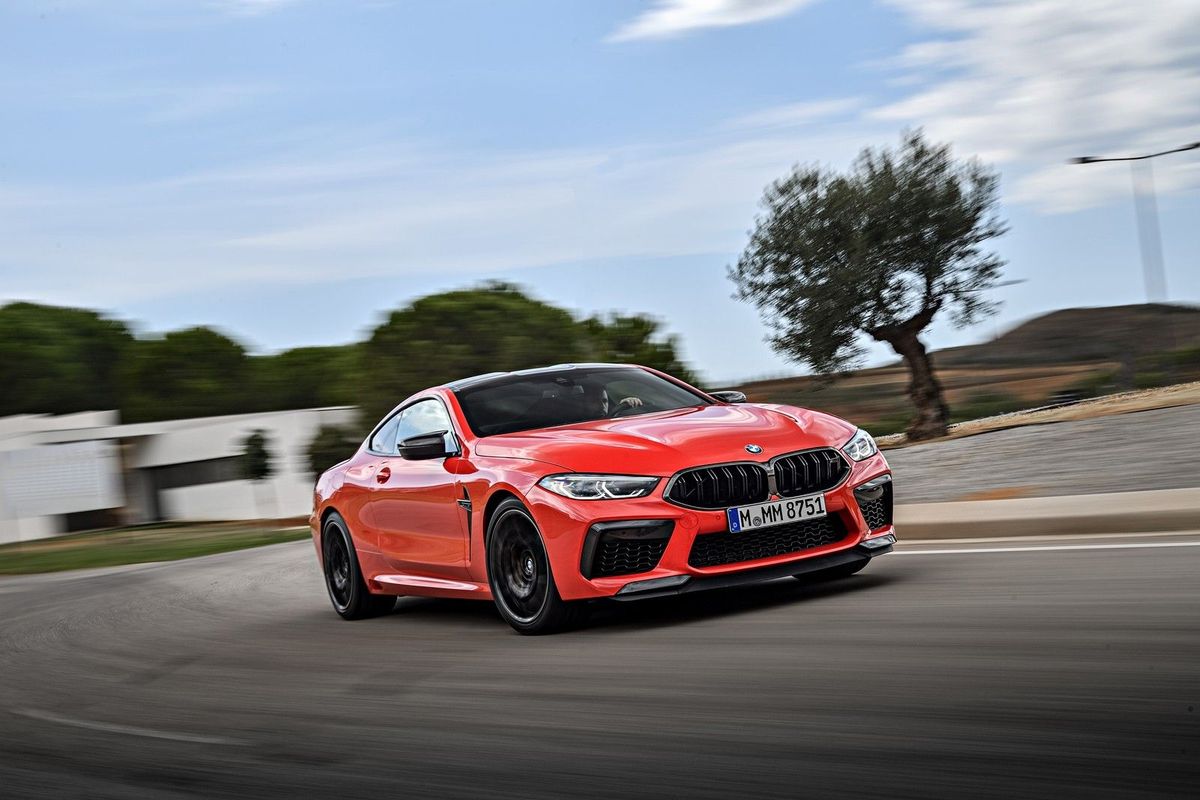
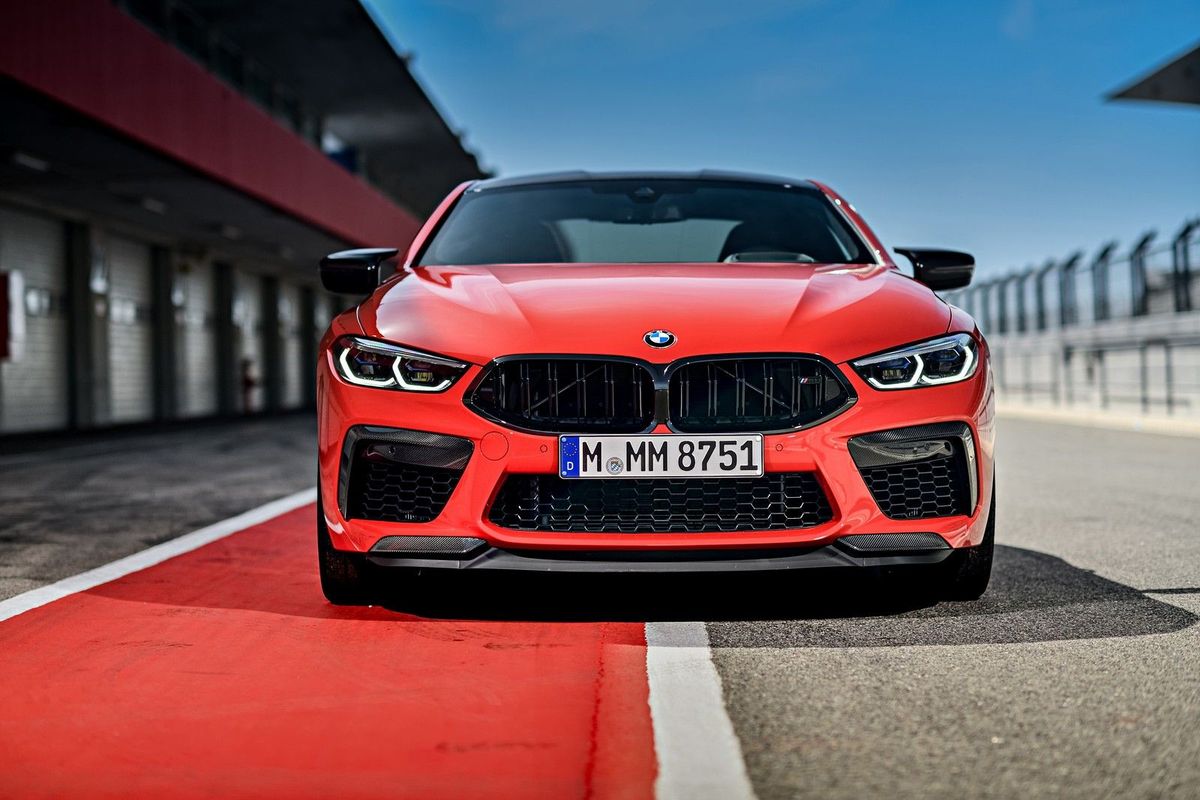
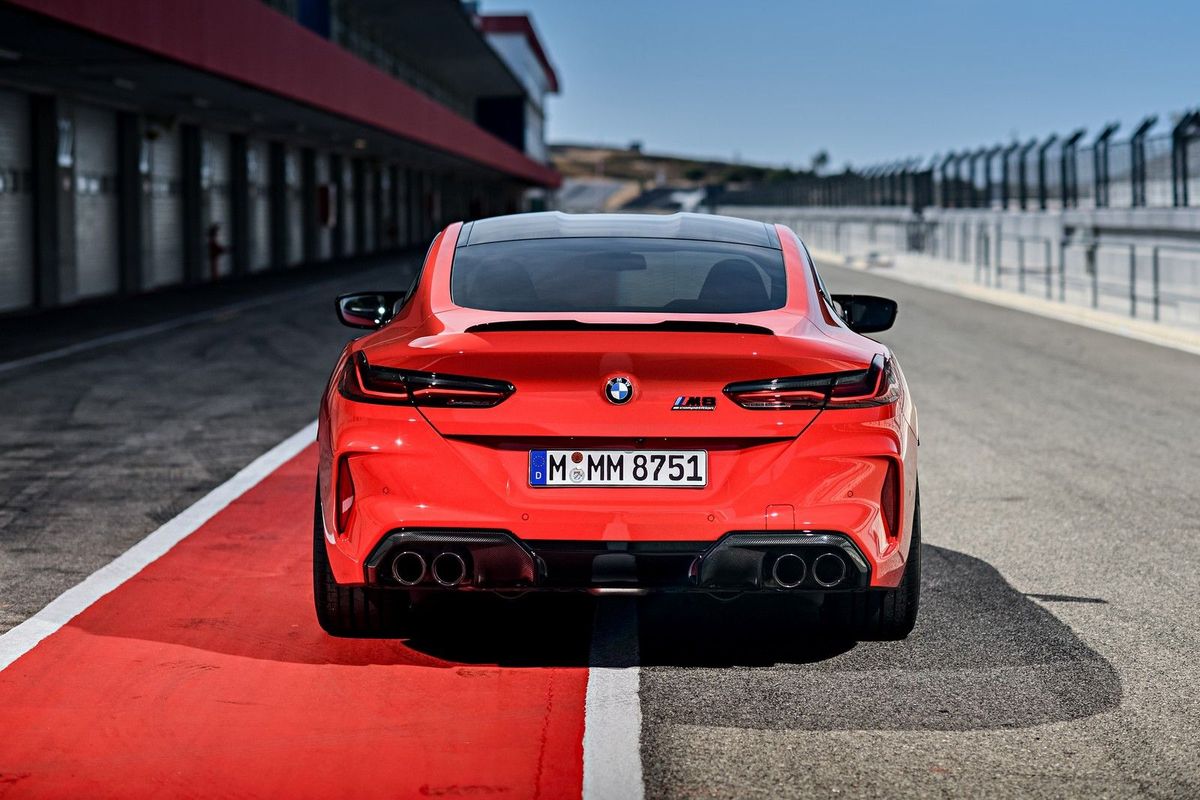
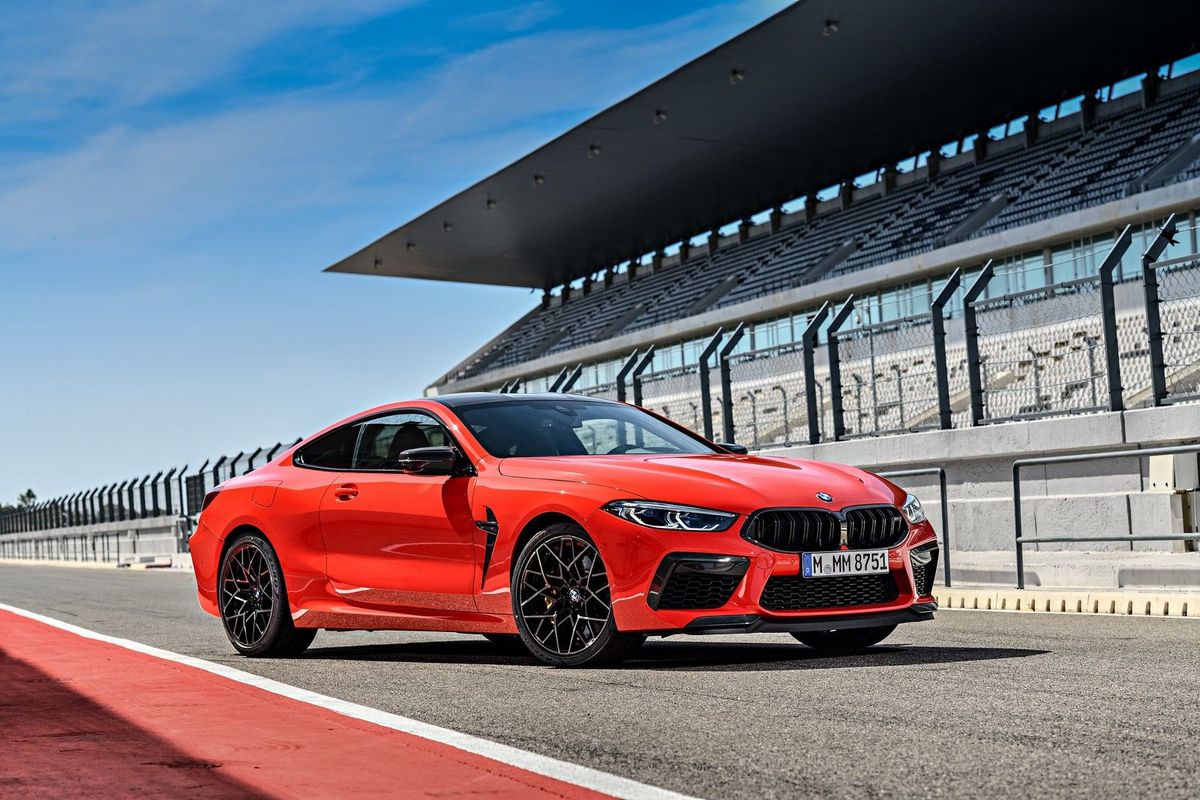
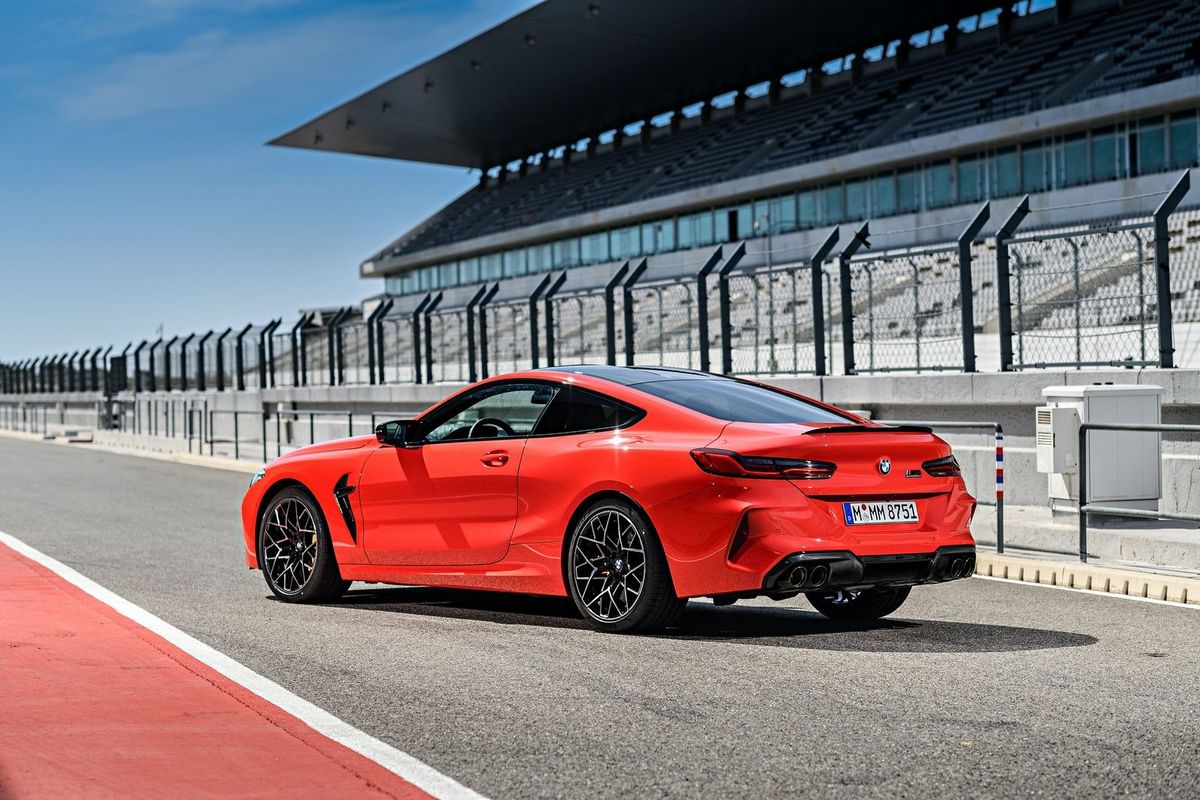
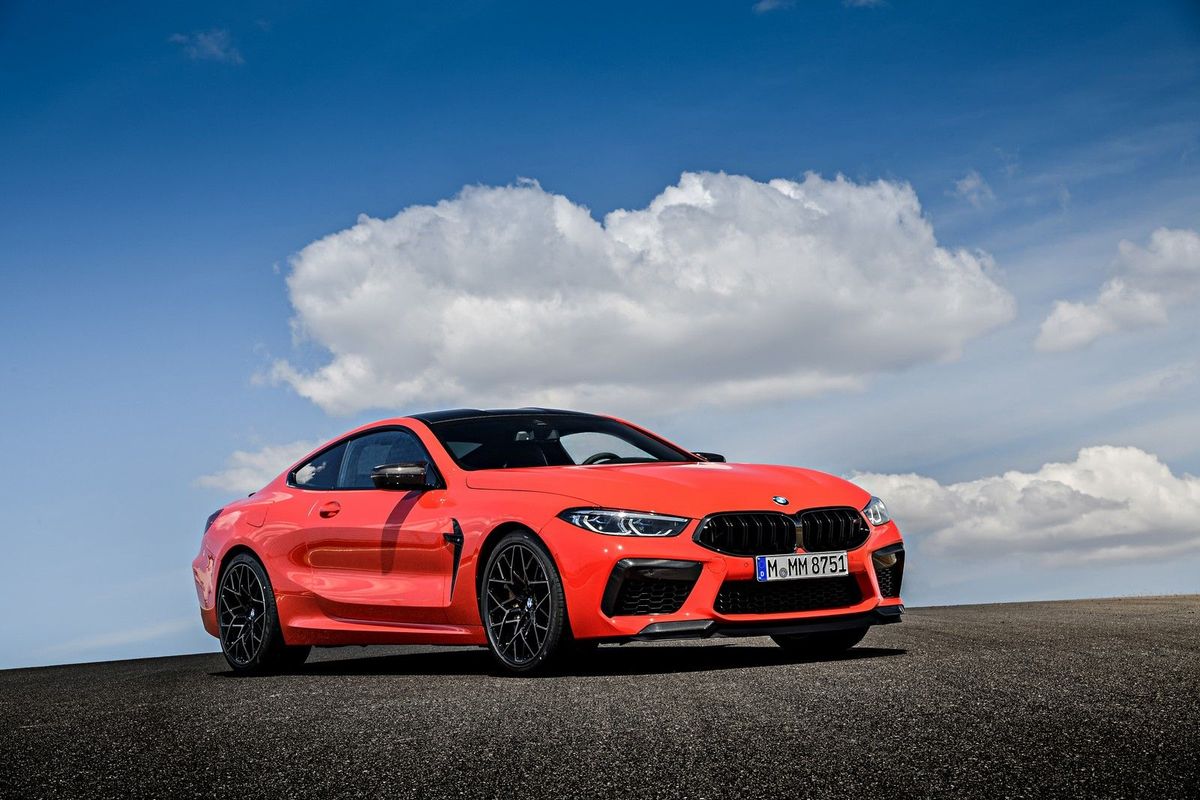
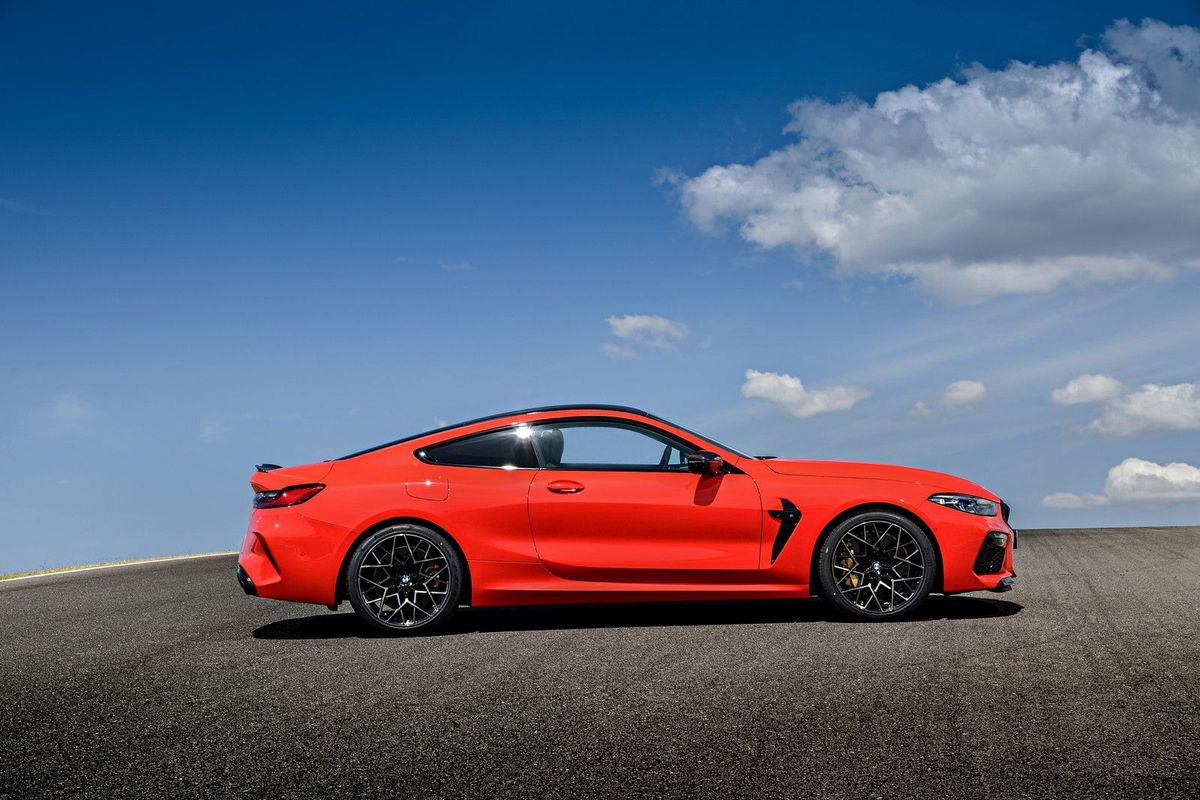
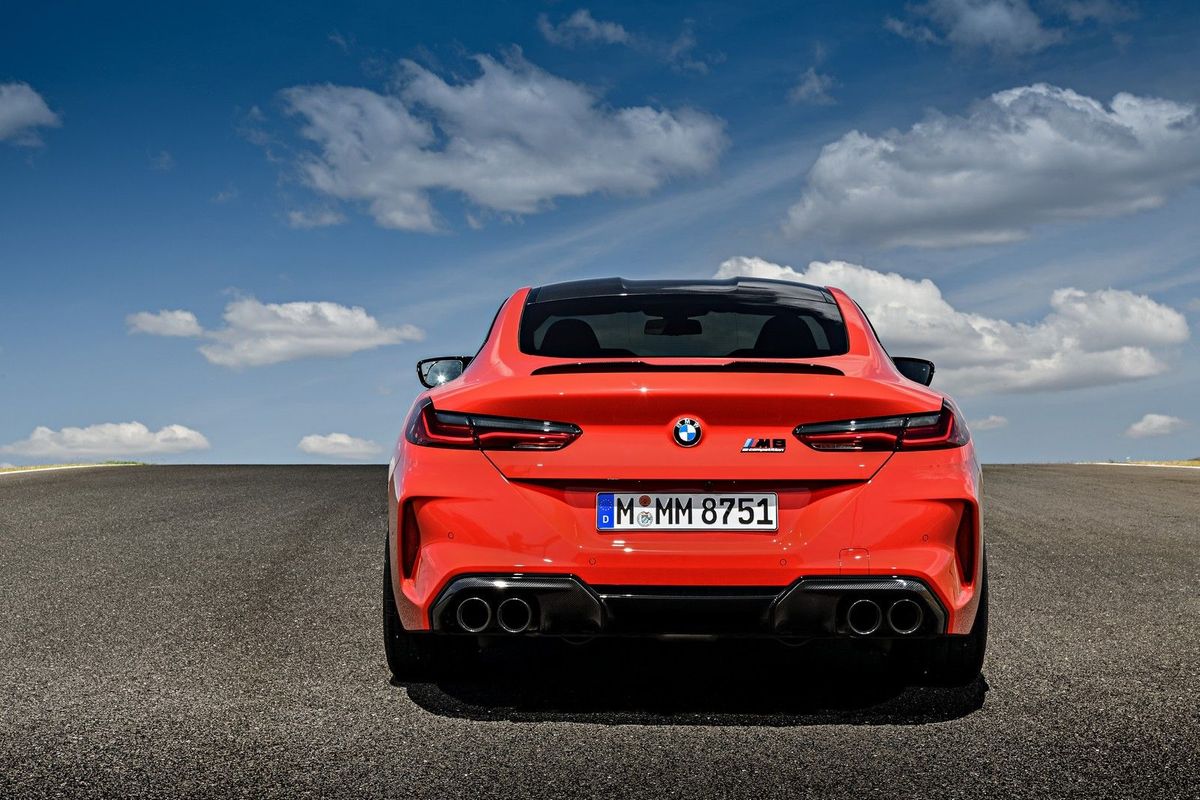
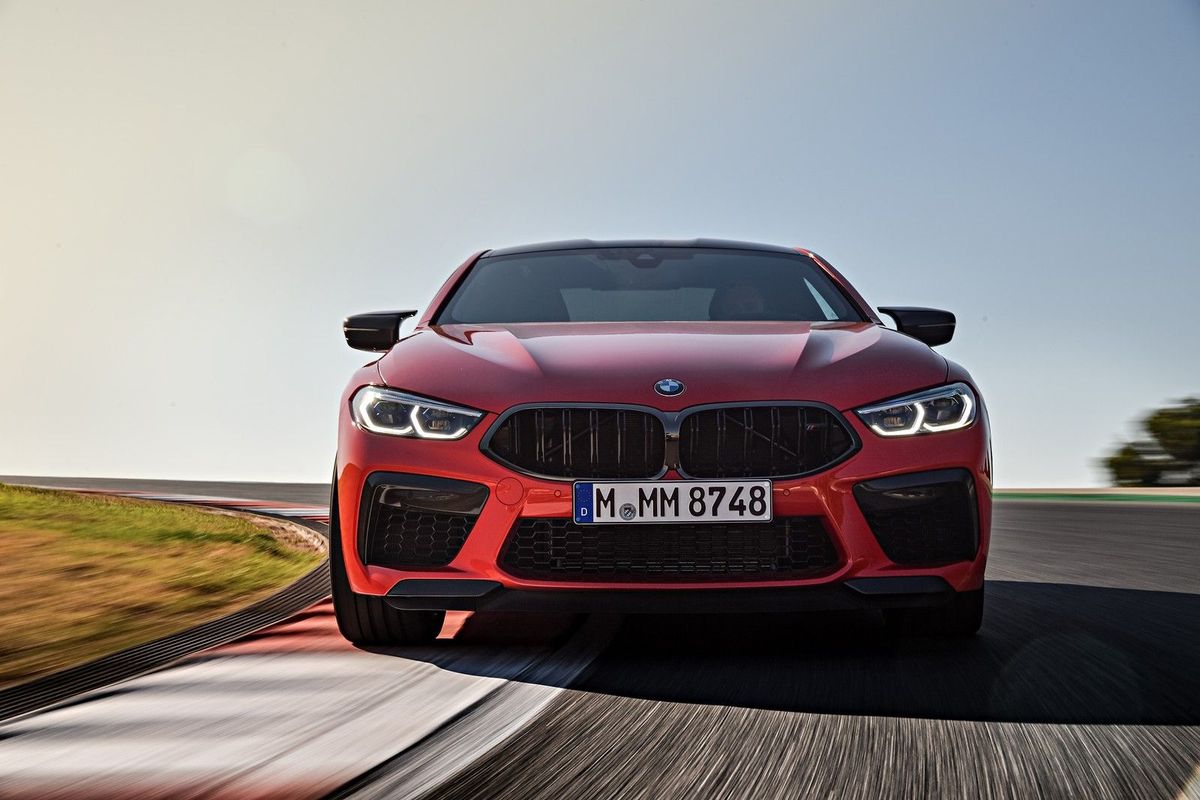
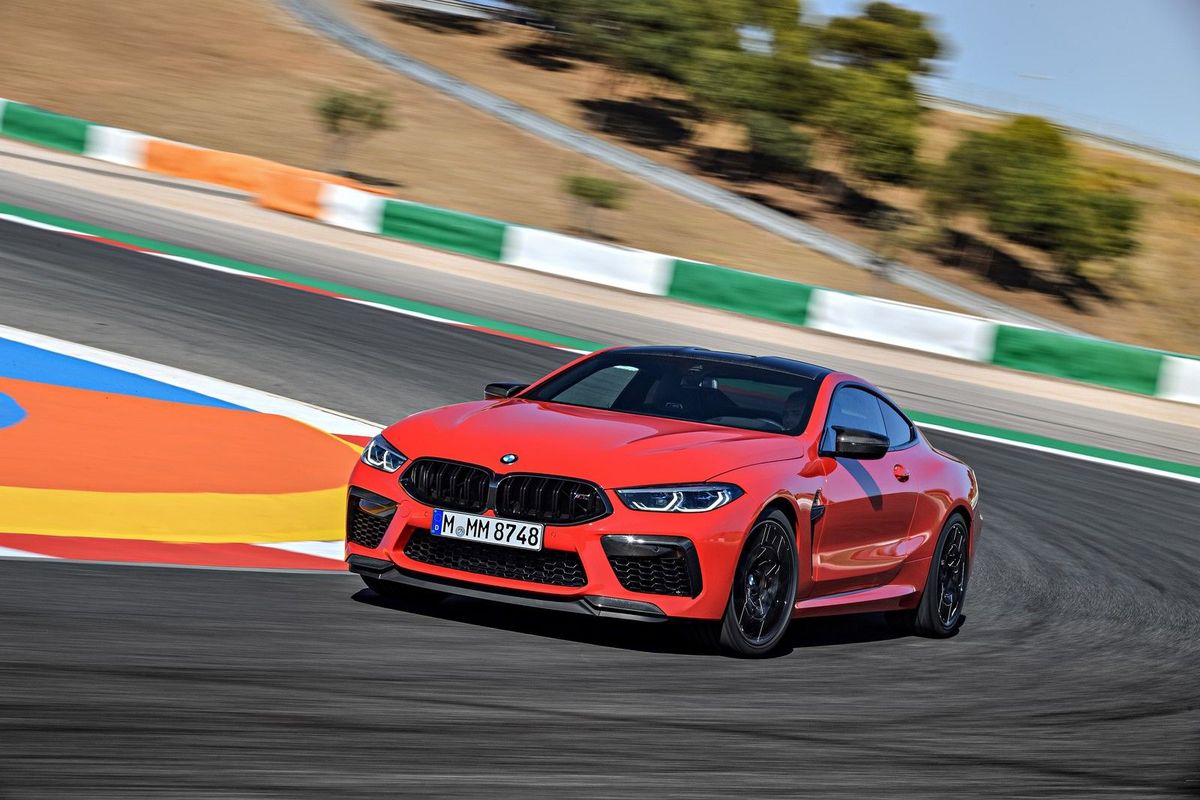
BMW M8 Competition Coupe (2019) International Launch Review

The eagerly-awaited BMW M8 Competition Coupe will arrive in South Africa shortly, locked and loaded with M’s full arsenal of horsepower and tech… Our correspondent Shane O' Donoghue tested it on road and track in Portugal.

About this time last year, we came back from Portugal and our first drive in the then-new BMW M850i xDrive and, if memory serves, we were left gobsmacked by its abilities and performance… We wondered how in the world BMW would be able to improve on that car by enough of a margin to justify the bestowment of full-on M-car status on the car that would succeed it. Well, now we’re back from Portugal, again and we've spent a few days driving the 2020 BMW M8 Competition. Without wishing to spoil the surprise, we think you’ll find this write-up makes for interesting reading. 


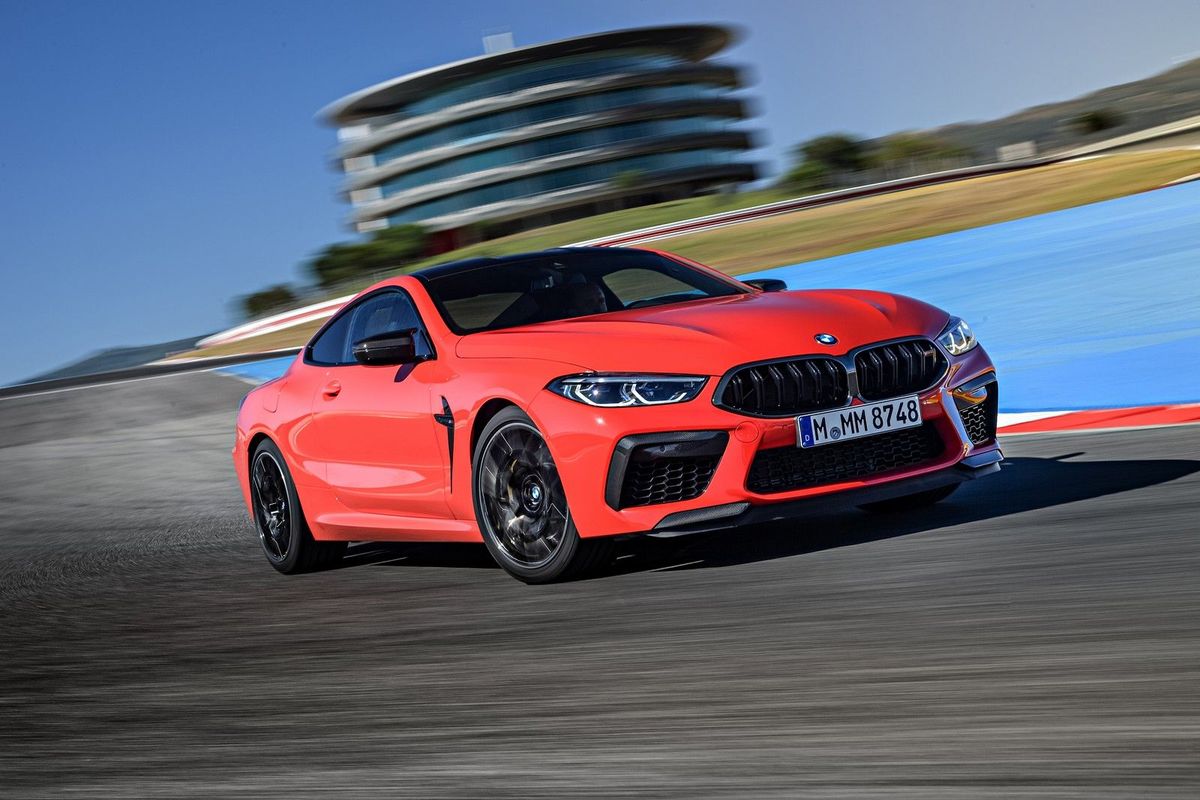
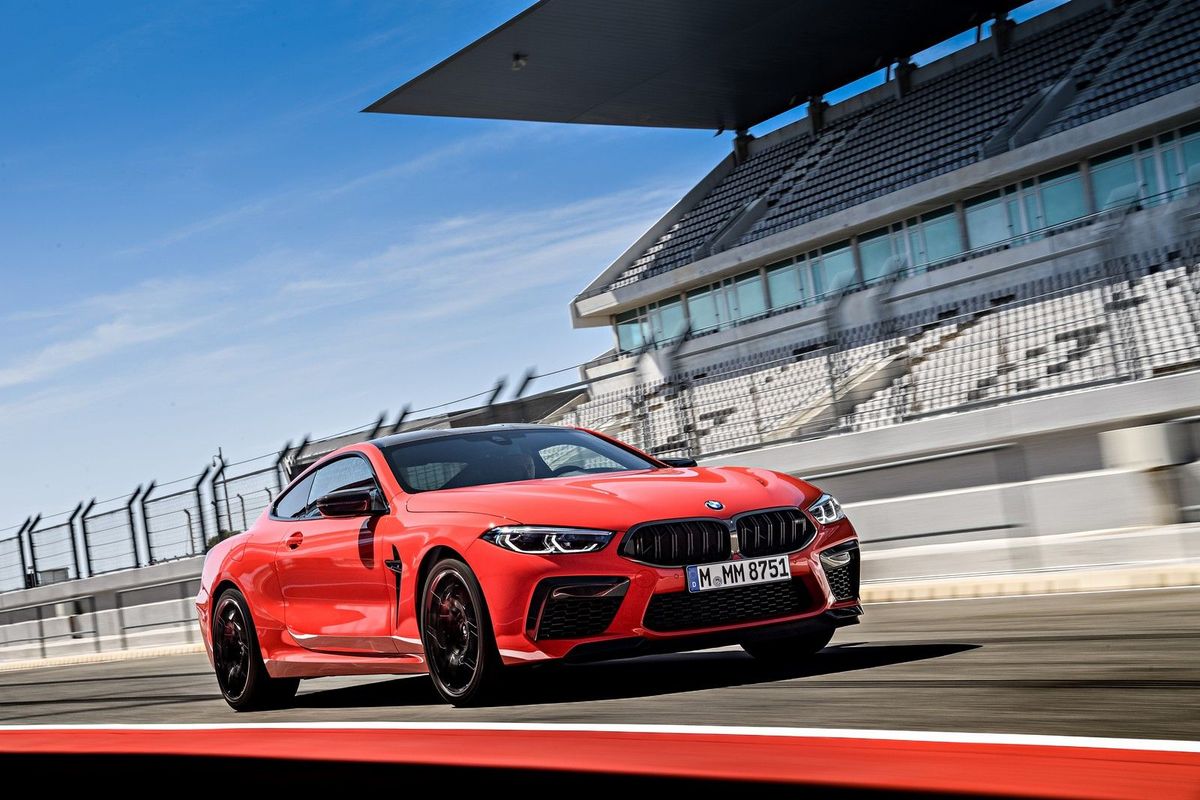
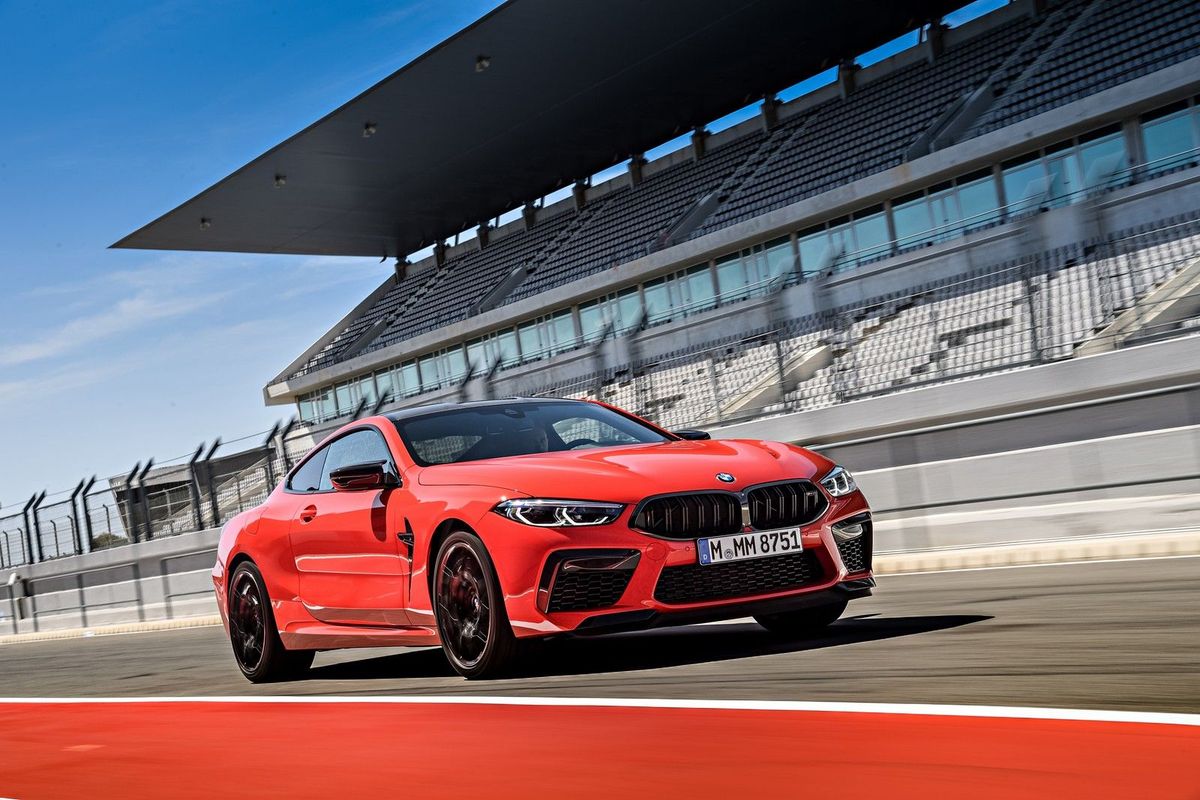
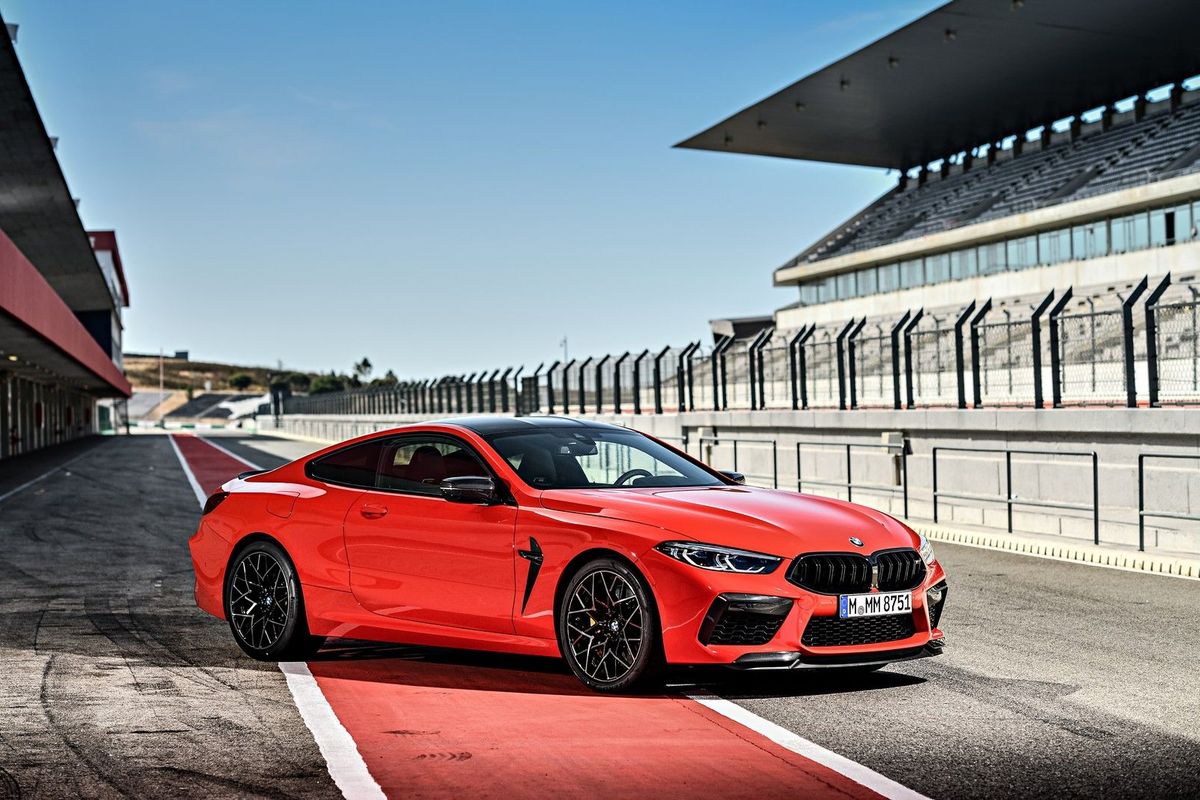
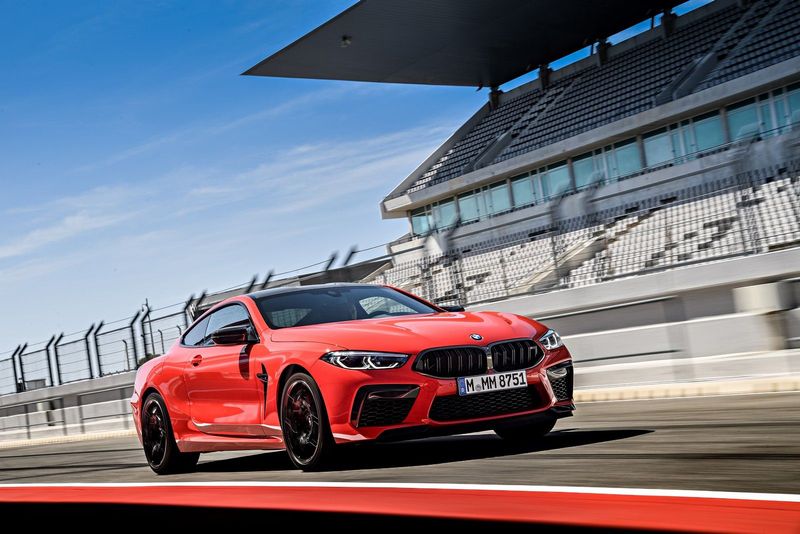
Evil-looking kidney grille up front gives the M8 a sinister face.

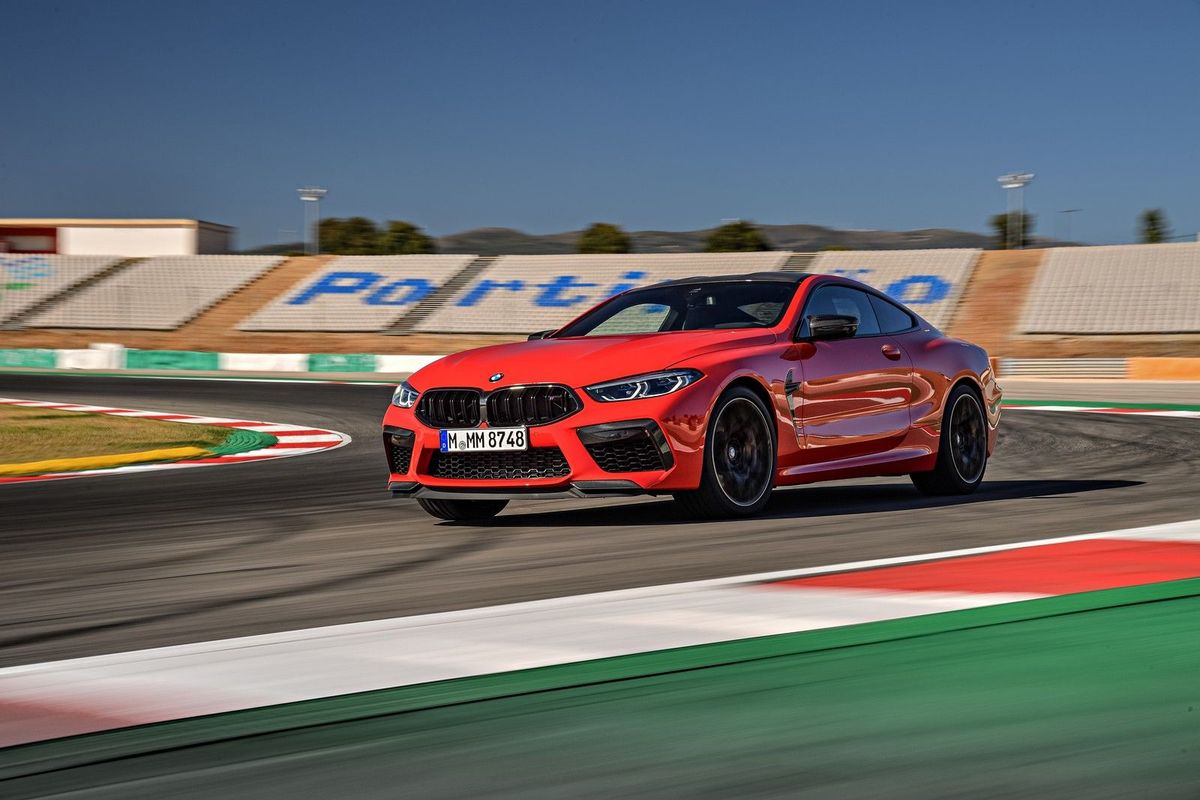
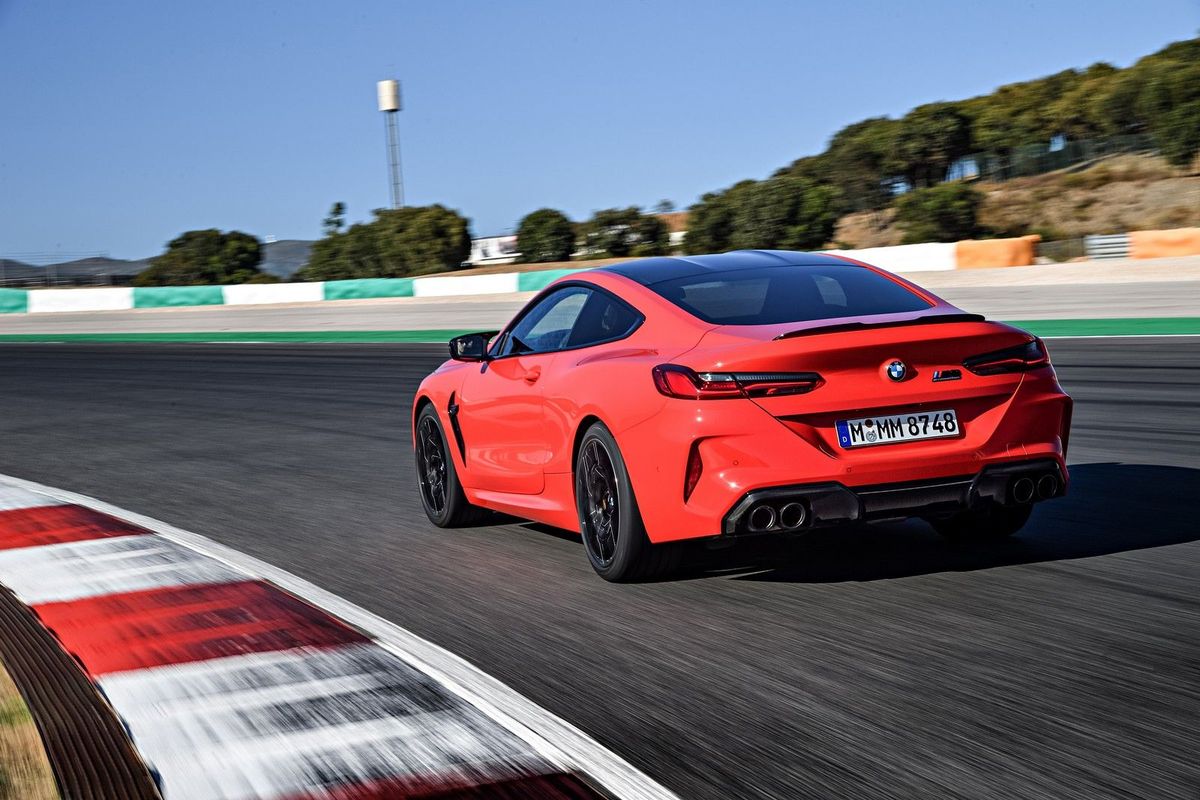
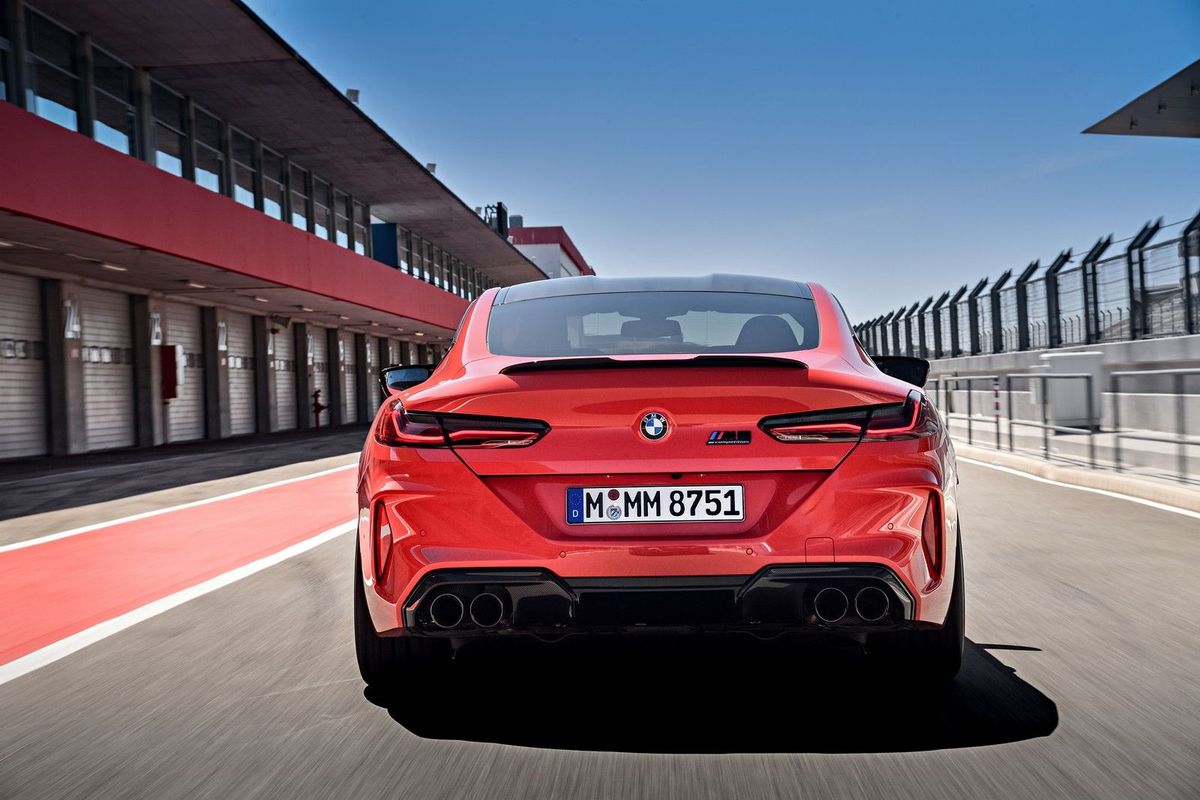
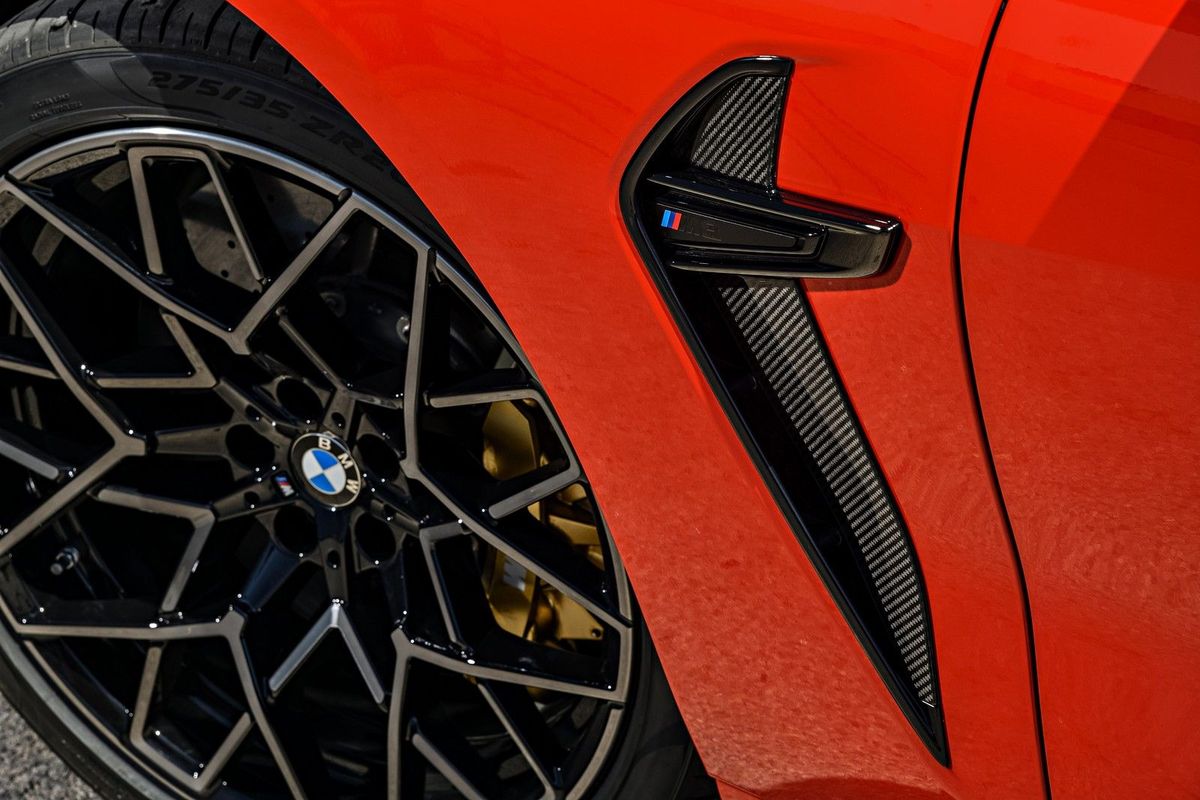
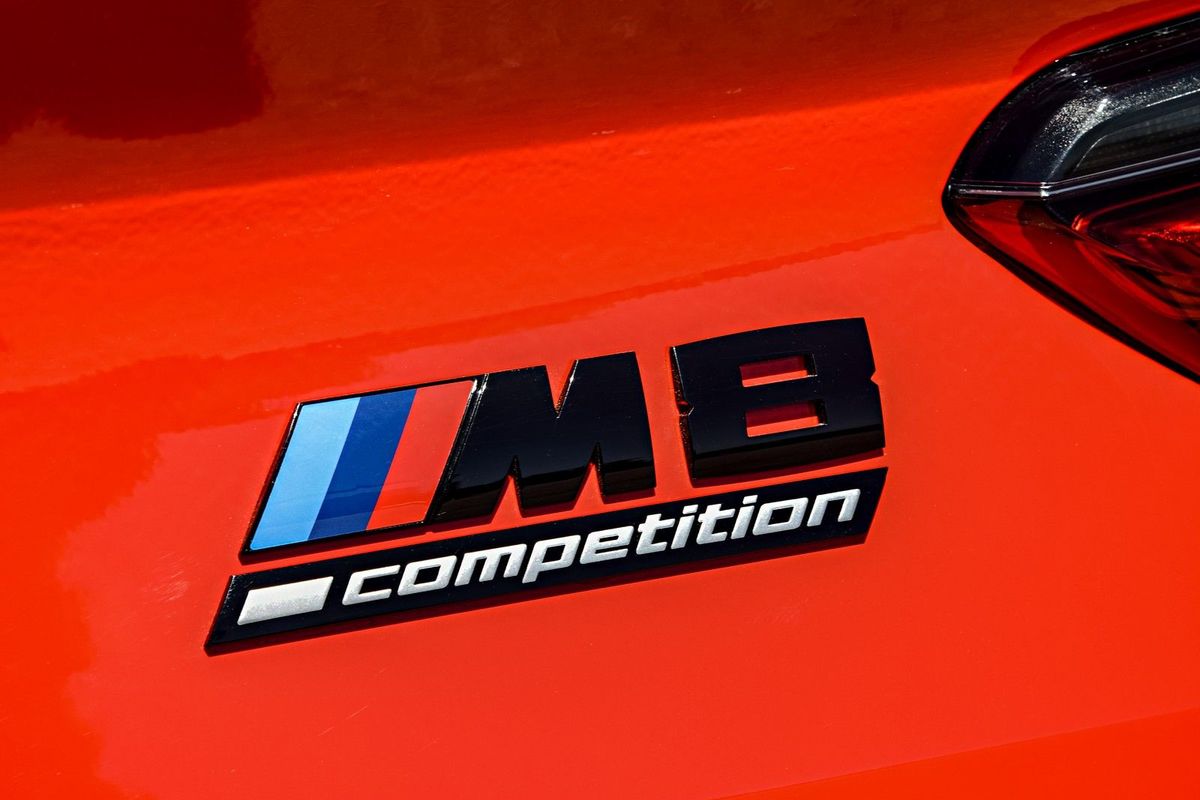
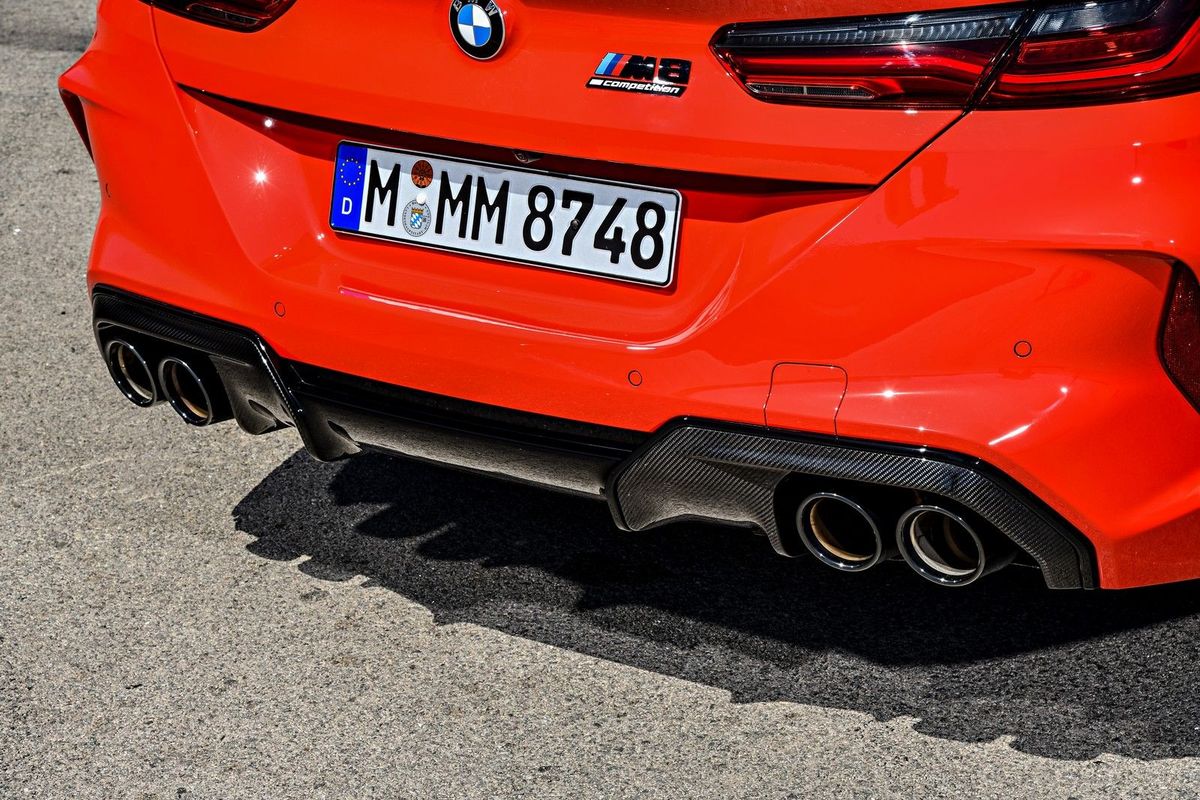
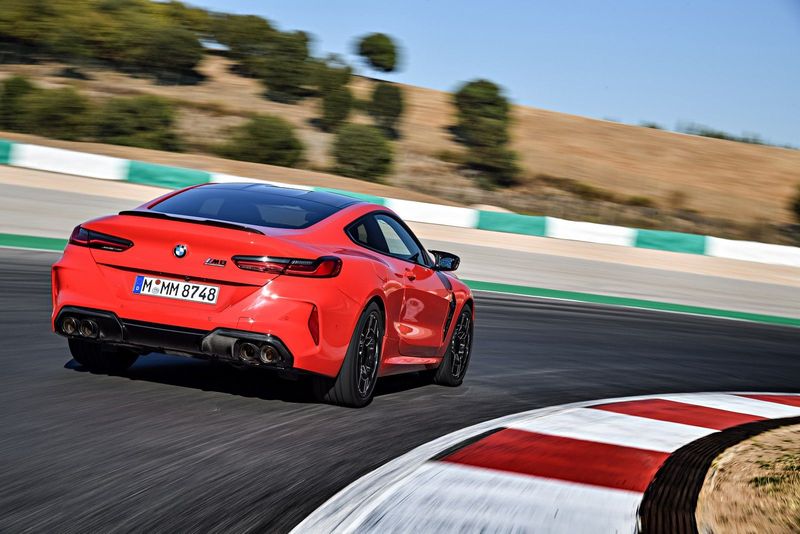
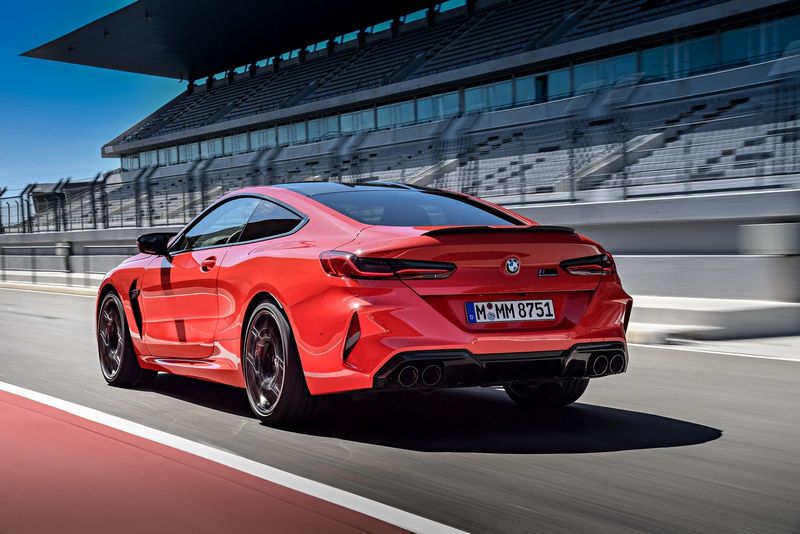
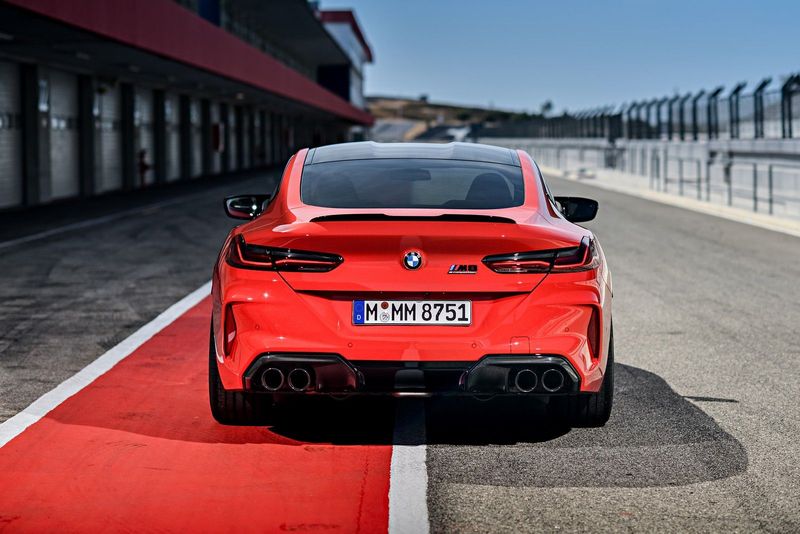
Let’s start with the exterior. In isolation, you’d possibly wonder is there much difference between the M Sport versions of the 8 Series and the M8 Competition, especially as buyers of the former can specify a carbon exterior pack. Nonetheless, the M8 Competition gets a carbon roof as standard, along with special wheels, a unique and evil-looking take on the BMW kidney grille, more aggressive styling for the bumpers, a rear spoiler and, of course, quad exhaust outlets. What you might not spot at first glance is the wider wings, which add serious muscularity to the M8 M8 Competition's road presence. The Competition version we tested gets lots of black detailing, too, which extends to the badging.

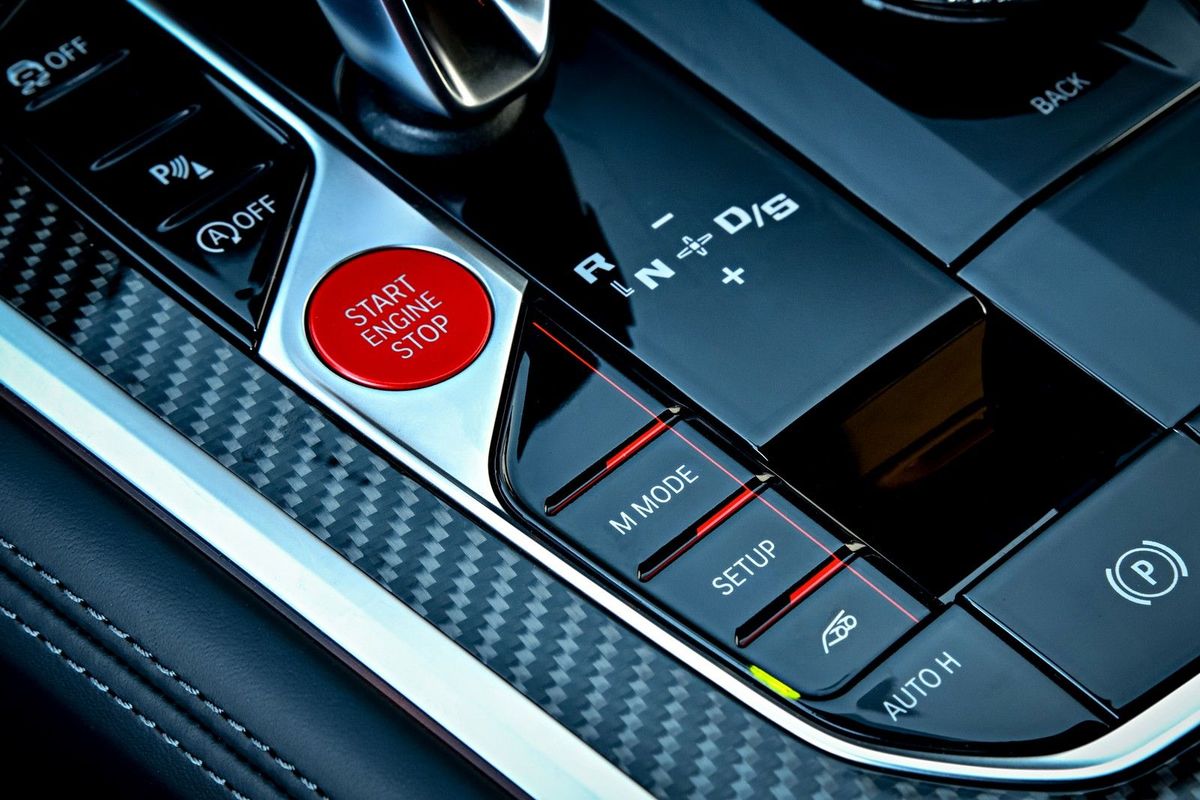
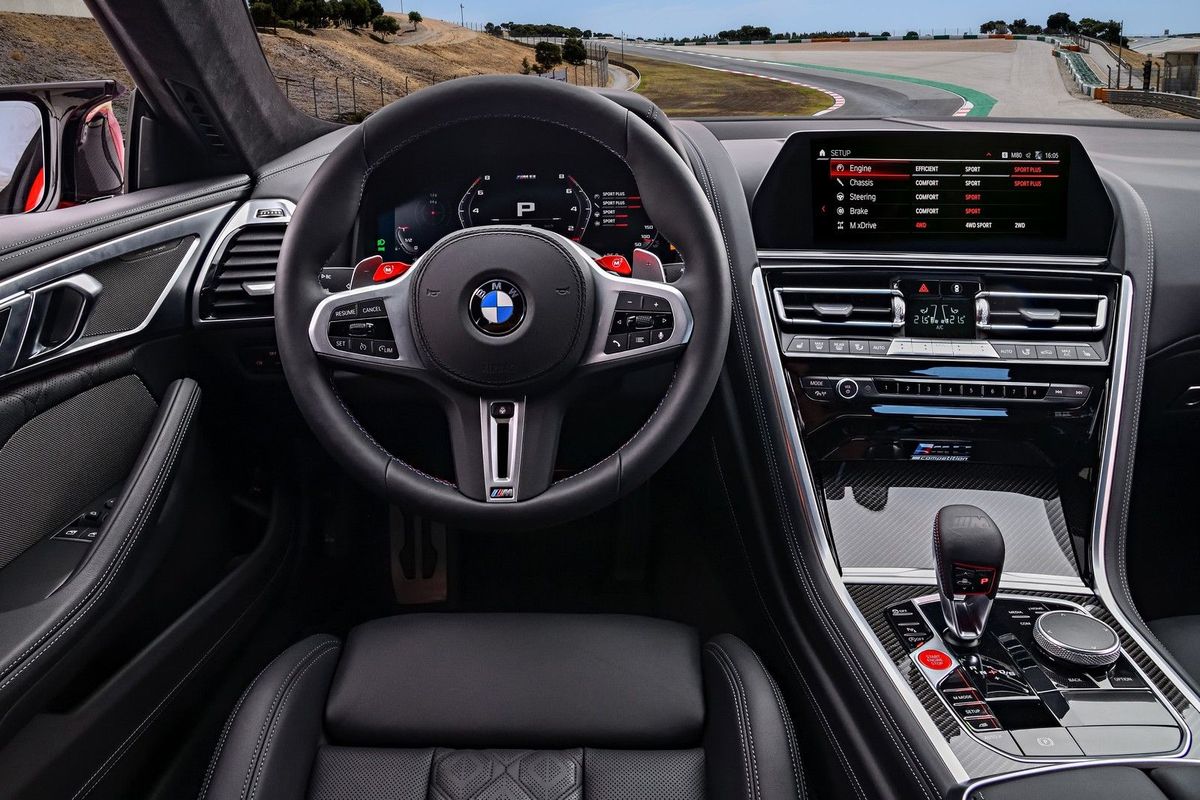
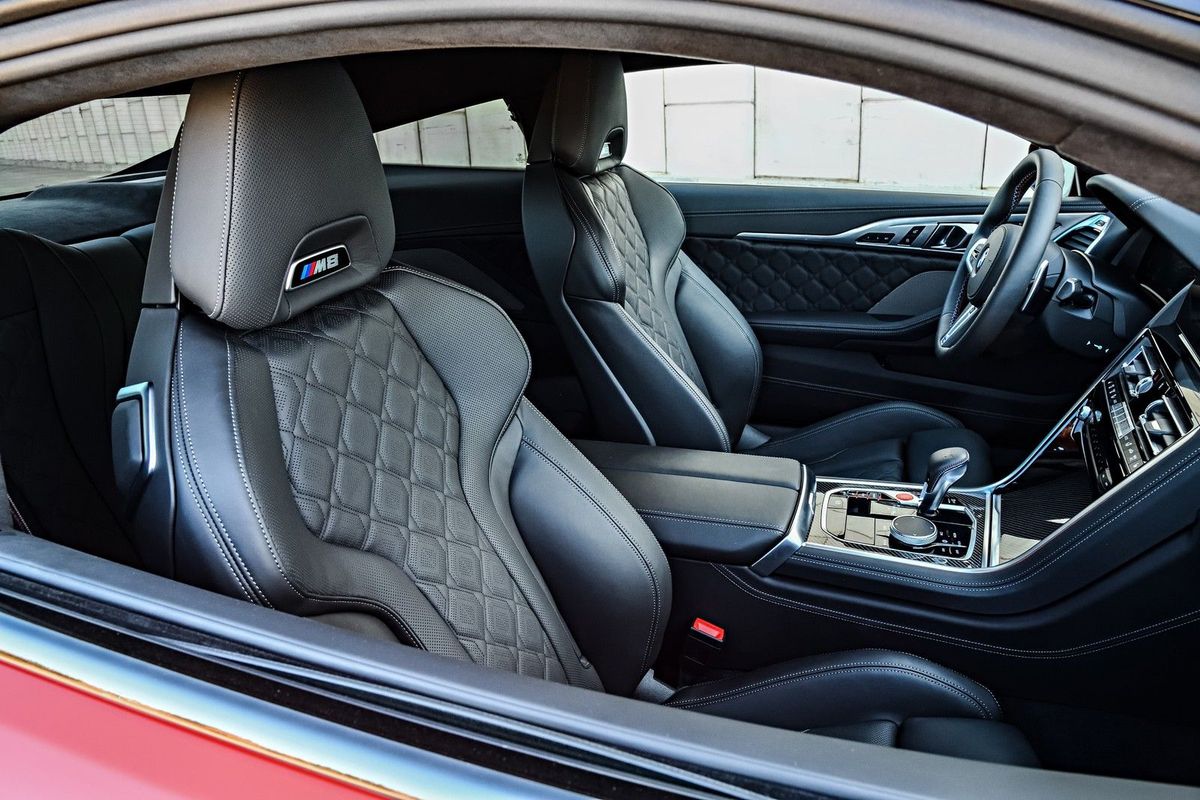
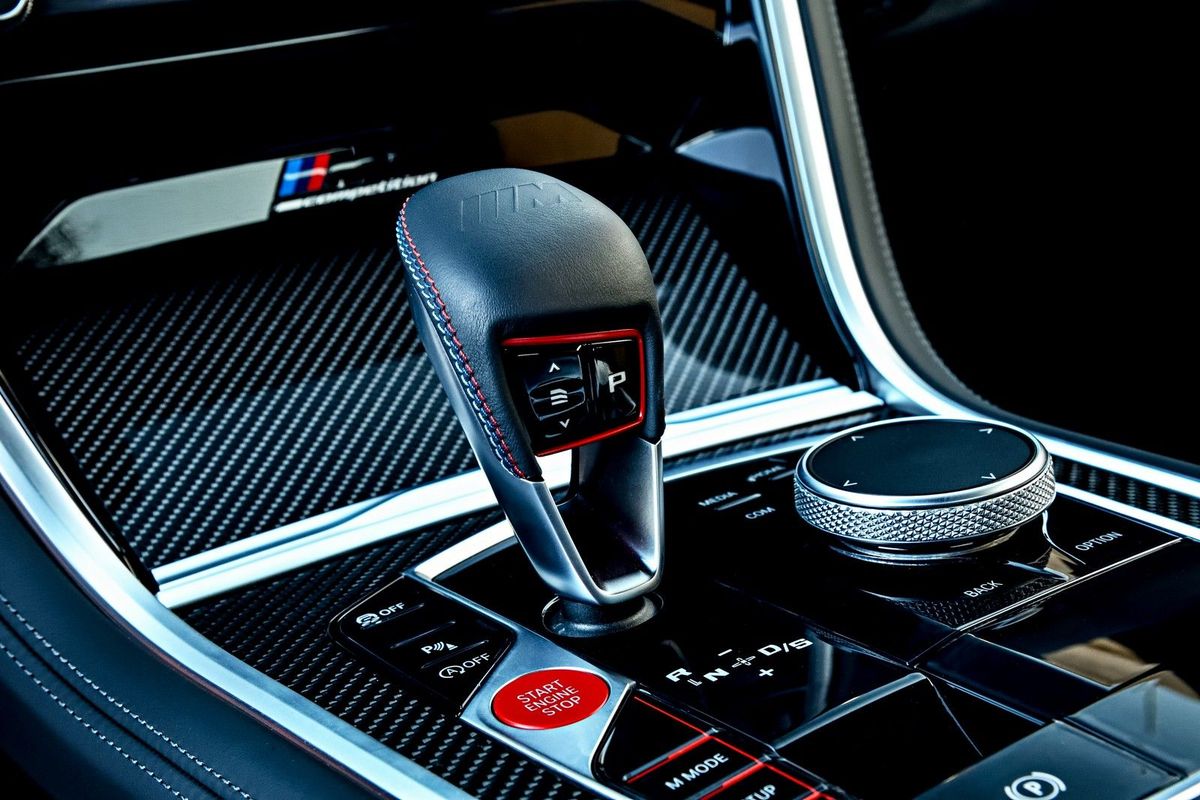
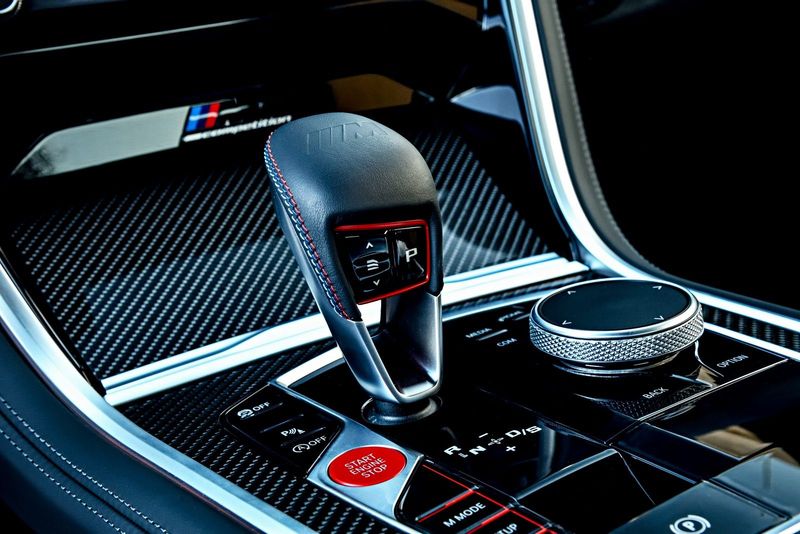
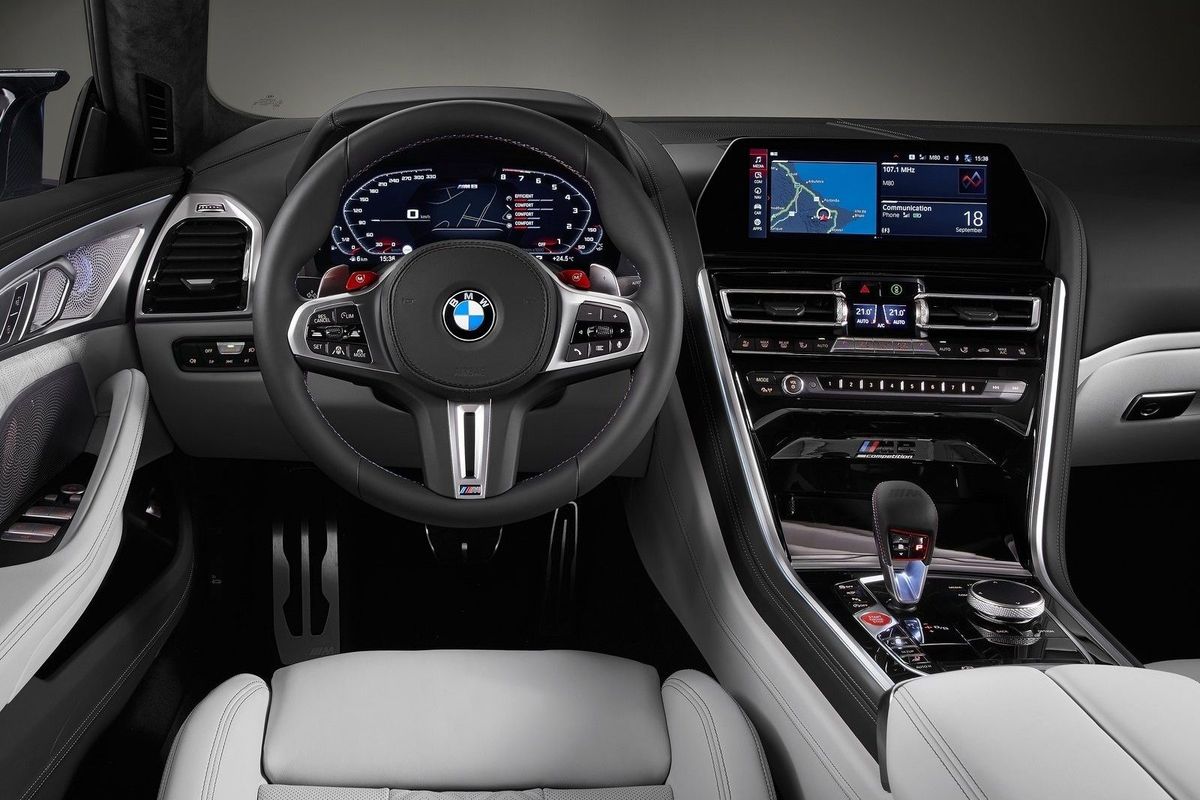
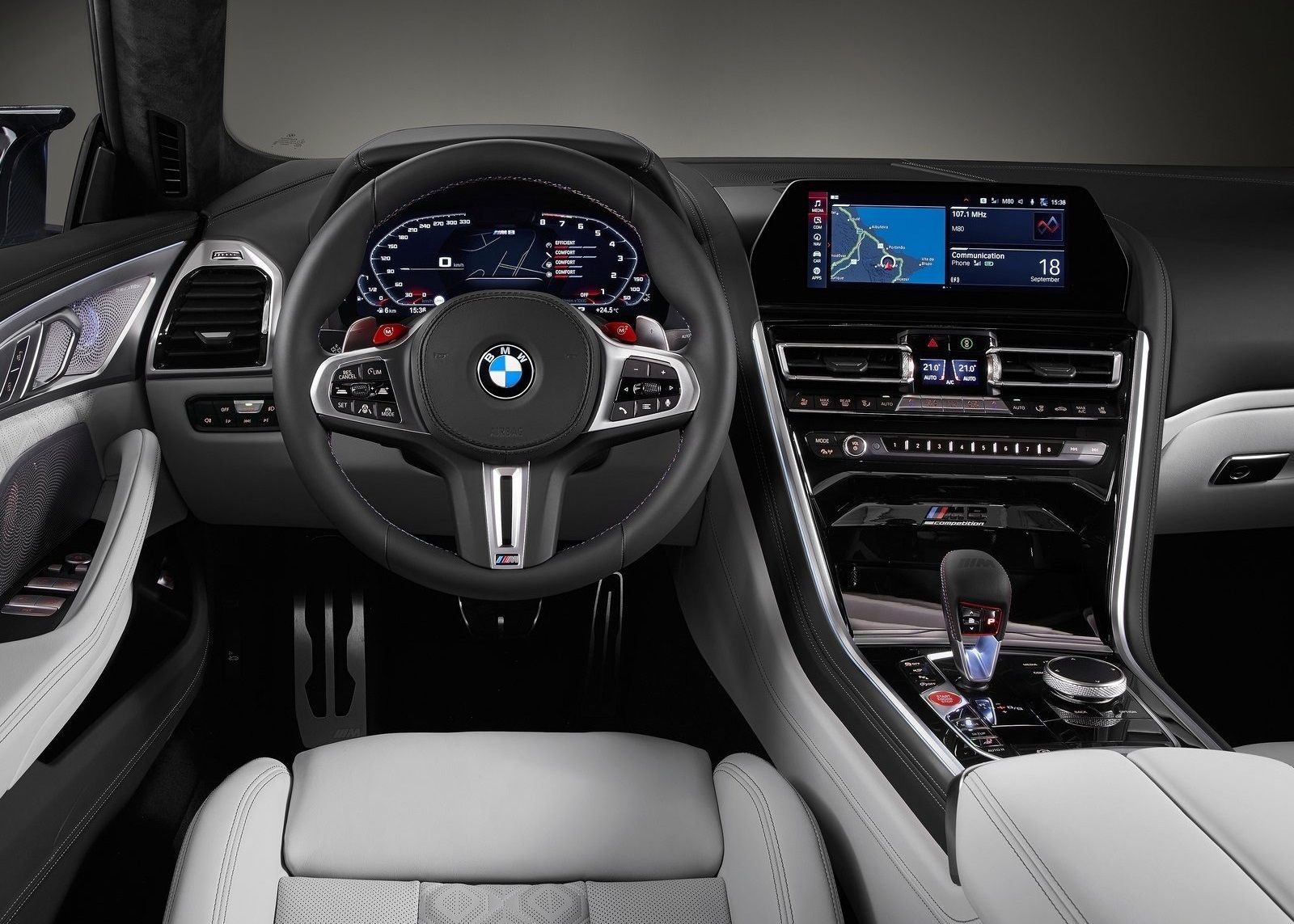
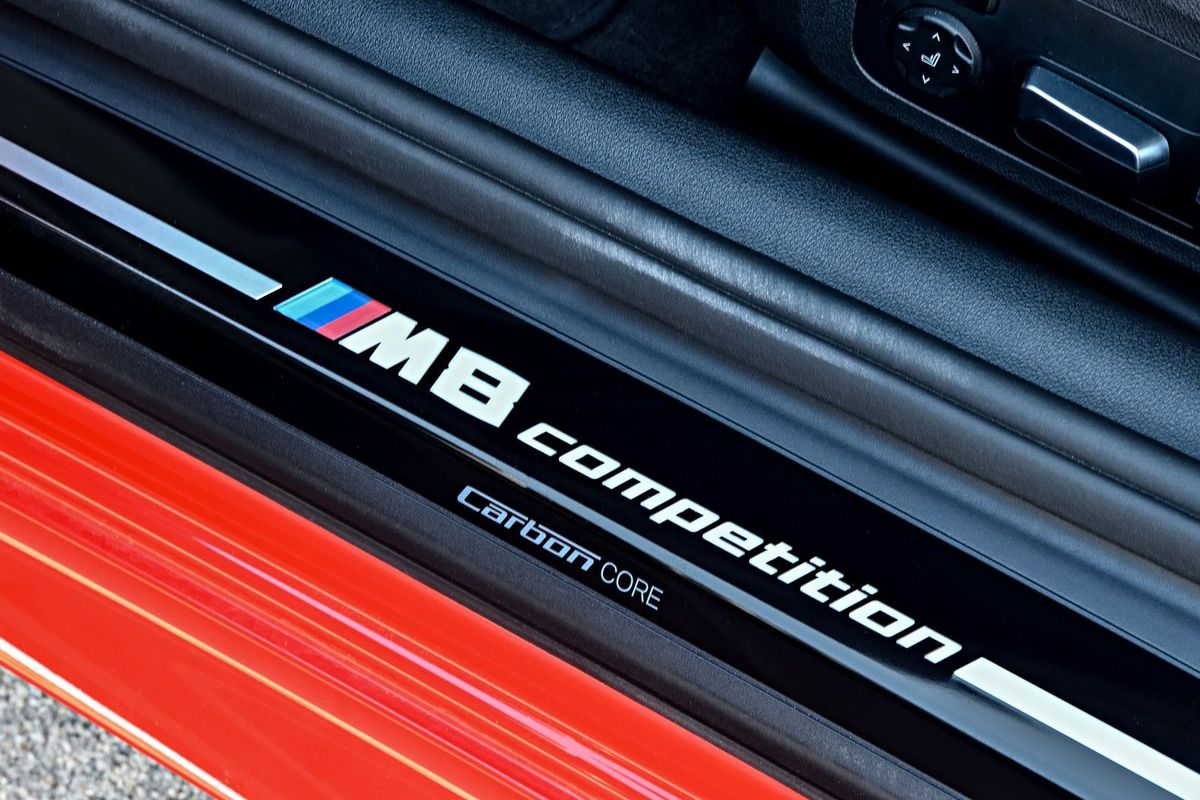
Inside, the M makeover is predictable but still welcome. Two-tone leather and Alcantara sports seats feature illuminated M8 logos up front, while the (still ornamental) rear seats mimic their style. The steering wheel looks modest as it does without the marketing-lead disease of a flat bottom, but it feels good in the hand and the metallic gearchange paddles behind are a tactile delight (if a little small). You’ll spot the bright red M1/M2 buttons on the wheel, too. That colour is repeated on the engine-start button, which gets copious amounts of lacquered carbon fibre in the Competition version. And, if you shield your eyes from the glare of that adornment you may spot a few new driving mode buttons that aren’t in the regular 8 Series. More on that in a moment. Meanwhile, the transmission lever is a new design, with built-in illumination and a toggle switch to alter the Drivelogic settings.


New gear lever design and red engine start button match the M1 and M2 buttons on the steering wheel.

The rest of the dashboard is the same as that in the 8 Series, more or less, with its two large screens and BMW’s latest iDrive system replete with voice, touch and gesture control functions, along with the perfectly good old-fashioned rotary controller. Spend time with the M8 Competition and you’ll discover it has its own instrumentation design layout and head-up display, along with M-specific menu and readout options for the central touchscreen. In fact, there’s a new M Mode button that allows the driver to switch from the default Road setting to Sport and then Track, with various levels of comfort and assistance sub-systems disabled accordingly. In track mode, the central display and audio are switched off to minimise distraction as well. That’s a promising feature, as it suggests that BMW M’s people expect M8 drivers to well, you know, drive. Really drive.

What’s it like to drive?


The M8 Competition uses the same engine as the M5 Competition – 466 kW and 750 Nm from the 4.4-litre twin-turbo.

While there’s nothing massively new in the powertrain of the M8 Competition that we’ve not already experienced in the BMW M5 Competition, it’s still worth poring over its technical specification, as it’s rather special. The twin-turbo 4.4-litre V8 produces peak outputs of 466 kW and 750 Nm of torque, via an M-developed version of the company’s usual 8-speed automatic transmission. As ever, you can use that as a fully automatic transmission or almost fully manual (i.e. it will never change up a gear for you, but will change down eventually if you slow without shifting down), while the Drivelogic system has 3 levels of gearshift speed, ranging from soft and smooth to downright violent. That feeling is enhanced by the extra stiff engine mountings exclusively fitted to the Competition version of the M8, making it all feel very urgent indeed.

Drive then goes to the M xDrive system with a fully variable central differential, an open front axle diff and the electronically controlled Active M differential on the rear to control side-to-side split of the torque. But no matter how you drive this car, it never feels anything other than rear-biased. The default mode is simply 4WD, but 4WD Sport is much more fun, sending more power, more of the time, to the rear axle, and allowing more slip in the progress. Even in the mid-setting of the traction control, it’s possible to get a satisfying drift going for a moment on the exit of a tight corner (on track only, obviously). If vaporising rear tyre-tread is how you get your kicks, then you’ll appreciate the inclusion of a 2WD mode, a fully rear-wheel-drive setup without any electronic traction safety net. Enthusiasts will love that! Insurance underwriters? Less so.


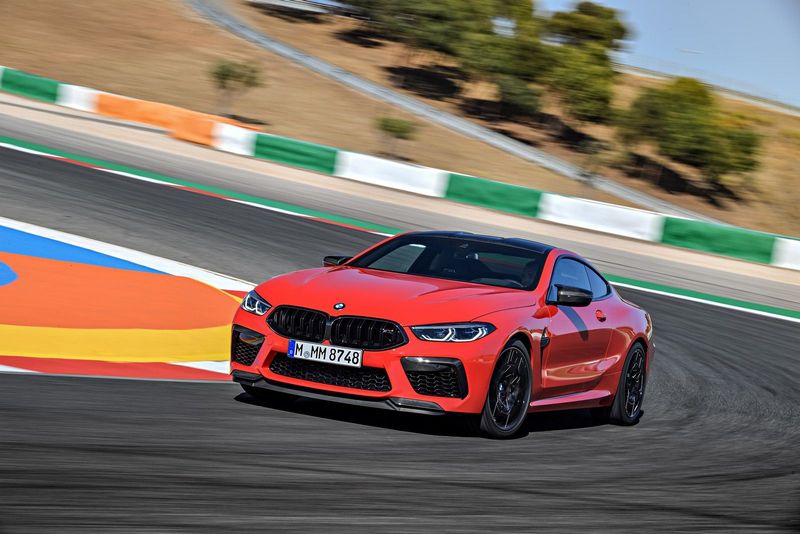
Even in 4WD Sport mode, the M8 Competition feels rear-biased.

As fun as the M8 Competition can be to drive in the right conditions, the newcomer is at its best when you’re playing with the grip levels rather than gratuitously overstepping the limits. For such a heavy car, it’s remarkably agile and ever-obedient to driver inputs. And it does without the rear-wheel-steering of its xDrive-equipped 8 Series brethren. Nonetheless, its variable-ratio steering works in conjunction with the increased front camber and solid ball joints (in place of rubber mounts in the toe links) to give M8 Competition's whole front end a more precise and communicative feel than any other 8 Series. The level of feedback coming through to your hands on the steering wheel is commendable. 

The best thing is that BMW's M Division has managed to combine this engagement and communication with raw cornering speed thanks to the wide track and overall stiffness. It moves all apiece in the tight corners and body control is superb. Naturally, all that is with the various sub-systems turned up to their sportiest. As is BMW M’s way, the M8 Competition’s driving manners can be tweaked by its driver to suit their mood or the road conditions. Press the Setup button on the centre console and a simple menu pops up on the touchscreen, which shows the current settings and allows the driver to make changes. Engine response and damping have 3 levels, while the steering has 2. As does the braking system…


You can now set up different levels of brake feel in the M8 Competition.

That’s a first from BMW – offering 2 distinct levels of brake pedal feel thanks to the creation of a new integrated braking system that also saves weight, reduces drag on the engine and works quicker with driver assistance functions. Unnervingly, this system purports to offer consistent brake pedal feel, regardless of brake temperature and other factors, but we’re not sure we like the sound of that. There is a discernible difference between the Comfort and Sport modes for the brakes, but we’re doubtful that it’ll be something owners alter all that often. Our test cars used the mighty (and optional) carbon-ceramic brakes, so we had no issues with stopping power no matter how hard we tried.

Back on the road, the M8 Competition proves to be tidy and fast; it covers ground with indecent pace when the road opens up. And yet, it never feels teeth-jarringly firm, either, so it plays the grand tourer (GT) role seemingly as well as its lesser sibling. 

Verdict


The M8 Competition has found another level of performance and magic, making it a proper M Car with distinctive attitude.

We thought the M850i played the role of sports car and GT to good effect, but the new BMW M8 manages to put even that in the shade with its breadth of ability. Sure, it’s still a big, heavy coupe, but M has worked its usual magic to give the M8 Competition personality galore to go along with its dramatic performance. If you love driving, then it’s not difficult to recommend that you pay the premium over the M850i – this is a proper M car.

BMW M8 Price in South Africa

BMW M8 Competition Coupe       R2 958 053

Related content:

BMW M8 Gran Coupe Revealed
Mercedes-AMG GT Facelift (2019) Price Announced
Hot Audi RS7 Sportback Shown

BMW M8 Gran Coupe Revealed

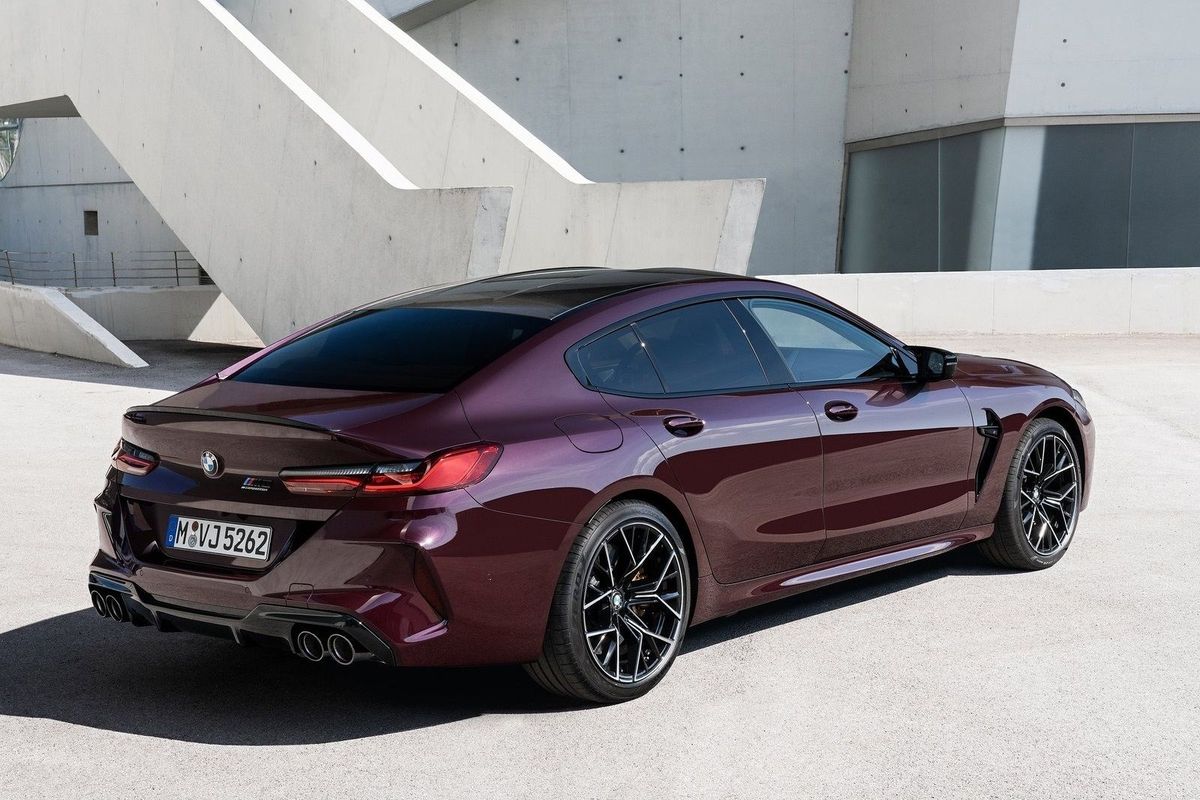
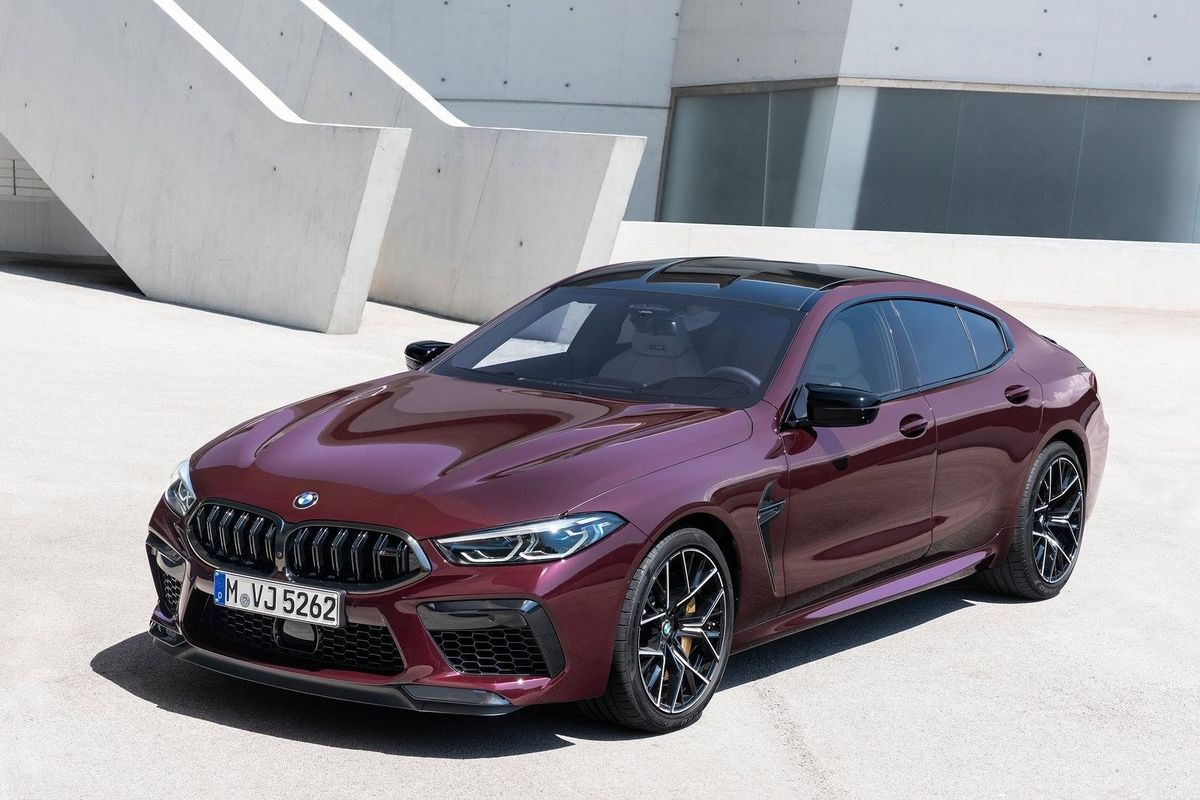
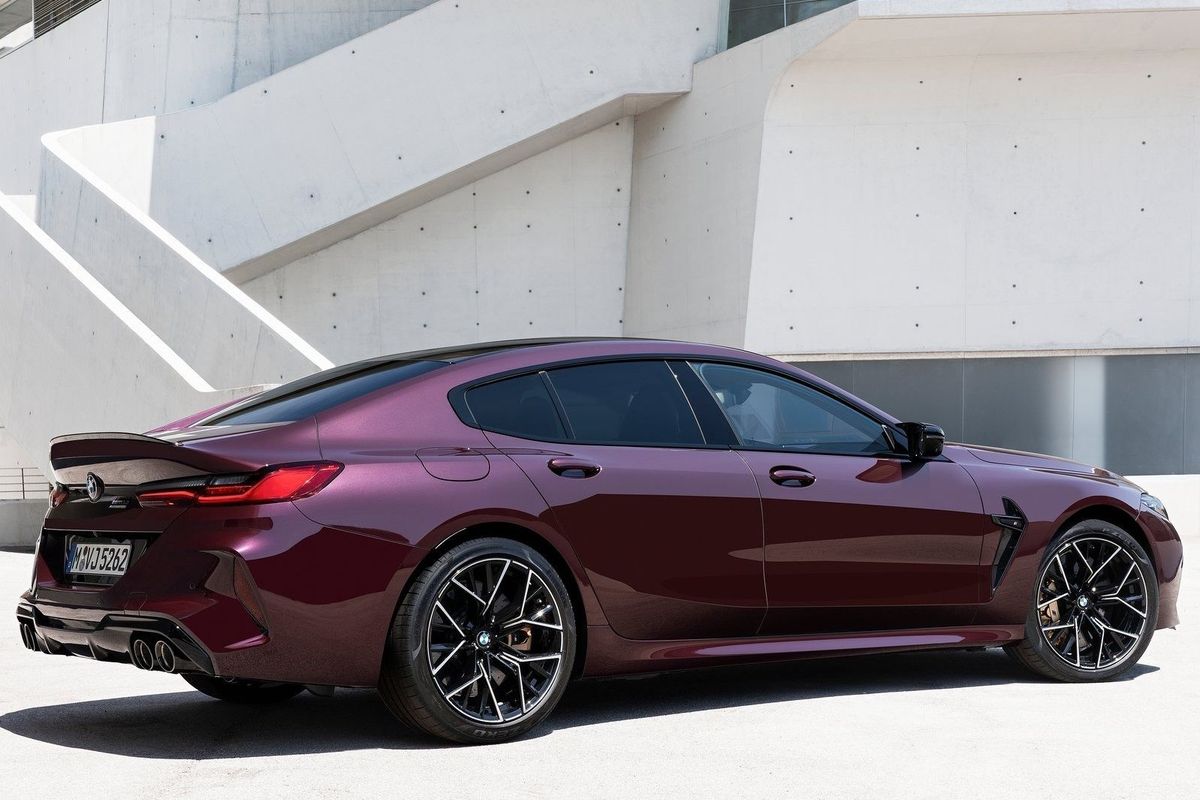
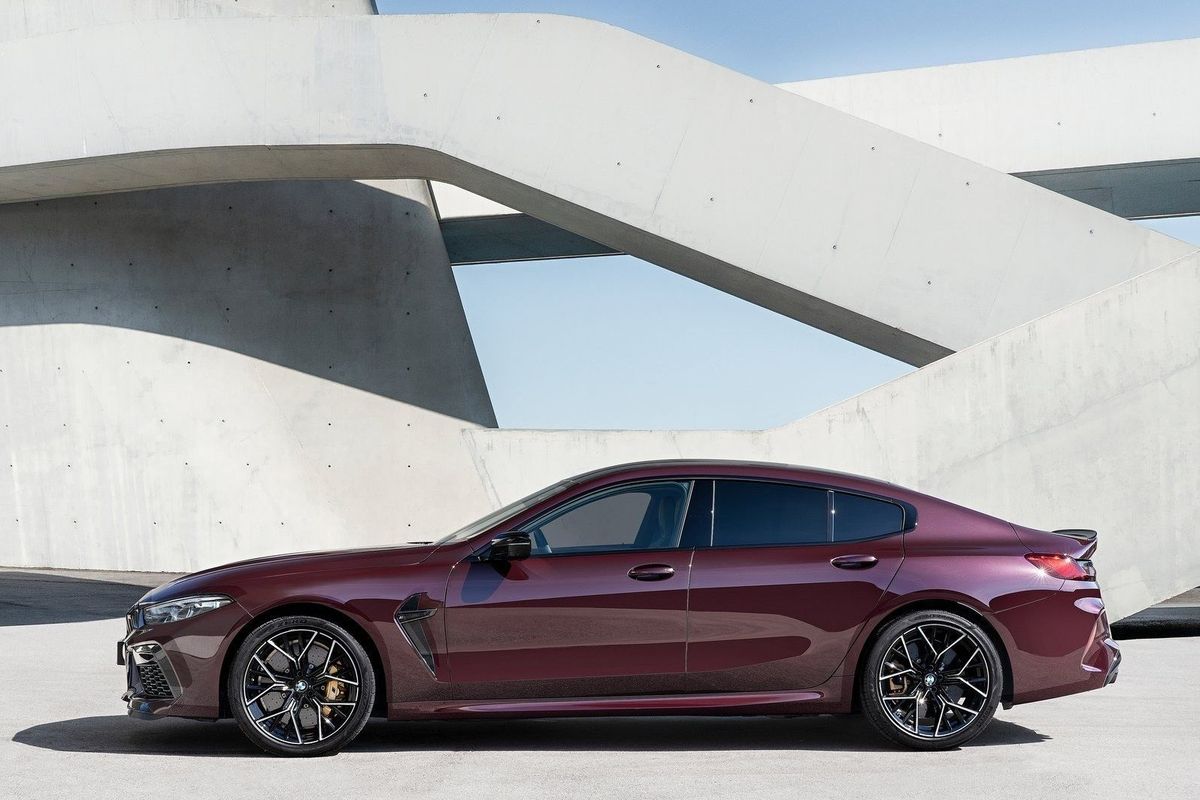
There's now a third model in the BMW M8 family. Meet the biggest of them all, the BMW M8 Gran Coupe.

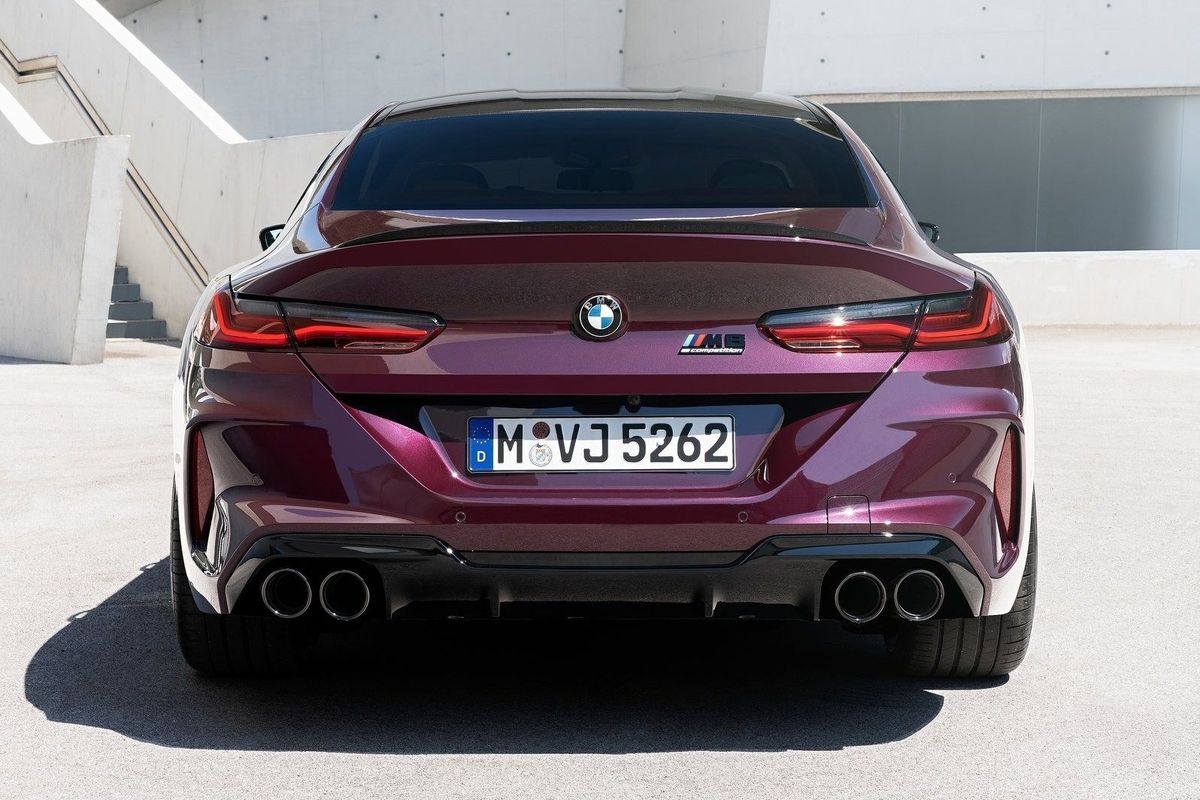
The BMW M8 Gran Coupe will be the biggest of the family and retains the thundering 4.4-litre twin-turbocharged V8 engine. It's available in two flavours: M8 and M8 Competition. In standard guise, there's 441 kW and 750 Nm, with the M8 Competition serving up 460 kW.

Mated to an xDrive all-wheel-drive setup by an 8-speed M Steptronic transmission, performance is rated at 3.3 seconds and it'll hit 200 kph in 11.2 seconds. The M8 Competition is even more ferocious, with 3.2 seconds to 100 kph and 11 seconds to 200 kph. Top speed is claimed at 250 kph, but you can opt for the M Driver's package which moves that limiter to 305 kph. Perfect for those late-night autobahn runs then.

The vehicle comes with an Active M Differential which works in conjunction with the xDrive all-wheel-drive system to ensure sporty handling. For those brave enough, the vehicle can disengage its front axle and send all that power to the rear, for those wanting proper rear-wheel-drive theatrics. The BMW M8 Competition model gains specific chassis tuning to give it a track focus, although it's unlikely customers would be taking them to the race circuits.

The new BMW M8 Gran Coupe is 231 millimetres longer than its two-door siblings. There's also a 200-millimetre increase in wheelbase length for rear cabin space, where passengers can sit in two full-size individual seats. The boot has a capacity of 440 litres, which is good enough for golf clubs.

For those wanting the ultimate, there's the BMW M8 Gran Coupe First Edition, which features some really classy touches. The BMW kidney grille and badges are in high-gloss black, there are forged M light-alloy wheels with a high-sheen milled 3D pattern and bi-colour paint finish, a black rear spoiler and an M Sport exhaust system with black chrome tailpipes. If you want more, then go for the optional M Carbon exterior package, comprising inserts for the front air intakes, exterior mirror caps, M gills on the flanks, a rear diffuser and a rear spoiler all made from CFRP. There'll be just 400 units available for the global market.

The BMW M8 Gran Coupe will be arriving in South Africa in the first quarter of 2020.


The interior of the BMW M8 Gran Coupe

Further Reading

BMW M8: Price in SA

BMW M8 Gets M Performance Parts Treatment

BMW 8 Series Gran Coupe Price Announced

BMW M850i Review – Launch Control, Exhaust Sound, Panicked Face

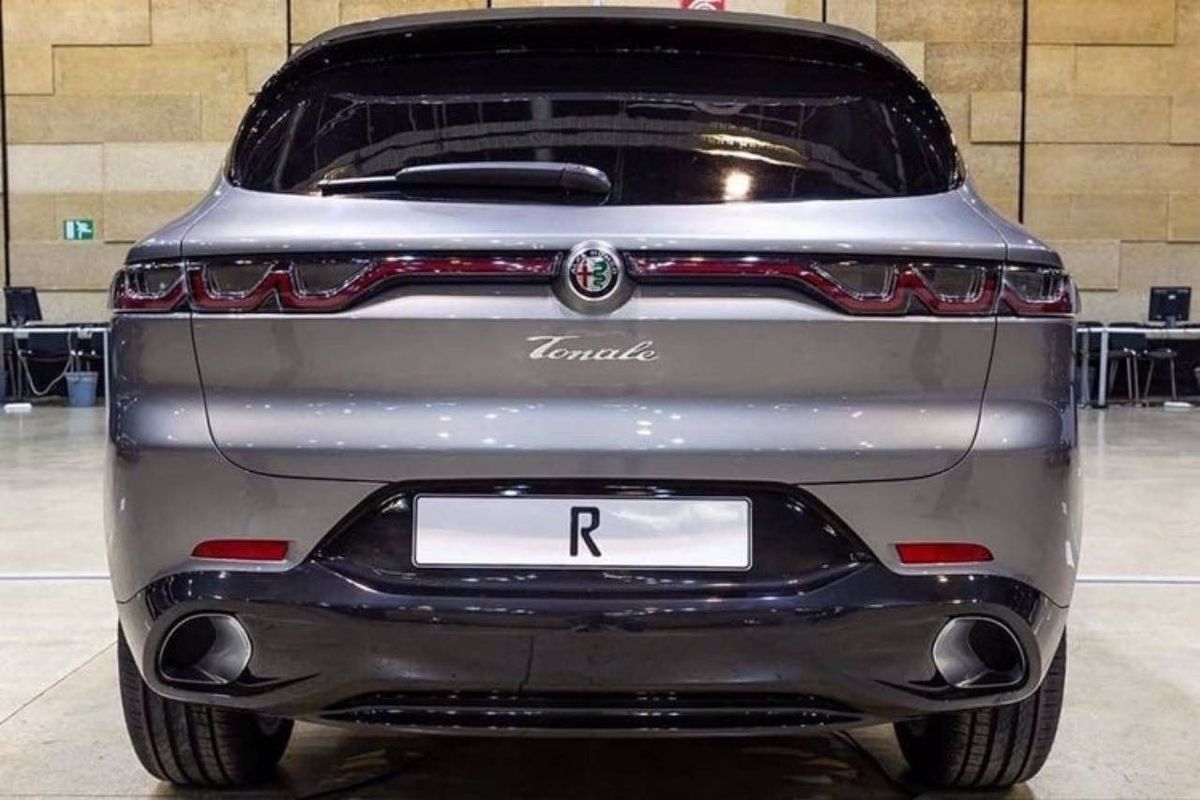
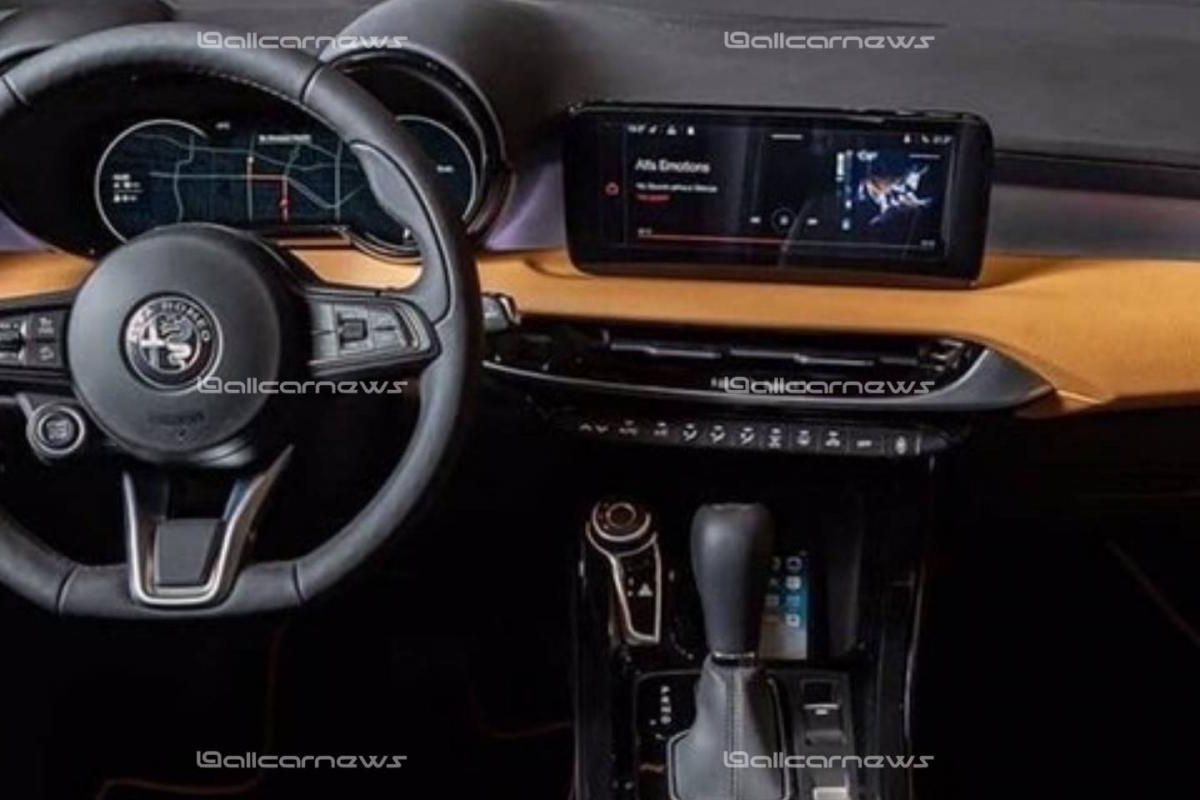
Alfa Romeo Tonale Production Model Leaks Early

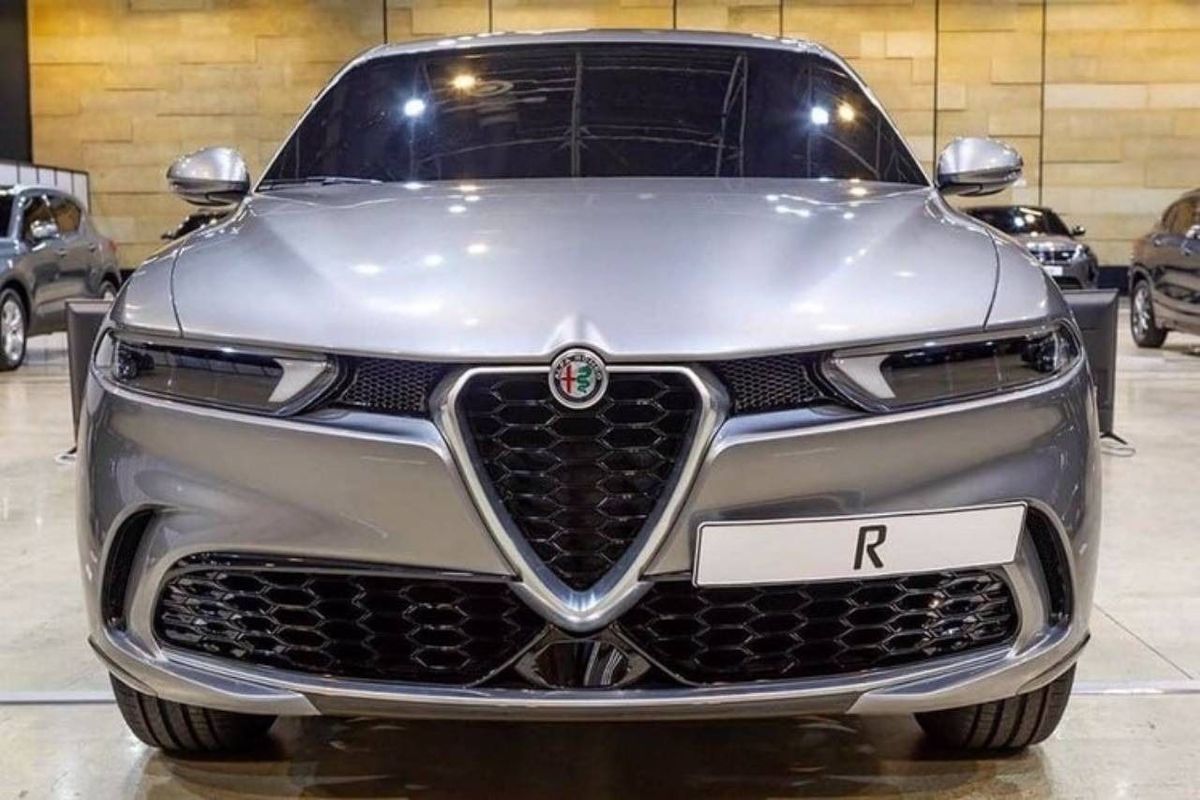
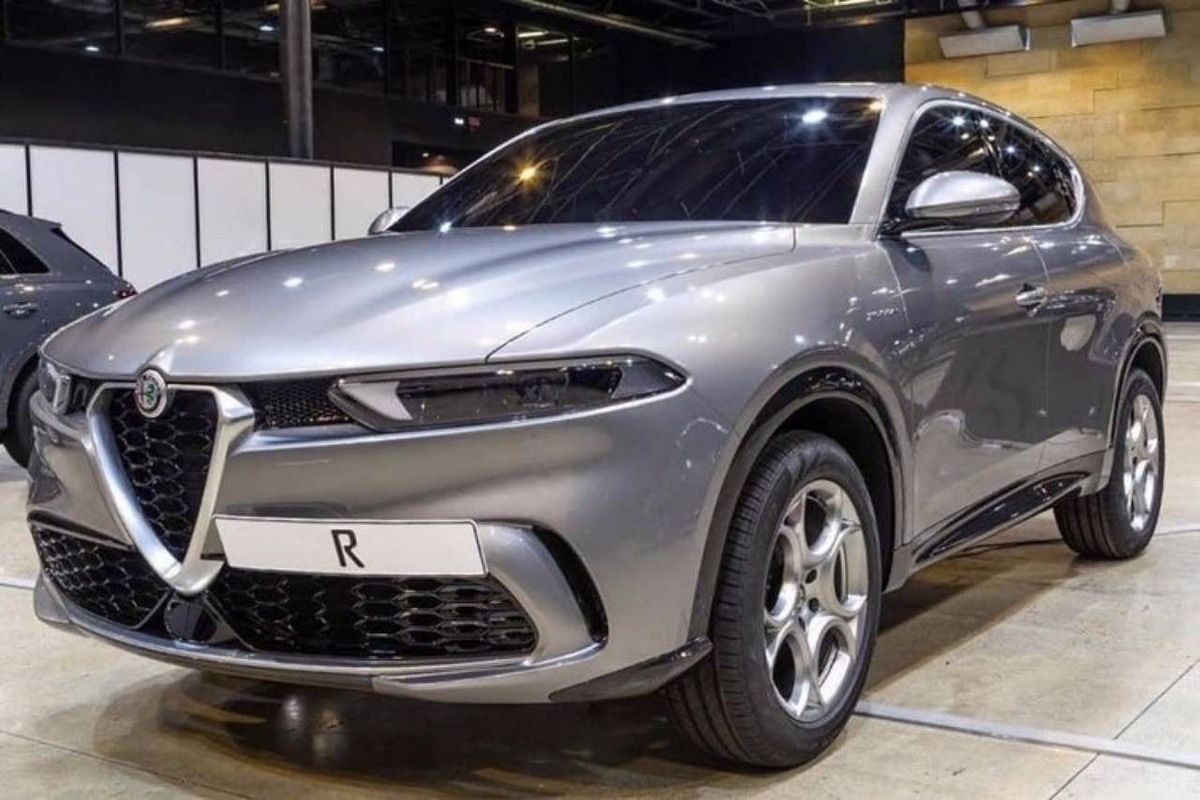
The production version of Alfa Romeo's Tonale small SUV has leaked early, ahead of its reveal in 2020. Take a look!

Alfa Romeo is banking on its SUVs to pull them out of the doldrums and while the bigger Stelvio has received good reviews, sales haven't exactly taken off. Now Alfa Romeo has been looking at the smaller luxury SUV market. The Alfa Romeo Tonale concept was revealed at the 2019 Geneva Motor Show and it was striking!

However, as is mostly the case, the production version loses some of the concept's flamboyance. Thanks to these images from an Italian car forum, we now get a good look at what's to come. The source suggests these photos came from an internal meeting where the Tonale's rivals were compared and you can see other cars in the background.

Speaking of rivals, this is likely to be Alfa Romeo's answer to the likes of the Audi Q3, Jaguar E-Pace, BMW X1/X2 and Mercedes-Benz GLA. 

We're still some way away from seeing the production Alfa Romeo launched as the vehicle is expected to be revealed in 2021 and offer Alfa Romeo's first plug-in hybrid powertrain. Alfa Romeo does have a large arsenal of engines to call upon though and it wouldn't surprise us to see compact capacity turbocharged petrol engines such as the 1.4 turbo motor found in many FCA products, although there is a much newer 1.3 turbo with 110 kW and 270 Nm to call upon. Let's not forget that there's still a market for compact diesel motors either and something like the Multijet could make an appearance.

Further Reading

Alfa Readying Smaller Stelvio

Alfa Romeo Stelvio Quadrifoglio (2019) International Launch Review

Stelvio, not Giulia, will save Alfa Romeo

Alfa Romeo Stelvio 2.0T Super Q4 (2018) Review [w/Video]

Alfa Romeo Tonale Concept Revealed

The Journey Karoo: To Hell and Back in the Opel Crossland X

Cars.co.za, in association with Opel, recently embarked on a Journey to the Karoo in search of adventure and fine food. Watch the video!

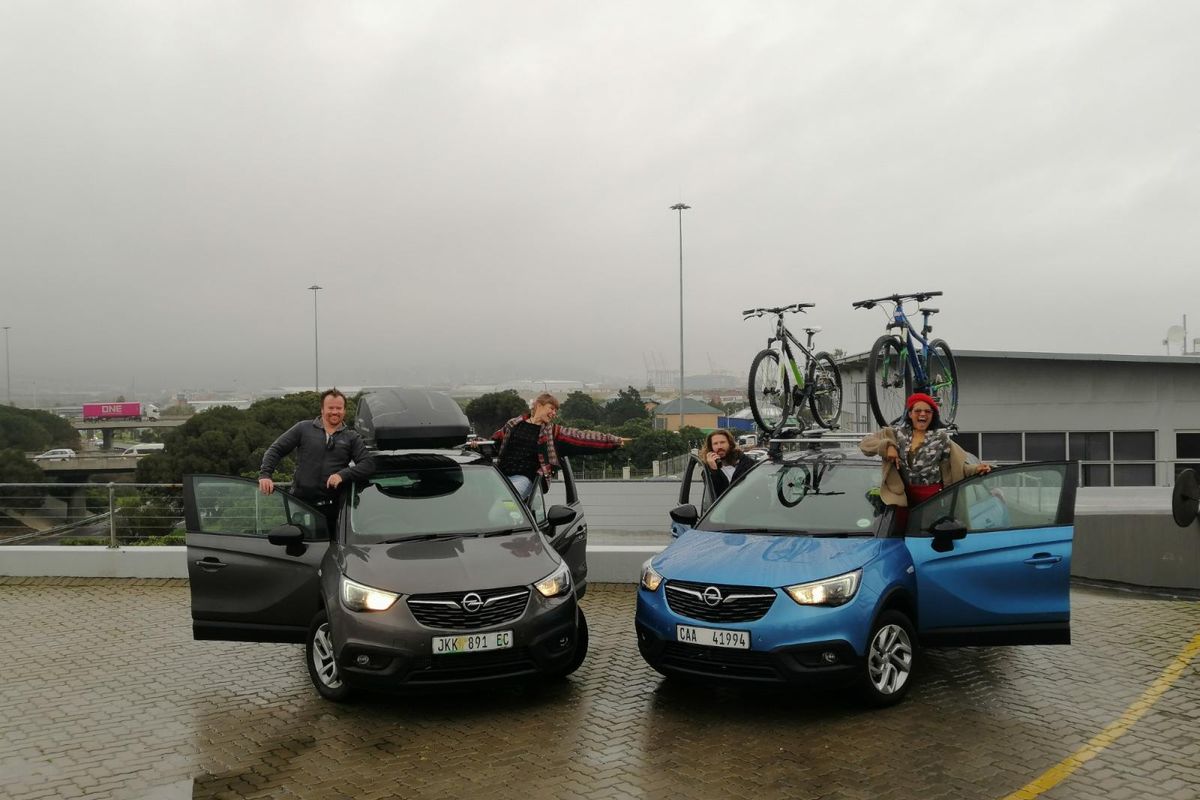
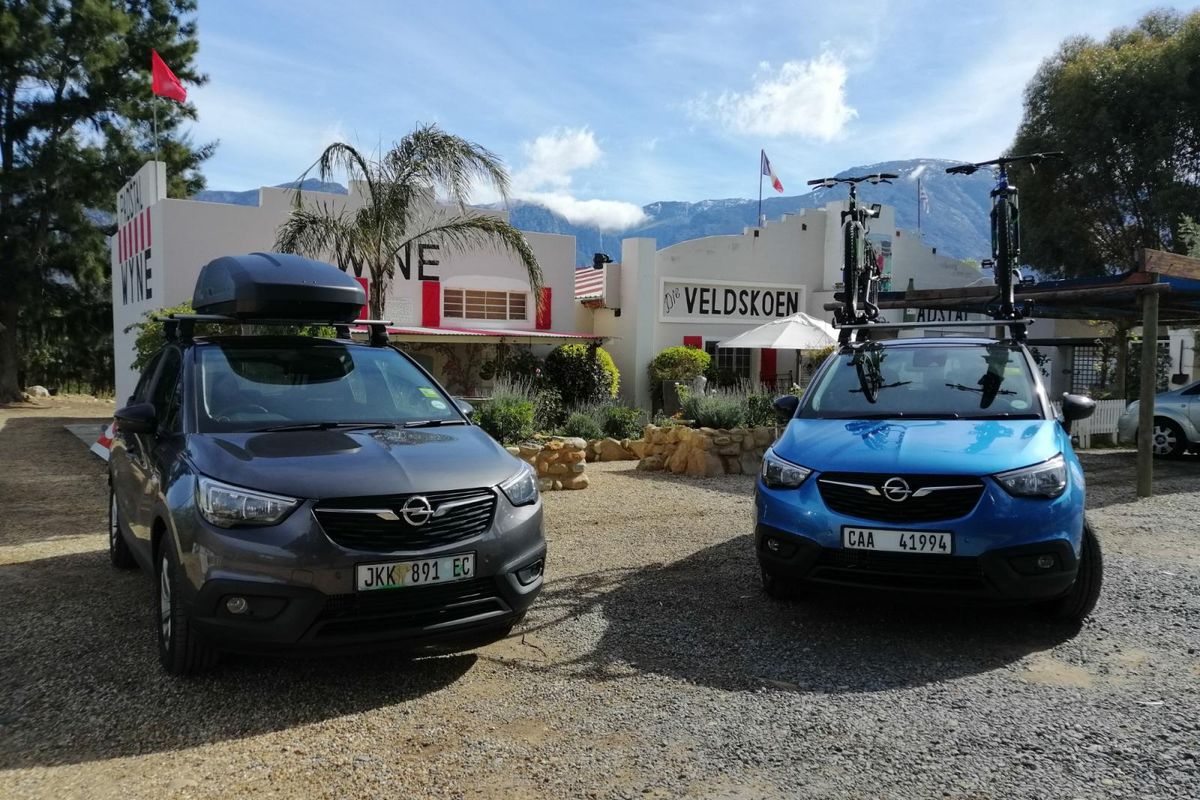
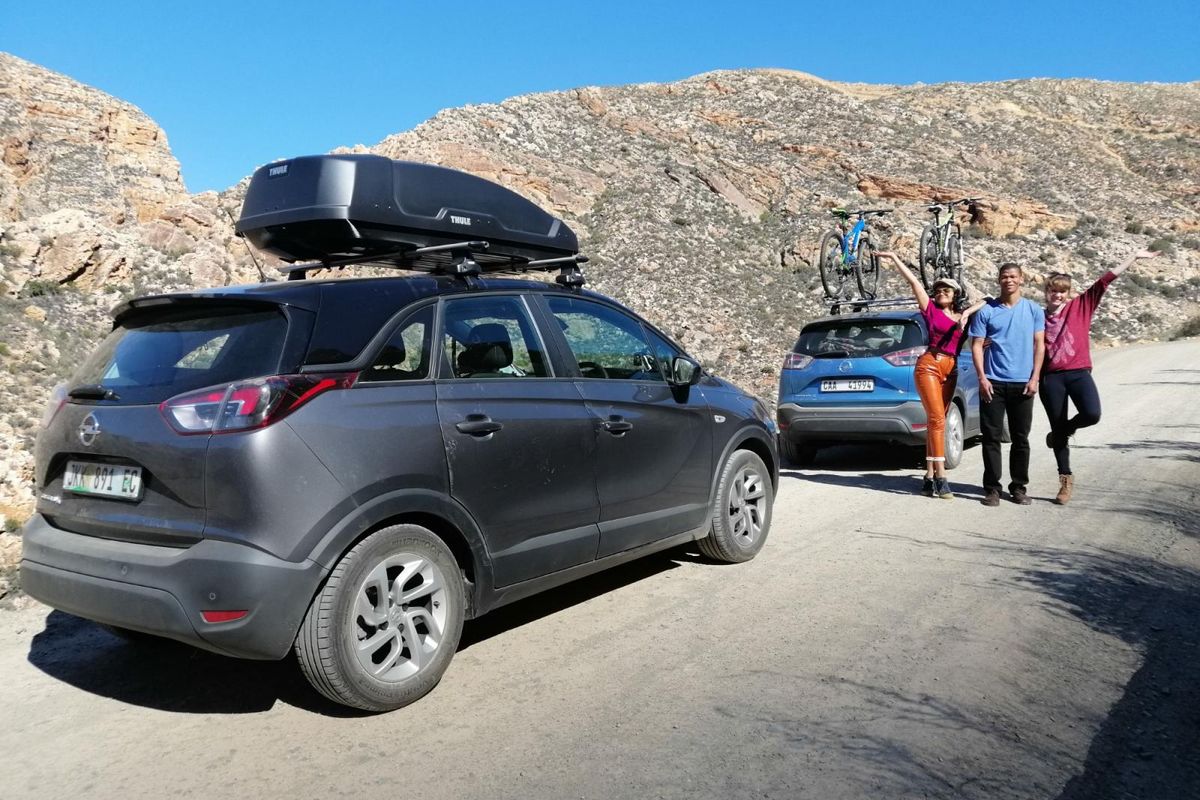
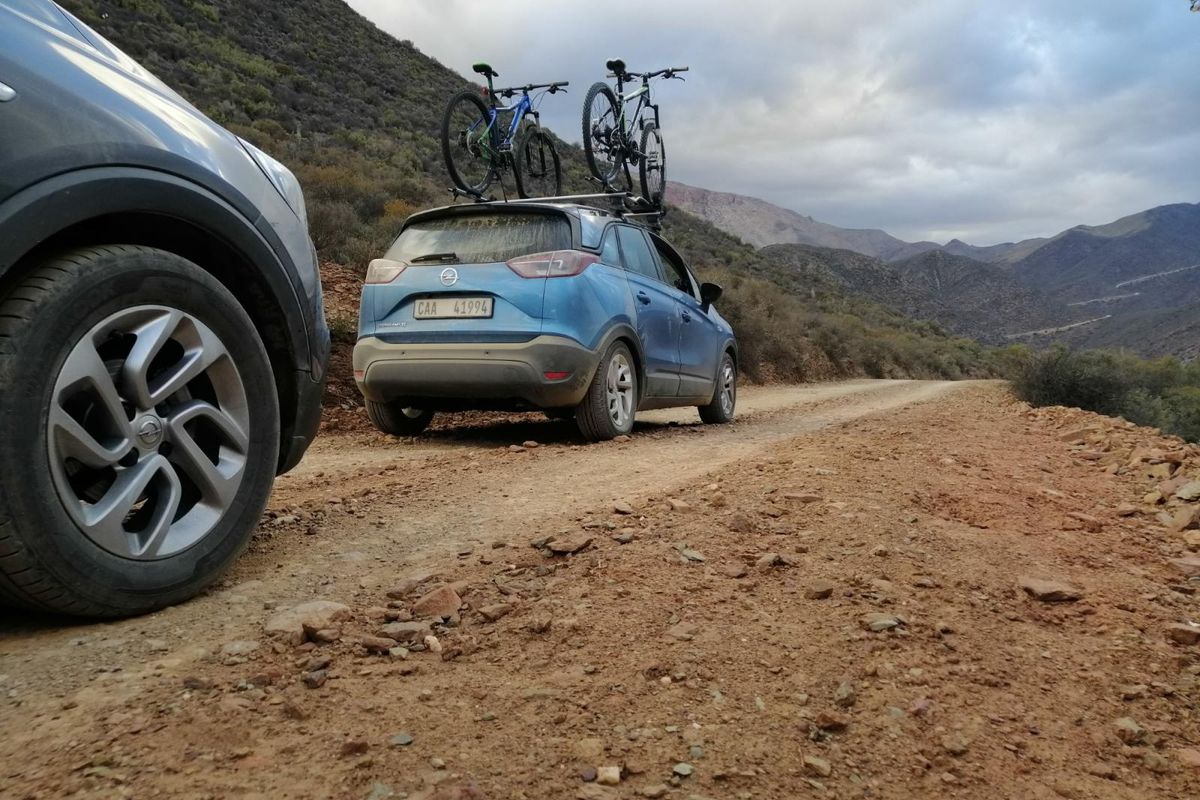
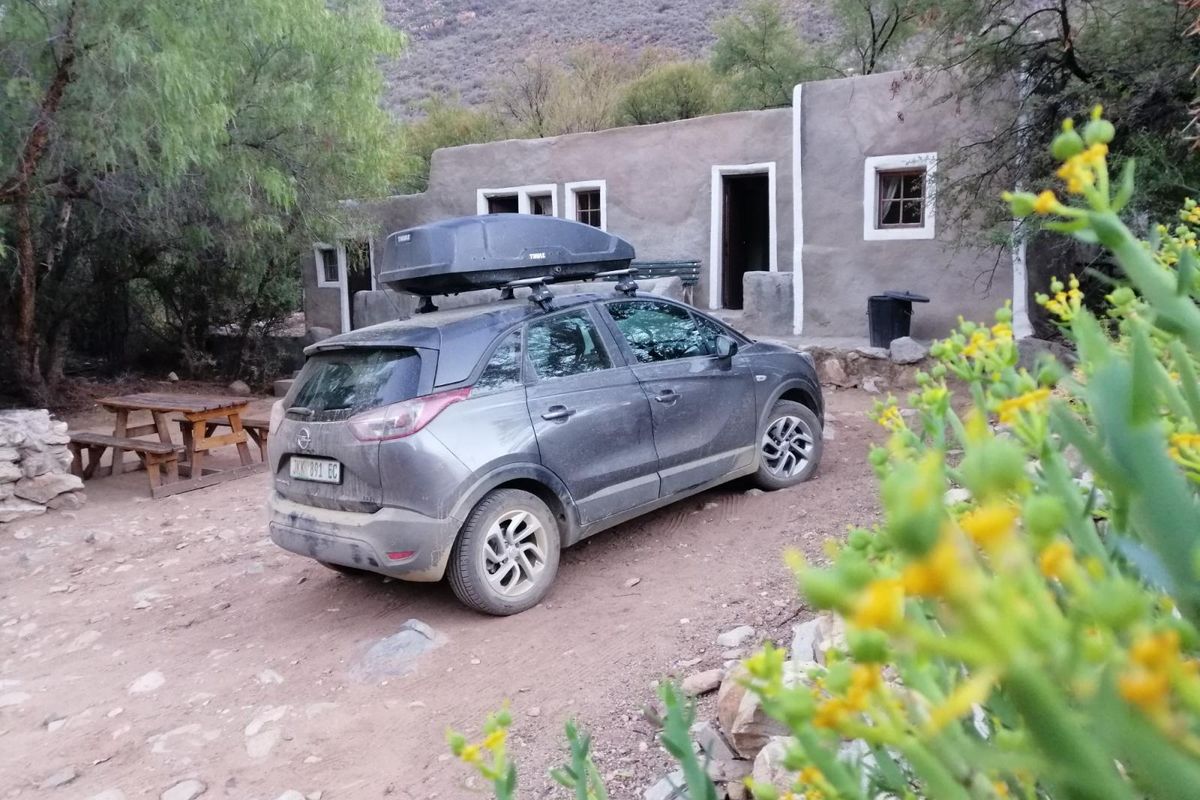
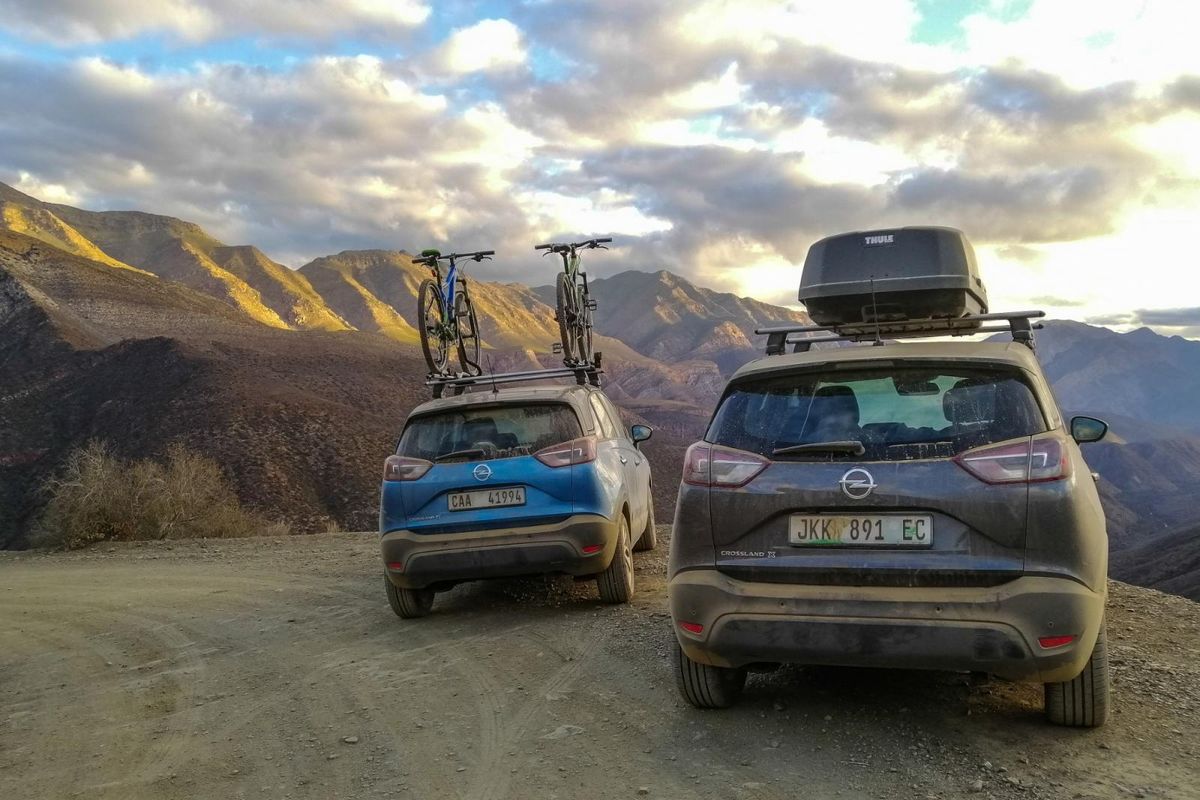
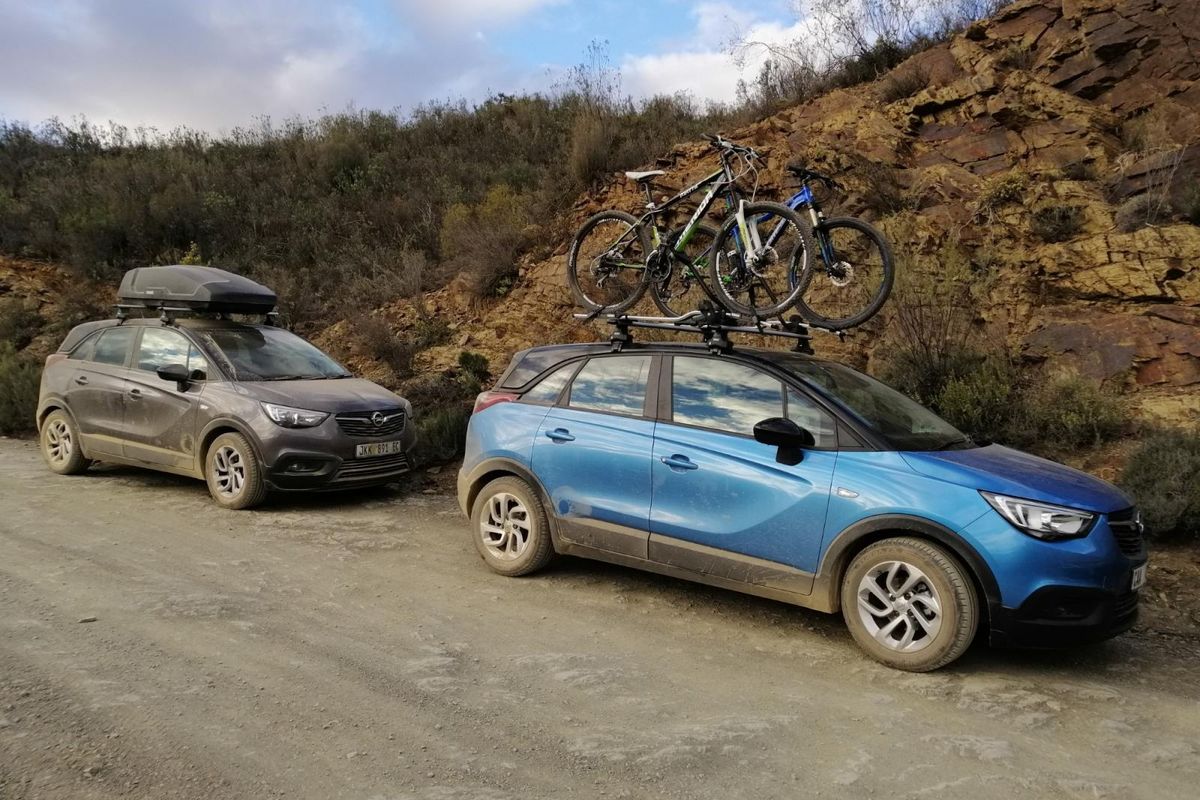
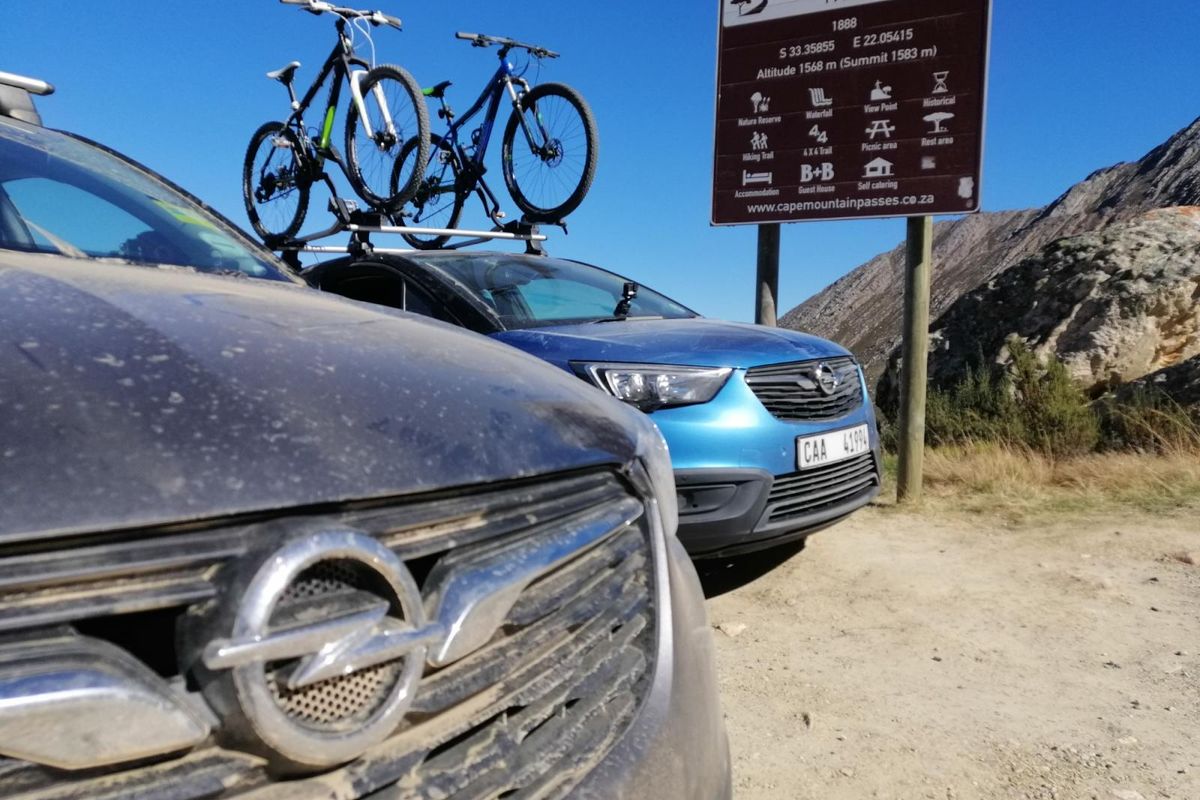
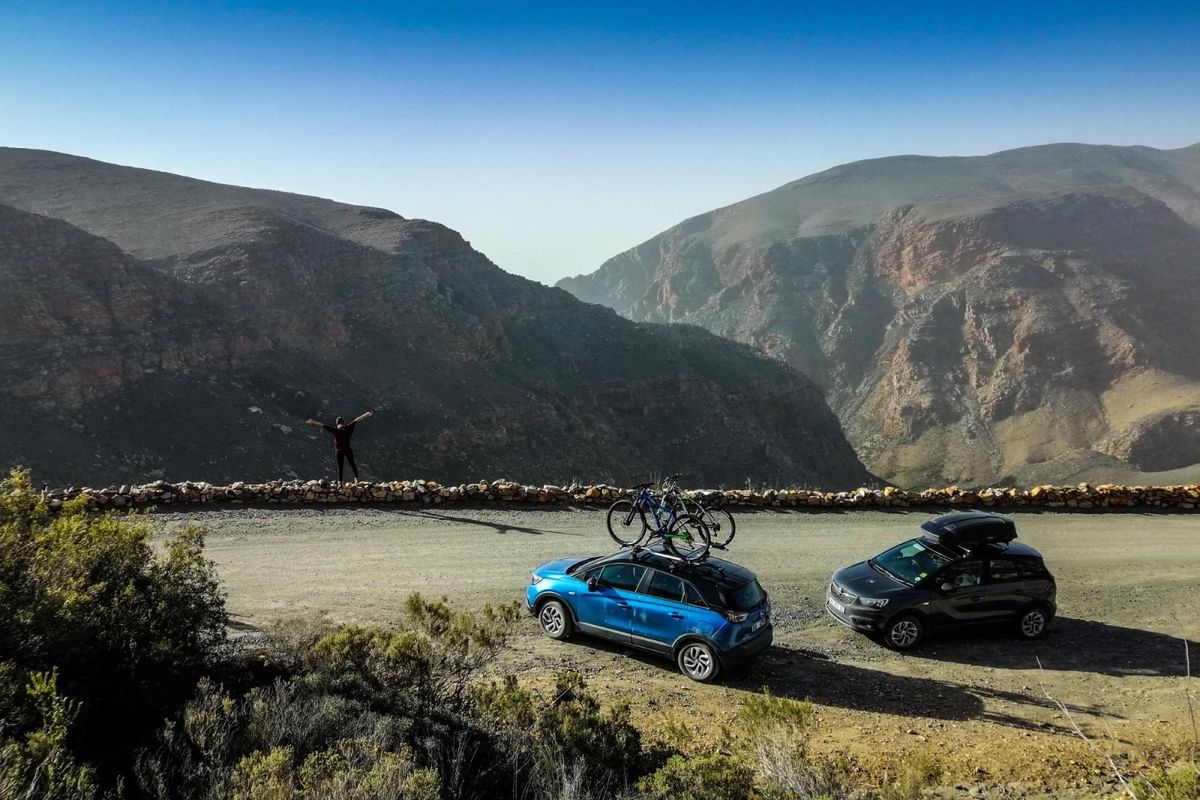
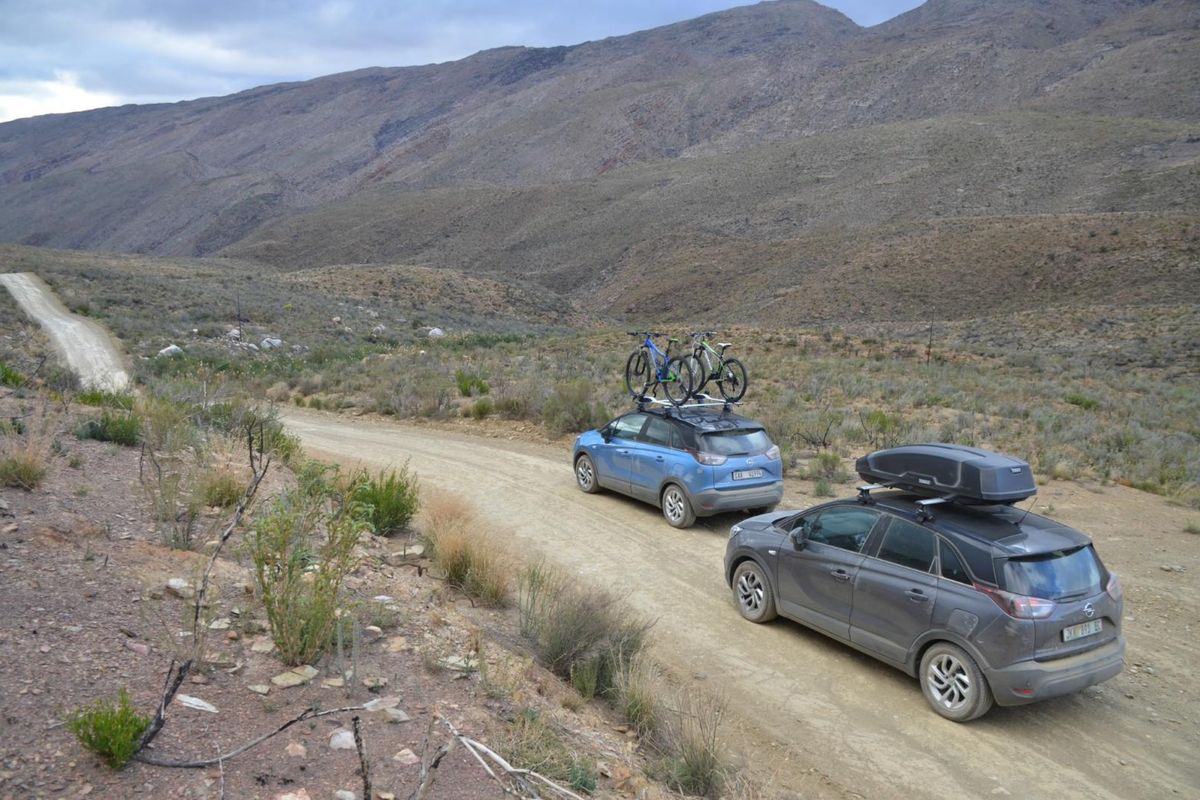
In this latest iteration of The Journey, we went 'Crosslanding' into the heart of the Karoo behind the wheel of the recently introduced diesel-powered Opel Crossland X 1.6TD Enjoy. Our 2 stylish Opel Crossland X's were kitted out with very useful accessories from Thule (locally distributed by Sport & Cargo), including a large roof box which helped transport gear and luggage as well as a dual bike carrier for our mountain bikes.  

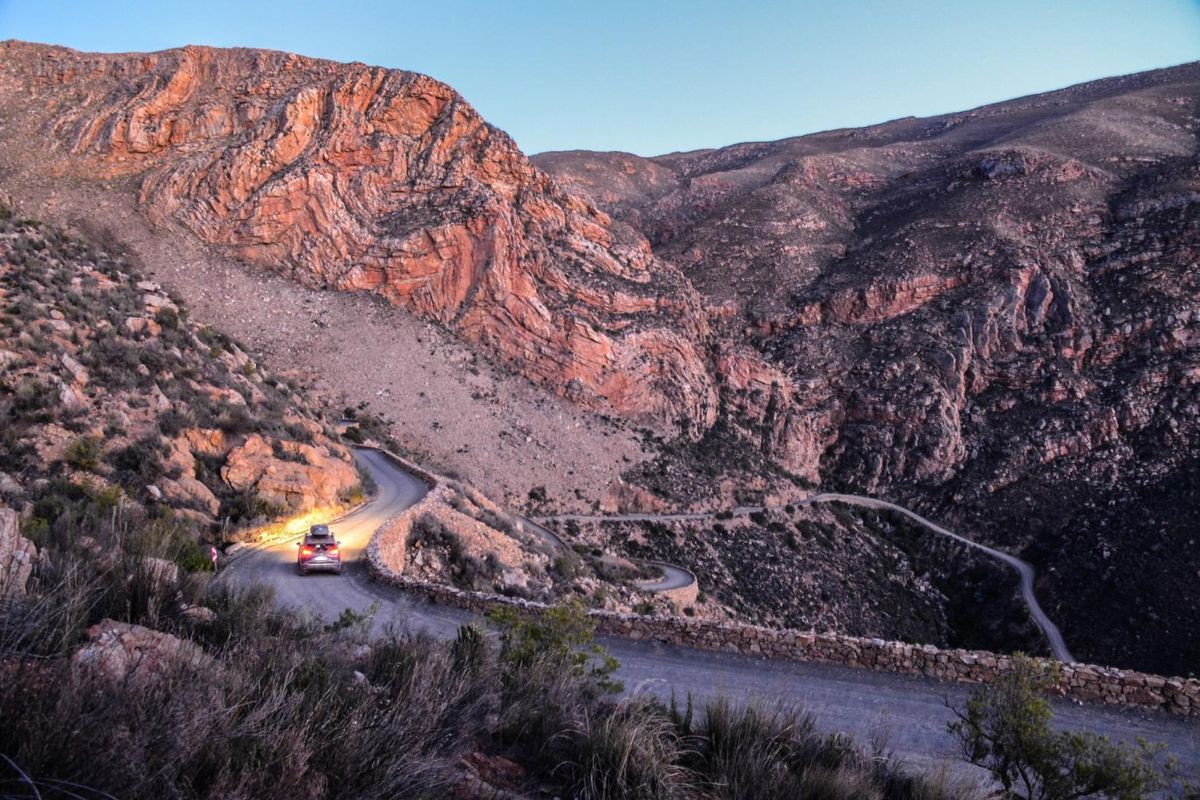
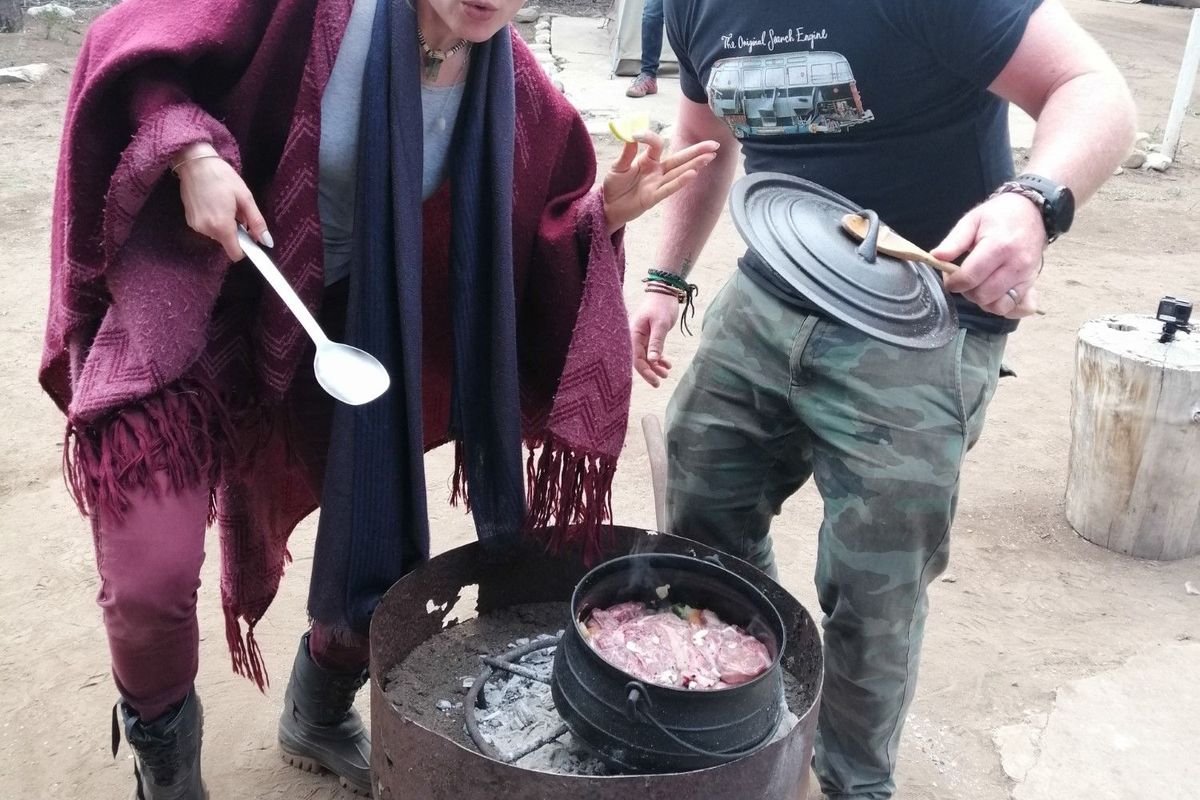
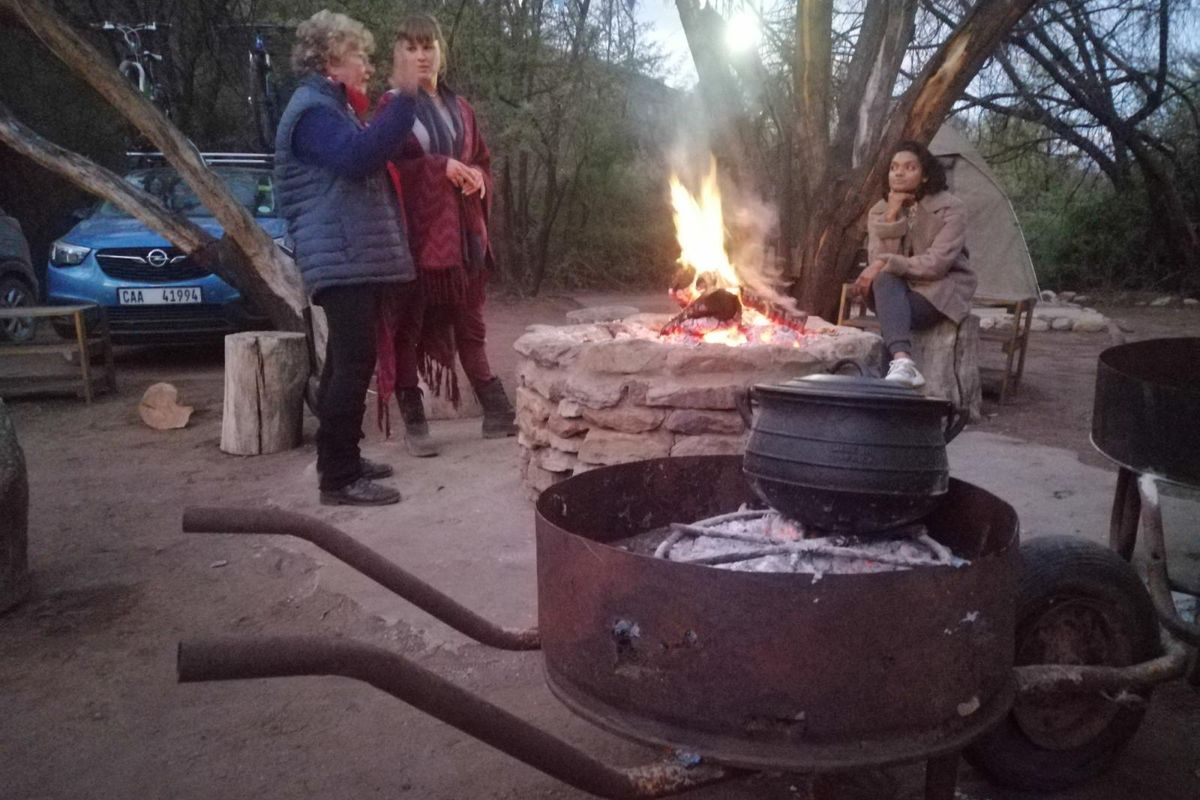
We visited the quaint Karoo town of Prince Albert and tackled the well-known and spectacularly beautiful Swartberg Pass to get to the remote Karoo village of Die Hel or ‘The Hell’ where we took part in a unique potjie cooking competition. More so, this was the first time that we travelled to such a remote location (and on such treacherous terrain) in front-wheel-drive vehicles, proving that you don’t always need a 4×4 to reach remote destinations.  

Special guest appearances were made by talented Karoo chef, Hendry 'Kokkedoor' Olivier, whom you will recognise from the Kokkedoor TV series on kykNET, as well as Fashionista and TV presenter, Danine Naidoo, and captivating model and actress, The Little Harlequin (Bianka Hartenstein). Our guests were hosted by Journey veterans, Cars.co.za Co-Founder, Ross McIlroy and our very own motoring journalist and photographer, Gero Lilleike.

As for the Opel Crossland X diesel, it performed admirably on this Journey, proving that you don't need necessarily need a 4×4 to explore more remote regions of South Africa. Opel claims a fuel consumption figure of 4.4 L/100km but we saw real-world returns of 6.2 L/100km, which is good.    

Interesting facts

The Swartberg Pass is roughly 24 km long and was the last major pass constructed by renowned South African road engineer and pioneer, Thomas Bain, in 1884 and was completed in 1887. It's considered to be the crown jewel in Bain’s historically significant roadbuilding career and was constructed using convict labour.

The remote cultural heritage site of Gamkaskloof, also known as ‘Die Hel’, forms part of the Swartberg Nature Reserve, a World Heritage Site. The valley was first occupied by the San Bushmen and the first Boer farmers inhabited the valley in the 1830s and lived there in isolation for over 100 years. The only road into the village was constructed in 1962 and the first car was ironically brought into the valley with great difficulty in 1958 and is on display at Fonteinplaas.

Watch all our previous Journey episodes here!

Buy a new or used Opel Crossland X on Cars.co.za

Special Thanks

Pieter and Marinette Joubert: Fonteinplaas Die Hel – www.diehel.com

Sudden Comfort B&B Prince Albert – www.suddencomfort.co.za

Thule (Sport & Cargo) – www.sportandcargo.co.za

Related Content 

New Diesel Opel Crossland X for SA

Opel Astra 1.6T Sport OPC-Line (2019) Review

Opel Corsa 120Y Special Edition (2019) Review

New Opel Corsa GSi Review – The GSi Is Back


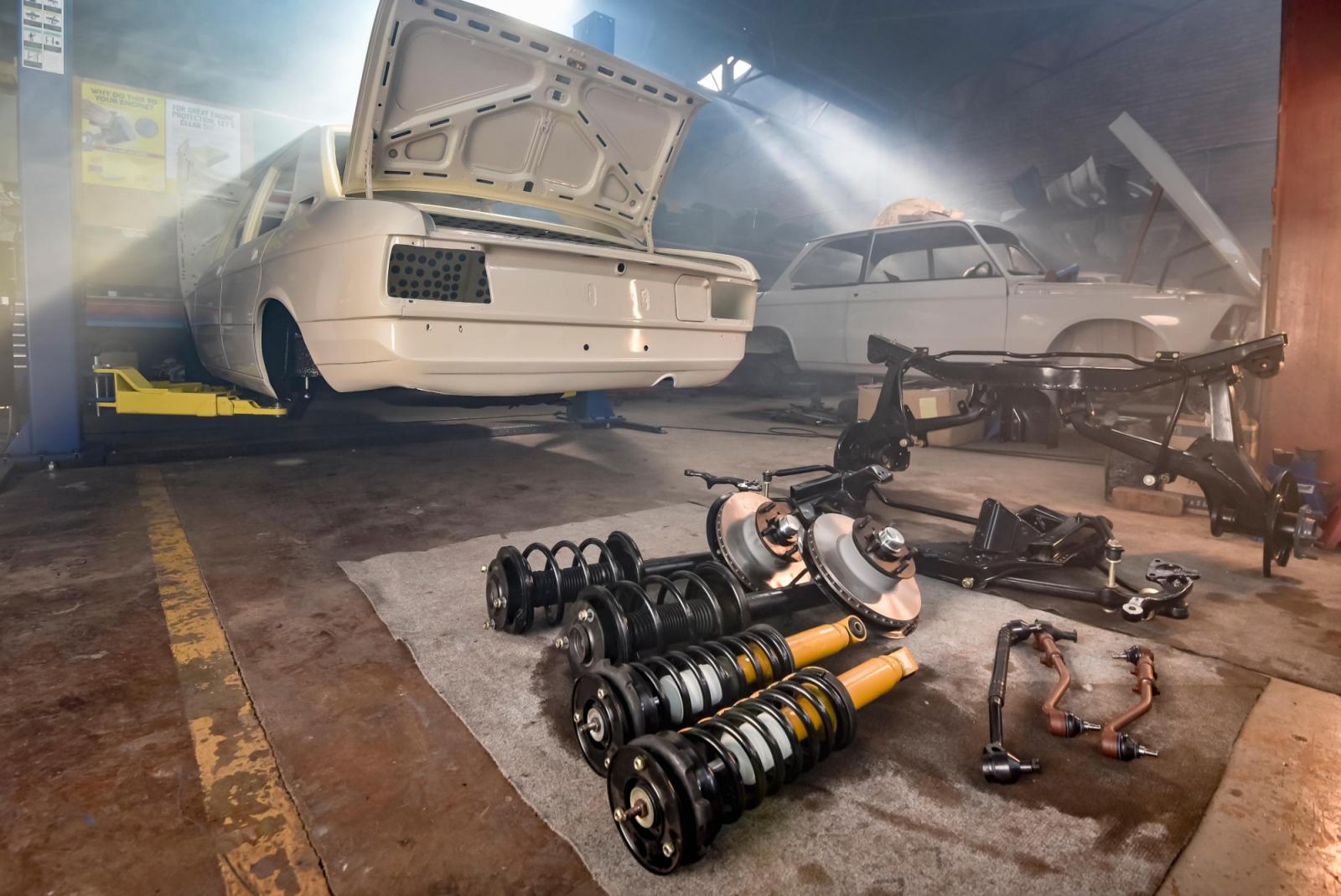
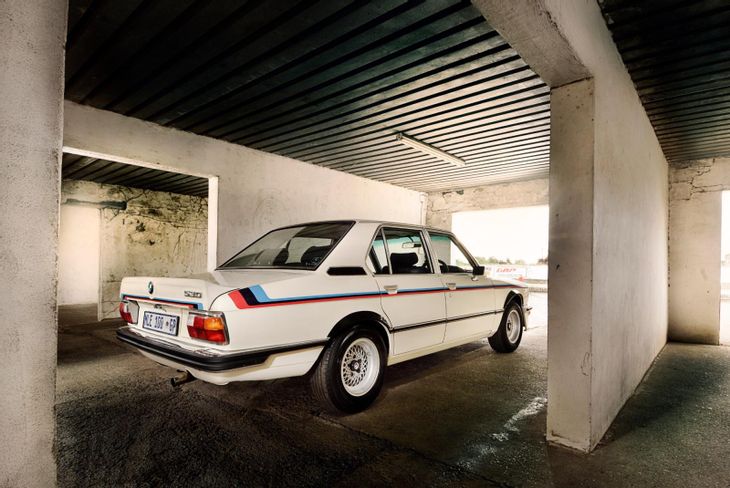
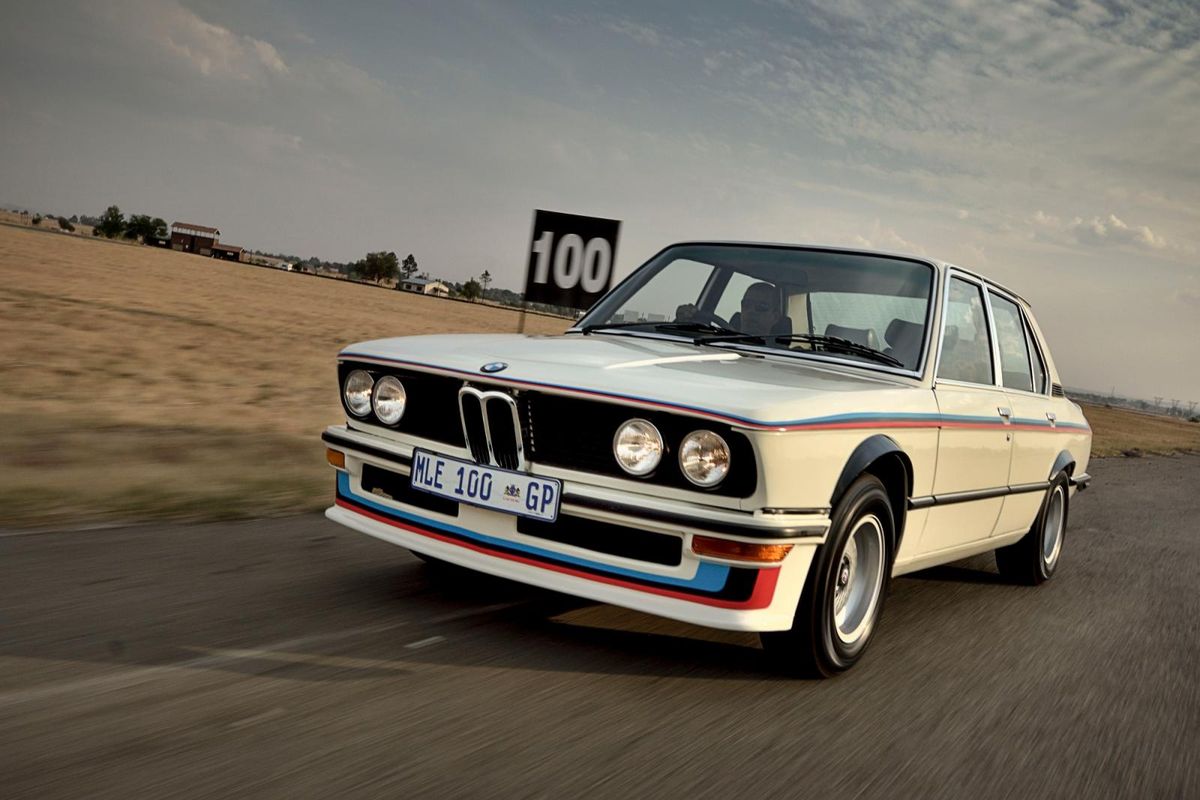
BMW unveils restored 530 MLE

Following a year-long rebuild by Luis Malhou of Custom Restorations, BMW South Africa unveiled its finished 530 MLE to the media this week.

Heritage – some brands have it, and others simply don’t. In a motoring future where all cars are just about equally good, history and pride are factors of a brand’s DNA that can’t be bought or replicated. In this regard, a brand such as BMW has a significant advantage, because it has heritage in spades. And increasingly, heritage is seen as a valuable point of differentiation. That’s why classic cars are increasingly creeping onto motorshow stands…

BMW South Africa is well aware of this. It has one of the most fanatical followings in South Africa, a proud motorsport history and a legacy of local “specials” – 333i, 325iS Evo 1 and 2, 745i…. No wonder the upcoming M Festival is likely to be the biggest of its kind in the world.


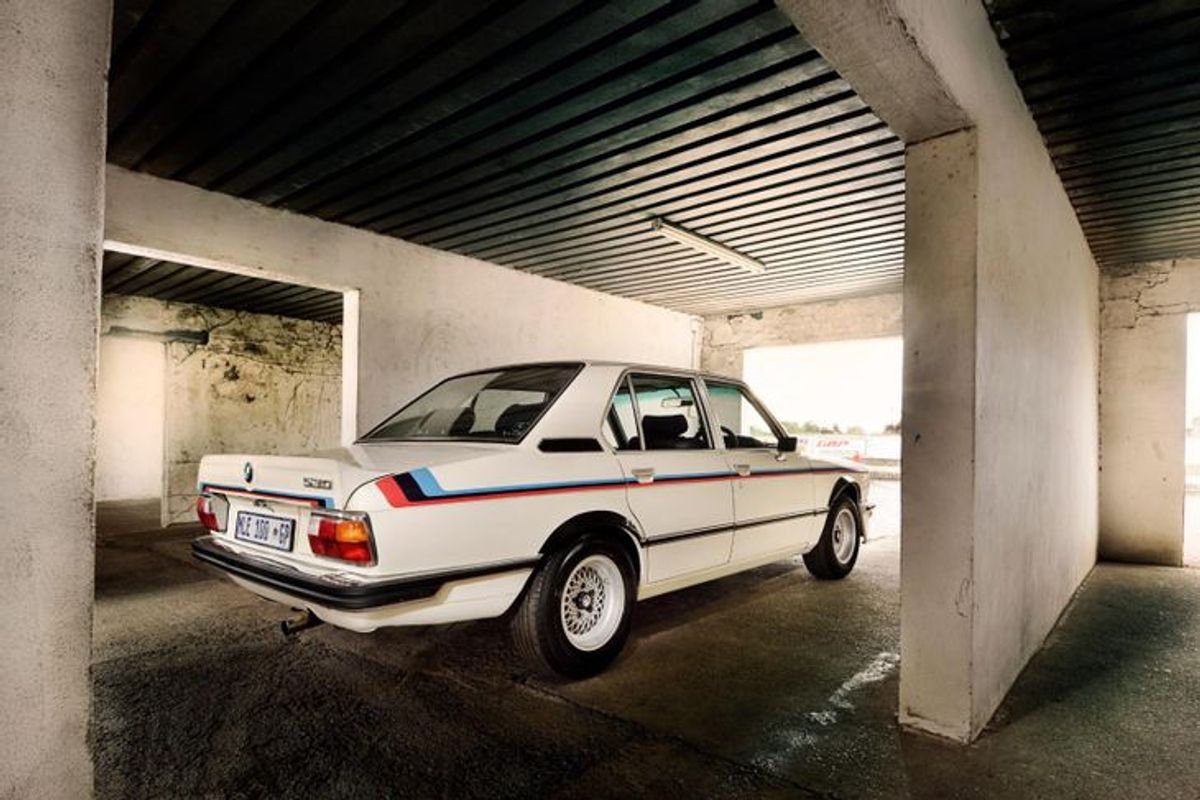
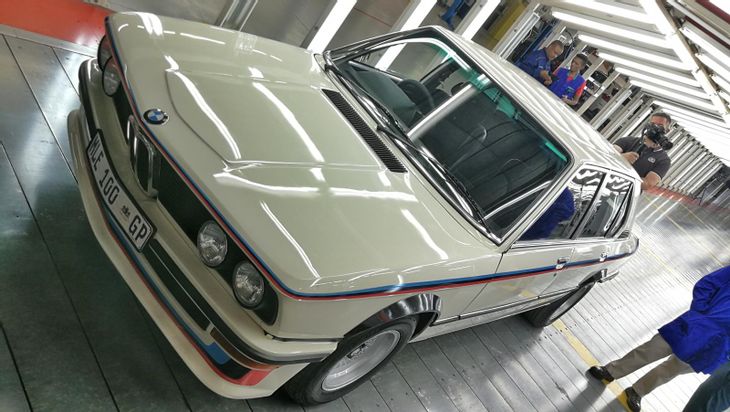
BMW’s restored 530 MLE was unveiled to the media in a very fitting way – rolling off the production line where it was built in the first place.

Locally the brand is also investing in heritage by building a  fleet of classics. Last year it bravely allowed us to drive its painstakingly restored E30 333i and 325iS (Gusheshe), the latter sadly written off in a road accident some months later. But this week it added another icon to its collection, the 530 MLE.

“It is not only the 530 MLE that was exclusively produced at this plant,” says Johan Mouton, Director: Technical and Logistics at BMW Group Plant Rosslyn, speaking at the unveiling event. “Legendary cars such as the Gusheshe – the second generation BMW 3 Series (also known as the E30) – in particular the 325iS and the South Africa-only 333i, rolled off the assembly line at this plant more than 30 years ago.

“We are a future oriented company, but we take immense pride in where we come from,” Mouton adds.


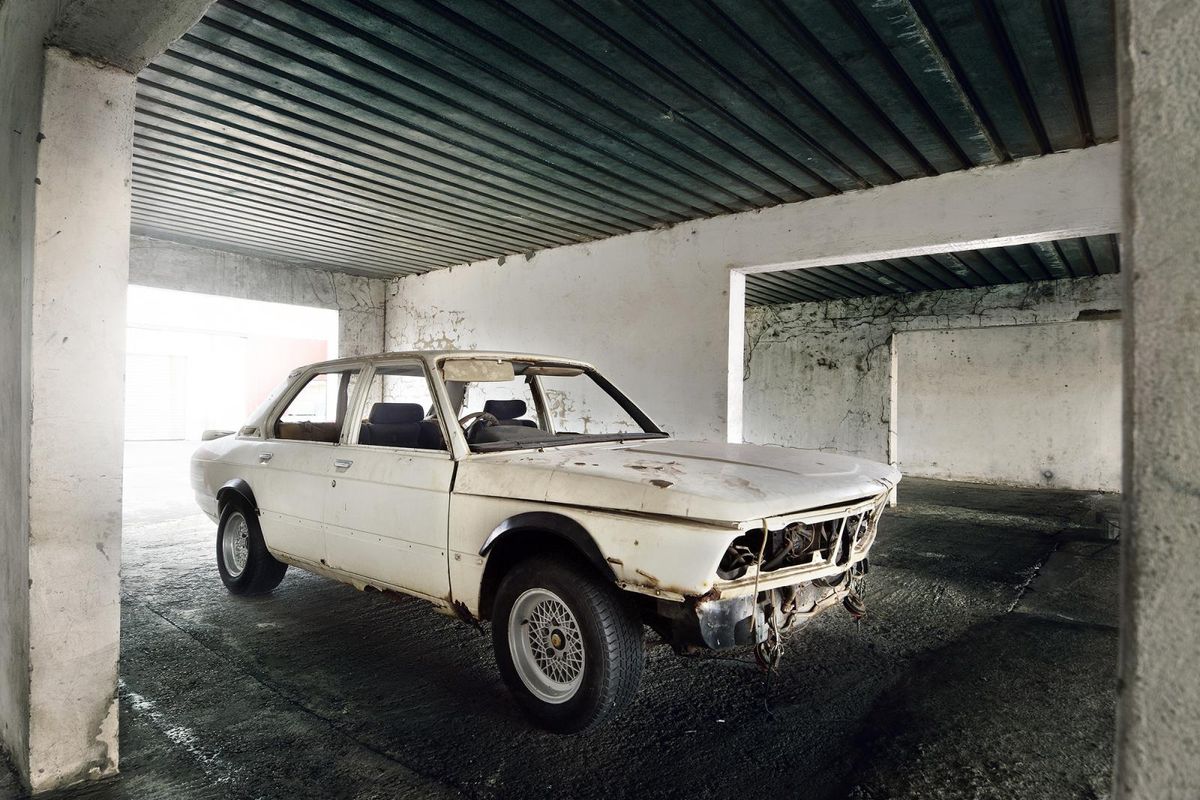
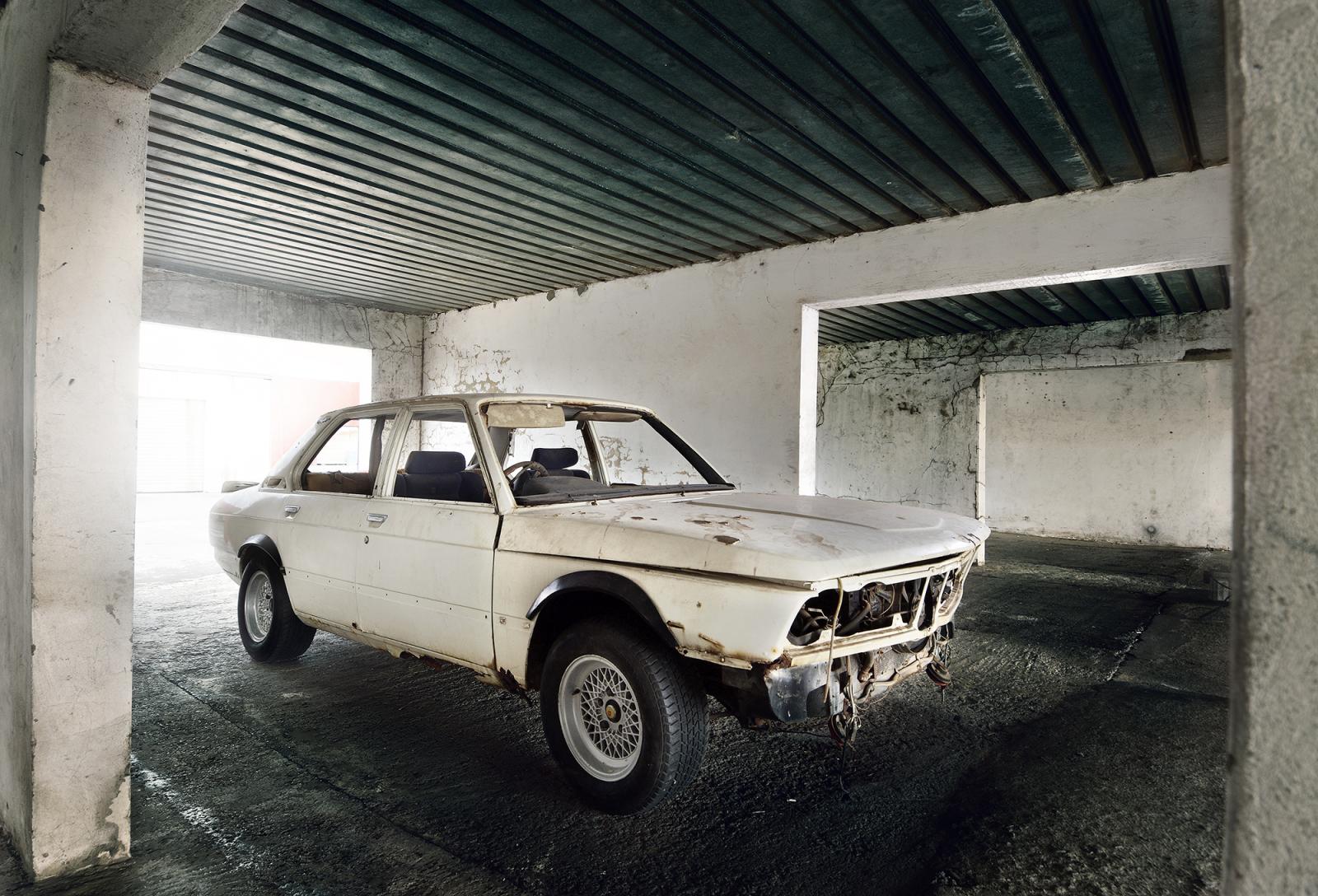
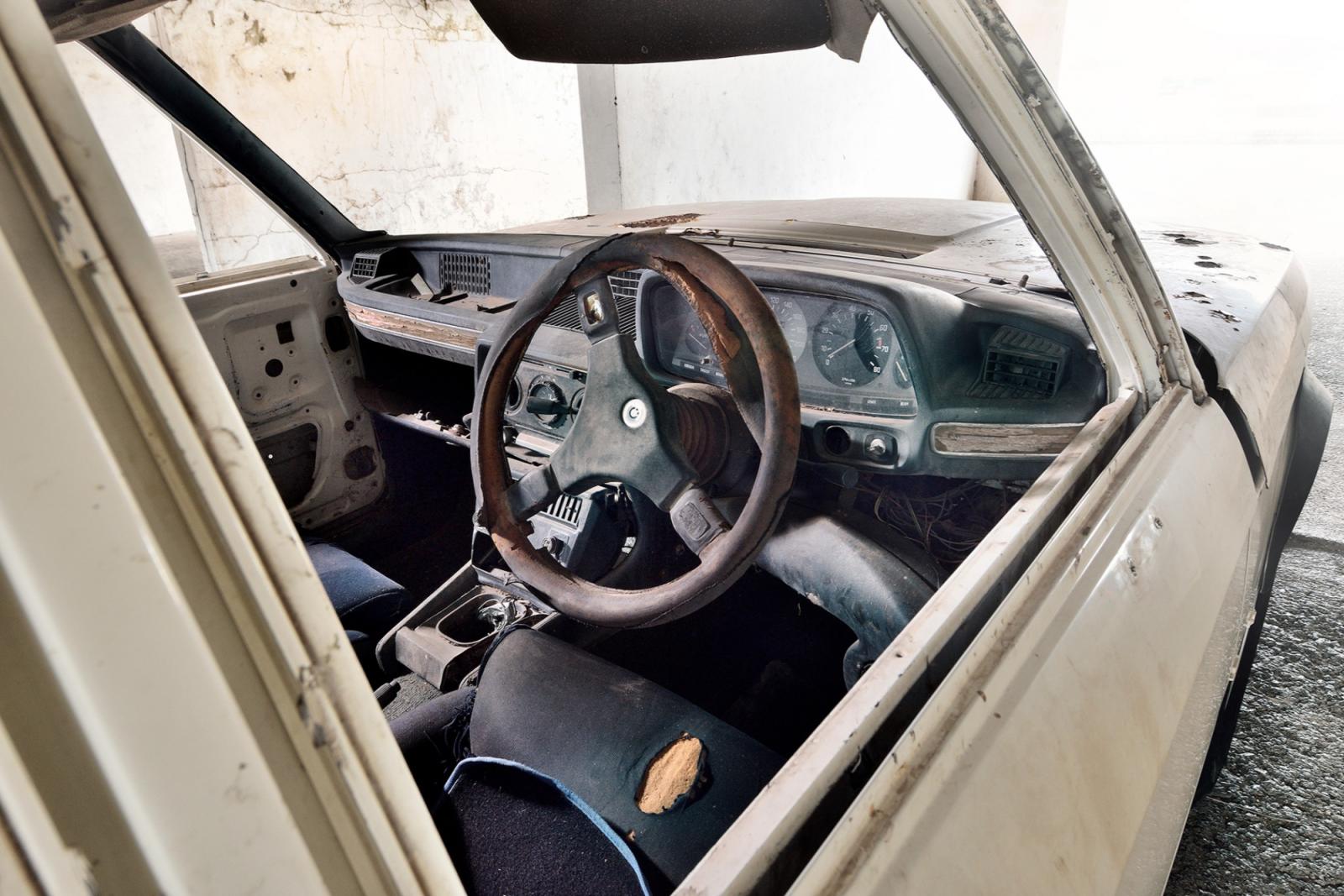
When it was found, number 100 was not in the greatest shape.

The restored product was unveiled at an emotional ceremony at BMW Group Plant Rosslyn on Tuesday, attended by not only the media and dignitaries from Germany, but also 4 “associates” that worked on the factory floor when the 530 MLE was first built in the late ‘70s – William Mokwape, Walter Mahlangu, Jacob Matabane and Cassie Calaca.

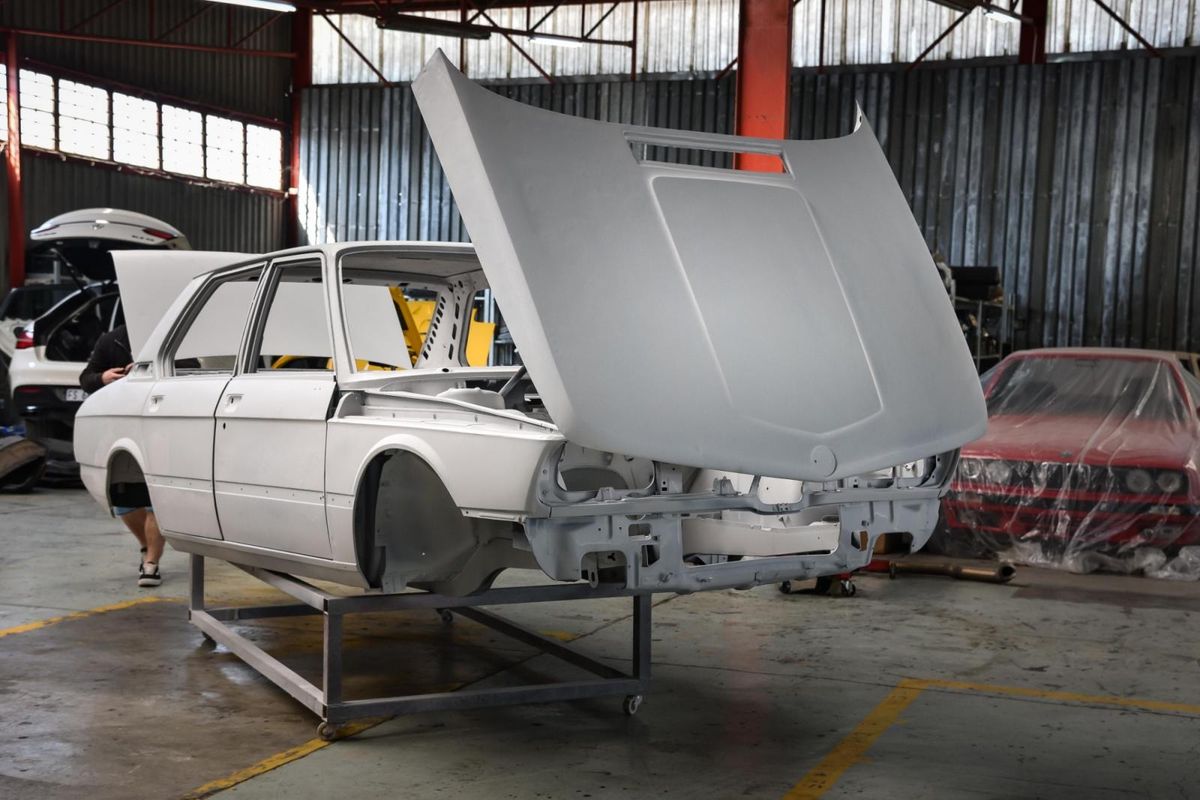
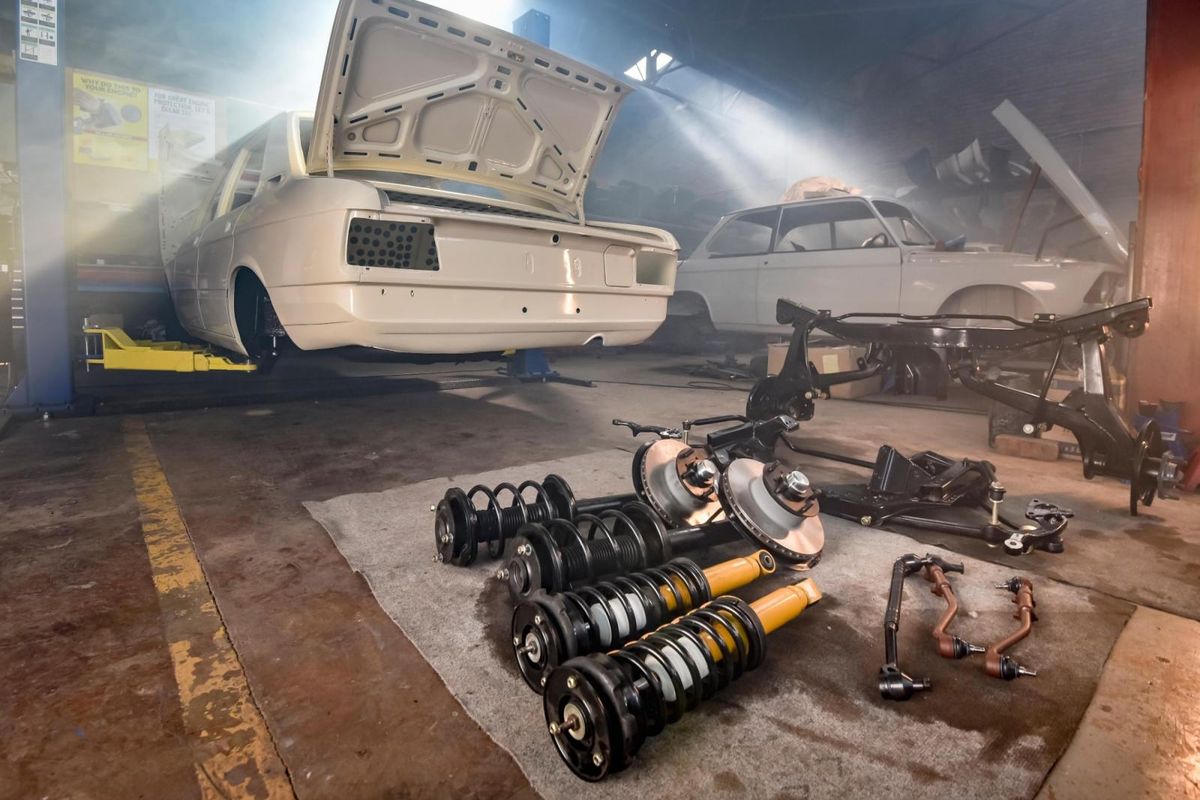
The restoration, which took slighly more than a year, was led by Luis Malhou of Custom Restorations, with frequent guidance coming from the 4 factory staff that put it together so many years ago.

Tim Abbott, CEO of BMW Group South Africa and sub-Saharan Africa, added: “The success of the 530 MLE was a pure example of ‘What wins on Saturday sells on Monday’, and it paved the way for BMW South Africa as a sporty brand and a serious motorsport contender in the country. To this day, M remains the most powerful letter in the world!”

The birth of M?


530 MLE number 100 slowly came back to life at Custom Restorations.

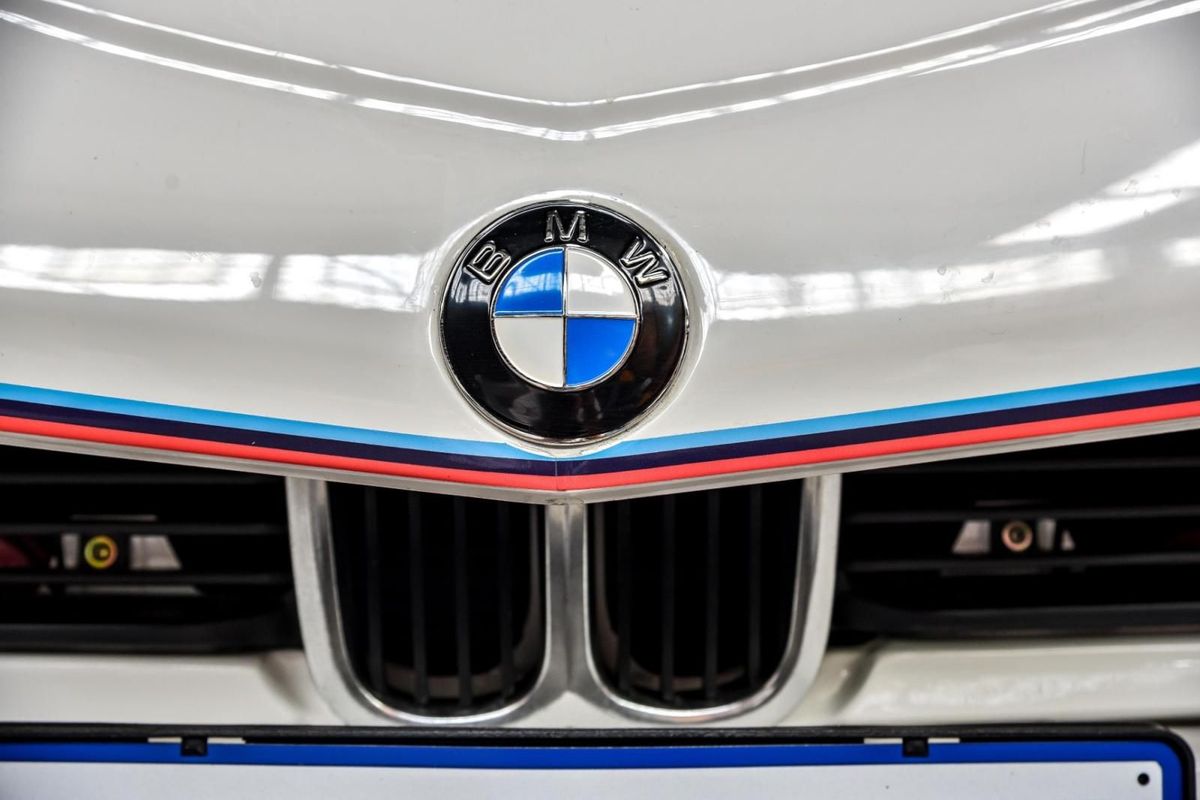
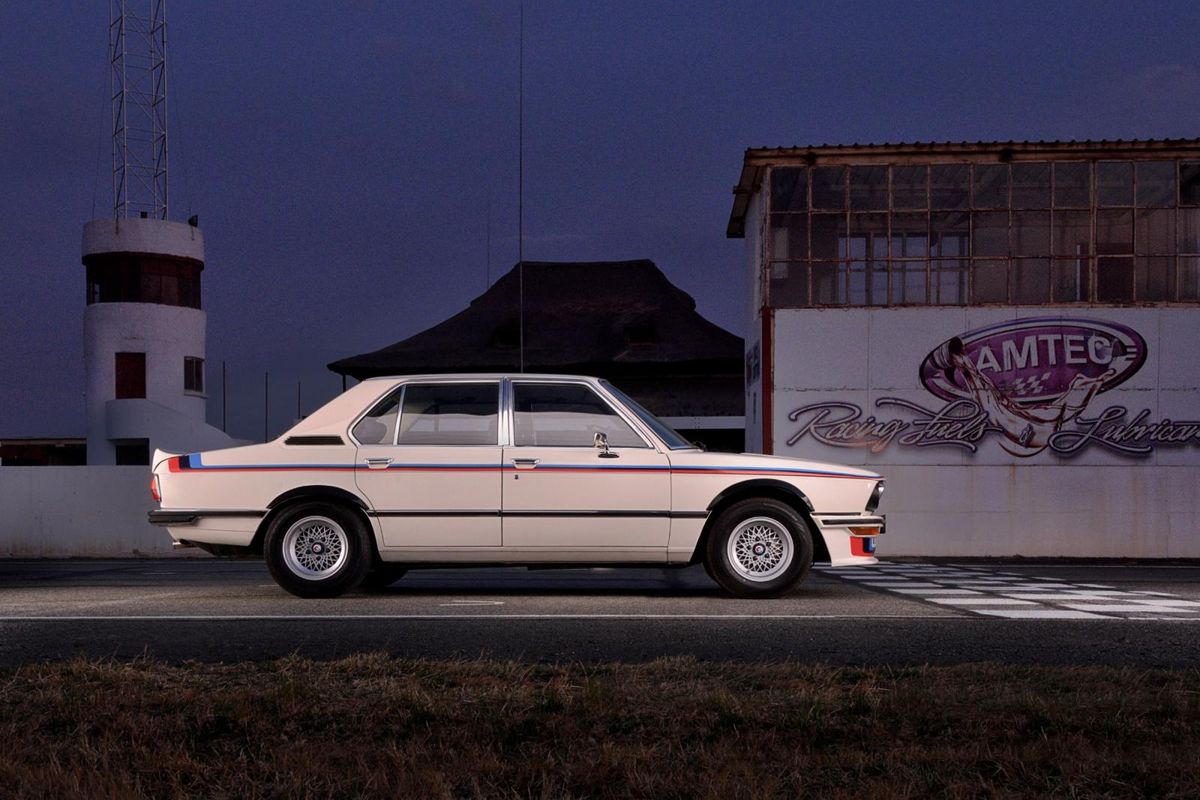
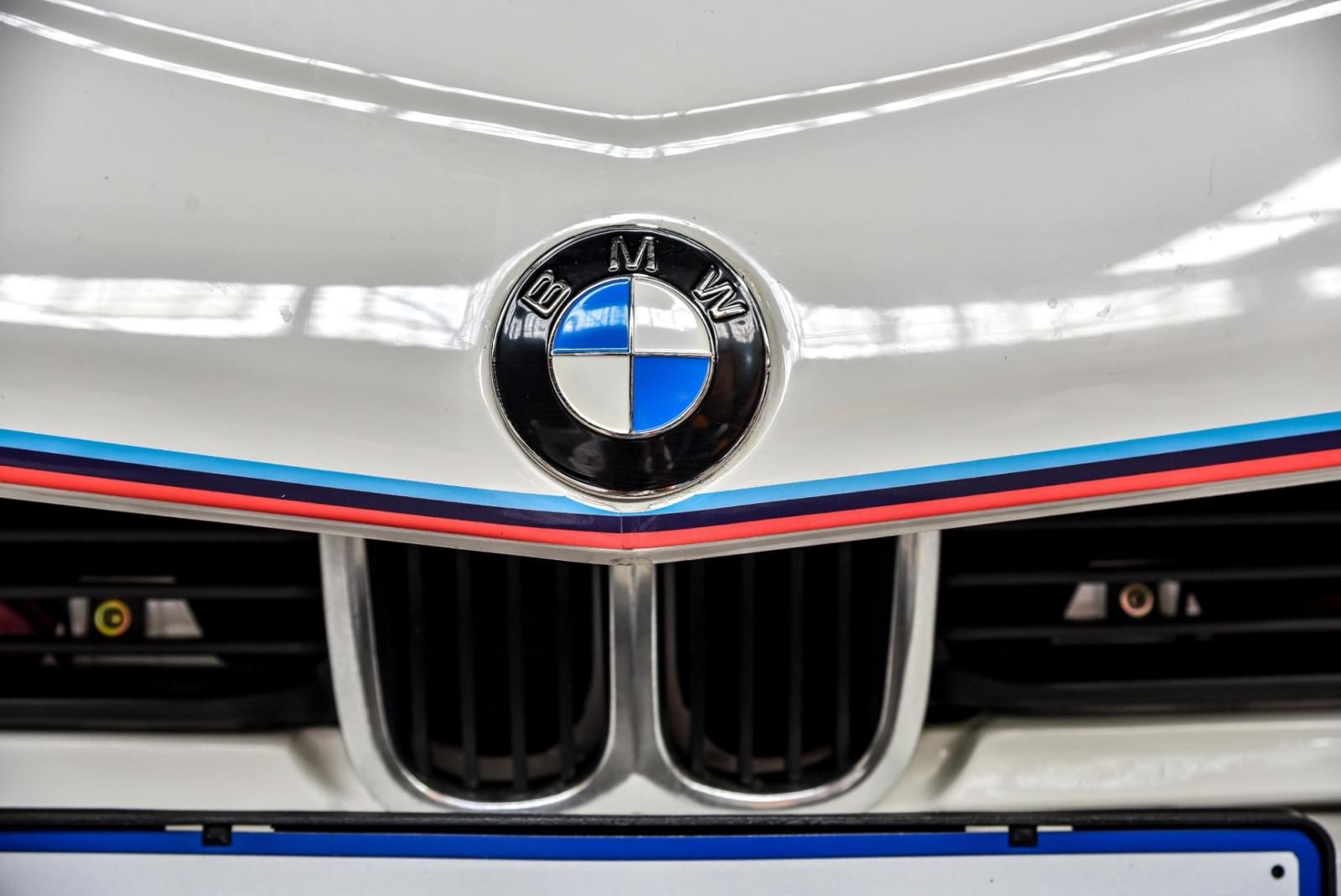
Increasingly regarded as the car that led to the birth of BMW’s hallowed M-division, the 530 MLE was born to race – it is the first BMW road car to feature an “M” stamped onto its engine plate.

BMW wanted a contender in local circuit racing and turned to BMW motorsport legend, Jochen Neerpasch, for guidance. Very quickly 2 of the first-generation BMW 5 Series (E12) race cars were prepared to compete in South Africa’s popular Modified Production Series.

What happened then is unlikely to ever be repeated again. The 530 MLE (Motorsport Limited Edition) lined up for its first outing in 1976 and simply dominated – 15 consecutive wins and 3 championships followed! When it retired in 1985, the 530 MLE was the most successful 5 Series to race, in the world, ever. It likely remains so to this day.


Ready to roar again, this 530 MLE will be used by BMW at selected events.

But before it could race, however, BMW South Africa had to sell 100 road-going versions of the 530 MLE to the public. Developed by BMW Motorsport as a limited edition “homologation” model for South Africa, 110 units of the Type 1 were produced in 1976, while 117 versions of the Type 2 rolled off the production line in Rosslyn in 1977.

The powerplant chosen for the 530 MLE was a factory-tweaked version of the same 6-cylinder motor found in the 3.0L, boasting figures such as 147 kW, 277 Nm of torque, a 208 kph top speed and a 0-100 kph time of 9.3 seconds.

Number 100


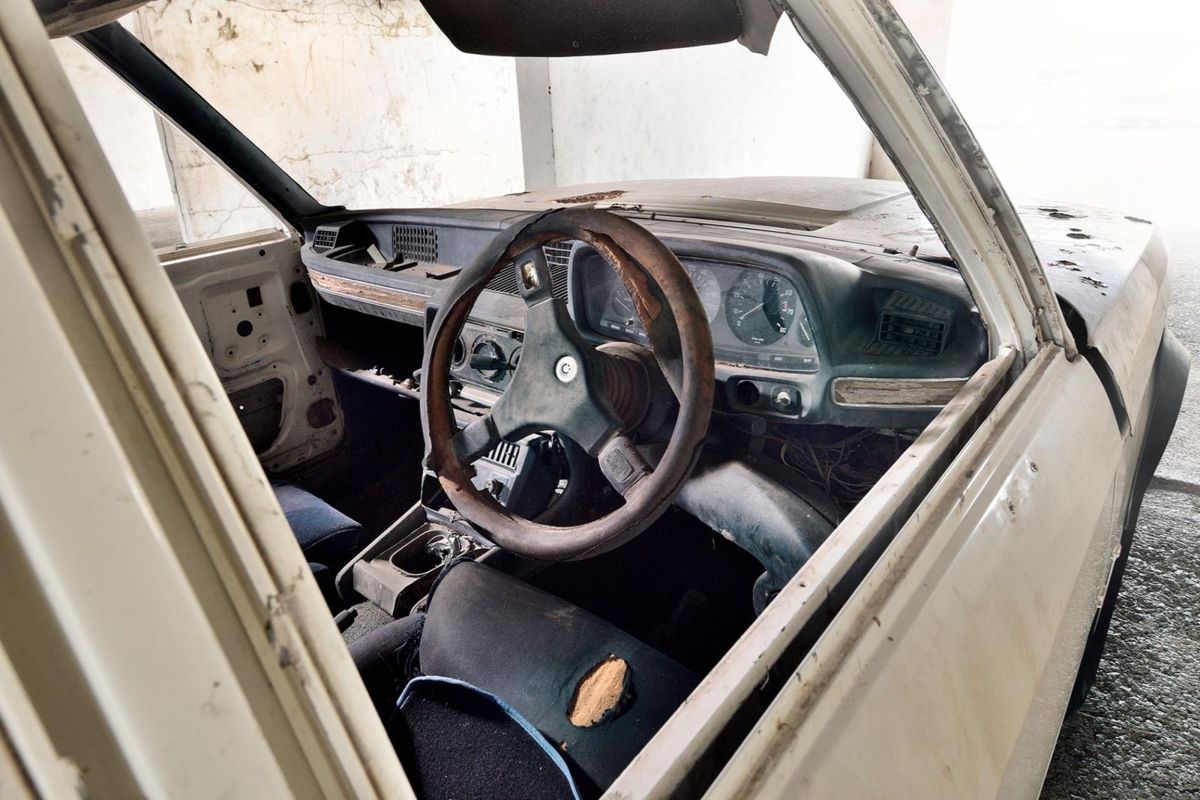
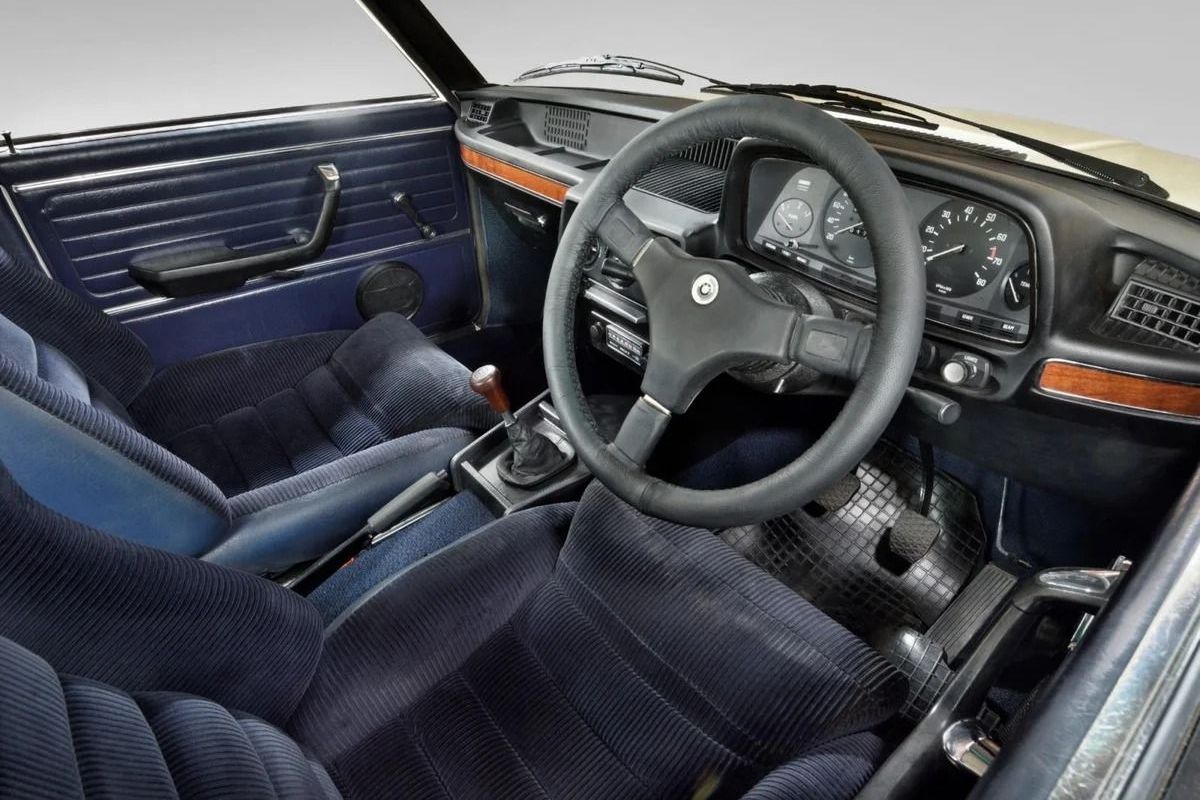
The interior, as it was found… Another E12 had to be bought and its facia was used to restore the  530 MLE to its former glory.

BMW had been looking for a 530 MLE for years, but finally found one in 2018 – and this proved to be quite a special MLE at that! Car number 100 comes with an enviable pedigree – it was owned by race driver and the racing 530 MLE’s team manager Peter Kaye-Eddie, and its engine and chassis numbers are a matching set.

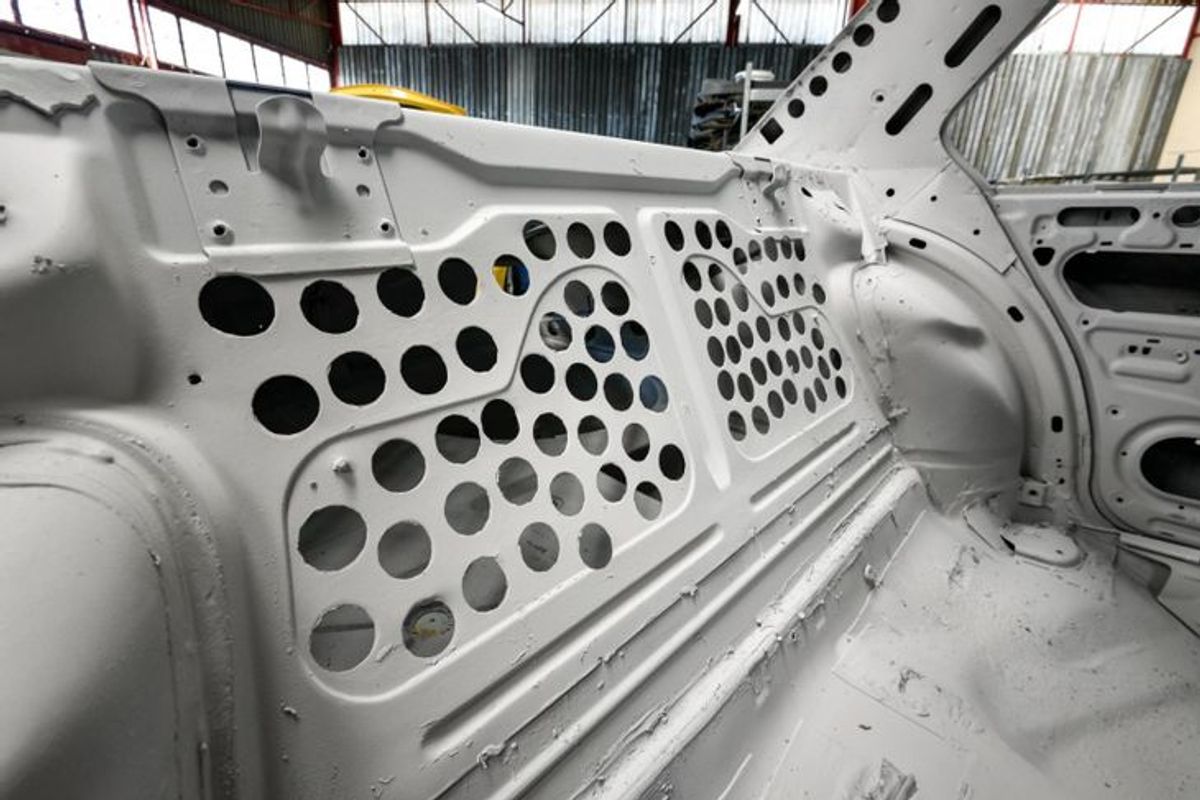
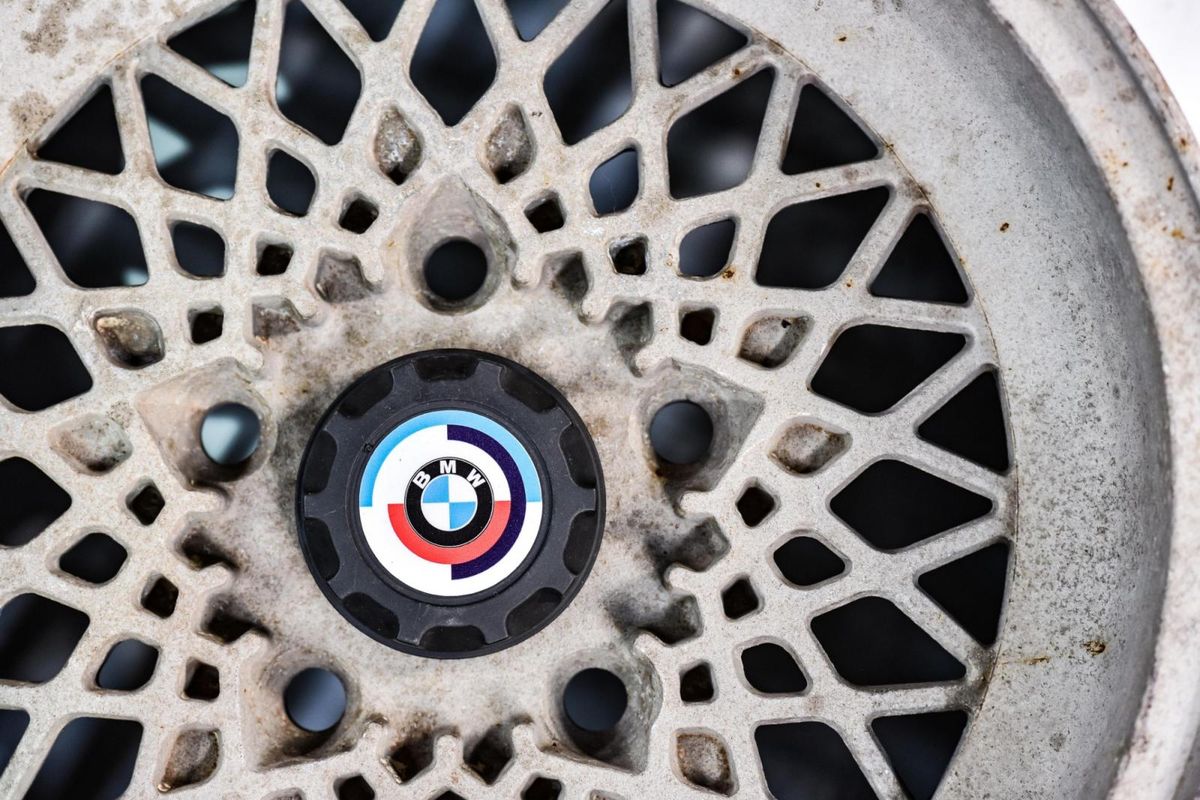
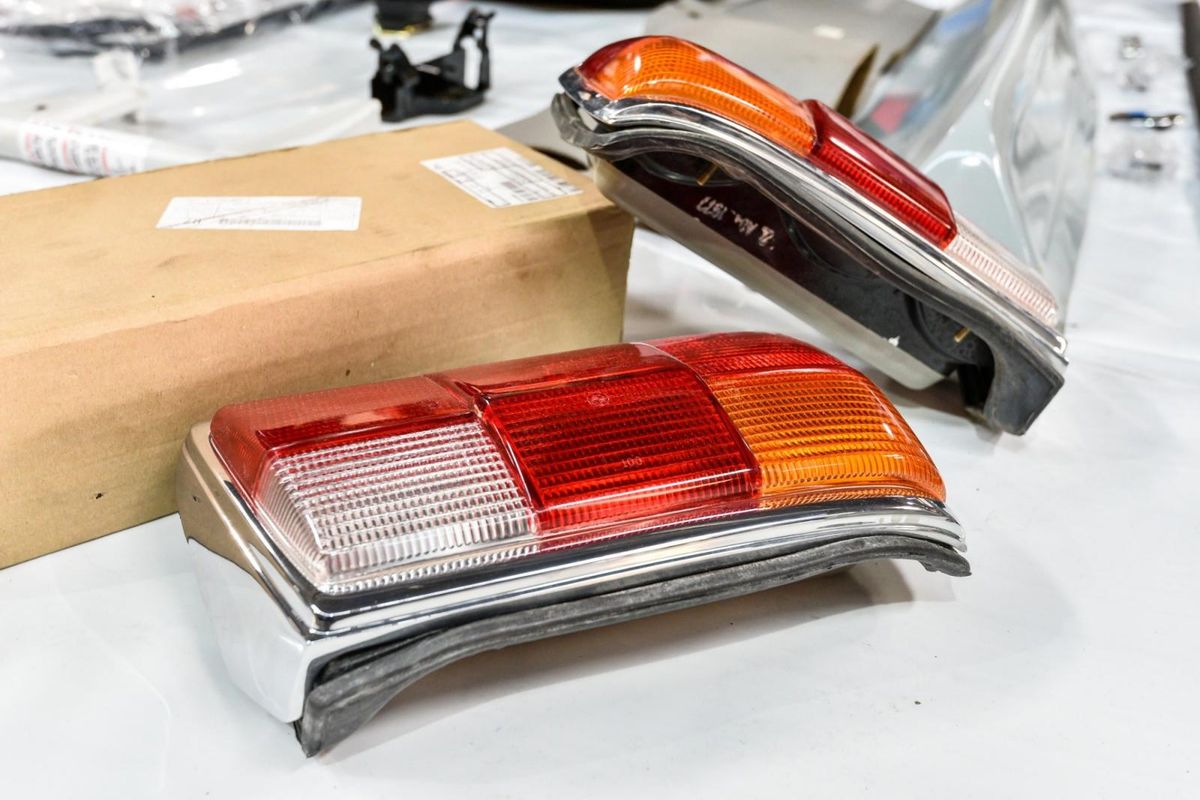
Unique features to the 530 MLE were not just for show, they were specifically developed to help the 530 MLE on the track. As such, it featured weight-reduction measures that included bodywork and pedals drilled by hand, manual windows, no air-conditioning and those iconic, lightweight, Mahle wheels.


Heritage is something BMW has in spades, and this 530 MLE can be regarded as the birth of “M”.

BMW South Africa created quite a touching moment on Tuesday when those 4 factory workers strolled down the brightly lit final quality check area of the company’s high-tech factory (which builds the X3 for the local market, as well as export), to meet the rebuilt 530 MLE. Fittingly, examples of the company’s other local “specials”, such as the 333i and 745i, were also on display.

But in the end, the focus was on the now pristine 530 MLE, clearly the result of a no-cost-spared rebuild. I couldn’t help but notice, however, the somewhat worn (and clearly original) BMW Club of South Africa sticker in the rear window. I appreciate touches like that.

You may also be interested in;

SentiMETAL launches limited edition Heritage Print Series

BMW 333i: SentiMETAL Episode 4 (video)

Classic Drive: BMW 333i and 325iS

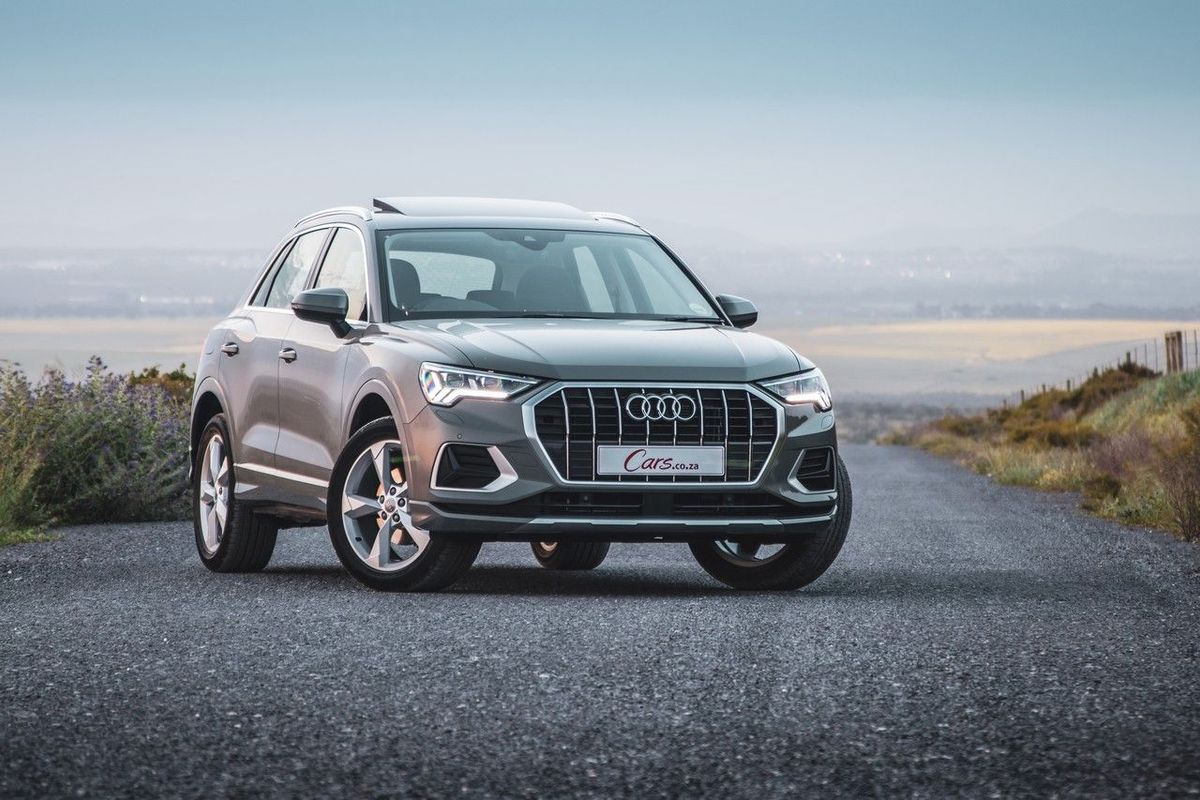
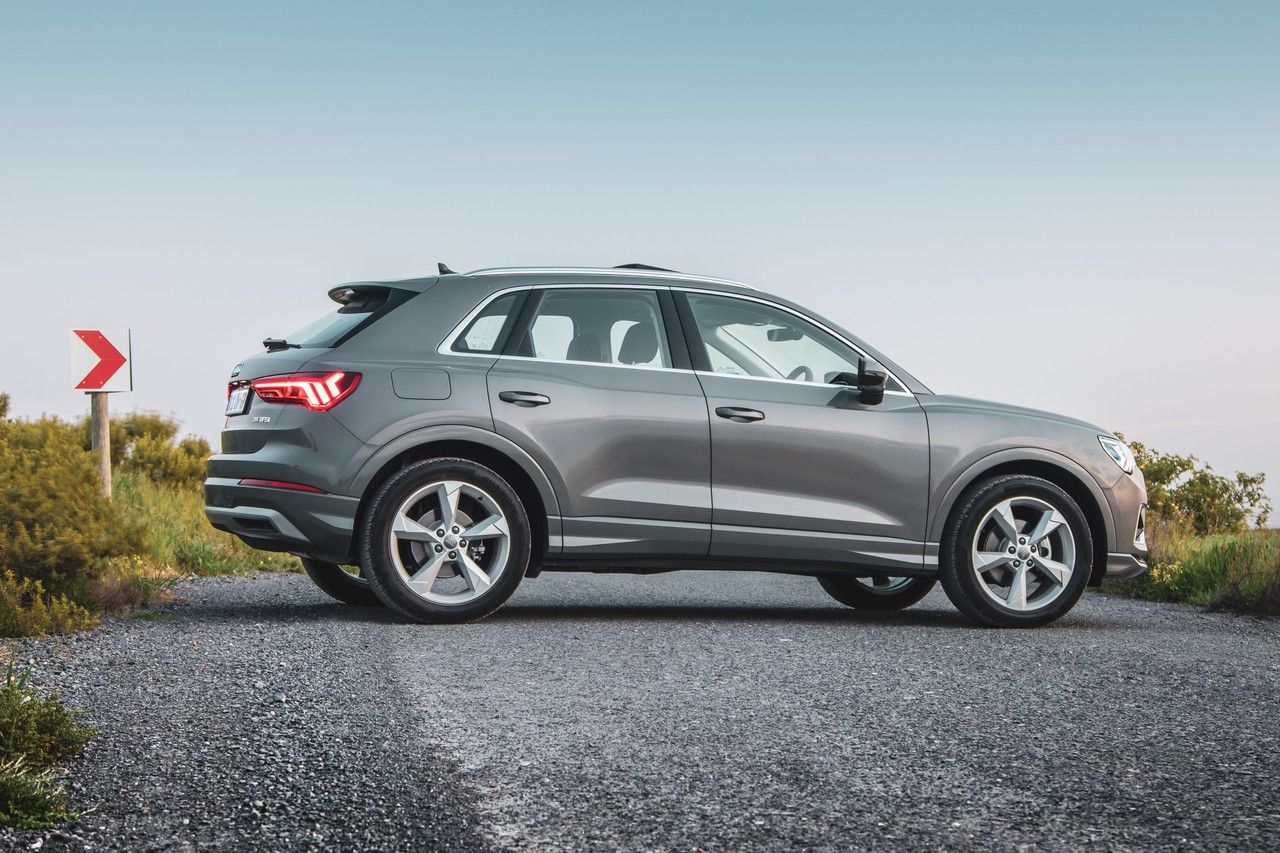
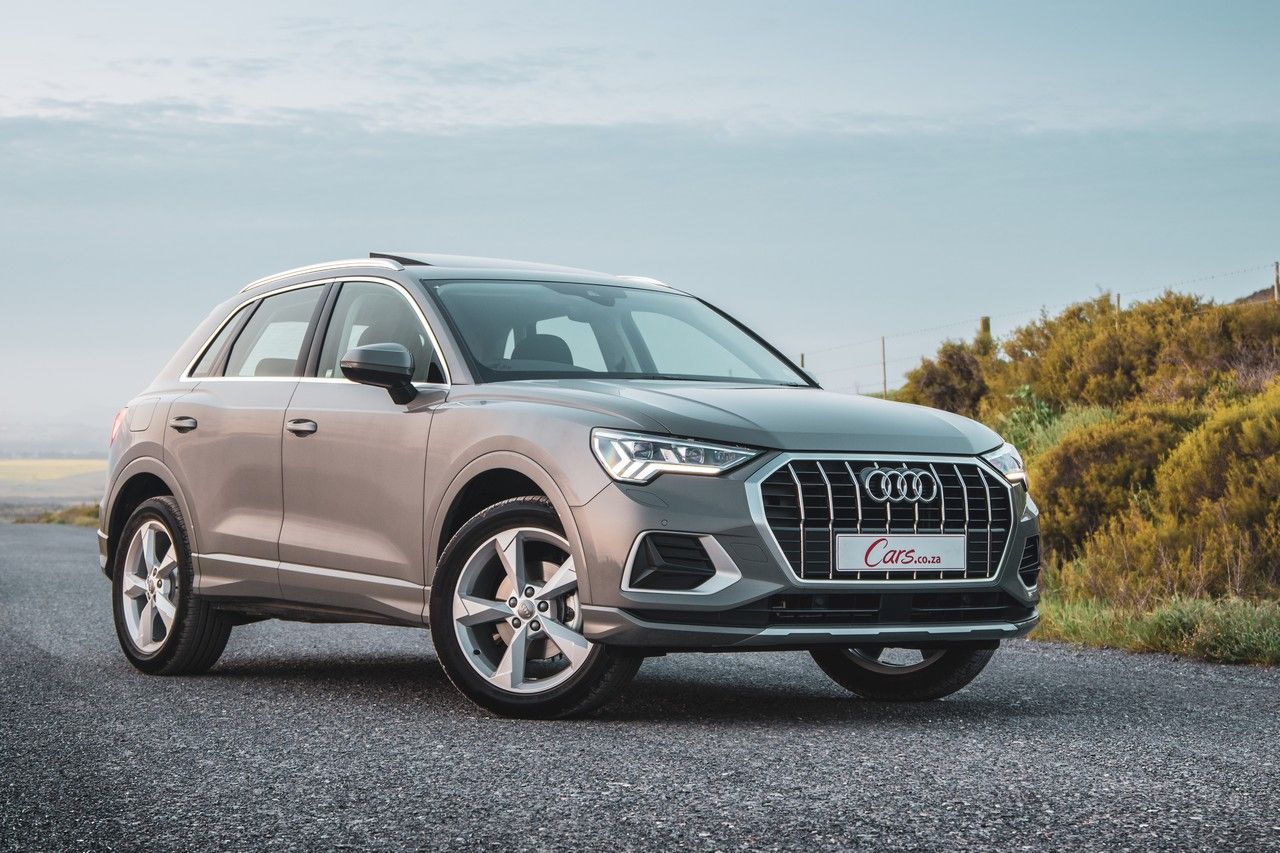
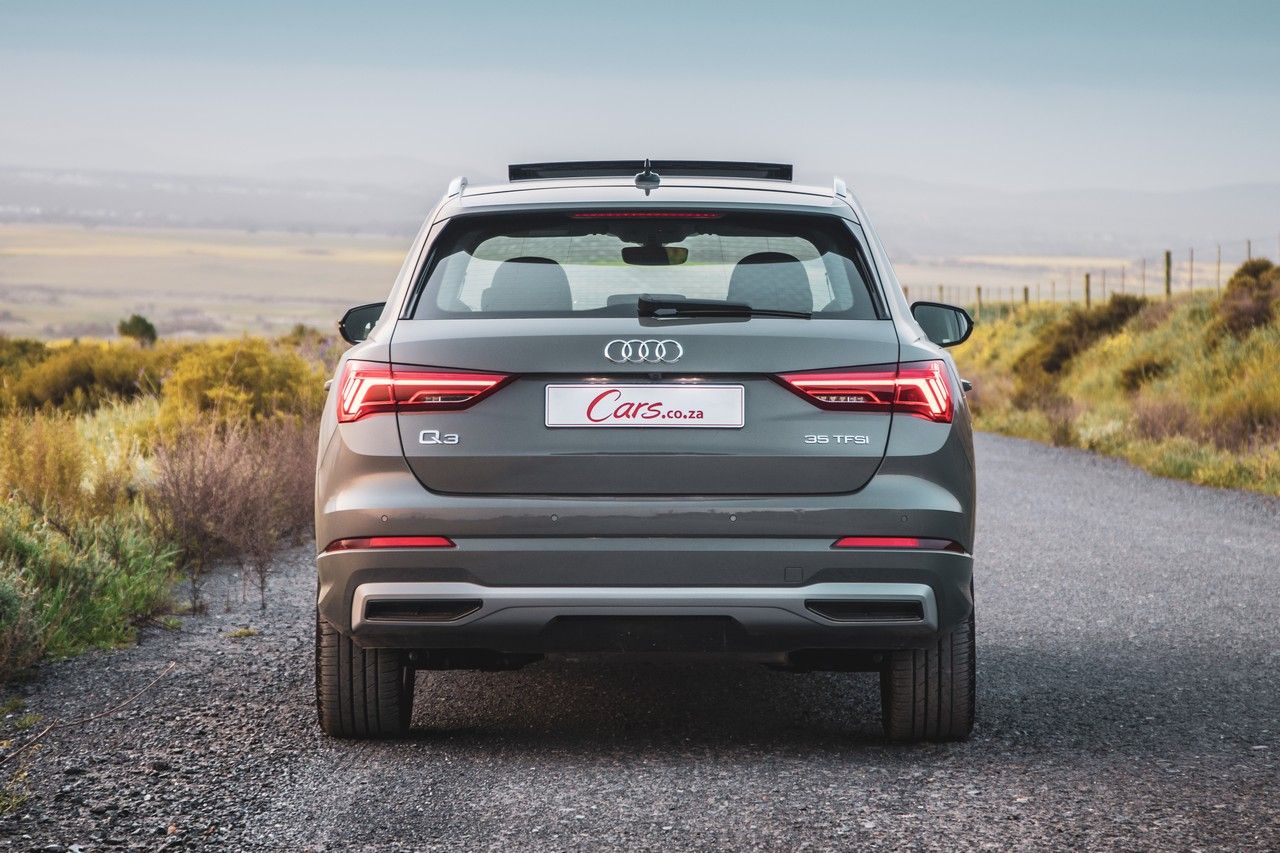
Audi Q3 35 TFSI S tronic (2019) Review

Audi’s 2nd-generation premium family car is raring to remind buyers why its predecessor was such a success, but it faces substantially stronger competition than it used to. We spent a few weeks with the new Q3 to see what it offers.

We like: Smooth drive, more spacious than you think, great interior tech.

We don't like: Plain design.

Fast Facts

  • Price: R585 000 (R748 050 as tested October 2019) 
  • Engine: 1.4-litre turbopetrol
  • Power/Torque: 110 kW/250 Nm
  • Transmission: 6-speed automatic (S tronic)
  • Fuel consumption: 5.9 L/100 km (claimed)
  • ?Load capacity: 530/675-1 525 litres

Own an Audi? Tell us about your experience here

SERIOUS ABOUT BUYING?

Where does it fit in?

Up until the local introduction of the Q2 in 2017, the 1st-generation Q3 was the entry point to Audi's SUV lineup in South Africa. Now in its 2nd iteration, the Q3 fulfils the role of a premium compact SUV with a bent towards practicality and inoffensive/try-to-please-everyone styling. It can be argued the Q2 is more of a quirky, design-oriented crossover, whereas the Q3 is positioned as a "family-focused, easy on the eye" entry-level SUV.


New Q3 is currently only available as a 1.4-turbo.

The multitude of Q3 rivals includes the Volvo XC40, Range Rover Evoque, BMW X1, Mercedes-Benz GLC, Jaguar e-Pace and the Lexus UX. And.. those are just the direct rivals; volume manufacturers weigh in with the upmarket Volkswagen Tiguan, Mazda CX-5 and Peugeot 3008 etc.

For now, there is a single (1.4-litre turbopetrol) derivative available and Audi has reduced the number of options to choose from by combining extra-cost features into packs to offer better value (and make it easier for buyers to understand what they're buying, no doubt). What we have here is the Advanced Line with the Comfort and Technology package, but more on that later.

How it fares in terms of…

Kerb appeal

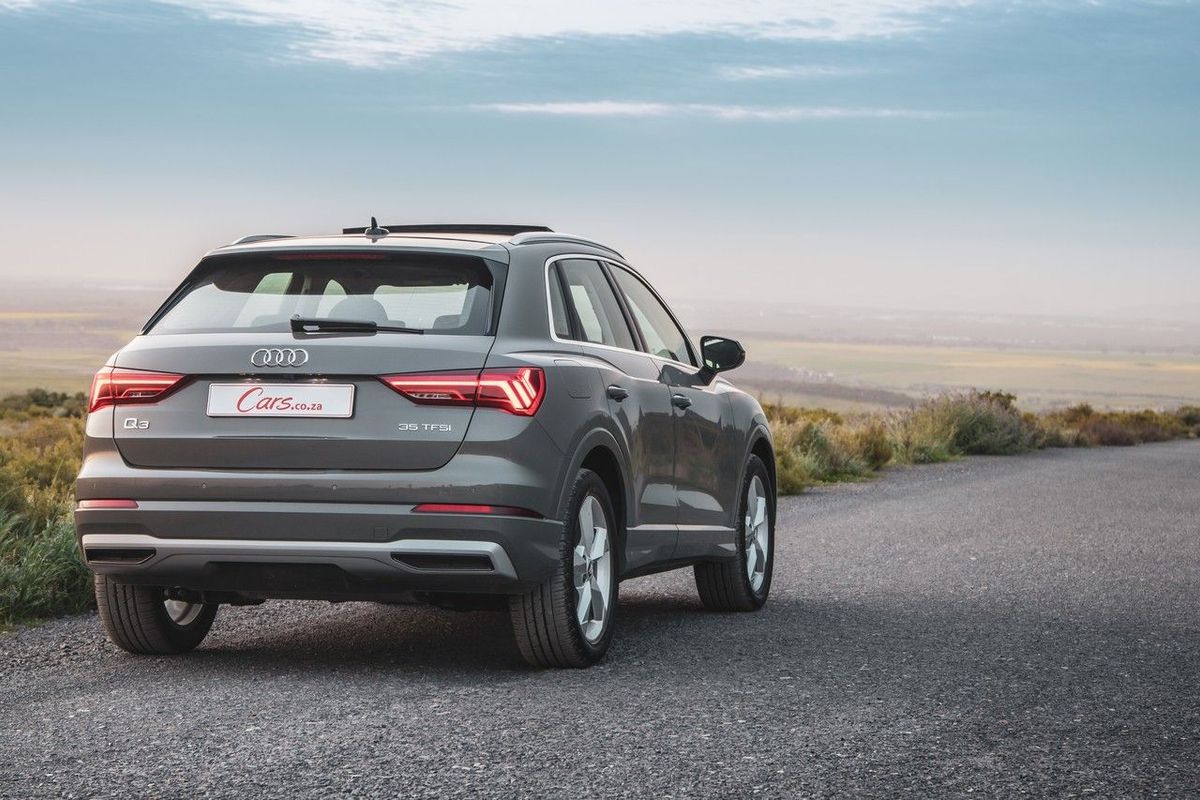
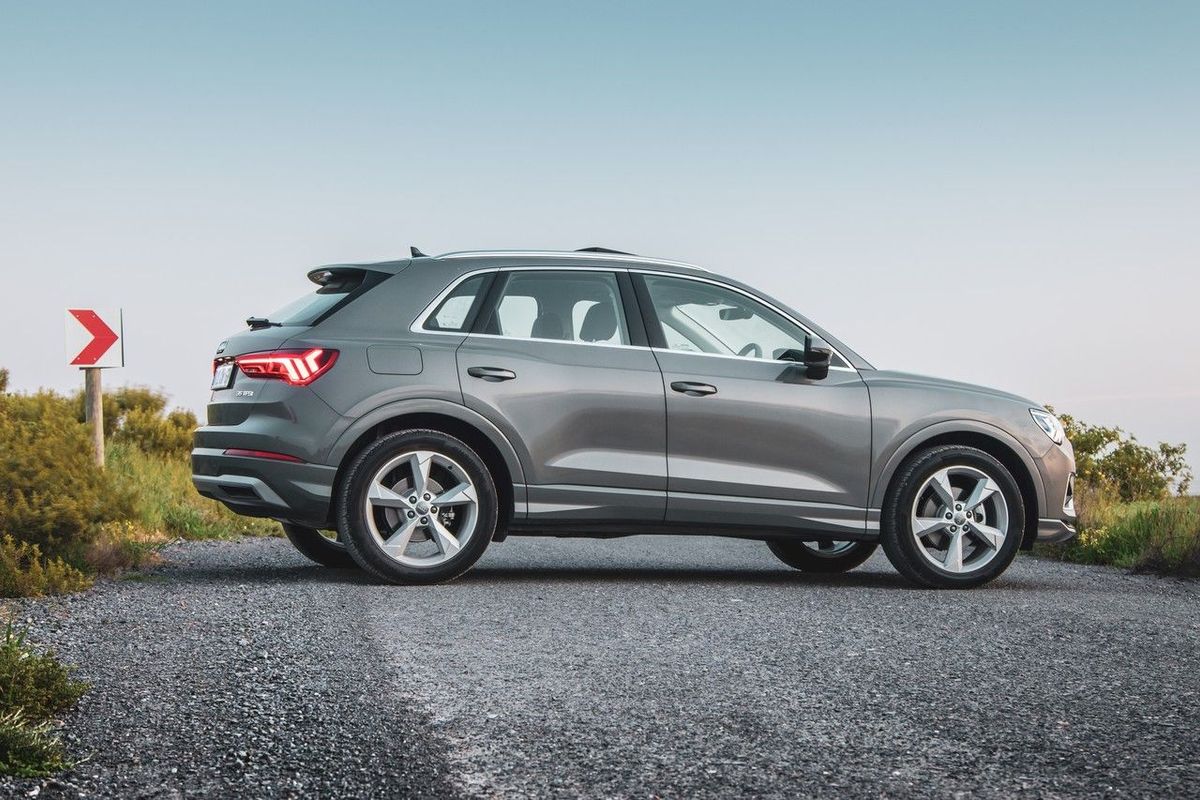
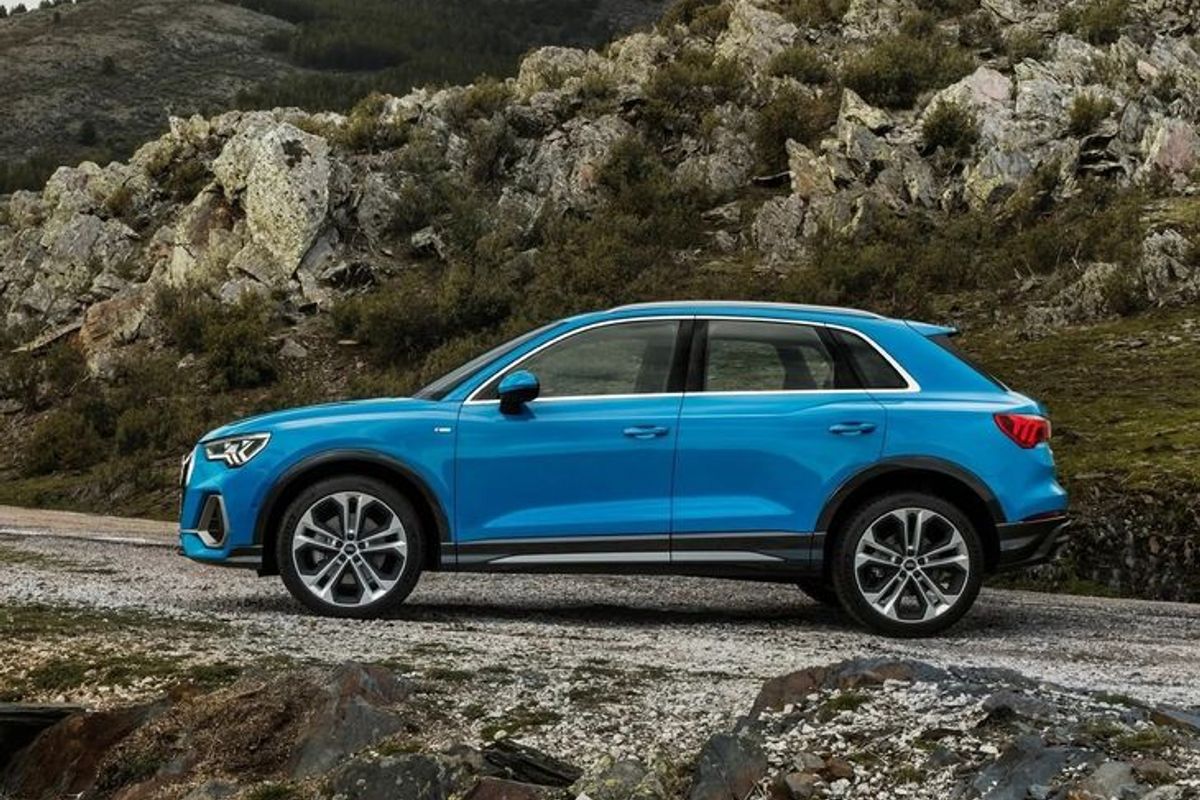
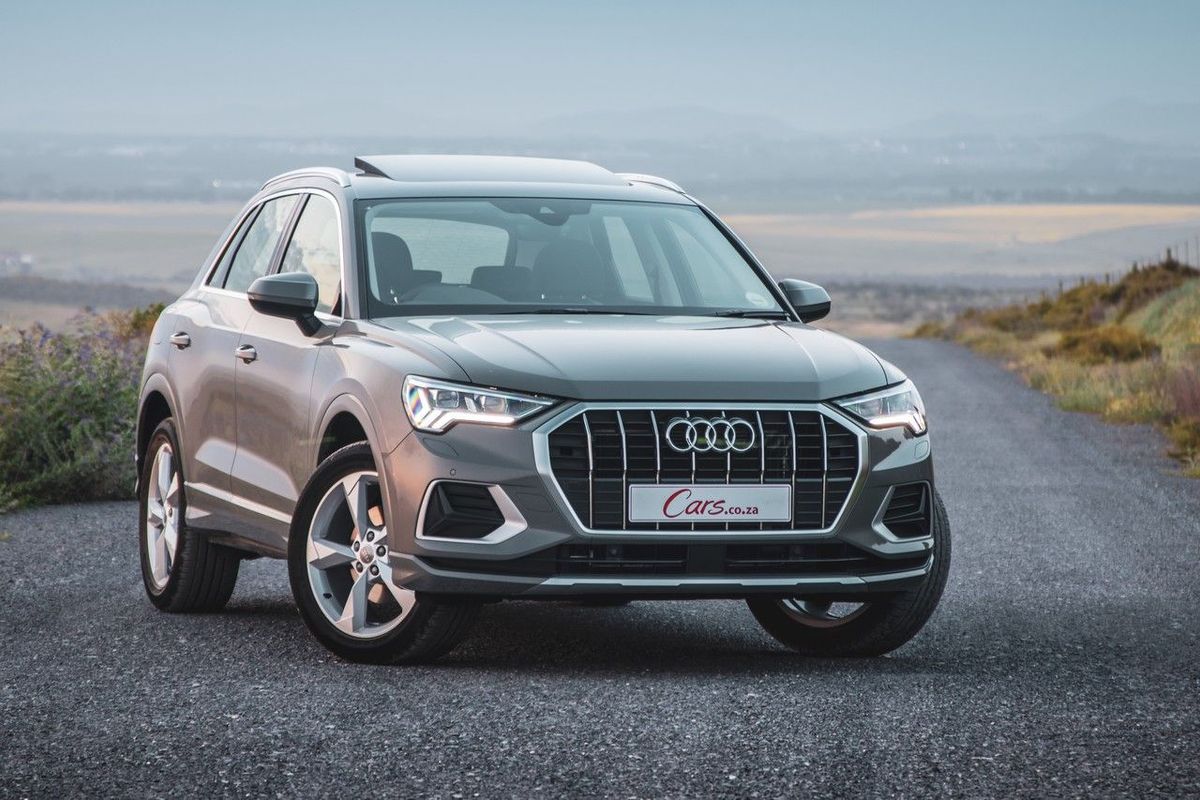
In a segment where you have to drop a wad of cash to make (at least a bit of) a statement, the Audi Q3 seems a little, well, conventional. It’s not ugly and when compared with the previous version doesn’t look as frumpy and offers more utility space. Those looking to show off are more likely to lean towards the XC40 or the more expensive Evoque. Against its German rivals, it’s much of a muchness, but the Audi seems a bit more modern.


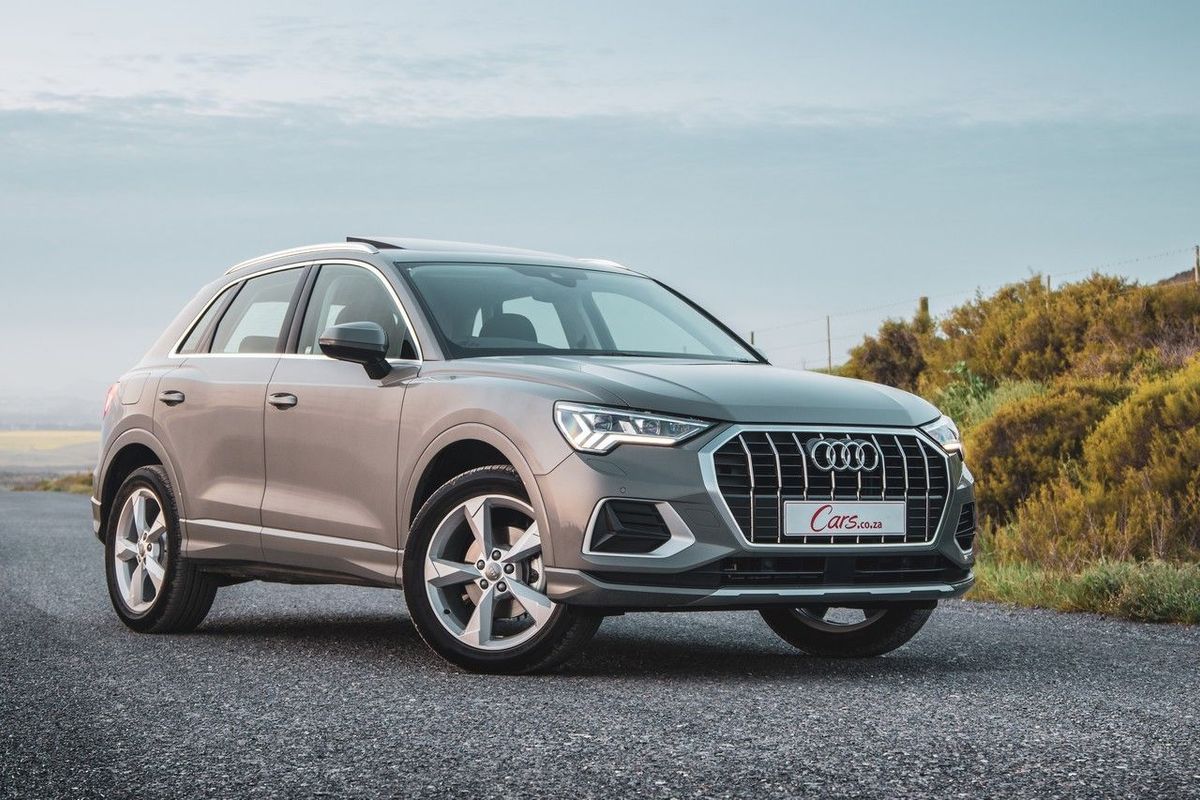
Looks-wise, the Q3 is probably not the most desirable in the segment, but it's an improvement over the original Q3.

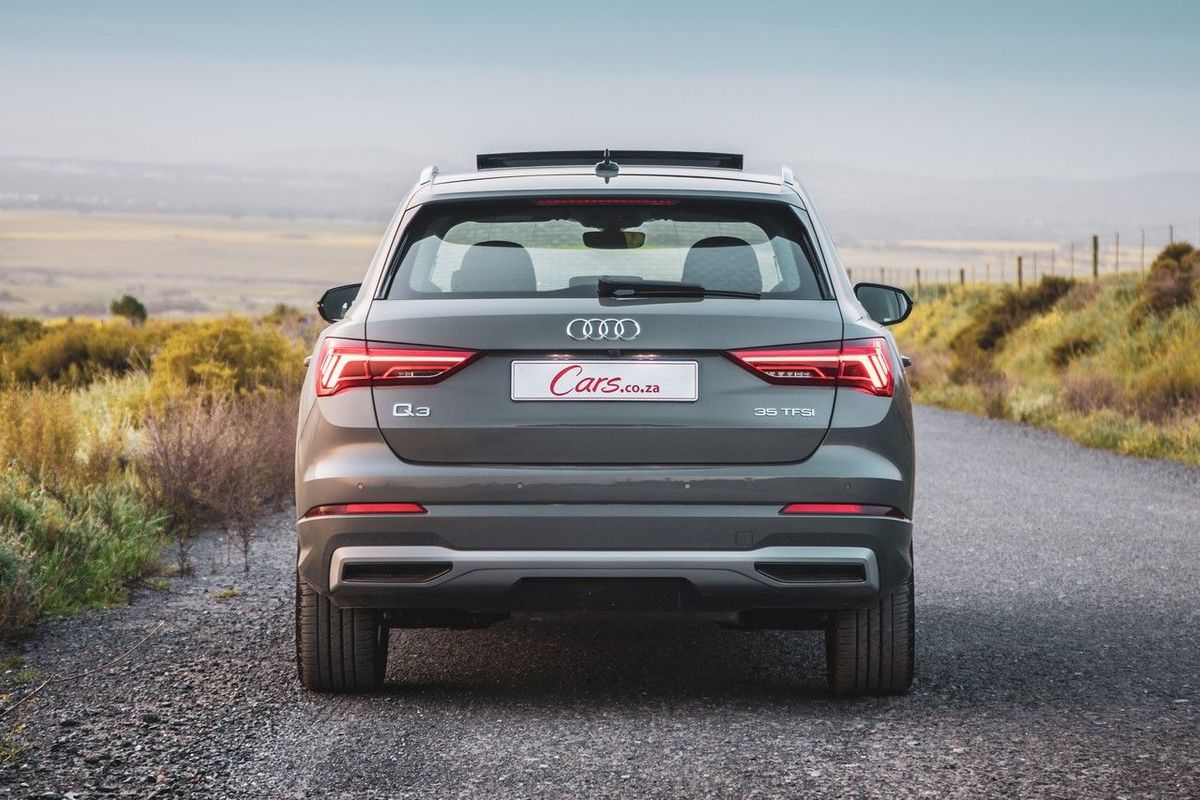
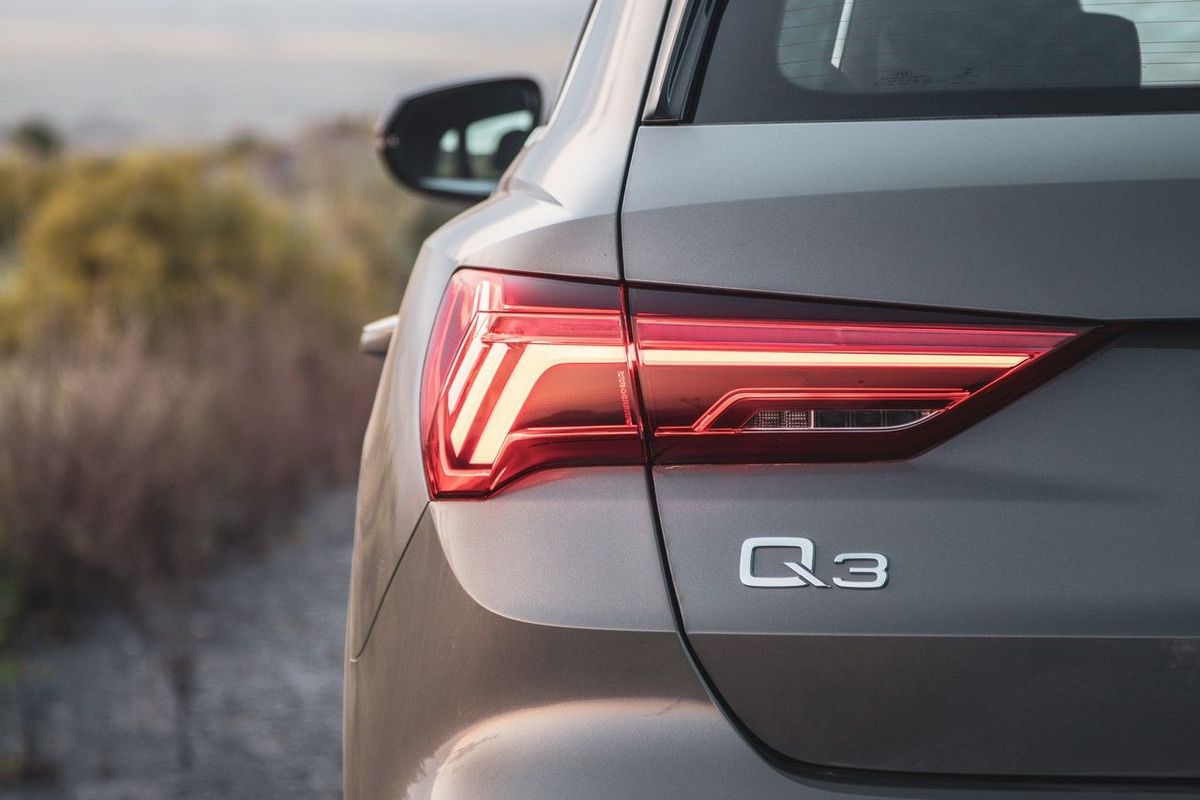
Our test unit came specced with optional 19-inch five-spoke wheels (sizes range from 17- to 19-inches). The colour palette of the new Q3 goes some way towards livening up its road presence and while this 35 TFSI S Tronic is finished in Chronos Grey, if you want your Q3 to pop a bit more, you can specify Pulse Orange or even personalise your own colour at an optional cost of R38 000.

Performance

There’s a theory that goes something along the lines of "having too much choice leads to no choice". Audi is steering well clear of that in the case of the Q3. If you want to buy one today, you can only have a 1.4-litre turbopetrol automatic version. It’s a familiar engine, which is carried over from the previous Q3, but this time fitted with a 6-speed self-shifting ‘box (S tronic). With peak outputs of 110 kW and 250 Nm, it sounds like it might be a little light on that premium power you expect when paying over half-a-mill. But it isn't; the engine is capable in traffic, on the freeway and when loaded up. It's languid power delivery hardly inspires driving engagement, but there’s enough shove for what’ll likely be the future entry point to the Q3 lineup. 


The 35 TFSI badge refers to the range of power (110 – 120 kW).

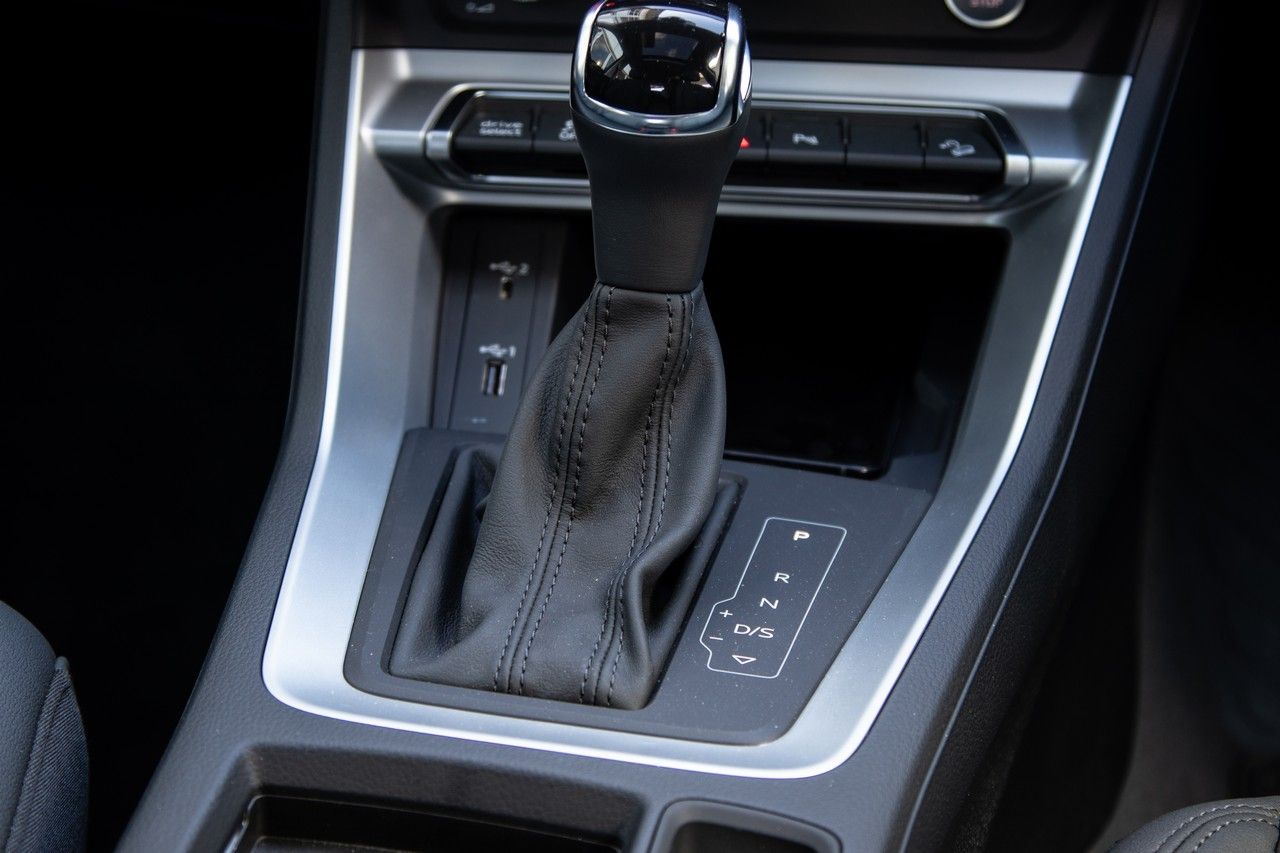
Having said that, the 6-speed transmission mated to this 1.4-litre turbopetrol motor is one of the best we’ve sampled to date. Its shifts are nearly imperceptible and aside from occasionally choosing a fuel-saving high gear in a hurry, it makes the best use of the power and torque available. As a front-wheel-drive only model (currently), the Q3 feels light on its, um, wheels and returns excellent fuel economy for a petrol-engined family car. On long trips, 35 TFSI S Tronic dipped into the 6L/100 km range, while in the confines of the city it stabilised around the high 7L/100 km mark…

Ride and comfort

The Q3’s is based on the much-lauded MQB architecture, which underpins so many VW Group compact cars. Everything from a Polo, to a TT and a Tiguan, makes use of the platform and there are almost no complaints about "MQB cars'" ride quality. The Q3 is no exception – its ride quality is supple, even if on the firmer side (by virtue of rolling on 19-inch wheels)… It's comfortable enough on our country's "mixed" road conditions. 

What's more, the newcomer is responsive enough to brisk steering inputs; it feels more agile than an XC40 or Evoque. It has a small city car feel about it when you hustle the Audi on urban routes, but the measuring tape confirms it’s spacious enough – at least for a moderately-sized family.

From inside, it’s supremely well insulated – at cruising speeds the cabin is largely bereft of road noise or irritating tyre roar. We tackled a few farm roads during the Q3's tenure in our test fleet and it handled unsealed surfaces easily, even if the going was a little on the firm side. 

Interior design and practicality 


Upmarket interior with lots of equipment from more expensive Audis installed.

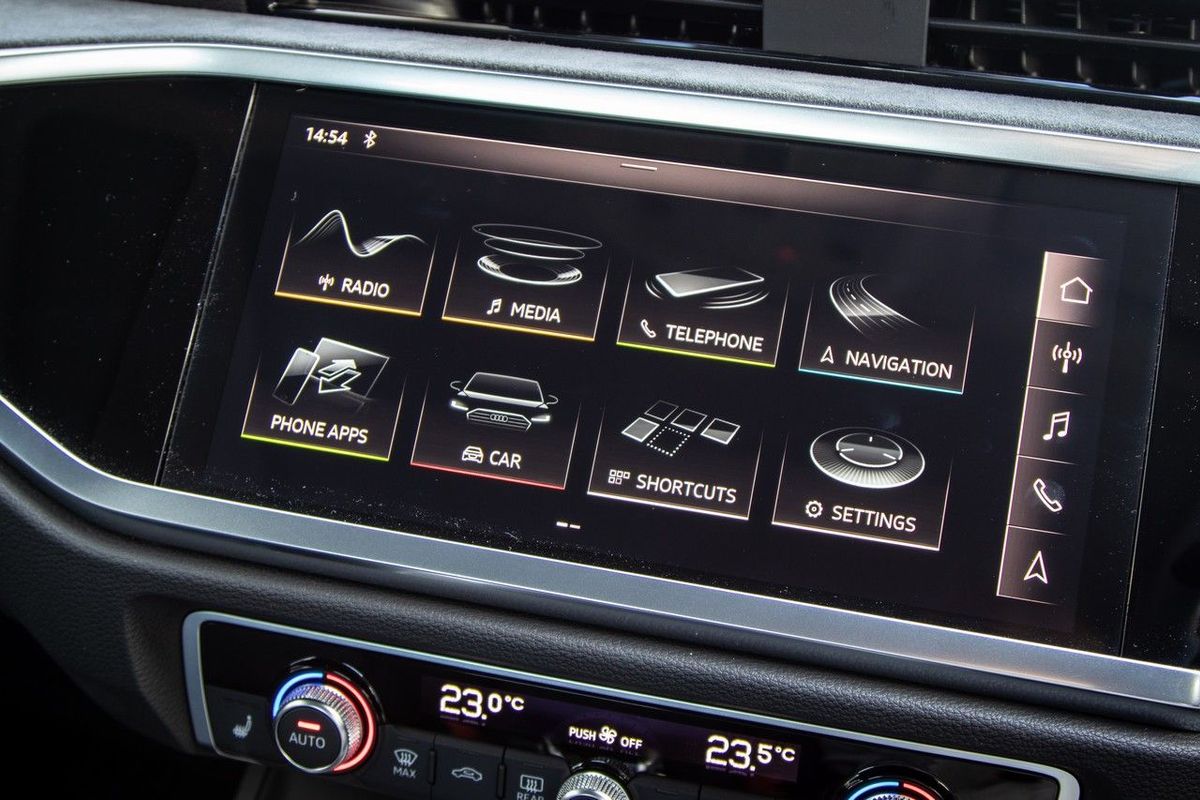
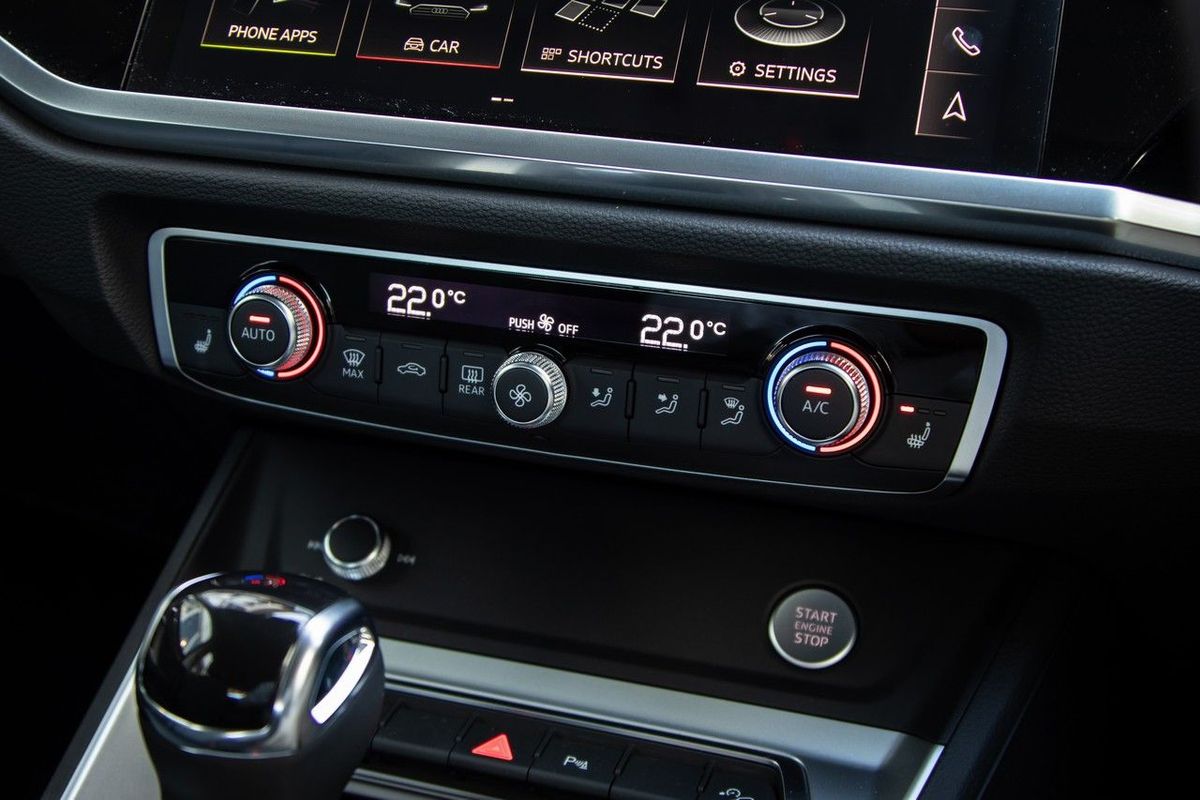
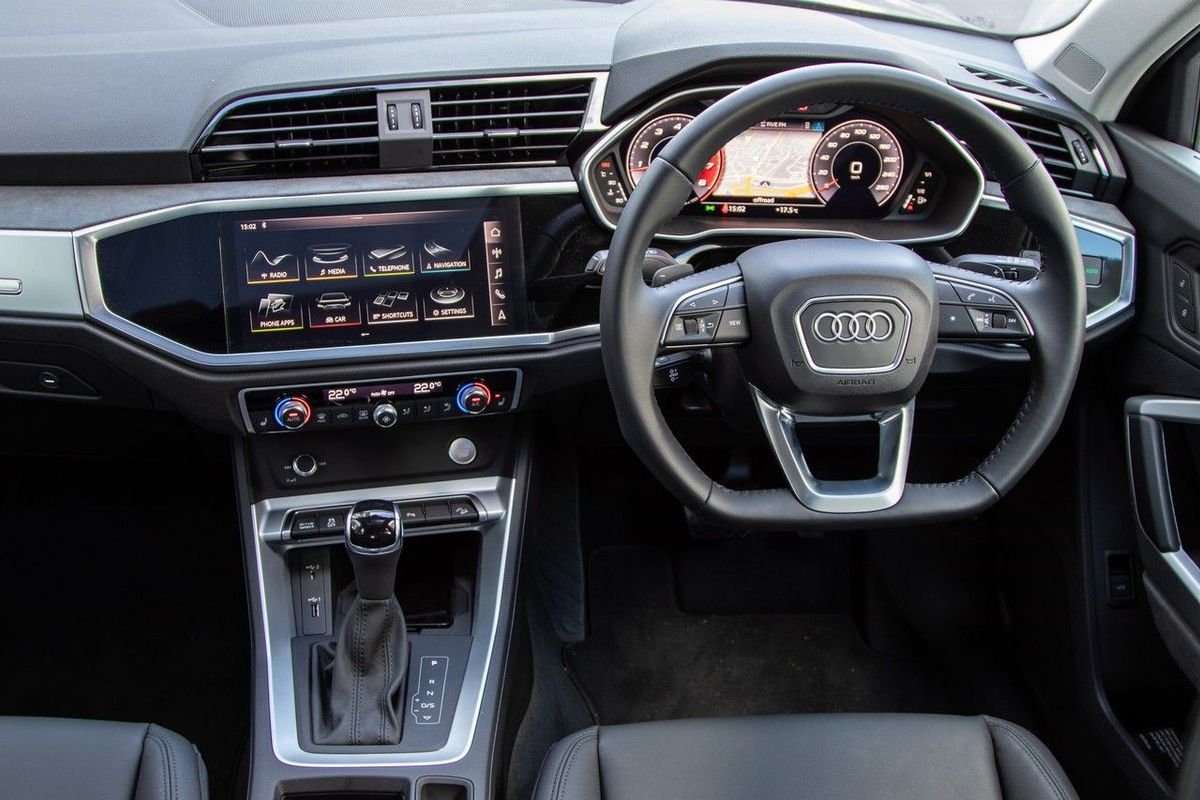
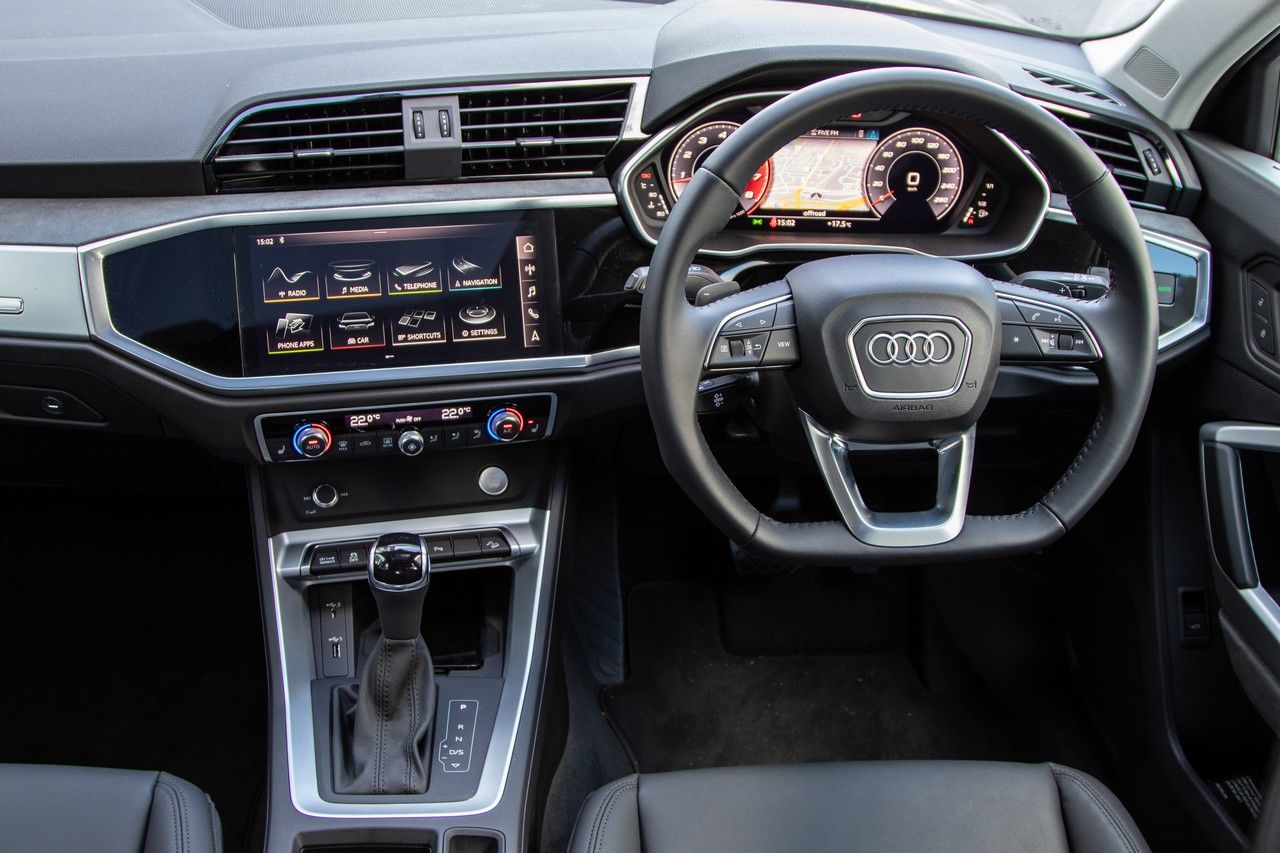
Audi’s contemporary interiors incorporate a specific set of components from a shared parts bin with a few touches here and there to give each model its own identity. The layout is easy to understand and the touchscreen interface is slick and intuitive to operate.

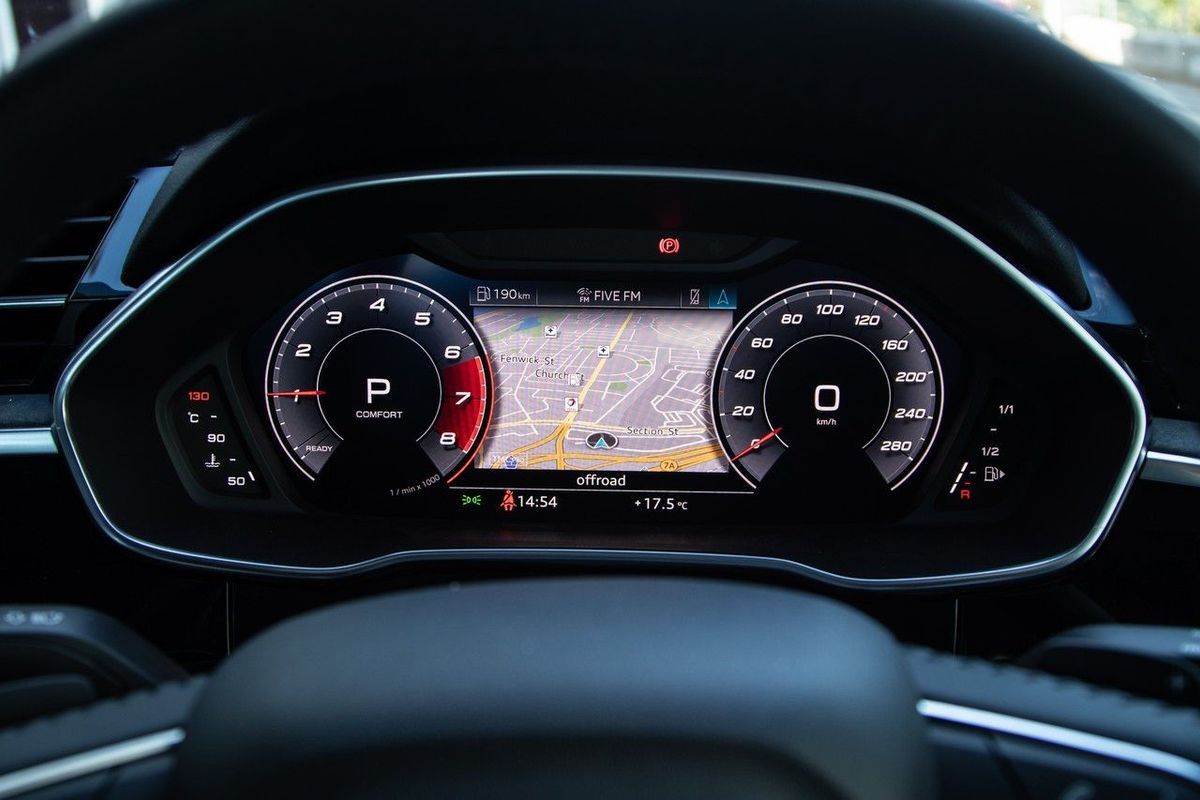
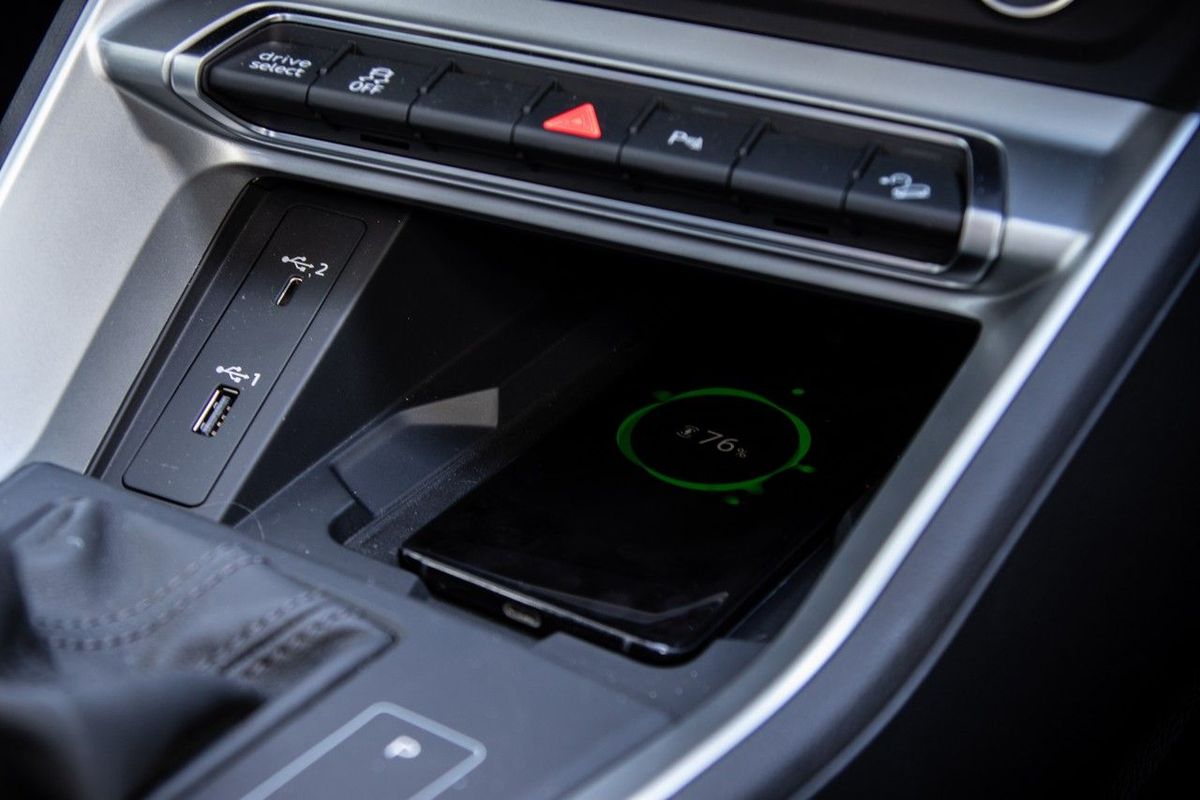
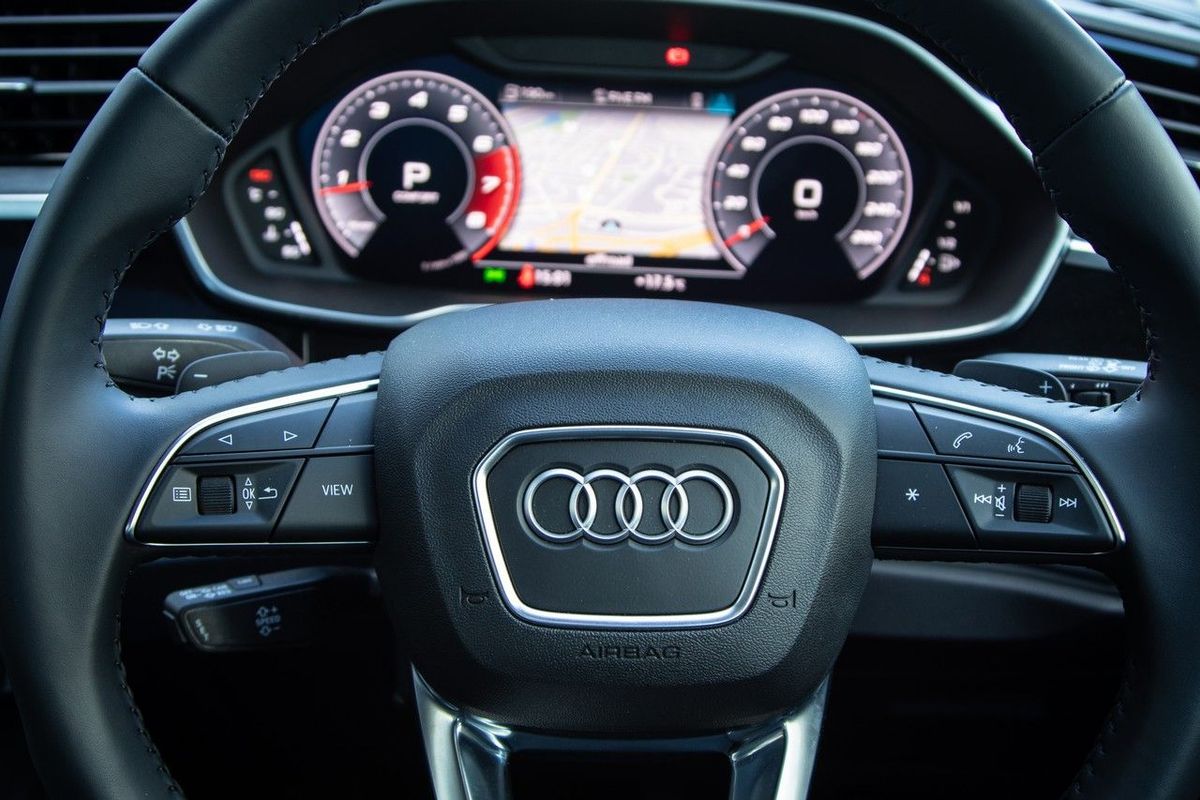
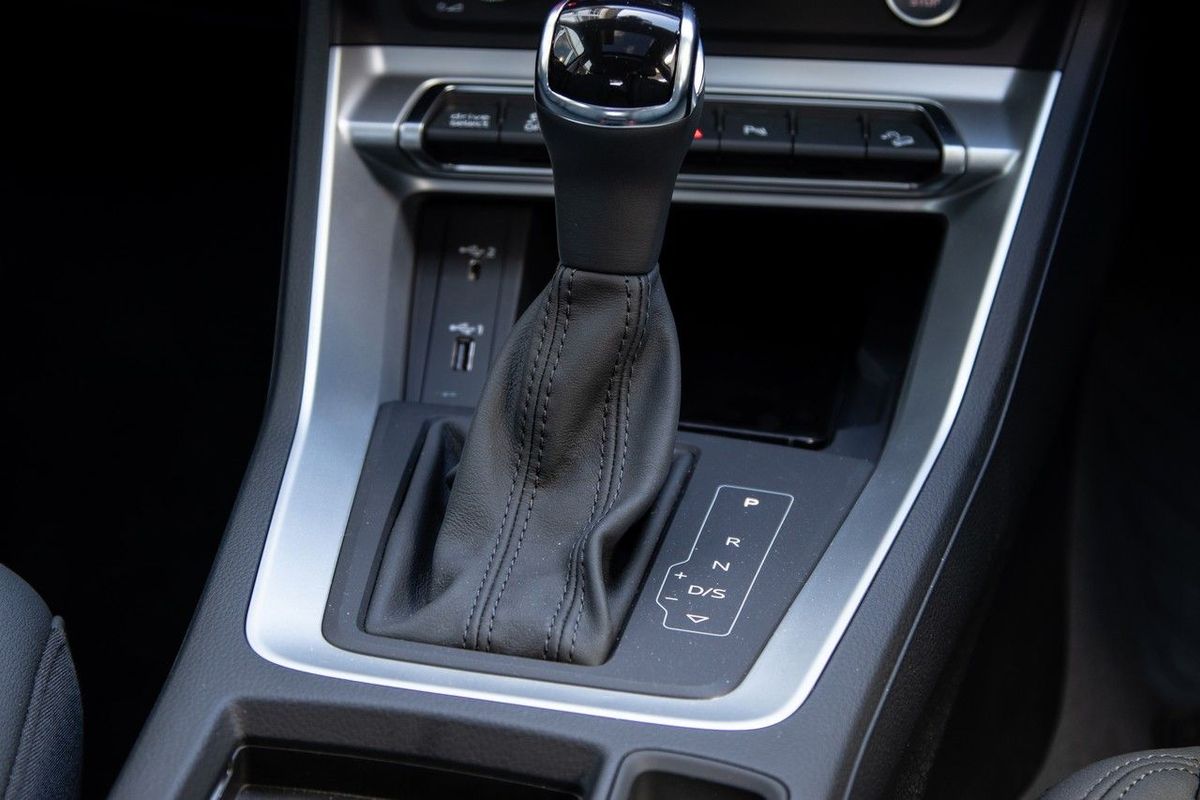
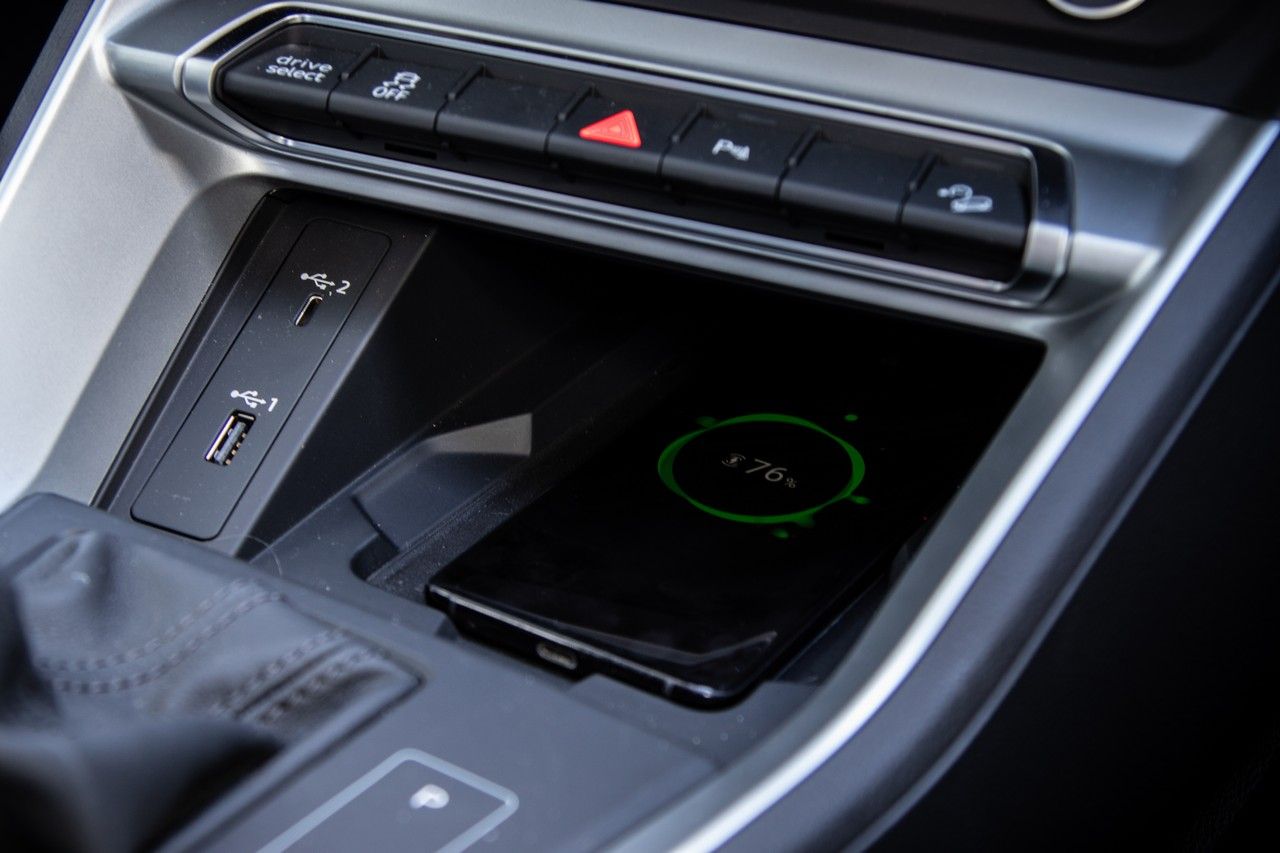
It’s encouraging to see a German manufacturer (especially one of the premium-marque variety) adding more standard features to its offerings. Rear PDC, auto lights and wipers, cruise control and Virtual cockpit (Audi’s digital instrument cluster) are all standard, to give a few examples. The Phone Box option (R5 500) is a must-have – it includes a wireless charging bay, dual USB ports and Apple Carplay and Android Auto compatibility. 

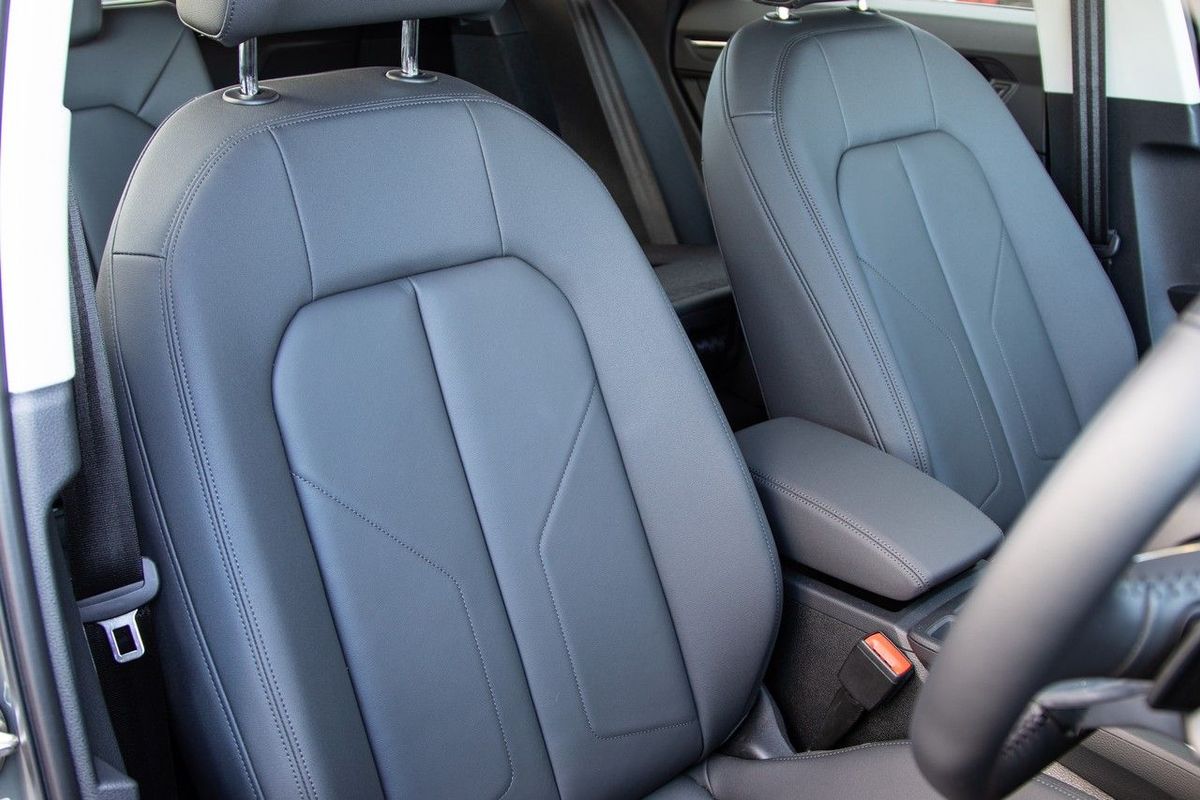
If you want an interior upgrade, then the Comfort Package (R27 500) offers a good selection of kit, including electrically-adjustable seats, a powered tailgate, seat heating, lumbar support and parking aid plus (front and rear parking sensors).


The Audi Phone Box option includes a wireless charging bay and dual USB ports up front.

As for how the new Q3 fares as a family car, it’s spacious in the front and rear; the back seats can slide fore and aft, as well as recline for added comfort. The load bay is large: the minimum capacity is a claimed 530 litres, but with the rear bench pushed as far forward as it will go, it increases to 675 litres. With all the seats down you get 1 525 litres of utility space, making it one of the more practical models in its segment.

Price and warranty

As standard, the Q3 35 TFSI S Tronic Advanced Line costs R585 000 (October 2019). By virtue of being specified with almost all the options available in Audi's premium family car, the test unit's asking price totalled a hefty R748 050. A 1-year/unlimited km warranty and a 5-year/100 000 km maintenance plan are included.

Verdict


Audi 6-speed auto is one of the best on the market.

The new Q3 plays it safe in terms of design. Audi's newcomer is more angular and sporty-looking than its predecessor, but it's obvious the 2nd-gen Q3 is not meant to be "a stunner". That role may be fulfilled by the upcoming Q3 Sportback; the Q3 is tailored for practically-minded buyers.

In spite of only being available with 1 engine at present, it performs well (even when loaded up) and its 6-speed S tronic 'box is one of the best on the market. Inside, it’s quiet, uncluttered and typically well-made. The increased standard specification is welcome and the available in-car tech is on-trend and comprehensive. It’s also bigger and more practical than you expect; it offers similar levels of packing space to the "bigger" Q5! 

The Q3 is a very competent and well-built premium family car, but does it stand out enough in a (very) big crowd? Perhaps not.

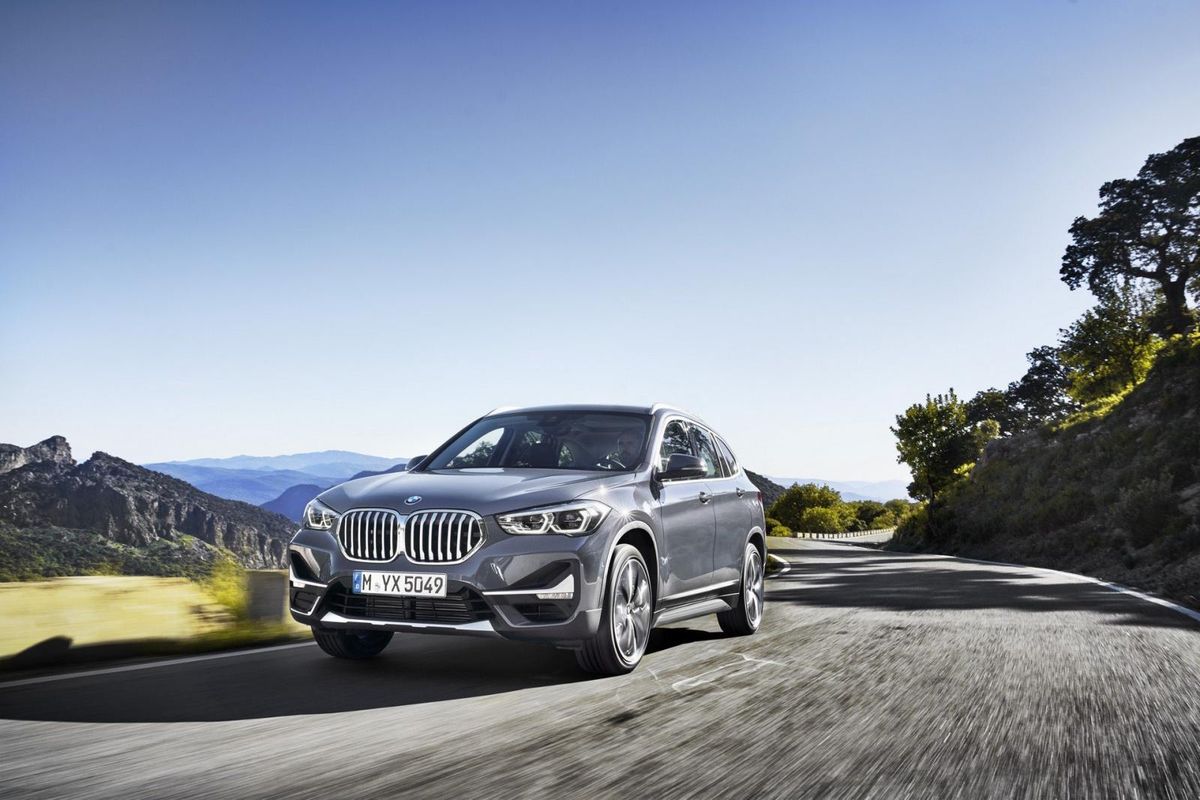
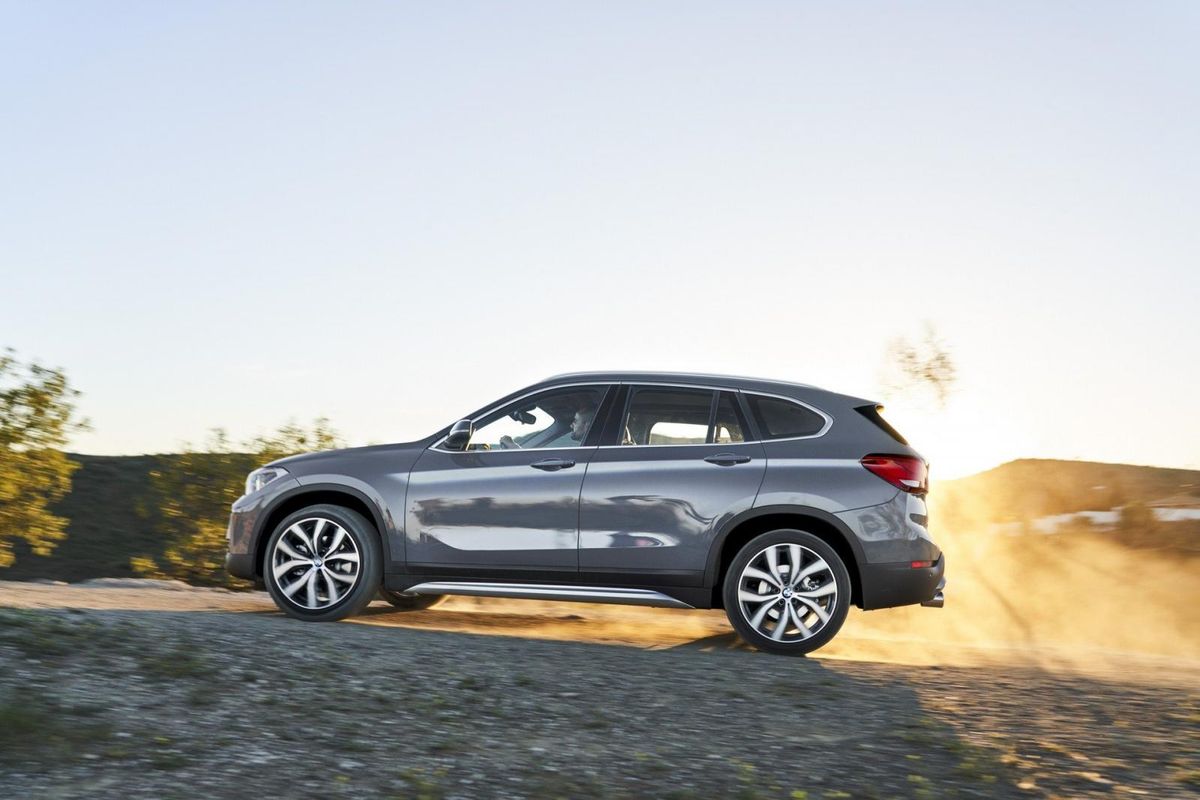
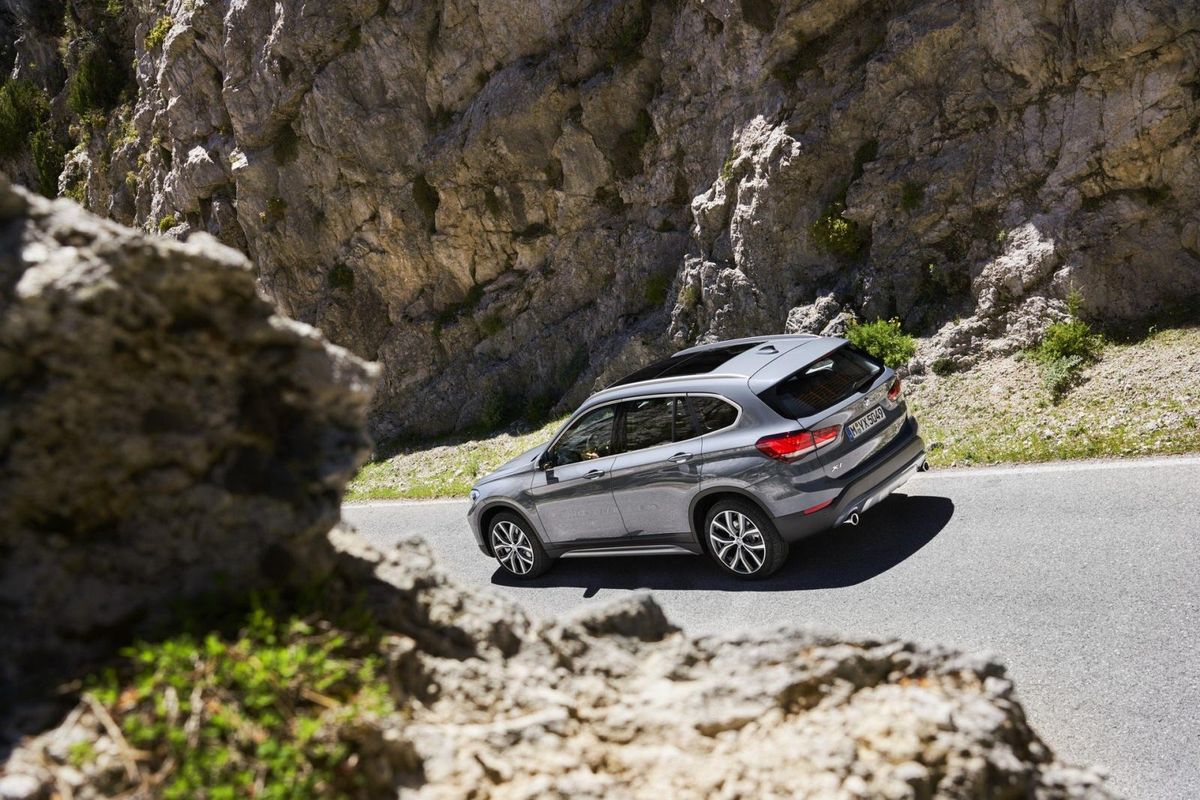
Facelifted BMW X1 Revealed (SA Pricing Update)

BMW has given its X1 crossover a makeover and the SA pricing has been loaded up onto the local arm's website. 

The second-generation X1 came to market in 2015 and now the smallest X offering from BMW has gone under the knife for a refresh.

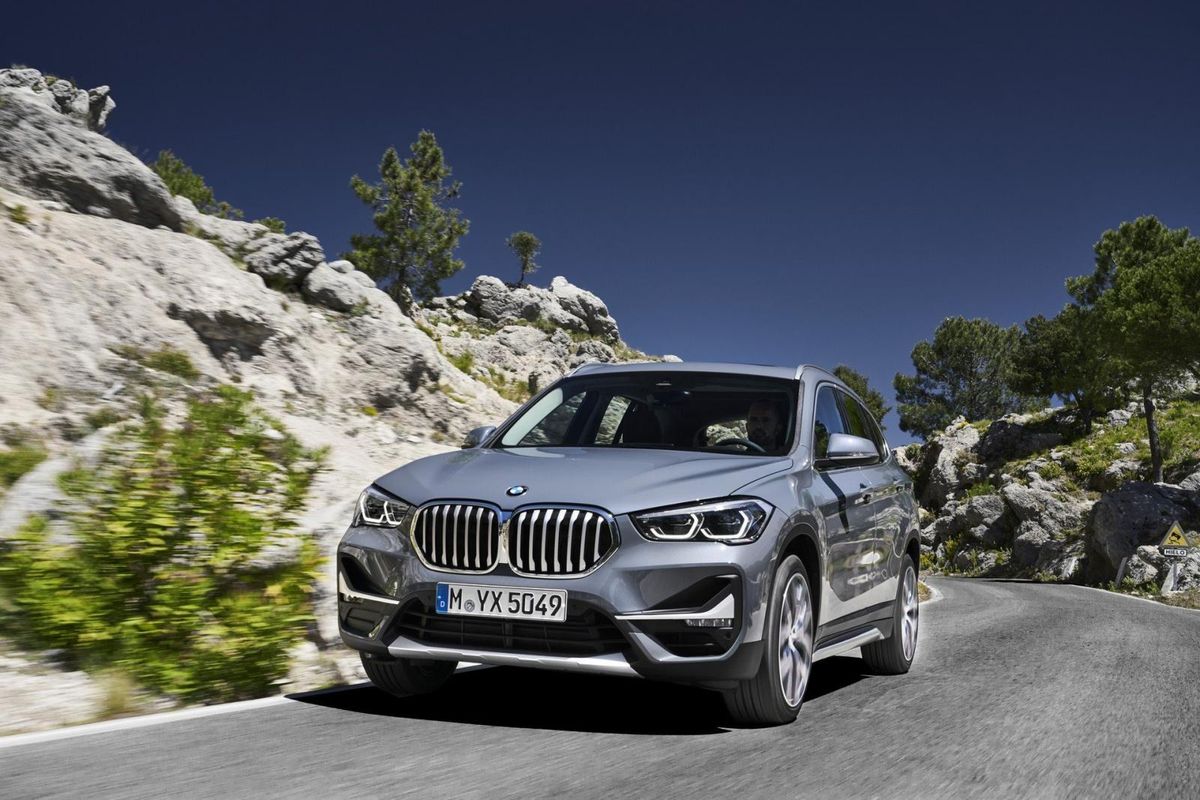
In case you haven’t noticed, BMW kidney grilles have been getting larger lately and the X1 now follows the trend with a bigger grille which is also flanked by newly designed headlights. Larger air intakes and integral LED foglights are also seen in the new front bumper.

BMW has also thrown in a party trick in the form of an X1 projection that shines onto the floor from the driver’s side mirror while also illuminating the door handle recess to provide easier access in the dark.

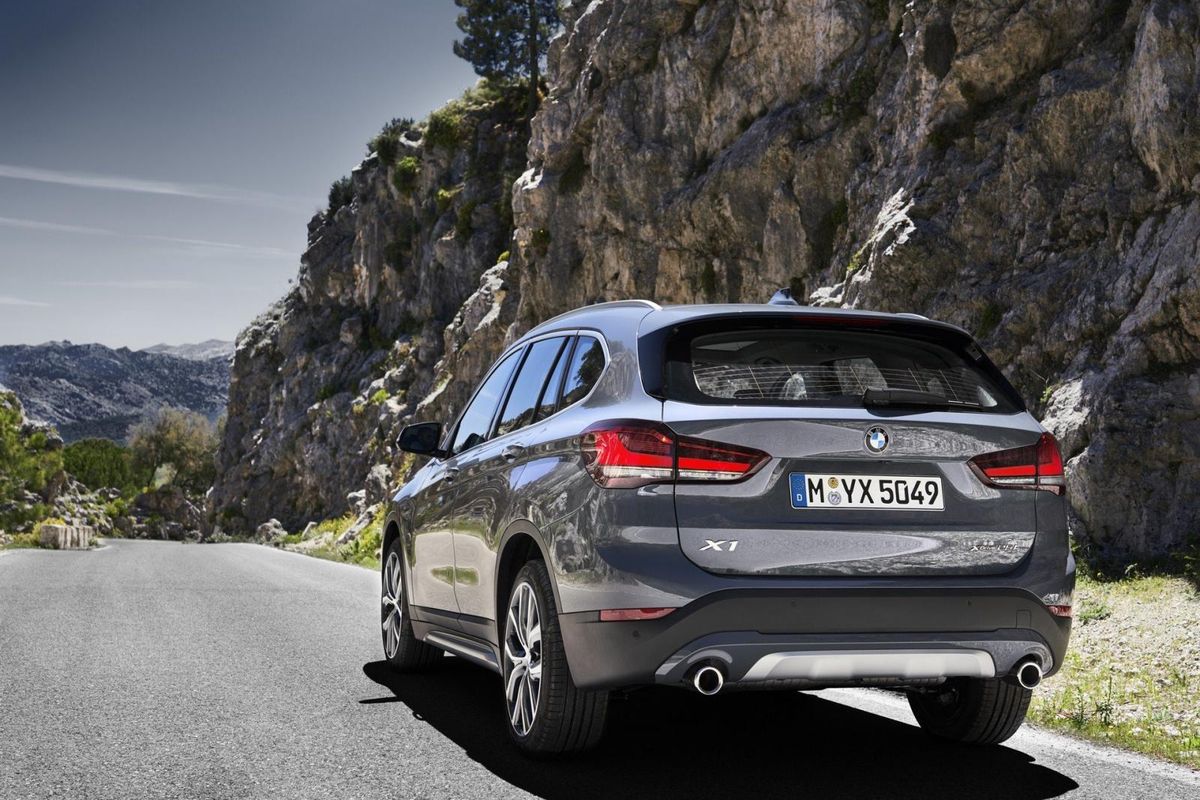
The rear of the X1 now benefits from redesigned LED taillights as well as larger-diameter exhaust tips (from 70 mm to 90 mm). There are also new wheel designs on offer as well as some new colours to choose from including Jucaro Beige metallic, Misano Blue metallic and BMW Individual Storm Bay metallic.


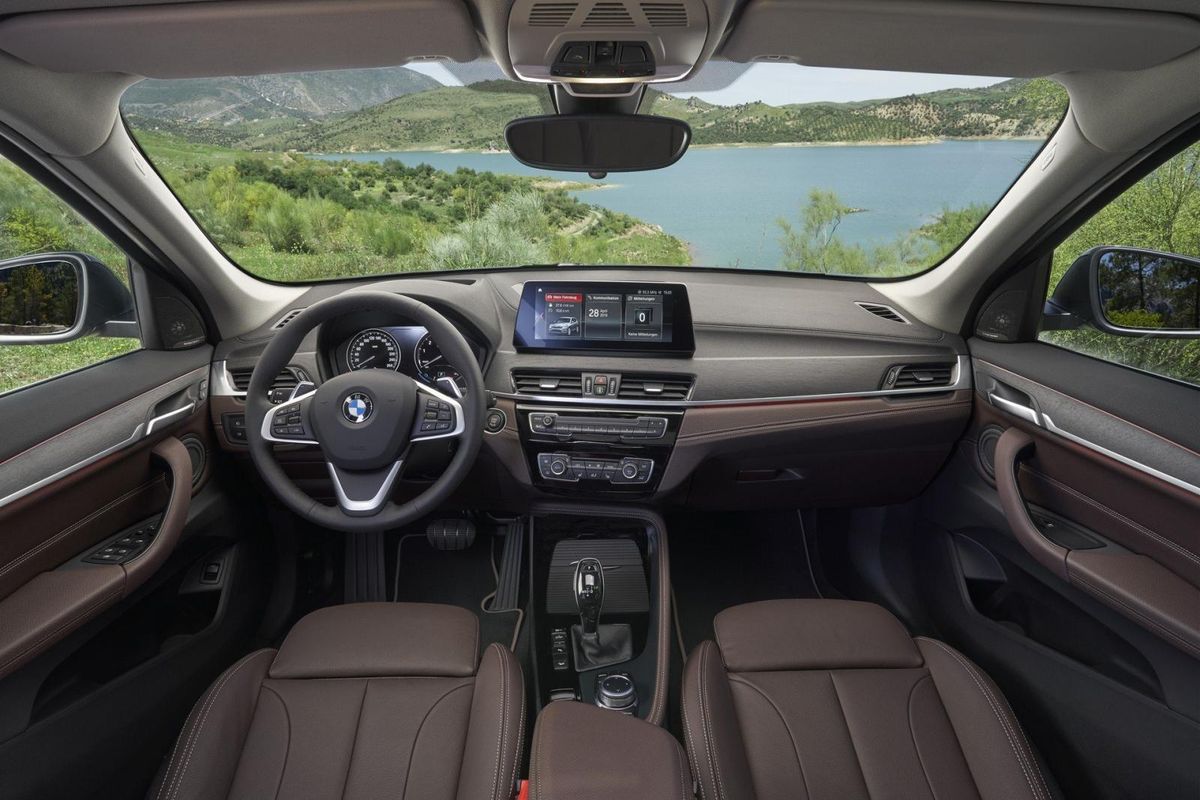
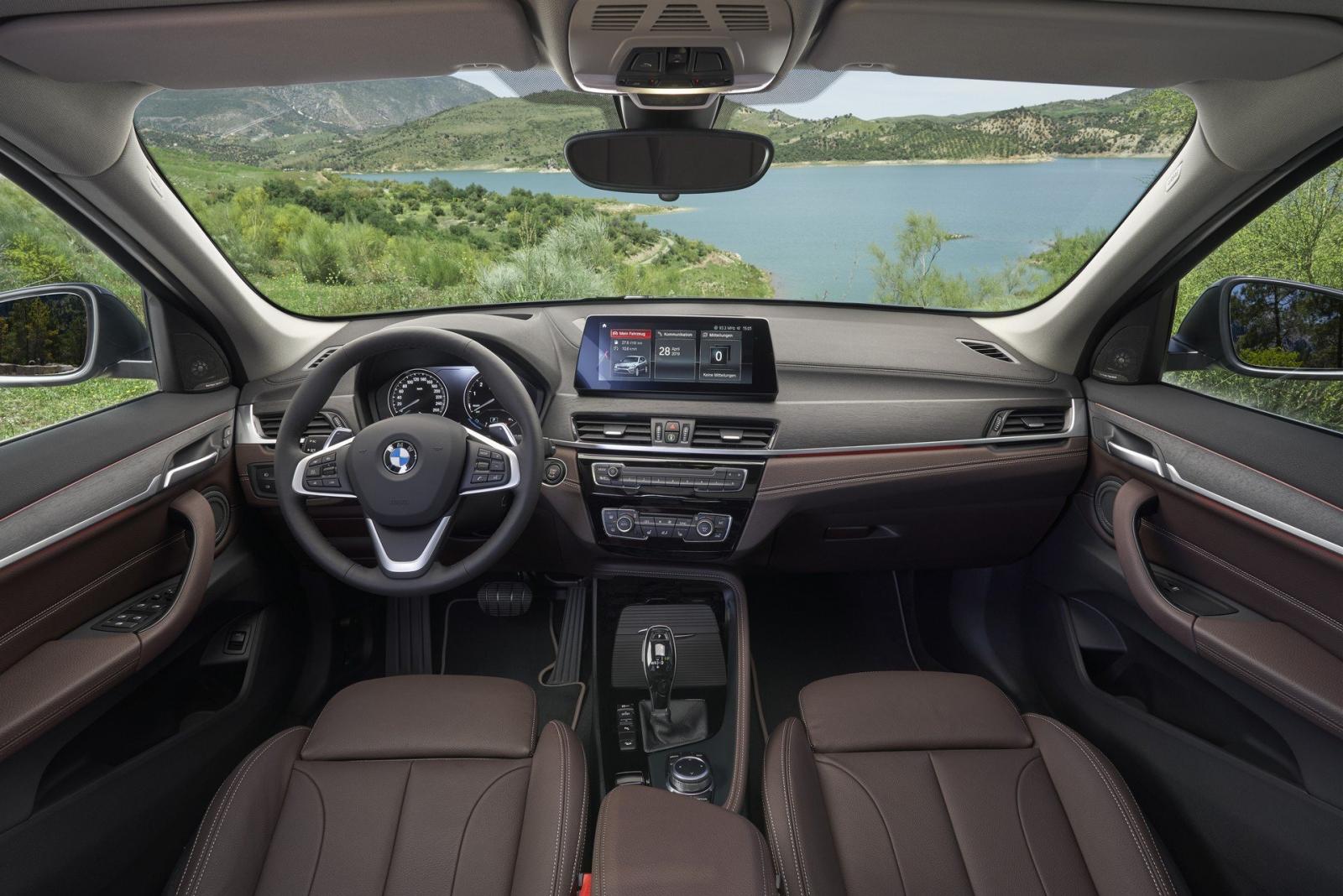
The X1's interior remains familiar but BMW has added more choice in terms of upholstery and infotainment. 

The interior remains much the same and a wide range of options are on offer to build your X1 just the way you want it. Trim lines include Base, Sport Line, xLine and M Sport. New features include contrast stitching on the instrument panel, a choice of 3 new upholstery options and up to 13 colour and material choices on offer. When navigation is specified, buyers will also have the choice between an 8.8-inch or 10.25-inch Touch Control Display.

The 3-cylinder, 1.5-litre turbopetrol with 103 kW and 220 Nm and the 4-cylinder, 2.0-litre turbopetrol with 141 kW and 280 Nm are confirmed. The 2.0-litre turbodiesel is offered in 2 states of tune with the 18d producing 110 kW and 330 Nm, while the 20d pushing with 140 kW and 400 Nm is also confirmed. The latter is the only model offered with all-wheel drive xDrive capability. 

The big news, however, is that a plug-in hybrid X1 is due for production in March 2020 which will combine a 92 kW / 220 Nm turbocharged combustion engine to drive the front wheels and a 70 kW / 165 Nm electric motor to drive the rear wheels using a 9.7 kWh lithium-ion battery pack which allows for an electric range of up to 50 km. It’s not yet confirmed if South Africa will receive the hybrid X1.

BMW X1 Facelift Price in South Africa (October 2019)

BMW X1 sDrive 18i SAV     R562 036 

BMW X1 sDrive 20i SAV     R602 668

BMW X1 sDrive 18d SAV   R590 644  

BMW X1 sDrive 20d SAV   R631 024 

BMW X1 xDrive 20d SAV   R662 162

Buy a new or used BMW X1 on Cars.co.za

Related Content

BMW X1 xDrive20d (2016) Review

BMW X1 xDrive25i xLine AT (2016) Review

New BMW 1 Series Revealed

Cars Coming to SA in 2019

Aston’s New Gold Standard DBS

Aston Martin is leveraging its legacy with Italian design house Zagato.

British sportscar brand Aston Martin can perhaps claim, more so than any other, to only have beautiful cars in its product portfolio.

James Bond’s signature car company has always prioritised design and aesthetic purity and it shows. Aston Martin management has also recognised that classic cars are surging in price and as such, decided to do its own continuation series. 

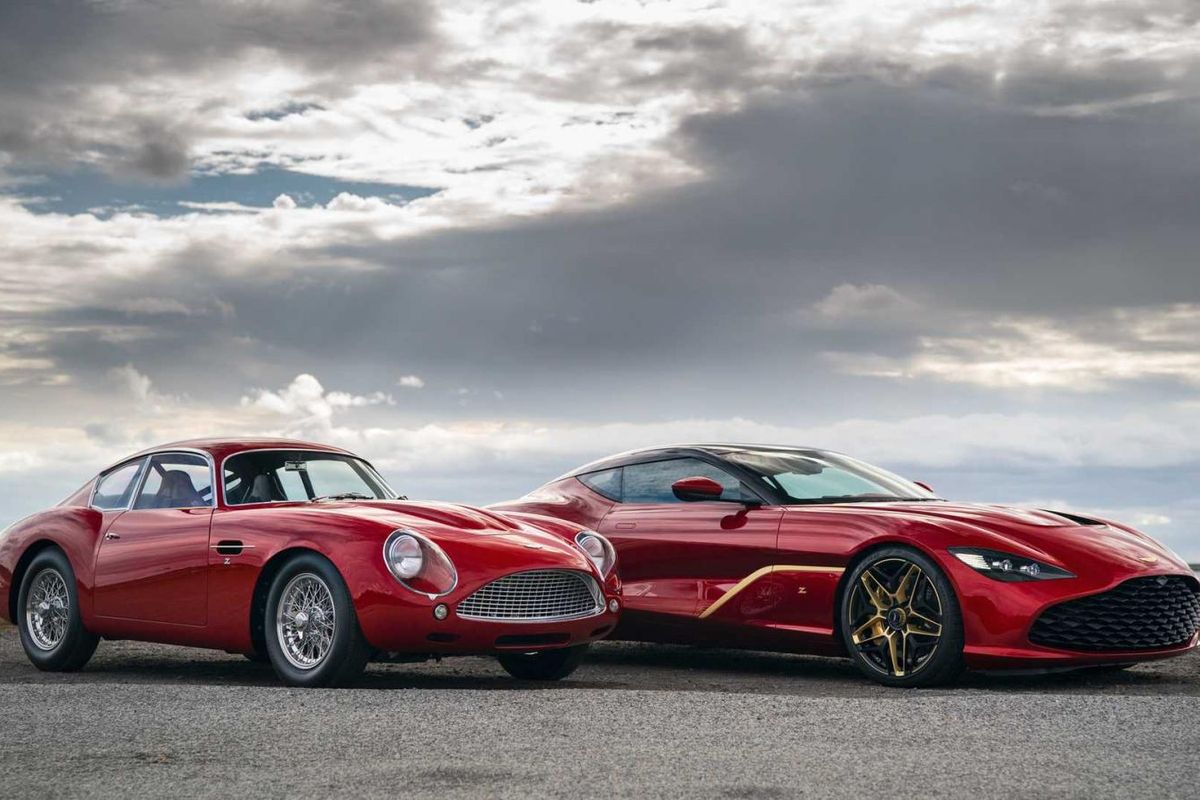
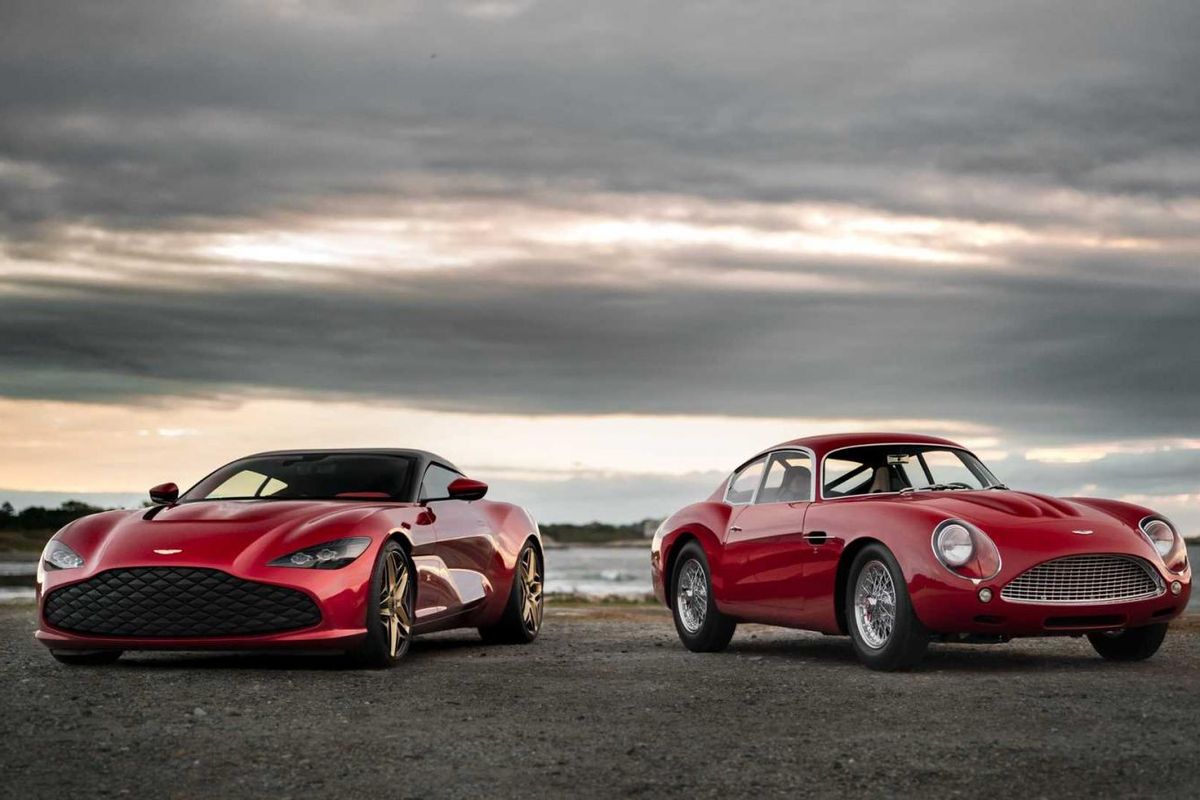
Aston Martin will produce no more than 19 pairs of Zagato celebration models, which net the lucky owners a DBS GT Zagato and DB4 continuation car.

Built to the most exacting standards, whilst respecting the Zagato heritage, these new Astons are sure to become hugely valuable in future.

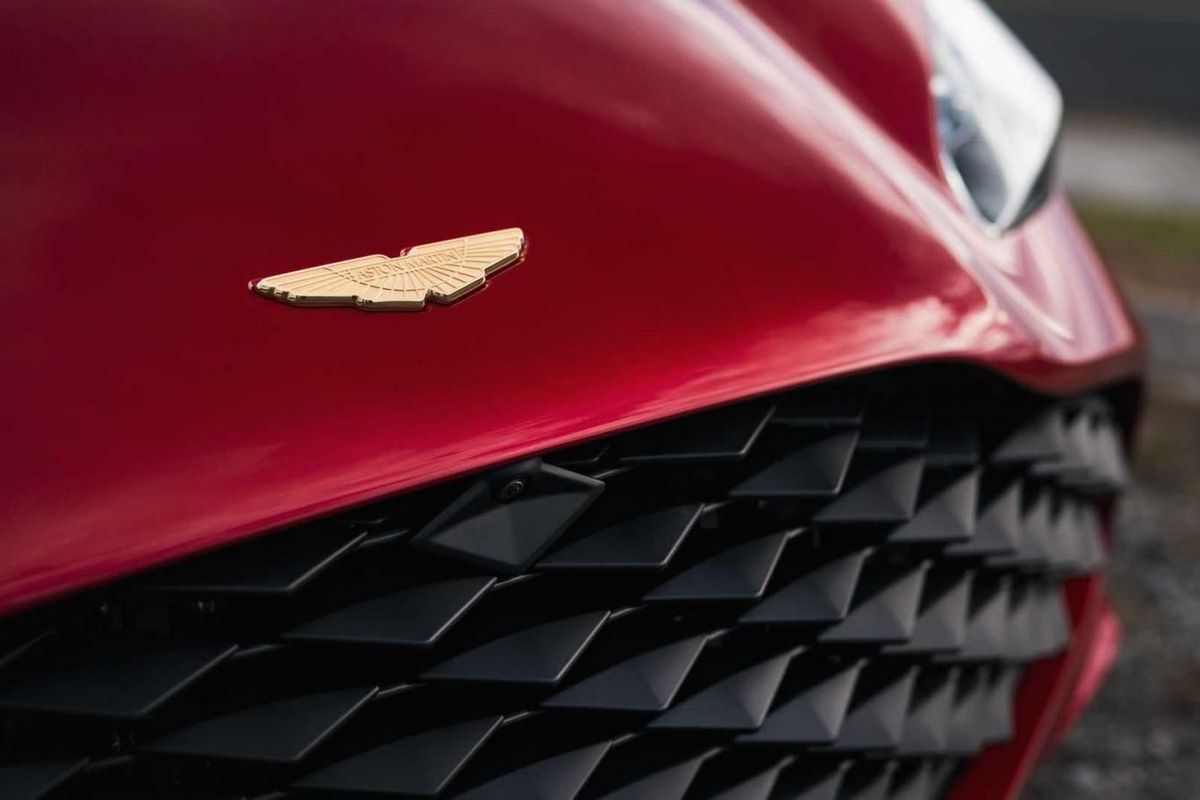
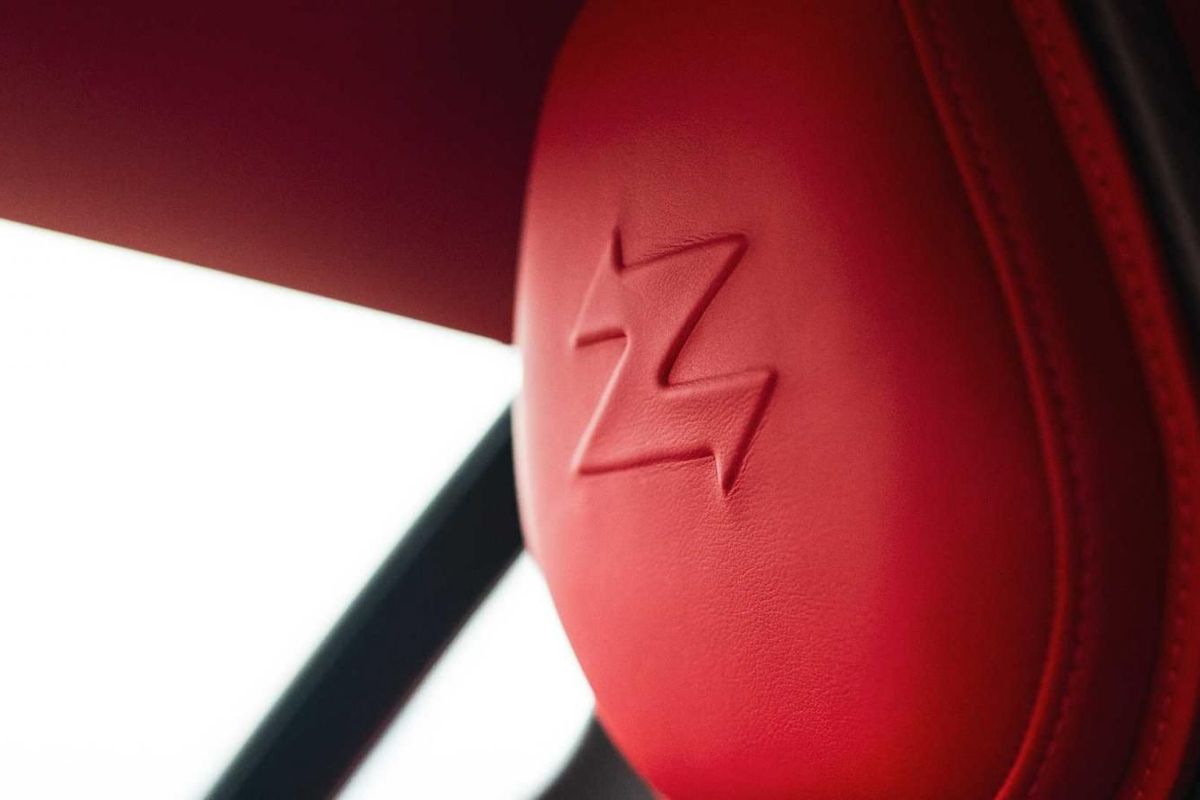
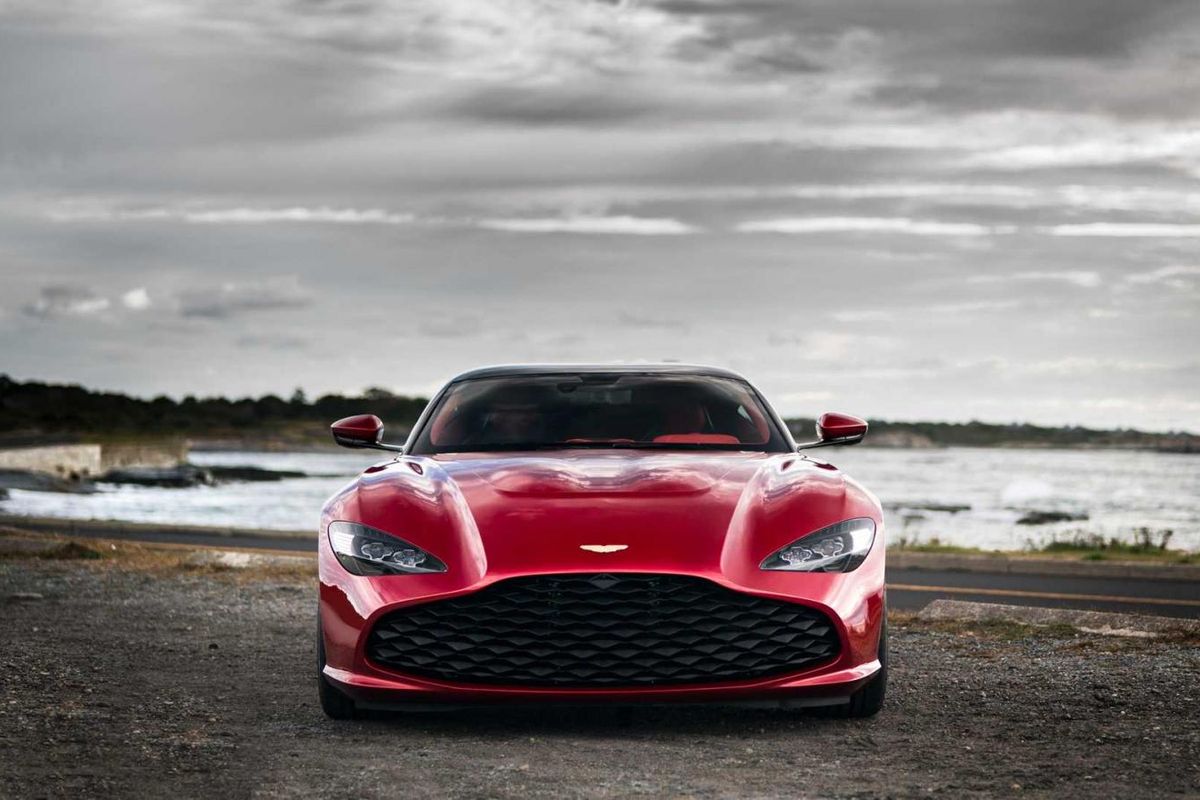
The modern equivalent of Aston’s Zagato cars is a detailed DBS Superleggera with some Zagato heritage bits. Most noticeable is the new grille and that classic Zagato double-bubble roof.

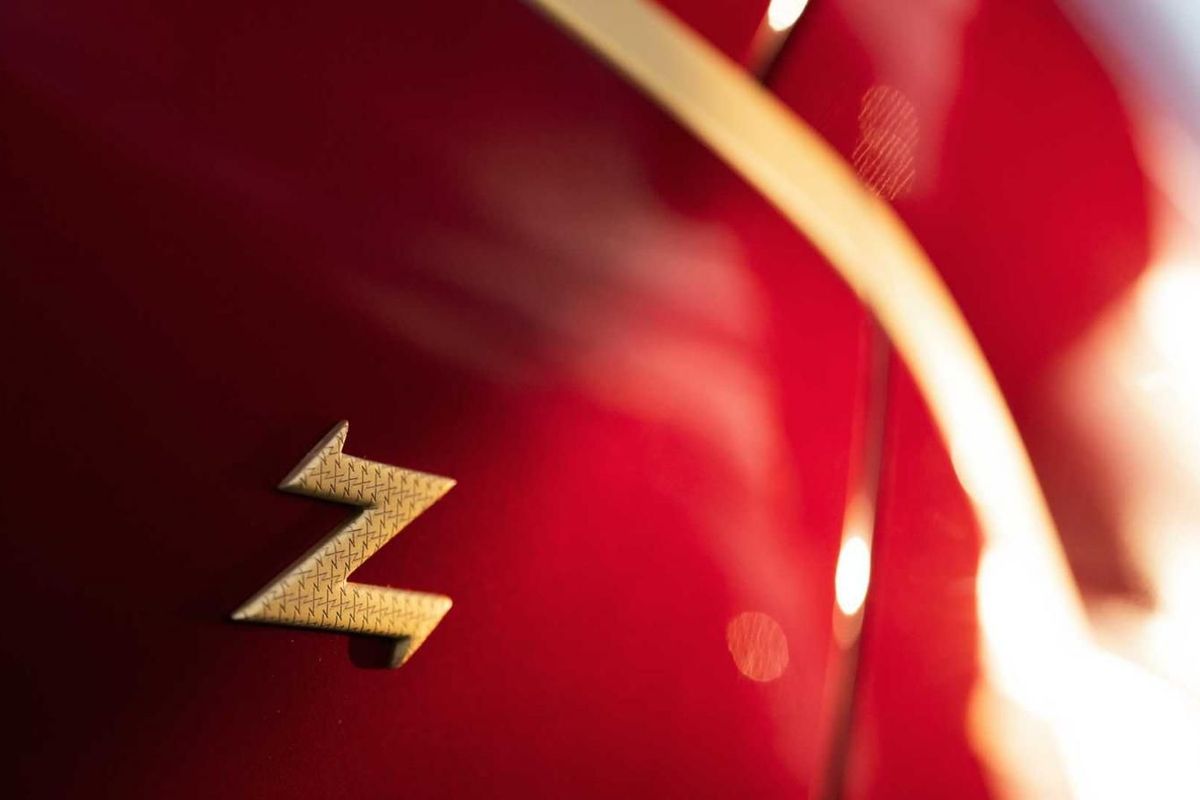
Around the rear, you’ll find circular taillights and there are new styling creases running along the sides. To underscore the rarity and value of these new DBS Zagatos, all their exterior badges are 18-carat gold plated.

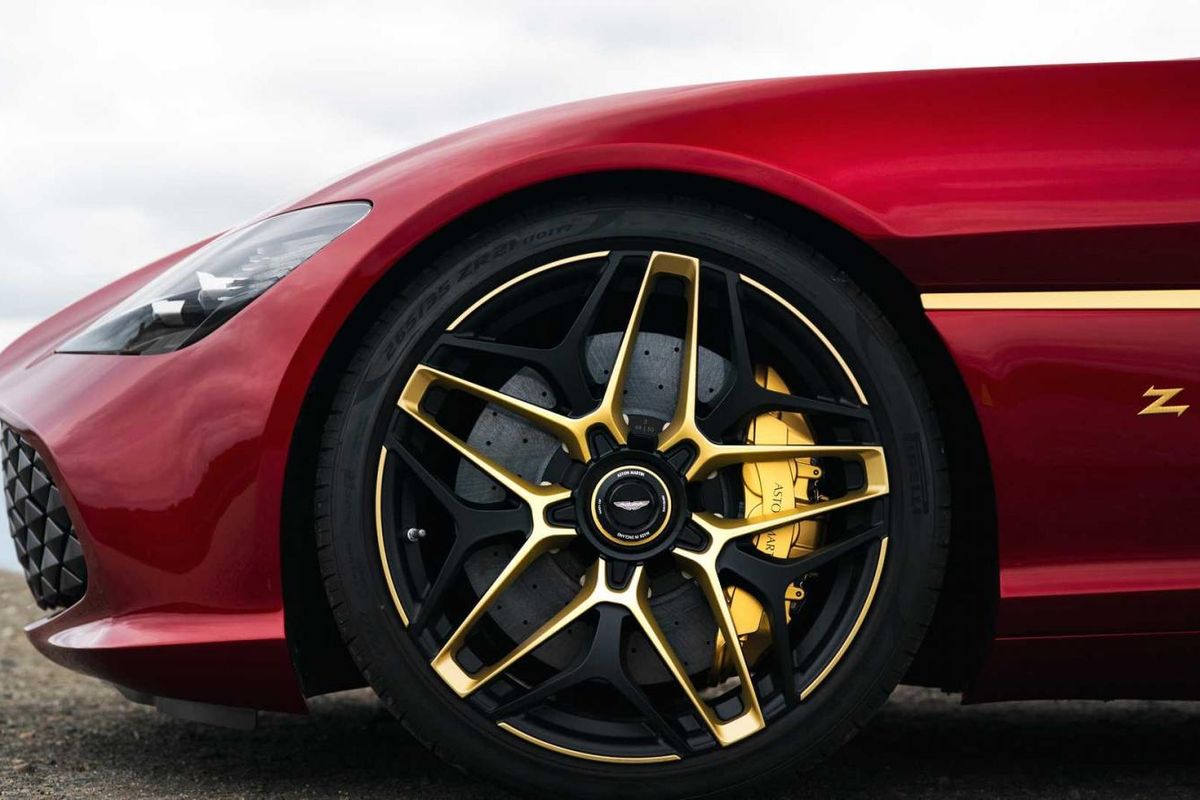
Rolling in the wheel arches are a Zagato edition specific alloy wheel, which also features gold detailing to its spoke structure.

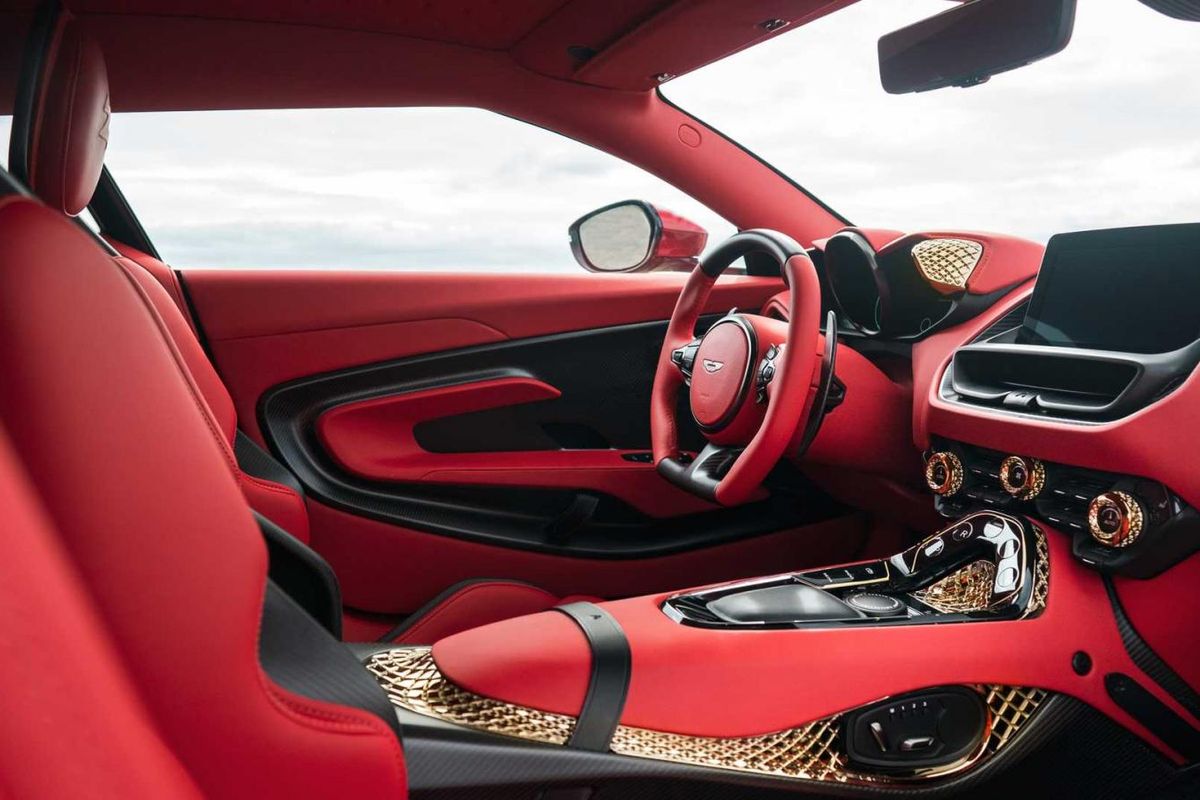
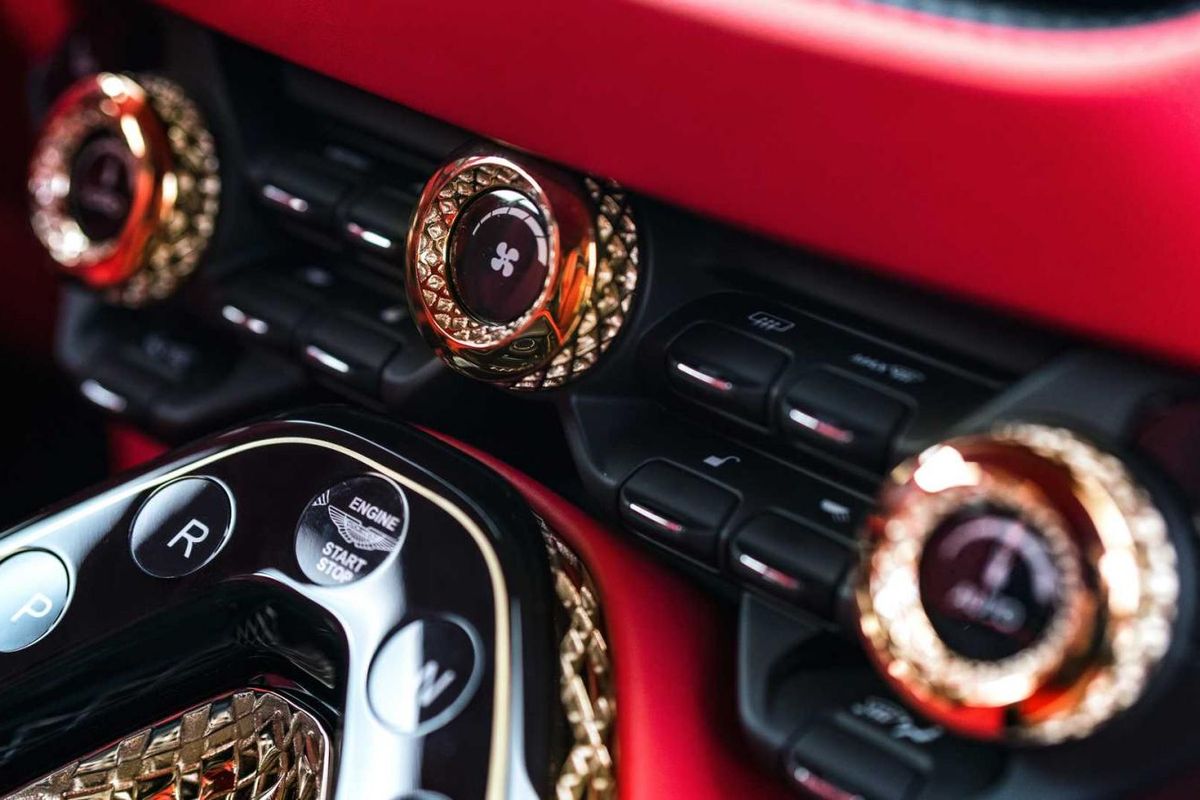
This gold theme extends to the cabin, which blends carbon-fibre and textured gold elements, whilst red leather dominates the interior architecture. The ventilation dials and centre-console surround are also gold.

Mechanically the DBS GT Zagato does not differ much from a standard Aston Superleggera car. Above the front axle is a twin-turbocharged 5.2-litre V12 engine, boosting 566 kW and 900 Nm. Both outputs are sent to the to rear wheels only, via an eight-speed automatic transmission.

If you want a DBS GT Zagato, you’ll have to get a DB4 continuation car too, as they only sell as a pair. And the price is a not insignificant R110m (estimated).

Related content

Aston Martin DBS GT Zagato Teased

James Bond-inspired Aston Martin DBS Superleggera [w/video]