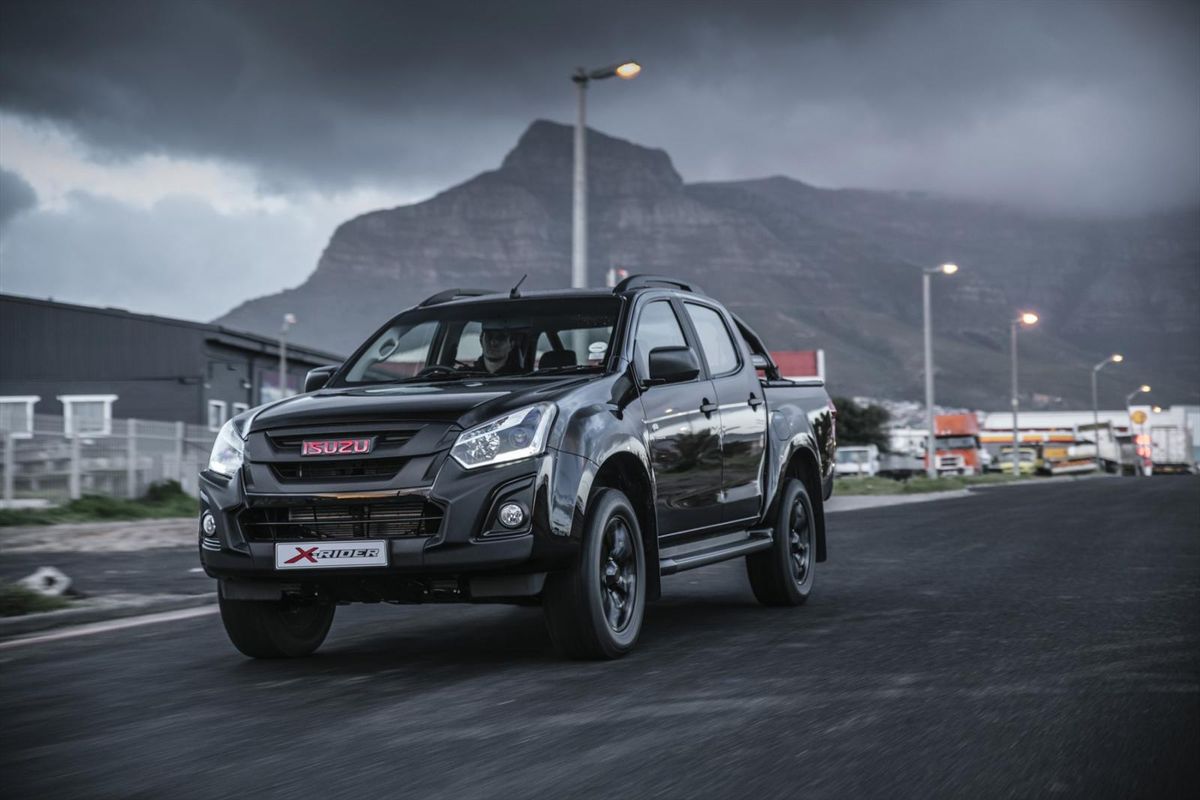
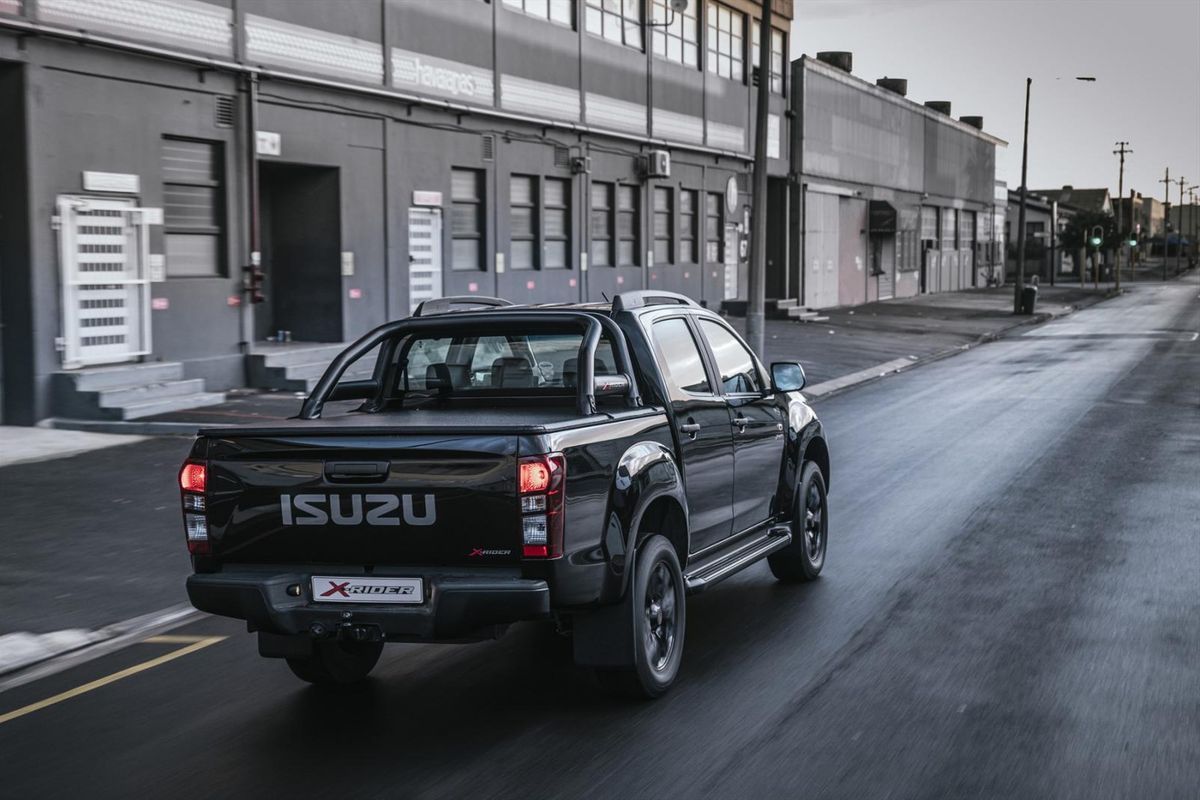
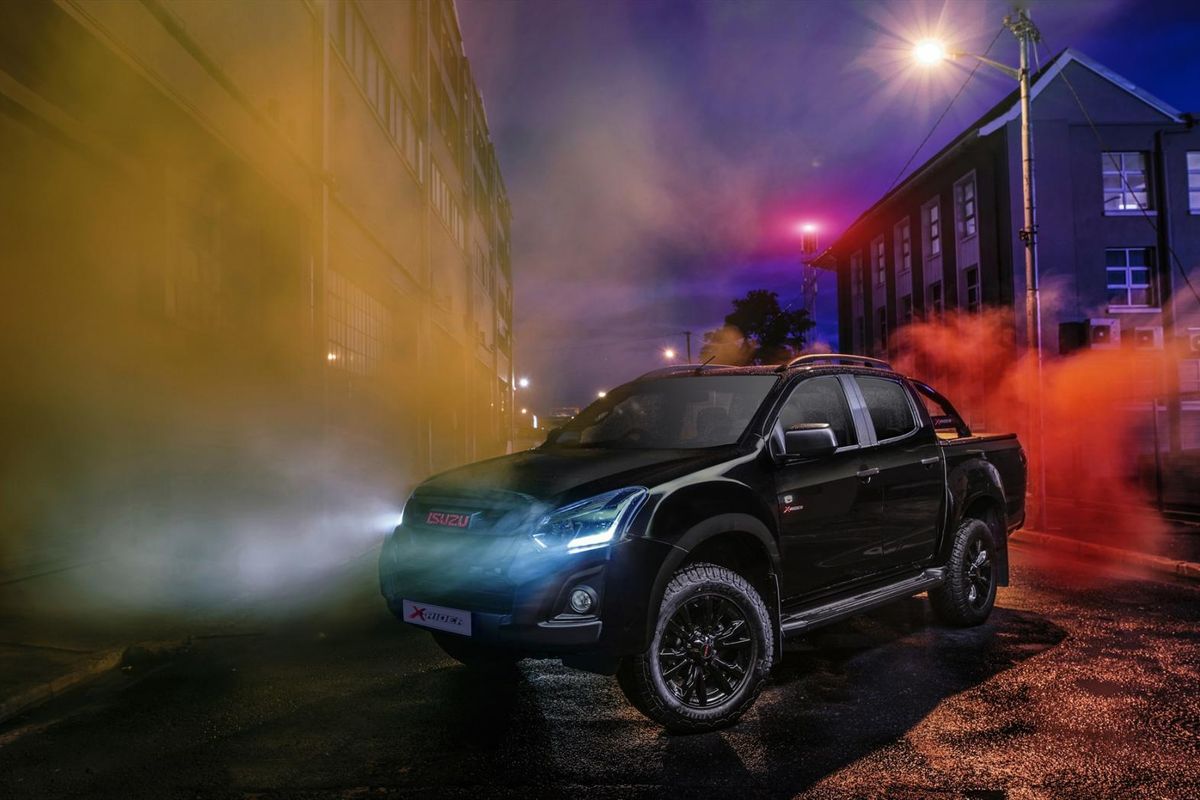
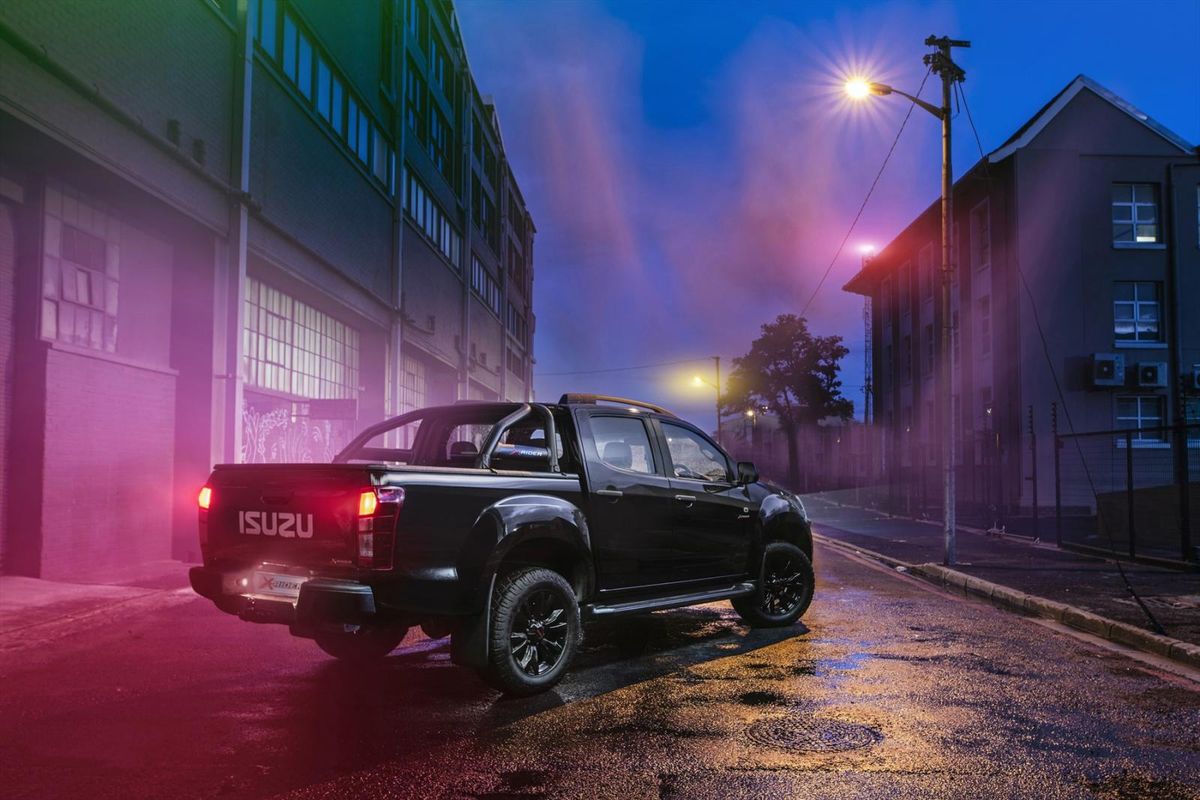
Isuzu has reintroduced the limited-edition D-Max X-Rider Black in South Africa. Details below…
If you pay attention to the cars you see every day on your way to your grindstone, you will probably see a lot of Isuzu X-Riders on the road. They are hugely popular and this lates 4×2 D-Max X-Rider Black is bound to be a hit with local consumers.
Almost everything is black and this limited-edition bakkie features a Black Meet Kettle body colour and rides on 18-inch blacked-out alloy wheels with red contrasting Isuzu badges. The front-end receives a black bumper guard, projector headlights with integrated LED daytime running lights and fog lights.
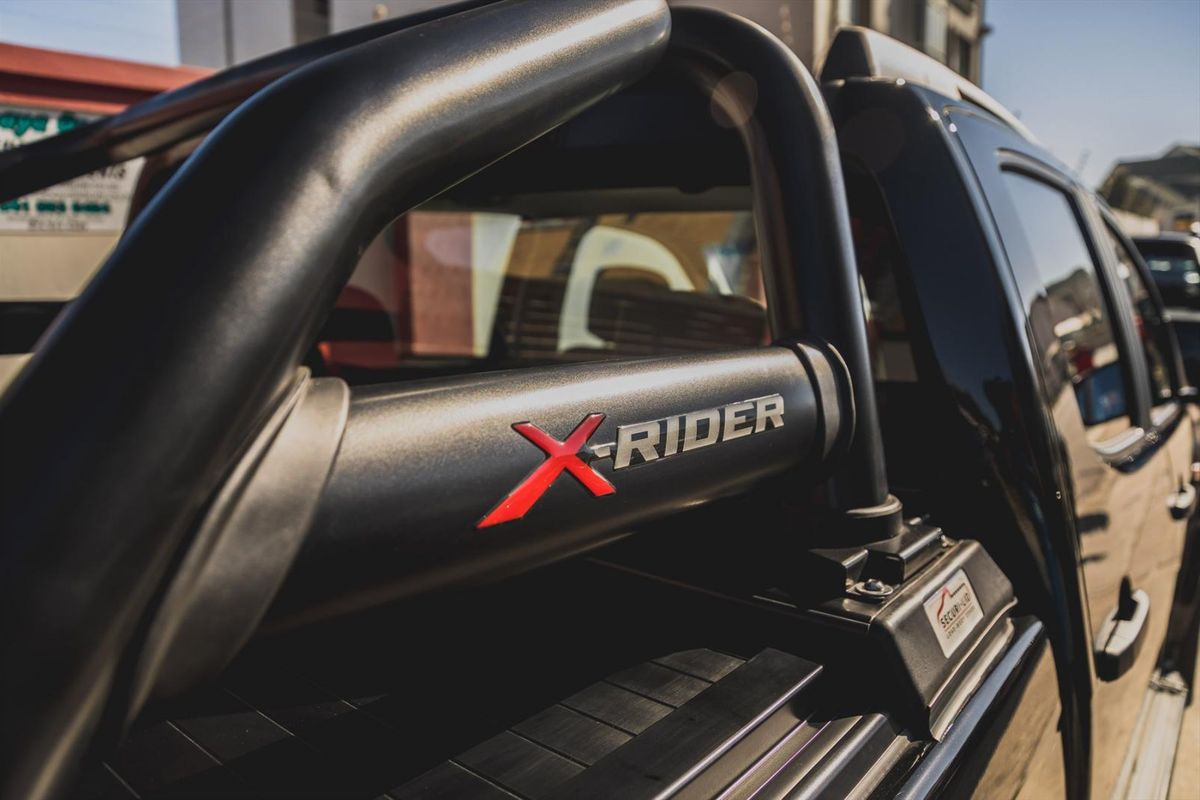
Can you guess what colour the roof rails, sports bar and side steps are? Yes, black, of course. A factory-fitted tonneau cover and a 2.1-tonne towbar are also standard.
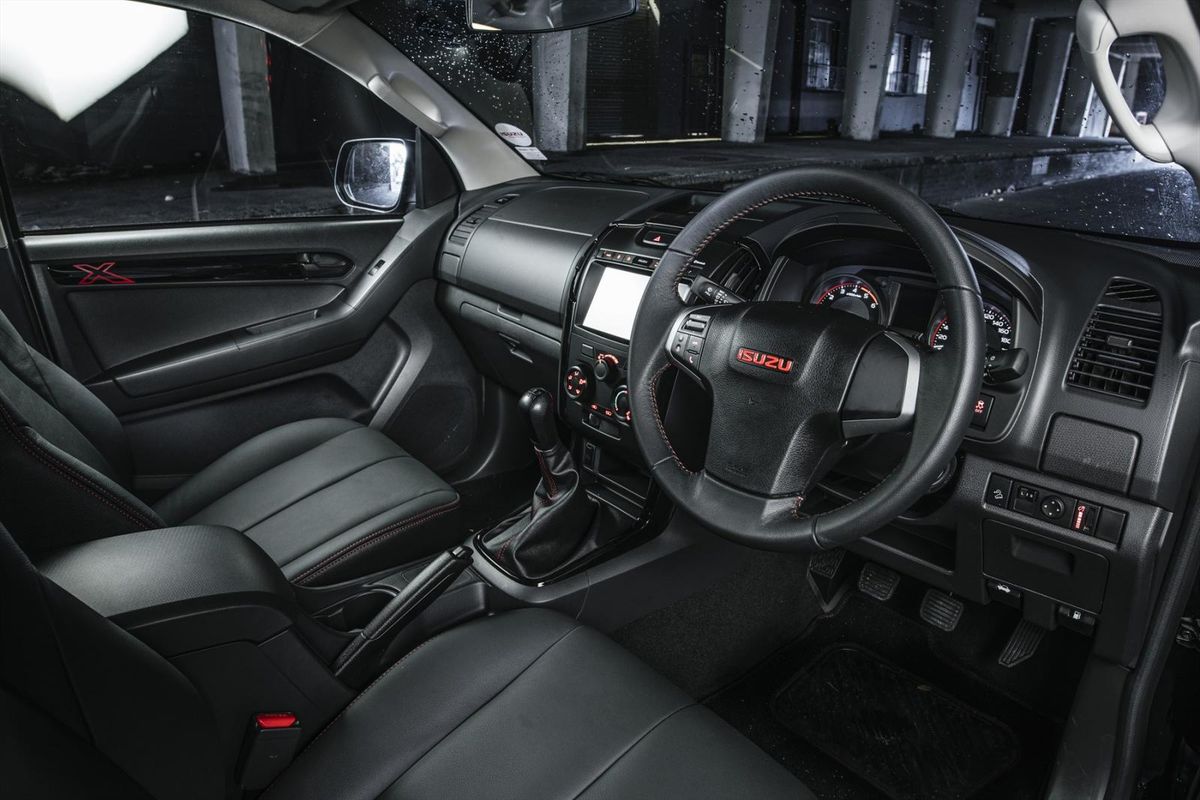
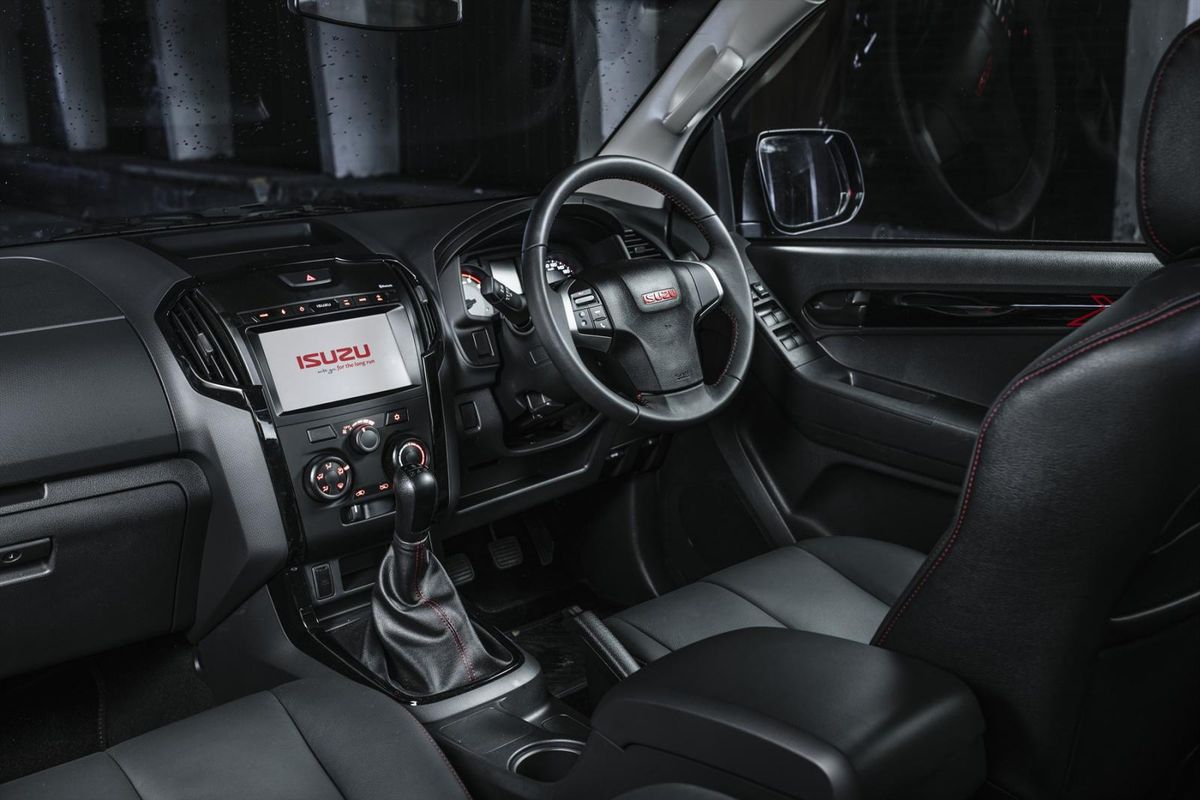
On the inside, you are met with black leather seats with red stitching seen on the bolsters and ‘X-Rider’ embroidery seen on the headrests. The leather steering wheel also gains red stitching and a red Isuzu badge. Black piano trim on the centre console, air vents, radio and doors add some shine to the cabin. A Bluetooth-capable, 8-inch AX2 touchscreen infotainment system is fitted.
Engine Power
The Isuzu D-Max X-Rider Black is offered in 4×2 guise only and is powered by Isuzu’s familiar 2.5-litre turbodiesel engine with 100 kW and 320 Nm of torque. Isuzu claims a fuel consumption figure of 7.7 L/100km.
Isuzu D-Max X-Rider Black – Price in South Africa
D-Max X-Rider Black – R462 000 (including VAT)
A 5-year/120 000 km warranty, 5-year/90 000 km service plan, 5-year/unlimited km anti-corrosion warranty and Roadside Assistance is standard.
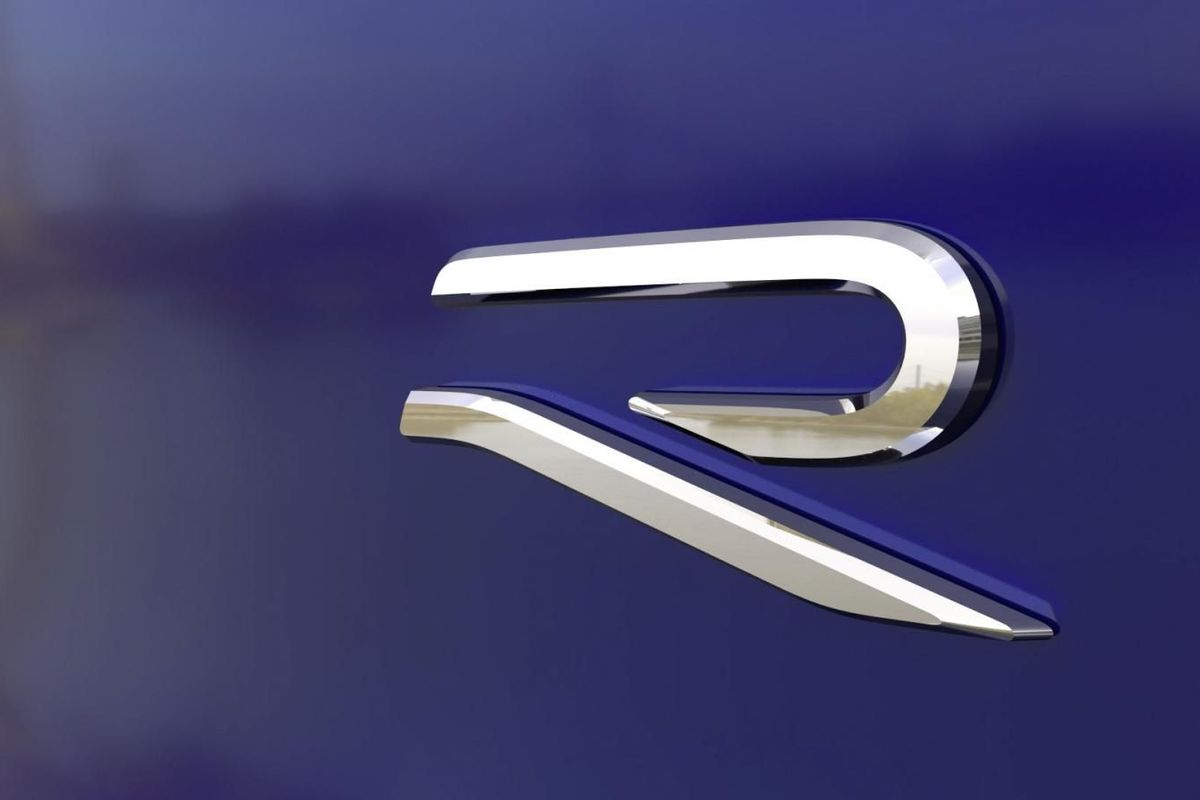
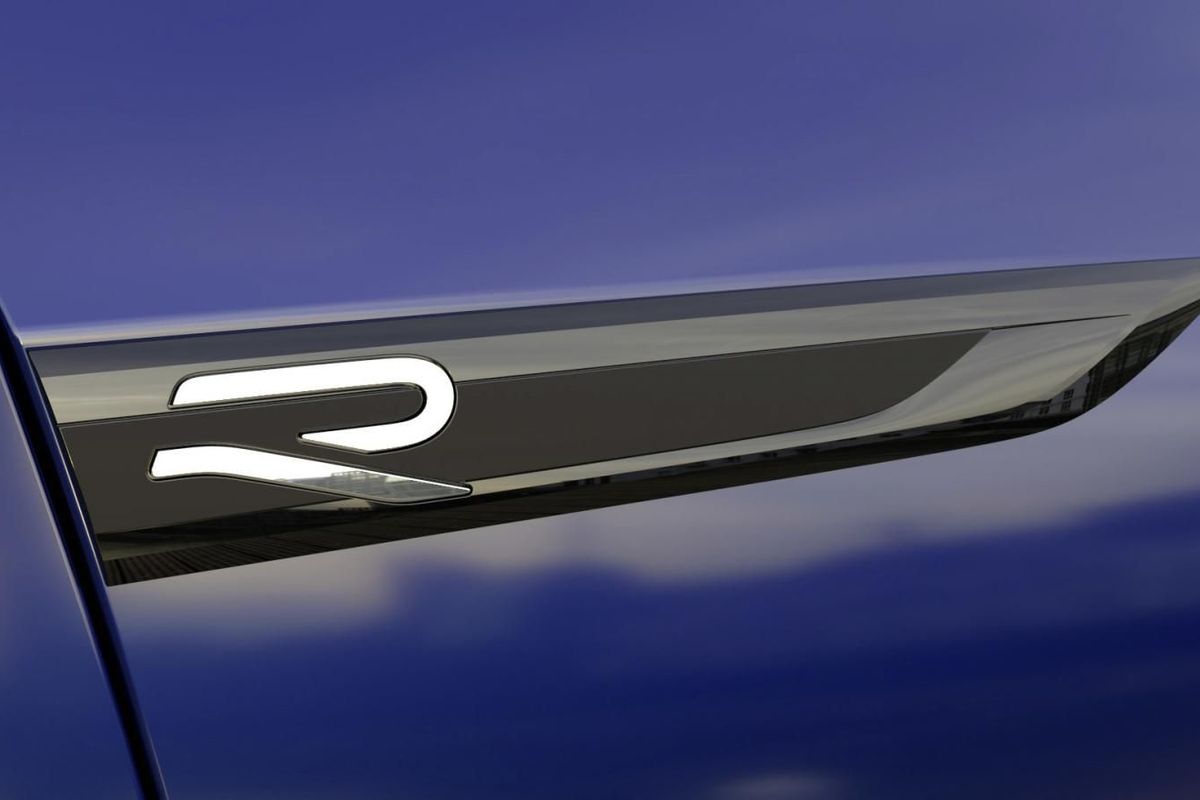
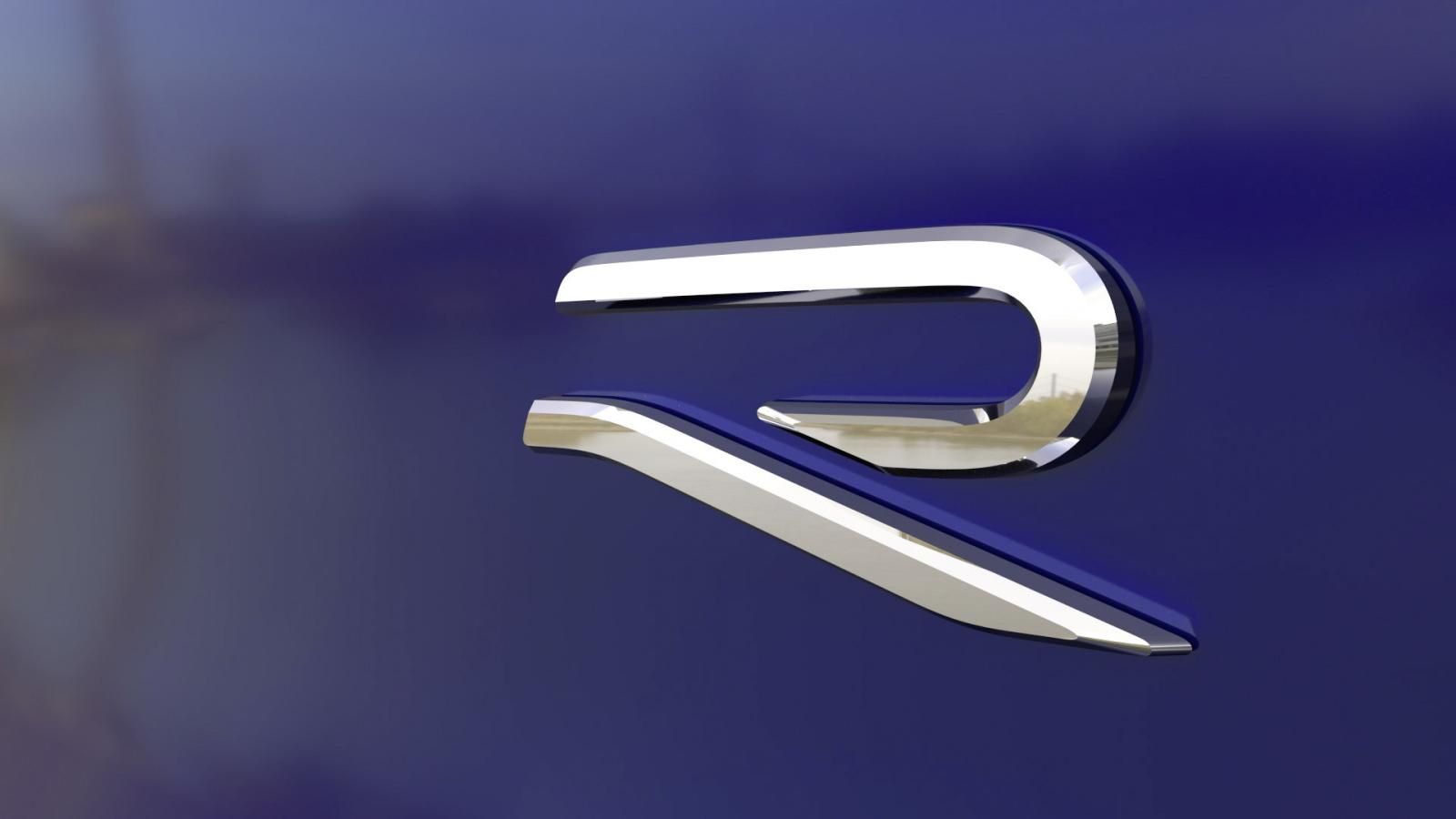
The Volkswagen R brand is one of the most iconic and the design of the logo has undergone a slight change. What do you make of the redesign?
The performance arm of Volkswagen has been around since 2002 and the R logo has adorned the rears of iconic vehicles such as the Golf R, Scirroco R and Touareg R50. Now for 2019, and along with the main Volkswagen logo being changed, the R logo has been redesigned to showcase the brand's fresh start.
Jost Capito, Managing Director, Volkswagen R, says: “Volkswagen R is all about excitement and thrill, and in the future, we will continue to focus our efforts on integrating theseemotions into the Volkswagen brand. We are taking a strategic and operative approach to working on great products and creating a unique customer experience. The new logo for the R models and the R-Lines also goes hand in hand with the realignment of the Volkswagen R brand. Our entire team is intensely working on the brand and product image and we are looking forward to continuing to roll these out in the coming months.”
The first product to gain this new R logo will be the Volkswagen Atlas Cross Sport R-Line, which is for the American market and will be officially revealed on the 11th October 2019.
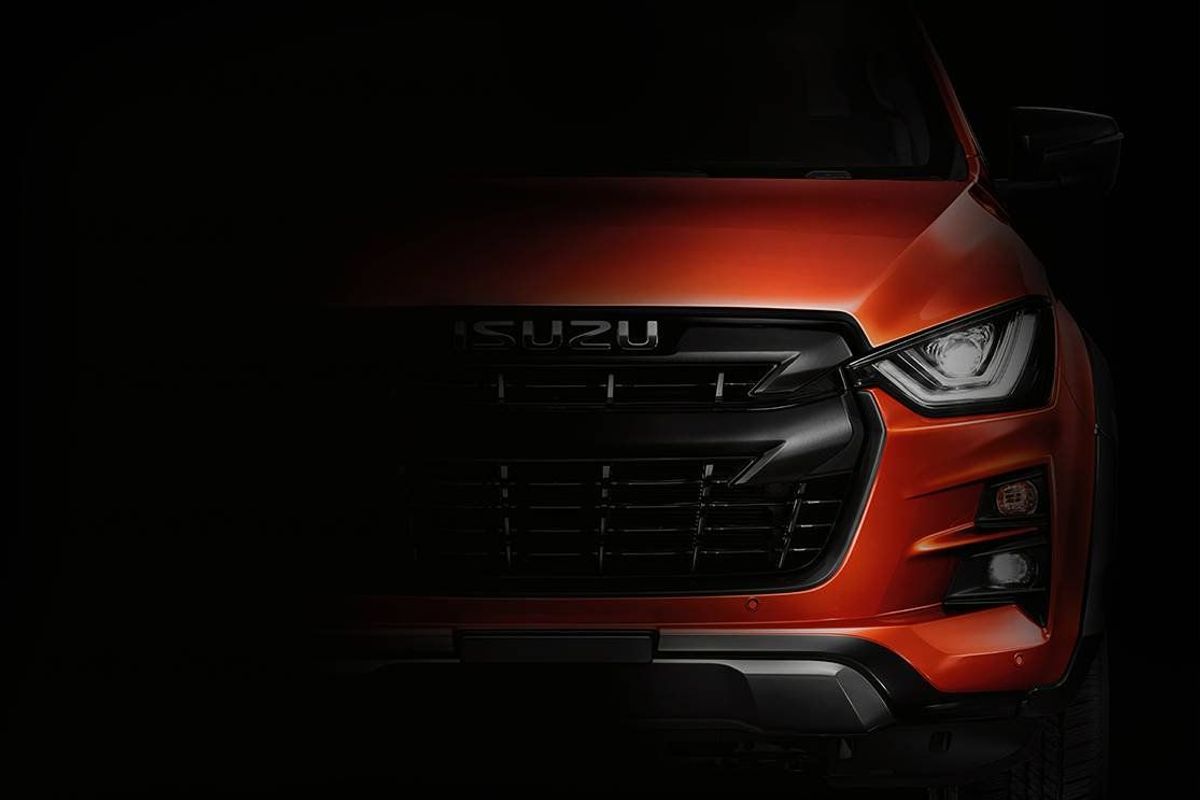
Isuzu shows a bit of its new bakkie. The rest should drop later this week.
With less than three weeks until the opening of Tokyo’s 2019 auto show, Japanese brands are starting to tease some of their most keenly anticipated new models.
For Isuzu, the 2019 Tokyo show will be of great significance, as it is expected to reveal the new D-Max bakkie. This new Isuzu is a joint-venture project with Mazda (and its BT50).
Isuzu has been marketing the current D-Max without a substantial engineering upgrade since 2012, whilst nearly all its rivals (except BT-50) have launched newer-generation bakkies. Seven years in the double-cab market is a long time and Isuzu’s product rejuvenation is an urgent issue.
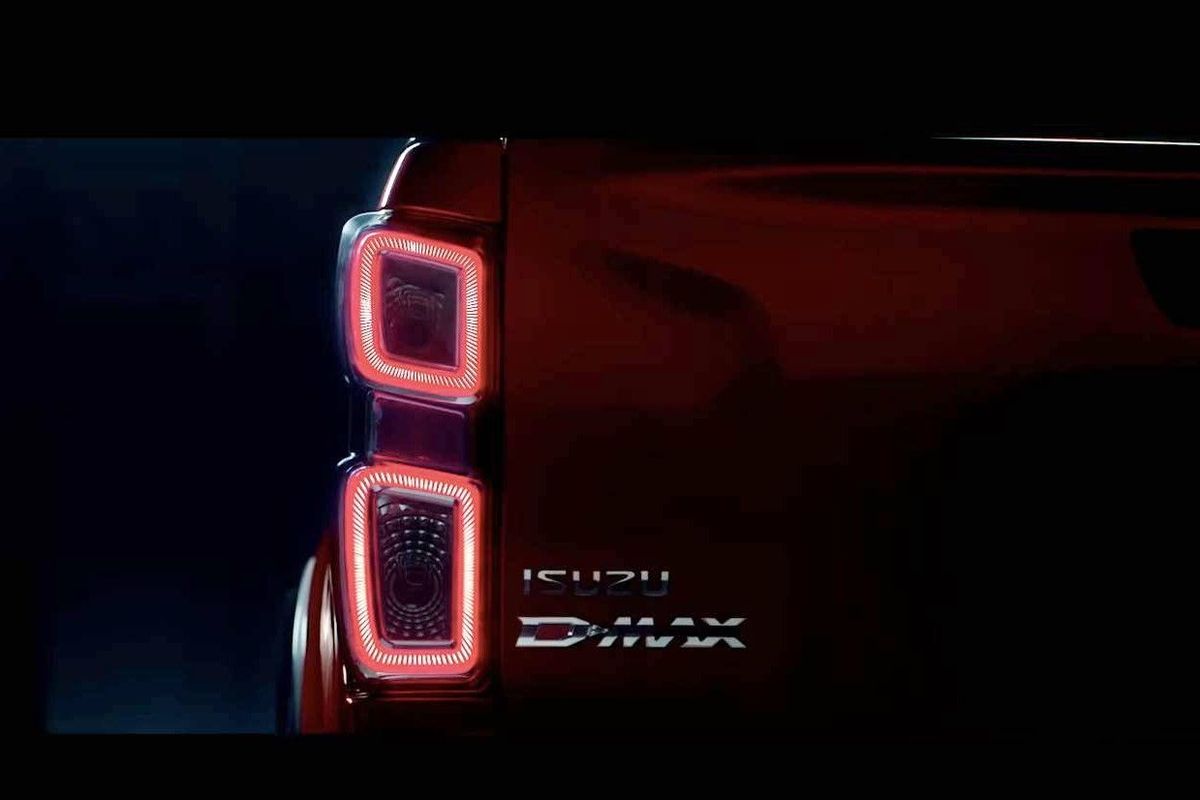
A short teaser from Isuzu has confirmed that the new D-Max features a much larger grille, new bonnet stamping (with a pronounced ridge), thinner triangular headlamps and a redesigned front bumper. Around the rear Isuzu has split the taillight design into separate clusters.
Mechanically the new D-Max is expected to retain its large-capacity 3-litre turbodiesel engine, whilst an even more sophisticated version of the small but potent 1.9-litre turbodiesel should offer a lower emissions option. South Africans have not had exposure to the 1.9-litre turbodiesel yet, which boosts 120 kW and 350 Nm – although those outputs could improve slightly with the new D-Max.
A crucial issue for Isuzu’s engineers and product people will be gearbox choice. Many of the D-Max’s rivals now offer more than six forward ratios for their automatic double-cab bakkies. If Isuzu persists with a six-speed auto, it might be at a disadvantage in a very competitive marketplace.
Isuzu is also expected to offer a contemporary touchscreen infotainment system and autonomous braking with the new D-Max.
Renault SA Offers Free Insurance for Clio & Sandero
On the back of the Kwid being covered by a year's worth of free insurance, Renault SA has now included the Clio and Sandero in its insurance offering.
Renault South Africa is now offering a year's worth of comprehensive insurance cover for its Clio and Sandero models. You may recall the Renault Kwid is currently available with the same level of cover and it's impressive to see Renault SA extending this service to 2 more models in its portfolio.
The plan includes 1 year's worth of insurance, a 2 year service plan and a 5 year warranty. The Renault Clio is on a 3-year service plan, offering additional peace of mind.
The current shape Renault Clio is on its way out and will be replaced by an all-new model in 2020.
Toyota South Africa Motors (TSAM) has invested in the expansion of its Hiace Ses’fikile production process at the brand’s Prospecton plant in Durban.
The Minibus taxi industry is an important cog in the wheel of the South African economy with approximately 15 million commuters relying on taxi transport every day. The local taxi industry’s annual turnover is in the region of R90-billion and employs approximately 600 000 people.
The Toyota Hiace has a long history in South Africa with its lineage spanning 5 generations since 1977.
The Hiace Ses'fikile is built at Toyota’s Prospecton plant in Durban and the Japanese automotive giant has entrenched its commitment to Hiace production by announcing a R454-million investment at its production facility that will ensure increased local content, more jobs and a larger contribution to the economy.
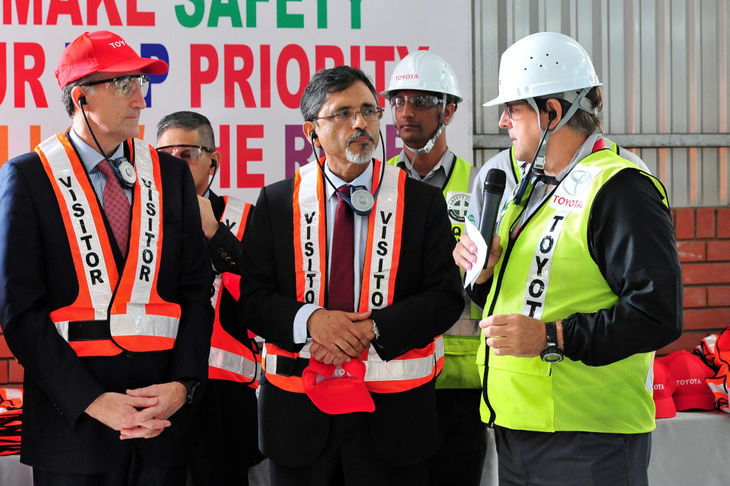
Andrew Kirby, President and CEO of TSAM, made the announcement last week, alongside Minister of Trade, Industry and Competition, Ebrahim Patel.
“In terms of the South African Automotive Masterplan (SAAM), local automotive value addition needs to be exponentially increased. TSAM is committed to support the SAAM and has therefore proactively increased the local value addition of the Hiace Ses’fikile from 38% to 44%. This localisation has added R422 million per annum local value addition to the economy. Even more encouraging is the fact that we’ve been able to create an additional 80 jobs in the process.” says Kirby.
This latest investment combined with Toyota’s initial investment in 2012 totals over R1-billion and production volumes has increased by as much as 37% from 9 300 units to 14 000 units per annum. Demand for the Hiace Ses’fikile has now grown to 15 000 units per annum and Toyota is responding by deepening localisation which will secure affordability of the Hiace in the future.
Minister Ebrahim Patel commented, “Since TSAM’s localisation programme began, more than 80 000 taxis have been assembled locally by Toyota. If each of those taxis opened their doors to commuters right now, more than a million South Africans would be able to climb in. The increased level of local content is an important part of the 2035 vision for the industry and will increase the participation of more South Africans in this thriving sector of the economy”.
TSAM CEO, Andrew Kirby and Minister Ebrahim Patel enjoy a plant tour at Prospecton, Durban.
As part of Toyota’s commitment to the industry, the brand supports the Safe2School, Safe2Home project which focuses on improving transport for learners by educating drivers, learners, teachers and parents about road safety. The project is said to impact 120 drivers and 6 800 learners in 24 schools in KwaZulu-Natal.
In addition to this, Toyota also runs a Taxi Education Programme which aims to empower taxi operators by providing business, leadership and entrepreneurial skills. So far 600 taxi operators have benefitted from the programme with another 645 planned over the next 2 years.
Toyota also took the opportunity to announce the start of its export operations to support the local assembly of the Toyota Hilux bakkie in Kenya. Toyota invested close to R20-million to establish a packing facility that prepares the Hilux knock down kits for export. Kenya will begin local build of the Hilux in October 2019 and Kenyan consumers will now benefit from competitive prices.
Meet the finalists in the Budget Car category of the 2018/19 Cars.co.za Consumer Awards – powered by WesBank!
Now in its 4th year, the #CarsAwards was conceived to be South Africa's definitive automotive awards programme and is backed, for the 3rd year running, by the country's leading supplier of vehicle finance, WesBank.
The Budget Car category is guided by both eligibility factors and Pillars of Success. Eligibility for this category includes a list price that must not exceed R200 000 (prices as of 1 September 2018), ABS braking, dual airbags and a service plan (if optional, must not exceed vehicle price cap at the time of voting). Pillars of Success in this category include fuel economy, value-for-money, practicality and brand strength.
The Kia Picanto is a return contender (last year it was represented by the 1.0 Style derivative) and we have been impressed with its upmarket design and the redesigned interior with modern technology and infotainment features.
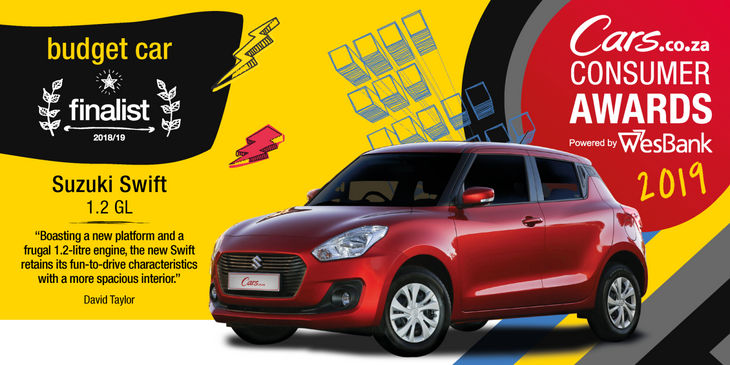
The Swift makes up 30% of Suzuki South Africa's new car sales and is, therefore, a very important model for the award-winning Japanese manufacturer. This all-new version displays renewed focus on what made the previous car so popular and it should be a strong contender in both the budget car and entry-level compact hatchback segment.
The ever-popular Volkswagen Polo Vivo, one of the best-selling passenger cars in South Africa, has been replaced with a new version following the recent introduction of the all-new Polo. The mid-spec Polo Vivo 1.4 Comfortline represents the sweet spot in the Polo Vivo range with an attractive feature offering and an affordable price tag.
BMW M850i Review – Launch Control, Exhaust Sound, Panicked Face
BMW's opening salvo of reintroduced 8 Series models shows us the 850i Coupe. The old 8 was cool but a bit of a failure for the brand, how does this new model stack up?
Looking for a new or used BMW? We have over 5 000 to choose from:
It's difficult to think of a BMW which has been a swing and a miss, but like a rock band's 8th album which doesn't connect with audiences, we have a few concerns about the new 8 Series.
Sure, it's extremely, unsettlingly fast. Thanks to the 4.4-litre twin-turbo lifted from the current M5, the M850i blitzes to 100 kph in 3.7 seconds, and to be honest it feels quite a lot faster. The way it pulls from 100km/h to 200 is also just ballistic.
But with permanent all-wheel-drive, enormous rear tyres and a relatively insulated cabin, the experience is not as visceral as you might hope. But perhaps that will be the job of the M8?
Join Ciro De Siena on a closed road outside Cape Town where he has the tough job of trying to work out what exactly this 8 Series is; is it a sportscar, a GT or both?
If you desire some personalisation for your large BMW SUV, there is a new collection of M Performance parts to make yours stand out.
This catalogue of M Performance styling bits is mostly made of carbon-fibre reinforced plastic, which gives it the required composite weave aesthetic that is much desired by those who wish to apply some motorsport-derived style to their vehicle.
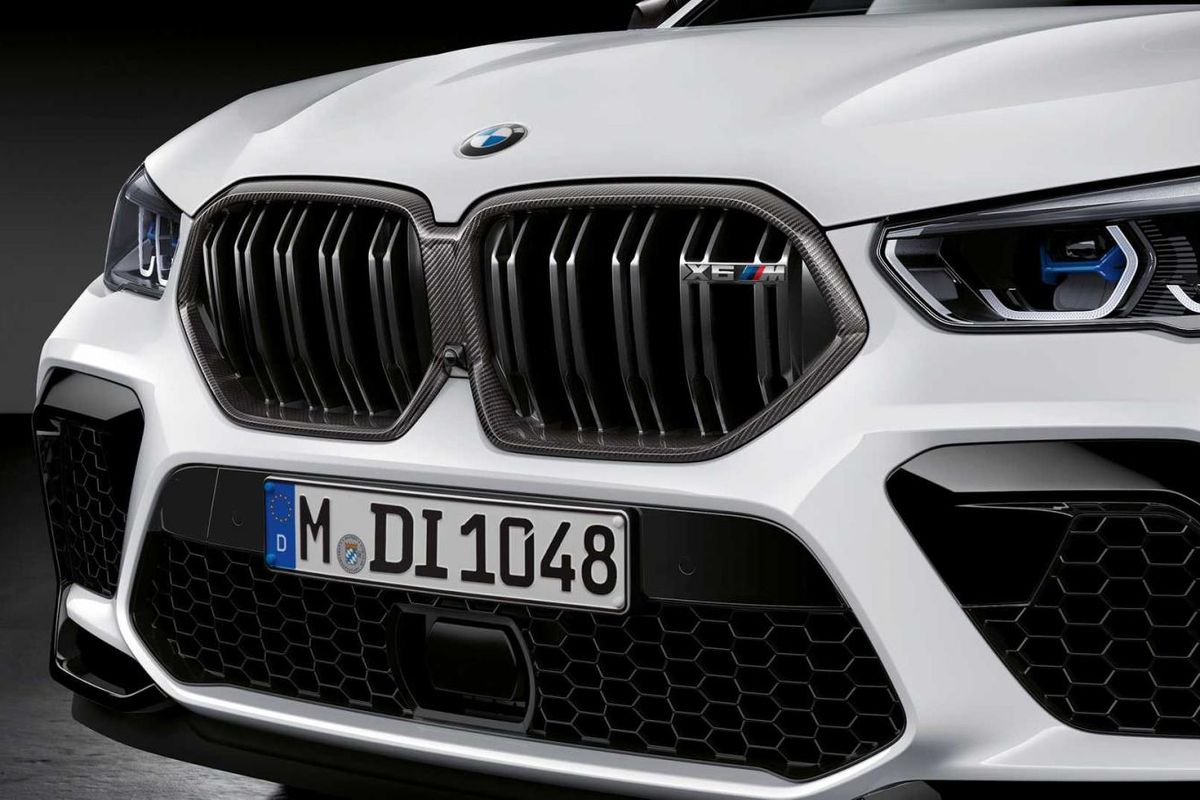
BMW’s current portfolio of large SUVs (X5, X6 and X7), all feature an oversized kidney grille design and with the M Performance parts, you can make it even bolder in appearance. BMW is offering an array of different kidney grille surround finishes, in carbon-reinforced plastic.
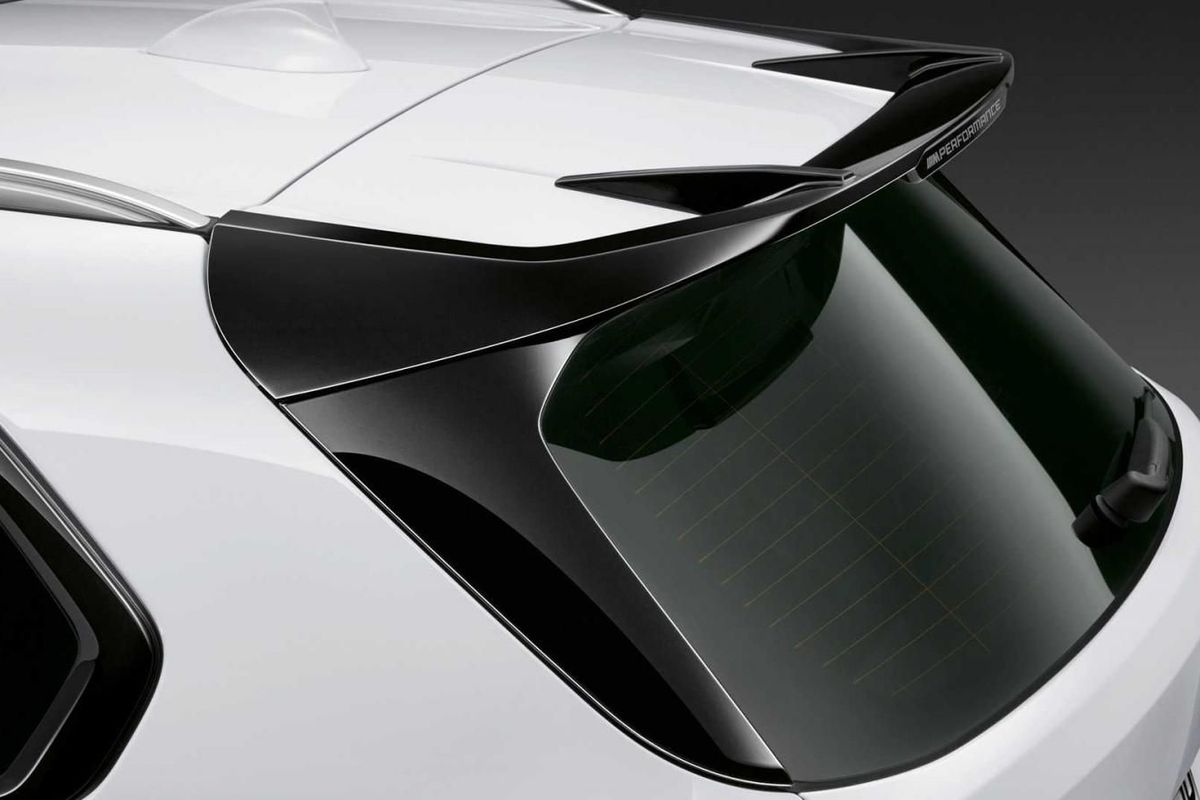
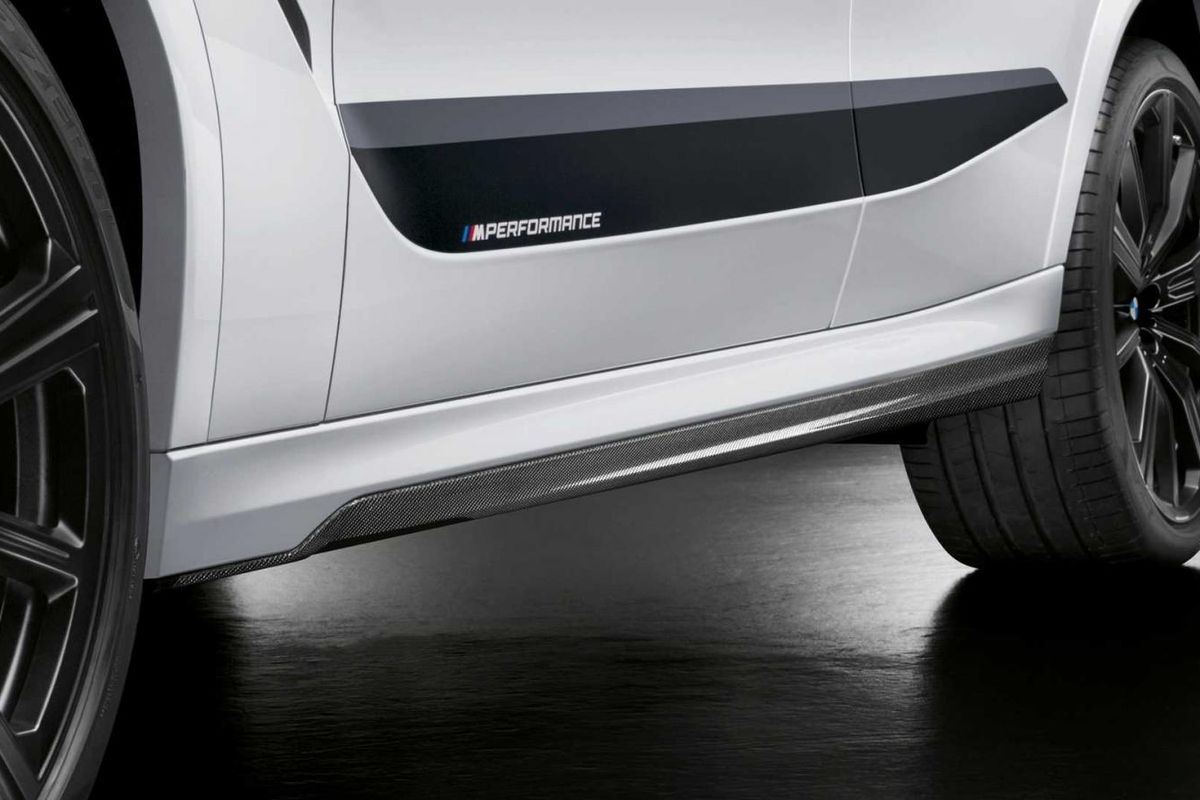
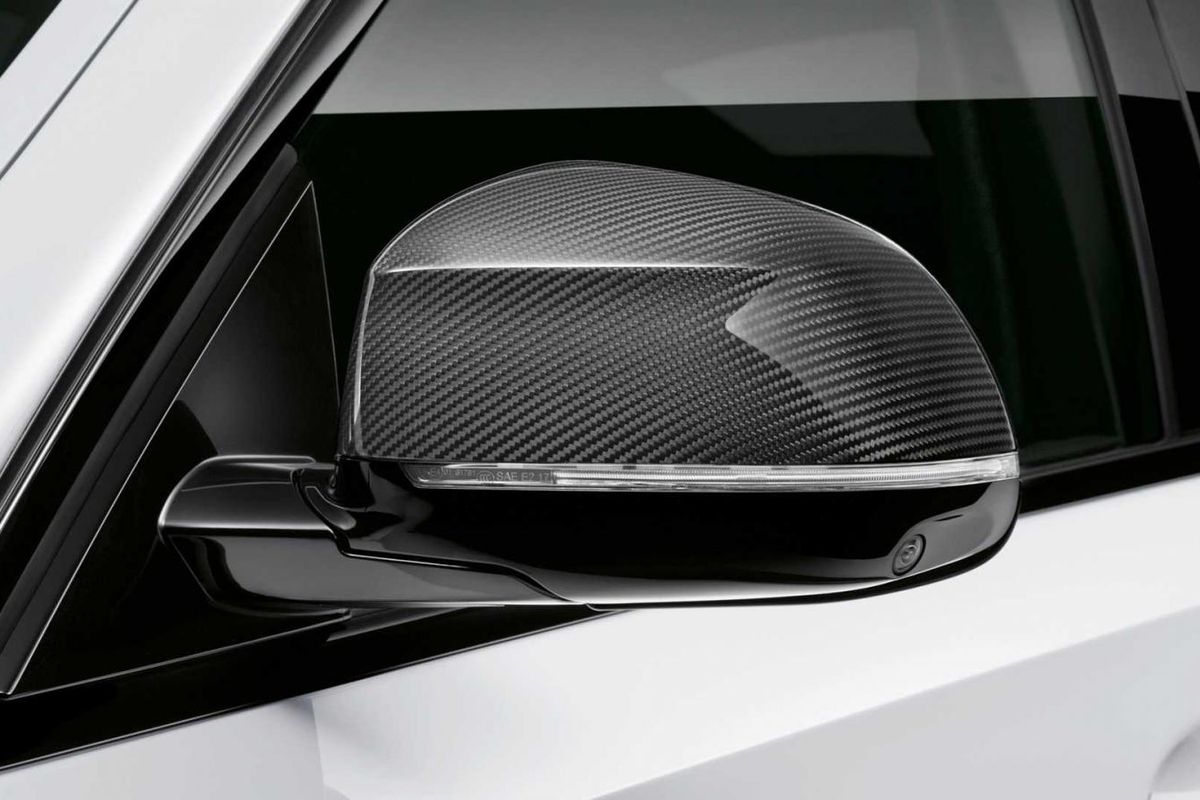
The pseudo carbon weave aesthetic is also available for your large BMW SUV’s rear, with styling fins or a small spoiler, also finished in carbon-reinforced plastic. Balancing the front and rear carbon styling upgrades are M Performance side sills and composite side mirror caps.
Inside you can choose to upgrade the helm of your BMW luxury SUV with an enhanced helm, which is trimmed in Alcantara and features composite inserts. The metal shift paddles can also be swapped out for carbon-reinforced plastic versions.
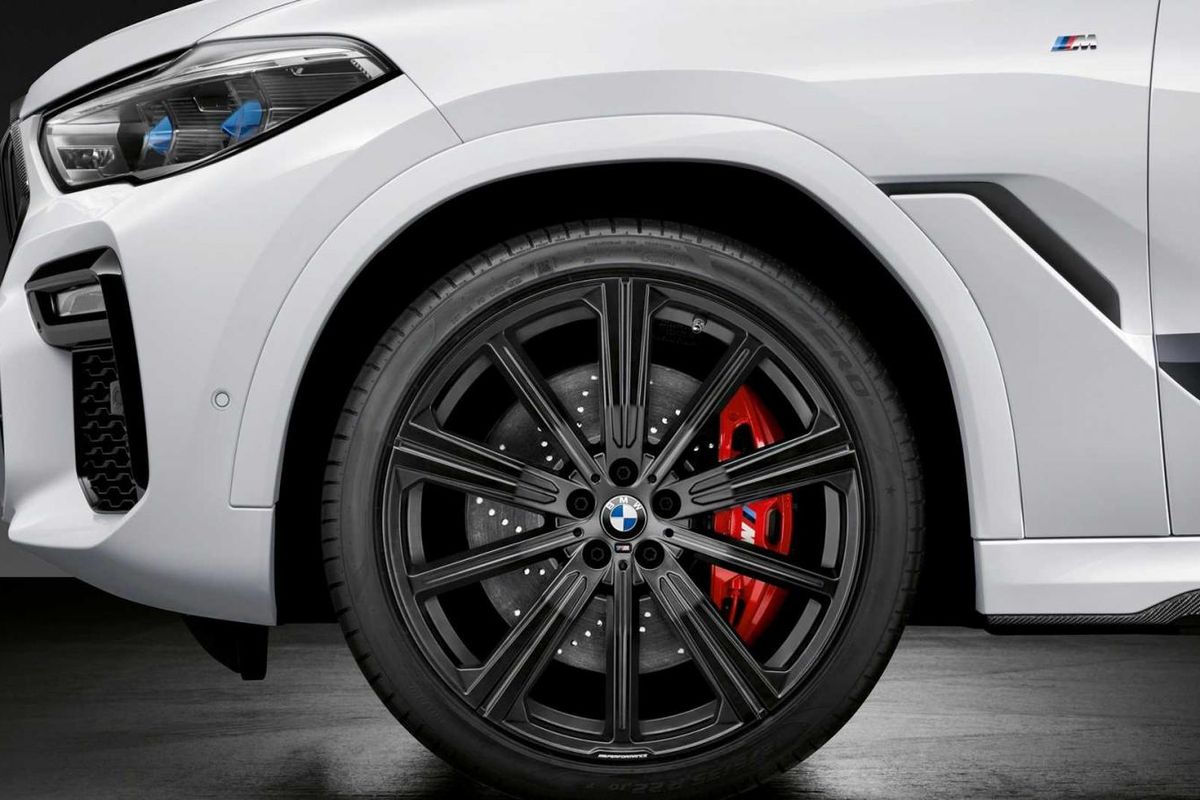
No M Performance styling catalogue would be complete without a choice of wheels and BMW will offer X5, X6 and X7 customers a range of rims up to 22-inches in diameter. Behind those new hoops, you can also specify an M Performance brake upgrade, which features perforated rotors, actuated by red callipers.
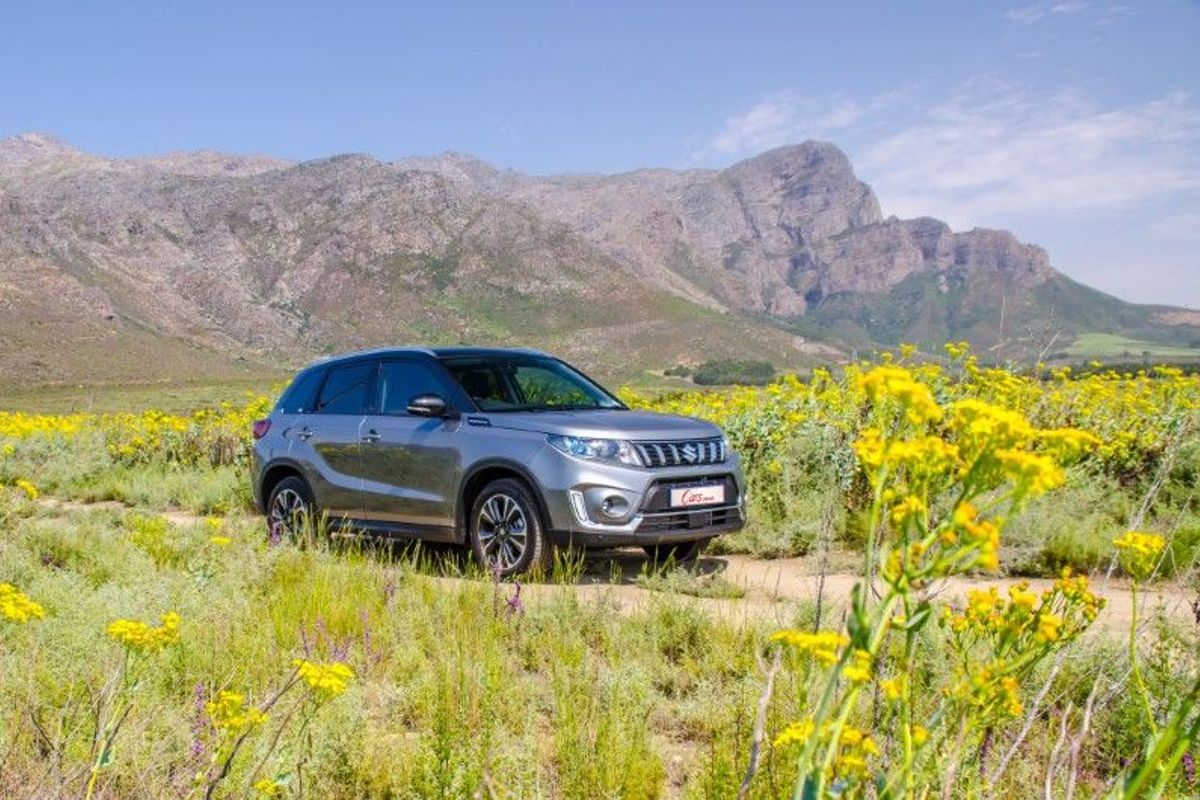
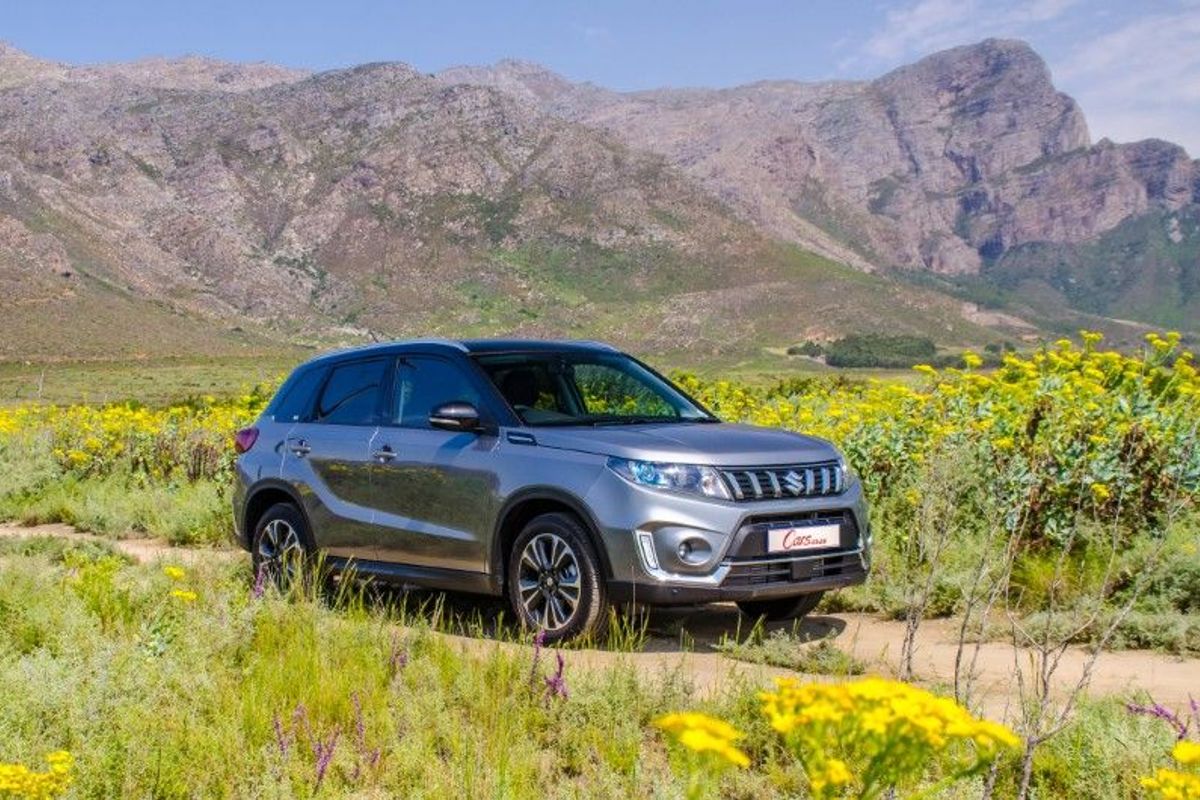
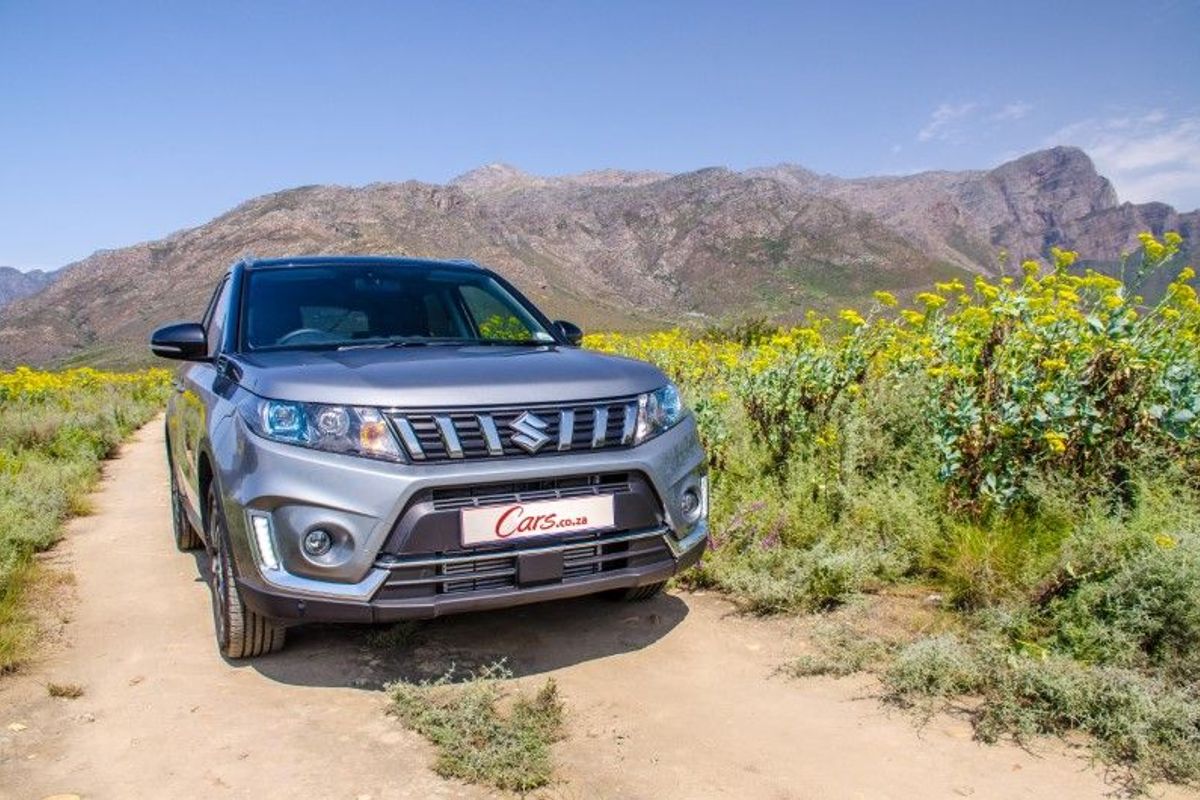
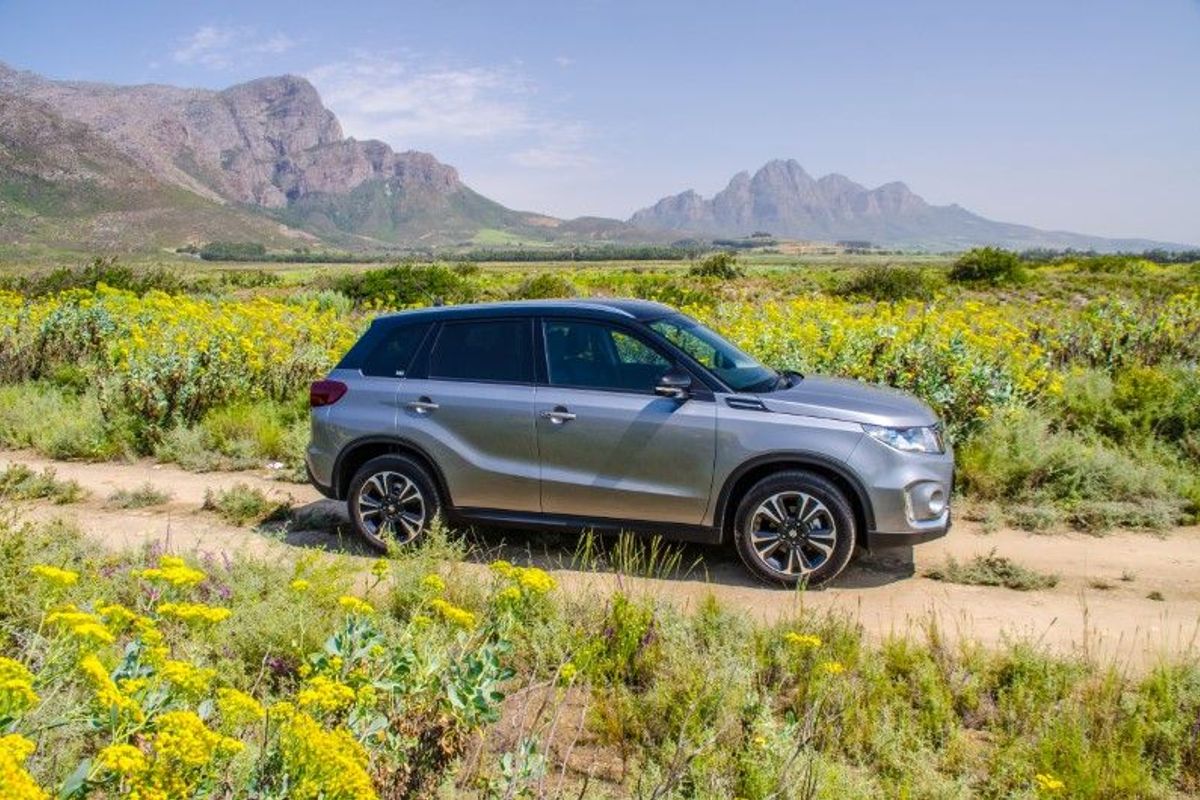
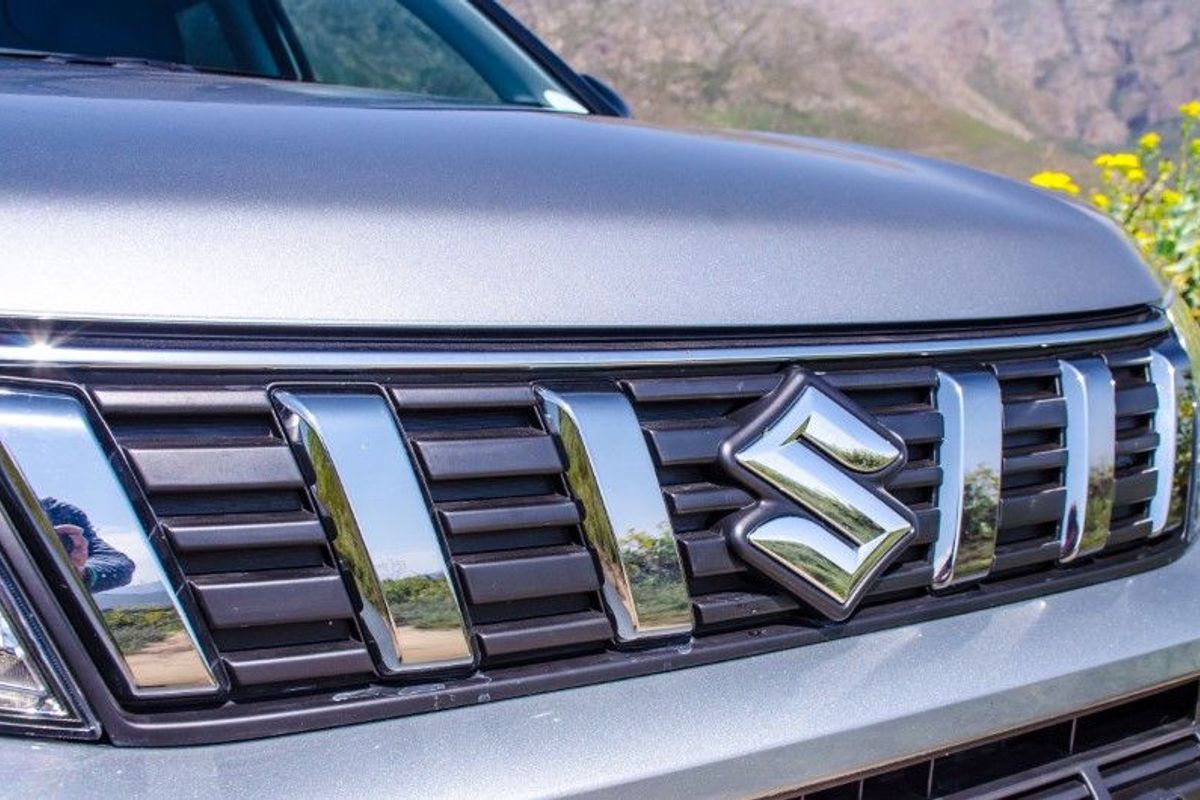
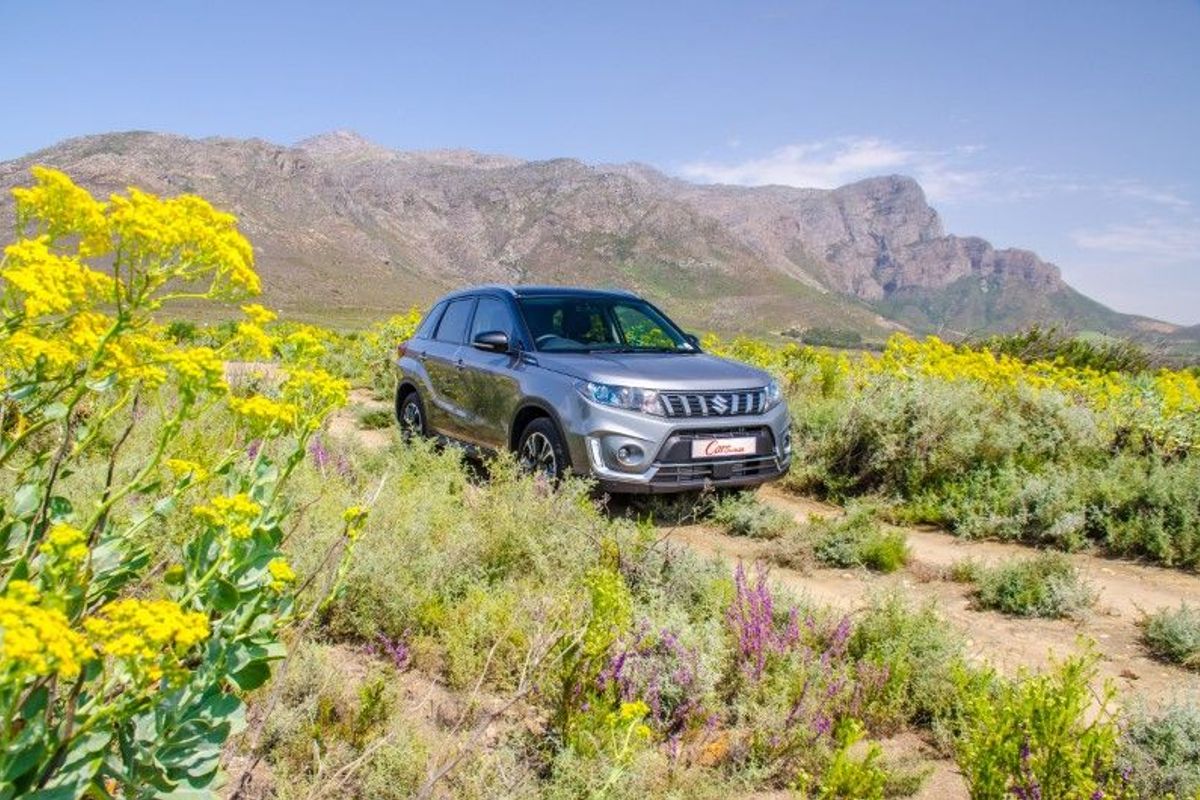
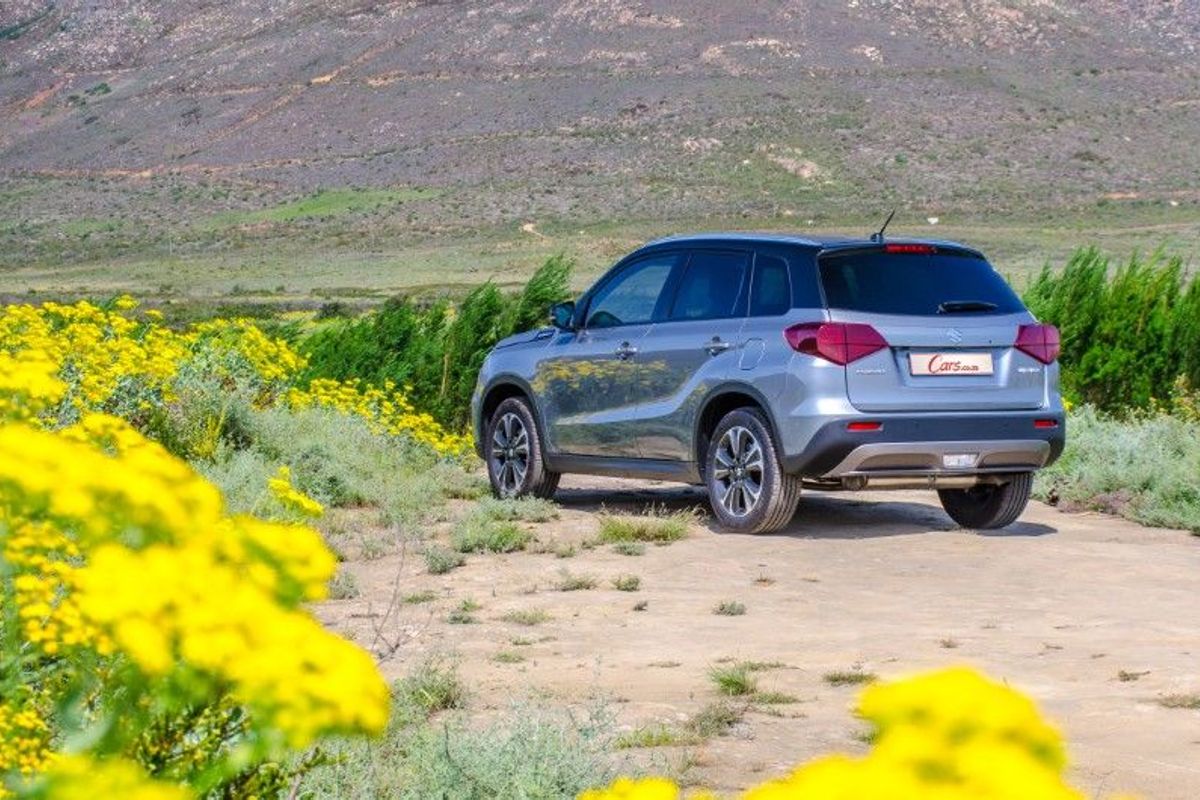
Suzuki Vitara 1.4T GLX (2019) Review
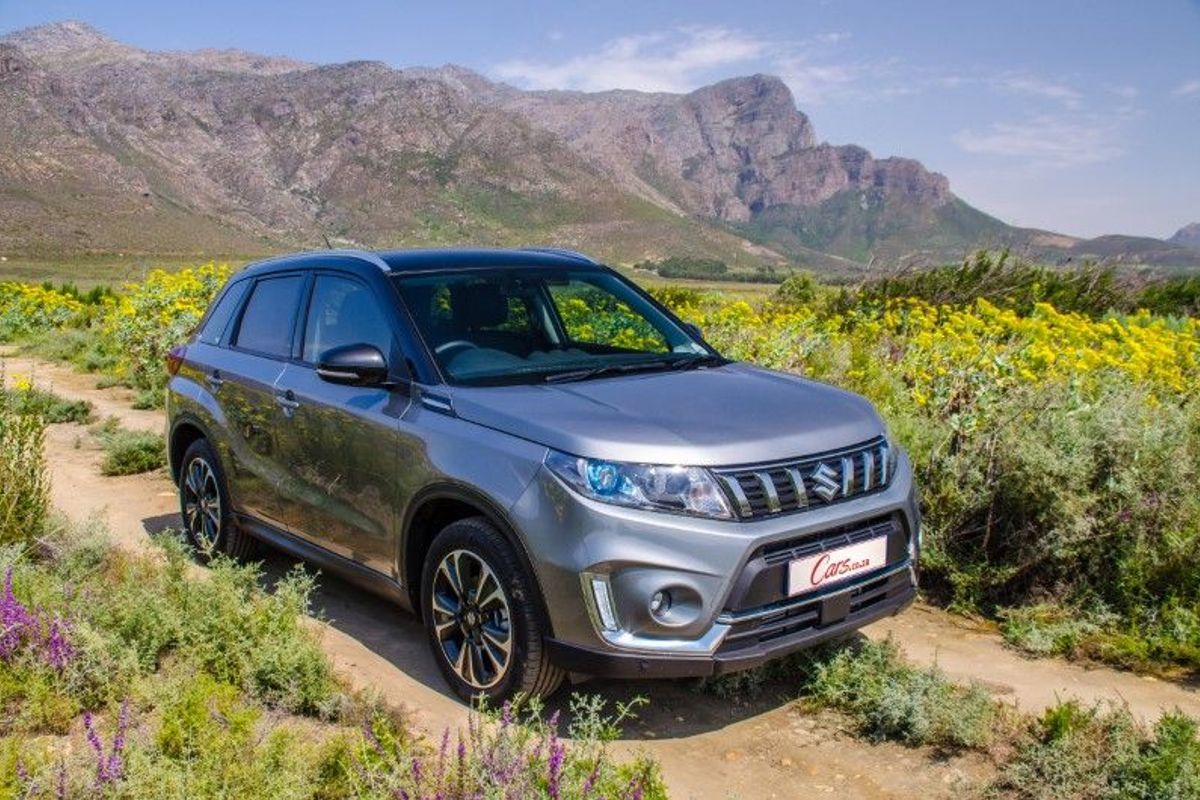
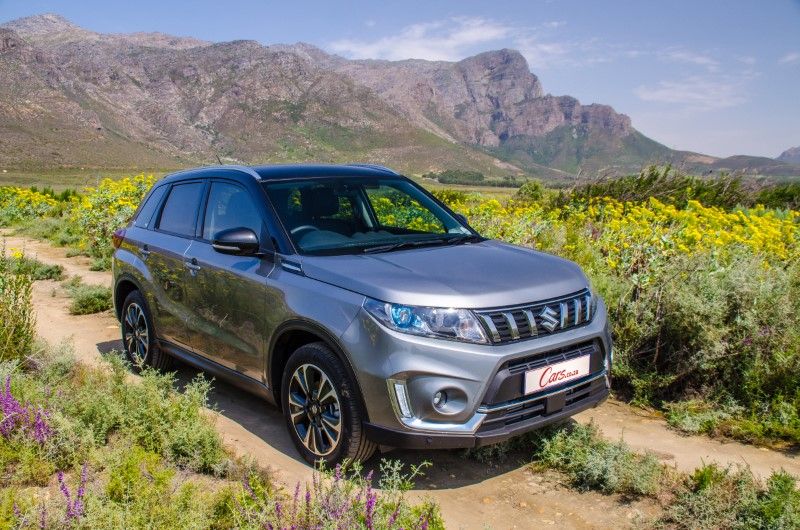
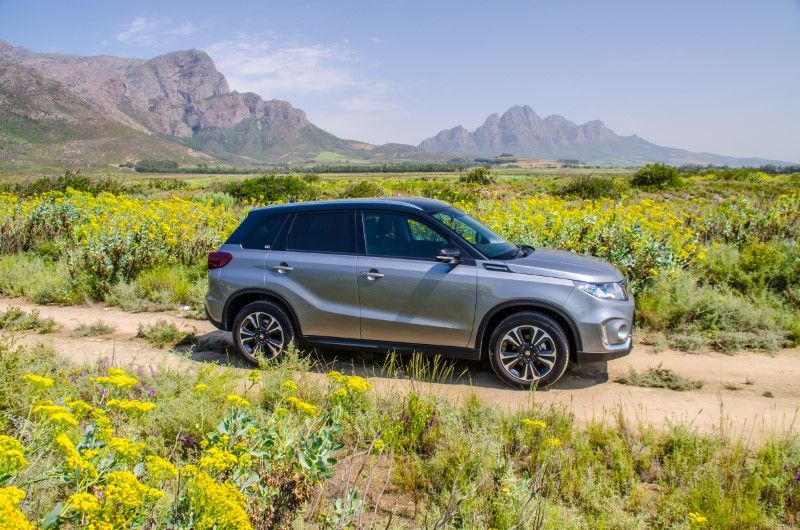
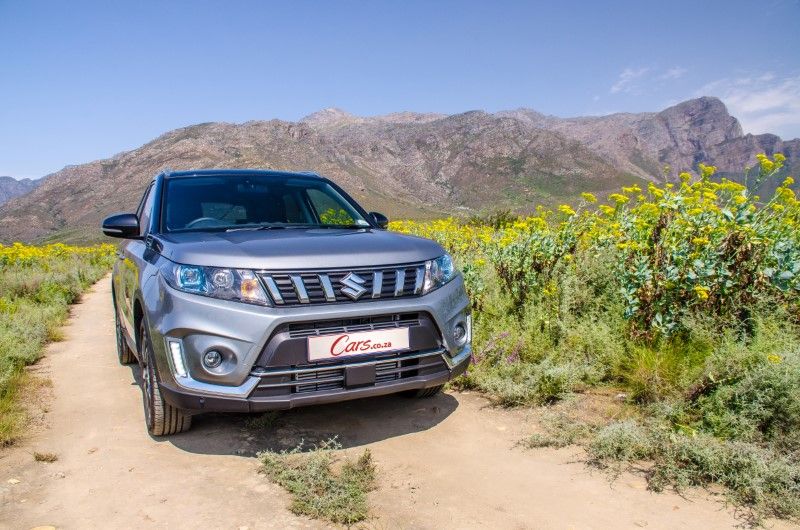
Local Suzuki fans have been clamouring for the introduction of the brand’s turbocharged BoosterJet engine and their wishes have now been granted – the new Vitara 1.4T GLX is powered by the same engine as the latest Swift Sport. Does the updated and turbocharged Vitara still represent a compelling purchasing proposition? Let’s find out…
We Like: Great performance and fuel economy, sound ride and handling, infotainment, practical cabin
Some Suzuki dealers regularly offer specials: Have look here.
Where does it fit in?
The Vitara has always been a sensible choice in the compact family car segment.
The new Vitara 1.4T (Turbo) sits at the pinnacle of the range and is only offered in high-spec GLX guise with a choice of a 6-speed manual gearbox or 6-speed automatic transmission. Suzuki's compact family-car range was updated earlier this year with a few exterior styling tweaks, new interior trim and upholstery and the inclusion of an improved infotainment system, among other comfort and convenience items.
The introduction of a new turbocharged engine and more standard spec is welcome, but the GLX's asking price has increased accordingly… The 1.4T version is now on the high-end of the price spectrum in its segment. Let’s see if it can make a strong enough case for itself in this iteration.
How it performs in terms of…
Performance and efficiency
The new turbocharged 1.4-litre engine offers punchy performance, while also returning good fuel consumption figures.
The turbocharged 1.4-litre BoosterJet engine in the Vitara is a cracker! It has transformed the performance of Suzuki's family car to such as extent that you may be forgiven for calling it the "Vitara Sport"! Whereas the tried and tested naturally-aspirated 1.6-litre engine in the pre-facelift GLX delivered average performance (and good economy), this turbopetrol engine is far more responsive and delivers commendable driver engagement.
With peak outputs of 103 kW and 220 Nm, the 1.4T GLX pulls eagerly – and delivers excellent in-gear acceleration. As a result, overtaking manoeuvres can be executed quickly and effortlessly. In fact, we were surprised by how quick the Suzuki felt off the mark (the firm claims a 0-100 kph time of 9.5 sec). It's not often that our in-house race ace, Ashley Oldfield, claims to have had fun behind the wheel of a compact family car…
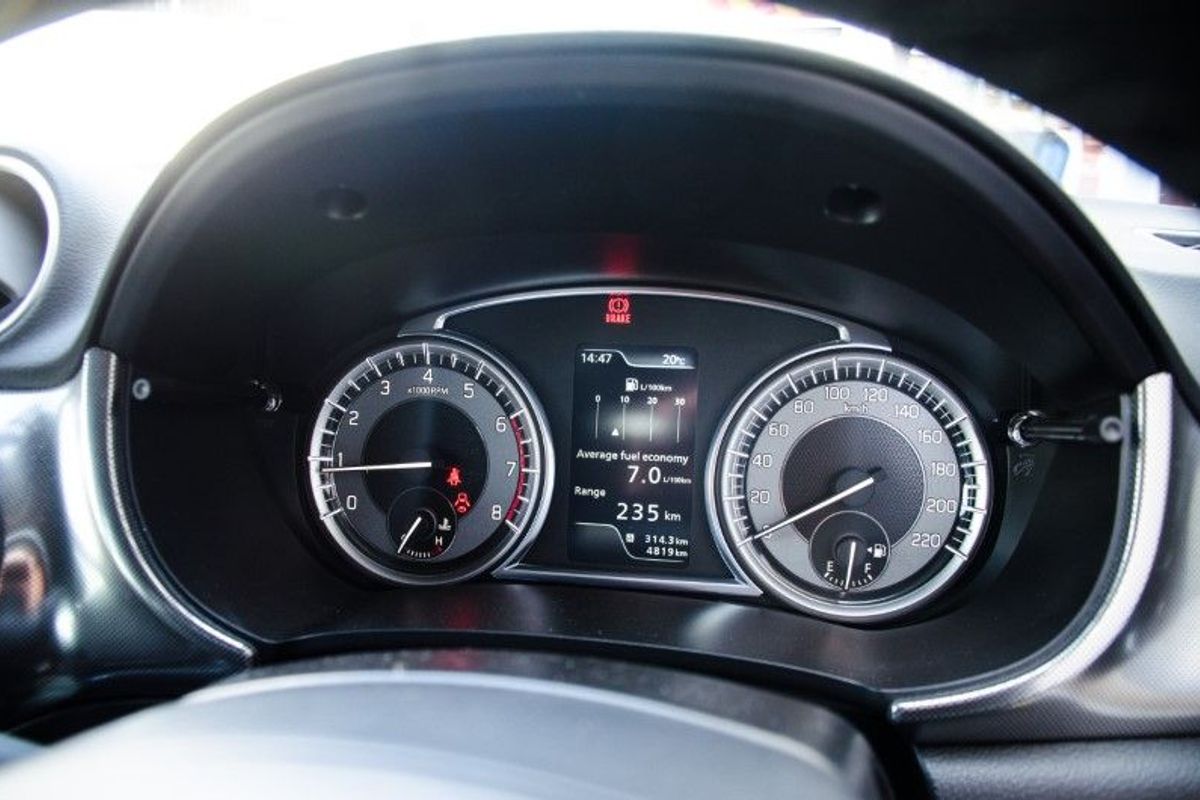
The 6-speed transmission has a positive action and that extra top gear bodes well for highway cruising and keeping fuel consumption down. Suzuki claims a fuel consumption figure of 5.8 L/100 km and the turbocharged Vitara consistently indicated a return of 7.0 L/100km, which is admirable.
Ride and handling
The Vitara's comfortable and forgiving ride remains to be one of its most endearing traits.
The Vitara’s balance between comfortable ride quality and sure-footed handling has always been a highlight of its package. Its suspension rides forgivingly over various surface conditions – it’s not even particularly crashy over harsher bumps and ruts. Meanwhile, Suzuki's top-spec derivative (apart from its automatic sibling) has a solid and planted feel on the road and its steering offers positive feedback with good responses to inputs.
The car's interior does feel a bit more upmarket than before, but even if it stops short of being "luxurious", the cabin's build quality is admirable and the intrusion of wind- and road noise minimal. In terms of refinement, then, the 1.4T GLX is a pleasure to drive 'round town and on longer journeys.
Interior execution and features
In GLX guise, the Vitara comes well-equipped and the infotainment system is bang-up-to-date in terms of connectivity.
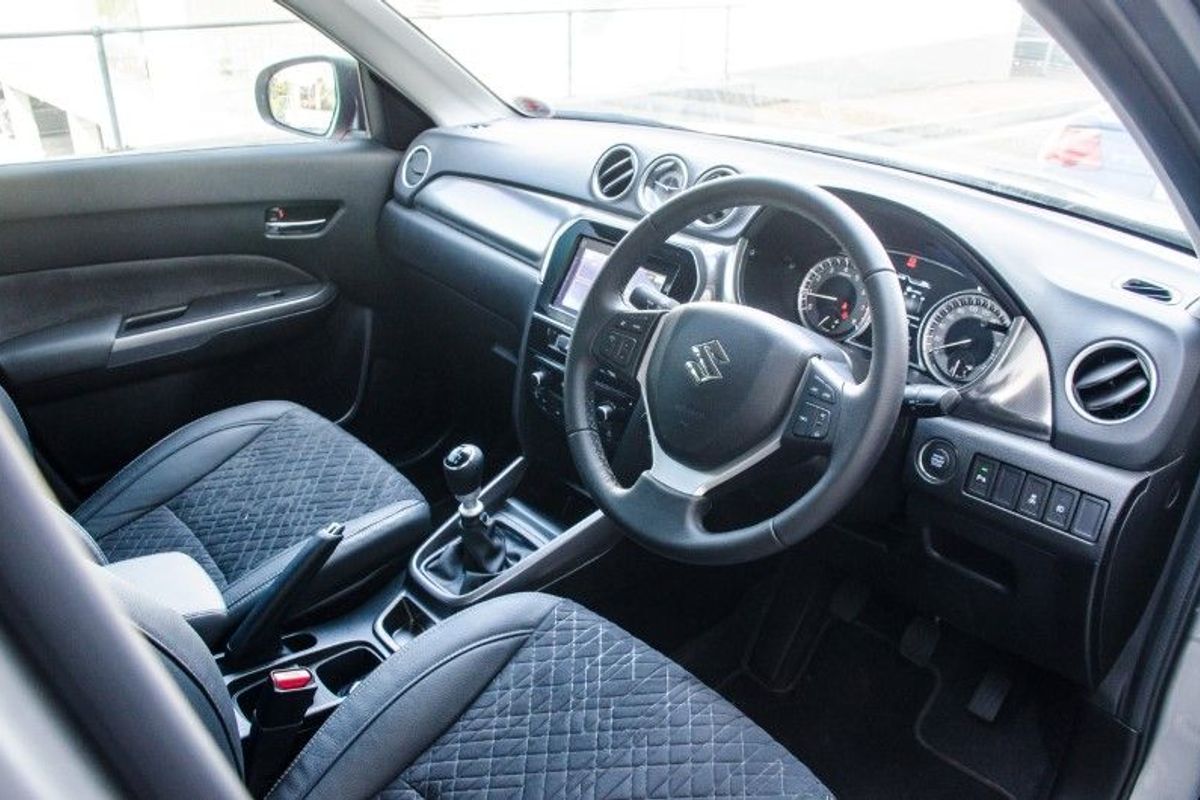
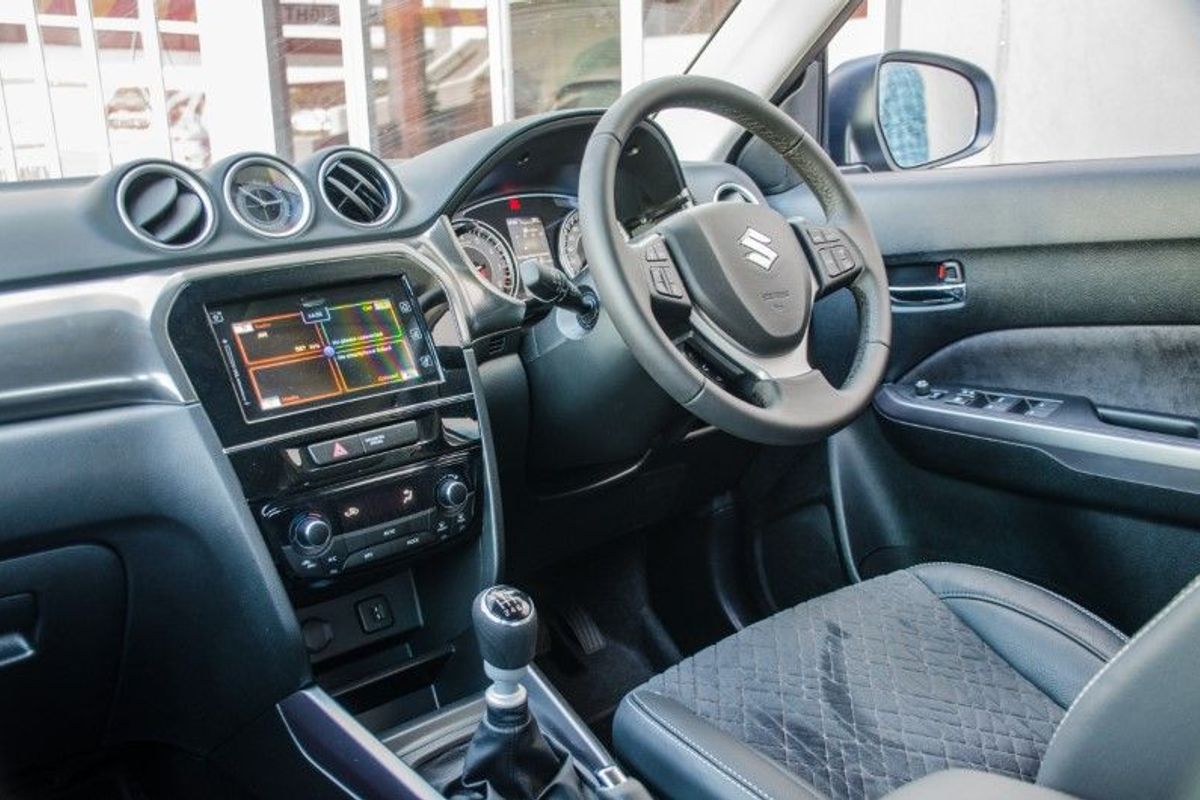
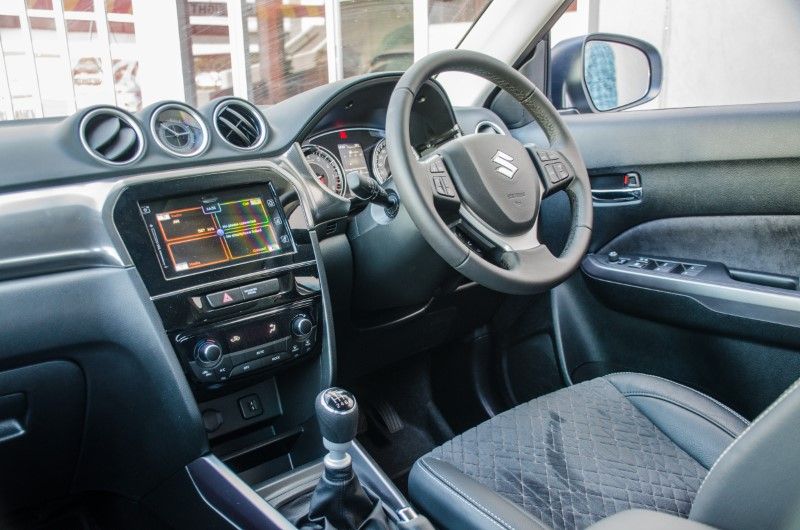
Post-facelift, the Suzuki's upper dashboard panel features a soft-touch finish, while the door panels and trim elements feature hard-wearing plastic combined with suede trim. We really like the new suede and leather combination upholstery, which makes the cabin feel warm and welcoming.
Suzuki has also fitted a smart-looking 4.2-inch colour multi-information display in the instrument cluster and the 7-inch infotainment touchscreen offers Apple CarPlay and Android Auto compatibility as well as MirrorLink integration. The system also relays the feed from the reverse-view camera and includes features such as Bluetooth connectivity/streaming and voice-command recognition. An SD card slot and USB port are also included.
Other key features fitted to the 1.4T GLX include a panoramic sunroof, a multifunction steering wheel, cruise control (with speed limiter), automatic climate control, front and rear park distance control, electrically-adjustable mirrors, power windows (all round) and rain-sensing wipers.
What's more, the safety specification is good. It includes 7 airbags as standard, ABS with EBD, brake assist and Electronic Stability Control (ESC).
Practicality
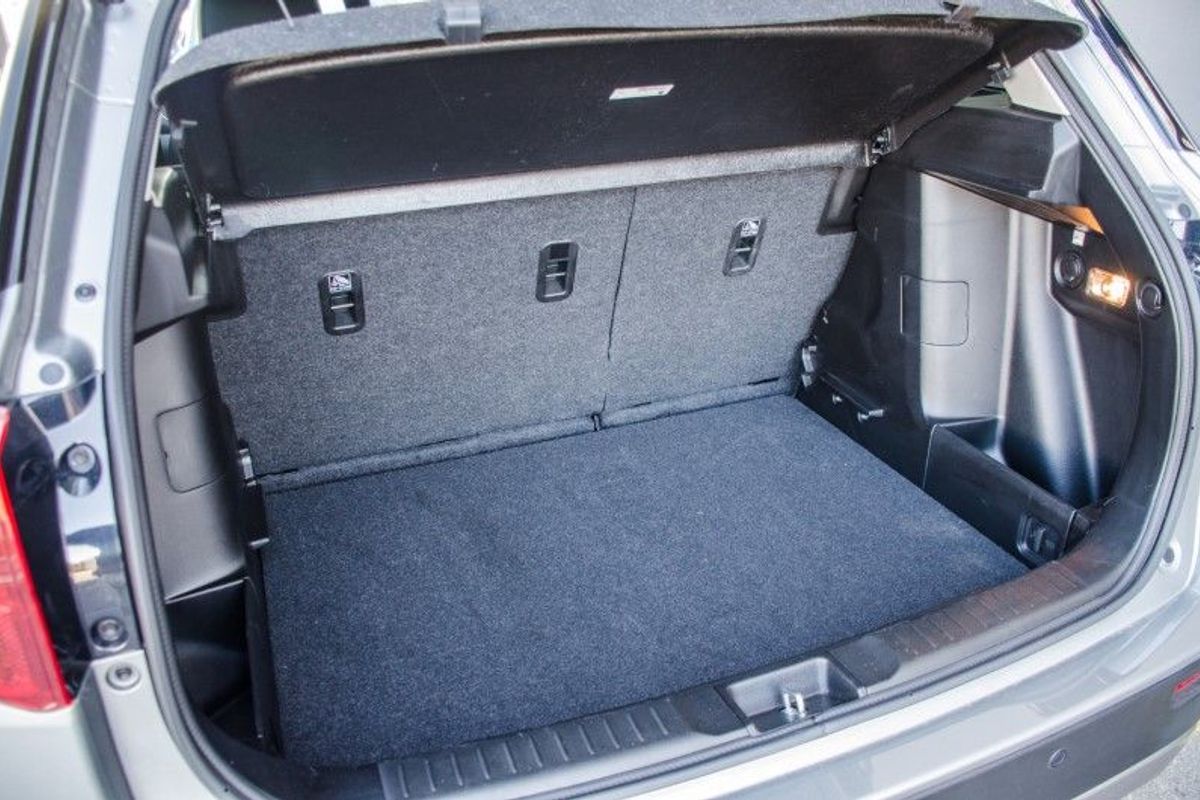
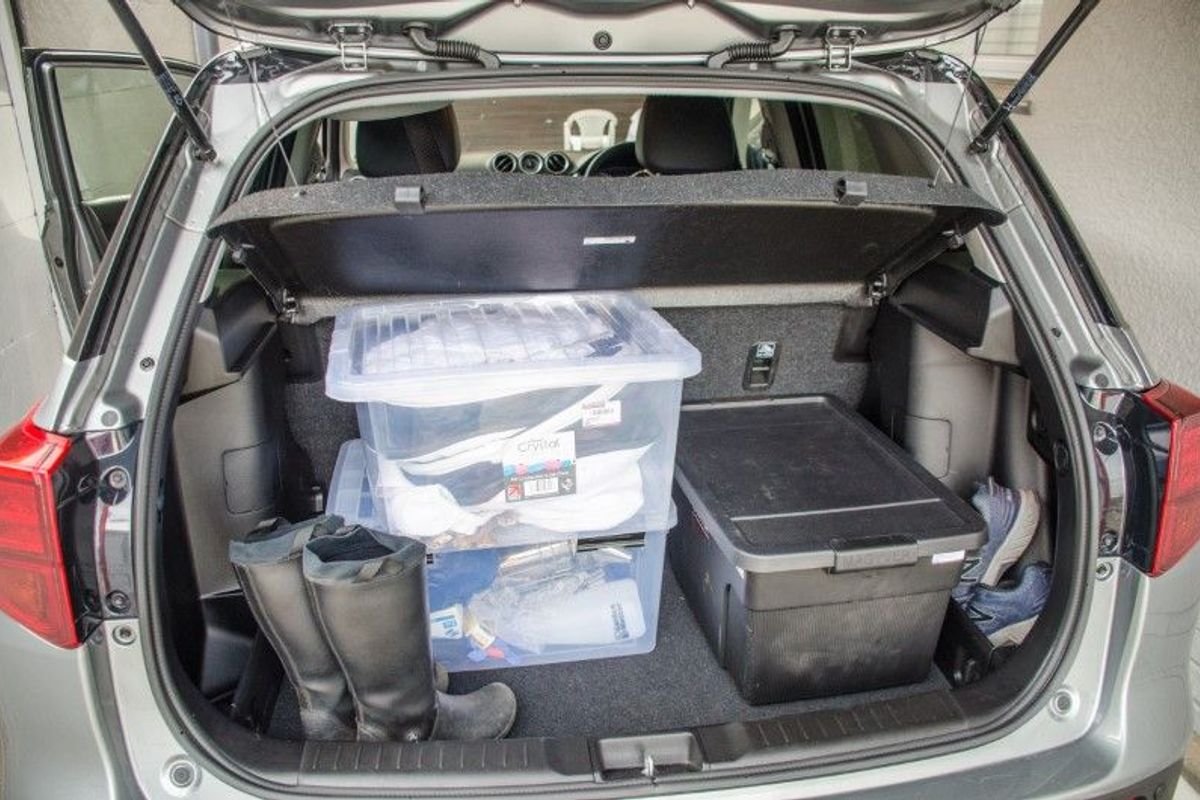
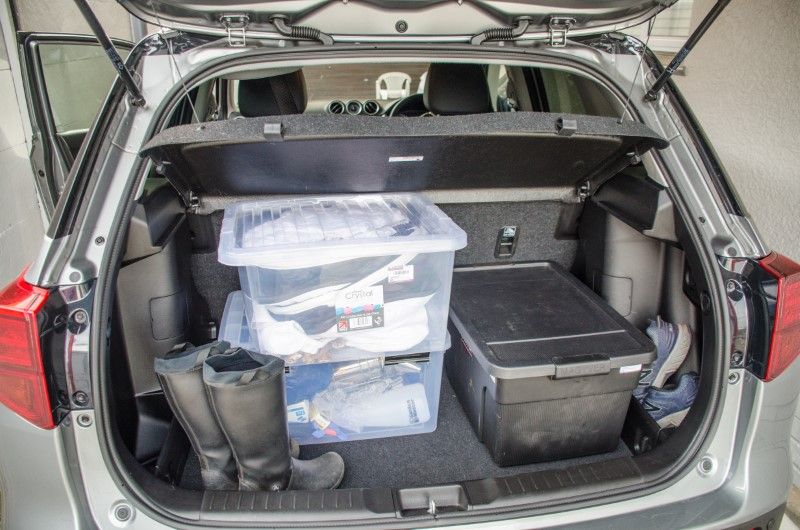
The load bay offers a good amount of space – the Vitara's practicality is a key highlight of the product.
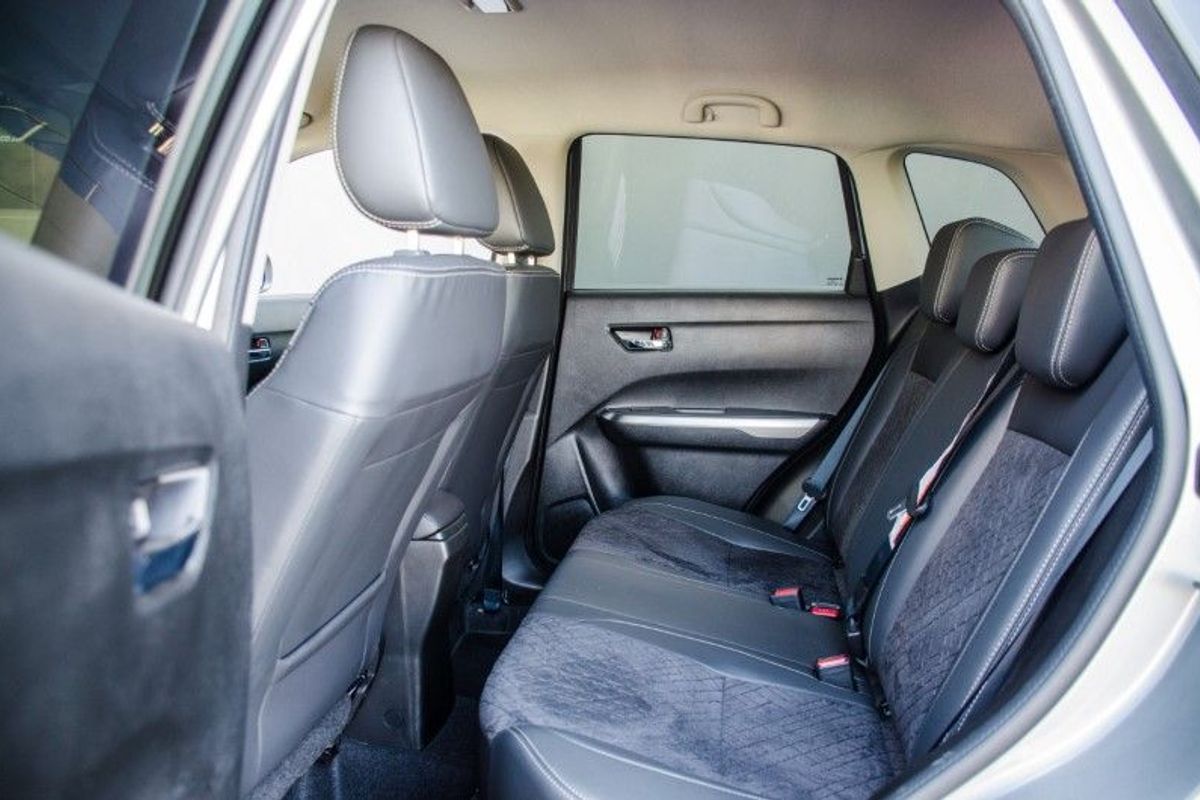
Not all compact family cars are particularly spacious, but the Vitara's cabin remains up to the standards of the segment. Rear passengers will find leg-, head- and shoulder room to be adequate and the luggage capacity is generous. The load bay offers 375 litres of space, which expands to a sizable 1 120 litres when the 60:40 split rear seats are folded down (longer and bulkier items are easily accommodated thanks to the flat floor). It’s also nice to know there are ample storage spaces for odds and ends, as well as sufficient cupholders and bottle holders in the door mouldings.
Price and warranty
The Suzuki Vitara 1.4T GLX is priced from R378 900 and is sold with a 3-year/100 000 km warranty and a 4-year/60 000 km service plan.
The Vitara 1.4T GLX is an impressive product but its pricing may very well drive buyers to consider more affordable options in the market.
Suzuki’s 1.4-litre turbocharged engine is a real peach, so much so that it makes the (near range-topping) 6-speed GLX derivative positively shine in terms of on-road performance. More than that, the Vitara’s ride/handling balance remains a highlight and, combined with a tastefully updated and modernised cabin that is more than practical enough, the 1.4T GLX is a stronger offering than ever before. The concern, however, is at what cost?
The reality is that the new engine, combined with the higher specification of features, has resulted in a rather lofty price point for this derivative. In fact, the 1.4T GLX is now positioned at the upper end of the price spectrum in this segment… Its spec is admittedly comprehensive, but the Suzuki is now pricier than all its main rivals, including the Ford Ecosport, Renault Duster, Opel Crossland X (apart from the Cosmo) and Volkswagen T-Cross.
As a product, this Vitara is difficult to fault, but from a pricing perspective, it’s likely to be a push too far for some buyers, who may find it difficult to justify that level of outlay when there are viable alternatives available for less money. On the upside, the naturally-aspirated Vitara range still represents excellent value. If you can live without turbocharging, the Vitara is still very much a force to be reckoned with in this segment, especially considering that Suzuki has won the Brand of the Year title of the Cars.co.za Consumer Awards – powered by WesBank twice… and counting.
Renault has applied some SUV-inspired design updates to its Kwid budget car, see details below…
Although not immediately noticeable, the Kwid has grown slightly in size. It's 52 mm longer bumper-to-bumper, whilst the width remains unchanged.
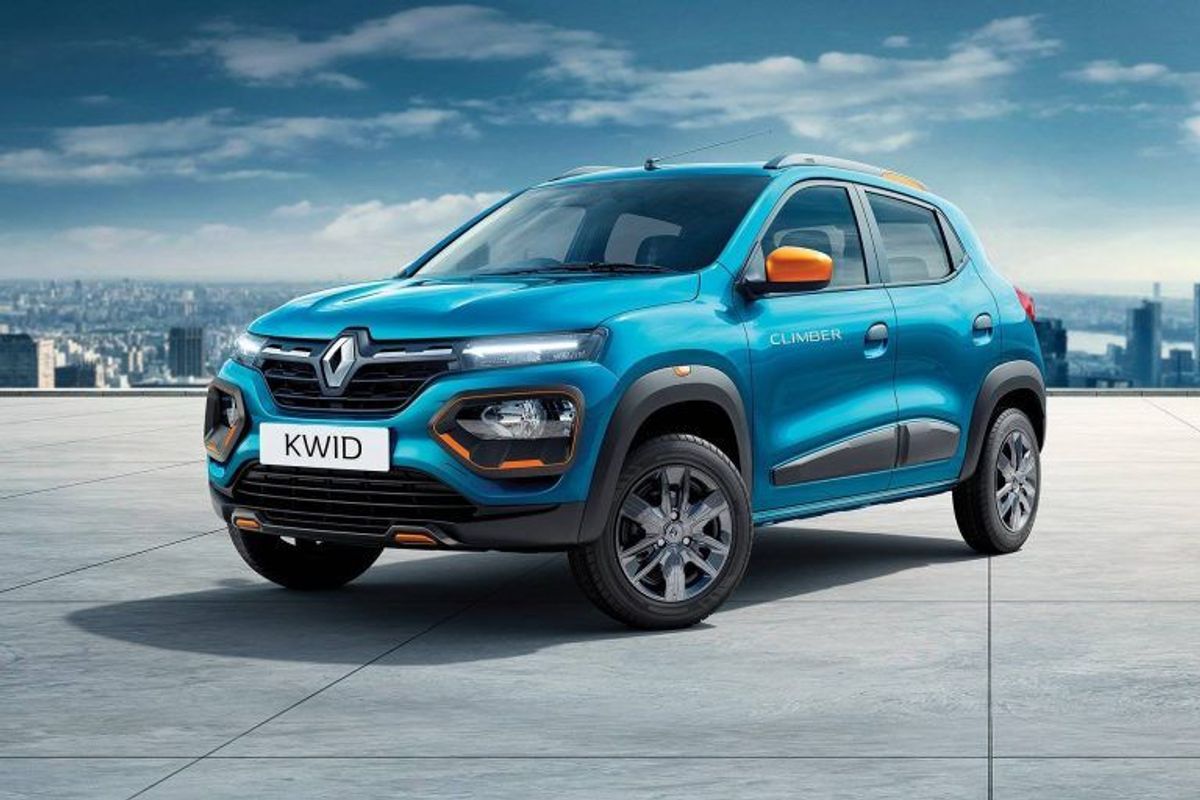
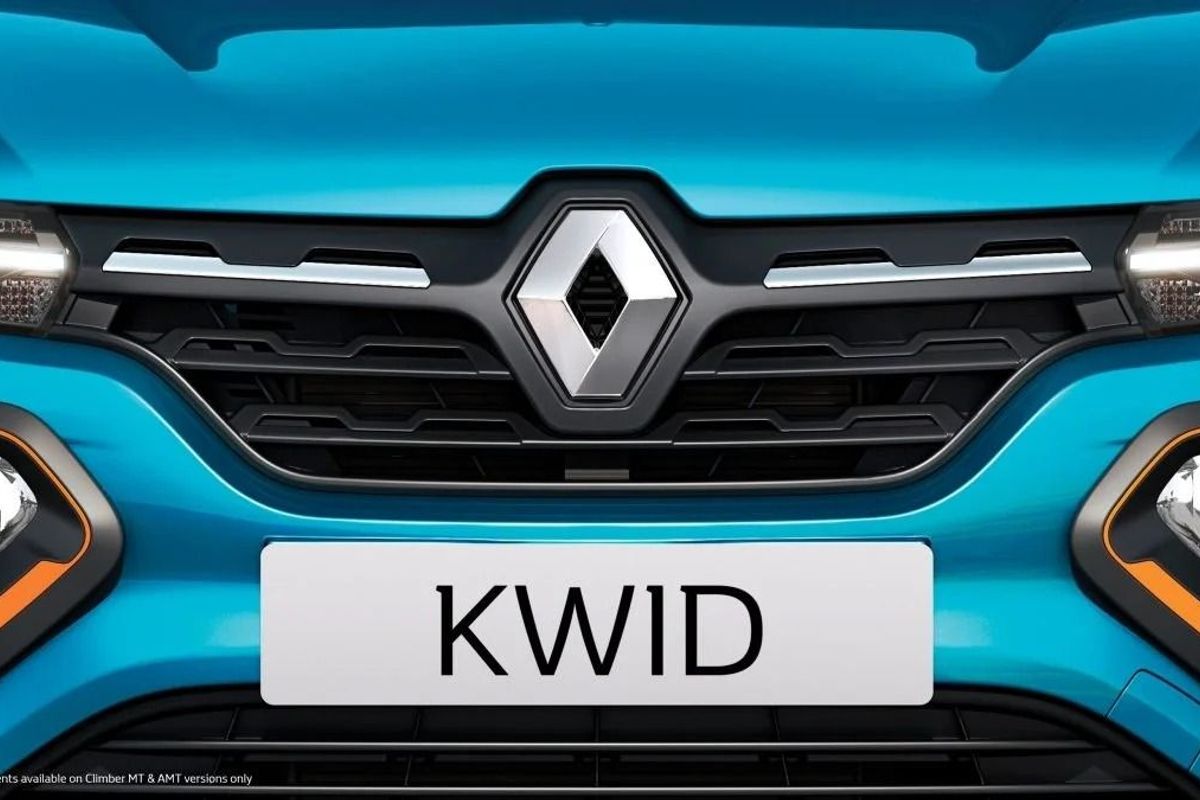
The popular entry-level crossover sees a significant redesign for the 2020 model year. The most noticeable visual change is a new split headlight configuration, which positions LED daytime running lights at either end of the grille. Renault’s stylists have also repositioned the main headlamps in a lower position within the front bumper.
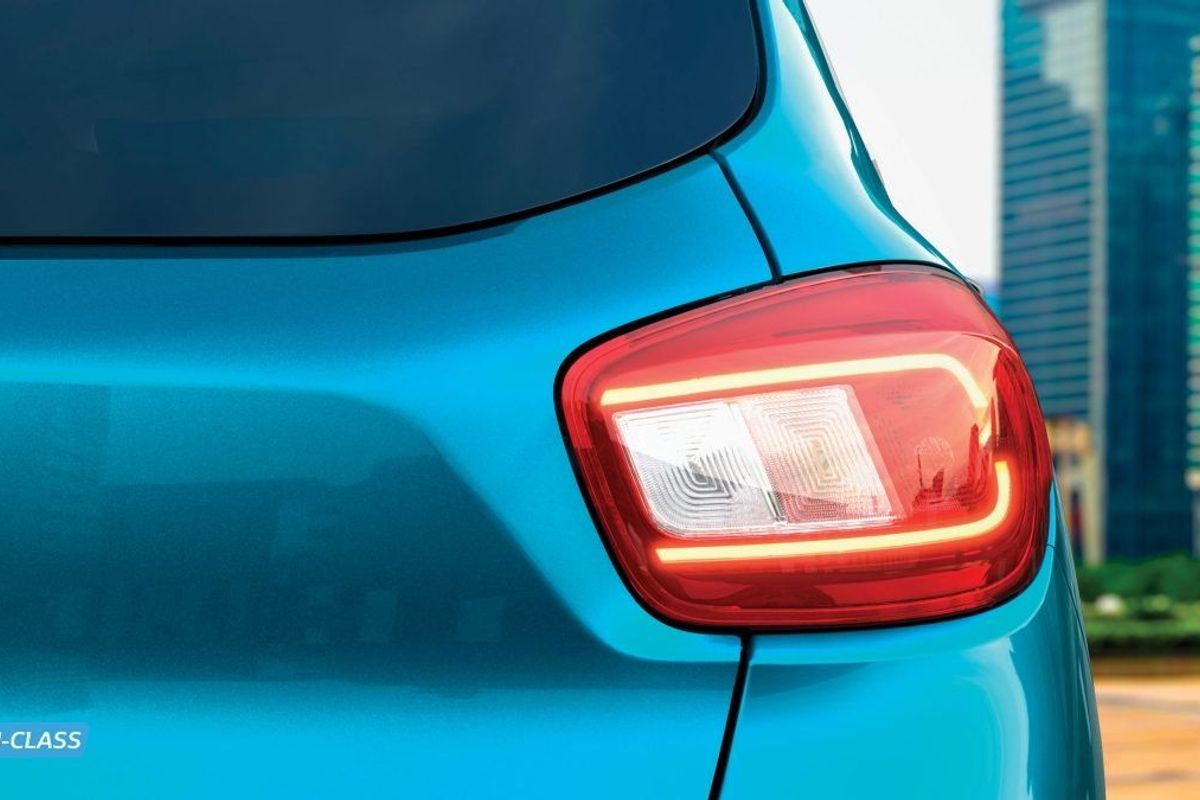
The Kwid’s grille also features a more defined horizontal slat design and around the rear, there are redesigned LEDs within the taillamps.
Renault’s Kwid Cimber variant gains a set of pseudo-adventure trim elements, which include skid plates, roof rails and 14-inch alloy wheels instead of the standard steel rims.
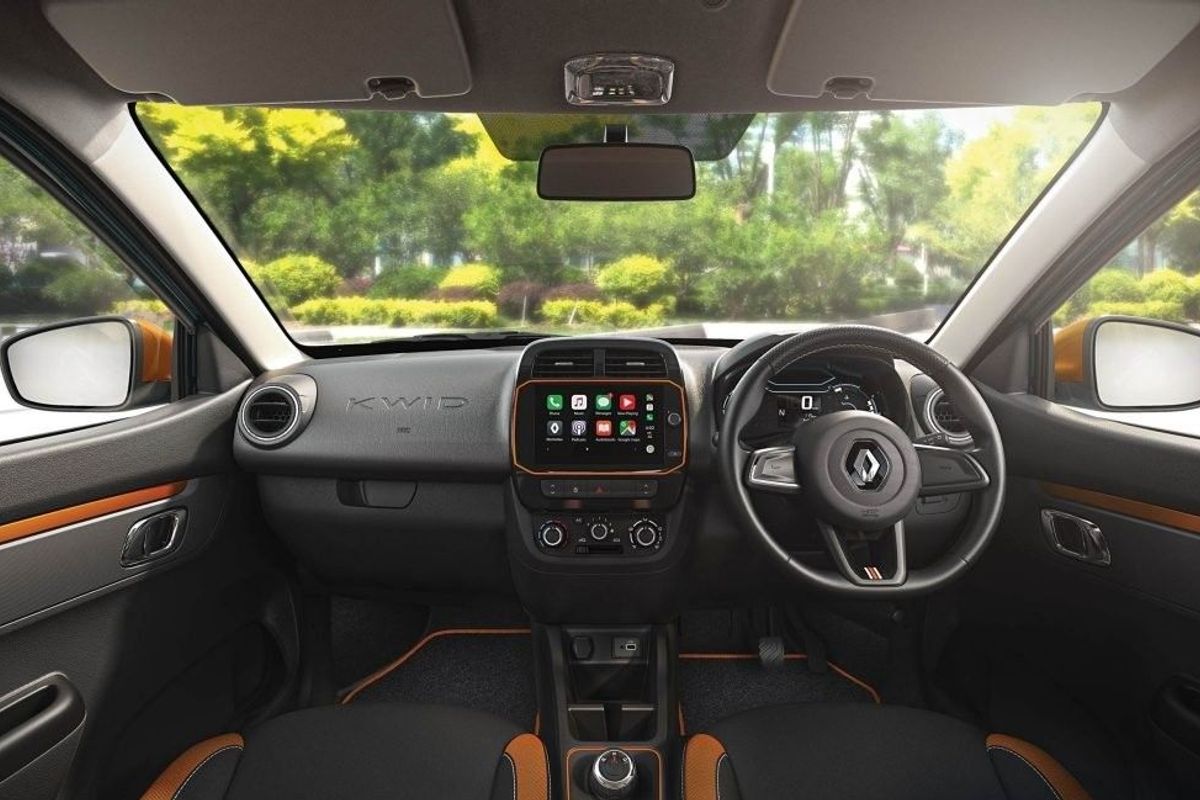
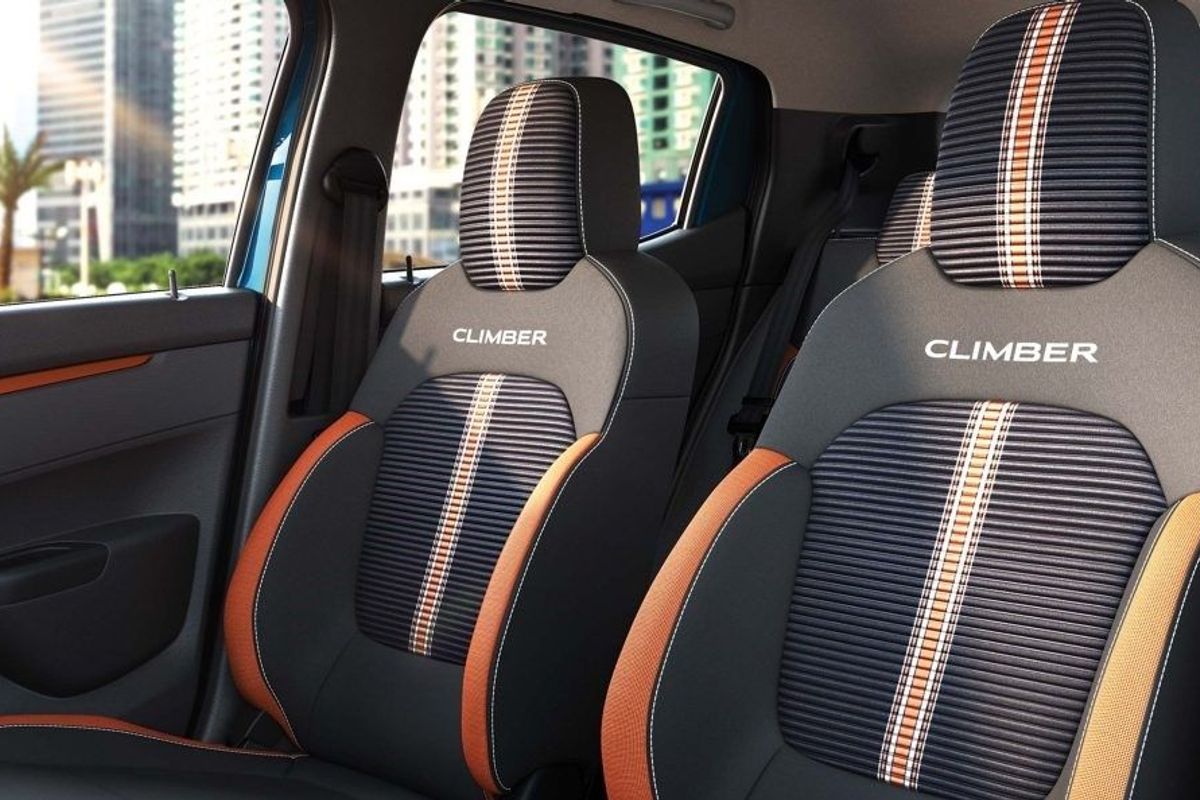
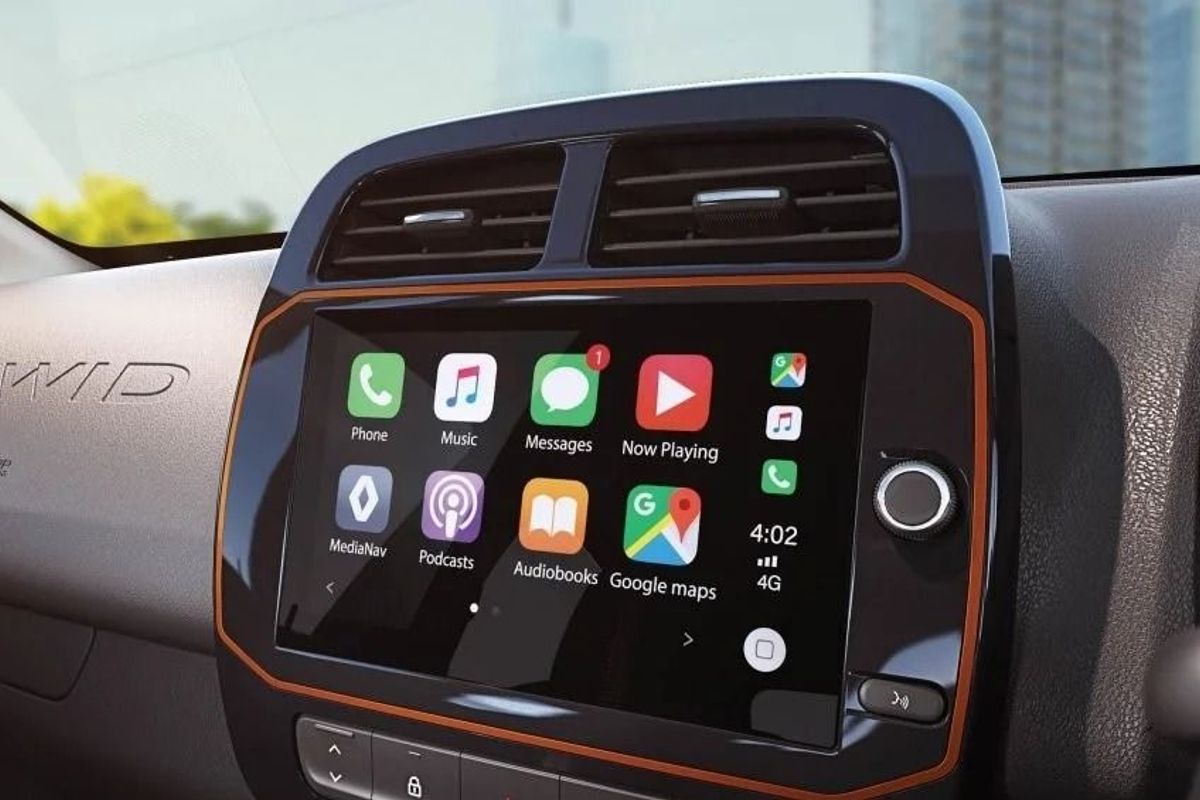
Inside the Kwid features improved seat fabrics, Renault’s latest 8-inch touchscreen infotainment system (with voice command recognition), and a reshaped 3-spoke steering wheel. The Climber also has seats finished in bright orange trim.
There are no mechanical changes to the facelifted Kwid. Engine options continue to be a 0.8-litre 3-cylinder, which produces 40kW and 72Nm. The slightly larger 1.0-litre engine is good for 50kW and 91Nm. Gearbox choices are either a 5-speed manual or an automated manual.
The new Kwid has slightly increased ground clearance compared to its predecessor, adding 4 mm of hight. With 184 mm of underbody clearance, it is particularly well adapted to gravel roads and surviving pothole strikes, which is particularly useful in a South African context.
The facelifted Renault Kwid can be expected to reach South Africa in the first quarter of 2020 and local specification and pricing will be confirmed closer to launch.