PSA is broadening its South African operations and adding new product.
After announcing that Citroen will re-enter South Africa, after a three-year hiatus, PSA is broadening the Peugeot product portfolio too.
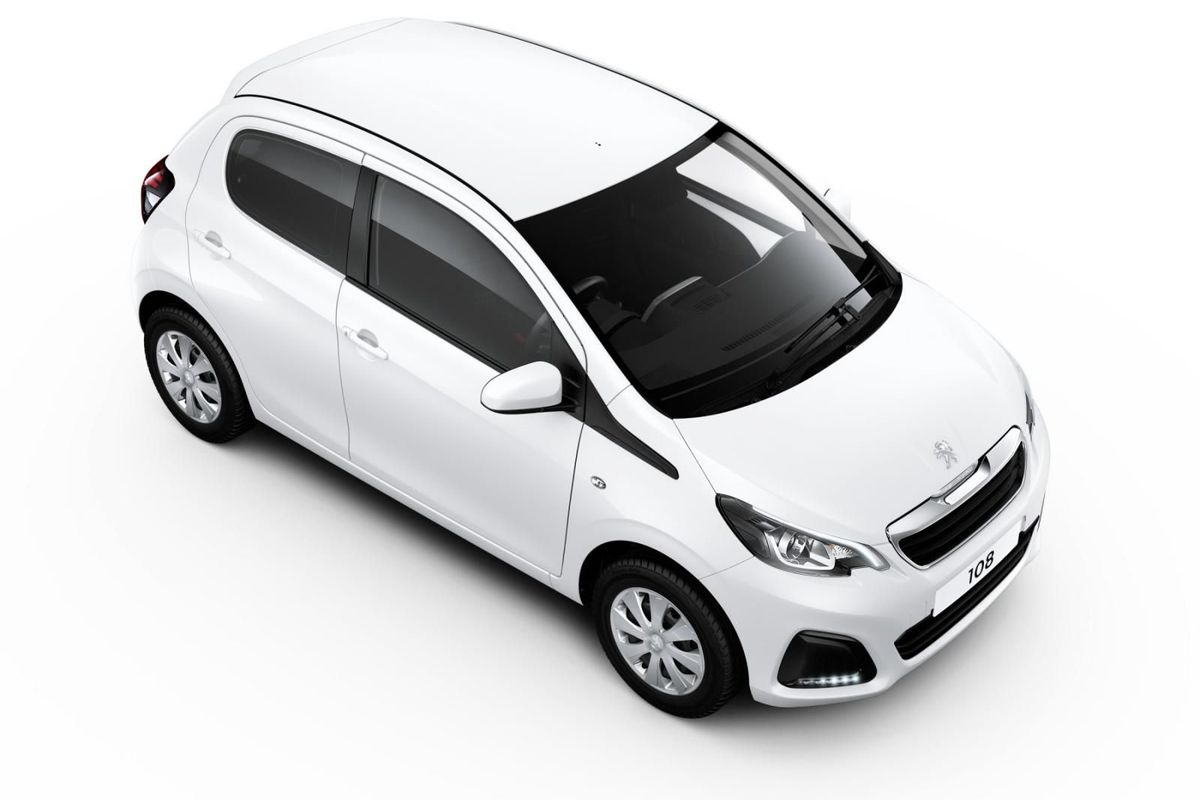
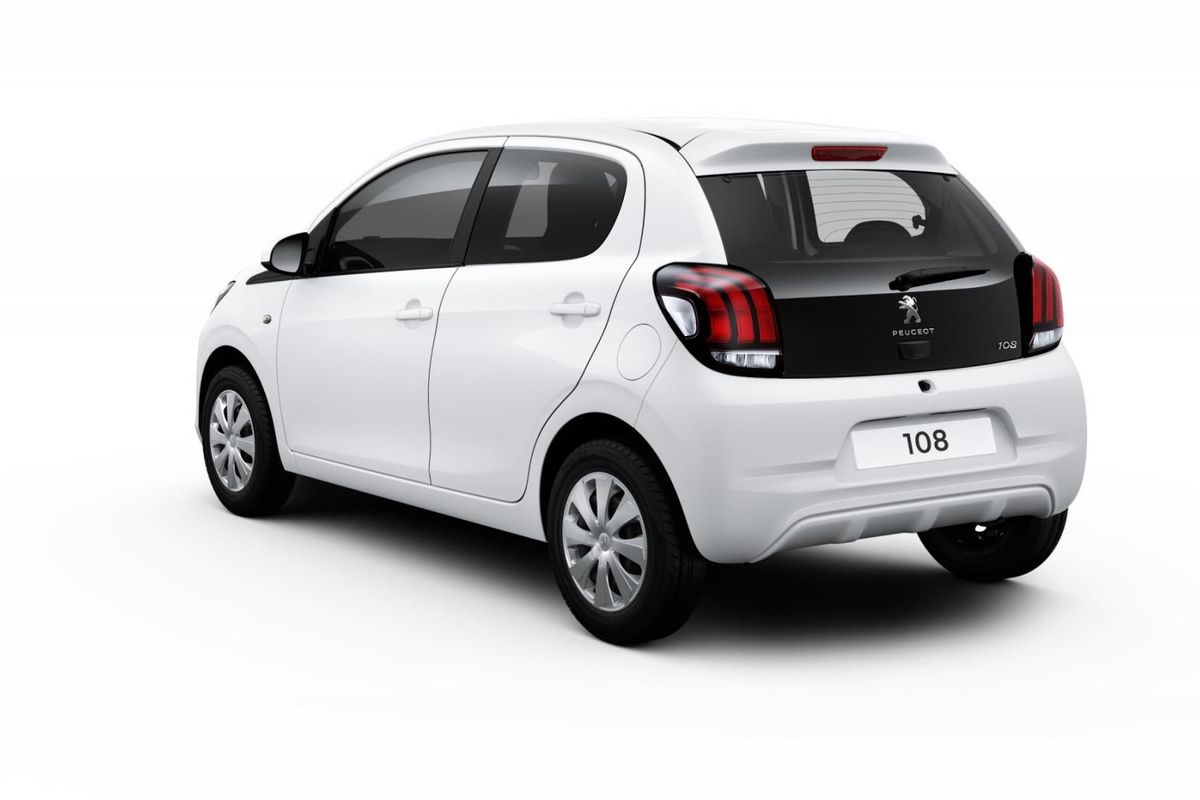
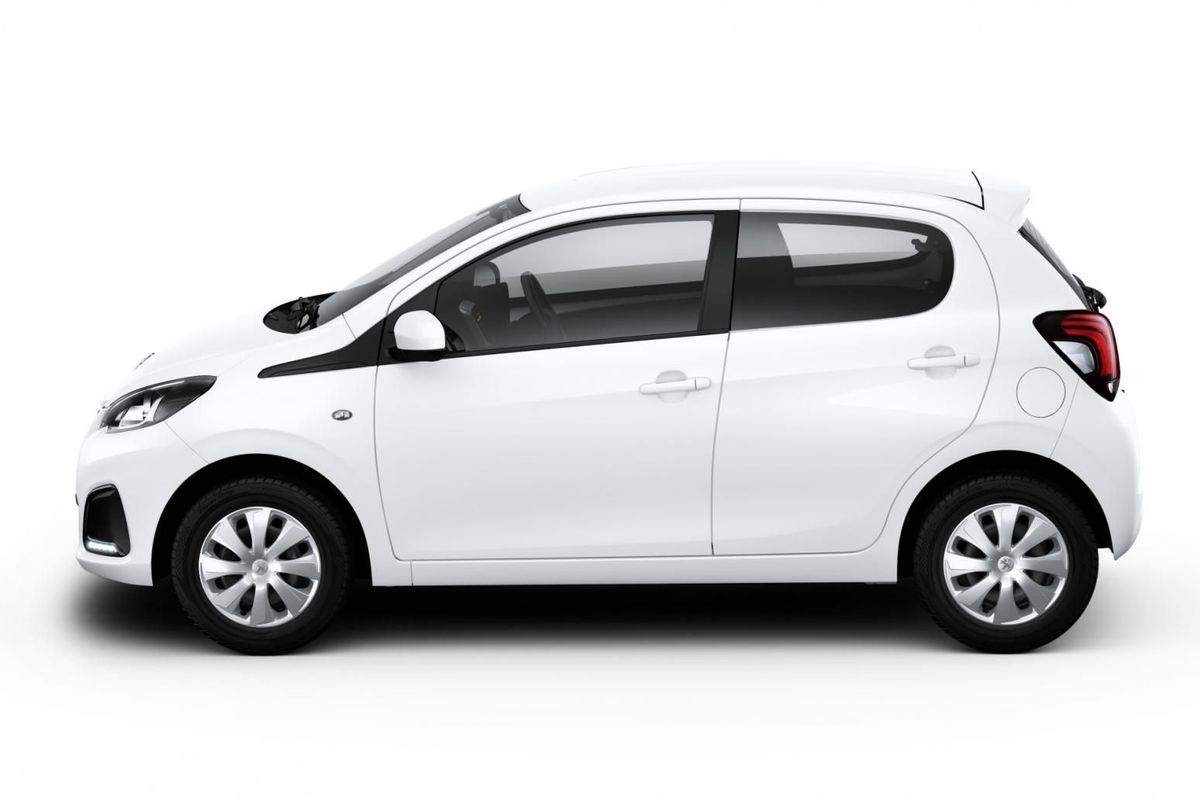
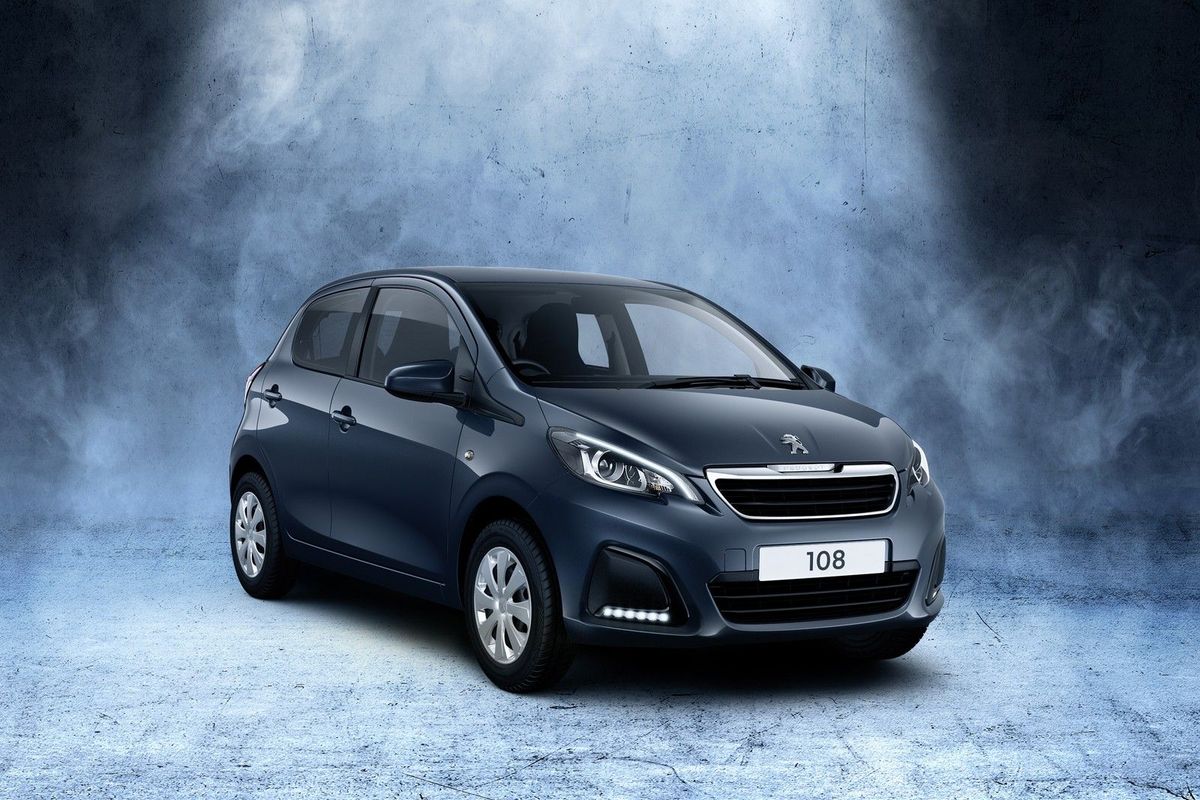
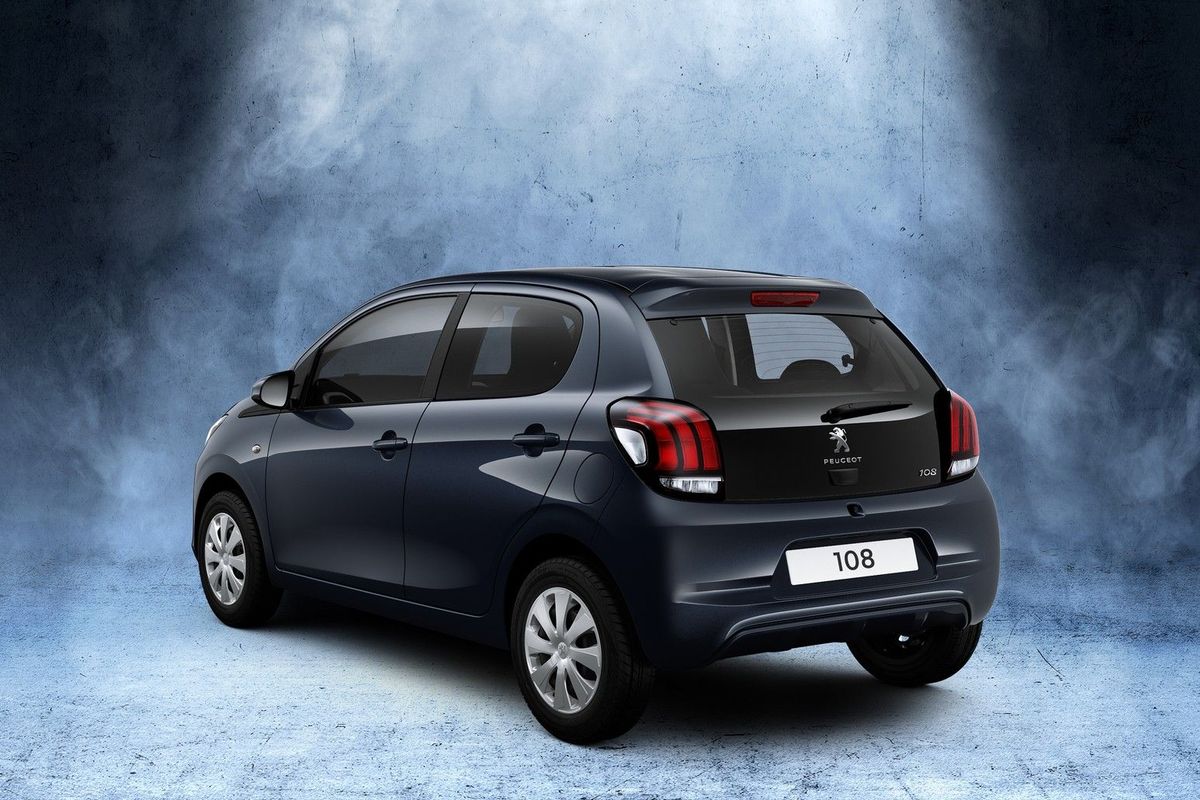
French brands are renowned for their compact city cars and Peugeot is keen to play in this segment. Its new offering is the 108, which combines chic French styling with low mass and the promise of great fuel efficiency.
Peugeot’s 108 will be competing with the established segment leader, Kia’s Picanto, VW’s Up and Toyota’s Aygo. Interestingly, the 108 and Aygo share a common platform.
The range launches with a single 108 derivative, which features relatively comprehensive specification.
Although the 108 rolls steel wheels, it does have LED daytime running lights and comprehensive exterior body panel colour coding
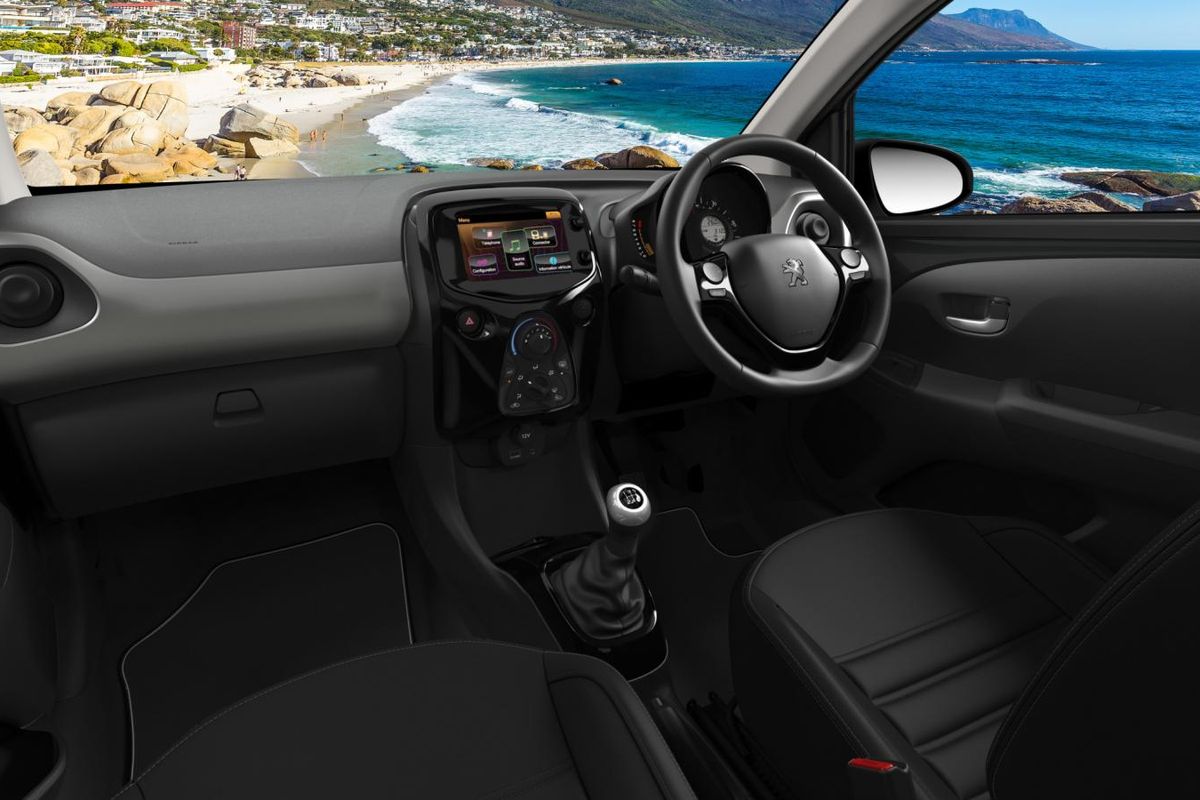
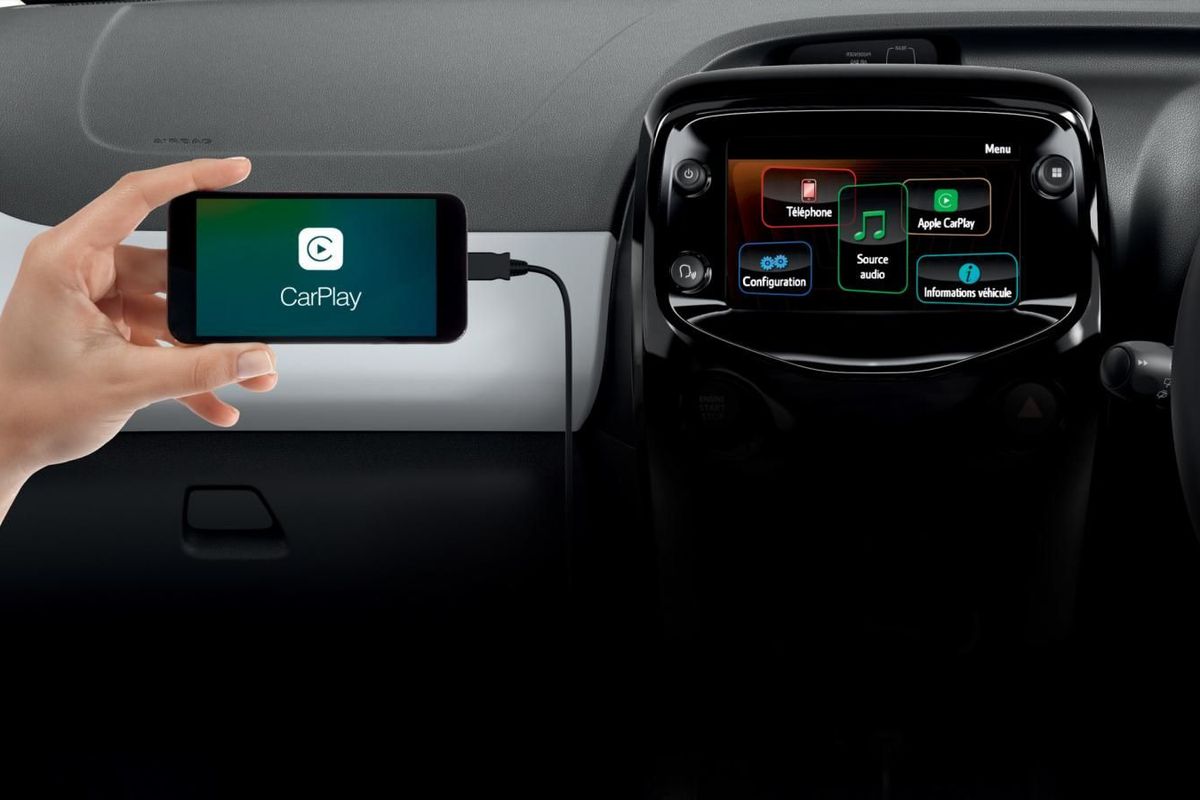
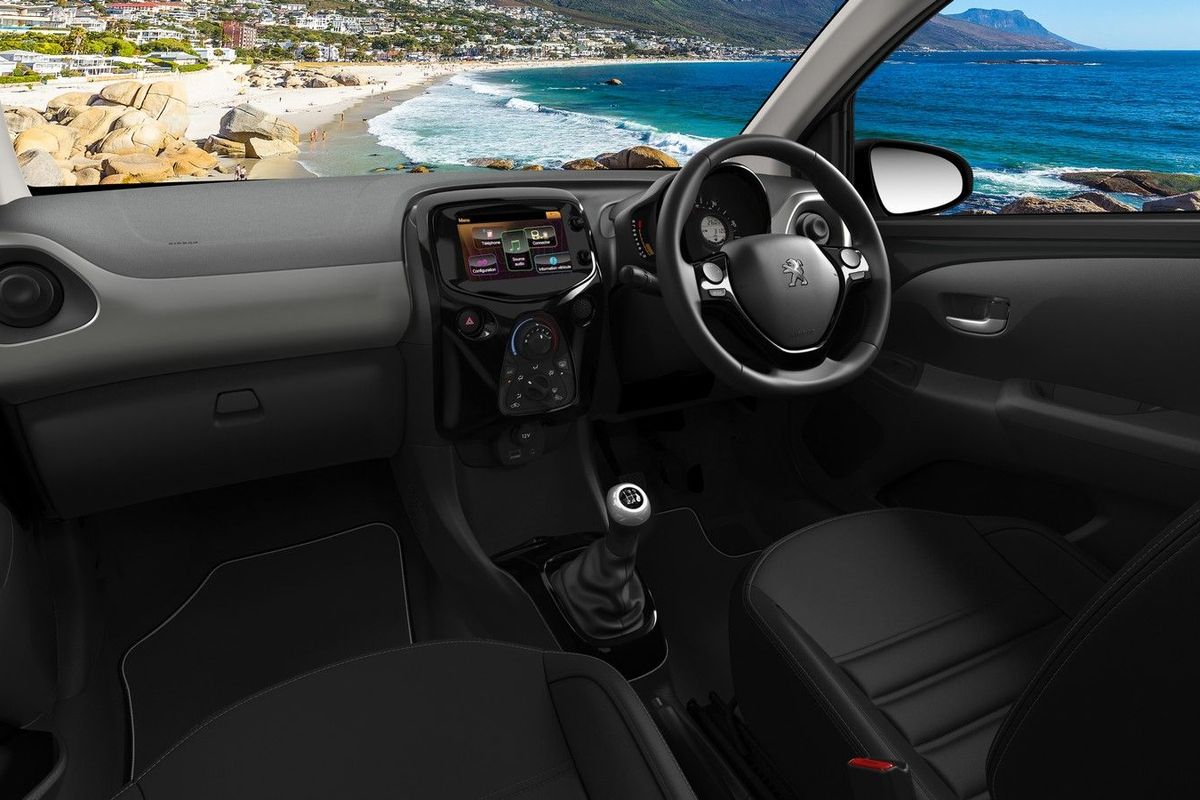
Inside there is a connectivity theme. New 108 owners will have access to a touchscreen infotainment system, which is compatible with Apple and Android devices.
Comfort and convenience items tally a multi-function steering wheel, powered front windows, air-conditioning and central locking.
Peugeot new city car isn’t short of safety either, with six airbags and the usual driver assistance systems: ABS and ESP.
As mentioned, the 108 is very light, registering a kerb mass of only 840 kg. The 1-litre three-cylinder engine is not turbocharged and produces only 53 kW and 93 Nm. Those numbers are humble, and without turbocharging, there will be a significant loss of urge at altitude, but the five-speed manual gearbox features comparatively short ratios. With only 840 kg of car to get moving, the 108 should be responsiveness enough for city commuting.
Priced at R179 900, the Peugeot 108 Active is positioned competitively in regard to its rivals.
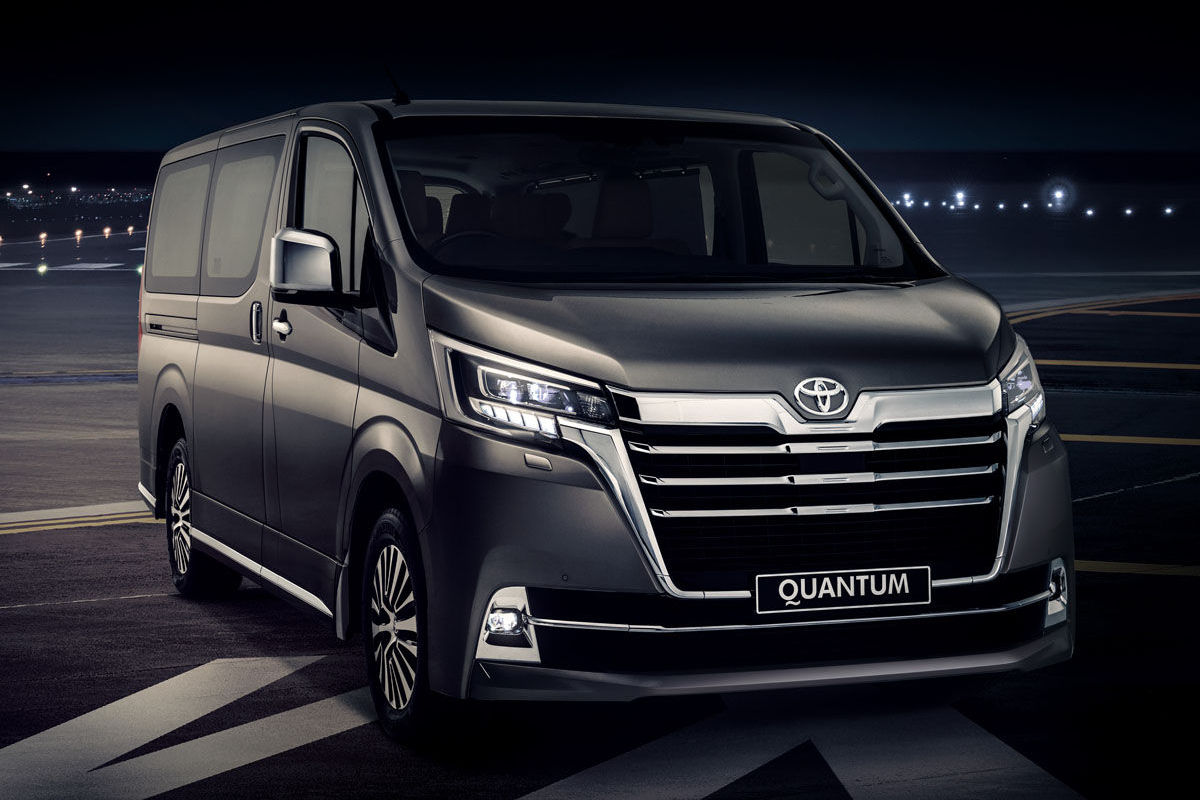
Toyota has launched a flagship version of its new Quantum range – the generously-equipped VX derivative includes 4 individual reclining captain's chairs for rear passengers, as well as an array of standard driver assistance systems.
Price-wise, the Quantum 2.8 LWB VX 9-seater (R843 600) is positioned between the top-end Kia Grand Sedona (2.2CRDi SXL) and entry-level Mercedes-Benz V-Class and Volkswagen Caravelle (the V200d and 2.0BiTDI PanAmericana 4Motion, which costs R913 951 and R962 800 respectively. Toyota says its newcomer “will appeal to high-end family, hospitality and corporate buyers”.
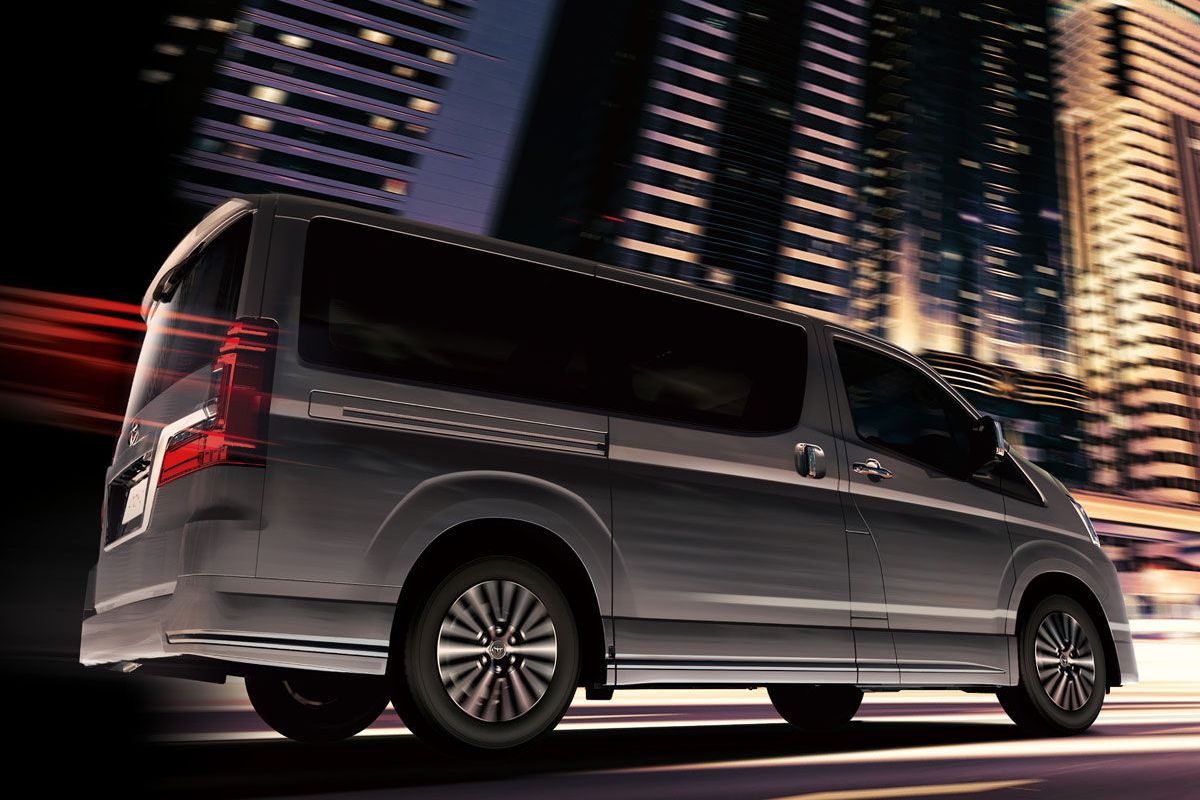
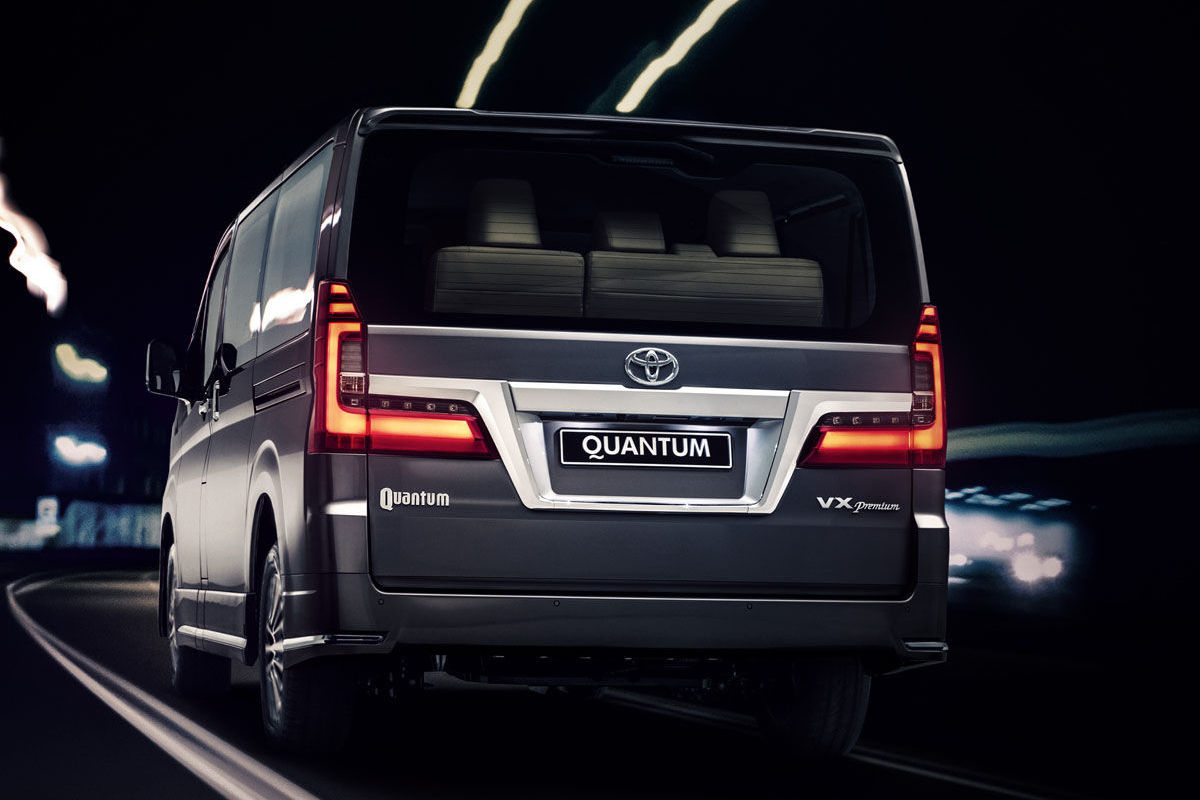
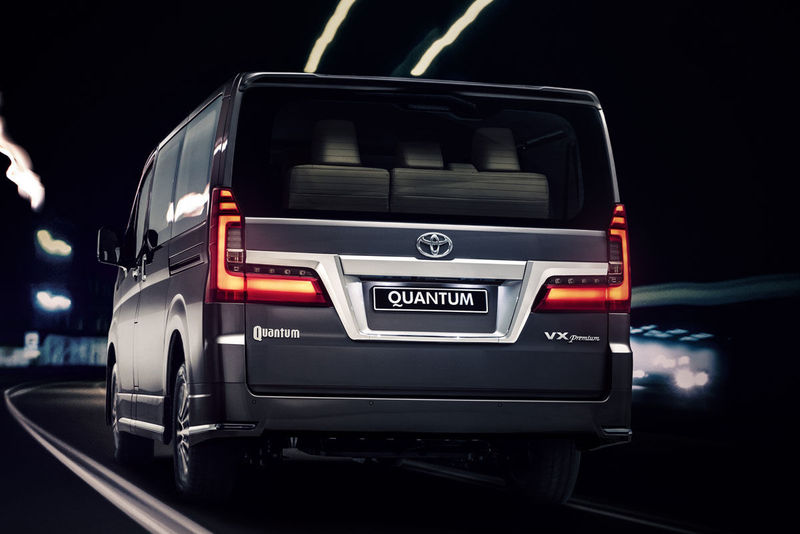
The 2.8 LWB VX is distinguishable from other derivatives in the Quantum range by its large chrome-look grille (with 3 horizontal slats) that neatly integrates with the LED headlamps. The chrome detailing continues with a thin strip in the front apron, a prominent V-shaped garnish on the tailgate (between the LED tail light clusters), plus matching finishes on the door handles and side mirrors. Seventeen-inch alloys round off the package.
Compared with lesser Quantum derivatives, the 2.8 LWB VX 9-seater is festooned in chrome embellishments.
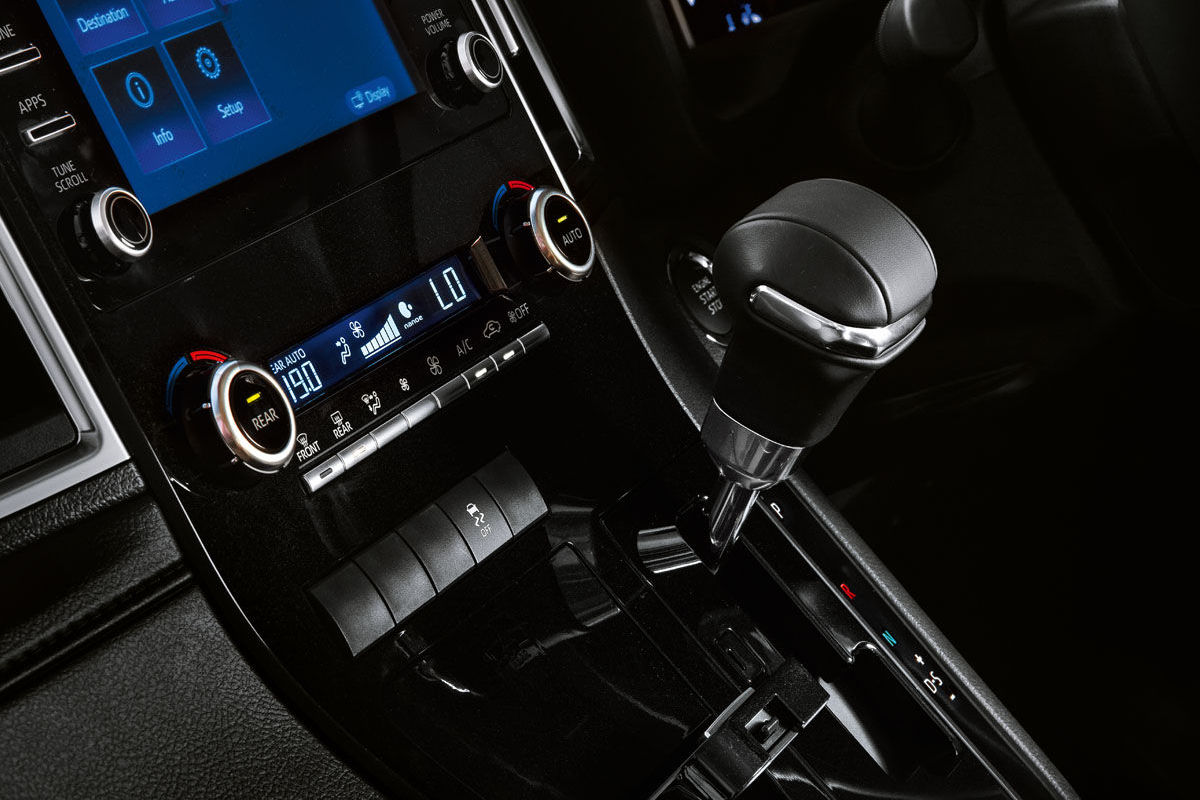
The driver benefits from features such as smart entry and start, a rake- and reach-adjustable steering column, a multi-function ‘wheel, an electrically-adjustable driver’s seat, auto-retracting side mirrors with blind-spot monitoring functions, dual-zone climate control and power windows, a 4.2-inch multi-information display (in combination with high-definition Optitron instrumentation), rain-sensing wipers, auto-locking doors and a Bluetooth-enabled touchscreen infotainment system replete with a reverse-view camera, of which the video feed is appended by guiding lines.
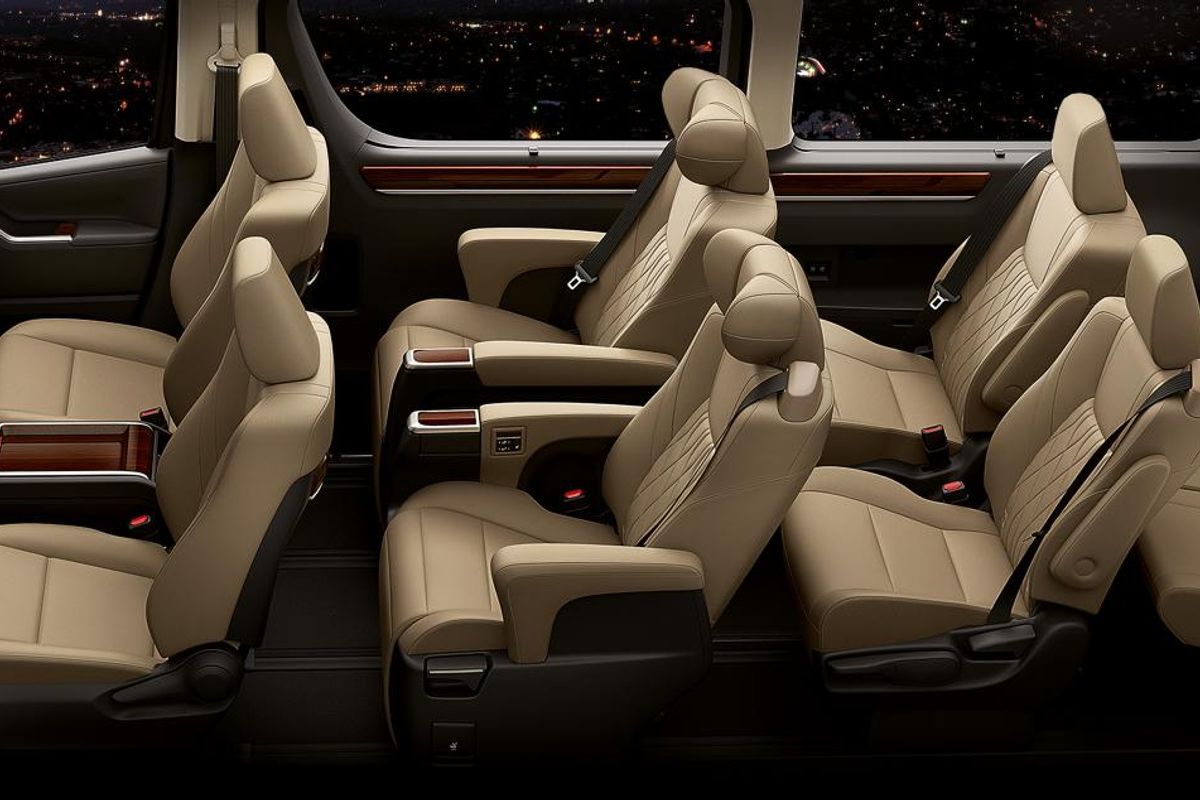
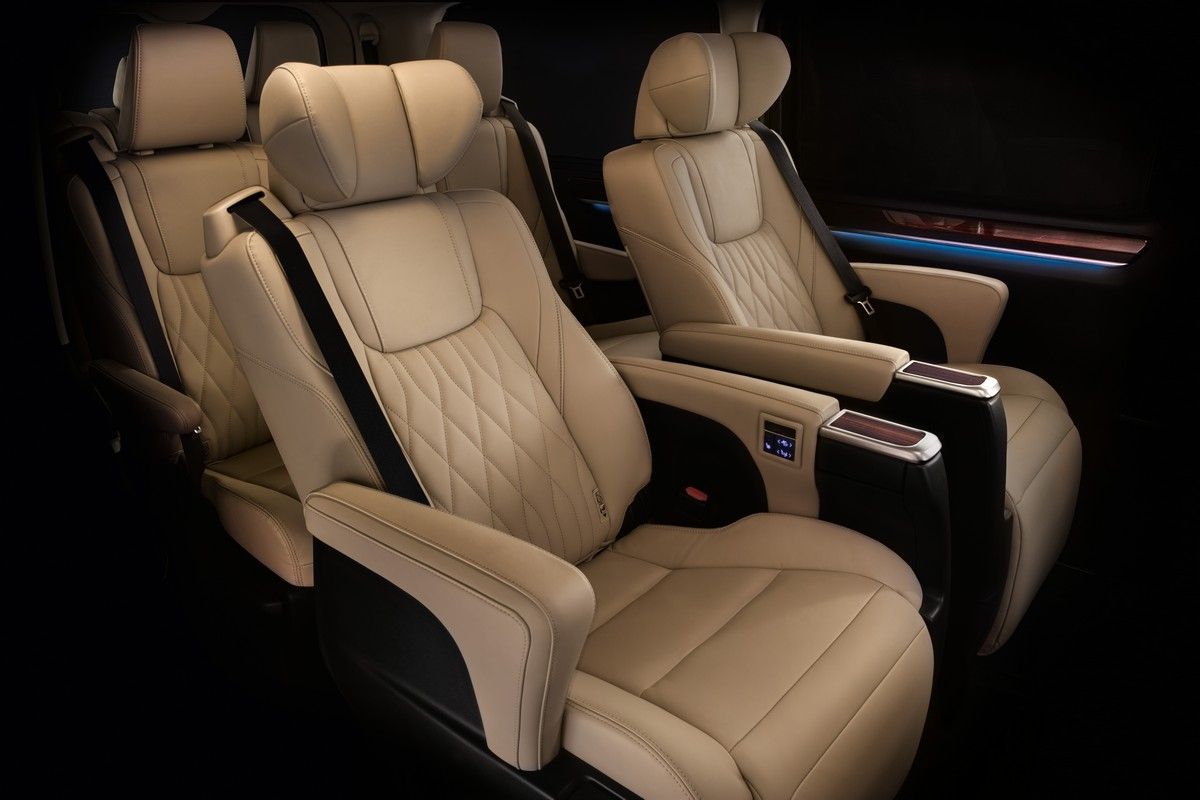
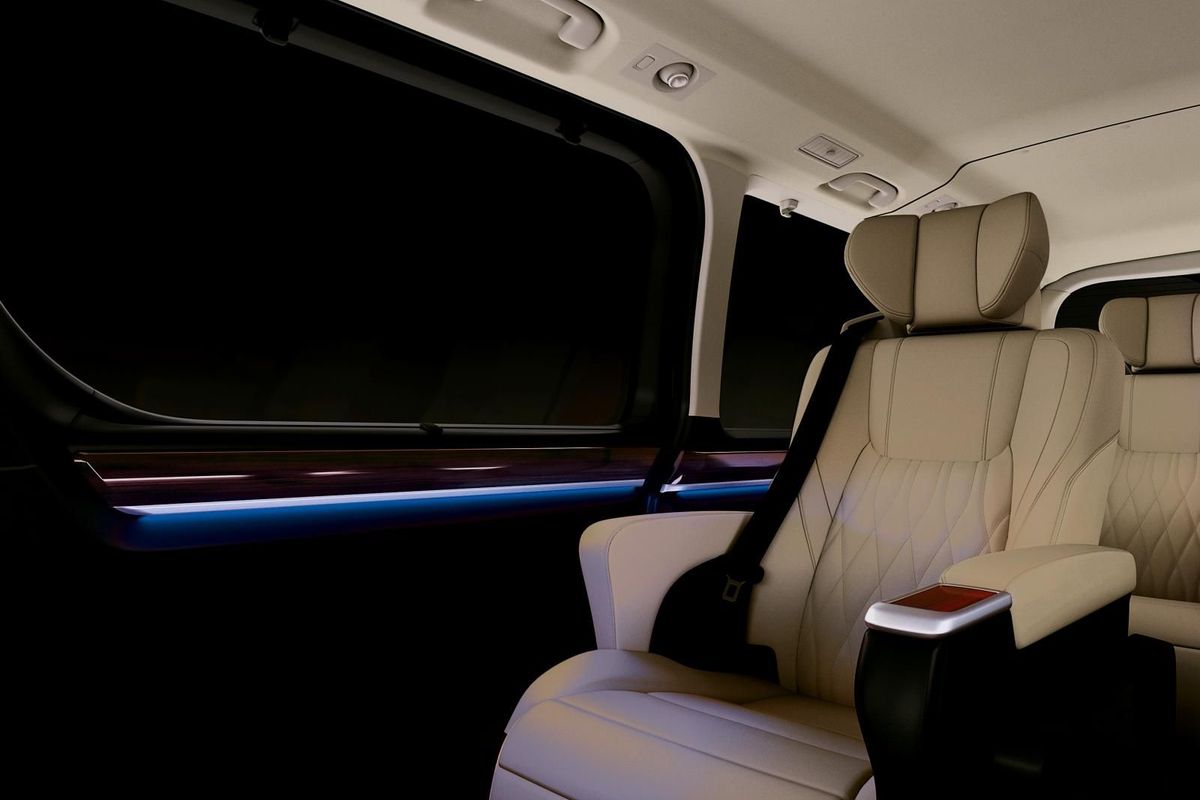
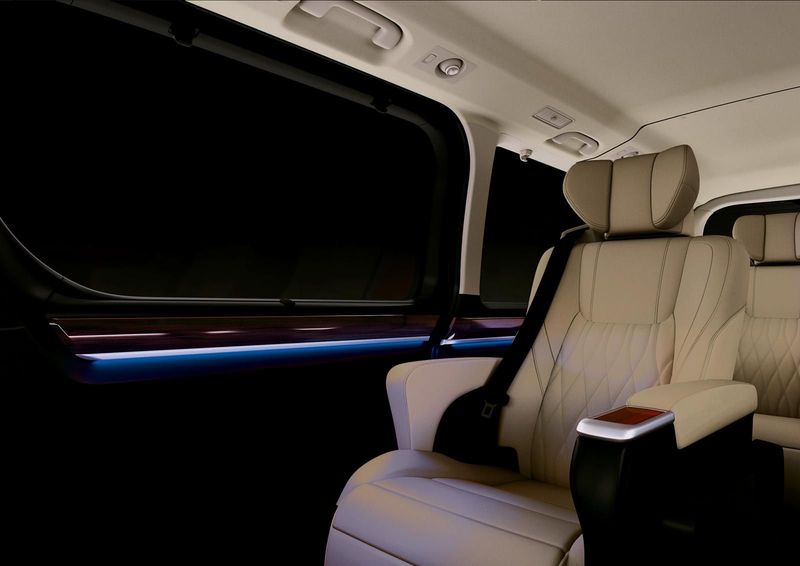
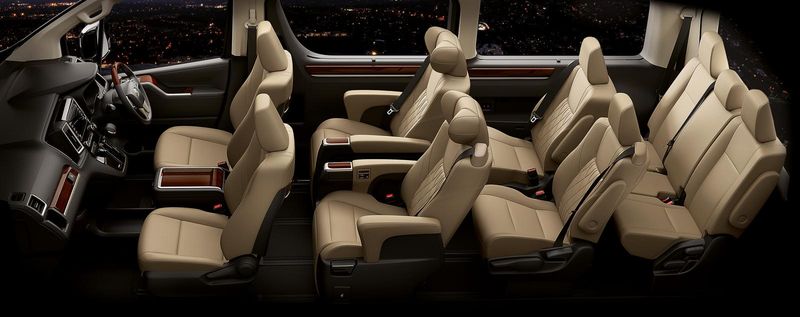
Rear passengers gain access through a pair of power-operated sliding doors and benefit from an independent climate-control console, power windows, a rear sunshade and a multitude of USB ports. There is a quartet of individual Captain's chairs (replete with armrests, reclining backrests and fold-out "ottoman" legrests) in the 2nd and 3rd row of the newcomer, which is complemented by a 3-seat 60/40-split bench right at the back. The finish the cabin with a flourish, the flagship Quantum's quilted leather upholstery is complemented by wood trim and soft blue LED lighting.
Second and 3rd-row occupants can ensconce themselves in captain's chairs that recline (electrically so in the 2nd row).
Extensive safety suite
Meanwhile, the 2.8 LWB VX comes with a host of driver assistance, which includes a pre-collision safety system (PCS) with pedestrian detection (day and night) and cyclist detection (day only), high-speed active cruise control, lane-departure alert, road-sign- and automatic high beam assist.
The PCS is designed to detect vehicles, pedestrians and cyclists by using a camera and radar sensors, and assists the 2.8 LWB VX’s driver with visual and audible warnings, braking assistance or autonomous emergency braking if they fail to heed the warnings. The lane-departure alert function, in turn, will warn the driver if the system detects that the Quantum has deviated from its lane with visual and audible alerts and, if necessary, provide steering assistance via the braking system.
The flagship Quantum's interior is trimmed in quilted leather and features smart light-blue ambient lighting.
According to Toyota, the system also incorporates a road-sign assist system that can recognise certain speed limit signs and display them on the aforementioned multi-information display in the instrument cluster. Other safety features include 9 airbags, PDC all round and rear cross-traffic alert.
Lastly, the 2.8 LWB VX is powered by a 115 kW 2.8 GD-6 turbodiesel that produces 420 Nm (1 600 – 2 200 rpm). The powerplant is mated with a 6-speed automatic transmission driving the rear wheels.
Price and after-sales support
The Quantum 2.8 LWB VX 9-seater costs R843 600, which includes a 3-year/100 000 km warranty and a 9-services/90 000 km service plan as standard. Own a Toyota? Tell us about your experience here.
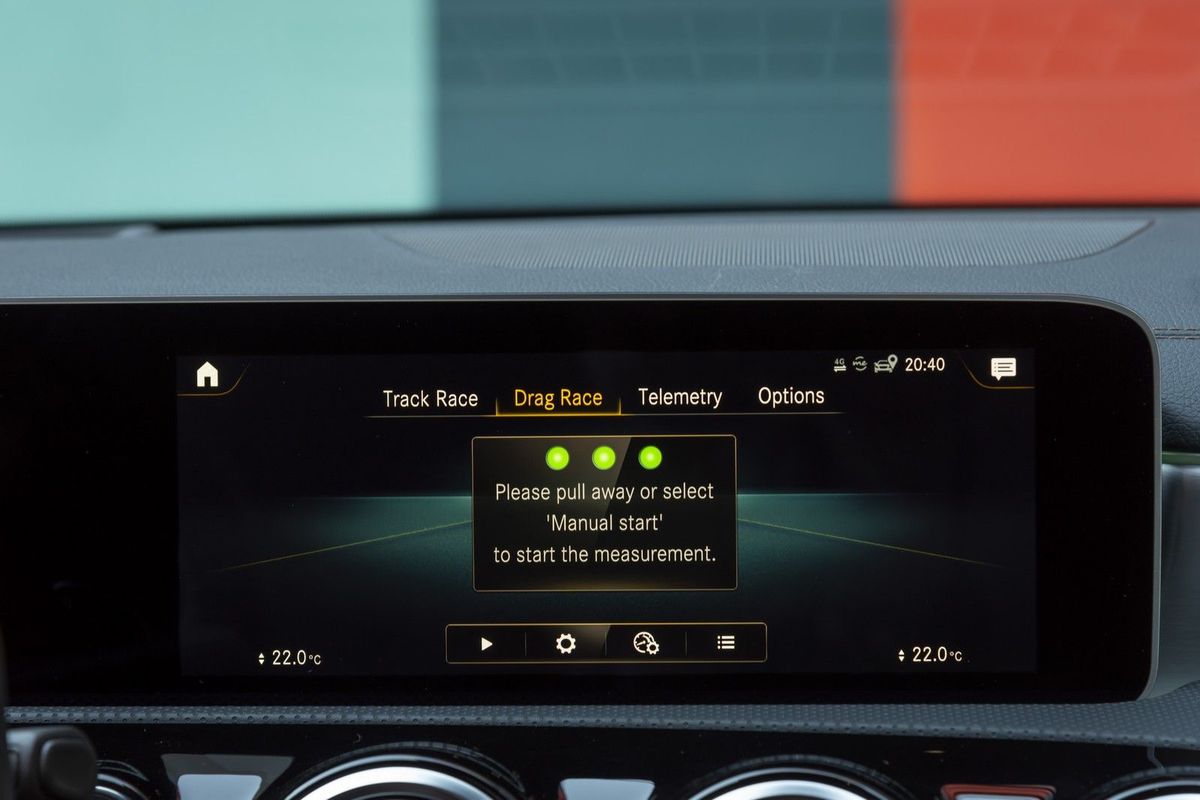
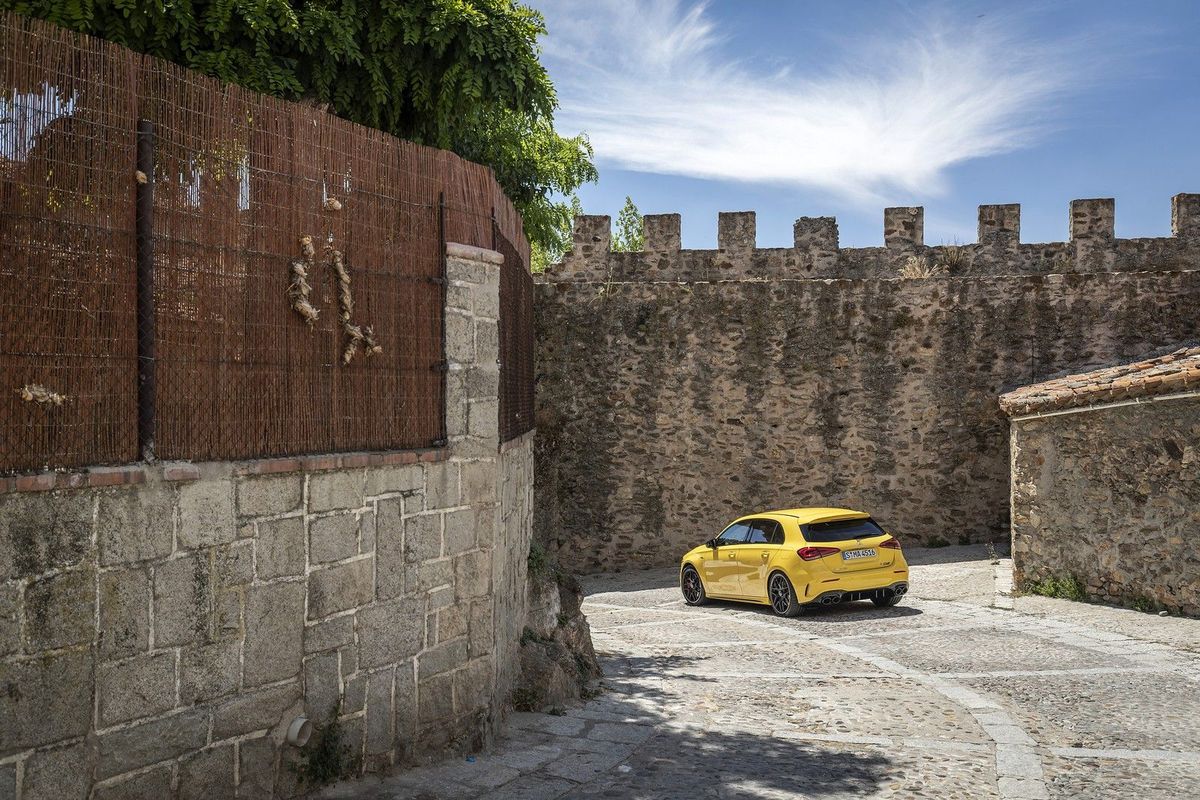
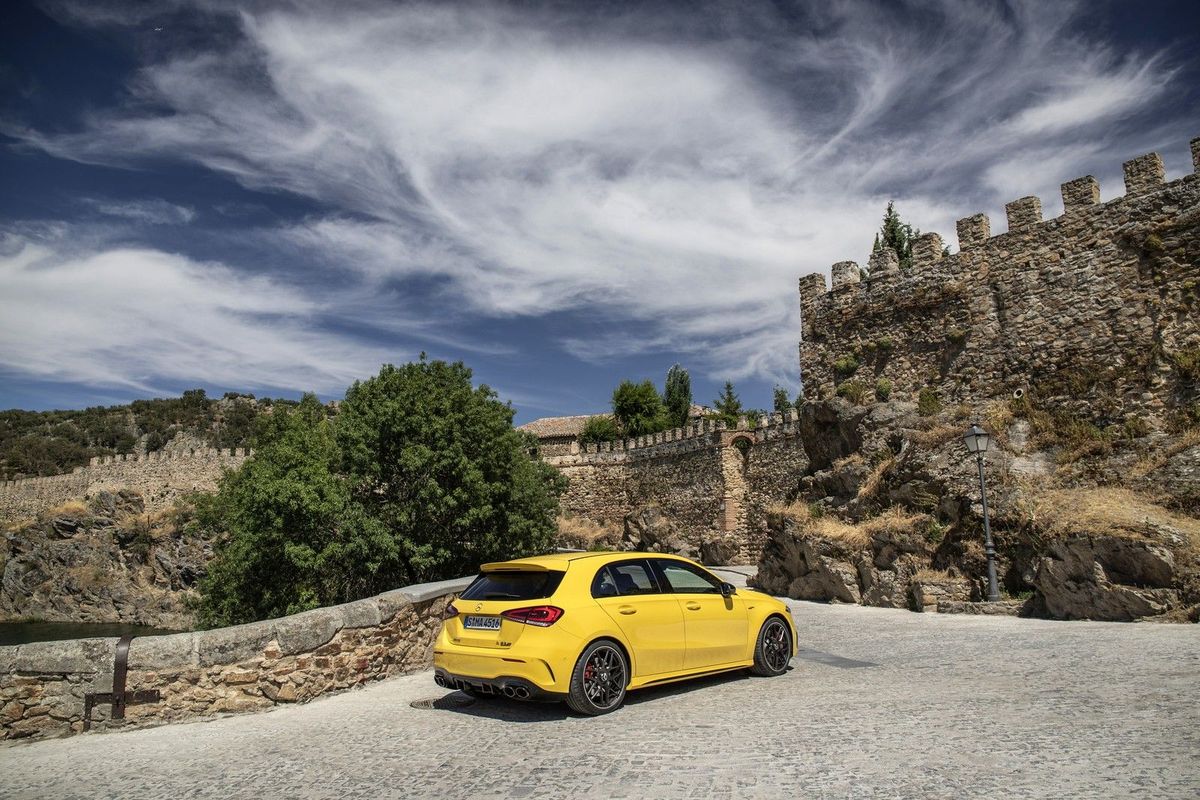
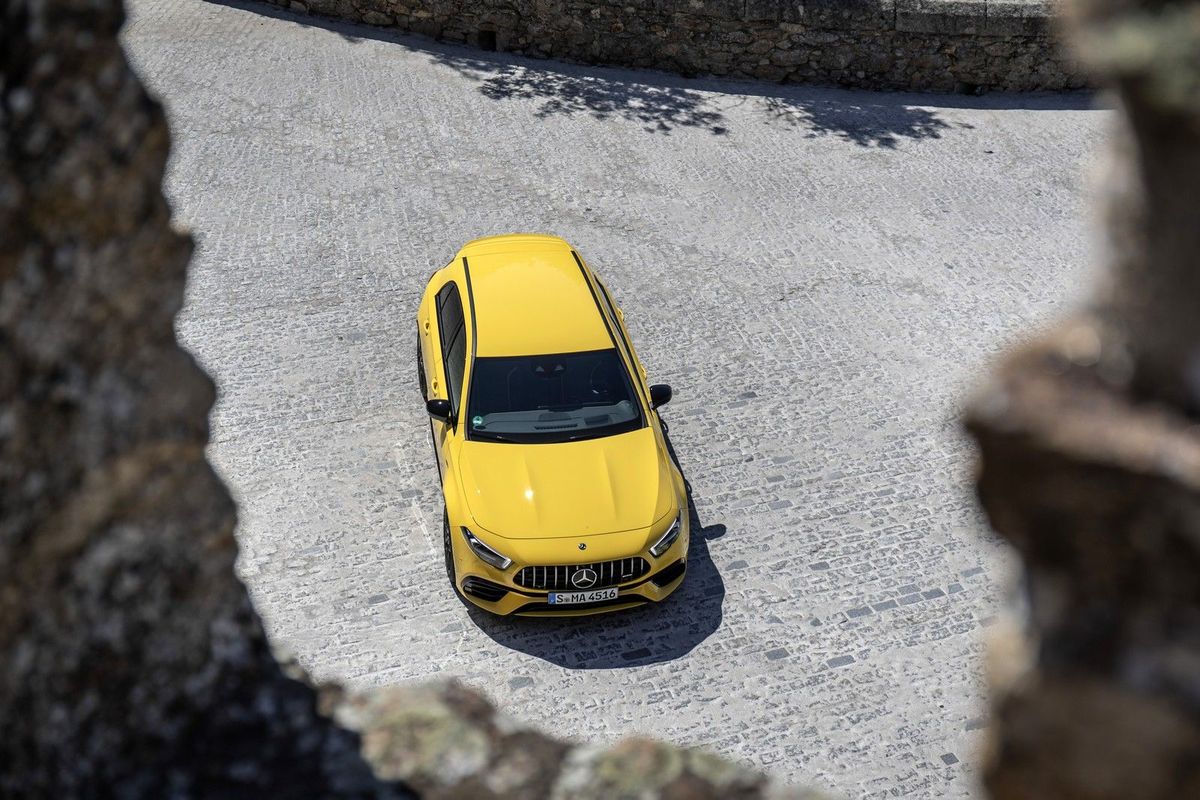
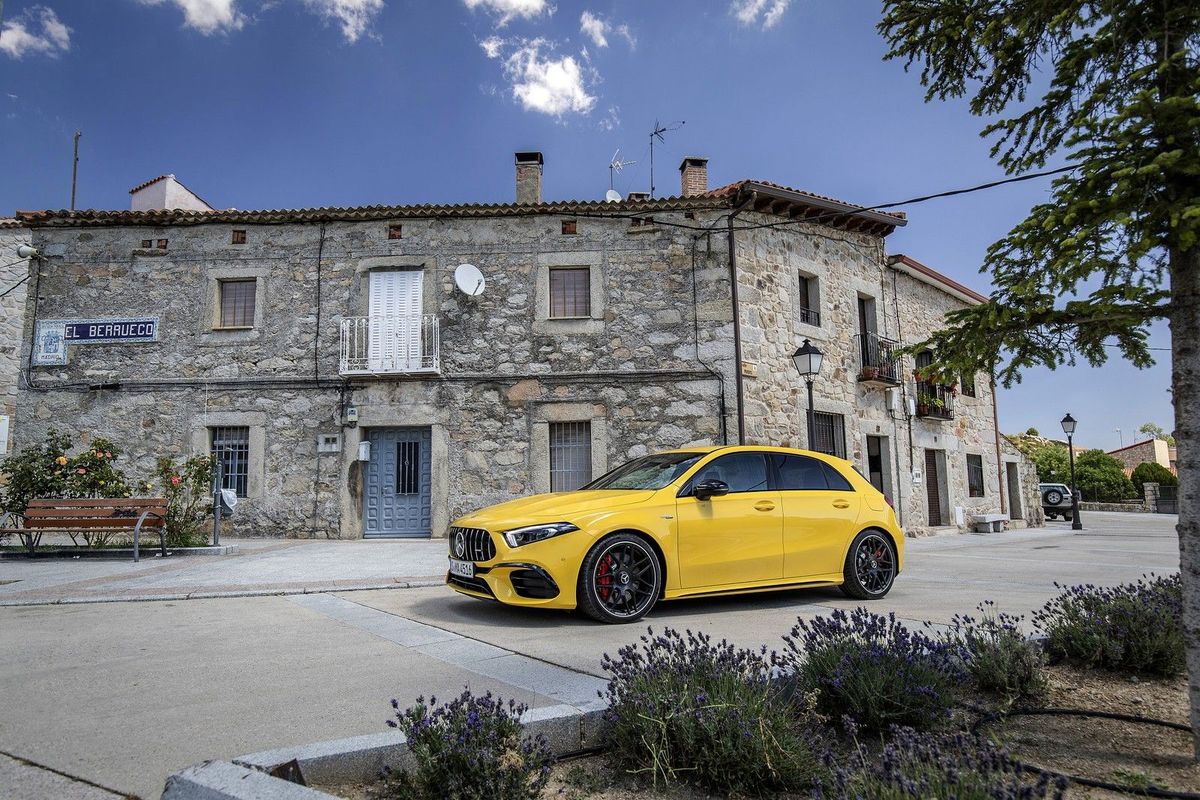
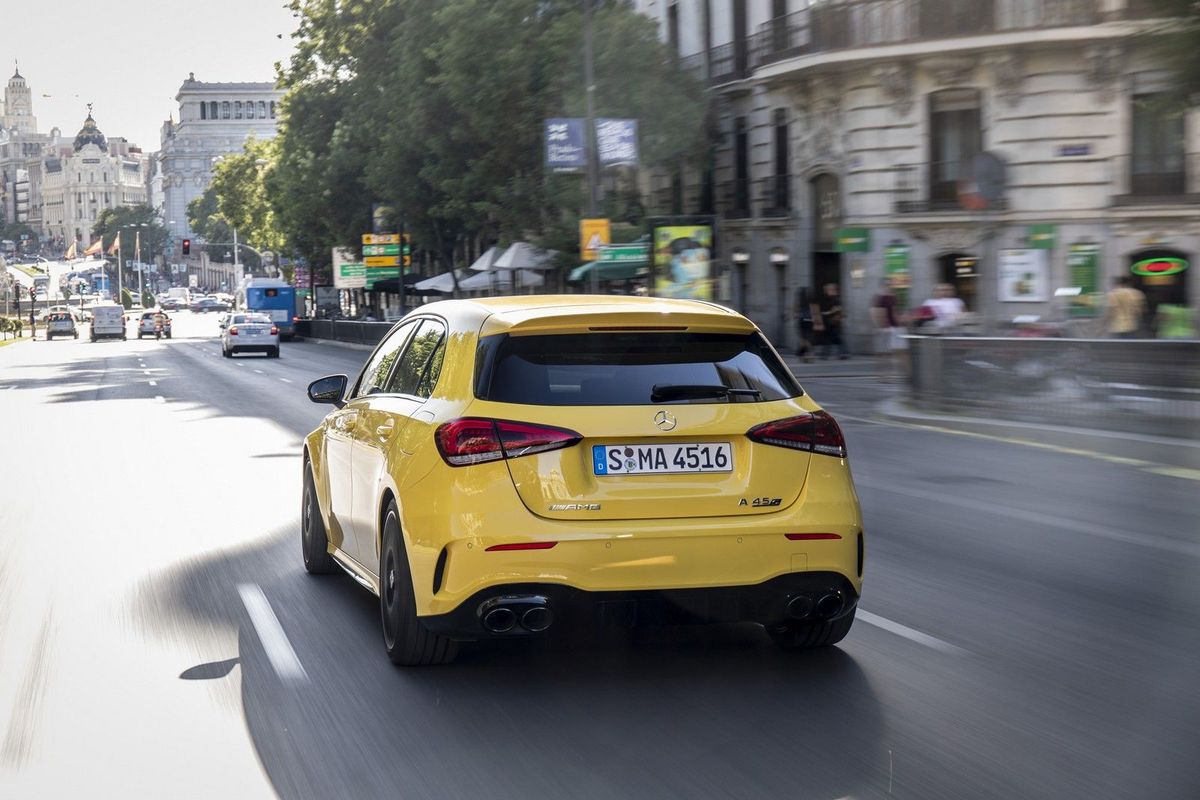
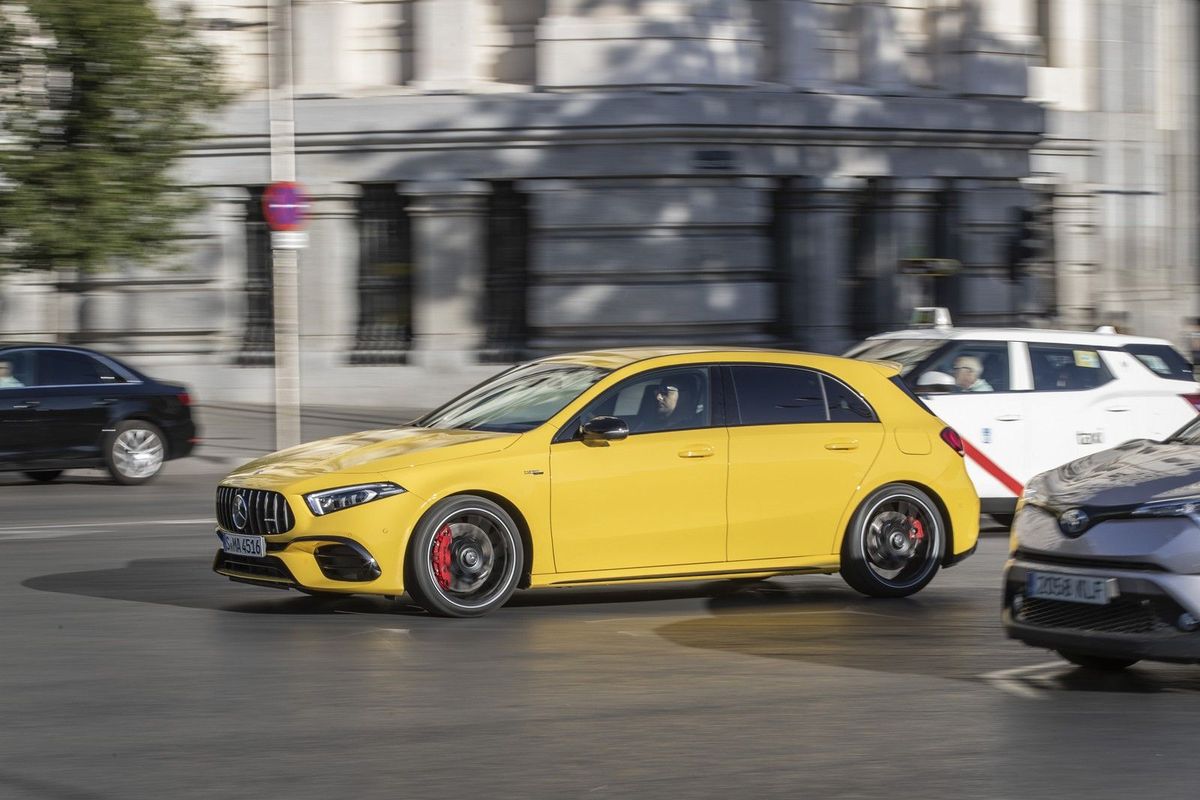
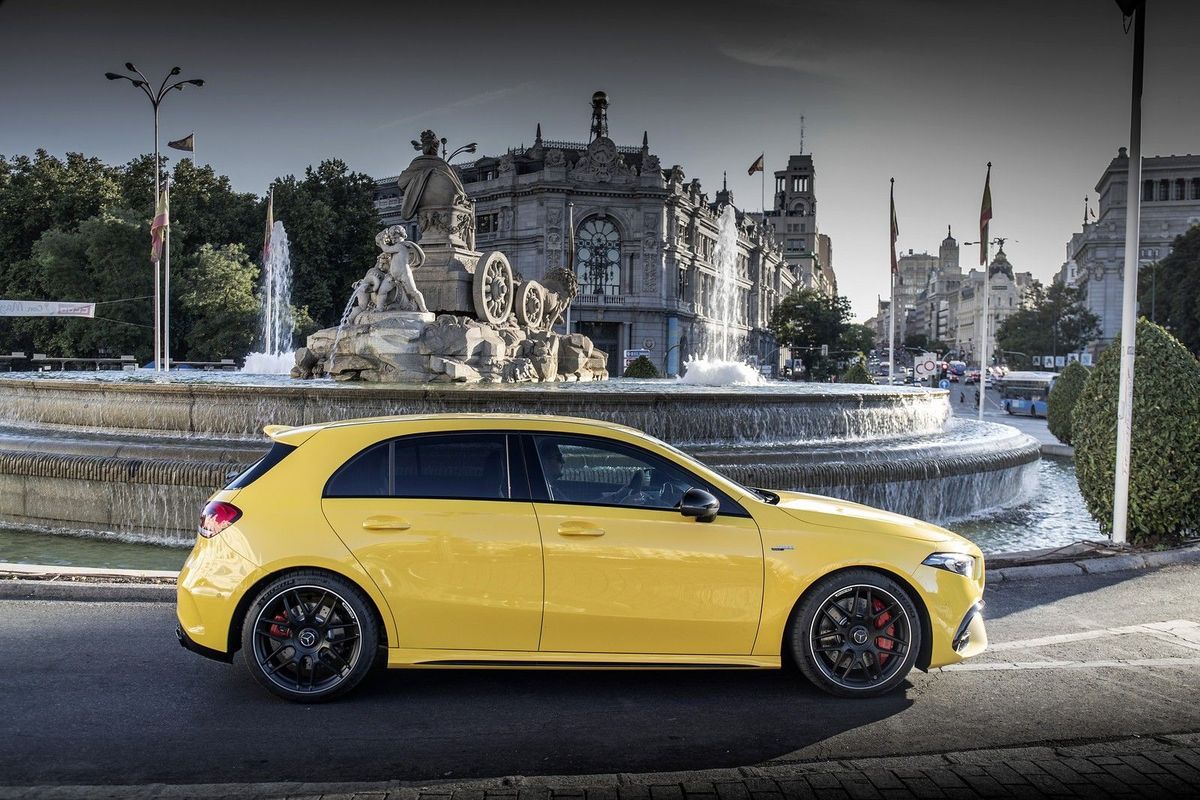
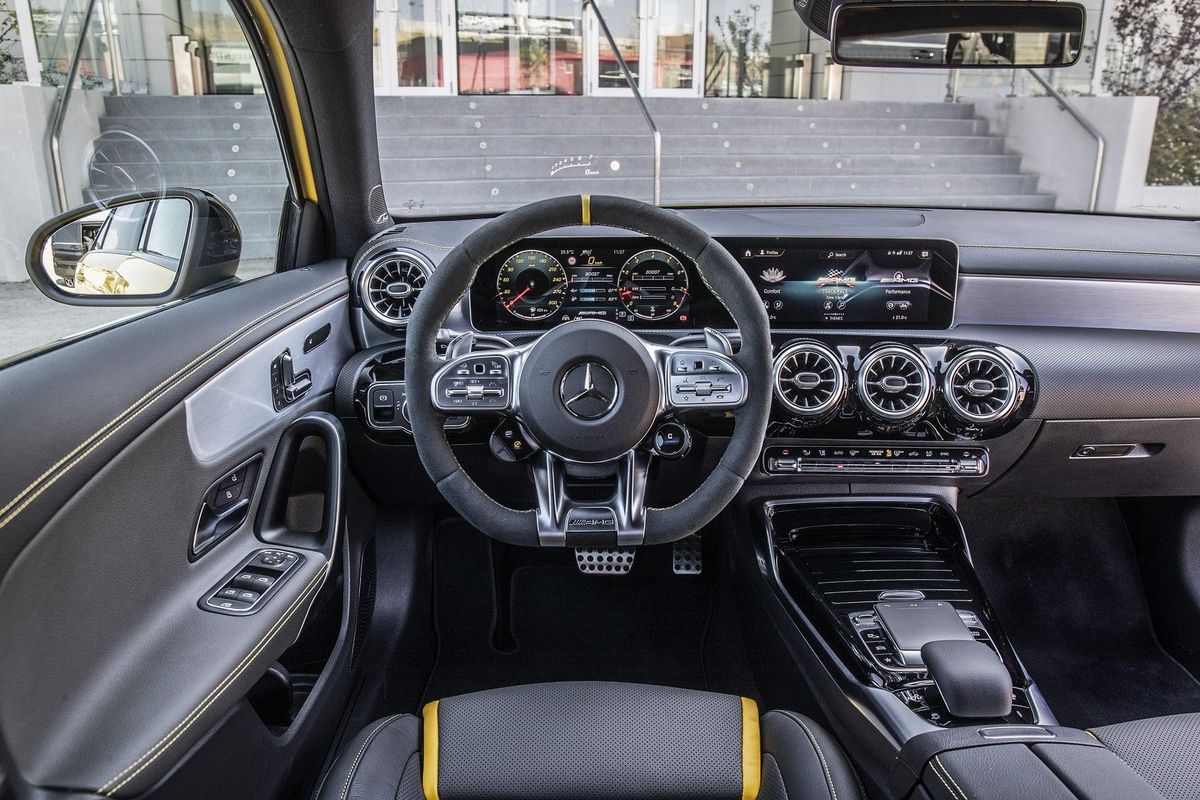
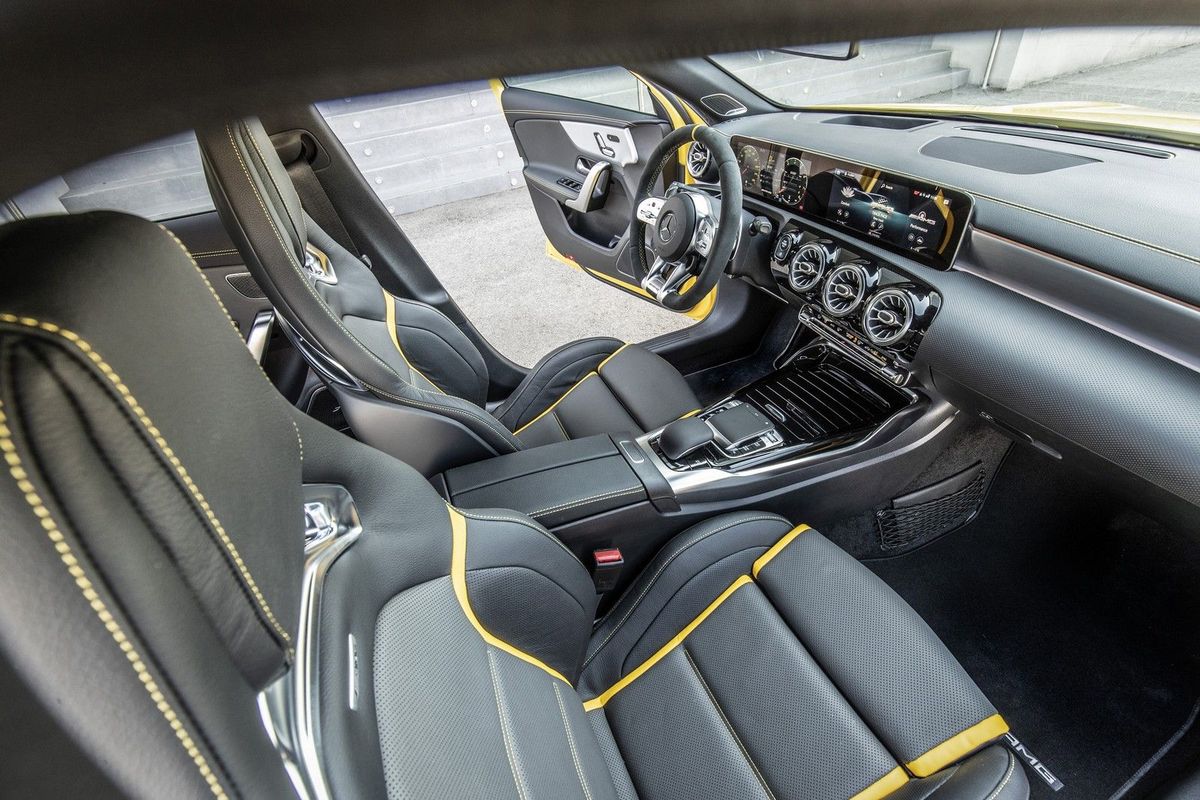
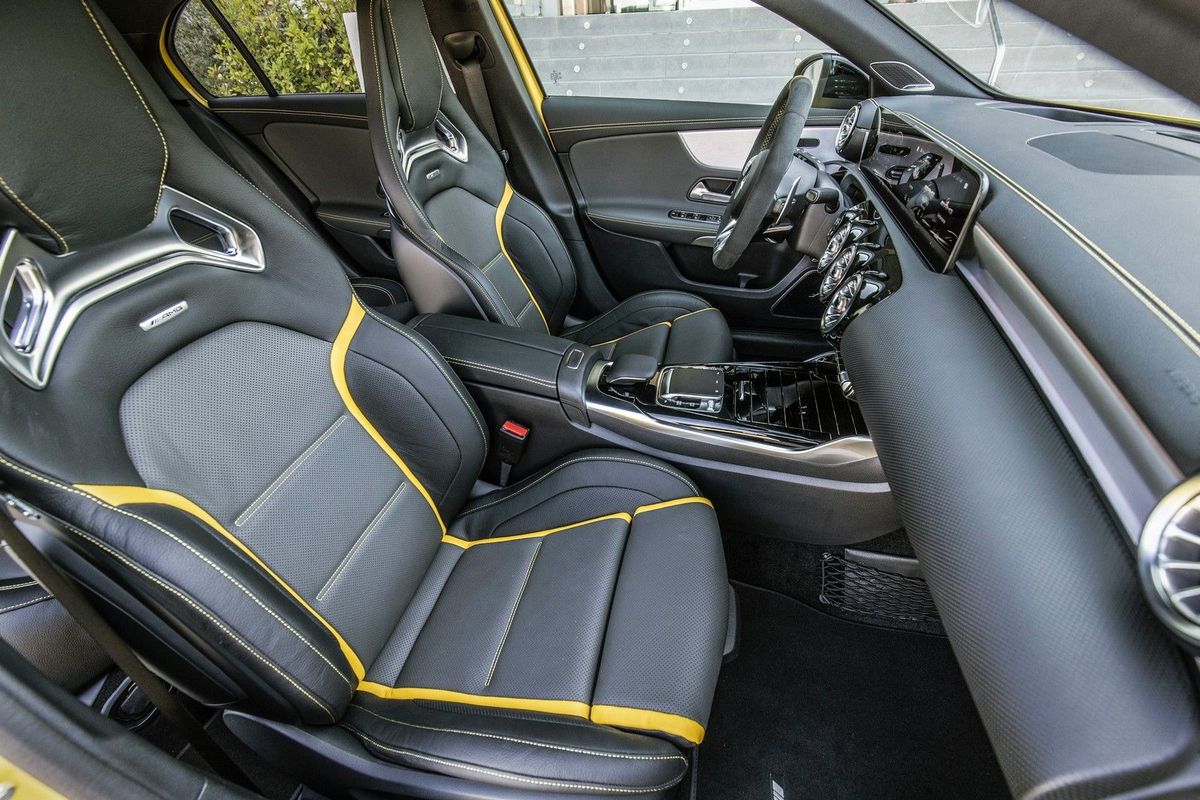
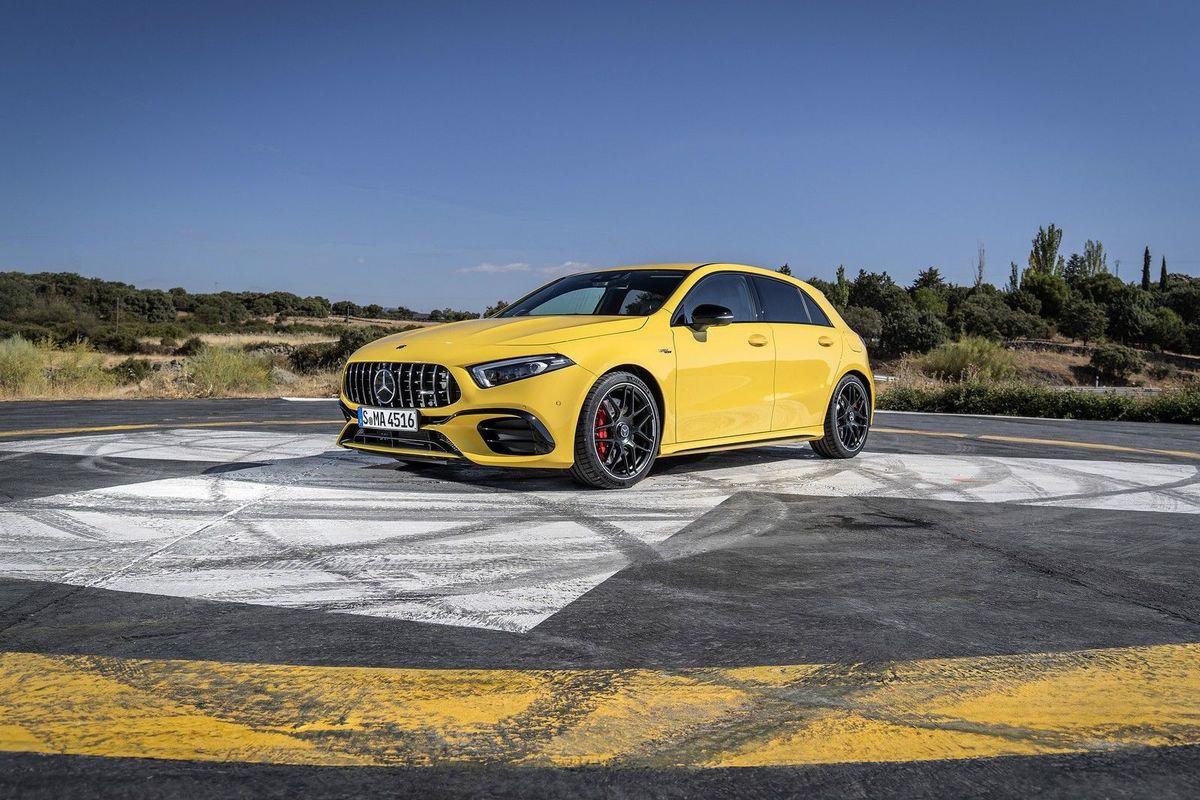
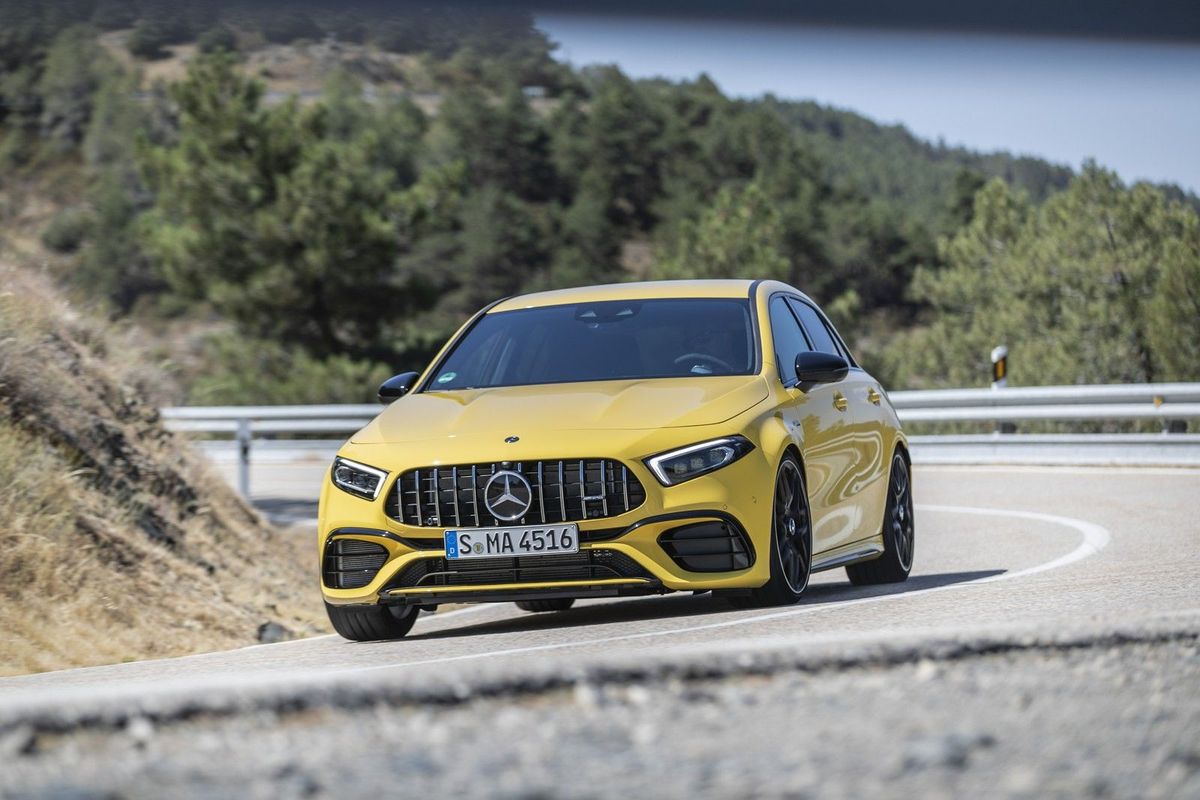
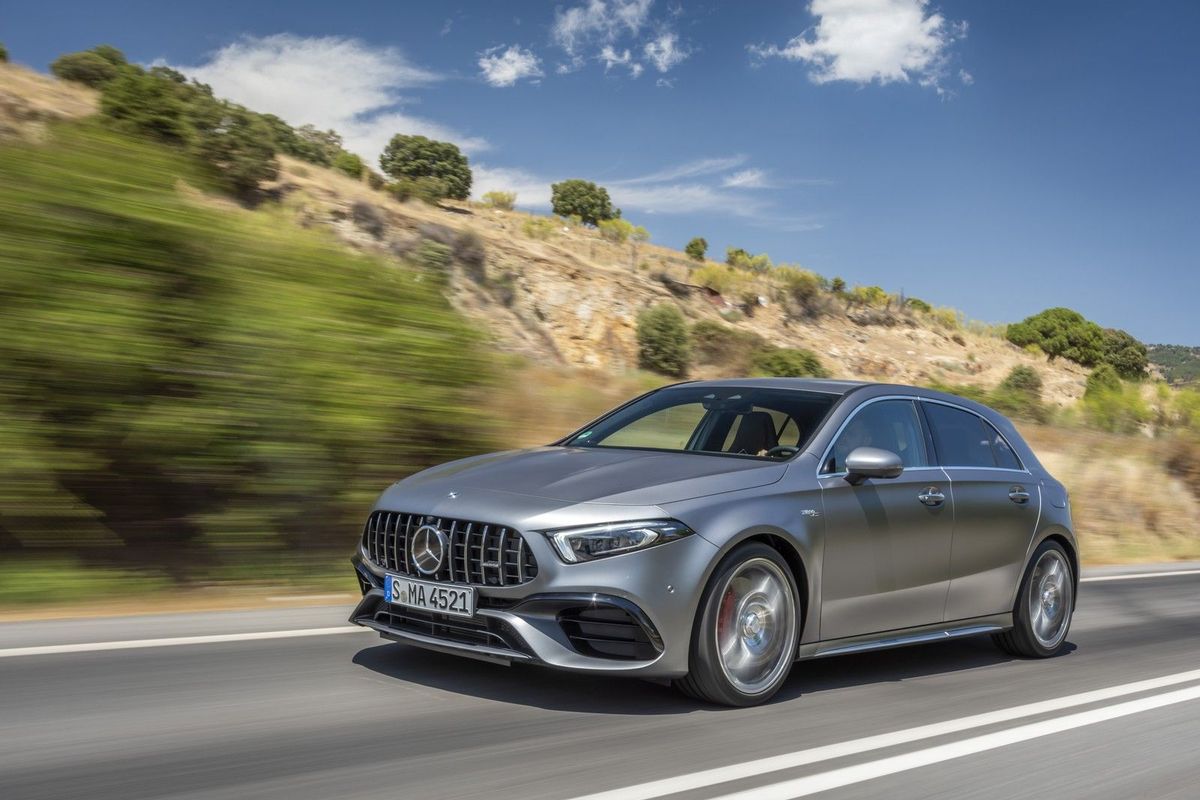
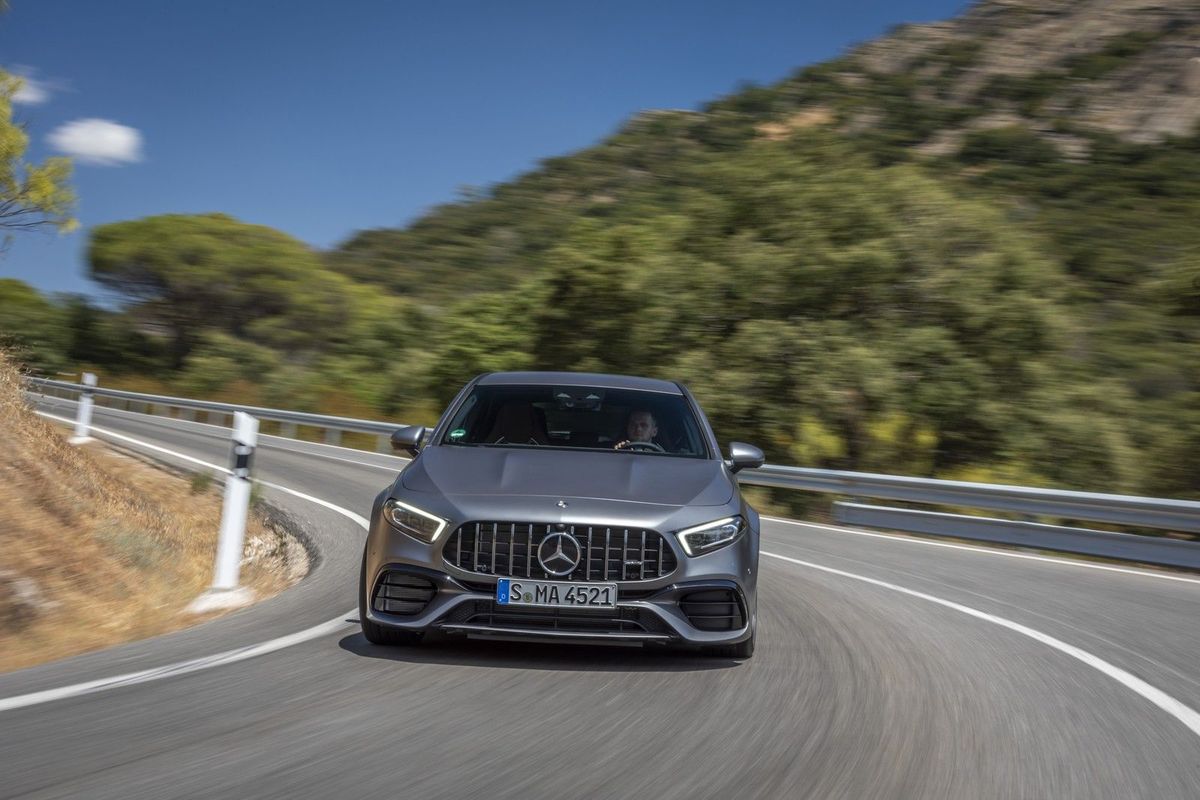
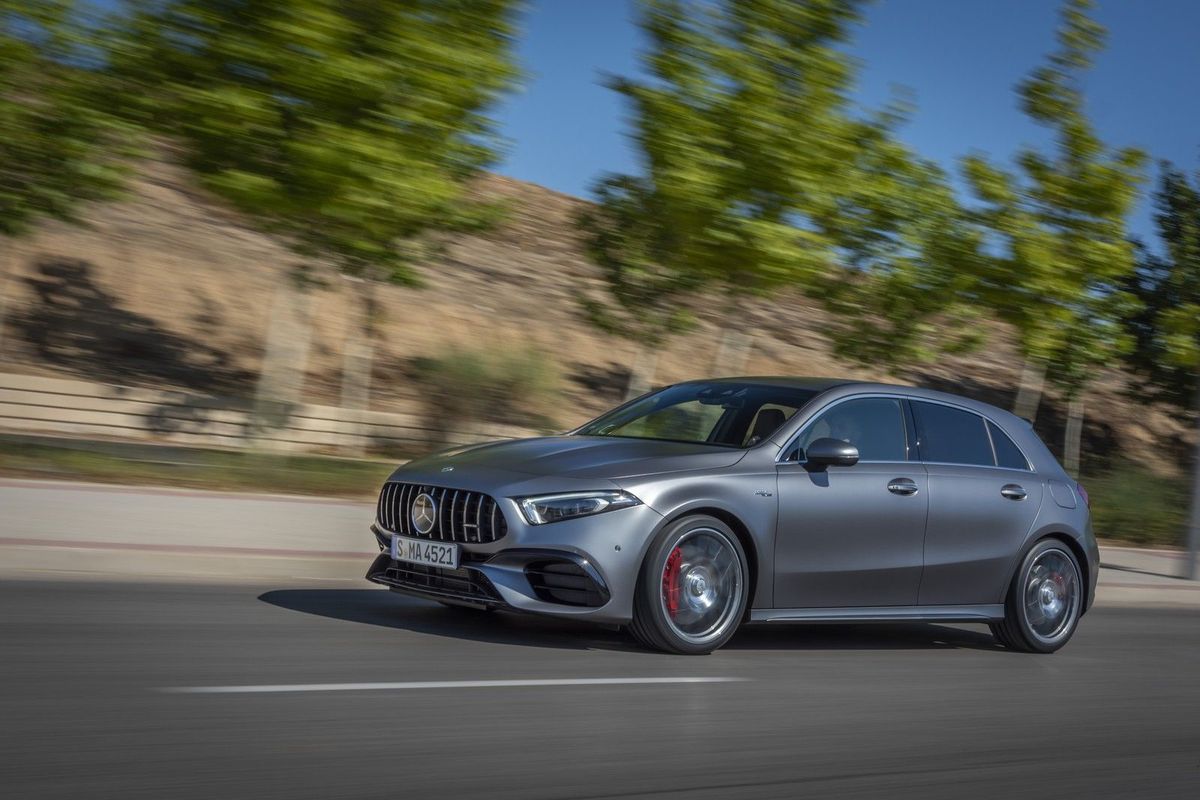
Mercedes-AMG A45 S Price Announced for South Africa
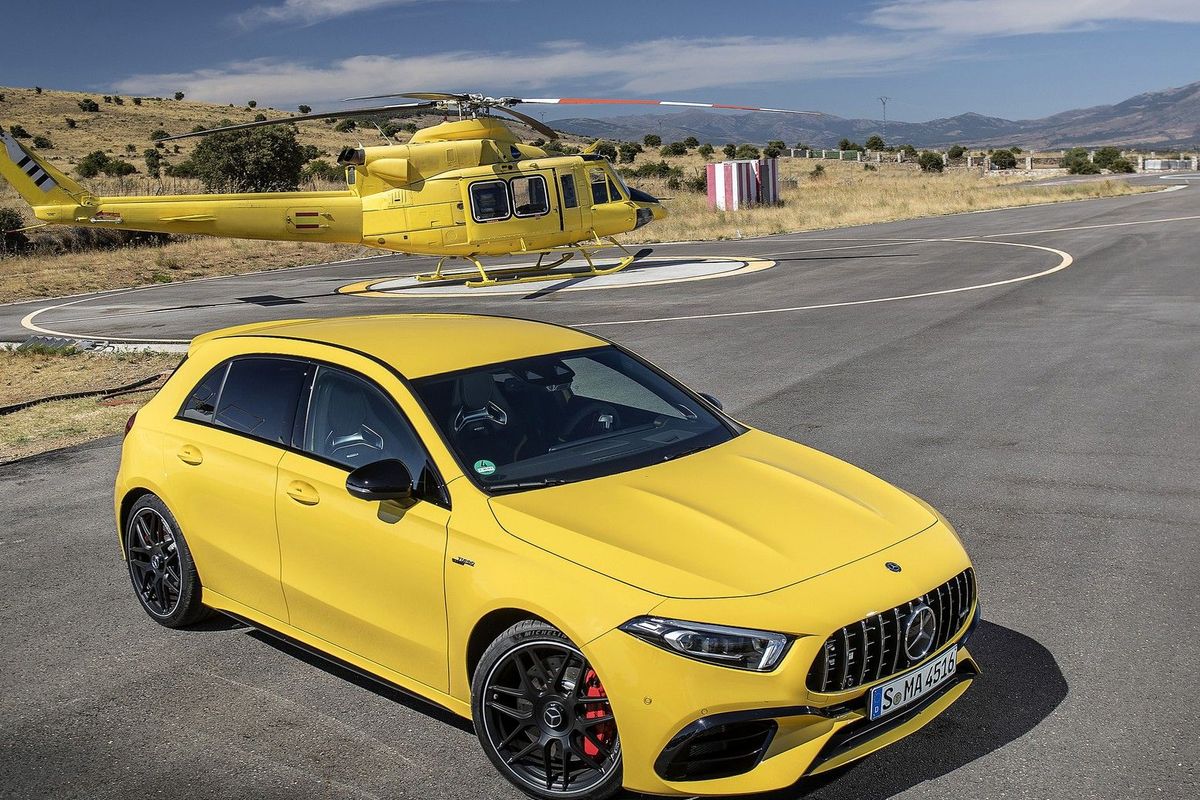
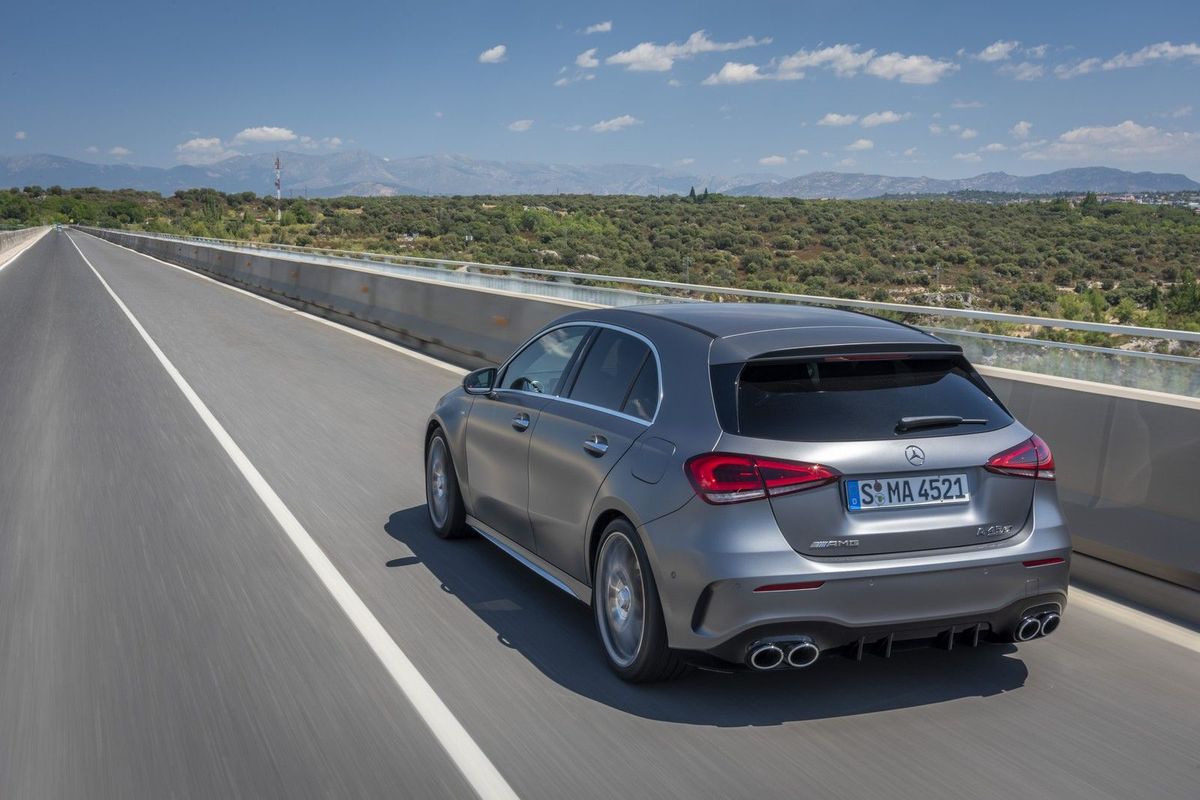
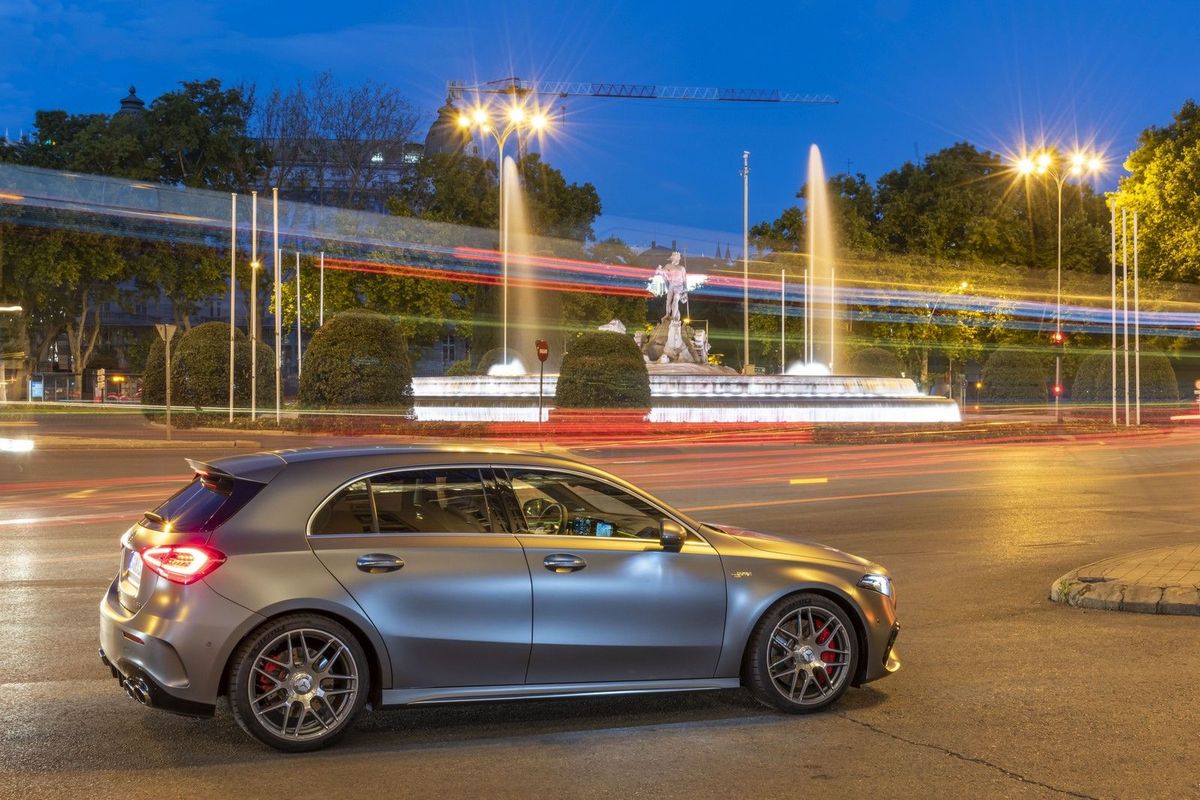
Pricing for the Mercedes-AMG A45 S has been released for South Africa. Here's how much Affalterbach's hot hatch costs.
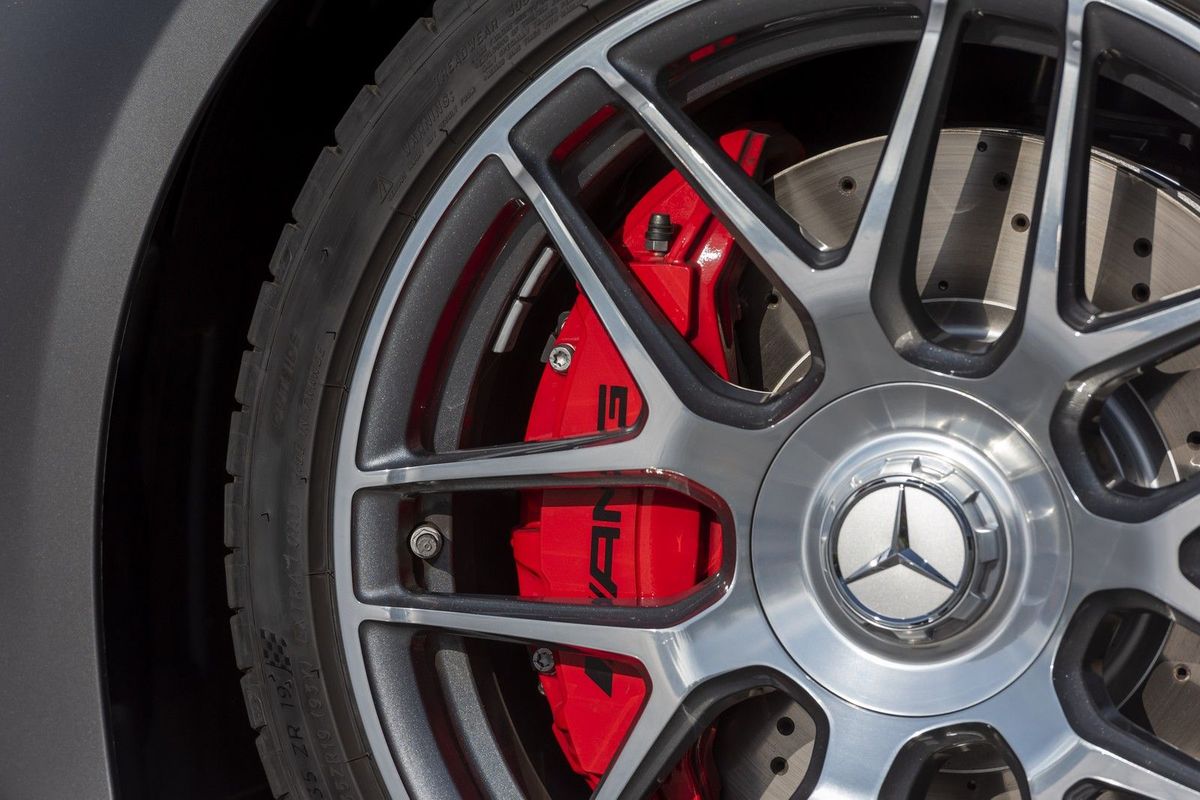
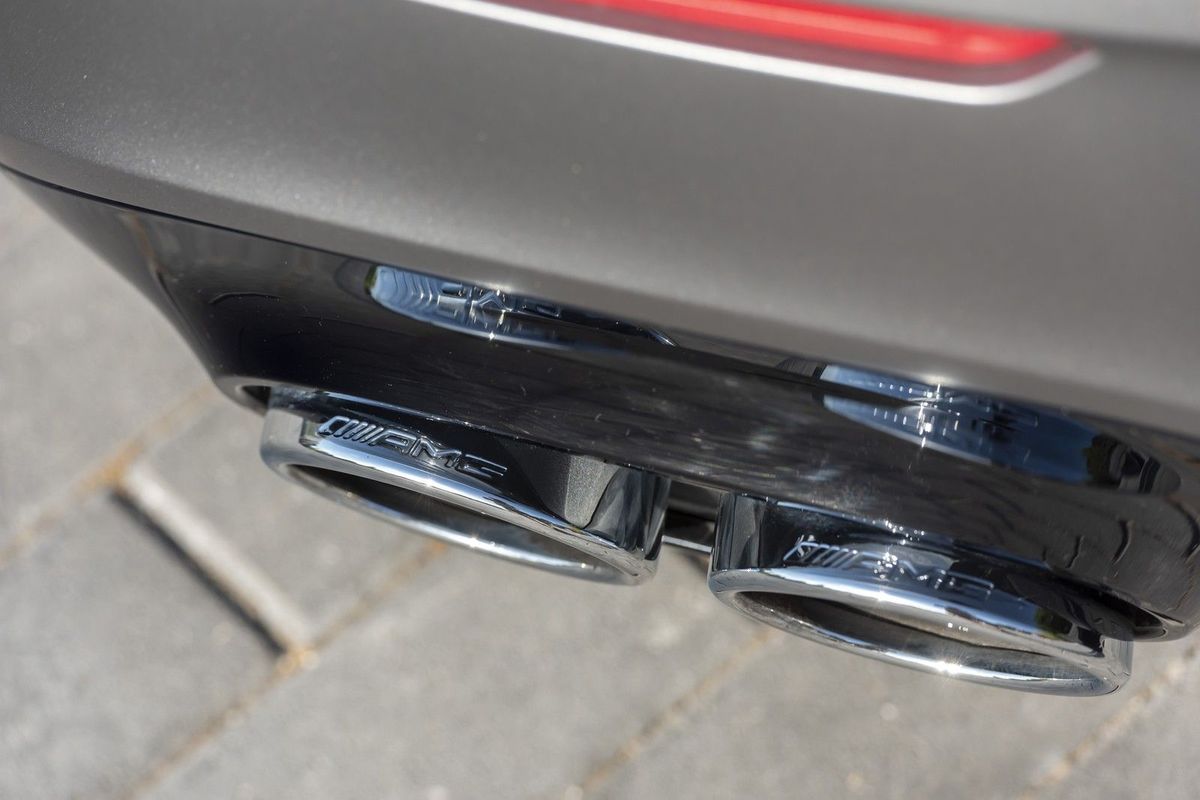
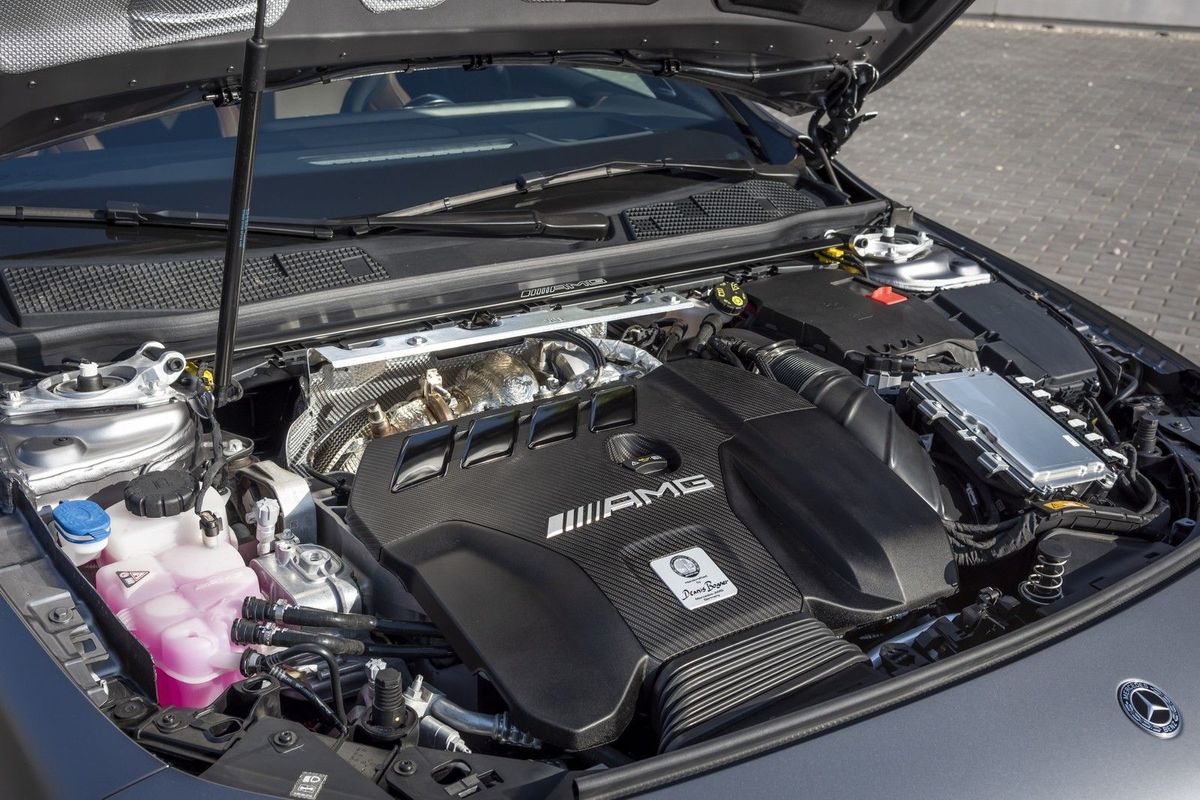
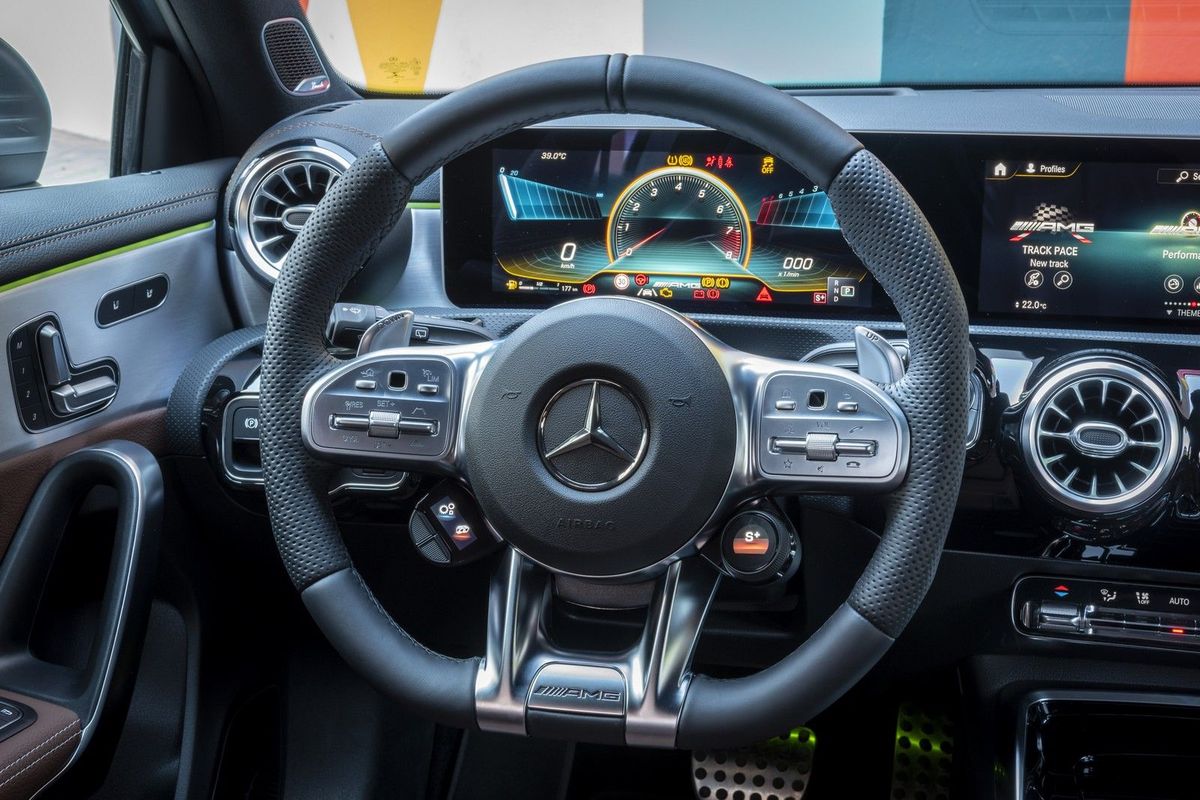
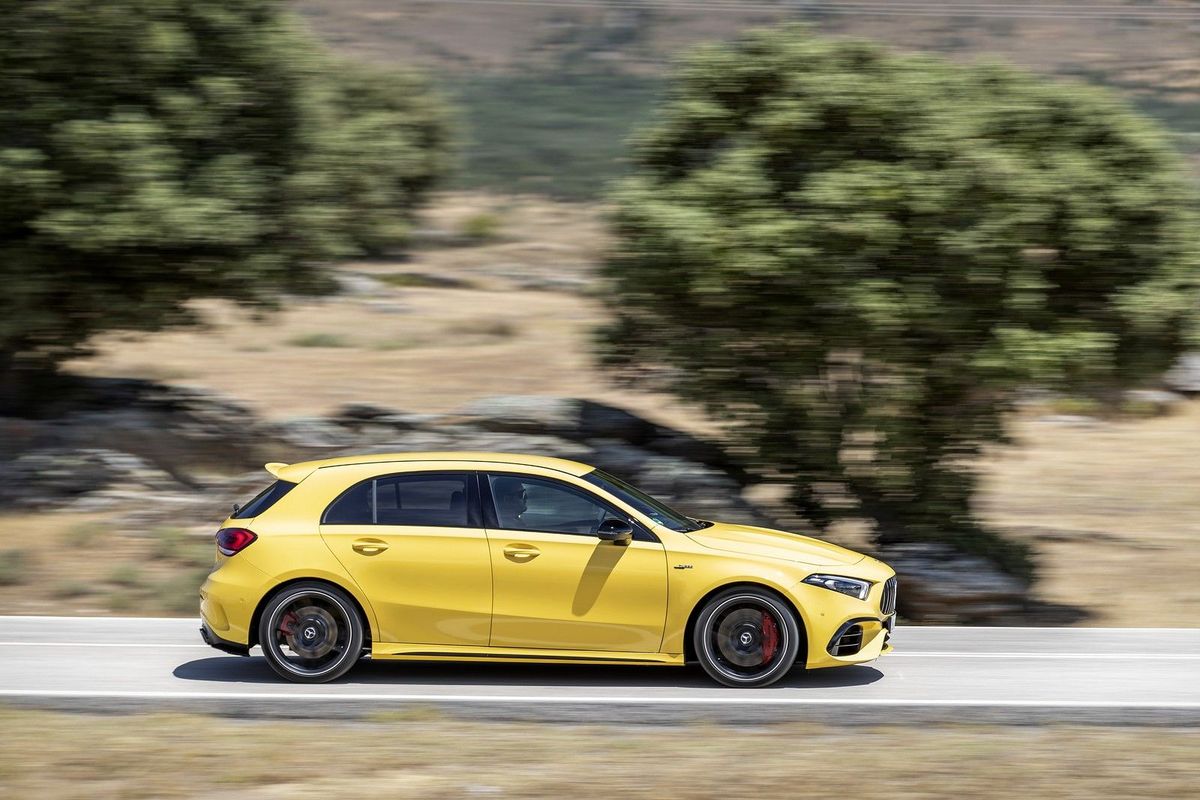
The hyper hatch from Mercedes-AMG is on its way to South Africa and we have pricing, thanks to our good friend Zero2Turbo. The headline news is that the newcomer's 2.0-litre 4-cylinder turbo-petrol motor develops no less than 310 kW and 500 Nm of torque. Those numbers see the Benz leave the hot hatch brigade well in its wake and move towards the realm of the hyper hatch; its an engineering achievement that beggars belief. Performance figures are mightily impressive. Mercedes-AMG claims a 0-100 kph in just 3.9 seconds and it'll run onto a top speed of 270 kph if fitted with the AMG Drivers Package.
Zero2Turbo makes mention of some of the options available for the A45 S, such as: Designo Mountain Grey Magno paint for R31 500, AMG Aerodynamics package at R26 350, and the AMG Special “EDITION 1” at R144 500. Naturally, these options would make the A45 S price break over the R1 million barrier.
The Volkswagen Caravelle remains a highly desirable family all-rounder – so much so, that many people regard it as the king of the luxury MPVs! But with a price tag of over R1 million, does its numerous talents justify its premium?
We like: Cabin comfort and flexibility, build quality, practicality, space
We don't like: Occasionally stumbling transmission, low-speed ride on poor surfaces, pricing
Fast Facts
Price: R1 027 700 (September 2019, without options)
? For well-to-do families that travel long distances and who might encounter the odd bit of gravel, the Caravelle is highly desirable.
Volkswagen's minivans (or "Kombis", as they are colloquially known) have a long and celebrated history in this country. Many will fondly remember the ads featuring David Kramer and his red veldskoen shoes or "vellies", for example, and during the '80s and early '90s a Volkswagen 'bus (Kombi or Caravelle) was simply the ultimate family transporter (those were the days before SUVs became so ubiquitous that they hurried station wagons and MPV into near extinction). Add to that the desirability of older T1 and T2 "classics", and you have a vehicle that has considerable pedigree that is reflected in its premium price positioning. Yes, this Caravelle 2.0BiTDI Highline 4Motion featured here costs more than R1 million as standard.
But stripped of its "emotional" appeal, and given the availability of far more affordable 7-seater options, can the Caravelle justify such a steep price?
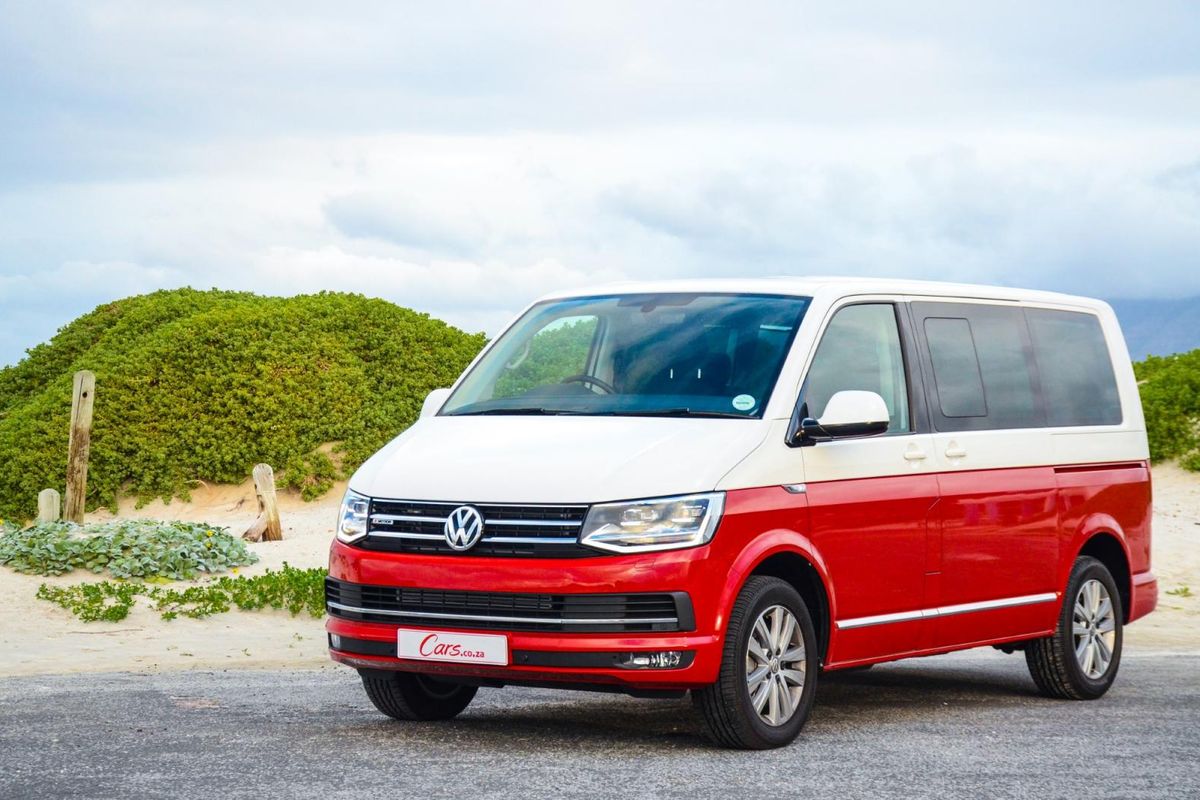
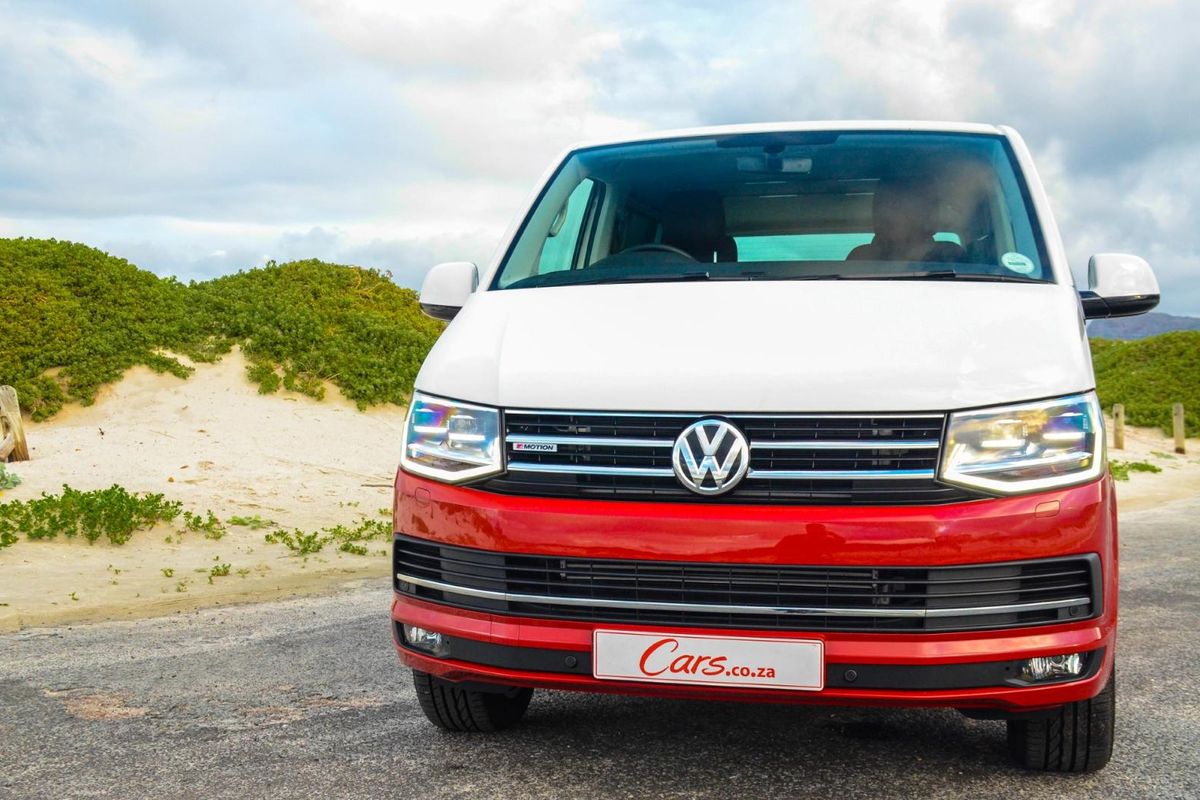
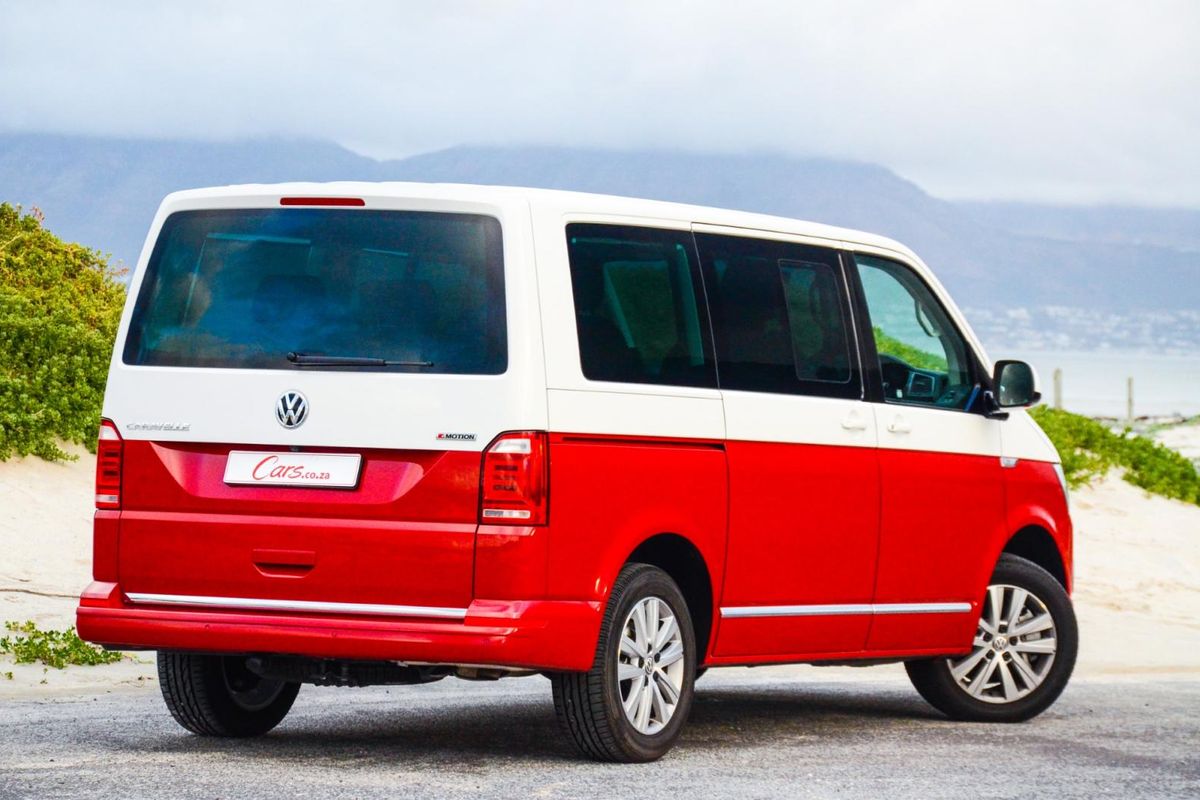
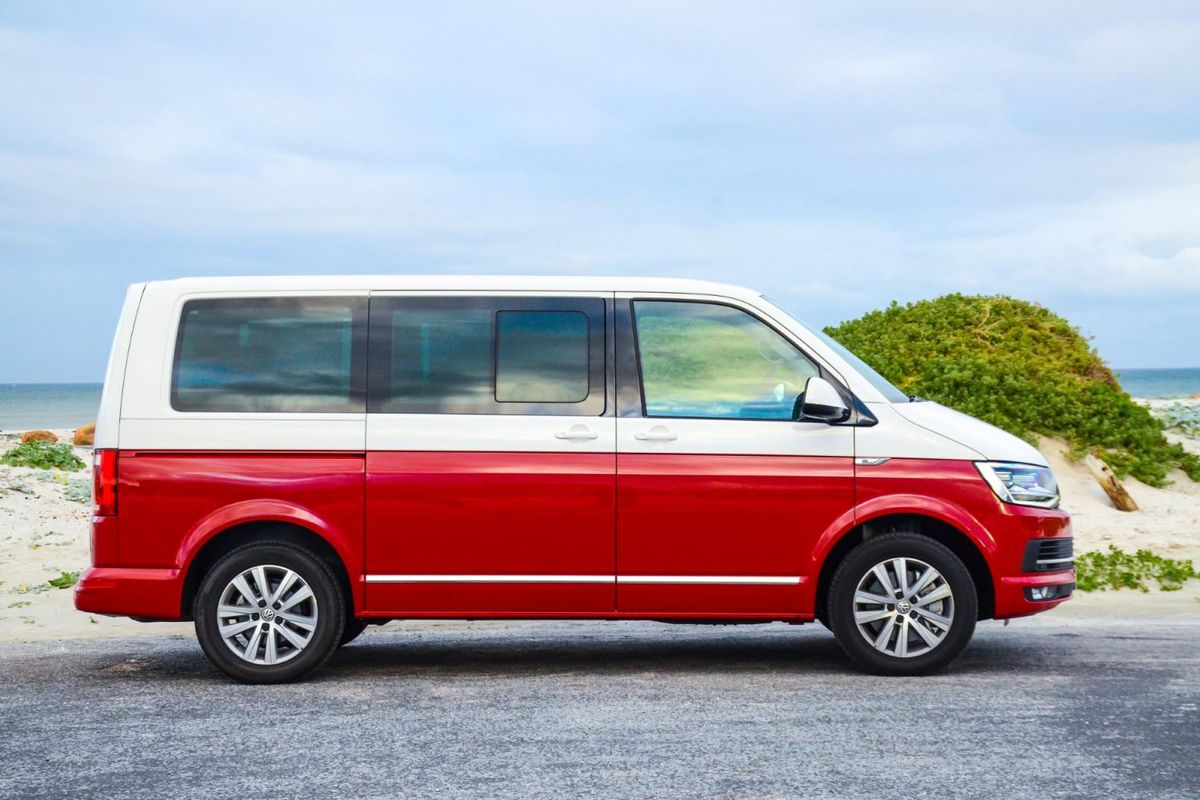
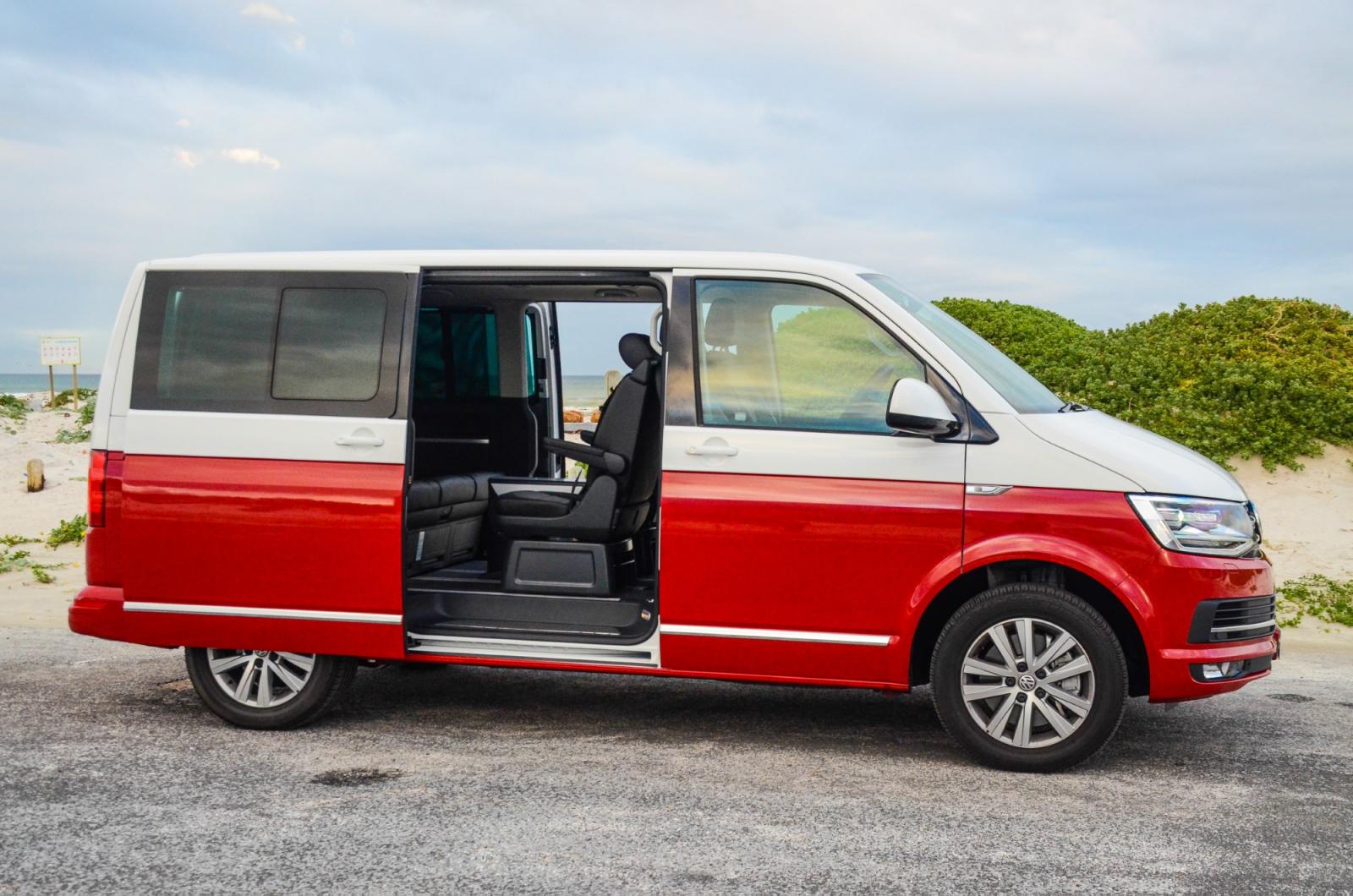
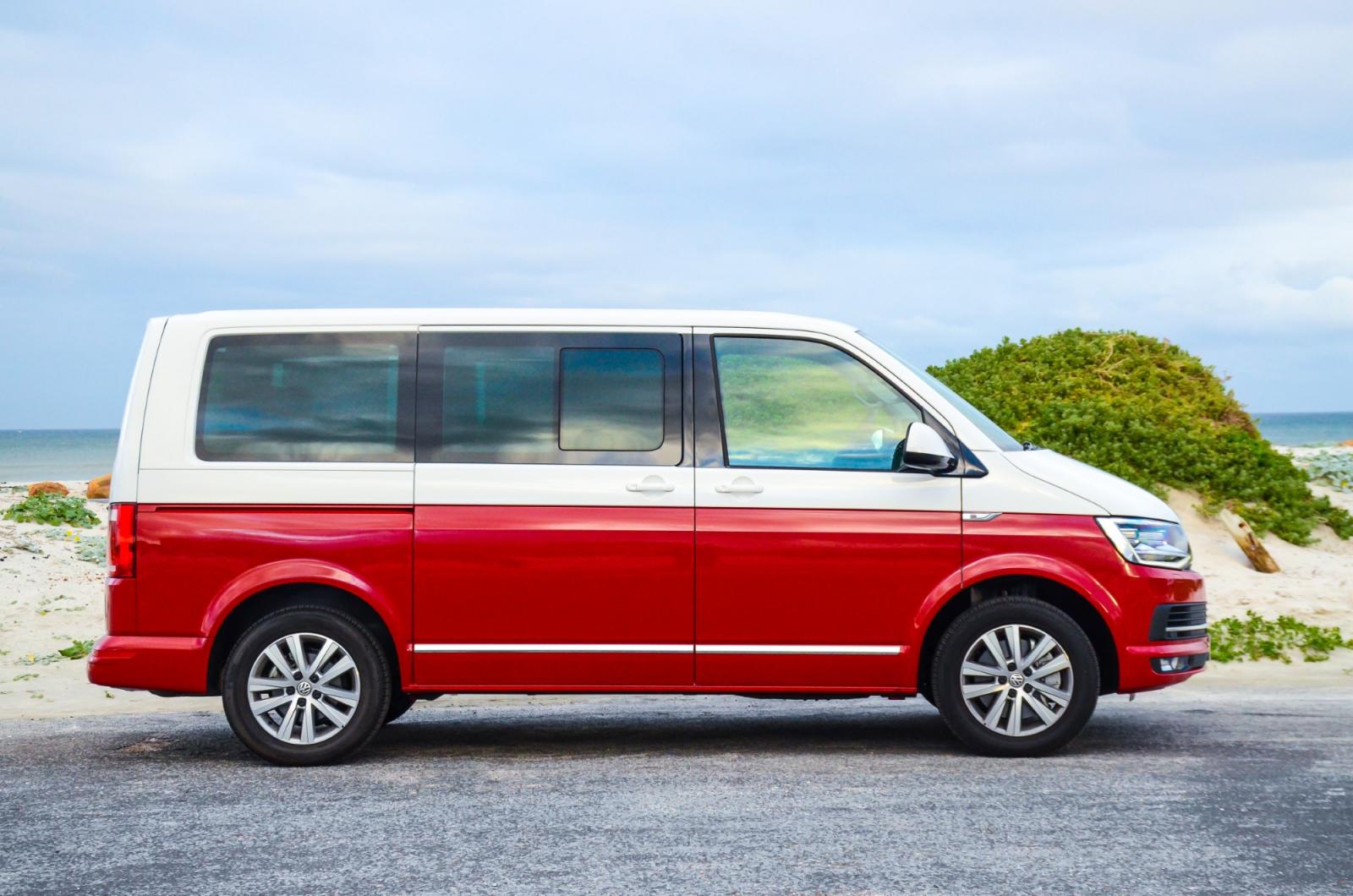
? With its striking, retro dual-tone paint finish and chiselled lines, the Caravelle is an undoubtedly "premium" player in the minibus segment.
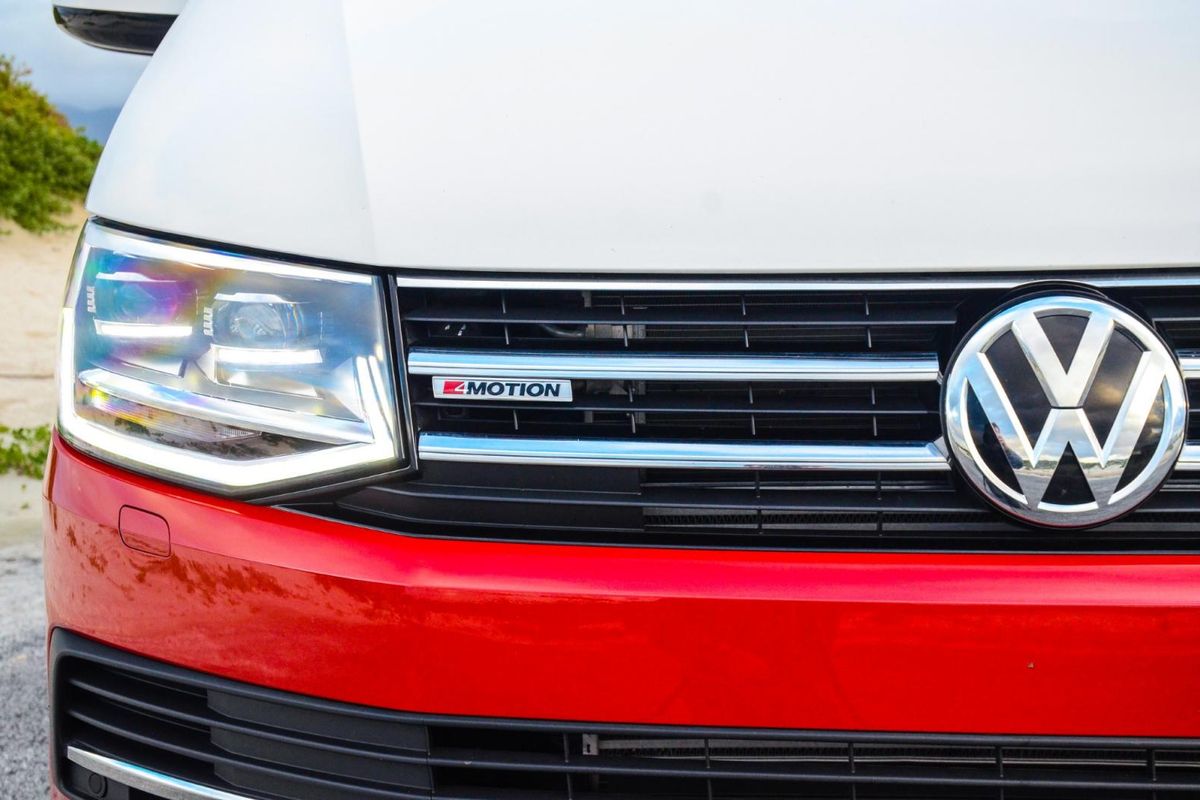
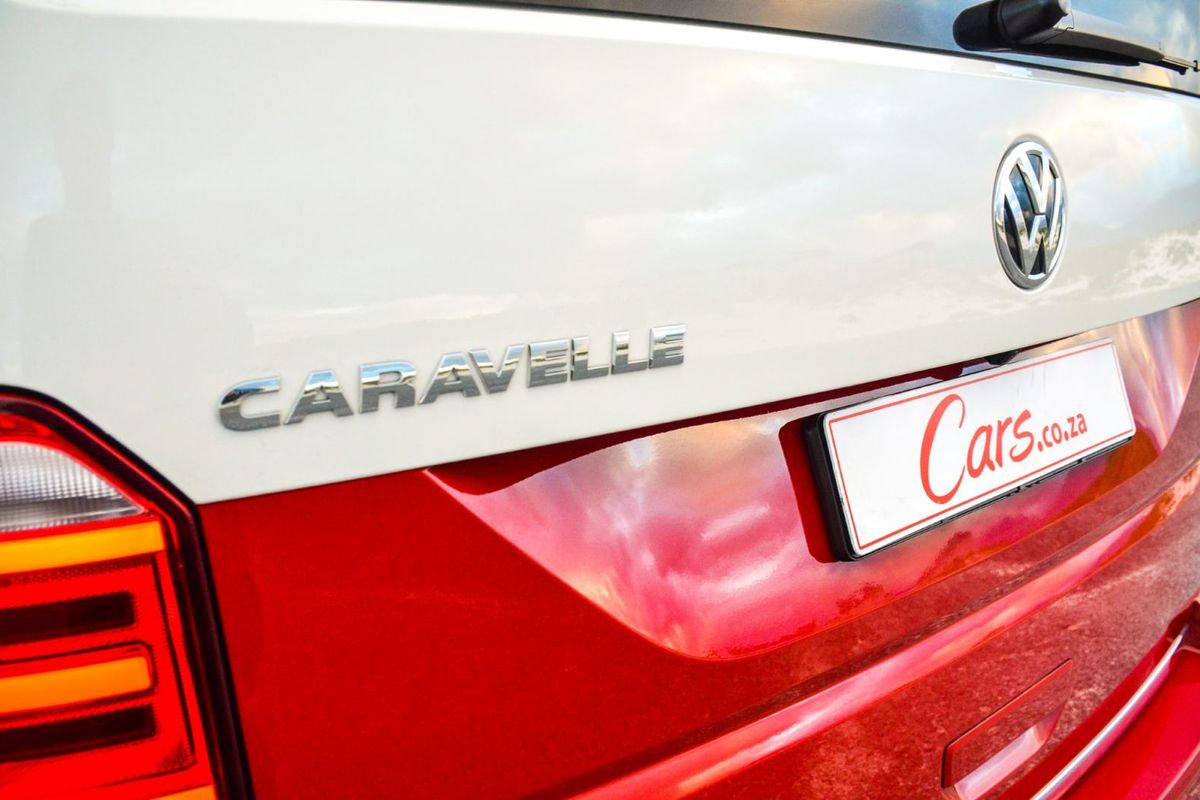
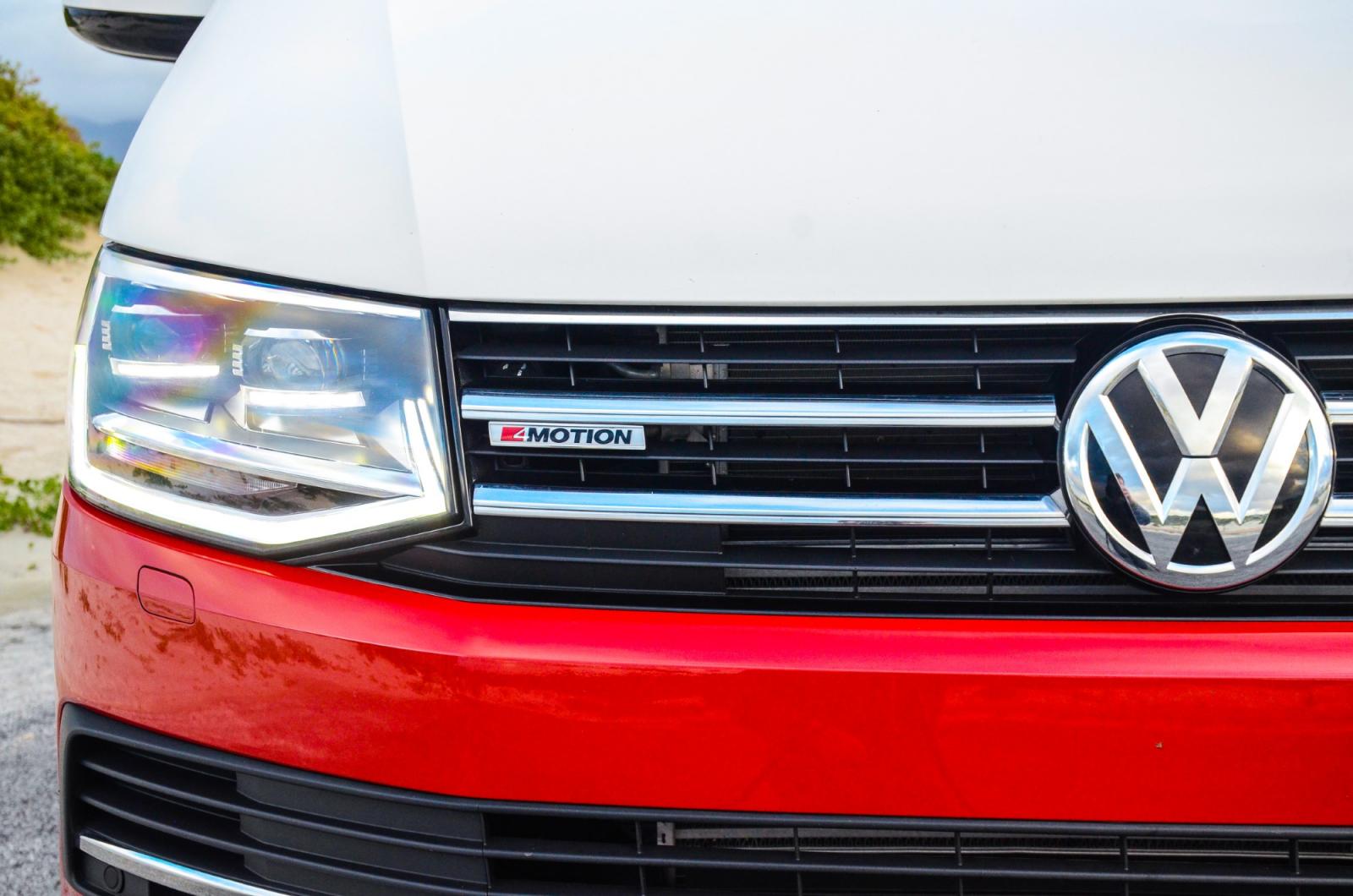
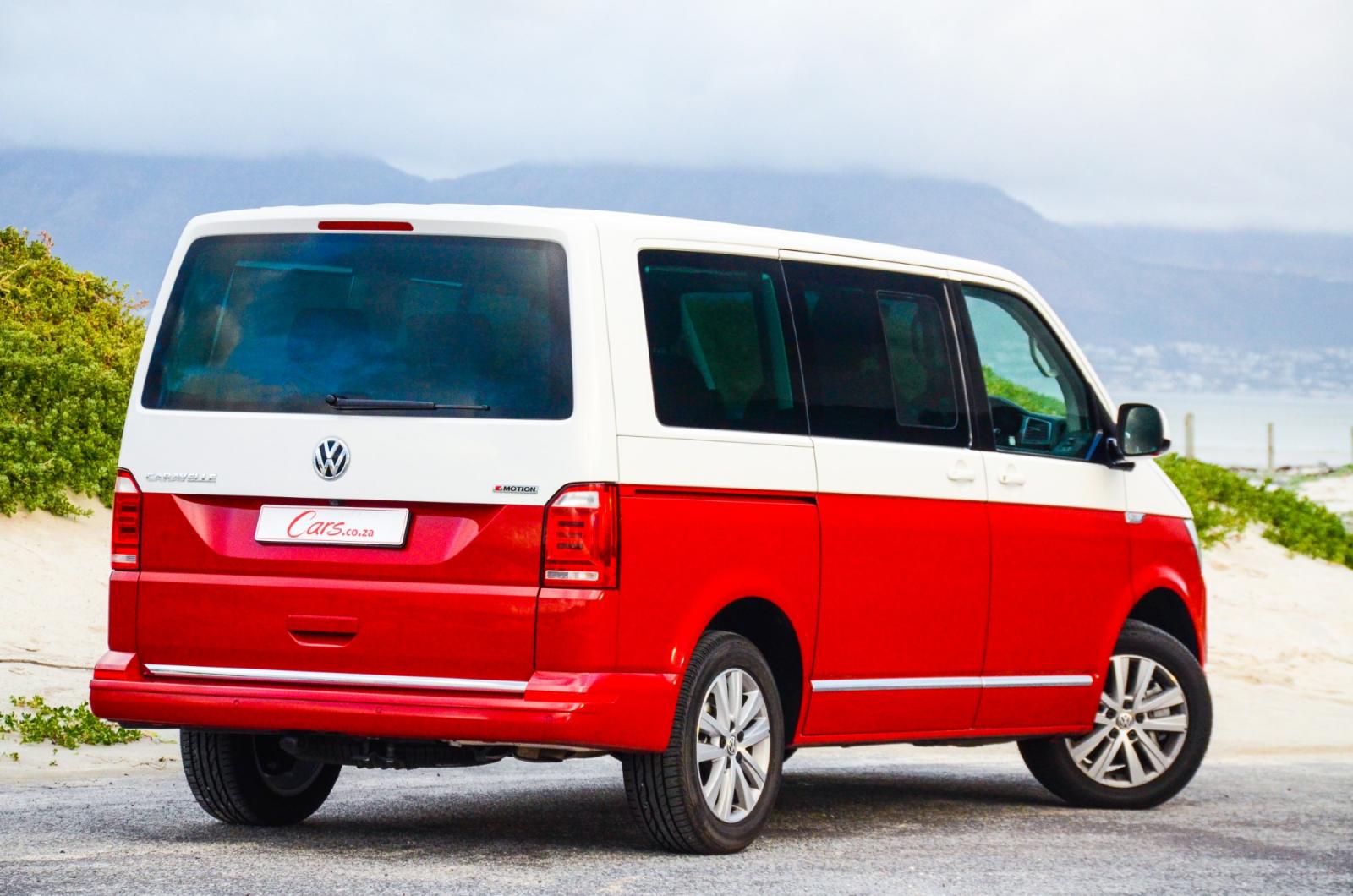
Being based on a delivery van has its advantages, but an attractive design is not usually one of them… Yet the Caravelle has an X-factor that makes it quite a desirable, premium-looking machine. Volkswagen has been clever with the details; neat features include the LED-infused headlamps, subtle chrome applications, striking 17-inch "Cascavel" alloy wheels and, of course, the optional "Heritage" dual-tone paint scheme.
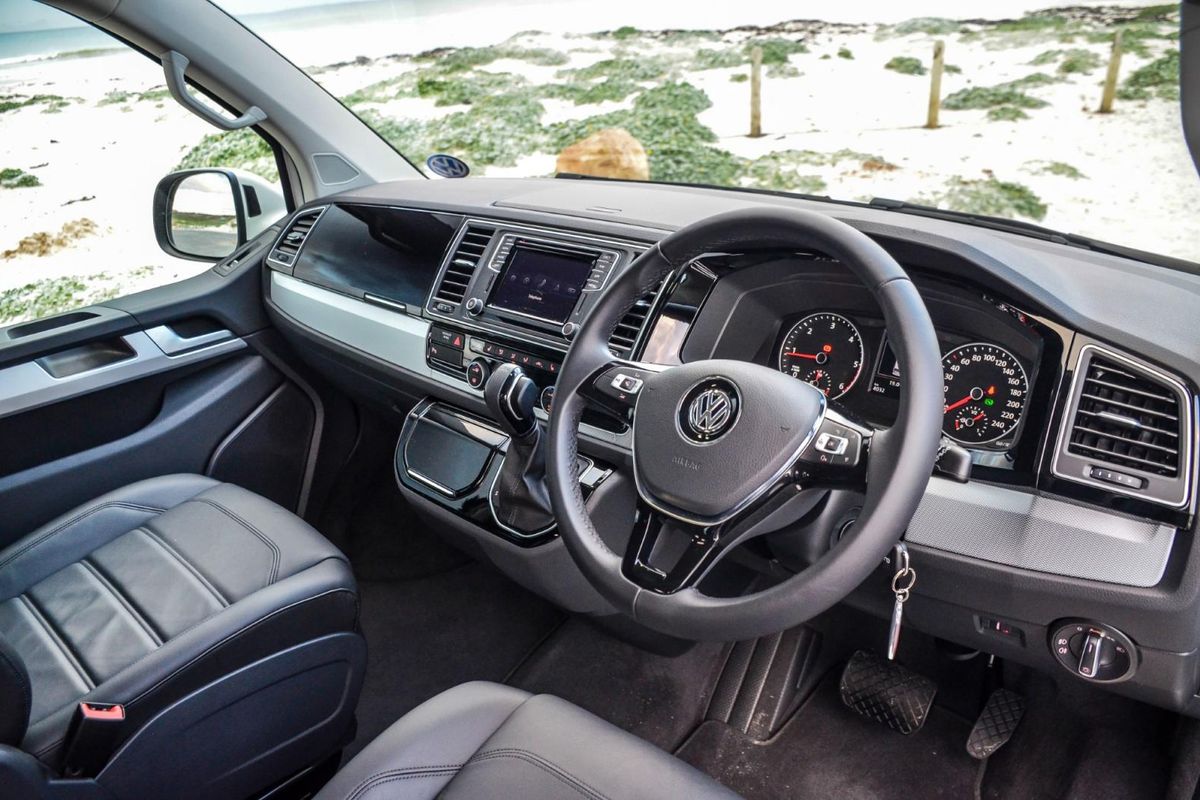
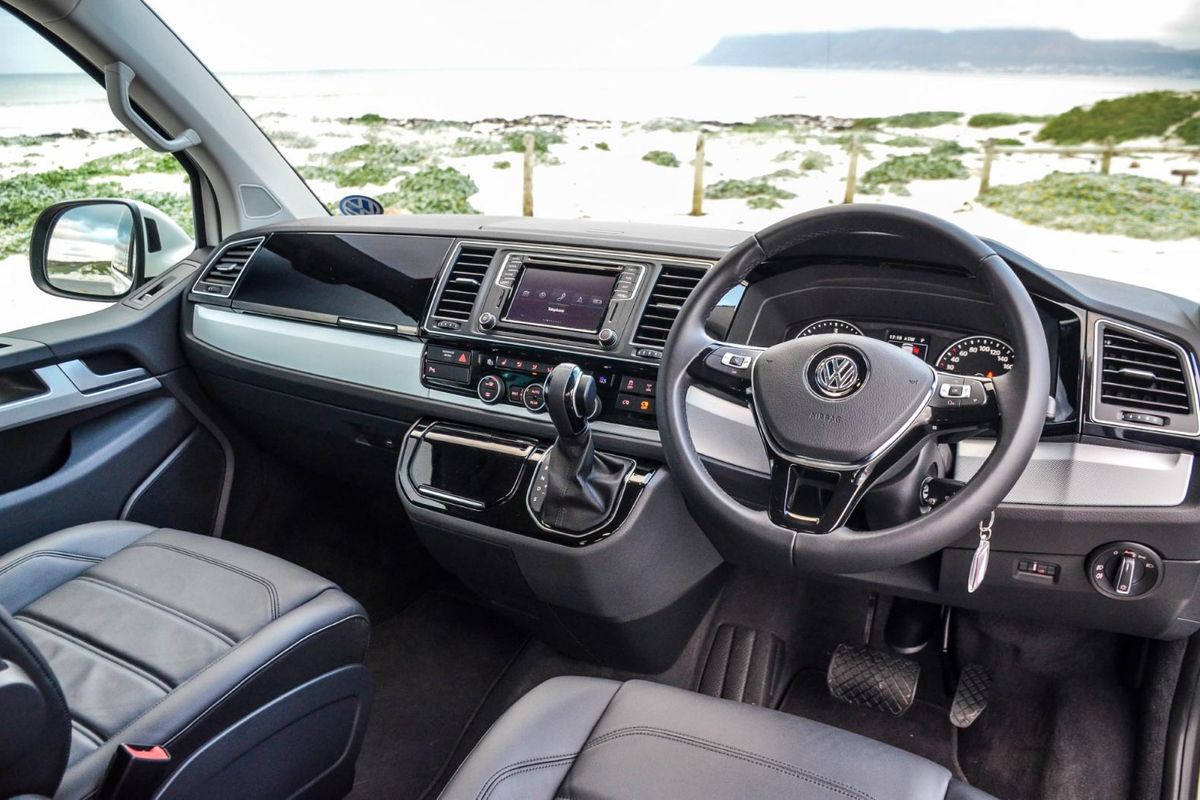
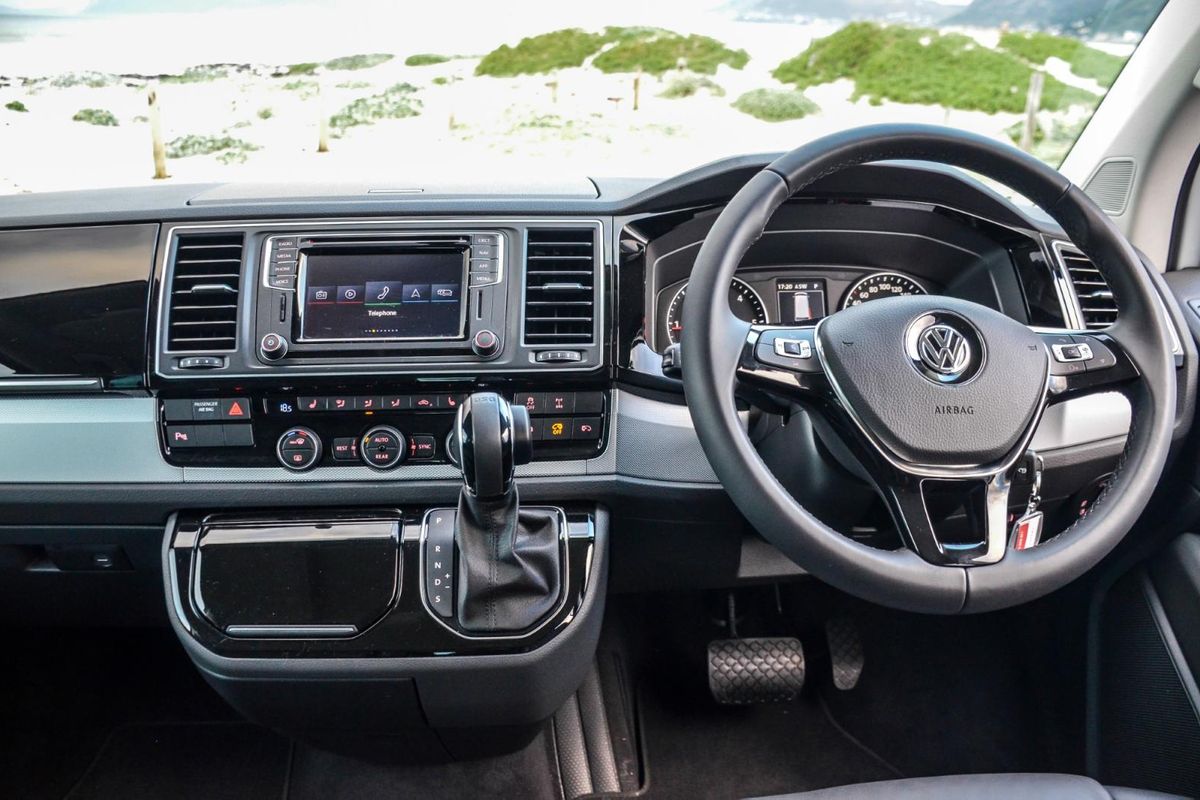
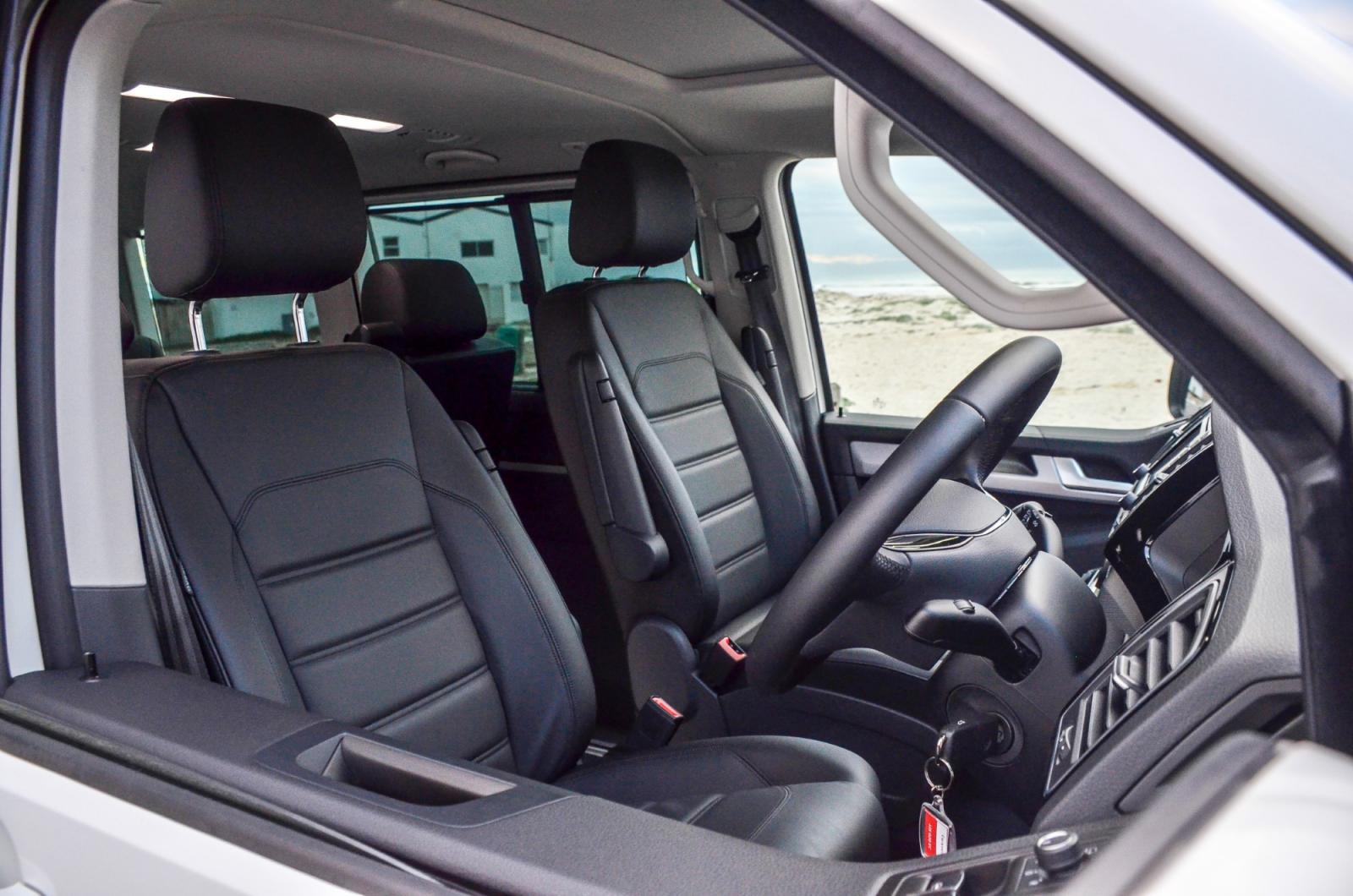
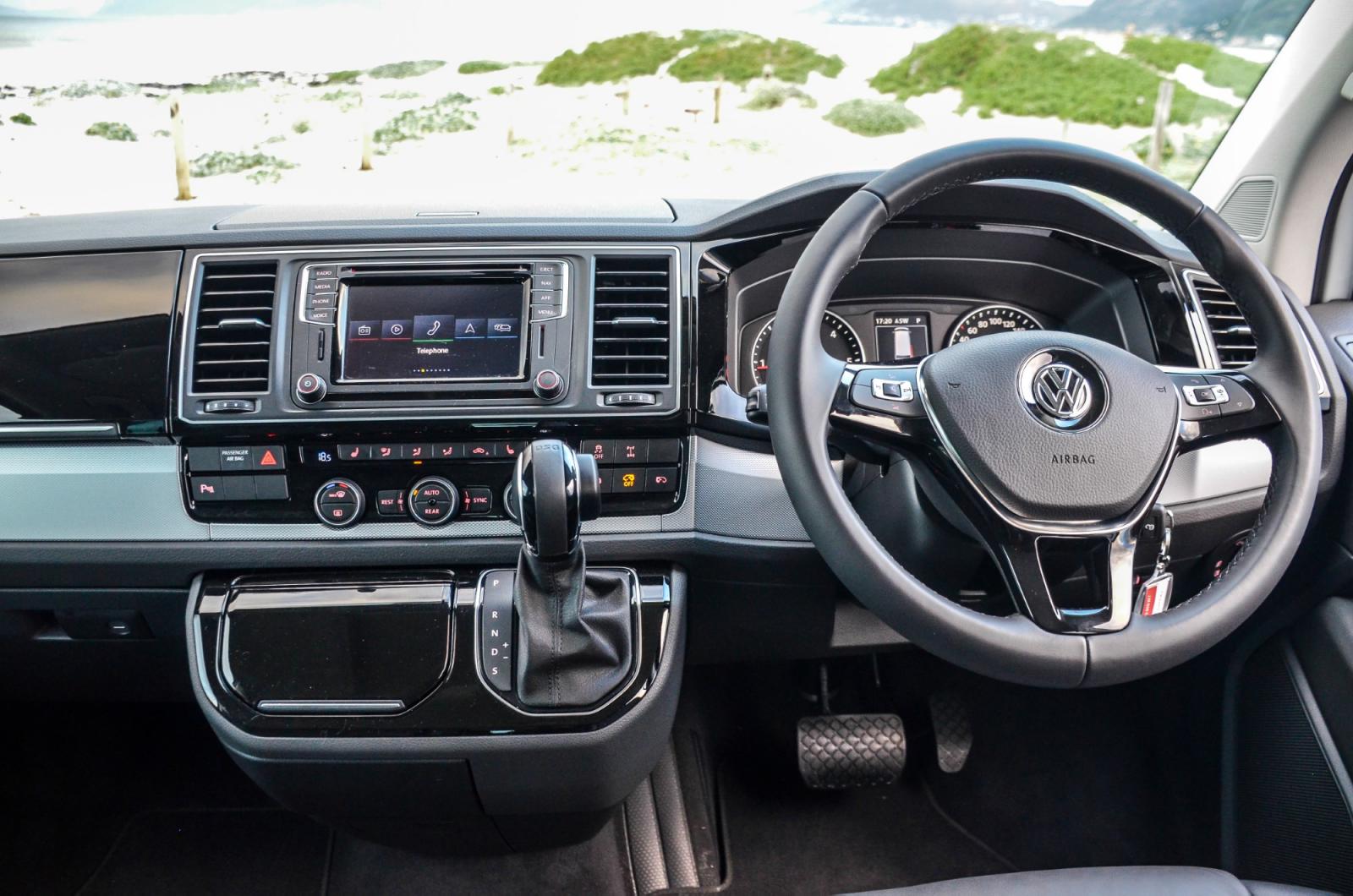
That typical "Volkswagenness" that South Africans love so much pervades the 2.0BiTDI Highline 4Motion's massive cabin. The combination of solid build quality, a smart leather-wrapped steering wheel, piano black trim and satin silver finishes instantly elevates the Caravelle out of the panel van leagues and into the premium MPV segment. Nappa leather upholstery is standard on this particular derivative.
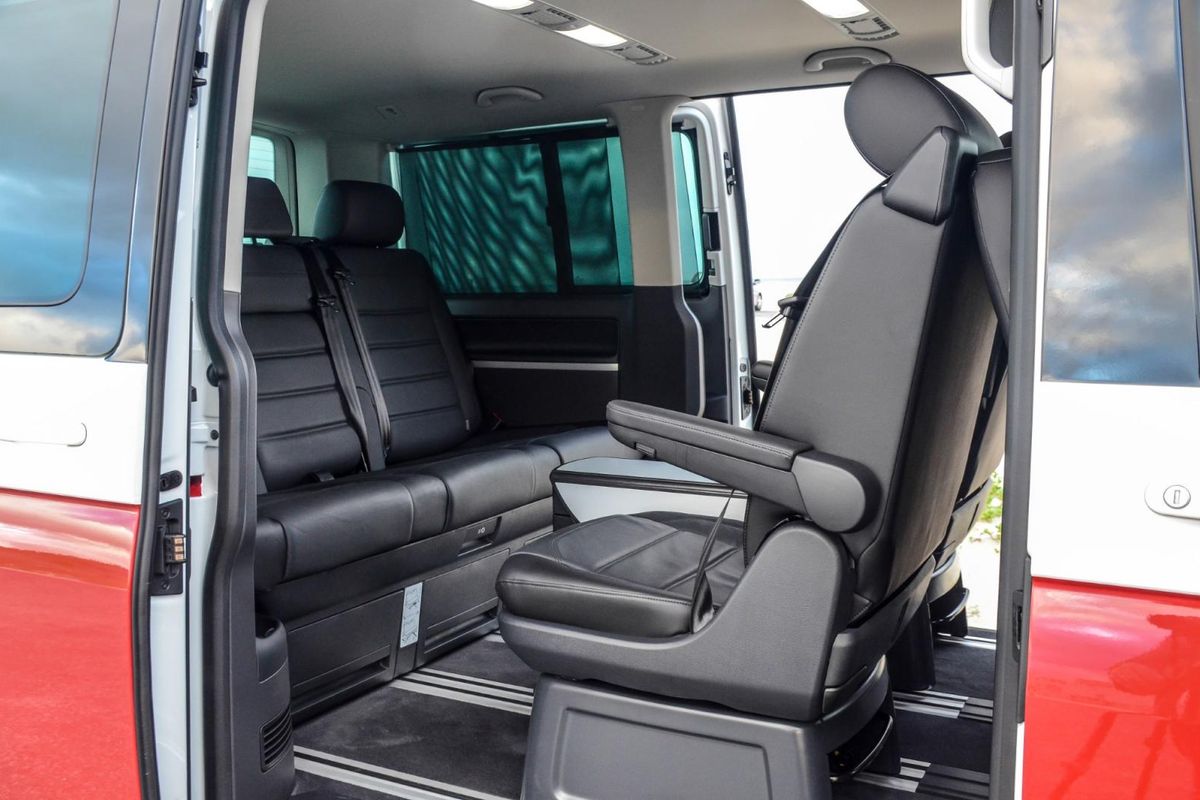
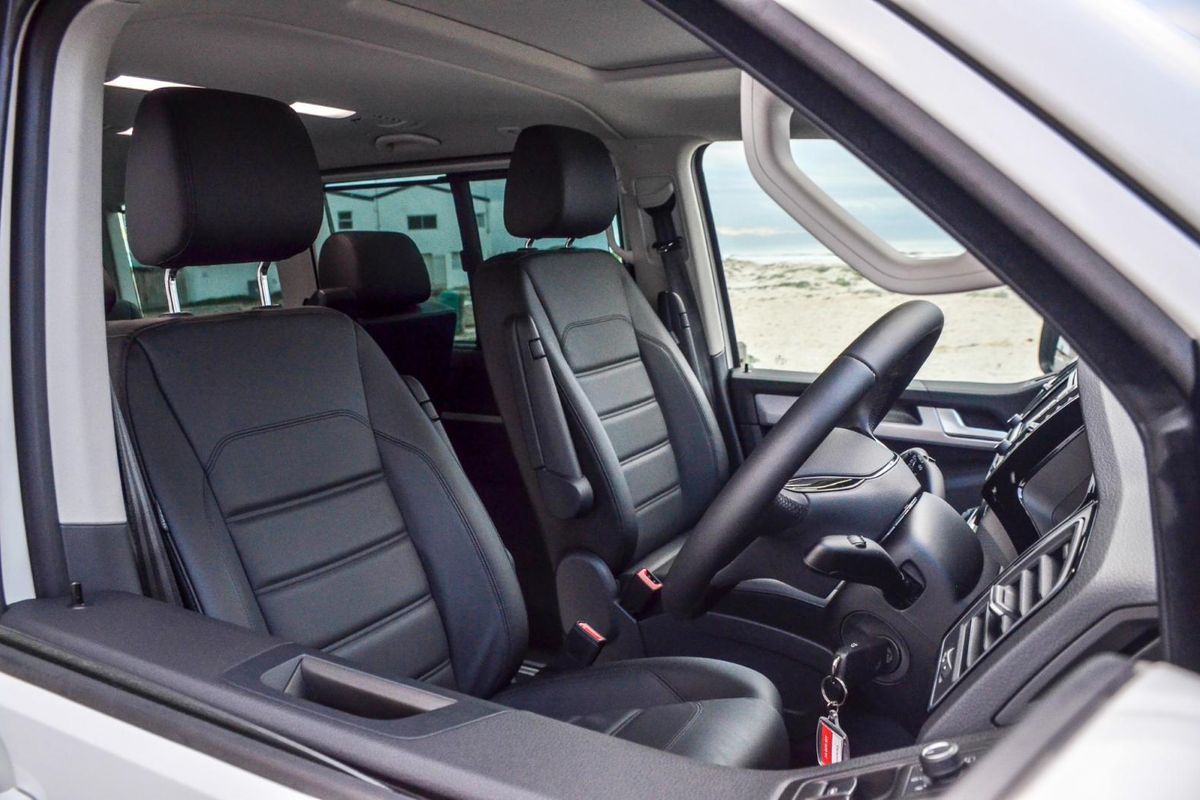
Expanses of leather trim underline the Caravelle's luxury-vehicle positioning.
As you would hope for in a people-mover that costs in excess of R1 million, the driver and front passenger are well catered for through the provision of notable luxury features… The front seats are both electrically adjustable (including height), with the driver's chair also offering a memory function. Both front seats feature a heating function and folding armrests.
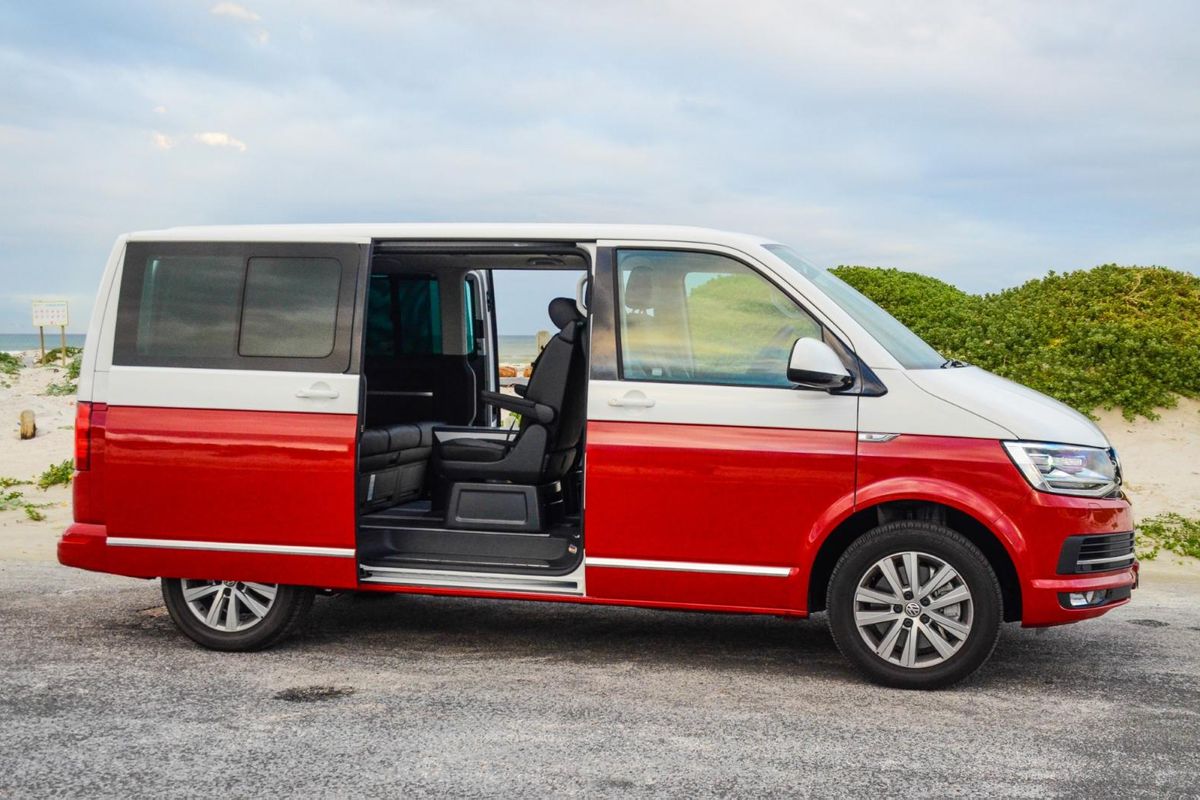
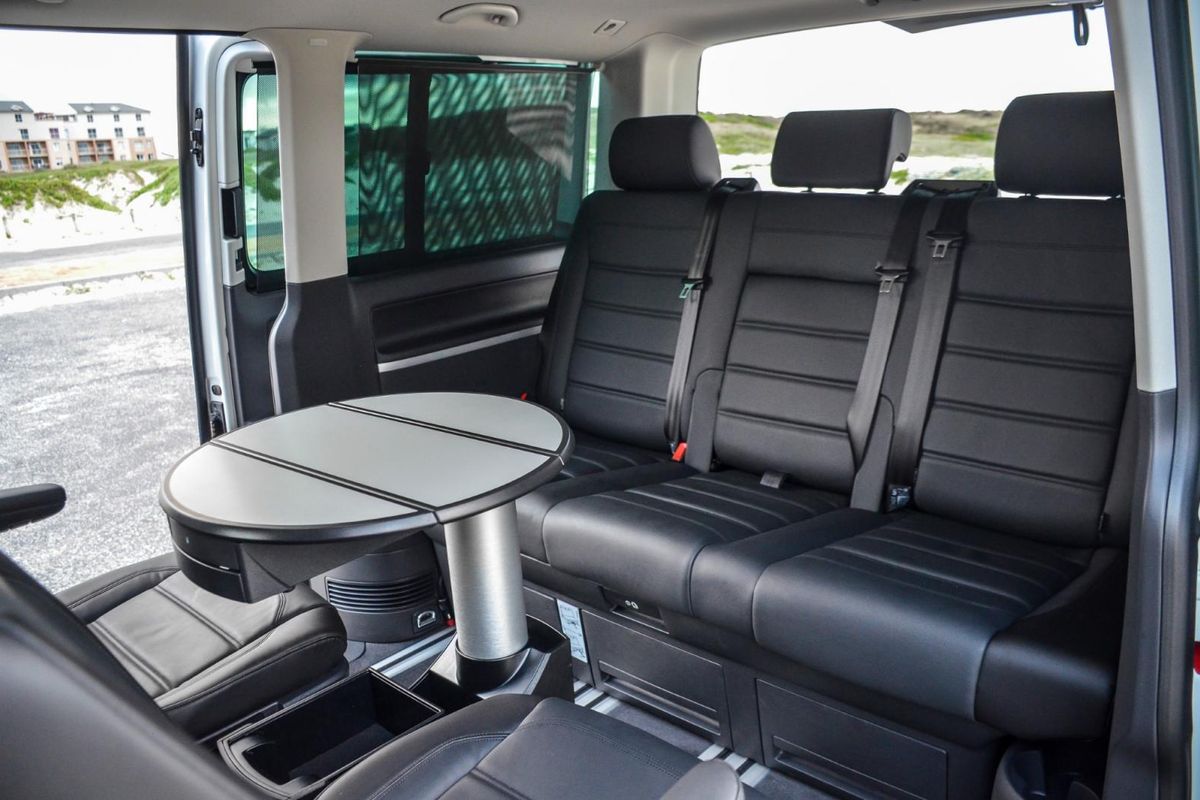
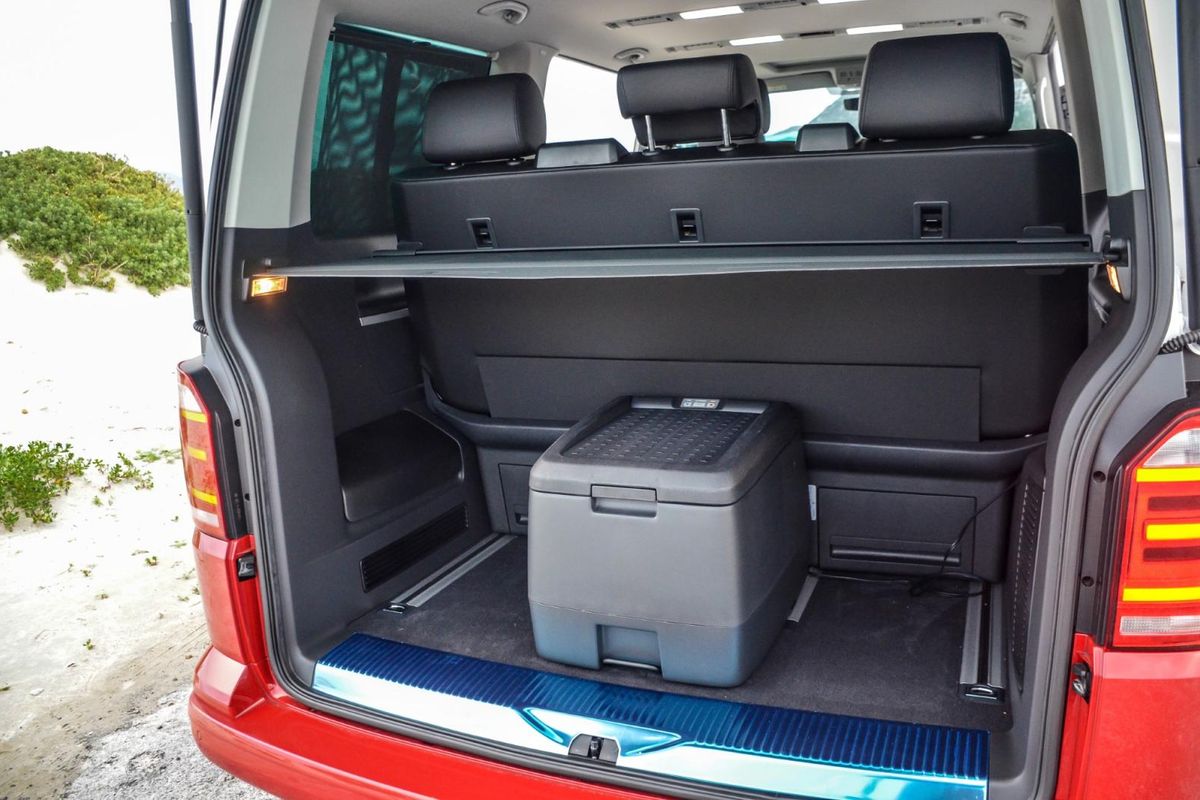
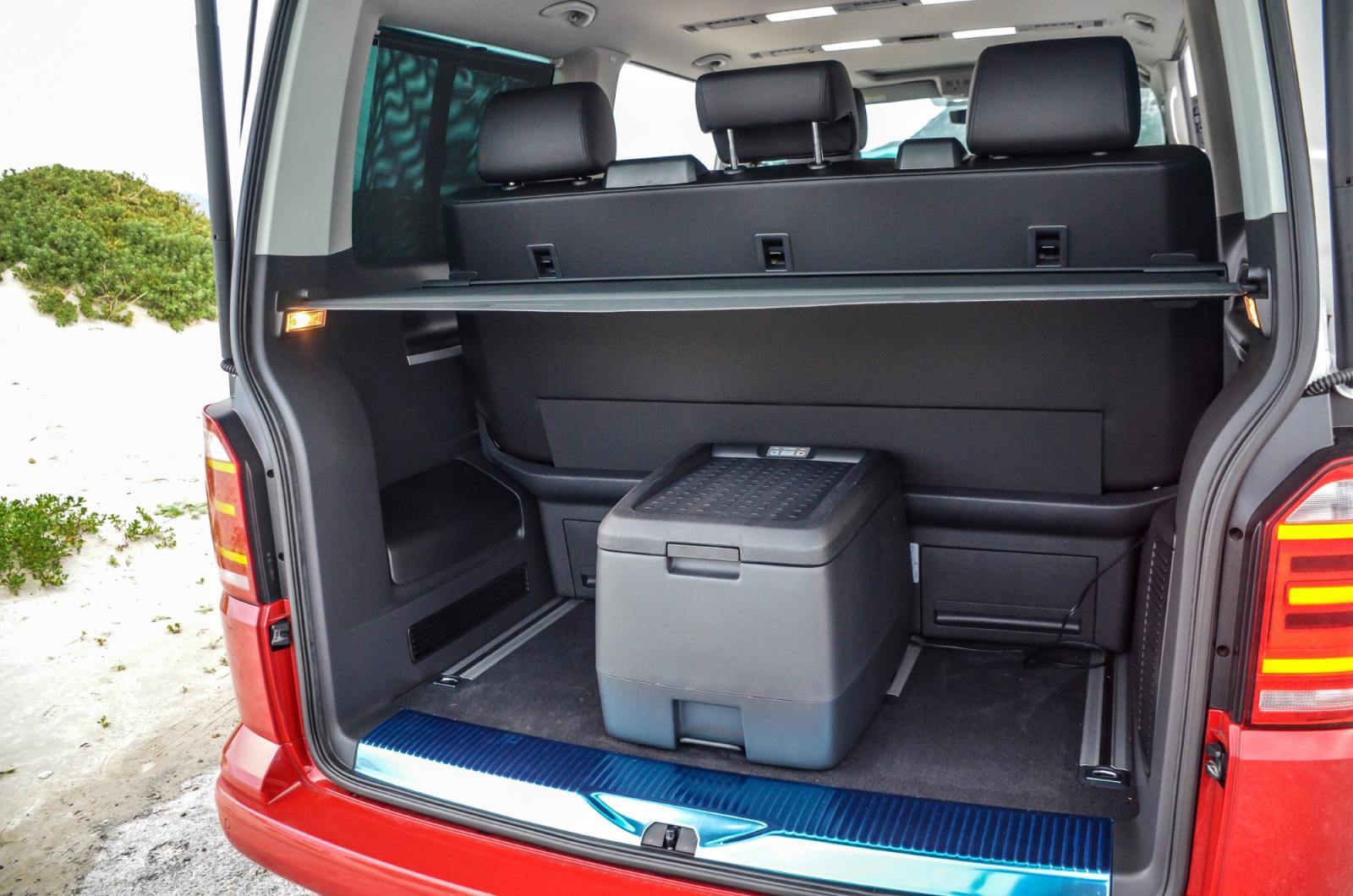
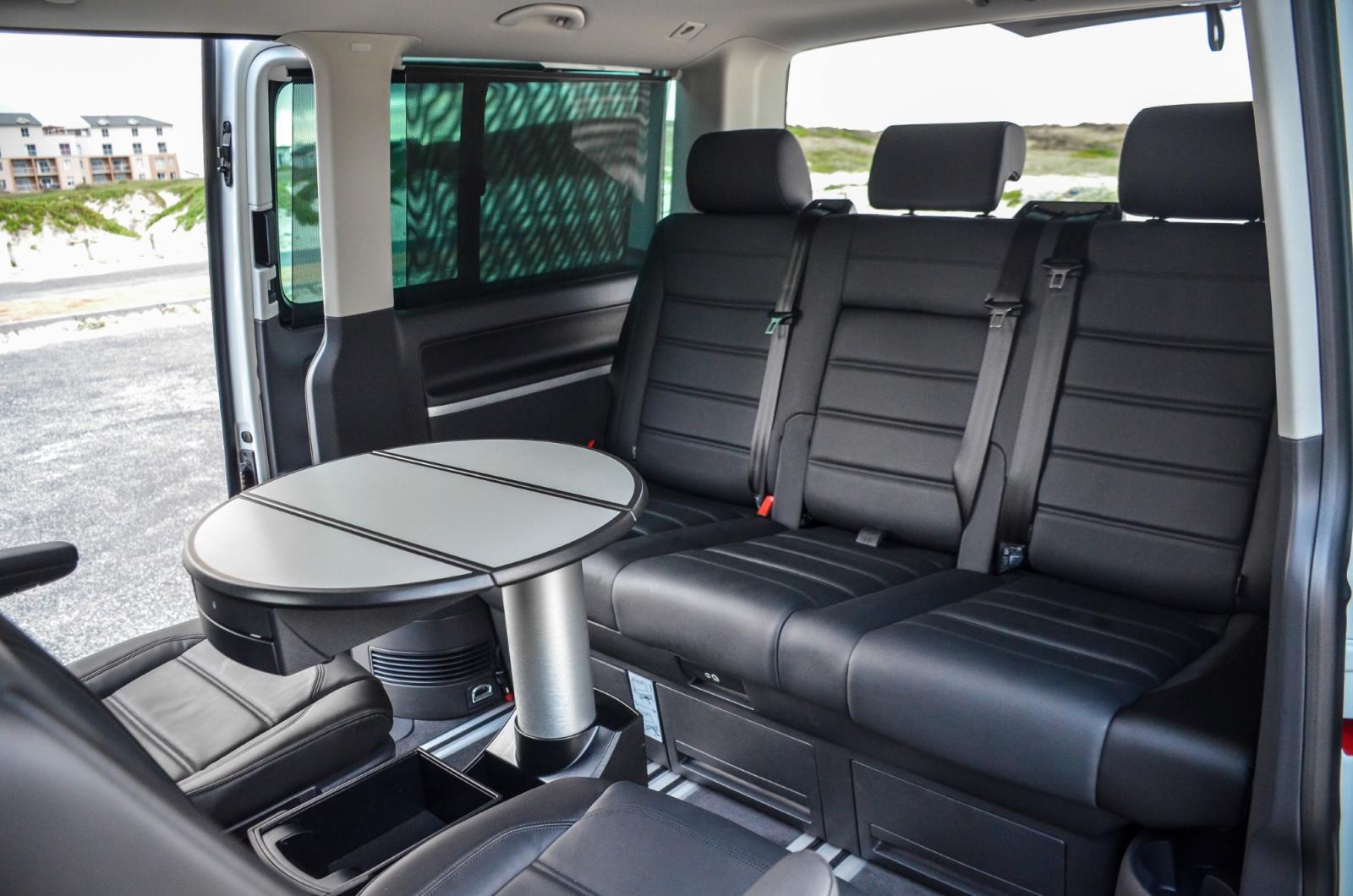
The 2 side doors slide open (and shut) electrically, and access to the 2nd row, which consists of a pair of individual chairs (also with armrests) is straightforward. These seats can also recline and slide fore/aft, or even be rotated to face the rear seats. The 3rd row (a 3-seater bench) can also recline, if required. Even when all seats are occupied, ample luggage space is available – but it needs to be noted that the optional cooler/heater box in the load bay of our test unit did take up too much space. There is also a lot of storage space for smaller items underneath the rear bench.
So, in terms of spaciousness and flexibility (of the cabin), the Caravelle rates highly. The rail system allows for the seats to be moved fore/aft over significant distances, and the pop-up table was appreciated by the kids (and mom!) during a longer road trip. The middle row of seats can also be removed (though this is not as easy as it sounds), and the rear bench can slide forward to create a capacious 5-seater with liberal packing space.
The optional heating/cooling box, as fitted in the trunk of our test unit takes up quite a lot of space and costs R5 145.
We rate the standard features list as sufficient but hardly generous, as it includes an up-to-date infotainment system (Discover Media) with integrated navigation and Bluetooth smartphone connectivity (as well as USB and auxiliary ports), cruise control, park-distance control (front and rear), powered tailgate, auto lights and wipers, plus a comprehensive safety suite that comprises 6 airbags and ESP (electronic stability control).
Compared with the Mercedes-Benz V-Class, the Caravelle compares well in terms of standard spec, but the much more affordable Kia Grand Sedona blows both the Benz and Volkswagen out of the water, even if the Korean offering doesn't quite offer comparable spaciousness. Having said that, the latter's more closely matched in terms of overall practicality than you may think…
Performance & Efficiency
Though the 2.0-litre bi-turbodiesel engine is willing, the 7-speed DSG 'box occasionally struggles to find the appropriate gear.
Perhaps the most important figure to mention in this section of the review is not the Caravelle's power output, but rather its unladen weight of 2 184 kg. That's a not insubstantial heft to propel, no matter how many torques you throw at the problem. Still, the 2.0-litre bi-turbodiesel engine under the Caravelle's bonnet is a willing unit, with 132 kW (at 4 000 rpm) and 400 Nm of torque across a fairly narrow band of 1 500 to 2 000 rpm. The engine is mated with Volkswagen's usually excellent 7-speed dual-clutch transmission, but in this application, it does occasionally struggle to select the appropriate gear swiftly enough, which can be frustrating when you're in a hurry. Take a more relaxed approach and matters improve significantly.
Volkswagen claims combined-cycle fuel consumption of 8.8 L/100 km for the 2.0BiTDI Highline 4Motion, which is not unreasonable; we saw an indicated figure of just over 10 L/100km. When considering the purchase of a Caravelle, we'd advise you to carefully think about whether you need 4Motion all-wheel drive, however. Yes, it adds a layer of security on gravel roads and other slippery surfaces, but there are downsides too…
First of all, the 4Motion system adds to the weight of the vehicle, which, of course, disadvantages fuel consumption and also has a negative effect on performance. The rear-wheel-drive Caravelle is a not-insignificant 10% more fuel-efficient.
Ride & Handling
The Caravelle is a heavy, tall vehicle (check for roof clearance) and its ride refinement not to the same level as, for example, a more car-like Kia Grand Sedona.
At its core, the Caravelle remains a commercial vehicle that's been cleverly hewn into a luxurious passenger vehicle. From the outset this means there are some positives and some negatives that one simply can't get away from. In terms of ride and handling, for example, the result tends to be negative. So, over coarse and uneven surfaces, the Caravelle's suspension can feel a trifle "wooden", and given its high centre of gravity and high seating position, it's also not a vehicle with which one can be too enthusiastic in the corners. But that would be missing the point, anyways.
The pop-up table proved handy on long road trips and there are numerous storage spaces for smaller items.
But for what it is, the Caravelle delivers a sufficiently comfortable ride and we were actually pleasantly surprised by, for example, the NVH (noise, vibration, harshness) suppression in the cabin. The steering is light, which makes it far easier to manoeuvre the substantially large Caravelle in the tight confines of the city. Visibility out of the vehicle is also very good. All of that said, if you want a 7-seater with more car-like dynamics, you may have to look elsewhere, and particularly at Kia's Grand Sedona, which we rate very highly. And a word of caution… the Caravelle is very tall at almost 2 metres (1 950 mm), so make sure you pay attention to clearance signs when entering underground parking lots.
If you're going to be towing with your Caravelle, note that it has a 2.5-tonne (braked) tow rating and a maximum trailer nose weight rating of 100 kg. The roof load limit is also 100 kg.
Price and warranty (September 2019)
As standard, the VW Caravelle 2.0BiTDI Highline 4Motion will set you back R1 027 700. If you don't need all-wheel drive, consider the rear-wheel-drive derivative at R995 200. Our test unit came equipped with various options, including the striking two-tone "Heritage" paint scheme, which adds R33 289 and the heating/cooling box in the trunk (R5 145). A 3-year/120 000 km warranty and a 5-year/60 000 km maintenance plan are standard.
Verdict
For some, only a Caravelle will do, but this variant is steeply-priced and there are more affordable, and equally luxurious alternatives out there.
It's hard not to fall for the Volkswagen Caravelle's considerable charms. For those members of the test team that used it to its full people- and luggage-carrying potential, the Caravelle is a highly desirable machine, one that blends typical Volkswagen premium appeal with long-haul family vacation practicality. The asking price, however, is hard to stomach. In terms of sheer cabin volume, the Volkswagen is near unbeatable, but in terms of offering the best balance of ultimate passenger comfort, luggage space, luxury and value for money, we have to say that Kia's Grand Sedona looks like a comparative steal. Go test drive both to figure out which proposition suits your needs (and desires) best.
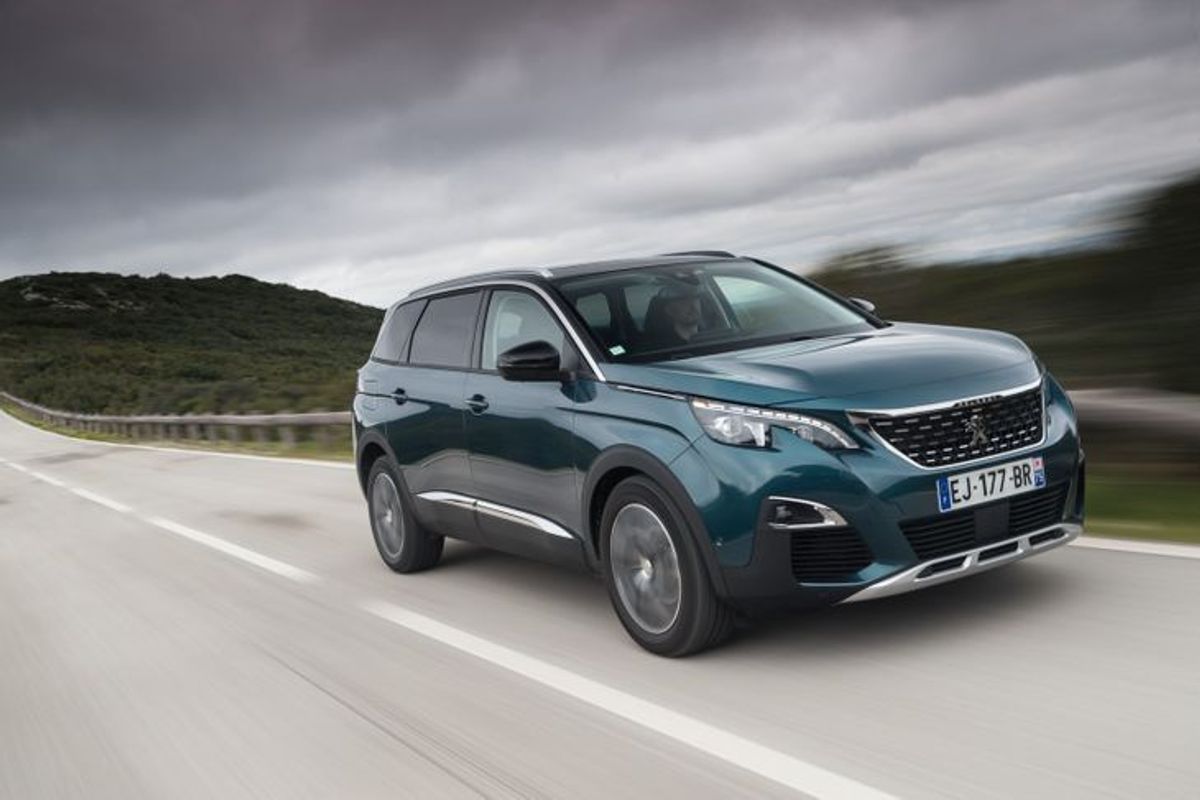
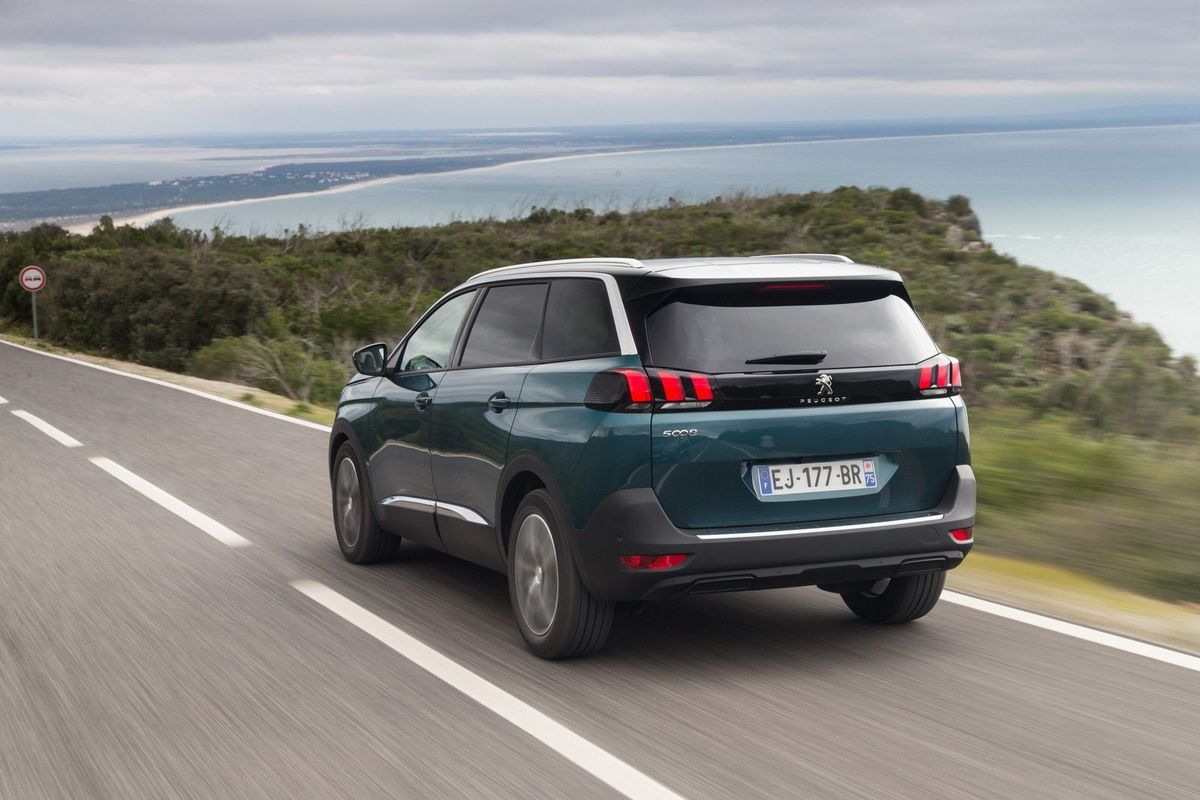
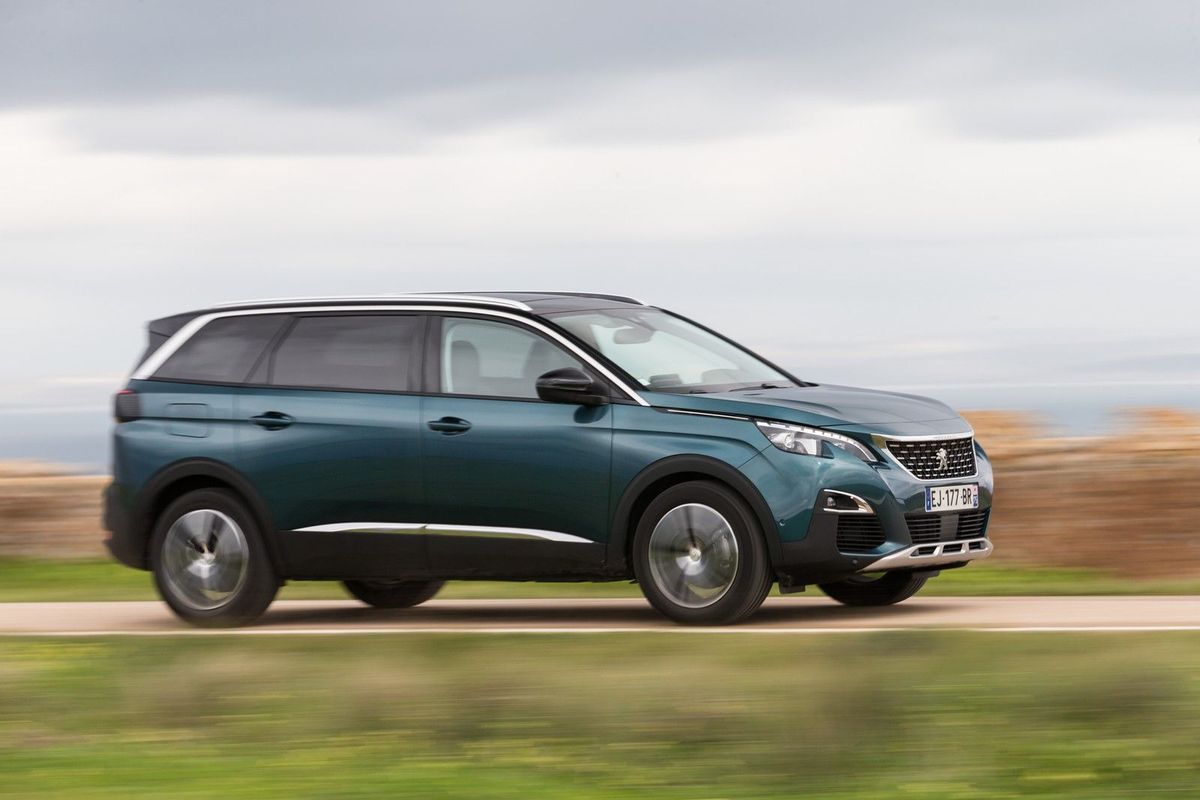
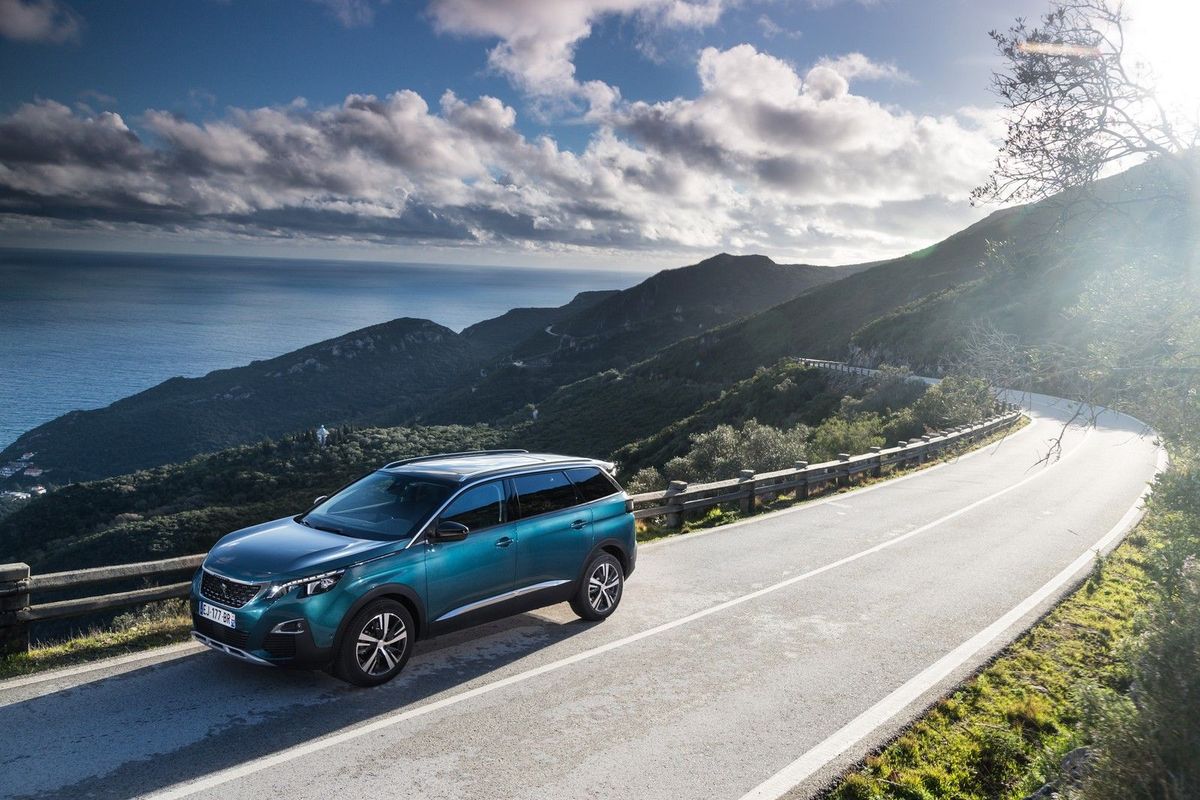
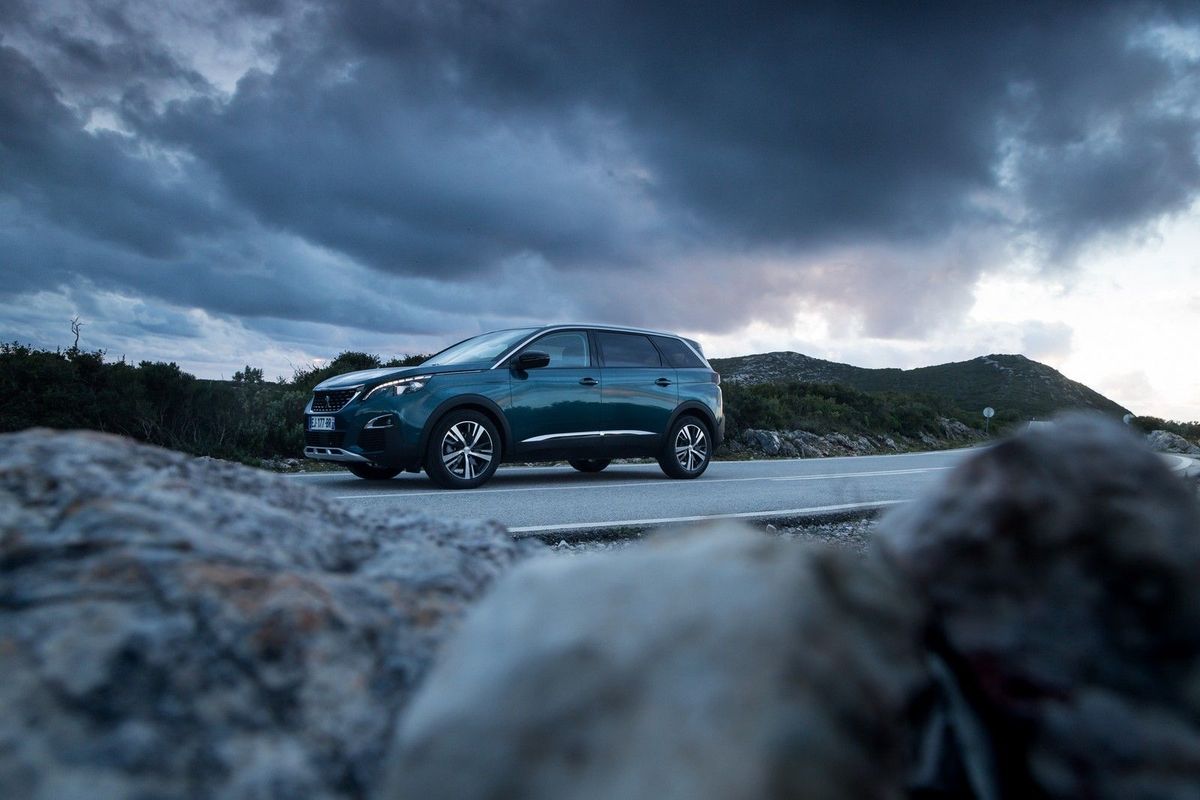
Peugeot South Africa is adding to its local offering with the practical 5008.
The latest generation of Peugeot's 5008 was launched globally in the back end of 2016 but has finally made its way to our shores. Peugeot has seen moderate but improving sales of late locally and the hope is that with this practical and spacious SUV, it can make further inroads. We can also look forward to a 108 and possibly even the brand-new 2008 in 2020.
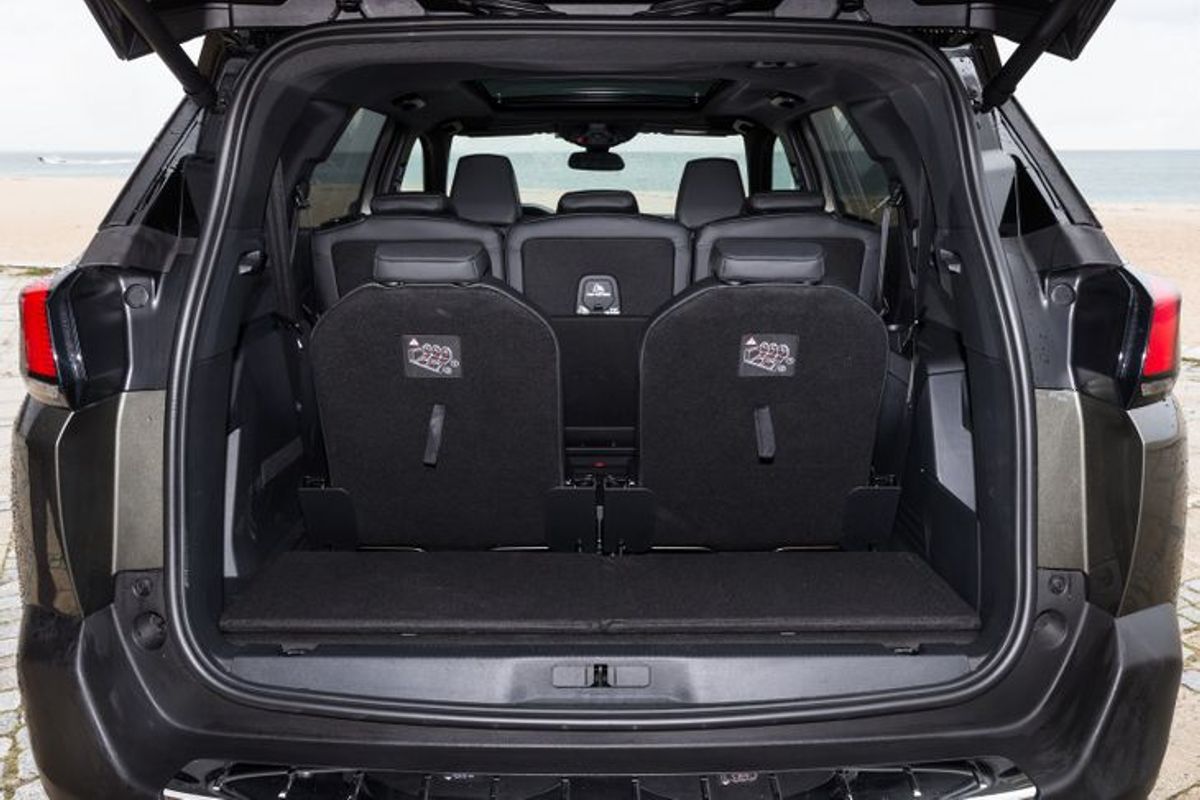
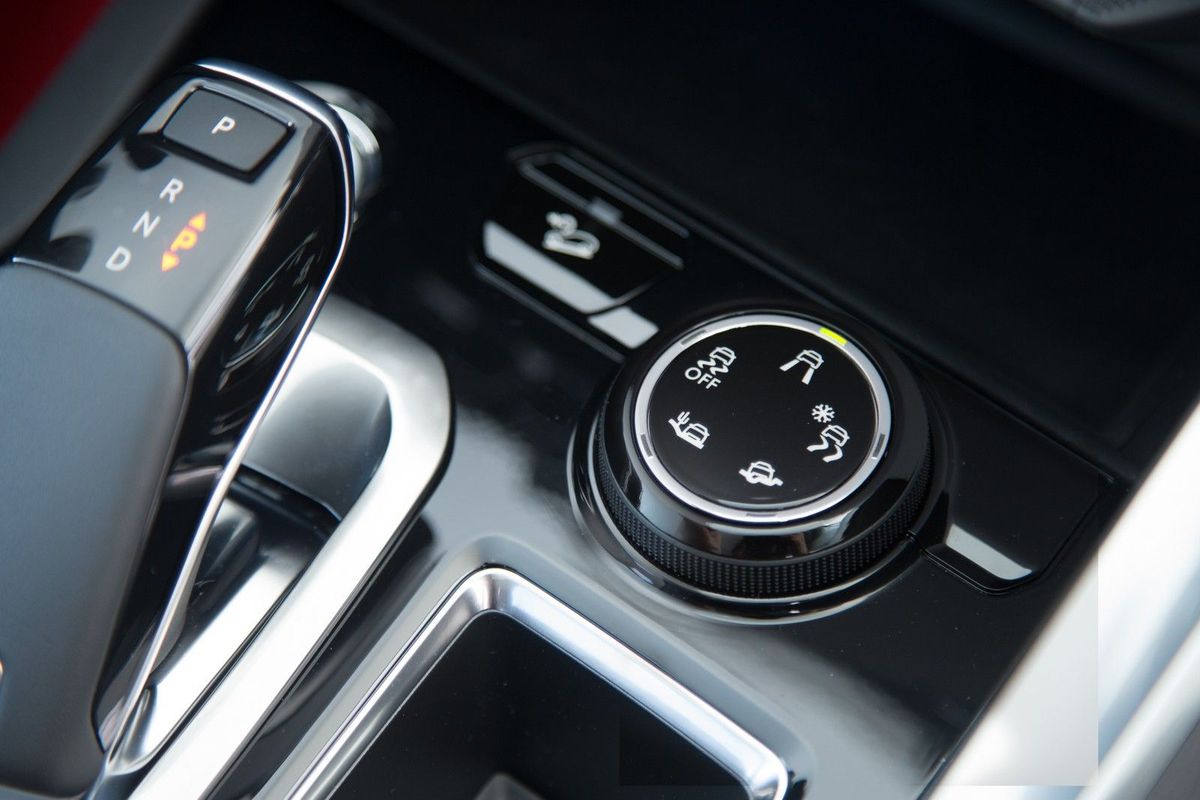
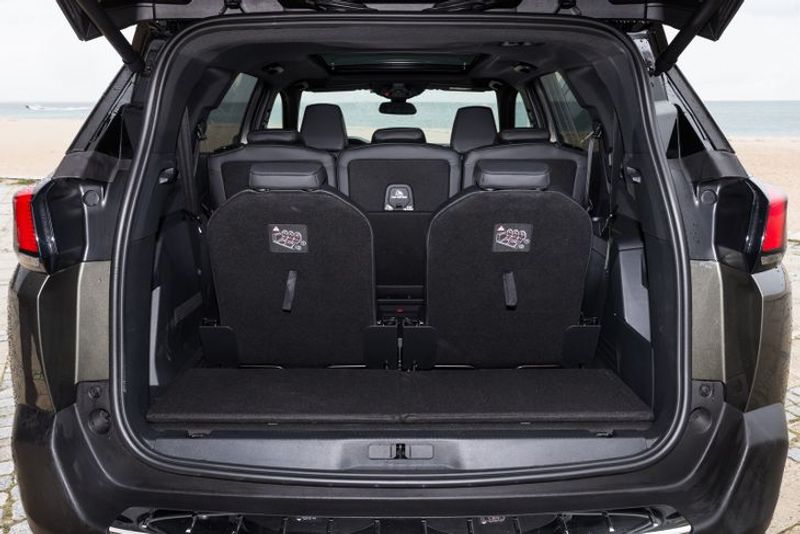
Getting back to the 5008, the SUV is available as a 7-seater where the third row can be removed entirely if/when required. Locally the 5008 will make use of 2 engine: a 1.6-litre turbopetrol with outputs of 121 kW and 240 Nm. Fuel economy on this unit is claimed to be 7.0L/100 km. A 2.0-litre turbodiesel will also be offered with 110 kW and 370 Nm of torque. Fuel economy is claimed to be as low as 4.8L/100 km on the combined cycle for this unit. Both engines and the whole range make use of a 6-speed automatic gearbox.
Spacious
7 seats as standard. The 2 rear seats can be easily removed to increase load space.
The 5008's major selling point is its space and practicality. It's sold as a 7-seater where the middle row features 3 individual seats that slide and recline to offer further comfort. The 2 rear-most seats can apparently be easily removed increasing the load space by 210 litres per seat. Even with the rear seats in and folded down there is still over 700 litres of load space. Take them out and you get 1 000 litres of load space. Still, with all the seats folded you get a massive 1 940 litres of load space – close on that of a premium SUV like a BMW X5.
An electric tailgate is standard across the range.
Up to date interior
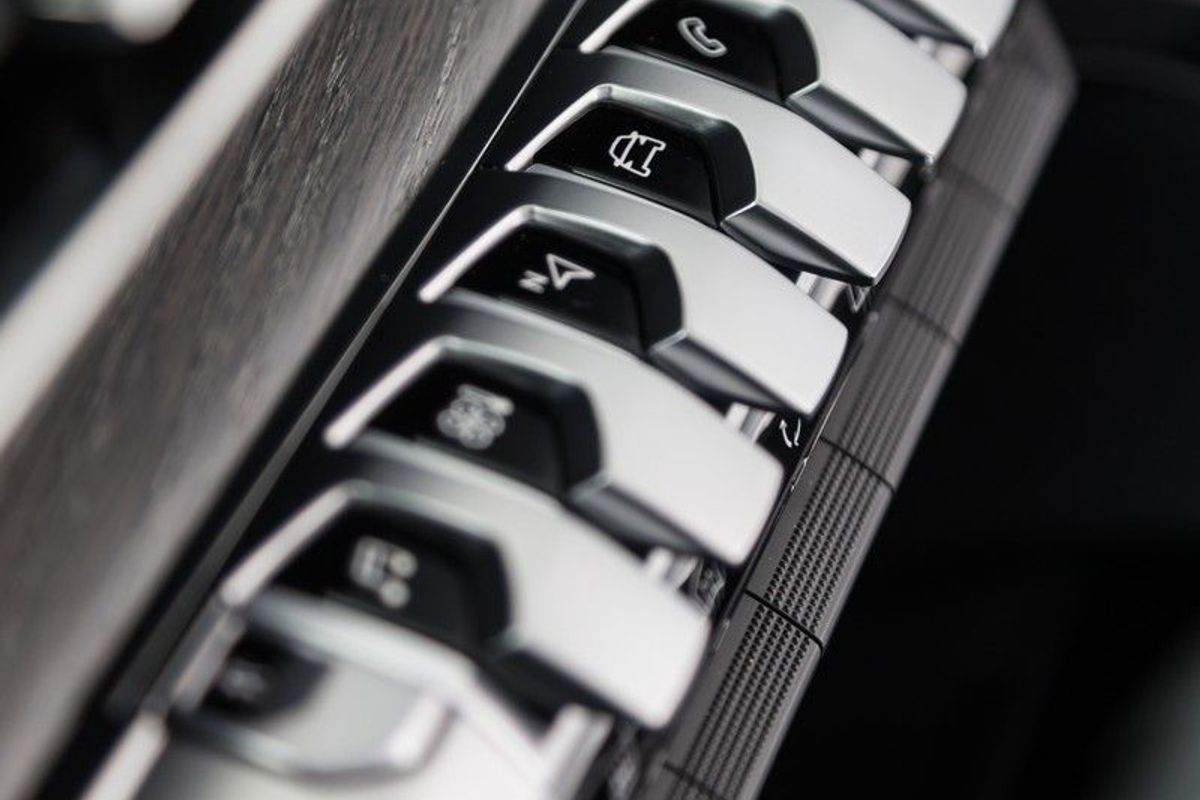
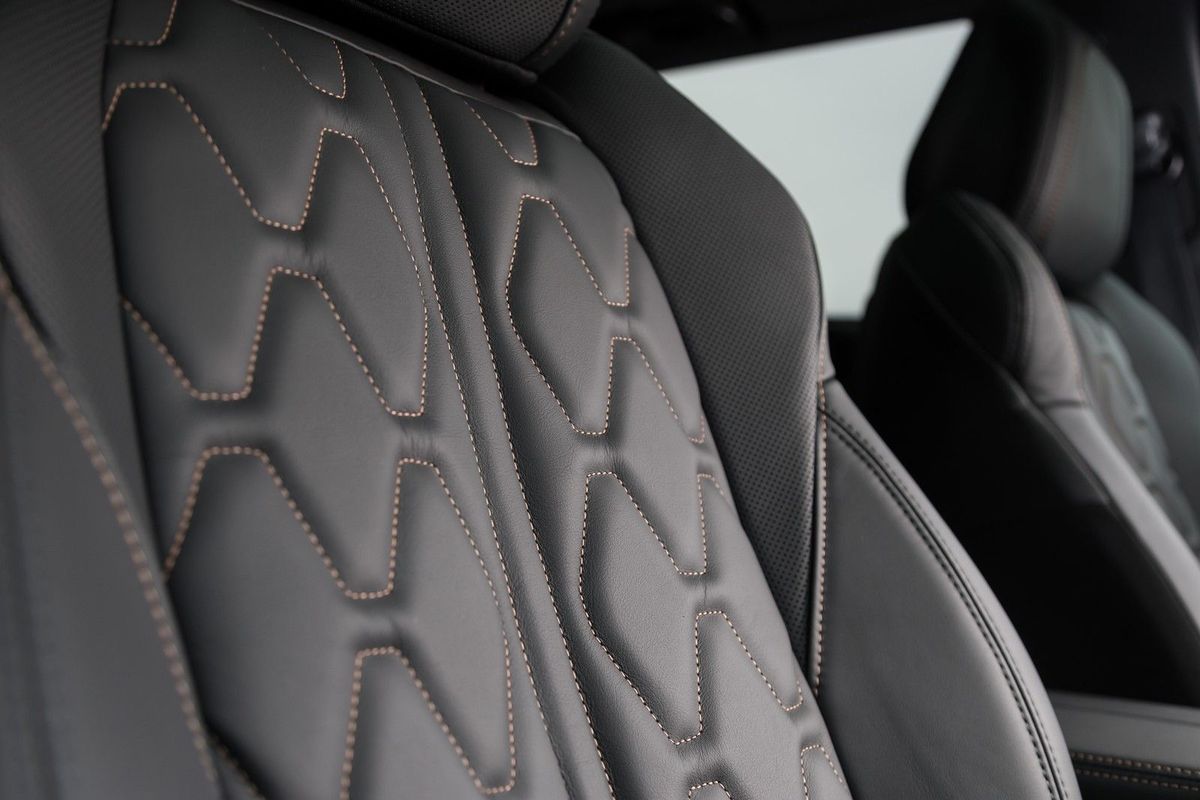
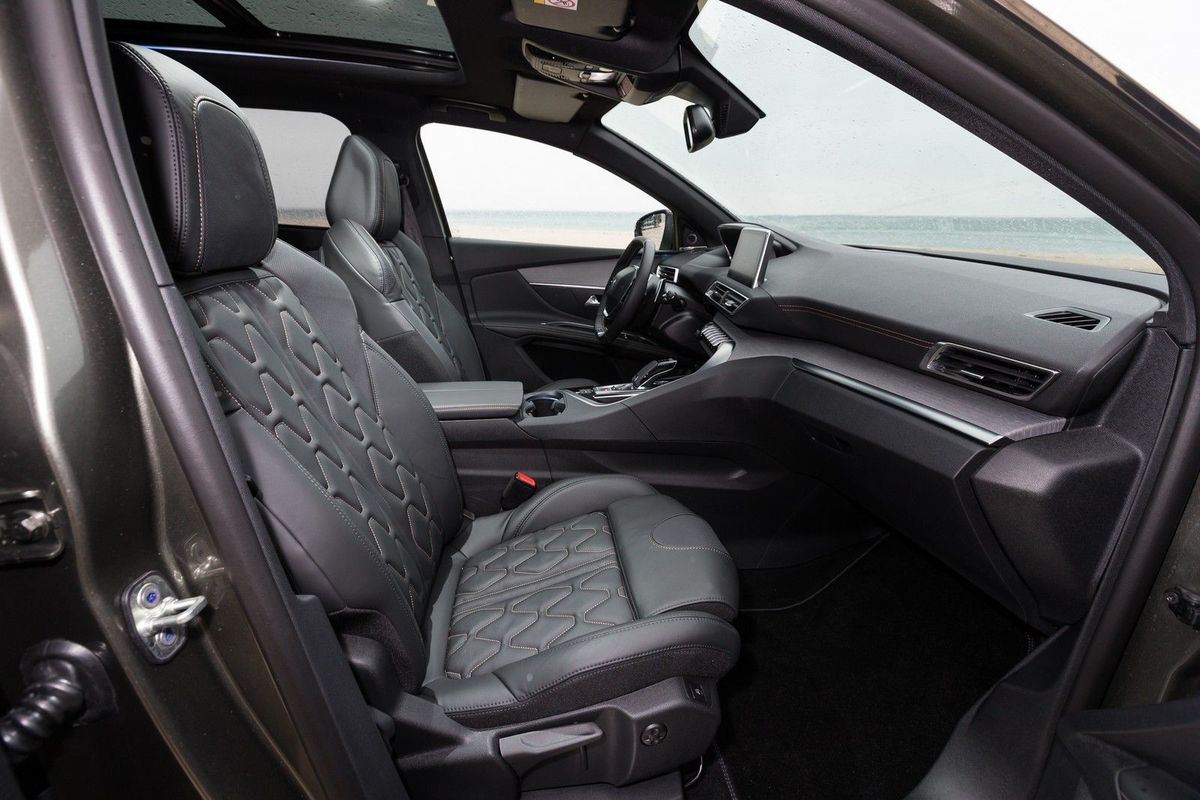
Since the introduction of the 308 more than 5 years ago, Peugeot has significantly improved the quality and materials of its cabins. The 5008 remains quirkily French with its small steering wheel, however. It's central infotainment screen measures 8-inches and is Apple Carplay and Android Auto compatible. The digital instrument cluster is 12.3 inches and can be customised to the driver's requirements as well as different themes and colours selected.
There's a wireless charging bay available on the GT Line while all models get USB ports as standard.
In terms of safety the family SUV comes well specced as standard. 6 airbags are standard but there are a raft of active and passive safety features that include: lane-keeping assist, blind-spot monitoring, adaptive cruise control, speed sign recognition, automatic headlights and park assist. Further to this the GT Line model gets 180-degree camera and automatic emergency braking with distance alert.
South Africa’s unique cars: from the Protea to the Gusheshe!
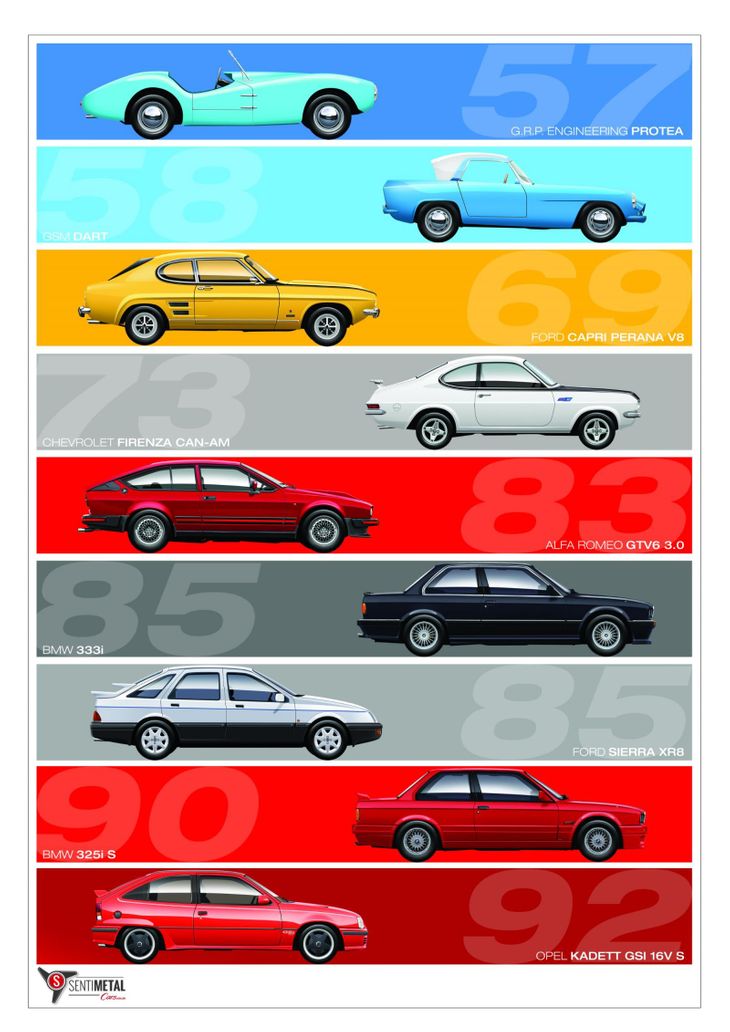
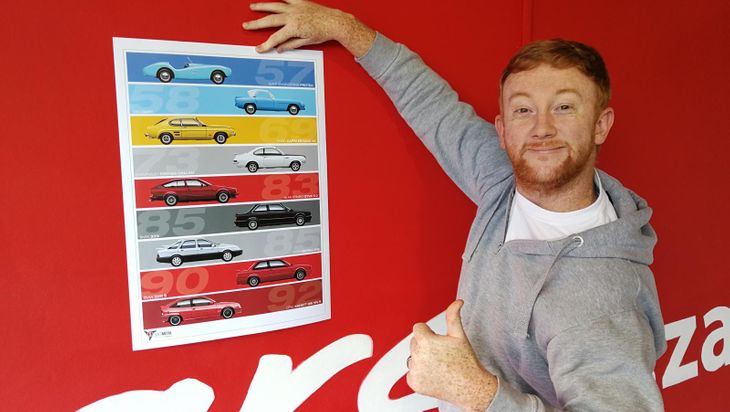
Featuring 9 uniquely South African cars, this new, limited-edition SentiMETAL artwork has just been added to the company's online store.
South Africa has a rich history of producing cars unique to this country – many of them were developed with the single purpose of motor racing in mind. Most of these cars were also made in extremely limited numbers, so were rare to start with, and most have since become valuable collectors' pieces. To celebrate our motoring heritage, Cars.co.za's SentiMETAL lifestyle brand has launched a limited-edition A2 print featuring 9 of the most memorable South African cars.
The SA-Specials print features 9 of South Africa's most iconic cars. Only 150 prints will be made.
"We're very proud of this piece," says Hannes Oosthuizen, Consumer Experience Manager of Cars.co.za. "We believe these South African cars deserve a lot more respect, not only from local petrolheads, but the international classic car community. We need to celebrate and treasure them."
Cars.co.za earlier this year used its annual Consumer Awards – powered by WesBank programme as a platform to announce the start of a car collection focusing initially on South African specials. The first car in the collection, a nuts-and-bolts restored Opel Kadett GSi 16V S "Superboss", was revealed in January, and the company is currently simultaneously restoring 3 more South African specials. "We believe we have to play our part in protecting this local automotive heritage, and we want people to remember and cherish these cars," Oosthuizen says.
Cars.co.za senior content creator David Taylor illustrates the size of the new print.
The A2 print, of which only 150 will be produced (each one is numbered by hand), features 9 uniquely South African cars; the Protea, GSM Dart, Ford Capri Perana, Chevrolet Firenza Can-Am, Alfa Romeo GTV6 3.0, BMW 333i, Ford Sierra XR8, BMW 325iS and the Superboss (Opel Kadett GSi 16V S). "There are of course many more South African specials," says Oosthuizen, "and we will produce more artworks that feature them in the future, but we feel these 9 are among the most important and memorable."
To produce the the piece, SentiMETAL called on Wayne Batty, former local motoring journalist now residing in the UK, and a man who is a wizard when it comes to computer-aided automotive drawings. "Working from (in most cases) quite limited reference photography, I first drew the profile and main character lines, then began to paint in the colour, adding detail and highlights. Recreating these homegrown icons has been a wonderfully nostalgic exercise and has given me a whole new appreciation for the significance of the homologation era, in particular," Batty says.
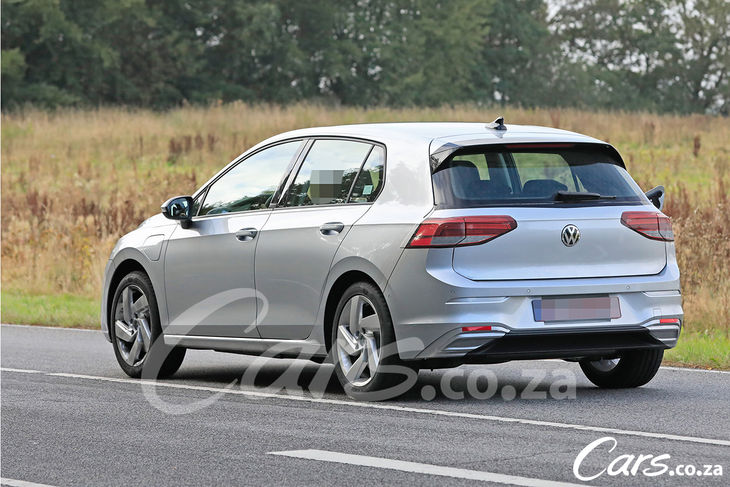
Spy shots of the electric Golf 8 have pretty much revealed what the much-anticipated Golf 8 will look like when it arrives in October 2019.
Image credit: S. Baldauf/SB-Medien
With the Golf 8 official reveal around the corner, VW is seemingly unfussed with hiding the newcomer's body from prying eyes anymore. These shots of the GTE (plug-in hybrid powered Golf) show almost no camouflage or covering up of any sorts. The charging port can clearly be seen above the left wheel arch.
The GTE model will likely be revealed a few months after the standard car and feature an all-electric mode with short range and a 48v electrical system. The hybrid power unit will likely be teamed with VW's new 1.5-litre turbopetrol engine, which is at least good for 110 kW and 280 Nm. With extra electric surge, a combined output of 130 to 150 kW could be likely.
Spot the charging port above the fender denoting the plug-in hybrid version of the Golf 8.
As for the design, we can see that this model already has the new 2D logo on it that VW revealed at the Frankfurt motor show. Otherwise, everything is distinctly Golf generic with a fancy LED lighting scheme to attract attention.
Tesla remains the master of electric motor performance.
Image credit: S. Baldauf/SB-Medien
Porsche’s show-stopping Taycan electric sportscar might have a problem.
September has been an amazing month for Porsche, as it revealed the brand’s first all-electric passenger vehicle.
There were huge expectations for Taycan, and these were met with sophisticated design and massive power outputs. The most potent Taycan is a Turbo S variant, which is good for 560 kW, with its launch control powertrain setting enabled.
Porsche did what most thought it would and set the Taycan upon the Nürburgring to see how fast it would be around the world’s most demanding stretch of road.
The Taycan posted a 7:42 lap of the Nürburgring, which is not outrageously fast for a Porsche, but quicker than any other battery-powered vehicle before.
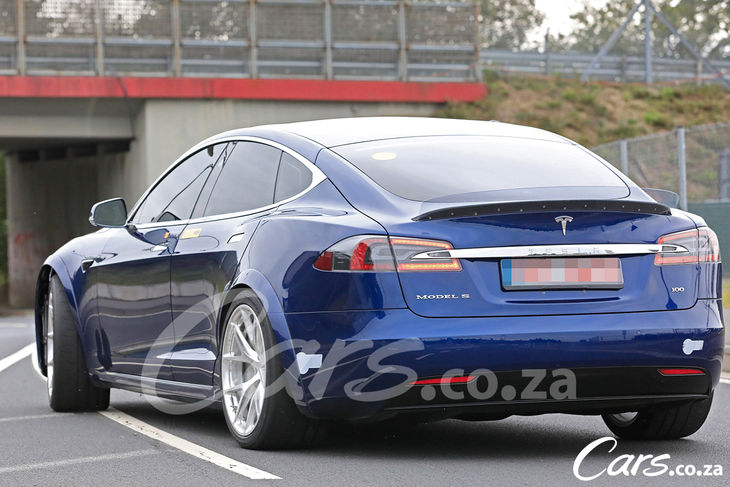
The Tesla was spotted using a set of special tyers provided by Goodyear.
Determined to defend its billing as the best electric car brand in the world, with the most potent performance, Tesla has a team at the Nürburgring, keen to wrest the record lap time from Porsche.
Tesla’s engineers and driving team are using a Tesla S prototype, which features a new three-motor configuration. Power outputs remain unknown for now, but it is quicker than any other Tesla around the Nürburgring.
Eyewitnesses have confirmed that a hand time lap of 7:23 (unofficial) was achieved by the Tesla Model S prototype, which is nearly 20 seconds faster than what Porsche could do in their production Taycan. The inaccuracy of hand timing could mean that the actual margin of superiority achieved by Tesla could be higher.
An interesting aspect of Tesla’s Nürburgring venture is that its Model S was rolling an unfamiliar Goodyear tyre. The American electric car brand had previously lapped the Nürburgring on Michelin Cup 2 R tyres, but the 7:23 lap was completed rolling Goodyear Eagle F1 Supersport RS tyre.
Nürburgring lap times are about a balance between power, deceleration and mechanical grip. A superior tyre, from Goodyear, would undoubtedly have assisted in Tesla’s cause to unseat Porsche’s Taycan as the fastest electric car around the Nürburgring.
The Rand has been steadily improving against the Dollar but the recent drone strike in Saudi Arabia has cut potential price reductions.
Over the last month, the Rand has shown improvement against the Dollar, climbing back from R15.30 to around the R14.75 mark as of yesterday 16 September 2019. This should have resulted in a nice reduction in the price of both petrol and diesel locally. However, the recent drone attack in Saudi Arabia has seen Oil prices surge around 6% overnight. The AA commented that "The refinery strike was a game-changer for the way oil price stability is viewed. At a single stroke, five to seven percent of the world's oil output has been wiped from the board, leading oil prices to surge disproportionately,"
The result locally is that if things stay as they are (unlikely with the current volatility) we could see a reduction of five cents for 95 octane and 25 to 20 cents for 93 octane. Diesel, on the other hand, could see an increase of 13 cents a litre from next month.
"The US President has authorised the release of oil from that country's Strategic Petroleum Reserve. This should calm some oil price nerves, but the potential for copycat attacks on other oil installations now that their vulnerability is clear remains a concern,” says the AA.
South African might soon have a new car brand, from Iran.
Mureza Auto Company has announced its intention to launch a hatchback locally, with funding from the UAE securing its operational capital.
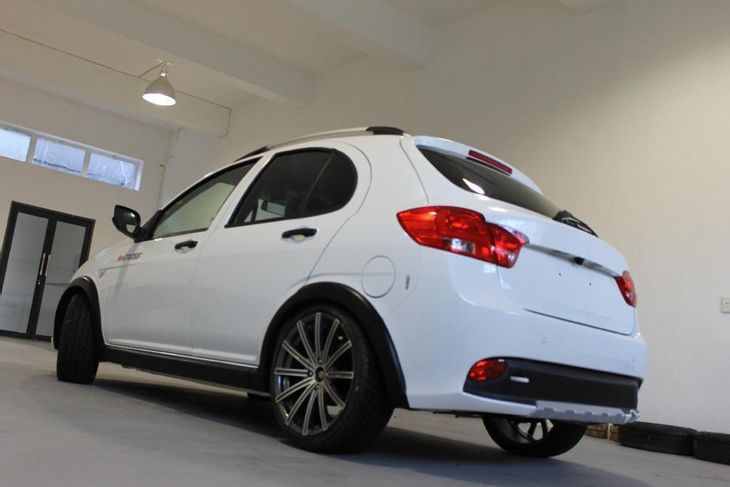
This new venture will be debuting its Prim8 hatchback at the Automechanika show in Johannesburg, which opens this week.
What do we know about the Prim8? The platform and most of its engineering are sourced from Iran’s SAIPA group, which has been building vehicles on contract for the Iranian market since 1965.
The Prim8 features a 1.5-litre naturally-aspirated petrol engine, producing 87 kW. As one would expect from a hatchback of its size, the Prim8 is front-wheel drive.
Mureza is keen to offer comprehensive equipment levels with its Prim8. Its best trim option for the local range will include keyless entry, a seven-inch touchscreen infotainment system, SatNav, rear-view camera, parking sensors and air-conditioning.
You’ll also get electronic stability control, tyre-pressure monitoring, a powered driver’s seat and four airbags.
Price? Mureza isn’t confirming a specific retail structure but quotes a figure within the relatively narrow band of between R180 000 and R200 000 for the best-equipped Prim8.
What is particularly interesting about the Mureza Auto project, is how it intends to source and produce these Prim8s for the local market.
This Prim8 appears to be locked up in someone's office.
The initial assembly will commence in Rosslyn, with plans to expand to another facility in Zimbabwe. Mureza is also considering a revival of the former Hyundai assembly plant in Botswana. The latter is a viable option with geographic advantages, considering its proximity to the large South African and relatively robust Namibian new vehicle markets. Whether Zimbabwe will be capable of facilitating vehicle assembly and transhipment during its current economic crisis appears unclear.
Mureza is positioning the Prim8 in a very competitive market segment, which is dominated by the VW Polo Vivo and Toyota’s Etios. It will also face competition from Hyundai and Kia, which although smaller in size, have proven technology and an established South African presence.
The local hatchback market has not been kind to emerging brands. Tata tried. And failed. Most of the Chinese hatchbacks marketed in South Africa have been removed from the local market too. Mureza would have to do something extraordinary to achieve substantial sales volumes.
It is aiming for assembly volumes of 10 vehicles per day and hoping to grow that to 35 units. If Mureza’s assembly facility only runs on weekdays (which would be potentially unprofitable for an automotive assembly plant), that would put conservative monthly production at 200 Prim8s.
Don’t expect to see a Mureza dealership, though. To avoid the costly set-up infrastructure for countrywide distribution and dealership networking, Mureza plans to sell the Prim8 through used vehicle outlets. There is talk of an online sales channel too, but no clear details about this venture at the moment.
And the name? Well, ‘Mureza’ means The flag in Shona.