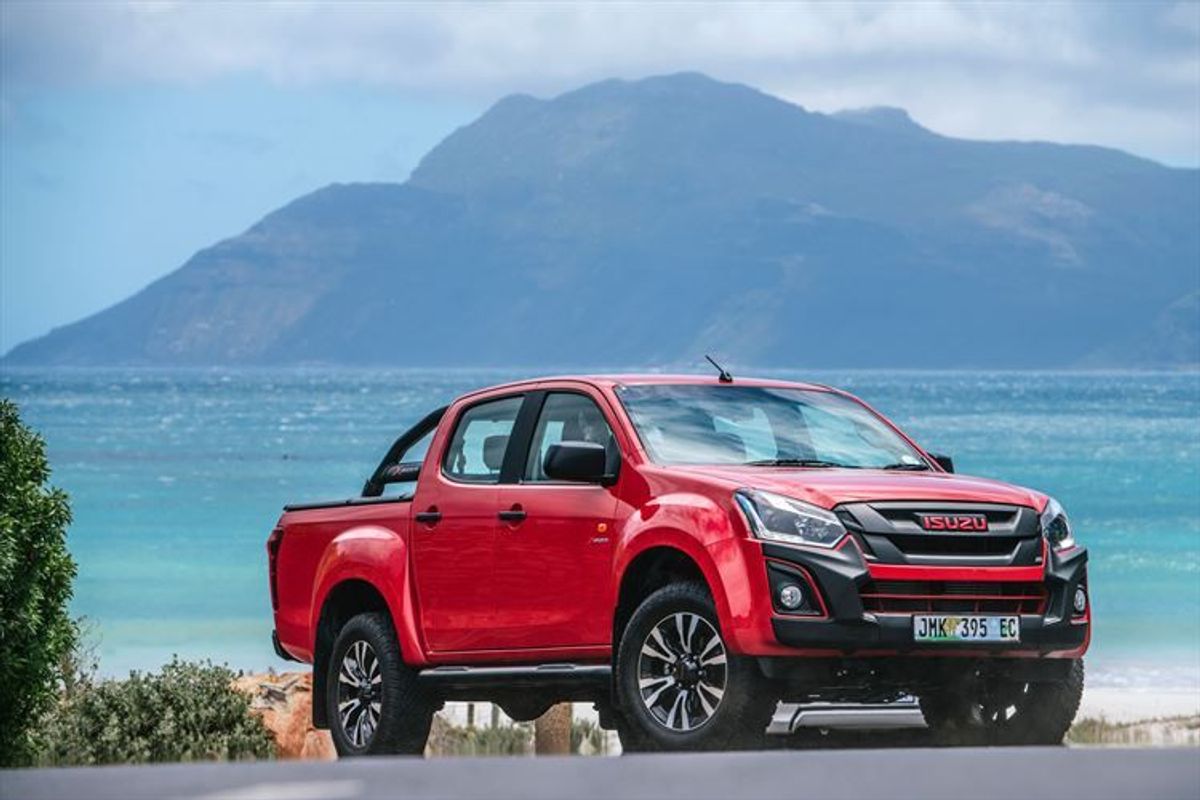
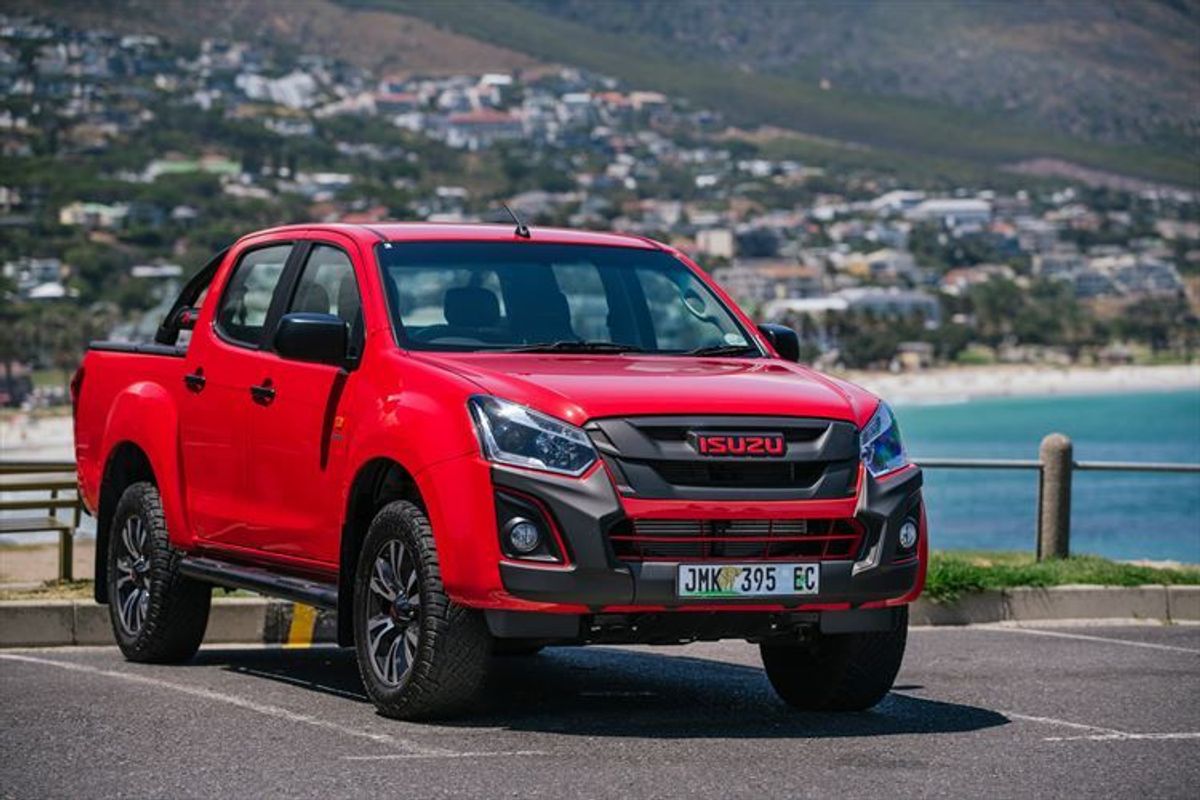
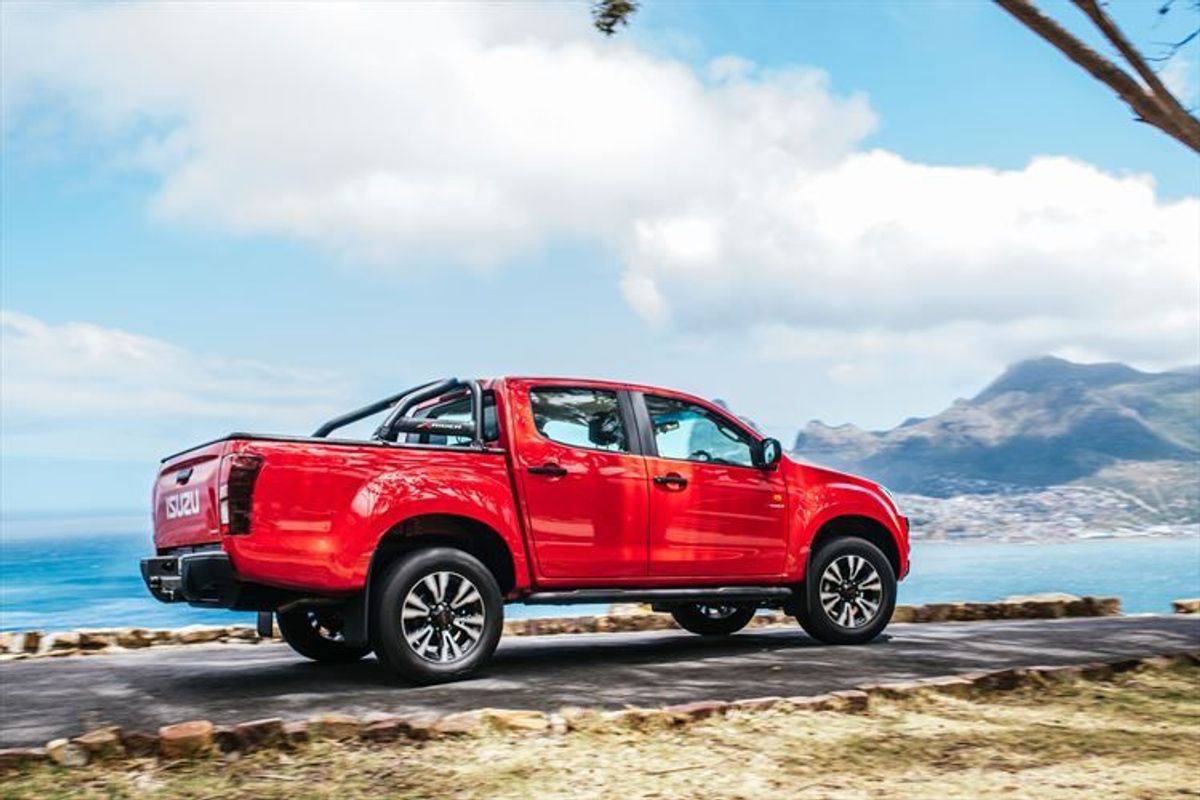
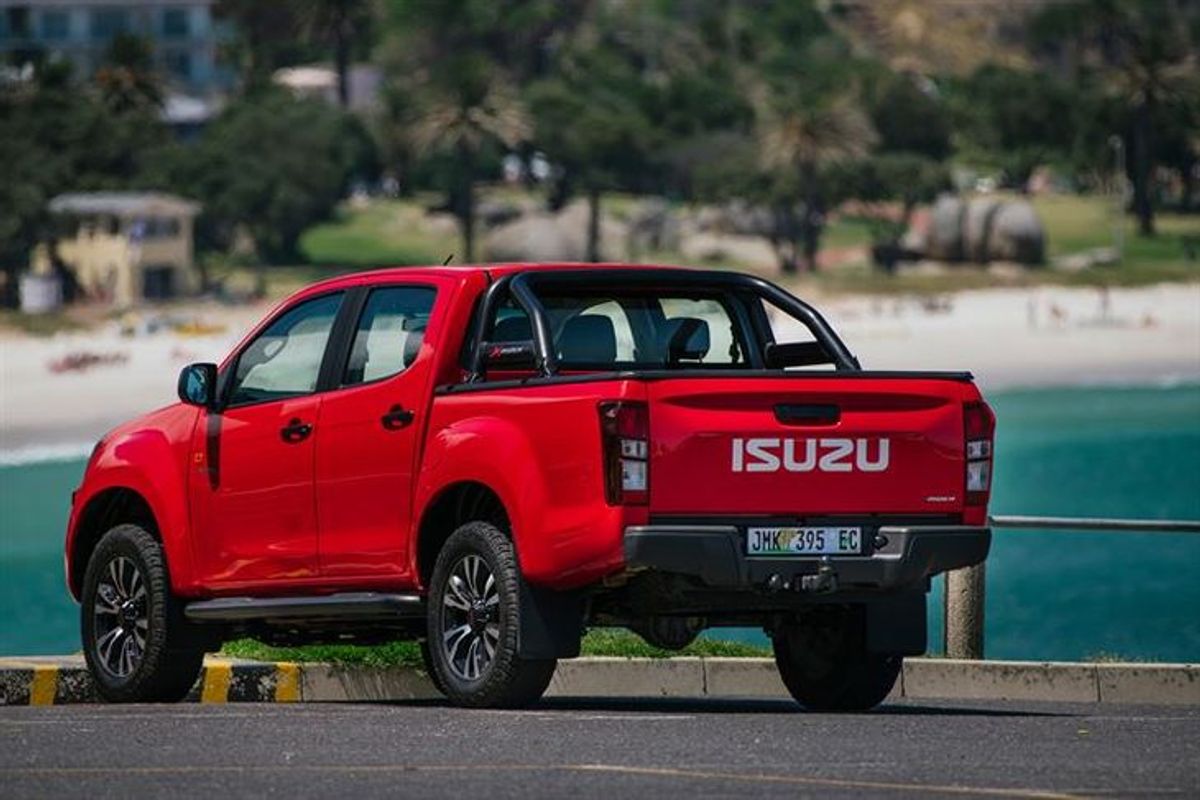
Isuzu bolstered its local D-Max bakkie range with the addition of 5 new automatic derivatives!
Japanese LCV giant, Isuzu, has responded to the market demand for automatic transmissions by offering more choice for buyers.
"Buying trends in the bakkie segment are changing rapidly, and we have seen a major upswing in the demand for automatic gearboxes in recent years. The introduction of the 6-speed automatic transmissions in the D-Max 3.0-Litre models in 2018 was extremely well received, and we are delighted to now offer automatic gearbox options on our popular D-Max 250 models, from our trendy X-Rider model to the mid-level LE and the Hi-Ride which is ideally suited to our commercial vehicle customers," says Dominic Rimmer, Senior Vice President, Technical Operations at Isuzu Motors South Africa.
The D-Max 250 range is headlined by the X-Rider which now gains a 5-speed automatic which complements the choice of the existing 5-speed manual transmission and is available in both 2-wheel-drive and 4-wheel-drive formats.
The mid-spec D-Max 250 LE double-cab and workhorse-orientated D-Max 250 Hi-Ride also gain a 5-speed automatic transmission as well as the D-Max 250 Hi-Ride 4×2 Extended Cab.
The D-Max 250 derivatives are powered by a 2.5-litre turbodiesel engine with 100 kW and 320 Nm of torque and have maximum towing capacity of 2 100 kg.
Lastly, Isuzu is also offering a 6-speed automatic on the D-Max 300 Hi-Ride Double Cab.
This derivative makes use of a 3.0-litre turbodiesel engine with 130 kW and 380 Nm of torque.
D-Max X-Rider specification
The X-Rider features derivative-specific details that makes it stand out from the rest of the D-Max range.
The D-Max 250 X-Rider brings a bold look to the road with a black bumper and grille complemented with a striking red Isuzu badge on the nose as well as projector-style headlights with daytime running lights. This distinctive derivative also features 18-inch alloy wheels, tubular side steps and a roll bar all in black.
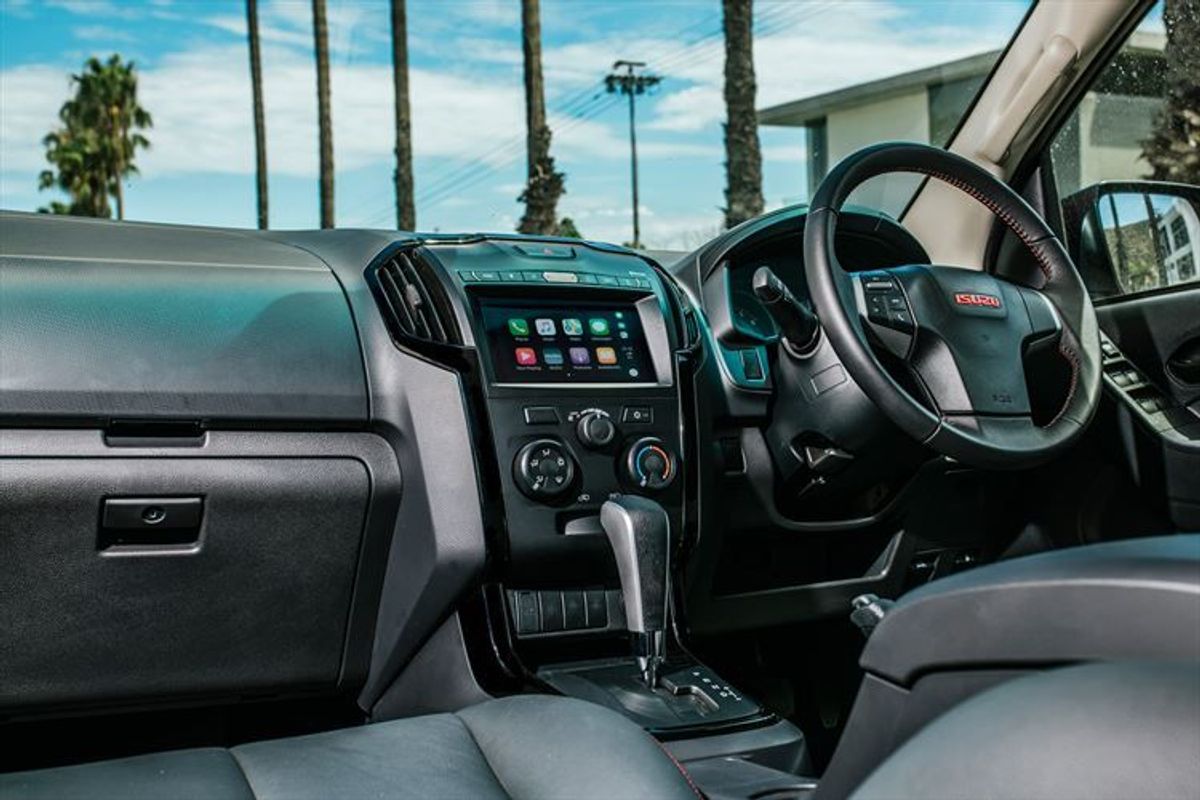
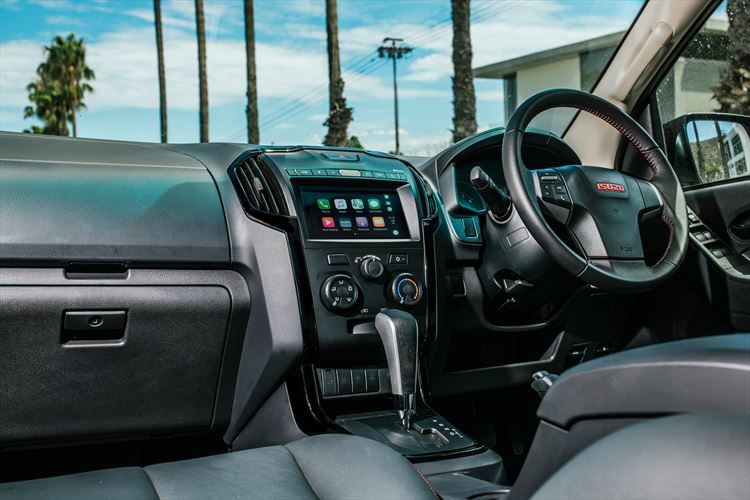
The interior gains leather upholstery with contrasting red stitching and X-Rider badging. A basic Bluetooth radio is fitted (with 6-speakers). Safety features include ABS with EBD, brake assist, electronic stability control with traction control, hill descent control and hill start assist. Driver and passenger airbags are also included.
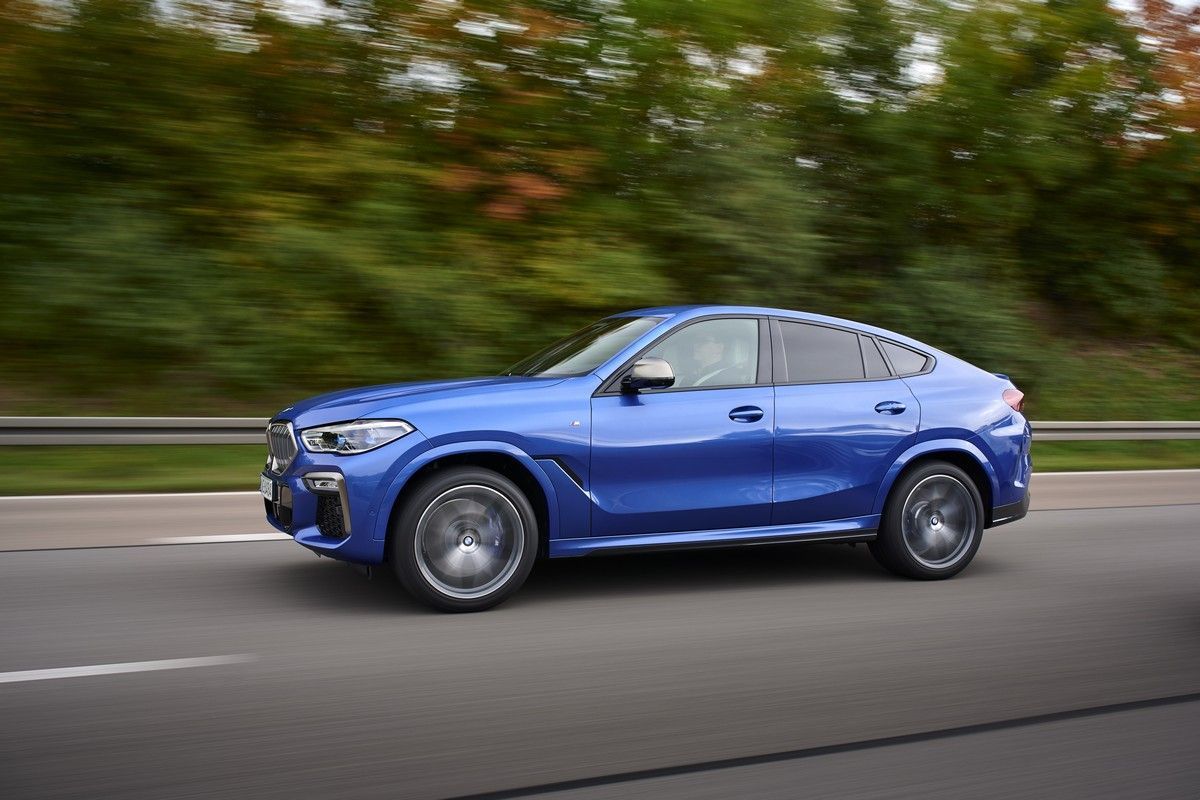
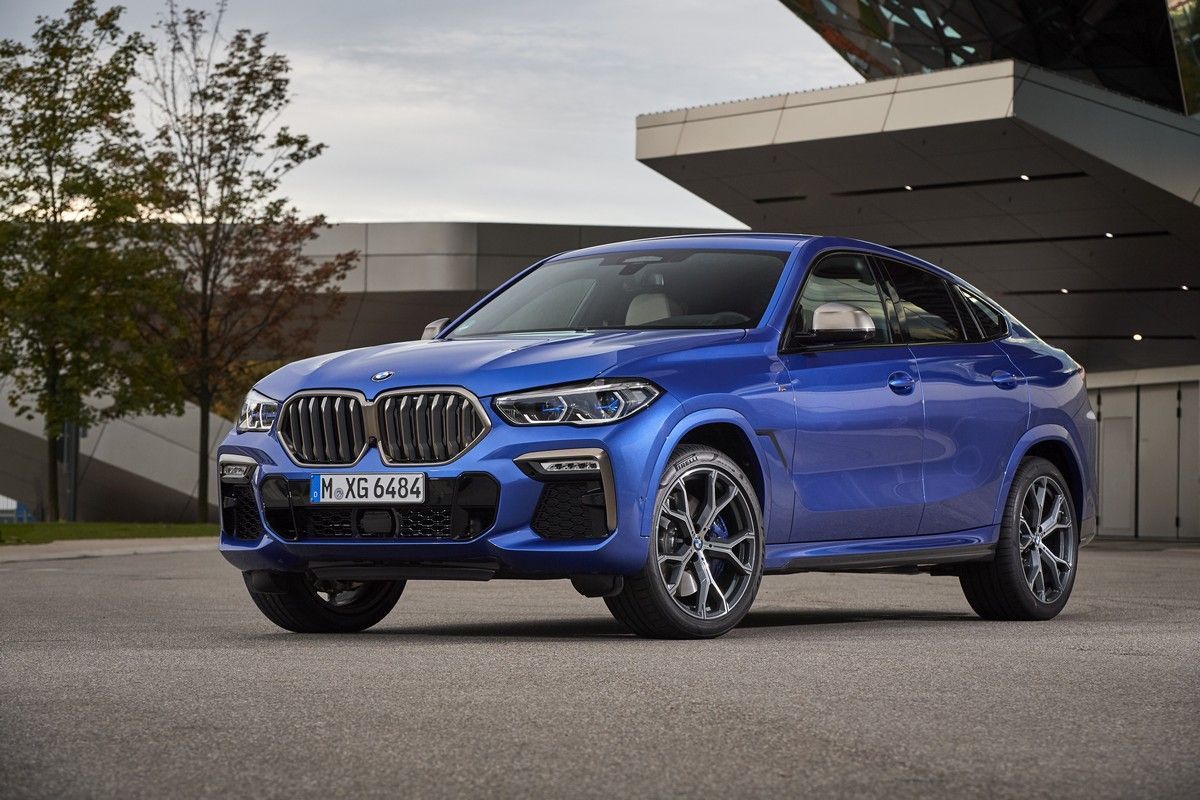
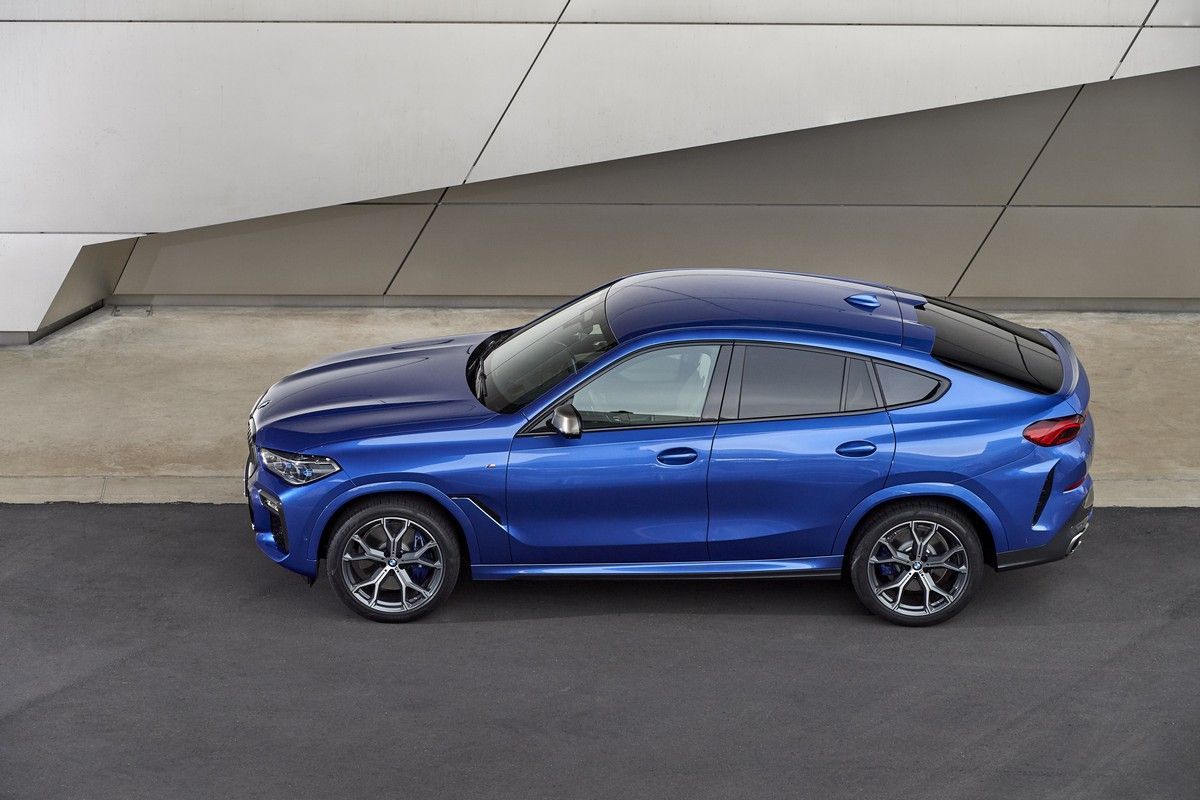
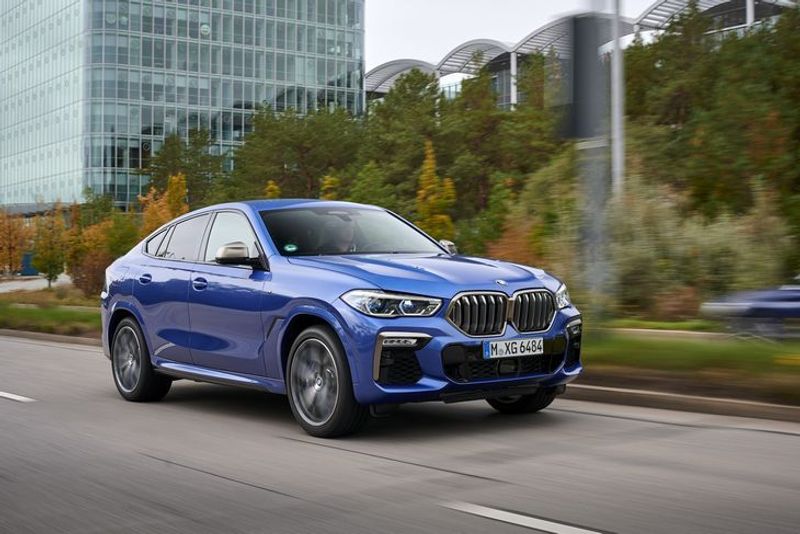
Before BMW released the gargantuan X7, the audacious 7 Series facelift and, most recently, the utterly-divisive grille treatment of the upcoming 4 Series coupe, the X6 premium SUV coupe was easily the Bavarian firm's most controversial model. The 3rd-generation X6 will arrive in South Africa soon, ostensibly spearheaded by the flagship X6 M derivative; is the newcomer still a love-it-or-hate-it offering?
Gucci. Prada. Balenciaga. The BMW X6. All are considered style icons, right?
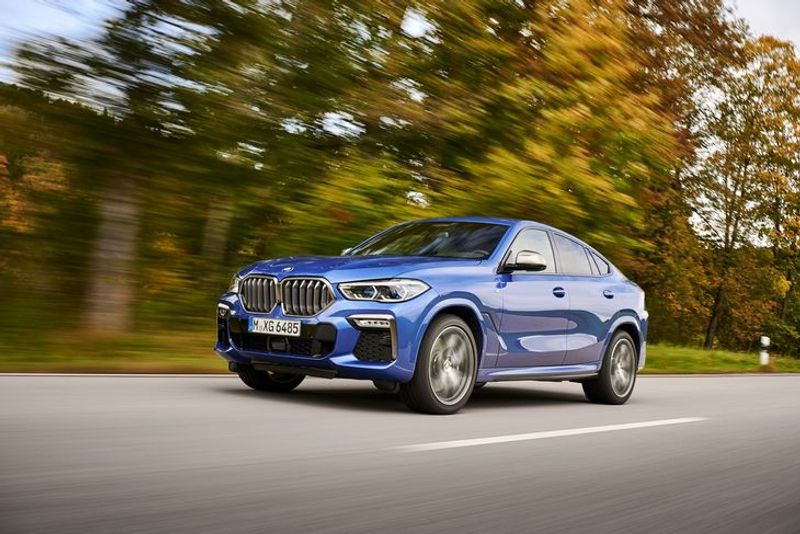
Apparently so, as this is the 3rd-generation version of the BMW X6, a genre-defining luxury SUV coupe (or, in BMW speak, Sports Activity Coupe) which, in its new-look guise, has followed a similar trajectory as those aforementioned high fashion brands. It is bolder, more polarising – and arguably gaudier – than ever before.
Whereas the 2nd-generation X6 was clearly a "brother of X5" looks-wise, the new version is plenty of distinctive road presence.
Style is just one part of the equation when it comes to the G06-generation BMW X6 – it also has plenty of substance, some surprising smarts, and a level of charm to it, too. However, does the Munich-based firm's premium SUV coupe have what it takes to remain a standout offering in the rarefied boutique luxury "off-roader" space, considering rivals such as the Porsche Cayenne Coupe, Mercedes-Benz GLE Coupe, and Audi Q8?
The bold – and the beautiful?
The X6 has always been a car that you either "get", or you don’t. When the 1st-gen model was launched in 2008, its design was widely considered "too out there", the 2nd-generation – which many thought might not happen – was comparatively derivative of its X5 sibling (but still no beauty queen) and this (3rd) one, well, I guess it's landed somewhere in the middle. Clearly, enough people out there understand the intent of the X6, because BMW has built and sold about half a million X6s over the years.
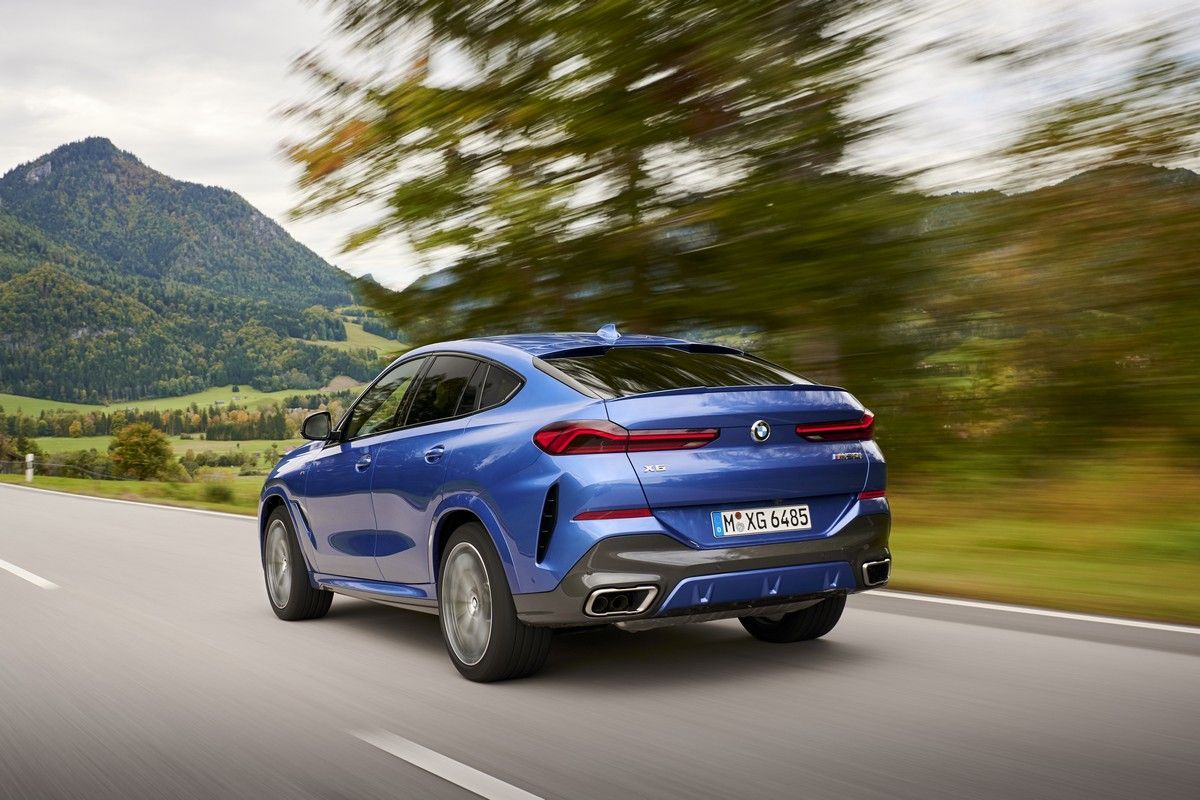
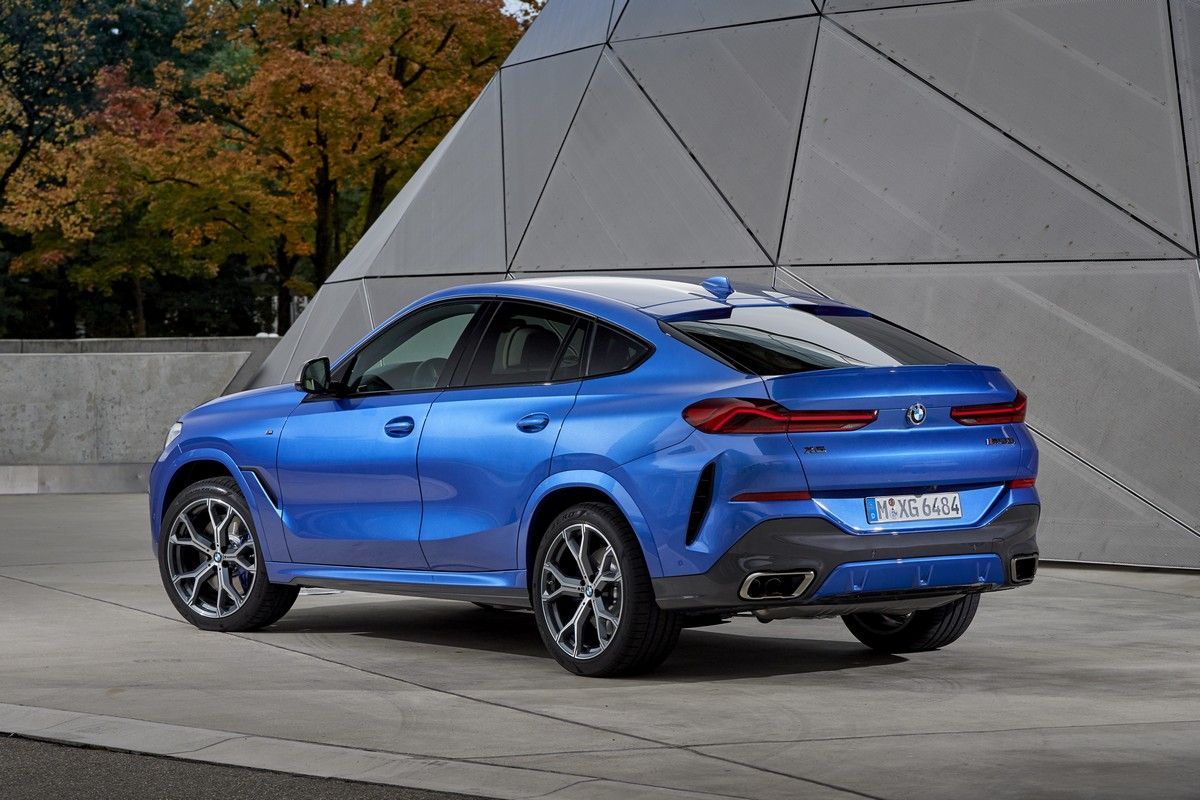
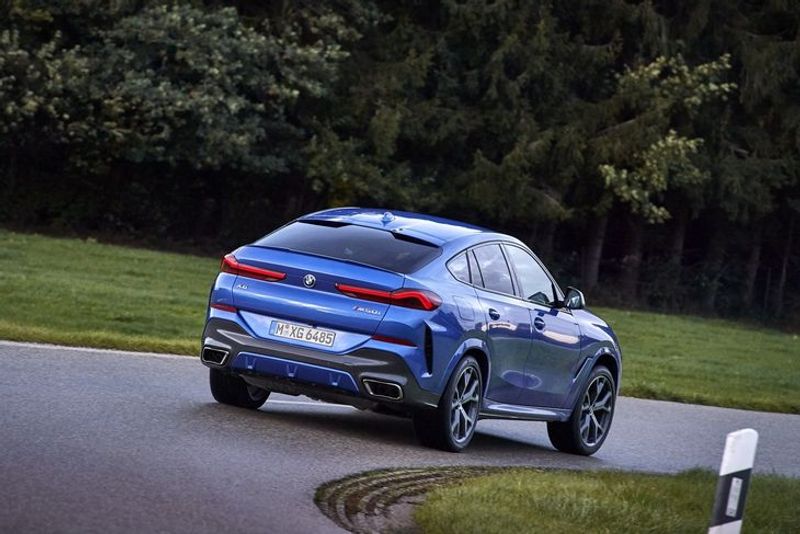
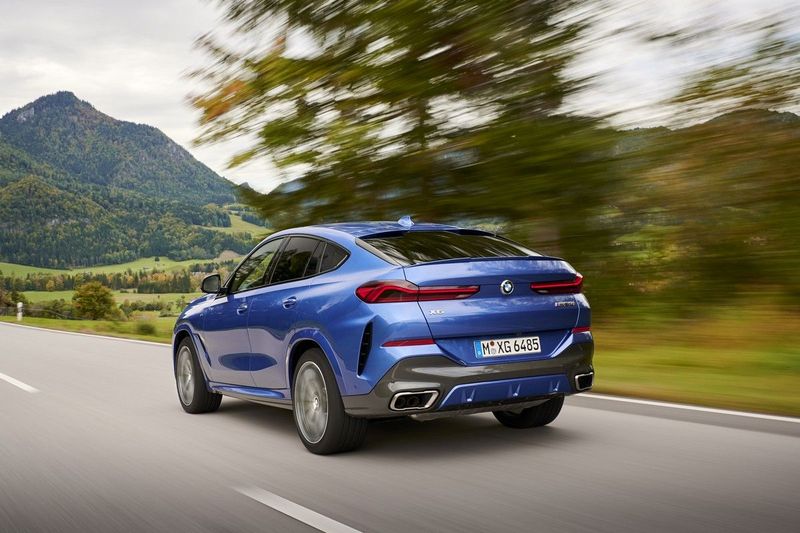
In M Sport guise, the X6's rear apron features extensive dark cladding around the stylised exhaust tip cutouts.
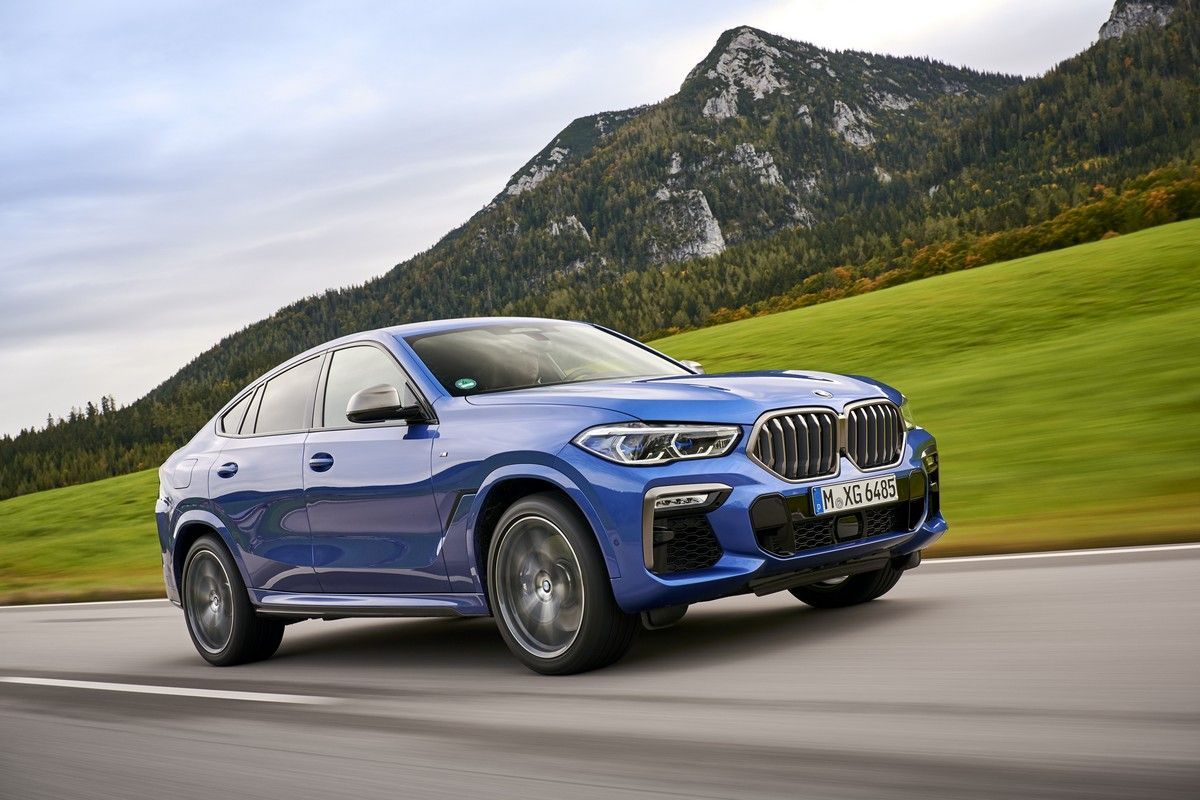
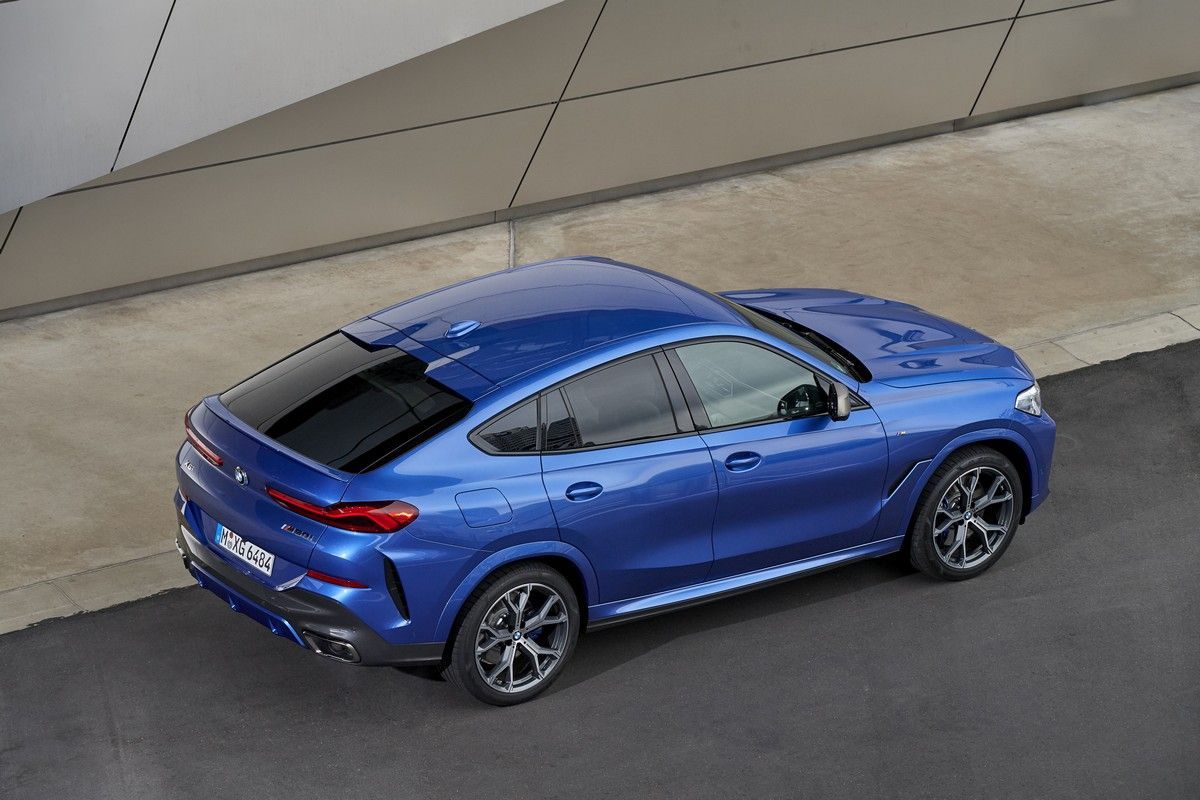
The G06-generation X6 still has that now-trademark sloping roof design, a dead giveaway that you’re not looking at a BMW X5, but there are also some new, more aggressive design elements (to especially the front of the car) that are clearly intended to make it appear more sporty, macho and – undoubtedly – more appealing to Chinese buyers.
As BMW’s Chinese website (translated by Google) puts it: “The distinctive design philosophy outlines a stern gesture, and the dazzling light curtain grille shows its handsome temperament, and it gives off a stunning charm between movement and silence.” Purple prose indeed.
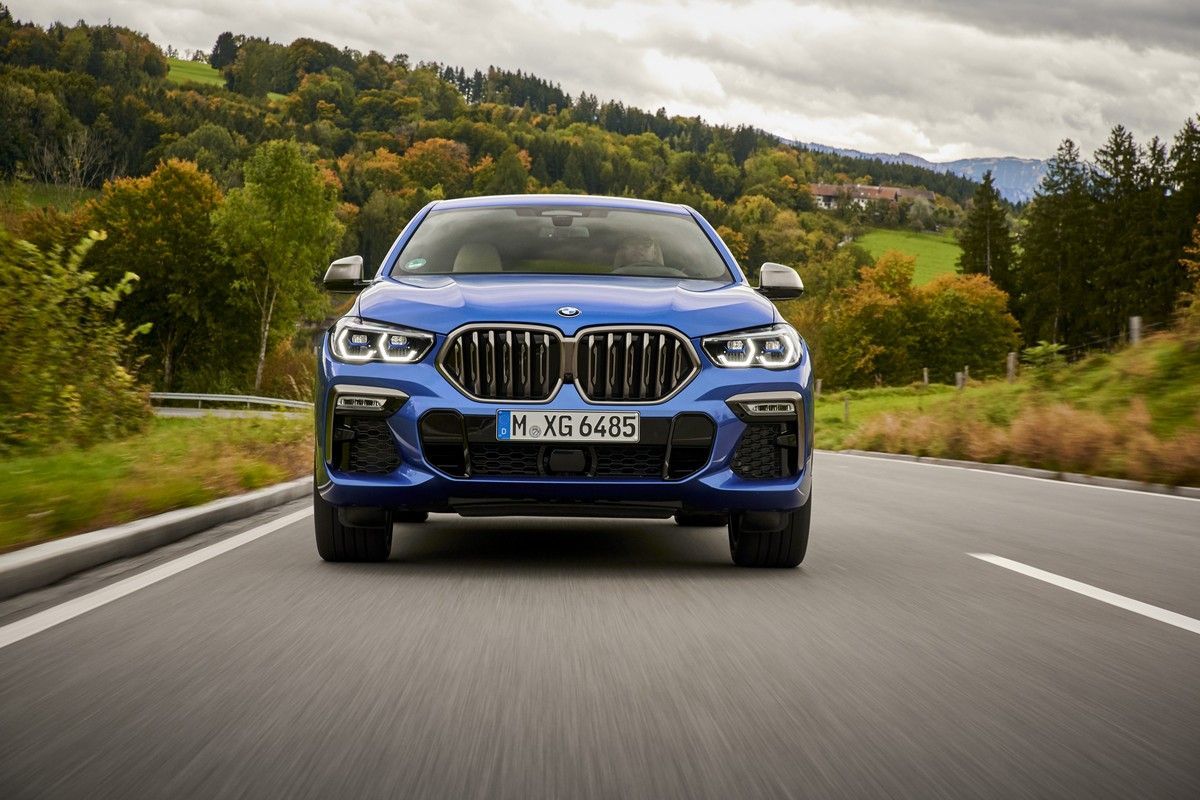
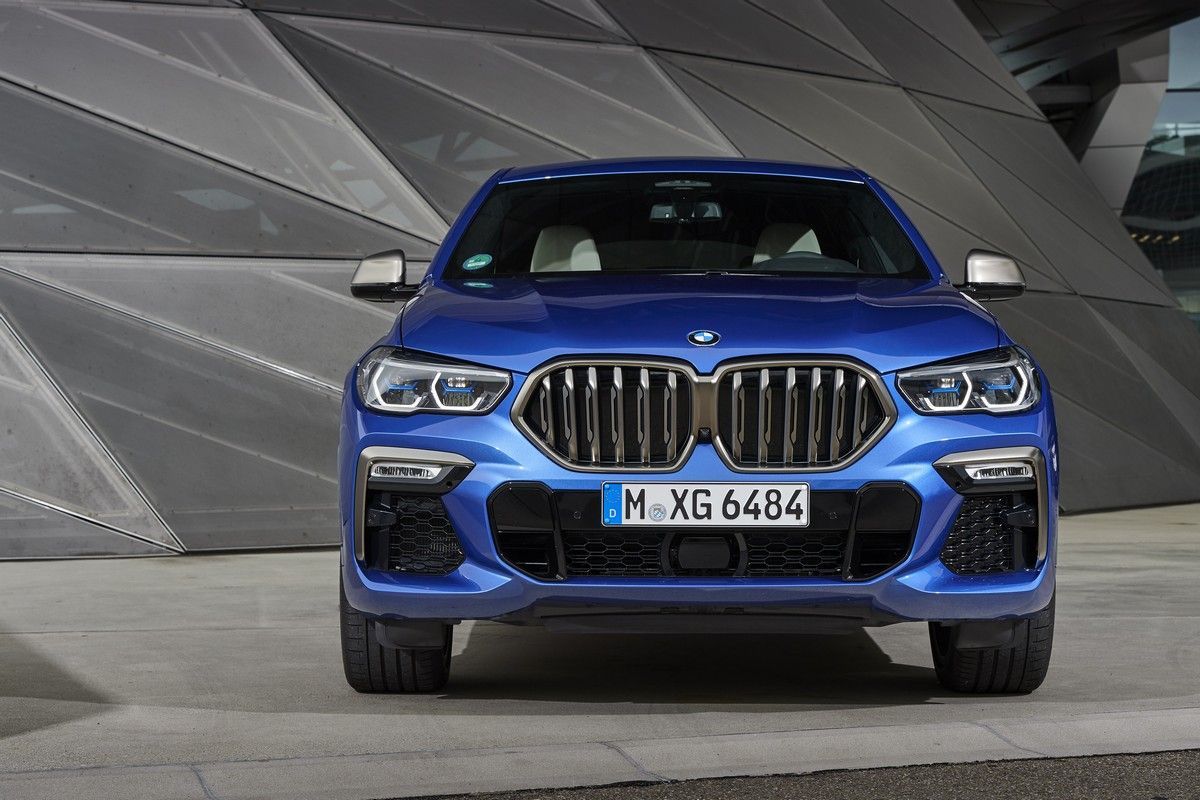
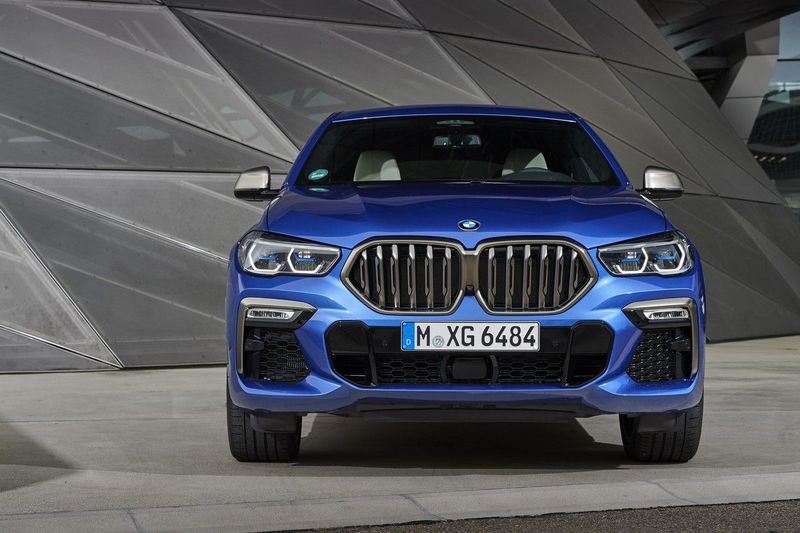
Would you believe the uprights in the grille come with their own LED detailing? Talk about purposely drawing attention to oneself…
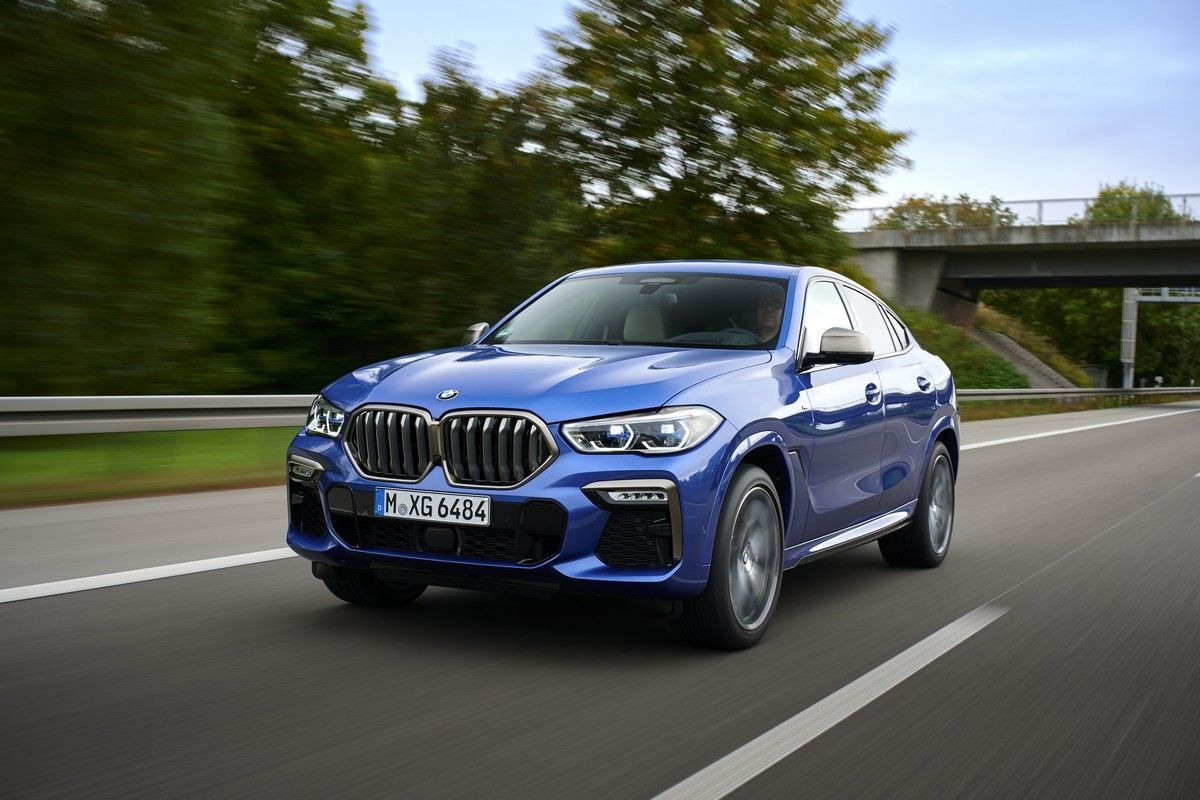
That illuminated kidney grille is an intriguing part of the look: hidden LEDs add an extra bit of visual bling to the front end, though if that’s the shape of your kidneys you’d best get to the doctor in a hurry. Below is a bumper with big air intake sections, and the headlights feature a distinctive, on-brand LED signature.
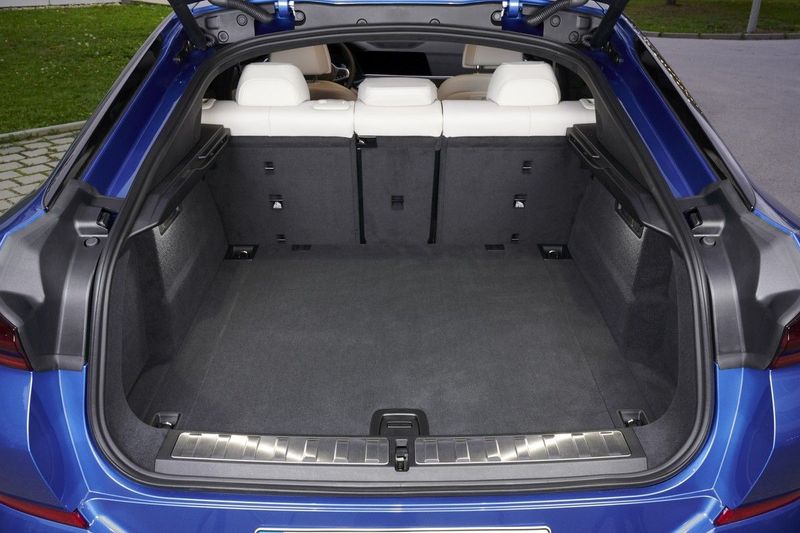
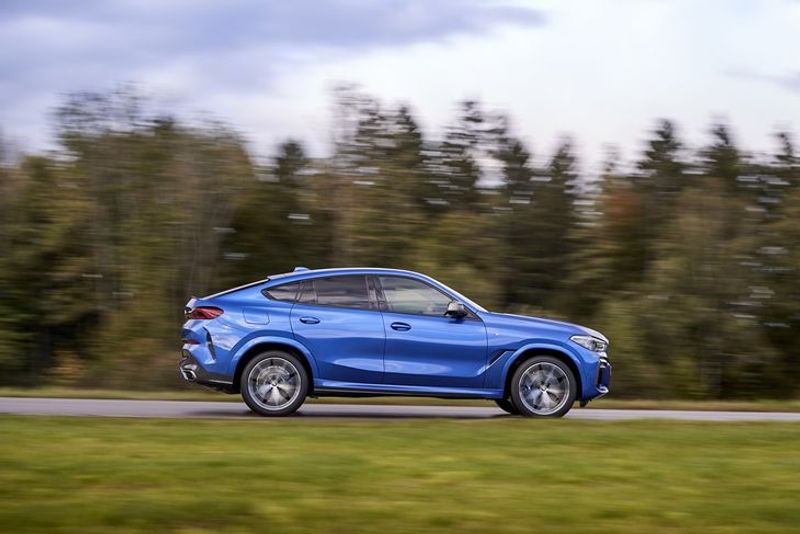
The roofline aside, it looks pretty smart in profile. It’s bigger than ever before, measuring 4 935 mm in length (on a 2 975 mm wheelbase), 2 004 mm in width, 1 696 mm in height and the claimed luggage capacity has increased by 30 litres to 580L (or up to 1 530 litres with the 40:20:40 split-fold rear seat stowed).
Some will find the familiar X5 cabin architecture welcome, others may find it too predictable in something as wildly-styled as the X6.
The rear is where the arguments will probably start. Not just because of the roof, but because the mix of horizontal and vertical lines is rather confronting. The new tail-light styling isn’t to all tastes, but it does add to that broader look, while the sharp, angular breather lines behind the wheels in the rear bumper are, well, eye-catching.
But one has to appreciate a bold car design for what it is: utterly subjective… you have to consider it relative to the styling of rival products in the market upon its commercial release. You might absolutely adore the look of this vehicle, or, like me, think it’s horrible. But things are more appealing and arguably more palatable on the inside…
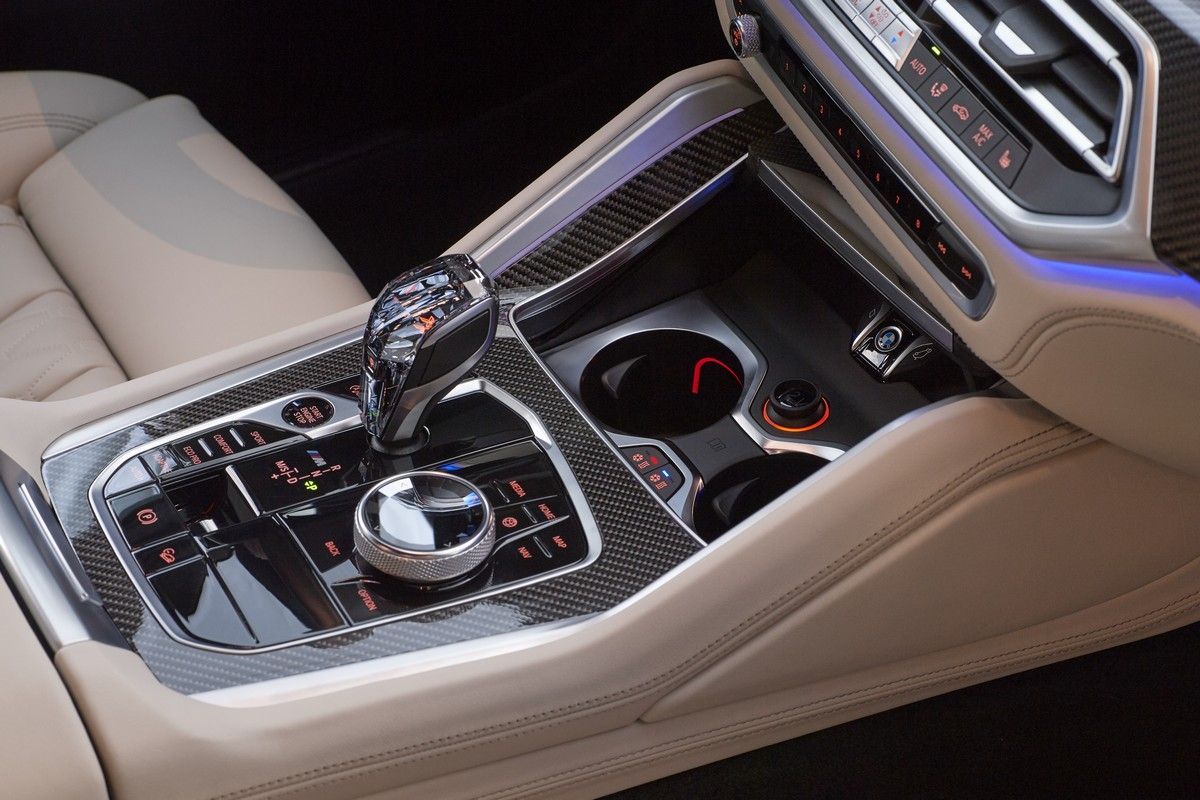
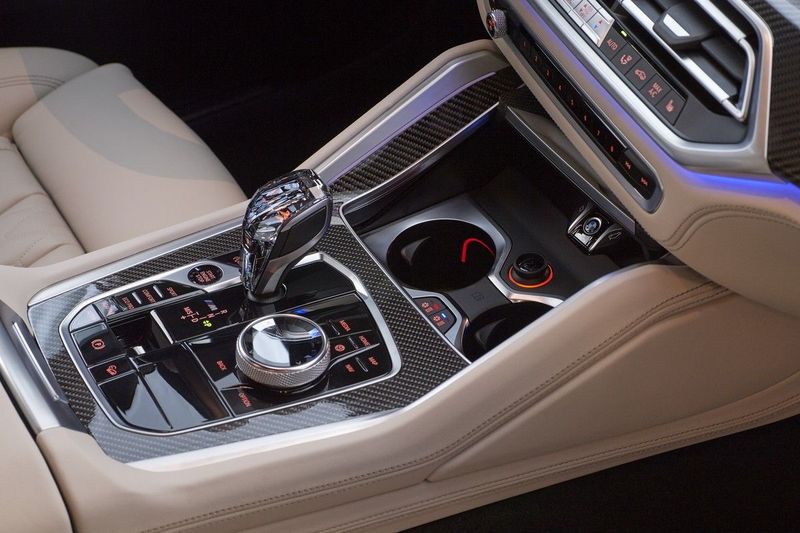
If you're not going to fit the now well-known Swarovski-crystal transmission lever in an X6, you may as well not offer it at all!
Inner beauty
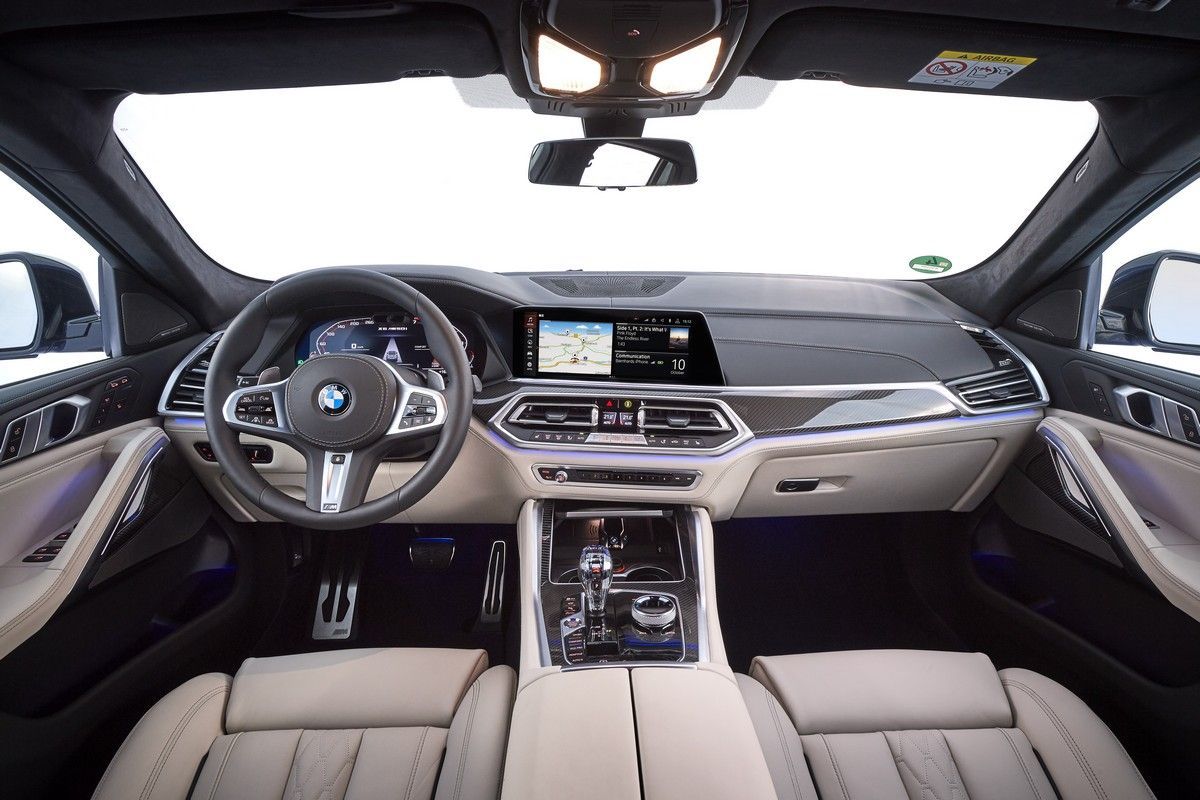
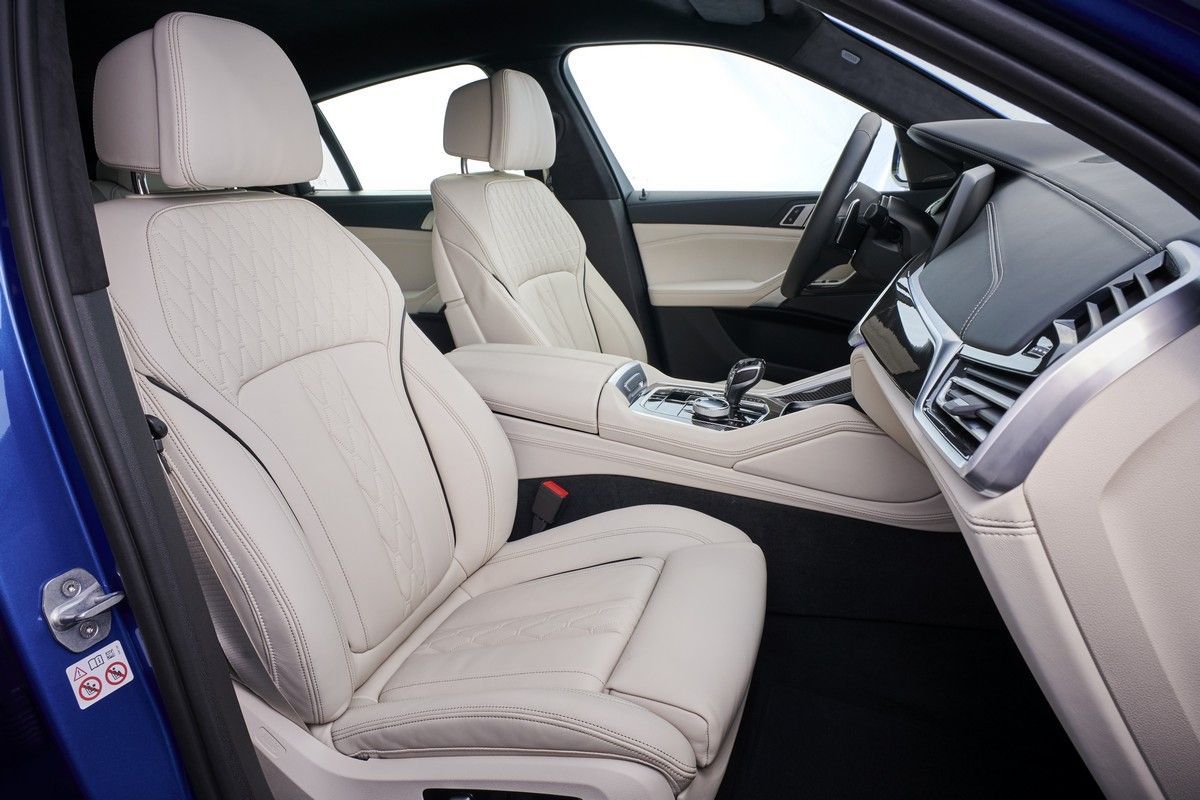
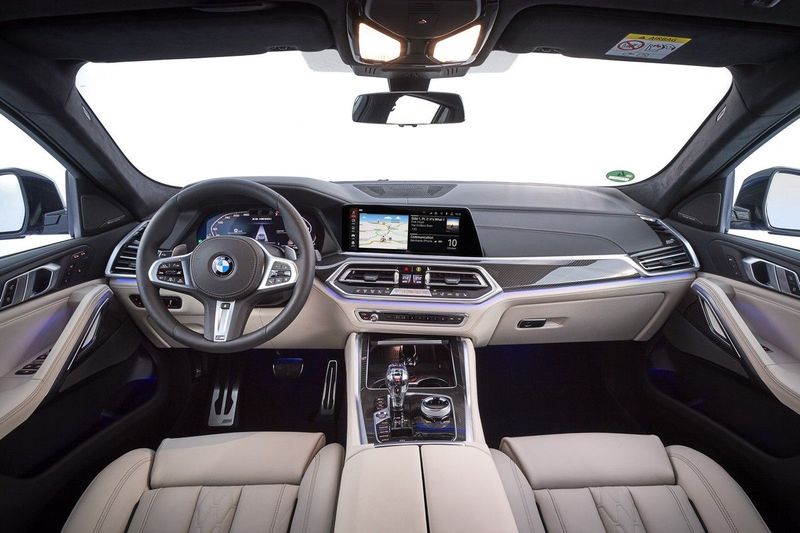
Some regard the interior of the X6 too derivative and humdrum (considering its target market), but I appreciate just how close it is to the plush BMW X5 cabin design. The dashboard doesn’t have the same hard-edged high-tech look that, say, a Mercedes-Benz GLE does, but it still has a 12.3-inch display in front of the driver and a second 12.3-inch unit for media controls, and while there’s Apple CarPlay available, Android Auto is still omitted.
I actually admire how BMW has stayed true to its traditional interior design and not opted for excessive touchscreen controls for the climate control interface, or flat panel-style screens that dominate the dash. And there are neat elements such as ambient lighting to keep the kids happy, plus a voice control system with a “Hey, BMW” speech interface.
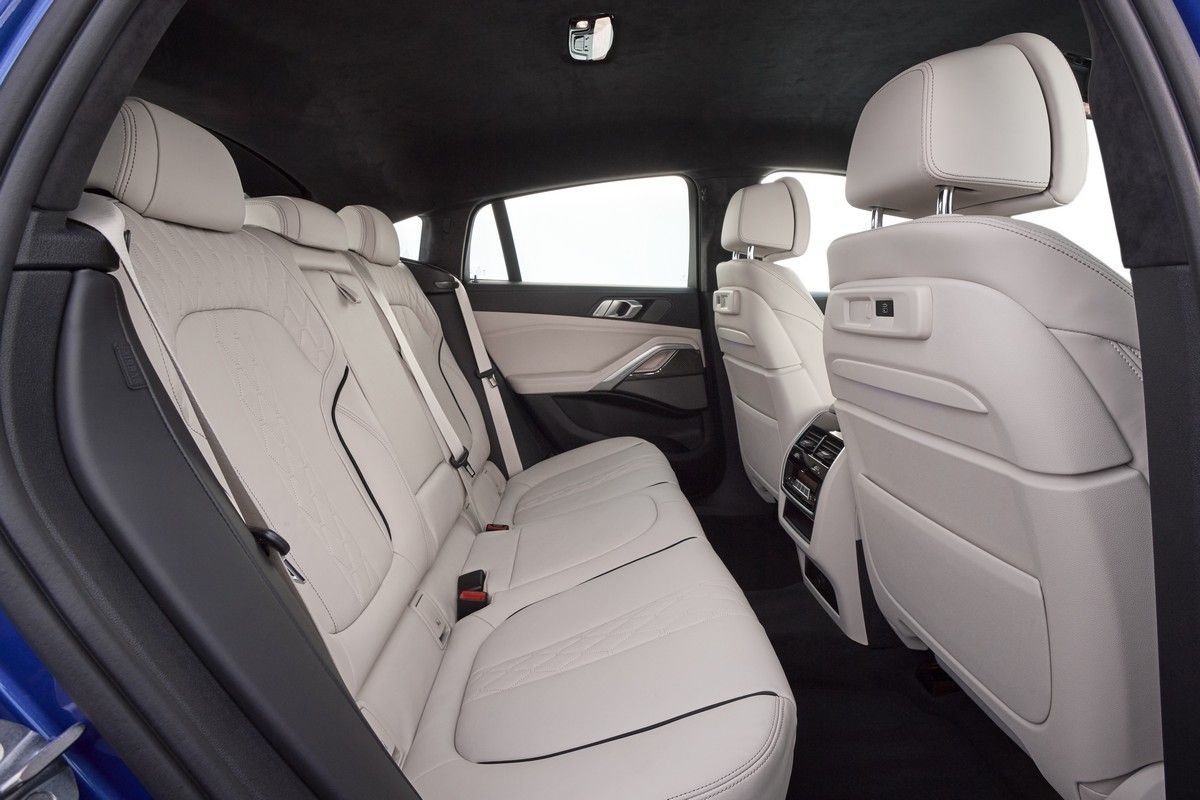
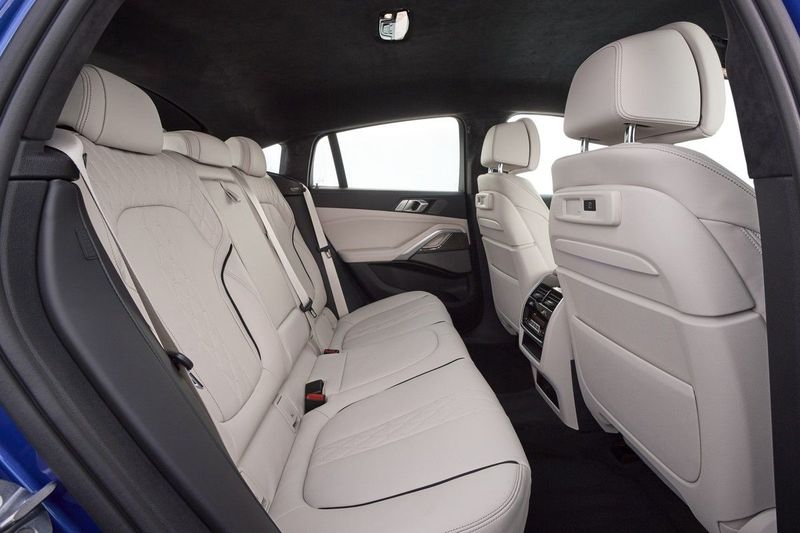
Rear occupants are afforded a comfortable bench seat with reasonable legroom, but, as expected, headroom is less than plentiful.
Indeed, the controls all fall easily to hand, everything is logically and ergonomically positioned for the most part (I found myself having to occasionally glance down at the central rotary controller to make sure I was pushing the correct button surrounding it), and the materials and finishes are of the quality you’d expect of the Bavarian marque.
The screen also houses some innovative tech, including the excellent surround-view camera system, which can now also be teamed up to the downloadable Drive Recorder dash camera system, which uses all four cameras (front, 2x side, rear) to monitor the car’s surroundings. It’s a great safety feature, especially among the rest of technologies: autonomous emergency braking, blind-spot monitor, cross-traffic alert, lane-keeping assist and steering assist, adaptive cruise control, high-beam assist and parking sensors.
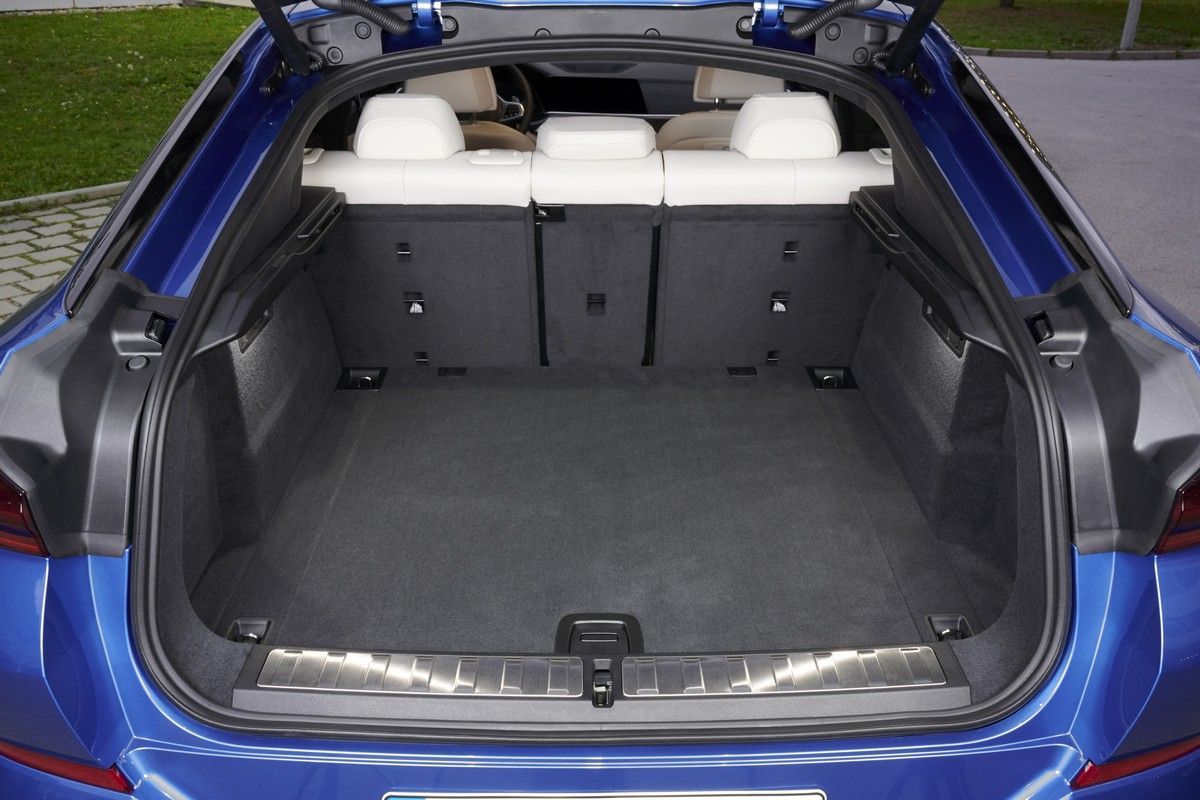
The X6's luggage area was never going to be as practical as that of its X5 brother, but it's more than big enough for a weekend's luggage.
Aft occupants are afforded reasonable comfort, with ample legroom and toe room for adults of my size (1.82 metres), though anyone taller than that might struggle for headroom; what's more, those beanpoles will need to watch their heads as they get in and out of the rear seat.
While the cargo space mightn’t be huge – the X6 is clearly not as practical as an SUV with a boxier backside – there is enough to store a couple of week-away suitcases for a couple, or a pram plus the excess baggage you need if you’ve got a youngster.
Power player
Although not part of the local launch line-up, I drove the xDrive30d derivative in Australia. It’s powered by a 3.0-litre straight-6 turbodiesel engine with 195 kW and 620 Nm, all of which is enough to slingshot this 2 110-kg bruiser cruiser from 0 to 100 kph in 6.5 seconds. In Mzansi, the entry-level version is the xDrive40i powered by a 3.0-litre straight-6 turbopetrol with 250 kW and 450 Nm. It will get you to 100 kph a second quicker, but it produces 170 Nm less than its sibling and is thirstier, so it's a bit of a strange choice…
BMW didn't fit the X3 M40i's 265 kW/500 Nm motor in the xDrive40i, so it has to make do with a 250 kW/450 Nm 3.0-litre straight-6.
Something tells me, however, that the all-guns-blazing M50i, with a thumping 4.4-litre twin-turbo V8 producing 390 kW and 750 Nm and capable of finding the horizon in just 4.3 seconds, will be very popular in Mzansi. Of course, around May, the X6 M will arrive in standard (441 kW) and/or Competition (460 kW) configuration(s). Both engine tunings produce a similar peak torque number (750 Nm), and the motor will readily spin to 7 200 rpm. How fast, did you say? Depending on which version you buy/is offered in South Africa, the 0 to 100 kph sprint will be dispatched in around 3.8 or 3.9 seconds, which is absolutely astonishing for a 2 295 kg machine. It would take some stopping too!
All derivatives come equipped with an 8-speed Sport Steptronic automatic transmission and, of course, the fact they all have that little ‘x’ at the start of their nomenclatures means they're all-wheel driven. In Australia, the X6 is available with an integrated towing hitch receiver, and the towing capacity is rated at 750 kg for an unbraked trailer, and 3 500 kg for a braked trailer – though the tow-ball down-weight limit is 280 kg. Fuel consumption is claimed at 9.0 L/100 km for the 40i and 11.5 L/100 km for the M50i.
Not that it would matter all that much to image-conscious buyers, but the ride quality on 22-inch wheels and rubber is quite firm.
The drive to succeed?
I’ve long been a fan of BMW's straight-6 turbodiesel (every time I've driven an xDrive30d derivative I've come away thinking, “Would you really need any more than that?”). It’s a smooth, gutsy, refined and tractable motor, with a lovely character to the way it revs, and none of that clatter you find in other turbodiesel SUVs. The eight-speed auto does a tremendous job of choosing the correct ratio for the situation, and during my time in the 30d, the 'box shifted smoothly and smartly, no matter where I was pottering around town at urban speeds, thumping the throttle to get moving more rapidly, or sauntering on the highway. This is a drivetrain that simply ticks the boxes you’d expect of a luxury SUV.
It’s also very quiet inside the X6 cabin – at freeway pace (that's 110 kph here in Australia) – there was barely a hint of wind noise and road roar, even with the oversized 22-inch wheels fitted to the test vehicle I piloted.
As before, the BMW X6 is a great long-distance mile-eater; its 8-speed automatic transmission remains a highlight of the package.
There are other ways, however, that the X6 doesn’t quite feel as plush as it could. Those big wheels – fitted with 275/35 front and 315/30 rear rubber – can make the ride feel rather abrupt over sharp-edged sections of road, even though they don’t come wrapped in run-flat tyres. They instead run Pirelli P Zero tyres, which are superbly grippy and allow excellent handling in twisty sections, and the steering has lovely weight and feel to it, and is certainly more satisfying to steer than the previous-generation version.
Even with Adaptive M Suspension and Dynamic Damper Control set to Comfort mode, the ride was harsher than I expected. When the road smoothens out and the traffic clears, however, I revel in the chance to engage Sport, which sharpens the throttle response, plus it makes the 'box shift more decisively and the steering a trifle weightier.
Summary
The 3rd-generation BMW X6 certainly ups the ante in terms of aggressive design, and it is a smarter, more high-tech and arguably more agreeable model than any X6 that preceded it. I would personally suggest the Audi Q8 is a superior offering – if only because it’s not so divisive to look at – though I could be missing the point of this type of boutique luxury "off-roader" completely by saying that. Suffice to say, you won’t see me rocking a Prada tracksuit, Gucci day pack or Balenciaga hi-tops anytime soon.
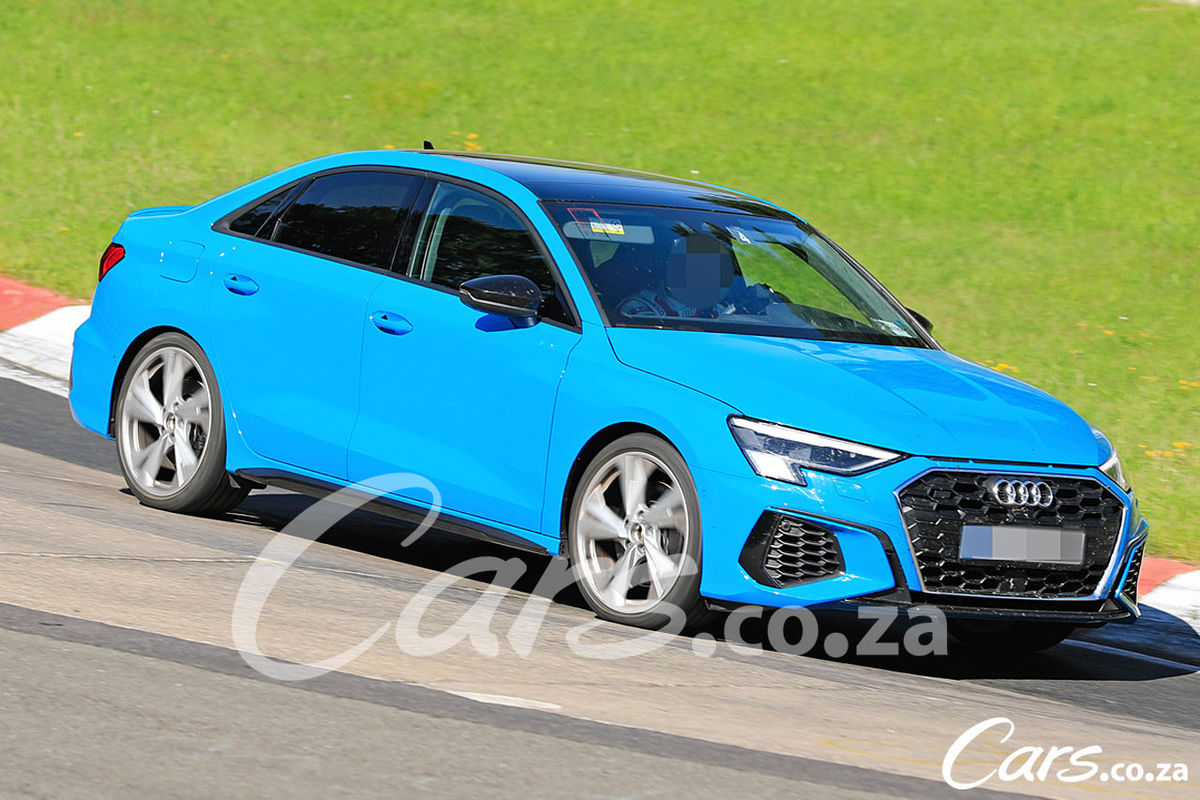
Audi has released some details of its forthcoming A3/S3 compact hatchback.
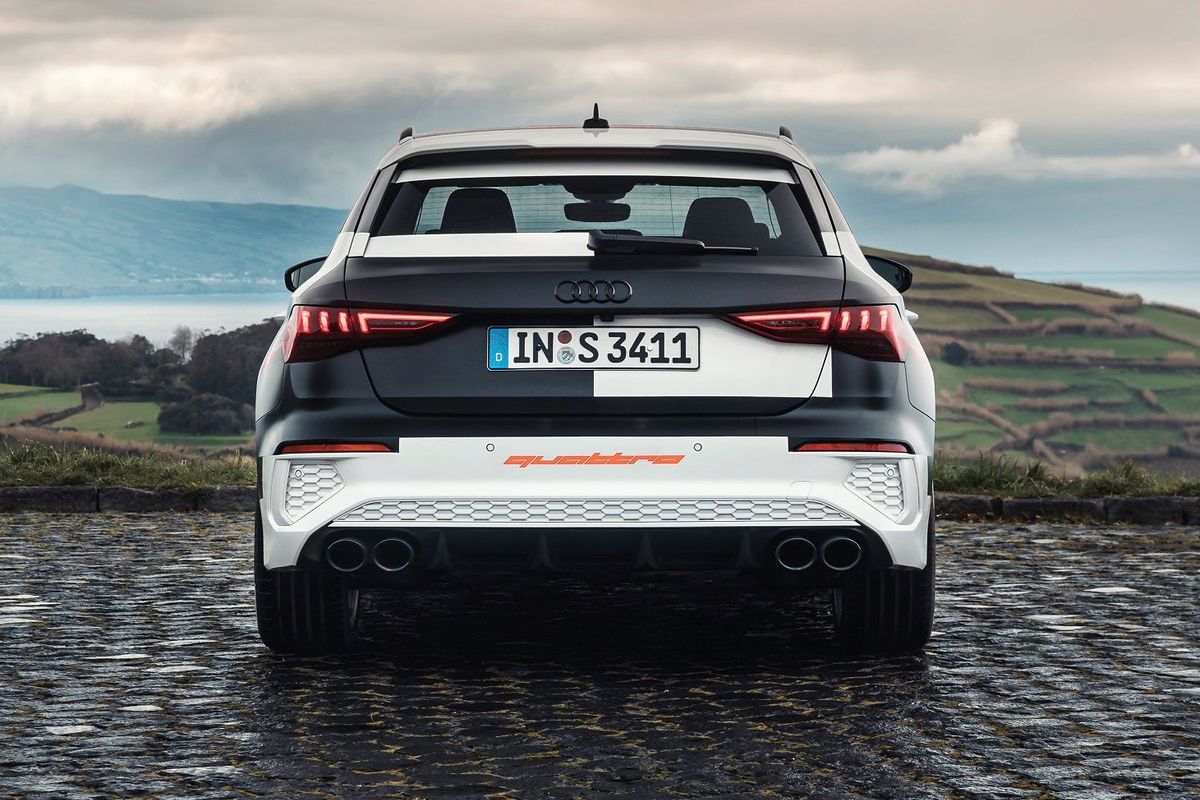
In what’s fast becoming the norm, car makers are releasing their own spy shots to the public. These are often accompanied by some nice nuggets of info, giving everyone some decent insight into what’s to come. What you see here is the soon-to-be-launched 4th generation Audi A3 and S3. The car is very lightly disguised, hiding some of the finer styling cues, but the majority of the details are there, such as the headlight and tail lamp design.
Audi used the technical roads of the Azores rally to showcase its quattro all-wheel drive, ESC and steering setup. The quattro technology has formed the backbone of Audi’s products and the system is renowned for high levels of grip and stability. The quattro system has received some updates and is now capable of sending 100% of power to the rear axle. Also receiving an upgrade is the electronic stabilisation control (ESC), which cleverly brakes the two wheels on the inside of the bend for improved agility.
The new Audi A3 will also feature progressive steering which is said to solve the conflict between comfort and directness. Audi claims that ‘when the steering wheel is turned quickly during faster driving, it is smaller and the steering is very direct. This decreases the steering effort in urban traffic and while manoeuvring and increases the level of comfort considerably."
As far as engines go, Audi has confirmed that the 4th generation S3 will be powered by a 2.0-litre turbocharged 4-cylinder motor delivering 228 kW and 400 Nm. All that shove goes to all 4 wheels via a 7-speed S tronic dual-clutch ‘box and we reckon it should be fractionally quicker. The outgoing model is claimed at 4.6 seconds, so we're guessing the new one will sprint to 100 kph in 4.5 seconds.
The 4th generation Audi A3 and S3 will be revealed at the 2020 Geneva Motor Show.
The 2020 World Car of the Year finalists have been announced. Interestingly, there are no American manufacturers involved, with the finalists coming from Korean, Japanese and European carmakers.
There are other categories alongside the headline act are the 2020 World Urban Car, 2020 World Luxury Car, 2020 World Performance Car and World Car Design of the Year. The finalists were decided by 86 motoring journalists from around the world and the winners will be announced at the New York Auto Show in April 2020.
2019's iteration of the competition resulted in Jaguar's I-Pace dominating proceedings. Aside from taking the overall title, the Jaguar I-Pace also bagged the World Green Car award which is the first time JLR has won in this category. Completing the trifecta was the World Car Design Award. The string of victories comes on the back of the Jaguar I-Pace winning the European Car of the Year title.
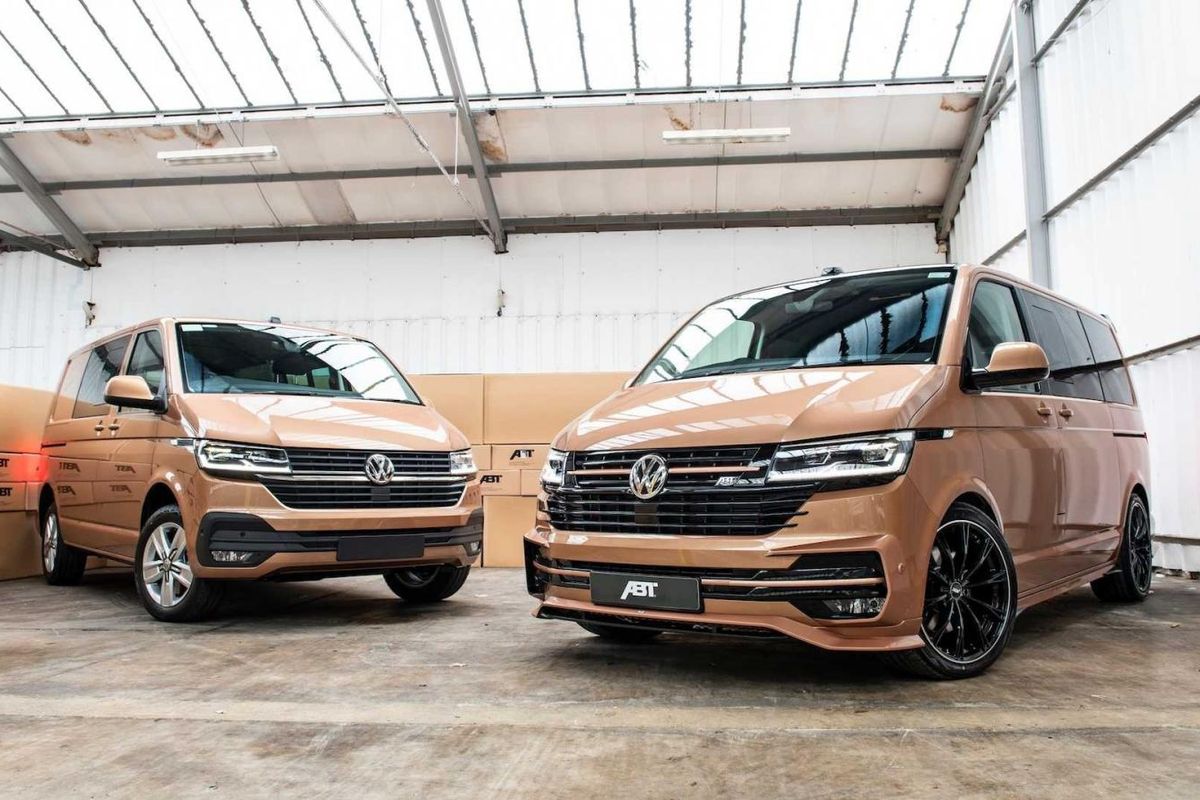
The Volksiebus gets some added grunt plus a striking body kit thanks to VAG specialists ABT.
Tuning company ABT is the world’s largest tuner of Volkswagen Group products and it has considerable experience with the entire portfolio. Now the Transporter gets the ABT goodness.
This time, its the Volkswagen Transporter which receives a go-faster kit. It’s not just a visual overhaul as there’s a performance tune too. Dubbed the ‘ABT Power Performance Upgrade’, this gives the Transporter quite the performance boost. The 2.0-litre motor goes from 148 kW and 450 Nm to 169 kW and 490 Nm. There's also a tuning kit for the lesser-powered derivatives.
ABT will also do you a suspension upgrade and the Height Adjustable Suspension kit can lower the Transporter, giving it the stanced and slammed look.
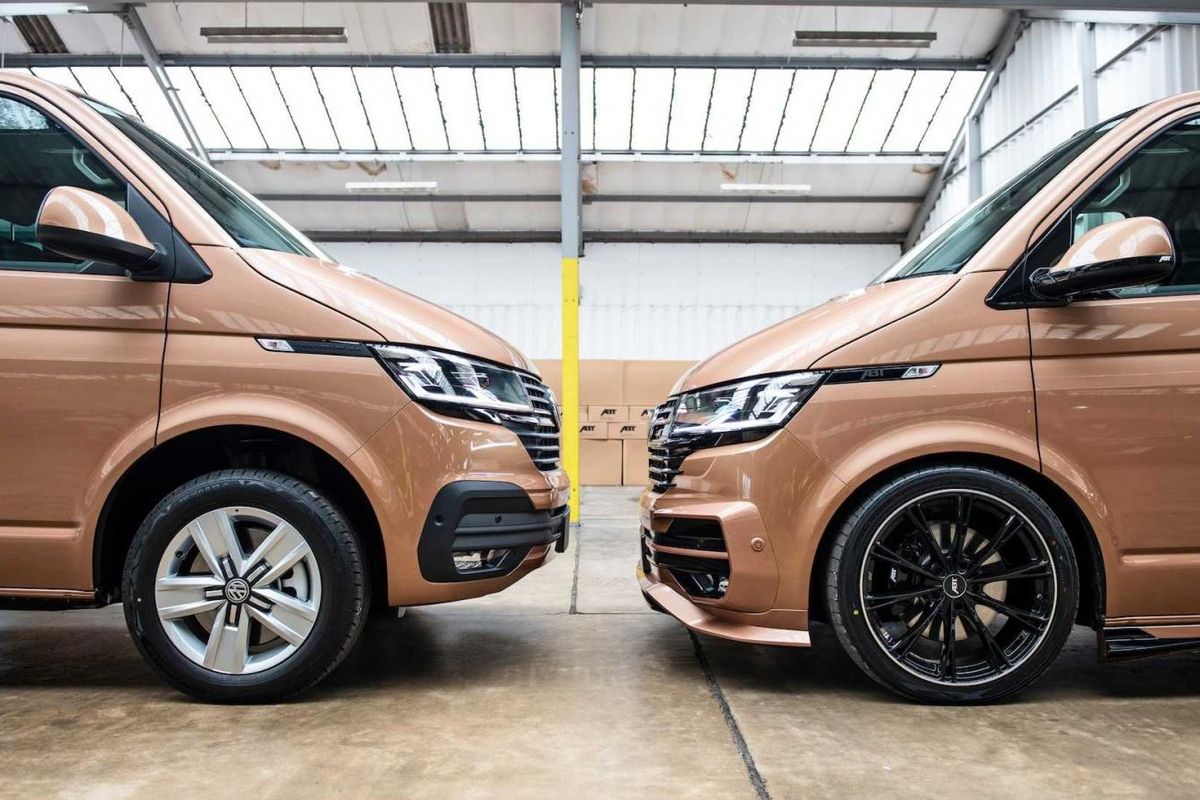
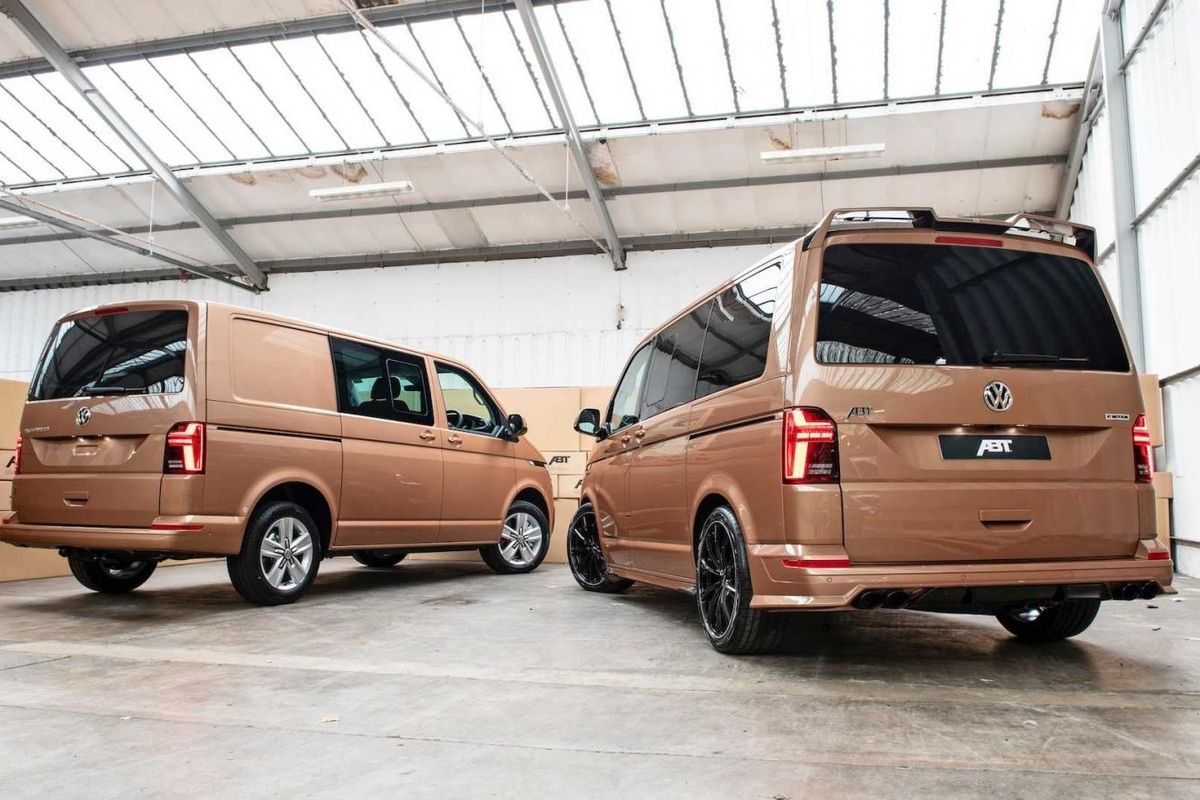
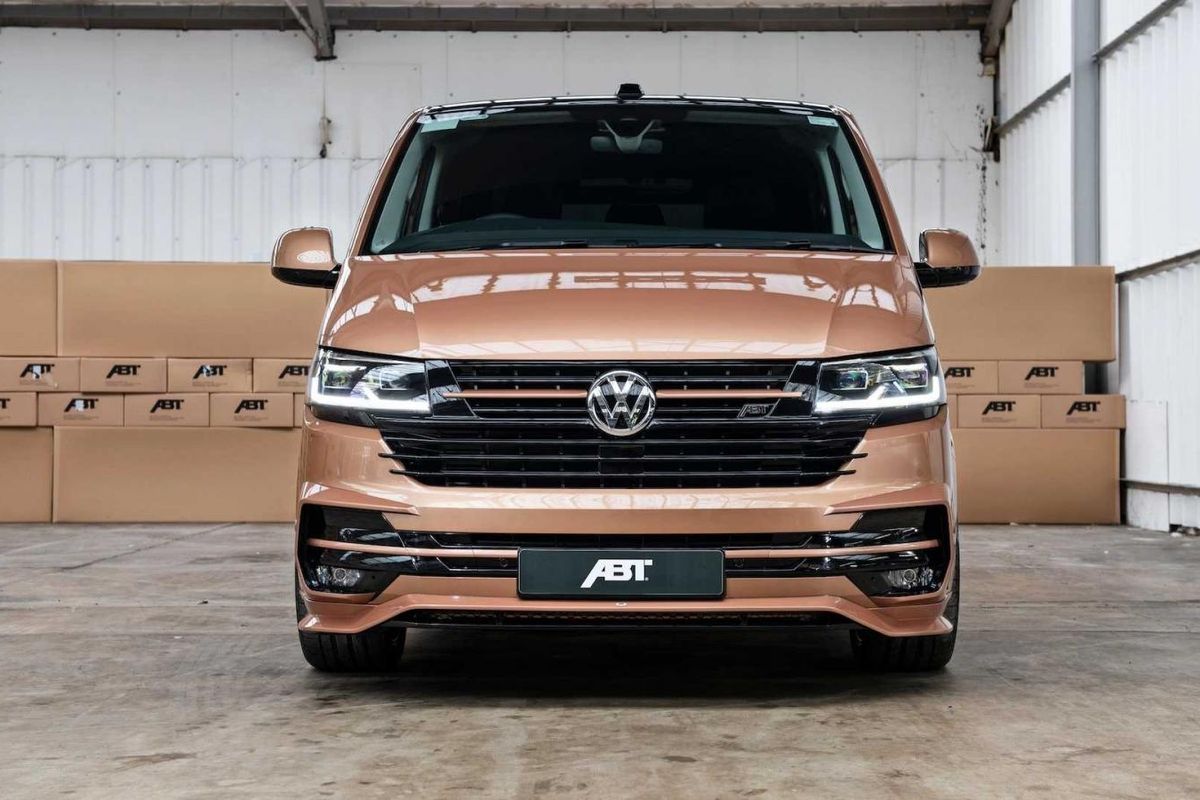
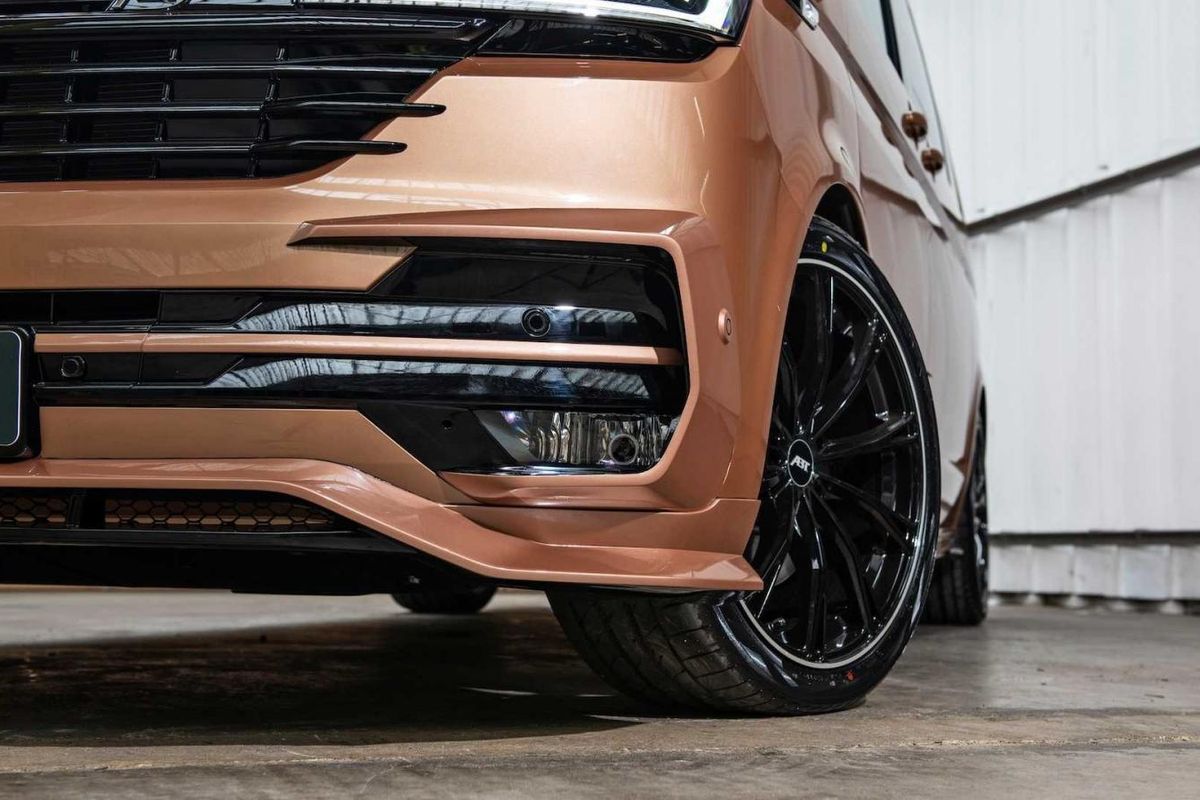
Of course, you’ll want your Volkswagen Transporter to actually look the part too and ABT has you covered with its ABT Aero Package which can be had as single components or a complete kit. There’s a front skirt, grille, side skirts, rear bumper with quad exhausts and a rear wing. There are also some tasteful alloy wheels, either 19-inch or 20-inch with the choice of either matte black or diamond-cut finishes.
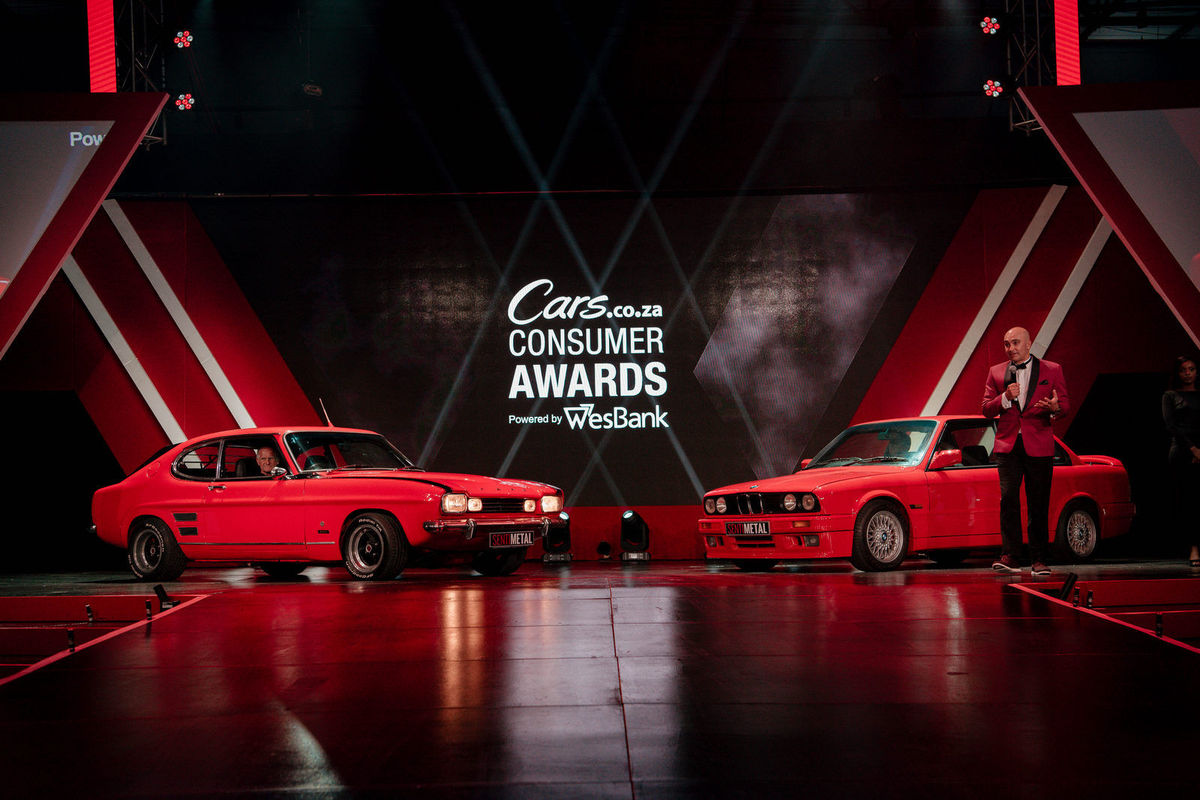
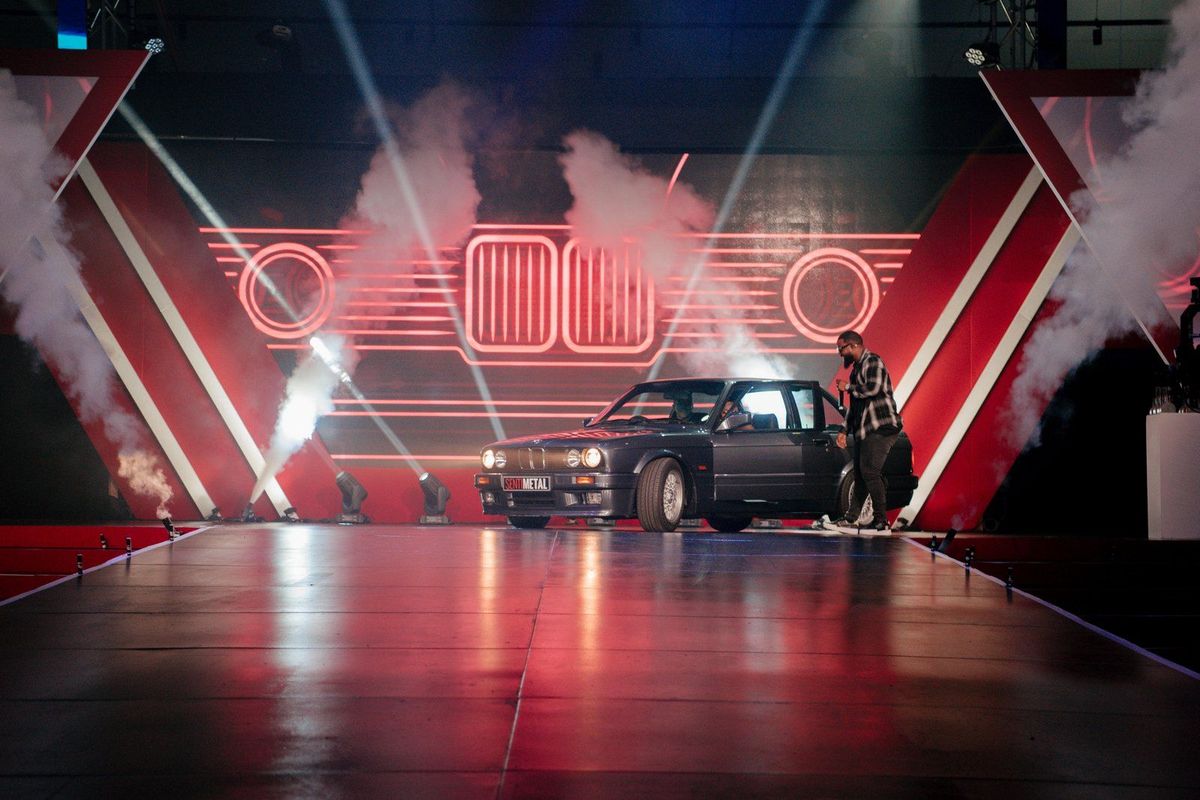
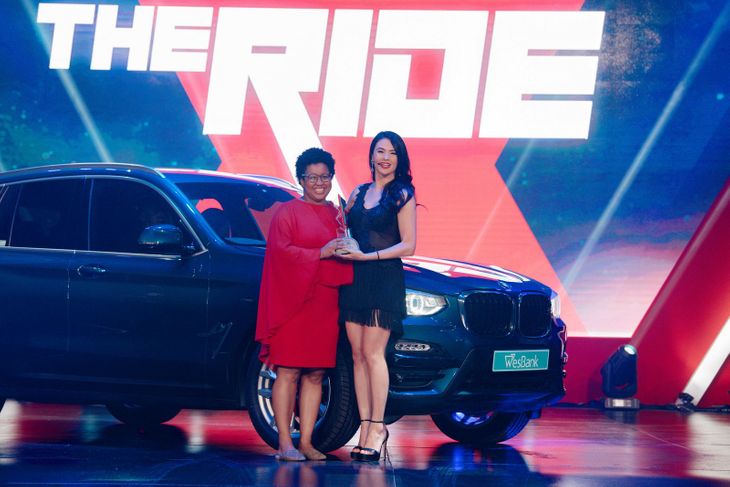
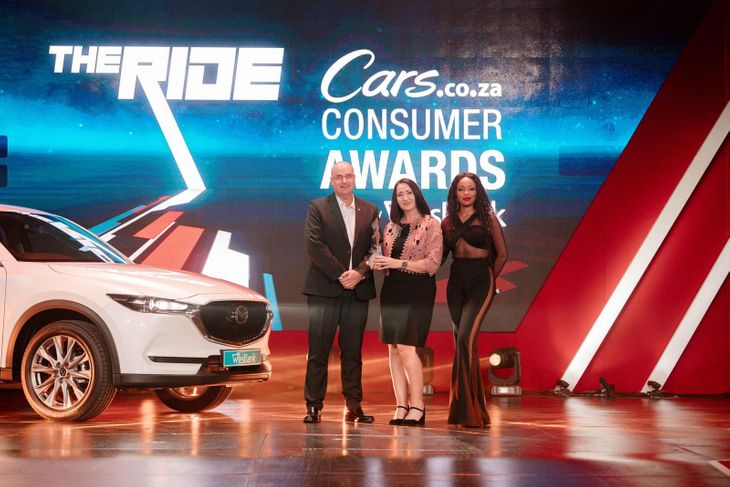
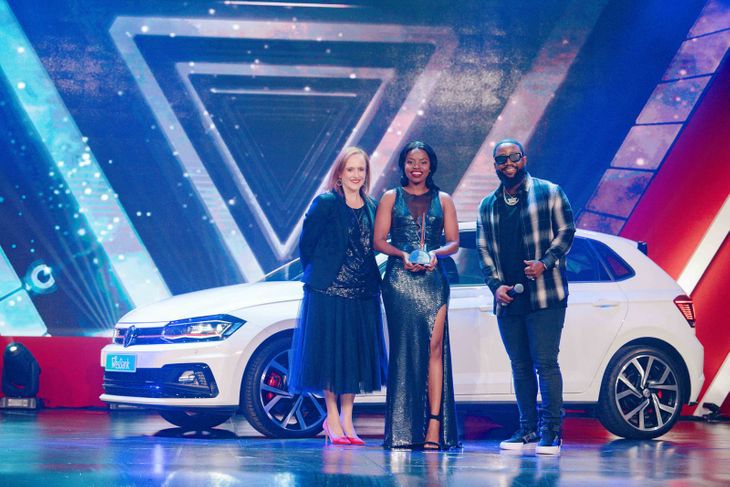
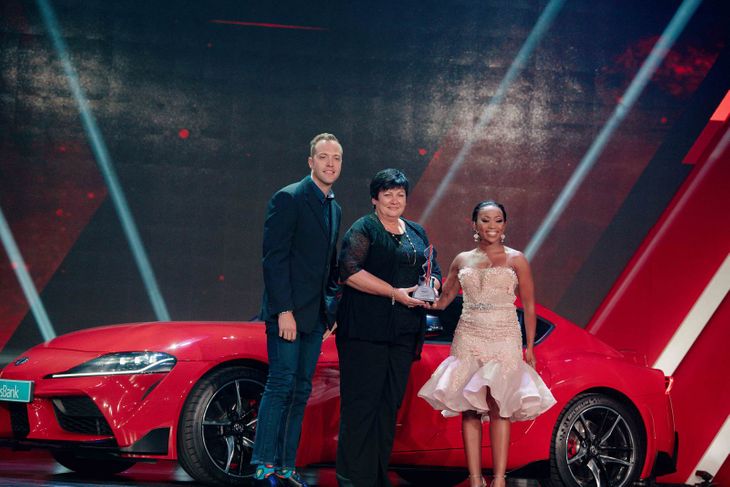
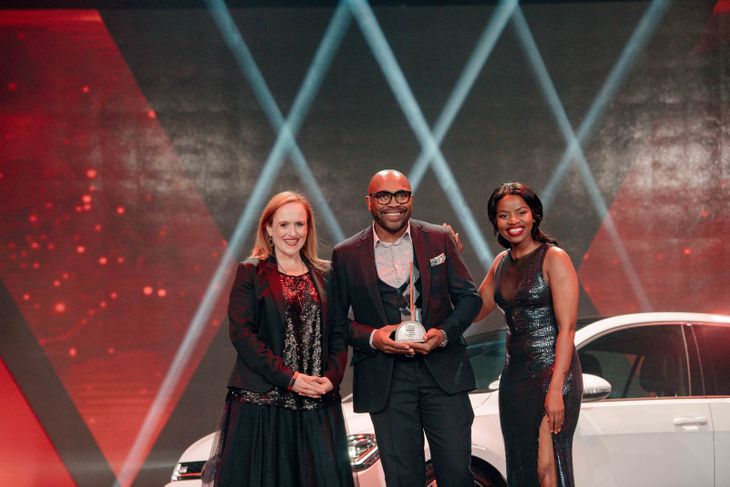
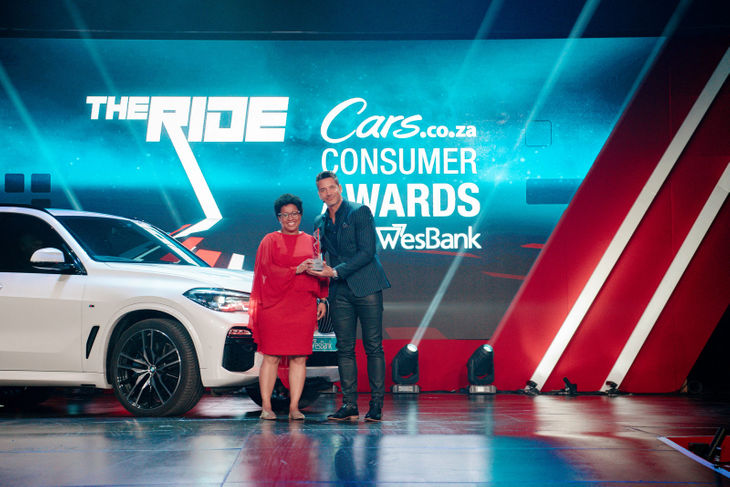
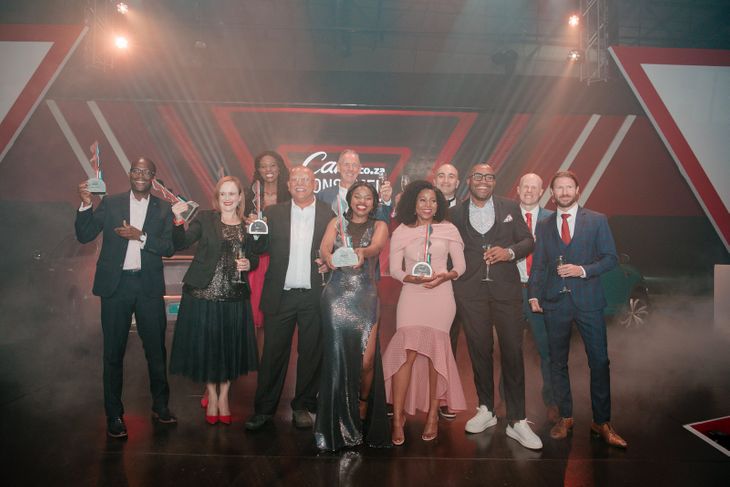
Winners: 2019/20 Cars.co.za Consumer Awards – powered by WesBank
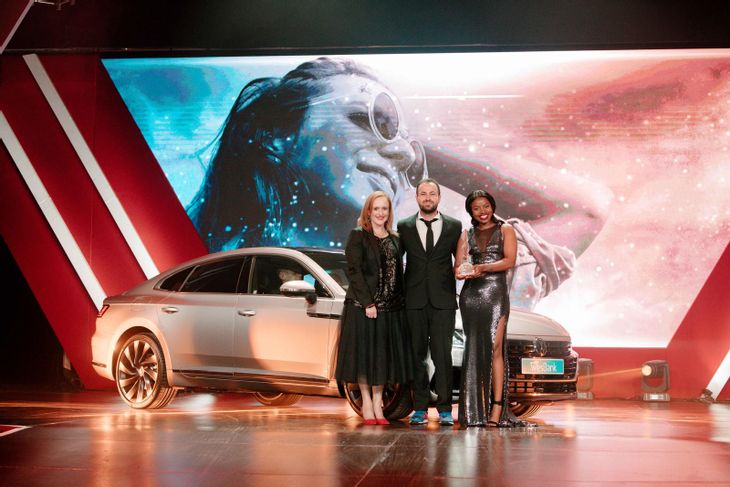
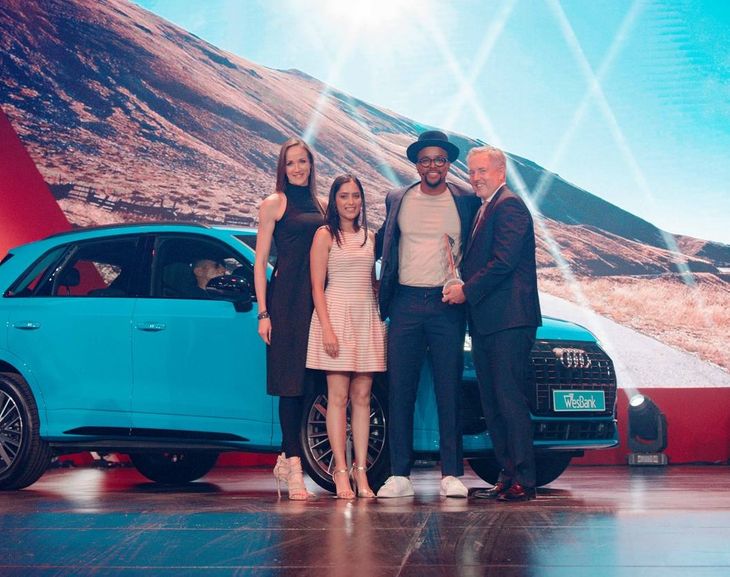
The Cars.co.za Consumer Awards – powered by WesBank – celebrated its 5-year landmark when the programme’s 13 category winners and the recipient of the Brand of the Year title were announced during a gala event held at the Kyalami Grand Prix circuit on 6 February 2020.
#CarsAwards was conceived to be South Africa’s definitive automotive awards programme; the list of vehicles it recognises is meant to guide car buyers to make the best-informed purchasing decisions… Cars are judged directly against their peers in specific categories, each of which has distinct requirements. What’s more, 50% of the final scores is based on brand-specific after-sales data that incorporate customer feedback from thousands of South African vehicle owners.
Since its debut in 2015/16, the #CarsAwards has grown into the largest and most influential awards event on the South African motoring calendar and, since 2017, the programme has been loyally supported by WesBank – the largest provider of vehicle finance in South Africa.
“As South Africa’s largest vehicle and asset finance house, we want to align our brand with impactful industry initiatives, especially those that add value to consumers. Walking this journey alongside consumers continues to make these industry-recognised awards very effective, as their contribution plays a vital role in the final decision. We congratulate all the winners for this year’s awards and look forward to seeing what the upcoming year brings,” says Lebogang Gaoaketse, WesBank’s Head of Marketing and Communication.
Highlights:
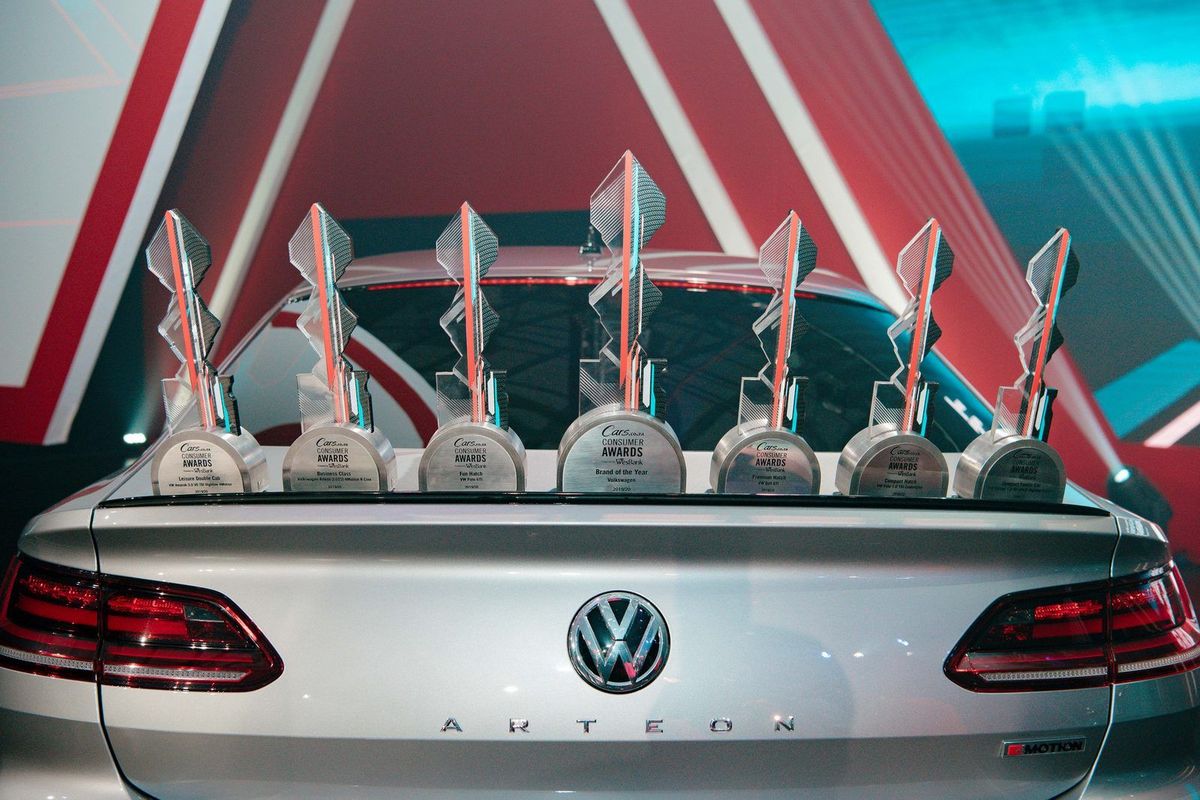
In the four previous iterations of the #CarsAwards, Suzuki and Toyota won the Brand of the Year title twice. However, the 2019/20 recipient of the most coveted #CarsAwards trophy – which is determined entirely by market and customer data – is Volkswagen.
And, by garnering six more trophies on the night (BMW and Toyota won two each), Volkswagen remains the most prolific category winner (16) in #CarsAwards history.
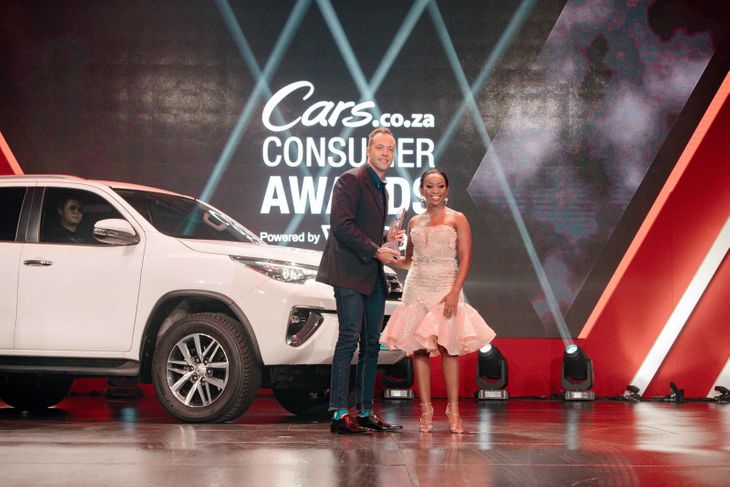
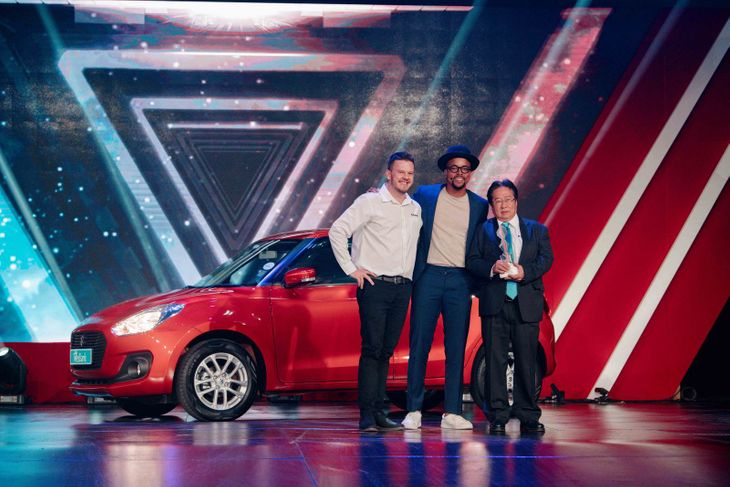
Representatives of the Volkswagen Amarok, Arteon and Polo, Toyota Fortuner and Suzuki Swift ranges successfully defended their category victories from the 2018/19 #CarsAwards, although in the case of the Amarok and Swift, with different derivatives.
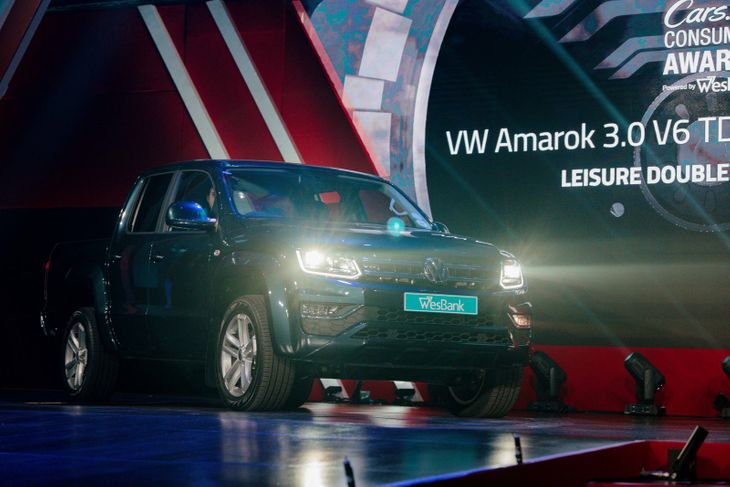
The Volkswagen Amarok and Toyota Fortuner have now won their respective categories – Leisure Double-Cab and Adventure SUV – for three consecutive years. Suzuki won the Budget Car category (with a Swift derivative) for an incredible fourth year in a row.
Three of the 2019/20 category winners (BMW X3, Mazda CX-5 and the Volkswagen Golf GTI) rebounded from having finished as runners up in the previous year’s #CarsAwards.
In no fewer than five of the 13 categories the judges’ favourites did not win, due to the impact of data from the Cars.co.za Ownership Satisfaction Survey (more details to follow).
The narrowest victory margin (0.1%) was in the Budget Car and Leisure Double-Cab categories; the largest (3.2%) was in Compact Hatch. The Budget Car category had the smallest gap between first and third place (1.4%); Performance Car the biggest (12.6%).
Seventeen brands were represented in the list of finalists. Volkswagen led the nominations with 7 derivatives, followed by BMW, Ford and Toyota (4 apiece), Mazda and Suzuki (3 apiece). The Chinese SUV brand, Haval, made its first appearance in the final stage of the #CarsAwards, while Jaguar and Land Rover returned to the list after failing to make the last round in 2018/19.
Category winners: 2019/20 #CarsAwards – powered by WesBank
Adventure SUV: Toyota Fortuner 2.8 GD-6 4×4 Auto
Budget Car: Suzuki Swift 1.2 GLX
Business Class: Volkswagen Arteon 2.0TSI 4Motion R-Line
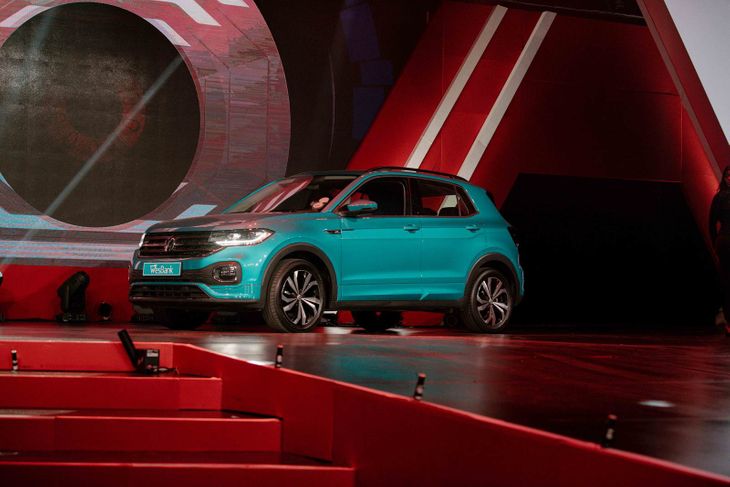
Compact Family Car: Volkswagen T-Cross 1.0 TSI Highline R-Line
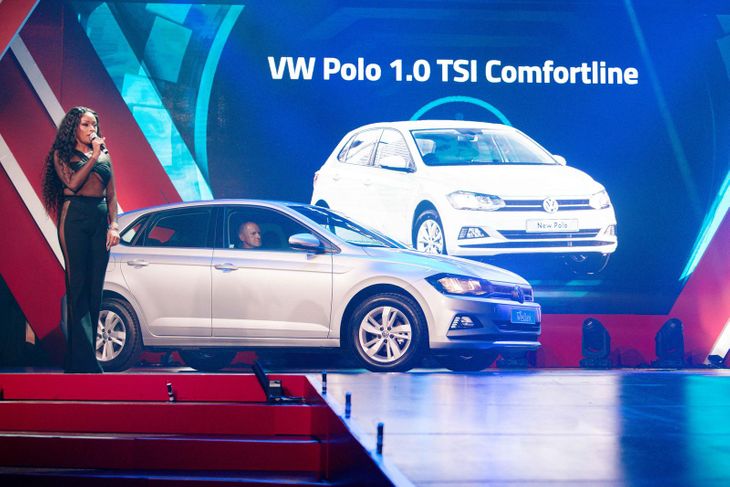
Compact Hatch: Volkswagen Polo 1.0TSI Comfortline Auto
Impact of the Cars.co.za Ownership Satisfaction Survey
Fifty per cent of the final scores of the #CarsAwards category finalists was determined by the rankings the vehicles’ respective brands achieved in the Cars.co.za Ownership Satisfaction Survey – in partnership with data specialists Lightstone Consumer. The data was based on owners’ experiences of their vehicles (less than five years old and serviced through franchised outlets) and the survey made its presence felt: it determined the results in five categories.
The Toyota Fortuner (Adventure SUV), Volkswagen Amarok, Arteon and T-Cross (Leisure Double-Cab, Business Class and Compact Family Car) and BMW X3 (Executive SUV) did not score the highest marks from the panel of judges following evaluation, yet emerged victorious because consumers rated their brands’ experiences higher than those of their competitors.
“The public interest and industry support for #CarsAwards shows that there is a need for an Awards programme that takes a more practical and usable approach to deciding the winners,” Oosthuizen says. “Our Awards programme is meant to be used as a buying guide that reaches the entire population, not only those who follow motoring publications.”
“With 50% of a vehicle’s final score determined by a brand’s performance in the survey, a car really only stands a very good chance of winning if it is a good product in the eyes of the judges and if the brand delivers solid after-sales service,” he adds.
In four categories (Compact Hatch, Performance Car, Premium Hatch and Premium SUV), the winning derivatives received both the highest consumer category- and judges’ scores. In three categories (Budget Car, Family Car and Fun Car), the winners received the highest judges’ scores, but not the highest consumer category scores. In the Crossover category, the winner received neither the highest consumer category – nor the judges’ scores, but won on aggregate.
Multifaceted judging process
The #CarsAwards can be differentiated from other automotive award programmes in a number of ways: the winners aren’t chosen exclusively by motoring journalists who report on (and review) the latest new vehicles in the market. What’s more, the finalists were selected from the entire new passenger-vehicle market (all derivatives listed on the Cars.co.za new-vehicles price list on 1 September 2019, as opposed to only models launched during the past 12 months).
Although Cars.co.za’s extended editorial team chose the finalists, the combined judging panel (including 14 respected guest judges from various backgrounds and fields of expertise) only compiled the finalists’ individual scores once they had evaluated the cars back-to-back during an intensive two-day test at the Gerotek testing facility on 31 October and 1 November 2019. The judging process was supervised and the final results audited by PricewaterhouseCoopers.
The combined judging panel (in alphabetical order):
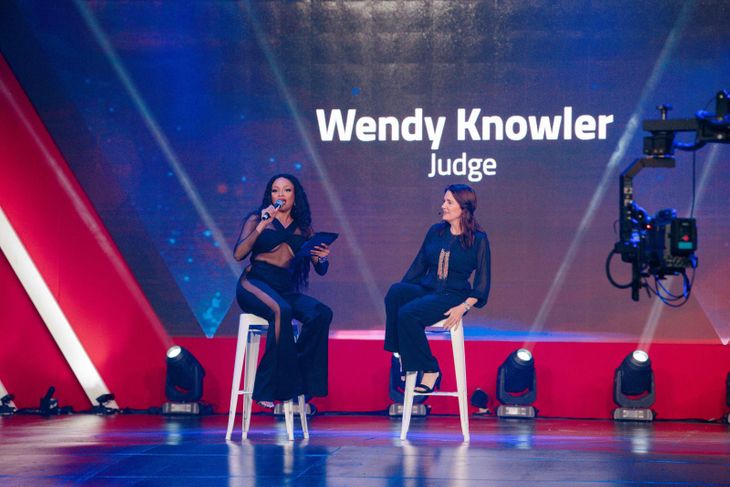
Aluta Maqoko (The Kolloquium), Ashley Oldfield (Cars.co.za), Brenwin Naidu (Sowetan & Sunday Times), Ciro de Siena (Cars.co.za), Claire Mawisa (Carte Blanche), Dasen Thathiah (eNCA), David Taylor (Cars.co.za), Ernest Page (SA Car Fan), Gero Lilleike (Cars.co.za), Jacob Moshokoa (947/EWN), Juliet McGuire (Freelance), Khulekani Dumisa (Khulekani on Wheels), Khutso Theledi (YFM), Kojo Baffoe (freelance), Lerato Matebese (Driven), Mike Fourie (Cars.co.za), Nafisa Akabor (Tech Journalist), Phuti Mpyane (Business Day), Thami Masemola (In4Ride), Wendy Knowler (Consumer Specialist) and Wezile Bonani (Bay FM).
Brand of the Year
As opposed to the 13 category winners, which are decided by a combination of judges’ scores and consumer data, the recipient of the #CarsAwards Brand of the Year title is determined entirely by market data and the findings of the survey (brands’ respective sales and after-sales service ratings are particularly impactful). With a pair of Brand of the Year titles apiece, either Toyota or Suzuki was expected to break the deadlock in the fifth iteration of #CarsAwards…
However, Volkswagen – the only brand to have won at least one #CarsAwards category every year since the programme began in 2015/16 – walked away with the most prestigious accolade. Having won six of the 13 #CarsAwards categories in 2019/20, Volkswagen is comfortably the most prolific category winner (with 16 trophies) in the history of the #CarsAwards programme.
Now it has the big trophy! The Wolfsburg-based brand is a powerhouse in the South African new vehicle market, but despite its extensive dealer network, its level of client service is clearly highly regarded.
The Cars.co.za Ownership Satisfaction Survey data showed that Volkswagen defeated Isuzu by a narrow margin, while Suzuki scored the final podium position. Delving deeper into the data, it is interesting to note significant improvement from, in particular, three brands when it comes to after-sales service – Renault, Ford and Isuzu all improved by more than 15% compared to last year.
“We think the Brand of the Year trophy is the ultimate accolade in the local automotive industry,” says Oosthuizen. “It represents validation from the people who matter most – actual car owners.”
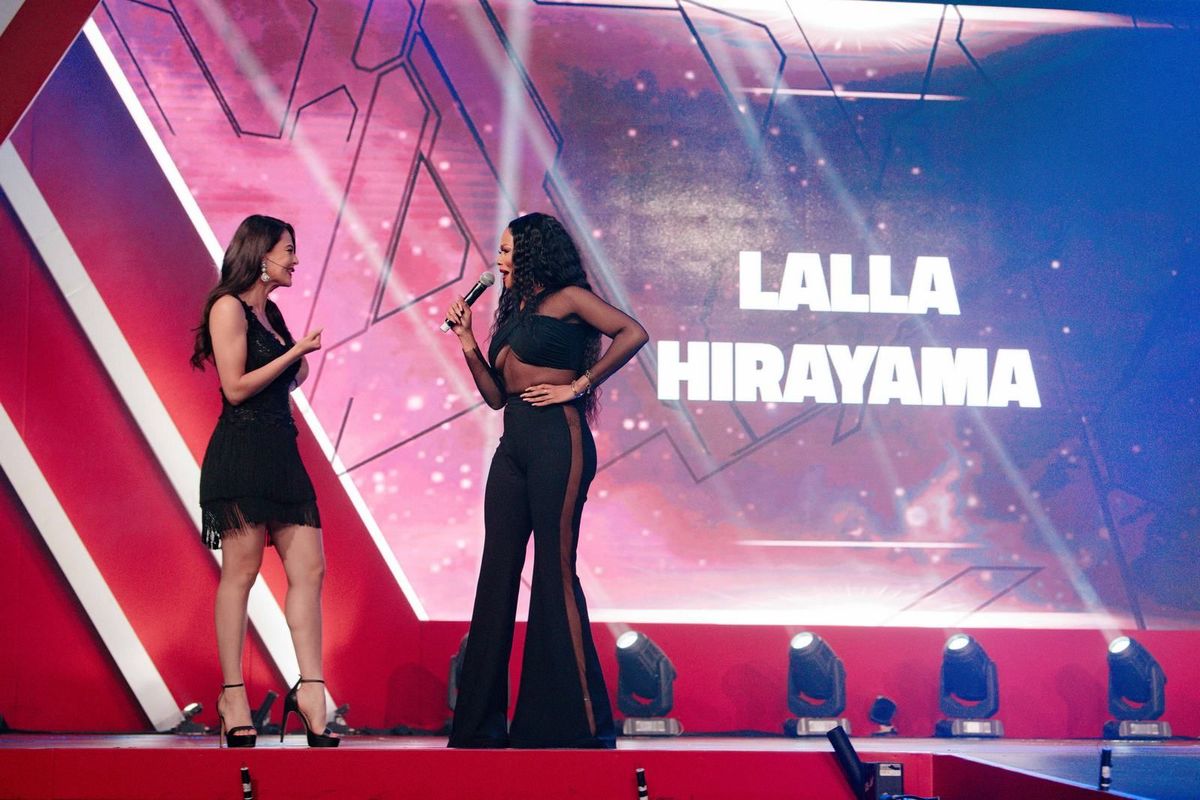
Bonang Matheba, who was recently recognised as “African Influencer of the Year” by the E! People’s Choice Awards in the United States, was the master of ceremonies. She was joined by guest presenters, Lalla Hirayama, Maps Maponyane, Ms Cosmo and Nico Panagio. The event was preceded by a business presentation by WesBank and attended by 350 guests, including industry leaders, representatives of the finance sector, media agencies and celebrities.
As has become tradition, the gala event was digitally broadcast on Twitter, Instagram, Facebook and, significantly, streamed live on Cars.co.za’s top-ranked YouTube channel, which now has in excess of 190 000 subscribers. The multi-platform broadcast allowed consumers, who are at the core of Cars.co.za’s awards programme, to actively participate in the event.
Visit www.carsawards.co.za for more information about #CarsAwards, including the category criteria and to view images of the award recipients taken at the event.
More Range Gains for Tesla
Tesla Model Y is crazy light on energy
Tesla has managed to make its Model Y SUV the world’s most efficient SUV.
Although most would expect the smaller Model 3 to be Tesla’s running cost and range champion, the American electric car brand announced some very interesting numbers this week.
The Model Y is due to launch next month and for fans of the Tesla brand, this crossover version of the Model 3 platform is a rather big deal.
Engineers are rumoured to have made significant improvements to its body structure and build quality, which could, in theory, mean that the Model Y is lighter than Model 3.
That could be one of the facts supporting Tesla’s amazing economy and range claims, for the Model Y. Measured on the MPGe equivalence formula, which created a liquid fuel consumption number for electric energy vehicles, the Model Y is incredibly light on resources.
Tesla says that by applying the official EPA vehicle economy standards, its Model Y runs at the equivalent of 1.95L/100 km. That makes it’s the least energy-demanding SUV in the world.
Not only is Model Y extremely light on electricity but it can also go further than rival battery vehicles. Tesla claims a range of 507 km for the Model Y which is beyond the psychological 500 km threshold.
With the global automotive market showing no slowing in demand for crossovers, Tesla’s Model Y is exactly the right product, at the right time.
It is worth mentioning that although the Model Y’s 507 km range is deeply impressive, its MPGe-equivalent consumption only cleared a very slim margin of victory.
Hyundai's Kona electric registers a metric MPGe number of 1.96L/100 km. It runs the Model Y desperately close, although the Tesla has a better range (507km versus 415km), stronger performance and superior interior architecture with more space.
Hyundai has revealed its new Creta compact family car at the Auto Expo in India. Here are the details…
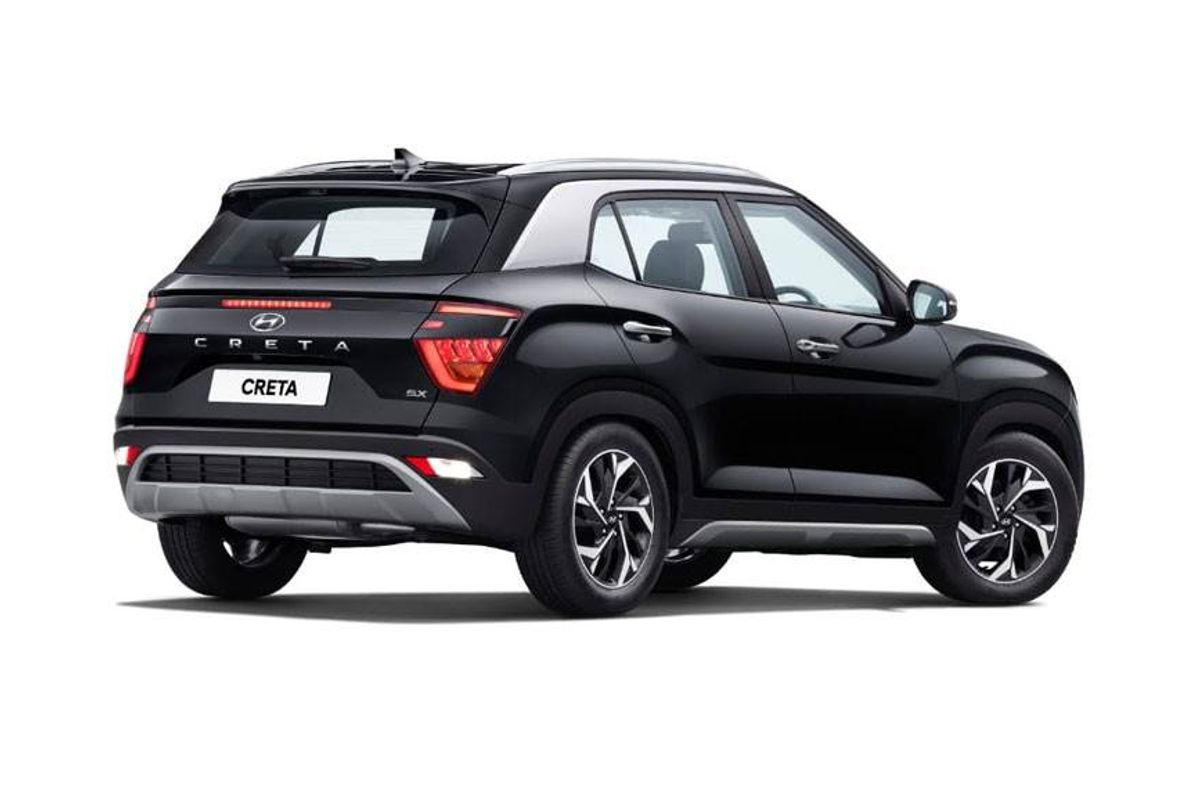
A new Hyundai Creta has been revealed and its styling approach is quite different from the outgoing model. The new Creta is due to make landfall in South Africa in Q4 of 2020.
The front-end has changed dramatically and the Creta now wears a bold cascading grille flanked with split LED headlights and unique daytime running light design, and to that of the Hyundai Venue which was recently welcomed to the local market. The grille will be flanked by striking split LED headlights as well as LED taillights. A split taillight design is also seen at the rear and a brushed-aluminium-look skid plate adds some rugged appeal.
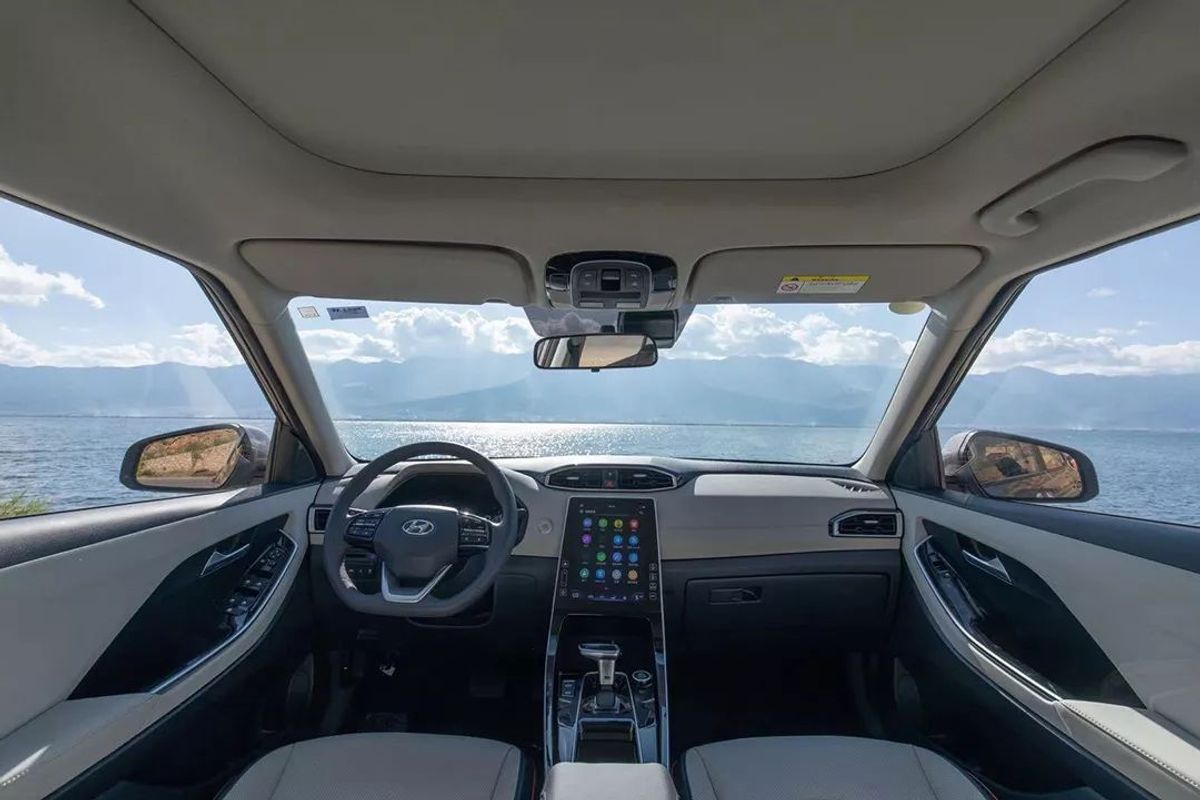
Hyundai is ramping up the quality inside the Creta but it remains to be seen if it will get the infotainment screen from the ix25 seen here.
The interior is perhaps the biggest departure from the outgoing model and if the Creta adopts a similar design the Chinese ix25, buyers will be in for a treat. Hyundai is going upmarket inside the Creta with a large, slick 10.25 infotainment touchscreen taking much of the dashboard real estate. Other features include A newly-designed, multi-function flat-bottom steering is also fitted as is a new digital instrument cluster. Other nice features include a panoramic sunroof, ventilated seats and wireless charging.
In terms if engines range of petrol and diesel engines are expected including an 84 kW 1.5-litre naturally-aspirated petrol engine and an 84 kW 1.5-litre turbodiesel engine. A 1.4-litre turbopetrol engine with 103 kW and 242 Nm is also on the cards (this engine also powers the Kia Seltos). The Creta will be offered with a 6-speed manual or a CVT.
We will keep you updated as soon as local pricing and specification details become available.
The Saldanha Drags held outside Cape Town, South Africa, are some of the largest motorsport events in the country. We made a video about it!
Over 2 days, hundreds of cars compete in the quarter mile and 800m races, and this year, records were broken in both disciplines.
But we wanted to tell the story of one of the stars of our channel's Launch Control series, Pierre Pogenpoel, who has built a phenomenal 400hp Mazda-powered Mk2 Ford Escort. We ride shotgun with him for the weekend and find out what it takes to compete at the highest level in straight-line motorsport.
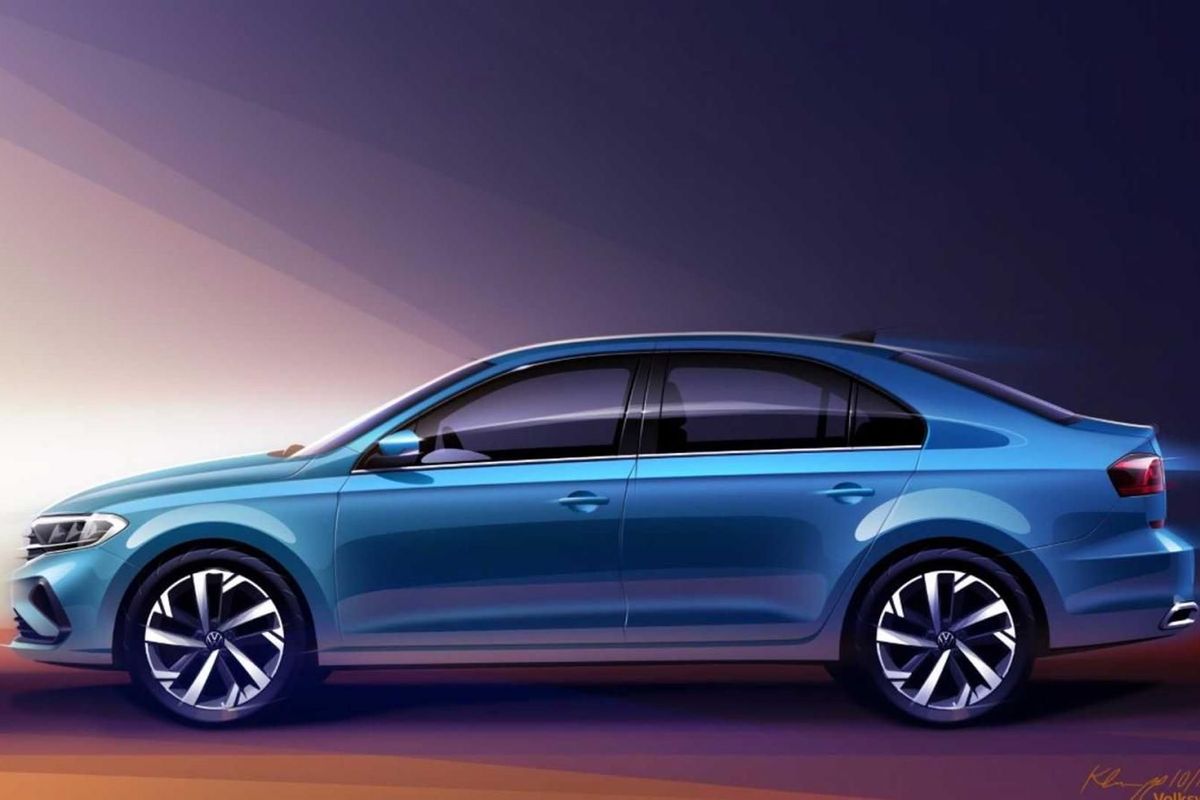
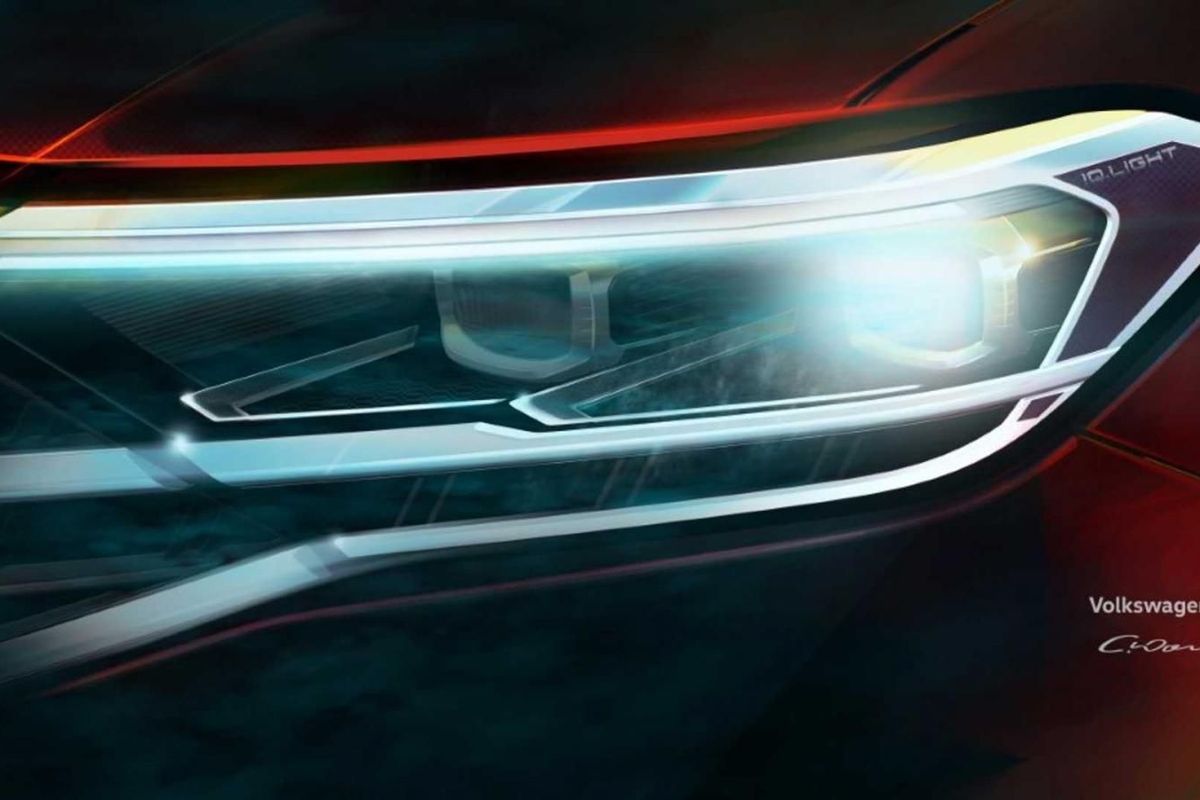
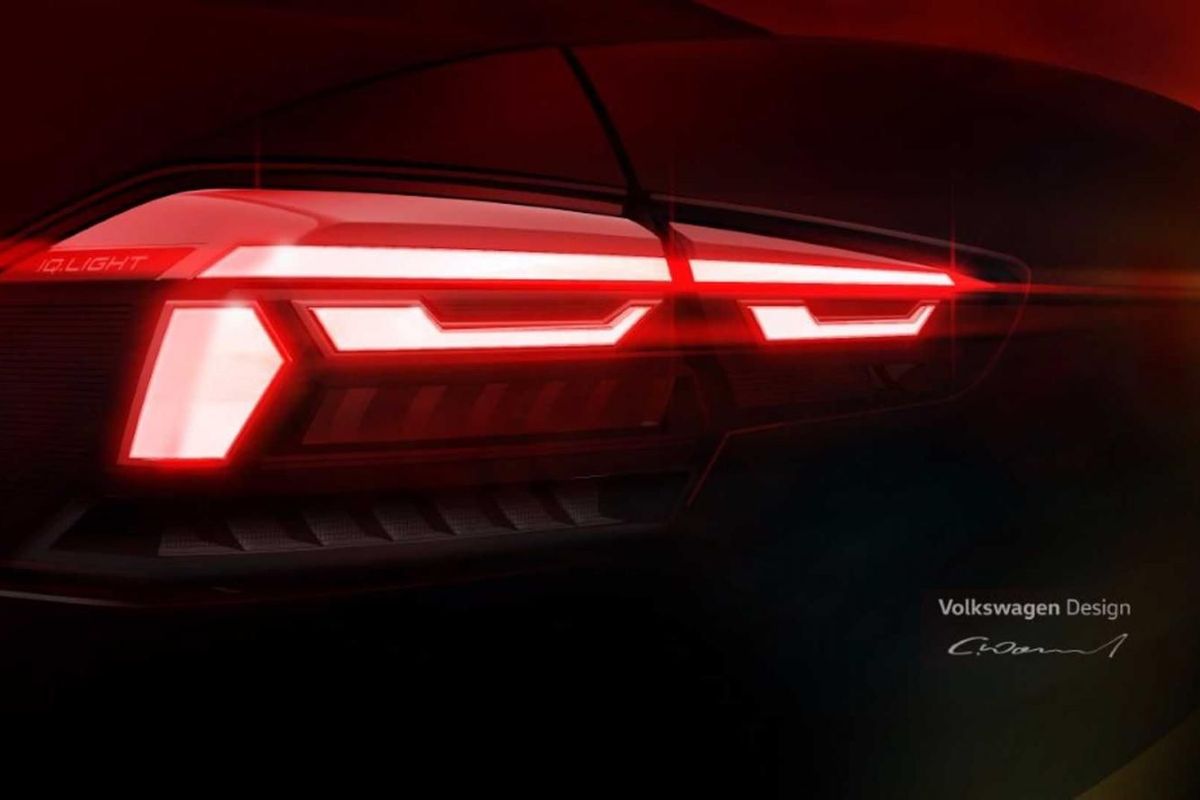
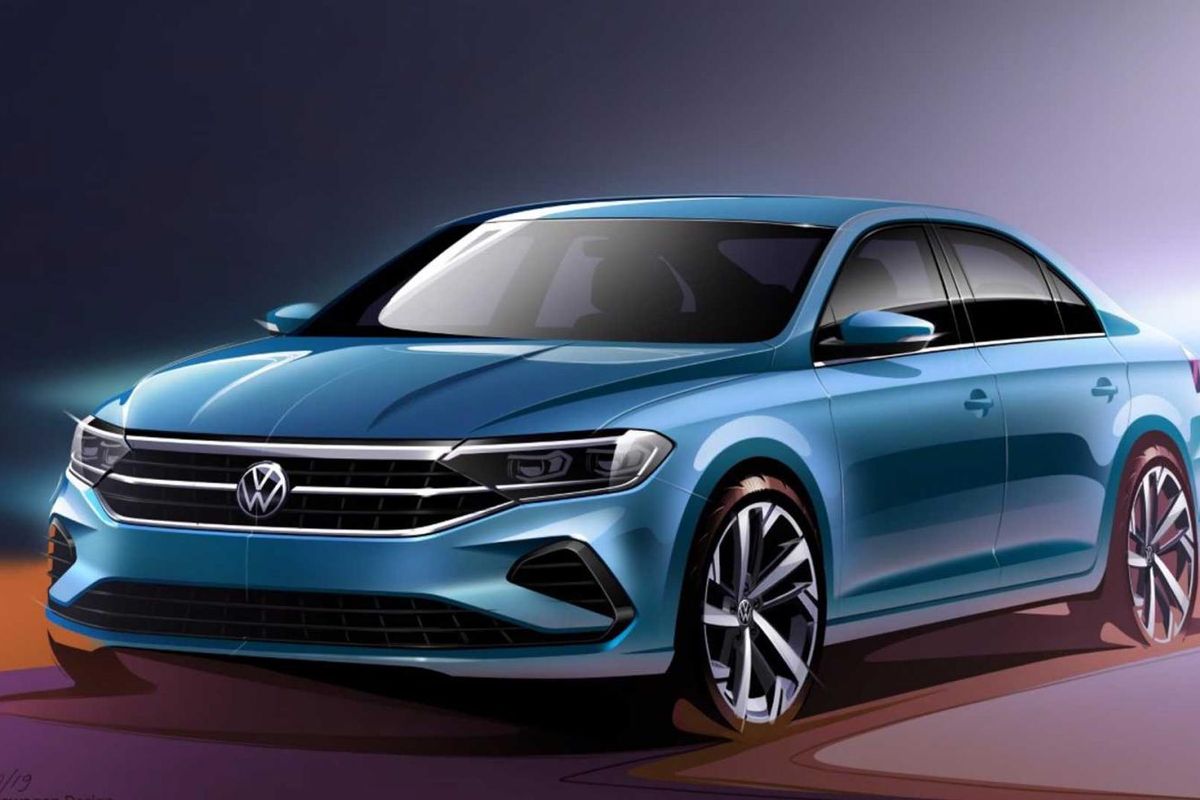
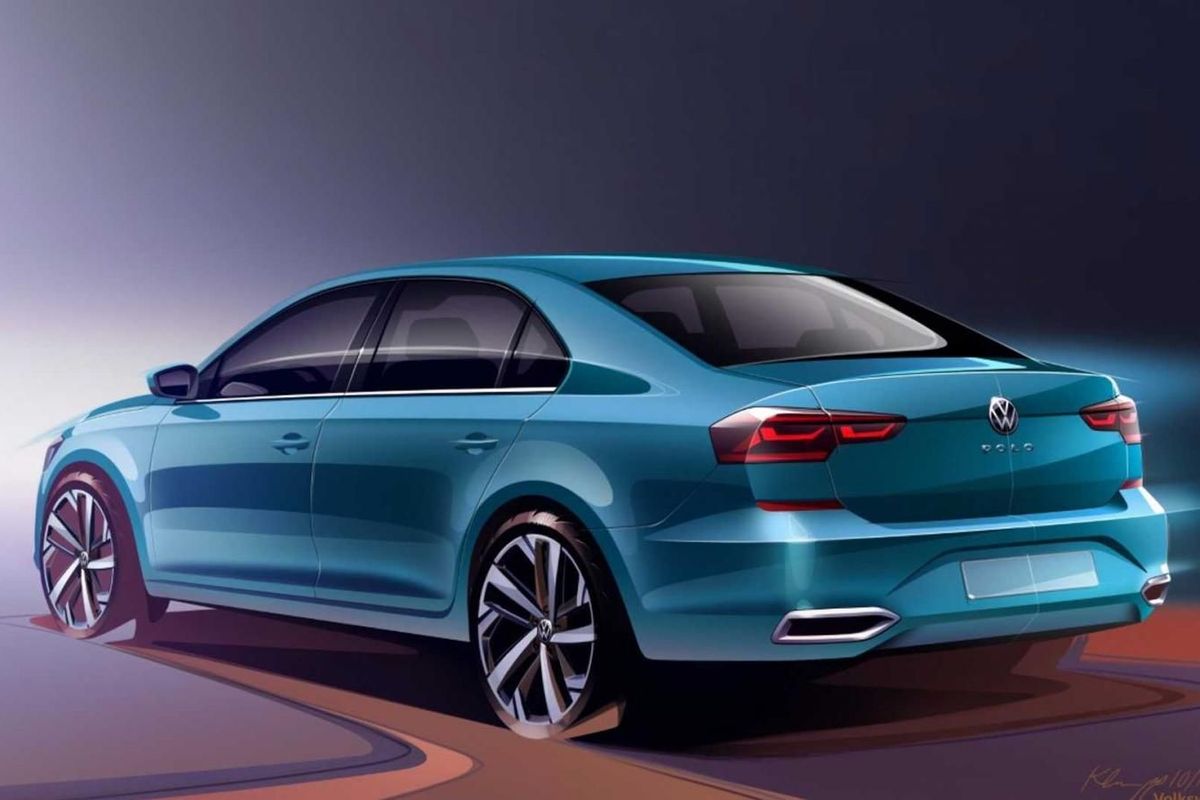
Volkswagen has released design sketches for a new compact sedan. The global market for 4-door vehicles with a boot might be shrinking, but there are places where people still prefer the sedan configuration.
As Volkswagen is truly a diversified global automotive business, it has a broad enough customer reach to create demand for a sedan. And these sketches show what the future holds for those VW brand fans who want neither a compact 5-door hatchback, nor a small crossover.
The design impressions show what VW’s new Polo sedan is intended to look like. For a market like South Africa, this is big news, as the Polo sedan continues to be sold here as a continuation model, based on VW’s previous-generation small car platform.
VW’s new Polo sedan will be 4.48-metres long and measure 1.7 metres in width, which makes it slightly bigger than the current version (4.39m and 1.69m). The most impressive packaging gain with the new Polo sedan is its claimed boot space, which grows to a very substantial 550-litres.
Mechanically, the new Polo sedan will be powered by two versions of VW’s 1.6-litre naturally-aspirated petrol engine, good for either 66- or 80 kW. There will also be a 1.4 TSI engine, producing 92 kW.
Transmission options are either a 5-speed manual or 6-speed automatic for the 1.6-litre engines, while the 1.4 TSI will only be available in combination with a DSG auto.
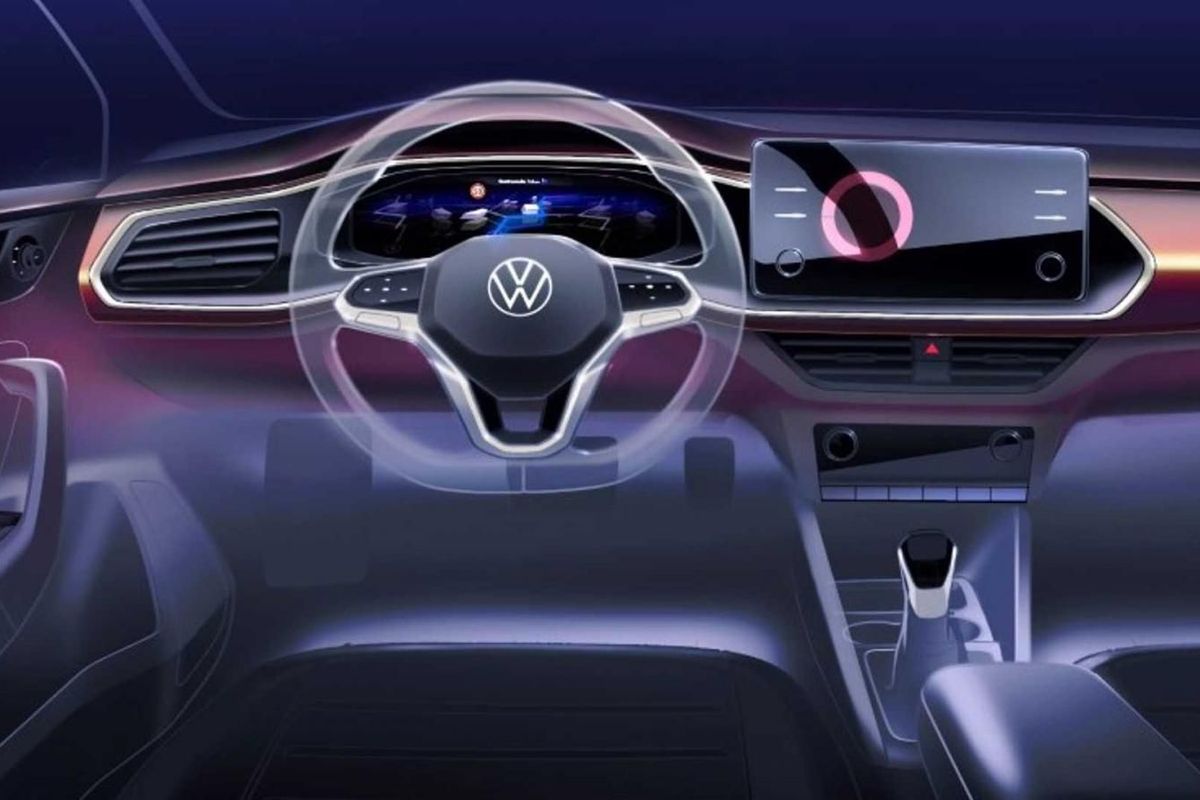
Inside the new Polo sedan, VW’s digital cockpit replaces analogue instrumentation. There is also a large infotainment touchscreen, although it is mounted atop the dash, instead of being neatly integrated into the fascia.