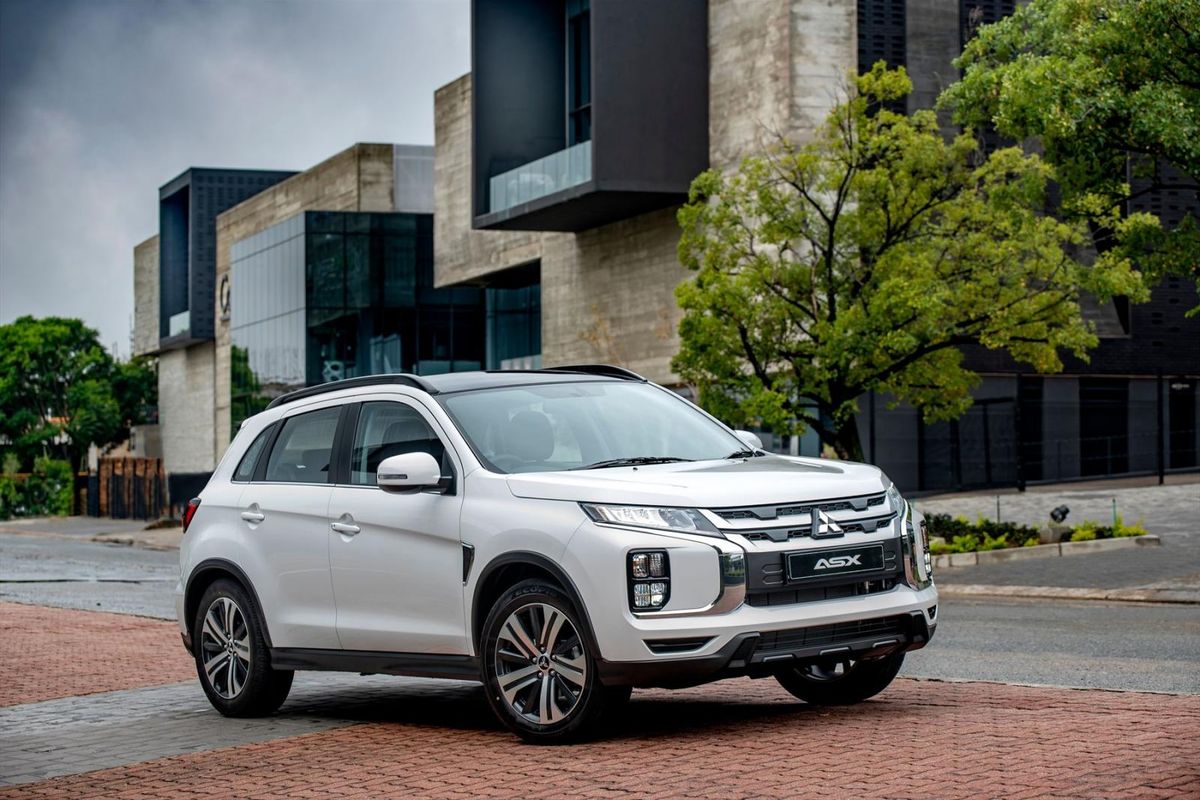
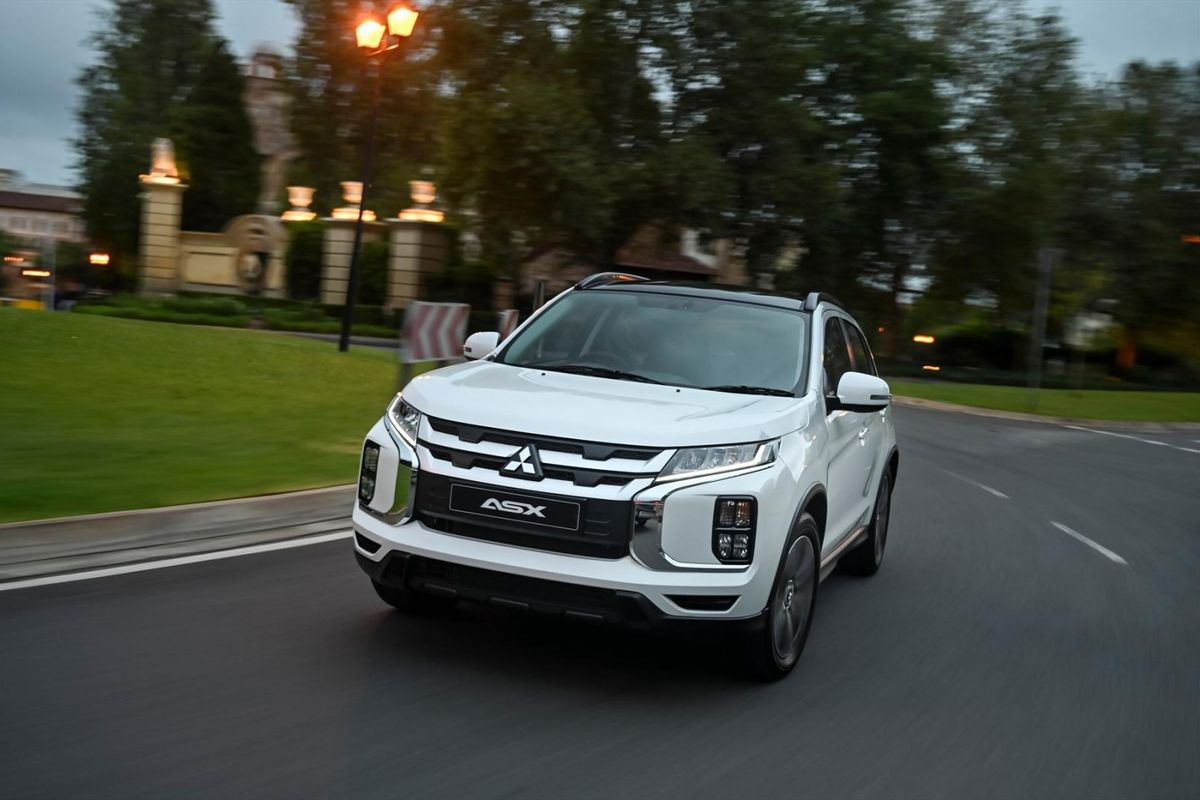
The updated 2020 Mitsubishi ASX has landed in South Africa. Here are detailed specs and pricing for the newcomer.
The Mitsubishi ASX has been a solid performer for the Japanese brand and has been on sale in SA for the past 8 years. Now for 2020, the Mitsubishi ASX has been given some updates. both inside and out.
"The new ASX has an even more attractive appearance front and back as well as a variety of improvements and performance spec," says Nic Campbell, General Manager of Mitsubishi Motors South Africa (MMSA).
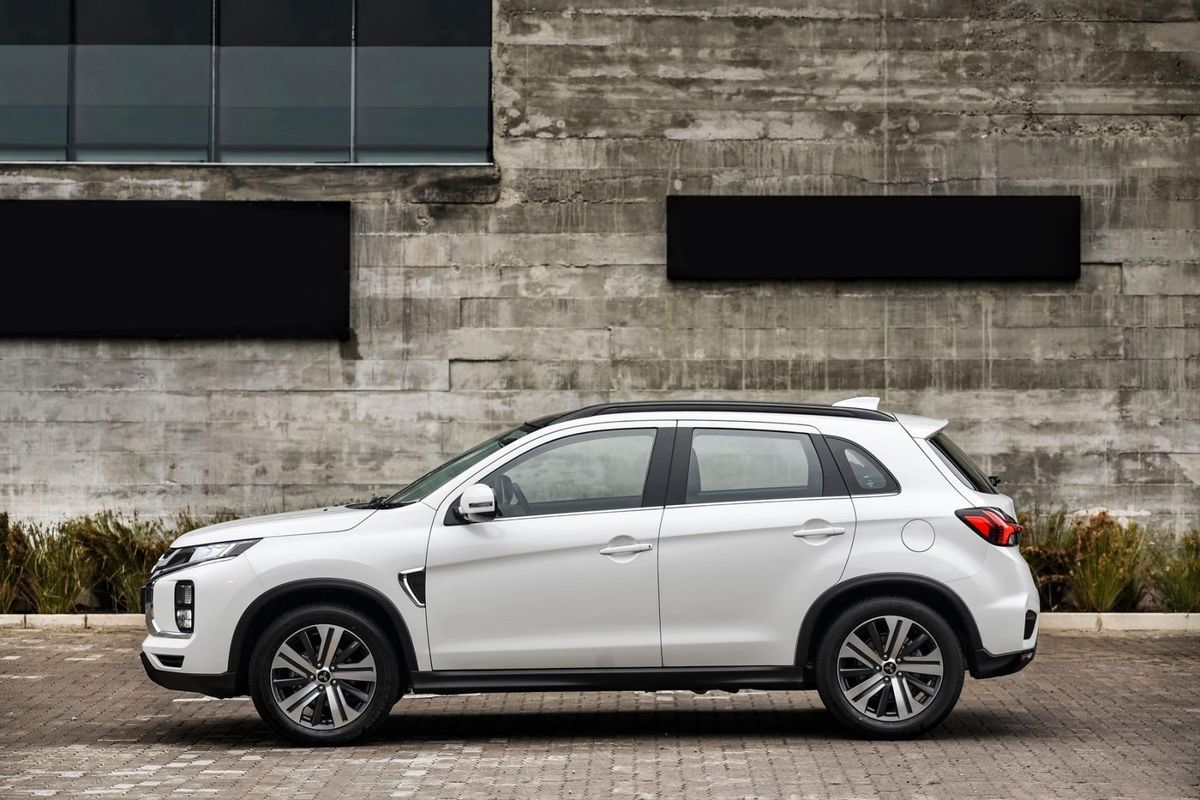
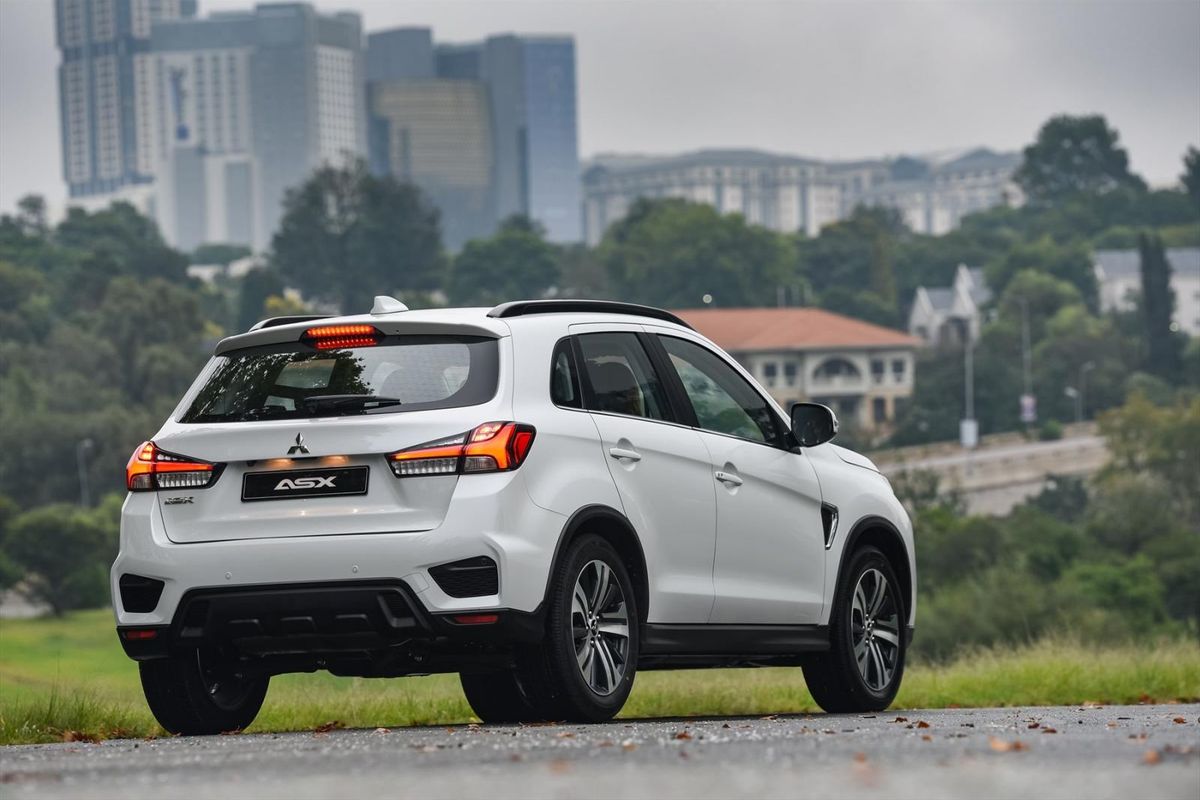
The updated Mitsubishi ASX gains a new bonnet, LED headlights, LED daytime running lights as well as a new-look grille and front end. The back sees the introduction of LED lights. There are also new 18-inch alloy wheels and a new range of colours.
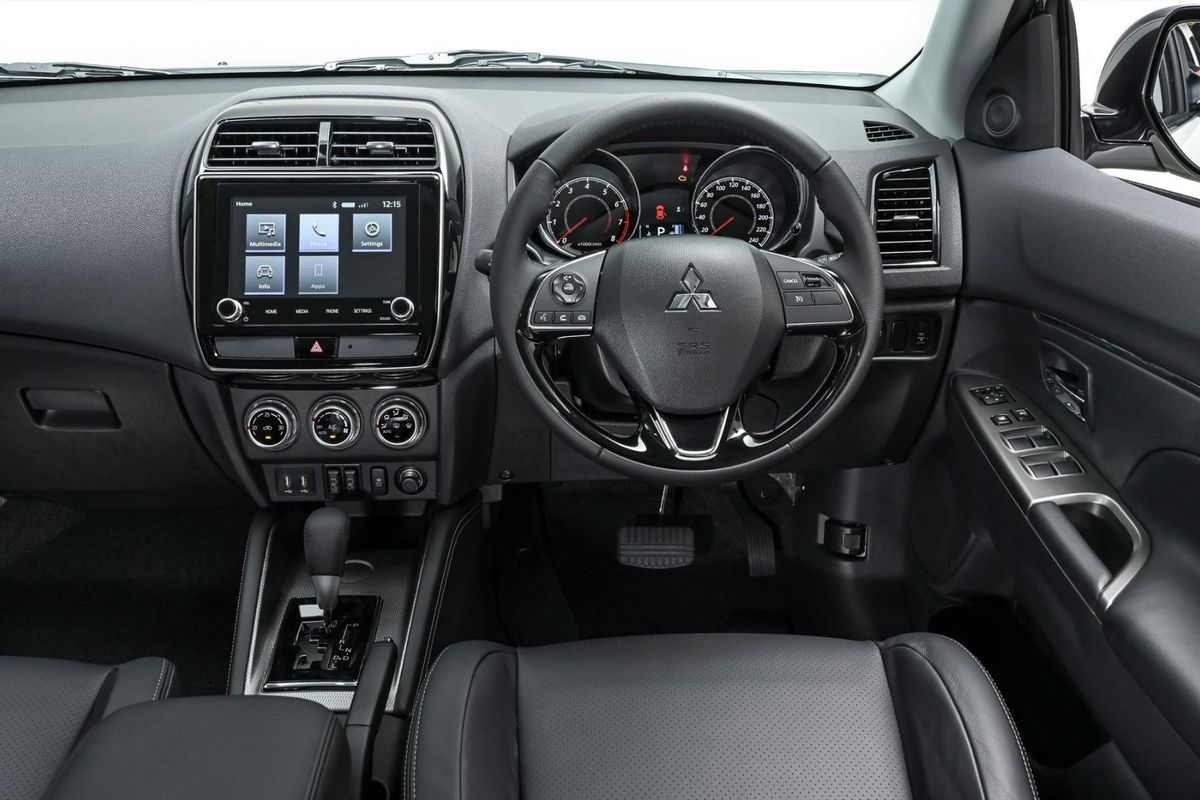
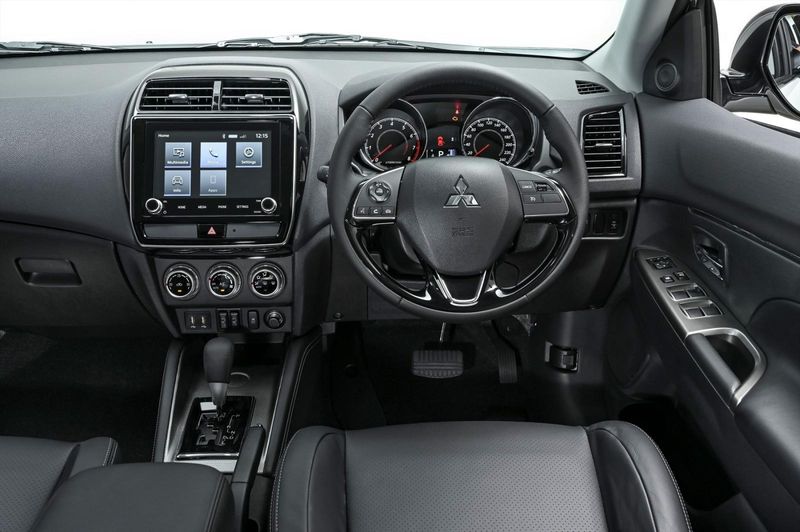
Inside, the updated ASX gains a modern infotainment system 8-inch screen along with Apple Carplay and Android Auto. It also features a panoramic glass roof.
In terms of engines, the 2020 Mitsubishi ASX is powered by an updated version of the 2.0-litre MIVEC motor offering up 110 kW and 197 Nm. A 5-speed manual gearbox and a 6-speed CVT are available. For those wanting to tow, the AX boasts an improved rating of 1 260 kg (braked) for the manual transmission and 750 kg for the CVT (unbraked).
Mitsubishi ASX Price in South Africa (February 2020)
The ASX is covered by Mitsubishi Motors' Manufacturer's Warranty of 3 years or 100 000km, a 5-year / 90 000 km Service Plan and a 5-year / unlimited mileage Roadside Assistance. Service intervals are scheduled at every 15 000 km or once a year.
Fiat has revealed its new Strada, and the compact double-cab is a looker.
The latest version of Fiat’s own bakkie has all the design flair you’d expect from an Italian brand. An oversized hexagonal pattern grille dominates the front view, flanked by large, sweptback, headlamps.
New Strada’s bonnet has two distinct ridges, which flow into the bakkie’s A-pillar. The cab’s doors appear proportionally large, especially at the rear, which should allow for ease of ingress and passenger debussing.
Fiat’s latest Strada also has an interesting roof rail design. It is part of a single moulding that includes the loadbin roll bar, the latter which will in all not be a structural safety component, but rather only an additional tie-down point for securing items in the rear.
There are no interior images of the Strada available as yet, but the expectation is that most of Fiat’s current budget passenger car componentry is present.
In terms of mechanical specification, Fiat has confirmed its new Strada will retain the previous-generation 1.4-litre naturally-aspirated engine for an entry-level derivative. The company will also be assembling the new Strada with its more advanced 1.3-litre petrol engine.
Both engines drive the front wheels via a five-speed automatic transmission. The new Strada is Fiat’s counter to Renault’s Oroch, competing for sales in the South American compact bakkie market.
There is not confirmation that Strada will make a return to South Africa, although orders books for its Brazilian customers are opening in March.
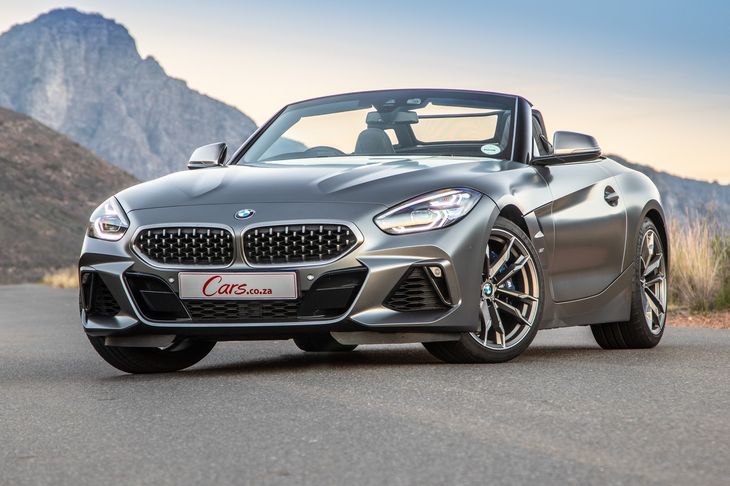
BMW has quietly upgraded its flagship Z4 roadster’s turbocharged 3.0-litre straight-6 to produce a peak power output of 285 kW (up from 250 kW) and Toyota will do the same in due course with its GR Supra, which, of course, shares its powertrain with the Bimmer…
You can always do with a smidge more power, can’t you? Late last year, it was widely reported that BMW would introduce a higher-output version of the engine in its top-of-the-range M40i derivative of the Z4 range. It was expected to be phased into the global market during the 1st quarter of 2020 and upon a recent visit to BMW SA’s website, we noticed that according to the latest product brochure, the M40i now produces 285 kW (an extra 35 kW), while the motor's peak torque figure (500 Nm) remains unchanged.
The performance characteristics of the motor are a little different, however. Maximum power is now available in a narrower band (5 800-6 500 rpm instead of 5 000-6 500 rpm, but the peak torque range is notably wider: from 1 800-5 000 rpm instead of 1 600-4 500 rpm.
The M40i version of the BMW Z4 is now more powerful, but the manual 'box option of the 2.0-litre version is not on cards for ZA.
As a result, the Z4 M40i – equipped exclusively with an 8-speed automatic transmission – is claimed to shave 0.4 of a second off its 0-100 kph time (from 4.5 seconds to 4.1 seconds), but as far as we can ascertain, the listed asking price of the Z4 flagship (just over R1 million, excluding delivery and before options) remains virtually unchanged.
What’s good for the goose…
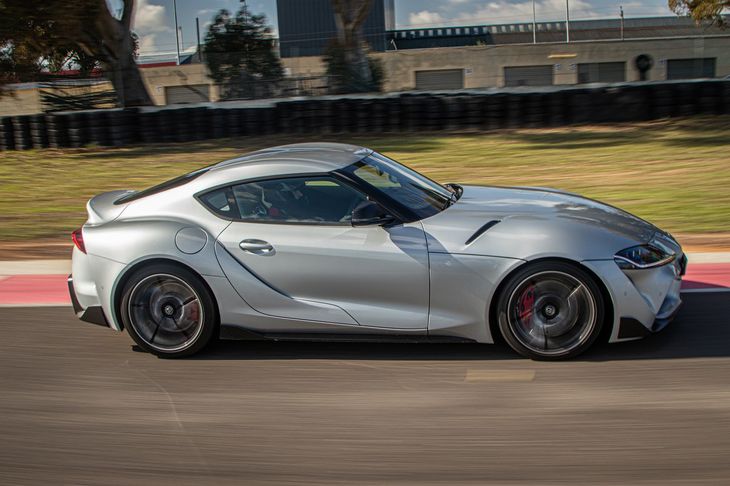
By now it’s common knowledge that the Toyota GR Supra, which was recently named the winner of the Performance Car category of the 2019/20 Cars.co.za Consumer Awards – powered by WesBank, is mechanically similar to the BMW roadster – the models were developed in tandem by Toyota and BMW.
Toyota Australia has been the first to show its hand – this week the firm confirmed that the GR Supra coupe would receive that 35-kW upgrade as well, although the lack of stock availability in that market means that upgraded versions will only be made available towards the latter half of 2020 and probably at a slight price premium.
The visceral Toyota GR Supra was recently crowned the 2019/20 Performance Car category winner in the #CarsAwards.
Apart from an improvement in the claimed 0-100 kph time of the GR Supra (4.3 seconds is officially claimed for the SA-spec model, so we expect a faster time of closer to the 4-second mark), the 2020 model features a number of upgrades compared with the current version.
Toyota has fitted lightweight aluminium chassis braces in the GR Supra’s engine bay to increase lateral rigidity and tweaked the coupe’s (adaptive) suspension tuning. Furthermore, there have been recalibrations of the electric power steering, electronic stability control and active differential to sharpen up the sportscar’s handling.
We’ll confirm the expected local introduction date of the upgraded GR Supra as soon as more information becomes available…
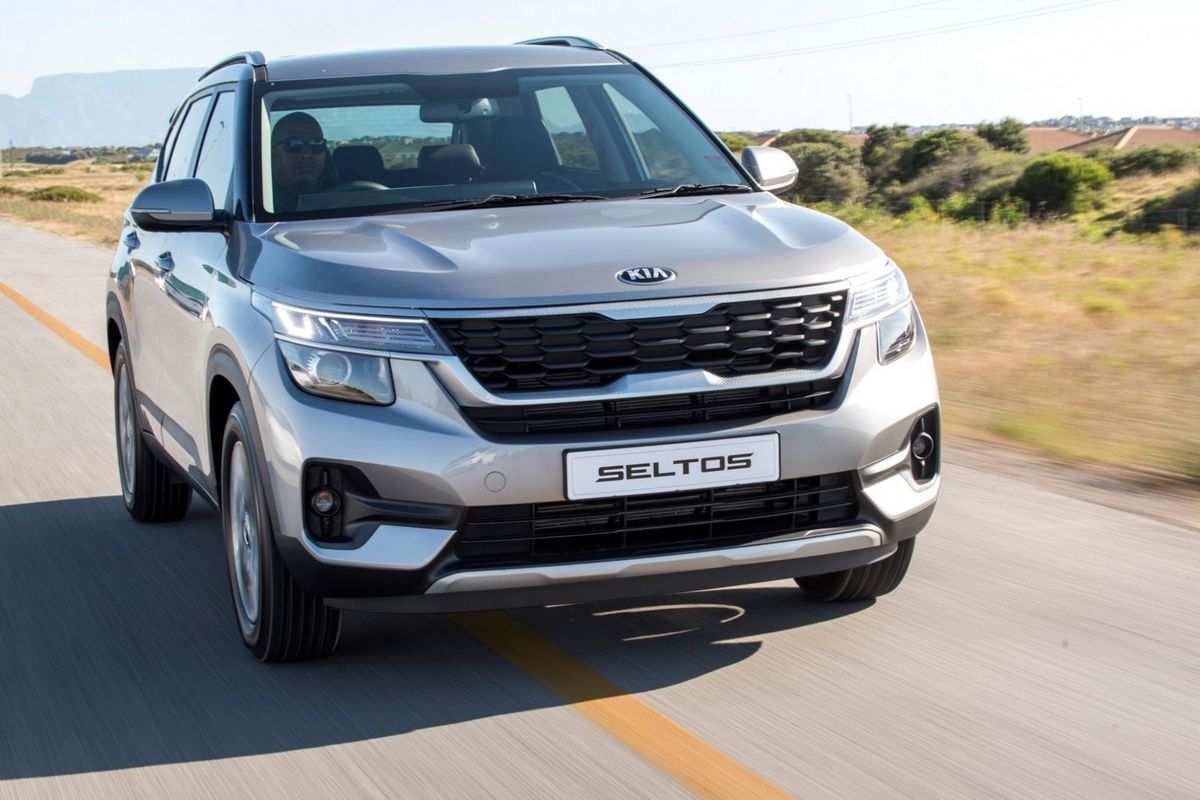
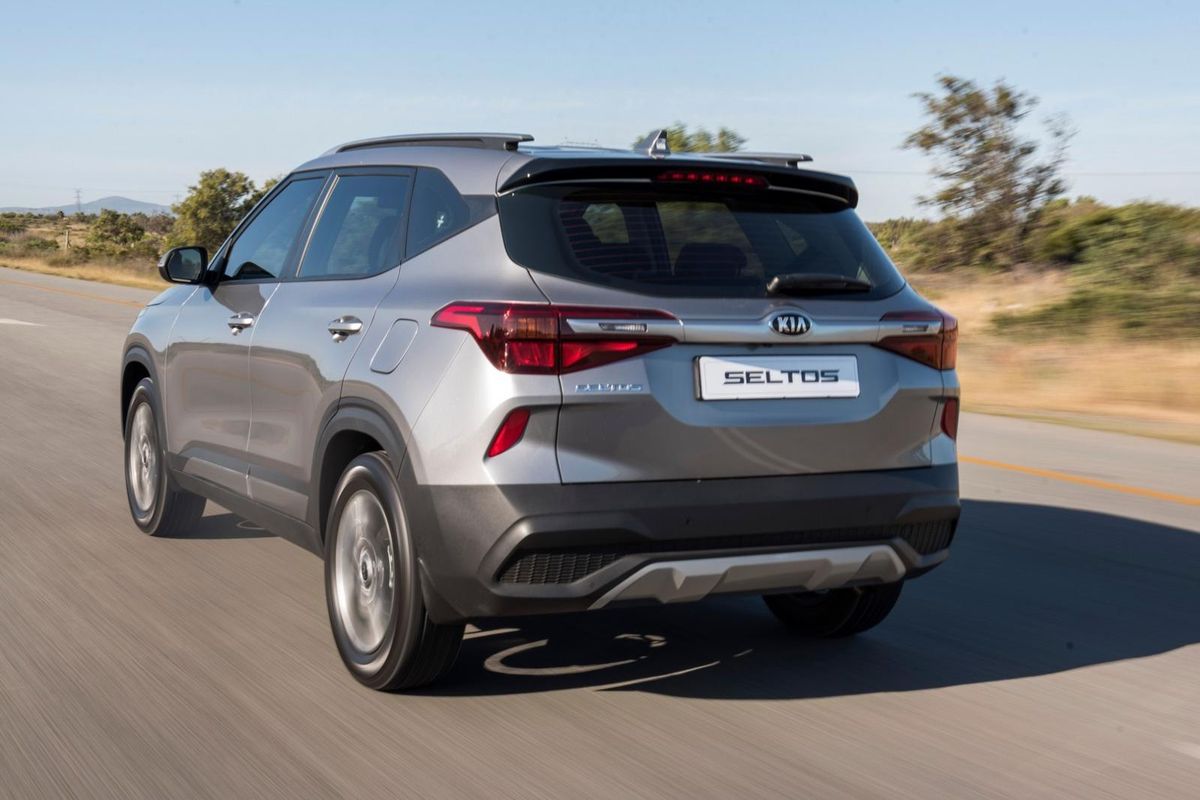
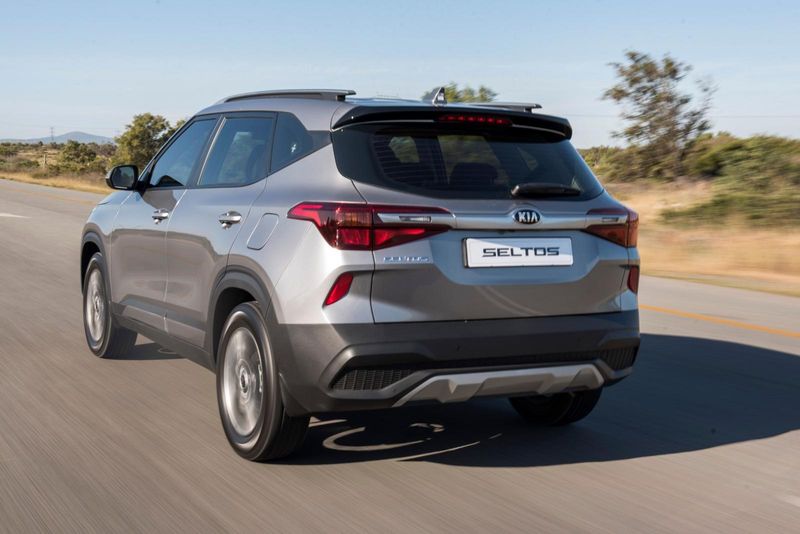
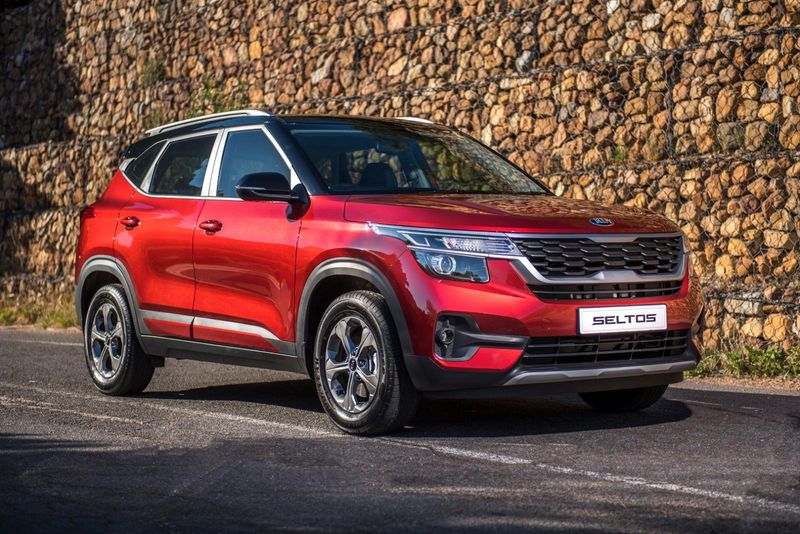
The Seltos arrived in South African showrooms towards the end of 2019, but this week we finally got our chance to sample Kia's stylish compact family car on local soil. Is this handsome newcomer that "smartly-positioned sub-Sportage model" many have been waiting for?
Our first taste of the Seltos came in India, where we also got to step inside the mighty Kia plant in Bangalore, which is assembling the SA-spec units. Kia South Africa is set to have a strong year in 2020 with a multitude of new product launches in the pipeline. One of those new models will be the Kia Sonet, which is positioned just below the Seltos.
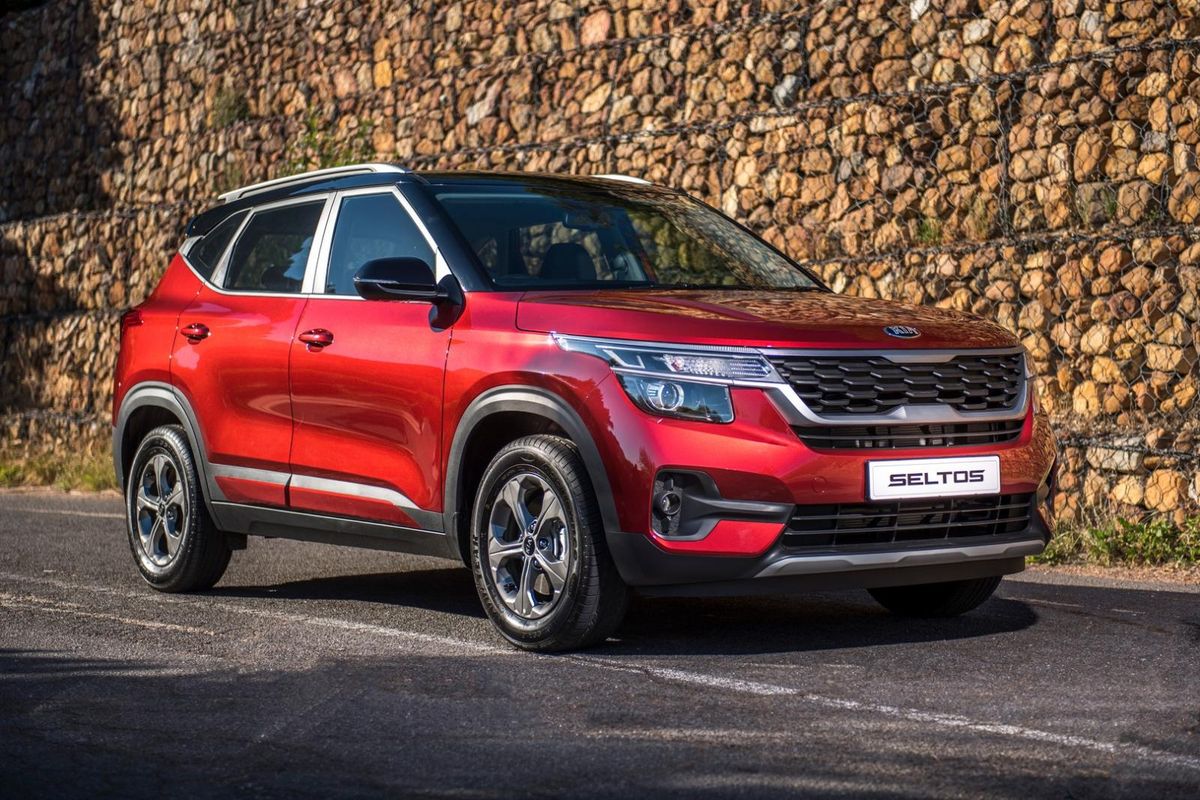
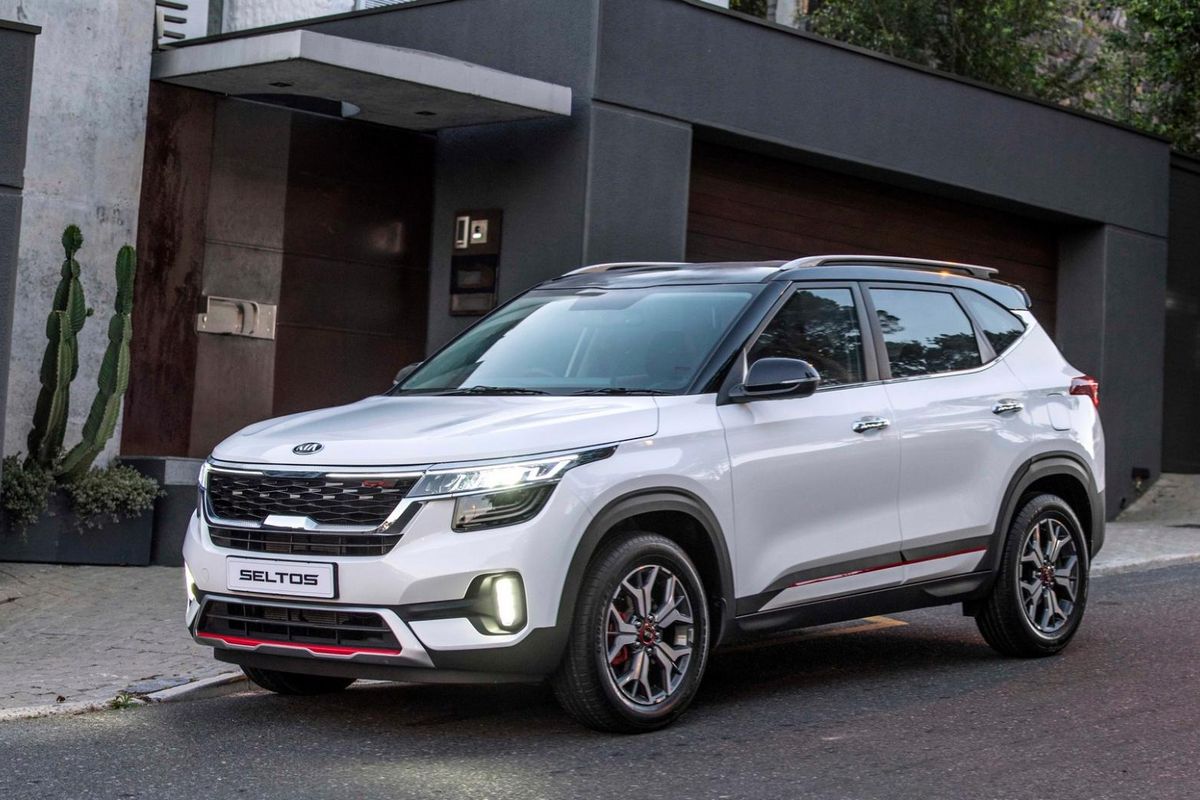
Underpinned by the same platform as the Indian-built Hyundai Creta, the Kia Seltos looks impressive and imposing in pictures. And, in the metal… it's much the same. First impressions suggest it's physically larger than most offerings in the compact family car segment, which is growing so densely populated that we may need to create another subdivision just to classify the comparatively larger Creta, Seltos, Haval H2 and the upcoming Volkswagen T-Roc (no name just a few of the more obvious examples).
So how would one describe the Seltos' ideal buyer? Well, imagine you have a 6-year old premium SUV out of warranty. The cost of ownership and servicing of said vehicle is high and the cost of the replacing it is prohibitive. Between R300 000 and R450 000, there are exceptional SUV-styled vehicles on offer and the Seltos will be taking on the likes of the Mahindra XUV300, Volkswagen T-Cross, Renault Duster, Honda HR-V and Suzuki Vitara. In fact, you could name another half dozen vehicles that sit in this category.
What's on offer?
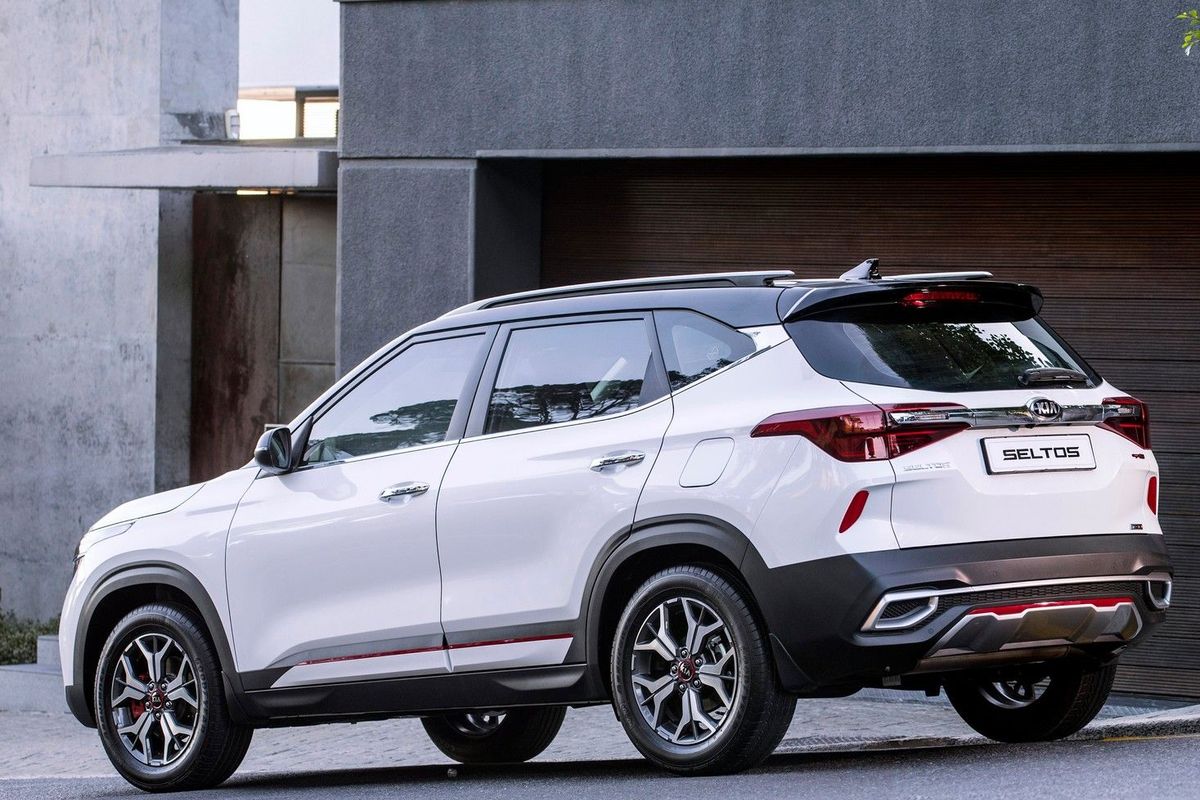
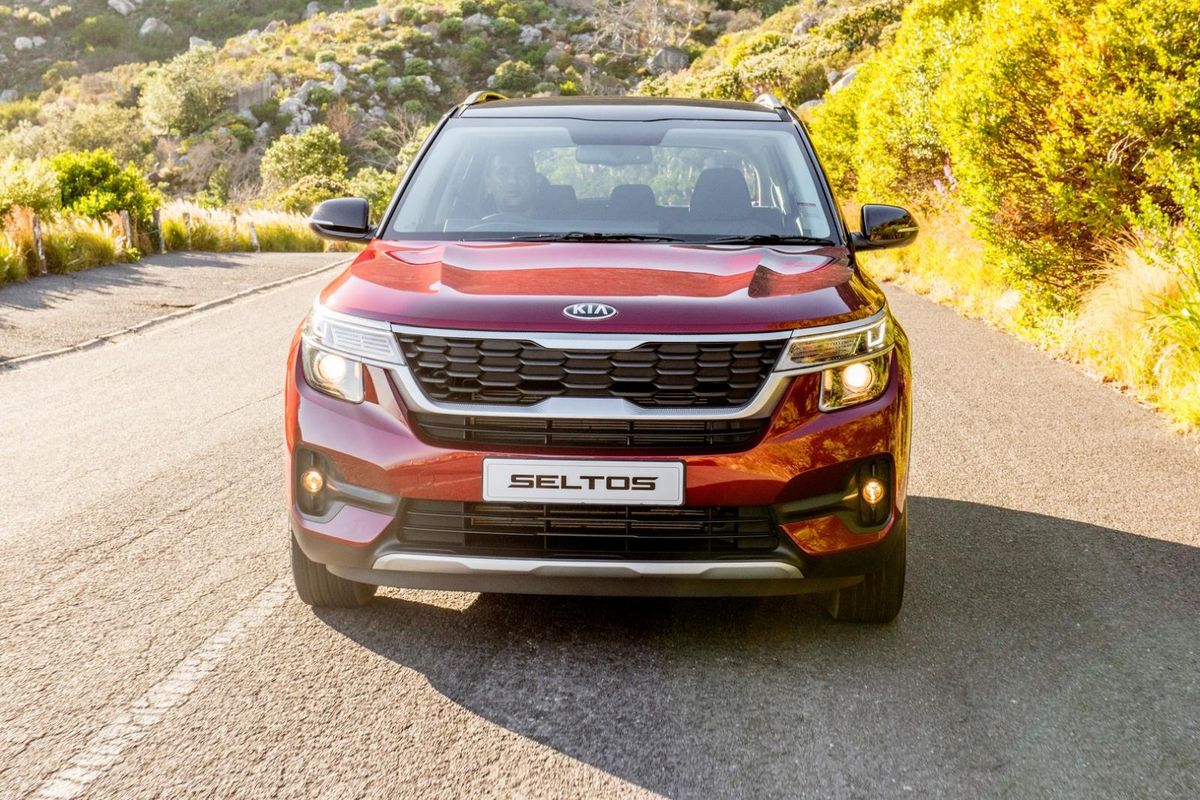
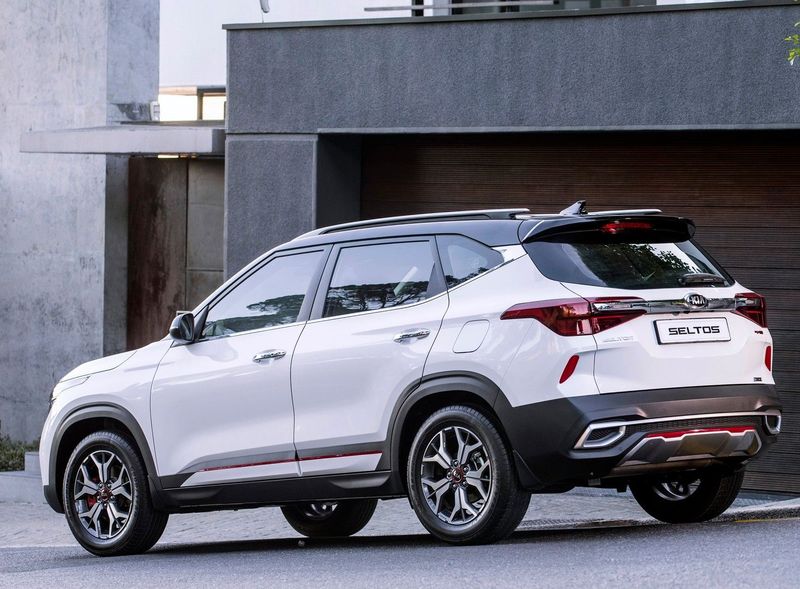
The GT-Line derivative of the Seltos is a very good looking SUV.
Kia believes its Seltos is aimed at younger, tech-savvy consumers. There are 4 derivatives, with a 5th set to join the ranks later on. The first wave of Seltos offerings consists of petrol-driven derivatives, with a turbodiesel version coming later. The 2 petrol engines are the 1.6-litre naturally-aspirated 4-cylinder with 90 kW and 151 Nm and the 1.4-litre turbopetrol (exclusive to the flagship GT Line, which punches out 103 kW and 242 Nm). Both manual gearboxes and automatic transmissions are available across the range.
The newcomer is 4 315 mm long, 1 800 mm wide and 1 620mm high; numbers that eclipse those of the majority of its rivals. Load capacity is rated at a respectable 433 litres.
The list of standard features looks generous, irrespective of which grade you pick. All derivatives offer Apple CarPlay and Android Auto compatibility and feature USB ports for front and rear passengers. Every Seltos comes with 6 airbags, ABS, EBD, rear PDC and a reverse-view camera. The EX+ and GT Line derivatives also have stability control.
The EX derivative kicks off the range and comes with air-conditioning, automatic headlights, electric mirrors, cloth upholstery, steering wheel-mounted controls, electric windows, cruise control, and an 8-inch touchscreen infotainment system linked to a 6-speaker audio system.
The EX+ version additionally features leather trim, auto-folding mirrors, a centre-console armrest with an integrated storage box, as well as 17-inch alloy wheels.
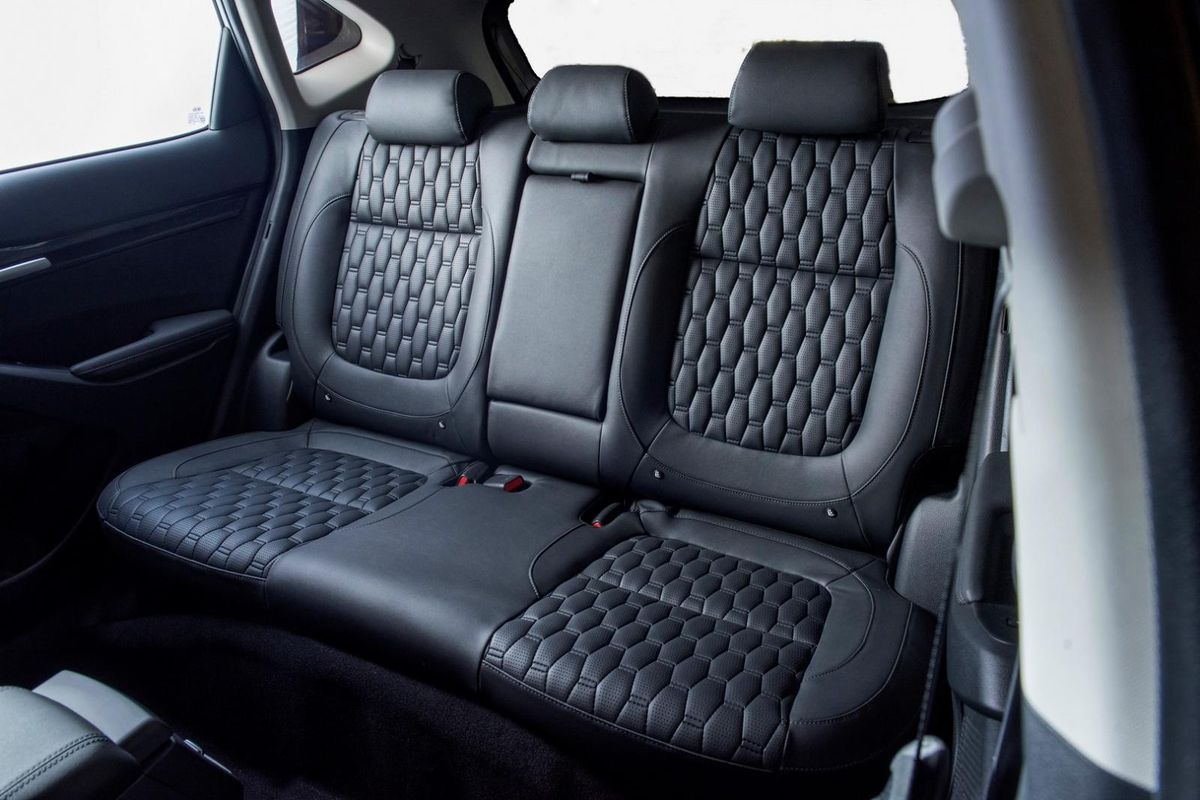
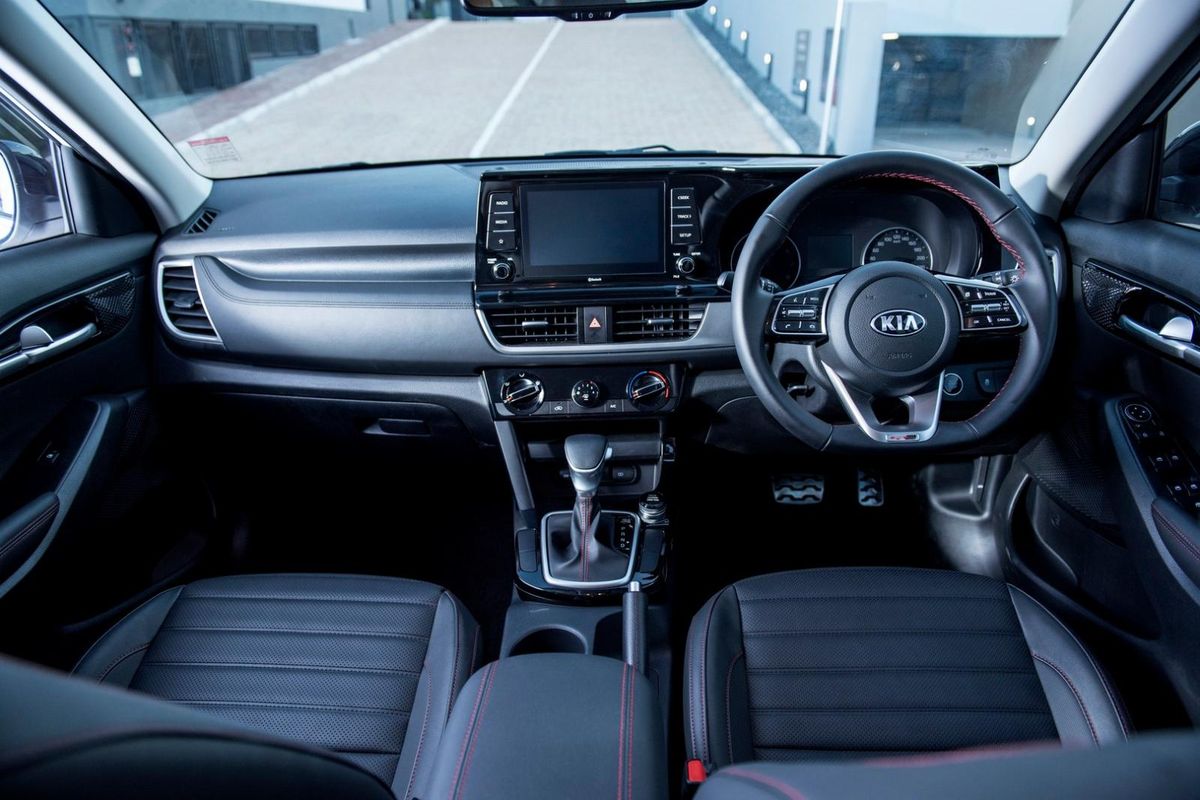
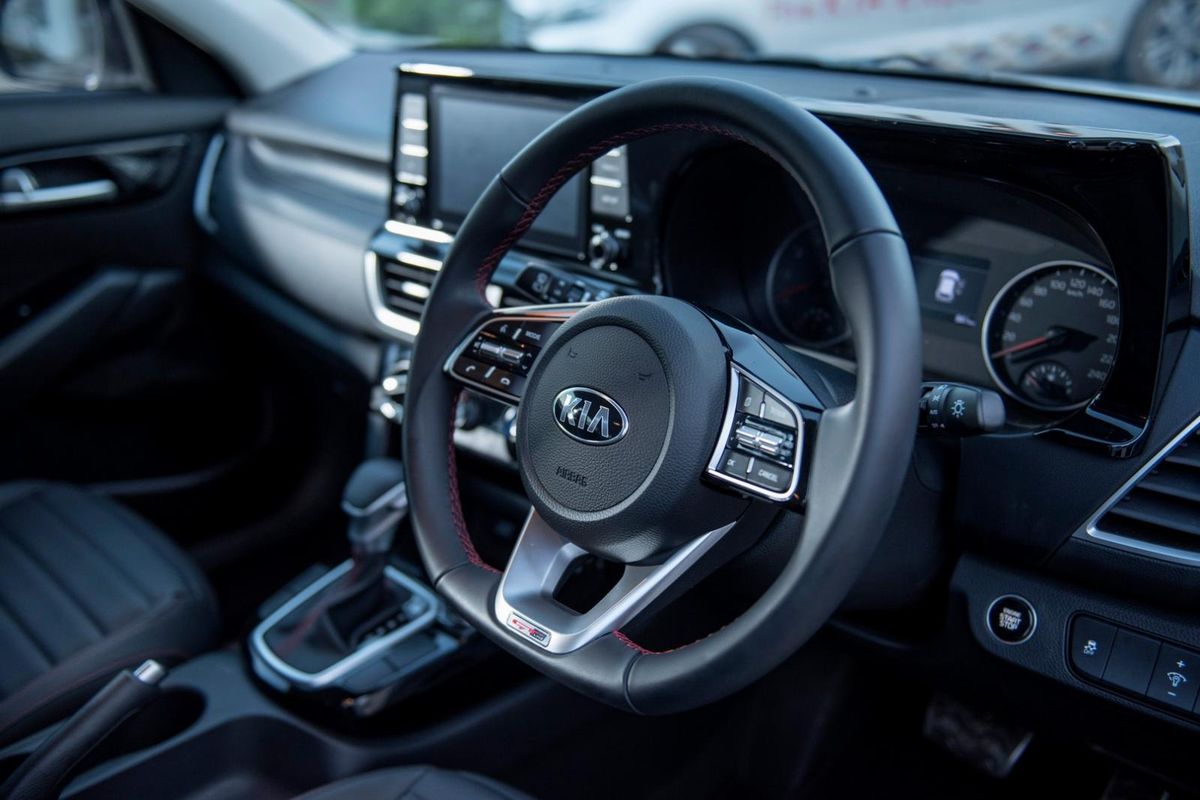
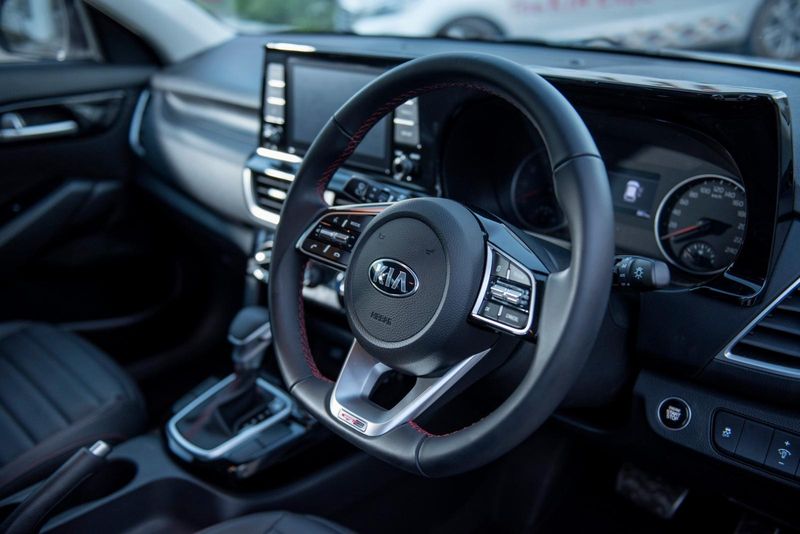
The Kia Seltos cabin is well finished and irrespective of model, specification is generous.
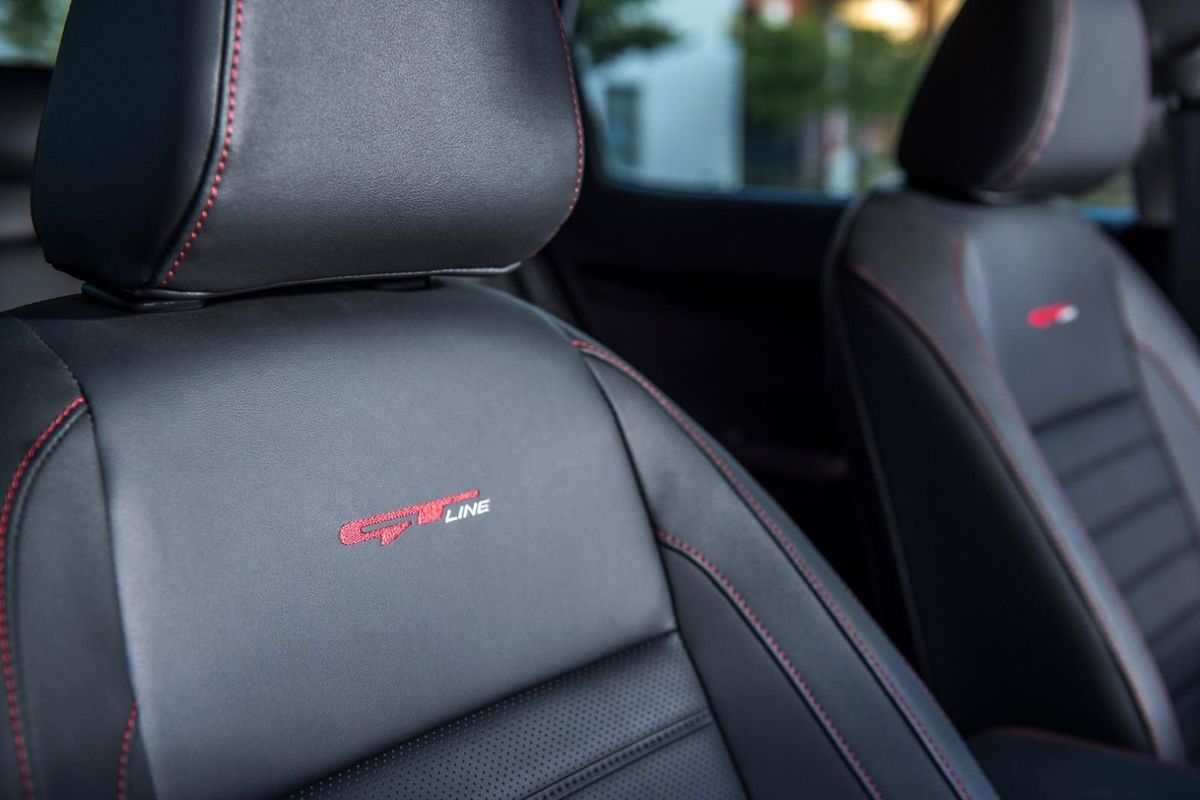
Finally, the GT Line flagship comes equipped with bonus visual addenda in the form of red detailing on the bumpers, bigger alloy wheels, chrome edging and (what Kia claims is) a Terrain Mode. This mode controls the ESC and is said to help with traction on non-sealed road surfaces. It's not all-wheel drive at all and, having had past experience with comparable systems, we find it more of a sales gimmick than anything else. This top-rung offering also has a sportier steering wheel, driving modes and stainless steel pedals.
Interestingly, Kia South Africa claims the top-spec GT Line derivative has proven the most popular so far in terms of sales, so much so there's now a considerable waiting list…
What is it like to drive?
During the media launch of the Seltos, we had the opportunity to get behind the wheel of the stylish GT Line and the 1.6 EX+. First up was the GT Line. Before we'd even opened the door, we stopped to admire the Kia's fresh, modern looks… this really is a striking vehicle and the design is unlike anything we've experienced from the Korean brand. When you climb inside you immediately get a sophisticated vibe from the cabin. There's extensive use of high-quality materials – you can see Kia has worked hard to eradicate that made-to-a-cost feeling that often pervades vehicles in this segment. Kia is a repeat winner for quality in the JD Power survey and it's easy to see why.
Once we'd left the morning traffic behind, the Seltos hit its stride on the freeway. The 1.4-litre turbopetrol's sweet spot starts at around the 1500 rpm mark and the 7-speed dual-clutch 'box shifts cogs promptly and efficiently. The motor performs in a linear, smooth way and acceleration is seamless. Kia claims a 0-to-100 kph sprint time of 9.7 seconds, which feels more than adequate for driving in various traffic conditions, but we look forward to putting a test unit through a more thorough evaluation when we review it.
Refinement and low noise levels are the order of the day on the open road.
After lunch, we climbed aboard the naturally-aspirated 1.6 EX+. Having been spoilt with the early torque delivery of the GT Line derivative, we weren't looking forward to the comparatively lethargic naturally-aspirated motor, but we were pleasantly surprised by its performance. How wrong we were: this 1.6-litre (non-turbo) engine delivers credible acceleration and was only somewhat sluggish when climbing hills of the steepest variety. It was well aided by the automatic transmission, which quietly goes about its business to make the most of the engine's performance characteristics. Better yet, our unit's consumption was sitting at an indicated 7.6 L/100 km, which is good for a vehicle of this size.
There's a lot to like about the Seltos' build quality and the fit-and-finish of its interior. NVH levels are good, with minimal wind noise at the national speed limit. The suspension is firm but composed, and the GT Line's ride does not suffer unduly because of its larger alloy wheels. The steering feel is reassuringly heavy and instils a "premium SUV feel".
Verdict
We think the Kia Seltos is a striking and strong entry into the hotly-contested compact SUV segment. Roll on the group test!
The arrival of the Seltos had been eagerly-anticipated. Hyundai recently expanded its small crossover/compact SUV line-up and its sister brand Kia seemed to be playing catch-up, but the wait is over! Not only is the new Seltos a solid, well-finished product, there is no skimping on standard features. The newcomer is one of the roomier vehicles in its class and, let's not forget about that stellar Kia warranty, which covers Seltos owners for 5-years/unlimited km (with roadside assistance) and a 5-year/90 000 km service plan.
Should you buy one? Based on our first impressions, Kia is on to a winner here, especially when it comes to packaging and space utilisation. We can't wait to conduct a group review in which we pit this newcomer against many of its established rivals, including the #CarsAwards – powered by WesBank – category winner, the Volkswagen T-Cross.
Kia Seltos (2020) Price in South Africa
1.6 EX R353 995
1.6 EX auto R371 995
1.6 EX+ R389 995
1.4T-GDI GT Line R444 995
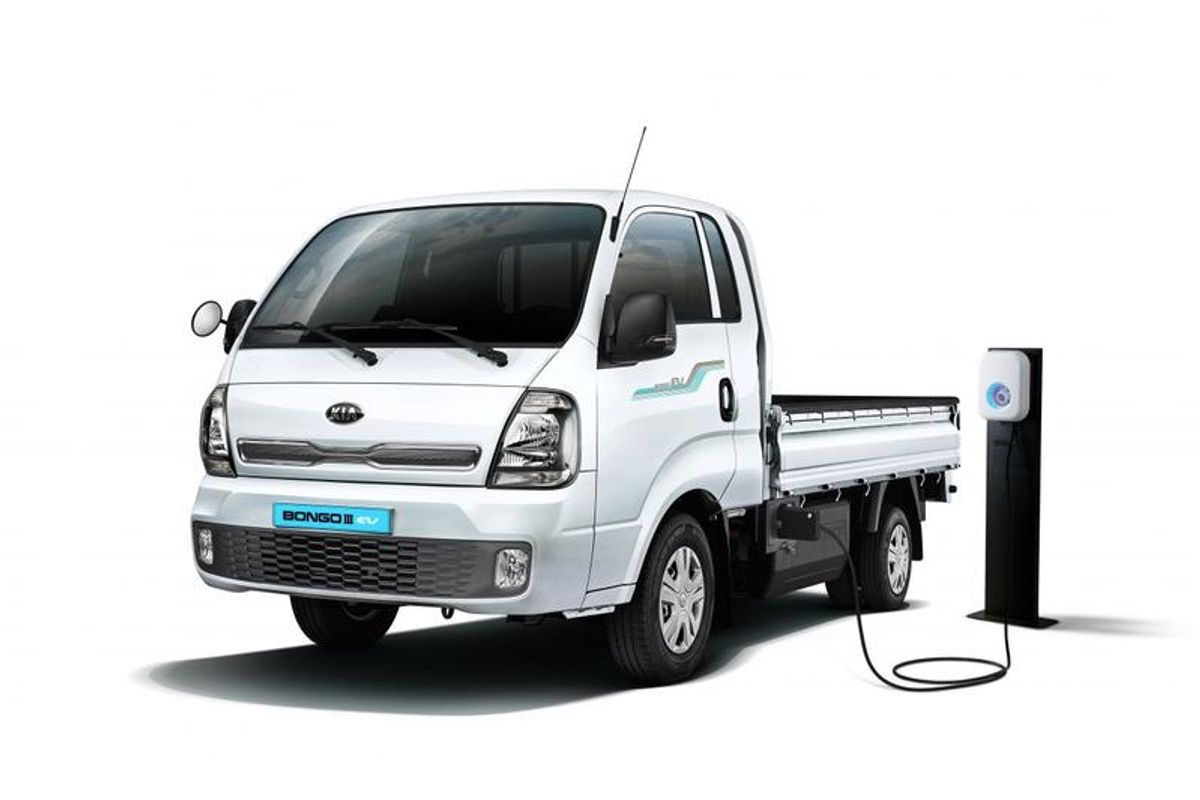
Unless you are active in the local commercial vehicle sector, you probably don’t know that Kia trades a fair bit of bakkie volume in South Africa.
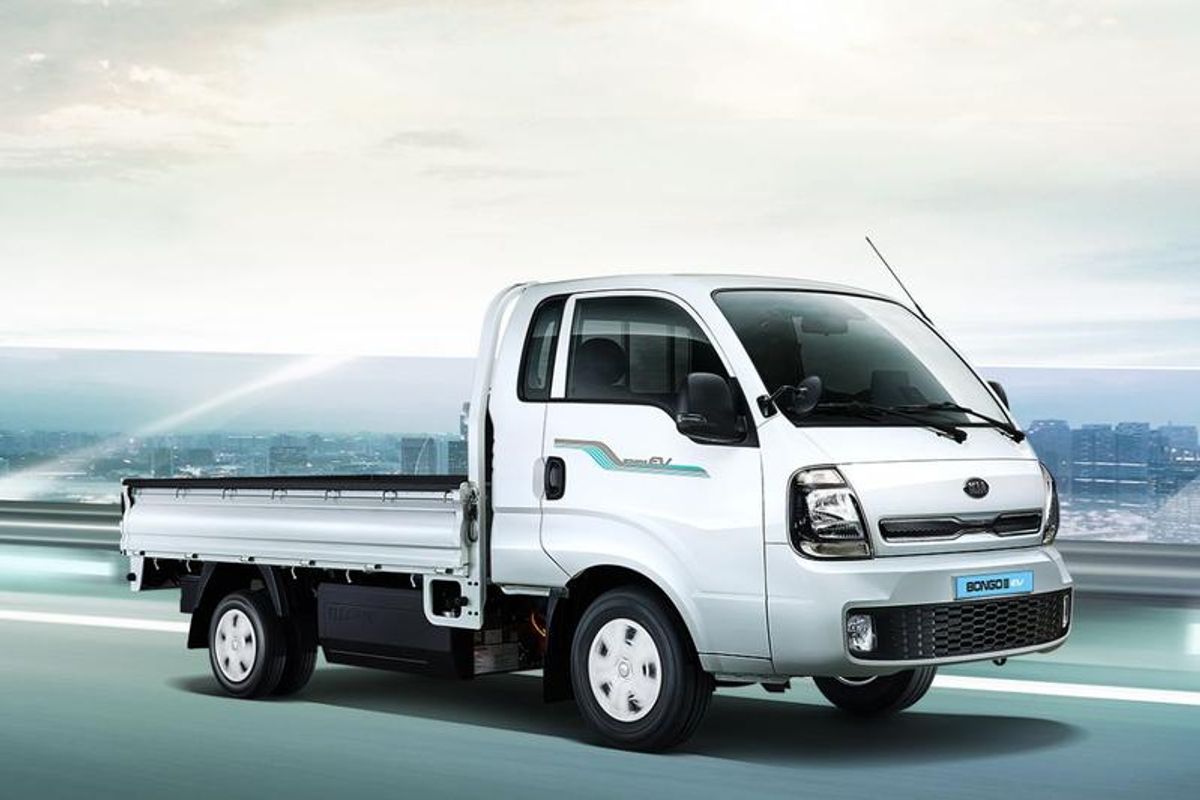
The Korean brand’s K-Series is marketed as a light-commercial vehicle and there are two locally variants, the K2700 and K2500.
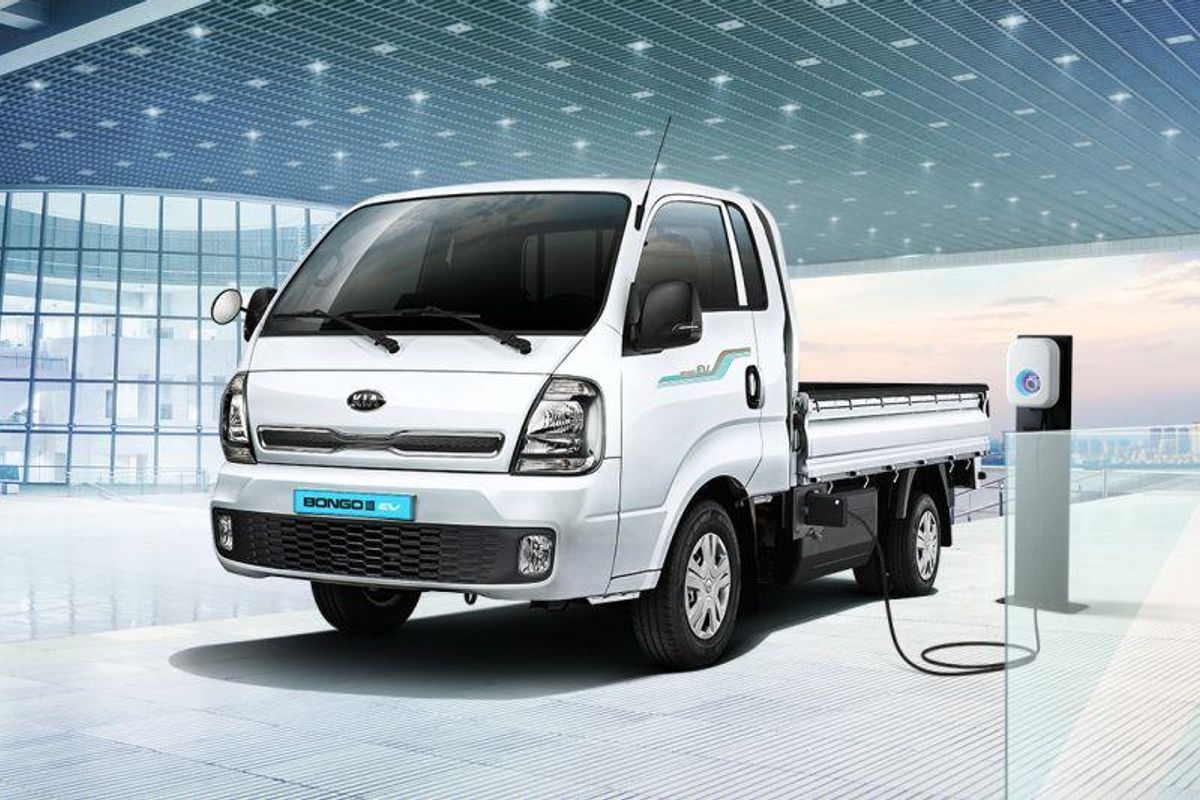
Designed as a cab-forward mini-truck with optimal loadability without requiring a special driver’s licence, the K-Series is a popular workhorse. And now there is a battery-powered version.
As the proliferation of electrification continues in 2020, Kia has surprised many with its latest battery-powered vehicle.
Instead of providing an all-electric passenger car, they’ve electrified the K-Series. Although this design is hardly new (the current K-Series debuted back in 2005), it has great potential as a short-range logistics vehicle.
The K-Series EV is has a 58.8 kWh battery pack, which provides enough energy density to power an electric motor which produces a very potent 135 kW. Packaging for the battery pack is interesting as you can see it has been placed where the traditional long-range fuel tanks would be on a truck, below the front section of the loadbed.
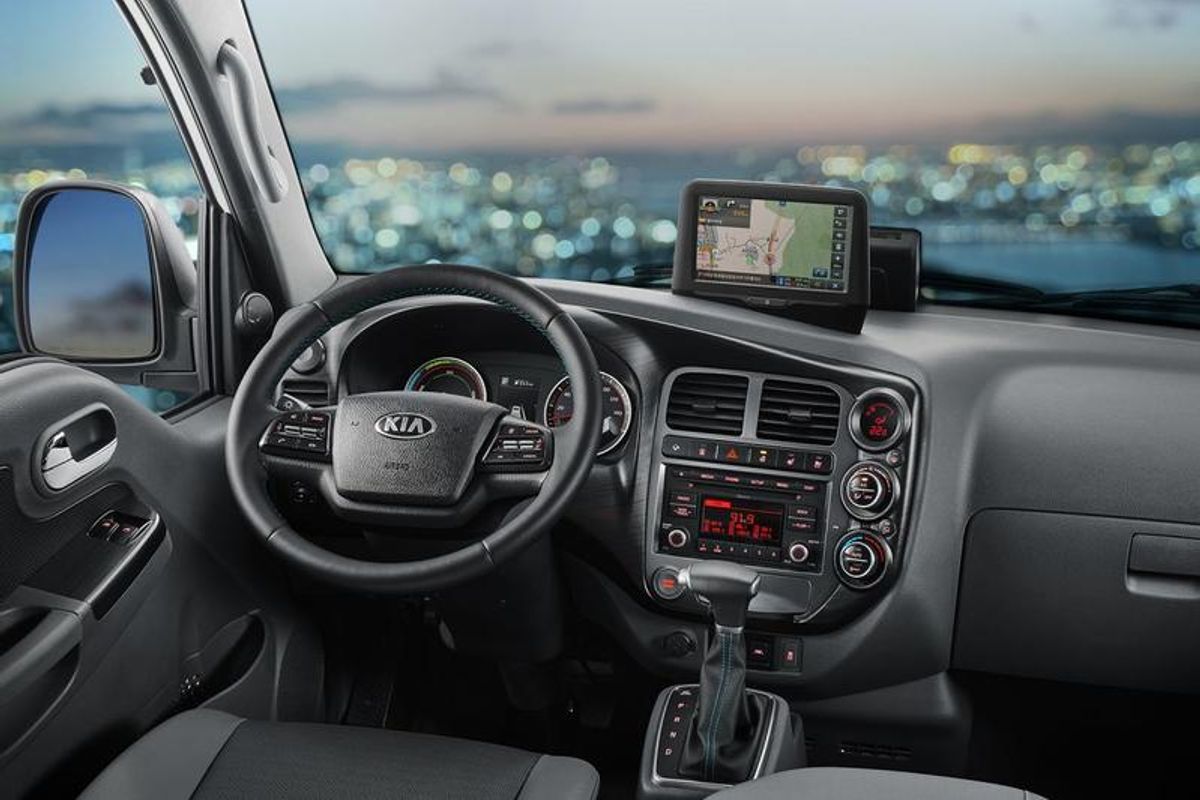
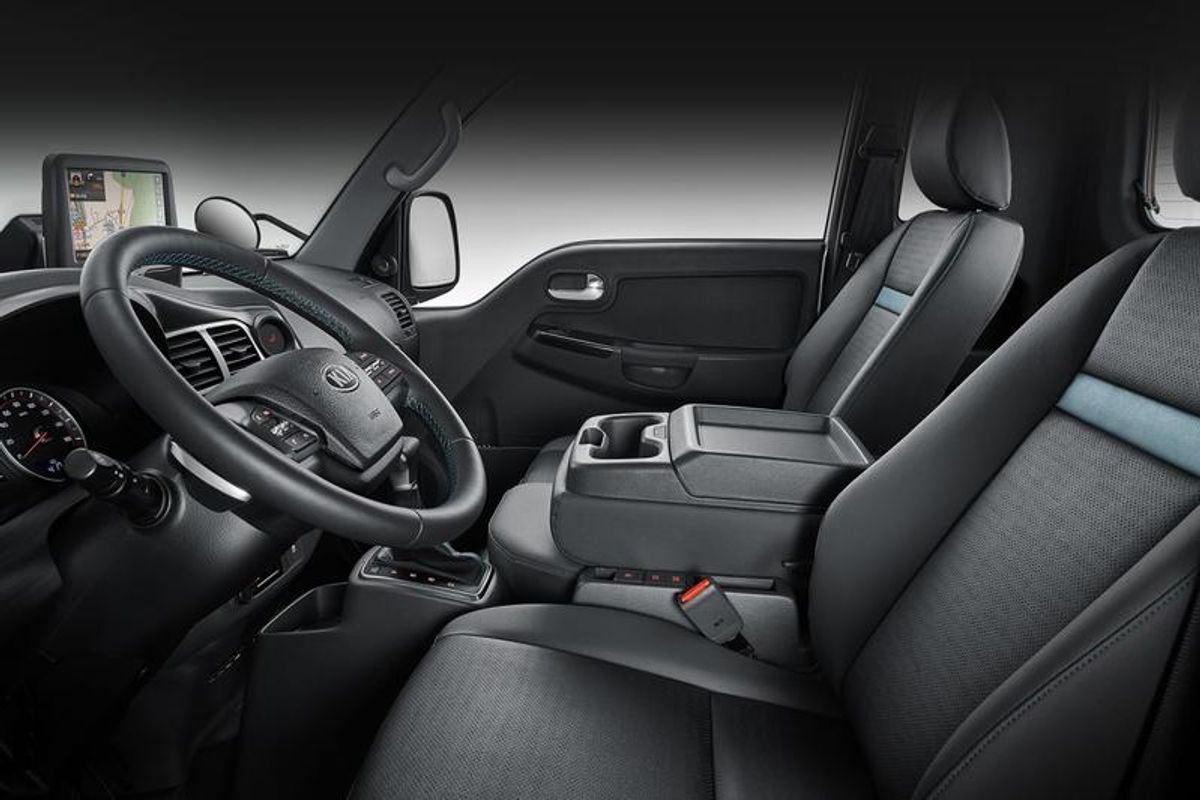
Kia’s unusual EV min-truck also features a rather decent cabin specification, with a touchscreen infotainment system and the brand’s latest passenger vehicle steering wheel design, featuring only two spokes with an array of satellite controls on each.
Initial distribution fo the Kia K-Series EV will be limited to Korea, but with 211 km of range and decent performance from its 135 kW electric motor, this could be a great inner-city workhorse for the South African market too.
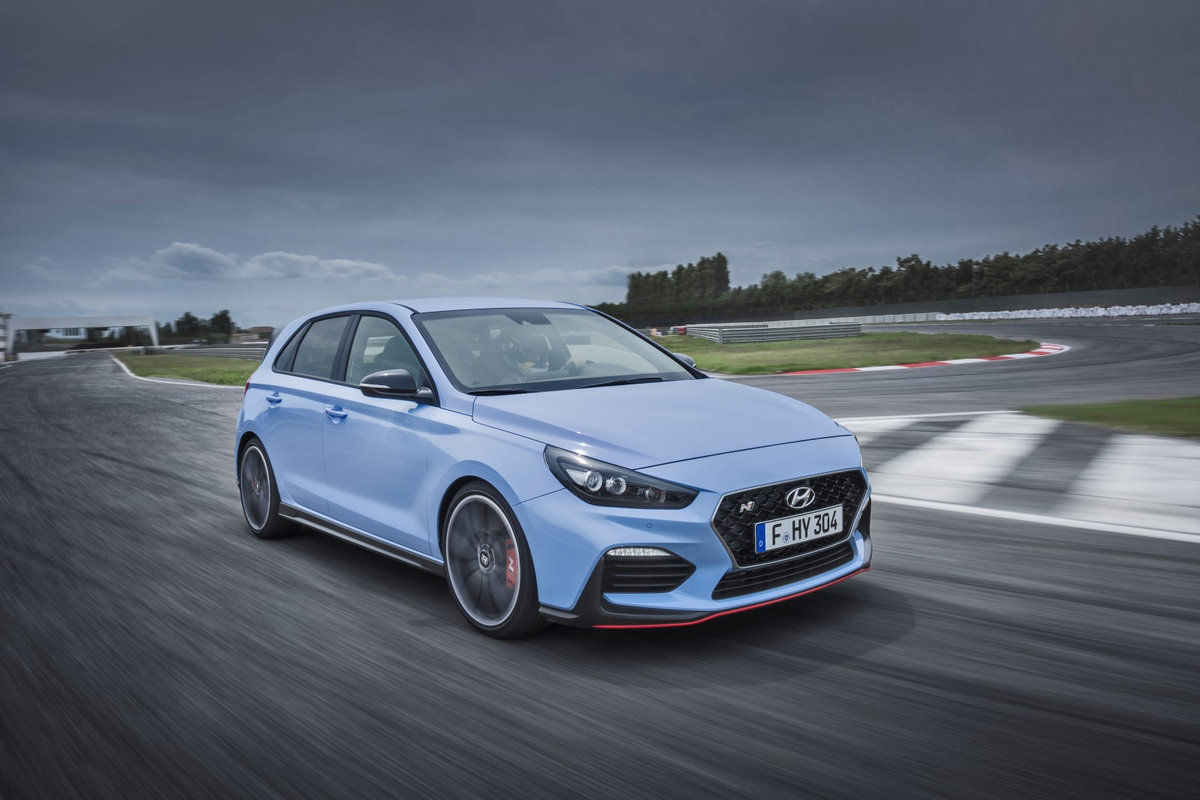
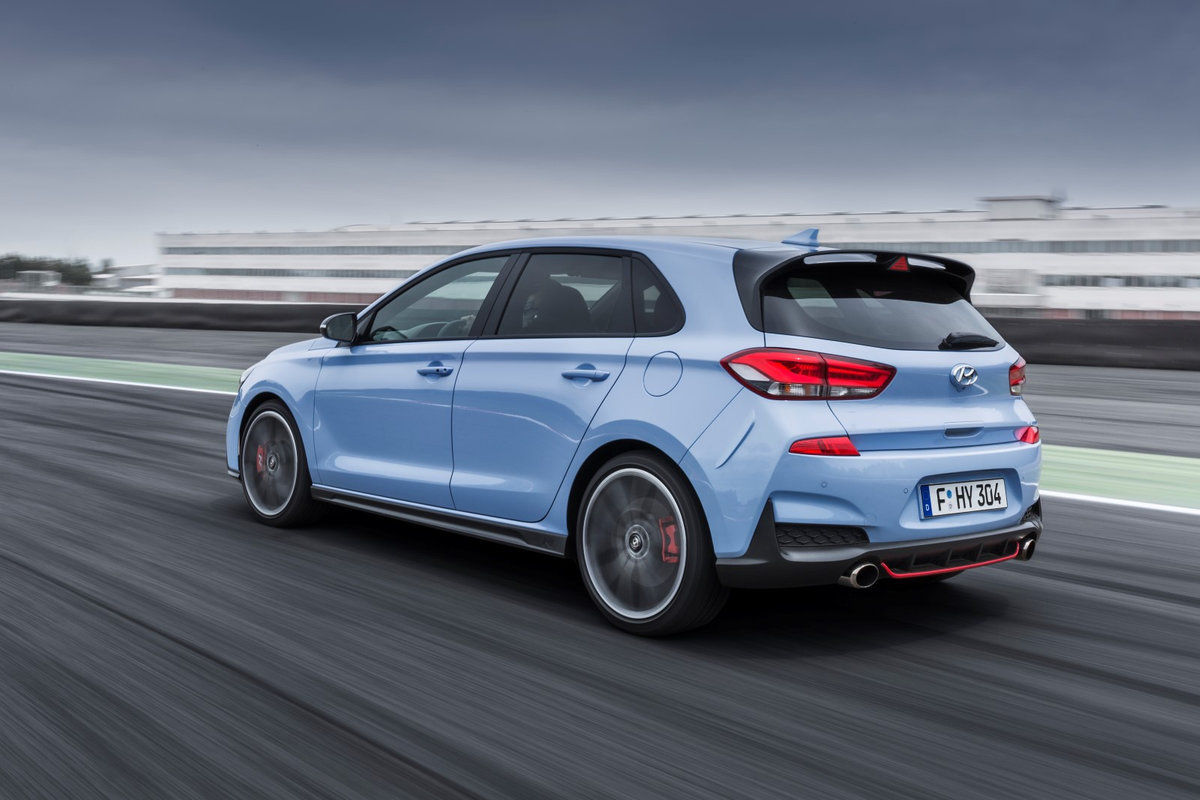
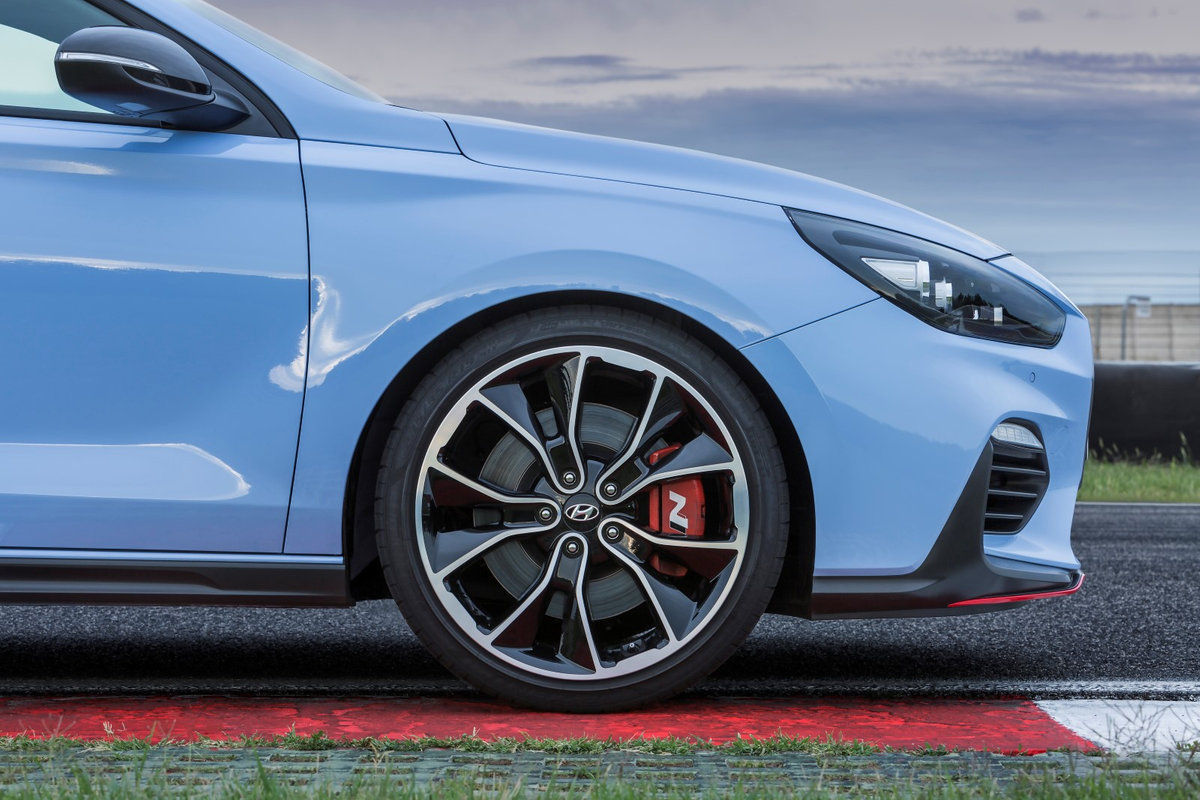
Hot-hatch enthusiasts are in for a treat as Hyundai has finally launched it’s highly anticipated i30 N in South Africa!
The i30 N was revealed back in 2017 and we’ve been itching to drive it on local soil ever since. Thankfully, the long and painful wait is finally coming to an end as Hyundai South Africa prepares to launch its potent hot hatchback in Cape Town this week.
The i30 N will be a tantalising alternative to the competent and much-loved Volkswagen Golf GTI, with the new Golf 8 GTI expected to land in South Africa in Q4 2020.
The i30 N brings some notable firepower to the tar with a 2.0-litre turbocharged petrol that’s offered in 2 power flavours including a high-power 202 kW version and a de-tuned 184 kW version, both with 353 Nm of torque, which out-powers its Golf GTI rival by a fair margin. It has been confirmed that the 202 kW i30N will be offered in South Africa.
A 6-speed manual transmission lays the power down via the front rubber and you can expect a zero to 100 kph sprint time of 6.1 seconds while the de-tuned version will take 6.4 seconds.
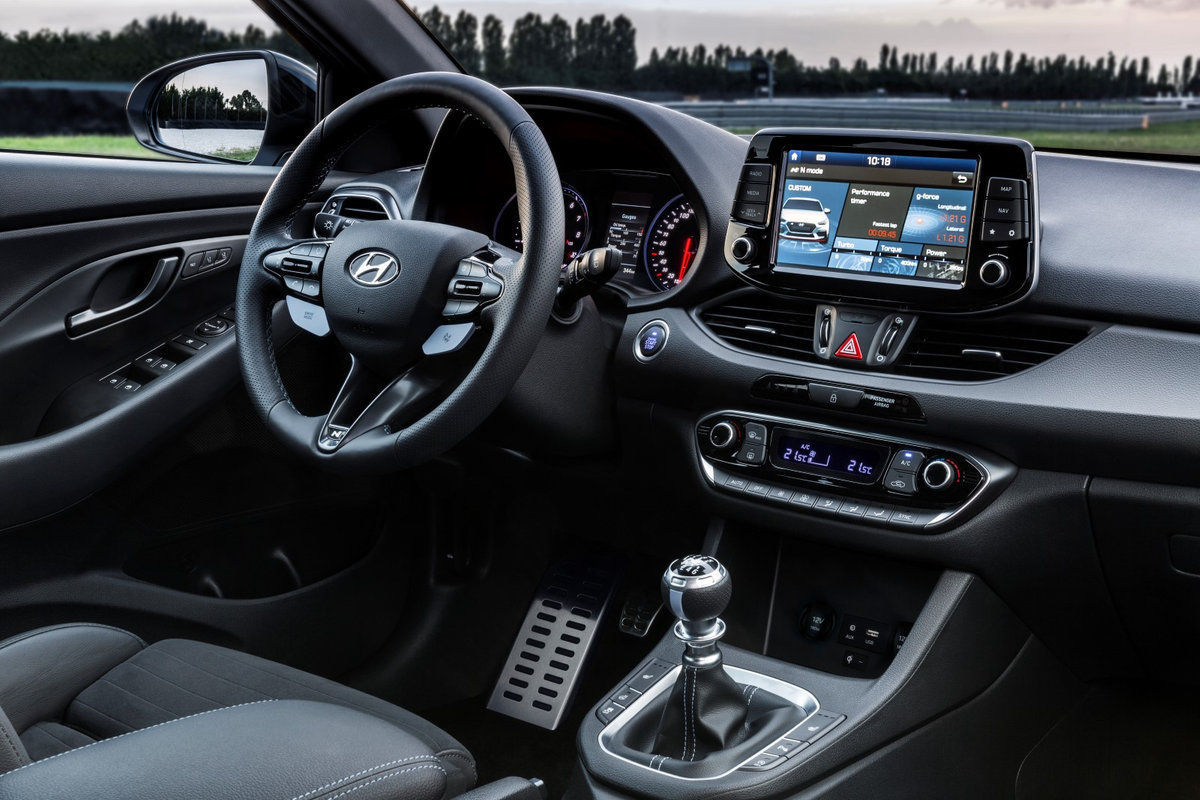
We have yet to see what specification Hyundai South Africa will offer for the i30 N, but we are confident that the car will feature leather sports seats, a 5- or 8-inch infotainment screen with Apple CarPlay, Android Auto and performance-related readouts. We will, however, have more details from the launch, which takes place on the 12-13 February 2020.
Look out for our launch report this week for all the official local details!
Are you looking forward to seeing the i30 N in South Africa?
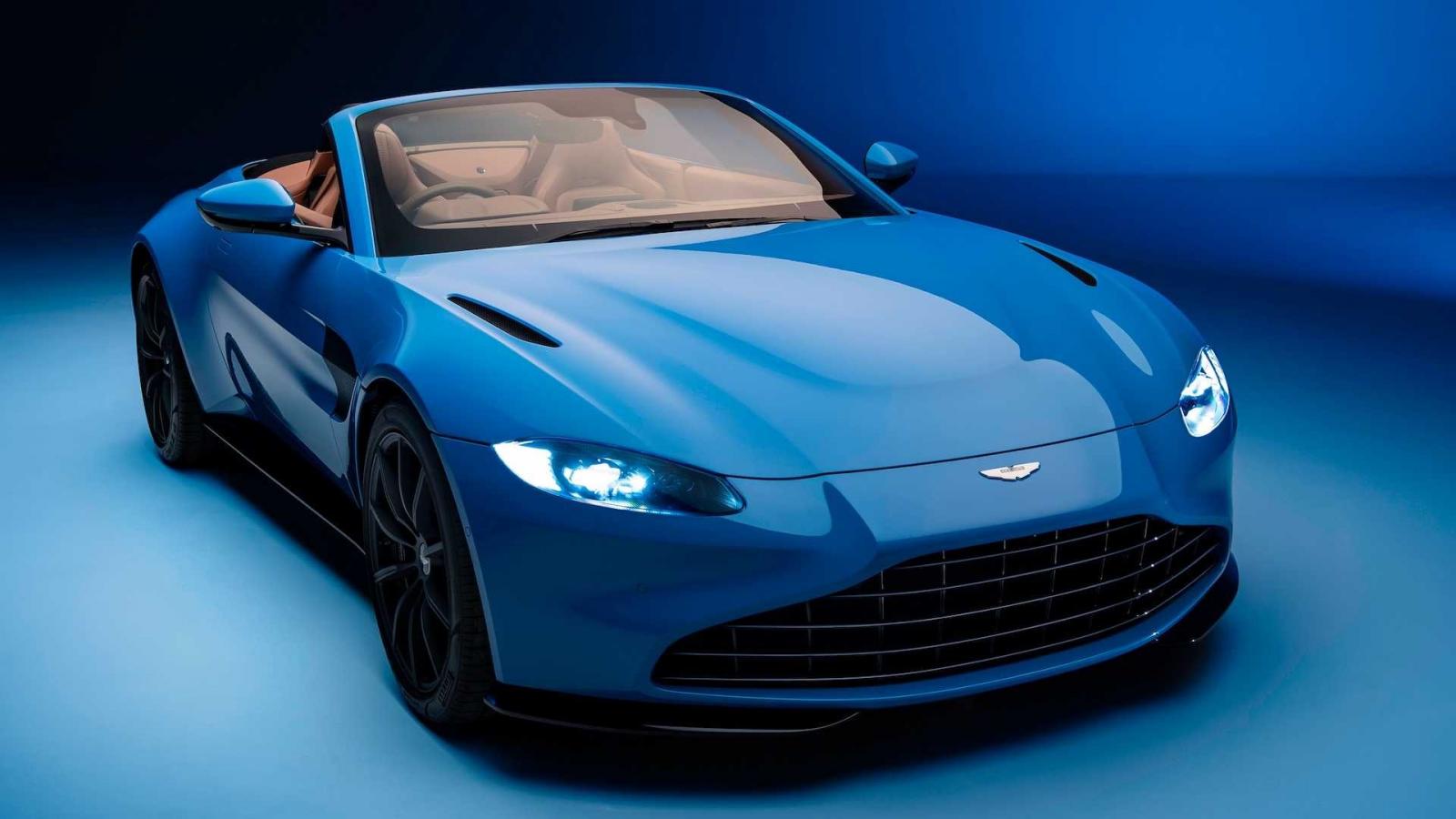
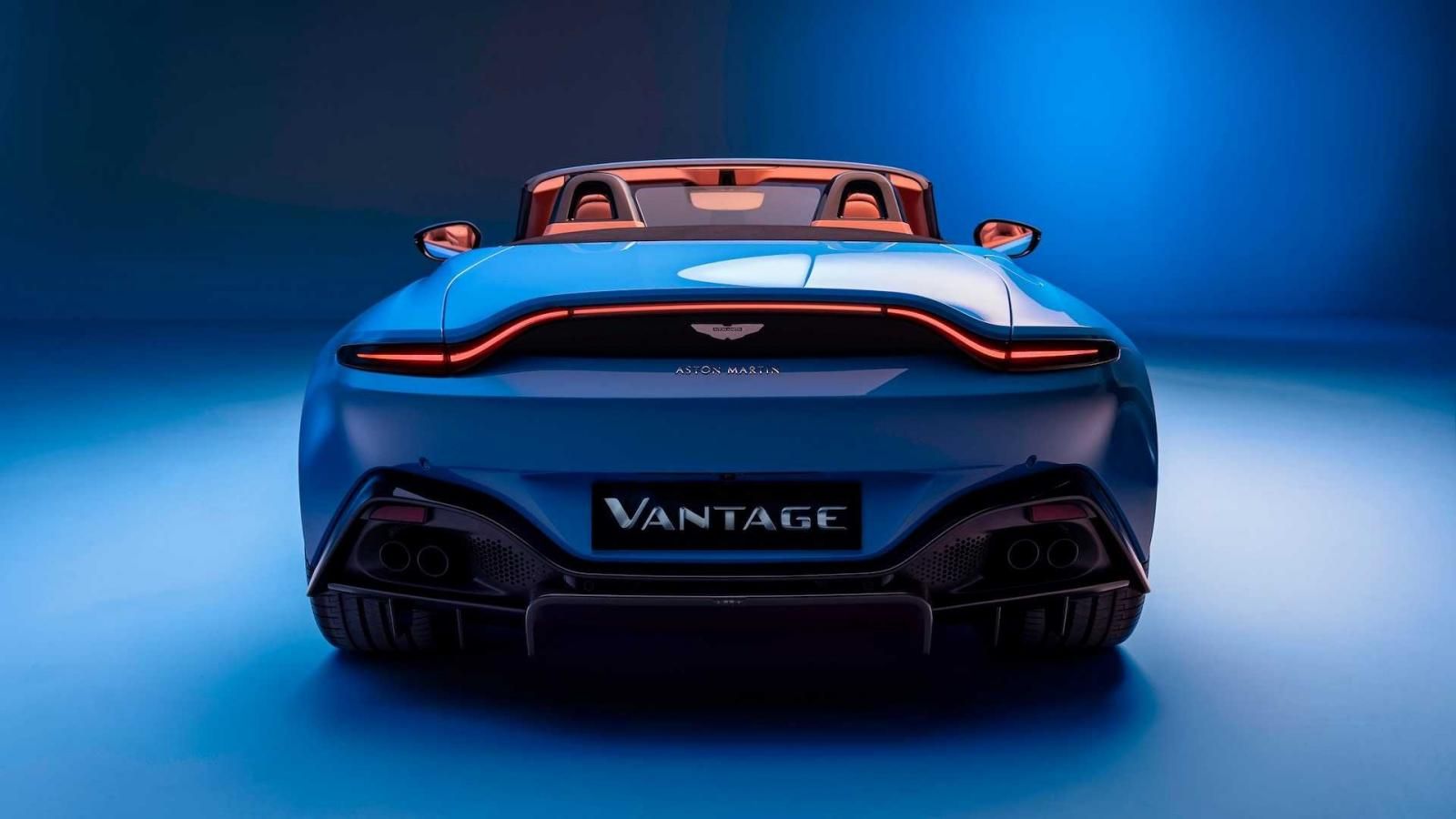
Aston Martin has finally taken the wraps off the Roadster variant of its Vantage sportscar. Not only is this AMG-powered newcomer capable of dashing from 0 to 100 kph in 3.7 seconds – its automatic soft-top is said to be able to retract fully in a “record-setting” 6.7 seconds!
Last last year, Aston Martin released a handful of images of a pre-production Roadster bearing stickers that read “Vantage – Opening Spring 2020”. South Africa may be heading into the autumnal months, but the Gaydon-based firm was clearly referring to the Northern Hemisphere when it teased the new model…
It seems an eternity since we first sampled the arrestingly-styled Vantage (with its 375 kW/685 Nm 4.0-litre twin-turbo V8 engine mated with an 8-speed ZF automatic transmission) in April 2018. Since then we’ve experienced the audacious DBS Superleggera both in Germany and last month, here on home soil.
The Vantage Roadster shows off the more traditional "vane grille", which is now optional throughout the model range.
Aston Martin was recently taken over by a consortium headed by Canadian fashion mogul and Racing Point F1 team owner Lawrence Stroll, who hopes to restore the embattled British supercar marque back to profitability. Much is expected of the brand’s DBX first-class SUV, which is expected to go on sale in South Africa soon (with a reported starting price of R3.6 million), but in the case of the Vantage Roadster, Aston Martin is clearly sticking to its core strength: building fast, beautiful, exotic machinery.
Apart from its sub-4.0-second 0 to 100 kph time and a top speed of just over 300 kph “with the roof raised” (obviously!), the Roadster weighs only 60 kg more compared with its Coupe sibling by virtue of a new, lighter Z-shaped folding roof mechanism and optimised exterior and chassis revisions, the firm says.
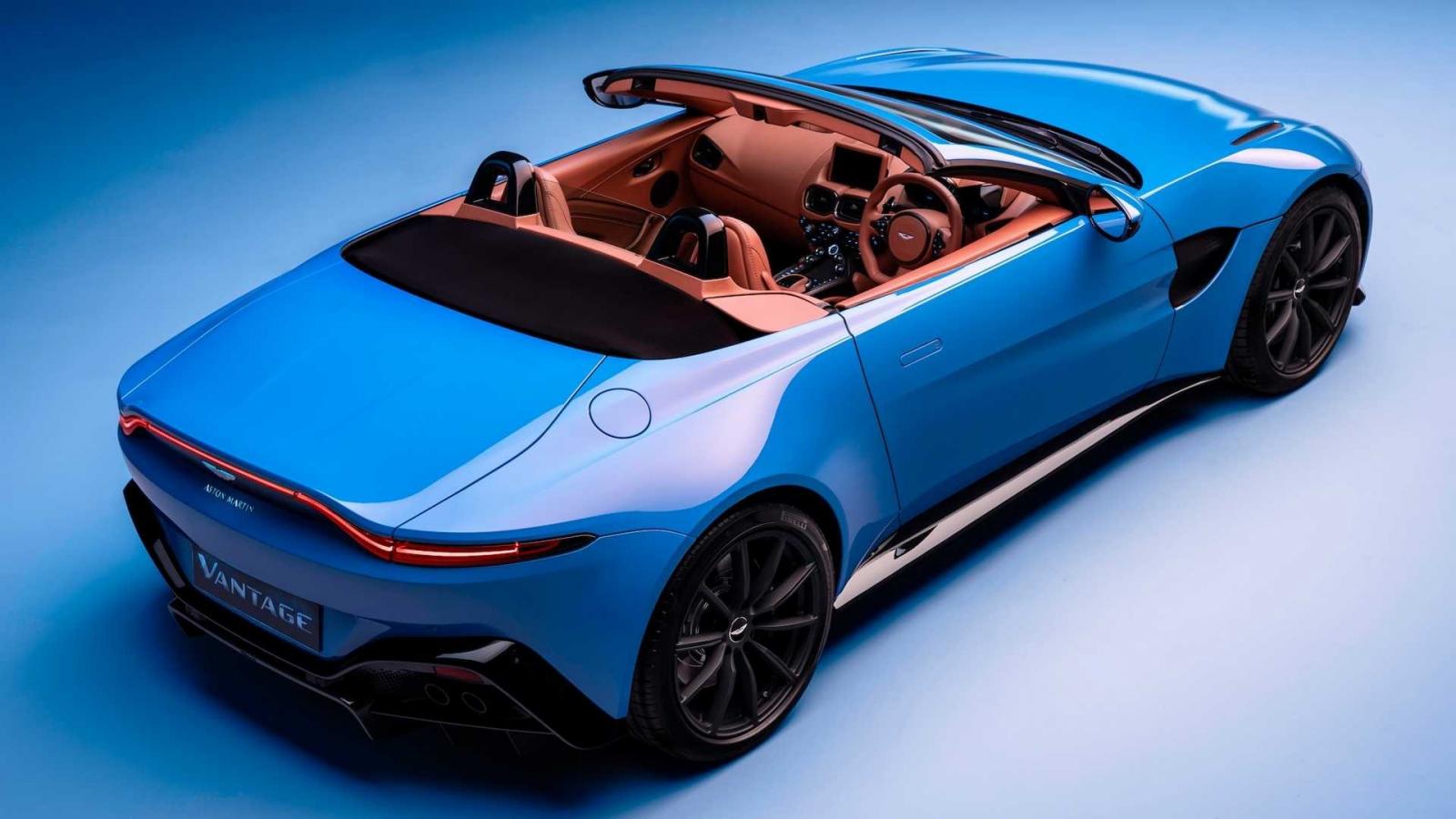
The compact roof mechanism has enabled Aston Martin to keep the Vantage's pert rear-end virtually unaltered in Roadster guise.
Roadster-specific structural shear panels, chassis components, rear-damper tuning, adaptive-damping software and ESP calibration are said to ensure the Vantage Roadster retains the coupe’s “strong dynamic ability and sporting character… with no compromise to feel or refinement." It shares its dynamic stability control- and dynamic torque vectoring system, as well as electronic rear differential with the hard-top.
Drivers are offered a choice of Sport, Sport + and Track chassis and powertrain modes – also tuned specifically for the Roadster variant – to progressively increase the car’s overall responsiveness, which “mean(s) the Roadster has “a tremendous breadth of ability and feels equally at home on road or race track.”
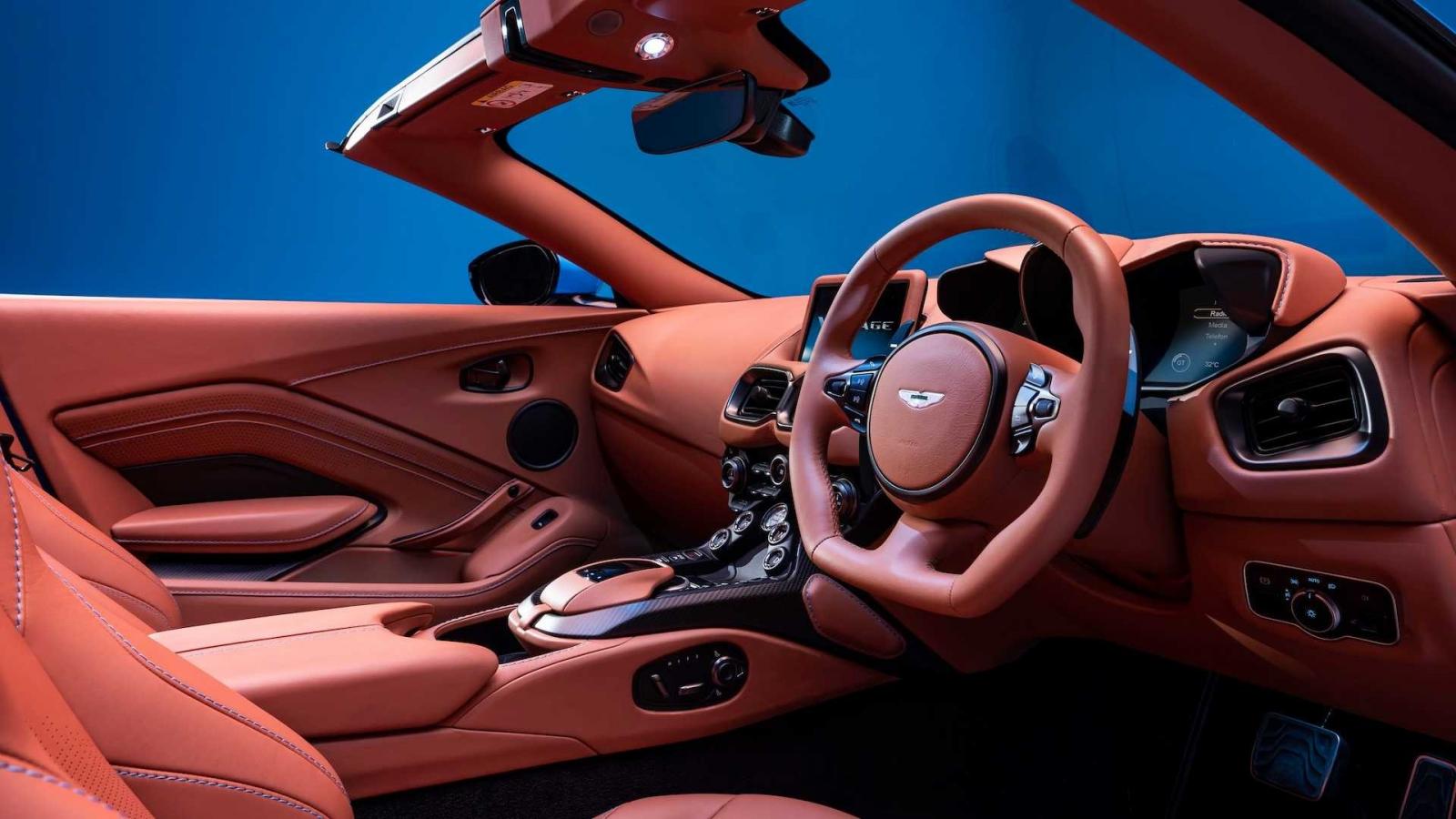
Make of the "radioactive putty" leather trim what you will, the Roadster retains its hard-topped sibling's engaging driving position.
The tautly-tailored fabric roof features a compact electrically-operated Z-fold mechanism that can be fully lowered in 6.7-, or raised in 6.8 seconds, at speeds of up to 50 kph. In fact, the roof of Vantage Roadster is claimed to have the fastest full-operating cycle of any folding-roof mechanism in the new vehicle market…
What's more, the low stack-height facilitates a sleek rear profile with minimal impact on the Roadster’s luggage space. With a claimed capacity of 200 litres, the newcomer’s boot can reportedly accommodate “a full-sized golf bag and accessories”.
Now you don't see it, but soon you will… The roof can be raised fully from the retracted position in 6.8 seconds.
Meanwhile, Aston Martin has introduced the company’s iconic “vane grille” as an option for both the Coupe and Roadster (an alternative to the “hunter grille” featured on the Coupe). Apart from a new range of optional alloy wheel designs and optional finishes, the manual 7-speed transmission is now also available on the Coupe, having initially only been available in the limited-edition Vantage AMR.
Deliveries of the Aston Martin Vantage Roadster will begin in the latter half of 2020 across the globe, the firm says.
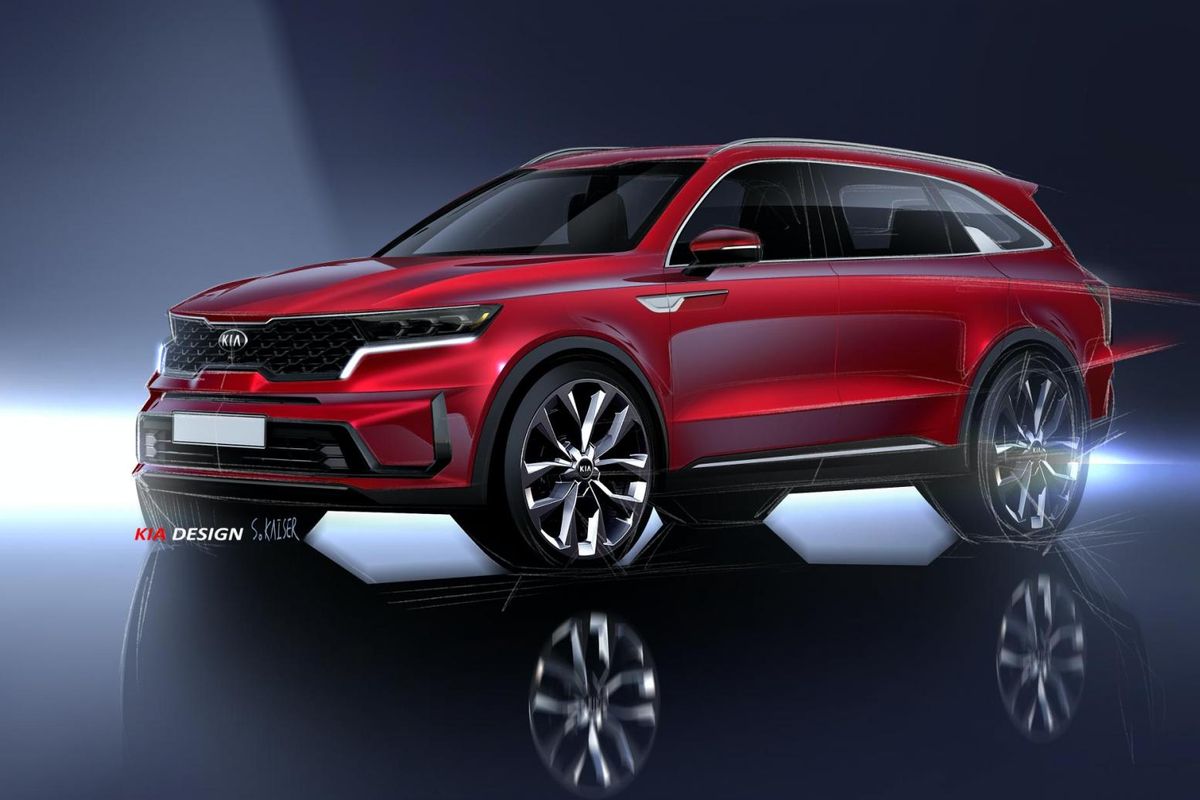
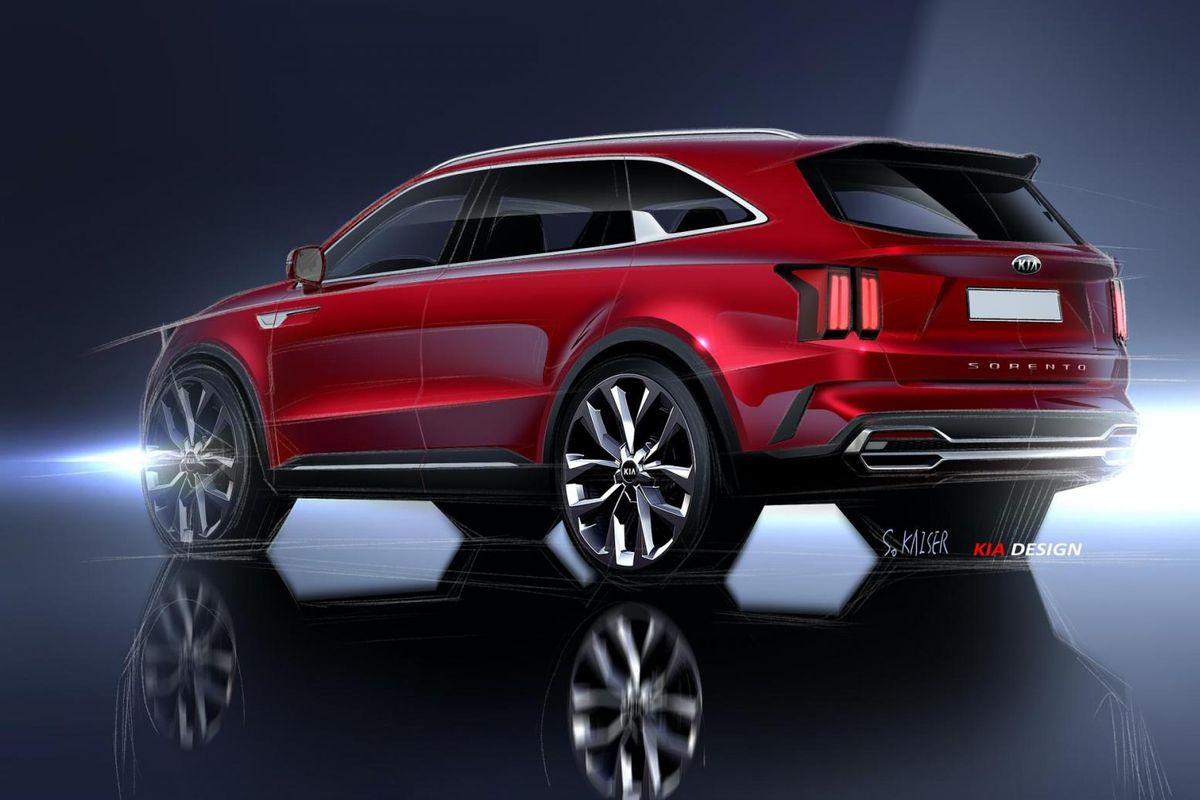
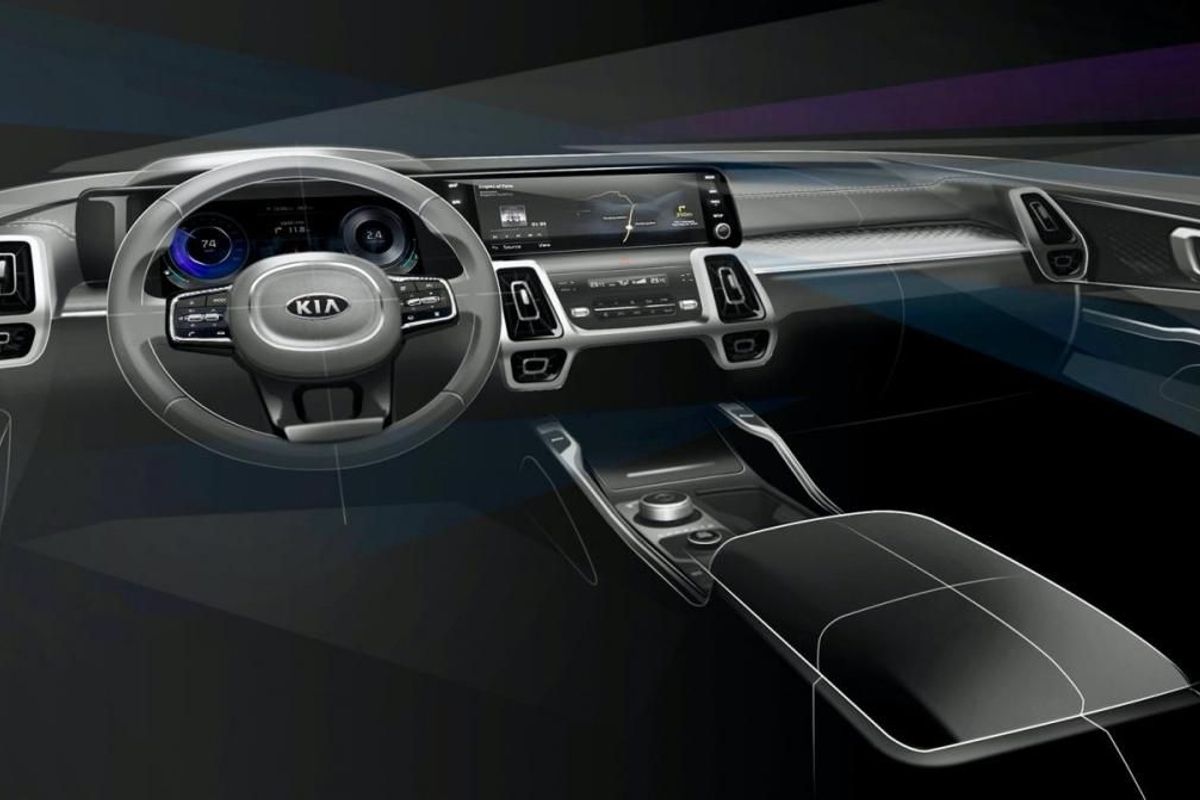
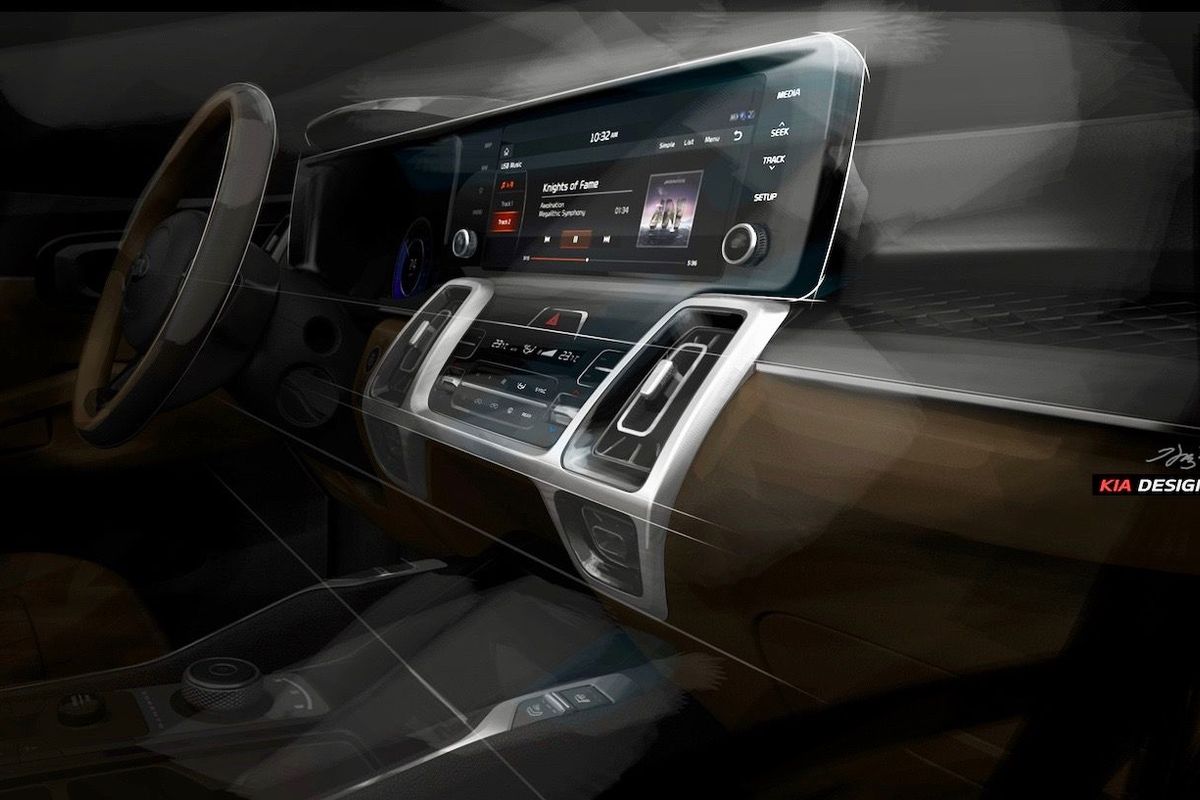
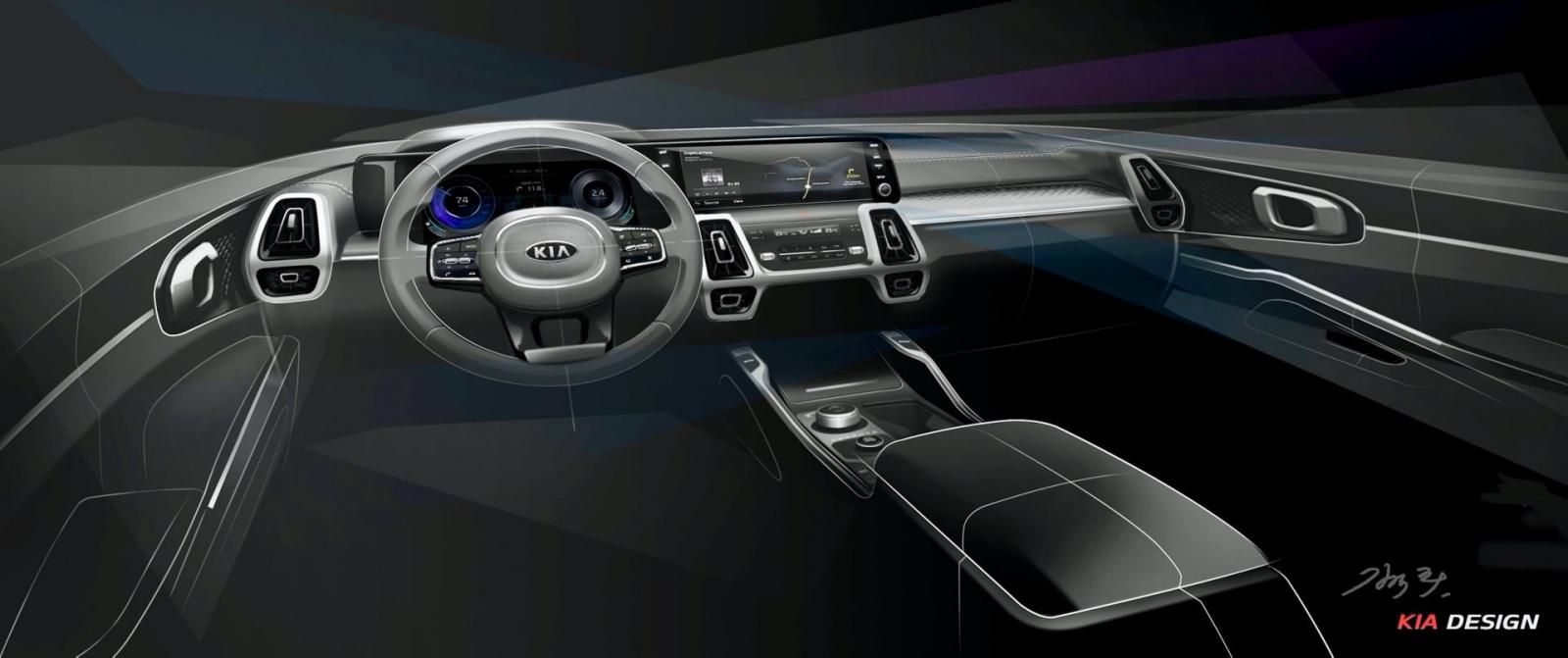
After a relatively quiet year on the new-product front in 2019, Kia South Africa will roll out a number of updated models in Mzansi in 2020, including an extensively reworked version of the Sorento during the 3rd quarter of the year. Despite the recently leaked images of the Sorento, Kia continues to release teasers, this time sketches showing the interior design direction have surfaced…
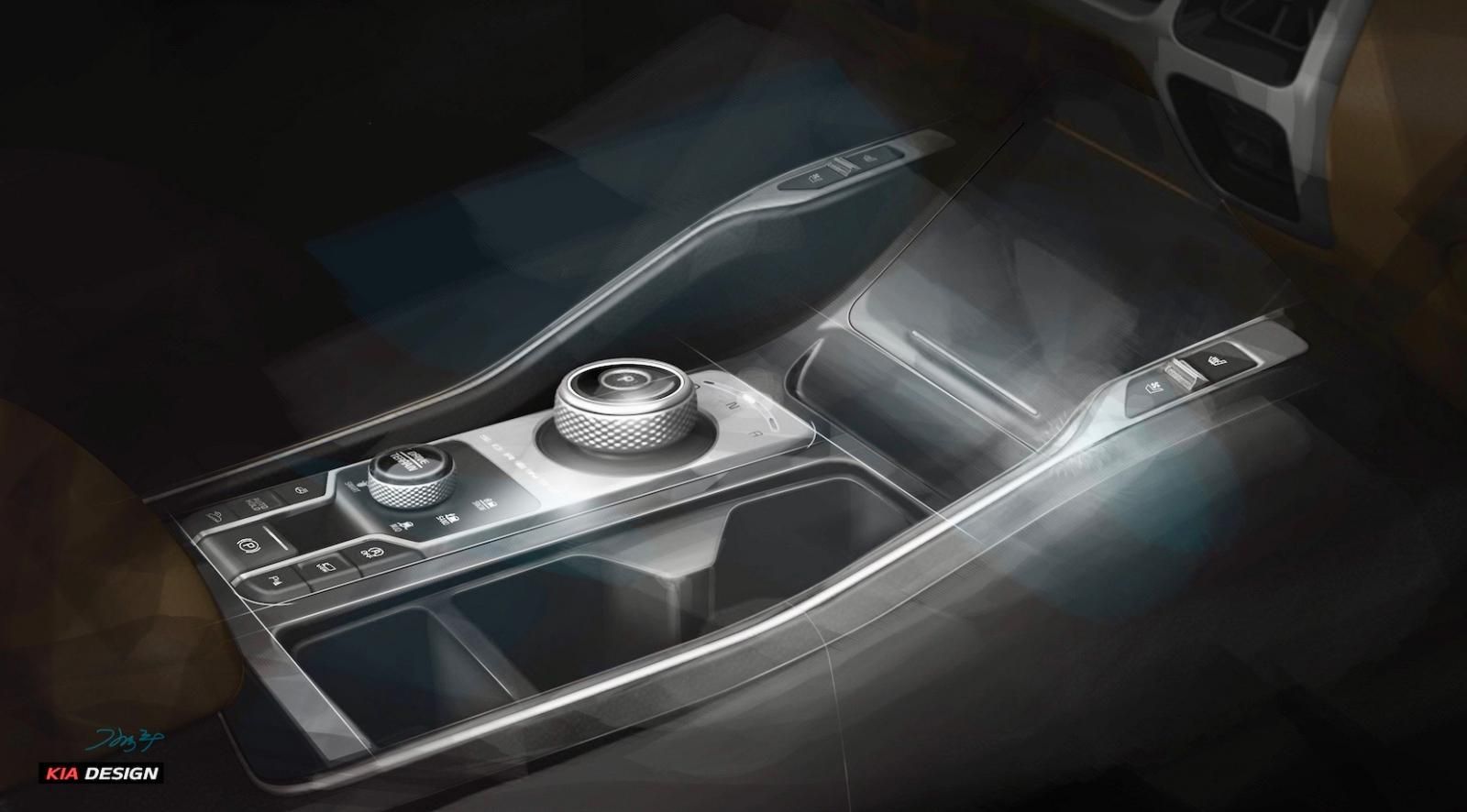
The Sorento's cabin design is clearly moving more upmarket with highler levels of intuitivity.
These latest interior sketches hint at what we can expect from the Sorento which is due to be revealed at the Geneva Motor Show in March 2020. Note the large digital instrument cluster and central infotainment system which appear to be visually connected which gives the Sorento a classy and premium feel. There also appears to be a third smaller screen below the central system which will probably take care of comfort functions such as seat ventilation and air conditioning.
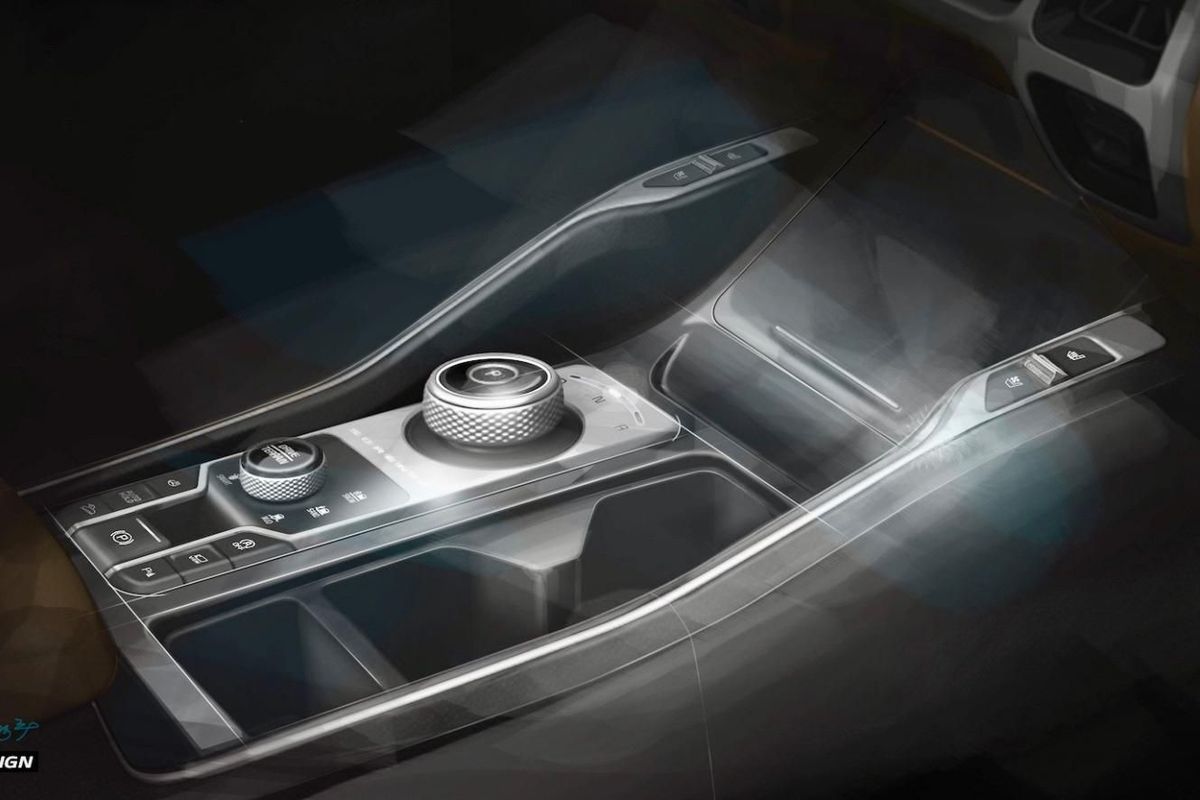
A rotary gear shifter is also seen in the centre console as well as a drive mode dial with other function buttons neatly placed behind it for the electrontic parking brake, parking sensors, hill descent control, steering wheel heating and the start/stop system.
A neat gear dial and a drive mode dial will add conveniance while also saving space.
Previously reported…
The recent introduction of the Seltos compact family car was a significant one for Kia Motors South Africa, which will follow up the launch with facelifts of the Picanto and Rio hatchback ranges in the coming months. The update to the Sorento – the Korean firm’s unibody rival to the bakkie-based SUV brigade (headed by the Toyota Fortuner), however, is arguably the most extensive of the lot.
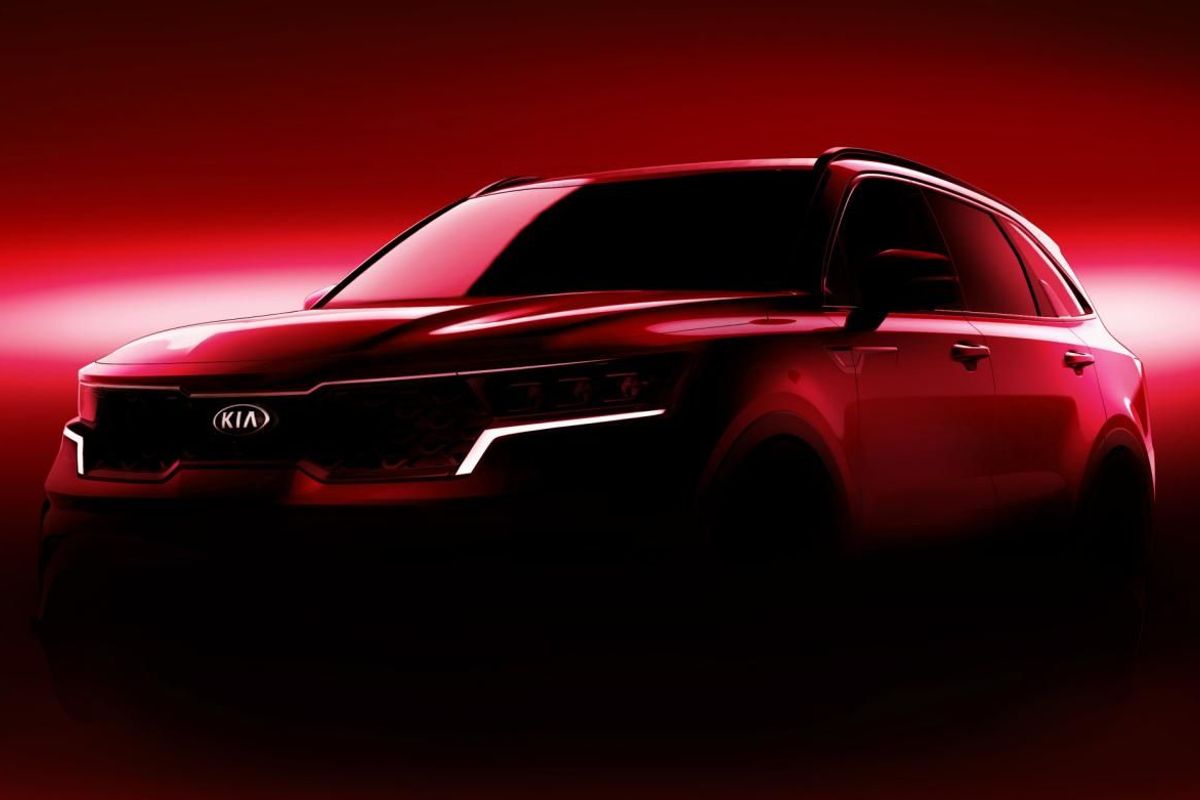
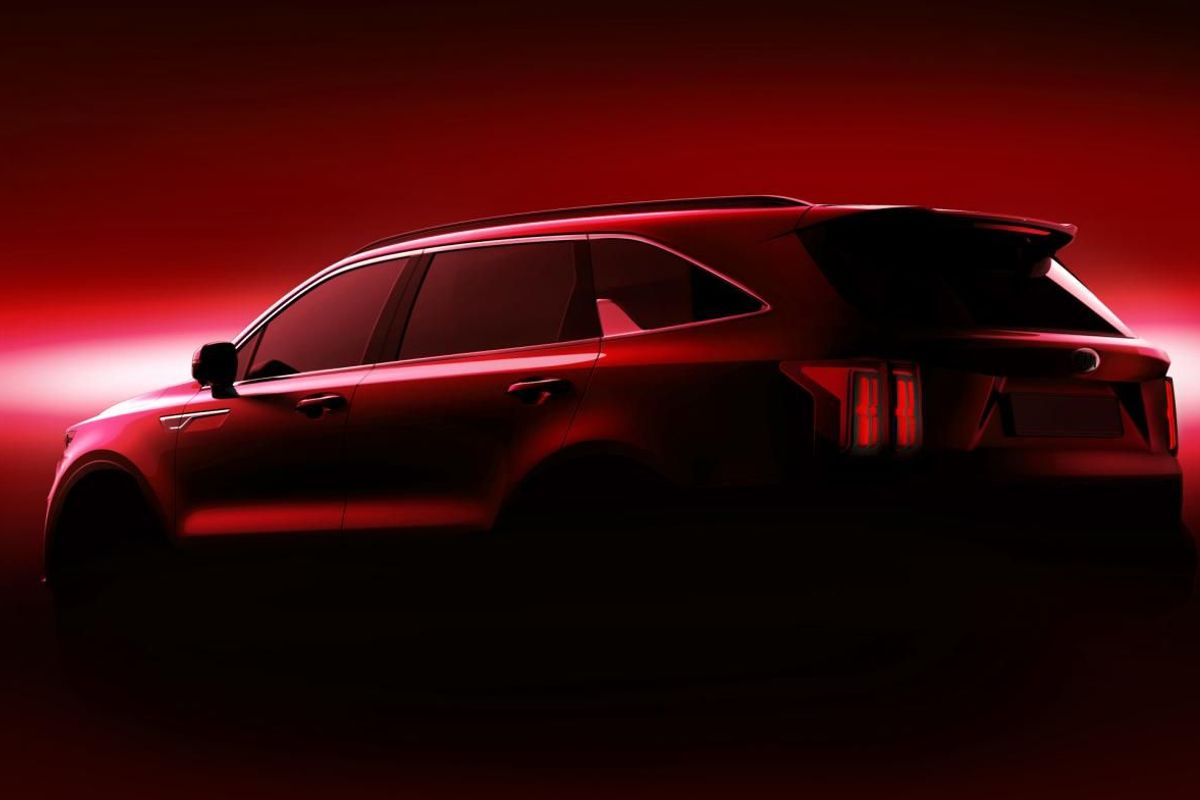
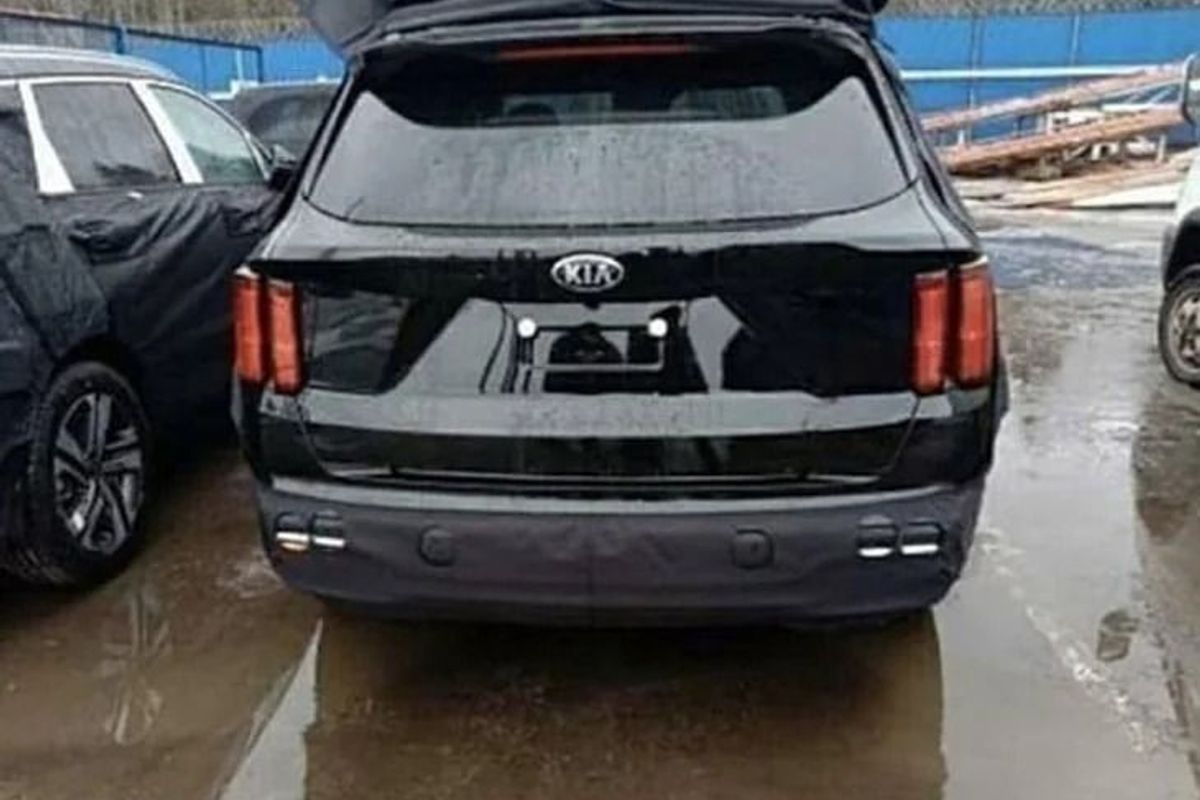
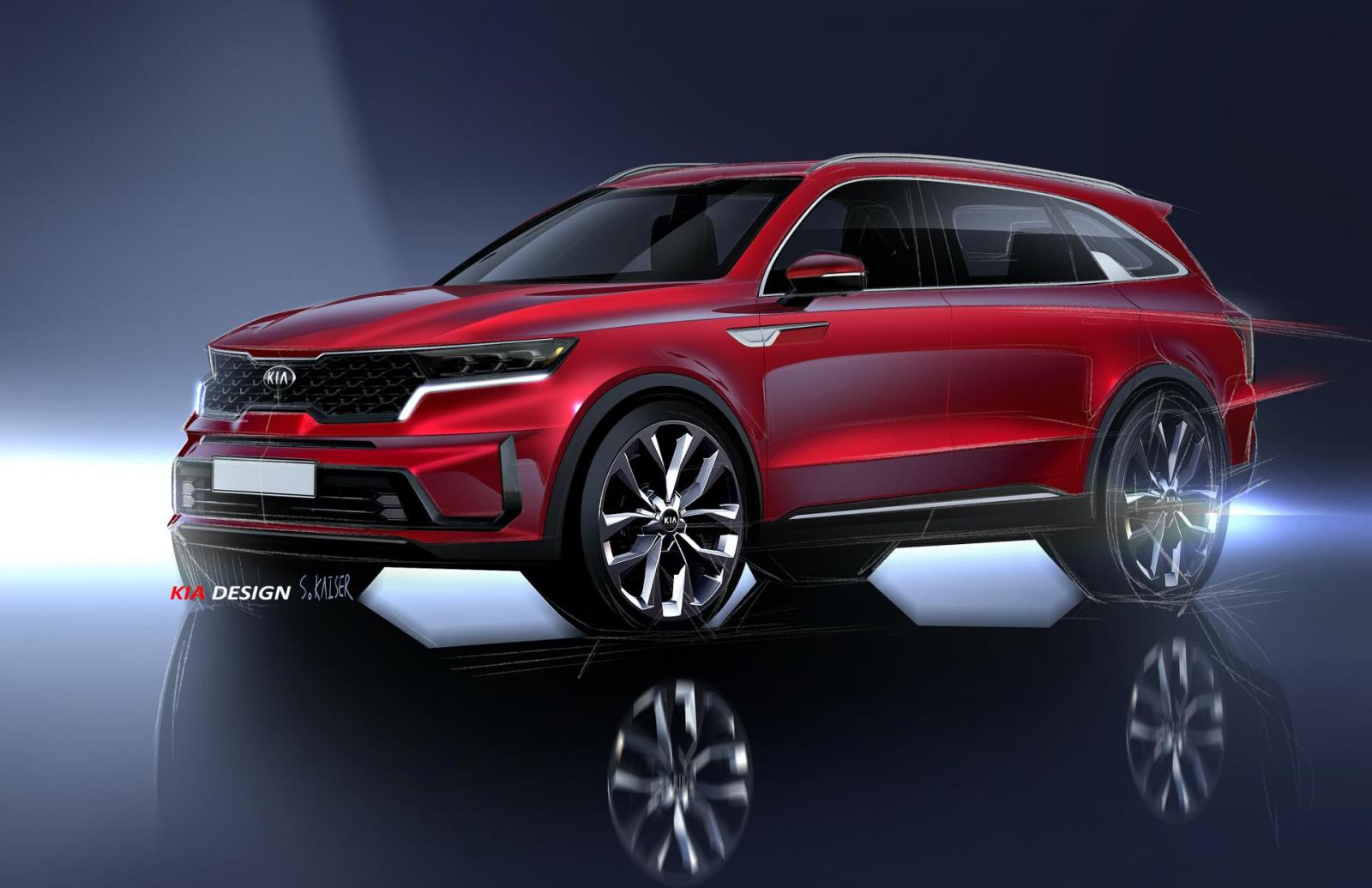
The recent spy shots of the latest Sorento, posted by Instagrammer onecar.1and the Kurdistan Automotive Blog – show a near-production version of the updated Sorento. As was the case with its Hyundai Santa Fe cousin, the visual upgrade to Kia's adventure SUV model is significant; it incorporates design cues from the eye-catching Seltos and looks sportier and more square-jawed than ever.
Apart from the bold “chain mail” mesh of the signature "tiger nose" grille and slim LED headlamps (with distinctive C-shaped LED elements), the bold chrome-look surround is the standout design element, because it appears to encase the grille and the lighting elements at the same time! Meanwhile, the front bumper features an enlarged central air inlet, ostensibly to improve engine cooling.
The back of the new Sorento is comparatively demure… The tail-lamps appear to feature a pair of vertical light bars.
The Sorento's design has been thoroughly revised to compete in a highly competitive large family SUV segment.
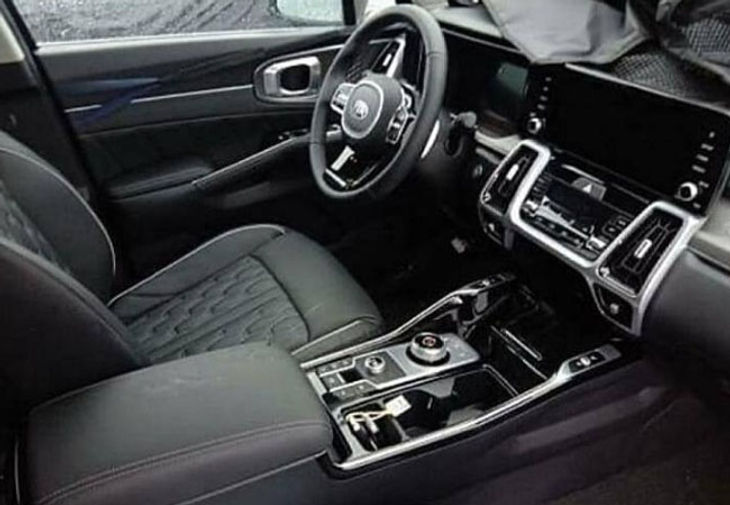
The newcomer’s fascia design is certainly much less generic than that of the current car, replete with myriad metallic finishes, as well as eye-catching vertical air vents. It’s hardly surprising that the fascia sports an enlarged touchscreen, which is flanked by a digital instrument cluster (this is likely to be a high-spec derivative, perhaps a demo unit). We assume those units will be customisable with extended features/Apple CarPlay/Android Auto capability.
It’s too early to speculate on the number of features the new Sorento will gain over the current model (but we expect more mod cons and integral safety systems) or whether versions for the South African market will be quite as fancy as the unit pictured here. By the way… is that a Jaguar/Land Rover-style transmission selector knob we see on the centre console? We assume a wireless charging pad will be located under the new Sorento's fascia hang-down section.
However, the 2.2-litre turbodiesel (mated with an 8-speed automatic transmission) is likely to remain the only powertrain in the range; if Kia’s current line-up is anything to go by, there will be at least 2 trim levels, as well as both 2- and 4-wheel-drive derivatives in the line-up. Globally, Kia will also offer a hybrid powertrain for the first time in the Sorento but powertrain details have yet to be revealed. It is, however, unlikely that the hybrid Sorento will make its way to South Africa.
The updated Sorento will be revealed at the upcoming Geneva Motor Show on 3 March 2020.
We’ll bring you more details about the new Sorento as soon as they become available.
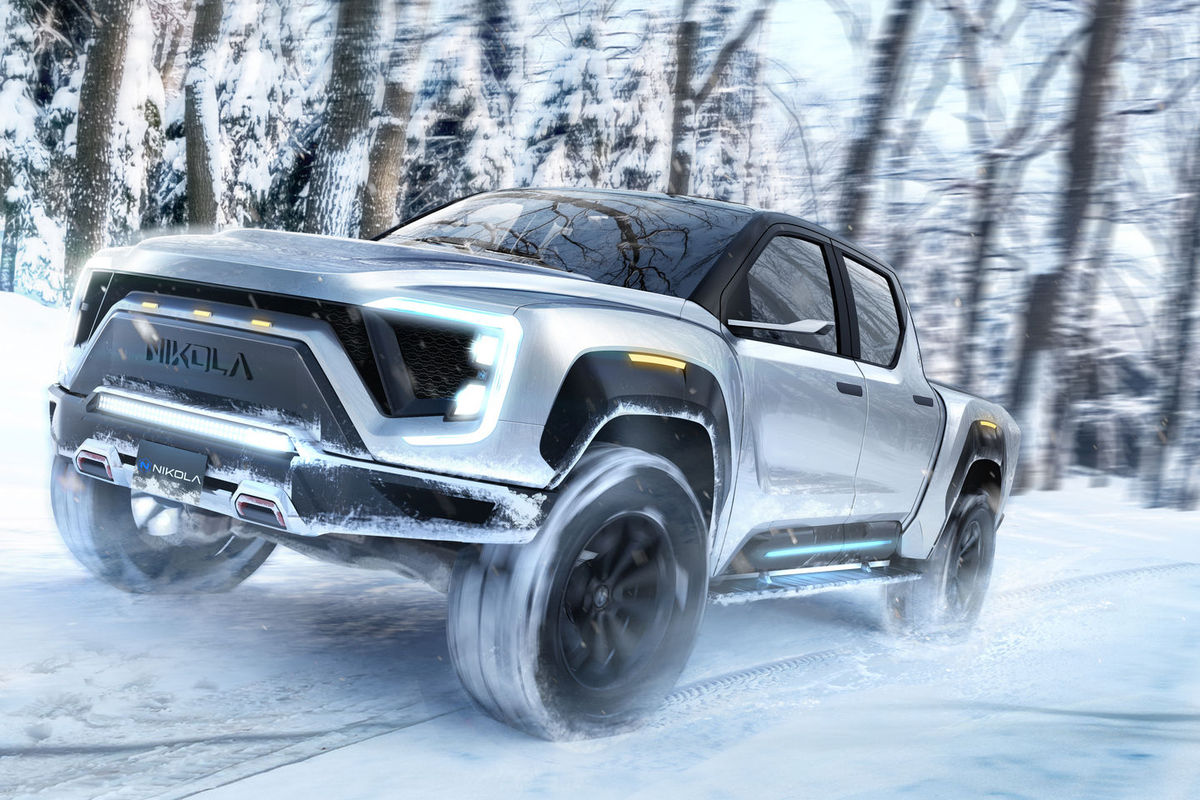
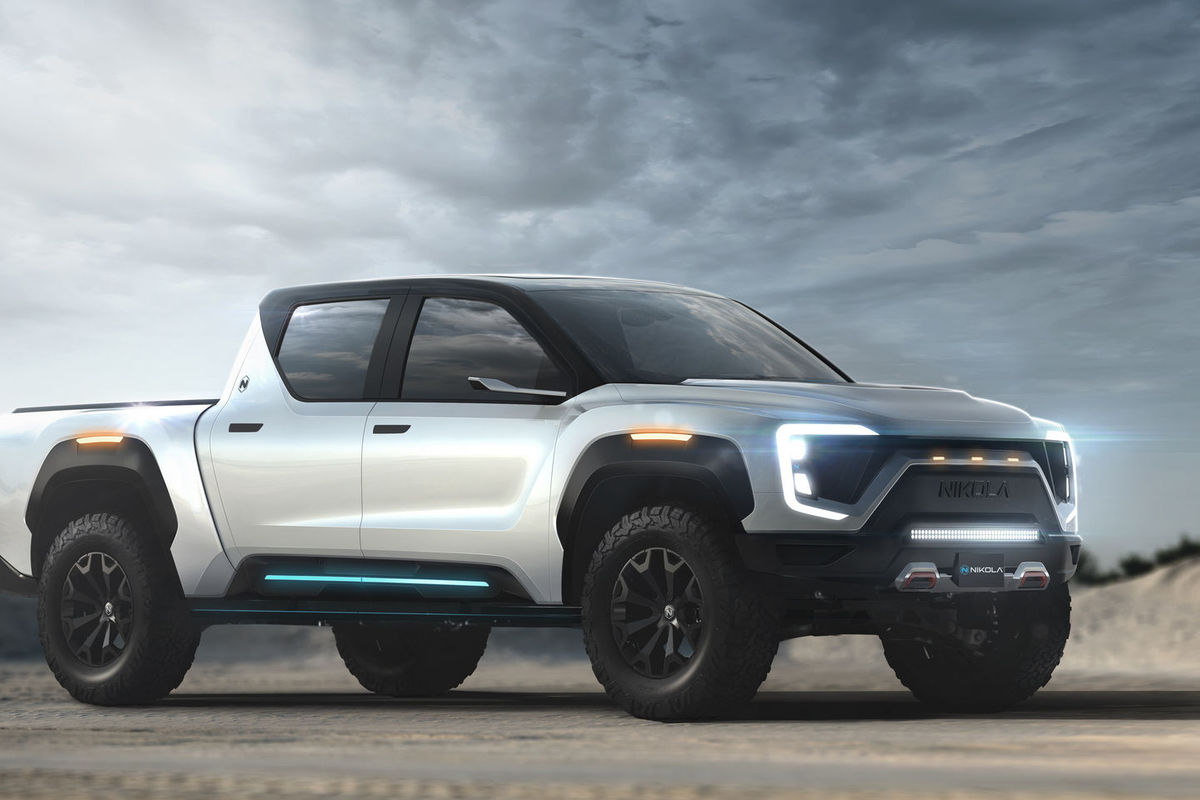
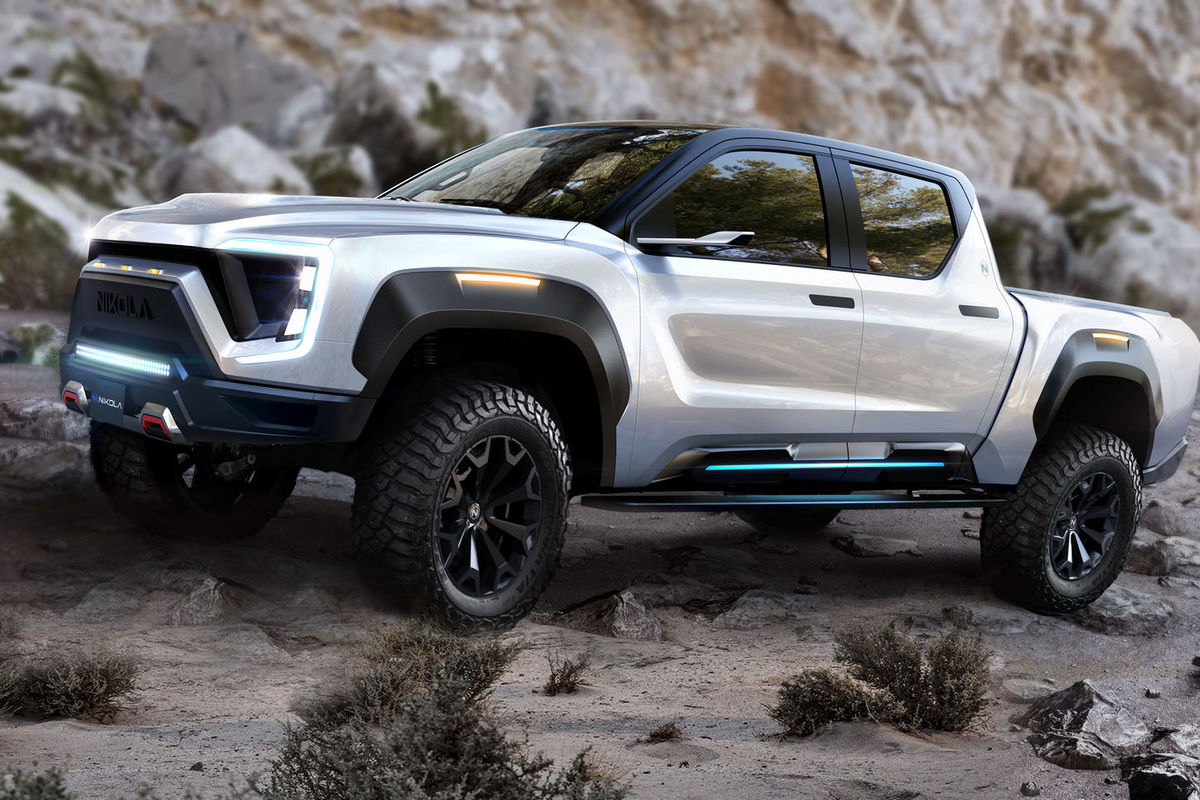
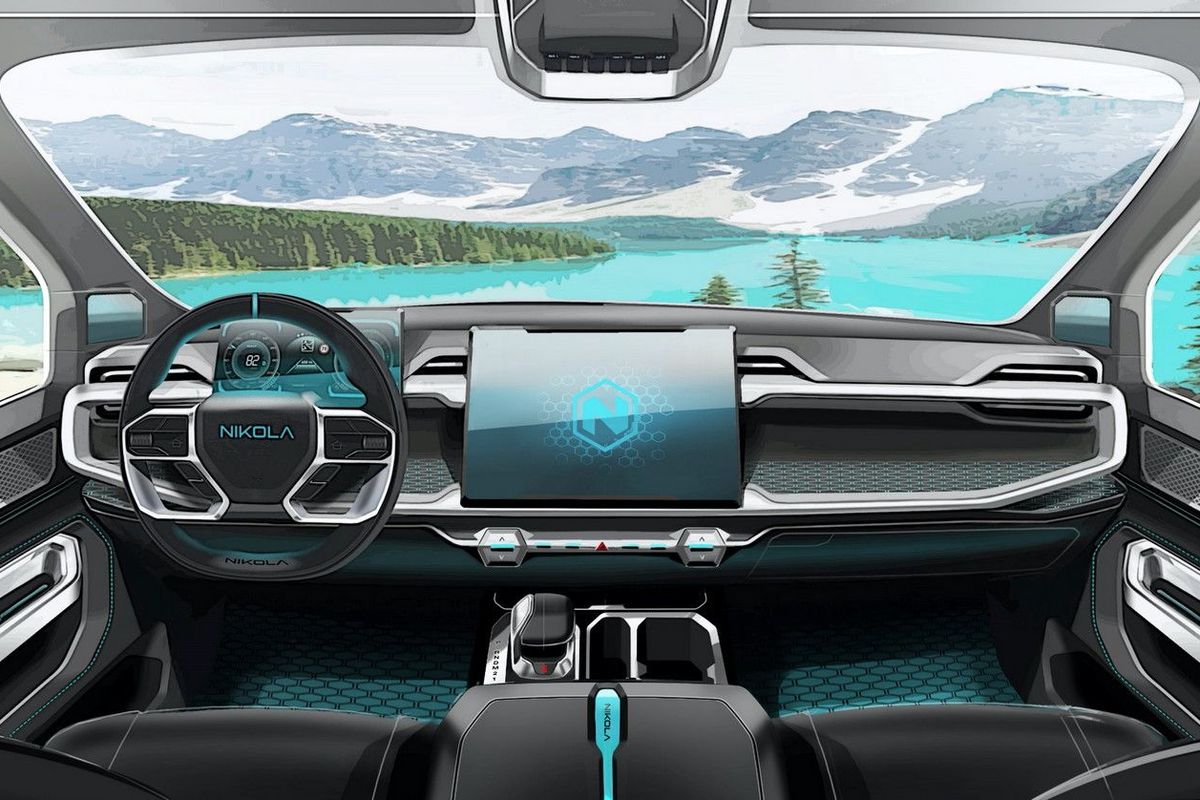
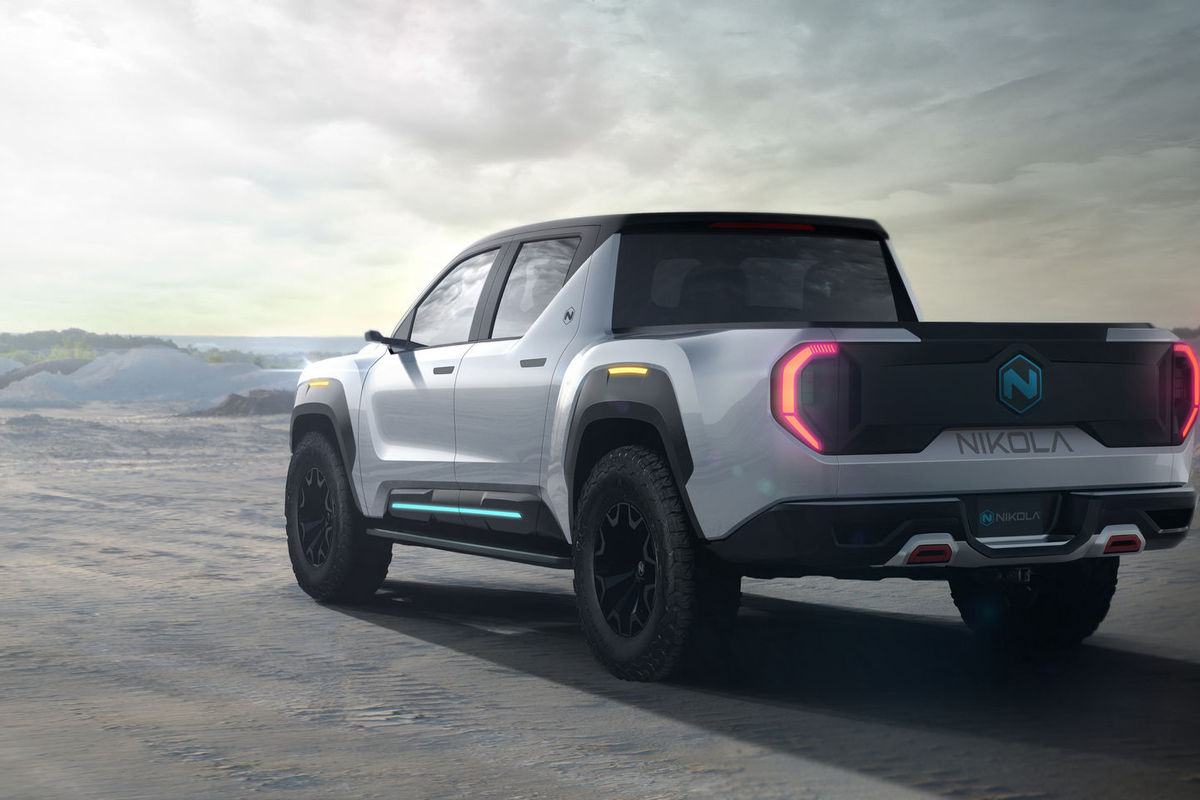
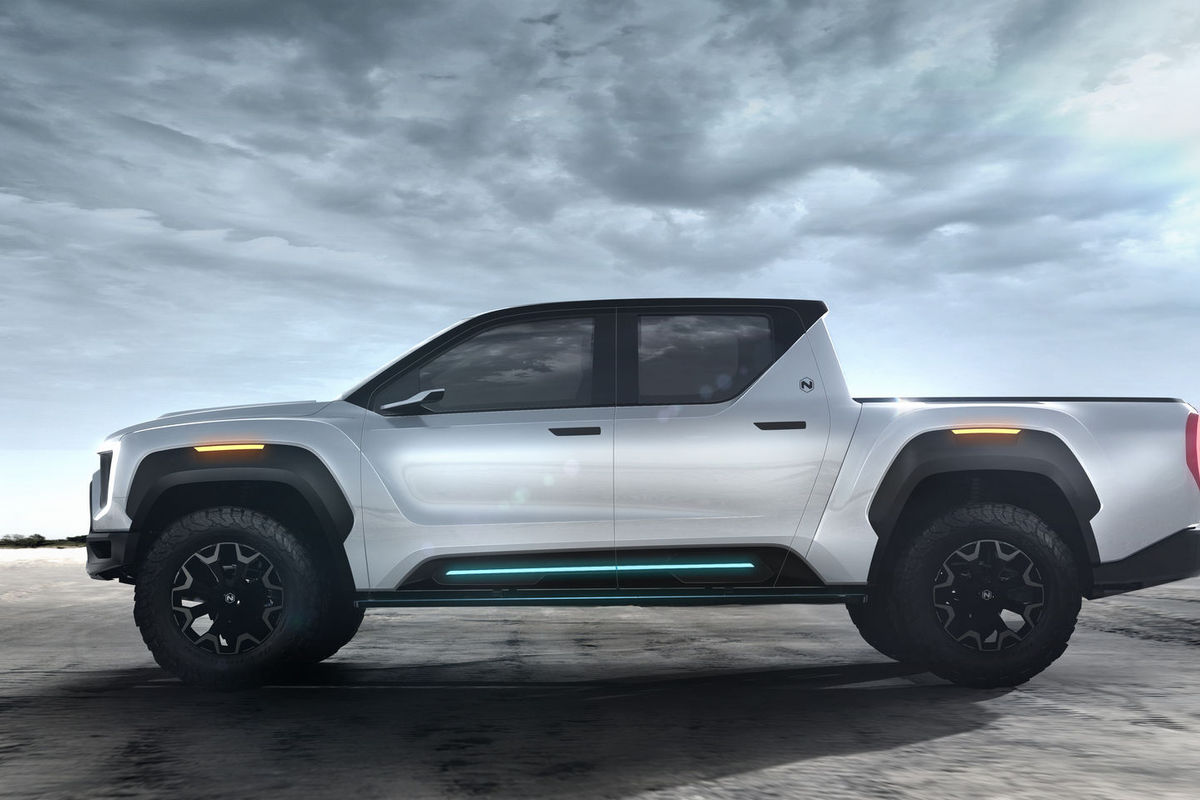
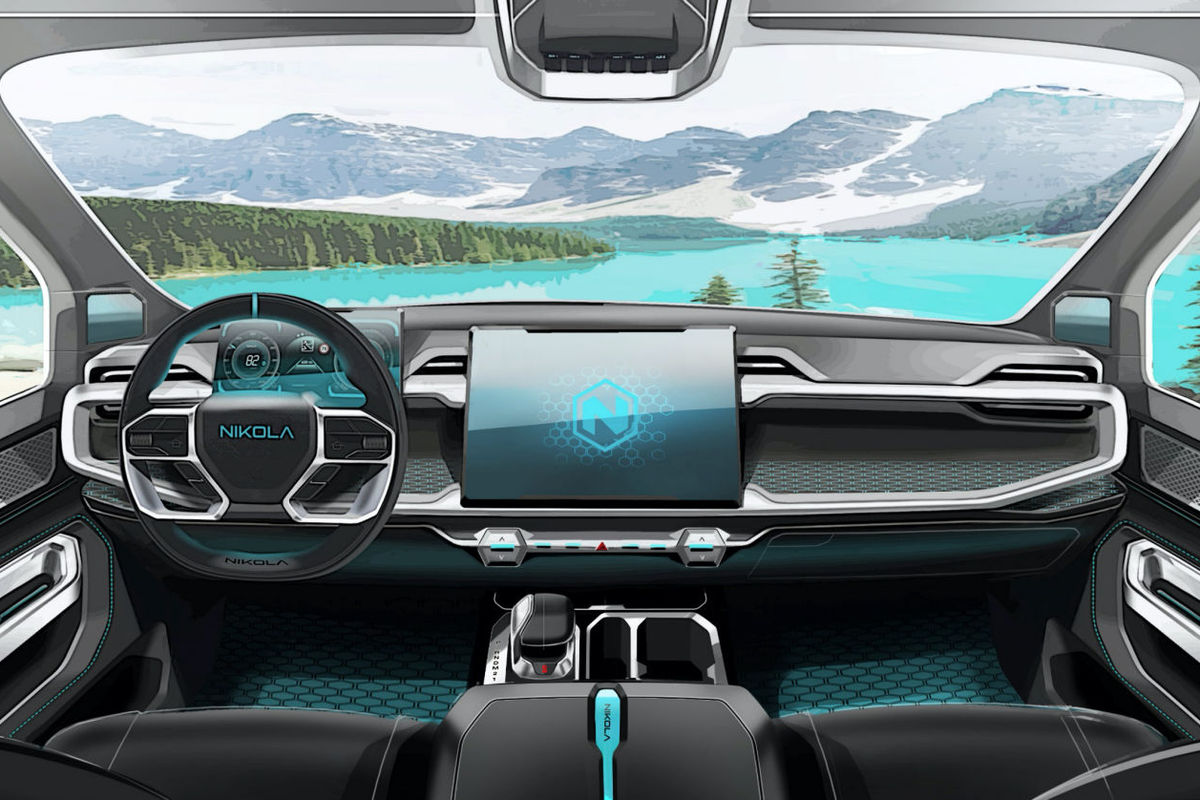
The American brand Nikola is dipping its toe into the bakkie market with a fuel cell/battery-powered off-road killer.
The number of electric bakkies promising to hit the market over the next few years continues to rise. Nikola is another manufacturer looking to make its mark.
Nikola is an American company in the business of producing cross-continental hydrogen trucks. Although nothing has yet reached production, the company has already begun pitching a part fuel cell, part electrified bakkie.
The future tech allows for a range of 1 000 km when using blended power from both battery and fuel cell. It can run purely in electric mode, which is still good for close to 500 km on its own if a hydrogen filling station isn’t within reach.
The numbers of the Badger are insane when you conjure up all of its available power in one go. It will push out 675 kW in one hit teamed with 1 320 Nm of torque. It’s not sustainable for a long run but will shoot the bakkie to 96 kph in just 2.9 seconds. The power comes from some hefty batteries on board with a 150 kWh battery pack and a 120 kW fuel cell.
More impressive perhaps is its maximum tow capacity of 8 tons which it claims can be towed up a 30% gradient without the engine stalling.
For those likely to use the Badger for outdoor work can make use of the 15 kW power outlet for powering things like power tools and mini compressors. It can also act as a generator delivering power when there isn’t any.
The Badger double cab is on the large size when compared to our local bakkies measuring in at 5 900 mm long x 1 850 mm tall x 2 160 mm wide a 1 560 mm bed width. That makes it about the same height and width as a Ranger Wildtrak but half a metre longer.
At the moment, this is still a bit of a fantasy production, but Nikola says that it expects a completed version to be ready by September 2020.
Fiat might challenge Nissan for small bakkie supremacy next year.
Despite the pressure of having to integrate a massive corporate merger with PSA, Fiat has revealed that it is working on a new version of its Strada.
The Italian compact bakkie was sold in South Africa during its previous generation and proved a popular choice.
An official rendering of the new Strada was revealed by Fiat and the company has spoken of a 2021 dateline for delivering its next-generation bakkie to market.
What is significantly different for this Strada, compared to the last one South Africans will be familiar with, is its cab-configuration. The new Strada is a double-cab, which should position it as a very unique offering. Fiat is also expected to offer single- and cab-and-half versions.
The idea of a compact double-cab bakkie, as an alternative to a similarly sized SUV, would be compelling for markets where users desire the practicality of an open loadbin, but also need to seat four passengers in comfort.
Fiat already markets a double-cab bakkie in South America, called the Toro, which was launched late last year and rides on a Jeep Renegade/Fiat 500X platform. Positioning for this new Strada will be below the Toro, on Fiat’s new Argo platform, which would be equivalent in class to the Palio platform previously used for Strada.
In terms of powertrain, Fiat has some potent small capacity petrol engines to deploy in this bakkie. The company’s 1.3-litre naturally aspirated engine is a likely candidate, producing 73 kW. A turbocharged version of this engine could broaden the powertrain options, with Fiat’s MultiAir producing 88 kW.
Fiat has confirmed that the new Strada will officially debut in November, at the Sao Paulo auto show. Although Fiat’s current merger and restructuring dynamics mean that many markets are undergoing revision of their product portfolios and viability, a new Strada would do very well in South Africa.
It would also enliven the compact bakkie market, where Nissan’s NP200 sells strongly, without any competition.