Can New Defender Save Land Rover?

Land Rover – the world’s most iconic adventure vehicle brand – is in trouble. Could the relaunch of the model that started it all for the Solihull-based manufacturer make a difference? 

"When the going gets tough, the tough get going", a popular proverb suggests. And, right now, for Land Rover, things are tough. 

The British off-road vehicle brand is facing an unprecedented crisis as customer markets resist its mostly diesel engine line-up and Brexit politics threaten to cripple its production supply chain. 

New Land Rover Defender Revealed – SA Pricing

Land Rover knows crisis. Born from the ashes of post-war Europe, its vehicles were always tools, rather than trends. The successful adaption of Land Rover’s go-anywhere ability to its luxury SUVs gave the company an impressive customer profile – which nearly evaporated as German rivals started building luxury gravel travellers of their own, during the mid- to late 1990s.
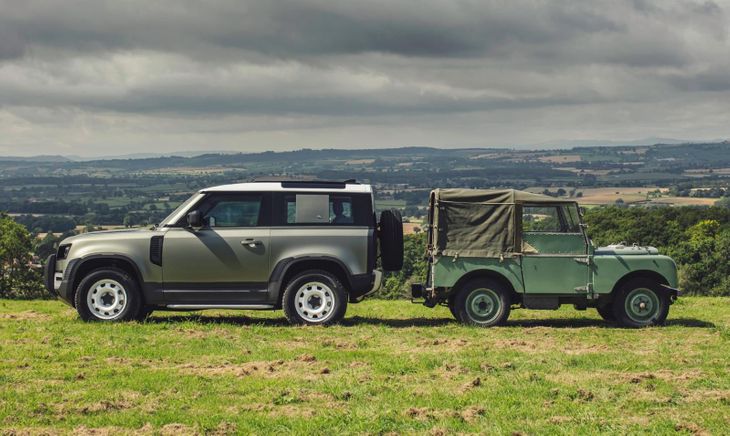
 
Respecting the heritage and recognizing the changing customers and lifestyles, in two different centuries.

Land Rover was under the custodianship of BMW from 1994 to 2000, after which it was passed into the hands of the Blue Oval. Land Rover kept struggling under the ownership of Ford, who did not quite know what to do with the brand. Indian recapitalisation happened in 2008, courtesy of Tata, which resurrected Land Rover. Its success in product design and customer satisfaction spurred an inspirational growth story from 2009-2018. 

Along the way, the original Land Rover, then rebranded as the Defender, was discontinued. The vehicle more recognisably Land Rover than any other of its models went out of production in 2016. There was no replacement. Land Rover had other priorities. The Defender disappeared from the United States market in 1997 and had no heritage in China (the biggest markets for sales growth). There seemed no urgency to replace it… 

JLR teams up with BMW for electrification – read why here

The wait for a new Defender has been a long one. And compounding expectations have been tremendous. Land Rover traditionalists wanted a new Defender that was exactly like the old one, only with better engines and ergonomics. Management and shareholders wanted a vehicle that would conform with stringent emissions and crash safety regulations so that it could be sold in more lucrative markets, such as the US and China.

New Defender could never please everyone. The burden of expectation for such a legendary vehicle nameplate is simply too heavy. But is the new one a true Defender for the 21st century or simply a restyled Discovery?

Round lights and steel wheels
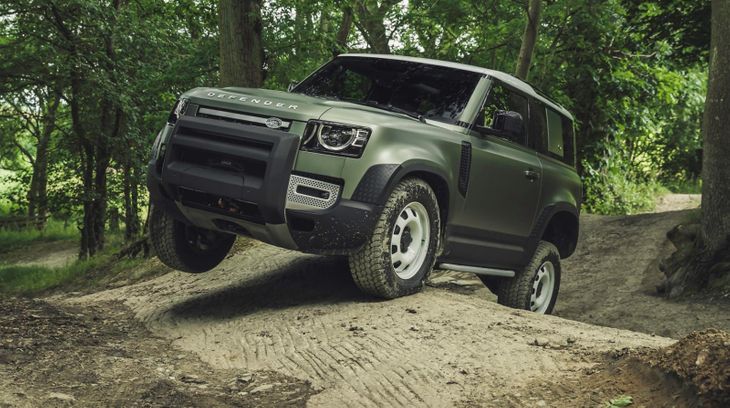

Think of another brand which offers steel wheels on a modern SUV? Exactly. A very simple Defender USP. ?

Land Rover’s designers have delivered an enviable run of vehicles, many of which enjoy massive market acceptance. In the last decade, Range Rover has captured an entirely new audience with the Evoque; the latest Discovery is arguably the only LR design that has missed the mark.

New Defender posed a substantial risk for Land Rover. Customers wanted the new iteration to retain its predecessor's 2-box proportions. When Mercedes-Benz managed to deliver a 2nd-generation G-Class that looked virtually indistinguishable from the original, that pressure doubled. 

What defines a Defender’s silhouette and design details? Angular lines, a high-volume roof section and round headlights. The new Defender has spherical LED pattern headlights – which is a feature of distinction among truly capable off-road vehicles, a trait it shares with the Jeep Wrangler and Geländenwagen (G-Class), which also feature round headlights. 

Watch as we put a heritage edition Defender through its paces

A squared-off roof section is present too and the tailgate features that sheer angular drop from roofline to bumper. There is a spare wheel mounted on the tailgate and you can even have steel wheels and, to aficionados, they are a rather big deal. 

If you hit a pothole at speed, a "steely" would absorb that impact better than any magnesium alloy wheel. You can also attempt to fix a bent steel wheel with some rudimentary tools. By contrast, alloy wheels require a specialist to repair them if they sustain damage on an off-road excursion. 

It is better inside

Any vehicle that remains on sale for no less than half a dozen decades without a significant platform update will suffer numerous ergonomic compromises. And nowhere was this better illustrated than the erstwhile Defender. 
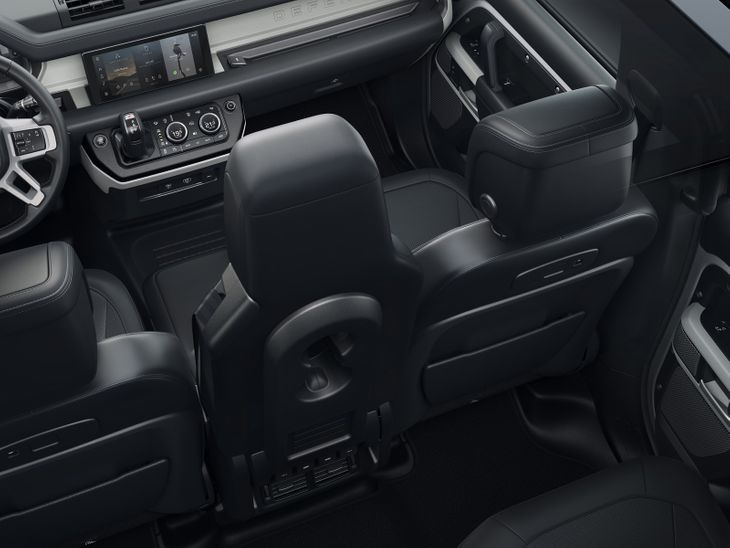

The 3-seat front bench option. The middle seat can still be folded flat when not in use.

Its driving position was awful. For such a large vehicle, it had remarkably poor cabin space. The packaging was atrocious. New Defender changes all of that and gives a unique utility appeal. 

There are various seating configurations, including a 3-seater front row, which was proven as a great concept by MPVs such as Fiat’s Multipla and Honda’s FR-V. It was also used on some of the very first Land Rover Defenders. 

Superior on and off-road

The Defender built its off-roading reputation on suspension travel instead of drivetrain-assisted traction. With the benefit of Range Rover coil-springs being added in 1983, it gained enormous individual wheel stroke. A Defender could slowly crawl up tricky off-road terrain without lifting a wheel.  

But there were always weaknesses, like if it was particularly slippery along the entire wheelbase, within either the left or right wheel channel. Without a lockable rear-differential, Defenders could be disabled by terrain that even the simplest 4×4 bakkie with a lockable rear differential could conquer.

 The Journey: Search for the sunken Land Rovers in Mozambique

Towards the end of its lifecycle, the classic Defender did gain a traction control system, which made it vastly more capable, without bloating the venerable vehicle's turning circle. The 2.0 version promises to deliver tremendous off-road ability too… 

New Defender has more ground clearance than its predecessor (291 mm versus 250 mm) and although the front axle is now independently sprung, its chassis is stiffer and, an electronically lockable rear differential has been fitted, at long last. 

Some of the most iconic Land Rover images ever photographed feature Defenders attempting to submarine through rivers. The new version is graded at 900 mm of wading depth, which means it is 80% more capable of crossing water than the old one. 
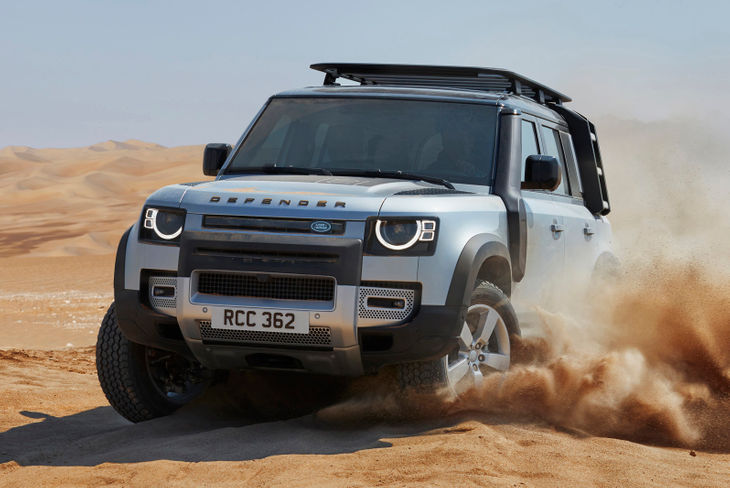

Engine outputs have surged, which should finally make the Defender a capable gradient terrain dune vehicle.

The most significant advancement for New Defender relates to its driveability. Even the most ardent Defender owners spend most of their time toiling along on tar and there are few vehicles worse at cruising on the N1, than a previous-generation 90, 110 or 130. 

Land Rover’s array of contemporary turbocharged petrol and -diesel engines will make the new Defender a vastly better cruising vehicle, capable of confidently overtaking slower long-haul trucking traffic. 

The improved power-to-weight ratios will also address another off-roading issue of the classic Defender: sand driving ability. Although part of the Defender legend was established by its service in desert warfare, the combination of heavy mass and small-capacity diesel engines rendered Defenders incapable of scaling enormous sand dunes. 

With an abundance of power from the 294 kW/550 Nm turbopetrol engine option, New Defender promises to be an effortless dune raider. 

The double-cab issue?

In New Defender, we have a vehicle that is hugely off-road capable and available in the calibre of specification that adventurers prefer, with steel wheels and simpler cabin materials.

The presence of automatic transmissions will make it more capable with a novice off-road driver at the helm and as for the daily commute, well, those snatch-shifting Defender manual gearboxes certainly won’t be missed. 
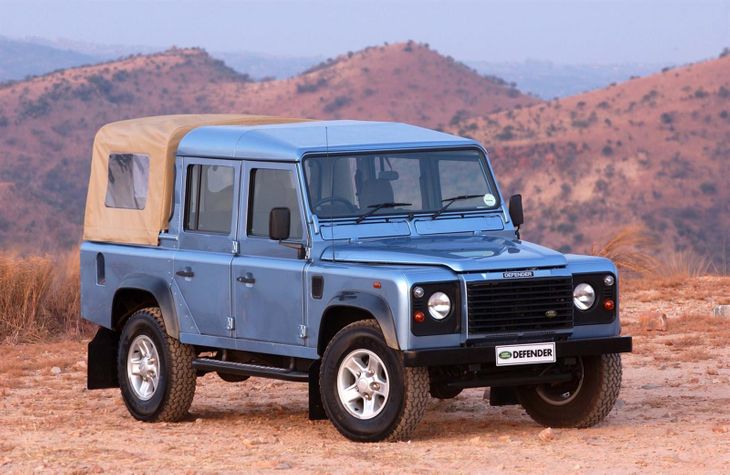

Few people remember Land Rover as a bakkie brand.  

It has all the best modern power- and drivetrain features, without needlessly overcomplicated controls or vulnerable luxury cabin trim.  

Land Rover’s Defender bakkie business was always underrated, but in a world where double-cabs are burgeoning, Land Rover could do what Mercedes-Benz failed with X-Class: a true European premium double-cab. 

Imagine a 130 bakkie powered by New Defender’s 294 kW in-line 6-cylinder engine, with all 170 of those Land Rover factory accessories to choose from… It would be a South African product planner and marketing manager’s dream. Just the same as it would be in America or Australia. 

Tragically, Land Rover will apparently not be following Jeep’s example with the Wrangler Gladiator and offer a double-cab version of the new Defender.

Land Rover needs saving. And it might just be poetic justice that its saviour is the better-late-than-never New Defender.
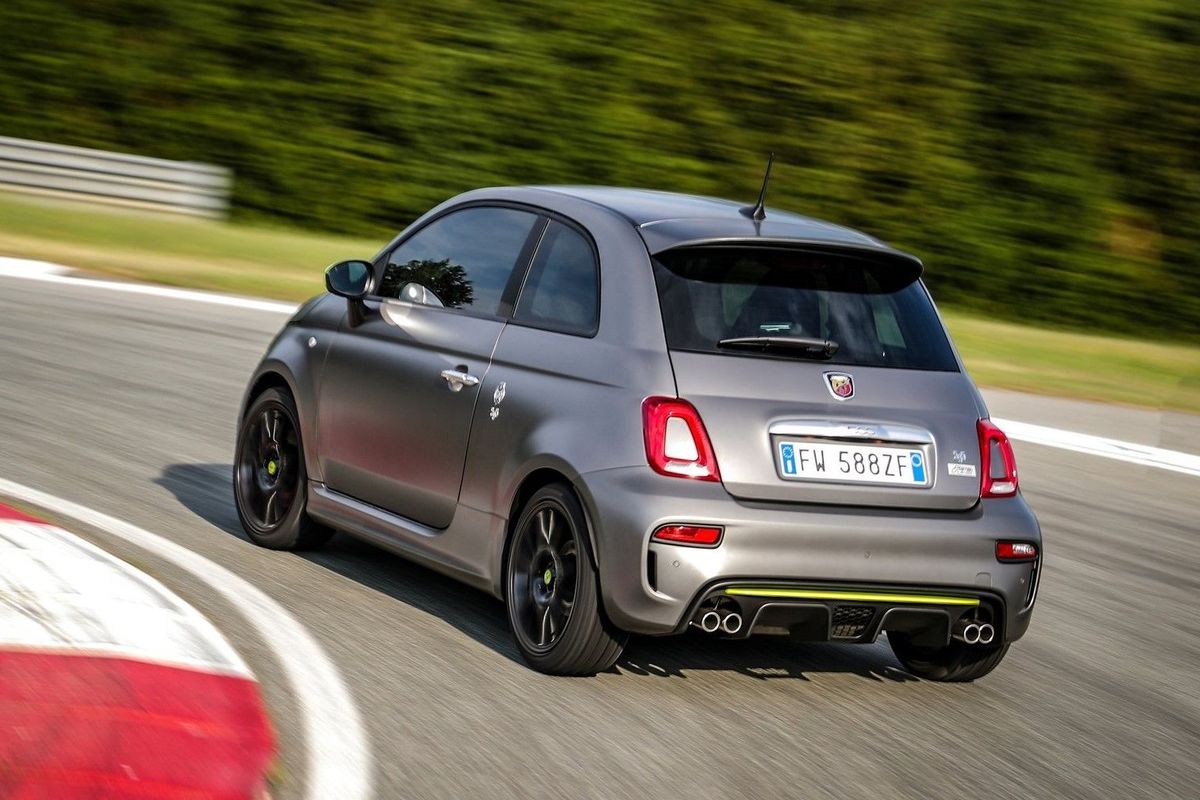
Abarth 595 Pista Goes Green

Fiat has upgraded its hot hatch, again.

The Abarth sub-brand has a longer hot hatch lineage than even VW’s GTI and to keep it relevant in 2019, the 595 Pista has been upgraded.

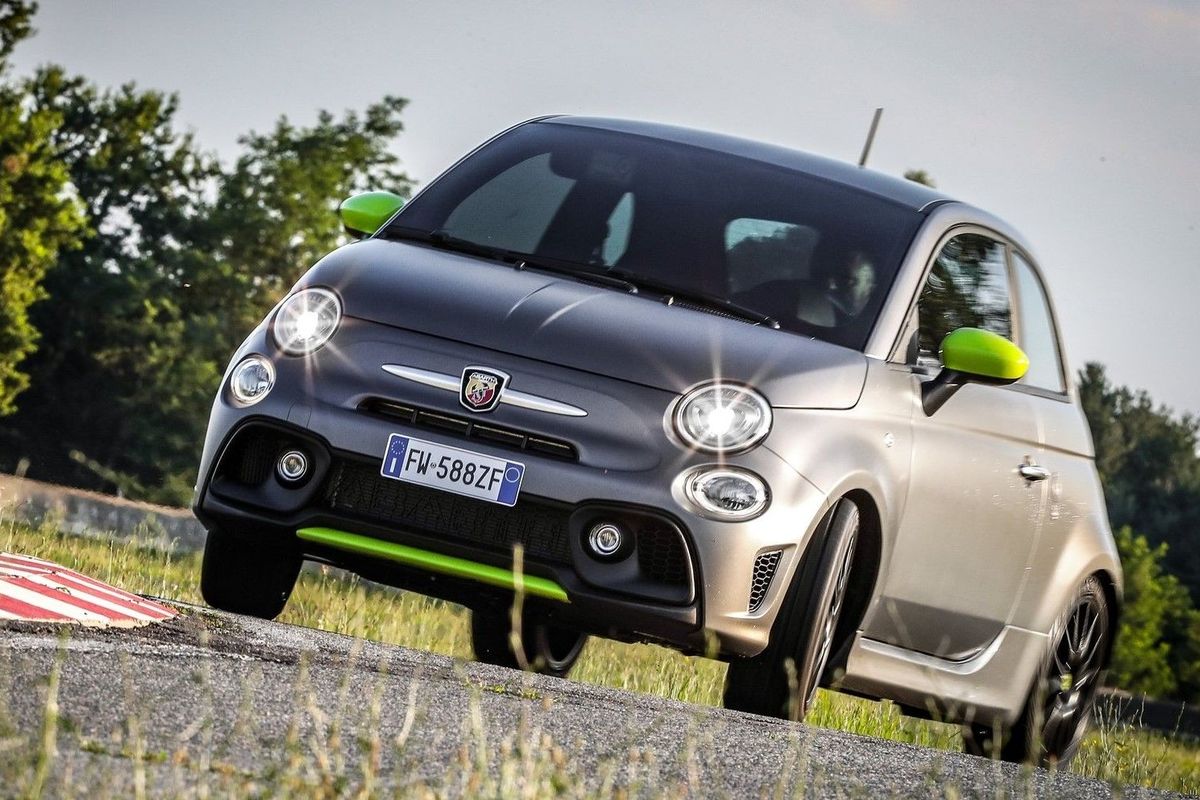
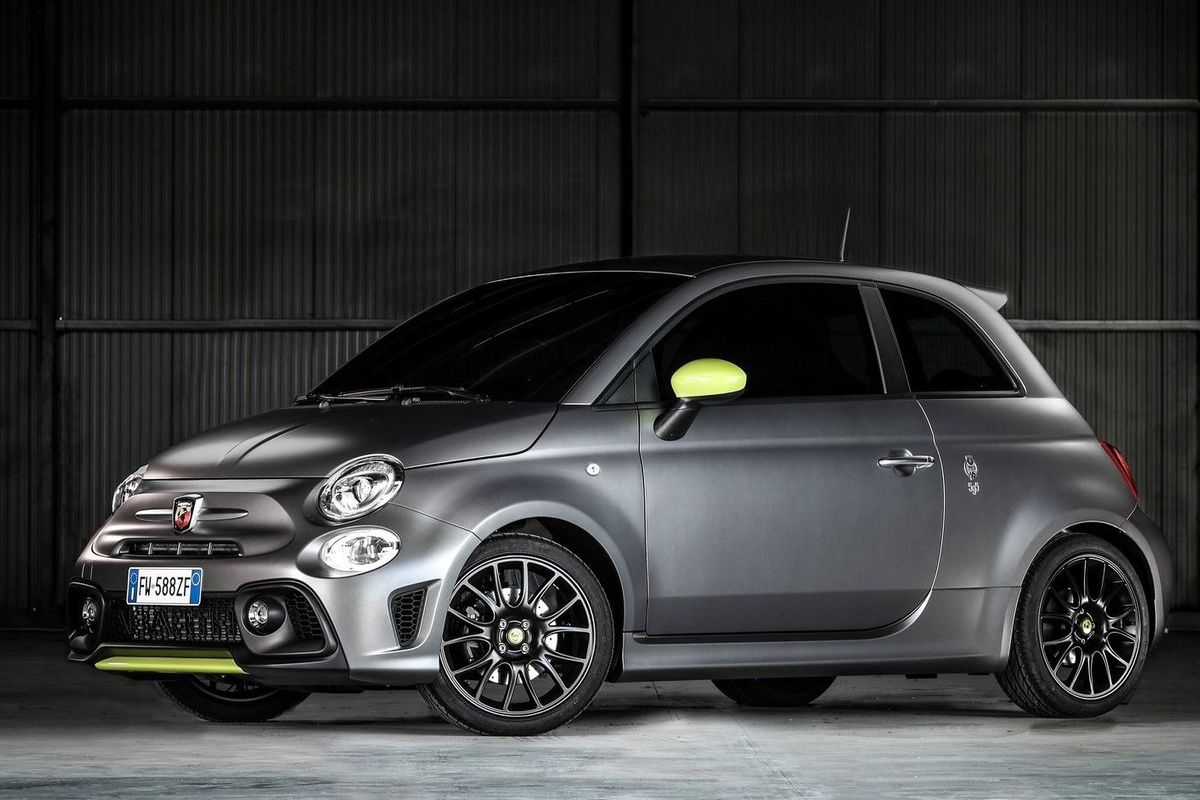
As one would expect from an Italian vehicle, colourways are a crucial design element and to keep the 595  Pista trendy there is an assortment of surface hues. Customers can choose between matte grey, Record Grey, Campovolo Grey, Scorpione Black, Podio Blue, Gara White, Abarth Red, Modena Yellow and Adrenalina Green.

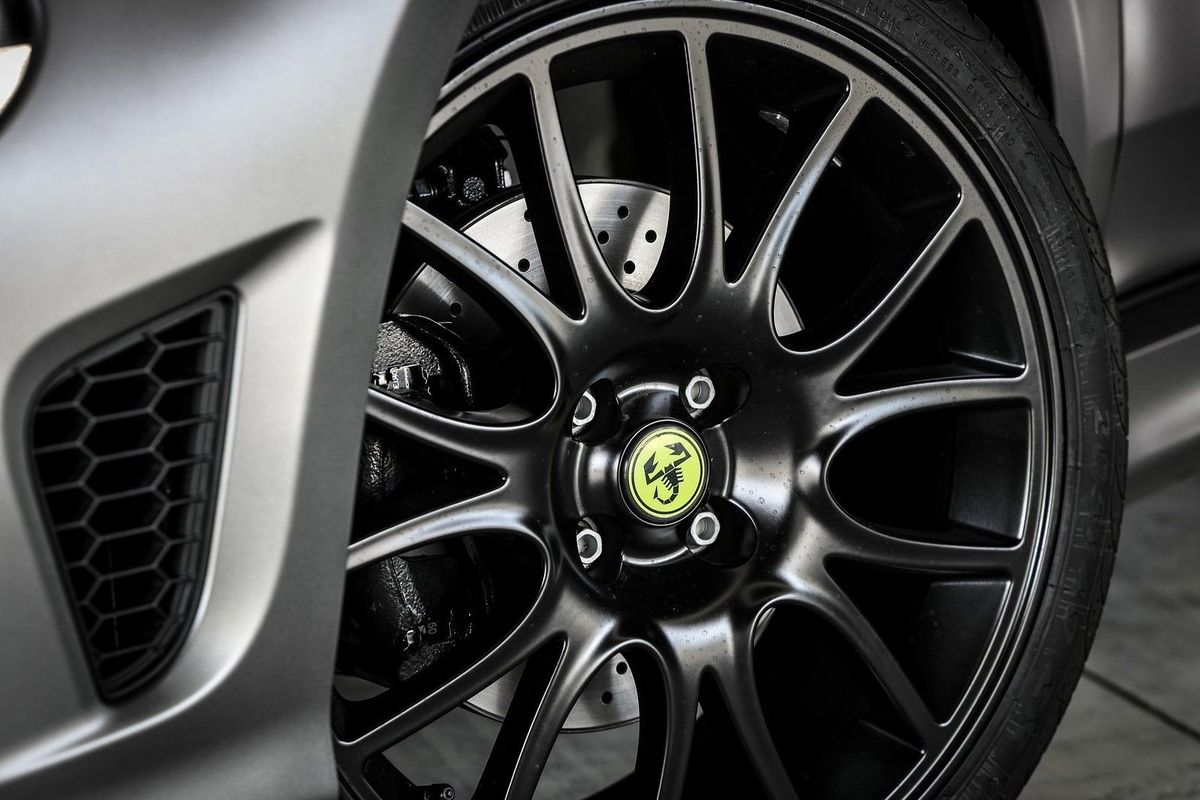
What Abarth has done differently with this latest 595 Pista iteration, is to offer contrasting green ascents on the bumpers and wing mirrors. This lime green finish is also repeated on the hubcaps.

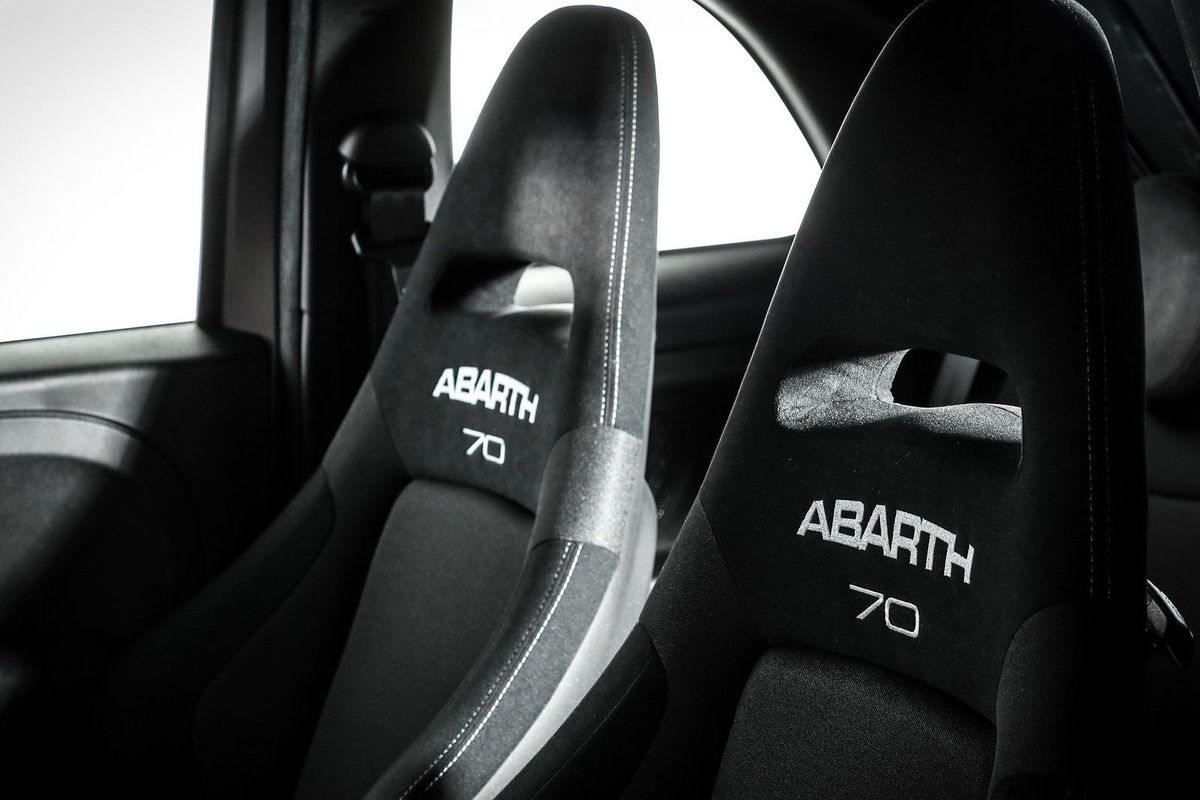
Inside this three-door hot hatch, you’ll now find diamond pattern upholstery and have the option on Sabelt 70 sports seats.

Beyond the increased colour options, Abarth’s engineers have reworked the 1.4-litre turbocharged engine’s boost source. A newer specification Garrett turbocharger, featuring a reduced geometric compression ratio (decreased from 9.8:1 to 9:1), has improved thermal performance.

Peak power rates at 123 kW (up from 117 kW), supported by 230 Nm of torque, which is now available at only 2 250 rpm. The 595 Pista has a top speed of 218 kph. Unfortunately, it is only available with a five-speed automatic transmission.

The Abarth 595 Pista continues to feature a booming Record Monza active exhaust system, Koni’s frequency selective damping technology at each wheel corner and absolutely massive brakes. With the Abarth 595 Pista actuating a combination of 284- and 240 mm discs front and rear, it has proportionally enormous brakes for a car of its size and weight.

Related content

Fiat/Chrysler and Renault/Nissan Merger: It was doomed

Most Fuel Efficient Petrol Cars in SA (2019)

Hyundai i10 N Line – Smallest N Yet?

Hyundai N Bakkie Coming to Rival Ranger Raptor? 

Performance bakkies. Yes, it’s a thing, and if reports are to be believed, Hyundai might be keen to get in on the action.

Remember the Hyundai Santa Cruz Concept that set the internet alight back in 2015? As you may know, it was given the green light for production in 2017 and you can expect to see the production version in 2020 or perhaps even in 2021 or 2022. Who knows? Hyundai is taking its time with this one…

What we do know is that it will feature Hyundai’s latest design language which means it’s won’t look like the 2015 concept. 

Read more: Hyundai Kia Working on Double-Cab Bakkie for 2022

It gets more interesting though, reports are suggesting that Hyundai might be considering a high-performance N version of its new bakkie which will go head-to-head with the recently-introduced Ford Ranger Raptor.

To rival the Raptor effectively, Hyundai will have to create a stylish bakkie while also beefing up offroad credentials with a long-travel suspension and a capable powertrain. Reports are pointing to the possibility of the i30N’s turbocharged 2.0-litre petrol engine being uprated to 225 kW and being called to duty. This, however, is just speculation, for now…

The Ford Ranger Raptor was the first high-performance offroad bakkie to come to market and other manufacturers are introducing beefed-up offroad products to claim a share of this niche segment of the bakkie market.  For example, Toyota recently launched the Hilux GR Sport and even Isuzu is getting stuck in by offering its large-and-in-charge D-Max Arctic AT 35.  

As for the forthcoming Hyundai bakkie, it better be good…

Watch our video review of the Ford Ranger Raptor below!


Doing Silly Things in Rolls-Royces

Rolls-Royce global runs a fleet of press cars which are flown around the world for press and customer demonstrations. It's quite a sight; two Cullinans, a Phantom, a Dawn and a Black Badge Wraith coupe travel across the globe like a very comfortable, expensive circus.

Rolls-Royce South Africa decided to make the most of the opportunity and invited local media to the incredible Gerotek testing facility to experience these vehicles in some rather unique ways…

Ciro De Siena was lucky enough to take part on behalf of Cars.co.za and in this video, you'll see him drive a Wraith on a wet skidpan with the traction control turned off, take a R10-million Cullinan SUV offroad and finally take a spin around Gerotek's high-speed oval in a convertible Dawn.

Lucky sod.

Buy a new or used Rolls-Royce on Cars.co.za 

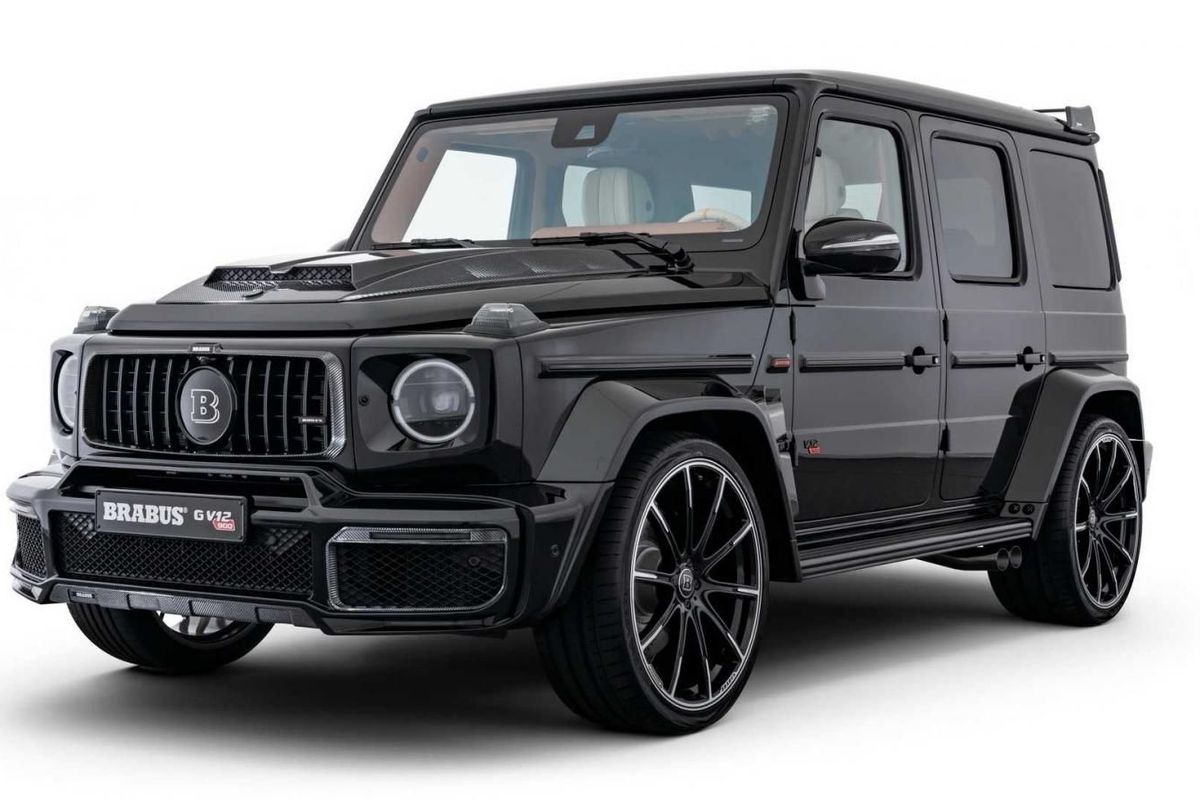
Brabus Announces V12-Powered G-Class

Seeing as there's no Mercedes-AMG G65 any more, what can rich people do to get their hands on a V12-powered G-Class? Head to Brabus, obviously.

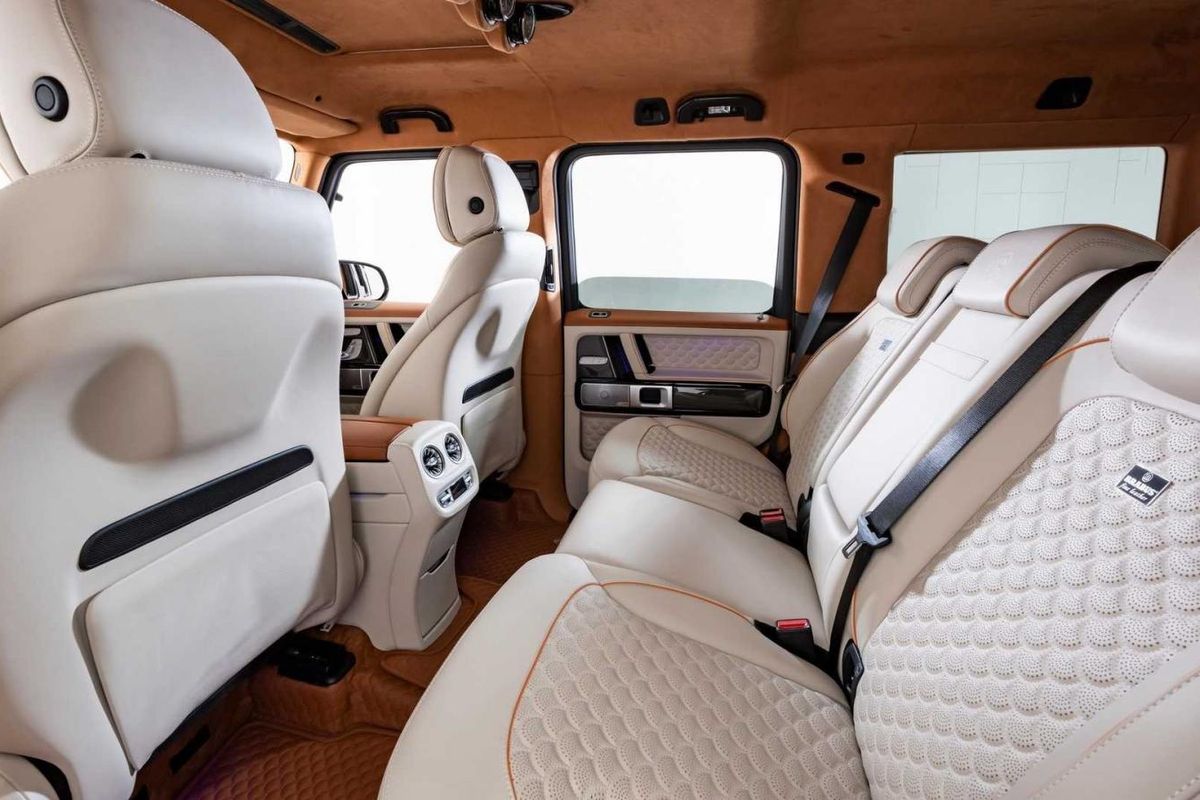
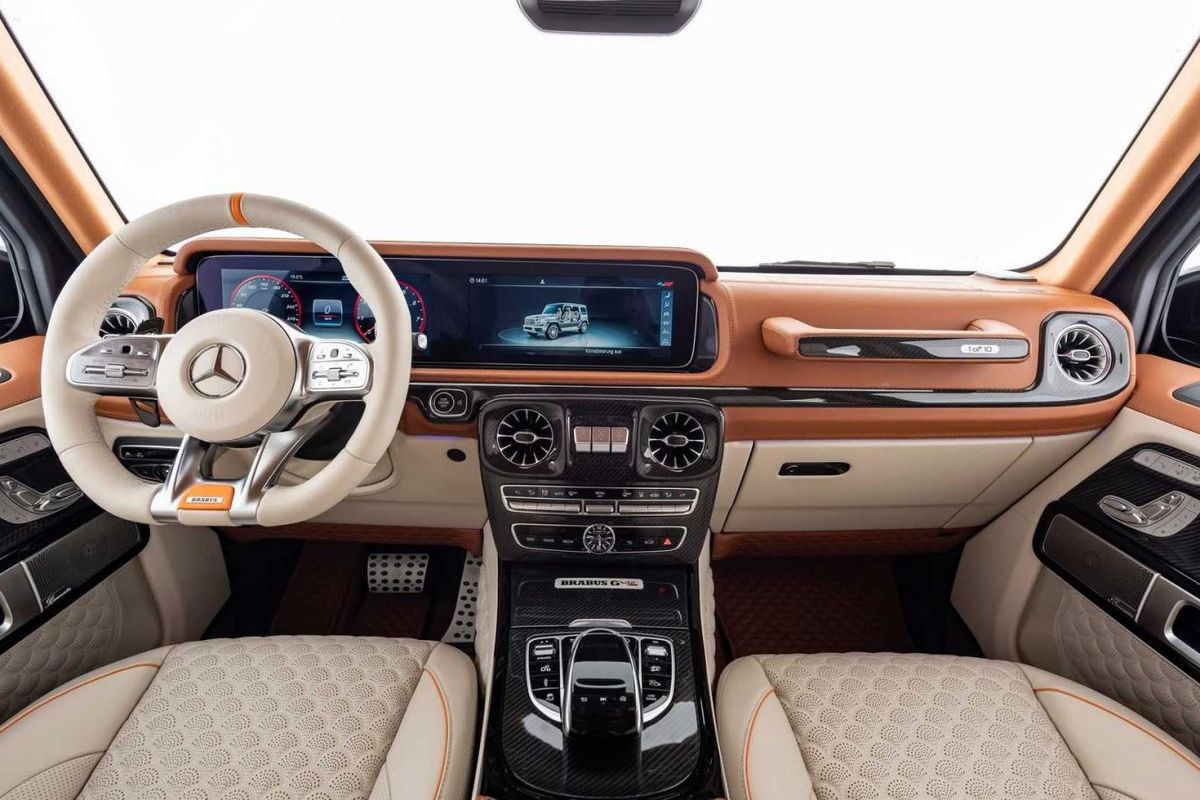
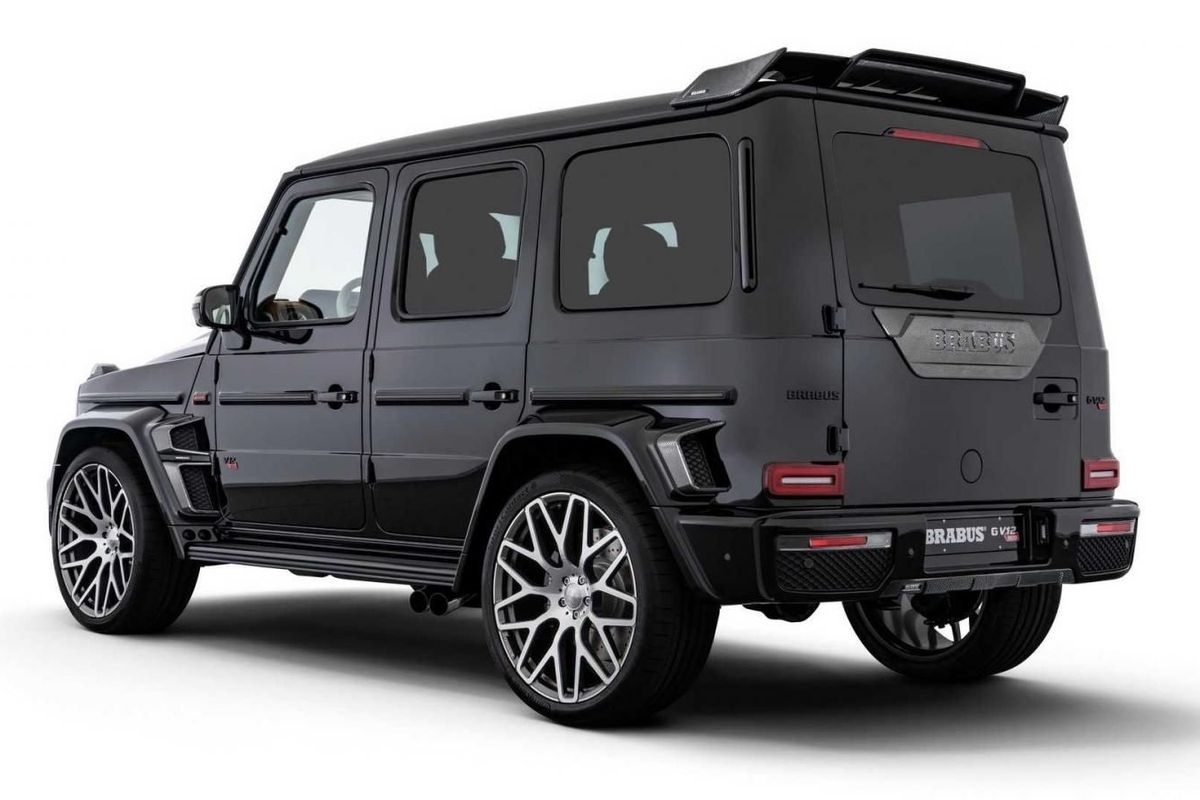
Meet the G V12 900 by Brabus. With a twin-turbocharged V12 engine delivering 662 kW and 1 200 Nm, this has to be one of the fastest Mercedes-Benz G-Class vehicles around. 

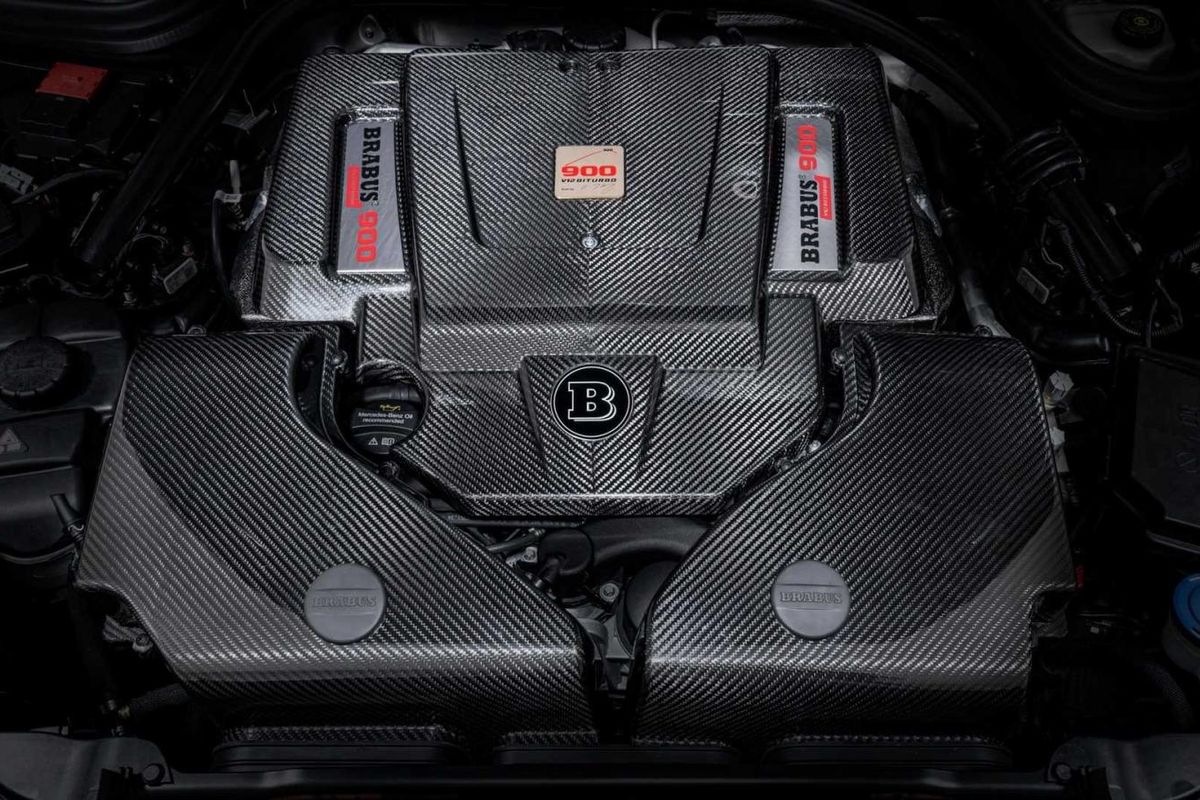
Brabus took the existing 6.0-litre twin-turbocharged V12 and did extensive work on it. Displacement increased to 6.3 litres and there are bigger turbochargers as well as custom exhaust manifolds, a new intake manifold, custom air filter box and a stainless steel active exhaust. All that shove goes to all 4 wheels via a 9-speed automatic transmission.

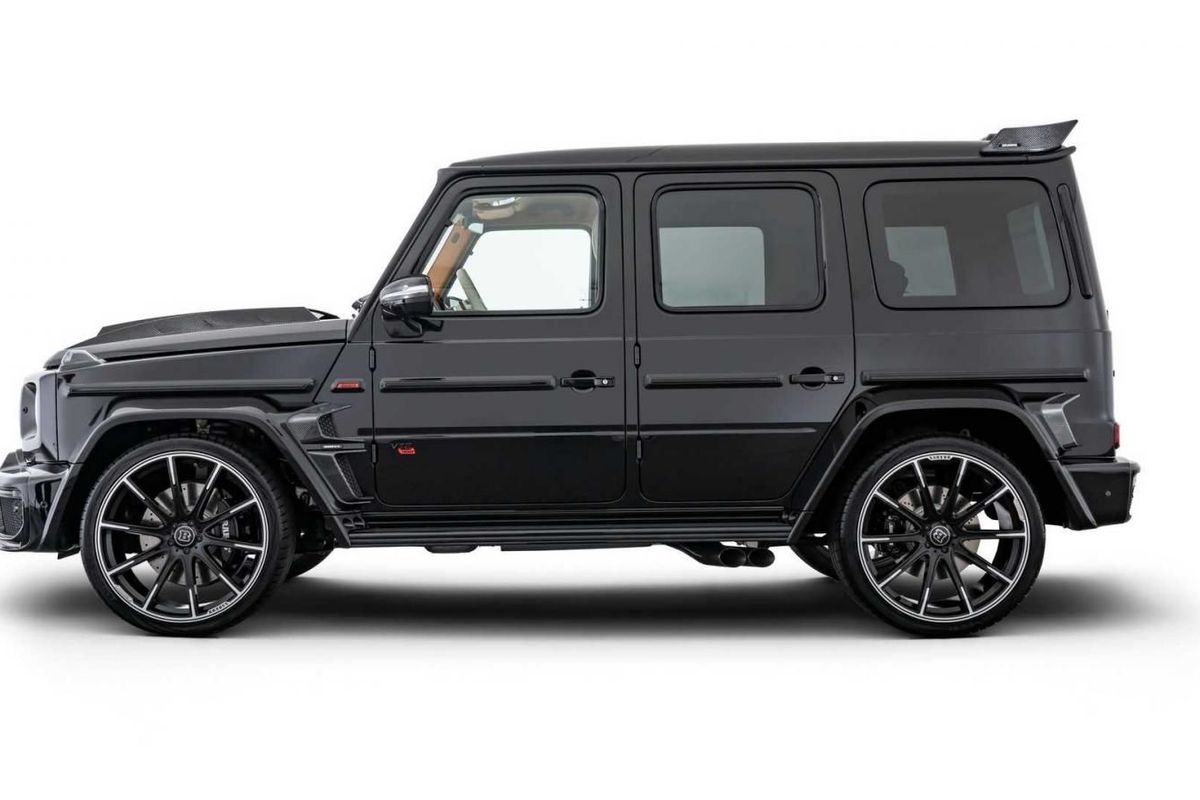
Brabus claims its G V12 900 can accelerate to 100 kph in just 3.8 seconds and maxes out at a limited top speed of 280 kph. Brabus has also thrown in a widebody kit and there are 24-inch alloy wheels available. Inside, there's an all leather cabin as well as a carbon fibre engine cover. 
Price? Well, if you have to ask, you can't afford it. Don't worry, we can't afford it either. Before taxes, the bill comes to €605 055 which is just under R10 million. There will be just 10 units made.
Brabus G V12 900 Video


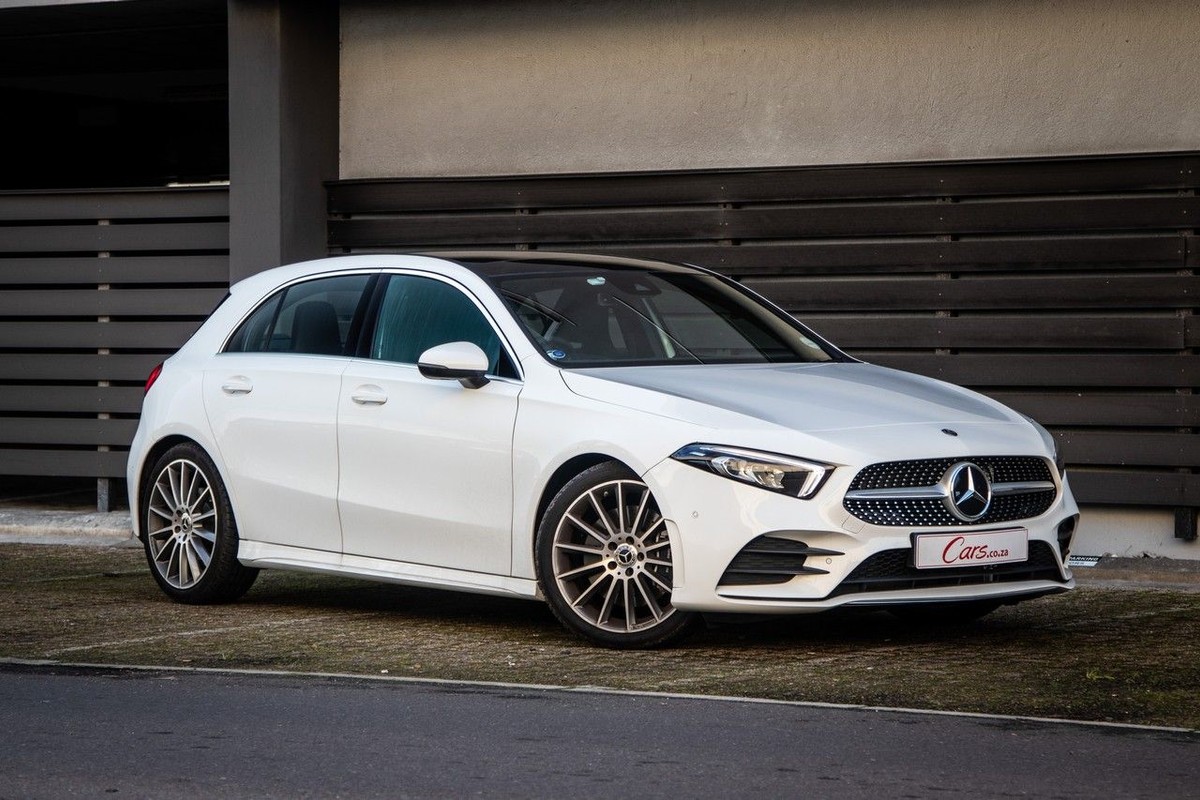
Mercedes-Benz A250 AMG Line (2019) Review

While we await the arrival of the Mercedes-AMG A35 and A45 4Matic, the A250 AMG Line is the most performance-oriented A-Class derivative you can buy. Does it offer enough punch and status to justify its near-R600k price tag?

We like: Impressive ride/handling balance, classy cabin, strong performance

We don't like: Needs a significant number of option boxes ticked

Fast Facts

  • Price: R596 969 (August 2019, approx. R644k as tested)
  • Engine: 2.0-litre 4-cylinder turbopetrol
  • Gearbox: 7-speed dual-clutch
  • Fuel economy: 6.5 L/100 km (claimed)
  • Power/Torque: 165 kW/350 Nm

Own a Mercedes-Benz? Tell us about your experience here

SERIOUS ABOUT BUYING?

Where does it fit in?


AMG Line specification does a convincing job of making the A-Class look like an AMG model. Nicely done Mercedes…

We've already published pricing details of the upcoming Mercedes-AMG A35 and an international driving impression of the fearsome A45 S. Until those hot- and super hatchbacks land on our shores, however, this is the sportiest A-Class you can buy. Natural rivals to the A250 AMG Line include the outgoing BMW 120i (in Edition M Sport Shadow trim), as well as the popular Volkswagen Golf GTI, which is also nearing the end of its product lifecycle. There isn't really a direct competitor in the Audi A3 stable – the S3 is too pricey and the 40 TFSI is comparatively underpowered.

So, let's just say the Benz is not exactly facing strong competition at this very moment, but even so, does it cut it as a well-rounded hot hatch?

How it fares in terms of…

Design & Packaging

?
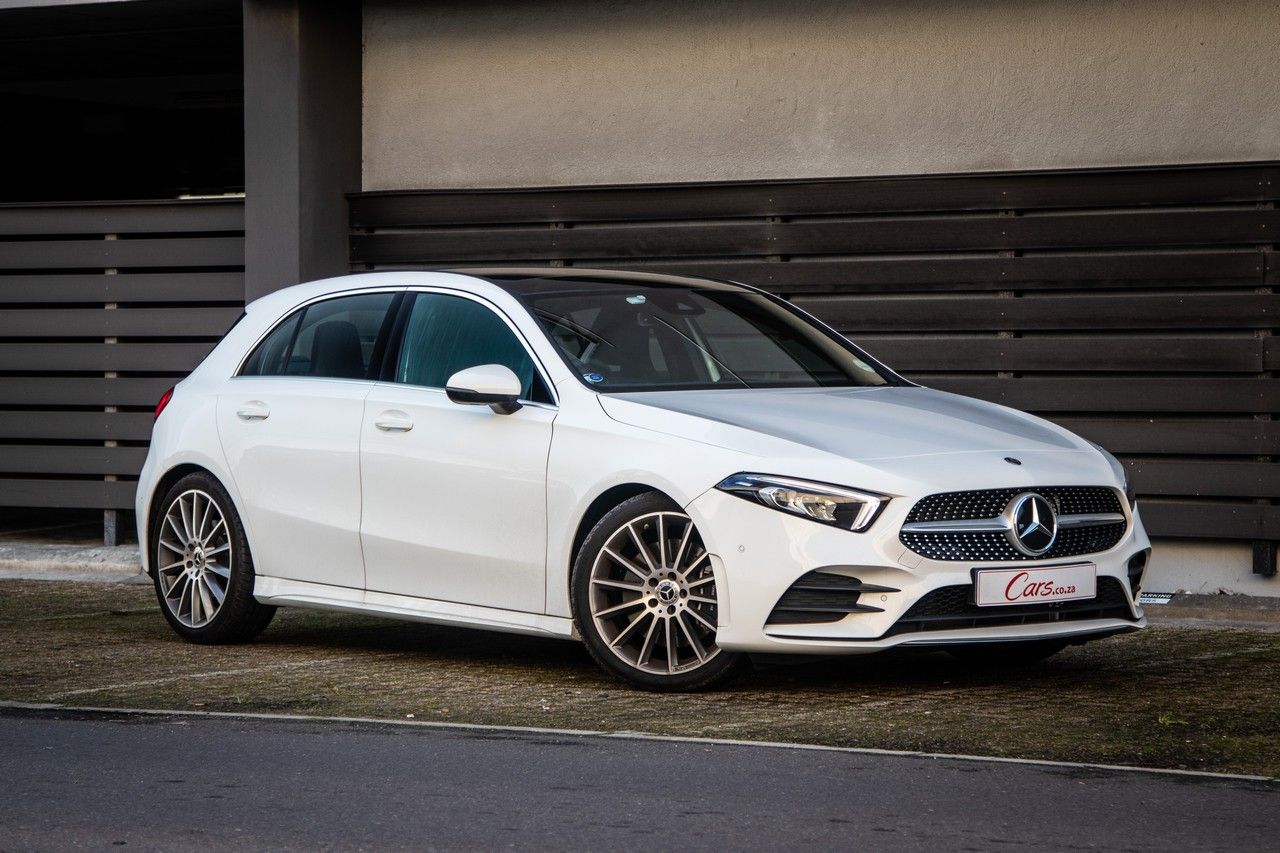
To think the A-Class was once a dowdy MPV… That said, the current A-Class still manages to offer a decent level of practicality. 

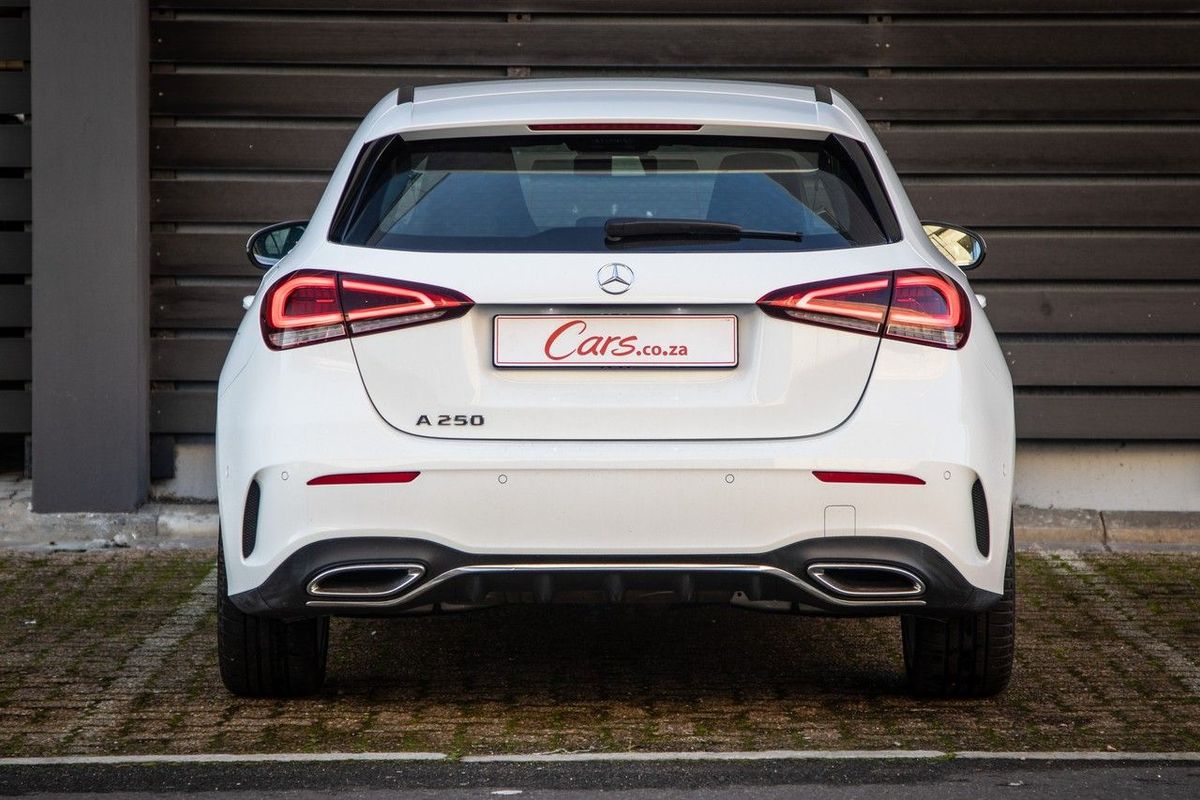
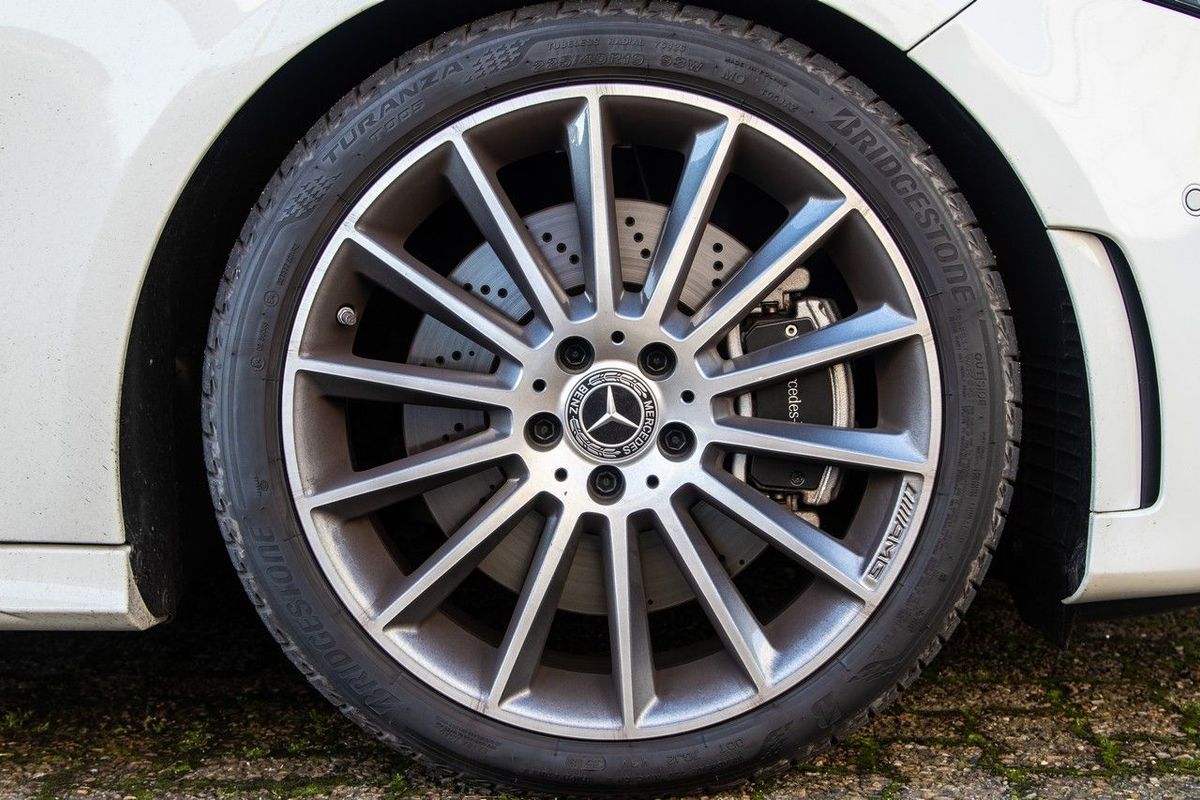
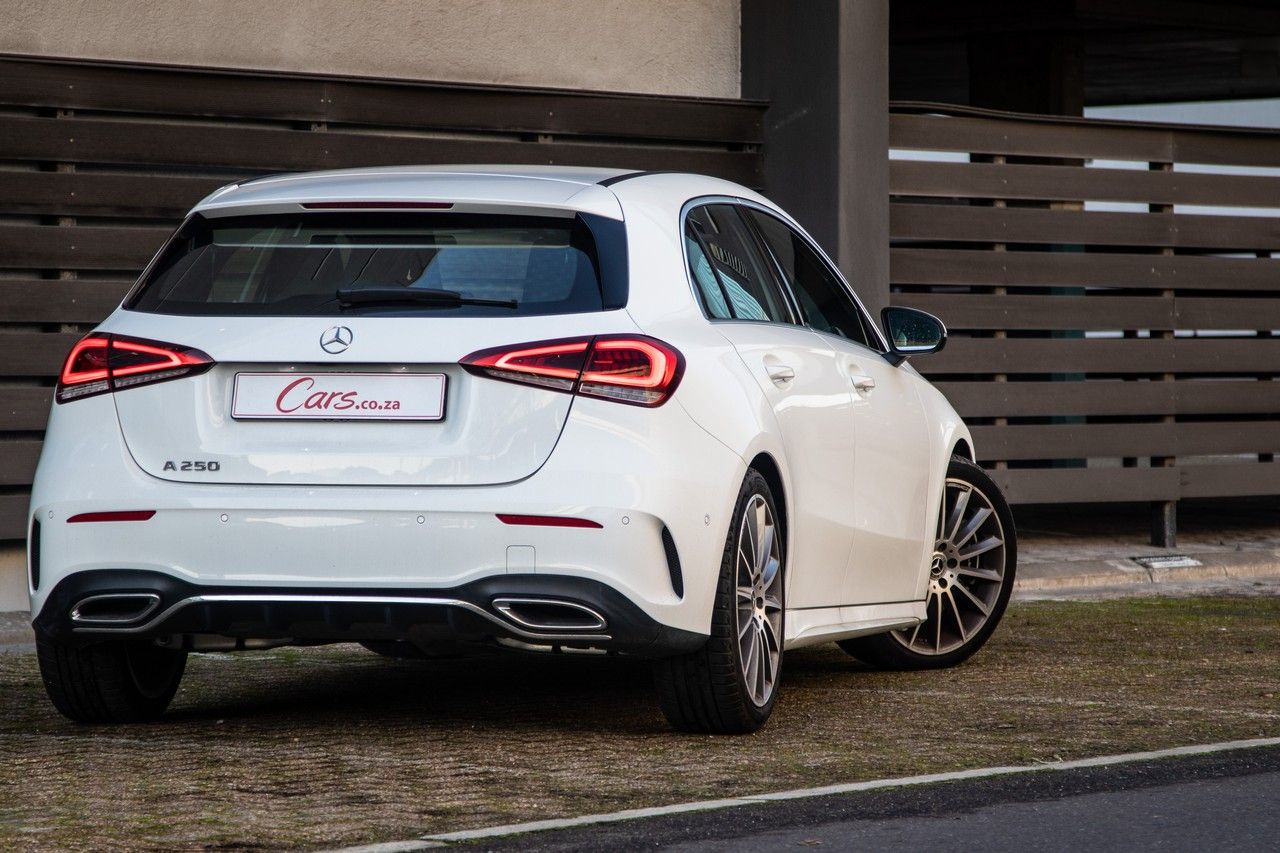
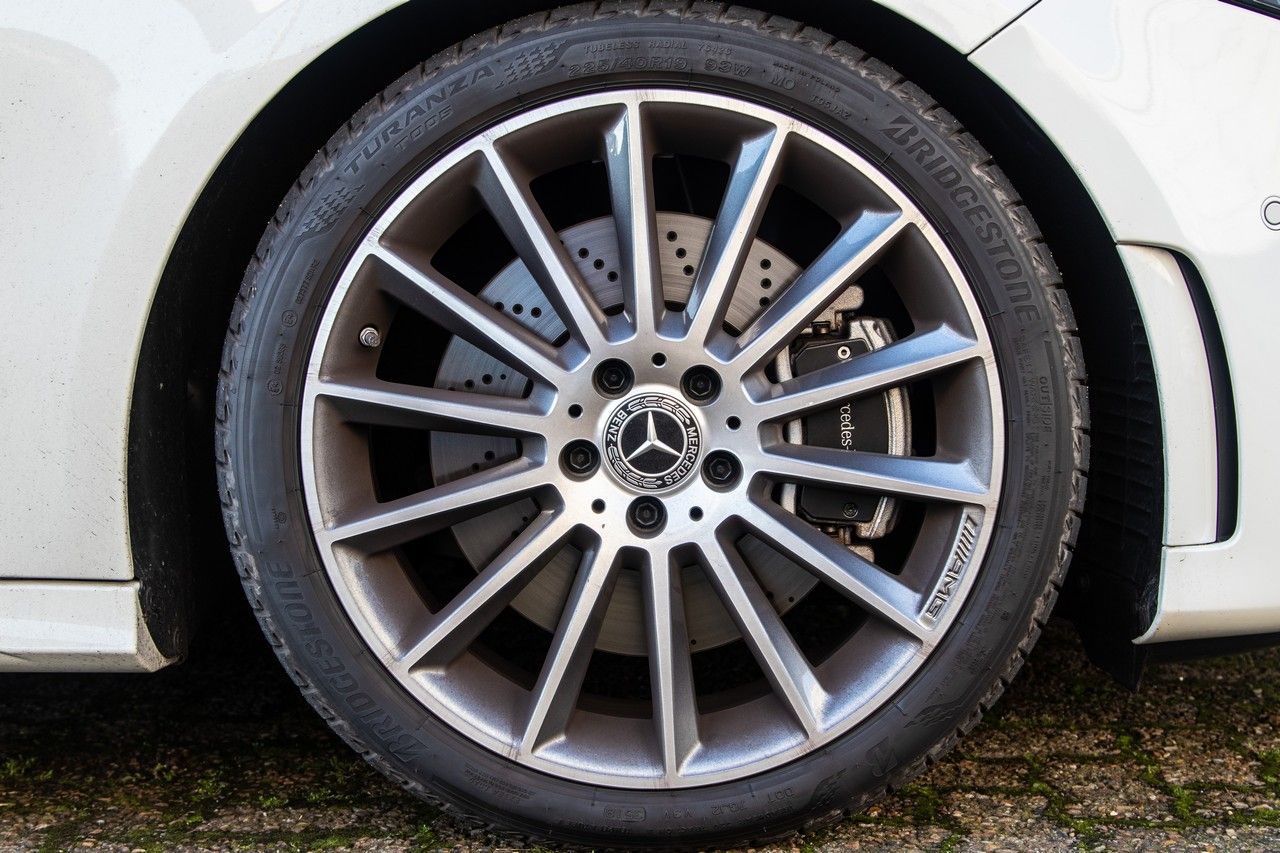
With its long nose, big wheels and wide-shouldered stance, the A250 AMG Line certainly looks the part. You get 18-inch wheels as standard, but our car came additionally equipped with 19-inch AMG rims that add R14 000 to the asking price. Compared with its lesser siblings, the A250 AMG Line also gets a sportier suspension setup that's been lowered by 15 mm, which contributes to the Benz's hunkered stance.

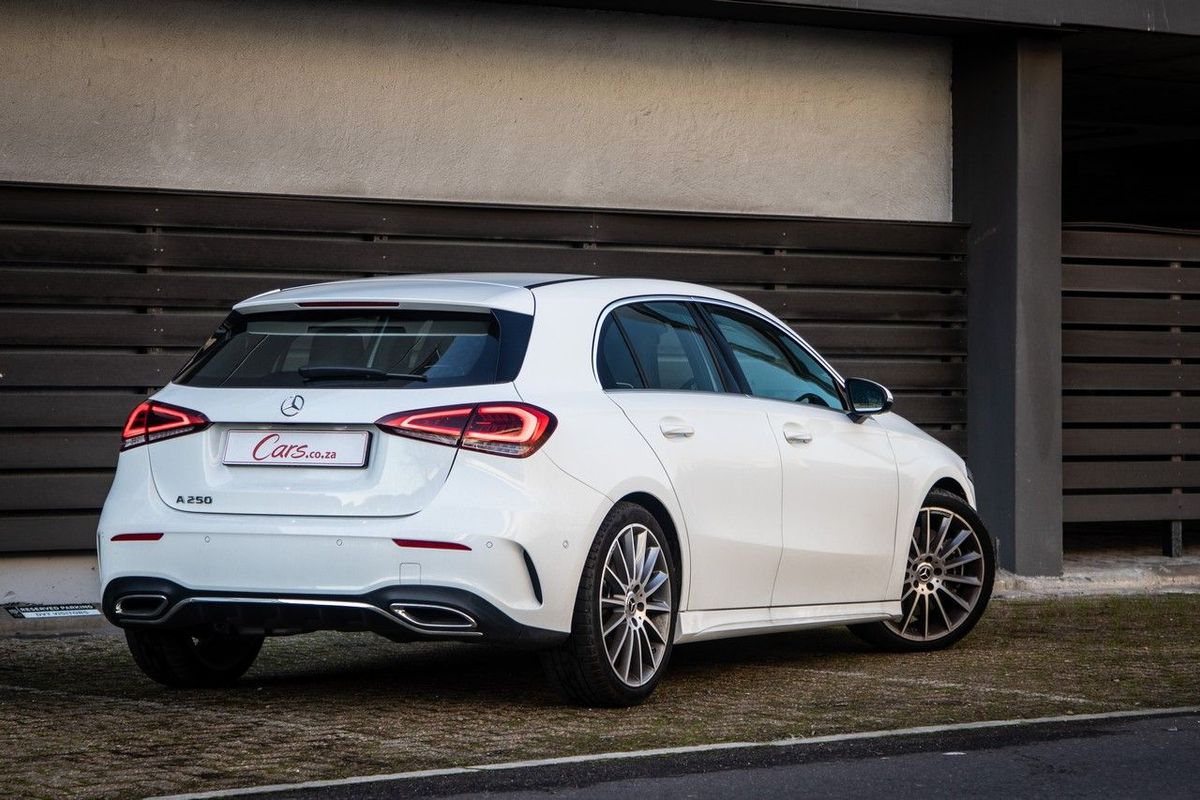
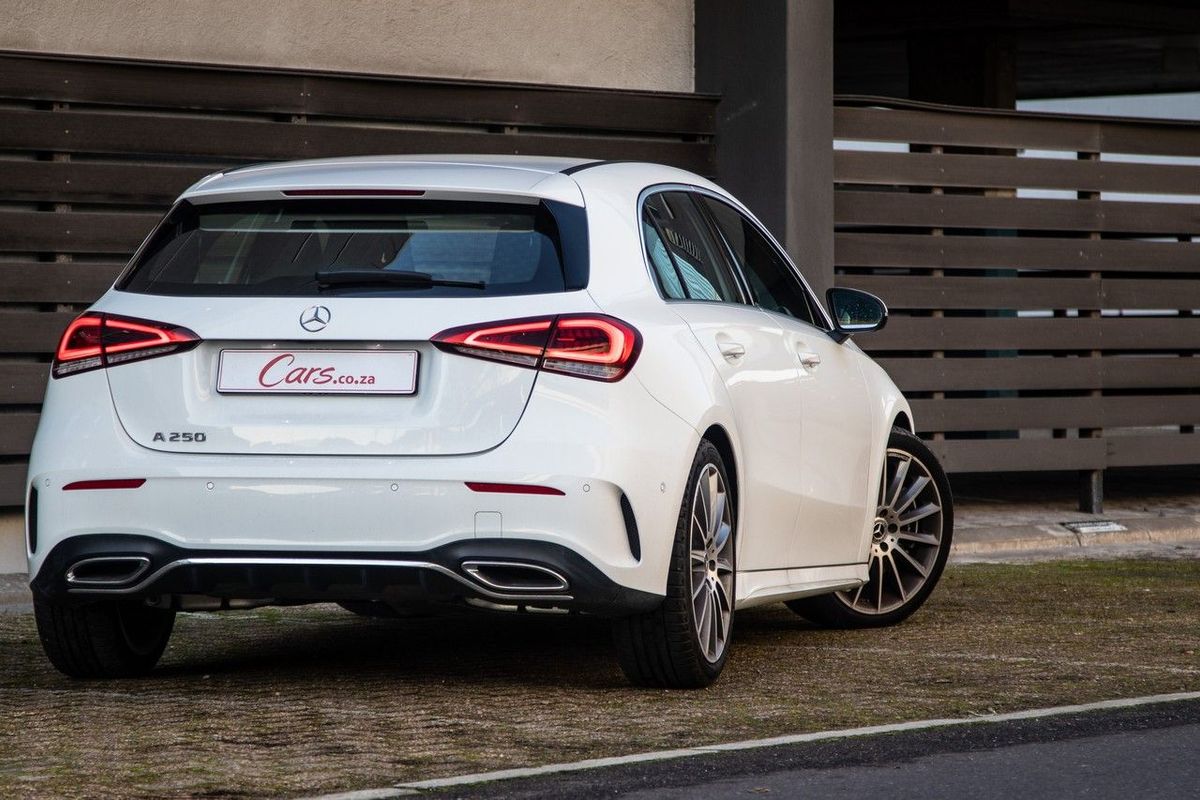
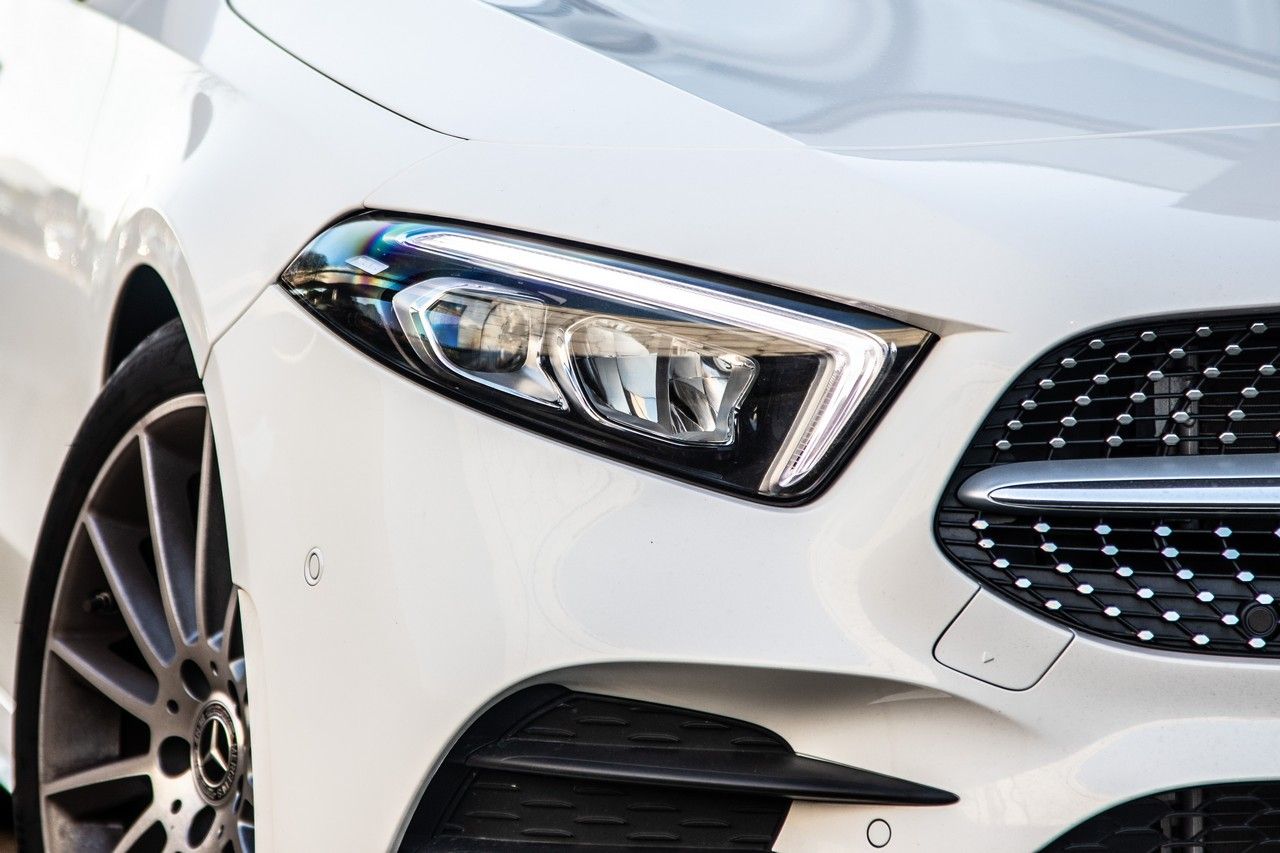
As its name suggests, the AMG Line trim pack makes the A250 resemble a much pricier Mercedes-AMG derivative (at first glance) by virtue of aesthetic adornments such as the aggressive air inlets/outlets in the front/rear bumpers and the neatly integrated exhaust outlets. LED high-performance headlamps are standard, but you'll pay R6 000 extra for a multi-beam system. 

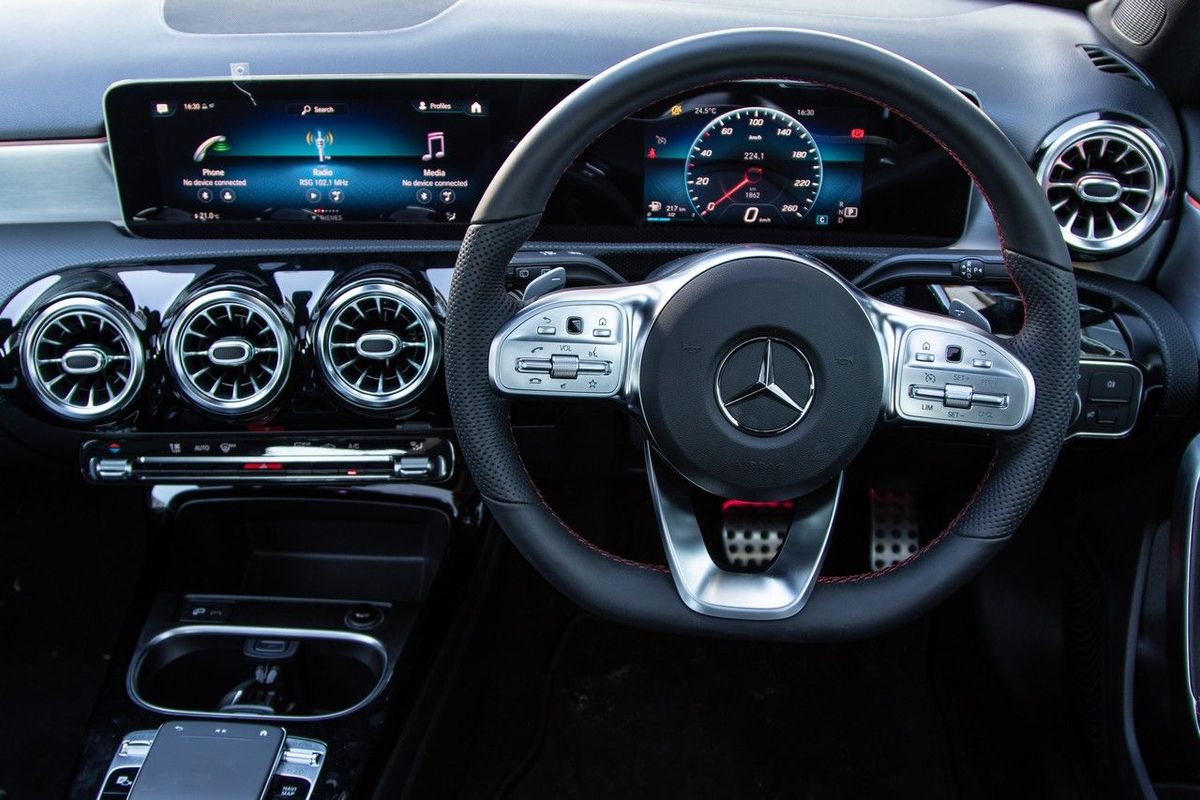
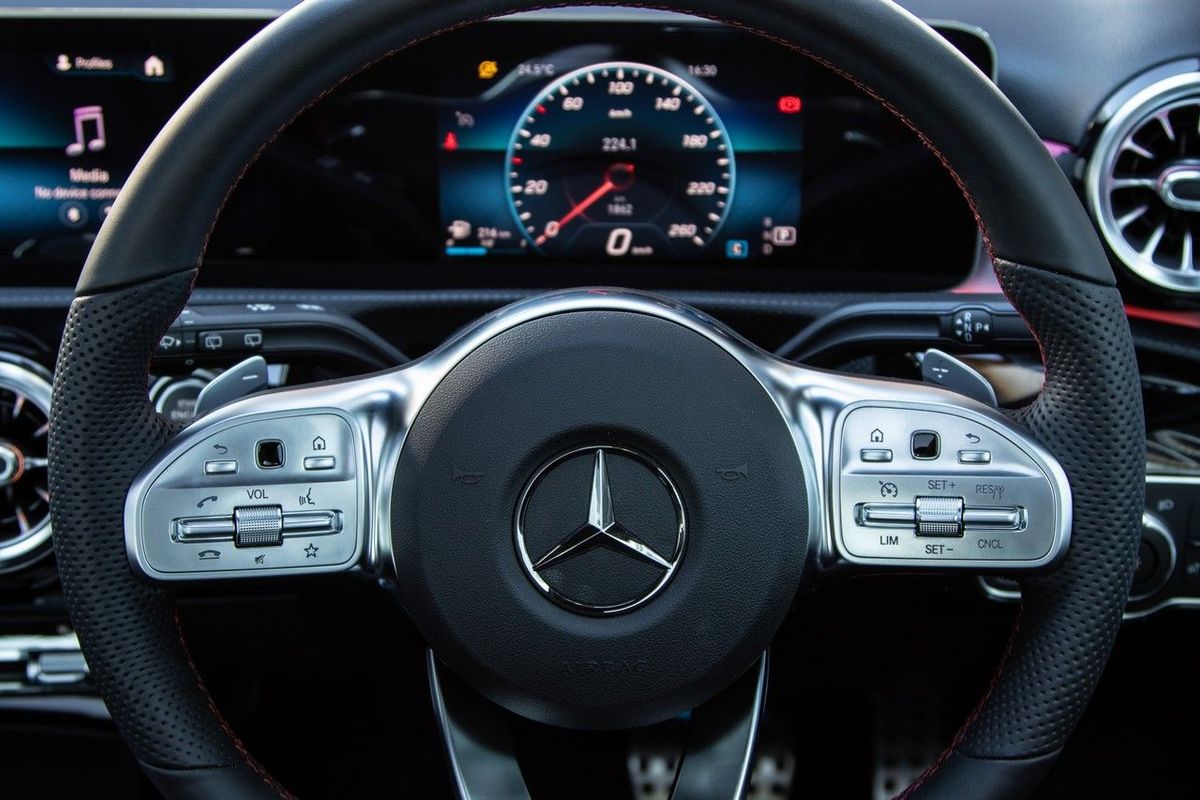
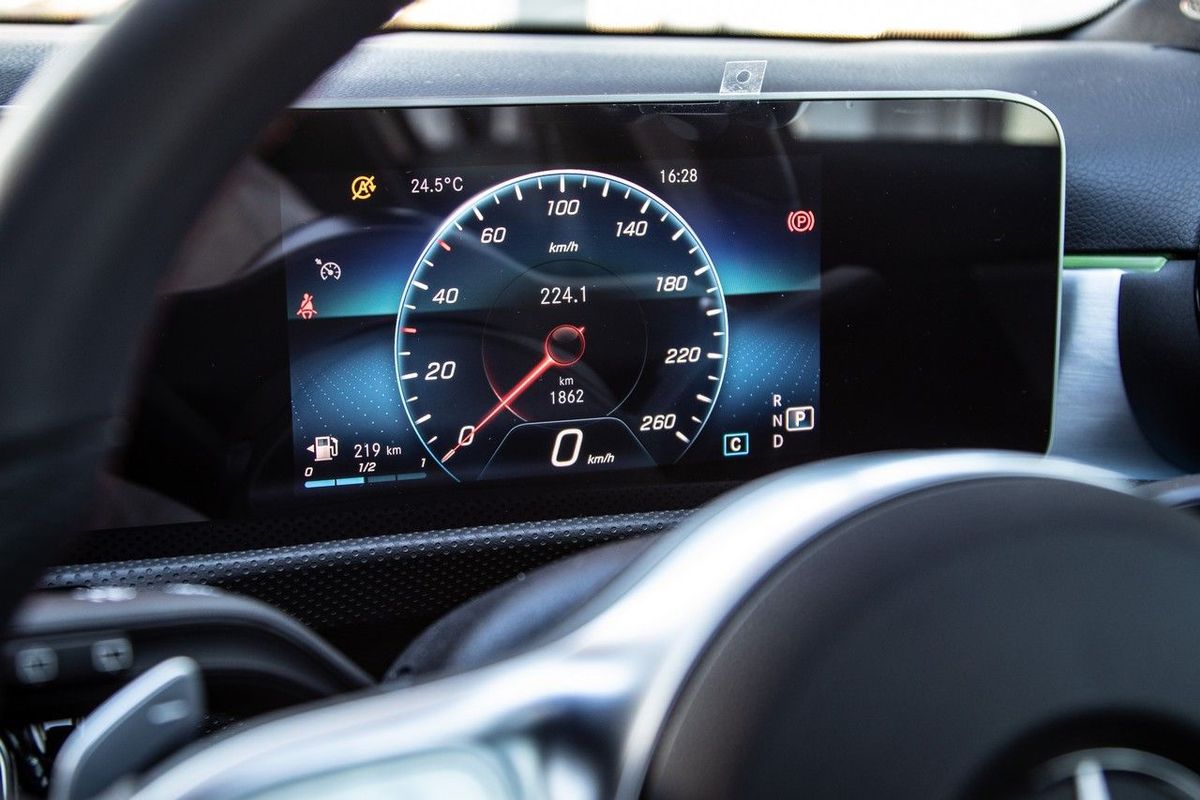
Inside, the A-Class makes a striking first impression with its minimalist fascia design, digital instrumentation and quality surfaces. The standard seats are racy-looking items and the driver's seating position is low-slung, banishing all lingering memories of the 1st- and 2nd-generation "MPV" A-Classes. There a generous range of adjustment on offer from the seat, too, but it happens manually (electric seat adjustment with memory is an R11 600 option). An extendable cushion is included (driver only). The Nappa leather-trimmed sports steering wheel is grippy and looks the part as well.

The new A-Class is admittedly not as spacious all-round as, say, the current Audi A3 Sportback, but that's not to say that it's impractical for the daily commute. Rear legroom is acceptable but it does feel a bit more claustrophobic in the back than in some of its rivals. The load bay is claimed to hold 370 litres, which expands to 1 210 litres with the rear seats folded forward. These figures compare very well with those of the A3 Sportback.

Comfort & Features


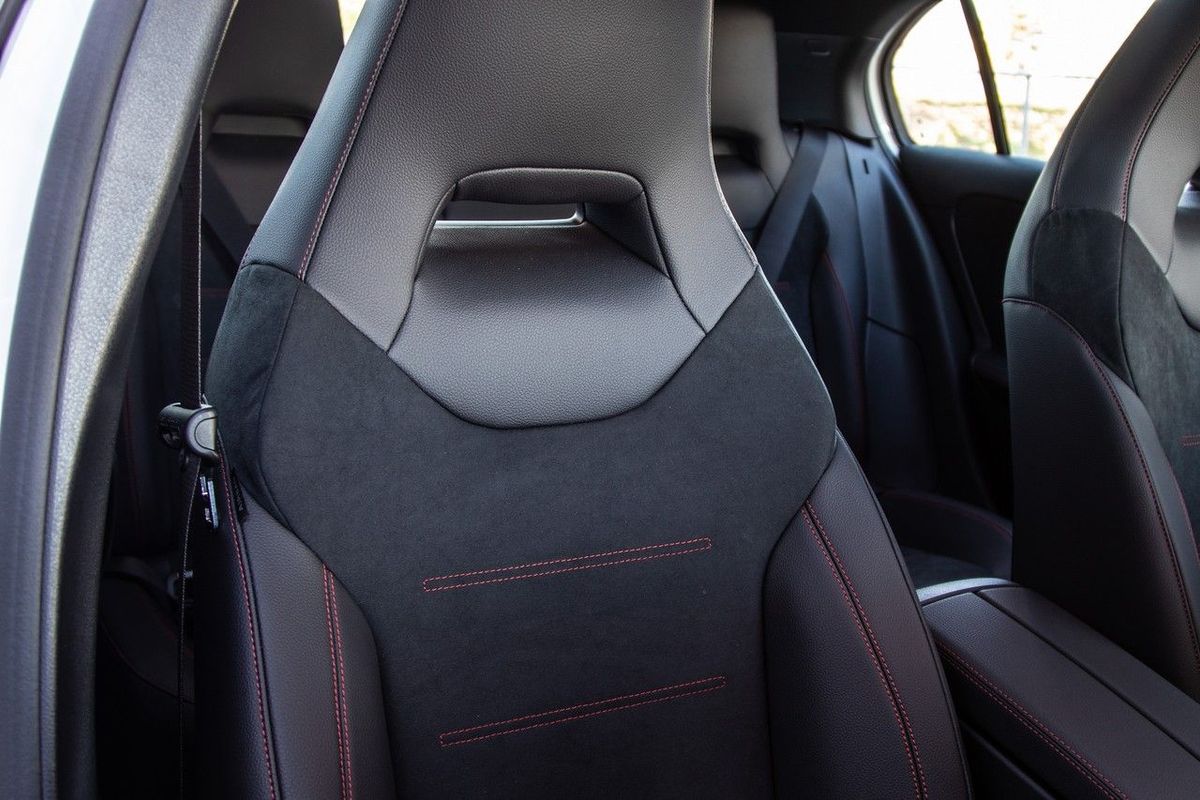
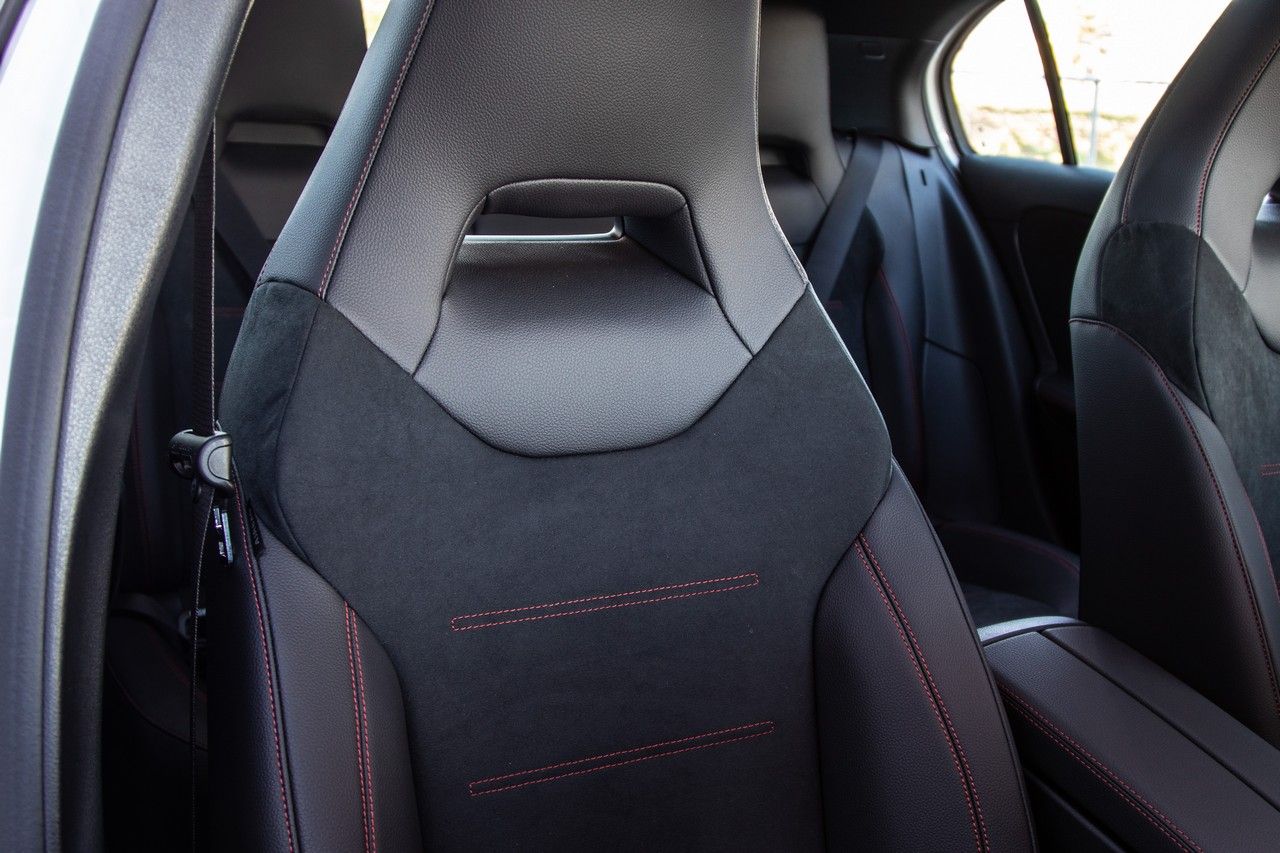
The seats are covered with what Mercedes calls Artico/Dinamica microfibre upholstery. Looks the part, and the seats are grippy.

Let's make one thing clear – you're not getting a sparsely equipped car for your nearly R600k, but at the same time, Mercedes-Benz hasn't exactly been generous with standard features either. We have no problem with the lack of full-leather upholstery (we like the look and feel of the standard trim) and we also appreciate the fitment of items such as blind-spot-, lane keep-, active brake- and adaptive high-beam assist, but we do think that at this price level, dual-zone climate control (a R9 000 option) and a reverse-view camera (R5 500) should be fitted as stock. 

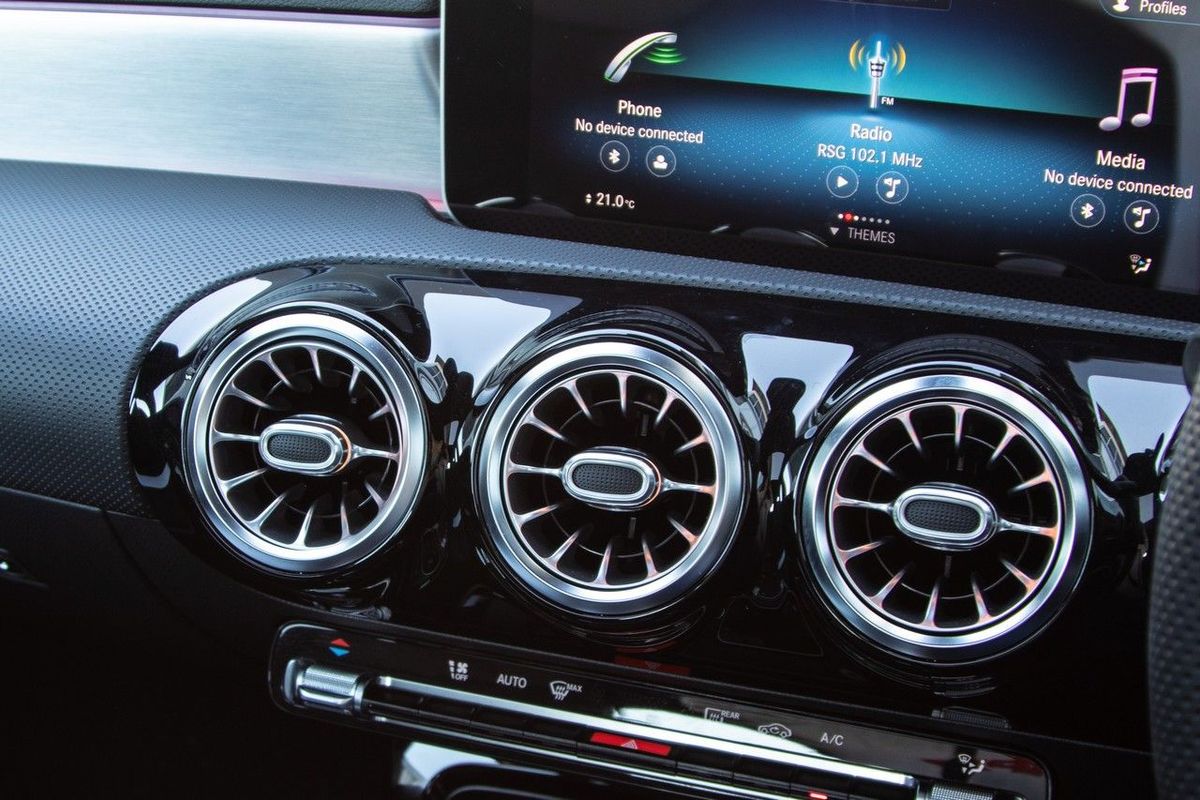
Of course, the A-Class cabin's party trick is its MBUX touchscreen infotainment system with integrated voice-command recognition technology. Our test unit had the smaller of the screens offered, in addition to the fully digital instrumentation, and the combination really lifts the "techy" ambience of the cabin and adds a healthy dose of functionality as well. Our car wasn't equipped with embedded navigation (an R8 200 option). We'd be very tempted to tick the box for the larger infotainment display (a R10 000 option) and a Burmester surround-sound audio system (an extra R10 200). 

Performance & Efficiency


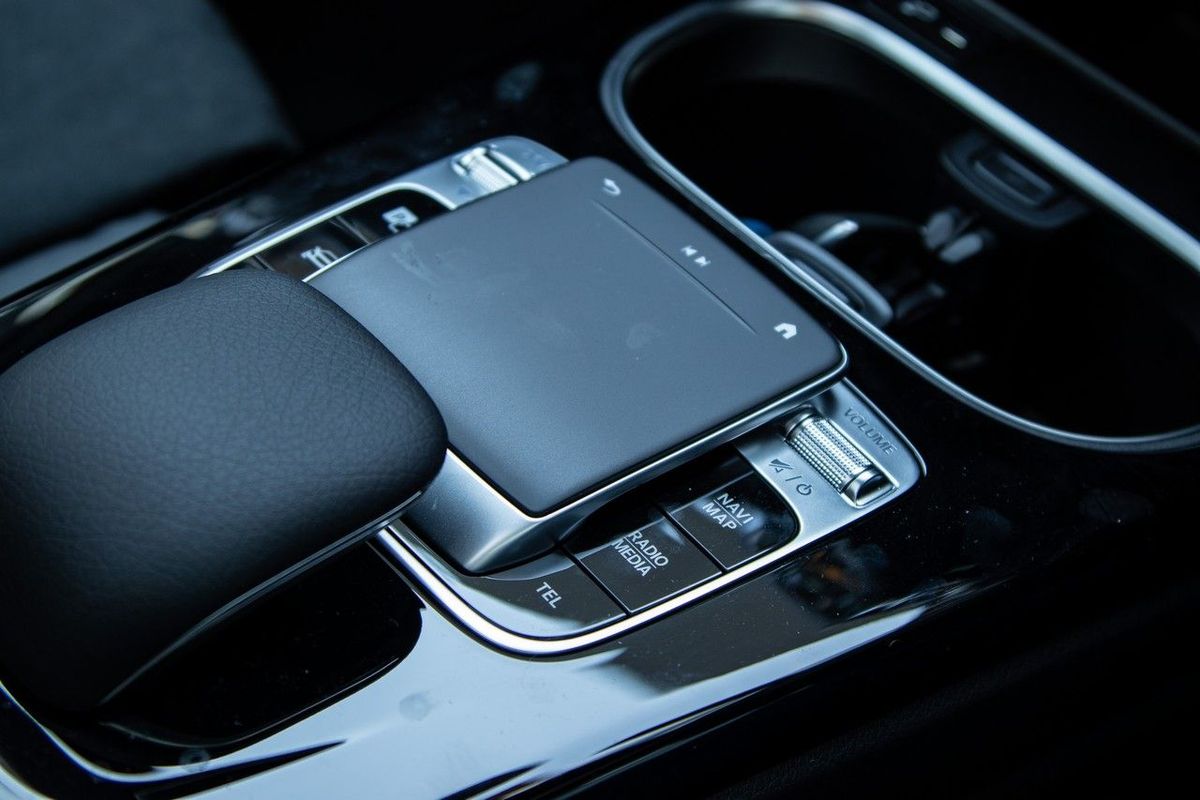
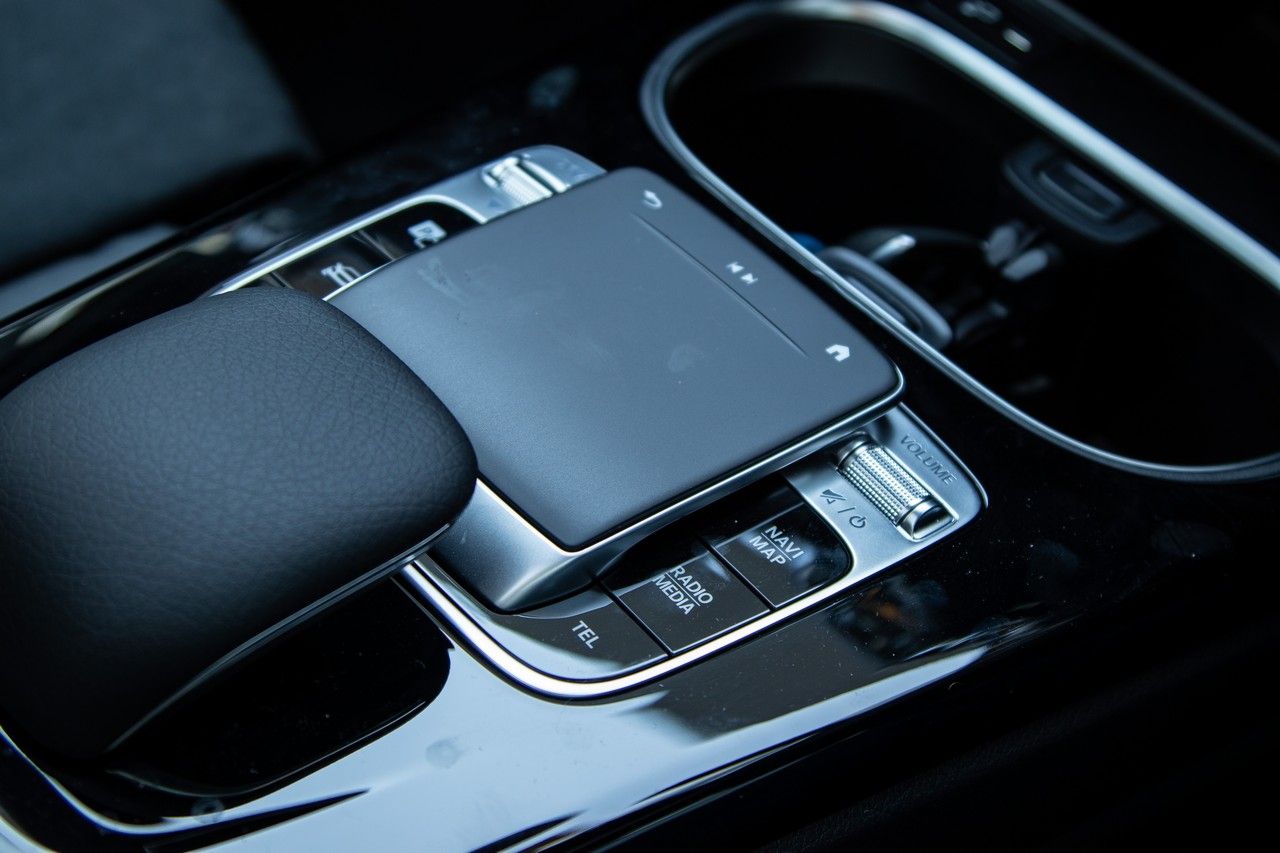
If you don't want to use the voice- or touchscreen functionality, this cluster of buttons and touchpad still offers "old-school" interfacing.

The A250 AMG Line is powered by the marque's 2.0-litre 4-cylinder turbopetrol engine that delivers strong peak outputs of 165 kW and 350 Nm of torque, the latter available from 1 800 all the way to 4 000 rpm. These figures are very much in line with what is offered by South Africa's favourite, the aforementioned Golf (7.5) GTI, and consequently, the performance figures are similar, too. On paper, however, the Mercedes-Benz holds a slight edge, with a claimed 0-100 kph time of 6.2 seconds (compared with 6.4 for the GTI) and an electronically limited top speed of 250 kph. Indeed, this is not a slow car and, compared with its more traditional rivals from Audi and BMW, it's significantly more performance-oriented.

And yet, it is a refined package too. The engine is mated with the brand's 7-speed dual-clutch transmission, a 'box that does a good job of slickly and swiftly selecting the optimum ratio during normal driving, and which also responds fast enough to manual inputs. But while it certainly delivers the shove and possesses arguably class-leading refinement, it does lack a little in the "show-off" department. Volkswagen's vrrr-pha exhaust burbs are by now a desirable characteristic of the GTI, and by comparison, the A250 AMG Line sounds a bit… normal. Then again, the A250 AMG Line is not chasing the hot hatch market as overtly as the GTI; it attempts to offer a combination of swiftness and refinement, which it does very well.

The drivetrain is also pleasingly efficient (given its performance credentials and the manner in which it was driven during our test period). Mercedes-Benz claims a combined cycle fuel-consumption rating of 6.4 L/100 km, which you'll probably struggle to match, but 8.5 L/100 km is a realistic figure.

Ride & Handling


18-inch wheels are standard, but our test unit was equipped with optional 19-inch alloys. An adjustable damping system is also optional.

The current A-Class is offered with 2 rear suspension setups: more affordable derivatives make do with a less sophisticated torsion-beam configuration, but the A250 AMG Line comes with an advanced multi-link setup. While the test's unit's ride was a little noisier than expected – likely due to the firmer damping and lower ride height, combined with wider tyres – the Benz's ride/handling balance proved highly impressive, especially for a performance-oriented compact hatchback. When driven enthusiastically in the twisties, the A250 offers neutral handling characteristics and impresses with its grip and body control, but it never quite becomes playful, which is mostly due to the relatively lifeless, overly assisted steering. 

Our car was not equipped with the optional AMG Ride Control (adaptive damping system), which is a R22 400 option. To be honest, we don't think the system is a must-have as the standard setup is pretty good already.

Price and warranty

The A250 AMG Line sells for R596 969 (August 2019), but most buyers are likely to spec-up their cars with a few extras. We've listed some of them earlier in the article, but you might also be interested in keyless entry and start (R9 000), heated front seats (R5 000), dual-zone climate control (R9 000) and a panoramic sliding roof (R15 200). A 2-year/unlimited km warranty and 6-year/100 000km maintenance plan are included.

Verdict


A more accomplished offering than its predecessor, the A250 becomes a tad pricey when you add items that would turn it into a sure-fire winner.

It's quite tricky to judge the A250 AMG Line accurately. Firstly, as the new vehicle market stands, the Benz lacks up-to-date rivals from Audi and BMW, plus some of the optional extras have a significant impact on the overall appeal of the car – as well as its asking price. That said, as tested, the A250 AMG Line drew plenty of praise from the test team for its combination of refinement and performance, the classy cabin (yes, even with the smaller digital screen) and overall design appeal. If you can afford it (and to tick a few option boxes), this is a car that's very unlikely to disappoint.

So, in conclusion… the A250 AMG Line may look like a quasi hot hatch, and it has the performance and perhaps even the agility of a hot hatch, but it's not really a hot hatch. This is a high-performance compact luxury car for those who place design, quality and technology high on the priority list.

Looking to buy a new/used Mercedes-Benz A-Class?

Find one on Cars.co.za by clicking here

Hyundai i10 N Line – Smallest N Yet?

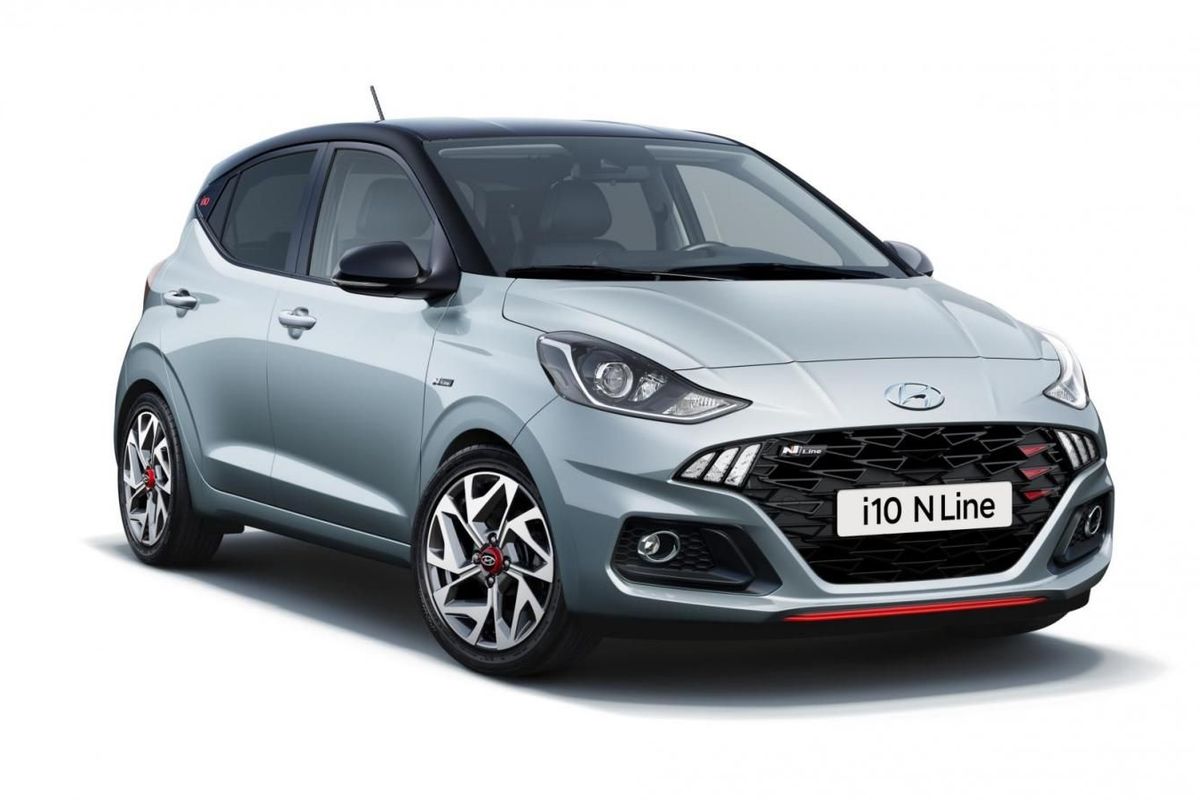
Hyundai has shown off the new i10 compact city car with an N Line kit at the 2019 Frankfurt Motor Show.

This isn't a performance variant though as the designation is 'N Line' as opposed to 'N'. So while it looks the part, it certainly won't boast any breathtaking performance figures. 

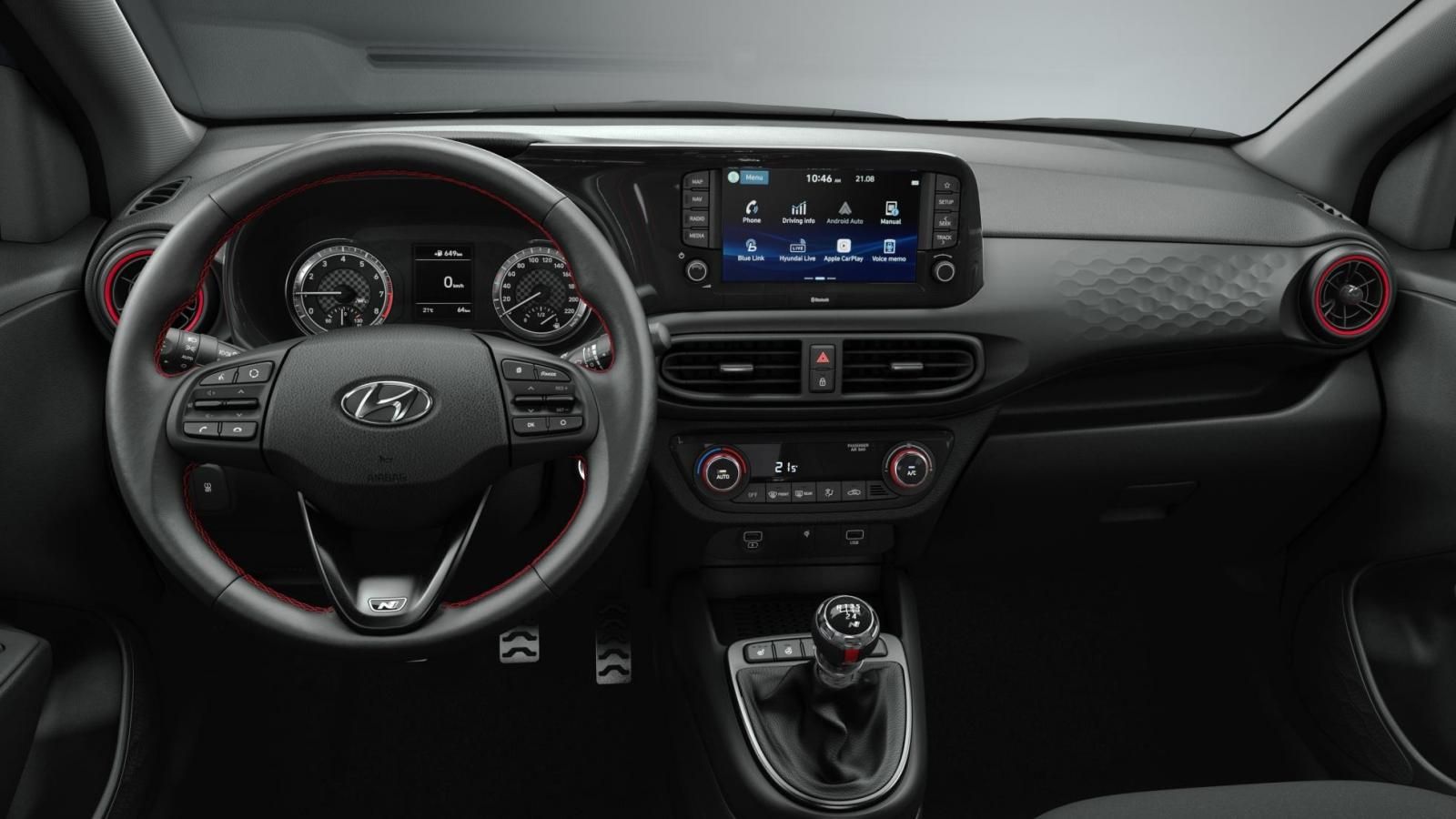
Hyundai released just a handful of images, showing the exterior of the vehicle as well as the cabin. It's visually punchy, with a decent body kit with red detailing, as well as attractive 16-inch alloy wheels. If you look closely, there are also some really nice LED daytime running lights.

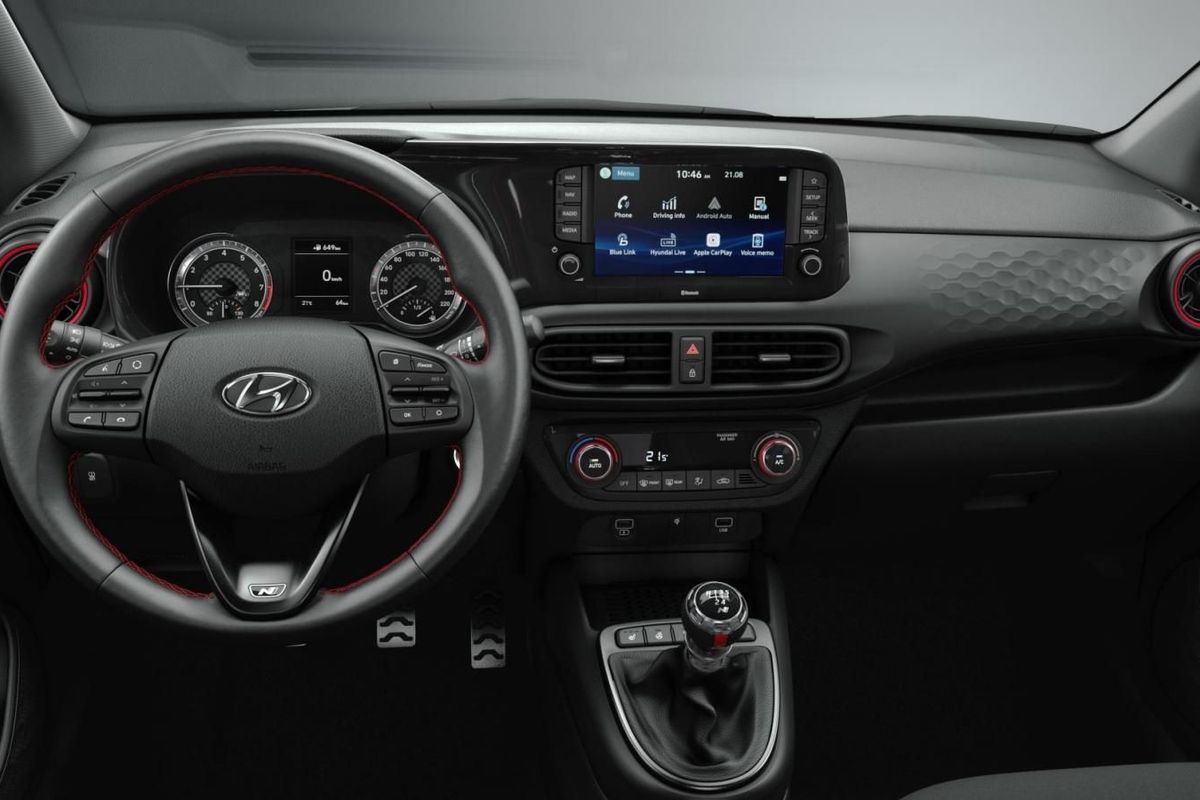
Inside, there's a sporty steering wheel with red stitching and the N logo is quite prominent. You'll also notice a 5-speed manual transmission. The Devil's in the detail though and Hyundai has paid close attention to making its little city slicker quite bold. There are metal pedal, red detailing around the air conditioning vents and sportier seats. 

The only letdown is the engine, which is a 1.2-litre naturally-aspirated petrol engine pushing out 62 kW and 118 Nm. Hyundai says it will fit its 1.0-litre turbocharged 3-cylinder motor if customers want it.

At this stage, SA availability is yet to be determined.

Further Reading

Hyundai Announces i30N Project C

Fresh New Hyundai i10 Revealed

Hyundai 45 EV Concept Fully Revealed

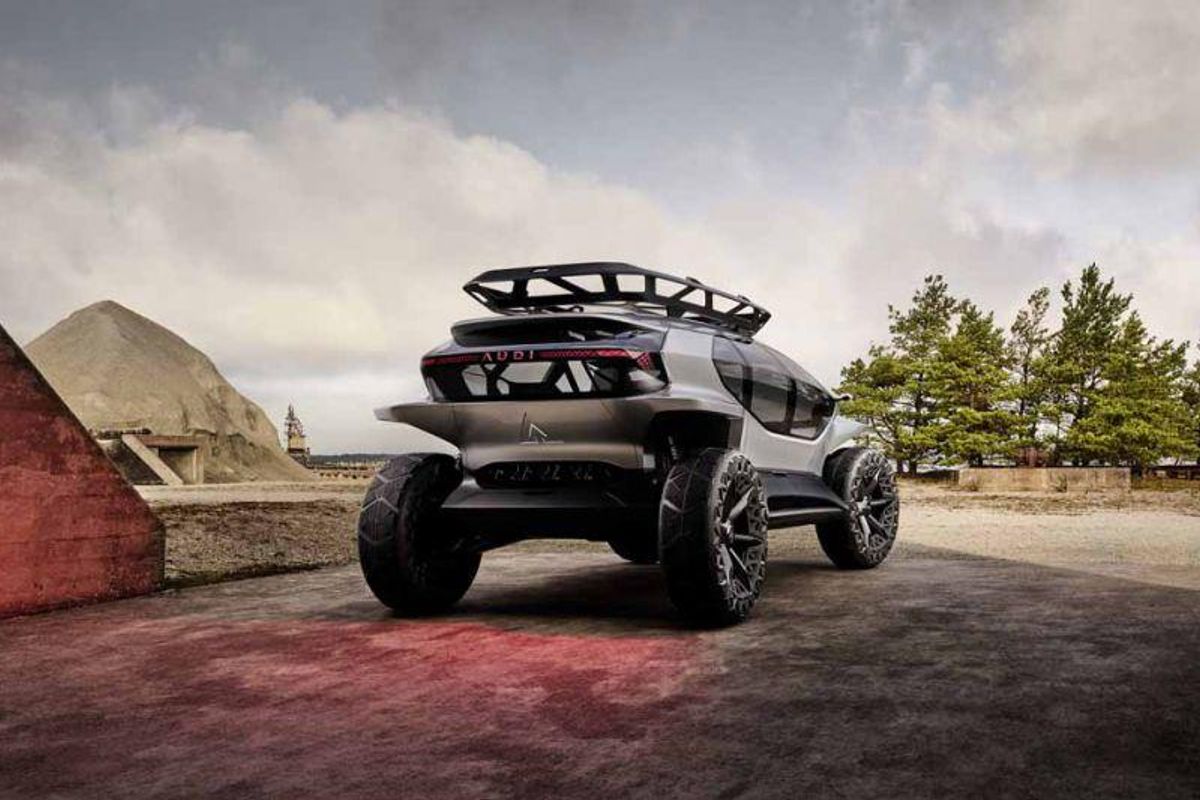
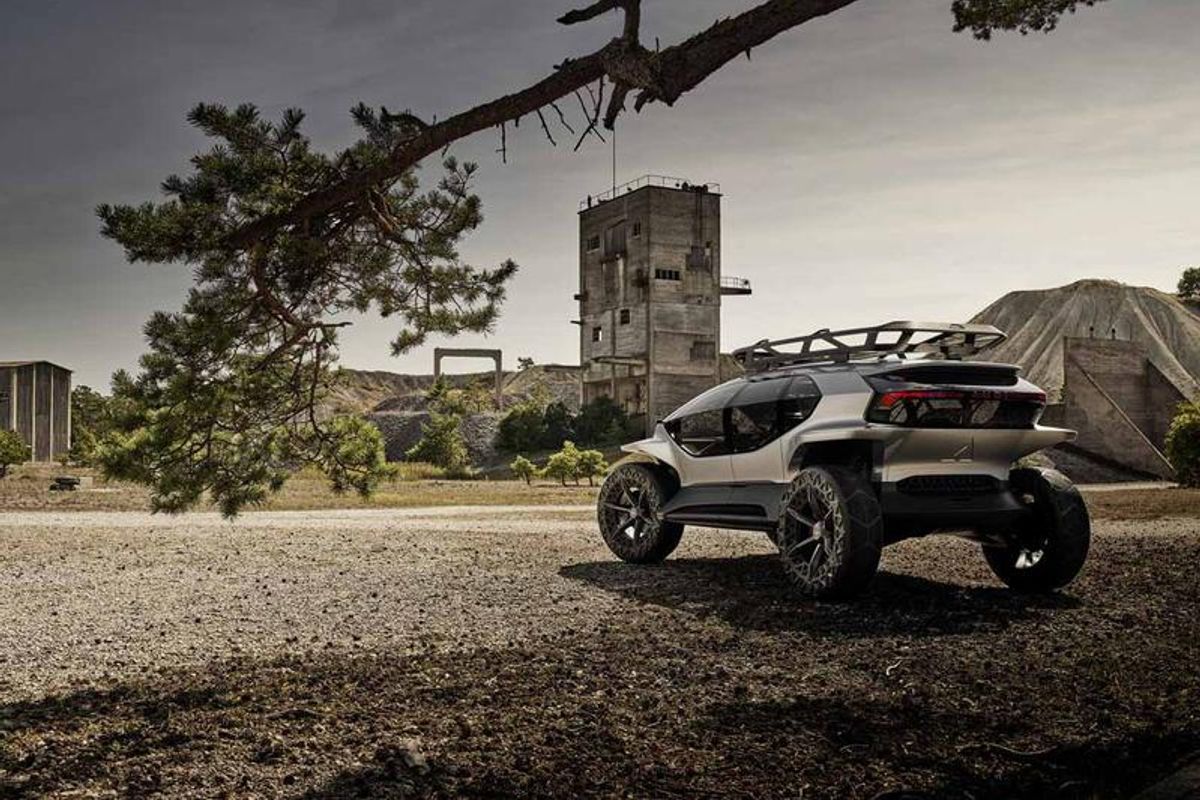
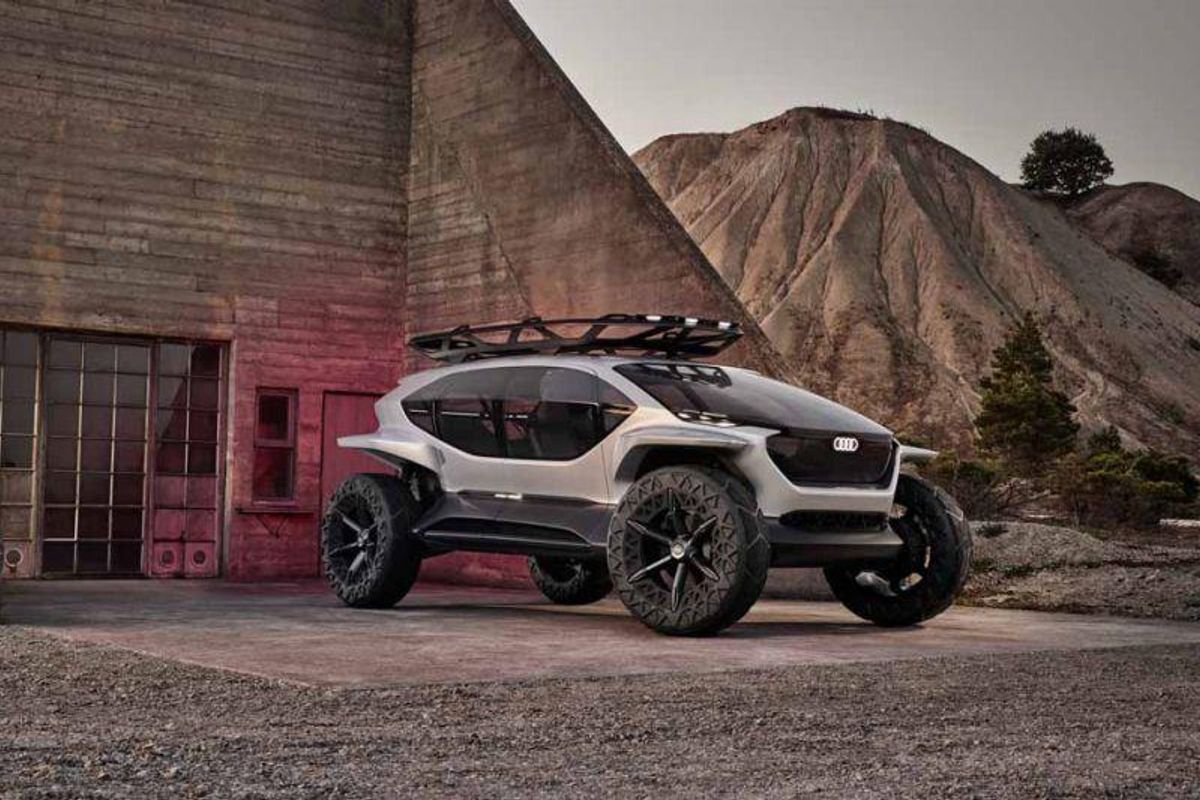
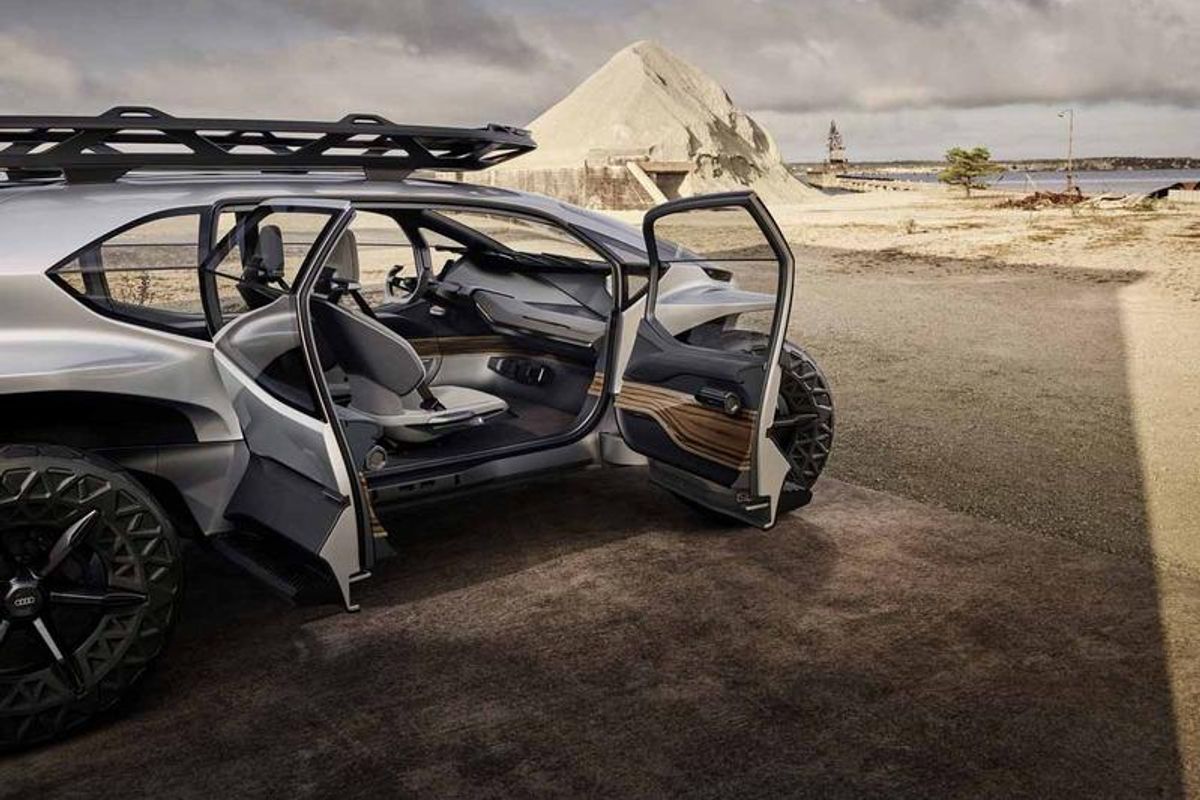
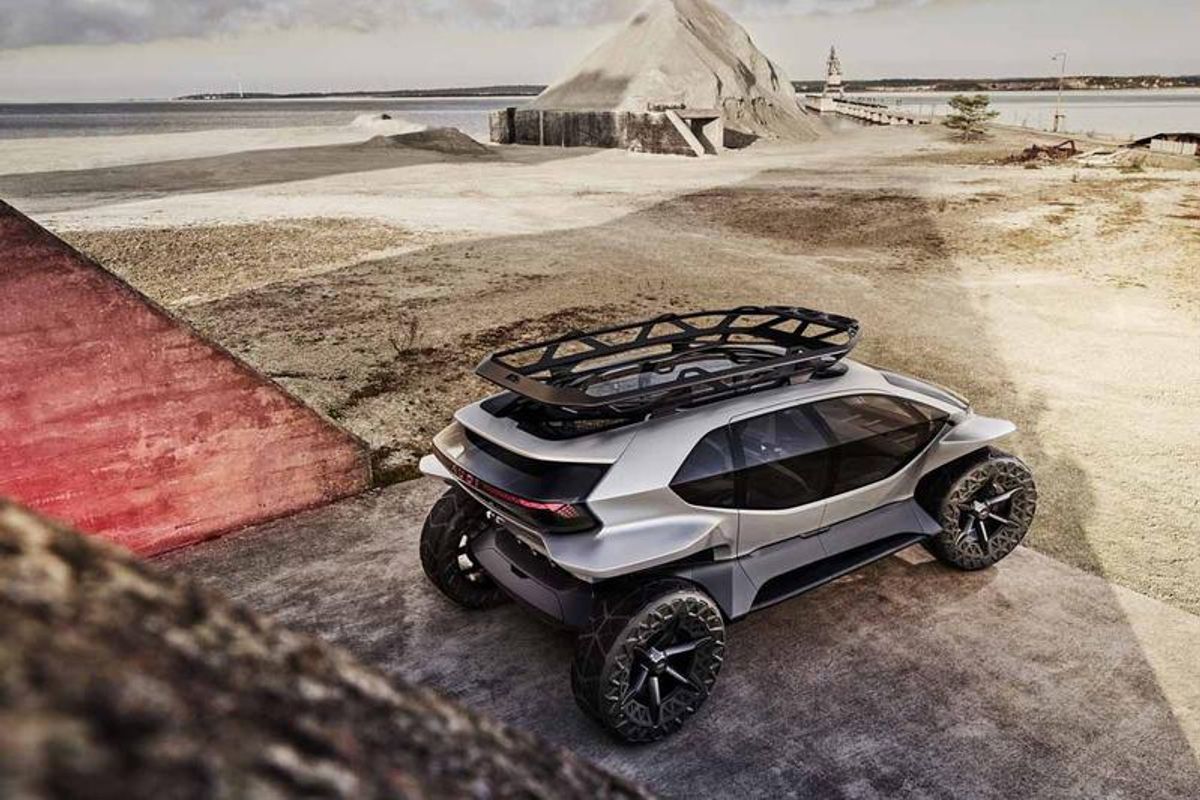
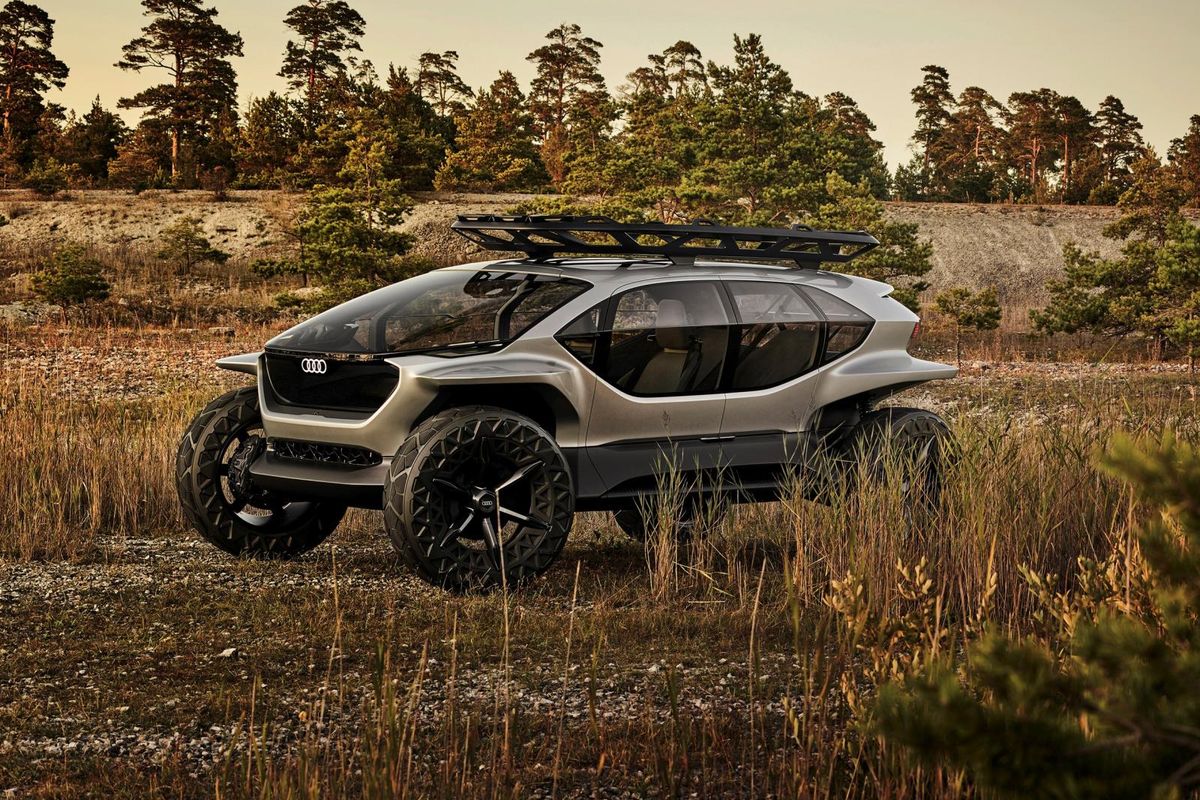
AI:Trail is Audi’s Off-Road Pod Racer

Audi’s future SUV is a combination of AI ability and completely repackaged passenger comfort.

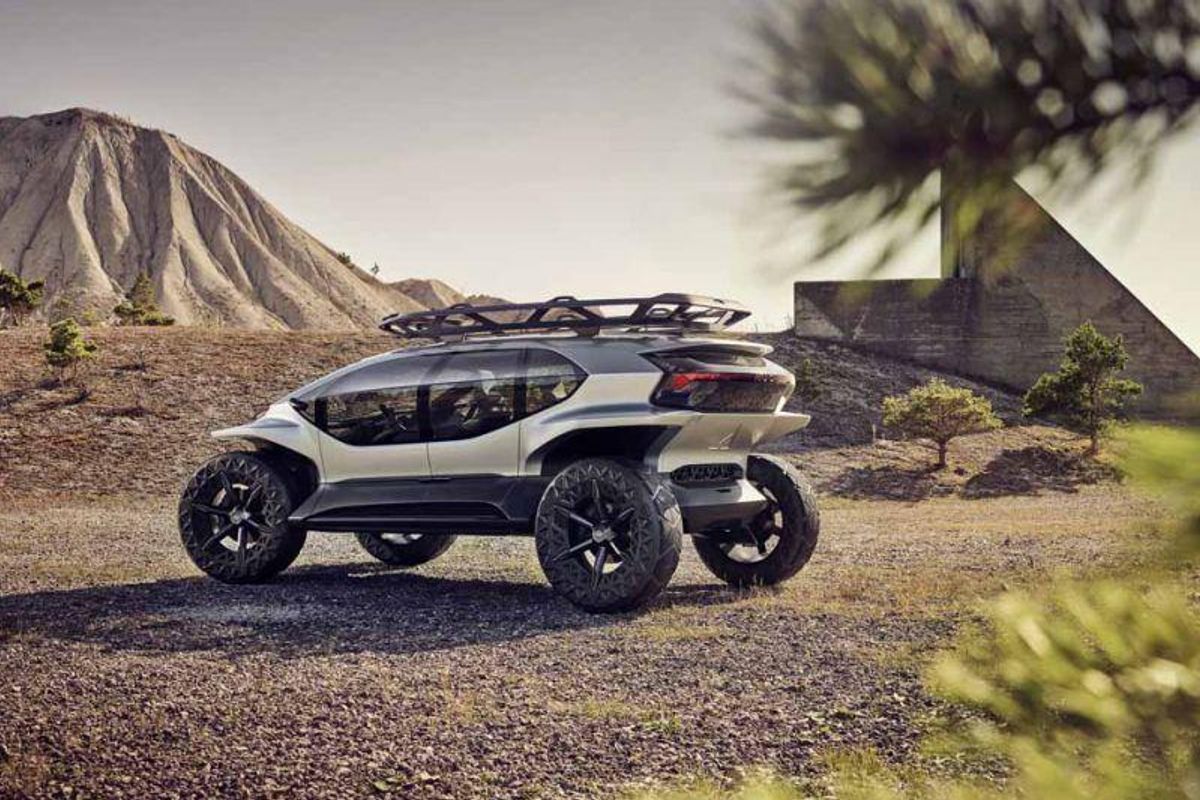
The brand’s AI:Trail is a vision of what Audis might look like a decade or more into the future when mobility behaviour starts tipping more toward autonomous pods than driven vehicles.

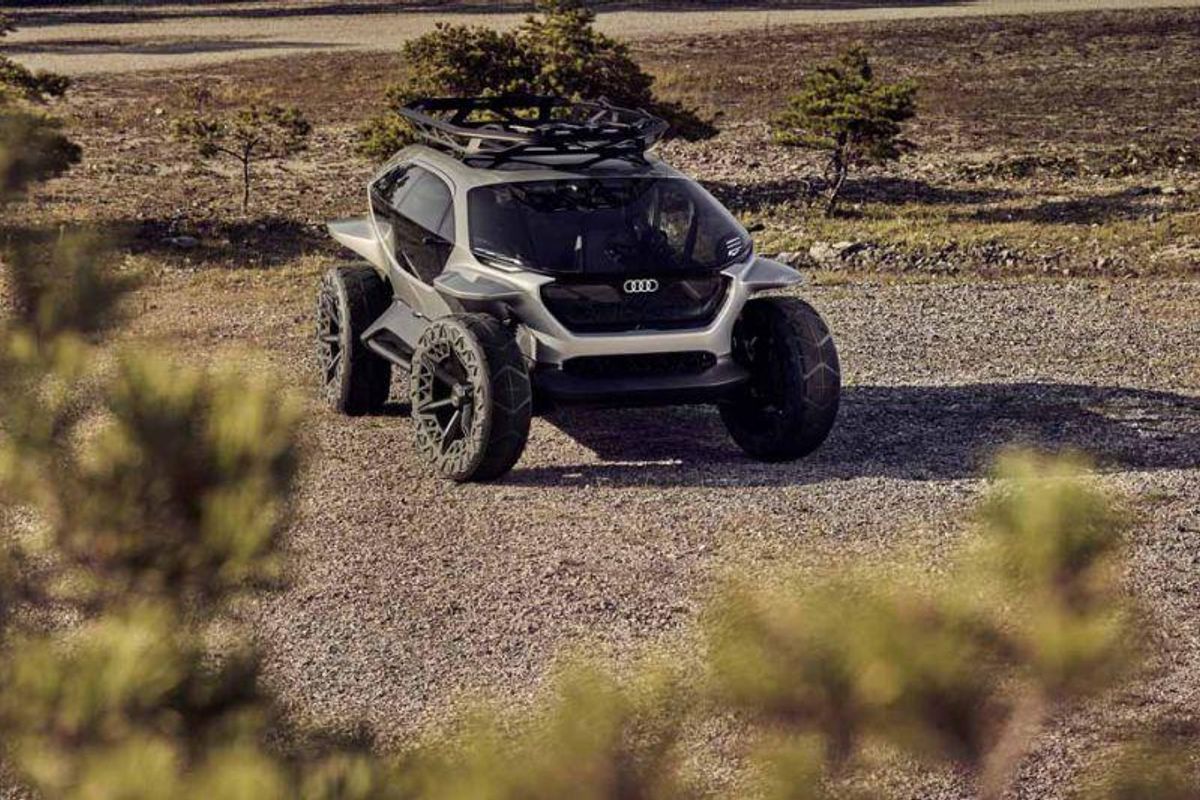
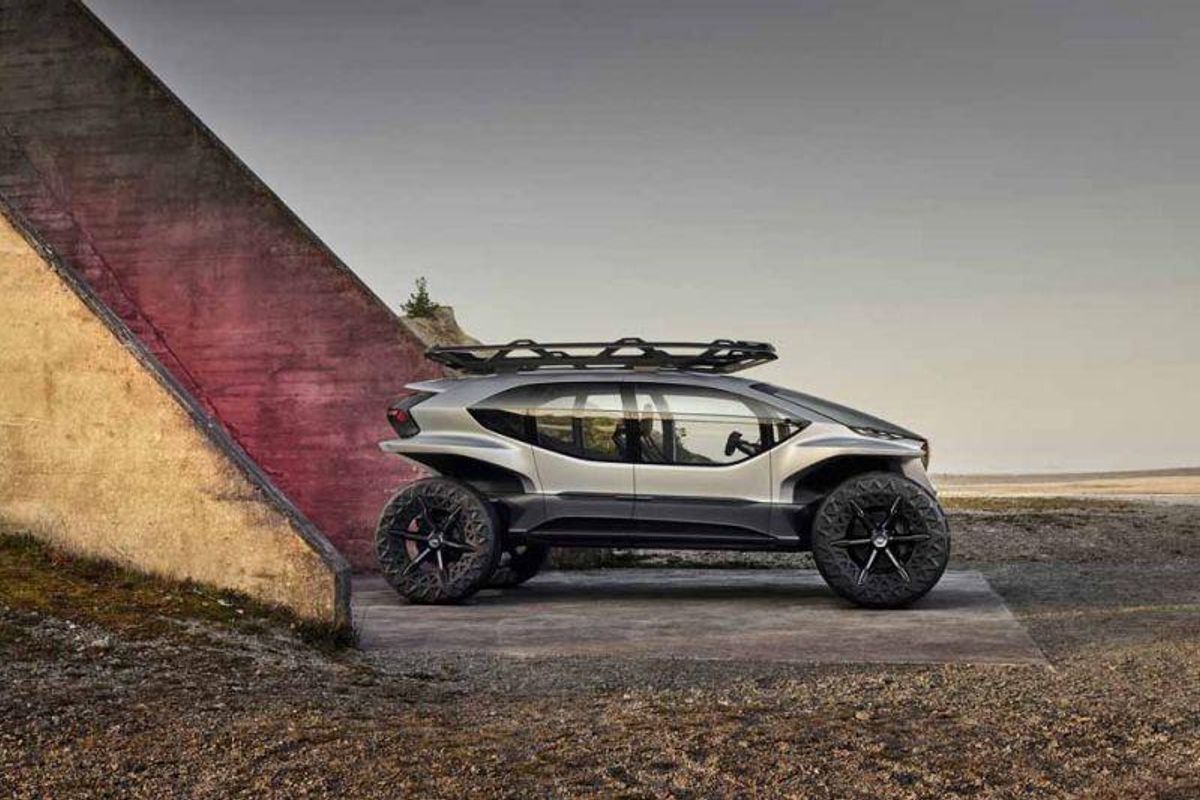
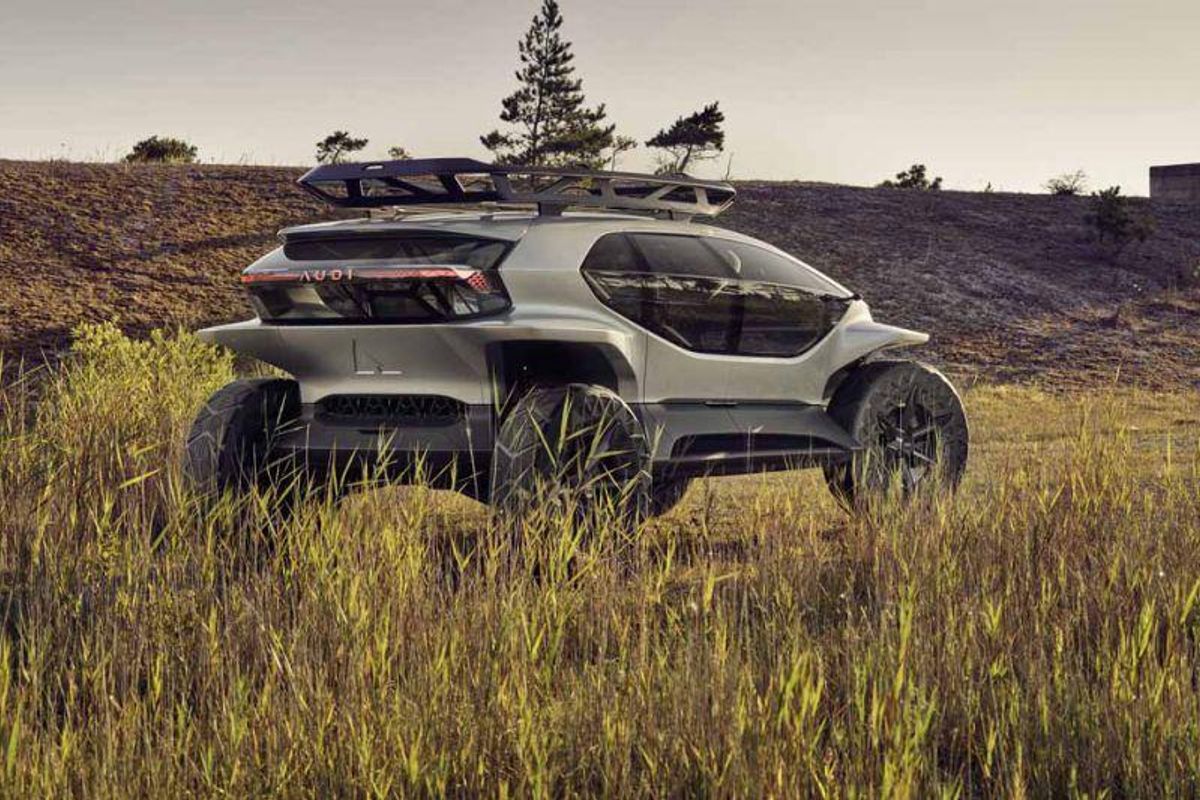
Audi sees this future as a design possibility where occupant comfort, instead of driver ergonomics, are the priority. As such, the AI:Trail features a large glass cockpit area and has proportions more akin to that of a transport pod than a conventional SUV.

In terms of dimensions this new concept is about Audi’s Q3-sized in length, but has a proportionally huge wheelbase, to ensure optimal cabin space.

To construct the AI:Trail concept Audi’s used different elements from the VW Group parts-bin. Its skateboard battery floorplan is sourced from VW’s new MEB platform, whilst the powertrain is a joint-venture PPE architecture, developed by Audi and Porsche.

The electric drive system peaks at 320 kW and 1 000 Nm, which is good for a top speed of 160 kph and on-road range of 400 km. In off-road conditions, Audi is claiming a driving endurance of 250 km.

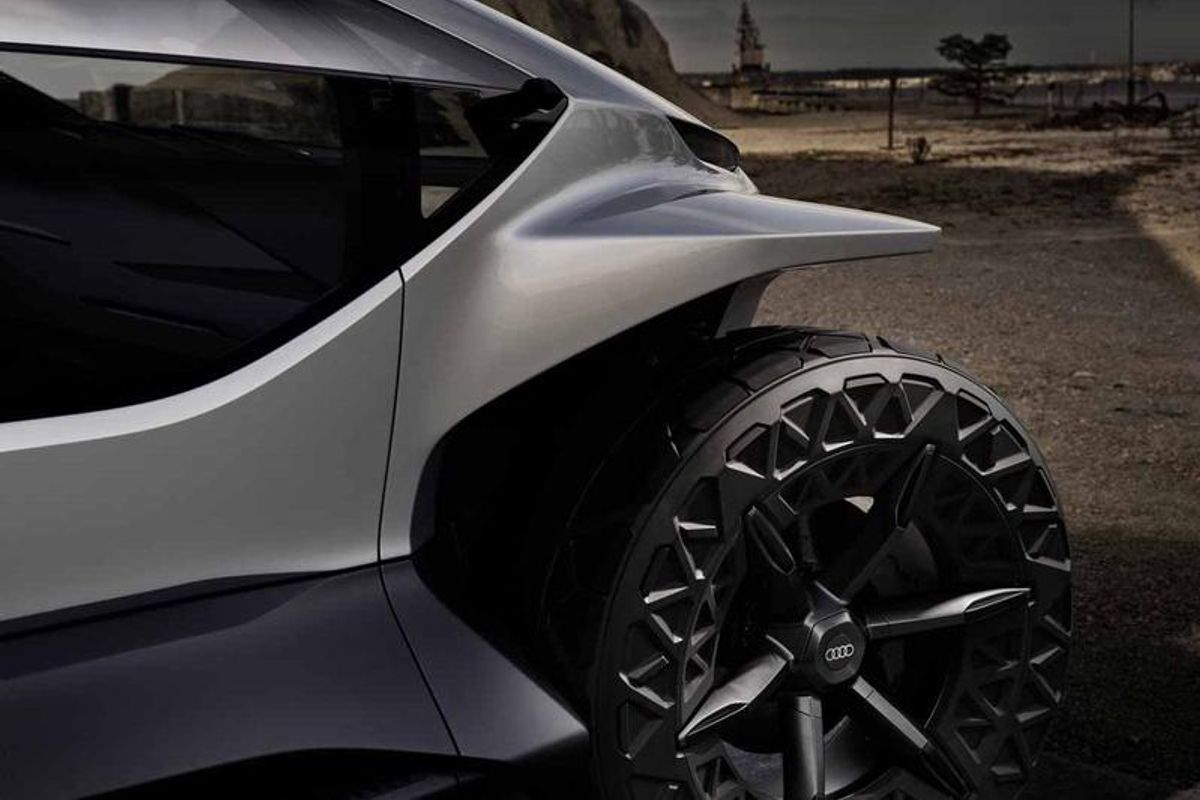
Audi’s AI:Trail concept also envisions level 4 driving autonomy and rolls experimental tyres which have a self-inflation function, capable of adding 60 mm of additional ground clearance or an elongated contact patch for superior off-road traction.

This AI:Trail’s off-roading potential is potentially remarkable with quattro electric all-wheel drive, 340 mm of ground clearance and a relatively low mass of 1 740 kg for the surplus of available power.

With its enormous greenhouse, Audi is illustrating that the SUVs of our future will enable you to see a lot more of the terrain and environment you are travelling over (and through) than before.

Related content

Volkswagen ID3 Goes Official

Citroën's 19_19 SUV Concept has 340 kW

Volkswagen Electric Dune Buggy Concept

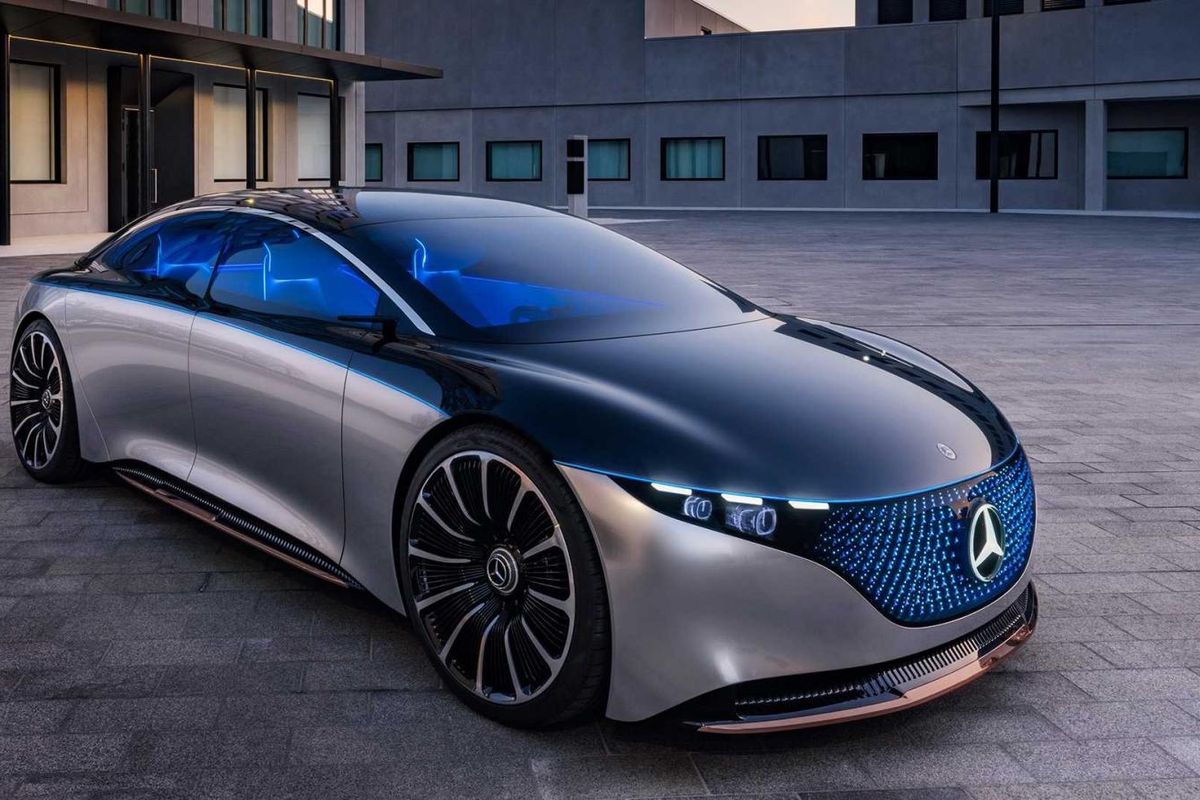
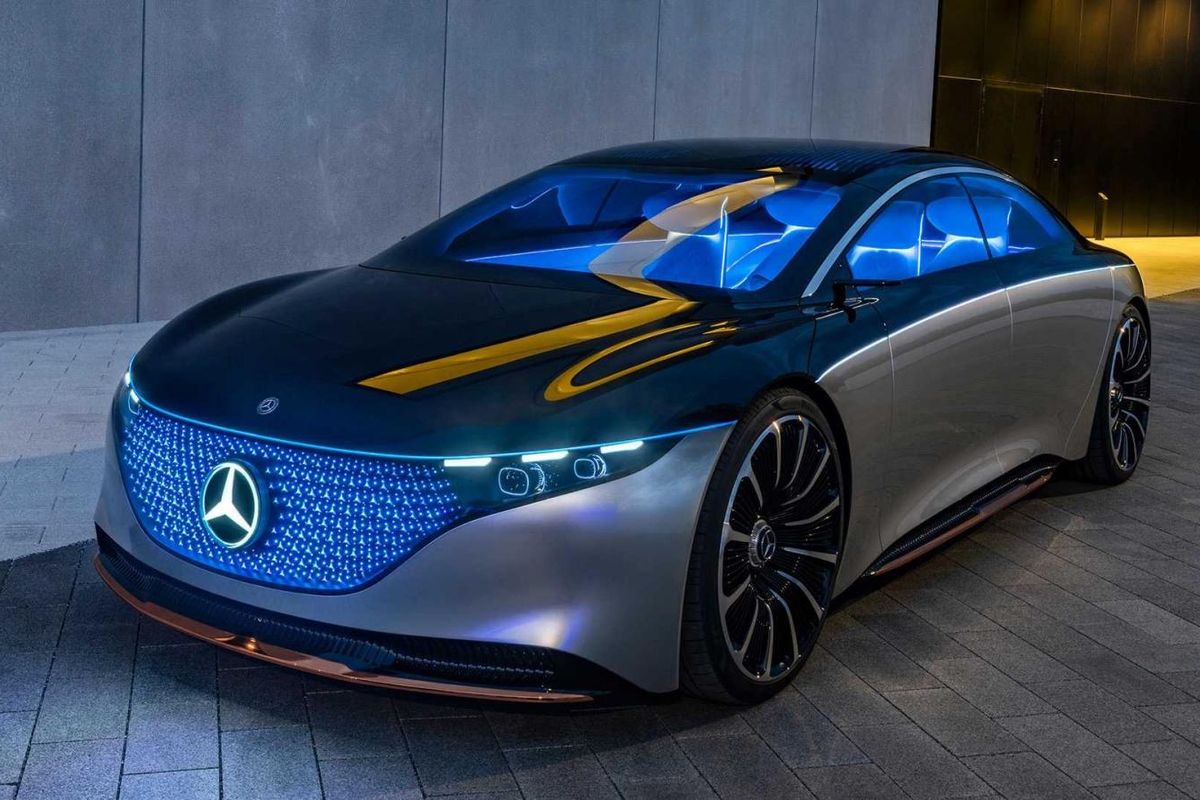
Mercedes-Benz Vision EQS Showcases Electric Luxury

The Vision EQS shows what the S-Class of the future might look like and we like it…

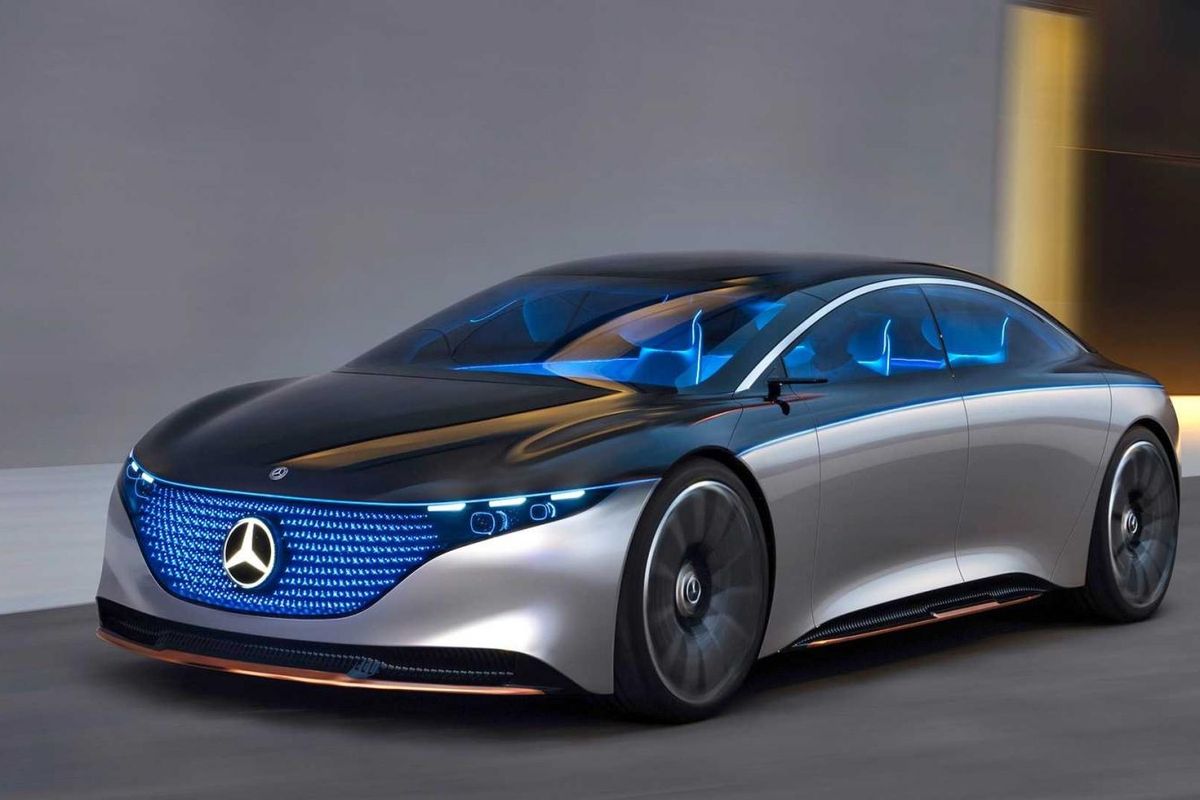
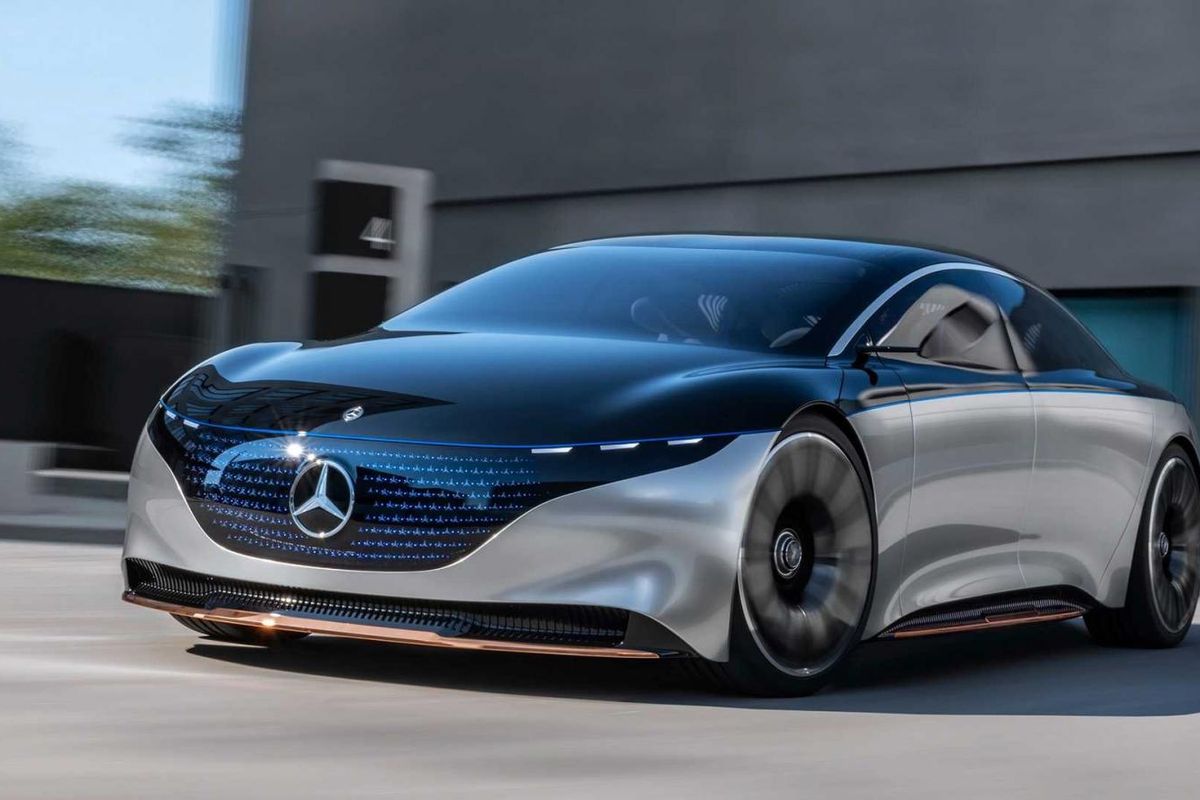
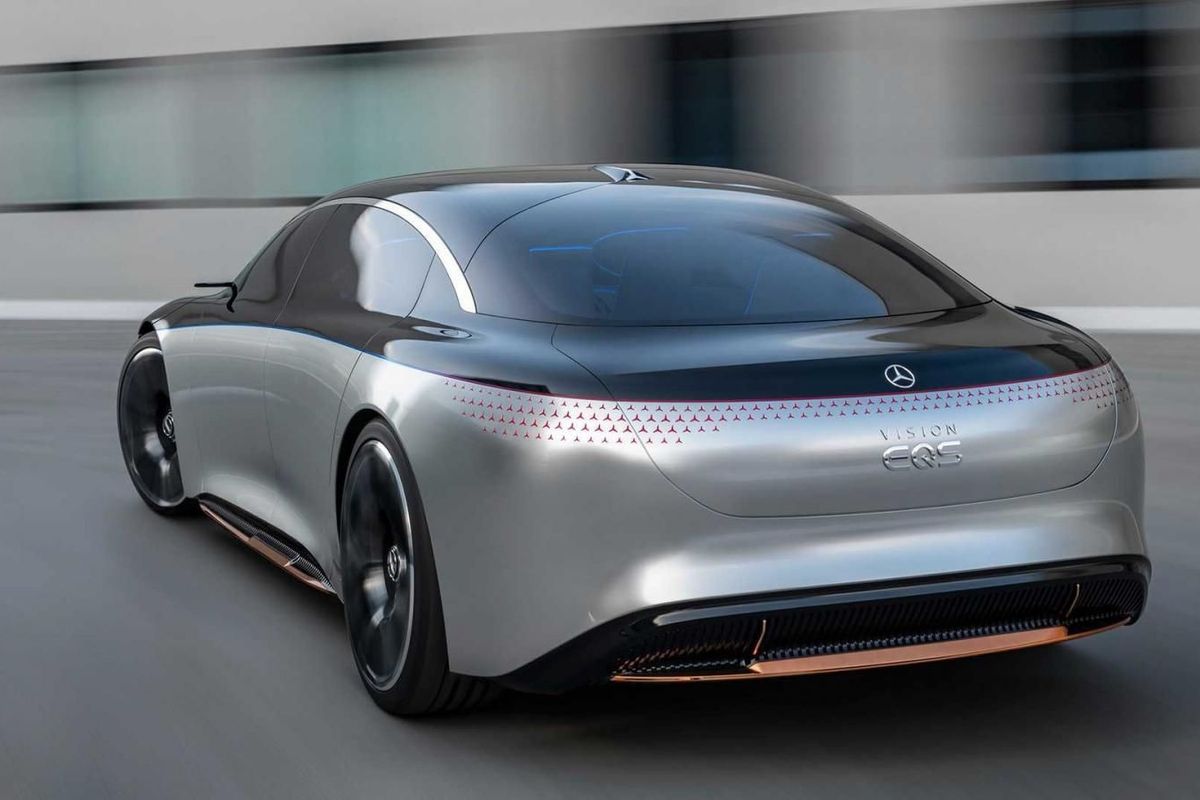
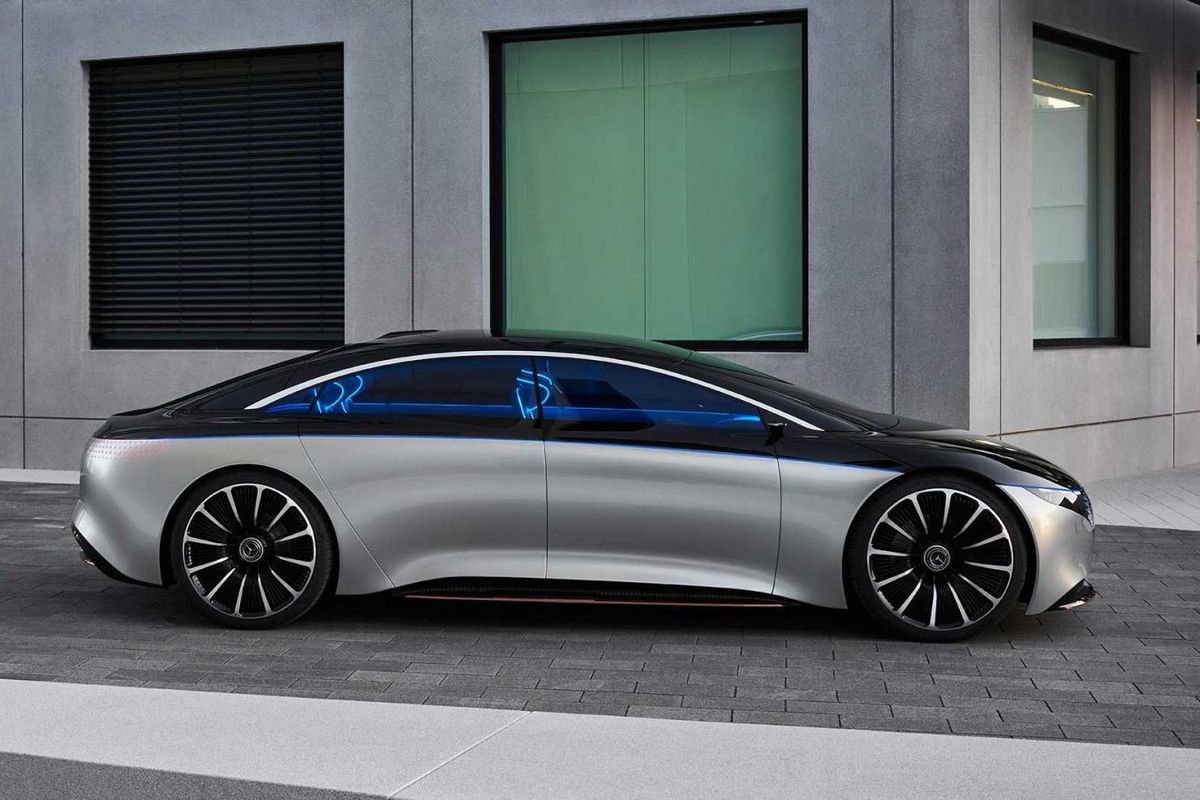
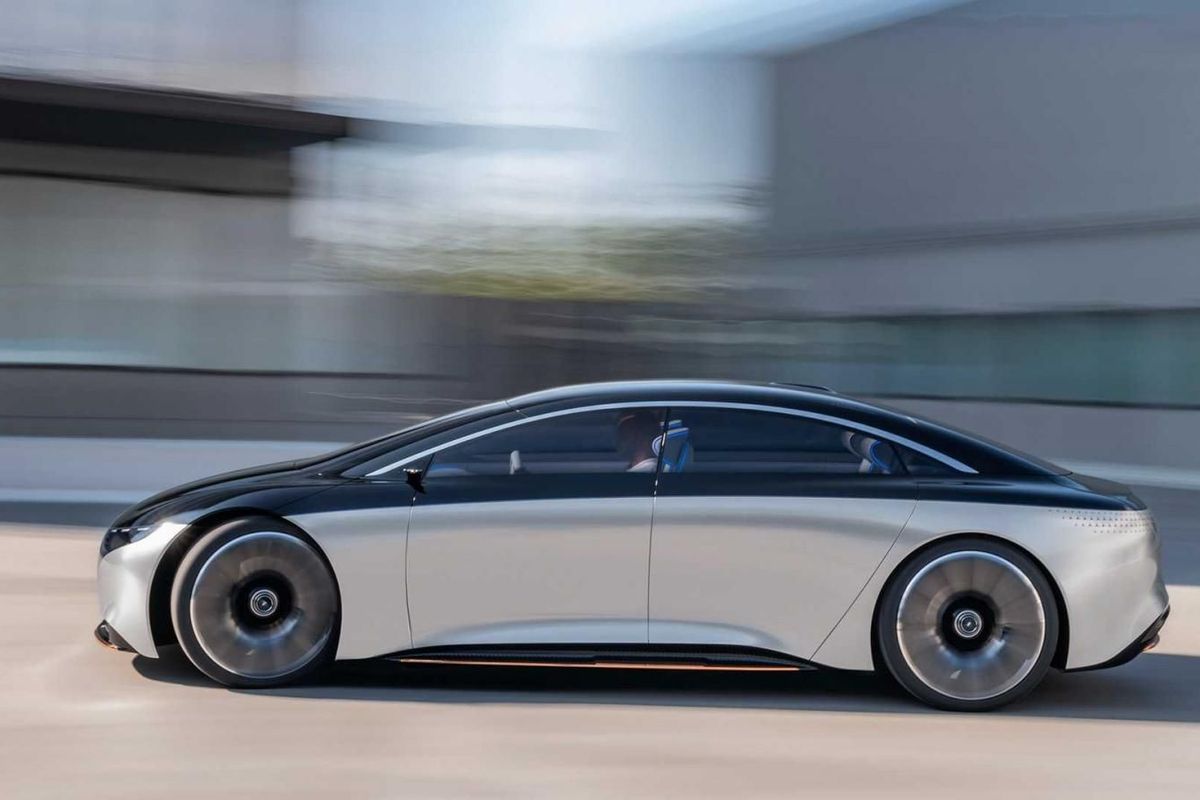
Mercedes-Benz is lighting it up at the Frankfurt Motor Show with its latest concept car, the Vision EQS, which points to a luxury electric sedan of the future. 

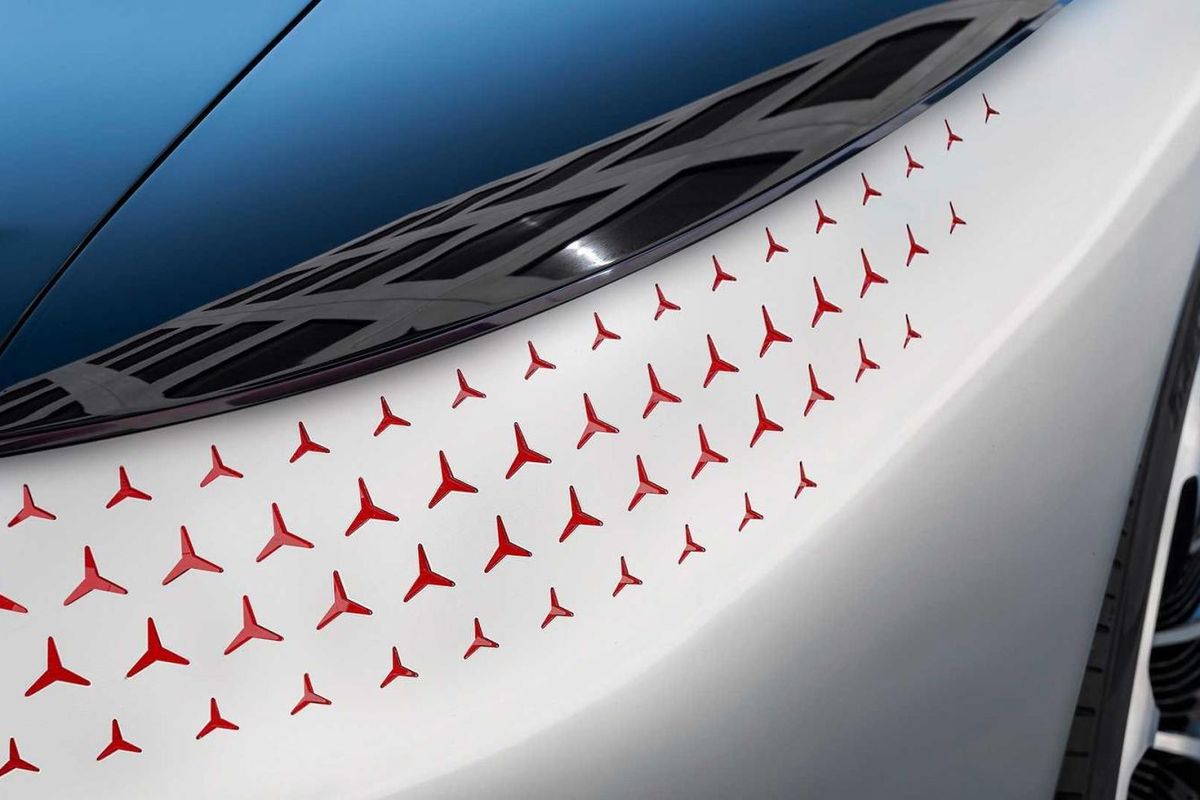
From the outside, the lighting looks mightily impressive. Note the “lightbelt” that runs the length of the bodywork as well as Digital Light headlights with 2 holographic lens modules which connect to the above-mentioned lightbelt. The grille incorporates 188 circuit boards with a total of 940 individual LEDs creating a 3D effect while 229 individual stars at the rear create a unique light band. The multispoke wheels measure 24-inches in size…


That's probably the biggest touchscreen we've seen in a car…

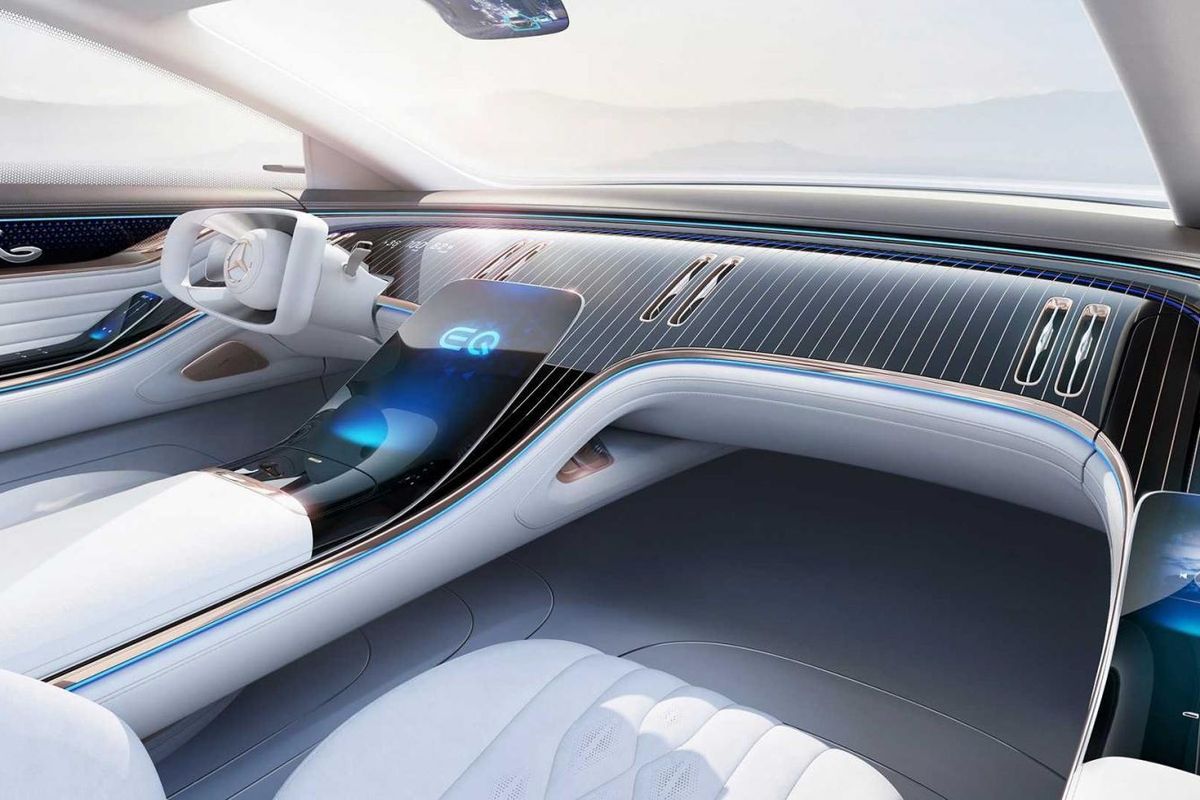
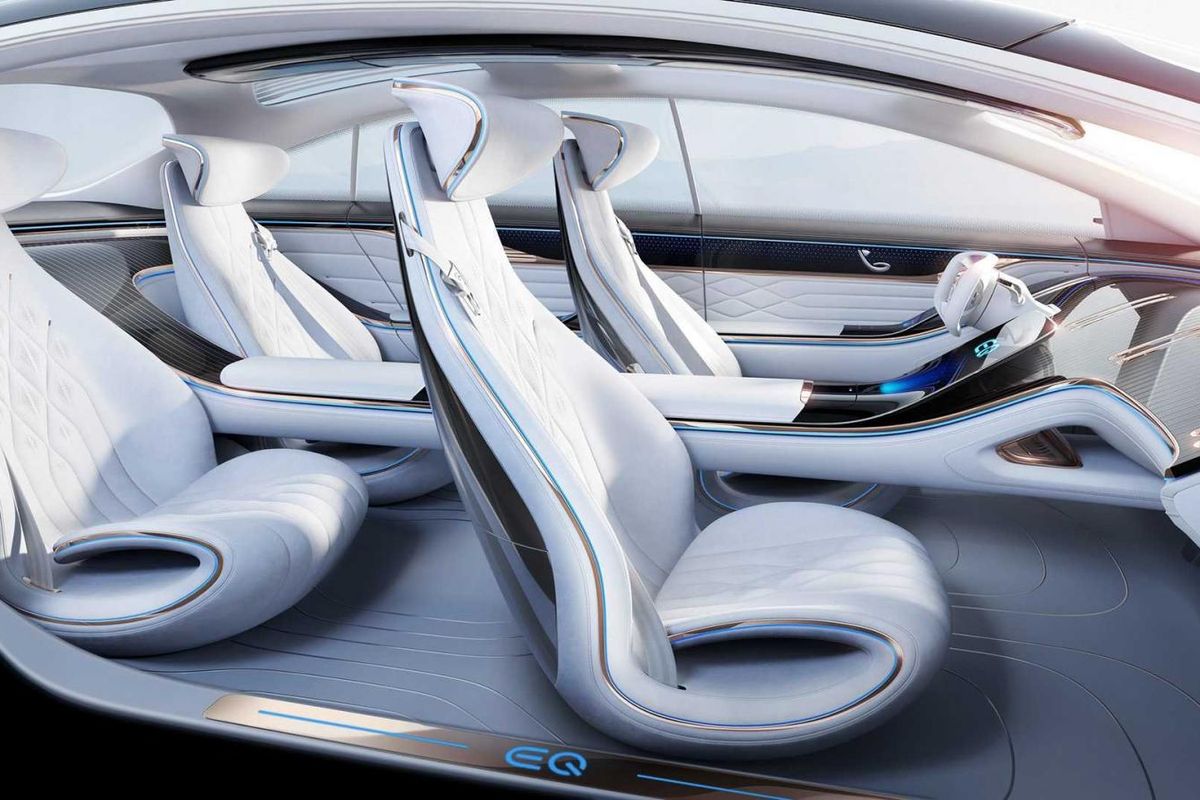
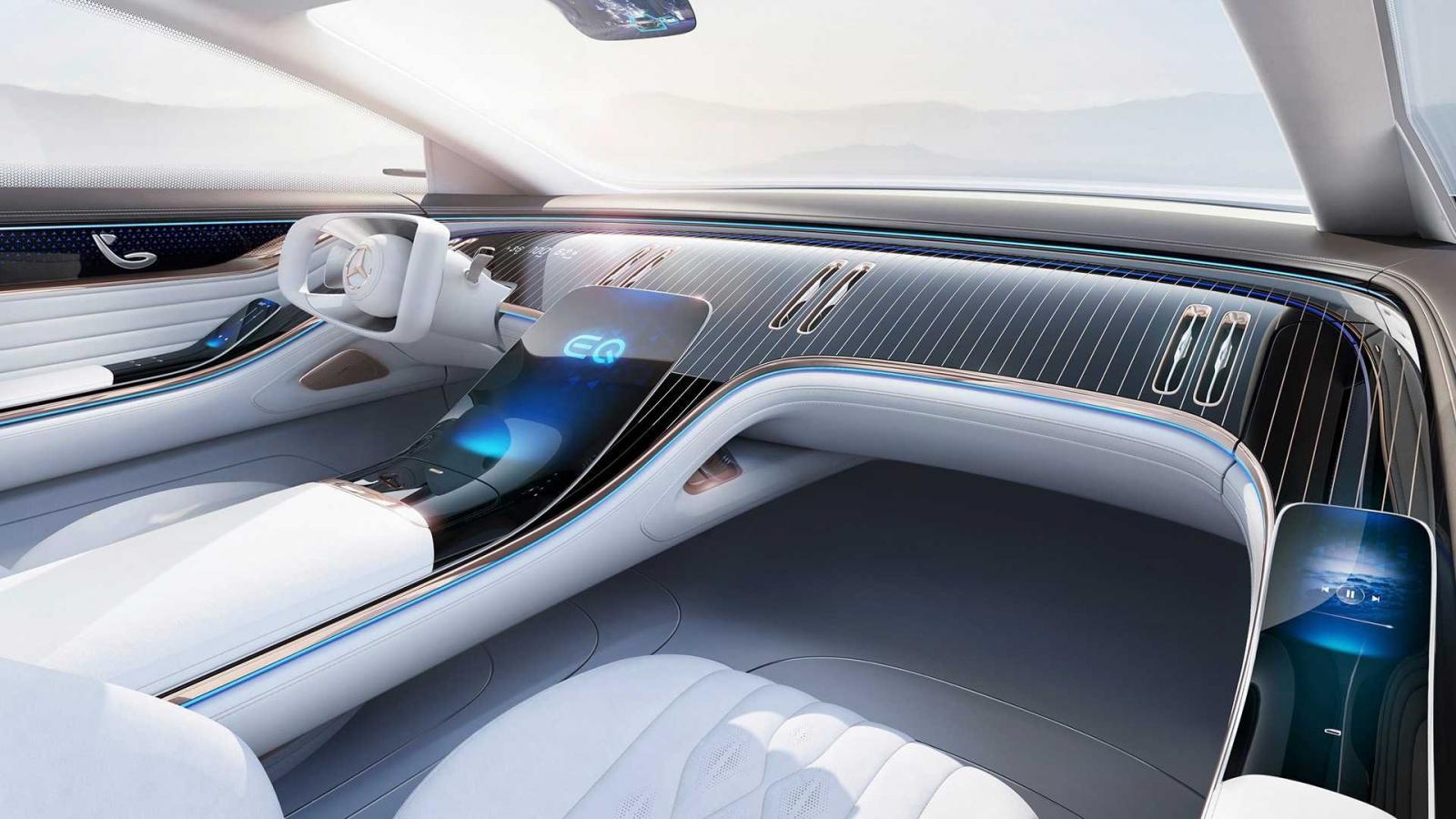
The interior draws inspiration from the world of yachts with a sculpted dashboard and centre console that houses an advanced version of Merc’s MBUX system on a large digital screen. It all looks very far-fetched… Nonetheless, it’s good to see the inclusion of sustainable materials such as Dinamica microfibre in crystal white and maple trim made from recycled PET bottles. Artificial leather is also used while the headliner is made from a textile derived from ocean plastic waste. 

Electric power 

The Vision EQS is an all-electric, all-wheel-drive concept with an electric motor over each of the 2 axles and with the battery integrated into the vehicle floor. Output is pegged at 350 kW with 760 Nm of torque available instantaneously. The sprint from zero to 100 kph is claimed at 4.5 seconds. The Vision EQS is also said to have a range of 700 km according to WLTP and can be 80% charged in only 20 minutes. More so, the vehicle supports the driver with Level 3 autonomy but can be extended to be fully autonomous in the future.  

Are you impressed by this Mercedes-Benz Vision EQS? Let us know in the comments below. 

Buy a new or used Mercedes-Benz on Cars.co.za

Related Content  

Mercedes-Benz GLB 35 AMG Revealed

Mercedes-Benz Reveals New GLE Coupe

Mercedes-Benz GLE (2019) Launch Review

Mercedes EQV is a Benz Battery Bus


Hyundai Announces i30 N Project C

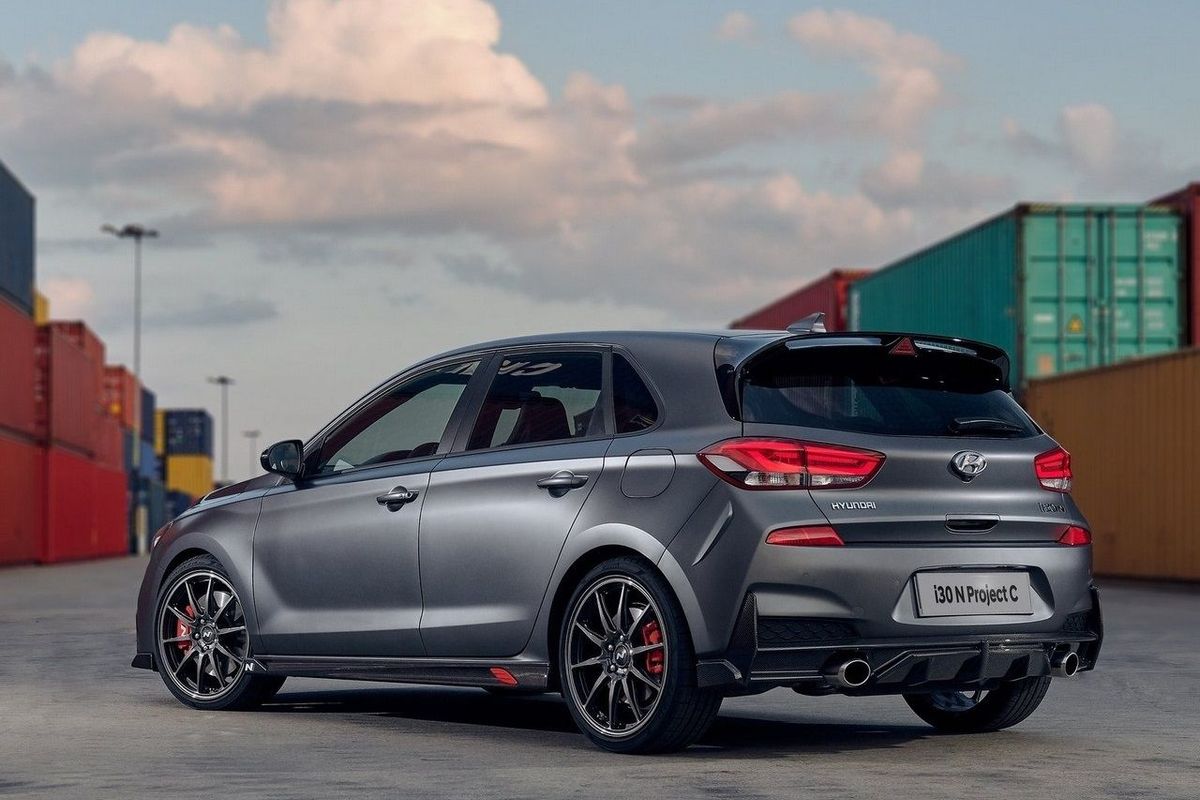
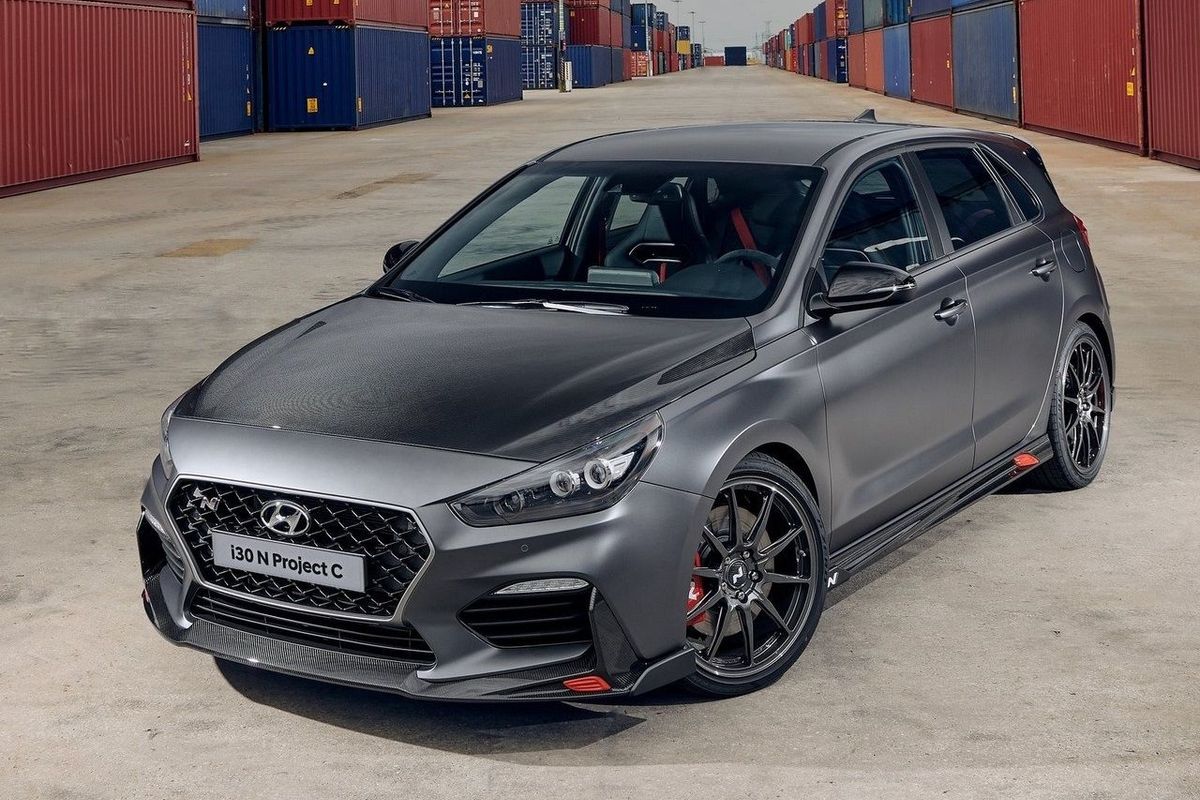
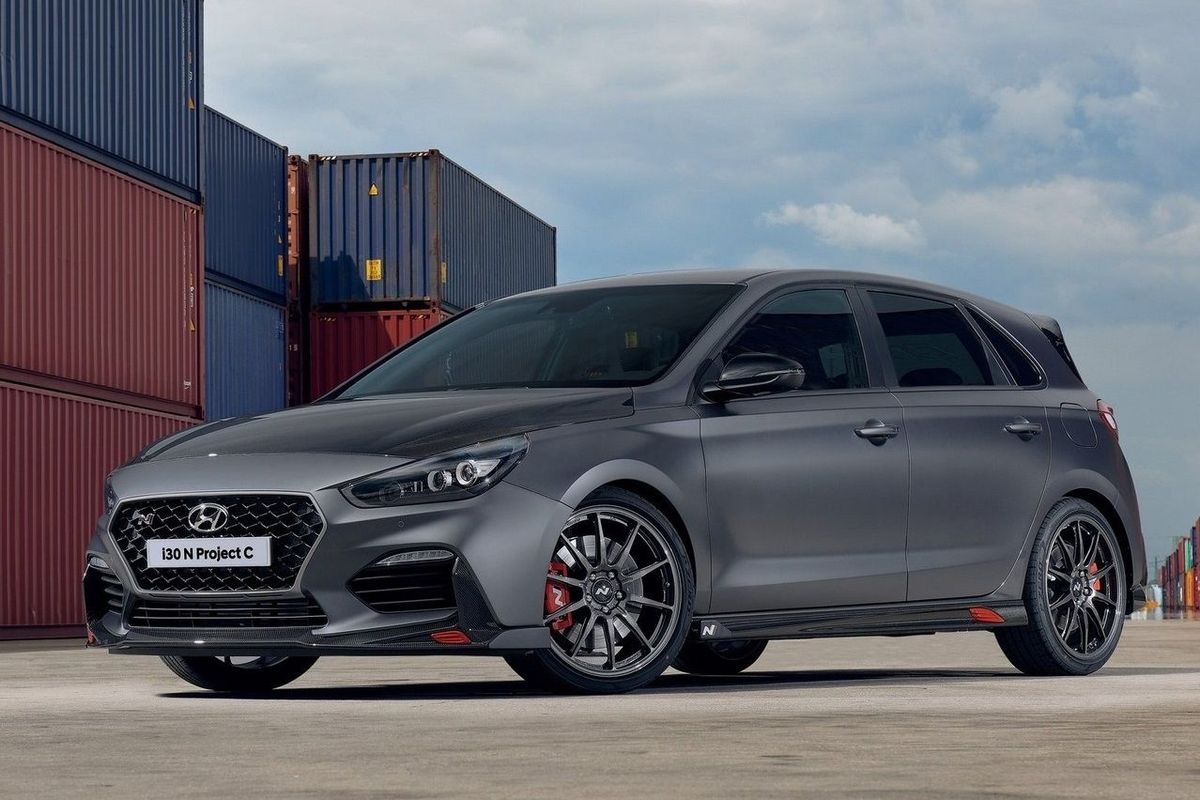
Hyundai has shown off a limited edition and more extreme version of its i30 N hot hatch. Meet the i30 N Project C which has just been revealed at the 2019 Frankfurt Motor Show.

As for the name, the Project C is named after "Area C" a testing area at Hyundai's Namyang Research and Development centre. The key changes are liberal uses of carbon fibre, 50 kg lighter than the standard model and it sits 6 mm closer to the road. There are also some visual changes, both inside and out. 

There is a carbon-fibre reinforced plastic (CFRP) front splitter, rear diffuser, bonnet and side sills which contribute to the weight reduction as well as add to the visual appeal. The striking 19-inch OZ Racing alloys also shave some weight off the overall mass of the car. The engine's outputs remains unchanged. Hyundai has given its new i30 N Project C an aggressive dark matte grey finish too.

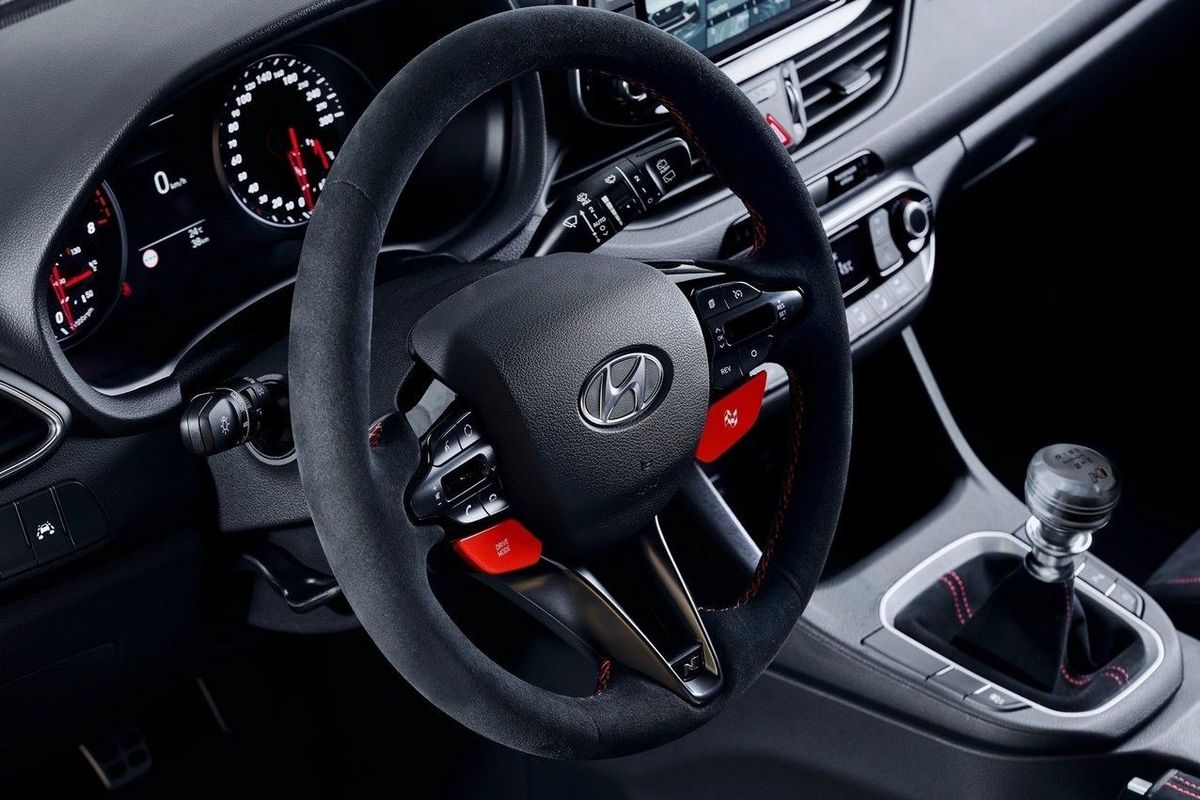
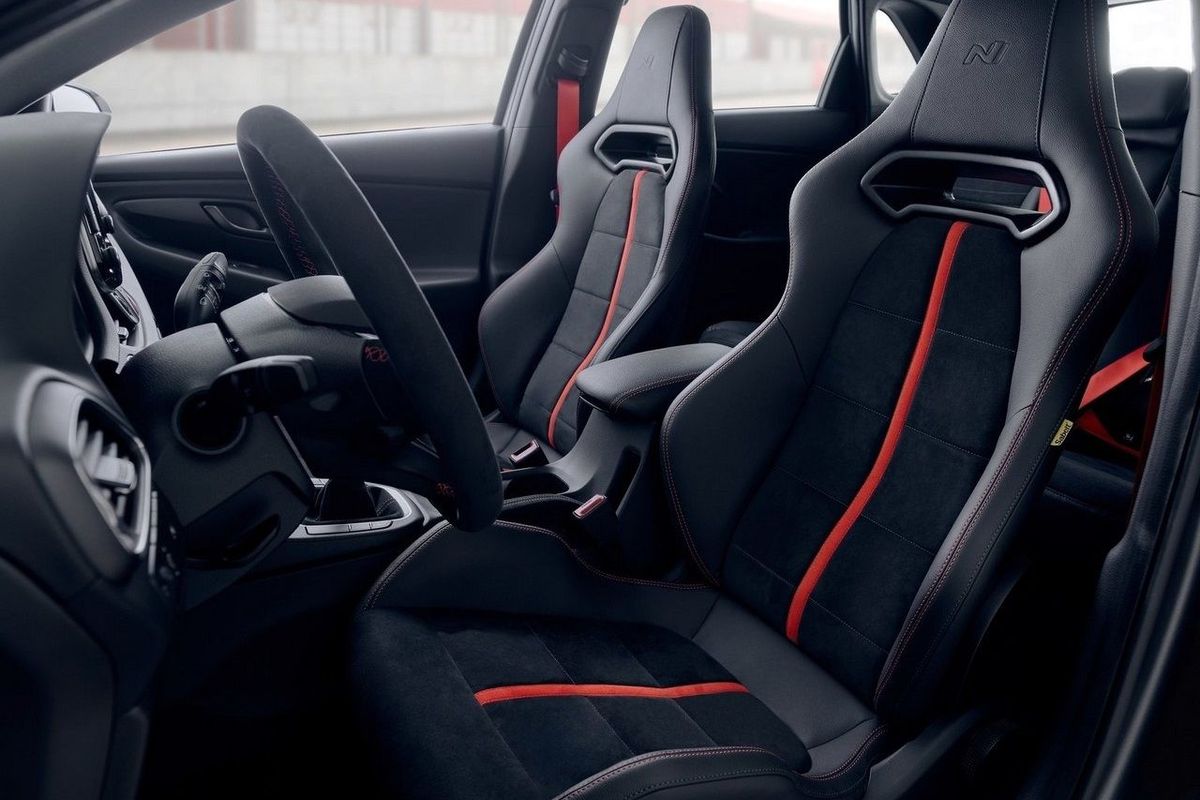
Inside, the Hyundai i30 N Project C gains alcantara detailing around the steering wheel, handbrake and gearshift lever. There are also new Sabelt bucket seats with Deep Orange stitching as well as Deep Orange finish on the drive mode and N mode buttons on the steering wheel.

"The i30 N Project C is the next emotional step in following the success of the i30 N, demonstrating that Hyundai is pushing the envelope even more to excite motorsport enthusiasts," says Thomas Schemera, Executive Vice President and Head of Hyundai Motor Group's Product Division. "With this limited edition, we have strategically reduced the weight of the car where it can help most, made its overall handling more immediate and optimised its design for even greater performance."

There'll be just 600 of these weapons and despite Hyundai SA confirming our market will be getting the i30 N, it's highly unlikely we'll get this iteration.

Further Reading

Hyundai i30 N Coming to SA in January 2020

Hyundai i30 N: 4 Rivals It Has To Beat

Hyundai i30 N (2018) International Launch Review