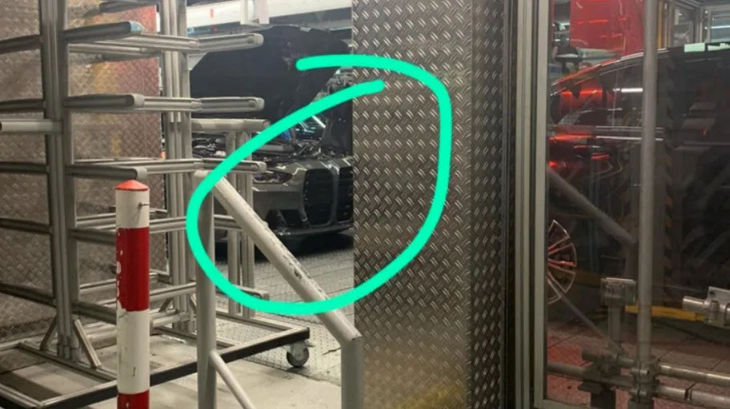
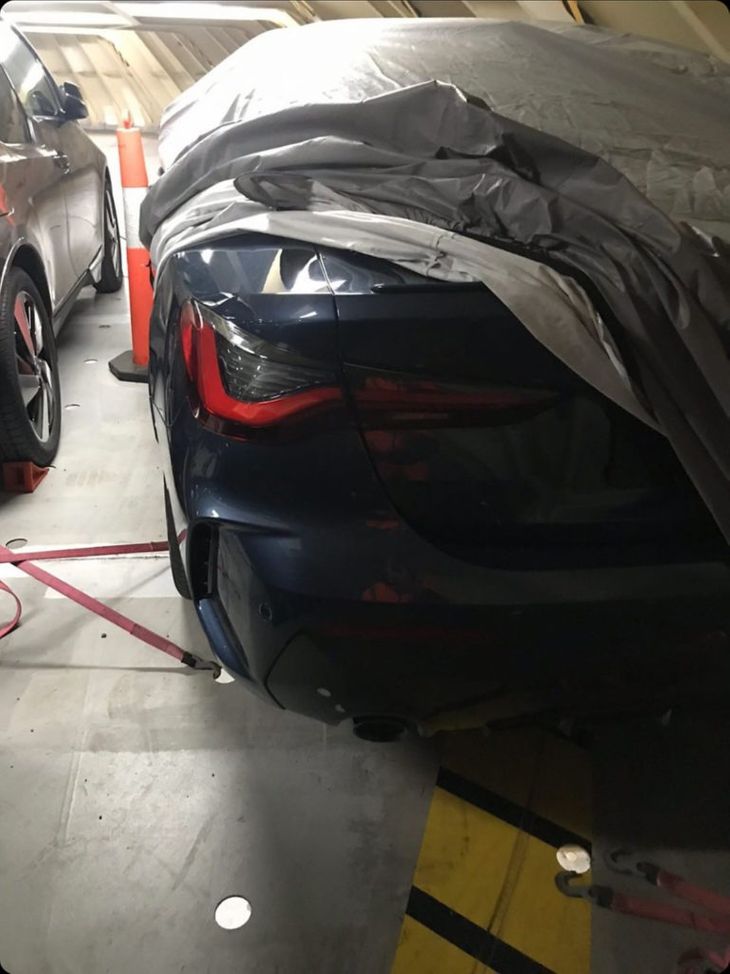
If you hoped the oversized double-kidney grille of the BMW Concept 4 would be discarded for the production version of the next 4 Series, look away now… Instagrammers have posted these images that show (ostensibly roadgoing) G22-generation BMWs with “large nostrils”!
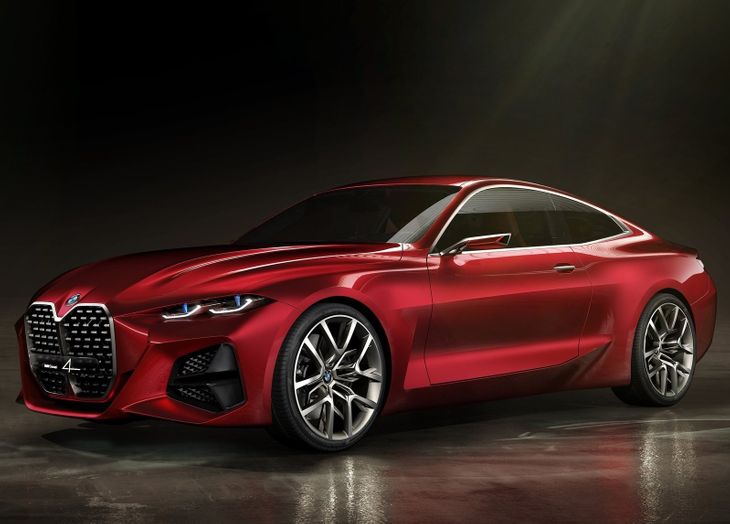
When the BMW Concept 4 was unveiled at the 2019 Frankfurt Show it sparked controversy. Purported to be “85% representative” of the production version of the G22-generation BMW 4 Series, the concept was generally applauded, but even the staunchest Bimmer enthusiasts took issue with the double-kidney grille that, apart from looking like the “kidneys” had virtually blended into one another, practically “bit chunks out of the lip of bonnet” and stretched all the way to the very bottom edge of the car’s bumper.
At the time, industry observers commented that even if the much-talked-about design cue would be carried over to a production version, it would be much less elaborate. After all, "where would one fit the front number plate?" Well, the answer is: in the middle of the grille; yesterday, Instagrammers Allcarnews and Wilcoblok posted these photos that show partially-uncovered BMW 4 Series derivatives and the evidence is damning: the next generation of the Bavarian brand’s business class coupe is indeed “big-nosed”.
From what we can see, the double-kidney grille isn’t as chiselled out (some might say chintzy) as the BMW Concept 4's, but it’s elaborate nonetheless. The sporty mesh design of the grille and sculpted bumper treatment suggests that the car (shown from directly in front) is an M Sport version such as the M440i xDrive or perhaps M440d xDrive!
If the M440i (the flagship until the M4 comes in 2021) is identical to its sedan sibling, it’ll be powered by a 3.0-litre straight-6 turbopetrol that produces 285 kW and 500 Nm of torque and drives all 4 wheels through an 8-speed sport automatic transmission. Expect a 0-100 kph time of 4.4 seconds and a fuel consumption figure of around 7.7 L/100 km.
It’s uncertain whether an M440d would be produced and, if so, whether it will come to South Africa, but we anticipate such a derivative would be powered by 3.0-litre turbodiesel that produces 240 kW and 700 Nm of torque (it would also be 4-wheel-driven and be mated with an 8-speed auto. Reportedly supported by a 48V electrical system, which gives the car mild-hybrid ability, an M440d XDrive should be capable of hitting 100 kph from standstill in 4.6 seconds and consume an average of between 5.3 and 5.7 L/100 km.
BMW sought to strongly differentiate its 3 Series sedan and its coupe-, convertible- and gran coupe variants when it launched the 4 Series. For the next iterations of the 4, the headlamp treatment is even more distinctive – they’re slimmer and more upwardly angled, while at the back, designers took their cue from the 8 Series’ ornate tail-lamp design.
The 2nd-generation BMW 4 Series Coupe should be unveiled around mid-year. Could it be launched in South Africa before the end of 2020? We’ll keep you posted!
2019/20 Cars.co.za Consumer Awards – Powered by WesBank
The 39 finalists (3 in each of 13 categories) of the 2019/20 Cars.co.za Consumer Awards – powered by WesBank have been announced. They were selected out of 65 vehicles that Cars.co.za’s extended editorial team agreed were the best derivatives available in the South African new passenger vehicle market on 1 September 2019.
The #CarsAwards – now in its 5th year – was conceived to be South Africa’s definitive automotive awards programme and it has steadily grown in stature, reach and influence with the support of WesBank, South Africa’s largest vehicle finance provider. The 13 category winners and Brand of the Year recipient will be announced at a glittering awards ceremony in Johannesburg in February 2020.
Watch the #CarsAwards event live from 7:30pm 6th February 2020
VW again leads the field, but 1st appearance for Haval
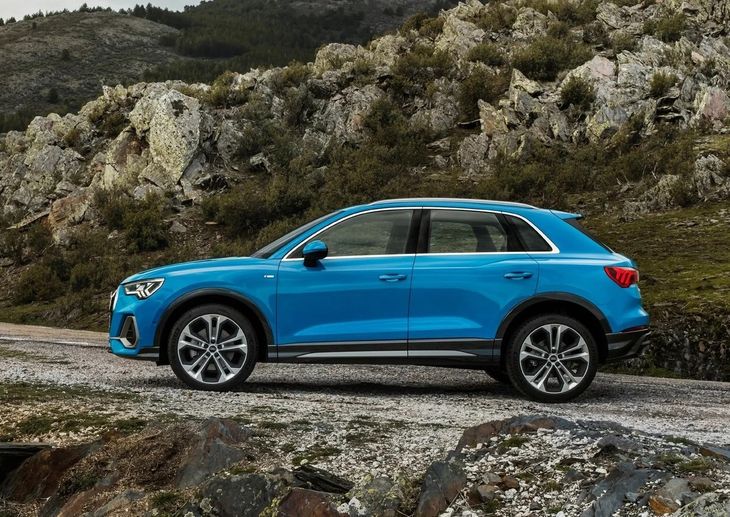
To determine the finalists, Cars.co.za’s extended editorial team trimmed the list of semi-finalists from 5 to 3 contenders per category by scoring each of them against specific pillars of success. As a result, 17 brands are represented in the list of finalists, with Volkswagen leading the nominations with 7 derivatives, followed by BMW, Ford and Toyota (4 apiece), Mazda and Suzuki (3 apiece).
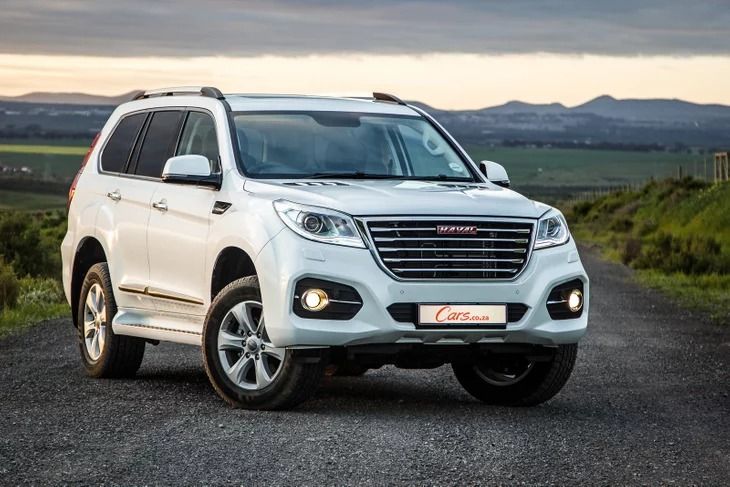
Having previously made the semi-finals of the #CarsAwards with its H2, Haval has gone one better with its H9 adventure SUV.
Significantly, fledgling Chinese SUV brand Haval makes its first appearances in the final stage of the #CarsAwards, while Jaguar and Land Rover return to the list after failing to make the last round in 2018/19.
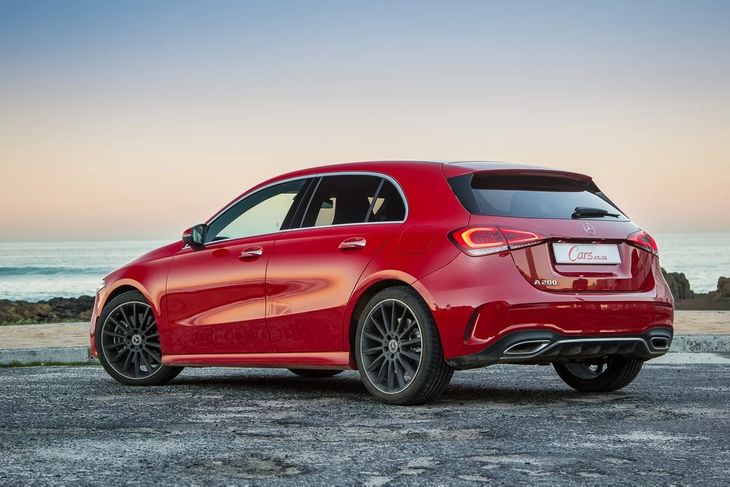
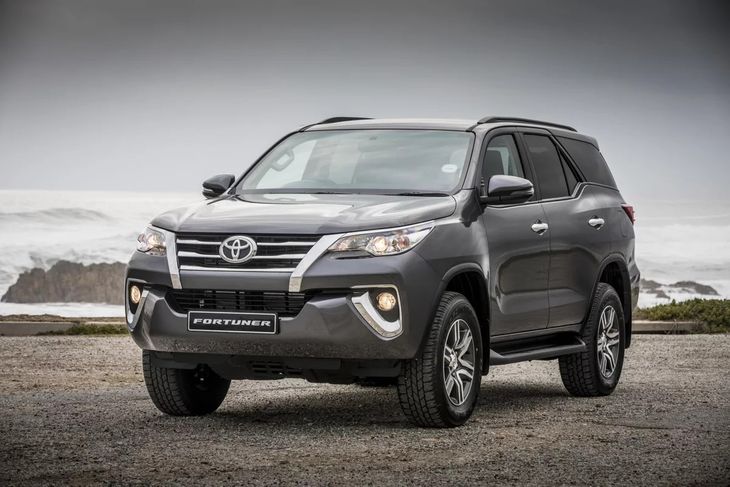
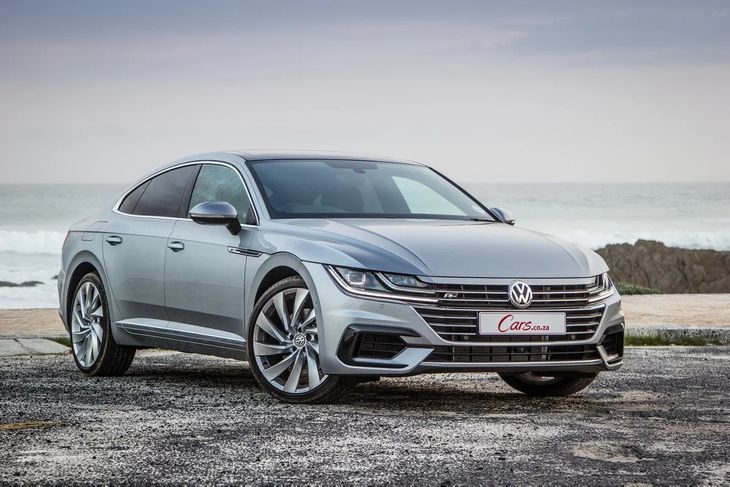
Because candidates were selected from the entire new passenger-vehicle market (as opposed to only models launched during the past 12 months), there are eight defending category winners among the finalists, including the Mercedes-Benz A-Class, Toyota Fortuner, Volvo XC60, Volkswagen Polo, Amarok and Arteon, Range Rover Velar and Suzuki Swift, although in the case of the latter two, in different derivatives to last year.
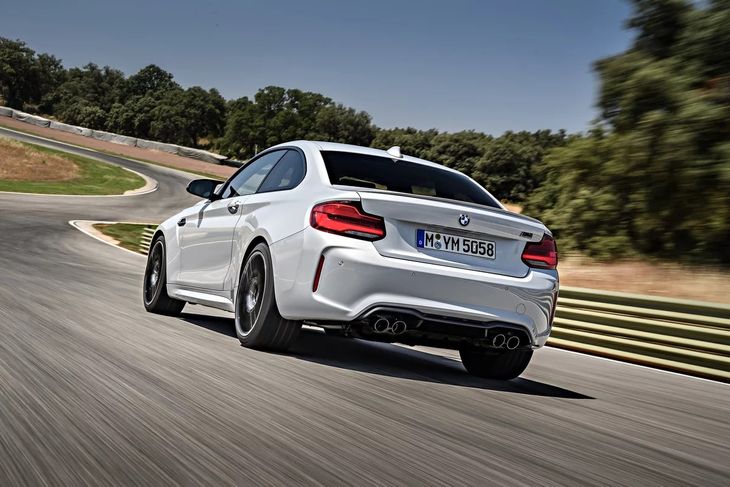
A total of 16 finalists from last year’s programme will return for another round of judging in the 2019/20 programme, including the BMW X3 xDrive20d M-Sport, Mercedes-Benz C300 AMG Line and Volkswagen Golf GTI. There also different (or updated) versions of the BMW M2, Ford Everest and Fiesta, Mazda2, Volkswagen Polo Vivo and Volvo XC40.
2019/20 #CarsAwards finalists in the 13 categories are (click on the headings for details on the categories and finalists):
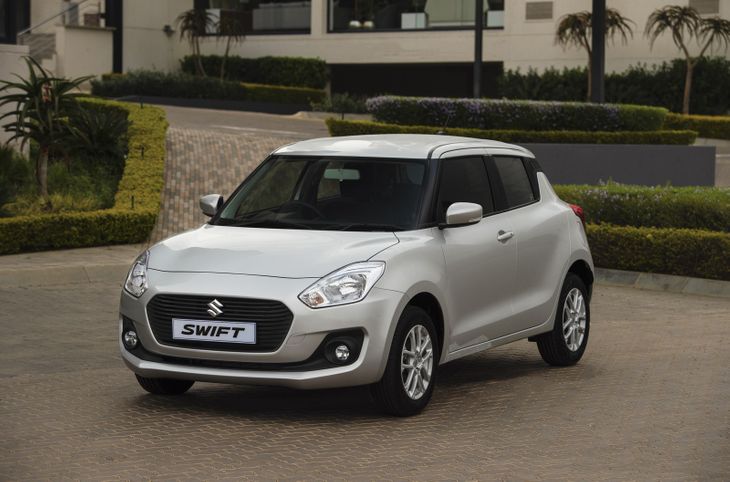
Will the Suzuki Swift defend its title in the Budget Car category with its recently-launched 1.2 GLX derivative?
The next phase of the programme will take place on October 31 and November 1, when all the finalist vehicles will be judged back-to-back (against the rivals in their categories) during a 2-day test session at Gerotek by a diverse judging panel, which includes the experienced motoring journalists of Cars.co.za’s extended editorial team, plus 14 respected and influential guest judges with a broad base of expertise.
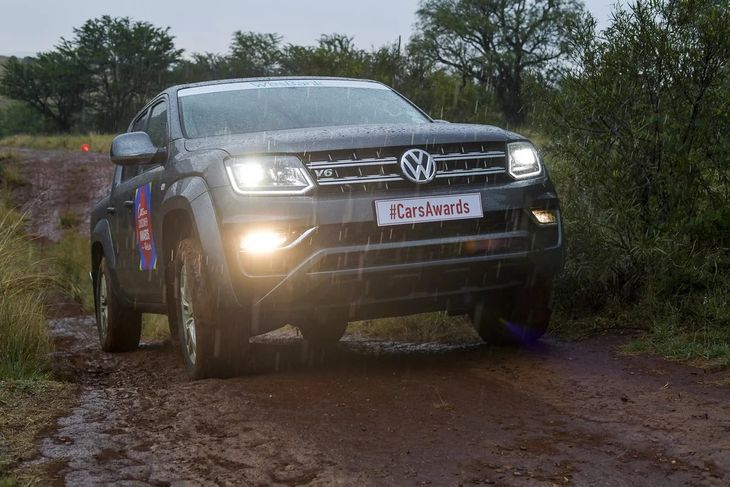
The 21-member combined judging panel will put the finalists (including the Volkswagen Amarok) through their paces at Gerotek.
However, the findings of the 21 judges will only count for half of the finalists’ total scores – the remaining 50% will be based on rankings that the respective vehicles’ brands achieved in the Cars.co.za Ownership Satisfaction Survey, which is conducted in partnership with leading data specialists Lightstone Consumer. The data incorporates feedback from thousands of vehicle owners, based on their experiences of their own vehicles, which are less than five years old and serviced through franchised outlets.
“The #CarsAwards is designed to be a guide for all new passenger vehicle buyers, not only those who follow motoring publications,” says Cars.co.za Consumer Experience Manager Hannes Oosthuizen. “With 50% of the final scores determined by brands’ rating in the survey, a vehicle only really stands a very good chance of winning if it is a good product in the eyes of the judges and if its brand delivers solid after-sales service.
In the 2018/19 programme, the experiences and perceptions of South African vehicle owners determined the final outcomes of 5 of the 13 #CarsAwards categories. And, importantly, their feedback will completely determine the 2019/20 Brand of the Year, which has been won by Toyota and Suzuki before (each of which has won it twice). SA’s best brands for after-sales service. Have your say…
To access more information about the programme (including categories, judges and finalists) visit http://www.carsawards.co.za
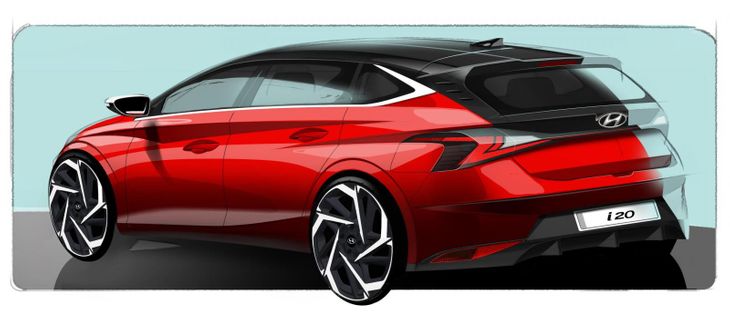
Hyundai will unveil the next-generation i20 at the upcoming Geneva Show and the firm has released a pair of imaginative design sketches to whet our appetites. It’s touted to be the first hatchback to incorporate the Hyundai's new “Sensuous Sportiness” design language…
The current i20 compact hatchback is a perennial sales success for Hyundai South Africa but, by virtue of being in the twilight of its product cycle, it's one of the Korean brand’s most conservative offerings, well, at least compared with its newer models. Owing to the fact that we get the Indian-market version in South Africa, instead of the European model, the derivatives in Mzansi are more moderately equipped to cater specifically for the value-for-money/mid-spec light hatchback market.
Should you expect more of the same? While these design sketches do seem fanciful and overblown compared with what we’ll find in showrooms when the newcomer arrives on our shores, but they suggest that the next i20 won’t just be a modernised version of what we have now; it will showcase the brand's “Sensuous Sportiness” design language, which combines “proportion, architecture, styling and technology” to “bring instinctive beauty to Hyundai(s)" by "creating emotional value and (producing) a distinctive look”.
From the front, the dominant design cue of the all-new i20 is ostensibly a cascading grille and (markedly) upwardly-contoured bonnet, while the swept-back headlamp clusters and bold character lines on the flanks emphasize the car’s sporty proportions and hunkered stance. The second image highlights a rear aspect dominated by ornate C-pillar garnishes and LED tail lamps with Z-shaped lighting elements, which are, in turn, linked by a pronounced lip midway up the tailgate. It's a tantalising prospect…
The newcomer’s interior is left up to the imagination… Hyundai claims the dashboard features “horizontal blades” that “emphasise the width of the fascia and disguises the air vents”. Keeping with the trend of increasingly-digital interiors, the instrument cluster and infotainment screen “have been combined” and comprise two 10.25-inch screens.
Earlier this week, we published spy photographs of a pre-production i20 undergoing winter testing. The current version is powered by either a 1.2- or 1.4-litre naturally aspirated engine, but we wouldn't be surprised if the 88 kW/172 Nm 1.0-litre turbocharged 3-cylinder motor from the Venue and Kona made an appearance in the new i20. If so, it would mark two firsts for the Hyundai's Volkswagen Polo-rival in South Africa: a turbopetrol motor and a dual-clutch transmission (in 1.0-litre automatic guise).
And keeping with the sportier and dynamic theme, with the imminent local launch of the eagerly-anticipated Hyundai i30N hot hatch, these sketches of a sportier and dynamic next-generation i20 raises hopes that an i20 N derivative might eventually be offered in South Africa, replete with sporty suspension, race suspension, stronger brakes and a purposeful body kit. If rumours are to be believed, the i20N will be powered by the Veloster Turbo's 150 kW/265 Nm 1.6-litre 4-pot turbopetrol.
We don’t yet know when the new-generation i20 will be made available in South Africa, but we don’t expect to see it here before late 2020 or early in 2021….
How to Follow the 2019/20 #CarsAwards Powered by WesBank
It’s #CarsAwards week and together with South Africa’s leading vehicle financing powerhouse, WesBank, we are excited to bring you the 5th iteration of the Cars.co.za Consumer Awards powered by WesBank! Here is what you need to know to follow all the action as it unfolds…
The #CarsAwards is the largest and most influential awards event on the motoring calendar in South Africa. The 2019/2020 iteration of the Cars.co.za Consumer Awards powered by WesBank will culminate in the announcement of the winners across 13 categories as well as the announcement of the coveted Brand of the Year, all of which will take place at the #CarsAwards gala event to be held at Kyalami Grand Prix Circuit this coming Thursday, 6 February 2020.
South African TV presenter, media personality and businesswoman, Bonang Matheba, will be the MC at #CarsAwards
The gala event will be attended by industry heavyweights, OEM and sponsor representatives, local media houses and various South African celebrities including Bonang Matheba, who will be this year’s Master of Ceremonies, joined by guest presenters Lalla Hirayama, Maps Maponyane, Ms Cosmo, Nico Panagio and many, many more…
The #CarsAwards powered by WesBank is an event not-to-be-missed! Here's how you can follow all the action…
How to follow and watch #CarsAwards
1. Watch the live stream on the Cars.co.za YouTube channel (See below)
You can also set a reminder by clicking play on this video which will notify you again when the event starts on Thursday.
4. Follow the #CarsAwards hashtag on all our social channels
Please feel free to engage with us across all our social media channels, see you there and enjoy!
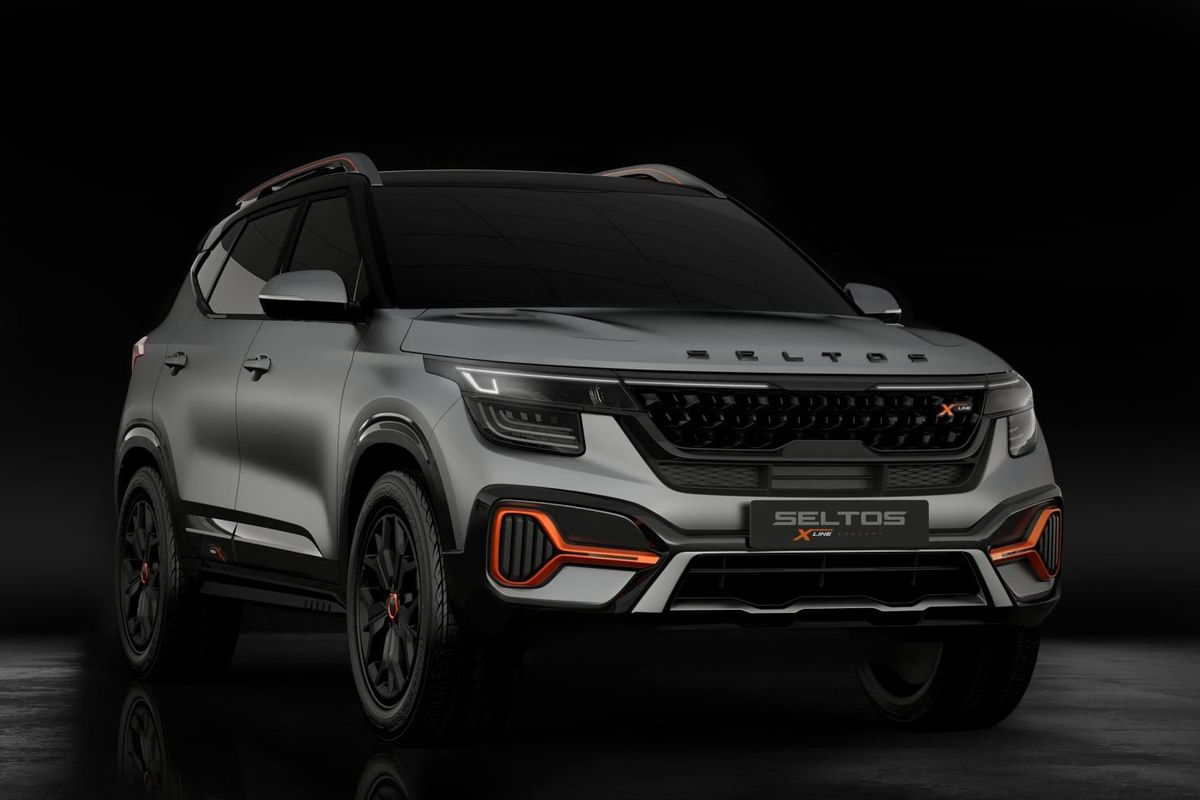
Kia Seltos X-Line Concept Showcased
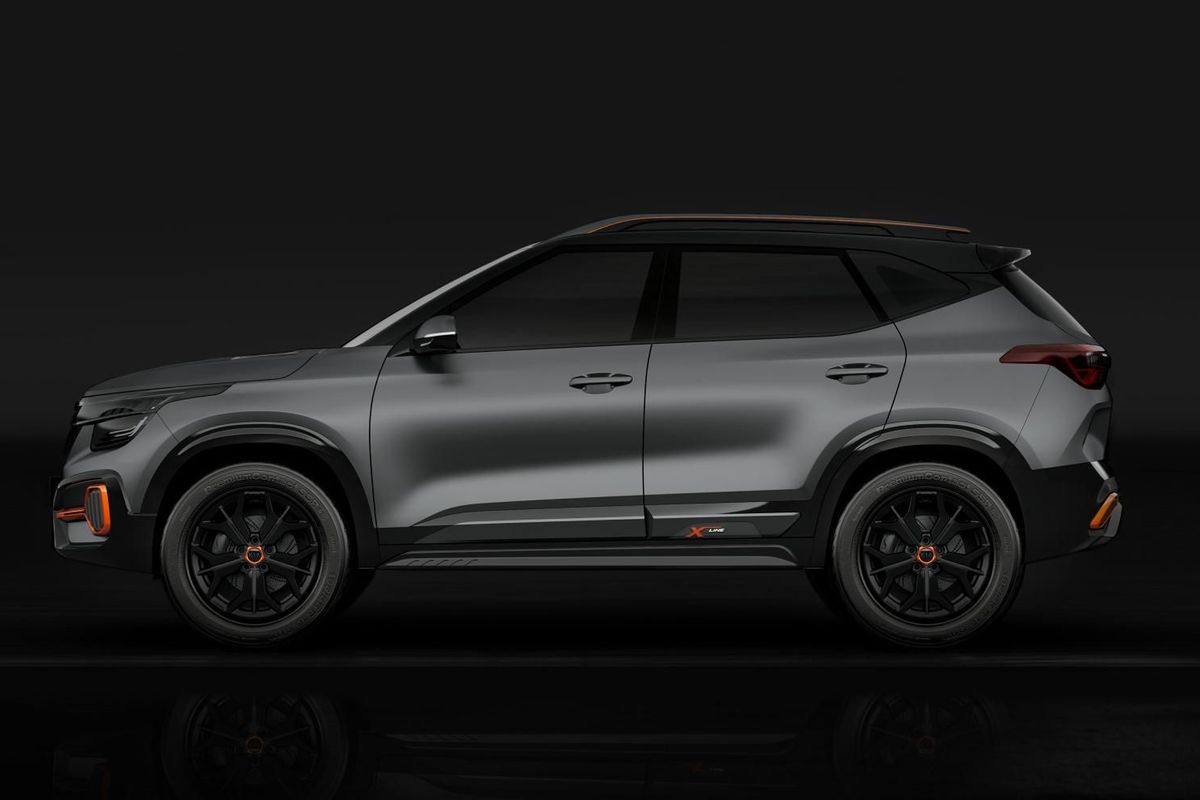
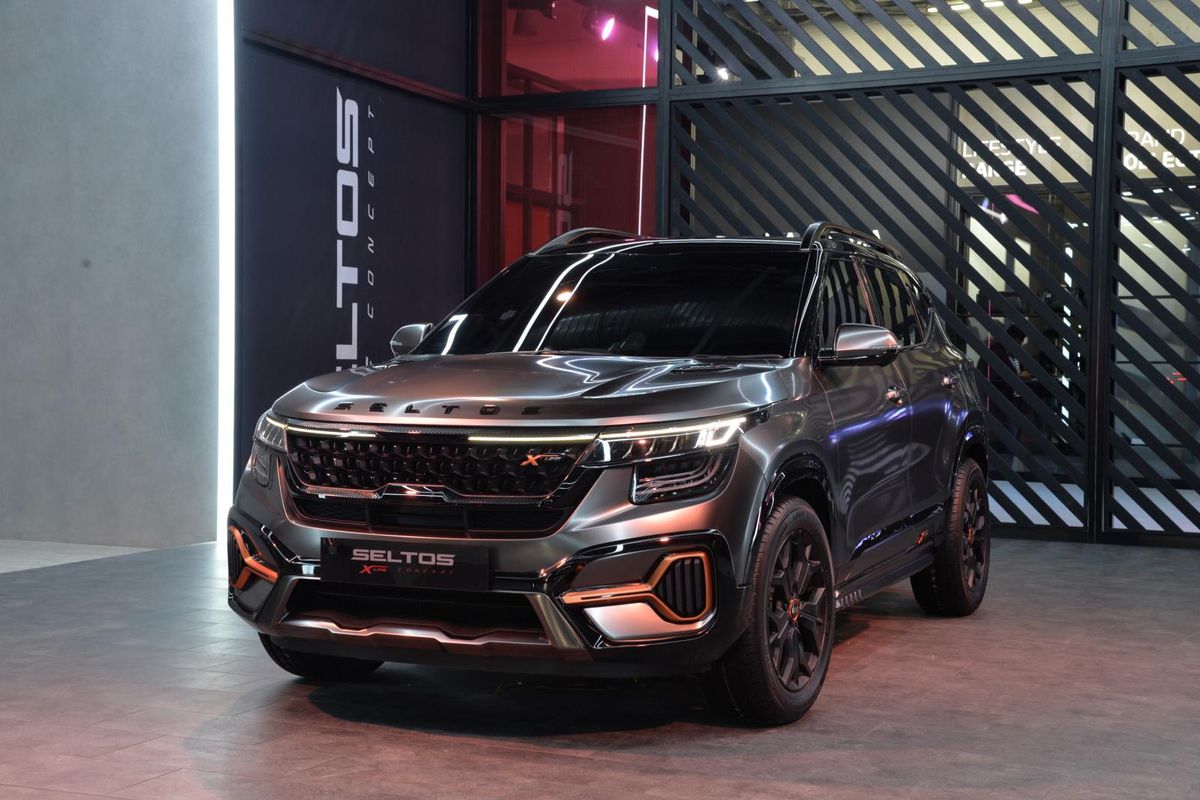
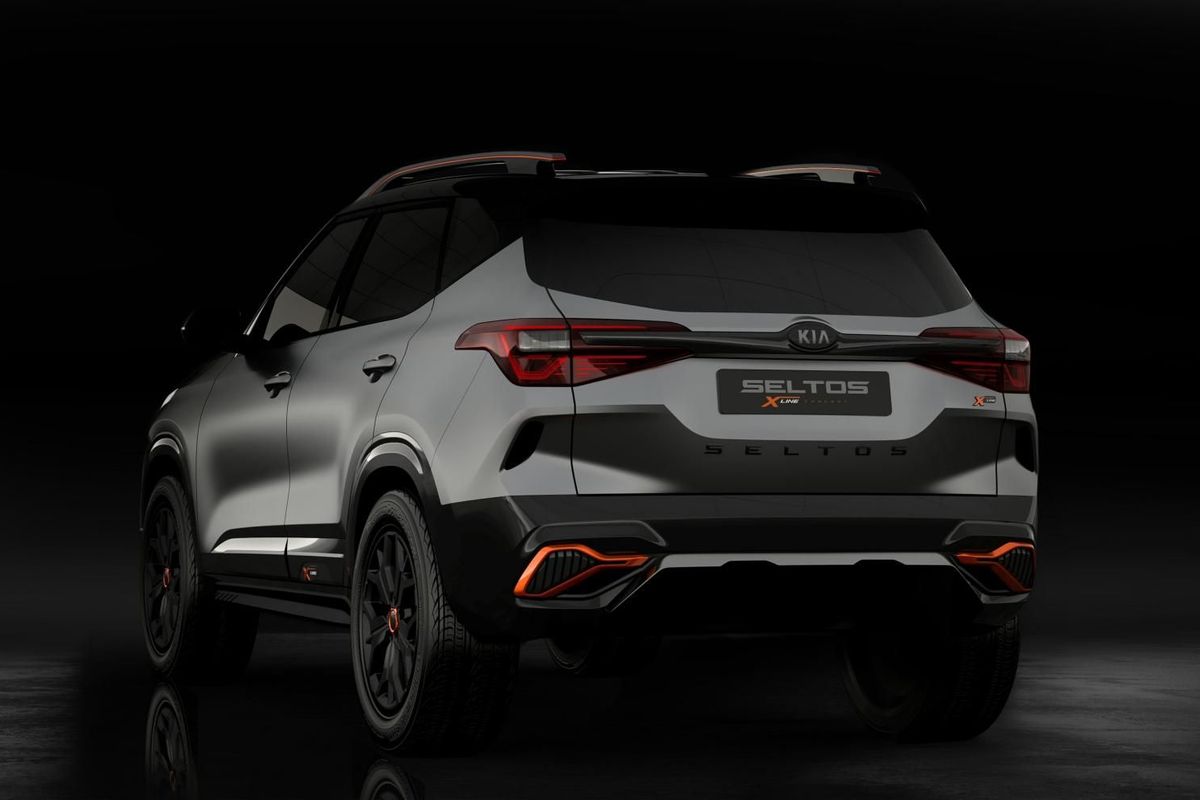
Kia has used the Auto Expo India to show off some cool concepts, including this radical Seltos X-Line Concept.
The Kia Seltos has reached South African showrooms and while we have yet to sample it locally, our brief taste in India gave us a good feeling. Now Kia has revealed this striking concept vehicle, which Kia claims is a bolder reinterpretation of the Seltos.
It's called the Kia Seltos X-Line Concept and it boasts a much bolder style. The front end gains an enhanced and aggressive bumper and grille, while the rest of the bodywork looks more suited to offroad applications. There's also a skid plate and roof rack for those wanting to head offroad.
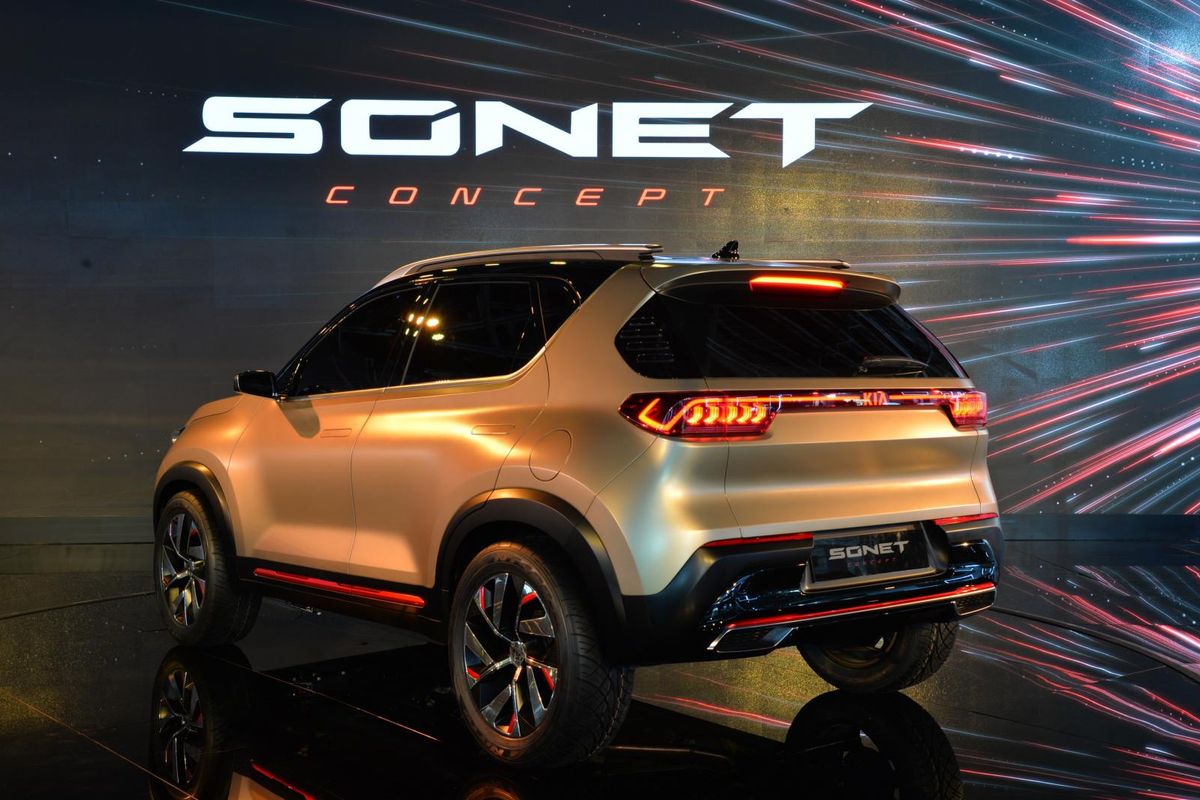
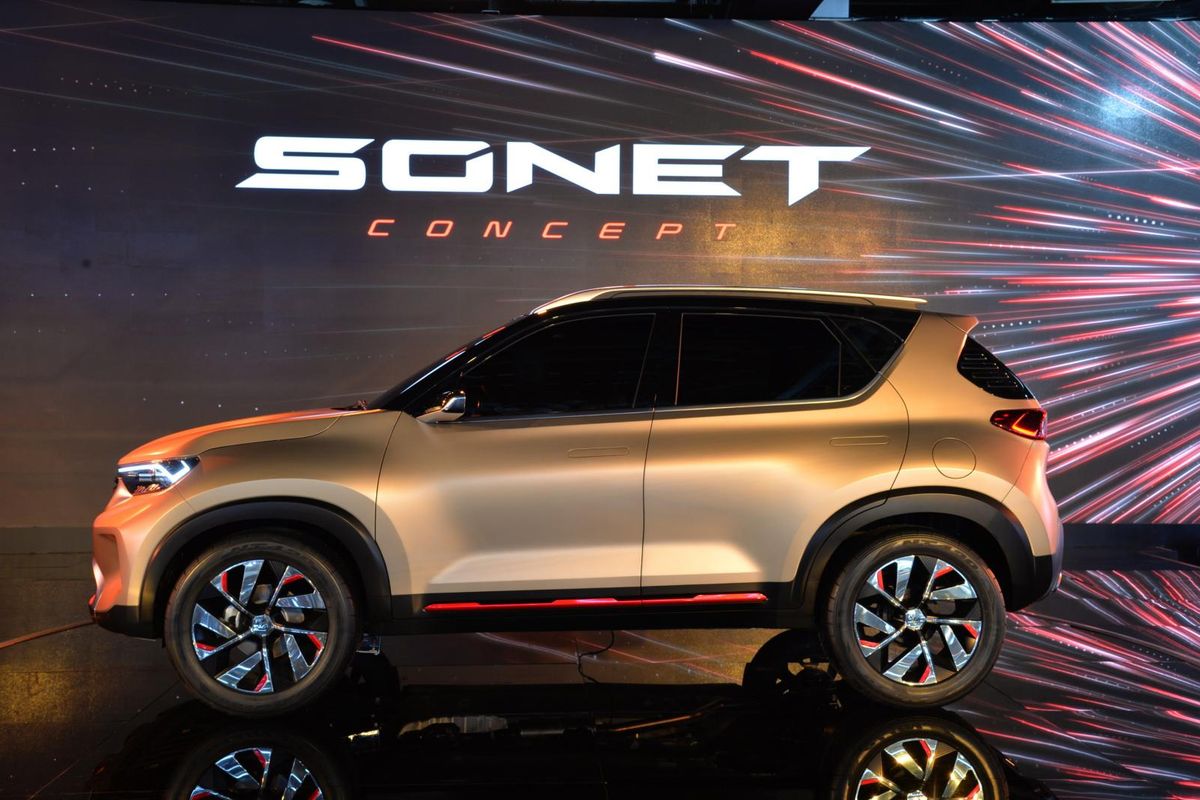
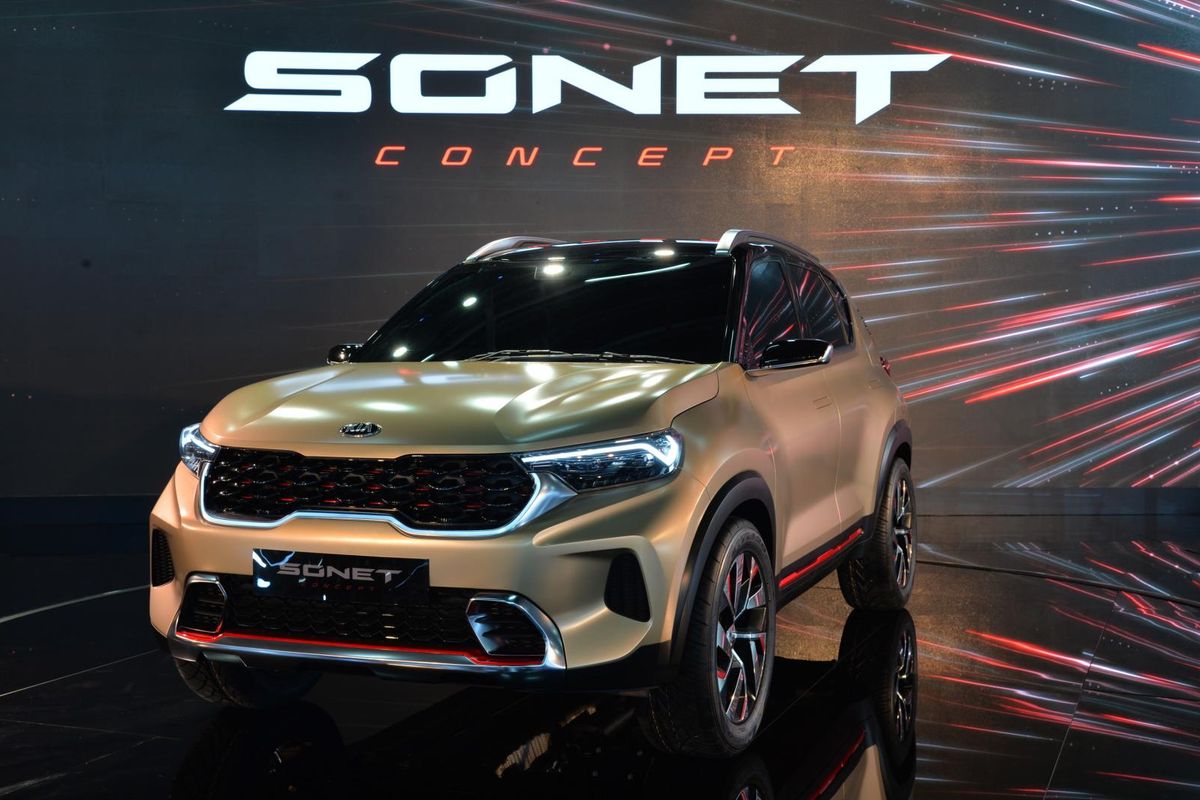
Kia has unveiled its new Sonet compact SUV concept car at the Auto Expo, India. This concept previews a future compact SUV for the global market.
Kia is moving fast on this one, with the aim of converting this concept into a production reality by the second half of 2020.
From these photos, we can see the Kia Sonet is a striking vehicle, with the brand claiming it adopts the latest design elements like the signature ‘tiger-nose’ grille. Inside, the Sonet is targeting the young demographic who love their technology. The vehicle is fitted with a 10,25-inch infotainment and navigation system with UVO Connect, a Bose premium audio system, and an intelligent manual transmission (iMT). Kia is claiming best-in-class interior space and certain first-in-class features.
Could it work in South Africa?
The question remains whether there would be a solid business case for a vehicle such as the “Sonet” in Mzansi… Kia Motors South Africa is preparing to roll out facelifts of the Picanto and Rio during 2020 as well as the new Sorento; if the brand’s sub-Seltos small SUV was viable for local introduction, could it perhaps cannibalise Rio sales? Perhaps.
But remember that Korean cousins Hyundai and Kia’s product line-ups have traditionally competed model for model (with a few exceptions) in South Africa… If the Venue could be successful for Hyundai SA, why couldn’t the “Sonet” be a success story for Kia? We'll be sure to keep you posted.
Ferrari sales at record levels, but business is tough
The world’s most iconic performance car brand had its most successful sales year ever, in 2019.
Although Ferrari has traditionally applied a policy of strict customer selection by controlling available vehicle supply, that appears to be relaxing.
Exclusivity is being replaced by the reality of supply and demand in relation to the famous cars from Maranello. When all the final delivery numbers for 2019 were totalled, Ferrari sold 10 131 cars. This was the first time the Italian brand had ever managed to deliver more than 10 000 cars in a year.
Ferrari’s record deliveries managed to net the company total revenues of R61bn. The baseline numbers might look impressive, but like many other car companies, Ferrari would rather forget about 2019 as a business year.
Despite record deliveries in 2019, Ferrari made less money, which is an upsetting scenario afflicting many car companies. Revenue was up by 10%, yet profits were down by 11%, and ended up at R11.4bn for the year.
Of some relevance for local fans of the brand, was strong market growth for Ferrari in Europe, the Middle-East and Africa, with this clustered region up by 16%. Ferrari’s most important market, America, was down 3%, whilst its broader Chinese business (including Hong Kong and Taiwan) grew by an amazing 20%.
Ferrari will be adding more models in 2020 including an SUV, growing its product portfolio larger than ever before. Whether that will generate a surge in profits, remains to be seen.
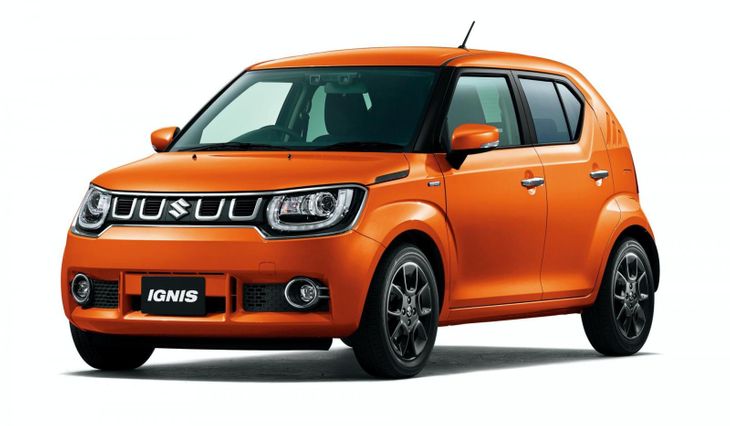
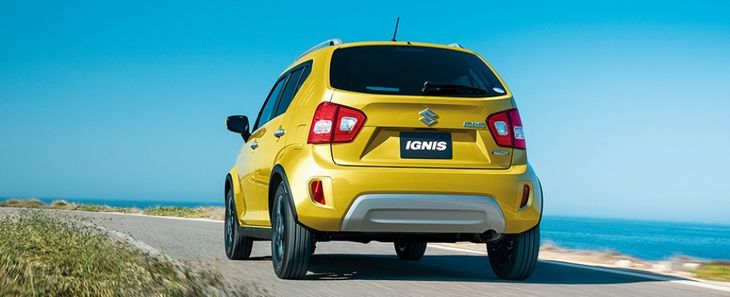
Suzuki has released official images of its Japanese-spec 2020 Ignis ahead of the unveiling of the new-look budget car/small crossover in India, where the cars which are sold in South Africa are produced. It's been confirmed that the facelifted version will be heading for Mzansi soon…
Late last year, Cars.co.za reported Suzuki South Africa had introduced special editions of its Ignis and Swift, the former in 1.2 GL and 1.2 GLX guises, to the market. And now that a facelifted version is coming, it makes sense that the Japanese firm sweetened the deal on pre-facelift derivatives before the 2020-spec cars went into production.
The standard version (which we know as the 1.2 GL derivative) will probably resemble this orange example.
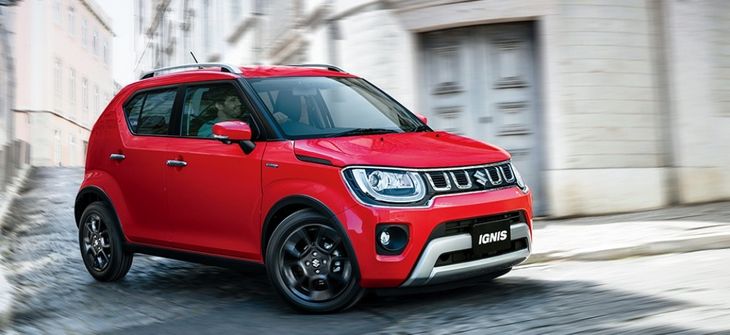
Although we haven’t seen the new look Indian-spec Ignis, Suzuki has published these images of its JDM model, replete with a new grille design with 4 four vertical chrome slots that replace the previous version’s horizontal bar. It's been reported that this grille treatment will feature on all derivatives.
At the back, a new fully-colour-coded rear bumper replaces the current model's broad strip of black plastic. Most of these images depict the new MF grade that features SUV-inspired design elements such as purposeful-looking light grey bumper accents (front and rear), black plastic cladding around the wheel arches, subtle side skirts and roof rails. The rear treatment of the MF grade looks slightly different too, with red trapezoidal lenses housed in recesses on either end of the bumper.
Could the higher-spec versions sport these crossover-style bumpers, in addition to black wheel-arch trims and roof rails?
The MF grade Ignis utilises a 1.2-litre naturally-aspirated 4-cylinder petrol mated with a CVT and a mild-hybrid system, which almost certainly won’t be offered in South Africa, and don’t hold your breath for the introduction of AWD versions either. What this MF grade does show, however, is what the facelifted model’s GLX spec will probably look like.
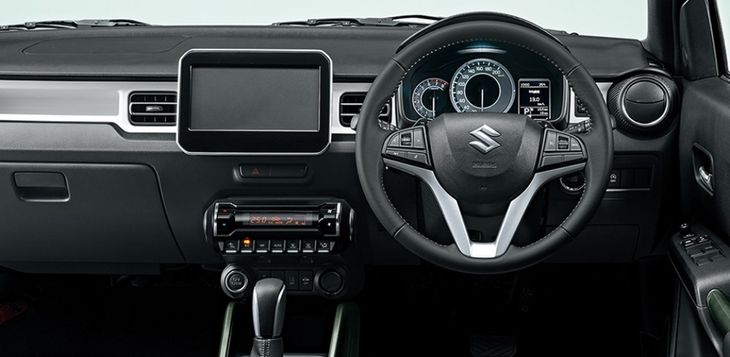
As for the interior execution, expect the cabin materials and trim to be upgraded; perhaps the GLX derivatives will sport a similar metallic-look backing strip on the dashboard as well as tasteful chrome-look accents on the vents and climate control switchgear. The light/dark contrast interior with coloured grip handles and a floating Apple CarPlay/Android Auto compatible touchscreen infotainment system (including reverse-view camera) should again feature on the top-spec derivative/s.
Whether this light-grey bumper garnish makes it to the local version or not, the broad black strip of the current version is history.
In Japan, the Ignis comes very highly equipped, with features such as automatic headlights with follow-me-home function, heated front seats, autonomous emergency braking, a surround-view camera system and lane departure warning. Affordability is foremost in mind for the South African market, however, so keyless entry and start, climate control, the aforementioned infotainment system and electric folding side mirrors are likely to be main luxury features of the facelifted Ignis range.
Expect the 61 kW/113 Nm 1.2-litre petrol motor (mated with a 5-speed manual or automated manual automatic transmission) to be carried over. Dual front airbags and ABS with EBD will be fitted, but it would be great if we could get 16-inch alloys and electronic stability control too (here's hoping).
Note the addition of smart metallic trim accents to the dashboard, climate control console and ventilation outlets…
Once Suzuki South Africa has introduced the S-Presso budget crossover in the local market (the launch is imminent), the Japanese firm will have a quartet of affordable small (as opposed to compact) cars, including the Celerio, Swift and Ignis. The upcoming S-Presso, however, will sit below the Celerio and Ignis; it will compete with the Renault Kwid and Mahindra KUV100 Nxt.
The facelifted Ignis will arrive in South Africa in the second quarter of 2020 and as always, we will keep you informed as soon as local specification and pricing details are confirmed.
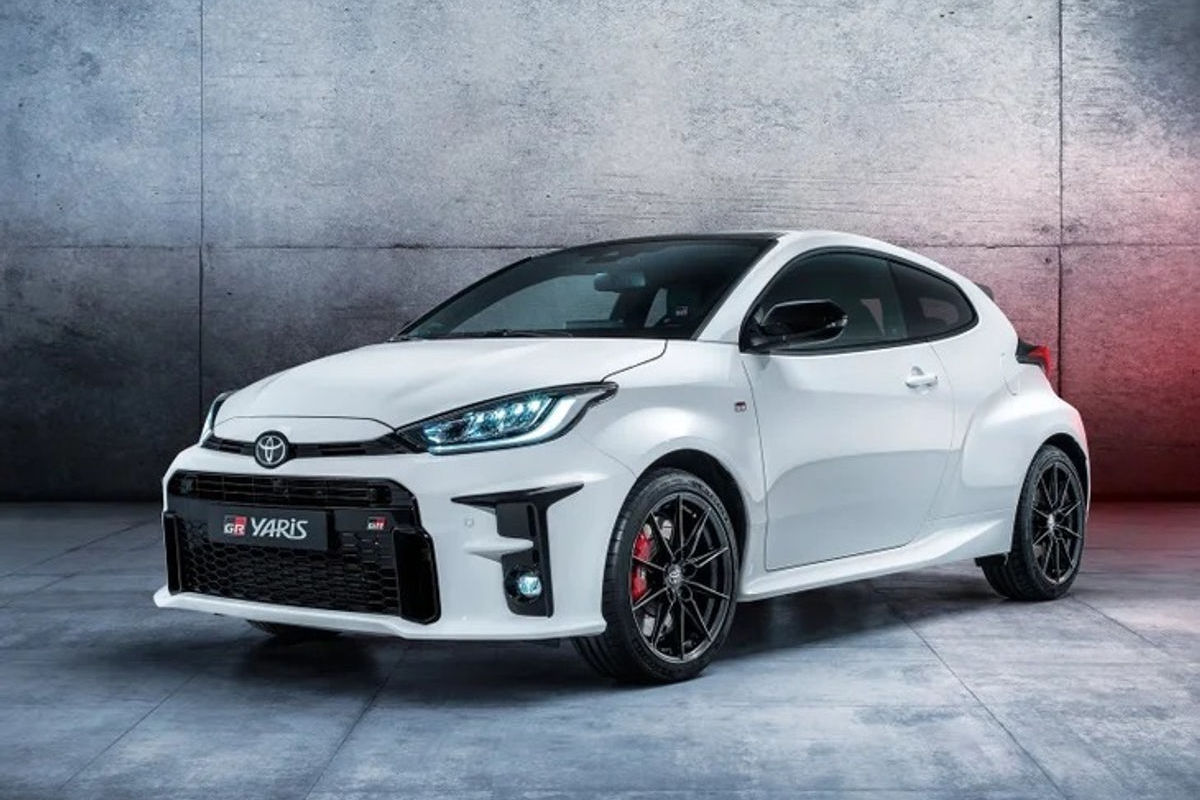
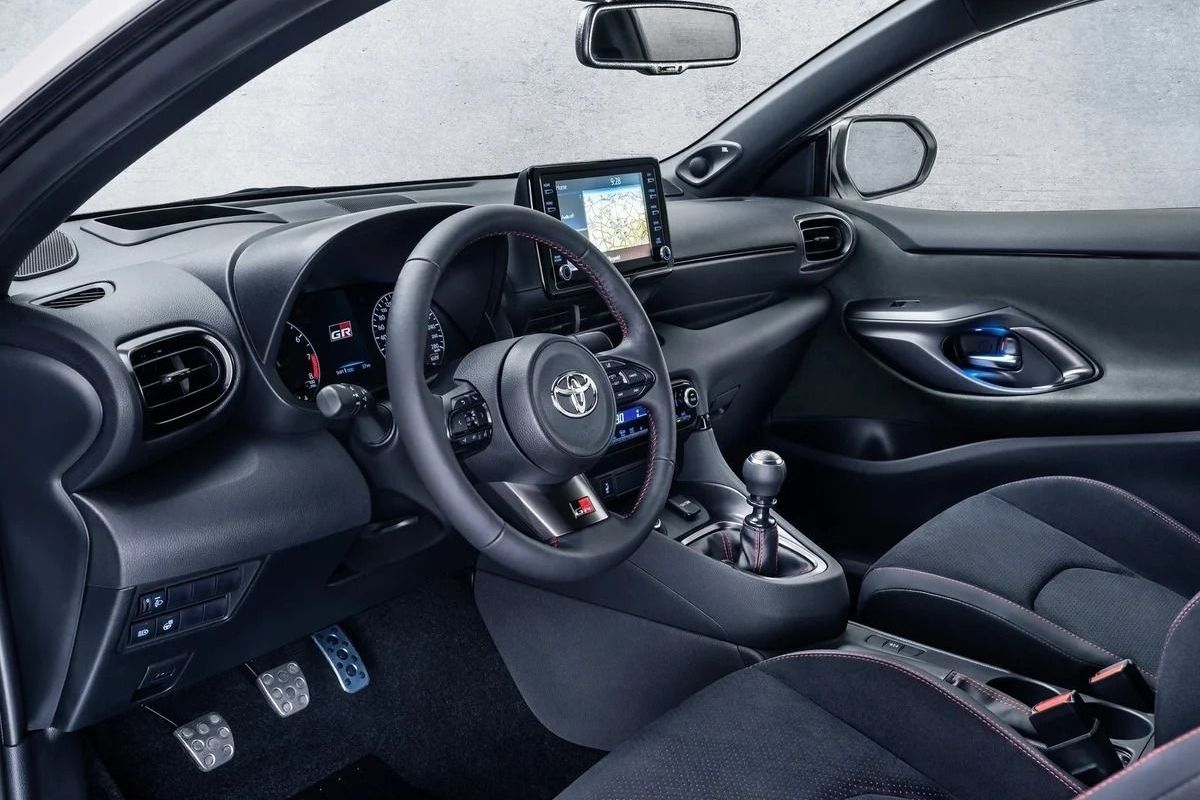
Former double F1 Champion and Toyota Gazoo Racing Dakar driver, Fernando Alonso, has driven the latest Toyota GR Yaris on a wet track in Portugal and he loves it!
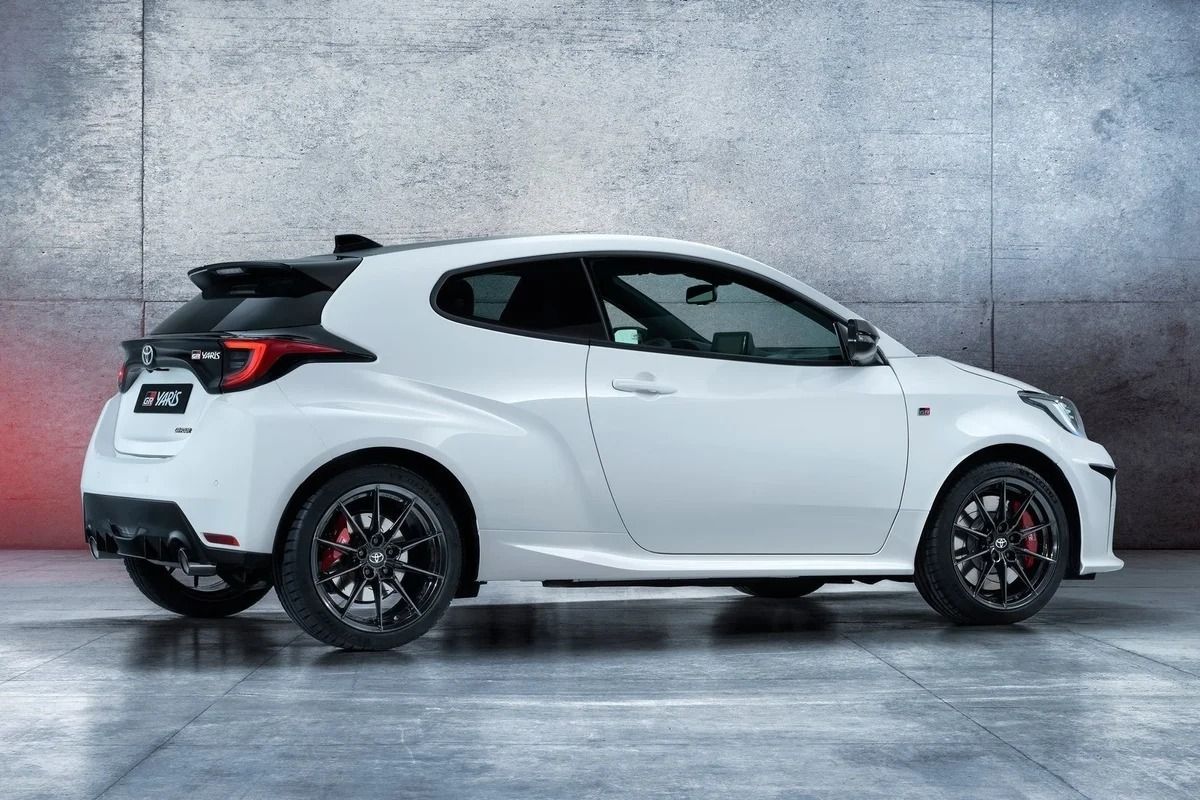
When Toyota revealed the Gazoo Racing Yaris earlier in January 2020, we were salivating. What you see here is a rally-inspired homologation model which serves as the basis for the next-generation Yaris WRC racecar and it will go on sale to the public in limited numbers.
We previously sampled the Yaris GRMN and it was an absolute hoot to drive and we have no doubt that this GR Yaris will deliver the thrills by the bucketload.
Infused with Toyota’s rally racing expertise, this high-performance hatchback packs a mean punch with a 3-cylinder, 1.6-litre turbocharged producing 192 kW and 360 Nm of torque and mated with a 6-speed manual transmission. Toyota reckons it will dash from zero to 100 kph in sub 5.5 seconds and run to a top speed of 230 kph.
The GR Yaris features a new all-wheel-drive system that can apportion torque to the front or rear axle depending on what drive mode is selected by the driver including Normal (60:40), Sport (30:70) and Track (50:50).
A wet track is perhaps not the ideal place to be pushing a potent hot hatchback to its limits but if you are Fernando Alonso, it matters little. The Spanish racing driver took the GR Yaris for a whirl around a wet Estoril track in Portugal and he had a lot of good things to say and we aren’t surprised. Give the video below a watch to see what Alonso has to say about his driving experience in the GR Yaris.
As for availability, it’s not yet clear if this firecracker will reach South Africa. If it does, not many will be up for grabs…
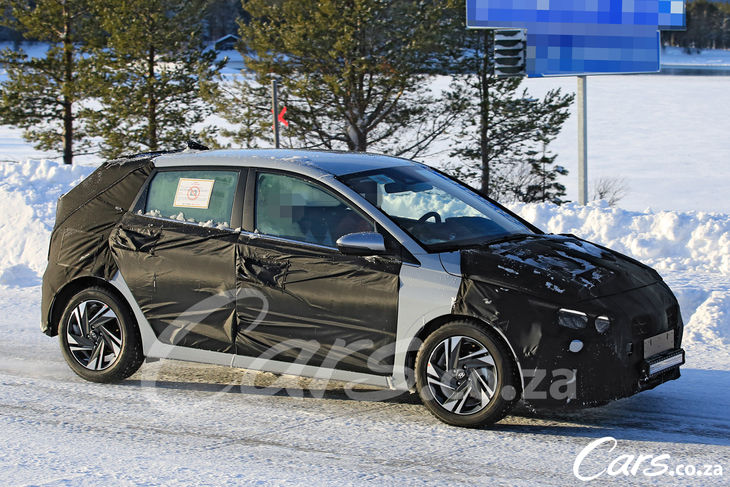
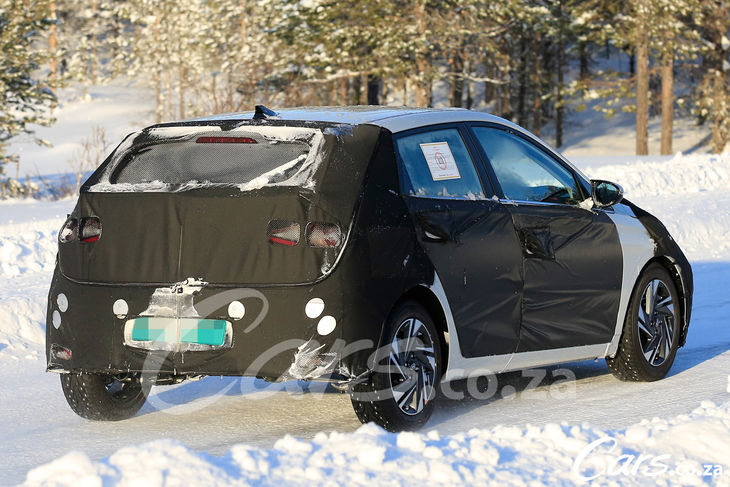
The next-generation Hyundai i20 has been spotted testing. Here's what we know so far.
Picture credit: S. Baldauf/SB-Medien
The Hyundai i20 is a rival to the Volkswagen Polo, Ford Fiesta, Opel Corsa and Kia Rio, and the current model has been on sale locally for some time. The good news is that there's an all-new model coming and it has been spotted testing in the Arctic Circle. Granted, it is heavily disguised, but our photographers say it will adopt the latest Hyundai design cues.
It should be underpinned by an updated version of the current platform and powered by an array of engines from the Hyundai portfolio. We wouldn't be surprised to see the new 1.0-litre turbocharged 3-cylinder motor with 88 kW and 172 Nm from the Kona and Venue make its debut, while the lesser models will make do with a 1.2-litre naturally-aspirated petrol engine. Both manual and automatic transmissions should be offering.
The most exciting news is there will be an i20 N, with sporty suspension, race suspension, stronger brakes and a sporty body kit. If rumours are to be believed, it will gain the Veloster Turbo's 1.6-litre turbocharged 4-cylinder engine 150 kW and 265 Nm.