If you're familiar with our YouTube channel, Ciro De Siena requires no introduction. And, if you've ever wondered what car "our video guy" is proud to call his own, then this video will answer that question…
Hello hello, Ciro here! Yes, this is the first car I've ever bought myself. I've been a motoring journalist since I was 19 and so I've never had to buy myself a car.
When I decided to take the plunge, I was on the lookout for something special. I wasn't too fussy and I went to test drive a few modern classics. But then this little Mazda came up at the Crossley & Webb dealership in Cape Town.
This car had one owner and was garaged its whole life in Johannesburg with only 44 000 km on the clock. It was an absolute gem. The interior is in mint condition and completely original, except for the sneaky little boost gauge sitting on the steering column. And that is the first clue to what's happening under the bonnet. This car has quite a few tricks up its sleeve, and I'd love for you to watch the video and let me know what you think.
This car means very much to me. It puts a smile on my face every single time I drive it, and that's how I know I bought the right car. I don't think I'll lose money on it, these are so rare in South Africa, but I almost don't care. I love this car and it makes me immensely happy. And that, I suppose, is priceless.
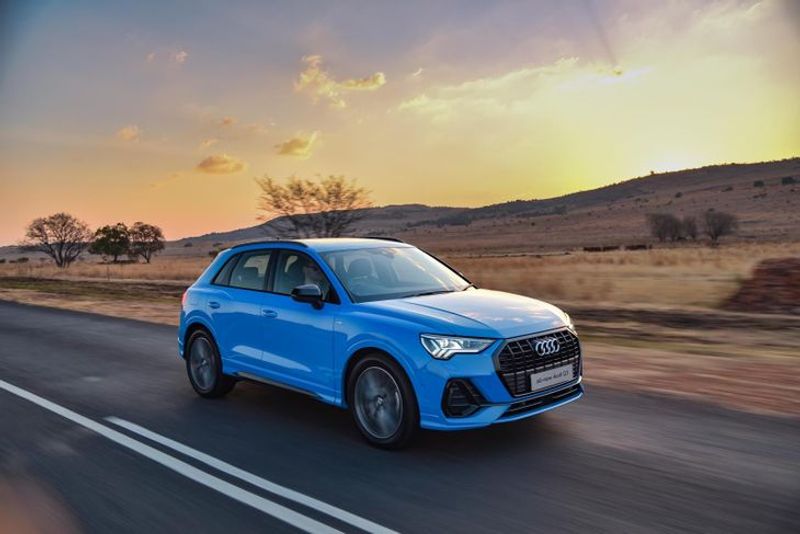
The all-new Audi Q3 – the latest generation of the Ingolstadt-based brand's premium family car – has finally been launched in South Africa. The evaluation route of the media launch event comprised a melange of tarmac and gravel road surfaces, including open roads and mountain passes – so we gave the newcomer a thorough perusal…
What's new?
The Audi Q3 has won a considerable number of fans over the years. Before the somewhat awkward Q2 came along, the Q3 was the entry-point to the Ingolstadt firm's SUV range and more than 1.1 million units were sold globally, of which just under 10 000 units found owners in South Africa. Compared with its predecessor, which was based on the PQ35 platform, the new Audi Q3 is based on the Volkswagen Group's MQB matrix. MQB is ubiquitous, but widely lauded for its impressive driving traits, practicality and refinement (areas in which the newcomer is expected to perform well).
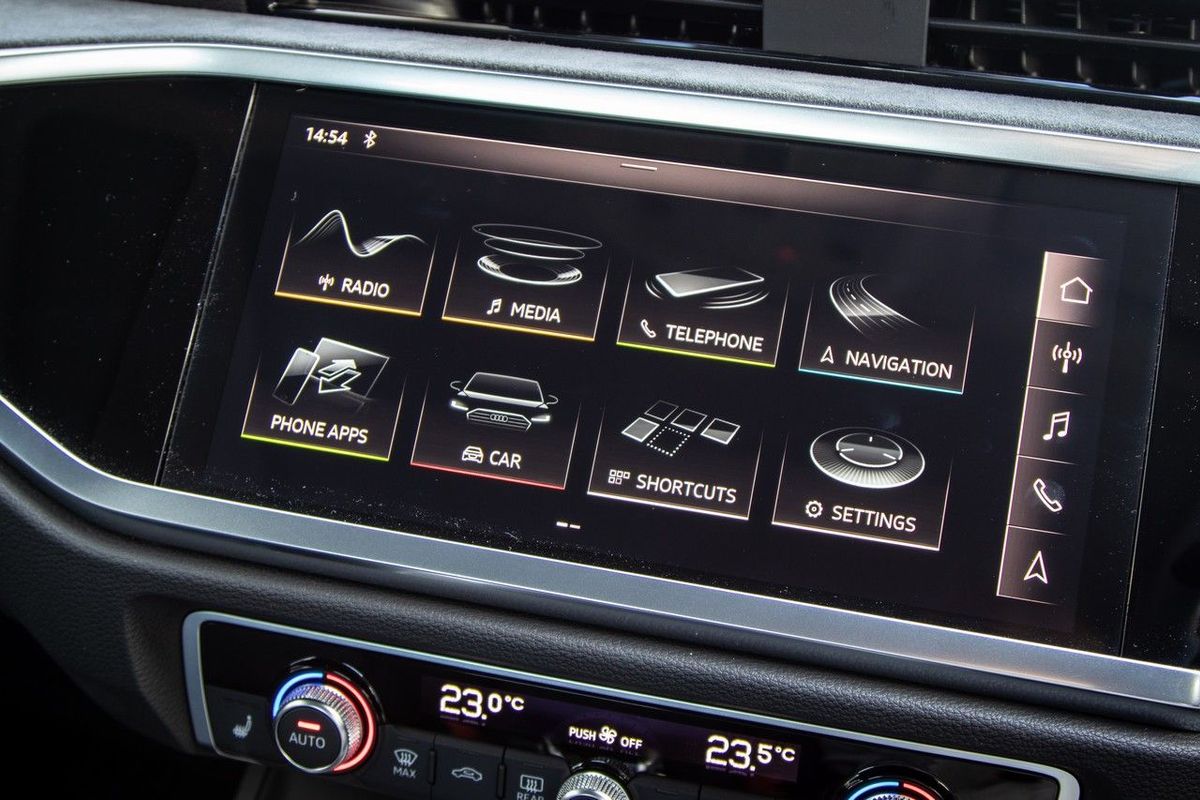
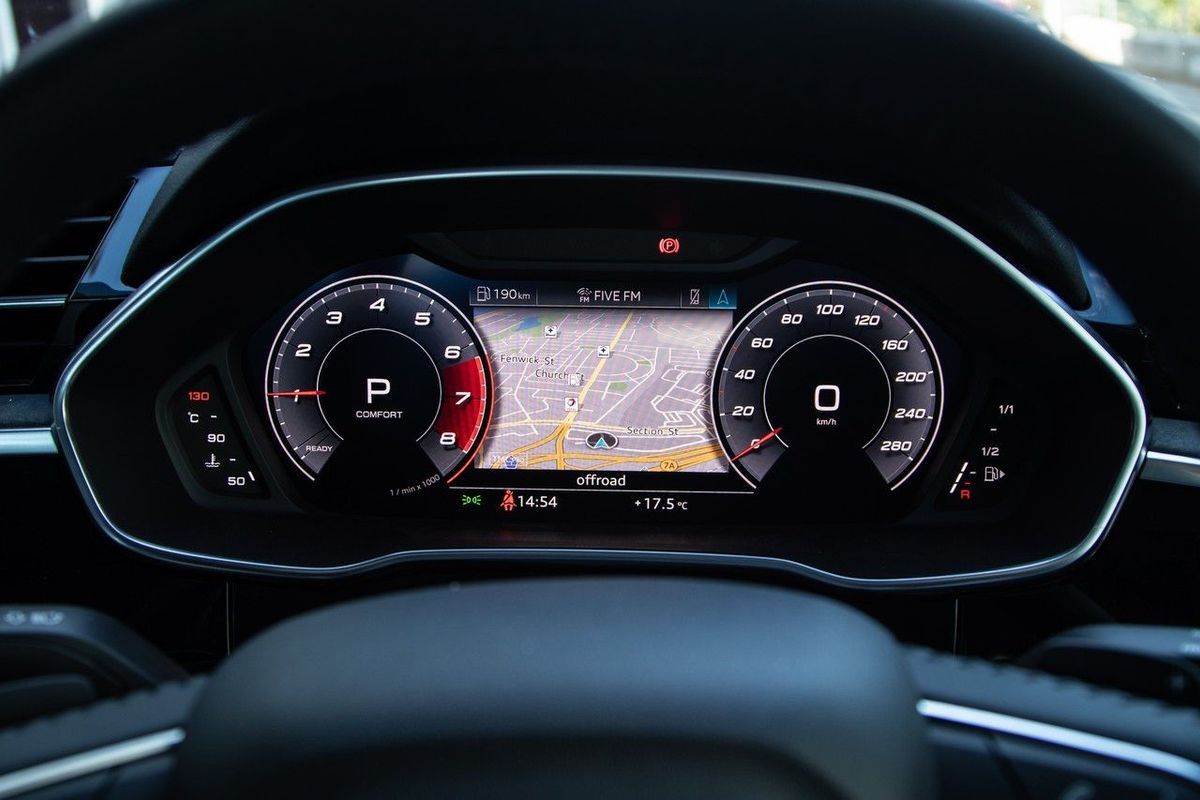
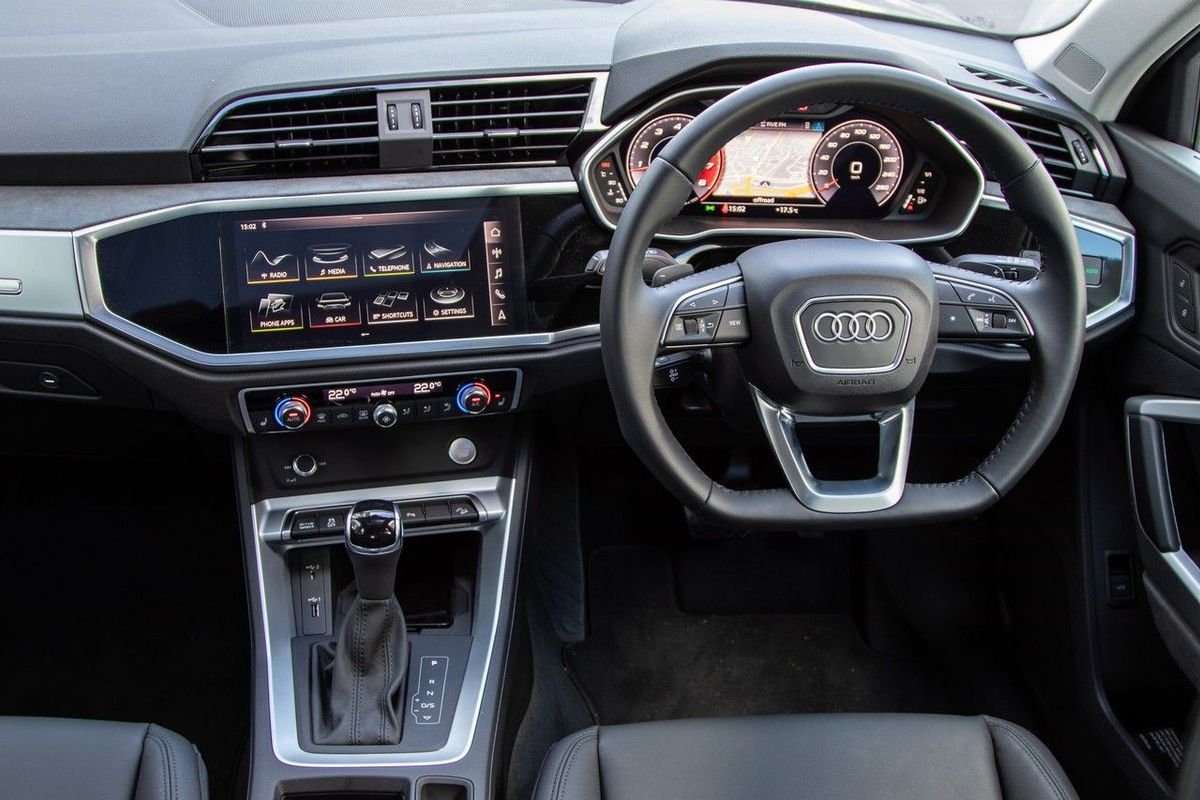
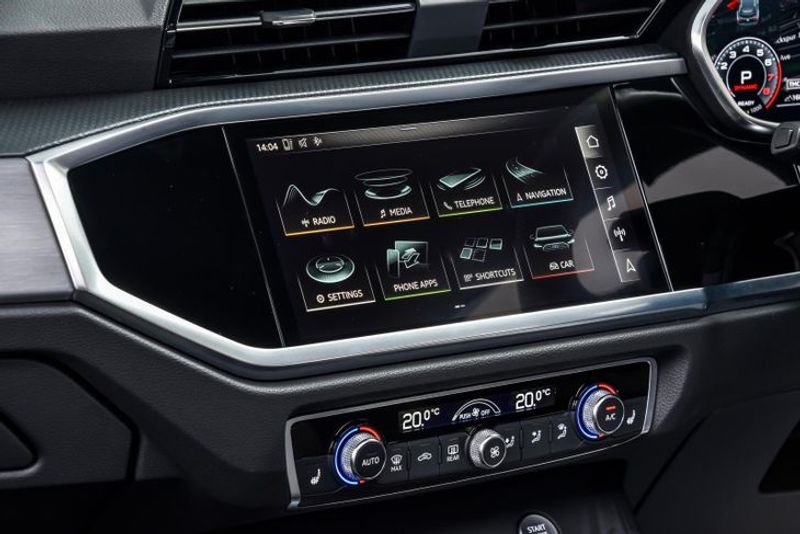
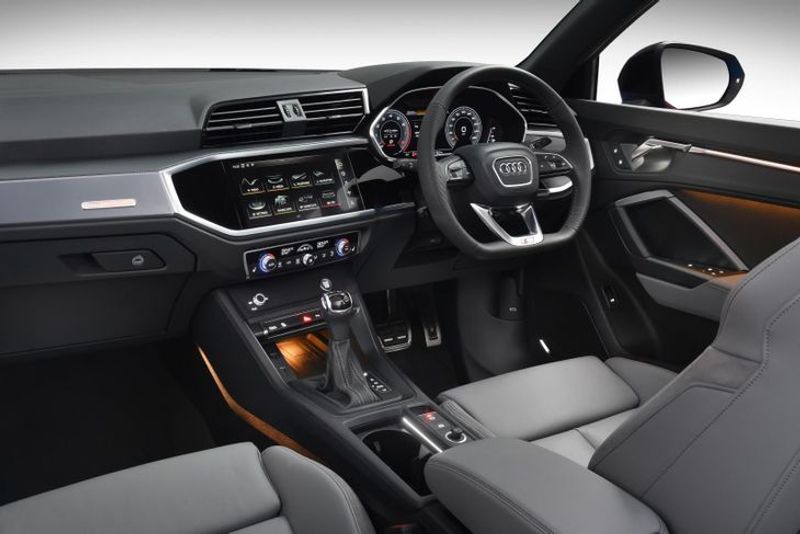
As for the looks, it's unmistakably an Audi SUV. Its exterior treatment represents a fresh interpretation of Audi's contemporary design language and incorporates minor cues that have trickled down from the Q8 flagship. As a result, the Q3 looks refreshingly modern and distinctive, it's unlikely to be confused with another manufacturer's product! Nice touches such as the daytime running lights and sweeping indicators add to the car's prestige. Inside, the Audi Q3 adopts the brand's all-new infotainment system, which we first experienced in the A1 and Q8. It's a smart, modern and intuitive setup, with crisp graphics across all screens. Speaking of screens, the Q3 features Audi's Virtual Cockpit digital instrument cluster as standard.
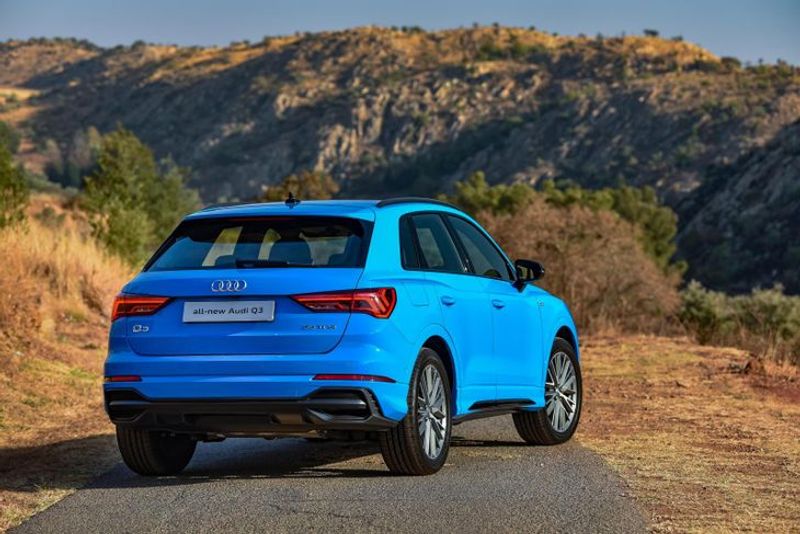
The Q3's combination-LED tail-lamp clusters are not only aesthetically pleasing – they incorporate dynamic turn signals.
What's on offer?
At launch, only a single engine and transmission combo is available. The engine on duty is a 1.4-litre 4-cylinder turbopetrol unit and, by virtue of its peak outputs of 110 kW and 250 Nm, it offers adequate performance. Badged as a 35 TFSI, this Audi Q3 also features an S-tronic dual-clutch transmission with 6 forward speeds. In terms of acceleration, Audi claims a 0-100 kph sprint time of 8.9 seconds and it'll run to a top speed of 204 kph. When it comes to economy, Audi claims 5.0 L/100 km and the derivative lacks quattro all-wheel drive; it has a front-wheel-drive setup instead.
There are 3 levels of trim to choose from: Standard, Advanced, S Line. Each spec level gets its own visual identity, with trim-specific body kits and detailing. Standard exterior features include 17-inch alloy wheels, LED headlamps and rear combination lamps with dynamic turn signals, separate daytime running lights, black roof rails, body-coloured exterior mirror housings and a roof spoiler with a centre high-mounted stop lamp.
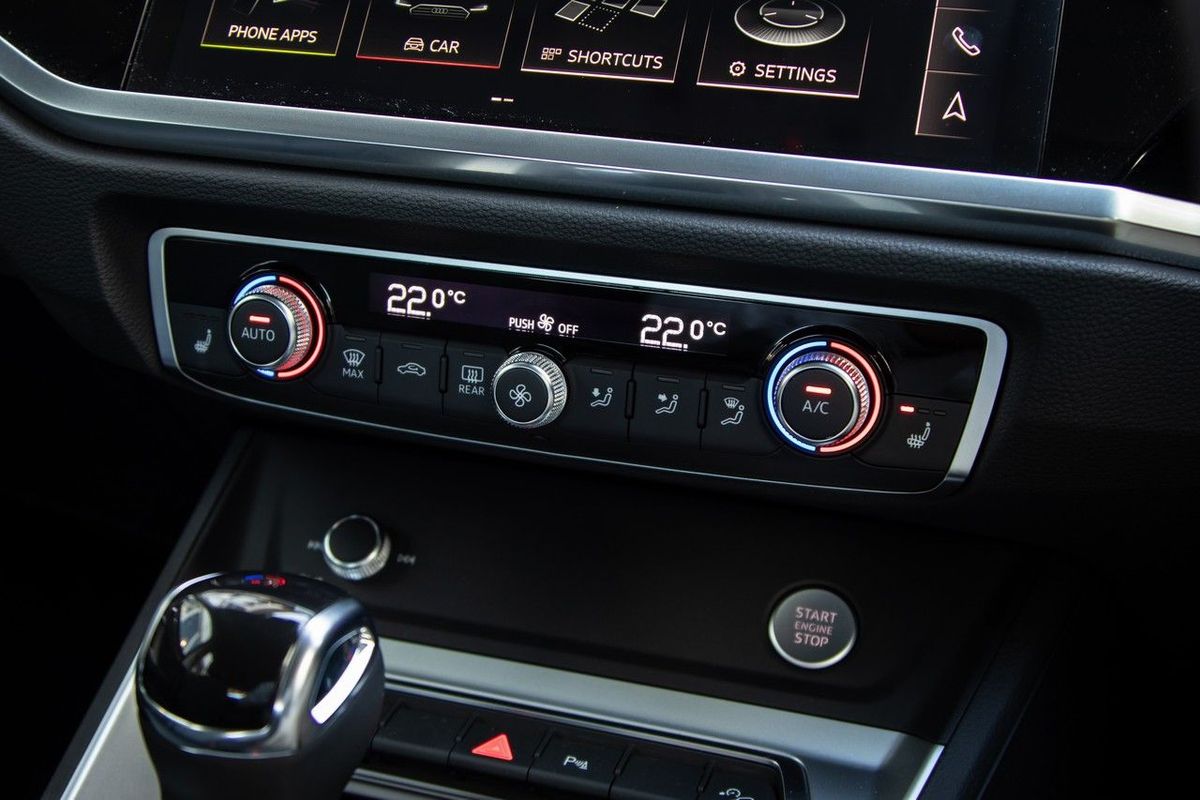
Inside, all Q3s are equipped with a 3-spoke leather-trimmed steering wheel, cruise control, Virtual Cockpit, automatically activated lights and wipers, auto-dimming rear-view mirror, electrically adjustable side mirrors, rear PDC, a touchscreen infotainment system, Audi smartphone interface with Bluetooth and voice recognition, plus dual-zone climate control. The interior trim is a leather/leatherette combination and features a centre armrest, black gloss-look dashboard accents, micro metallic silver inserts and illuminated scuff plates with aluminium inserts, as well as LED interior lighting. The rear bench seat has a centre armrest and beverage holder, plus the load bay features a stainless steel loading-edge protector.
In terms of safety equipment, Q3 derivatives are fitted with, inter alia, ABS with EBD and brake assist, electronic stability control with hill descent control and hold assist, dual front-, side- and curtain airbags, as well as a tyre pressure monitoring system.
The newcomer's fascia exudes quality, with a slick touchscreen infotainment interface and dual-zone climate control console.
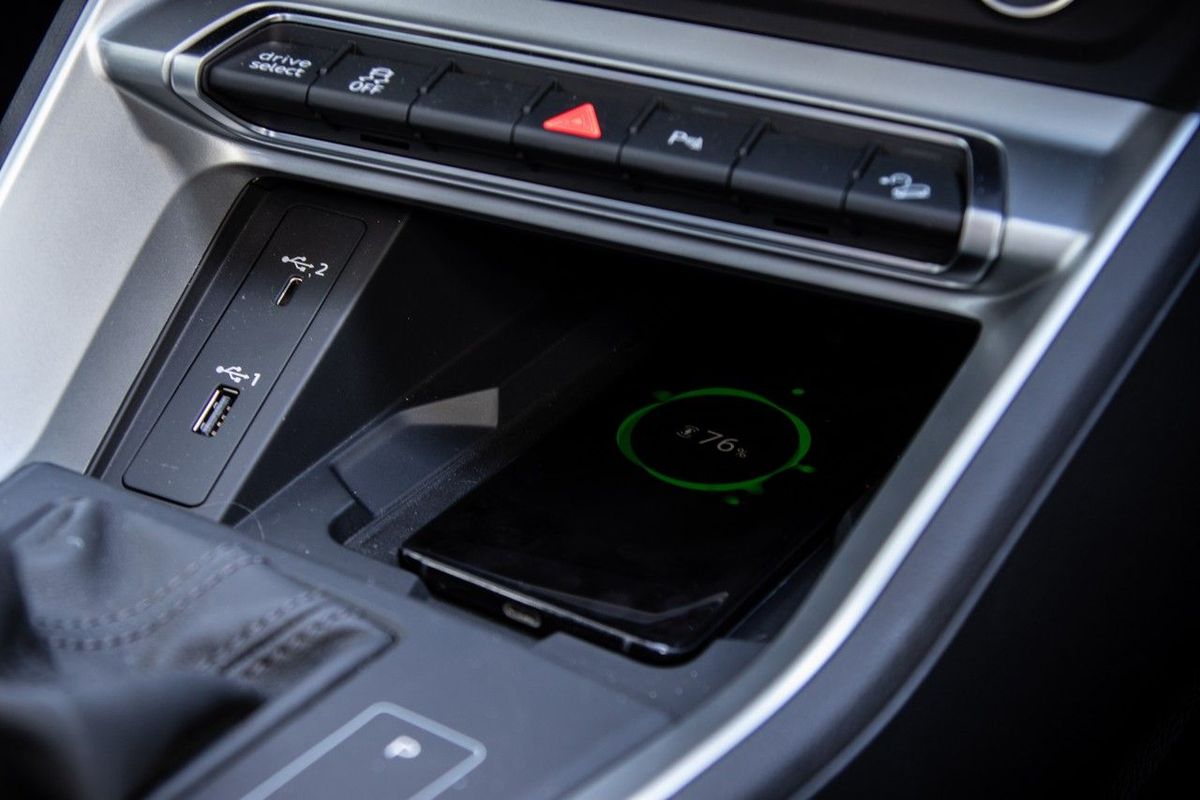
Audi is trying to remove the complexity of offering too many options and instead offers bundled feature packages (Comfort, Technology, Sport, Parking, S line interior) to simplify things for prospective buyers. You can, of course, specify a few extra things, if you think the standard specification is too basic… We especially liked the Audi phone box, which features wireless charging, 2 USB ports and supports Apple Car Play/Android Auto.
MQB-based products are practically packaged and the Q3's no exception. The rear bench can move fore and aft by up to 15 cm to increase legroom or increase cargo-carrying capacity, plus the rearmost seats can be folded down to avail 530/675/1 525 litres of space (depending on configuration). Interestingly, the Q3 has the same wheelbase length as the Volkswagen Tiguan, which should give you some idea of the newcomer's dimensions.
What's it like to drive?
On-road refinement is one of the new Q3's strongest traits; it suppresses noise, vibration and harshness very well.
The route that Audi South Africa laid out to demonstrate its new Q3's prowess emulated a typical weekend away and incorporated a variety of road surfaces. We did an extended drive on the highway, negotiated some snaking mountain passes and traversed gravel roads of varying quality.
On the open road, we were impressed by the Audi's refinement… it was virtually only when we drove on the coarsest of tarmac that some road noise permeated the cabin, but what little there was, was effortlessly drowned out by the (superb, but optional) Bang & Olufsen sound system. With sweet Fleetwood Mac melodies encouraging a stretch of restrained driving, we took our time to explore the cabin's admirable levels of fit and finish.
The redesigned fascia is a superbly-assembled piece of kit and it really shouldn't take you long to work out how the touchscreen infotainment interface works. One of the new navigation features, for example, allows you to physically write on the screen with your finger and while we are often sceptical of such gimmicky pieces of new technology, this one was surprisingly accurate and picked up 'Bloemfontein' when we scribbled it in.
The steering proved a pleasant surprise. We could hustle the Q3 through some of the tightest mountain passes with ease; the tiller offers a fair amount of feedback and the MQB-underpinned SUV responded well (and quickly) to steering inputs. Somehow the Audi minimises that typical "prone to body roll" SUV feeling, and when you're pressing on, it handles like a hatchback. Ride quality is also worthy of a compliment, especially as some of the roads we encountered were far from ideal. It's firm, which is to be expected with cars fitted with sportier trim and larger optional wheels, but at no point did the Q3 crash over bumps. It's happiest on the highway and smooth roads, which is probably where it'll spend most of its life.
One of the driving modes was marked Offroad, which we activated when we turned onto some spectacular dirt roads in the Karoo. This mode adjusts the car's behaviour in an effort to keep it stable (hill descent control is standard, remember). We summoned our inner rally-driver spirits and tackled the roads faster than we usually would, but came away duly impressed! The levels of grip for a front-wheel-drive SUV were commendable. We induced some instability through absent-minded (or hamfisted) cornering, but even then, the electronic stability control stepped in quickly to bring things back in line. Despite some punishing, quick driving over some harsh dirt roads, the Q3 rejoined the tarmac with no rattles or squeaks.
Criticisms? Well, the big one for us is the range's lack of powertrain options. Audi South Africa says the 1.4-litre turbopetrol automatic is the only derivative the firm can source from Audi global right now (August 2019), which makes us hopeful that the range will be expanded with both turbopetrol and -diesel options, as well as the inevitable RS Q3 with its stonking 5-cylinder motor. The Q3's powertrain is quite adequate for city driving, but don't expect too many fireworks in terms of overtaking grunt, despite the very best efforts of the slick-shifting S-tronic transmission.
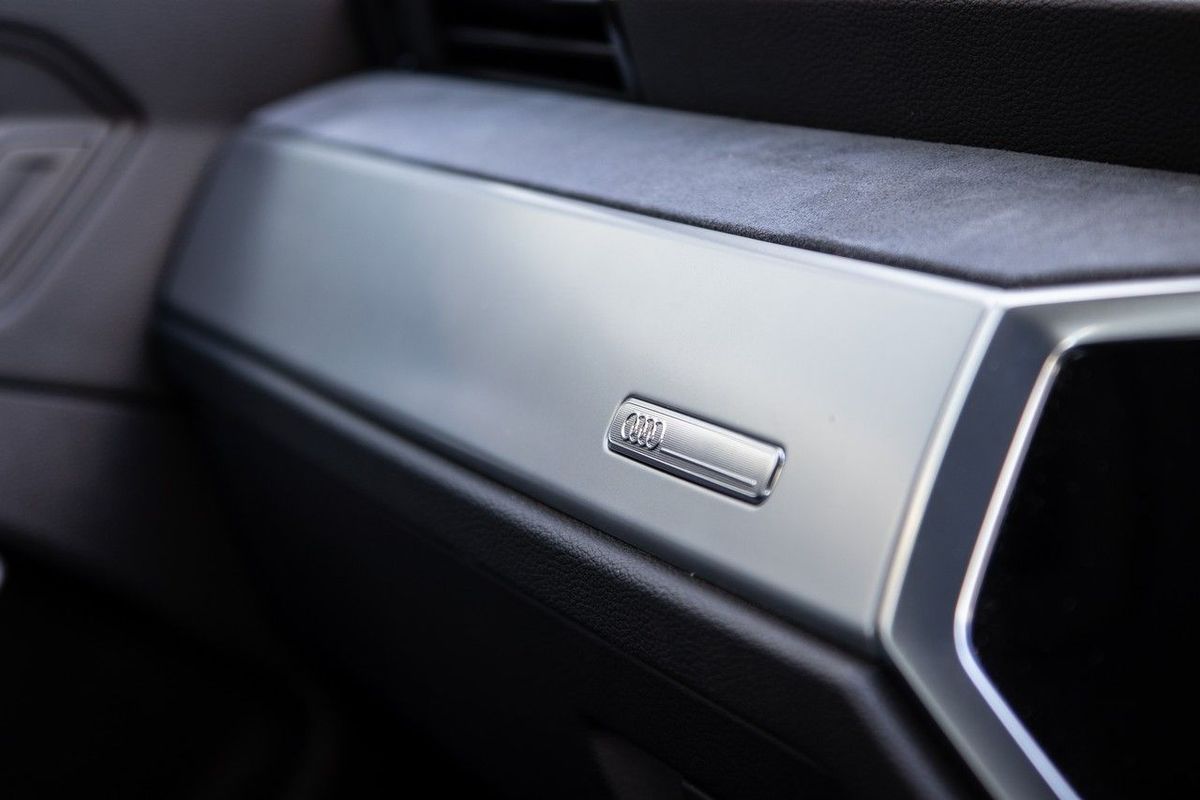
The build quality of the Q3's cabin is really a cut above; will Audi's (fellow German) rivals be able to top this excellent effort?
Should you buy one?
If you're an owner of an outgoing Q3 with high mileage and keen on buying a new one, we'd understand if you made a beeline for the nearest Audi dealership in due course. At the very least, you should go see what the new one offers. However, we'd suggest waiting a bit and see out the initial rush. Hang back and wait for the lineup to expand with stronger (perhaps a 2.0-litre turbopetrol) or -diesel derivatives. Yes, the 1.4-litre is a prudent choice… it's just that we've become accustomed to punchier and potent powertrains from the brand. This car would be sublime with the performance (and reasonable economy) of a 2.0-litre turbodiesel, especially in combination with the brand's new-generation 7-speed dual-clutch transmission.
That being said, despite its average engine, there's a lot to like about the Ingolstadt-based brand's latest offering. It's sleek and modern, excellently finished and boasts improved levels of space and practicality. After a bizarrely quiet period during 2018, Audi SA is back with a vengeance and will launch a whole host of new products over the coming 18 months. Watch this space. This segment is already tightly packed with strong entries from Volvo, Jaguar, Land Rover, BMW and Mercedes-Benz, and to say that we're itching to do a group assessment would be an understatement!
Audi Q3 Price in South Africa (August 2019)
The Audi Q3 range includes a standard Audi Freeway plan (5-year/100 000 km)
35 TFSI S tronic R565 000
35 TFSI S tronic Advanced R585 000
35 TFSI S tronic S line R599 000
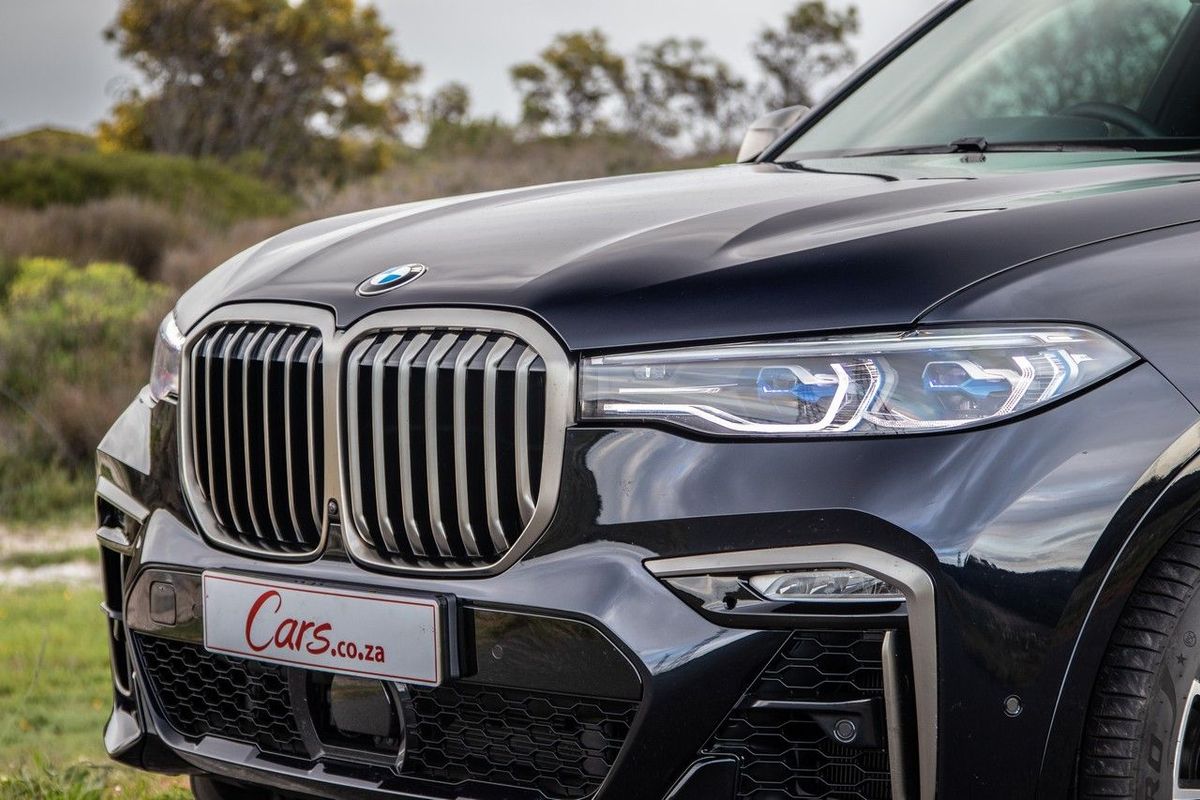
The expansion of the BMW X-range portfolio continues with the introduction of a new flagship. The X7 is the biggest production BMW ever made, has a massive grille and, in M50d form, so much grunt that it borders on the ridiculous. And then there's the tech… Has the German brand gone completely over-the-top, or hit the nail on the head?
We like: Stonking performance, build quality, ride comfort, semi-autonomous features
We don't like: A bit too derivative of the X5 inside
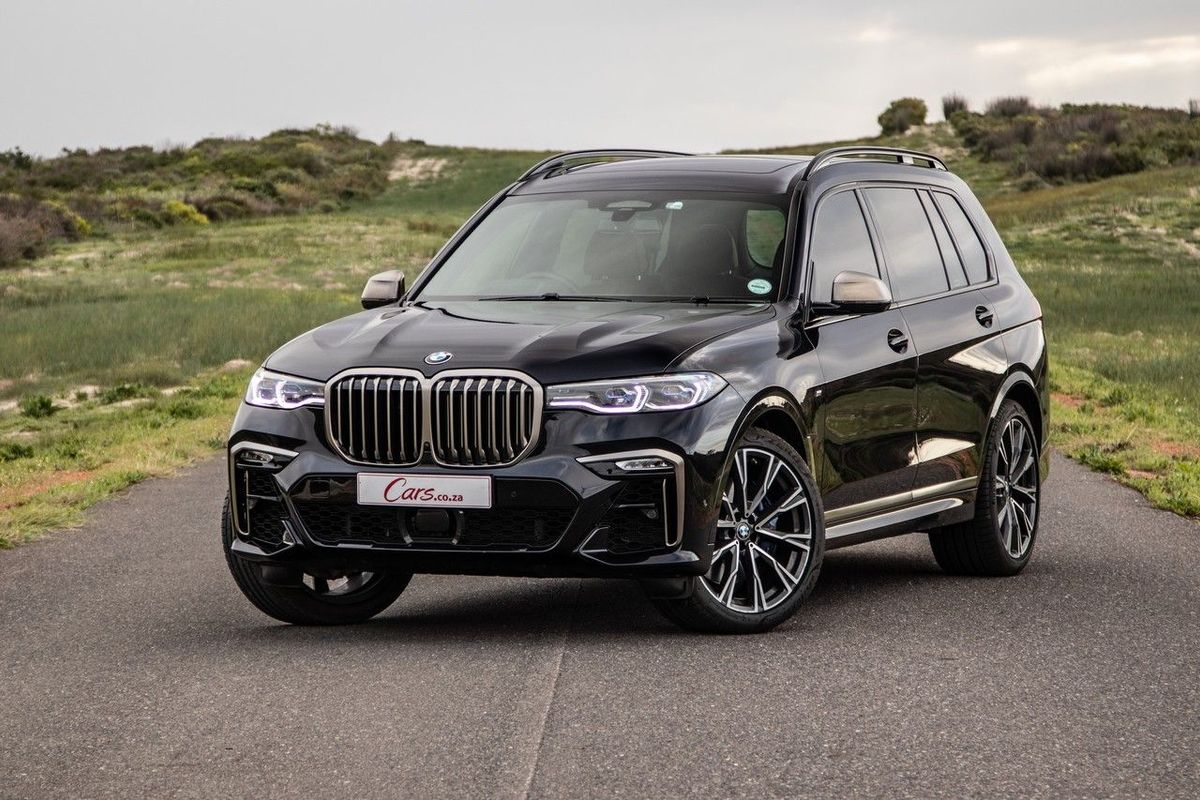
? In M50d guise, the X7 offers unmatched performance in the large luxury SUV segment.
In a world where bigger seems to equal better, and luxury SUVs are among the ultimate statements of success, the BMW X7 seems to fit like a beautifully tailored glove, irrespective of what you think of its controversial styling. Aimed at markets such as America and China, the X7 is the biggest vehicle ever produced by the Munich-based firm. South Africa loves big, luxurious SUVs too. Lexus and Toyota do well with their big LX and Land Cruiser 200 derivatives, and then there's Range Rover, of course, as well as Mercedes-Benz's upcoming replacement for the popular GLS.
But this particular X7 is a completely different animal. The M50d (the current flagship of the range) is powered by an engine simply unmatched by any of its competitors, especially when you consider that its price starts at under R2 million. So, if you're looking for a first-class SUV with 3rd-row seating, mind-boggling performance and tech, and something that says, heck, proclaims that you've arrived, the X7 M50d is definitely aimed at you.
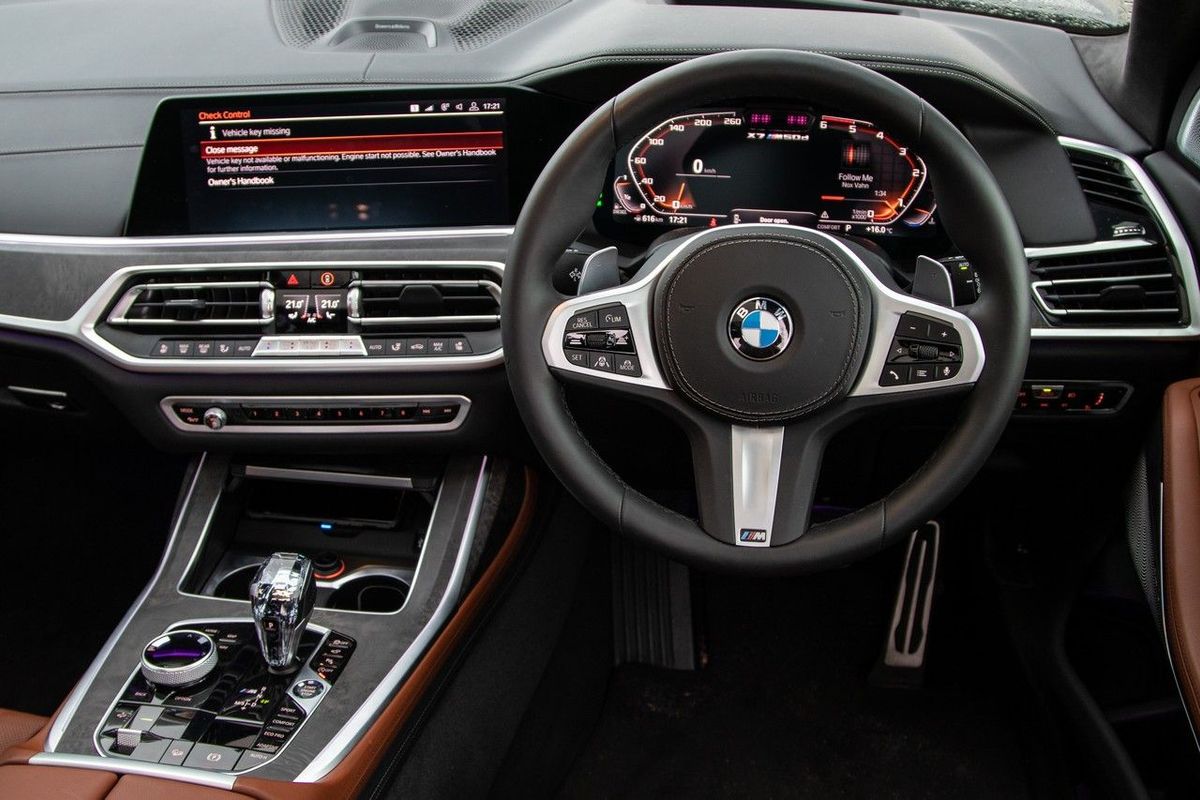
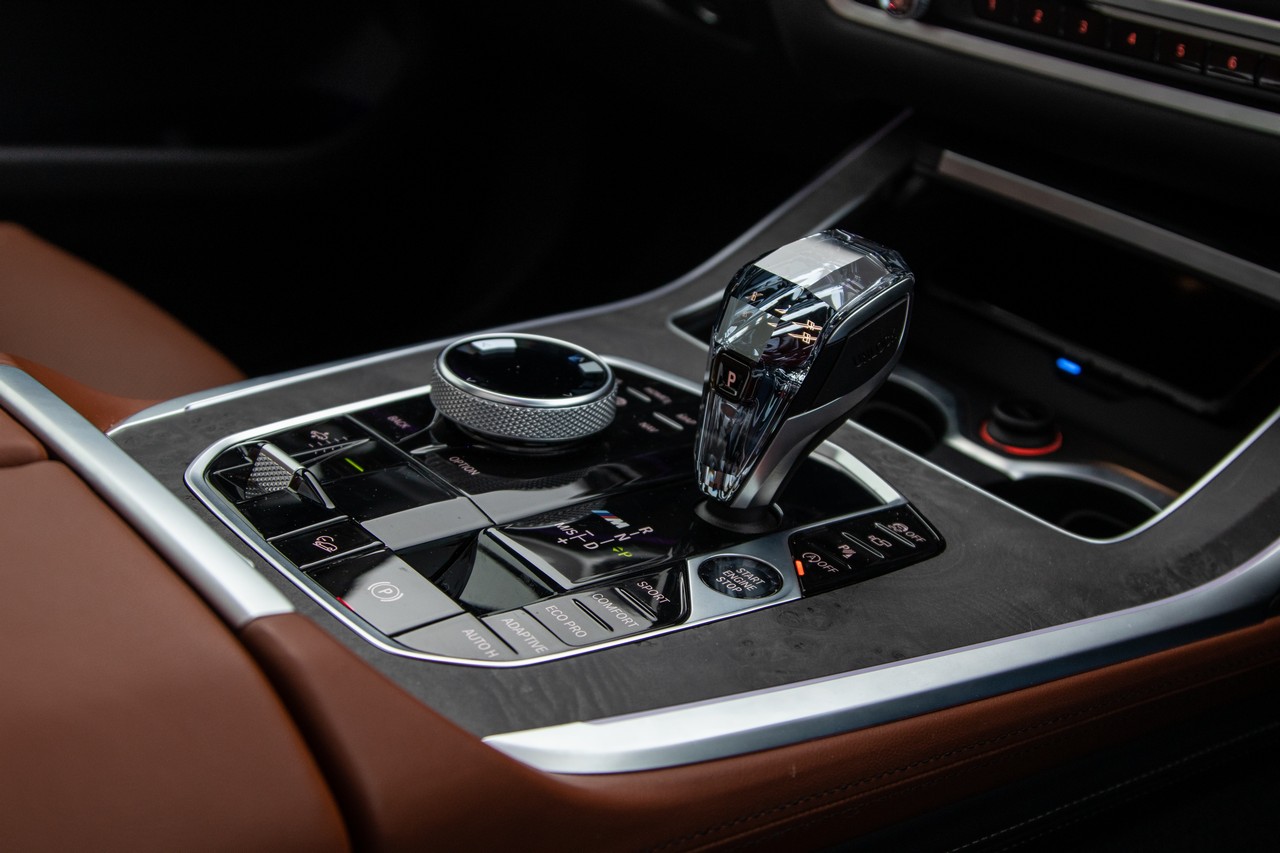
The cut-glass transmission lever is a little OTT, but it will appeal to some buyers. The centre console includes buttons to toggle between the various drive modes, as well as a switch to raise and lower the vehicle.
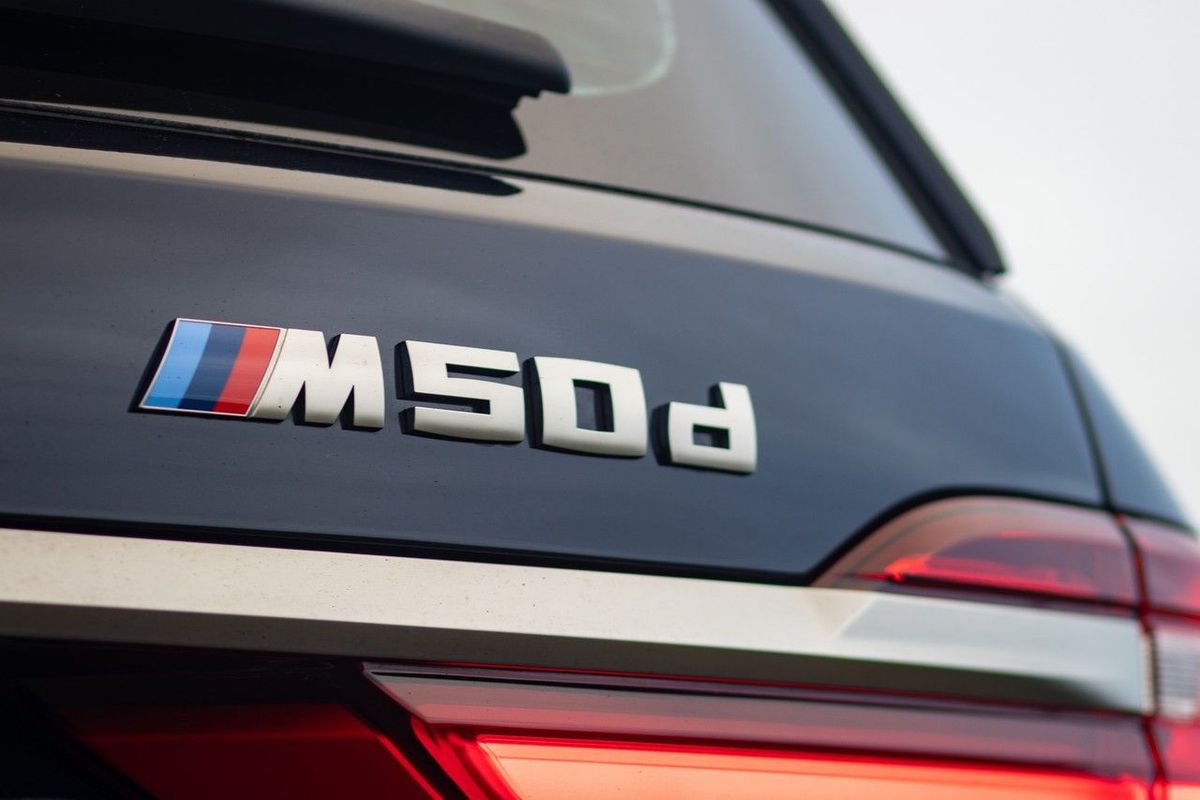
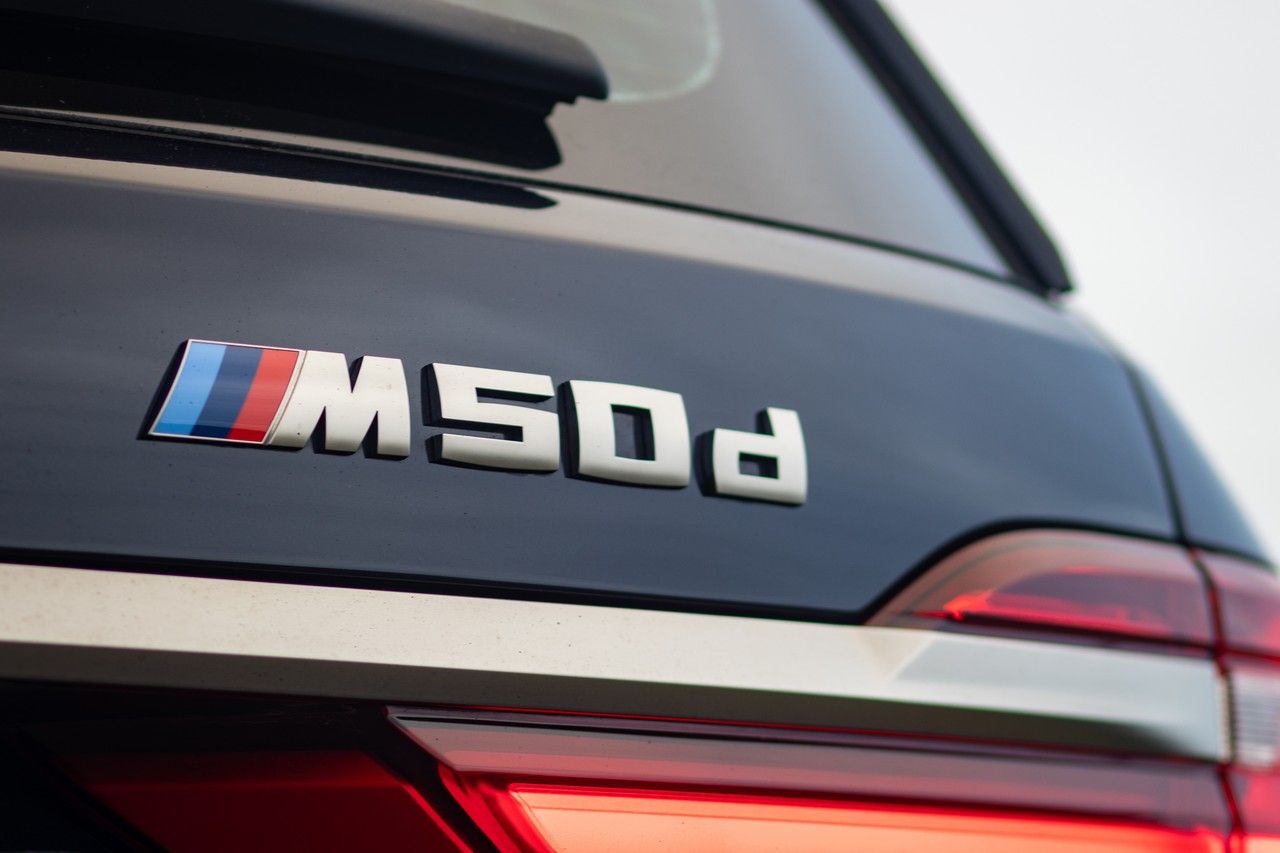
For all its design controversy, sumptuous comfort, opulent luxury and advanced tech, this particular X7 is defined by what's under its bonnet. The M50d is powered by a quad turbodiesel (yes, it has no fewer than 4 turbochargers!) 3.0-litre straight-6 that delivers 294 kW of peak power at 4 400 rpm and 760 Nm of torque from 2 000 to 3 000 rpm. Propulsion is directed to all 4 wheels via BMW's refined, slick- and swift-shifting 8-speed automatic transmission. It's a powertrain that delivers that typical "iron fist in velvet glove" type of performance, with the big-daddy X7 capable of sprinting from standstill to 100 kph in only 5.4 seconds, which is quite a feat for a vehicle that weighs around 2.5 tonnes!
In the X7's default driving mode, which is geared towards comfort, the accelerator needs quite a deliberate stab from the driver's right foot to initiate rapid acceleration, but once that message is delivered the Bimmer's occupants are squished back into their cosy seats, the nose lifts in the manner of a speedboat and the M50d rockets forth. Switch to Sport mode and, as to be expected, the throttle becomes more sensitive. On the opposite side of the spectrum, Eco Pro makes the throttle lazy as the SUV tries to save fuel by staying in the tallest gear for as long as possible.
Given the incredible performance that the X7 M50d can deliver, we don't think the Bimmer's fuel consumption is too terrible. BMW claims an average fuel efficiency of 7.3 L/100km, and we achieved an average of around 9.0 L/100 km, which was admirable.
Ride & Handling
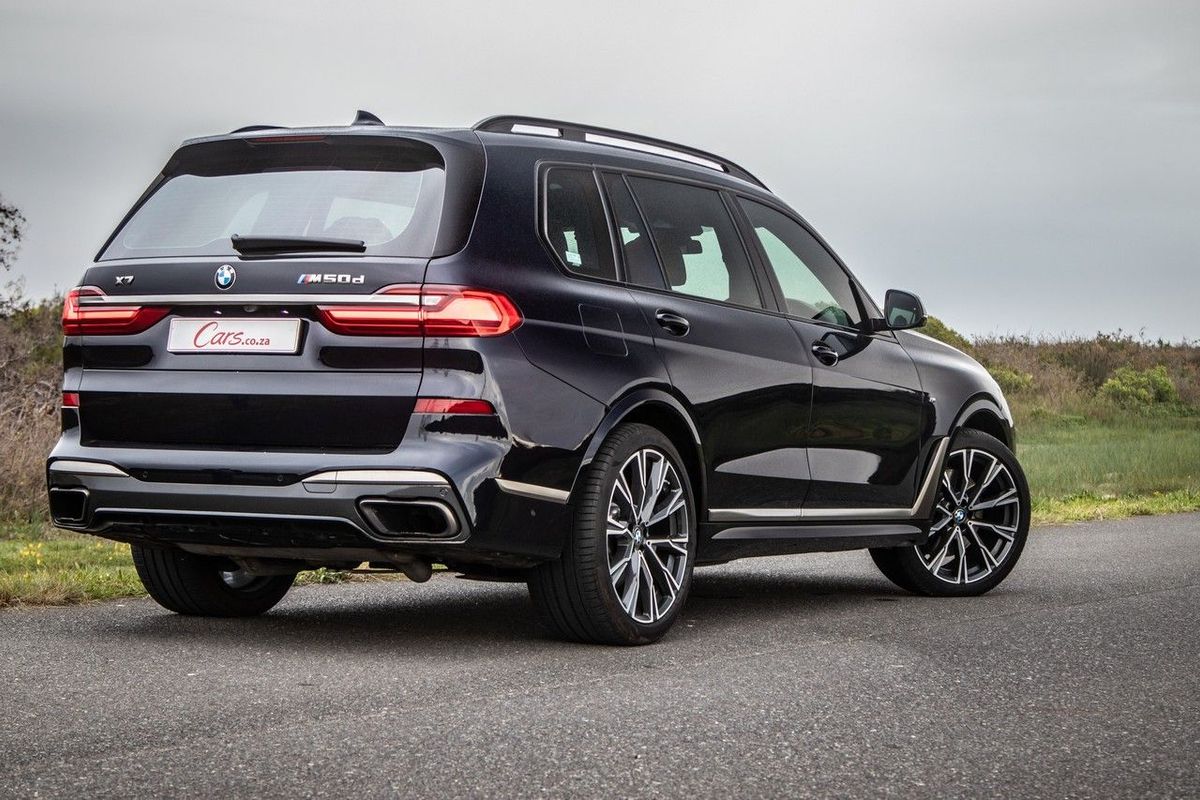
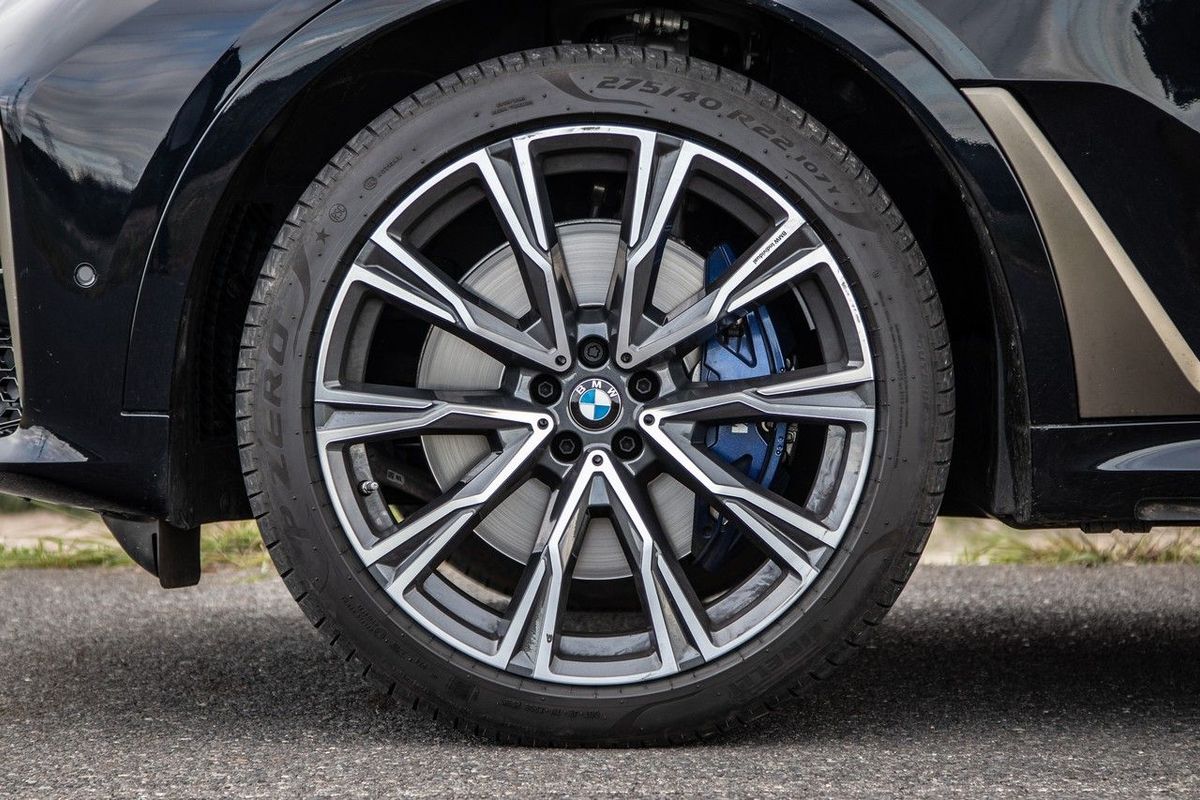
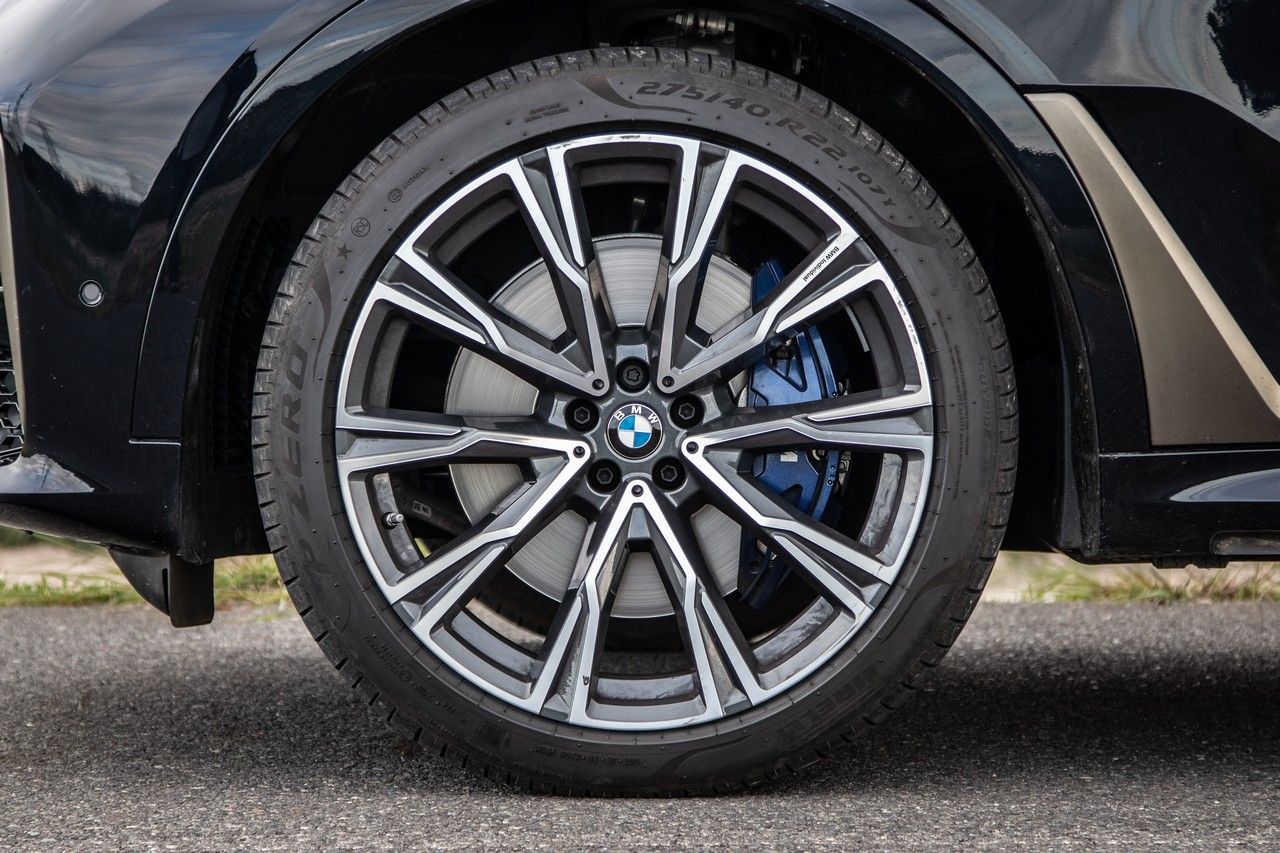
Our test unit came specified with optional 22-inch dual-tone wheels. M Sport brakes with blue callipers are standard.
The X7 M50d features adaptive self-levelling suspension, M Sport Differential and M Sport brakes as standard. Twenty-one-inch alloys are fitted as stock, but our test unit was specced with darker-hued 22-inch alloys (R29 700). Executive Drive Pro delivers electromechanical roll stabilisation at both ends and crunches driving-style data and navigation info to fine-tune the ride characteristics (you have to pay R37 700 extra if you want that).
Our vehicle was not fitted with that system, but we doubt it's a box worth ticking, because the X7's combination of ride quality and handling ability is pretty impressive as it is. The X7 does not feel particularly nimble, but it seems less clumsy to pilot than, say, a current-generation Mercedes-Benz GLS or Range Rover. There's still a measure of BMW-ness to the way it reacts to driver inputs (particularly through the deft steering), which is admirable, seeing as most buyers are unlikely to ever take their X7s for a blast over a mountain pass. More importantly, the X7 cushions its occupants from the outside world in a way that puts it right up there with the very best – NVH (noise, vibration, harshness) control is excellent.
And what about off-roading, you may ask? Well, we hardly think it's applicable in this instance. While other X7 derivatives are offered with an off-road package as an option, the M50d is not. That says it all, really. At its core, remember, the X7 is really just a larger X5, and that vehicle's off-road game has been considerably improved compared with previous-generation vehicles…
Design & Packaging
? In the metal and in this colour combination, the X7's most controversial feature, its grille, was hardly ever mentioned by onlookers.
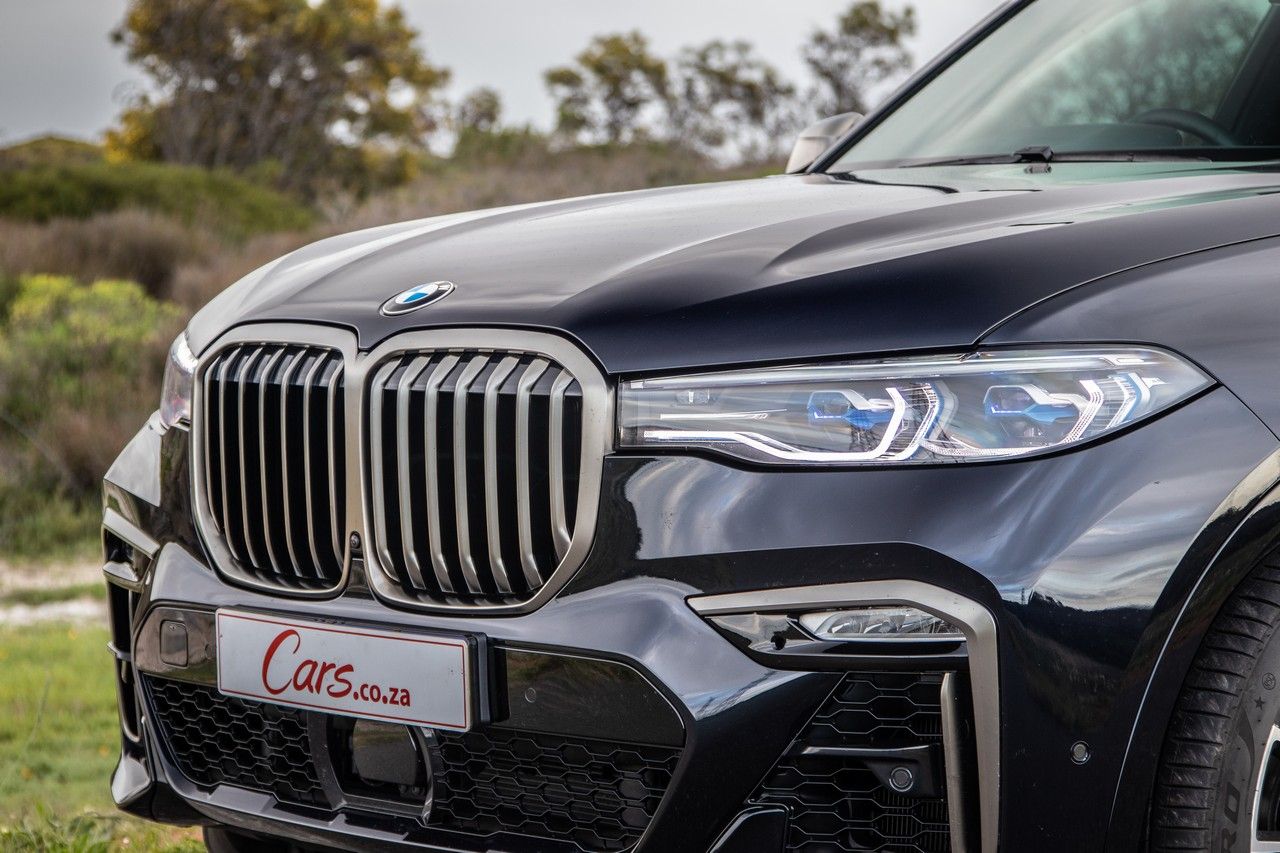
And what would the launch of a new BMW model be without a bit of controversy… In terms of design, the X7's reception by the media has been lukewarm at best – it's been savagely criticised (even ridiculed) by some publications. But here's the thing… the newcomer is a big machine, and as the brand's new flagship in a new segment, it needs to make a big statement. The consensus of this team is that the grille helps BMW to achieve those goals, but not in an overwhelming or clumsy way. In fact, most onlookers didn't even mention it when we asked their opinion of the X7's look.
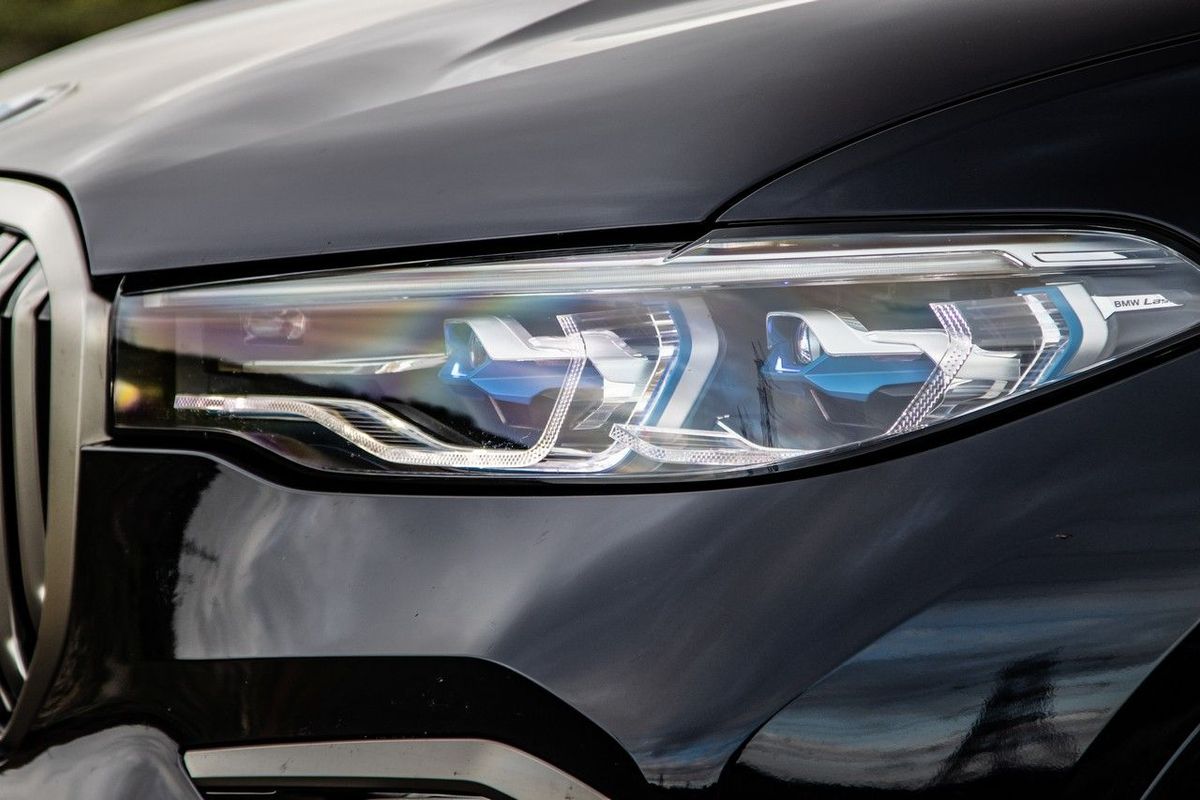
As the flagship X7 derivative, the M50d features M Performance trim, so you get more aggressively sculpted bumpers, air intakes and side sills. There's also less chrome on this derivative, with most of the shiny bits darkened to a tone called "Galvanic Cerium Grey". As a result, this particular X7 looks quite "stealthy", but with that blunt front end and piercing, blue-tinted Laser Light headlamps (a R21 900 option), it certainly gets noticed and, in our test team's experience, desired. So, mission accomplished, then? Well, partly.
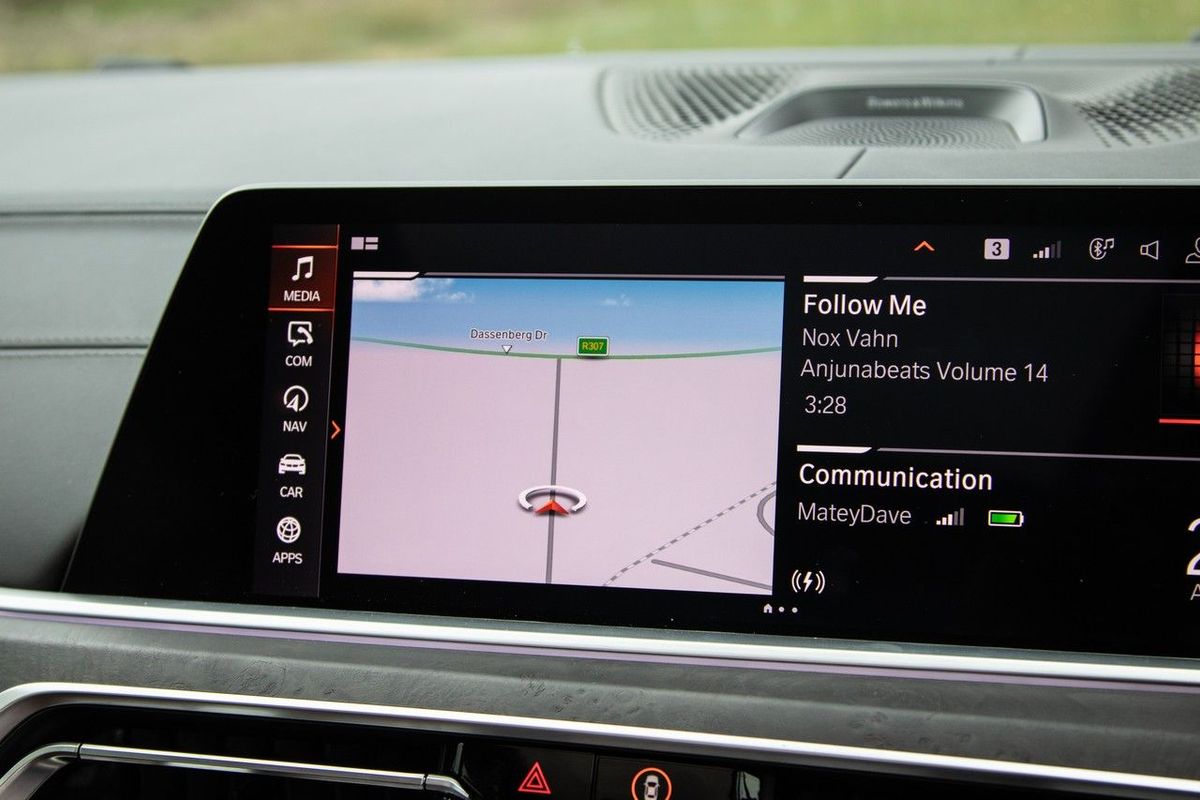
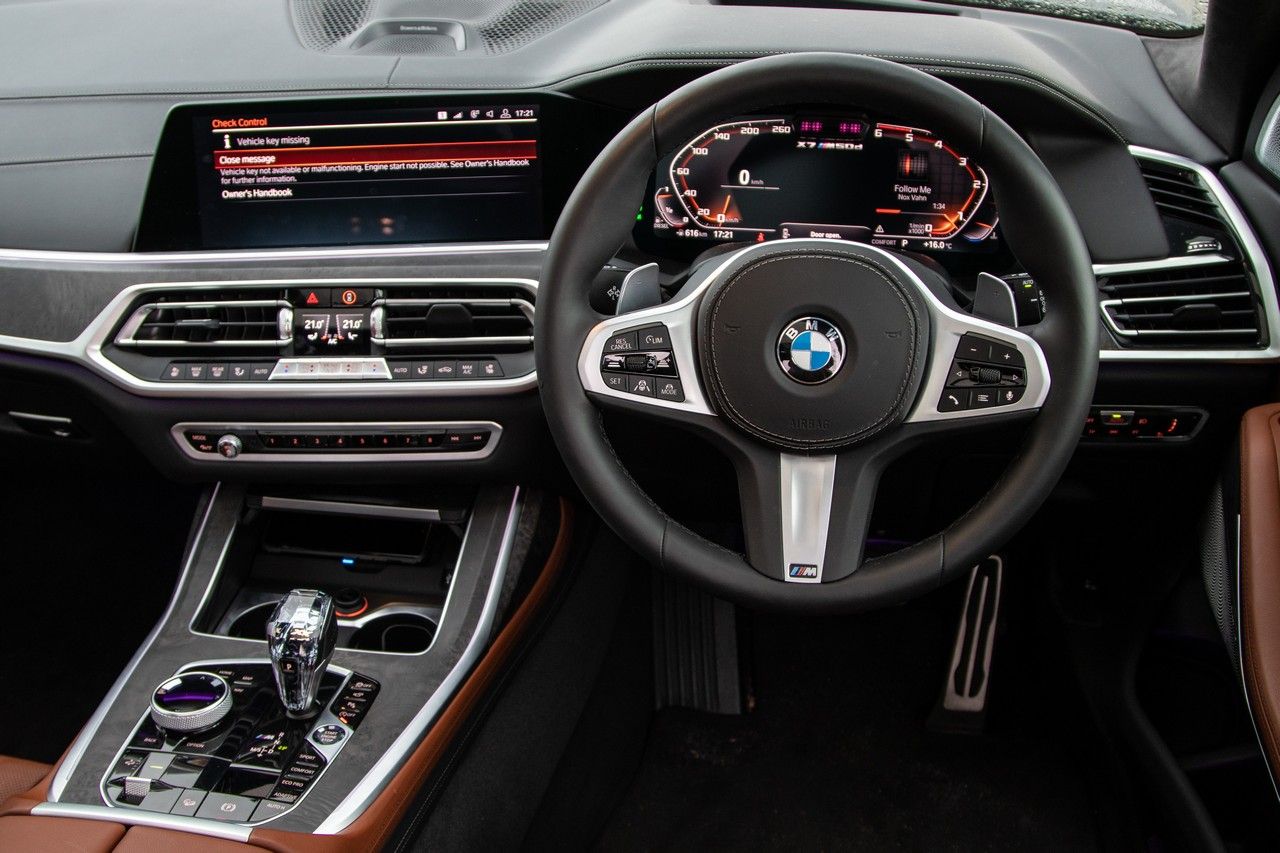
Well made and loaded with features, but the X7's cabin is too similar those of its smaller siblings.
When you climb inside the X7, you might think you've stepped into an X5 cabin by mistake. That's not a criticism of the X5 – we rate it highly and that includes its cabin – but seeing as the X7 is a flagship model, we were hoping for a little bit more of a sense of occasion. That aside, you'll find very few things to criticise. We're not massive fans of the cut-glass transmission lever (part of the CraftedClarity package for R9 400), and even less of the plasticky feel of the back of shifter (a leather application would fit a car of this stature better). But that's it as far as the negatives go.
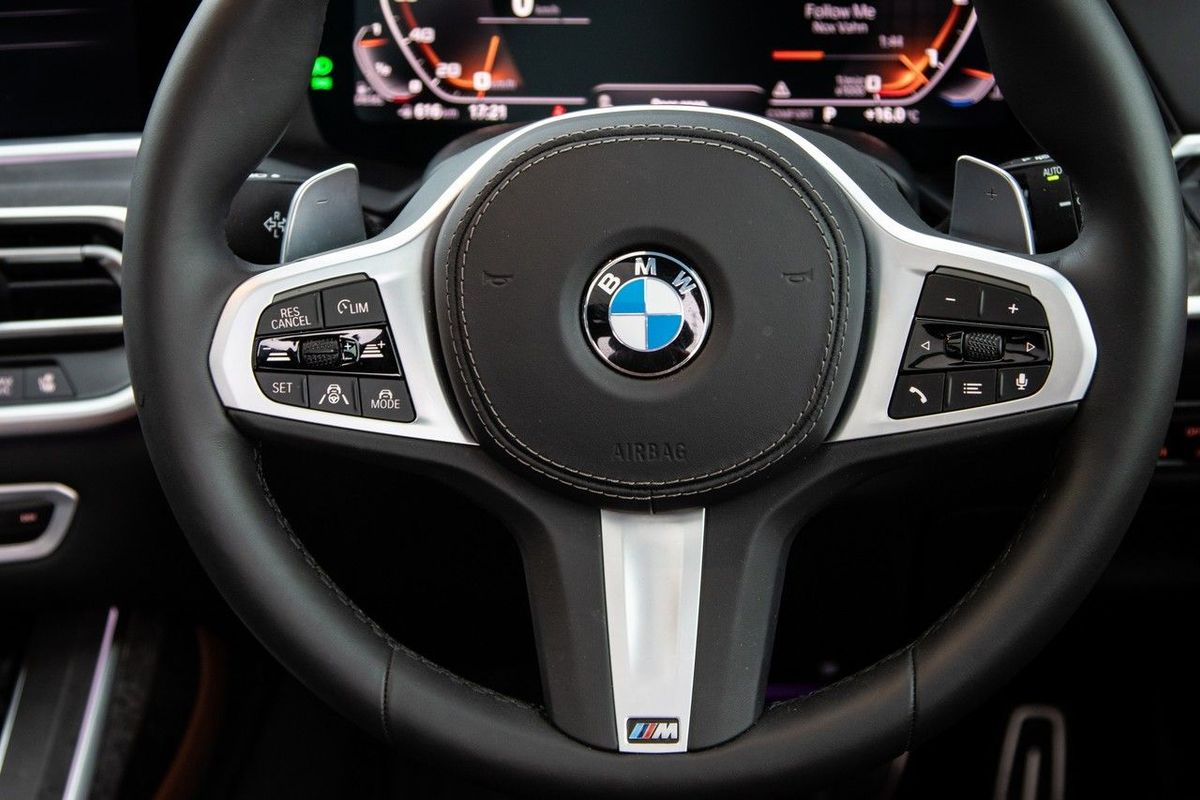
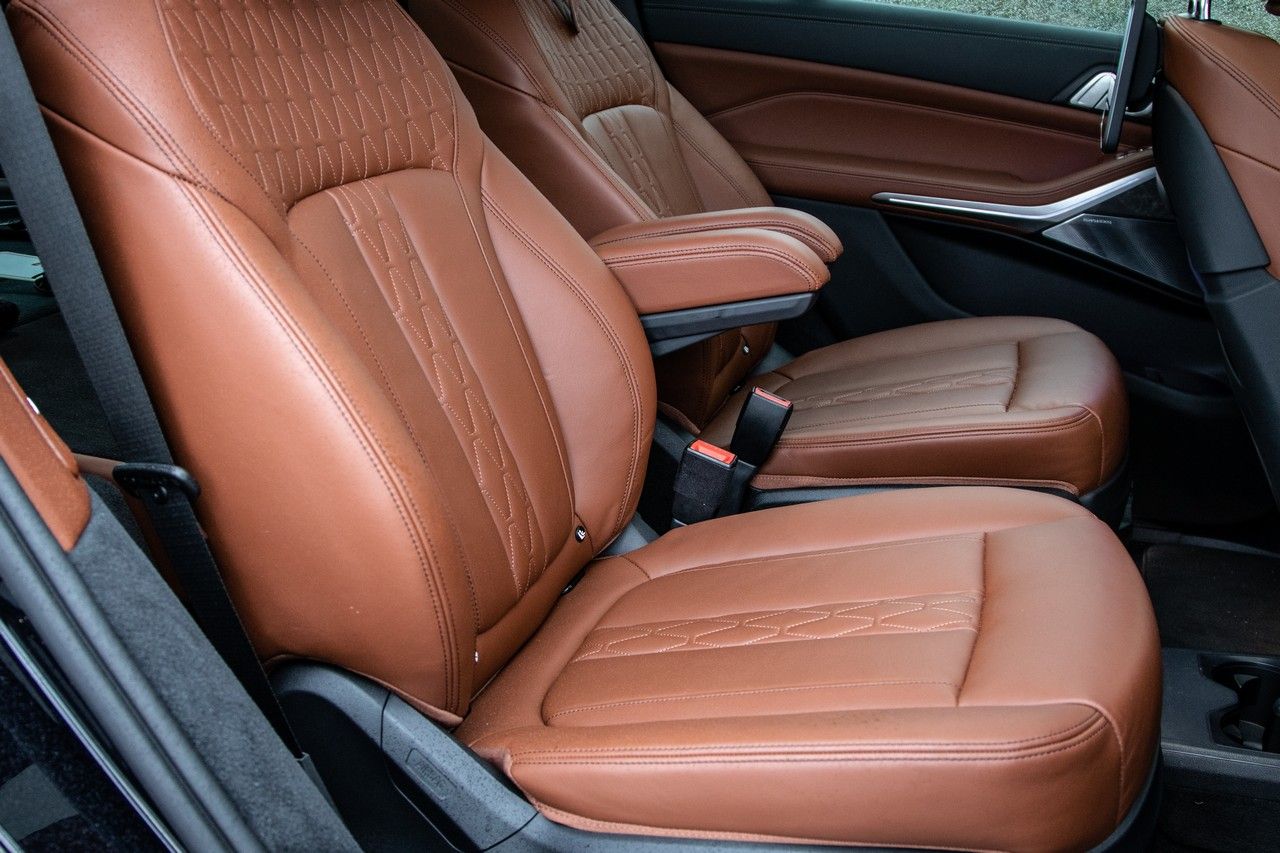
The seats are superb – heating/cooling is available for R9 700, while you can also have a massaging function for the driver and front passenger (R15 800). The handsome and grippy M leather steering wheel is standard and overall fit and finish of an excellent nature. There are some really cool touches: the front cupholders feature heating and cooling functions, for example, and there is a switch on the driver's door with which the 2nd-row seats can be moved forward electrically to allow easier ingress for passengers into the 3rd row, for example.
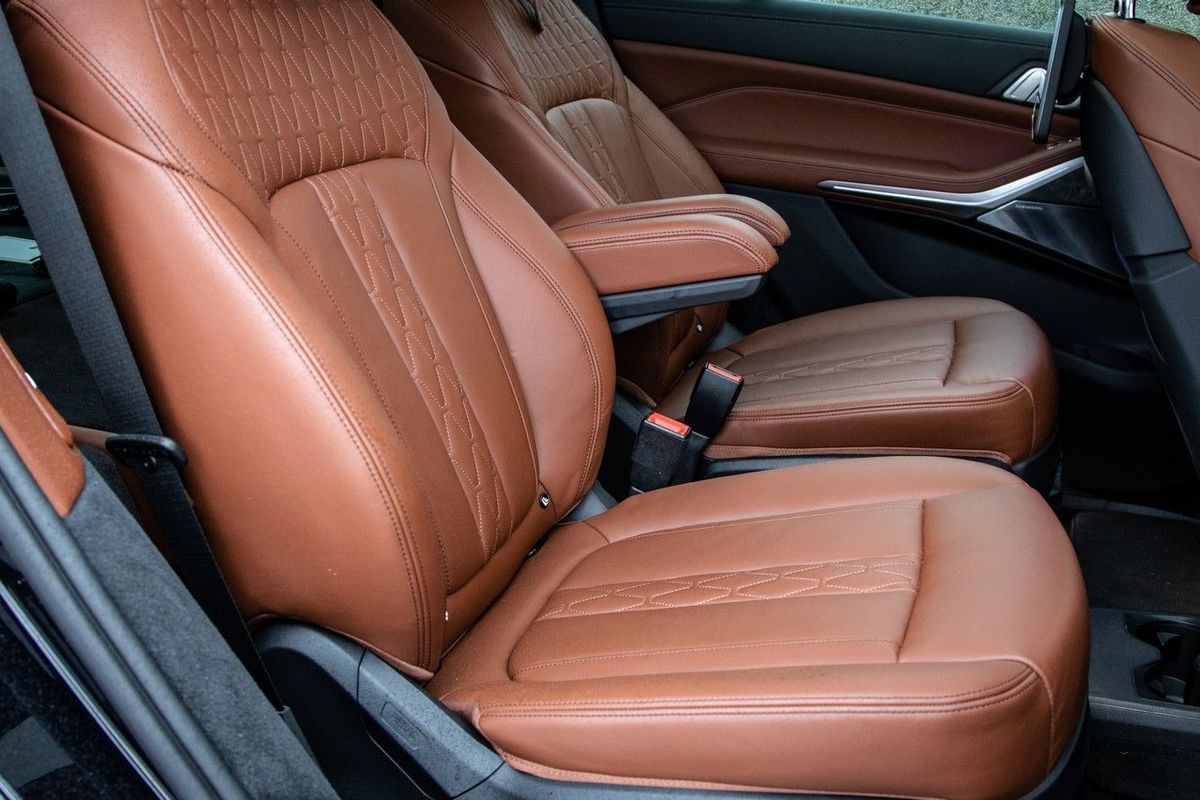
Our test unit featured a 6-seater configuration, which means the middle row has 2 plush "armchairs".
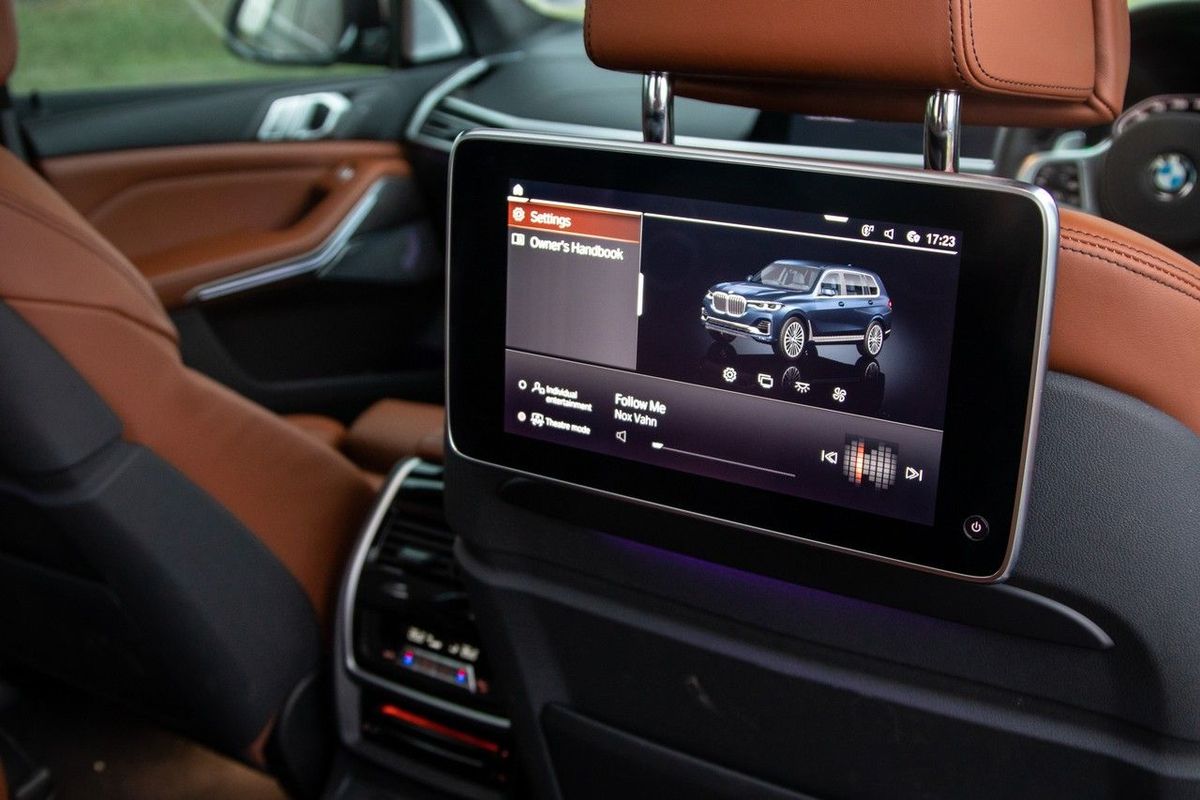
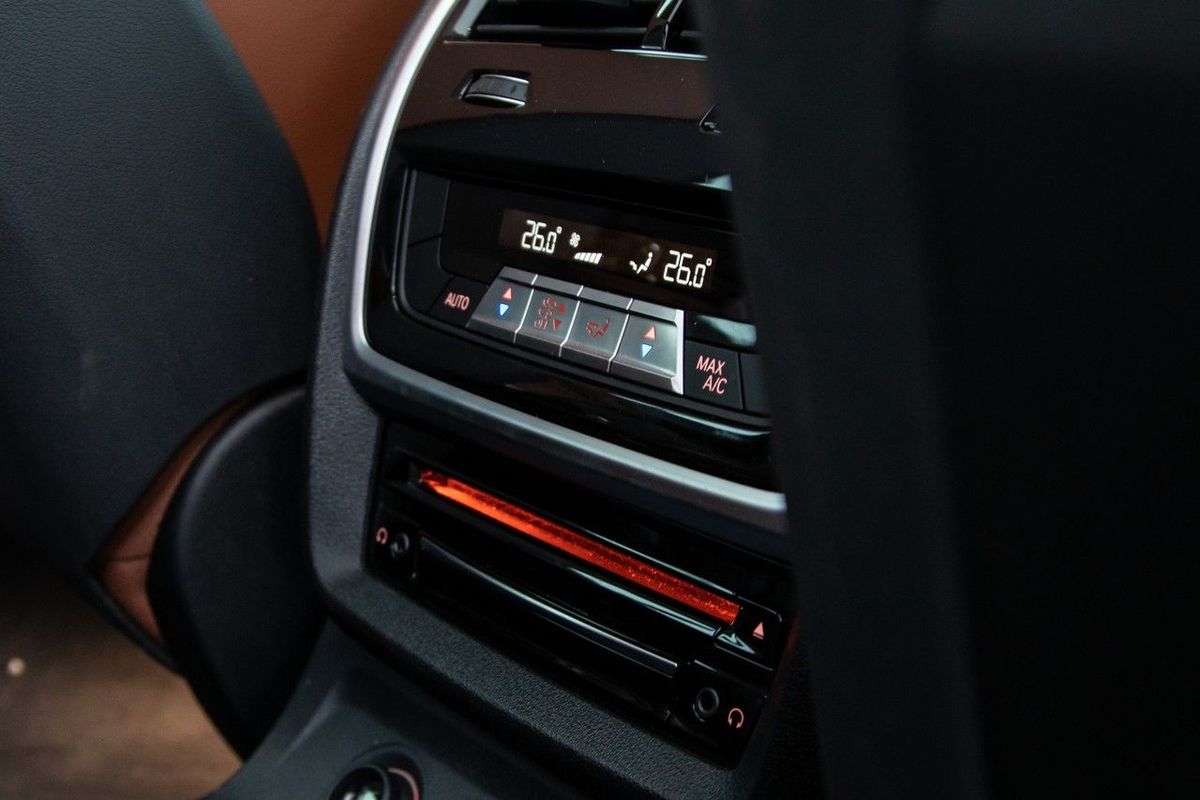
Speaking of which… The X7 comes in a 7-seat configuration as standard, but can optionally be specified as a 6-seater instead, which was the case with our test unit. With the 6-seater configuration (it's a R9 600 option), you get 2 individual chairs in the 2nd row instead of the traditional bench. The middle row seats are noticeably higher than those in front, creating a "stadium seating" effect. Even so, headroom remains good even though there is a vast panoramic glass sunroof with integrated LED light graphics, which is also an extra-cost feature (R17 800). Those seated in the 2nd row also get their own dual-zone climate controls and even 10.2-inch rear entertainment screens with Bluray drive (but that's standard!).
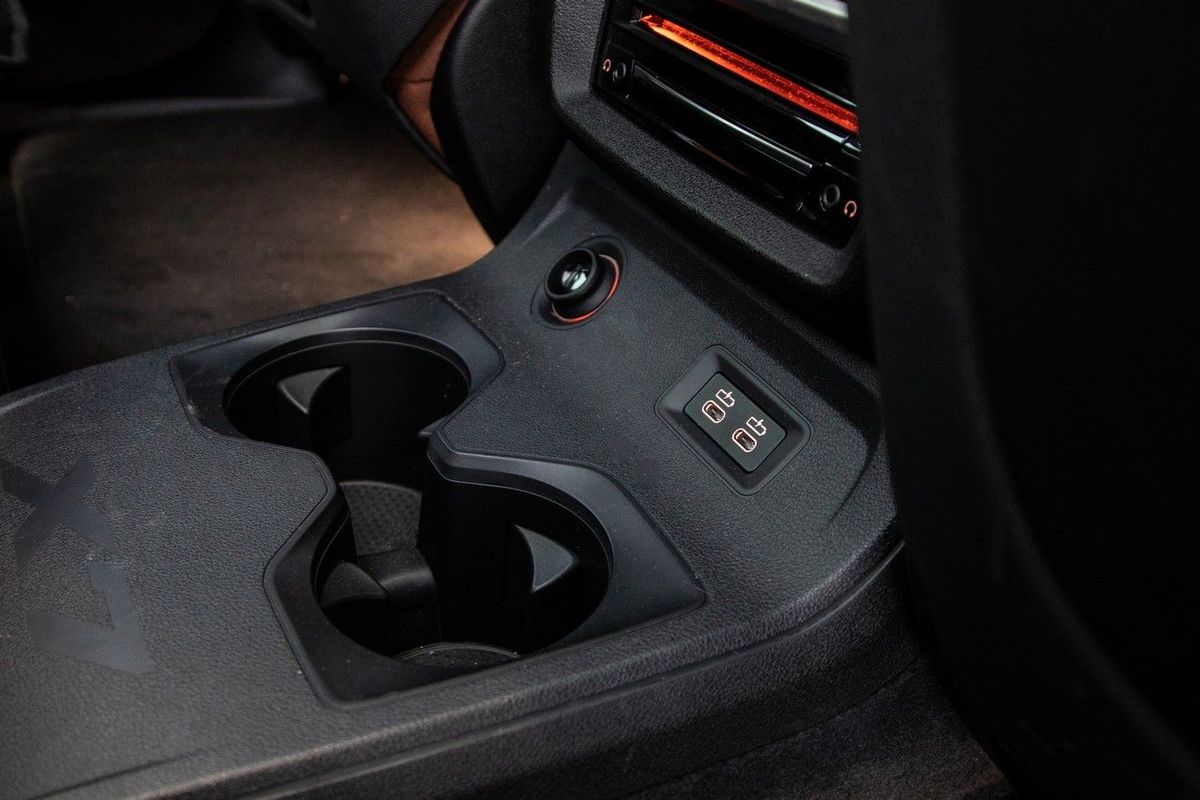
The 3rd row is easily accessible because the 2 centre seats move forward and tilt slightly upwards at the back to create more of a "passageway" to the rear. If the front-row seat is moved too far back, that too will automatically move a little forward. Standing outside the car and with the rear door open, one can easily access switches mounted in the doorframe to electrically lower or raise the 3rd-row seats. Once seated, legroom is very acceptable and headroom still sufficient for a 1.8m-tall occupant, even with another little sunroof fitted at the rear. Rearmost passengers also get their own ventilation and temperature control system, as well as a pair of USB-C ports.
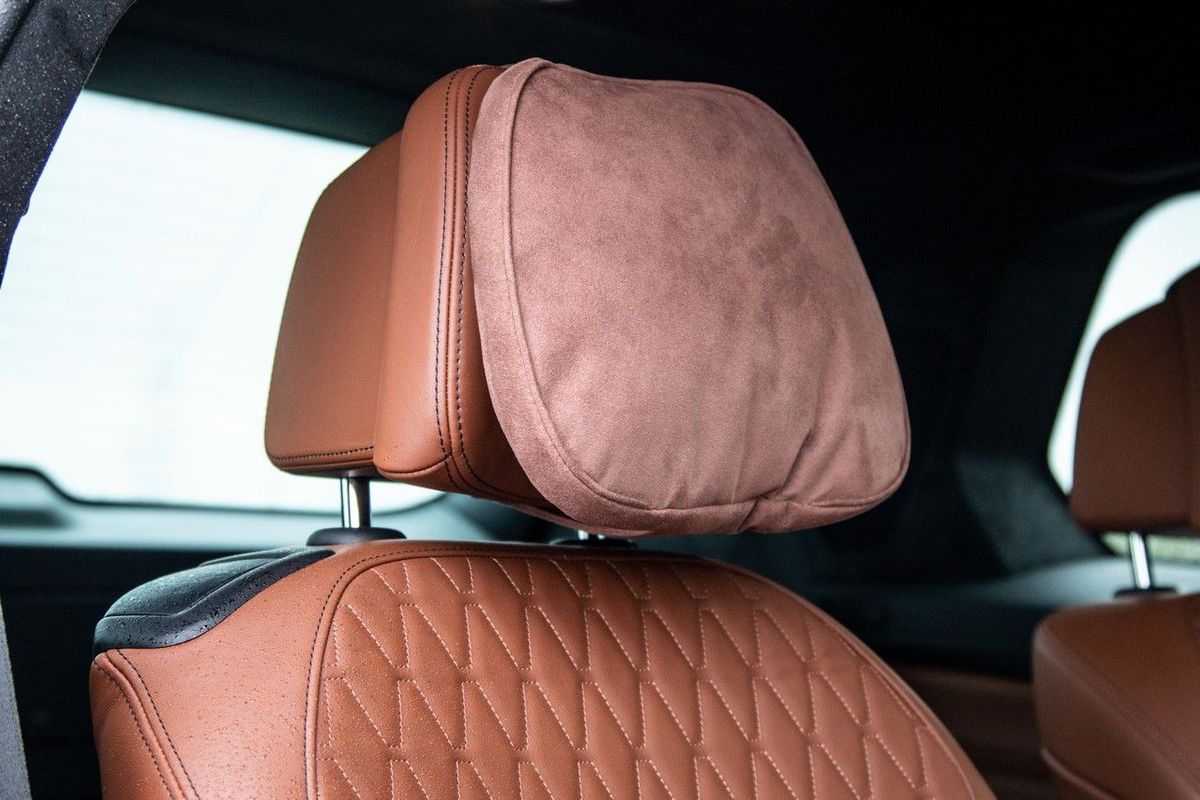
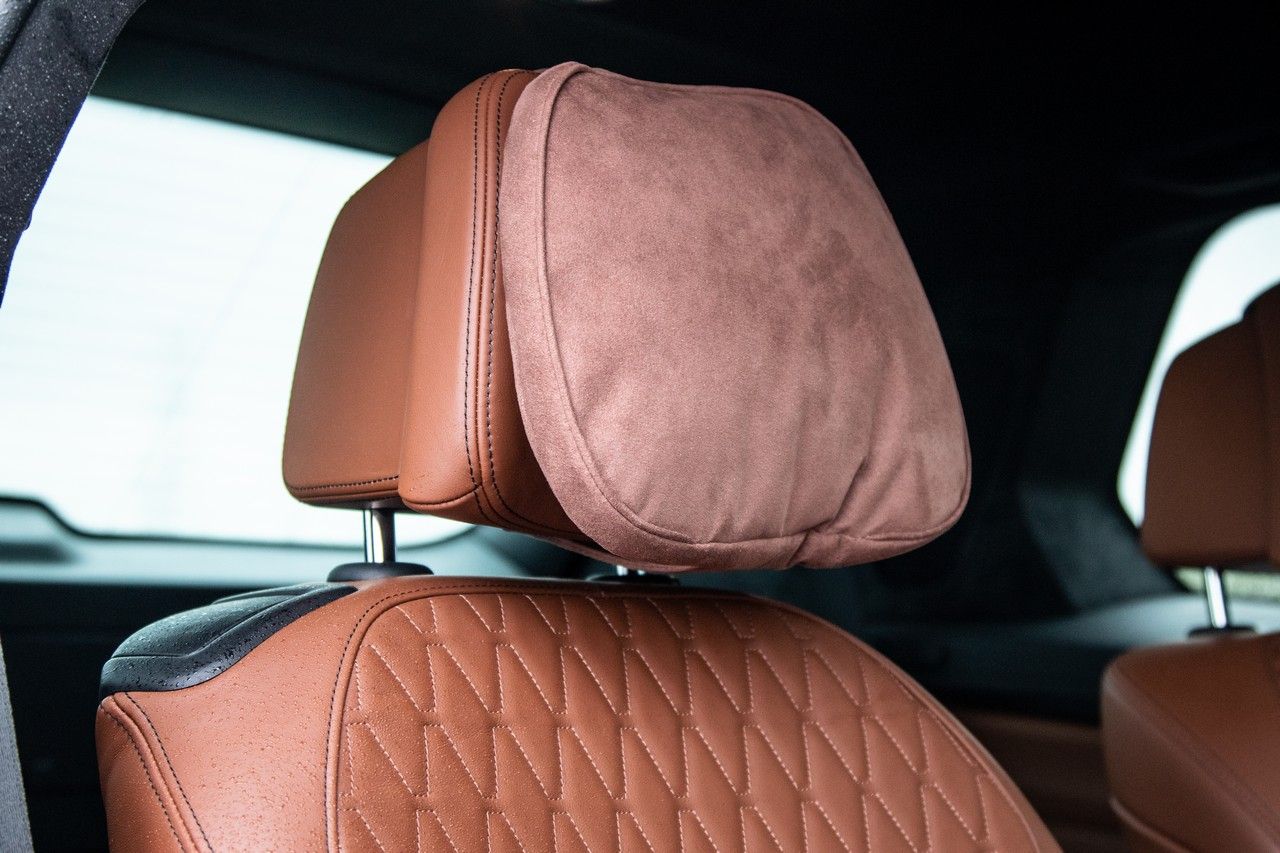
Yes, those are pillows on the headrests…
With the 3rd row folded down, the load bay is vast (but remember if you tick the 6-seater option you can now only accommodate 4 people) – it measures 750 litres. But even with the 3rd row in situ, there is useful packing space. The floor is high, though, partly because it also houses a space-saver spare wheel under its floor. The tailgate is split and both sections work electronically. The load bay is equipped with switches to fold down or raise the 3rd row, or even move the 2nd-row seats forwards or backwards. BMW has paid careful attention to the details, that's for sure.
Price and warranty (August 2019)
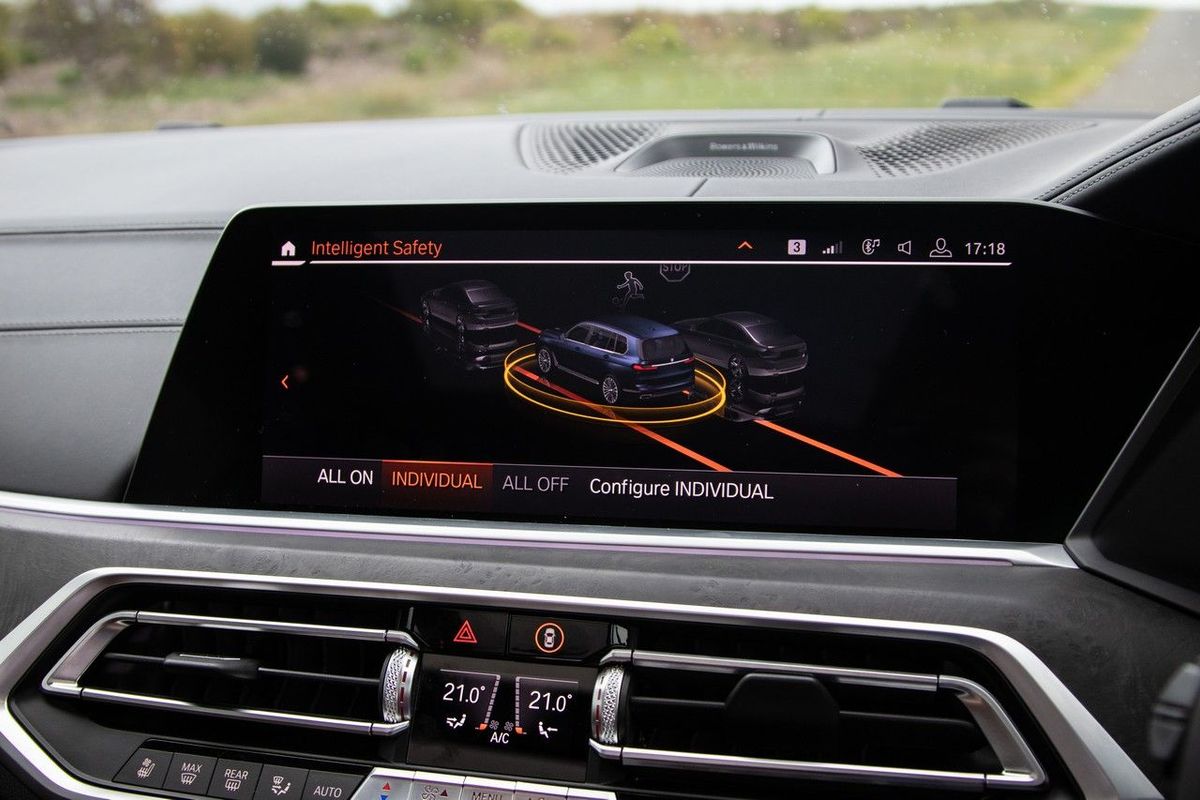
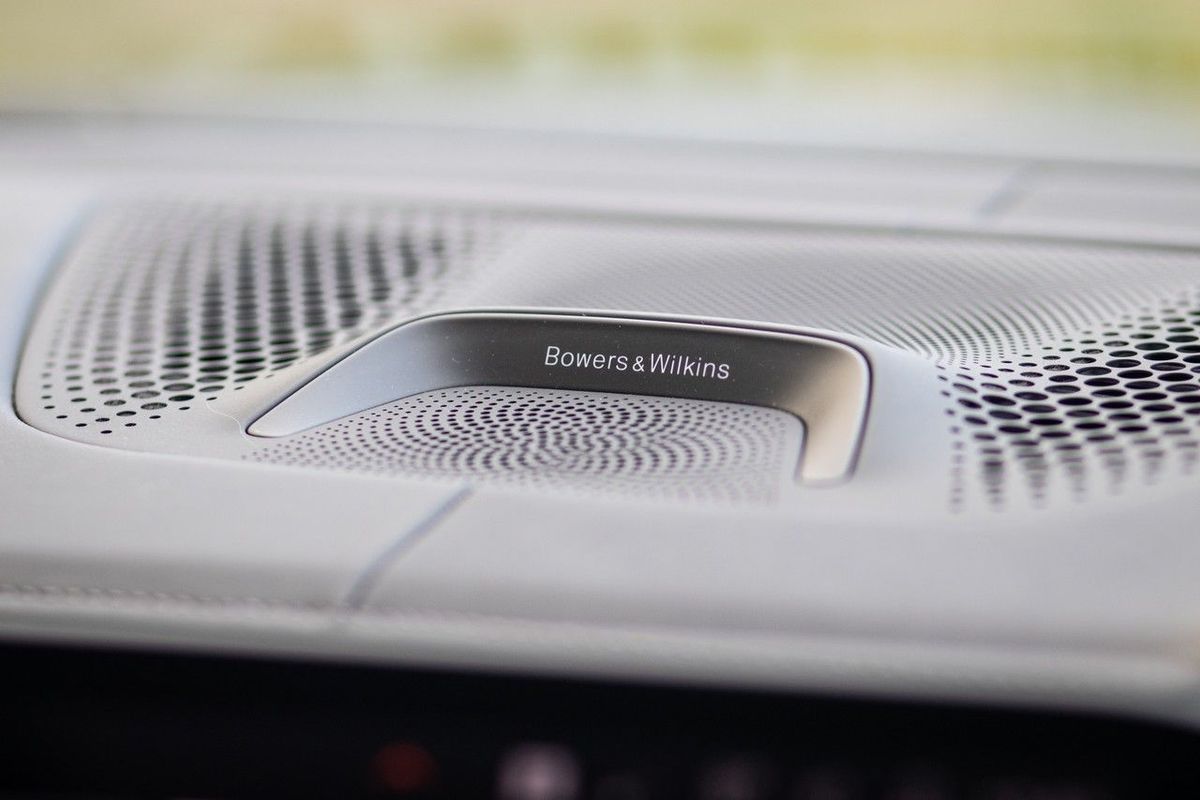
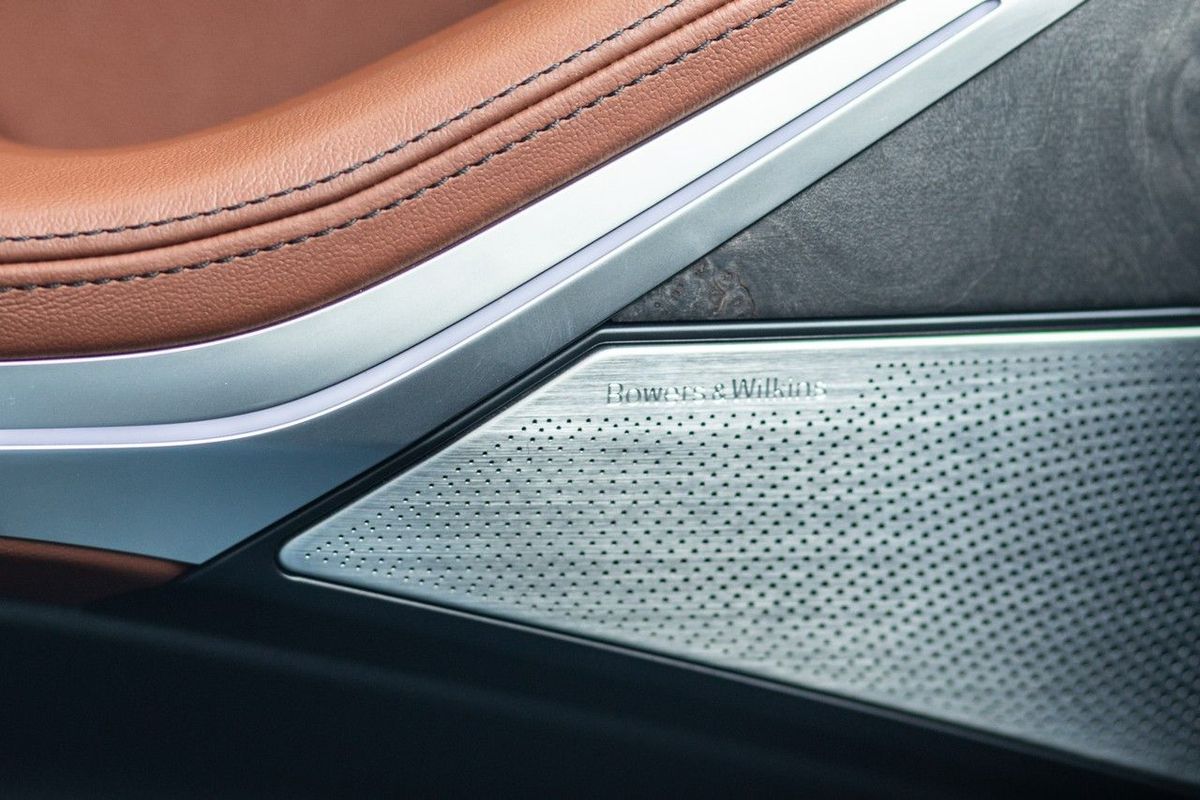
The BMW X7 M50d is priced at R1 862 308, but because there are myriad (and very tempting) options, most buyers will fork out more than that. Still, we don't think the standard spec is unreasonable, given it includes such niceties as a Harman Kardon surround-sound system, a rear-seat entertainment system, active cruise control with a stop&go function, 5-zone climate control, electric roller blinds (in the rear doors) and high-beam assist. The Exclusive package (R108 900) bundles together BMW Laserlight headlamps, 6-seater configuration, Ambient Air package, a 20-speaker Bowers & Wilkins Diamond surround-sound system, CraftedClarity cut-glass interior elements and the panoramic glass sunroof with Sky Lounge.
Of the standalone optional extras, we liked the leather fascia finish (R23 200), and front plus rear seat heating (R9 700) in particular. Needless to say, all X7 derivatives come with BMW's 2-year/unlimited km warranty and 5-year/100 000 km maintenance plan.
Verdict
This particular derivative of the X7 occupies a rarefied spot in the market – one that leaves it without an obvious direct competitor. The new Mercedes-Benz GLS is not yet available and won't offer a similarly powerful engine (at least initially). Audi's SQ7/SQ8 derivatives are not yet available in South Africa and a Range Rover Vogue TD6 is probably the closest offering from the Solihull-based brand, but it offers less power and is more expensive. But even when viewed without the context that a direct rival would provide, the X7 M50d is an exceedingly impressive machine.
The derivative comes with just enough standard features to make the base price seem reasonable (for its market segment), especially when you factor in its considerable power advantage over other first-class SUV contenders. The interior is truly practical, spacious and superbly luxurious, if a little lacking in "status" because it's simply too similar to the X5 in terms of fascia design. But that engine… it gives the X7 M50d a virtually unrivalled combination of performance and efficiency. You'll have to decide about the looks for yourself, but as a ginormous and super-luxurious performance SUV, the X7 M50d ticks the boxes so thoroughly that, in retrospect, the brouhaha about the grille seems nothing more than a storm in a teacup.
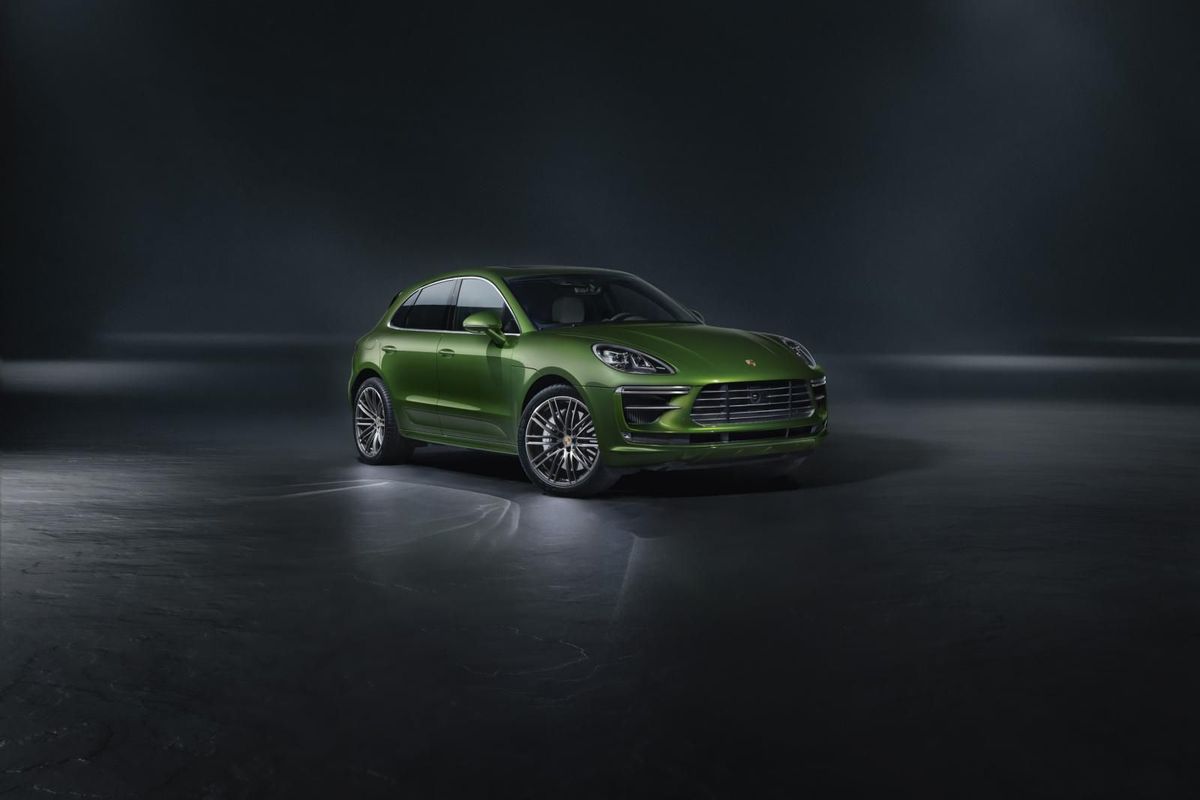
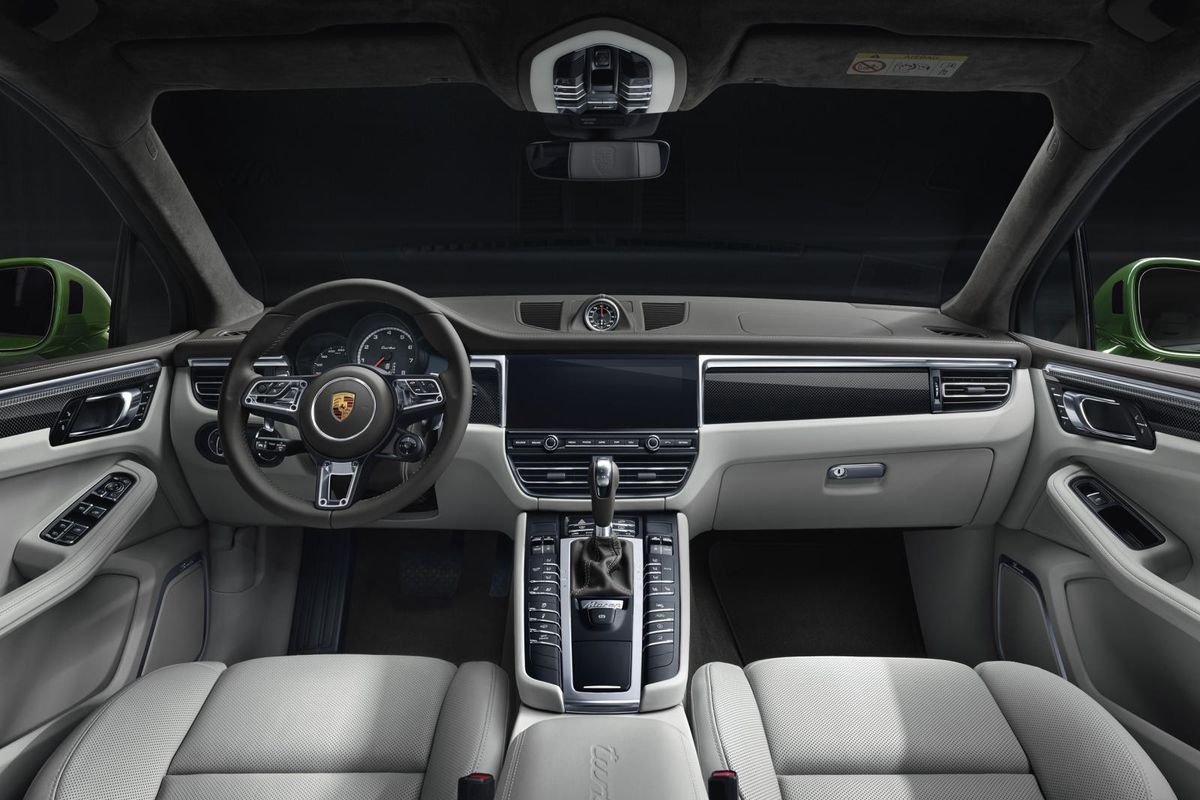
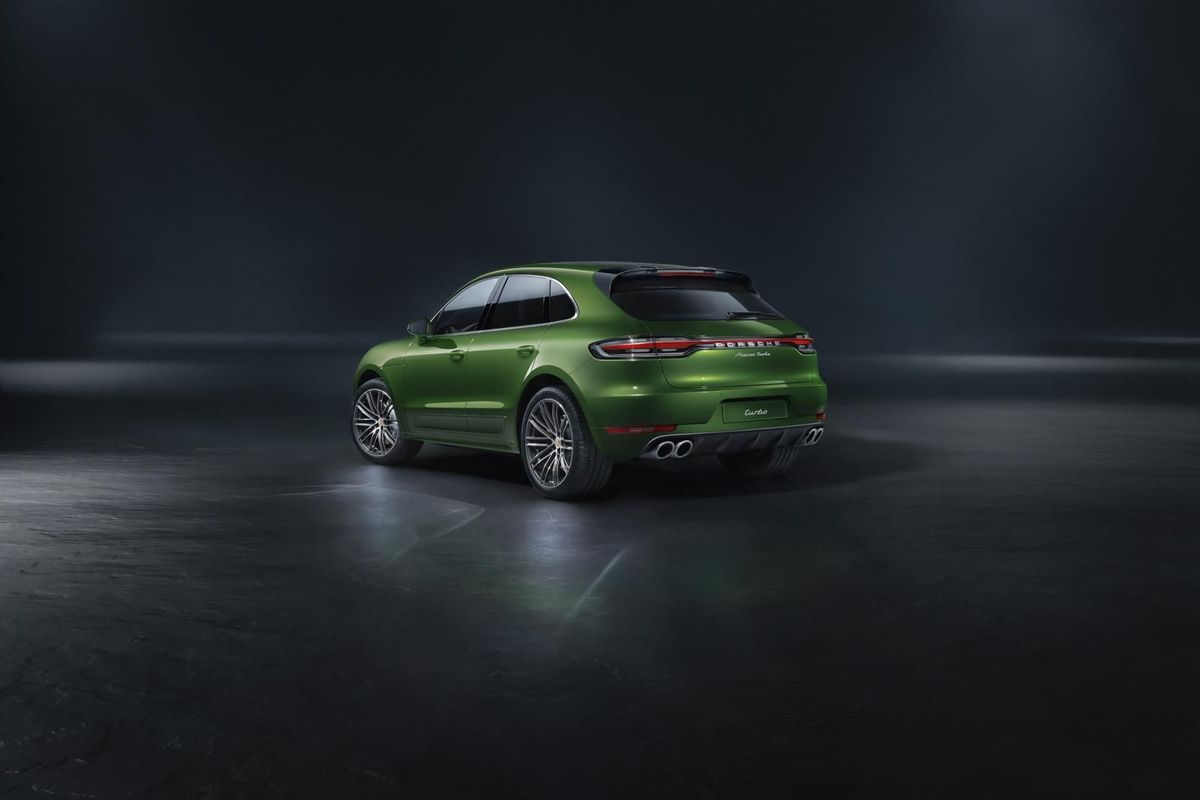
Porsche has added the Macan Turbo to its lineup where it sits as the fastest model in the lineup.
The 2nd generation Porsche Macan Turbo makes use of a smaller enigne (down from 3.6-litres to 2.9-litres) but produces more power than before. Porsche claims the new 2.9-litre unit, which is also used in the Cayenne and Panamera uses two turbos to produce 324 kW and 550 Nm of torque. Combined with the Sports Chrono package, it will launch the Macan Turbo to 100 kph in 4.3 seconds. That's perfectly on par with offerings like the AMG GLC 63, X3 M and F-Pace SVR. Top speed on the new model is 270 kph. Porsche is still sticking with its dual-clutch PDK gearbox while other manufacturers have resorted to conventional autos. The Macan Turbo makes use of the 7-speed PDK 'box and has a claimed fuel consumption of 9.8L/100 km.
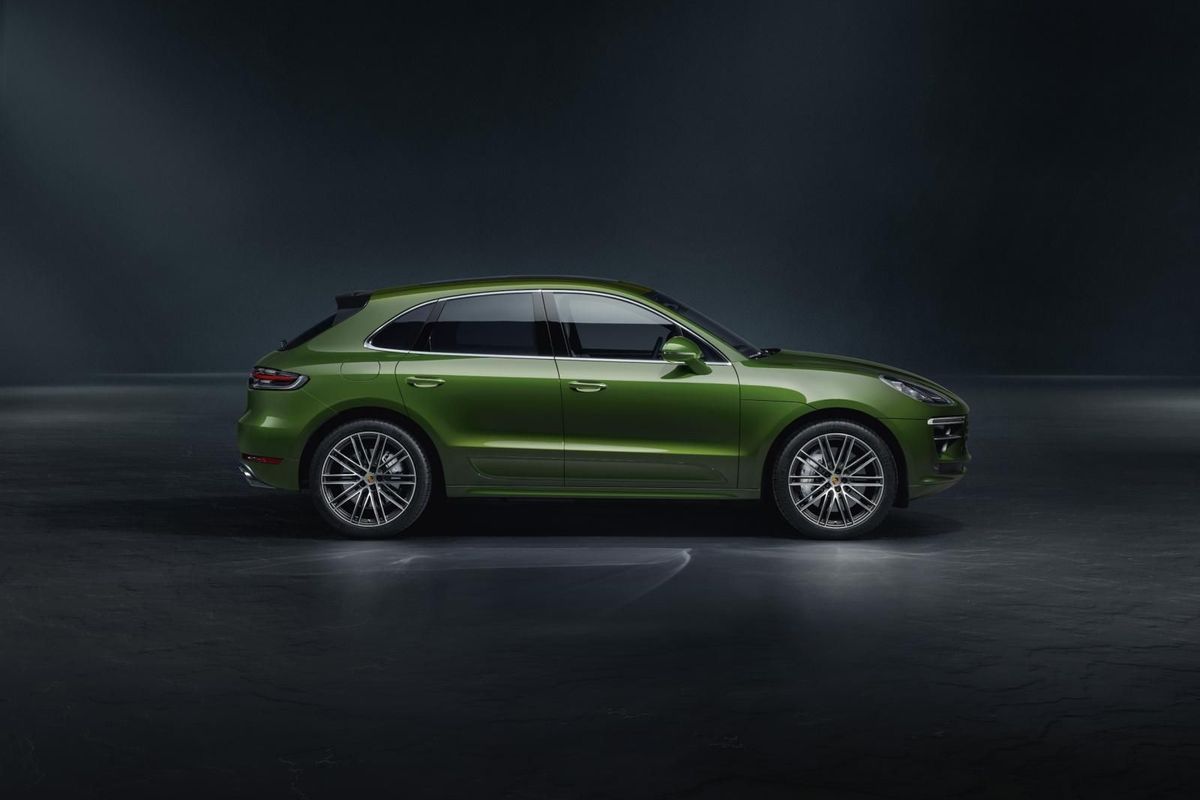
Visually the Macan Turbo has subtle yet defining adornments to give it that extra sporty appeal. The most notable is the fixed rear spoiler which has a double wing design to it. Then there are the special side skirts and mirror designs as well as the 20-inch wheels. Topping off the changes are the silver twin tailpipes.
The brakes on the Macan Turbo feature a tungsten carbide coating that is said to offer faster response, wear less and produce 90% less brake dust. The coating is offered as standard, but if you want high gloss discs and white calipers, that's an optional extra. If you want to take braking one step further Porsche offers ceramic composite brakes. Also on the option list is air suspension and Torque Vectoring Plus which improves chassis agility.
Inside the Macan Turbo gets sports seats ensconced in leather and 18-way adjustable. The roof lining is finished in Alcantara and the brushed aluminium package. A BOSE sound system with 14 speakers is standard fitment on this model. Expect to see the Macan Turbo in SA from early 2020.
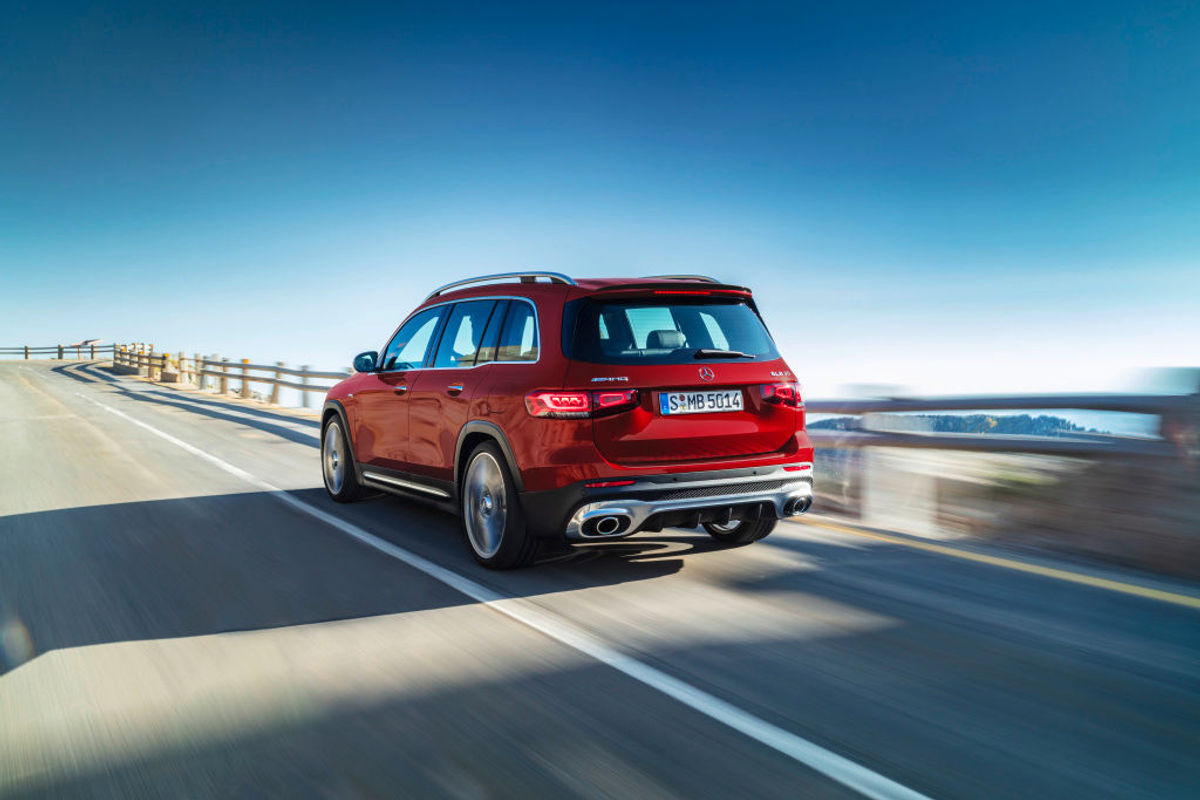
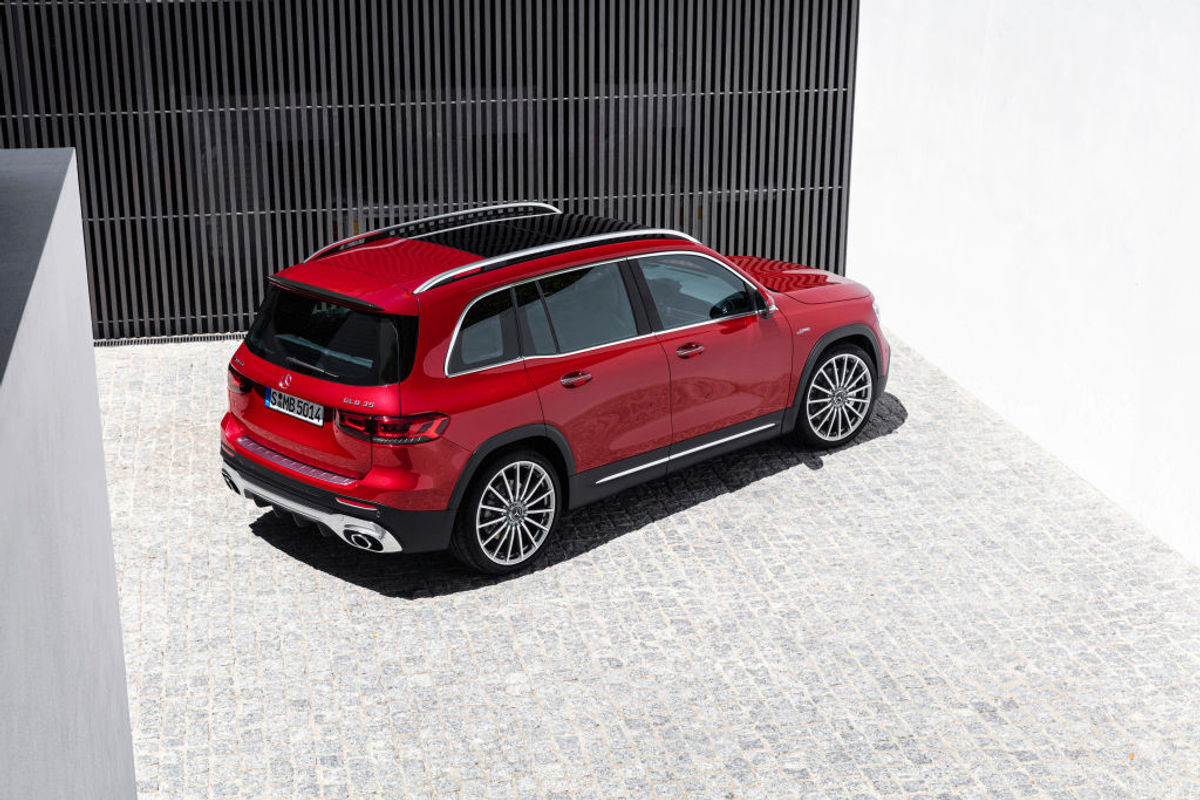
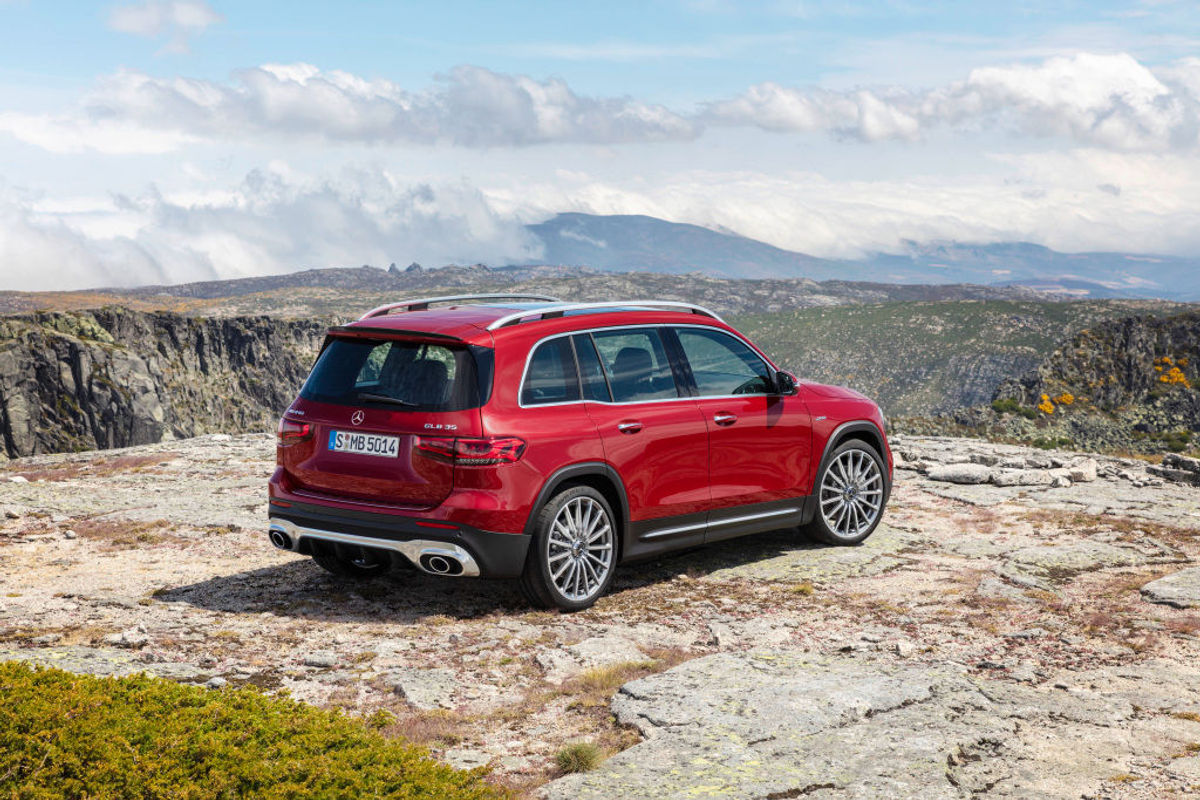
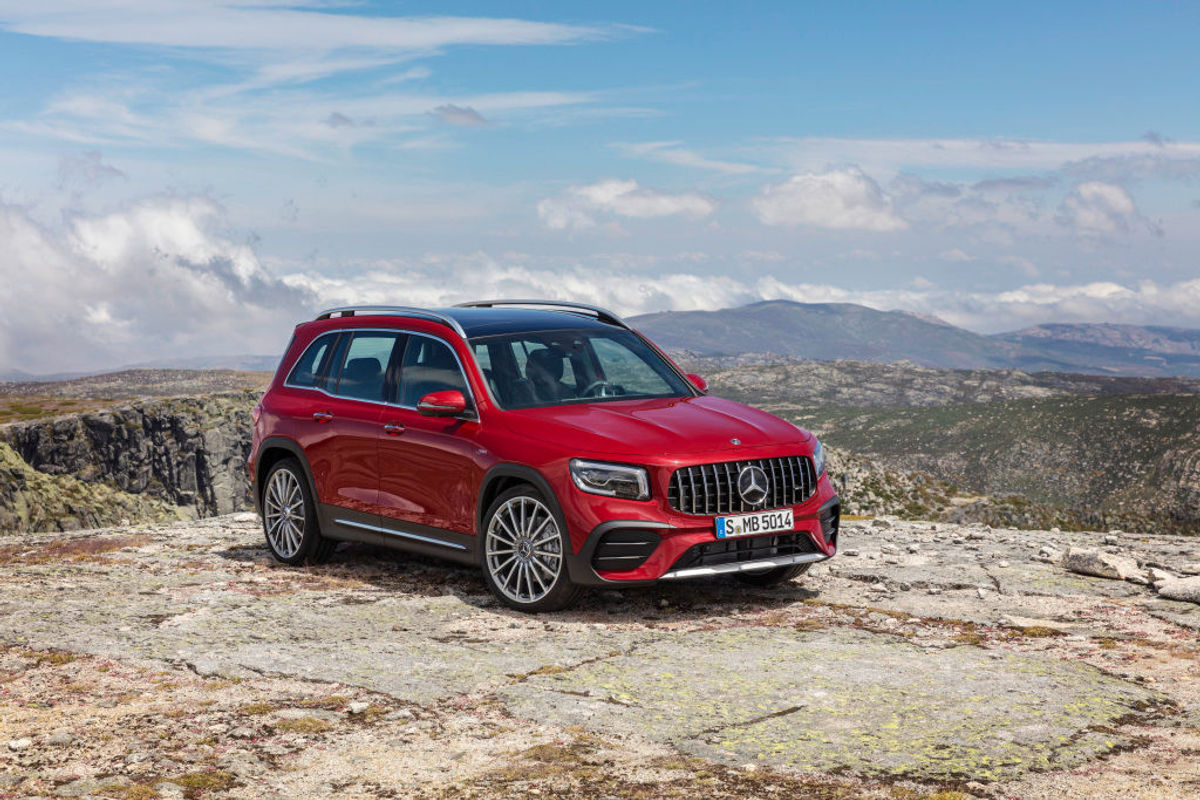
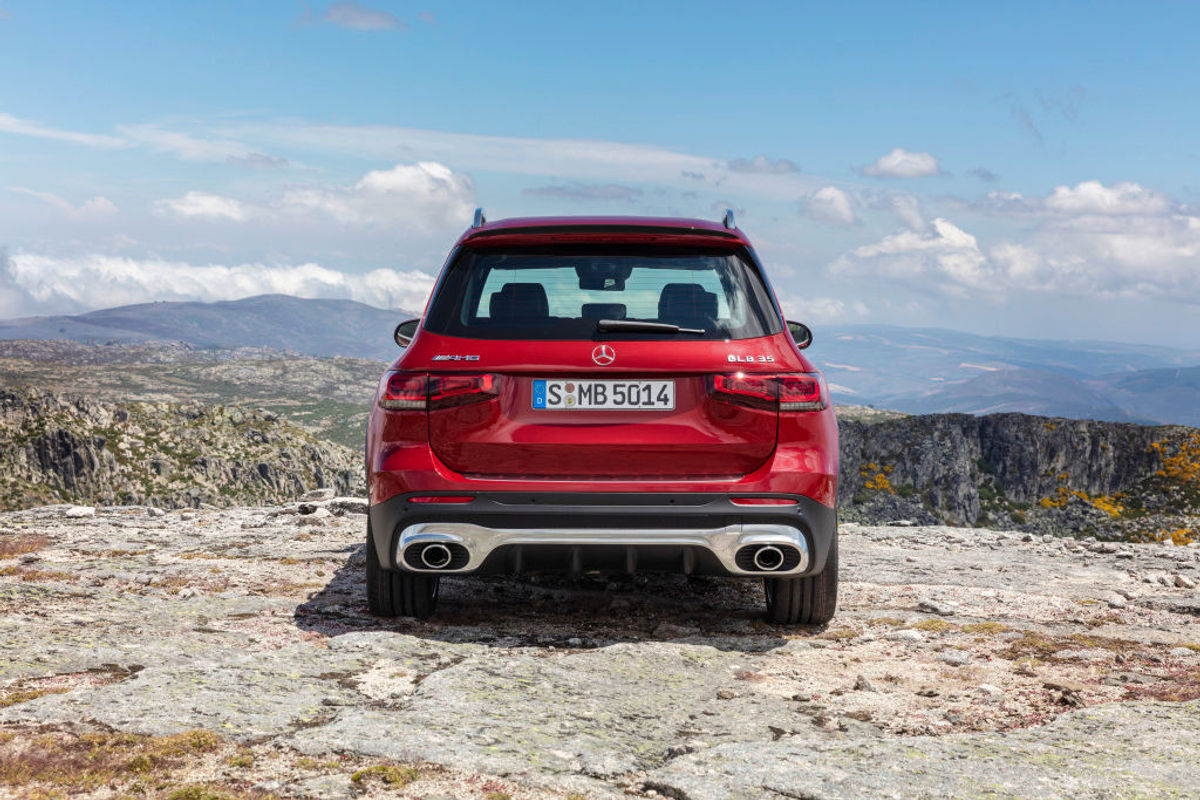
Mercedes-Benz GLB 35 AMG Revealed
If you desire a German premium badge, seven-seats, strong performance and some all-terrain ability, Mercedes-Benz’s latest offering should appeal.
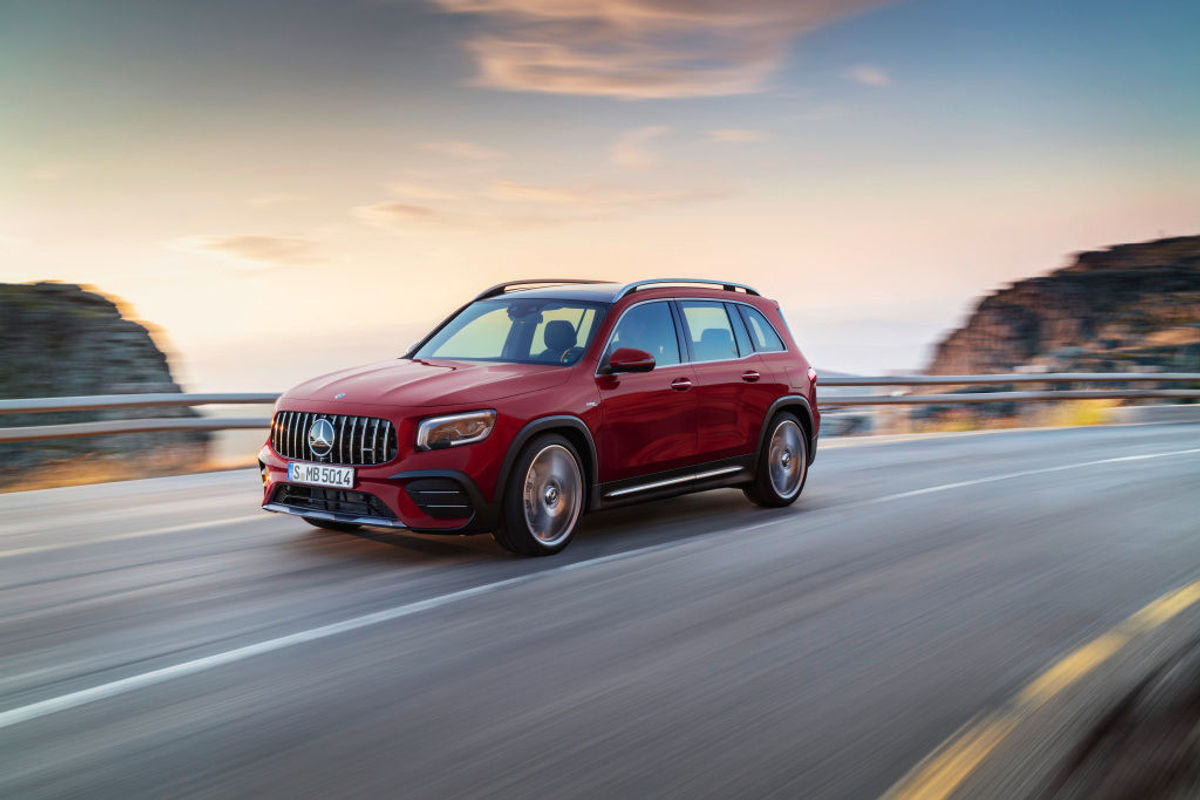
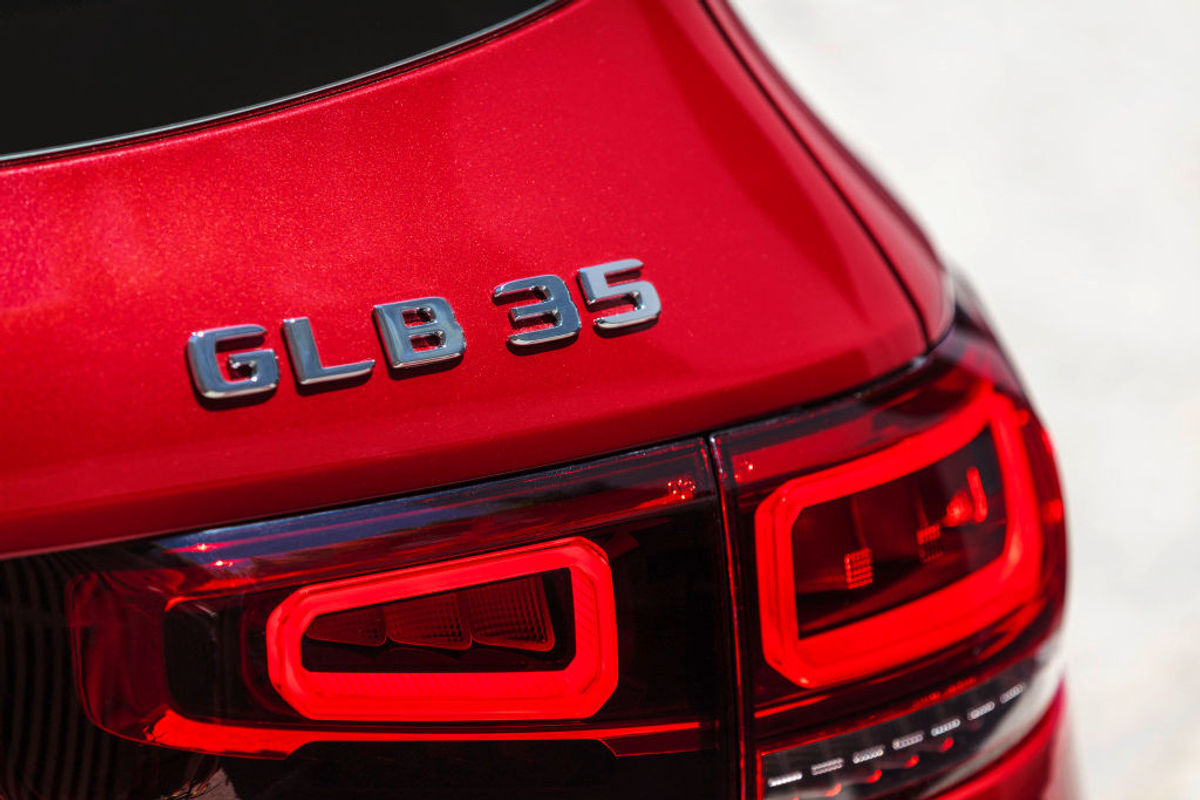
The company’s latest reveal, in anticipation of its pubic debut at the Frankfurt auto show, is the GLB 35. If you are a keen follower of all things AMG, you’ll know that the brand has diversified its business into a new line of entry-level 35-series compact performance car models throughout 2019.
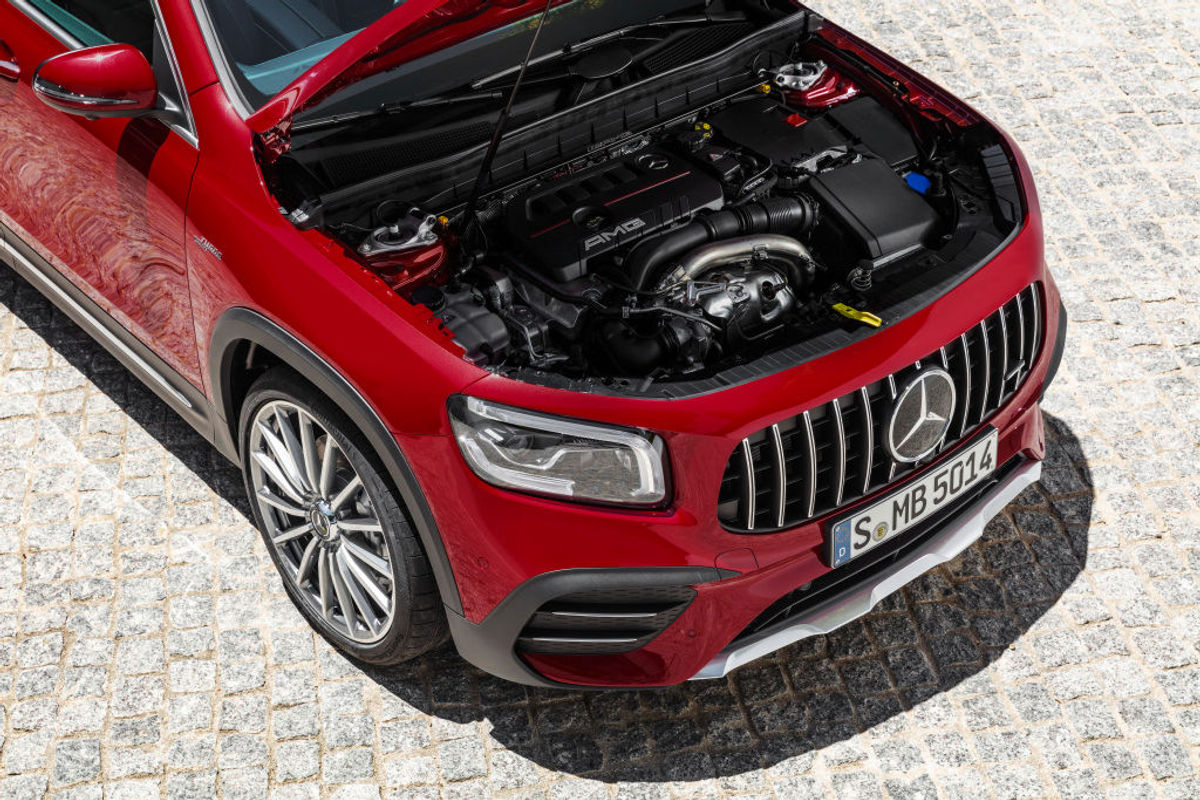
Like its other 35-series sibling, the GLB 35 is powered by AMG’s milder 2-litre turbocharged four-cylinder engine, boosting 225 kW and 400 Nm. Those numbers are distributed to all four wheels, courtesy of an eight-speed dual-clutch transmission and to ensure that the GLB 35 isn’t overly understeer prone, up to 50% of its deliverable torque can be motioned to the rear wheels.
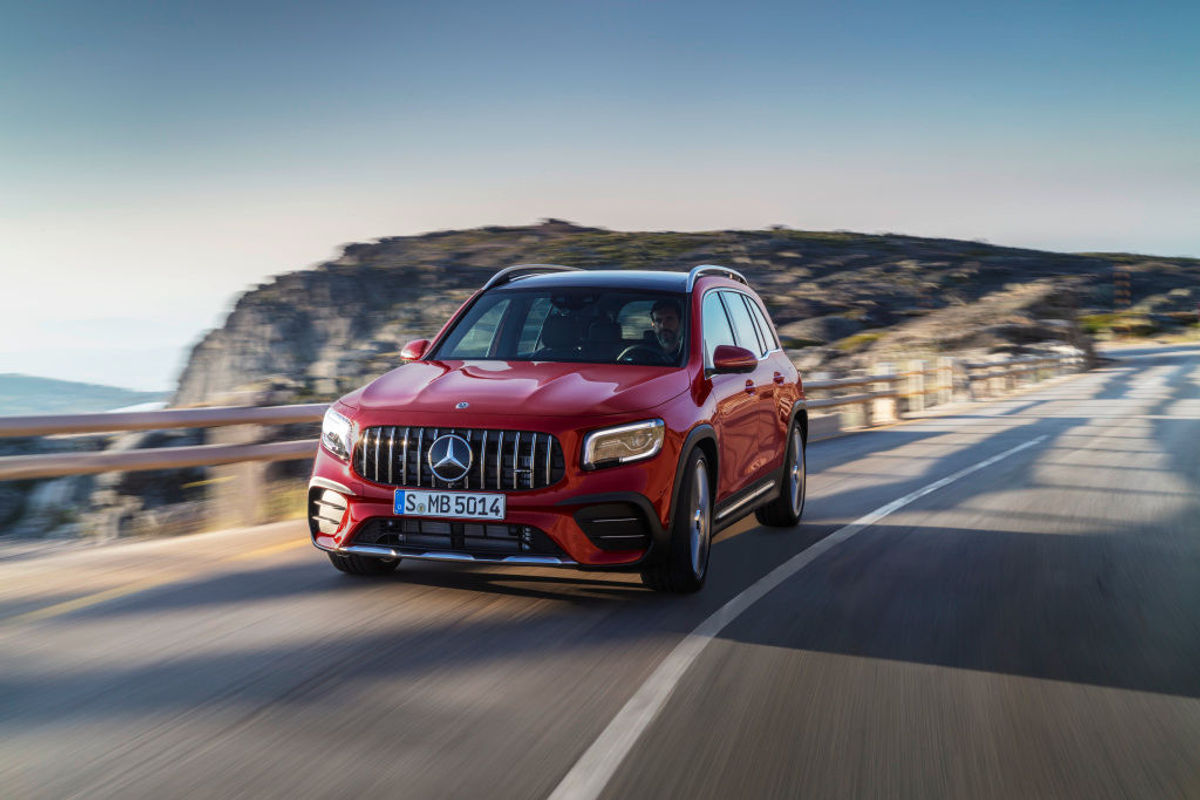
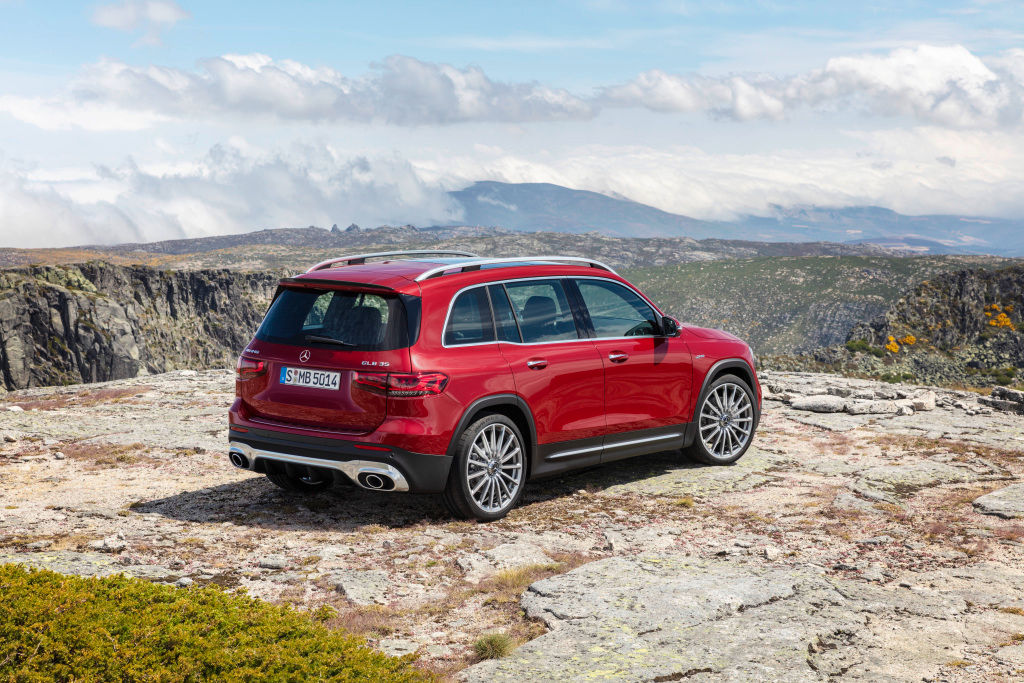
The GLB’s overall design is slightly enhanced with some AMG-specific styling components, such as a Panamericana grille, remoulded rear bumper and aft spoiler. This new compact performance crossover SUV will also roll a set of 19-inch alloy wheels as standard, with customer able to upgrade to 21-inch hoops if they wish.
A 7-seater with 225 kW and 400 Nm? If you can think it, Merc will make it.
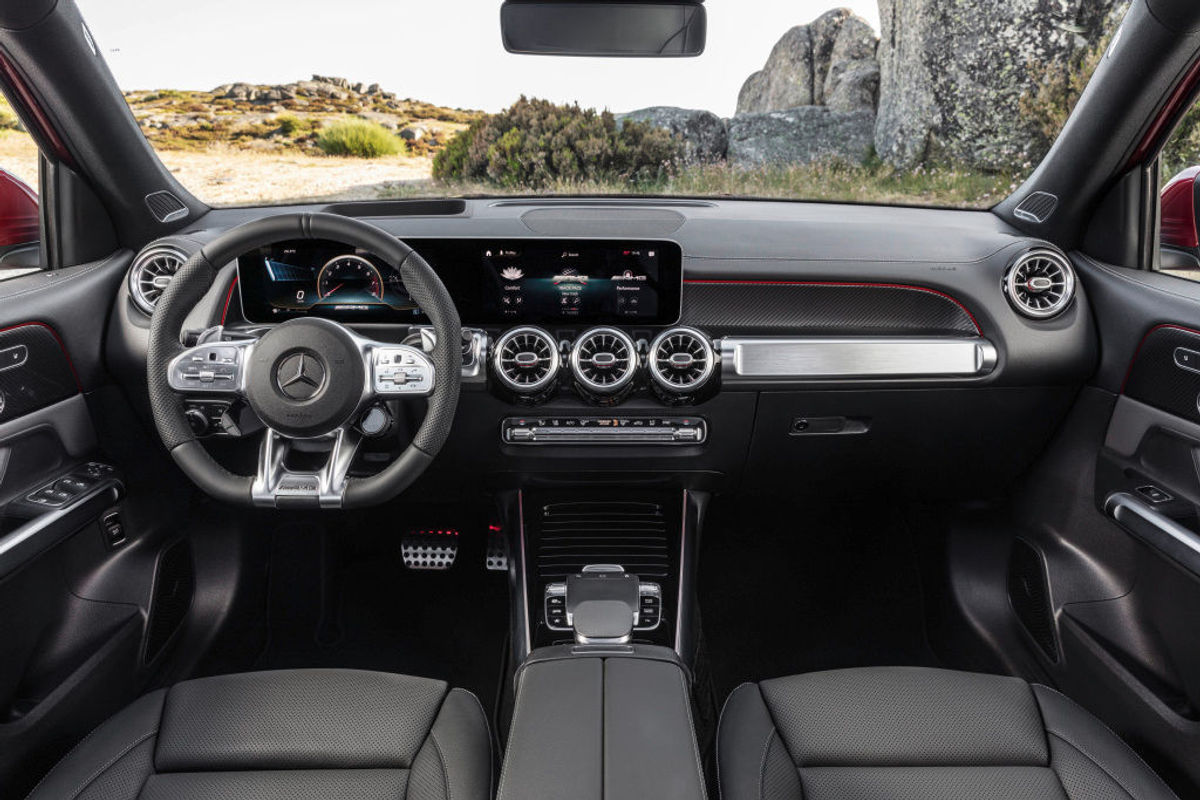
Adding some AMG intensity to the GLB 35’S cabin architecture are AMG sport seats, a flat-bottom steering wheel and lots of chrome, black and red trim detailing. Mercedes-Benz’s dual-widescreen MBUX infotainment system and digital assistance are present too.
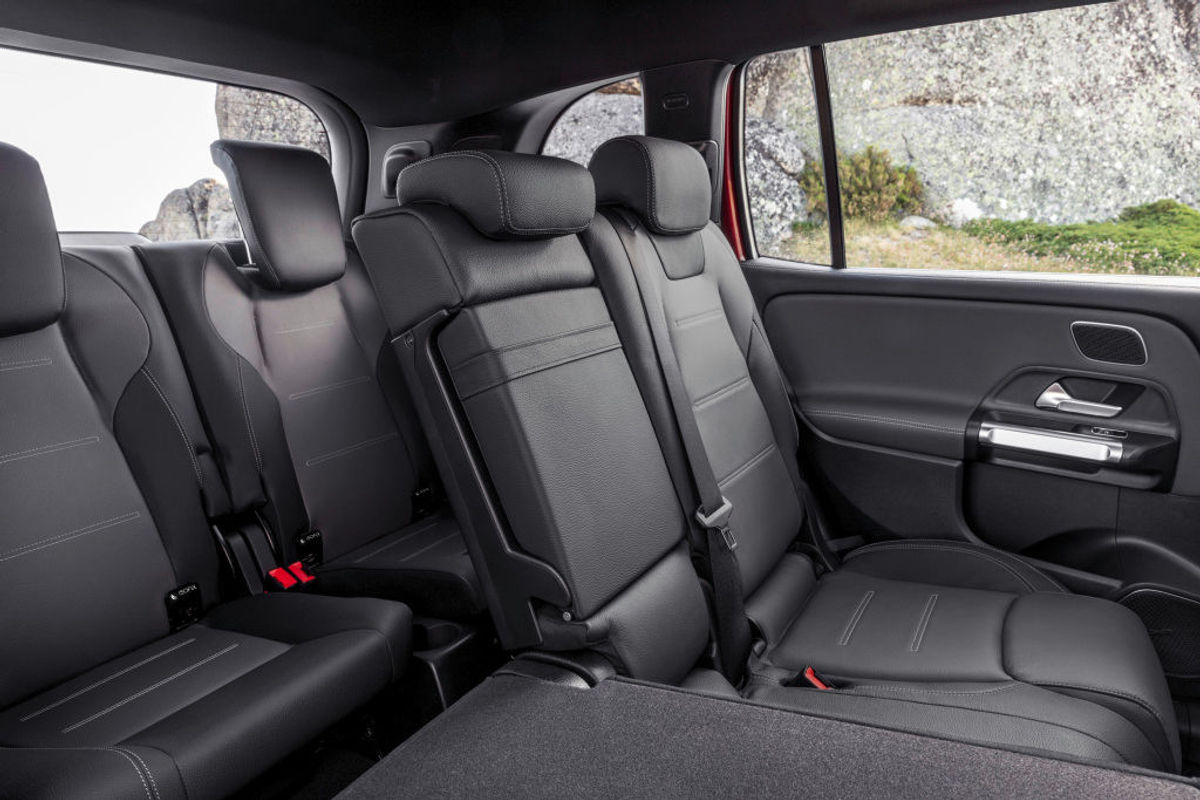
What sets the GLB35 apart from its rivals, is the presence of a third row of seats, enabling AMG to offer a compact SUV with very rapid performance (0-100 kph in 5.2 seconds) and the ability to seat seven occupants.
Mercedes-Benz is confident that even fully laden, this GLB 35 will remain a confident and capable vehicle at speed, rounding corners. Engineers have upgraded the suspension subframes, added new steering knuckles up front and thicker transverse control arms, to ensure precision handling dynamics.
Those customers who wish to further enhance the dynamic driving experience can option electronically adjustable dampers, which act individually at all four-wheel corners.
The GLB 35 is expected to arrive in South Africa during 2020.
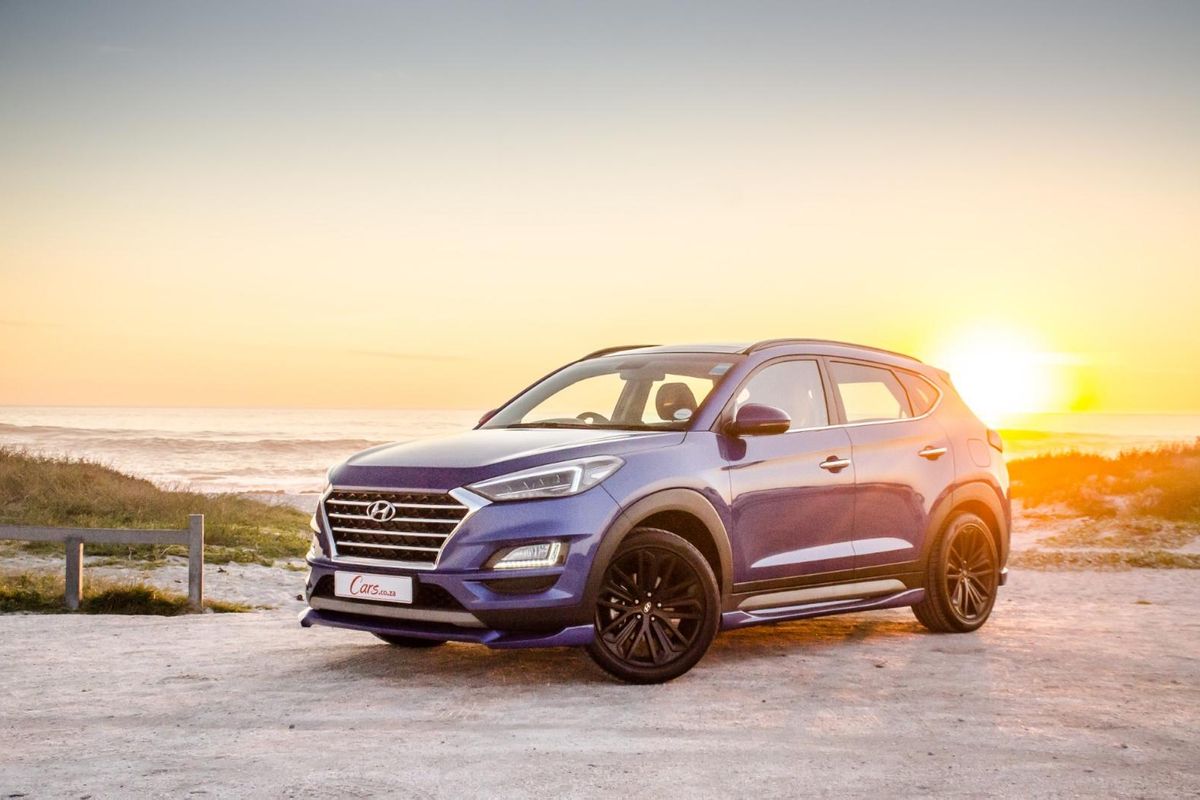
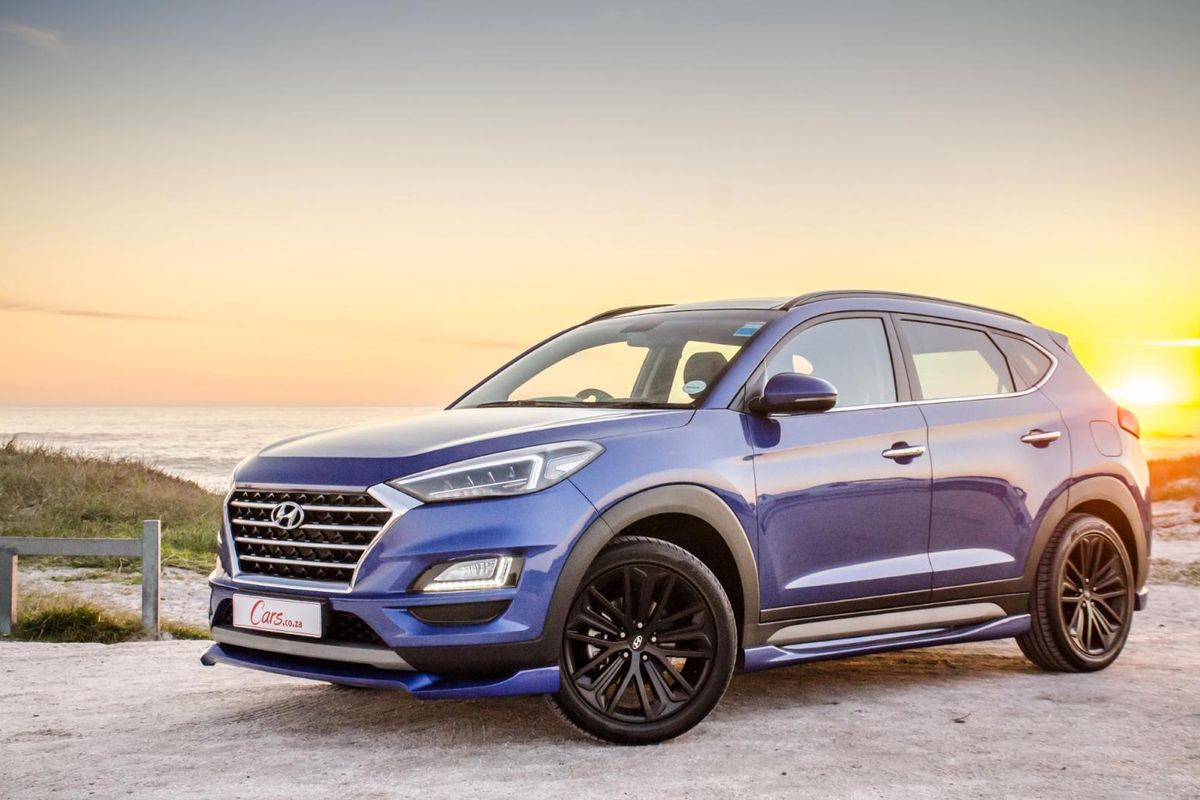
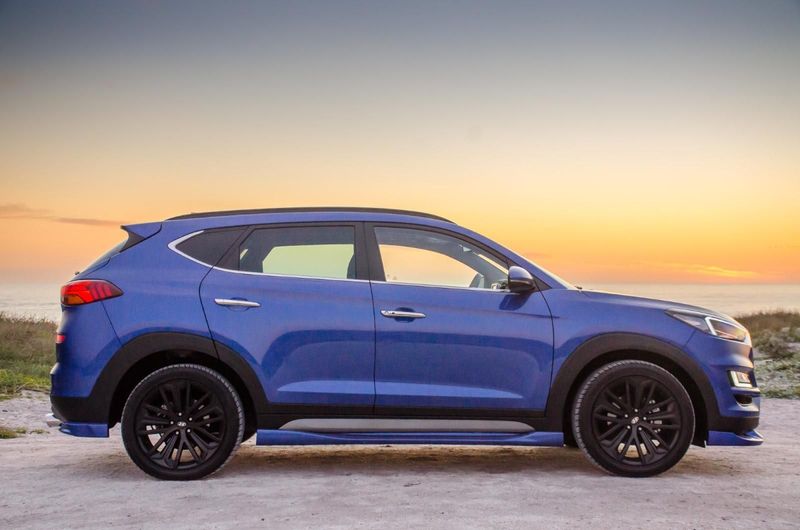
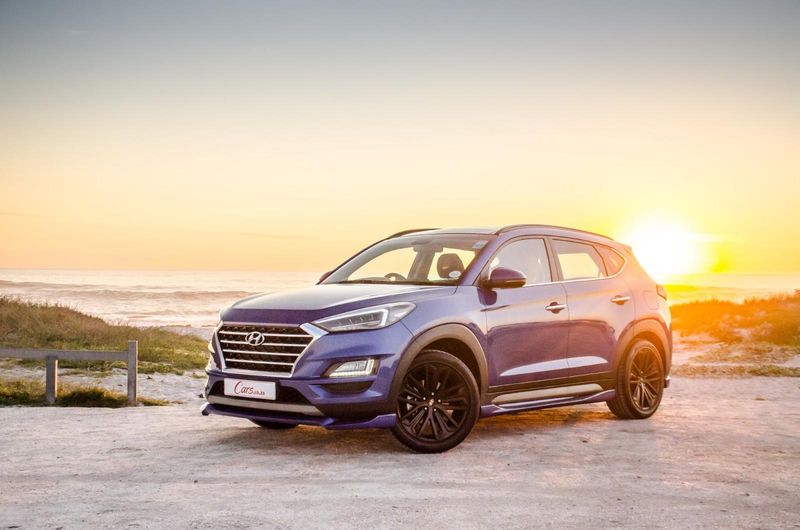
Hyundai Tucson 1.6T Elite Sport (2019) Review
With a bold, look-at-me styling kit and beefed-up performance, Hyundai’s latest iteration of the Tucson Sport (now available in both turbopetrol and -diesel flavours) is generating significant interest after the success of the first (pre-facelift) Tucson Sport back in 2017. How good is the latest Tucson Sport? Let’s take it for a spin…
We Like: Bold and sporty styling, standard features, practical interior
We Don’t Like: Overly-sensitive throttle, the interior lacks special character, thirsty, pricey
Fast facts
Price: R654 900 (August 2019)
Engine: 1.6-litre turbopetrol
Power/Torque: 150 kW / 300 Nm
Transmission: 7 speed dual-clutch automatic
Fuel economy: 8.5 L/100km (claimed)
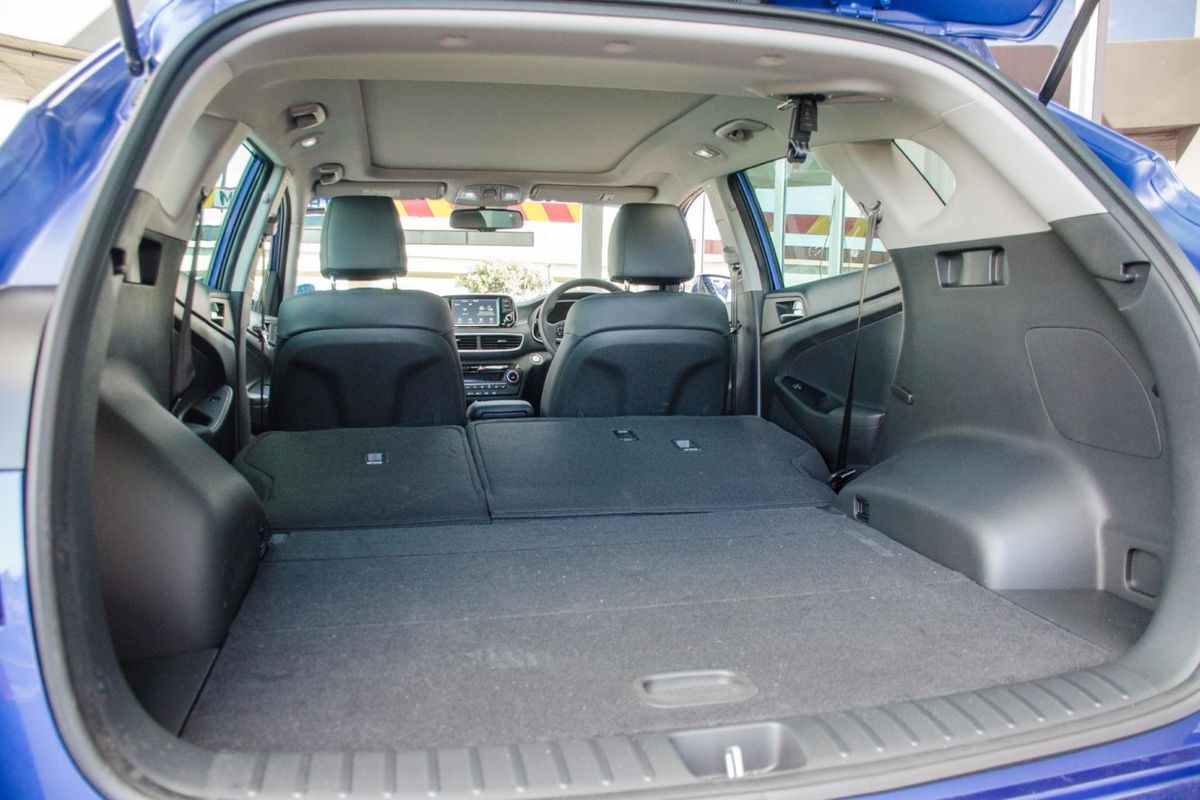
Load capacity: 488 to 1 478 litres
What is it?
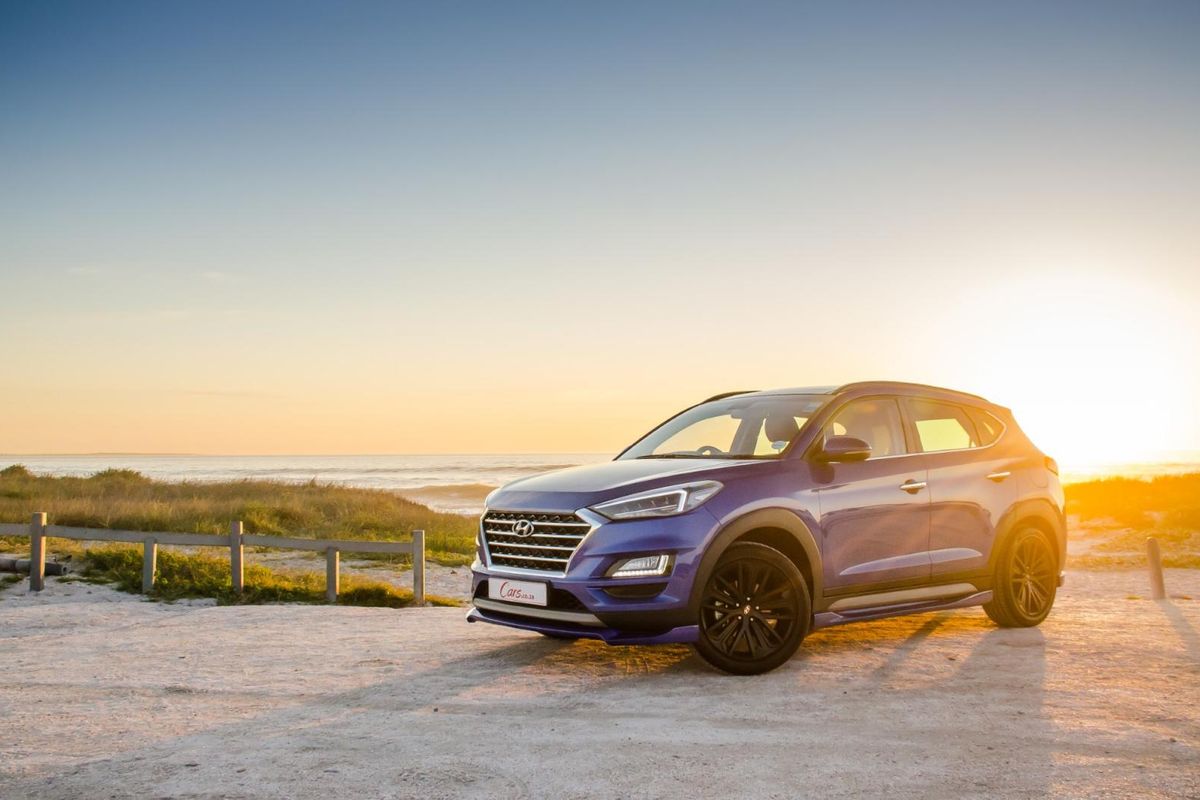
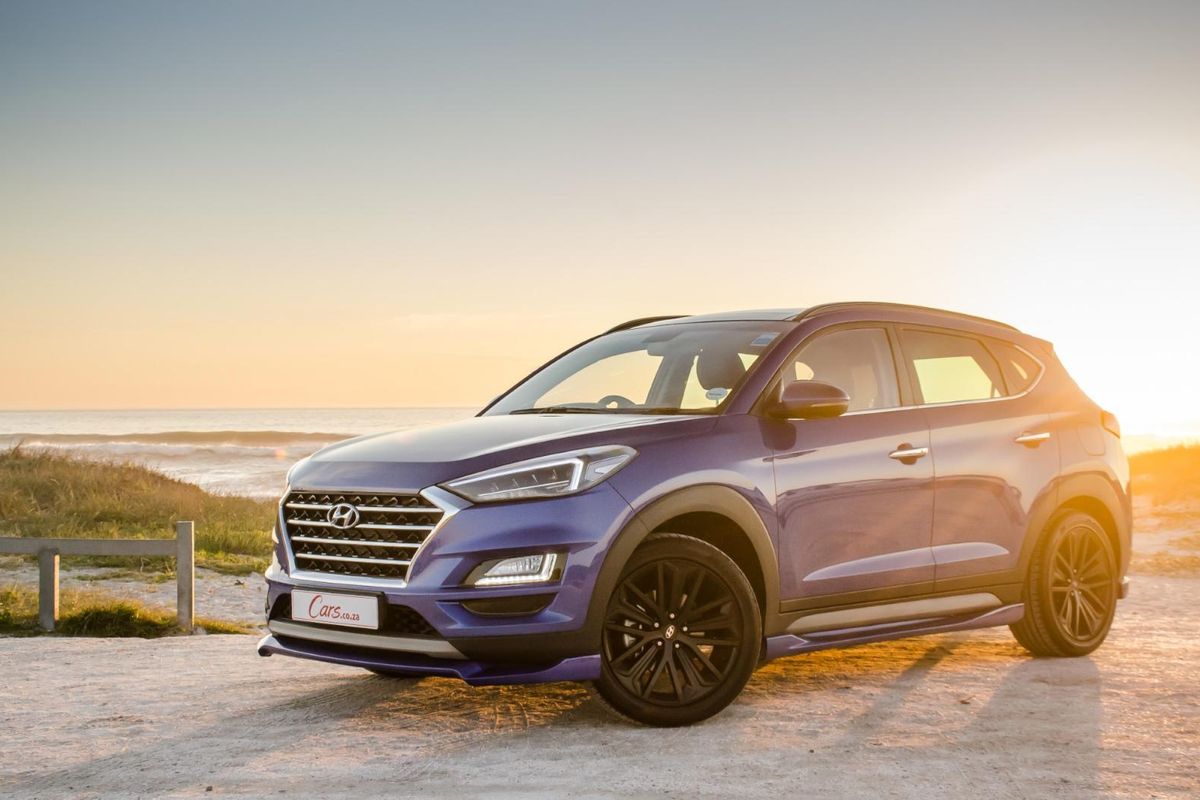
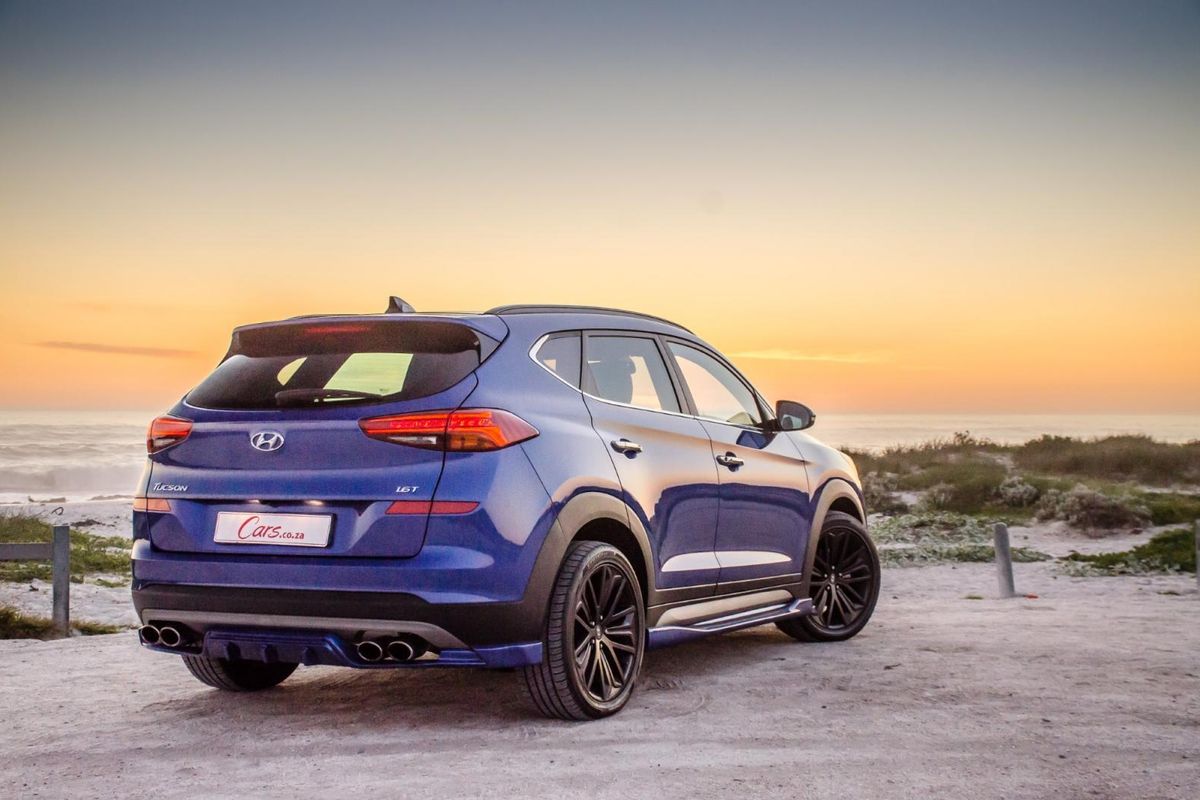
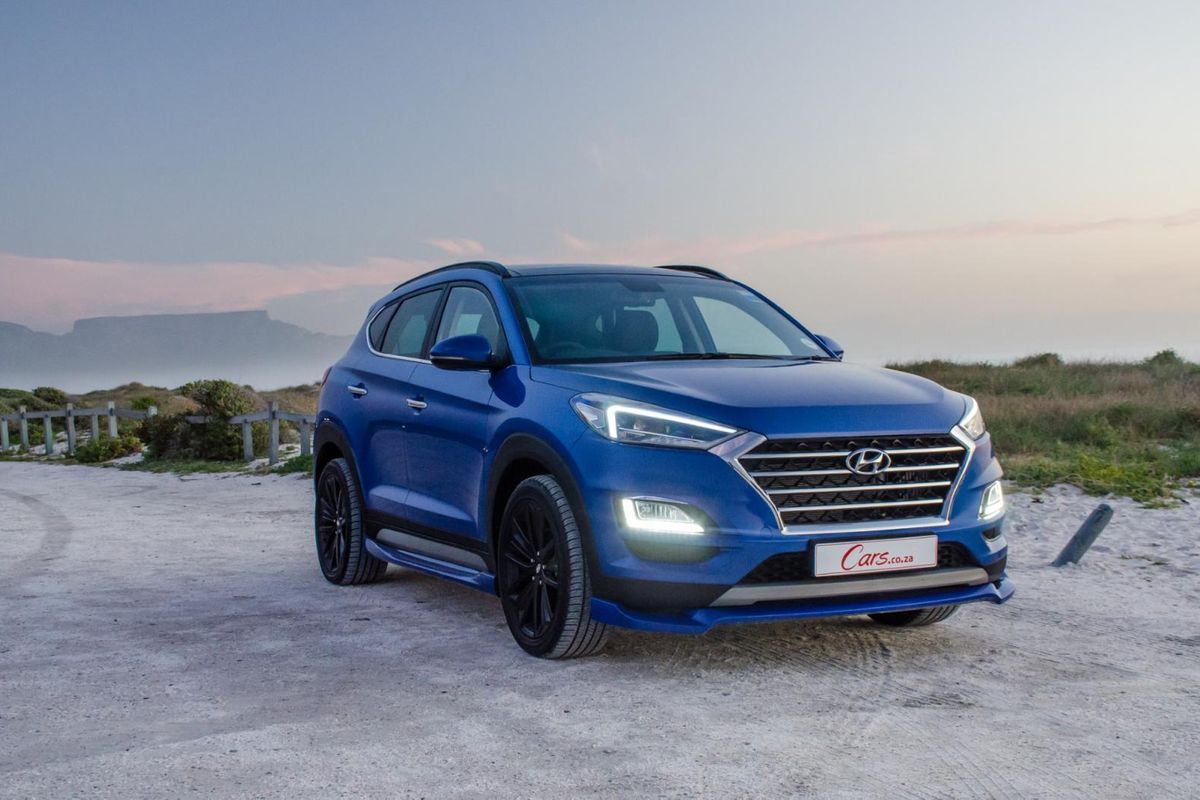
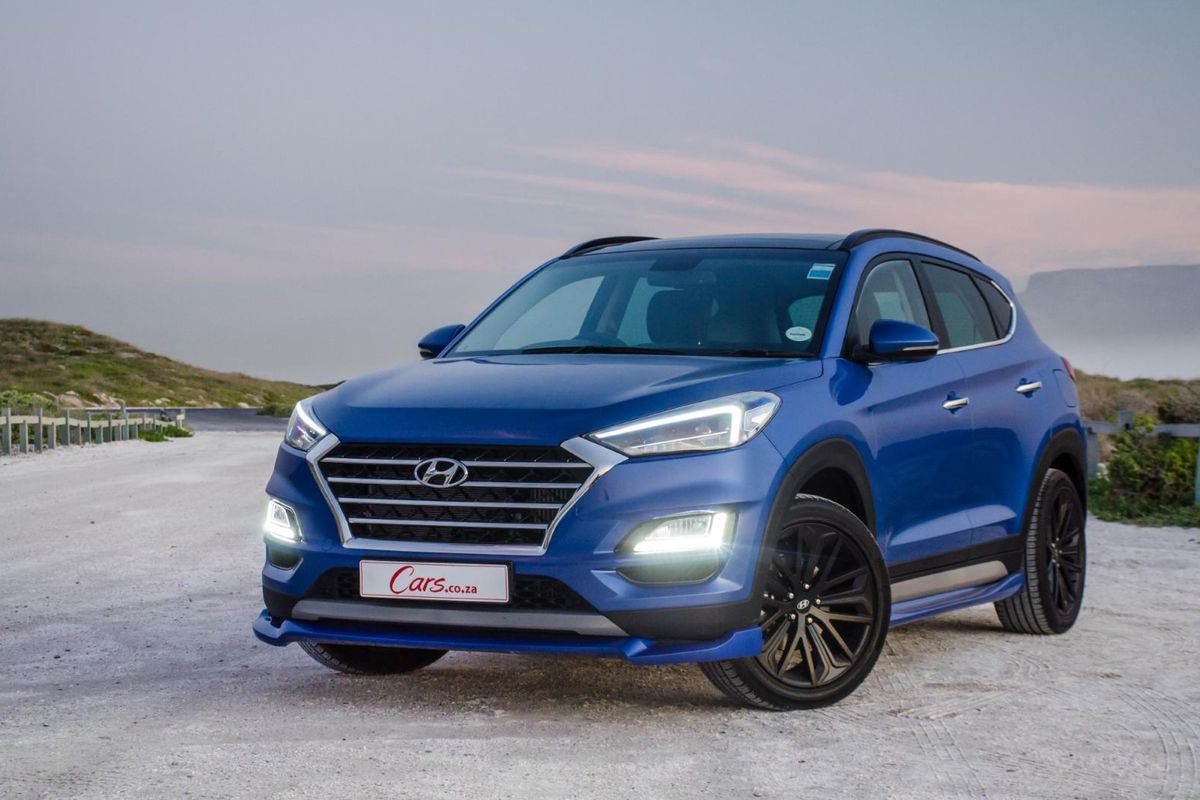
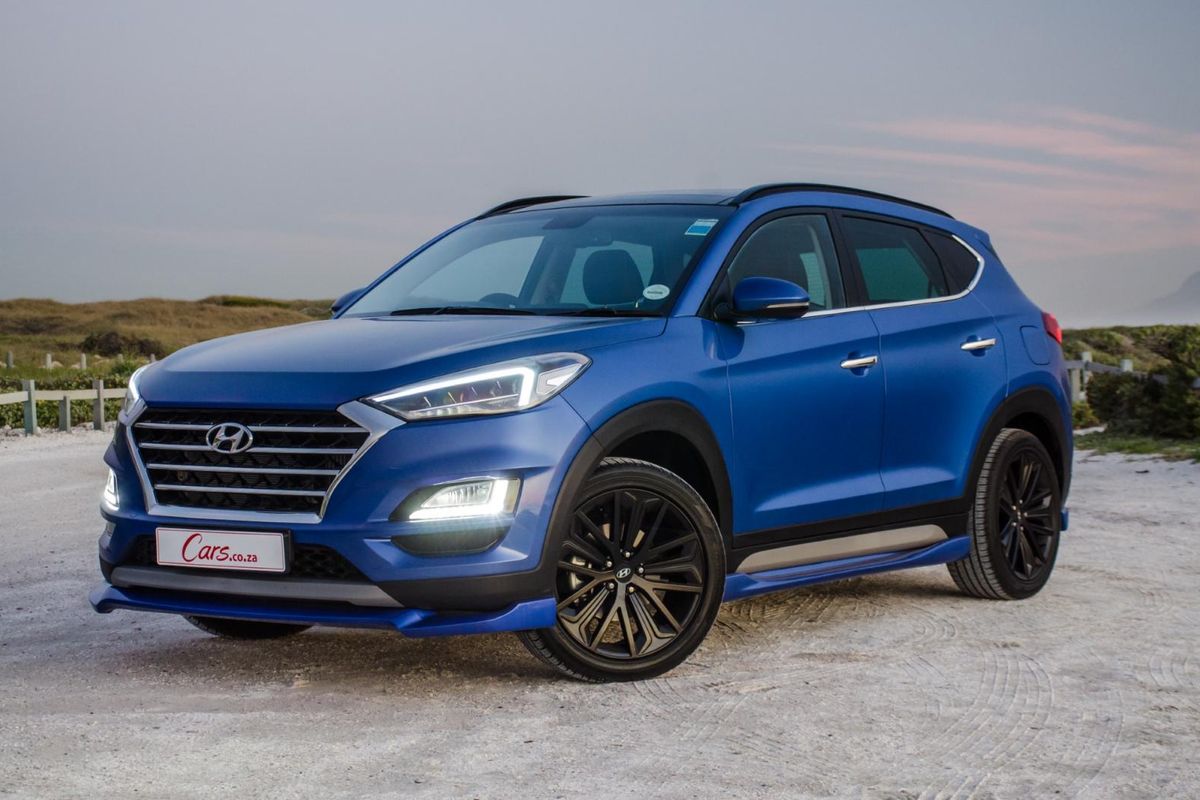
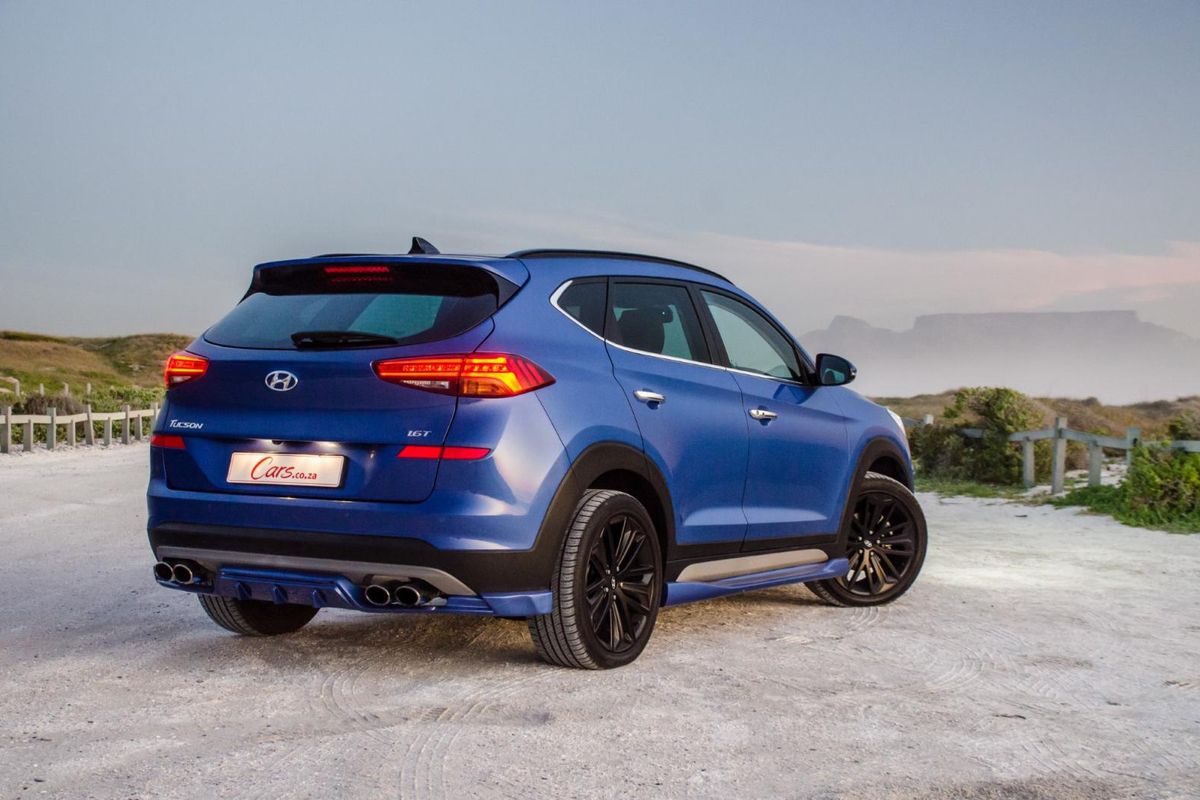
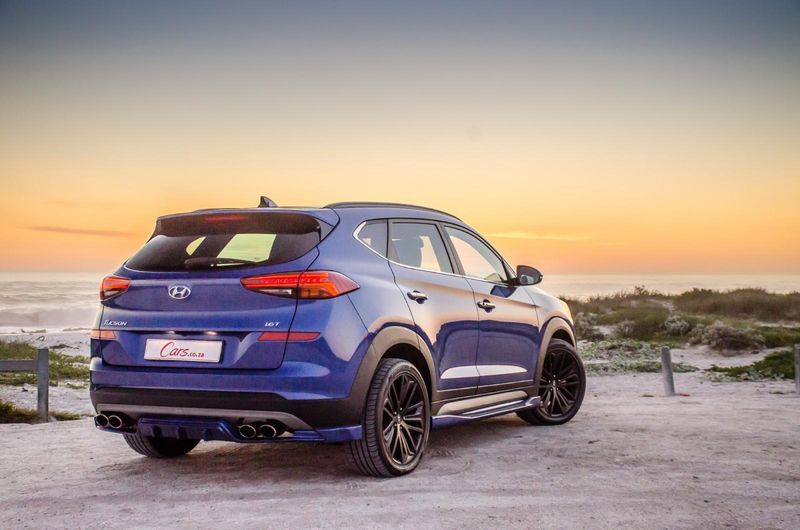
The Tucson Sport’s body kit endows it some added kerb appeal and those quad tailpipes hint at its intentions.
The Tucson Sport is the hottest version of the Korean firm’s popular family car and the fact that Hyundai South Africa chose to launch the Tucson Sport at a race track sent a clear message that this purposefully styled Hyundai intends it to be more than just a generously equipped family-mover.
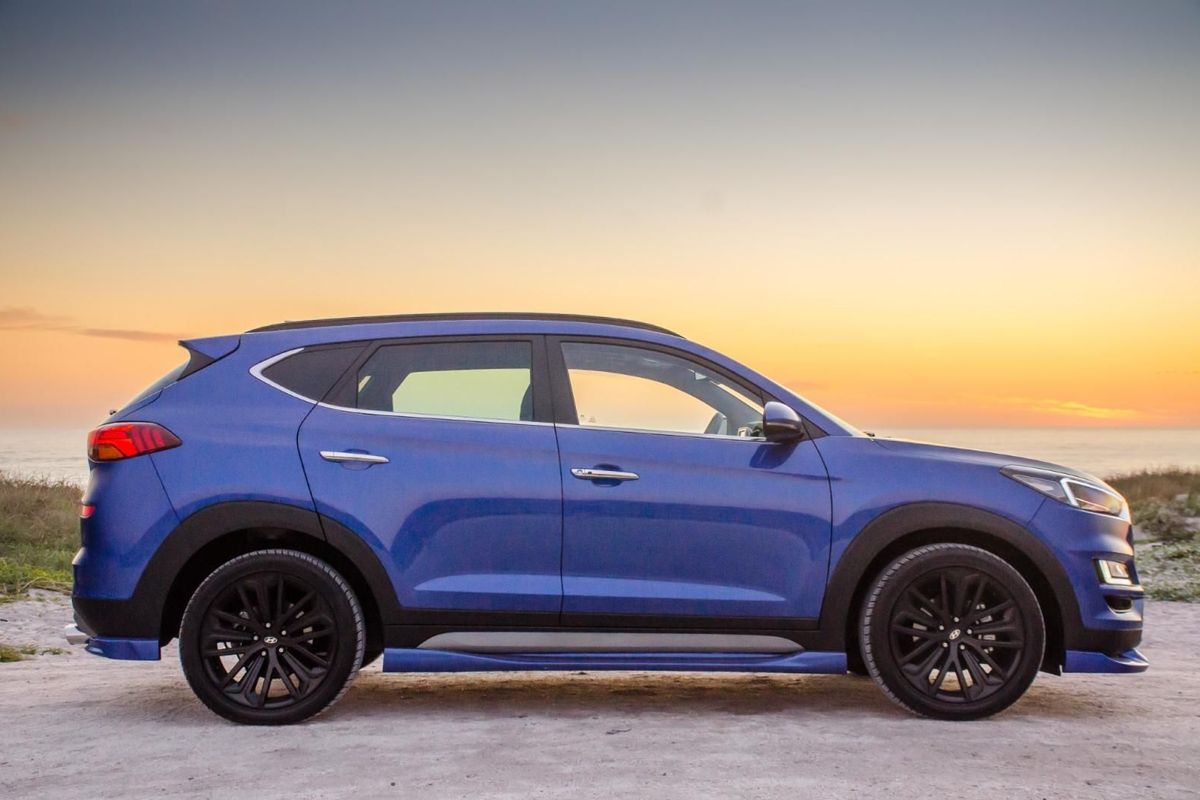
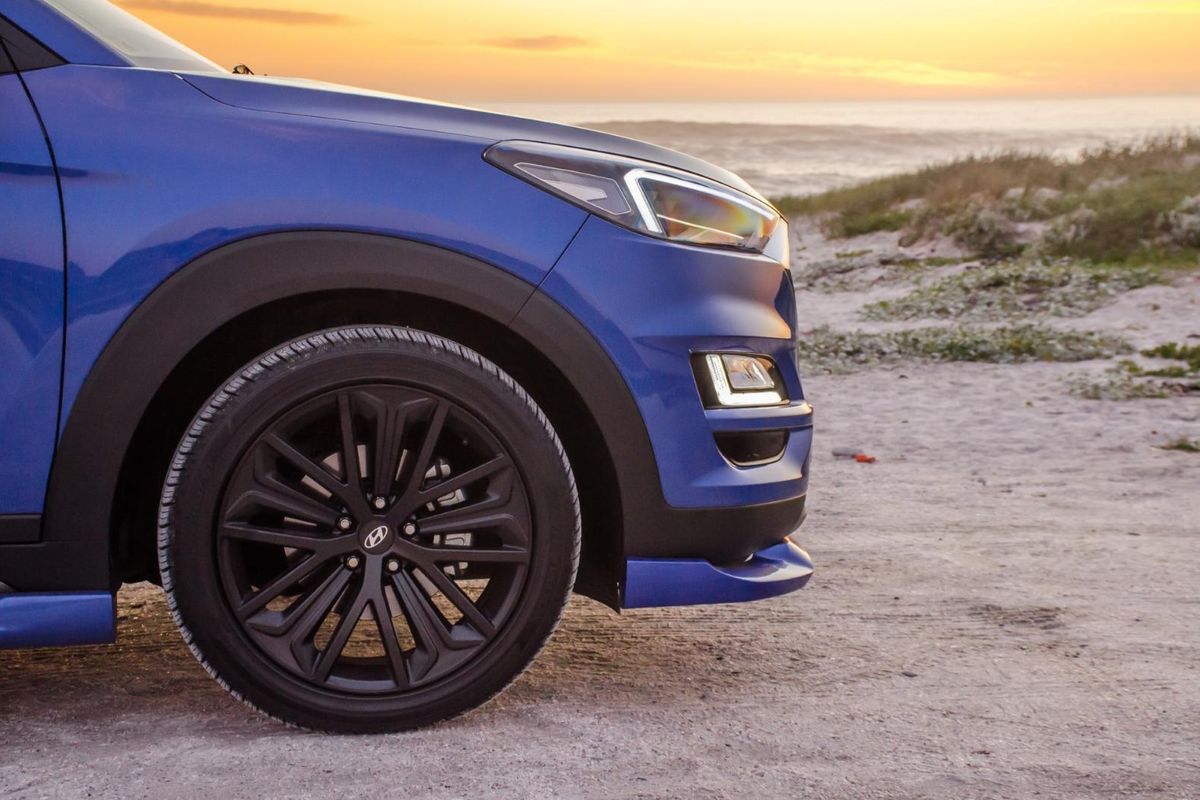
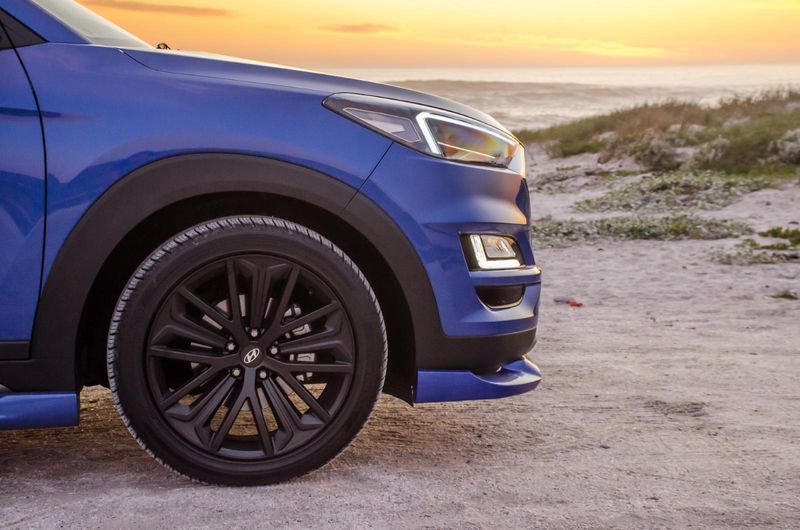
The newcomer’s eye-catching body kit comprises a front splitter, flared side skirts and a rear diffuser, the latter of which houses sporty-looking quad exhaust tips. The attention-grabbing exterior execution is polished off (literally and figuratively) by snazzy black 19-inch alloy wheels.
Hyundai previously offered the Tucson Sport in turbopetrol guise only, but buyers can now also opt for a 2.0-litre turbodiesel version. This review focuses on the turbopetrol version; while we appreciate its bold styling, we were keen to find out what the Sport was like to live with every day.
For an SUV with a performance bent, Hyundai could have done better with the throttle mapping. It’s just too sensitive…
In an effort to provide more “go to match the show”, Hyundai has increased outputs of the Tucson Sport’s 1.6-litre turbopetrol engine to 150 kW and 300 Nm of torque. It’s worth noting that the previous Tucson Sport produced 150 kW and 295 Nm… That version was mated with either a 6-speed manual transmission or 7-speed dual-clutch transmission, the latter in conjunction with all-wheel drive (AWD). The new Tucson Sport is no longer offered in manual (or AWD) and features a pedal booster, which has significantly sharpened the throttle response, but sadly to the car’s detriment.
While many might appreciate the increase in outputs, the front-wheel-drive Tucson Sport is frustrating to drive as its accelerator pedal is just too sensitive. As a result, the front wheels are prone to spinning briefly nearly every time you pull away from a standstill or accelerate hard from crawling speeds. Great care needs to be taken to avoid this annoying trait and it happens in both Normal and Sport modes. The novelty wears off quickly…
Meanwhile, the Tucson Sport accelerates eagerly – arguably excessively so, because torque steer makes its presence felt if you apply your right foot too liberally. It feels relatively quick off-the-line, reaches the national speed limit with little effort and has more than enough grunt to execute overtaking manoeuvres quickly and effectively. We preferred driving the Hyundai on the highway because it felt more settled than at lower speeds.
Under hard acceleration, the ‘box shifts somewhat jerkily and while manually-actuated gear changes can be actuated by tipping the transmission lever fore and aft (when in manual mode), steering-mounted shift paddles would have added a lot in the way of driver engagement.
Meanwhile, whereas the previous Tucson Sport’s exhaust ends emitted a mildly annoying drone at cruising speeds, which could become tiresome on longer (supposedly relaxed) journeys, the quad-tipped system now emits a low and hearty thrum, which is far more pleasing… and less intrusive.
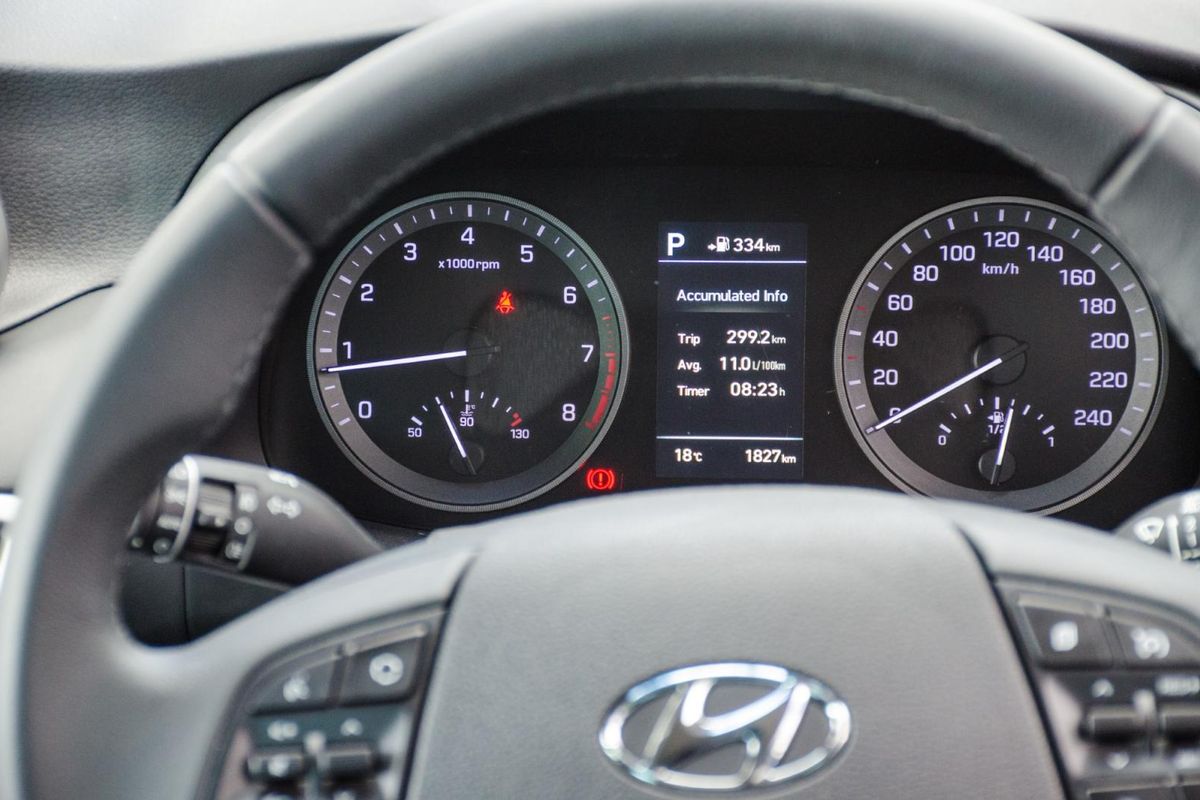
The performance-bent of the Tucson Sport doesn’t bode well for fuel consumption either – while Hyundai claims 8.5 L/100 km, we never saw the indicated consumption drop below 11 L/100 km, which is, yes, a factor of the road-test regimen, but still on the high side.
Outright grunt and responsiveness are important, but we feel Hyundai could have paid more attention to refining the Tucson Sport’s performance.
Ride and Handling
The Tucson Sport’s ride is firm yet comfortable enough to live with every day.
Apart from the occasional wrestling match with the steering wheel to temper torque steer, the Tucson Sport’s steering response is average, if a trifle vague in feel, but, as before, the Korean family car feels planted when cornering briskly. Considering that there are no upgrades to the suspension and brakes in conjunction with the performance boost, the Tucson Sport actually handles quite well when you drive it enthusiastically.
What’s more, the Tucson Sport’s ride quality is one of its best qualities. Despite riding on large (19-inch) alloy rims shod with low profile tyres, the test unit did a good job of ironing out road imperfections, while offering just enough firmness to complement its sporty pretensions.
Interior execution and features
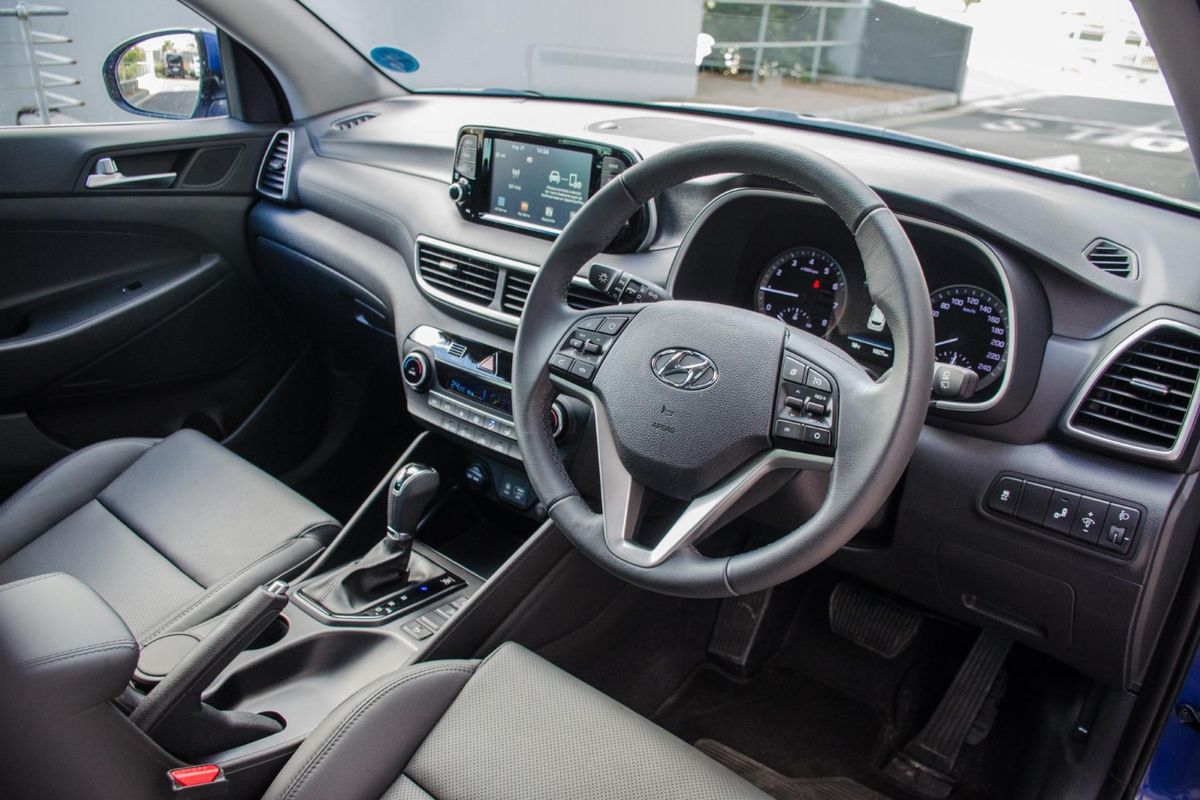
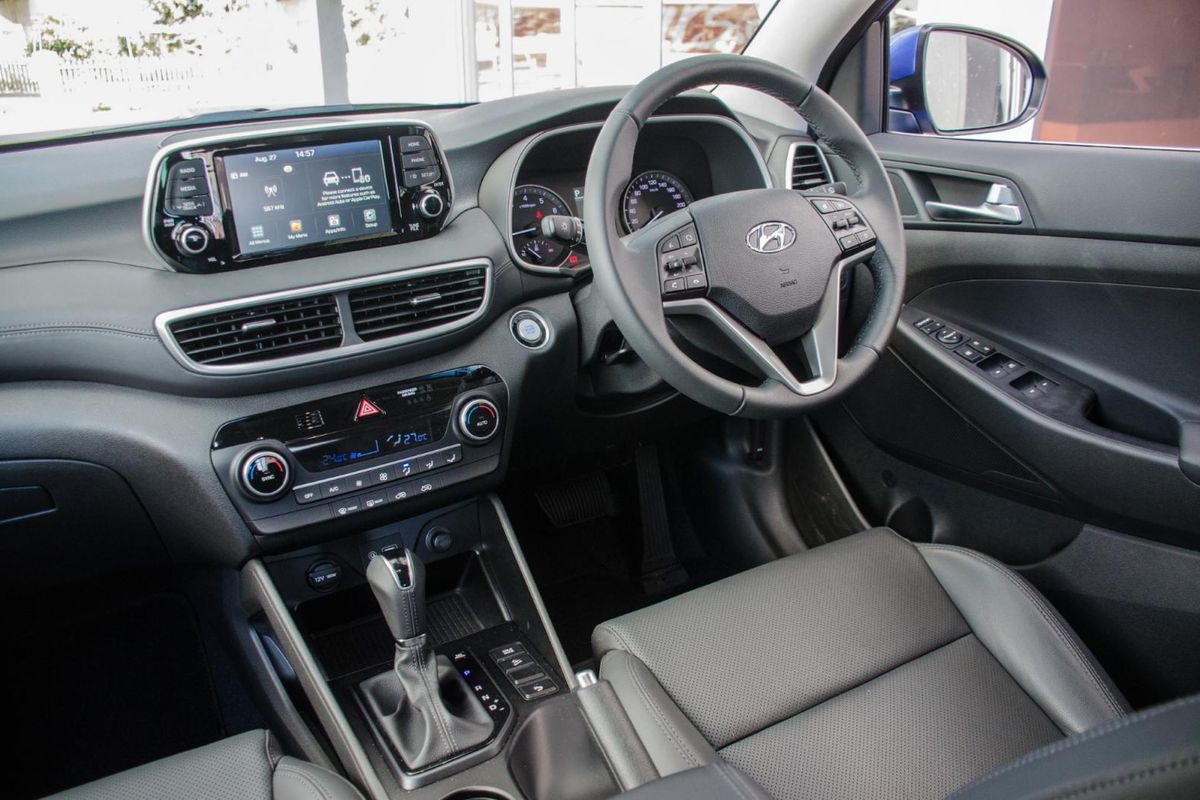
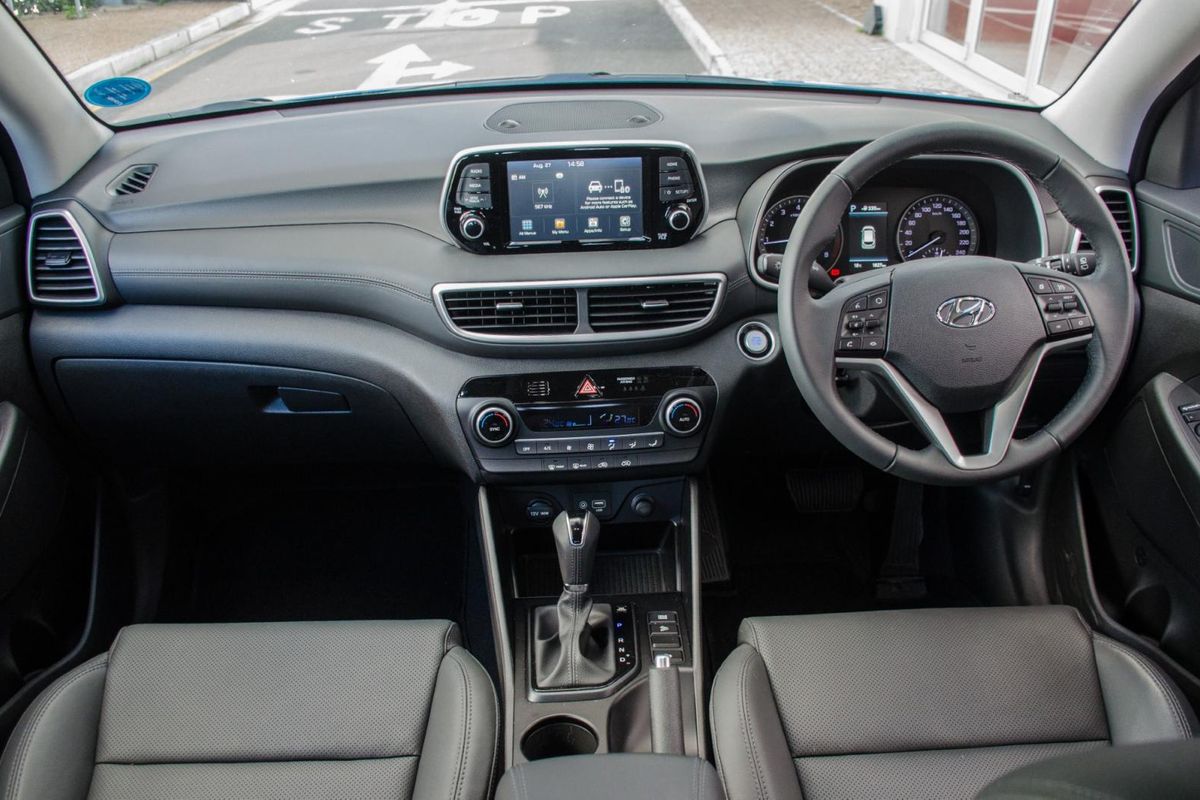
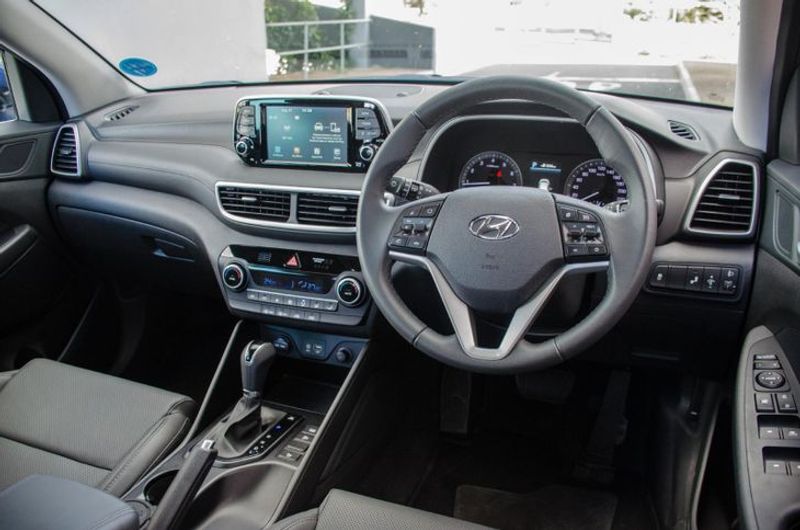
The interior is familiar and perceived build quality is good. However, there’s no real sense of occasion when you step inside.
The Tucson Sport’s kerb appeal is undeniable: it looks the business. Unfortunately, its interior execution does not match its racy exterior at all. There is simply nothing particularly special about the inside: no contrast stitching, no special badging, it’s just a standard high-spec Tucson. But for its lack of bespoke accoutrements, the Korean car’s cabin is very well-equipped. The specification is drawn from the range-topping Tucson Elite, which offers nice-to-haves such as a panoramic sunroof, electric seat adjustments for the driver and passenger, push-button-start and keyless entry.
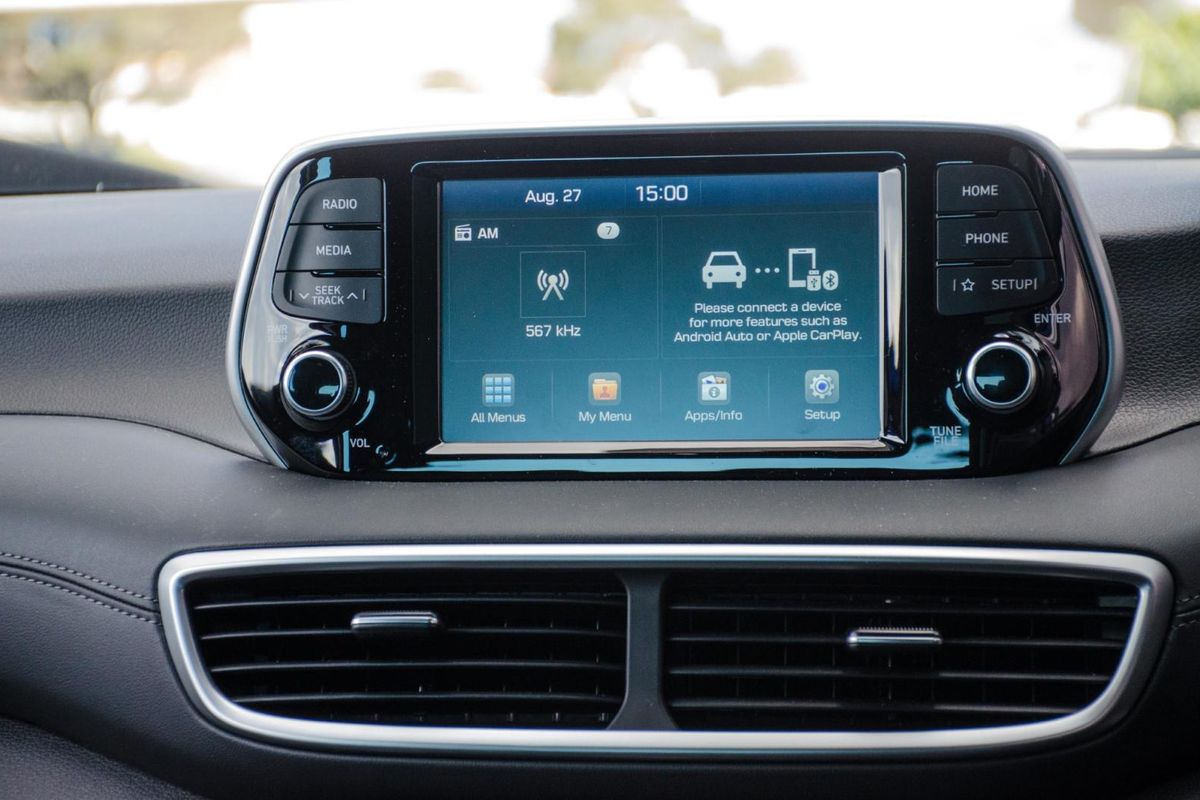
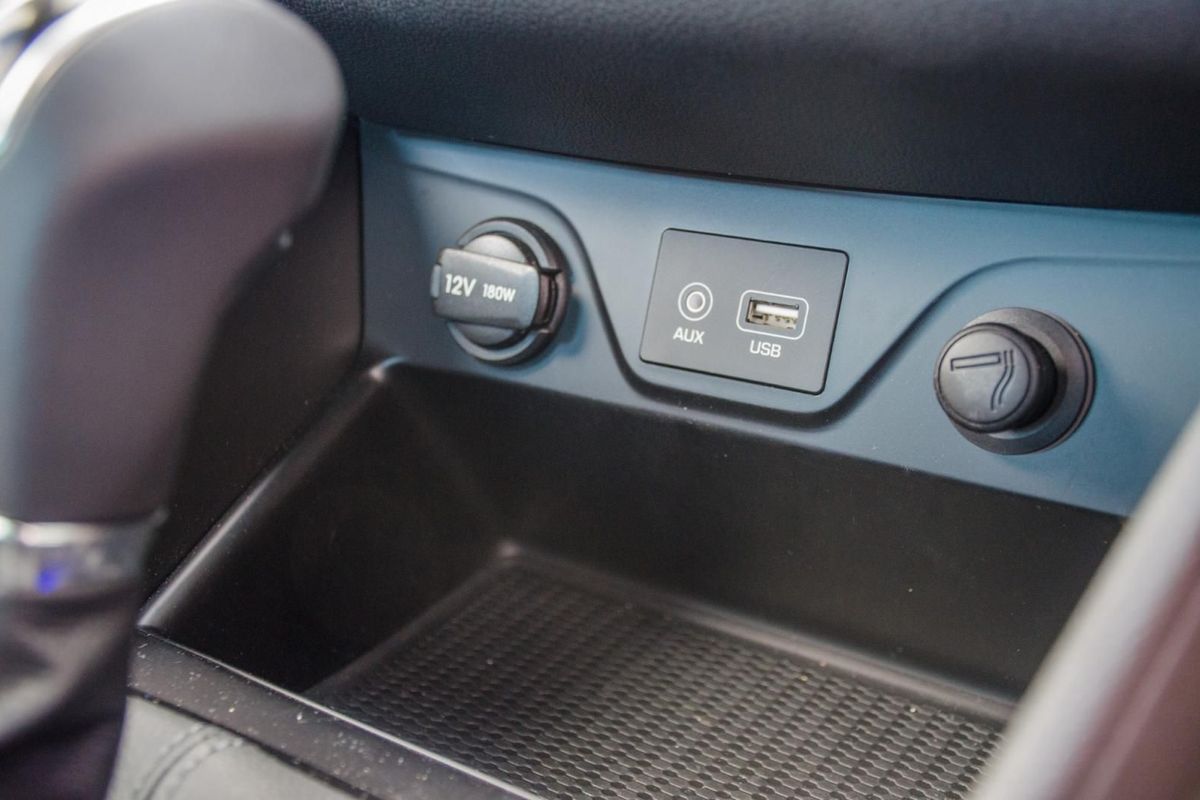
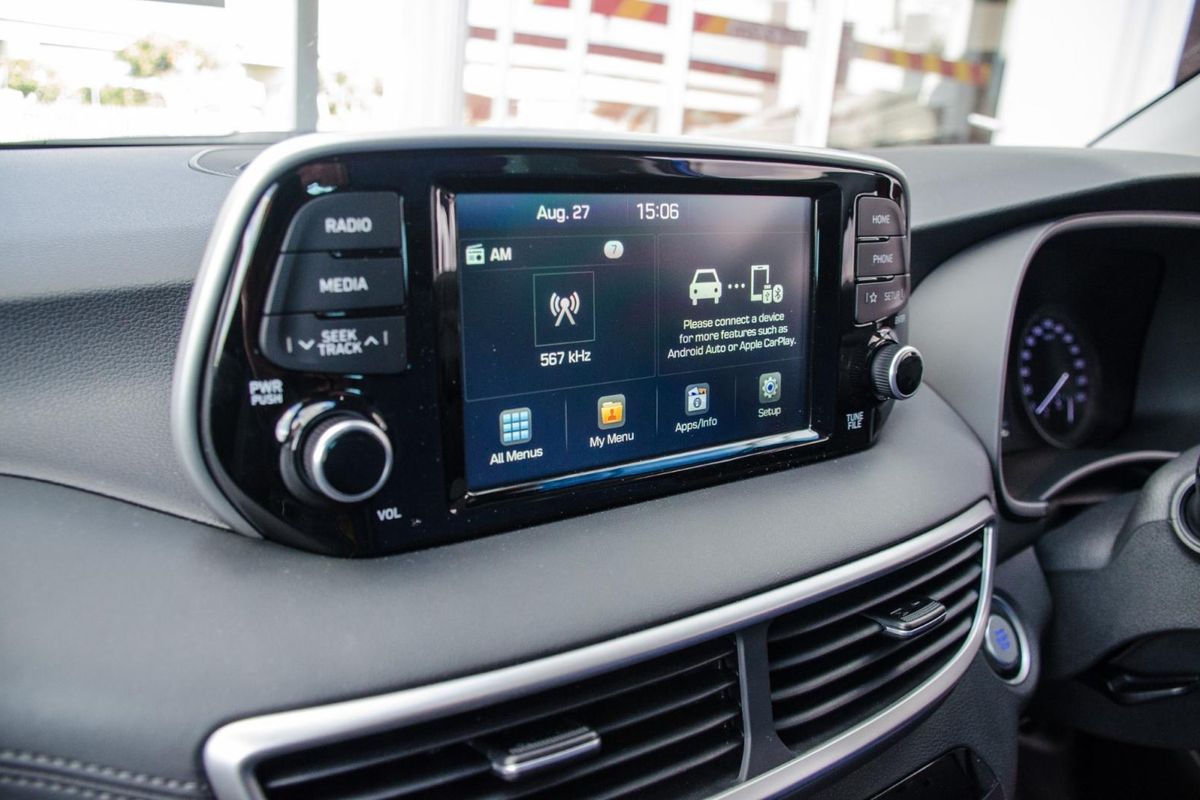
A 7-inch infotainment system is fitted and we found it to be easy-to-use with a menu layout that’s easy to read and navigate. The system is equipped with Bluetooth, built-in navigation, as well as Apple CarPlay and Android Auto compatibility. A single USB slot and auxiliary port are also standard.
Other notable standard features include climate control, electric windows and side mirrors, cruise control, rear PDC and a reverse-view camera. Lastly, it must be said that the Hyundai’s cabin does have a solid feel to it and general perceived build quality is good.
Practicality
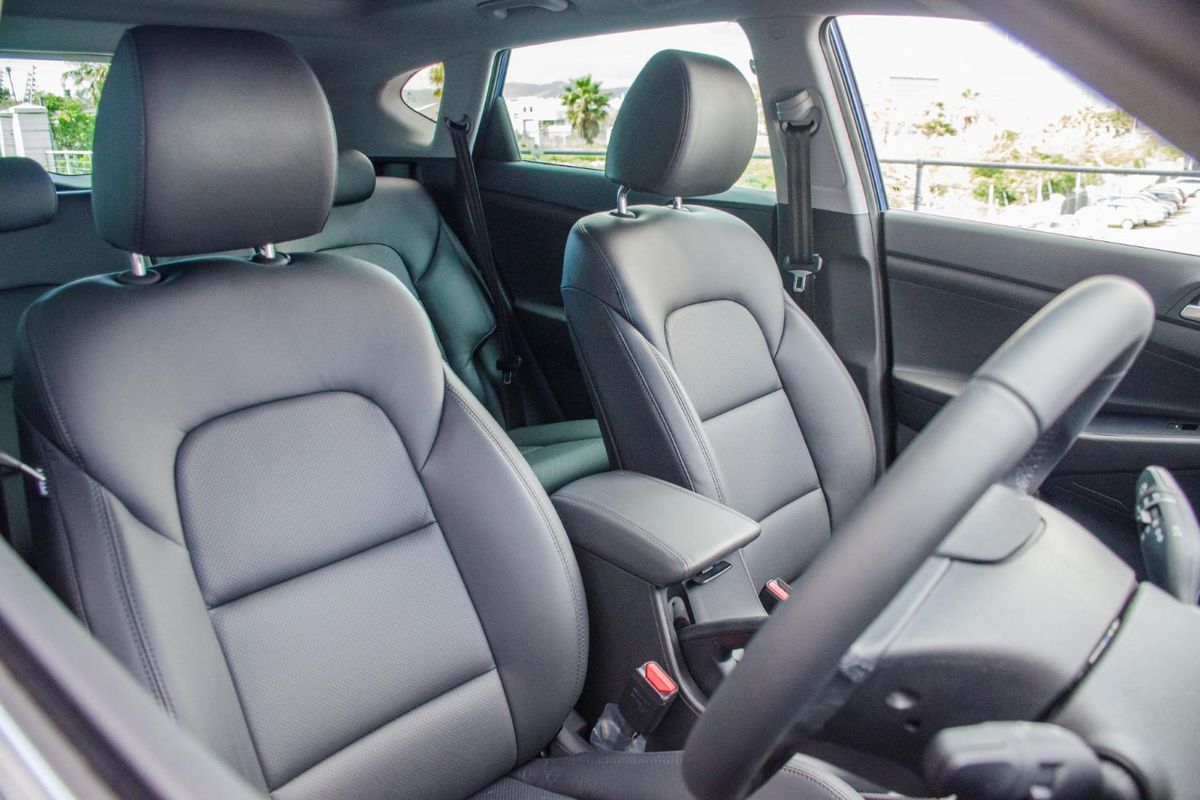
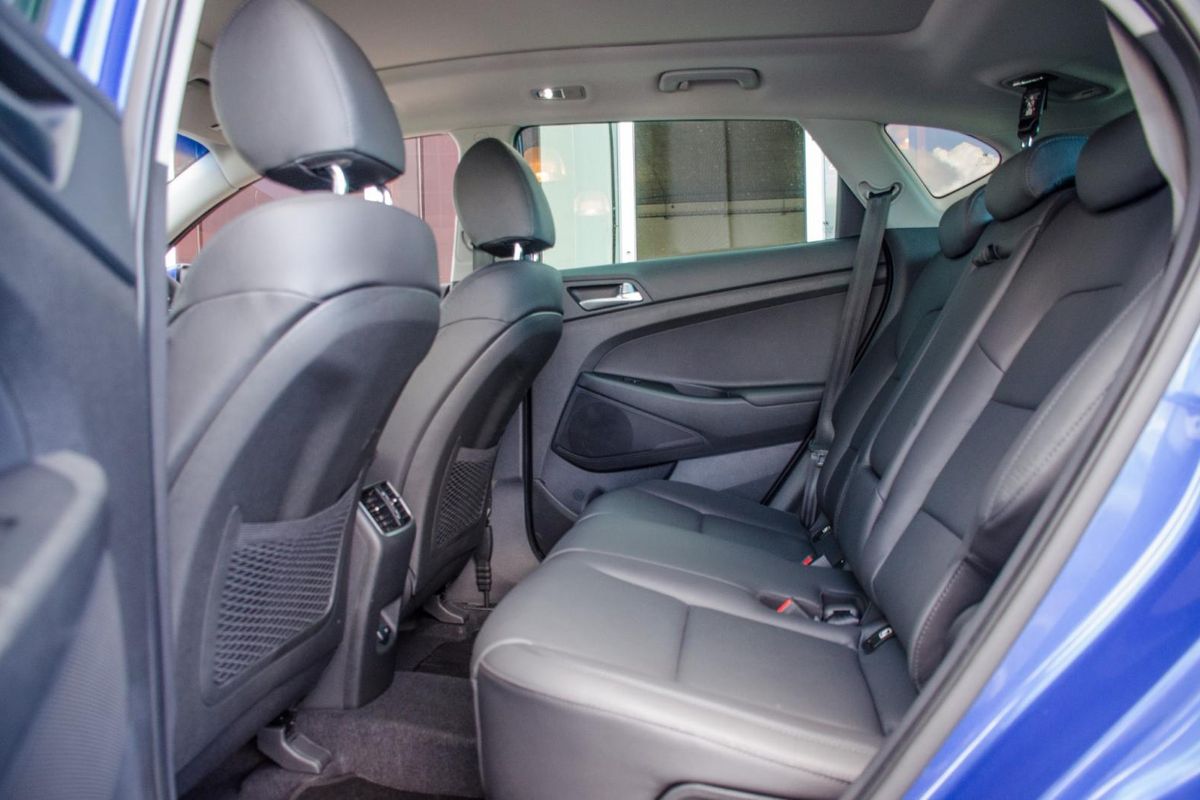
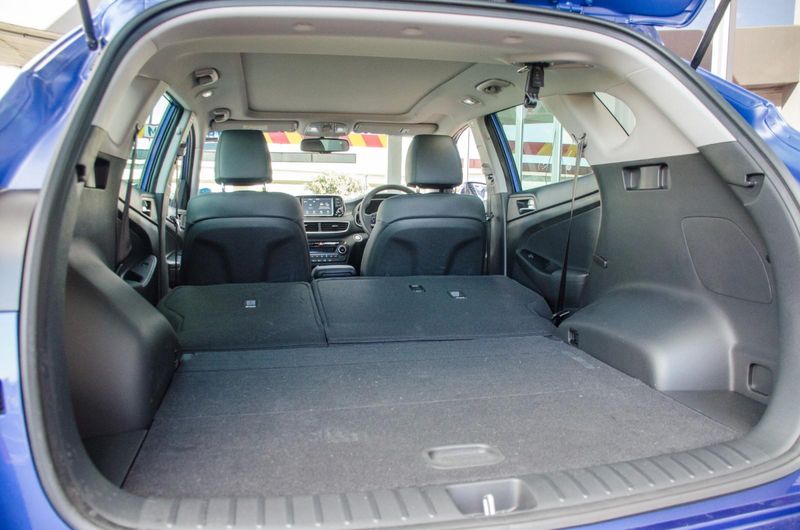
The cabin is spacious and practical. The rear seats recline too which is a bonus on longer trips.
As a practical family car, Tucson makes a lot of sense. The seats are quite comfortable and sufficiently supportive, plus there’s enough leg-, head- and shoulder room in the back for a pair of average-sized adults. What’s more, the cabin offers sufficient storage spaces for bottles, cups and odds and ends, while the rear seats can recline, which is great for when your passengers (especially the little ones) need to snooze on longer journeys.
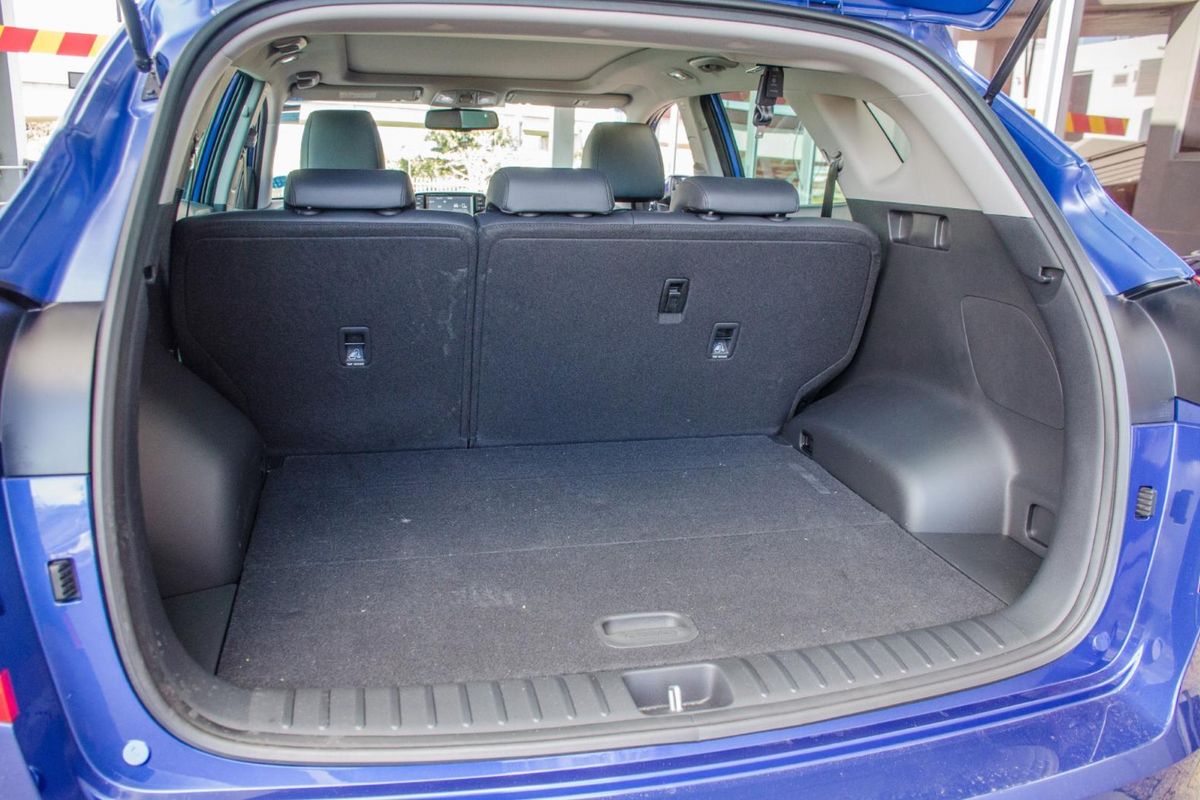
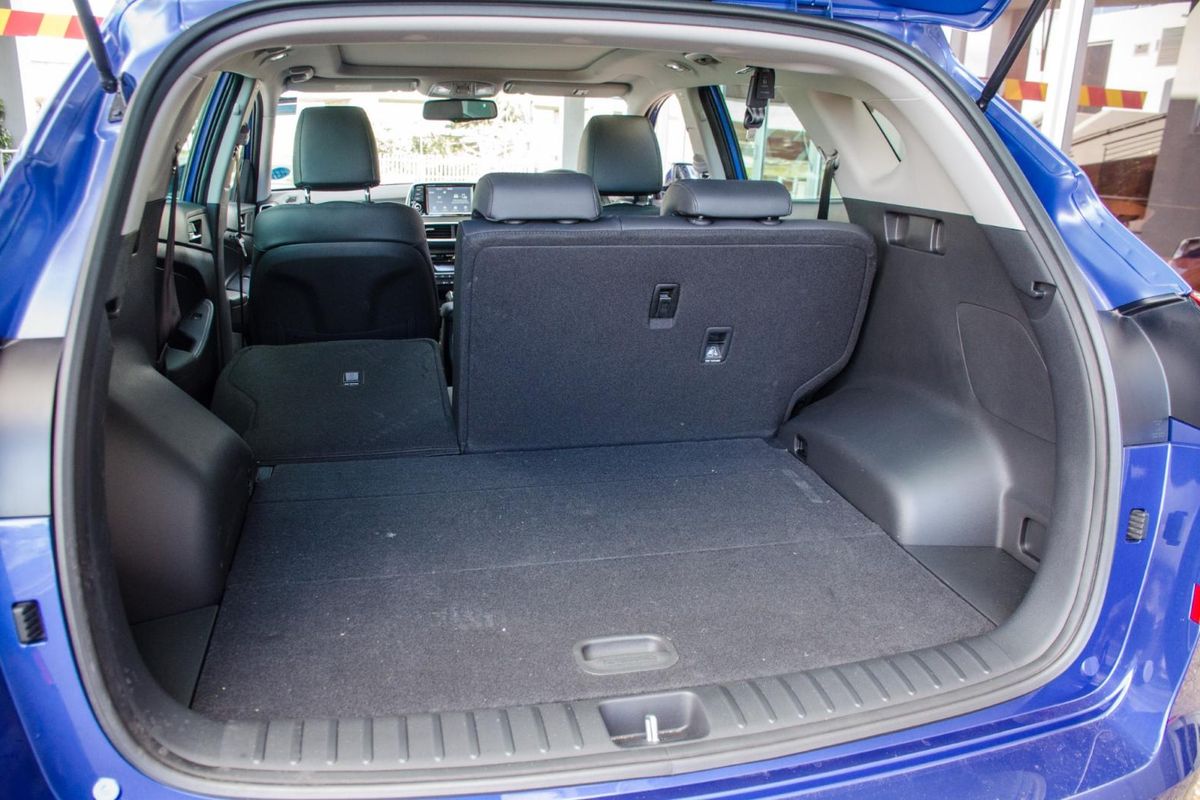
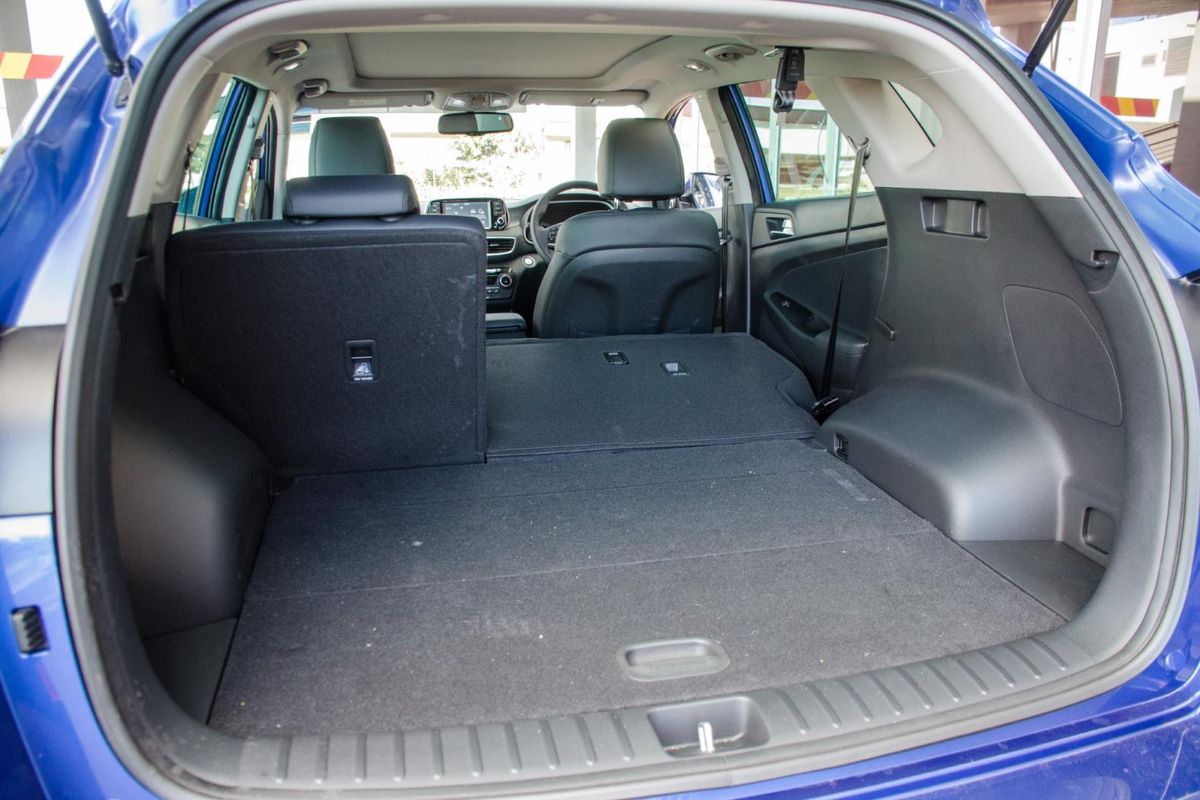
The load bay is sizable at 488 litres, which can expand to a capacious 1 478 litres when you fold the aft seatback forward in a 60:40 configuration.
Pricing and warranty
The Tucson 1.6T Elite Sport retails for R654 900 and comes with a 5-year/150 000 vehicle warranty, 7-year/200 000 km drivetrain warranty and a 5-year/90 000 km service plan. If you would prefer the turbodiesel-powered Tucson Sport, then you can expect to pay R664 900 (August 2019).
As far as sporty family SUVs go, the Tucson Sport falls short in the performance stakes. It has lots of grunt, but too little refinement.
We didn’t enjoy driving the Tucson Sport as much as we hoped we would. Its hypersensitive throttle mapping and resultant tyre-spinning antics were an indulgence and entertaining to begin with, but ultimately reduced the pleasure of the driving experience. The Hyundai’s no slouch, that’s for certain (even though no claimed performance figures are available), but the car’s performance feels forced and unfortunately, not very refined.
Having said that, the Tucson Sport has a lot going for it in the looks department… If you want your family car to turn a few heads, it will do just that! The Tucson remains a practical choice in this segment – its spacious and flexible cabin should suit most “familial transportation needs” to a tee. Standard spec is good too. With that said, if you care less about outright performance, perhaps the standard Tucson 1.6T Elite is a better bet.
If you are not convinced by the Tucson Sport then you may want to consider the Volkswagen Tiguan 2.0 TSI 4Motion Highline R-Line. It too boasts attractive styling (although it doesn’t quite look as lean and mean as the Hyundai) and its 2.0-litre turbopetrol engine (162 kW and 350 Nm of torque) is also mated with a 7-speed dual-clutch transmission. Not only is it cheaper than the Tucson Sport (at R612 750), but its performance is much more refined. The Ford Kuga 2.0T AWD ST Line, with 177 kW and 340 Nm of torque, is also worth a look and it’s nicely priced at R552 400.
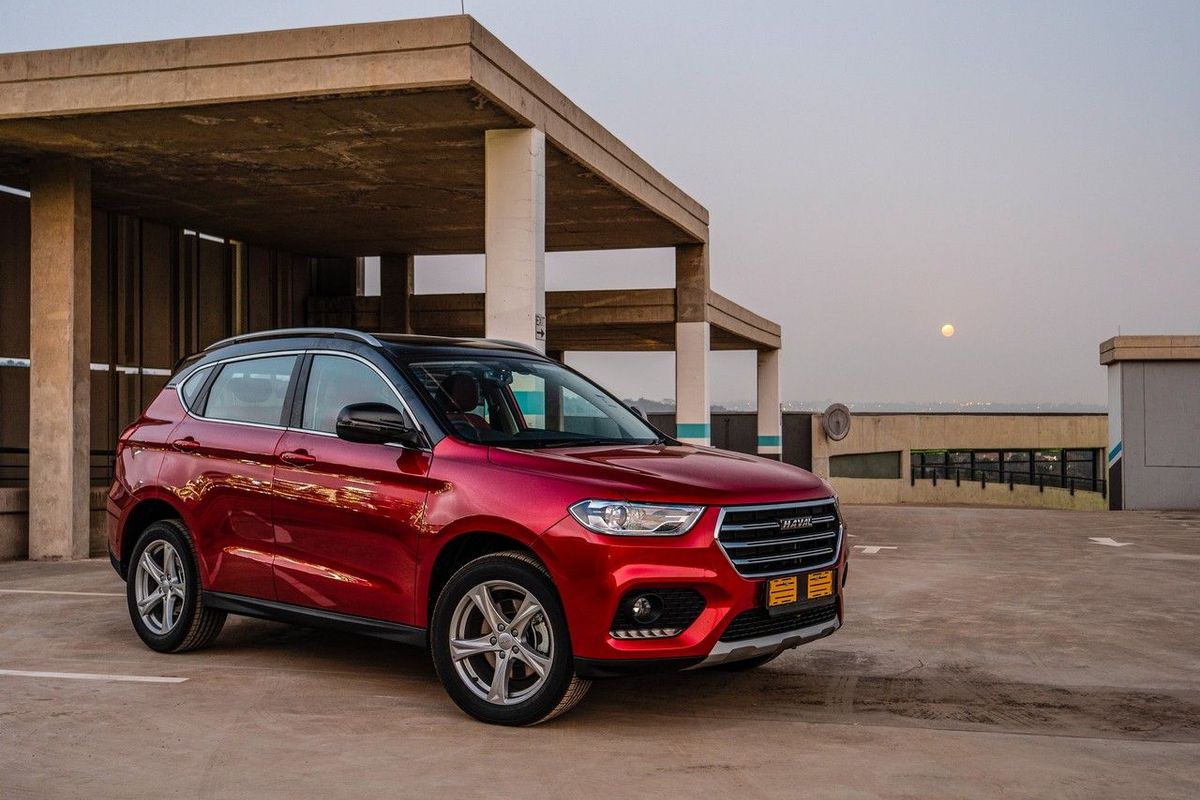
Haval H2 facelift (2020) Specs
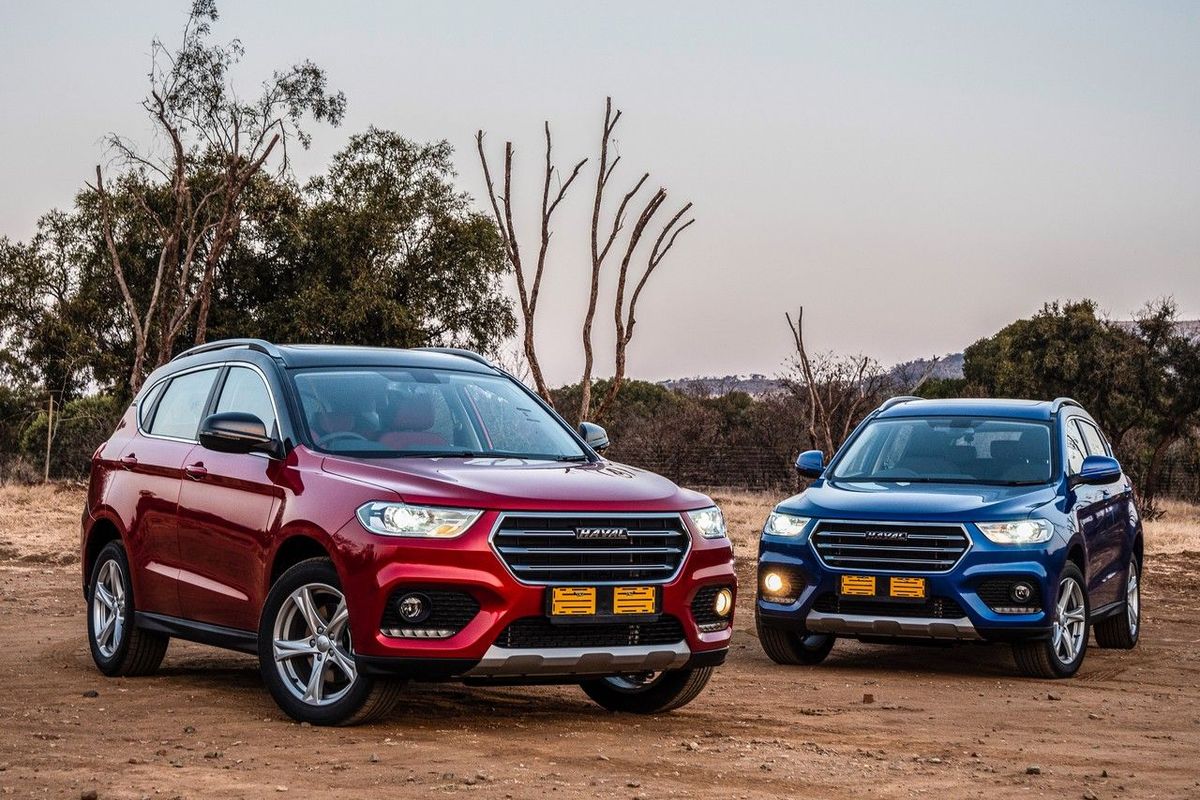
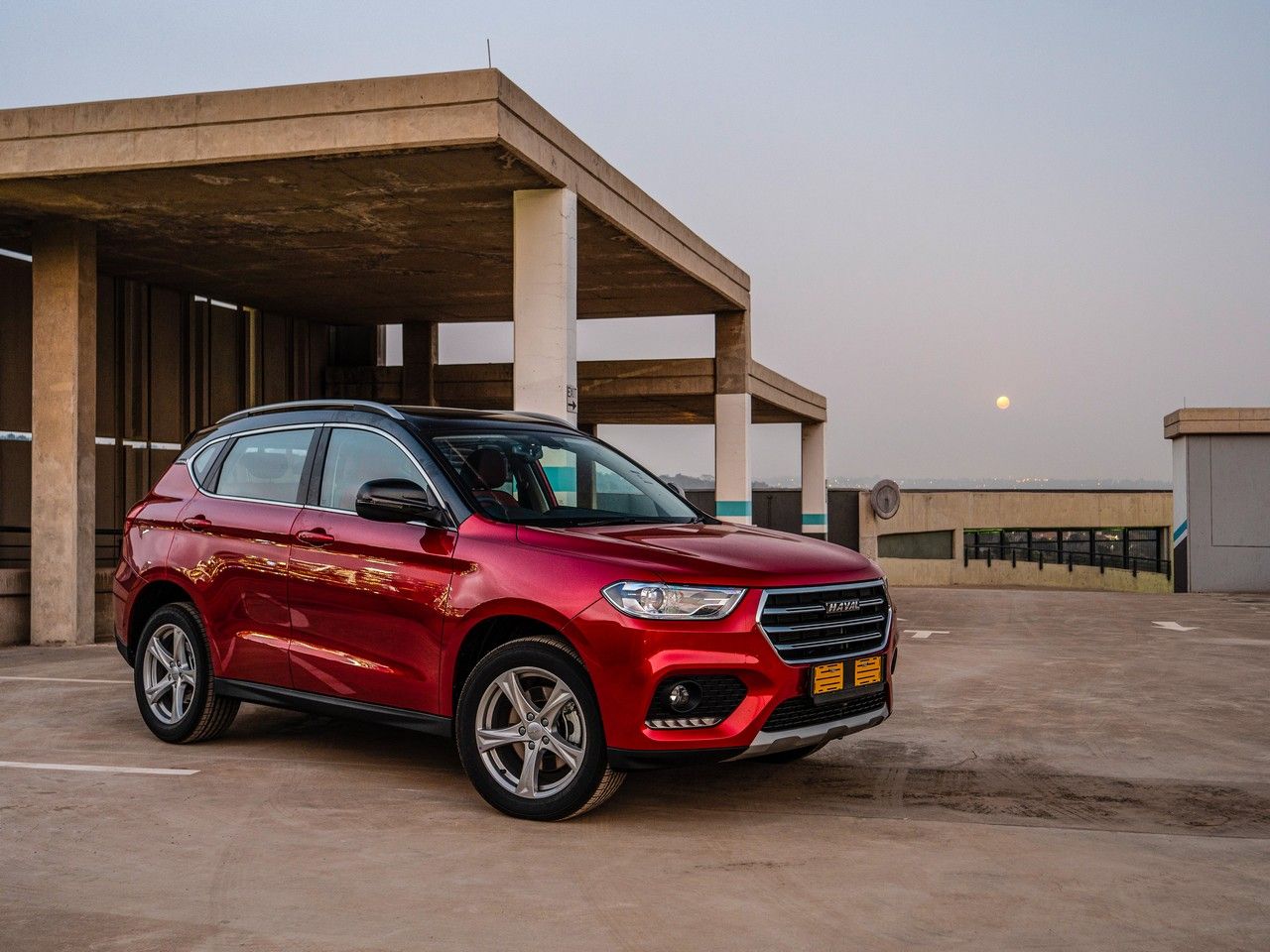
Haval South Africa will introduce a facelifted version of its H2 compact family car at the end of the 1st quarter of 2020. Apart from aesthetic updates, the 4-derivative range will see the introduction of more features and will be offered in a choice of 6 colours and 2 dual-tone exterior finishes.
In a popular segment of the new vehicle market, which features models such as the Ford Ecosport, Hyundai Creta, Nissan Qashqai, Renault Duster and Captur, Suzuki Vitara and Toyota CH-R, Chinese SUV-brand Haval’s H2 has steadily grown in popularity since its local introduction in 2017.
Given that competition in the compact family car segment will soon heat up further with the arrival of the Volkswagen T-Cross and (a while later) Kia Seltos, an imminent facelift to the generously-specced H2 range should ramp up renewed interest in the 2017/18 #CarsAwards semi-finalist.
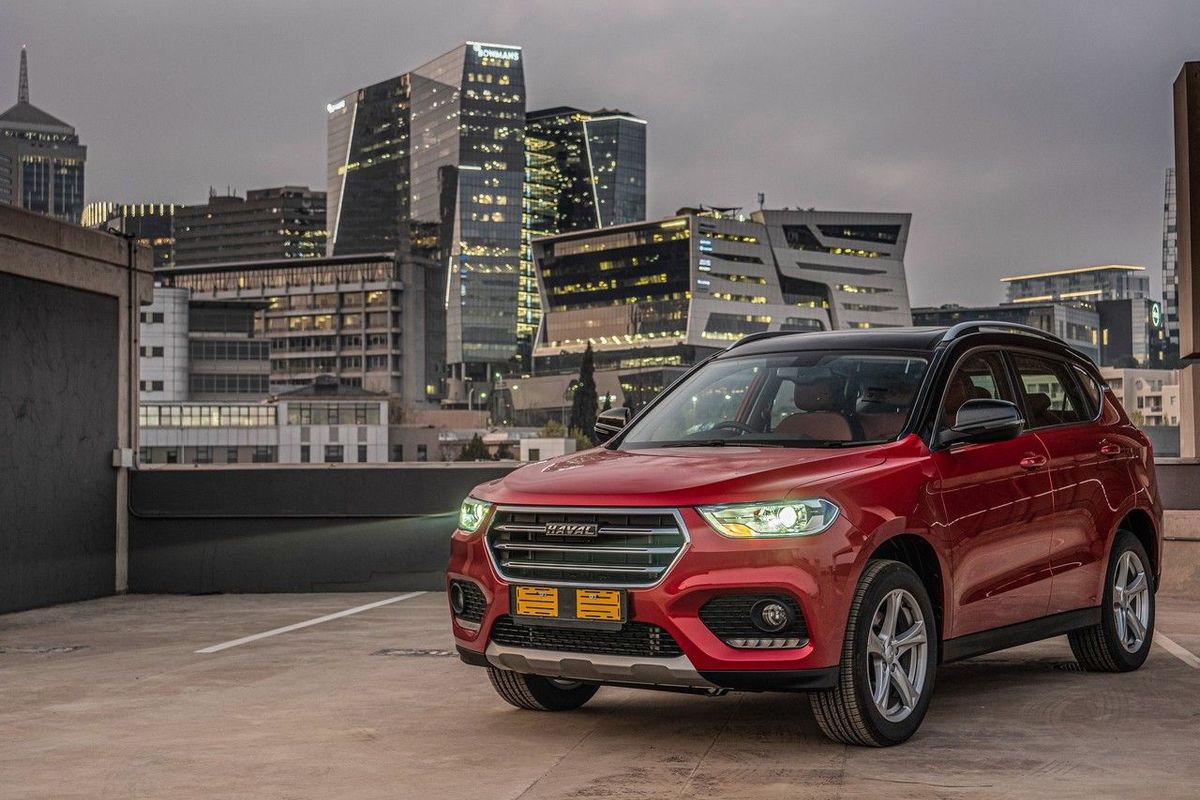
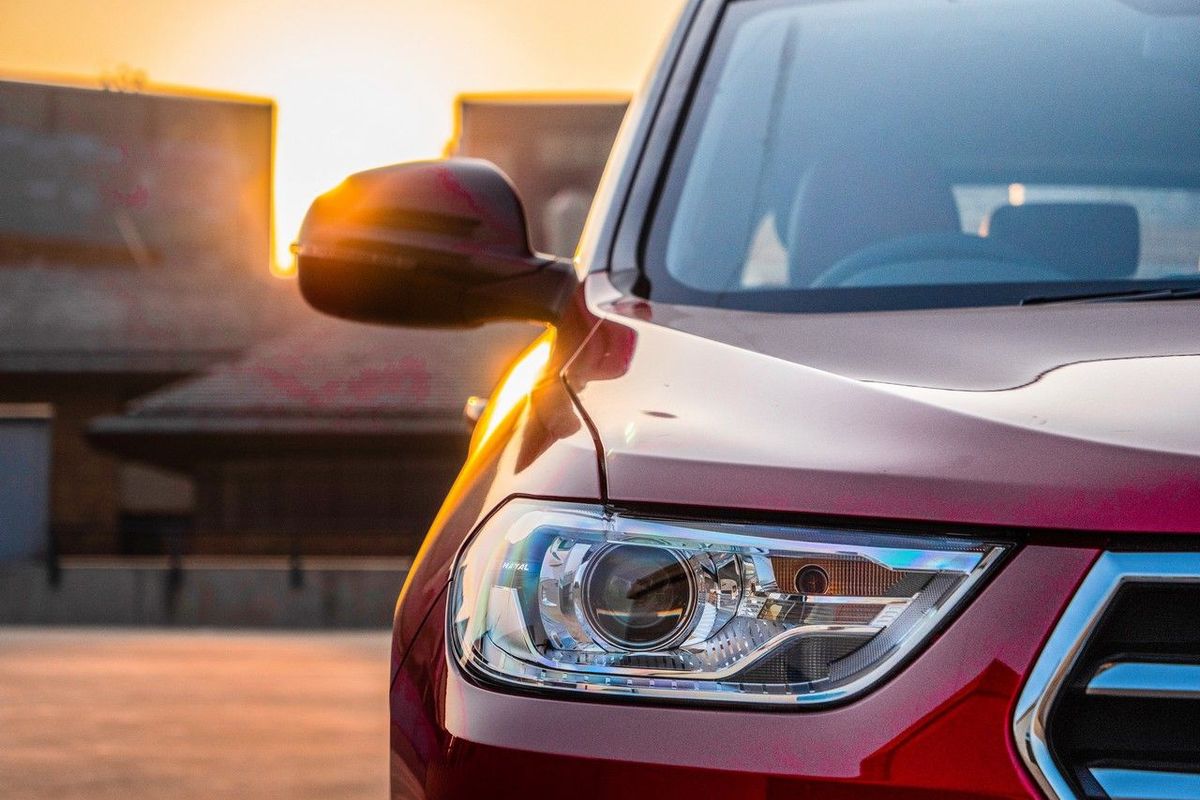
Recently shown at the Wesbank Festival of Motoring in Gauteng, the revised H2 features the same platform, suspension, powertrains and safety features as its predecessor, but it looks markedly different by virtue of a revised front grille, bonnet and fenders, restyled headlights and bumpers. Eighteen-inch alloys are still standard, but they feature a new 5-spoke “throwing star” design.
New bonnet, front grille and headlight treatment denote the facelift H2.
The facelifted range will comprise the 1.5T City and 1.5T Luxury, both of which are available with either a 6-speed manual ‘box or 6-speed automatic transmission. The H2’s 1.5-litre 4-cylinder turbopetrol produces peak outputs of 105 kW and 202 N.m of torque and is said to consume an average of 8.2 L/100 km in the case of the manual and 9.0 L/100 km for the automatic.
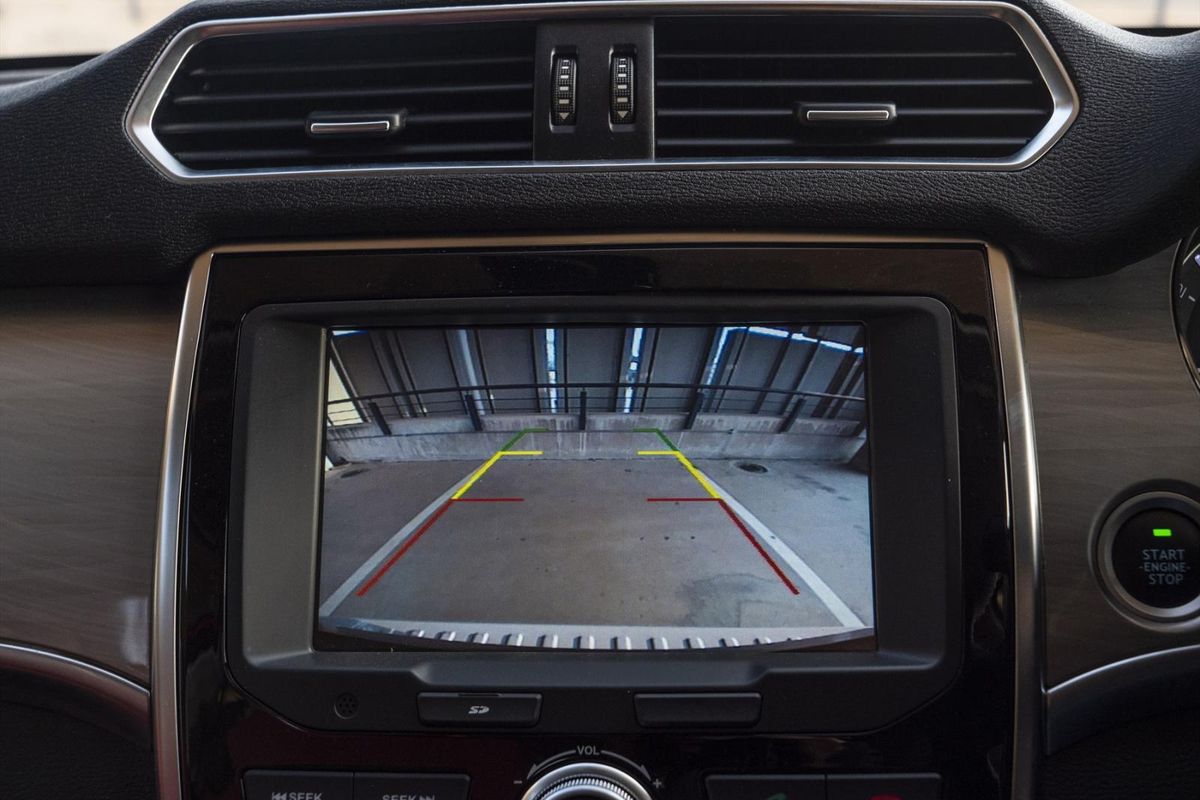
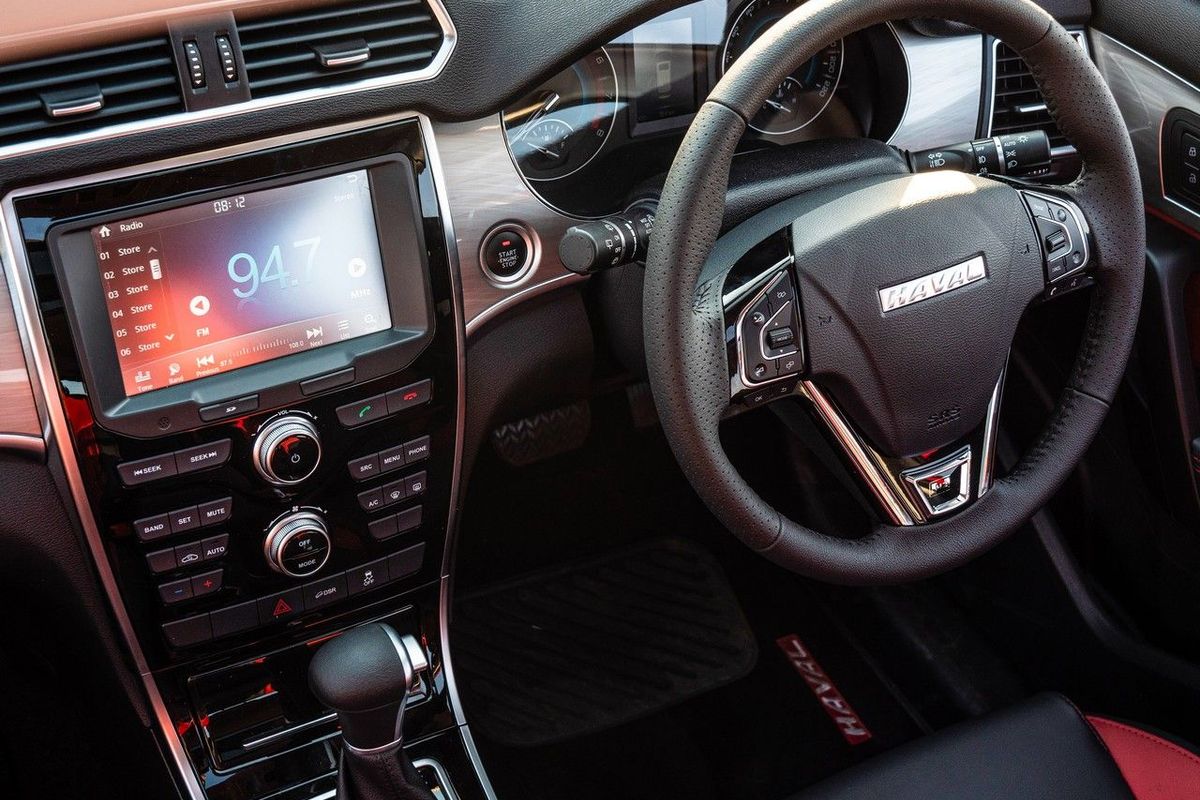
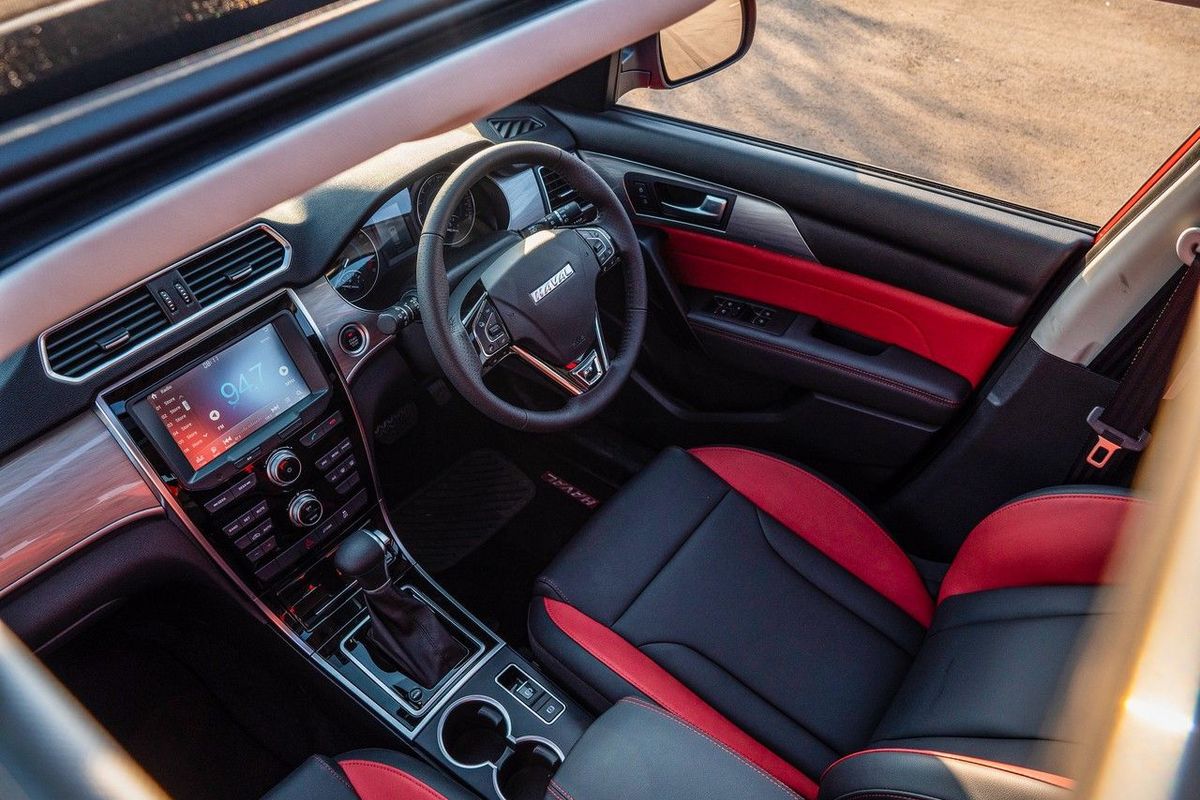
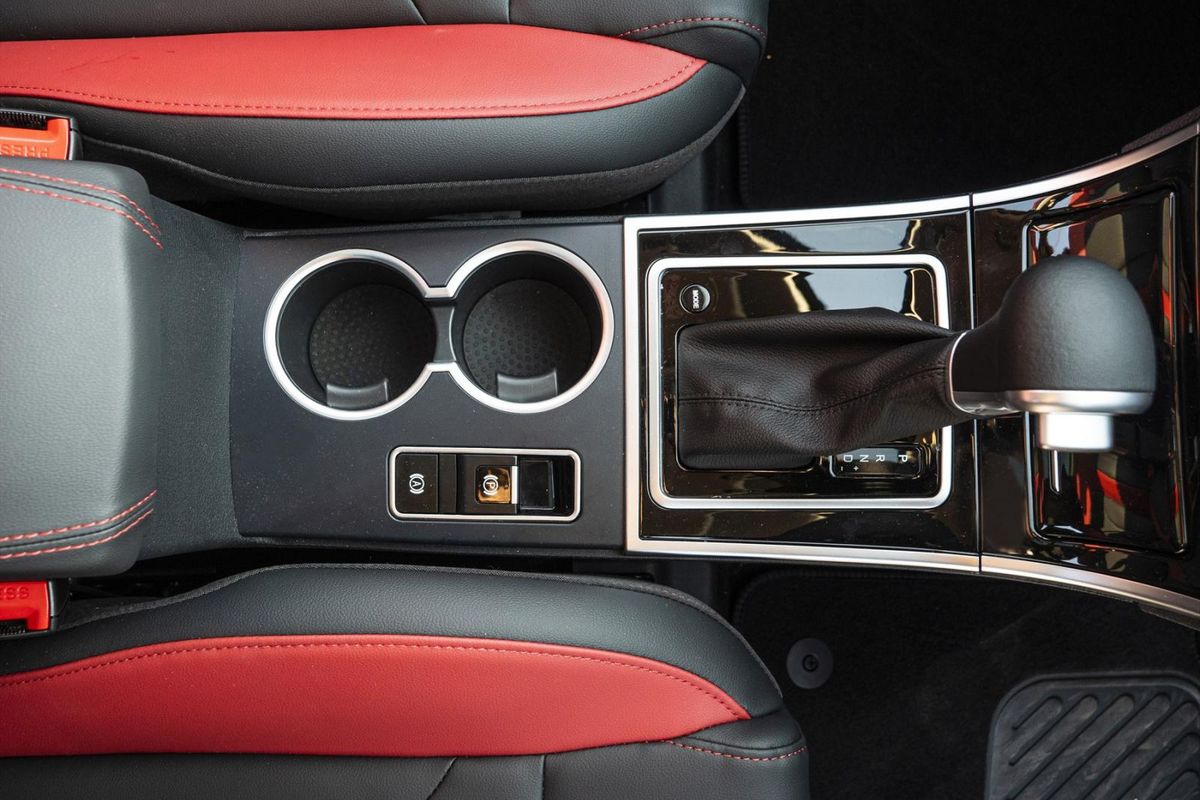
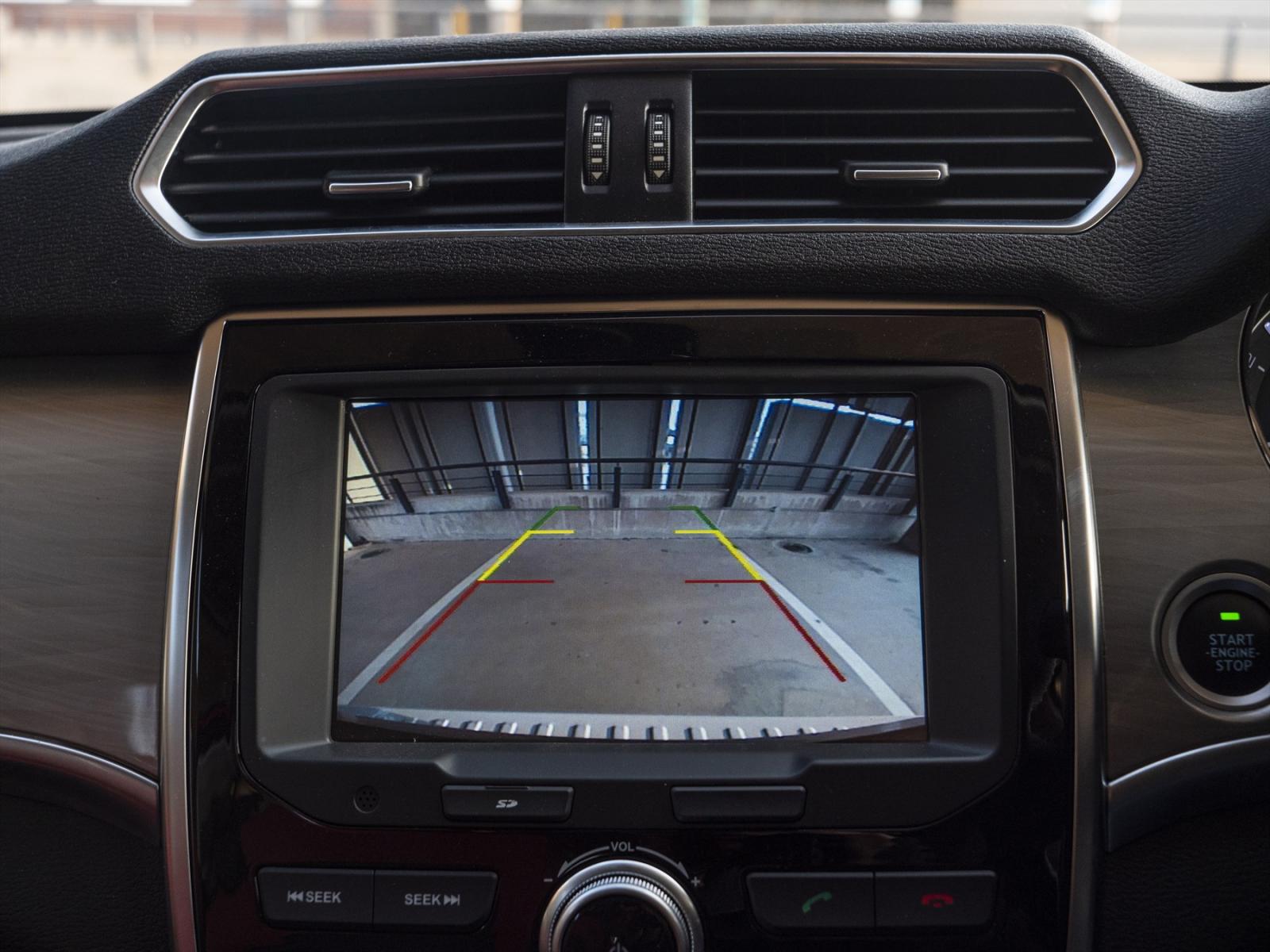
Compared with current versions of the H2, facelifted derivatives will all feature Apple CarPlay-, USB- and Bluetooth-enabled infotainment systems and sunroofs (panoramic on 1.5T Luxury). Apart from minor updates to the cabin’s upholstery and trims, a revised transmission lever has been introduced on automatic versions. Upon closer inspection of Haval’s brochure for the updated range, a reverse-view camera with guiding lines will be standard across the range, although dual-zone auto aircon will be reduced to single-zone climate control on top-spec derivatives.
Generous standard spec
Apart from the features already mentioned, the 1.5T City comes equipped with: fog lamps and DRLs, keyless entry and start/stop button, a multifunction steering wheel with remote audio and cruise control buttons, 6-way adjustable driver’s seat (manual), adjustable centre armrest, power windows all round (one-touch up/down and anti-pinch on driver’s door), split-folding rear seatback with 3 headrests and a pair of cupholders integrated in the fold-out armrest, plus rear PDC (in combination with the reverse-view camera).
Haval's infotainment screen now has Apple Carplay as well.
The 1.5T Luxury, on the other hand, additionally features leather-trimmed seats (6-way electrically adjustable for the driver) and steering wheel, automatically activated (LED) headlamps and wipers, climate control and electrically adjustable and folding side mirrors with integrated turn signals.
6 airbags on Luxury derivatives
Safety-wise, H2s are fitted with dual front airbags (plus side- and curtain ‘bags on 1.5T Luxury), disc brakes all round (ventilated at the front), ABS with EBD and brake assist, electronic parking brake, electronic stability control, tyre pressure monitor, as well as ISOfix child-seat anchor points.
Upon its release, the newcomer will be available in Classical Black, Hamilton White, Pittsburgh Silver, Datura Red, Atlantis Blue, Brown, plus red-with-black roof and brown-with-white roof combinations. The current range comes with a 5-year/100 000 km warranty, including unlimited km roadside assistance for its duration. The kilometre limit of the 5-year service plan is 60 000 km.
The Volkswagen Golf 8 enters the final phase of testing before its big reveal before the end of 2019.
Volkswagen has produced a spy image of its own for a change as it released this single image of the upcoming Golf 8. Keen to show off the artistry of its vehicle camouflage department, VW has etched the word Golf into the doors of the test mule. As if it wasn't obvious enough already.
Klaus Bischoff, head of Volkswagen Design has assured the world that the next Golf will be an absolute stunner with elegant proportions. VW has also hinted at a connected interior with online capabilities and that there are plans to launch an electrified version. It has already announced that there will be a mild hybrid version that makes use of a 48v electrical system.
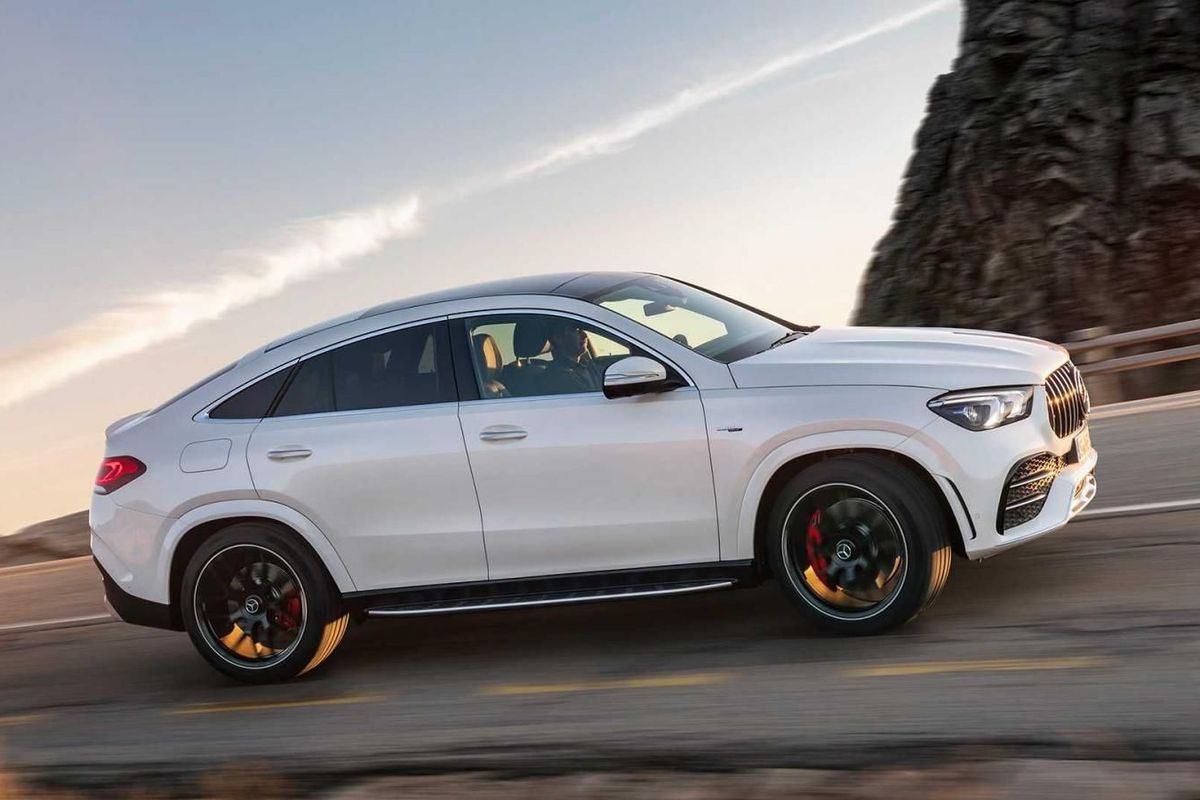
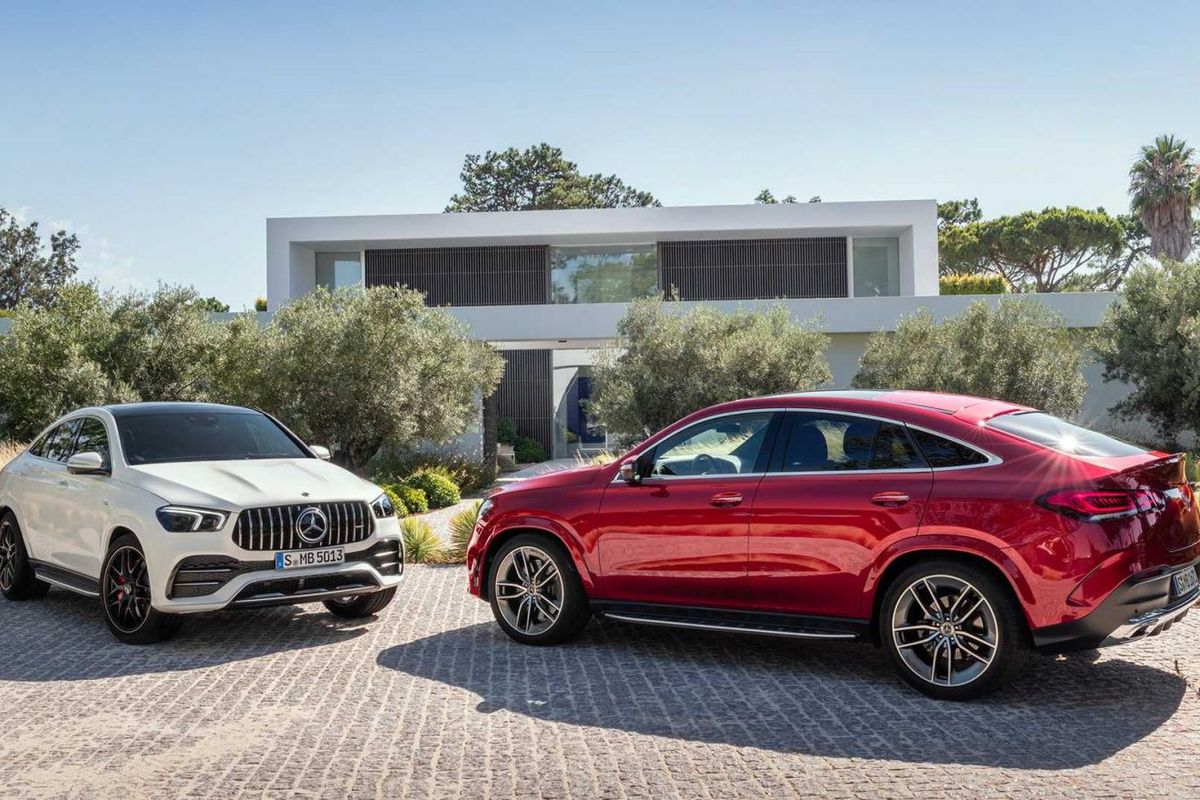
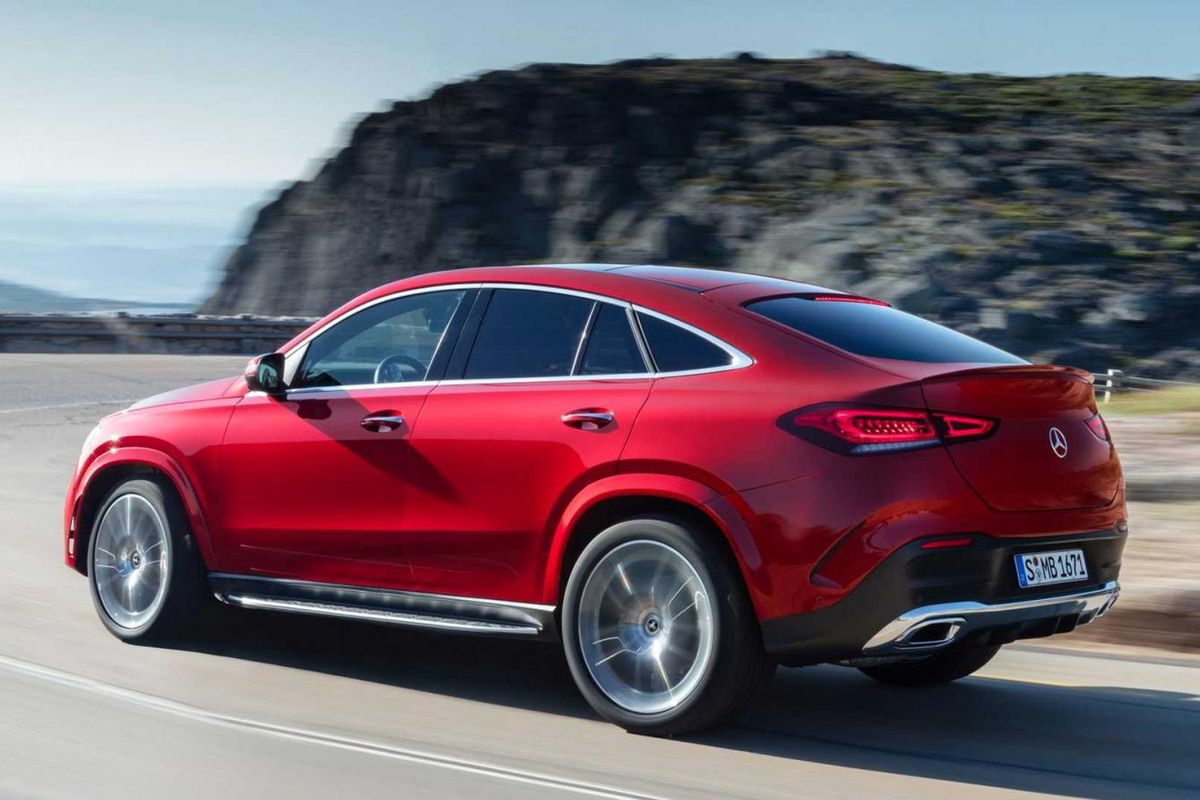
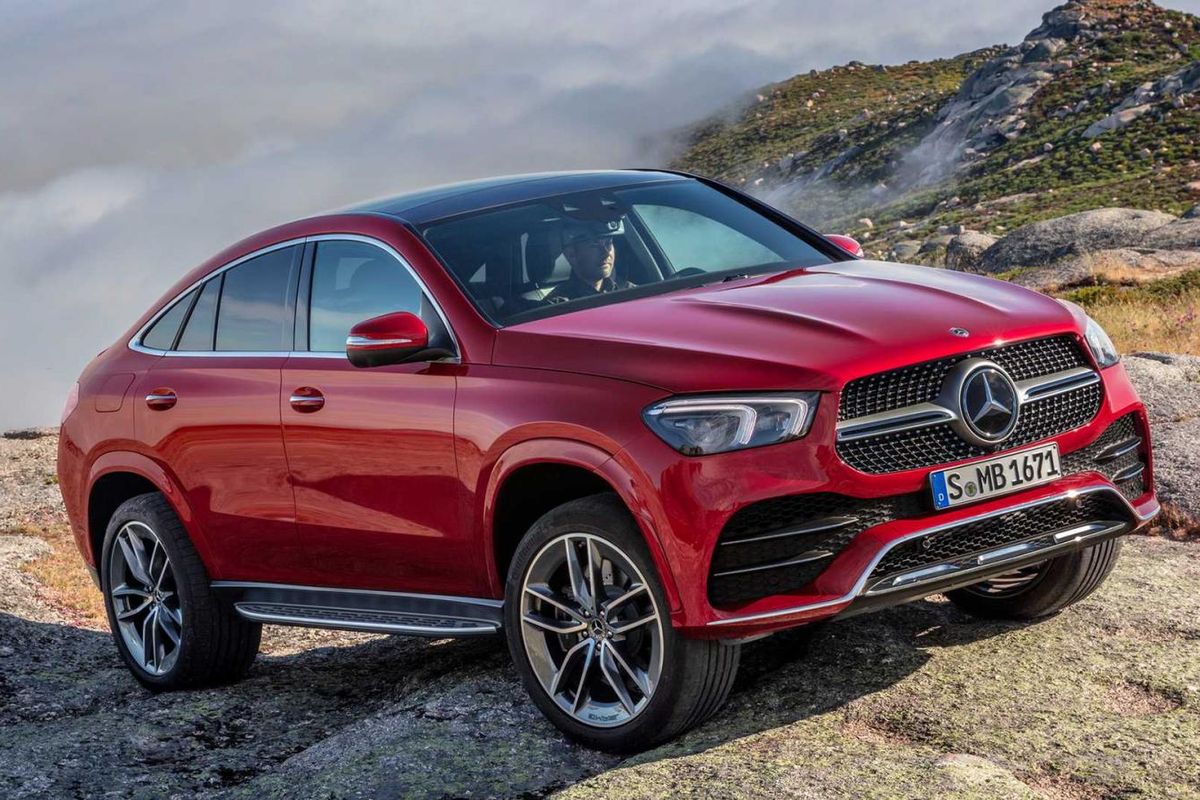
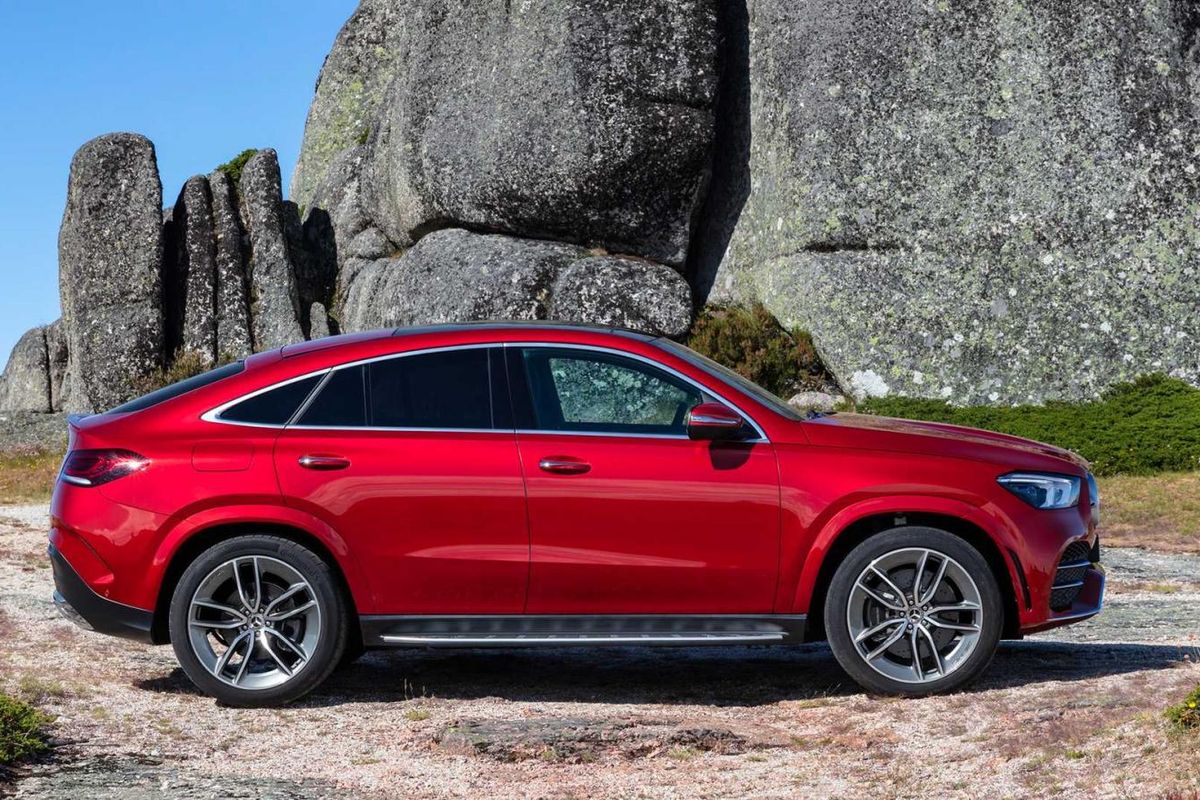
Mercedes-Benz has done the inevitable and revealed a sloping roofline version of its GLE SUV.
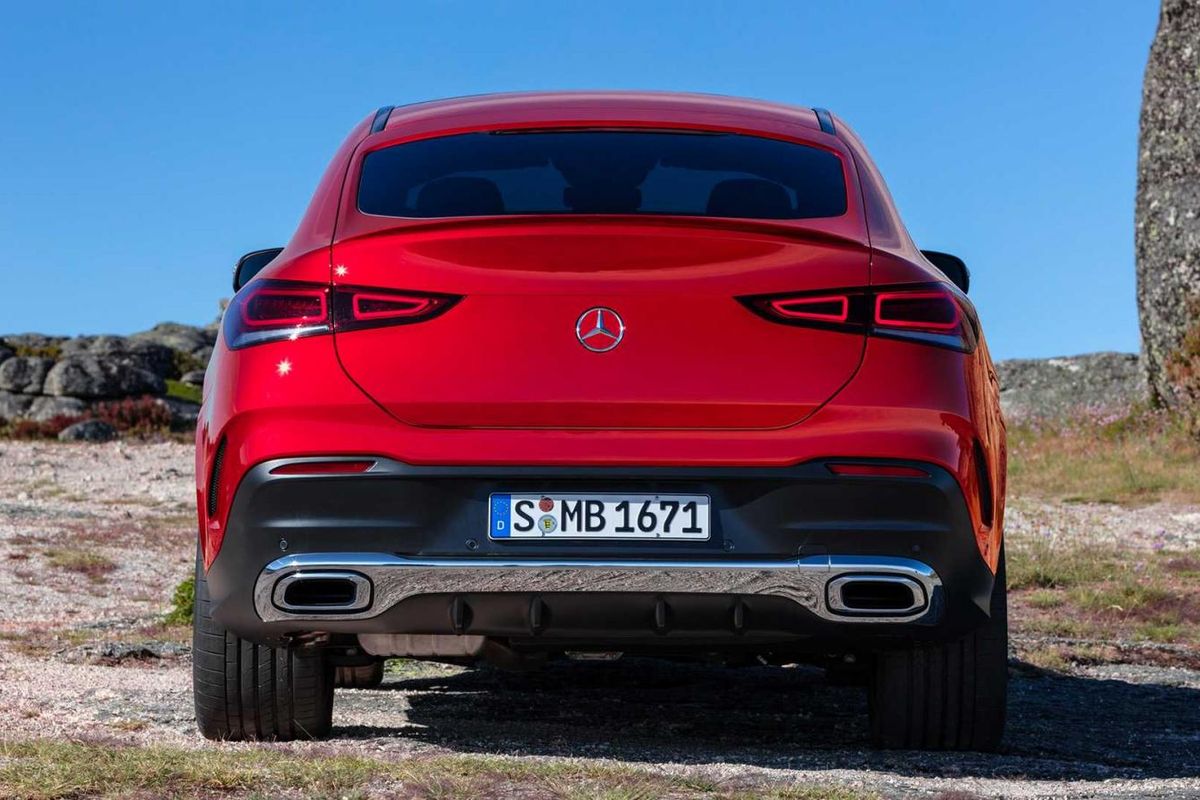
The new GLE coupe features Mercedes-Benz’s bold SUV design language, with the only real difference between this coupe version and a normal GLE, being its rear third.
That sloping roofline joins a reshaped tailgate stamping, with an integrated spoiler, and GLE coupe gets its own signature taillights. – which look very similar to that of the CLA.
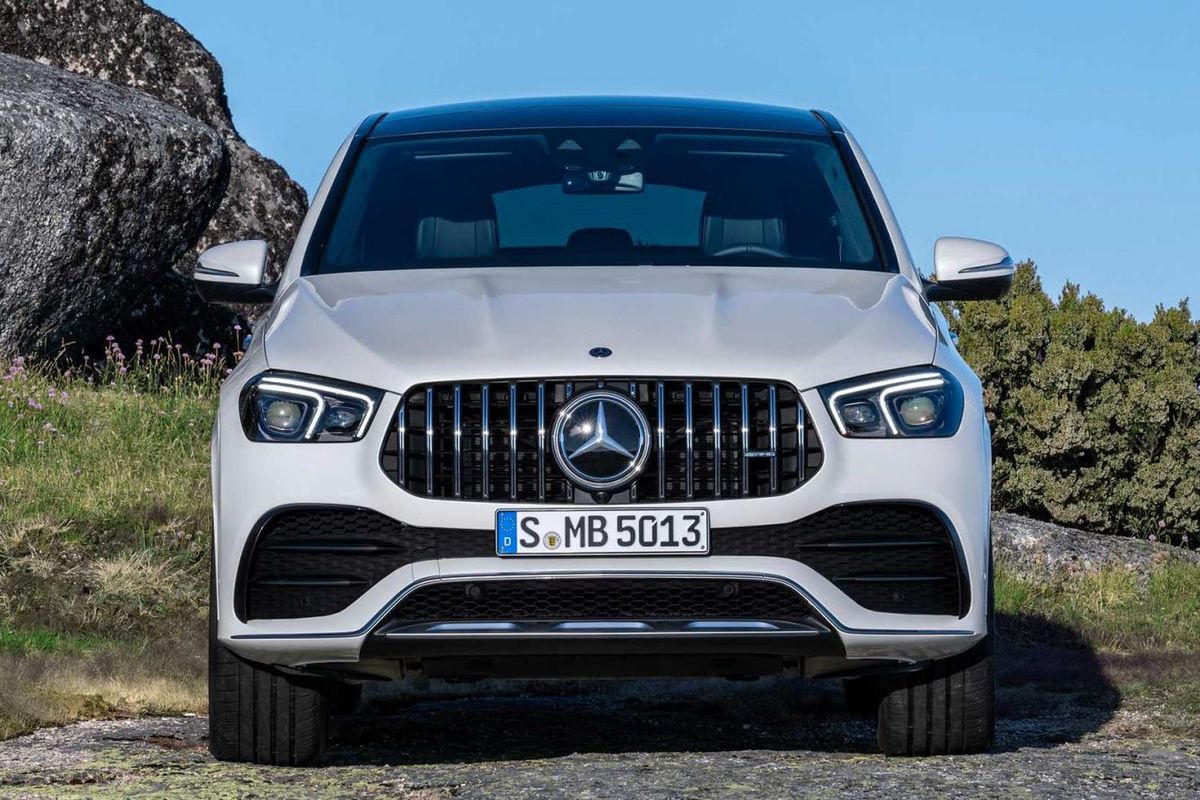
If you like the AMG way of styling automobiles, GLE Coupe will be available with a Panamericana grille and dynamic alloy wheel designs up to 22-inches in diameter.
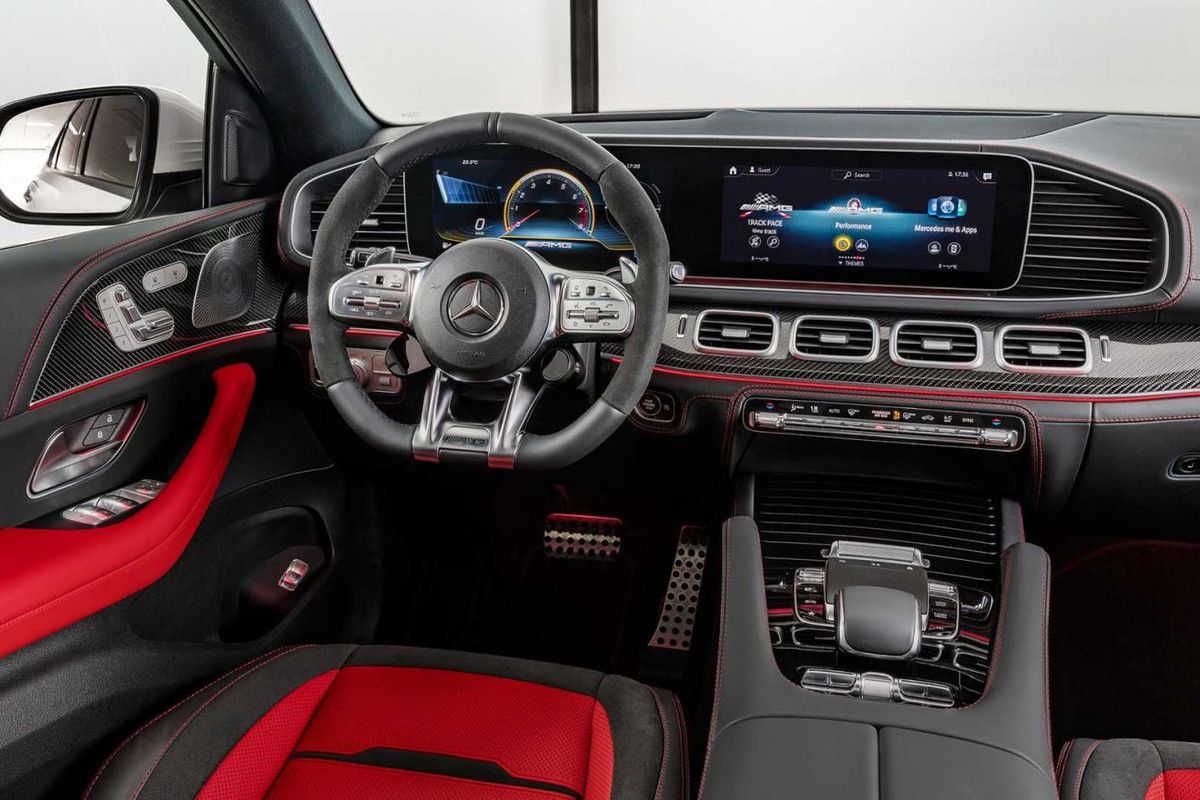
Inside, the cabin architecture features Mercedes-Benz’s latest design, with full MBUX digital assistance and two huge screens angled towards the driver.
Compared to the regular GLE SUV, this coupe is 25 mm longer but features a 60 mm shorter wheelbase – which means greater handling agility, but some sacrifices to luggage capacity.
You’ll be able to get 655-litres of luggage in the back of this new sloping roofline GLE coupe, which is more than its rivals from BMW (X6) or Audi (Q8), but less than a conventional GLE, which can load up to 825-litres of luggage.
Technical highlights? Ride quality enhancing air-suspension is an option, and to mitigate against body roll, Mercedes-Benz will offer a new technology called ‘e-active body control’. This enables the GLE coupe’s spring and dampers rates to be individually adjusted at each wheel corner, dramatically reducing body roll during high-speed cornering, and resisting dive when peak deceleration is enacted.
Engines for the GLE coupe are a selection of six-cylinders. The GLE350d is powered by a 3-litre turbodiesel good for 200 kW and 600 Nm, with the GLE400d featuring a more potent version of the same engine architecture, boosting 234 kW and 700 Nm.
If you’d like an authentic AMG version of the GLE coupe, there is a 53-series variant. It uses the mild-hybrid version of AMG’s 3-litre in-line six-cylinder engine, boosting 320 kW and 520 Nm. For brief moments of peak acceleration, the hybrid system adds another 16 kW and 520 Nm to this powertrain. Performance is keen, with the GLE 53 AMG coupe running 0-100 kph in 5.3 seconds.
All GLE coupes are all-wheel drive and use Mercedes-Benz’s latest nine-speed automatic transmission. South African customers deliveries are expected to commence in the second half of next year.
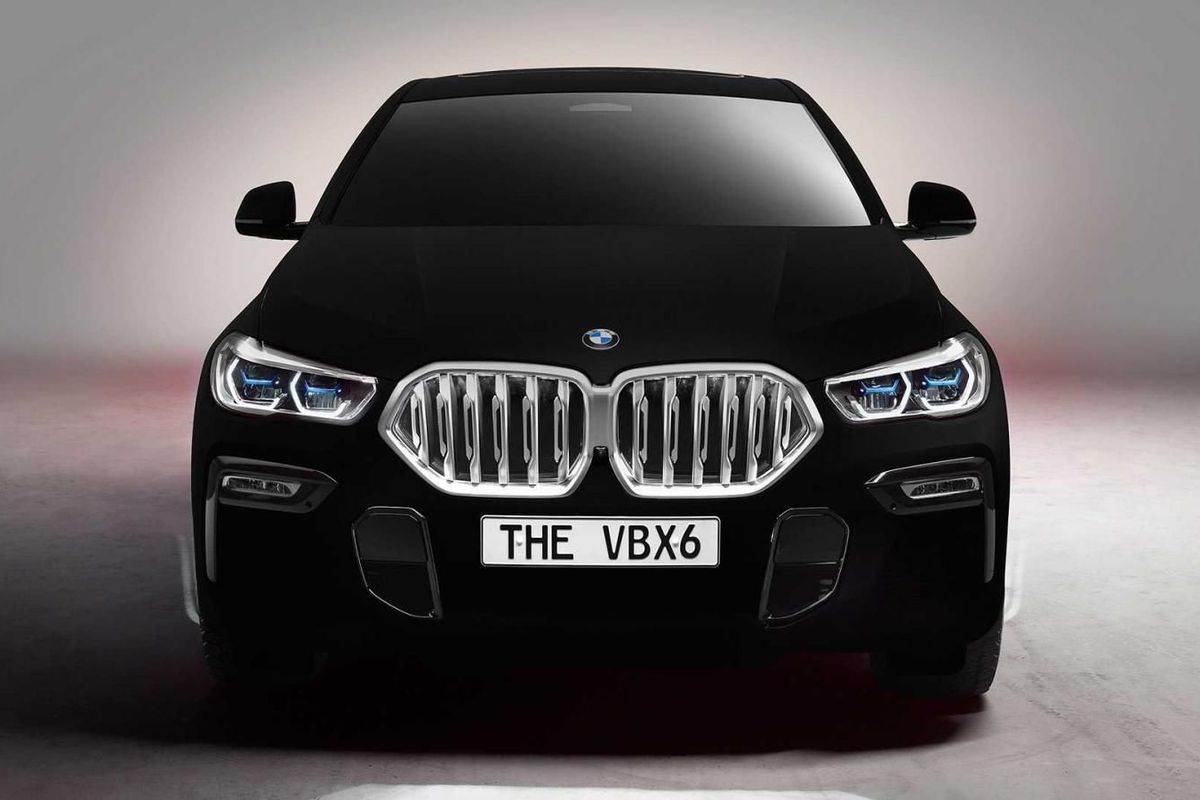
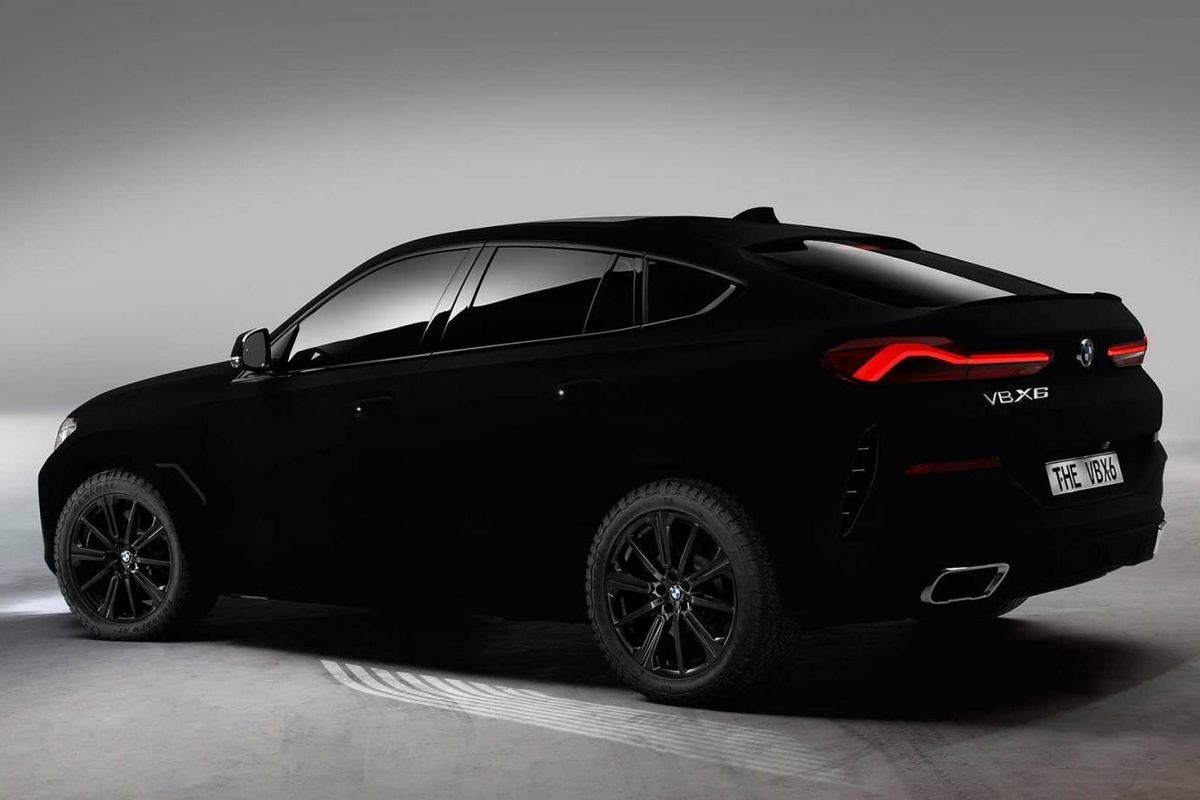
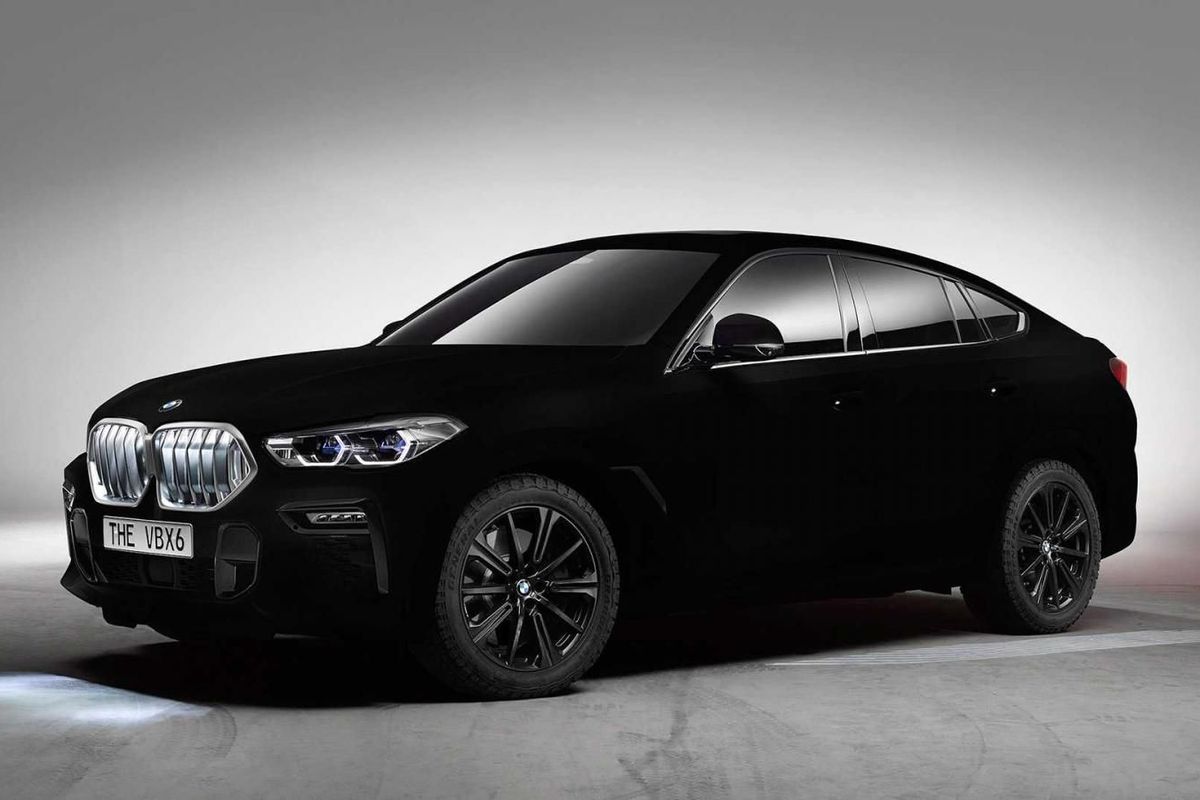
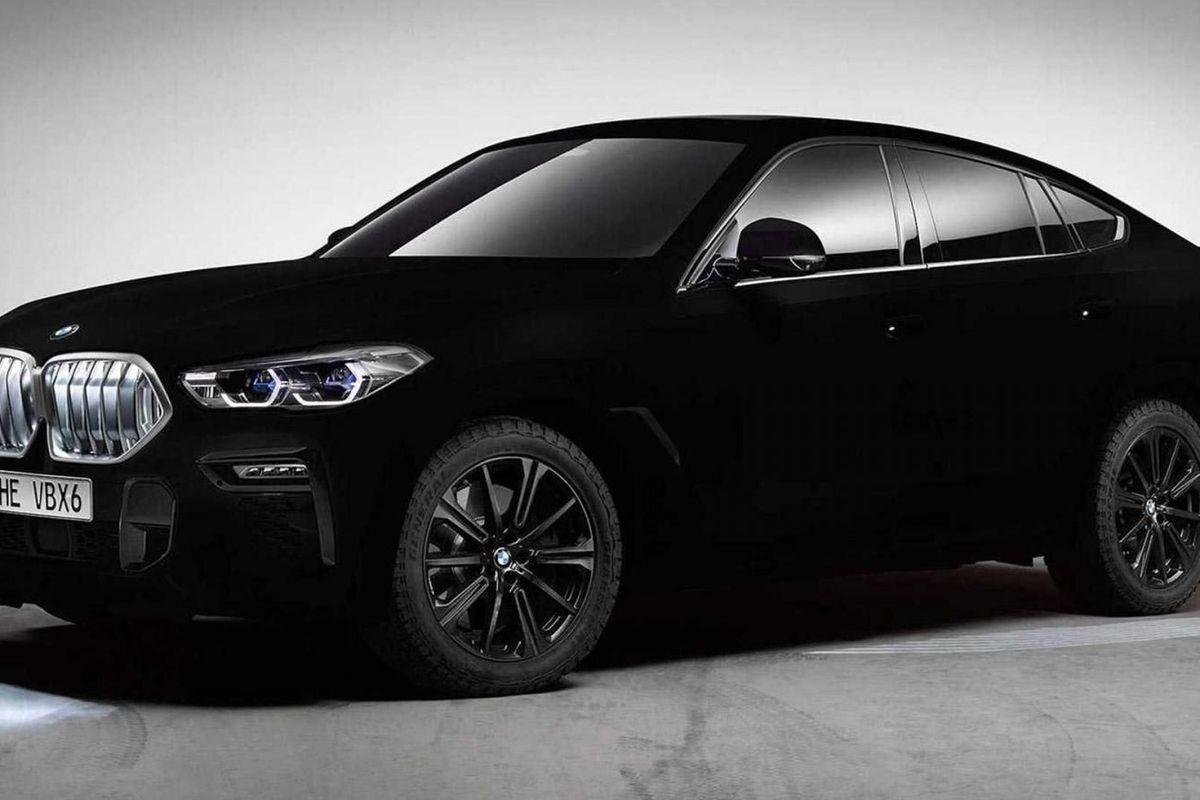
Vantablack is the world's blackest paint. It's so black that light is sucked into the paint and the result is a finish that is mind-blowingly weird.
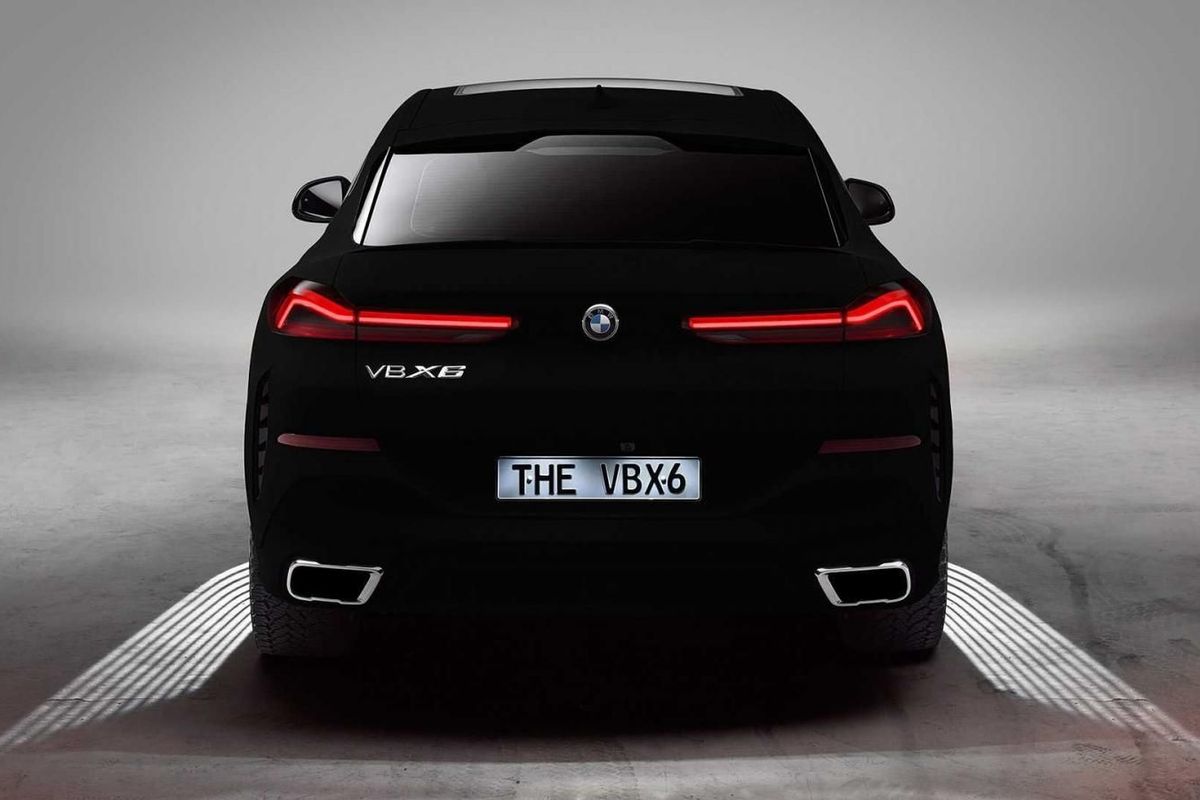
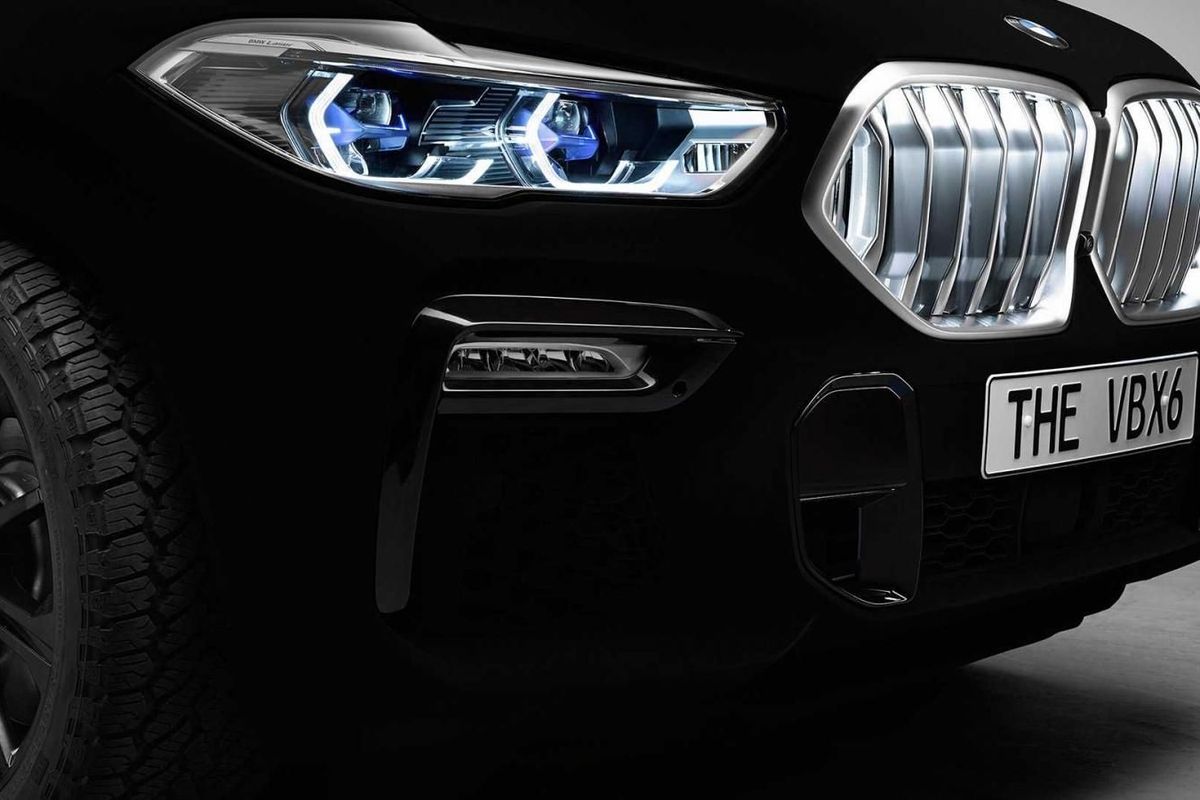
The BMW X6 with a Vantablack finish is set to be revealed at the 2019 Frankfurt Motor Show. If you're not aware, Vantablack is a unique paint that can absorb 99% of light and remove all reflections. It tricks the brain into thinking its staring into a void. It also has the abilities to hide shape and definition.
The BMW X6 Vantablack show car is the result of a collaboration between BMW, Surrey Nano Systems and Levitation 29. Ben Jensen, Vantablack inventor and founder of Surrey Nano Systems, said “VBx2 with its one-per-cent reflectance provides just enough of a hint of shape”. The spectacular one-off vehicle highlights the expressive and precise design language and confident, dominant and muscular appearance of the new BMW X6 to perfection. Asked whether he was pleased with the final car, Ben Jensen commented; “I think it went beyond all our expectations because of the size of the car, its distinctive shape and how imposing it is”.
We've seen some incredible paint finishes and wraps over the years, but this is on another level. It's hurting our brains just looking at it.