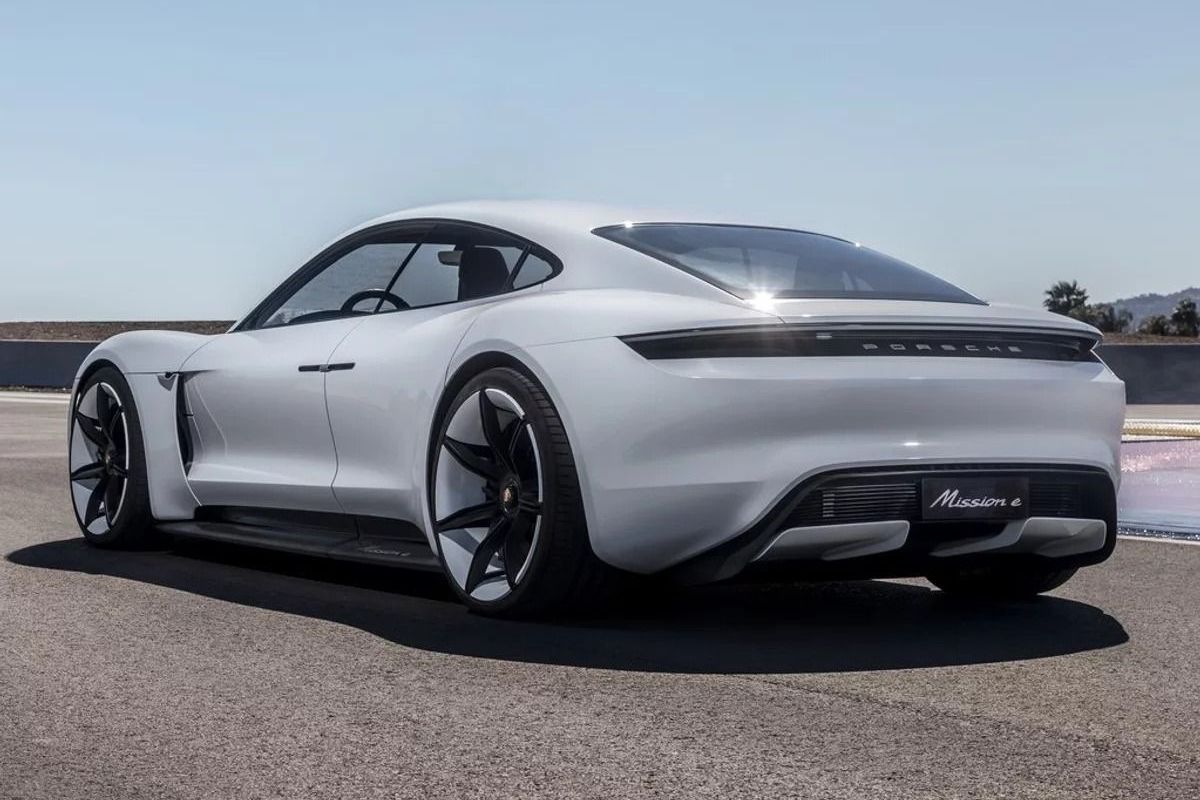
The Porsche Taycan’s interior has been revealed and it’s rather pretty…
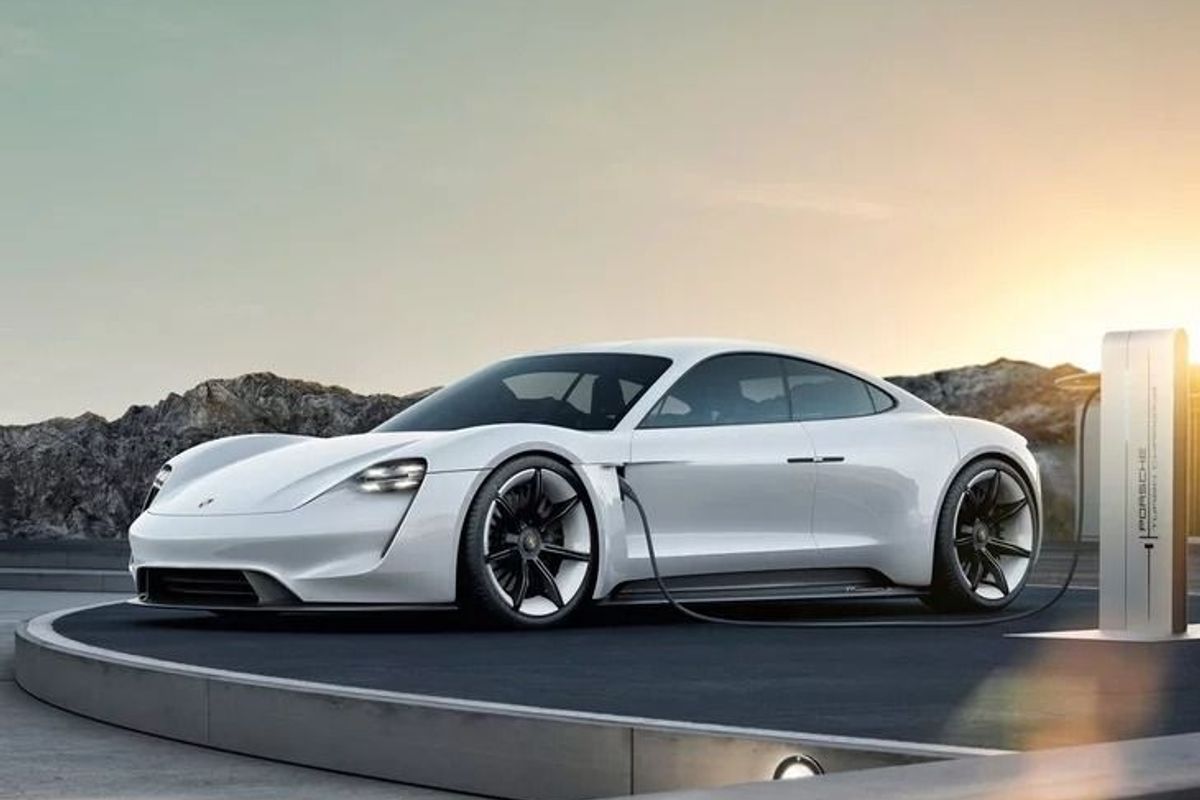
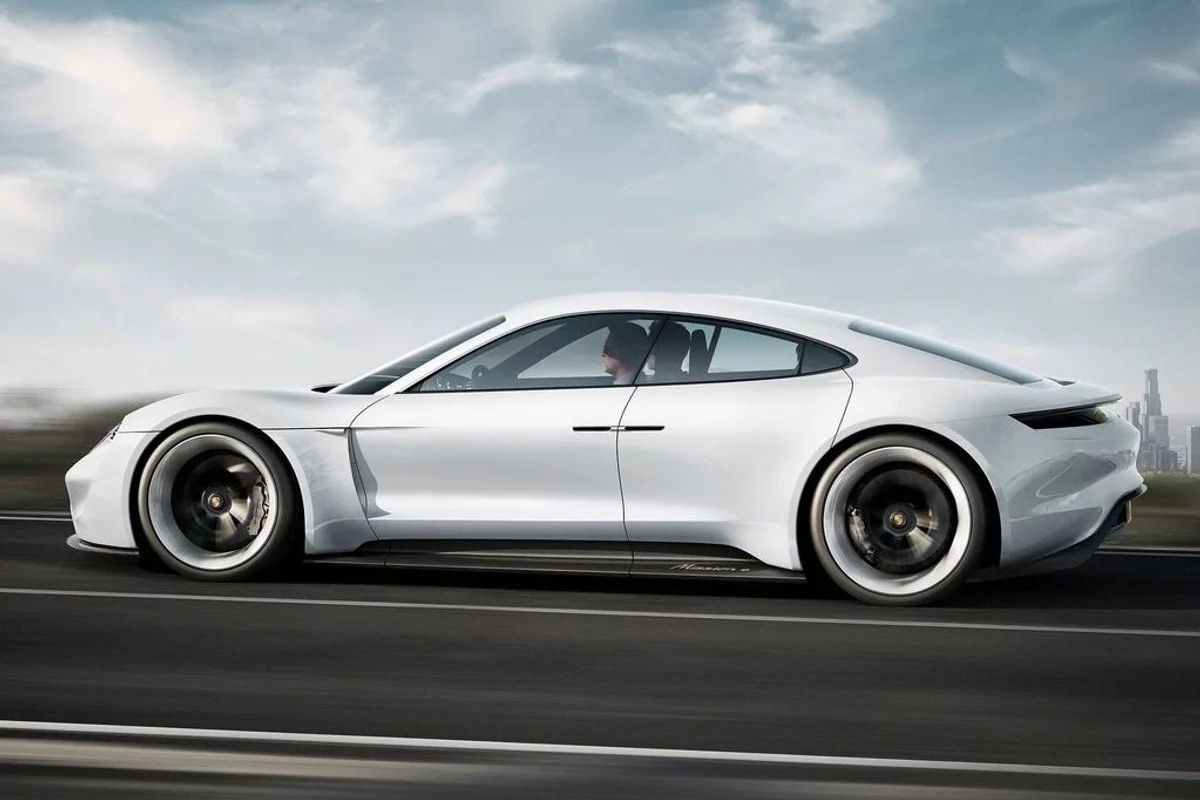
Porsche is currently in the process of bringing its first all-electric car to market and the model will be fully revealed on 4 September 2019. Nonetheless, Porsche has released images showing us what the interior of the Taycan will look like and it looks impressive.
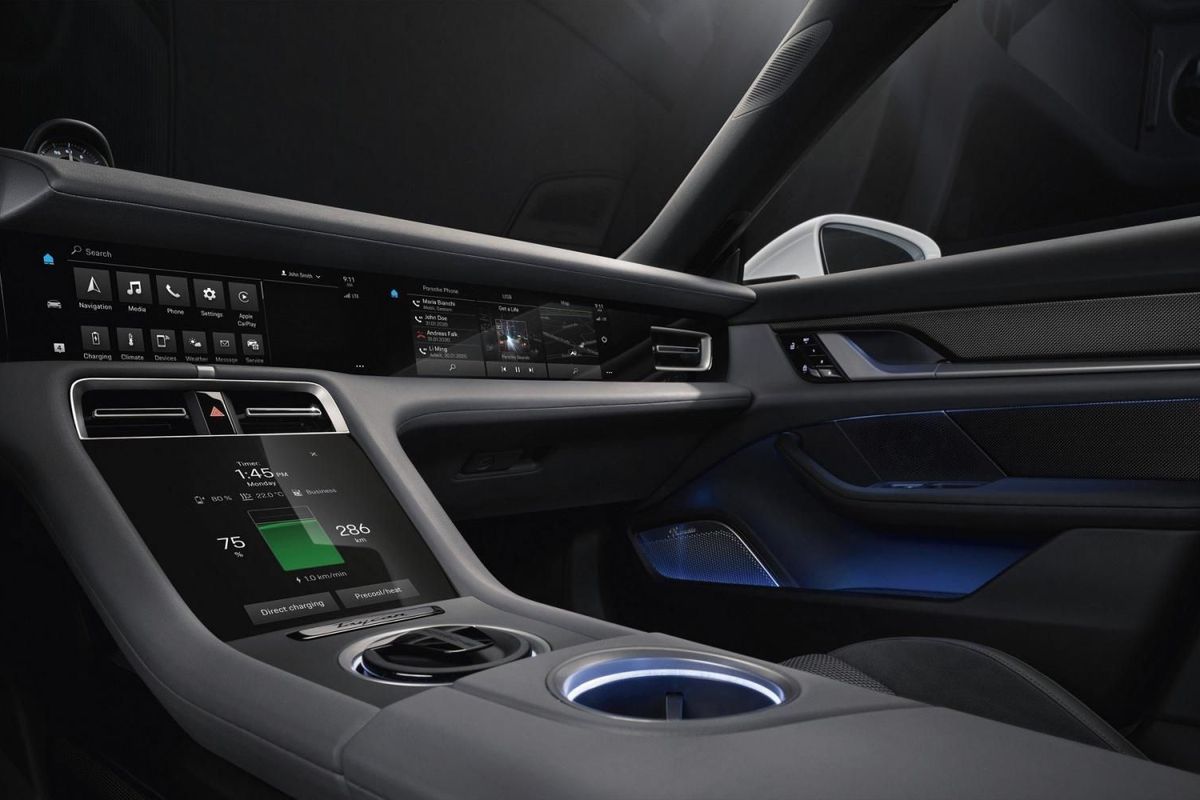
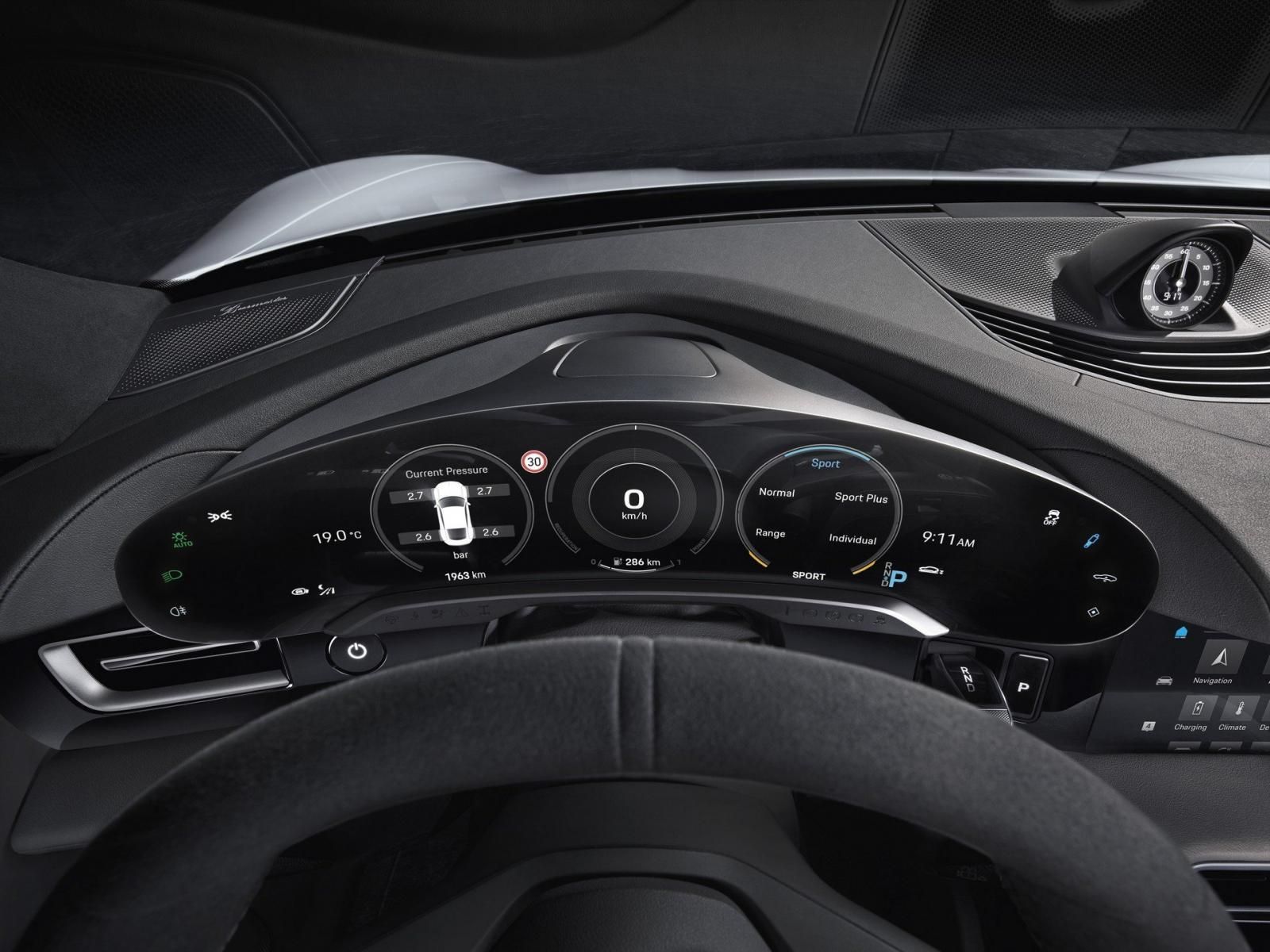
It’s a display of displays and the cabin can be equipped with up to 4 screens, all serving different functions, not only for the driver but the passenger too.
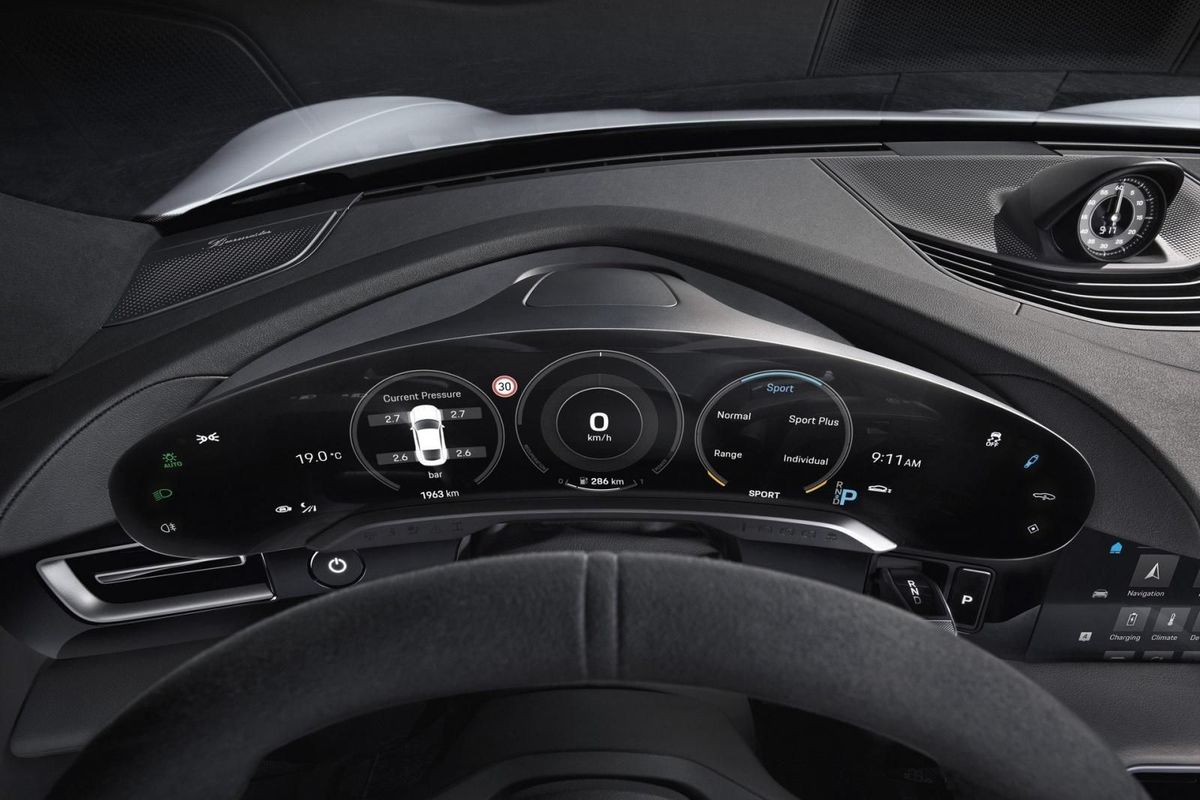
Firstly, the 16.8-inch instrument cluster is free-standing and curved. It doesn’t have a cowl to reduce glare but instead features a vapour-deposited polarising filter that reduces reflections. As you would expect, the screen is adjustable with 4 modes on offer including Classic, Map, Full Map and Pure. Note the touch-points on the sides of the instrument cluster which provides quick touch-access to features such as lighting, suspension and traction control settings.
Directly to the right of the instrument cluster is a 10.9-inch infotainment screen with voice control responding to the words ‘Hey Porsche’ and here the driver has access to features such as media, navigation, telephone and Porsche Connect, and so forth.
The instrument cluster looks quite similar to the 2015 Mission E Concept on which the Taycan is based.
Below that and angled into the centre console is an 8.4-inch touchscreen with haptic feedback, providing access to the climate control system and allows setting of the seat ventilation. This screen also has handwriting recognition technology which allows the driver to write addresses for easier navigation.
As an option, Taycan owners will also be able to spec a fourth 10.9-inch screen placed directly in front of the passenger. But that’s not all as a fifth 5.9-inch screen can be fitted in the rear to give rear passengers something to play with where they can operate climate control settings as part of the optional 4-zone climate control package.
A great touch to the interior is the use of recycled materials including optional Race-Tex upholstery made from recycled polyester fibre while the floor carpets are made from Econyl which is made from recycled fishing nets. Nice one, Porsche!
Electric Power
Previously, Porsche confirmed that the Taycan will make use of 2 electric motors fed by a battery pack comprising 4-volt cells, which equates to a range of 500 km. The battery pack can be fast-charged to 400km (80%) in just 15 minutes.
The combined power output of the synchronous electric motors – each of which powers an axle – is confirmed at 440 kW making the Taycan a rather lively machine. It’s zero to 100 kph sprint time of under 3.5 seconds puts it ahead of the Panamera Turbo Sport Turismo in the acceleration stakes.
We will provide more details when the Porsche Taycan is revealed, so stay tuned!
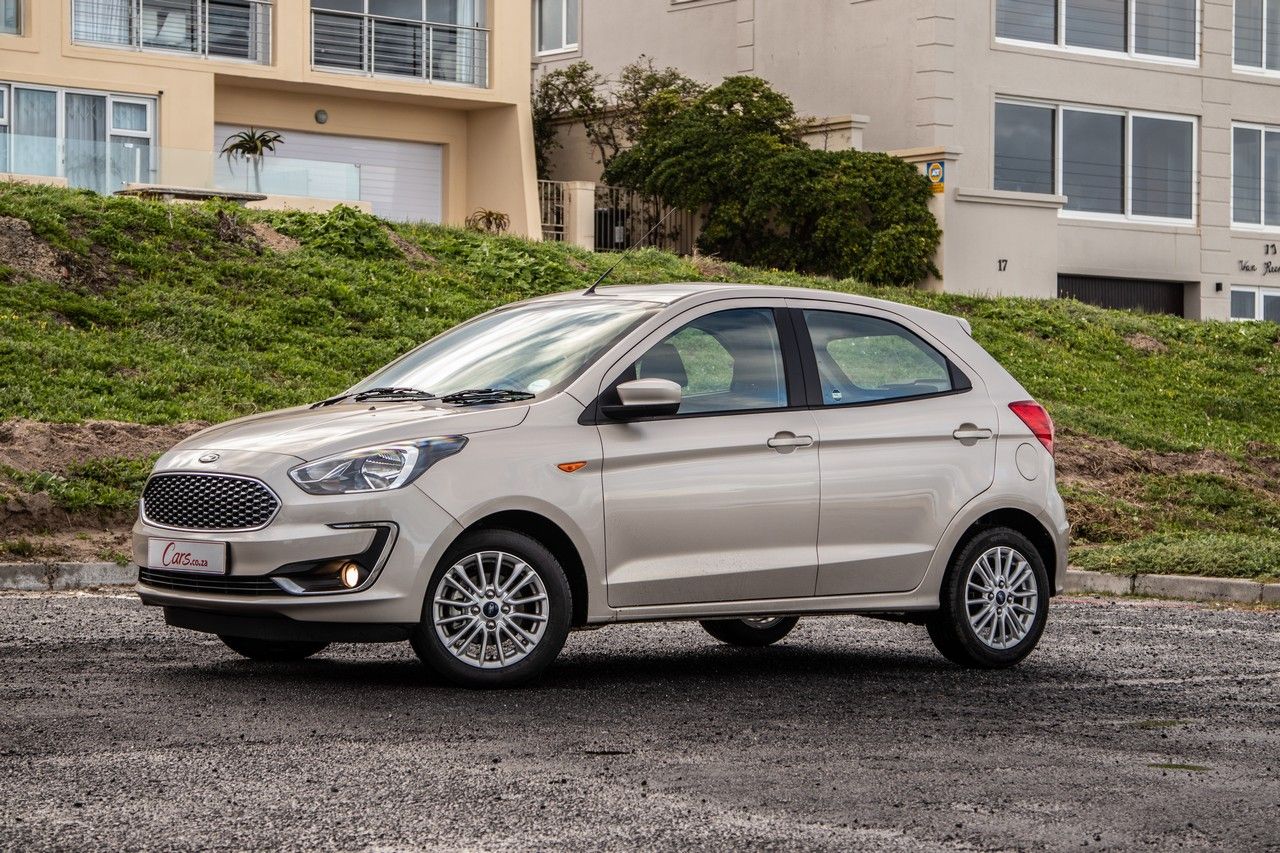
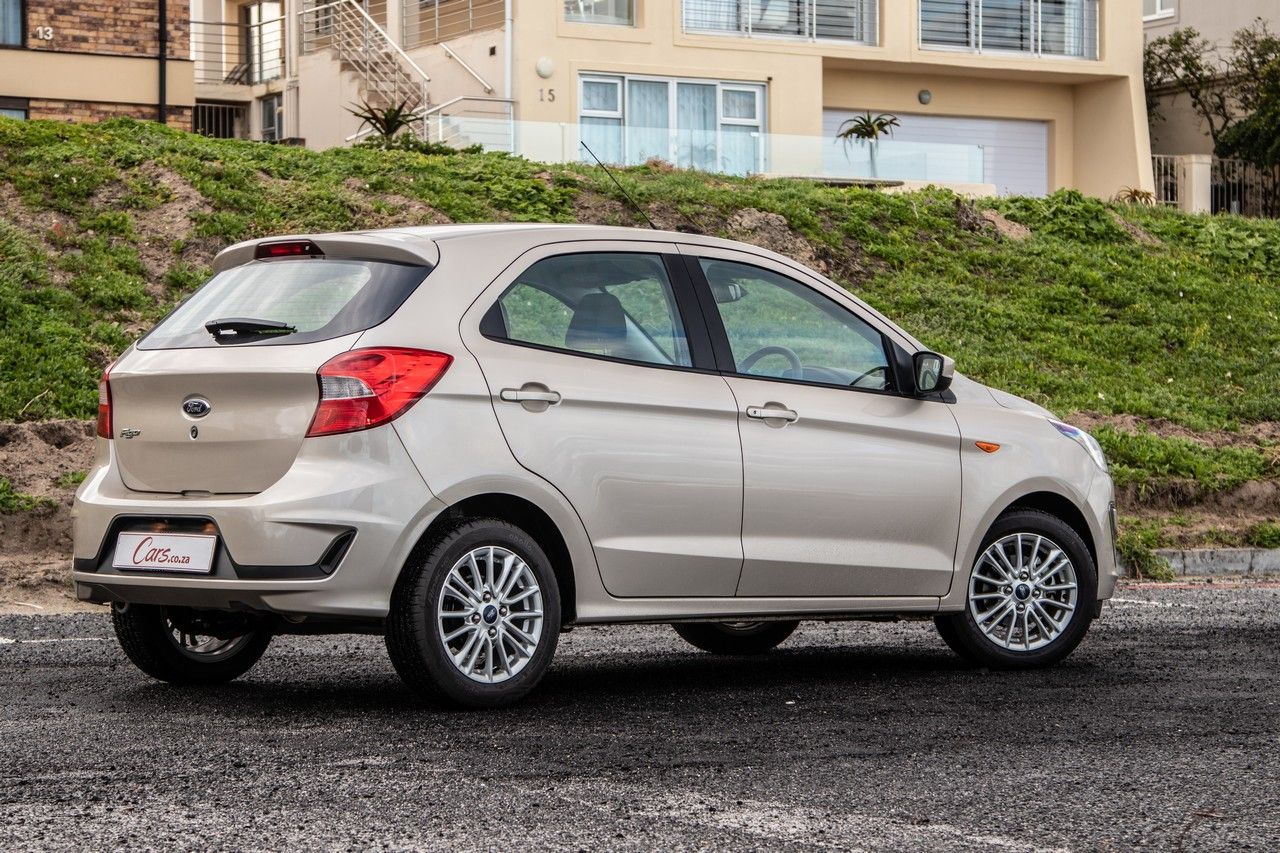
High-spec budget cars appear to offer better value for money than increasingly sophisticated (and, therefore, expensive) entry-level compact hatchbacks. The flagship Ford Figo hatchback is fun to drive, practical and liberally equipped, but even at its attractive “in-betweener” price point, there are very competent rivals that stand in its way.
We like: Generously equipped, reasonably spacious, willing engine, great infotainment system.
We don’t like: Evidence of overzealous cost-cutting, marginal build quality, stodgy image.
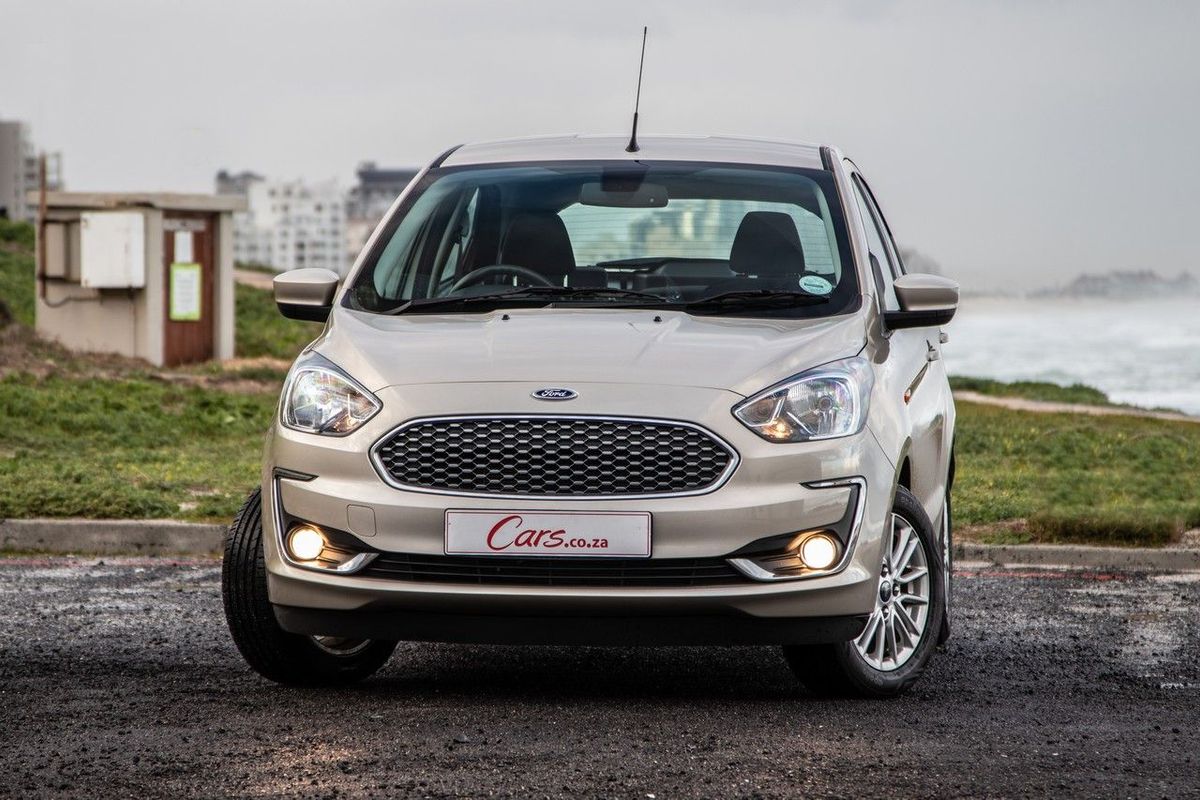
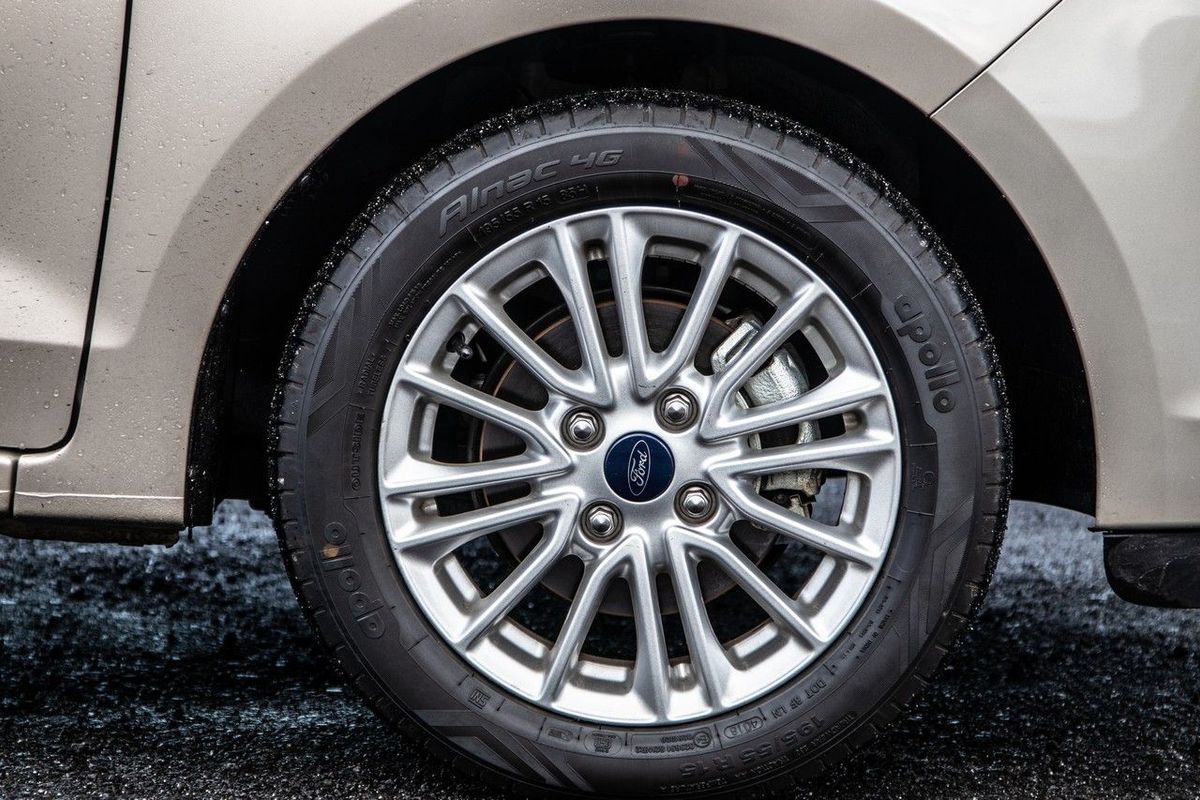
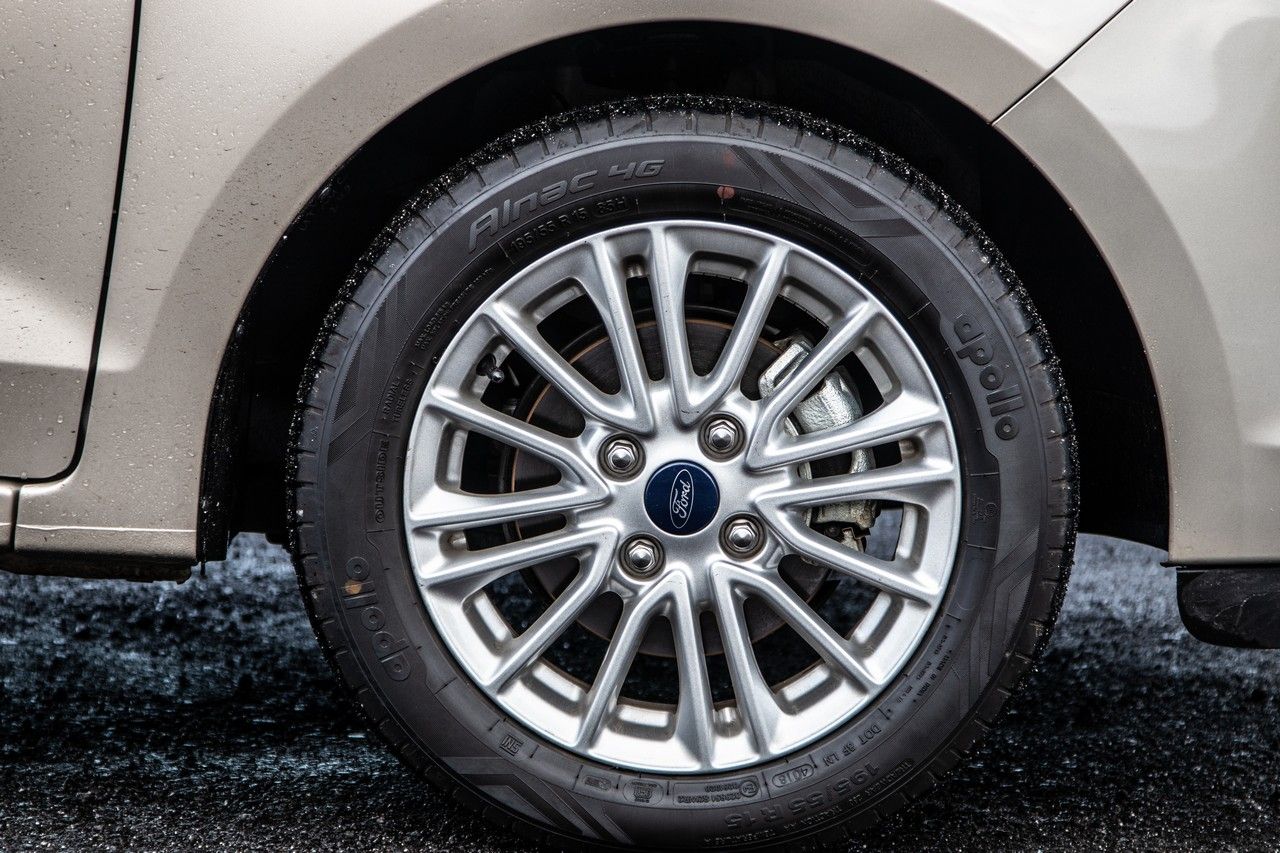
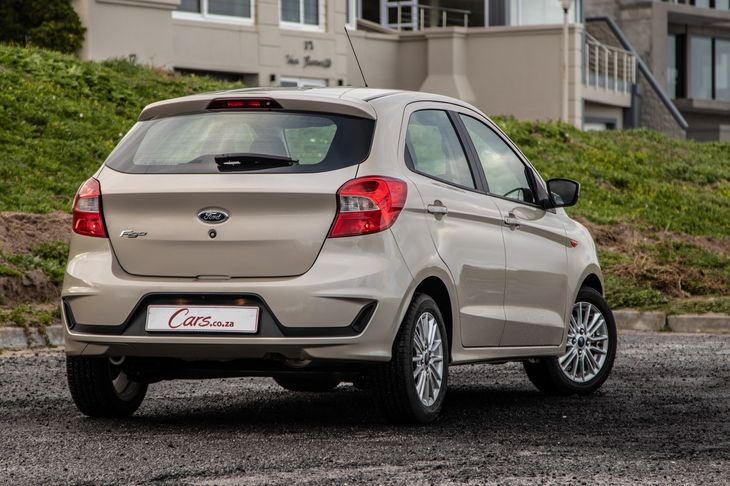
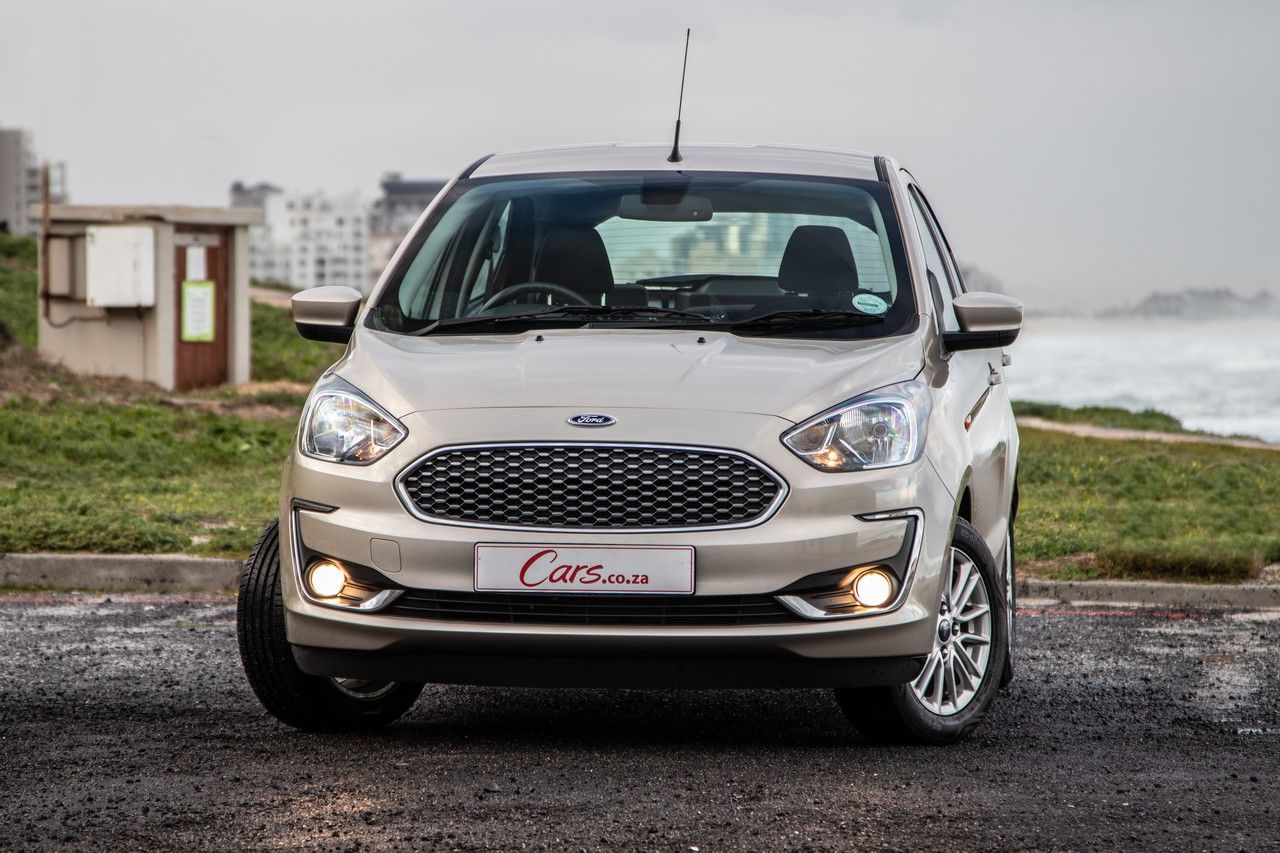
Chrome trim elements in the 1.5 Titanium's front bumper are complemented by handsome 15-inch alloy wheels.
Where does it fit in?
When it first came to market almost a decade ago, the Indian-built Ford Figo seemed an ideal foil for the Volkswagen Polo Vivo; like its German rival, it was essentially a legacy model based on the marque’s previous-generation compact hatchback – the Fiesta (and in VW’s case, the Polo), but suitably equipped (de-specced, if you will) to suit buyers at the budget end of the market. It was fun to drive, oozed youthful appeal, acceptably made (if outfitted with a plethora of hard plastics inside) and offered great value.
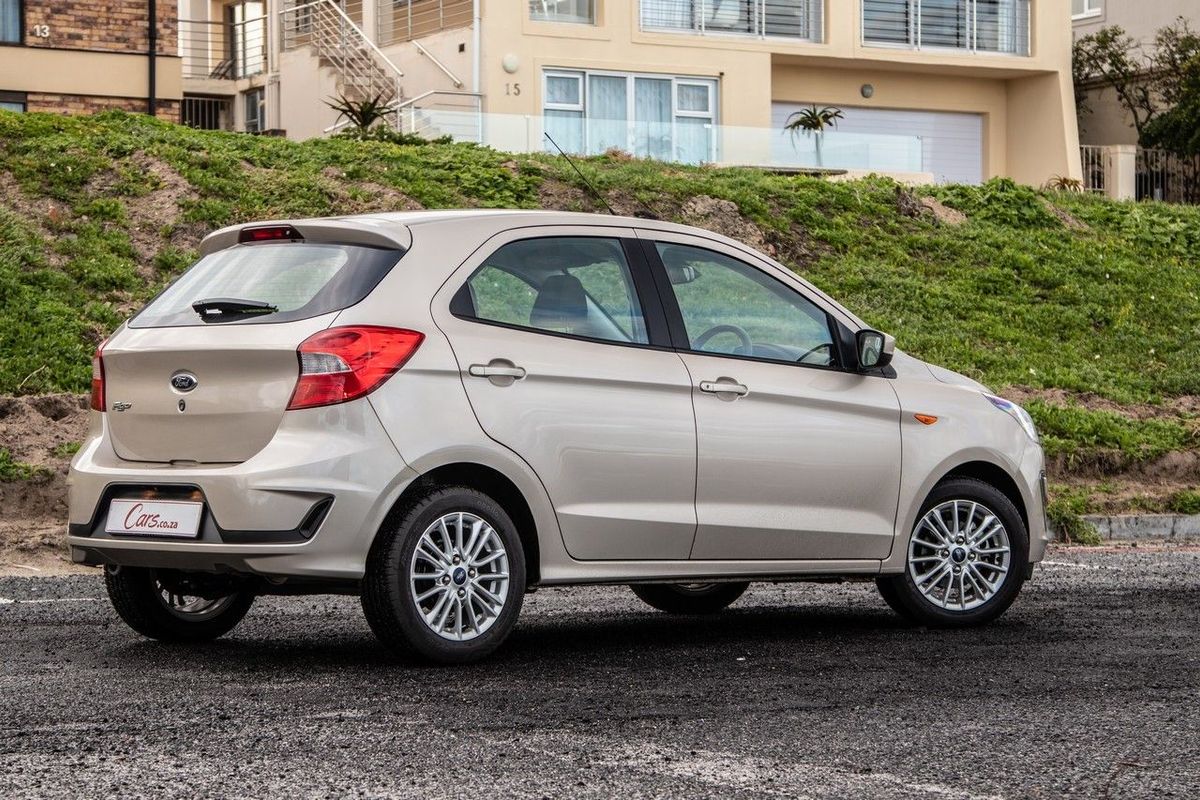
The 2nd-generation model, of which a facelift was introduced last year, is still based on Ford’s small compact platform, but it’s a bigger, somewhat more conservative offering with a tall architecture (it offers more headroom than many of its rivals, for example). It is produced in 3 variants, including a sedan (to underline its fleet-car aspirations) and in the Indian market, there’s a Freestyle crossover derivative. In essence, then, the current Figo straddles the city/budget car and compact hatchback segments and, late in 2018, the Ford Motor Company of SA released a generously-specified 1.5 Titanium version (in hatchback guise only), which also includes a 4-year/60 000 km service plan.
Not everyone is bowled over by the 2nd-generation Figo's styling, it's certainly inoffensive, but lacks youthful appeal.
How it fares in terms of…
Luxury packaging
Although the Figo’s looks remain polarising (it may seem a bit too dumpy for a younger clientele, but appears substantial and distinguished to more mature buyers), the 1.5 Titanium looks smartened up by virtue of its 15-inch alloy wheels and chrome-accented fog lamp bezels and grille surround.
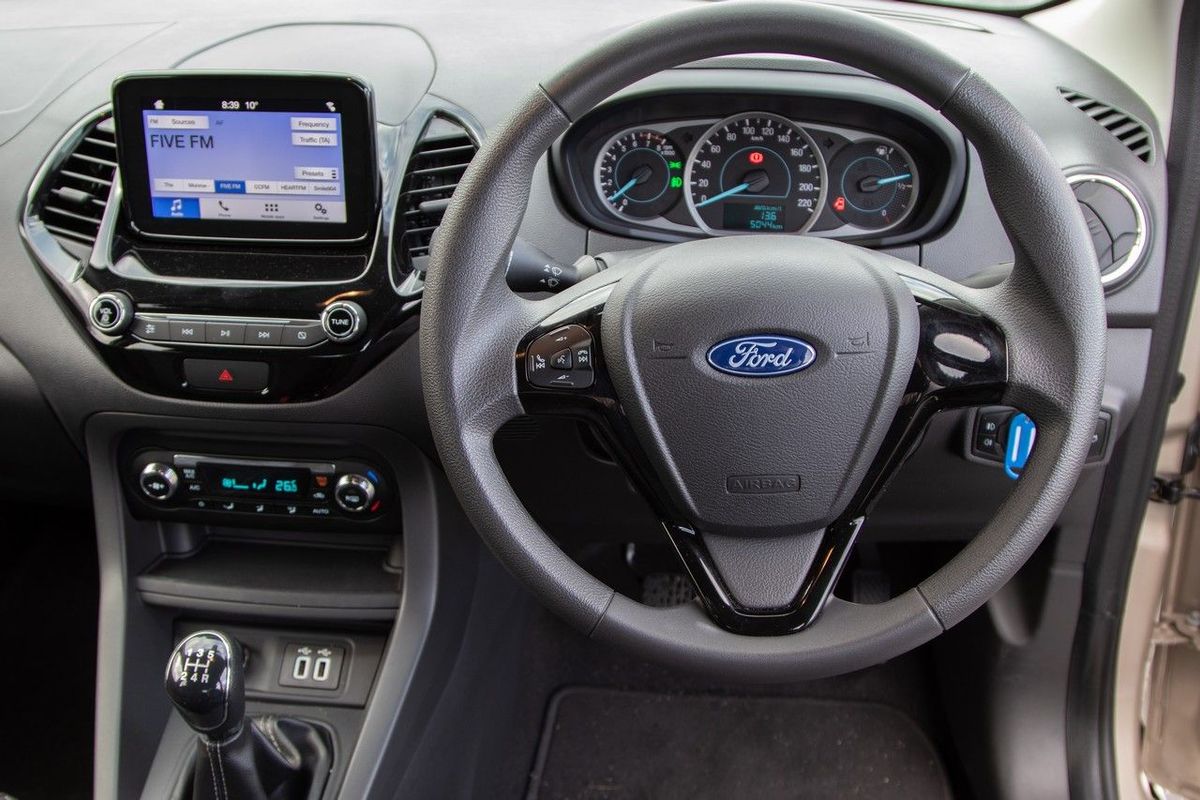
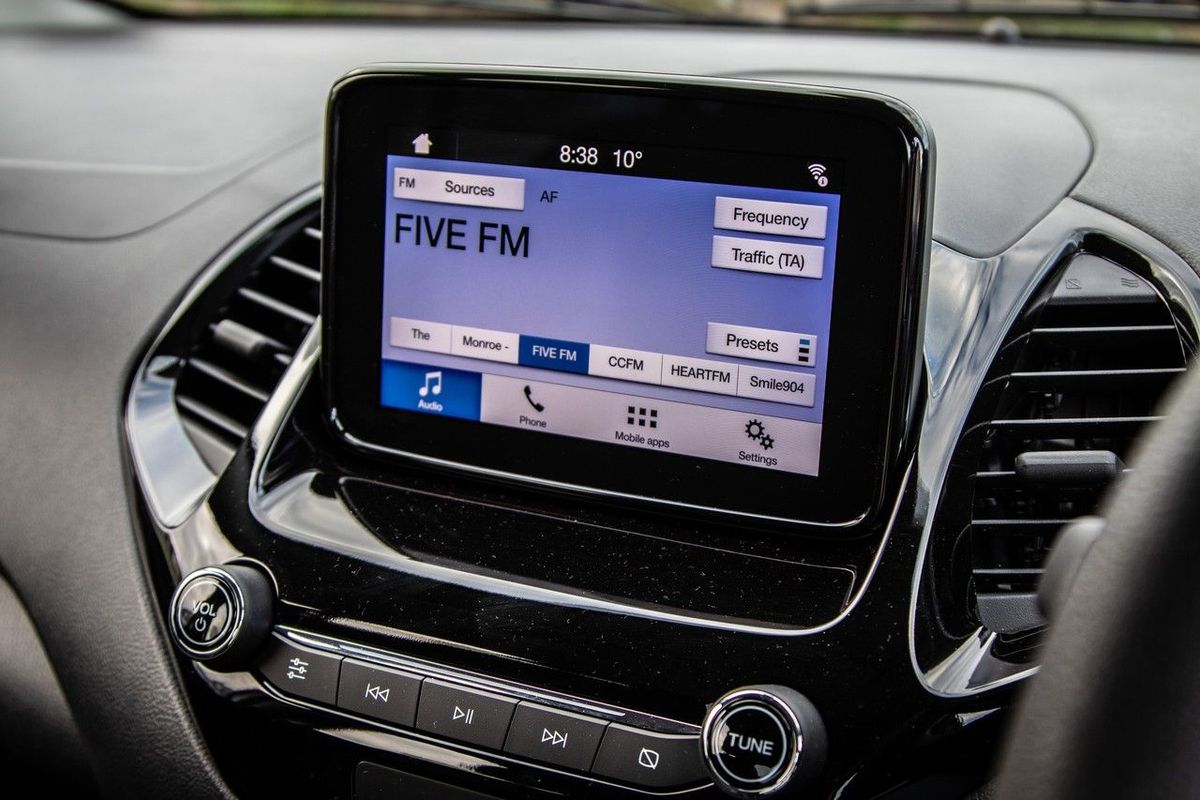
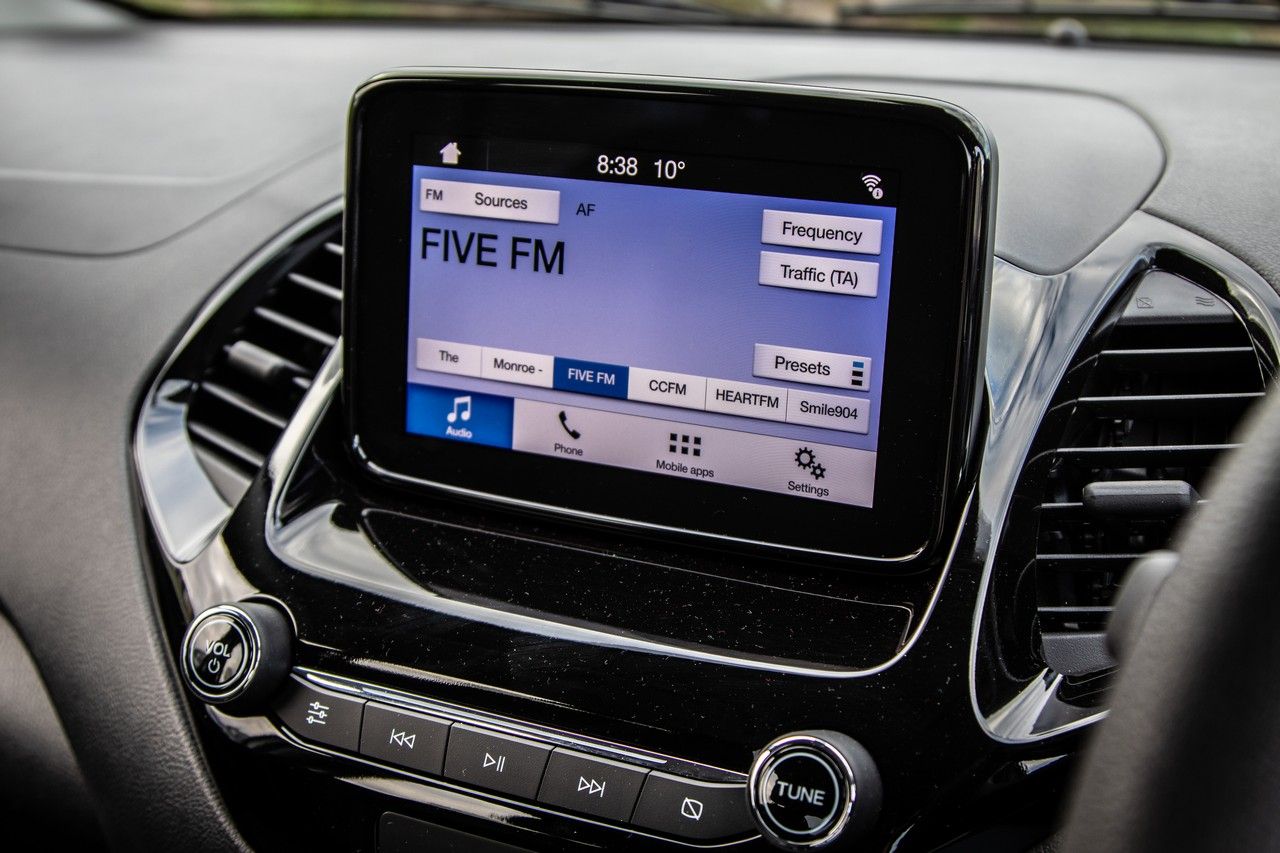
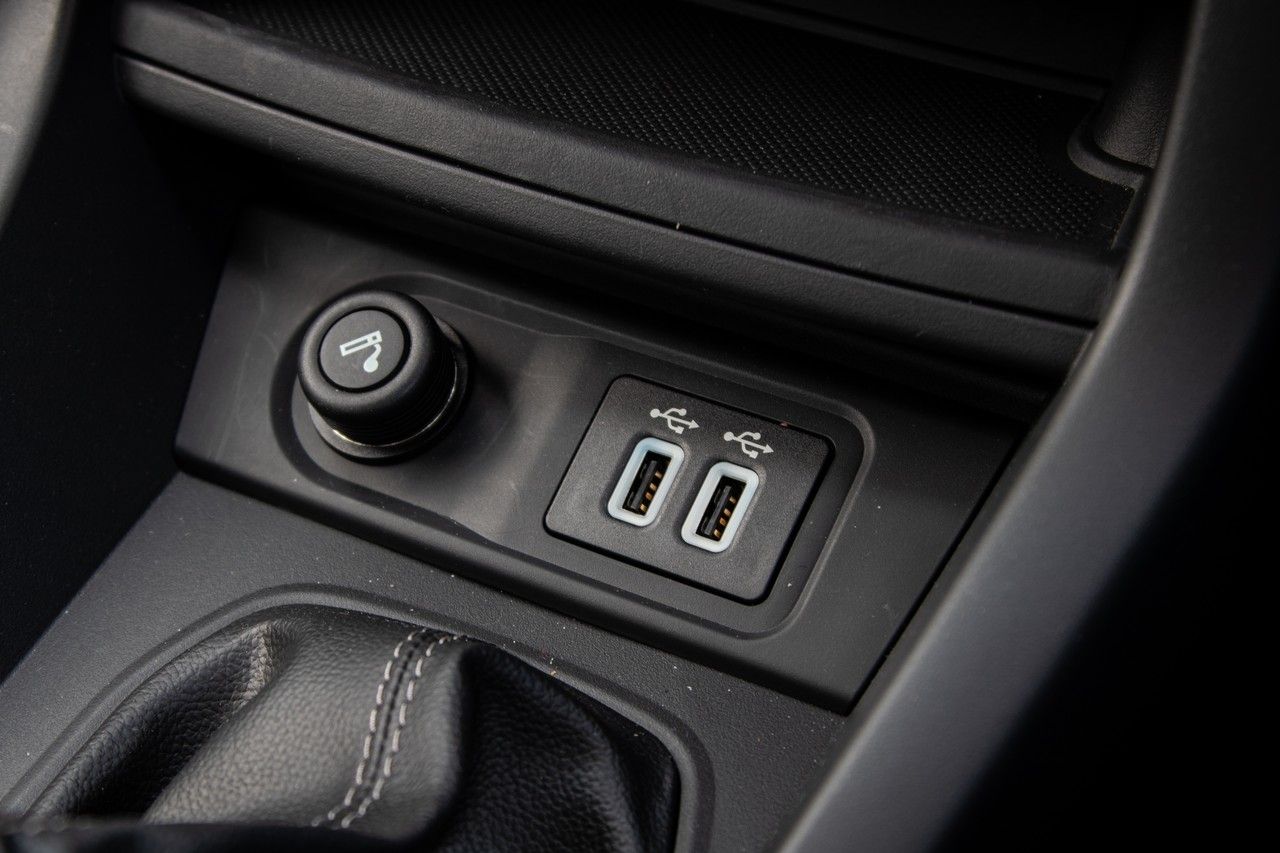
Inside, the most noticeable feature is the 6.5-inch colour touchscreen infotainment system with SYNC3 technology, augmented by a pair of USB ports. Not only is it Apple CarPlay and Android Auto compatible and relays a feed from a tailgate-mounted reverse-view camera, it allows the driver to control audio, multimedia, aircon and connected smartphone functions by voice commands.
Other mod-cons include a multifunction steering wheel, single-zone auto aircon (climate control), auto-activated headlamps, rain-sensing windscreen wipers, an auto-dimming rear-view mirror and "Follow Me Home" lighting, as well 4-way adjustment for the driver's seat.
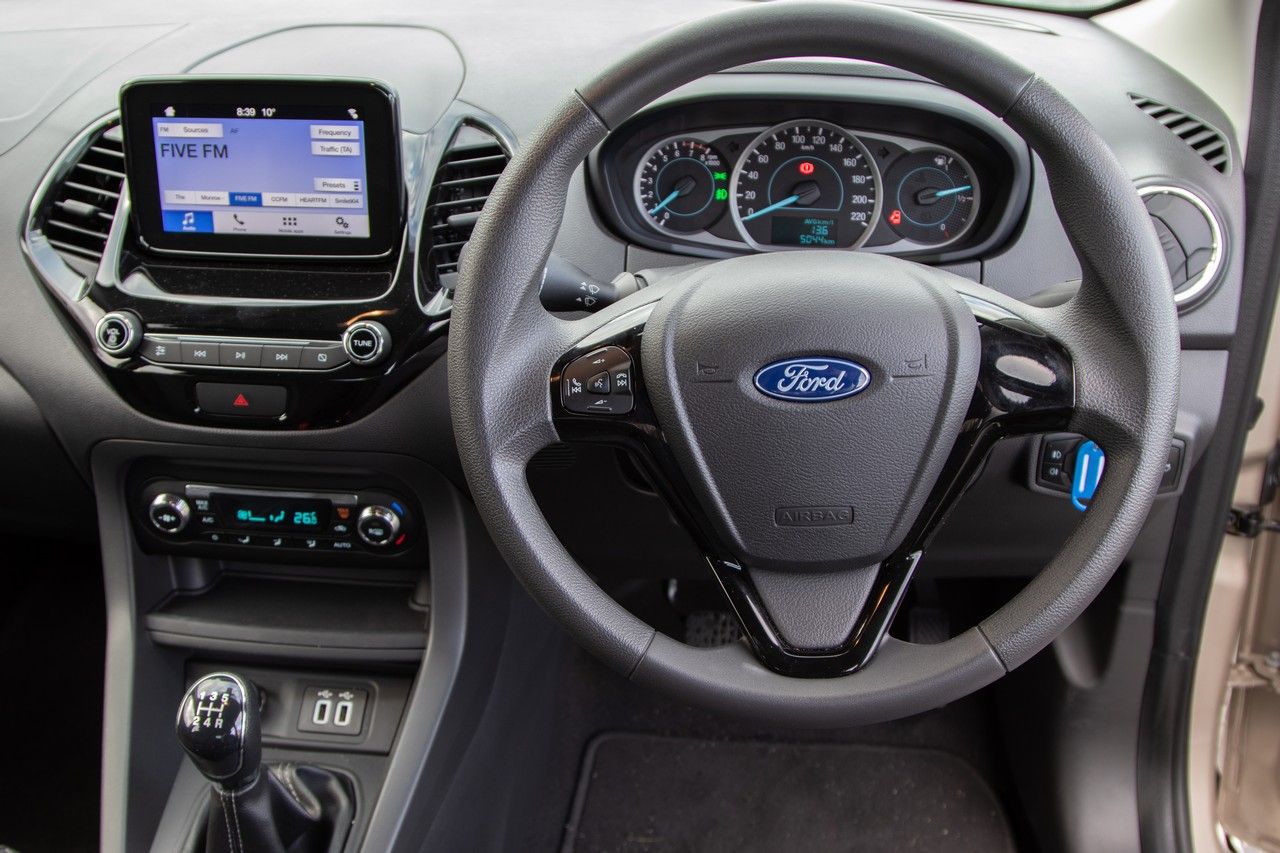
Piano-black inserts on the steering wheel and fascia add a touch of class to the Figo's cabin.
Suffice to say that the flagship Figo derivative, even if it is priced comfortably above the R200k mark, offers virtually unbeatable standard kit for the price. Its additional airbags (over and above dual front ‘bags) and a comparably lengthy service plan, further sweeten the purchasing proposition.
User experience and build quality
For a product that may need to offer a soft landing to those who are “buying down” – consumers that are compelled to purchase smaller, cheaper-to-run vehicle because they’re scaling back their lifestyles, or simply cannot afford to buy newer-generation versions of their cars – the 1.5 Titanium mostly hits the mark. Features such as automatic lights and –wipers, a reverse-view camera and an auto-dipping rear-view mirror aren’t widely offered in budget-oriented vehicles and touchscreen infotainment systems (let alone those that are Apple CarPlay and Android Auto compatible) are gradually becoming the norm, but not ubiquitous in the market. They’re notable nice-to-haves!
The 1.5 Titanium offers many standard features, but the SYN3-equipped touchscreen infotainment system is its party piece!
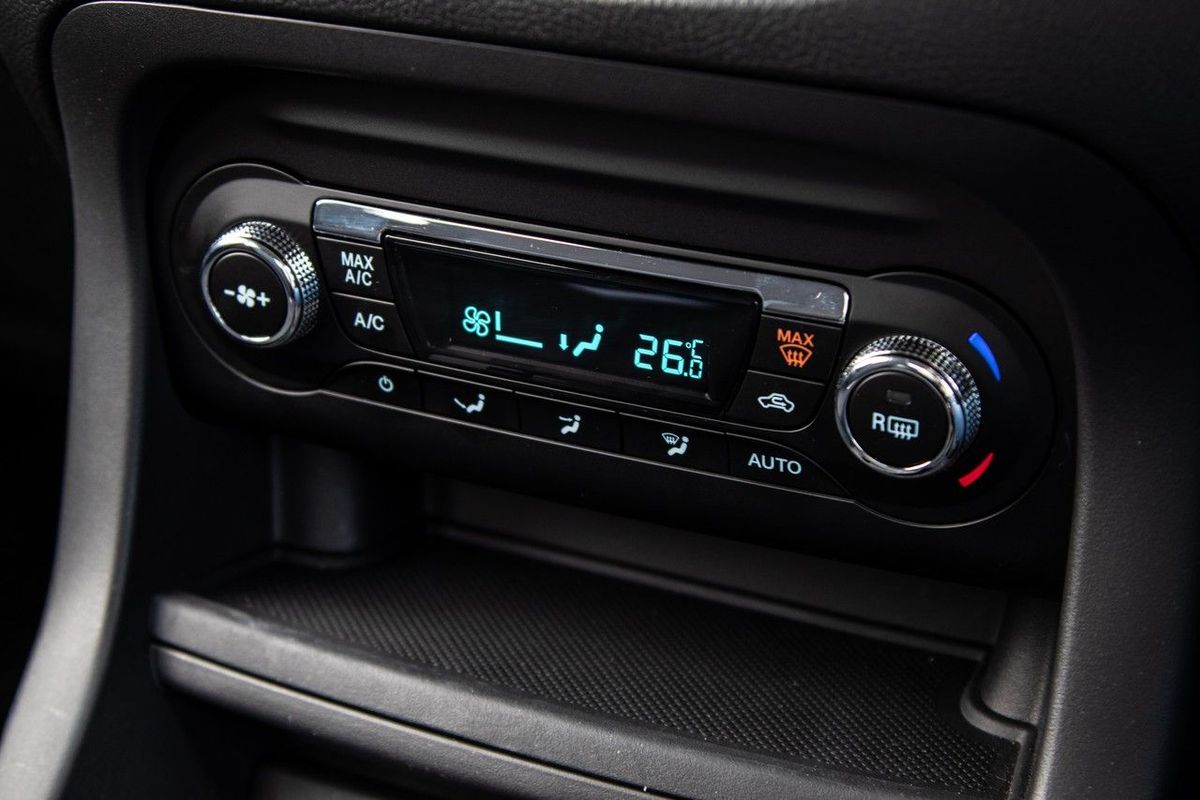
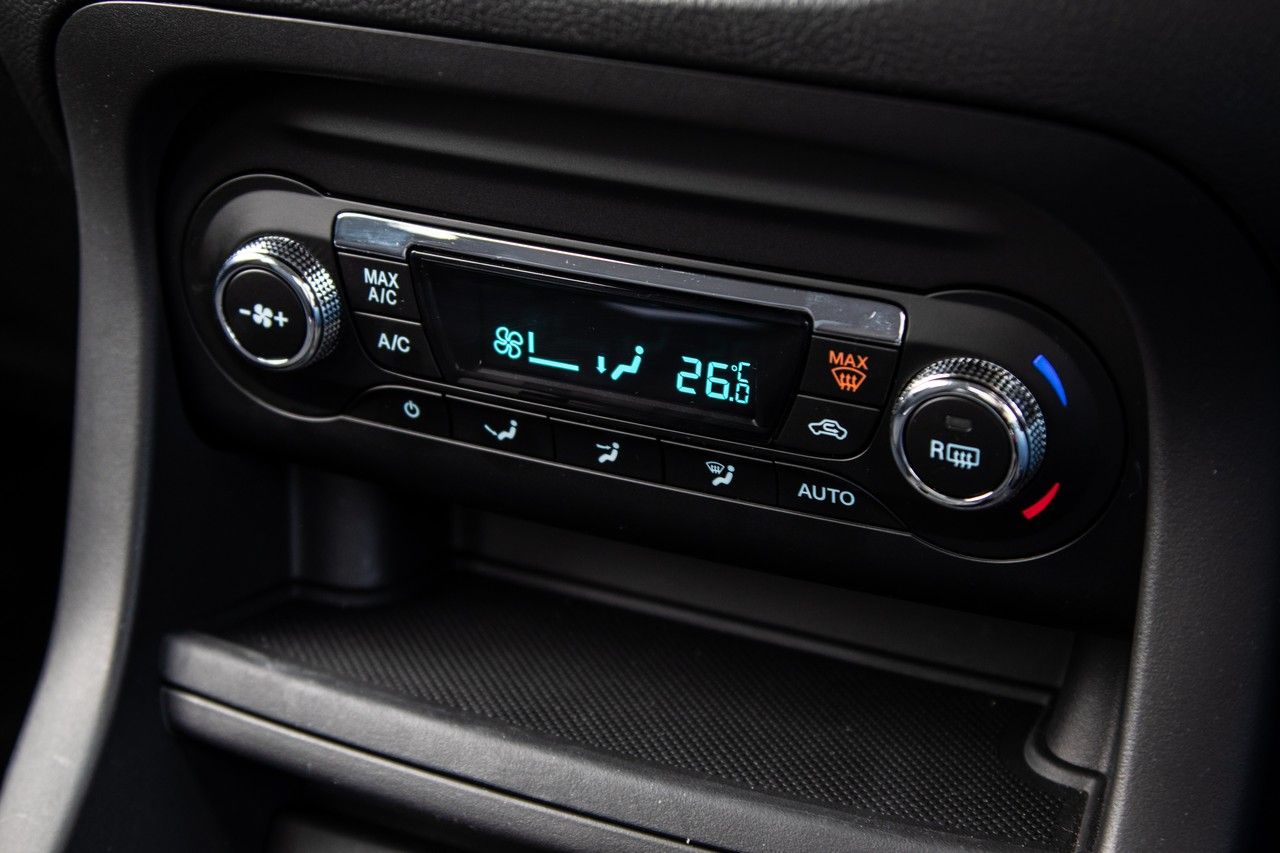
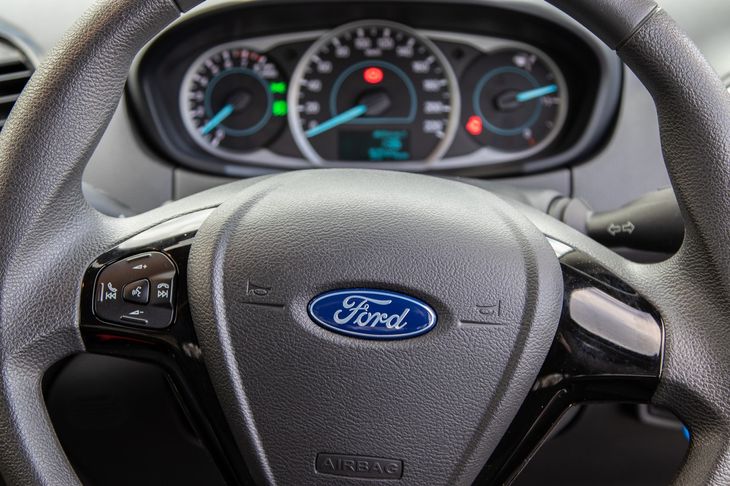
Even though the multifunction wheel is not wrapped in leather, its polyurethane rim is not tacky and the remote buttons feel substantial. The auto aircon console has a pair of attractive knurled metal knobs and chunky ventilation buttons instead of that old staple of budget cars… a trio of gormless plastic “oven switches”.
Granted, the cabin’s fabric upholstery and stitching do not feel particularly upmarket, but the front seats are generously padded and reasonably comfortable (there are even cushioning pockets on the door cards, to that you can comfortably rest your outer elbows). The infotainment system’s SYNC3 interface looks crisp, has an intuitive interface and the volume and tuning knobs have tactile rubber trims. The quality of the sound output is clear and voluminous; we particularly liked the sound equaliser hot button on the fascia – it should be a hit with audiophiles.
Knurled metallic knobs of the climate control console are pleasing to the touch; note the non-slip smartphone/oddments pad.
For all its technology and conveniences (including power windows all round), the cabin is let down by plastics of questionable quality in some areas. In our review of the 1.5 Trend auto in 2018, we remarked that “some of the Figo's cabin plastics (are) very flimsy”. While testers tend to scrutinize the perceived quality of “made-to-a-cost” budget car cabins closely, it’s not often that test units’ finishes become detached… That happened to the handle of the driver’s seat height-adjustment lever in our 1.5 Titanium test unit; whether it slipped or snapped off, it was nonetheless disappointing.
Practicality
Although the 2nd-generation Figo seems quite spacious inside, that perception is amplified by the generosity of headroom afforded by the high roof. Front occupants have little to complain about in terms of comfort, but the rear legroom is no more than fair. Furthermore, the Figo's luggage bay is smaller than those of its rivals (not appreciably so, but still). You can fold the rear seatback down in a 60:40 split to increase carrying capacity but be very vigilant when you handle the backboard…
Not all manufacturers place their cars' USB ports in practical places, with 2 ports you can stream music into one while charging from the other.
Whereas a backboard, which is suspended from the tailgate by fabric or rubber strings, usually has rubber studs (one on each side) that clip into slots located at the back of a hatchback's load bay, the Figo’s (let's call them) locating pins are made from the same flimsy material as the shelf. As a result, when we tested the Figo’s load capacity, we found one of the luggage cover’s "pins" had warped, which left the panel dangling precariously.
Performance & efficiency
As for the driving experience, the 1.5 Titanium, powered by a naturally-aspirated 1.5-litre engine delivers willing performance, its clutch is easy to modulate (once you get accustomed to its relatively high “bite point”) and even though many buyers have become spoilt by the low-rev torqueyness of turbocharged engines, the vocal 3-cylinder unit spins up merrily and proves quite flexible in cut-and-thrust driving conditions.
It’s admittedly not the most fuel-efficient motor (Ford claims an average consumption of 5.7 L/100 km) in the budget segment, but its efficiency is comparable with other 1.5- and 1.6-litre models priced around the 1.5 Titanium's mark and its zippier performance (compared with 1.2-litre offerings) offsets that to an extent. Otherwise, the Ford’s steering is quick, sufficiently light and reasonably precise, plus the ride quality is fair.
Ford resisted the temptation to opt for a too-low profile of tyre on the 15-inch alloys, to the benefit of the Figo's ride quality.
Safety equipment
Although an electronic stability control programme is not offered, the Figo has ABS with EBD and 6 airbags (front-, side- and curtain bags), whereas its rivals only have 2. Over and above remote central locking, a self-locking function, an alarm and immobiliser, the 1.5 Titanium features Ford MyKey, which parents of tweens might like. Ford says it “allows owners to programme a key for younger drivers that can inhibit incoming phone calls, restrict top speed, reduce audio system maximum volume and disable the audio system altogether if occupants aren’t using safety belts.”
Value for money
The 1.5 Titanium’s most obvious rival is the Volkswagen Polo Vivo hatch 1.6 Highline, which costs R9 200 more (according to the August 2019 price list*). Although the VW offers a leather steering wheel, 16-inch alloys, ISOfix child seat anchor points, electronic stability control and a tyre pressure monitor (all of which the Figo doesn’t), the 1.6 Highline has manual aircon, no auto lights and rain-sensing wipers, and perhaps most tellingly, a shorter (3-year) warranty and optional service plan.
Basic instrument cluster is incongruent with the flashy infotainment system; a leather-trim would have smartened up the 'wheel.
For a mere R700 more than the Polo Vivo hatch 1.6 Highline and R9 900 over the Figo, buyers can consider the entry-level Mazda2 1.5 Active, which, despite being on the market for a fair while, is a well-made compact hatchback (a Ford Fiesta and Volkswagen Polo competitor). It cannot hold a candle to the Ford in terms of spec (ahem, it has 15-inch steel rims, for example), but its 1.5 Individual sibling is a former #CarsAwards category winner, plus it comes with a 3-year warranty and service plan.
If interior space is not a major consideration, the flagship Kia Picanto 1.2 Smart costs R6 305* less than the Figo, but its luggage capacity is not much smaller than the Ford's. The Kia may not have electric windows all round, climate control and rain-sensing wipers, but it comes with 15-inch wheels, auto lights and a 7-inch touchscreen infotainment system (as with the VW and Ford, compatible with Apple CarPlay and Android Auto), a reverse-view camera, LED lamps, electrically folding side mirrors, a leather-wrapped steering wheel and rear PDC. Its warranty is valid for 5 years and a 2-year service plan is standard.
At R221 300, the feature-rich 1.5 Titanium trounces its archrival Polo Vivo in terms of standard kit. Its service plan is a big plus.
Lastly, Suzuki recently introduced a 1.2 GLX derivative of its Swift, of which the 1.2 GL version is our 2018/19 #CarsAwards Budget Car category winner. Priced at just under R200k (R199 900*), the 1.2 GLX doesn’t have auto lights and rain-sensing wipers, but it matches the Figo’s climate control, 7-inch colour touchscreen infotainment system with voice command integration, Android Auto and Apple CarPlay compatibility and reverse-view camera. It additionally features a leather-wrapped steering wheel, keyless access and Start/Stop button. Like the Vivo, Mazda2 and Picanto, it only has 2 airbags and its 1.2-litre motor, although very fuel-efficient, is not as punchy as the Ford’s. Its 5-year warranty (on promotion*) and 2-year service plan is compelling, however, considering Suzuki is a 2-time Cars.co.za Consumer Awards – powered by WesBank Brand of the Year winner.
Price and after-sales support
The Ford Figo 1.5 Titanium costs R221 300, which includes a 4-year/120 000 km warranty and 4-year/60 000 km service plan (price correct as stated in August 2019). Service intervals are every year/15 000 km.
The 1.5 Titanium is a compelling product from a marketing point of view, but perhaps its lesser siblings suit its packaging better?
Verdict
Ford sought to ramp up the value for money offering at the top end of its Figo range when it launched the 1.5 Titanium and, in many ways, it has succeeded. In terms of the suite of features it offers as standard, it bests its rivals around its price point.
If Ford could additionally fit a leather-trimmed steering wheel, electrically-folding mirrors, keyless entry and start, ISOfix child seat anchors, plus rear PDC (which some of its rivals have), the flagship Figo derivative would be a full-house proposition. Its 4-year warranty lags behind only that of the aforementioned Kia Picanto and Suzuki Swift, plus its 4-year service plan is longer than that of the Mazda2 (by a year), Kia and Suzuki (2 years) and Volkswagen Polo Vivo (which doesn’t have one, but can be specified at extra cost).
The biggest impediment to the 1.5 Titanium’s success, however, is that Ford’s build quality cannot match that of its German, Japanese and Korean rivals, all of which have derivatives that have either won, or finished as finalists in our #CarsAwards, which speaks volumes of the lofty levels of after-sales service that those brands offer (remember, 50% of the finalists’ scores in the awards programme is based on the performance of brands in our ongoing Ownership Satisfaction Survey). Quality issues can be addressed; it's up to Ford to make its flagship Figo a better-made product.
Hyundai 45 Concept Teased
Hyundai plans to show an electric concept car with a retro vibe at this year's Frankfurt motor show. Here's a preview of the 45 Concept.
Hyundai is quickly becoming a global leader in electric cars with the introduction of the Hyundai Ioniq and Kona electric models. Both of these models have real-world range in the 300 km area and have fast charging capability. Hyundai is now turning its eye towards more drastic design for its future electric cars.
The Hyundai 45 will act as a 'symbolic milestone' for future EVs and judging by the teaser image Hyundai has dispensed, fans of 80s synth, Tron, Knight Rider and the Delorean have been targeted. Hyundai does also say that the design is a bit of throwback to its older models, which few will ever have seen – outside of Korea.
The 45 will be shown at Frankfurt on September 10, 2019, and showcase future innovations in vehicle tech as well as attempting to integrate modern lifestyle aspects into the interior.
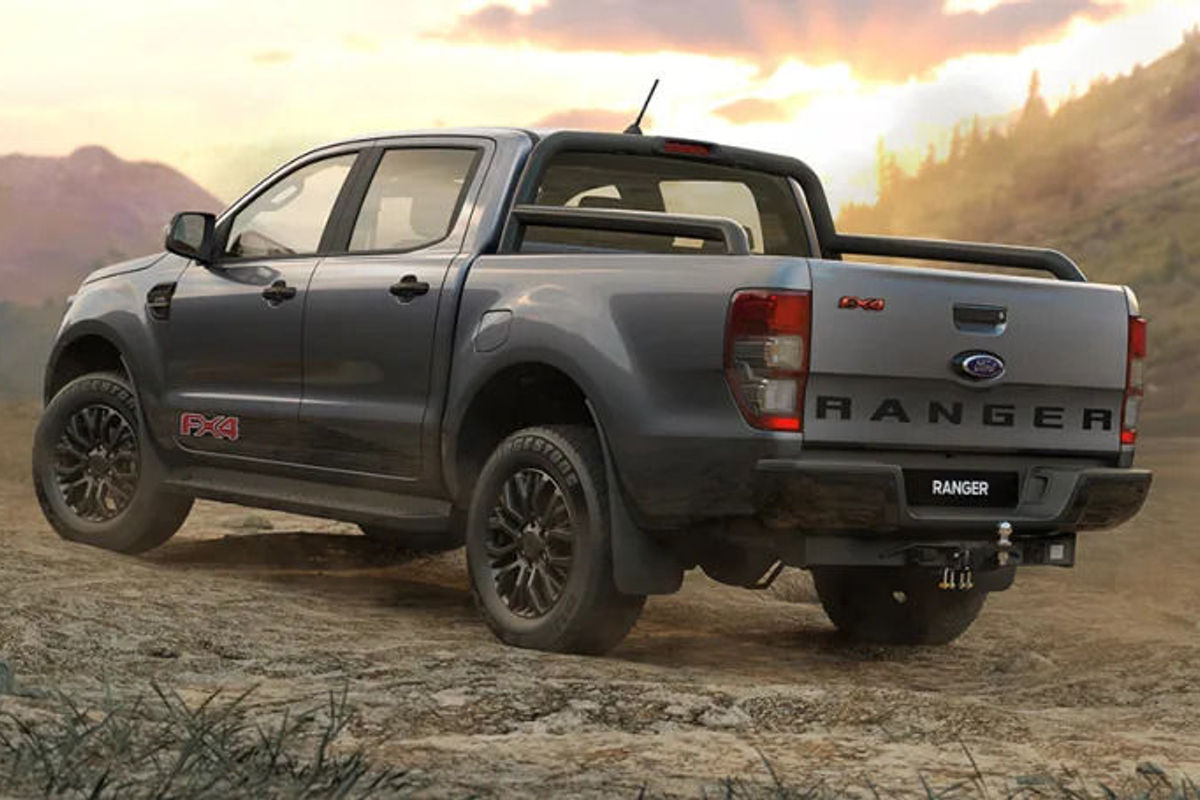
Ford has a revealed new special edition Ranger bakkie, in right-hand drive. This new double-cab revives the FX4 nameplate, which will be familiar to South African followers of the brand.
The latest Ranger FX4 will debut in Australia, as a 2020 model year vehicle. In terms of positioning the FX4 trim sits between the XLT and Wildtrak in Ford’s Ranger portfolio.
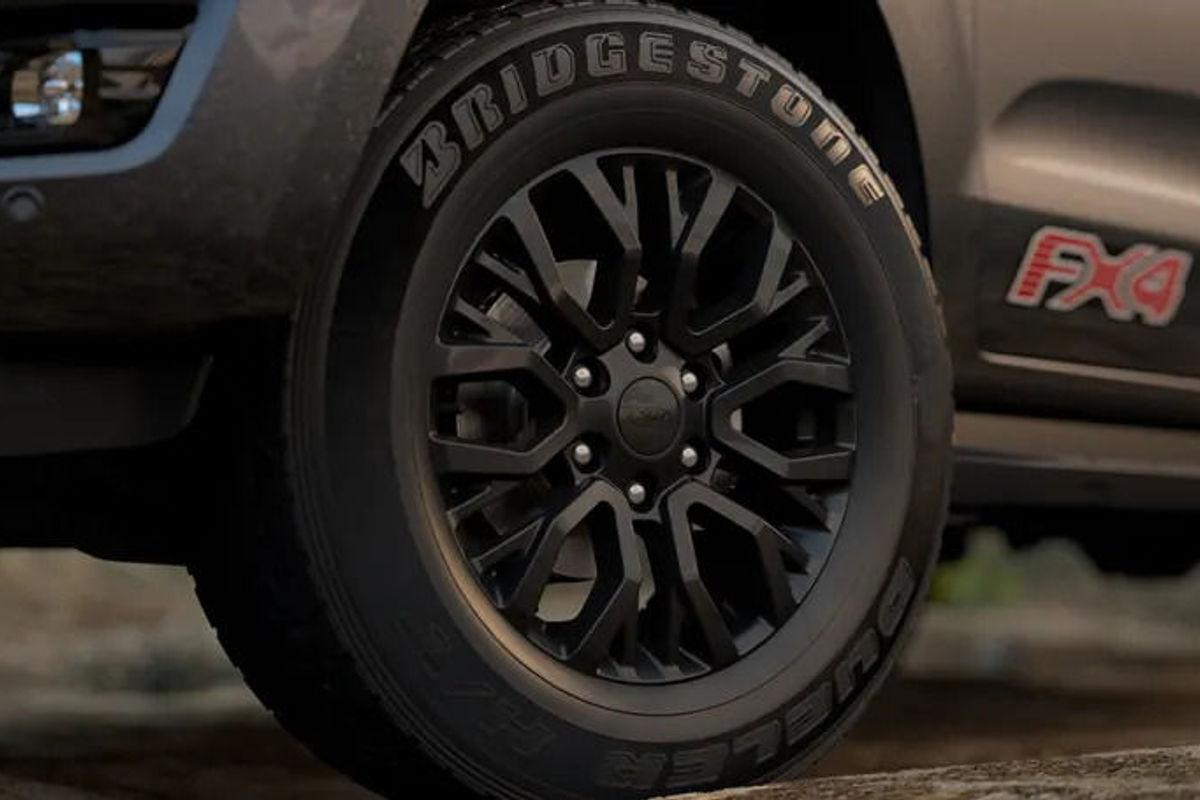
Distinguishing FX4 from other Rangers are a combination of red and black styling highlights. It also rolls model-specific 18-inch alloy wheels.
The most noticeable styling change is its mesh-type grille, which is a different moulding from that on any other Ranger. Viewed from the rear, FX4’s extended roll-hoops are obvious – and an interesting design feature which offers an additional tie-down structure for securing items in the loadbox.
Inside this new Ford bakkie variant, there are graphite trim accents, red contrast stitching and FX4 logo floor mats.
Engine options for the FX4 include Ford’s new 2-litre bi-turbo, boosting 157 kW/500 Nm and the 3.2-litre five-cylinder turbodiesel, good for 147 kW and 500 Nm.
Ford has confirmed that it will initially only build 1 000 of these new Ranger FX4s, for the Australian market. But the expectation is that this number will grow with demand – and possibly include a South African version too, as we received the previous FX4 locally.
SA’s best brands for after-sales service. Have your say…
Which car brands provide the best after-sales service based on consumers’ willingness to recommend franchised dealerships to others? Cars.co.za’s Ownership Satisfaction Survey holds the answers. Tell us about your car and you too will have a say in which brands and vehicles will emerge victorious in the next iteration of #CarsAwards…
For the past 4 years, Cars.co.za and Lightstone Consumer have conducted an in-depth Ownership Satisfaction Survey to gather real consumer input on local buying, servicing and ownership experiences. Since 2015, thousands of verified surveys have been completed by South African vehicle owners, resulting in one of the most comprehensive and significant databases of its type. What’s more, the survey’s findings have made critical impacts on the outcomes of all 4 iterations of the Cars.co.za Consumer Awards – powered by WesBank (#CarsAwards).
Toyota narrowly defeated Suzuki to win the 2018/19 #CarsAwards Brand of the Year title… which brand will triumph in 2020?
After-sales service ranked (by brand)
Among other questions, the survey asks owners to indicate the likelihood that they’d recommend the dealership where they serviced, repaired or maintained their vehicles (at a franchised outlet), to a friend or family member. According to our most recent data, based on their after-sales experiences, owners of the following brands were most likely to recommend their brands’ dealerships to other consumers (in descending order, note that only manufacturers/importers with more than 150 respondents were taken in account):
When we mined the data from the Cars.co.za Ownership Satisfaction Survey at a similar stage last year, Mercedes-Benz was ranked first, followed by Suzuki and Honda.
The fact that Suzuki and Toyota have moved into the top 2 spots is quite telling… In the 2018/19 #CarsAwards, Toyota narrowly superseded Suzuki as the award programme’s Brand of the Year. The prestigious title is determined entirely by market and customer data, the latter from the survey (brands’ sales and after-sales service ratings are particularly impactful). Toyota also won the title in the inaugural 2015/16 #CarsAwards, while Suzuki triumphed in 2016/17 and 2017/18, which means the Brand of the Year title has been dominated by those 2 Japanese companies.
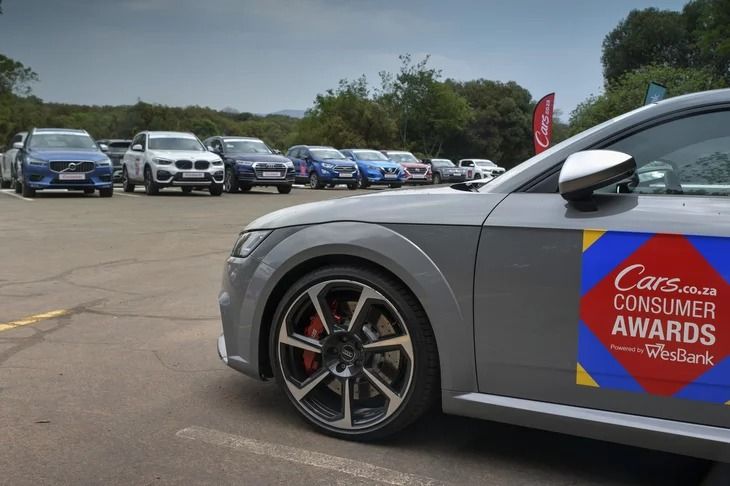
Cars.co.za editorial and guest judges test #CarsAwards finalists back to back, but the public has an equally-big say.
50% impact on #CarsAwards category winners
#CarsAwards – conceived to be South Africa’s definitive automotive awards programme – has grown in stature, reach and influence since the inaugural event in 2016. Supported by WesBank, South Africa’s largest vehicle finance provider, the programme recognises the best model derivatives in respective segments of the new vehicle market and the multifaceted judging process for 2019/20 #CarsAwards will begin shortly…
There are several reasons why the #CarsAwards is of greater significance than most other automotive awards programmes. For one, the winners aren’t chosen exclusively by motoring journalists, who report on (and review) the latest new vehicles in the market.
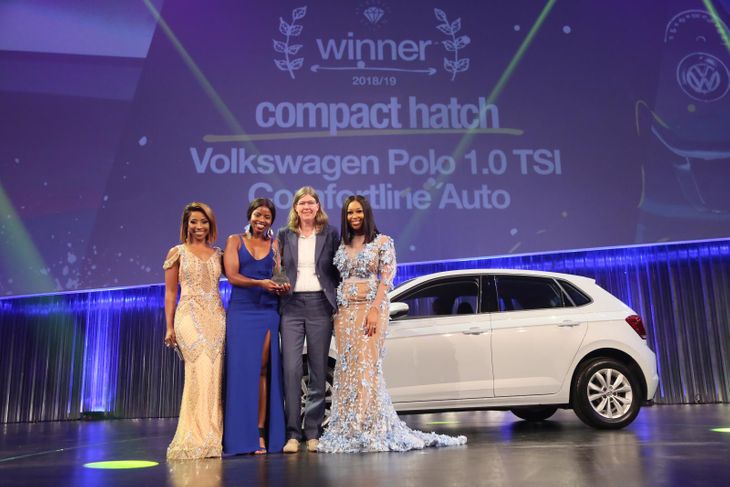
VW's performance in the survey helped the Polo 1.0TSI Comfortline Auto win its category in the 2018/19 #CarsAwards.
Members of Cars.co.za’s editorial team choose the finalists and a combined judging panel (including guest judges from various backgrounds and fields of expertise) compile the finalists’ individual scores after they’ve evaluated the vehicles back-to-back during a thorough two-day test at the Gerotek facility. However, the judges’ findings only make up 50% of the finalist vehicles’ final scores, the rest is based on the findings of the survey.
“When it comes to what it's like to live with a vehicle, you simply have to enter into a conversation with the people that live with those cars every day… the owners," explains Cars.co.za Consumer Experience Manager, Hannes Oosthuizen."With 50% of a vehicle’s final score determined by a brand’s performance in the survey, a car only really stands a good chance of winning if its brand’s dealer network delivers solid after-sales service."
Will Suzuki break its tie for #CarsAwards Brand of the Year wins with Toyota and win the pinnacle trophy for the 3rd time?
It’s time to have your say!
To reiterate, ongoing public participation in the Cars.co.za Ownership Satisfaction Survey enables Cars.co.za to deliver the most relevant and accurate data-driven insights to consumers PLUS the survey represents a golden opportunity for owners to have a say in the outcome of the #CarsAwards (the findings of the survey have a 50% bearing on which vehicles are named category winners of the Cars.co.za Consumer Awards – powered by WesBank as well as a 100% bearing on which manufacturer/importer wins the prestigious Brand of the Year award).
To participate in the survey (even if you have before, you’re can do so again provided you've either bought a new car, or had a service experience) click below:
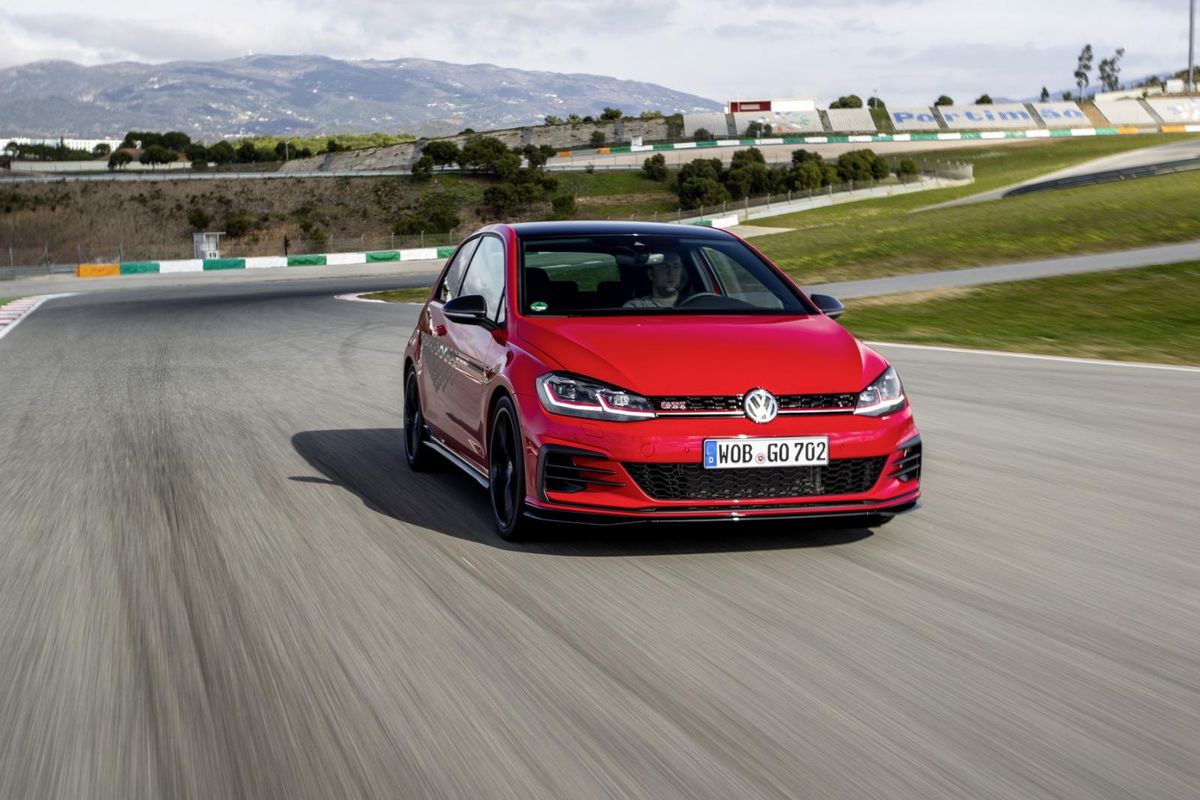
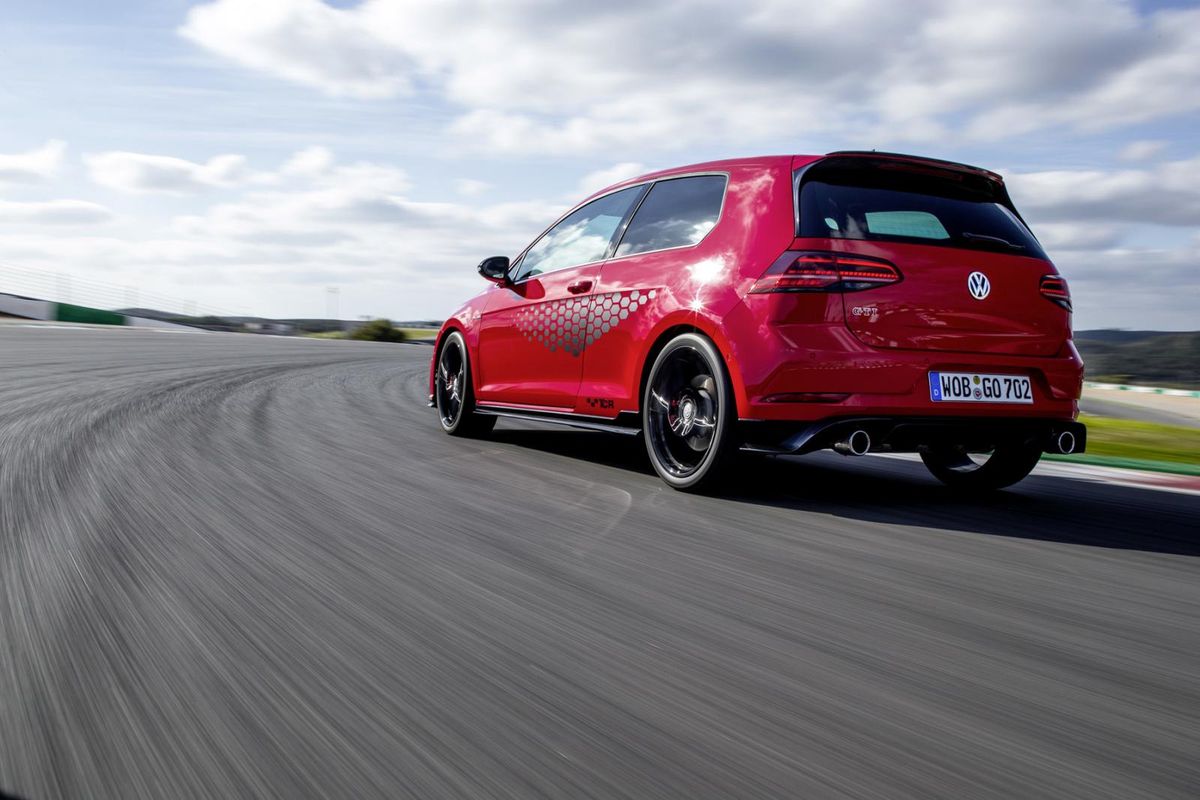
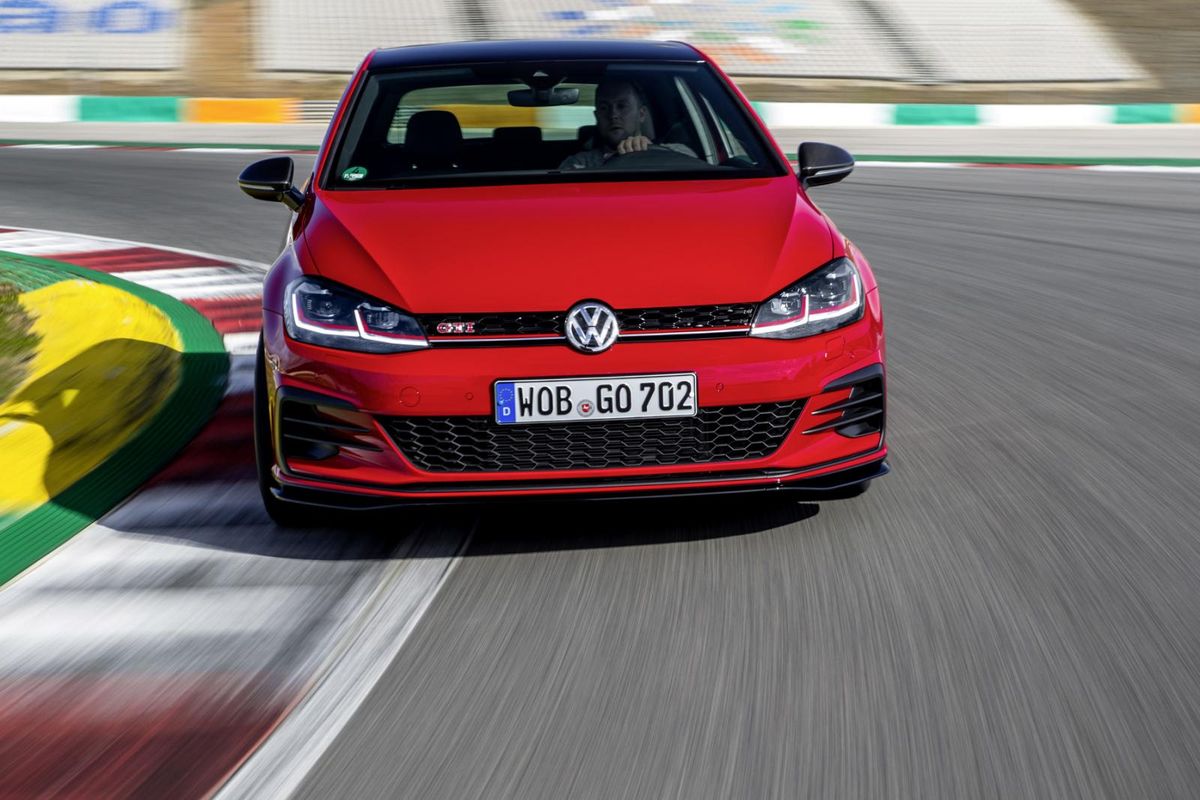
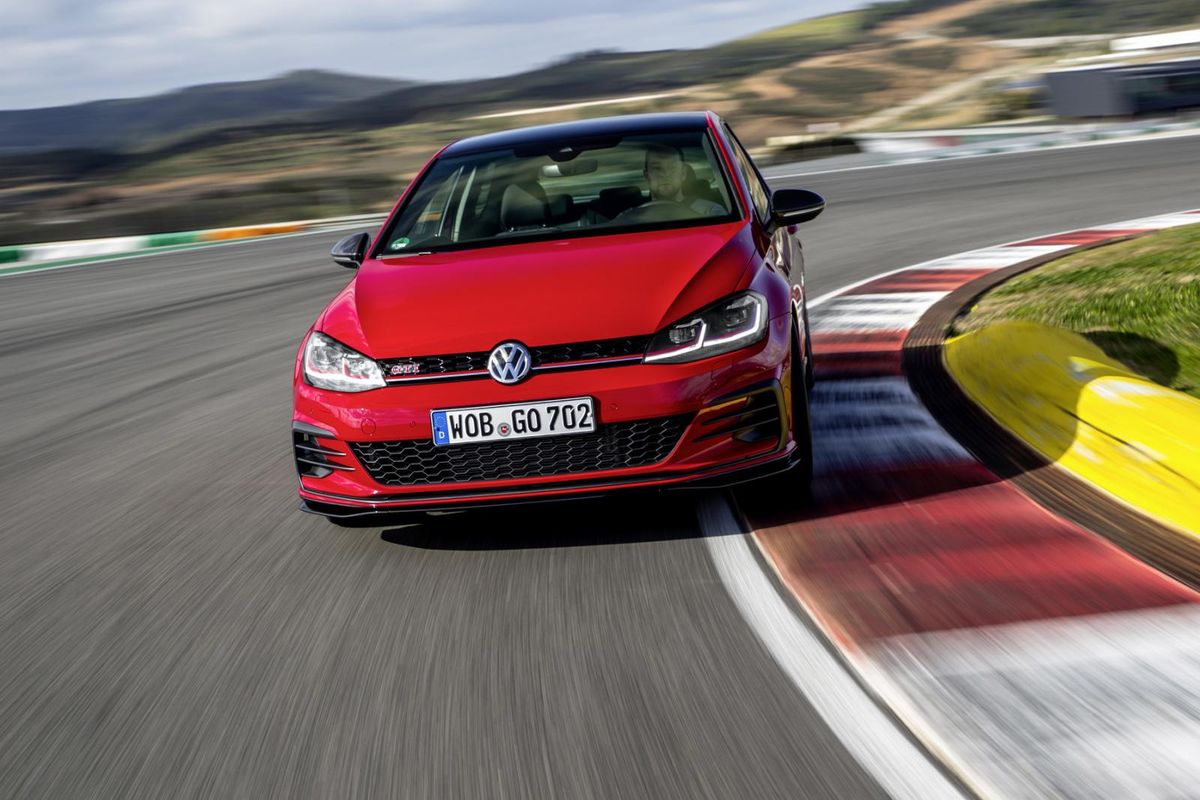
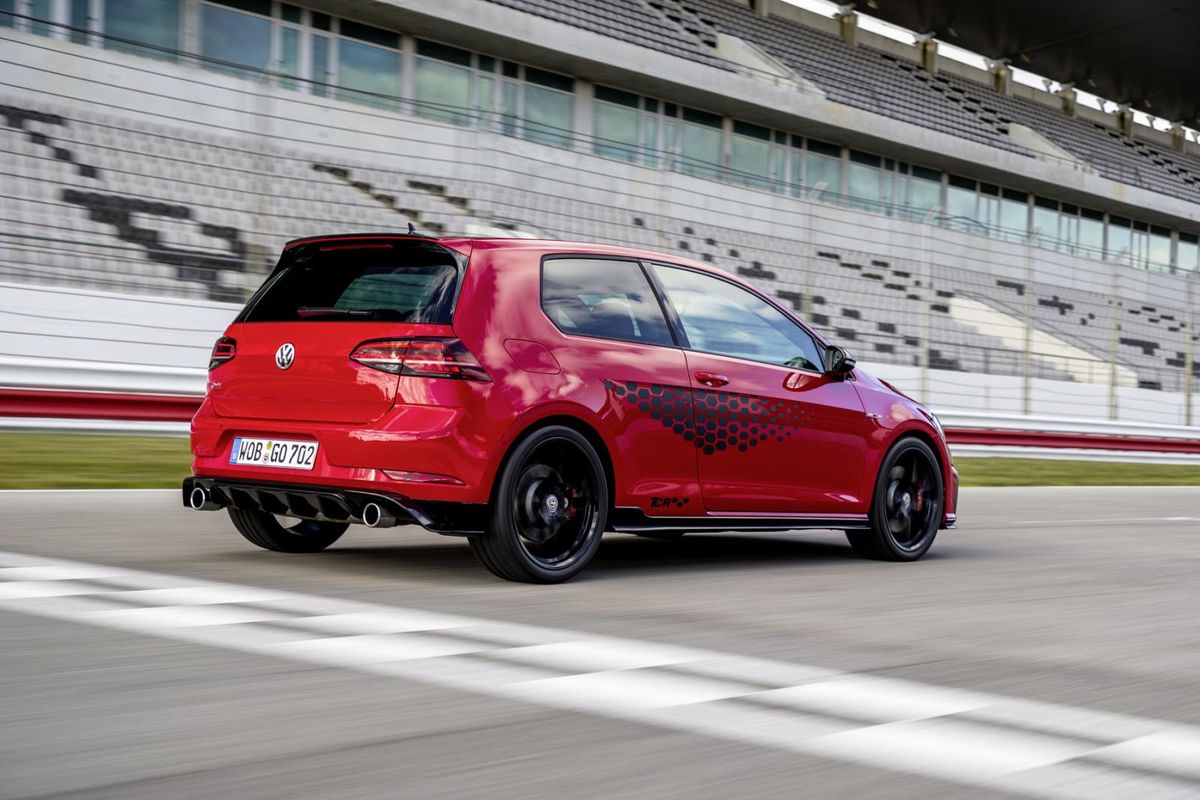
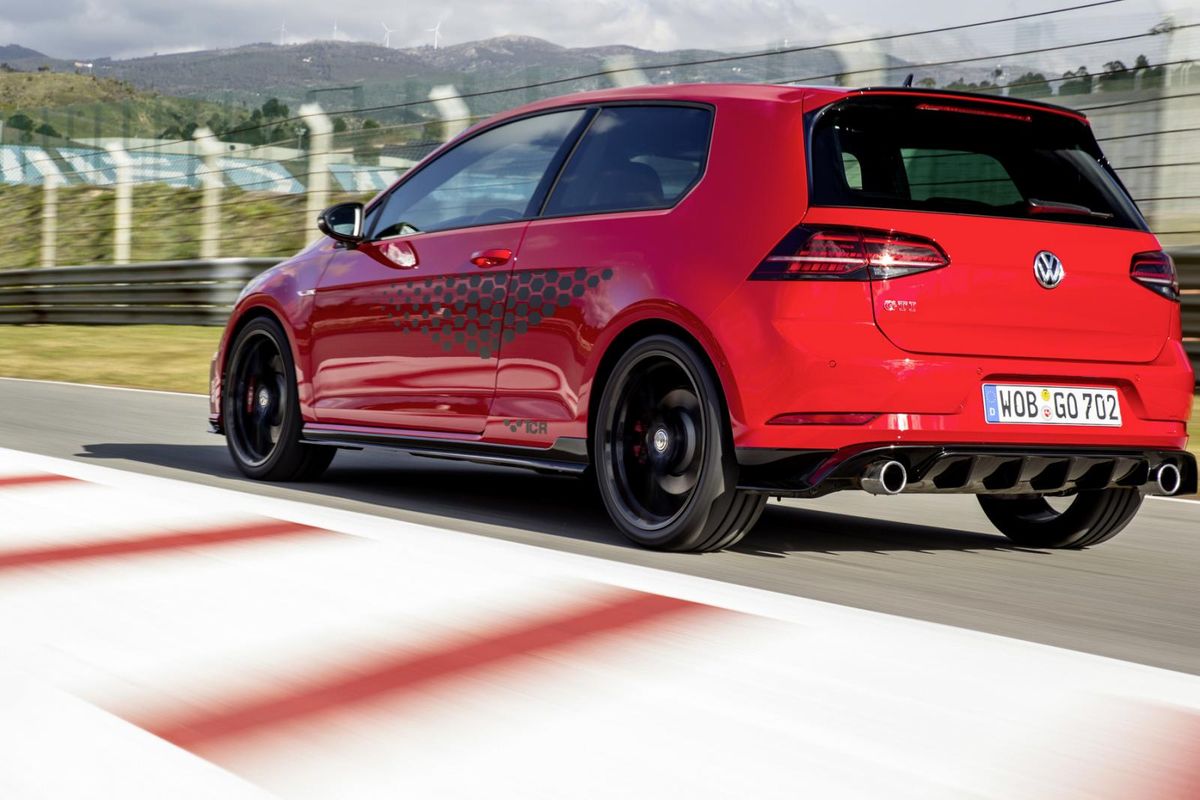
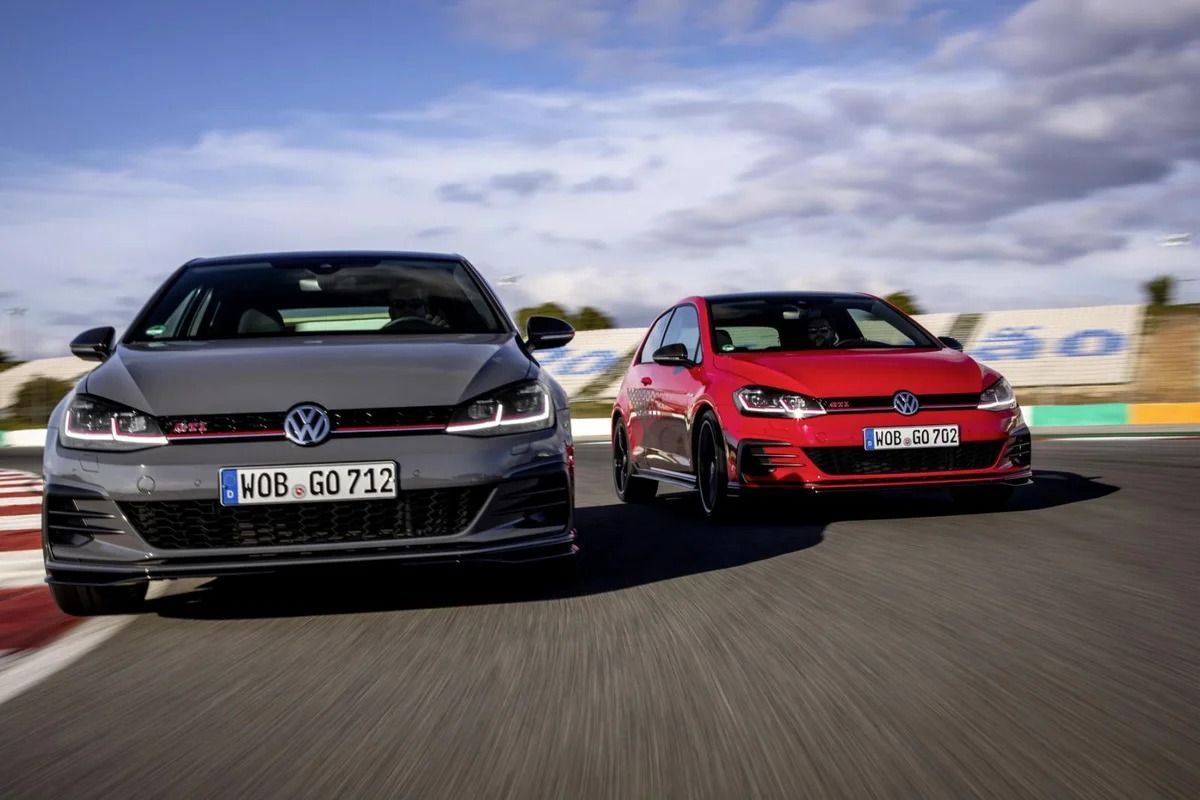
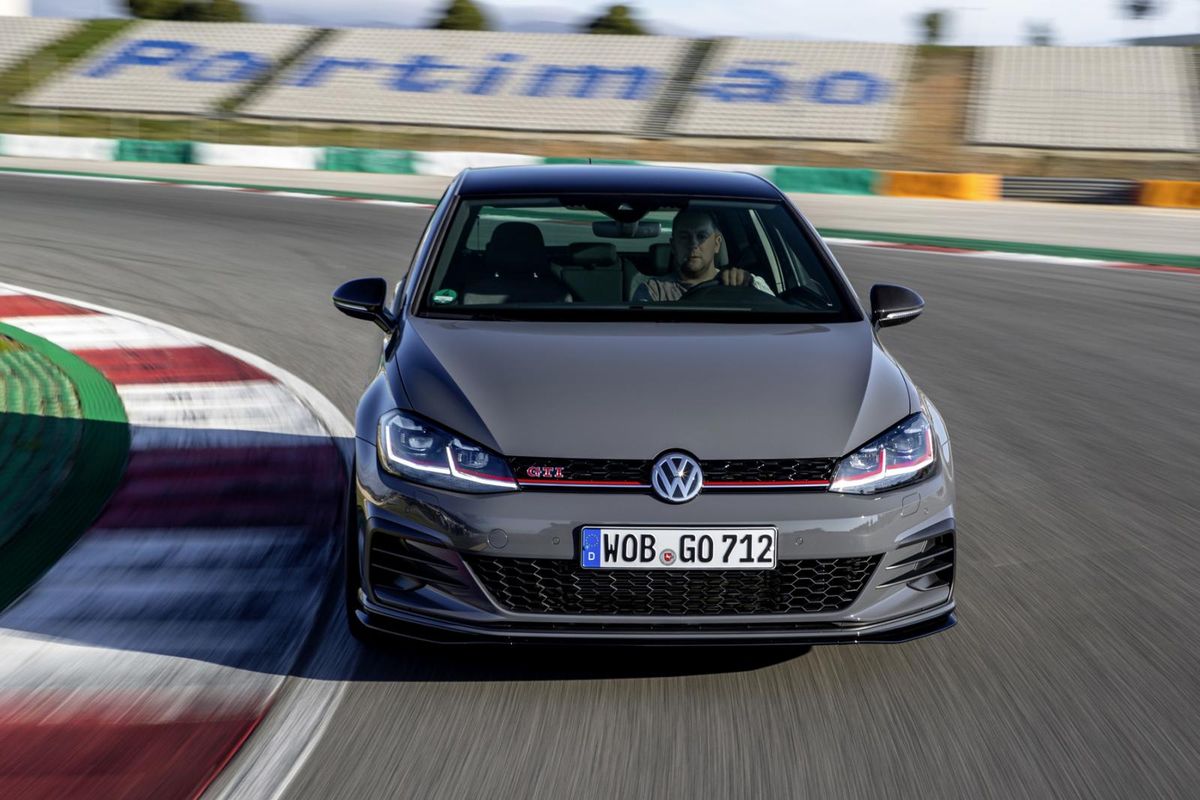
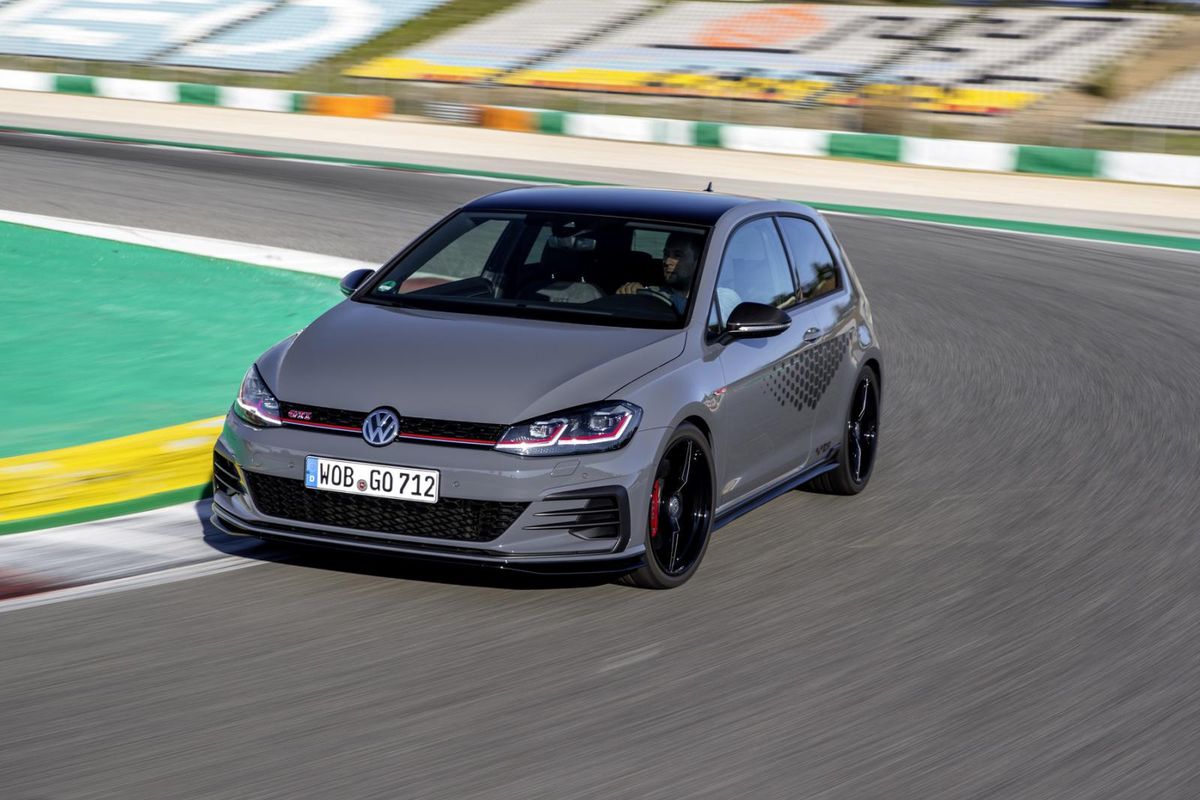
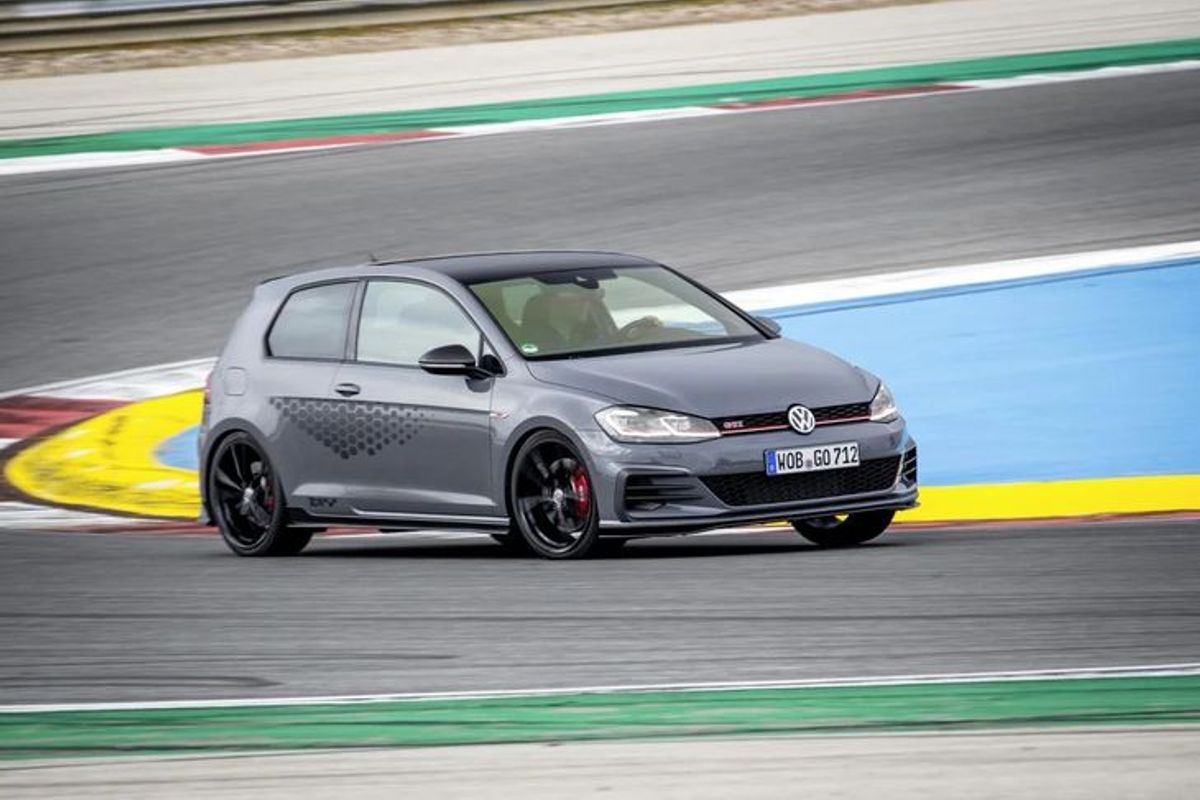
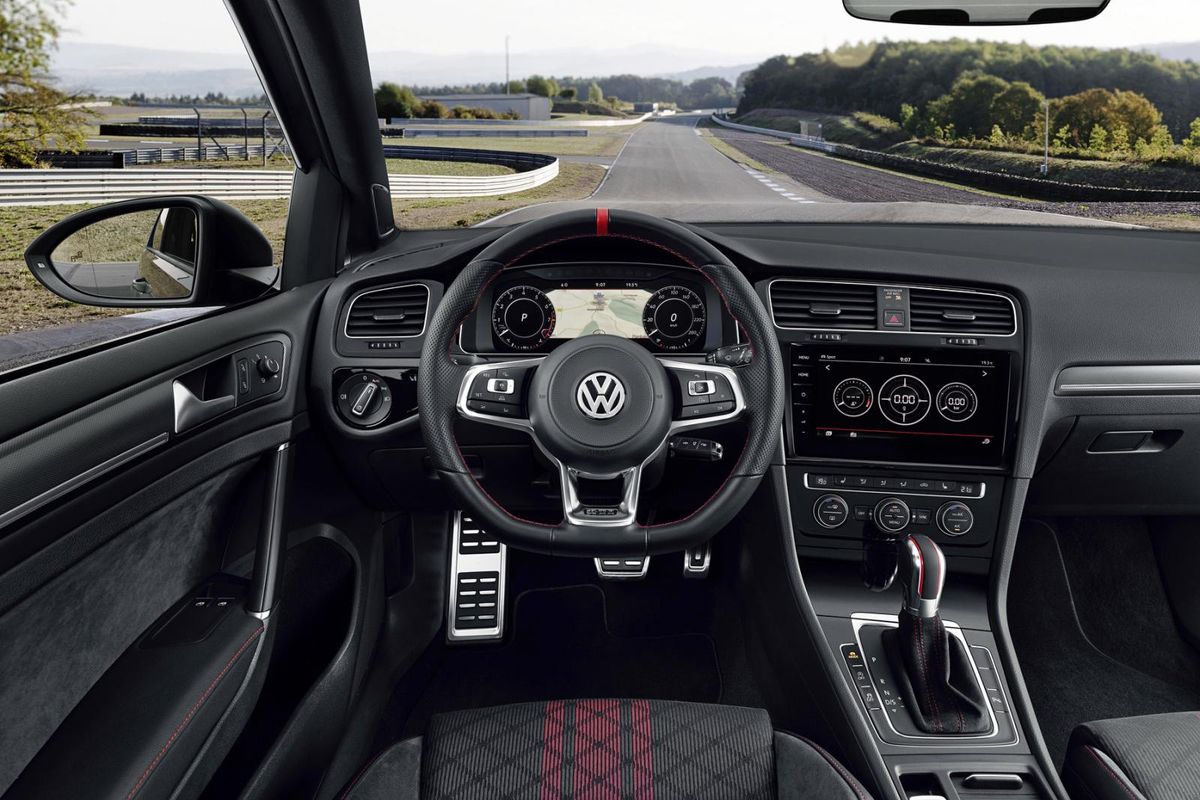
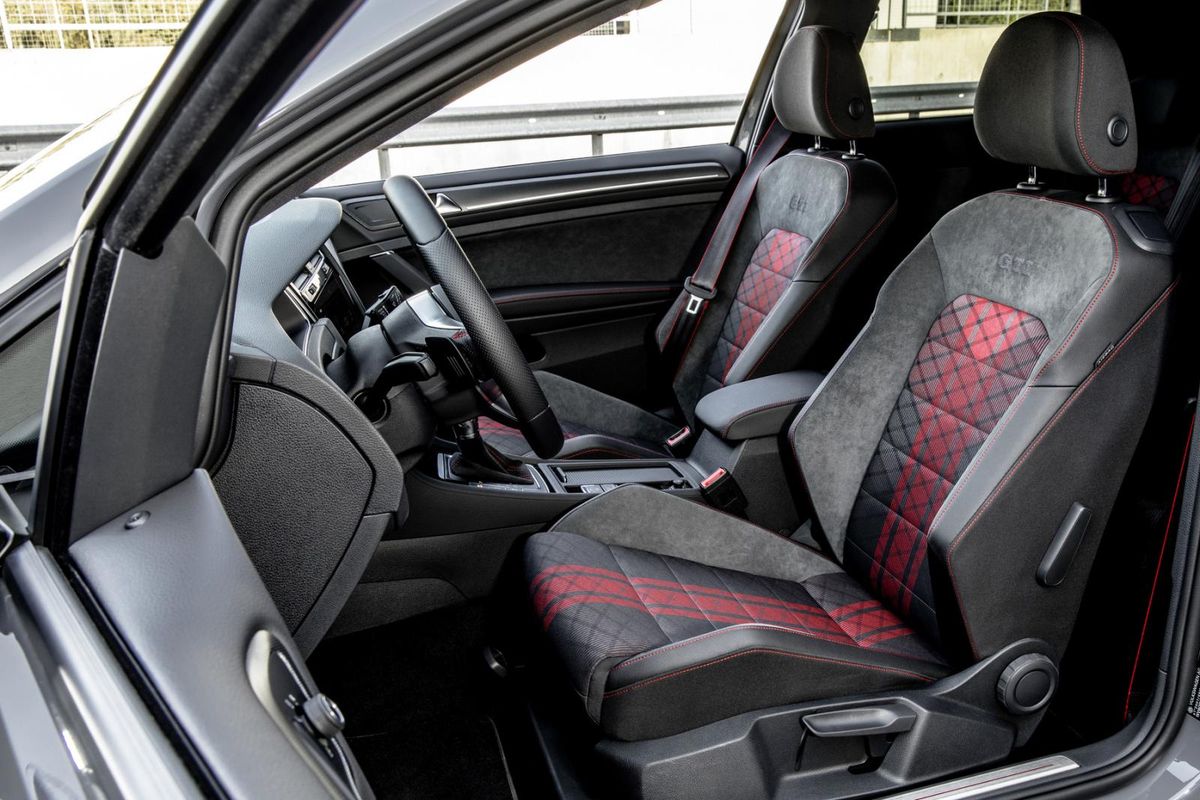
Volkswagen South Africa has confirmed it will be launching the Golf GTI TCR in limited numbers.
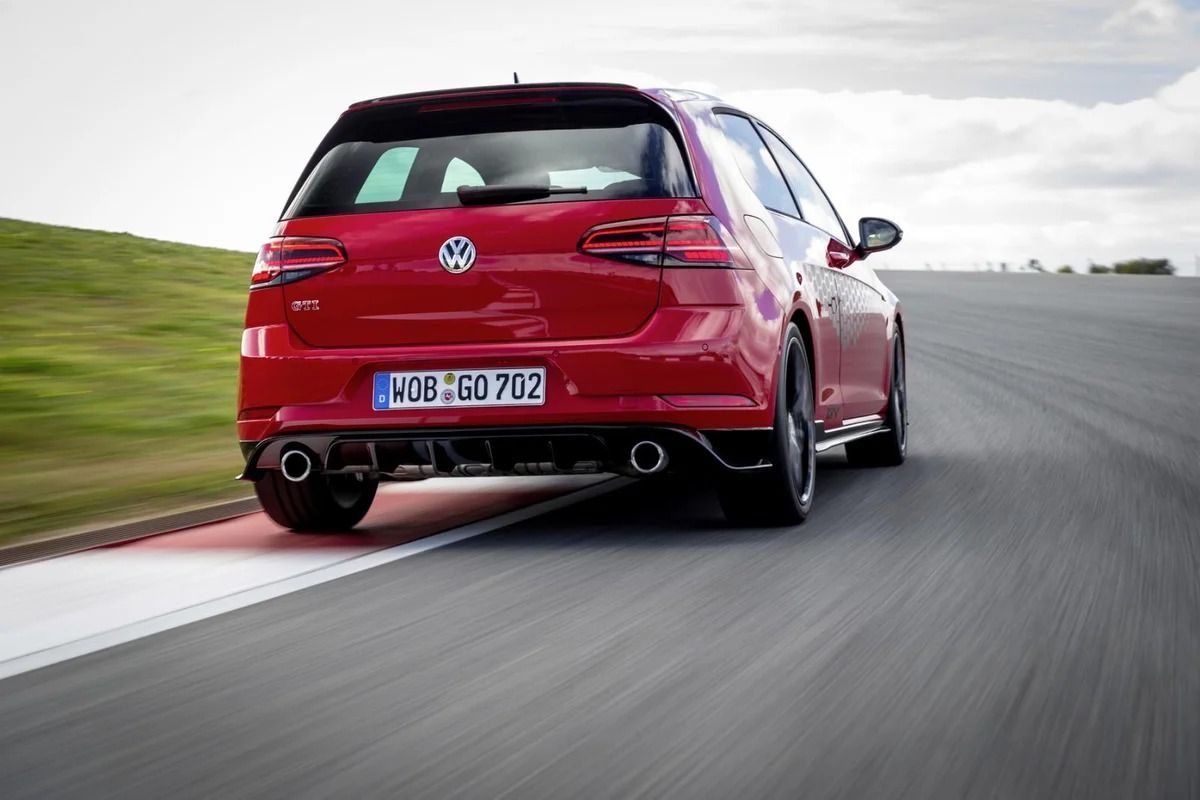
The Golf GTI TCR shares its name with the TCR series racing car but this road-going TCR version develops no less than 213 kW and 380 Nm of torque from its turbocharged 2.0-litre petrol engine which is mated to a 7-speed dual-clutch transmission. Zero to 100 kph is claimed at 5.6 seconds while top speed is 260 kph (optional).
In terms of outputs, the GTI TCR slots in below the limited edition GTI Clubsport S which offers 228 kW and 380 Nm but with a zero to 100 kph time of 5.8 seconds (top speed 260 kph), the GTI TCR is marginally quicker.
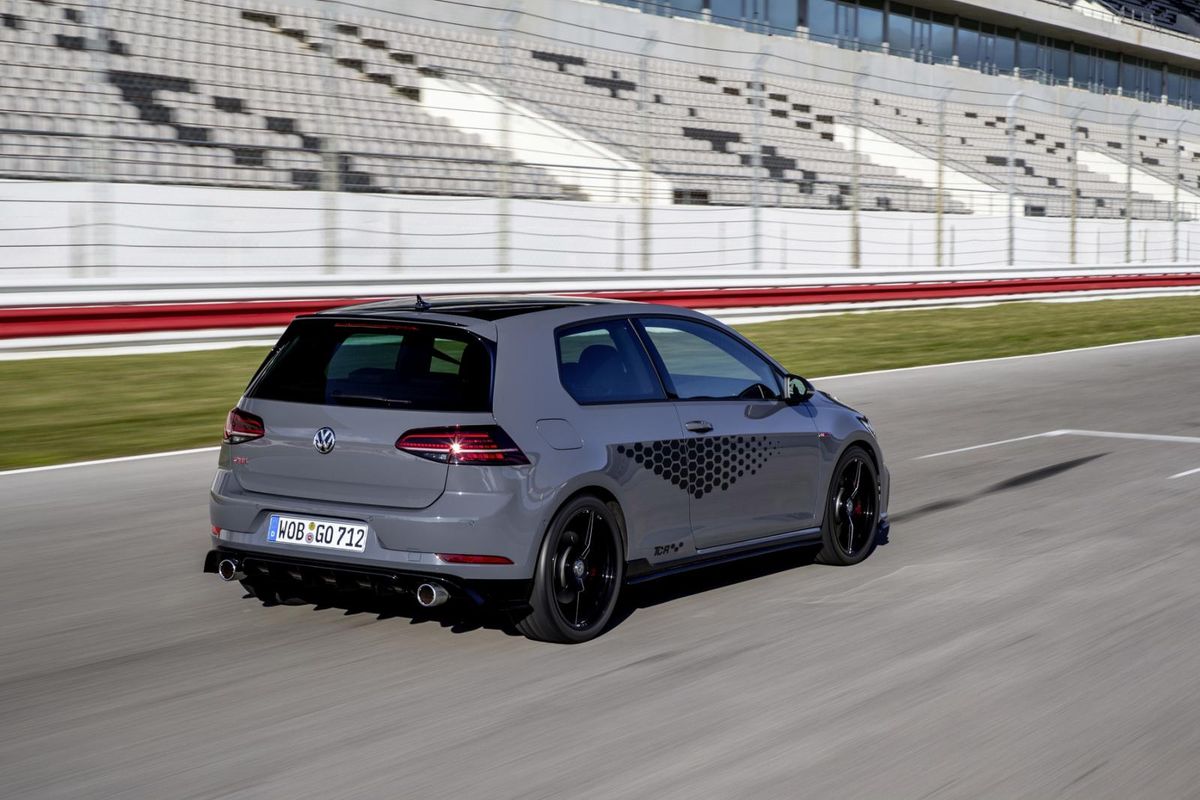
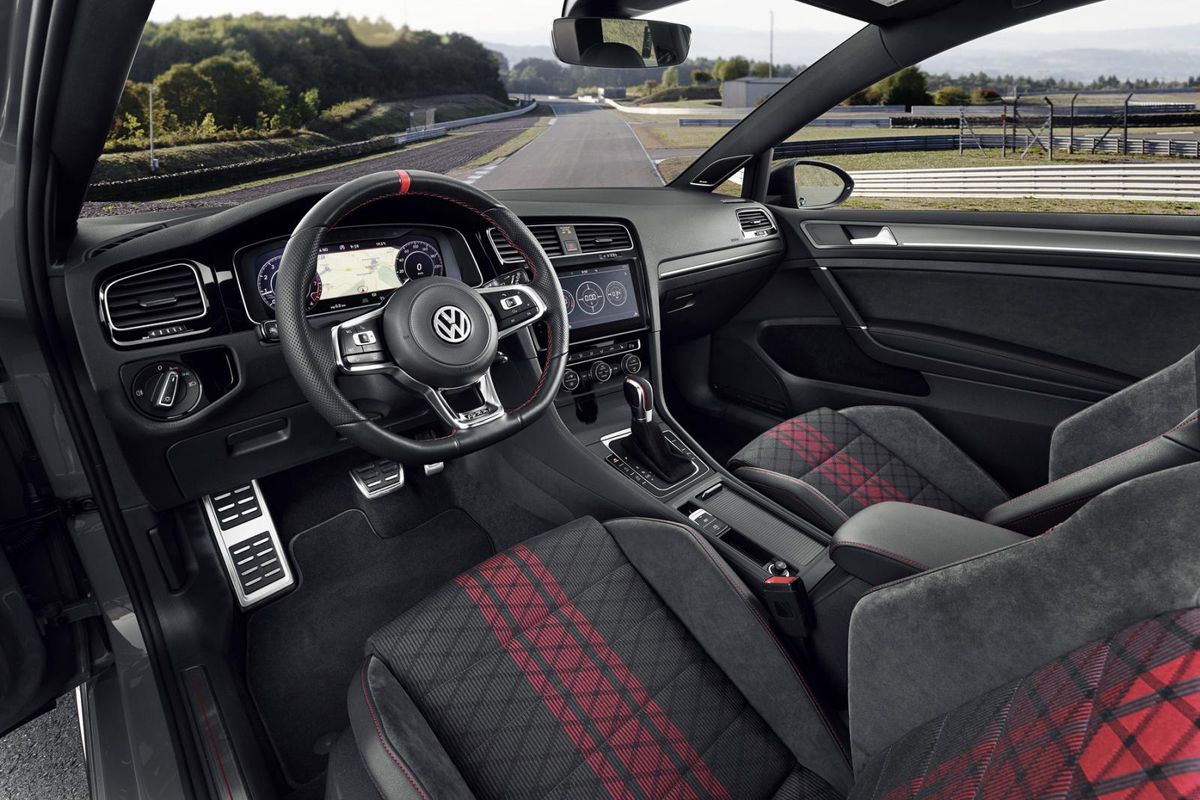
The Golf GTI TCR rides on 18-inch Belvedere forged alloy wheels as standard and is equipped with a front-axle differential lock and perforated disc brakes. Exterior features include LED headlights, black exterior mirror housings, sill extensions, front splitter, a TCR roof spoiler and a rear diffuser. Additional styling options include a carbon mirror housings, black painted roof, honeycomb decor side panel foils and 19-inch wheels.
Volkswagen says it's new Golf GTI TCR will be priced "under R700 000." Should you buy one or go for a Golf R? We'll let you know once we've driven the newcomer.
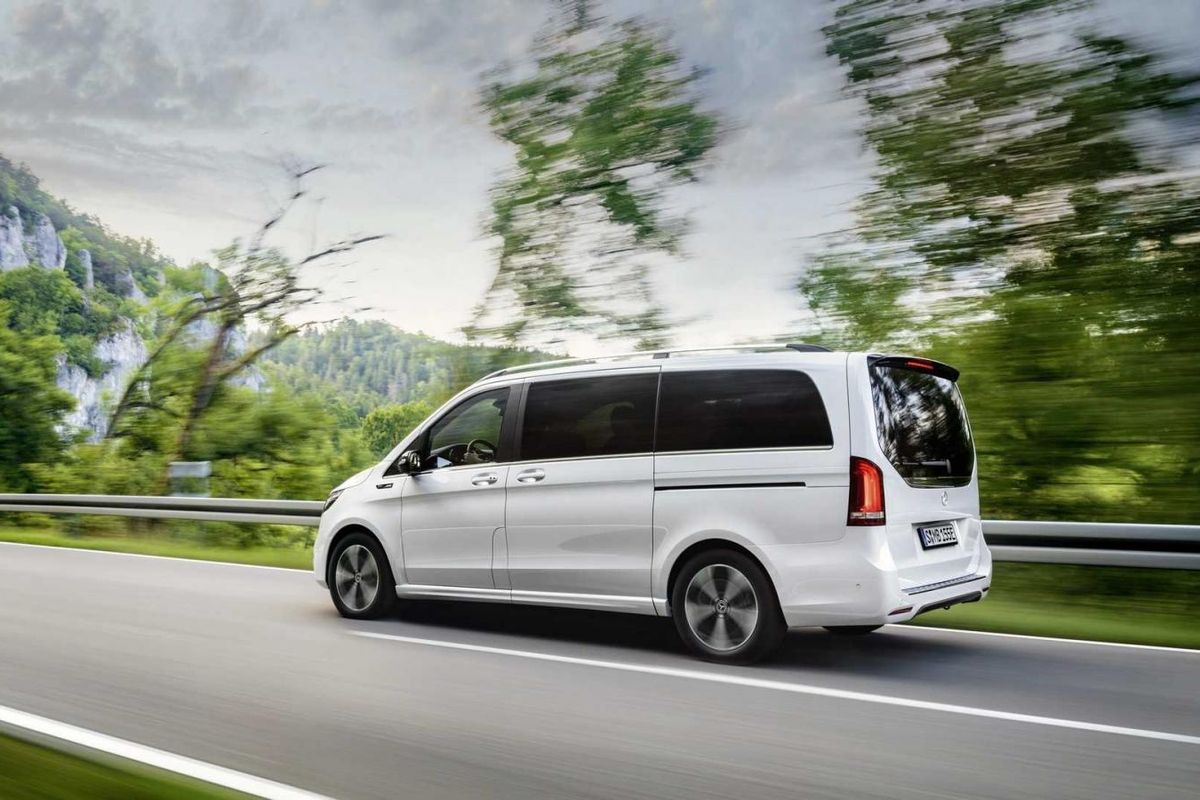
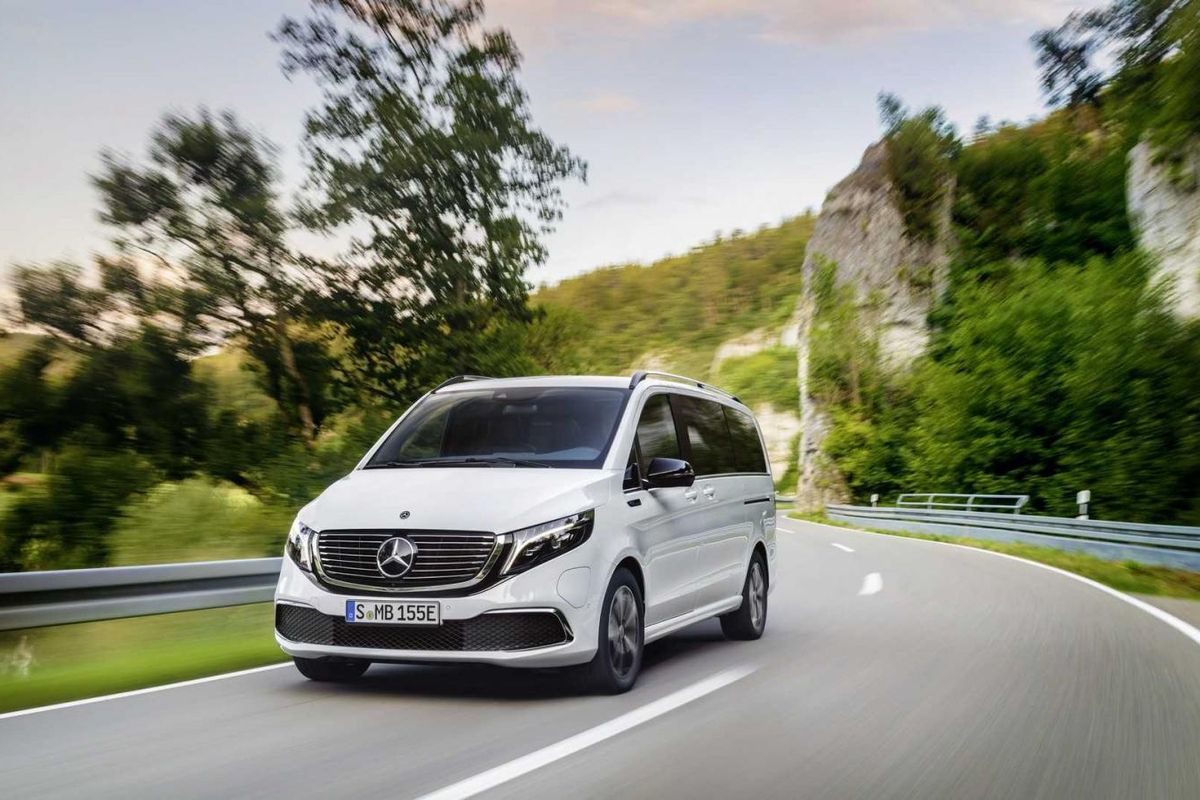
Mercedes-Benz has ventured into electrifying a vehicle segment where Tesla has no product: vans.
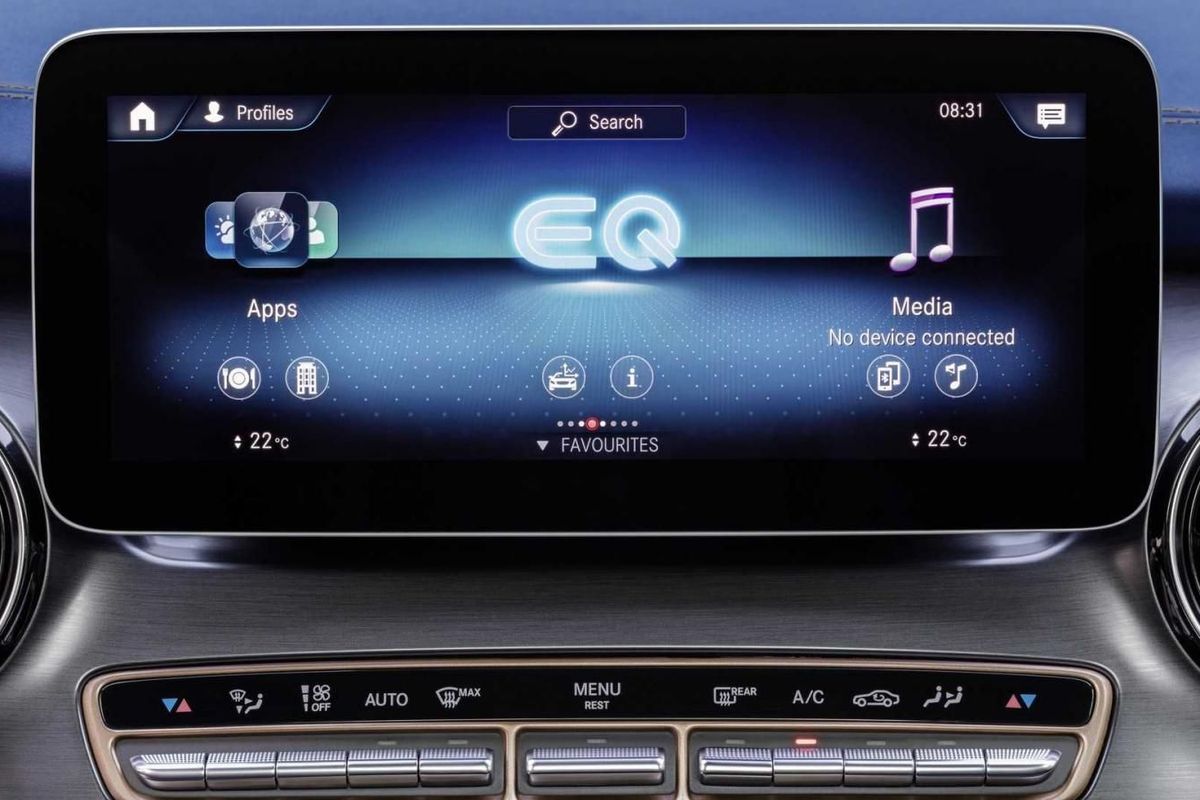
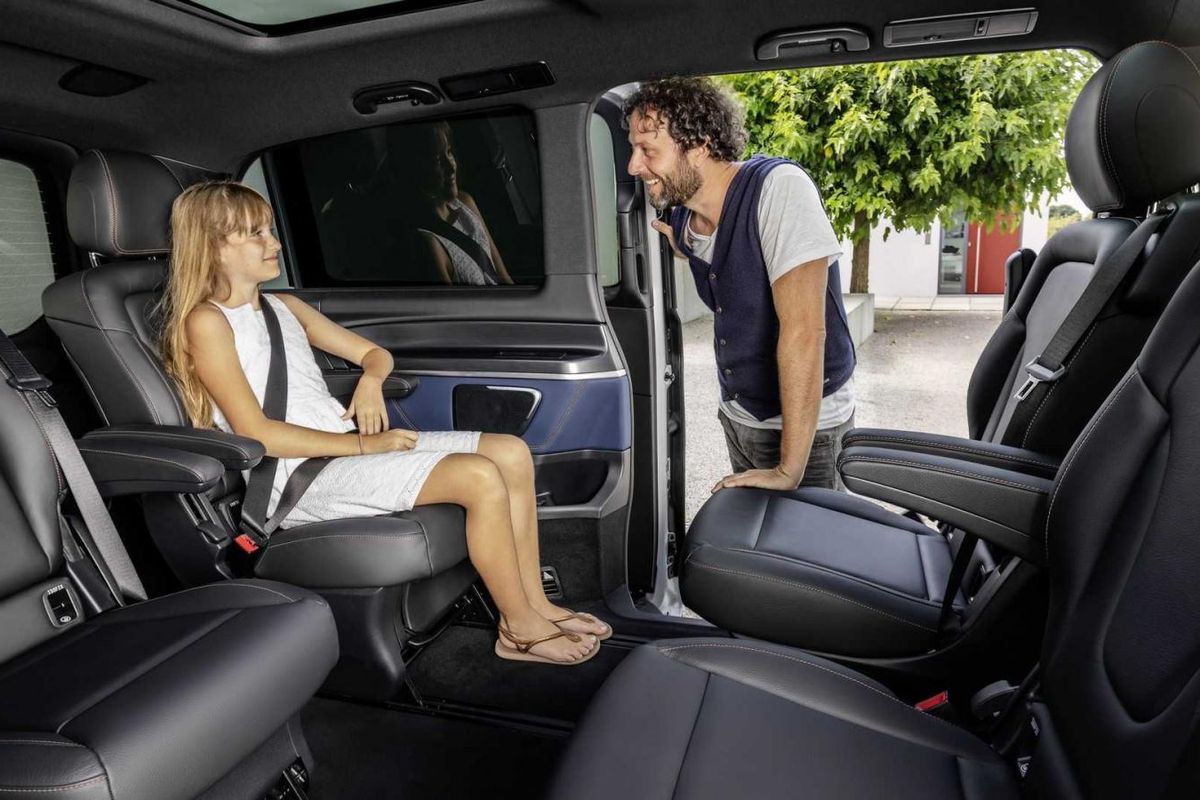
The latest model release from Mercedes is called the EQV and it is a large, battery-powered van. Think of this as an electric V-Class and you’d be imagining an accurate interpretation of what Mercedes-Benz’s product planners were attempting to achieve.
Although the EQV looks quite similar to any current V-Class in its proportions, this battery bus features a different grille and front fascia.
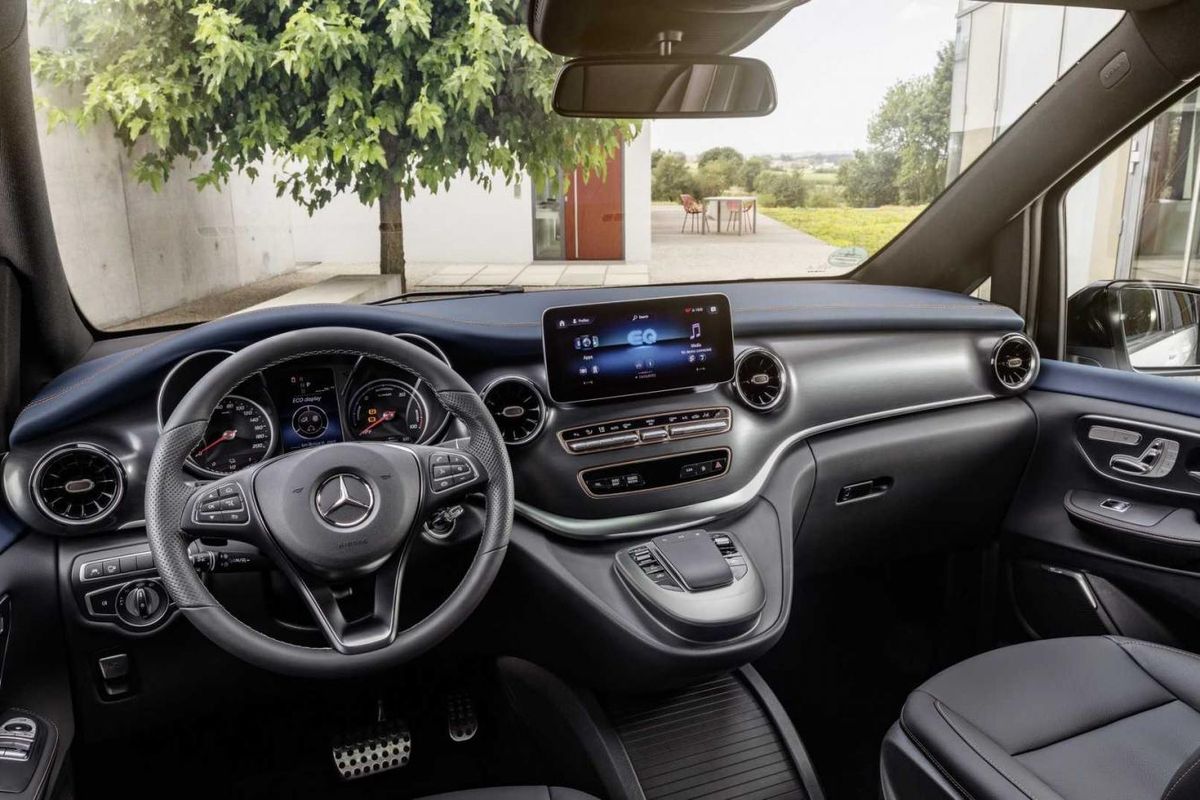
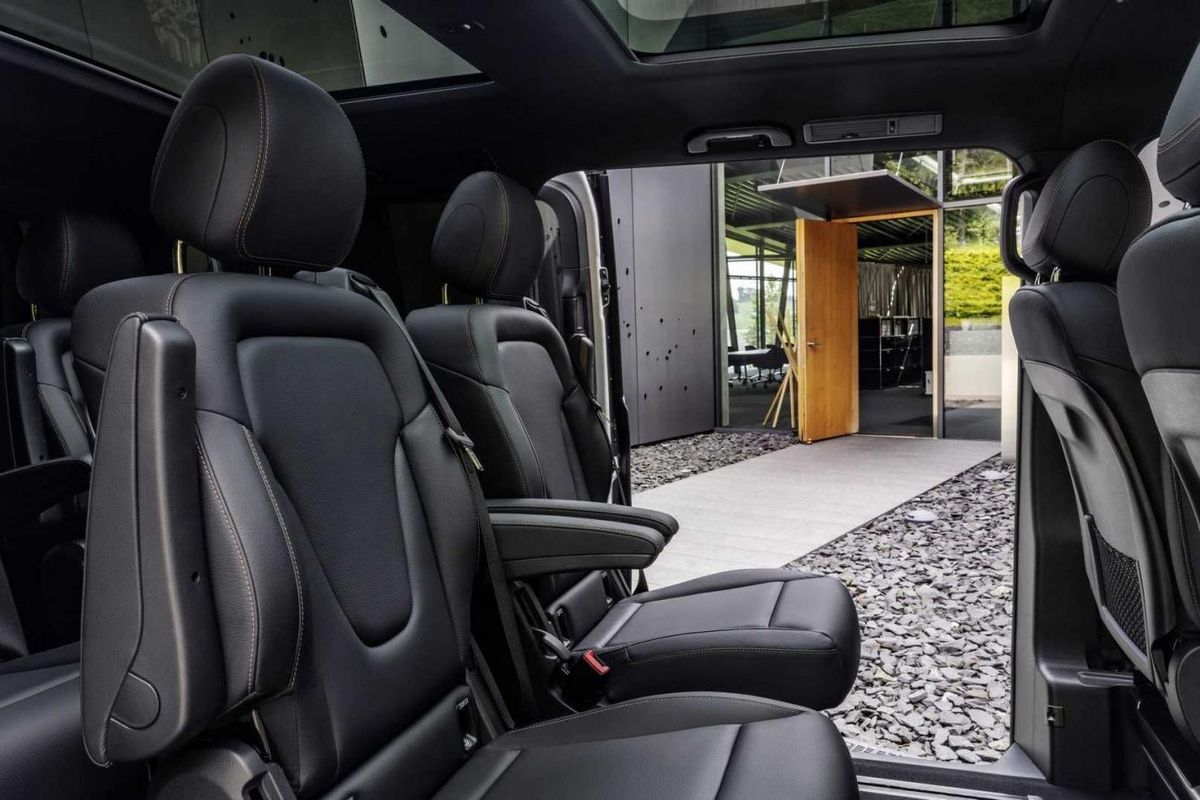
Inside the cabin switchgear, touch surfaces and seating arrangements are what you’d find in any V-Class, but it is under the EQV’s floor where its differentiation is to be discovered.
Mercedes engineers have packaged the van with a 100 kWh battery pack, mounted in the van’s floor, which drives an electric motor to peak at 150 kW. That power number compares favourably with the most potent turbodiesel V-Class variants.
With 150 kW and 405 km of range, the electric van makes a lot of sense.
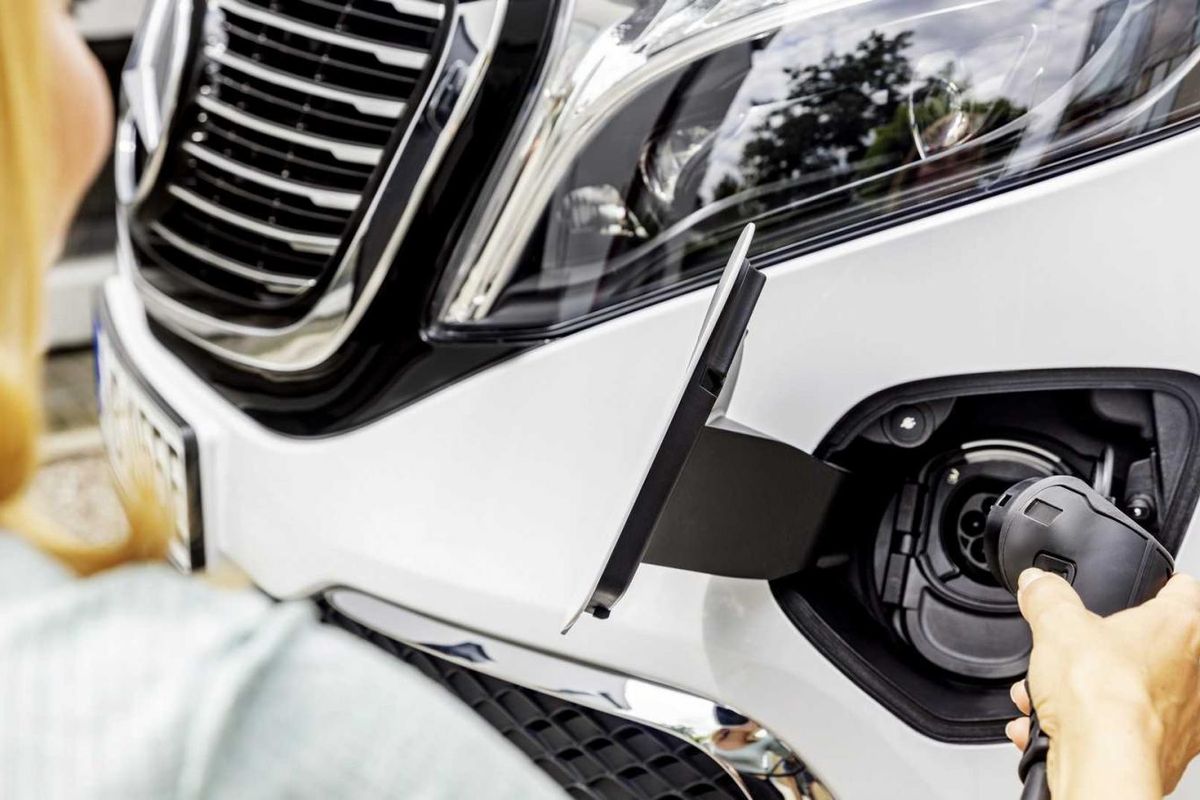
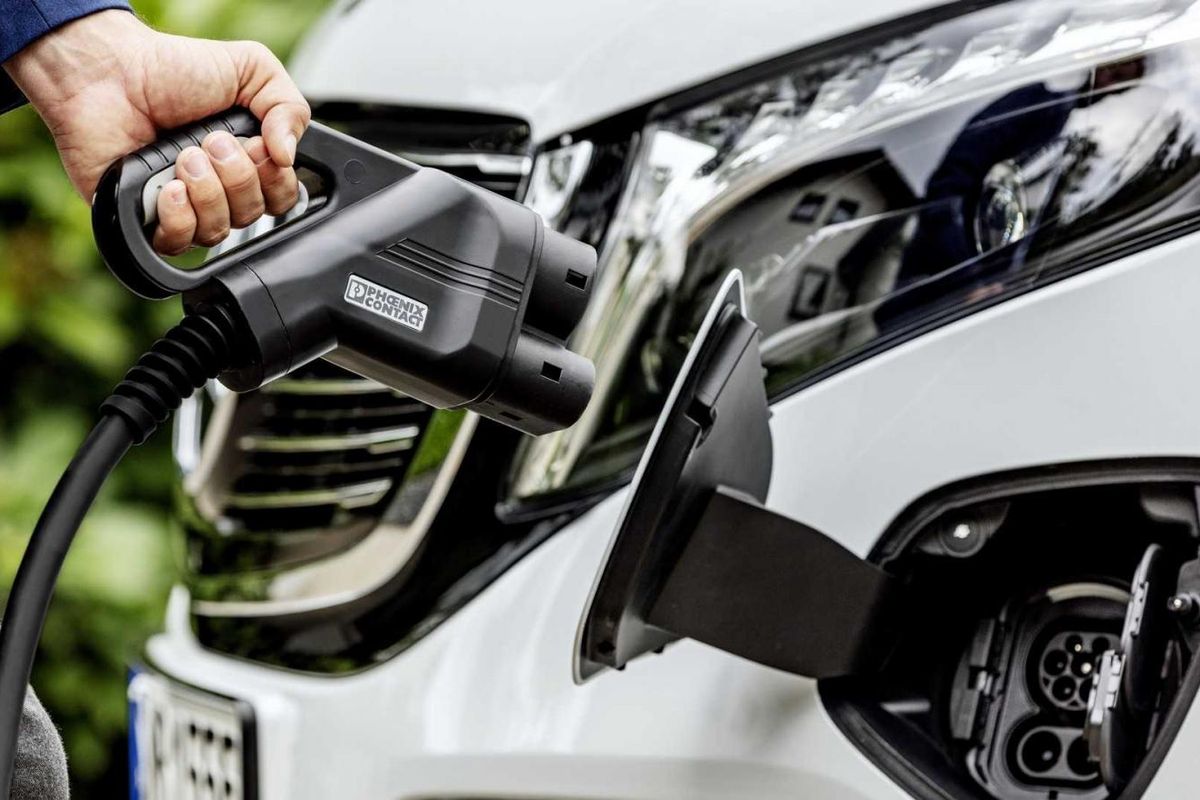
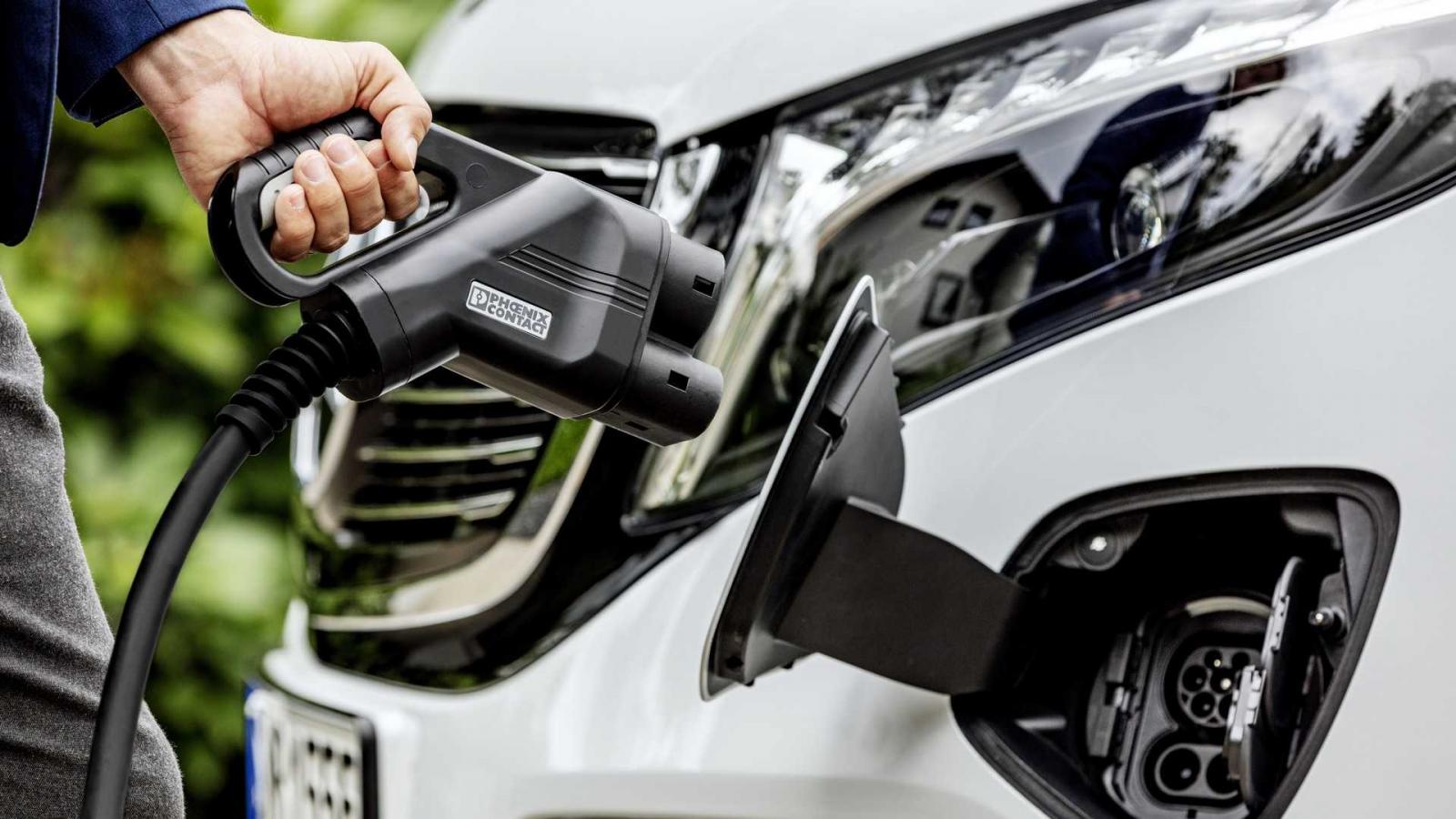
Top speed is limited to 160 kph (to conserve battery power) and Mercedes is promising a usable range of 405 km. Recharging is assisted with an 11 kW on-board charger unit, which enables this battery van to charge from 10- to 80% capacity in less than 45 min.
What is notable about this EQV, is that it drives the front wheels, unlike all other Mercedes-Benz vans, which are rear-wheel drive.
For a long vehicle, which will often be loaded with many passengers or luggage, front-wheel drive is generally seen as a less desirable configuration, due to the potential of wheel scrabble when climbing steep corners at speed, in the wet, such as a hotel driveway. Mercedes-Benz’s engineers believe that they have managed to overcome any traction issues by meticulous calibrating the electric motor’s power distribution and throttle response.
Mercedes has not confirmed a global delivery timetable for the EQV yet (August 2019).
A new range-topping Tourneo Custom Limited is now available in South Africa, bringing higher levels of comfort and luxury to the range. See details below…
The new Ford Tourneo Custom Limited is offered in short-wheelbase form only and stands alongside the familiar Tourneo Custom Ambiente and Trend long-wheelbase derivatives.
Unique features seen on the Tourneo Custom Limited include body colour-coded side mouldings while riding on 16-inch multi-spoke alloy wheels. ‘Salerno’ partial leather trim is found inside, adding a more luxurious touch to the cabin. The front seats are also heated while the driver’s seat benefits from 10-way power adjustment.
The cabin is flexible too and the seats can be folded flat, tumbled or removed entirely to suit your transport needs, whether you are moving goods or people.
Key standard features include cruise control, front and rear park distance control with a rearview camera, 6 airbags, ABS with EBD, Electronic Stability Programme (ESP), Hill Launch Assist (HLA), Load Adaptive Control (LAC) and Roll-Over Mitigation (ROM). A towbar is also standard as is Trailer Hitch Assist and Trailer Sway Control.
In terms of infotainment, a 6-speaker radio, with Bluetooth, USB and auxiliary port is fitted and can be controlled using mounted controls on the steering wheel.
Engine Power
The Tourneo Custom Limited is powered by a 2.2-litre turbodiesel engine which is mated with a 6-speed manual transmission. Outputs are 114 kW and 385 Nm.
The Tourneo Custom Limited has a maximum tow rating of 1 600 kg for a braked trailer and 750 kg for an unbraked trailer. Gross payload is rated at 939 kg.
Ford Tourneo Custom – Price in SA
2.2 TDCi LWB Ambiente 74kW 6MT – R568 700
2.2 TDCi LWB Trend 92kW 6MT – R591 300
2.2 TDCi SWB Limited 114kW 6MT – R637 200
A 4-year/120 000 km warranty and 6-year/90 000 km service is standard as well as 3-years/unlimited km roadside assistance and a 5-year/unlimited km corrosion warranty.
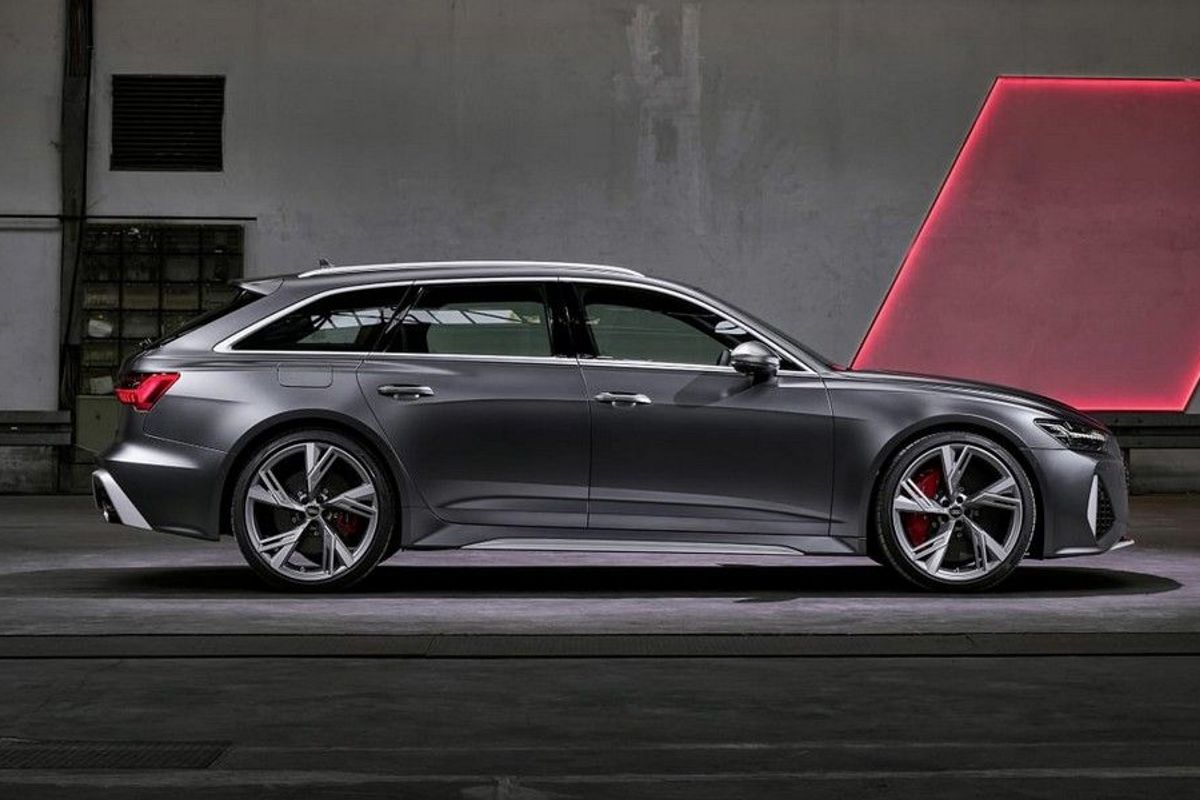
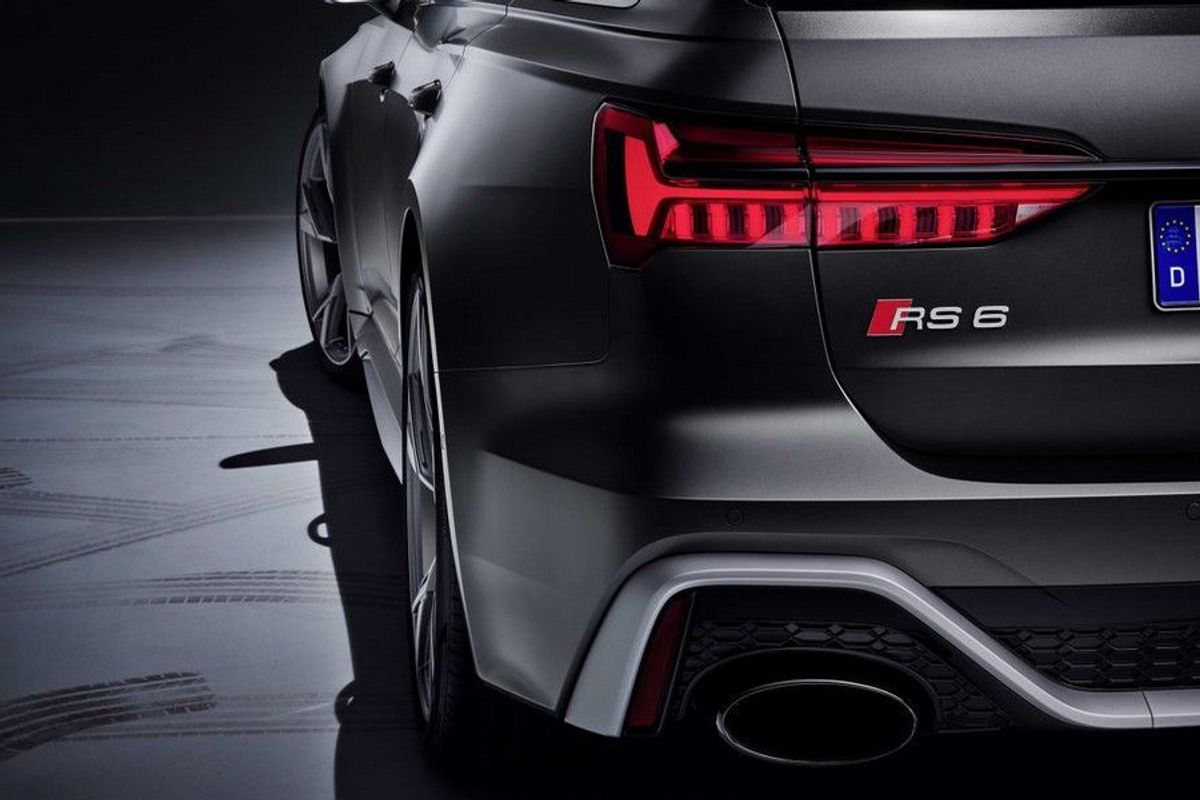
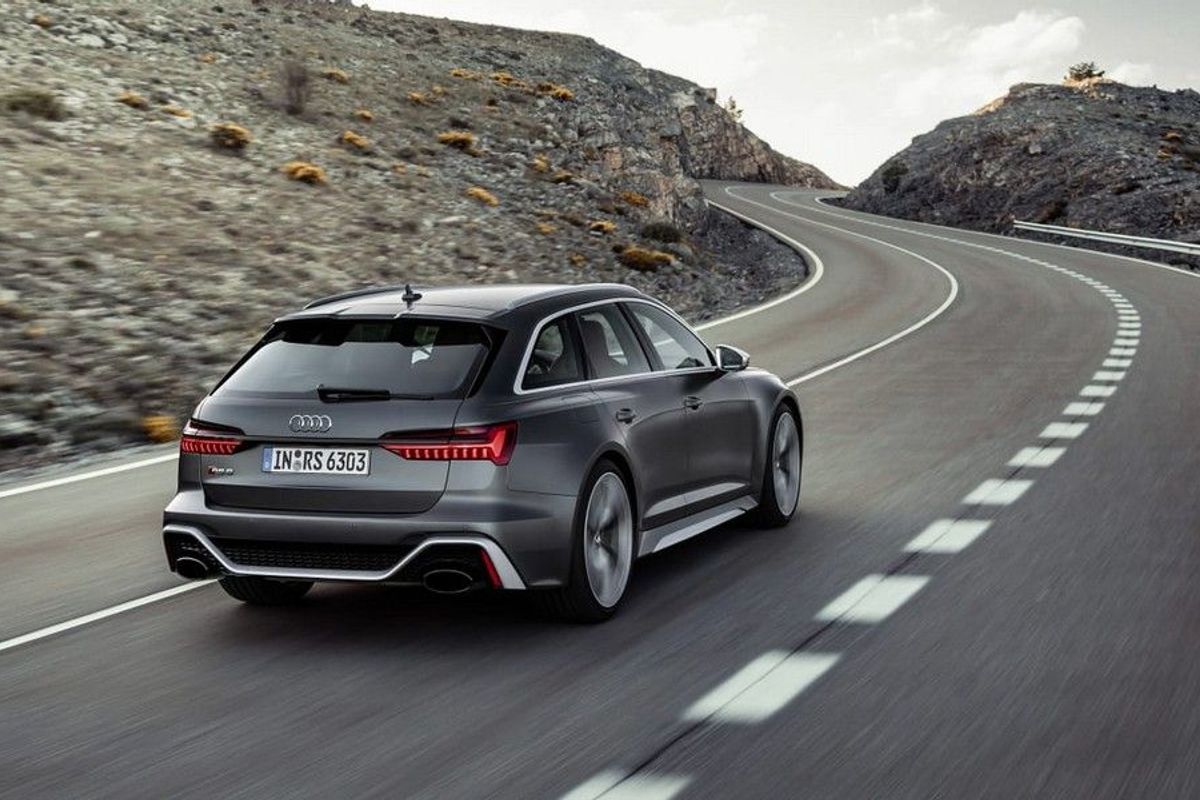
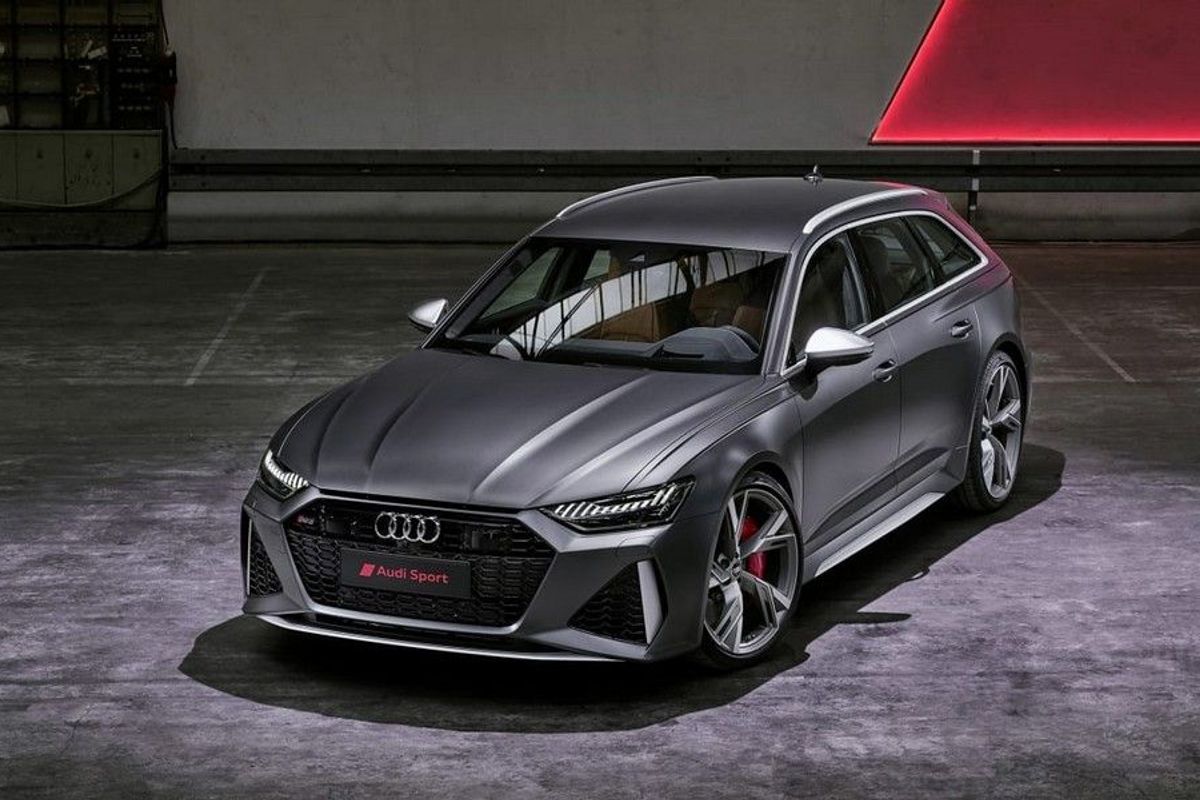
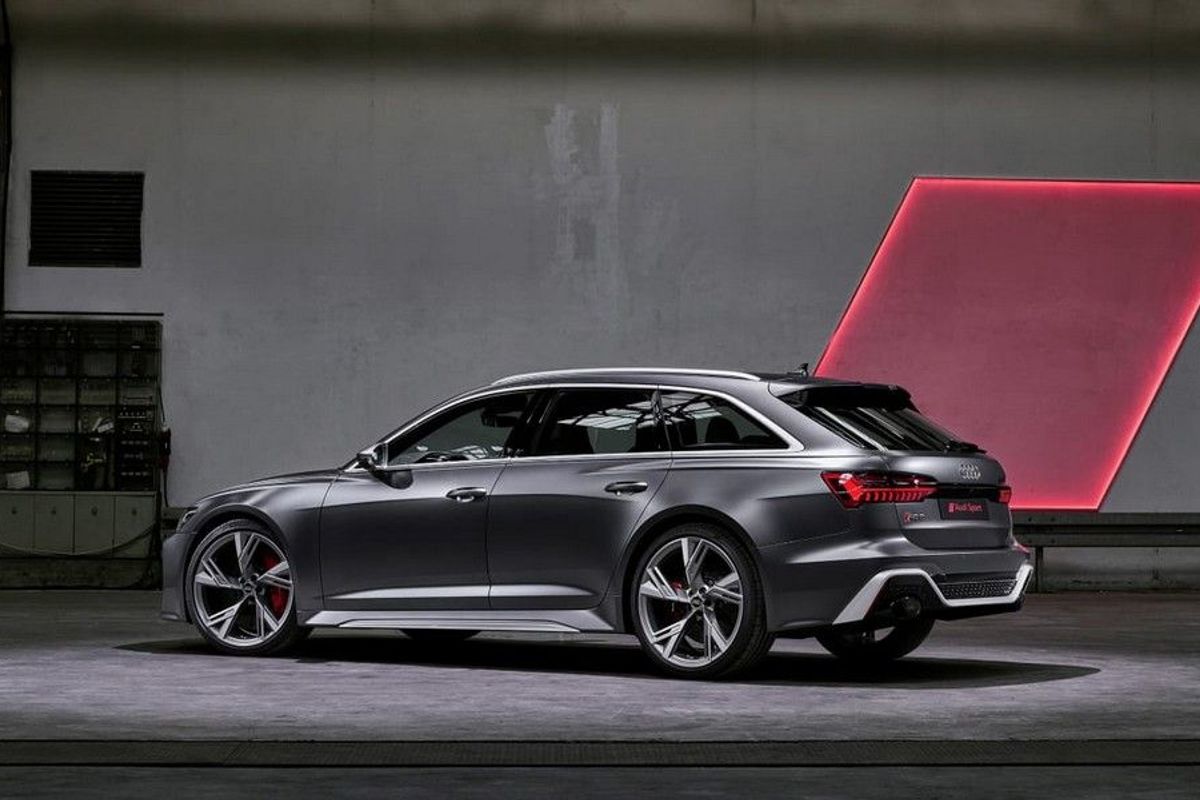
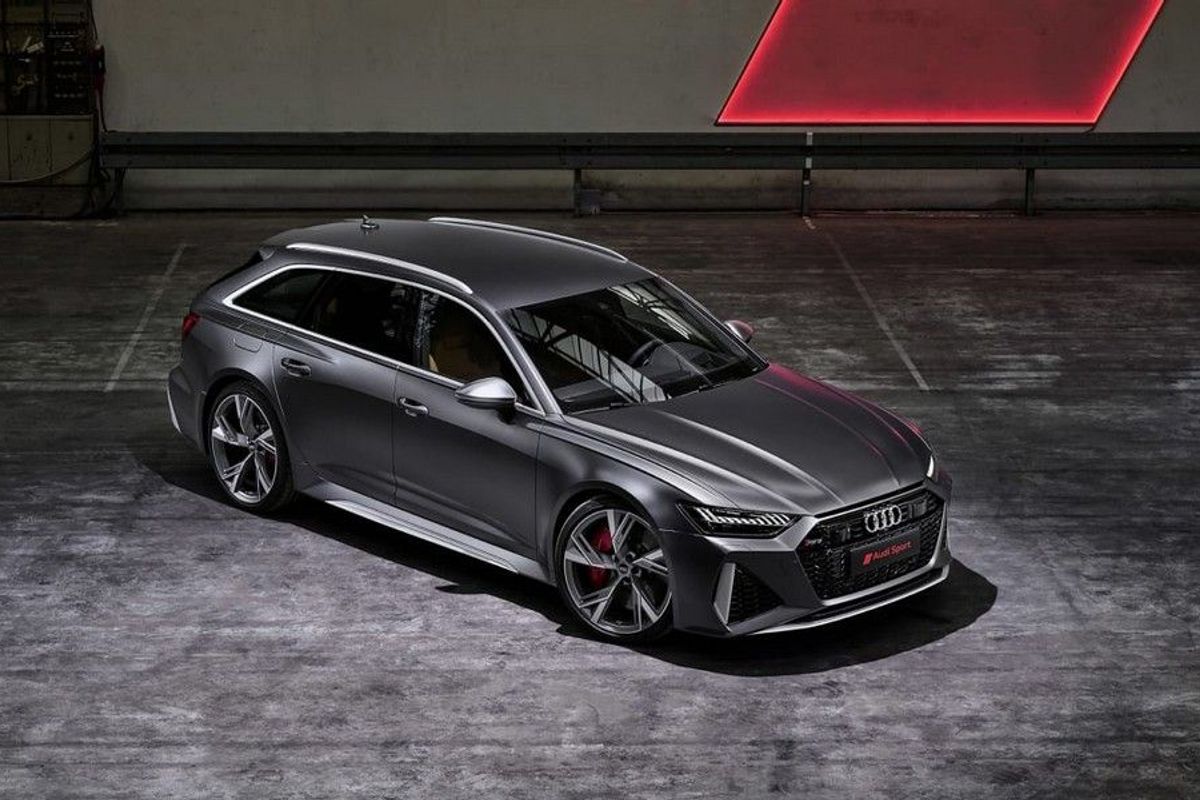
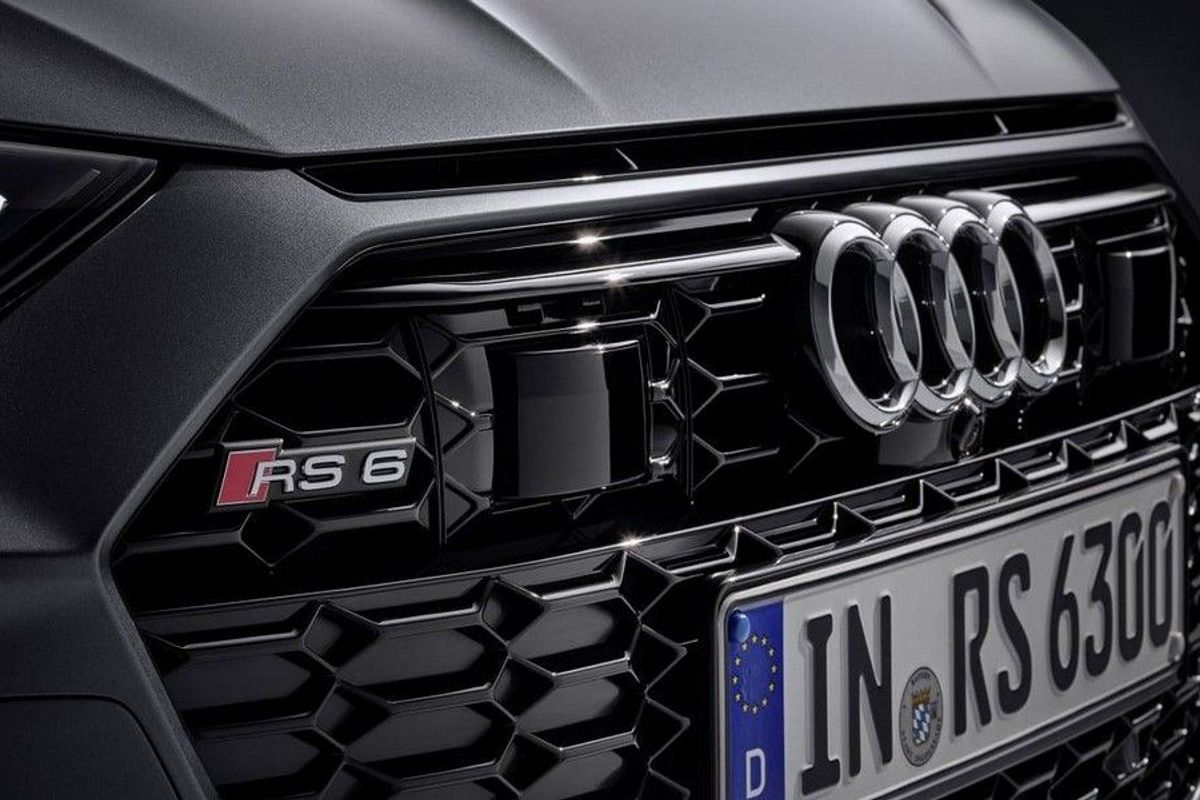
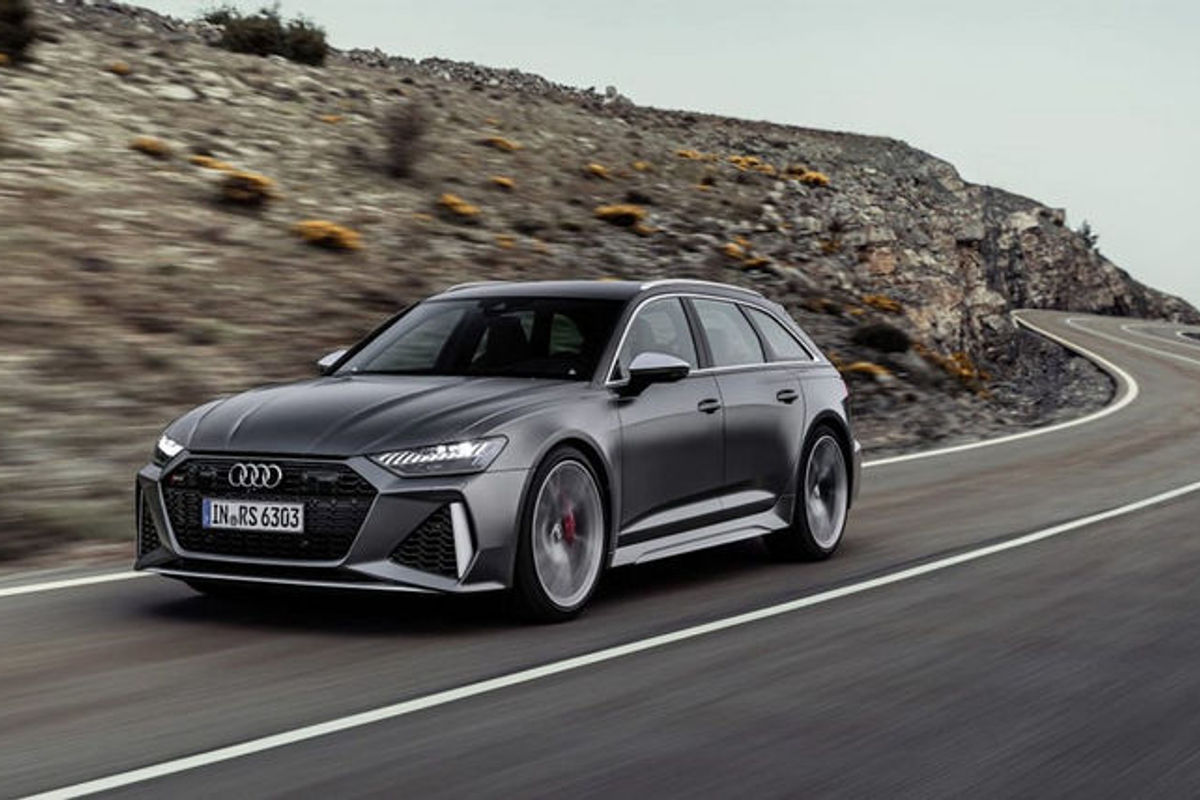
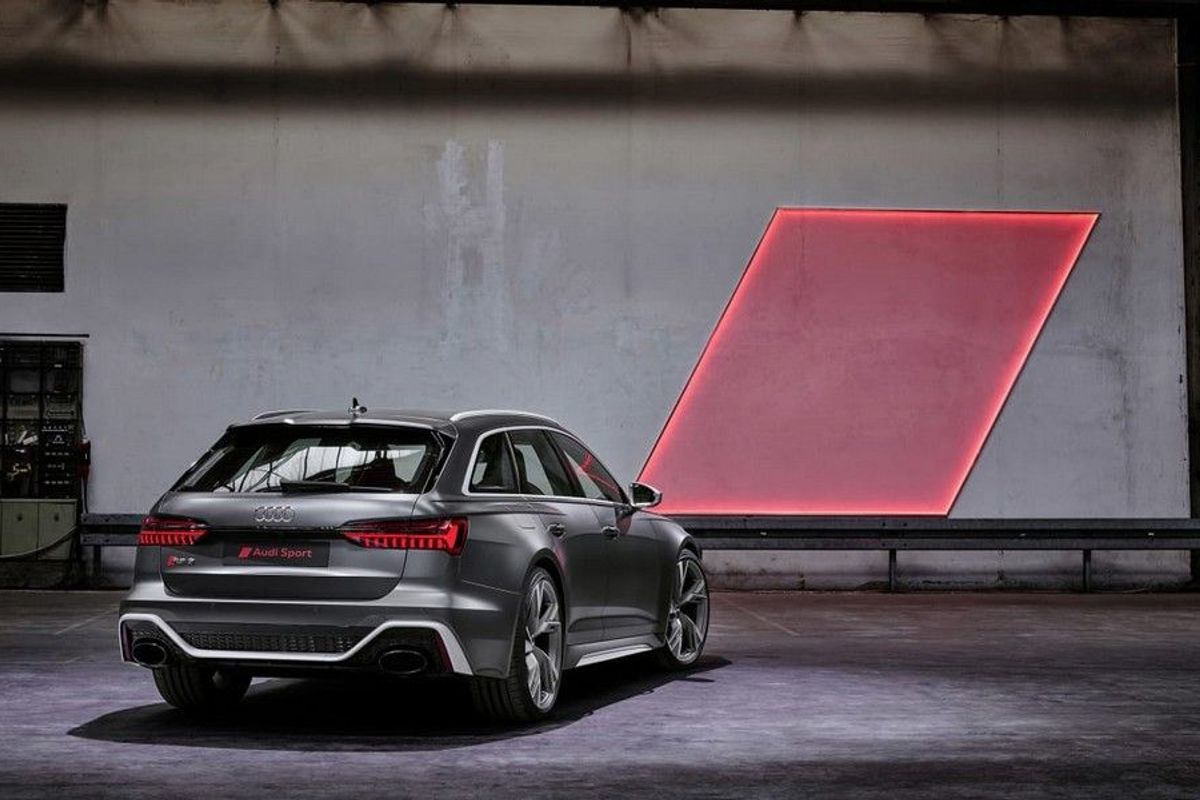
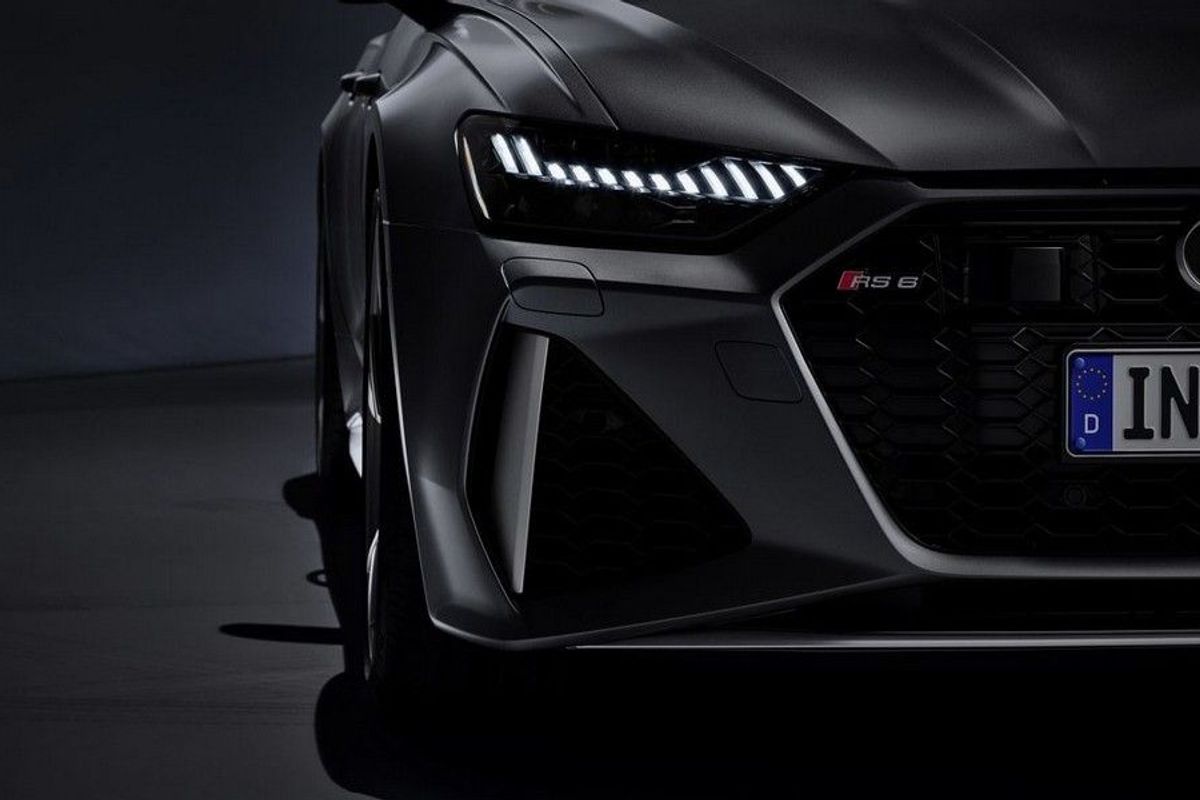
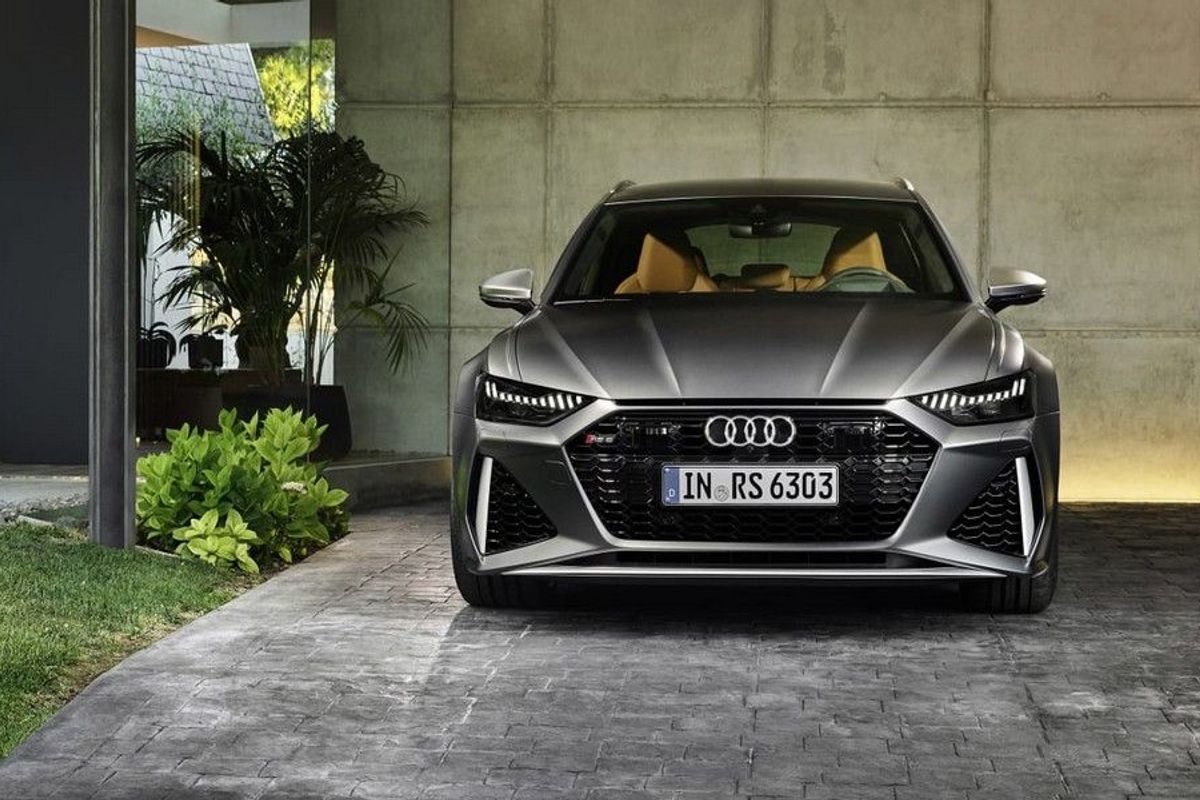
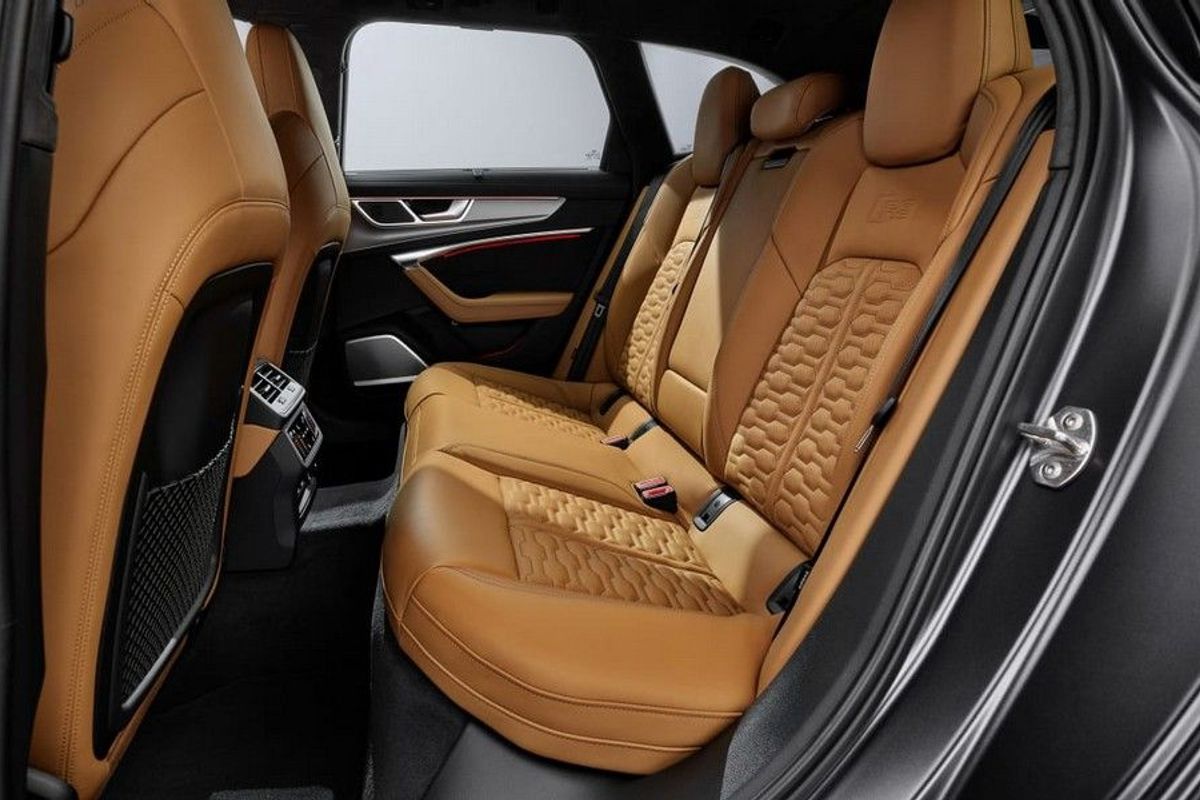
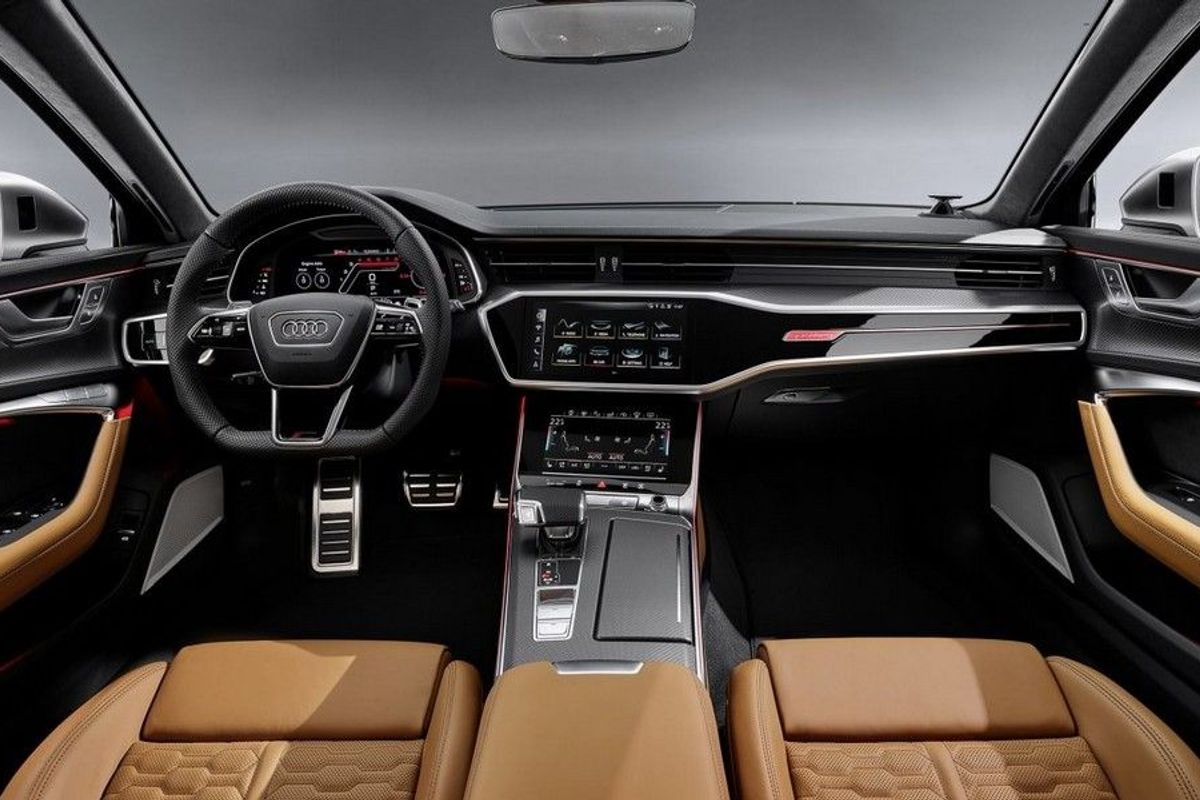
This is it! The all-new Audi RS6 is here. Here's all you need to know about the popular powerhouse wagon.
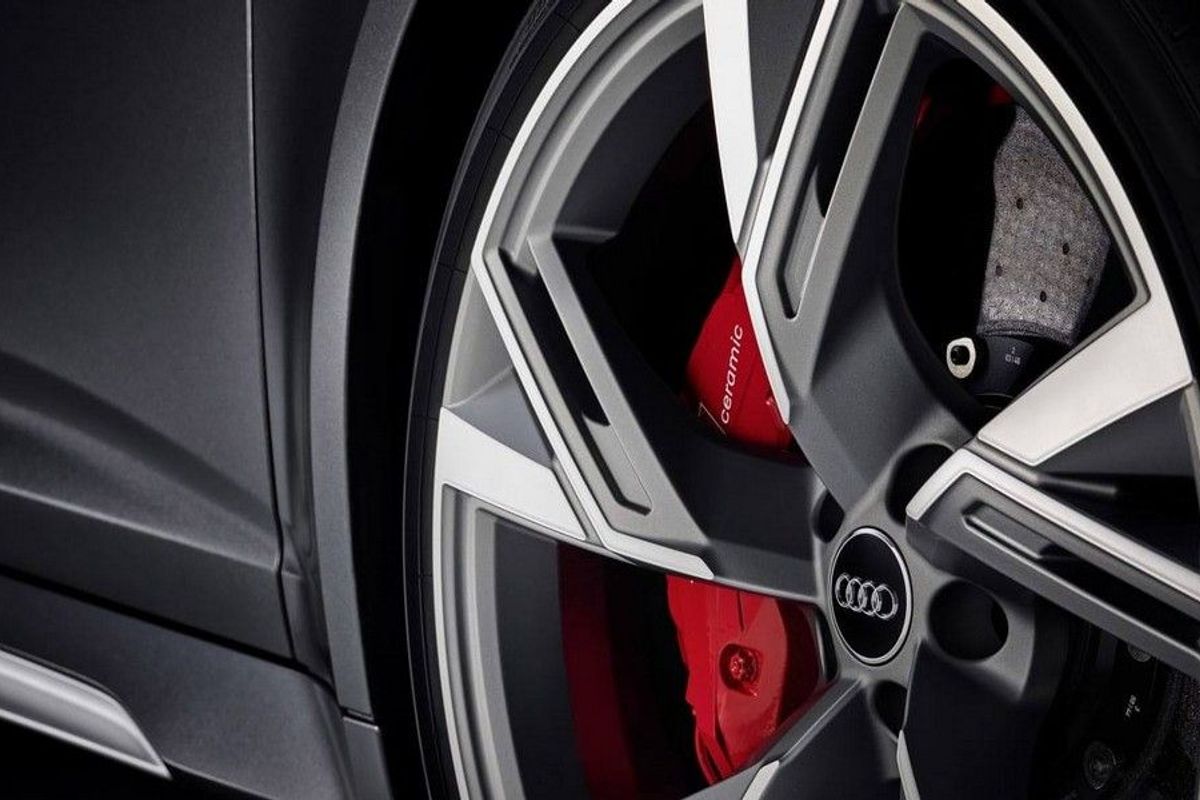
The cult following of Audi's performance wagons will be pleased. This is the all-new Audi RS6 Avant. Visually it's a massive step from the current Audi S6 Avant. There's a lot going on and just look at the aggressive touches! The bold front end, massive alloy wheels and Audi RS exhaust pipes mean business. The big news will please American fans. "Throughout our 25-year RS history, the Audi RS 6 Avant is one of our absolute icons with a large global fan base,” says Oliver Hoffmann, Managing Director of Audi Sport GmbH. “We will also be offering the RS 6 Avant in North America for the very first time. As such, we will be tapping into a new market with huge potential and generating further growth.”
Powered by a 4.0-litre twin-turbocharged petrol V8 with 441 kW and 800 Nm, it'll be capable of some serious performance. Audi's RS division claims its new performance wagon will do 0-100 kph in a claimed 3.6 seconds and will run to a limited top speed of 250 kph. It will do 0-200 kph in 12 seconds, which is seriously quick. The vehicle features an 8-speed Tiptronic setup with launch control functionality. Power goes to all 4 wheels in a 40:60 split with the all-mechanical centre differential doing all the work. Up to 70% can go to the front wheels while 85% can go to the rears.
This engine is also fitted with 48-volt hybrid technology. It works with a belt alternator starter which can recover up to 12 kW of power during light deceleration and store it in a lithium-ion battery. The result is a vehicle which can coast at up to 40 seconds with the engine off and it'll activate the start/stop at speeds of up to 21 kph. Audi claims a fuel saving of 0.8 L/100 km using this tech.
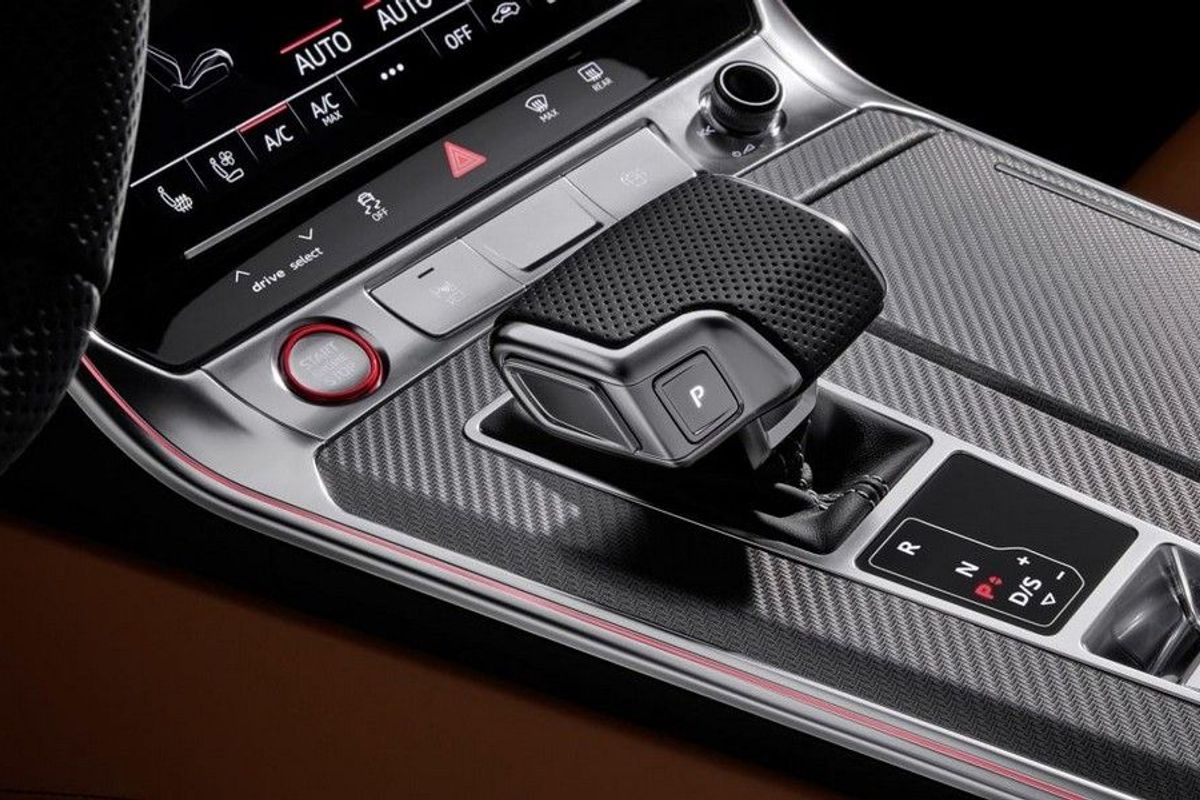
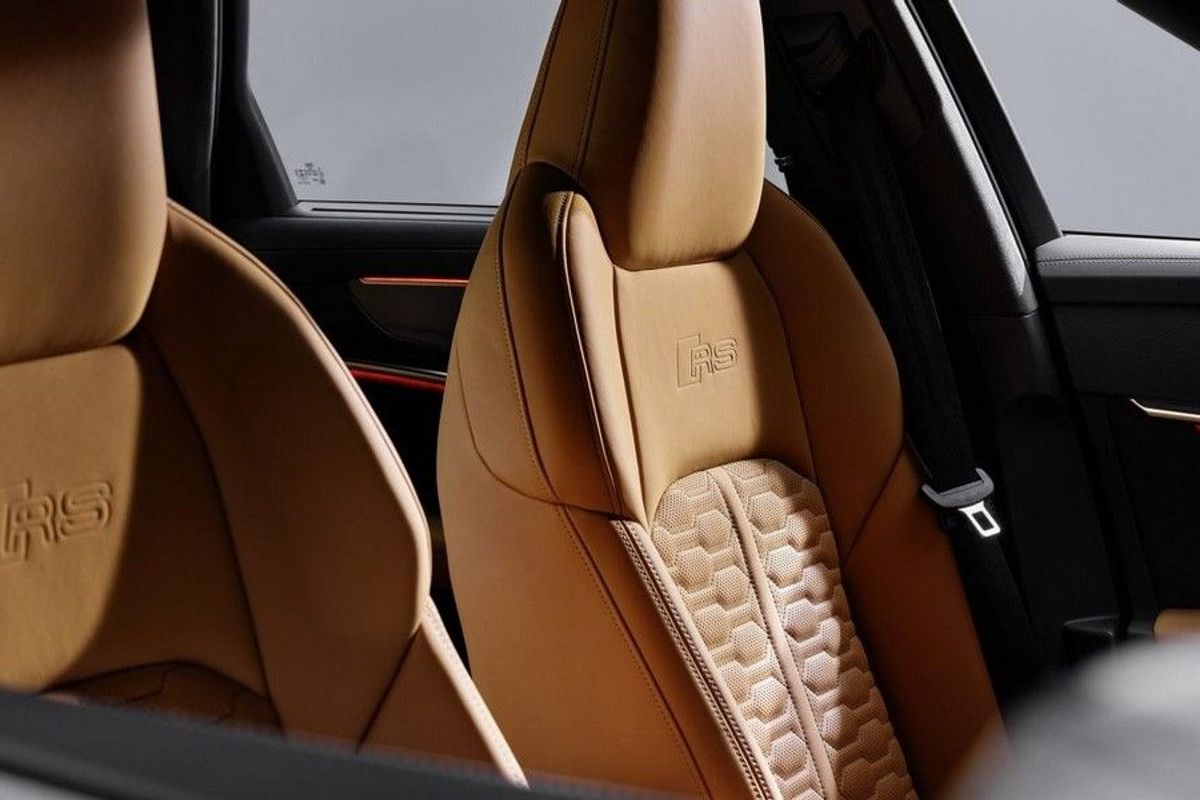
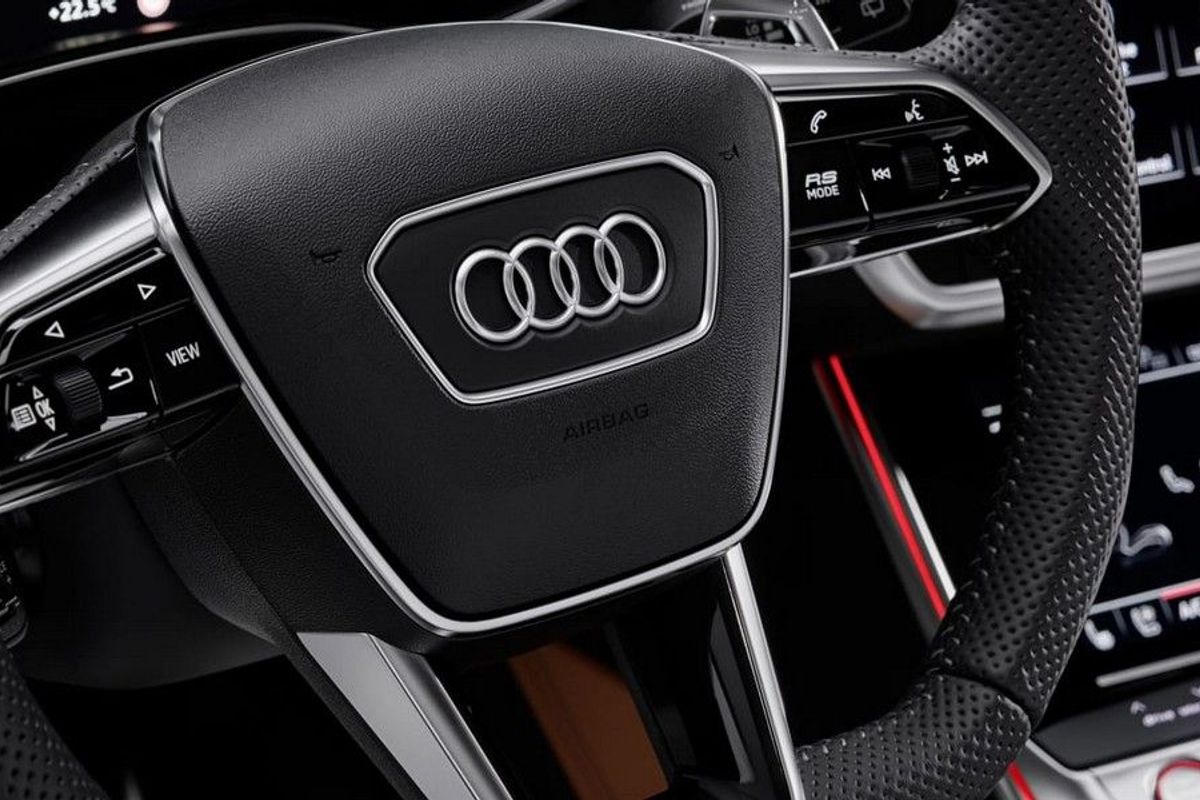
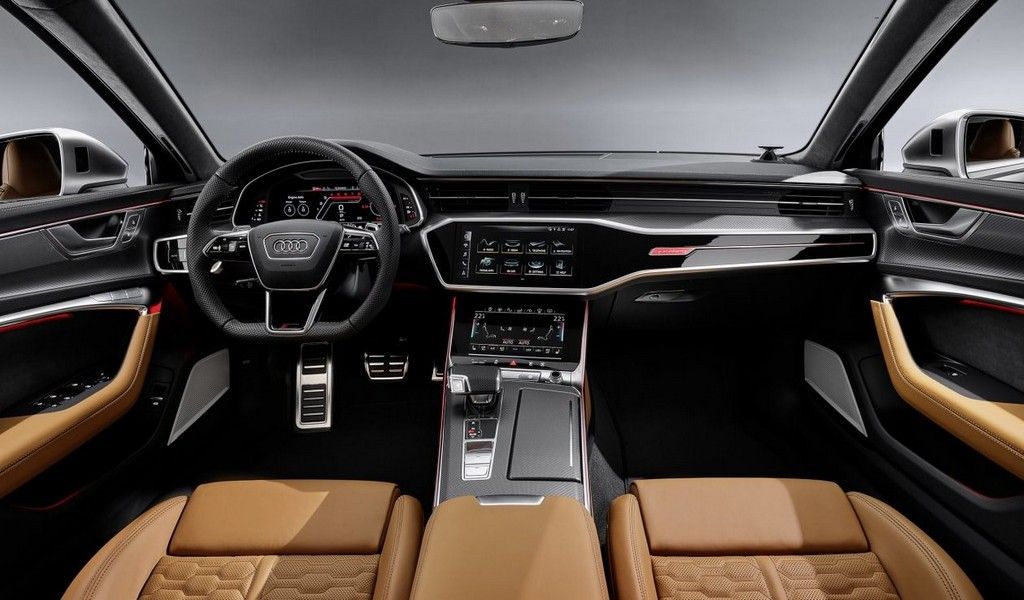
Inside, expect the latest Audi infotainment system as well as the enhanced version of the Audi Virtual Cockpit. It'll also feature the same new touchpad/climate control setup as the one we've seen in the Audi Q8.
At this stage, there's no word on South African availability, but European customers will be getting their cars as early as January 2020.
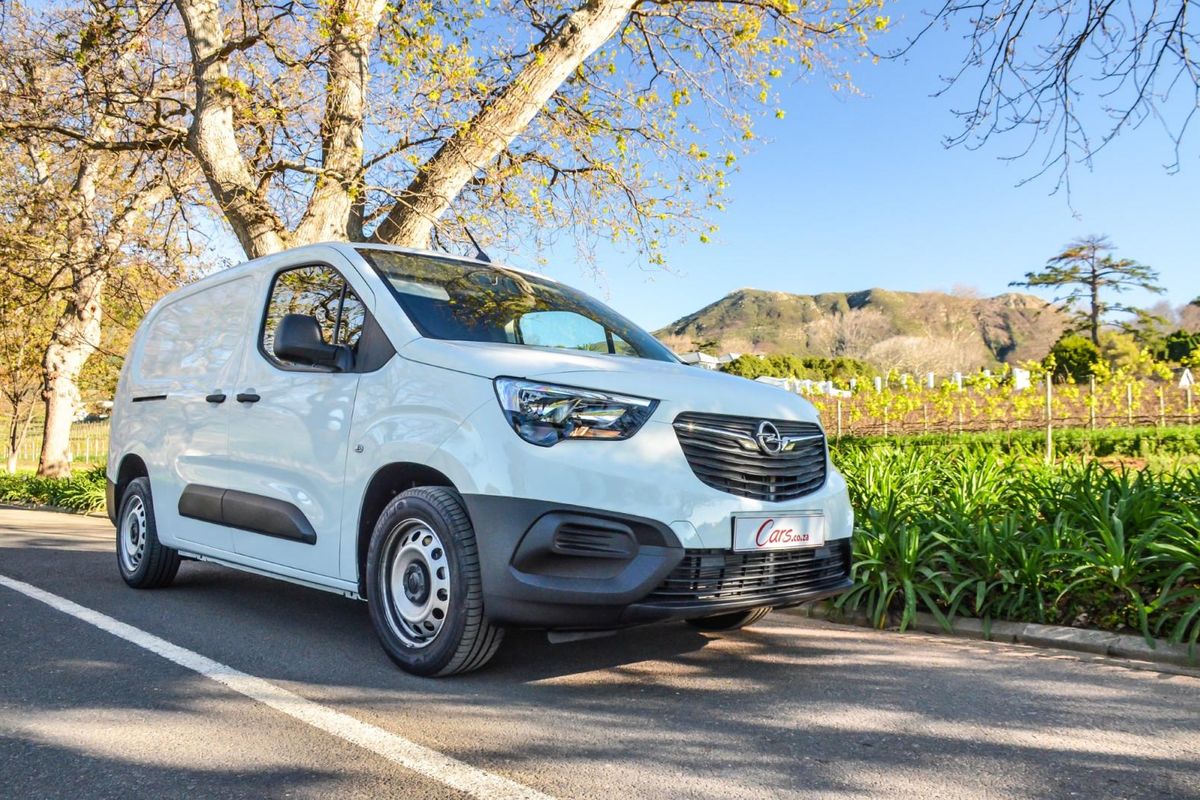
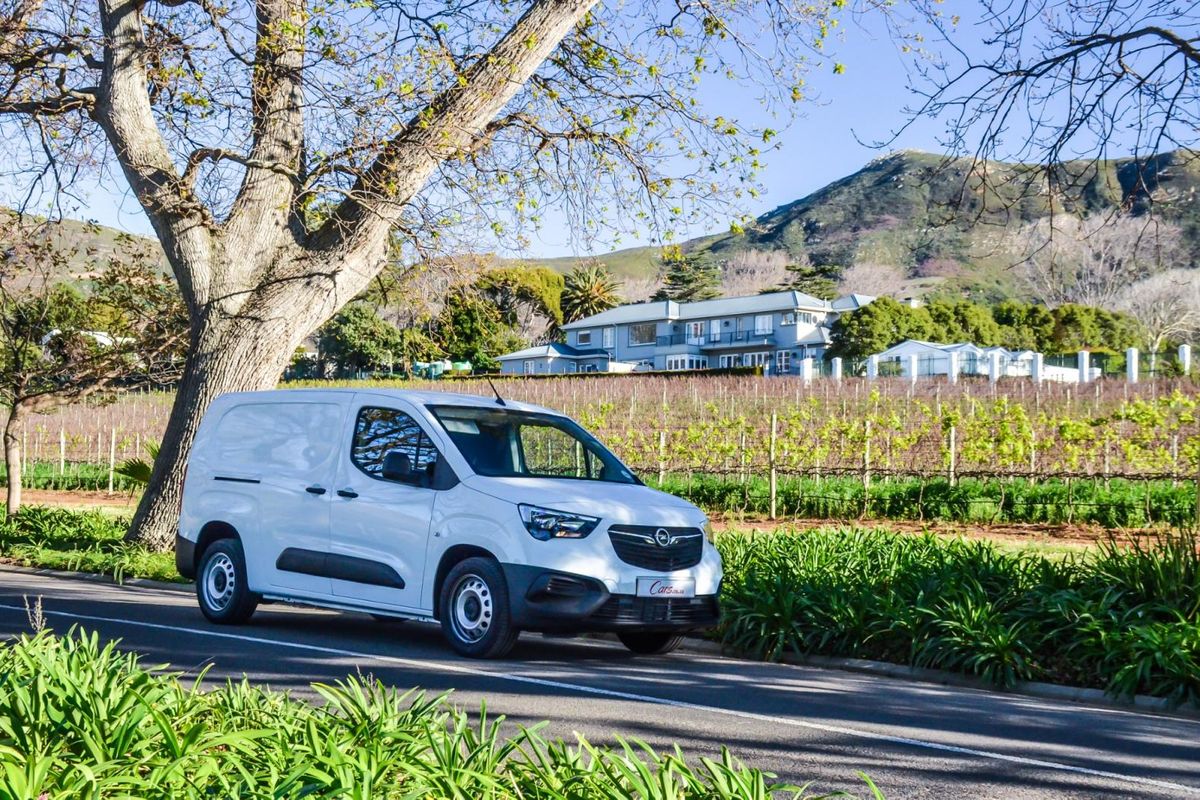
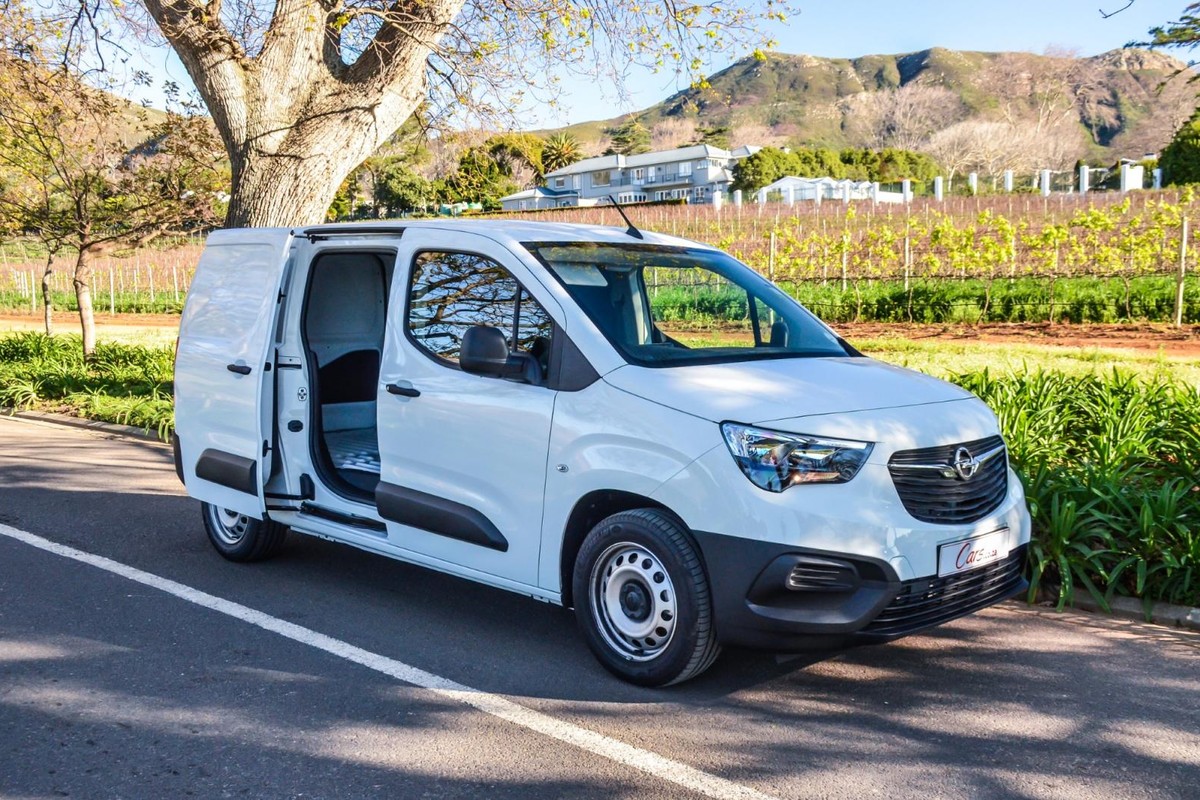
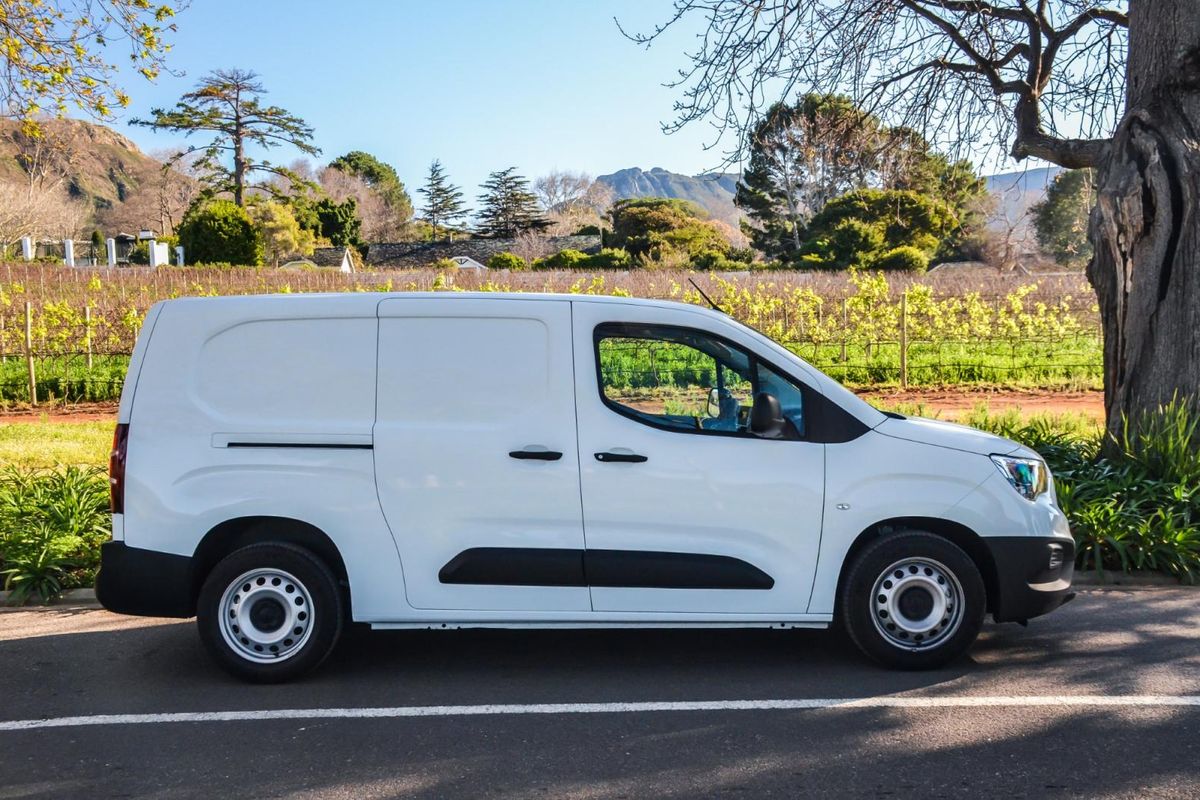
Panel vans are hard-working commercial vehicles that are often required to carry all kinds of loads, sometimes over long distances, day in and day out. Should you consider the recently launched Opel Combo Cargo for your business… over a conventional single-cab bakkie, for example? Let’s take a closer look…
We Like: Engine performance, ride and handling, practicality
We Don’t Like: Rearward visibility is problematic, no rear PDC
Fast Facts
Price: R315 675 (August 2019)
Engine: 1.6-litre turbodiesel
Outputs: 68 kW/230 Nm
Transmission: 5-speed manual
Fuel economy: 4.8 L/100 km
What is it?
Opel welcomed the Combo Cargo to the local market in April 2019 – it’s aimed at small and medium businesses that require a safe, practical vehicle to execute daily business activities with confidence. The Combo is a rival to the Volkswagen Caddy and Peugeot Partner, to name 2 examples, but it’s also an alternative option for those who may be considering buying a single-cab bakkie for business use. Of course, if you are in the business of moving people or simply looking for a practical MPV, Opel offers an option in the form of the Combo Cargo's sibling, the new Combo Life.
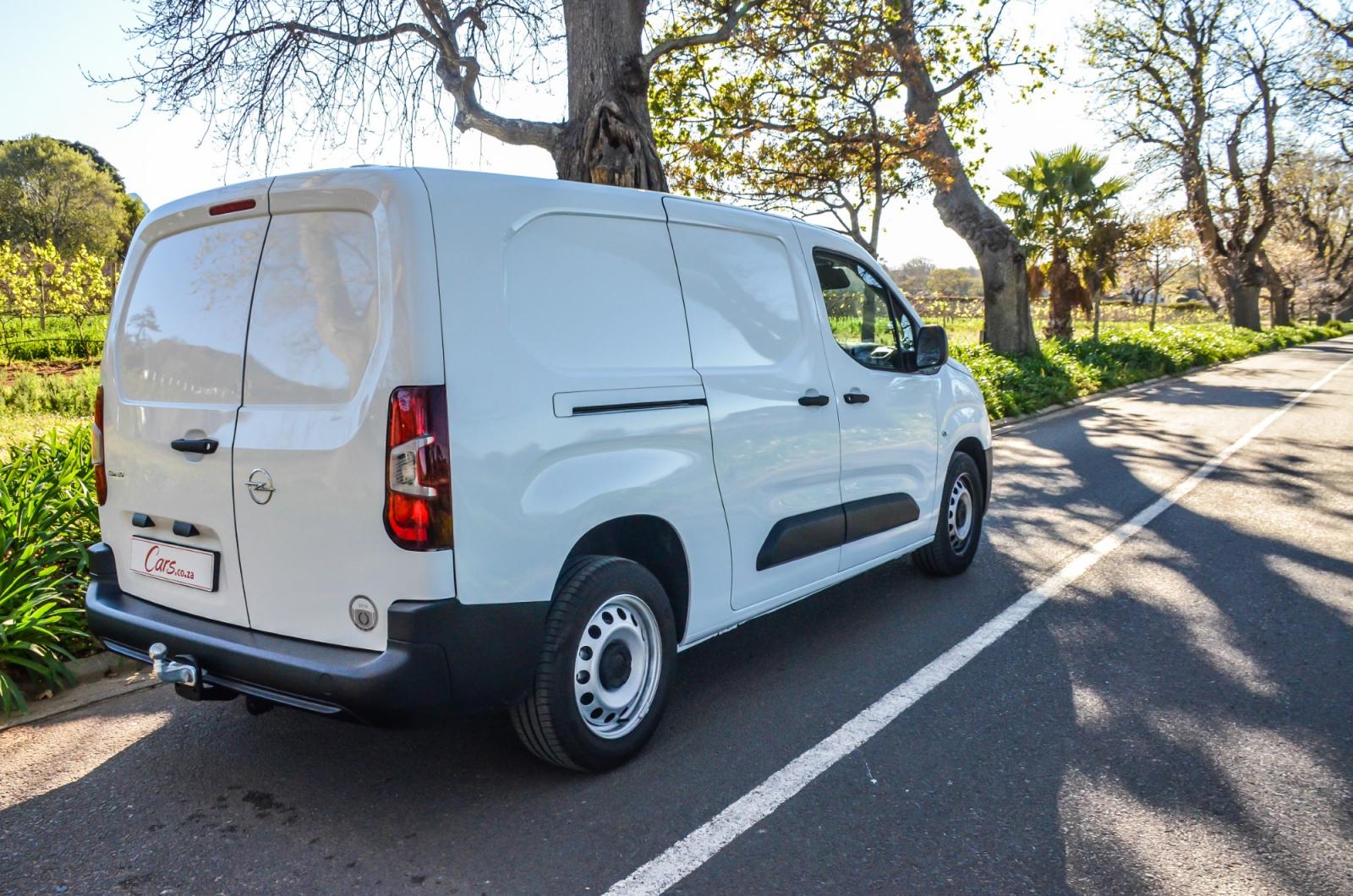
The Combo Cargo, however, is offered in both short and long-wheelbase configurations (with the former on test here) and it’s worth mentioning that the Combo currently holds the 2019 Van of the Year title.
How it performs in terms of…
Performance & Handling
A punchy engine and good overall ride quality are key strengths of the Combo Cargo.
The Combo Cargo makes use of a 1.6-litre turbodiesel engine (the same unit that powers the recently-introduced Opel Crossland X 1.6TD Enjoy turbodiesel derivative); it produces peak outputs of 68 kW and 230 Nm of torque and is mated with a 5-speed manual transmission as standard.
The engine does sound a bit gruff and unrefined when you start it up first thing in the morning, but it quietens down notably once it has reached its optimal operating temperature. The Combo Cargo impressed us by delivering commendable in-gear punch, which is useful when you need to execute quick overtaking manoeuvres on the highway – it’s surprisingly nippy between "robots" too. Despite being marginally notchy in feel, the transmission has a direct shift action and executes gear changes positively. Efficiency is another highlight of the 1.6 TD… while Opel claims 4.8 L/100 km for this short-wheelbase derivative, you can expect returns closer to 6.0 L/100 km, depending on how heavily you load (and drive) it.
Another impressive feature of this Combo Cargo is its ride and handling balance. Ride comfort is not something one would typically associate with a panel van, but we found the Opel to be comfortably sprung to cope with road imperfections (the South African road network offers a plethora of those!) and it offers a level of ride comfort comparable with that of a typical compact passenger car, perhaps even better than some budget-oriented ones, which is quite an achievement. The steering is direct and responsive to inputs, which contribute to a generally-positive driving experience.
Interior quality and features
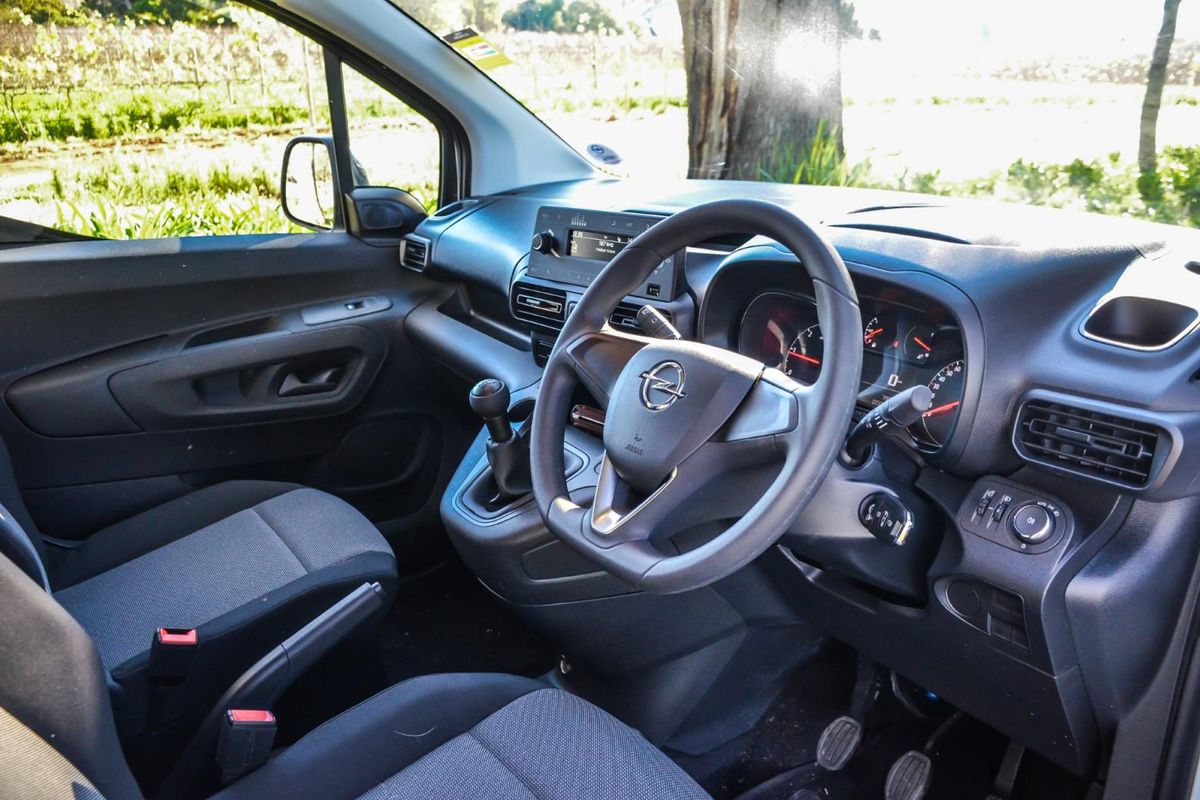
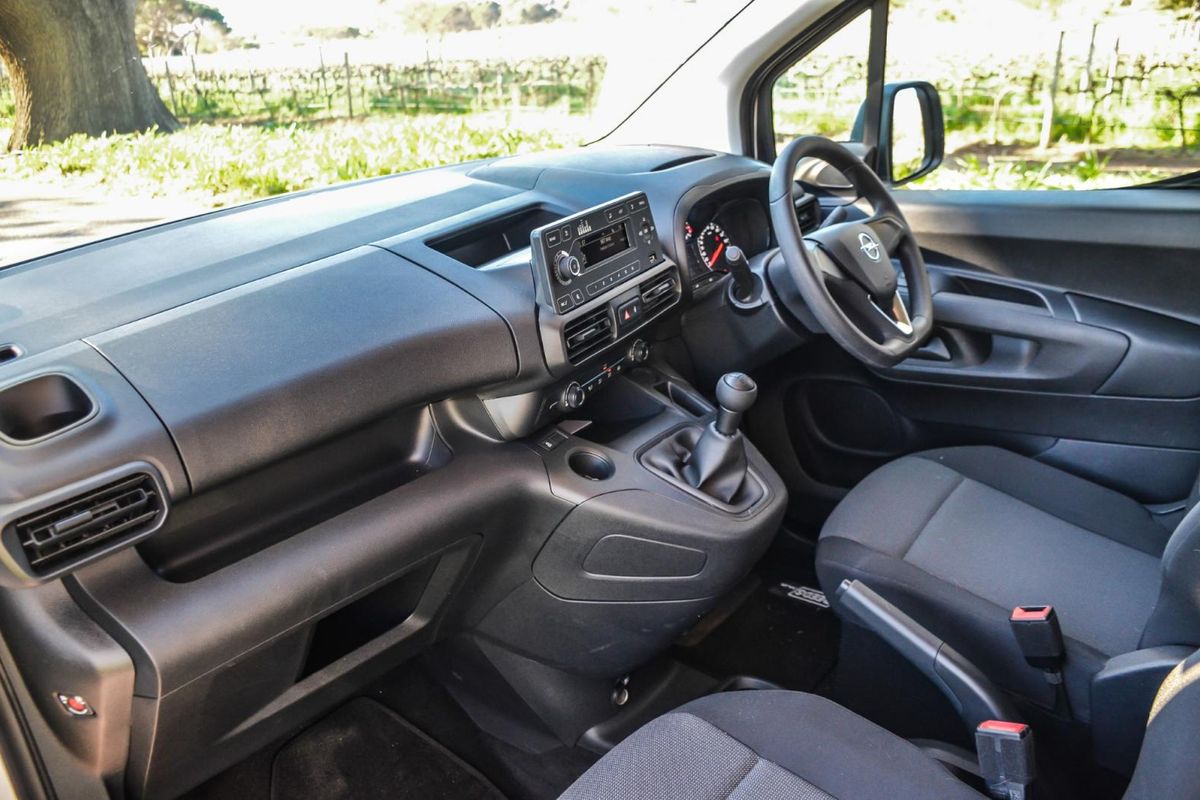
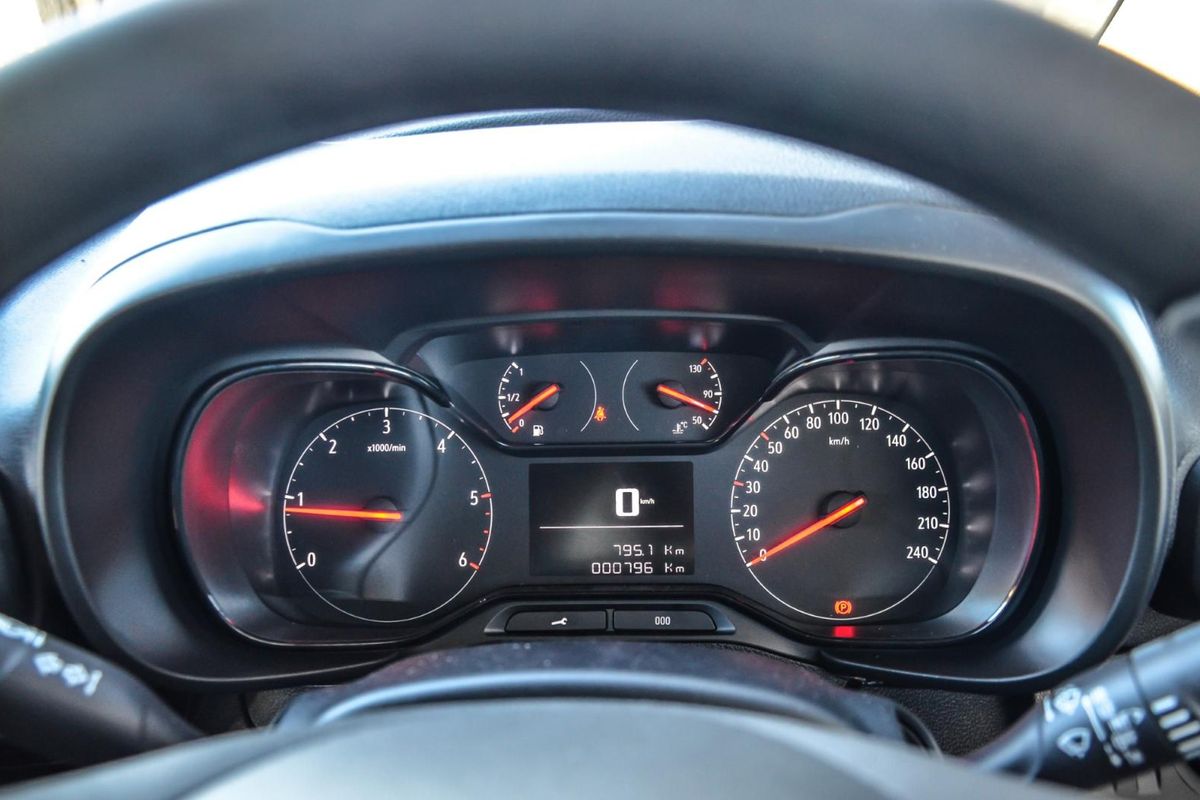
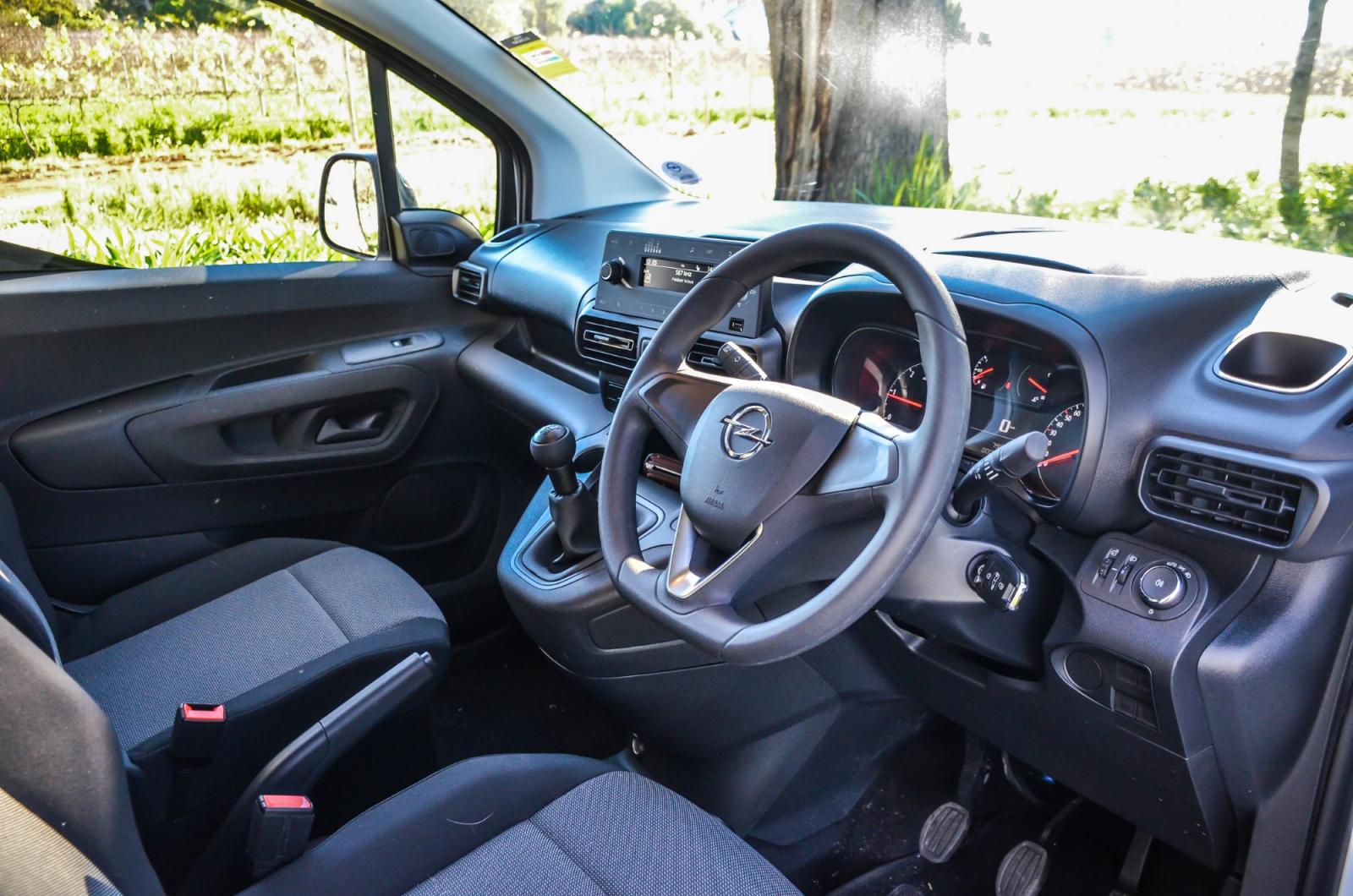
The interior is robust and well screwed together while also offering reasonable levels of comfort for its intended purpose.
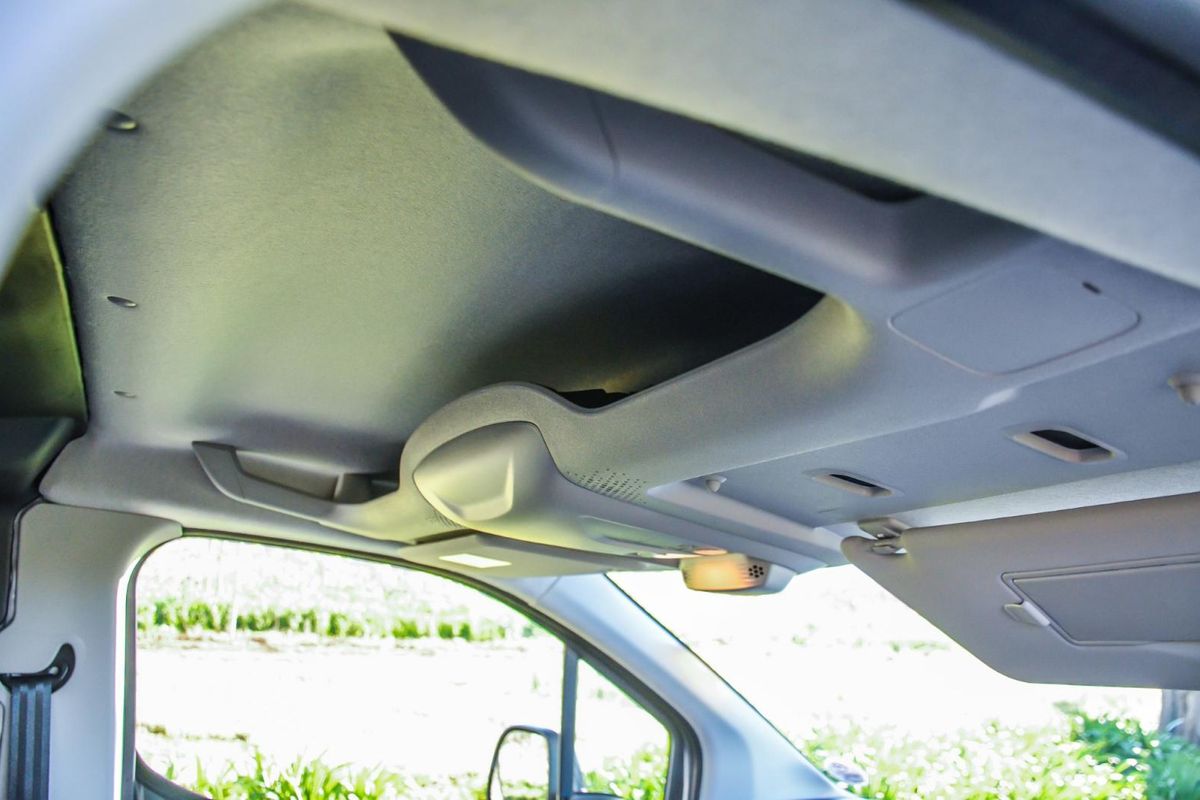
The Combo Cargo’s interior, in contrast with that of a typical workhorse bakkie, is not utterly utilitarian. The cabin feels solidly-made, the cloth seats are comfortable and there is considerable storage space available under the roof of the cabin, where things such as files and paperwork can be stored without cluttering the passenger cell. We also like the grab handles, which are handy for lifting yourself into the cabin, if needs must.
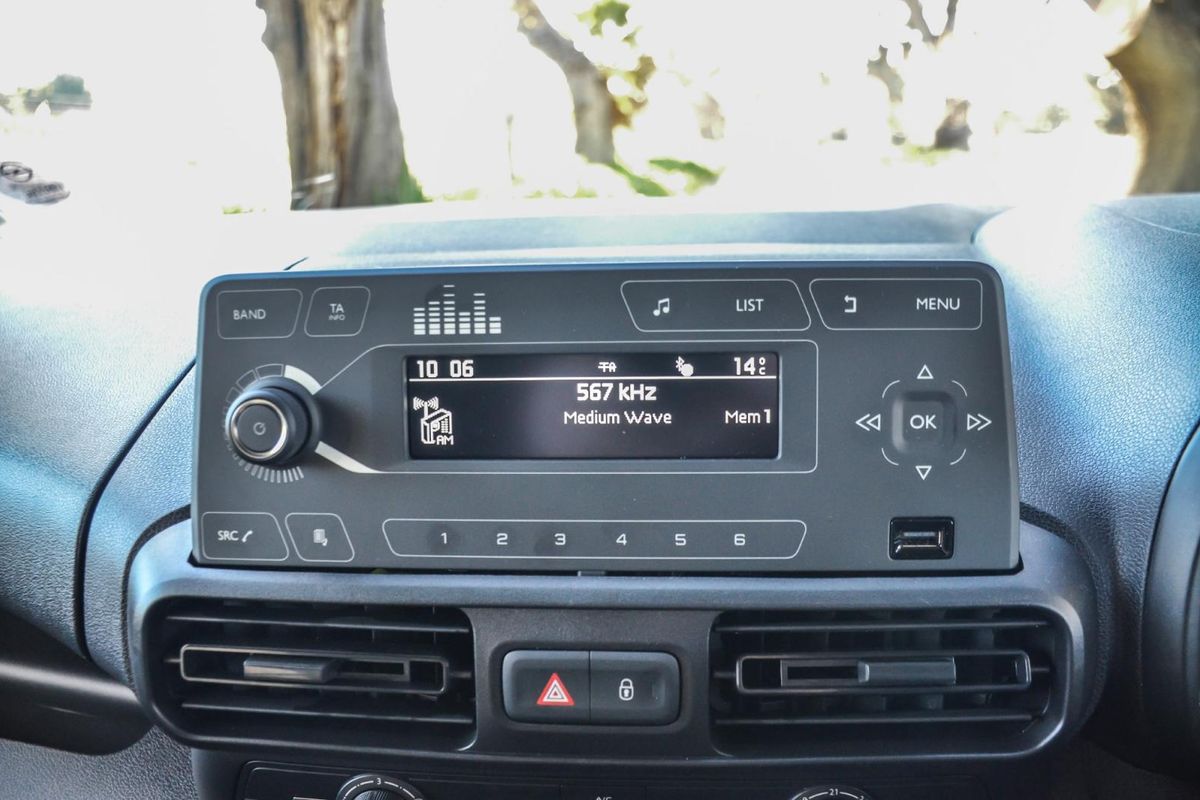
A basic 4-speaker radio system with Bluetooth functionality and a USB port is fitted as standard, as is air conditioning. What's more, the Combo Cargo is relatively well-equipped with safety features, including 2 airbags, ABS with EBD, stability control and hill start assist.
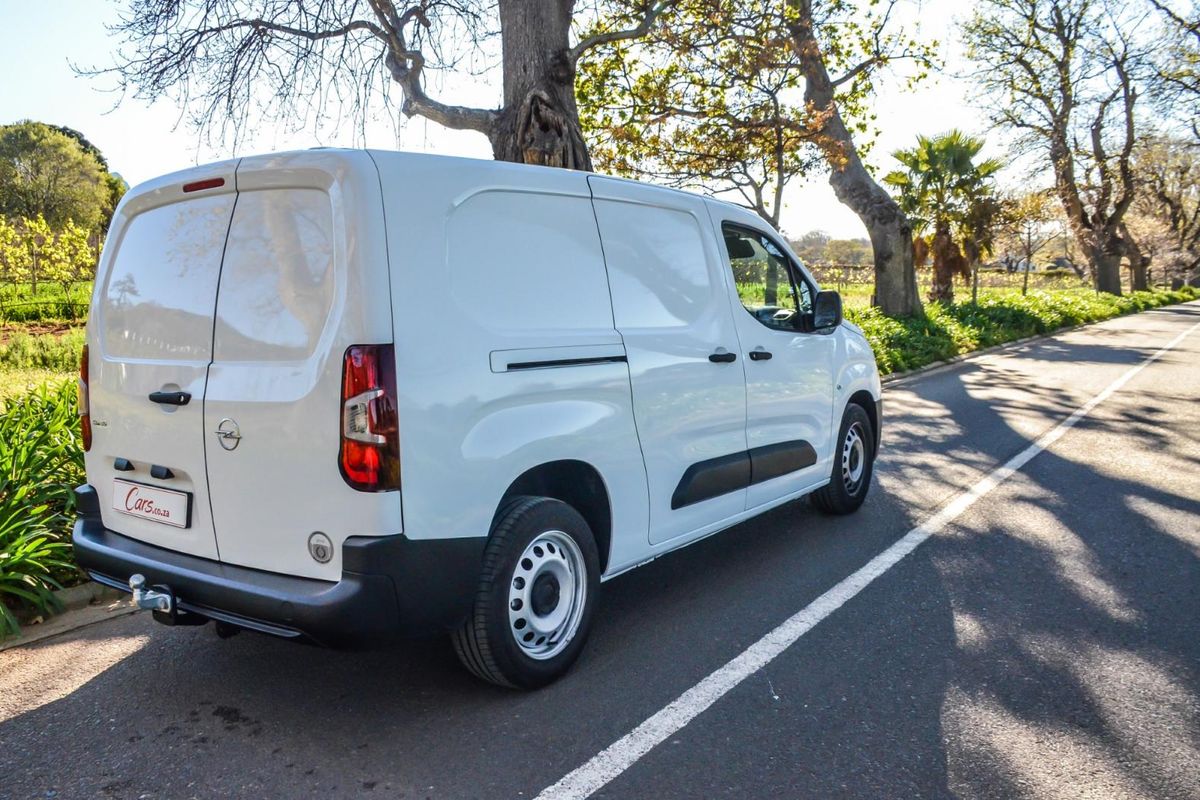
By virtue of the enclosed load bay, there’s no rear-view mirror, so rearward visibility is provided by the side mirrors only. Therefore, with the absence of rear park distance control and a reverse-view camera, the driver needs to be vigilant when reversing to avoid unwanted bumper scrapes/bashes.
Practicality
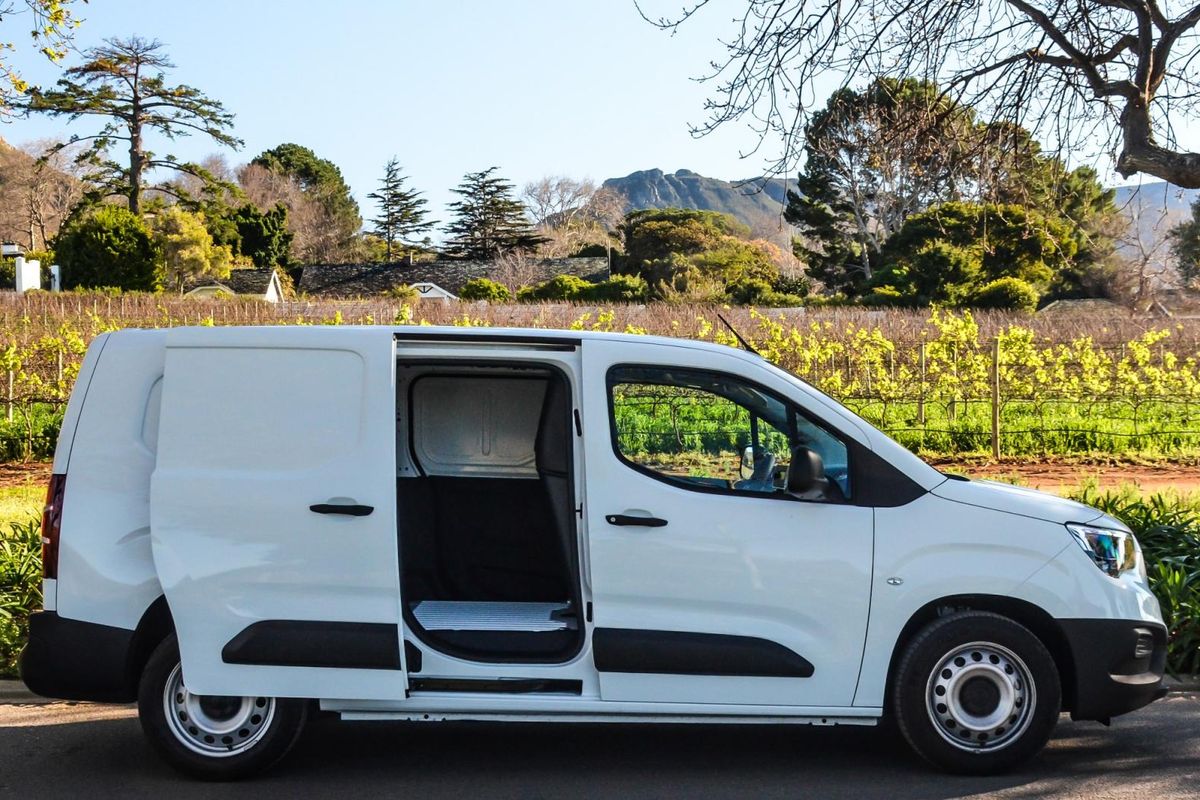
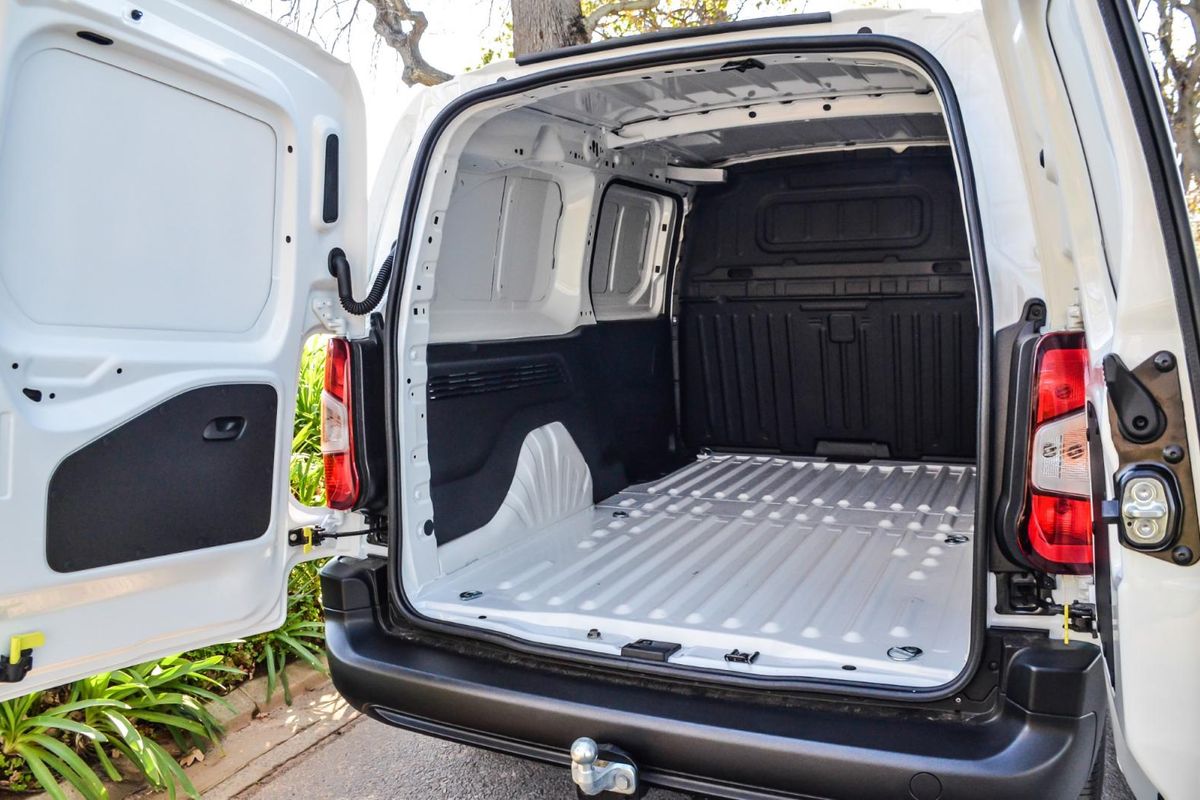
The Combo Cargo's load space is generous and easily accessed from either the rear or sides of the vehicle.
In an effort to test the Combo’s outright practicality, we put it to work! We loaded it up with a rather large consignment of wine, as well as a variety of household items that needed to be moved (see above).
Needless to say, the Opel swallowed the load with ease. Loading is made easier with a low floor as well as with 2 sliding side doors and double rear (cabinet-style) doors that provide easy access to your cargo. Loops located on the load floor can be used to secure items (in other words, prevent them from shifting around while you are driving). The maximum payload capacity of this short-wheelbase derivative is rated at 600 kg, while the long-wheelbase version can carry up to 1 000 kg. Maximum towing capacity with a braked trailer is rated at 1 250 kg.
From a security perspective, the Combo Cargo offers greater protection from theft than a single-cab bakkie because its cargo area is enclosed.
Price and warranty
The Opel Combo is priced from R315 675 and comes with a 3-year/120 000 km warranty and a 3-year 60 000 km service plan.
The Opel Combo Cargo is eminently capable and worthy of consideration if you need a practical vehicle to serve your business.
The Combo Cargo proved a very capable mover of goods and bulky items. The 1.6-litre turbodiesel engine is impressively tractable, even when the Opel's loaded to near-capacity, and offers good fuel efficiency, while the cabin is surprisingly comfortable and has ample oddment storage space.
Most importantly, the 1.6 TD panel van's cargo-carrying capabilities and general practicality are notable. Opel's newcomer also happens to be keenly-priced compared with its Volkswagen Caddy rival and is only slightly more expensive than the equivalent Peugeot Partner derivative.
In some respects, the Combo Cargo represents a more astute purchasing proposition than a single-cab bakkie. Given the Opel's competitive price point, its secure load bay is a major advantage. If you operate a rubble-removal business, for example, a single-cab bakkie would be a better option, but if you need to deliver valuable or fragile items, then the 1.6 TD panel van is perhaps more suitable. It’s also worth mentioning that the Combo Cargo offers, comparatively, much more advertising space across its elevated sheet metal, which makes it simpler to market your business boldly.