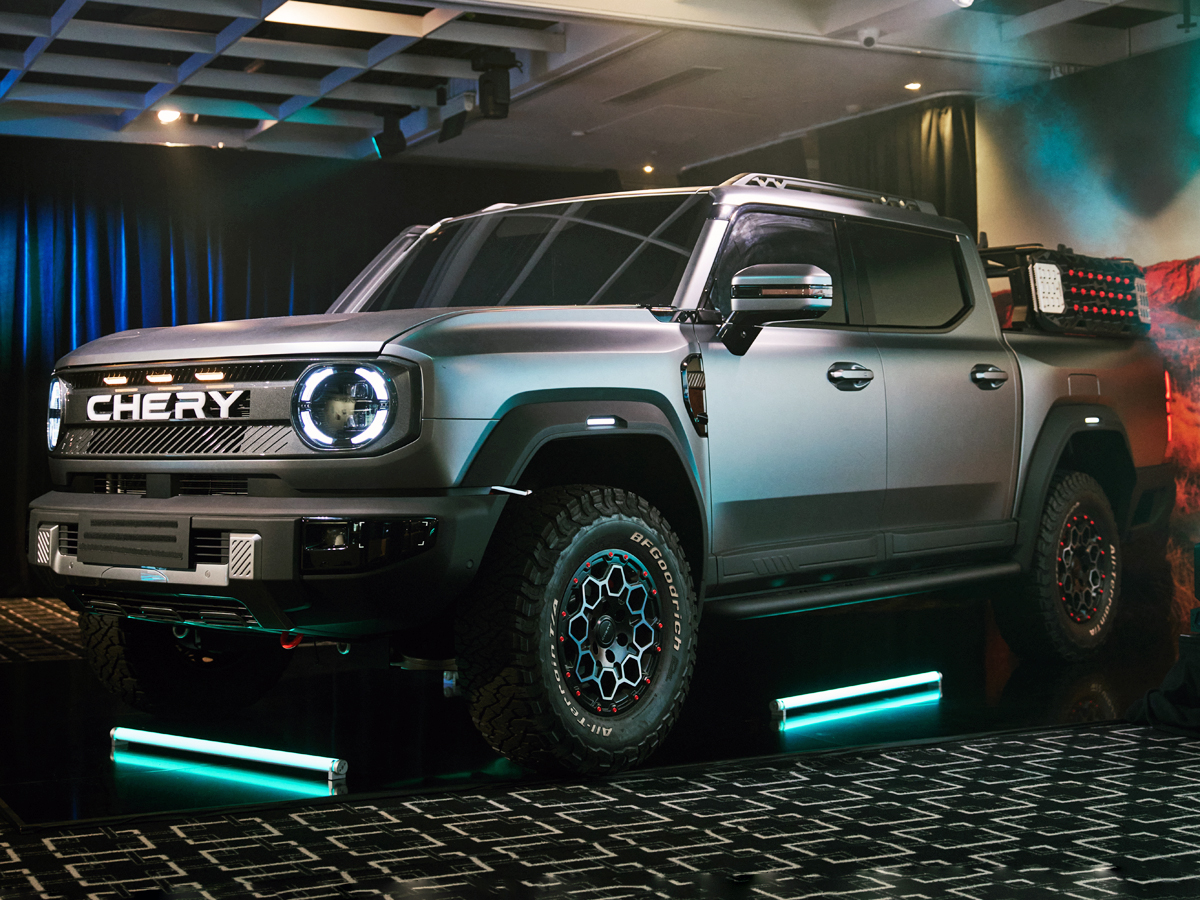
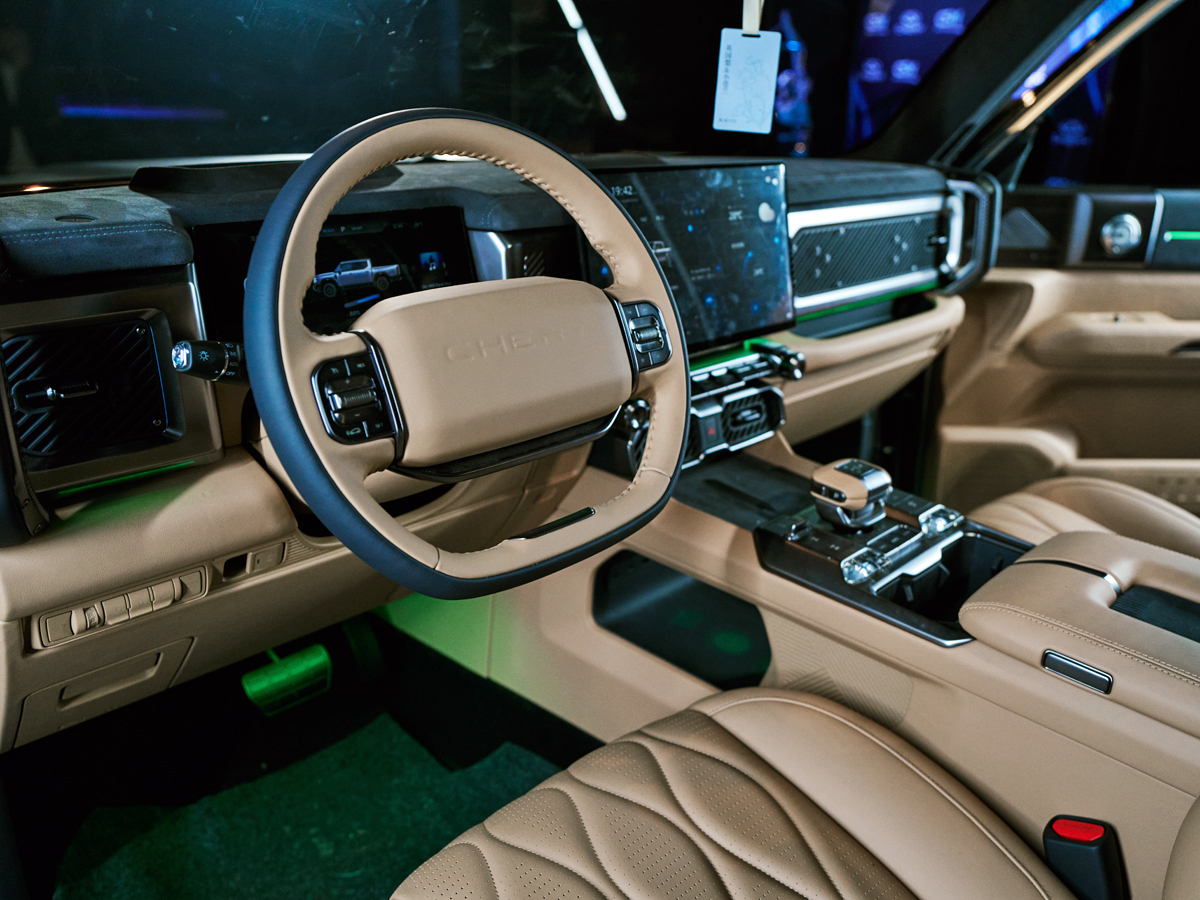
It’s official, Grootman is the name chosen for Chery’s first double-cab plug-in hybrid bakkie, due in early 2027.
The Chery bakkie will be hitting South African showrooms in the first quarter of 2027 and after a lengthy public naming campaign, it has been called the Grootman. That’s far more interesting than its product code of KP31. It appears every market has a local name, for instance Australia gets ‘Stockman’ nomenclature.
The Chery Grootman has a nice ring to it, adopting South African kasi slang. Loosely defined as ‘big man’ but also used as a term of respect.
As a reminder, Chery’s first bakkie boasts some impressive technology. Assembled on a dedicated hybrid setup and powered by a 2.5-litre turbocharged diesel engine with electric assist, the Grootman’s outputs are eye-openingly big. With 350 kW and 800 Nm, this should be quite the powerhouse.
It has other interesting claims such as 100 km of electric-only range, a tow rating of up to 3.5 tonnes and a ground clearance of 230 mm. It also has vehicle-to-load functionality, allowing things like camping equipment and power tools to be plugged in.
When will the Chery Grootman go on sale in South Africa?
The Grootman goes on sale in SA in early 2027, with final pricing, line-up and specifications to be confirmed closer to the time.
D-Max edges out Ranger! SA’s best-selling bakkies in September 2026
In September 2026, the D-Max grabbed 2nd place (ahead of the Ranger) on the list of South Africa’s best-selling bakkies, while the Bolero and Landtrek entered the top 10…
Toyota Hilux still comfortable out front
D-Max grabs 2nd as sales surge 27.2%
Ranger slips to 3rd despite strong sales
VW Amarok beats LC79 to 6th position
Bolero and Landtrek break into top 10
Navara and Tunland drop out of top 10
In September 2026, sales in South Africa’s total new-vehicle market grew 12.7% year on year to a hefty 61 645 units, with the light-commercial vehicle (LCV) segment improving 9.6% year on year to 14 361 units. But what happened on the list of SA’s best- and worst-selling bakkies?
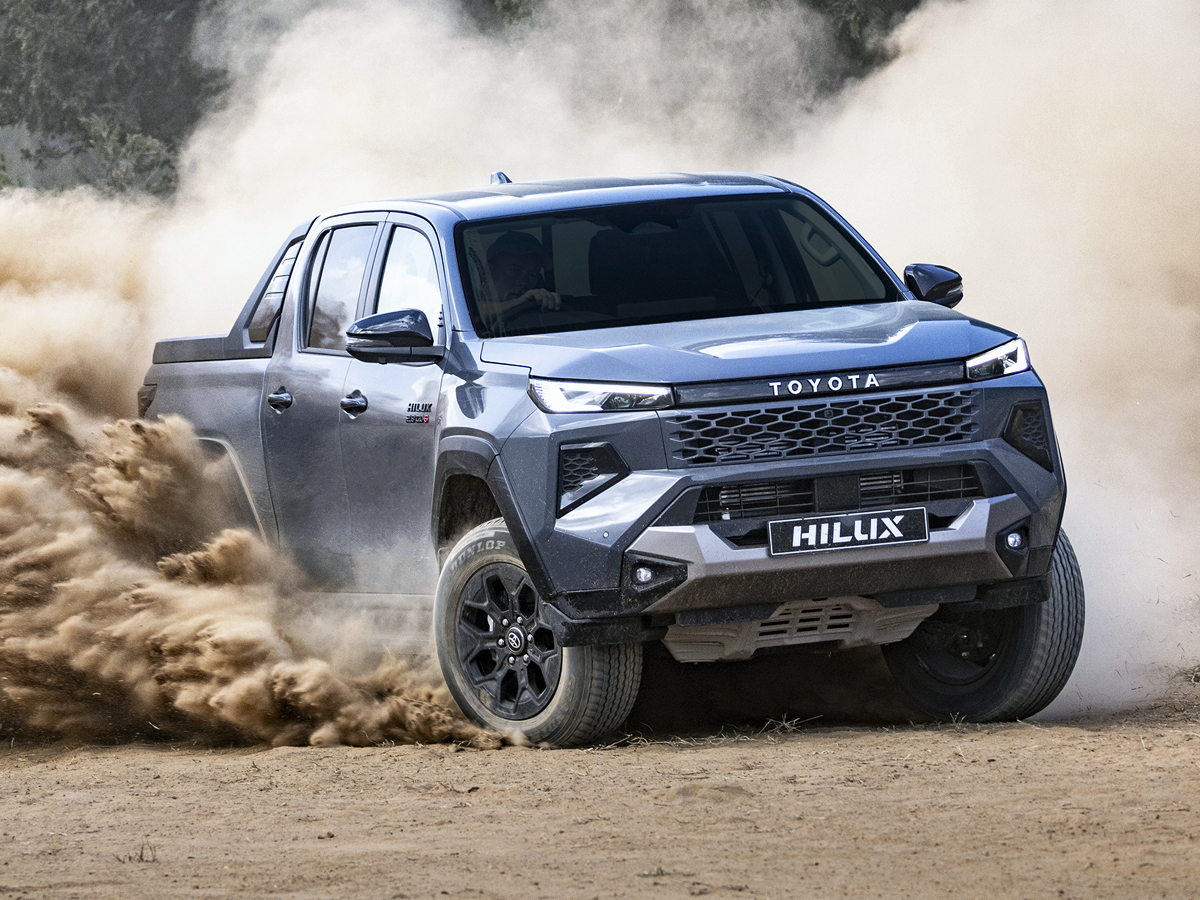
Well, though local registrations of the Toyota Hilux slipped 2.9% month on month to 3 769 units in September 2026, the Prospecton-built range – which currently comprises a mix of 8th- and 9th-generation derivatives – comfortably retained its title of Mzansi’s most popular bakkie.
The Hilux finished over 1 200 units ahead of its nearest rival last month.
Meanwhile, the Isuzu D-Max enjoyed a 27.2% month-on-month surge in sales to reach a total of 2 551 units (including 516 sales to government), grabbing 2nd place from the Ford Ranger in the process. That’s the 2nd time this year – after March 2026 – that the Struandale-manufactured bakkie has edged the Ranger. In the end, the Silverton-made model had to settle for 3rd place despite hitting a multi-year high of 2 502 units (up 5.4% month on month).
Though the KwaZulu-Natal-assembled Mahindra Pik Up (521 units; down 14.9% month on month) retained 4th position in September 2026, the GWM P-Series – which includes both the P300 and P500, the latter now offered with a new 3.0-litre turbodiesel engine – was breathing down its neck in 5th, ending the month a mere 4 sales behind on 517 units (down 12.1% compared to August 2026). As such, it again ranked as the local market’s most popular Chinese bakkie.
On the back of a 22.5% month-on-month increase in registrations, the locally built Volkswagen Amarok (430 units) climbed a ranking to 6th in September, pushing ahead of the Toyota Land Cruiser 79 (419 units; down 3.5% month on month), which thus had to settle for 7th.
The JAC T-Series range – which will soon welcome a new, aggressively priced 360 kW T9 PHEV derivative – moved up a place to 8th, with sales increasing 3.7% month on month to 255 units. Meanwhile, the Mahindra Bolero (226 units; up 46.8% month on month) and Peugeot Landtrek (207 units; up 55.6% month on month) both broke into the top 10.
Bakkies outside the top 10 in September 2026
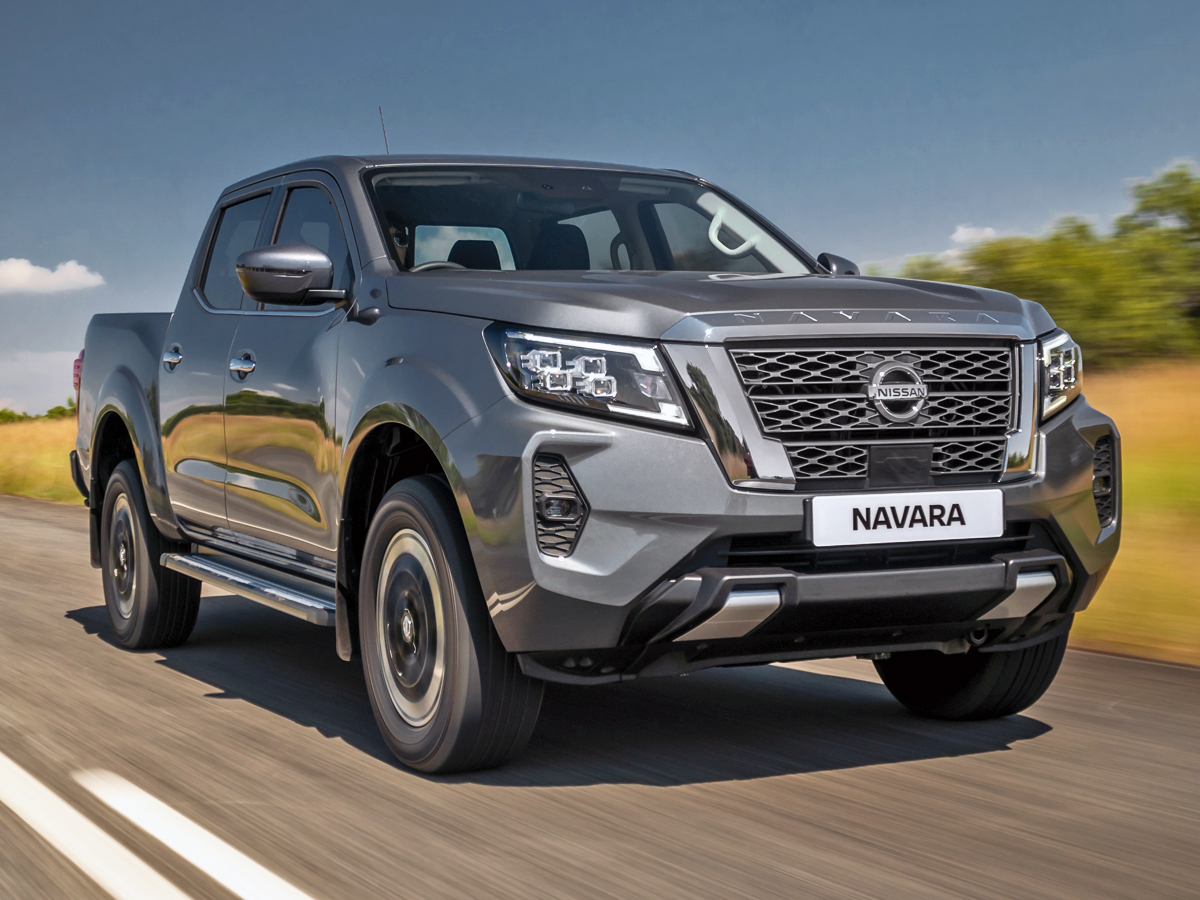
The Navara fell out of the top 10 in September.
So, which bakkies didn’t crack the top 10 last month? Well, the Nissan Navara – local production of which ended in Rosslyn back in May 2026, when Chery took over the plant – dropped off the table, with local sales slipping 37.2% month on month to 184 units. The Foton Tunland (179 units) likewise lost its top-10 spot, falling to 12th in September.
Meanwhile, the BYD Shark 6 climbed a ranking to 13th with 157 units registered, finishing the month just ahead of the JMC Vigus (151 units). The next 2 spots likewise went to Chinese bakkies, with the LDV T60 (128 units) ending in 15th and the Changan Hunter (99 units) securing 16th.
Though the Mitsubishi Triton posted its highest tally of the year thus far – admittedly a modest 53 units – the Thai-built bakkie again finished down in 17th place. Next came the Kia Tasman (30 units), while the LDV Terron 9 (9 units) and Jeep Gladiator (3 units) both failed to make double digits.
How well did the new Chery Q EV sell in its launch month?
How well did the new Chery Q sell in South Africa in its launch month of September 2026? We have sales figures for the Chinese brand’s first EV in Mzansi…
Chery Q launched at start of September
Accounted for 7.1% of Chery SA’s total
Managed to outsell BYD’s Dolphin Surf
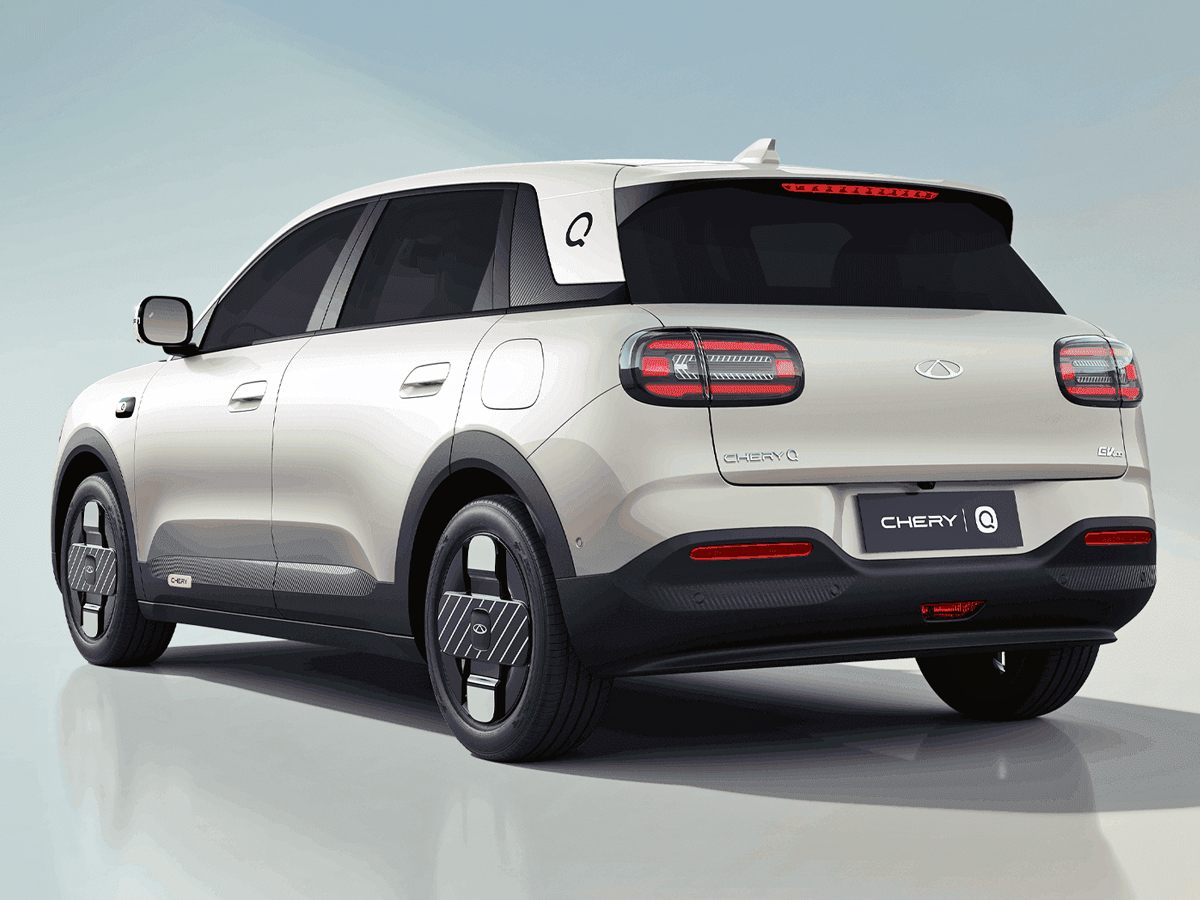
Orders for the new Chery Qopened in South Africa at the start of September 2026. So, how well did this Chinese electric vehicle (EV) sell in its launch month?
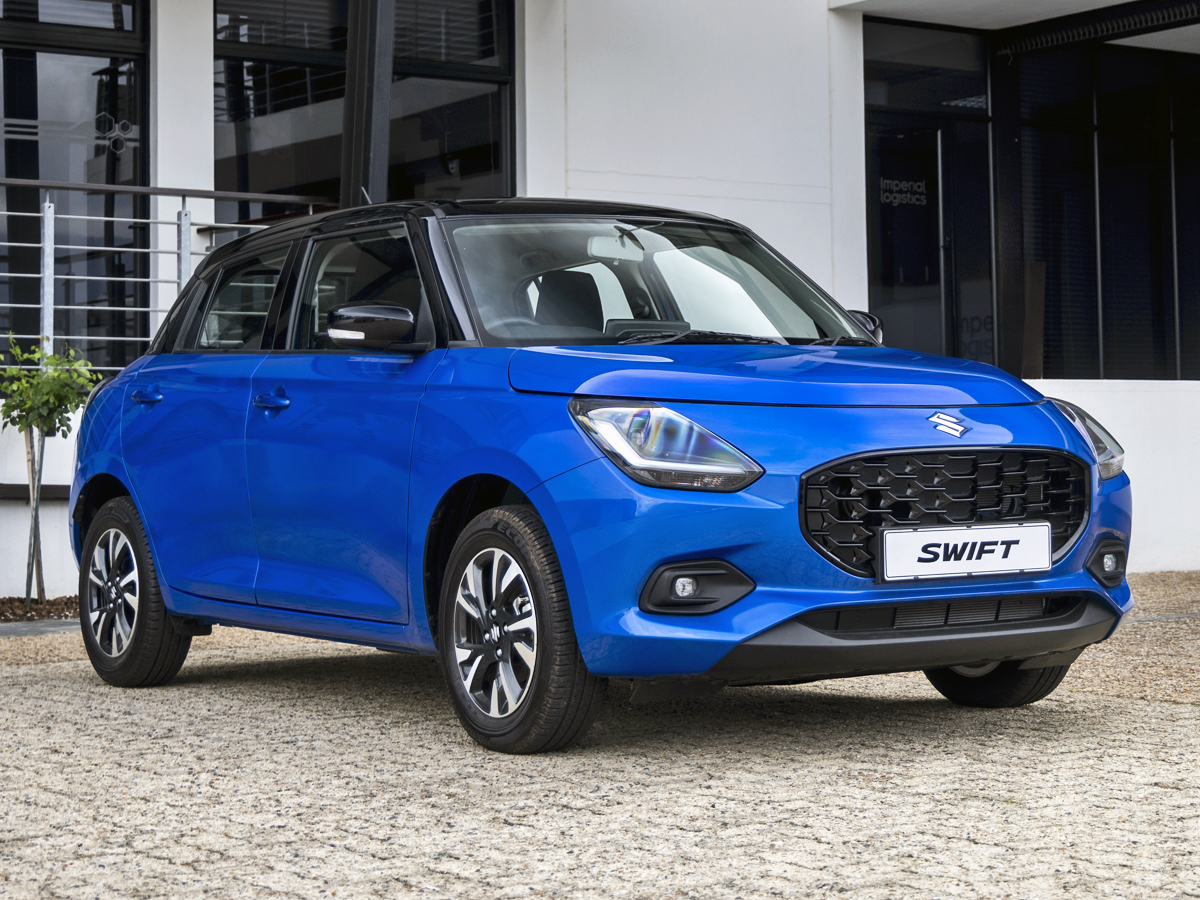
Well, according to figures reported to industry-representative body Naamsa, the Wuhu-based automaker’s local division registered 214 units of the Chery Q in September 2026, all sold via the dealer channel. For the sake of comparison, BYD Auto SA sold 150 units of the Dolphin Surf during the month.
That opening performance from the new Q helped the Chery brand reach a fresh sales high of 3 004 units in September, with local registrations increasing 8.7% month on month. Interestingly, that represented the first instance of the Chinese brand breaking through the 3 000-unit barrier in SA.
Drilling down into the individual-model sales figures, we see the marque’s first fully electric vehicle accounted for some 7.1% of its overall total. Within the Chery stable, the Q outsold both the Tiggo 8 (114 units) and the flagship Tiggo 9 (33 units), while finishing behind the Tiggo 7 (392 units) and the Tiggo 4 Cross (2 251 units).
As a reminder, the battery-powered Chery Q starts at R349 900, seeing it slot into 4th place on the list of SA’s most affordable EVs, behind the Geely E2 Aspire (R339 900), BYD Dolphin Surf Comfort (R341 900) and Dongfeng Box E2 430 (R349 000). Geely and Dongfeng unfortunately don’t currently report sales figures to Naamsa, so it’s not clear how many examples of the E2 and Box were sold in September.
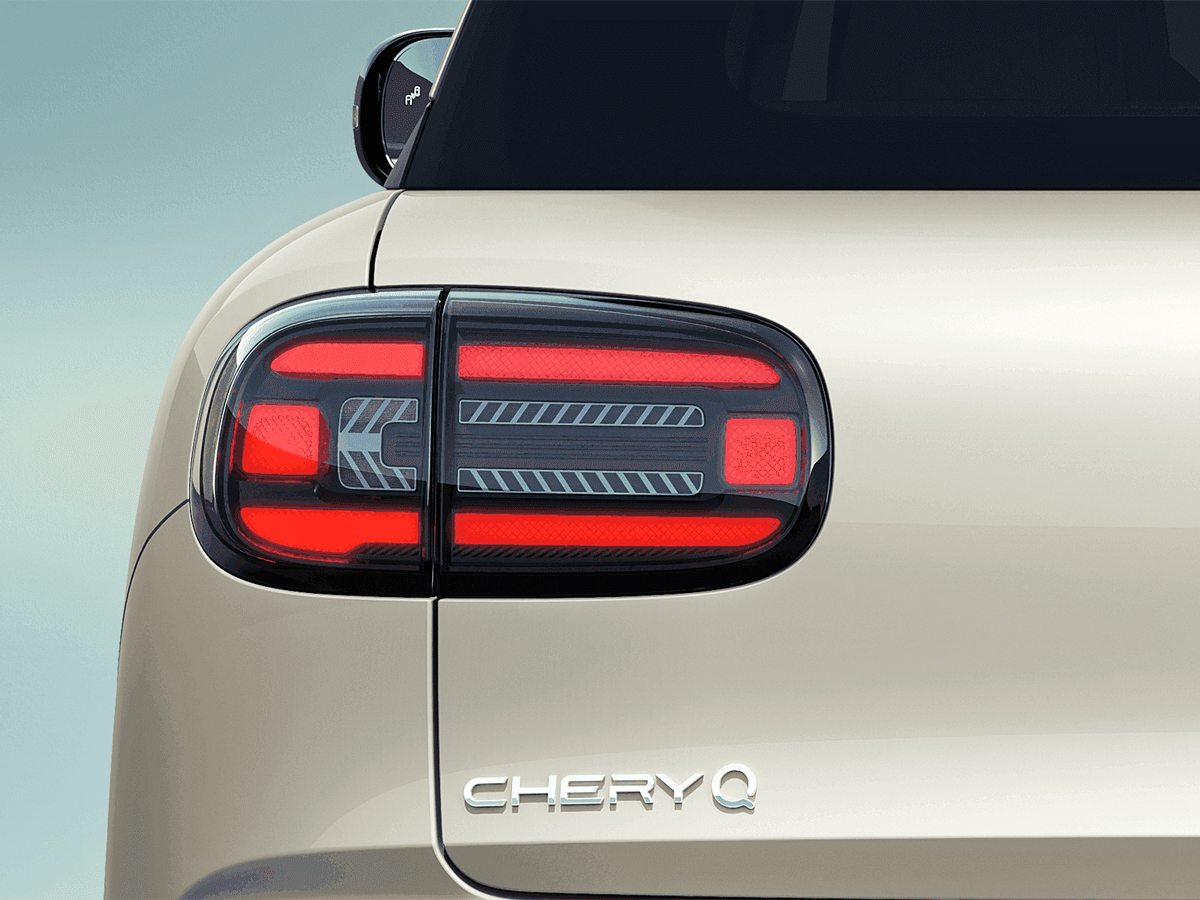
The new Q is available in South Africa in 2 trim levels: Comfort and Elite (the latter priced at R389 900). Chery’s electric crossover measures 4 195 mm from front to back. That makes it 60 mm longer than Geely’s E2 and a considerable 270 mm lengthier than BYD’s Dolphin Surf.
The Q features a rear-mounted electric motor generating peak outputs of 90 kW and 115 Nm. Though a smaller battery pack is available in China, the SA market receives only the larger 42.7 kWh lithium iron phosphate item, which offers a claimed range of 400 km on the NEDC standard (and therefore likely sub-350 km on the more stringent WLTP cycle).
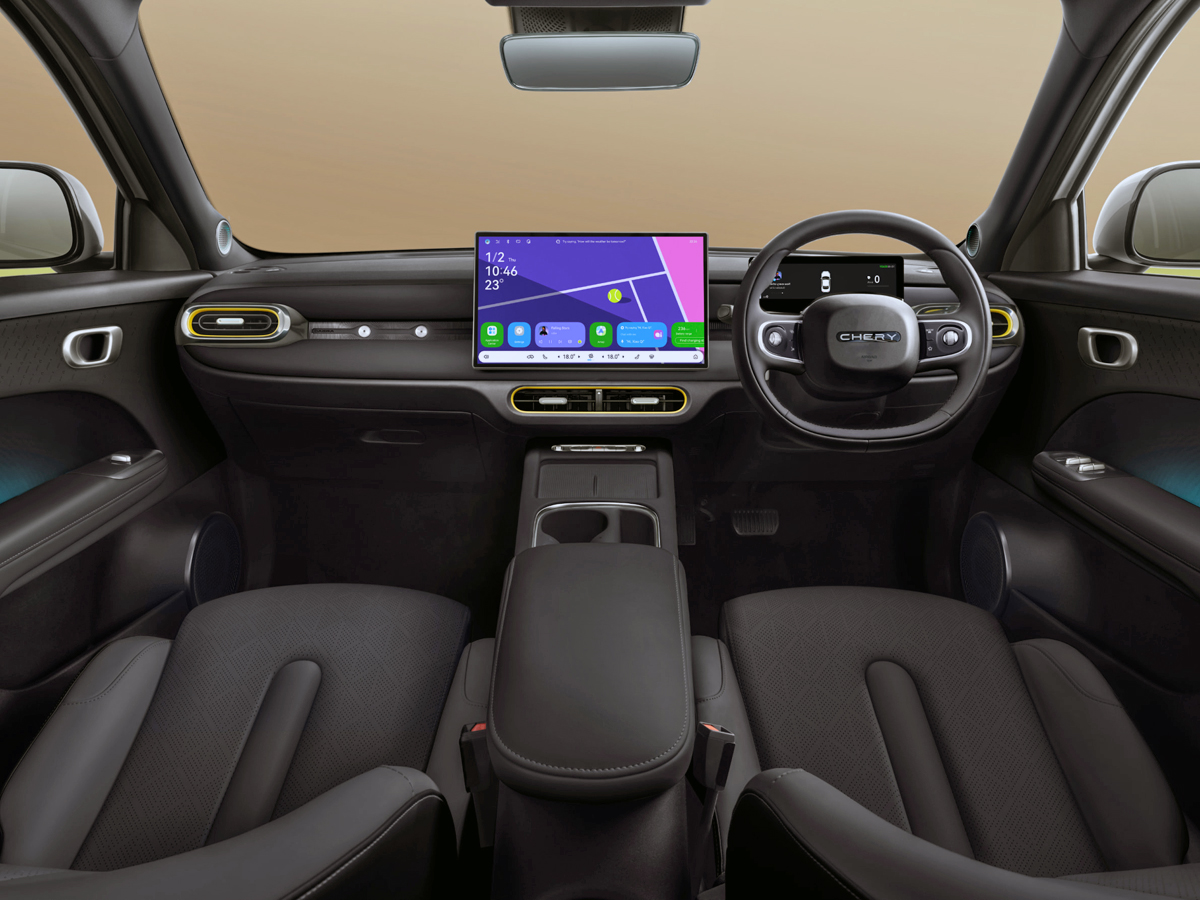
Inside the electric crossover, you’ll find a 15.6-inch touchscreen with Apple CarPlay and Android Auto, as well as an 8.8-inch digital instrument cluster. The listed luggage capacity is 375 litres (expandable to 1 450 litres), while a separate front trunk offers an additional 70 litres of storage space.
Frequently Asked Questions (FAQ)
Q: How many units of the Chery Q were sold in South Africa during its September 2026 launch month?
A: Chery registered 214 units of the electric Q in September 2026, accounting for 7.1% of the brand’s total monthly sales and helping Chery SA break the 3 000-unit barrier for the first time with 3 004 overall registrations.
Q: What does the Chery Q cost in South Africa, and how does it rank among cheap EVs?
A: The Chery Q is priced from R349 900 for the Comfort trim and R389 900 for the Elite derivative, making it South Africa’s 4th most affordable electric vehicle.
Q: What are the motor, battery and range specifications of the Chery Q?
A: The Chery Q features a rear-mounted electric motor producing 90 kW and 115 Nm, paired with a 42.7 kWh battery pack that delivers a claimed driving range of up to 400 km (NEDC standard).
Toyota goes big! SA’s new-vehicle sales in September 2026
In September 2026, South Africa’s new-vehicle market broke through the 60 000-unit barrier, recording its 24th consecutive month of year-on-year growth. Here’s your full market overview, including a look at SA’s best-selling automakers…
New-vehicle sales up 12.7% year-on-year in Sept
Exports decline 18.8% year on year to 31 473 units
Toyota cracks 15 000-unit mark for 24.9% share
Suzuki posts its highest tally of the year thus far
Ford holds onto 4th position ahead of Hyundai
Isuzu leapfrogs Chery and GWM to grab 6th spot
Chery breaches 3 000-unit mark for first time
In September 2026, sales in South Africa’s new-vehicle market increased 12.7% year on year to a whopping 61 645 units, representing the local industry’s 24th straight month – yes, a full 2 years – of year-on-year growth and easily the highest total of the year thus far (beating March 2026 by quite a margin).
In fact, we believe September 2026 was the local industry’s best performance in several years (our records unfortunately don’t go back quite far enough to determine exactly when the market last hit 60 000 units). Furthermore, September’s effort was 6.5% up on the preceding month.
According to industry-representative body Naamsa, SA’s new-vehicle market has “continued to demonstrate notable resilience, defying expectations amid higher borrowing costs, persistent inflationary pressures and subdued economic growth”. That said, new-vehicle exports from South Africa fell a significant 18.8% year on year to 31 473 units.
But back to the local market. According to Naamsa, an estimated 81.4% of September 2026’s total reported domestic figure of 61 645 units represented sales via the dealership channel, while 13.8% were sales to the new-vehicle rental industry, 2.6% to government and 2.2% to industry corporate fleets.
Registrations in Mzansi’s new passenger-vehicle market increased 14.7% year on year to 44 291 units (with rental sales accounting for a strong 18.4% of that figure) in September. Meanwhile, local sales of new light-commercial vehicles (LCVs) grew 9.6% year on year to 14 361 units.
Brandon Cohen, Chairperson of the National Automobile Dealers’ Association (NADA), described September’s results as “encouraging”, suggesting that the local market’s “stronger 3rd quarter gave dealers and manufacturers a “positive foundation for the final months of the year”.
“The opportunity now is to sustain that momentum by matching the vehicles and finance options available to what customers need and can afford,” Cohen said, before pointing out that rental-fleet purchases remained a “meaningful contributor to the market”.
Thanda Sithole, Senior Economist at FNB and WesBank, added that September’s performance showed “demand for vehicles remains resilient, even as consumers face higher borrowing costs and renewed pressure from fuel and other living expenses”.
“What is particularly encouraging from a financing perspective is that WesBank’s application data also indicates continued demand, with new-vehicle finance applications growing year-on-year and at a faster rate than total vehicle applications,” he revealed.
New-vehicle sales summary for September 2026
Aggregate new-vehicle sales of 61 645 units increased by 12.7% (6 939 units) compared to September 2025.
New passenger-vehicle sales of 44 291 units increased by 14.7% (5 676 units) compared to September 2025.
New light-commercial vehicle sales of 14 361 units increased by 9.6% (1 262 units) compared to September 2025.
Export sales of 31 473 units decreased by 18.1% (7 309 units) compared to September 2025.
10 best-selling automakers in SA in September 2026
Suzuki hit its highest tally of the year so far in September.
In September 2026, Toyota SA Motors (including Lexus and Hino) not only again ranked as South Africa’s top-selling automaker but also posted its highest tally ever. Yes, the Japanese firm registered a hefty 15 366 units last month, representing an 11.2% month-on-month increase and a 24.9% market share.
Similarly, September proved to be Suzuki Auto SA‘s best performance of the year so far, with the brand registering 6 668 units – an increase of 2.5% over August’s effort – during the month. That saw it retain 2nd place ahead of Volkswagen Group Africa (including Audi), which ranked 3rd with 5 968 units (up 5.3%, month on month).
After grabbing 4th position in August with a 5-year sales high, Ford Motor Company of SA managed to keep hold of this spot in September, again breaching the 3 000-unit mark. In the end, the Blue Oval brand registered 3 190 units around Mzansi, representing a marginal 0.4% month-on-month decrease.
That meant Hyundai Automotive SA again had to settle for 5th place in September, despite local sales inching forward 0.8% month on month to 3 057 units. Interestingly, Isuzu Motors SA was right on the Motus-distributed brand’s tail, growing its total 19.4% month on month to 3 022 units and climbing 2 spots to 6th in the process.
Yet again, Chery SA posted a fresh sales high, with registrations increasing 8.7% month on month to 3 004 units in September. Despite representing the first instance of the Chinese brand breaking through the 3 000-unit barrier, Chery slipped a place to 7th. Meanwhile, GWM SA likewise found itself down a spot in 8th, even though sales increased 4.1% month on month to 2 700 units.
Jetour SA (2 036 units; up 4.3% month on month) and Kia SA (1 840 units; up 3.2% month on month) again closed out the top 10. So, which automakers fell just outside the top 10 in September? Well, Renault SA (1 711 units) again ranked 11th, while Omoda & Jaecoo SA (1 503 units) climbed a spot to 12th. Mahindra SA (1 398 units), BMW Group SA (1 396 units, including the Mini brand) and Tata Motors PV SA (883 units) closed out the top 15, as they did in August.
1. Toyota – 15 366 units
2. Suzuki – 6 668 units
3. Volkswagen Group – 5 968 units
4. Ford – 3 190 units
5. Hyundai – 3 057 units
6. Isuzu – 3 022 units
7. Chery – 3 004 units
8. GWM – 2 700 units
9. Jetour – 2 036 units
10. Kia – 1 840 units
SA’s new-vehicle sales outlook for Q4 2026
So, what can we expect from South Africa’s new-vehicle market in the final quarter of the year? Well, Naamsa warns that the “macro-economic environment” facing South African consumers and businesses has become “more challenging” in recent times, with renewed energy-driven inflationary pressures weighing on household purchasing power and the broader cost environment.
Still, the industry-representative body says much of the industry’s resilience is thanks to the “increasingly competitive and diversified structure” of SA’s new-vehicle market. It suggests the “expansion in the number of brands, models and price points available” has intensified competition and broadened access to mobility, while “attractive financing propositions are helping to sustain consumer demand”.
Meanwhile, NADA’s Cohen says September 2026’s impressive new-vehicle sales figures in South Africa provide “grounds for optimism” as the market enters the final quarter of the year.
“Sustaining that progress will depend on helping customers make affordable choices that work for them throughout ownership,” he says, adding that “affordability is measured in rands available at the end of each month”.
WesBank’s Sithole adds that as fuel and running costs become an increasingly important part of the vehicle-buying decision, consumers are looking beyond the monthly instalment to “understand the broader cost of ownership”.
“The instalment, insurance, maintenance and fuel costs all need to be considered when determining what is genuinely affordable. With the latest repo-rate increase still to feed through to repayments, the next few months will provide an important indication of how consumers continue to adapt.”
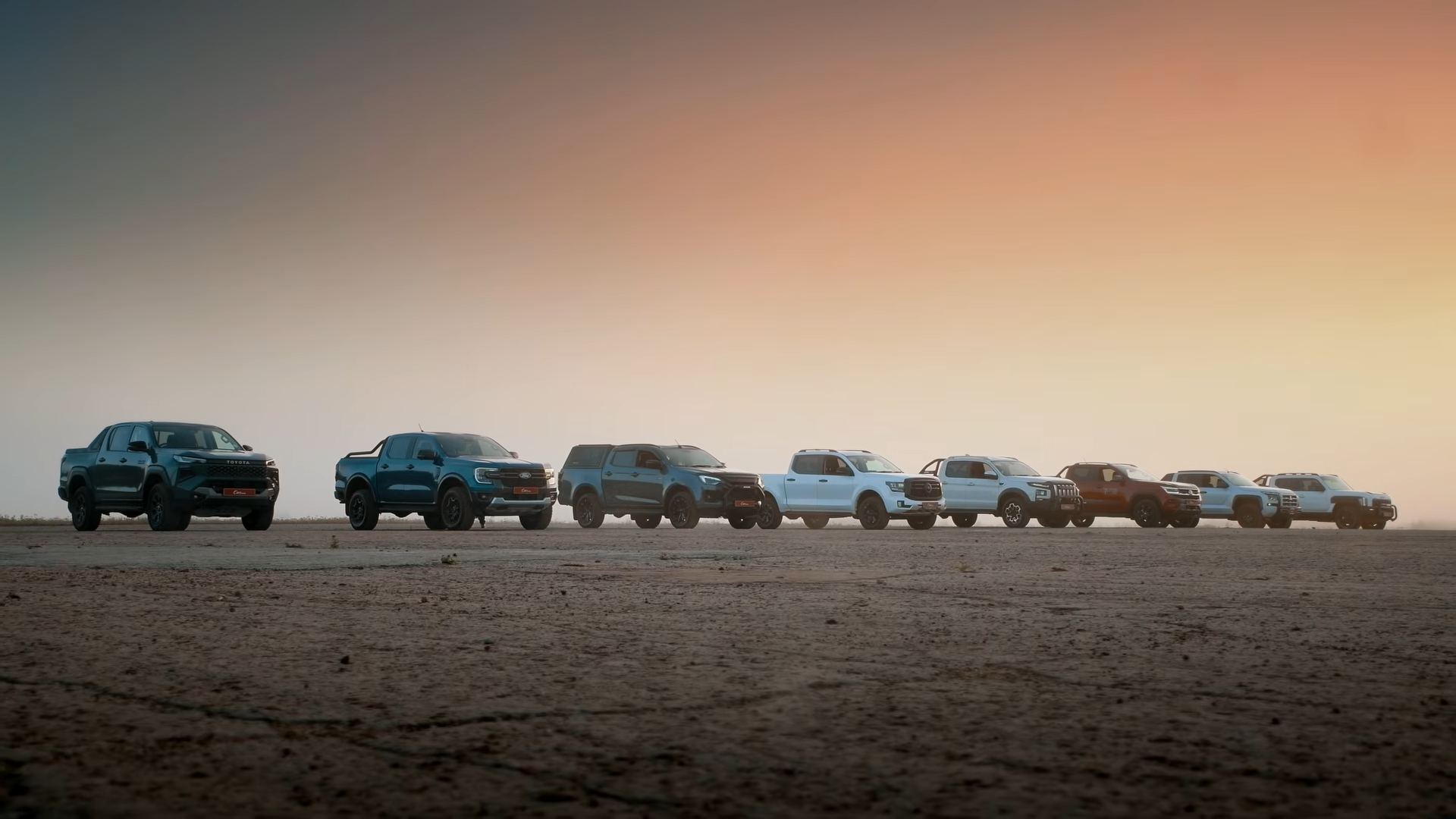
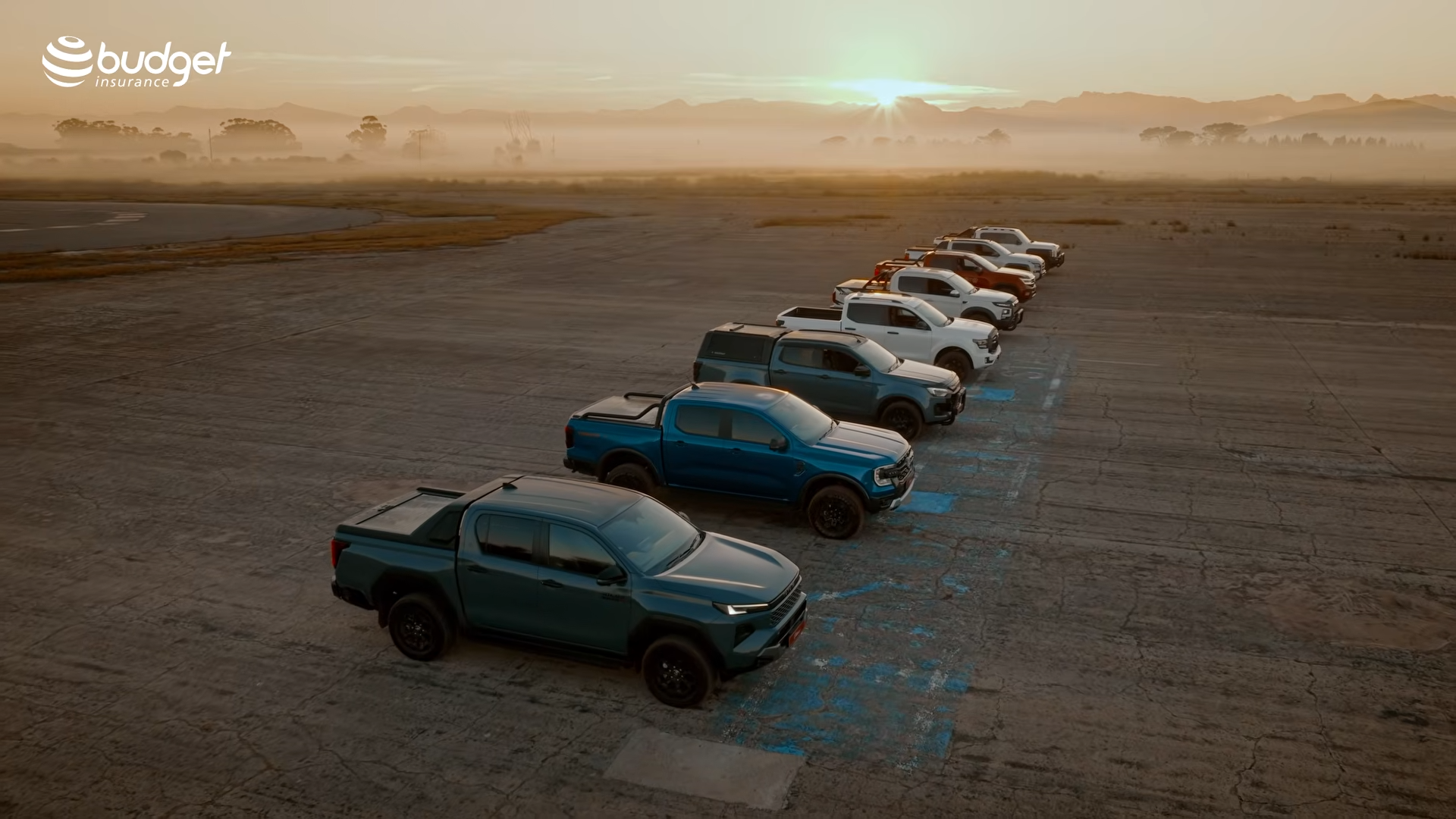
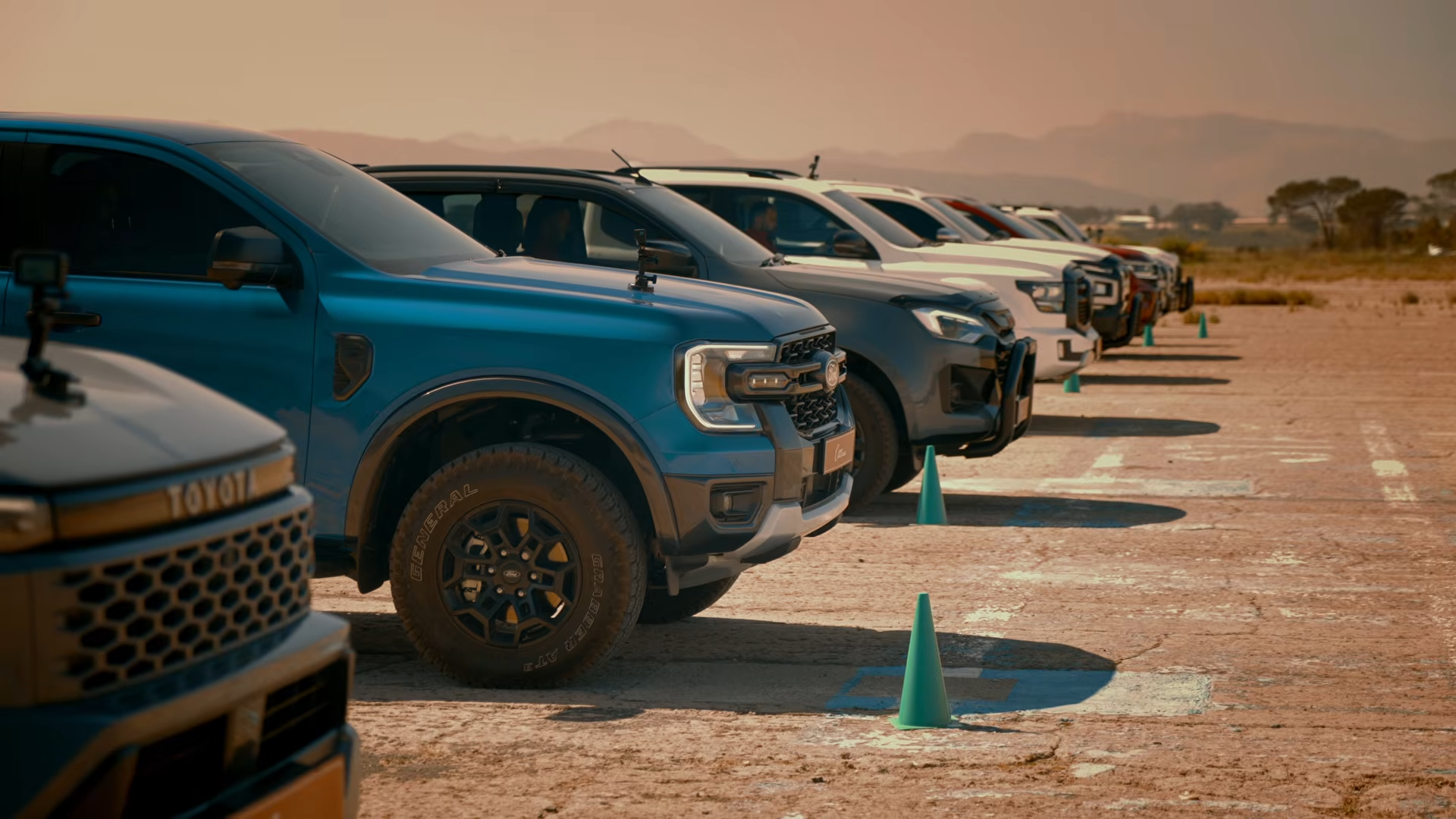
2026 Bakkie of the Year Shootout: 8-way drag race!
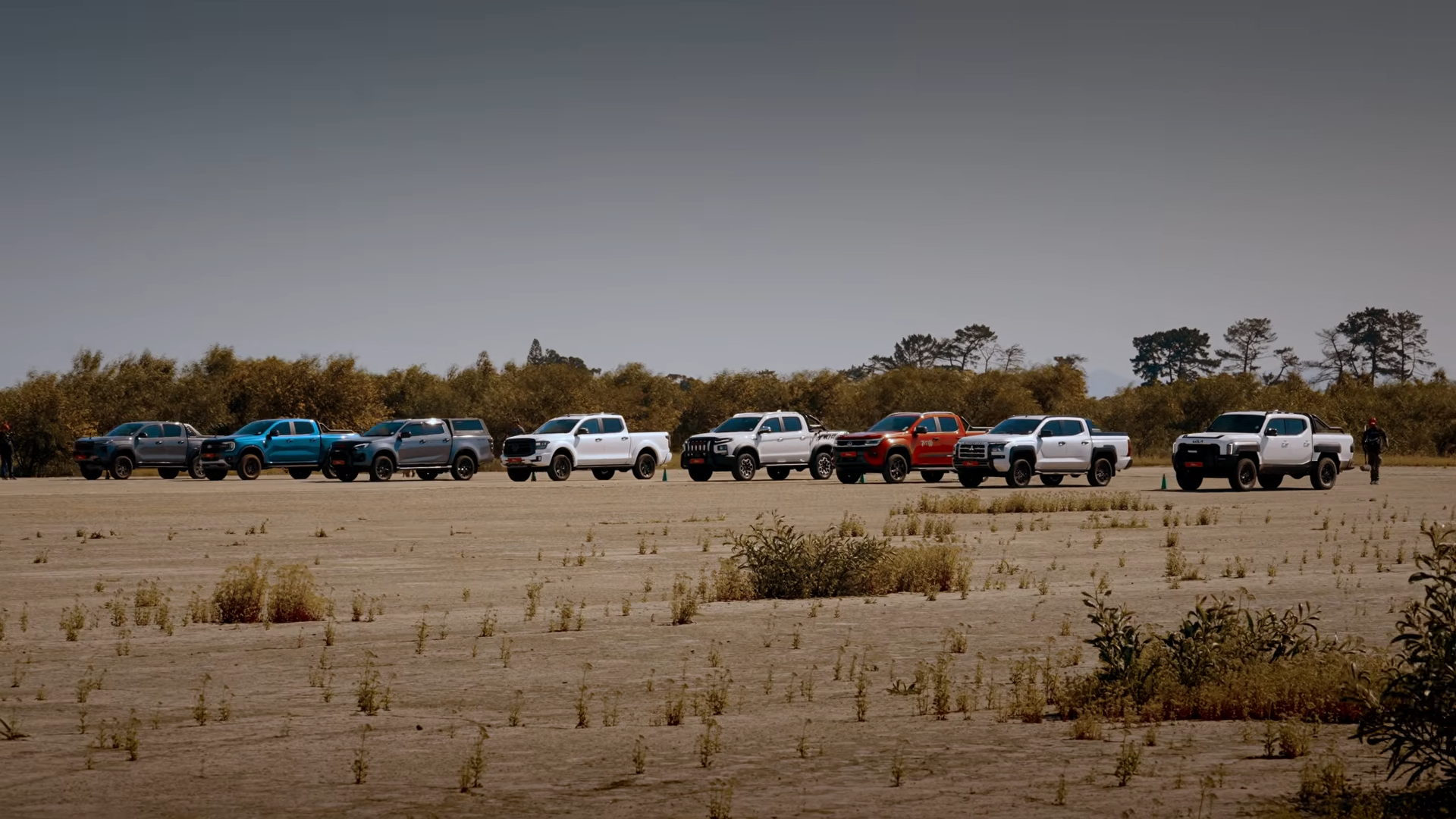
The local double-cab bakkie market is more competitive than ever, with fresh contenders, new powertrains and updated stalwarts all vying for top honours. To kick off the multi-part 2026 Bakkie of the Year Shootout, 8 of South Africa’s most popular double cabs line up side by side on an open runway for an all-out quarter-mile drag race.
From heavy-hitting V6s and high-output turbopetrols to trusty 4-cylinder turbodiesels, the 2026 Bakkie of the Year Shootout line-up covers every sub-segment of the double-cab bakkie market. To ensure fair driver assignments across the fleet, the keys were drawn completely at random before the bakkies lined up across the tarmac. Let’s find out how they fared on the strip!
The contenders: Diverse engines & power outputs
The starting grid features a massive variety of powertrains, ranging from lightweight efficiency to sheer cubic capacity.
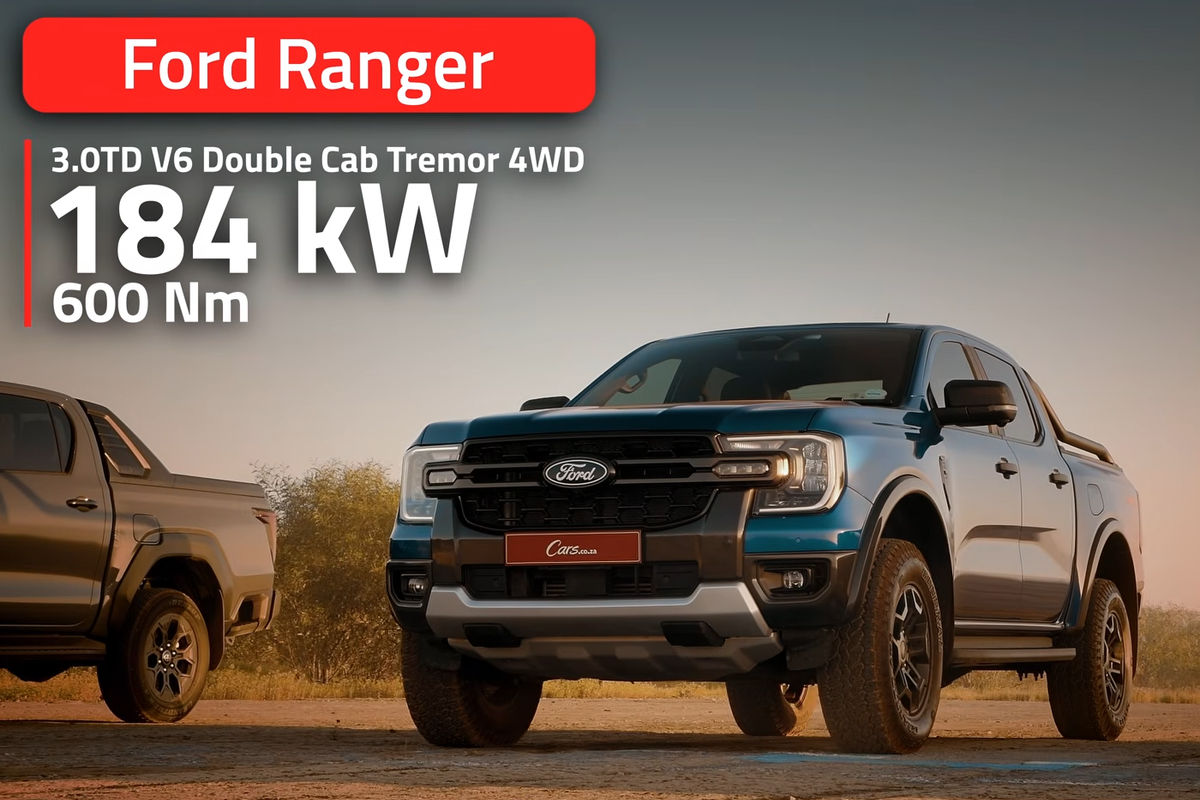
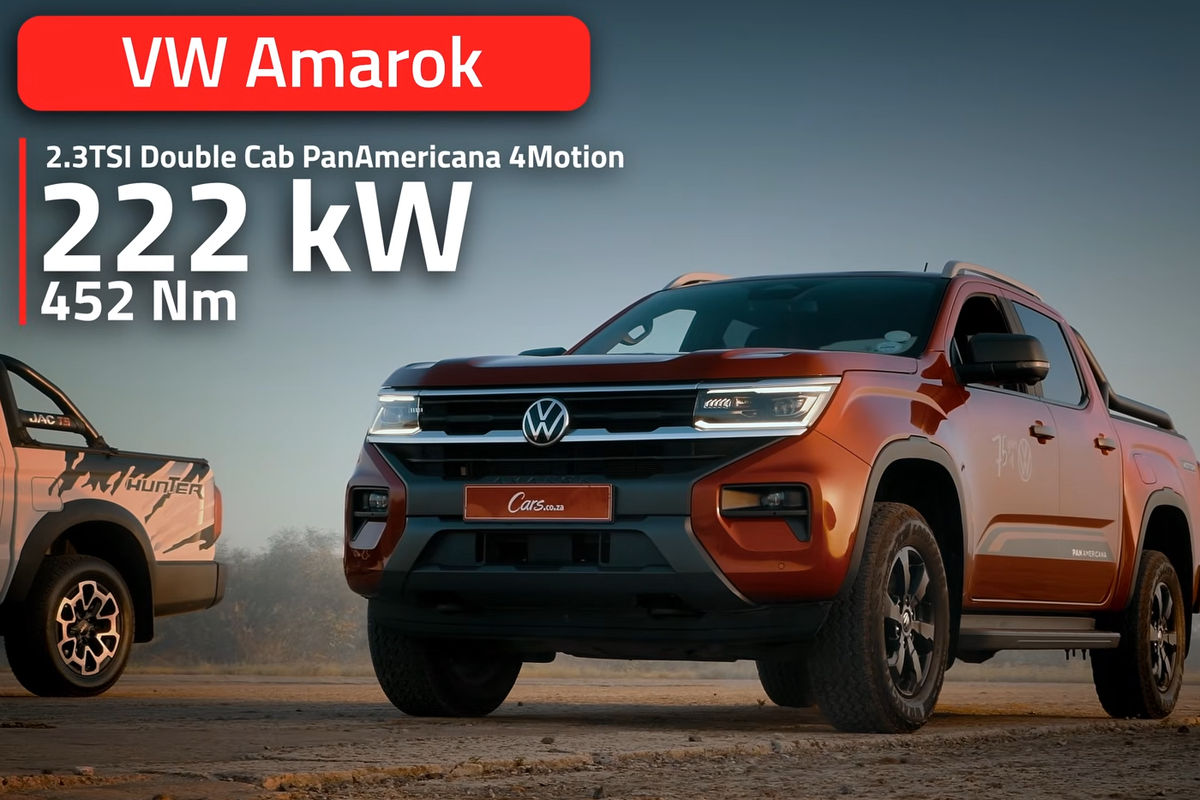
Representing the high-power petrol brigade is the Volkswagen Amarok 2.3 TSI PanAmericana, packing a 2.3-litre turbocharged petrol engine paired with a 10-speed automatic transmission. Generating 222 kW and 452 Nm of torque, its power-to-weight figures make it a formidable force on paper. Ford counters with the muscular Ranger V6 Tremor, bringing 3.0 litres of turbodiesel grunt to the table.
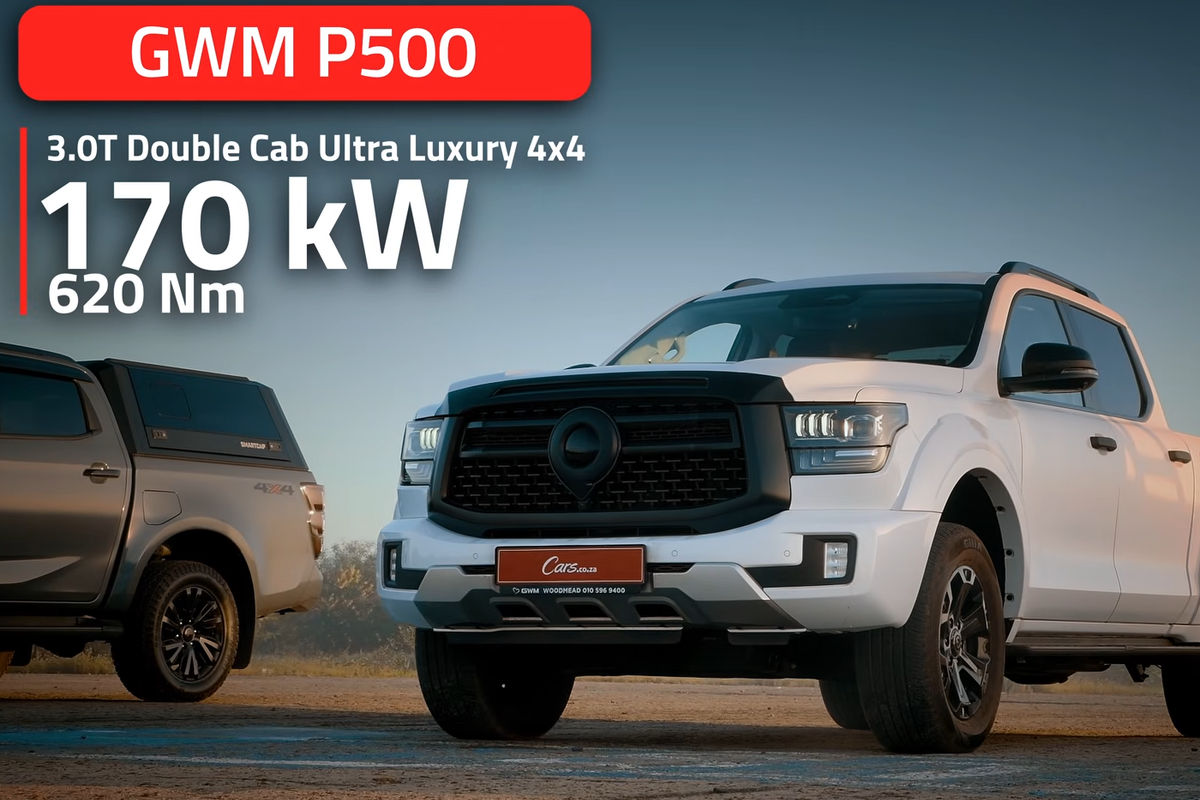
In the turbodiesel camp, the GWM P500 arrives with a new 3.0-litre diesel producing 170 kW and a massive 620 Nm of torque. Crucially, it is the only vehicle on the grid equipped with a factory launch-control system.
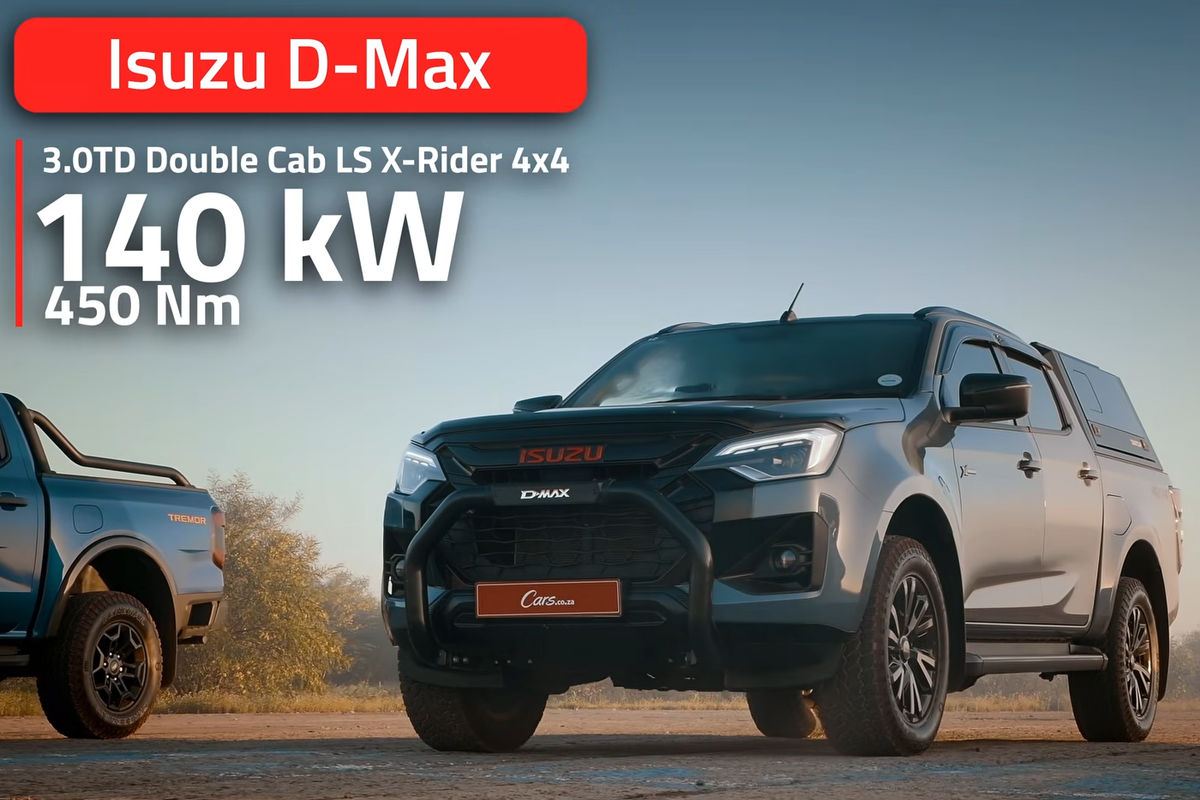
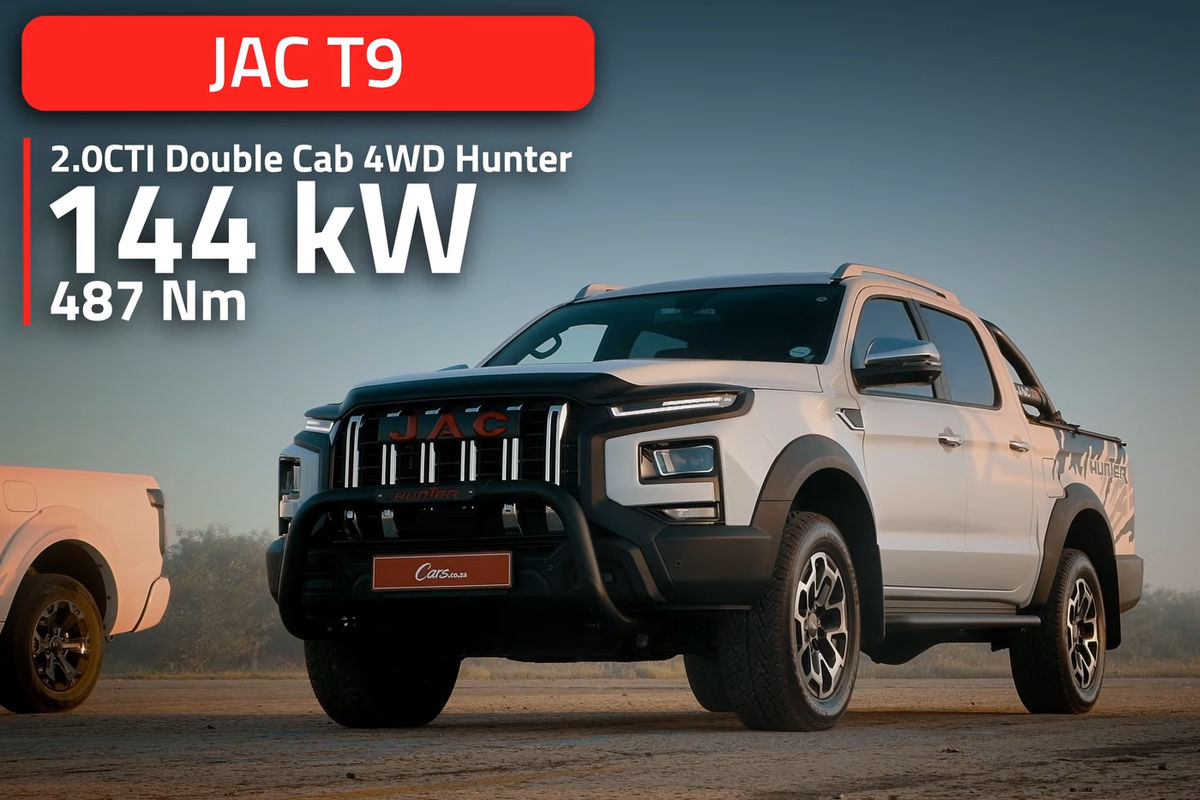
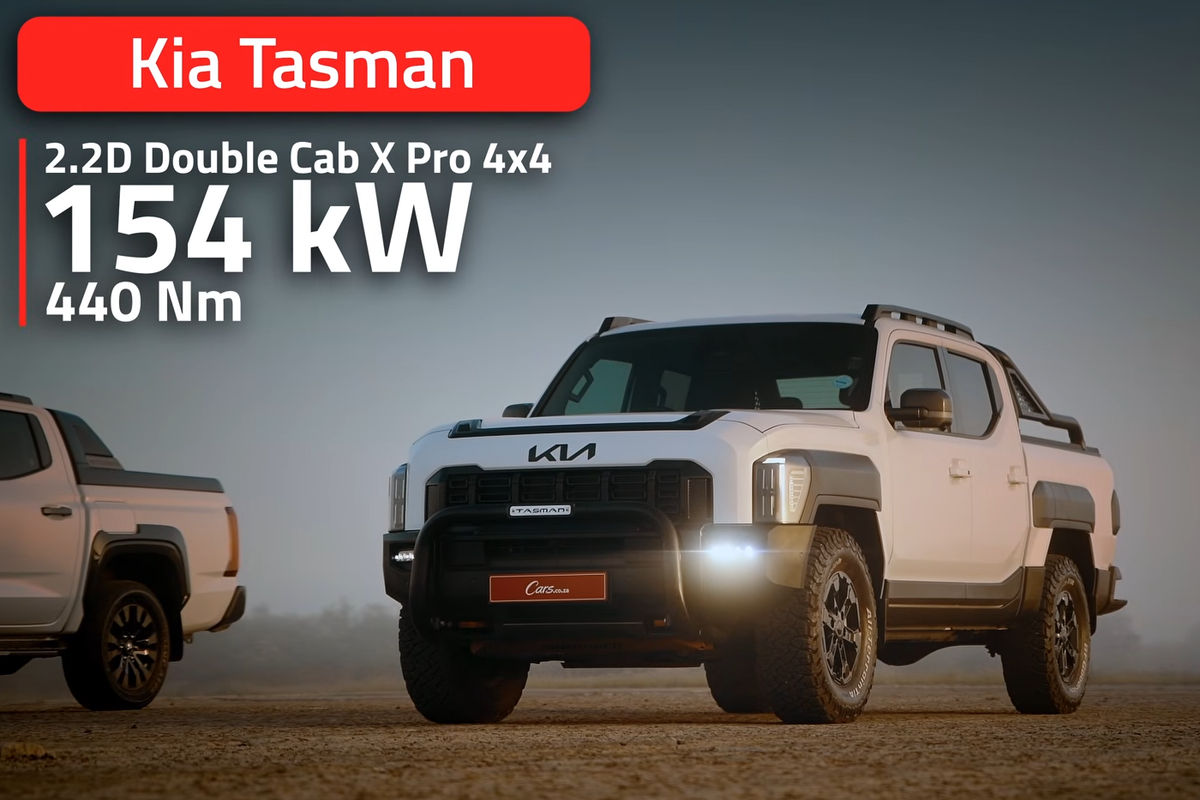
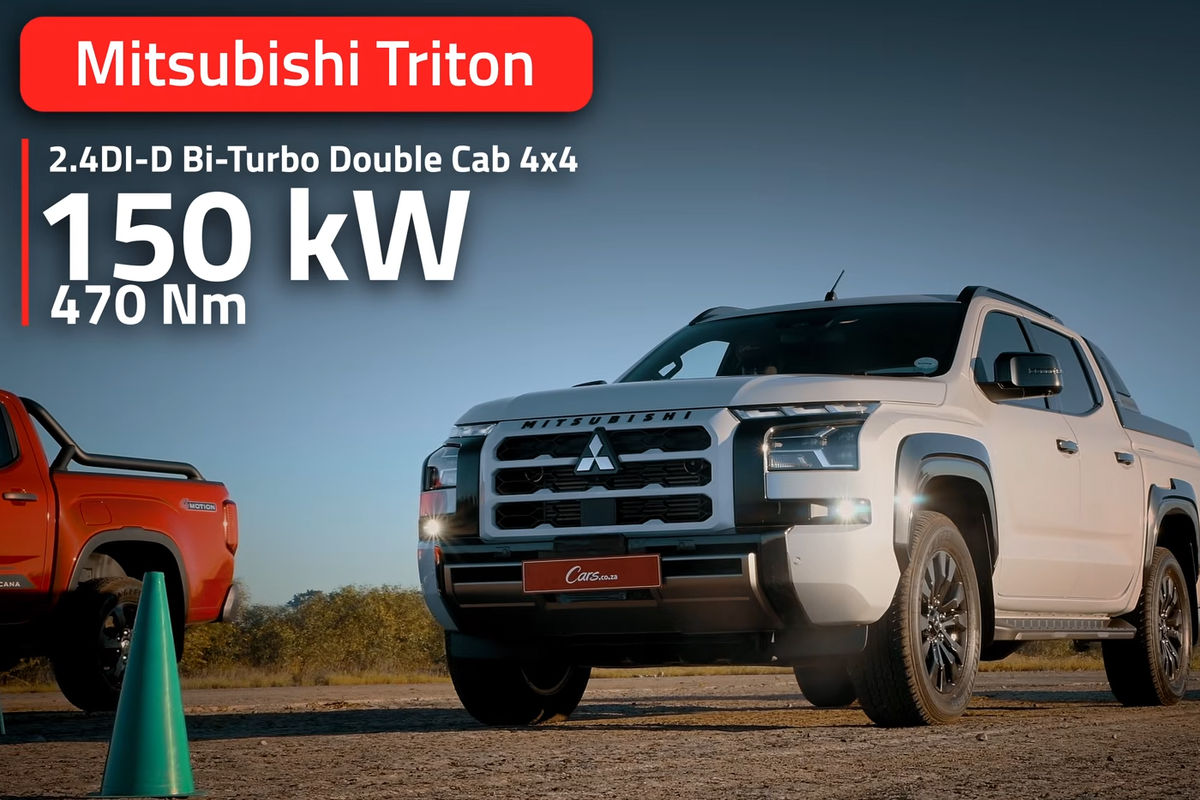
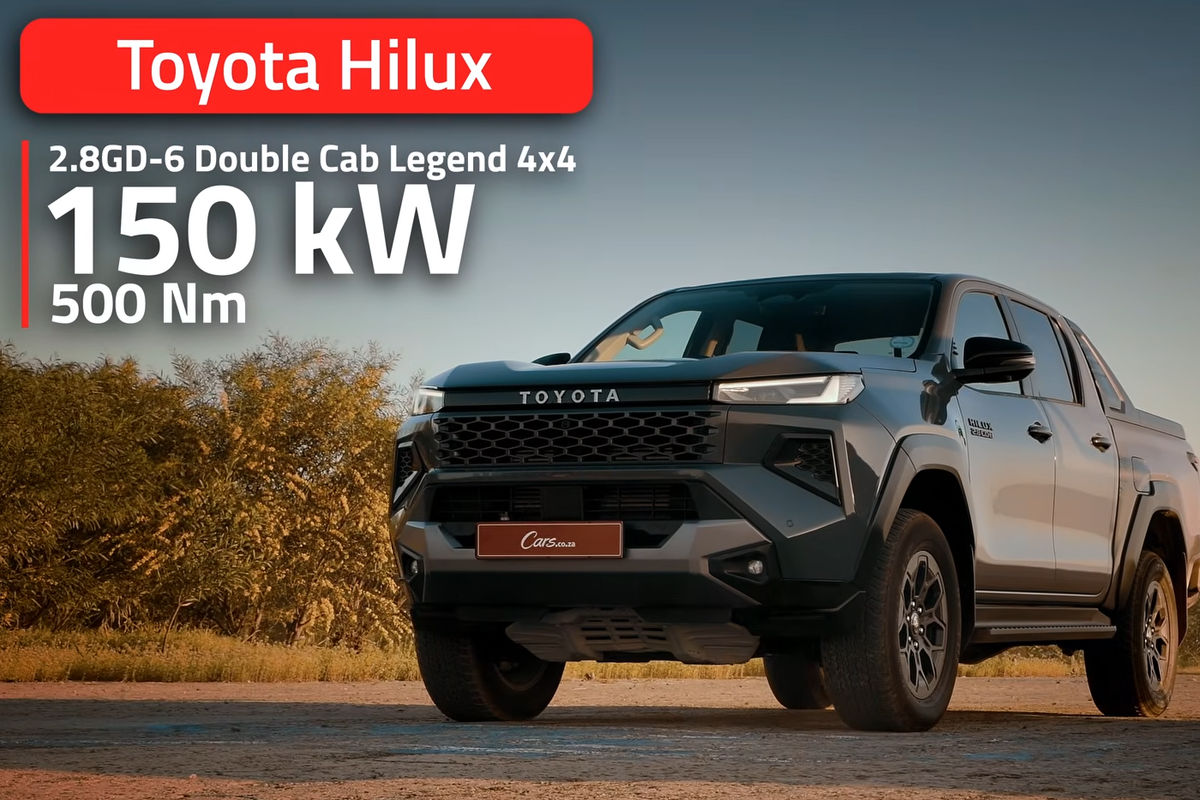
The remainder of the grid comprises popular 4-cylinder turbodiesel options:
With 4H engaged, traction systems dialled back and left feet firmly on the brakes, all 8 double cabs launched simultaneously across the wide runway for the first of 3 runs.
Right off the line, traction played a huge role. The lighter JAC T9 and the Mitsubishi Triton made fantastic starts, surprising several higher-powered rivals off the line. However, once moving, the high-output engines quickly asserted their dominance.
The petrol-powered Amarok made full use of its high-revving power band to leap out ahead, while the V6 Ranger broke away from the mid-pack to chase it down. Farther down the strip, a fierce photo-finish battle developed for 3rd spot, with the Hilux, Triton, JAC T9, Tasman and Isuzu fighting for every inch of tarmac.
For the second run, drivers adjusted their launch tactics to keep their respective engines right in the meat of their powerbands.
Off the line, the Isuzu D-Max and Hilux got away cleanly, but the raw torque of the GWM P500 began to tell as its driver dialled in the launch procedure. Once again, the Amarok surged ahead to establish a clear lead, closely followed by the hard-charging V6 Ranger.
Behind the front-runners, the fight for 3rd place was even tighter than in the opening heat. The JAC T9 put in an exceptionally strong showing, potentially holding off a charging pack that included the Hilux, Triton, Tasman and P500, resulting in a dramatic finish across the line.
Race 3: The final drag strip decider
The 3rd and final run saw the best launches of the day. The Isuzu D-Max executed a flawless get-away, holding its bumper ahead of larger-engined rivals through the initial metres.
As the speed built down the strip, the hierarchy established itself once more at the sharp end of the field, but the real drama unfolded in the middle order. A thrilling, nose-to-nose duel erupted between the GWM P500 and the Toyota Hilux, while the Mitsubishi Triton and Kia Tasman engaged in a bumper-to-bumper tussle all the way to the finish line.
Which double-cab bakkie took ultimate honours on the runway, and how did your favorite double-cab perform across all 3 runs? Watch the full video to see the final results and exact finish order.
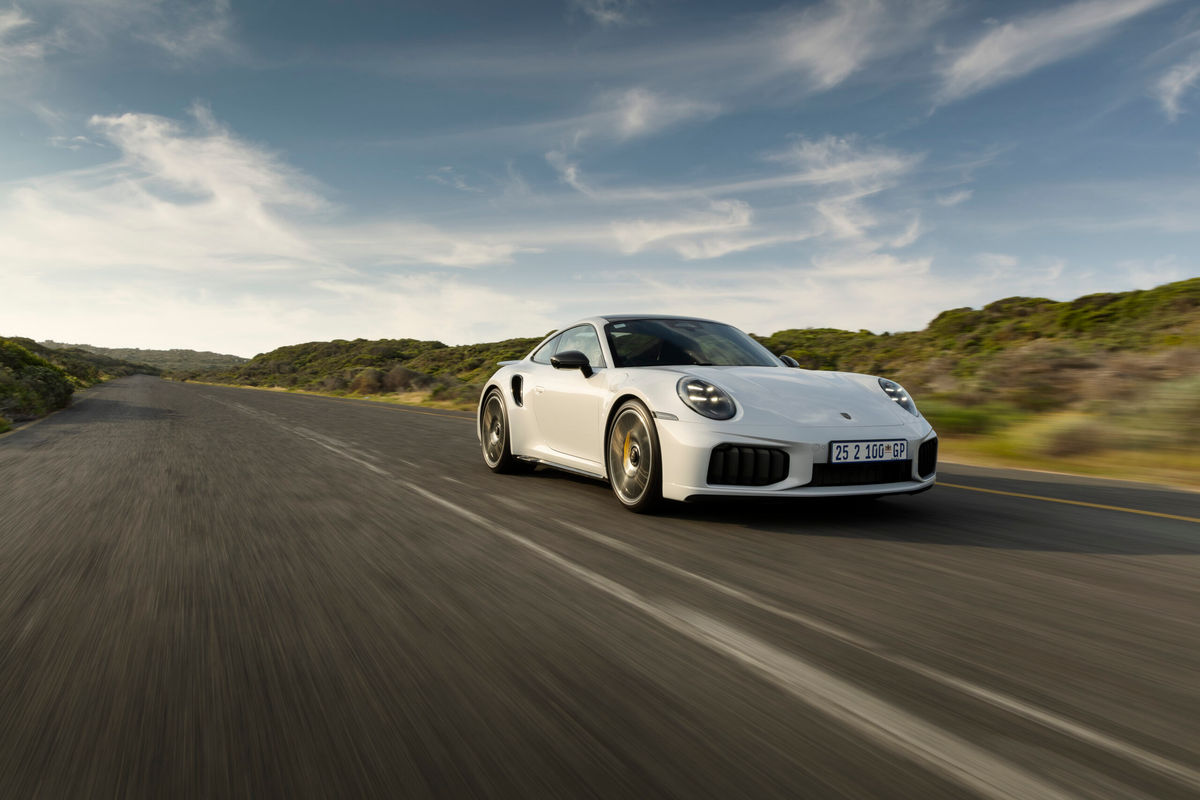
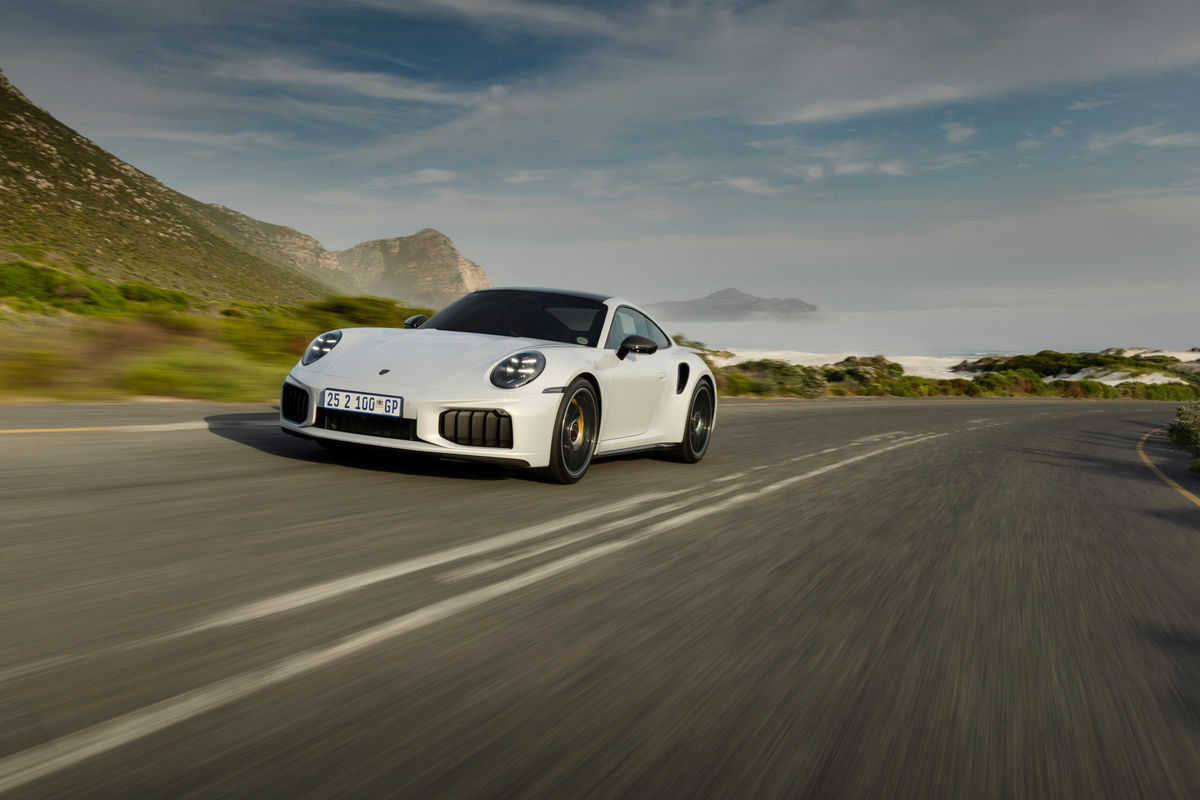
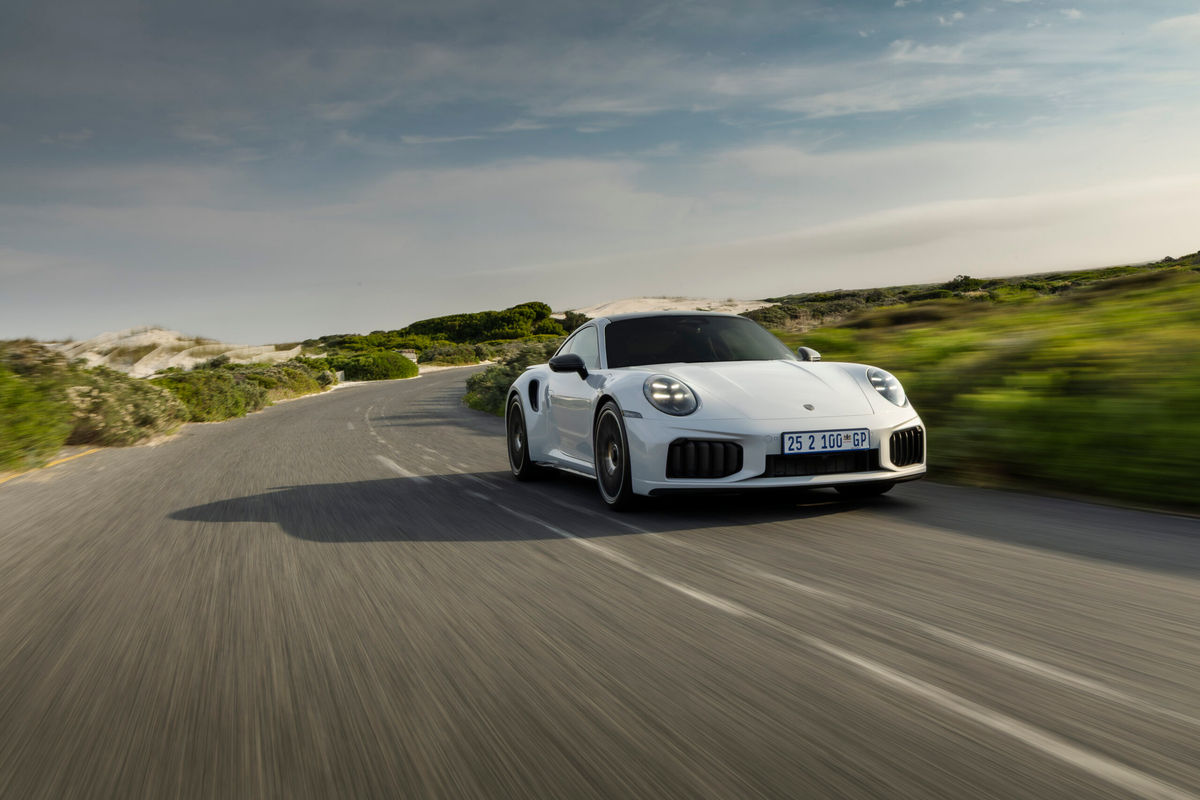
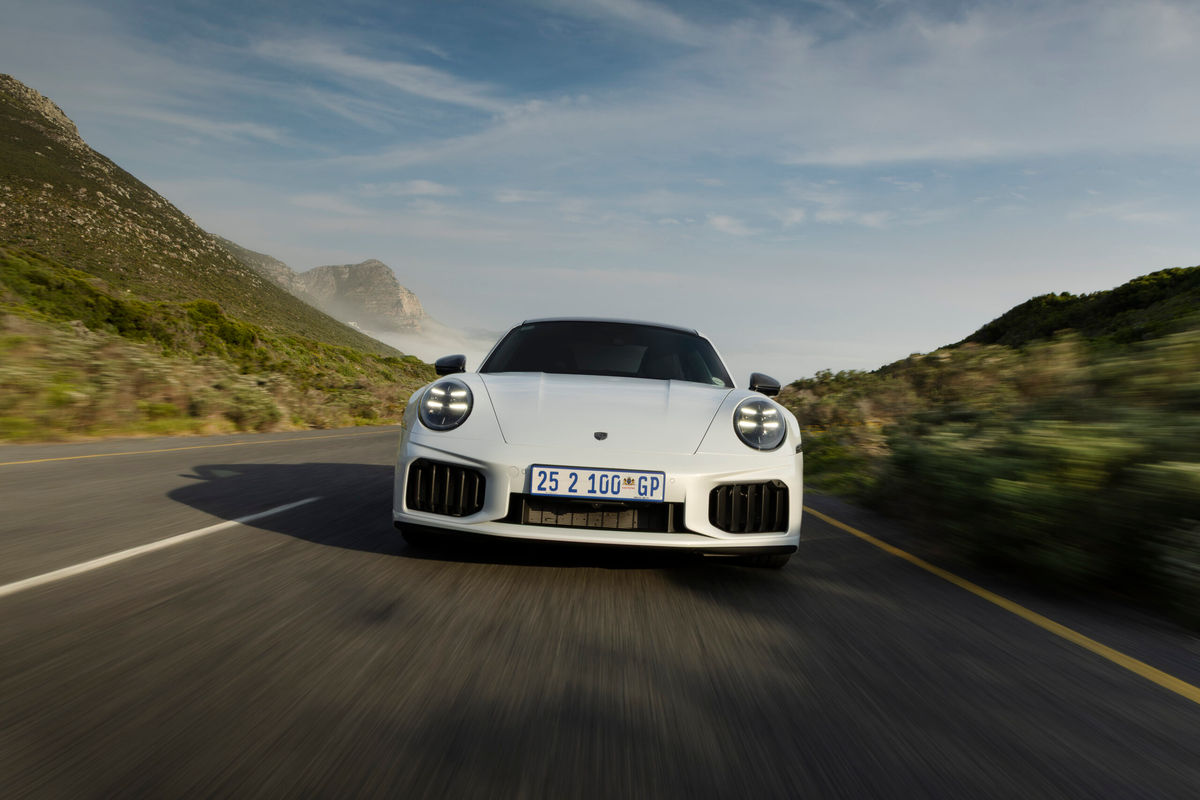
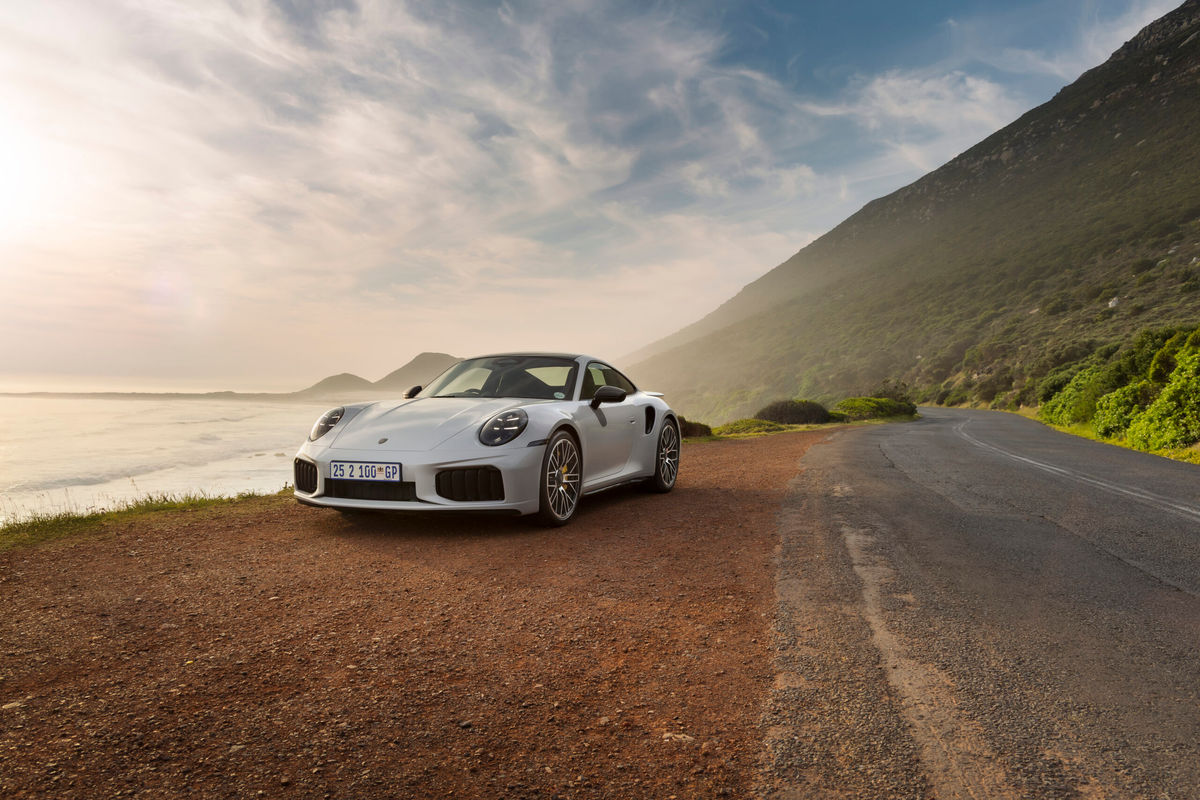
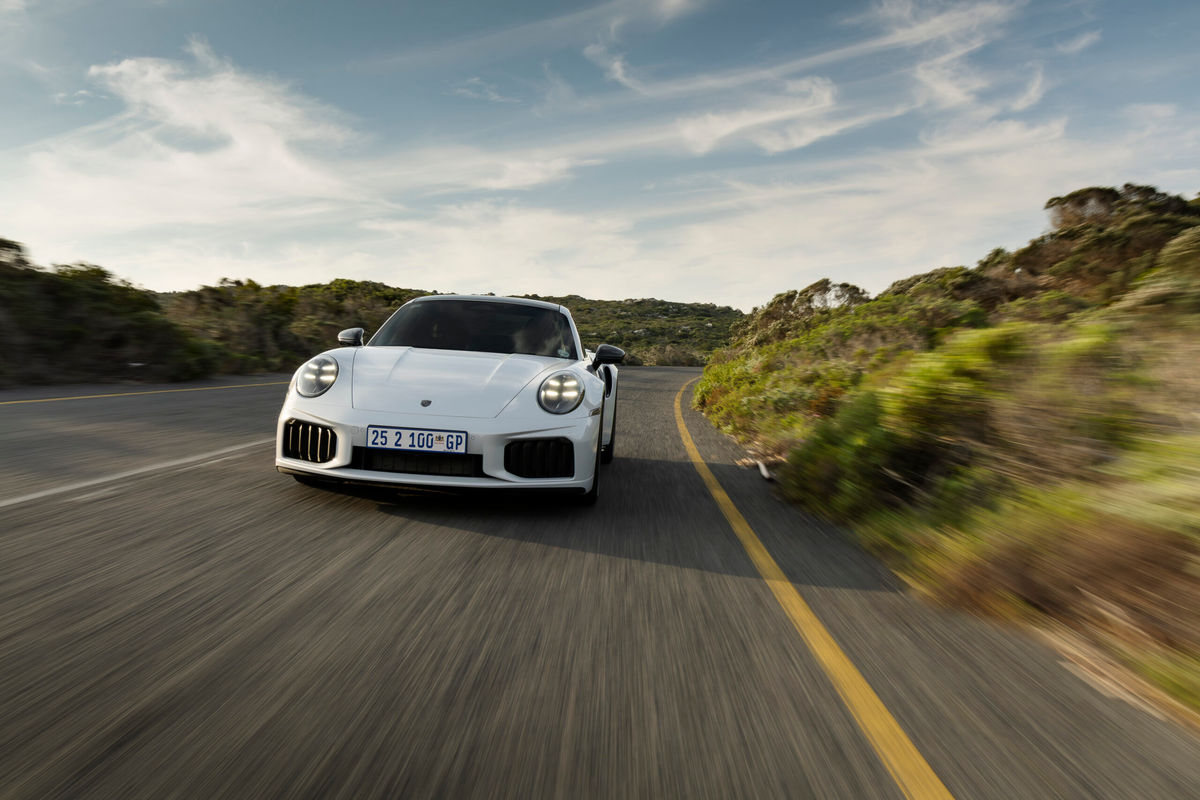
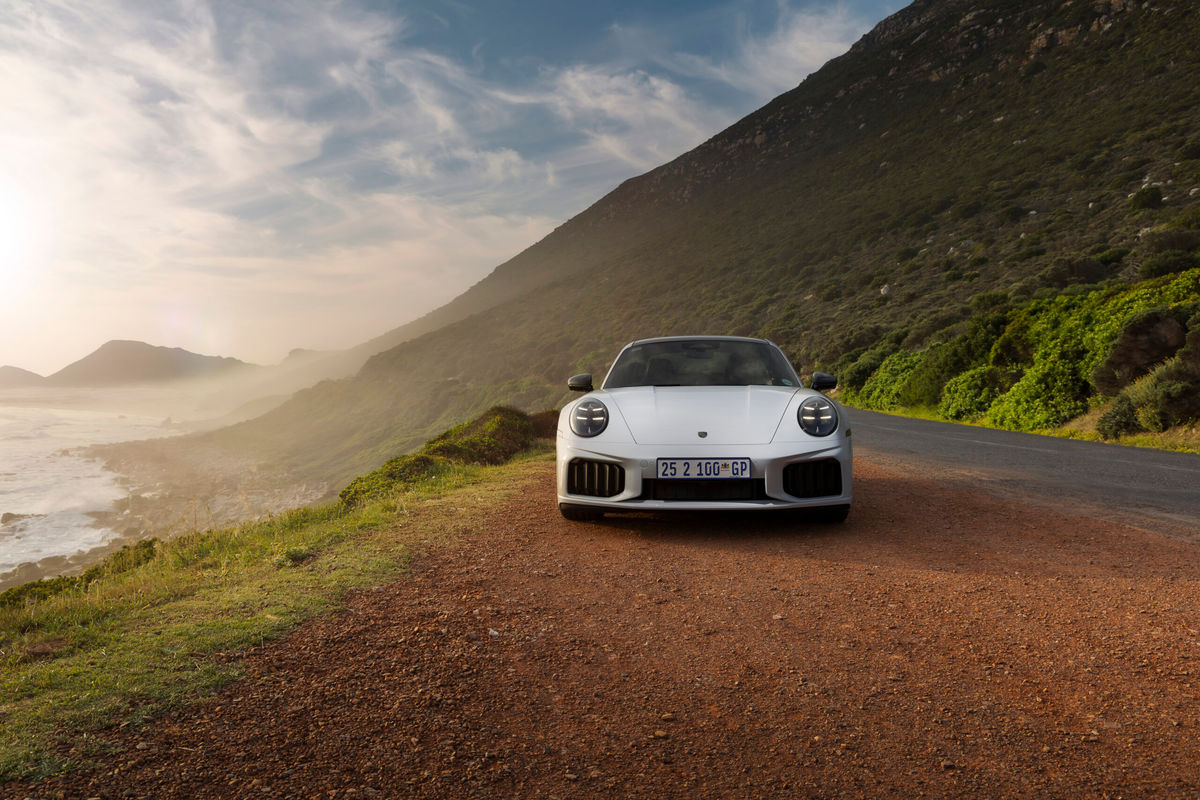
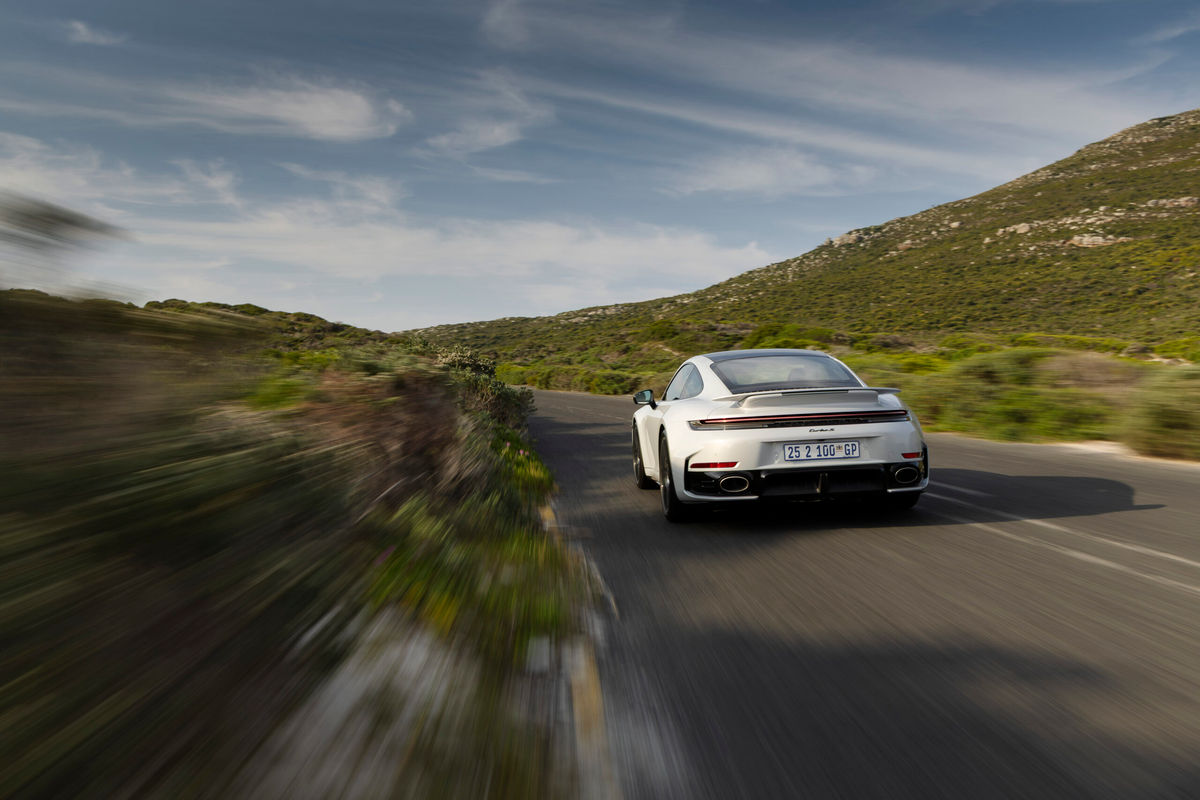
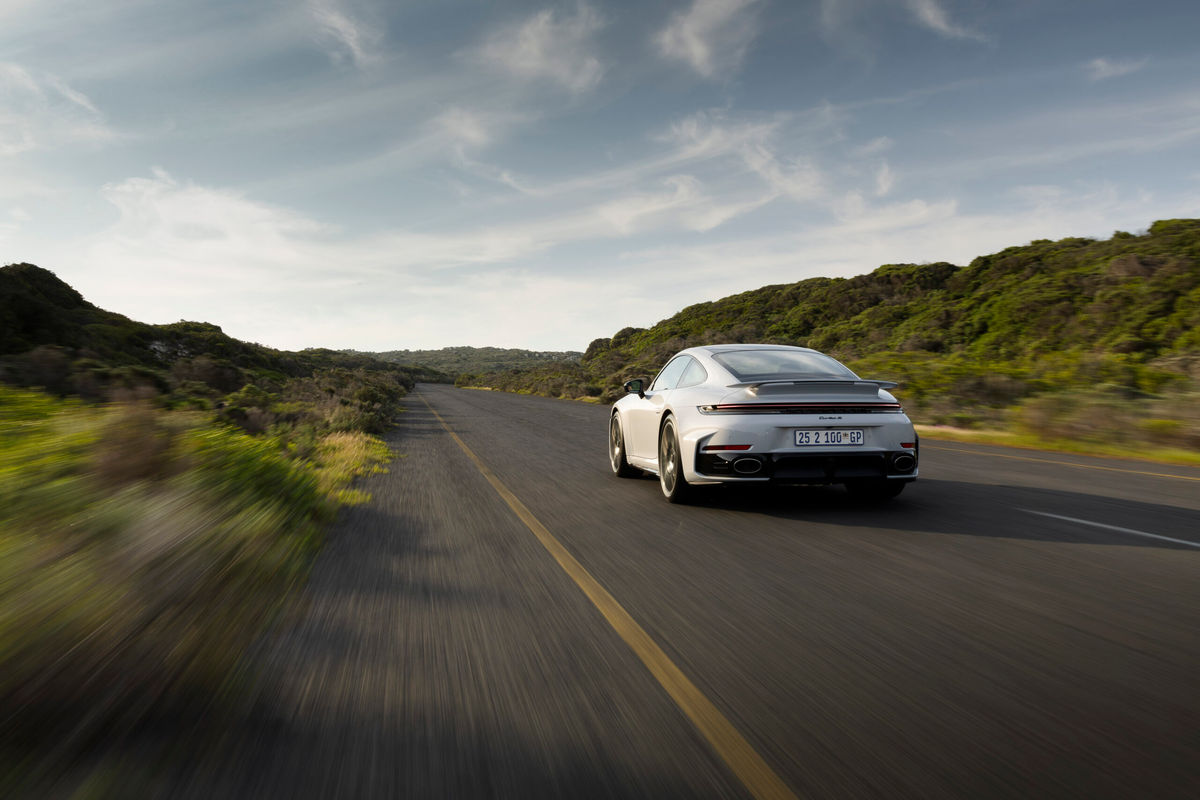
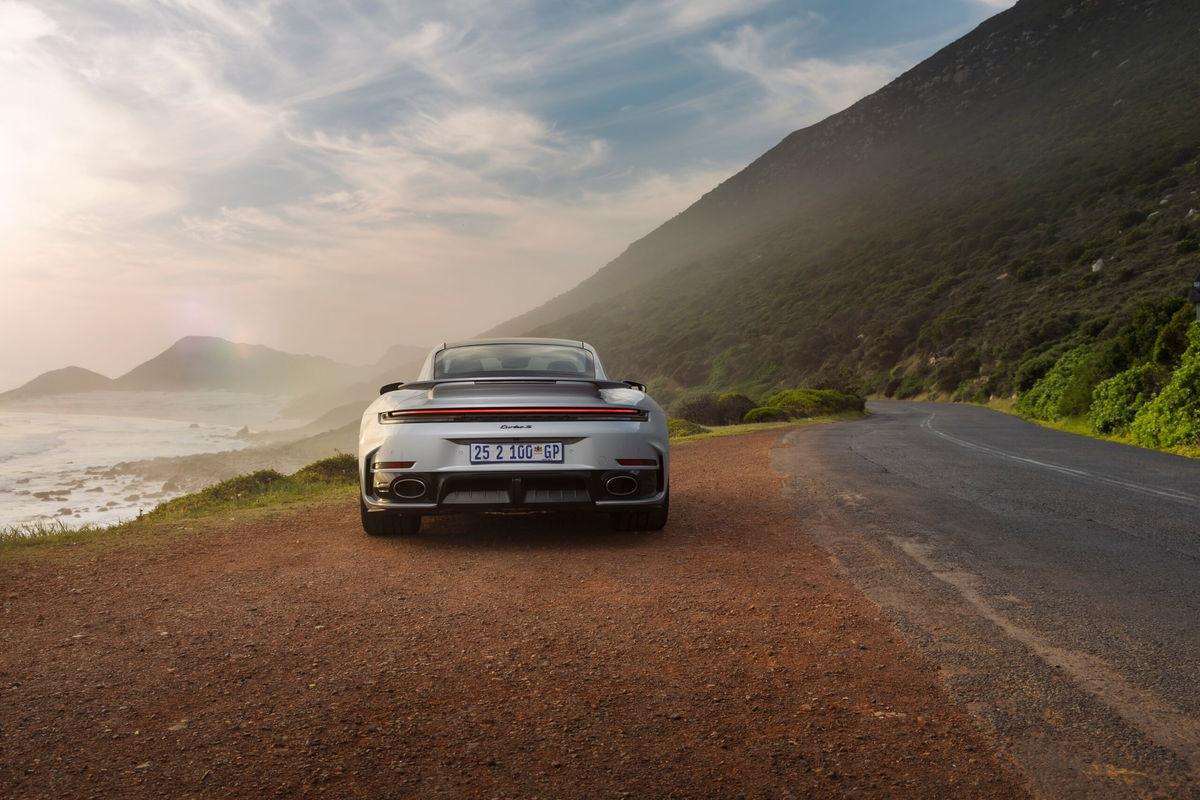
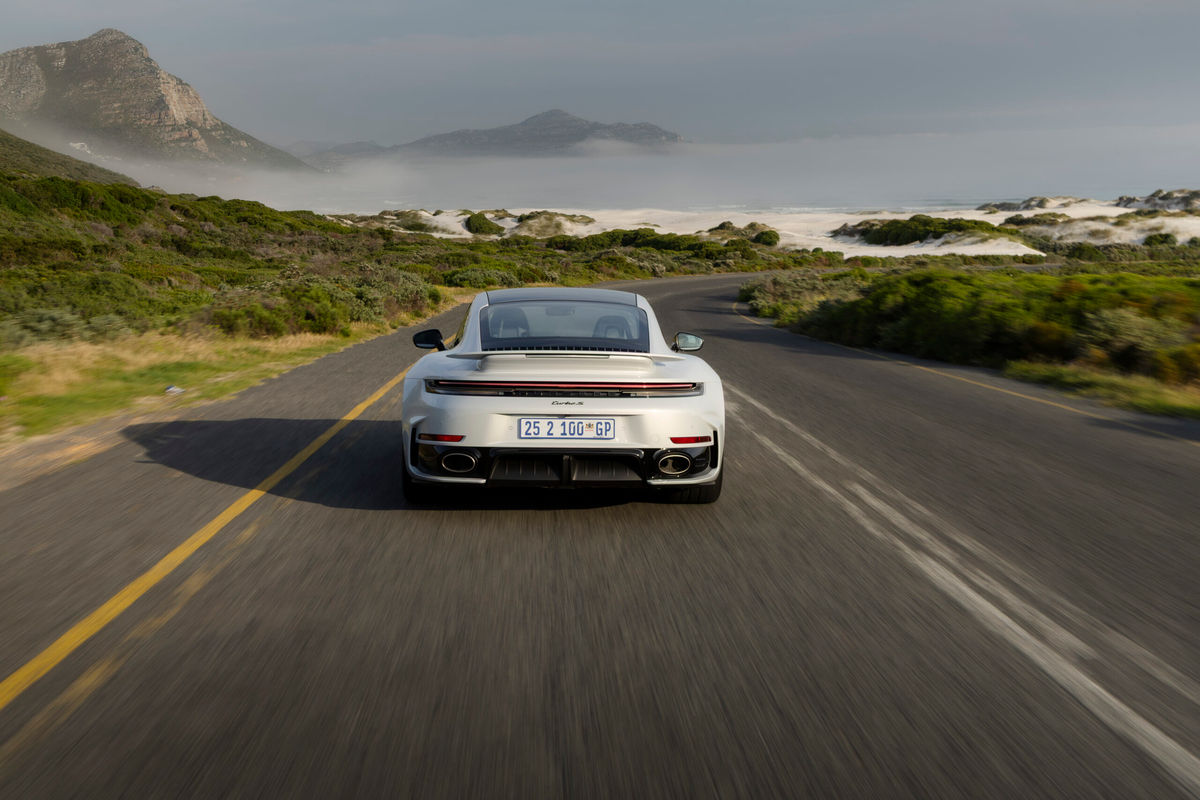
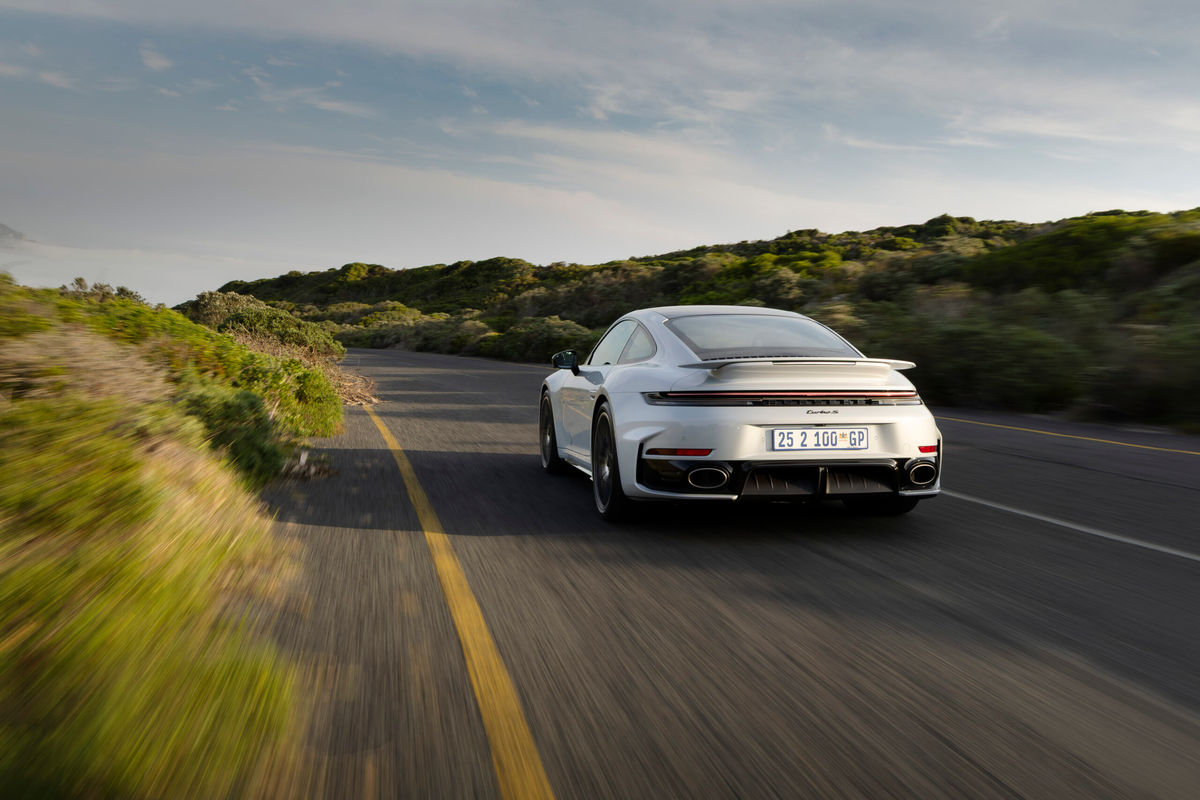
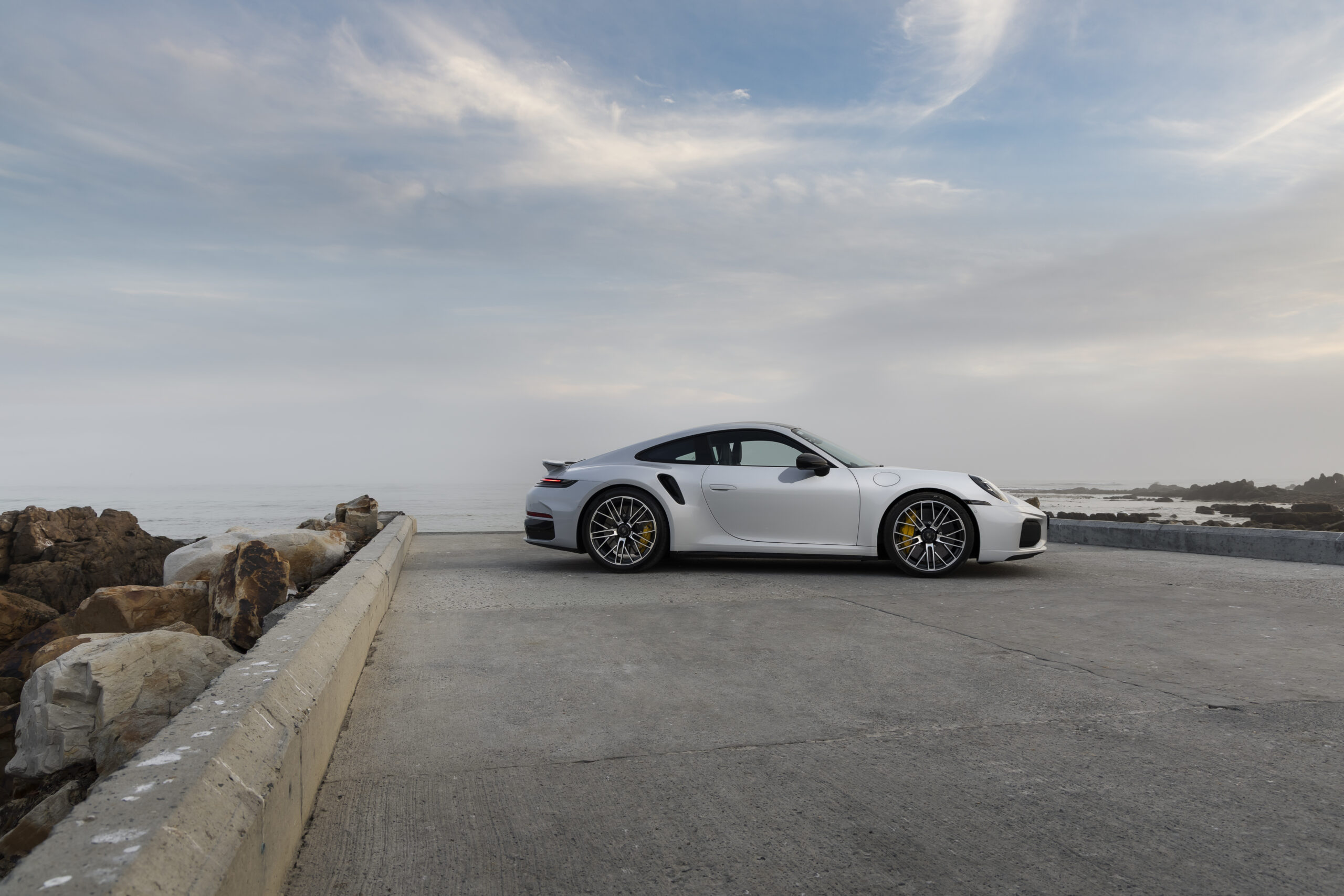
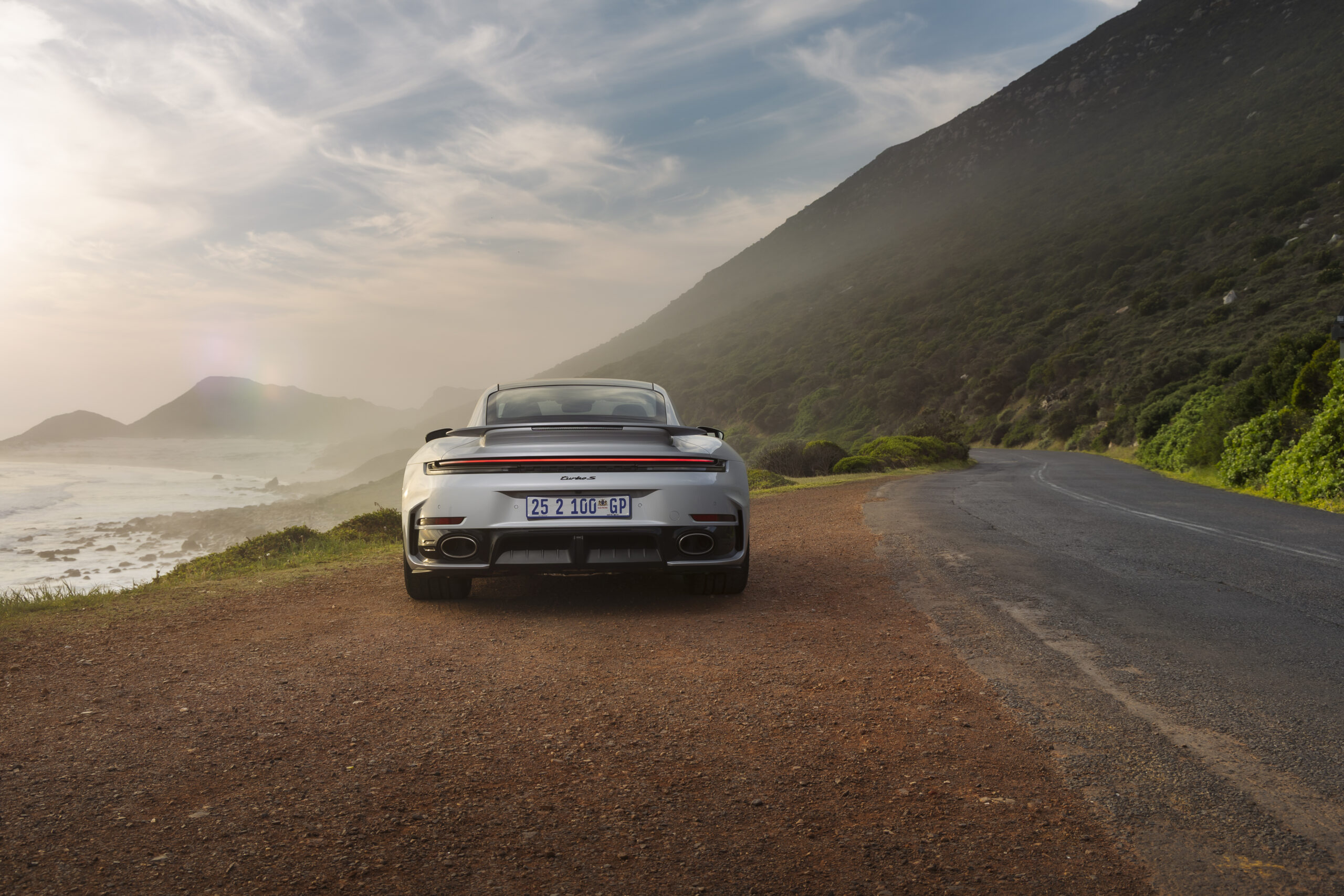
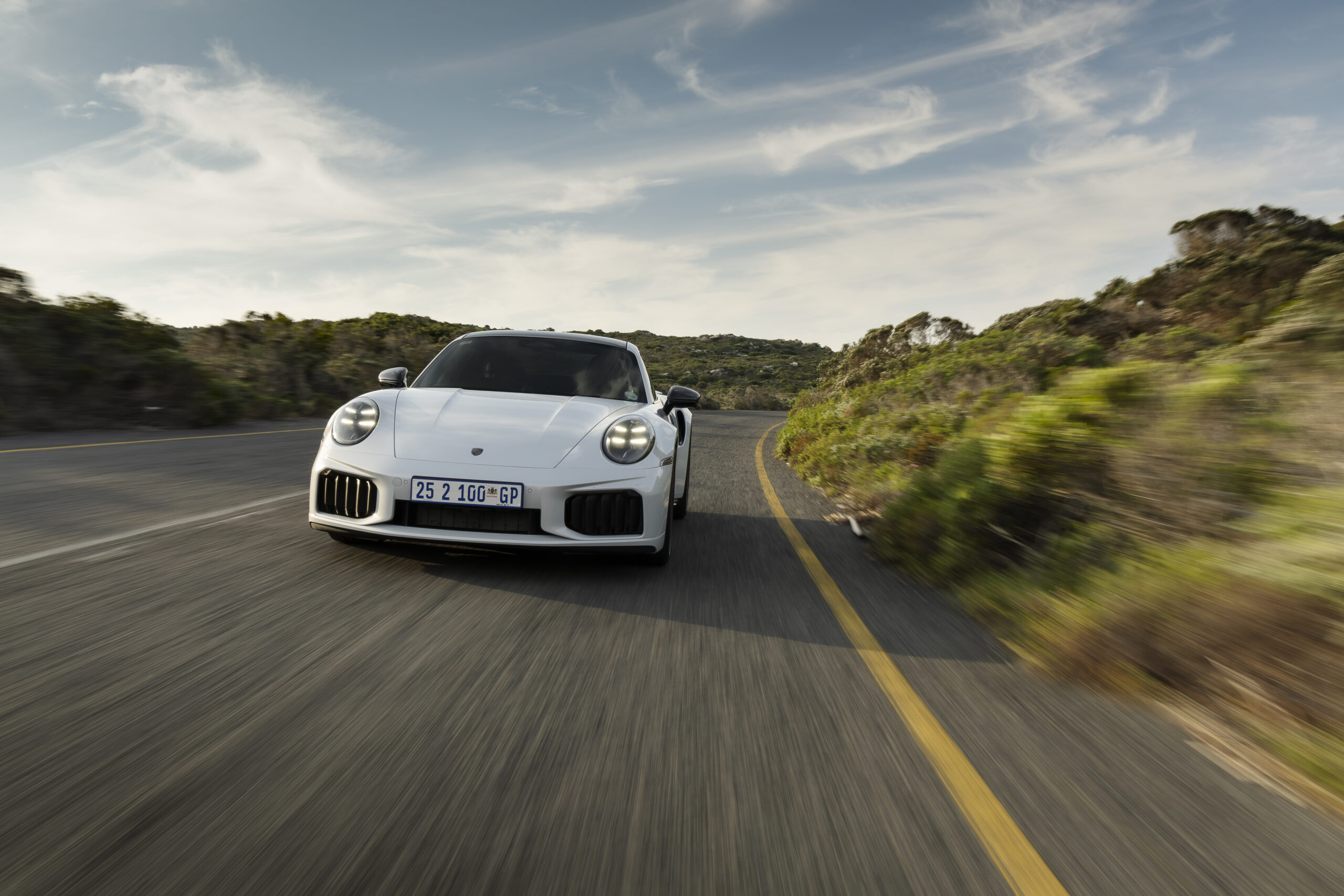
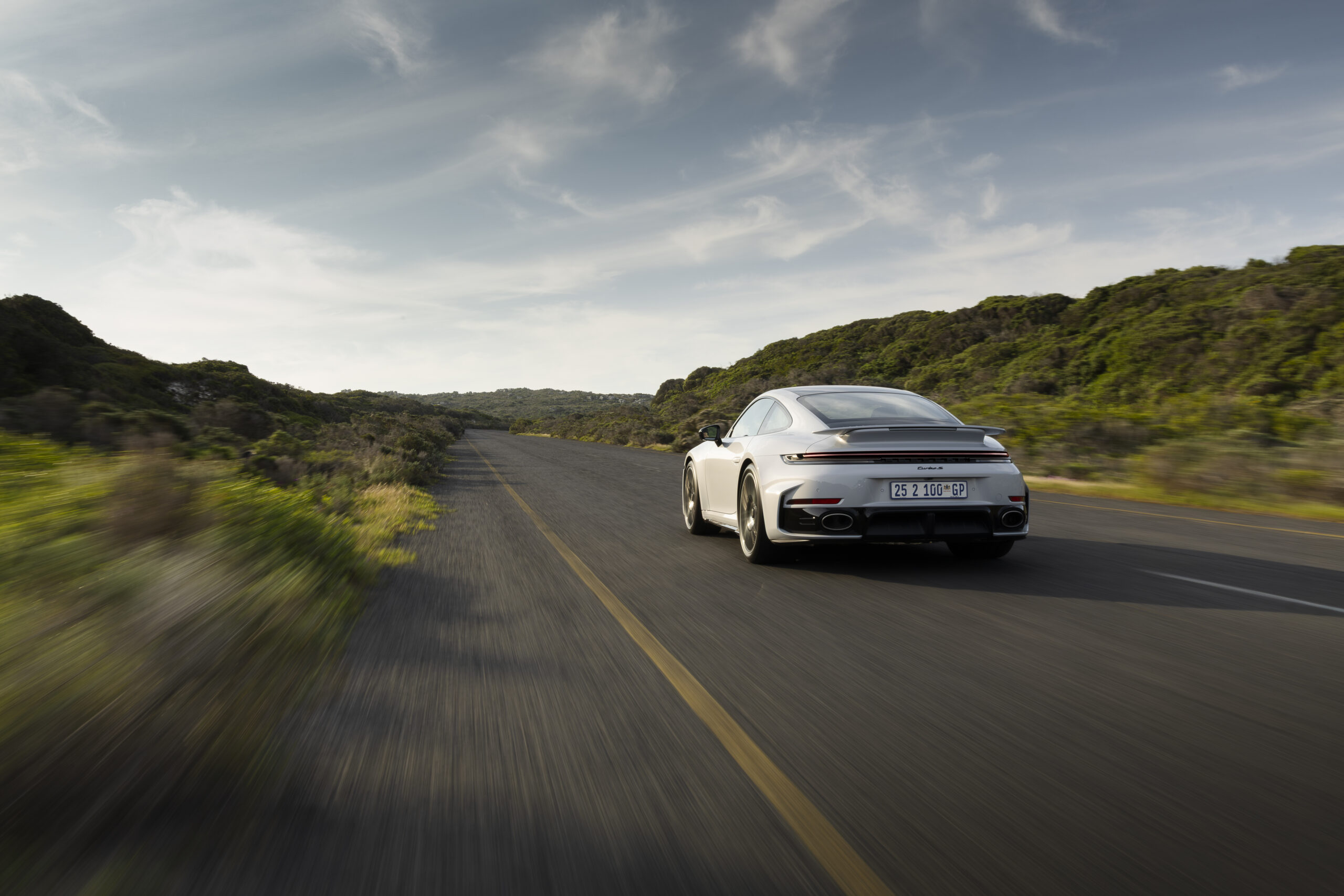
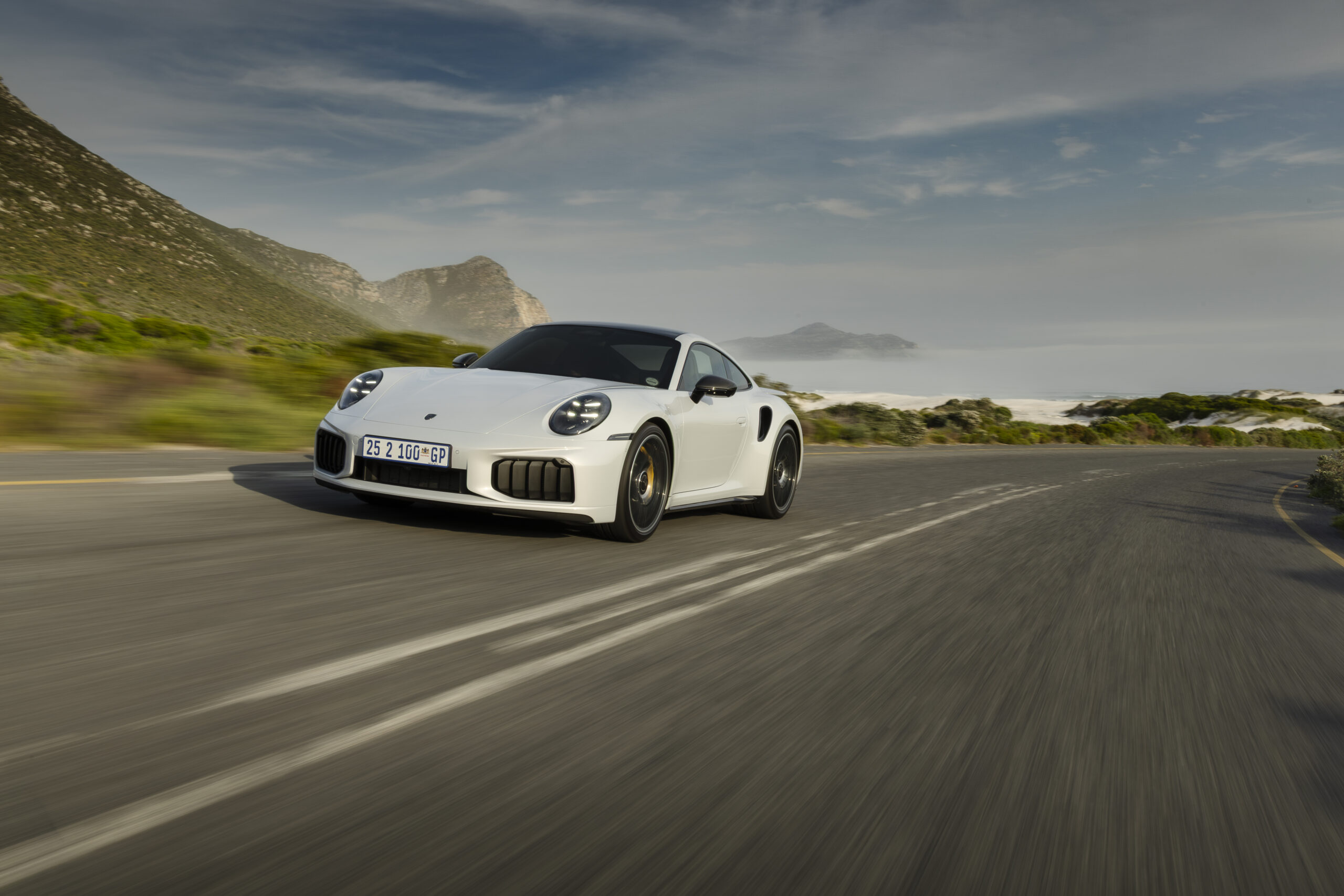
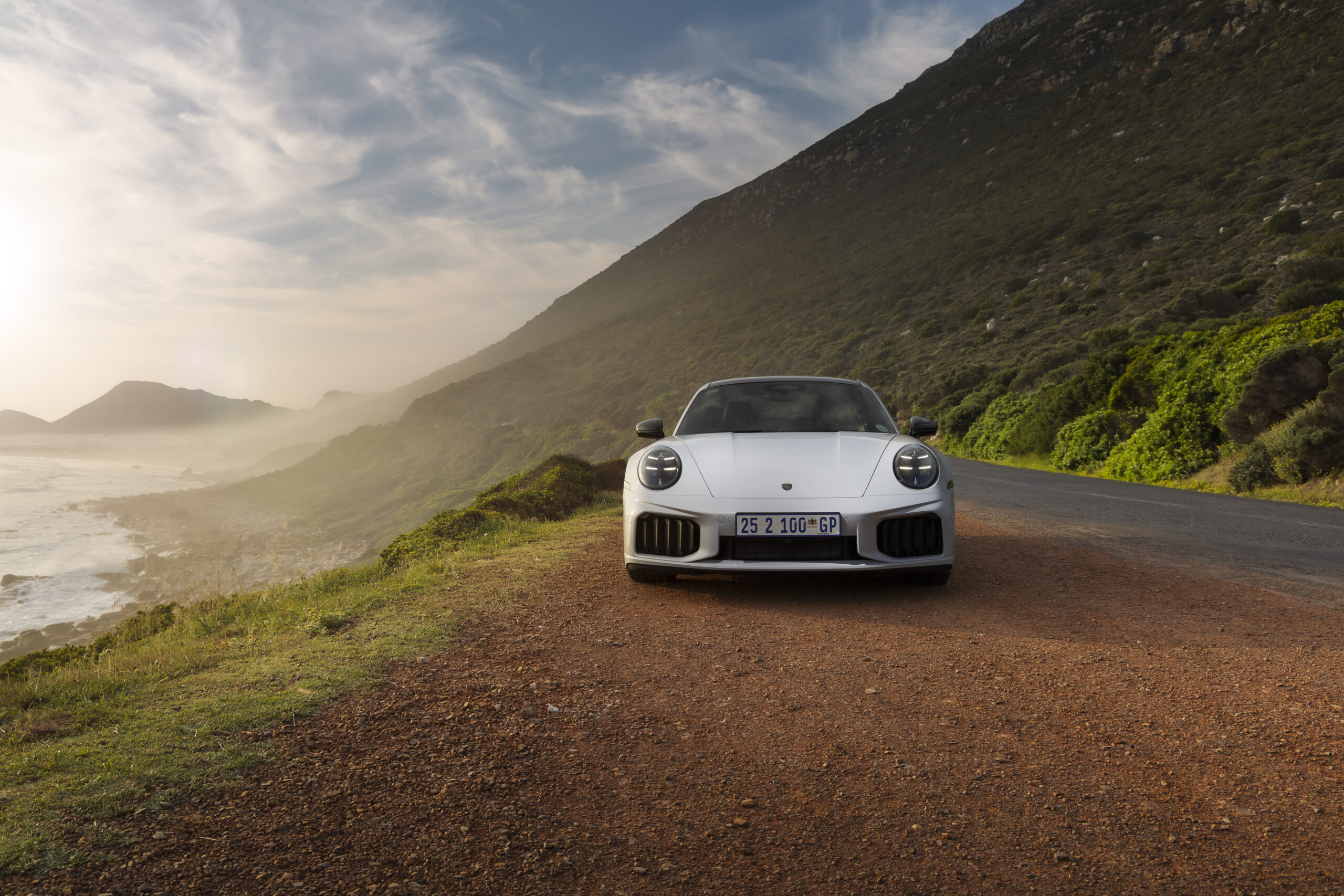
Porsche 911 Turbo S (2026) Launch Review
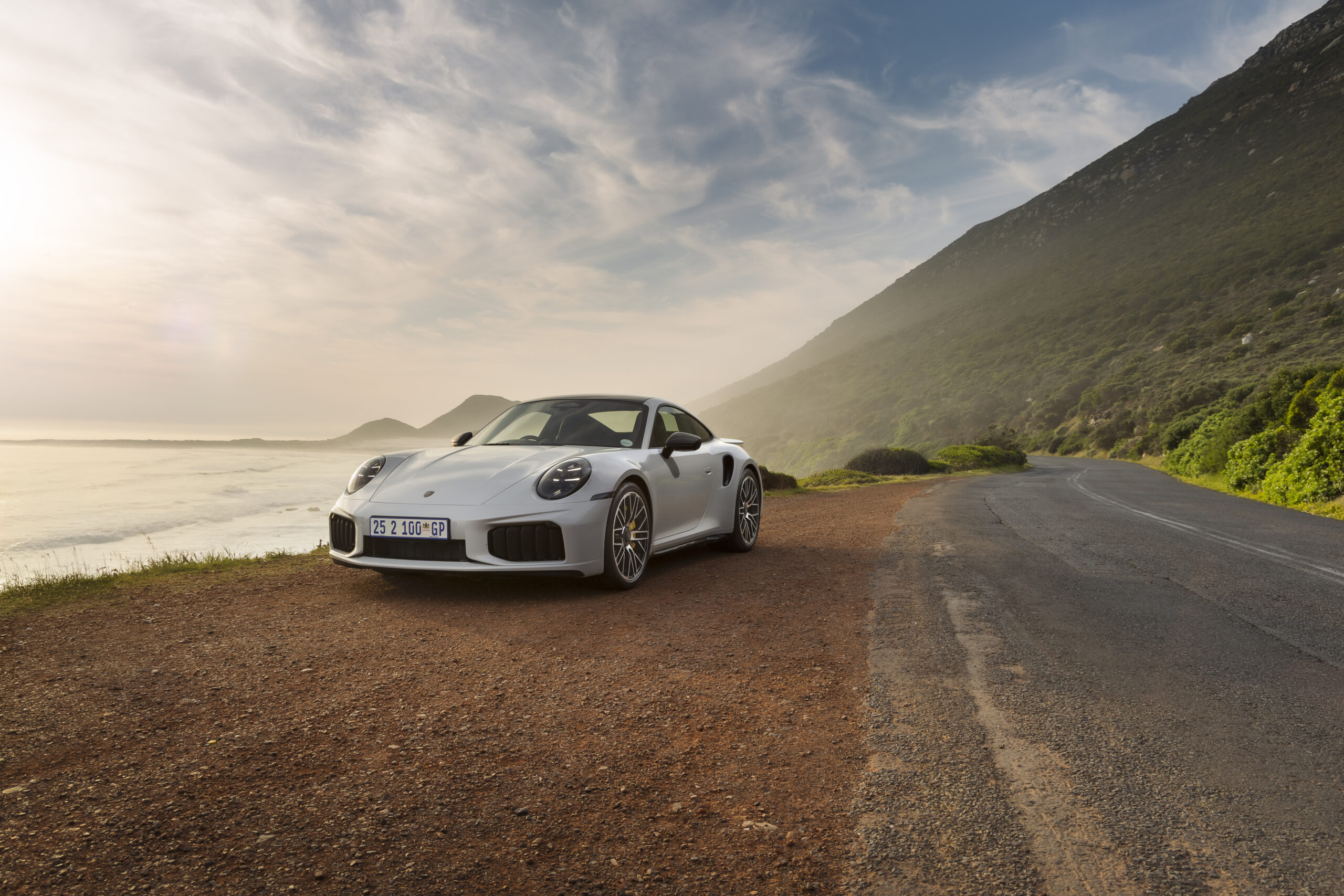
With 523 kW, twin electric turbochargers and a Nürburgring lap time that would embarrass dedicated track cars, the updated Porsche 911 Turbo S is the most powerful production 911 ever built. But as we discovered during a recent test drive in the Western Cape, this incredible machine is not only about headline numbers…
Arriving at the test drive event with memories of its sibling – the raw, fizzing GT3 Touring – still fresh in my mind, I will admit to wondering whether this encounter would be less thrilling, given the 911 Turbo S‘ positioning as a fast GT car. It only takes leaning onto the throttle pedal with intent once to banish all such thoughts. The violence. The fury. And yet, such control. But more on that later…
The 911 Turbo S does not compete with the GT3. It exists on its own plane entirely and customers are unlikely to consider one in place of the other. Where the GT3 Touring is a precision instrument stripped to its essential purpose (yet remaining more usable than most supercars), the Turbo S is something more complex. In a different but no less remarkable way, it is a car that is absurdly, explosively fast, yet composed enough to use every single day, even over long distances.
The updated 911 Turbo S is the most powerful production 911 Porsche has ever built. Maximum power output stands at 523 kW, with that power peak available from 6 500 to 7 000 rpm. Perhaps even more importantly, maximum torque (800 Nm) remains on tap from as low as 2 300 to 6 000 rpm. This translates to immediate and immense throttle response. Further reducing lag are two electric motors (one per turbocharger) that spin each turbo to working speed almost instantaneously before exhaust gases take over.
The 1.9 kWh T-Hybrid battery is borrowed from the GTS and weighs just 28 kg. The compact electric motor is integrated into the eight-speed PDK gearbox, transmitting power to the 911’s all-wheel-drive system. Despite the added weight of the hybrid components – the car is 85 kg heavier overall than its predecessor – the latest Turbo S is notably faster.
The Turbo S Coupé is claimed to blast from rest to 100 kph in 2.5 seconds – 0.2 seconds quicker than its predecessor. It reaches 200 kph half a second faster (in 8.4 seconds), with a top speed of 322 kph. At the Nürburgring, a development car posted a lap time 14 seconds faster than the previous iteration (7:03.92).
What is the Porsche 911 Turbo S like to drive?
The exact same Western Cape roads that turned my recent GT3 Touring drive into a symphony of mechanical theatre revealed the very different, yet intoxicating character of the Turbo S. The cabin is immediately and noticeably quieter. The ride is more compliant over road imperfections. The overall ambience, even in Sport mode, is several degrees of refinement removed from the GT3’s intentional, unfiltered directness. But do not for a moment imagine the Turbo S as being soft.
Put your foot down from pretty much any speed, in almost any gear, and the car simply catapults towards the horizon. This is a car with big lungs; there is a relentless, chest-compressing wave of power under your right foot. The vastness of the power reserves means you are very likely to run out of straight road long before the car runs out of accelerative force. It lacks the crescendo of a naturally aspirated engine building through its rev range, but in its place is something akin to the fury of a sustained, unstoppable surge.
And yet, the Turbo S never feels out of control or unwieldy. This is perhaps its most impressive engineering achievement: 523 kW in a rear-engined sports car should not feel this nimble and responsive. Far from being intimidating, it encourages the driver to push even harder, combining this sense of control with a complete lack of vagueness around the edges. The all-wheel-drive system and electro-hydraulic ehPDCC roll-control work together to keep the Turbo S planted through direction and surface changes that would unsettle lesser machinery. It is almost disconcertingly easy to drive quickly.
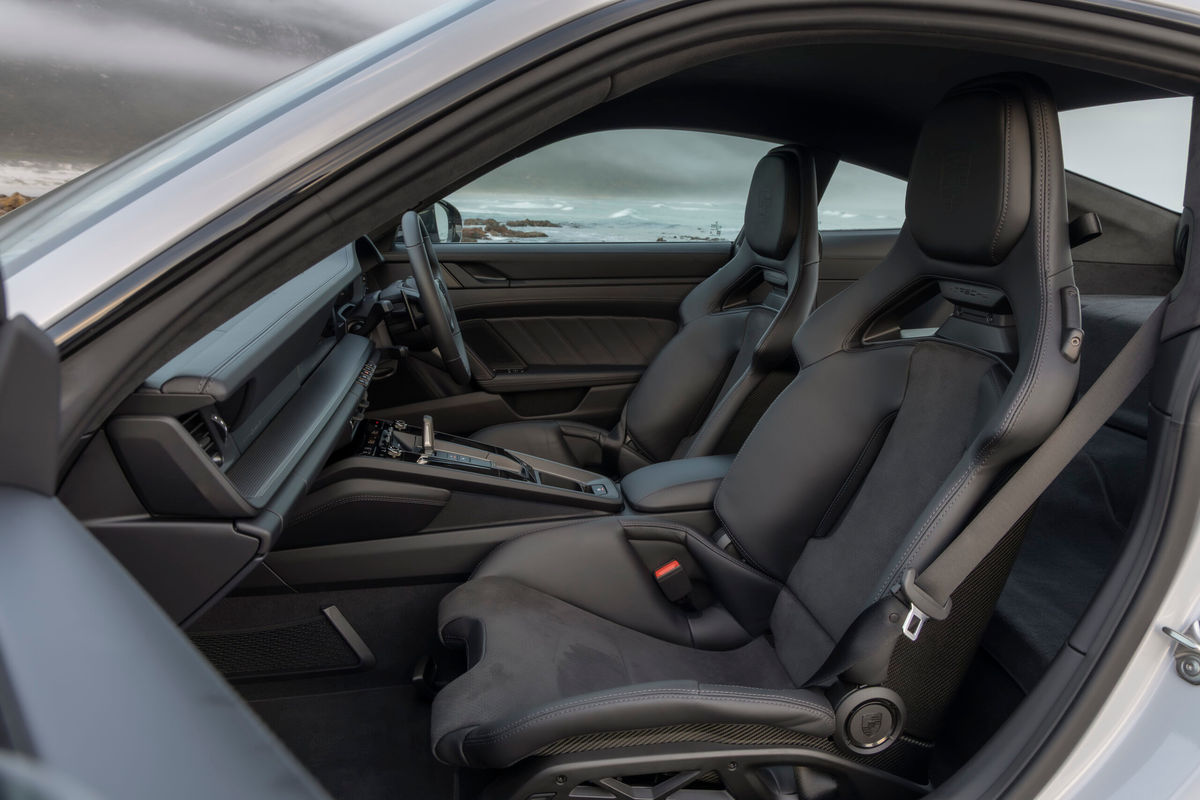
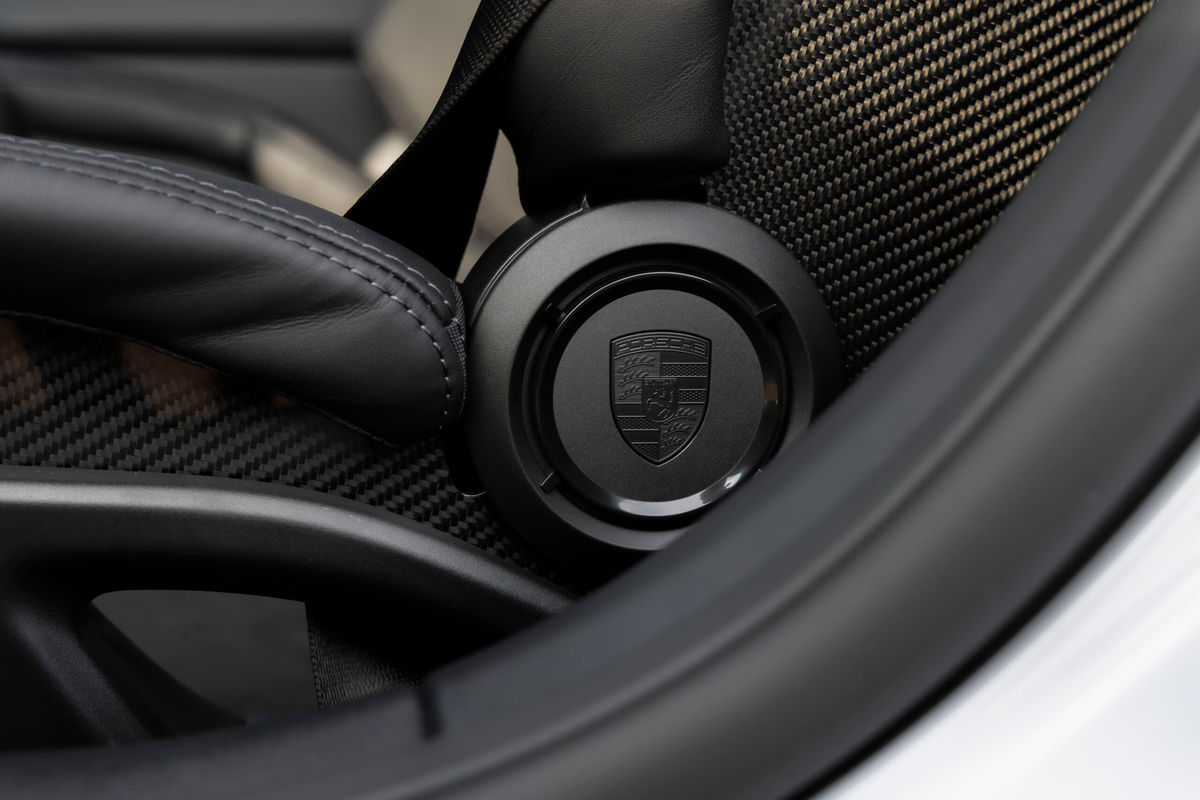
One specification note for prospective buyers: the test car was fitted with optional carbon-fibre-backed bucket seats (R132 340 extra), which are considerably firmer than the standard adaptive 18-way Sports Seats Plus. For those looking to lean into the GT touring character of the Turbo S, the standard seats are likely the more sensible choice for daily use.
Active aero and dynamics
Where the GT3’s aerodynamic story is about reducing pitch and maximising downforce through static, carefully shaped components, the Turbo S pursues a different goal: intelligent adaptability. The active aerodynamic system—comprising vertical cooling air flaps at the front, an active front diffuser, an adjustable front spoiler lip, and an extendable, tilting rear wing—works in sync to continuously optimise airflow depending on conditions.
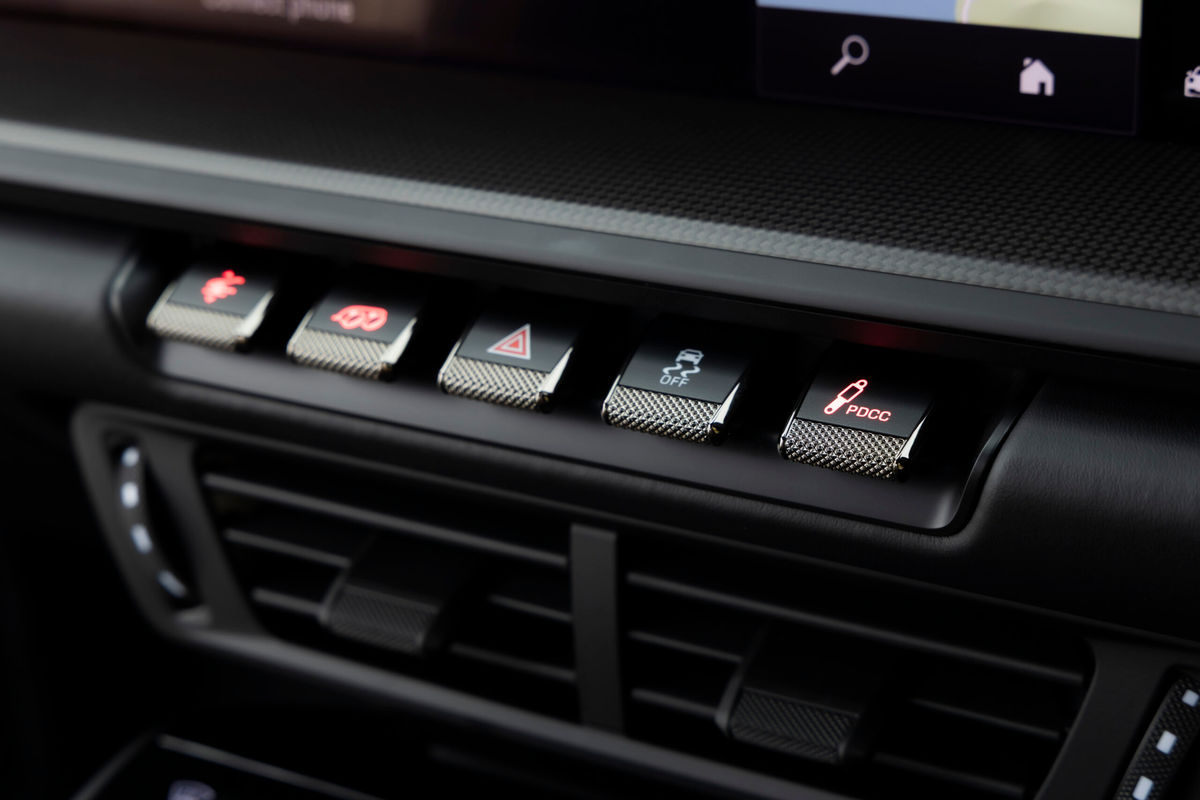
The electro-hydraulic ehPDCC roll-control system comes standard on the Turbo S, enabled by the car’s 400V high-voltage architecture. It reduces body roll during quick direction changes and improves agility when entering and exiting corners, all while improving ride comfort. It would take a very brave driver (and immense run-off areas) to safely discover the cornering limits of this machine.
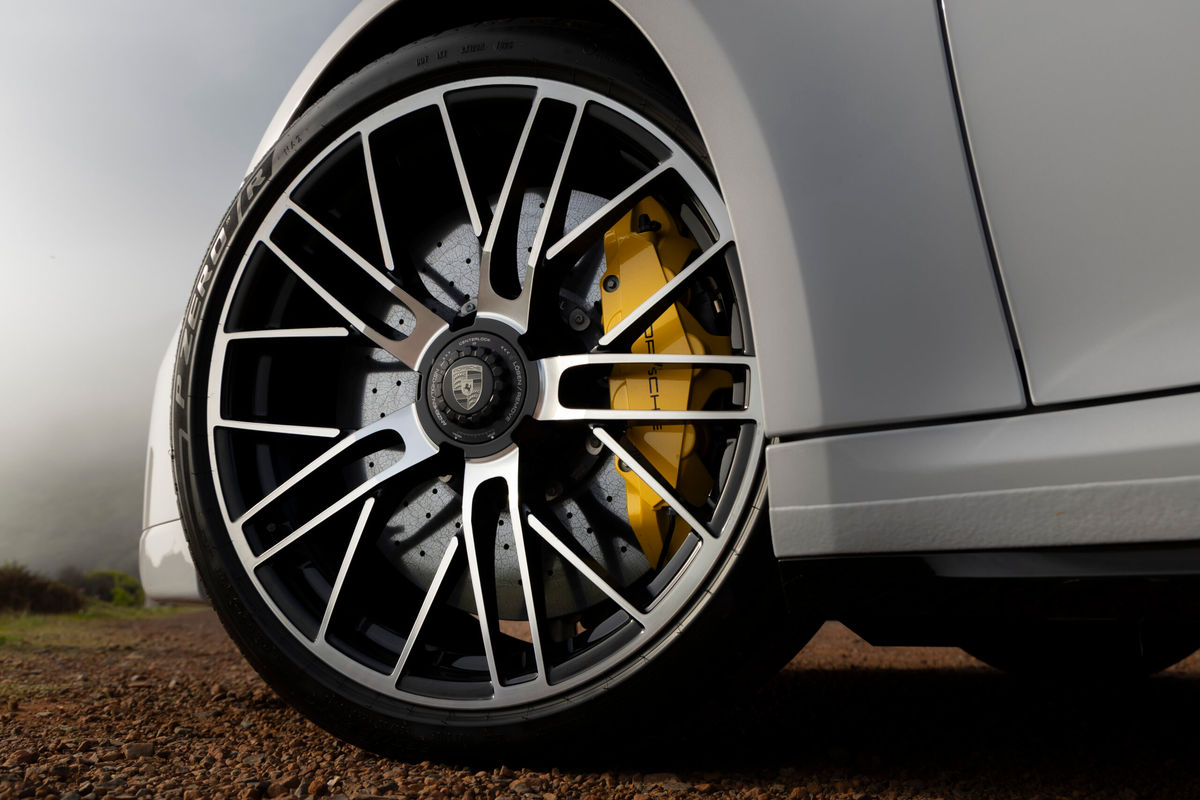
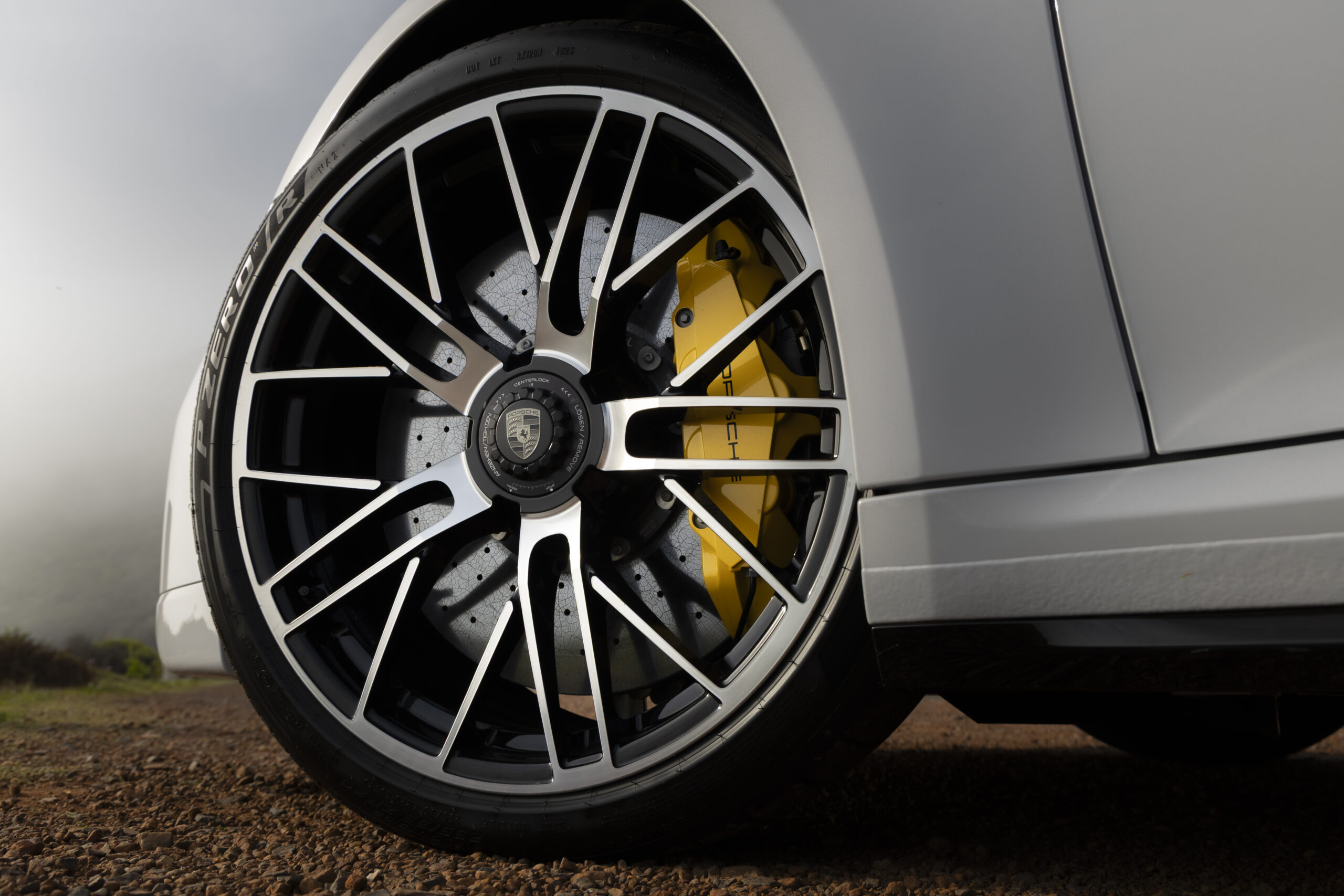
Stopping power is immense, setting a new benchmark in the evolution of the 911. The ceramic front and rear discs now measure 420 mm and 410 mm respectively (up 20 mm compared to the previous model), making them the largest ever fitted to a two-door Porsche road car. New, 10 mm wider rear tyres (325/30 ZR21) further improve dry handling while maintaining wet-weather performance, paired with 255/35 ZR20s up front.
Design & Interior ambience
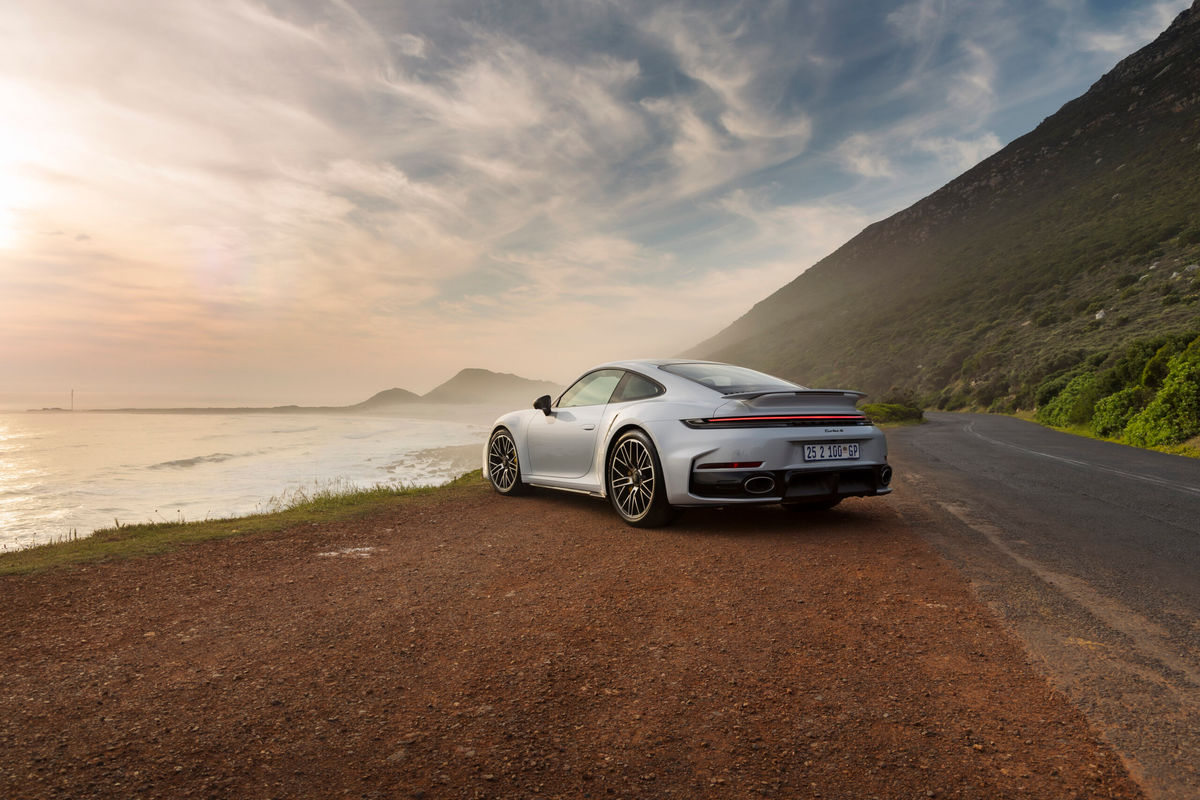
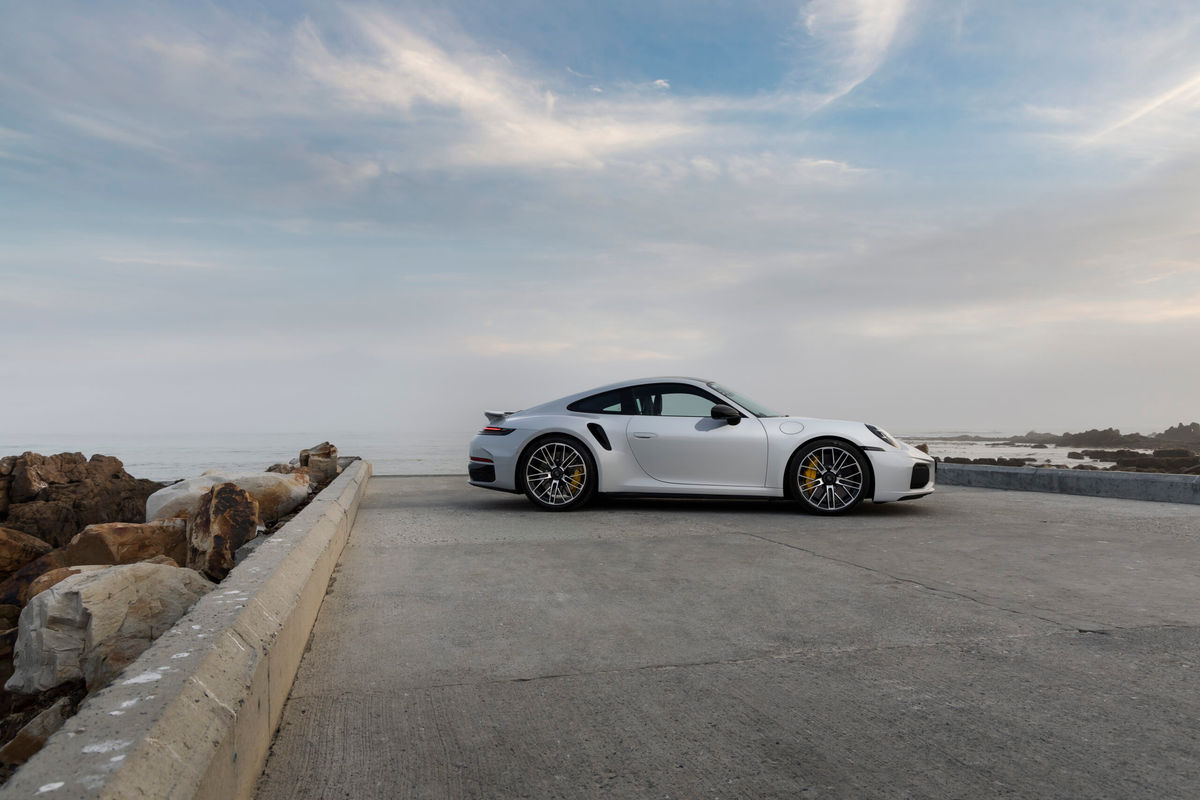
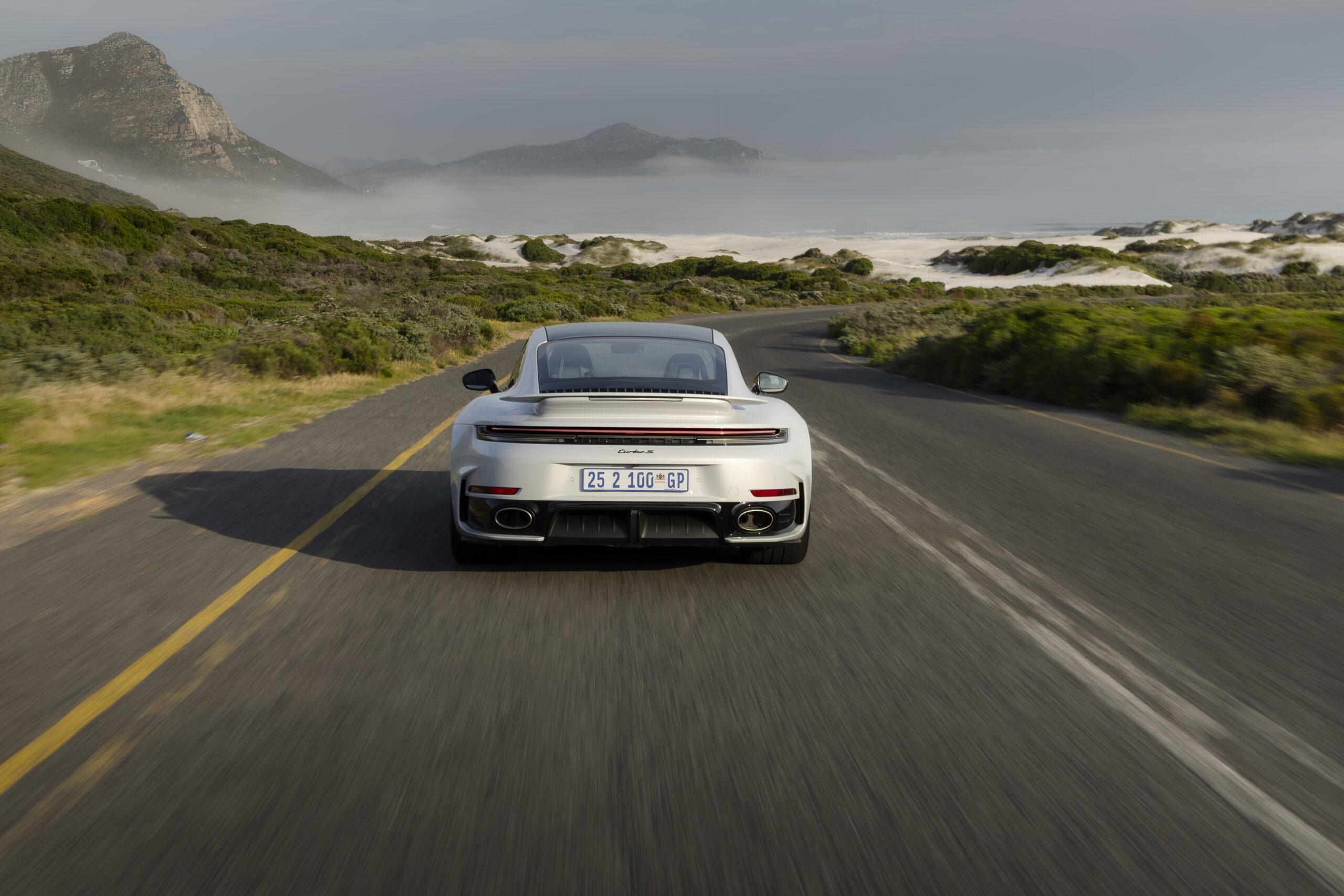
The evolution of 911 design has always been a story of subtle detail, even within the same generation. On the 911 Turbo S, the wider body and broader track compared to Carrera models are immediately evident. The air intakes in the rear haunches feeding air to the engine and rear components serve as a clear visual signature. From behind, striking ventilation openings accentuate the car’s width alongside that rear wing, which can be left in a subtle lowered position or raised for visual aggression.
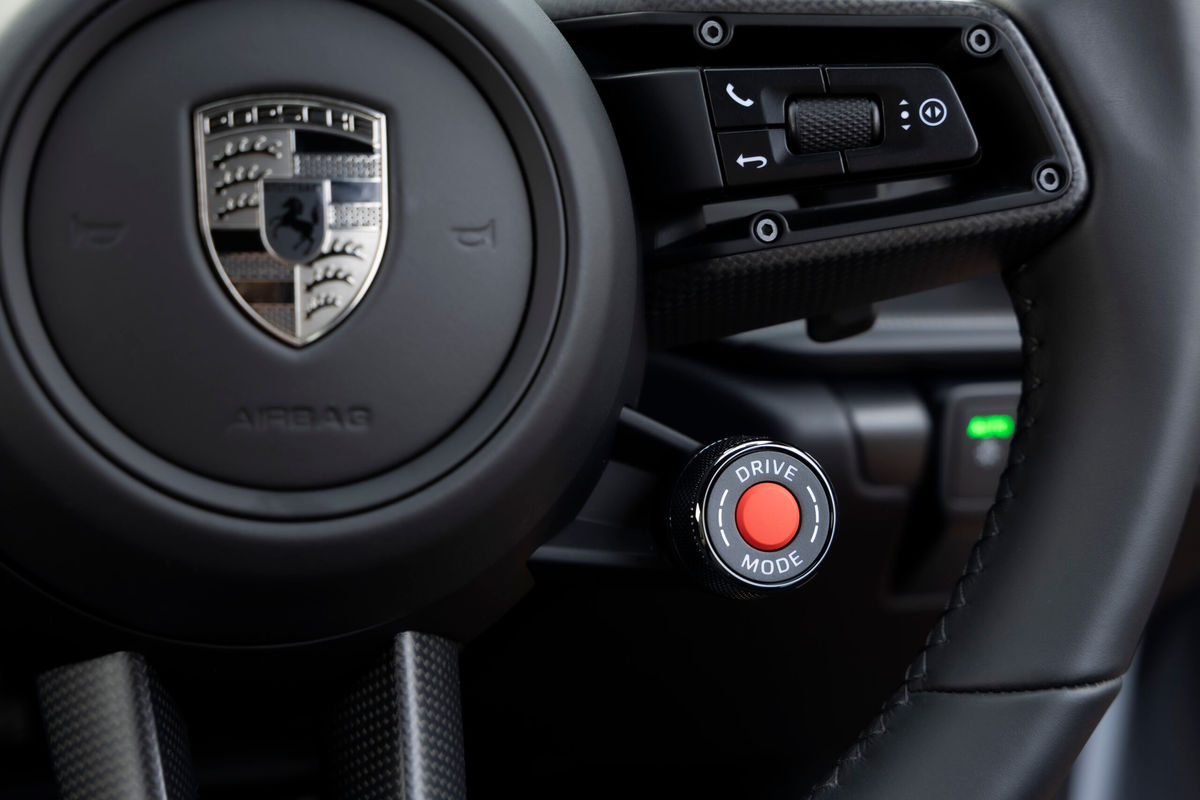
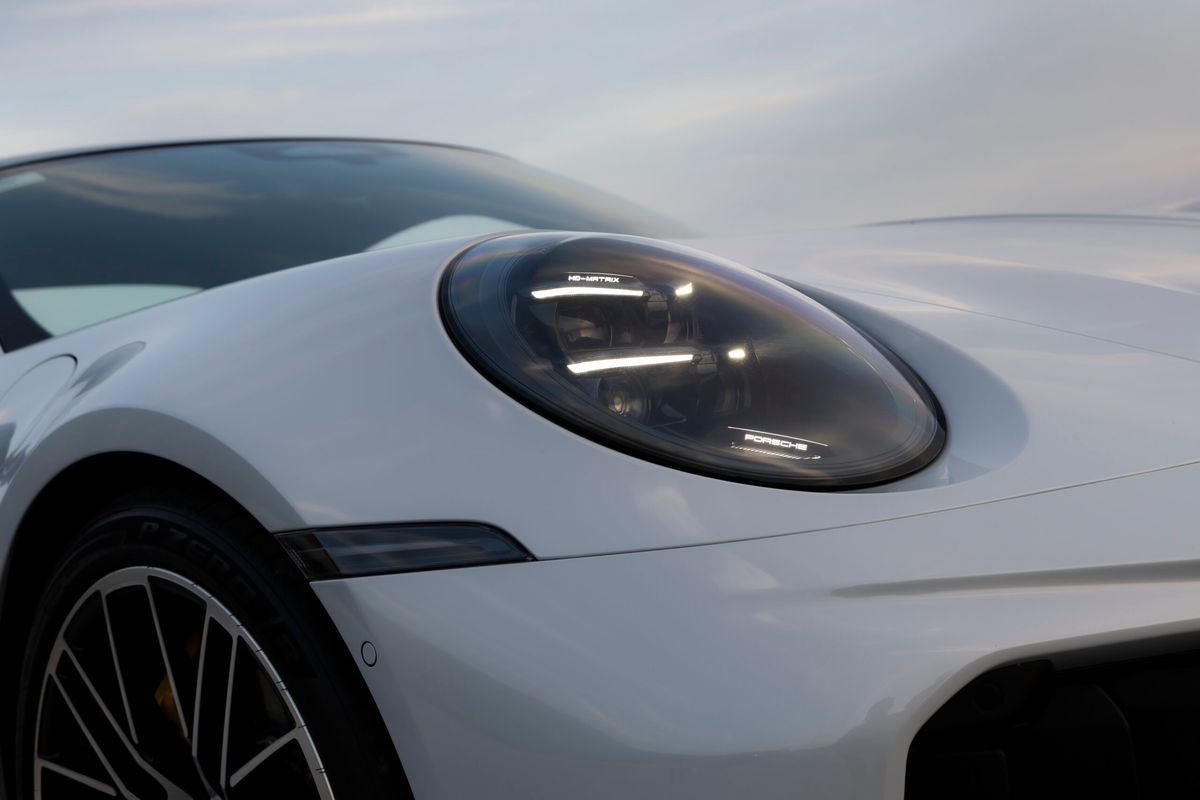
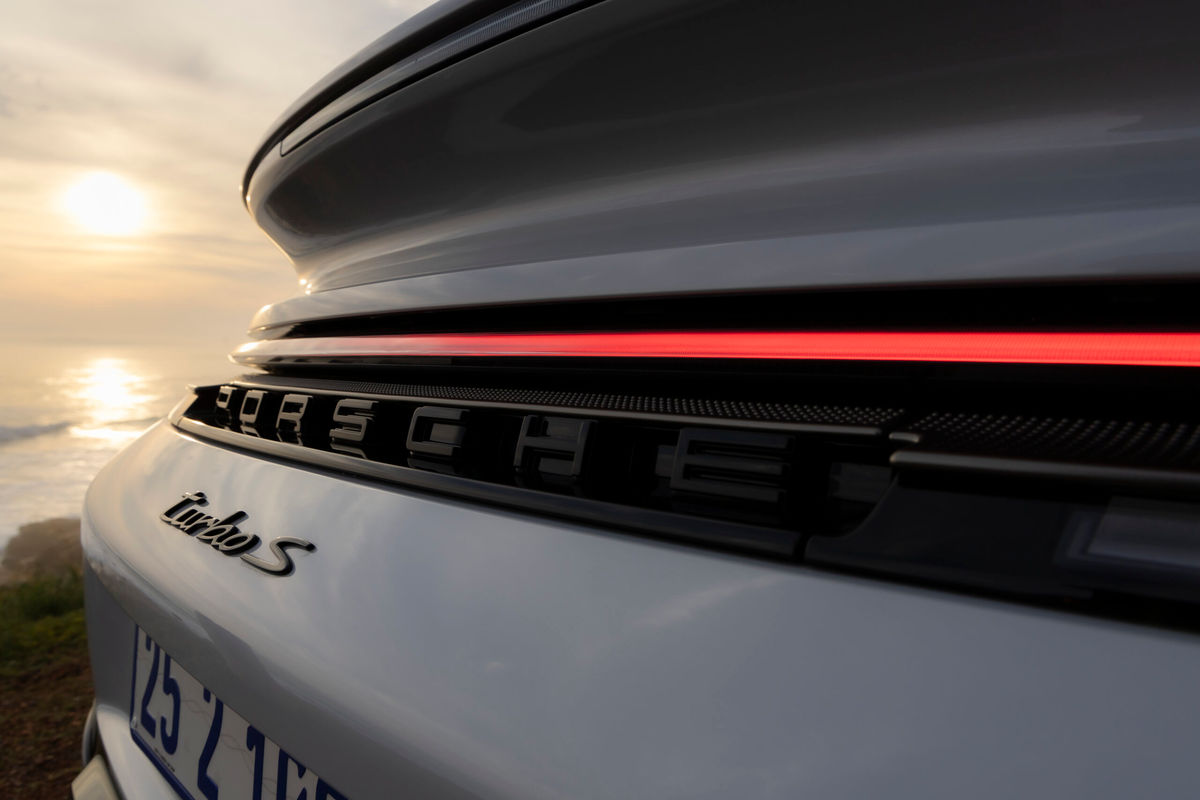
Look closely and you will spot accents finished in Turbonite – a dark, chrome-like finish reserved exclusively for Turbo models. It appears on the Porsche crest, rear badge lettering, rear wing slat inserts, side window strips, and the striking new centre-lock wheels. These Turbonite elements perfectly align with the Turbo S’s ethos of serious intent over ostentation.
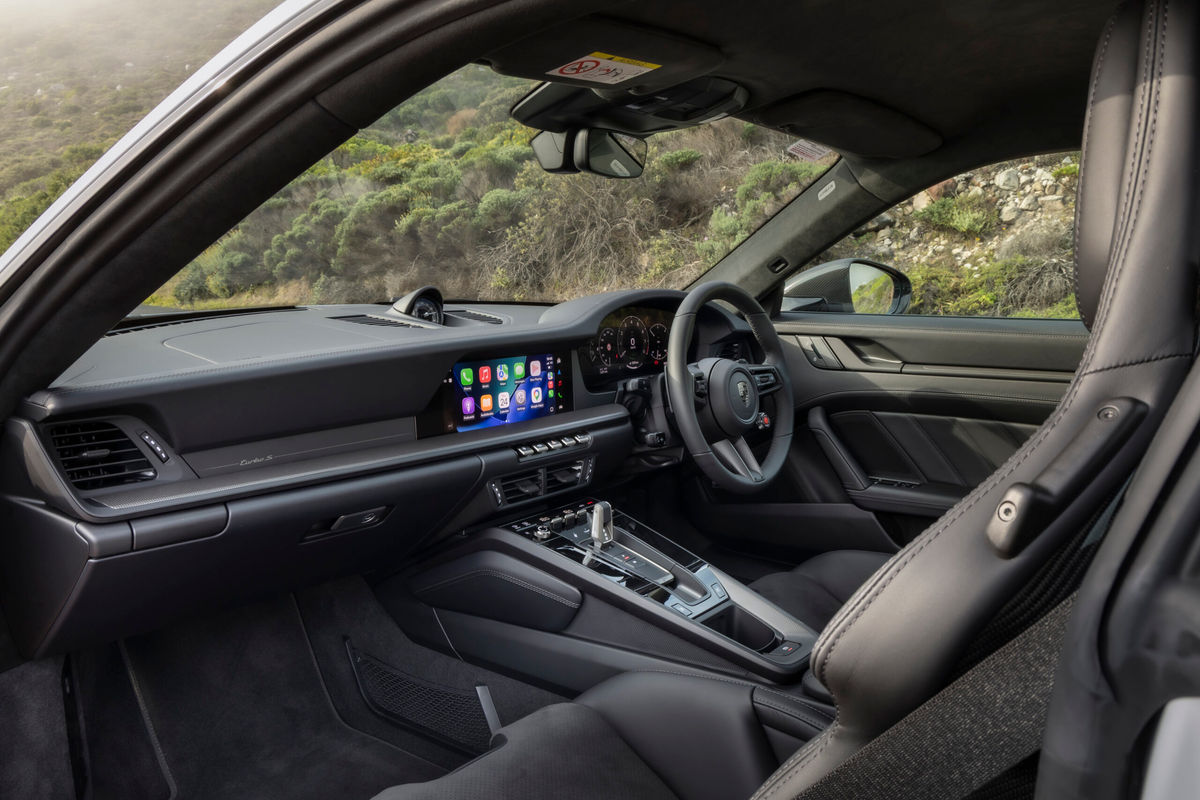
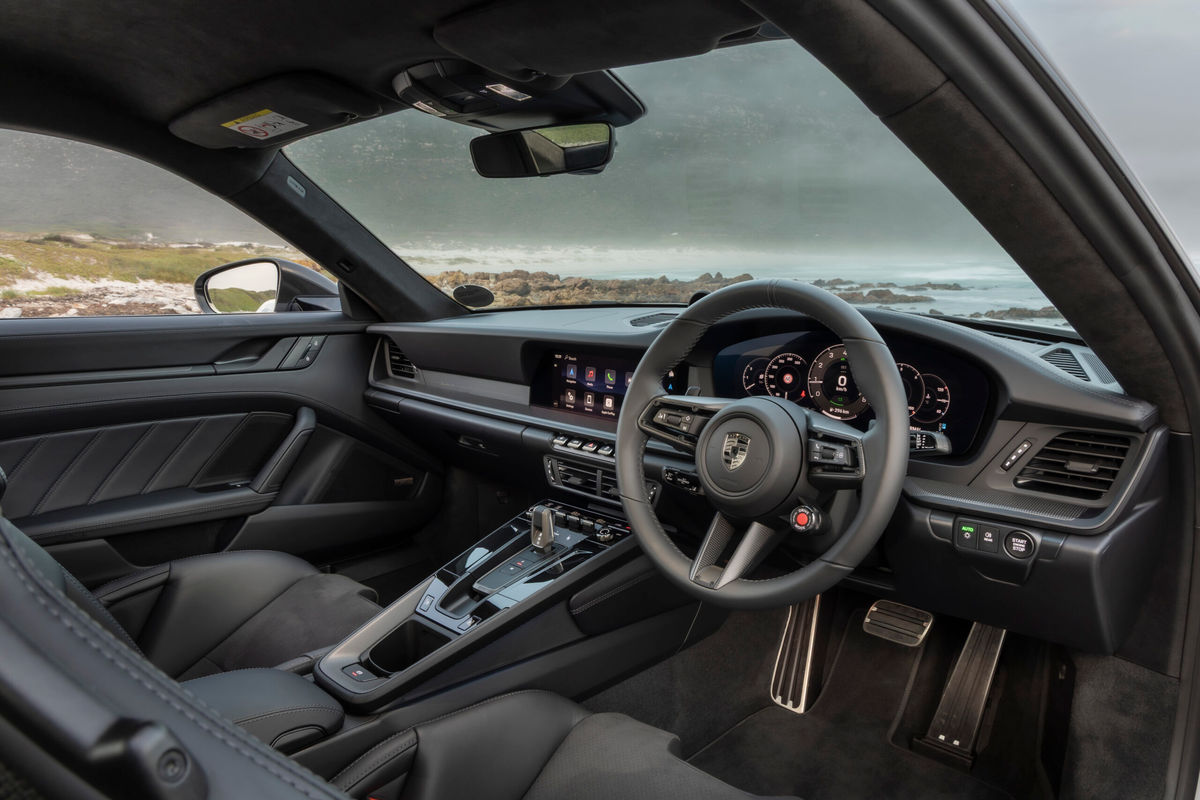
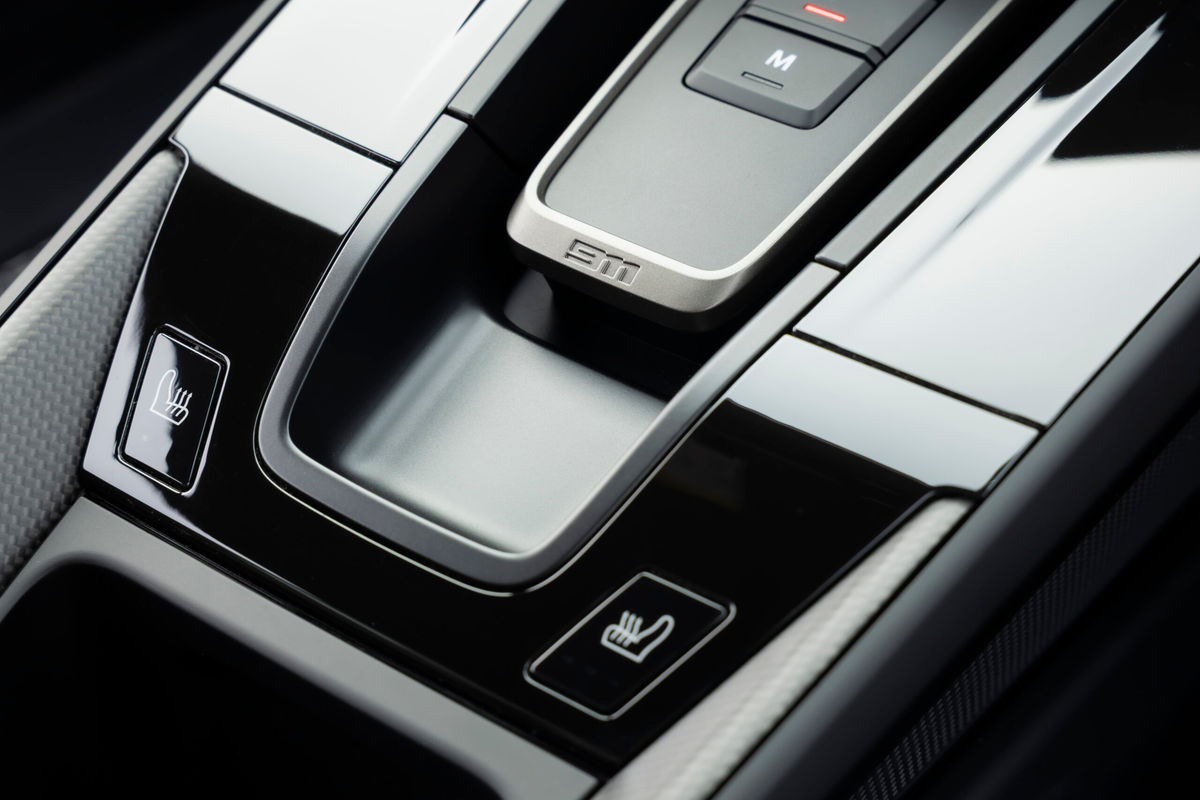
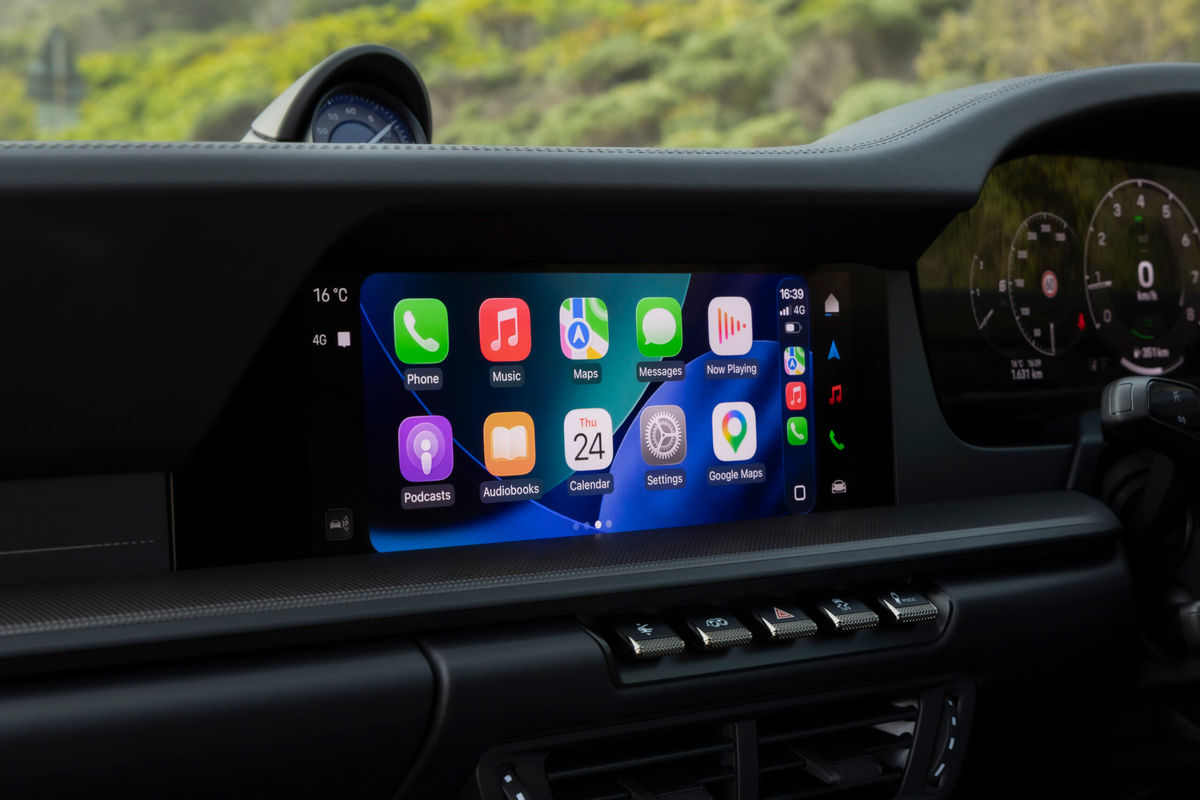
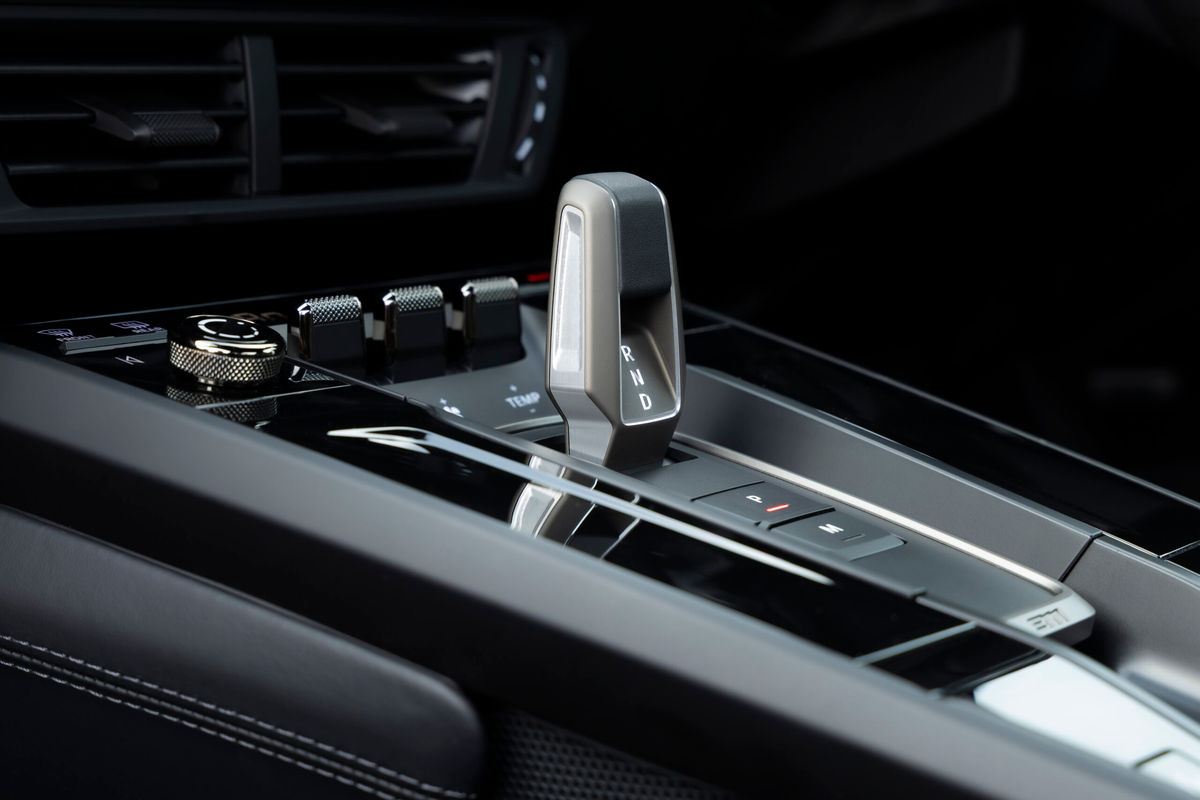
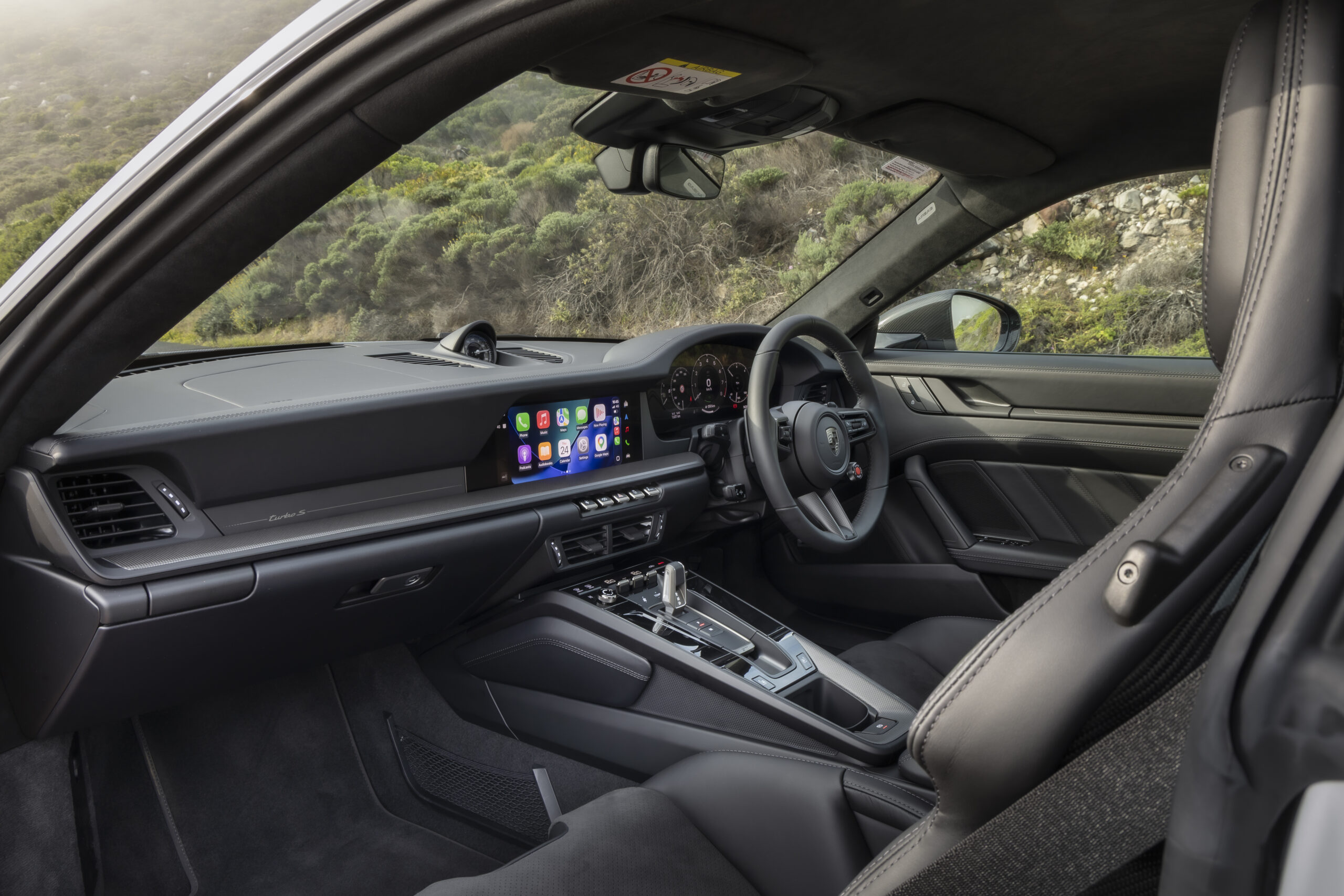
Inside, the Turbonite theme continues across the door panels, steering wheel, dashboard surrounds, centre console, Sport Chrono stopwatch face, instrument cluster and decorative stitching on the seat belts and controls.
Two new interior details make their debut here: carbon-structured trim strips with Neodyme accents, and a perforated microfibre headliner with black backing. As ever, solidity is evident in every surface, control action, and complete absence of creaks or rattles, even over rough pavement.
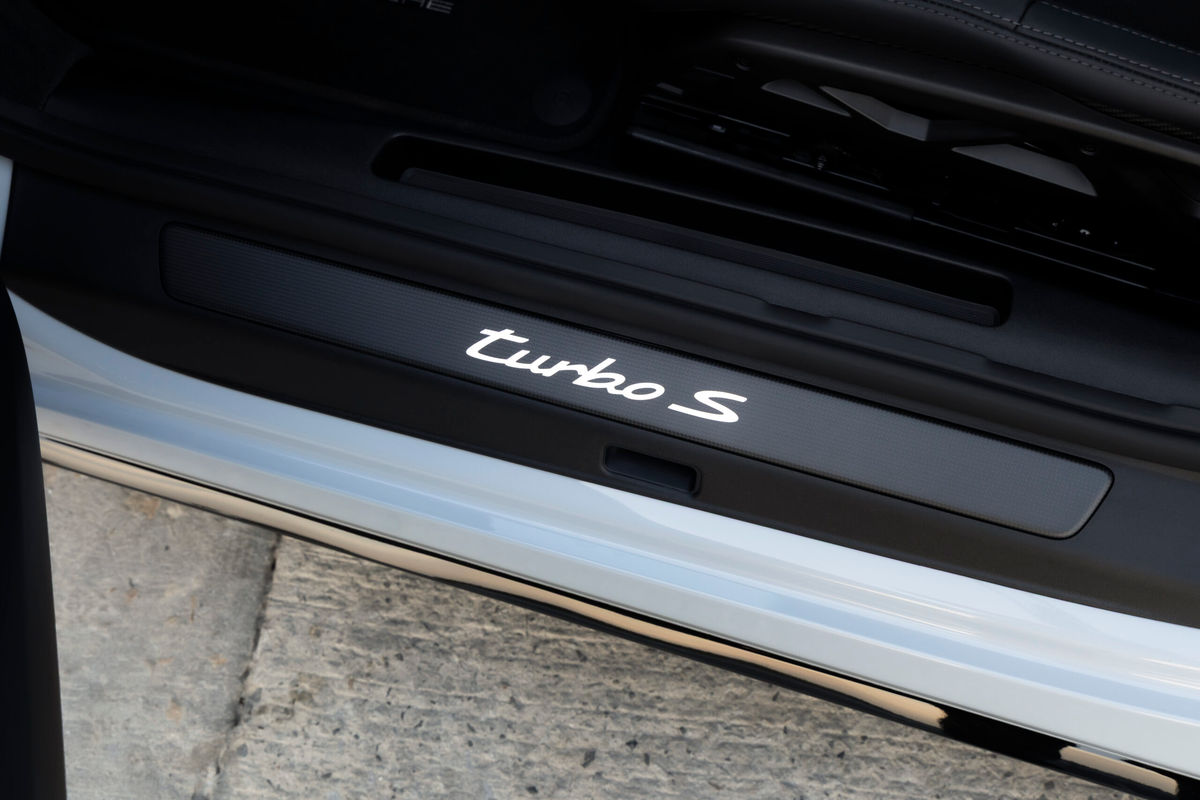
The Sports Seats Plus feature Turbo S-specific embossing on the seat surfaces and door panels – a homage to design details from the original 930 Turbo. HD Matrix LED headlights come standard, as does the Sport Chrono Package. The rear seat package for the Coupé is available at no extra charge, offering Turbo S buyers optional four-seat usability.
How much does the Porsche 911 Turbo S cost in South Africa?
The 911 Turbo S is available in Coupé and Cabriolet body styles in South Africa, with base pricing set at R5 722 000 and R5 991 000 respectively. Pricing includes a 5-year/100 000 km maintenance plan. Of course, a wide range of optional extras can be explored via Porsche South Africa’s online configurator.
Final thoughts
The GT3 and Turbo S will appeal to distinctly different buyers, even if both are, at their core, sensational driving machines. Blisteringly fast, usable every day, and engineered to an extraordinary standard, both cars make their asking price feel, if not modest, but entirely justified.
The GT3 Touring may be the more raw, communicative, and emotionally demanding option, but pigeonholing the Turbo S as merely a soft tourer would be a grave mistake. The relentless wave of power– available at any speed, in any gear – is a force the GT3’s naturally aspirated engine simply cannot match for sheer, sustained violence. The Turbo S leans decisively into the daily driver and fast tourer side of the 911 spectrum without sacrificing dynamic brilliance or agility.
If you lived in Germany, you could comfortably cover 500 km, drop into the Nürburgring for a lap or two, and drive home without a second thought for mechanical strain. Where you can fully explore its capabilities in South Africa remains an open question, but wherever you drive it, you can rest assured you are piloting one of the most complete sports cars on the planet.
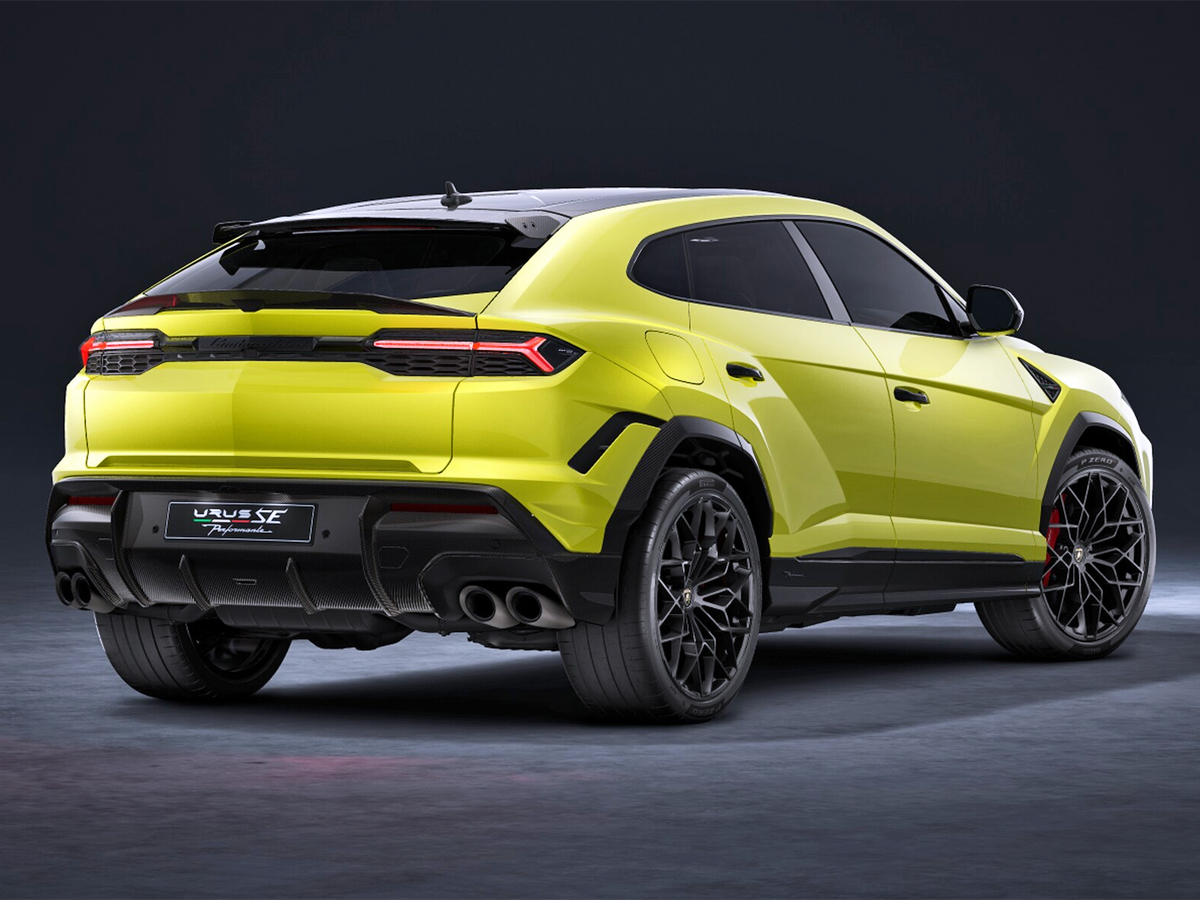
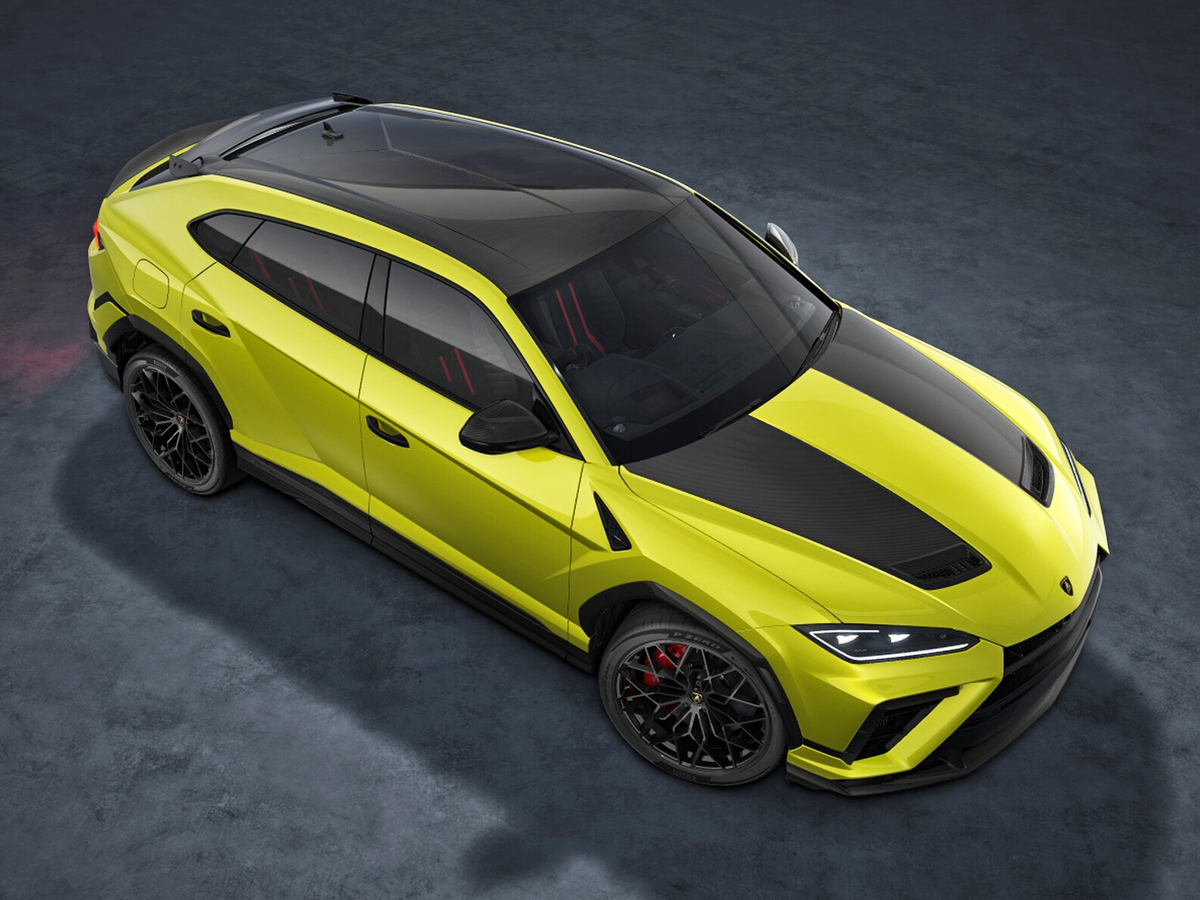
Lamborghini Urus SE Performante (2026) Price & Specs
The new Lamborghini Urus SE Performante is headed to South Africa as the most powerful iteration of the Italian firm’s super-SUV yet. Here’s what it will cost…
Performante variant coming to SA
V8 PHEV set-up generates 596 kW
Most powerful Urus derivative yet
Maximum speed listed as 312 kph
To cost R625k more than Urus SE
The new Lamborghini Urus SE Performante is on the way to South Africa as the most powerful version of the Sant’Agata Bolognese-based automaker’s super-SUV yet. And we now know how much this new flagship Urus will cost.
Courtesy of a timely heads-up from the vehicle-information specialists over at duoporta.com, we can confirm the new Urus SE Performante will be priced from R5 500 000 in South Africa. For the record, that’s some R625 000 more than the Urus SE (588 kW/950 Nm) that arrived here in mid-2024.
Like that model, the new Performante variant employs a plug-in hybrid electric vehicle (PHEV) powertrain featuring a twin-turbo 4.0-litre V8 petrol engine paired with an electric motor (the latter positioned “upstream” of the 8-speed automatic transmission). However, this likewise all-wheel-drive flagship derivative’s system outputs have been hiked to 596 kW and 1 000 Nm.
That, of course, makes it the most powerful Urus yet. Lamborghini furthermore bills its new Performante-badged derivative as the “fastest super-SUV in the world”, listing a 0-100 kph time of 3.3 seconds (a tenth quicker than the SE), a 0-200 kph time of 10.8 seconds and a top speed of 312 kph. In addition, the 25.9 kWh lithium-ion battery pack affords the Urus SE Performante a claimed electric range of “over 60 km”.
Compared to the Urus SE, the Performante benefits from a 32 kg reduction in weight, meaning it tips the scales at 2 473 kg. Lamborghini says this weight loss has been achieved via the extensive use of carbon fibre, including for components such as the bonnet, roof, wheel arches, side skirts and rear diffuser.
In addition, the exhaust system – which was developed in collaboration with Slovenian specialist Akrapovič – features various titanium components, including the silencer and tailpipes. This new titanium set-up offers a claimed weight saving of 10 kg.
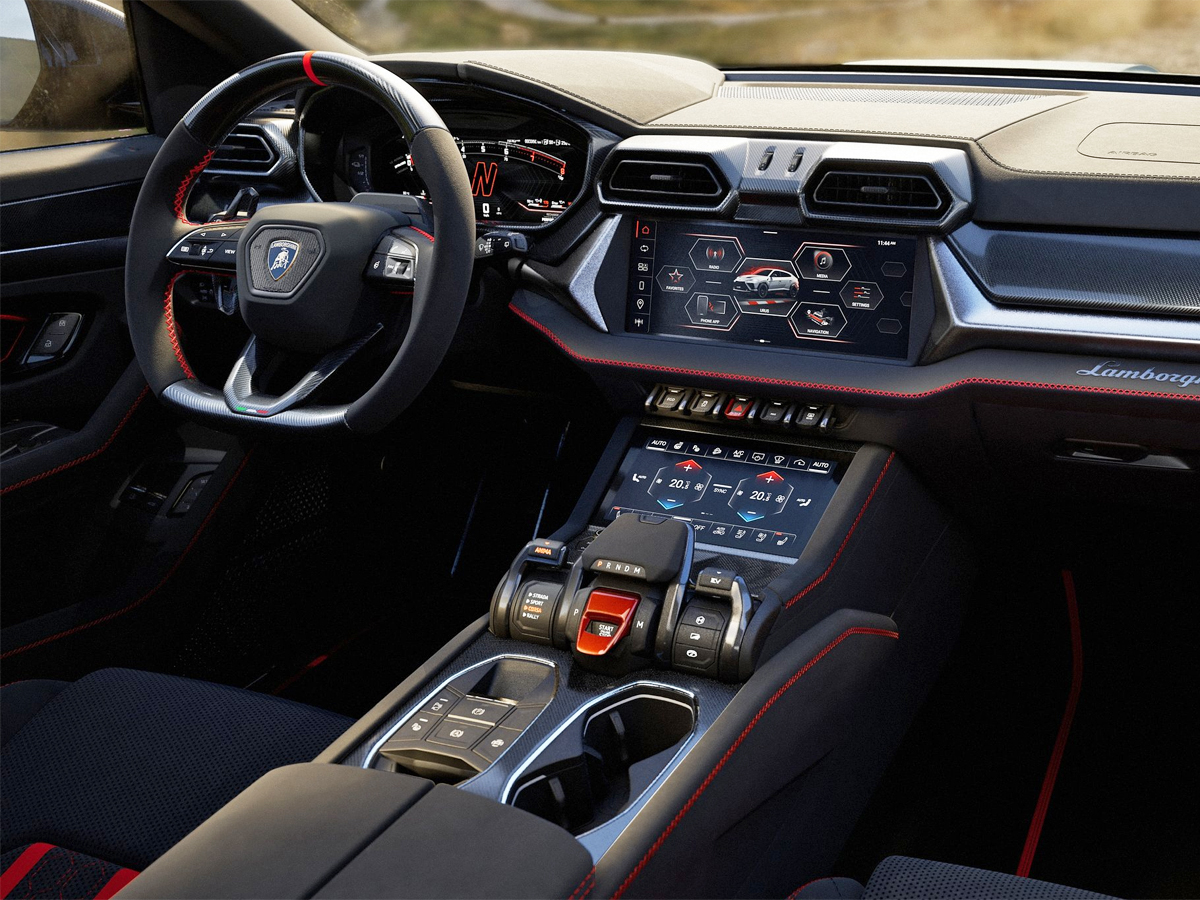
The Performante is further set apart by new dual-chamber air suspension, a dedicated “Rally” driving mode (calibrated to offer what Lamborghini describes as “maximum driving excitement on loose surfaces”), a new 12.3-inch central touchscreen, a revised steering-wheel design, fresh aerodynamic solutions and an “optimised” powertrain cooling system.
What does the new Urus SE Performante cost in SA?
DERIVATIVE
PRICE
Urus SE
R4 875 000
Urus SE Performante
R5 500 000
The prices above include a 3-year/unlimited kilometre warranty and a 3-year/100 000 km maintenance plan.
Frequently Asked Questions (FAQ)
Q: What does the new Lamborghini Urus SE Performante cost in South Africa?
A: The Lamborghini Urus SE Performante is priced from R5 500 000 in South Africa, which is R625 000 more than the Urus SE.
Q: What are its performance specifications and top speed?
A: Powered by a twin-turbo 4.0-litre V8 plug-in hybrid powertrain producing 596 kW and 1 000 Nm, the Urus SE Performante reaches 0–100 km/h in 3.3 seconds and achieves a top speed of 312 km/h.
Q: How much lighter is the Performante compared to the SE?
A: The Performante model benefits from a 32 kg weight reduction (tipping the scales at 2 473 kg), thanks to extensive use of carbon fibre and a titanium Akrapovič exhaust system.
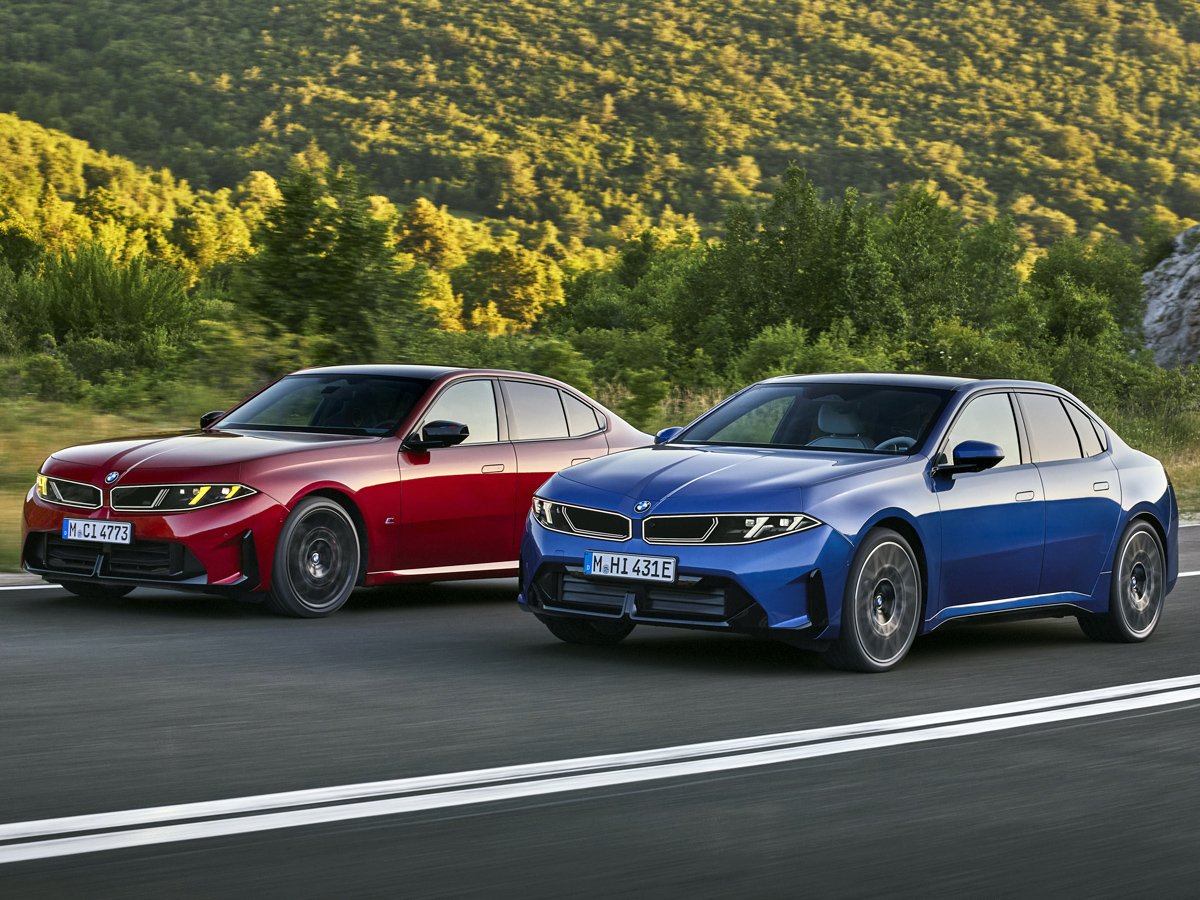
New BMW 3 Series sedan revealed and SA line-up confirmed
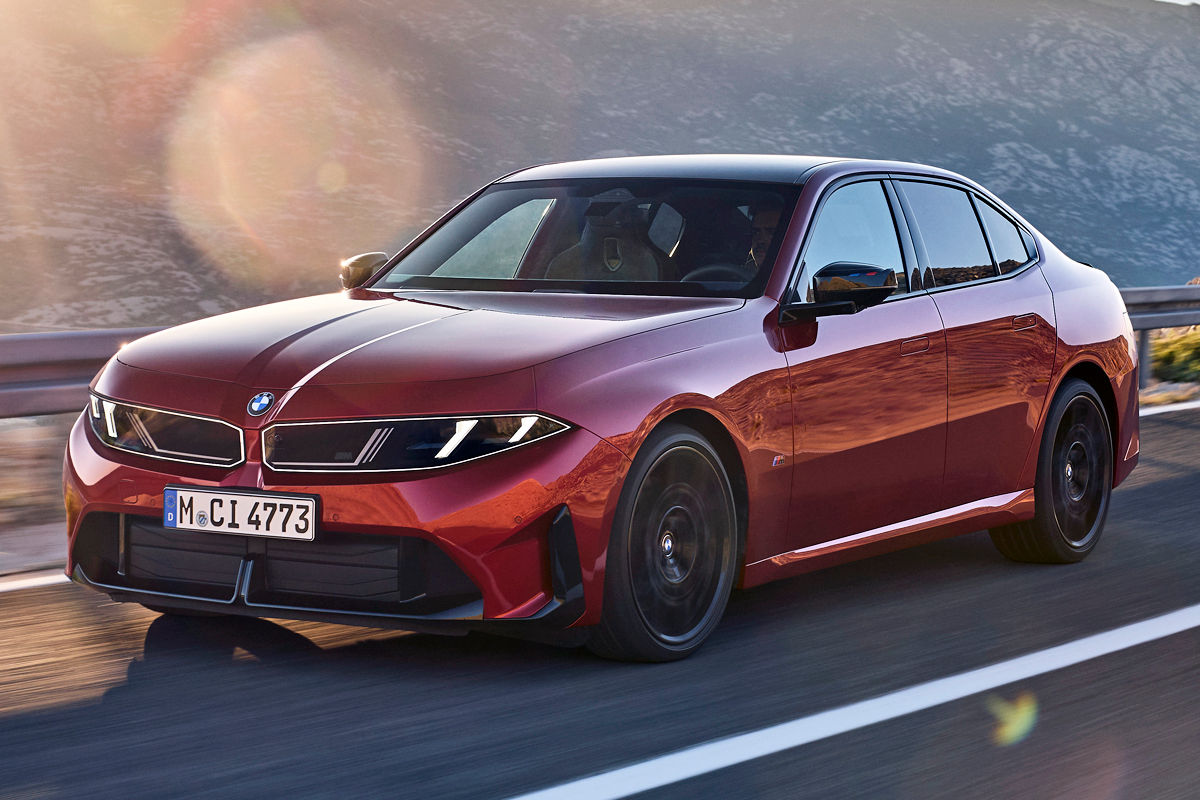
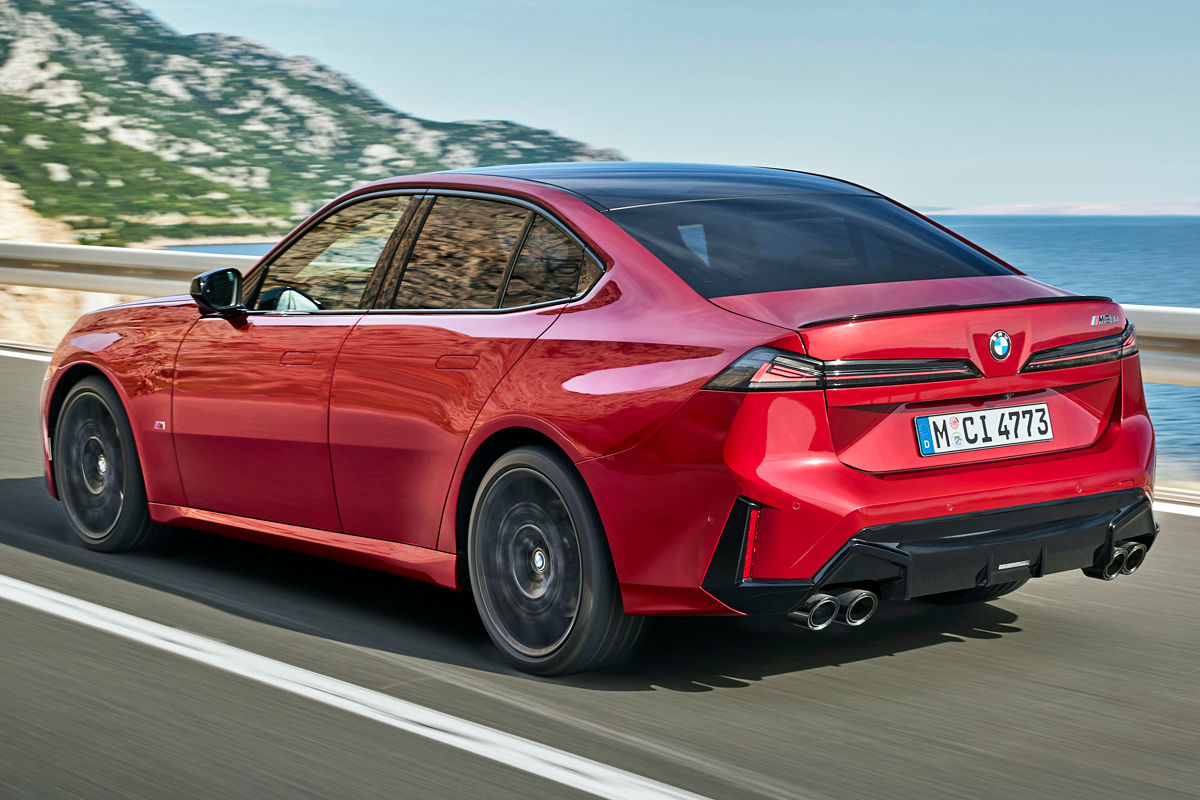
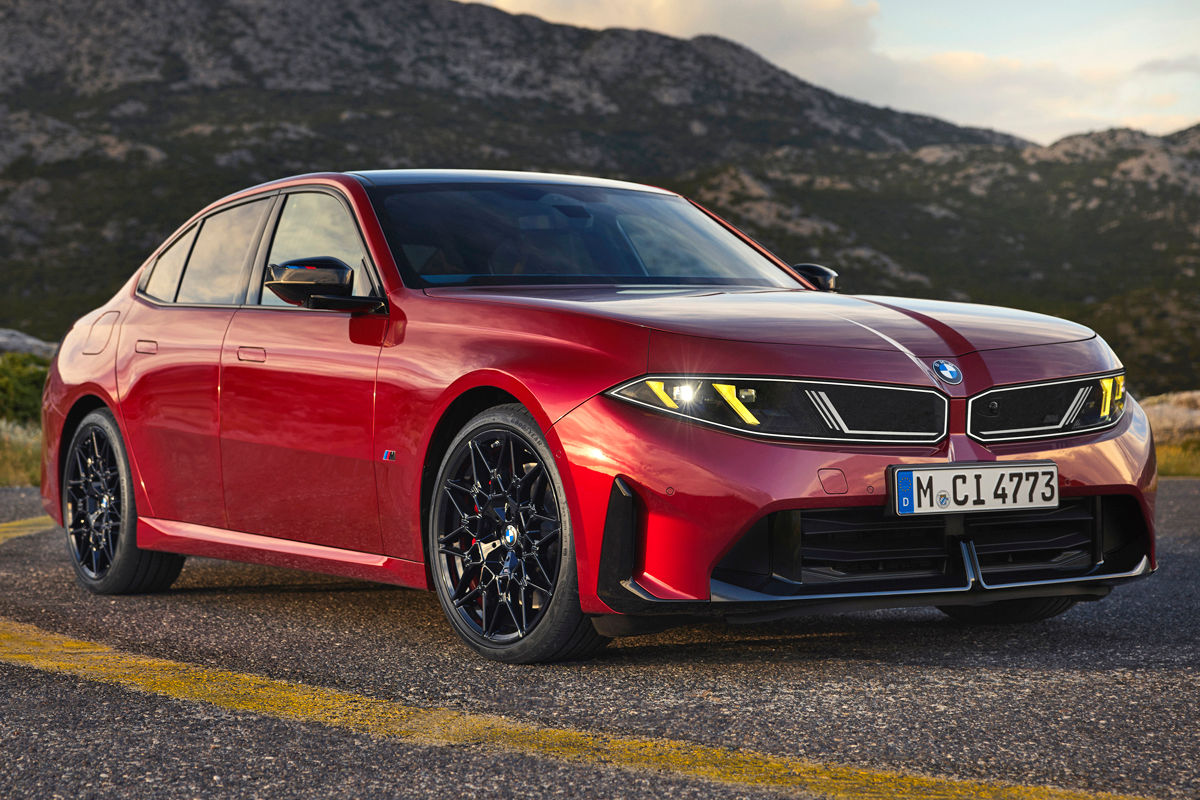
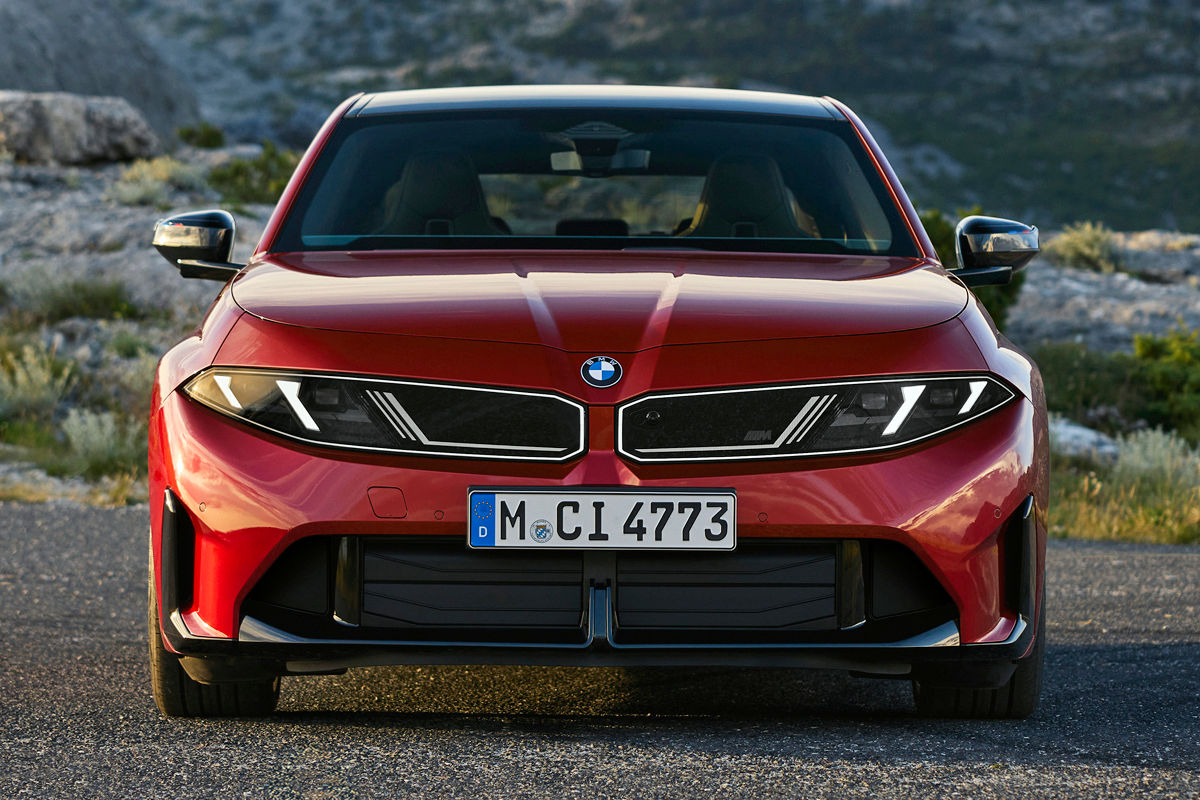
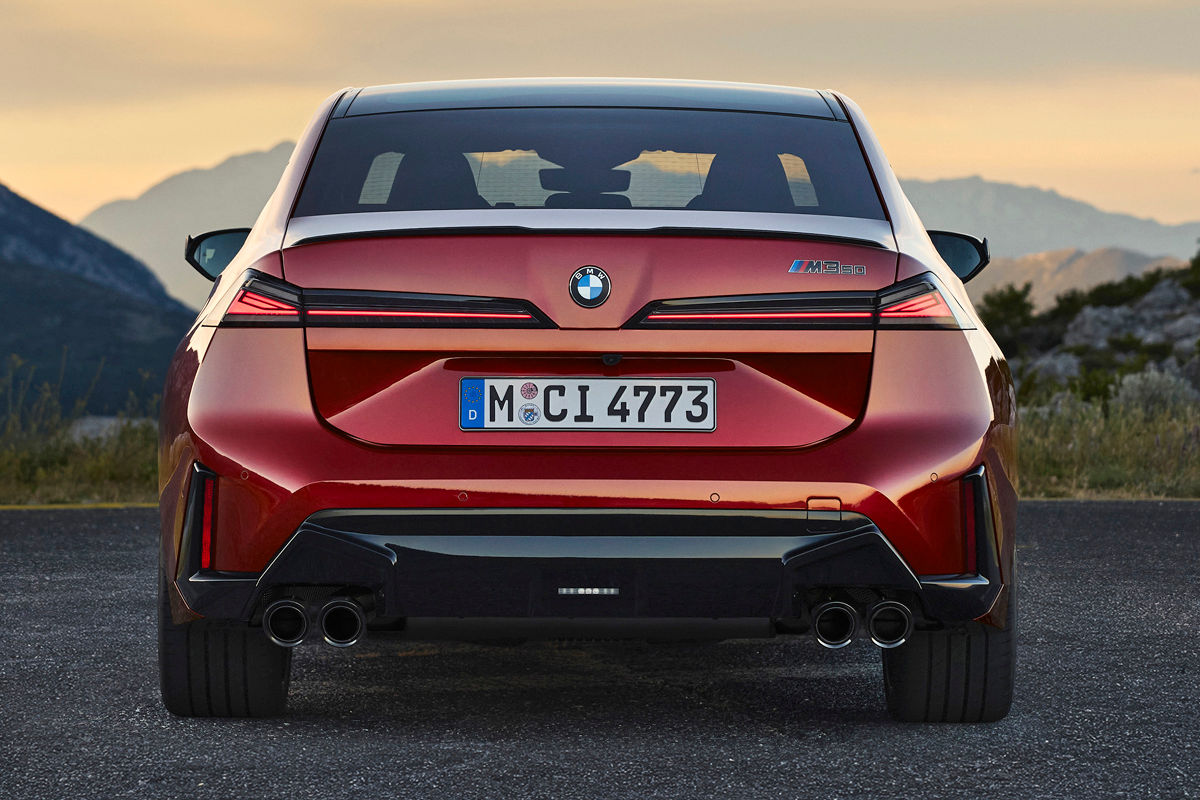
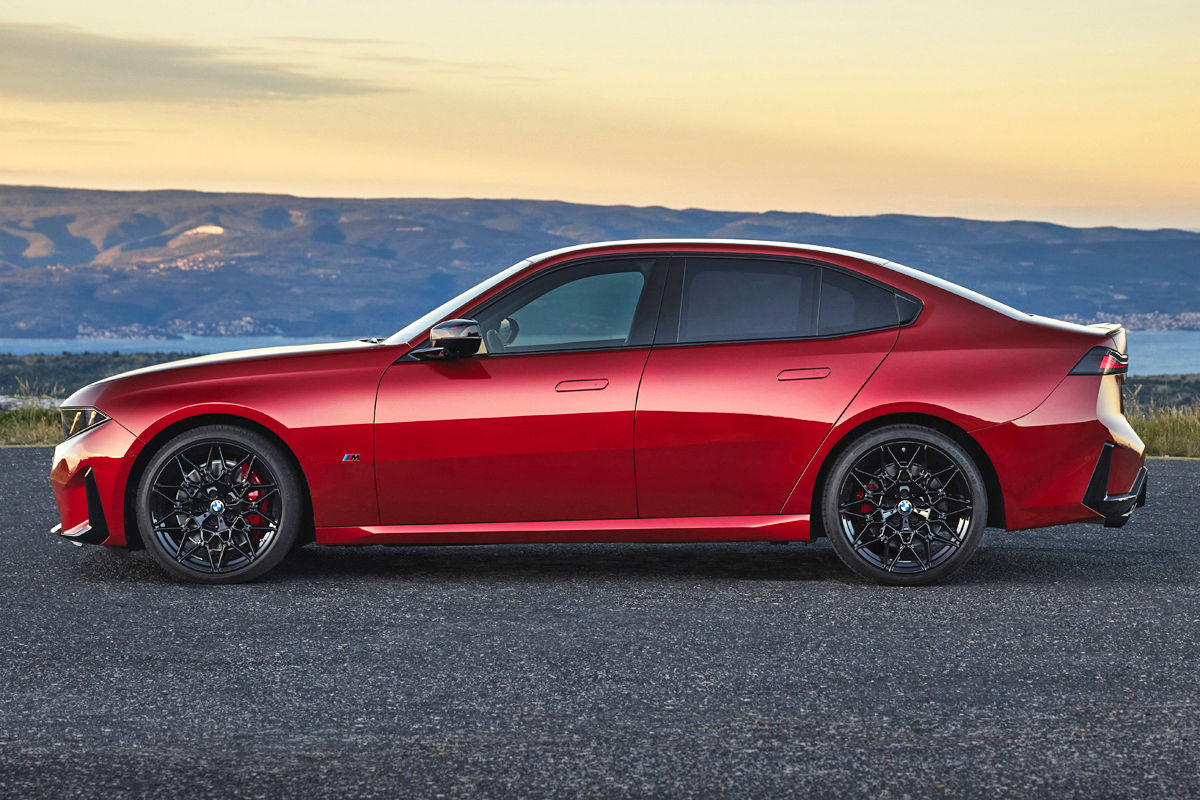
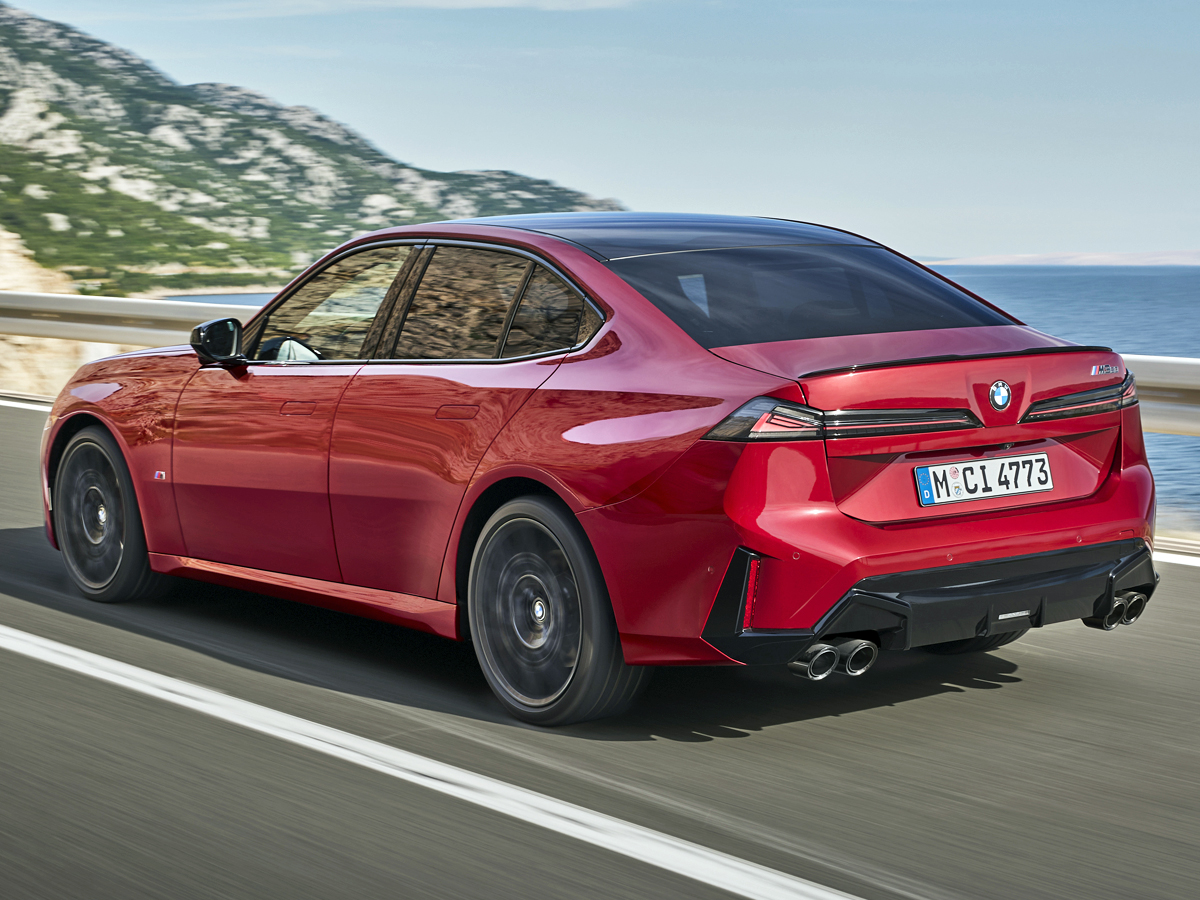
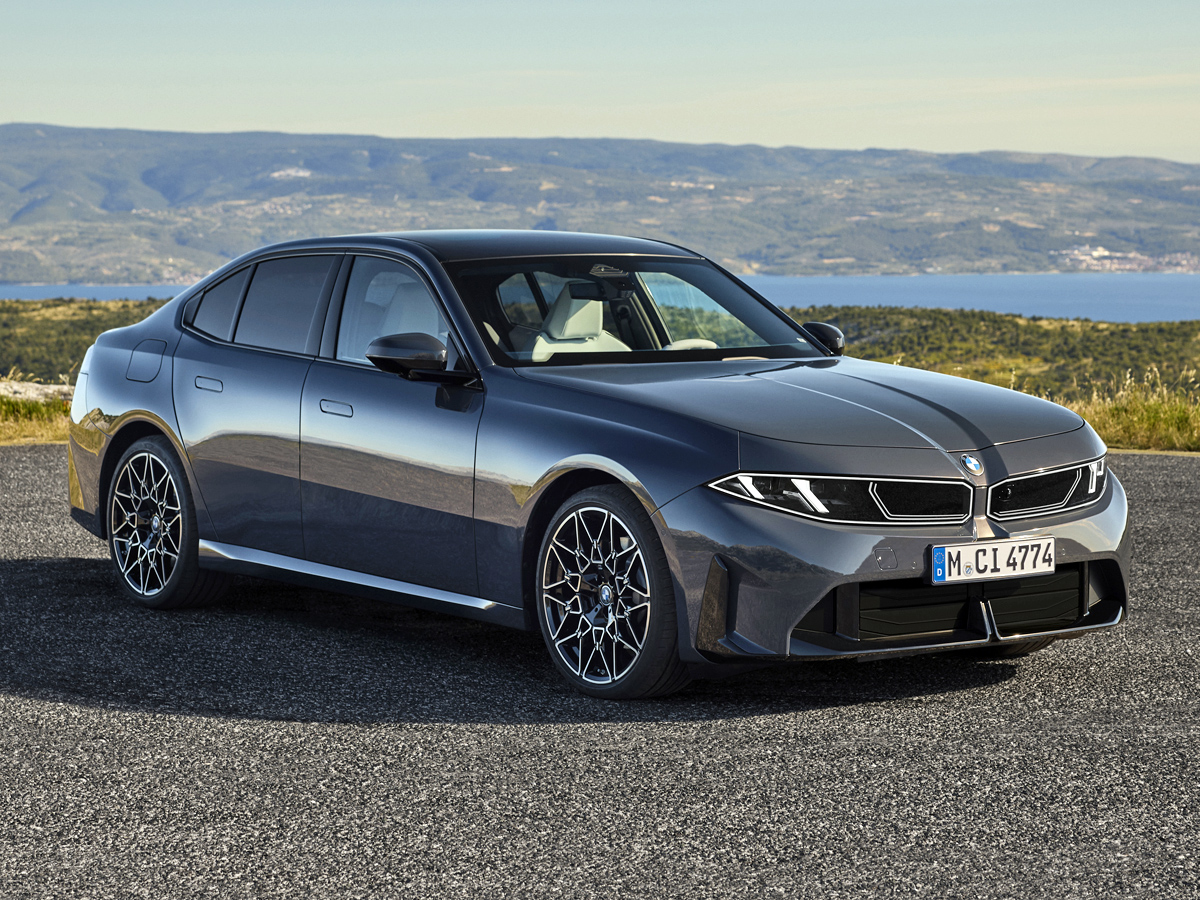
The new G50-generation BMW 3 Series sedan has been revealed, featuring styling familiar from the i3 saloon, with the 326 kW M350 xDrive already confirmed for SA…
G50-generation 3 Series officially debuts
52 mm longer than outgoing G20 sedan
Adopts styling from NA0-series i3 saloon
6-cylinder M350 xDrive boasts 326 kW
Pair of ICE units and EV confirmed for SA
No mention of turbodiesel powertrains
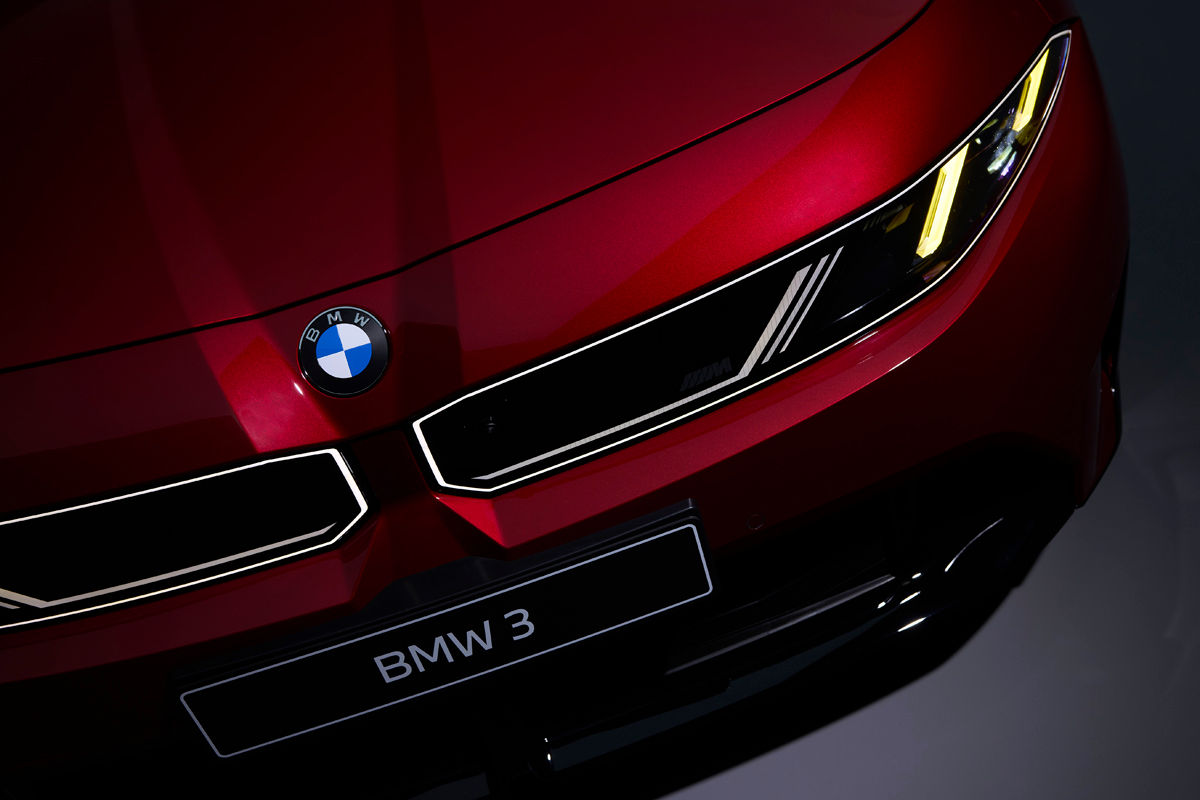
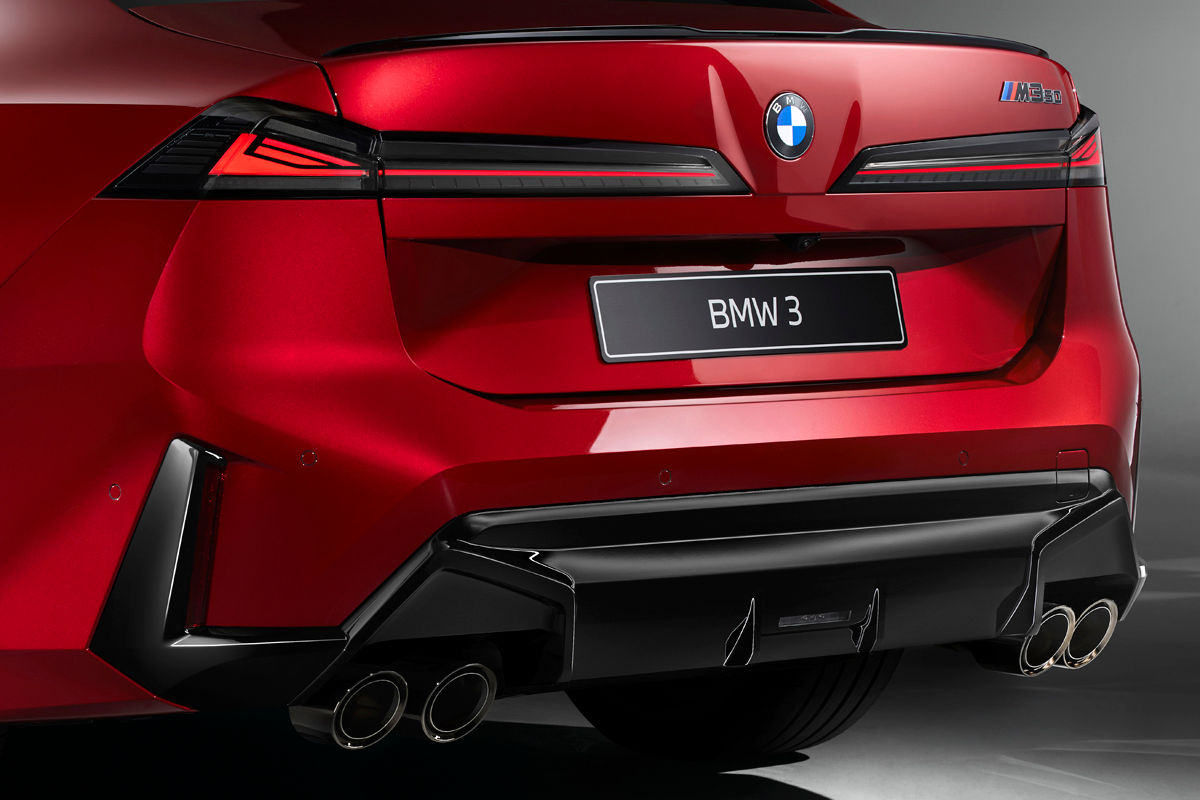
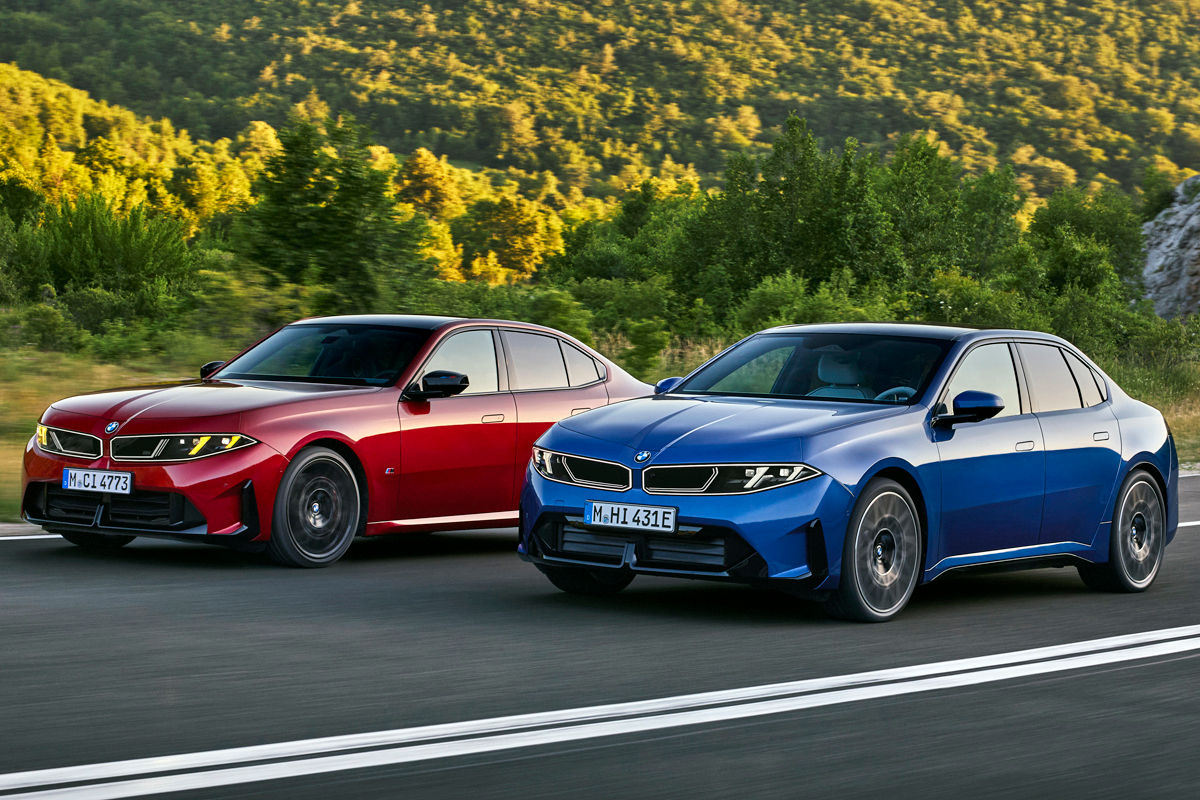
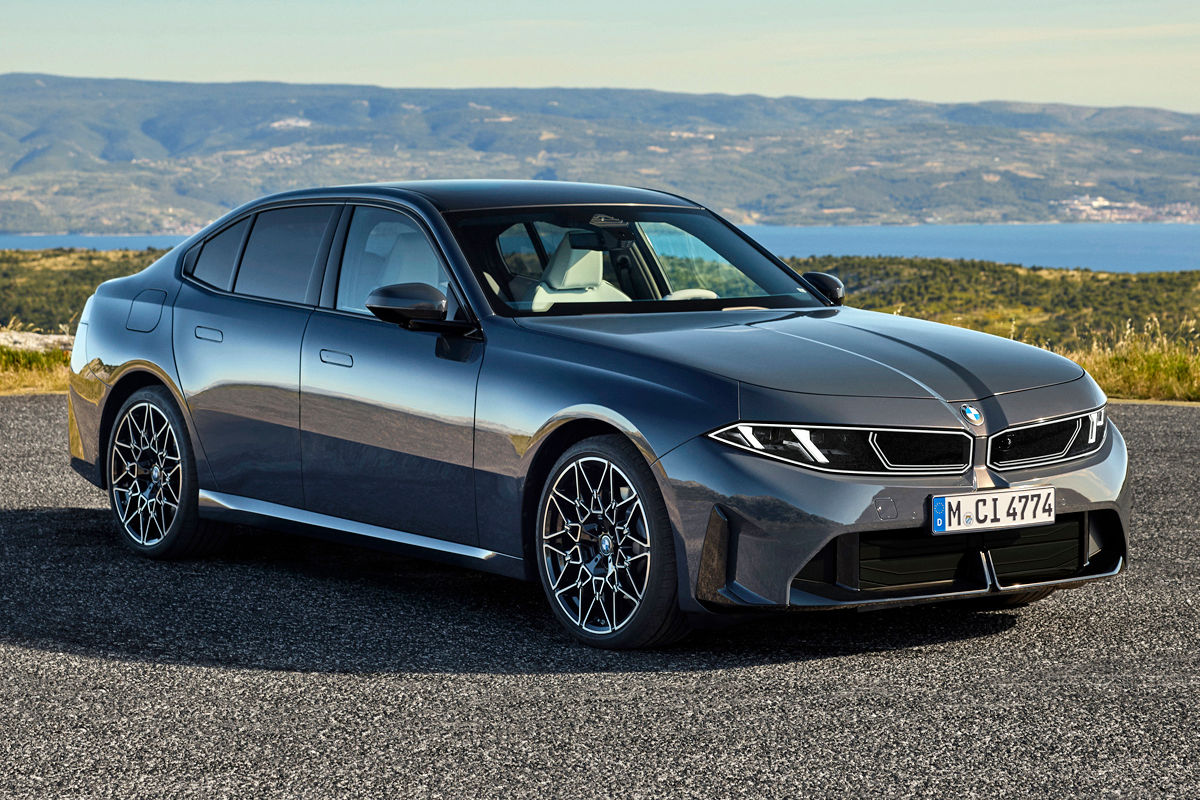
Meet the new G50-generation BMW 3 Series sedan. While its “Neue Klasse” styling looks decidedly similar to that of the new NA0-series fully electric i3 saloon revealed earlier this year, this model is seemingly based on an updated version of the outgoing G20-series sedan’s CLAR platform.
Set to be produced at the brand’s Dingolfing factory in Germany (as opposed to its Munich facility, where the i3 will be built), the 8th-generation 3 Series sedan is scheduled to launch in South Africa in the opening quarter of 2027.
The M350 xDrive (left) and i3 50 xDrive.
The G50-series model measures 4 765 mm from bumper to bumper, making it some 52 mm longer than the outgoing G20-generation saloon. Interestingly, the wheelbase has also grown to 2 860 mm, meaning there’s an extra 9 mm between the axles.
So, what sort of powertrains are on the cards? Well, BMW Group South Africa has thus far confirmed 3 derivatives for the local market: the fully electric i3 50 xDrive (345 kW/645 Nm) along with the 320 and M350 xDrive. That suggests the 275 kW i3 40 xDrive and the upcoming “ultra-potent” i3 M60 xDrive won’t initially be on the menu for SA buyers.
The 326 kW M350 xDrive has already been locked in for SA.
All petrol engines feature 48V mild-hybrid technology, with BMW furthermore revealing that a plug-in hybrid electric vehicle (PHEV) variant is planned for 2027 (though that derivative has also not been confirmed for Mzansi). Fascinatingly, the company’s local and international press material makes no mention of turbodiesel engines.
Still, it’s the M Performance derivative that will likely grab headlines, with the M350 xDrive described as the “combustion-engine flagship” of the new 3 Series range. This variant employs a turbocharged 3.0-litre straight-6 petrol engine (with mild-hybrid technology), delivering 326 kW and 580 Nm to all 4 corners via an 8-speed automatic transmission.
A look at the new M350 xDrive’s cabin.
The German automaker claims the M350 xDrive – which will effectively replace the outgoing M340i xDrive (285 kW/500 Nm) – can complete the 0-100 kph sprint in 4.1 seconds, before topping out at an electronically capped 250 kph. It features a new “Drift Moment” function, which the company says “allows the driver to send the engine’s power to the rear wheels only”.
The 320, meanwhile, employs a turbocharged 2.0-litre, 4-cylinder petrol motor (again with mild-hybrid assistance) delivering 155 kW and 330 Nm to the rear wheels. There’s also a 318 with 115 kW and 250 Nm, though this derivative isn’t on the cards for SA.
The new 320 is also confirmed for Mzansi.
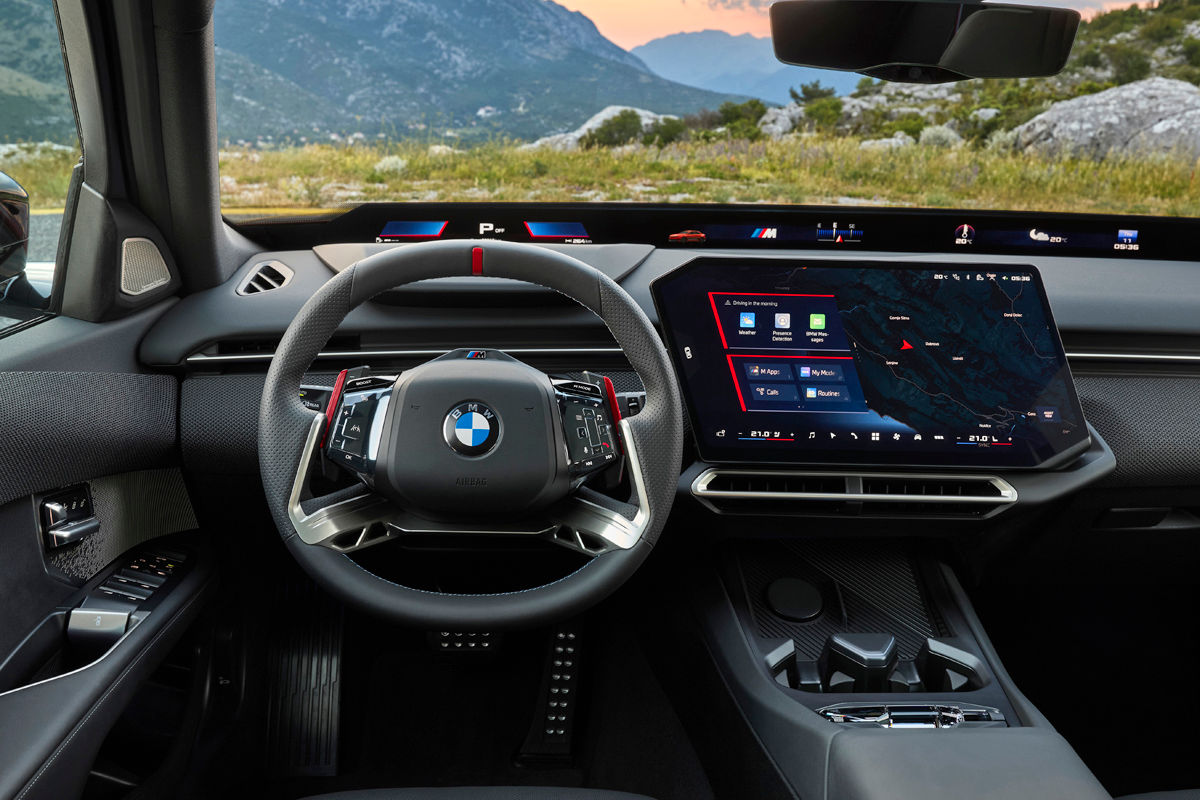
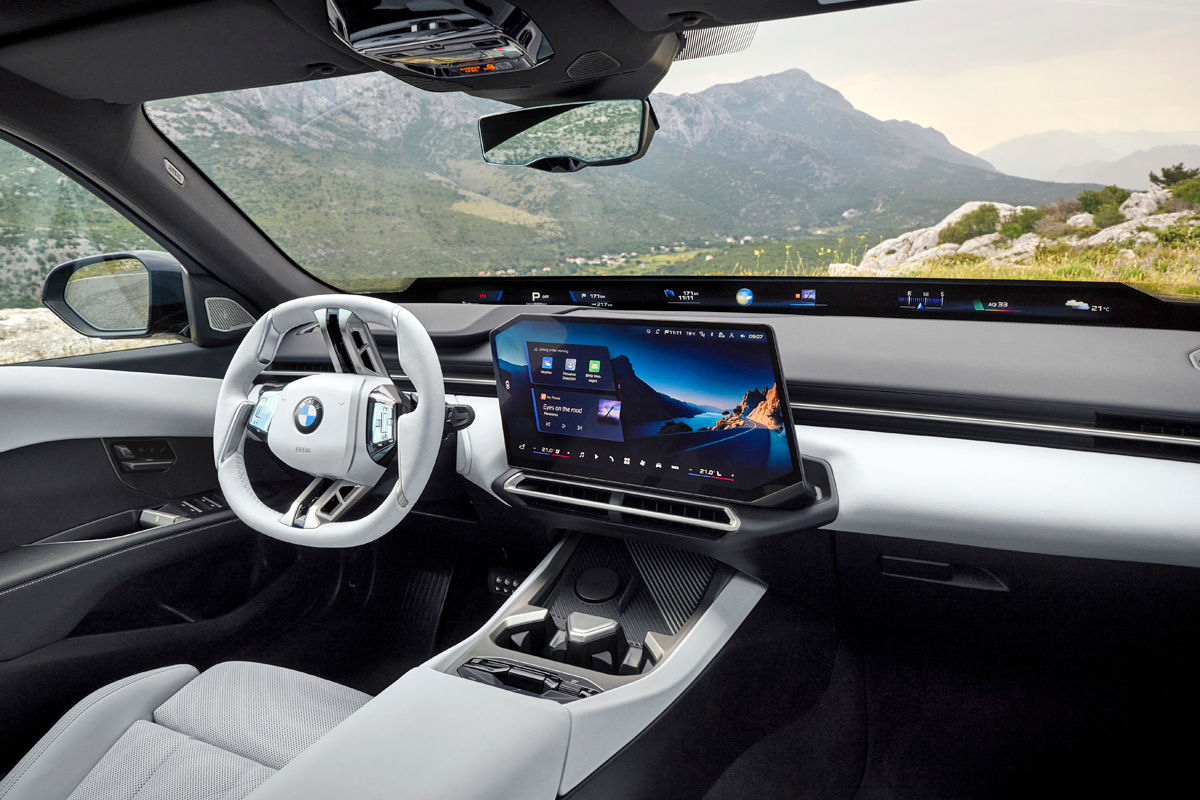
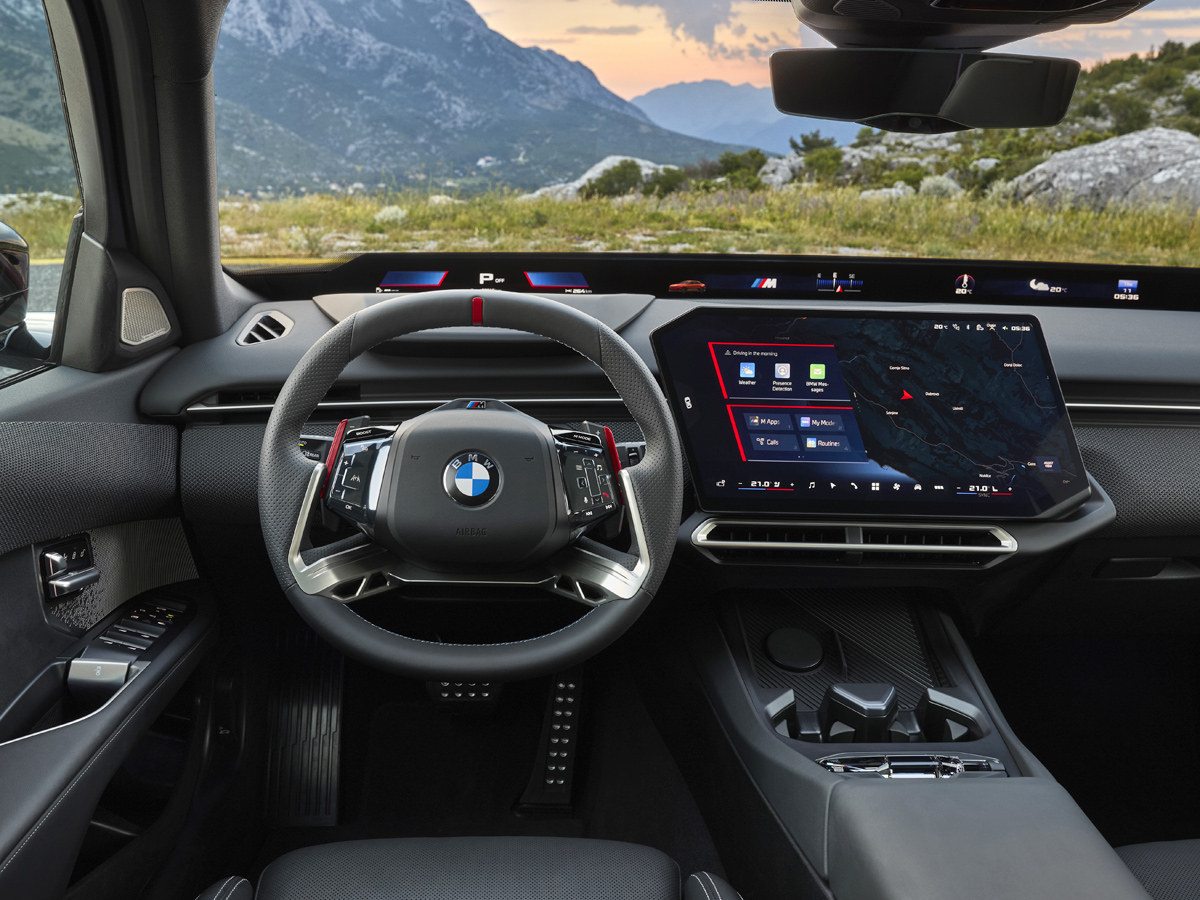
Inside the new 3 Series, you’ll find what BMW terms its latest “Panoramic iDrive” set-up, comprising a full-width “Panoramic Vision” display, a 3D head-up display, a 17.9-inch central screen and the multifunctional steering wheel. BMW says it will offer a choice of 4 interior designs, each offering a “harmoniously co-ordinated selection of colours and materials”.
Frequently Asked Questions (FAQ)
Q: When will the new G50-generation BMW 3 Series sedan launch in South Africa?
A: The 8th-generation BMW 3 Series sedan is scheduled to arrive in South African showrooms during the first quarter of 2027.
Q: Which G50 BMW 3 Series models and engines are confirmed for South Africa?
A: BMW Group South Africa has confirmed three derivatives: the 155 kW 320, the flagship 326 kW M350 xDrive (replacing the M340i xDrive) and the fully electric i3 50 xDrive producing 345 kW.
Q: What are the performance specs of the new BMW M350 xDrive?
A: Powered by a mild-hybrid 3.0-litre turbocharged straight-6 engine delivering 326 kW and 580 Nm, the M350 xDrive accelerates from 0 to 100 km/h in 4.1 seconds and features a new “Drift Moment” rear-wheel-drive mode.
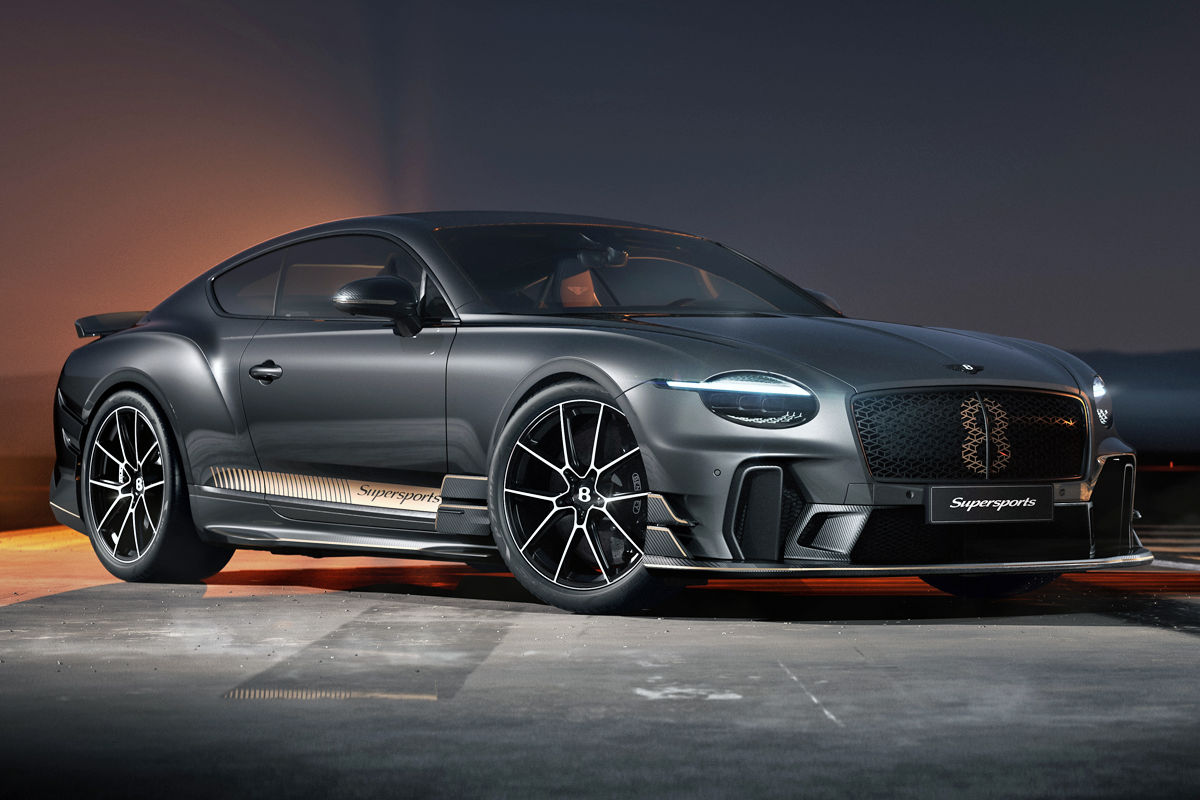
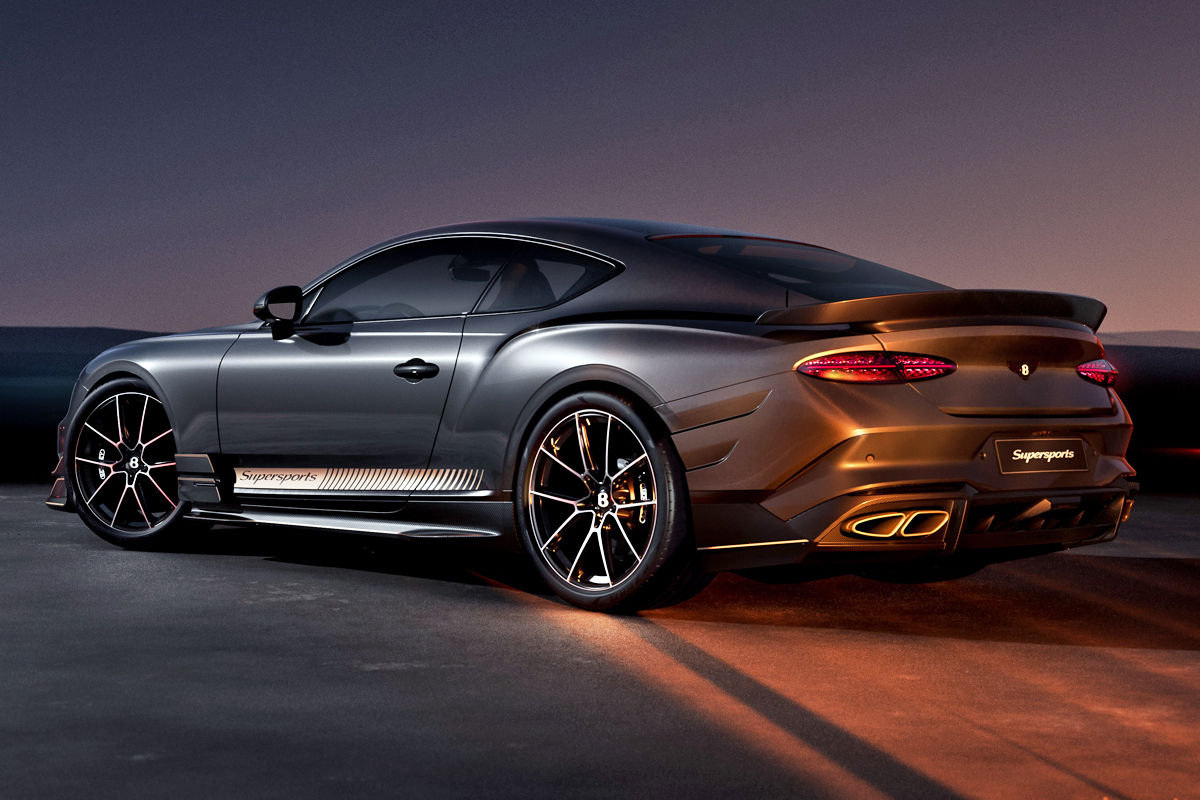
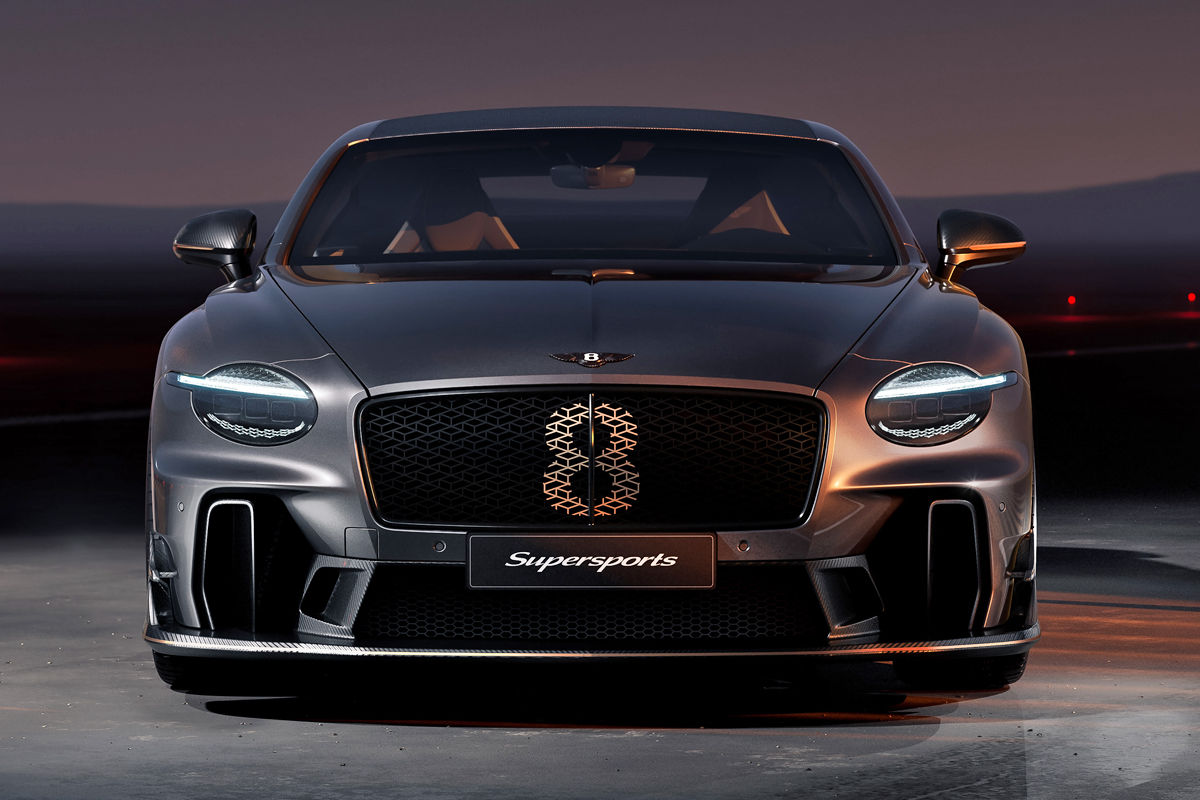
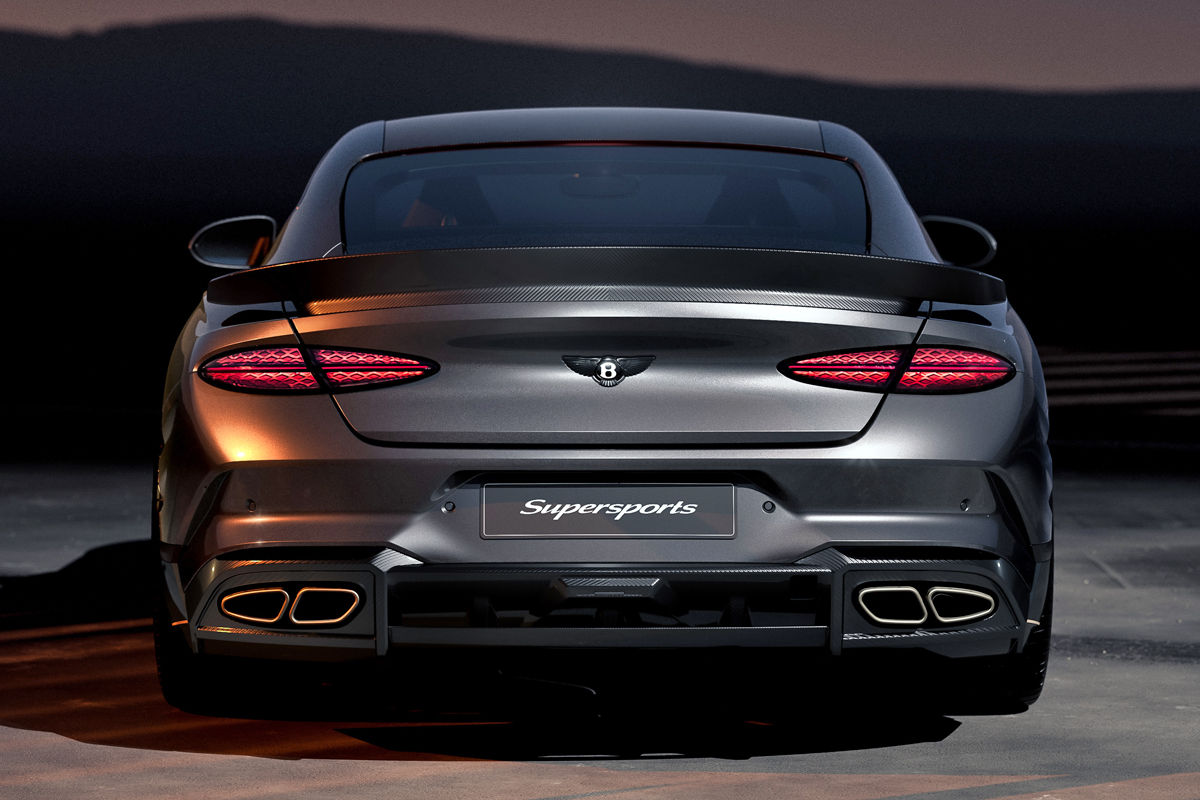
Billed as the “most driver-focused Continental GT ever”, Bentley’s rear-driven Supersports is coming to SA in limited numbers. Here’s what this extreme 2-seater will cost…
Just 500 units of Supersports to be made
Non-hybrid V8, rear-wheel drive and 2 seats
“Most driver-focused Continental GT ever”
Whopping R5-million more than GT Speed
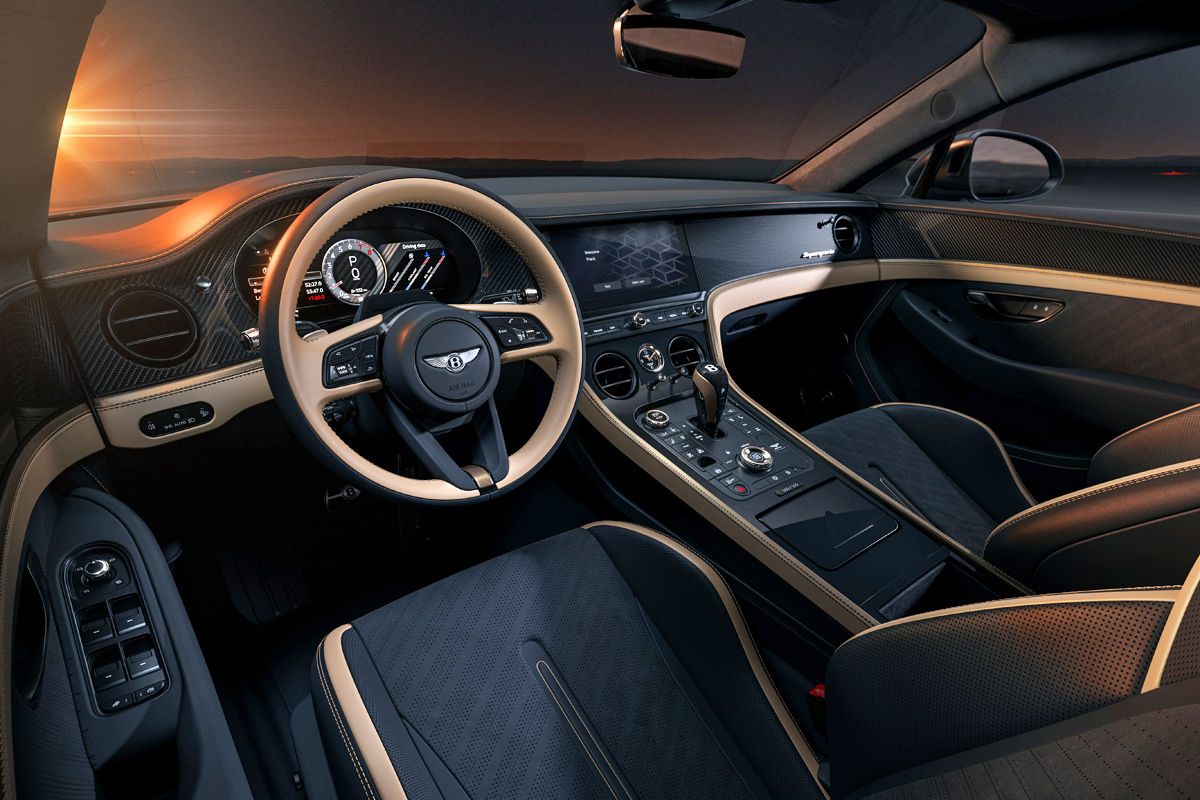
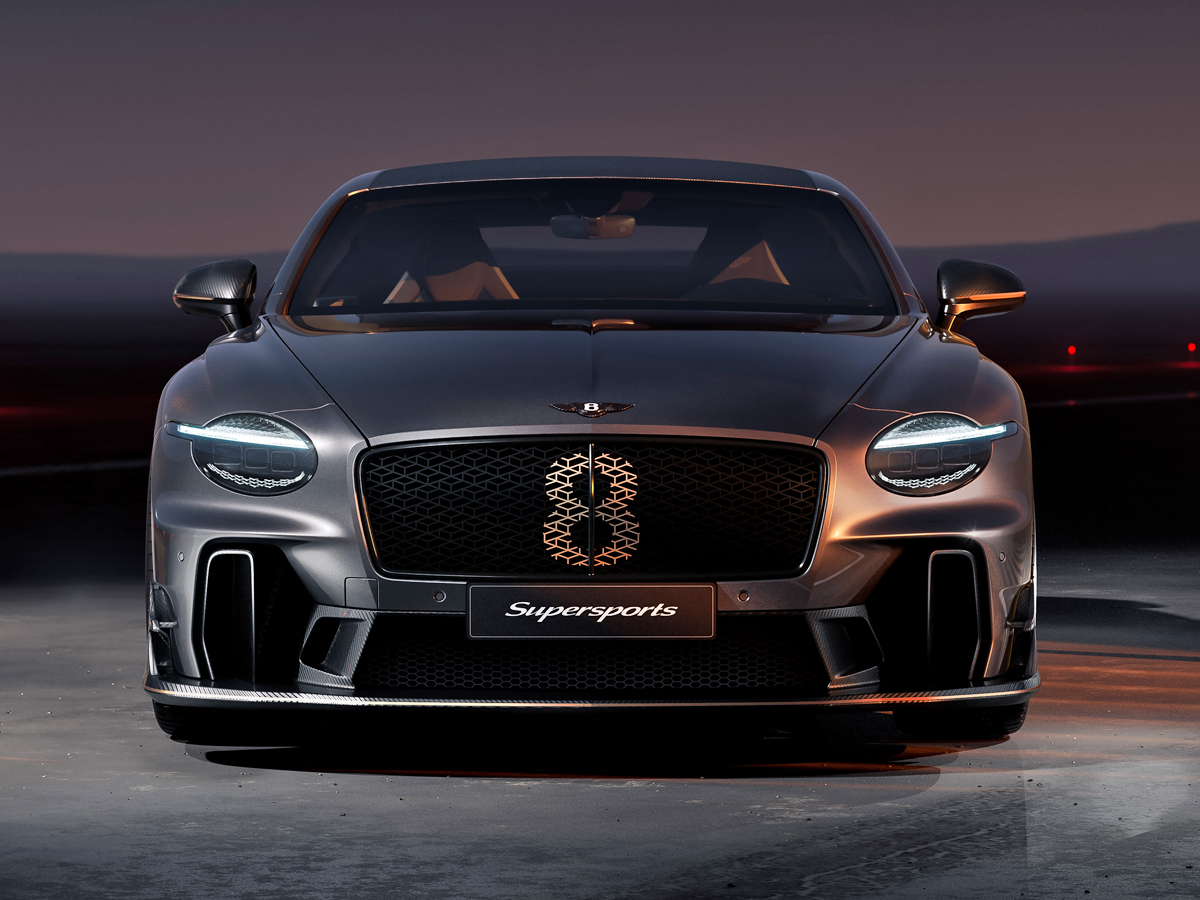
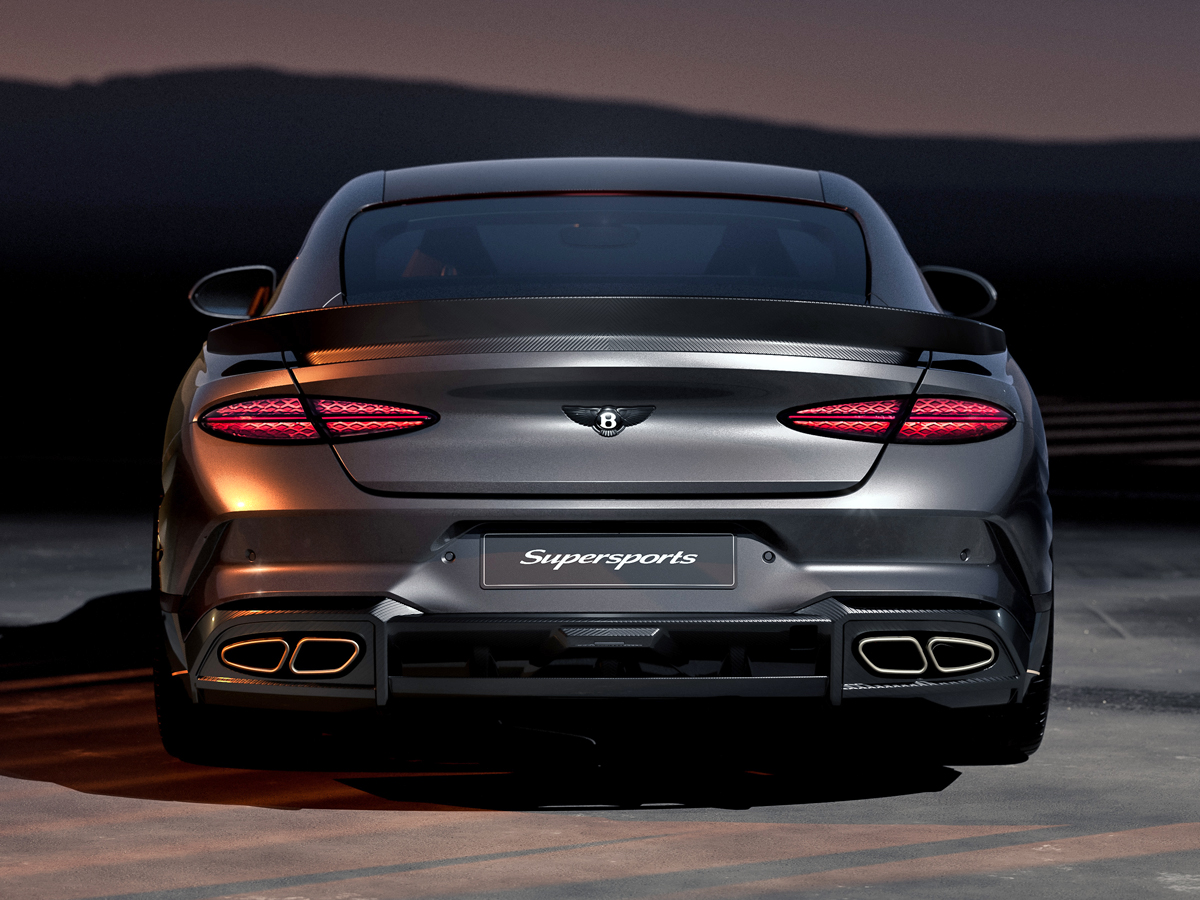
The extreme new Bentley Continental GT Supersports – which features rear-wheel drive, a 2-seater cabin and a weight of below 2 000 kg – will be available in South Africa in limited numbers. And we now know how much this coupé will cost.
Yes, thanks to the super-savvy vehicle-information specialists over at duoporta.com, we can confirm the new Continental GT Supersports will have a starting price of R11 644 000 in SA. For context, that’s a whopping R5 110 000 more than the Continental GT Speed (R6 534 000) and some R4 587 000 pricier than the Continental GT Mulliner (R7 057 000).
Billed as the “most driver-focused Continental GT ever” and only the 4th Supersports model in the Crewe-based automaker’s 107-year history, the newcomer will start rolling off the assembly line in the United Kingdom in the 4th quarter of 2026. Bentley says production will be “strictly limited” to 500 individually numbered units.
Interestingly, while other Continental GT derivatives employ a plug-in hybrid electric vehicle (PHEV) powertrain and all-wheel drive, the Supersports instead uses a non-hybrid version of the twin-turbo 4.0-litre V8 (complete with a “stronger crankcase, uprated cylinder heads and larger turbos”) and rear-wheel drive.
Peak system outputs stand at 490 kW and 800 Nm (down on the electrified GT Speed’s figures of 575 kW and 100 Nm), while the sprint from zero to 100 kph takes a claimed 3.7 seconds, with top speed pegged at 310 kph. The ZF-sourced 8-speed dual-clutch transmission has been “redeveloped” for the Supersports, complete with uprated clutches and a new shifting strategy.
The new Supersports is the first rear-wheel-drive Continental road car ever, with power fed exclusively to the back axle (which features a 16 mm wider-than-standard track) through an eLSD, assisted by torque vectoring by brake. Bentley has opted to retain rear-wheel steering “for maximum agility and stability”, while it claims calibrations for the steering, suspension, traction management and stability control systems are “all new”.
The British firm furthermore says the cross-plane V8 engine breathes though a “full-length” titanium exhaust developed in conjunction with Slovenian specialist Akrapovič and tuned to be “significantly more characterful than any previous Bentley”.
Air springs and a 48V electric anti-roll control system come standard, while braking is taken care of by what Bentley claims is “the largest automotive braking system in the world” – 440 mm carbon-silicon-carbide discs on the front axle (clamped by 10-piston callipers) and 410 mm discs (with 4-piston callipers) at the rear.
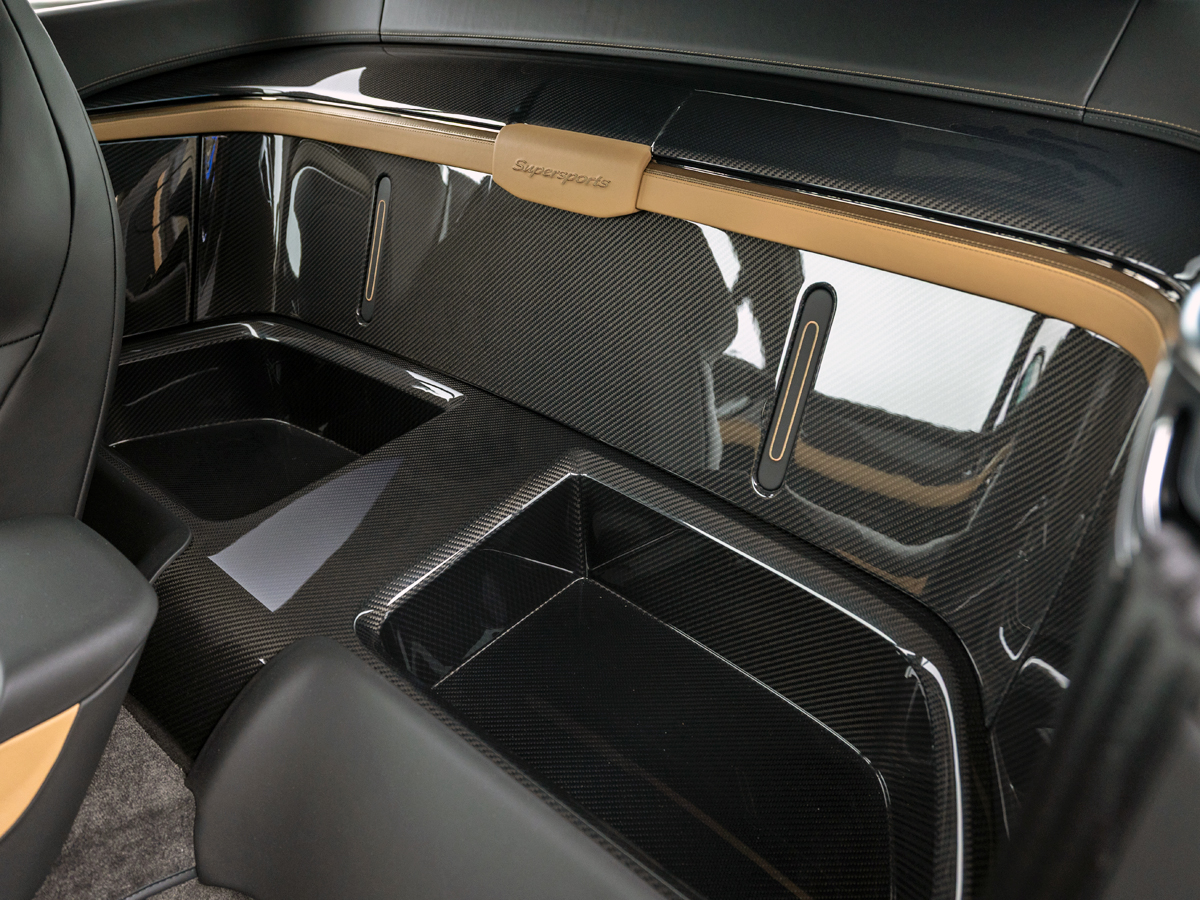
The rear-cabin environment – including sound insulation – has been deleted and replaced by a carbon-fibre tub, turning the vehicle into a strict 2-seater. Further weight savings come from not only the ditching of the hybrid and all-paw systems but also from extensive use of carbon fibre (with the roof, front bumper, side sills, rear diffuser, fixed rear spoiler, side mirrors, engine cover and more fashioned from this material).
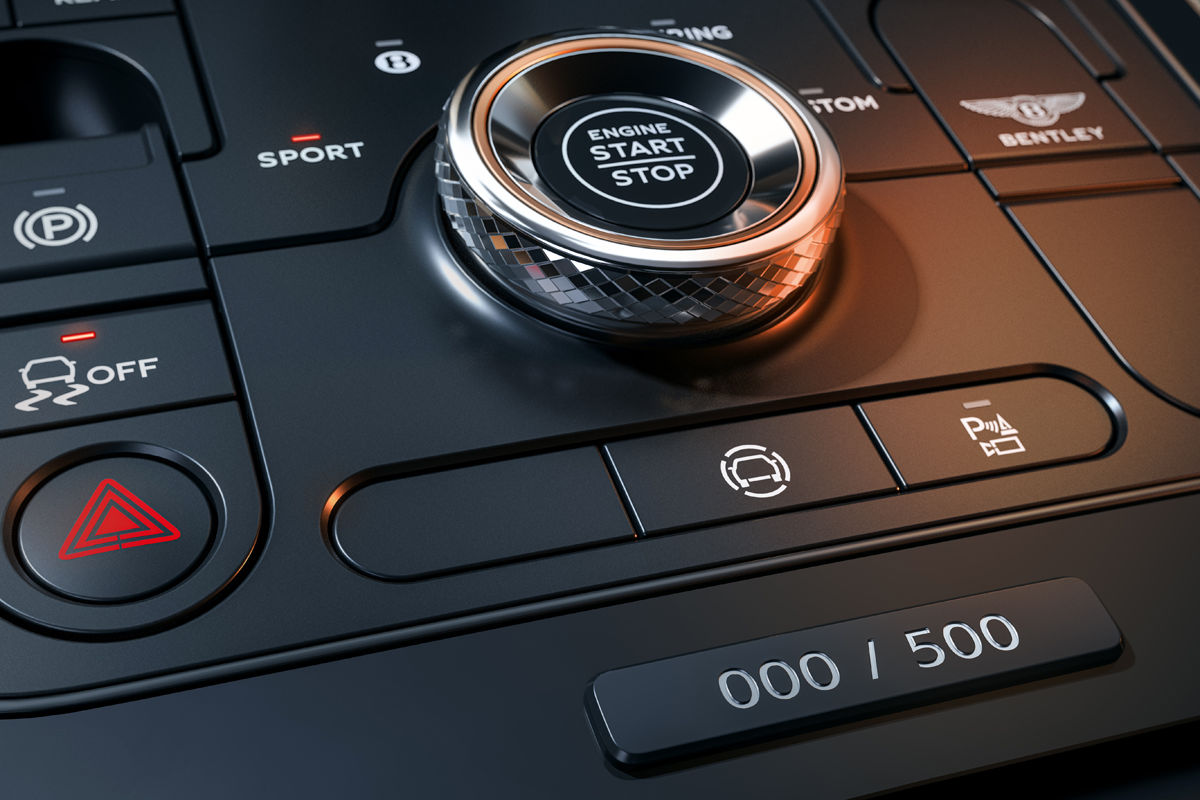
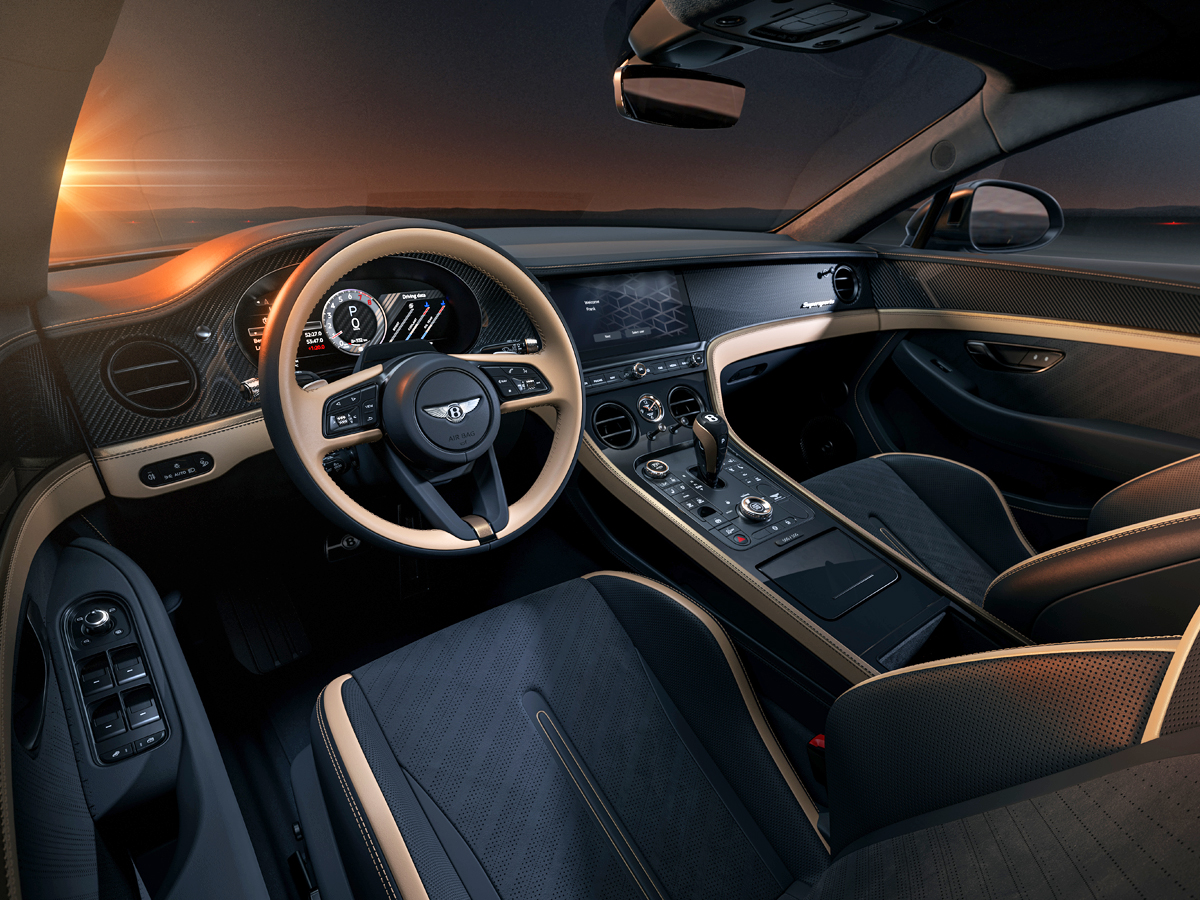
Up front, you’ll find lightweight sports seats, which feature “increased lateral bolstering” and a lower mounting position, though interestingly retain power adjustment and heating. Various “Supersports” badges are scattered around the cabin, while there’s also an individually numbered plaque on the centre console.
What does the Continental GT Supersports cost in SA?
DERIVATIVE
PRICE
Continental GT
R5 269 000
Continental GT S
R5 532 000
Continental GTC
R5 795 000
Continental GTC S
R6 085 000
Continental GT Azure
R6 360 000
Continental GT Speed
R6 534 000
Continental GTC Azure
R6 815 000
Continental GT Mulliner
R7 057 000
Continental GTC Speed
R7 083 000
Continental GTC Mulliner
R7 651 000
Continental GT Supersports
R11 644 000
The prices above include Bentley’s 3-year/unlimited kilometre warranty and a 3-year/100 000 km maintenance plan.
Frequently Asked Questions (FAQ)
Q: What does the new Bentley Continental GT Supersports cost in South Africa?
A: The limited-edition Bentley Continental GT Supersports is priced from R11 644 000 in South Africa, making it over R5-million more expensive than the Continental GT Speed.
Q: What engine and drivetrain power the Bentley Continental GT Supersports?
A: Unlike other (plug-in hybrid) Continental GT models, the Supersports features a non-hybrid twin-turbo 4.0-litre V8 sending 490 kW and 800 Nm exclusively to the rear wheels via a redeveloped 8-speed dual-clutch transmission.
Q: How many units of the Bentley Continental GT Supersports will be produced globally?
A: Production of the extreme 2-seater coupe is strictly limited to 500 individually numbered units worldwide.
More affordable, petrol-powered Kia Carens arrives in SA
The Kia Carens range has been expanded to include a more affordable, petrol-powered derivative. Here’s how much you can expect to pay.
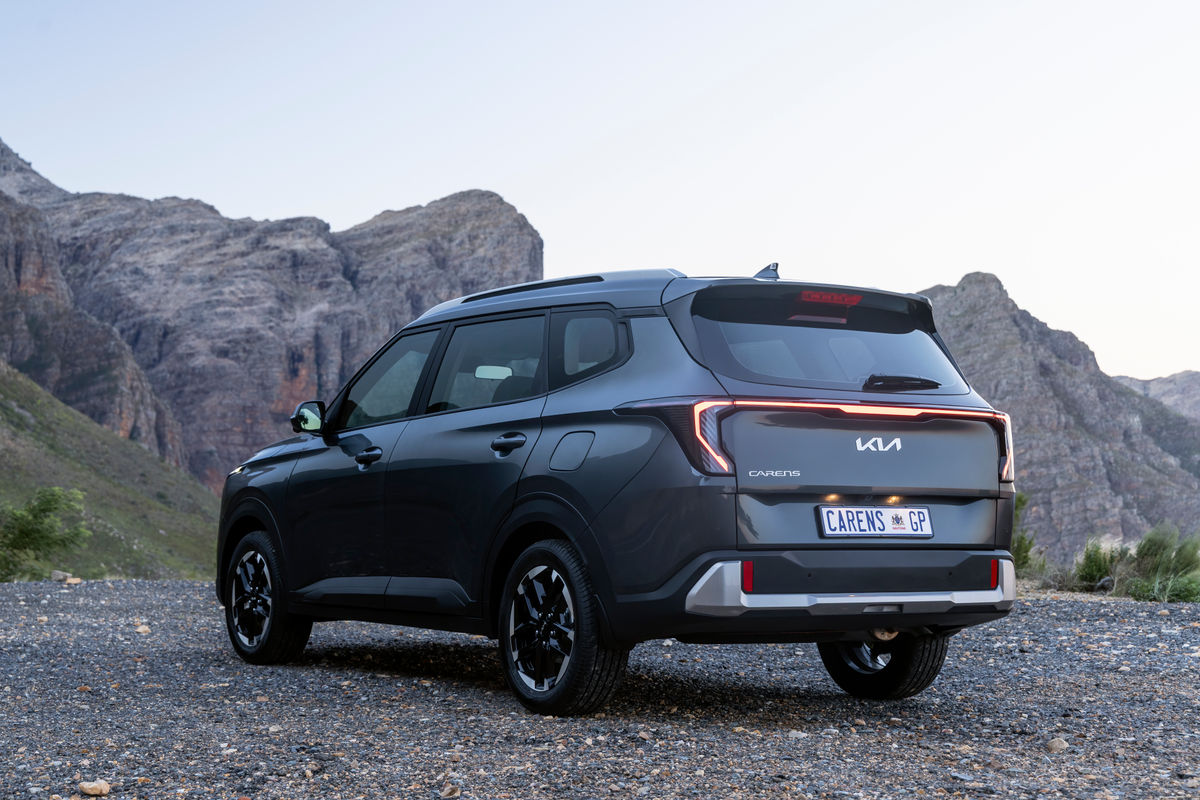
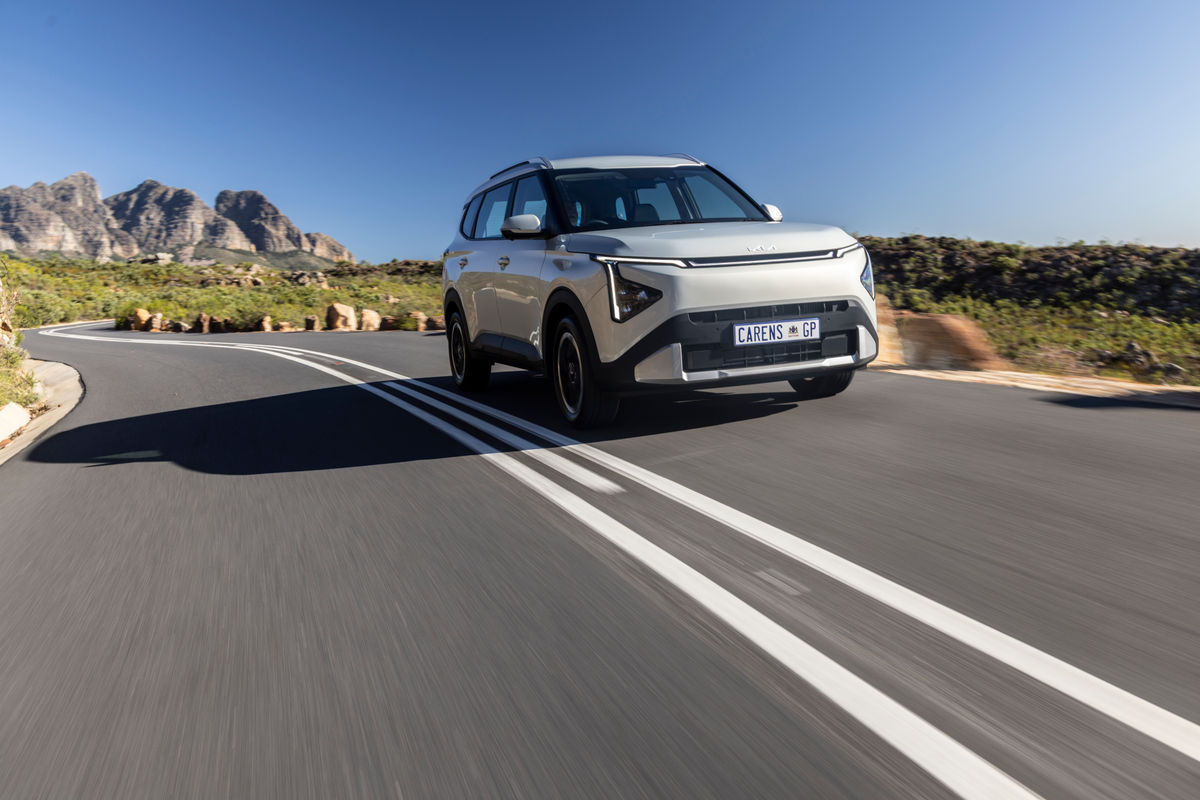
The new Kia Carens 1.5 LS lowers the range starting point by R40 000 and is priced at a smidge under R360 000. The key differentiator between this new entry-level model can be found under the bonnet. The 1.5-litre four-cylinder petrol engine is naturally aspirated and makes 84 kW and 144 Nm. In comparison, the turbocharged diesel engine makes 85 kW and 250 Nm.
You’d think there’d be a large performance and efficiency discrepancy, but the newer petrol-powered Carens is said to hit 100 kph in 11.1 seconds, fractionally quicker than the diesel’s 12 seconds. In terms of economy, the petrol has a claimed figure of 7.2 L/100 km and a fuel tank range of 625 km (5L/100 km and 900 km).
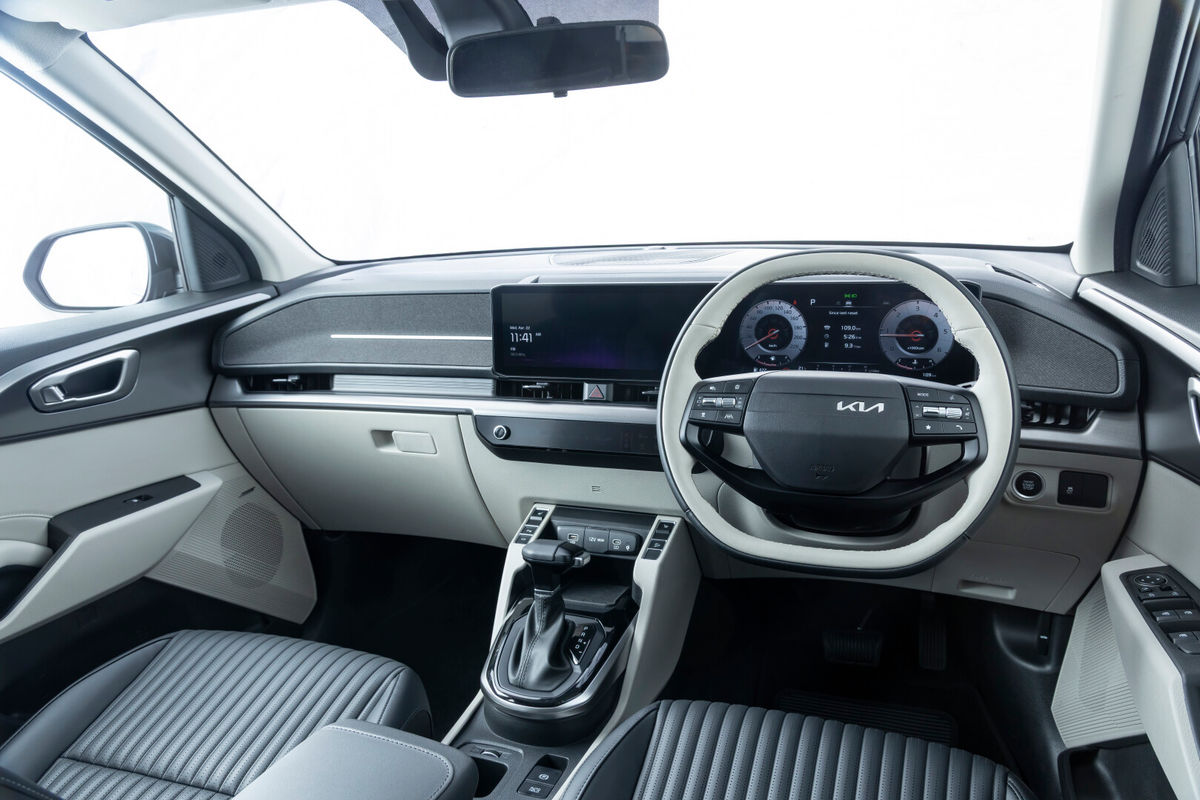
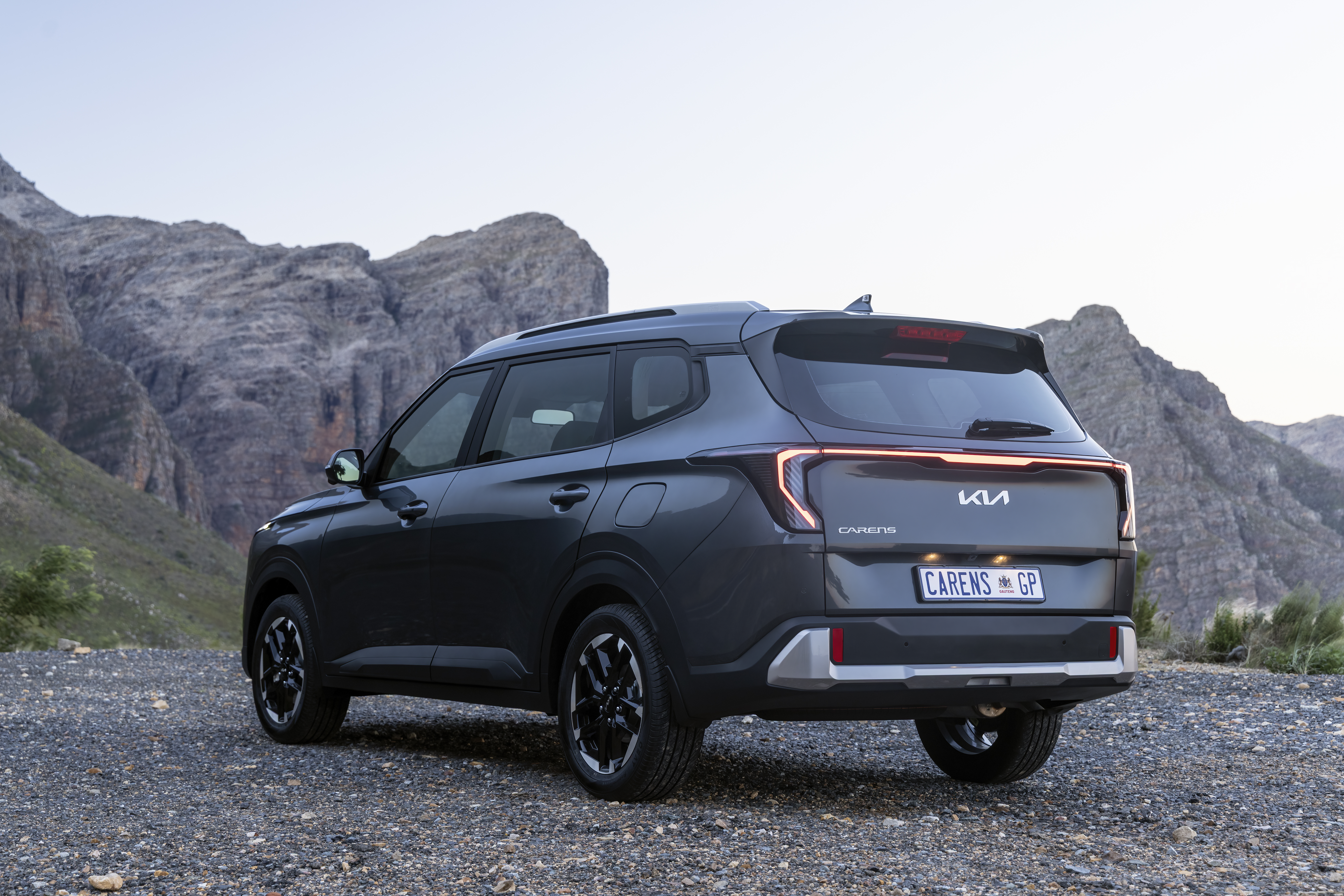
The petrol-powered Kia Carens is only available in LS trim, which comes with 16-inch wheels, partial LED rear combination lamps on the exterior. Inside, there’s a height-adjustable driver’s seat with combination cloth and artificial leather upholstery.
When it comes to tech and connectivity, the Carens comes with an 8-inch infotainment display, 4.2-inch TFT LCD cluster, wireless Apple CarPlay/Android Auto. It also features rear park distance control, anti-lock brakes, electronic stability control, hill start assist as well as 6 airbags.
How much does the petrol-powered Kia Carens cost in South Africa?
All Carens models are sold as standard with 5-year/unlimited kilometre warranty (inclusive of road side assistance) as well as a three-year/45 000 km service plan.
What engine powers the petrol-powered Kia Carens in South Africa?
The petrol variant of the Kia Carens in South Africa is powered by a 1.5-litre naturally aspirated 4-cylinder Smartstream petrol engine that produces 85 kW of power and 144 Nm of torque, paired with a 6-speed manual transmission.
How much does the petrol Kia Carens cost in South Africa?
The entry-level petrol-powered Kia Carens 1.5 LS derivative is priced from R359 995 in South Africa.
How many seats does the petrol Kia Carens have?
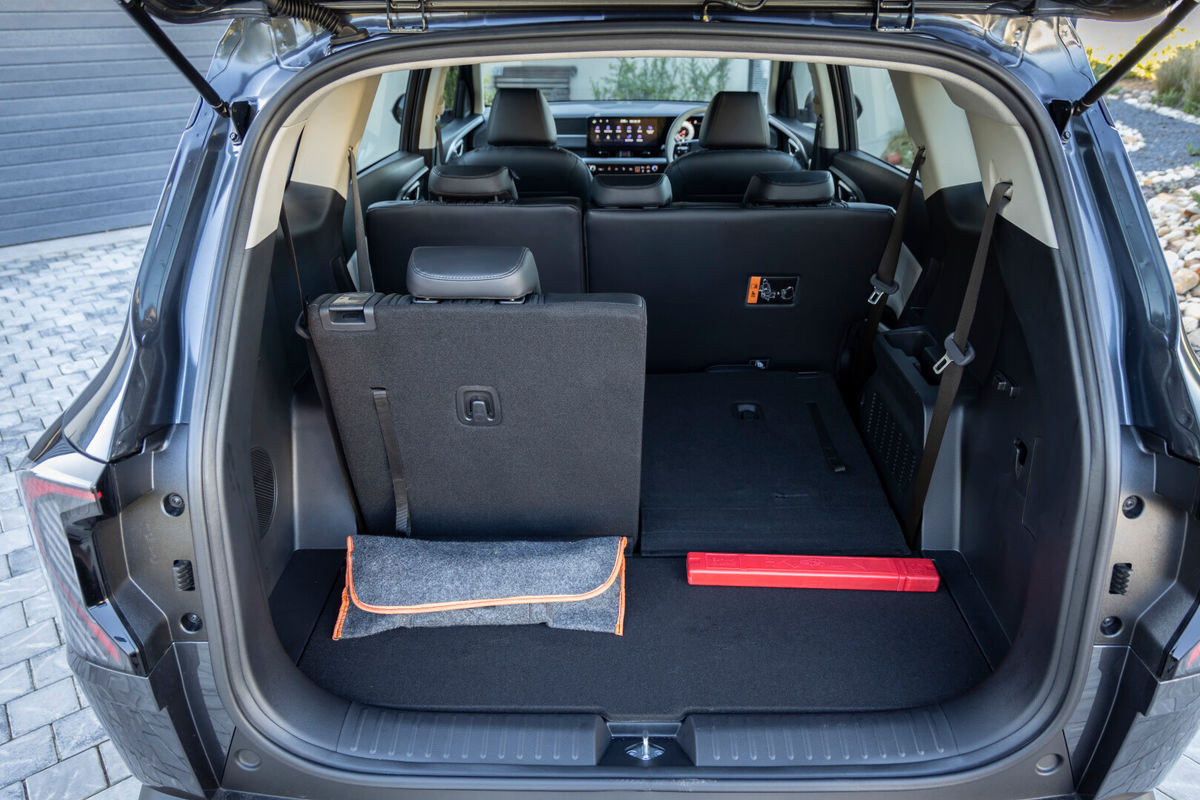
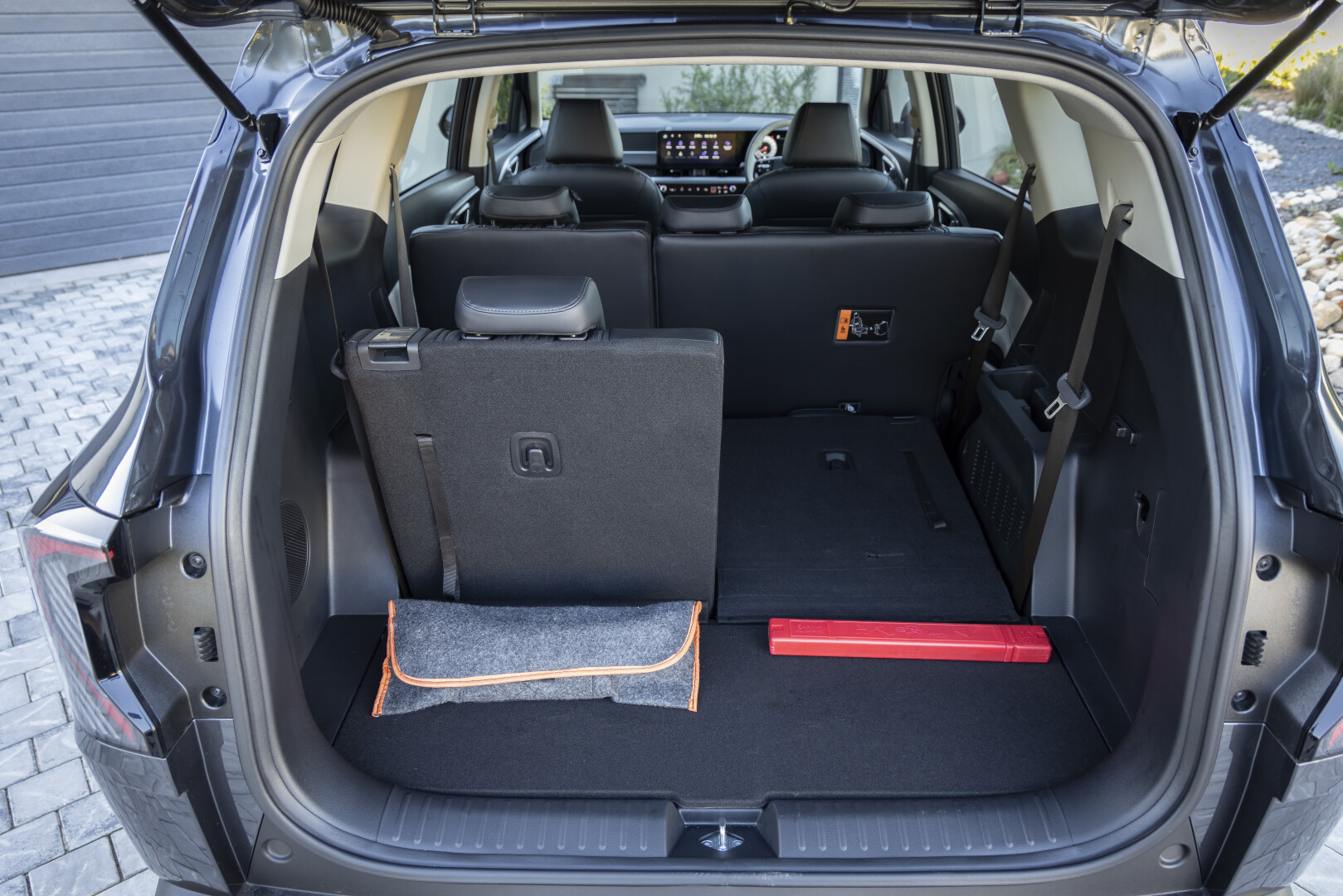
The petrol-powered Kia Carens features a 7-seat cabin configuration across three rows, including a one-touch electric tumble mechanism for second-row seats to allow easy access to the third row.
What is the fuel consumption of the petrol Kia Carens 1.5?
The 1.5-litre naturally aspirated petrol Kia Carens carries a claimed average combined fuel consumption of approximately 7.2 litres per 100 km.
What warranty and service plan come standard with the Kia Carens?
The Kia Carens comes standard with Kia’s 5-year / unlimited kilometre manufacturer warranty, 5 years of unlimited roadside assistance, and a 3-year / 45,000 km pre-paid service plan.