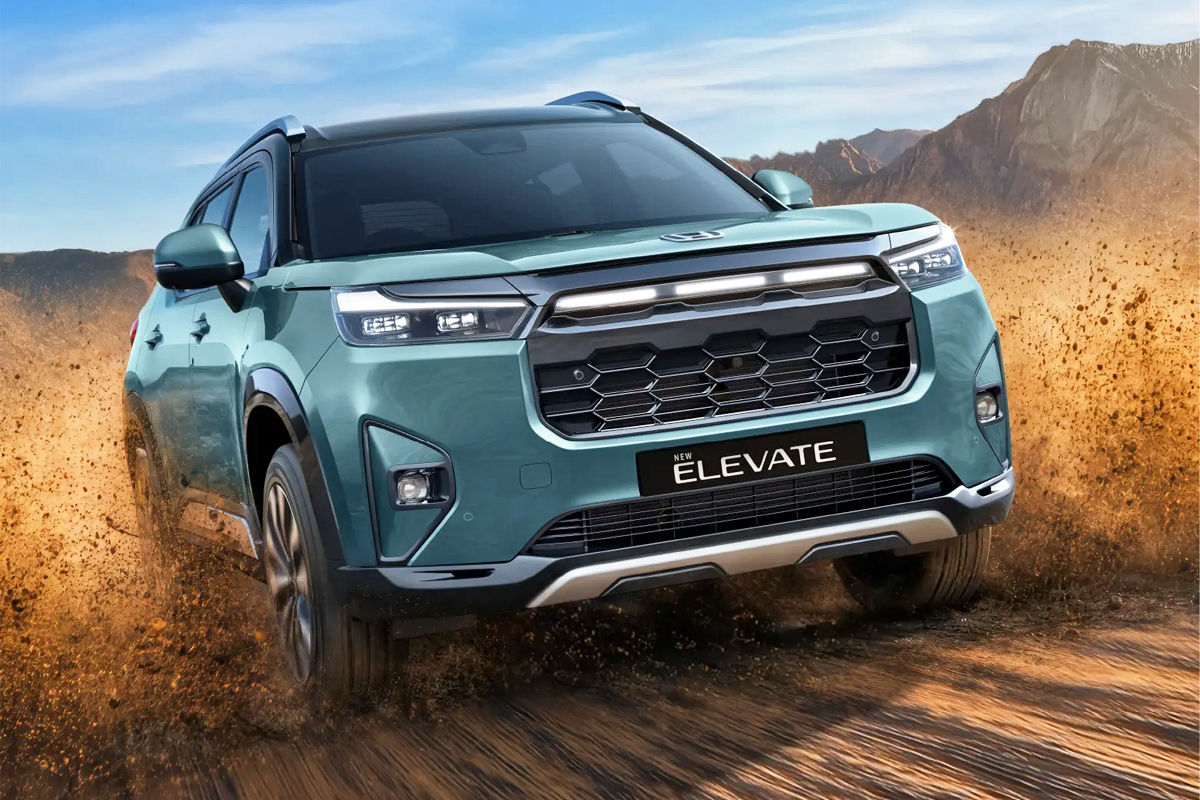
Facelifted Honda Elevate revealed and locked in for SA
The facelifted Honda Elevate has been revealed in India – and the Japanese brand’s local division has already confirmed when we will see the updated crossover in SA…
Refreshed Honda Elevate revealed in India
Updates to crossover are largely cosmetic
Facelifted model expected in SA in H1 2027
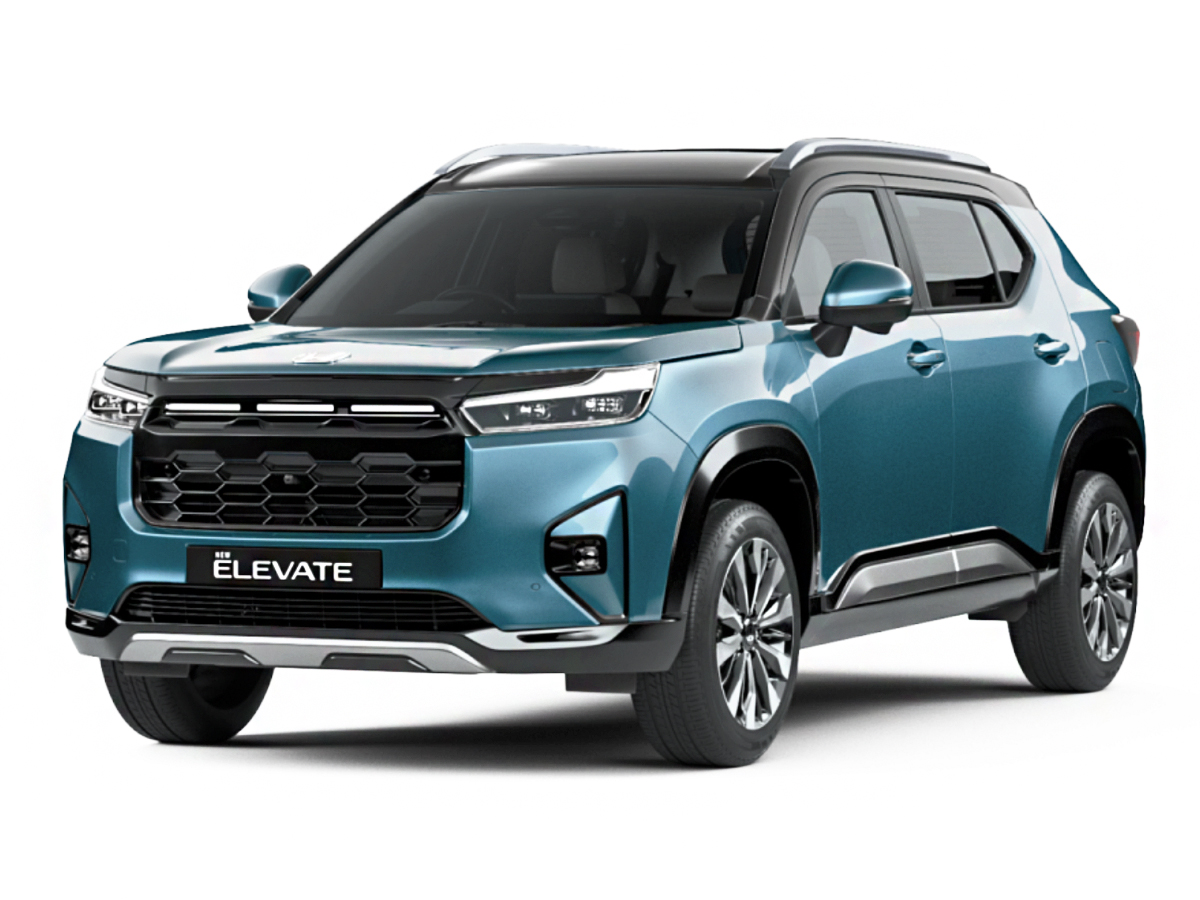
Meet the facelifted Honda Elevate. Freshly revealed in India, the updated crossover debuts a handful of exterior design changes as well as some new equipment. And it’s already been locked in for South Africa, where the Elevate serves on Honda’s top seller.
Yes, Honda Motor Southern Africa has confirmed to Cars.co.za that the refreshed Elevate is scheduled to touch down in Mzansi at some point in the opening half of 2027, with various specification “enhancements” on the cards.
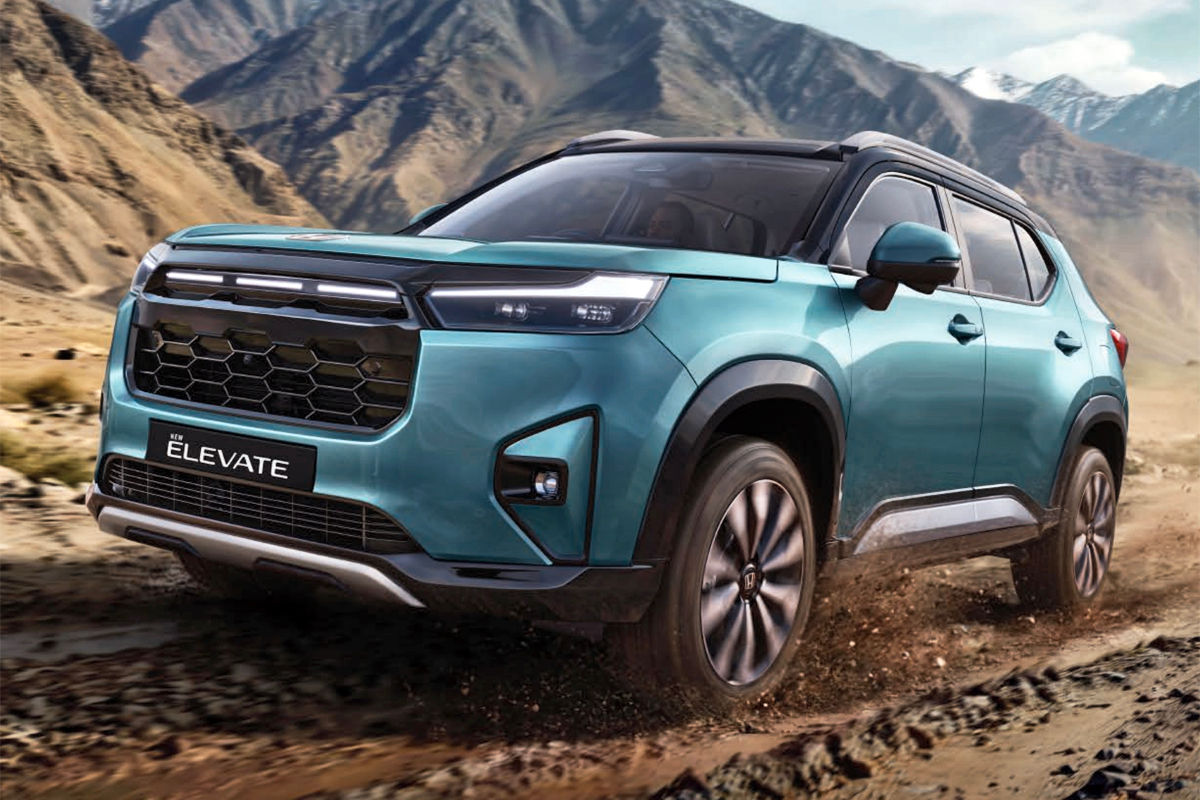
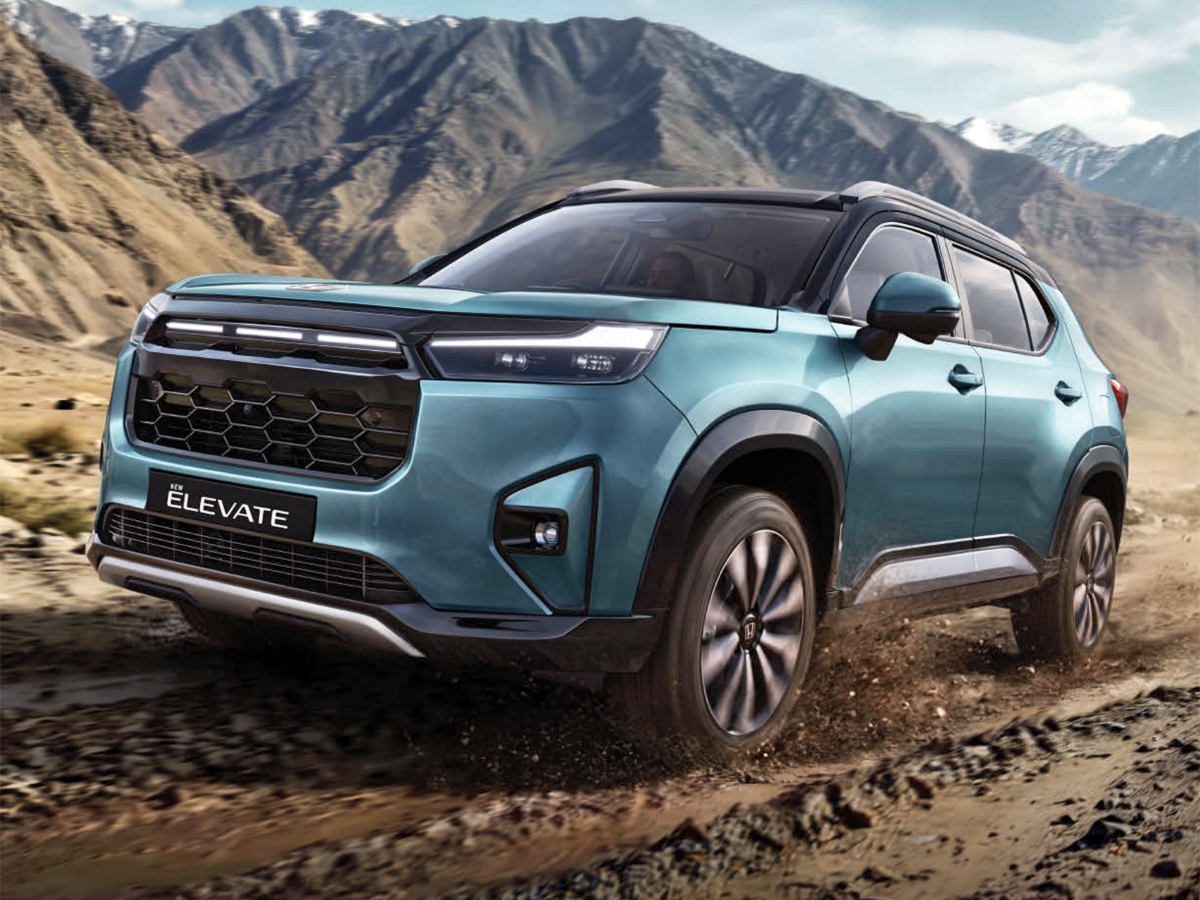
Note the new grille design.
From what we can tell, the Elevate’s facelift is largely cosmetic. Up front, you’ll notice a new gloss-black, honeycomb-effect grille, above which Honda’s designers have added a trio of LED strips (effectively connecting the headlamps).
The chrome trim that was sited above the pre-facelift model’s grille falls away in favour of a black bar, while the foglamp bezels gain body-coloured elements. Interestingly, the Honda badge has been shifted from the grille to the leading edge of the bonnet.
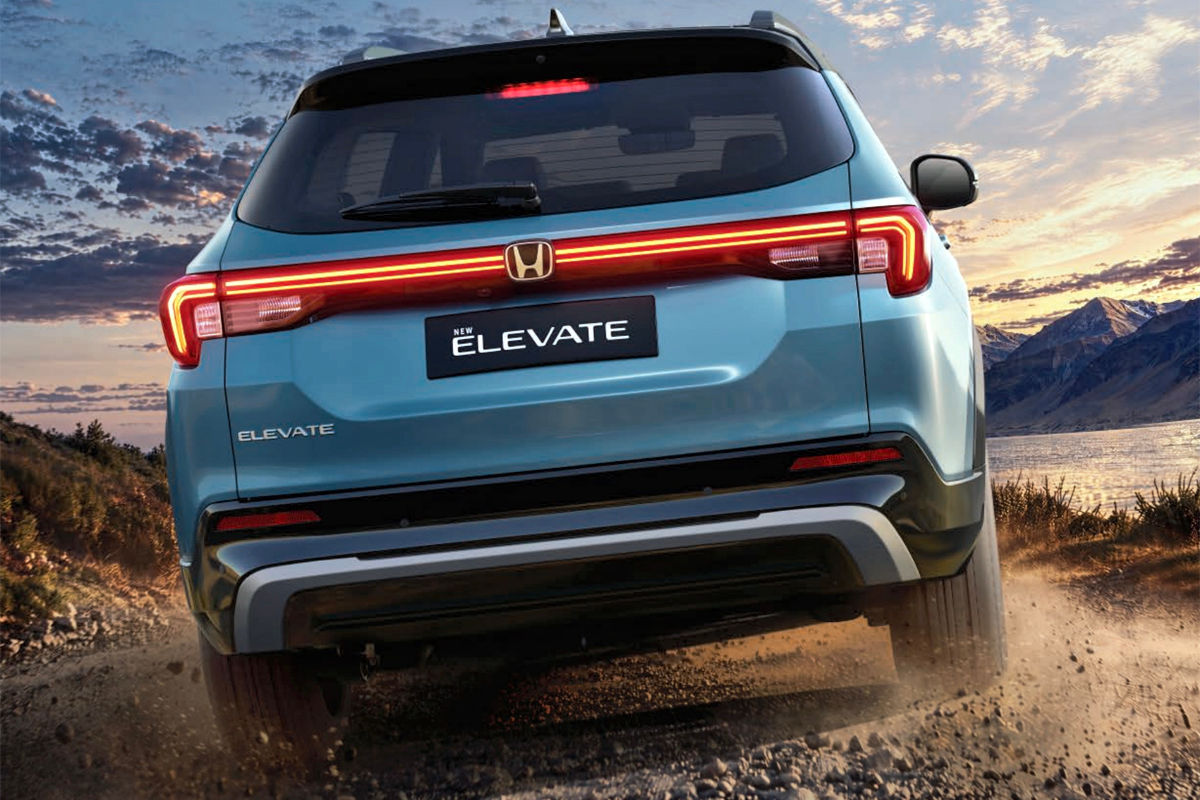
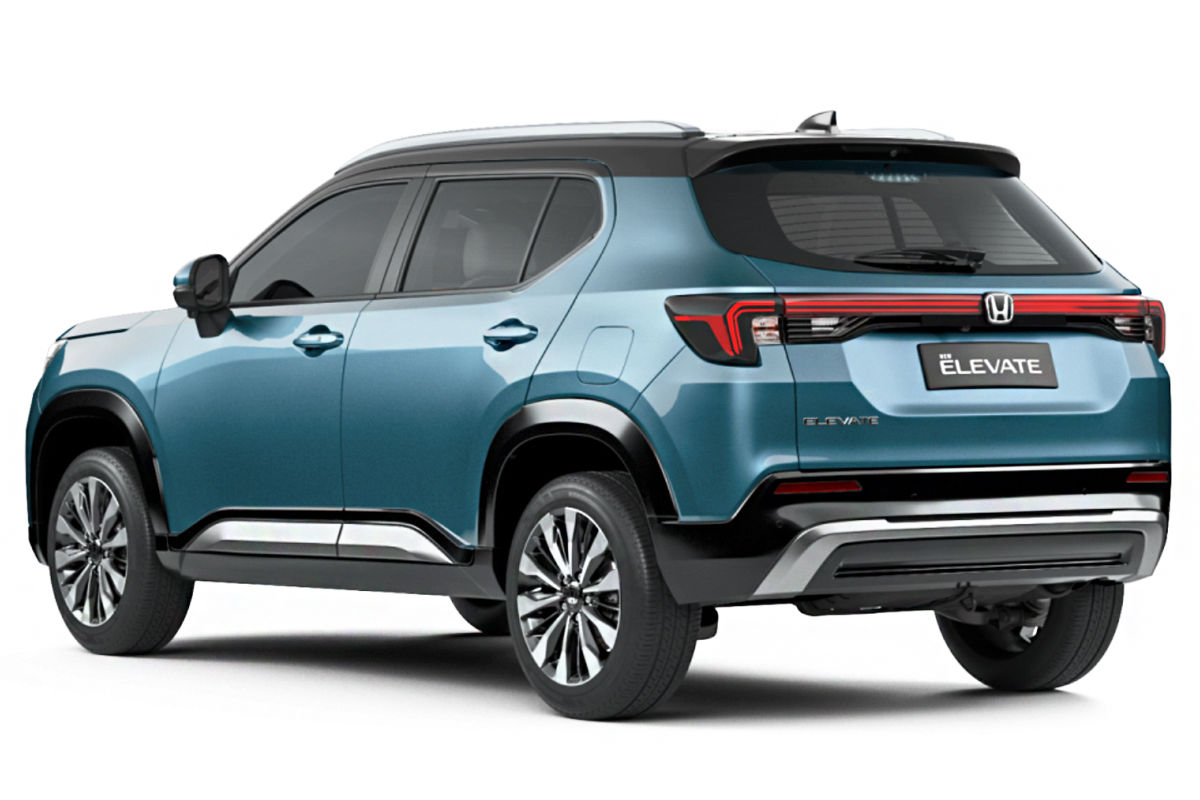
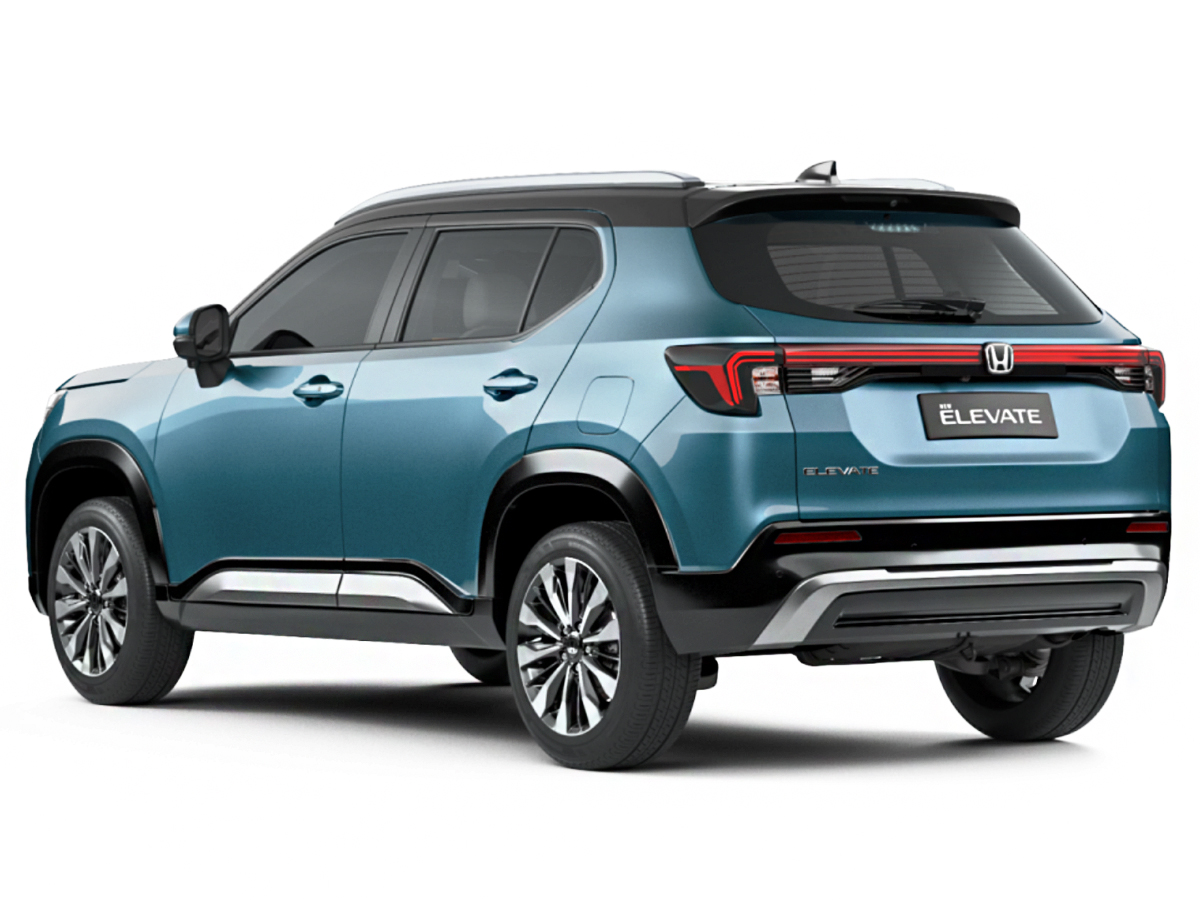
The taillights are now connected by an LED bar.
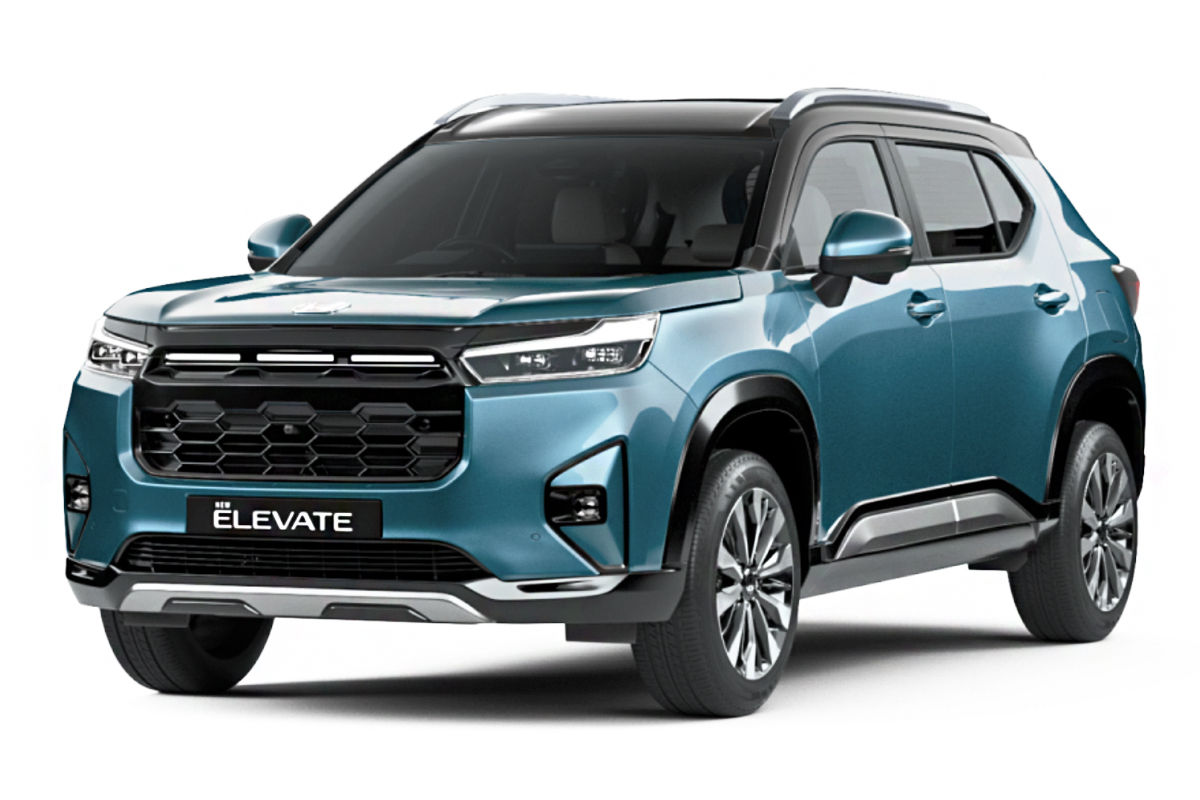
Around back, the taillights are now linked by an in-vogue LED bar. Taking a look at the profile, we see the 2-tone alloy-wheel design appears to have been retained. We do, however, expect new exterior paint options to be added to the colour palette.
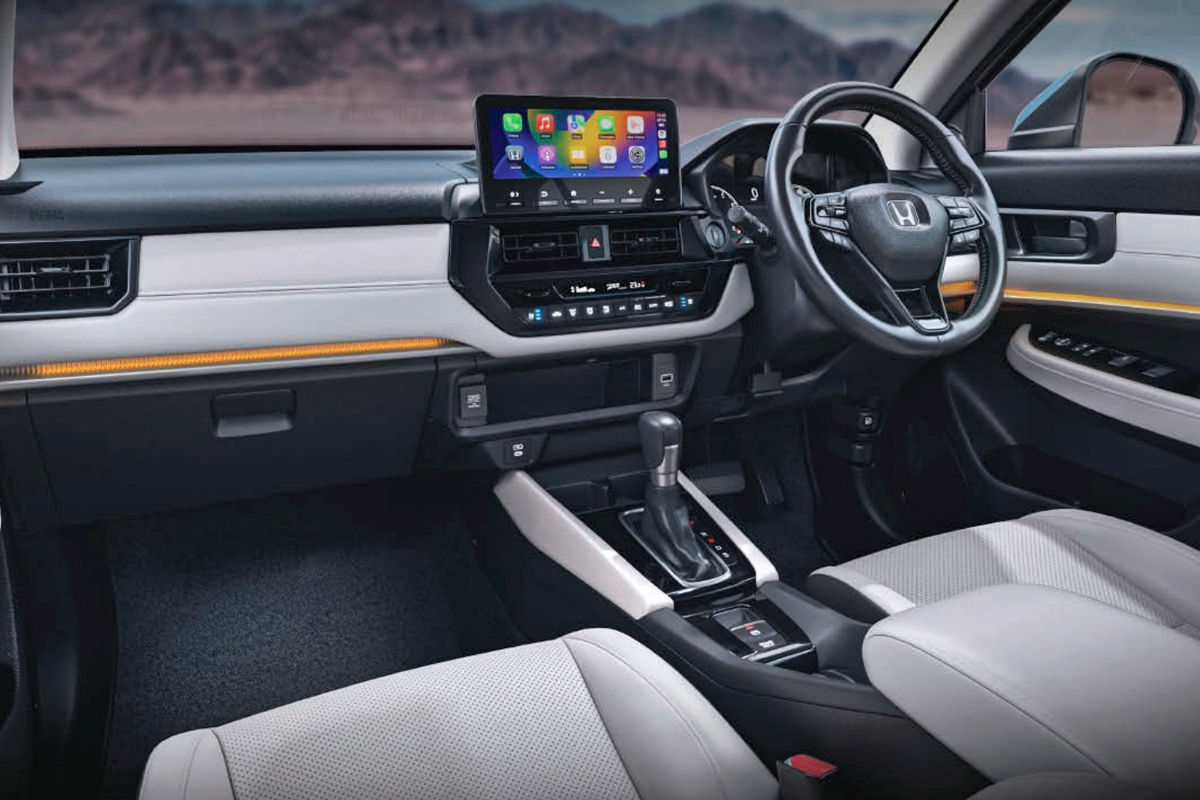
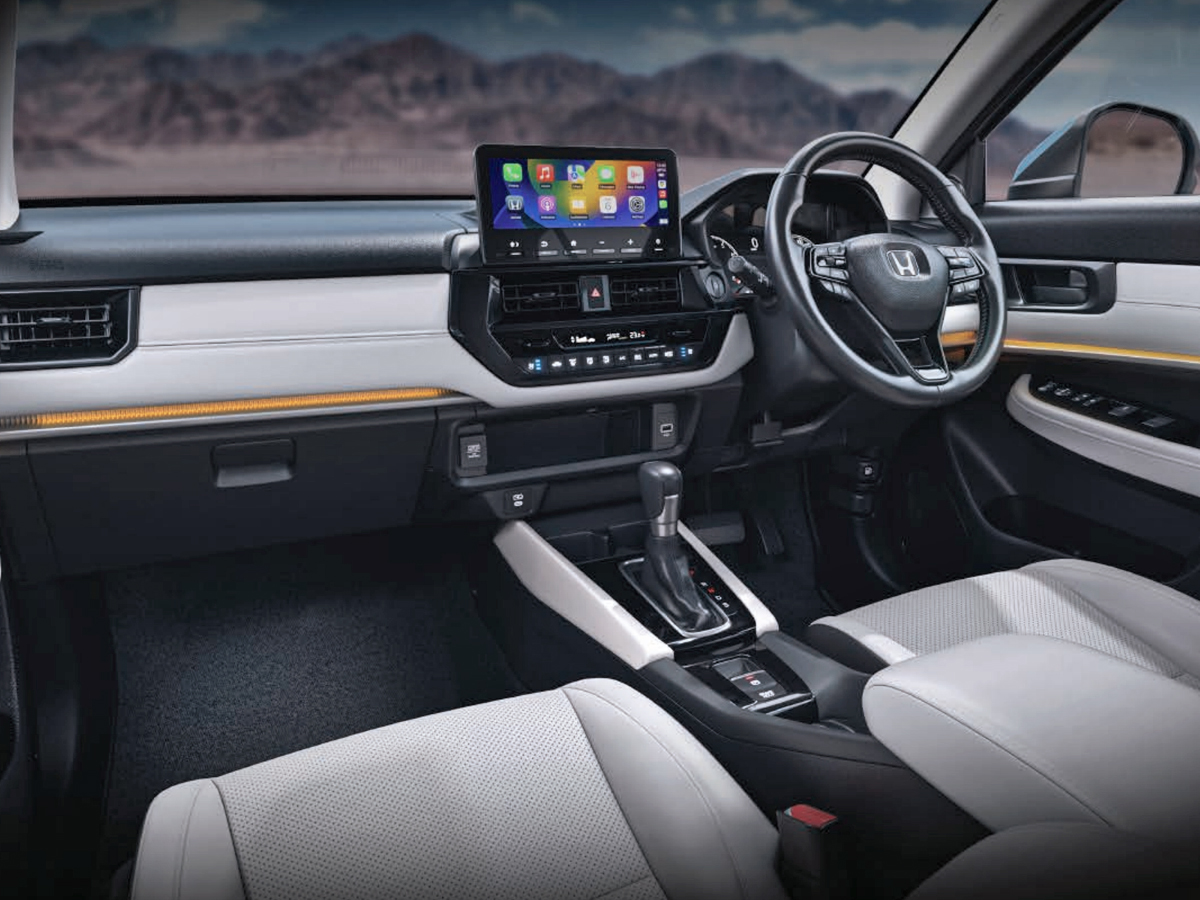
Inside, Honda has rolled out not only fresh soft-touch materials (and ostensibly more effective sound insulation) but also some extra kit. In the Indian market, for instance, the facelifted Elevate is now available with big-car items like a 360-degree camera system, ambient cabin lighting, a sunroof, powered (and ventilated) front seats and even rear-seat ventilation.
Expect the SA-spec model to feature an all-black interior.
As expected, the mid-cycle update doesn’t include any changes to the Elevate’s powertrain. As such, the 4 312 mm-long crossover retains its naturally aspirated 1.5-litre, 4-cylinder “i-VTEC” petrol engine, which delivers an unchanged 89 kW and 145 Nm to the front axle via either a 6-speed manual gearbox or a continuously variable transmission (CVT).
As a reminder, the Elevate arrived in South Africa in the opening quarter of 2024 (having been revealed in June 2023), effectively replacing the WR-V. The local line-up currently comprises a pair of derivatives: the 1.5 Comfort 6MT (priced from R373 800) and the 1.5 Elegance CVT (available from R434 000).
New paint colours will likely be available for the refreshed Elevate.
In 2025, the Elevate served as Honda’s top seller in South Africa, with 1 136 units registered, according to figures reported to Naamsa. The Indian-built crossover has continued in that role in 2026, with 1 092 units sold locally over the opening 9 months of the year.
Q: When will the facelifted Honda Elevate launch in South Africa?
A: Honda Motor Southern Africa has confirmed to Cars.co.za that the refreshed Elevate crossover is scheduled to arrive in South Africa in the first half of 2027 (H1 2027).
Q: What exterior and interior updates does the facelifted Honda Elevate get?
A: The facelift features a new gloss-black honeycomb grille, a bonnet-mounted Honda badge, a new rear LED light bar connecting the taillights and upgraded interior equipment including available ventilated front seats, rear-seat ventilation, a 360-degree camera and ambient lighting.
Q: Are there any engine changes for the updated Honda Elevate?
A: No, the powertrain remains unchanged. It retains the naturally aspirated 1.5-litre 4-cylinder i-VTEC petrol engine producing 89 kW and 145 Nm, paired with either a 6-speed manual or a CVT.
The new GWM P300 PHEV has arrived in South Africa as the local market’s torquiest double-cab bakkie. Here’s what this plug-in hybrid P300 will cost you…
GWM launches plug-in hybrid P300
PHEV generates 310 kW & 750 Nm
Debuts as SA’s torquiest double cab
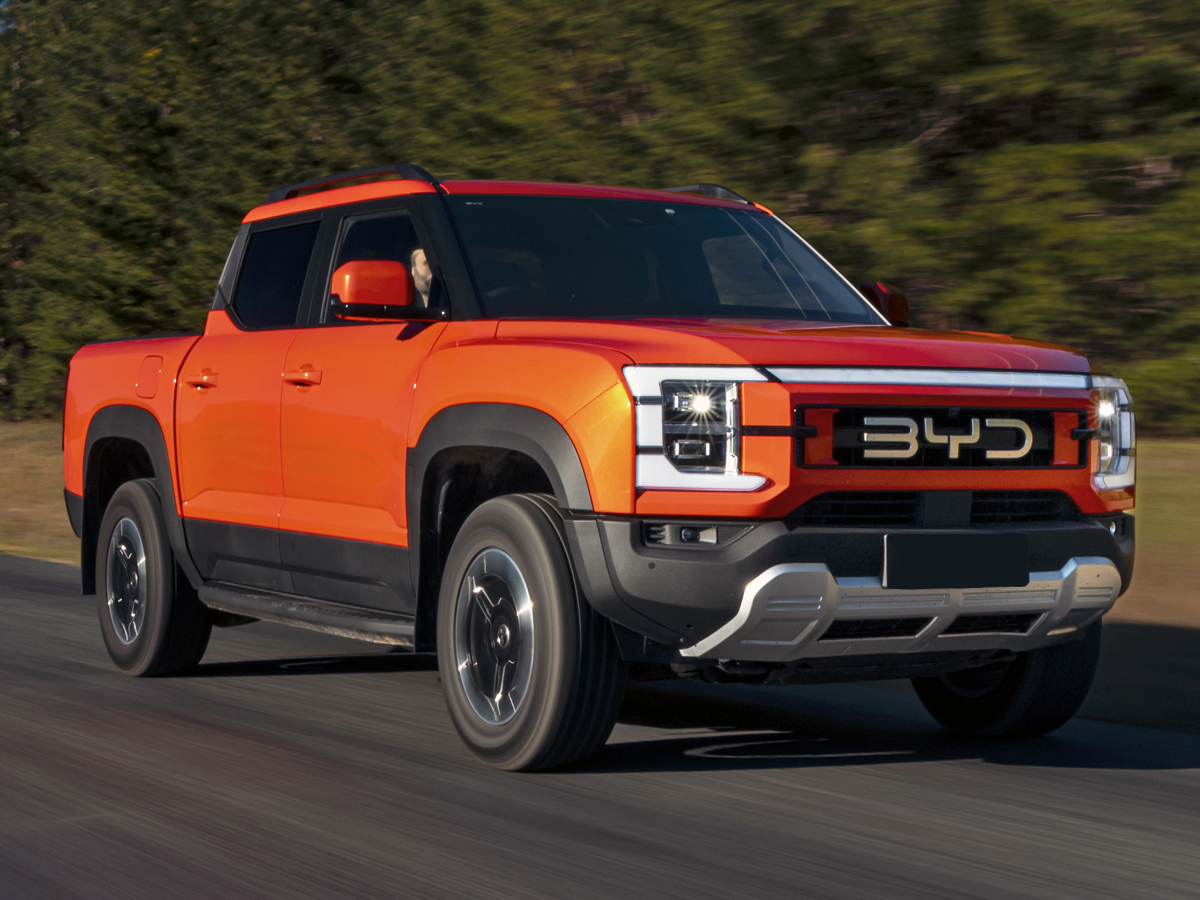
The new GWM P300 PHEV has officially touched down in South Africa, slotting in at the very summit of the P300 range (well above the 11 existing 2.0- and 2.4-litre turbodiesel derivatives) and debuting as the local market’s torquiest double-cab bakkie.
The new Chinese bakkie’s plug-in hybrid electric vehicle (PHEV) powertrain is built around a turbocharged 2.0-litre petrol engine (180 kW/380 Nm), with a 130 kW/495 Nm electric motor integrated into the 9-speed automatic transmission. According to GWM, the PHEV set-up’s combined system outputs are as lofty as 310 kW and 750 Nm.
Thanks to a 33.1 kWh lithium iron phosphate battery pack mounted on the bakkie’s frame rails, the P300 PHEV has a listed pure-electric range of “up to 115 km” (using the NEDC standard, anyway). The battery supports DC fast-charging at speeds up to 110 kW and also offers vehicle-to-load (V2L) capability.
The Baoding-based automaker claims a combined fuel-consumption figure of 2.4 L/100 km. The P300 PHEV has a braked towing capacity of 3 500 kg and a claimed 200 mm of ground clearance, but GWM unfortunately does not list a payload capacity (though it does say a spray-in loadbin liner is included as standard).
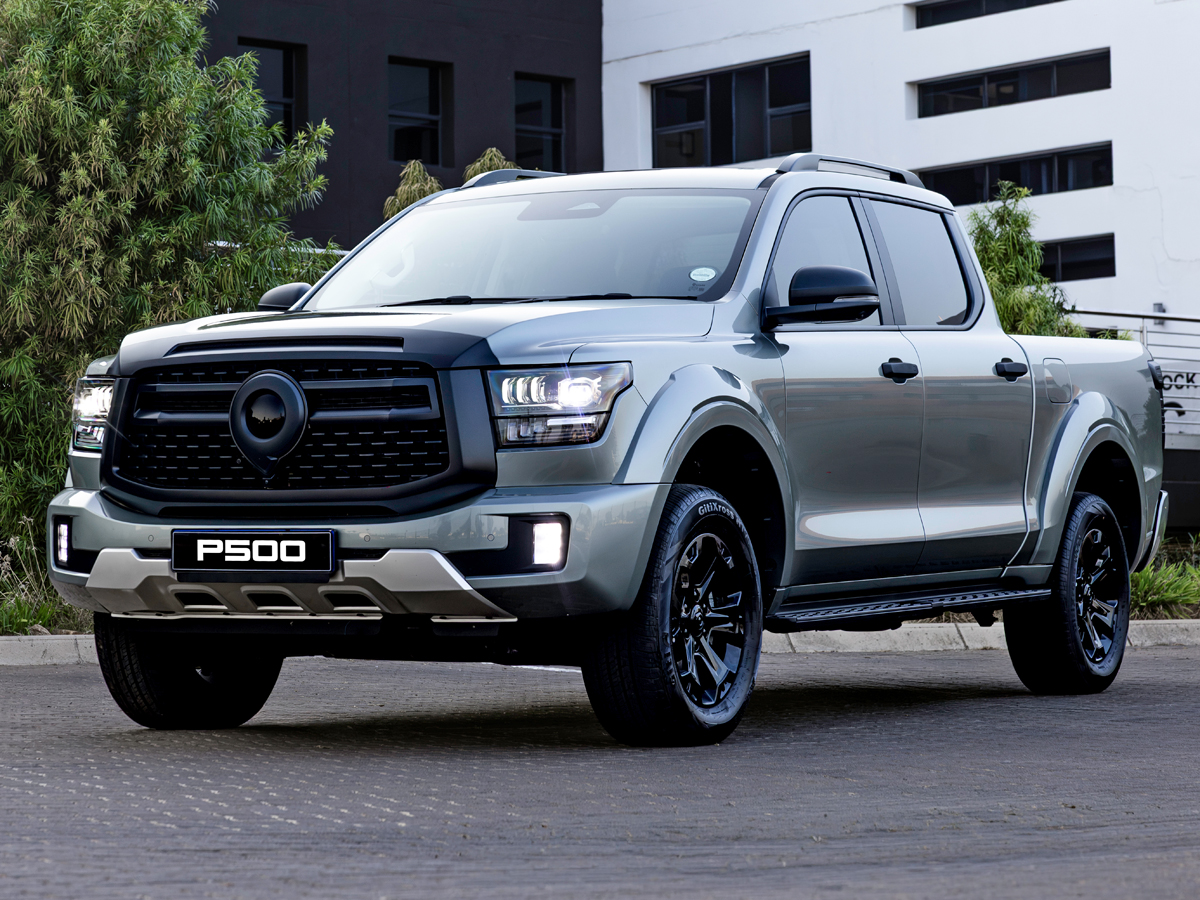
So, what does the newcomer – which is officially called the “GWM P300 2.0T Pioneer Hi4-T PHEV 9HAT” – cost in South Africa? Well, the Chinese brand’s local division has confirmed the P300 PHEV is priced from R914 900. That makes it R215 000 more expensive than the P300 2.4TD LTD 4×4 and some R115 000 pricier than the larger P500 3.0TD Ultra Luxury 4×4.
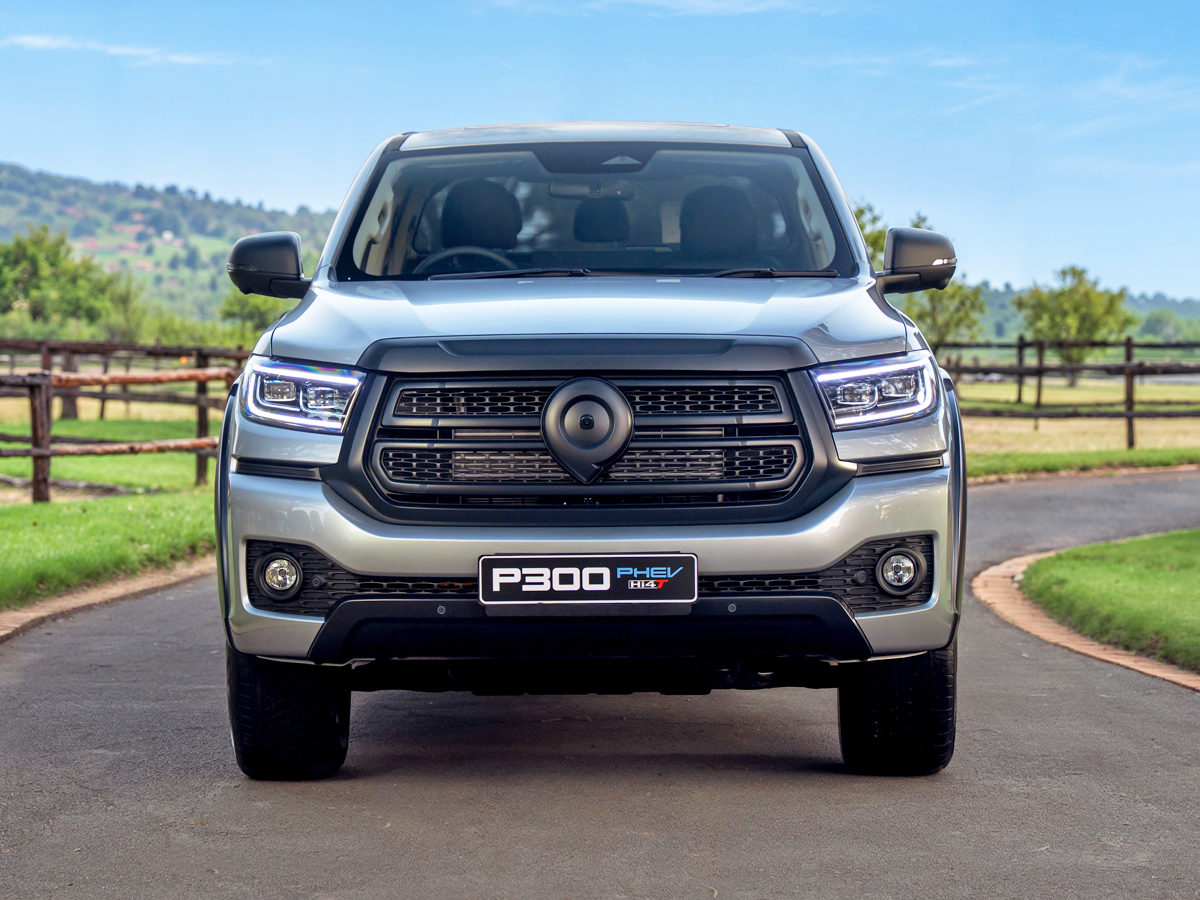
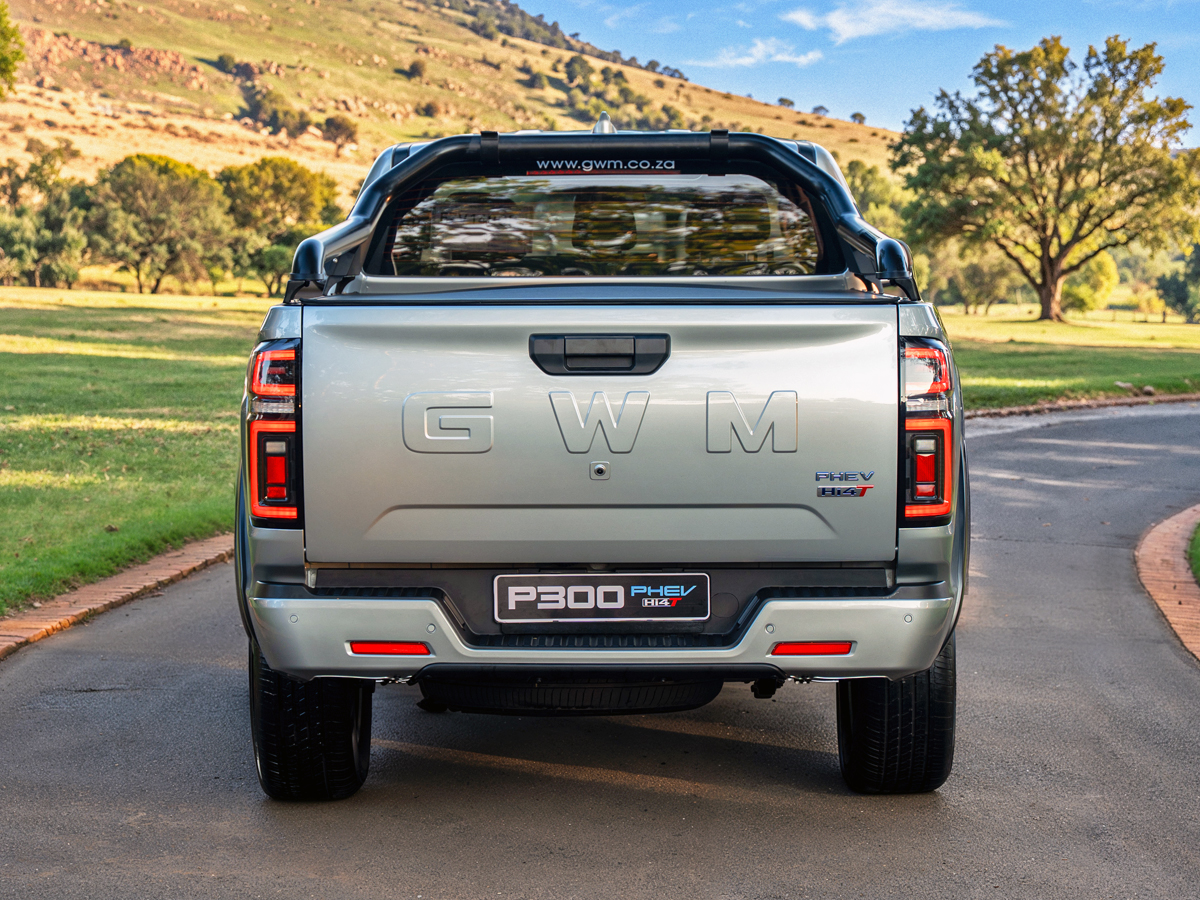
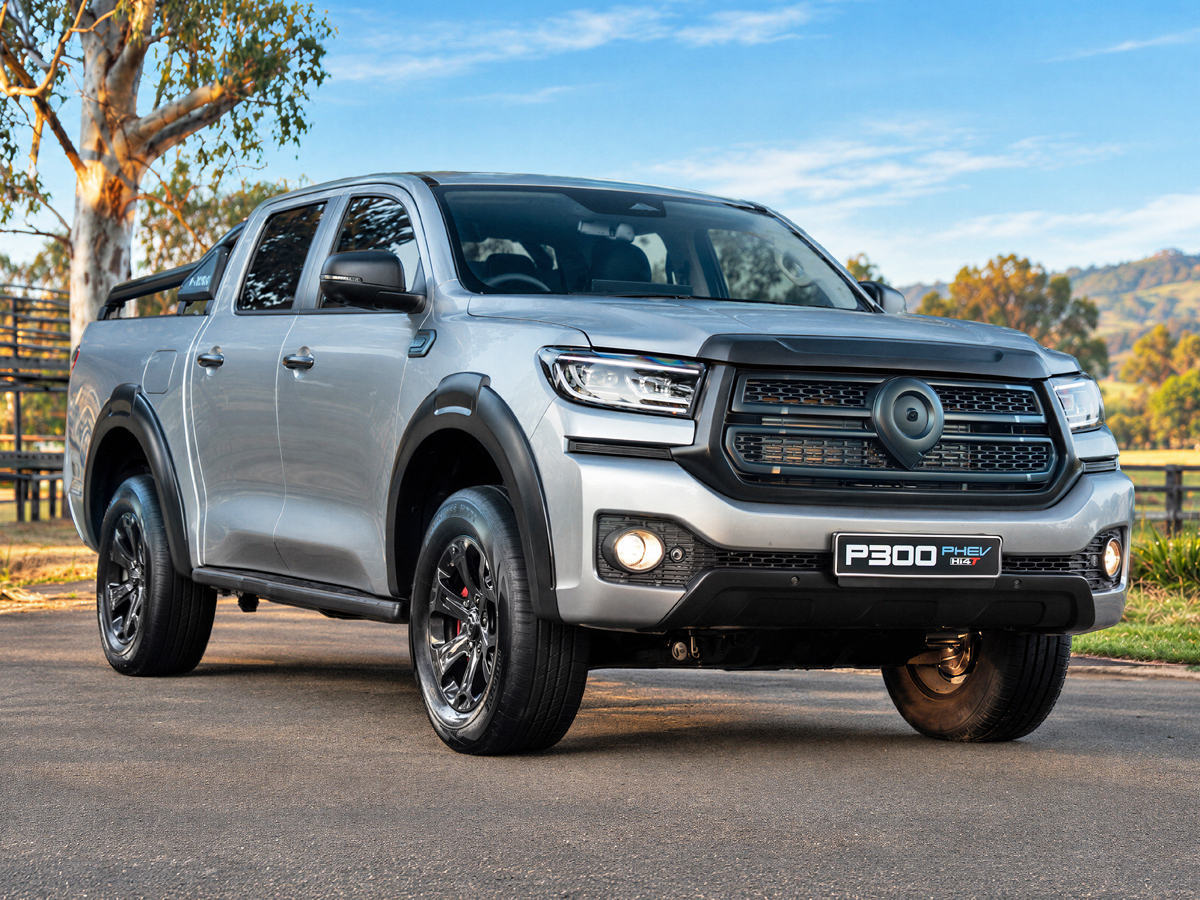
So, how will you spot this derivative out on the road? Well, in addition to its “Hi4-T” and “PHEV” badging, the P300 PHEV is set apart by a black finish for items like the grille, exterior door handles, side-mirror caps, wheel arches and alloy wheels. The latter are wrapped in 265/60 R18 tyres and frame red brake callipers.
Standard features include automatic LED headlamps (with high-beam assist), a 15.6-inch touchscreen, a 10.25-inch digital instrument cluster, a 50W wireless smartphone charger, leather seats (with heating, ventilation and power-adjustment for the front items), a sunroof and automatic climate control. In addition to a 360-degree camera system, the P300 PHEV features a full suite of advanced driver-assistance system (ADAS) functions, along with 6 airbags.
What does the new GWM P300 PHEV cost in SA?
DERIVATIVE
PRICE
P300 2.0T Pioneer Hi4-T PHEV 9HAT
R914 900
The price above includes a 7-year/200 000 km vehicle warranty, an 8-year/150 000 km high-voltage battery warranty and a 7-year/75 000 km service plan (with intervals of 15 000 km).
Frequently Asked Questions (FAQ)
Q: What does the new GWM P300 PHEV cost in South Africa?
A: The GWM P300 2.0T Pioneer Hi4-T PHEV 9HAT is priced from R914 900 in South Africa, which includes a 7-year/200 000 km vehicle warranty, an 8-year/150 000 km battery warranty and a 7-year/75 000 km service plan.
Q: What are the power, torque and battery specs for the GWM P300 PHEV?
A: The 2.0-litre turbocharged petrol plug-in hybrid system delivers 310 kW of power and 750 Nm of torque. It features a 33.1 kWh battery providing an electric-only driving range of up to 115 km (NEDC).
Q: Is the GWM P300 PHEV the most powerful or torquiest bakkie in SA?
A: With 750 Nm of total torque, it debuts as South Africa’s torquiest double-cab bakkie (surpassing the 700 Nm BYD Shark 6 Performance), while its 310 kW output makes it the 3rd most powerful bakkie in the local market.
Geely Riddara RD6: Can an electric bakkie convince buyers to shun the Hilux and Ranger?
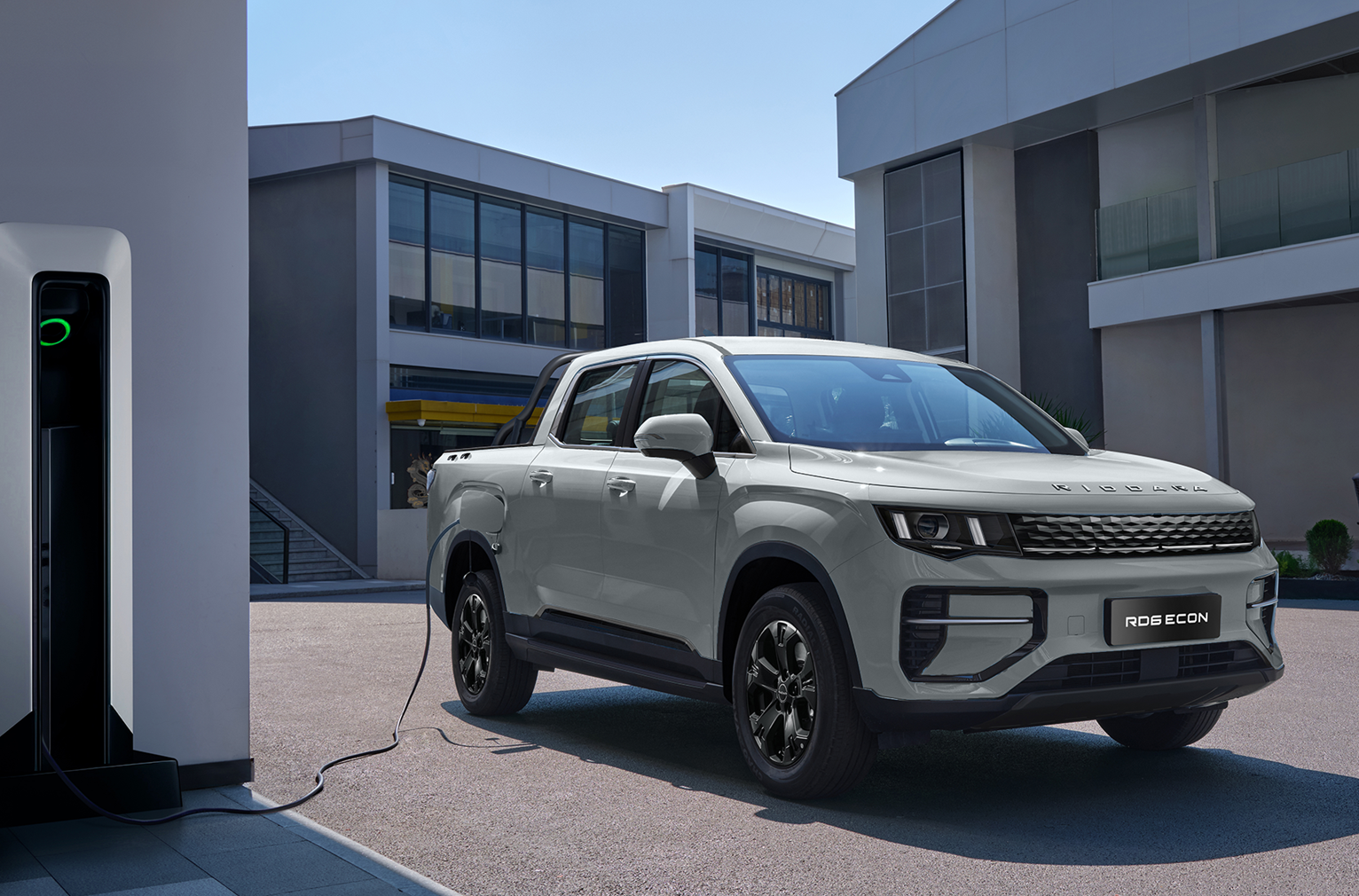
The Geely Riddara RD6 is a crossover double-cab bakkie powered purely by electricity. It’s a radically different take in this conservative segment, but does that make it better?
Most South Africans don’t strictly need a heavy-duty, body-on-frame double cab with the extreme ruggedness and load capacity of a Toyota Hilux or Ford Ranger. Yet, lifestyle buyers continue to purchase them in droves simply because few viable alternatives exist.
Ever since the compact single-cab market vanished in the early 2010s (bar the enduring Nissan NP200), buyers have held out hope for smaller double-cab lifestyle bakkies – vehicles like the Renault Oroch or VW Saveiro. These offer a practical load bed when required, but with unibody car-like dimensions that make them cheaper and much easier to manoeuvre as daily city drivers.
A new kind of double-cab bakkie
Coil-sprung at all four wheels. And no separate chassis. A very different bakkie platform.
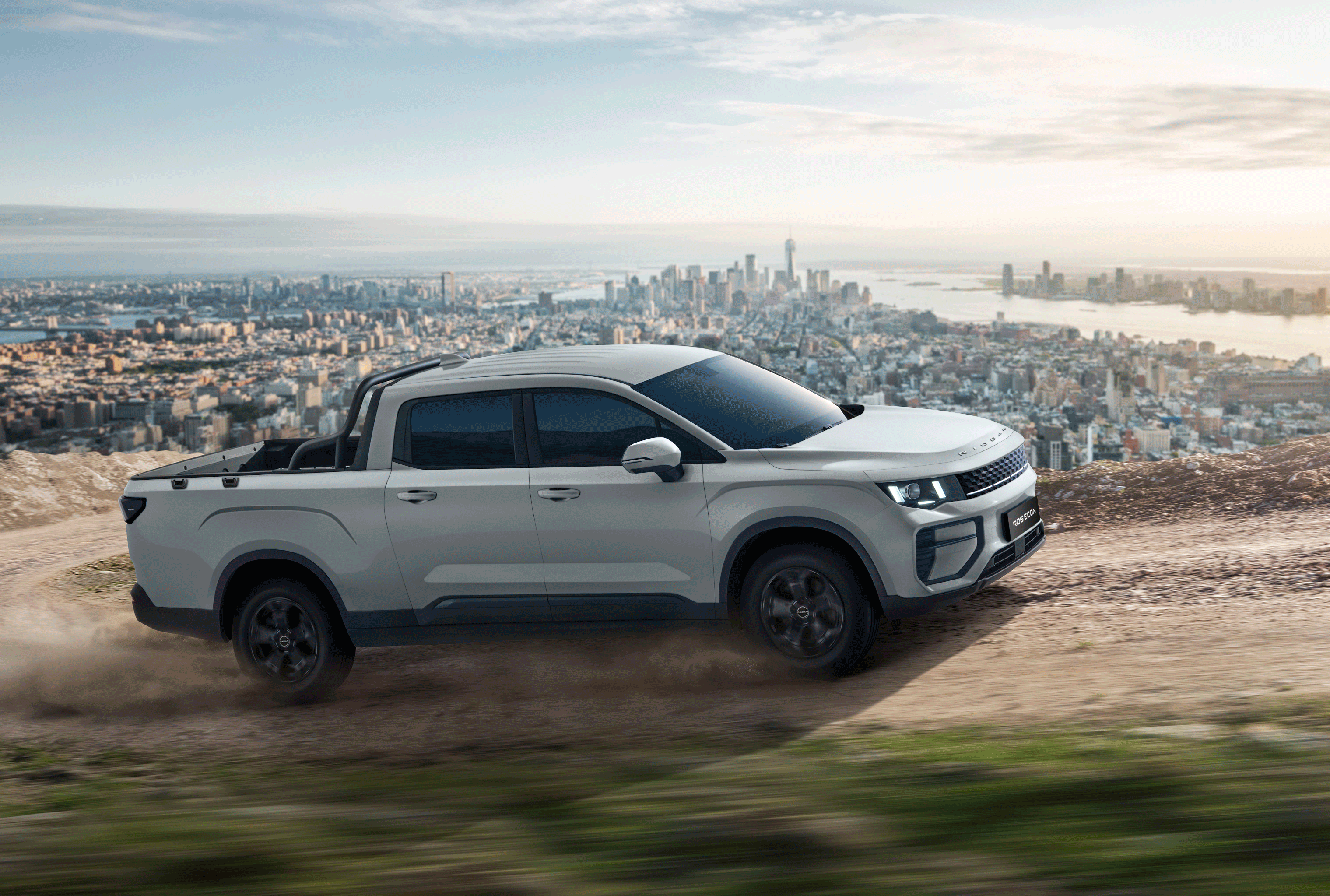
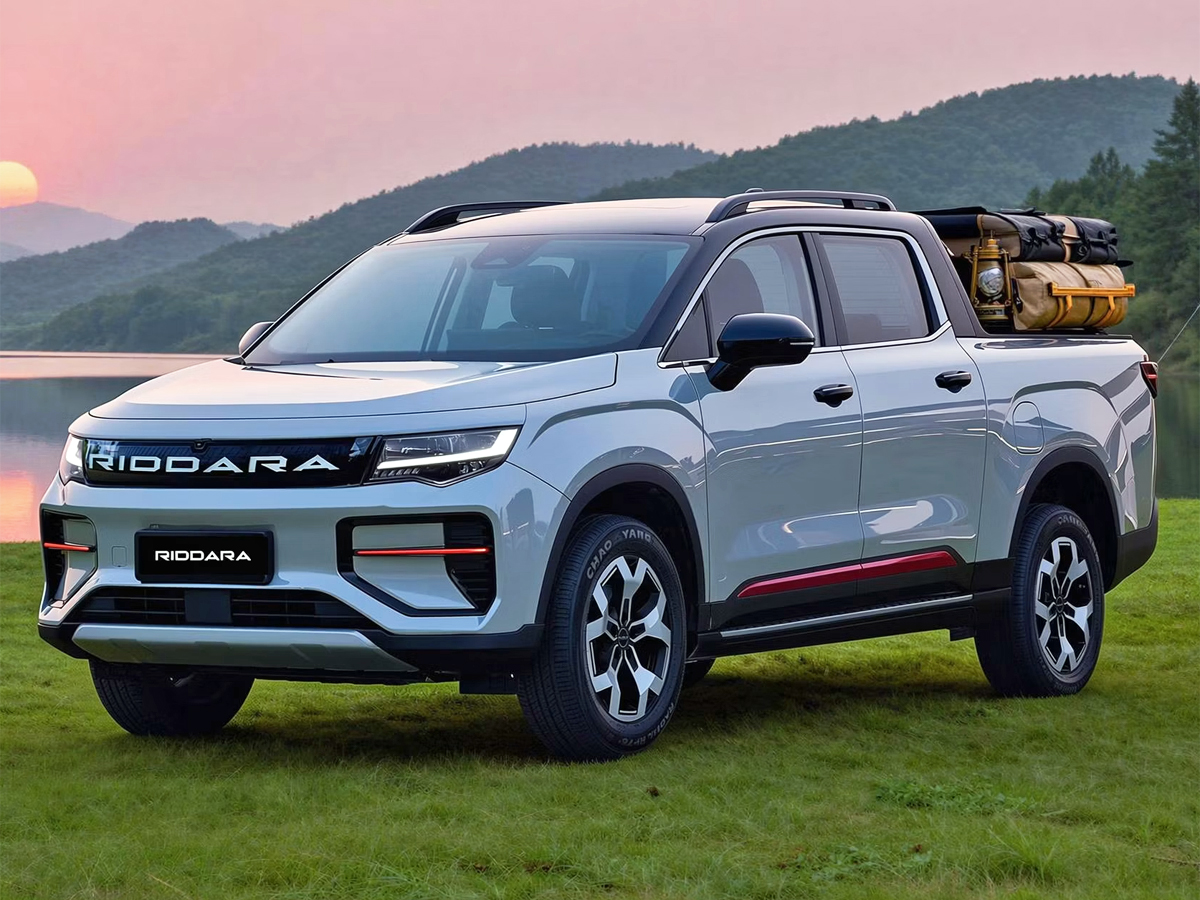
Instead of a separate steel ladder chassis, the Riddara RD6 uses a monocoque platform with coil springs at all four wheels.
Historically, monocoque double-cab bakkies have struggled to gain a foothold in South Africa. But Chinese automotive giant Geely – a major player with brands like Volvo under its umbrella – is aiming to change that. Geely believes there is a growing urban lifestyle market ready for a battery electric vehicle (BEV) double-cab designed more like a crossover SUV.
Unibody bakkies like the Honda Ridgeline proved years ago in North America that city buyers would happily accept car-like underpinnings over traditional ladder frames. Can Geely replicate that lifestyle success in South Africa with an electric twist?
Well-priced & feature-packed
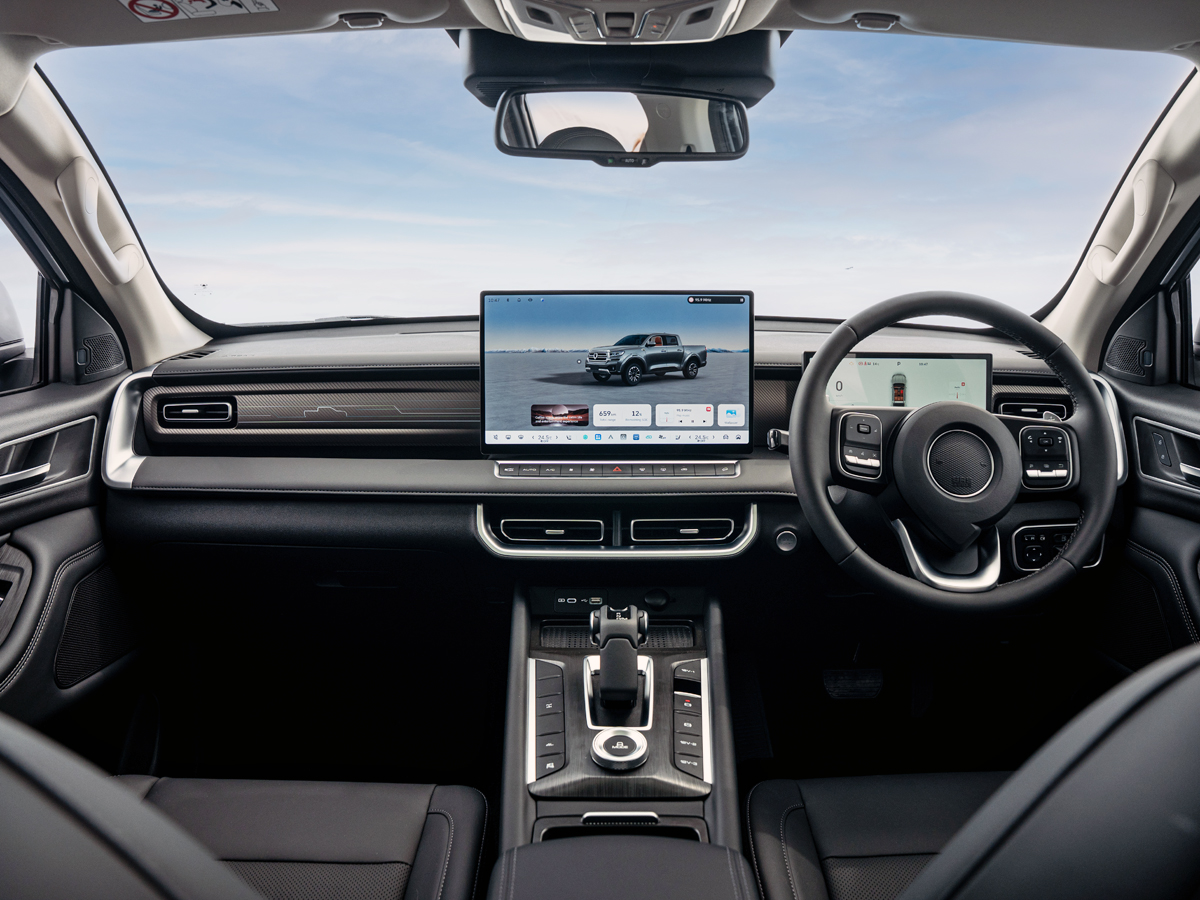
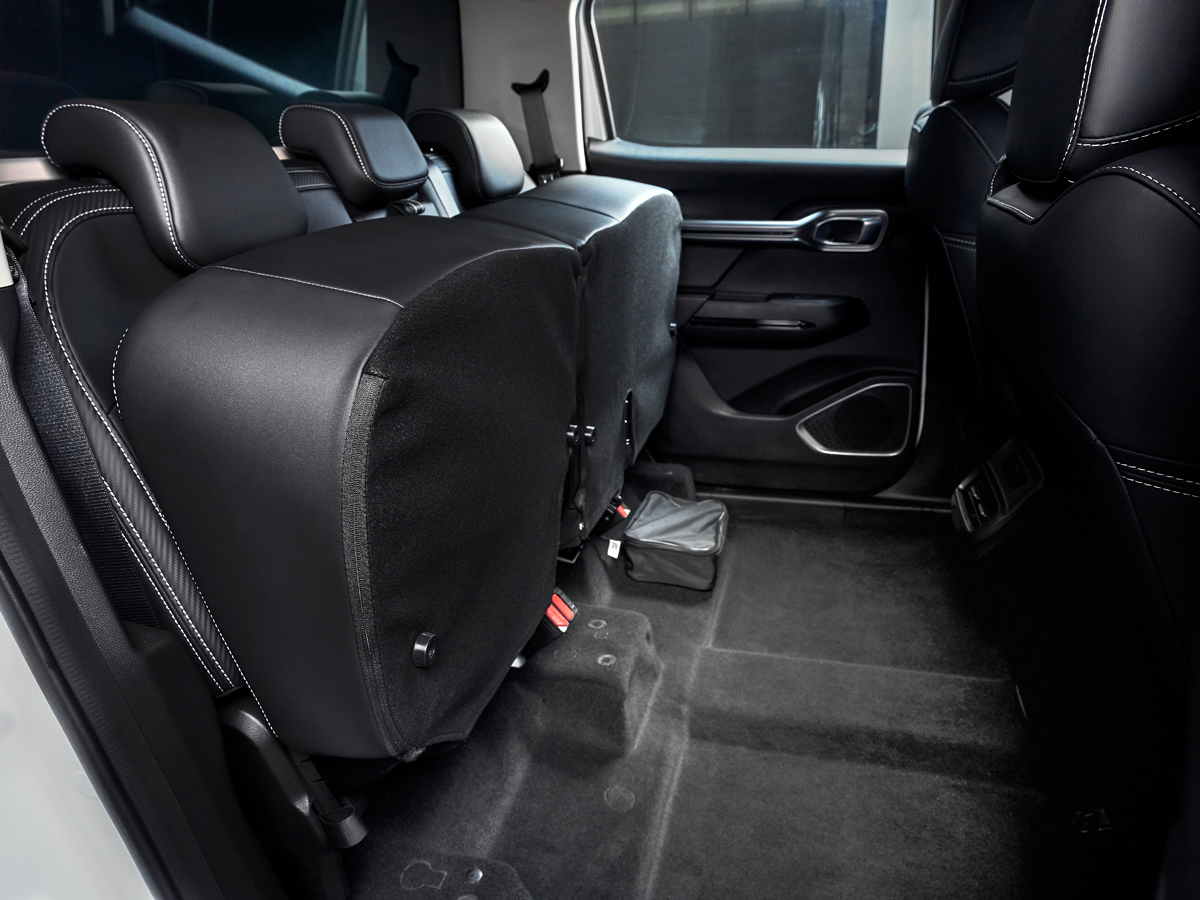
Flip-up rear seats are clever, as they enable more in-cab storage space when travelling two-up.
Starting at R611 900, the entry-level Riddara RD6 Econ Aspire RWD is remarkably affordable for a luxury-leaning electric double cab. Despite being the base spec, it comes well-equipped with an 8-inch infotainment display, a six-way power-adjustable driver’s seat, and clever flip-up rear seats that open up substantial secondary cargo space inside the cab.
Going rear-wheel drive also makes sense for most South African buyers. Unless you regularly tackle serious off-road trails, a RWD setup saves weight, cost and maintenance compared to a part-time 4WD system.
Under the floor sits a 63 kWh lithium-iron-phosphate (LFP) battery pack. LFP chemistry is a smart choice for a utility vehicle – it prioritises long-term thermal stability and cycle life over extreme energy density, making it durable for daily charging.
The RD6 is more powerful than diesel rivals, but lags behind some for torque output.
The Econ Aspire derivative produces a healthy 180 kW and 309 Nm from its single rear electric motor. That easily beats the standard 2.4-litre turbodiesel Hilux (110 kW) or 2.0 SiT Ranger (120 kW) power outputs.
Like almost all electric vehicles, the RD6 utilises a single-speed transmission. While electric motors generate instant torque from 0 rpm – making city driving effortlessly smooth – single-speed EV drivetrains operate differently at highway speeds. Without multi-speed gear ratios to optimise high-speed engine revs, electric motor efficiency drops off as speeds increase.
At a kerb weight of 2 065 kg, the RD6 isn’t excessively heavy for a battery-powered bakkie. Its power-to-weight ratio of 87 kW per tonne comfortably outperforms a Hilux 2.4 (57 kW/tonne) or Ranger 2.0 SiT (56 kW/tonne), giving it punchy low-speed responsiveness.
Much cheaper to run than a diesel. But what about range and convenience?
Double-cab bakkies in SA are often expected to double as long-distance road-trip vehicles, which is where electric powertrains face their biggest hurdle.
The Riddara RD6 Econ Aspire claims an NEDC range of 369 km. For daily commutes around Johannesburg or Cape Town, that’s more than sufficient. Daily running costs will be a fraction of a diesel equivalent – especially if you can charge at home using off-grid or hybrid solar power.
However, extended highway cruising at 120 kph with a loaded bed and aerodynamic drag will drop real-world range closer to 250–300 km. On long holiday road trips, frequent DC fast-charging stops will require deliberate route planning.
The Geely Riddara RD6 offers surprising utility
Despite a monocoque chassis and coil-sprung suspension, payload capacity is terrific.
Traditional bakkies are usually engineered to carry a 1 000 kg payload, even though everyday buyers rarely load them to capacity. Some leisure-focused double cabs trade payload capacity for smoother rear suspension – most notably the Ford Ranger Raptor, which prioritises off-road impact absorption over load-hauling.
What stands out about the Riddara RD6 is that, despite its unibody architecture and rear coil suspension, Geely rates its payload capacity up to 1 030 kg (along with a 2 500 kg towing capacity on RWD models).
Matching traditional ladder-frame bakkies on load capacity while offering crossover comfort on paper is an impressive feat. How well Geely’s engineers have balanced that load capacity with ride quality on rough, corrugated gravel roads will be the true test in local conditions.
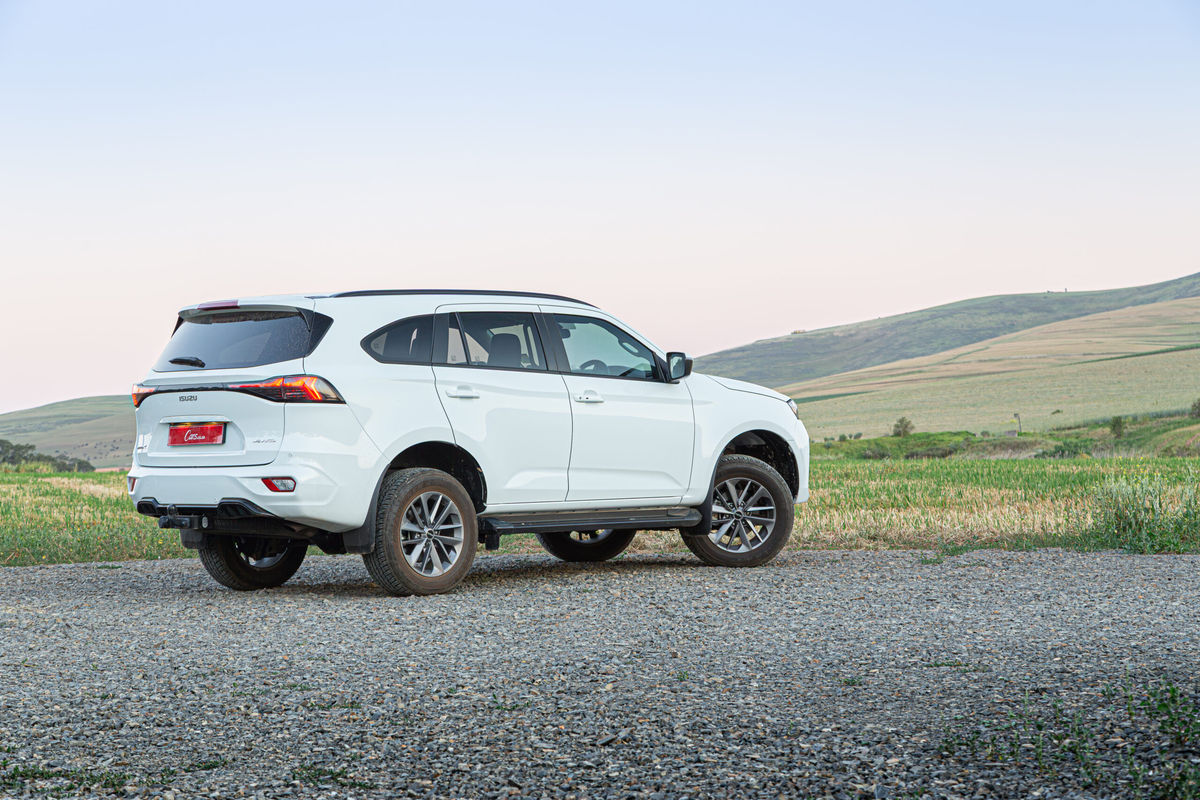
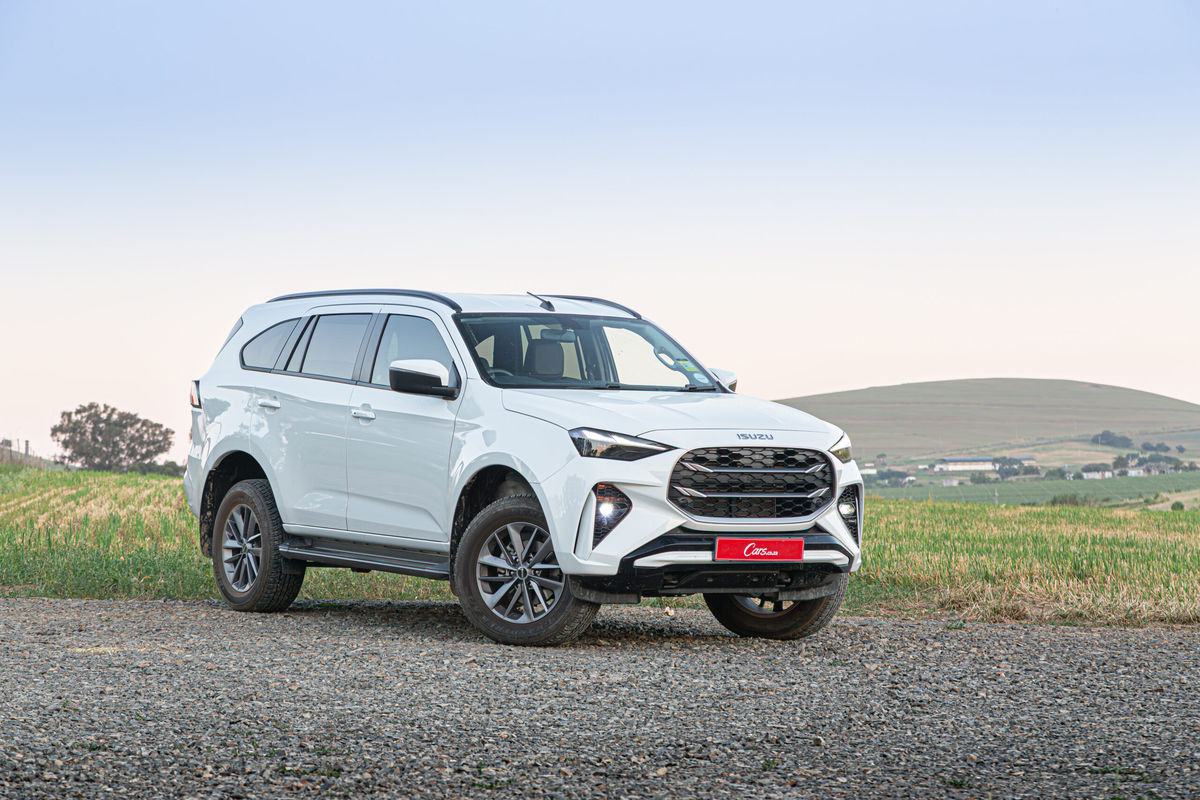
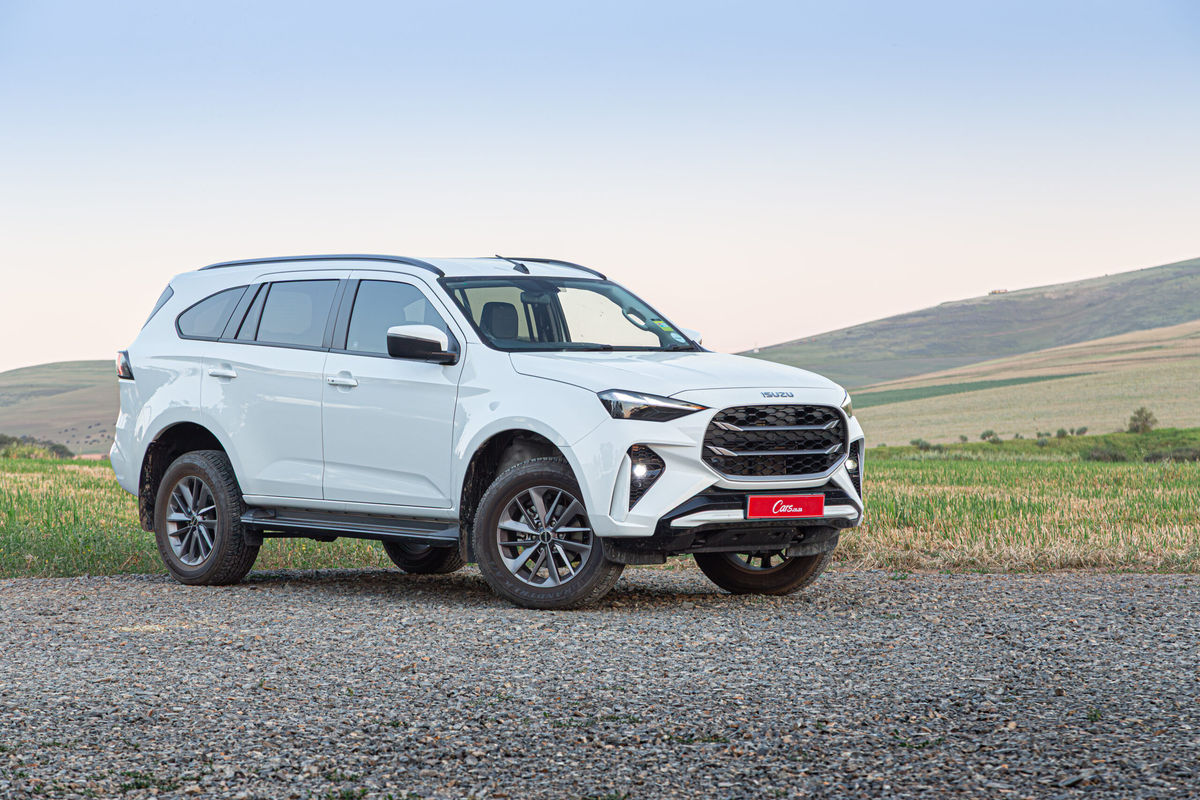
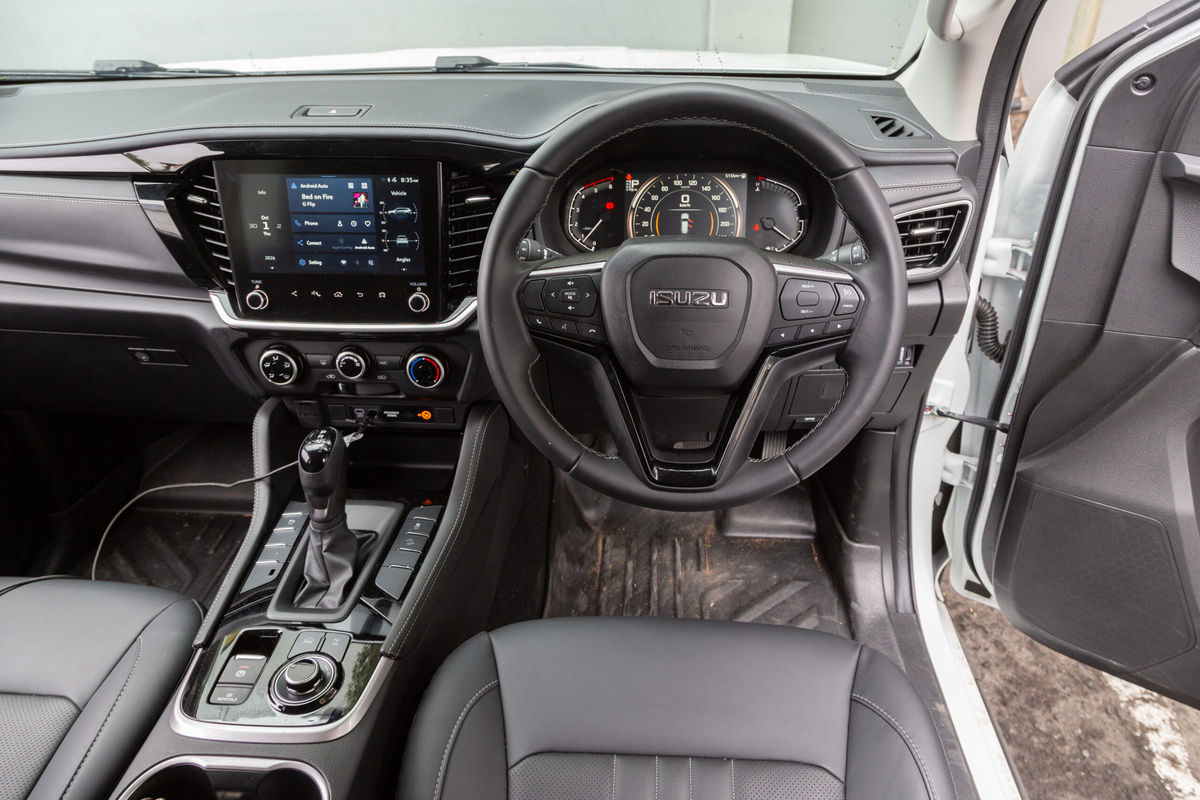
Isuzu mu-X 1.9 LS (2026) Review
The Isuzu mu-X 1.9 4×4 joins the local portfolio, giving customers go-anywhere capability for less money. We get behind the wheel and go on a road trip.
We like: Fuel efficiency; value for money; 4×4 capability.
We don’t like: Could be seen as too utilitarian; reduced 2.1-tonne tow rating.
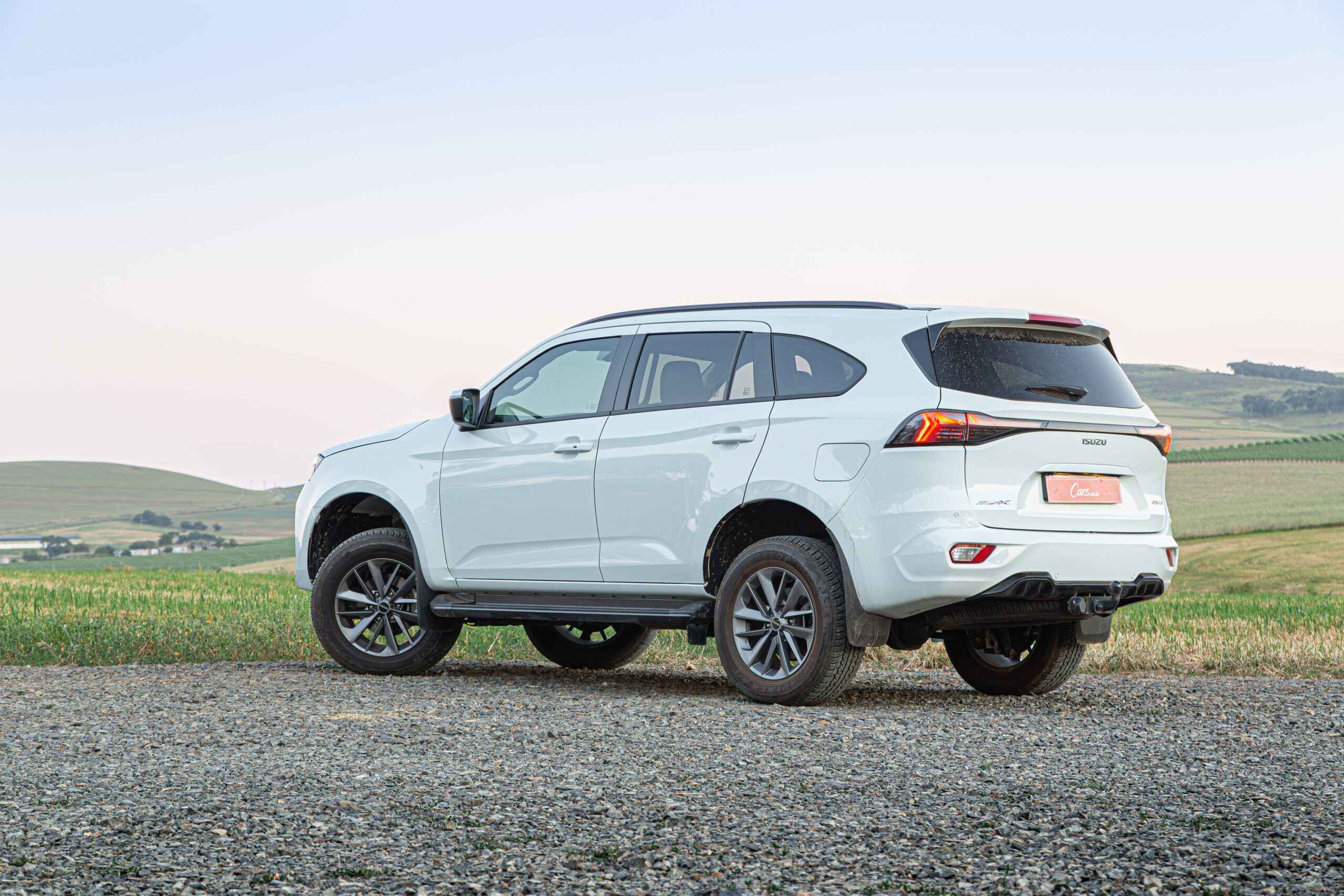
The facelifted version of the second-generation Isuzu mu-X landed on local shores back in May 2025 with a six-model line-up. There was just the single 1.9-litre derivative, sitting atop a 4×2 drivetrain. Now, Isuzu has expanded its mu-X range with a 1.9-litre 4×4 automatic in LS trim.
This segment is competitive, with the Ford Everest and Toyota Fortuner offering near-identical levels of performance, space, off-road capability and practicality. Earlier in 2026, the Everest received a mild update, while a new-generation Fortuner is due in 2027. We’d also suggest looking at the updated Tank 500, now sold with a 3.0-litre diesel engine.
If a ladder-frame platform and off-road credentials are not as high on your priority list, but you still want a comfortable, big family SUV, we suggest looking at the likes of the Chery Tiggo 9, Volkswagen Tayron and Nissan X-Trail.
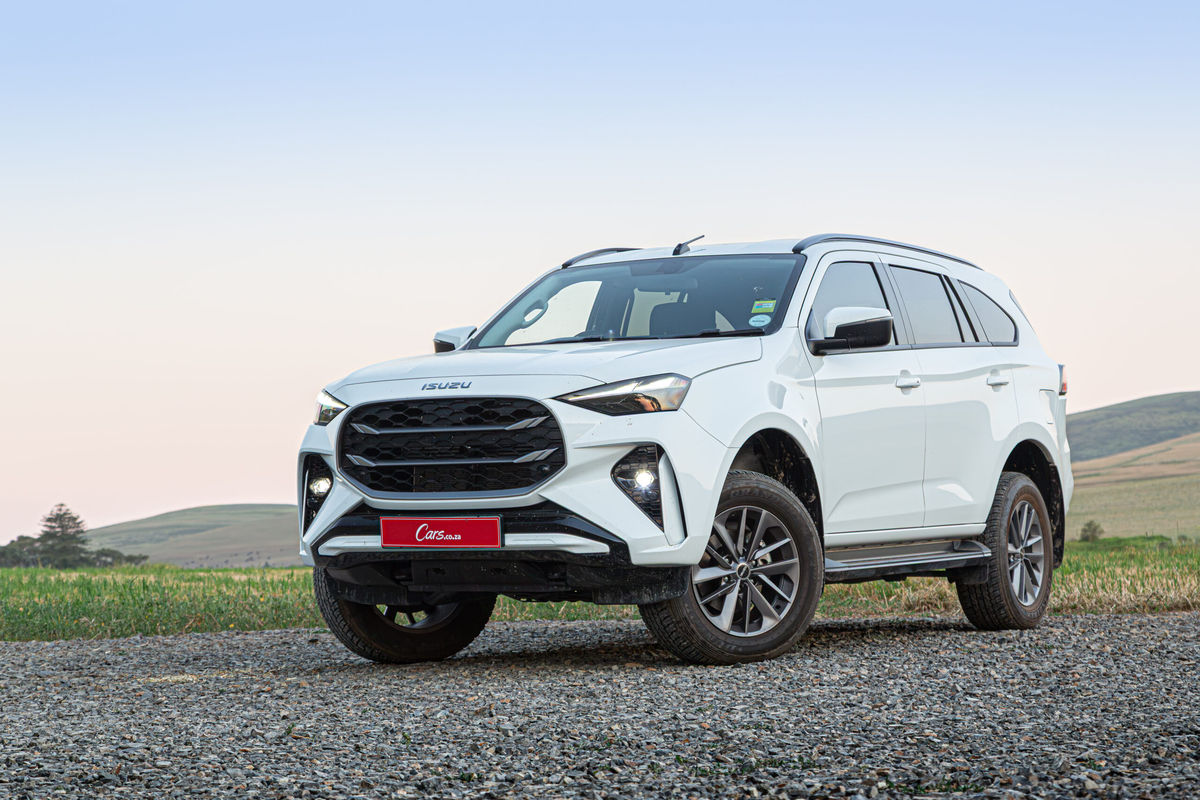
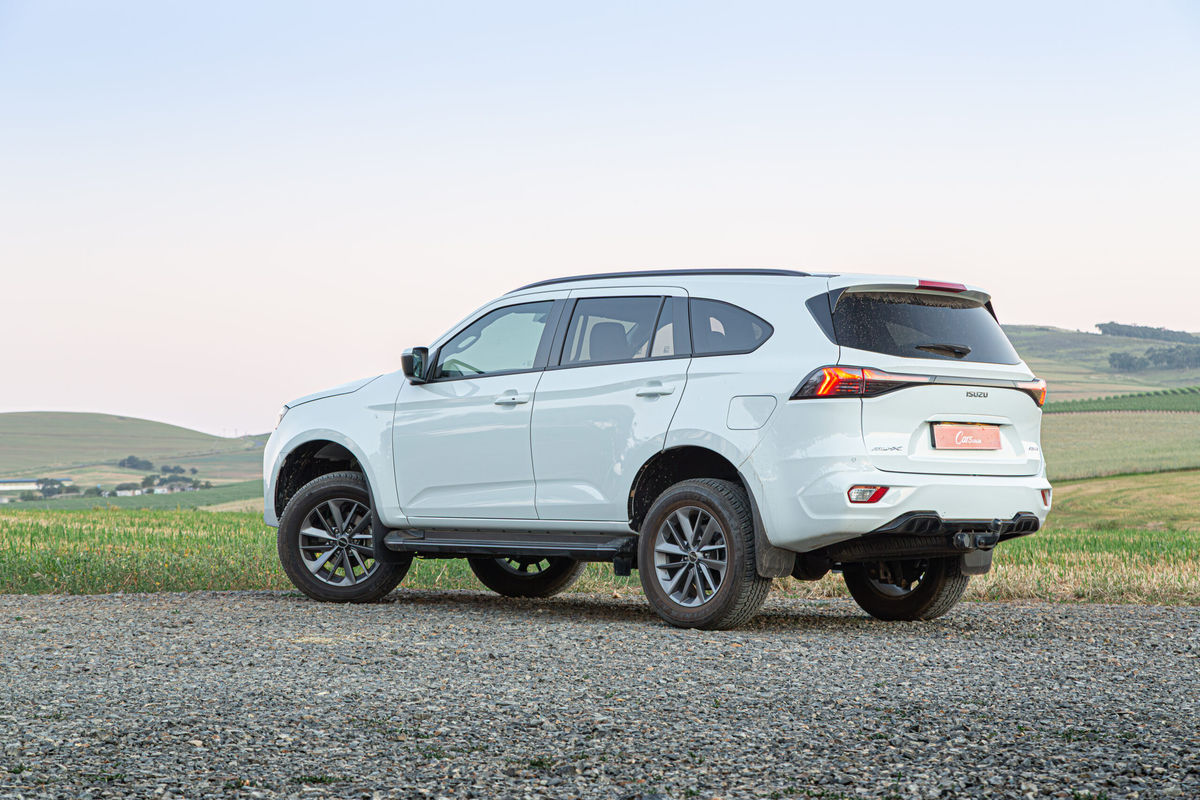
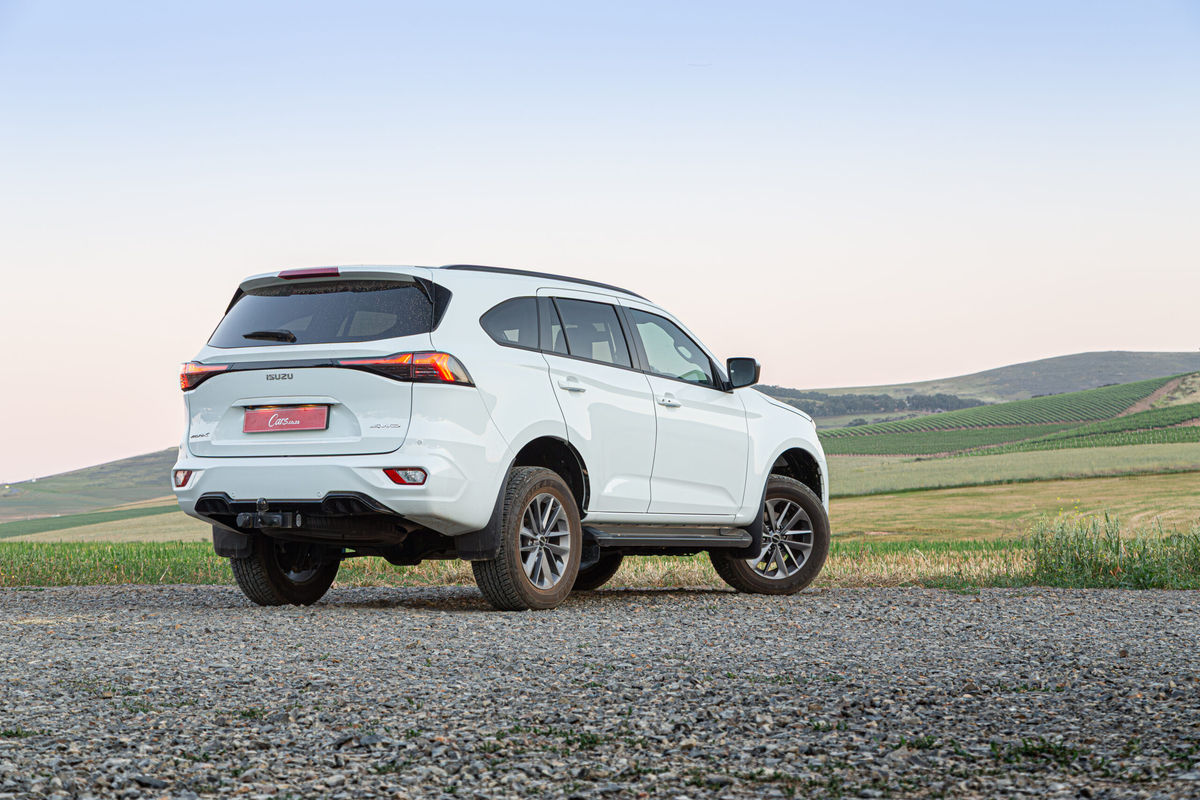
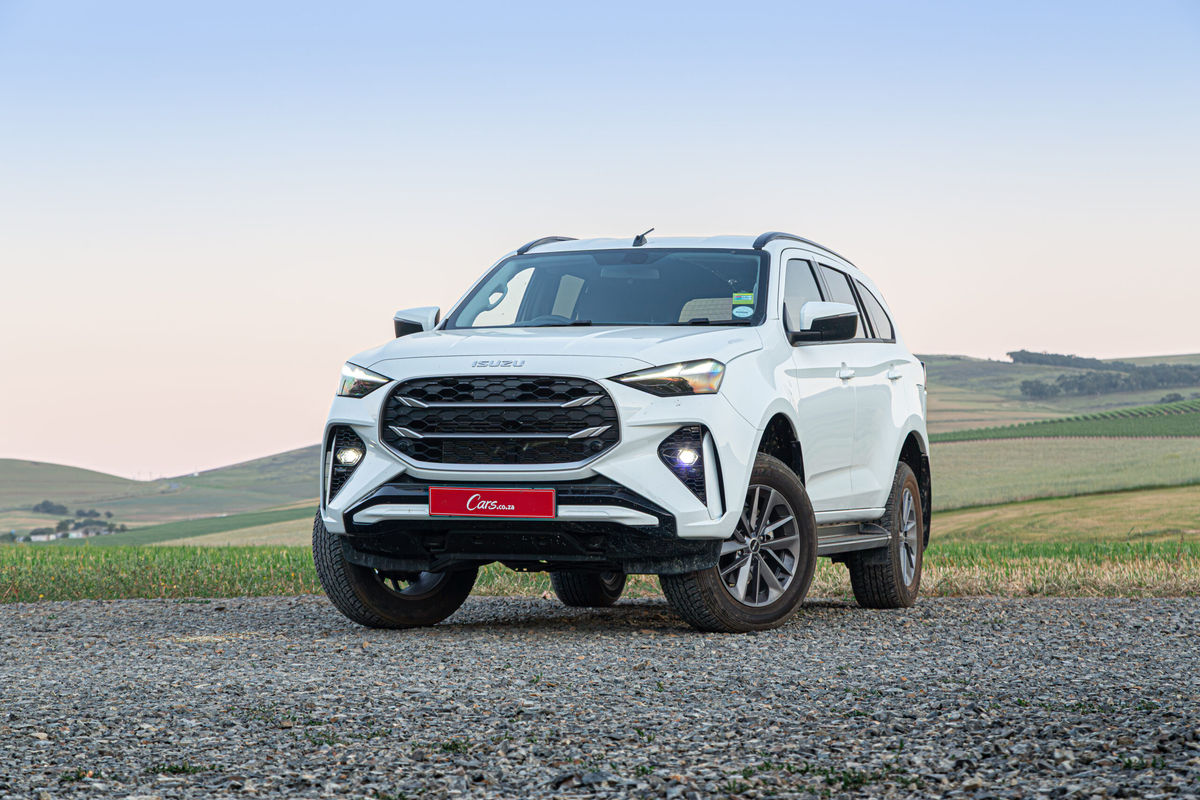
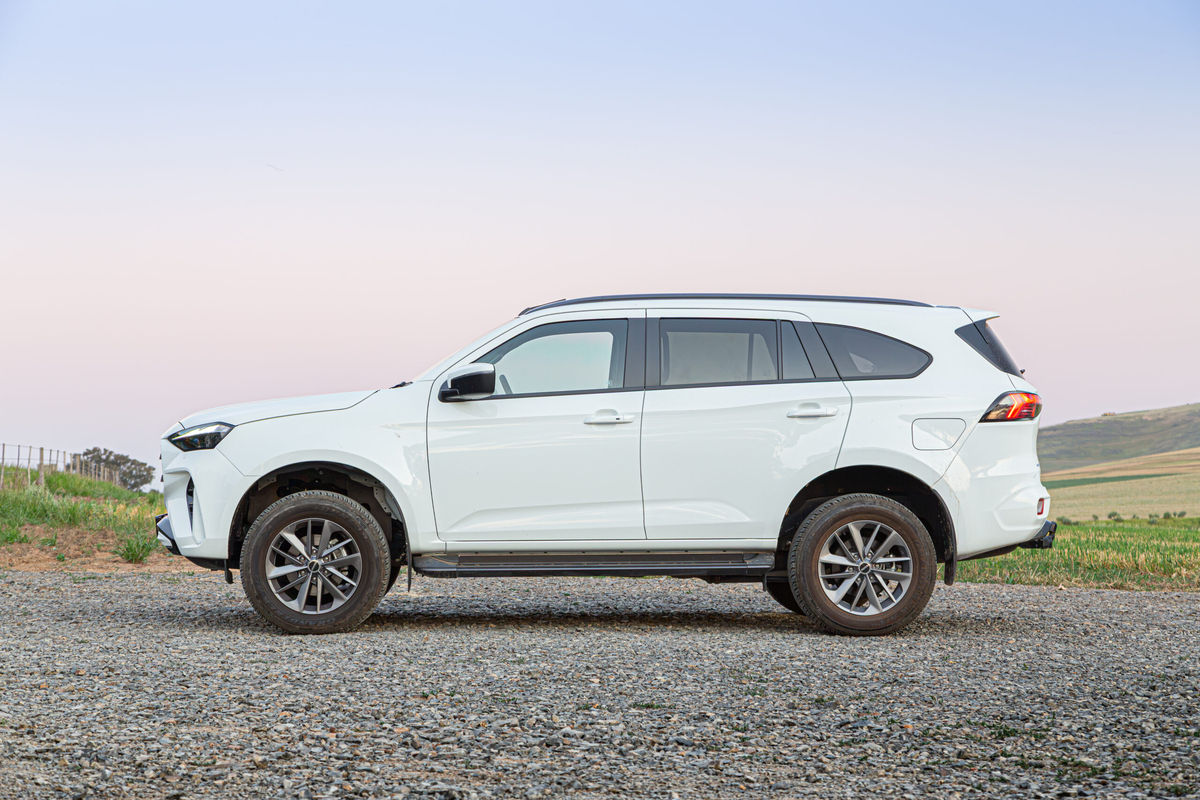
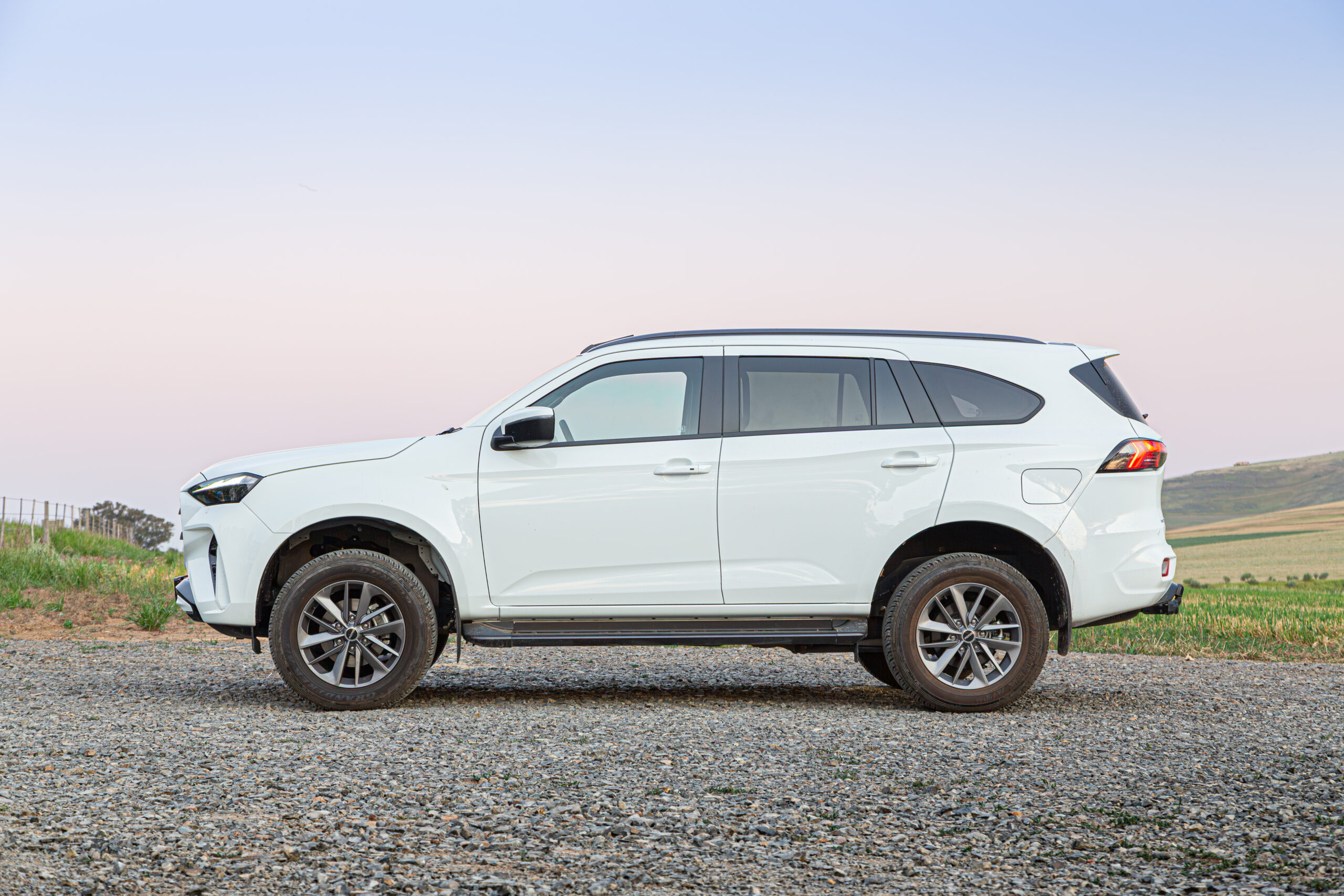
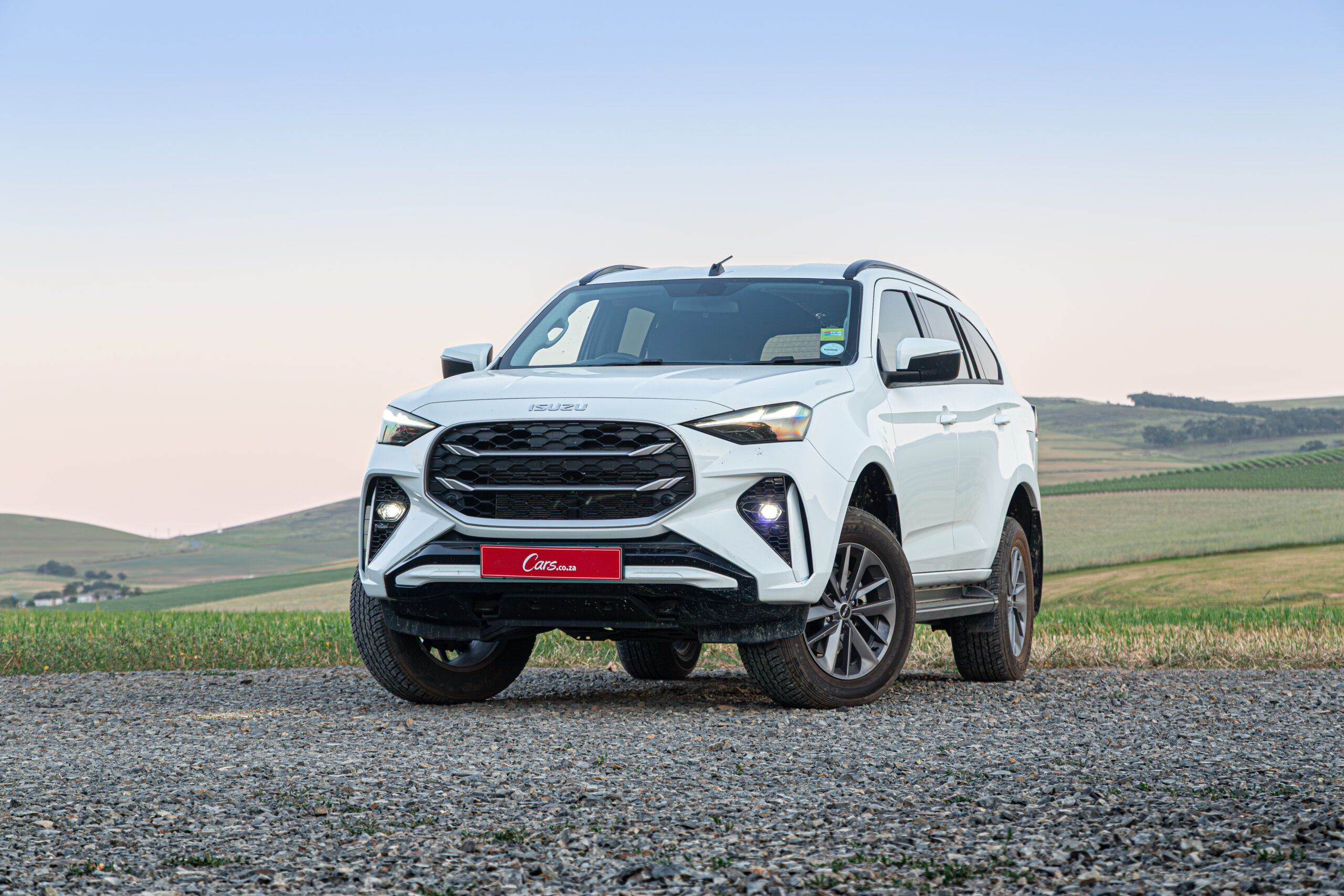
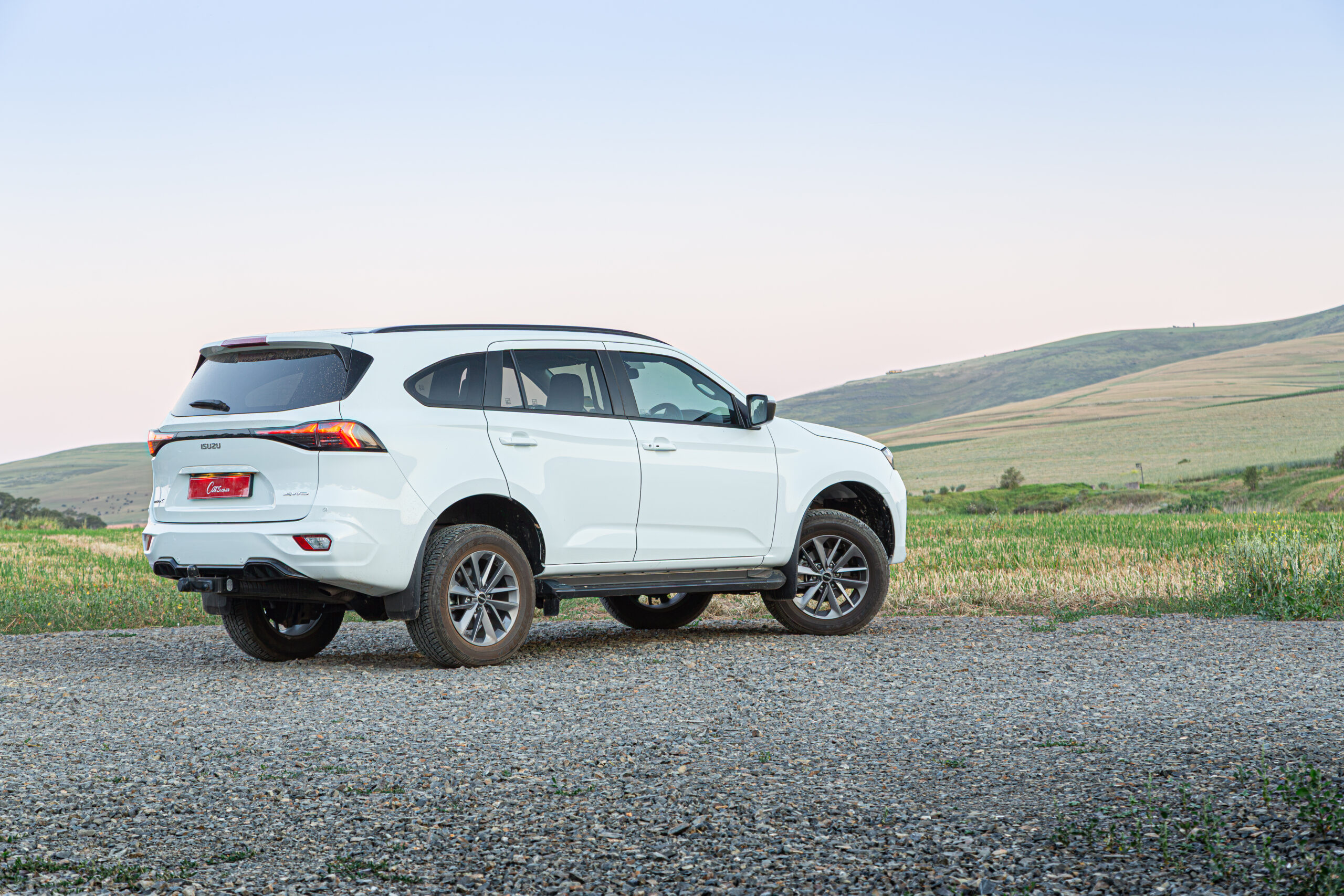
This second-generation Isuzu mu-X is a good-looking vehicle. Purposeful with a touch of aggression, it runs the Ford Everest very close in terms of sheer parking lot presence.
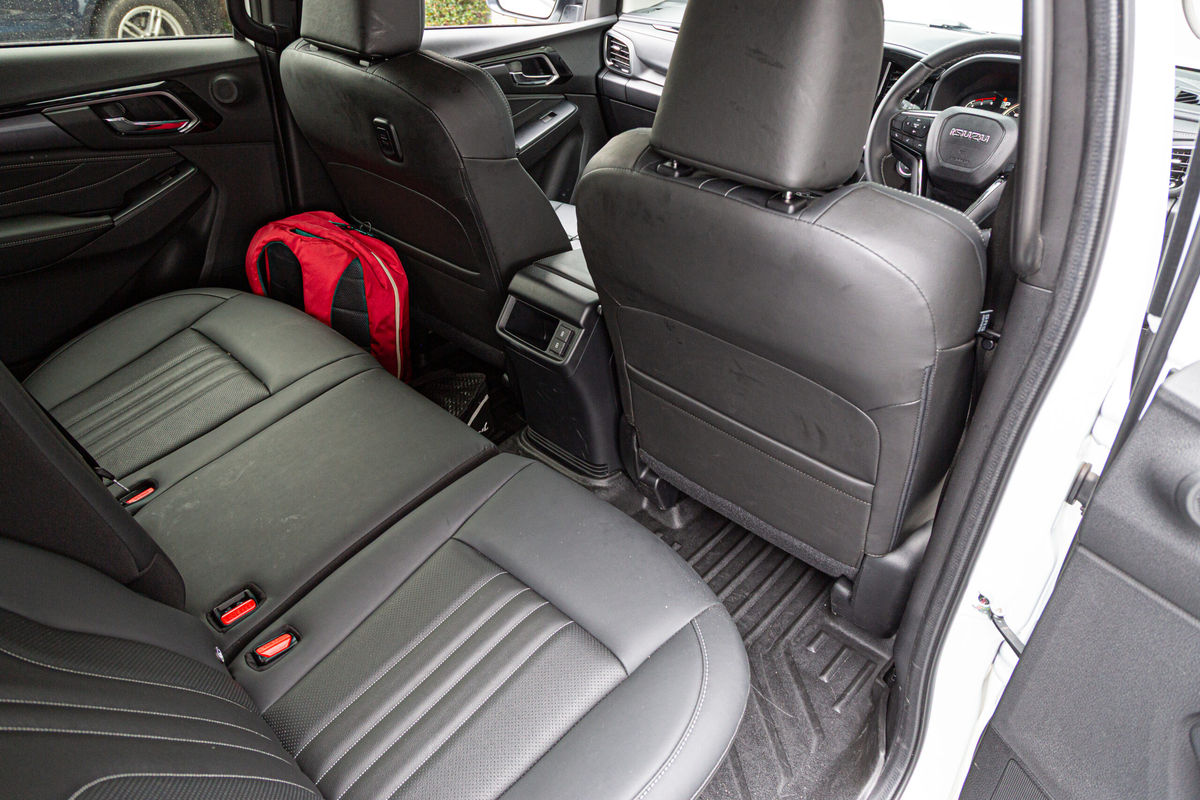
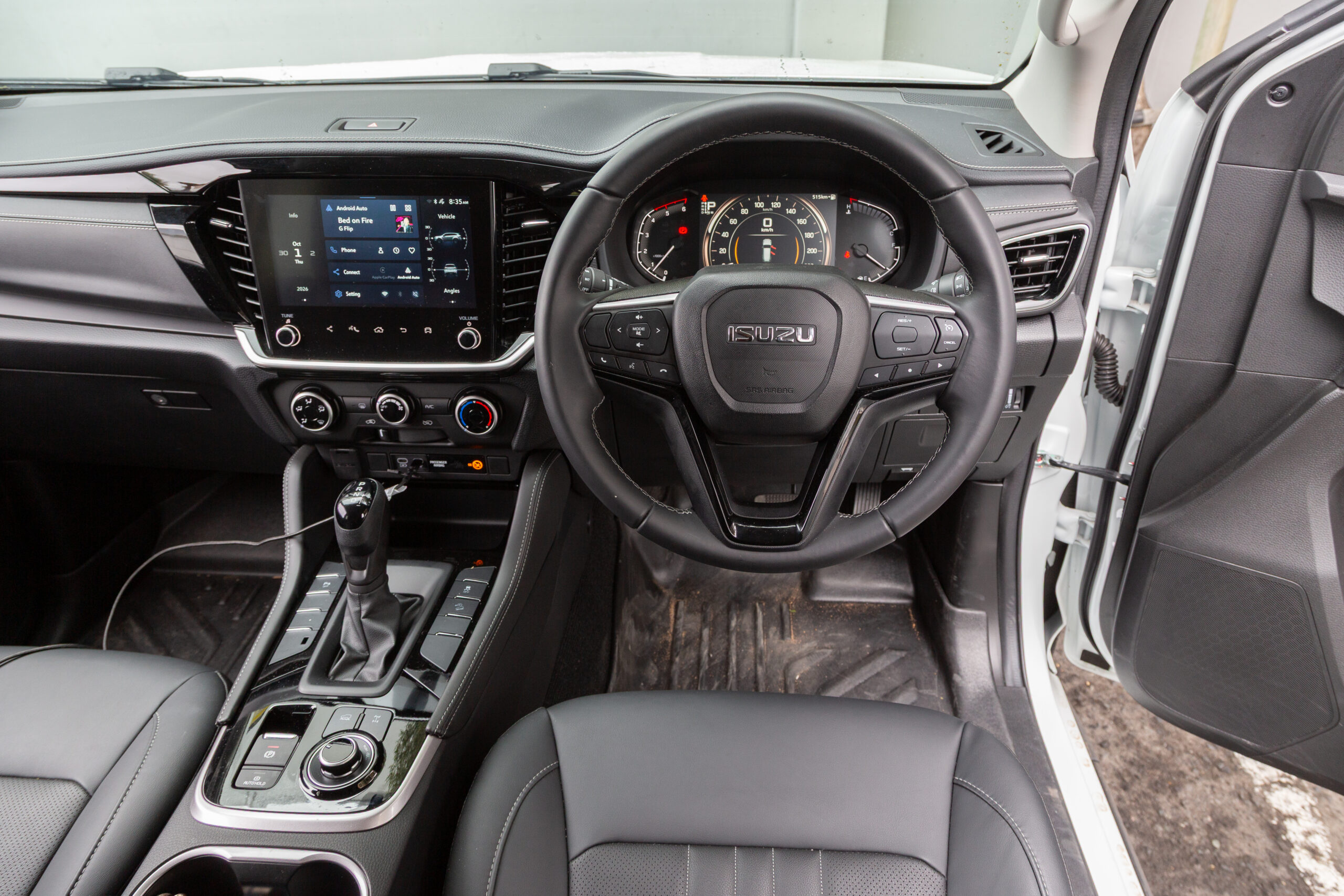
The newcomer is available only in entry-level LS trim, but the basics are covered. The driver’s seat has eight-way power adjustability, while all seats are trimmed in part-leather. There’s a basic air-conditioning unit and the vehicle’s been plumbed to allow cool air to circulate throughout the cabin via vents at the rear.
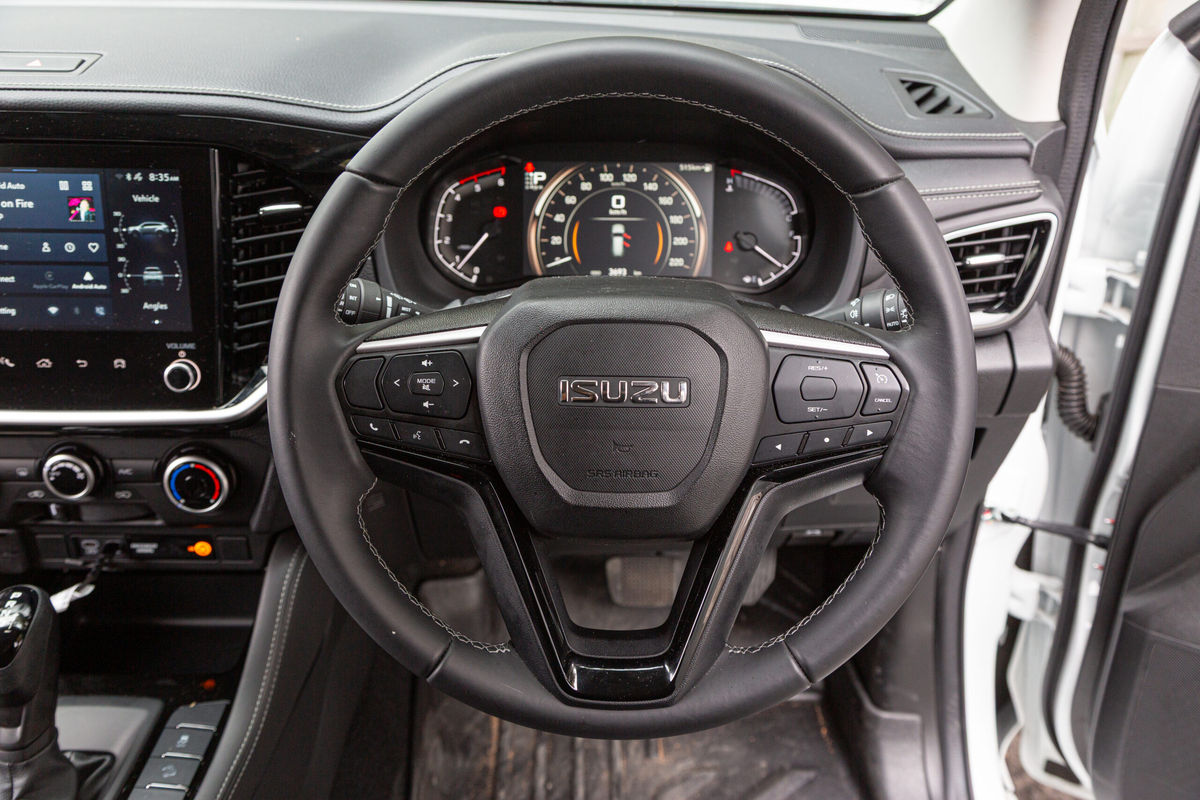
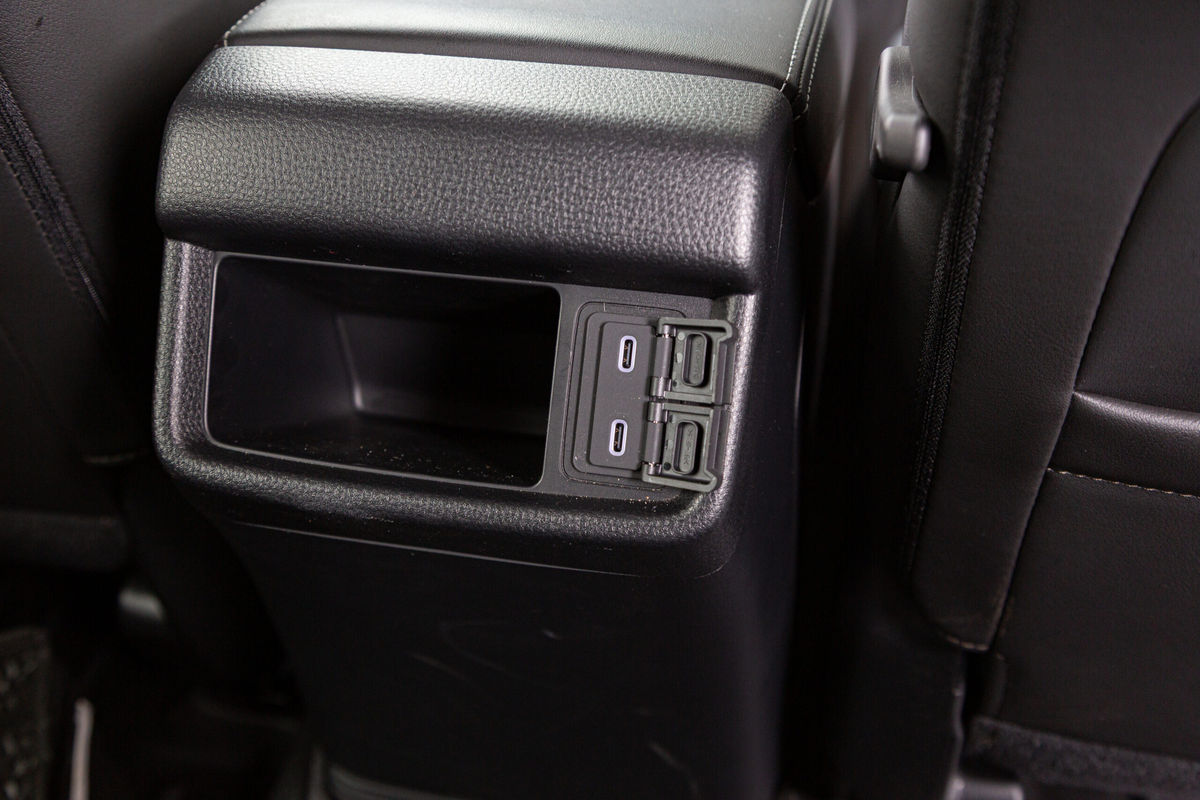
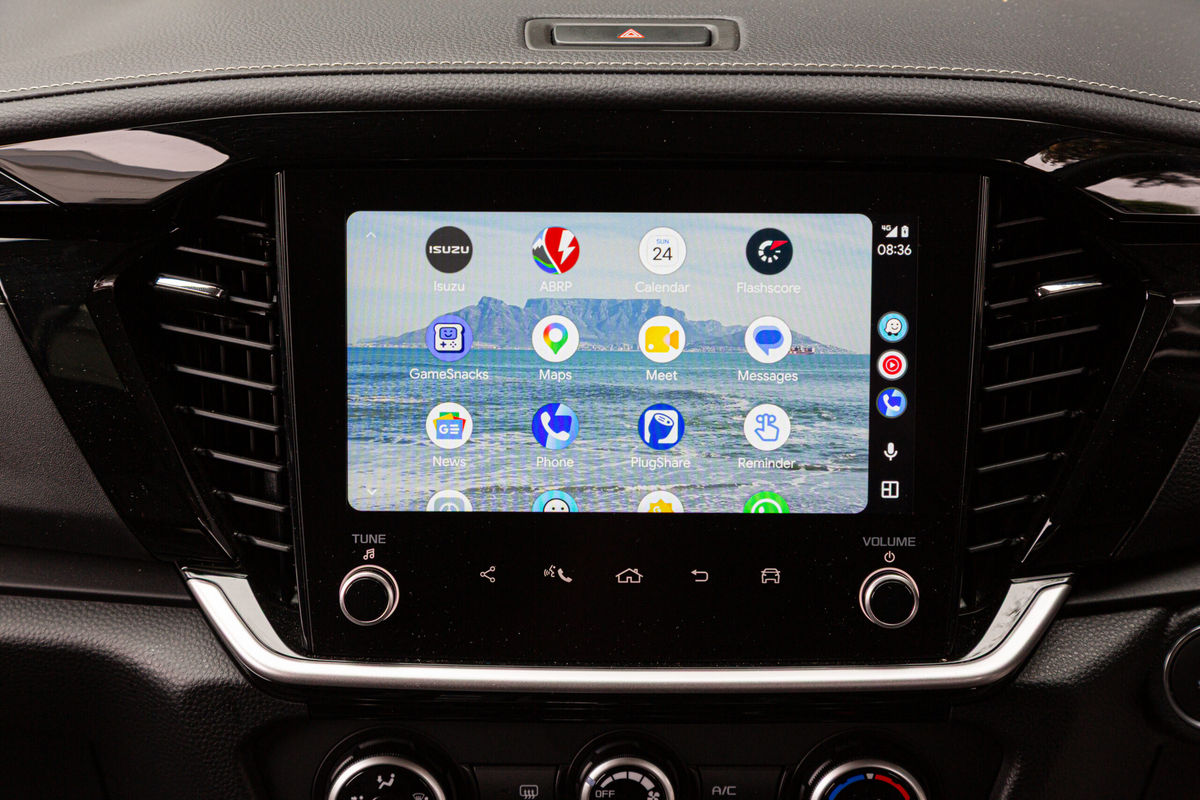
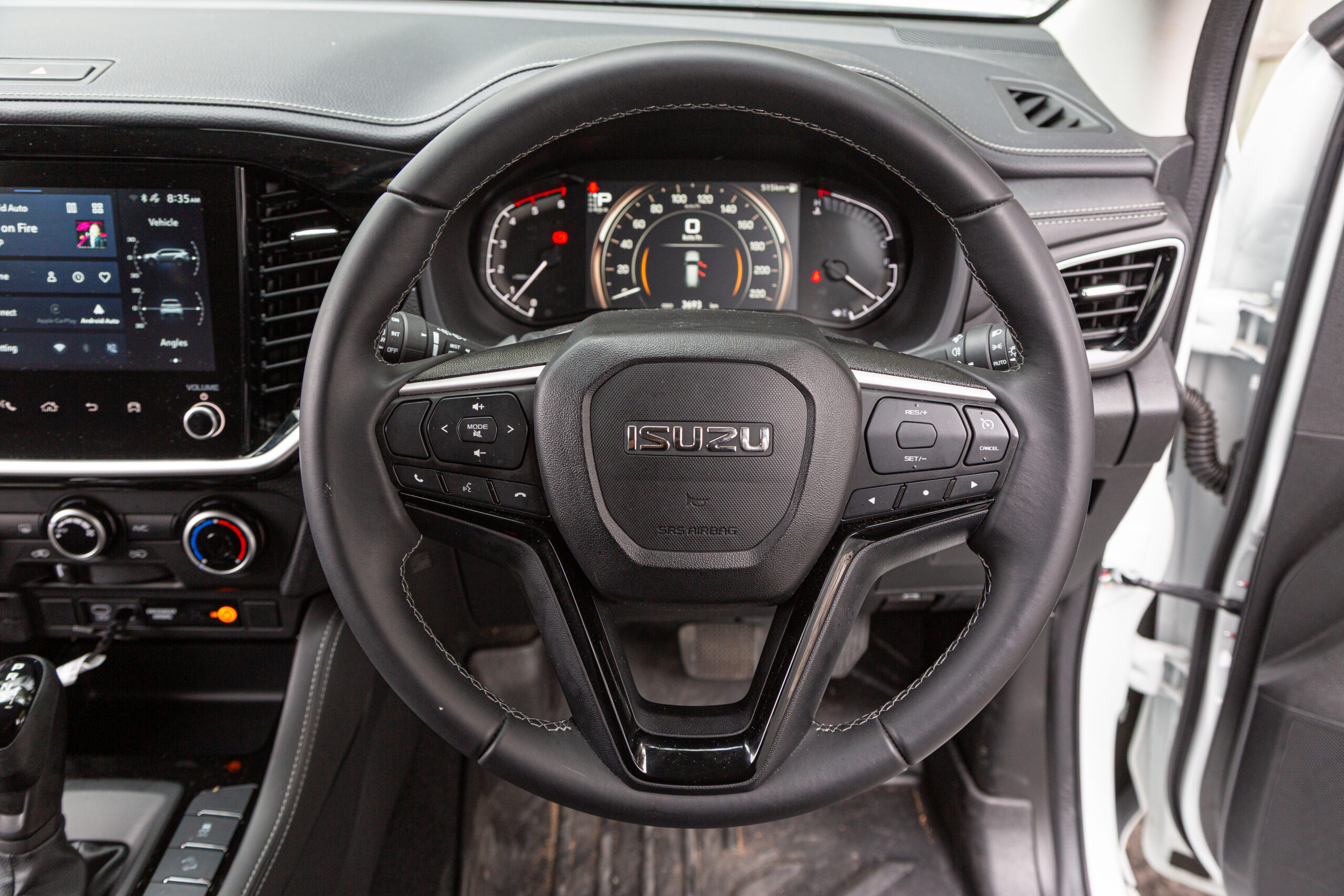
There’s a nine-inch infotainment screen that supports Apple CarPlay/Android Auto and the vehicle features multiple USB-C ports both front and rear. It’s pretty simple to use and has limited functionality, but having driven a number of vehicles from newcomer brands which have massive screens dominating the dashboard, this Isuzu felt refreshingly uncomplicated.
The cabin isn’t going to win any tech or beauty awards, but like an episode of Survivor, it will probably outlast and outwit many of the newcomer brands with their overly fancy ambient lighting-obsessed setups. The materials and aesthetics are best described as utilitarian, but we feel that’s acceptable at this price point and considering the vehicle’s intended use. Rubberised floor mats are a practical addition.
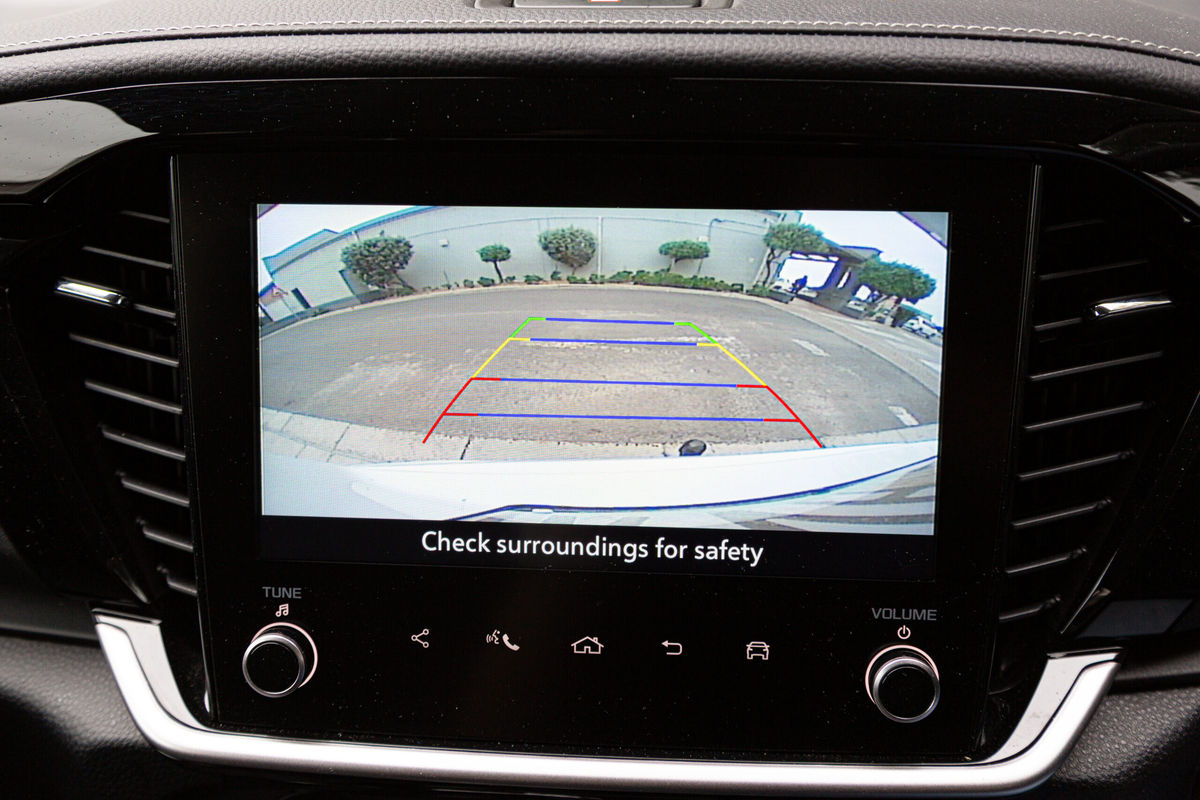
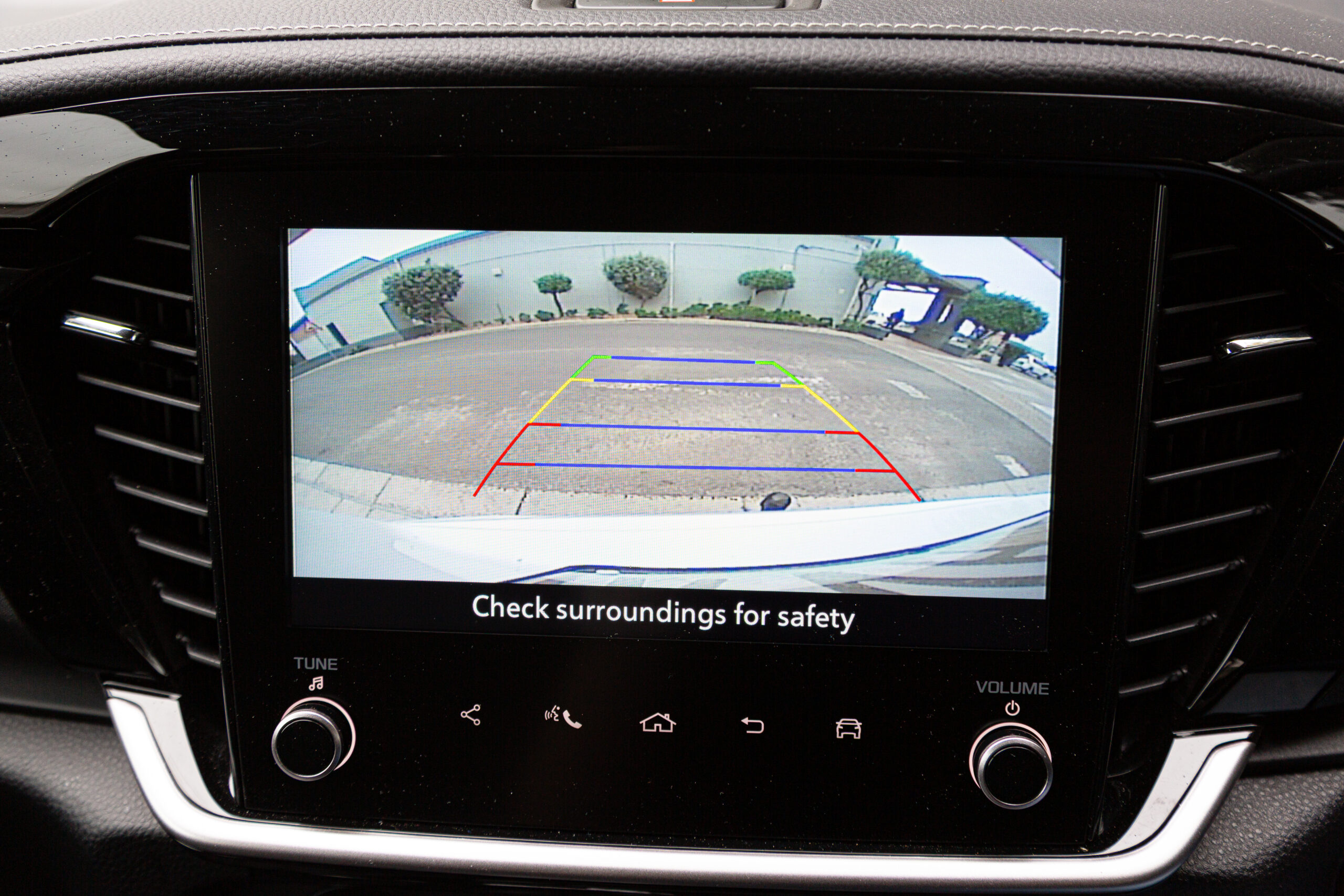
When it comes to safety, the LS offers a reverse camera, front and rear parking sensors, stability control, and seven airbags. Remember, this is the entry-level model and if you’re wanting niceties like adaptive cruise control, you’ll have to dig a little deeper into that piggy bank. Demo flagship Onyx, anyone?
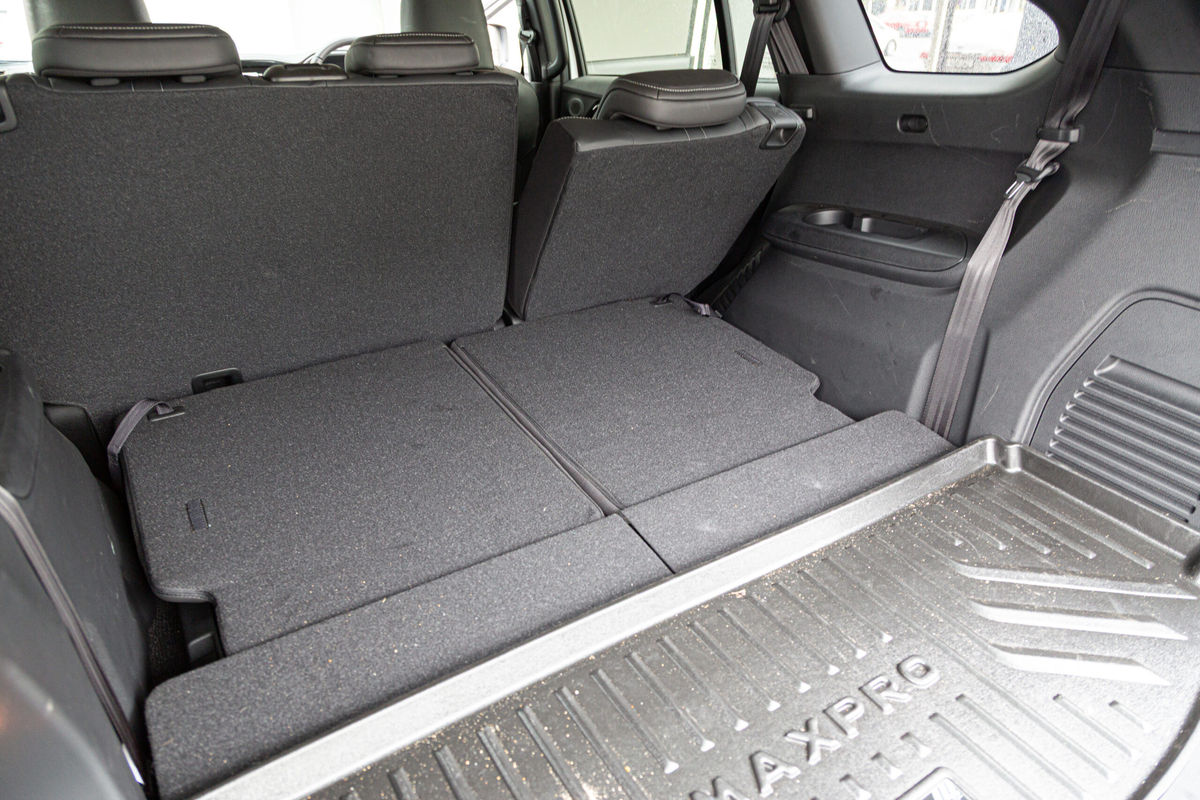
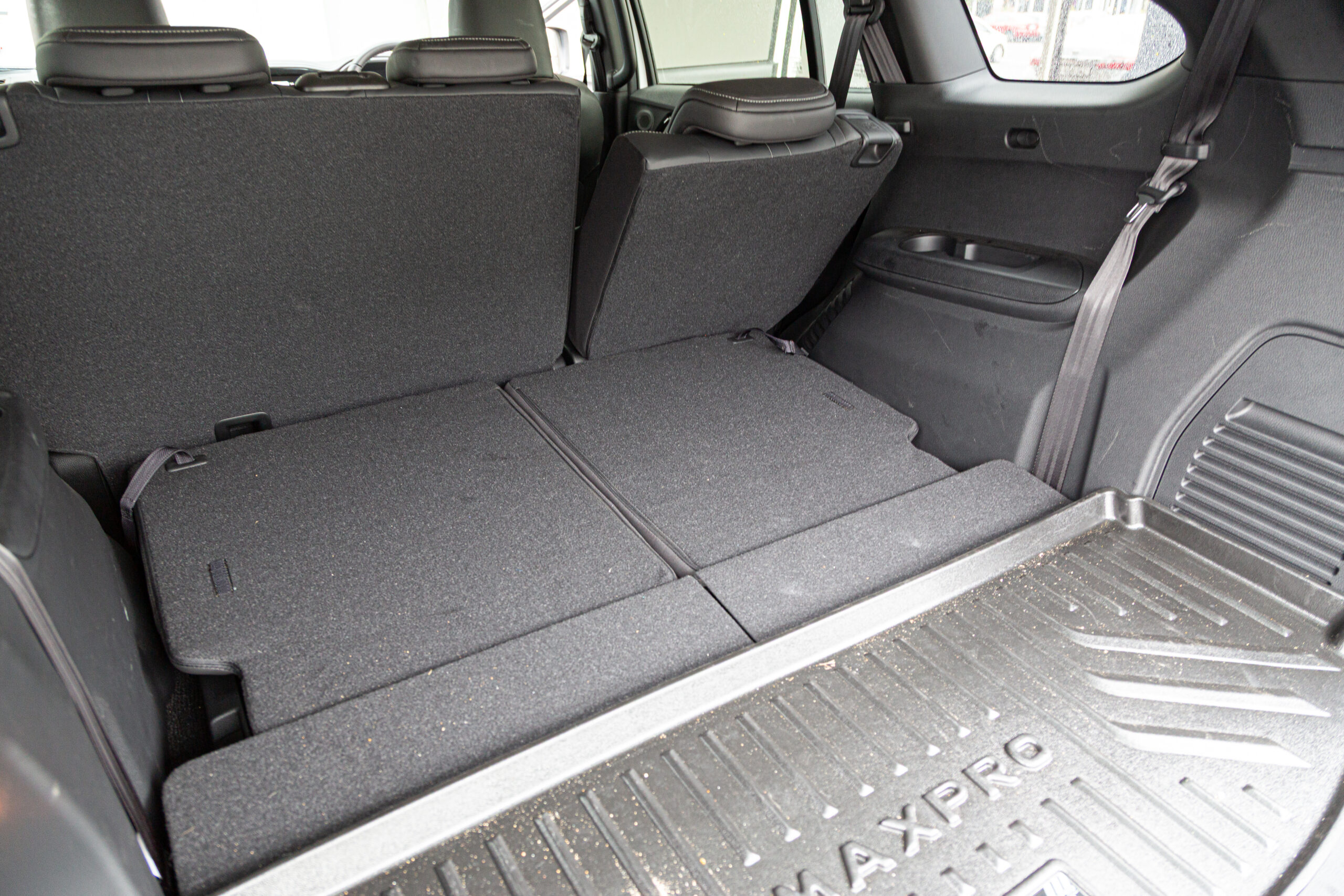
The strength of these vehicles is their practicality and the mu-X boasts the second-longest wheelbase in class, just behind the Everest. There are seven seats and while the third row may be a tight squeeze for adults, the little ones will feel right at home. We’re happy to stow that third row away and make use of the cavernous boot. For additional comfort, the second row of seats can recline.
Performance & Efficiency
The 1.9-litre turbocharged four-cylinder diesel engine continues to make 110 kW and 350 Nm, and reaches the wheels via a six-speed automatic transmission. It is worth noting that both of its rivals have 50 Newton metres more, and have tow ratings of 3.3 tonnes or higher. The mu-X can tow only 2.1 tonnes.
This engine has been criticised for being sluggish, but as part of the updated D-Max and mu-X portfolios, the 1.9-litre has been upgraded with a new turbocharger, new fuel pump, new high-pressure common rail injecting system, redesigned combustion chamber and new software. Outputs haven’t changed, but Isuzu says more torque is available from lower in the rev range.
Did we feel a difference? Yes. Granted, with unchanged outputs, the changes aren’t going to be night and day, but there’s a touch more responsiveness. Vehicles in this segment don’t have standing acceleration figures as a metric for success, but for what it is worth, 0-100 kph was completed in just under 12 seconds. Comparatively, the updated single-turbo Ford Everest managed 12.08 seconds.
The pace is best described as stately. This is a vehicle which offers sufficient performance as opposed to feeling spritely. The automatic gearbox is of the old-school variety, blurring those shifts without interruption. As for engine noise, there’s no mistaking this powertrain for anything other than a diesel. That said, once up to cruising speeds, the noise level does settle down.
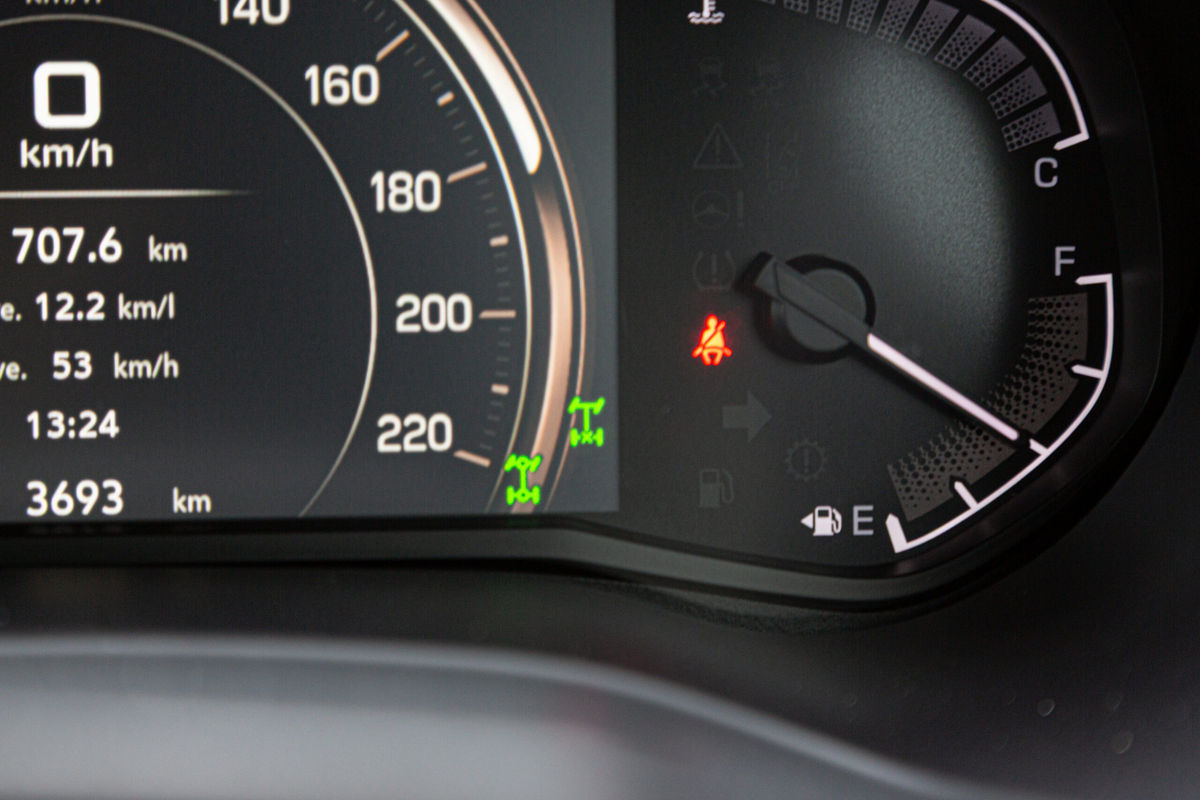
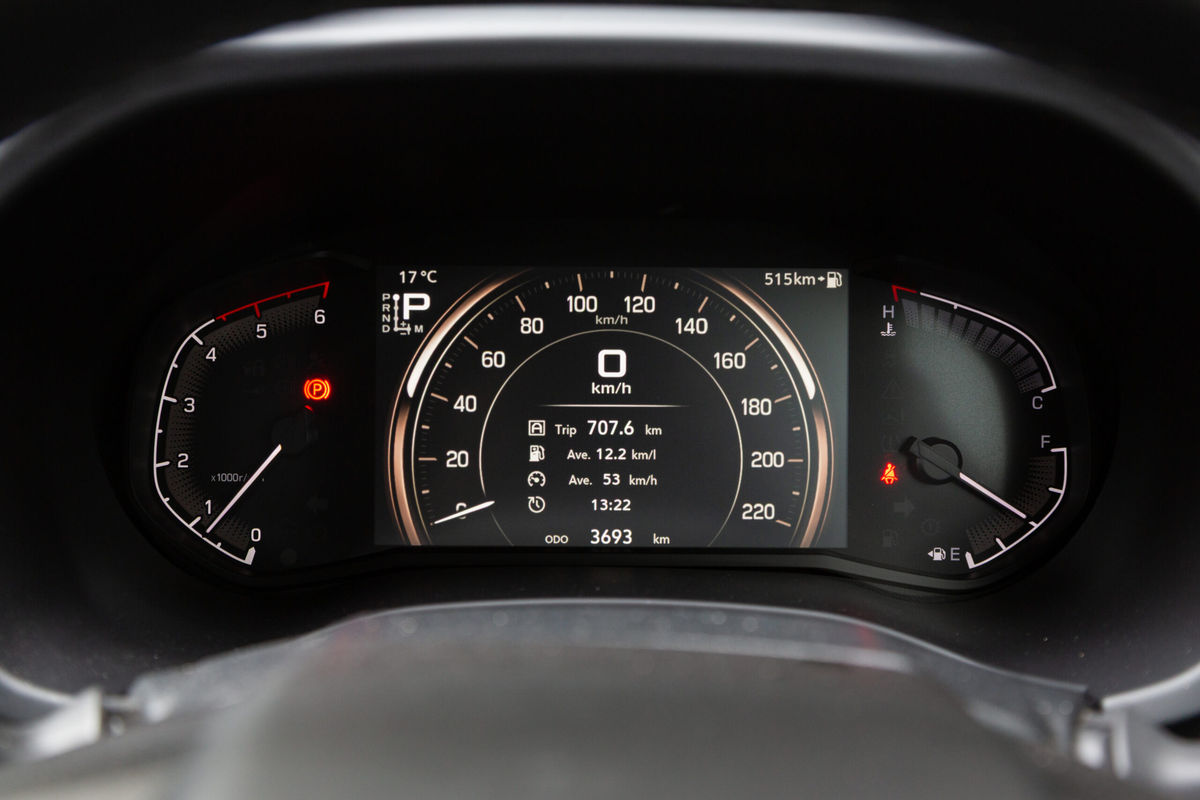
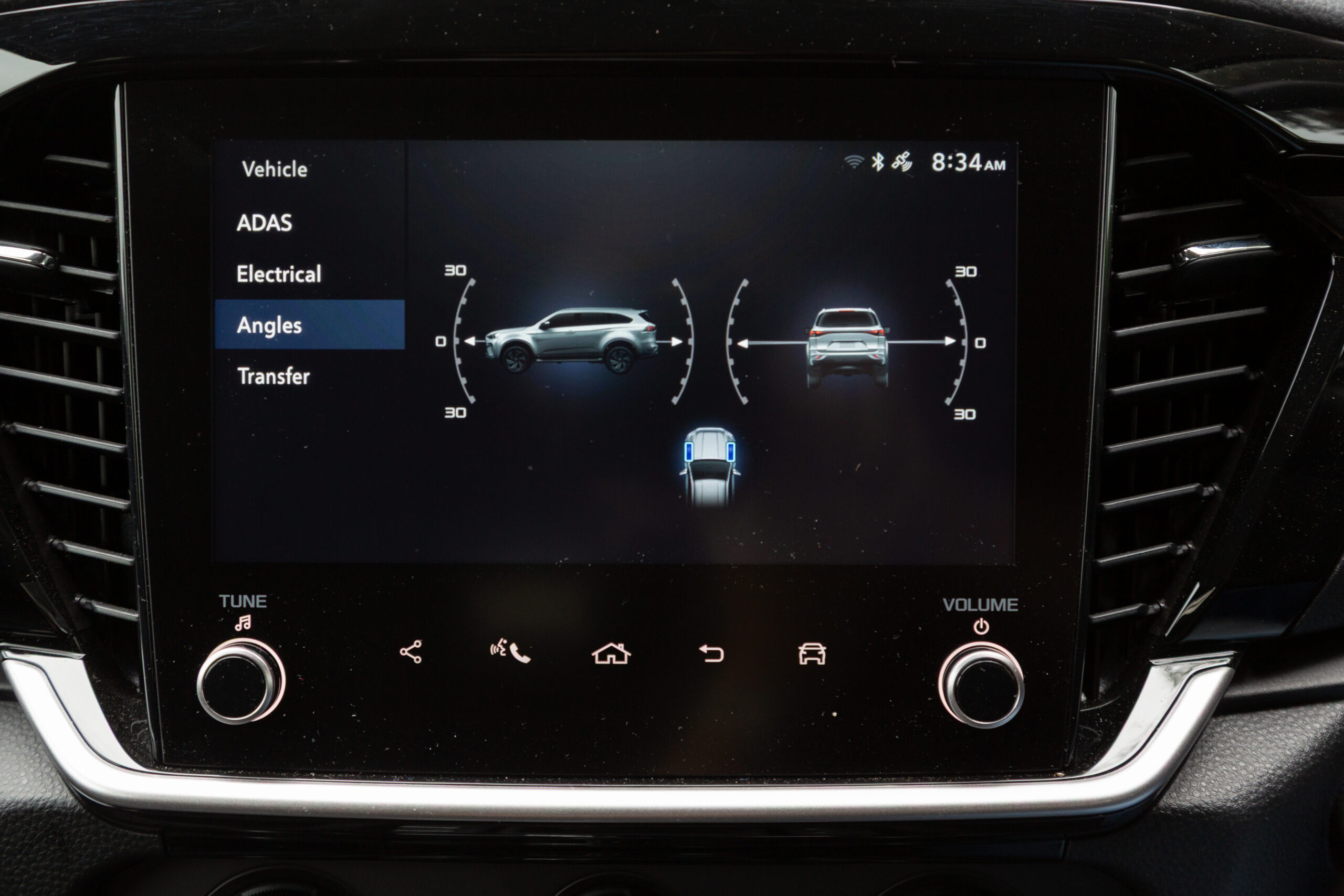
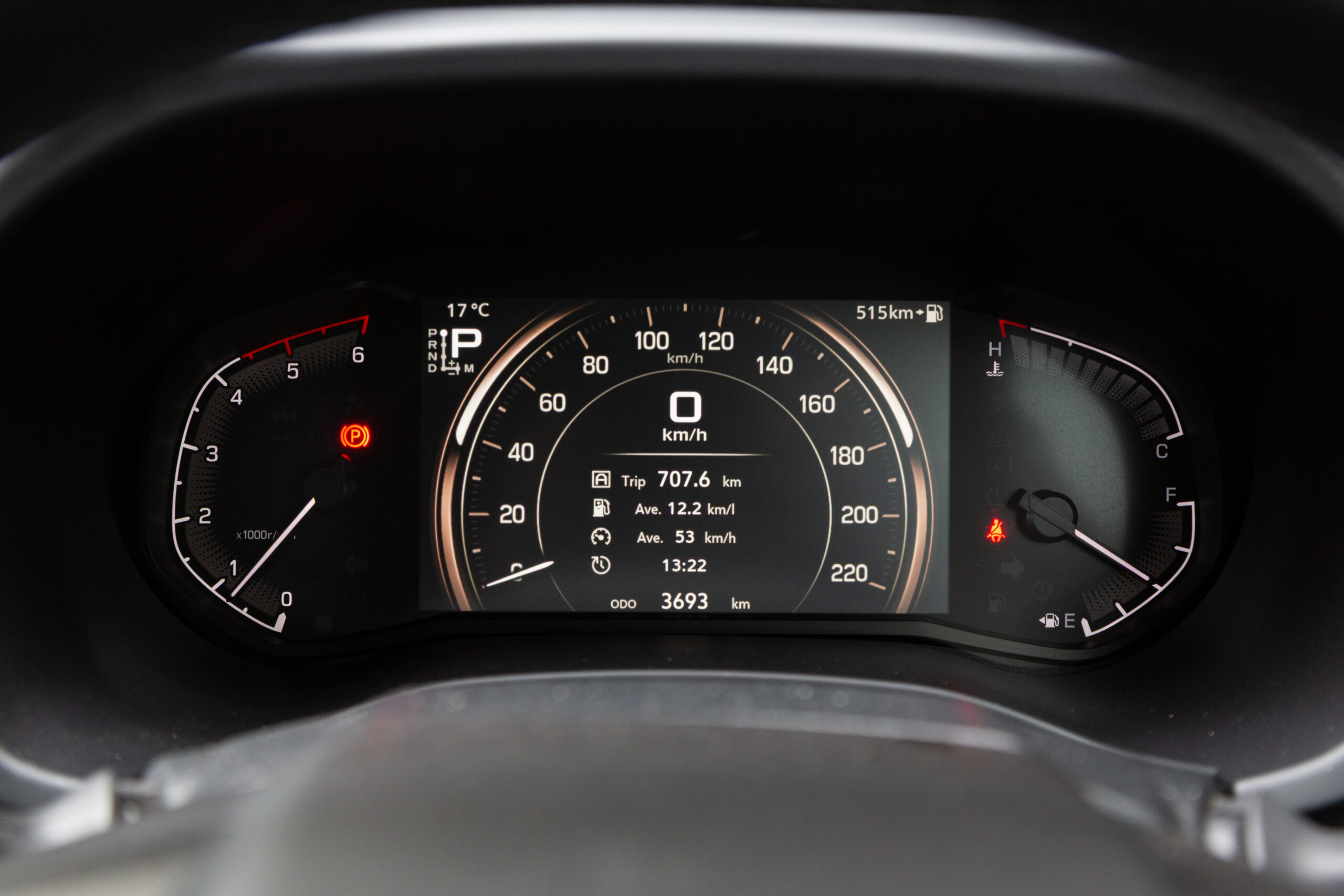
In terms of economy, we couldn’t find the setting to change from km/l to the more widely accepted L/100 km, but a quick conversion sees 12.2 km/L turn into a very respectable 8.196 L/100 km. It’s some way off Isuzu’s claims but, given its role as an adventuring family SUV, we think this is acceptable. Like its rivals, it has an 80-litre tank, giving it a theoretical range of about 1 000 km between fill-ups.
Ride, Handling & Comfort
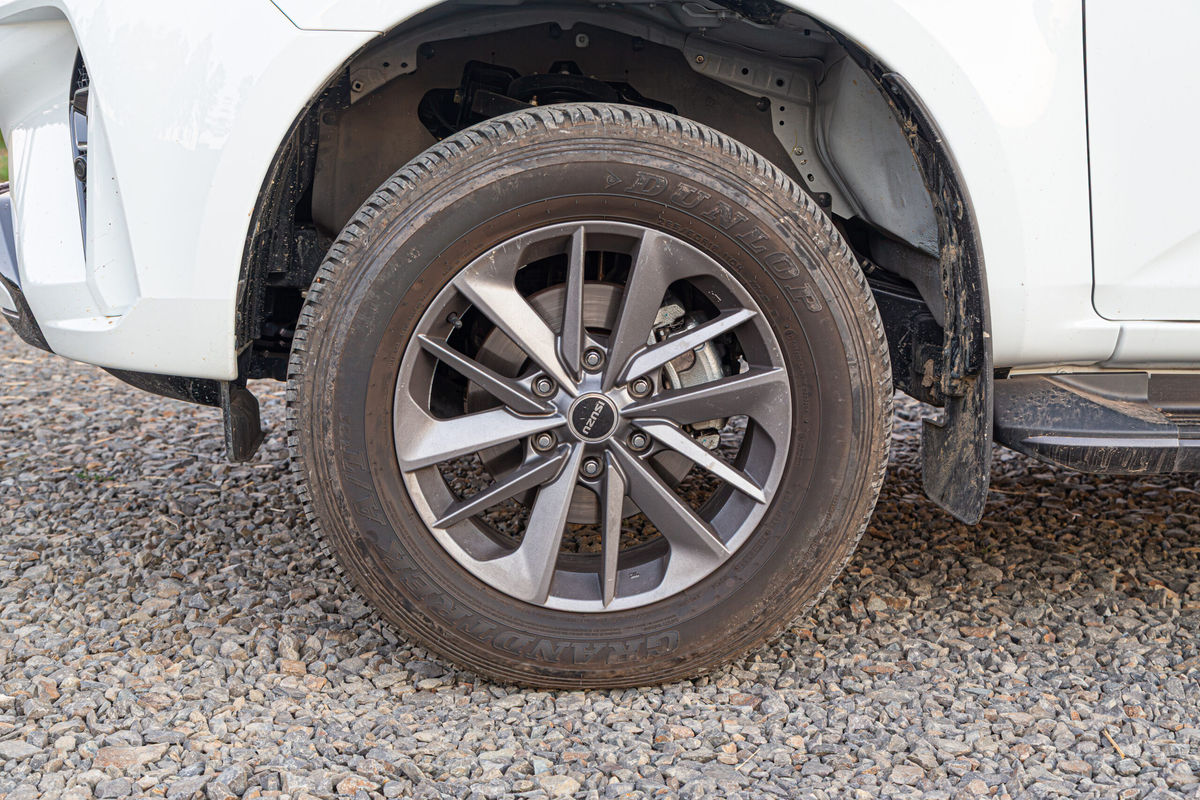
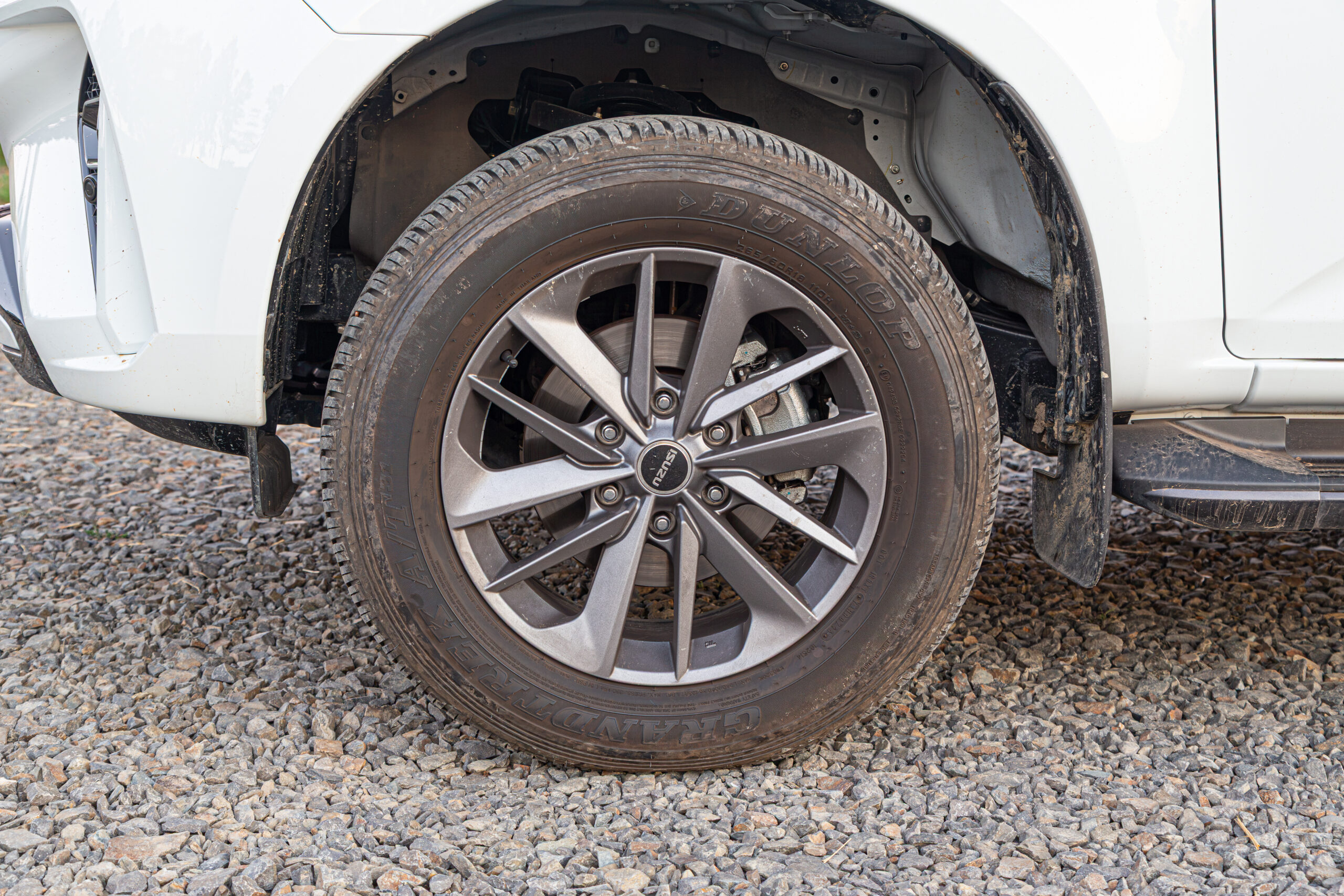
This mu-X rides on 18-inch wheels wrapped in 265/60 Dunlop Grandtrek rubber, a tyre aimed specifically at vehicles of this nature where they have to contend with urban tar and rocky gravel. Durability and comfort are the goalposts.
Is the Isuzu a comfortable and pleasant place to be on longer trips? Mainly, yes, but there’s no amount of witchcraft or trickery that’s able to mask the vehicle’s humble underpinnings. The ride quality on bad patches is a tad bouncy; pitch the mu-X into a corner and it’ll lean considerably; and the steering lacks directness and feel. But, when you’re cruising on gravel at 80-100 kph, it feels composed and comfortable.
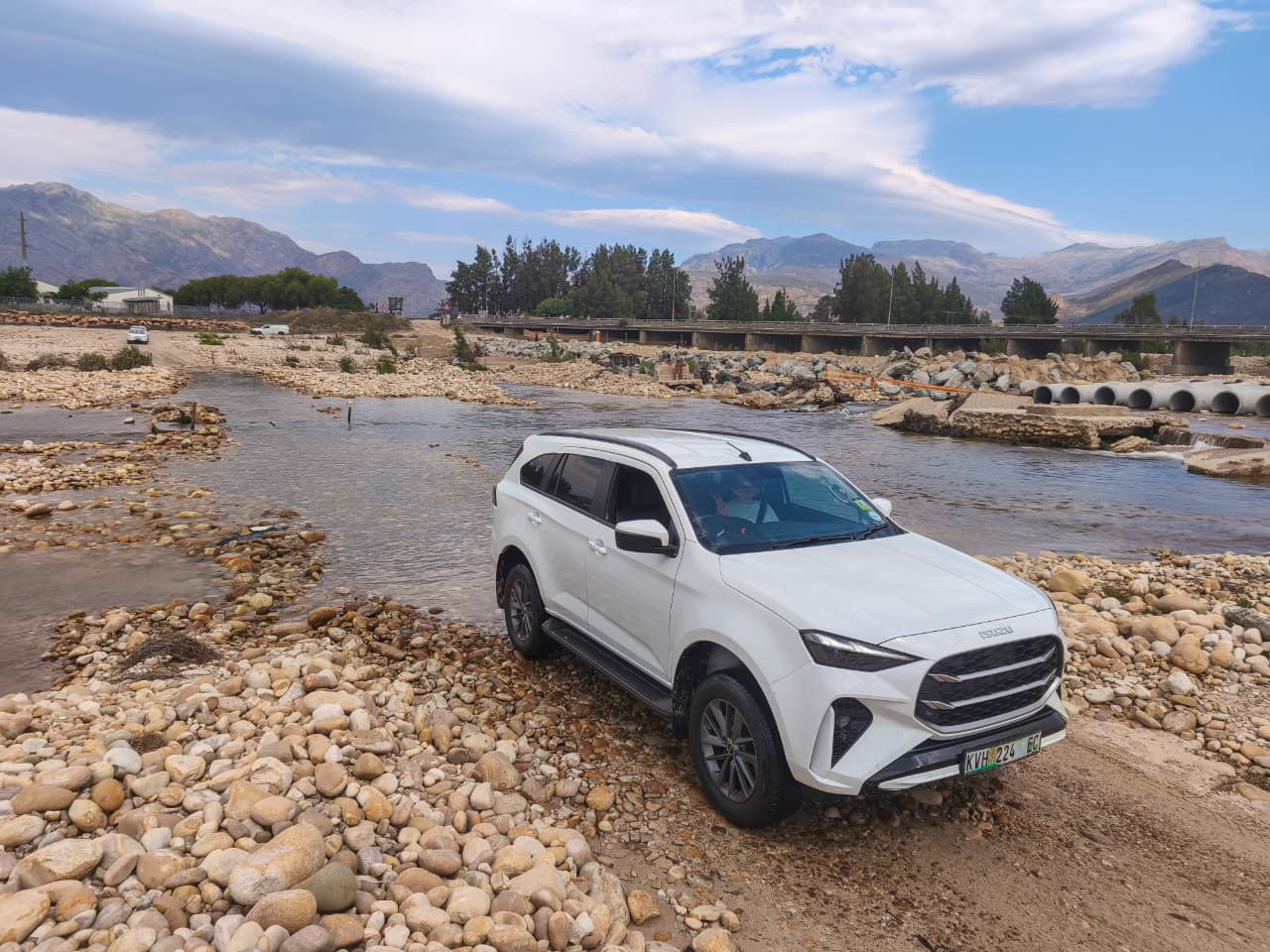
We’ve already had substantial off-road experience in the Isuzu mu-X and, as a reminder, it boasts 800 mm of wading depth and 235 mm of ground clearance. We didn’t feel the need to specifically test its capabilities, but an opportunity presented itself while on a weekend jaunt to the Breedekloof Valley.
The massive weather system which rocked the Western Cape in May 2026 caused considerable damage and many low-lying bridges are still awaiting repair. Due to the current low water levels, a crossing was possible via the riverbank. In a word? Effortless.
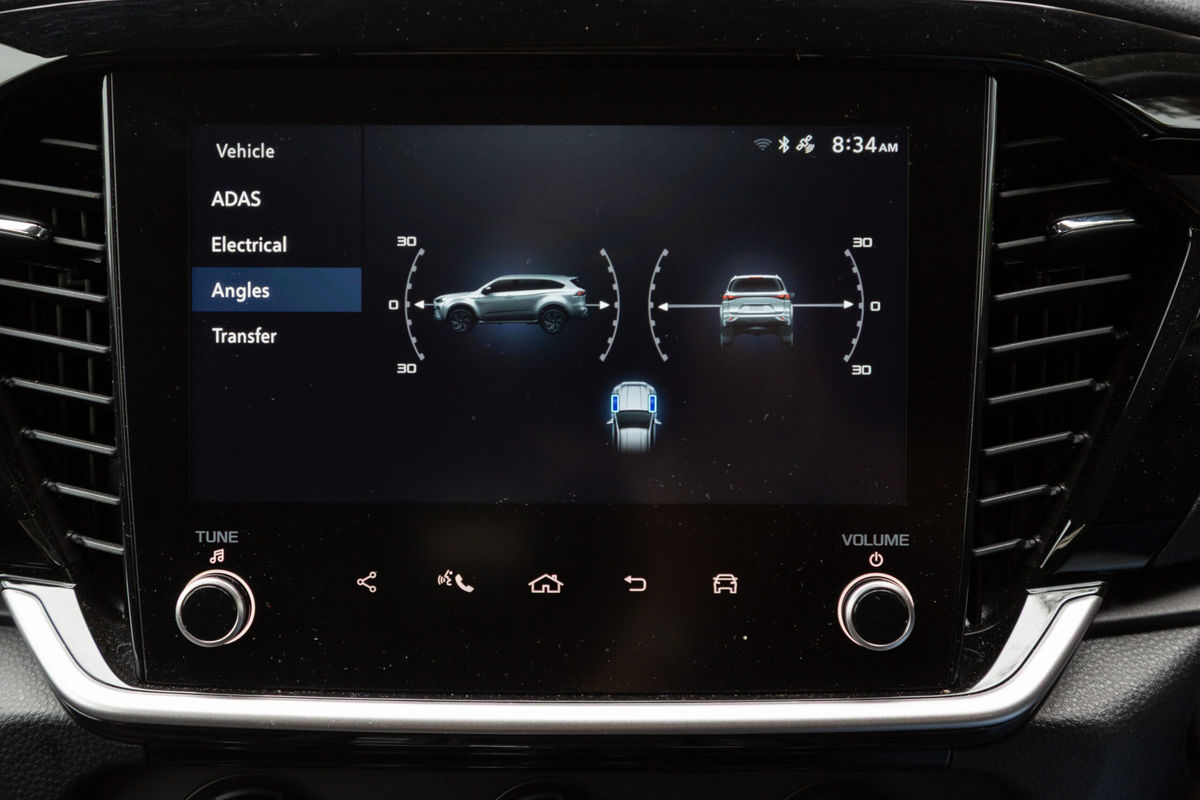
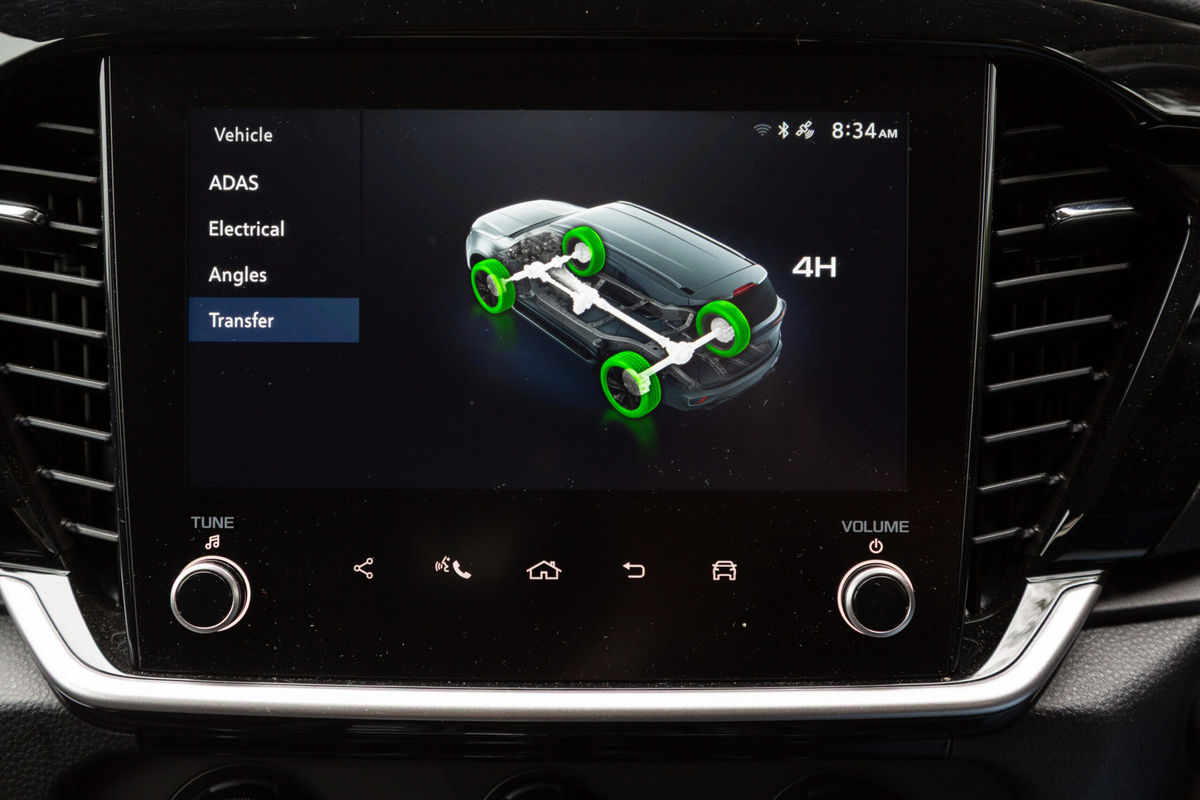
As is the case with every 4×4 entrant into the bakkie-based SUV market, there are two-wheel drive, four-wheel drive and a low-range transfer case. Isuzu has given this LS 1.9 a rear differential lock, hill-descent control and hill-start assist.
Price & After-sales support
The Isuzu mu-X is sold with a 5-year/120 000 km warranty, 5-year/unlimited km anti-corrosion warranty, and a 6-year/90 000 km service plan.
mu-X 1.9TD LS
R752 400
mu-X 1.9TD LS 4WD
R789 700
mu-X 3.0TD LS
R852 700
mu-X 3.0TD LSE
R886 800
mu-X 3.0TD LS 4WD
R939 700
mu-X 3.0TD LSE 4WD
R973 800
mu-X 3.0TD Onyx XT 4WD
R1 032 190
All pricing correct in October 2026.
Verdict
Pricing comfortably under R800 000 positions the Isuzu mu-X 1.9TD LS as an impressive value proposition for those wanting to venture far off the beaten track. It significantly undercuts its competition from Ford and, despite its popularity, the Toyota Fortuner is really starting to show its age. There’s no sign of a reveal date for the latter’s replacement, either.
Given the current price trajectory of diesel heading to stratospheric levels, we suspect that some may consider this newer 1.9-litre over its larger-capacity siblings purely for lower running costs. Time will tell, and while it may seem basic to some testers, there’s no denying the new mu-X derivative offers excellent value for money and the ruggedness for which Isuzu’s vehicles are so well known.
What engine powers the Isuzu mu-X 1.9 4×4 in South Africa?
The Isuzu mu-X 1.9 4×4 is powered by Isuzu’s reliable 1.9-litre 4-cylinder Ddi turbodiesel engine (RZ4E-TC) producing 110 kW of power and 350 Nm of torque. Power is delivered via a 6-speed automatic transmission paired with a selectable 4×4 system featuring low range and a rear differential lock.
How much does the Isuzu mu-X 1.9 4×4 cost in South Africa?
The Isuzu mu-X 1.9TD LS 4WD is priced from R789 700 in South Africa. It serves as an accessible entry point into the 4×4 mu-X lineup, offering a significantly lower price point compared to the 3.0-litre 4×4 variants.
What is the fuel consumption of the Isuzu mu-X 1.9 4×4?
The Isuzu mu-X 1.9TD LS 4WD has a claimed average combined fuel consumption of 7.5 litres per 100 km. With its 80-litre fuel tank, it delivers a theoretical driving range of over 1,000 km on a single tank.
What is the towing capacity and ground clearance of the mu-X 1.9 4×4?
The Isuzu mu-X 1.9 4×4 features a maximum braked towing capacity of 3 000 kg (3.0 tonnes) and offers 235 mm of ground clearance alongside an 800 mm wading depth for confident off-road capability.
What warranty and service plan come standard with the Isuzu mu-X 1.9 4×4?
The Isuzu mu-X 1.9TD LS 4WD comes standard with a 5-year/120 000 km manufacturer warranty, 5-year roadside assistance, and a 6-year/90 000 km service plan, with service intervals set every 15 000 km or 12 months.
The best-selling BMWs in South Africa last month
Which models led the sales charge for BMW Group South Africa in September 2026? These were the best-selling BMWs in Mzansi last month…
Just 55% of BMW sales were via dealer channel
Rosslyn-built X3 leads the way with 425 units
X1, 3 Series and 2 Series also cracked 3 figures
BMW Group South Africa shares individual model-sales figures with industry-representative body Naamsa only once a quarter, in line with its “global directive”. And September 2026 saw the German automaker’s local division report these numbers, giving us an opportunity to pick out its best-selling nameplates.
Before we dive into the individual model-sales figures, it’s worth noting BMW Group SA (which, of course, includes the Mini brand) ranked 14th on the list of Mzansi’s best-selling automakers in September 2026, with its final tally of 1 396 units putting it just 2 sales behind Mahindra.
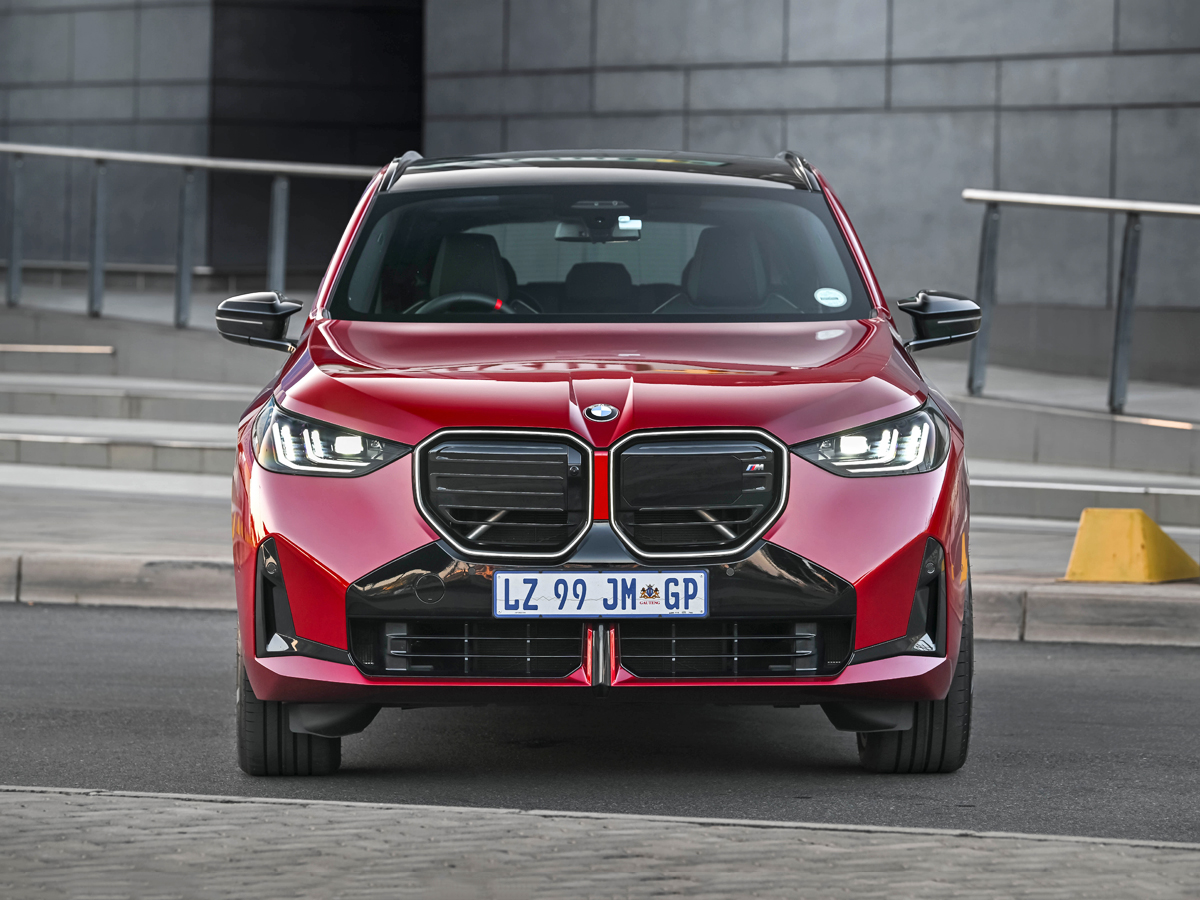
The locally built X3 was predictably BMW Group SA’s top seller in September.
Interestingly, BMW Group SA’s total included only 772 sales (or 55.3%) via the dealer channel, with 344 units sold to the rental industry and 45 units purchased by government. The remaining 235 units were reported as so-called “single” registrations (vehicles the company licensed and kept for its own use), while 6 150 units of the Rosslyn-built X3 were exported.
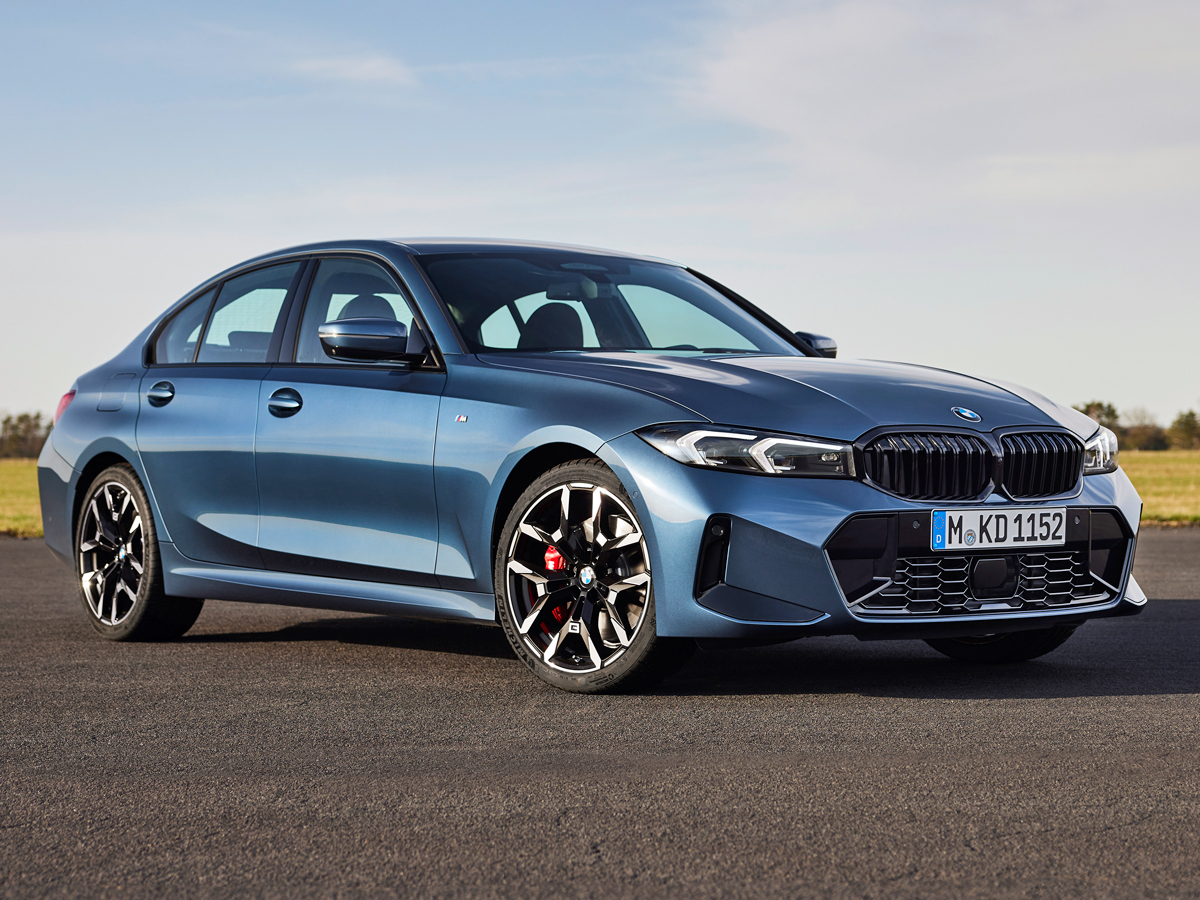
So, which models led the way for BMW last month? Well, according to figures reported to Naamsa, the locally built X3 was the brand’s top seller domestically in September, with 425 units registered (including a considerable 136 units via the rental channel). The X1 (214 units) was next, followed by the outgoing 3 Series (195 units) and the 2 Series (106 units).
The outgoing 3 Series also made it into 3 figures last month.
Meanwhile, models that ended the month in double-digits included the X2 (87 units), Mini Countryman (80 units), X5 (62 units), 4 Series (41 units), 1 Series (37 units), Mini 3-Door Hatch (32 units) and Mini 5-Door Hatch (26 units), along with the fully electric iX3 (23 units) as well as the X6 (18 units) and 5 Series (16 units).
The remaining BMW Group SA models all finished September 2026 in single figures: the X7 (8 units), 7 Series (7 units), X4 (6 units), Mini Convertible (4 units), Mini Aceman (3 units), iX2 (2 units), XM (2 units), iX (1 unit) and the now-discontinuedZ4 (1 unit).
Frequently Asked Questions (FAQ)
Q: What was BMW Group South Africa’s best-selling model in September 2026?
A: The Rosslyn-built BMW X3 led local sales for BMW Group SA in September 2026, recording 425 units registered (including 136 rental fleet sales).
Q: Which BMW models achieved three-digit sales figures in South Africa in September 2026?
A: Four nameplates reached triple digits during the month: the Rosslyn-built X3 (425 units), the X1 (214 units), the outgoing 3 Series (195 units) and the 2 Series (106 units).
Q: How many total vehicles did BMW Group South Africa sell in September 2026, and through which channels?
A: BMW Group SA registered 1 396 units in September 2026 across BMW and Mini. Only 55.3% (772 units) went through the dealer channel, with 344 units sold to car rentals, 45 units to government and 235 as single registrations, alongside 6 150 exported X3 units.
Which double-cab bakkies currently available in South Africa offer the most torque? We’ve sorted through the spec sheets to find out…
While power figures tend to grab the headlines, torque is ultimately what gets the job done, particularly when it comes to light-commercial vehicles. So, which double-cab bakkies currently on South Africa’s new-vehicle market boast the most torque?
Well, we’ve painstakingly sorted through the double-cab segment to pick out the torquiest contenders. Interestingly, the top 5 includes turbodiesel, plug-in hybrid electric vehicle (PHEV) and fully electric powertrains.
These are the 5 double-cab bakkies that currently offer the highest peak-torque figures, ranked by sheer pulling power (all pricing is correct in October 2026). Note that the JAC T9 PHEV will soon launch locally, set to slot into 3rd spot with 674 Nm.
In addition, keep in mind that the Chery Grootman (scheduled to arrive in South Africa in the opening quarter of 2027) is slated to make a whopping 800 Nm from its diesel PHEV powertrain…
1. GWM P300 2.0T Pioneer Hi4-T PHEV – 750 Nm
The freshly launched plug-in hybrid version of the P300 is currently the torquiest double-cab bakkie on the market. Its PHEV powertrain is built around a turbocharged 2.0-litre petrol engine (180 kW/380 Nm), with a 130 kW/495 Nm electric motor integrated into the 9-speed automatic transmission. According to GWM, the combined system outputs are as lofty as 310 kW and 750 Nm, while the all-electric range comes in at a claimed 115 km (using the NEDC method), courtesy of a 33.1 kWh lithium iron phosphate battery pack.
The most powerful double-cab bakkie on the local market right now is the model with the 2nd most torque. Yes, the Performance version of BYD’s Shark 6 makes 350 kW and 700 Nm courtesy of a PHEV powertrain that combines a turbocharged 2.0-litre, 4-cylinder petrol engine with a 29.6 kWh (gross capacity) battery pack and an electric motor on each axle. For the record, the Premium-badged derivative (which uses a 1.5T in its PHEV set-up) offers 321 kW and 650 Nm.
GWM’s P500 3.0TD is currently the torquiest 4-cylinder turbodiesel bakkie in the country. Its 3.0-litre oil-burning engine boasts 170 kW and 620 Nm, peak outputs that are delivered via the Chinese brand’s in-house developed 9-speed automatic transmission. The company claims 385 Nm is available from as low as 1 000 rpm, saying the result is “meaningful pulling power almost from idle”. GWM offers both 4×2 (Super Luxury) and 4×4 (Ultra Luxury) configurations.
The 3.0-litre V6 turbodiesel engine used in both the Ford Ranger and the closely related Volkswagen Amarok takes 4th place. Available exclusively with a 10-speed automatic transmission and 4-wheel drive, this 6-cylinder unit generates 184 kW and 600 Nm. Ford offers this powertrain in 2 extended-cab and 4 double-cab derivatives, while the same V6 features in a quartet of Amarok variants.
Payload: 955-1 095 kg (Ranger)/942-1 158 kg (Amarok)
With an electric motor on each axle, Geely’s top-spec Riddara RD6 Apex AWD boasts peak outputs as lofty as 315 kW and 595 Nm. While that sees it rank as SA’s 2nd most powerful double-cab bakkie, it must settle for 5th place on the list of torquiest dual cabs. Employing a 73 kWh battery pack, this derivative’s claimed NEDC range comes in at 424 km. The company claims the 0-100 kph sprint takes just 4.5 seconds (in “ideal operating conditions” and using highway-terrain tyres).
Q: Which double-cab bakkie has the most torque in South Africa?
A: As of October 2026, the newly launched GWM P300 2.0T Pioneer Hi4-T PHEV leads the market with 750 Nm of total torque generated by its 2.0-litre turbo-petrol plug-in hybrid powertrain.
Q: What are the top 5 most torque-heavy double-cab bakkies in South Africa?
A: Ranked by peak torque, the top 5 double cabs in SA are the GWM P300 PHEV (750 Nm), BYD Shark 6 Performance (700 Nm), GWM P500 3.0TD (620 Nm), Ford Ranger 3.0TD V6/VW Amarok 3.0TDI V6 (600 Nm) and Geely Riddara RD6 Apex AWD (595 Nm).
Q: What future double-cab bakkies are set to break into South Africa’s top torque rankings?
A: Upcoming entries include the JAC T9 PHEV, which will slot into 3rd spot with 674 Nm, and the Chery Grootman diesel PHEV scheduled for Q1 2027 with a claimed 800 Nm of torque.
The Tata Osprey, Nissan Tekton and 2nd-gen VW T-Roc all touched down in SA in September 2026. So, how well did each of these new crossovers sell in its launch month?
Well, we’ve combed through the sales figures from industry-representative body Naamsa to find out. Note that the fully electric Chery Q likewise hit the market last month, with the Chinese brand registering 214 units. Hyundai Automotive SA also rolled out its facelifted Creta, which managed a total of 155 units in September.
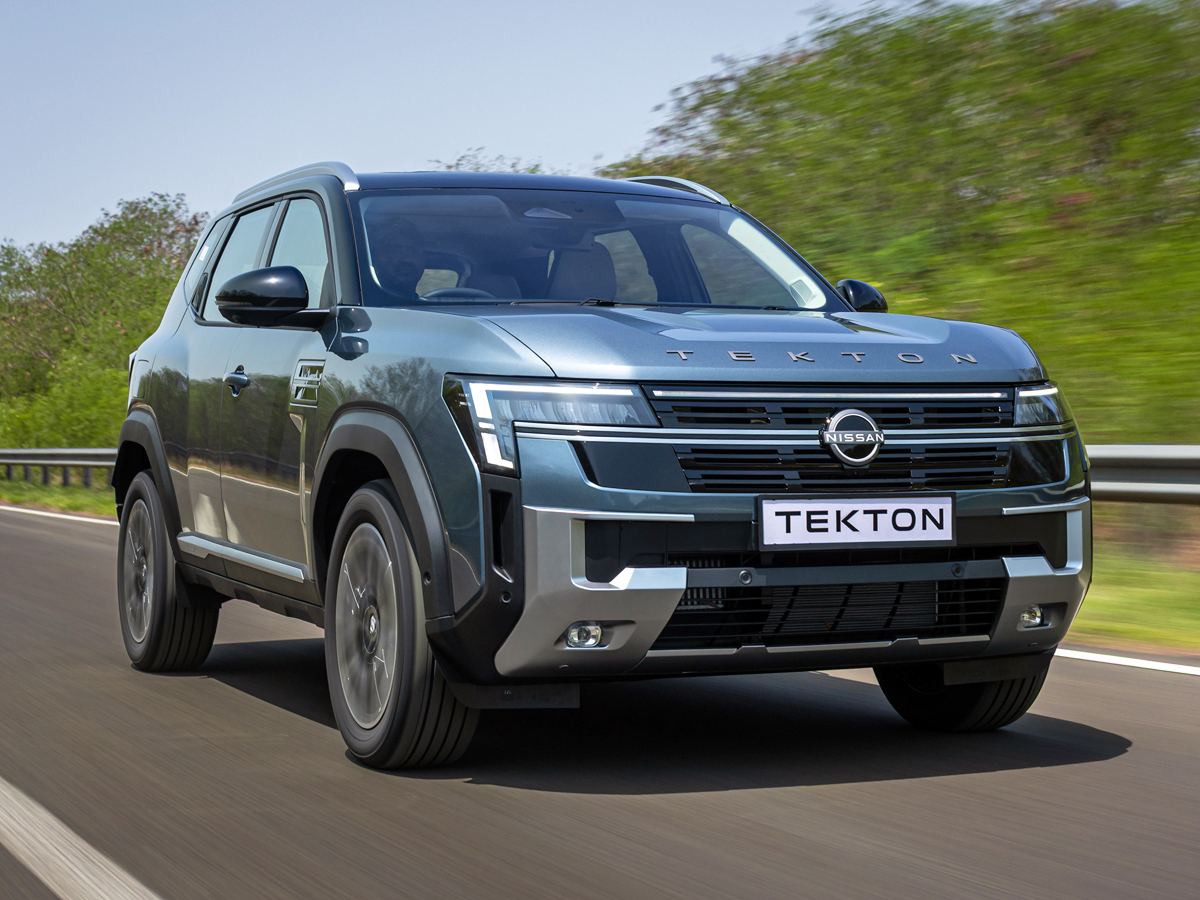
Nissan’s new Tekton is based on the Indian-built Renault Duster.
So, let’s start with the Tata Osprey, which has been available in India (where it’s known as the Nexon) since way back in 2017 but hit the SA market on the 3rd of September 2026. According to Naamsa figures, Tata Motors Passenger Vehicles SA registered 147 units of this model last month, including 24 so-called “single registrations” (examples the brand kept for its own use).
Meanwhile, the new Nissan Tekton – based squarely on the Renault Duster and indeed built alongside that model in India – went on sale far later in the month, officially becoming available from dealerships on the 21st. According to figures reported to Naamsa, Nissan SA registered 131 units of its new Tekton in September (precisely the same figure achieved by the Duster), including 16 so-called “single registrations”.
The 2nd-gen T-Roc’s starting price is R49 000 lower than the iteration it replaced.
What about the new Volkswagen T-Roc, which launched right at the start of the month? Well, VW Group Africa reported a total of 111 units in September 2026, though that could technically include a few examples of the outgoing first-generation model, too. Interestingly, one unit was purchased by government, while 2 were reported as “single registrations”.
As a reminder, the Osprey’s 4-derivative line-up runs from R249 900 to R329 900, while the 5-strong Tekton range has pricing bookends of R339 999 and R529 999. The 2nd-gen T-Roc range, meanwhile, features 3 variants with starting prices ranging from R599 900 to R709 900.
Frequently Asked Questions (FAQ)
Q: How many units did the Tata Osprey, Nissan Tekton and VW T-Roc sell in South Africa during September 2026?
A: In their September 2026 launch month, Tata registered 147 units of the Osprey, Nissan recorded 131 units of the Tekton (despite its on-sale date falling in the 2nd half of the month) and Volkswagen registered 111 units of the 2nd-generation T-Roc.
Q: How do the starting prices compare for the Tata Osprey, Nissan Tekton and 2nd-gen VW T-Roc?
A: The Tata Osprey is the most budget-friendly, priced between R249 900 and R329 900. The Nissan Tekton ranges from R339 999 to R529 999, while the premium 2nd-generation VW T-Roc sits higher at R599 900 to R709 900.
Q: What other new crossovers launched in South Africa in September 2026?
A: Alongside the Osprey, Tekton and T-Roc, September 2026 also saw the launch of the fully electric Chery Q (214 units sold) and the facelifted Hyundai Creta (155 units sold).
Starlet cracks top 5! SA’s best-selling cars in September 2026
The Toyota Starlet broke back into the top 5 on the list of South Africa’s best-selling passenger vehicles in September 2026, while the Urban Cruiser returned to the top 10…
Polo Vivo stretches lead over Tiggo 4 Cross
Swift completes the passenger-car podium
SA sales of Corolla Cross reach 2026 high
Starlet back in top 5 for first time since Feb
Urban Cruiser returns at expense of Fronx
In September 2026, South Africa’s total new-vehicle sales increased 12.7% year on year to an impressive 61 645 units, with the local new passenger-vehicle market growing 14.7% to 44 291 units. So, which passenger cars were top of the sales charts in Mzansi last month?
Before we dig into the top 10, it’s worth noting rental sales accounted for a hefty 18.4% (or 8 138 units) of the passenger-vehicle market’s total for September. A further 501 units were purchased by government, while 1 074 units were reported as so-called “single” registrations (vehicles the respective automakers kept for their own use).
Podium unchanged as Polo Vivo stretches lead
The Polo Vivo finished 283 units clear of its closest rival in September.
In September 2026, the Volkswagen Polo Vivo posted its highest tally of the year thus far, with local registrations climbing 7.8% month on month to 2 534 units – excluding 19 units of the Xpress-badged panel van sold in the light-commercial vehicle (LCV) segment. That figure (which includes 798 units sold to the rental industry) saw the Kariega-built hatchback not only retain first place but also stretch its lead over its nearest rival.
As such, the Chinese-built Chery Tiggo 4 Cross (note that the Tiggo 4 Pro was quietly put out to pasture locally a couple of months back) remained in 2nd place in September, with sales slipping 2.0% month on month to 2 251 units. Interestingly, all Tiggo 4 Cross sales last month came through the dealer channel.
Finally, the Indian-made Suzuki Swift again completed South Africa’s passenger-vehicle podium, ending the 9th month of 2026 on a total of 2 012 units. Representing a 6.5% decline compared to August 2026, that figure included a whopping 821 sales (or 40.8%) to local rental-fleet buyers.
Corolla Cross hits 2026 high while Starlet climbs
The Corolla Cross reached its highest total of the year thus far.
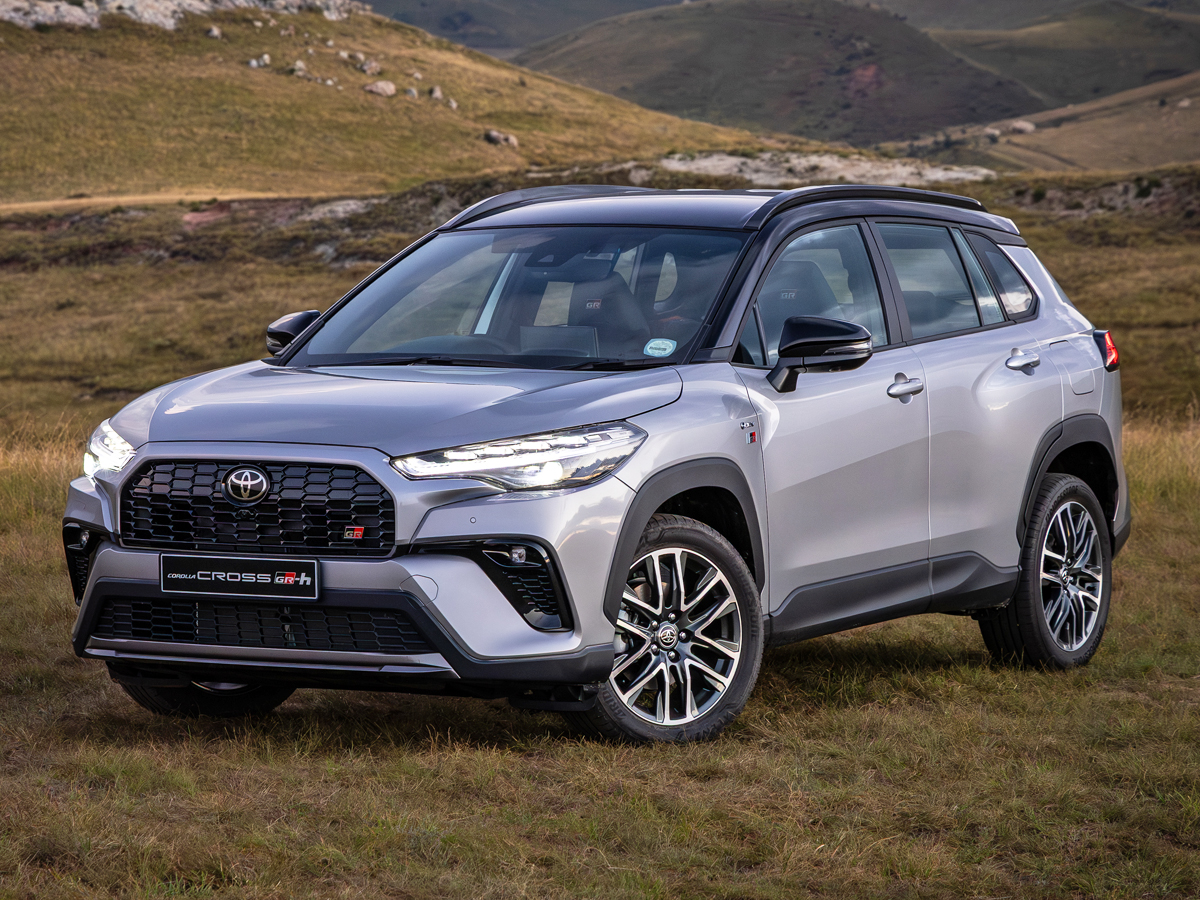
Meanwhile, the Toyota Corolla Cross retained 4th position, finishing a mere 48 units behind the Swift. In September 2026, sales of the Prospecton-built crossover soared 31.9% month on month to 1 964 units, representing this model’s highest total of the year thus far.
Similarly, the Toyota Starlet enjoyed its best month of 2026, with local sales increasing 15.7% month on month to 1 573 units (including 668 units sold via the rental channel). That saw the hatchback break back into the top 5, a position it last held in February 2026.
As such, the likewise Indian-built Hyundai Grand i10 – which improved 4.3% month on month to 1 493 units, excluding 33 units of the Cargo-badged panel van registered in the LCV segment – was forced down into 6th position in September.
The Urban Cruiser returned to the top 10 in September.
Toyota-badged models accounted for 4 of South Africa’s 10 best-selling passenger vehicles in September, with the Toyota Starlet Cross recording a 45.6% month-on-month increase in sales to reach 1 478 units. That saw this model climb 2 rankings to 7th, with the GWM Haval Jolion (1 351 units; up 7.1% month on month) retaining 8th position.
Interestingly, the Toyota Urban Cruiser returned to the top 10 to grab 9th, hitting a total of 1 328 units – including 456 rental-channel sales and representing its highest tally since October 2025 – on the back of a 52.5% month-on-month surge in sales. Finally, the Suzuki Ertiga (1 270 units; down 3.6% month on month) slipped 3 rankings to finish 10th.
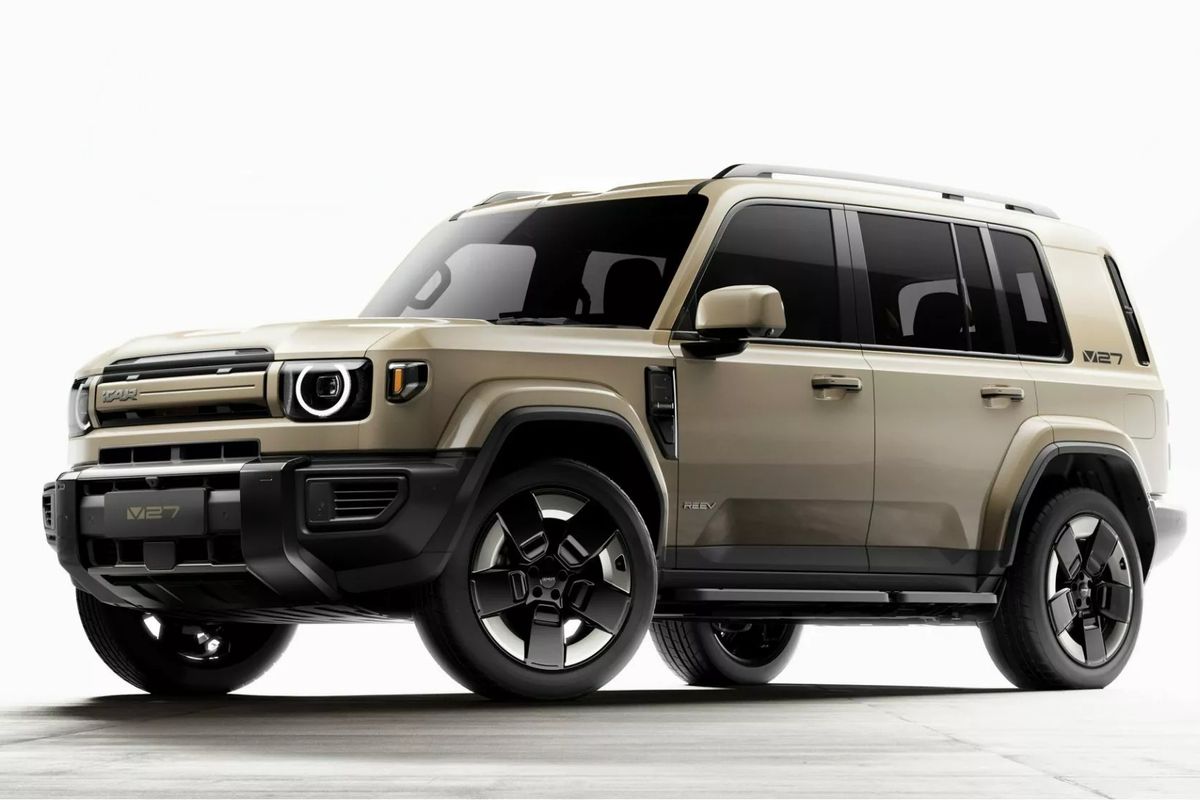
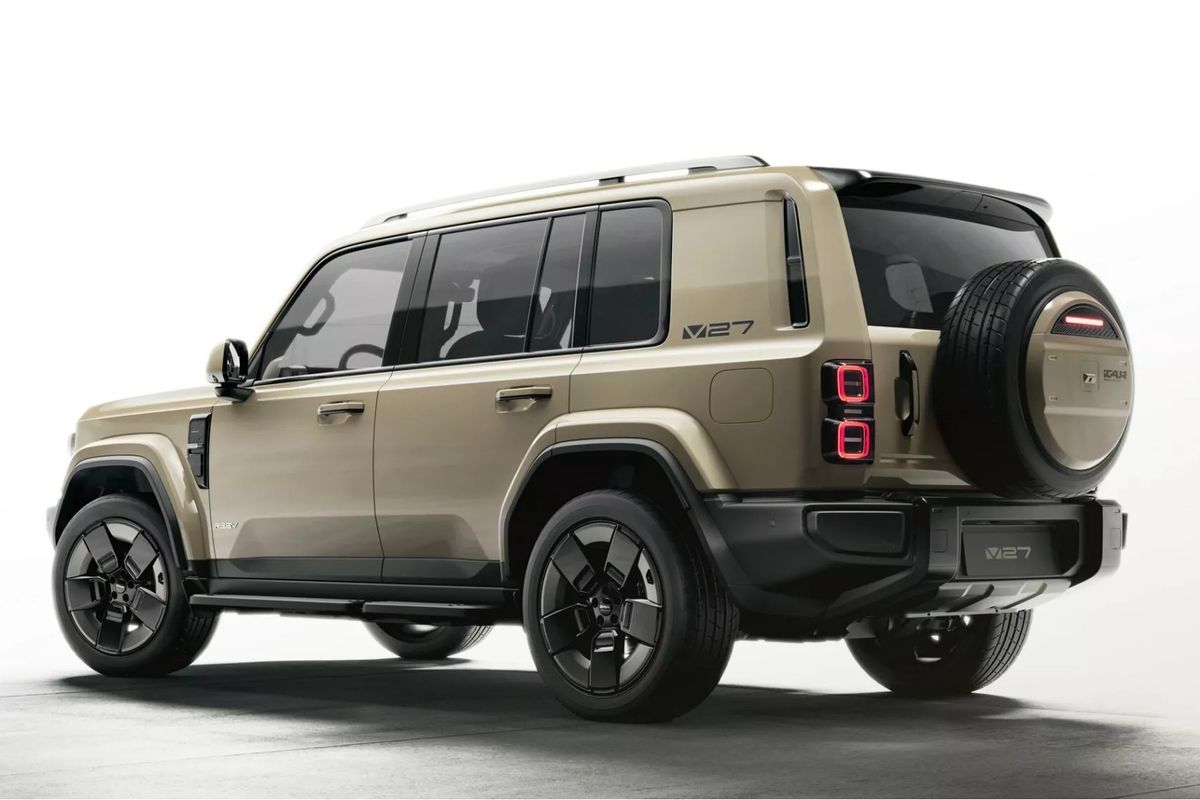
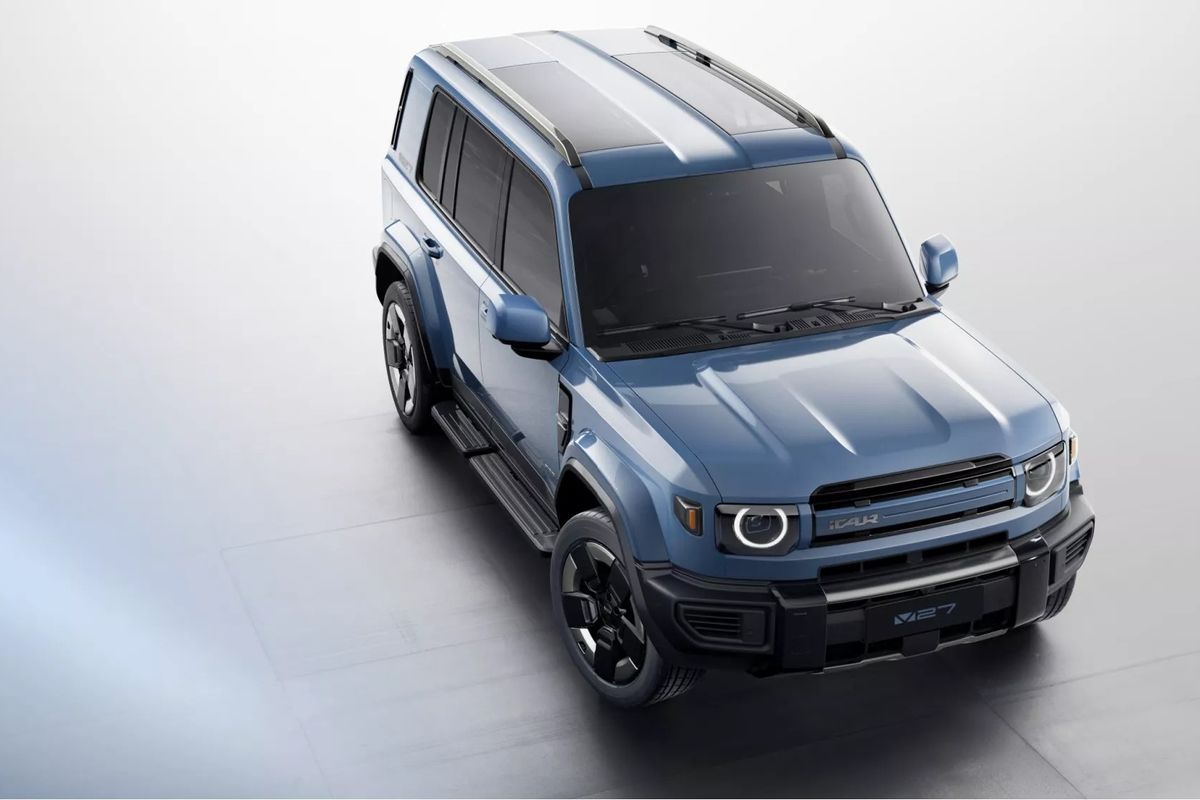
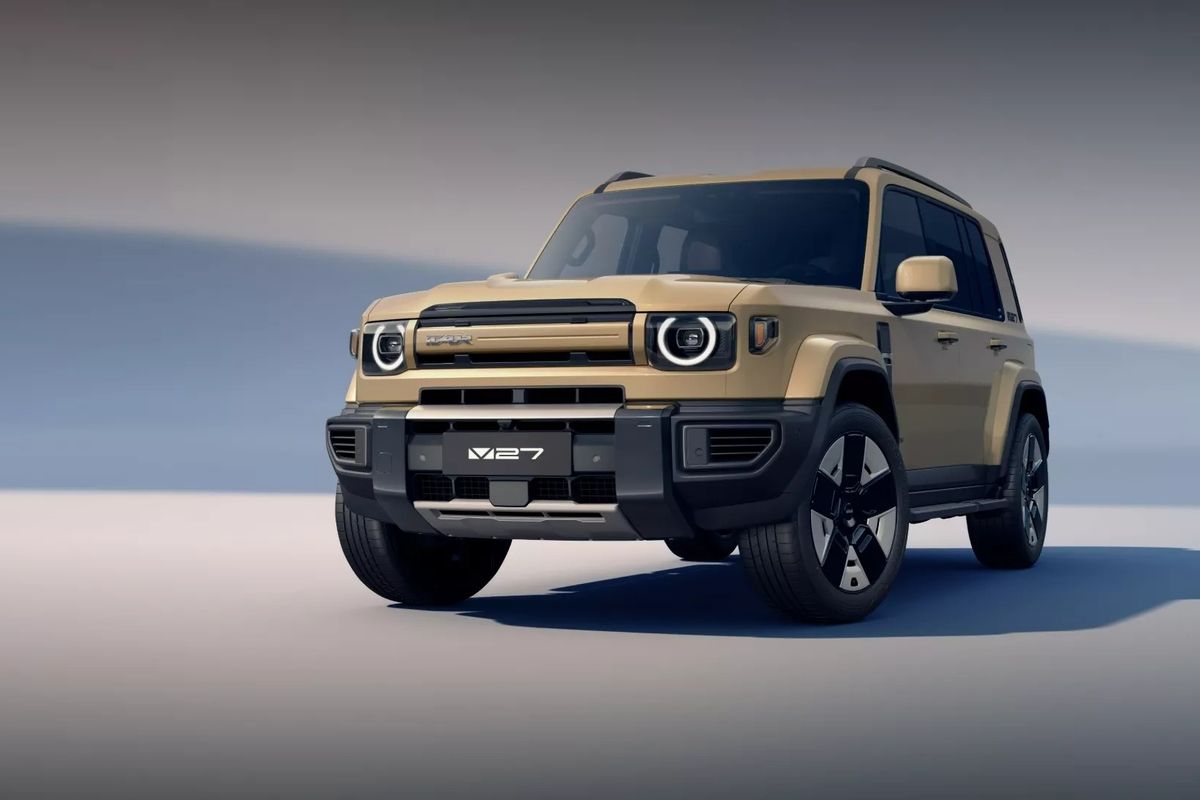
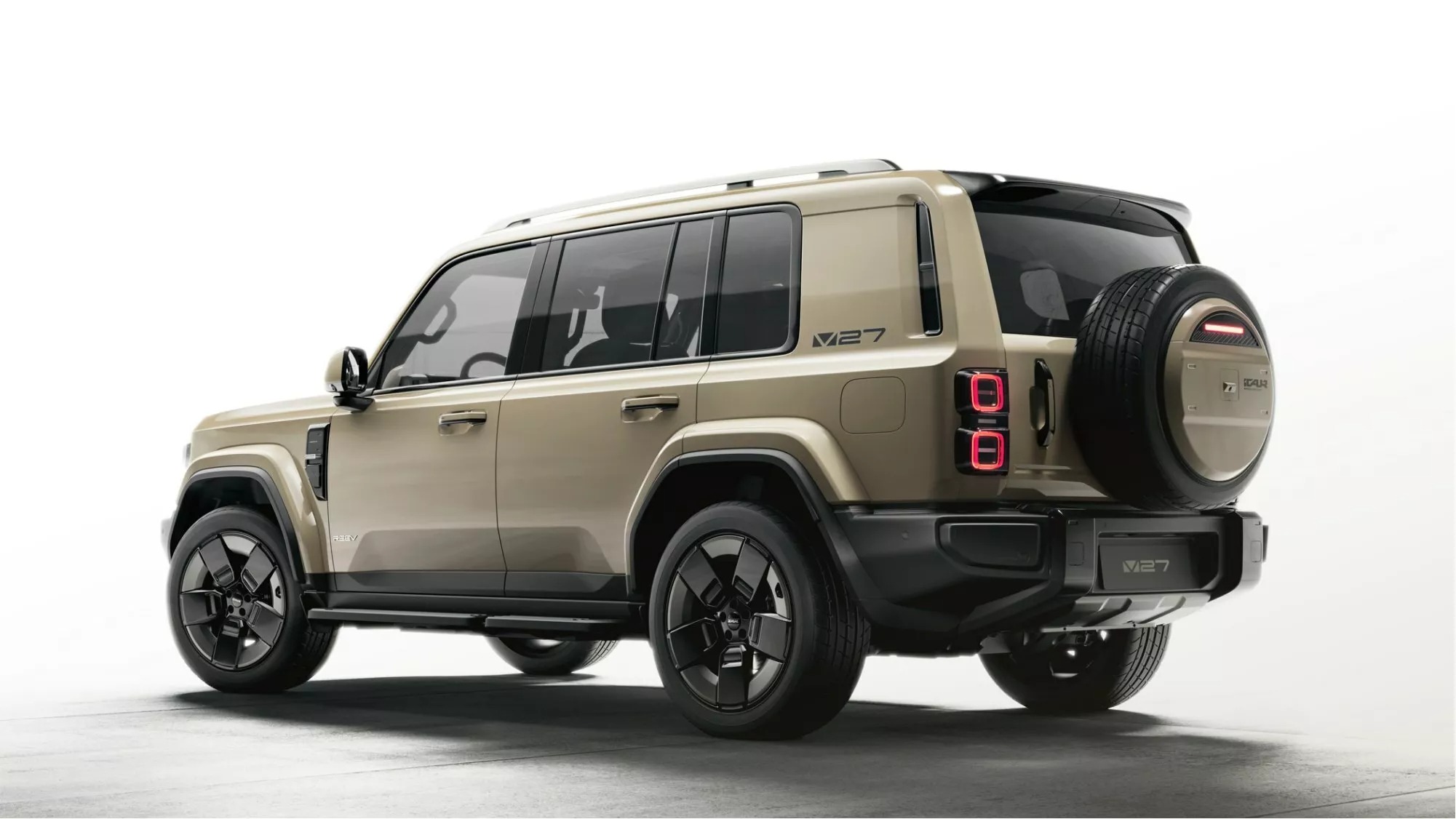
Pre-orders for the iCaur V27 range-extender SUV have opened ahead of the vehicle’s debut before the end of 2026.
The V27 will be the biggest product offered by iCaur in South Africa when it hits local showrooms. As a reminder, iCaur is a fun, new-energy brand from the Chery Group and the range currently comprises the all-electric V23 and 03T, with the latter set to receive a range-extender powertrain before the year’s out.
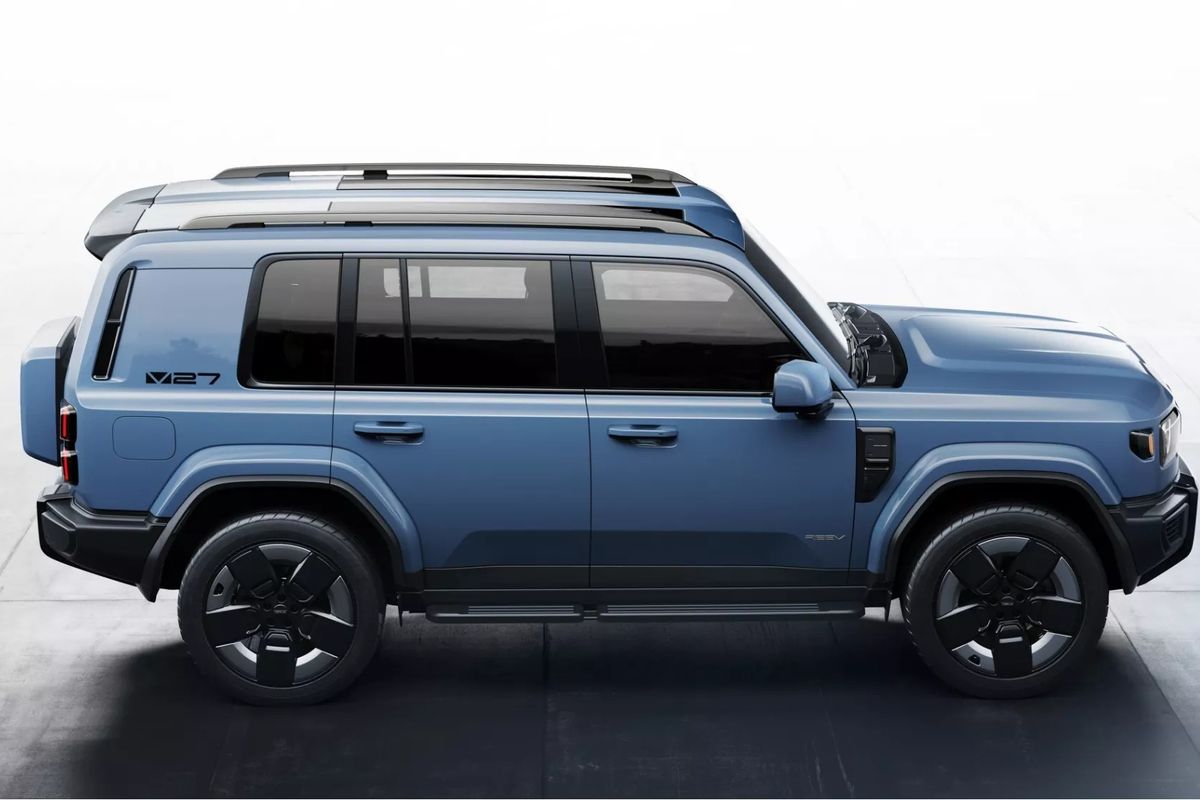
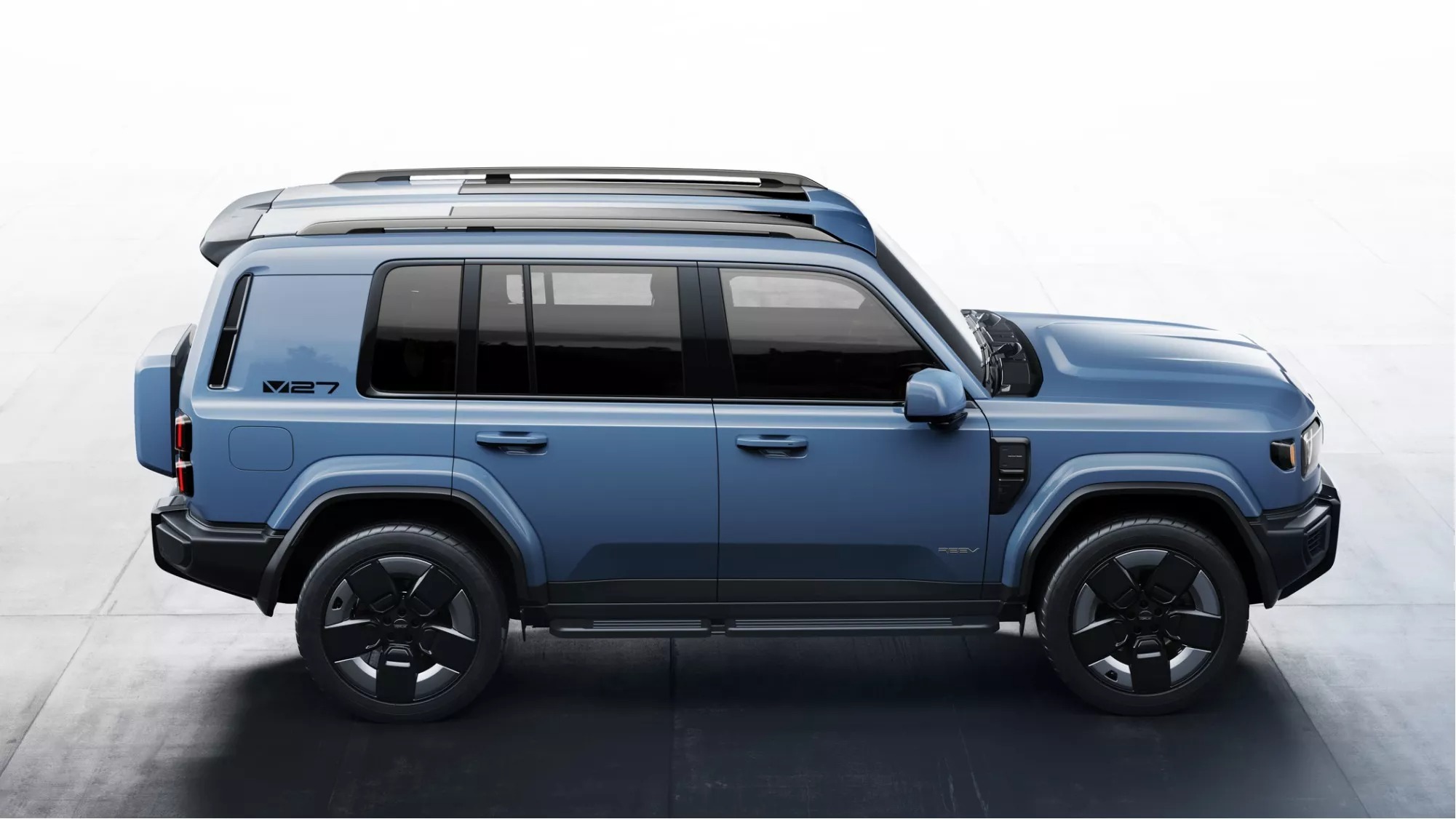
iCaur South Africa has created a pre-order page for the new V27 and shared some early specifications and details. The iCaur V27 will be the physically largest vehicle in the line-up, measuring just over 5 metres. With a wheelbase of 2 900 mm and height of 1 894 mm, the V27 is a touch bigger than established large family SUVs like the Toyota Land Cruiser Prado.
V27 powertrain
While all the details for the South African market are yet to be confirmed, we do know there’s a 34.31 kWh lithium ion phosphate battery from CATL offering a pure EV range of 150 km and a claimed 0-100 kph in 6 seconds. The powertrain is a range-extender setup, meaning it drives like an electric car, but once the battery is depleted, the petrol engine simply makes more electricity. A combined range of 1 000 km based on the NEDC is claimed and the vehicle is capable of a pure EV range of around 150 km.
The V27 features an electric motor on each axle. The onboard generator is a turbocharged petrol 1.5-litre engine which does not drive the wheels. With outputs of 339 kW and 505 Nm the V27 should be one brisk customer! There are other powertrain derivatives for overseas markets, like single-motor and rear-wheel drive, but more information will be released when the vehicle launches.
The vehicle also features substantial vehicle-to-load (V2L) functionality, with outputs of up to 6 kW. As an example, some of the higher-spec induction cookers run at 3.5 kW while coffee machines need 2.2 kW.
Cabin & features
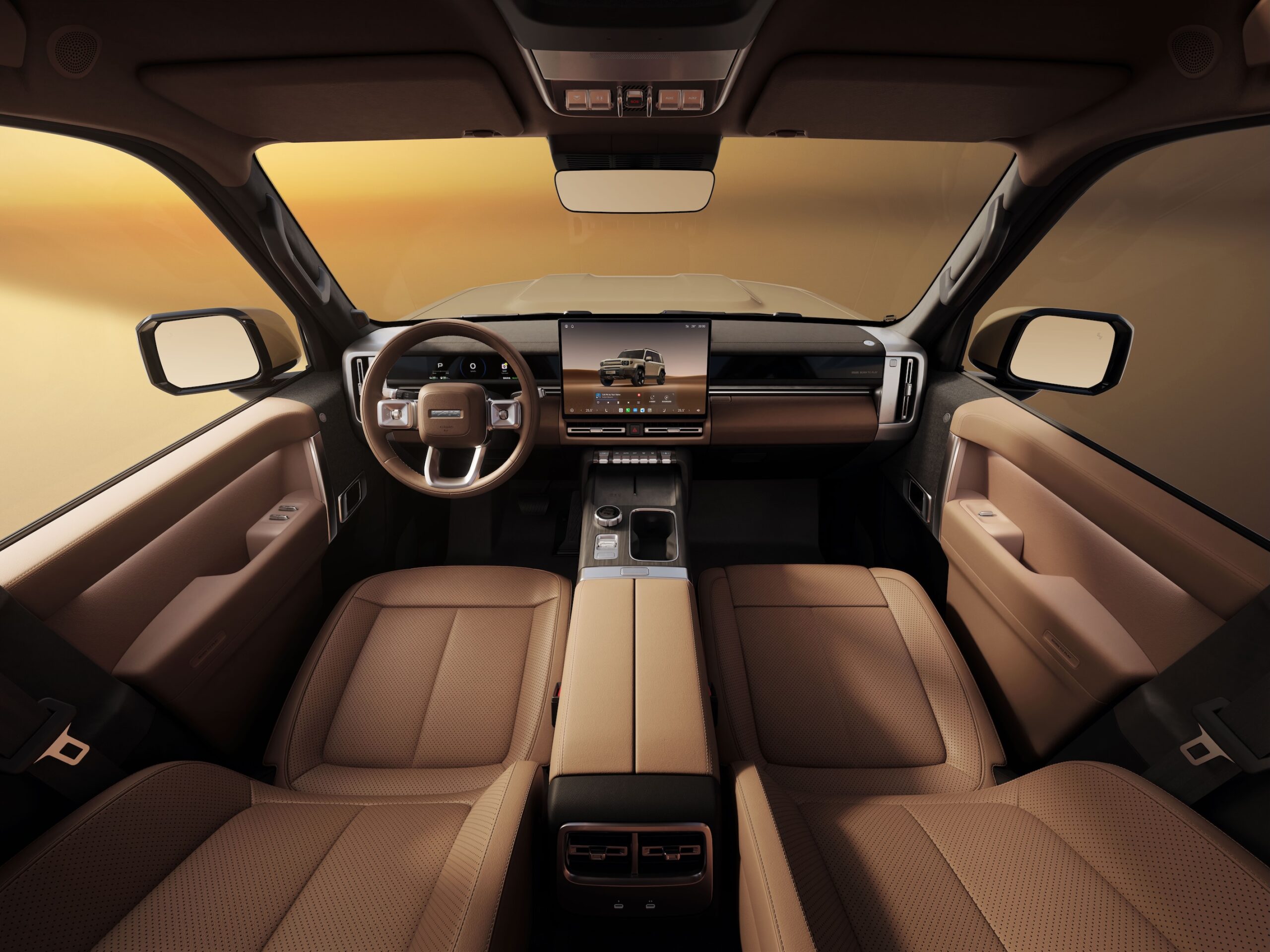
Inside, the cabin will feature a segmented sunroof that’s said to block 98% of incoming UV rays, 15.4-inch HD infotainment screen, 50 practical storage solutions, assisted driving tech, active noise cancellation and a 23-speaker sound system, to name but a few.
Final specifications and pricing will be confirmed closer to the launch towards the end of 2026.
iCaur (internationally known as iCar) is a new electric vehicle (EV) sub-brand under the Chery Group. It focuses on “lifestyle” vehicles with rugged, retro-futuristic designs and advanced technology, targeting younger, adventure-oriented drivers.
When is iCaur launching in South Africa?
According to the latest industry reports from December 2025, iCaur is scheduled to officially launch in South Africa in 2026. The brand made its local public debut at the 2025 Festival of Motoring.
Which iCaur models will be available in South Africa?
The initial line-up is expected to include the iCaur V23 (a compact, rugged electric SUV) and the iCaur 03T. A larger flagship model, the iCaur V27, has also been confirmed for the local market and is expected to arrive later.
Are iCaur vehicles fully electric?
Yes, iCaur focuses on New Energy Vehicles (NEVs). While the V23 is a Battery Electric Vehicle (BEV) with a range of approximately 400–500 km, other models like the V27 may feature “Range Extender” (REEV) technology, combining an electric motor with a 1.5L petrol generator for a combined range exceeding 1,000 km.
Who owns the iCaur brand?
iCaur is a subsidiary of the Chinese automotive giant Chery. In South Africa, it will operate alongside Chery’s other brands, such as Omoda and Jaecoo, sharing some dealer networks and support infrastructure.
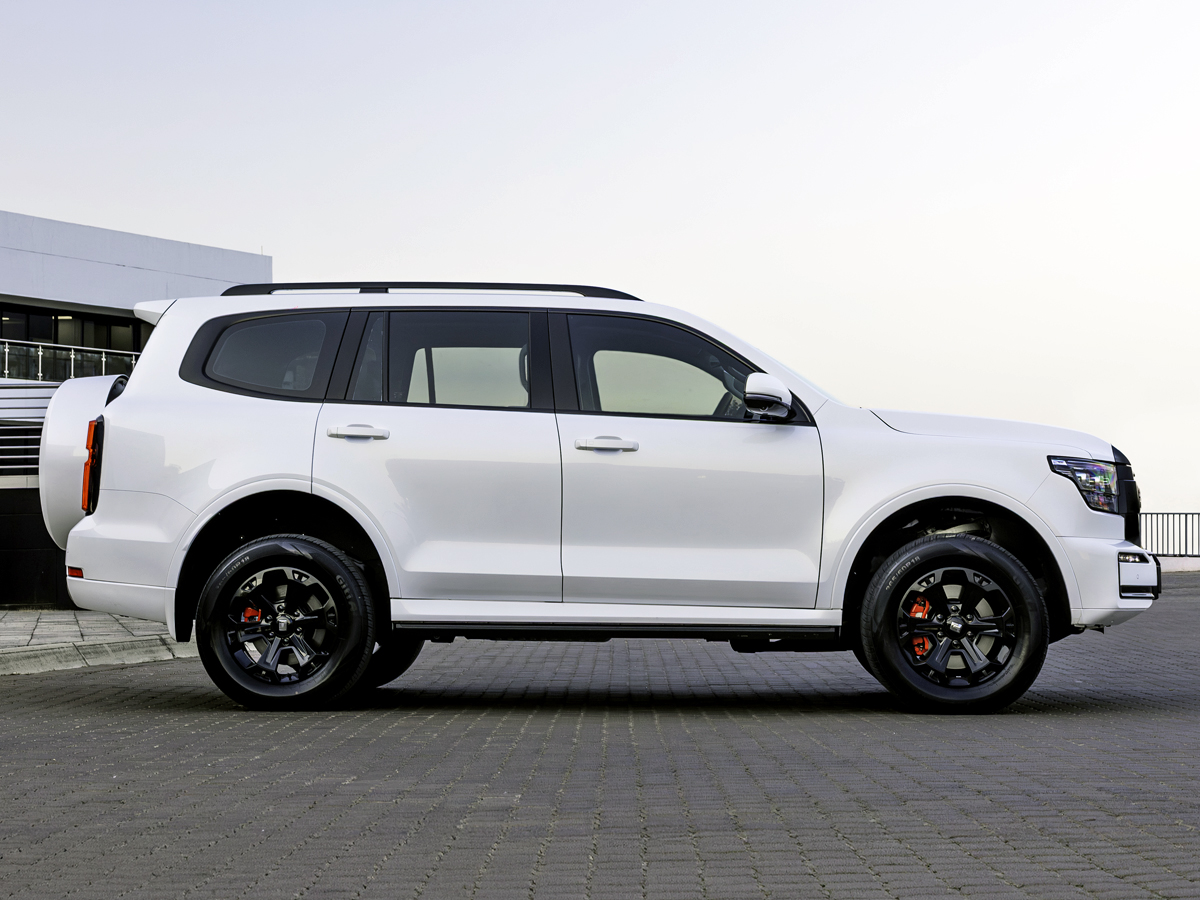
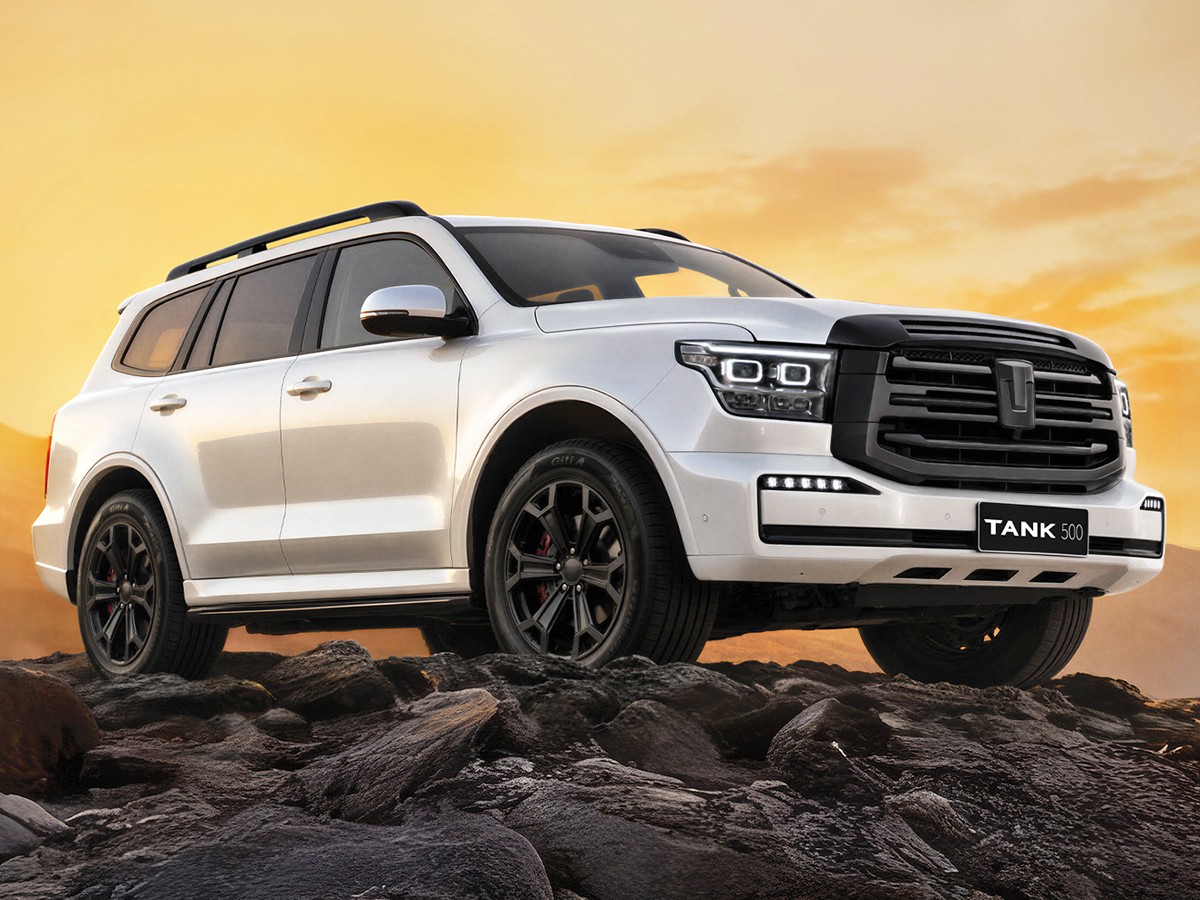
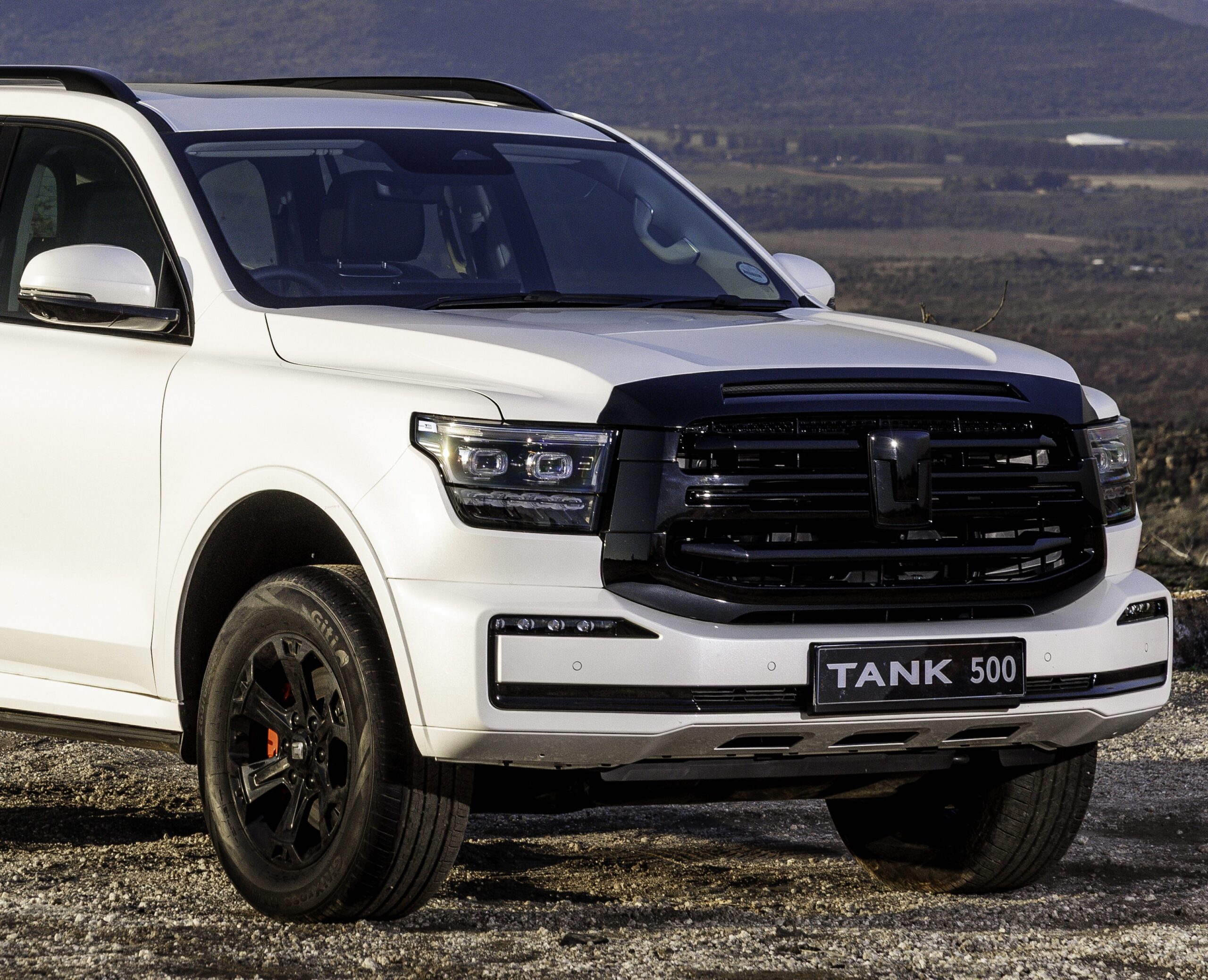
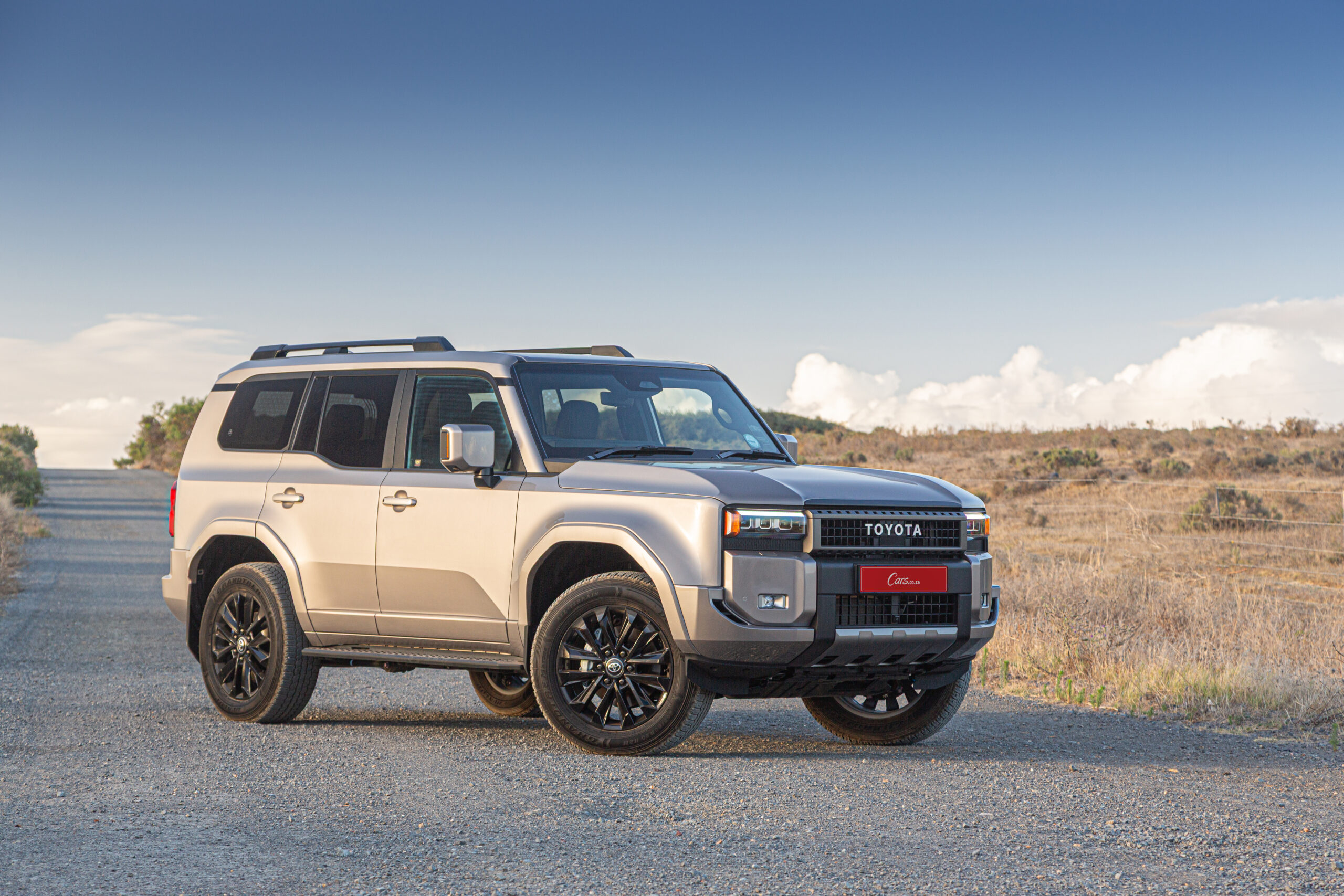
The new GWM Tank 500 diesel is a genuine threat to the Everest & Prado
With the Tank 500 diesel, GWM engineers have created a real rival to the legendary Toyota Land Cruiser Prado and the powerful Ford Everest V6 diesel. But what are the numbers and technical features you really need to know about when comparing these three luxury SUVs with real all-terrain ability?
GWM’s Tank sub-brand has proved that Chinese automakers can build body-on-frame SUVs capable of challenging established heavyweights like the Toyota Land Cruiser Prado and the Ford Everest. Yet, while the Tank 300 has been a great brand builder for the brand, the larger GWM Tank 500 has struggled locally. The Chinese brand’s flagship SUV features a luxurious cabin, generous interior space and competitive off-road driving geometry, but it lacked a diesel engine. When you are competing in a segment dominated by the Prado and Everest, diesel powertrains matter.
Since its introduction in late 2024, the Tank 500 has been available only with a 2.0-litre turbopetrol HEV powertrain. Because it is a traditional hybrid rather than a plug-in, efficiency gains are modest. Combined with a heavy kerb weight, the Tank 500 HEV’s real-world fuel consumption proved too steep for many South African luxury 4×4 buyers.
For local Tank fans, the puzzle was why GWM did not initially share the P500 double-cab bakkie’s 2.4-litre turbodiesel engine with the Tank 500. That oversight is now rectified, with the Tank 500 finally receiving the powertrain it always needed: a high-output four-cylinder 3.0-litre turbodiesel.
Torque talk: Size matters under the bonnet
GWM’s new ‘big-four’ turbodiesel adds a lot of pulling power to the Tank 500.
Driven by strong demand for oil-burners across Australia and African markets, GWM developed this new 3.0-litre turbodiesel engine to answer the call for robust low-end grunt.
Rated at 170 kW and 620 Nm, the Tank 500 diesel matches the working torque required for heavy-duty applications, providing a smooth delivery through a nine-speed automatic transmission. With plenty of gearing flexibility, the transmission optimises available torque and delivers responsive throttle input, particularly when towing or travelling with the Tank 500 fully loaded.
Pure diesel, no extra liquid hassles
GWM’s diesel engine should have Prado-like levels of rural diesel adaptability.
GWM’s diesel engine offers the simple, uncompromised remote-area usability that traditional SUV buyers demand.
Unlike some modern diesels that rely on selective catalytic reduction requiring AdBlue additives, GWM’s engineers brought this power unit to market without needing an AdBlue tank – a trait shared by the Prado diesel, whereas the Everest V6 requires the additive.
For remote-area overland travellers, skipping AdBlue means one less fluid to monitor on extended journeys across Southern Africa, where specialised exhaust fluid availability in small rural towns cannot always be guaranteed.
GWM’s 3.0-litre turbodiesel operates with a high-pressure common-rail injection system, meaning it performs best on clean 50 ppm (or lower) diesel. While ultra-low-sulphur fuel is widely distributed along main transport corridors, planning fuel stops remains an essential step when exploring deeply isolated routes.
Mass vs grunt: Reading beyond the GWM Tank 500 spec sheet
Like all true all-terrain SUVs with three-row seating, it’s big and heavy.
Like all true body-on-frame SUVs with three-row seating, the Tank 500 is substantial (it measures a considerable 5 078 mm long, 1 934 mm wide and 1 905 mm tall).
Body-on-frame luxury SUVs carry significant mass by design, built to withstand years of harsh off-road use and thousands of kilometres across heavily corrugated gravel roads.
The heavy ladder-frame chassis underpinning the Tank 500, Everest and Prado give all three vehicles serious durability, but that weight demands substantial power to maintain swift highway cruising and confident overtaking acceleration. Consequently, power-to-weight ratios offer the clearest picture of real-world performance.
With kerb weights hovering between 2 500 kg and 2 600 kg depending on trim, the Tank 500 diesel is a heavy vehicle, but the engine appears up to the task.
Long-distance range: The GWM Tank 500 has the ultimate overland edge
Lack of long-range tanks is an annoyance with the new Prado…
By far the most compelling addition to the line-up is the 4×4 Overland derivative tailored for remote exploration – giving South African buyers an alternative built specifically for long-haul wilderness routes.
Outfitted with factory-fitted all-terrain tyres and standard underbody protection, this derivative addresses one of the primary criticisms levelled against many modern luxury 4x4s: cruising range.
Where long-distance travellers often express frustration over reduced fuel tank sizes in modern competitors, the Tank 500 Overland offers an impressive total fuel capacity of 131 litres (78 litres on other models), delivering a distinct real-world range advantage. For South African drivers planning cross-border expeditions through isolated stretches of Namibia or Botswana, that extended range provides invaluable peace of mind.