Tesla founder Elon Musk has claimed his Tesla bakkie will be revealed in 2 to 3 months. Here's what we know.
Electric carmaker Tesla has been battling with production issues, but that's not stopping the company from launching all-new vehicles. A while ago founder Elon Musk announced that Tesla would be building a bakkie. It was teased once, back in March 2019 – the image shown was barely legible and the project went a bit quiet. Until now.
Musk is active on Twitter and often answers product-related questions directed at him. An enthusiast enquired about the forthcoming Tesla product and Musk replied:
So there you have it, direct from the big boss' mouth. As for the Tesla bakkie, the claimed stats make for fascinating reading. Tesla is claiming its new bakkie will retail for under $50 000 (Ford F-150 is $28 115) so it's priced a little on the premium side of things. To differentiate it from the segment, Tesla is claiming it will handle like a Porsche 911, offer no fewer than 6 seats, boast a range of between 645-800 km and be able to tow 136 000 kg, and that last figure is not a typo.
The electric bakkie segment is due to kick off in the next few years as Ford recently showcased the towing potential of an all-electric F-150 bakkie, General Motors is working on an electric bakkie and then there's Rivian – an all-electric bakkie/SUV company.
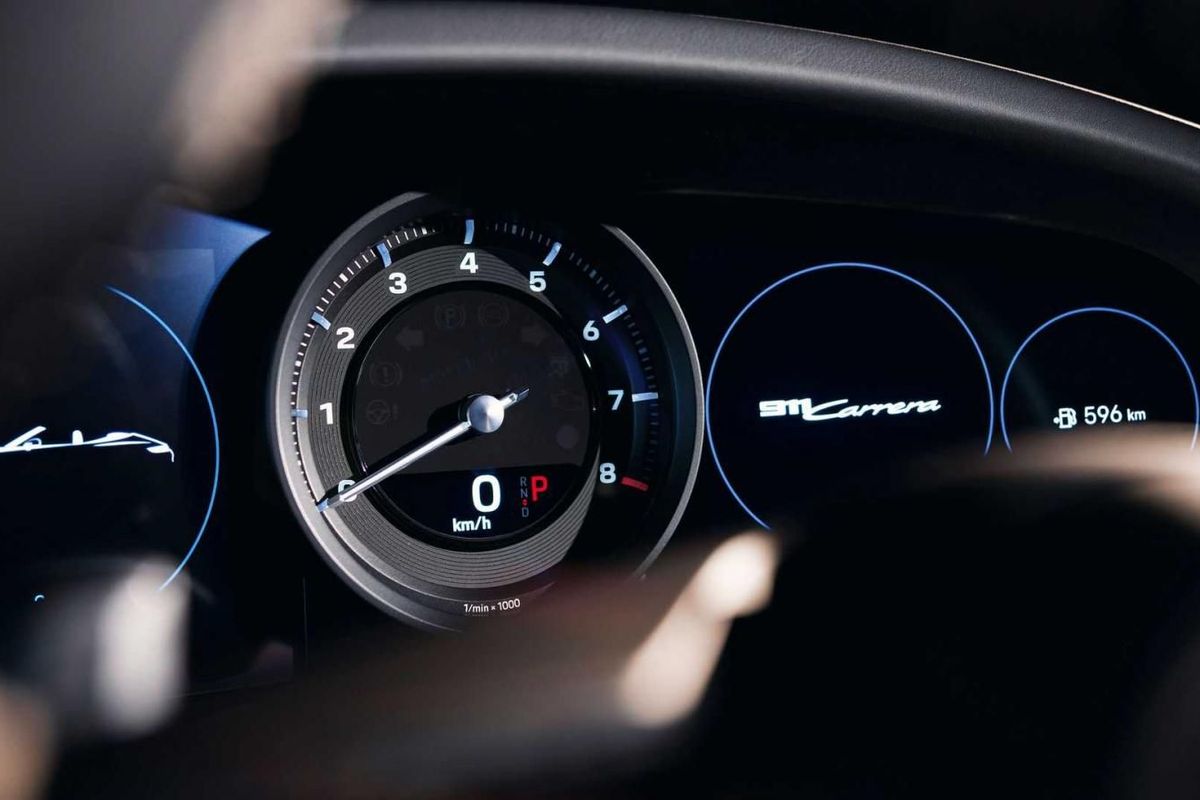
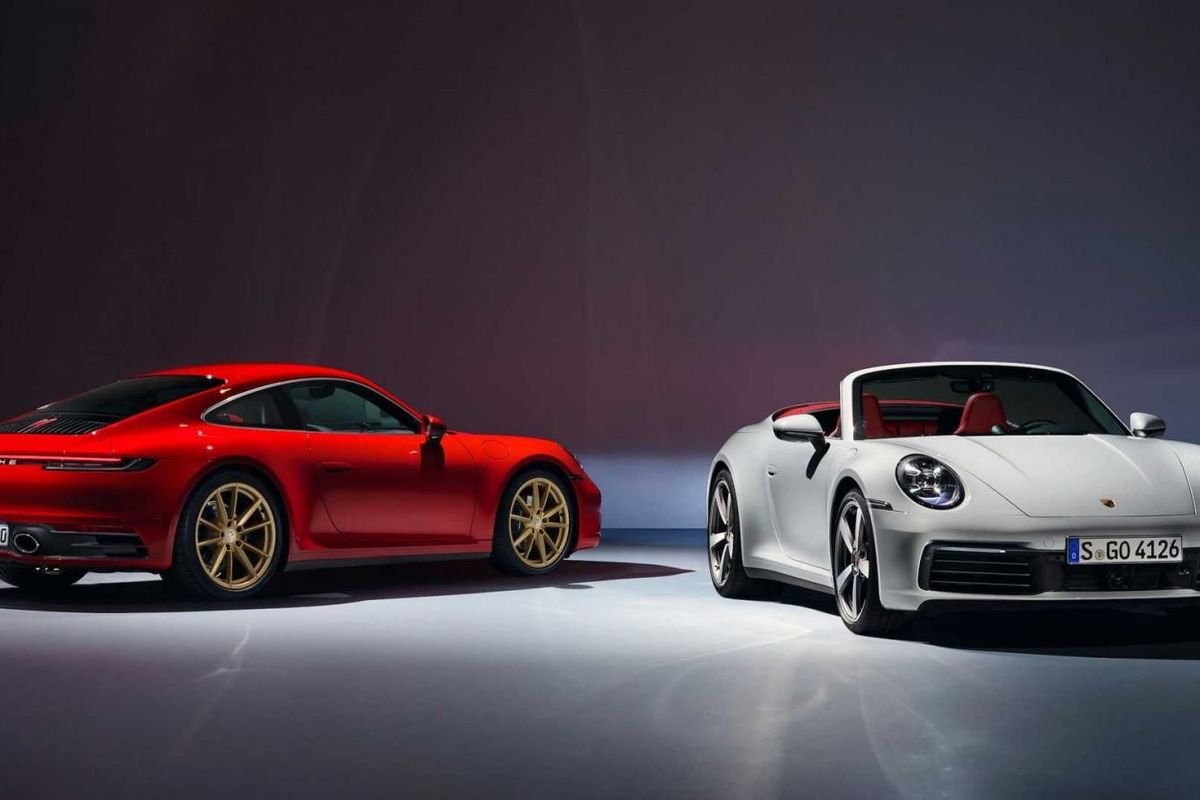
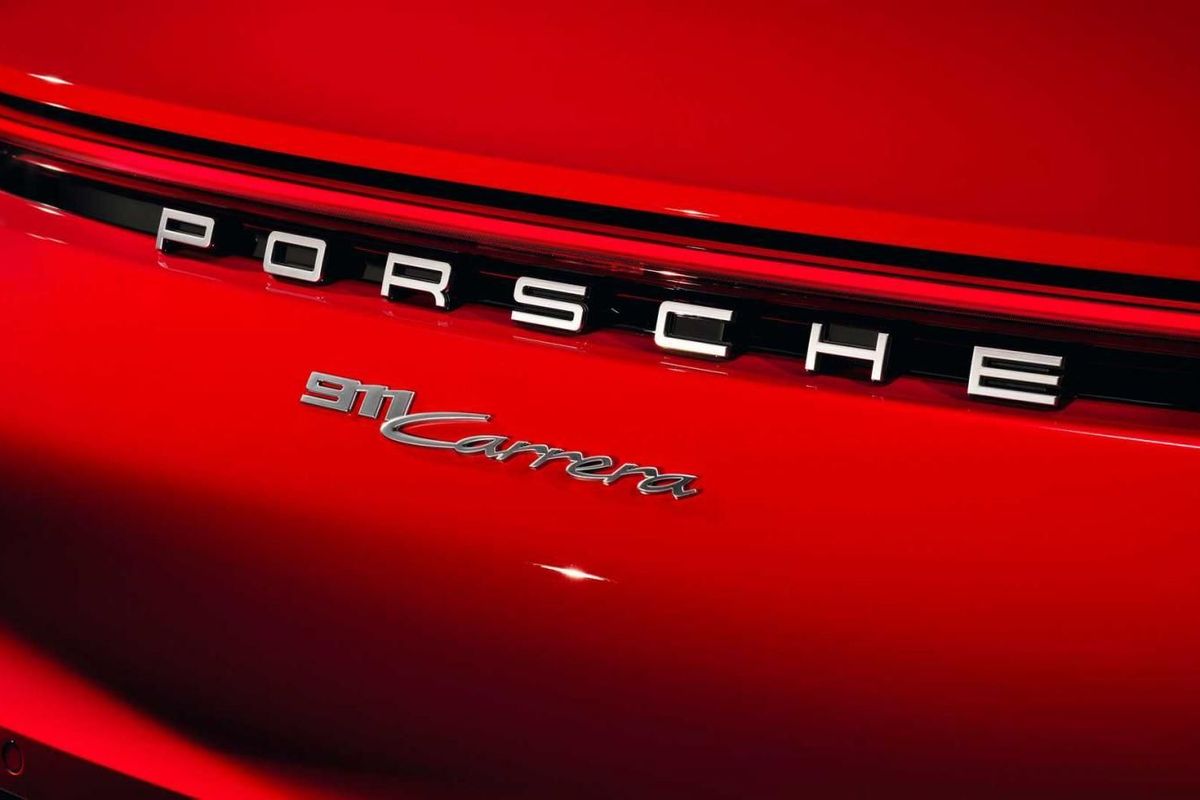
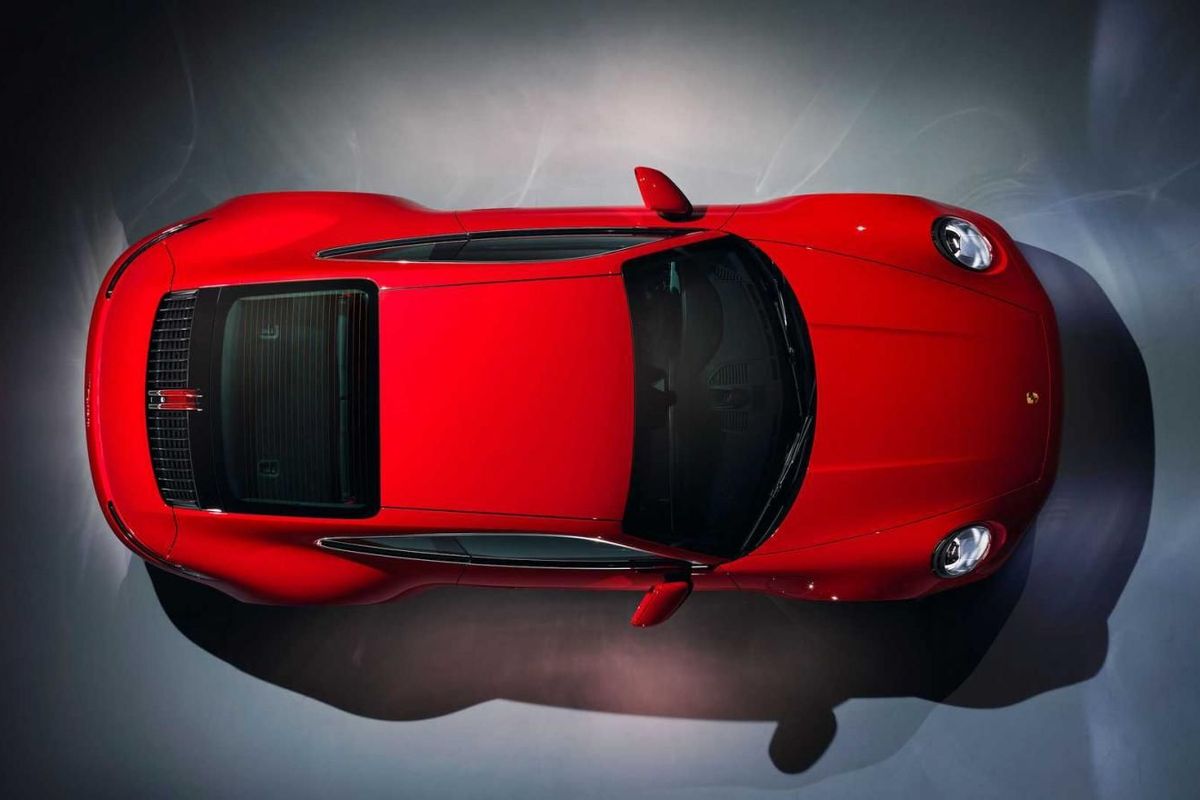
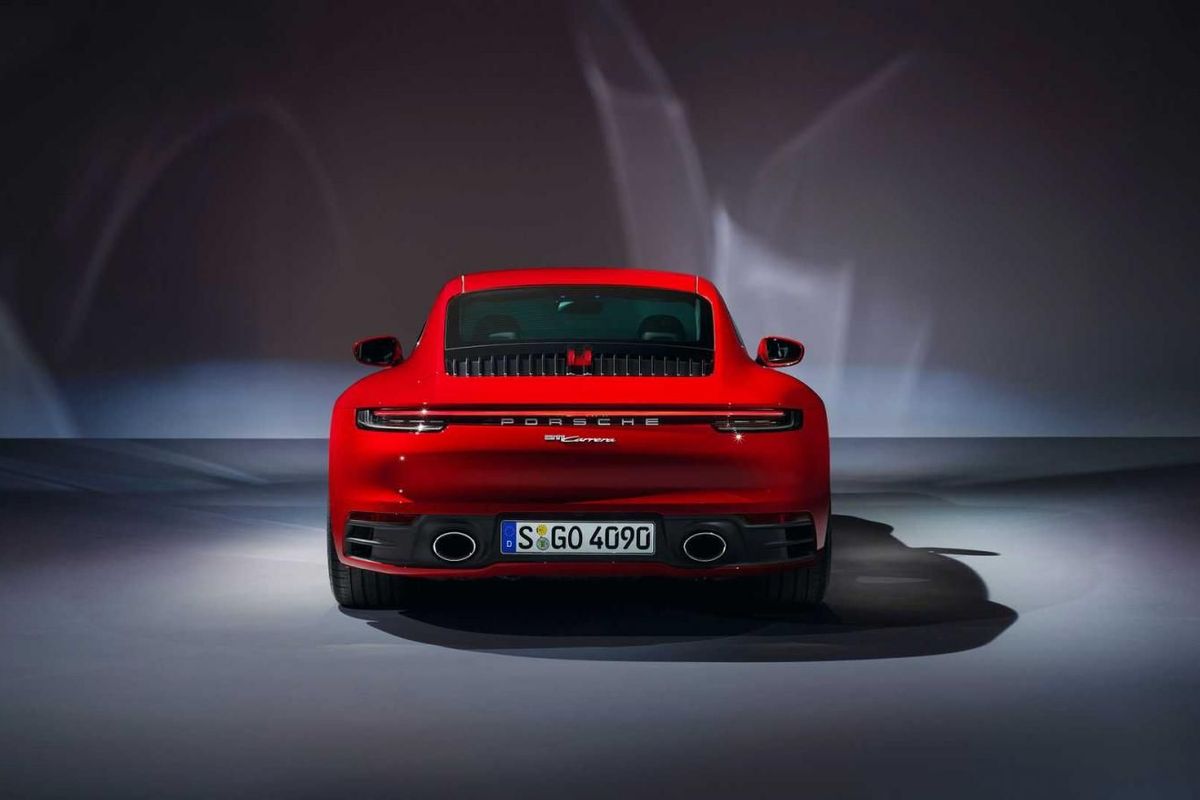
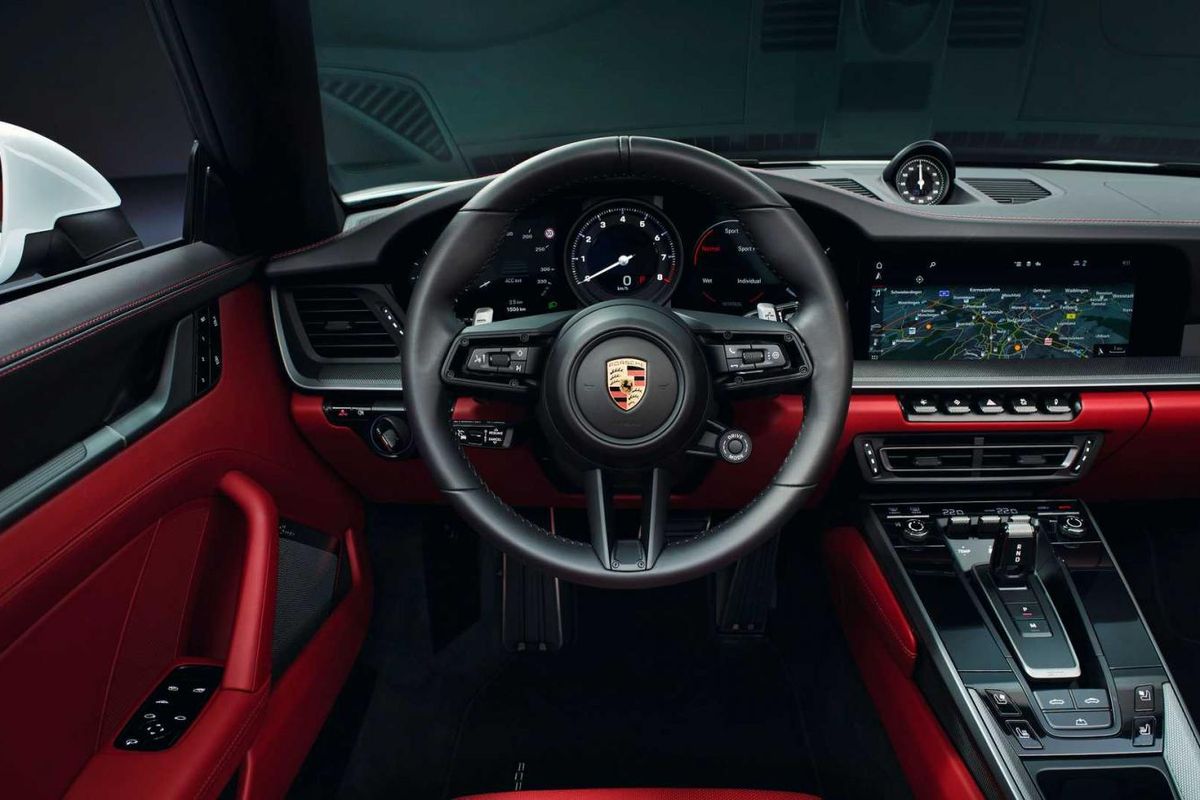
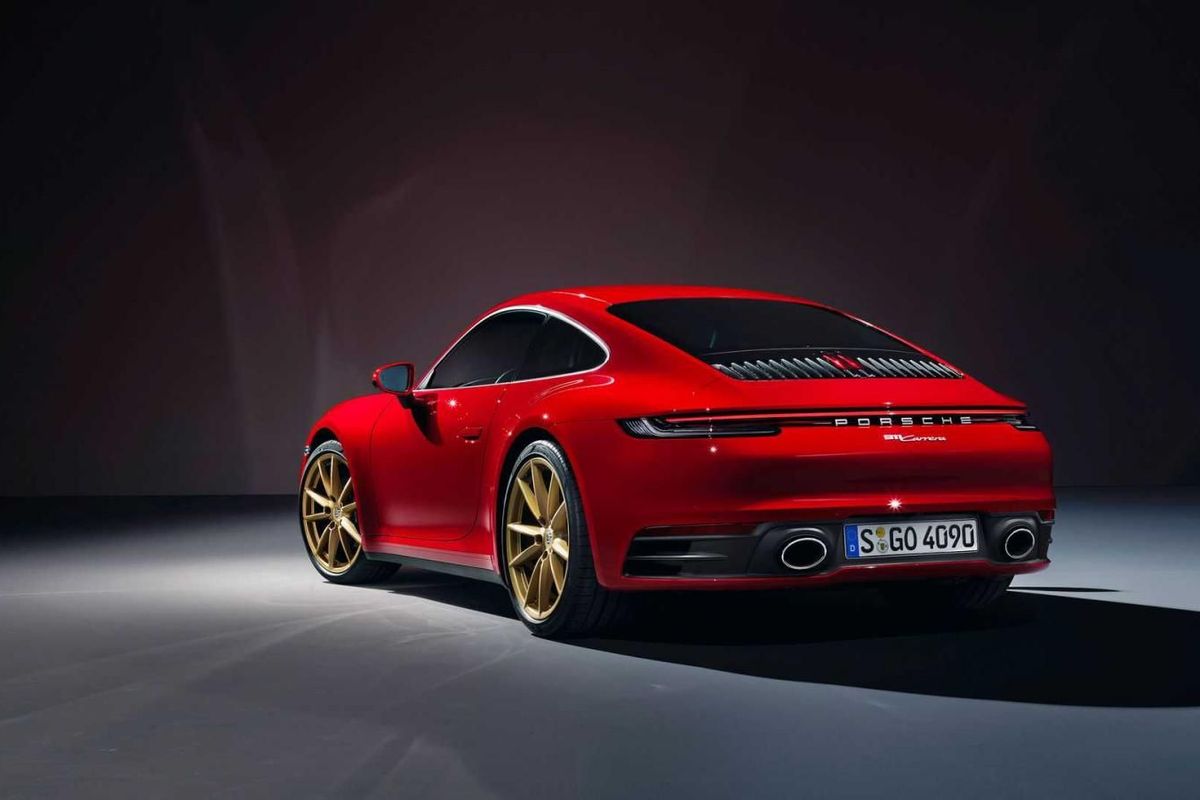
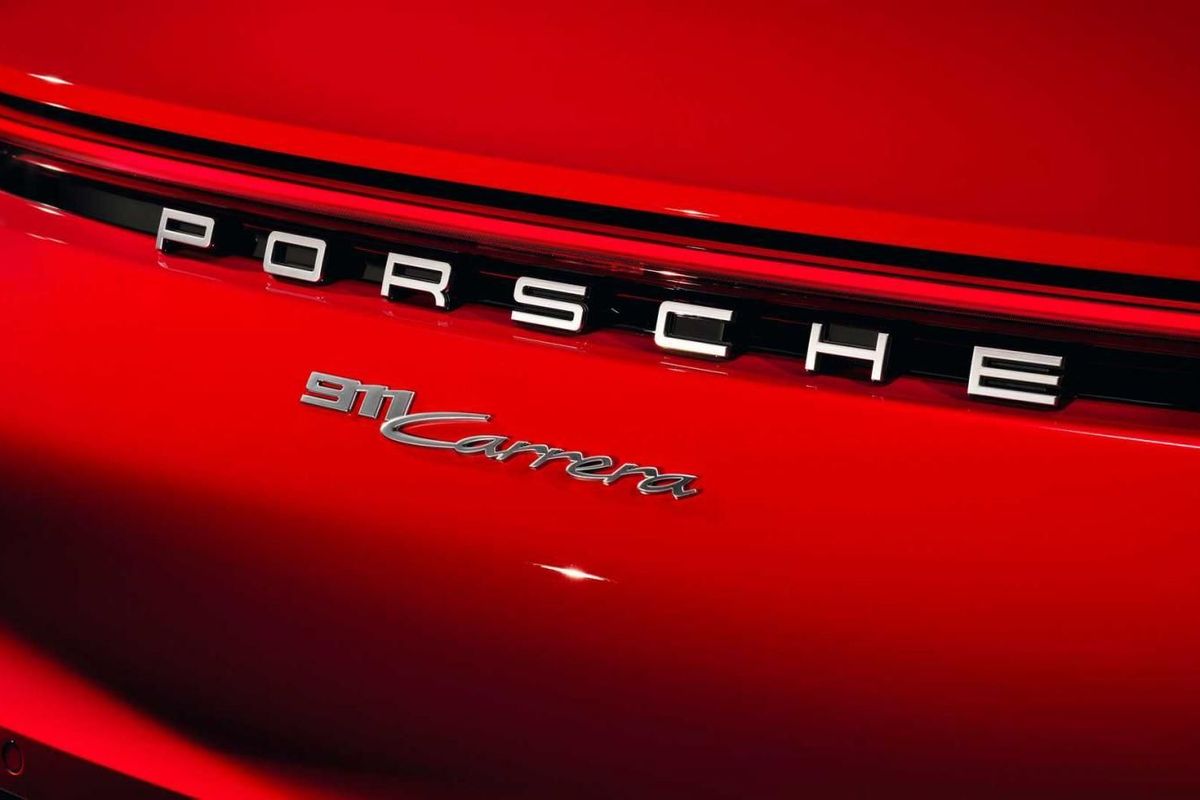
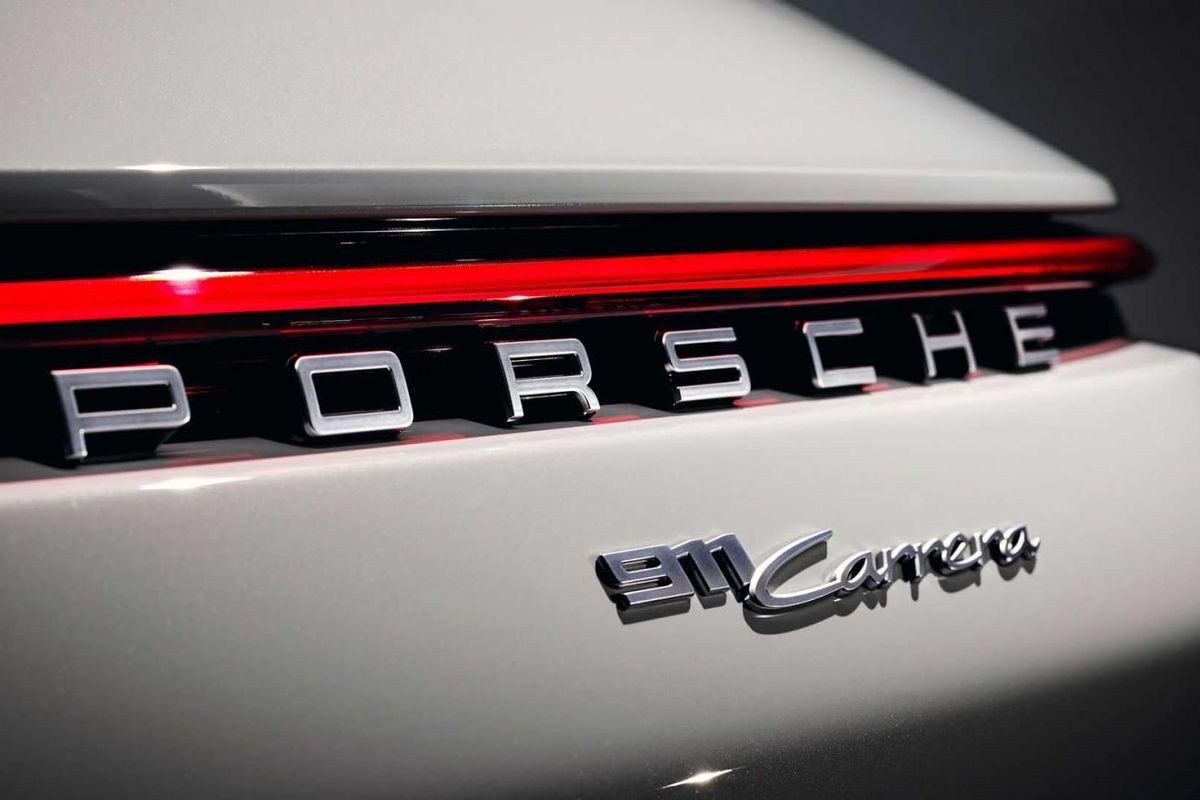
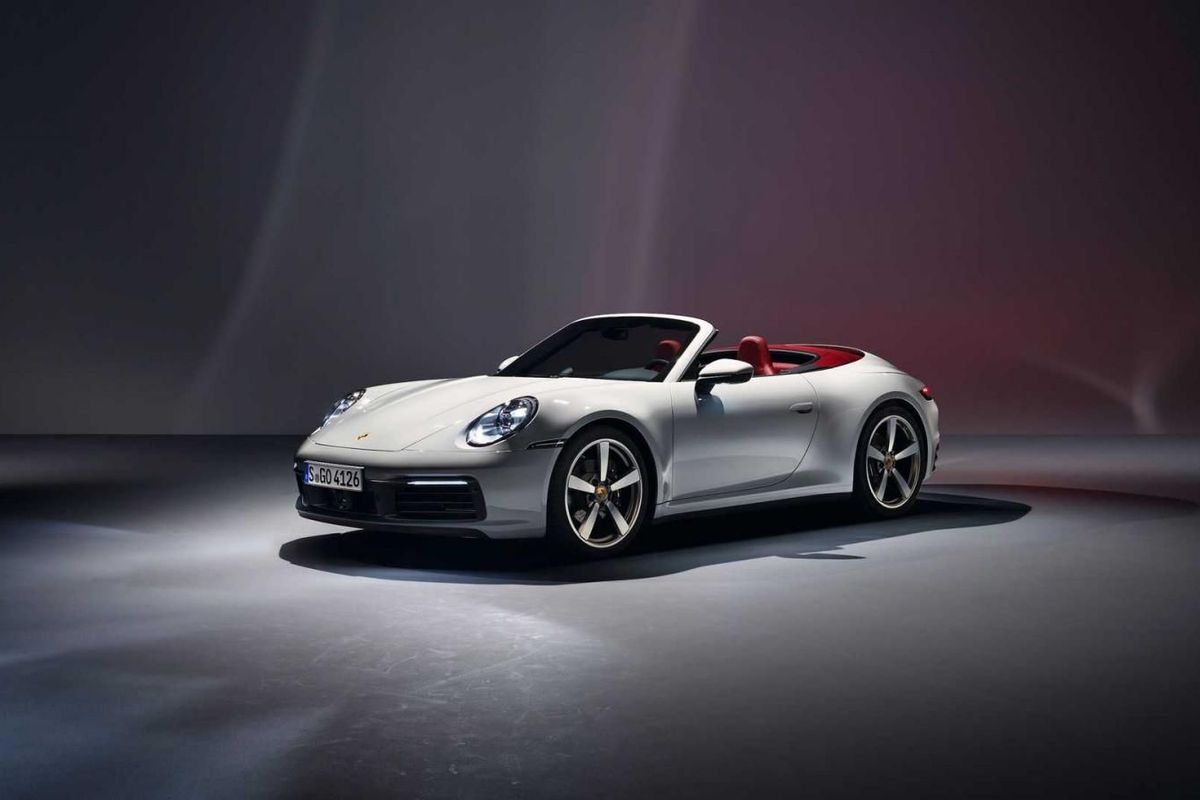
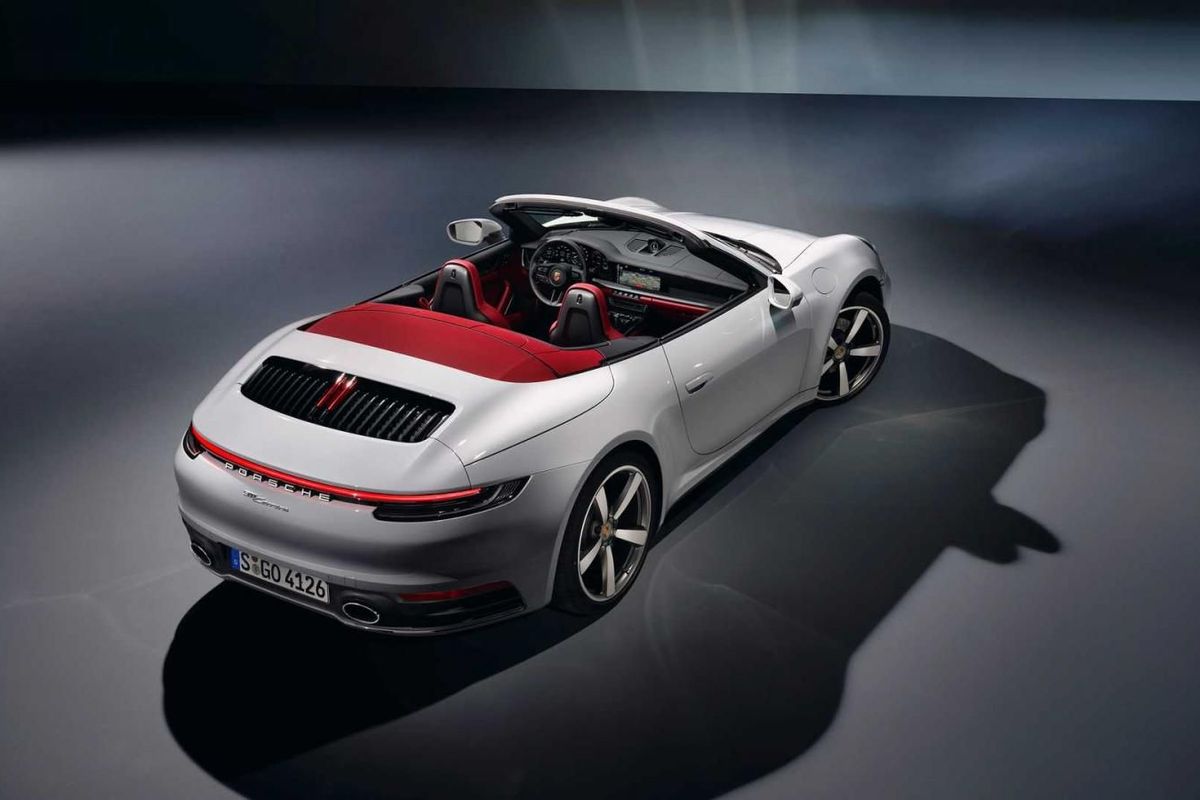
Porsche reveals its most basic version of the new 992-series.
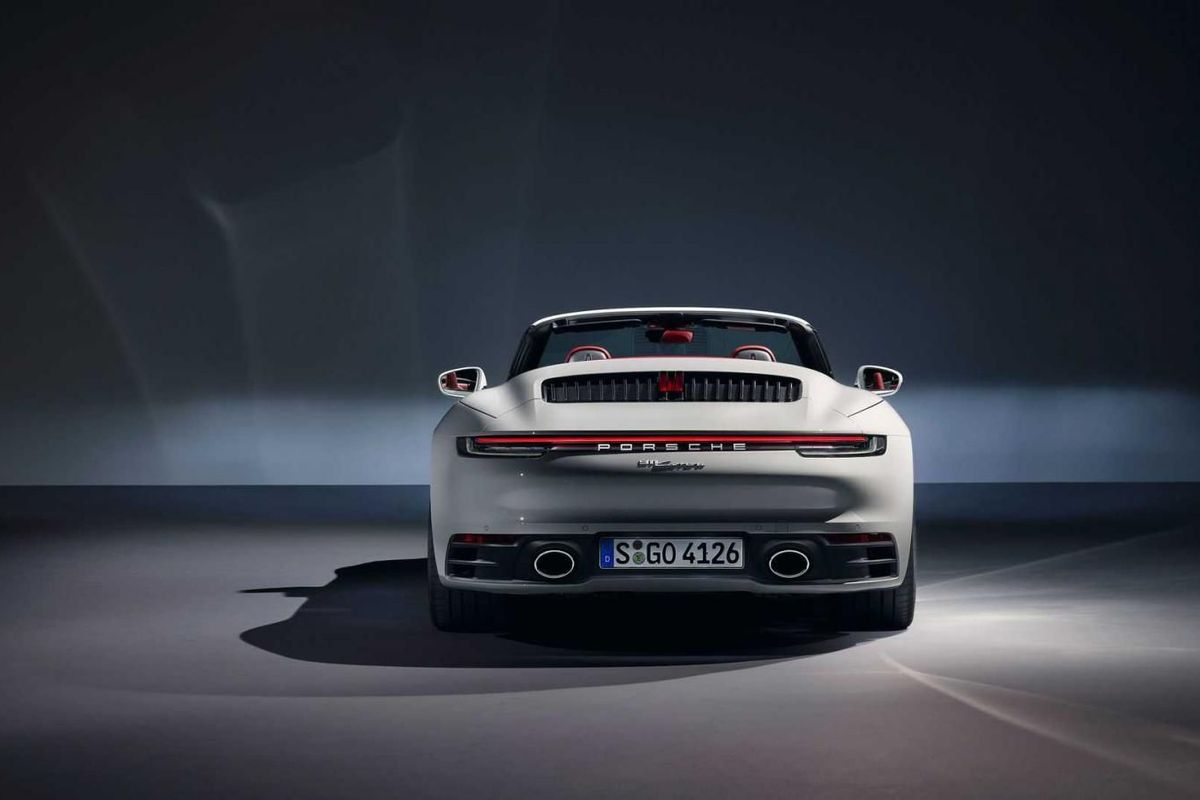
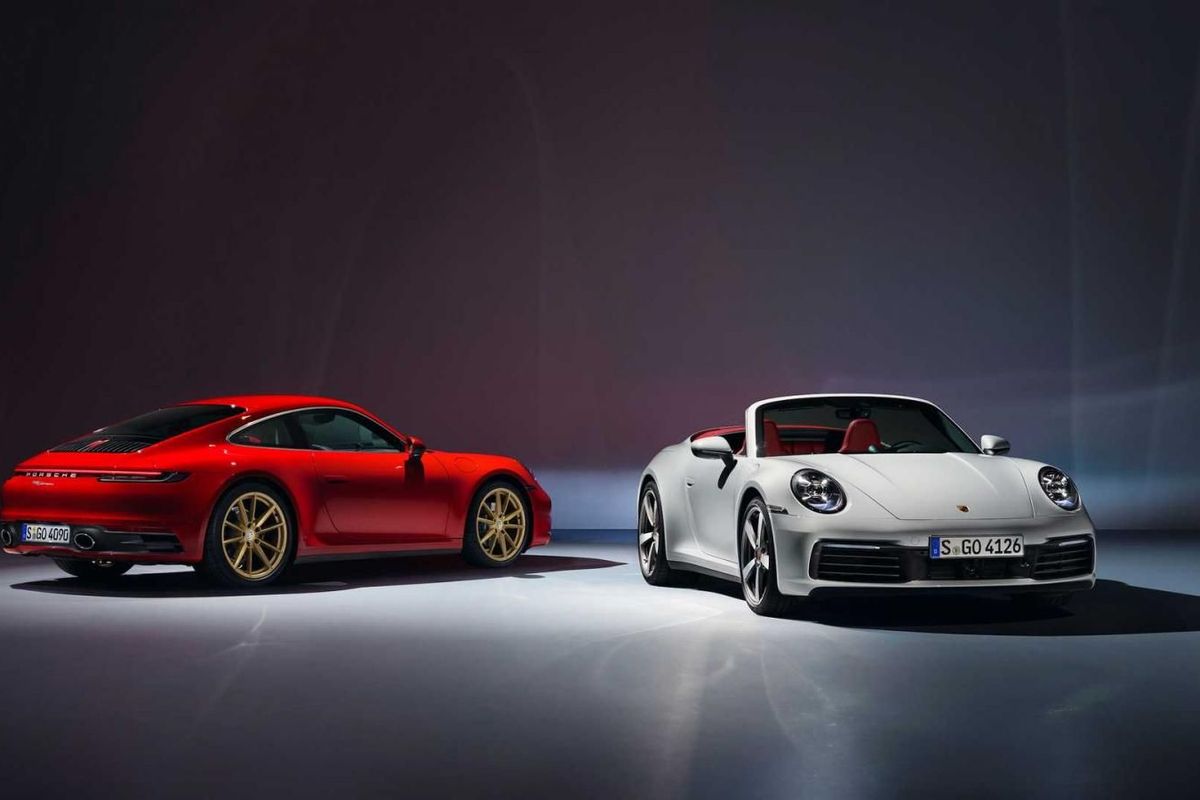
The latest 911 Carrera is available as both a coupe and cabriolet, broadening Porsche’s rear-engined vehicle range is an entry-level offering.
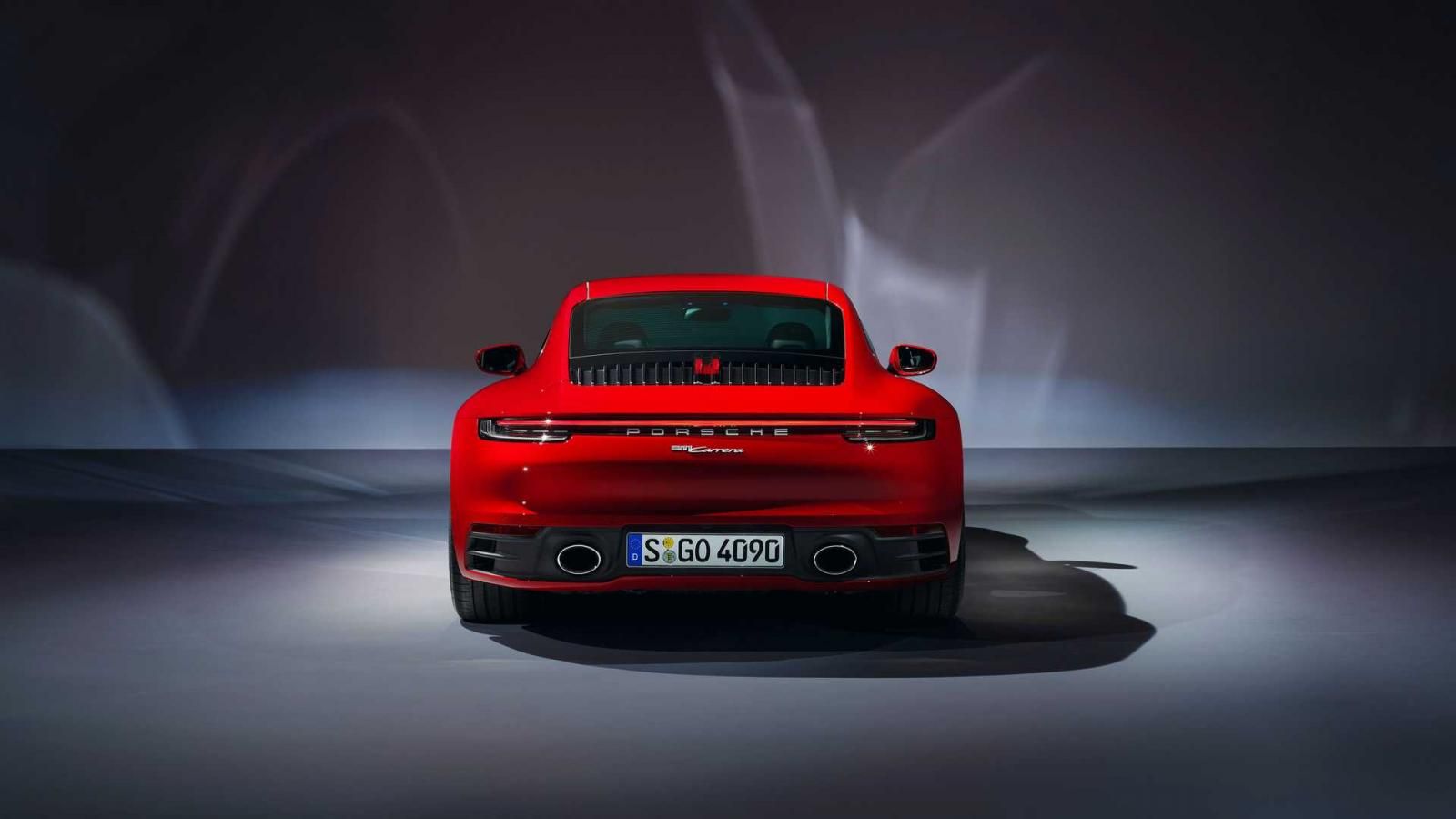
Distinguishing these Carrera models from other 911s are their exhausts. All other 911s feature a grouping of twin exhaust ends, whilst these baby Carreras only have two exhausts (instead of four).
Wheels and brakes are also slightly smaller in diameter, with the Carrera rolling 19-inch alloy rims. Beyond the abovementioned details, all other 911 styling and design features remain the same.
The most pronounced change is above the rear axle, where the Carrera variants are powered by a less potent version of Porsche’s 3-litre, twin-turbocharged, flat-six engine. Boosting 283 kW and 450 Nm, these Carreras are 16% less powerful than Porsche’s 911 ‘S’ models.
These entry models only get 2 individual exhaust outlets.
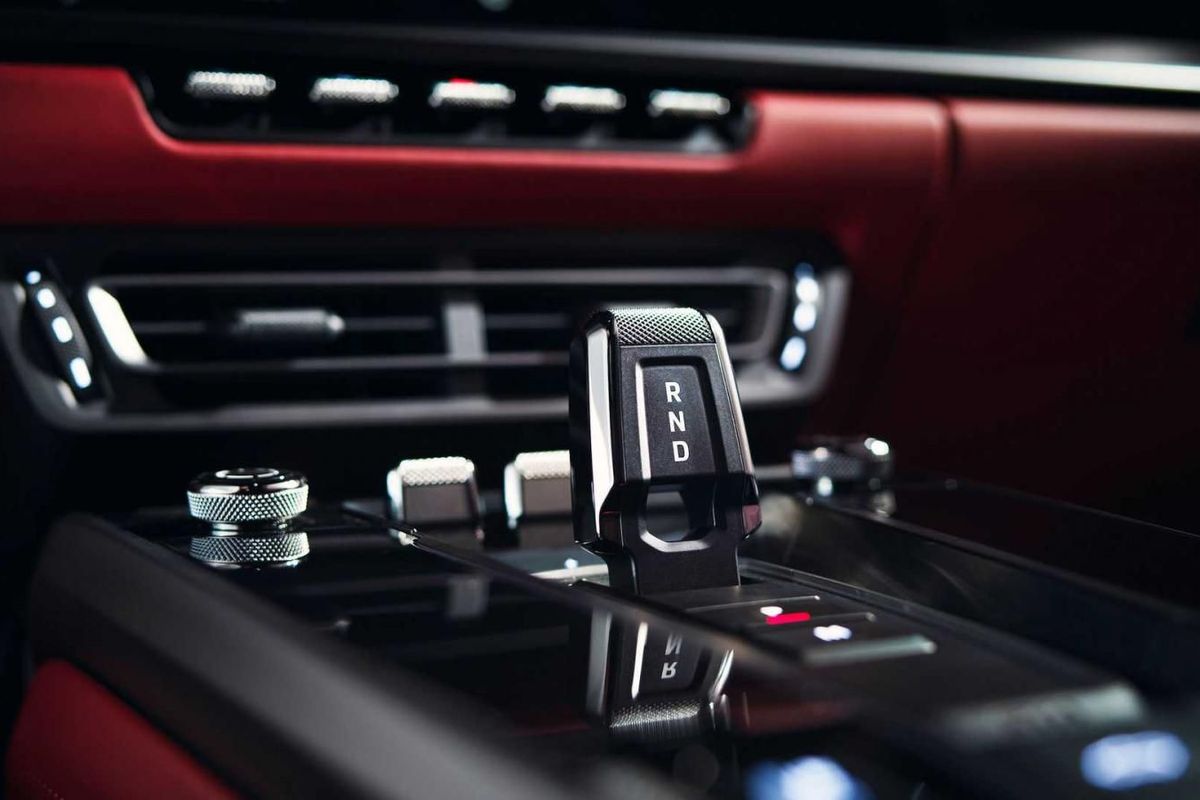
That does not mean they are slow. With Porsche’s eight-speed dual-clutch transmission the new 911 Carrera runs 0-100 kph in 4 seconds, with that number becoming even swifter, at 3.8 seconds, if you option the Sport Chrono package.
Standard features include Porsche’s active suspension management system with adaptive dampers and the company’s ingenious ‘wet-mode’ brakes, which detect moist road conditions and accordingly adjust the ESP and ABS intervention parameters.
Although the Carrera will be Porsche’s entry-point to the 911 range when it goes on sale, buyers can still option niceties such as larger wheels (20- or 21-inches), ceramic brakes and even twin-exhaust ends. These upgrades effectively make the Carrera more of an ‘S’ car in appearance, if not quite engine output and performance.
Korean giants Kia and Hyundai are reportedly working on a double-cab bakkie to rival the established players in the segment. Will it be a legitimate contender or a white elephant like the Mercedes-Benz X-Class? Here's what we know so far.
The story first appeared on Australian website CarsGuide, and it suggests that Kia and Hyundai will be offering a double-cab bakkie to the Australian market as early as 2022. Kia Australia's Chief Operating Officer Damien Meredith told the publication that the project hadn't just been approved, but is already underway. "Work has begun,” said Meredith. “We’re talking about a dual-cab, a single-cab – what we’ve requested is the full gambit for the ute, and that (includes) a dual-cab with diesel and petrol (options). When a light commercial range does arrive in Australia, I’d be confident we’d be looking around that 8-10% market share in that range,” Meredith says. “Great product, great pricing and a seven-year warranty – it’s a pretty powerful package.
Why would a bakkie destined for Australia be of interest to South Africa? The key here is the configuration as Australia and South Africa are both right-hand drive markets. Generally, if a mainstream model is confirmed for introduction Down Under, it'd be foolish to dismiss an eventual South African introduction. Also, let's not forget that bakkie culture in Australia is massive much like South Africa.
Naturally, the Koreans will have carefully watched the gestation of the Mercedes-Benz X-Class and subsequent catastrophic lack of sales and will be determined to avoid such a performance. The Koreans won't be playing the high-end luxury vehicle card and assuming that badge prowess will bring people to showrooms. Given the warm responses to the Hyundai Santa Cruz concept from a few years back and subsequent confirmations that it's going into production, it's clear that the Koreans are keen to disrupt this segment on a global basis. There won't be any borrowing from established players either, with the Koreans working on their own platform. Given their past strategy, pricing should be competitive too, with comprehensive warranties only sweetening the deal further.
Kia and Hyundai will have formidable and established opposition in the bakkie space. The Toyota Hilux and Ford Ranger are the 2 dominant players, with the Isuzu D-Max following in hot pursuit. The rest of the segment is occupied by the Volkswagen Amarok, Nissan Navara and Mitsubishi Triton to name but a few. Watch this space, the bakkie segment is only just hotting up.
We have mixed news for the petrol and diesel price for August 2019. Petrol is going up, while diesel is going down. Here are the forecasts, supplied to us by the Automobile Association (AA).
According to the Automobile Association (AA), we're in for a mixed bag for August 2019. The cost of petrol is going up while diesel is dropping.
"International oil prices have steadily trended upwards since the start of June, although there has been a slight pullback since a peak on July 11. Since then, diesel prices have edged higher while petrol remained flat, although the currency remains volatile going forward, particularly in light of recent ratings agency announcements and other factors," the AA notes.
The AA is predicting that petrol will increase by around 12 cents per litres, while diesel will be dropping by around 16 cents a litre. There are many factors at play here, with the AA claiming ongoing oil volatility, US inventory levels, political instability in the Middle East, a possible medium-term demand plateau, and ongoing OPEC output restrictions. Let's not forget the exchange rate instability either as the Rand/Dollar rate changes.
"The average Rand/dollar exchange rate crossed R14.20 last week despite spending much of July stronger against the US currency. This volatility can come into play before Wednesday’s adjustment and may even have a bearing on the September outlook, " the Association says.
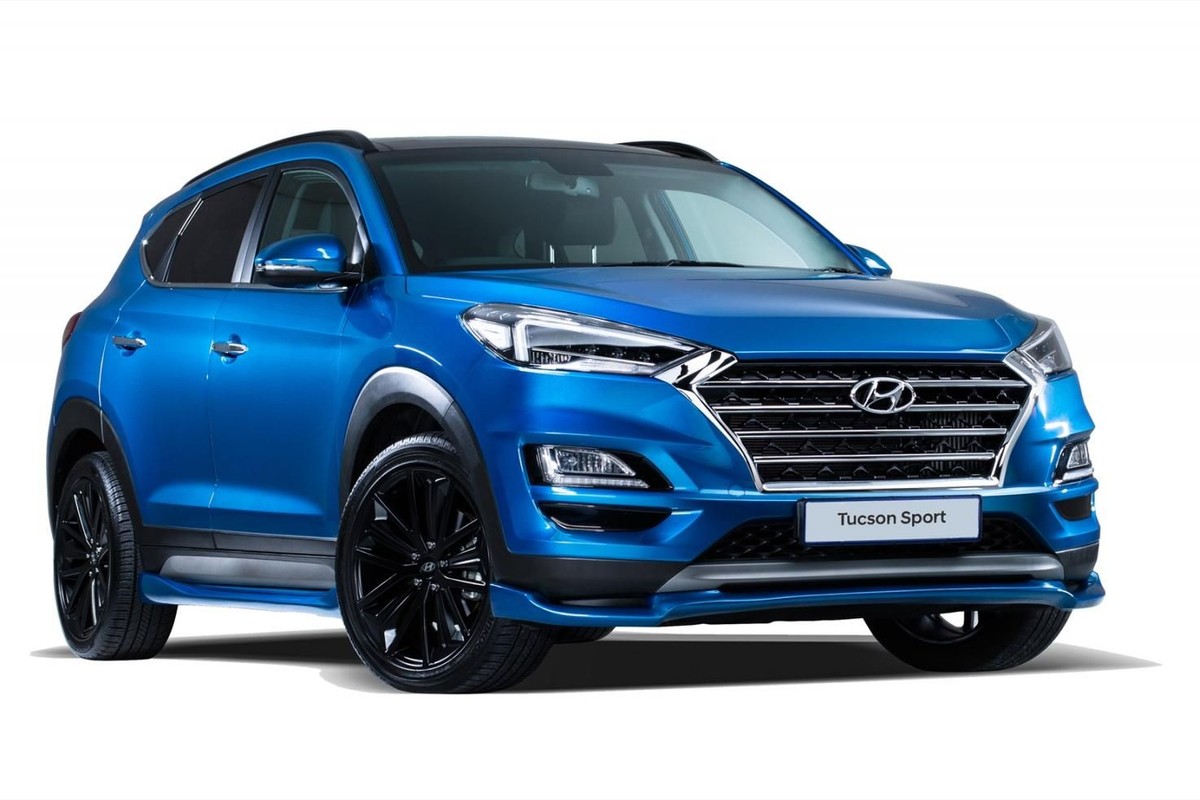
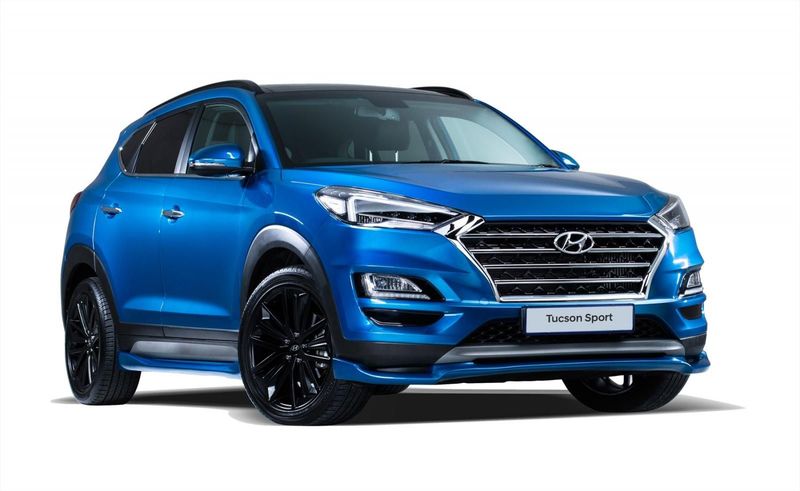
For those with a penchant for a practical family SUV festooned with a Fast and Furious-style body kit and endowed with heightened power/torque outputs, Hyundai has delivered a solution (yet again). Introducing the locally-developed Sport derivatives of the facelifted Hyundai Tucson.
What’s new?
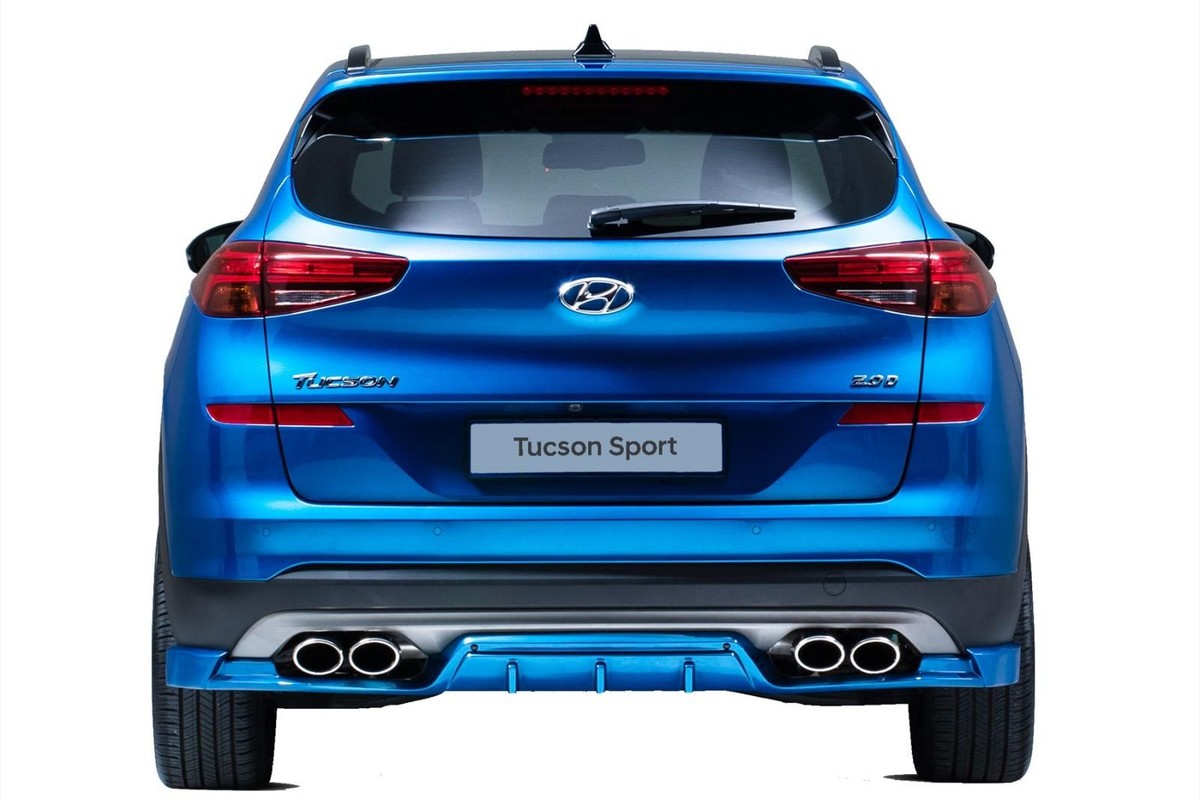
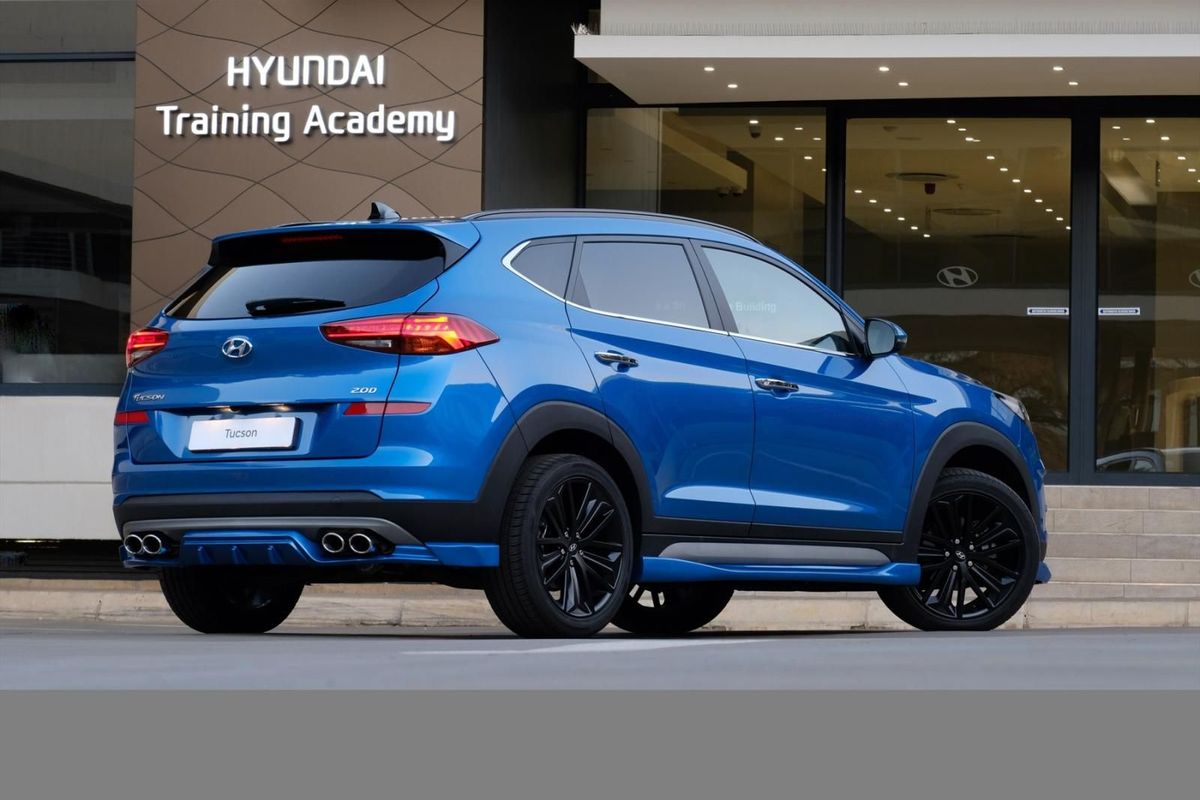
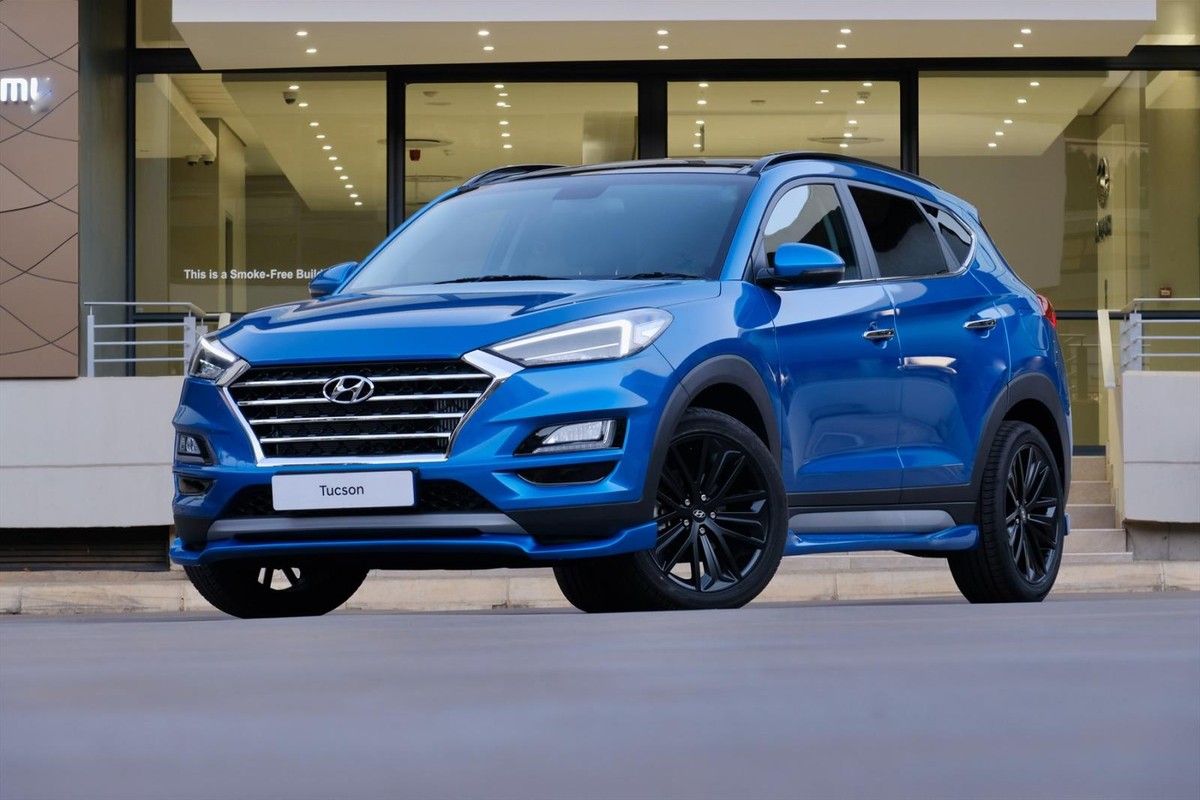
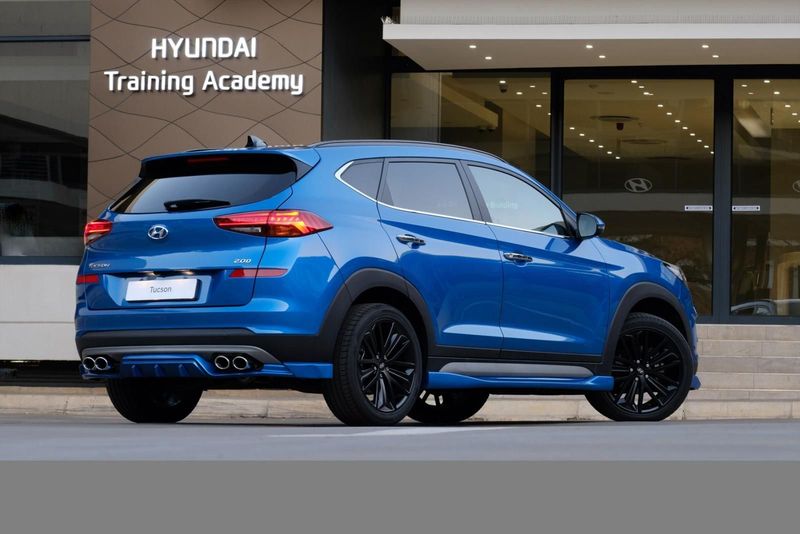
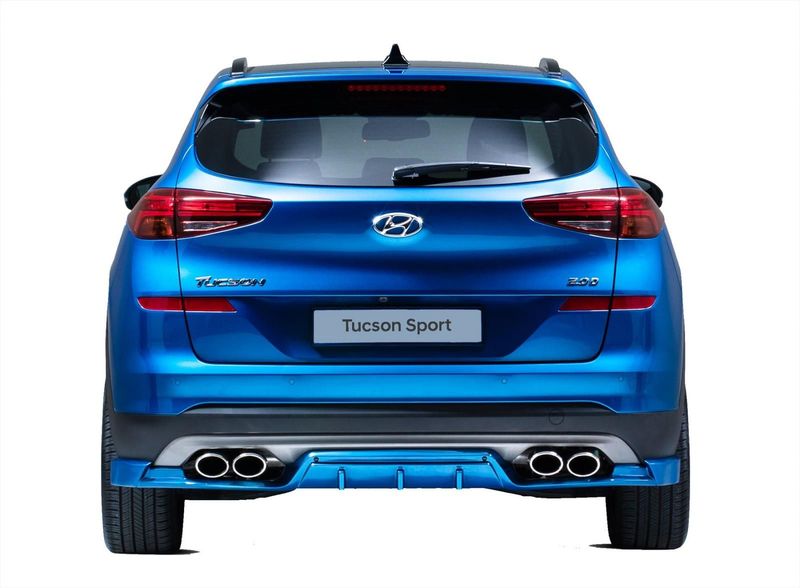
There isn’t much in the way of subtlety to the exterior packaging of the Hyundai Tucson Sport. Hyundai has piled on the body kit in an attempt to really sell you that Sport moniker. There’s a front splitter that protrudes from the front end, the side skirts jut out along the length of the flanks and, for good measure, the rear gets a bolt-on diffuser/bumper that houses 2 pairs of tailpipes (I have it under good authority that you can still have a towbar fitted underneath that diffuser, if you like). The new-look is rounded off with unique 19-inch black wheels.
Front bumper lip, side skirts and black wheels star in the Sport’s new look.
The pre-facelift Tucson Sport was powered by a 1.6-litre turbopetrol motor mated with either a 6-speed manual or 6-speed automatic (DCT). For this iteration, the 6-speed manual version has been discontinued and a 2.0-litre turbodiesel derivative, with an 8-speed automatic transmission, has been added. Both units develop 150 kW, but the latter develops 460 Nm of peak torque, compared with the petrol’s 300 Nm. The heightened outputs come courtesy of a software update and a pedal booster, which sharpens up the responsiveness of the throttle.
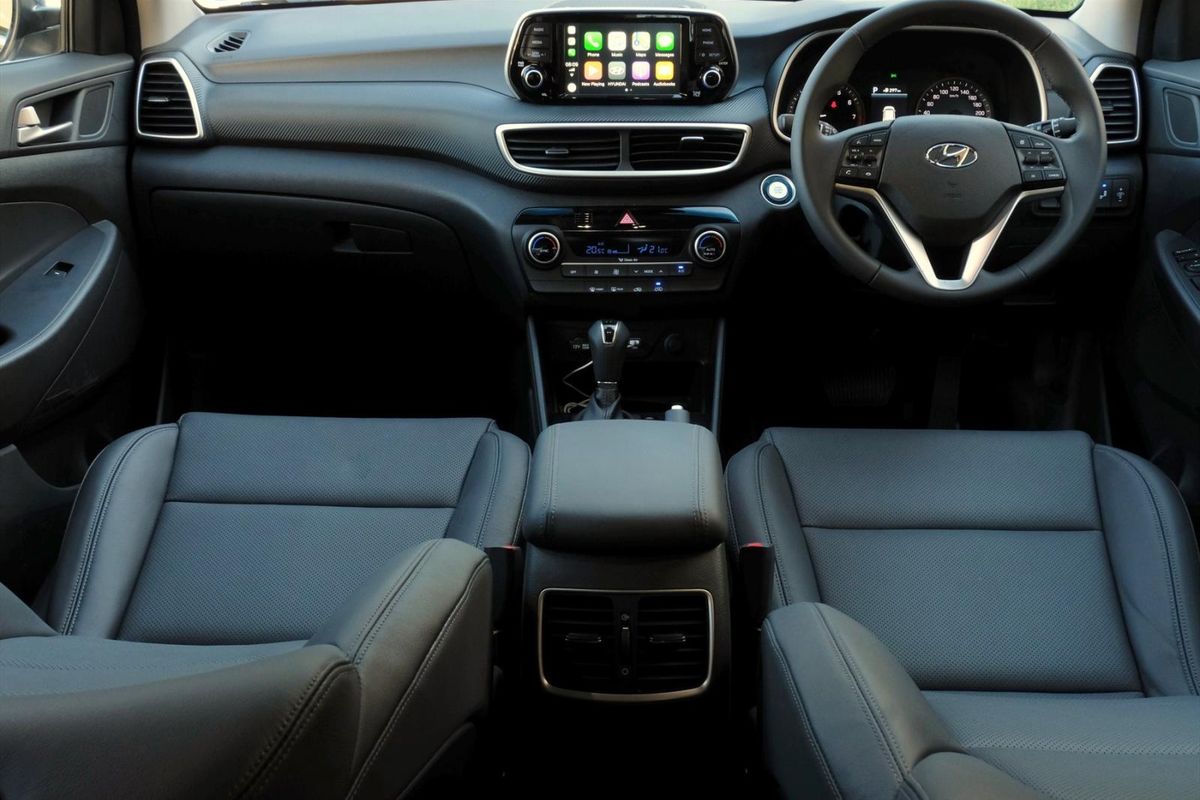
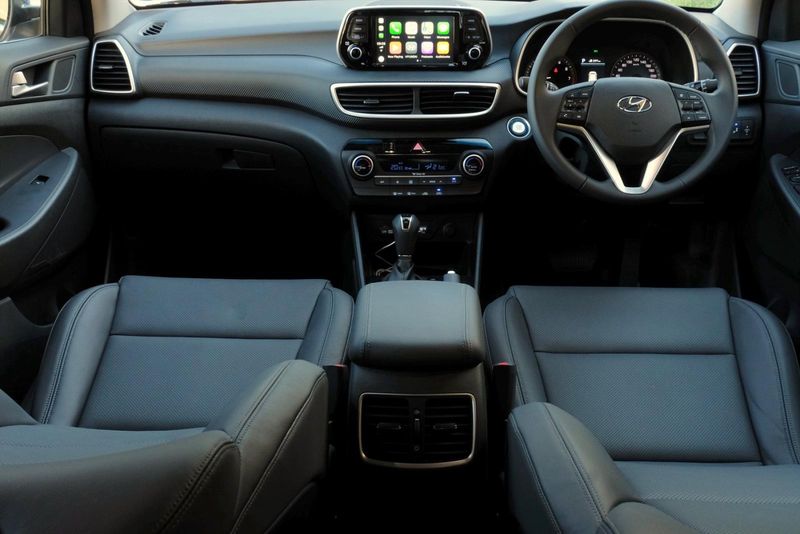
Interior-wise, everything remains standard; the spec is based on that of top-spec Elite derivatives.
Hyundai South Africa had a reasonably successful outing with the first iteration of the Tucson Sport. The Korean firm’s local subsidiary commissioned the production of approximately 500 units of the car, all of which were snapped up. The success of the project clearly gave Hyundai more than enough motivation to produce a Sport version of its post-facelift family car.
Compared with its standard sibling, the petrol derivative’s outputs have increased from 130 kW to 150 kW and 265 Nm to 300 Nm. The turbodiesel, meanwhile, sees its power and torque peaks boosted from 131 kW to 150 kW and 400 Nm to 460 Nm. The Sport’s upgraded figures come courtesy of the fitment of a Chipbox plug-and-play upgrade, but, seeing as no performance testing has been conducted on the newcomers (at least not yet), it’s unknown to what extent the Sport derivatives’ acceleration times have been improved.
I can reveal the following, however… The Sports feel more than powerful enough and the biggest sensation of the performance gains comes from their ultra-responsive throttle pedals.
The rear diffuser still allows for a towbar to be fitted.
It certainly requires a light foot to fend off the onslaught of front wheelspin when pulling away from traffic lights and intersection – and this is before you call up Sport mode, mind you. The power and torque delivery, especially in the petrol-engined derivative, tends to easily overwhelm the front wheels (and, unlike with the previous Tucson Sport, there is no AWD version) and the nett result is: torque steer. After that, the traction-control system sweats to regain control of the situation – clearly, a job it was never meant to (or had the training to deal with).
The turbodiesel version’s throttle response has been tapered slightly, probably because the R2.0’s traction control processing unit might expire spontaneously if it had to deal with shepherding the distribution of more than 460 Nm. We jest, but you get the point. The diesel Sport feels a little easier to deal with and less prone to smoking its rubber at every pull-off.
The suspension setup remains standard, and that means that you don’t get any benefit from the power increase when the road gets twisty. The idea behind the Sport upgrade appears to be purely for aesthetic improvement and better straight-line performance.
The insides
The interior remains standard, pulled from the Elite spec models.
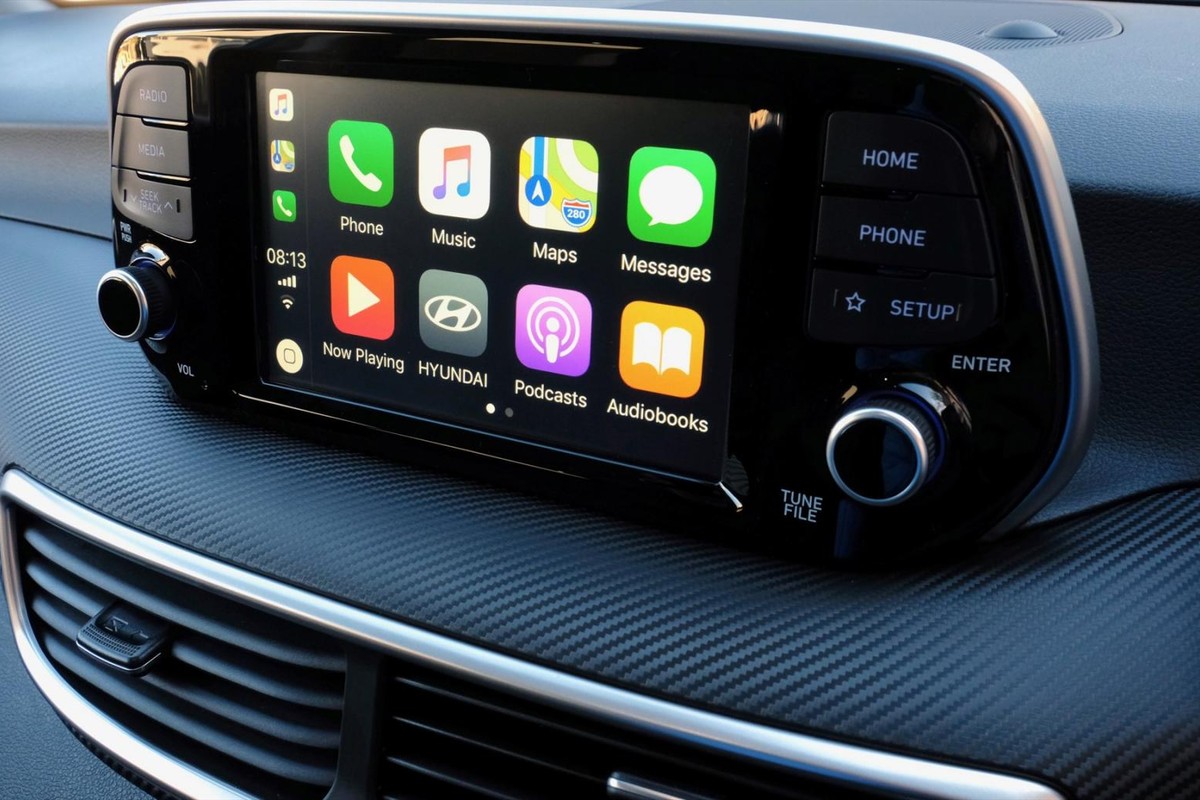
Being an Elite-spec derivative, the Tucson Sport is well equipped with a panoramic sunroof, leather seats, electric front-seat adjustment, plus a 7-inch touchscreen infotainment system that is both Apple Carplay and Android Auto compatible. The safety spec is good too, with cross-traffic alert, blind-spot assist, vehicle stability control and 6 airbags.
Seeing that it is a Sport version, the flagship Tucson would have benefitted from the addition of paddle shifters, which would have increased the level of driver engagement the newcomers offer. The only options are: dual-clutch transmission for the petrol and conventional auto for the diesel. Overall, the Hyundai’s interior cannot match its outlandish exterior.
Verdict
Now there is a turbodiesel option in the Tucson Sport range.
The Sport’s racy body kit, eye-catching wheels and quartet of exhaust tips certainly add visual clout to the updated Tucson, but its lack of subtlety may not appeal to more discerning (read: conservative) family-car buyers. Compared with its standard siblings, the newcomer does, however, remain as practical as Elite-spec derivatives, even if some steering-wheel-mounted paddle shifters and (maybe even) some special contrast stitching would have lifted the general ambience and demeanour of the car to a level more befitting its name.
As for the power upgrades, they certainly have an effect, but probably more so than required. The Sport wheelspins at every opportunity by virtue of its over-sensitive throttle pedal. With more experience in the Tucson Sport, you may eventually learn to be very gentle with the throttle and save yourself from excessive tyre wear, not least amateurish pull aways.
The R60k increase in price (compared with Elite-spec derivatives) seems reasonable considering the exterior bolt-ons and, in terms of monthly instalments, the premium will probably result in monthly instalments of a few hundred rands extra, at most. As a performance car, it’s a bit raw and unrefined, but as a family car with surfeit kerb appeal, it’s in the ballpark!
Pricing:
The Hyundai Tucson Sport comes with a 7-year/200 000 km warranty, 7-year/150 000 km roadside assistance and a 5-year/90 000 km service plan.
Hyundai Tucson 1.6 TGDI Sport 6-spd (DCT) automatic R654 900
Hyundai Tucson R2.0 Sport 8-speed automatic R664 900
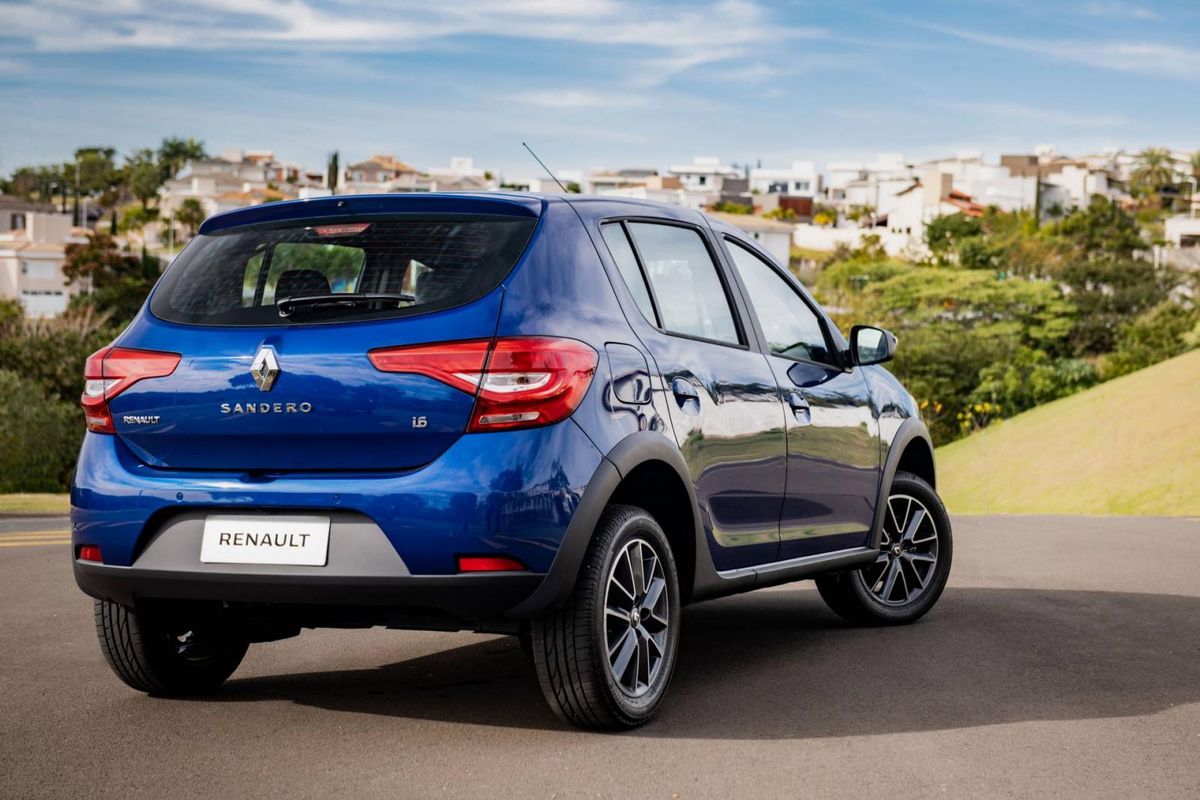
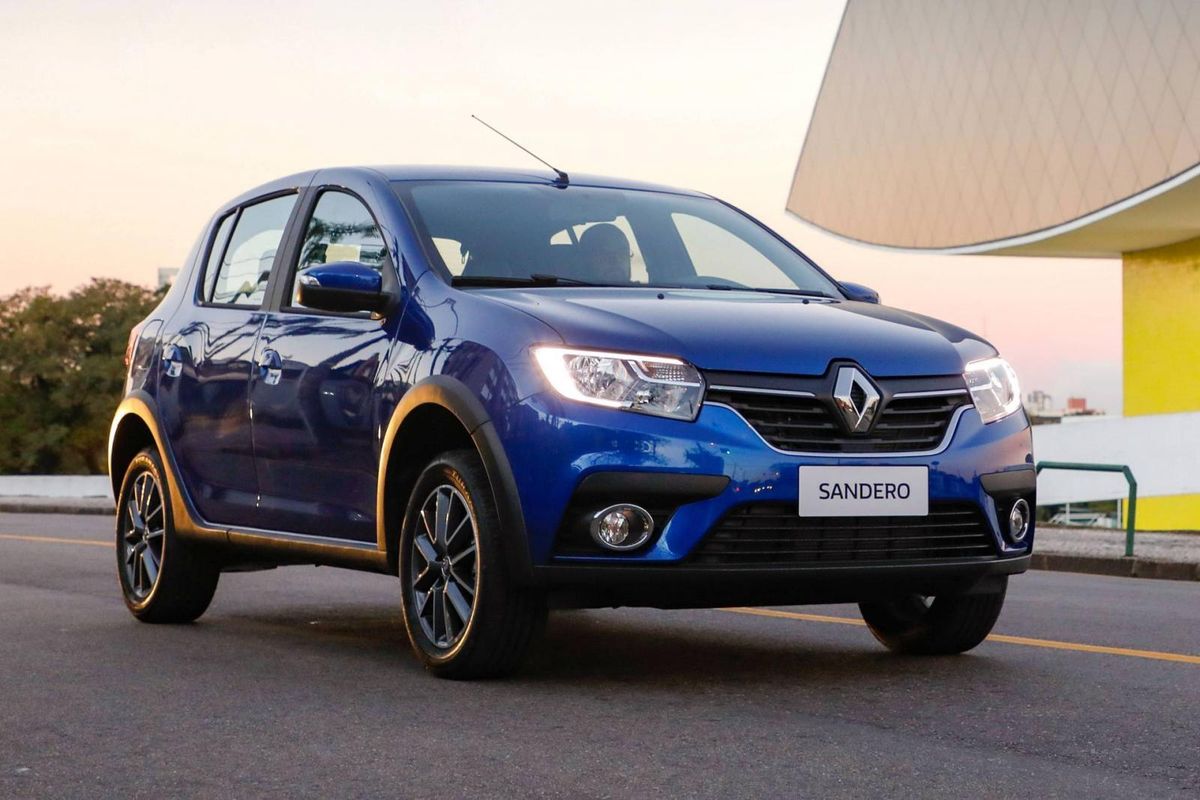
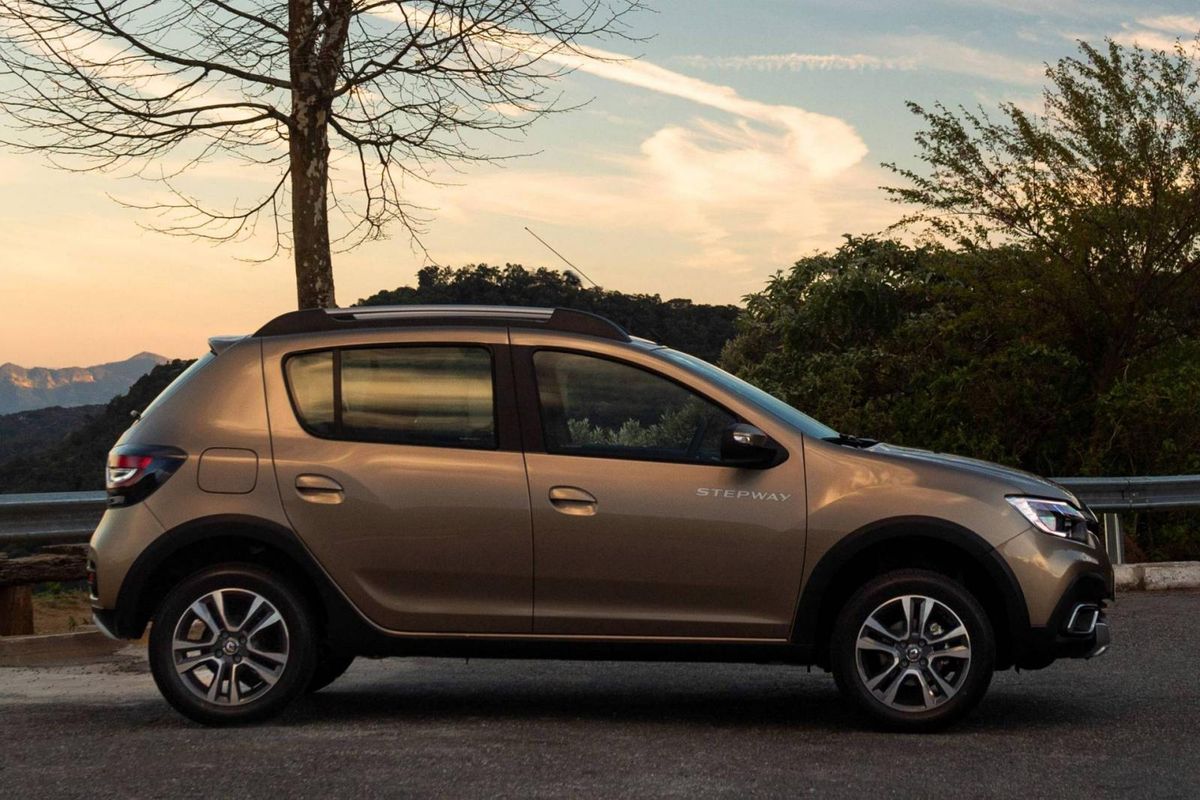
More plastic cladding and a new face for Sandero and Stepway.
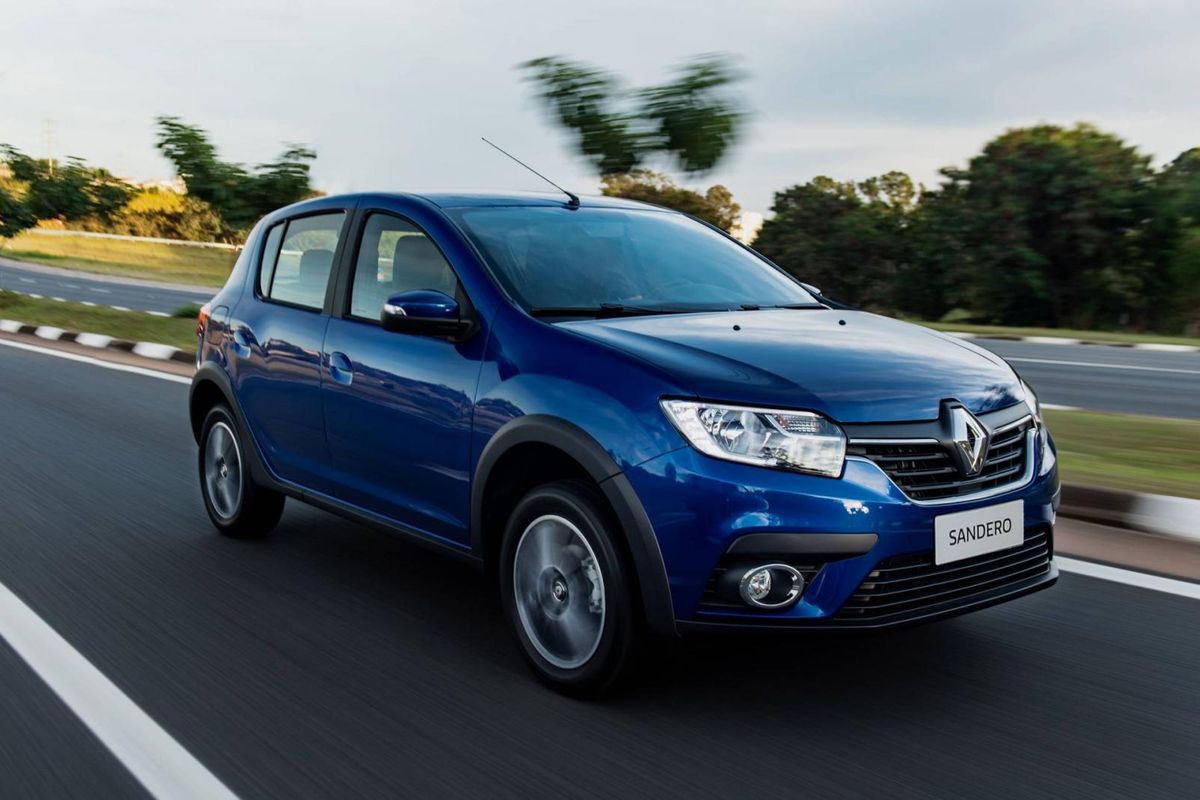
Renault has revealed a facelift of its Sandero range with improved drivetrain options, safety specification and infotainment.
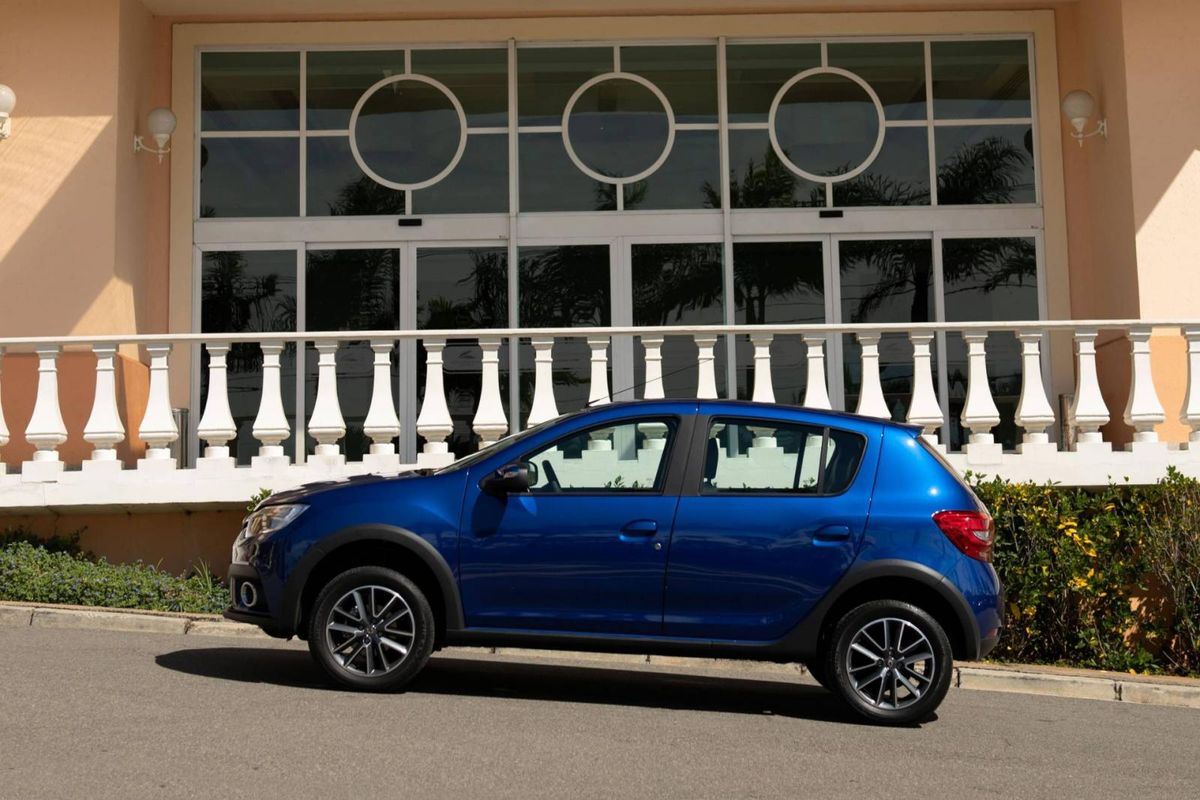
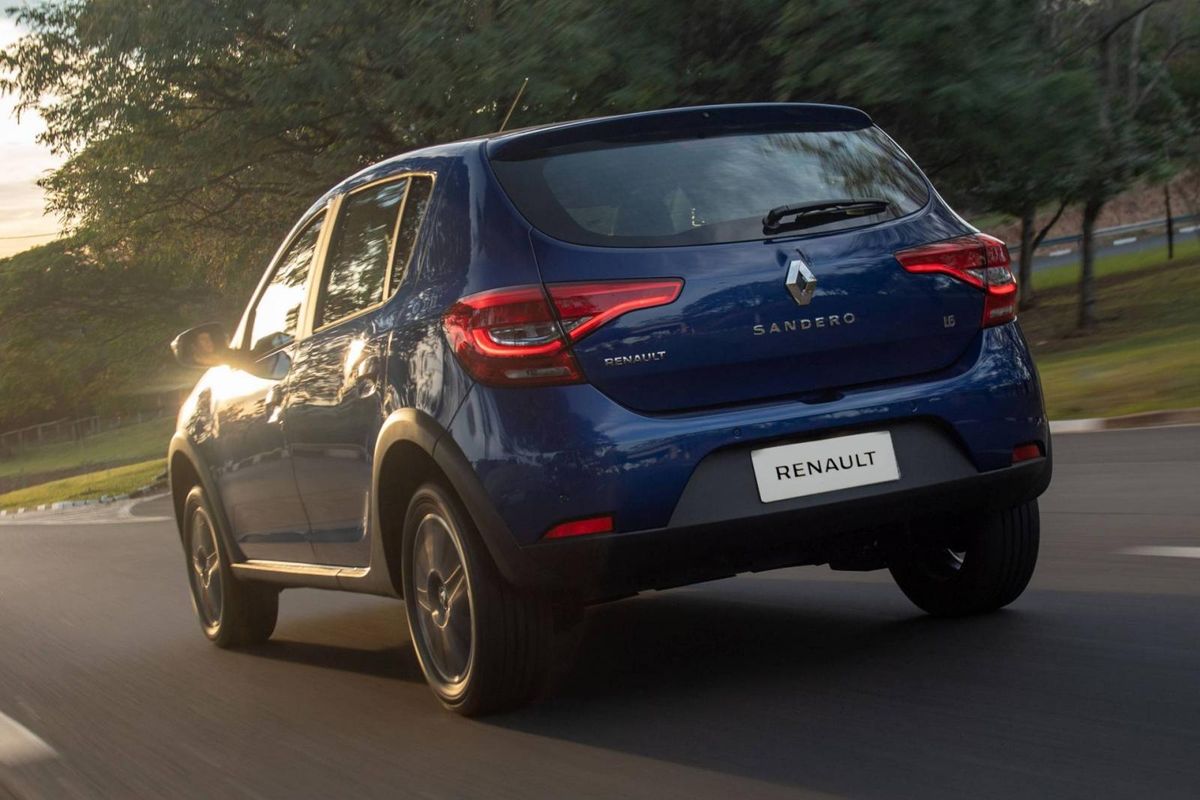
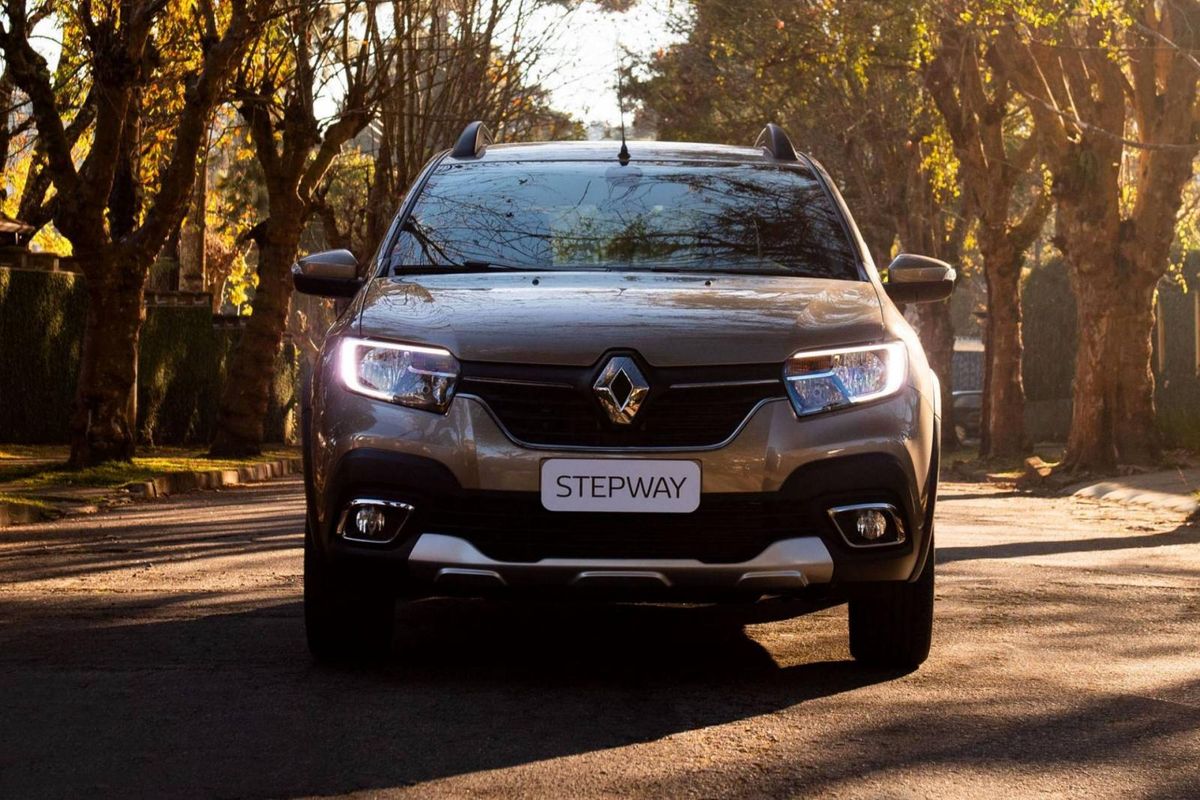
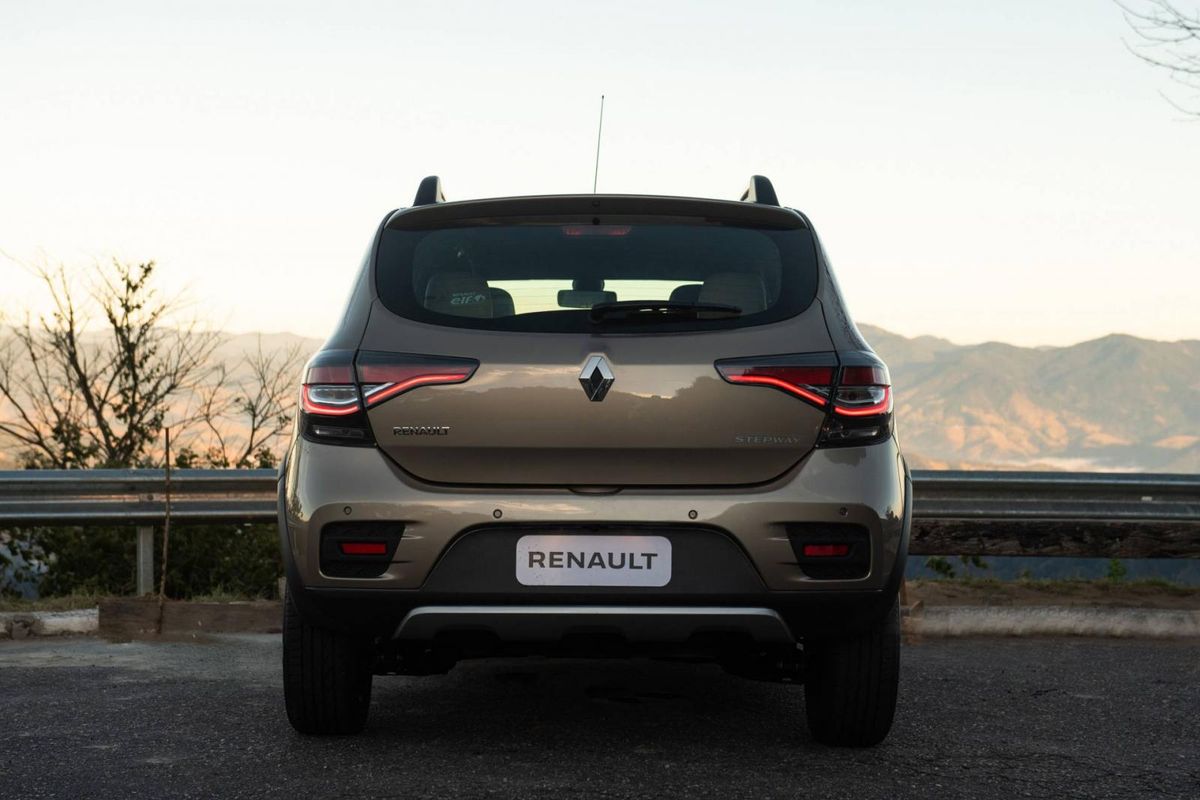
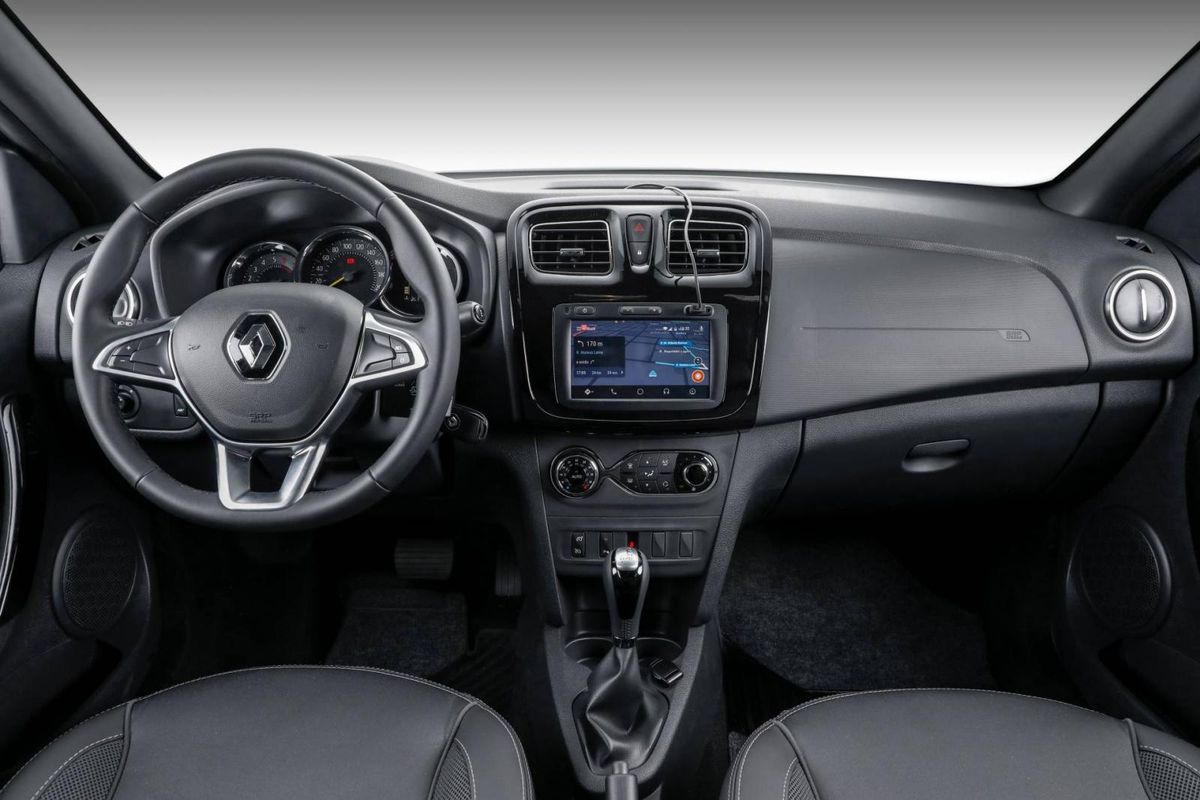
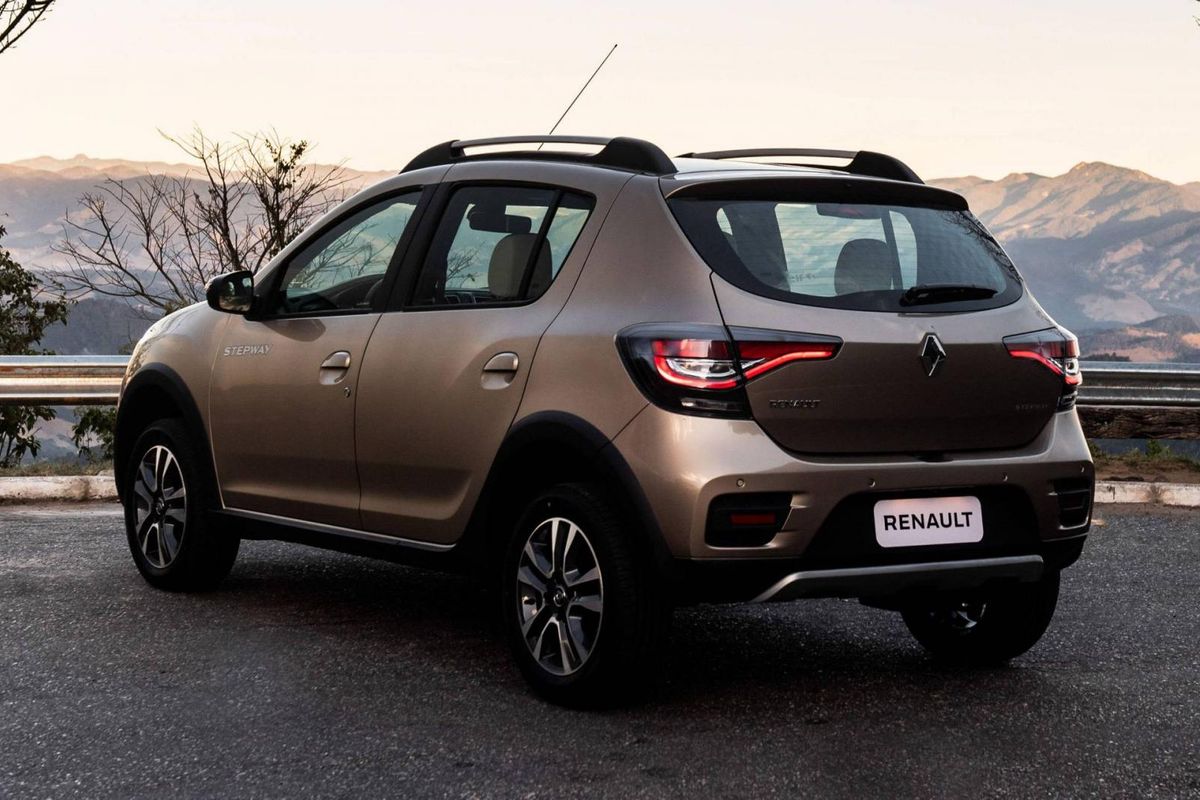
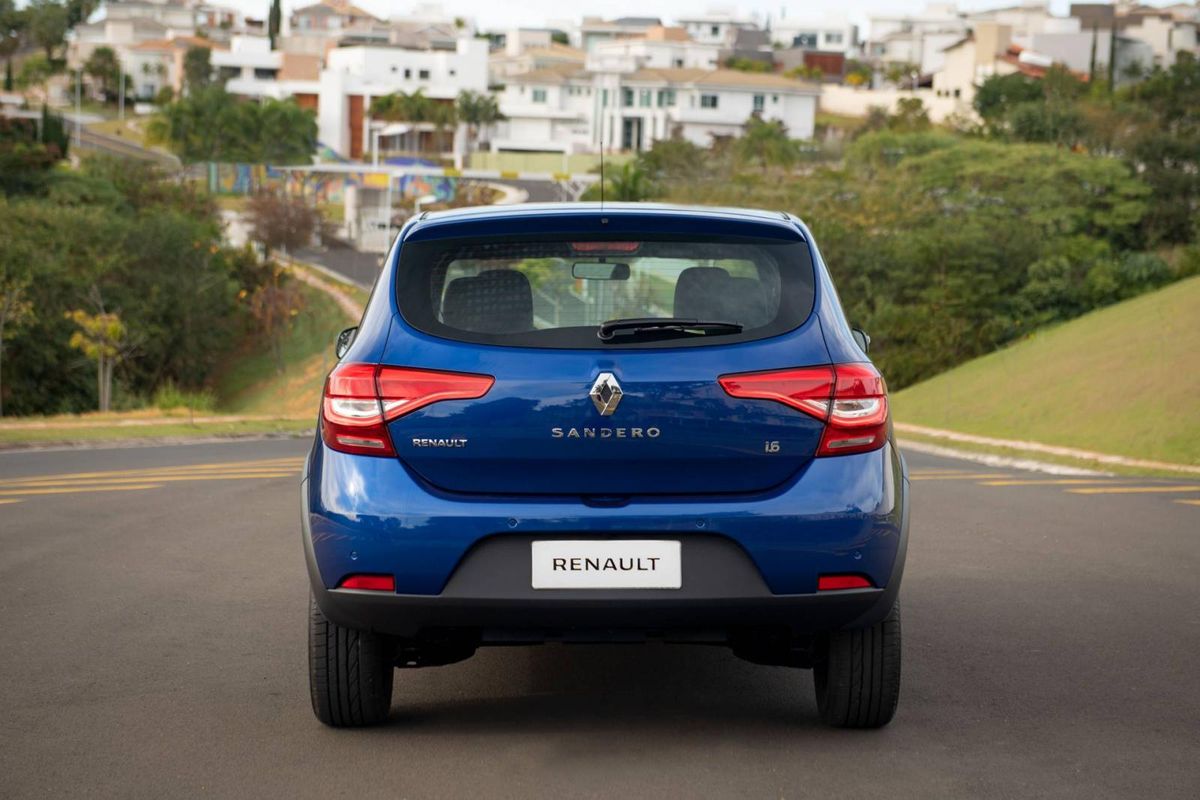
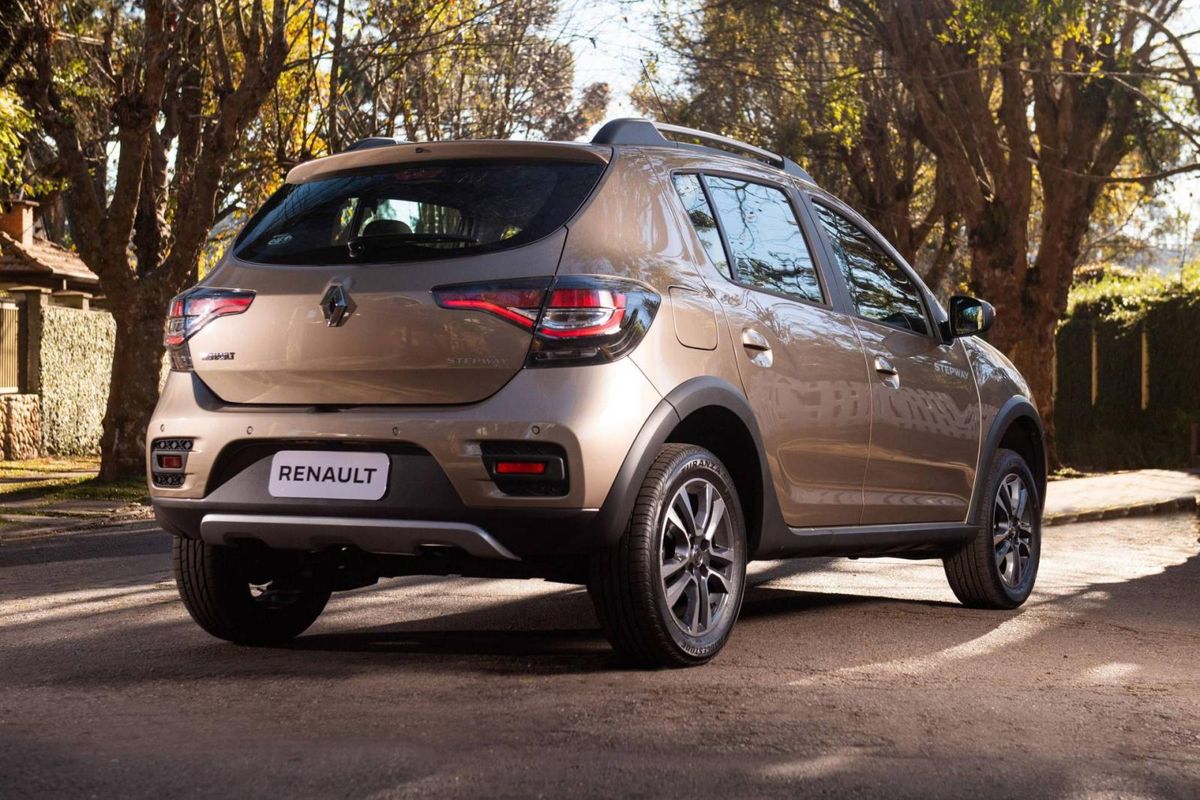
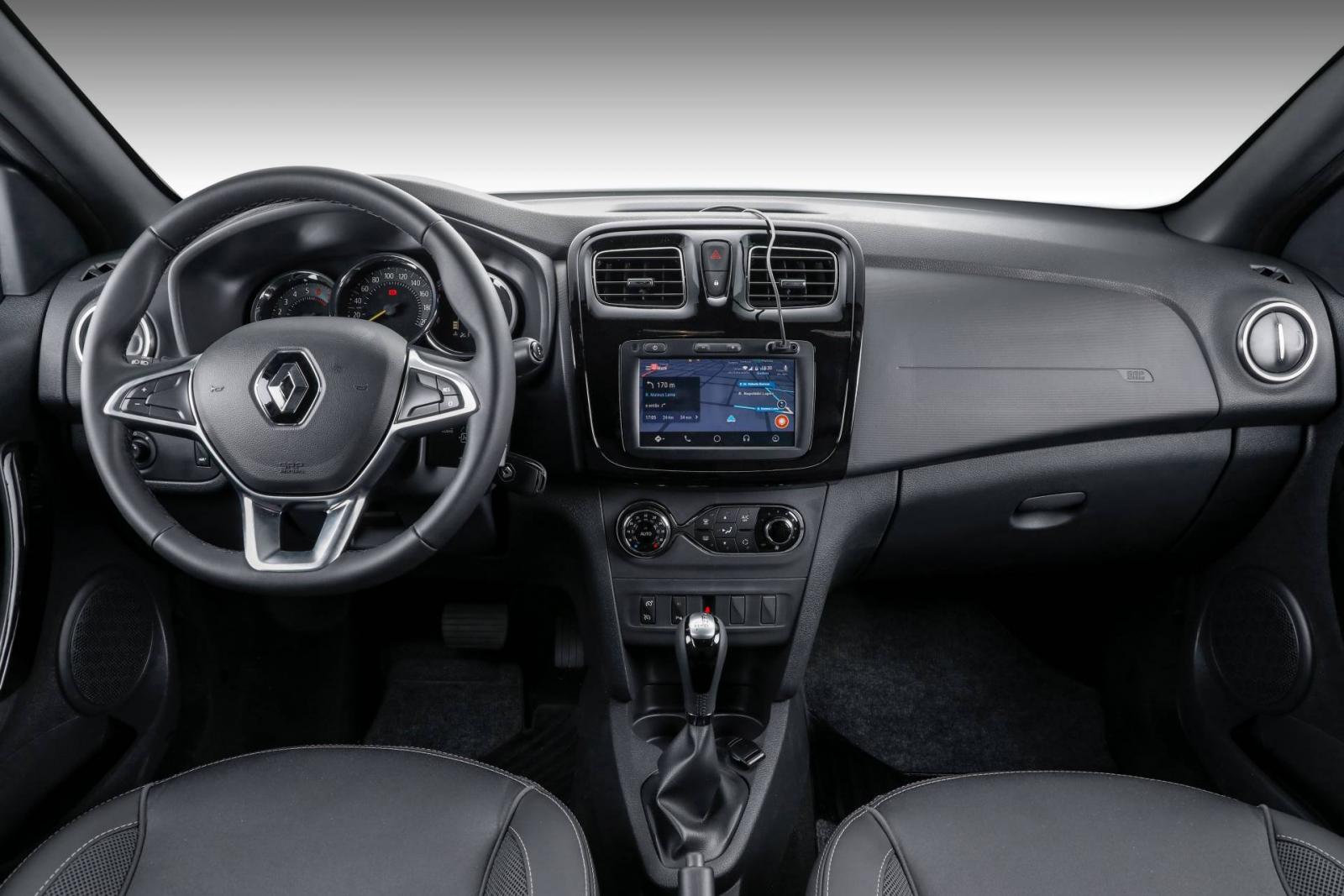
The company’s popular emerging market hatchback features subtle exterior styling upgrades. These include a new grille, bumpers and C-shaped LEDs, which all combine to give the Sandero a more contemporary and familiar Renault design identity front appearance. Around the rear there are reshaped taillights with a new LED illumination signature. Renault has also added the protective wheel arch and rocker panel cladding, which was an exclusive Stepway design detail, to its Sandero models as part of the 2020 facelift. Inside the new Sandero and Stepway models you’ll find a standard 7-inch touchscreen infotainment screen, which is pre-loaded with both Android Auto and Apple Carplay and better trim.
The steering wheel now features a leather covering, with improved fabrics used on the door inlays and roof lining. Renault has addressed the issue of occupant comfort too, with new Sandero and Stepway featuring ergonomically redesigned seats which are wider and padded with better memory foam. Powering the updated Sandero and Stepway is Renault’s 1.6-litre naturally aspirated petrol engine (85 kW), or the company’s turbocharged 1-litre triple (58 kW). Both engines drive a five-speed manual transmission as Renault’s default factory-built, although customers of the 1.6-litre can now option a CVT transmission if they wish – something which was previously unavailable.
Safety specification for the new Sandero Stepway tallies four airbags and electronic stability control, on those 1.6-litre models which are equipped with a CVT transmission.
The new Sandero and Stepway are currently confirmed for debut in the Brazilian market, with the global rollout and South African distribution still to be confirmed.
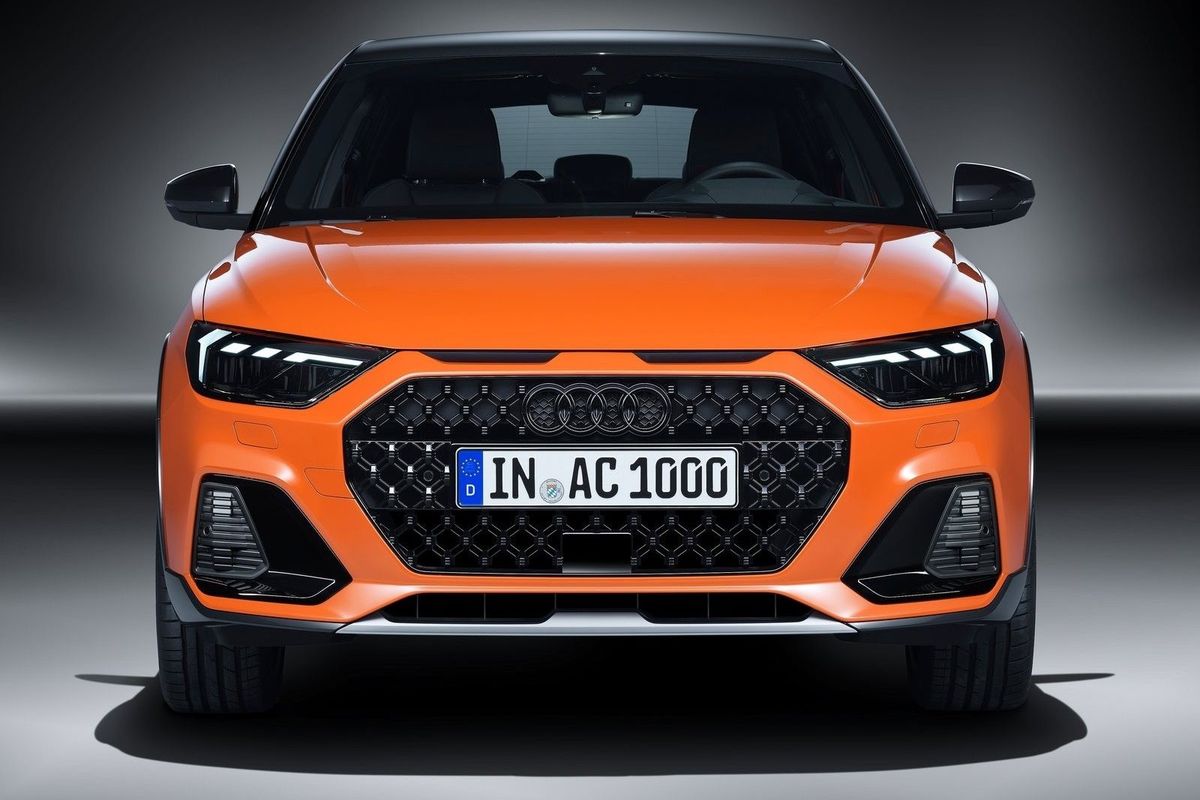
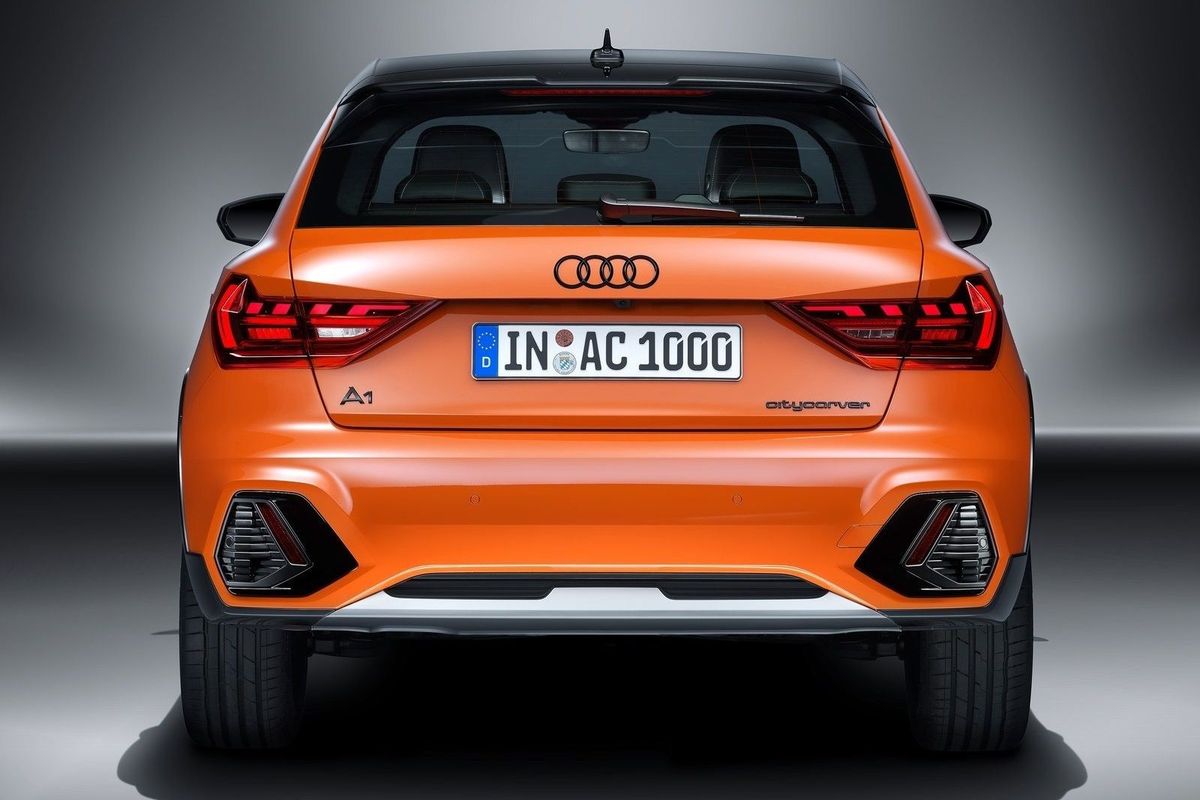
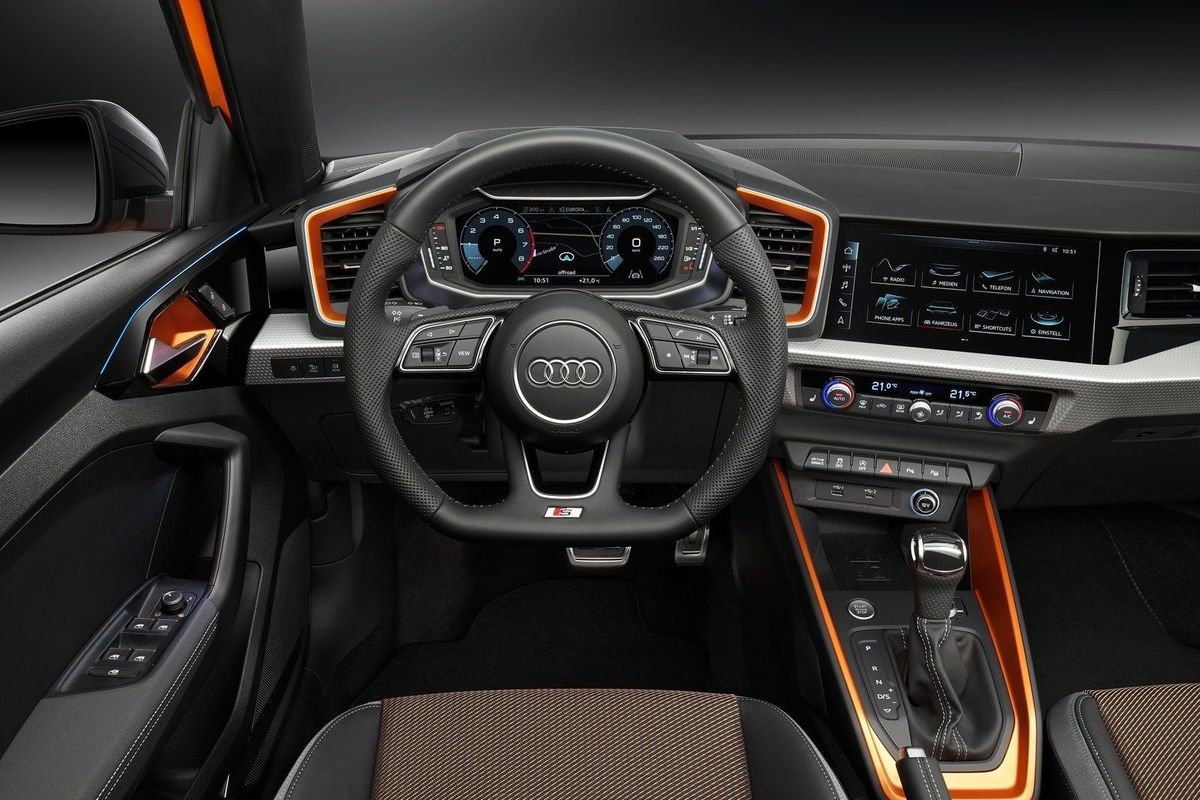
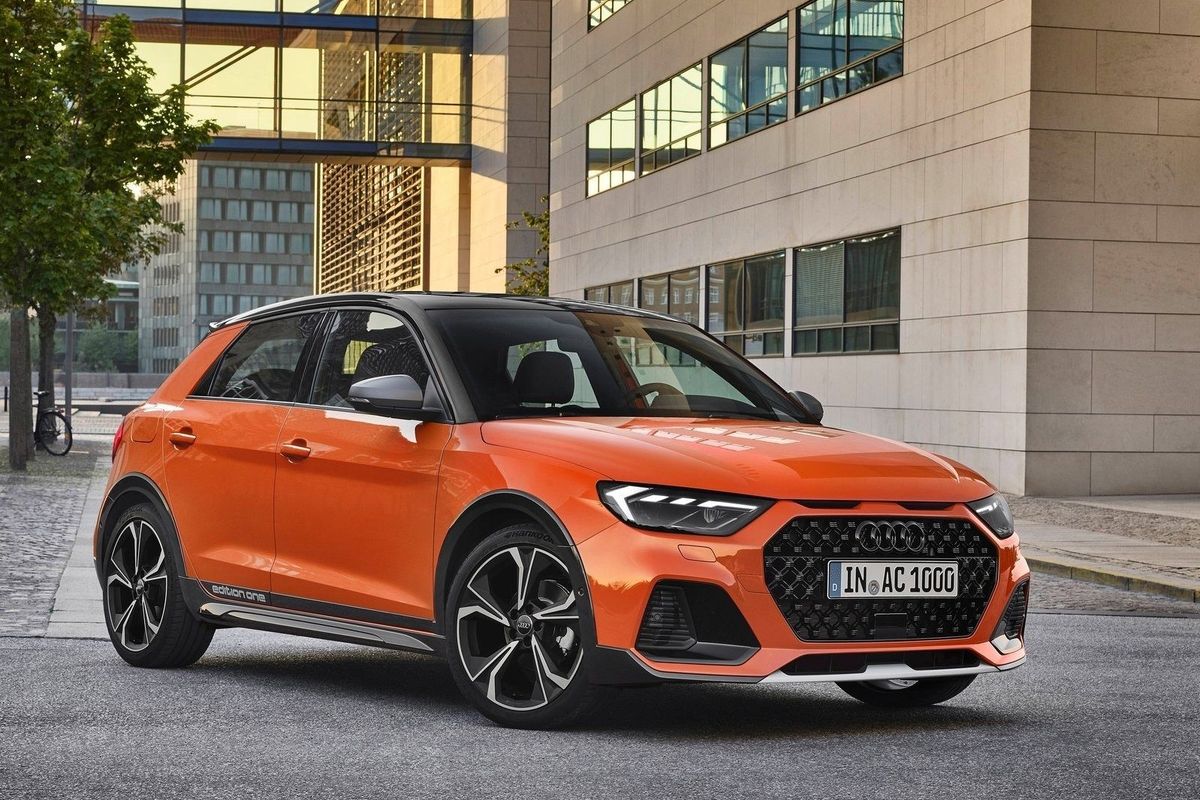
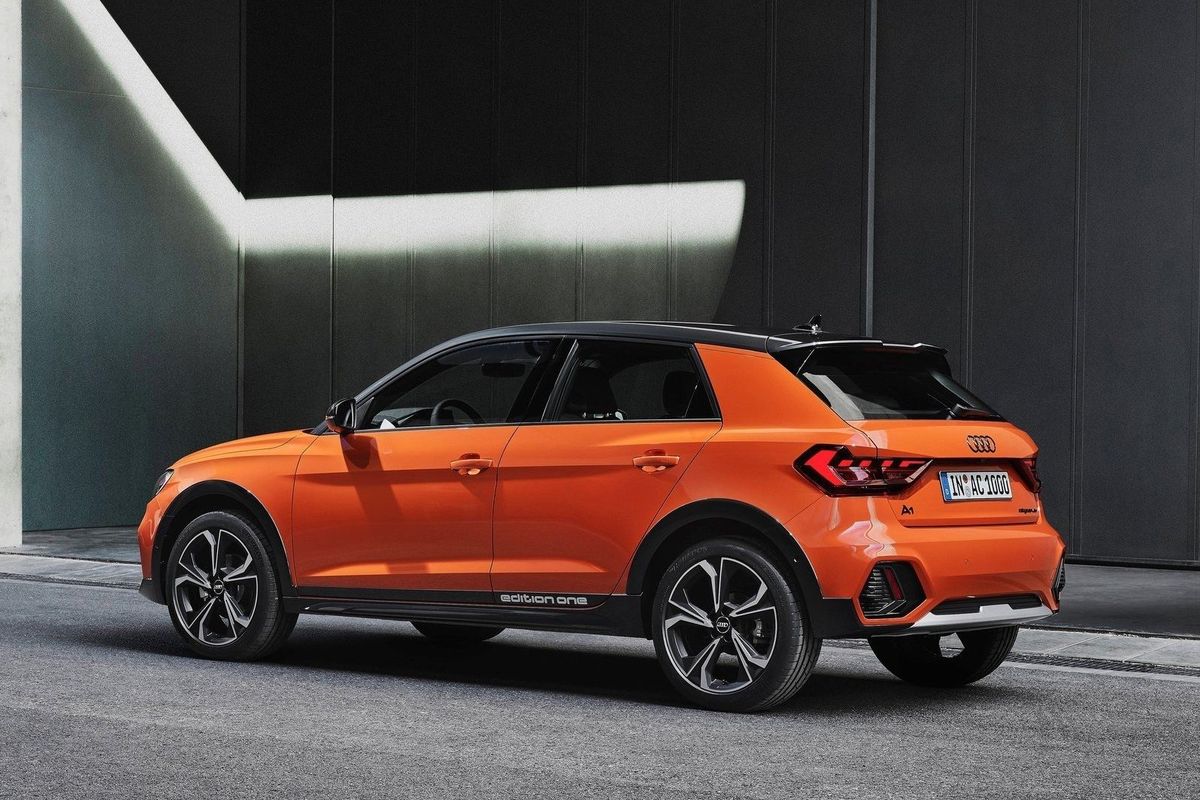
Audi has announced a new model in its A1 lineup. This is the A1 citycarver, a funky urban derivative with additional ground clearance.
The Audi A1 citycarver is based on the A1 Sportback and boasts 4cm of ground clearance as well as some more rugged styling. Audi claims the additional ground clearance "provides for easier entry and better visibility." While it's not being marketed as an SUV or offroad vehicle, the citycarver has some styling cues that are reminiscent of the Audi Q SUV range. There's also underbody protection with a stainless steel finish.
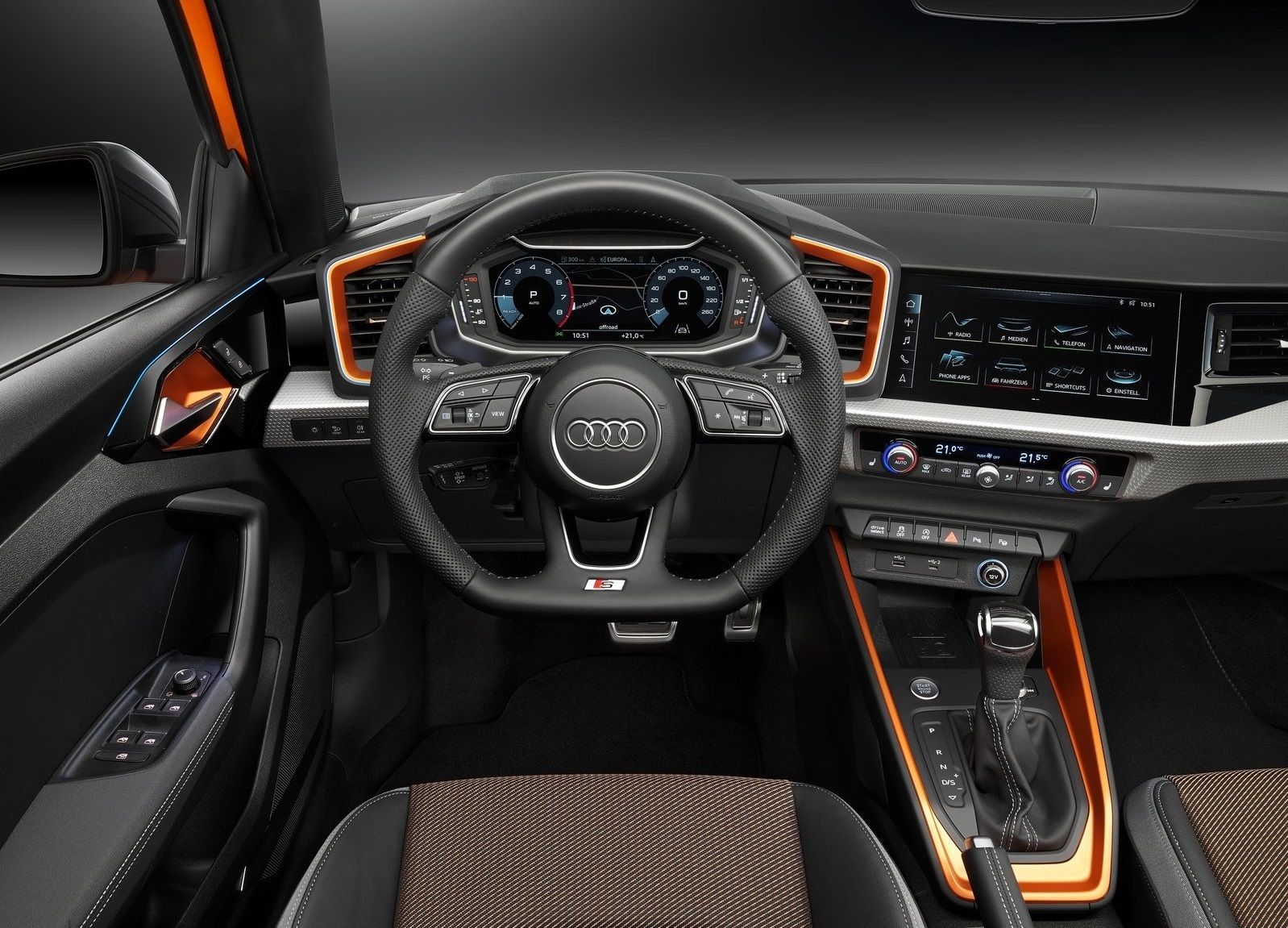
The cabin is typically Audi A1, which we experienced on its international launch. It's smart and modern, and well finished. In citycarver spec, there'll be 3 equipment lines for the European market: advanced, design selection and S line. The citycarver boasts the same boot capacity of 335 litres and similar levels of trim. For the European market, the Audi A1 citycarver can be ordered from dealerships from August 2019 and customers will start receiving their cars before the end of the year. Naturally, there will also be an edition one, complete with special paint finish as well as the biggest wheels.
The new Audi A1 is due for a South African reveal in the next few months. We reached out to Audi SA for confirmation on citycarver and are awaiting a response. We have been informed that Audi South Africa is considering the citycarver.
Hyundai South Africa has confirmed that it'll be launching a performance version of its Kona crossover. While this vehicle doesn't officially exist yet, we had to do some digging.
Officially, this car has not been revealed yet and there's very little info to go on. However, a performance crossover for Hyundai makes a good business case for itself. Locally, the news of the performance i30 N hatchback finally making its way to SA has got the petrolheads excited and the Koreans recently launched updated versions of its hotted-up Tucson Sports, complete with engine upgrades and bold styling.
It was the local launch of the latter where Hyundai SA confirmed that it'll be bringing the Kona N to market in 2020. There are no official details and specifications of this vehicle, but we can make some reasonably accurate assumptions. Given the costs of research and development, it would make no sense to invest in an all-new powertrain and fortunately, the Koreans already have a package which has been well received by the petrolhead community. It is highly likely the Hyundai Kona N will be powered by the same setup as the i30 N hatchback.
Hyundai N boss Albert Biermann (formerly of BMW M) told Auto Express back in May 2020 that the Kona N work has already begun. “I’ve told them [the engineers] to build the car and we’ll see what happens with getting it approved,” said Biermann. “It has to be the i30 N powertrain, really. Of course, we can give Kona different specifications on suspension and steering, although there are some common components we can use in that area as well, because it’ll be front-wheel drive, like the i30 N. But we already know that it has to be that car’s engine and gearbox for the Kona N, yes.”
Final performance is yet to be determined. As in the case of the i30 N, there are two versions available, both powered by a 2.0-litre turbocharged petrol engine. In the most powerful form, there's 202 kW and 353 Nm on tap and 184 kW and 353 Nm in standard form. Given those outputs, we estimate the Kona to be capable of around 6 seconds to 100 kph.
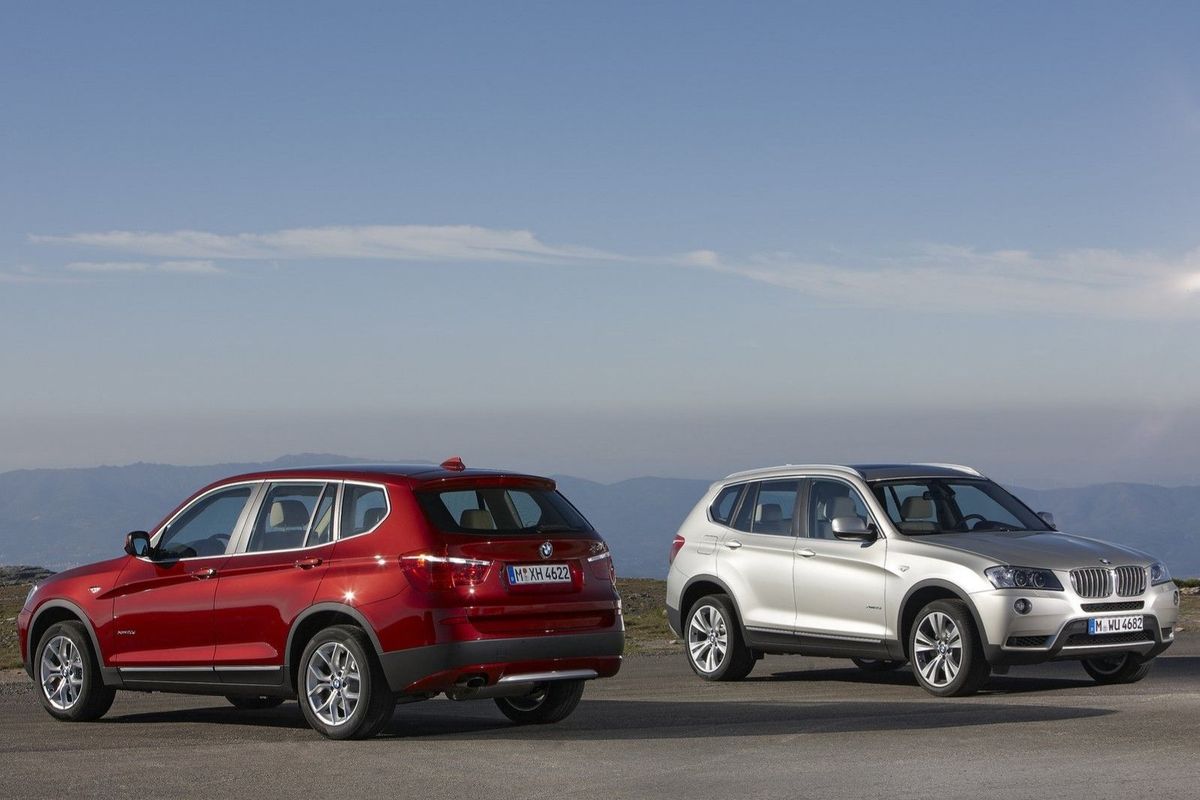
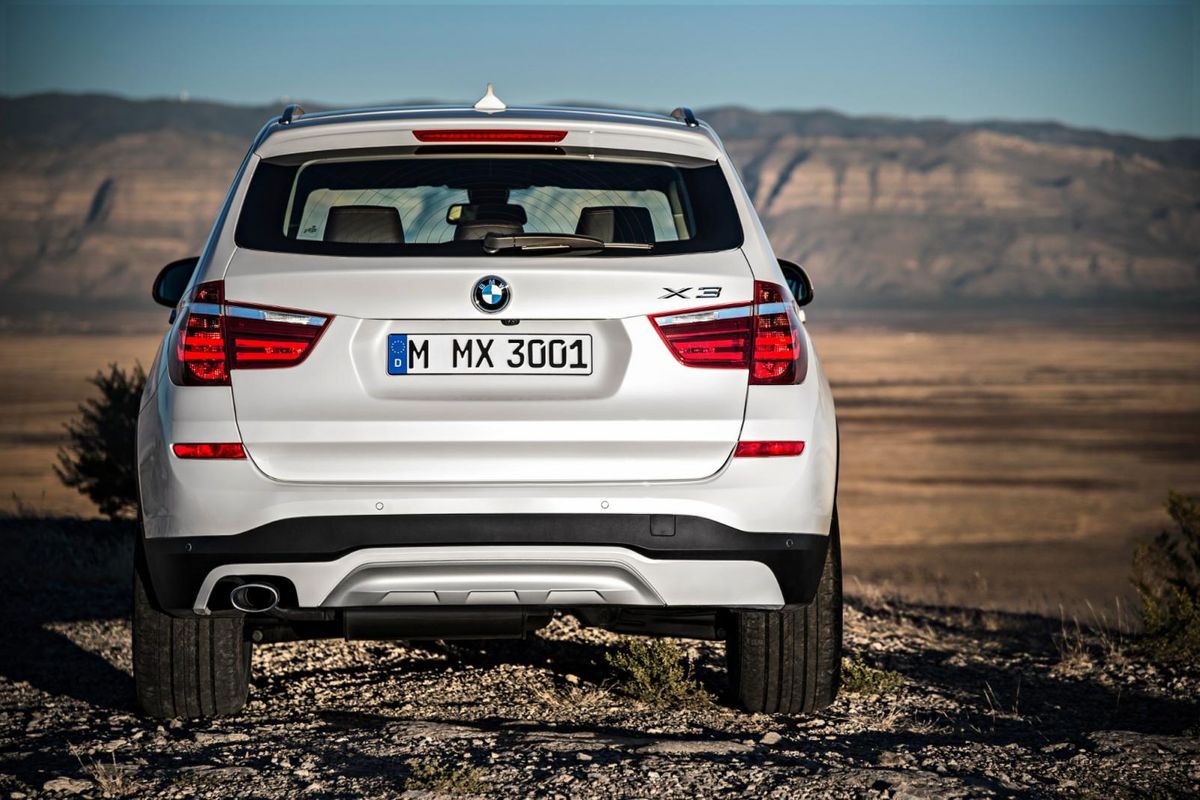
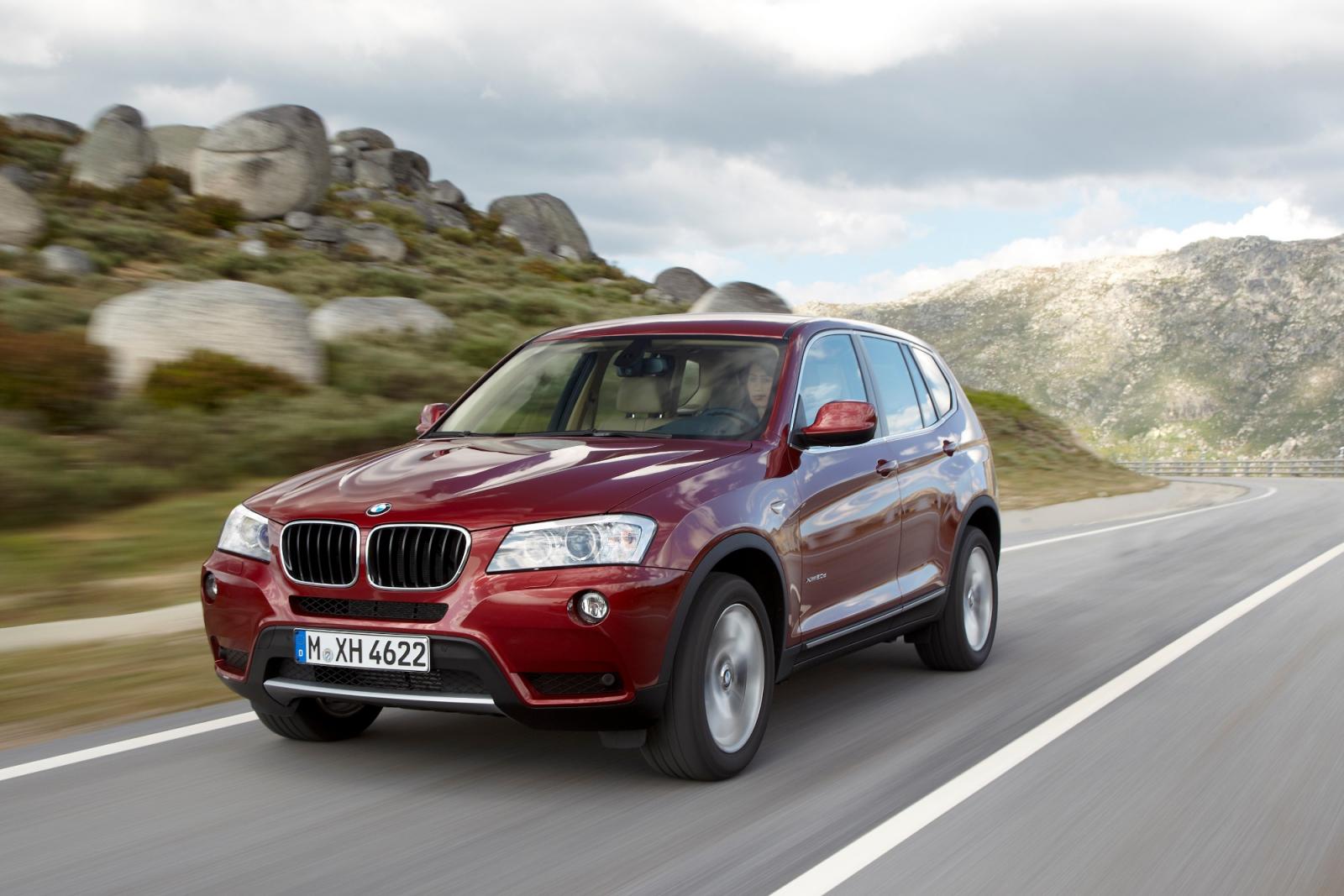
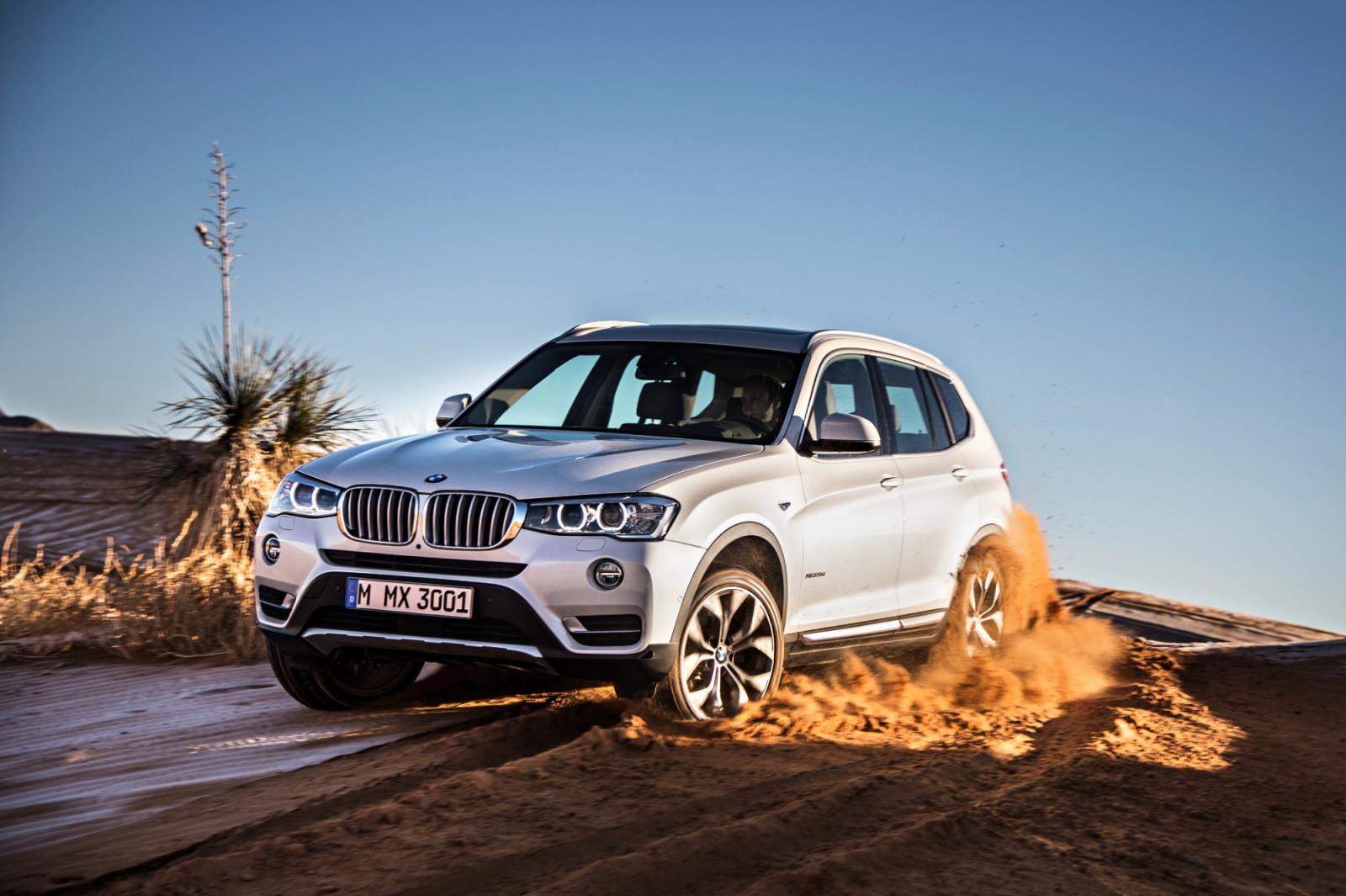
The 2nd-generation X3, which BMW codenamed the F25, arrived in South Africa very late in 2010 and immediately found favour with Executive SUV buyers. Bigger, more refined and equipped with all the German marque’s (then) latest technology, it even encroached on X5 territory at the time. Could it be a clever used purchase, too?
The F25-generation X3 was launched at the 2010 Paris Motor Show and was a decidedly more upmarket offering than its popular, if awkward-looking, predecessor. It arrived in South Africa during December of 2010, but initially, only 2 derivatives were offered, with more added in 2011. In its lifespan, around 11 000 of these X3s were sold in South Africa, with its popularity peaking in 2013, when more than 2 000 found new homes. The xDrive20d was, by far and away, the most popular derivative. At the time of compiling this report, there were 220+ used examples to choose from on this site.
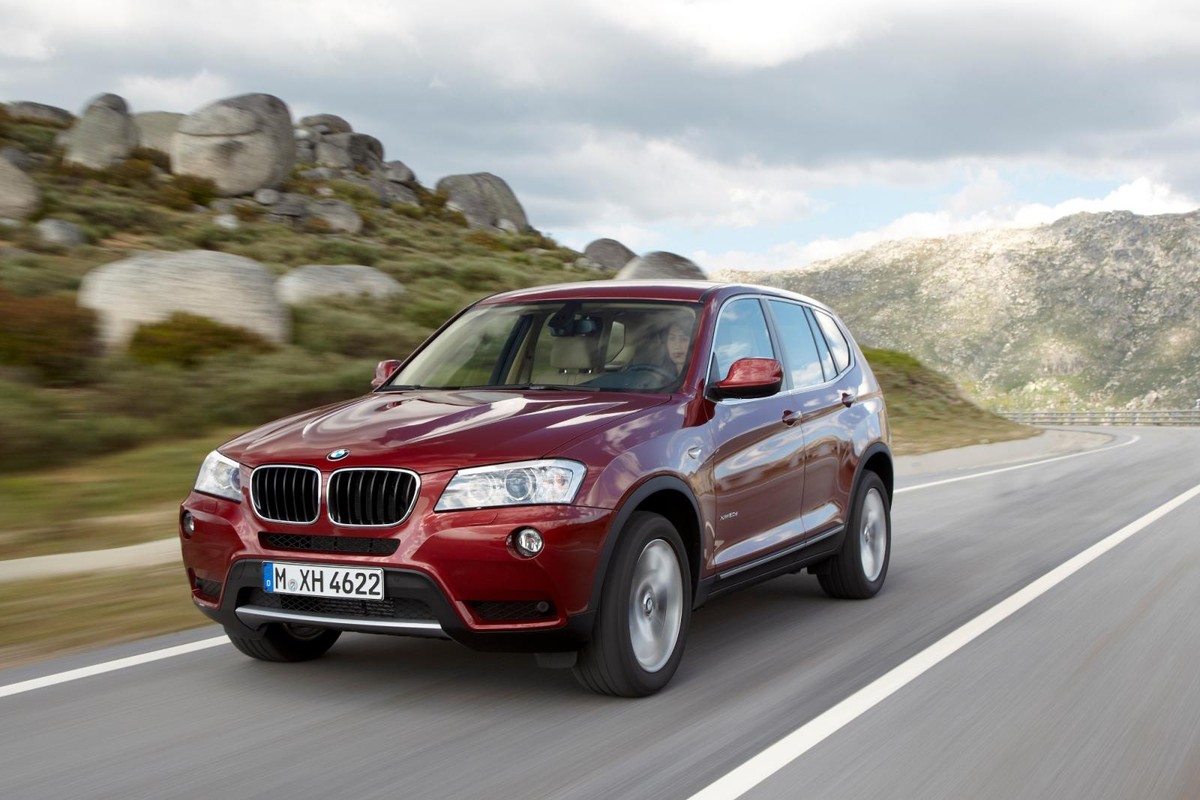
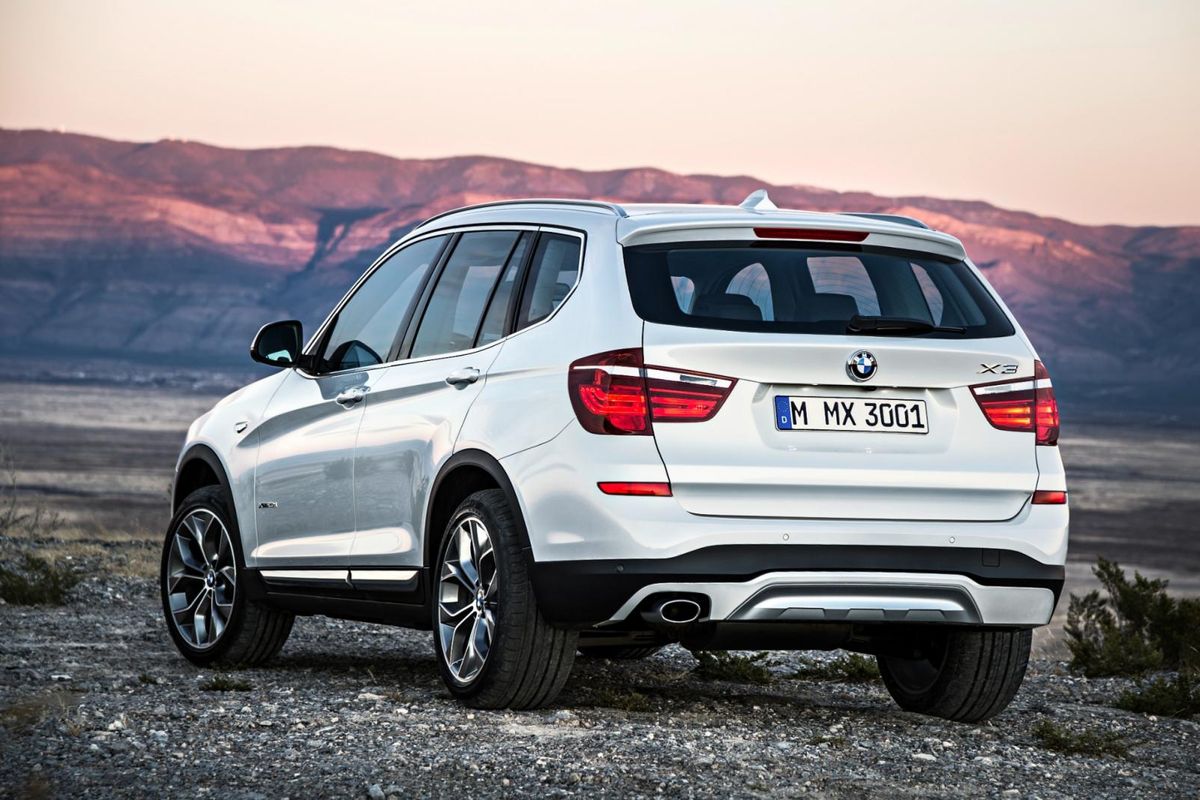
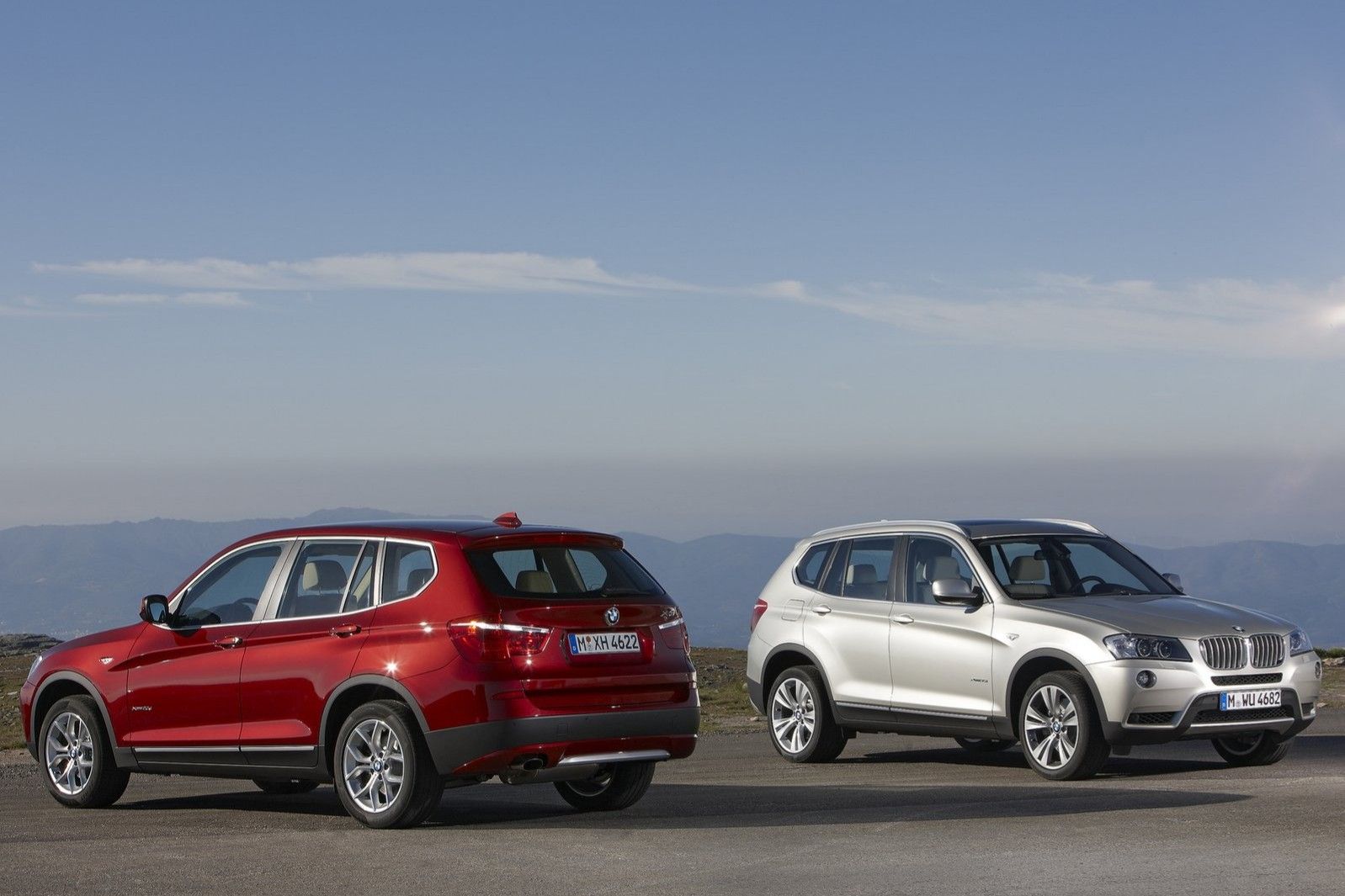
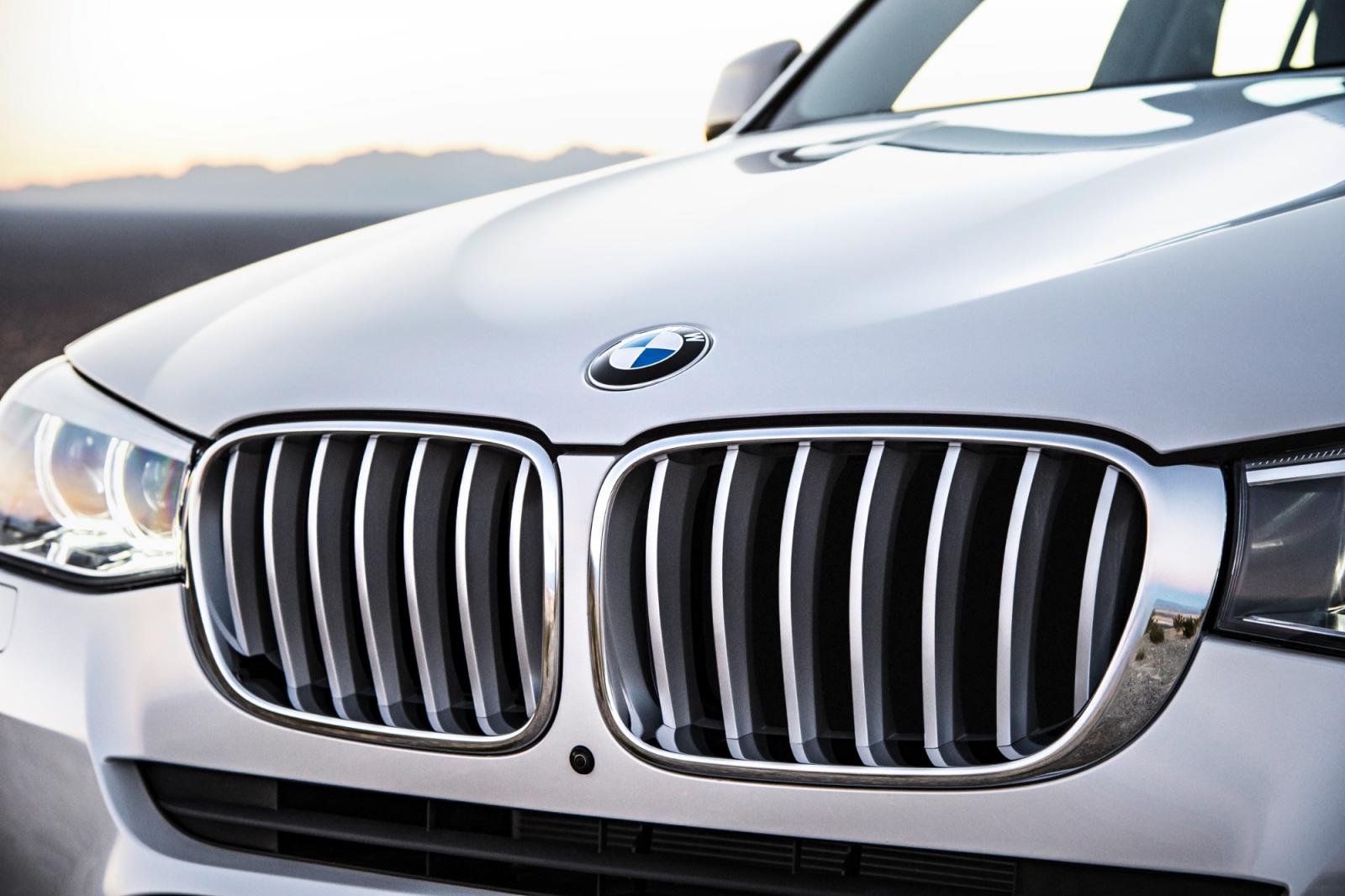
Bigger, more refined and decidedly more “premium” this generation X3 is still a stylish SUV today.
Replacing a popular predecessor that sold in excess of 600 000 units worldwide, the 2nd-generation X3 was significantly different from its predecessor – the model was comparatively 83 mm longer, 28 mm wider and offered a little more ground clearance as well.
It arrived in South Africa late in 2010 in 2 flavours: the xDrive20d (135kW/380Nm turbodiesel) and xDrive35i (N55 twin-scroll turbo with 225 kW and 400 Nm). The petrol model was a pricey one, and sales were limited. South Africans immediately favoured the xDrive20d. In both vehicles, drive was sent to all four wheels via BMW’s intelligent xDrive all-wheel-drive system and the marque’s (then new) 8-speed automatic transmission.
Available as an option was Driving Dynamics Control, which allowed the driver to select from 3 settings (Normal, Sport and Sport Plus). Although it was a nice-to-have feature, the standard settings of the xDrive20d (for example) would probably suffice for the majority of buyers.
Slightly later an xDrive30d joined the line-up, powered by a brawny 3.0-litre turbodiesel that developed 190 kW and a whopping 560 Nm of torque. The expanded range also gained an entry-level derivative in the shape of the xDrive20i, powered by a 2.0-litre 4-cylinder petrol engine laced with BMW’s TwinPower Turbo technology. It developed 135 kW and 270 Nm of torque and was offered with either an automatic or manual transmission.
In 2012, another petrol-engined derivative was added, the xDrive28i, but it was never particularly popular. It was powered by a turbocharged 2.0-litre petrol engine as well, but produced heightened peak outputs of 180 kW and 350 Nm. It was offered exclusively in automatic guise.
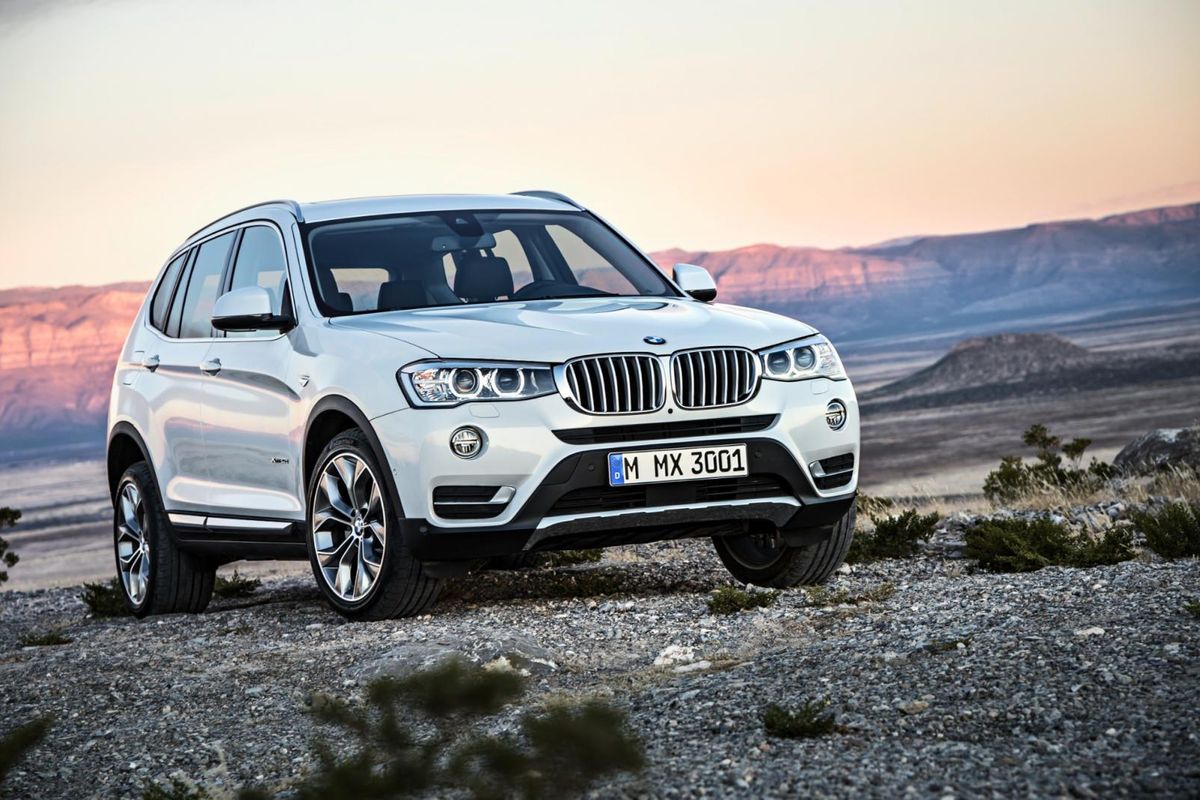
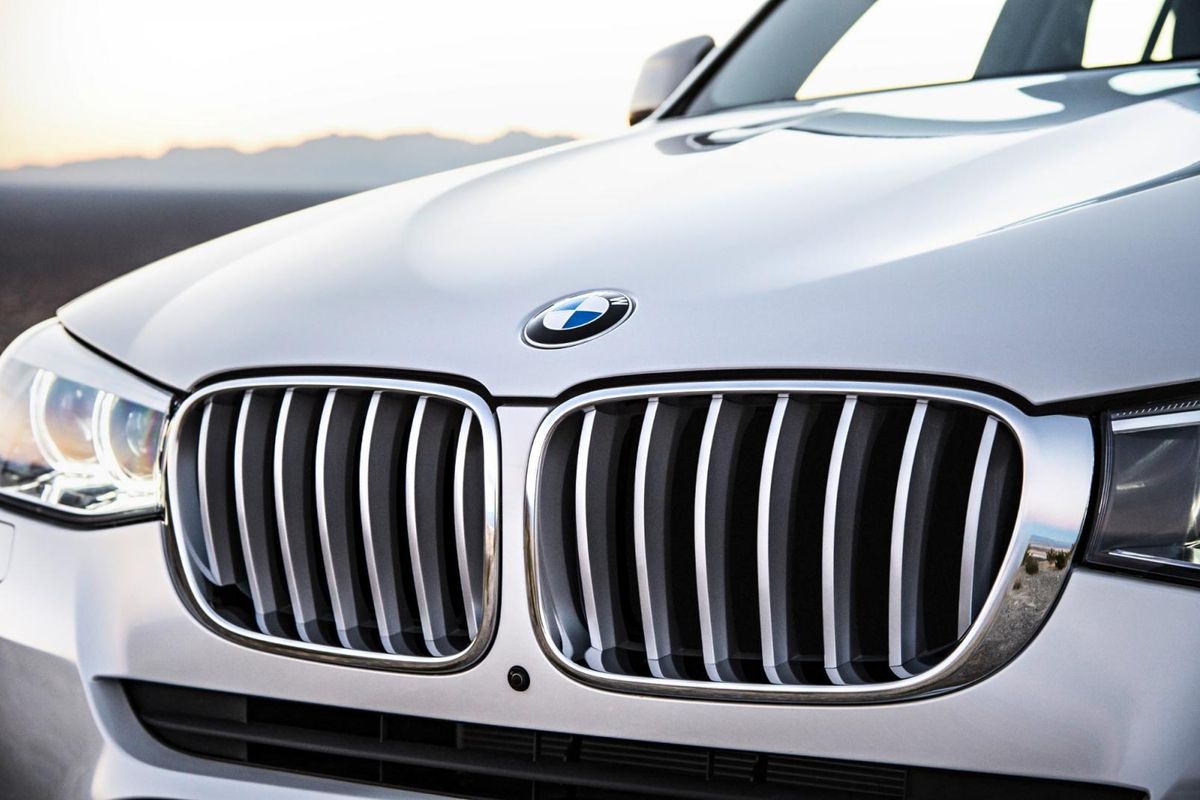
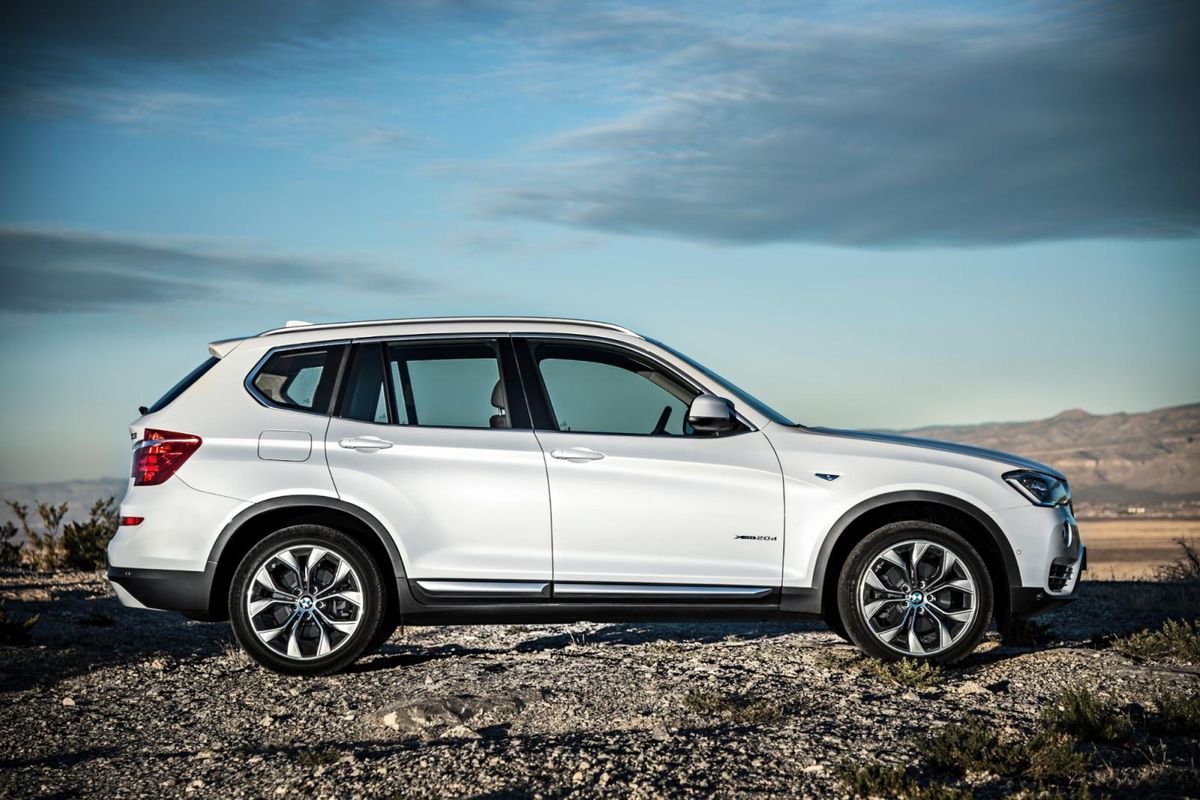
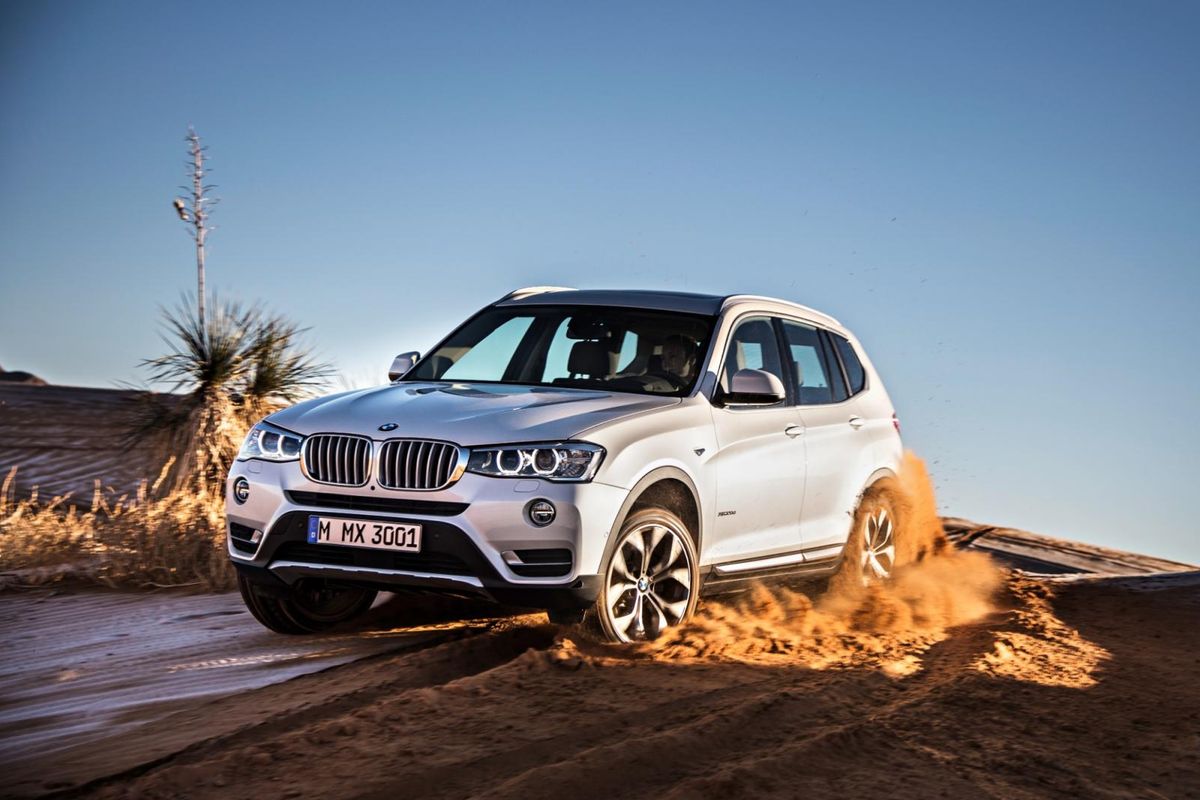
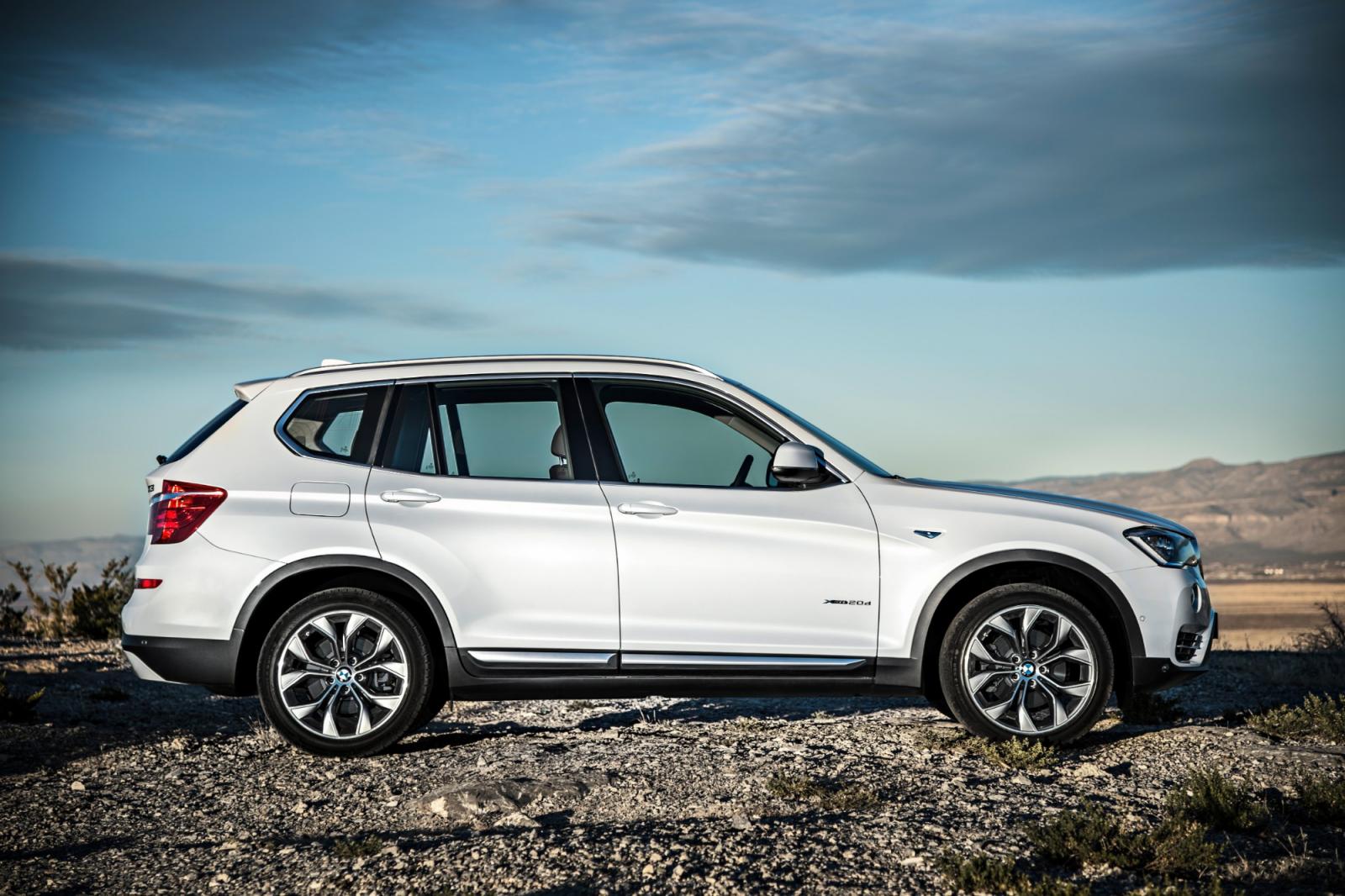
The facelift arrived in 2014 and it was a fairly significant one, particularly around the front-end where the X3 gained a far more sophisticated look.
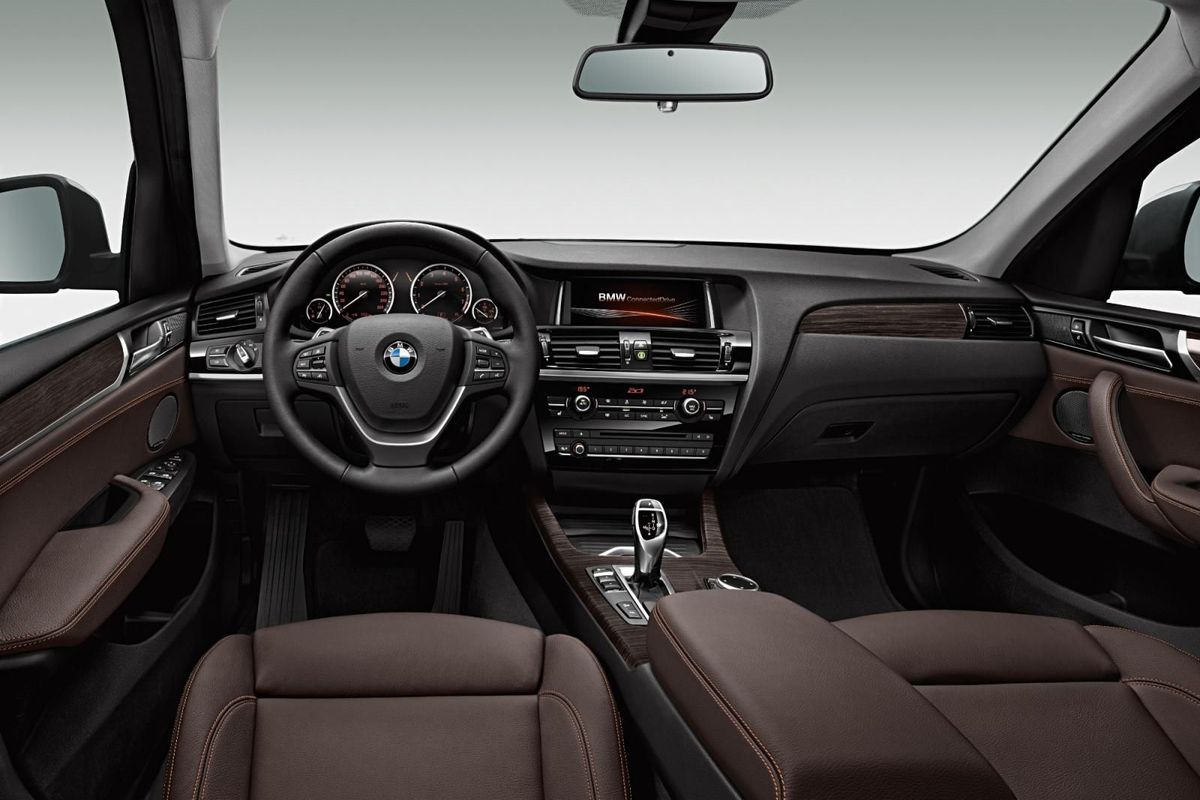
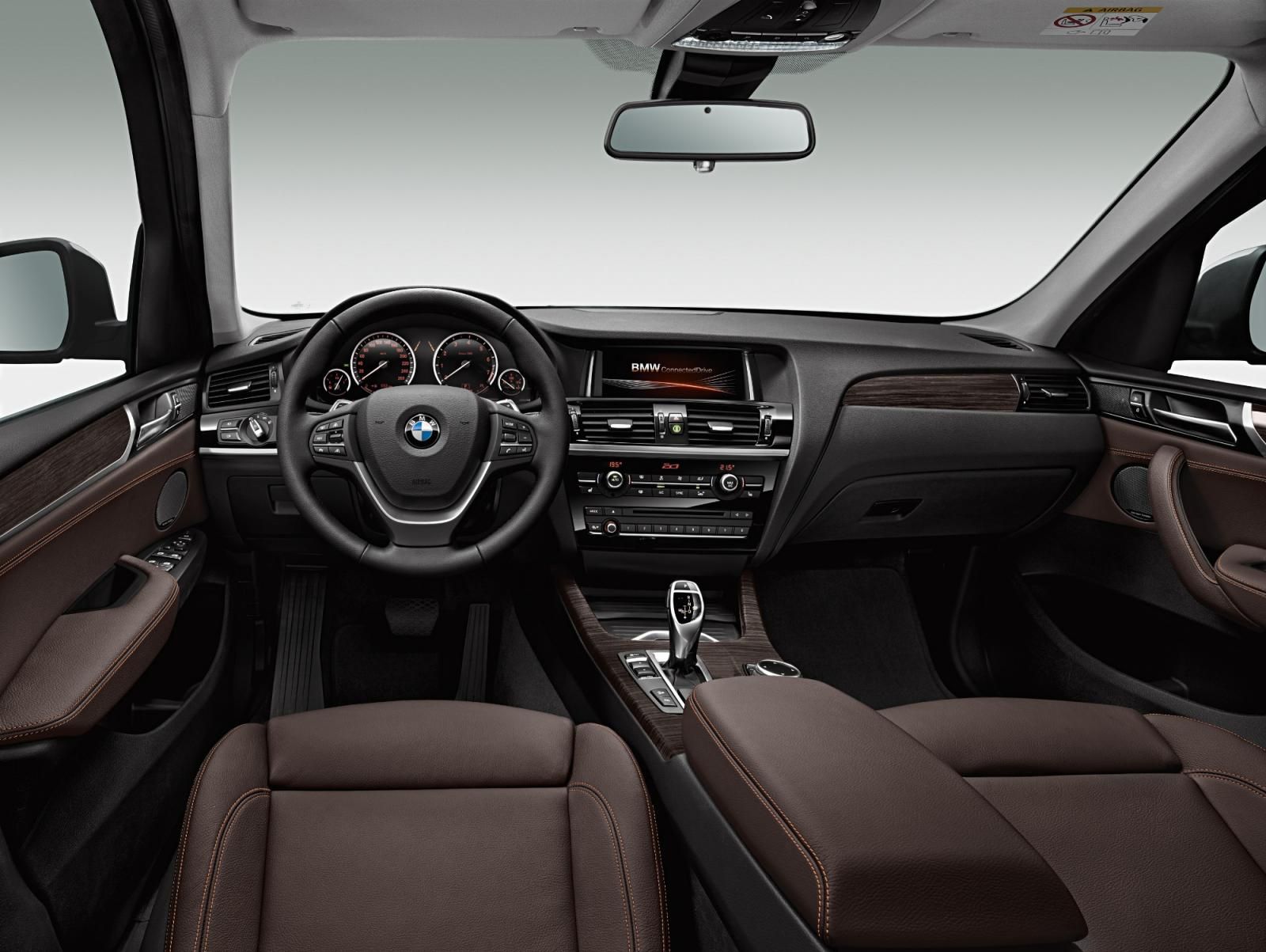
The facelifted version of the F25-generation X3 arrived in the latter half of 2014 and sported a significantly revised face, among other detail changes. Inside, the driver assistance and infotainment systems were updated, with a highlight being the integrated touchpad on the iDrive controller. The local line-up remained the same, but the engine in the top-selling xDrive20d now pushed out 140 kW and 400 Nm of torque. Refinement also improved.
The optional M-Sport pack was quite popular, but in our view hasn’t dated particularly well. We’re inclined to suggest rather opting for a more tastefully-appointed variant.
Product strengths
? The X3 comes across as a solidly made and still attractive executive SUV. Pay careful attention to specification fitted to used vehicles.
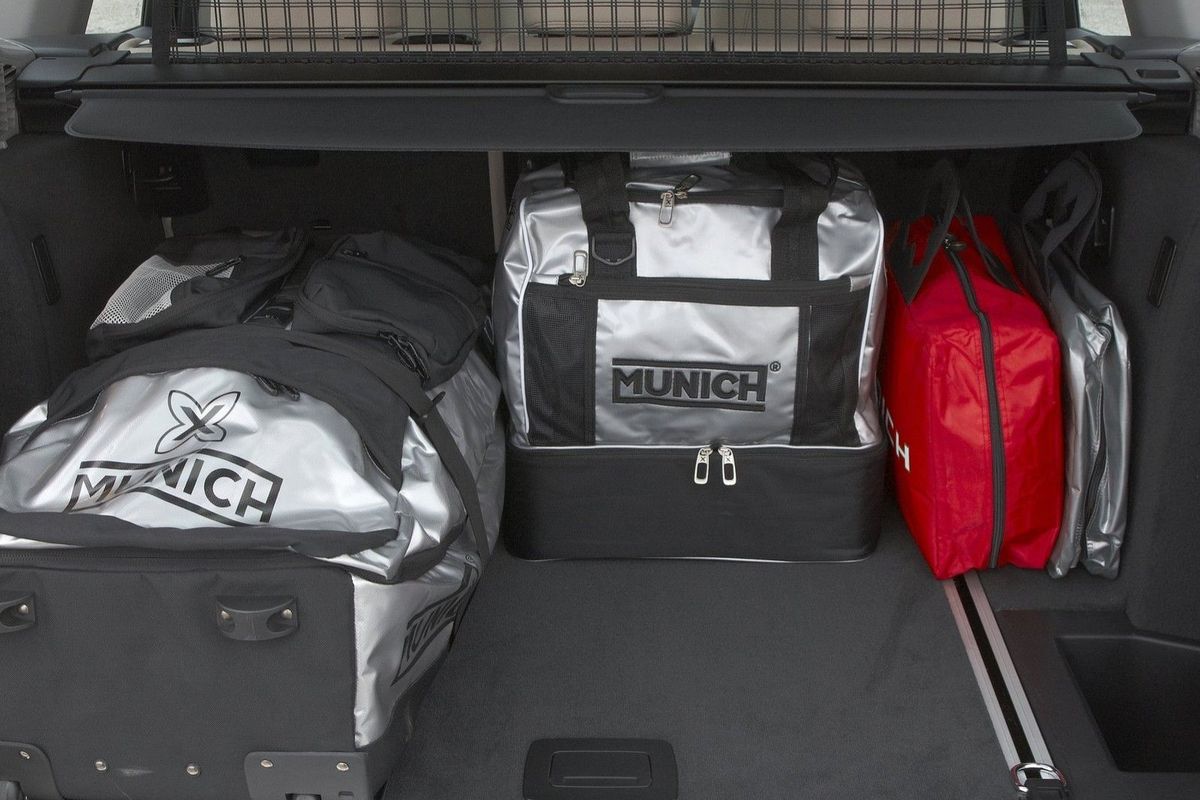
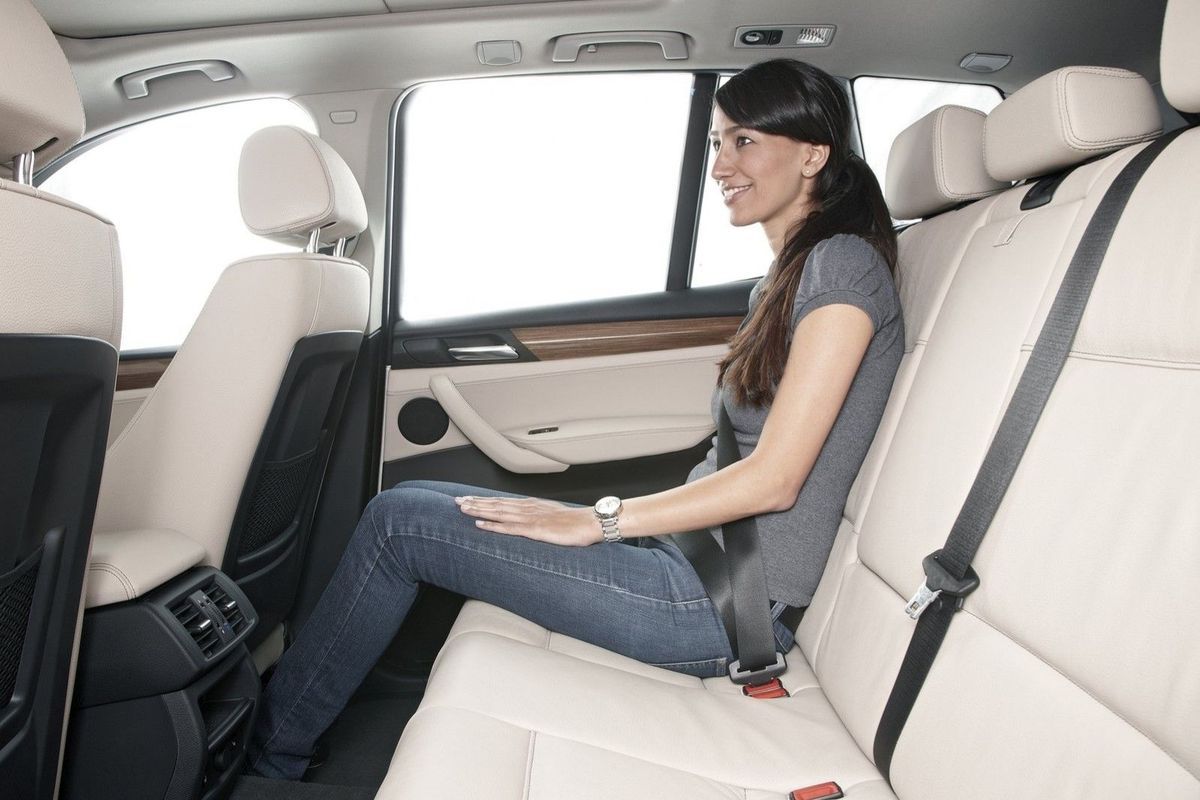
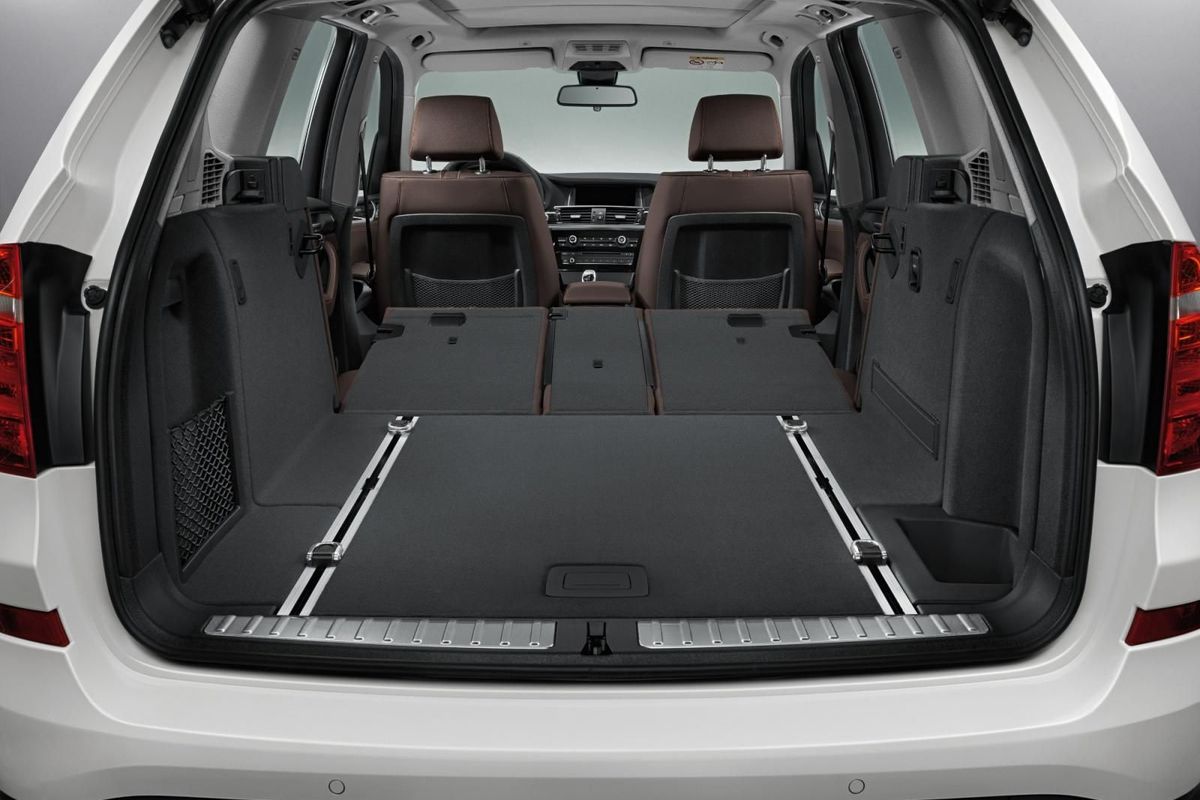
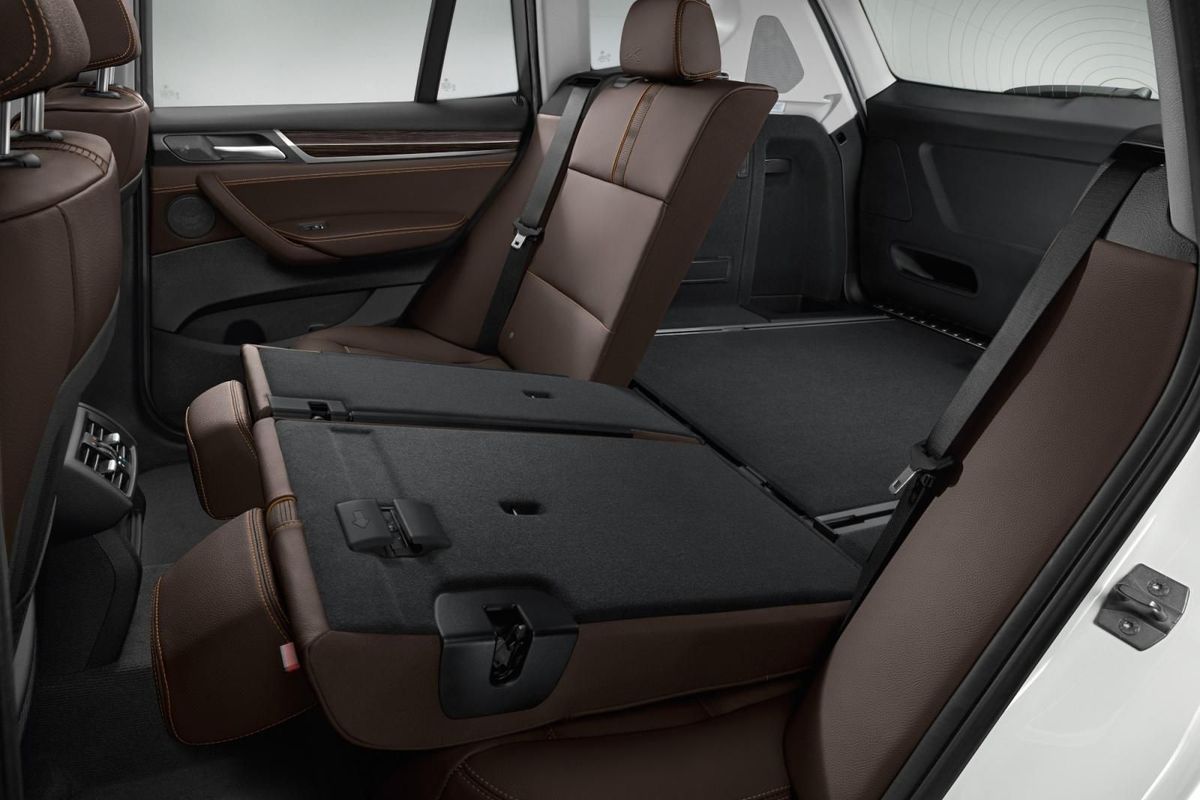
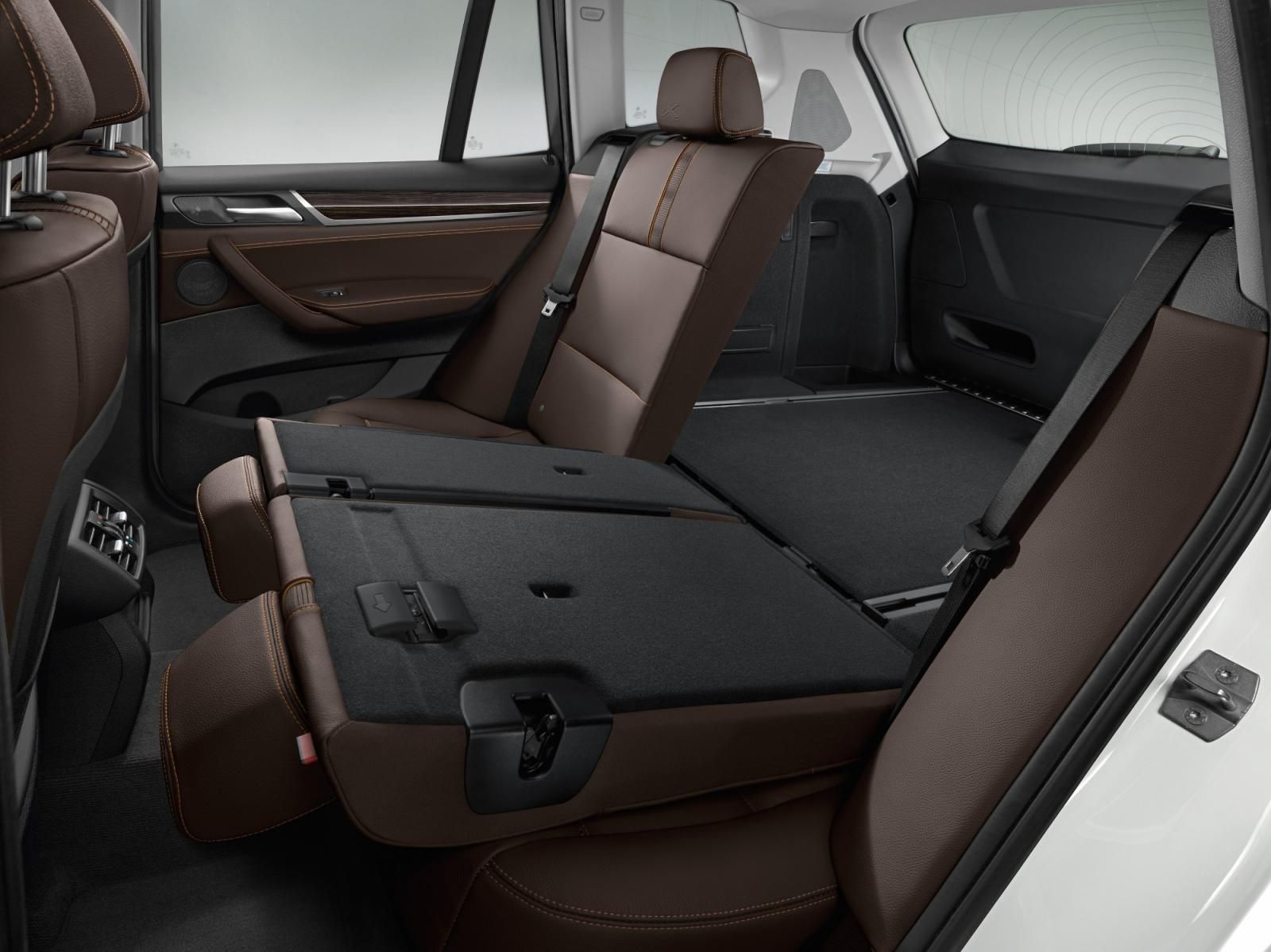
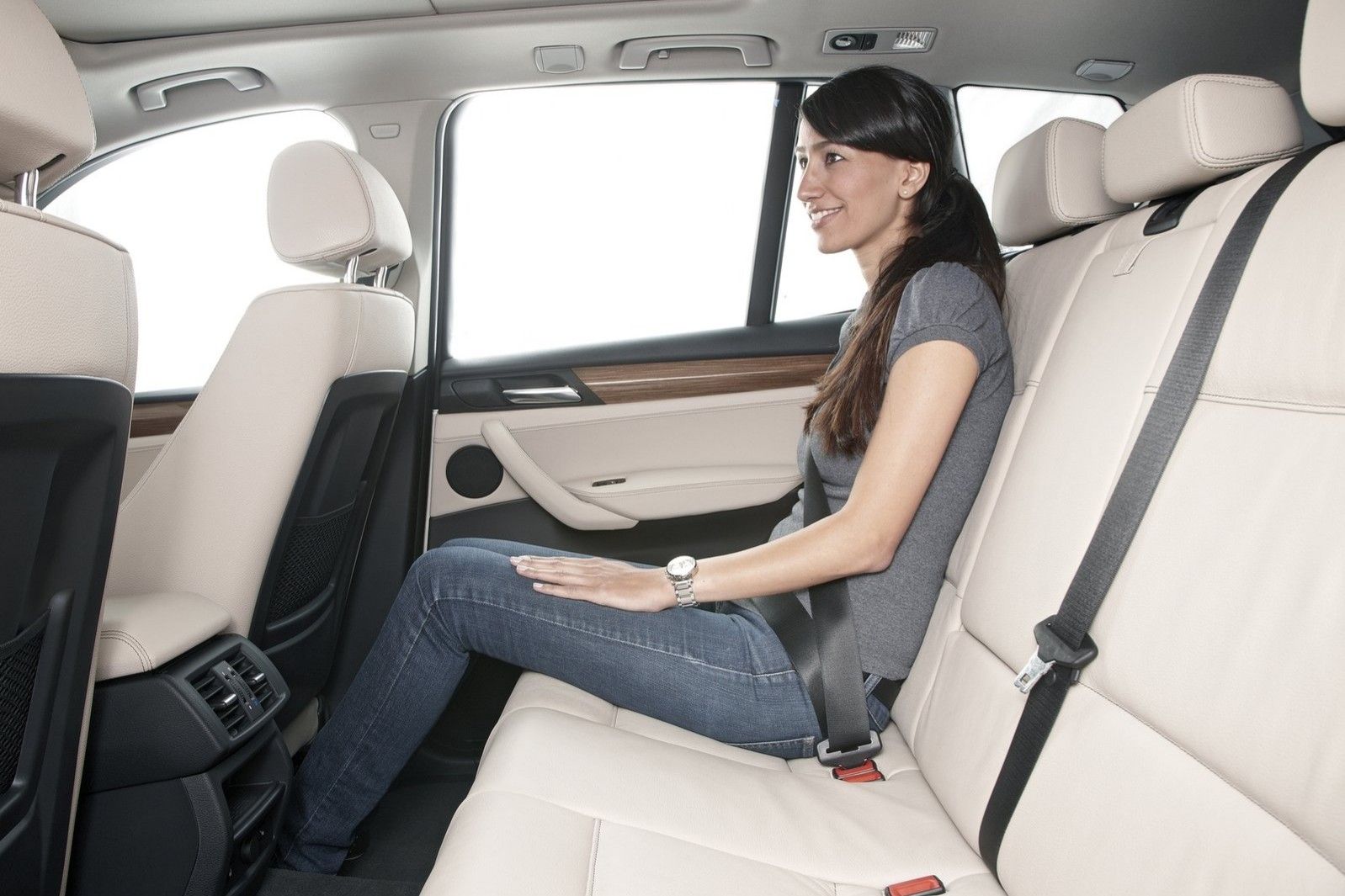
Space and Practicality: If you’re looking for a premium vehicle that also doubles as a family car, then look no further than the BMW X3. This generation of X3 was markedly bigger than its forebear, with excellent legroom (front and rear). In fact, even taller drivers will easily manage the sit-behind-self test in this car. What’s more, the BMW had a large load bay, enhanced with a 40/20/40 split rear seatback that folds down nice and flat.
Though comfort levels are generally high, it’s worth highlighting that the F25’s seats are quite firm, which, coupled with the sportier-than-most suspension set-up, means that the X3 doesn’t quite possess the cossetting occupant comfort of an Audi Q5 or Mercedes-Benz GLC.
The X3 is a practical family vehicle, with a big boot and rear seats that fold flat.
Good spec: You’re unlikely to find a completely stock BMW X3, so shop carefully for the features that you really want. Don’t be distracted by glitzy items such as panoramic sunroofs and heated steering wheels; ensure it has the features you need. The good thing about buying a vehicle such as the X3 in the used market is that the previous owner can’t really hope to recoup costs on a car that has been over-specced. So… you can get a lot of very nice luxuries and technology for a very reasonable price. Make sure, however, that the X3 you buy has received the latest software updates.
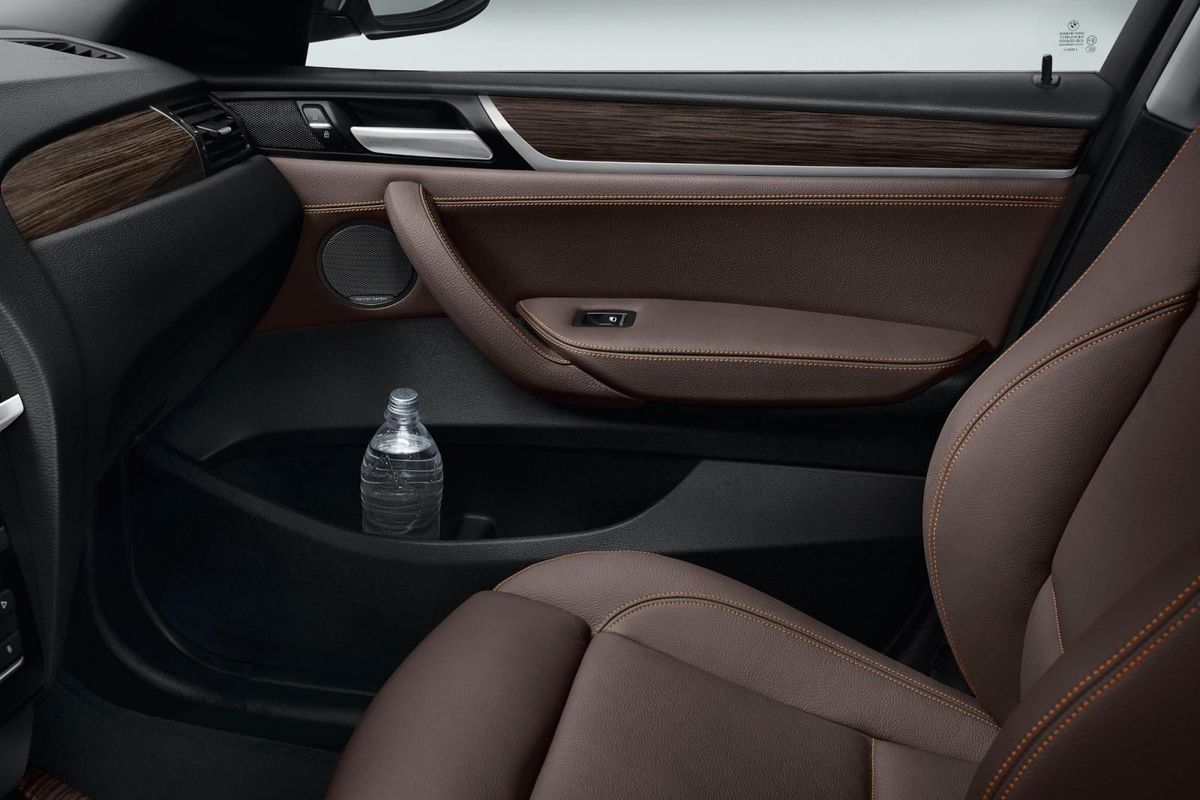
Items we’d suggest looking for are: an electrically adjustable driver’s seat, harman/kardon audio system, cruise control with braking function, reverse-view camera, hands-free Bluetooth, a USB interface and dual-zone climate control. Avoid the overly large wheel sizes as these make the already firm ride even harsher… and those tyres are expensive. If you’re looking at the X3 as a family vehicle then the optional Sport suspension is best avoided because it adds extra firmness.
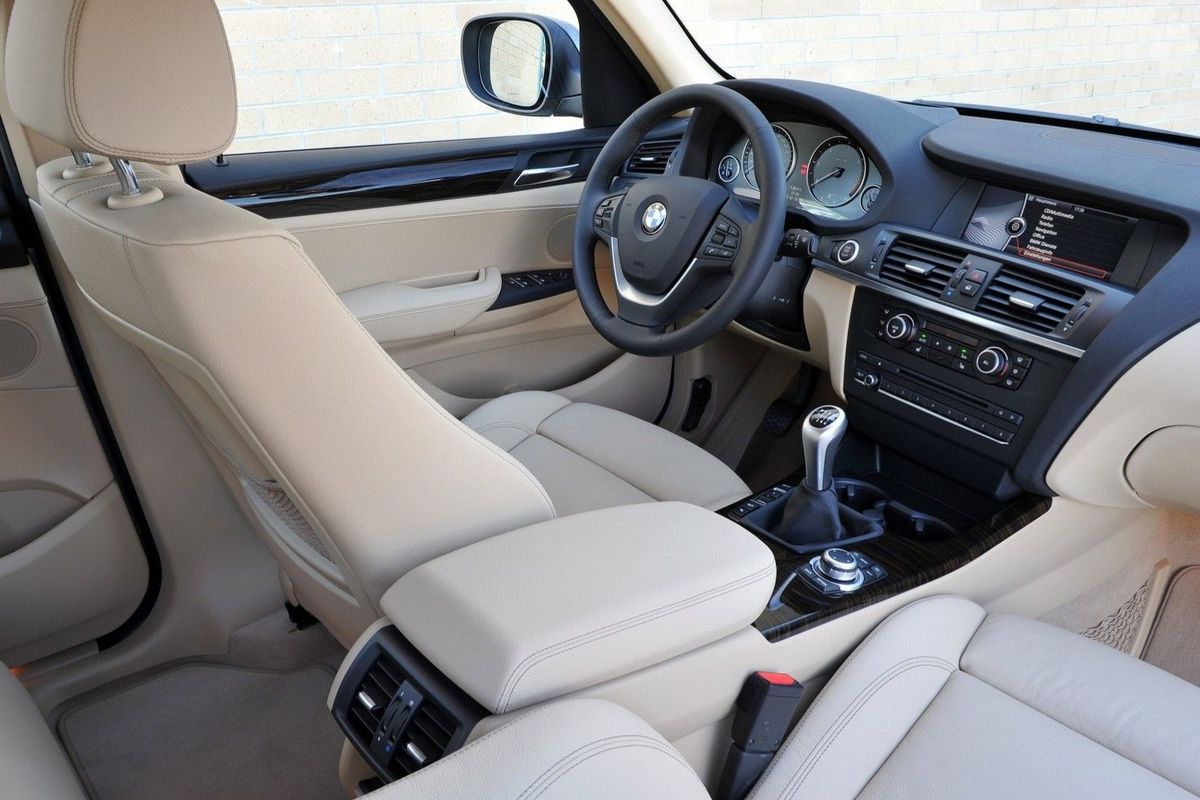
Rear legroom is very good, and the standard fitment of rear ventilation outlets is a real boon.
Good to Drive: Though definitely one of the firmer-riding SUVs, the X3 nevertheless strikes a very good ride/handling compromise. It’s a vehicle that feels lighter on its, um, wheels than its size and weight suggests. As a matter of fact, BMW managed to tune the suspension in such a way that the standard RunFlat tyres, which were (at least partly) to blame for harsh primary ride control in BMWs of the past, are almost unnoticeable.
The engine and transmissions are well matched, too. The xDrive35i is really a performance SUV, with a 0-100 kph time of well below 7 seconds. Even the 2.0-litre turbopetrol delivers a nice balance of performance and fuel economy (but note problem areas lower down). Undoubtedly, however, the star is the xDrive20d. With its 380Nm of torque and nicely geared 8-speed ‘box, it’s a great daily driver with superb long-distance cruising ability.
Product weaknesses
In general, X3 owners seem to love their vehicles. In the Cars.co.za Ownership Satisfaction Survey, 97.6% of owners said that the X3 had lived up to their expectations, a figure that beats stats for the Audi Q5 and Mercedes-Benz GLC. That said, no car is perfect, and there are a few niggles.
The X3 is one of the sportier executive SUVs to drive, but this does mean that it is also a bit firmer, perhaps slightly overly so.
There are a couple of general things to keep in mind when buying any highly sophisticated car in the used market, as you have little to no insight into how it was cared for. When you’re out test driving one of these Bimmers, take note of the following:
N20 petrol engine issues (xDrive20i/xDrive28i): Problems have been reported related to the timing chain mechanism and turbocharger of the N20 engines. In the most severe cases, this can lead to a very costly engine replacement. Listen for a whine from the engine at below 3 000 rpm, or extremely rattly engine sound upon start-up. If there’s any doubt, rather walk away. Do the same if you’re on a test drive and the oil pressure warning light comes on or the vehicle goes into limp mode. Reported N20 engine issues mostly relate to pre-2014 vehicles, though, and we’re told issues generally manifest themselves between 80 000 and 120 000km.
Some electronic issues: As is usually the case with highly advanced cars fitted with a plethora of electronic features, it’s not always easy to remember to check everything during a test drive. Make a list beforehand, and remember items such as the electrically closing tailgate (if fitted), sunroof and even that the LED taillamps are working properly.
Minor build quality issues: The F25 is a well-built car, but you should look out for a faulty glove compartment lid and malfunctioning or leaking panoramic sunroof. The latter issue can, of course, lead to water making its way into the car, which is far from ideal!
High-mileage cars: If you’re looking to buy a high-mileage X3, then you have some extra homework to do. It has been reported that the F25-generation’s shock absorbers last to around 200 000 km before they need to be replaced. It’s also best to change the transfer case fluid every 60 000 km and, in fact, it appears that, as a general guideline, far more regular oil changes are a good idea.
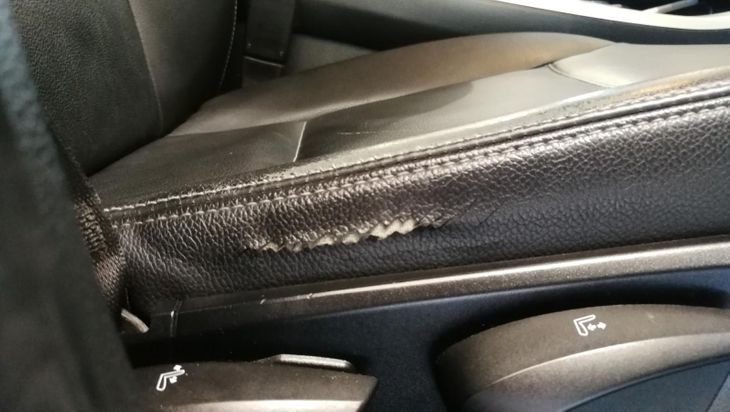
The leathertec upholstery on the driver’s seat can show wear surprisingly early in the car’s life. Check carefully.
What to pay?
There were more than 220 BMW X3s listed on Cars.co.za during the time this article was being researched, so there should be lots to choose from.
Below R200 000: You can get into a F25-generation X3 for as little as R170 000, but those are high-mileage, rough-around-the-edges cars. If your budget is R200 000 and you really want one of these, then it’s best to aim for a neat xDrive20i, which generally trade for lower prices than the xDrive20d. At this price level the turbodiesels are generally of very high mileage. But do make sure that the xDrive20i you test drive doesn’t shown any signs of the timing chain issue.
R200 000 – R250 000: In this price range you can find a bit of everything, even some xDrive35is, but we spotted some well-looked-after xDrive20ds (pre-facelift) for below R250 000. As these vehicles are all out of Motorplan, or about to be, make sure it comes with a full service history at BMW.
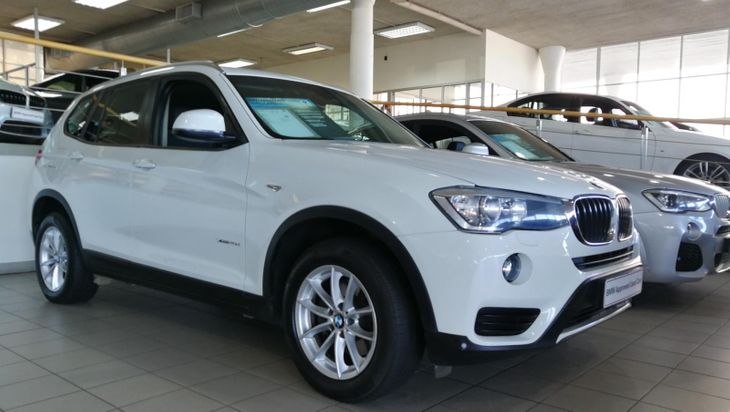
This very clean xDrive20d (81 000km) was on sale at BMW SMG Tygervalley for R329 950.
R250 000+: There are still many F25s that trade for above R300 000, and you can have your pick of engine and specification, but in our view, you don’t need anything more than a nicely specified xDrive20d. You can pick up a facelifted xDrive20d for as little as R280 000, but beware mileage and condition. The sweet spot (budget permitting) is a 2015 xDrive20d with around 60 000 km or less on the odo. These sell for around R350 000. Extending the BMW Motorplan is usually a very costly exercise, but ask about options around warranty extension.
Our advice would be to find a low mileage, post-facelift (late 2014 onwards) X3 xDrive20d.
No surprises here… we’d highly recommend a post-facelift xDrive20d with a nice mix of optional extras. The post-facelift car not only still looks modern, it also benefitted from the availability of more modern features (note that many of them were optional and duly specced on many cars sold in South Africa. The xDrive20d is an economical vehicle (expect real-world consumption of around 6.5 L/100km) and it was also no slouch, with a 0-100 kph sprint time of below 9 seconds.
For around R300 000 there are several examples of the xDrive20d listed on Cars.co.za with well below 100 000 km on the odo.
Verdict
Still stylish, the X3 xDrive20d is a refined, luxurious and very comfortable all-round family car.
It is easy to understand why the F25-generation BMW X3 is such a popular vehicle. In facelifted form, it has aged well, and it still offers a very appealing blend of status, performance and practicality. In xDrive20d guise, it also offers a beautiful balance of performance and efficiency, while a nicely specced car will still look more expensive than it really was, and boast most of the latest technologies.
It remains, however, one of the sportier cars in its segment, so for some buyers it might be a little to “firm”, and if that’s the case, you may want to consider the Audi Q5 or Volvo XC60. If you’re budget can stretch a bit higher, you can also consider the newer Mercedes-Benz GLC.
Parts pricing
We asked BMW for the prices (incl. VAT) of some of the major parts for 2 of the most popular derivatives: the 2012 xDrive20i Steptronic (pre-facelift) and the 2015 xDrive20d Steptronic (facelifted). Please note that prices are dependent on the VIN of the particular vehicle, so view these as a guide.
The Ford Ranger Raptor has been on sale in South Africa for years. Well, that's not true, but if you looked at the average Ranger on our roads, you might be fooled into thinking so.
South African bakkie enthusiasts wanted the Raptor nameplate on their cars so desperately than many were willing to sacrifice good taste and fitted fake Raptor kits to their bog-standard Rangers.
Thankfully, Ford SA has finally introduced the real Ranger Raptor to our market. They're having a hard time convincing the South African public that this really is a special car, and not just a Ranger with some stickers and large tyres.
In this video, we set out on a two-day adventure with the Raptor, and we were left in no doubt that this is one special vehicle.