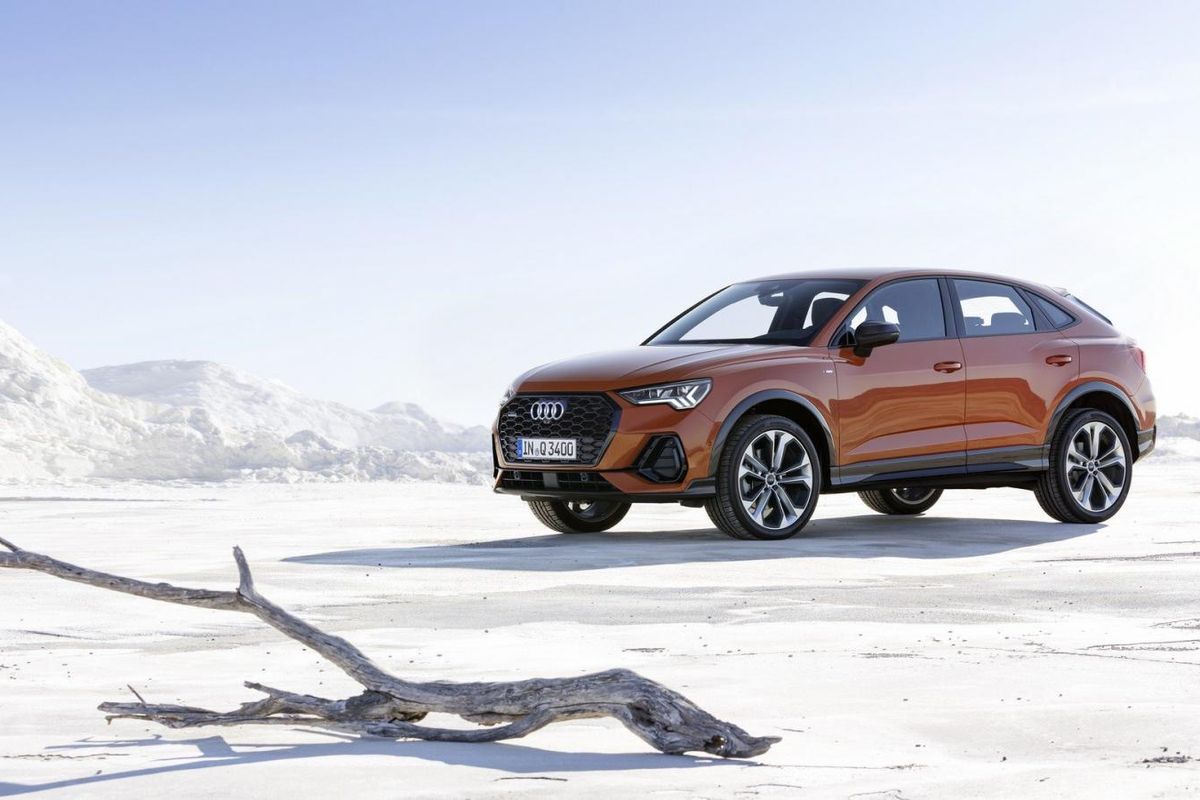
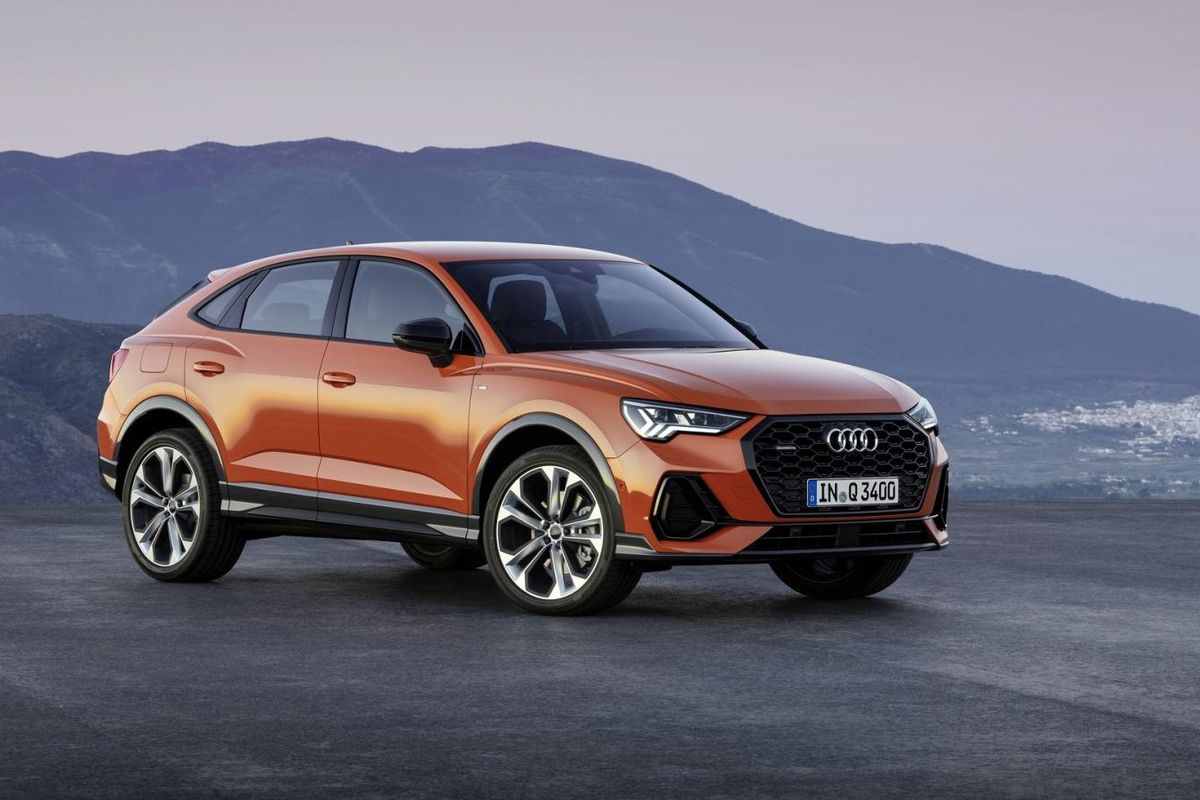
If the standard Q3 is too demure for you, then perhaps the Q3 Sportback will capture your heart. Details below…
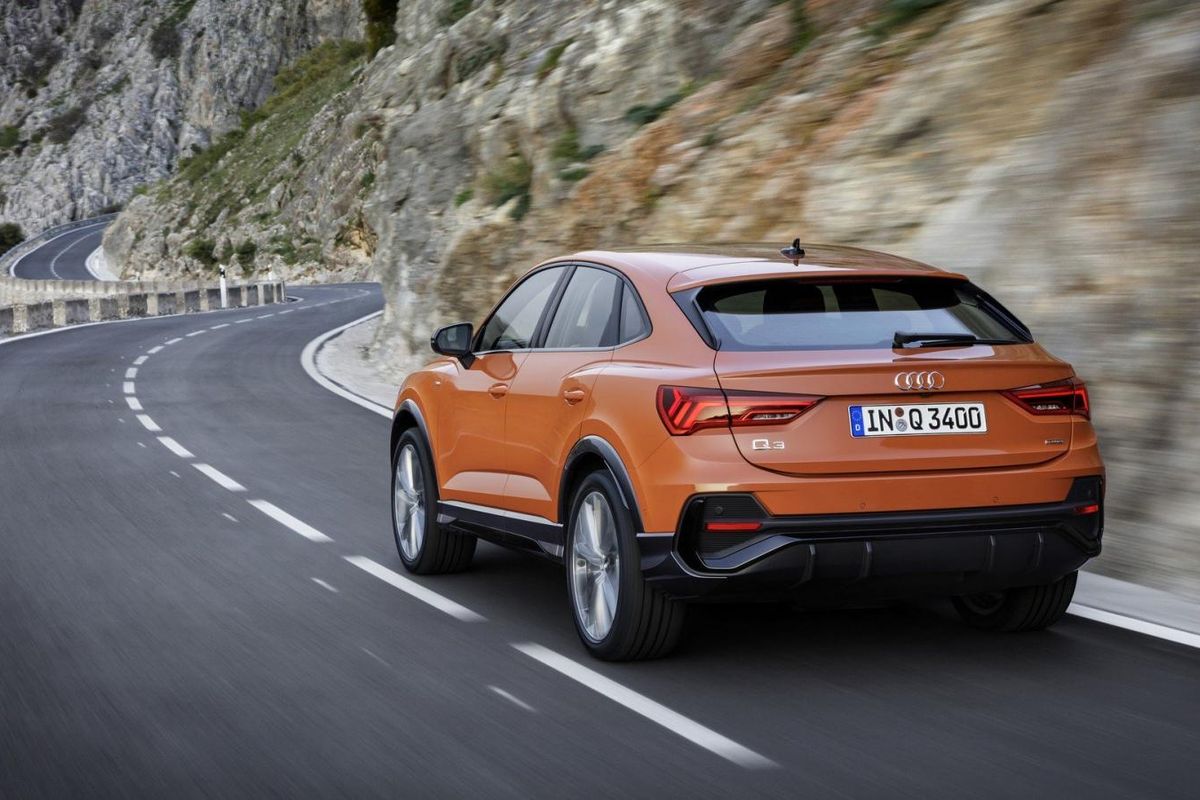
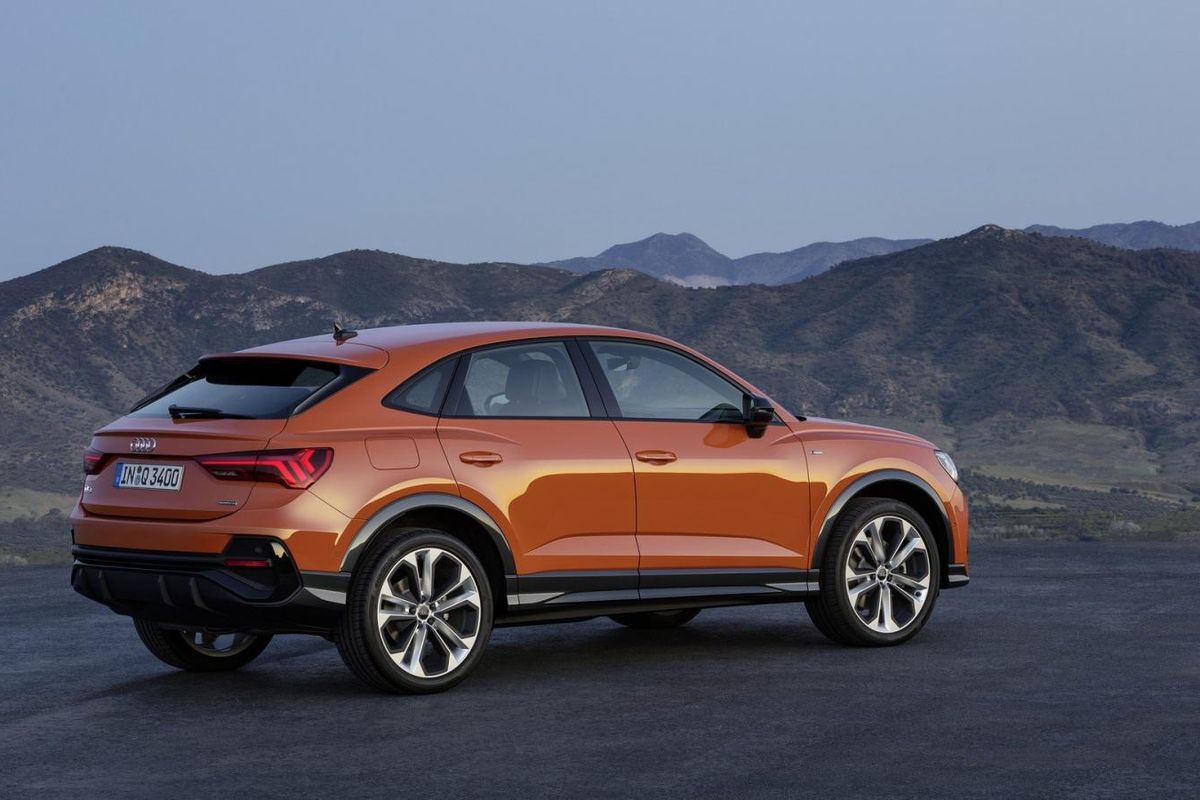
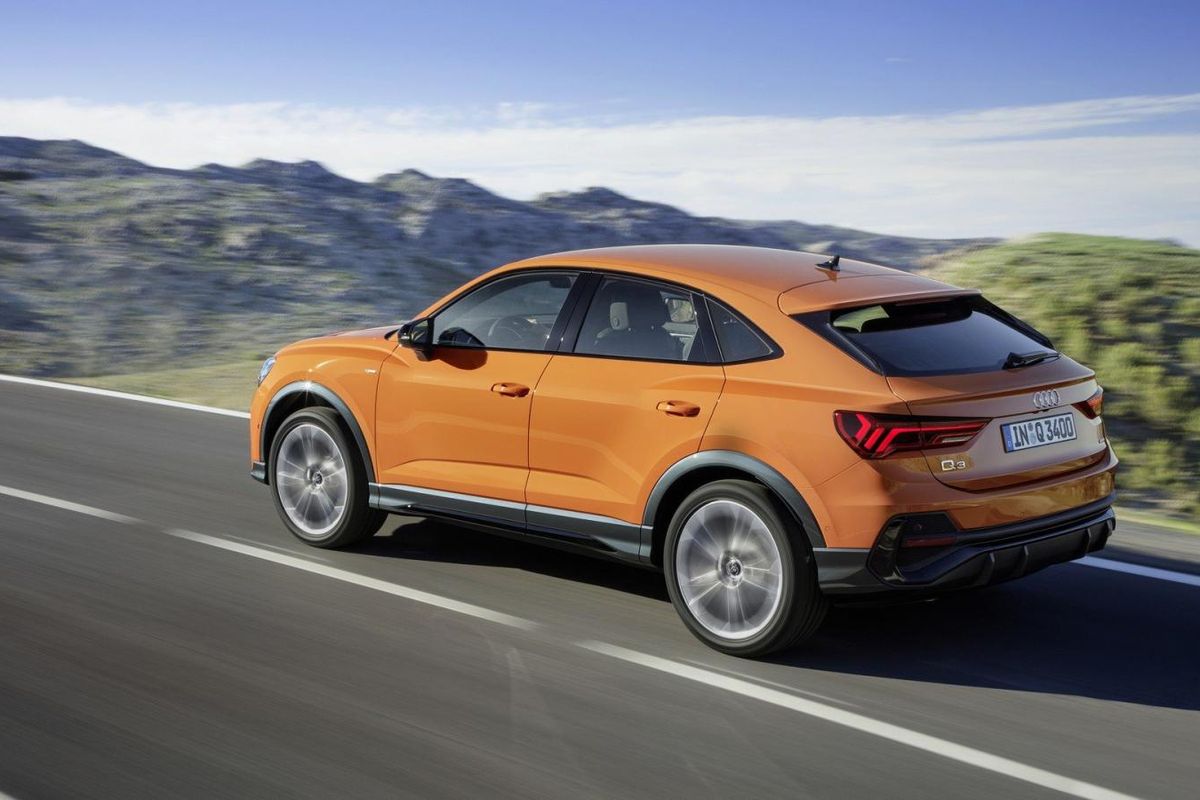
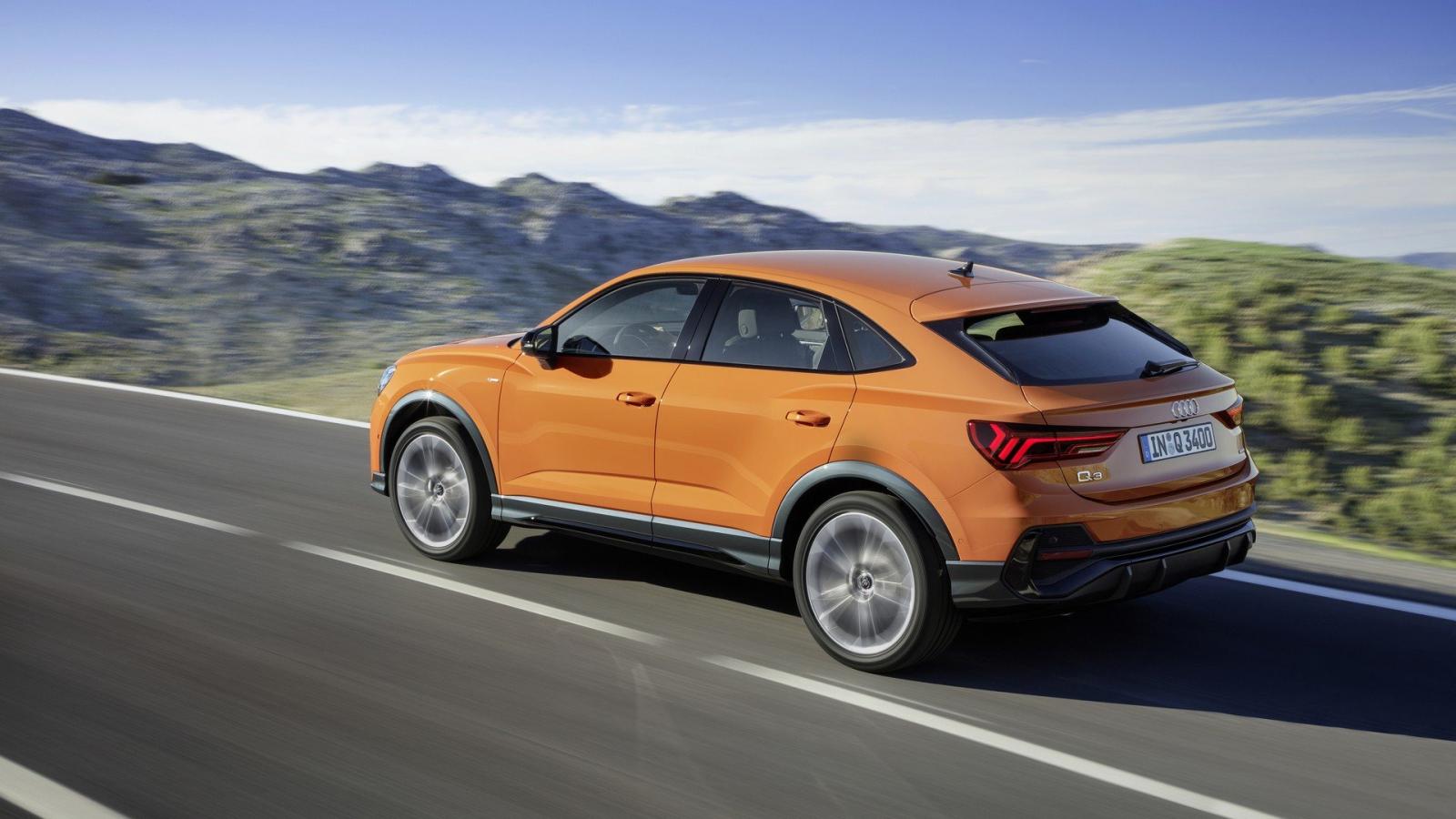
The new Q3 is due to arrive in South Africa in August 2019 but Audi has now revealed the sportier, coupe-inspired Q3 Sportback. It's set apart with a black octagonal singleframe grille and flanked with trapezoidal air intakes. A sculpted bonnet, Matrix LED headlights and coupe-like sloping roof which is some 3 cm lower than the standard Q3 further defines this sporty SUV.
At the rear, the model wears wraparound taillights, a tailgate-mounted spoiler and an integrated diffuser with a hidden exhaust system. Black cladding further adds to the appeal.
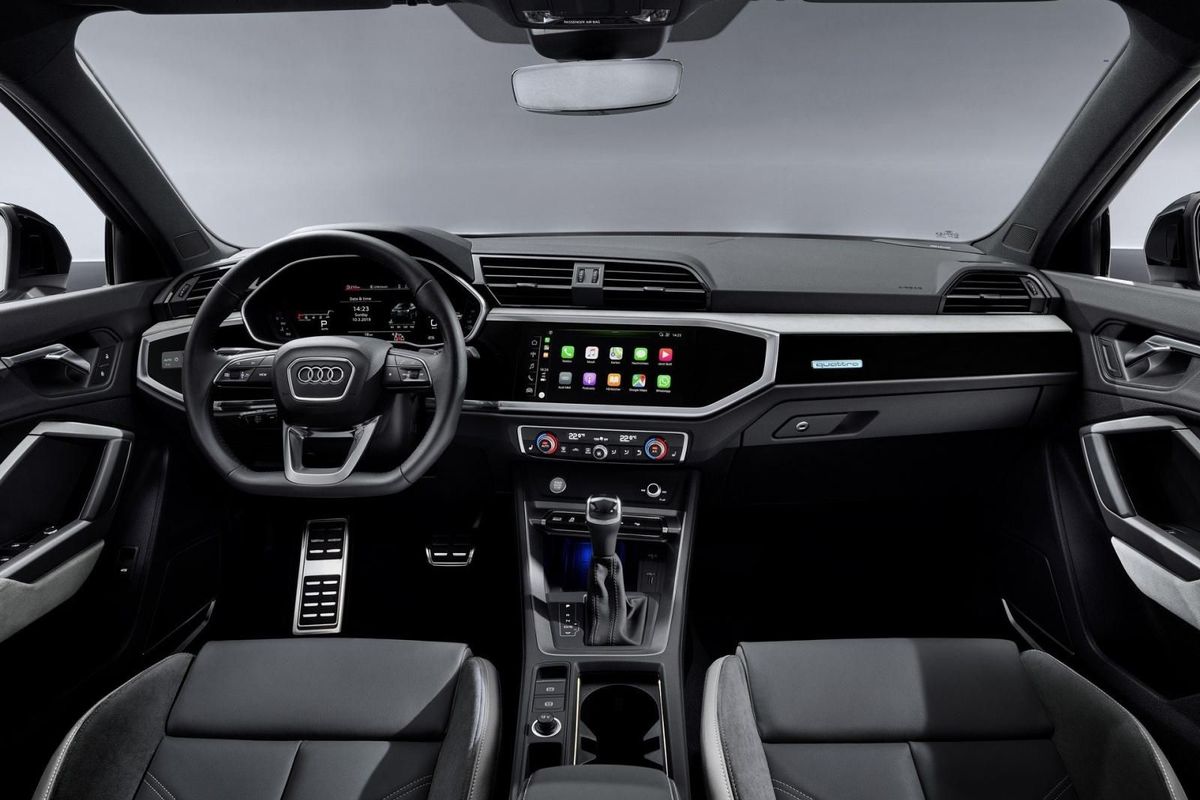
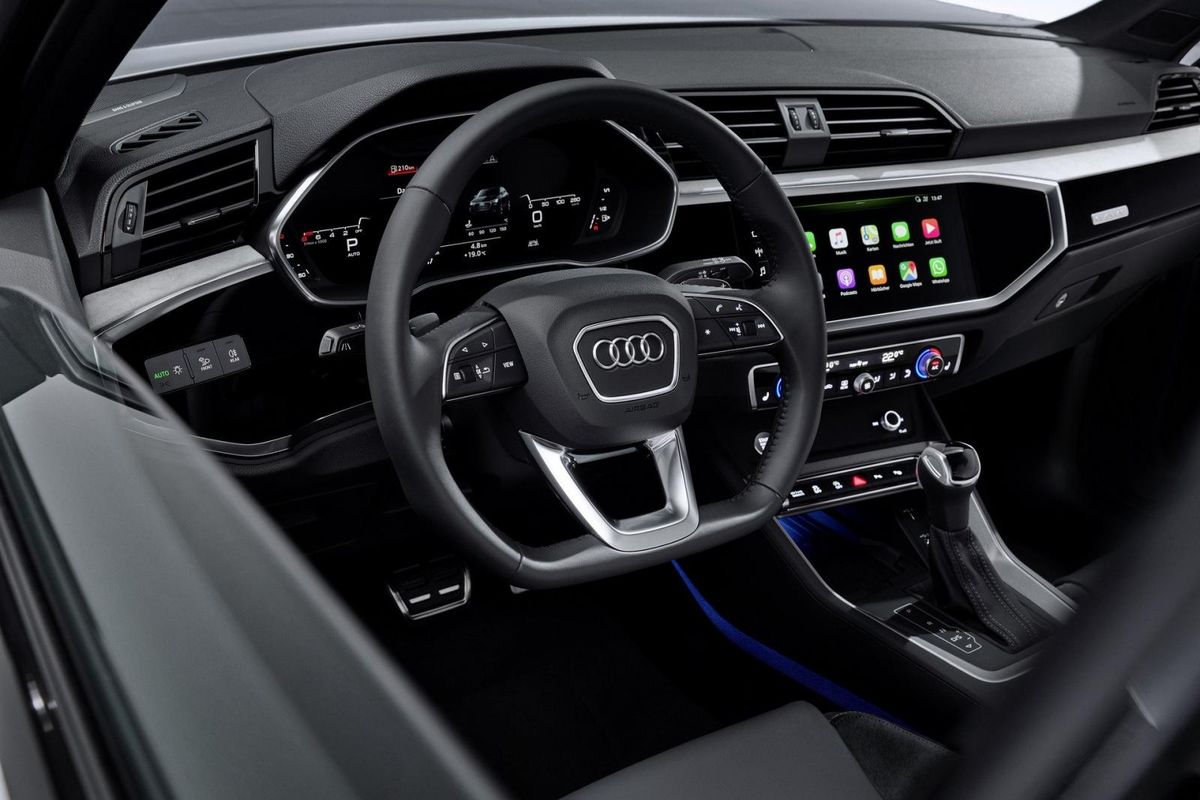
As for the interior, its Q3 fair with a 10.25-inch digital instrument cluster (Virtual Cockpit optional) and 10.1-inch infotainment system taking pride of place. The flat-bottom steering wheel adds a sporty touch while metallic trim elements offer a refined interior ambience.
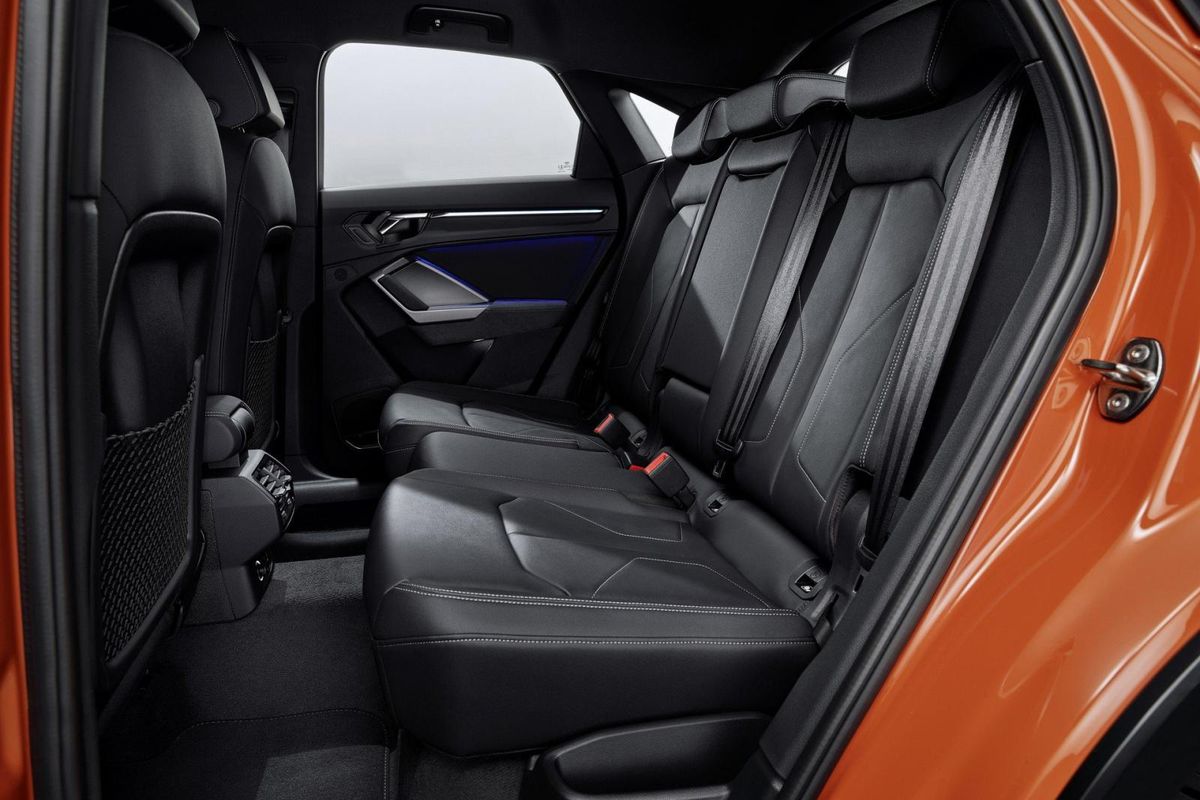
In terms of practicality, the rear bench can slide forwards or backwards by as much as 130 mm to either improve legroom or luggage space, the latter of which is claimed at 530 litres, expanding to 1 400 litres with the seats folded down.
Engine Power
Engines for SA have yet to be confirmed but the Q3 Sportback will make landfall early in 2020.
The Q3 Sportback will be launched with a choice of either the range-topping 2.0-litre turbopetrol engine with 169 kW and 350 Nm or a 2.0-litre turbodiesel engine with 110 kW and 340 Nm. Both are mated with a 7-speed dual-clutch transmission. The turbopetrol derivative features quattro all-wheel drive while the diesel engine drives the front wheels.
Audi says a more powerful diesel engine will be offered later as well as an entry-level turbopetrol engine with a 48V mild hybrid system. A manual transmission is also expected.
A local Audi spokesperson has confirmed that the Q3 Sportback can be expected to arrive in South Africa in the first quarter of 2020. However, it’s not yet confirmed what engine/s our market will receive and pricing will be confirmed closer to launch.
Spy shots of the all-new Audi RS Q3 Sportback have emerged of the newcomer testing. Here's what we know so far.
Picture credit: S. Baldauf/SB-Medien
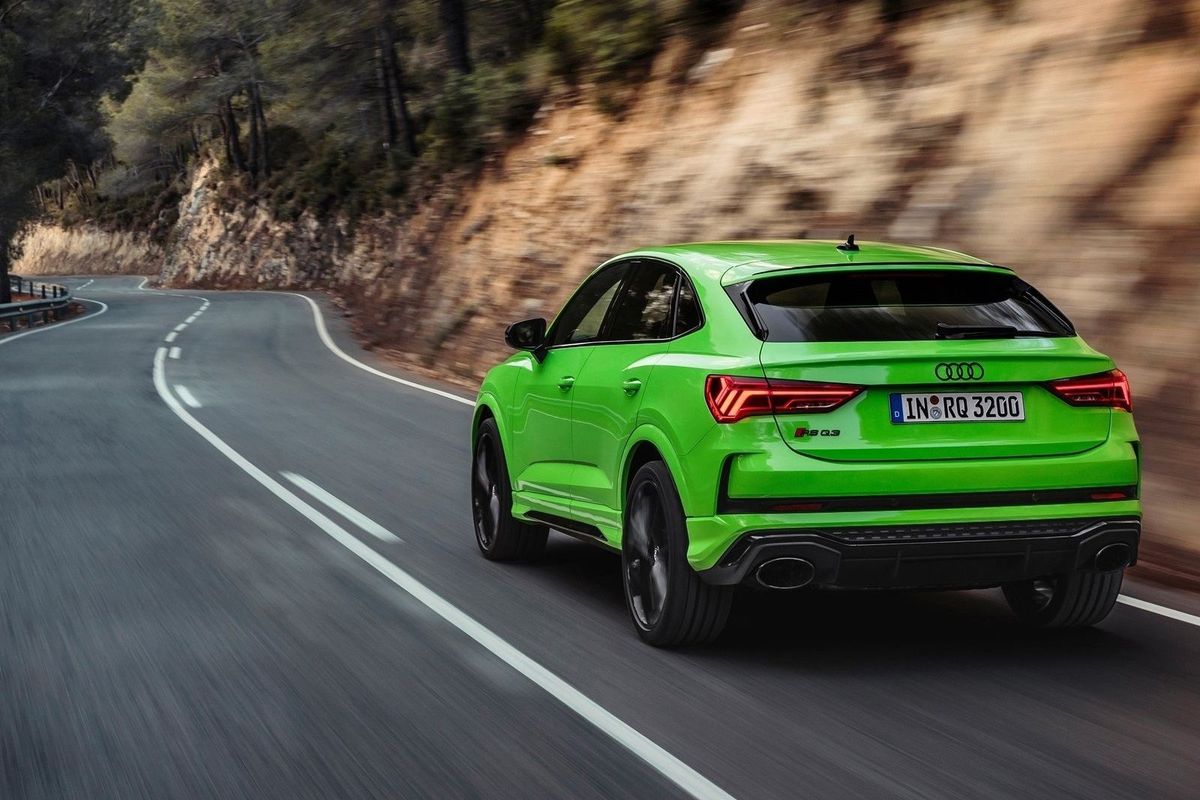
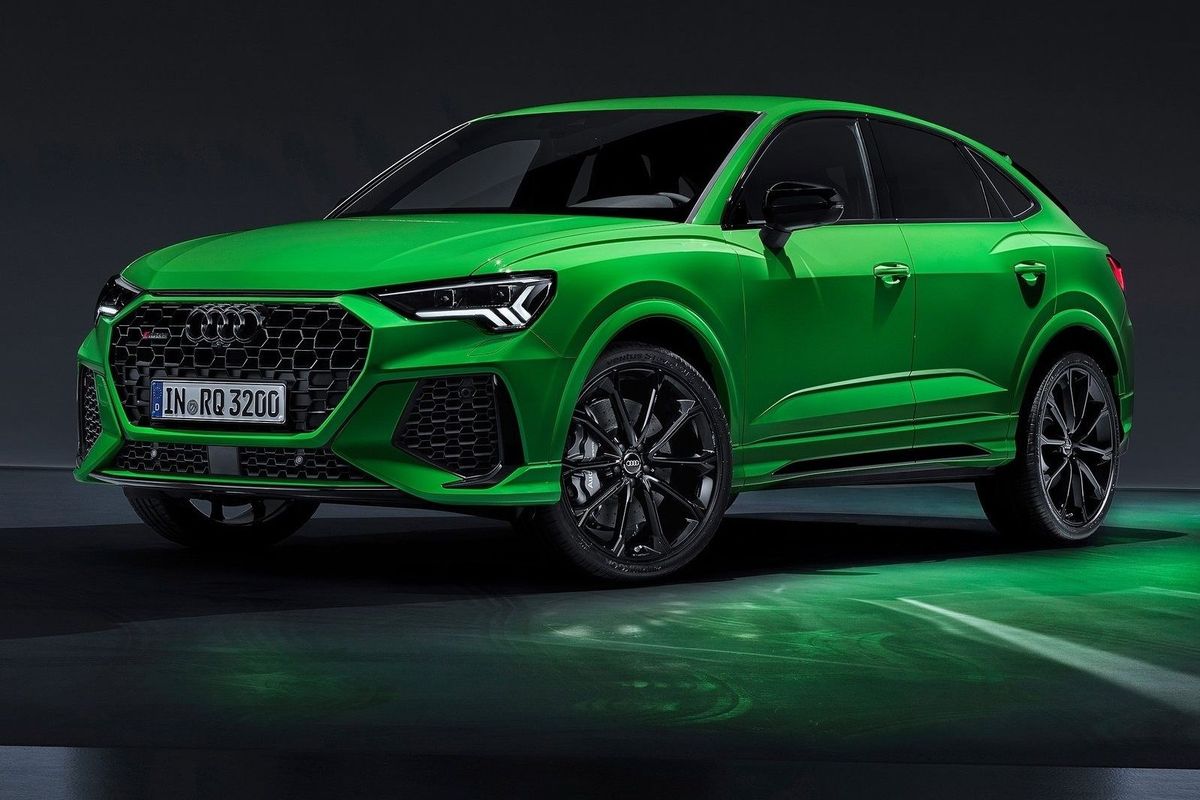
What you're looking at here is the all-new Audi Q3 Sportback – a rival to the Mercedes-Benz GLC Coupe and BMW X4 – but in the hottest RS spec. With the official reveal of the standard Audi Q3 Sportback scheduled for July 2019, attention turns to the rest of the range. We already know that Audi is preparing an RS Q3, but this will make for an interesting alternative.
The good news is the mighty 2.5-litre 5-cylinder engine is going to be retained. In the current TT RS application, for example, the motor develops 294 kW and 480 Nm so we know what it's capable of. We suspect that like the previous RS Q3, power will sadly be detuned. When we last drove an Audi RS Q3, it had 228 kW with 420 Nm. Power will go to a quattro all-4 wheels setup through an S Tronic dual-clutch gearbox. The Audi RS Q3 Sportback will be even more sporty than its standard sibling, in the same way the GLC Coupe and X4 are sportier derivatives of their SUV relations.
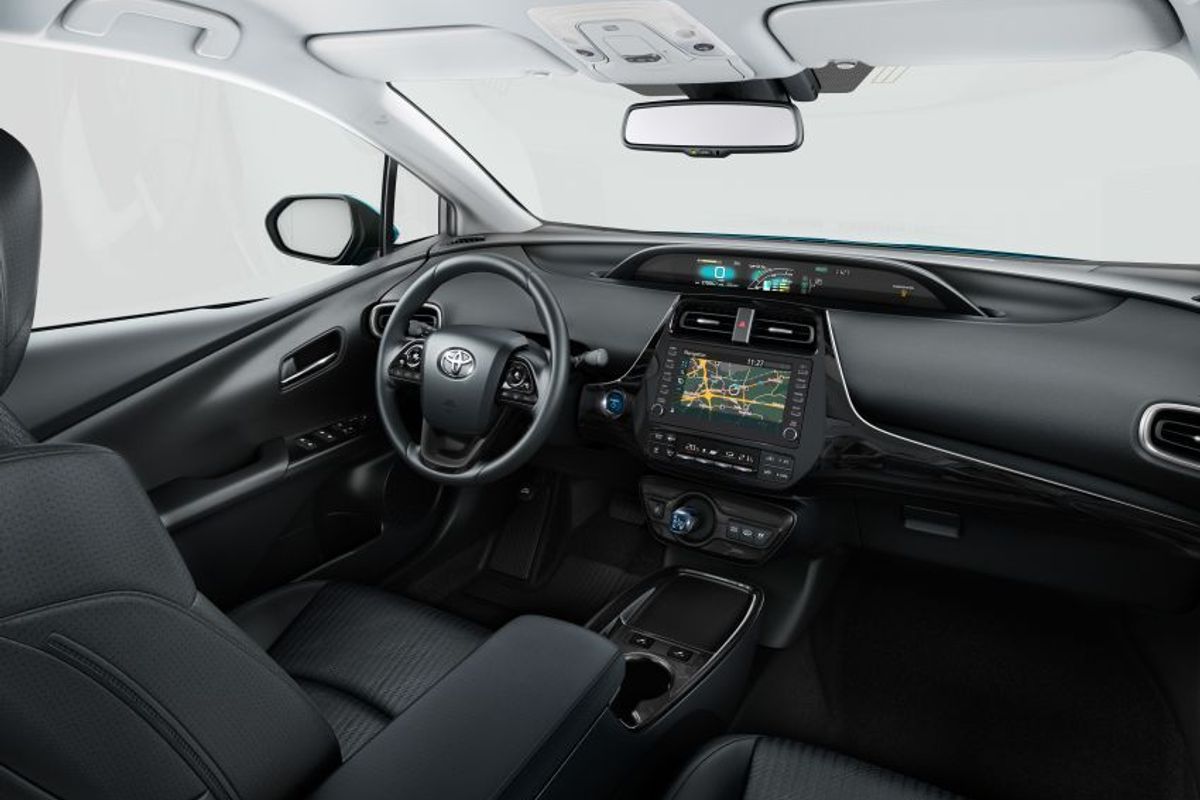
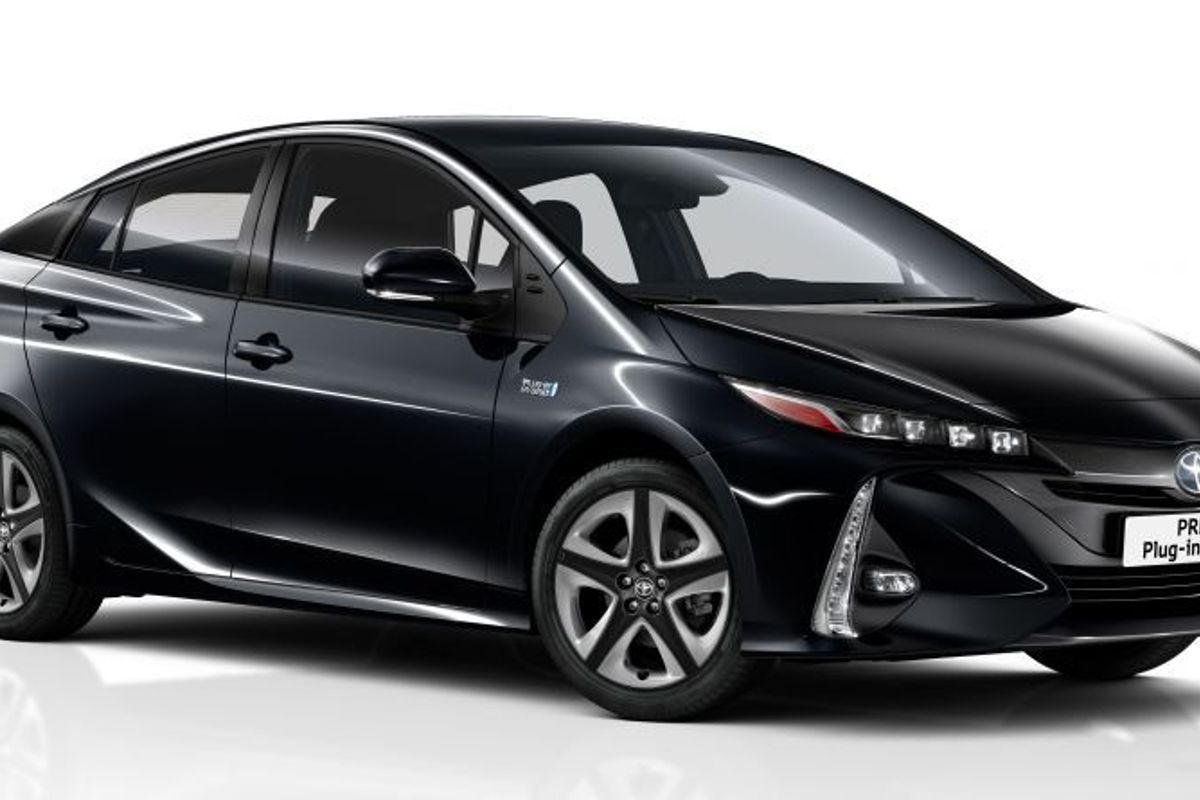
Toyota has announced a cabin configuration change for its facelifted fourth-generation Prius hybrid.
The current car has been in production since late 2015 and is powered by a combination powertrain, consisting of a 1.8-litre naturally-aspirated petrol engine and dual electric motors, good for a total system output of 100 kW.
Providing the car’s electric drive power is an 8.8 kWh lithium-ion battery pack, which can recharge in two hours and 20 minutes from a 200V wall socket. Prius also features a roof structure solar panel, which can boost electric-only range by 6 km, if you park it out in direct sunlight for most of the day to charge.
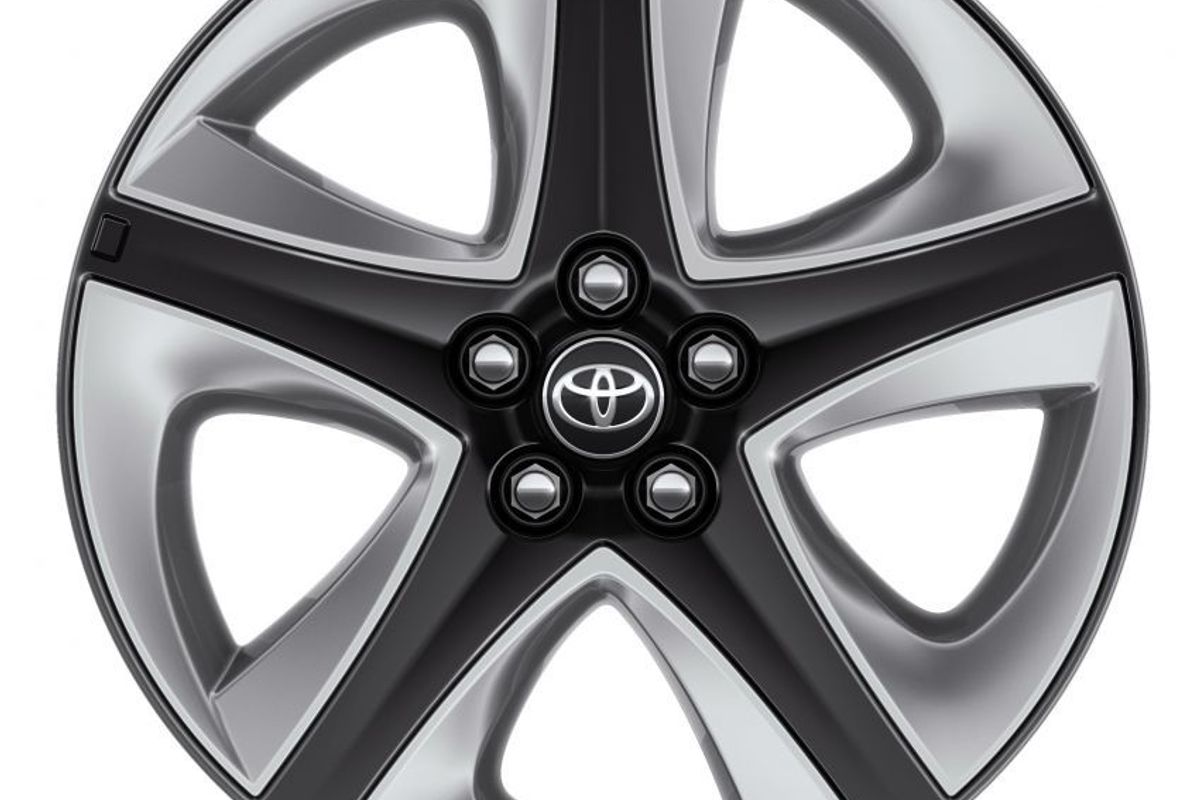
What is new in terms of design? Well, Toyota has upgraded the car's appearance a touch and you now have an option of dual-tone 17-inch alloy wheels, of a five-spoke design. Black and bright red also become exterior colour choices.
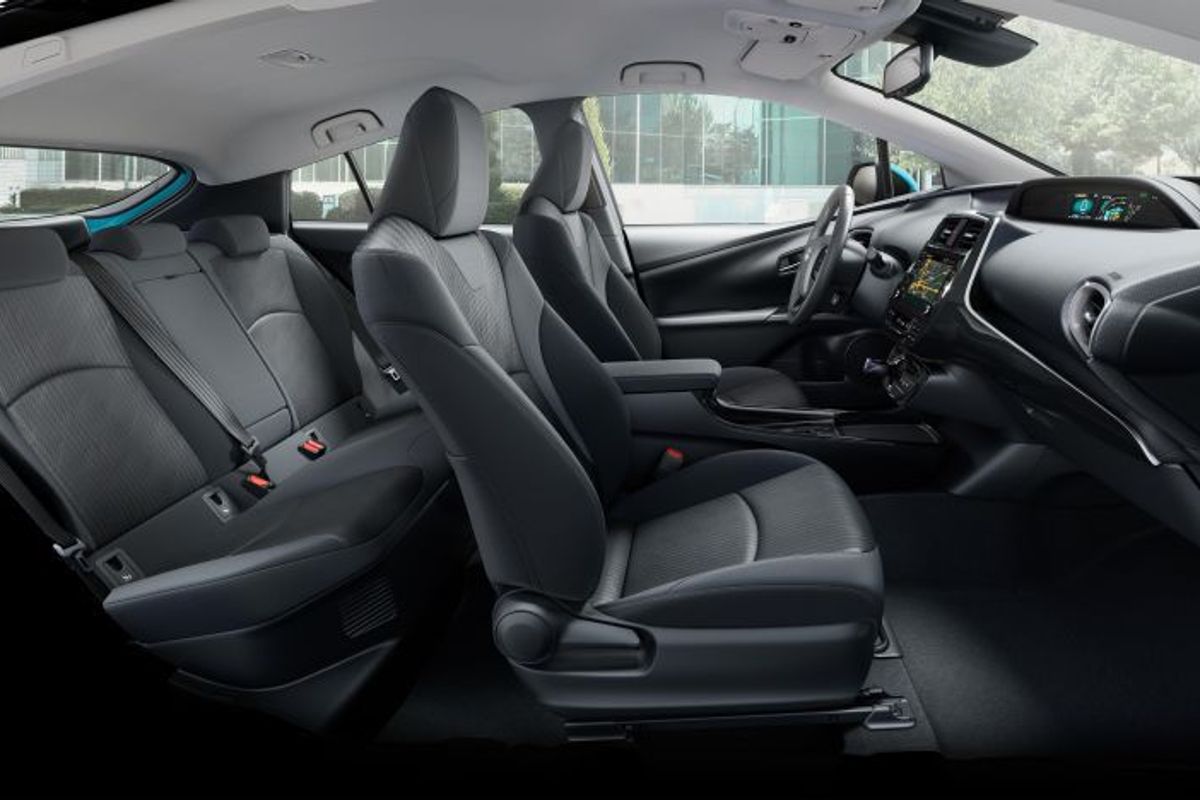
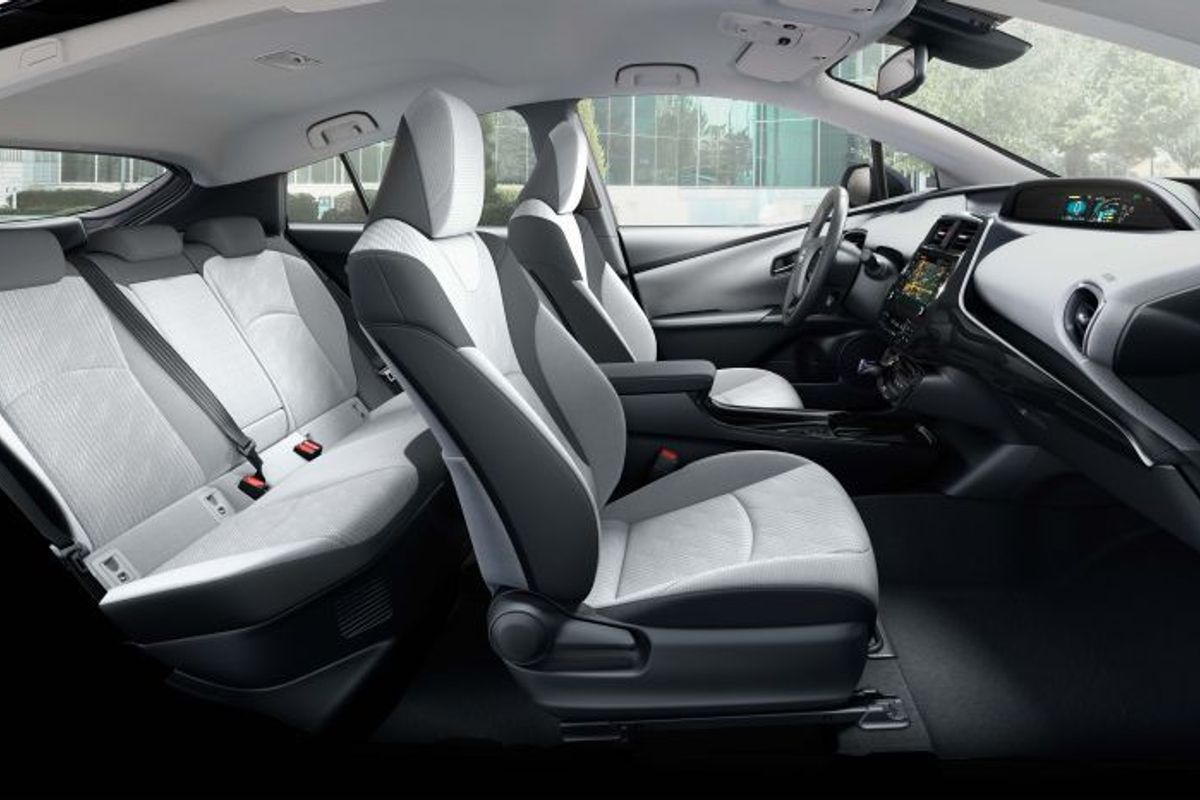
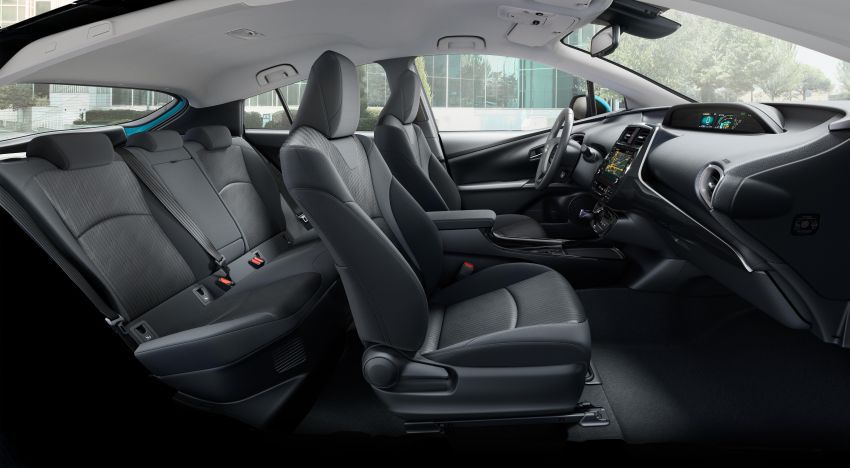
The most pronounced change for this new facelifted Prius is found inside, where the car’s rear seating has been changed from a two- to proper three-seater layout. Interior architects took the decision to delete the car’s massive centre armrest in the rear, thereby freeing up space for a middle passenger.
Prius is now a true five-seater occupant vehicle, as opposed to the slightly compromised configuration it was previously. Customers will also have option on a lighter cabin ambience, with contrasting light grey now available as a door panel, seat and dash trim colour.
Another design evolution includes additional sound insulation material, to make the Prius cabin even quieter on the move.
Volkswagen Continues SUV Offensive
Volkswagen is planning yet another Polo-based SUV. Here's what we know so far.
The original story was reported by Wards Auto, where Volkswagen announced it will be building a third model in the Polo family at the Group's facility in northern Spain. As it stands, this facility currently assembles Volkswagen Polo and Volkswagen T-Cross models. Since the plant came online back in 1984, over 272 000 vehicles have been assembled and it'll churn out around 1 410 cars every day.
As for the newcomer, Volkswagen is claiming the third model will be a "sporty urban CUV (crossover) and will have hybrid and electric versions." While that detail may not seem like much, we can speculate given the platform engineering that takes place. Also, if we consider Volkswagen's concepts from the past few years, we get a clearer picture.
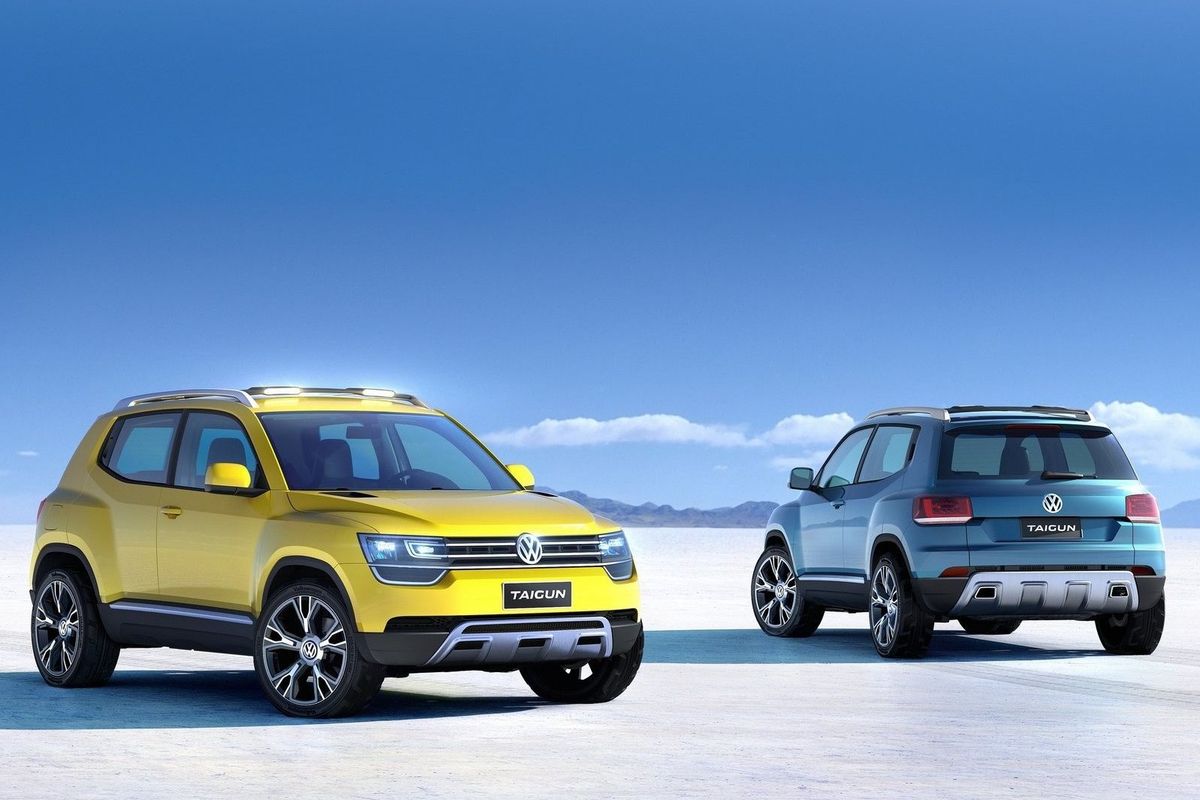
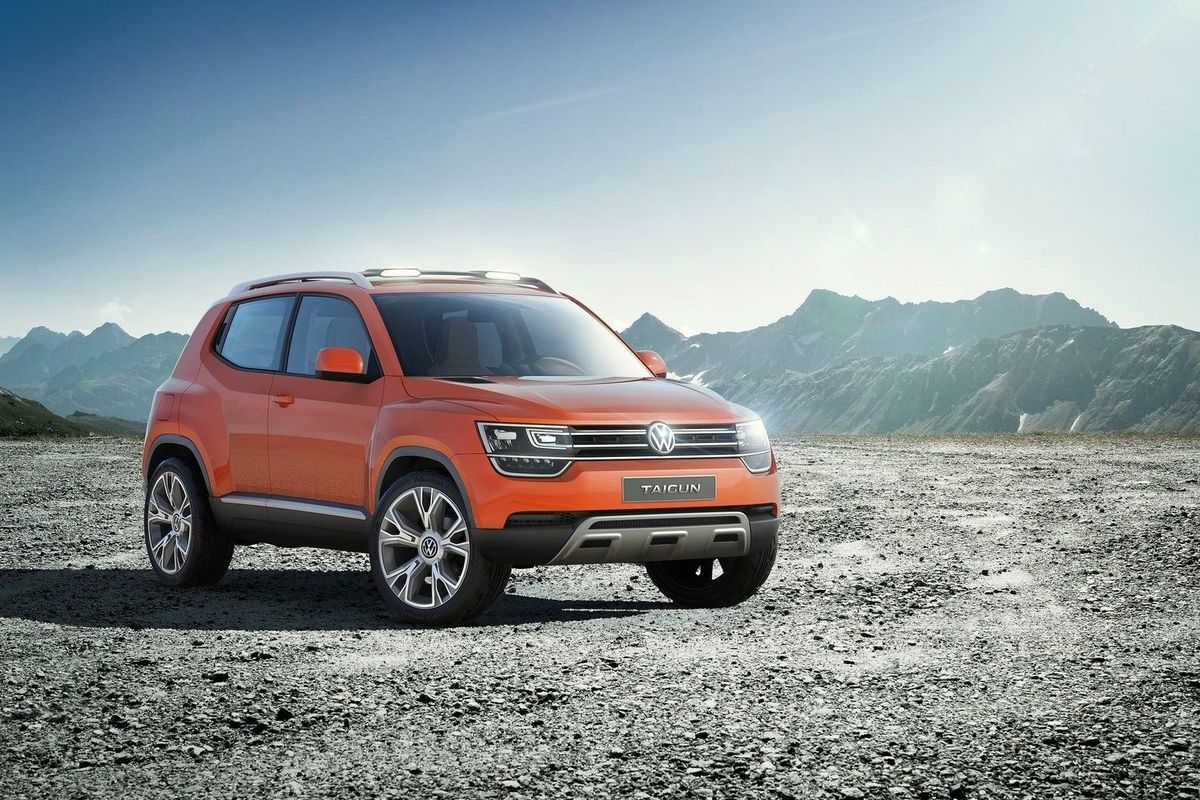
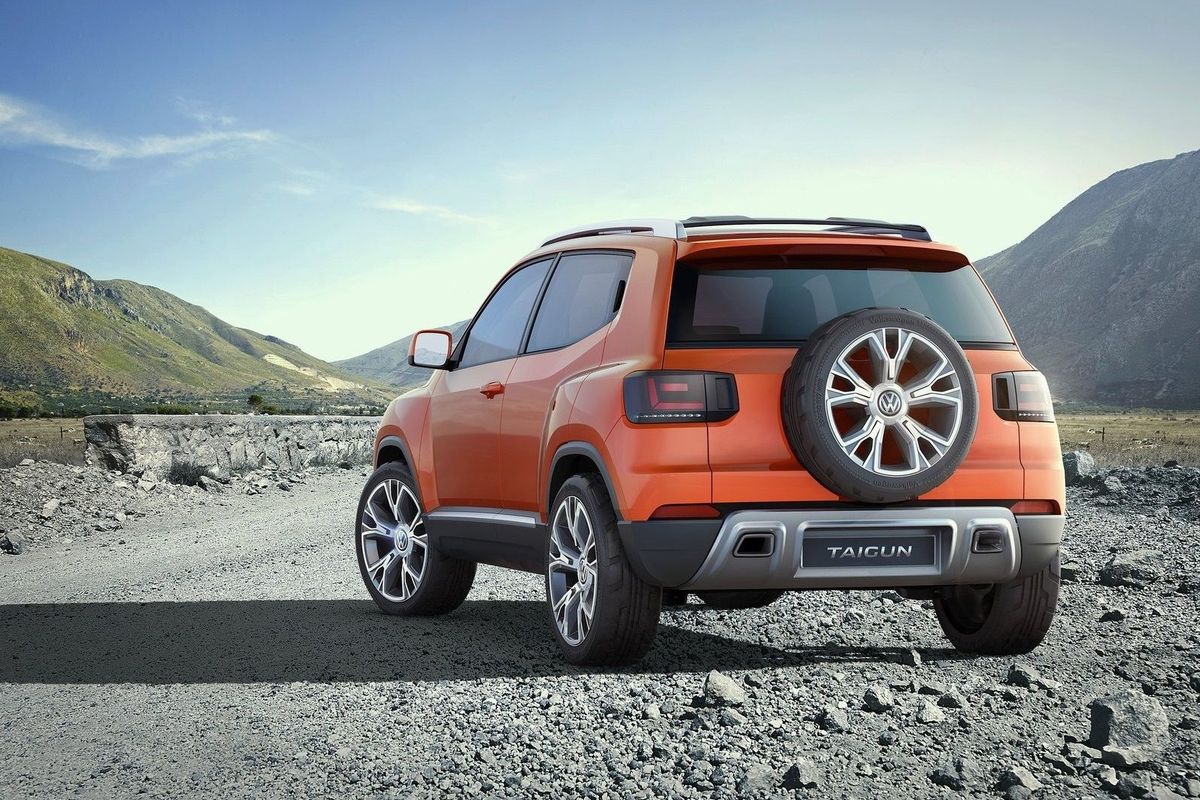
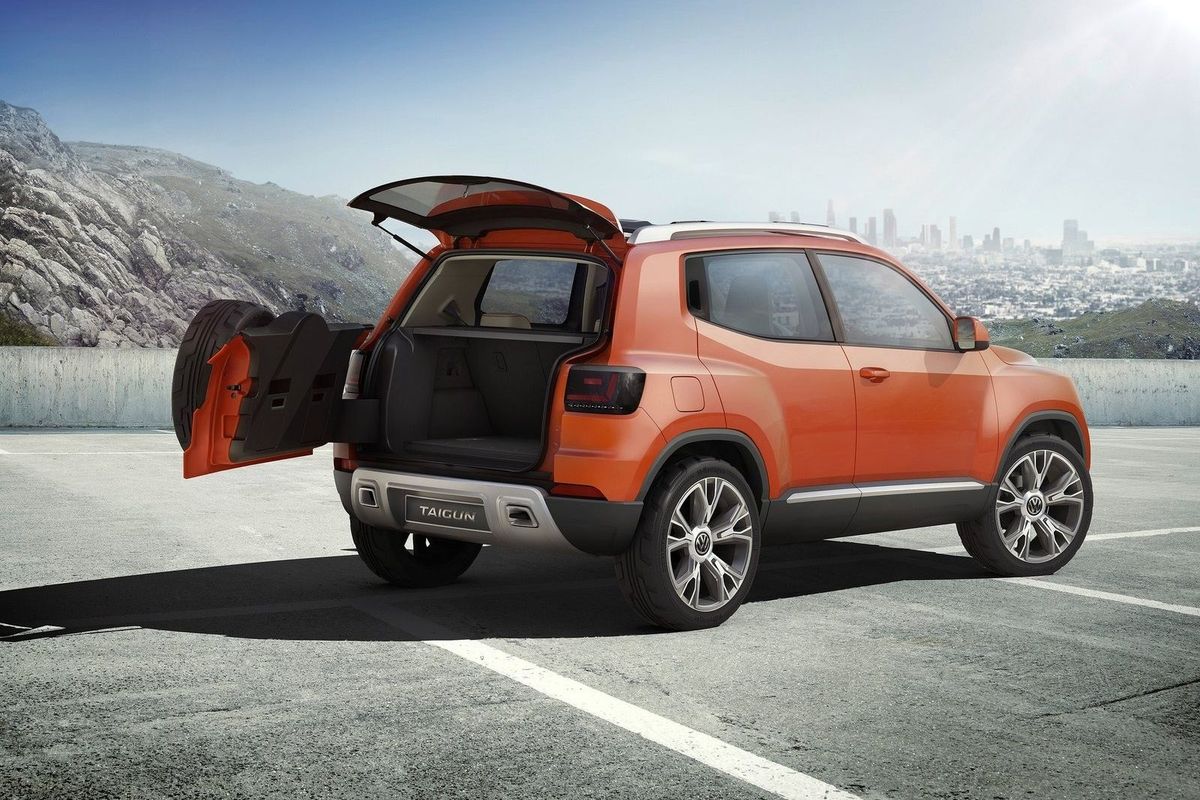
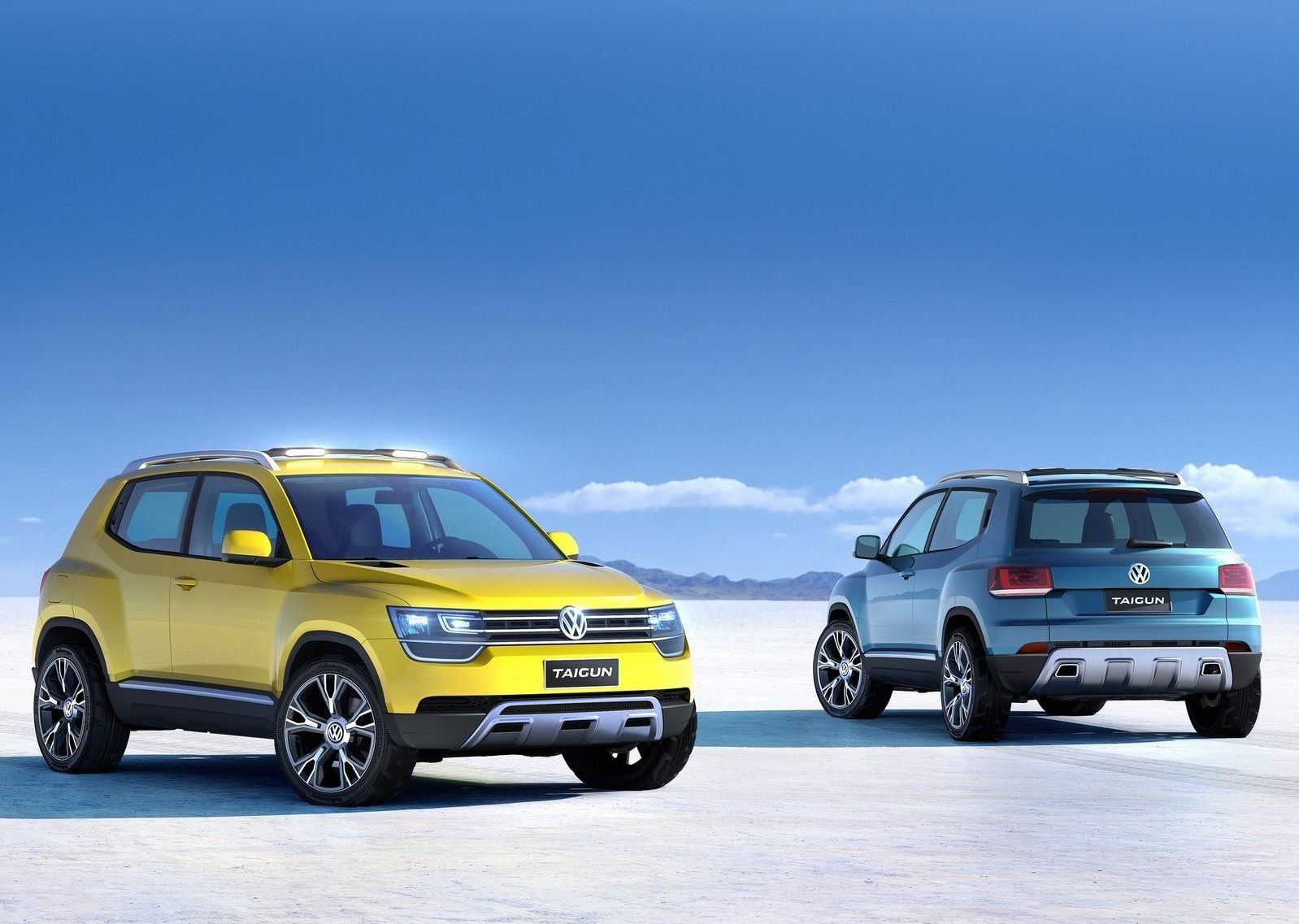
Remember the Volkswagen Taigun concept from 2013/2014? Well, we think this newcomer could draw inspiration from that in terms of design and thanks to the MQB platform, should be fairly straightforward to assemble. The platform has a stellar track record for packaging and ride quality, so we reckon testing and production to be fairly formulaic. Given Volkswagen's ambitions in the electric space with the ID range, it should come as no surprise that this tech will be distributed across the Volkswagen family.
A really compact SUV / crossover would sit at the bottom of the family. It would be smaller than the Volkswagen T-Roc and the T-Cross. Could this be a rival to the Suzuki Jimny? Production is expected to kick off in the 2nd half of 2021.
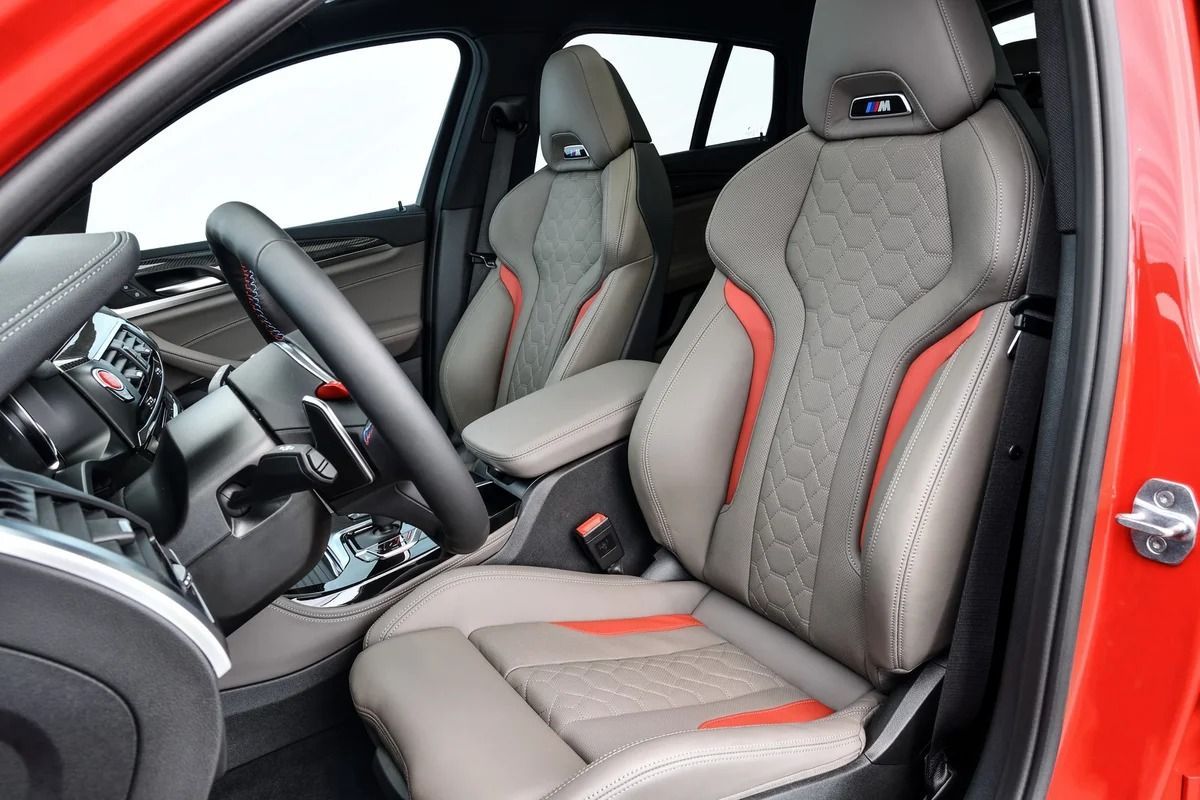
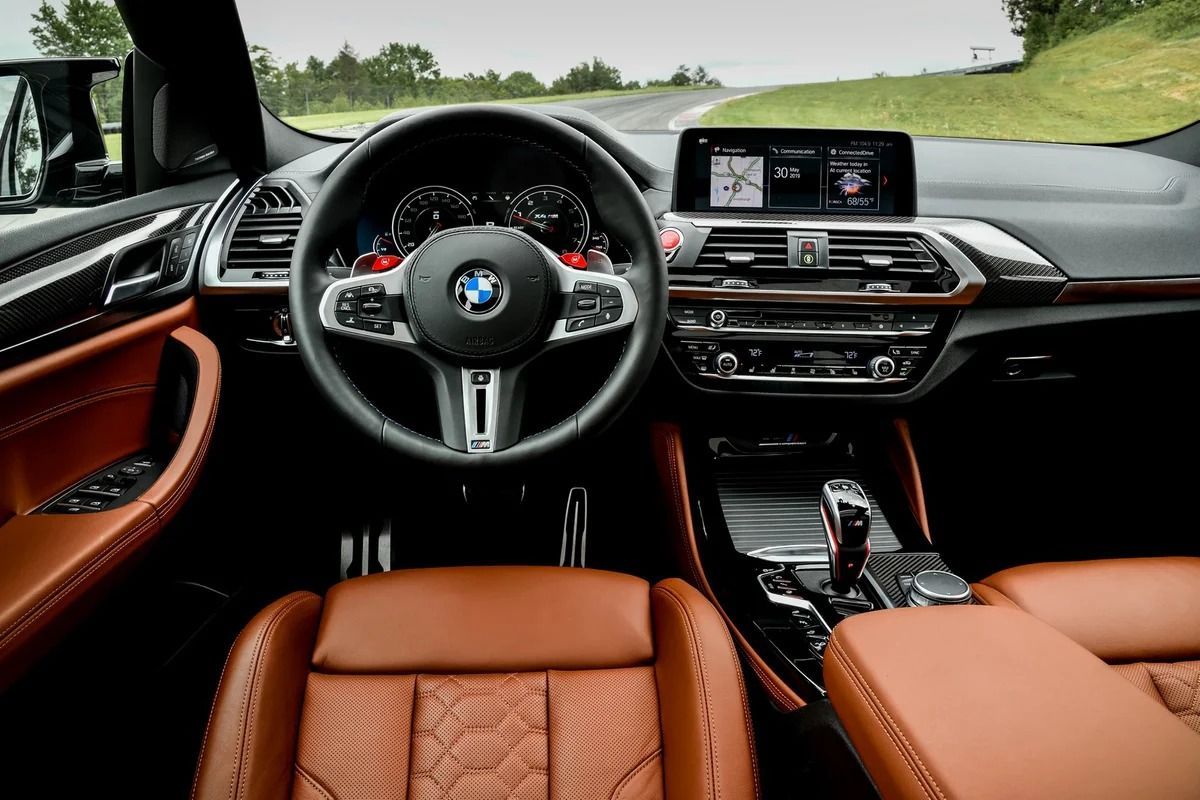
BMW has released pricing for the new BMW X3 M and X4 M Competition models which are due to launch in South Africa in October 2019.
Back in June 2019, our video guy, Ciro De Siena, visited Newark in the USA to test drive the first-ever M versions for the X3 and X4. He came away mostly impressed and if you haven’t read/watched his impressions, then best you do so.
Now, however, BMW has released local pricing for both the X3 M Competition and X4 M Competition which are due to arrive in October. Note that the South African market will not receive the standard X3 M and X4 M.
Power comes courtesy of an all-new 3.0-litre, straight-6 twin-turbocharged engine developing 375 kW and 600 Nm. Power is directed to all four corners via an 8-speed automatic transmission. Acceleration from zero to 100 kph is claimed at 4.1 seconds with a top speed of 280 kph when you opt for the optional Drivers Package.
Take a look at what you can expect to pay for the BMW X3 M Competition and X4 M Competition below.
BMW X3 M / X4 M Competition – Price in South Africa
The all-new Mazda3 looks very different from its predecessor, is the styling departure going to be too much for some? And what's it like to drive?
The new, 7th-generation Mazda3 has made landfall in South Africa and we attended the Japanese compact hatchback and sedan range's launch. for an in-depth read of our first drive, check out this article.
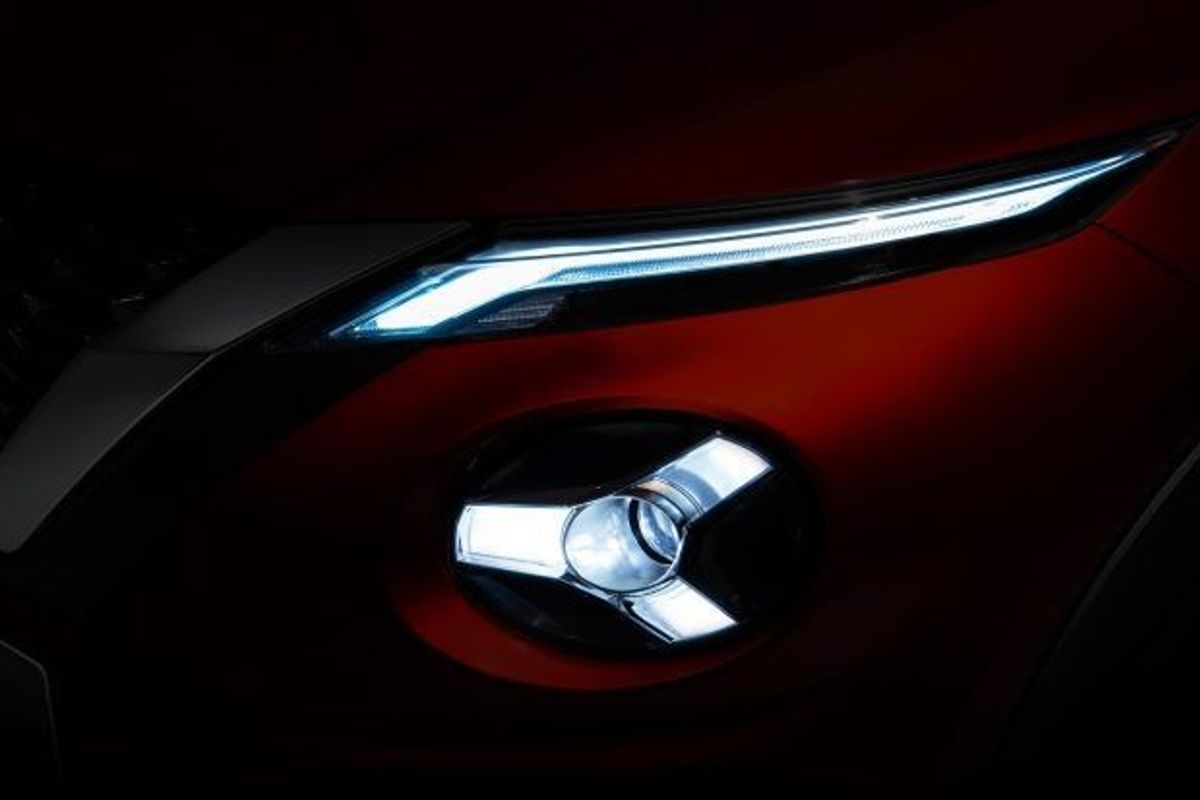
We now know there's an all-new Nissan Juke coming, thanks to this teaser image. Here's what else we know so far.
Like it or loathe it, the Nissan Juke is one of those passenger cars that got people talking. David Taylor is especially fond of its quirky looks and surprisingly potent turbocharged petrol engines. First launched in South Africa in late 2011 and then facelifted in 2015, the Nissan Juke won many fans locally.
Now Nissan has dropped a teaser image showing a headlight and foglight detail of the all-new 2nd generation Juke. With a reveal scheduled for the 3rd of September, the new Nissan Juke will continue to make the most of what's left of the Renault-Nissan alliance. While unconfirmed, we expect the newcomer to be assembled on the CMF platform which is shared with the new Renault Clio and new Renault Captur – both of which are due in SA in 2020.
The shared components with the French carmaker mean that engines are likely to be shared too. The previous model used both the 1.6-litre turbo and 1.2-litre turbo from the Renault Megane and it makes perfect sense to continue this practice. The new Renault engines look decent on paper too, with a 1.3-litre turbo 4-pot. Let's not forget the new turbocharged triple engines as well as the venerable 1.5-litre diesel engine that continues to power things like the Renault Duster.
We'll have all the information on the all-new Nissan Juke when it's unveiled in early September 2019.
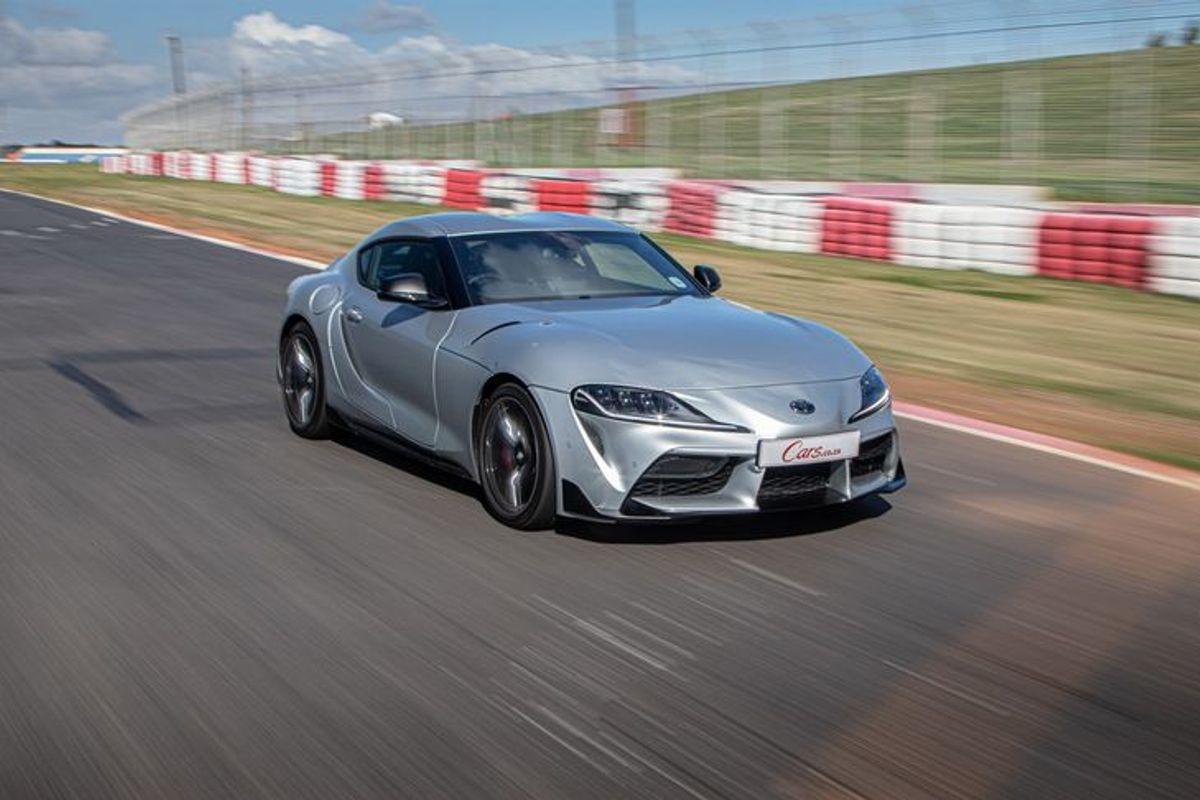
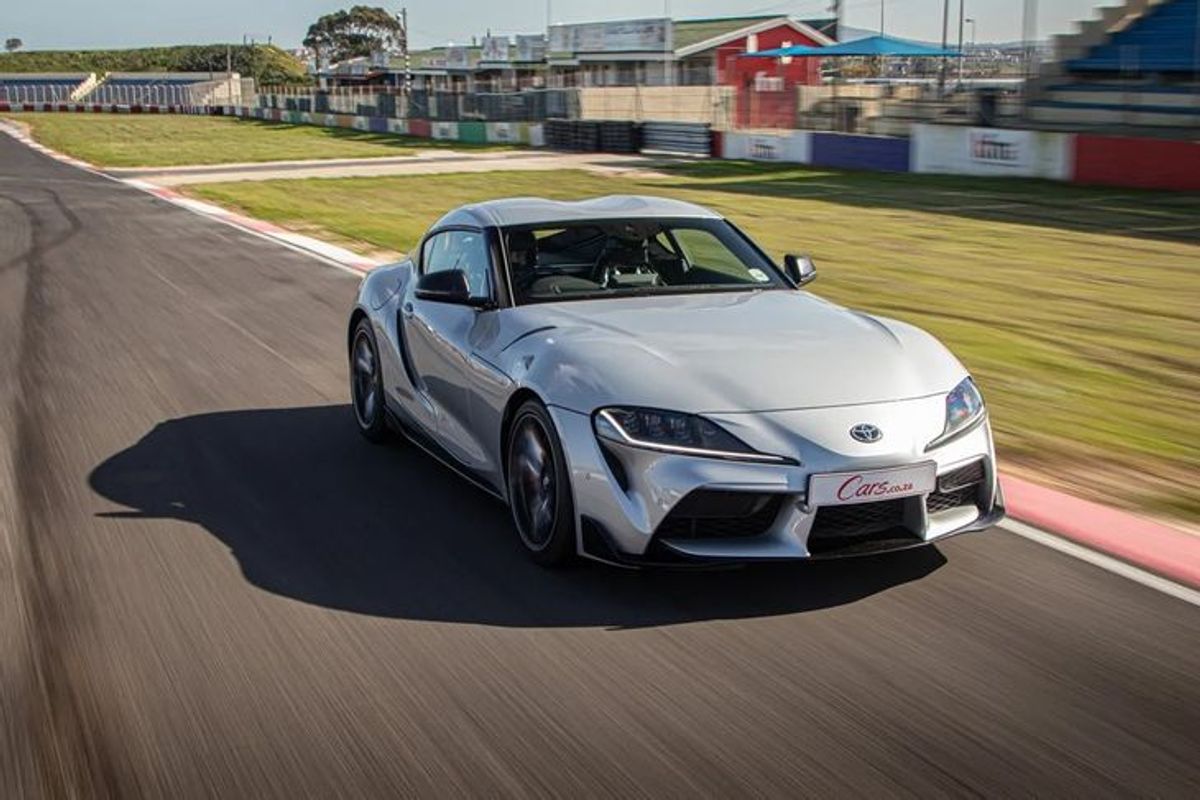
The eagerly-anticipated Toyota (GR) Supra has finally touched down in South Africa and we had a chance to put it through its paces on some of the finest roads in the Eastern Cape.
To say the all-new Supra's gestation was controversial would be quite the understatement. Toyota and BMW's co-development of a sportscar (the Supra) and roadster (the Z4) set tongues wagging. However, platform/powertrain sharing is nothing new… If it didn't exist, we wouldn't be blessed with iconic machines such as the Lamborghini Huracan and Audi R8 cousins. The supercar pair share a multitude of parts and underpinnings, yet the cars' respective Italian and German manufacturers haven't provoked the ire of sportscar purists like Toyota and BMW have. Why would that be?
Granted, Toyota and BMW aren't the most natural of allies, but petrolheads tend to forget that car companies are businesses. Many of us wish that every manufacturer with sporty pretensions would produce a compact 2-door sportscar, but the reality is that cars such as the Supra and Z4 sell in low volumes; they're hardly money-spinners for their manufacturers. Plus, in the case of Toyota, the Aichi-based manufacturer did not have a suitable rear-wheel-drive platform or performance-oriented motor to produce an all-new Supra. The natural course of action was to partner with a firm with a stellar track record for those precise elements. Enter BMW, which was conveniently working on the latest iteration of its Z4 roadster.
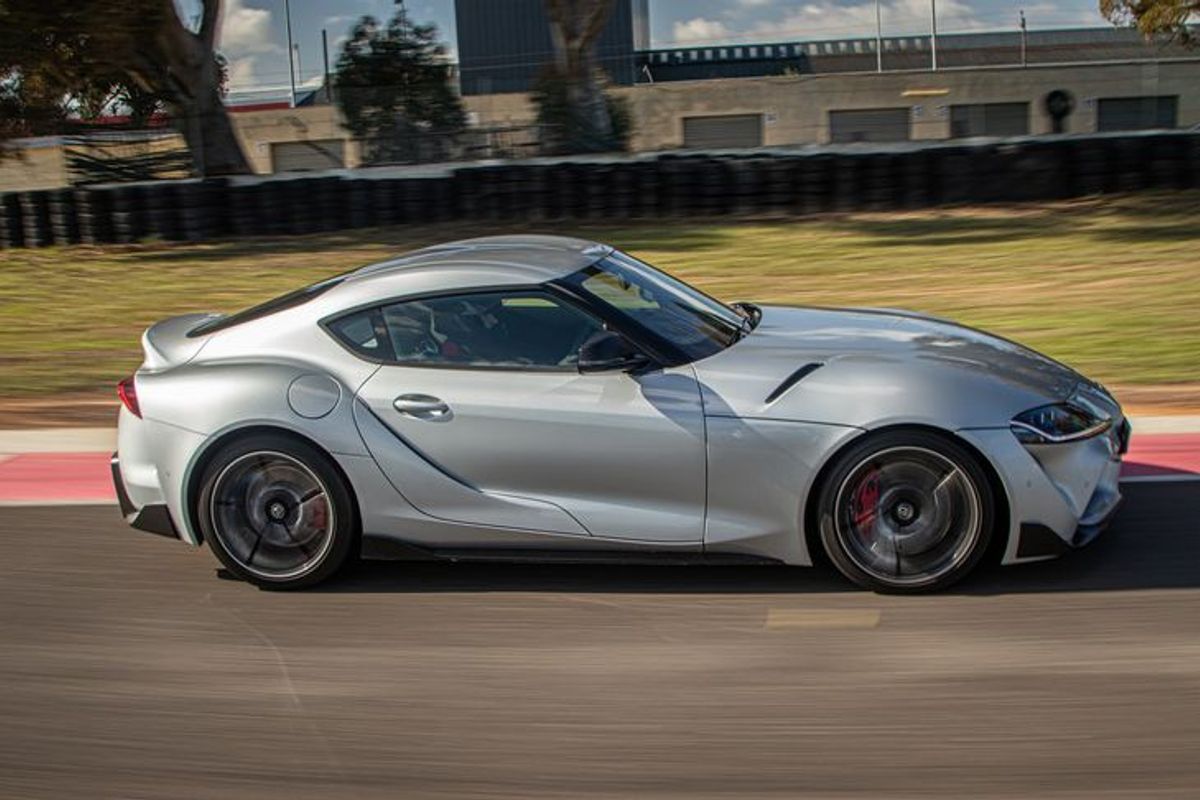
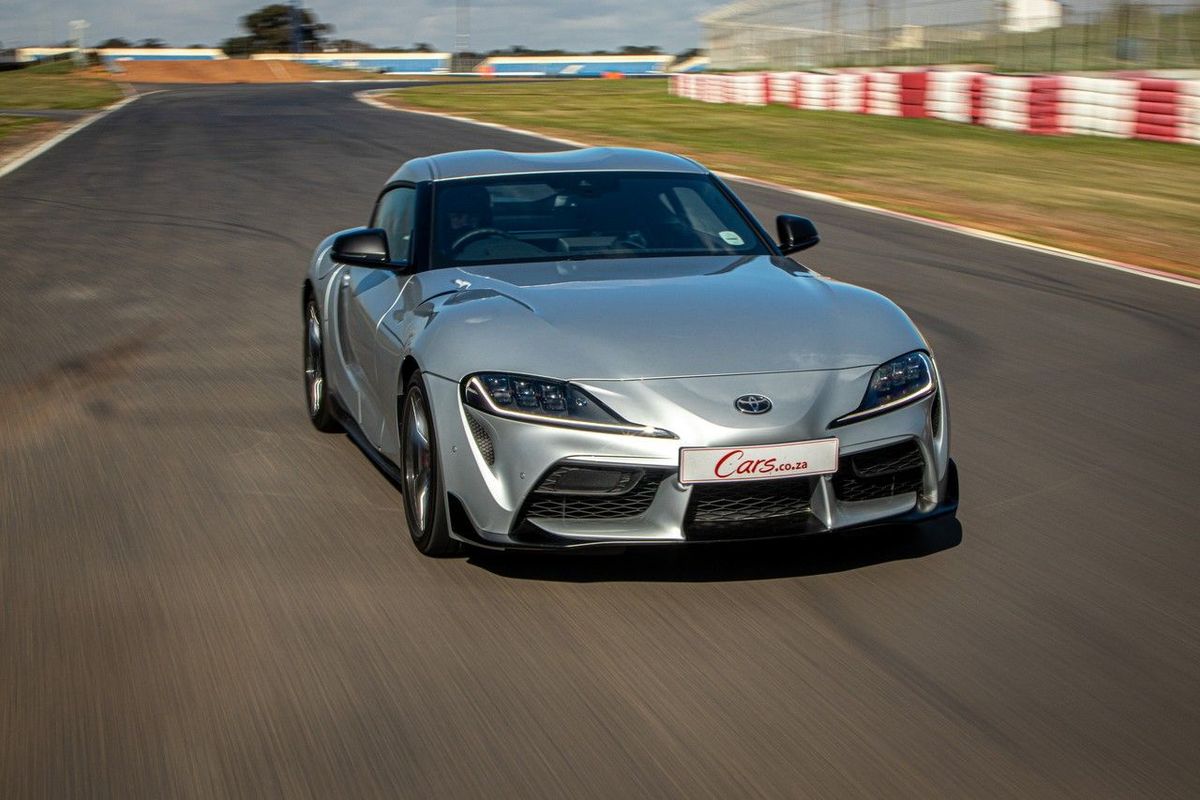
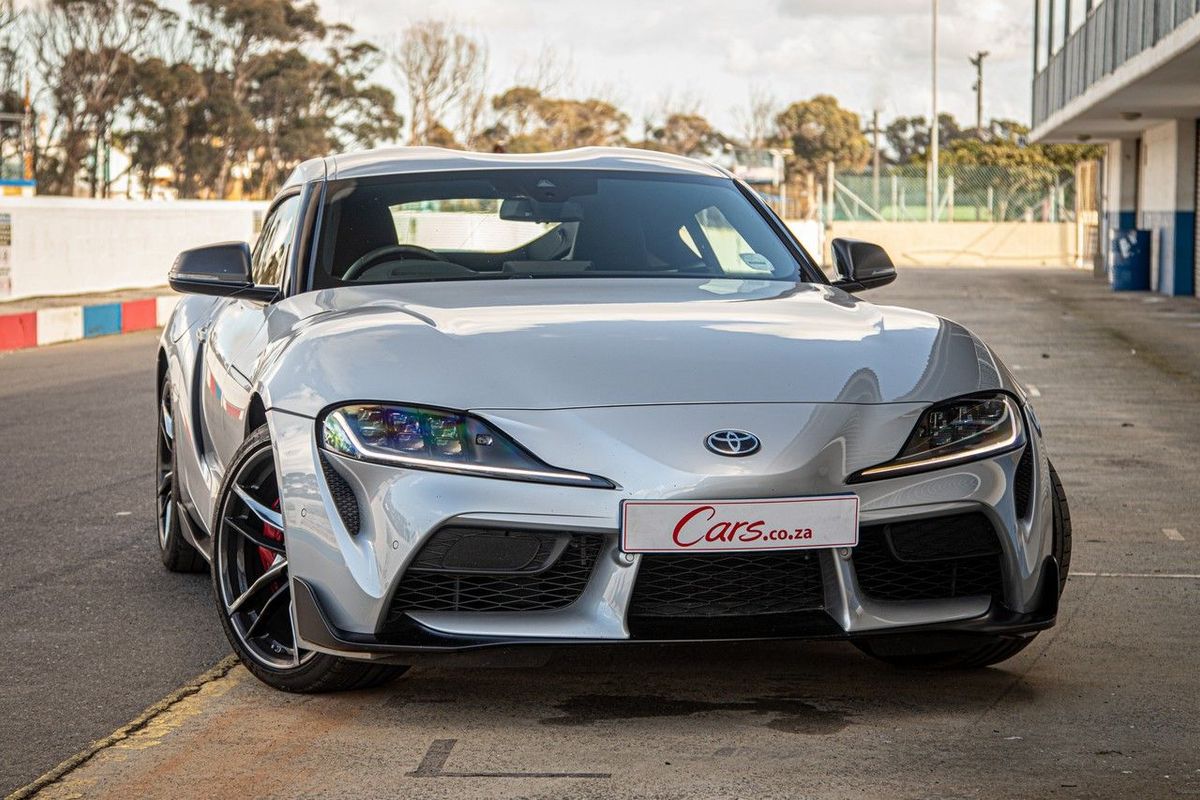
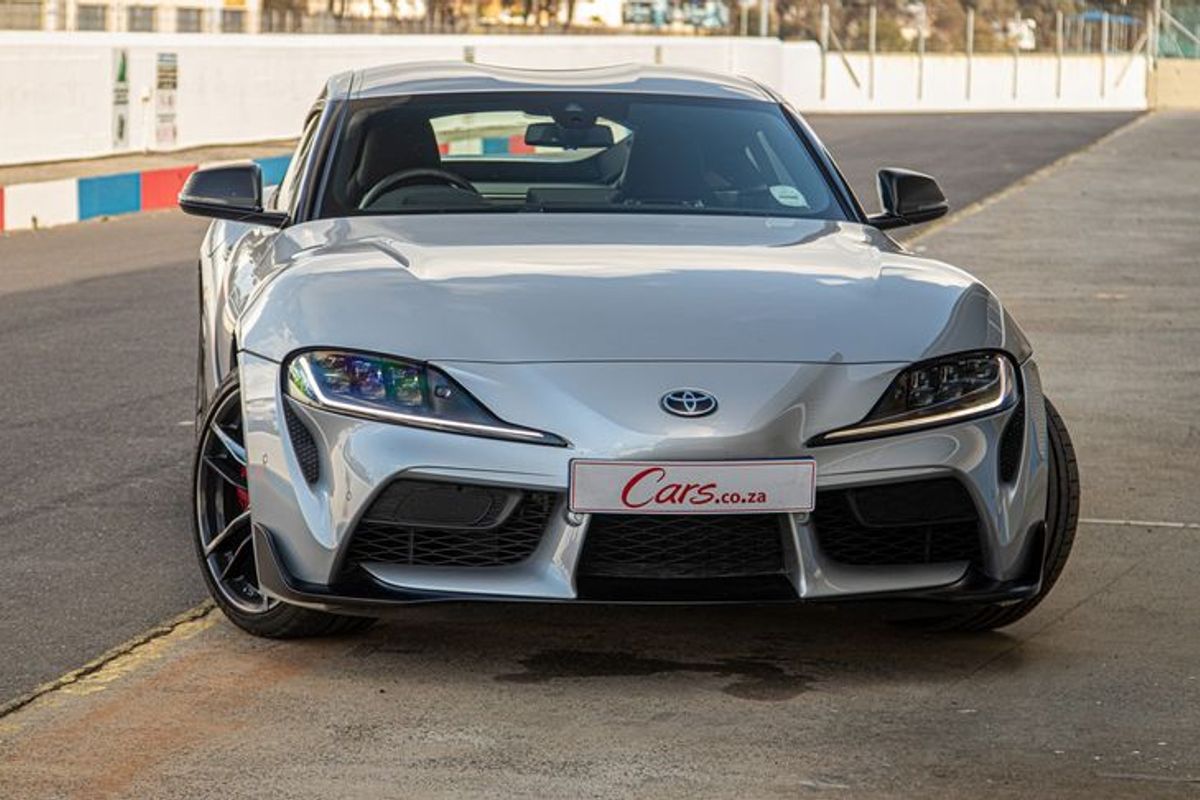
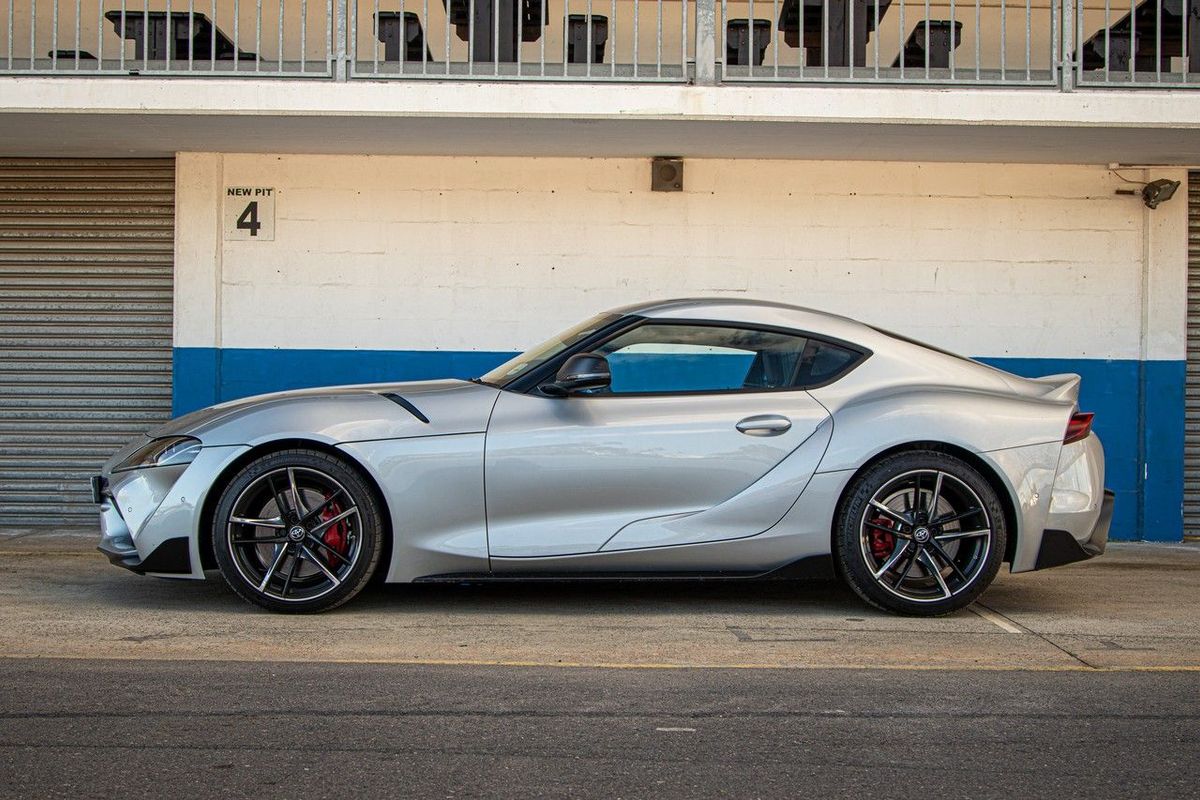
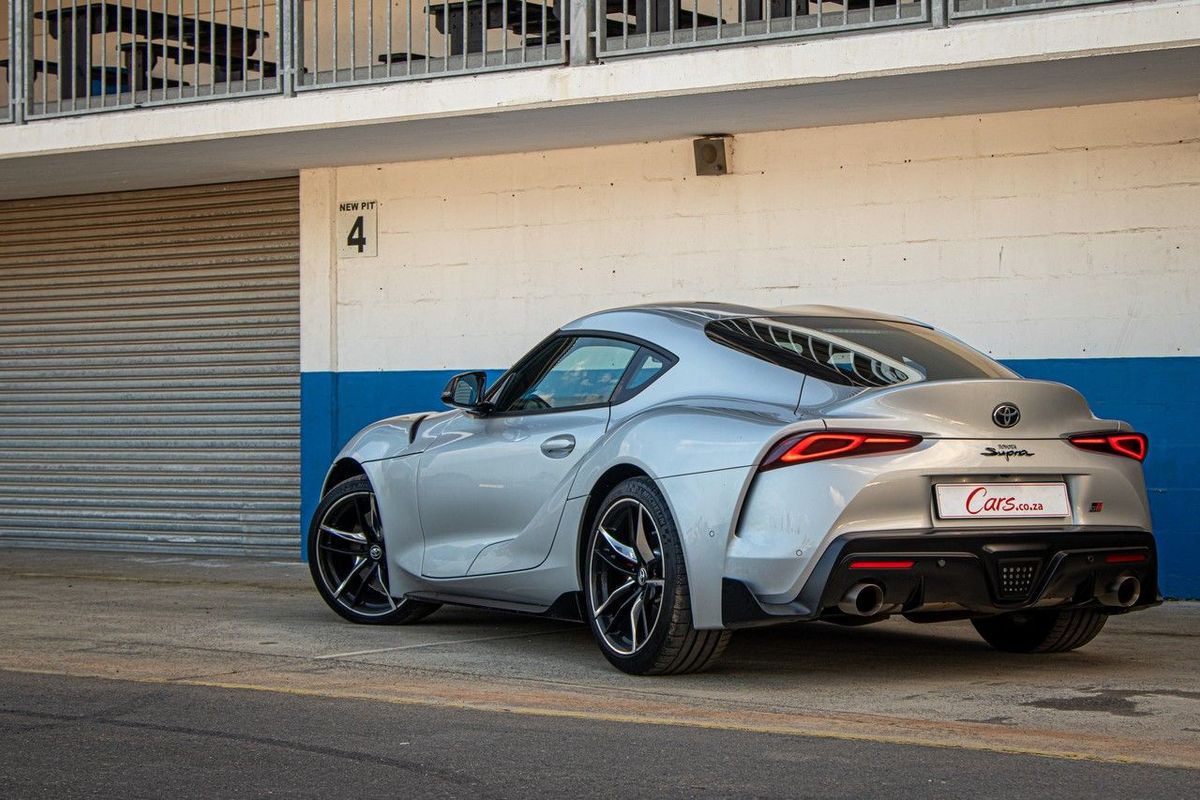
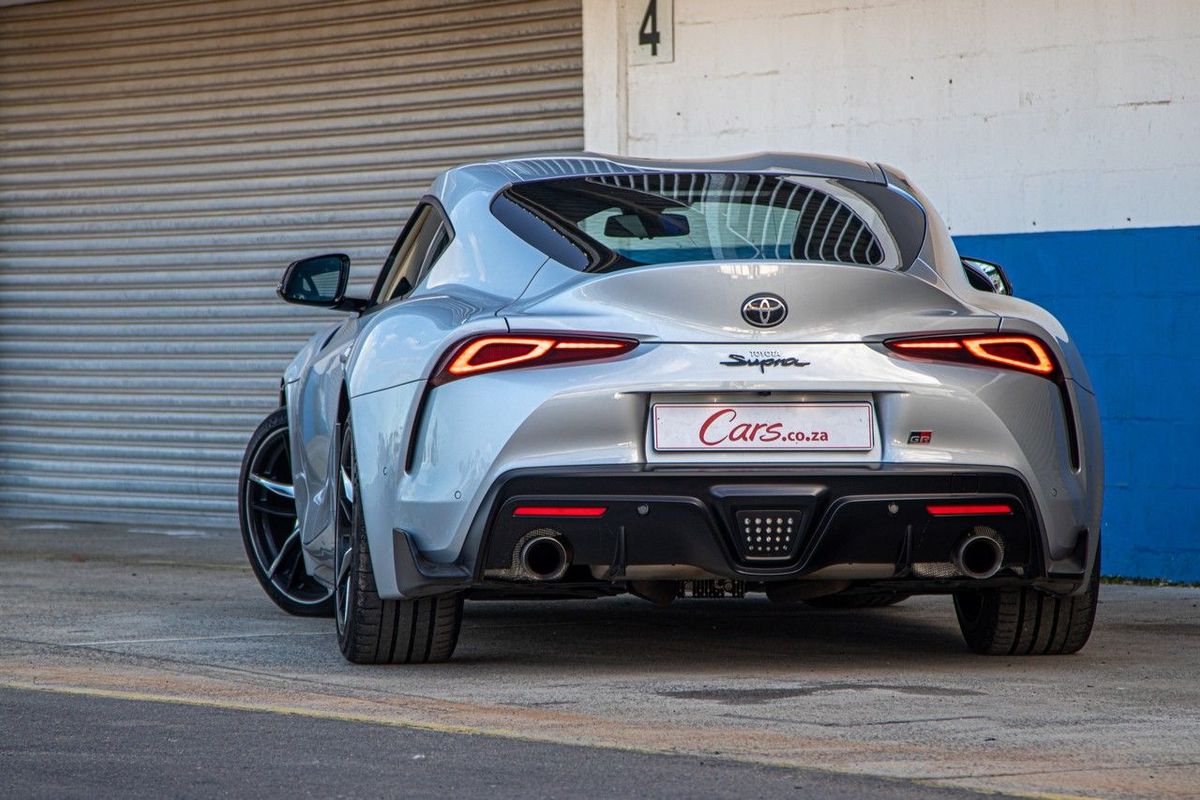
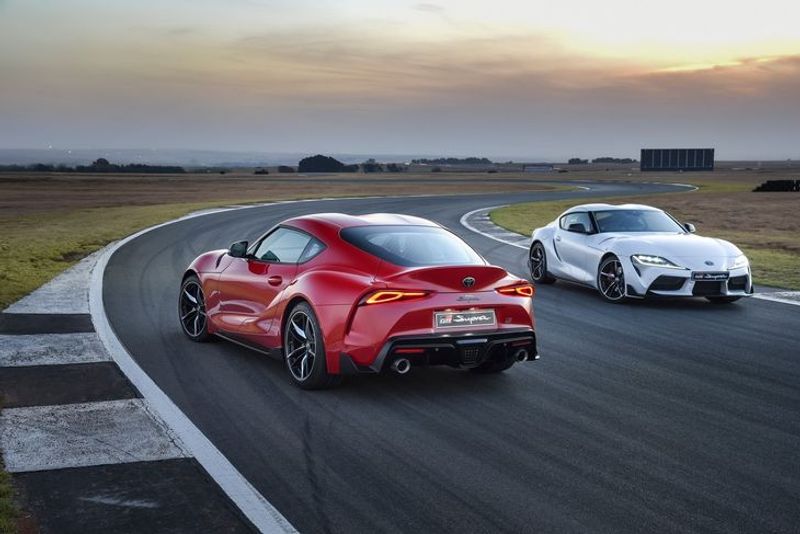
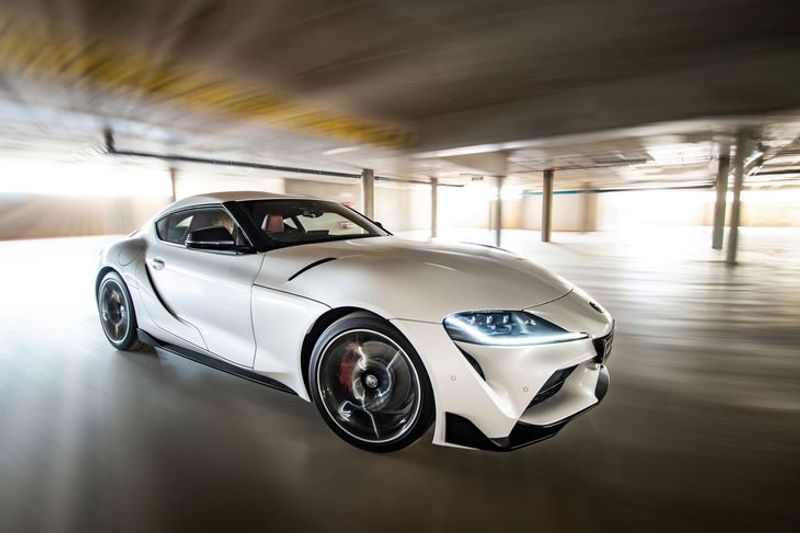
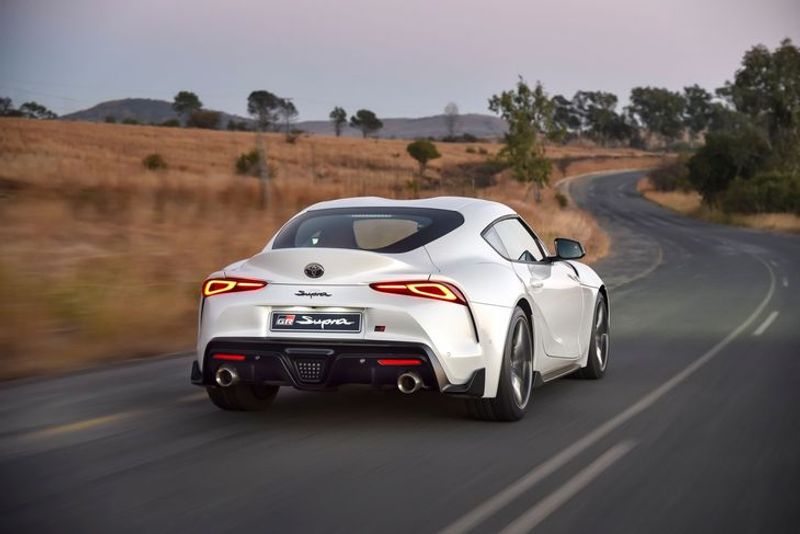
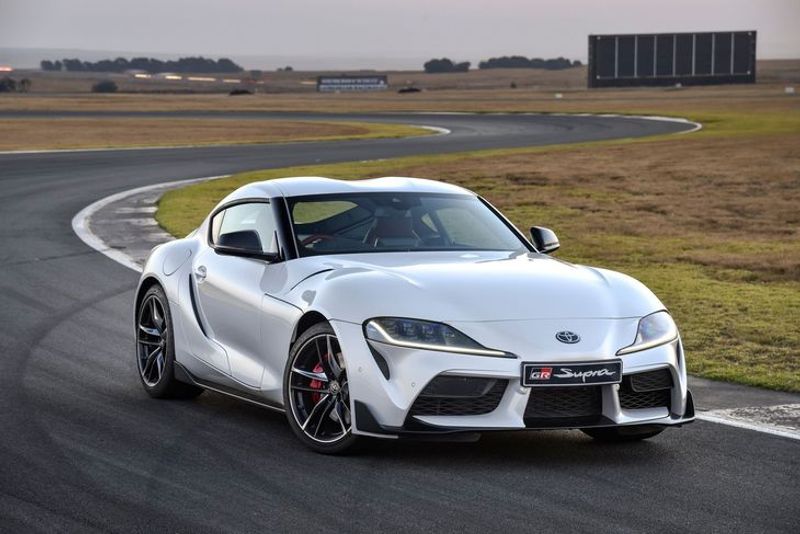
Fast forward to 2019 and the all-new 5th generation Toyota Supra (Codenamed A90) has arrived in South Africa… and not all that long after its German ragtop relative. Just look at it! In an era in which manufacturers' design languages are often accused of being too generic/derivative, we can comfortably declare this bold and aggressive look as distinctive – there's nothing quite like it and we have the Toyota FT-1 concept (2014) to thank.
Sensational looks are the main thing when you cast your eyes upon the all-new Toyota Supra
Powertrain
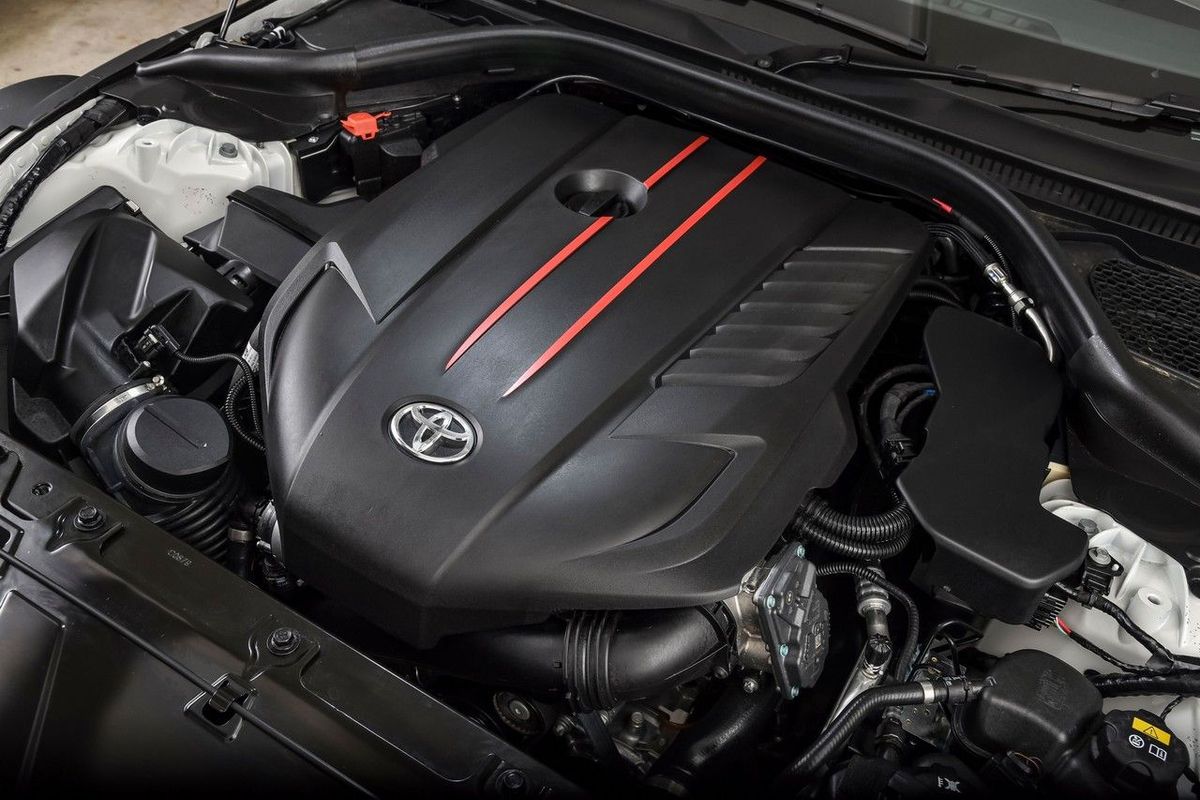
The Supra's BMW-sourced 3.0-litre straight-6 motor delivers 250 kW and 500 Nm, which reaches the rear wheels via an 8-speed automatic transmission. It's a ZF-sourced transmission, which can be mapped to deliver dual-clutch-like quick shifts. Toyota claims a 0-100 kph time of just 4.3 seconds, thanks to the addition of launch control. There are shift paddles located on the steering wheel for additional control and enjoyment.
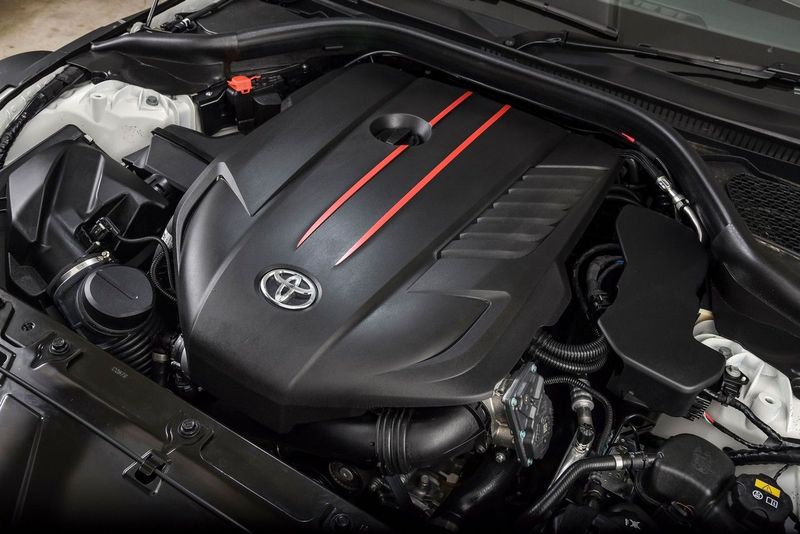
This is the 3.0-litre turbocharged 6-cylinder engine. Sourced from BMW, it produces 250 kW and 500 Nm.
The all-new Toyota Supra also features 2 driving modes: Normal and Sport. Normal mode is pretty self-explanatory, but Sport sharpens things up and makes the newcomer more responsive, eager and (importantly) louder. You can even dive deeper into the car's settings and toggle the adaptive dampers, transmission mapping, engine sound, engine responsiveness and active differential performance to your heart's content.
SA-spec cars
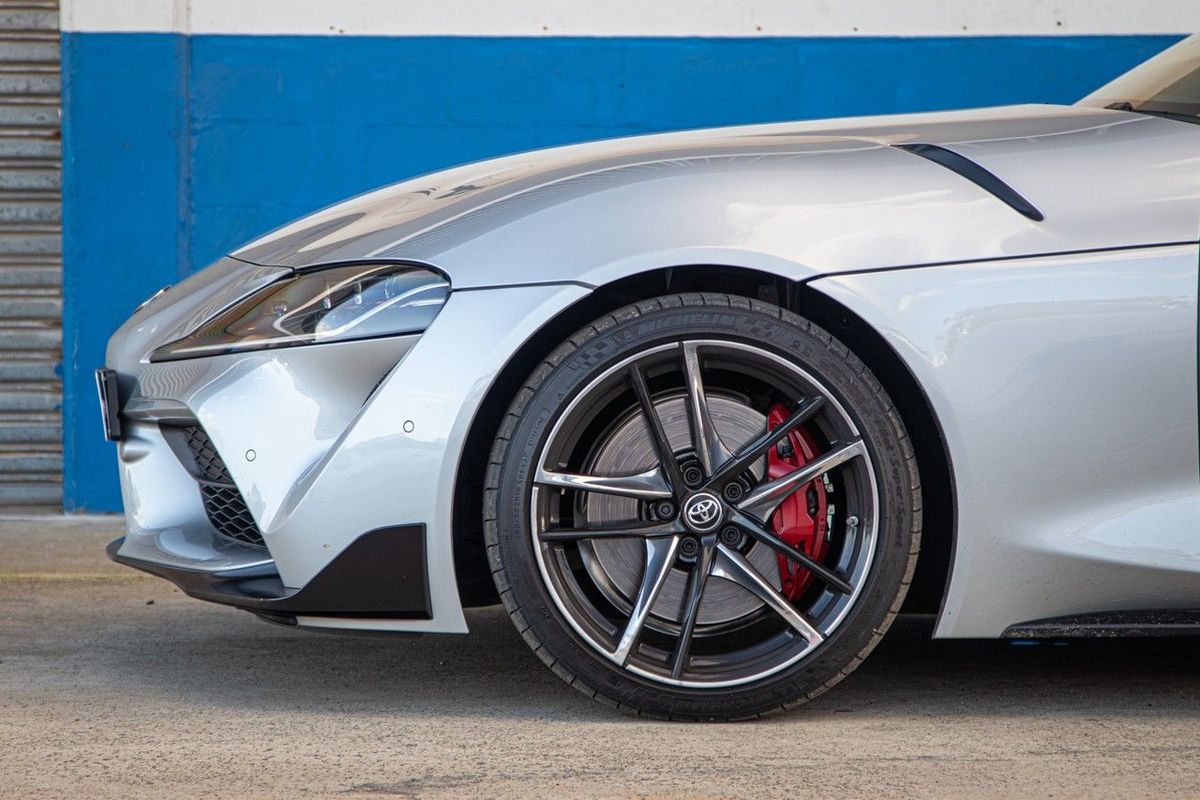
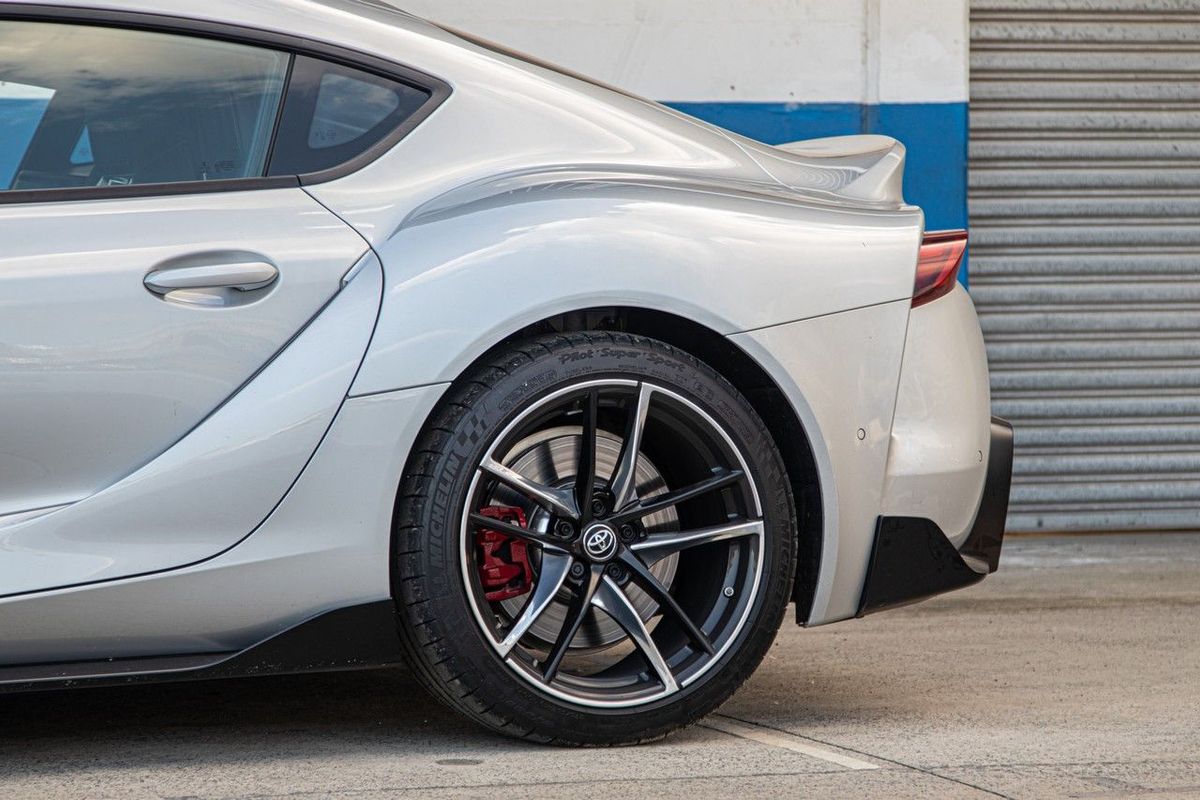
Toyota SA offers the Supra in 2 flavours: GR Supra Track and GR Supra, both of which feature an active differential and 19-inch alloy wheels.
The Track-spec Supra, which is obviously aimed at driving aficionados, comes equipped with dual-zone automatic air conditioning, smart entry with push-button start, leather-trimmed steering wheel with thumb-mounted switches and a digital instrument cluster. LED adaptive headlights, LED rear lights and LED daytime running lights are fitted, plus the mirrors (side mirrors and rear-view mirror) are all auto-dimming. Rain-sensing wipers, a reverse-view camera and a 10-speaker audio system (with a 6.5-inch display), Bluetooth functionality and USB port round off the Track derivative.
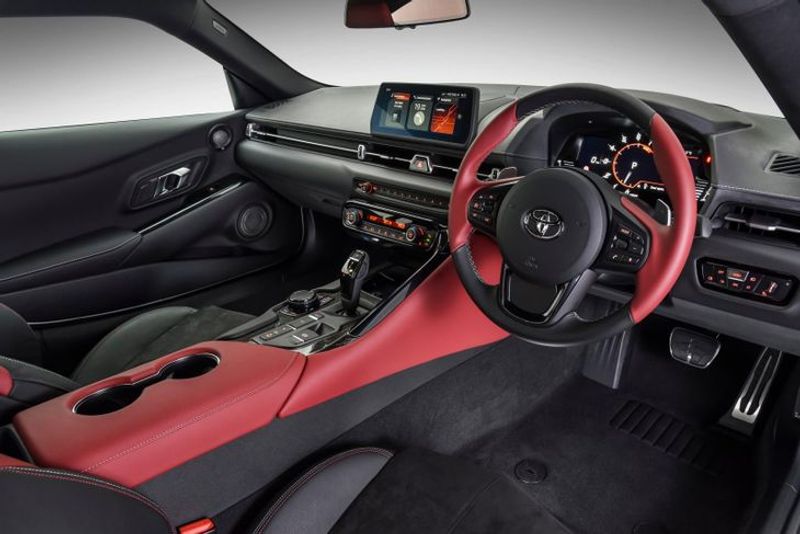
There's plenty of good looking componentry here, but as you can see, it's mostly from the BMW parts bin.
The higher-grade version gets an upgraded infotainment system (with an 8.8-inch touchscreen), satellite navigation, a 12-speaker JBL audio system, leather/Alcantara sports seats (with heating and memory function), a wireless charging pad, tyre-pressure monitoring, park distance control and a head-up display. Adaptive suspension and an array of active-safety equipment (let's be thorough: a pre-collision system, lane departure alert with steering assist, adaptive cruise control, automatic high beam, adaptive front-lighting system, road-sign assist, blind-spot monitor, rear cross-traffic alert, rear-end collision alert, plus Intelligent parking sensors) feature on this Supra derivative.
What's it like to drive?
It ticks both the comfort and sporty boxes with ease.
In complying fully with its product brief, the Toyota Supra was eminently exciting to drive – our 2 days with the vehicle confirmed that. Our launch route took us through some majestic roads such as the N10 and R63 in the Eastern Cape. We also had the chance to test out the Supra's straight-line acceleration on the runway at Somerset East, as well as a few laps on the newly-resurfaced Aldo Scribante racetrack outside Port Elizabeth.
Climb into the Supra and you get that low-slung sportscar feeling right away. Take the time to get the seating position just right and ensure that you can see over that long bonnet. Stab the engine start button and the 6-cylinder wakes up with a bark, even in Normal mode. Engage Sport and the growl deepens, as if to let you know that things have become instantly more serious. The first part of our drive was leaving the confines of Port Elizabeth and we noted the fair ride quality, which was supple for a sportscar. Overtaking was effortless; the beast in the engine bay barely stirred as we dispatched slower traffic. Initially, we left the 'box to its own devices, before taking control with the paddles on more technical ribbons of tarmac.
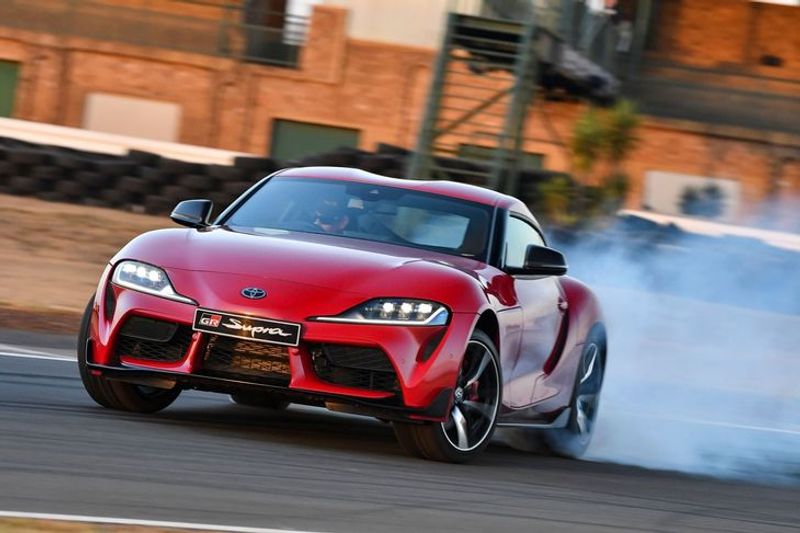
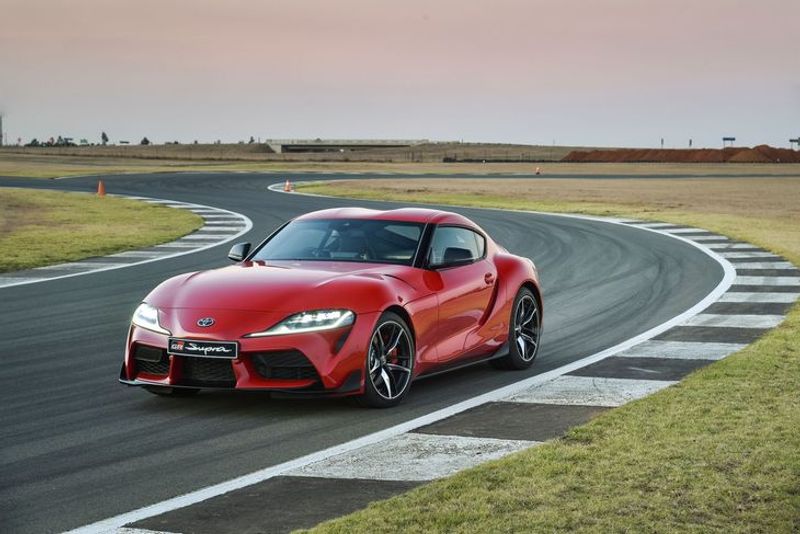
The rear-wheel-drive setup means beautiful drifts are possible
Once we reached the mountainous regions, it was time to engage Sport mode and put the vehicle through its paces. First thoughts? Goodness gracious, this is one quick and composed performer! Not only does power come on from low down in the rev range, but you can wring the motor's proverbial neck all the way to the redline before reaching for that next gear, which itself engages without hesitation. This process is accompanied by a soundtrack that is an instant mood enhancer, if only it could be bottled and sold over the counter (without a prescription) at Dis-Chem.
When coaxing the lithe sportscar into some corners, we discovered some interesting things: Firstly, those brakes are highly potent, and secondly, the car is supremely balanced. Having experienced the latest iteration of the Z4 M40i, we were apprehensive of accelerating too hard, in case the mighty motor's torque delivery overwhelms the rear wheels. Surprisingly, the grip levels were impressively high, which we're going to put down to a good setup as well as a fresh set of Michelins. Stability and rigidity levels are also to be commended – it's amazing what a hard top can add!
The Supra is at home on the open road where comfort and sportiness merge seamlessly
Despite its overt sportiness, the Supra's ride quality is composed. In Normal mode, there's enough pliancy and suppleness to make it a genuine day-to-day champion. Impressively, you can set the adaptive damping to Sport, and, granted, things firm up, but at no point does the ride quality deteriorate to a point where it's crashy and jarring. You could drive this on a long journey over a variety of surfaces, and emerge on the other side, feeling fresh. There's something magical about how smooth the ride is, which puts it ahead when you compare it with its dedicated sportscar rivals.
The steering is definitely worth a mention too. Unlike its BMW counterparts, the tiller's rim is not a fat M Sport unit… Instead, the rim is comfortably thin and fits perfectly in your palms. The steering column is adjustable and if you've positioned your seats correctly, you can achieve a fantastic driving position. The steering is direct, responsive and thankfully not as over-eager as its Z4 M40i cousin. However, it suffers the same affliction as most modern performance vehicles: you just want more steering feel – the sensation that you're connected to the road is not quite strong enough.
In an era where the art of driving is slowly dying, the Supra is a gorgeous reminder of how much fun it is to actually pilot a vehicle at pace
The best part is you don't need to be a driving ace to get the best out of the Supra. Whereas many rear-wheel-driven cars punish inexperienced or careless drivers, there's a neutrality to the handling balance, which is encouraging. You can press on to find your own limits at your own pace and there won't be any nasty surprises. The newcomer's remarkably easy to drive, be it in the city or through a winding section of a mountain pass.
Our track sessions took place on the fresh surface of a wet and windy Aldo Scribante racing circuit. After a few sighting laps to familiarise ourselves with the layout (and remember where the puddles of water were), it was time to open the taps. A sportscar's primary role is to evoke the fun of driving in its pilot, and the Supra duly delivers. As we mentioned before, there's predictability and ease-of-use to the Toyota's driving dynamics.
You'll be able to feel when you apply the power too early on corner exits, which will enable you to deal with its consequences long before the stability control gets involved. We also had the chance to experience the car flat out on the circuit, with Dakar legend Giniel de Villiers masterfully piloting the Supra around the twisty track. However, the wet conditions prevailed and a few corners were taken with tremendous amounts of big-angle oversteer. Impressively, with the car sideways, Giniel didn't once look fussed and kept things tidy – a testament to the car's wieldy, but forgiving, character.
One of the gripes: BMW's presence is everywhere!
Verdict
Should you buy the all-new Toyota Supra? A low-slung 2-door coupe is a niche product, yes, but the newcomer excels at being a smile inducer and a competent daily driver. There's a boot with enough capacity to get some luggage in and plenty of convenience features. In Normal mode, it's remarkably civilised and restrained in and around urban environments. However, you can easily engage Sport mode and let fellow road users know all about your glorious howling straight-6 engine. There's enough grunt to see off other road users this side of a Jaguar F-Type V6 (one of its key rivals) too, but straight-line prowess is not this car's raison d'etre. The focus is on delivering driving thrills: an art that is slowly, but surely, being lost.
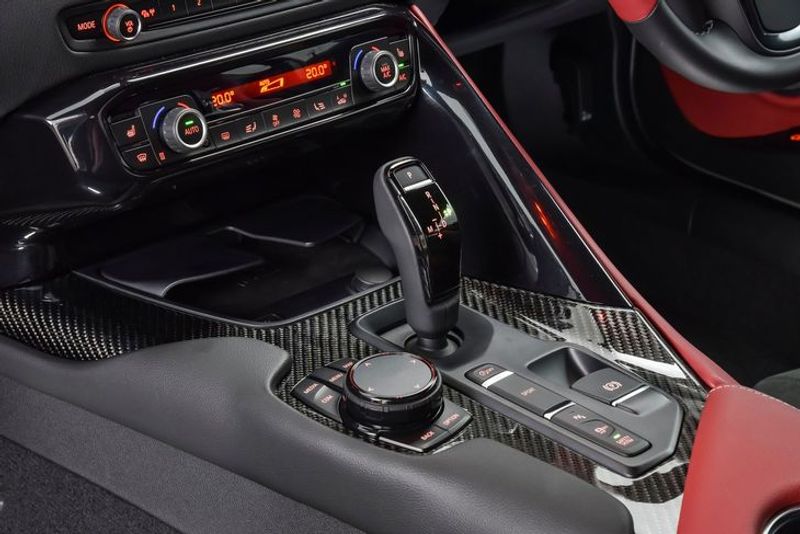
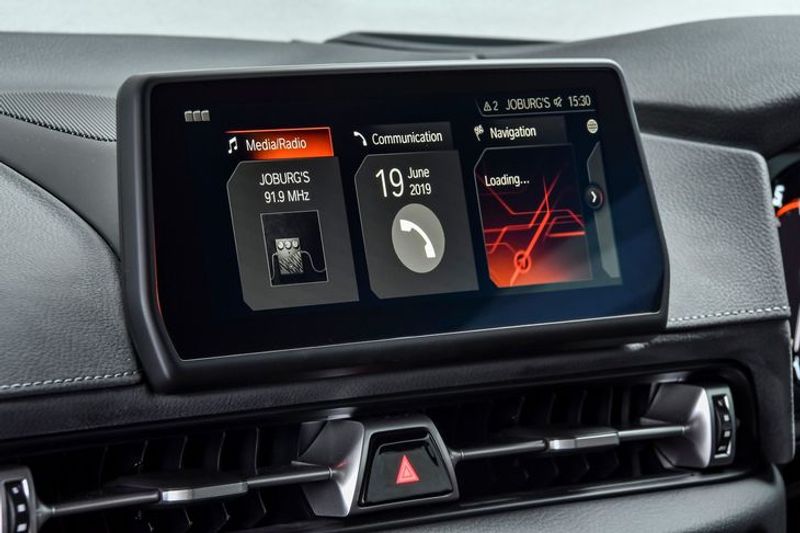
We have some gripes, but they're minor… The infotainment menus have a distinct BMW look and feel about them. The Supra's key fob, too, is BMW in origin and so are the infotainment controls. Thankfully the digital dashboard is a unique item and it really looks the part!
Despite the Supra and Z4 M40i being closely related, they do feel different to drive. The latter's handling is not as precise as the Supra's. Whereas its rear tyres are prone to scrabbling when you abuse the throttle pedal, the Supra is constantly planted and sure-footed, proving this is not just a re-skinned Z4. The 2 vehicles share a platform, engine and transmission, but Toyota and BMW have applied their own settings to the cars' suspension, active damping, differential and power steering setups. Put us on the spot and we'd say, on balance, the Supra is the more involving car to drive…
The best part is the fact that Toyota has badged this Supra as GR, which means there's more to come from the package. The Japanese market receives a 2.0-litre turbocharged 4-cylinder Supra (there's no word on whether it will come to South Africa, but it might!) and, given how good the newcomer's chassis is, we wouldn't be surprised to see a hotter, more potent Supra (with a GRMN badge) before the end of 2020.
This GR Supra is just the start of the Supra's new chapter and we feel there's much more to come…
Toyota Supra Price in South Africa (July 2019)
Toyota GR Supra Track R953 000
Toyota GR Supra (Prominent Red) R1 072 300
Toyota GR Supra (Metallic) R1 082 300
Toyota GR Supra (Matte Grey) R 1 092 300
A 4-services/80 000km service plan is provided as well as a 3-year/100 000km Warranty. Customers can also purchase extended service plans via their Toyota dealer.
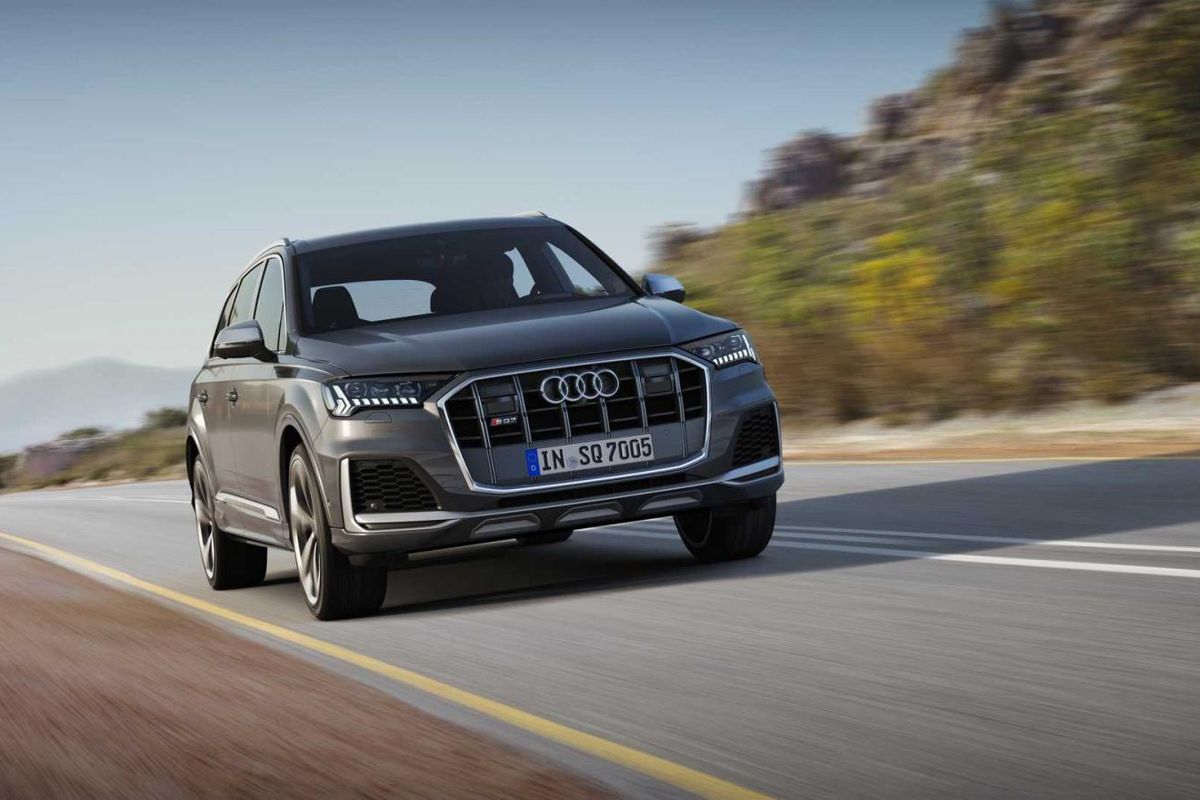
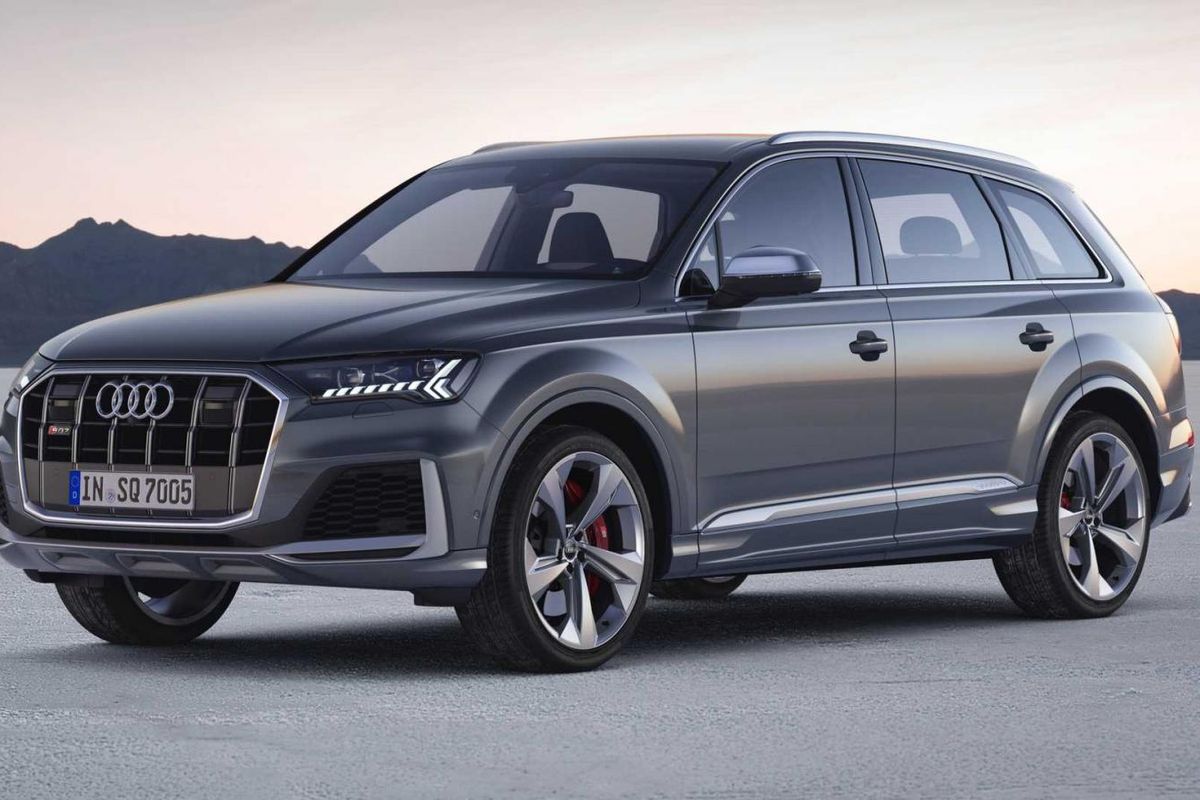
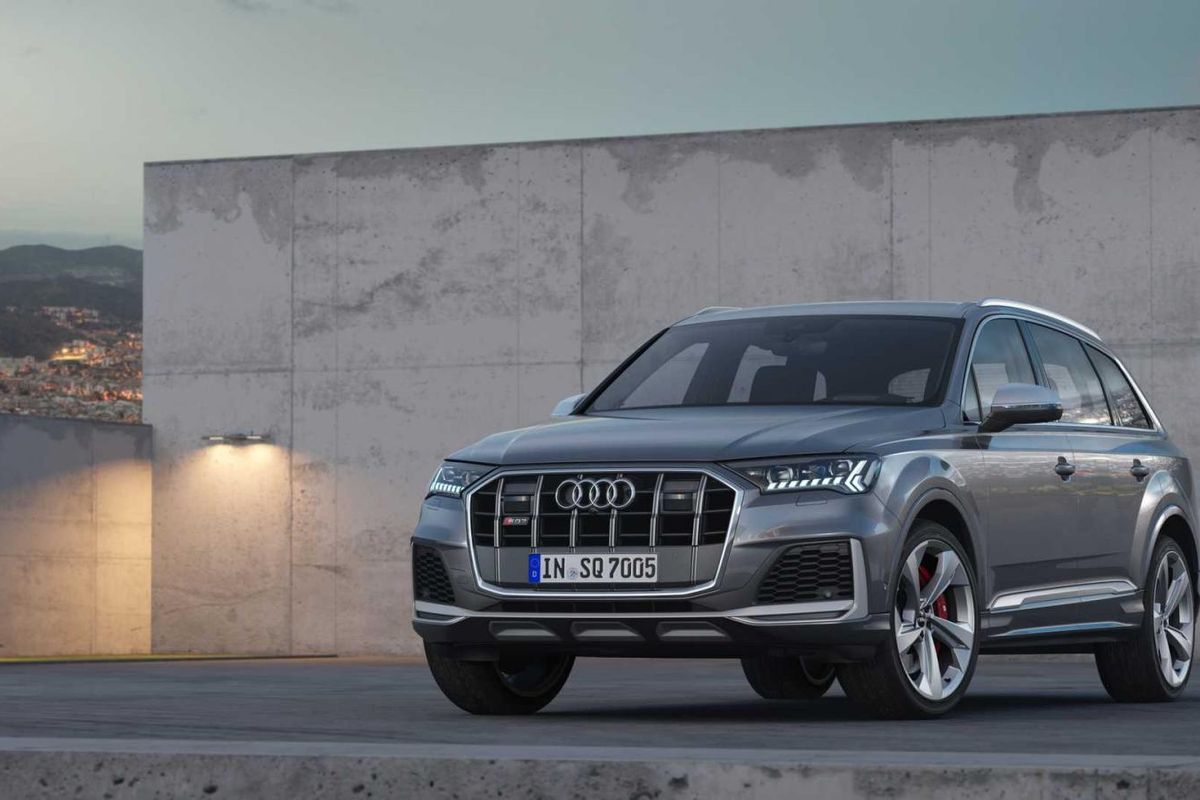
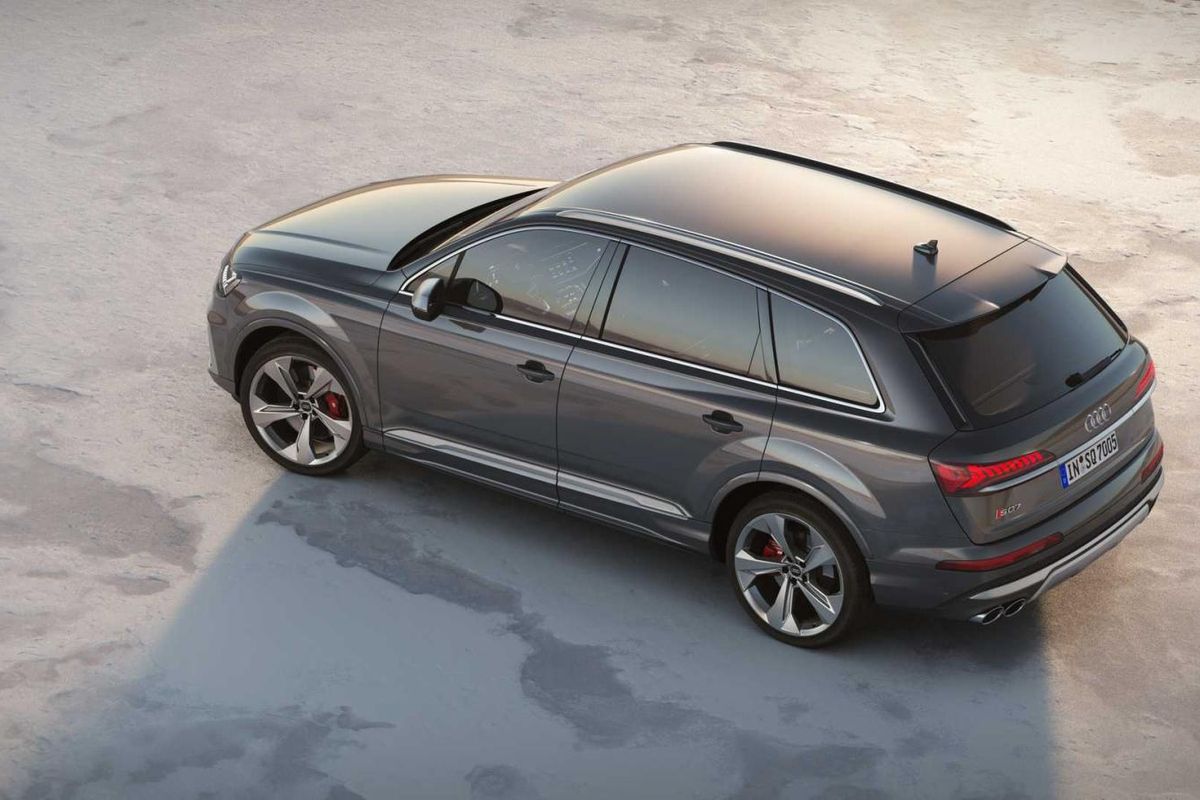
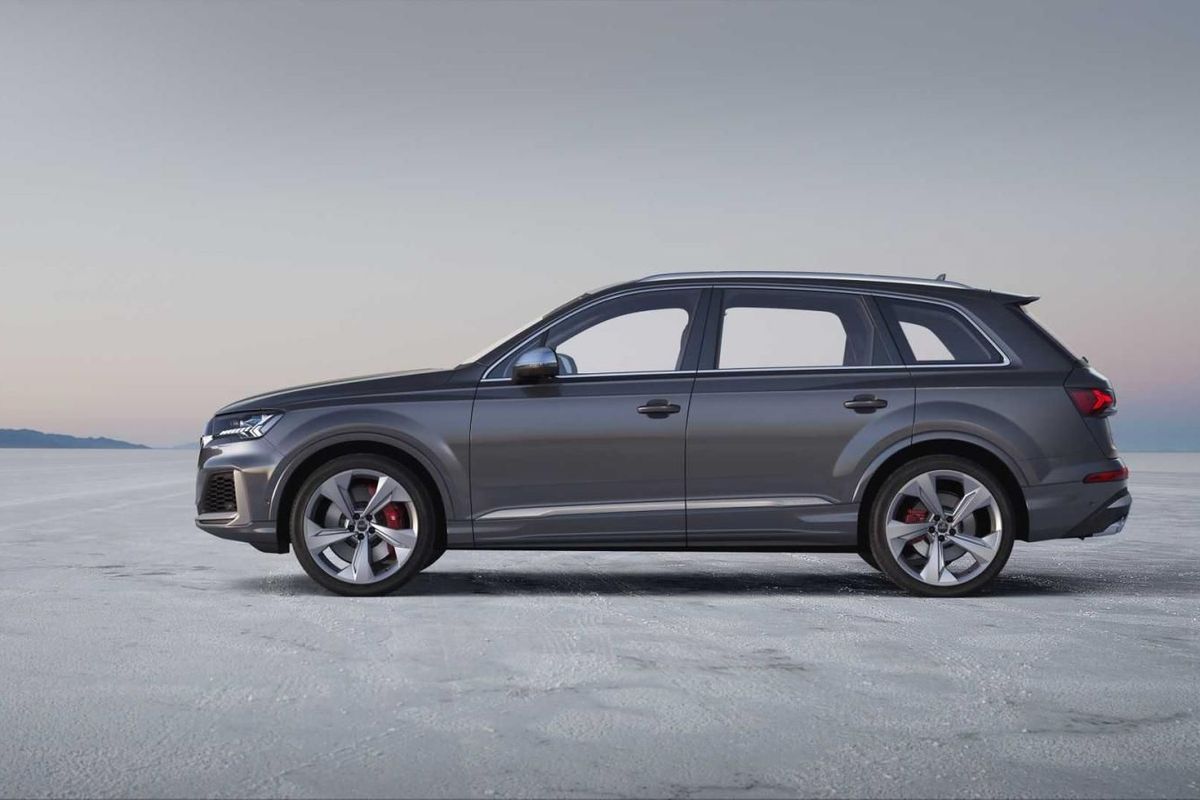
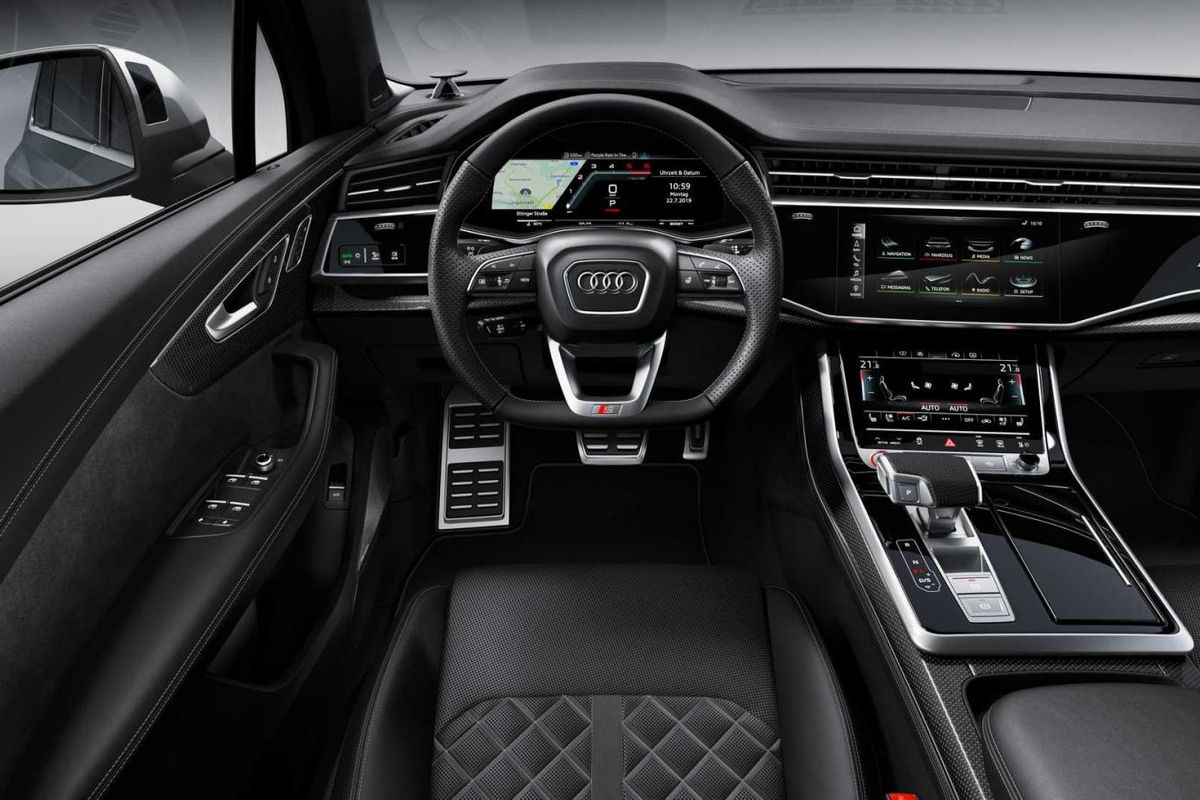
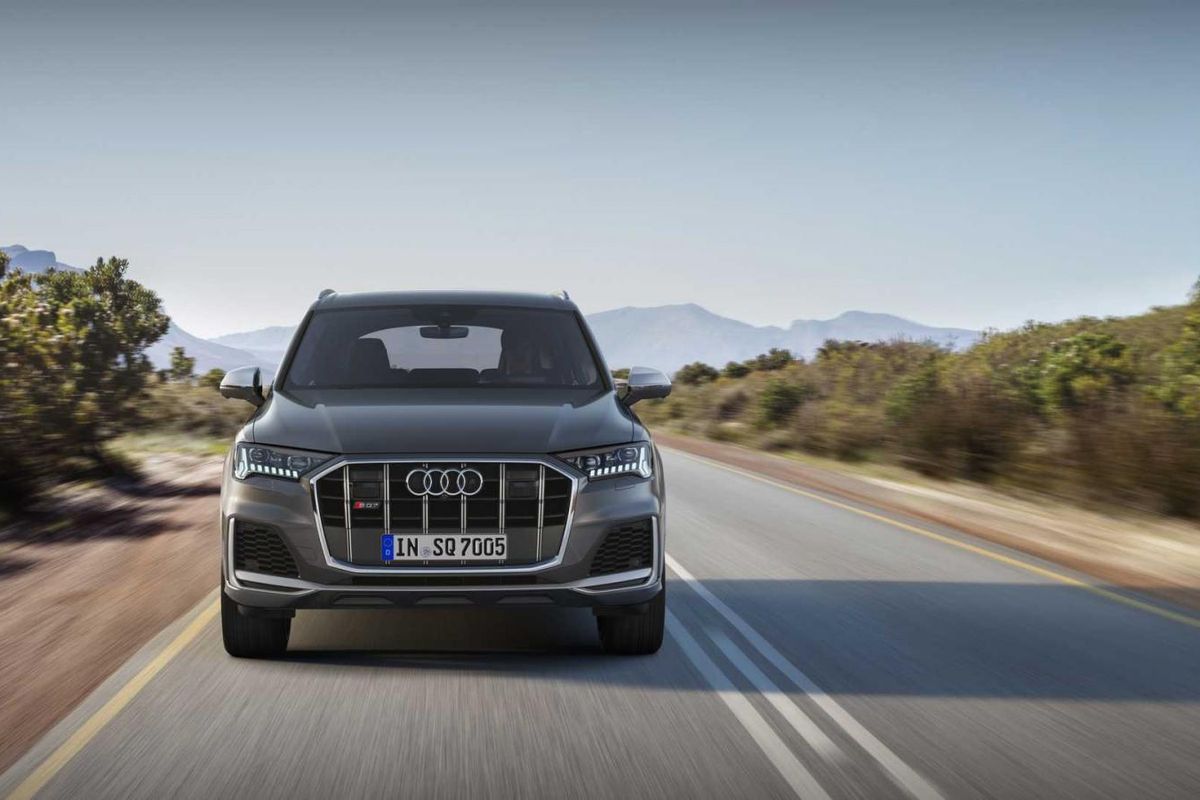
The Audi SQ7 TDI has enough torque to tow all your boats – at once. And it's coming to SA in 2020.
Audi has revealed its latest Q7 torque train, following in an esteemed traditional of massively powerful turbodiesel SUVs from Ingolstadt.
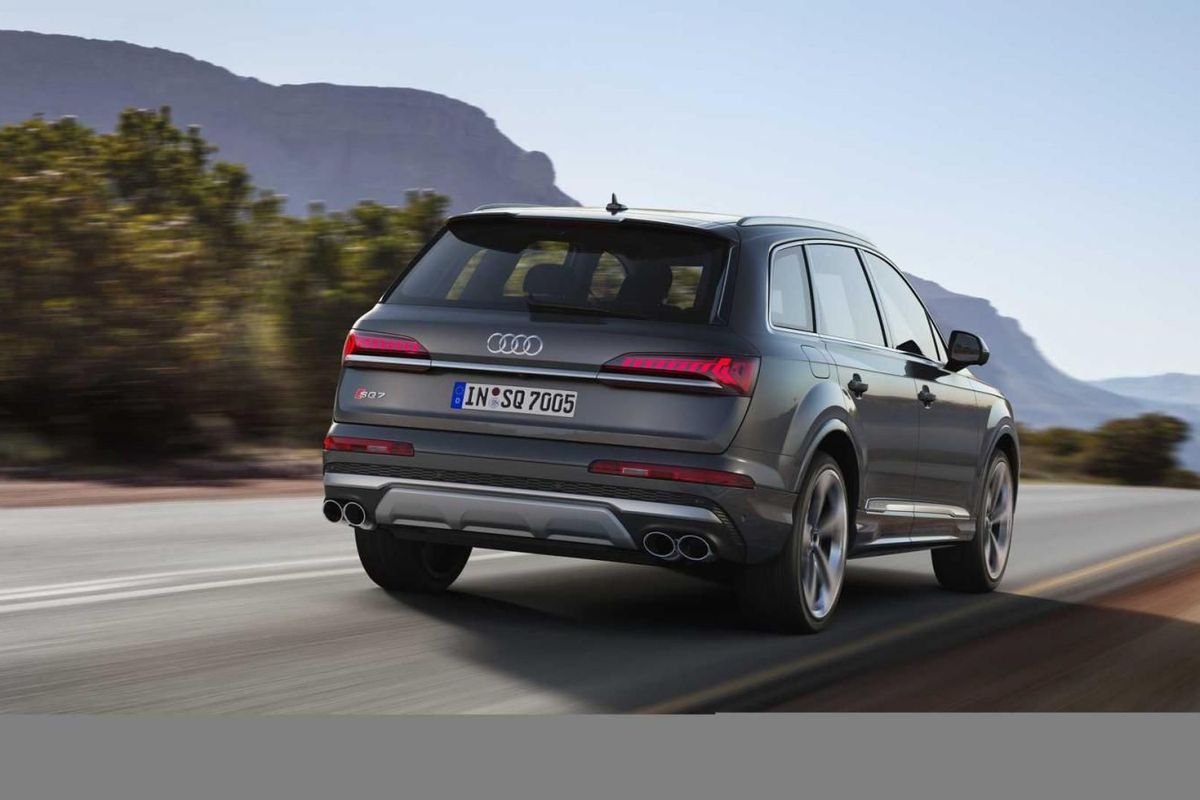
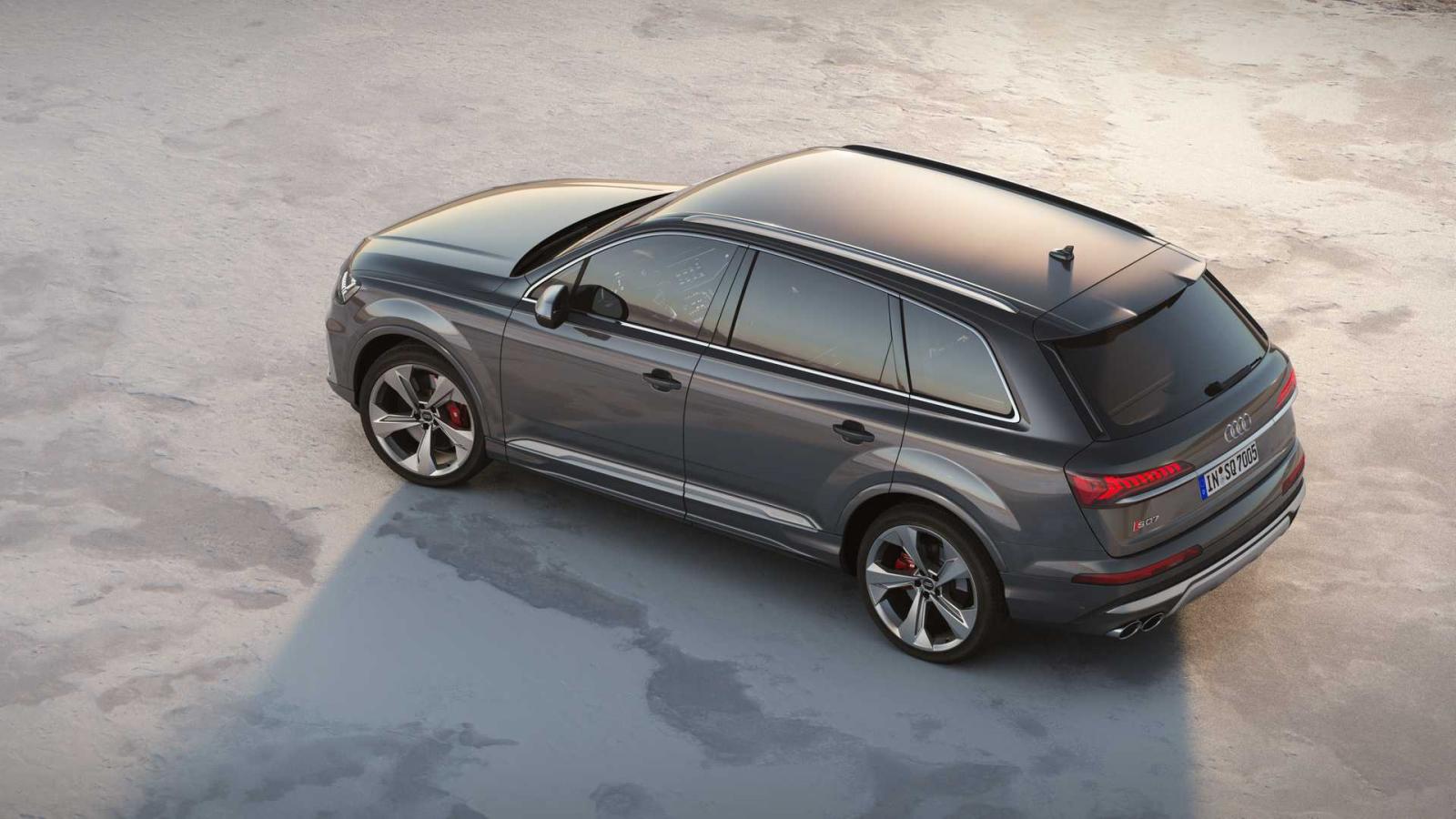
The new SQ7 TDI features Audi’s latest single-frame grille, with twin vertical slats, first seen on the current-generation Q7 facelift, shown earlier this month. Around the rear, there are four exhaust ends, grouped into a pairing at each corner of the bumper – symbolising his Audi Q7’s performance potential.
Powering the SQ7 TDI is Audi’s 4-litre turbodiesel V8, which boosts 320 kW and 900 Nm. To ensure minimal turbine lag, a 48-volt electrical subsystem feeds the V8’s two turbochargers a constant charge pressure of air, thanks to an electrically driven compressor.
Despite its gratuitous size, Audi claims the SQ7 TDI will run 0-100 kph in 4.8 seconds, thanks in part to the brand’s vaunted quattro all-wheel-drive technology and a quick-shifting eight-speed automatic transmission. If you're easier on the throttle fuel consumption in ideal driving conditions should average out to about 7.6l/100 km.
With a top speed potential of 250 kph, brakes are crucial, and Audi has equipped the SQ7 TDI with 400 mm discs up front and 370 mm brakes at the rear. Customers have the option to upgrade the standard brake set to an even more impressive carbon-ceramic configuration, which sizes-up disc diameter to 420 mm at the front wheels.
The understated design will no doubt win it the 'sleeper' tagline.
Rolling 20-inch five-spoke alloy wheels, shod with 285/45 profile tyres, the SQ7 TDI strikes a fair compromise between mild gravel travel and high-speed cornering grip.
Borrowing the electromechanical roll stabilization system first seen on Bentley’s Bentayga, SQ7 TDI should exhibit impressive body control – even when rounding tight radius corners at speed.
Audi’s latest performance SUV also features four-wheel steering, with a 5-degree angle of counter- or symmetrical steering adjustment at the rear axle. That should equate to easier parking at low speeds and superior high-speed stability at highway velocities.
This SQ7 will team up with the SQ8, which was revealed just a month ago (June 2019) as part of Audi's performance SUV assault. There will also be an SQ8 to top off the lineup. Both SQ7 and SQ8 are likely to be introduced to SA in late 2020.
GXOR is a Lexus Overlander
Lexus shows its hardcore side with the GXOR Concept.
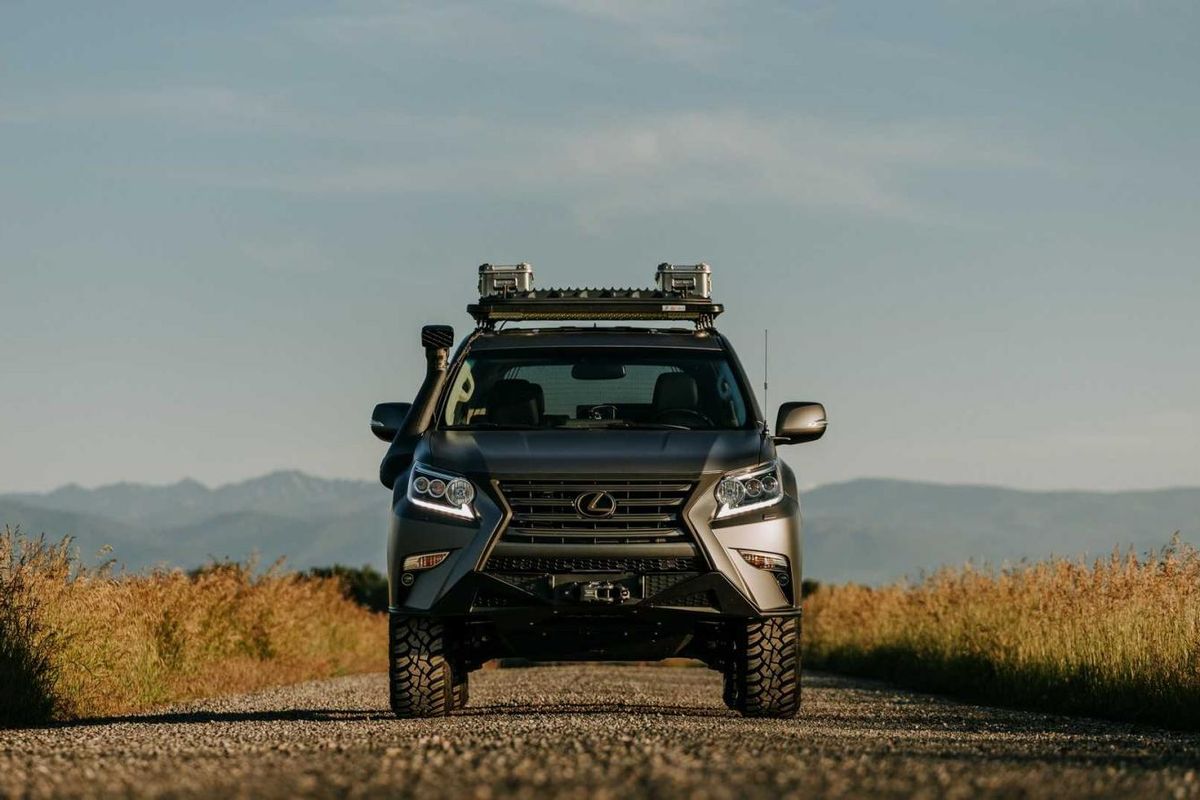
Lexus is not the first brand you’d consider for a challenging overland journey across technical off-road terrain, but to prove what can be done – there’s the GXOR.
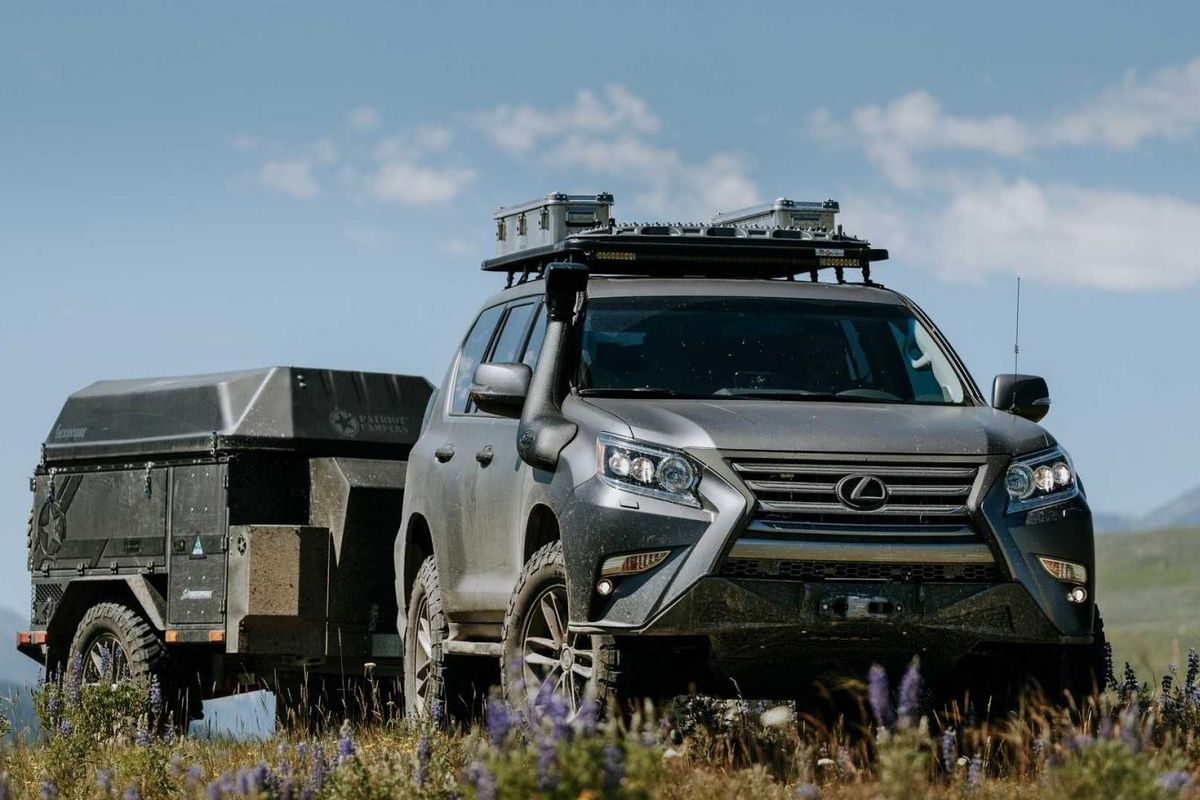
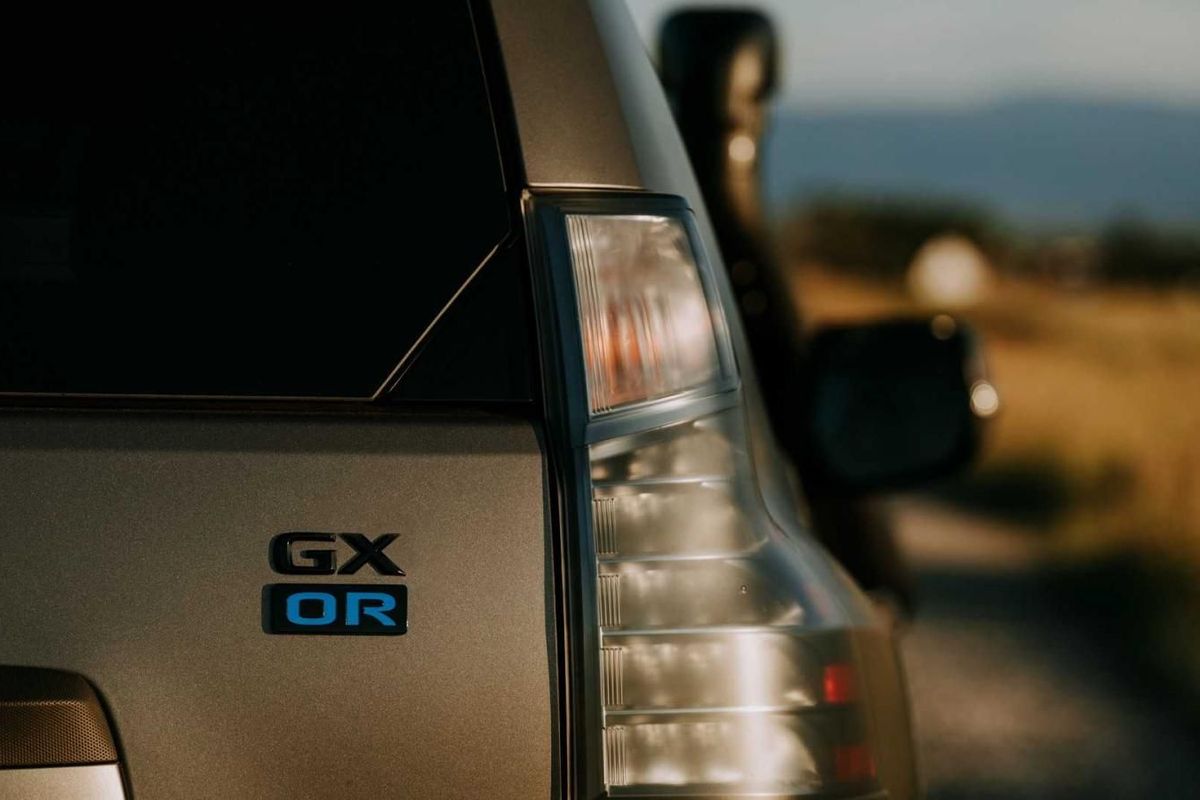
Built on the Lexus GX 460 platform (shared with the Land Cruiser Prado), this GXOR concept off-roader shows that Toyota's luxury division isn’t afraid of the rough stuff. The GXOR is a Lexus SUV upgraded to journey far away from the inner city suburbs or corporate life.
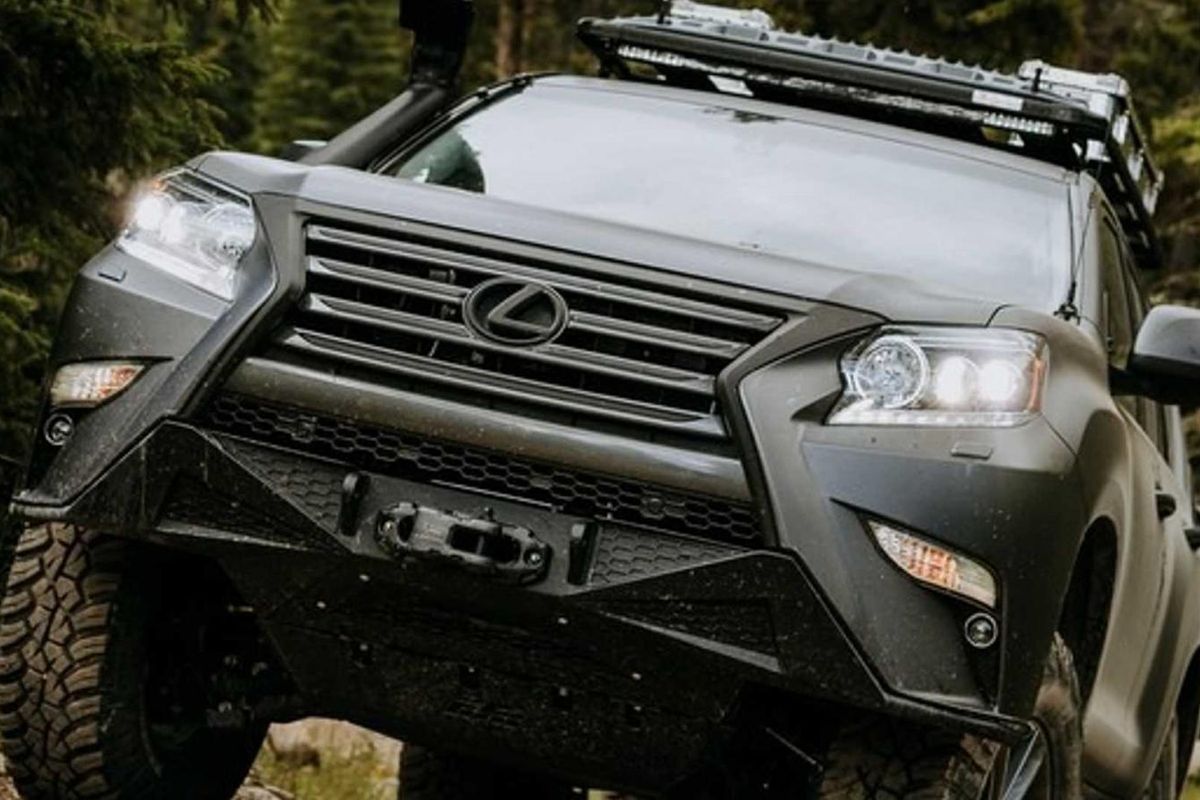
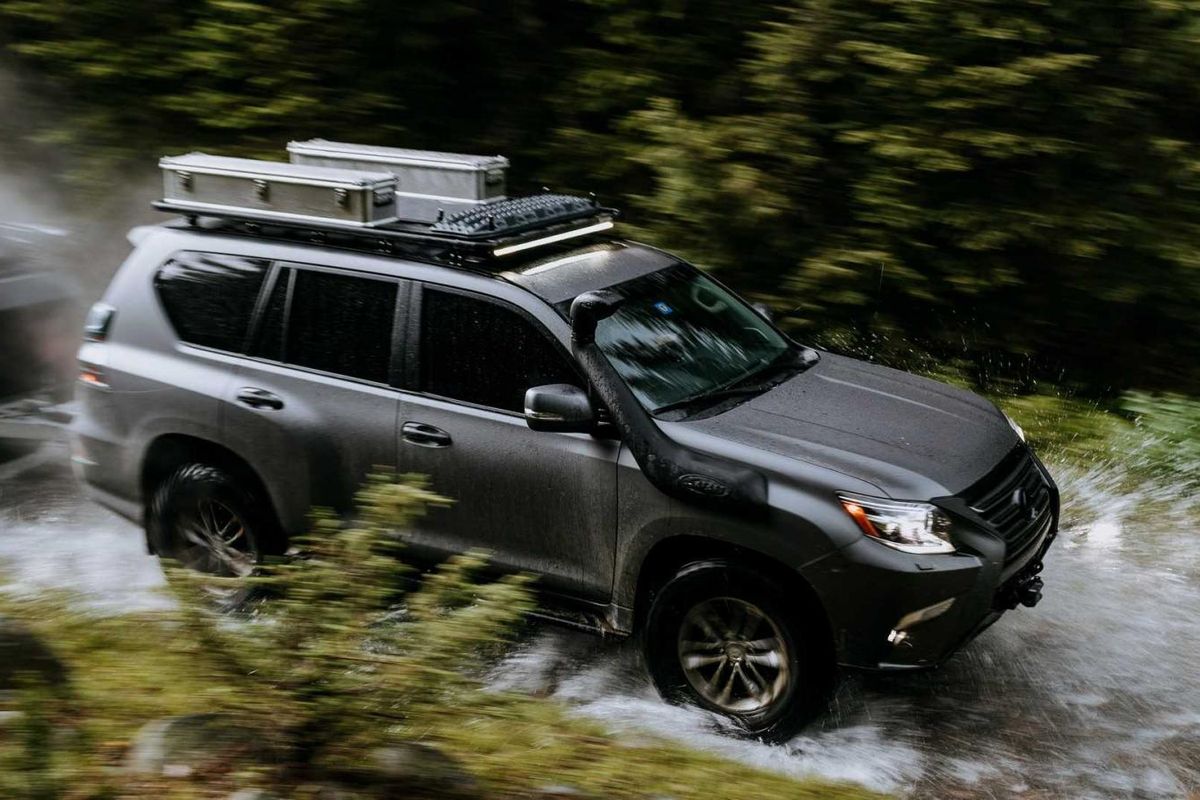
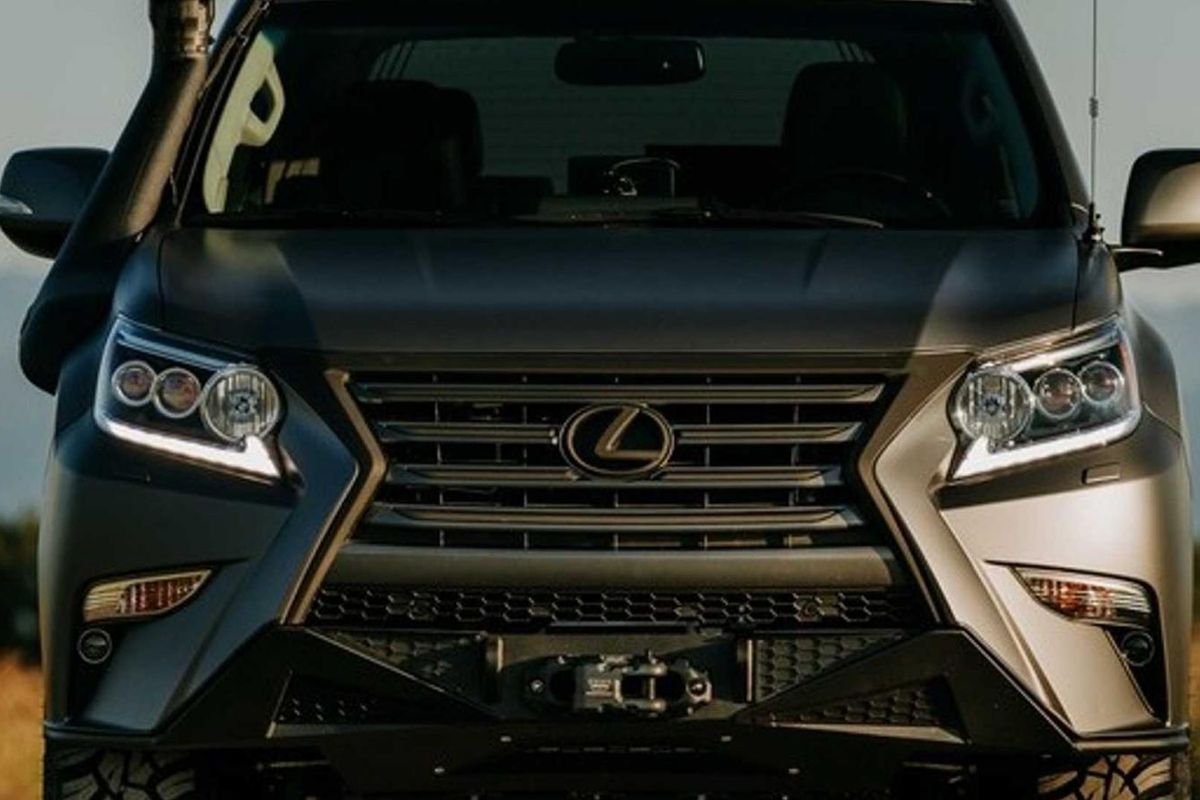
GXOR’s grille is framed by a custom steel front bumper which houses a Warn 9.5 XPS winch and improves its approach angle. There is a snorkel too, feeding the engine cleaner and colder air when journeying through dusty desert conditions.
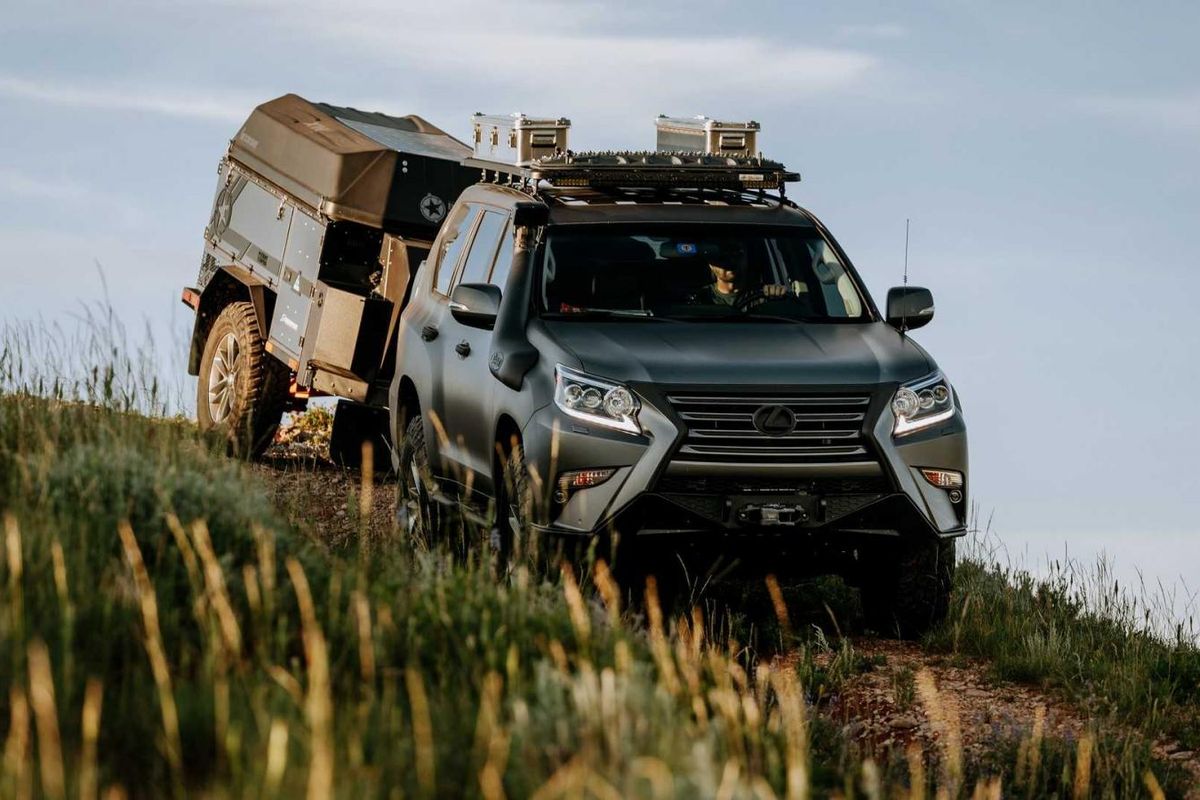
Atop the GXOR you'll find a 160-Watt solar panel, which feeds a 50-inch LED light bar, along with aluminium stowage cases and recovery boards.
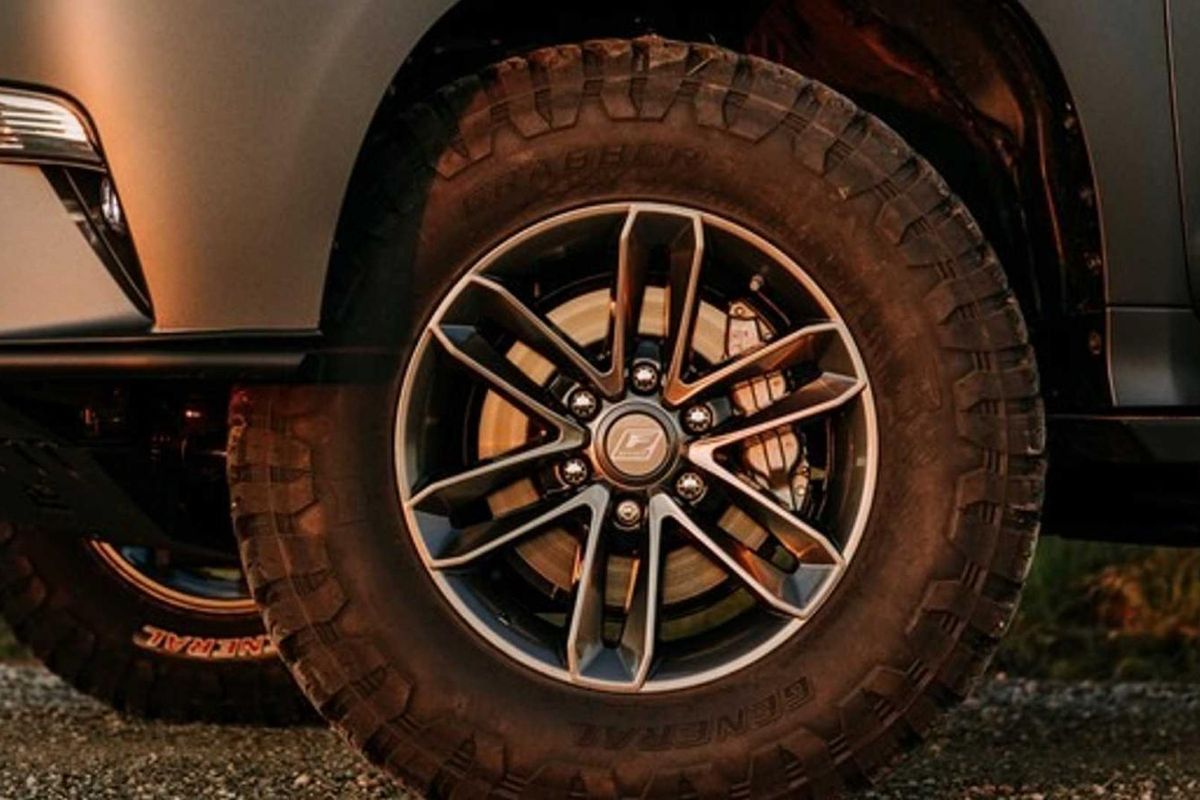
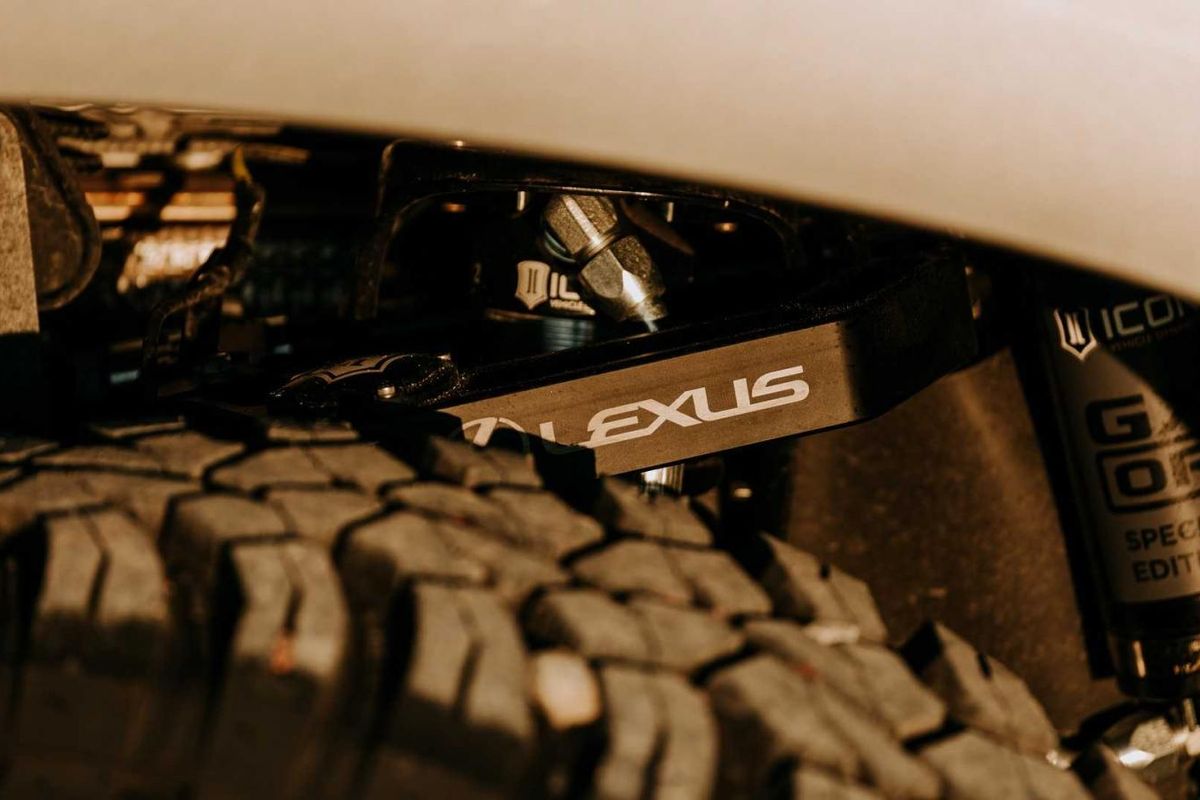
Underneath this go-anywhere Lexus SUV there’s additional gearbox and engine protection, rock sliders and trick suspension, which increases ride height by 63mm. The GXOR rides on a special edition Icon damper set-up, with high-capacity oil reservoirs, aluminium billet control arms and delta joints. Rolling the GXOR along are huge General Grabber X3s tyres, measuring 275/70 and mounted to 18-inch wheels.
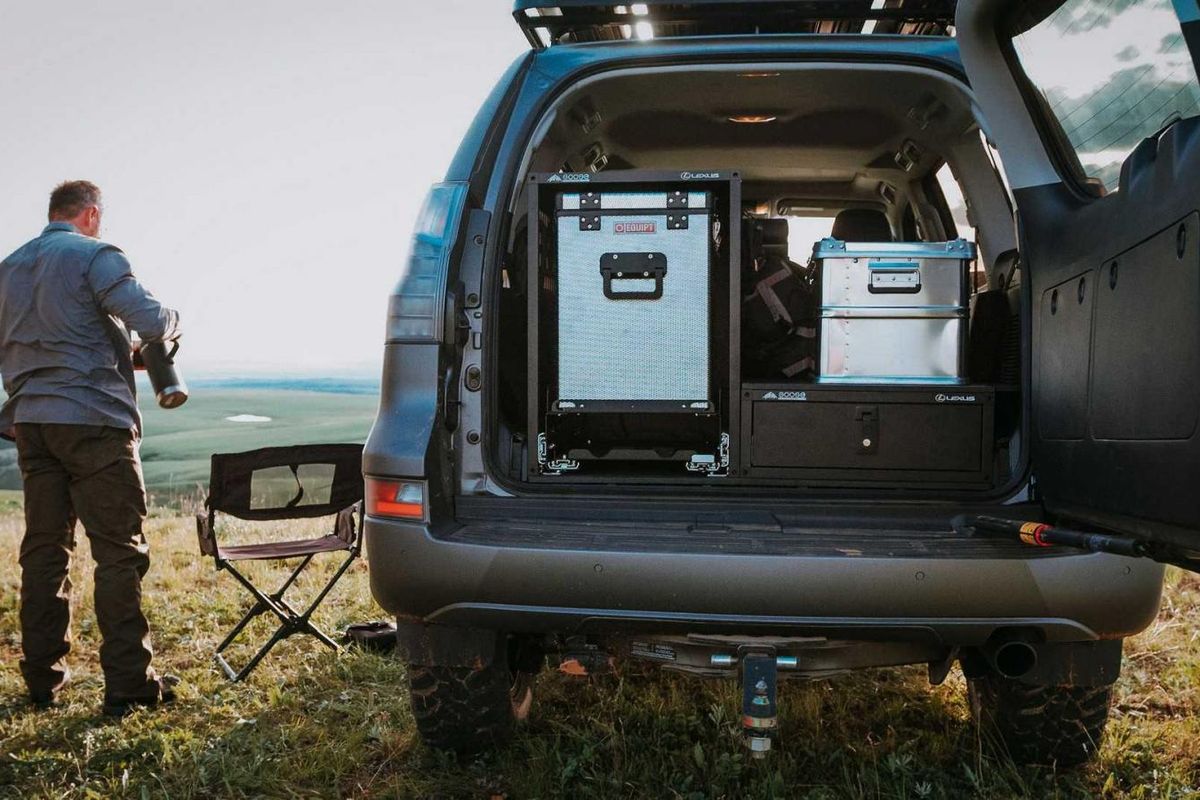
To help you communicate when your Smartphone is way beyond its network roaming capability, GXOR has an Icom 5 100A radio set. And if you get really lost, there is a customer drawer system in the rear, with a fridge and gas-stove, so you’ll be good for food and beverages for a week or two.
The Lexus GX differs significantly from its Land Cruiser Prado siblings in terms of engine. Powering the GXOR is a 4.6-litre, naturally-aspirated petrol V8, which cranks 225kW and 446Nm, instead of the Prado's diesel or 4.0-litre V6.
With a ladder frame chassis and low-range gearing, it should go anywhere you’d want to. The 3 000kg tow capacity makes it possible to take along an equally off-road capable trailer too, if you want to journey for months, instead of weeks.
Lexus has no immediate production strategy for the GXOR, but it does illustrate what is possible with the brand’s Prado-twin.