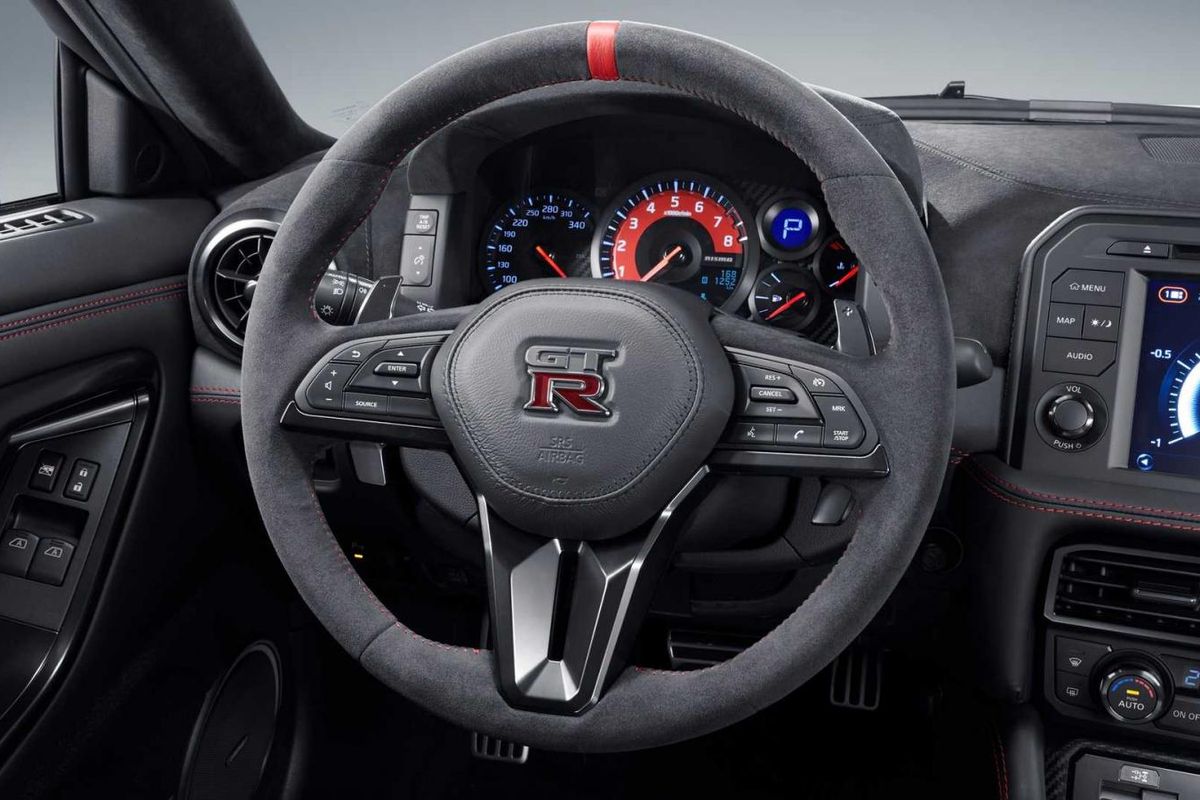
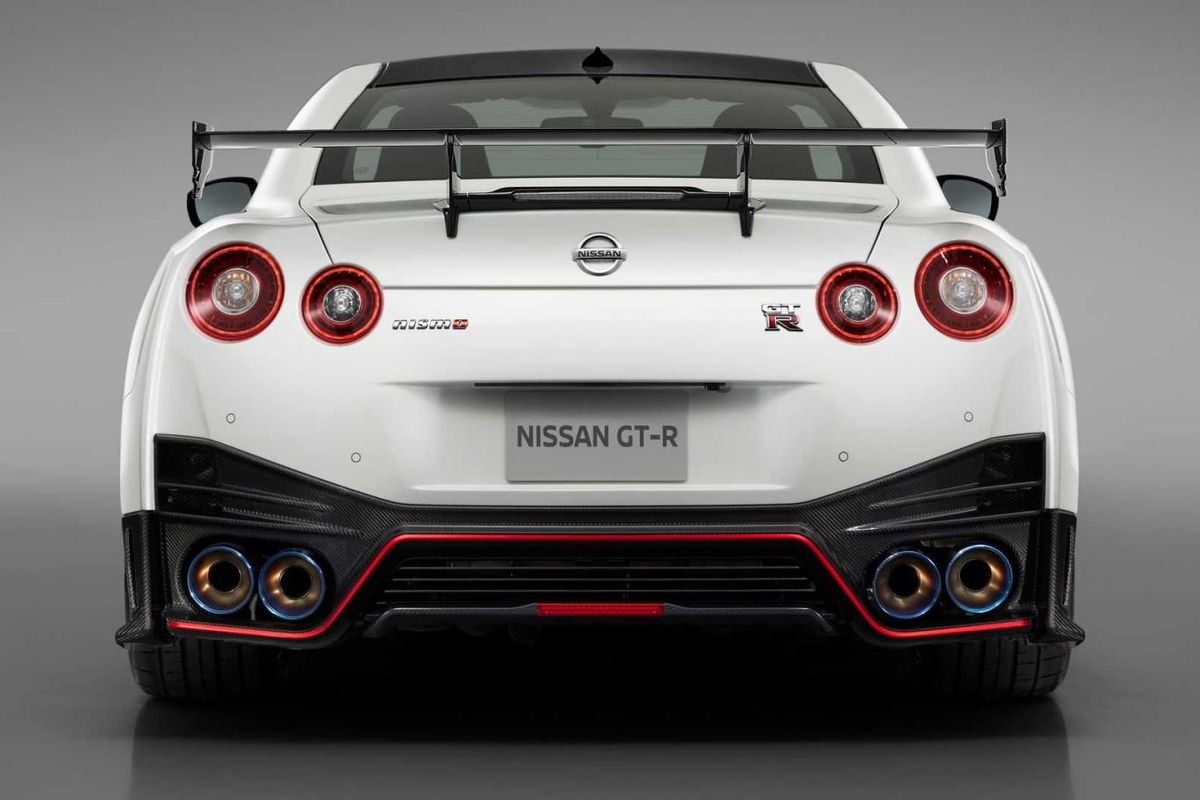
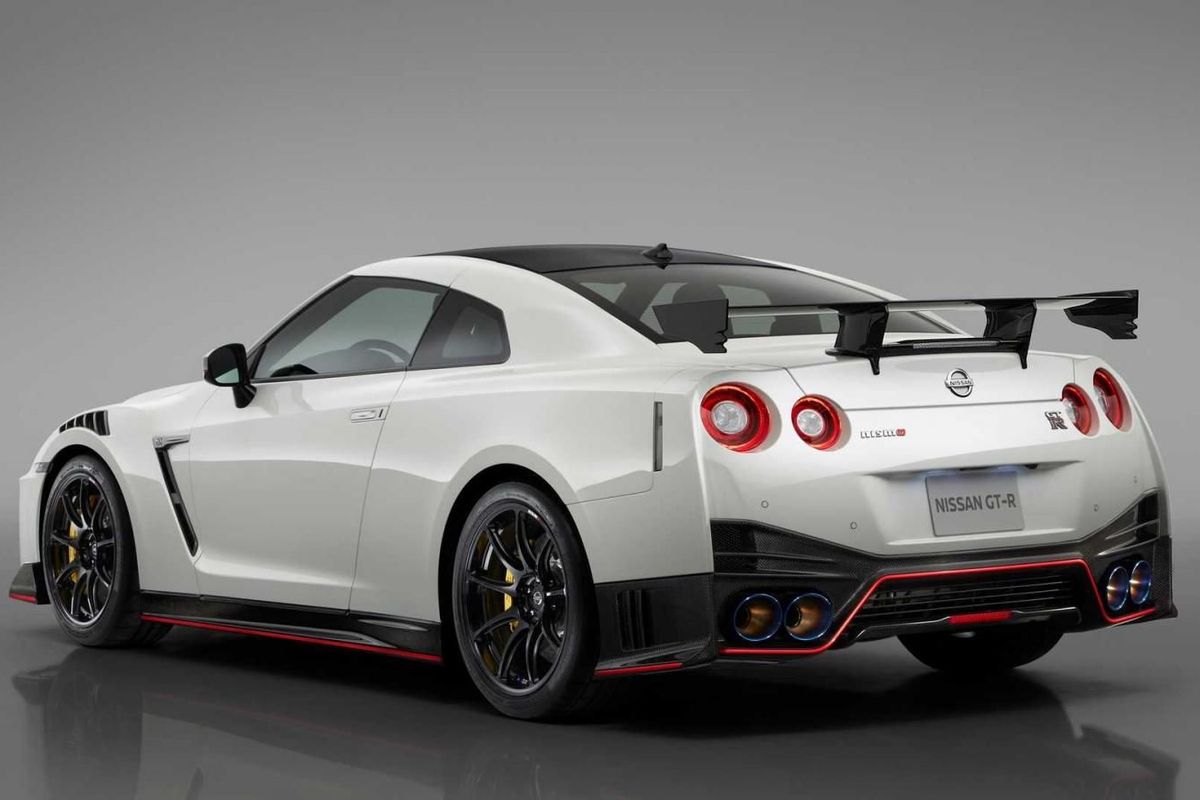
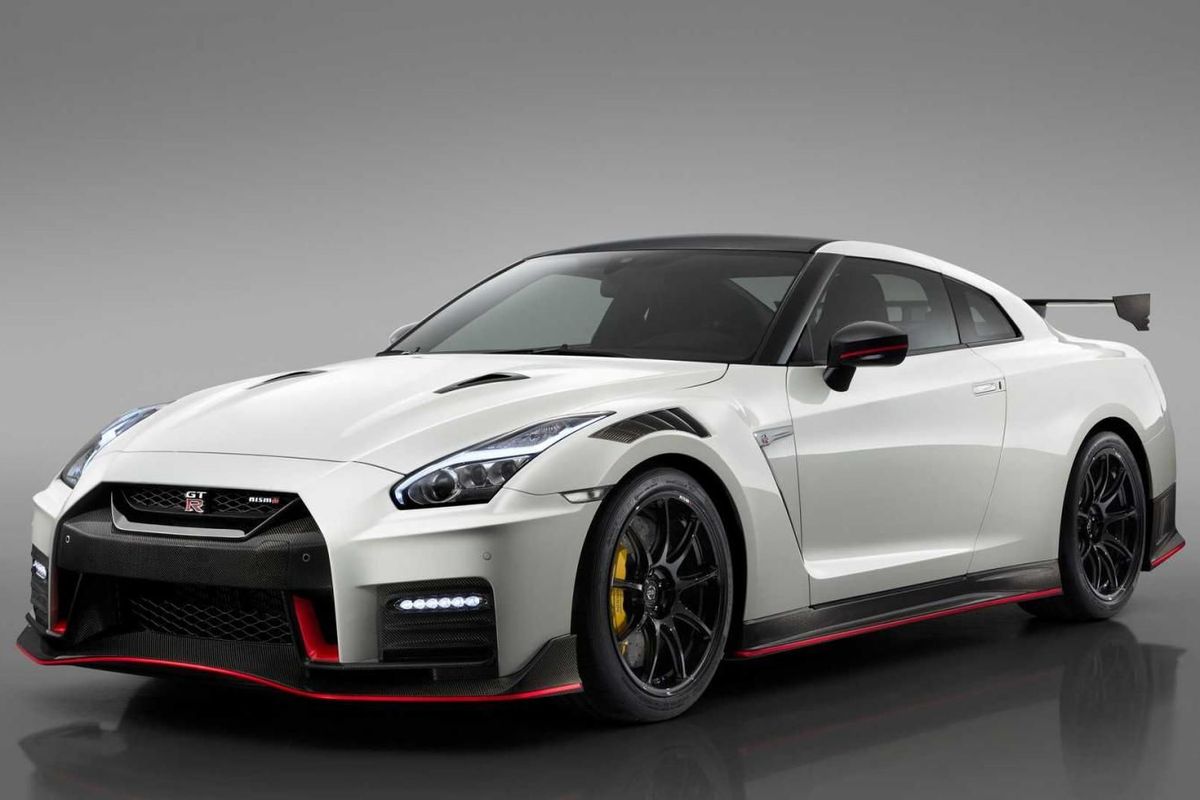
Nissan’s latest GT-R borrows bits from the company’s GT3 racing programme.
The GT-R might be in its 13th year, but Nissan’s engineers are still finding ways of extracting additional performance from the platform.
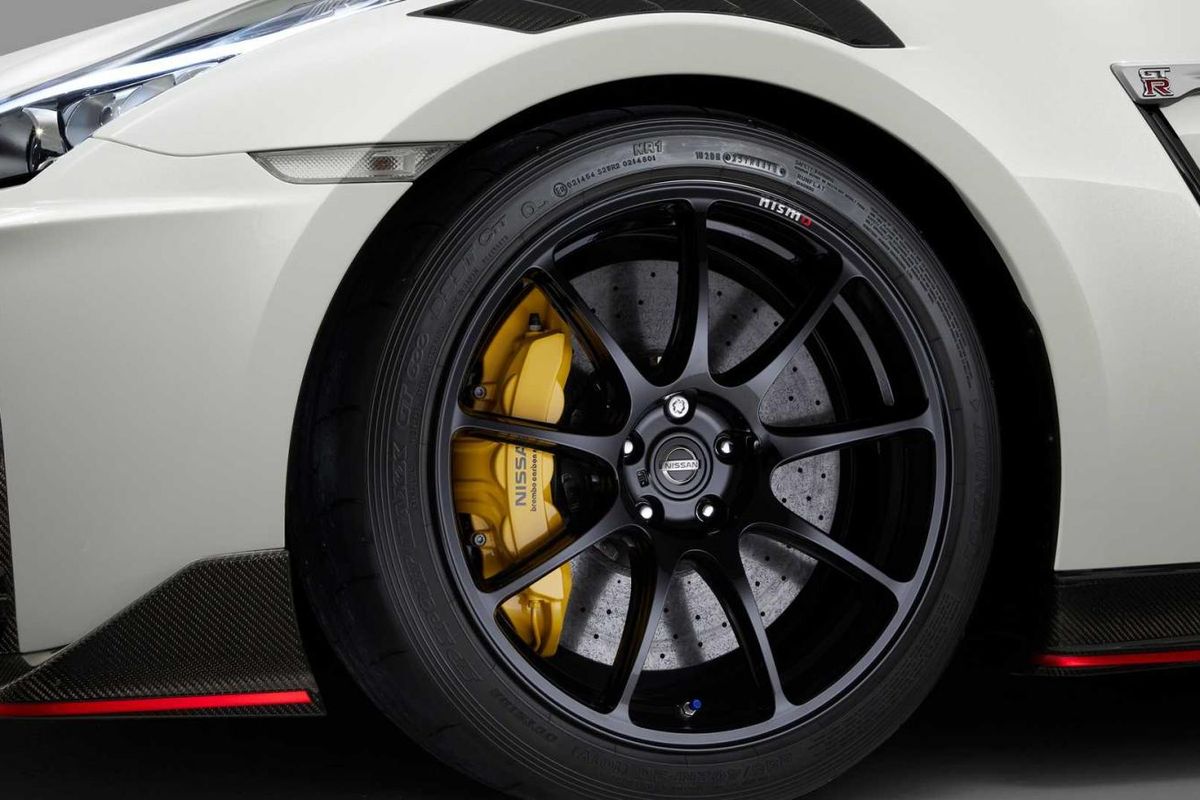
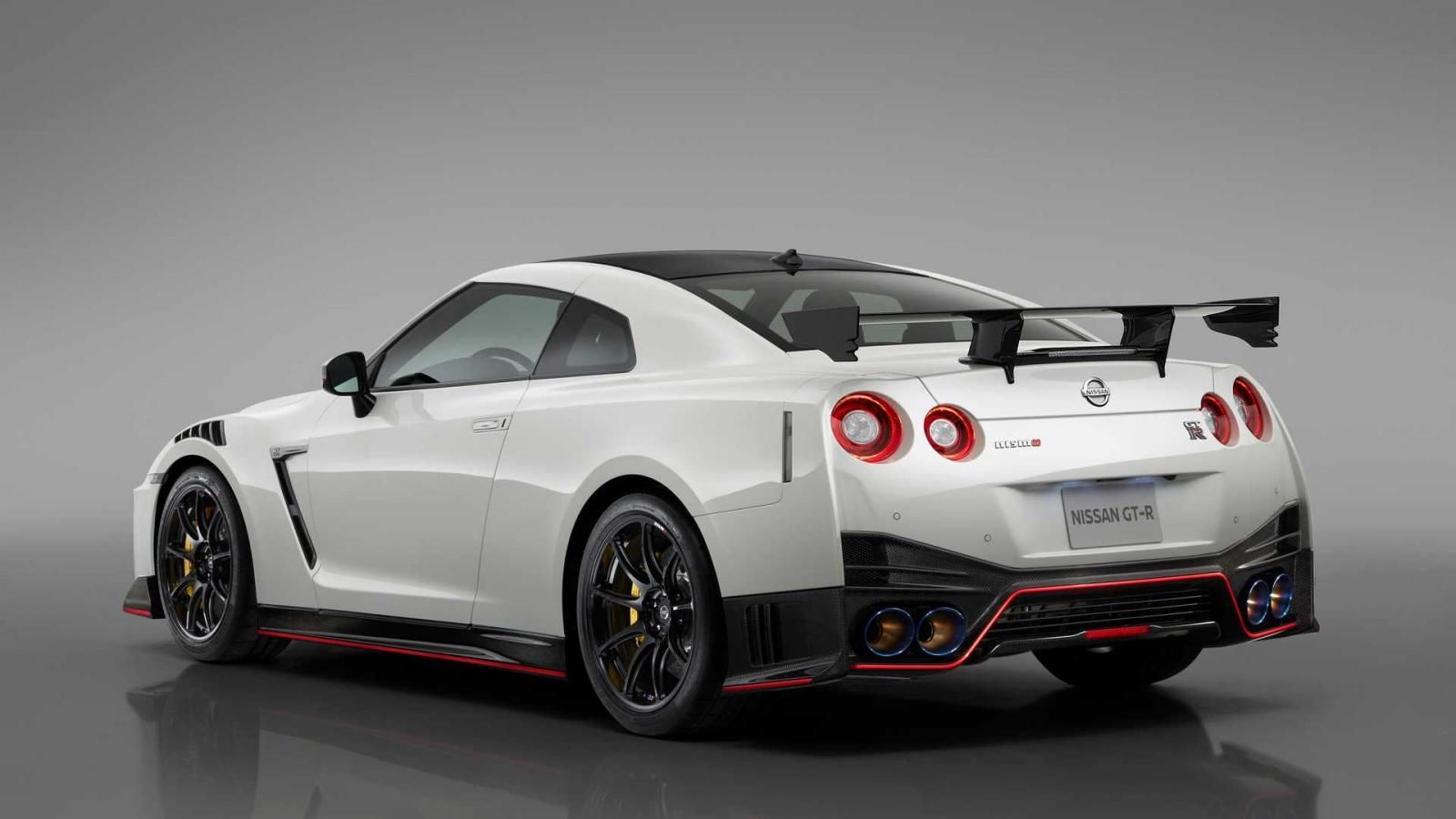
Nissan’s latest upgrades to its V6-powered supercar come under the guise of a Nismo derivative which is even closer to being a road racer than before. The car’s exterior design is dominated by sections of exposed carbon-fibre, red piping which runs all around an intricate series of splitters and side-spoilers; yellow Brembo brakes and titanium exhaust ends which have been burnished to turn them blue.
Beyond the striking appearance, engineers have managed to save 10.5 kg of weight by improving the carbon-fibre material quality of the GT-R Nismo’s bumpers, bonnet, front wheel arches, roof and boot lid. Redesigned Rays 20-inch wheels reduce rotational mass and a host of other lightweight bits have managed to make the new Nismo GT-R 20 kg lighter than its predecessor (which was launched in 2017).
The Nismo GT-R uses specially developed Dunlop tyres which increase the contact patch.
Illustrating the obsession with detail applied to this latest Nismo product, are its tyres. Dunlop collaborated with Nissan to develop a unique tyre with fewer grooves and a wider tread, increasing the car’s contact patch by 11% – which should translate to better mechanical grip and higher cornering speeds.
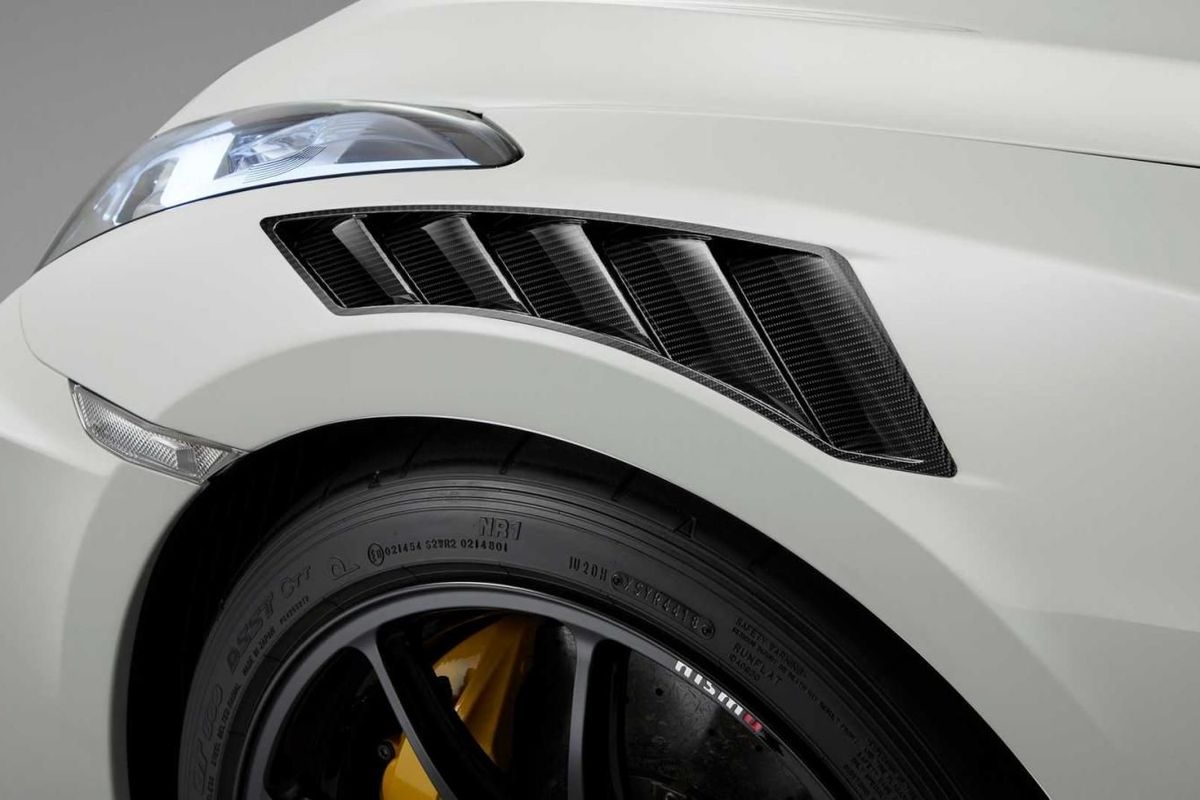
As one would expect from such a track-focused customer car, Nissan’s aerodynamicists have adopted scalloped air-vents, cut into the front fenders, which help extract and channel hot heat away from the engine bay.
Although the 3.8-litre turbocharged V6 produces an unchanged 447 kW of power, its turbochargers are now similar to those found on Nissan GT3-specification race cars. The turbine shape is different from other GT-Rs and its impeller features fewer blades, which total a 20% improvement in throttle response.
The other notable technical upgrade featured on this new GT-R Nismo is its steering, which has been recalibrated to work with the grippier Dunlop tyres. Nissan claims it produces superior linearity in its response, especially at speeds around 300 kph, requiring fewer steering corrections.
With the next-generation, GT-R confirmed to be a hybrid, those who wish to own a pure internal-combustion version of this legendary Japanese supercar now have on option on the best version yet.
The previous version of the Nismo GT-R did not make it to SA so this version won't either. Expect a few Nurburgring records to fall in the next few months, however.
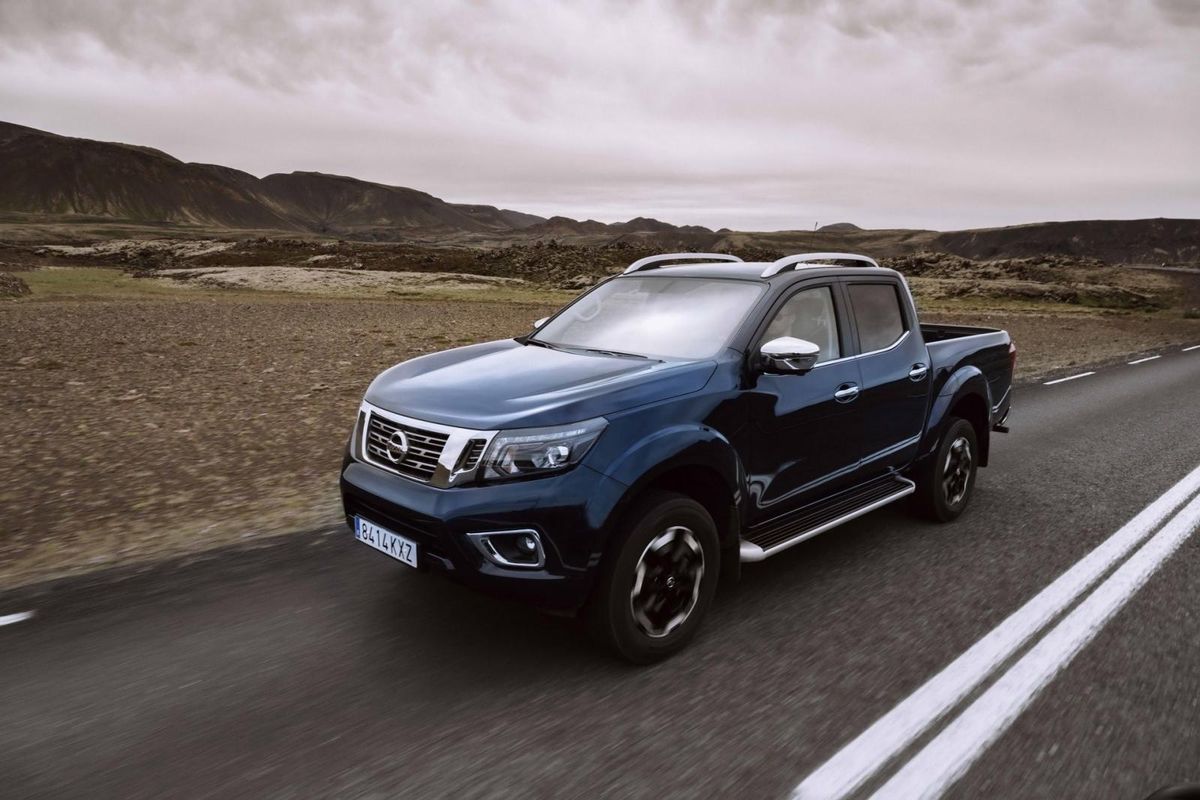
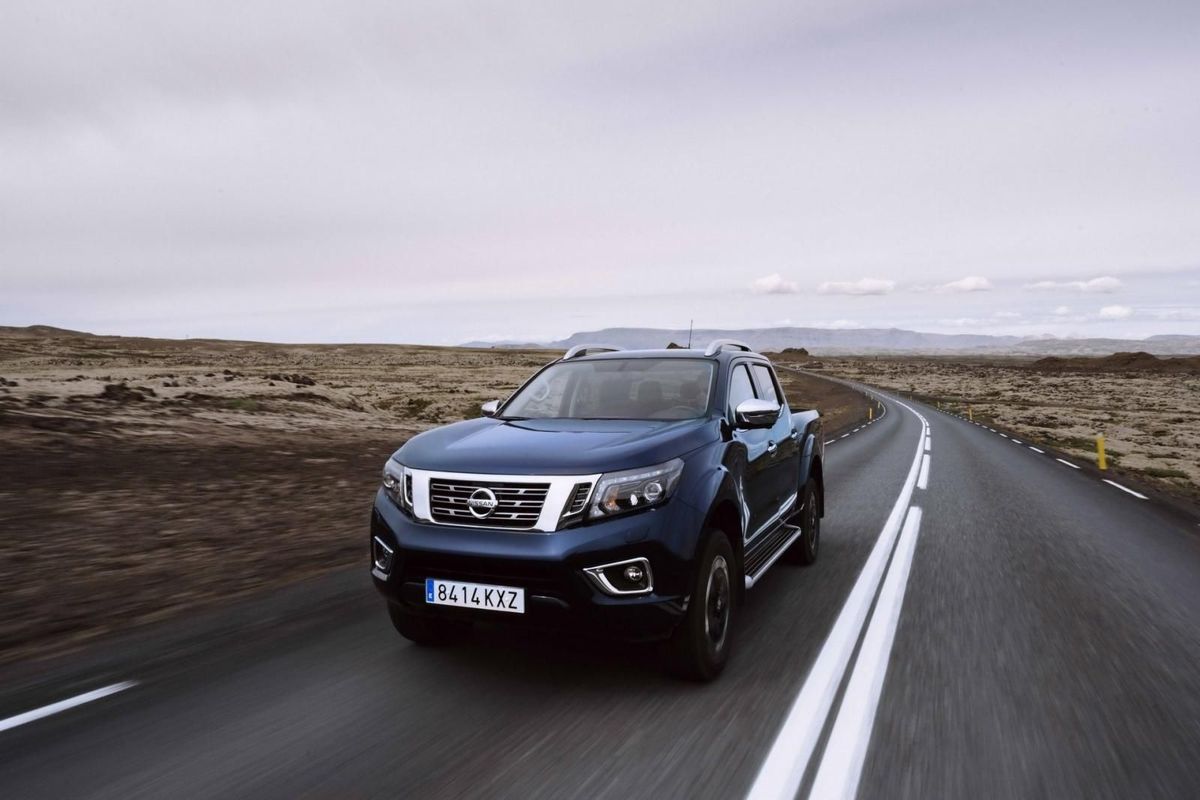
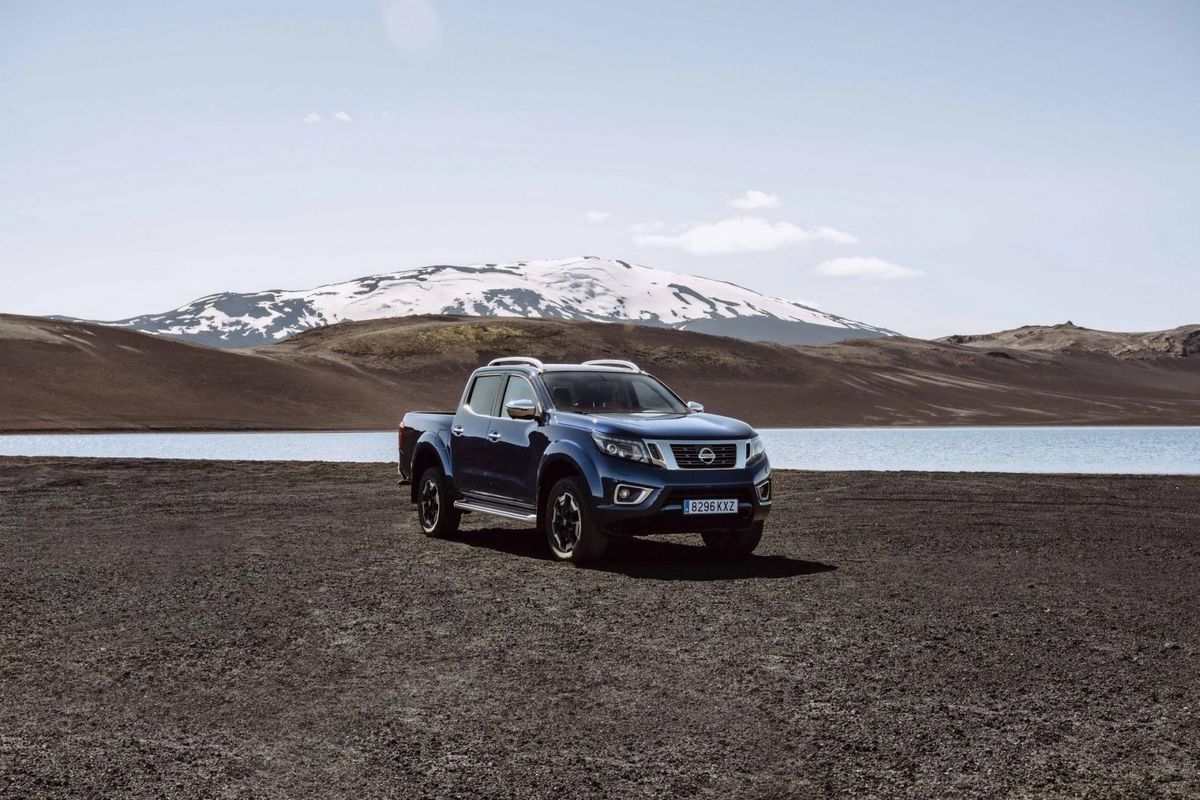
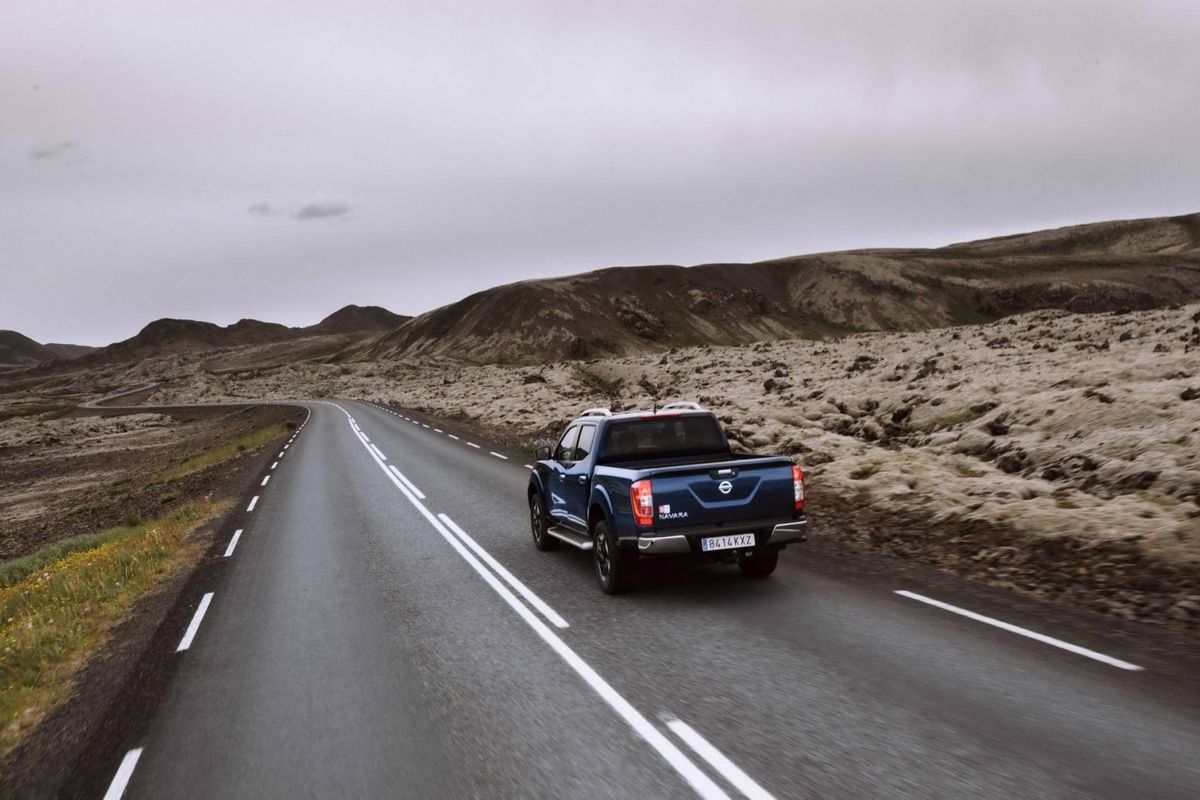
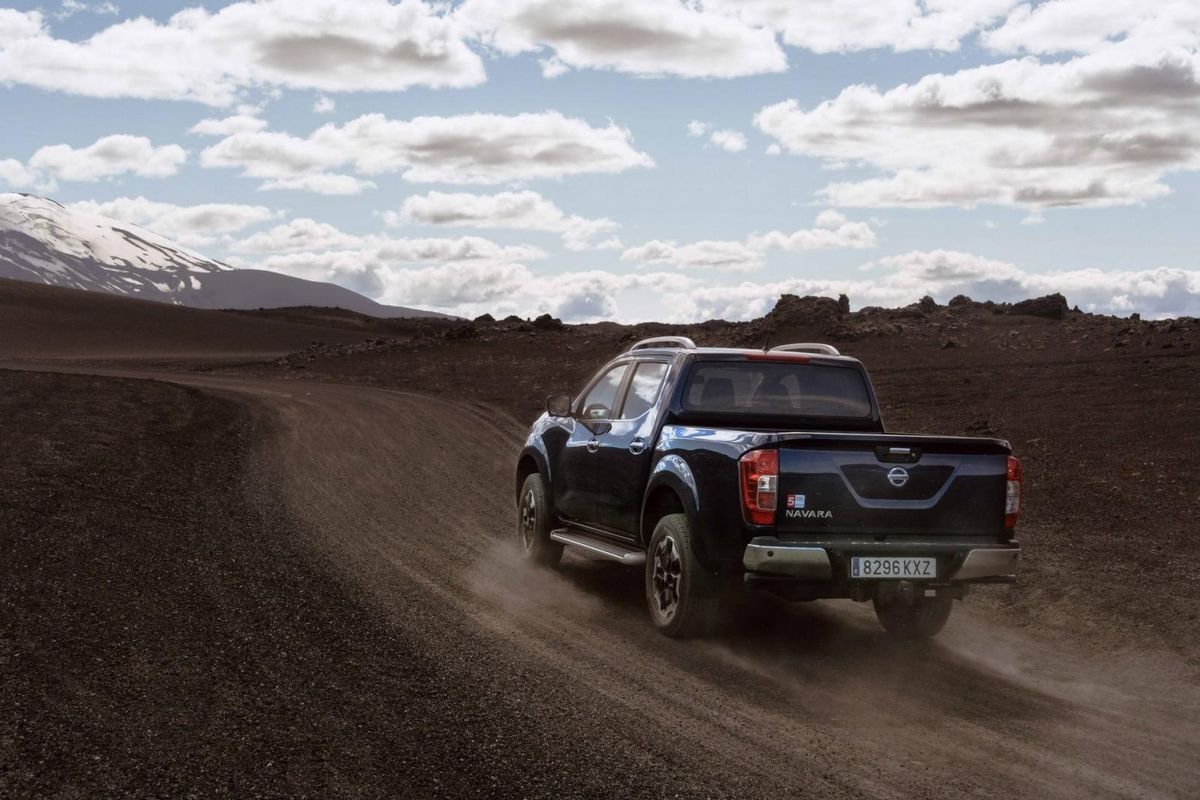
Nissan Navara Gets Major Update for 2019
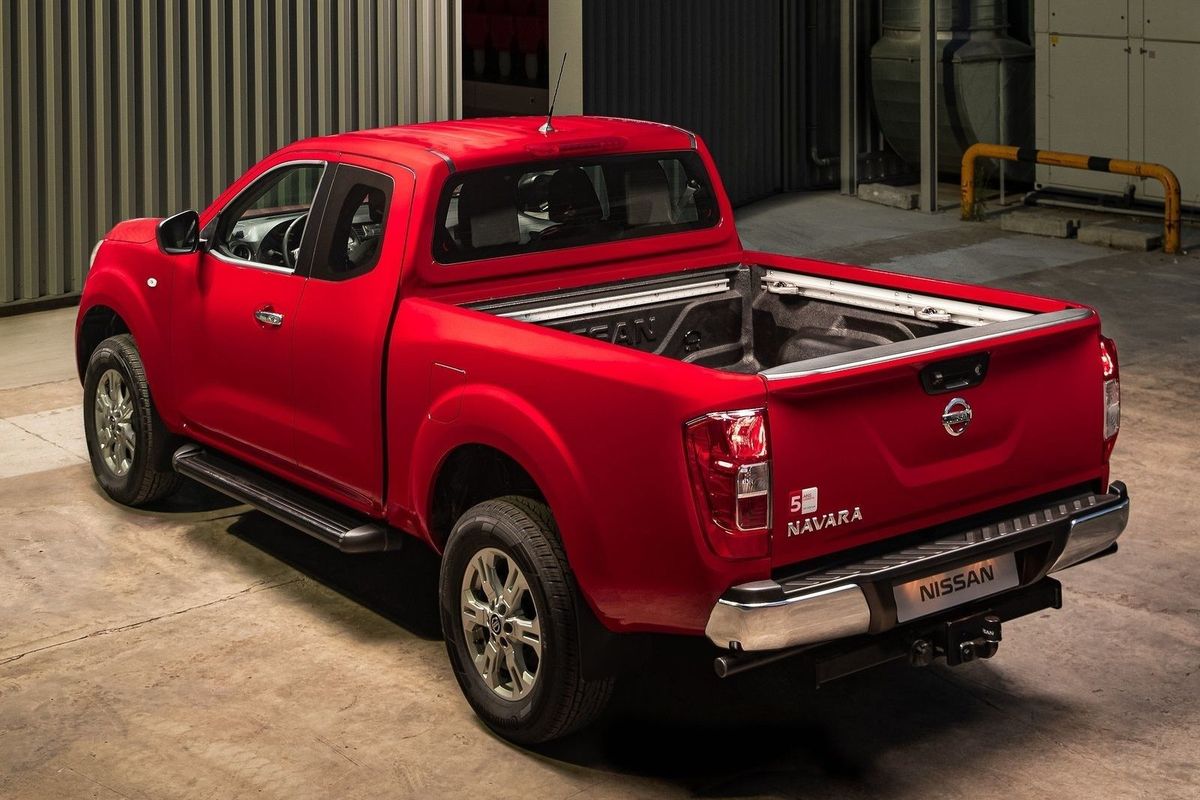
The Nissan Navara has been updated for 2019 and the changes are comprehensive. Here's what you need to know.
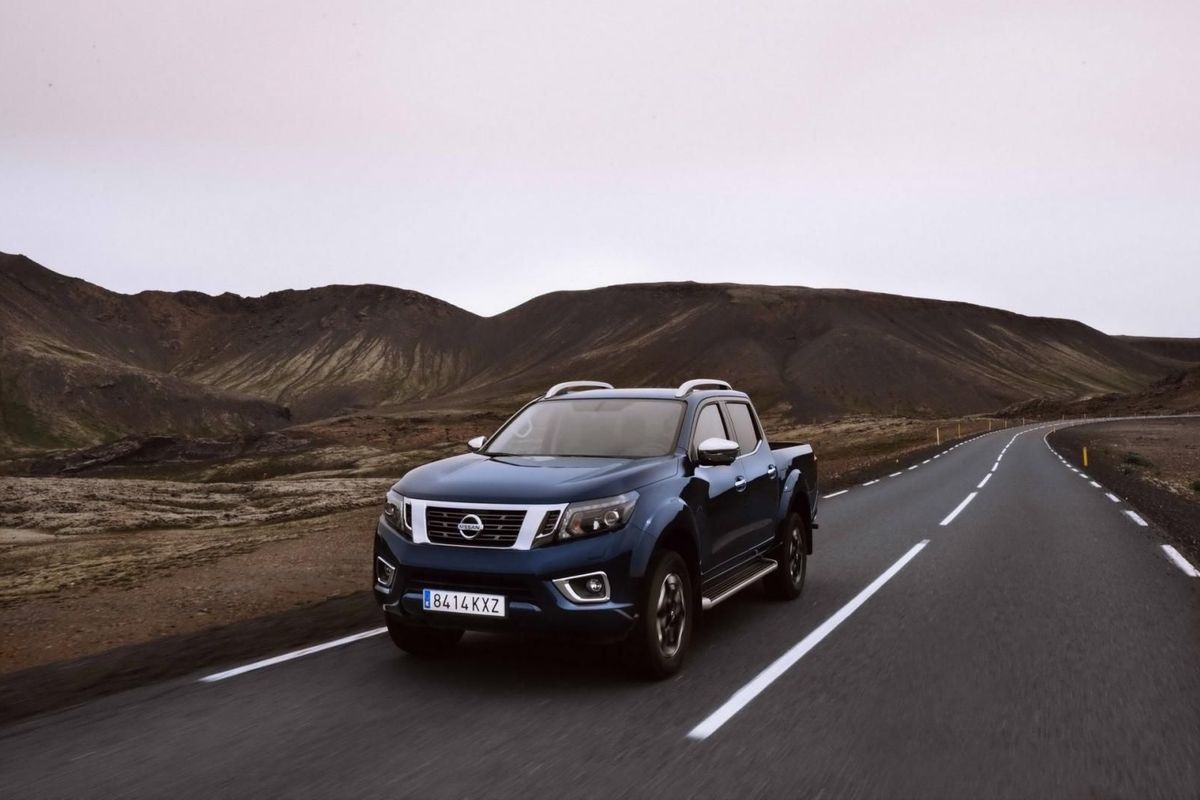
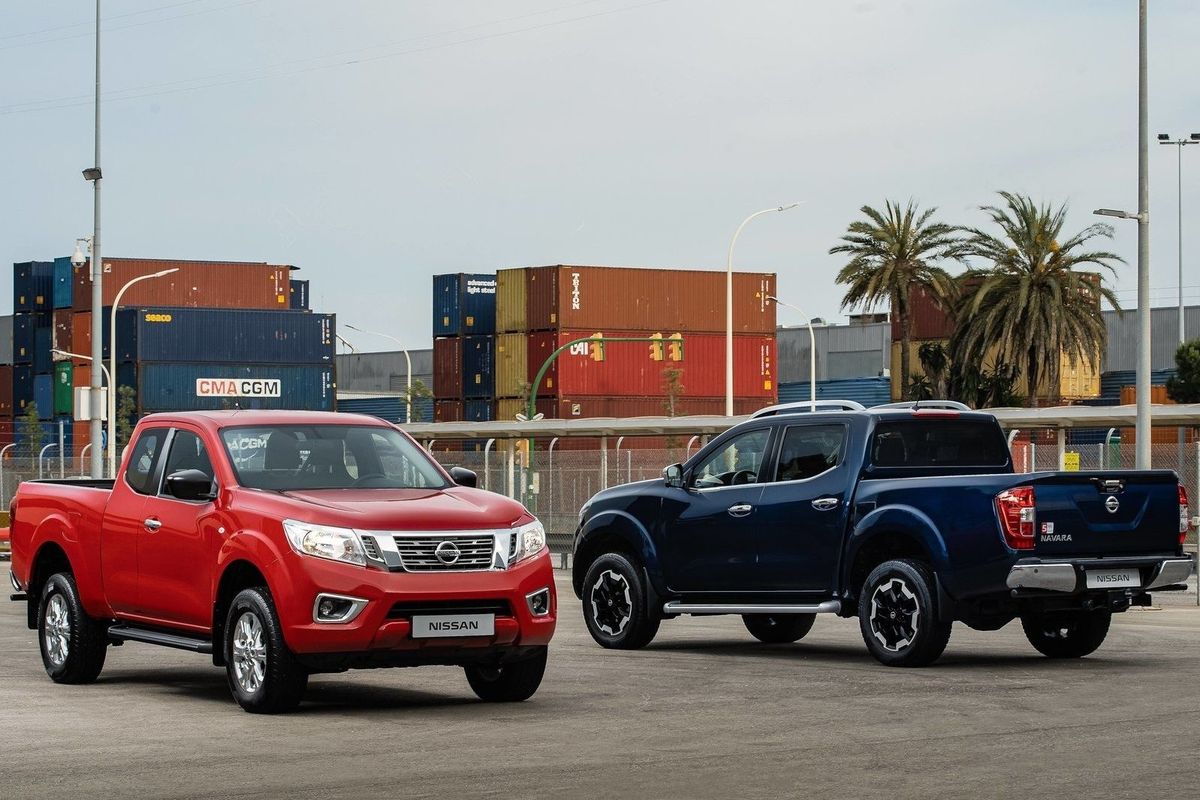
The Nissan Navara is a double-cab bakkie which is assembled in Spain, China, Mexico, Thailand and Argentina. It takes on the Ford Ranger, Toyota Hilux and Volkswagen Amarok in the hotly-contested leisure double-cab bakkie segment.
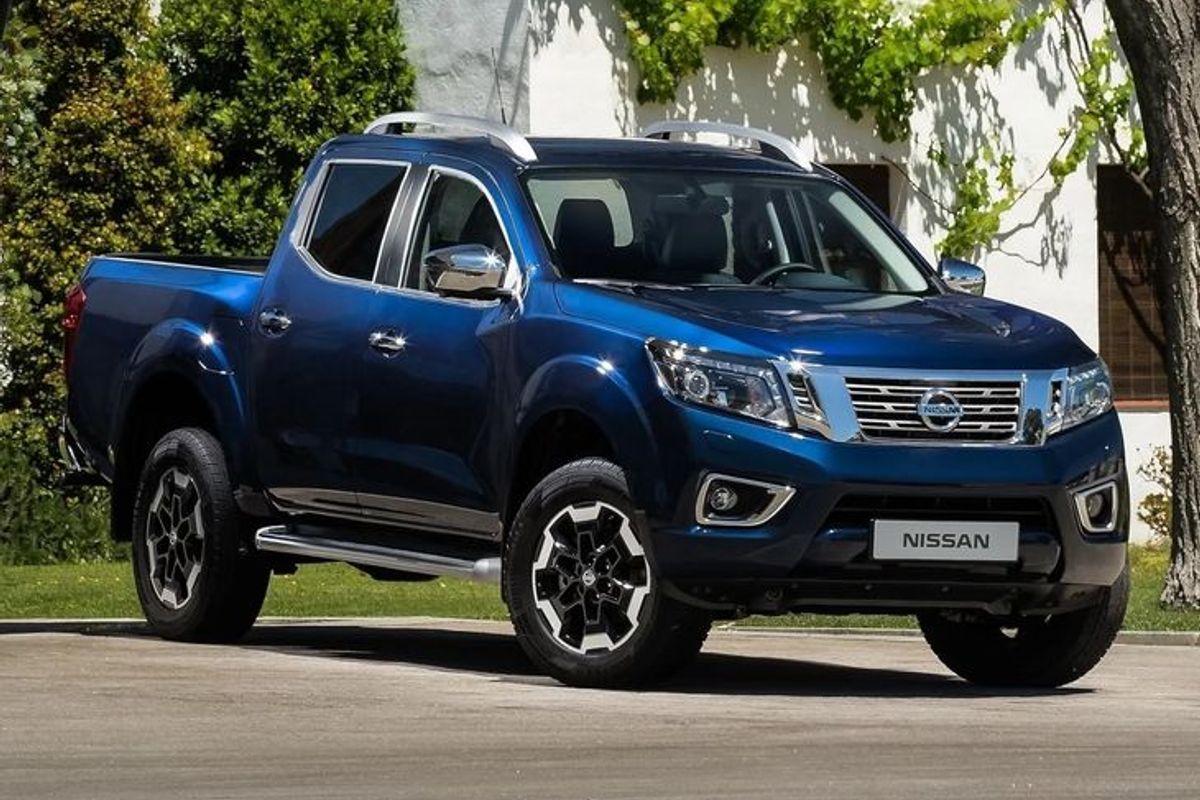
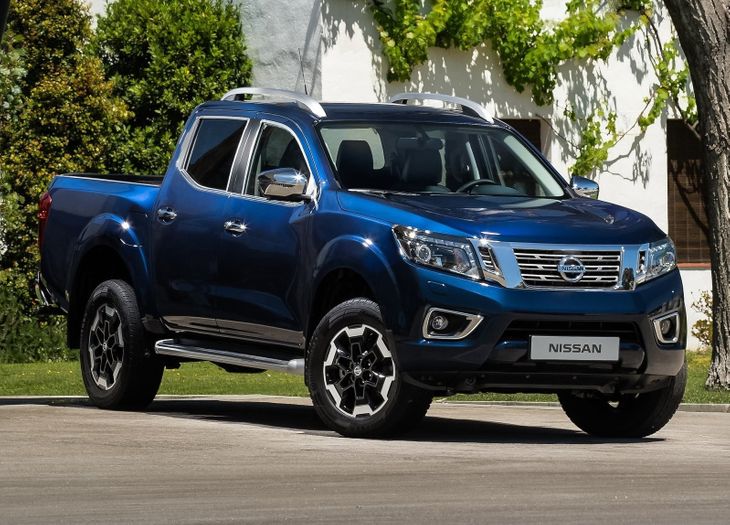
Now for 2019, Nissan has unveiled some changes to the Nissan Navara. While the differences are difficult to spot on the outside, the changes made to the Navara are significant. The Japanese brand claims the newcomer is "tougher, smarter and more fuel efficient."
In terms of styling, the Navara gets new wheel designs and larger rims in some cases, up to 17-inches in size. High-spec Navaras feature LED headlights now with a high-gloss black inner shell element.
Perhaps the most notable improvement is the inclusion of an updated 2.3-litre diesel engine which now features not one, but 2 turbochargers. The outputs, however, remain the same with the familiar 140kW and 450 Nm of torque while a 120 kW/425 Nm version will also be offered in some markets.
In an effort to improve efficiency, Nissan has reworked the engine to include steel pistons and carbon-coated piston rings while also lowering the compression ratio and increasing fuel pressure with a new pump. The Navara's water cooling system has also been updated and a new exhaust system now features a Diesel Particulate Filter (DPF) as well as Selective Catalytic Reduction (SCR) technologies.
The changes to the Navara are significant and we can't wait to test it on local soil.
The Navara also benefits from a new 6-speed manual transmission which is said to offer easier and more refined gear shifts with improved synchronisation and reduced vibration. The 7-speed automatic transmission has also been reworked to improve comfort, refinement and responsiveness.
Fitted with a second-generation 5-link rear suspension (unlike the more common leaf spring setup), the Navara double cab's payload has increased by between 54 and 114 kg (depending on the specification) and now totalling 1 115 kg – 1 180 kg. The rear suspension has also been lifted by some 25 mm and a 2-stage coil spring is said to improve the Navara's stance. Nissan has also reworked the front suspension to reduce steering effort, effectively improving low-speed manoeuvrability.
Lastly, larger 320 mm disc brakes are fitted up front (previously 296 mm) while 308 mm rear disc brakes replace the previous drum brakes. This change, according to Nissan, has reduced the required braking pedal force by 40% while also reducing noise and improving braking performance.
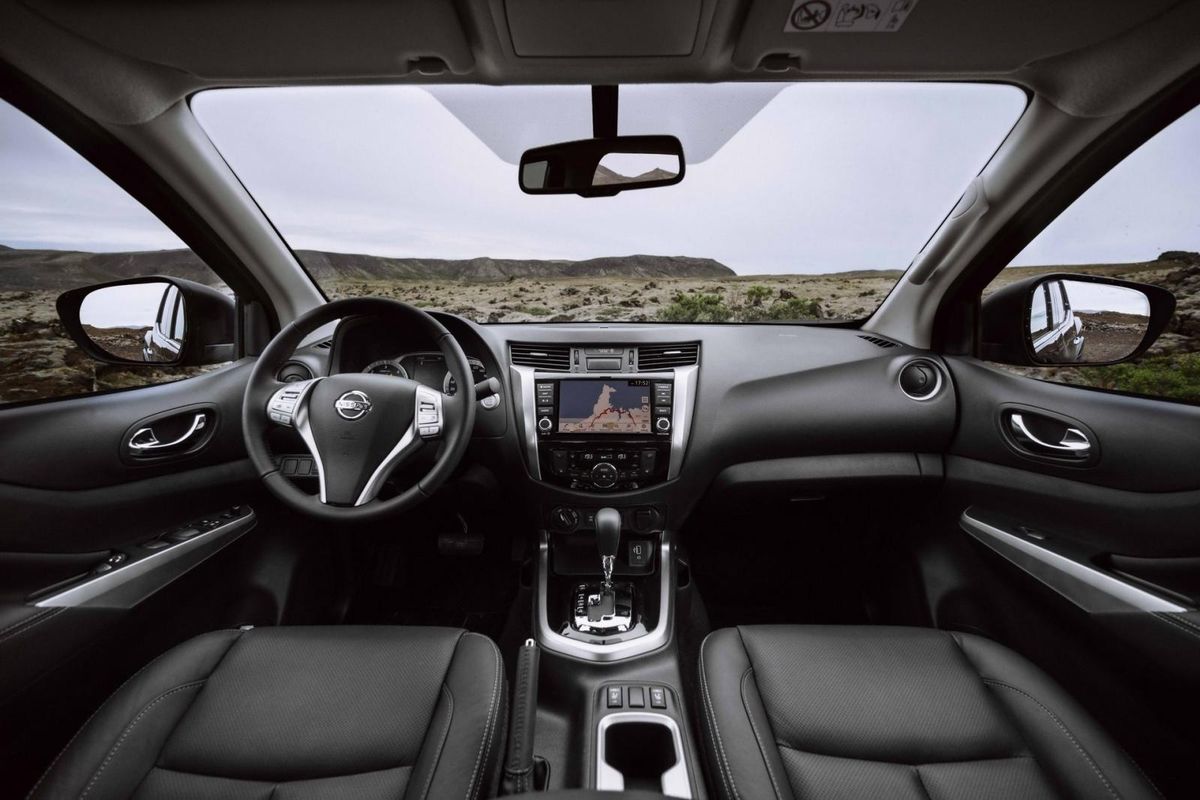
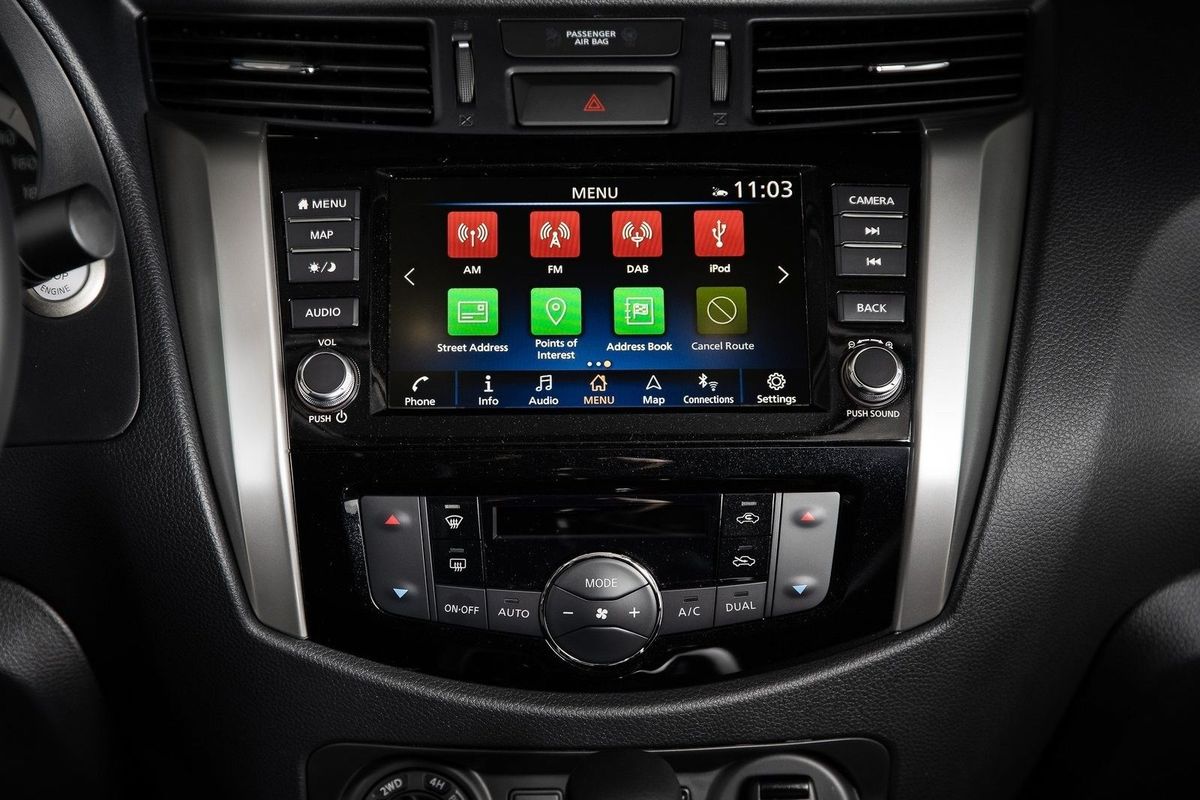
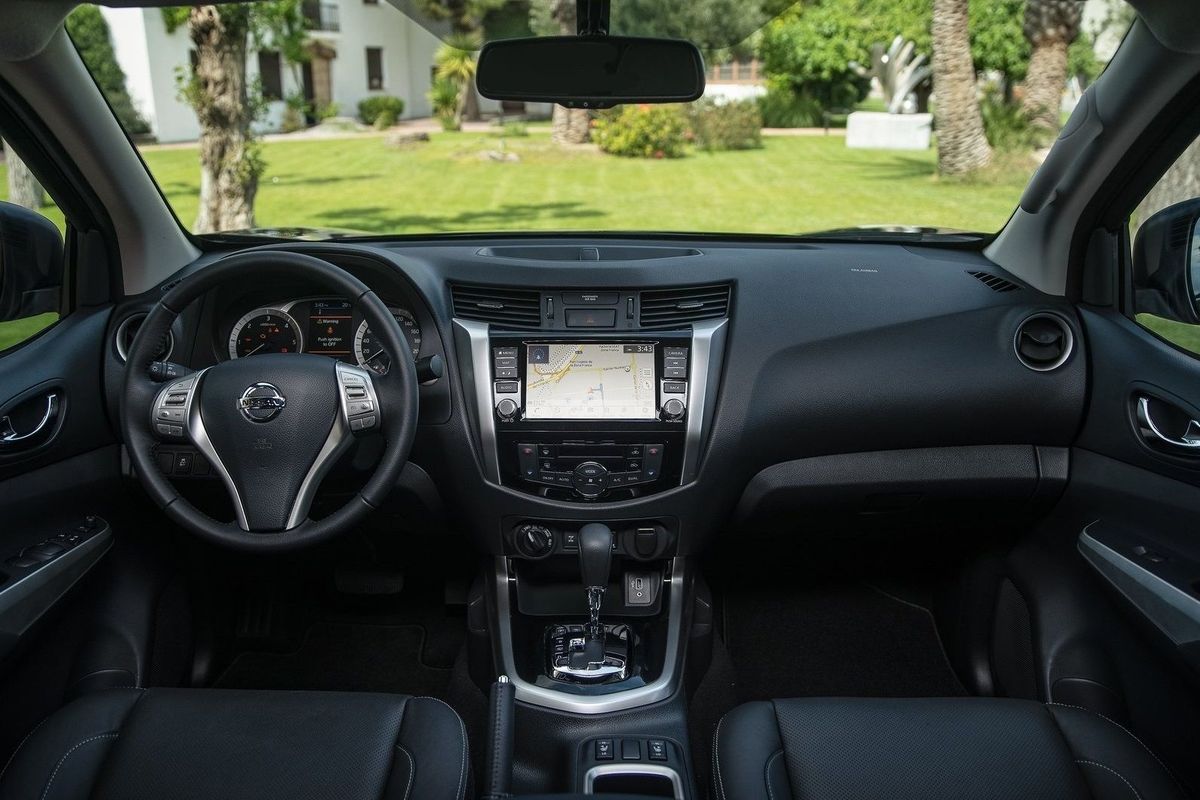
On the inside, the Navara benefits from a larger and more responsive 8-inch NissanConnect infotainment system with integrated navigation and mirroring function while also offering Apple CarPlay and Android Auto capability.
We are currently waiting for Nissan South Africa to confirm the arrival of the updated Navara in South Africa. We will keep you updated as soon as the information becomes available.
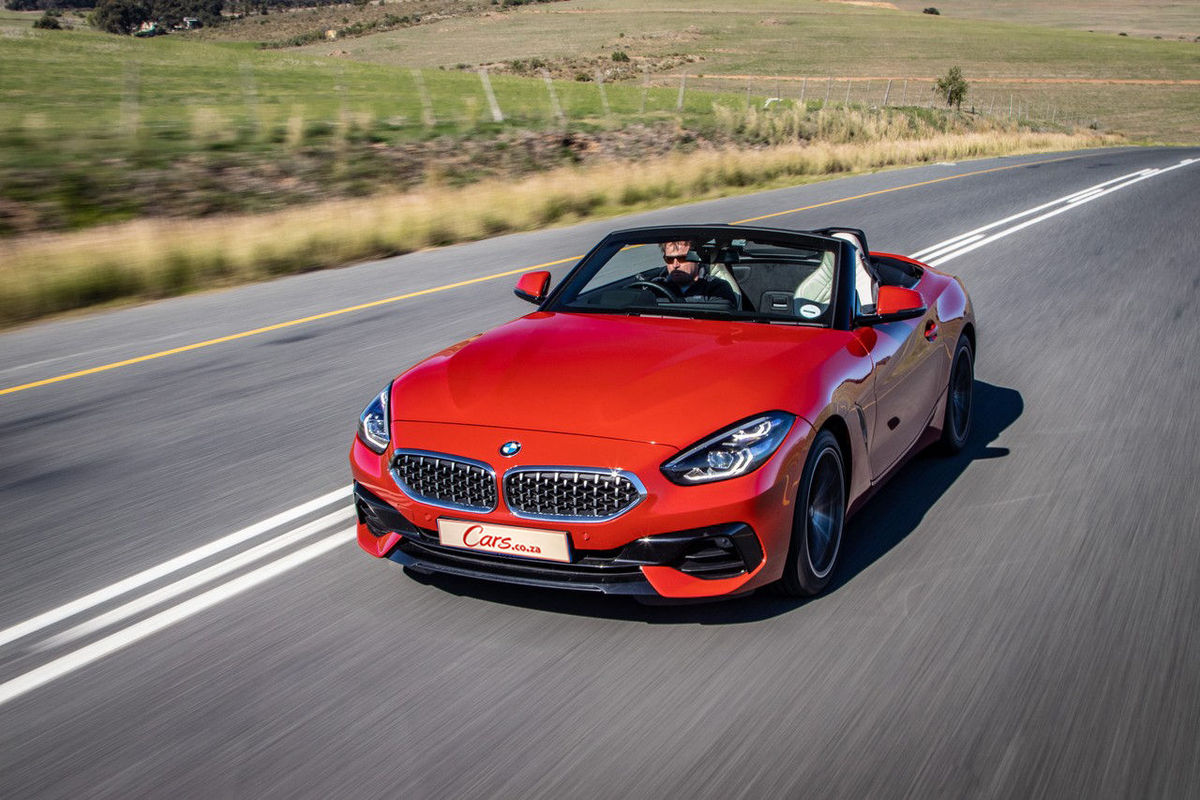
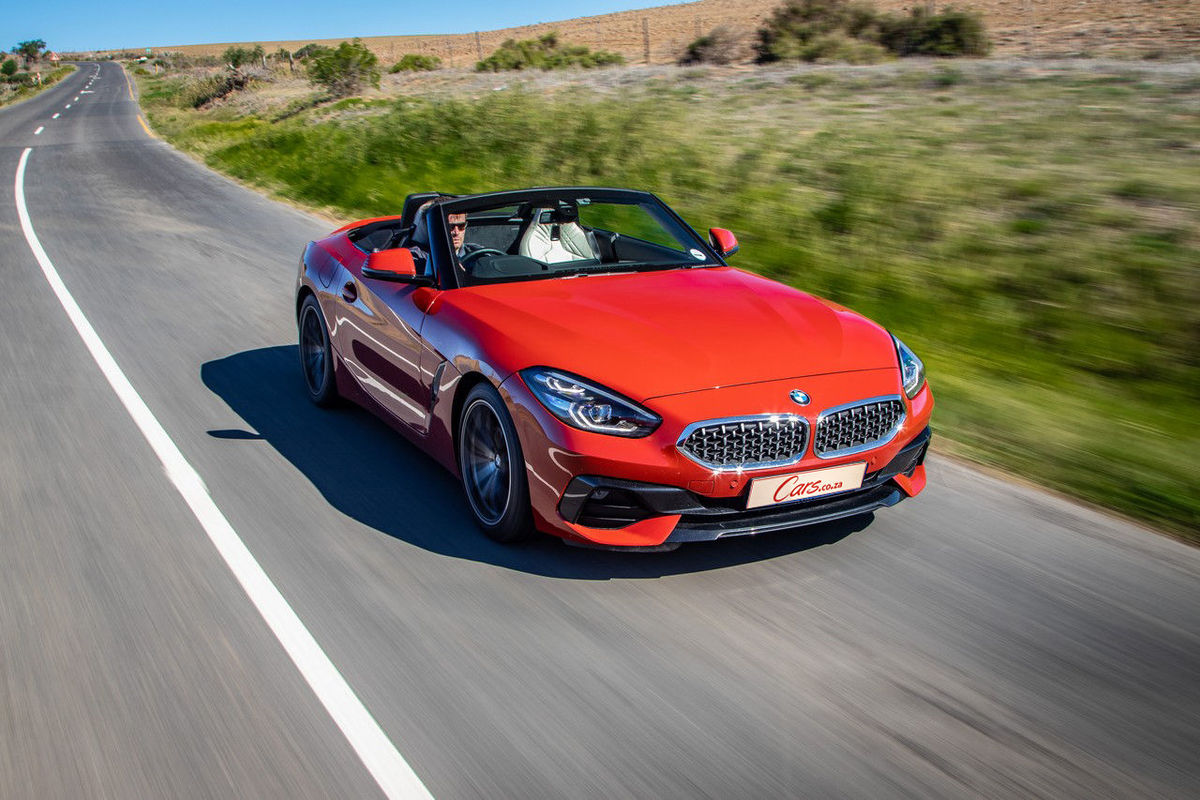
BMW has put a lot of effort into making its new Z4 a more dynamic machine than its immediate predecessor, but is it possible for those sharpened reflexes to shine when coupled with the "baby" engine in the line-up? Let's find out…
We like: Impressive performance, build quality, good dynamics/comfort balance
We don't like: Steering response sharpens up too dramatically, not quite enough grunt for "tail-out" fun
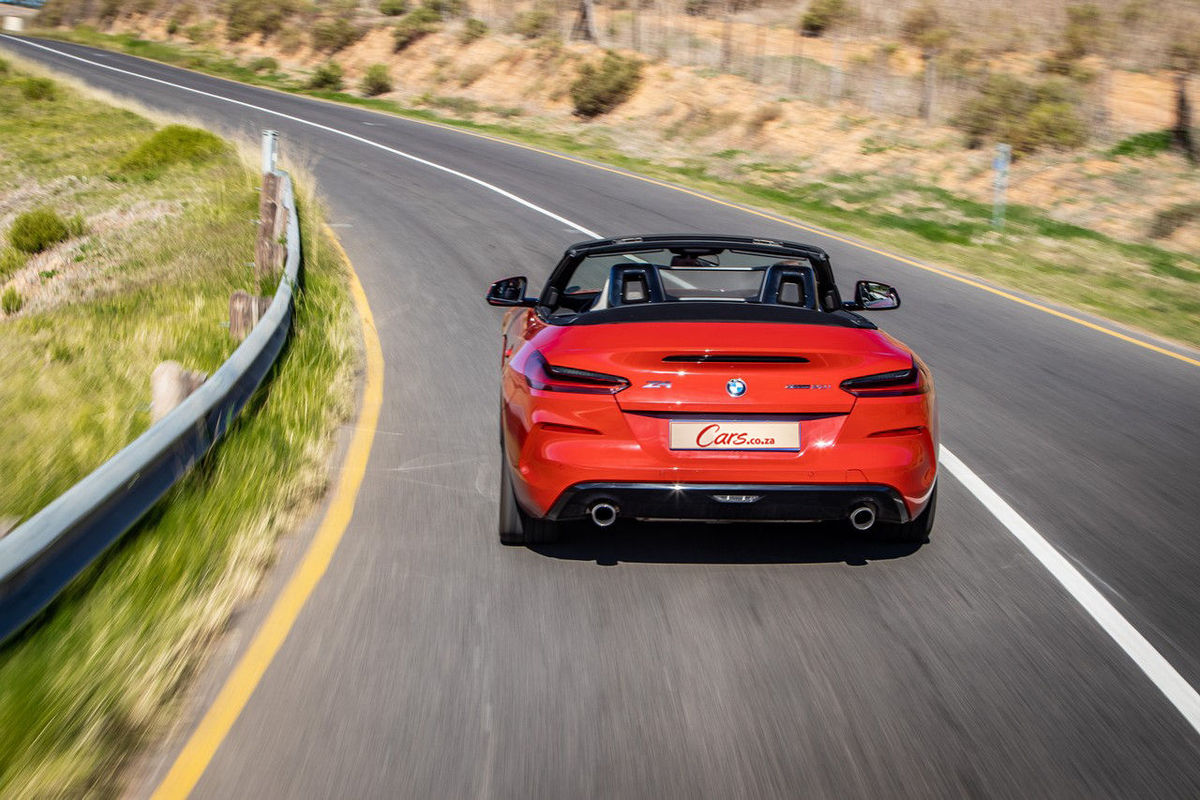
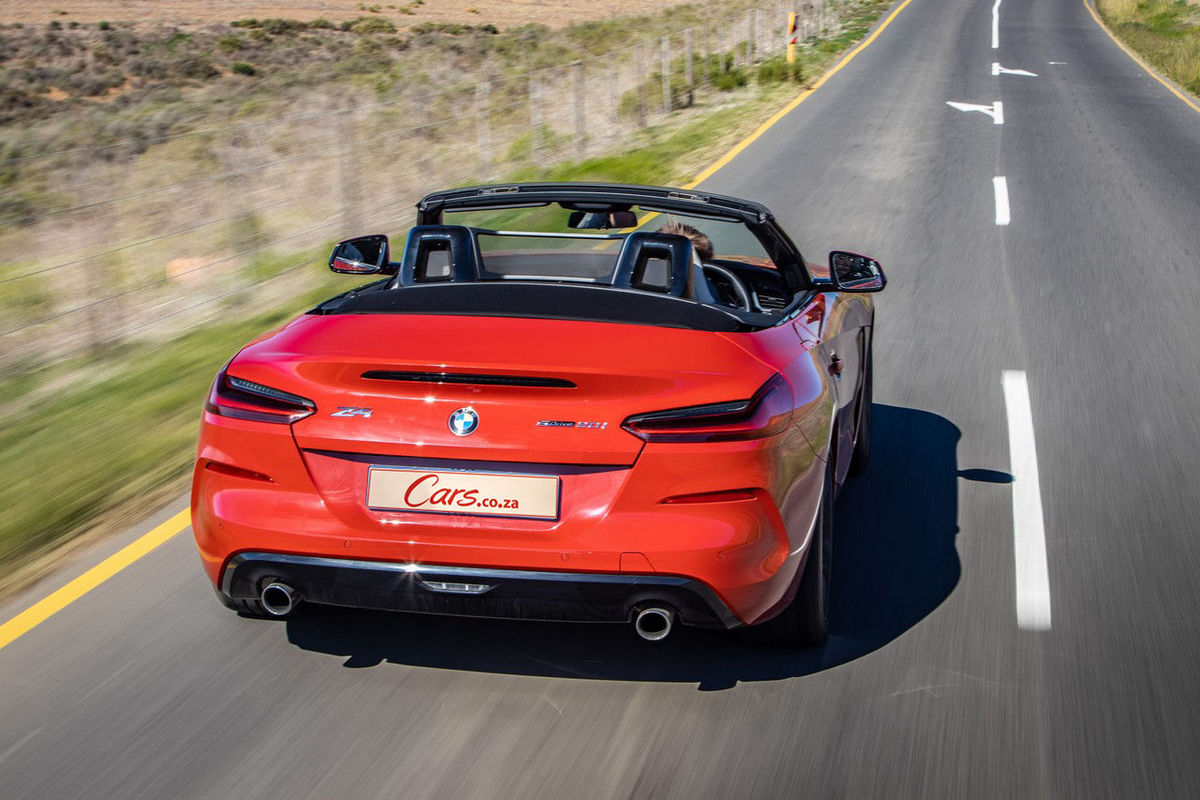
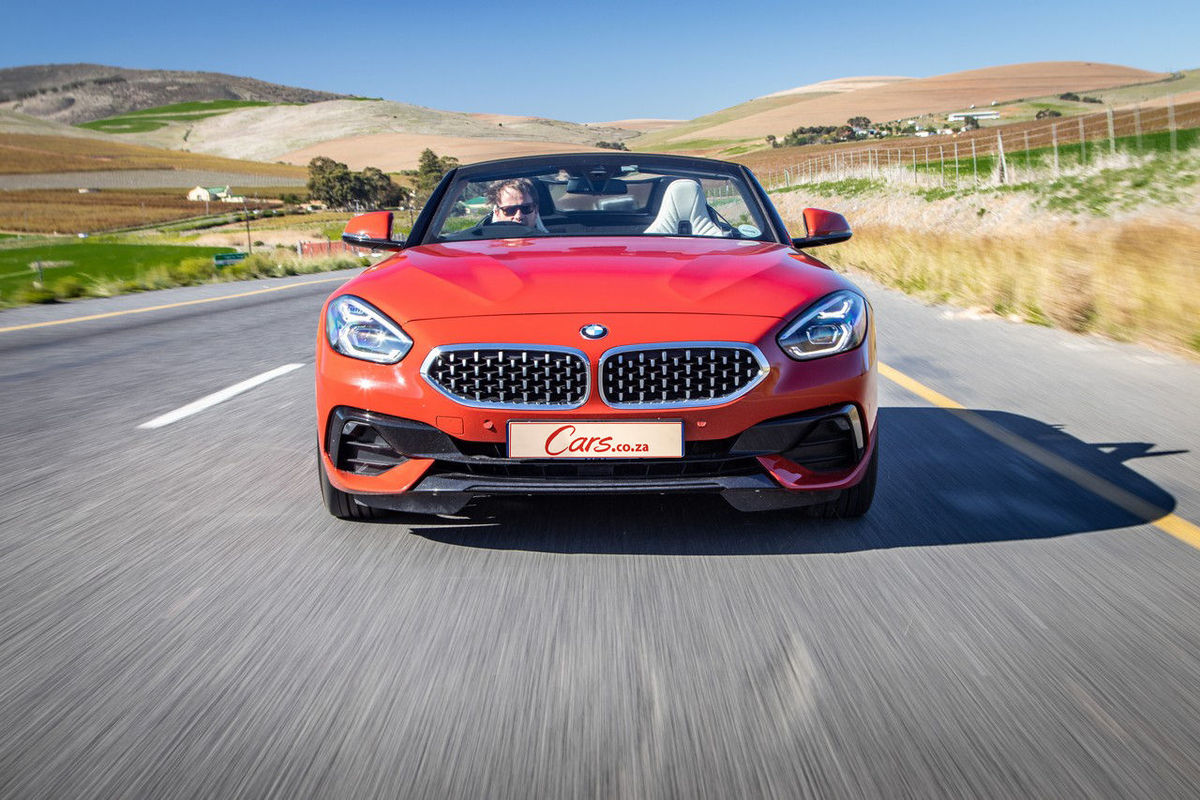
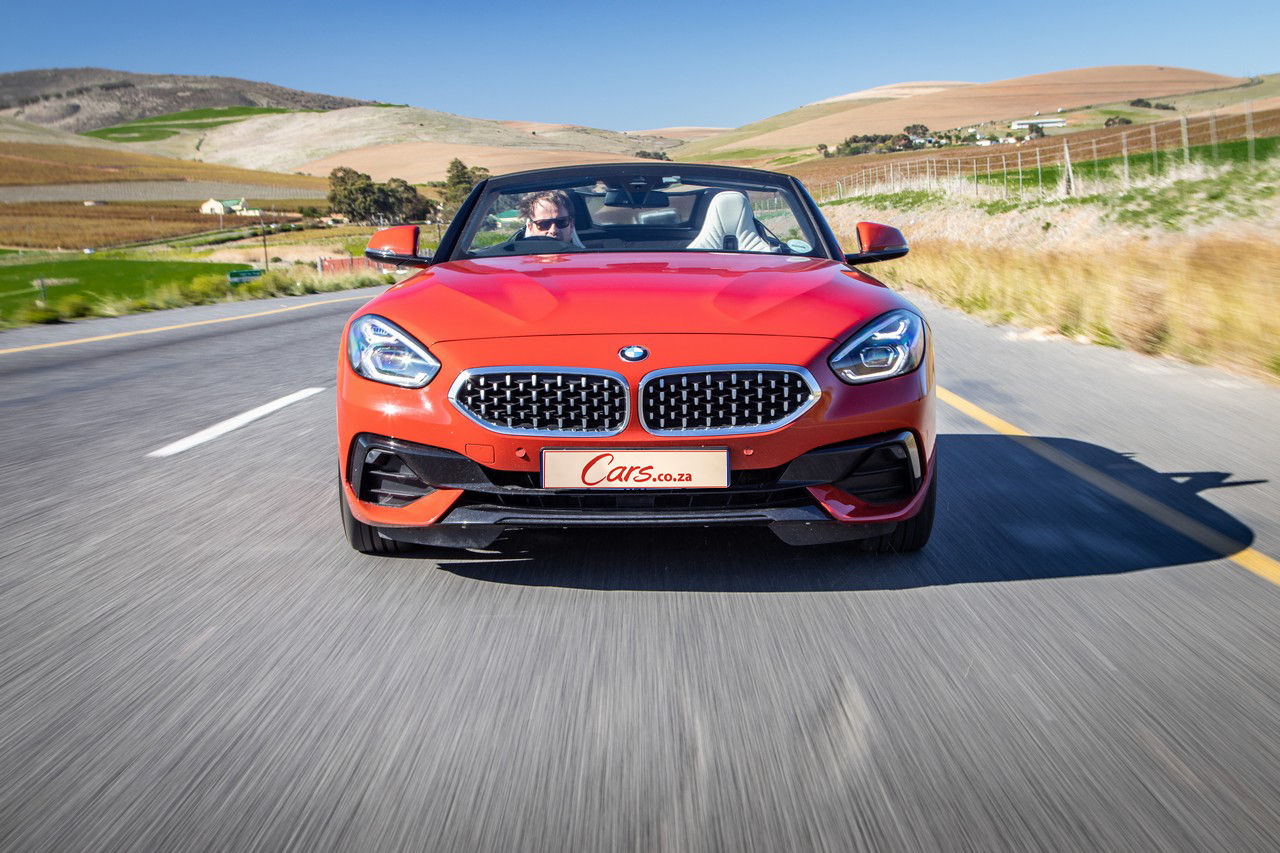
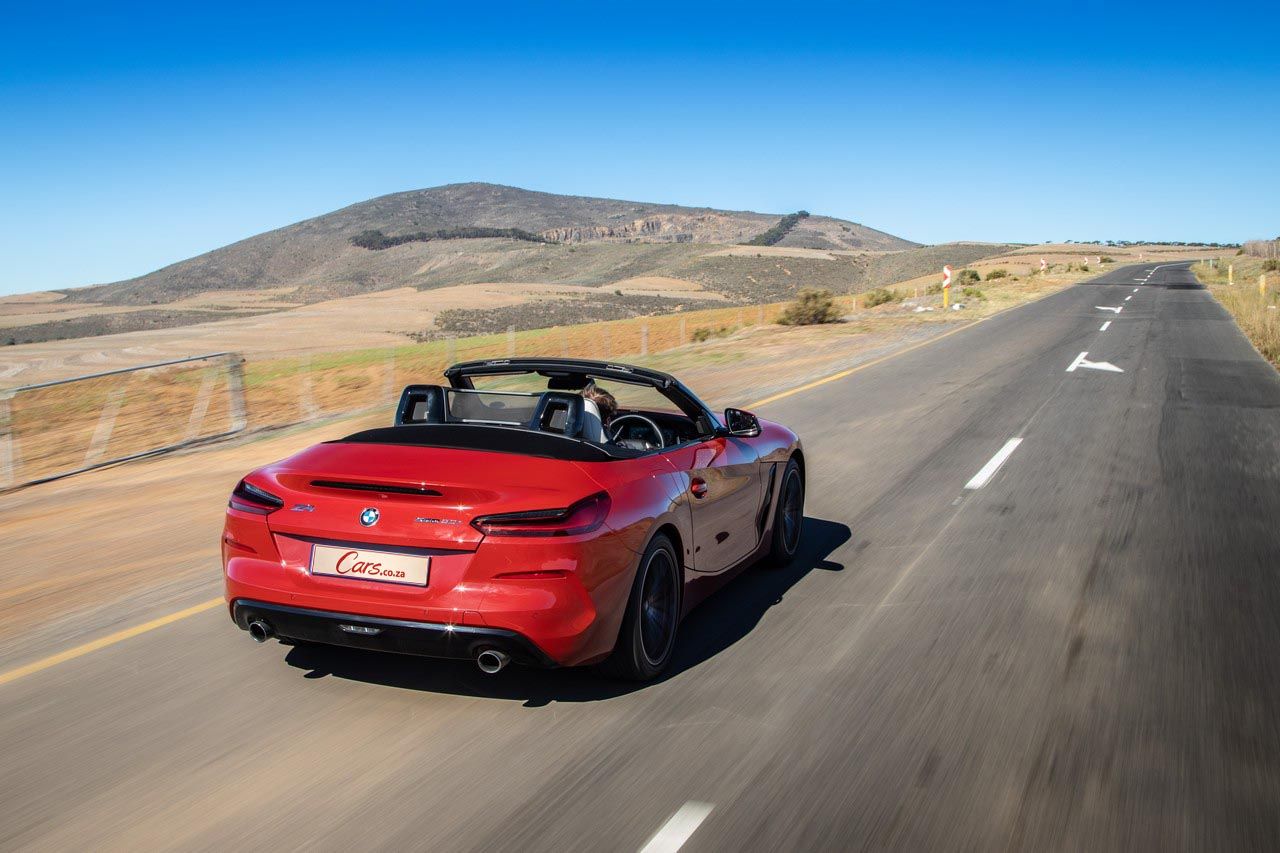
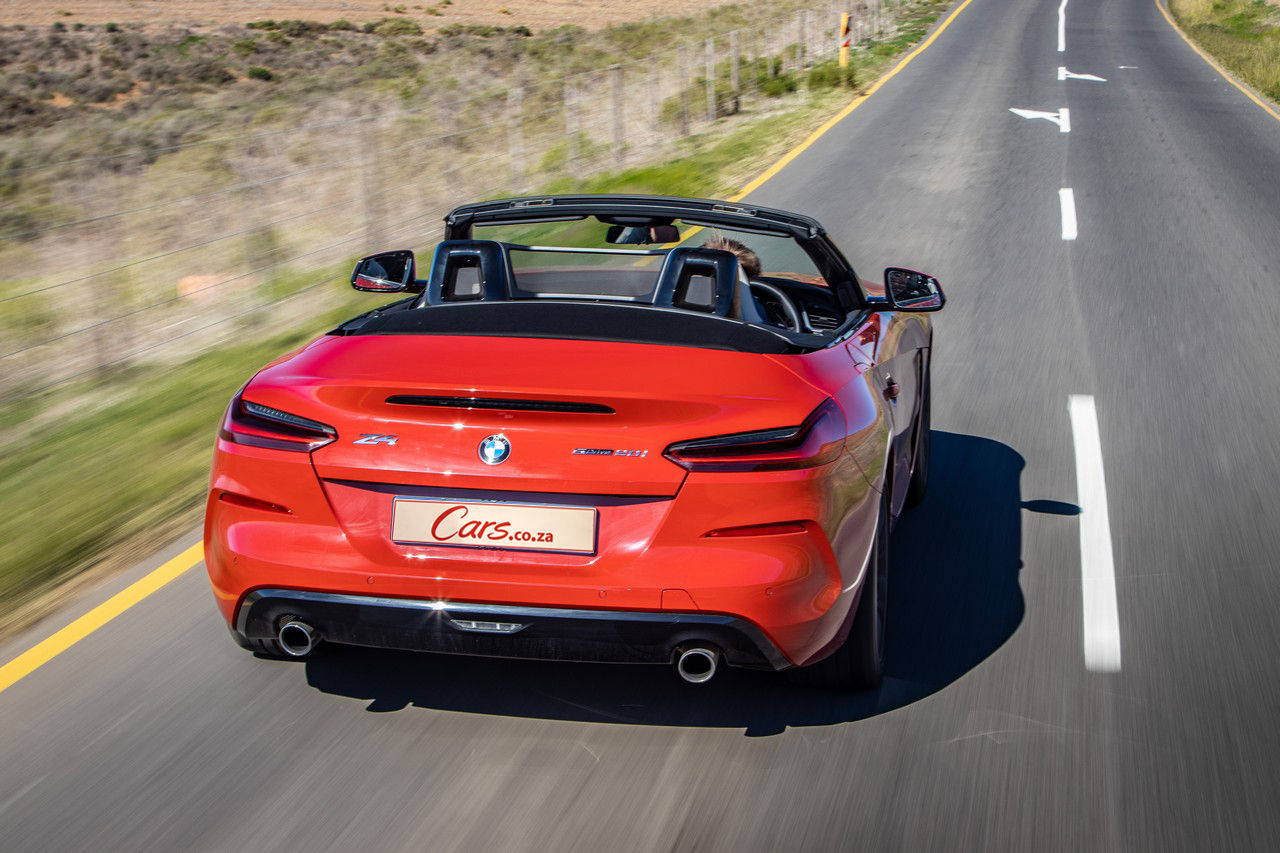
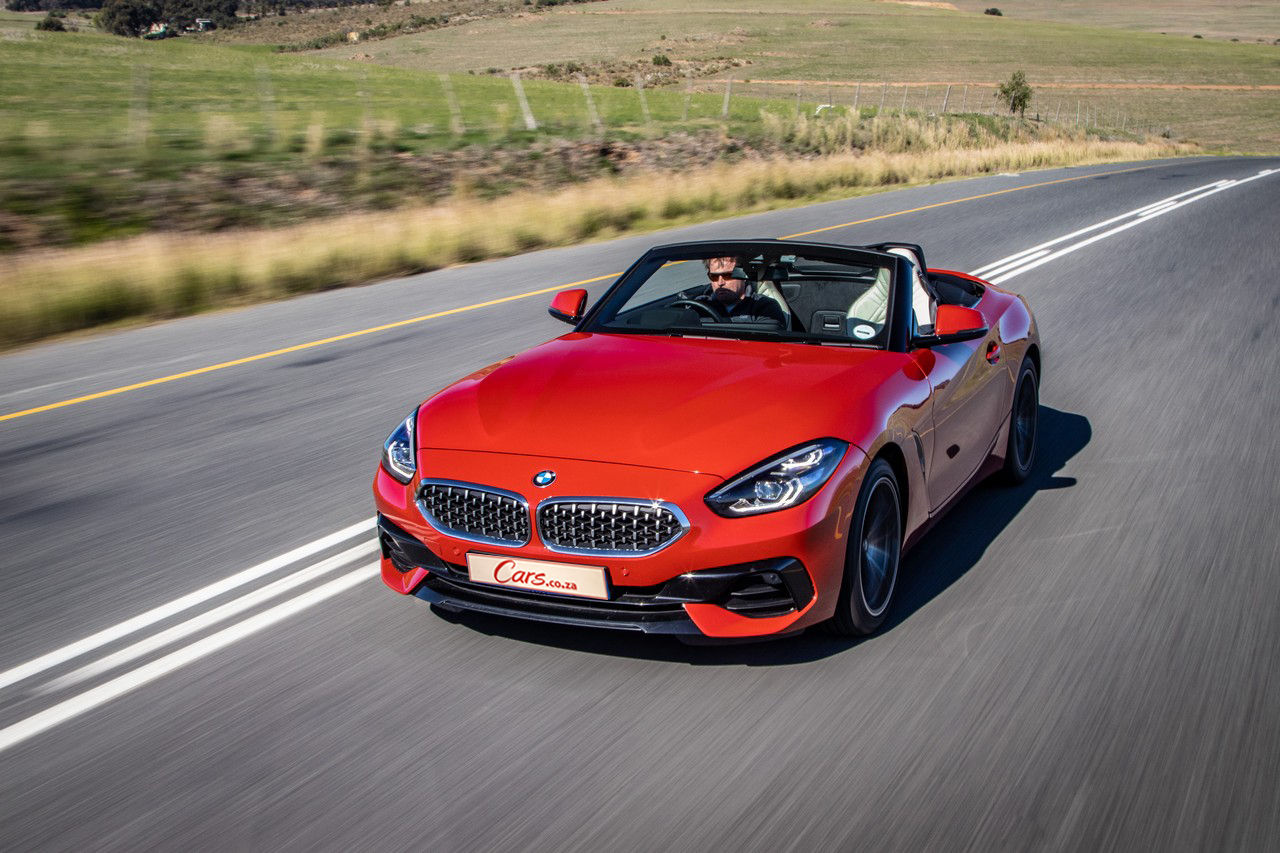
The baby in the Z4 line-up still looks the part, particularly in the ballsy San Francisco Red finish.
Compact coupes and roadsters used to appeal to fashion- and style-conscious buyers (in the main), but, to quote Bob Dylan, the times they are a-changing… Audi has announced plans to kill off its TT, and Mercedes-Benz's ageing SLC limps on without a confirmed replacement in sight. Mazda's MX-5 sells in small numbers and Porsche's Boxster competes at a higher price level. So, from an objective point of view, it seems as if BMW has wasted many years, millions and millions of Euros, not to mention a great deal of effort, to develop this new-generation Z4…
Then again, in several ways, the compact roadster represents what BMW has always stood for – high-performance rear-wheel-drive fun, in a stylish, upmarket package. This time round, BMW has also managed to save some costs by co-developing the newcomer with Toyota (the Z4 shares its platform with the new Supra coupe). So, perhaps it makes sense after all. But what about this sDrive20i entry-level derivative? Its pricing and specification position it in a no-man's land between the Mazda MX-5 and Porsche Boxster. Is it a boulevard cruiser, or cut-price dynamic marvel?
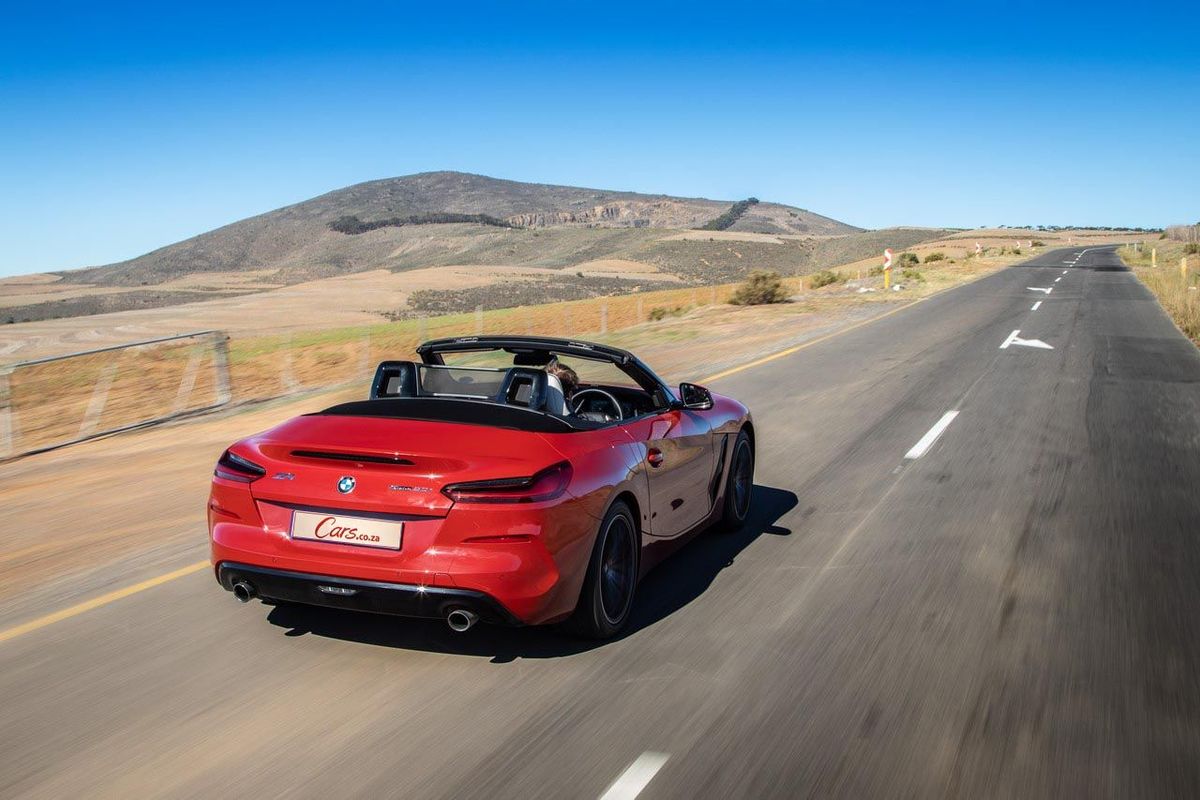
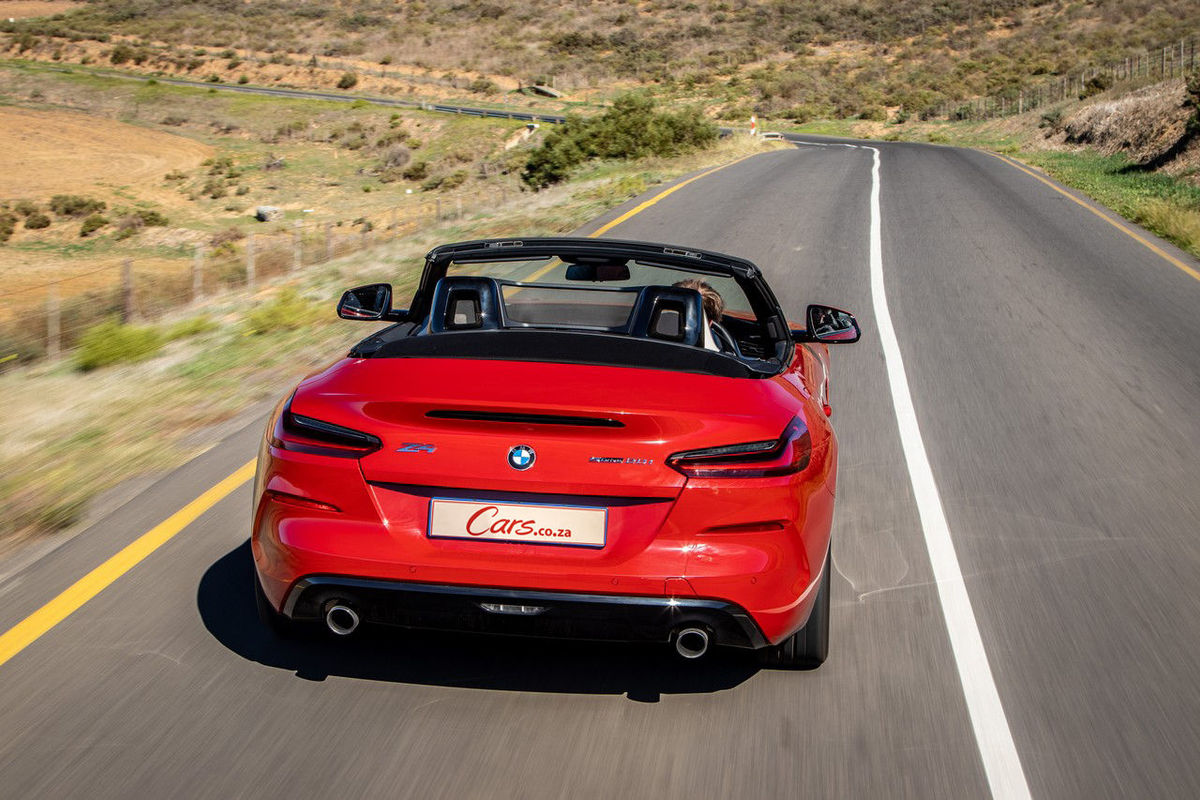
The new BMW Z4's exterior design continues to split opinion. Compared with its predecessor, it is considerably wider (especially at the front) and the wheelbase is truncated, yet BMW was obviously determined to maintain that classic long-nose, short rear-end look (new Z4 is actually longer than before). When one views the roadster in profile, its proportions seem unbalanced, at least in most of our reviewers' opinion. Nonetheless, the test unit drew plenty of admiring glances (particularly from BMW drivers) during its tenure in our fleet; we appreciate it looks great from the rear.
Of course, in a significant departure from its predecessor, the Z4 has reverted to a classic soft-top configuration, which also saves weight (the canvas roof can be electronically raised or lowered at speeds of up to 50 kph). In BMW's pursuit of a stiffer, lighter platform to work its magic on, further weight-savings have been realised through a new suspension setup. As ever, the goal was a 50/50 weight distribution and a lower centre of gravity, both of which the Munich-based firm (and its Japanese partner) achieved. Sounds like a recipe for a serious performance machine, then…
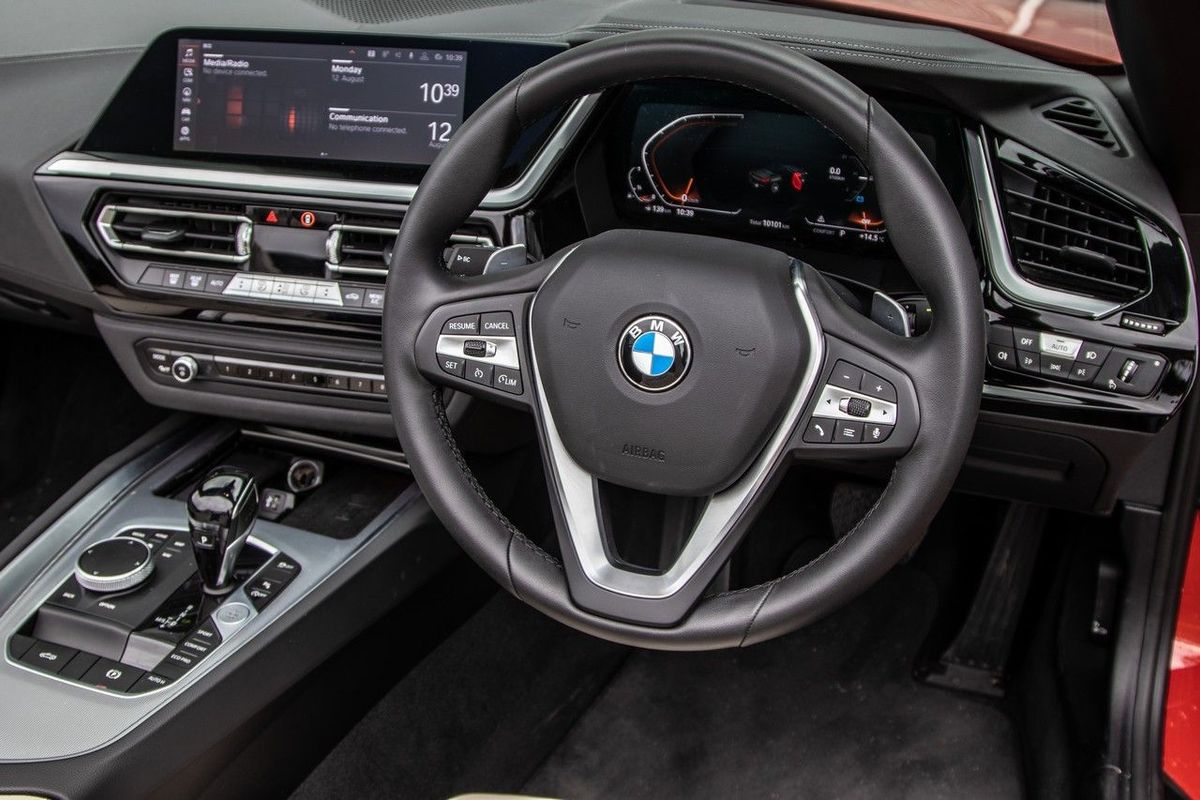
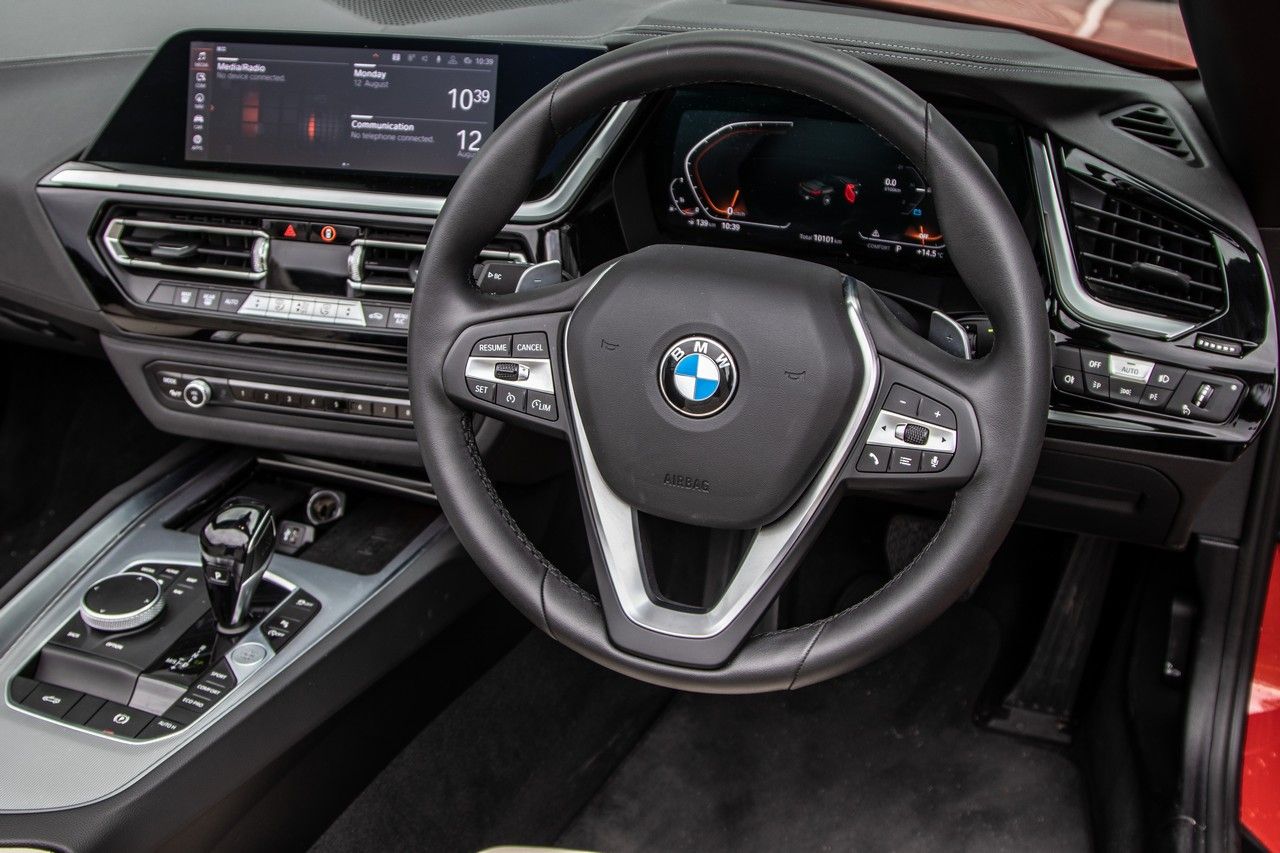
The new Z4's cabin is spacious, constructed of solid, quality materials and can be specified with all of the latest tech.
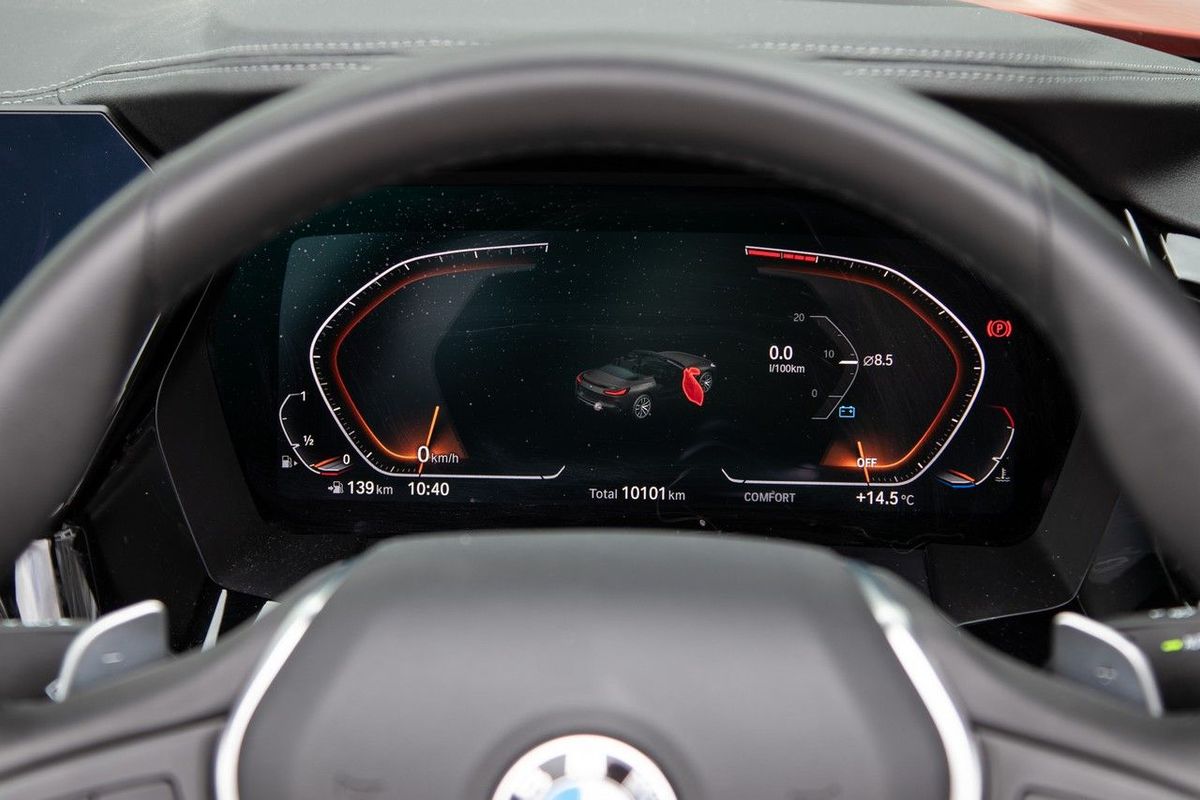
When you swing open the wide-opening driver's door and sink your posterior into the low-slung seat, you're greeted by a cabin that slavishly follows the style of contemporary BMWs. That's not a bad thing – there is appreciably better attention to detail than in previous-generation Bimmers; the build quality (specifically the standard of materials used) is right up there with the Audi TT. The resolution and crispness of the displays are also impressive. As expected, a wide variety of trim options are available, including 4 upholstery colours, as well as "Mesheffect" aluminium trim finishers (R3 000). That said, even though this is the baby of the Z4 range, the specification level is very good (see next section, Comfort and Features).
An area in which the Z4 shines particularly brightly is its packaging. There's great head- and legroom for the occupants, and generous load space behind the seats, too. It's lacking a little in practical oddments storage spaces, and we found the positioning of the drinks holders rather awkward. The boot, which has a claimed capacity of 281 litres (with the roof open or closed), endows the Z4 with considerable weekend-getaway appeal.
Comfort & Features
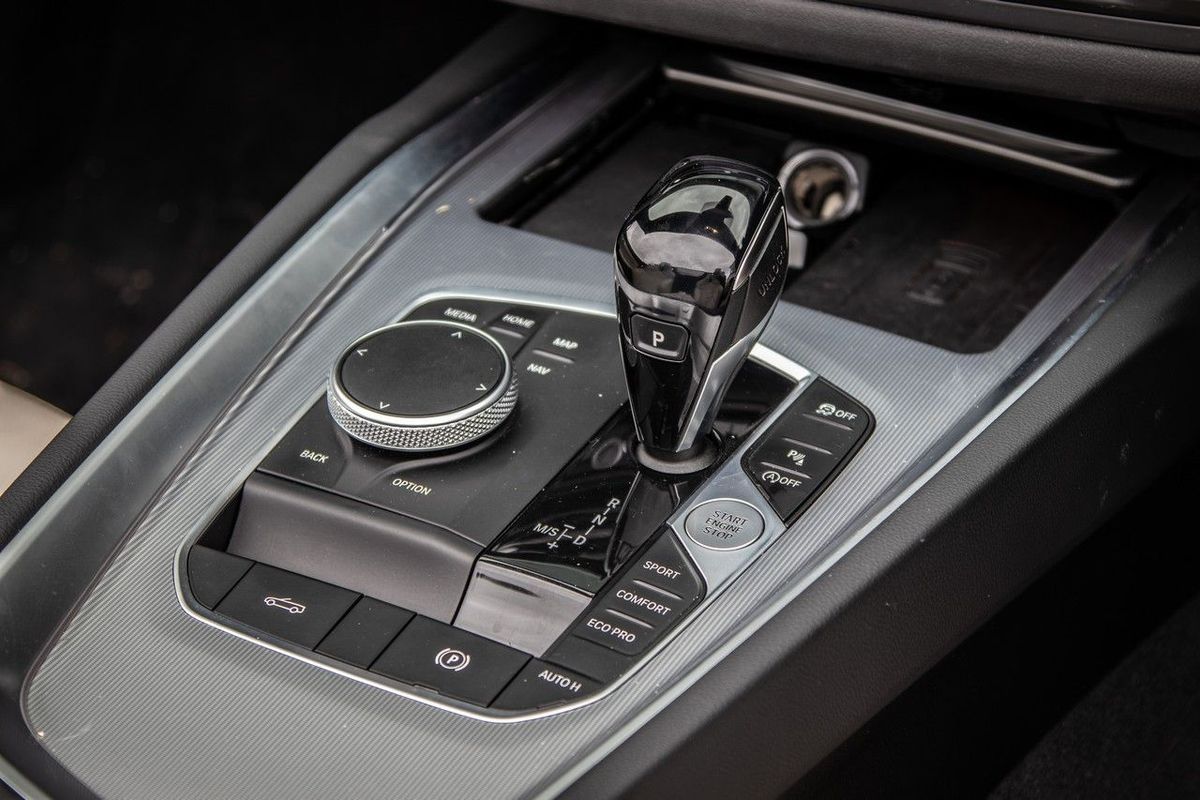
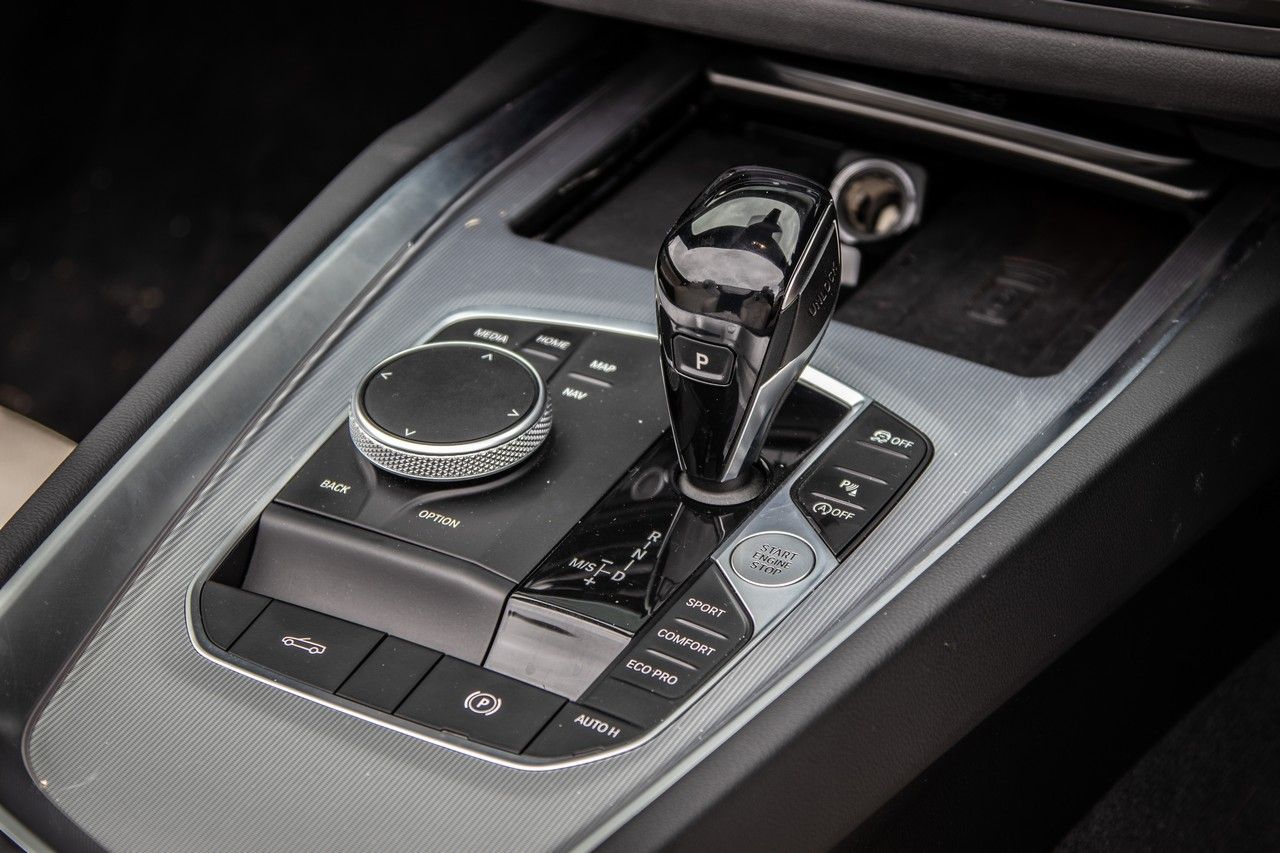
The wide transmission tunnel and its neatly clustered drive settings and iDrive controls.
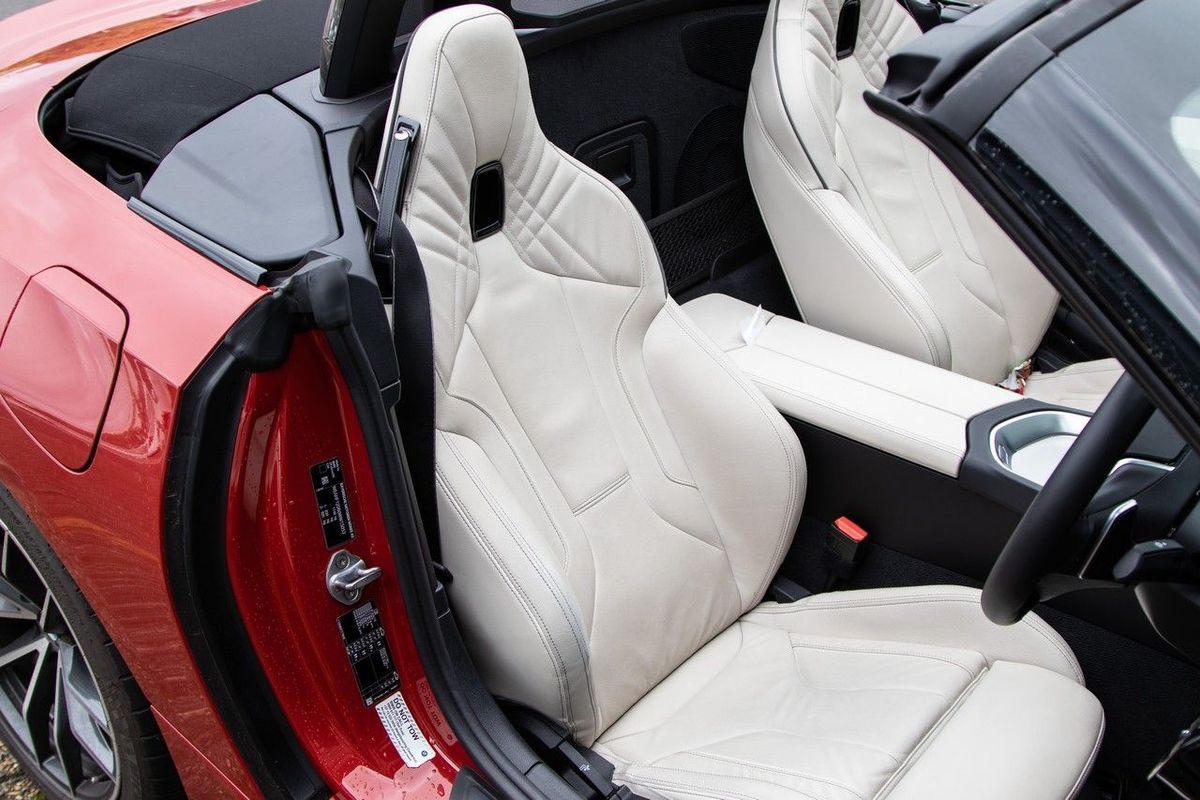
The entry-level Z4 is by no means poorly equipped. As standard, you get LED headlights, satin-finish aluminium exterior trim and 18-inch V-spoke, bi-colour, Orbit Grey wheels as part of the package. The interior is trimmed in fine leather upholstery and, of course, features those lovely M Sport seats. If you want the chunky M Leather steering wheel (as specified here), that will cost you an extra R3 300. We'd ideally have wanted an electrically adjustable driver's seat (with memory) as standard, but it's an R18 000 option instead. Still, an ambient lighting package is included, as are cruise control (with a braking function) and climate control. We do find the brand's latest HVAC control interface a bit fiddly to use, however.
The BMW Live Cockpit Professional system (with navigation) is included, as are ConnectedDrive services (incl. Connected Package Professional), wireless charging for smartphones. Preparation for Apple CarPlay costs an extra R4 300 and a Harman/kardon surround sound system: R6 000.
Overall, and combined with the car's good ride quality and effective ventilation system (especially heating with the top down), the Z4 is a pleasure to pilot on a daily basis.
Performance & Efficiency
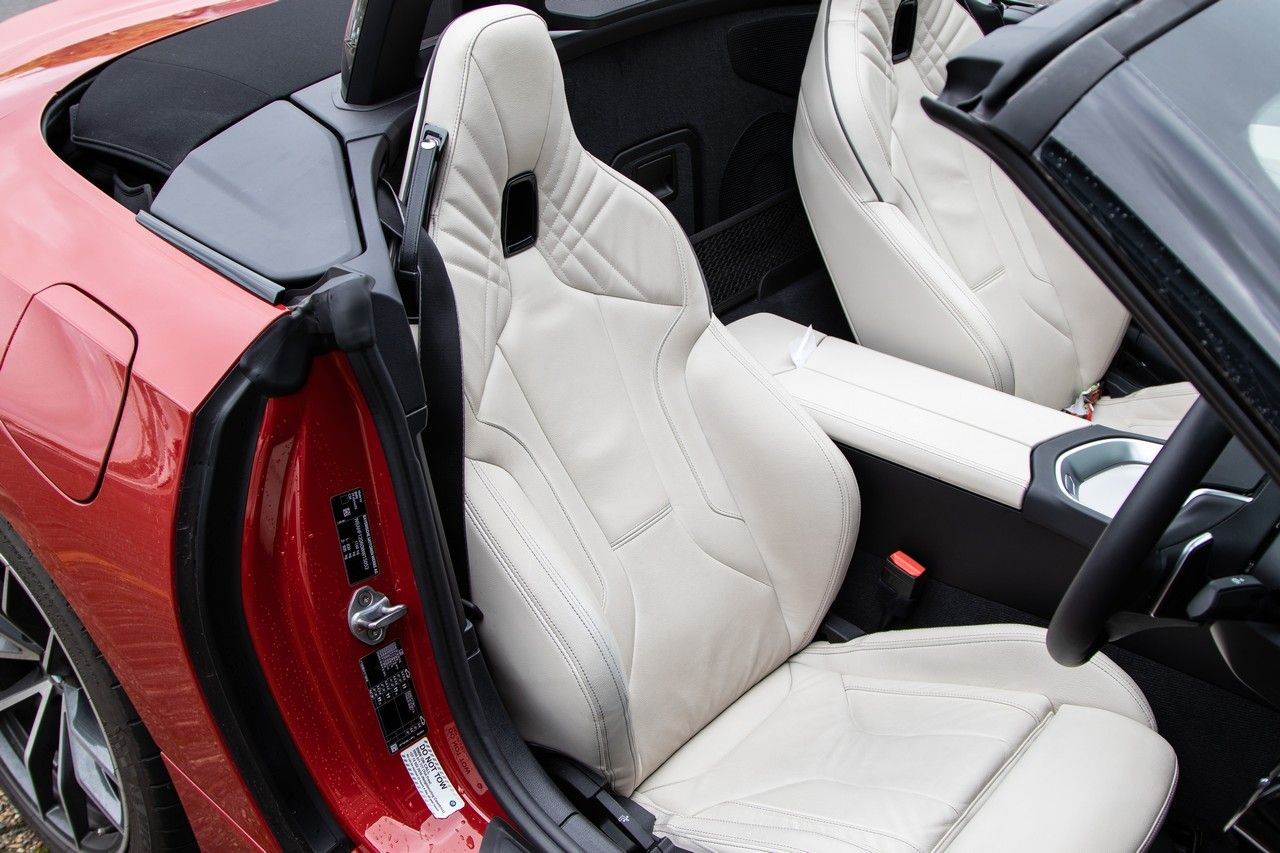
The BMW Z4 sDrive20i comes with these sporty and comfortable seats.
Now, as for that "little" 4-cylinder engine… The turbocharged 2.0-litre unit delivers 145 kW from 4 500 to 6 500 rpm and 320 Nm from 1 450 rpm all the way to 4 200. The engine is mated with BMW's slick, responsive 8-speed automatic (with different "modes") and the package is claimed to a deliver a 0-100 kph time of 6.6 seconds, which is undeniably brisk, as well as a 240-kph top speed. So, the sDrive 20i certainly has the numbers.
We're happy to report that it also delivers in the real world, though it doesn't quite have enough grunt to overwhelm those rear tyres into regular tail-sliding action. Still, it pulls strongly, smoothly and punches well higher up in the rev range. BMW has ably matched the motor's performance characteristics with the transmission's gear ratios and programmed in those aurally satisfying "bruhbs" on the overrun for good measure.
Oh… and the sDrive20i delivers excellent fuel economy, at least by sportscar standards. BMW claims a combined cycle consumption figure of 6.5 L/100 km, which you'll obviously struggle to match. A realistic real-world figure is around 8.2 L/100km, which is still quite acceptable.
Ride & Handling
With its wider tracks, shorter wheelbase and stiffer platform, the Z4 is a purpose-built sportscar, but the steering feel divides opinion.
The new Z4 has notably wider tracks than its forebear (98 mm at the front and 57 mm at the rear) and rides on a stiffer platform that is derived from the one that underpins the current 5 Series executive sedan. It also features a new 5-link rear axle and, to reiterate, BMW has managed to achieve a 50:50 weight distribution, as well as a lower centre of gravity with this car. Two optional suspension set-ups are available: M Sport (R5 900) and Adaptive M Suspension (R14 900). Our car had a standard suspension and the latter is probably unnecessary on a vehicle of this power output…
We might, however, advise ticking the M Sport box to specify a slightly firmer suspension setup. Some international reports suggest the standard setup is slightly too soft for a car that's particularly responsive to throttle and steering inputs. The latter was a topic of some debate in the office – the steering feels relatively slow initially, and but speeds up so quickly (when you apply greater steering angles) that it can upset your driving rhythm.
So, with familiarisation, it's possible to get used to the Z4's particular traits (or idiosyncrasies, depending on how you few them), and then it's fun to hustle this little roadster along a challenging ribbon of tar. Owners who opt to explore the car's dynamic and performance potential will find enough to keep them busy (and entertained). Those who just want a stylish, quality roadster for everyday use, will also be pleased, however, because the Z4 rides well on most surfaces, and despite being covered by a soft-top, the cabin is reasonably insulated from road and exterior noise. For the record, a wind-deflector is included as standard – it facilitates a greater level of occupant comfort when you're driving the BMW with its top down.
Price and warranty
The BMW Z4 sDrive20i Sport Line costs R759 442 (without options). The price includes a 2-year/unlimited km warranty and 5-year/100 000km maintenance plan. There are many extra-cost optional features to choose from… You may want to consider the larger 19-inch wheels (R14 300), while the aforementioned preparation for Apple CarPlay and Harman/kardon surround sound audio systems come highly recommended.
With no real rivals in the local market, the baby Z4 provides sufficient thrills and great every-day usability.
At its price positioning, and in this particular configuration, the BMW Z4 sDrive20i Sport Line has no direct rivals except for the ancient Mercedes-Benz SLC (the latter of which we wouldn't recommend). Meanwhile, the Audi TT Roadster is no longer listed for sale in South Africa and the excellent Porsche Boxster is significantly more expensive than this particular derivative of BMW's compact roadster range.
This Z4 is a stylish daily runner (with an impressive level of touring capability) that still offers sufficient performance and dynamic depth to excite and engage enthusiast drivers on the odd occasion. Consequently, we expect that a typical buyer for this BMW model will be a style-conscious driver who wants to enjoy relaxed top-down cruises to scenic locations (while ensconced in a cosy, high-quality and tech-laden cabin). However, we anticipate the sDrive20i's drivetrain's responsiveness, in particular, may tempt said driver to take a more challenging route on their way home…
Declining profits and share price piled on the pressure. BMW's boss resigns.
BMW’s youngest ever boss has called it quits. Harald Krüger announced that he would not seek a second term as BMW’s CEO, in a move that many analysts see as pre-emptive.
Krüger’s tenure as BMW’s boss started unfavourably, after he collapsed on stage at the 2015 Frankfurt auto show, during a presentation. This was only a few months after his appointment – a move which positioned him, at age 48, as the youngest CEO of a major automotive brand.
During Krüger’s time as CEO, BMW was bested as the world’s best-selling premium automotive company by Mercedes-Benz, the year after his promotion. Krüger’s departure is understood to be as a result of growing tension between him and BMW’s board, as the company’s share price has declined by a third since his take over as CEO.
The official announcement from BMW notes that Krüger has decided to not to renew his contract, which expires in April of 2020. BMW had scheduled a meeting for 18 July, with the specific agenda of deliberating its CEO’s future. It would appear that Krüger had a sense that he would not prevail and decided to leave of his own accord.
A mechanical engineer by training, with aviation experience, Krüger spent most of his career at BMW in production planning. He was a key member of the industrial engineering team which established one of the company’s most important global assembly facilities, the Spartanburg factory in South Carolina.
BMW is expected to announce a successor to Krüger, after its 18 July general board meeting.
Budget Car Comparison (2019) Datsun Go vs Renault Kwid vs Kia Picanto vs Mahindra KUV vs Suzuki Celerio
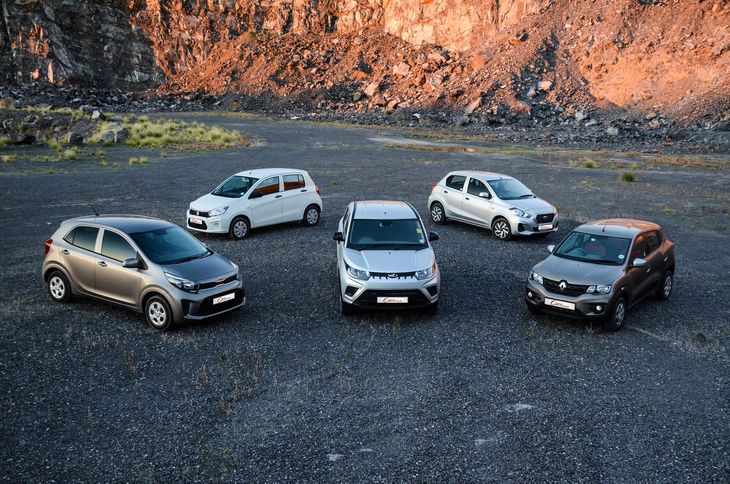
Are you looking to buy a new budget car? We compare 5 of South Africa’s most affordable budget cars in the new vehicle market to find out which one deserves your hard-earned Rands most. Let the Budget Car Showdown begin!
Several manufacturers endeavour to produce budget-priced cars with a good blend of build quality and mechanical reliability, a reasonable balance of performance/efficiency and a modicum of safety features. However, which one of those brands' products offers the best ownership proposition?
Budget cars provide personal mobility solutions to a market clamouring for affordable new cars and these compact runabouts are often the "best I could afford" starting points of car owners' (or some of their dependents') motoring lives.
Because manufacturers need to make profits (even small ones, in the case of budget cars, of which they need to sell many, many units to make series production worthwhile), they're compelled to make packaging compromises to bring affordable models to market at affordable price points. Indeed, no entry-level product is perfect… some are even delivered replete with a foamy-tapeworm-like USB port that crawls out of your glovebox (to see proof, watch the video embedded in this article…).
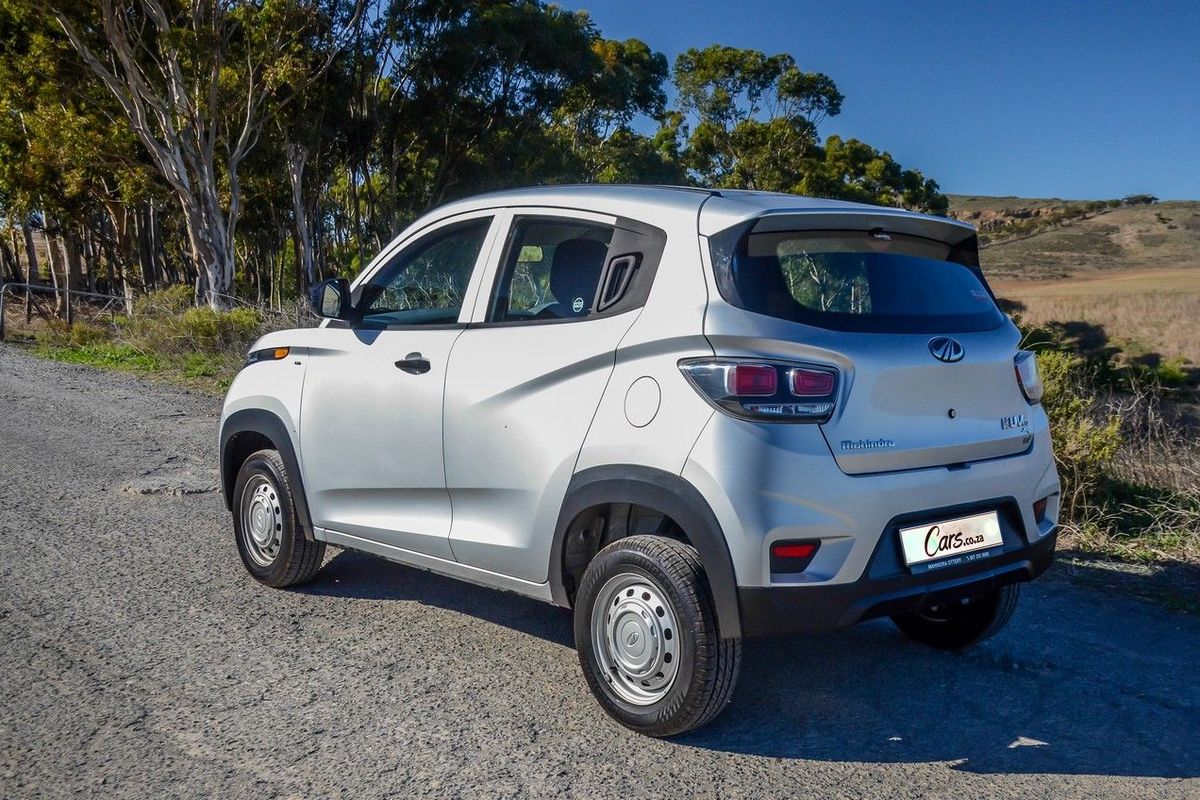
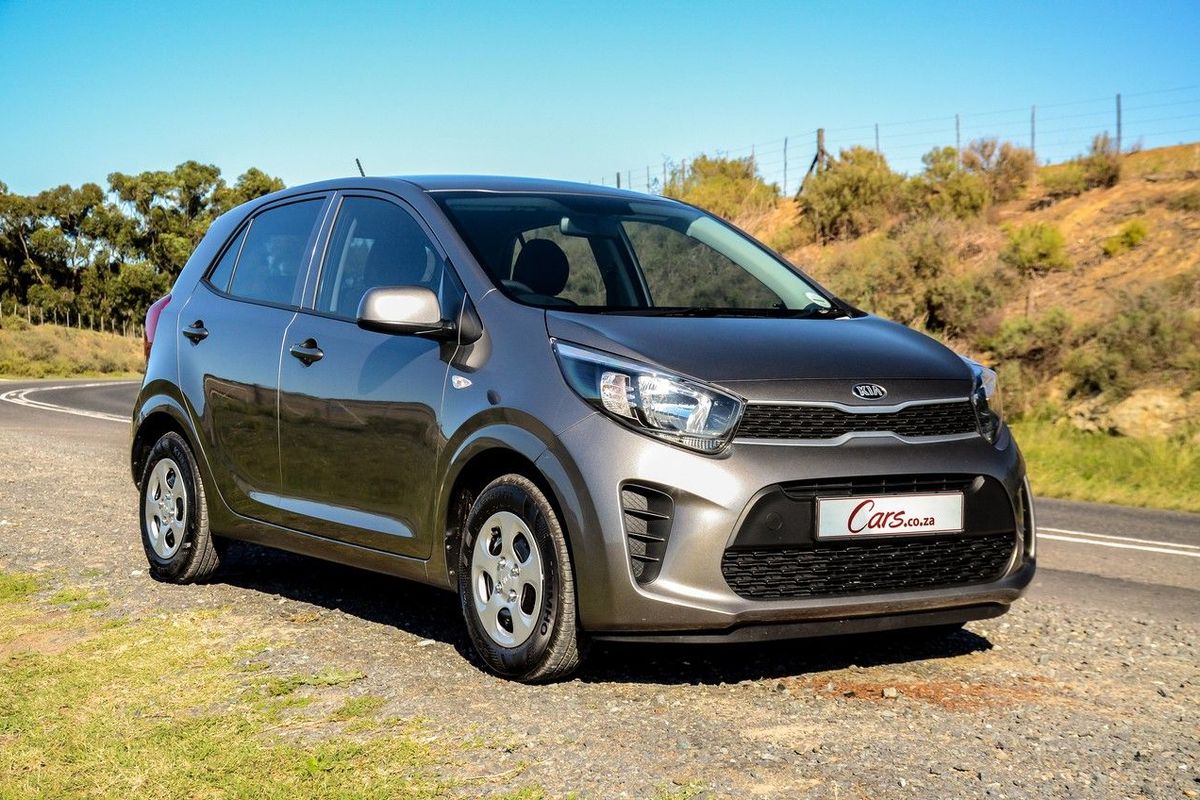
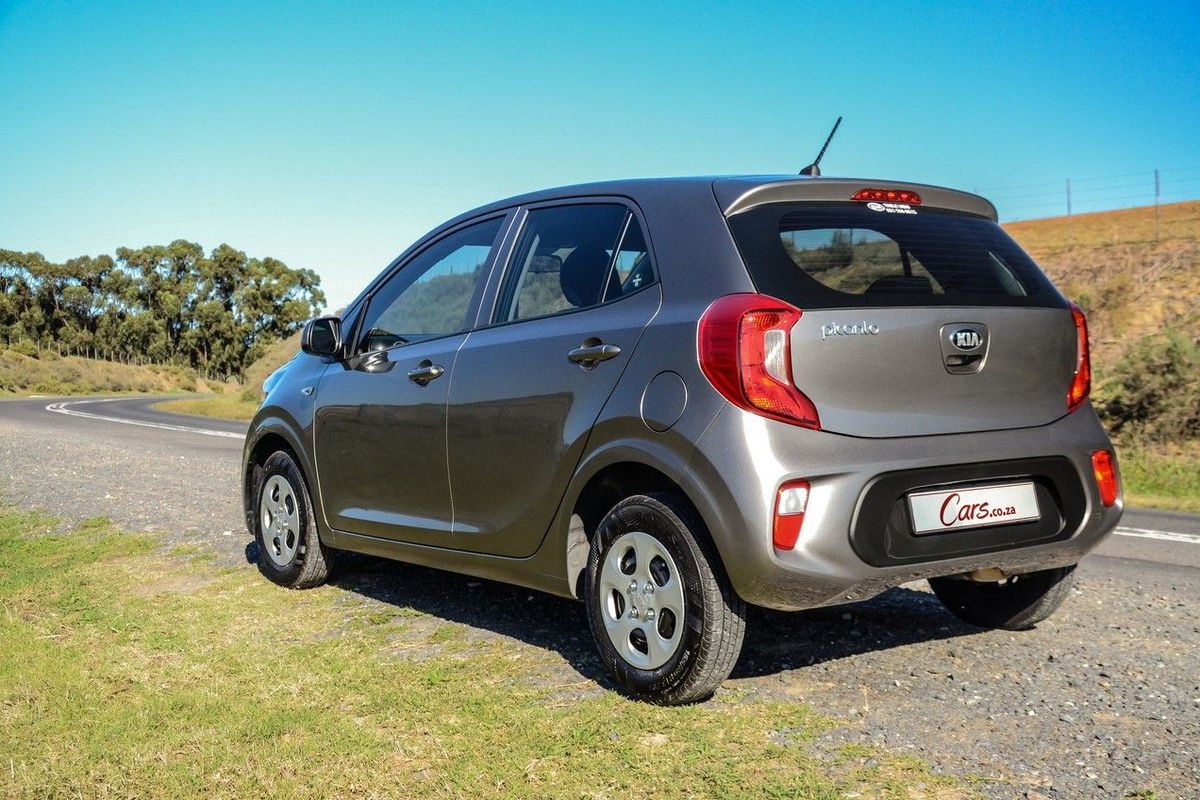
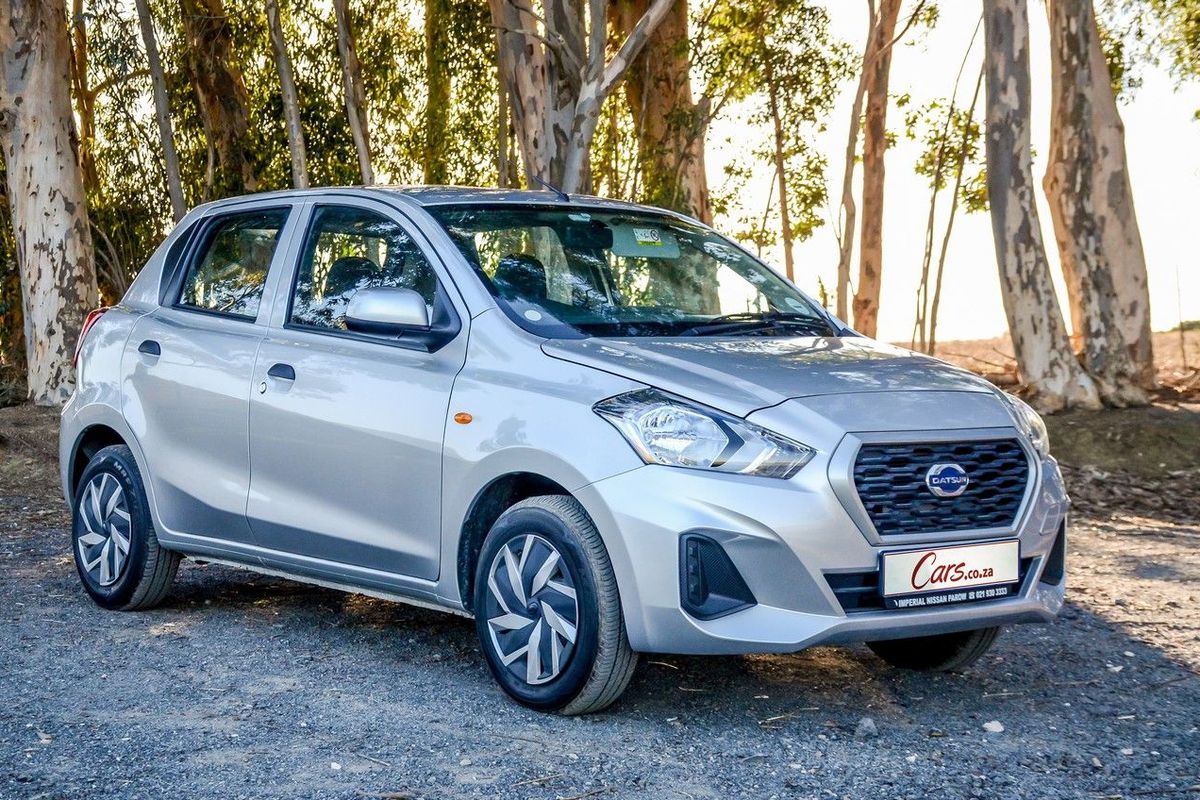
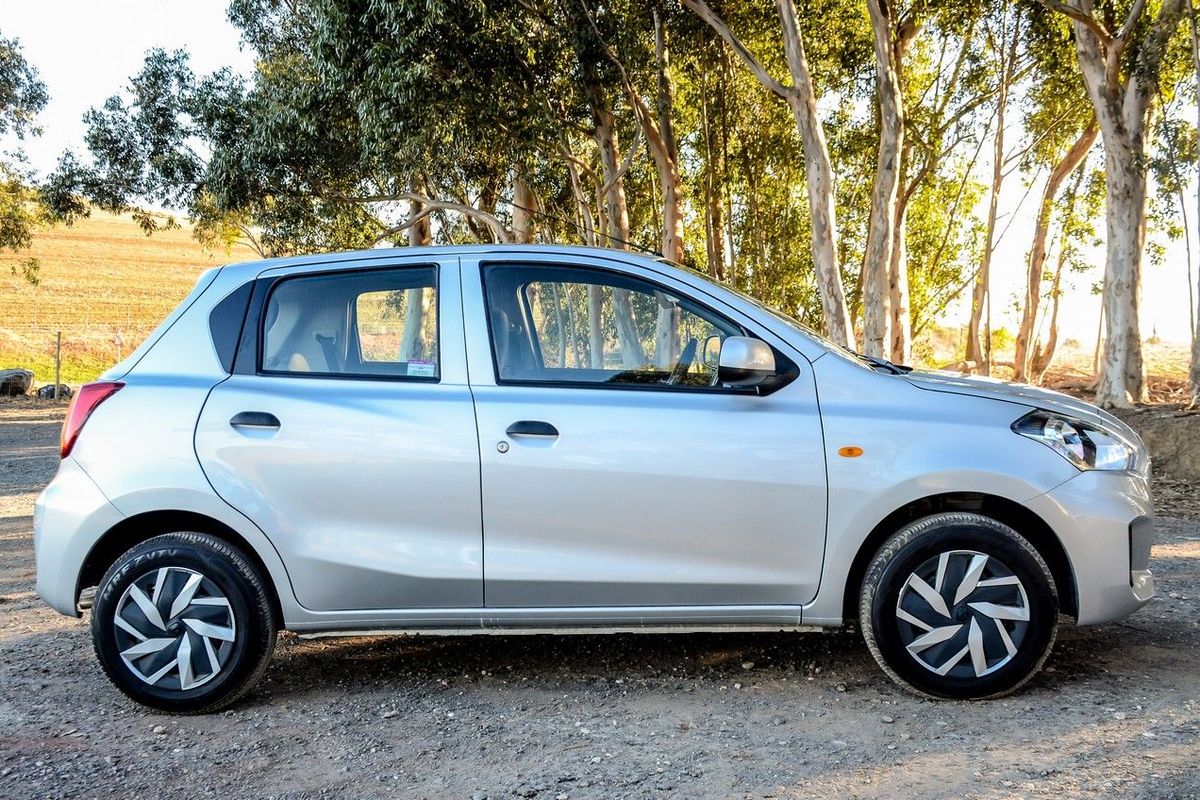
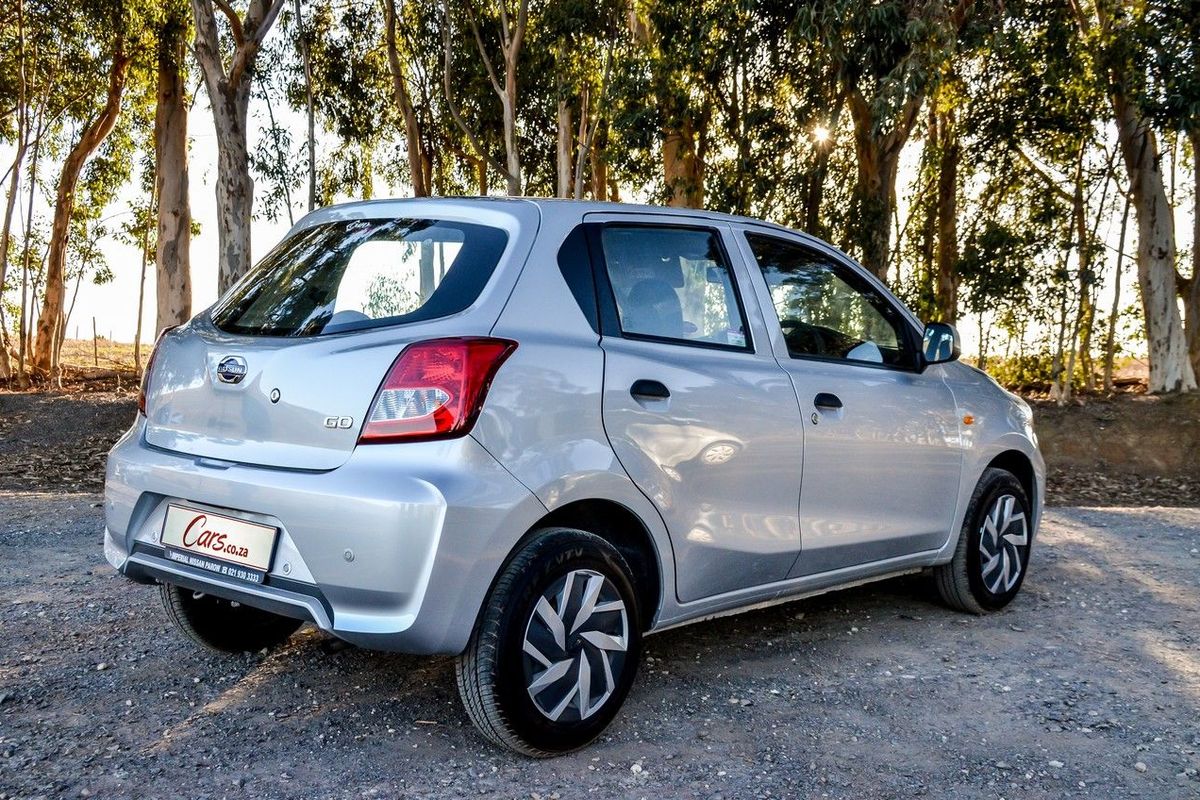
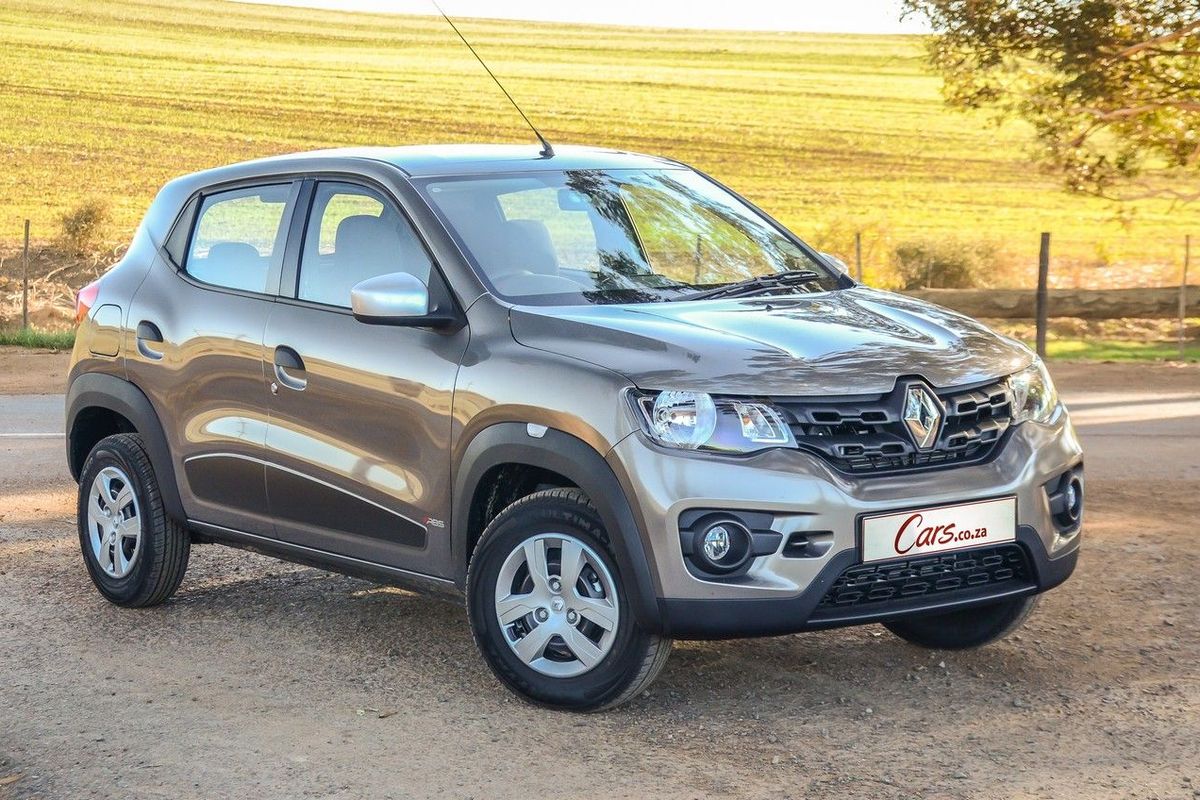
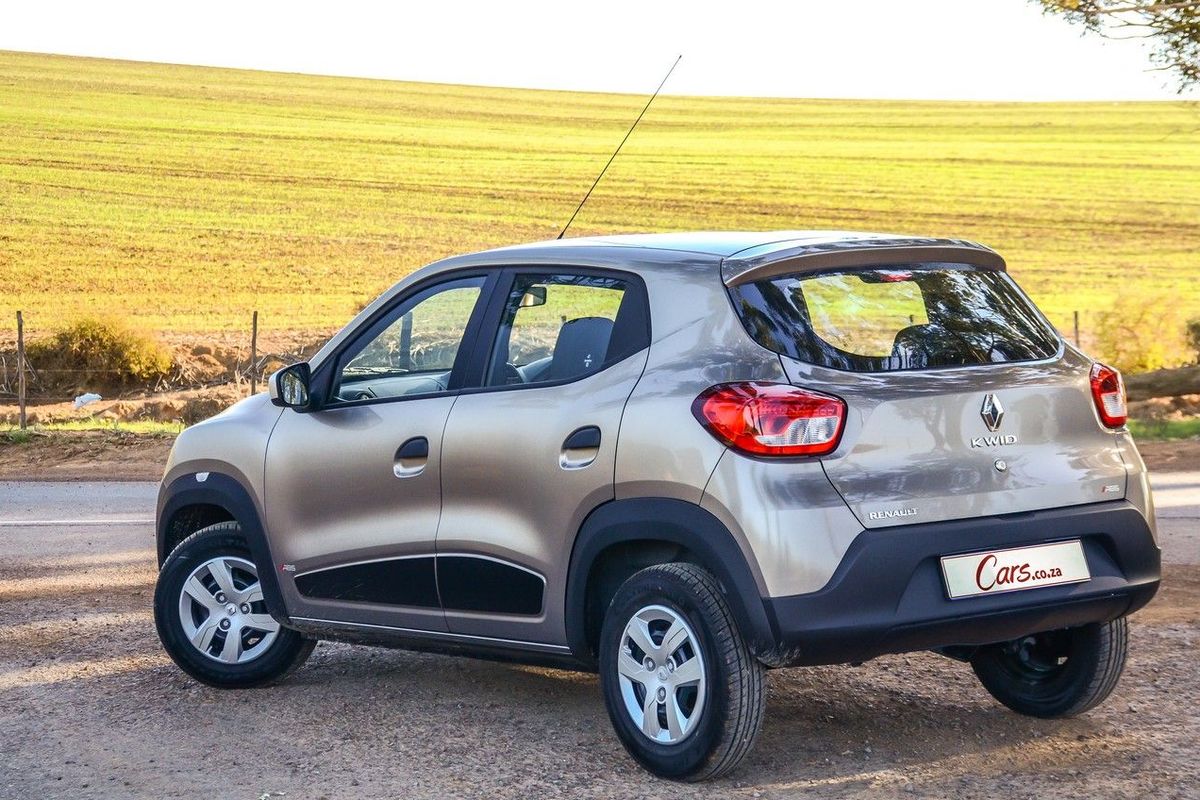
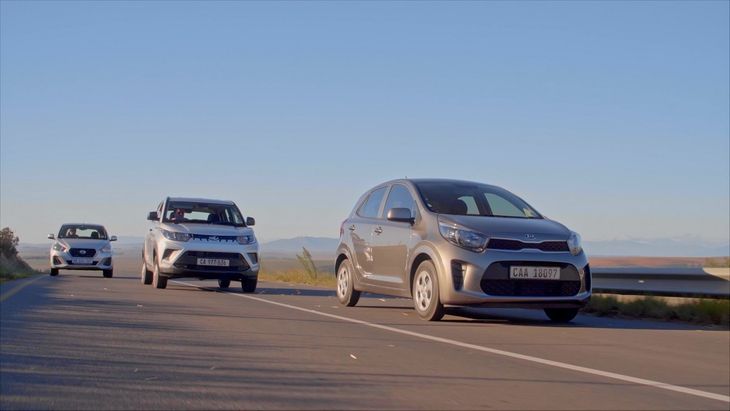
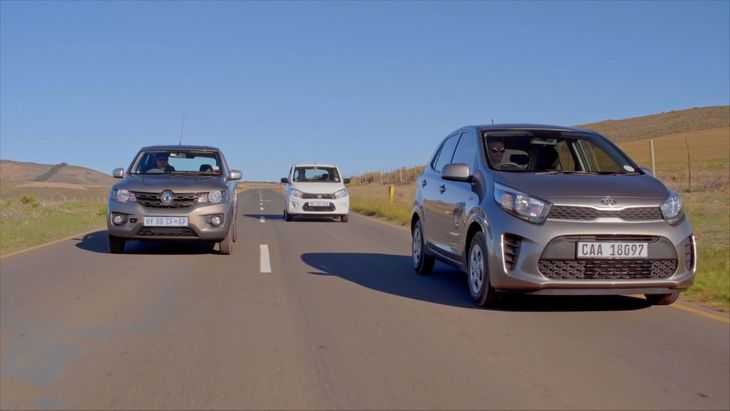
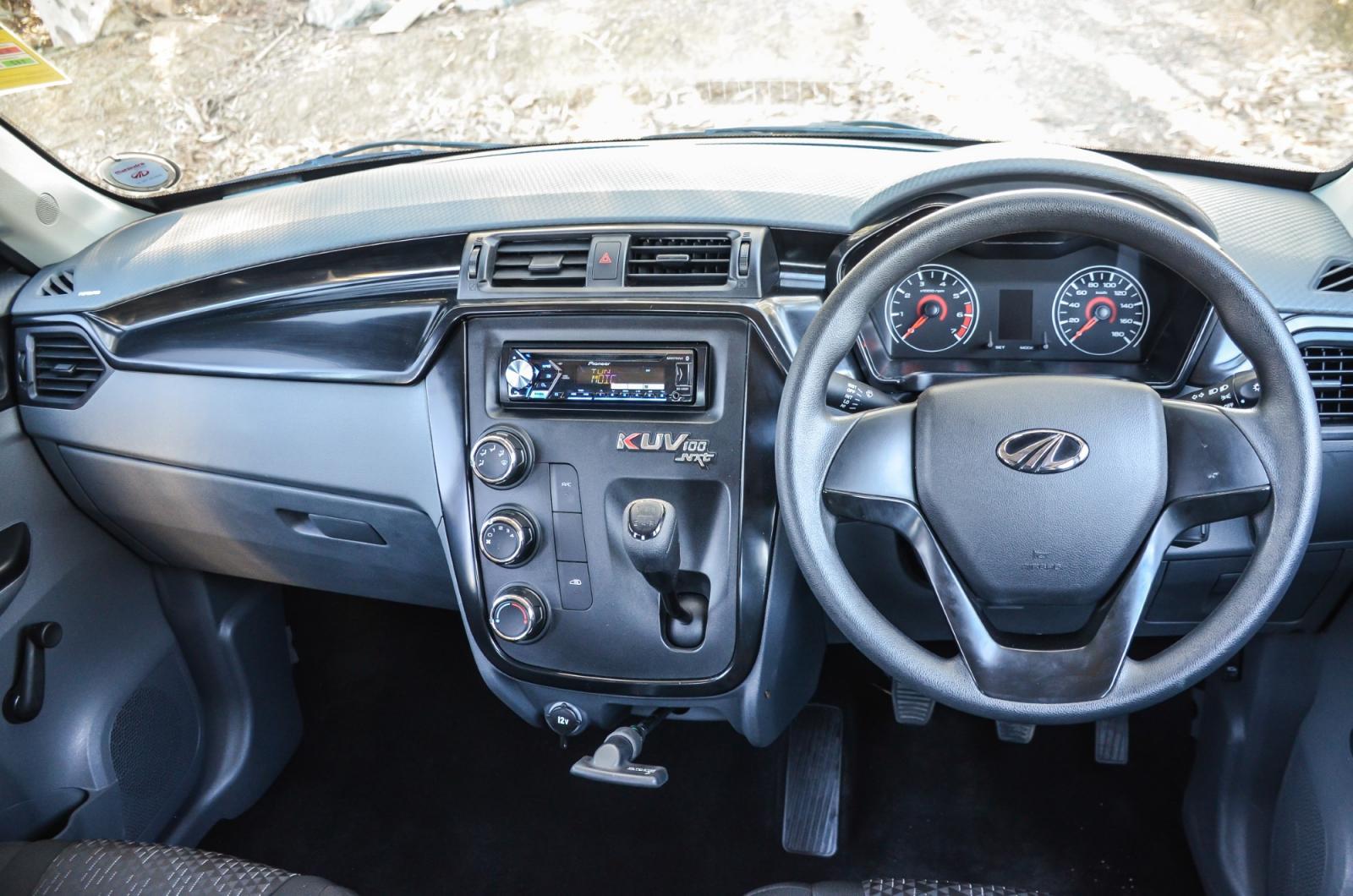
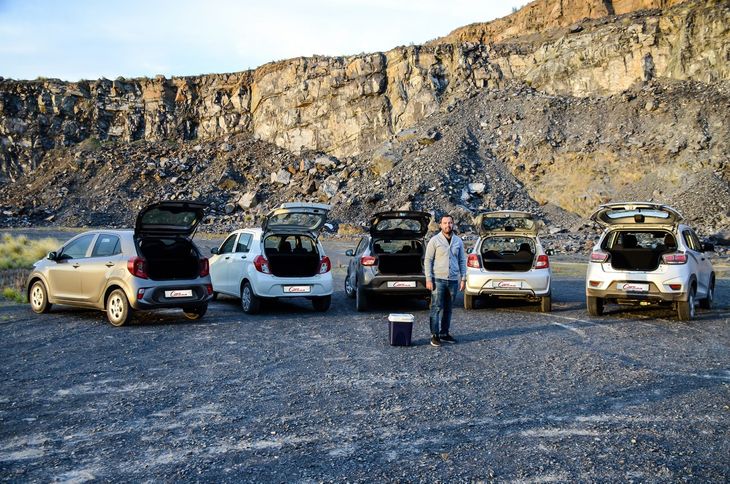
This comparative test is our biggest yet, featuring 5 of South Africa's most affordable budget cars, including the Mahindra KUV100 Nxt 1.2 G80 K2+, Suzuki Celerio 1.0 GA, Renault Kwid 1.0 Dynamique, Datsun Go 1.2 Mid and, finally, the Kia Picanto 1.2 Start.
*Please note that we wanted the 49 kW/95 Nm Kia Picanto 1.0 Start (R154 995) for this test, but the manufacturer's local distributor could only supply us with a 1.2 Start derivative. We will, therefore, not deliver any evaluation of the 1.2-litre engine's performance and efficiency, but the 1.2 Start's ride and handling characteristics (and specification list) remain the same as that of the Picanto 1.0 Start.
Which one should you buy? Let's find out!
Performance and efficiency
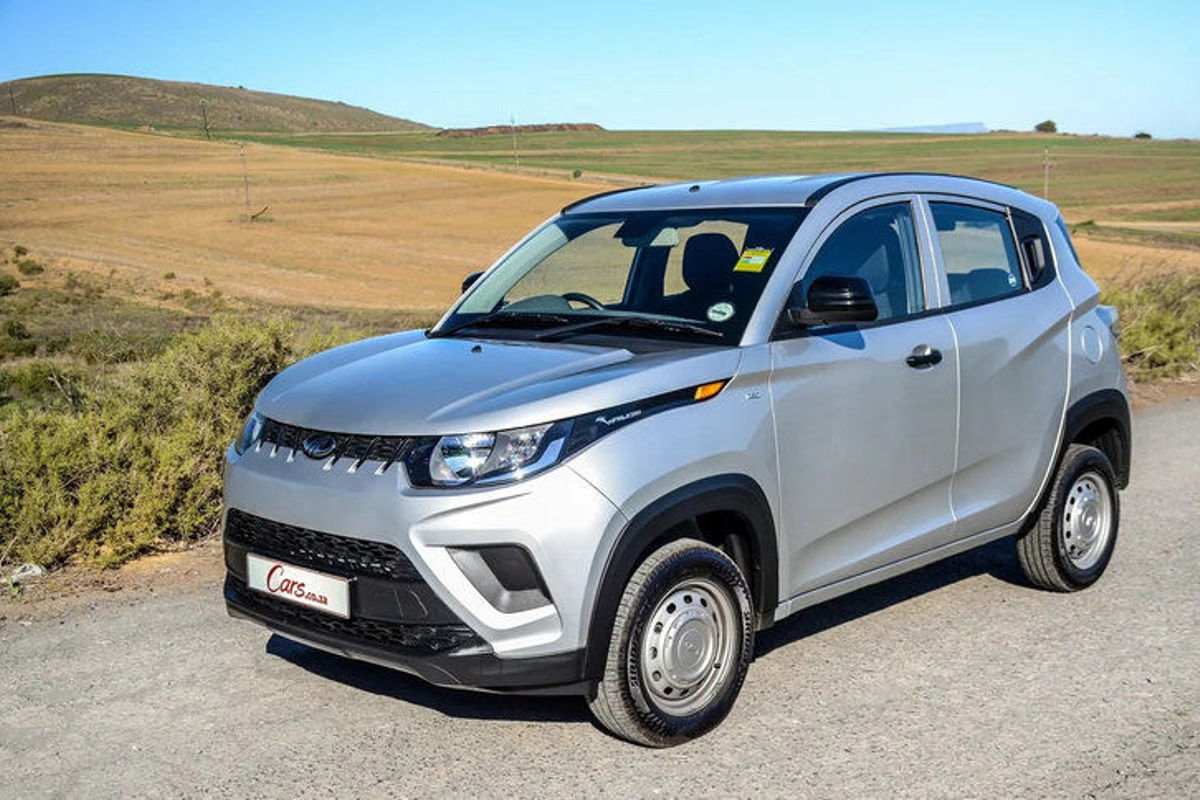
Despite the Mahindra KUV100 Nxt's odd styling, it put in an impressive performance in this test.
*click on the car names to view full specification details
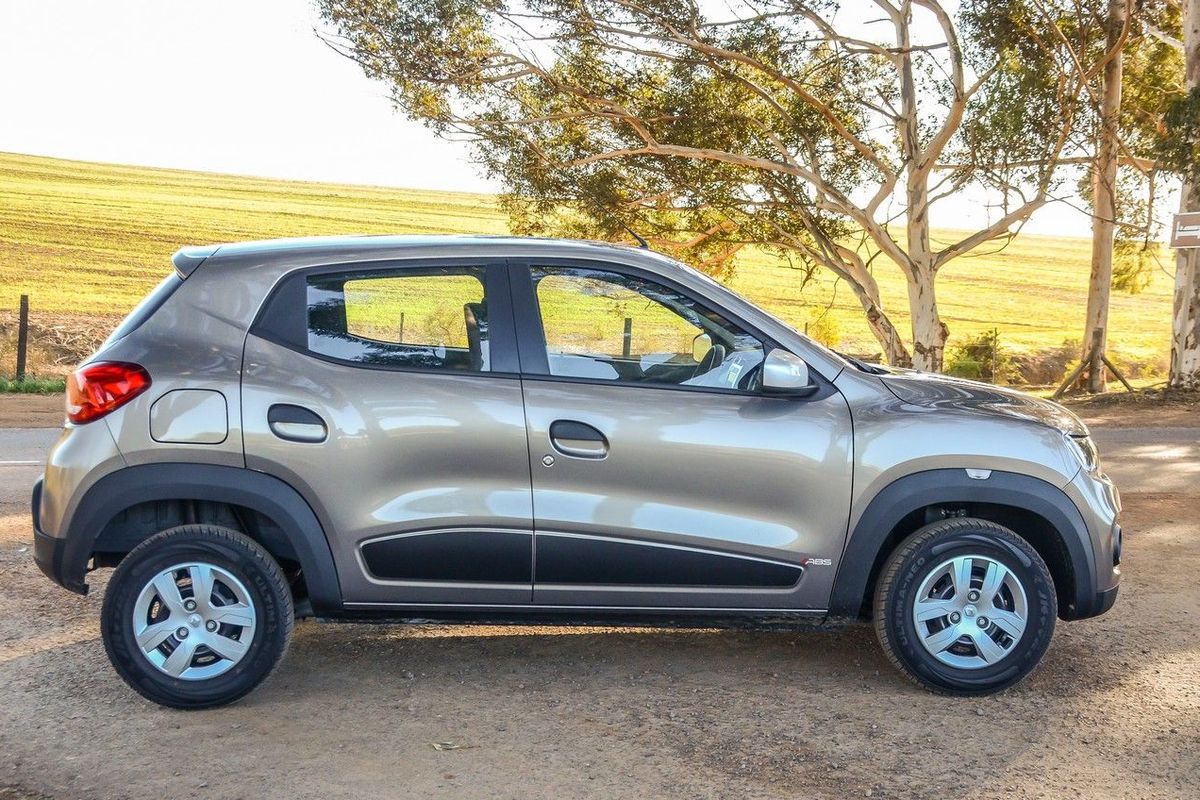
Let's get the worst out of the way, shall we? We felt the Renault Kwid delivered the least impressive engine performance in this test; the 1.0-litre engine is gutless and unrefined – it emits a hollow-sounding noise at higher revs. In desperate attempts to extract more performance from the 3-pot motor, that persistent drone is likely to lead to irritation. Its fuel consumption is good, however. Our 2nd least favourite car to drive was the Datsun Go, it too suffers from a hollow and tinny engine sound, but at least it has a little bit more torque than the Kwid to help move it along…
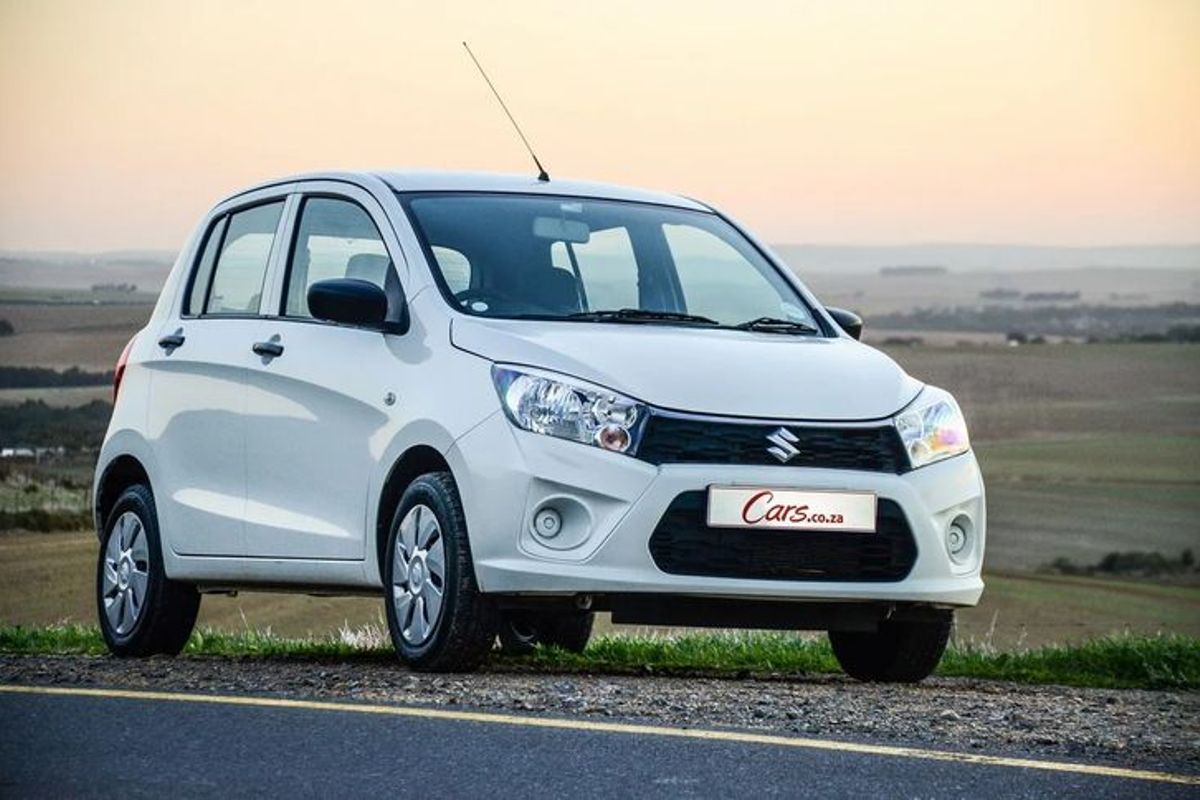
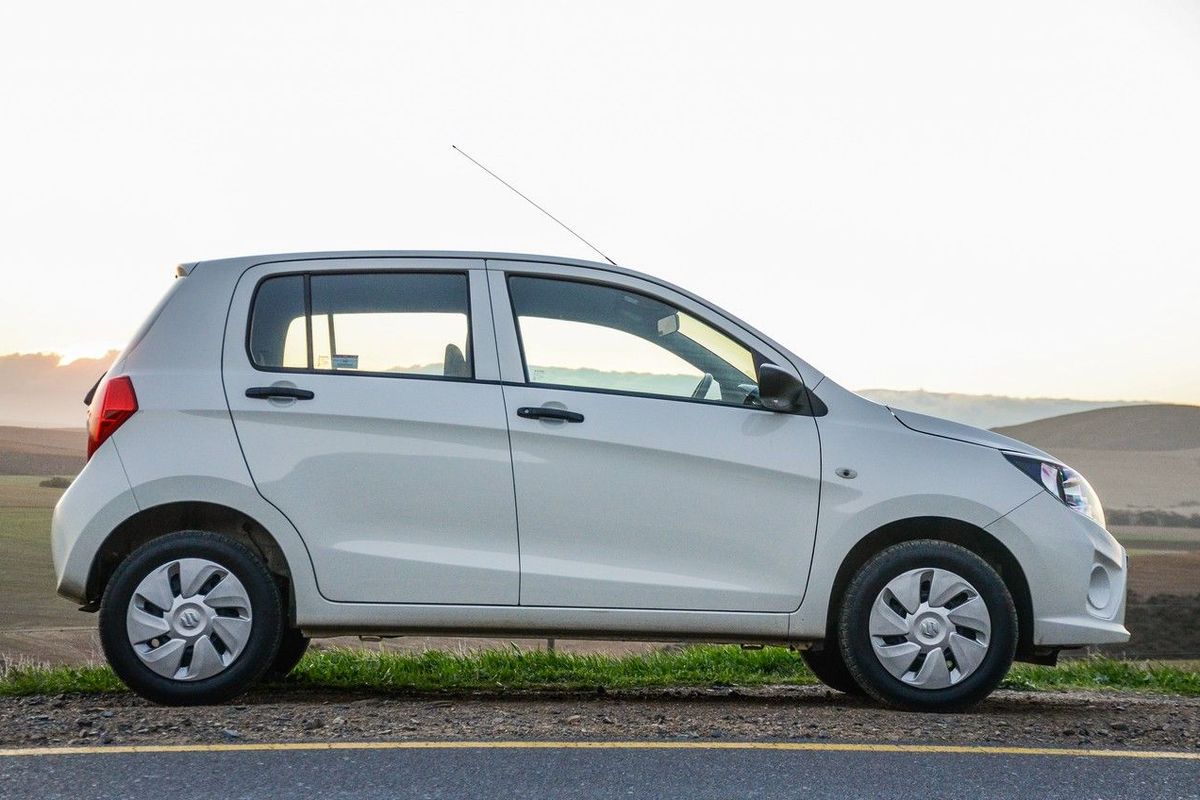
The Suzuki Celerio offers a better driving experience overall (in terms of refinement and efficiency) but could do with a stronger punch of torque. The Mahindra KUV100 surprised us with its stronger engine performance; it felt more willing to push on and is definitely not the worst engine here.
We think the Mahindra has the edge over the Celerio in terms of outright performance, but the Suzuki is more fuel-efficient overall. It's a close win for the Mahindra! Go Mahindra!
Ride and handling
The Kia Picanto offers good ride and handling while the Renault Kwid was the most disappointing in this regard.
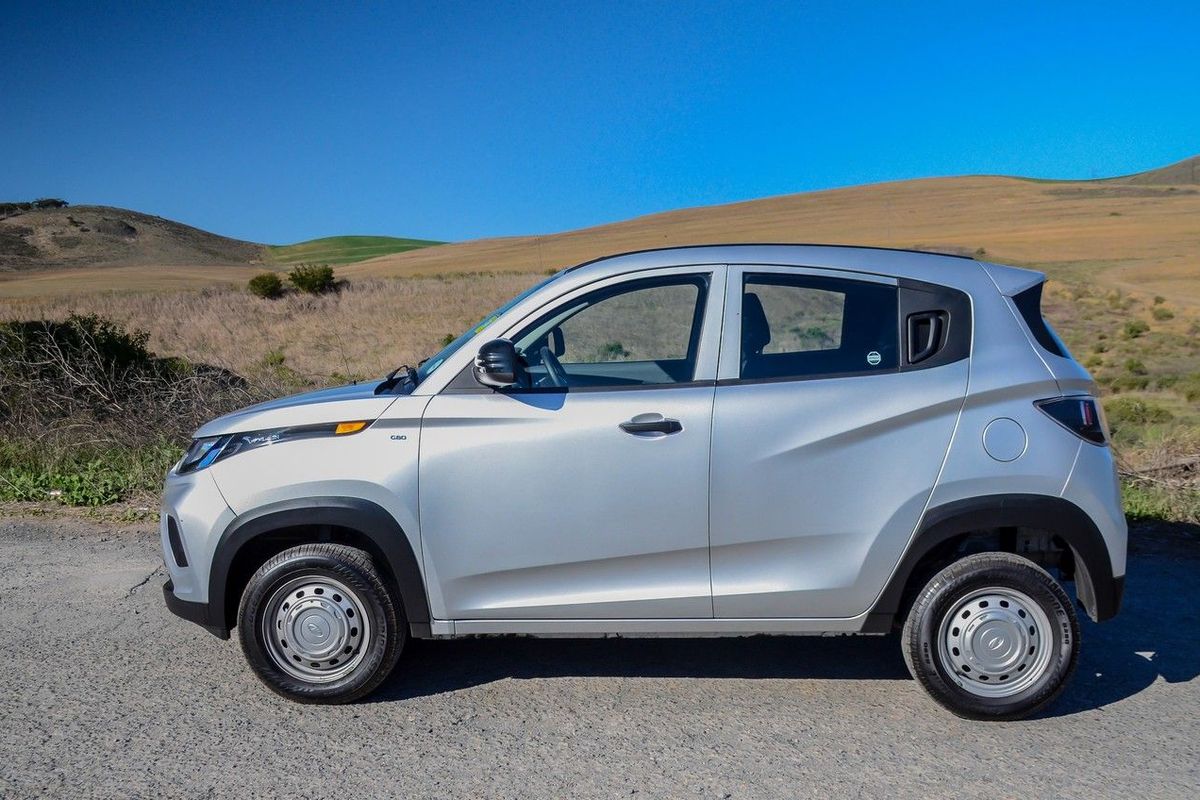
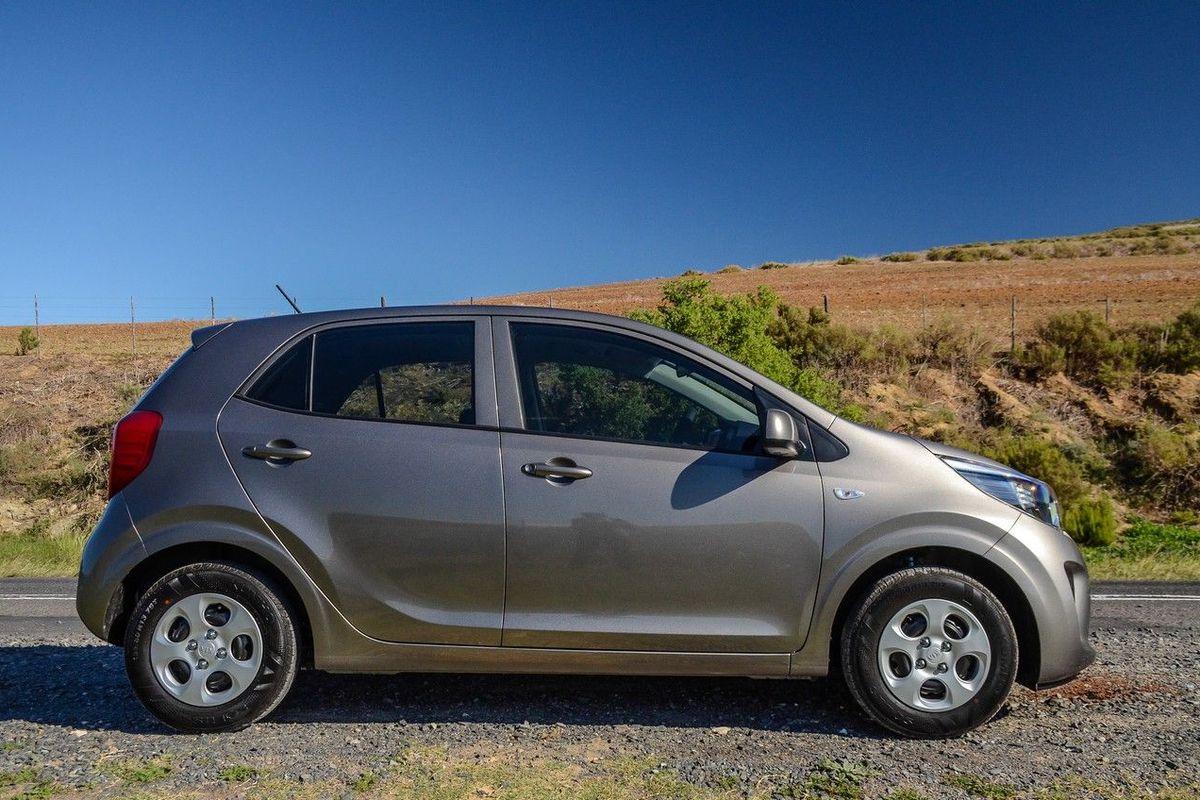
By virtue of its refined and comfortable ride quality, while simultaneously (and somewhat incongruously) feeling like the most nimble car in terms of outright handling ability, the Kia Picanto finished on top in this group. The Mahindra KUV100 surprised us (again) with a forgiving ride on tar and, indeed, gravel, where its increased ride height proved to be beneficial, something that many frequent gravel-travellers will appreciate. The Celerio, with its relatively responsive steering and pliant ride, also performed well overall to claim a place in the Top 3 in the ride and handling department.
The Renault Kwid's steering felt a mite imprecise and wooden in feel (with poor feedback) and, like the Datsun Go (which also offers close to no steering feedback), it suffers from excessive body roll when cornering. The ride of the Kwid and Go is average at best and dynamically-speaking, these 2 cars felt the most compromised. The Kwid is built on the same platform as the Go, so this is an example that sharing is (not always) caring.
Interior quality and features
Mahindra KUV100 Nxt 1.2 G80 K2+
Suzuki Celerio 1.0 GA
Renault Kwid 1.0 Dynamique
Datsun Go 1.2 Mid
Kia Picanto 1.2 Start
Infotainment System
None (aftermarket)
None (aftermarket)
Touchscreen with Android Auto, Apple Carplay, Navigation, Bluetooth
Touchscreen with Android Auto, Apple Carplay, Bluetooth
Built-in radio with Bluetooth
USB/Aux
None
Yes
Yes
Yes
Yes
Air Conditioning
Yes
Yes
Yes
Yes
Yes
Electric windows
None
None
Front only
Front & Rear
None
Bonus Features
Height adjustable driver's seat
Trip computer
Trip computer, remote central locking
Trip computer, rear park distance control, electric mirrors
None
Perceived Build Quality Rating
Average
Average
Average
Average
Good
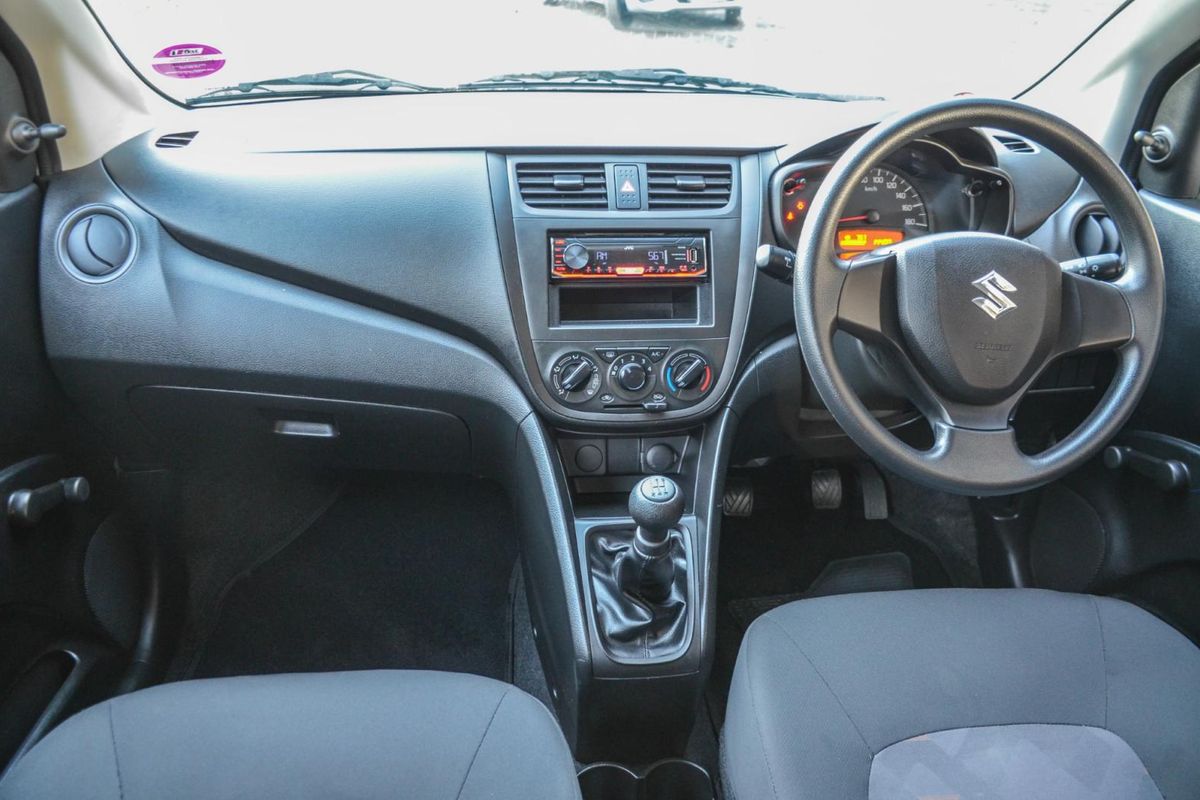
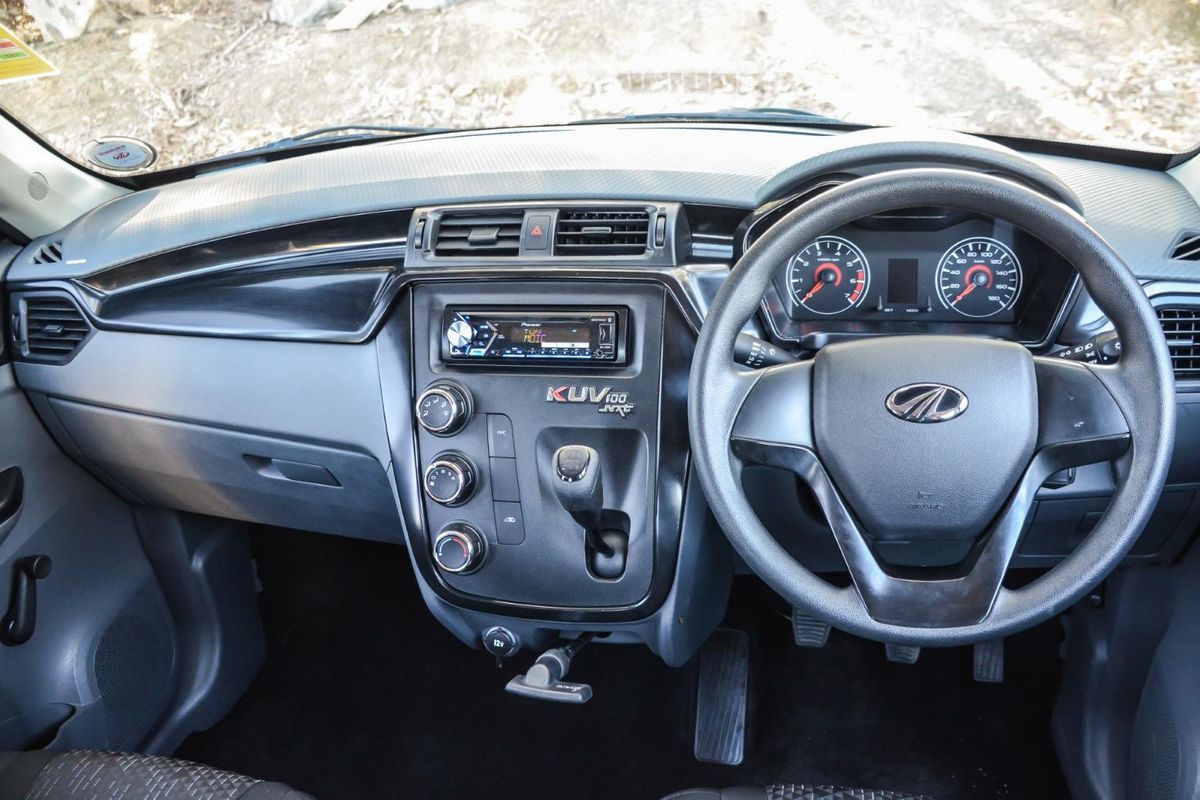
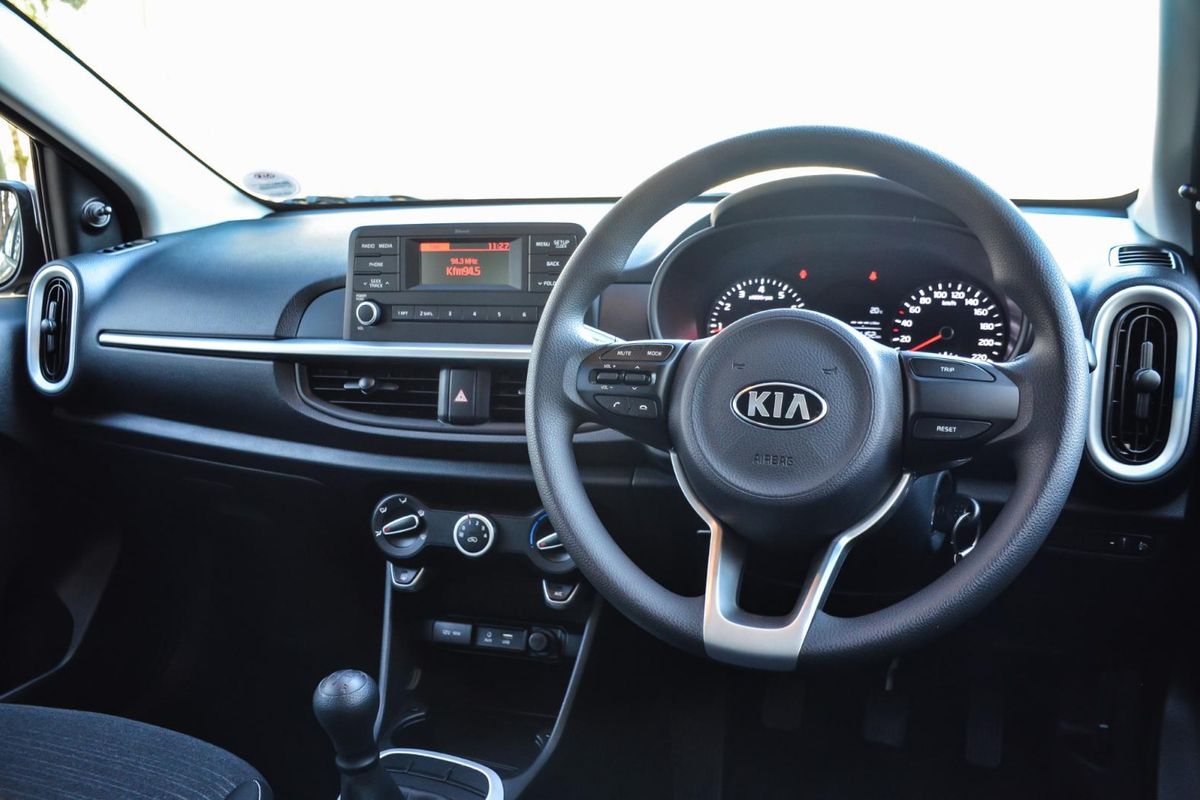
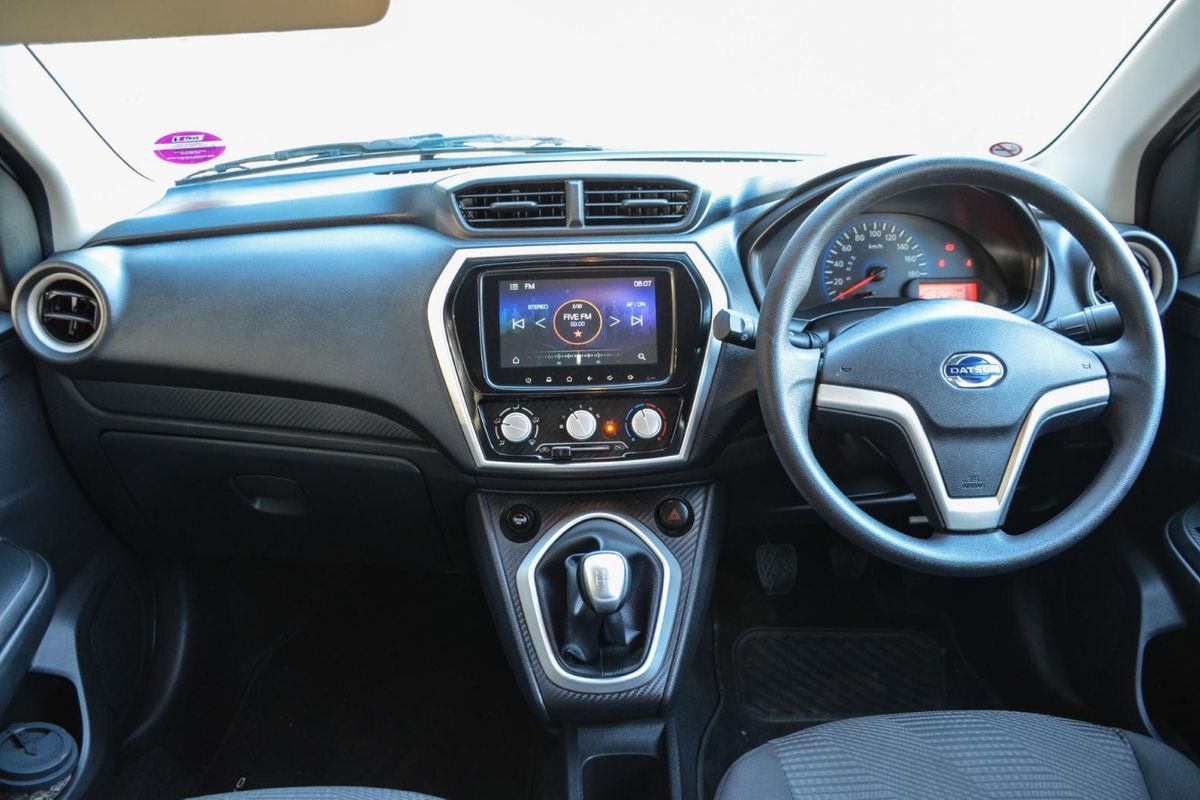
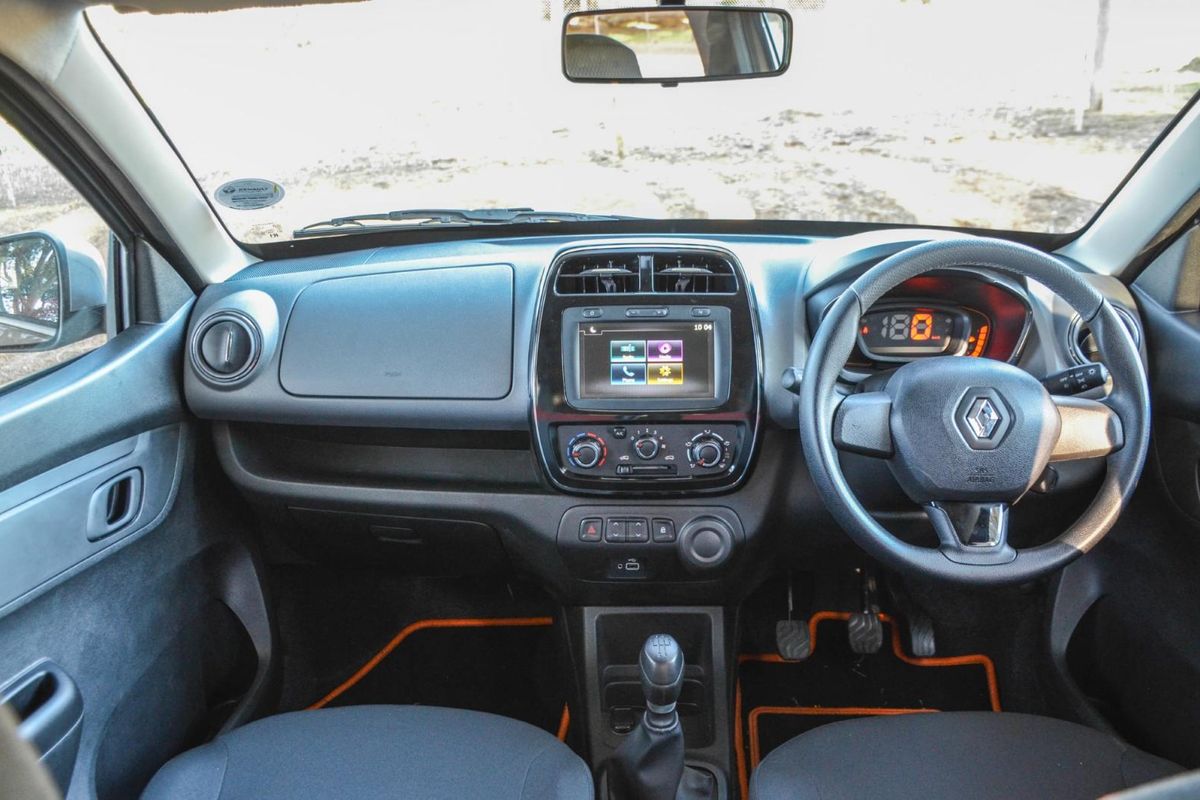
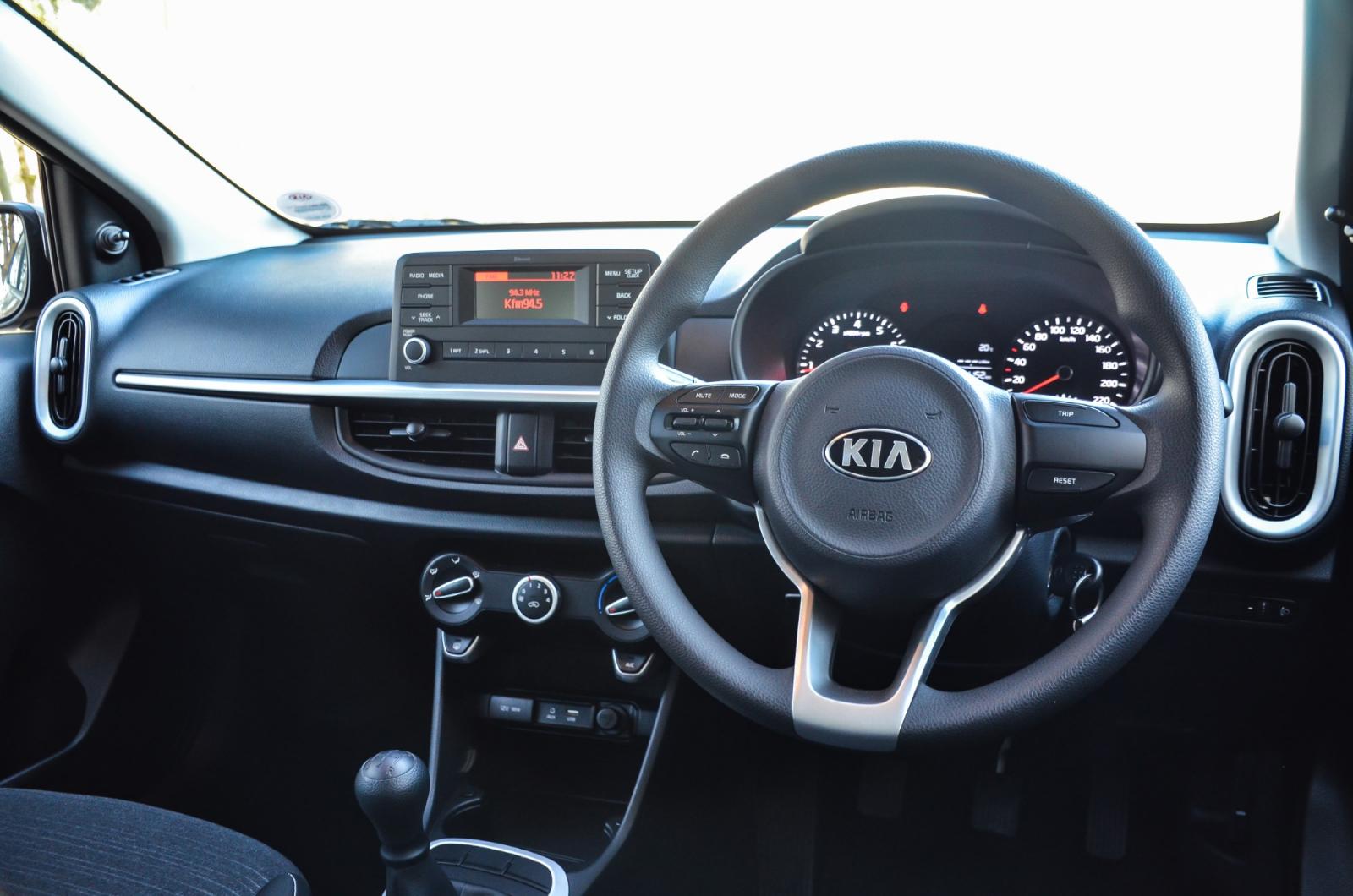
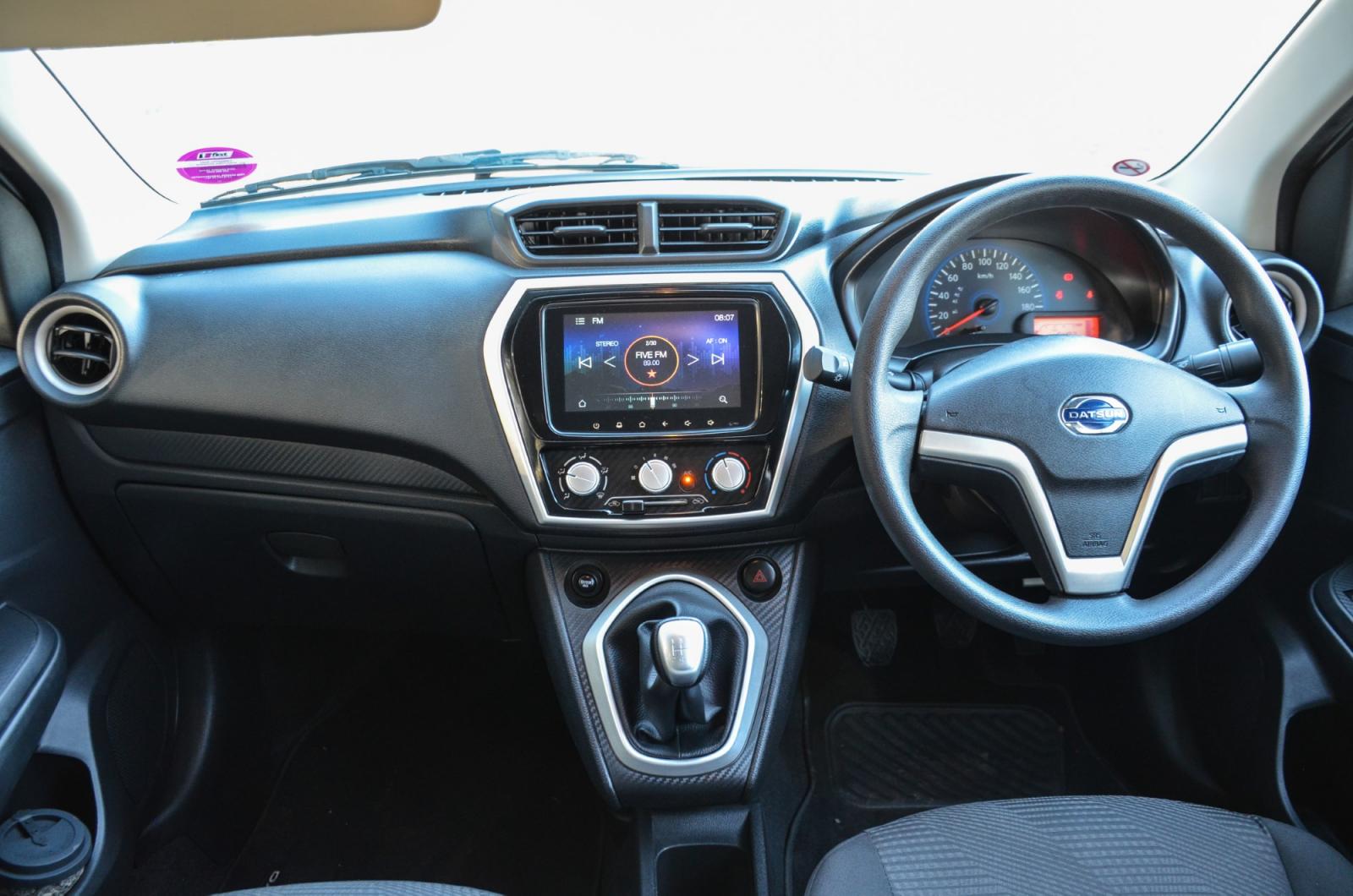
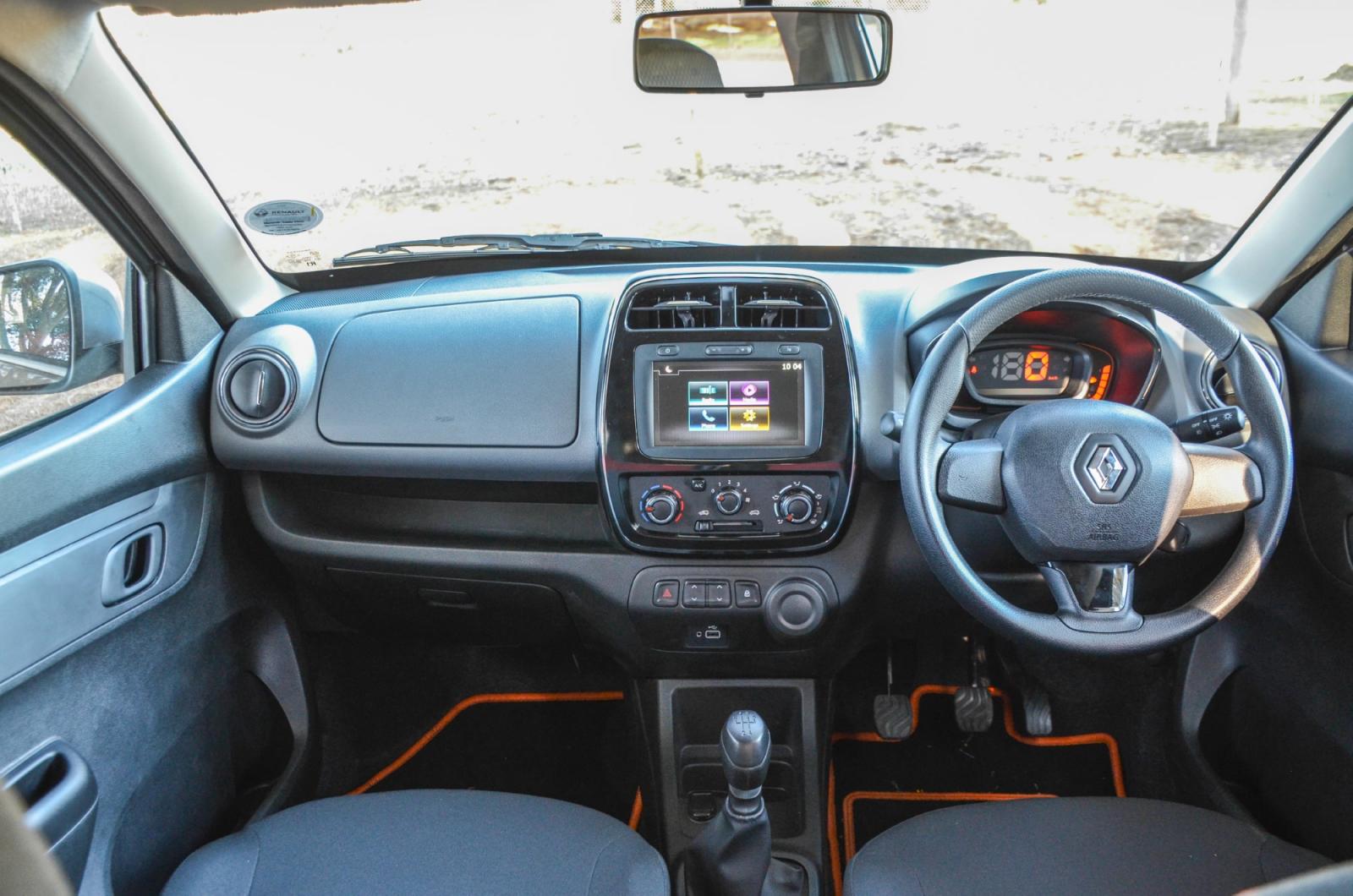
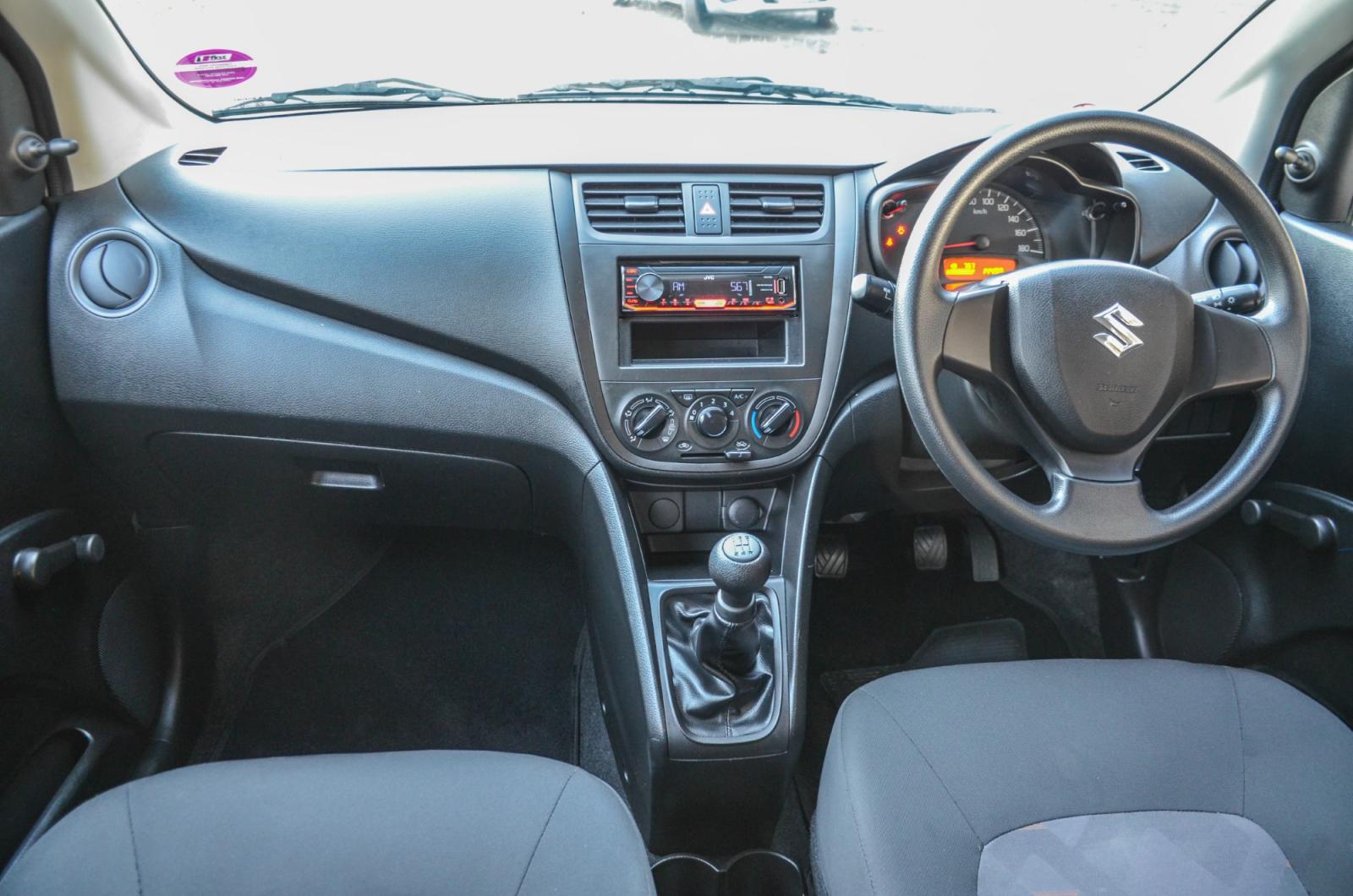
In terms of overall interior execution, the Kia Picanto ended on top of the pile thanks to its modern interior with good perceived build quality. It does, however, lack some nice-to-have features (see table above). The Mahindra KUV100 and Suzuki Celerio disappointed us because they came fitted with aftermarket radio units, while the Datsun Go and the Renault Kwid, in particular, offer comprehensive touchscreen infotainment systems, which are unrivalled in this segment. In fact, beyond their expansive infotainment setups, the Go and Kwid's suites of standard features are unbeatable!
The KUV100's interior is relatively roomy, but its build quality is average, with some finishes of marginal quality. The Celerio's interior is bland-looking but it has a more solid feel to it. However, like the Mahindra, the Suzuki lacks a few nice-to-have features. The Go and Kwid's interior build quality is average, but some of the cabin trim elements are of iffy quality. The Datsun, for example, is the home to the aforementioned foamy tapeworm USB port and it's also worth mentioning that the Renault's interior feels small; full-figured occupants are likely to feel cramped in there.
So, in summary, the Picanto is the standout winner in terms of perceived interior build quality, while the Kwid and Go score favourably in terms of standard features, all of which means buyers will have to weigh up what's more important – look and feel or standard features? Hmm.
Practicality
While the Renault Kwid's interior feels small, the French car happens to have the largest load bay (300 litres). The parcel shelf, however, does not want to stay in an upright position, which is annoying. Rear passenger space is on the tight side and the rear bench itself is not very comfortable.
The Datsun Go's load bay, at 265 litres, is sizeable, but the Japanese model's parcel shelf is of very poor quality. While there is slightly more space for passengers, it's by no means generous and the seating is not particularly comfortable either.
The Kwid, surprisingly, has the largest load bay and the Picanto is the only car here with a split-folding rear seat and a false boot floor.
The Kia Picanto is relatively practical with a 60:40-split rear seatback (it's the only car in this group with that feature) and the load bay measures 255 litres. The Picanto does have a false boot floor though, which means you can increase the height of the load bay or store valuables out of sight. The seating in the Picanto is more comfortable, but taller passengers may struggle to get comfortable in terms of rear legroom and headroom.
The Mahindra KUV100's load bay offers 243 litres of luggage space and is quite deep with a high load sill, which will make it difficult to load up or unload heavy items from the rear. As previously mentioned, the Indian contender's interior looks and feels more spacious compared with its rivals and rear passengers are afforded good leg- and headroom, but unfortunately the seat/cushion quality is marginal. There's also a generous interior storage space up front and even a secret storage compartment under the 2nd-row floor… sneaky, but nifty nonetheless.
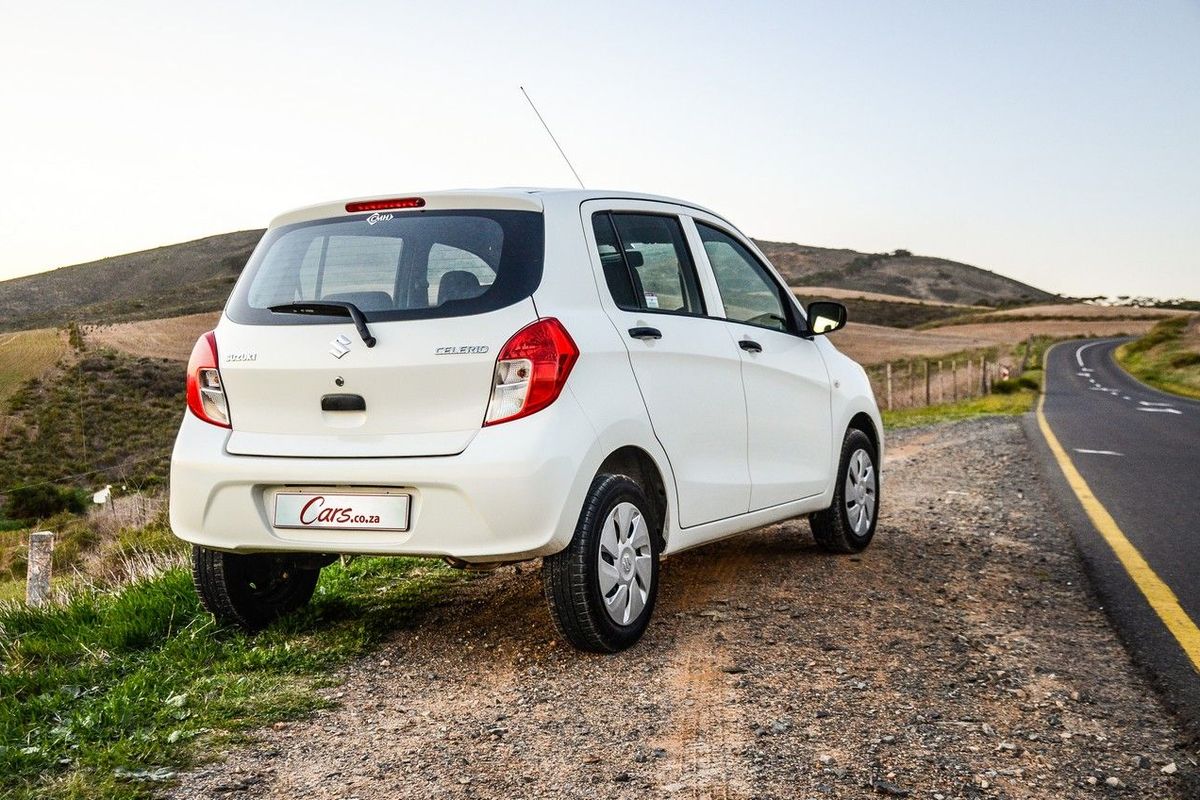
Lastly, the Suzuki Celerio may have the smallest load bay on paper (the manufacturer claims a capacity of 235 litres), but thankfully the former #CarsAwards winner's interior is quite spacious, offering reasonable levels of comfort and space for rear passengers.
In terms of general practicality, the Kia pips its rivals by offering a good balance of practical features such as a split rear seatback, interchangeable boot floor and reasonable passenger space and comfort, but the Mahindra and the Celerio run the Korean car close in terms of practicality.
Safety features
Mahindra KUV100 Nxt 1.2 G80 K2+
Suzuki Celerio 1.0 GA
Renault Kwid 1.0 Dynamique
Datsun Go 1.2 Mid
Kia Picanto 1.2 Start
Airbags
2
2
1
2
1
ABS and EBD
ABS and EBD
ABS and EBD
ABS only
ABS only
None
Brake Assist
No
No
No
No
No
Electronic Stability Control
No
No
No
No
No
The Mahindra, Suzuki and Datsun are fitted with 2 airbags and ABS, which is admirable. The Renault and Picanto, however, are lacking somewhat in terms of safety features: They offer only a driver airbag, while the latter, disappointingly, is not fitted with ABS, which we find unacceptable.
Value for money
Mahindra KUV100 Nxt 1.2 G80 K2+
Suzuki Celerio 1.0 GA
Renault Kwid 1.0 Dynamique
Datsun Go 1.2 Mid
Kia Picanto 1.2 Start
Warranty duration
3-year/100 000 km vehicle warranty
5-year/150 000 km powertrain warranty
3-year/100 000 km
5-year/150 000 km
6-year/150 000 km
5-year/unlimited km
Service Plan
Optional
Optional
Optional
Optional
Optional
Verdict
This test taught us that safety really does matter and that you should never underestimate the underdog.
The Kia Picanto is the standout vehicle in this test and it would almost represent the ideal budget car if it weren't for its meagre safety specification. We don't think that any car should go sale in South Africa, in 2019, without ABS and at least 2 airbags and that renders the Picanto a loser in this test. The lack of safety features also rules this Picanto derivative out of the Cars.co.za Consumer Awards – powered by WesBank.
So, which car would get our top recommendation, then? The Datsun Go and Renault Kwid generally failed to impress us (despite the fancy touchscreens) and in terms of overall value-for-money, we think it's a tie between the Mahindra KUV100 and the Suzuki Celerio.
However, thanks to our Ownership Satisfaction Survey, thousands of real South African owners of these cars have told us that Suzuki offers the best overall ownership experience of all the car brands represented here. The data also indicates that Mahindra offers a very good overall ownership experience. It's also worth noting that Suzuki has previously won the coveted #CarsAwards Brand of the Year award not once, but twice, which is further testament to the brand's excellent after-sales service and reliability in the mind's of South African car owners. That counts for a lot…
With that in mind, it's worth noting that the best budget buy isn't necessarily the cheapest car here. In the case of Suzuki, we think that the higher-spec Celerio 1.0 GL (R156 900) is a far better proposition than the base-spec Celerio on test here. It's still more affordable than the Kia Picanto and comes reasonably well-specced too with a factory-fitted Bluetooth radio, electric windows and a multifunction steering wheel, for example.
The outcome of this test may (or may not) be surprising. You probably have your own opinion as to which one of these budget cars you'd buy and why. We want to hear your thoughts, share them with us and complete our Owner Satisfaction Survey to have your say about the car you own.
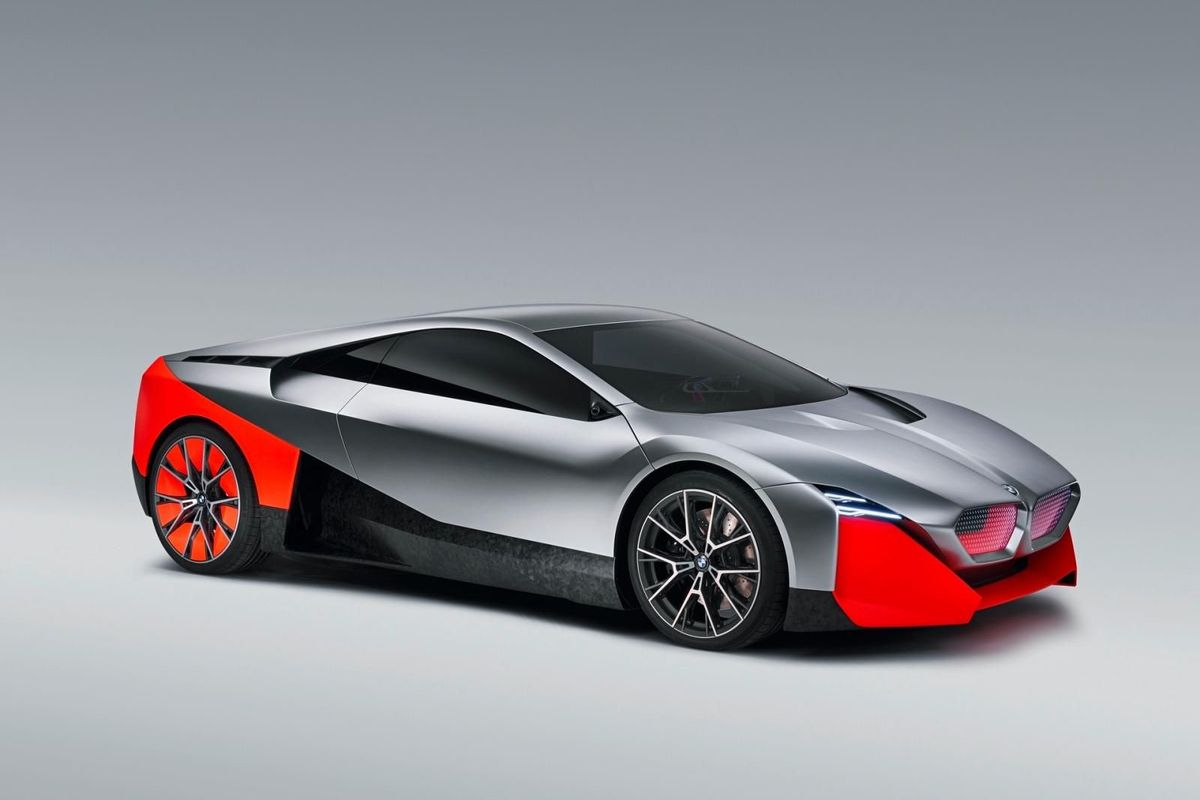
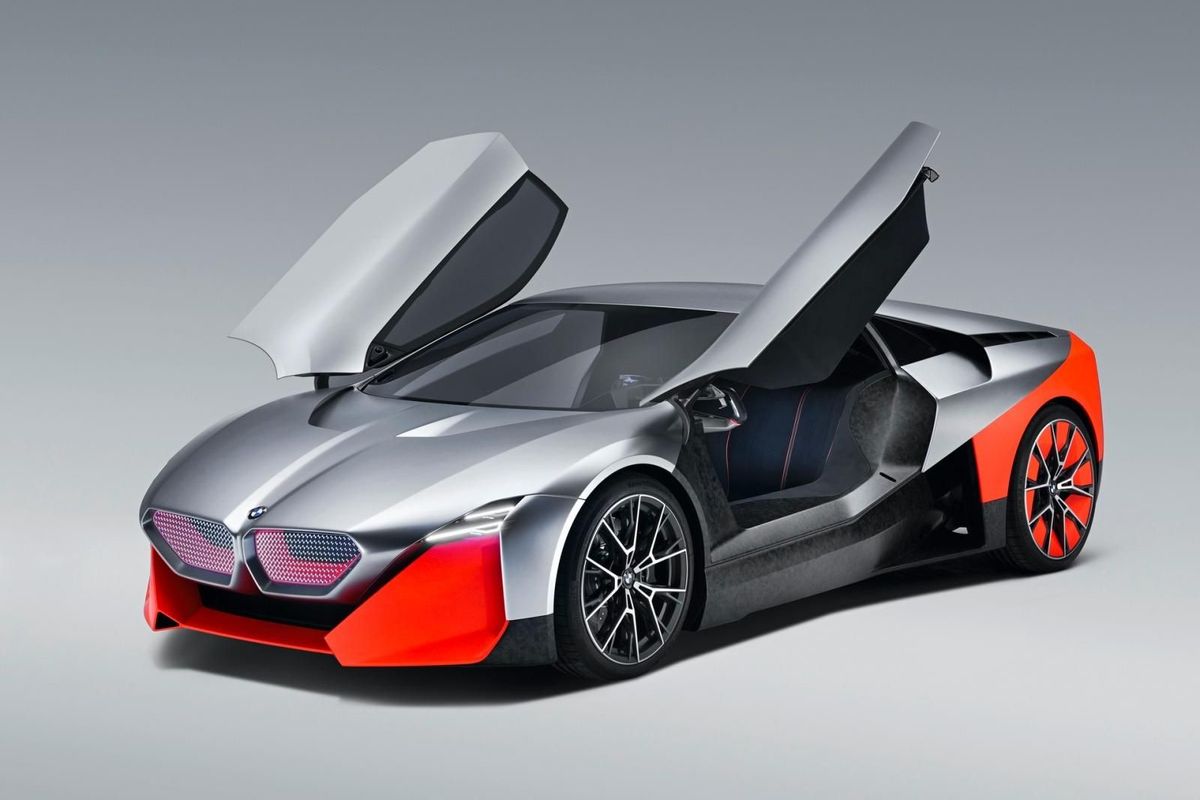
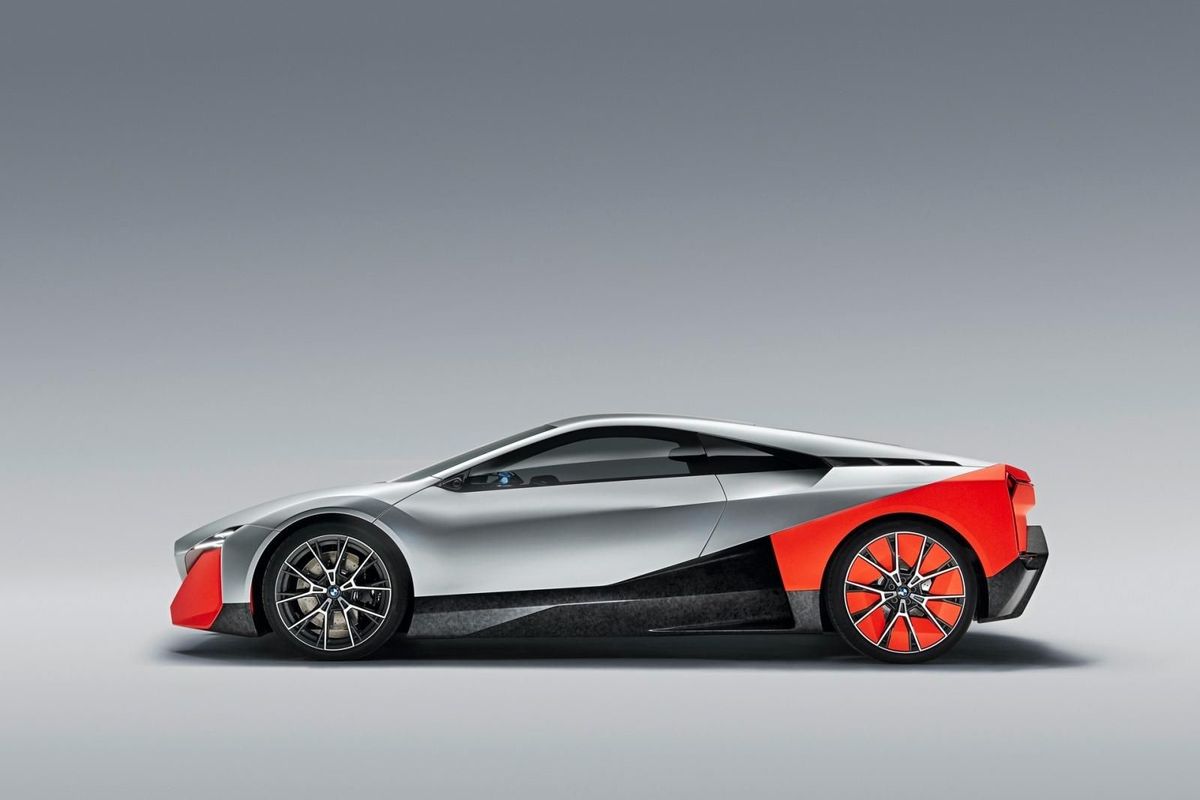
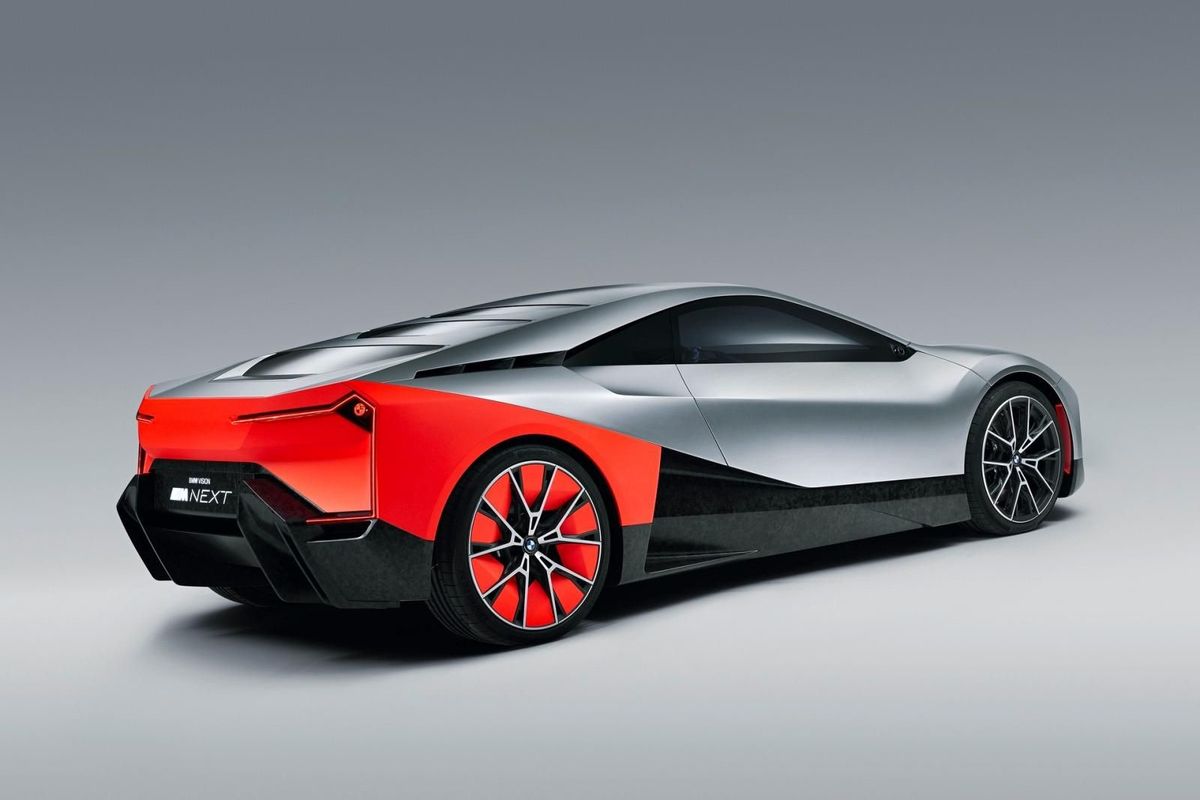
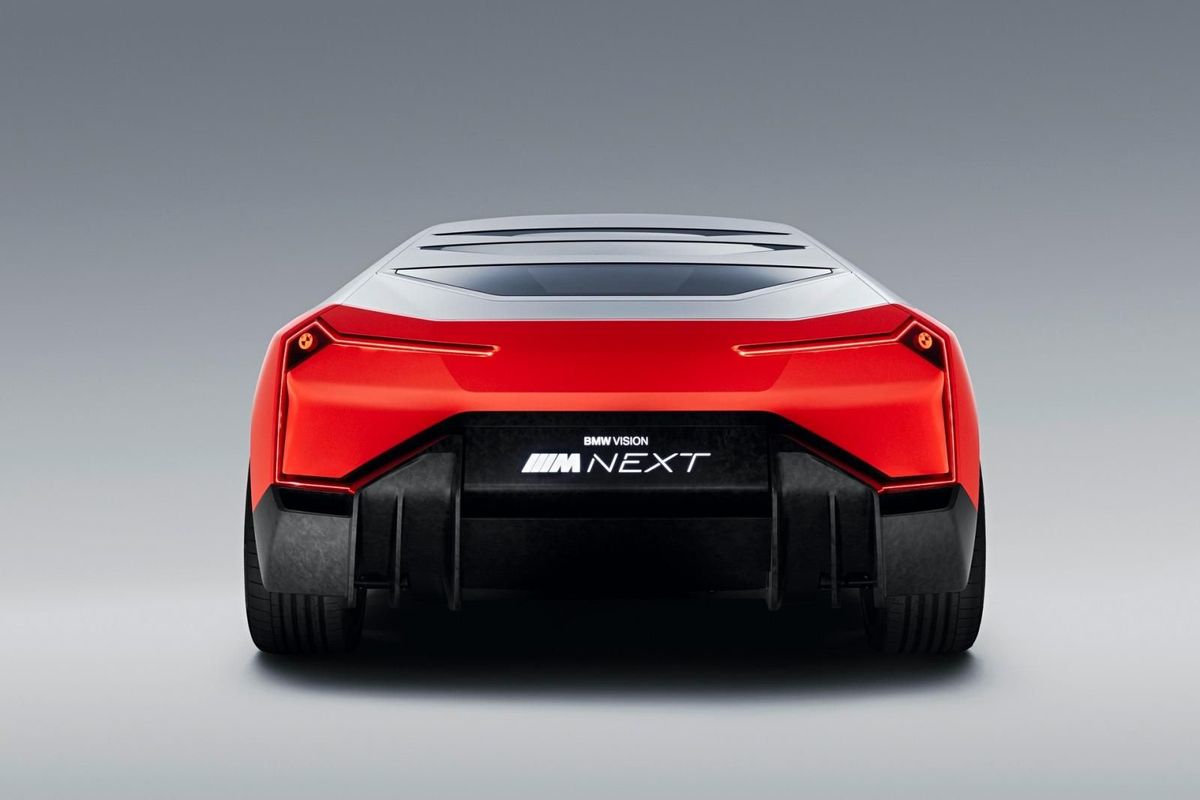
BMW has always denied that it would build a supercar. However, this new BMW Vision M Next concept looks and sounds very much like a supercar is in the offing and it's been confirmed for production within the next 3 years. Featuring petrol and electric power, the BMW Vision M Next looks sensational.
“The BMW Vision M NEXT provides a glimpse into the future of sporty driving,” says Adrian van Hooydonk, Senior Vice President BMW Group Design. “Where the BMW Vision iNEXT illustrated how autonomous driving is set to transform life on board our vehicles, the BMW Vision M NEXT demonstrates how state-of-the-art technology can also make the experience of driving yourself purer and more emotionally engaging. In both models, the focus is firmly on the people inside. Design and technology make the ‘EASE’ and ‘BOOST’ experiences more natural and more intense.”
Powered by a 4-cylinder turbocharged petrol engine and mated to electric motors, the BMW Vision M Next Concept is said to make 447 kW. Combined with a lightweight body and in full hybrid mode, 3 seconds to 100 kph is the claim. What's even more impressive is there's a pure electric range of 100 km. There's the option of running the car in all-wheel-drive mode or rear-wheel-drive, to ensure that BMW lives up to its sheer driving pleasure tagline.
As for the looks, well we're getting a distinct M1, i8 and M1 Hommage mashup, which is great. Wedge styled-supercars will never go out of fashion. “The BMW Vision M NEXT is a progressive hybrid sports car that makes a very clear and confident statement, in terms of both appearance and interaction,” said Domagoj Dukec, Vice President BMW Design. There's carbon fibre galore in this new BMW Vision M Next, both inside and out.
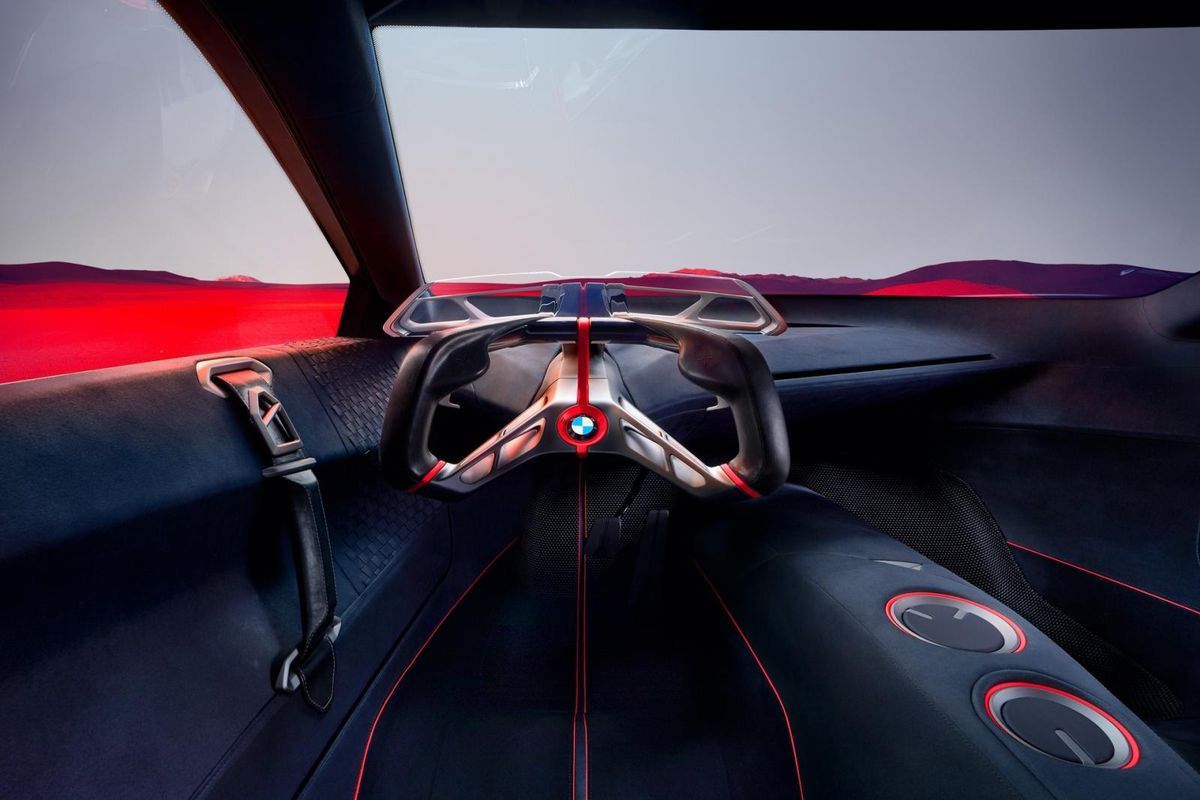
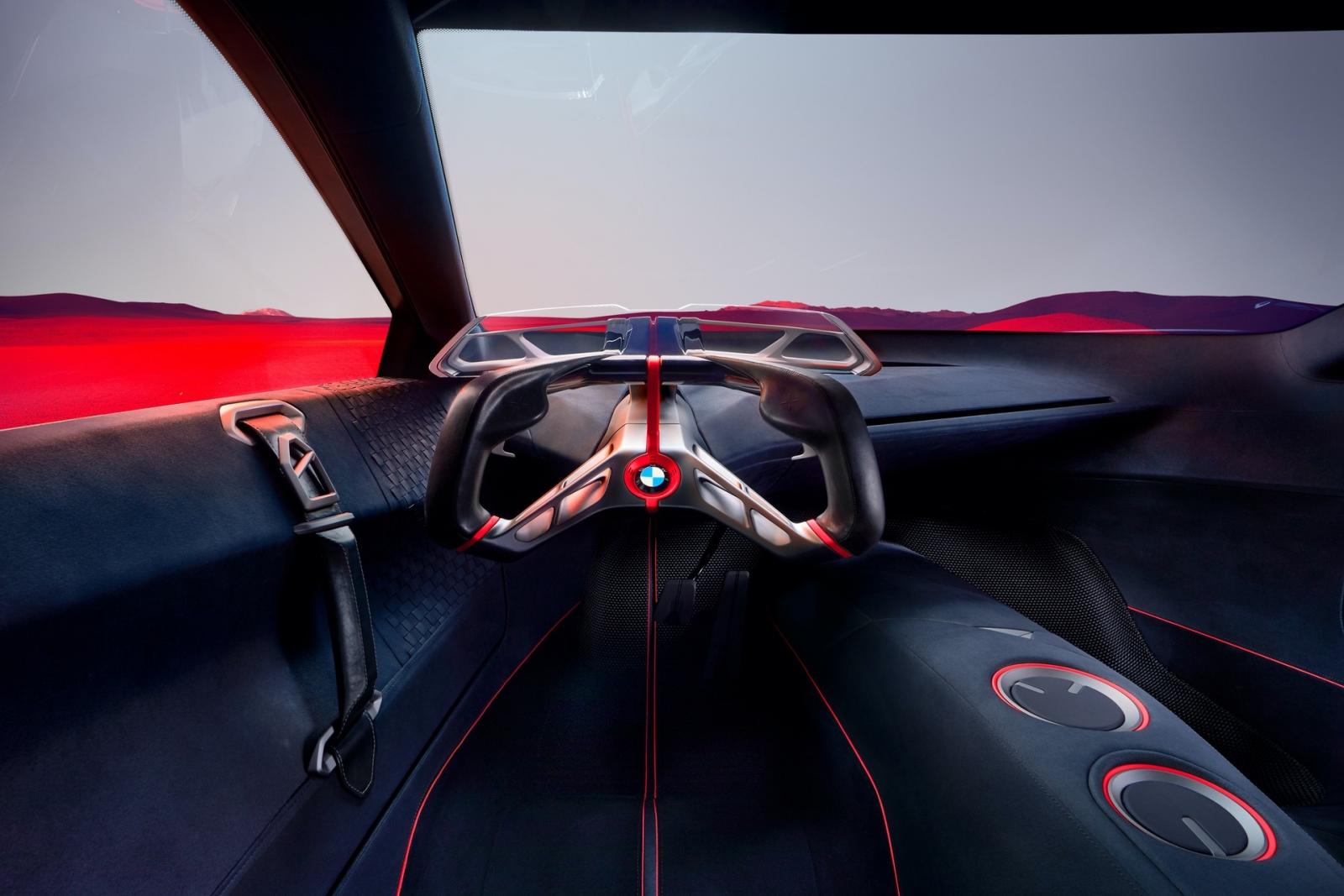
The cabin is a gorgeous exercise in minimalism. In true sportscar fashion, the driver sits low and take a look at that eccentrically-shaped steering wheel. Notice how there are no buttons on it, with BMW favouring purity. There's an augmented reality heads-up display taking care of the majority of information, but the craziest part has to be the gyroscopic cupholder which keeps your drinks from spilling when cornering at speed. Obviously, this is purely a work of science-fiction for now, but it does look like BMW plans to revamp its rather bland interiors for the next generation.
For a brand that's been heavily criticised for not having a halo supercar, it's pretty special to see BMW getting creative and enthusiastic. With these eccentric looks, promising performance and credible tech, we can't wait to see what the production version will look like.
The minimalistic and futuristic cabin of the BMW Vision M Next looks sensational
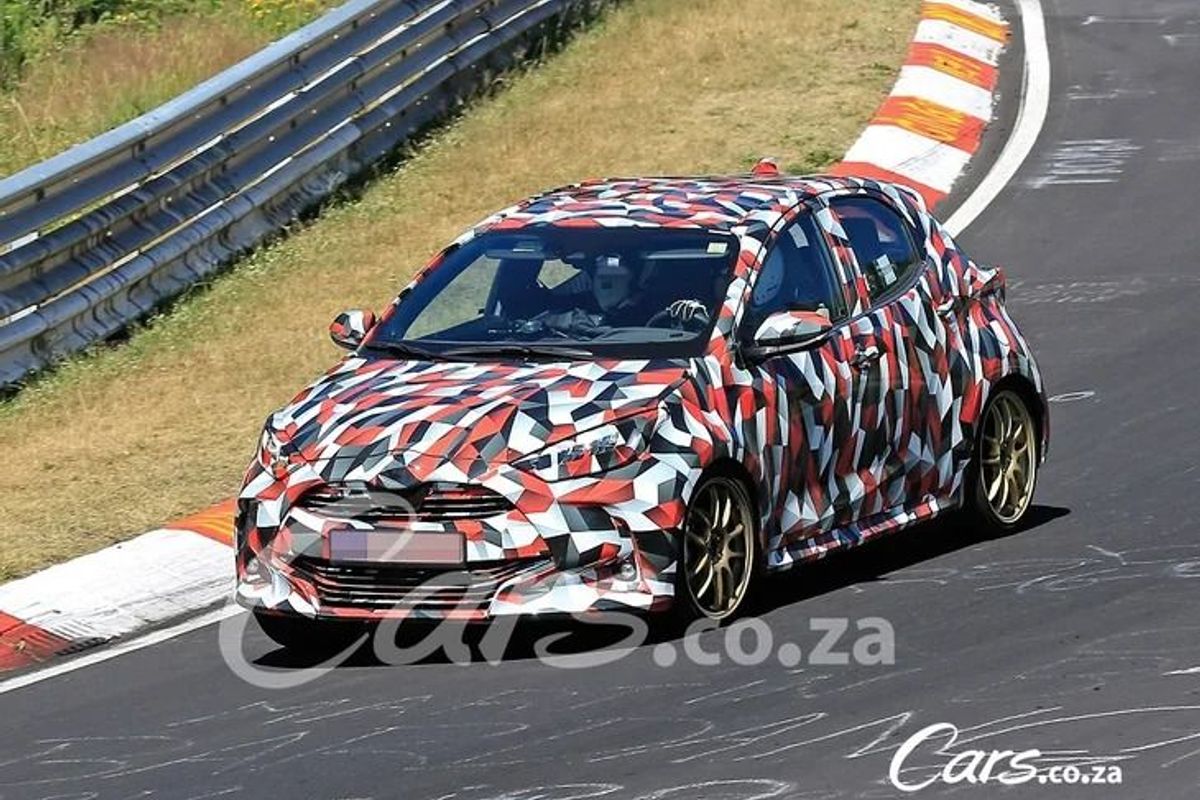
Our spy photographers have snapped a performance Toyota Yaris undergoing testing at the Nurburgring. Here's what we know so far.
Picture credit: S. Baldauf/SB-Medien
The current-generation Toyota Yaris GRMN really blew our socks off. Not only did it comfortably see off its rivals in a straight line, but it delivered some outstanding driving thrills. Guess you can say that we became rather smitten with the pint-sized performer. However, this Yaris was based on the Euro-spec model, which the SA market lost in favour of the cheaper Asian-built model.
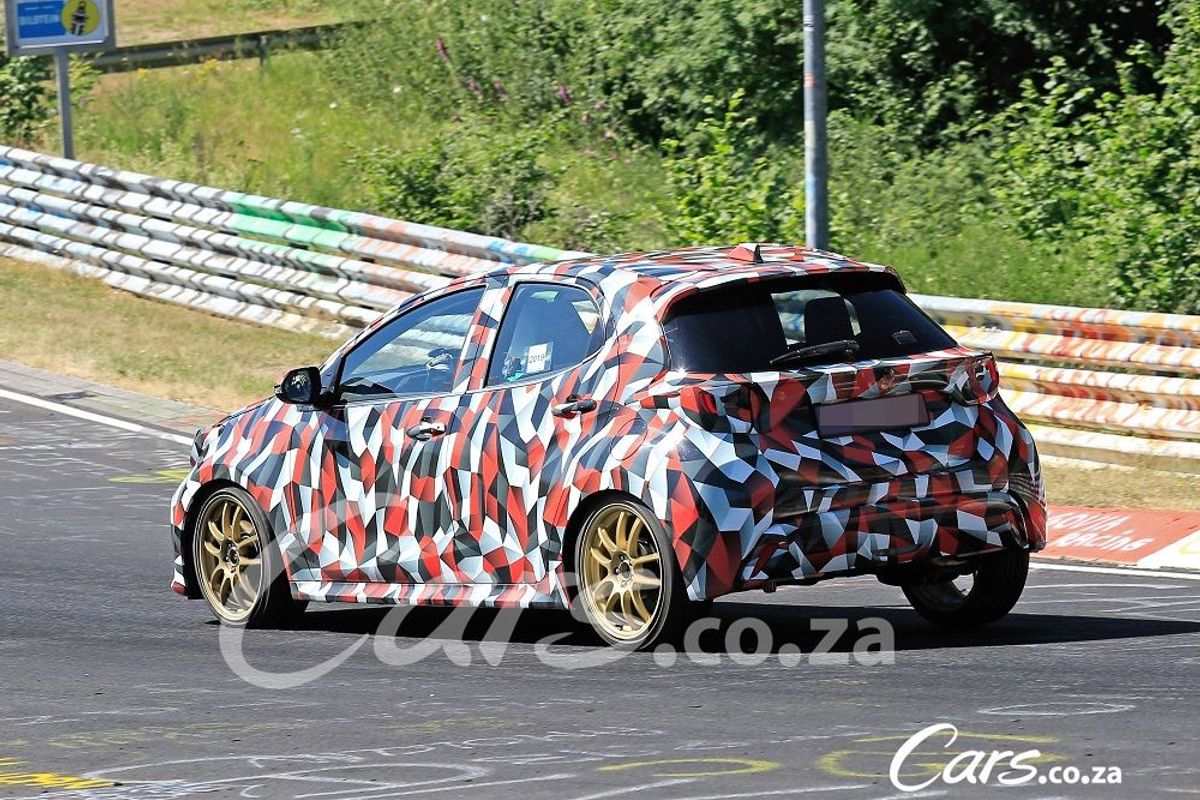
Spotted recently at the Nurburgring was a Gazoo Racing-branded Toyota Yaris prototype, which we're told is the 2020 Toyota Yaris GR Sport. While it's not going to be as hardcore as the GRMN which we suspect will come later, this GR Sport will have sporty suspension making it quite fun to drive. We wouldn't put it past Toyota to offer a slight performance upgrade either, as the segment is expected to grow in the next year or two. This all-new Toyota Yaris GR Sport will form part of the all-new Toyota Yaris range for Europe. While it's too early to tell, we predict that this all-new Yaris will be built on the TNG-A platform, giving it decent levels of ride quality and comfort. We hope the SA market will revert back to the European-spec Yaris as our impressions of the current-gen were a tad underwhelming.
Hyundai is busy preparing an all-new i20 as well as an N performance version and seeing as Renault has just launched an all-new Clio RS, we're expecting an RS-branded model revealed before the year is out. Locally, the Suzuki Swift Sport is about to launch and Opel has its Corsa GSI to keep things interesting. It's great to see this segment still alive as it offers some fun and value for money.
We'll keep you posted on the 2020 Toyota Yaris and Toyota Yaris GR Sport. Watch this space!
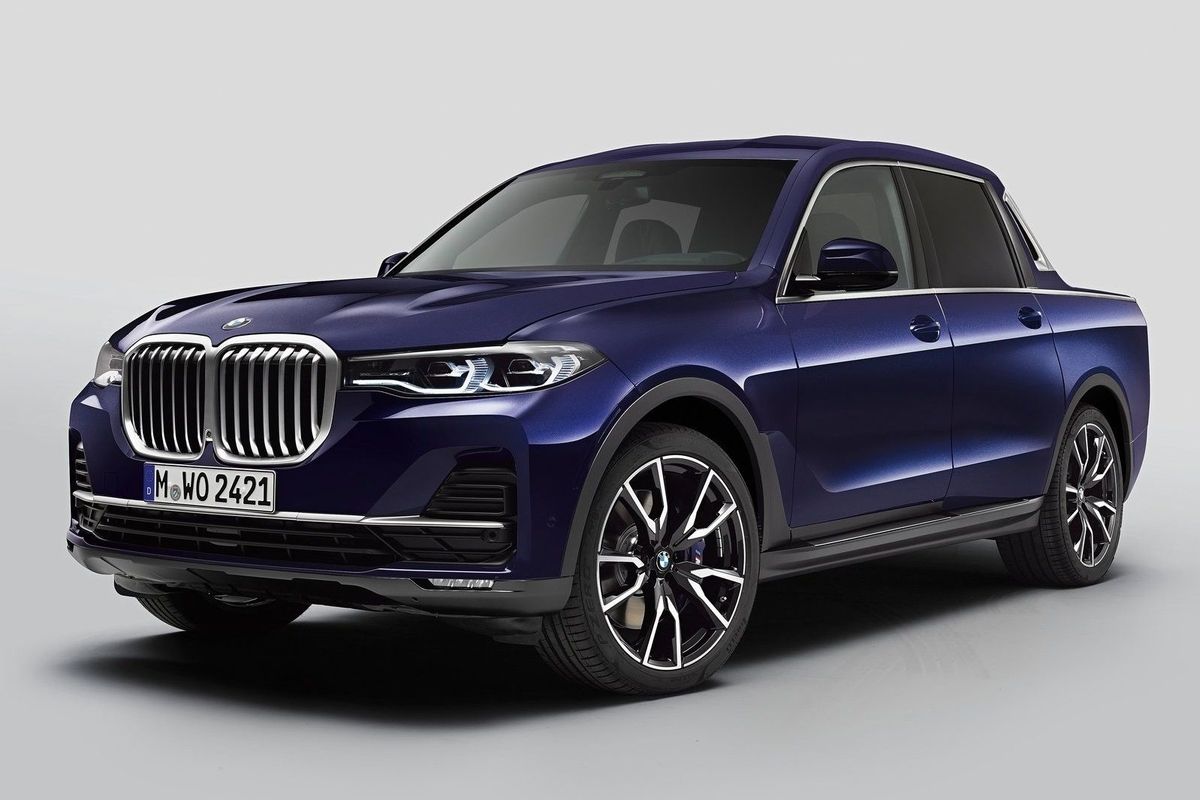
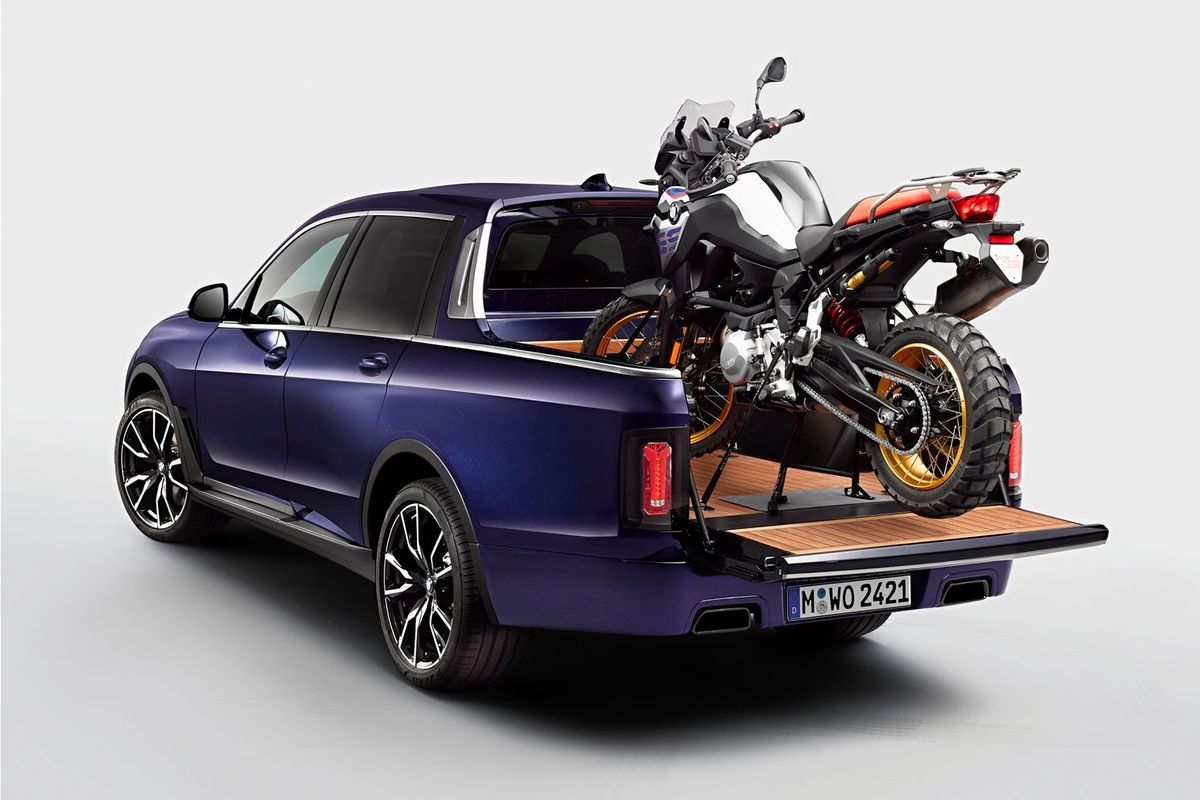
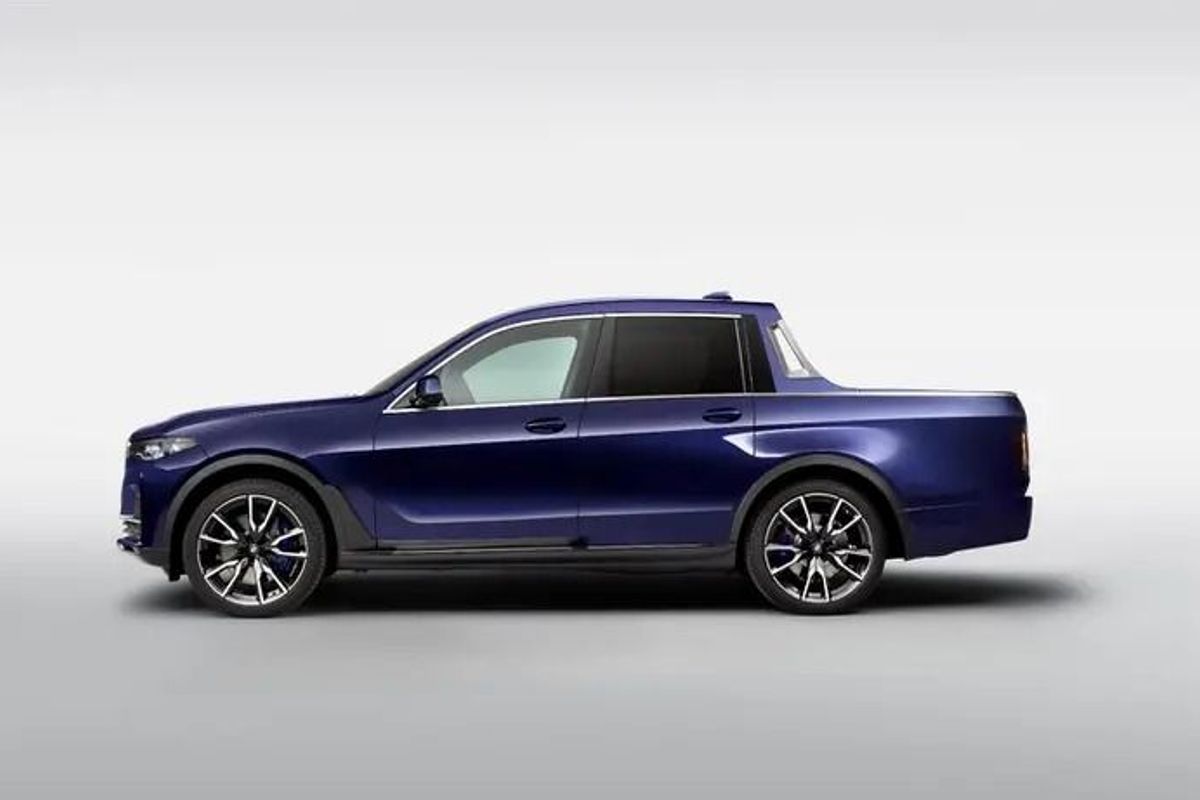
Yes, that is really a BMW X7 double-cab bakkie and not just an artist's rendering.
Twelve trainees from various sectors within BMW’s engineering division have built an extraordinary bakkie concept, using the brand’s largest SUV as a platform.
Amongst the twelve young engineering enthusiasts were trainees from BMW’s vehicle mechanics section, mechatronics and technical construction. For ten months they worked in secret to produce a road-legal X7 double-cab bakkie.
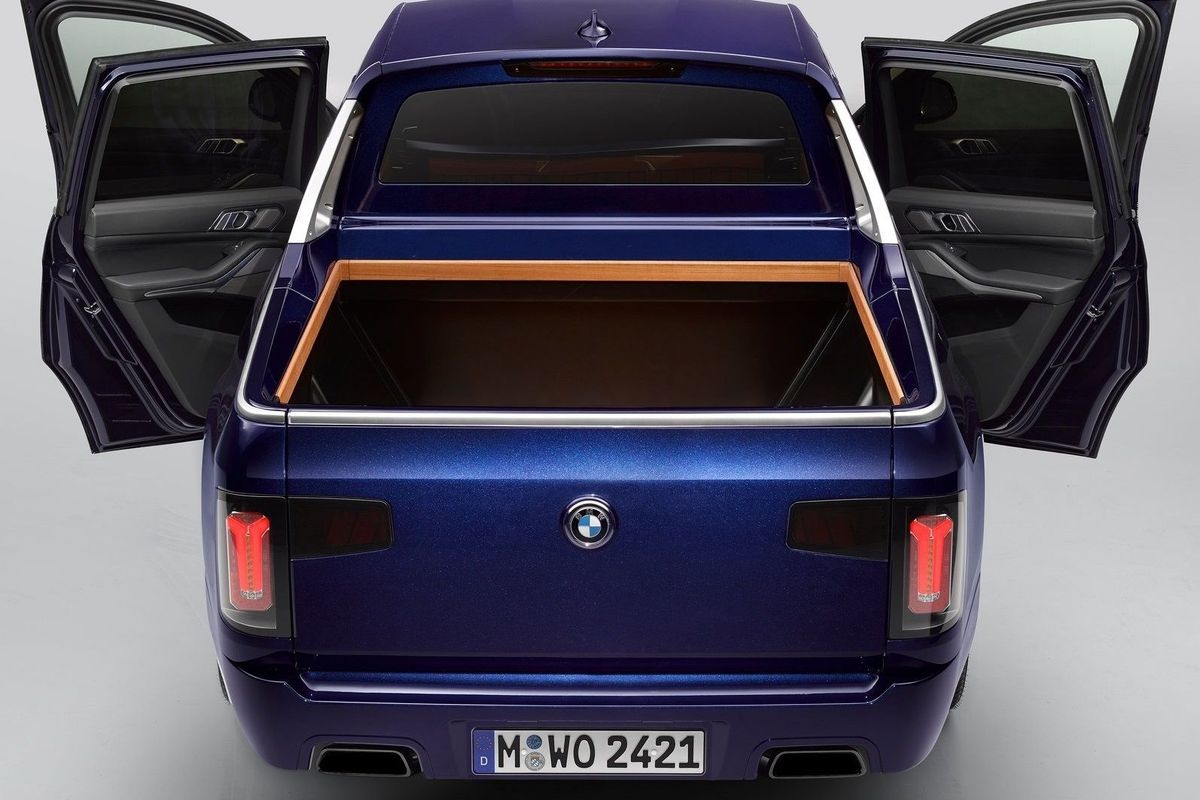
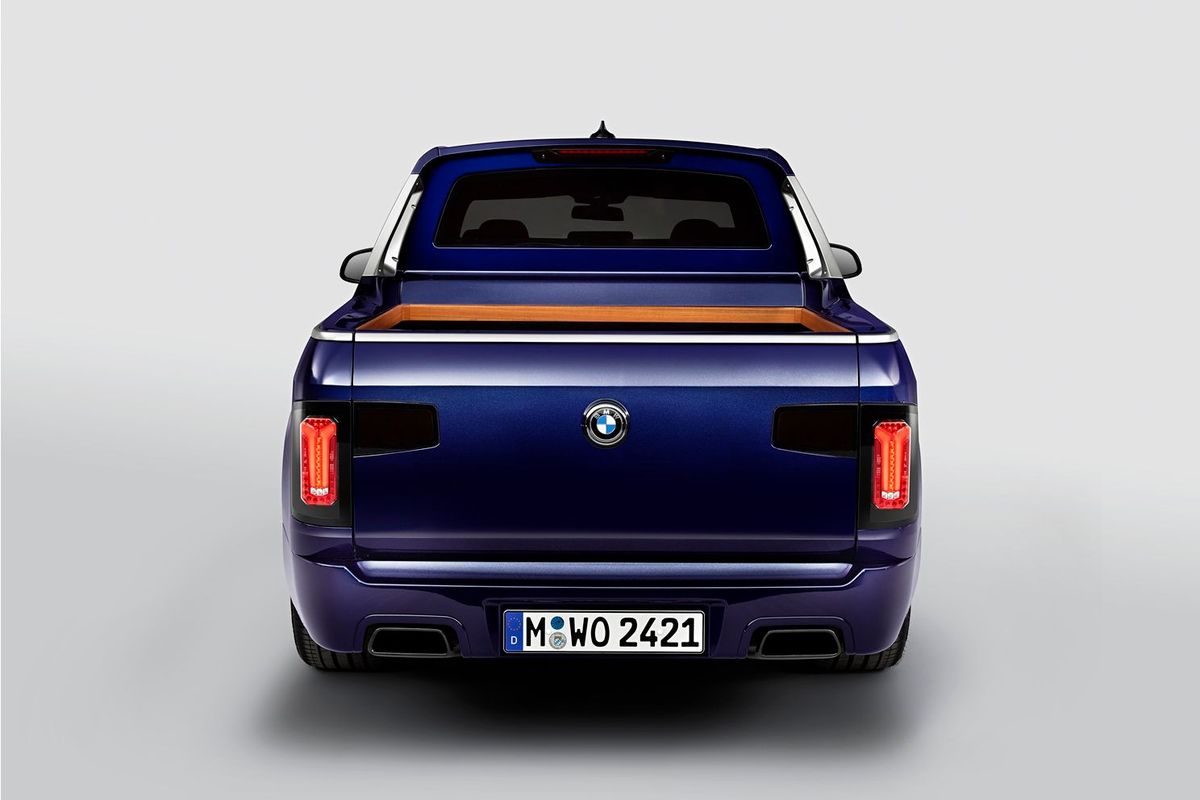
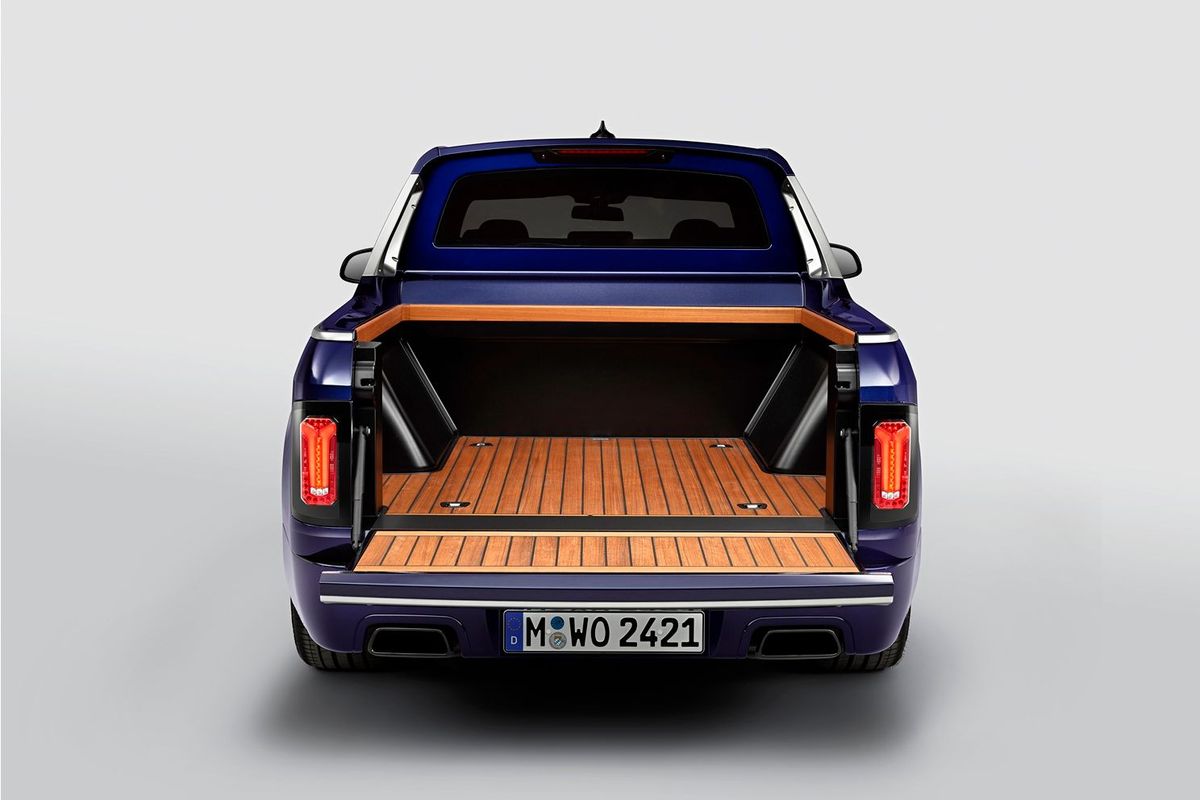
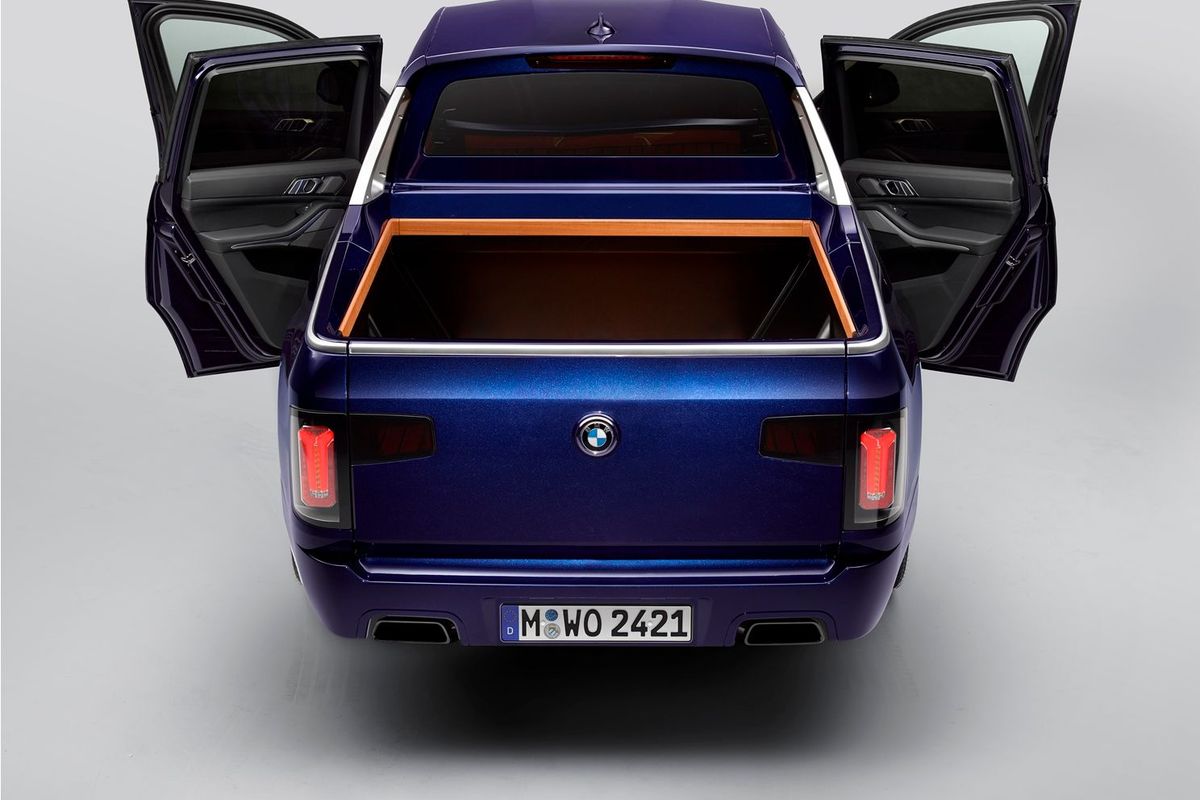
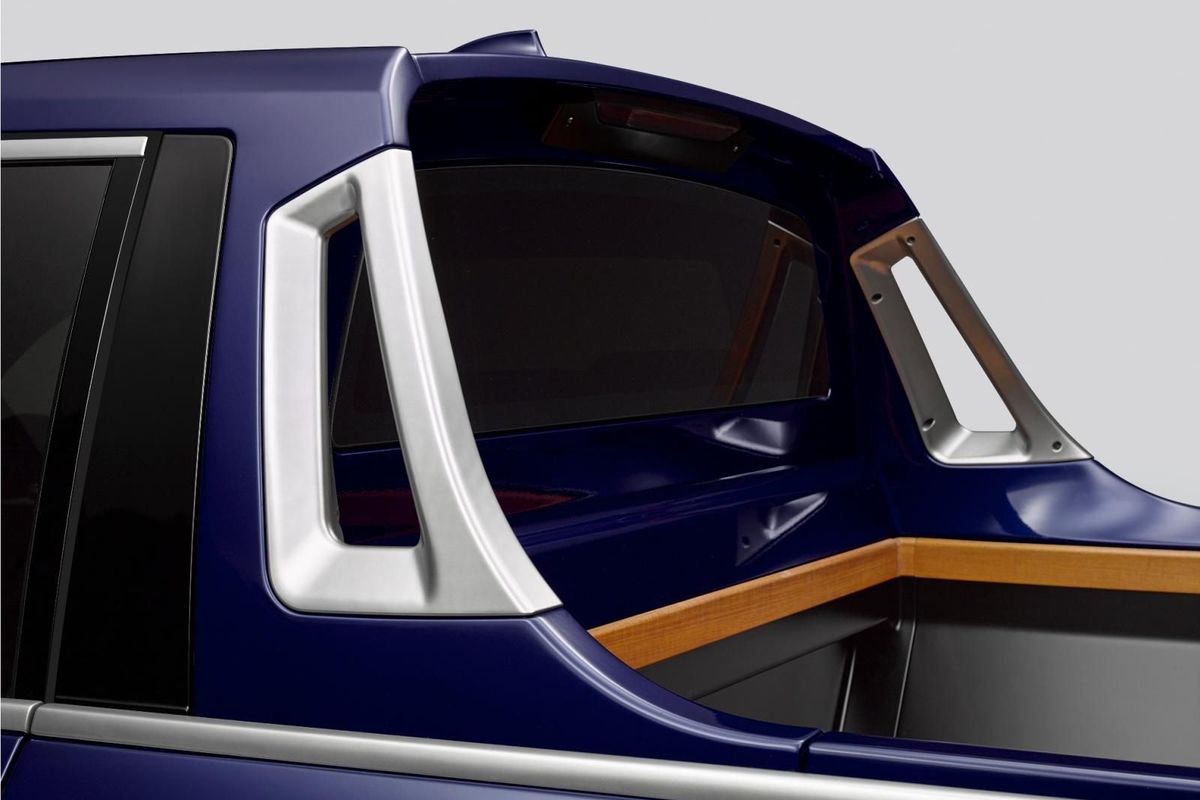
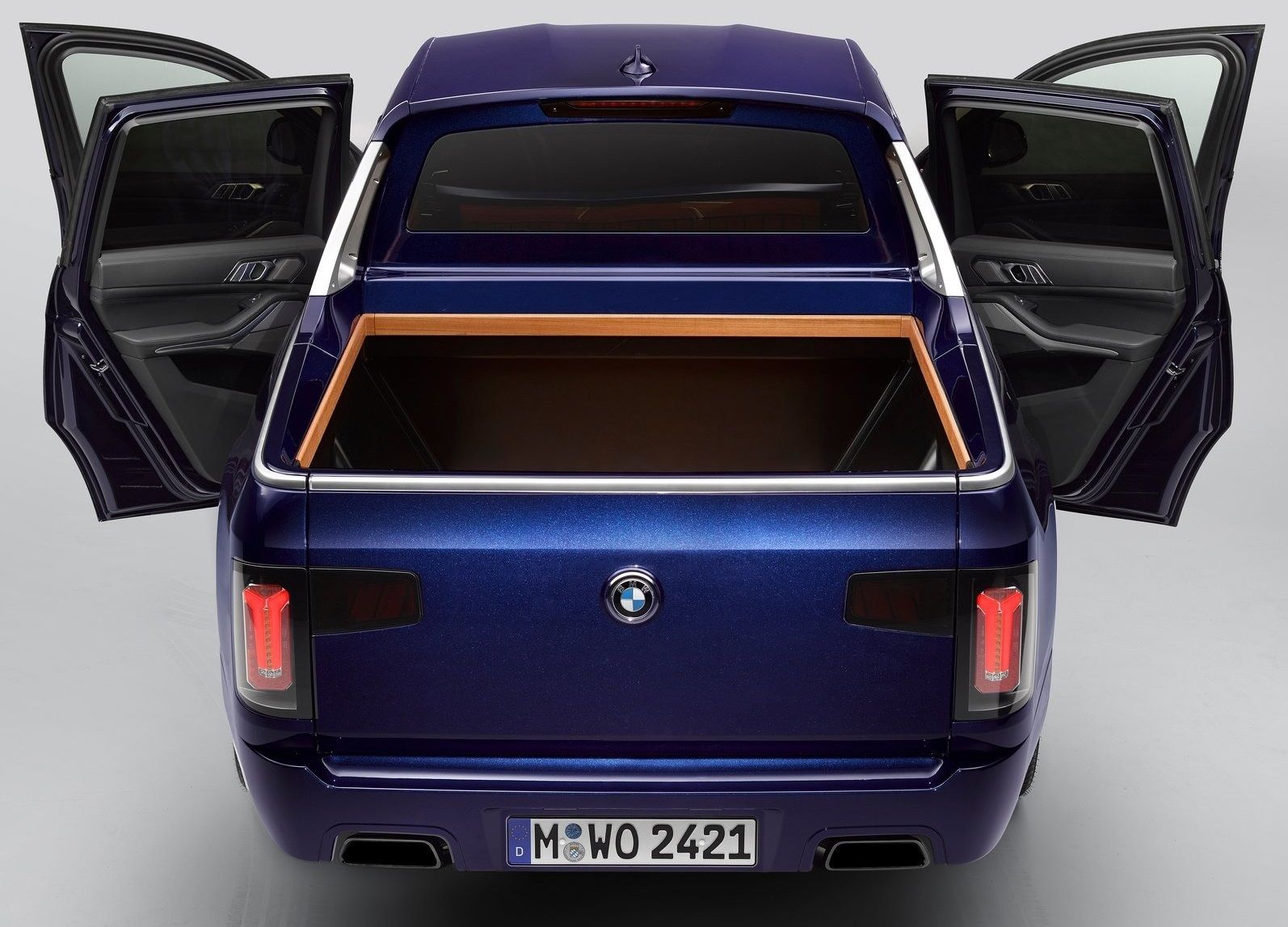
The result is a hugely impressive BMW bakkie which features a very generous load area. An adjustable tailgate section allows for the rear load area to be increased from 1.4 m to 2 m in size – which makes it able to accommodate one of BMW’s adventure motorcycles in the back.
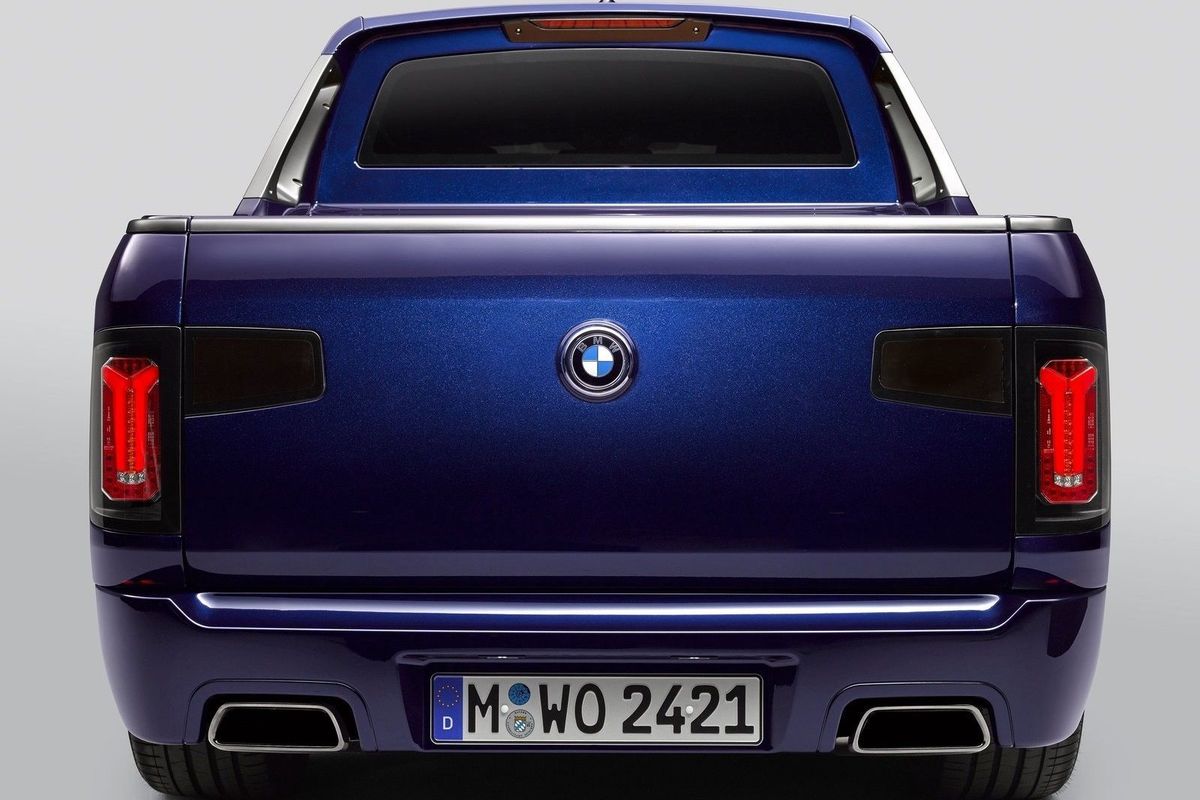
Teakwood finishing adds a premium marine construction feel to the load area whilst the rear lights and other exterior styling elements, which differ from the X7 SUV, were crafted using 3D printing techniques. There are some fantastic details too, such as the integrated grab handles behind the cab, which sit in a vertical roll-hoop type structure.
In terms of size, the X7 double-cab is 100 mm longer than an equivalent SUV built on the same CLAR platform but manages to be 200 kg lighter. The much lighter weight is due to its reduced roof length and lessened use of glass/metal in the overall construction and proportions.
Finished in a BMW exclusive hue which registers as Tanzanite blue metallic, the X7 bakkie’s colour changes in both depth and intensity, when exposed to direct sunlight.
Engine? Interestingly, the X7 double-cab bakkie concept is not powered by BMW’s tri-turbo 3-litre in-line six diesel, which you would expect to be the engine of choice for a BMW double-cab. Powering this radical BMW bakkie is a 3-litre turbocharged in-line six, combusting petrol, boosting 240 kW.
Although only a concept, for now, it does show that BMW is allowing its future designers and technicians the freedom of experimenting with bakkie convertibility of the brand’s SUV platforms. This could augur well for the probability of a future BMW double-cab bakkie. In time.
HOT Winter Sale at the SentiMETAL store: Gifts for Petrolheads!
Our first-ever Hot Winter Sale is now on at the SentiMETAL store! Big savings are offered, but stock is limited, so act fast!
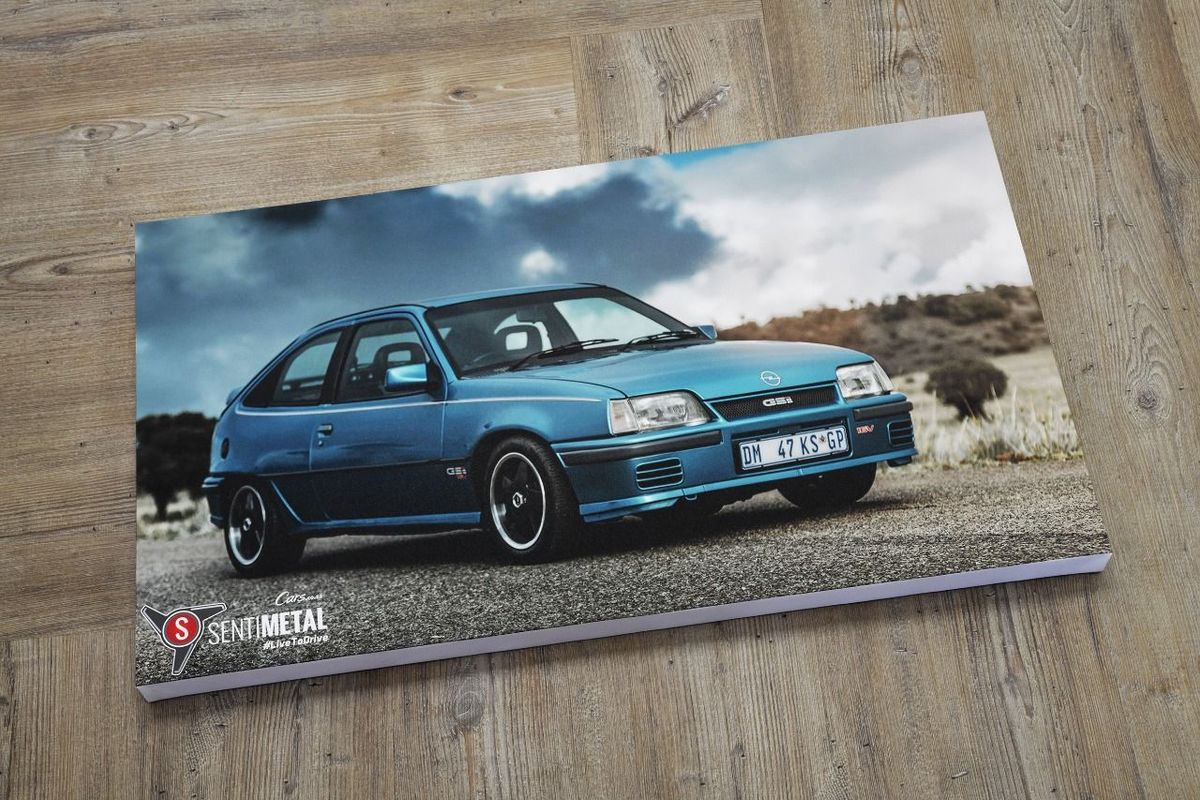
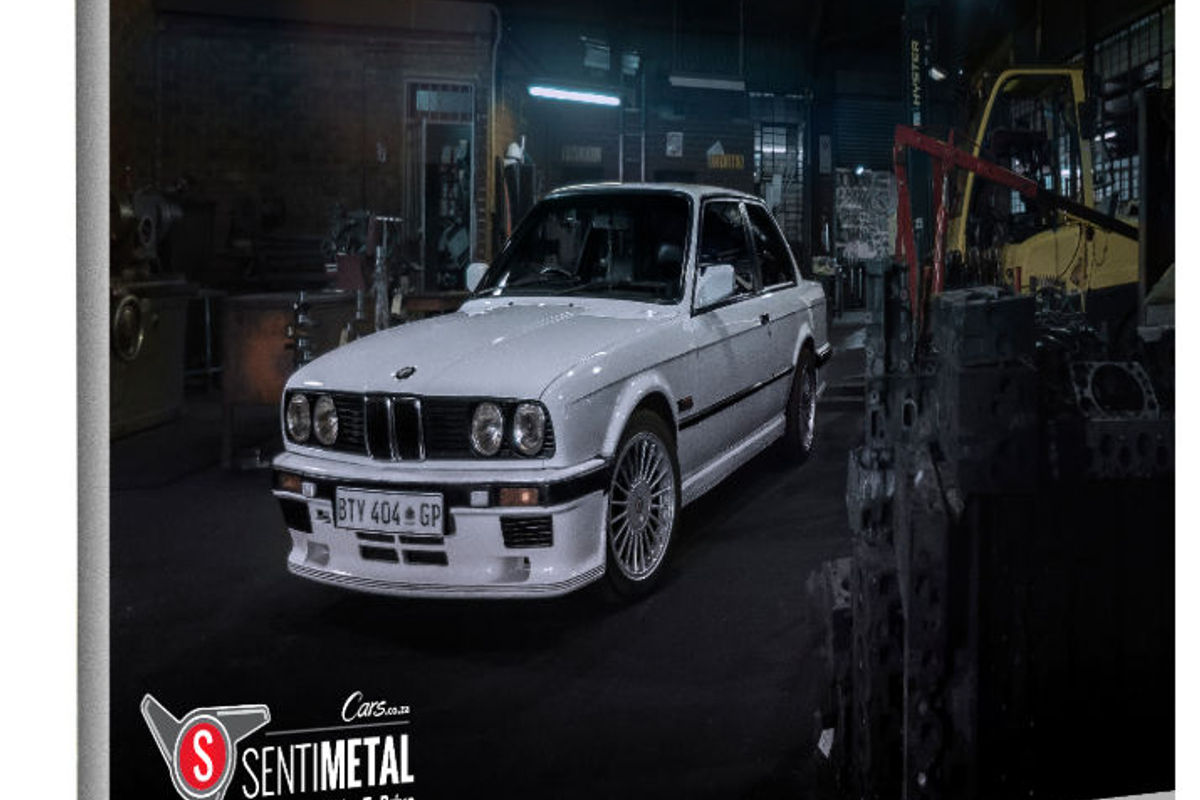
Currently offering a variety of prints focusing on the cars portrayed in our SentiMETAL video series, as well as more modern offerings such as the VW Golf GTI and BMW M4 DTM Champion Edition, the SentiMETAL online shop has recently expanded to include Cars.co.za merchandise, including caps and T-shirts as well as fine automotive literature. "We've had numerous approaches from the public requesting quality automotive merchandise," says Cars.co.za Consumer Experience Manager, Hannes Oosthuizen. "We've noticed particular demand for artwork featuring the South African specials, such as the BMW 333i and Opel Kadett Superboss," he adds.
The price reduction has been made possible by reviewing suppliers and making changes to the shipping process. It's important to note that all prices on the SentiMETAL store still include shipping costs (South Africa only), further adding to the value for money on offer.
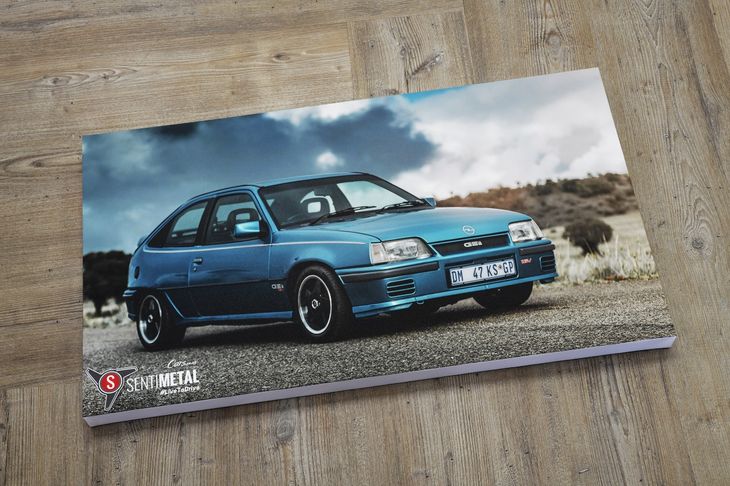
The most popular item in the SentiMETAL store is an A2-size box canvas print depicting the Opel Kadett Superboss featured in Episode 5.
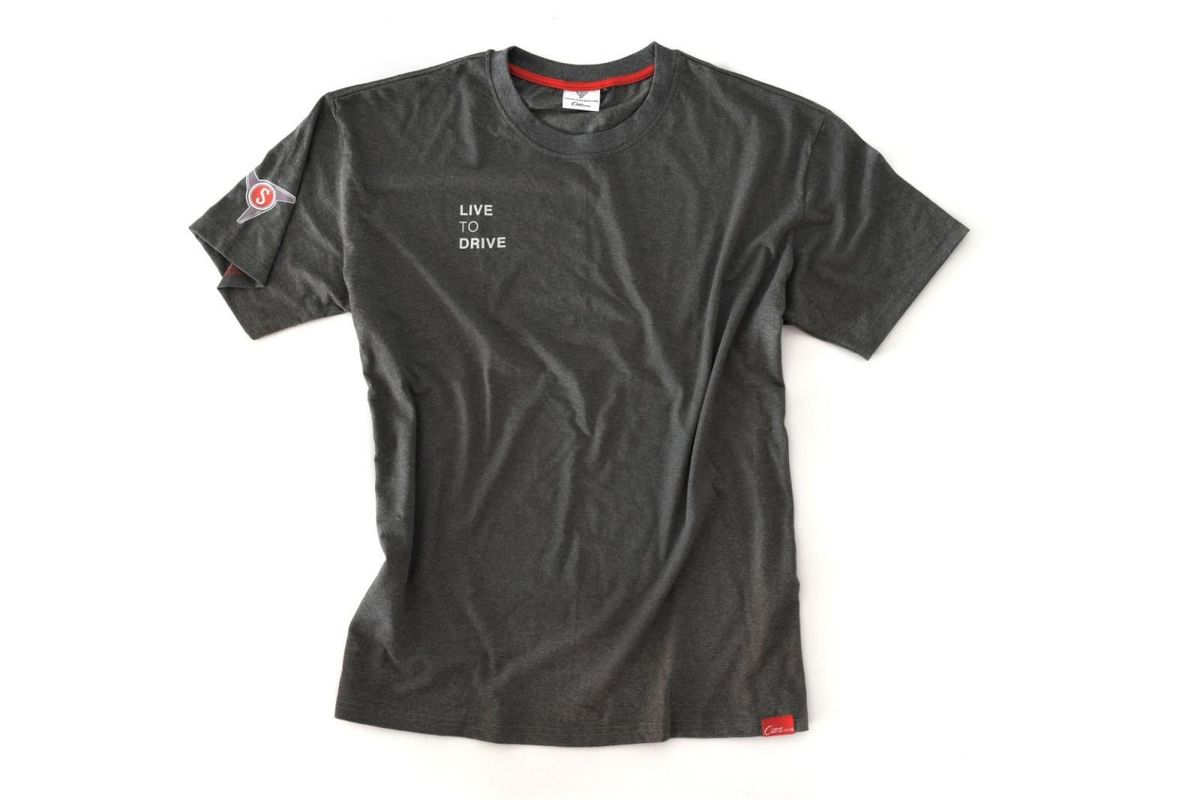
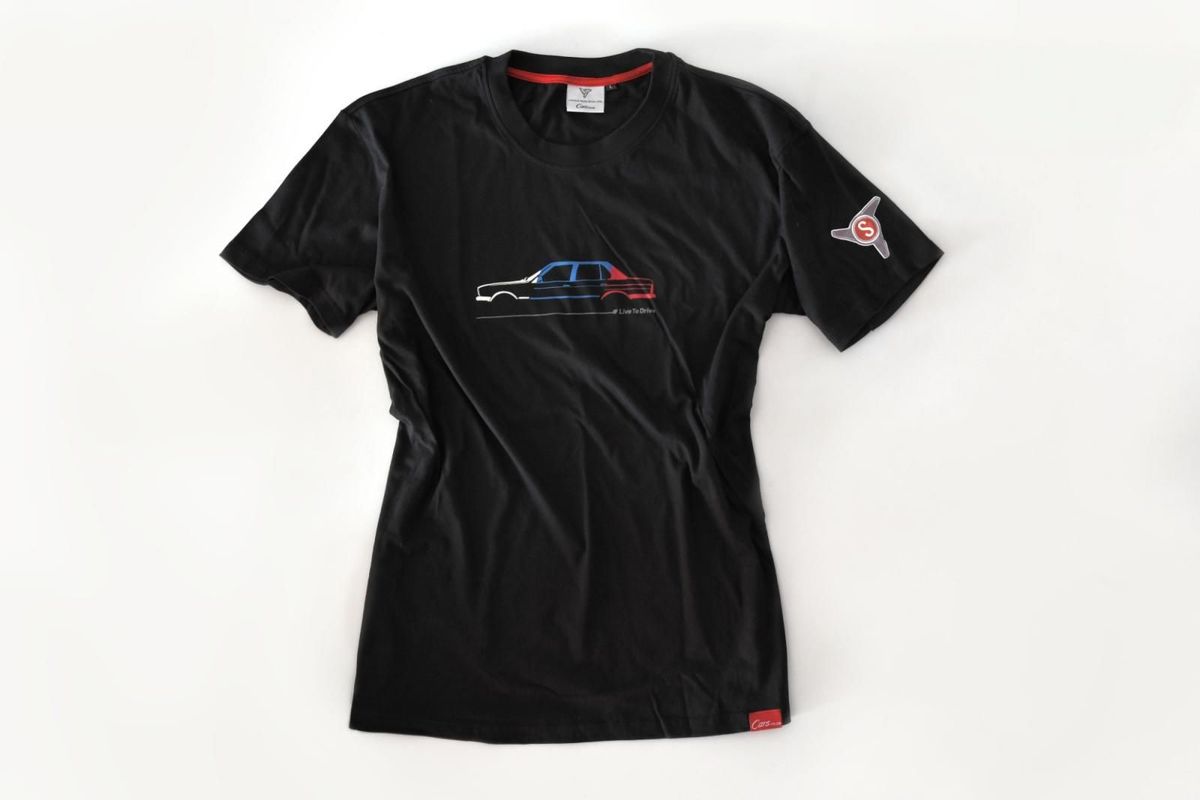
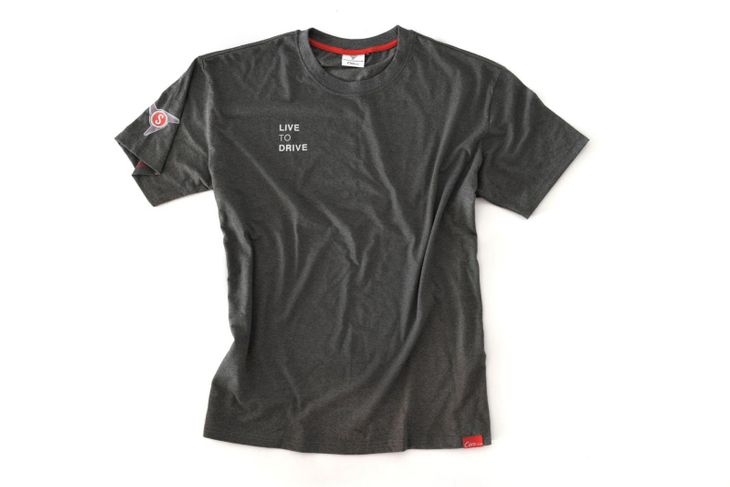
The first shirt to launch features the iconic E30 (box-shape) BMW 3 Series. The high-quality, unisex shirt is available in 4 sizes and exclusively in black. It also features the SentiMETAL motto – #LiveToDrive. Another fresh arrival and one that is proving very popular is a striking grey "Live To Drive" t-shirt, available in the same size range. These T-shirts used to be priced at R400, but is now available for R349 each.
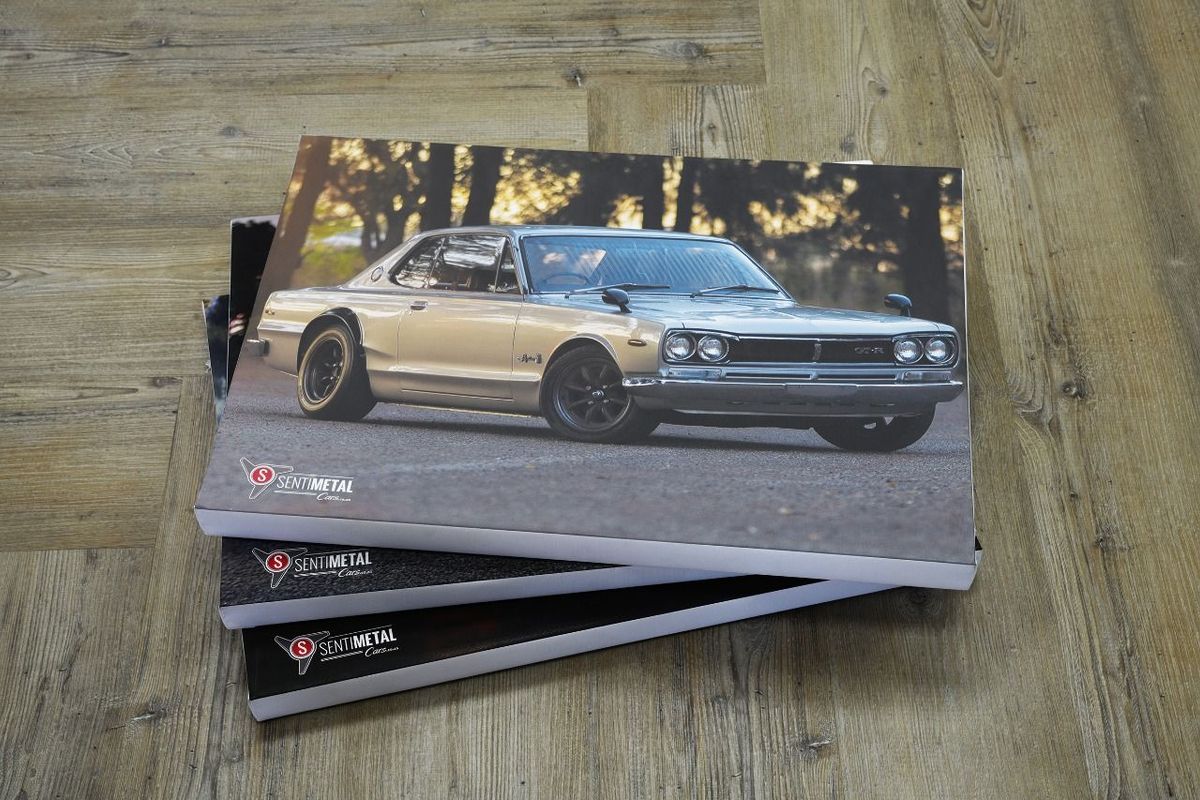
The SentiMETAL canvas prints are all high-quality, A2-sized and box mounted. The cars featured in this series include the Opel Kadett Superboss (Episode 5), Jaguar E-Type (Episode 1), Porsche 911 Turbo (Episode 2) and Nissan "Hakosuka" Skyline GT-R (Episode 3). These canvas prints were previously priced at R850 each (including shipping), but prices have been slashed to R599 (still inclusive of shipping).
Available now in limited numbers – the SentiMETAL #LiveToDrive t-shirt.
Also on offer are A2-sized canvas prints depicting Cars.co.za's epic #TheJourneyAfrica adventures, including our journeys into Mozambique, Namibia and South Africa's Wild Coast.
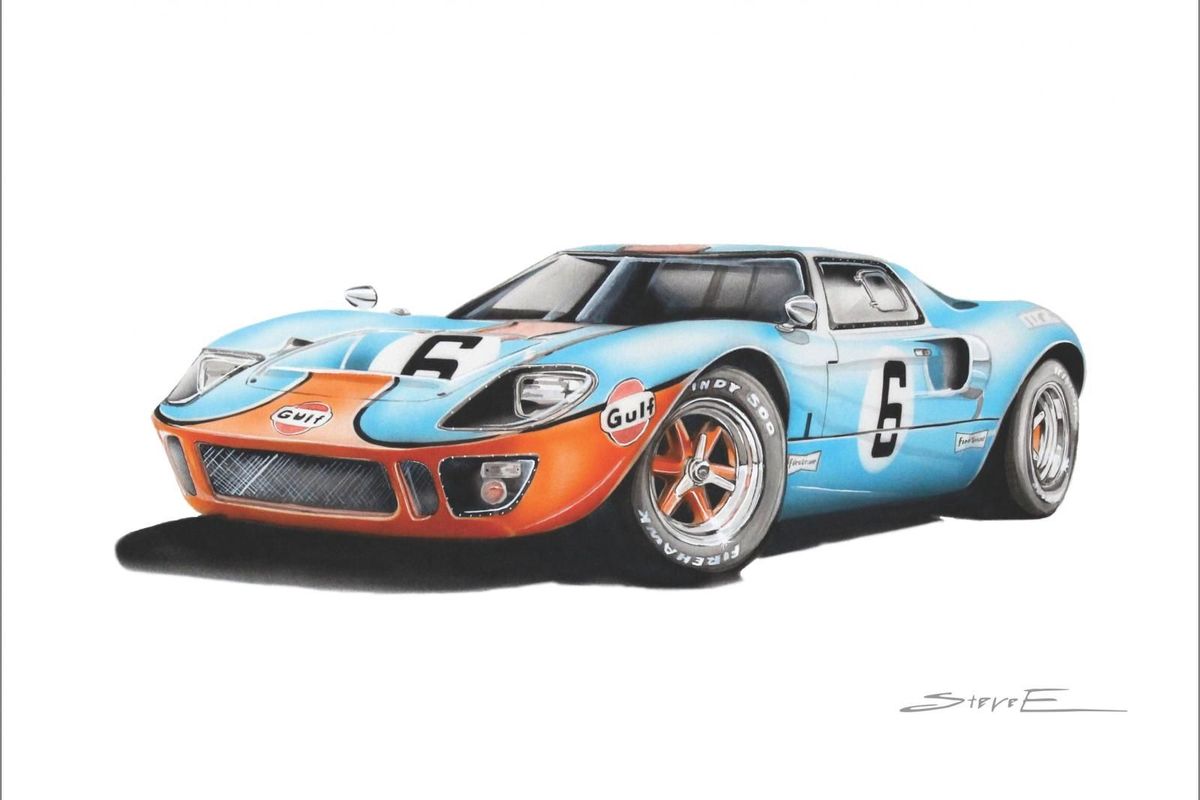
Cape Town-based automotive artist, Steve Erwin, produces beautiful artworks featuring a variety of classic cars. He uses a combination of water colours, airbrushing and acrylics for his works. Prints of a special selection of his artworks, including the Mercedes-Benz 190SL, Gulf Ford GT40 and the iconic split-window VW Kombi are also available on the SentiMETAL online store, priced from R139.
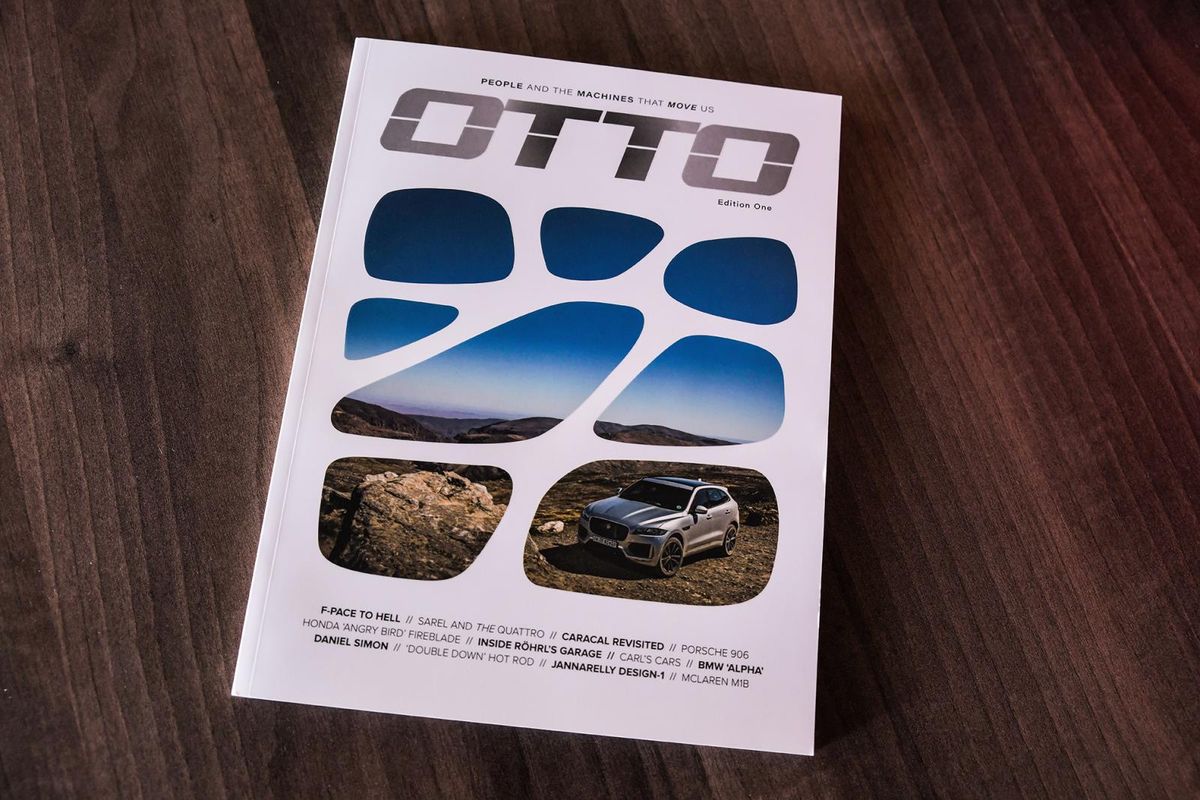
The beautifully illustrated OTTO automotive magazine was recently added to the store.
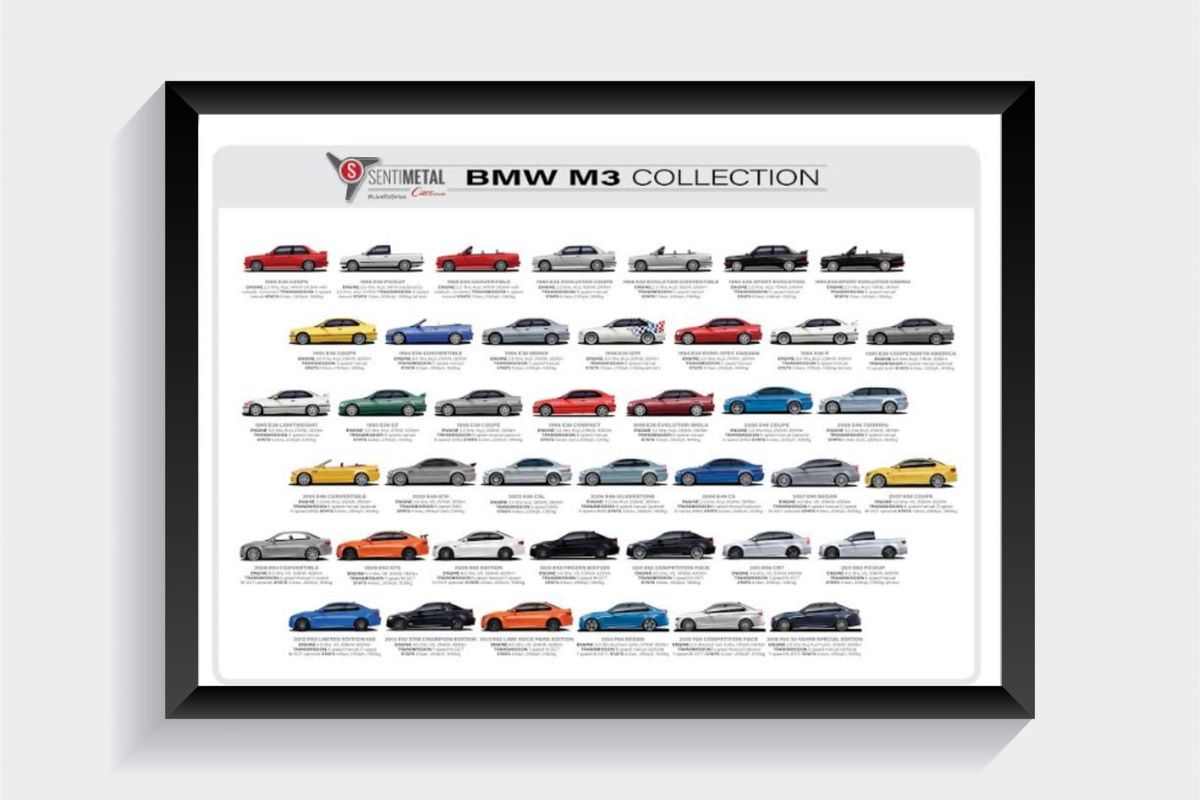
For BMW fanatics there is something truly original on offer – dubbed the "M3 Collection", it comes in the shape of an A1-sized print featuring just about every variant of the BMW M3 ever produced, along with short technical information on each. The 41 images used in this spectacular piece were drawn for Cars.co.za exclusively. This item is a must for any BMW fan and costs R549 (marked down from R900).
Finally, the very limited run OTTO magazine, featuring high production values and beautifully written/displayed content, is also now available in the store.
The entry-level Volvo XC40 has received some updates to its compact powertrain.
The Volvo XC40 is available with an array of petrol and diesel engines, but this update concerns the entry-level engine. The 1.5-litre turbocharged 3-cylinder engine currently offers up 110 kW and 265 Nm. In updated guise, the engine offers 122 kW.
The additional power means performance has improved, with Volvo claiming 0.1-second improvement in the 0-100 kph sprint time. It has dropped to 9.3 seconds from 9.4 for the manual-equipped version, while the 8-speed automatic takes 9.6 seconds.
Economy and efficiency has improved slightly with a WLTP claimed figure of between 7.6 l/100km and 7.0 l/100 km which is an improvement in comparison to the previous version's 7.8 l/100 km. The manual-equipped car’s CO2 emissions are also lower, ranging from 142 to 146 g/km, compared with 144 and 148g/km previously.
There's also going to be a petrol-electric plug-in hybrid version dubbed T5 due for an international reveal shortly.