Meet the finalists in the Adventure SUV category of the 2019/20 Cars.co.za Consumer Awards – powered by WesBank!
Now in its 5th year, the #CarsAwards was conceived to be South Africa's definitive automotive awards programme and is backed, for the 4th year running, by the country's leading supplier of vehicle finance, WesBank.
The Adventure SUV category is guided by both eligibility factors and Pillars of Success.
Eligibility for this category includes a list price that falls between R600 000 and R800 000 (prices as of 1 September 2019) and including the cost of all necessary optional extras.
Eligible vehicles must be equipped with Electronic Stability Control (ESP), a minimum of 6 airbags, split/fold rear seats, a minimum ground clearance of 200 mm and all-wheel-drive capability.
Pillars of Success in this category include performance, space and practicality, comfort, in-car entertainment and all-surface ability.
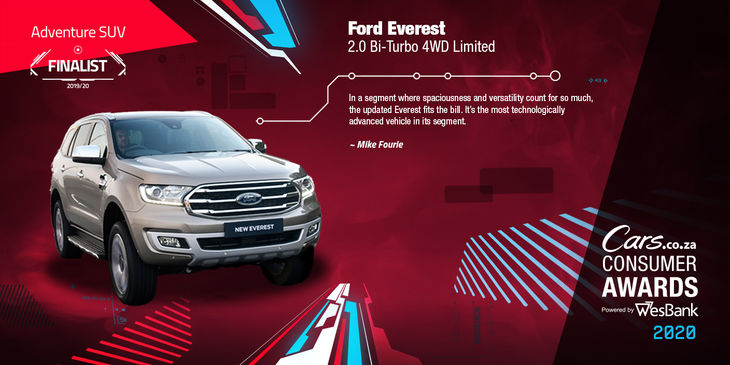
Ford’s Everest is a spacious, well-specified and capable 7-seater variant of the Ranger bakkie and the range received a thorough update during 2019. South Africans have a love affair with large, rugged SUVs and Ford has served up exactly what they’ve been asking for… a macho, versatile machine that can tackle the rough stuff and transport a large family in comfort.
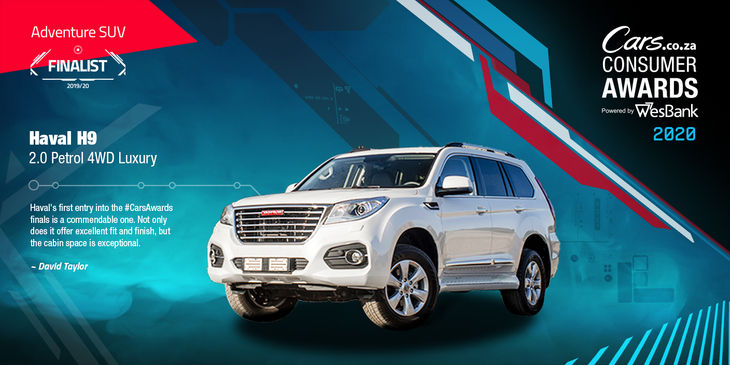
With the H9 2.0T 4WD Luxury, Chinese SUV brand, Haval, is slowly making inroads into the Toyota Fortuner-dominated Adventure SUV segment. The H9 is a large, spacious and generously-equipped contender with off-road ability to match those of its competitors. It offers very impressive value for money when you compare it with its rivals spec-for-spec.
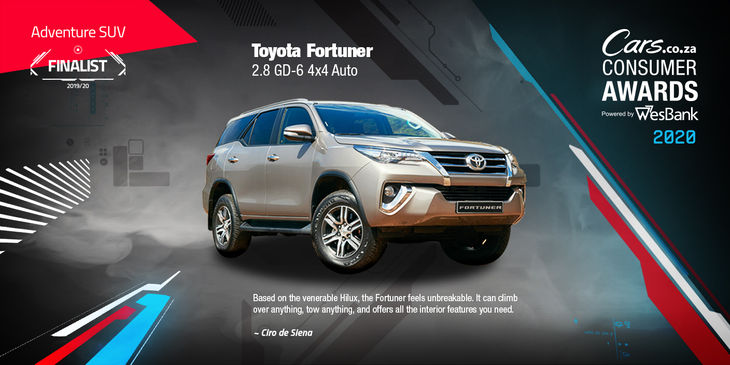
South Africa’s top-selling bakkie-based SUV looks to repeat the victory it achieved in this category of the 2018/19 #CarsAwards. Given its blend of ruggedness and versatility, plus a modicum of style, sophistication and technology, the Toyota Fortuner is a formidable offering.
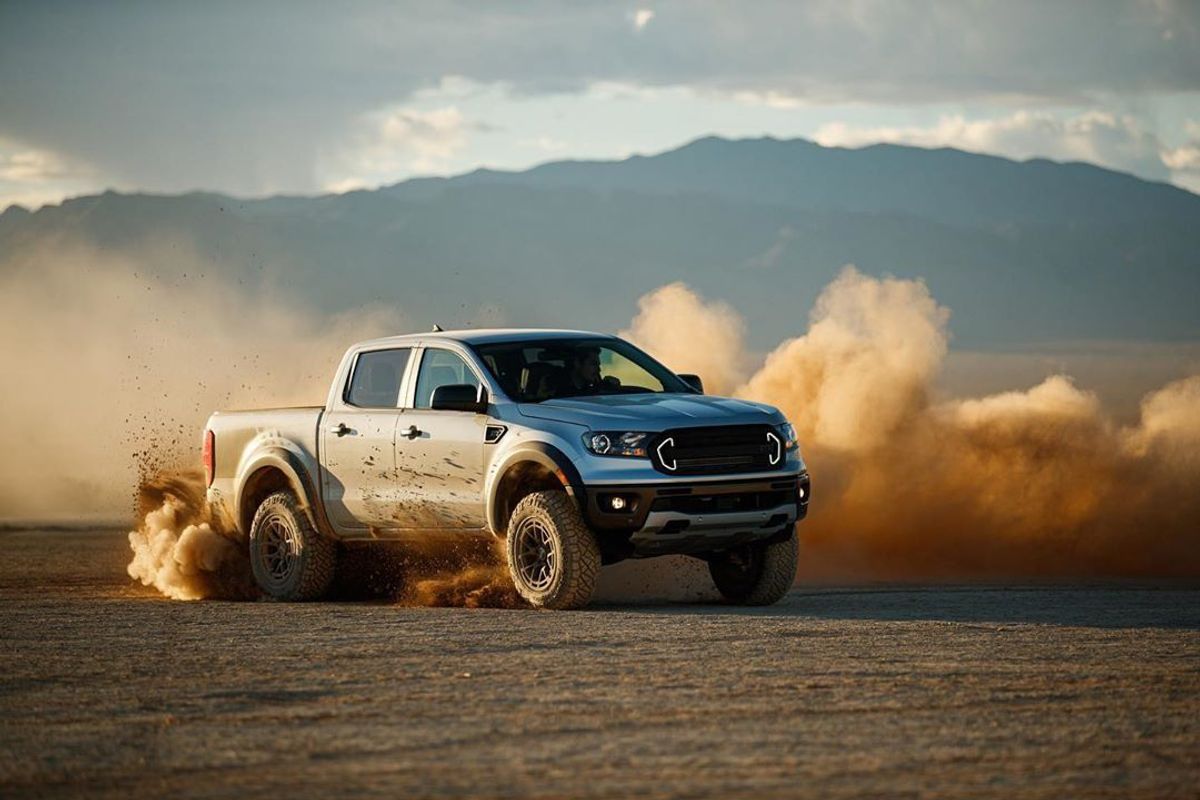
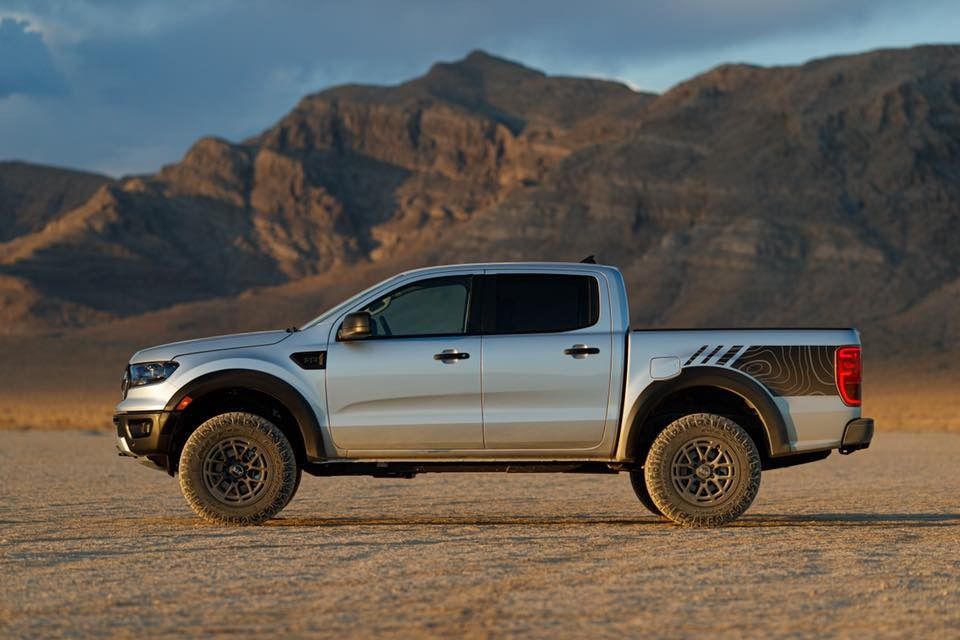
The SEMA show is full of wild and wacky customised cars and the bakkie segment has seen some interesting creations. Check out the Ford Ranger RTR.
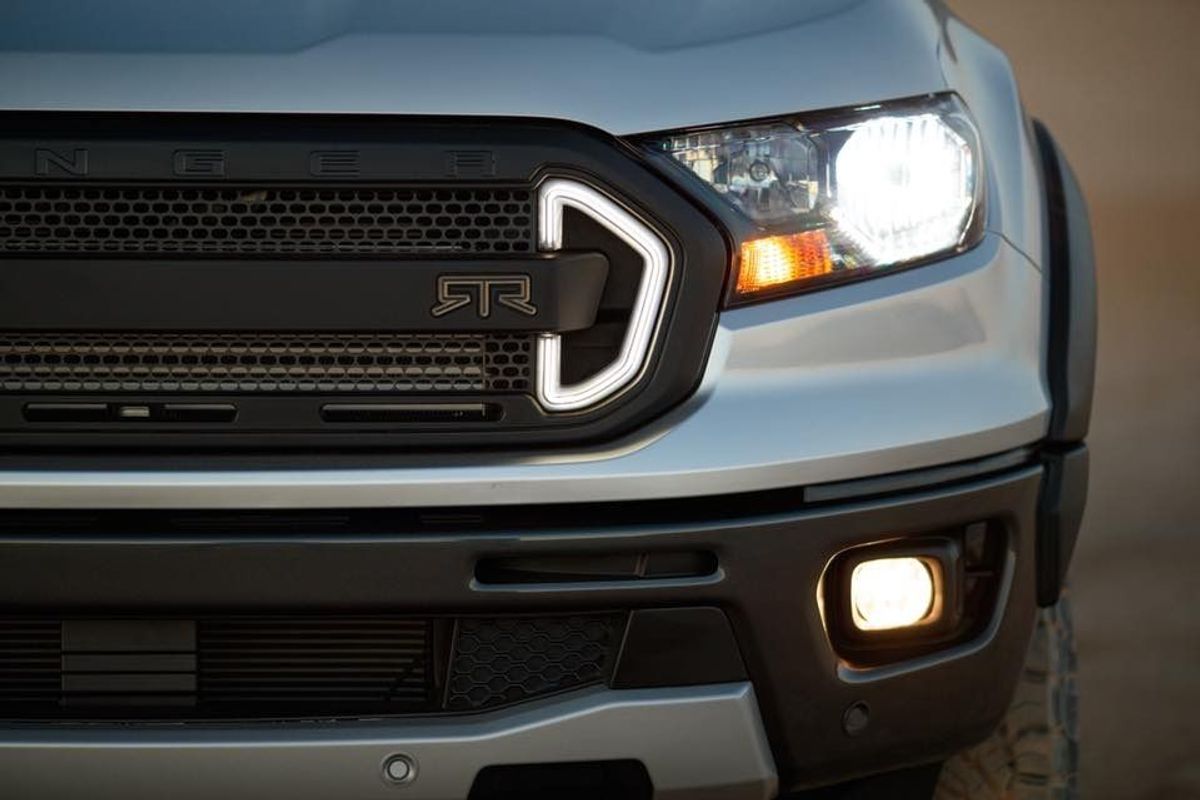
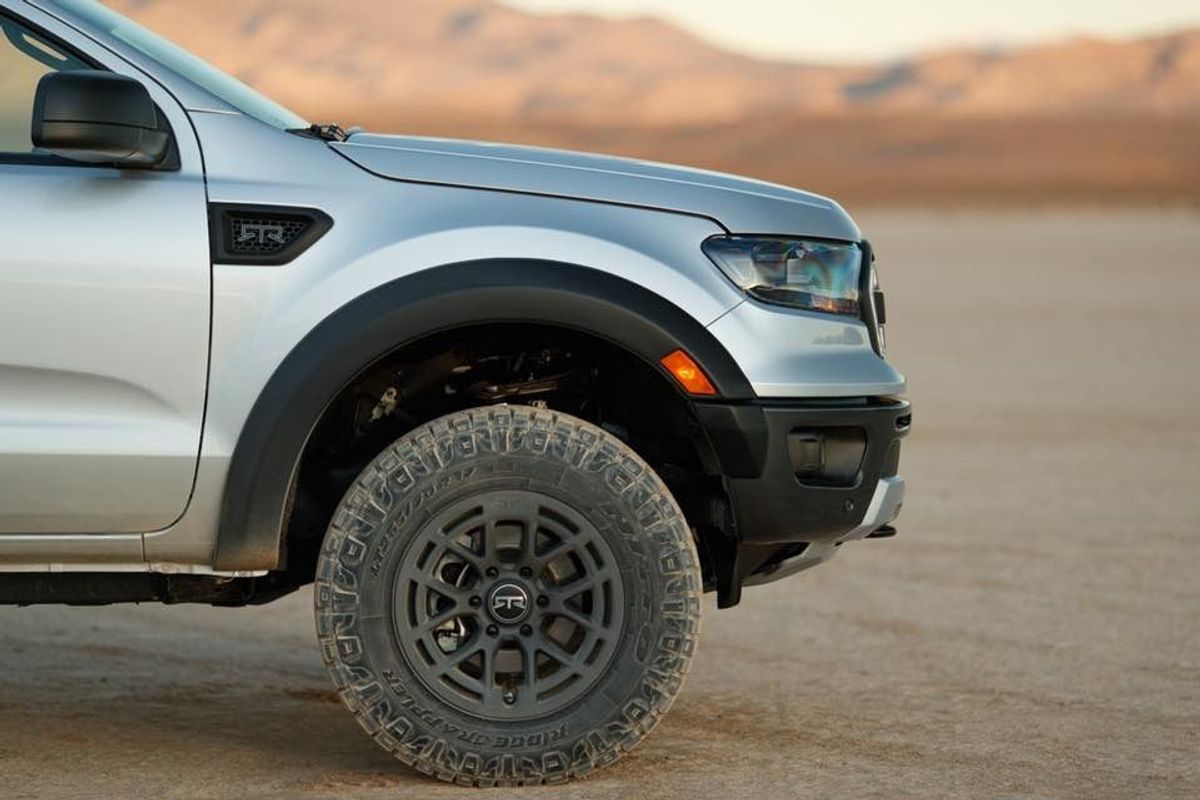
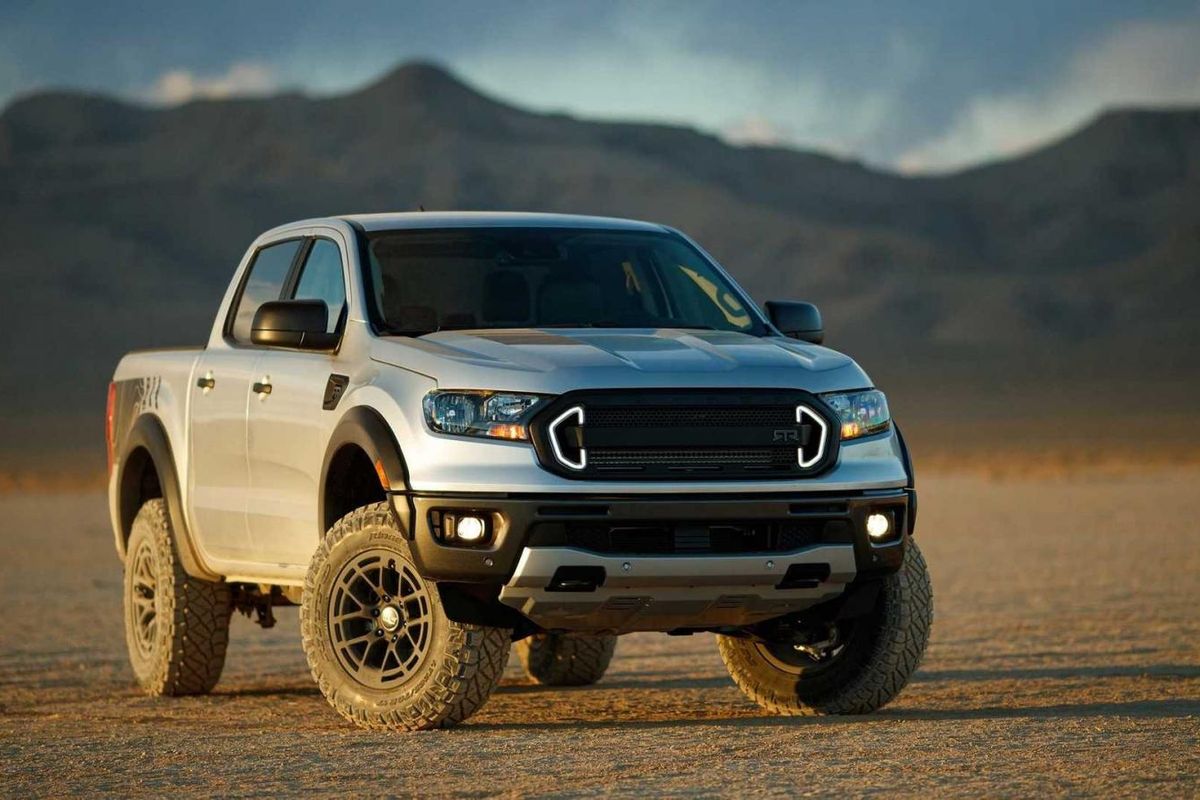
The United States is one of the few countries which doesn't get the Ford Ranger Raptor, but there are many companies who will build you something similar. Enter RTR, famous for their stellar work on the Ford Mustang, who will build you the Ranger RTR.
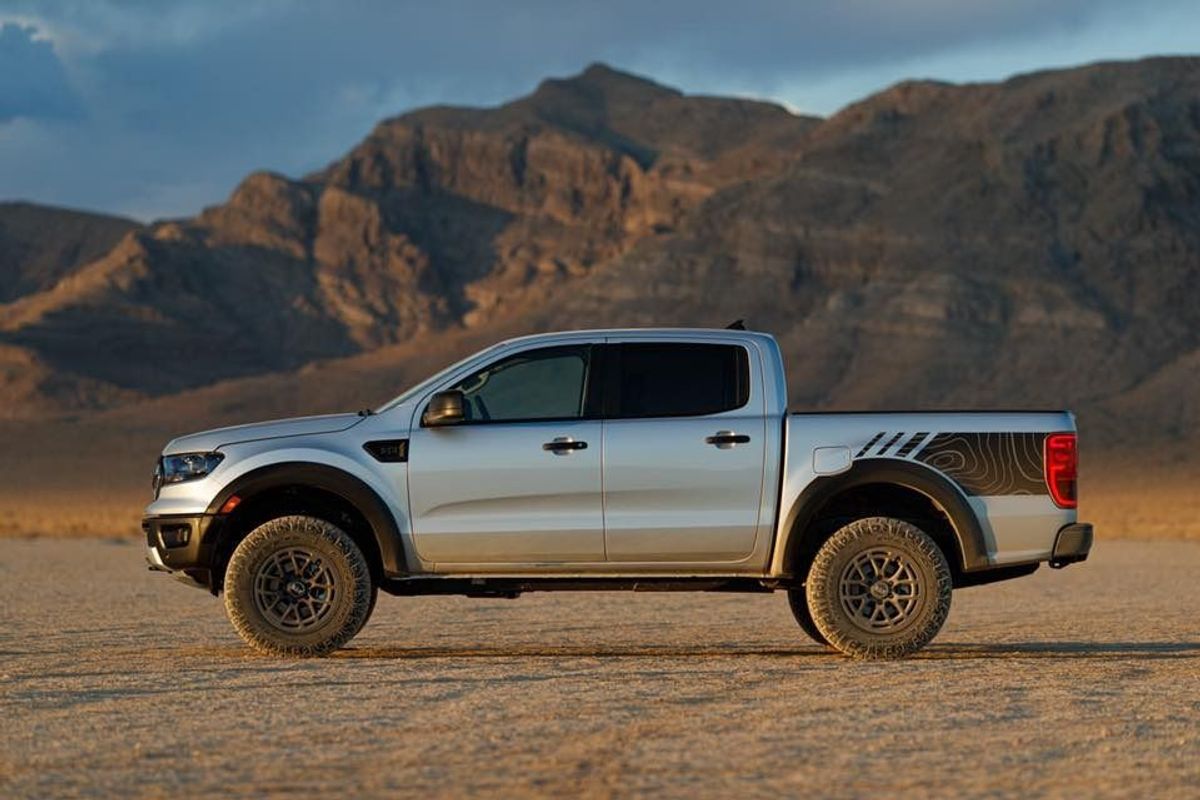
It boasts great upgrades, both visual and mechanical, so it looks good, but it's the off-road capabilities which have us most interested. The Ford Ranger RTR receives Fox Performance coilovers, 265/70 Nitto Ridge Grappler offroad tyres and a performance exhaust system. There are fender flares, front fender vents as well as RTR's LED grille. There are also some stylish graphics adorning the flanks.
“The Ranger RTR has the capability to traverse all terrains and looks great doing it”, said RTR President Vaughn Gittin Jr. “I especially love the RTR Graphics Package featuring our take on a topographic map. The goal with the Ranger RTR is to inspire our customers to step out of the boundaries, get off the road, enjoy the outdoors and do some exploring.”
Do you think there's room for South African tuners to work their magic on non-Raptor Ford Rangers?
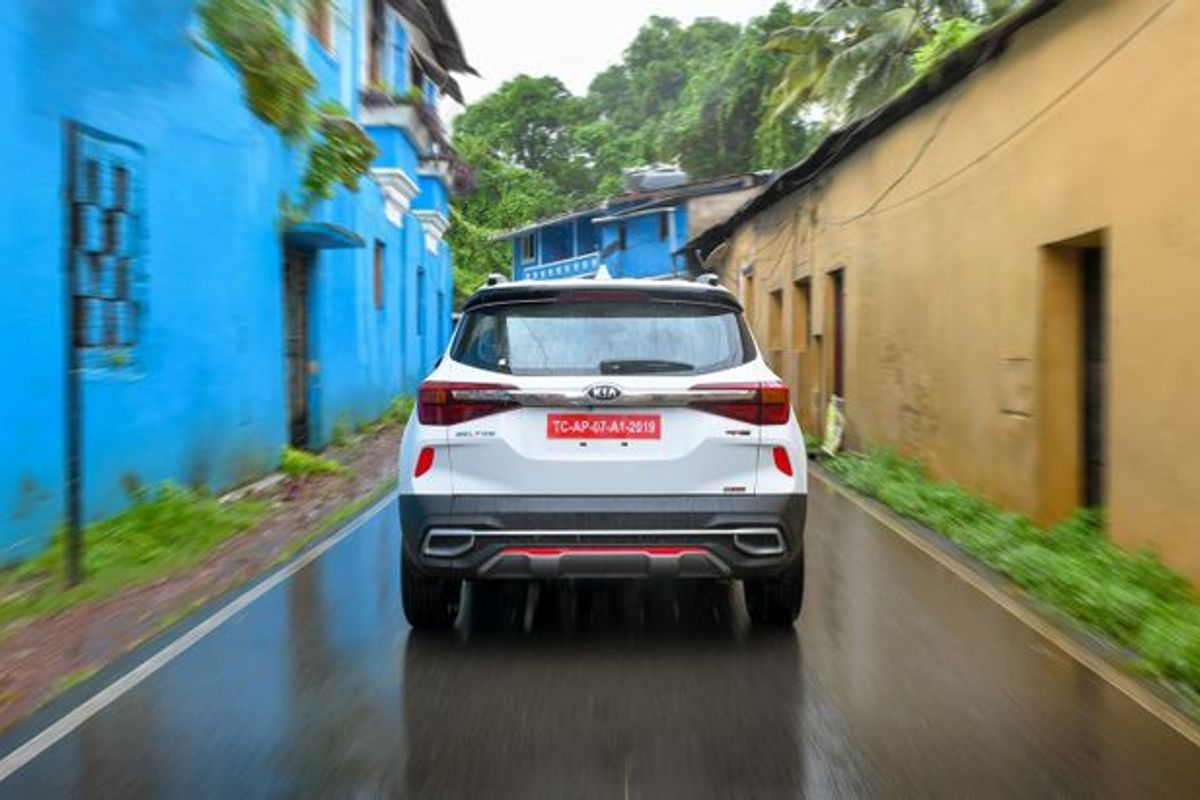
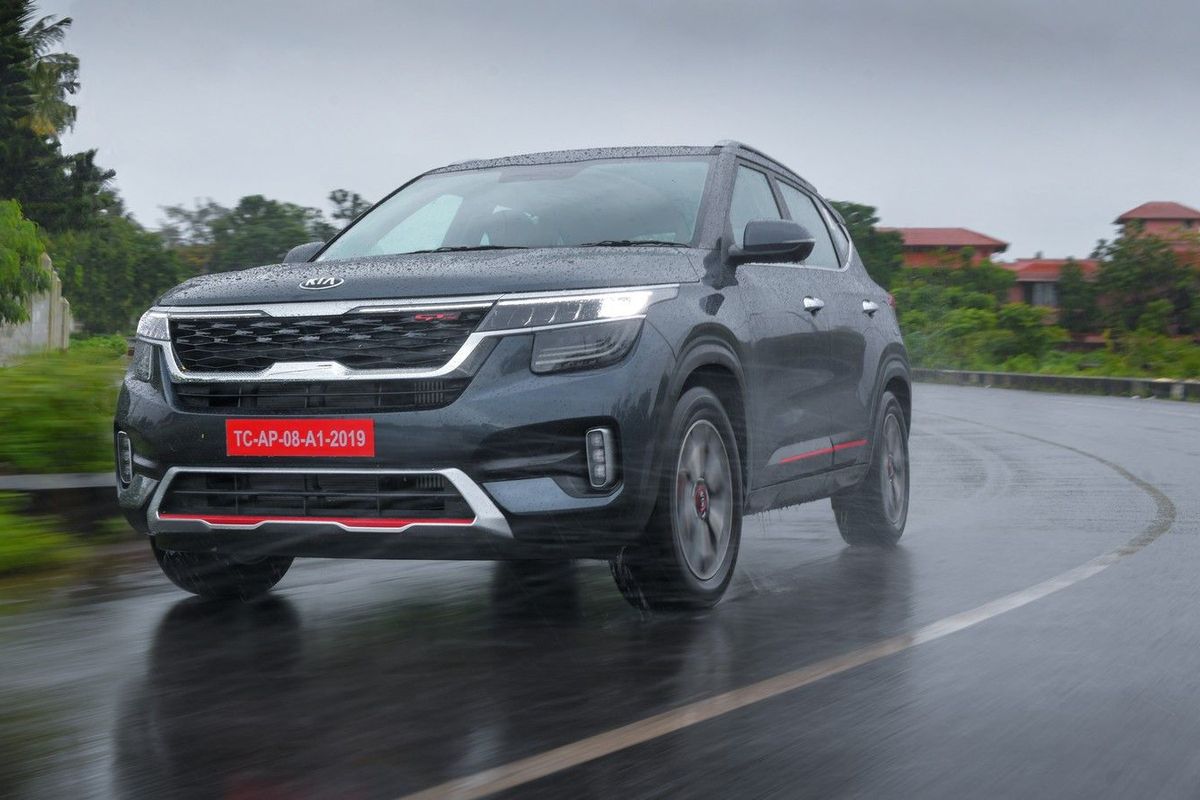
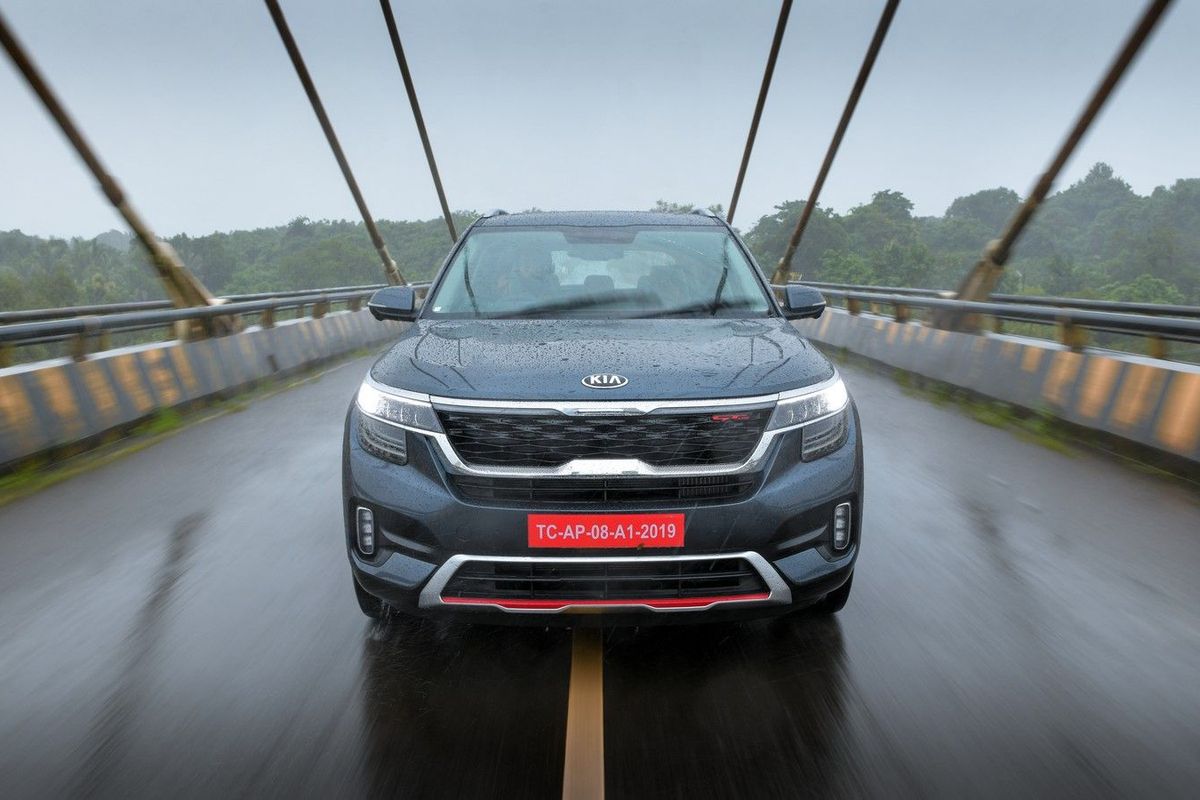
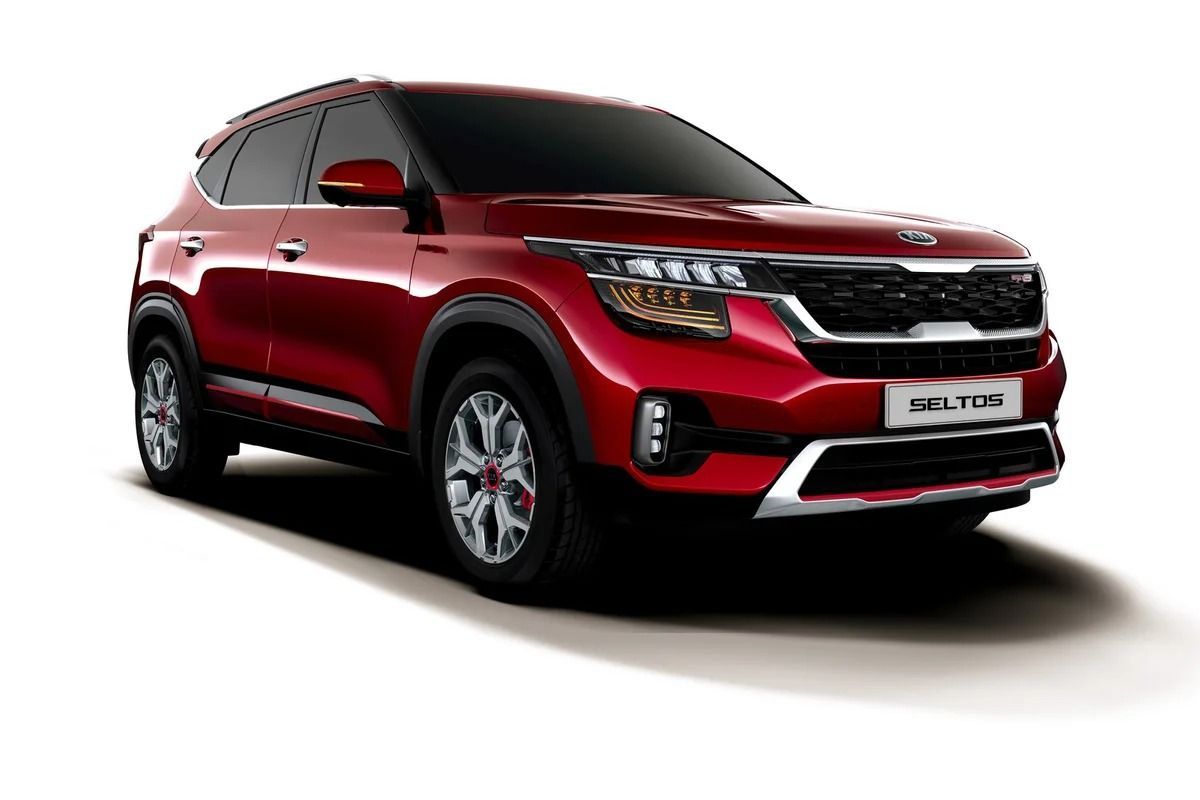
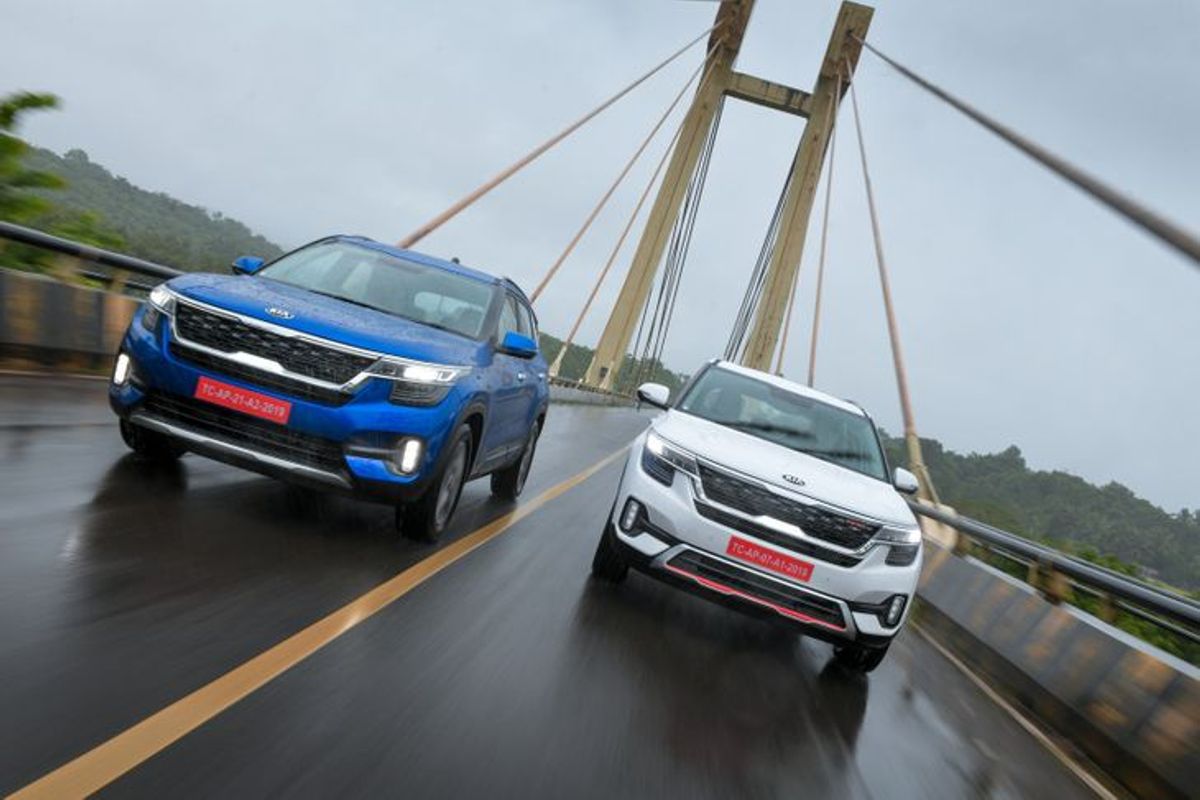
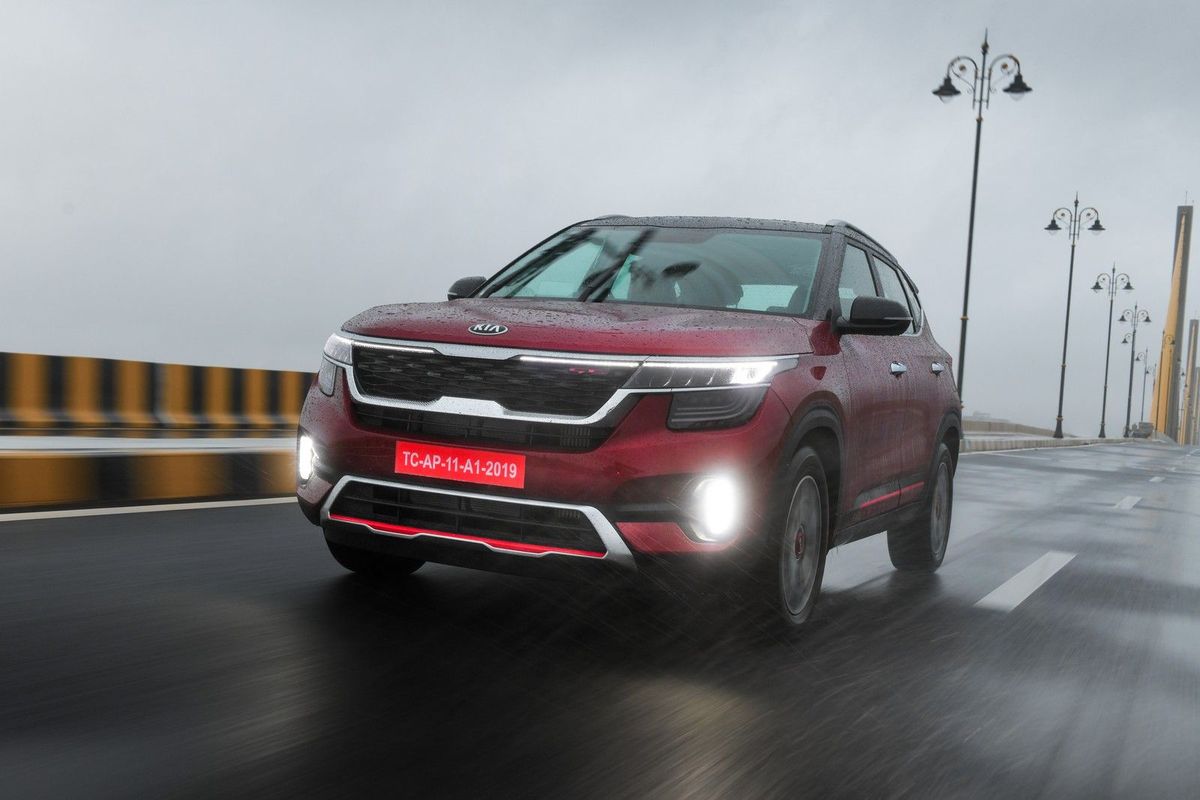
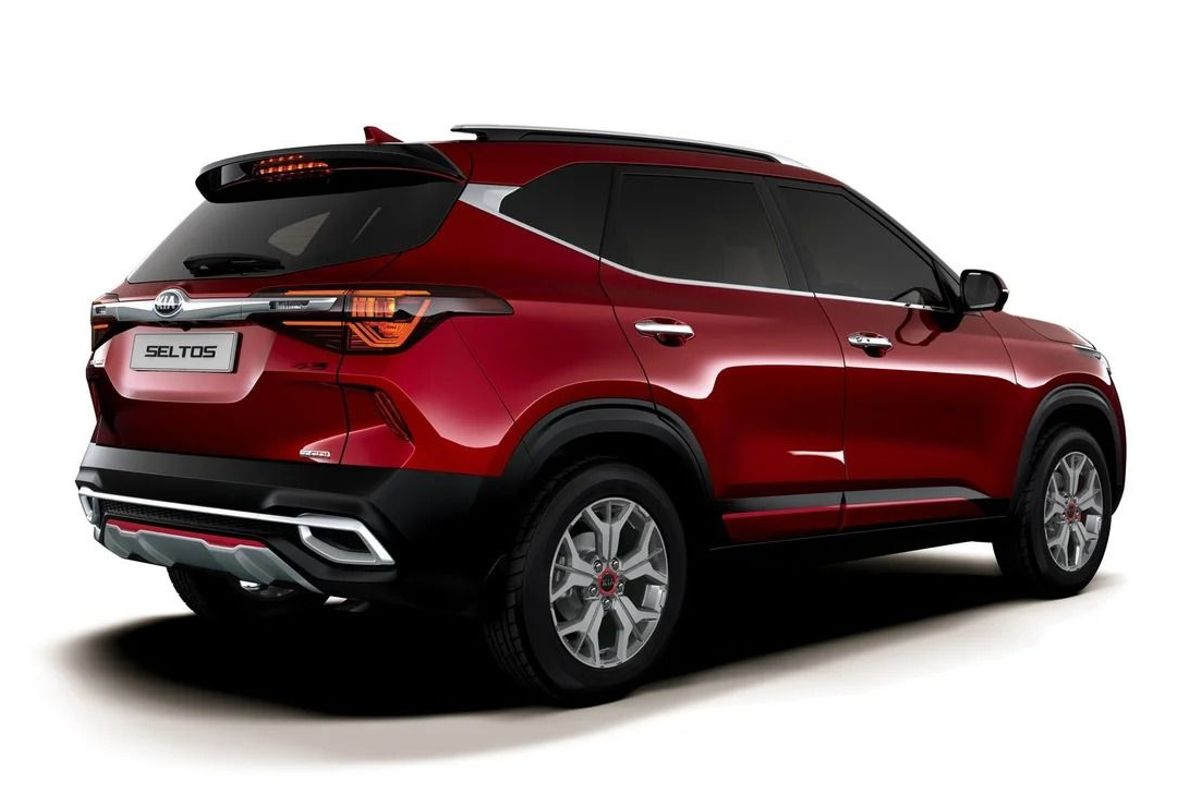
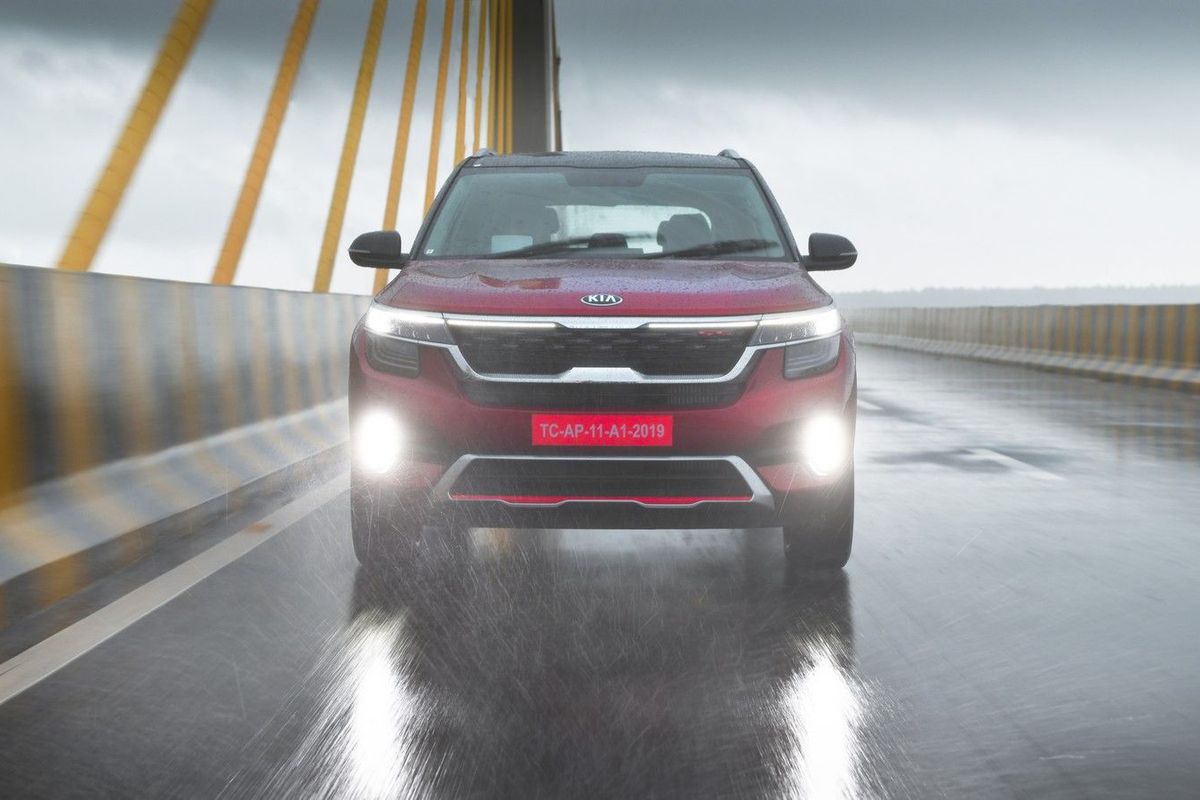
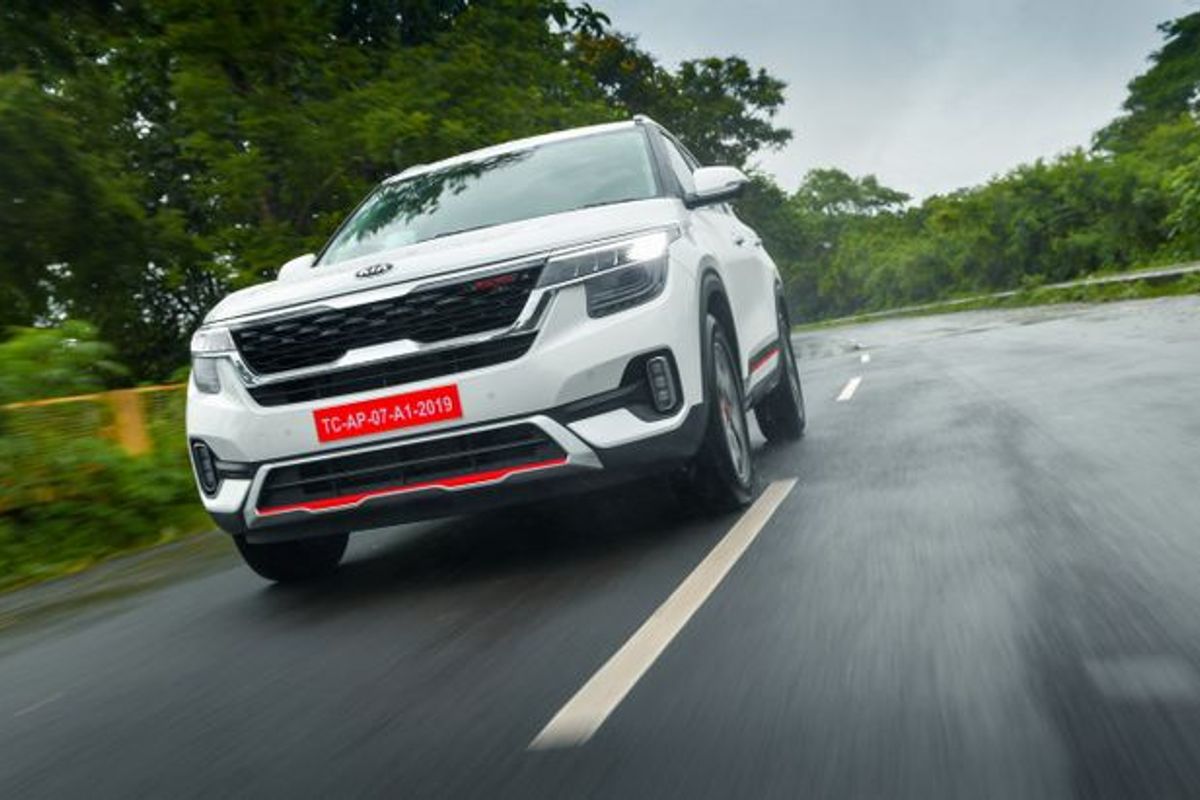
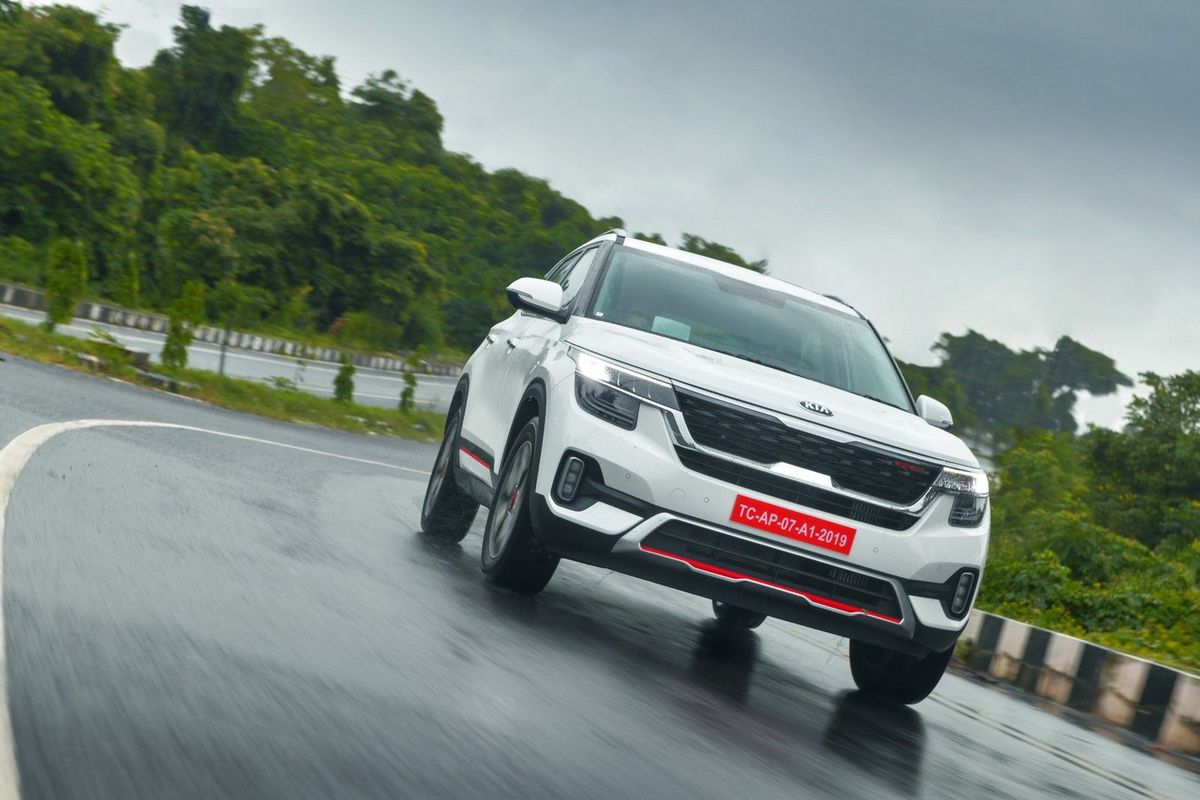
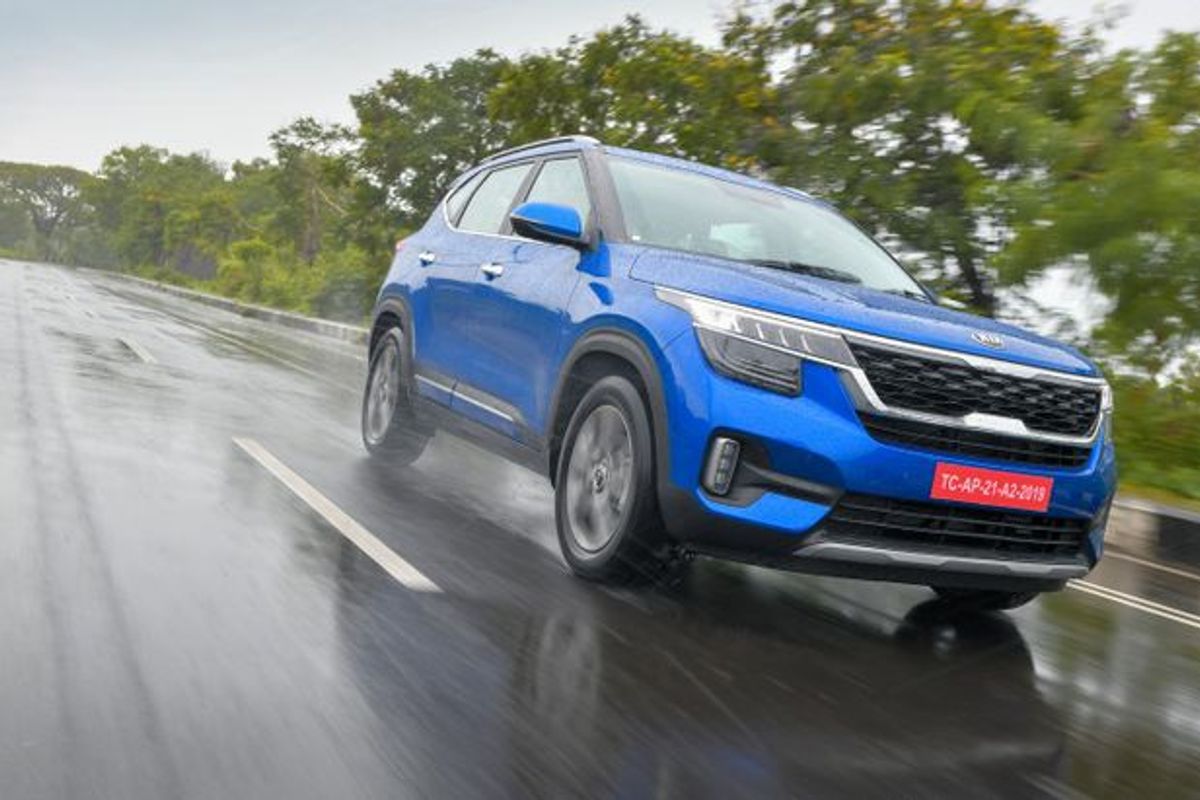
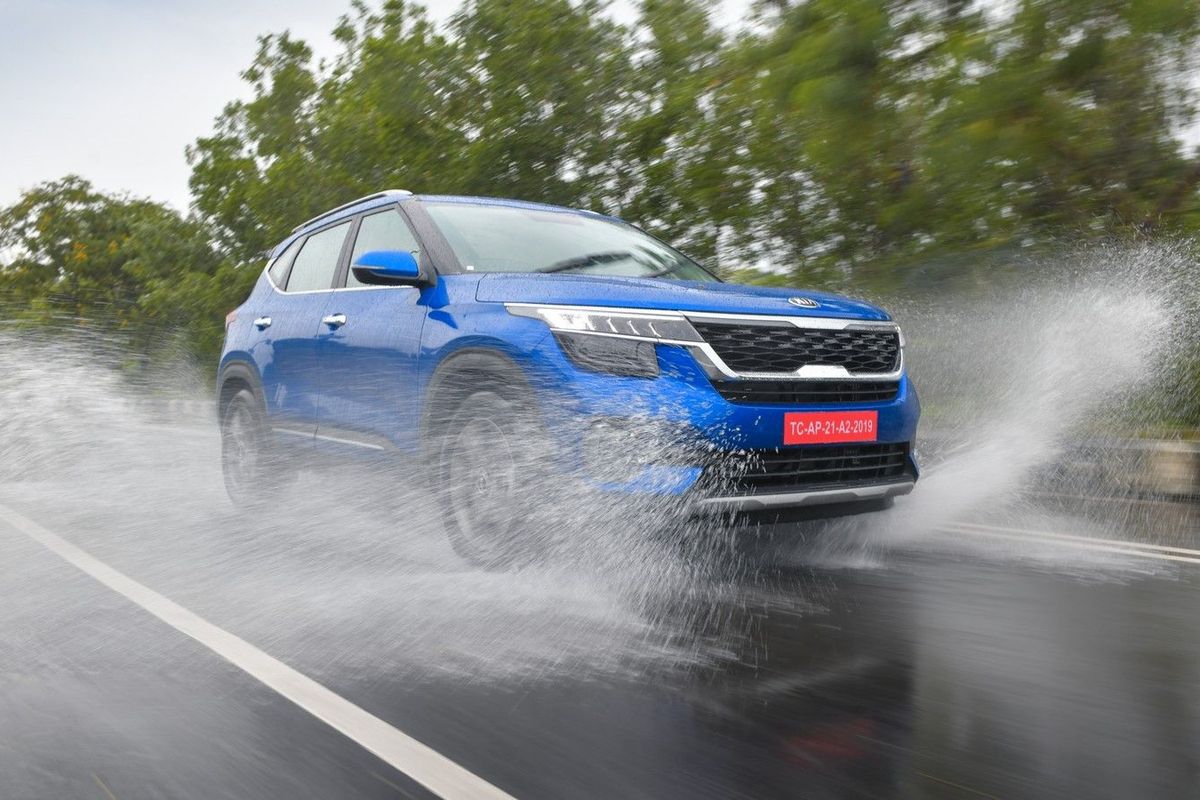
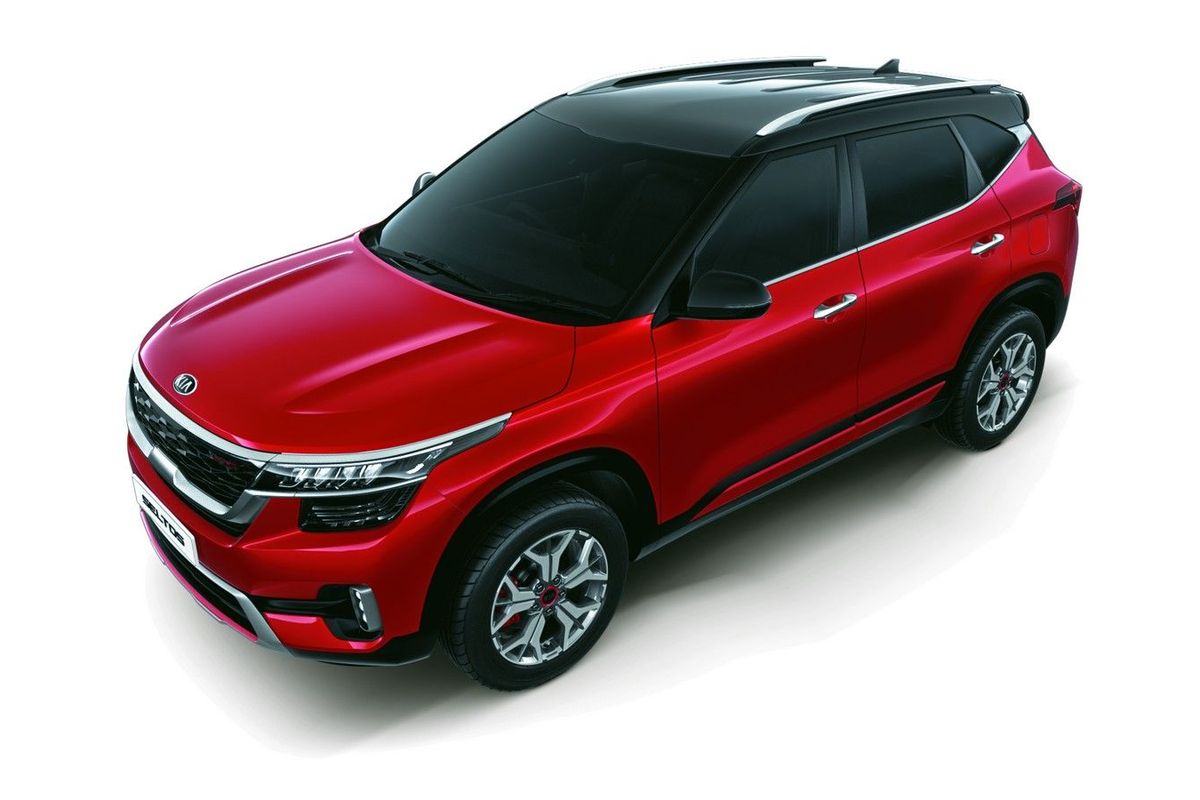
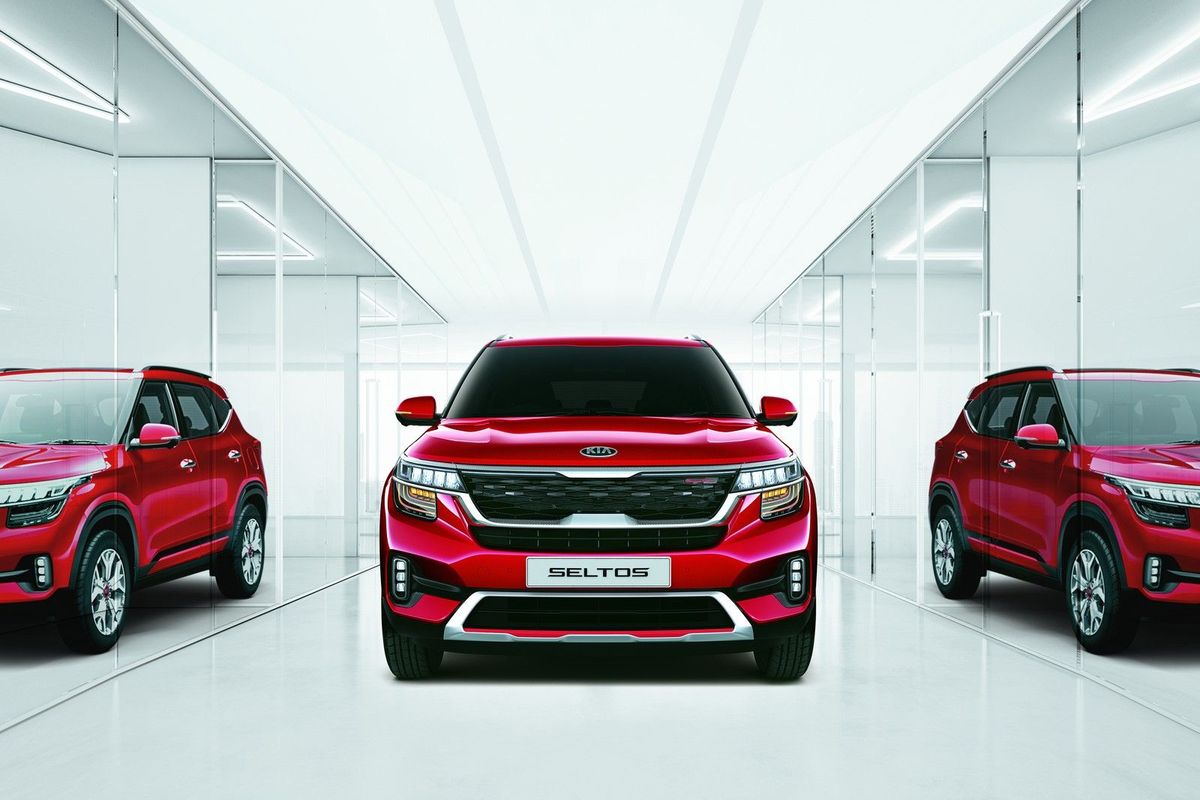
Kia will be joining the raft of compact family SUVs currently on sale with its Seltos. Here's how much the newcomer will cost and what spec is inside.
To get some idea of what the Seltos is like to drive, check out our international drive story where we drove the Seltos in India – where it is built.
In terms of size, the Seltos sits at the bigger end of the small SUV spectrum measuring 4 315 mm long, 1 800 mm wide and 1 620 mm high. For reference, it's a bit bigger than the Hyundai Creta and has very similar dimensions to the current Renault Duster.
The Seltos aims to offer as much modern tech as possible and as such all models come with daytime LED daytime running lights. Higher grades of trim get LED indicators and foglights too. Exterior colours are plentiful and quite vibrant. On offer is Glacier White Pearl, Steel Silver, Gravity Grey, Aurora Black Pearl, Intelligency Blue, Intense Red and Punchy Orange, the latter only available as a special order. In addition, the all-new KIA Seltos is also available with three two-tone colour options: Glacier White Pearl with a black roof, Intense Red with a black roof, and Punchy Orange with a white roof, the latter also only available on special order.
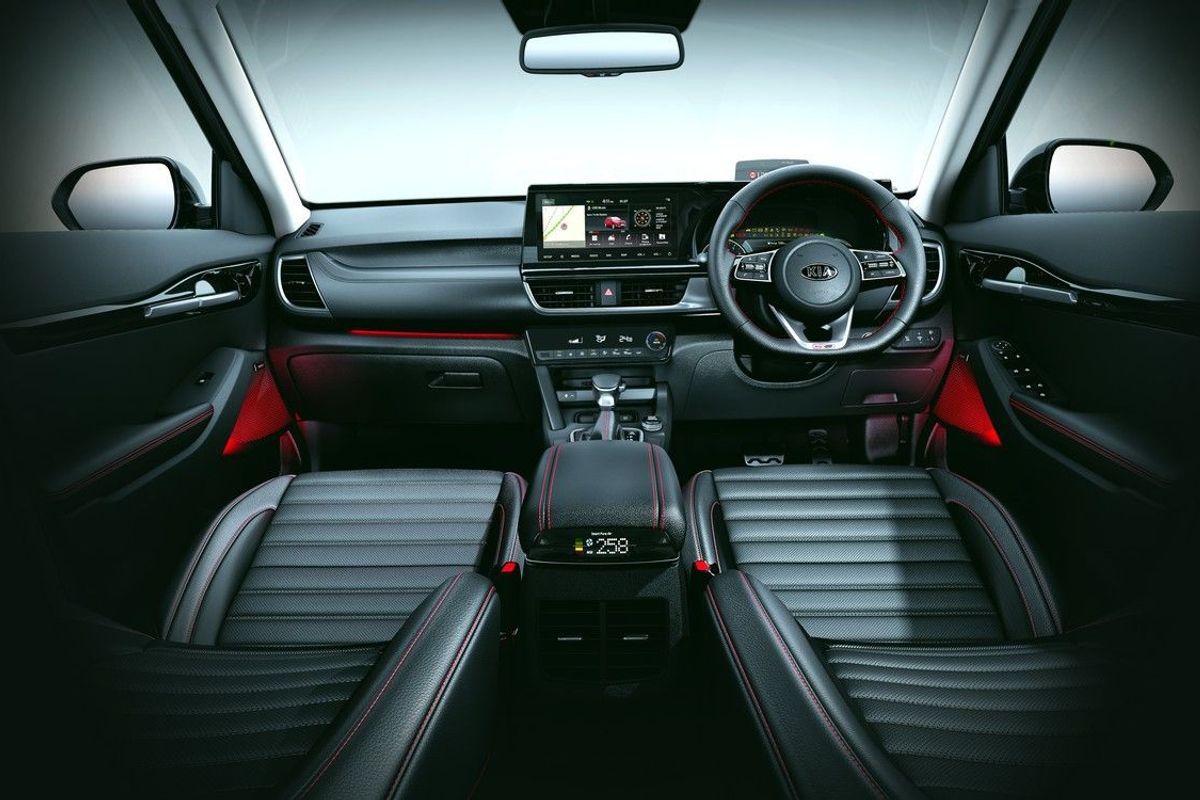
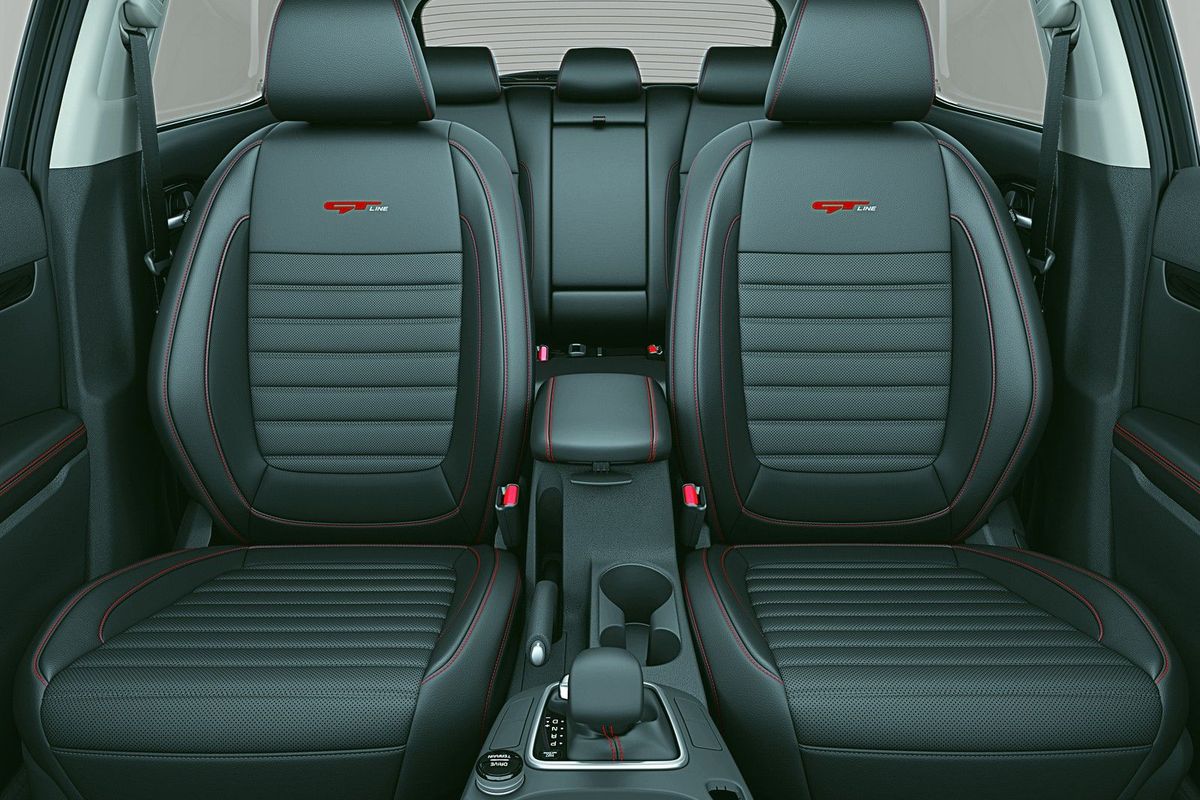
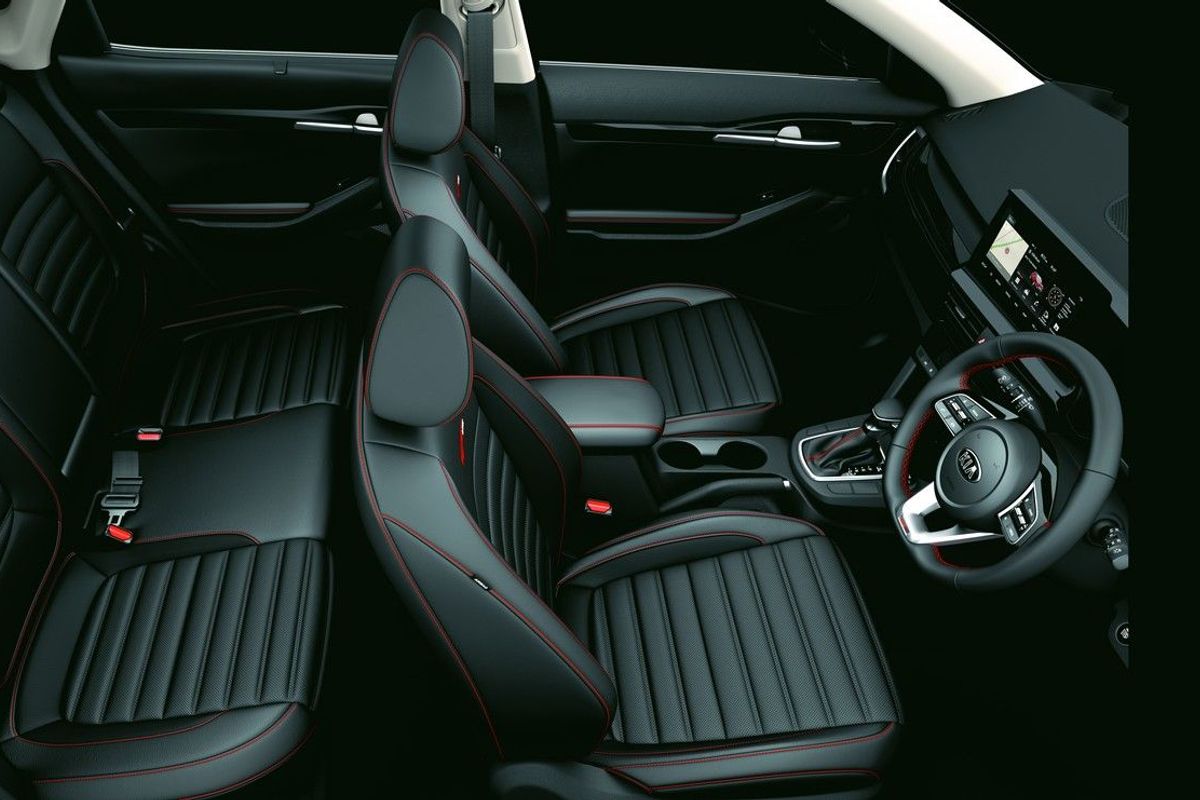
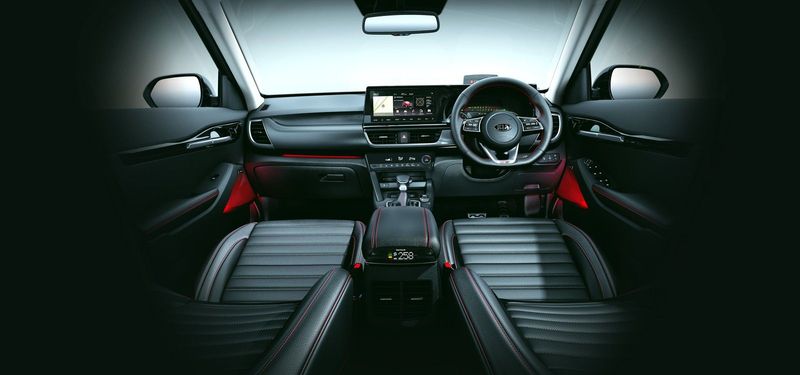
Interior spec level on the GT Line is high.
Three grades of spec are available starting with the EX, which gets air-conditioning, automatic headlights, electric mirrors, cloth upholstery, steering wheel-mounted controls, electric windows, cruise control, and an 8-inch touchscreen infotainment system linked to six speakers. Seltos is equipped with Apple CarPlay and Android Auto and has USB ports for front and rear passengers.
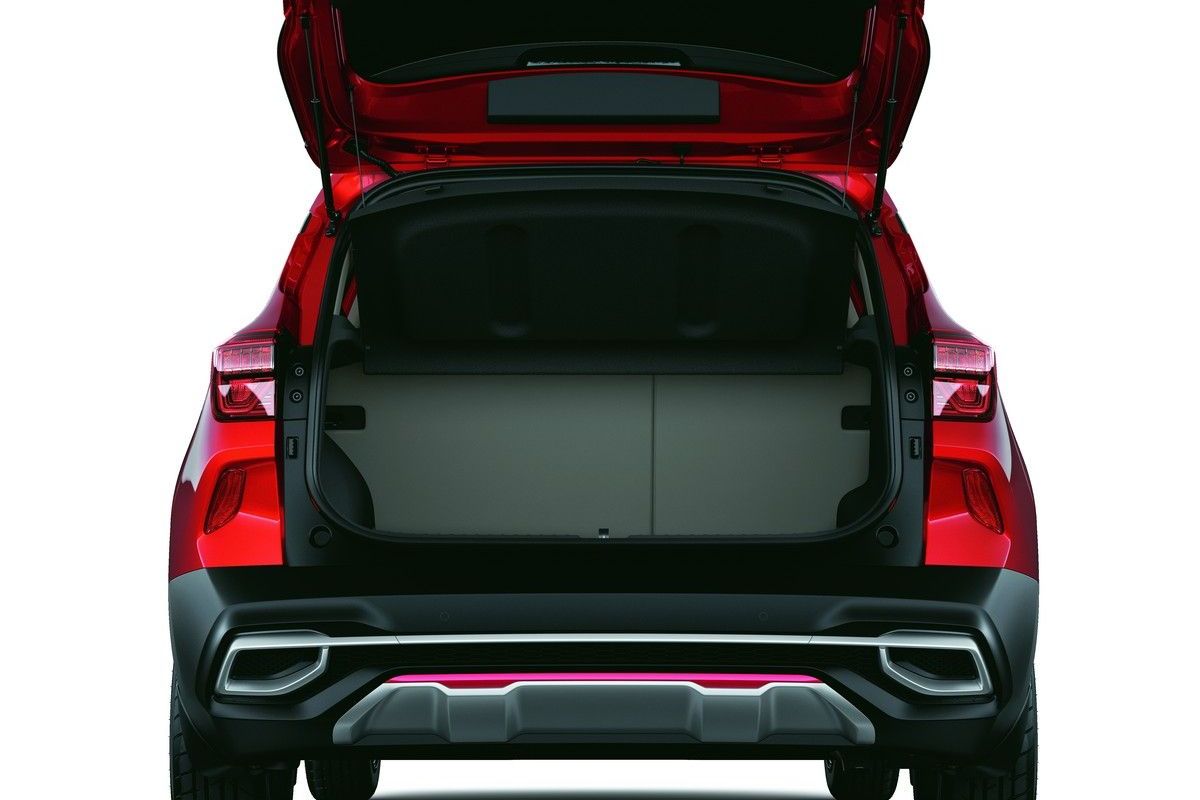
The Seltos EX rides on 16-inch alloy wheels with a full-size spare under the boot.
Under the bonnet is a 1.6-litre naturally aspirated engine producing 90 kW and 151 Nm of torque. It's available with either a 6-speed manual or 6-speed automatic gearbox. A 1.5-litre turbodiesel unit will join the fray in early 2020 also with both manual and auto choice. The outputs for this engine are 86 kW and 250 Nm.
The EX+ is the next step up and adds leather upholstery, auto-folding mirrors, centre console armrest with an integrated storage box, as well as 17-inch alloy wheels. This model is only available with an auto 'box for the 1.6-litre engine.
High-spec GT Line
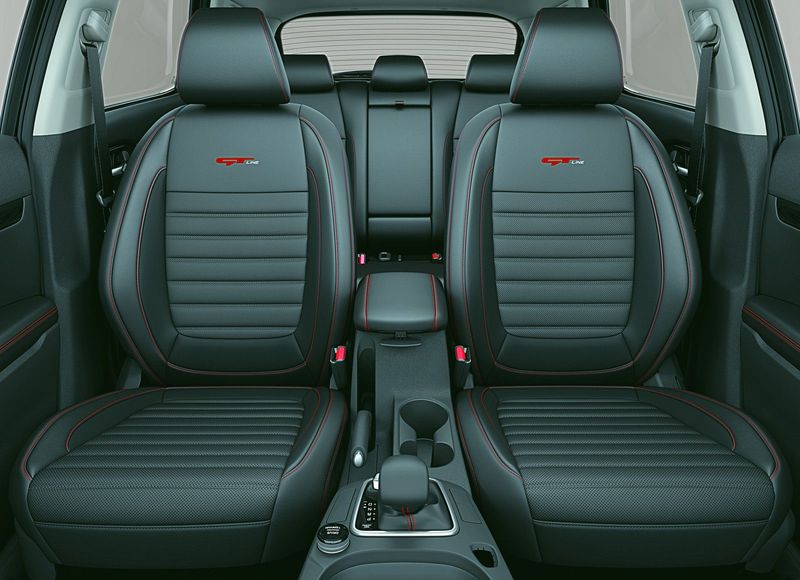
Special seats for the GT Line as well as a turbocharged petrol engine.
The top-spec Seltos gains a GT Line badge. With that, a hefty equipment and price upgrade occurs. The exterior gets satin chrome and red trim, with gloss black and satin chrome detailing on the front grille, as well as 17-inch crystal cut alloys with red brake calipers.
Inside, there are upgrades to the leather seats, a different steering wheel and stainless steel pedals. The GT Line has a drive mode selector which adapts the driving experience from Eco to Normal and then Sport. There is a Terrain Mode too that acts as a traction control system for tricky conditions and basic off-roading.
This model gets an all-new turbopetrol engine: a 1.4-litre turbopetrol unit delivering 103 kW and 242 Nm of torque. It is mated solely to a new 7-speed dual-clutch gearbox.
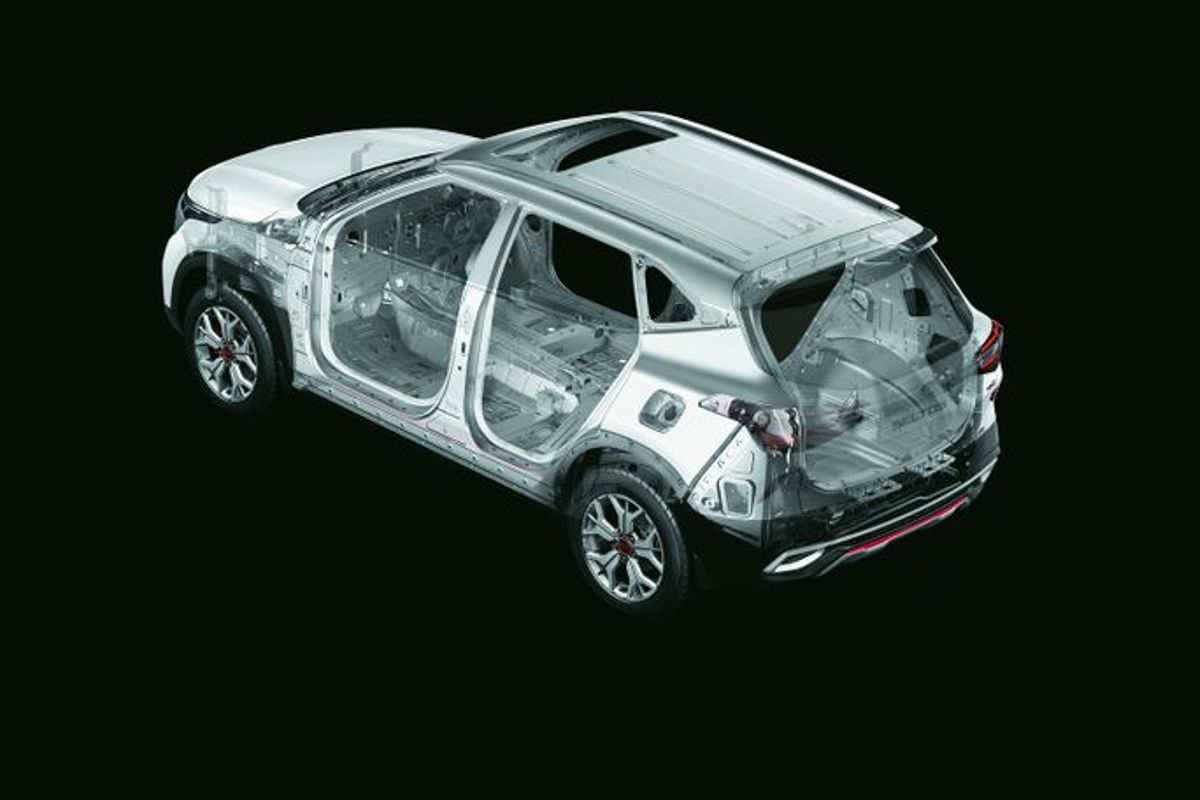
In terms of family safety, all models are standard with 6 airbags, ABS, EBD and rear PDC with a camera. The EX+ and GT Line benefit from stability control.
Pricing
The Seltos is sold with a 5-year/unlimited km warranty (inclusive of roadside assistance), and also includes a 5-year/90 000 km service plan.
Toyota is celebrating its new Supra with a flood of custom builds.
To ensure a strong presence at the 2019 SEMA show, Toyota has no less than nine Supras on display. Featuring a range of custom upgrades and catalogue bits, these SEMA Supras give an inkling of where Toyota could evolve its sportscar in future.
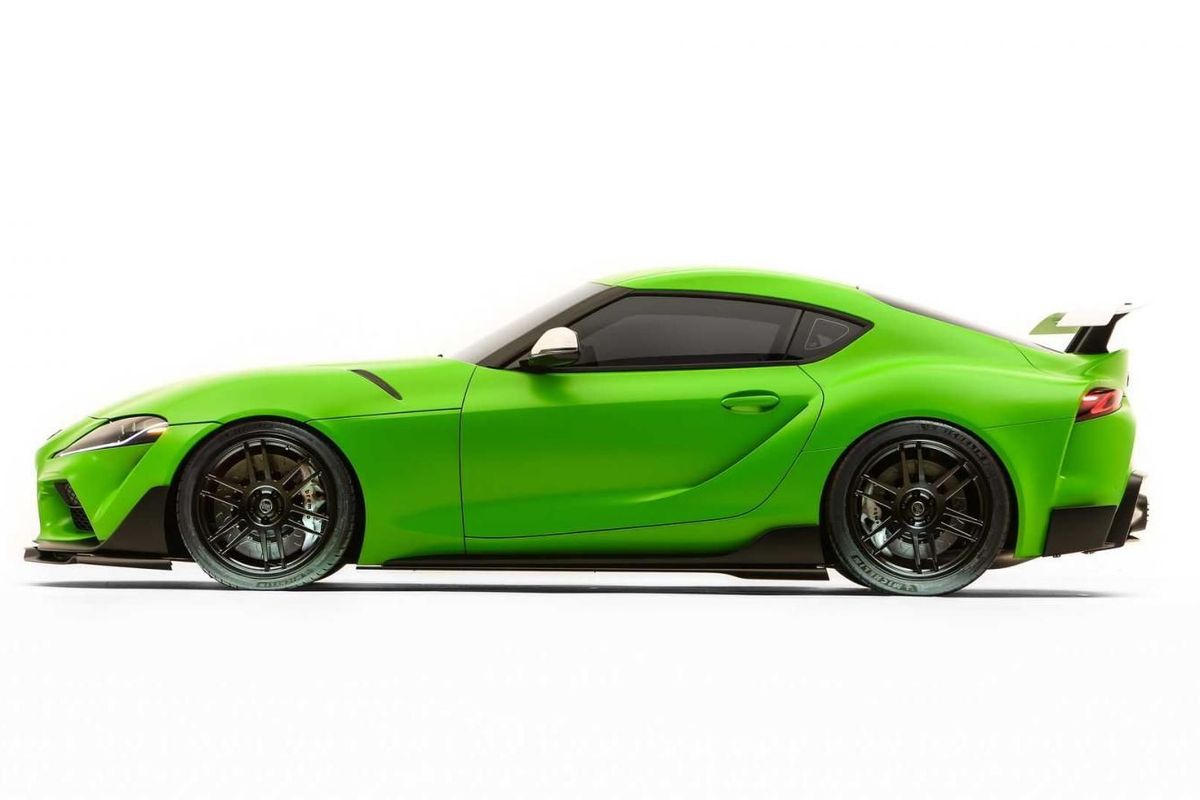
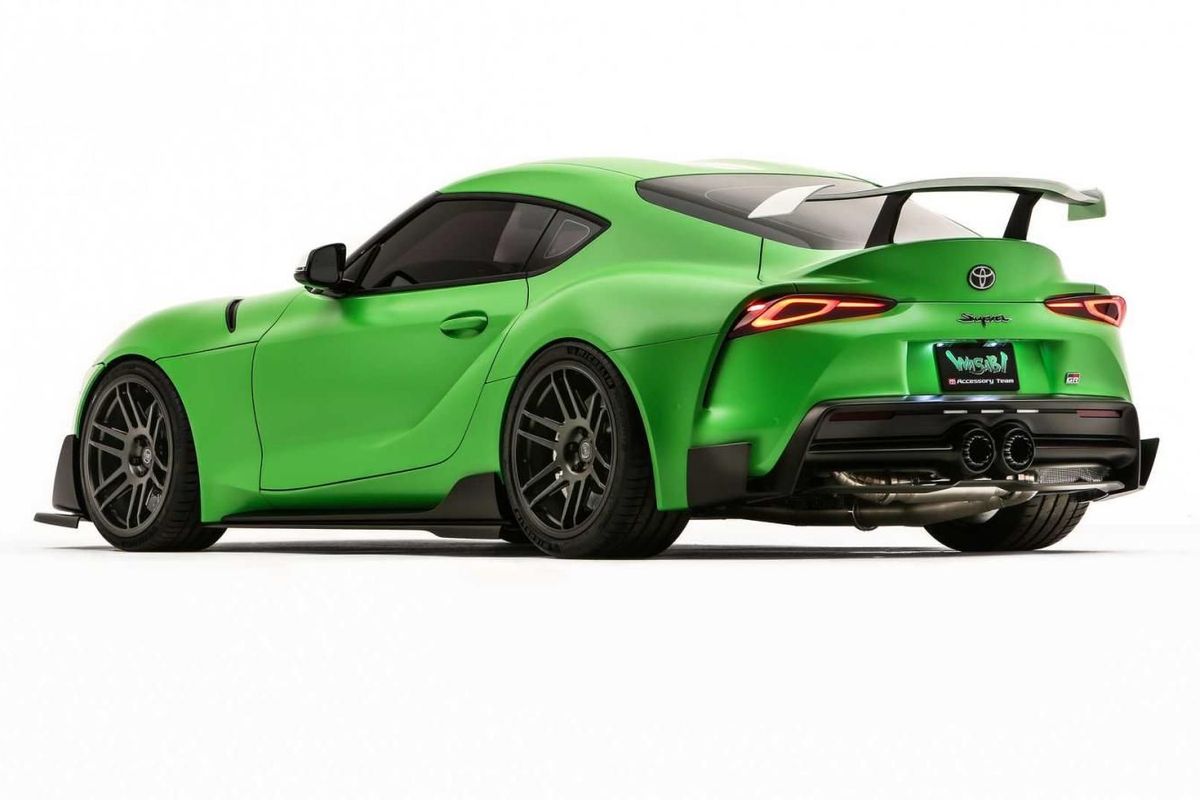
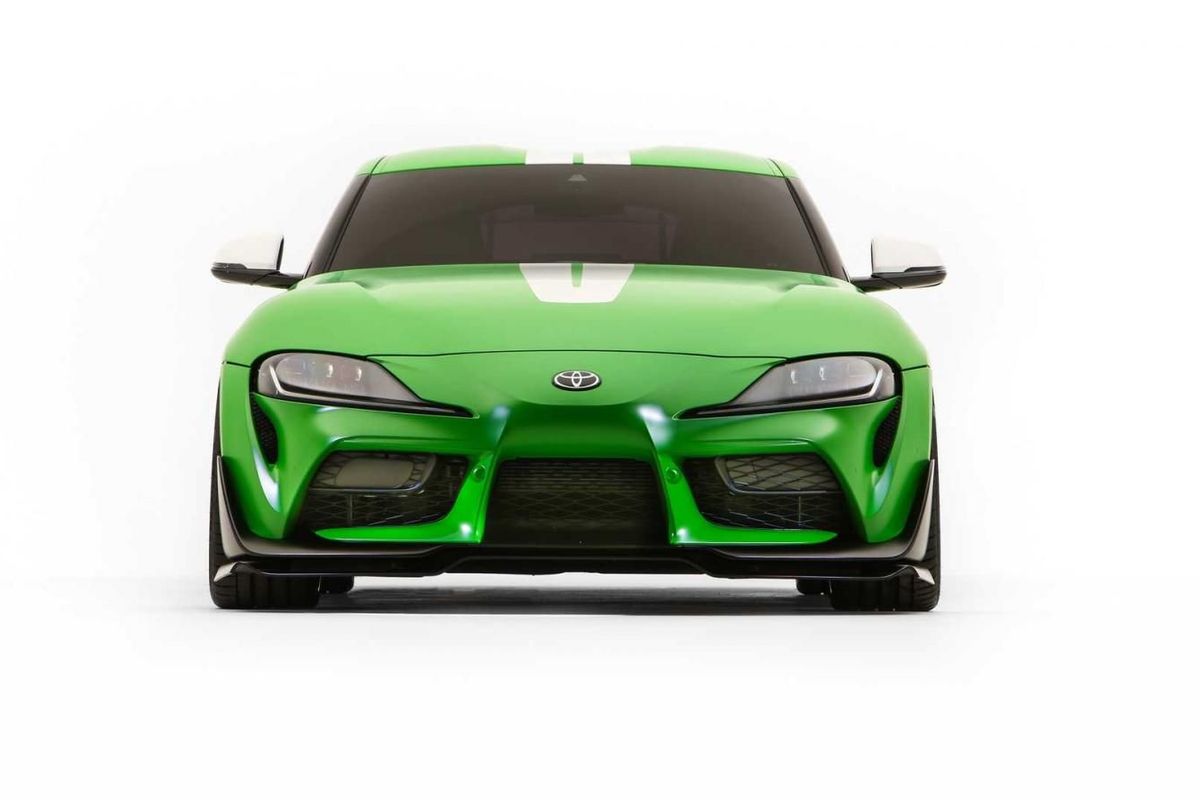
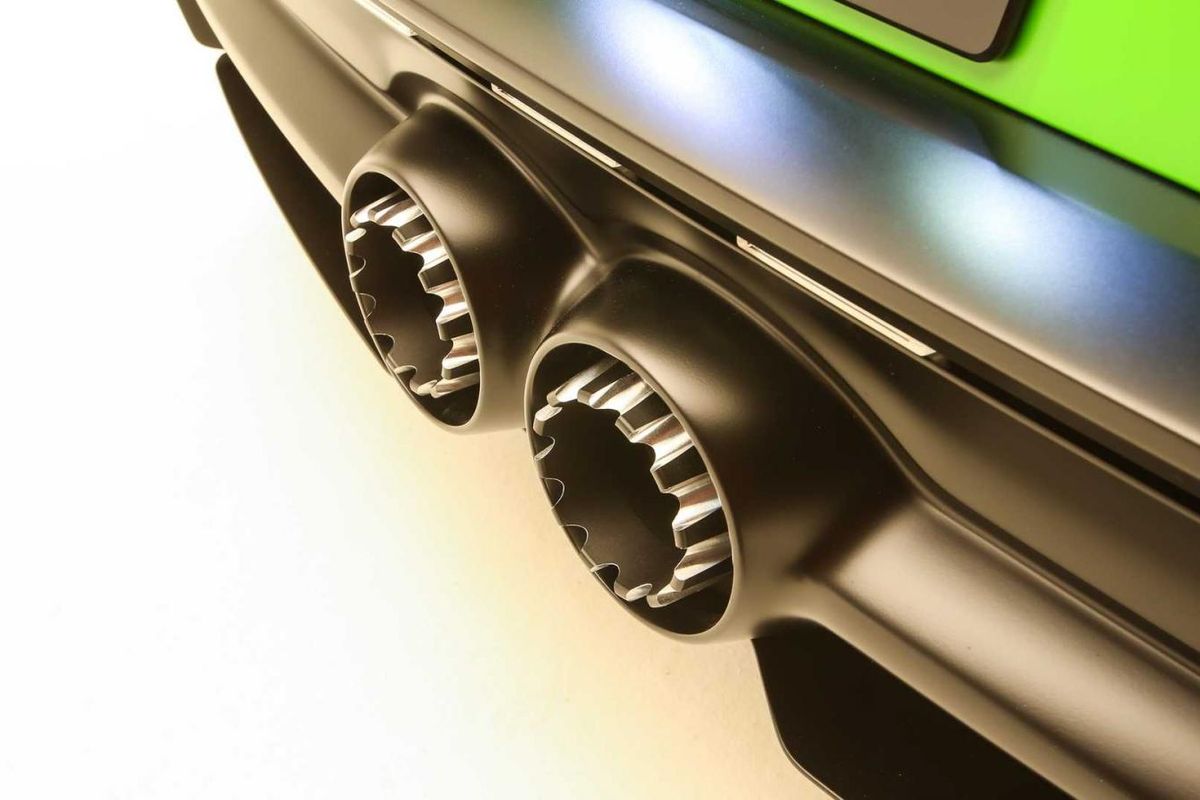
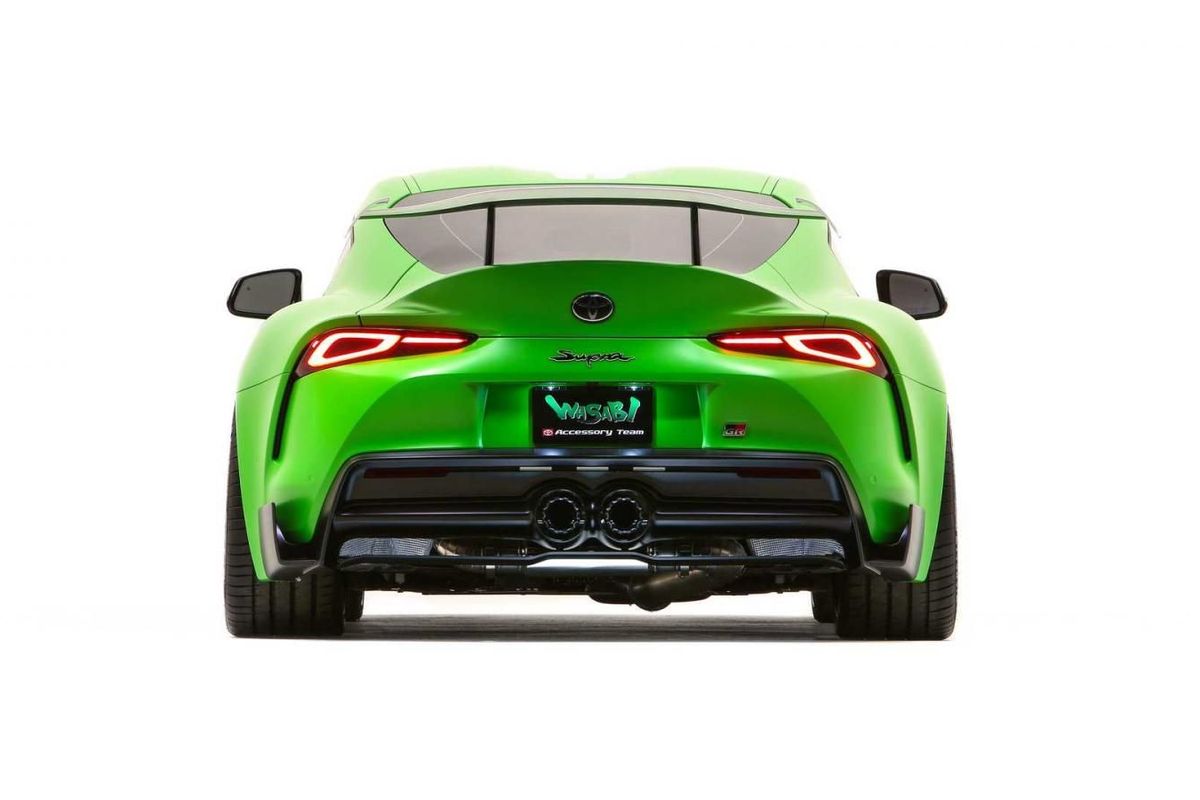
One of the most striking of all these SEMA Supras, is a bright green version quite aptly called the Wasabi edition. Beyond its lurid hue, this is an interesting build, completed under the auspices of Toyota’s genuine accessories team.
The aim of Toyota’s Wasabi edition Supra is to evaluate customer reaction and develop new parts for future upgrades of the current car.
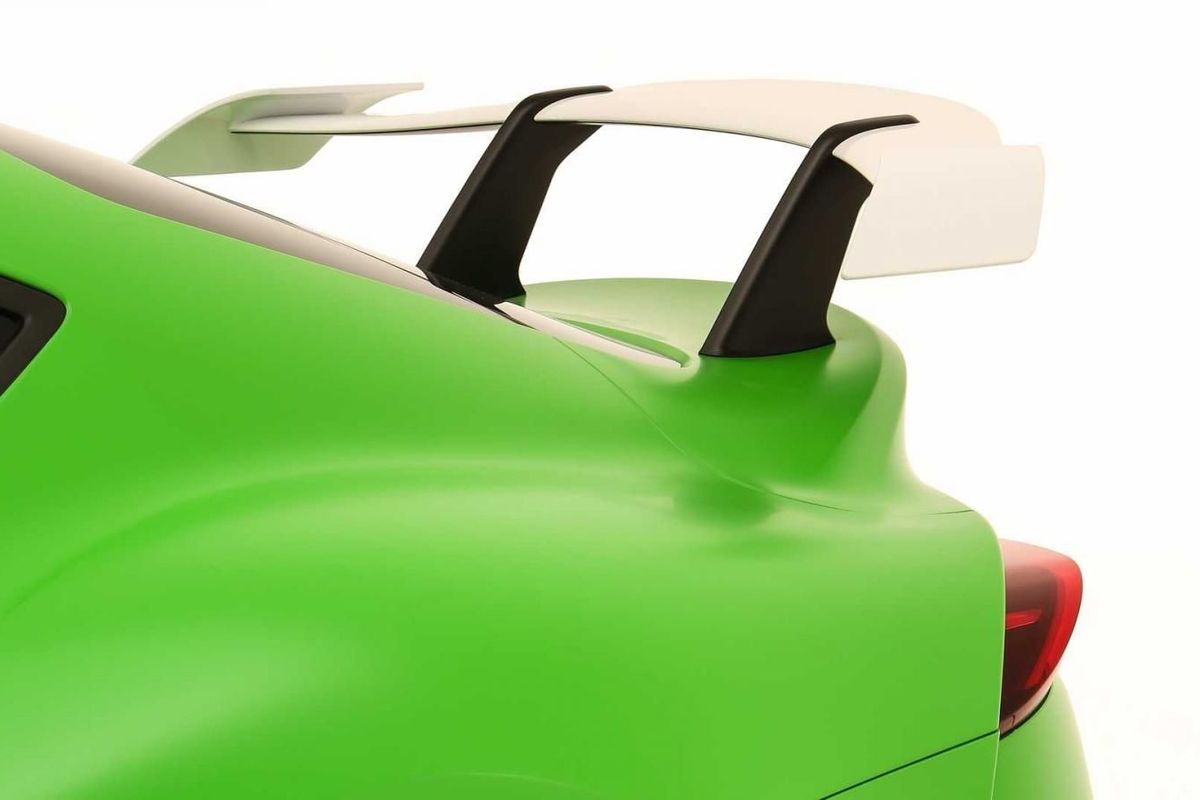
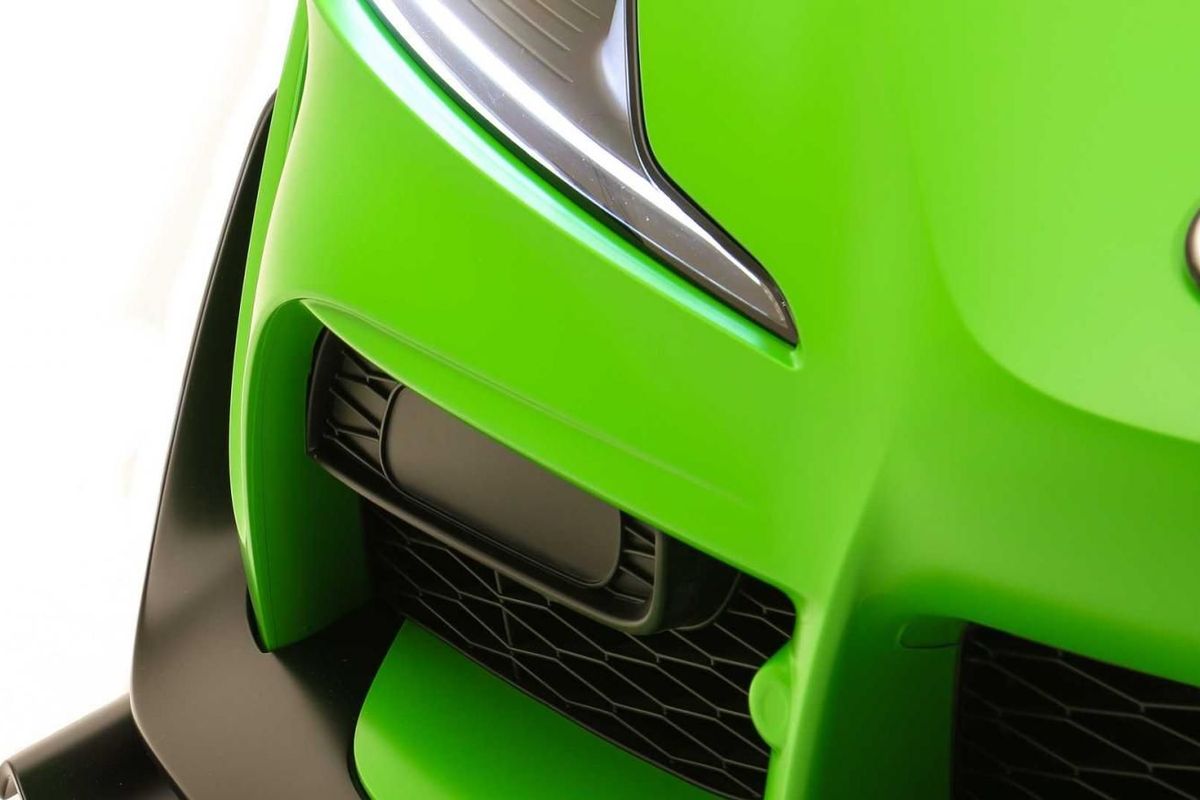
Distinguishing this Wasabi edition from a factory Supra is an enormous front splitter. Toyota’s genuine accessories team also added new side sills and around the rear, there is a flat wing spoiler.
Recognising that the rear view is one of Supra’s strongest angles, Toyota moulded a new fascia for the lower bumper section. This new bumper section allows centre exhaust exits, instead of routing to the sides.
Beyond the surface design upgrades, this Wasabi Supra also rides a set of custom 20-inch wheels, shod with Michelin Pilot Sport 4S tyres. Hiding behind those wheels are significantly powerful brakes, from Italian supplier Brembo.
With 405 mm rotors up front, actuated by six-piston callipers, and 380 mm rotors at the rear, the Wasabi edition has tremendous decelerative capability.
Giving this Wasabi Supra enhanced dynamic driving ability is an adjustable coilover suspension kit from Swedish specialist, O?hlins. The valving on these upgraded dampers have dual-flow circuits, which means they can be set for both low- and high-speed compression, depending on cornering geometry of a specific route or racetrack.
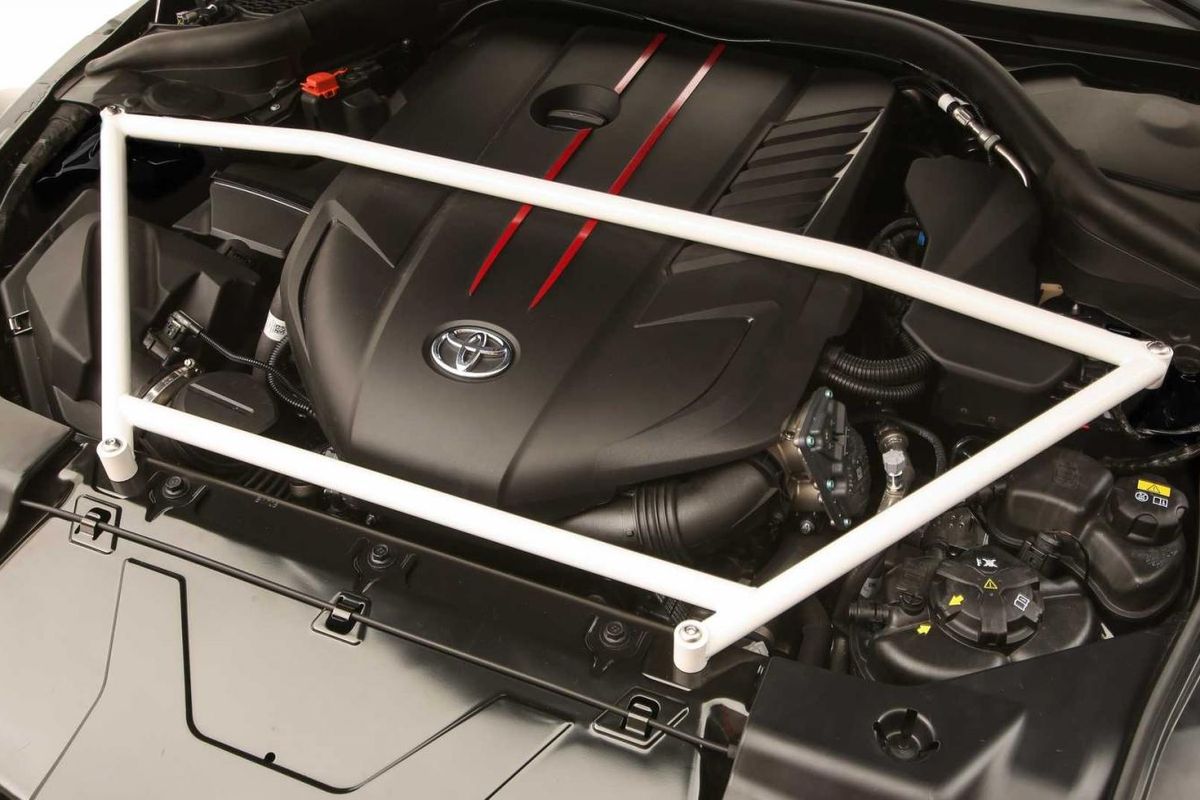
Toyota has also managed to add a four-point tower brace to Wasabi edition Supra’s engine bay. Unlike traditional front-suspension tower braces, which simply connect the front struts, this Wasabi edition brace is trapezoidal in shape, giving it far superior structural strength.
One aspect fo the Wasabi edition Supra which has been left factory standard is its 3-litre engine, which boosts an unchanged 250 kW.
Of all the crazy kit on display with Toyota’s 2019 SEMA show cars, this Wasabi edition Supra’s upgrades are more likely to find their way into the Toyota genuine parts catalogue or options list, than any of the other concepts on display.
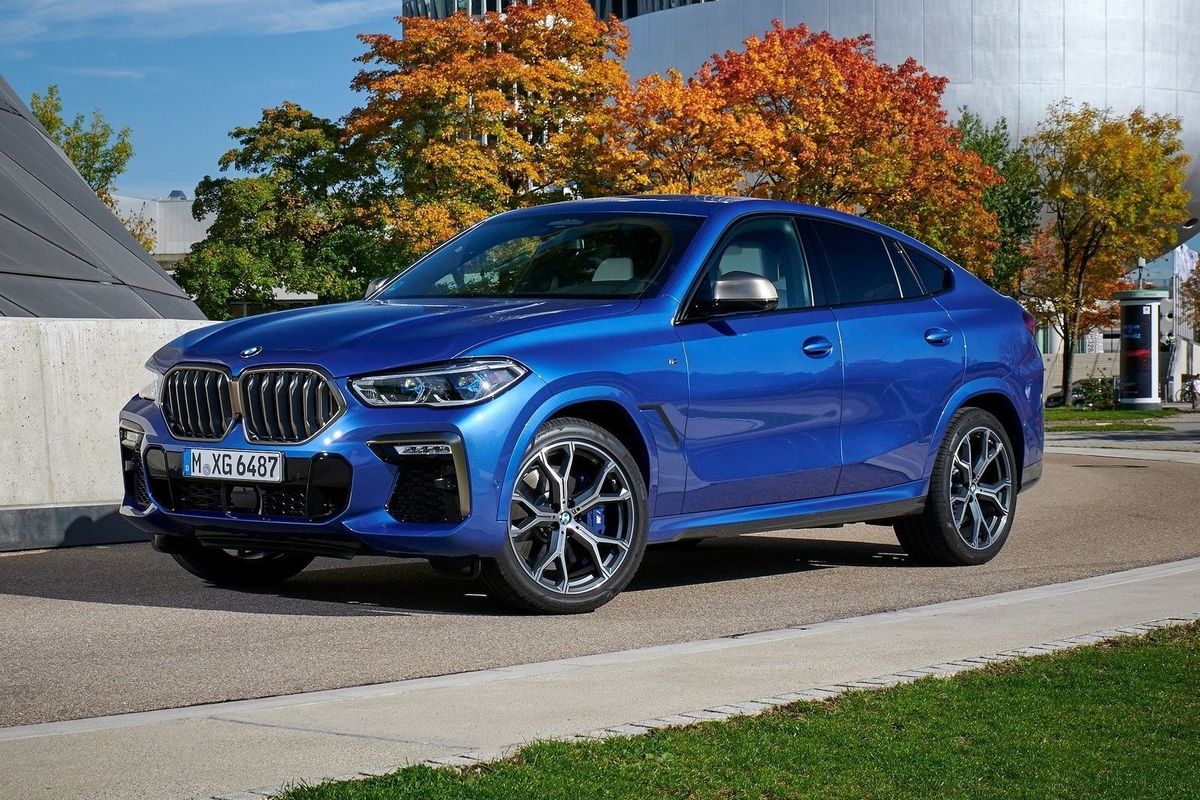
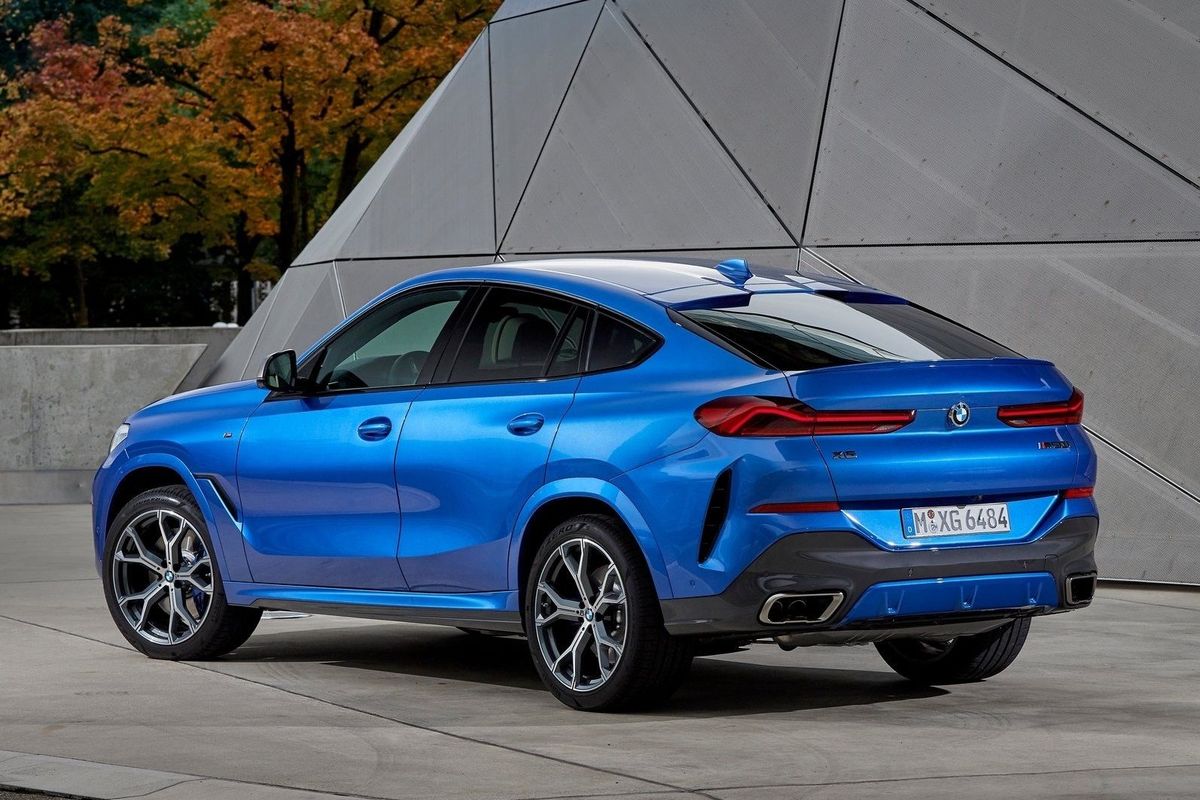
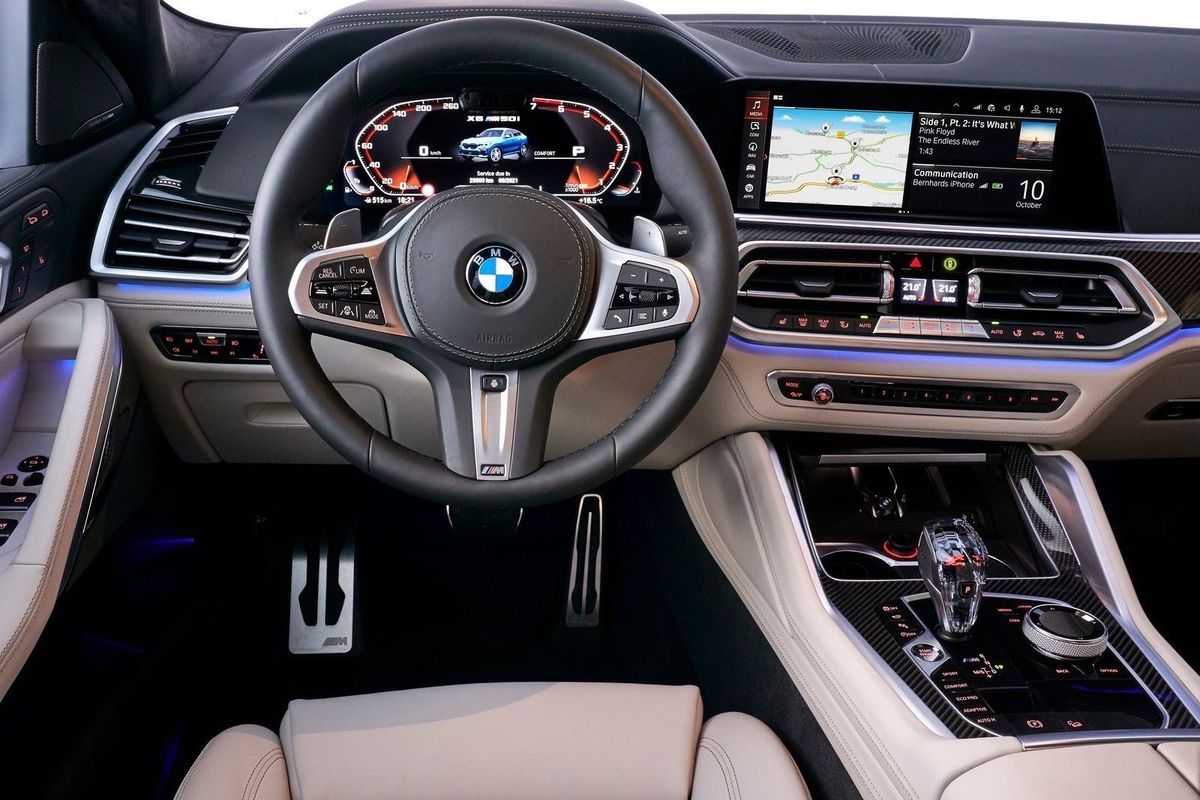
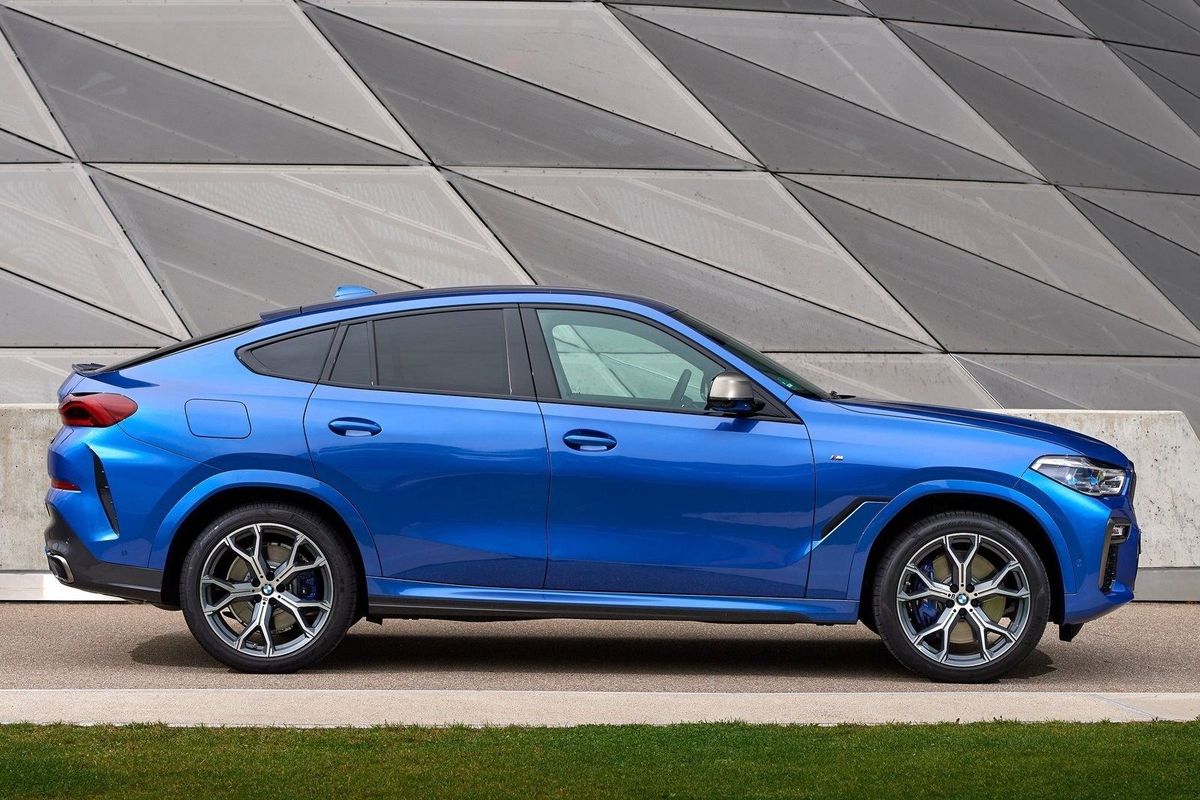
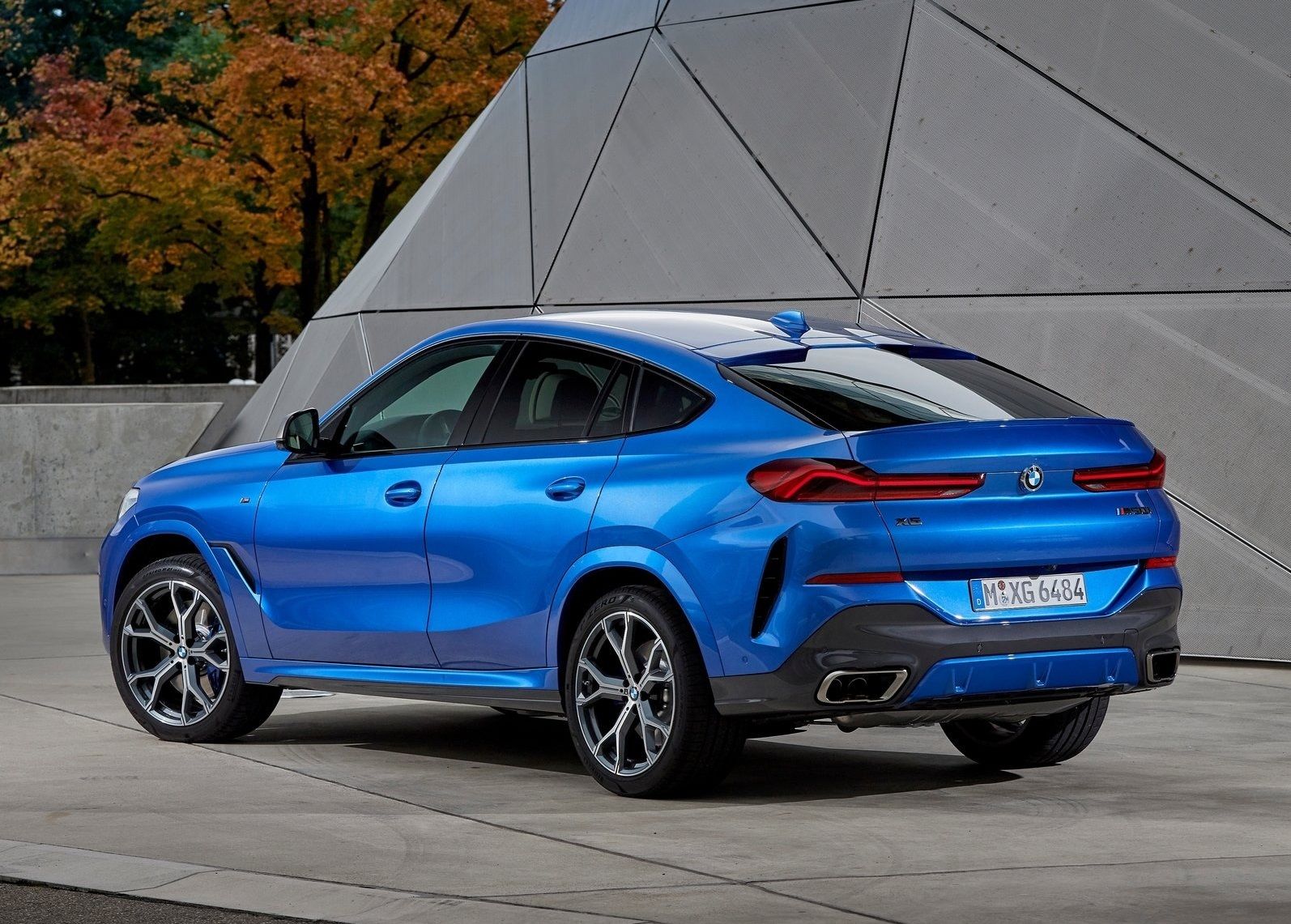
Pricing for the all-new BMW X6 has been loaded into BMW South Africa's website and we can share how much the sporty SUV will cost.
From launch, there will be three models, with the flagship BMW X6 M Competition landing in SA in 2020. There'll be M Sport, xOffroad and M Performance levels of trim, which are applicable depending on engine choice.
Kicking off the range is the petrol-powered 40i, which is a 3.0-litre turbocharged 6-cylinder motor with 250 kW and 450 Nm. BMW claims a 5.5 sec sprint time to 100 kph. The second petrol engine available is the M50i which is a twin-turbocharged 4.4-litre V8 with 390 kW and 750 Nm. This will be the fastest X6 until the X6 M Competition arrives and it's capable of 0-100 kph in 4.3 seconds. For those wanting a diesel motor, the X6 M50d is available with its quad-turbocharged 6-cylinder which has 294 kW and 760 Nm and it'll sprint to 100 kph in a claimed 5.2 seconds. All BMW X6 derivatives come with automatic transmissions and all-wheel drive.
Final confirmation and specifications will be made at the vehicle's launch which we expect will be before the end of 2019.
The soon-to-be-revealed Audi RS Q8 is already taking no prisoners as it has become the fastest SUV around the Nurburgring. Watch the run below!
First reported by British publication Autocar, the Audi RS Q8 has become the fastest SUV around the Nurburgring. With a time of 7min 42.253, the Audi RS Q8 has beaten the previous record holder, the Mercedes-AMG GLC 63 S, by 12 seconds. That's quite an achievement for a big family SUV.
For some context, that time is as fast as a Lamborghini Murciélago LP670-4 SuperVeloce and a Porsche Cayman GT4 (981). Under the bonnet of the Audi RS Q8 is the trusty 4.0-litre twin-turbo V8 which produces 441 kW and 800 Nm. Power goes to all 4 wheels via an 8-speed transmission and 0-100 kph is said to be dispatched in 3.8 seconds.
The Audi RS Q8 should be revealed in November 2019.
Watch the Audi RS Q8 decimate the Nurburgring
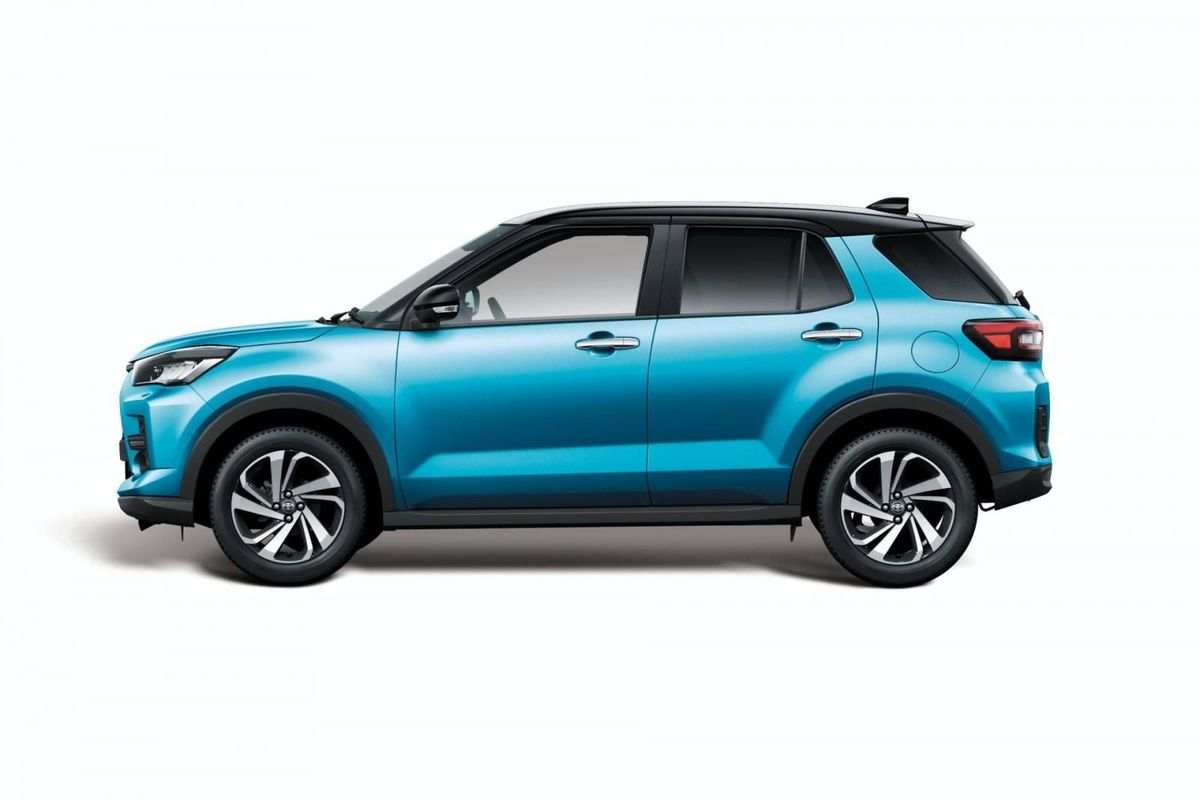
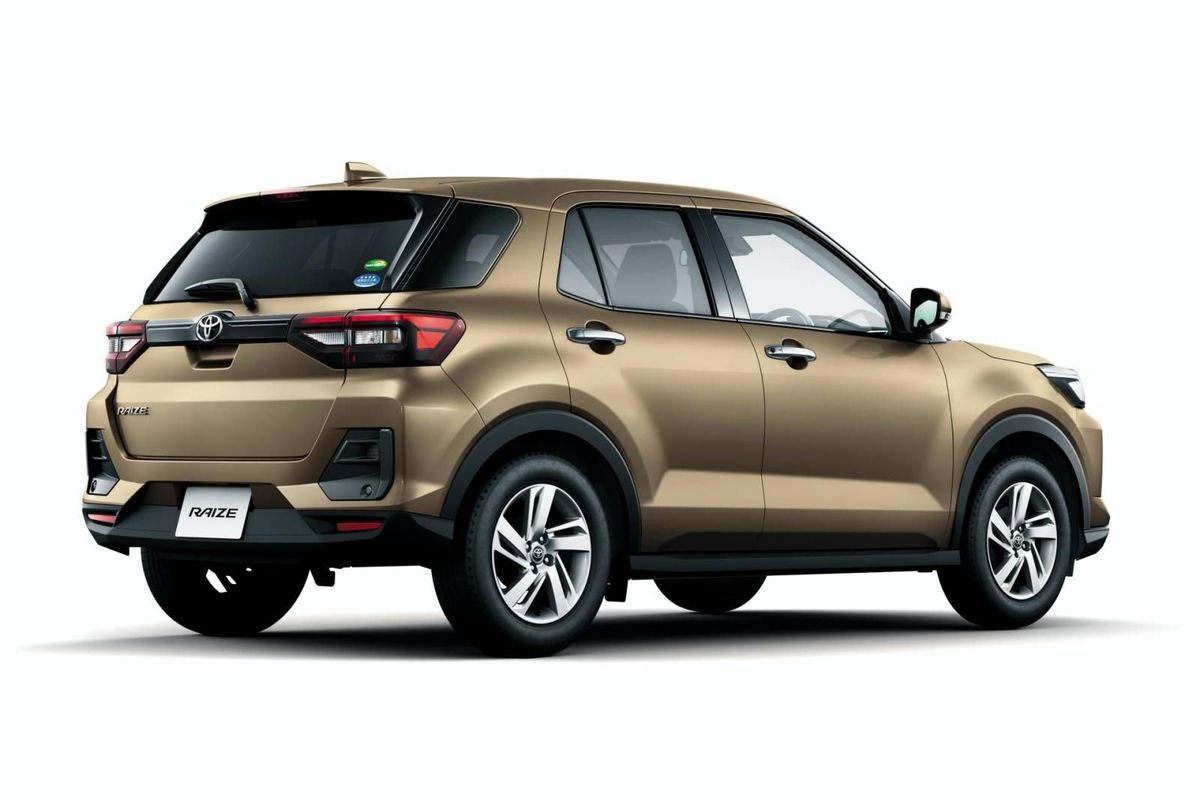
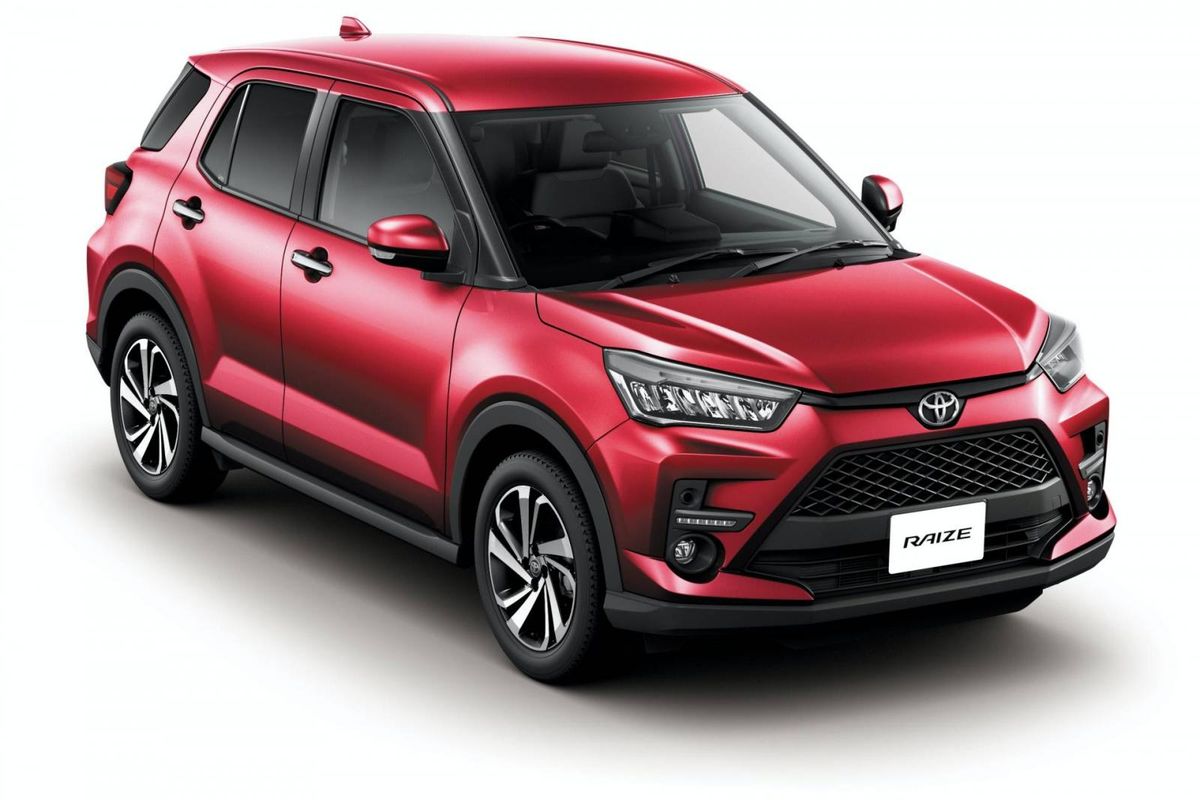
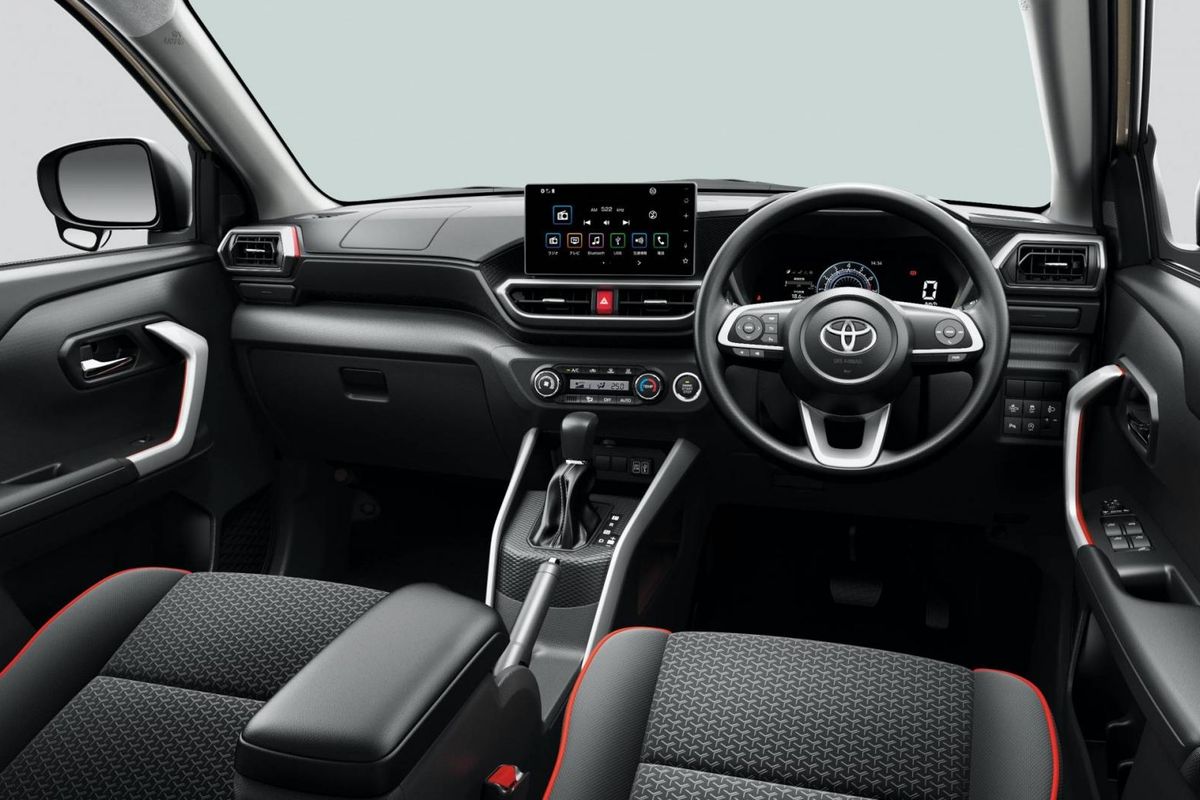
Toyota Raize Officially Revealed
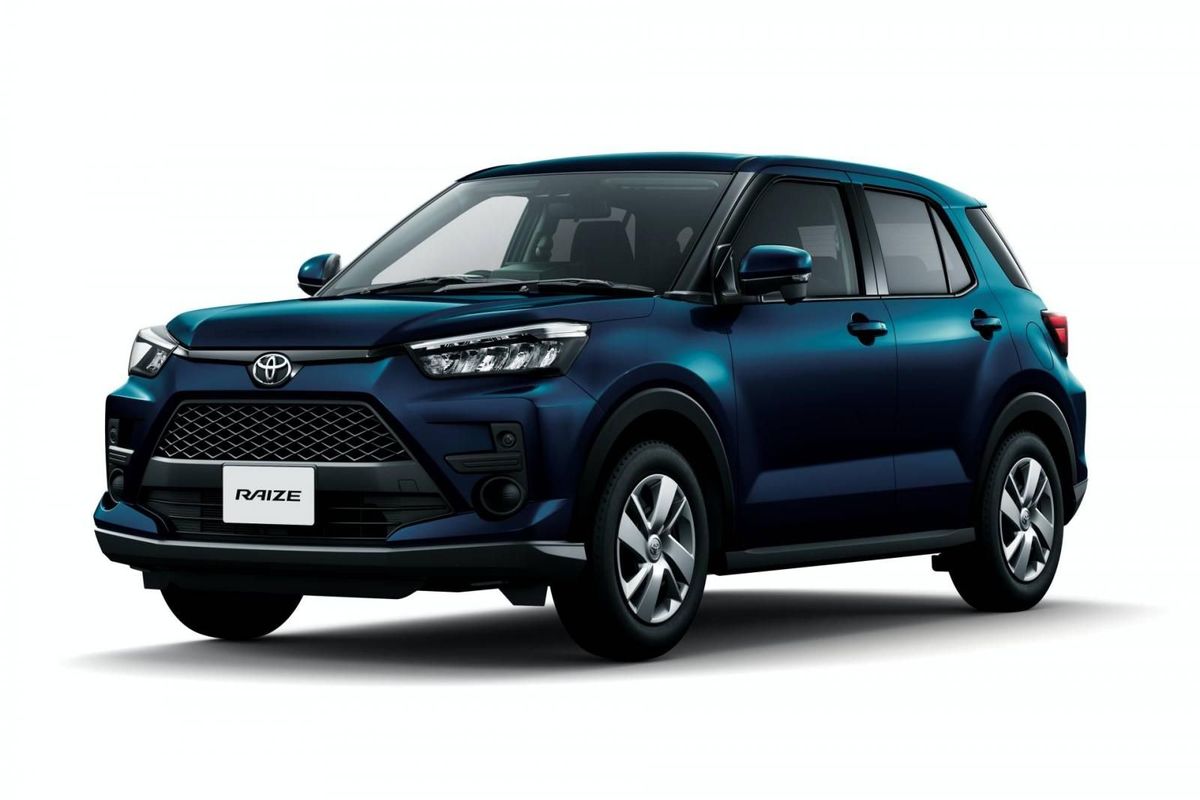
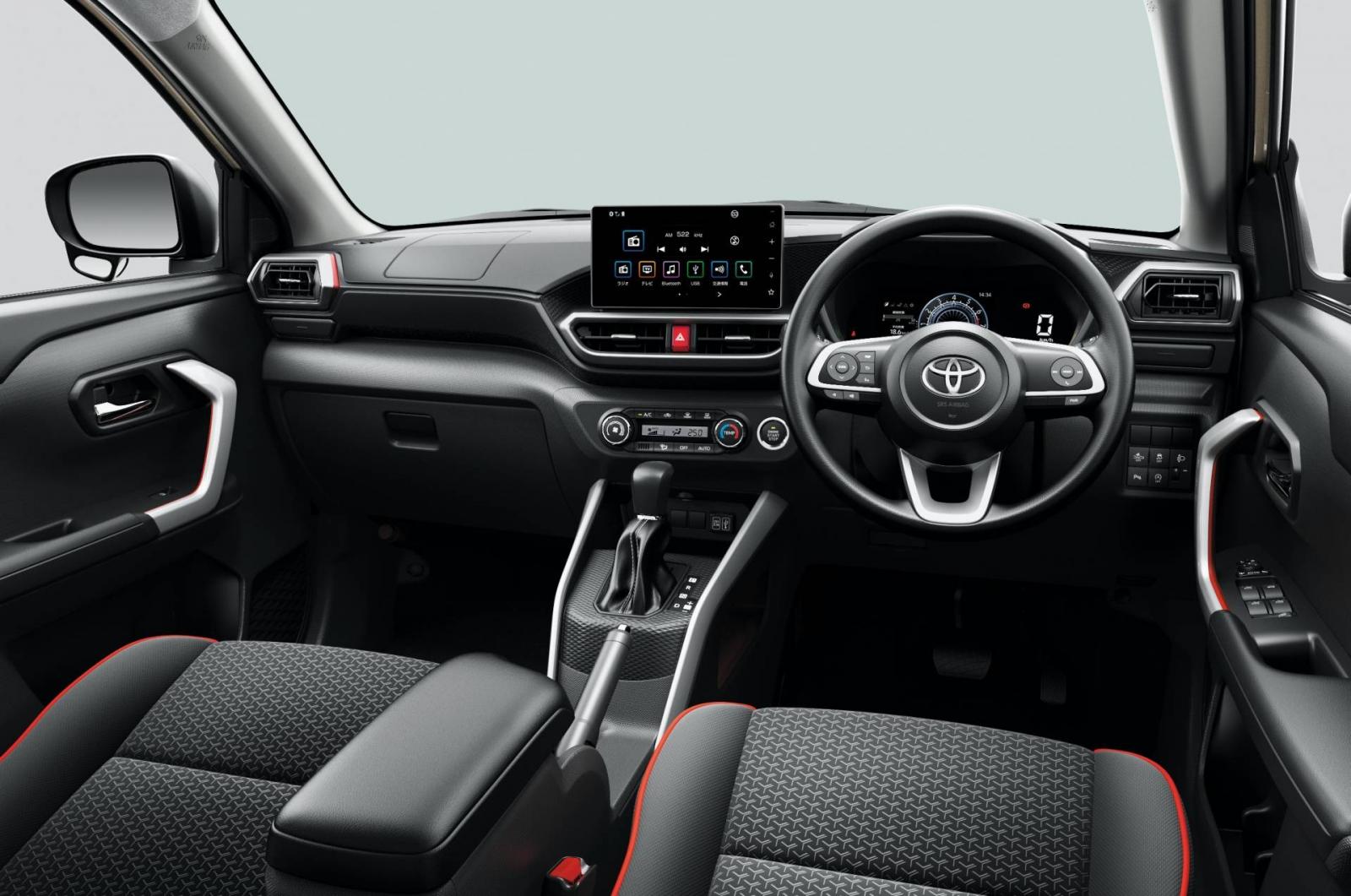
Following last week's leak, the Toyota Raize has been officially revealed and we have all the details about this Japanese compact crossover.
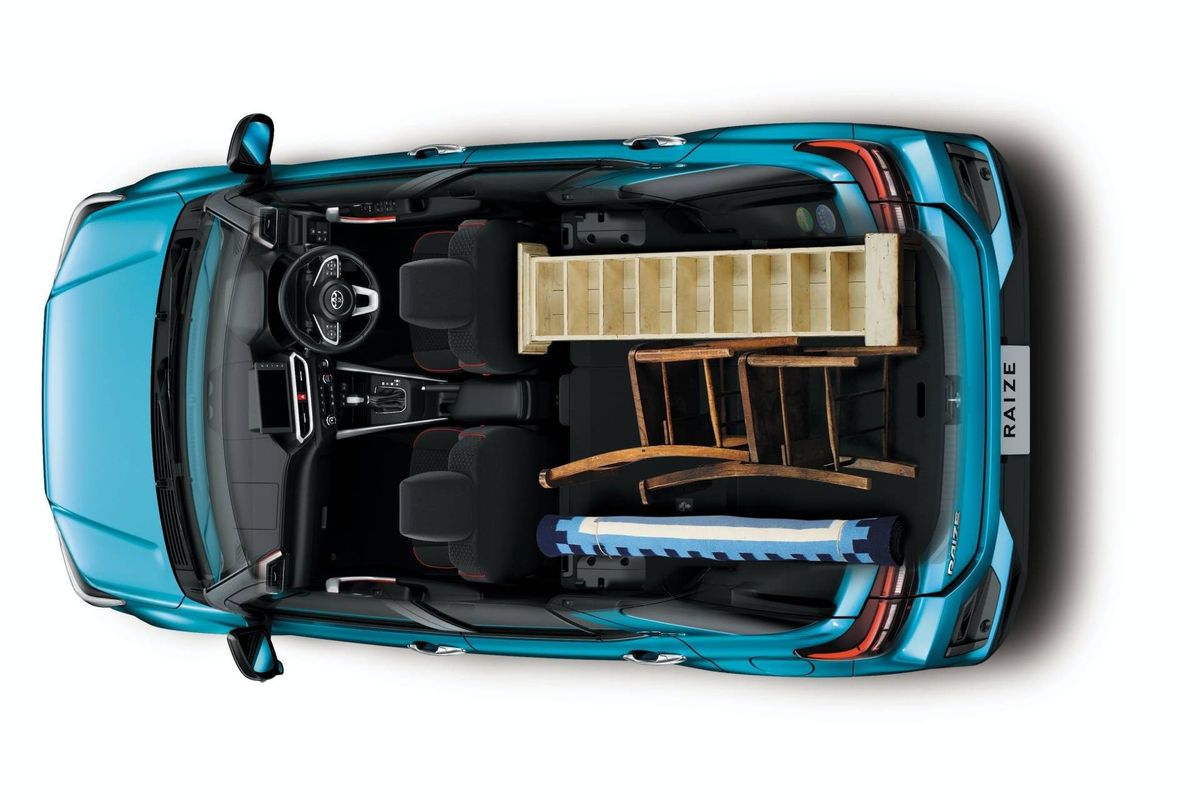
Assembled on the cheap version of Toyota's TNGA platform (dubbed DNGA for Daihatsu), the Toyota Raize sits in a class below the C-HR. Physically, it measures 3 995 mm in length, is 1 695 mm wide and has a height of 1 620. Given these compact dimensions, it comes as a surprise that Toyota is making big claims regarding its carrying capacity as well as interior space.
Speaking of, there's 369 litres of boot space with all the seats up, but that will increase substantially when you fold the seats down. The platform is said to offer "outstanding handling stability and ride comfort" according to Toyota. The engine on offer is a 1.0-litre 3-cylinder turbocharged petrol motor mated to a CVT. There's also the option of 4-wheel drive. The claimed outputs of this engine are 72 kW and 140 Nm, with consumption sitting at 5.4 L/100 km.
Despite its budget segment aspirations, the Raize is available with numerous advanced safety features like Crash Avoidance Braking Function, Erroneous Start Prevention Function with braking control (forward and backward), Adaptive Cruise Control with All Speed Tracking, and Smart Panorama Parking Assist. In Japan, the Toyota Raize will be available in 3 levels of trim.
The Toyota Raize is not officially confirmed for South Africa, however, it's interesting to note that Toyota SA has the right to adapt Diahatsu products for our market. So while the Raize may not be immediately confirmed, there's still a chance it would arrive. We suspect it will eventually get here, given the sudden influx of entrants like the Kia Seltos, Hyundai Venue, Volkswagen T-Cross and the updated Renault Captur, which will go on sale early next year.
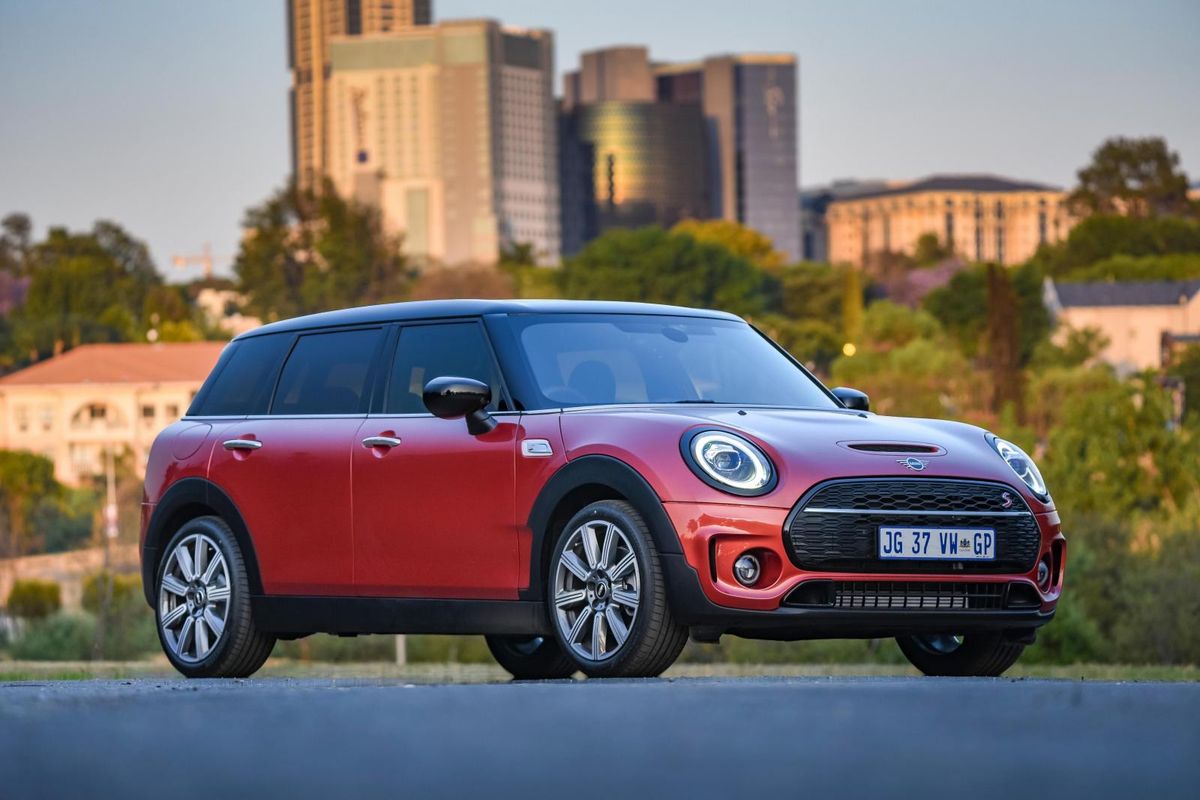
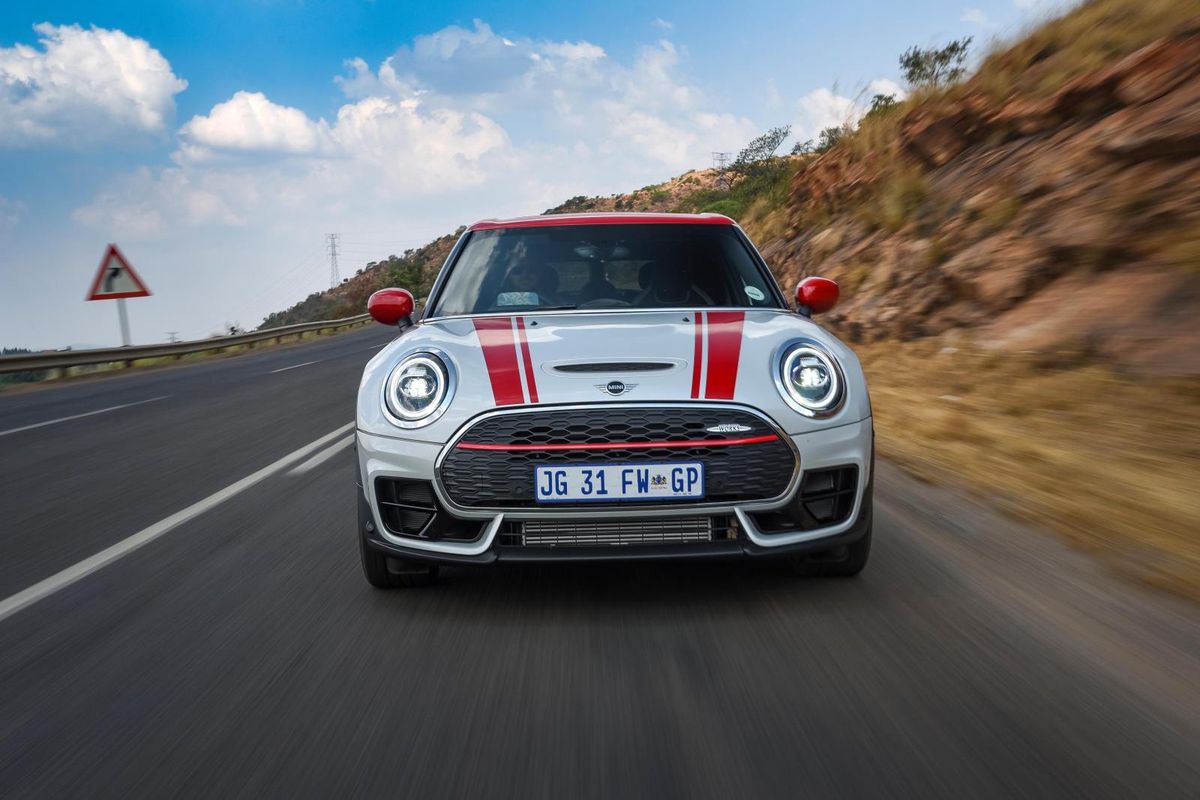
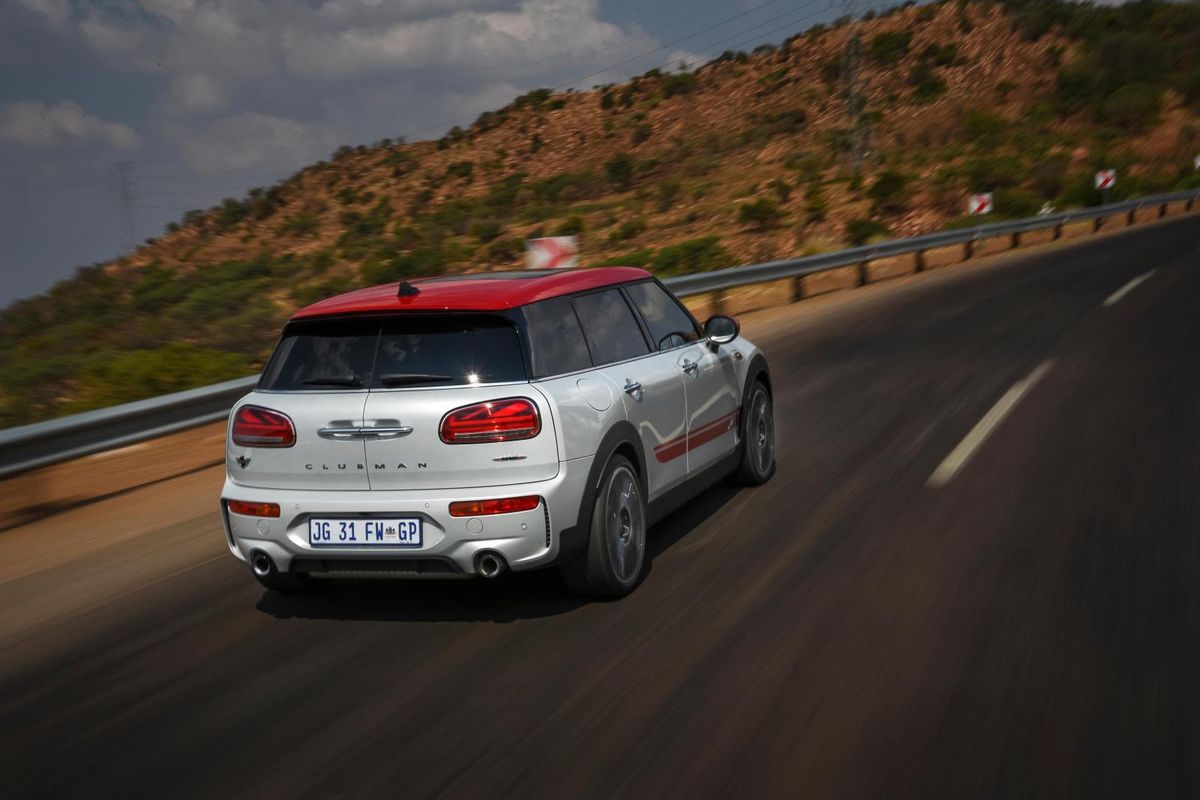
We've put the updated Mini Clubman through its paces on the spectacular roads of Mpumalanga. Also in the mix was the John Cooper Works derivative, which delivers eye-widening performance… along with boatloads of attitude.
The Mini Clubman elevates the definition of "niche model" to an entirely new level and, whereas the concept of a van/estate Mini may not be to everyone's taste, the cabinet-doored Clubman is unlike anything else on our roads. As it stands, the Mini portfolio comprises a diverse selection of models… There really is a Mini for everyone: traditionalists can opt for the 3- or 5-door hatchback, or the cheeky, stylish convertible, or, if practicality is high on their list of requirements, the Countryman. But what if you want to broadcast your individualism? Well, for that, there's the Clubman!
What has changed?
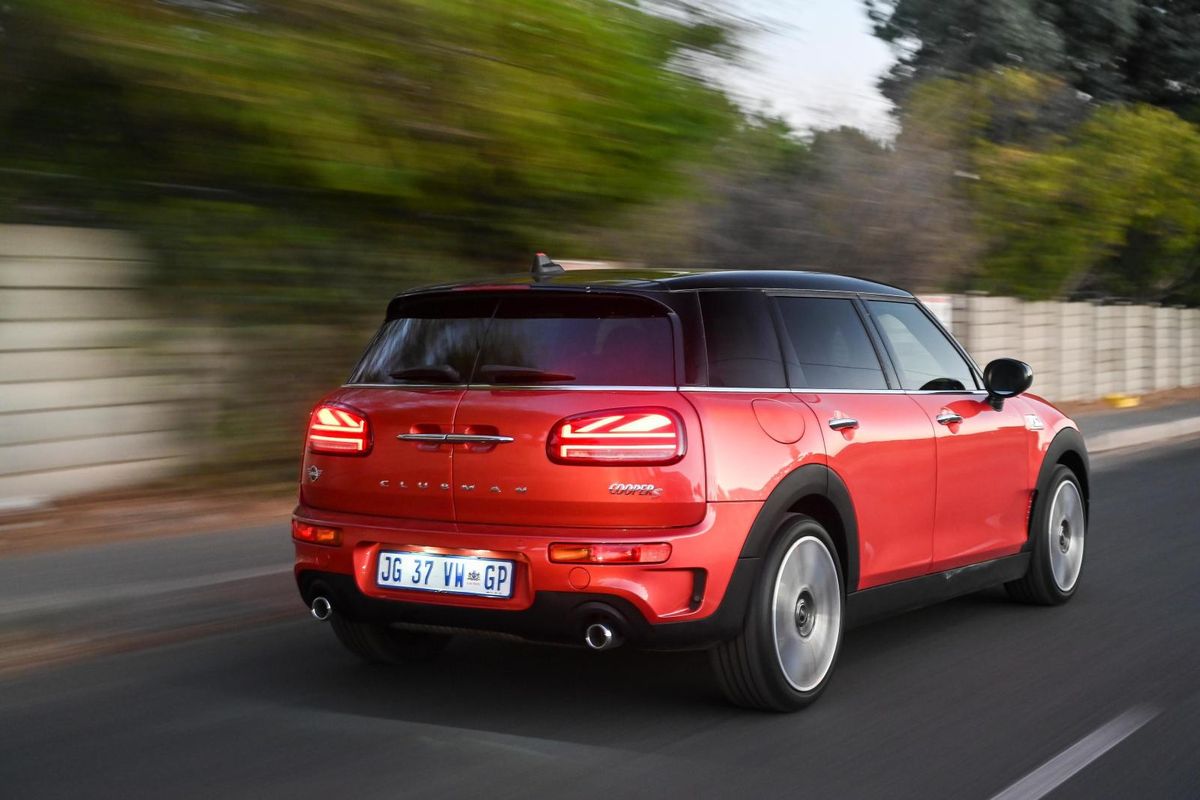
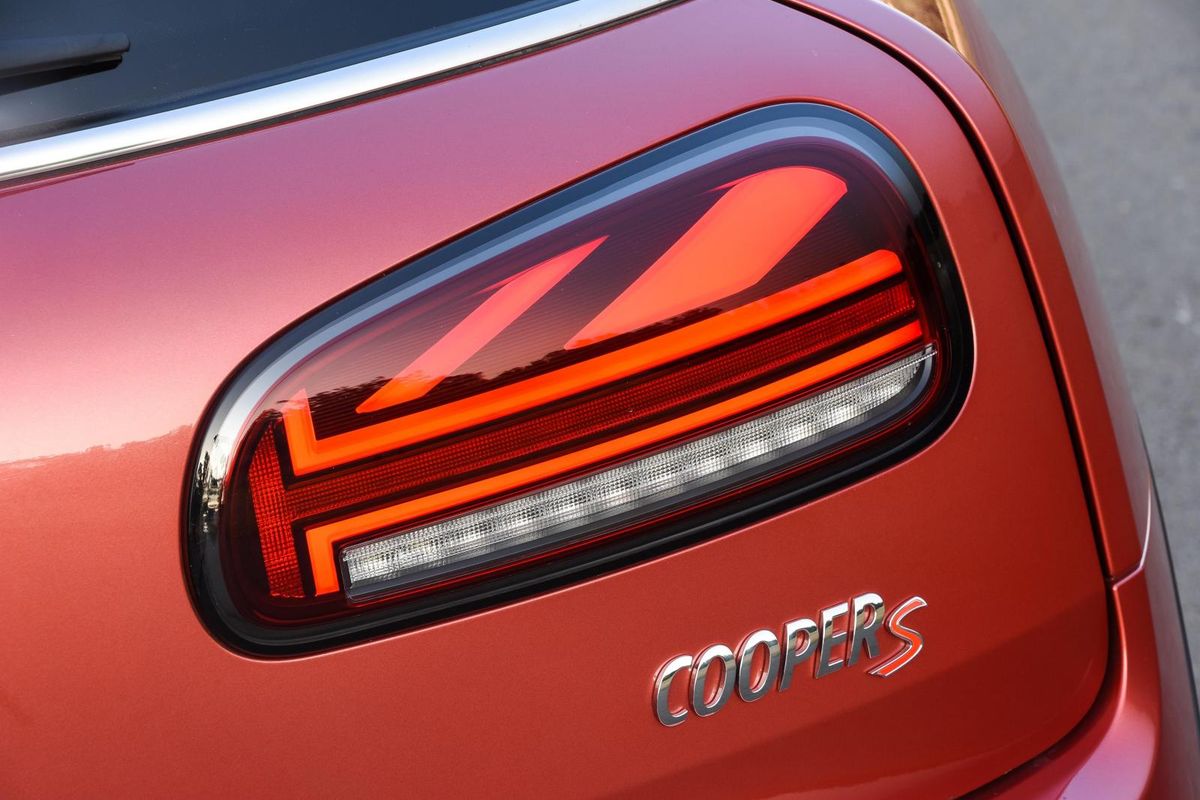
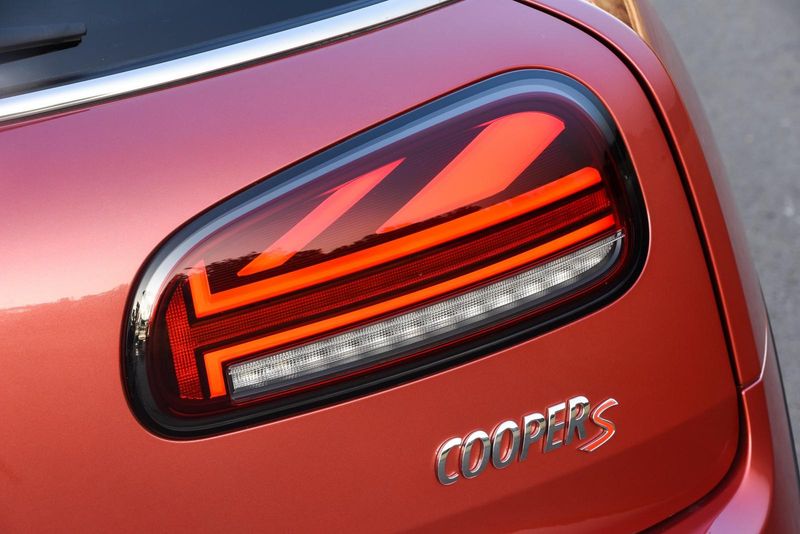
These Union Jack tail lights may be an extra-cost option, but they're really funky.
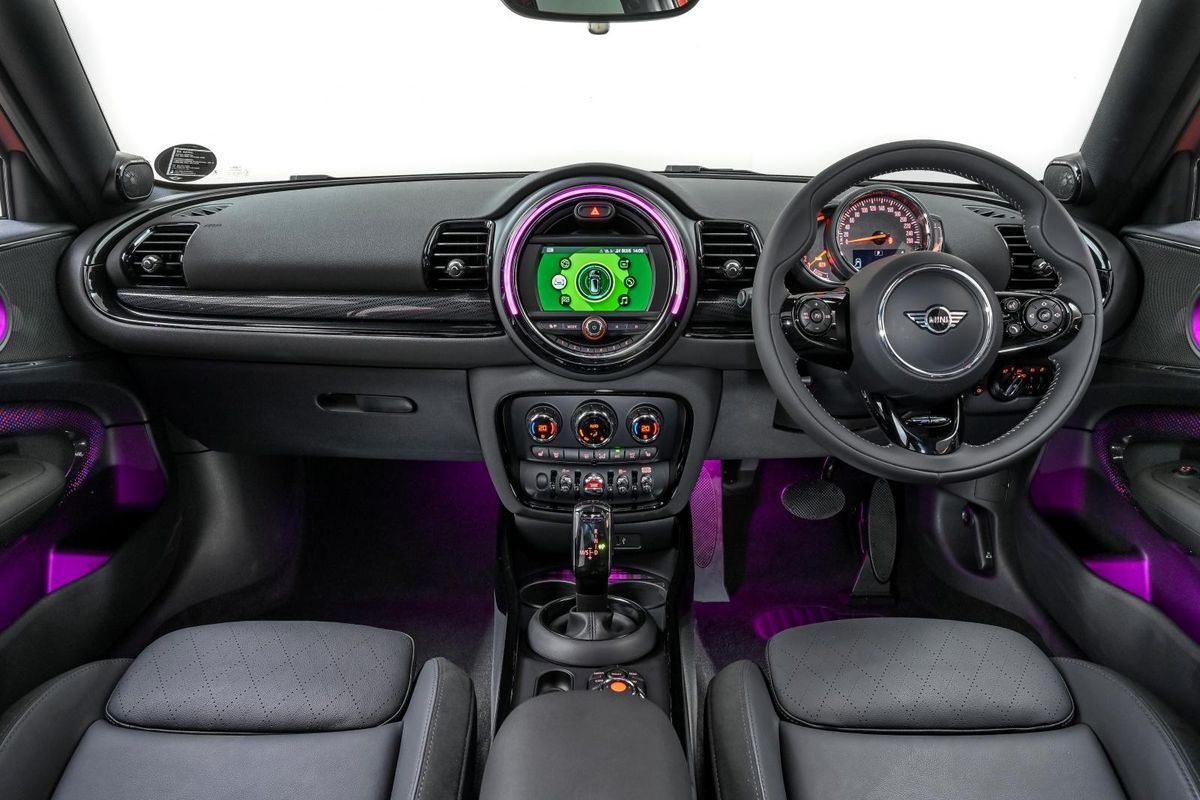
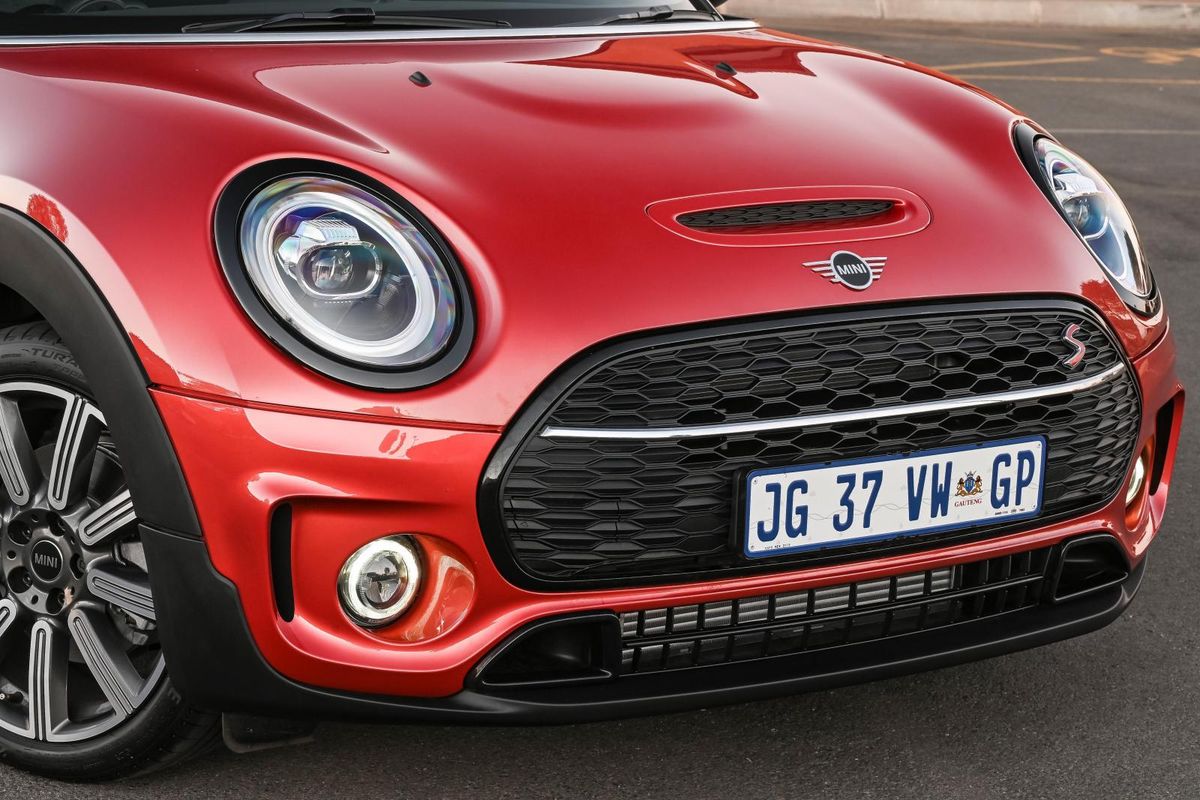
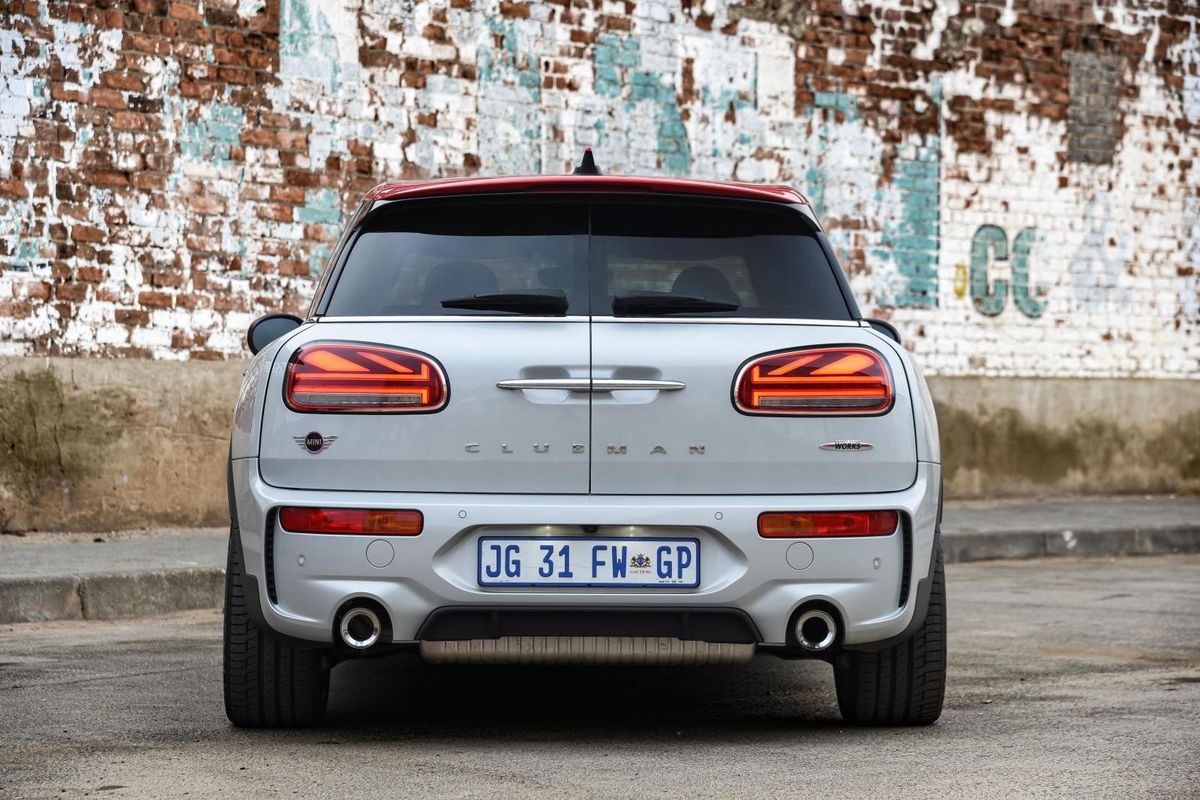
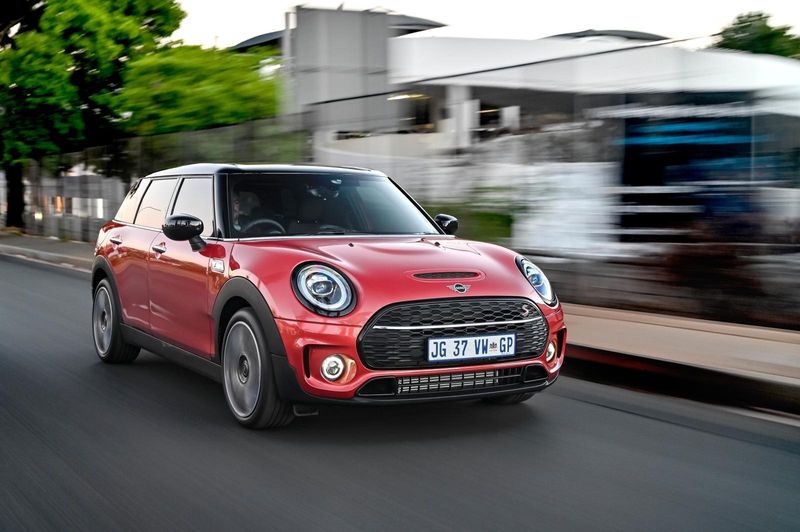
The Clubman's life-cycle updates are subtle; they include a new-look front end with a redesigned radiator grille, LED headlights, plus LED fog- and tail lamps (the latter of which can be ordered with a Union Jack motif). There are new colours available (such as the Indian Summer red shown here), plus new alloys, a sports suspension (which lowers the car by 10 millimetres) and, on the inside, updated finishes and leather trim.
At launch, there are 3 derivatives available: a Cooper, Cooper S and, for those who crave compelling performance, a John Cooper Works version, but more on the range-topper later. All versions are equipped with automatic transmissions and feature turbocharged petrol engines. The Cooper has a 1.5-litre 3-cylinder petrol engine with 100 kW and 220 Nm. This may be an entry-level motor, but its performance is more than adequate (Mini claims a 0-100 kph sprint time of 9.2 seconds for the Cooper). By virtue of being a 3 cylinder mill, it happens to emit a pleasingly rorty exhaust note.
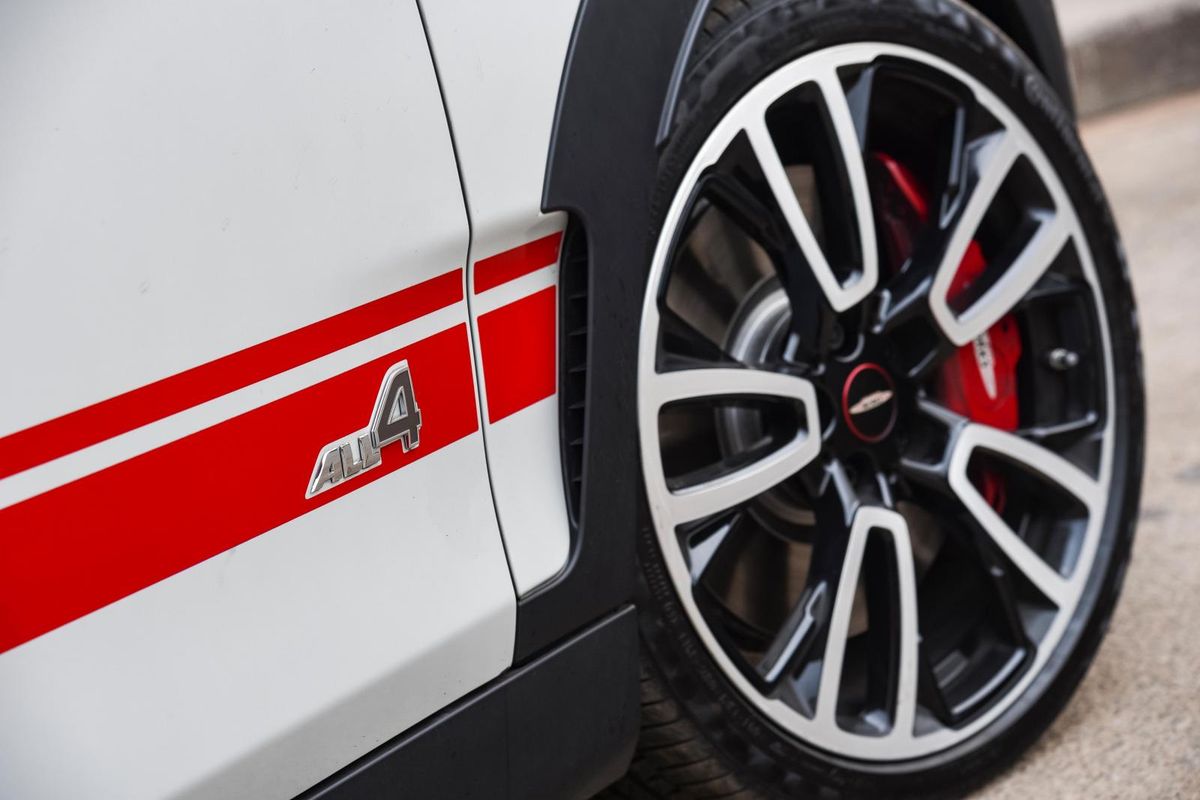
The Cooper S, meanwhile, features a 2.0-litre 4-pot engine and it's decidedly faster, courtesy of its 141 kW and 280 Nm outputs (it'll hit 100 kph from standstill in about 7.2 seconds, which is brisk). At the top of the pile is the Clubman JCW with a 2.0-litre turbocharged motor churning out 225 kW and 450 Nm. The first 2 derivatives are front-wheel driven, but the JCW features all-wheel drive and will reportedly scoot to 100 kph in 4.9 seconds.
The key differentiator of the Mini Clubman is its outlandish 6-door bodyshell – this is no run-of-the-mill compact hatchback. You gain access to the load bay via 2 split doors, which makes loading/unloading items simple. There's a modicum of practicality: the claimed luggage capacity is 360 litres, which can be expanded to 1 250 litres, but despite its van-like packaging, the driving position is still "quintessentially Mini", so you sit quite low.
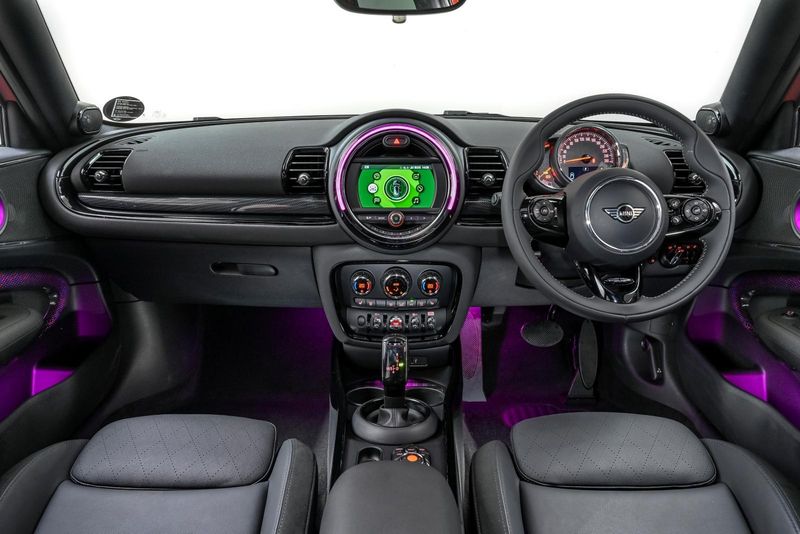
The Clubman's cabin is funky, modern and well assembled.
What is it like to drive?
Having recently driven the 3-door and 5-door Mini hatches, we were pleasantly surprised by the Clubman Cooper S' ride quality. Its suspension feels comparatively softer (in other words, more pliant and comfortable over indifferent road surfaces), but without losing that addictive driving feel that Mini fanatics know and love. What's more, driver involvement is the order of the day: the Mini begs to be hustled along. In an era where near autonomy is being touted as the motoring future, it's refreshing to get behind the wheel of a car that encourages playfulness and performs eagerly.
The Clubman is a touch softer compared to the Hatch, but it doesn't lose any of the enthusiastic driving traits.
Our driving route included spectacular driving roads in and around the Sabie/Graskop/Lydenburg area. On this melange of fast, sweeping bends, the Cooper S felt right at home; its 2.0-litre turbopetrol engine fizzed away merrily – what an eager-to-please motor it is – and it delivered plenty of in-gear shove to get past the slow-moving logging trucks, which are so plentiful in the area. The brakes are more than up to the task of performing sudden deceleration manoeuvres, especially when you come through a corner only to find yet another logging truck climbing a hill at walking pace.
The middle-of-the-range Clubman's steering is direct, with decent feel and it doesn't feel like you're going to slide unless you're really careless. We do note, however, that the ride can be a touch firm if your vehicle is equipped with the larger optional alloy wheels, so be mindful when configuring your vehicle. Road noise will also rear its head if you go for the larger wheels, but this really depends on your pace… and the quality of the tarmac.
The Clubman JCW
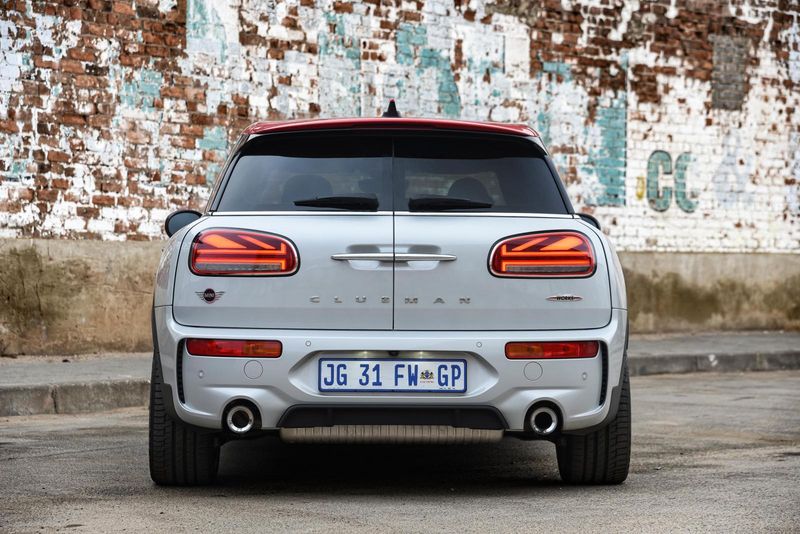
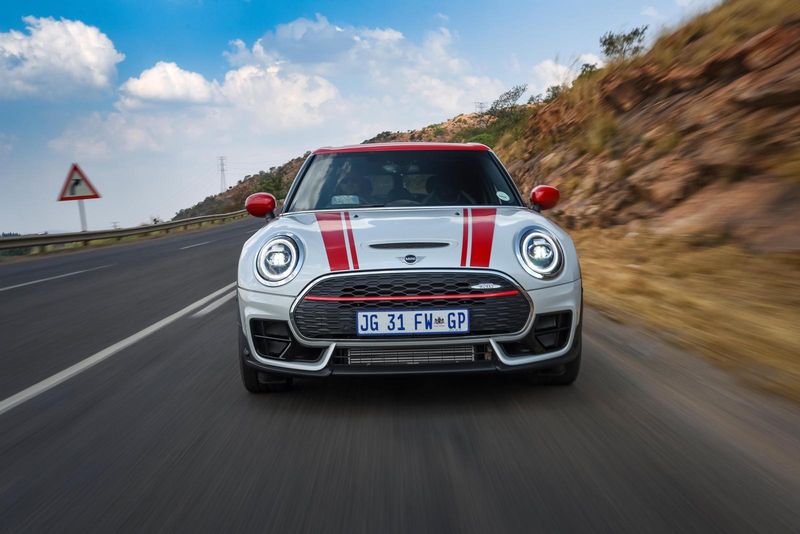
The view most people will see of the Clubman JCW. It's a proper little tarmac weapon.
We were duly impressed by the performance of the Cooper S, but if you want some real zest (and thrusting performance) with a macho image, then it's best you look to the JCW. Packing a thumping 225 kW/450 Nm 2.0-litre turbo motor shared with the new BMW M135i xDrive, this is the most hardcore iteration of the Clubman. Mini claims a sub-5-second 0-100 kph time, which we tried out a few times with the factory-fitted launch control.
Come to a stop, engage the Sport driving mode and traction control setting, depress the brake and accelerator pedals and, once the revs build, let go of the former. The Clubman JCW will scoot off the line as its 8-speed transmission rifles through the ratios… It feels particularly eager in 1st and 2nd gear, and would surely prove a good rival to something like a Volkswagen Golf R. The best part of the JCW Clubman is the all-wheel-drive system, which provides incredible levels of grip. The mere fact it's there encourages you to press on without fear that the car will become unruly.
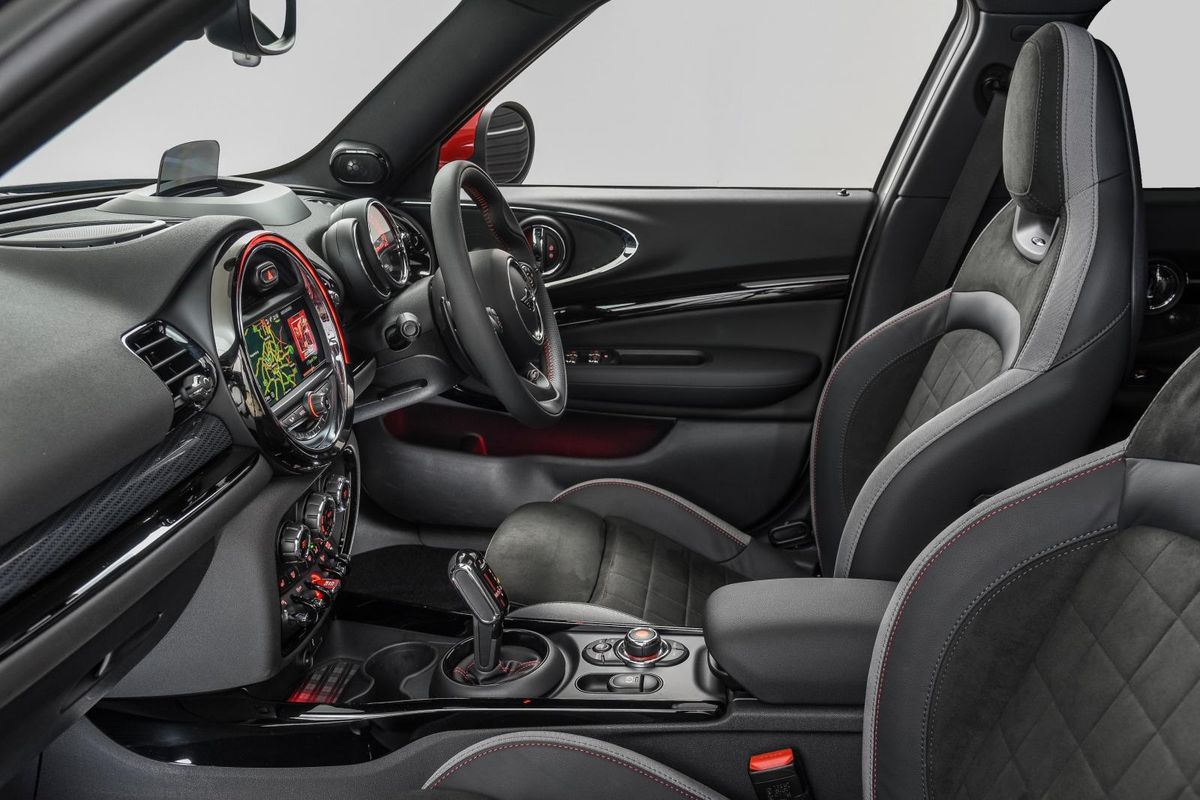
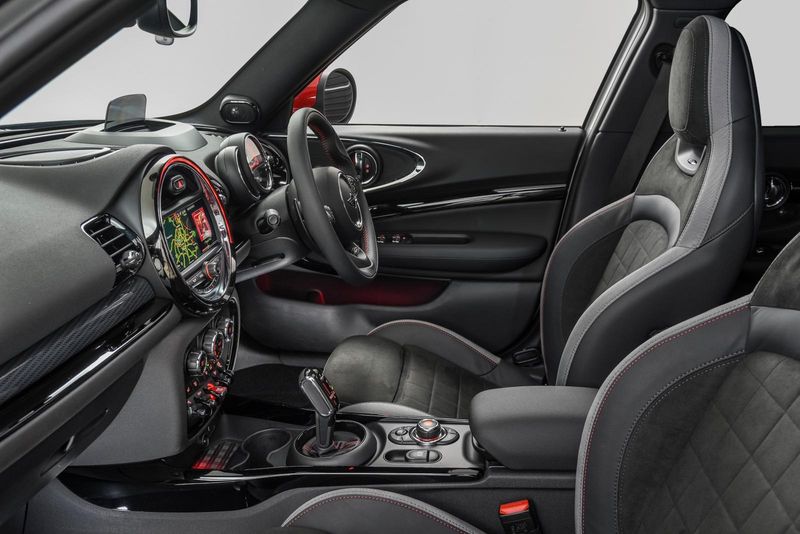
The cabin of the Clubman JCW; the sporty seats look and feel the part.
Summary
We spent the majority of our time on the launch with the Clubman Cooper S; it's arguably the pick of the litter. While we would have liked to spend more time with the JCW, we anticipate it would be devastatingly quick in the hands of a capable driver on a mountain pass (we're keen to give it a full review soon). The Clubman comes with all the convenience features you'd expect at over R500 000 and you can go to town with additional packages and personalisation options. It's a fun and quirky vehicle, but it still does the fundamentals right, and we like those at Cars.co.za…
Should you buy one? Well, Mini is a niche brand at it is and the Clubman is even more niche (if that was even possible). It's not going to be everyone's favourite Mini, but if you want to live that "Mini lifestyle" to the fullest and don't need to go the Countryman route, then give "the 6-door" a second look. We think you'd be pleasantly surprised by its versatility and practicality; besides, it has lost nothing of its endearing, playful nature.
The Clubman is a fun and funky addition to the Mini family, with a surprisingly useful load area.
Mini Clubman Price in South Africa (November 2019)
Clubman Cooper R433 000
Clubman Cooper S R511 000
John Cooper Works Clubman R642 000
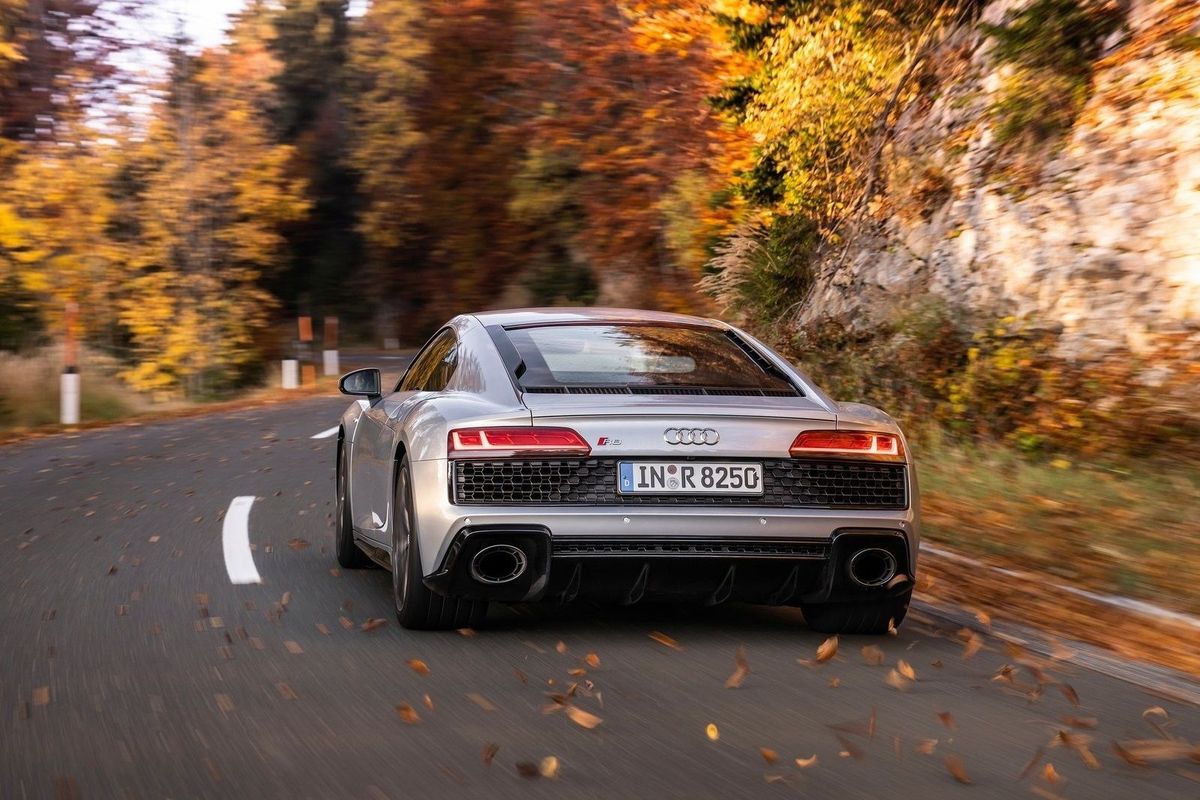
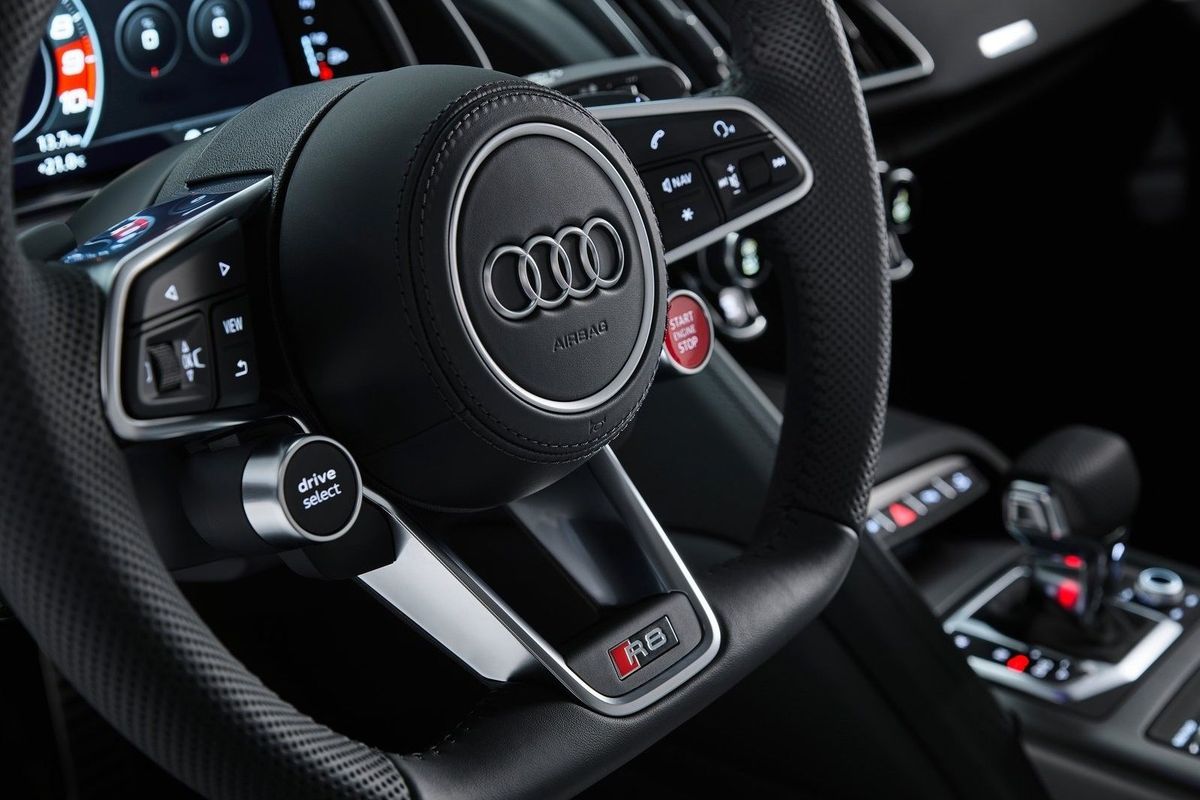
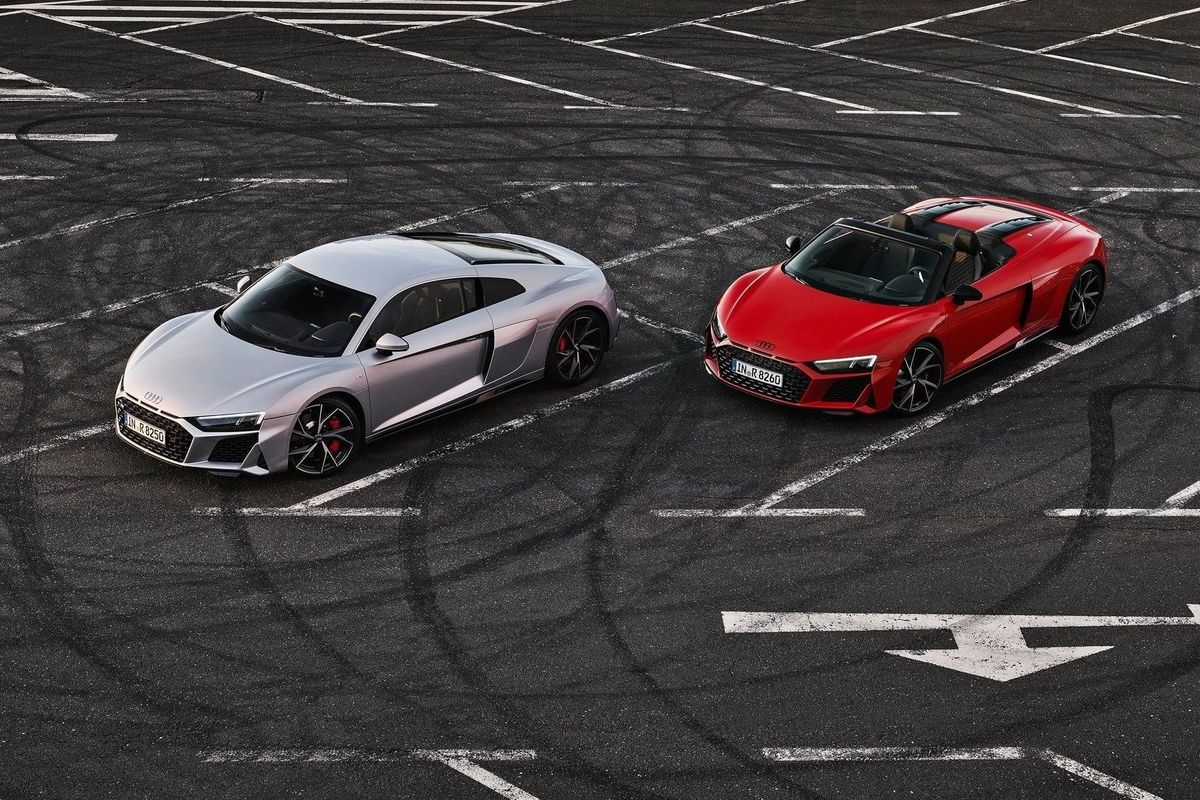
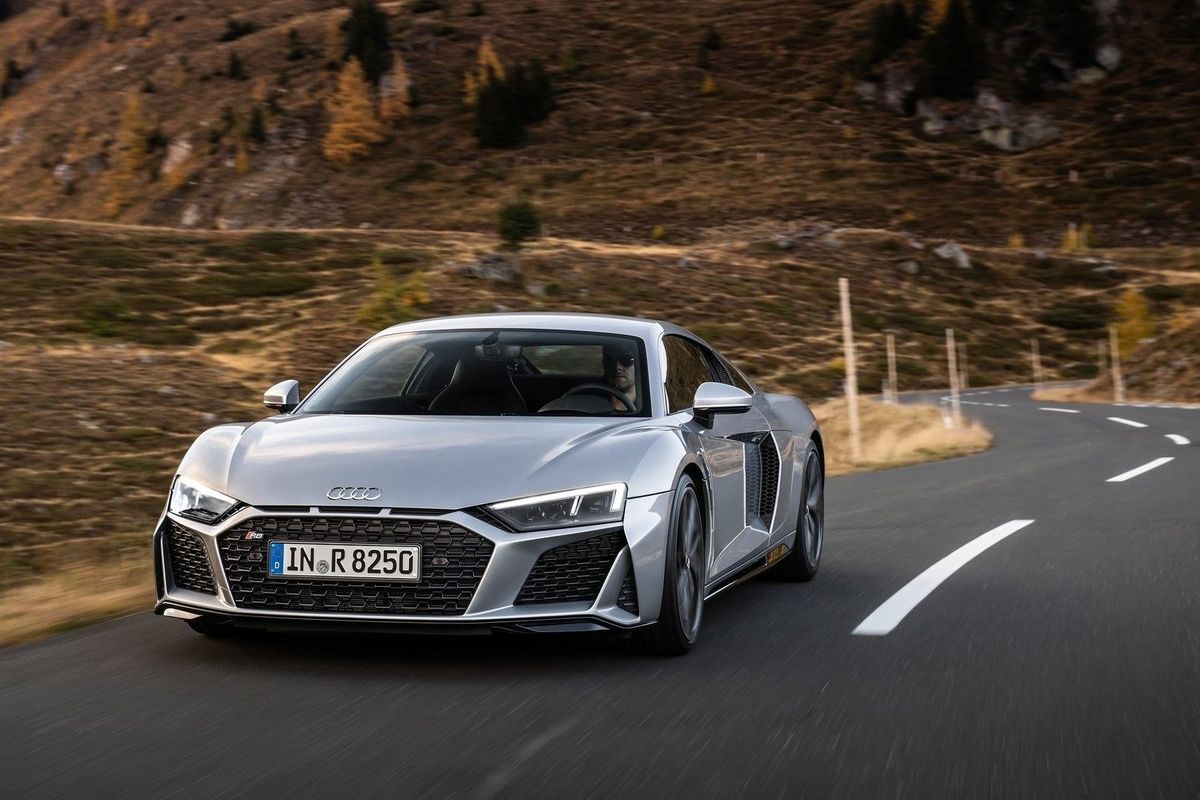
Not so long ago, Audi released a limited-edition rear-wheel-drive R8 supercar to gauge reaction. Now, Audi has made this a permanent production model, sitting alongside the quattro derivatives.
There's something odd about quattro purveyors Audi announcing a rear-wheel-drive version of the R8 supercar. We've grown fond of the R8's quattro setup which provides phenomenal grip but allows playful driving antics. Now there's a rear-wheel drive model, which shares the same screaming 5.2-litre V10.
Packing 397 kW and 540 Nm, with power going to the rear wheels, the Audi R8 V10 RWD is capable of 0-100 kph in 3.7 seconds and it'll run to a top speed of 320 kph. There's also a Spyder version which boasts 3.8 seconds and 318 kph for acceleration and top speed respectively. The vehicle comes with a 7-speed S Tronic gearbox as well as a mechanical locking differential. Activate sport mode and the Audi R8 V10 RWD will allow "controlled drifting", according to Audi. Due to the deletion of the front driveshaft, quattro multi-plate clutches and front differential, this version of the R8 is 65 kg lighter than the equivalent quattro model.
"We launched a limited series of the Audi R8 V10 RWS at the beginning of 2018," says Oliver Hoffmann, Managing Director of Audi Sport GmbH. "Its rear-wheel drive derived from the R8-LMS racing car, and the special dynamics sparked our customers' enthusiasm right away. Now it will become part of the R8 family as a separate model, the R8 V10 RWD. And we are giving it the same sharp look with which we designed the new R8 quattro models. At the same time as we are releasing the series production model, we are also offering the R8 LMS GT4 racing car with a new look."
The Audi R8 V10 RWD will go on sale in Europe in early 2020 with a starting price of EUR 144 000. At this stage, we're still waiting for the facelifted Audi R8 to debut in SA.
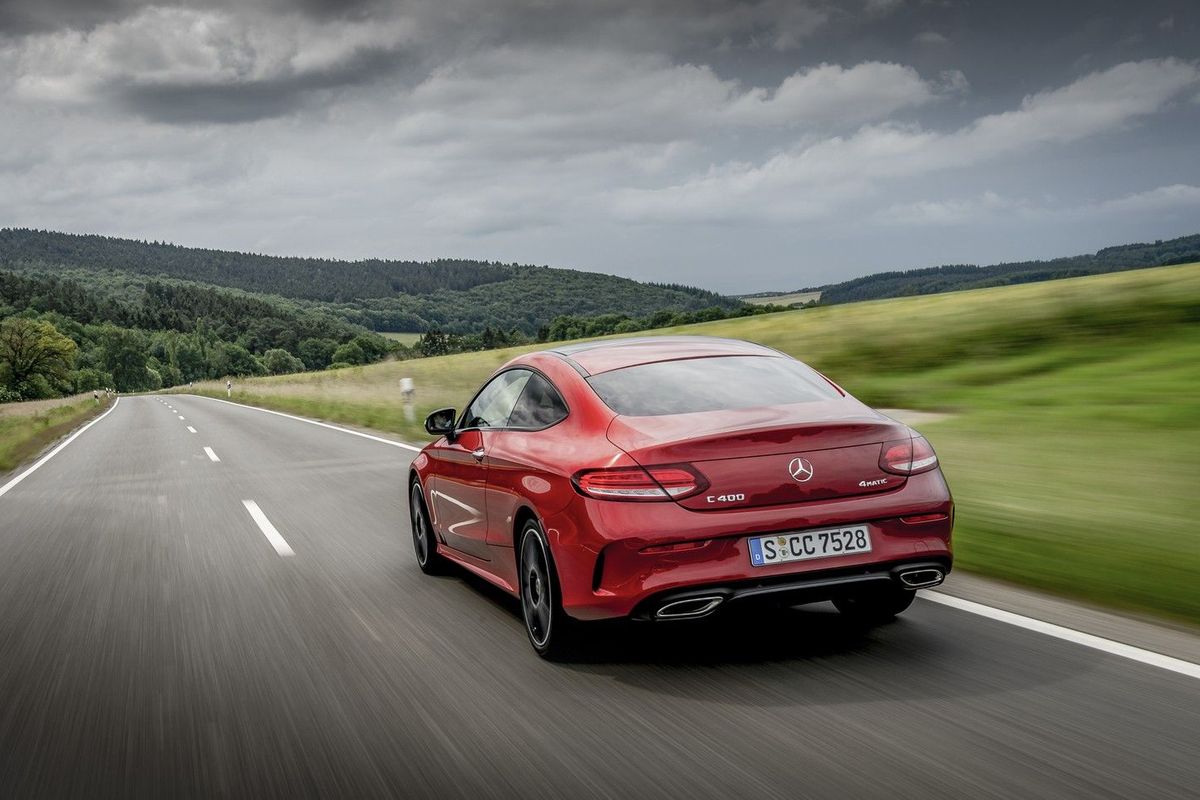
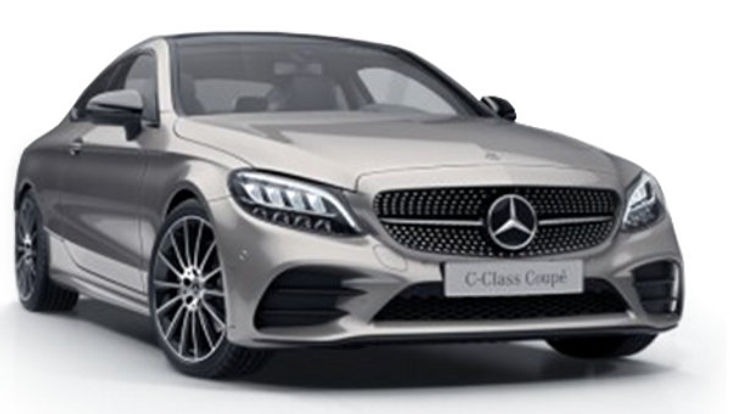
You can now buy either a facelifted Mercedes-Benz C-Class Sedan or Coupe with an Agility Finance deal that allows offers prospective buyers 3 months’ worth of instalments off courtesy of the brand's financial services division.*
Sponsored Article
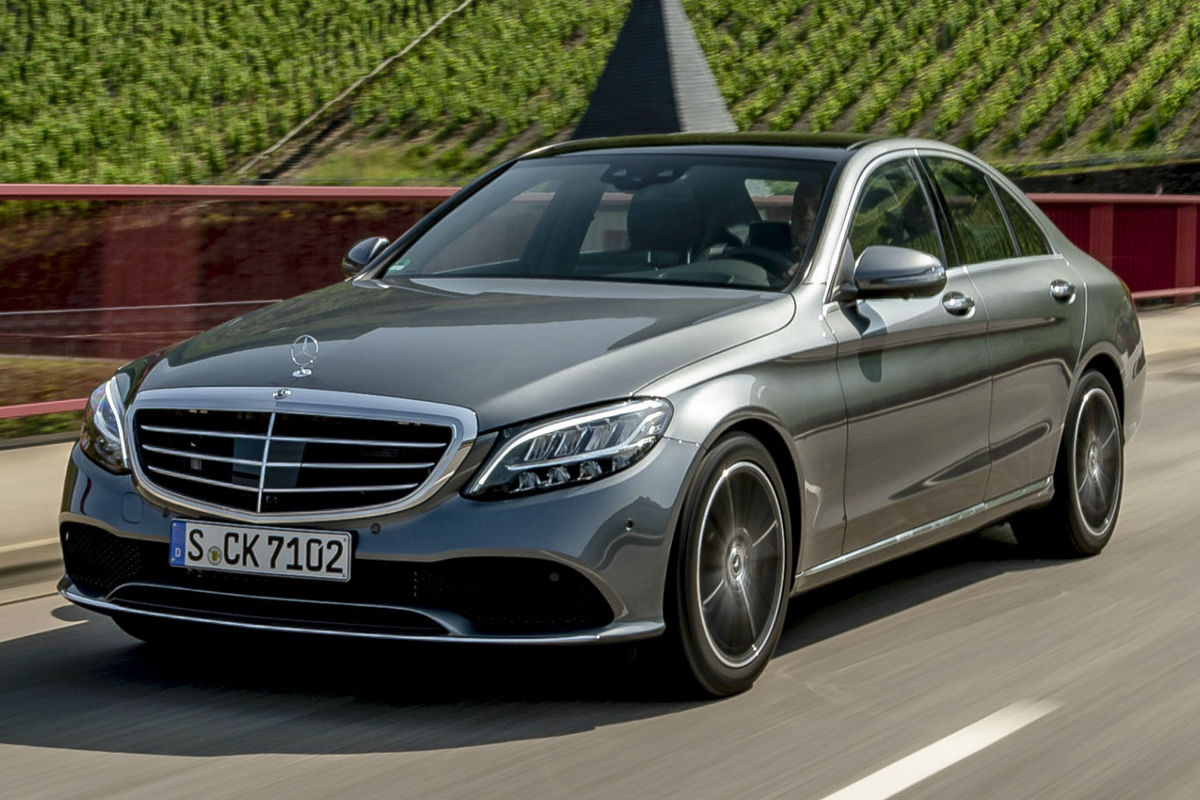
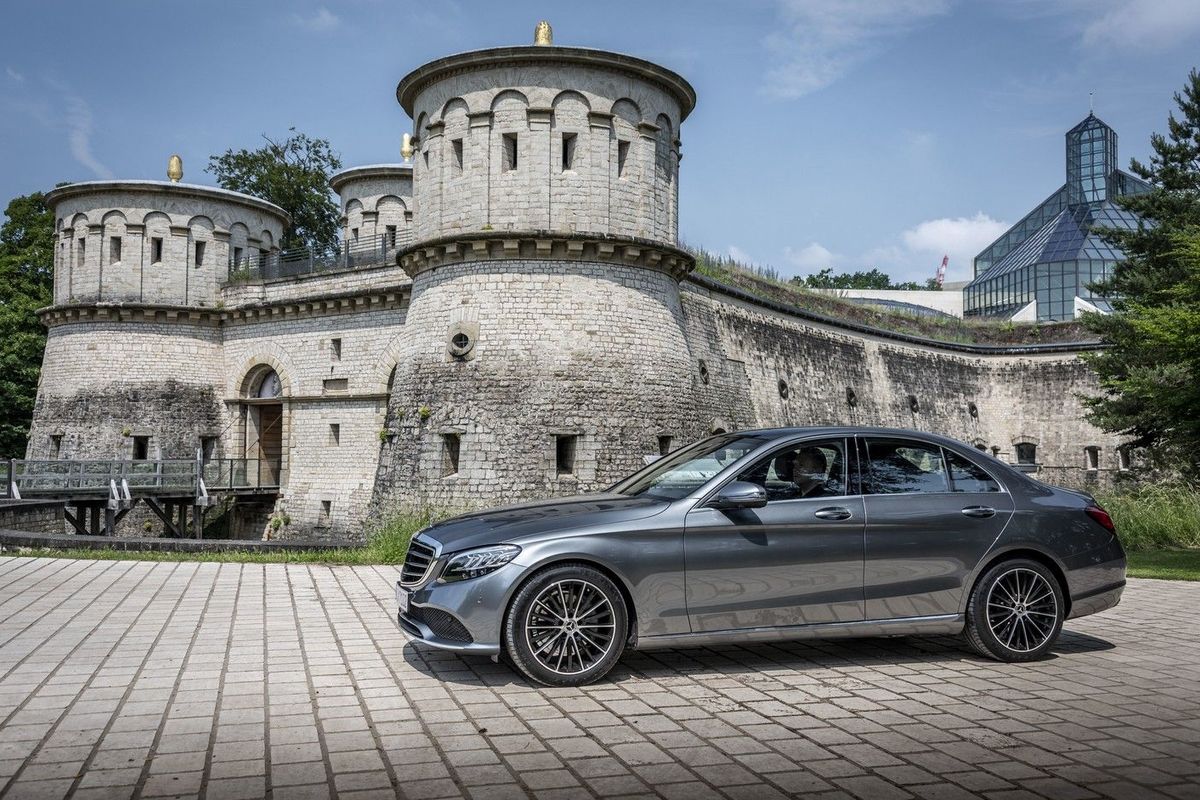
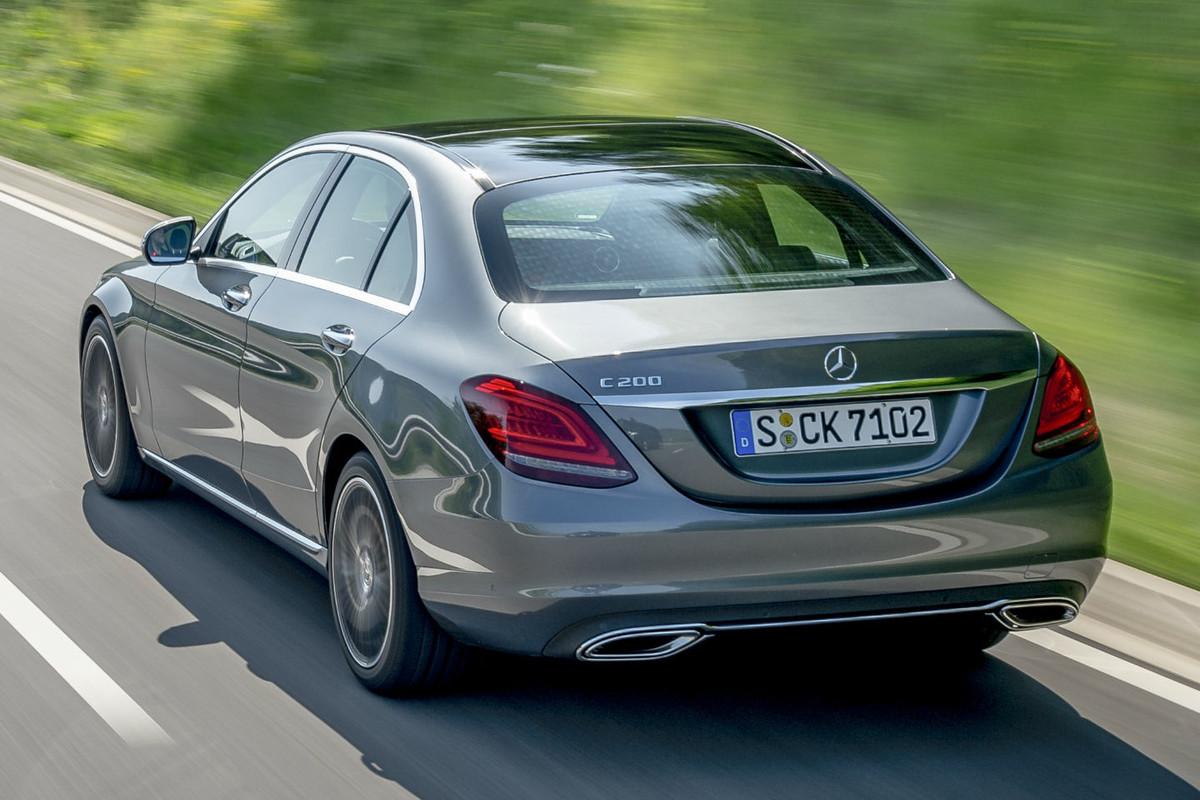
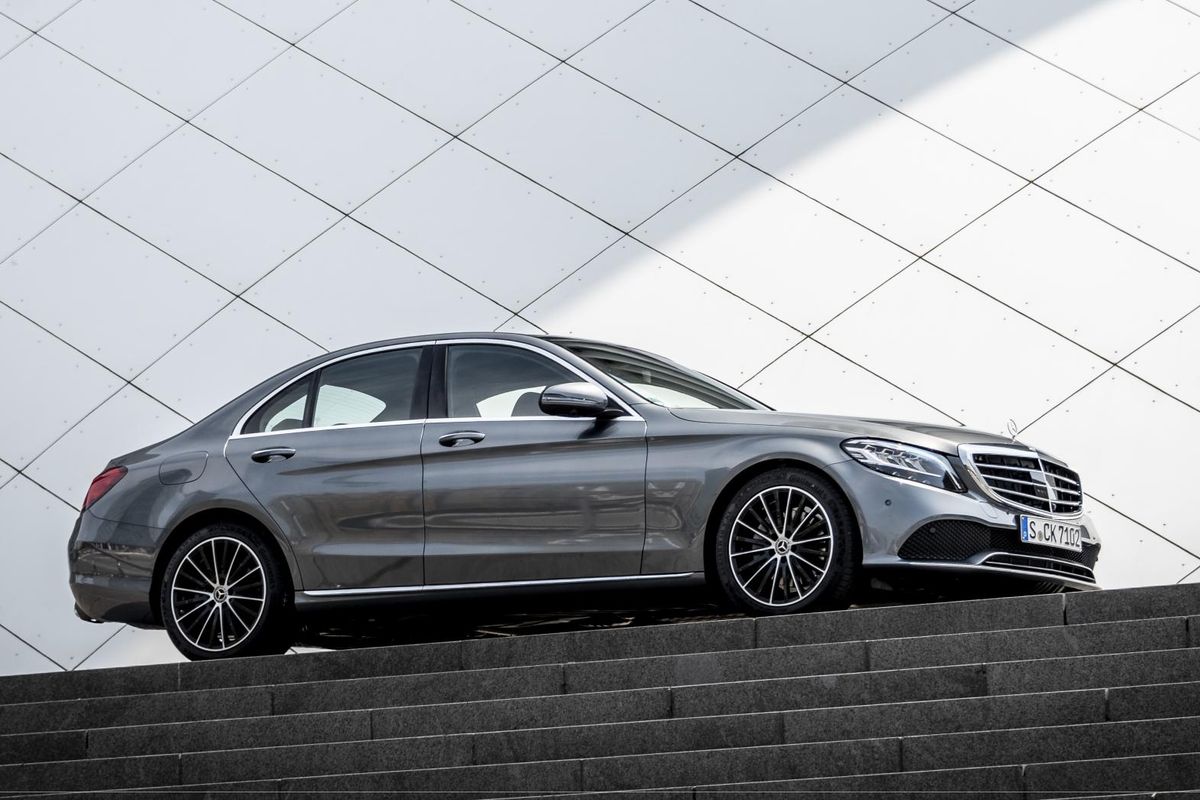
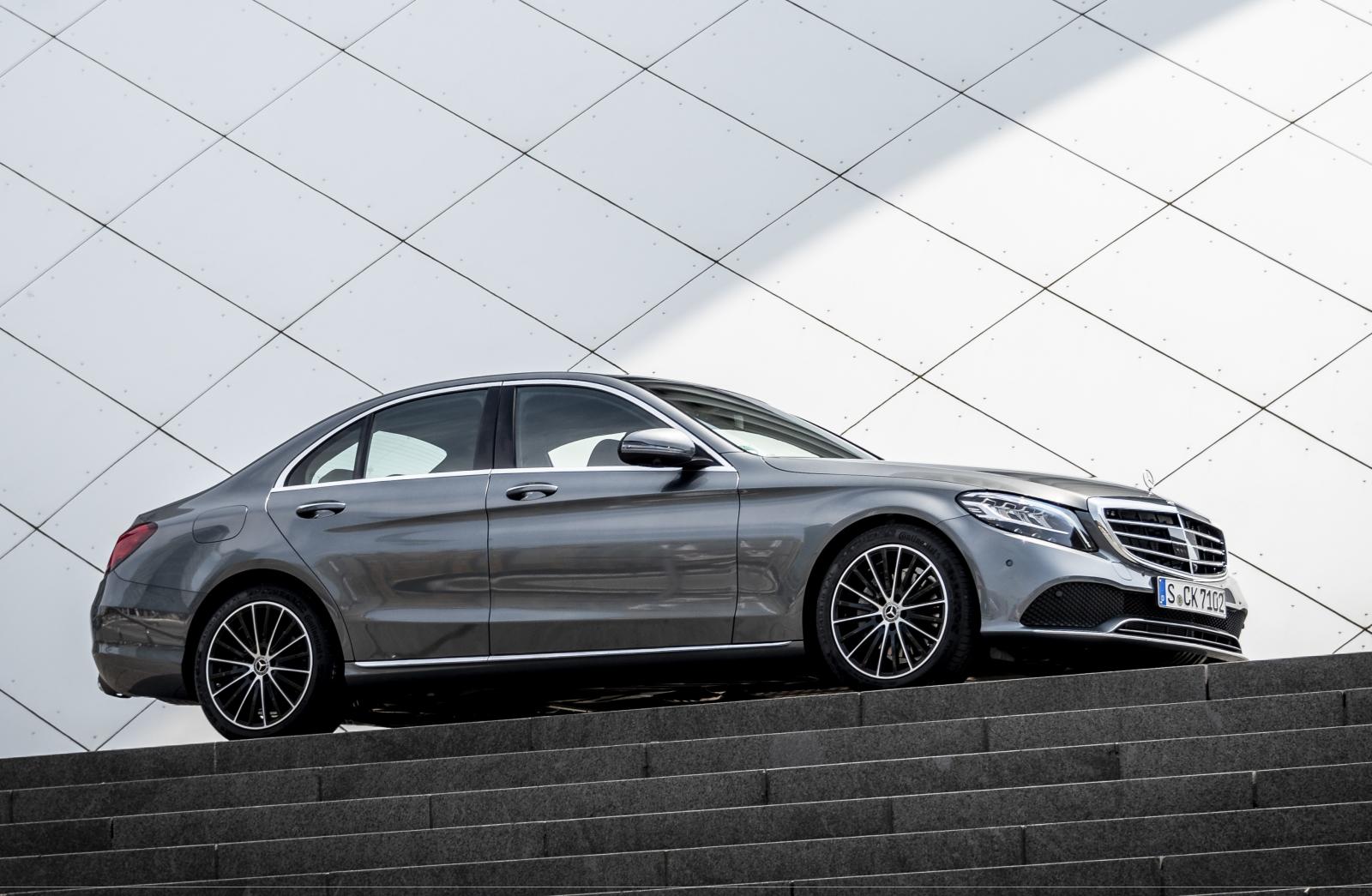
Mercedes-Benz's refreshed C-Class business class sedan, which is produced at the firm's East London plant, remains a highly regarded product in the local market… The C300 AMG Line, for example, is a finalist in the business class category of the 2019/20 Cars.co.za Consumer Awards – powered by WesBank. Although the updates incorporated in the C-Class may seem relatively minor, Mercedes-Benz claims the changes are the most significant in the history of its business-class sedan range!
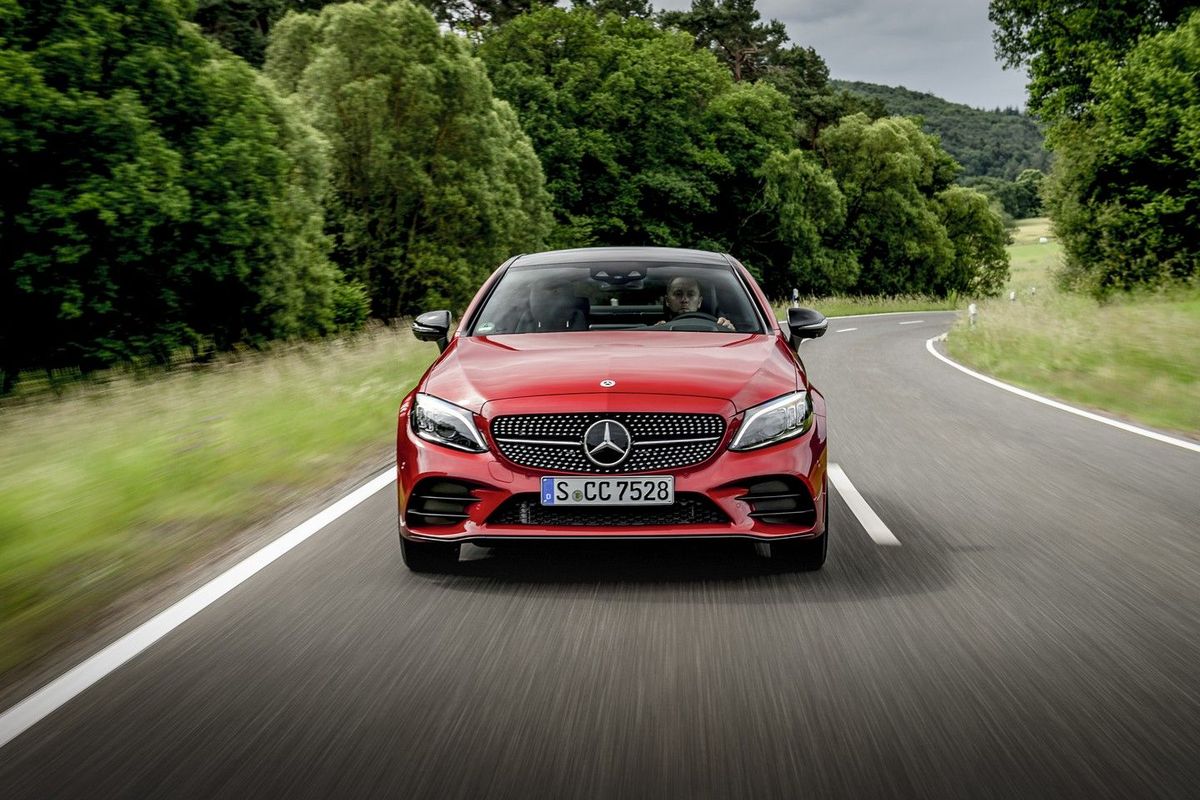
Despite the arrival of the all-new BMW 3 Series during 2019, the Mercedes-Benz C-Class still looks remarkably fresh.
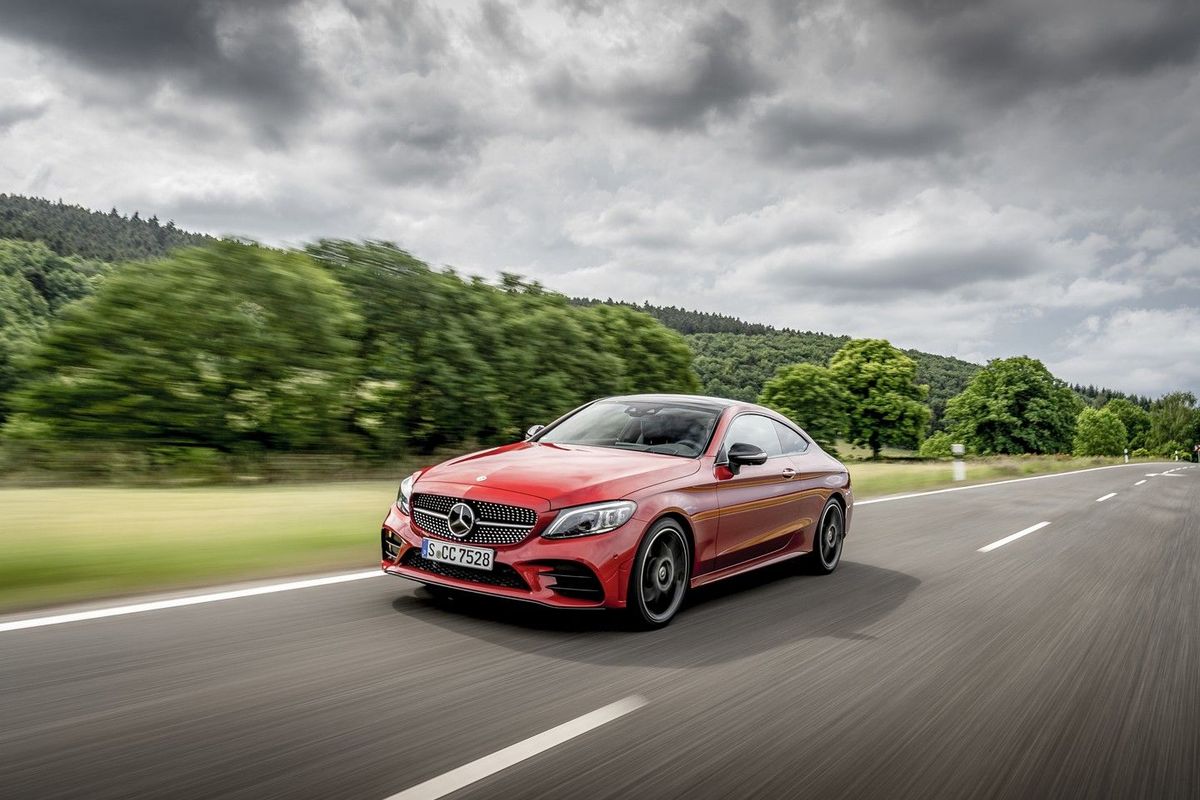
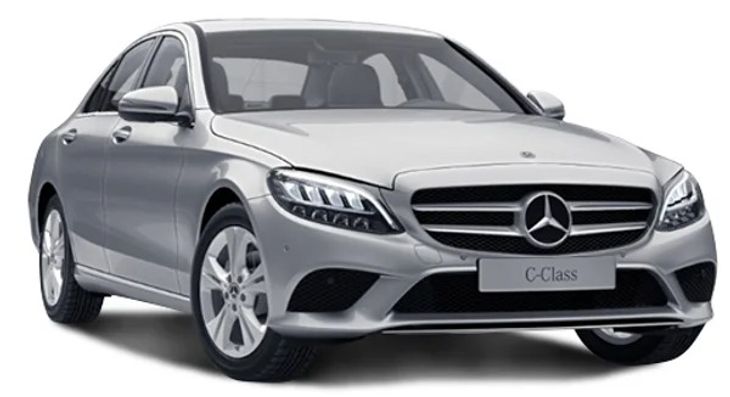
The updated C-Class is distinguishable by its standard diamond-pattern grille (in combination with AMG Line) and redesigned LED headlamps (Multibeam LED units with Ultra Range high beam-function are optional). Revised front bumpers (for all lines), as well as updated taillight clusters contemporise the business-class sedan’s appearance.
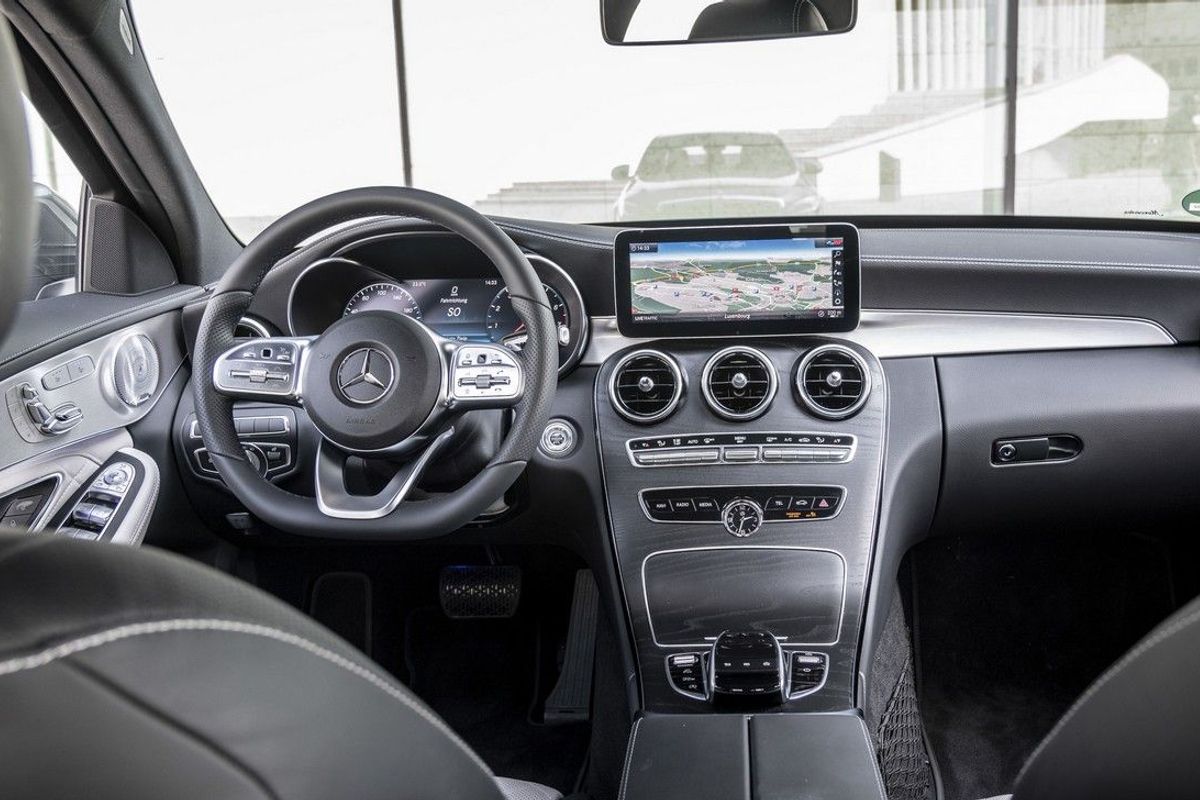
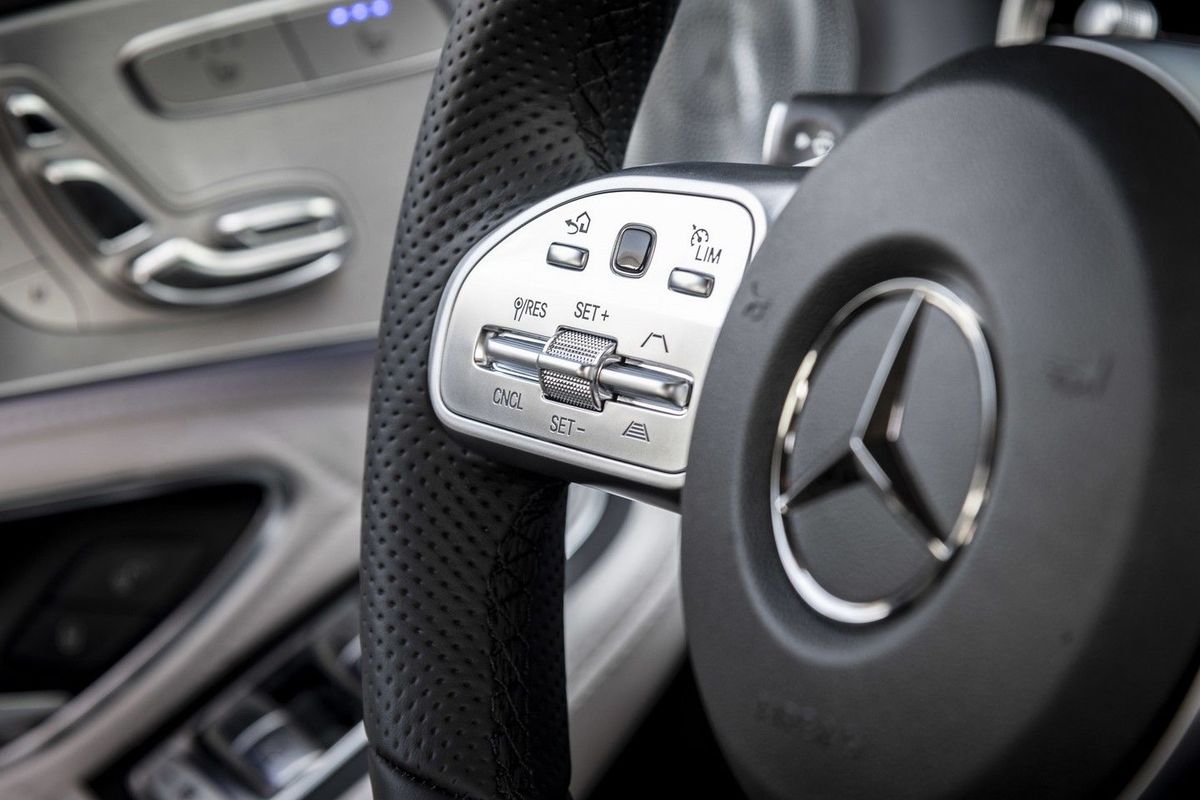
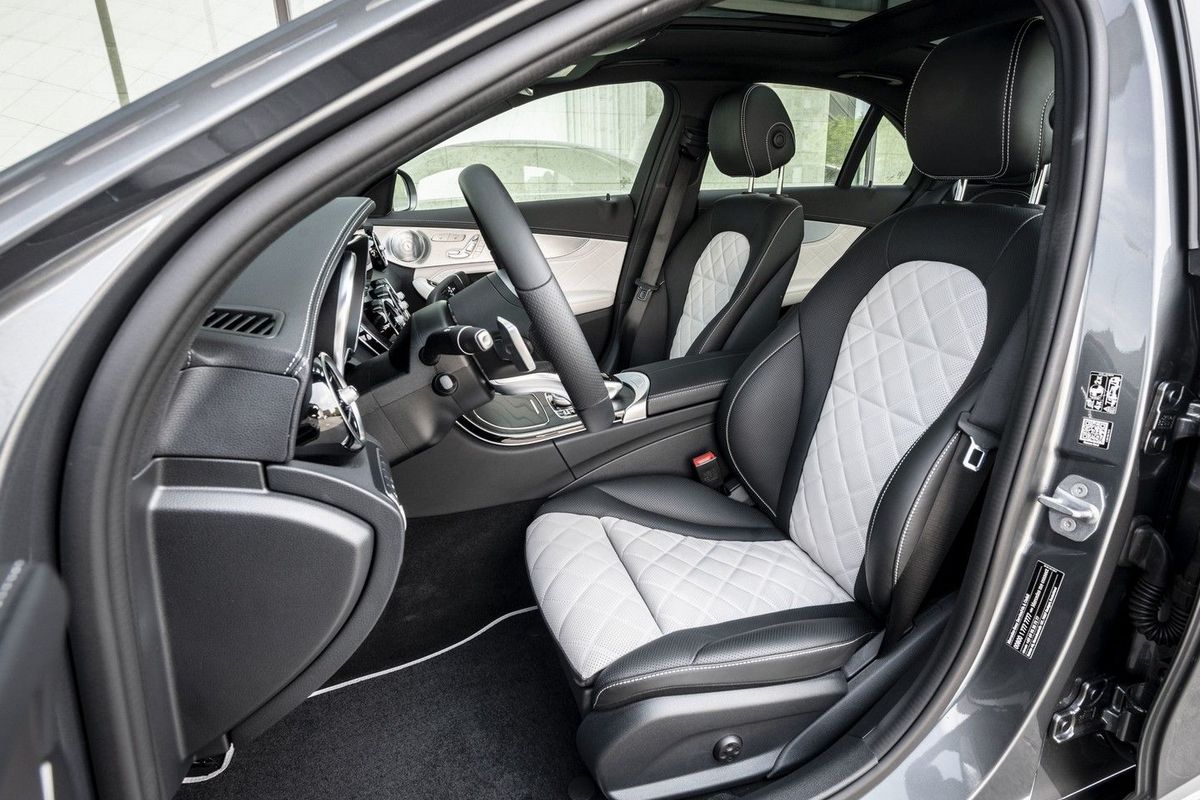
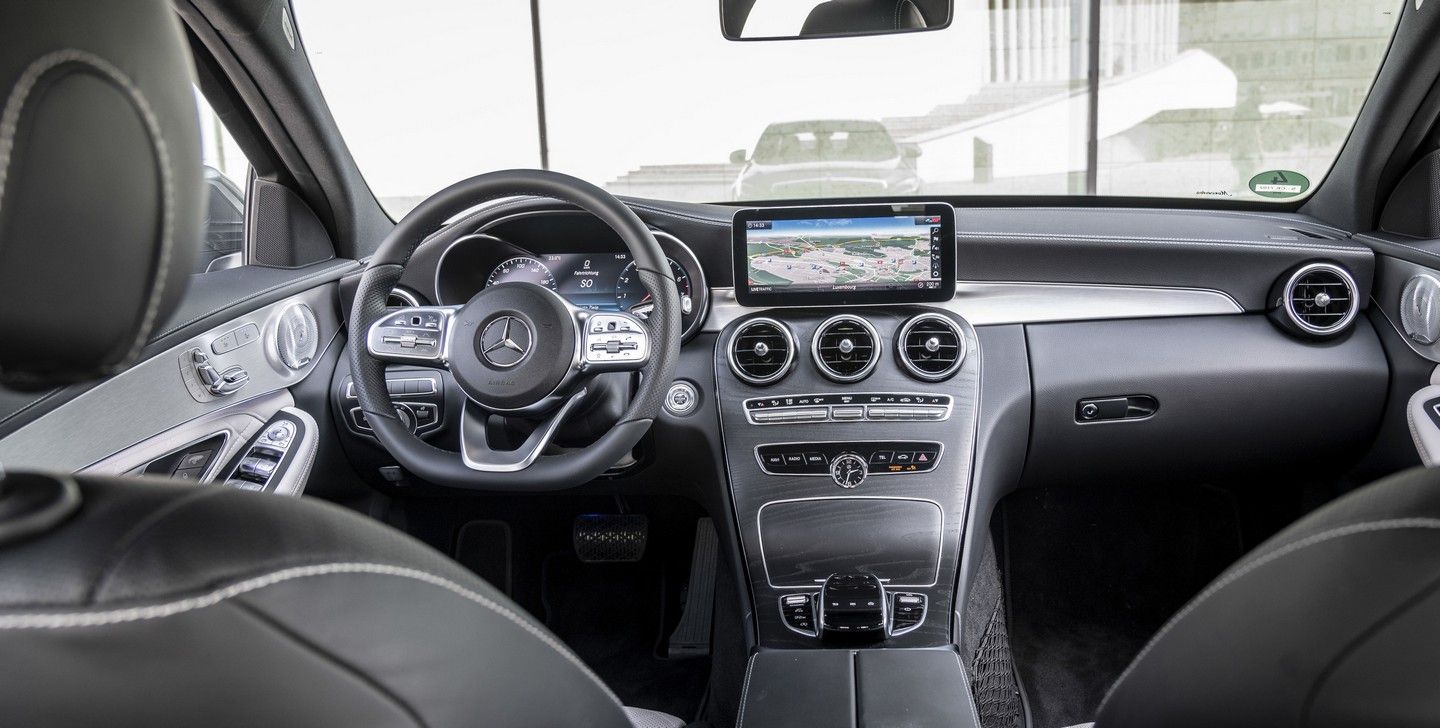
The interior, meanwhile, incorporates a host of new technologies, including a fresh electronic architecture, which is said to be on par with that of the S-Class. An all-digital 12.3-inch instrument cluster is available as an option and the newly designed steering wheel now affords access to more onboard and infotainment systems (including Distronic active cruise control – if specified) and its control buttons respond to sweeps of the thumb.
Mercedes-Benz has overhauled the electronic user interface and introduced expanded functionality in the C-Class' cabin.
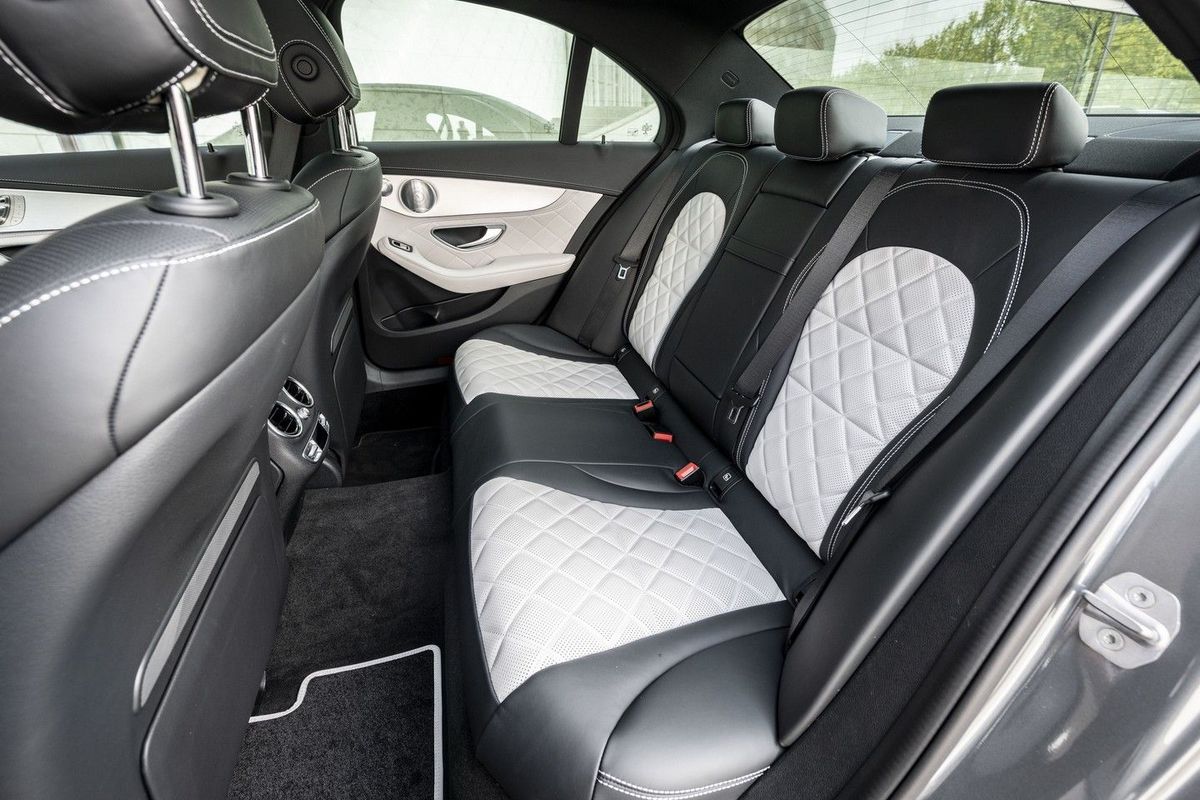
The infotainment system has been upgraded too, with a new 10.25-inch screen offered on high-end models (smartphone integration is standard), plus there are fresh interior trims, such as open-pore brown walnut and anthracite oak trim inserts, to choose from.
Meanwhile, a number of Intelligent Drive electronic assistance features, which offer a higher degree of semi-autonomous driving functionality, have made their way to the options list, which includes a Multicontour Seat package that Benz claims "literally offers a massage – the side bolsters and lumbar support can be individually adjusted by an electrically-driven pneumatic pump (to create) a massage effect in the lumbar area".
C-Class sedan from just R8 499 p/m*
Exclusive to Agility Finance, you can get up to 3 months’ instalments off (courtesy of Mercedes-Benz Financial Services SA) when you purchase a new C180 Facelift derivative with AMG Line exterior and Avantgarde interior trim packs, including Mirror-, Parking- and Stowage Space packages, Longitudinal Aluminium Trim, Ambient Lighting, Touchpad with Controller, a dual-pipe exhaust system and 19-inch AMG alloys.
The deal is based on a deposit of 10% and an interest rate of 10.35% linked to the prime lending rate, over 36 months. The rate is subject to a credit assessment and may vary depending on your credit score. The total retail price is R705 669 at a Guaranteed Future Value (GFV) of 61.94% based on 20 000 km per annum (total repayment price of R740 809).
*Terms and Conditions Apply. Offer valid until 31 December 2019, subject to availability, at participating dealers only.
C-Class Coupe from just R9 999 p/m*
Exclusive to Agility Finance, you can get up to 3 months’ instalments off (courtesy of Mercedes-Benz Financial Services SA) when you purchase a new C200 Coupe with a panoramic sunroof, Night Package, in Mojave Silver Metallic and shod with 19-inch AMG alloys.
The deal is based on a deposit of 10% and an interest rate of 10.55% linked to the prime lending rate, over 36 months. The rate is subject to a credit assessment and may vary depending on your credit score. The total retail price is R751 778 at a Guaranteed Future Value (GFV) of 62.2% based on 20 000 km per annum (total repayment price of R824 853).