Mercedes-AMG A45 and CLA45 Teased Ahead of Imminent Reveal
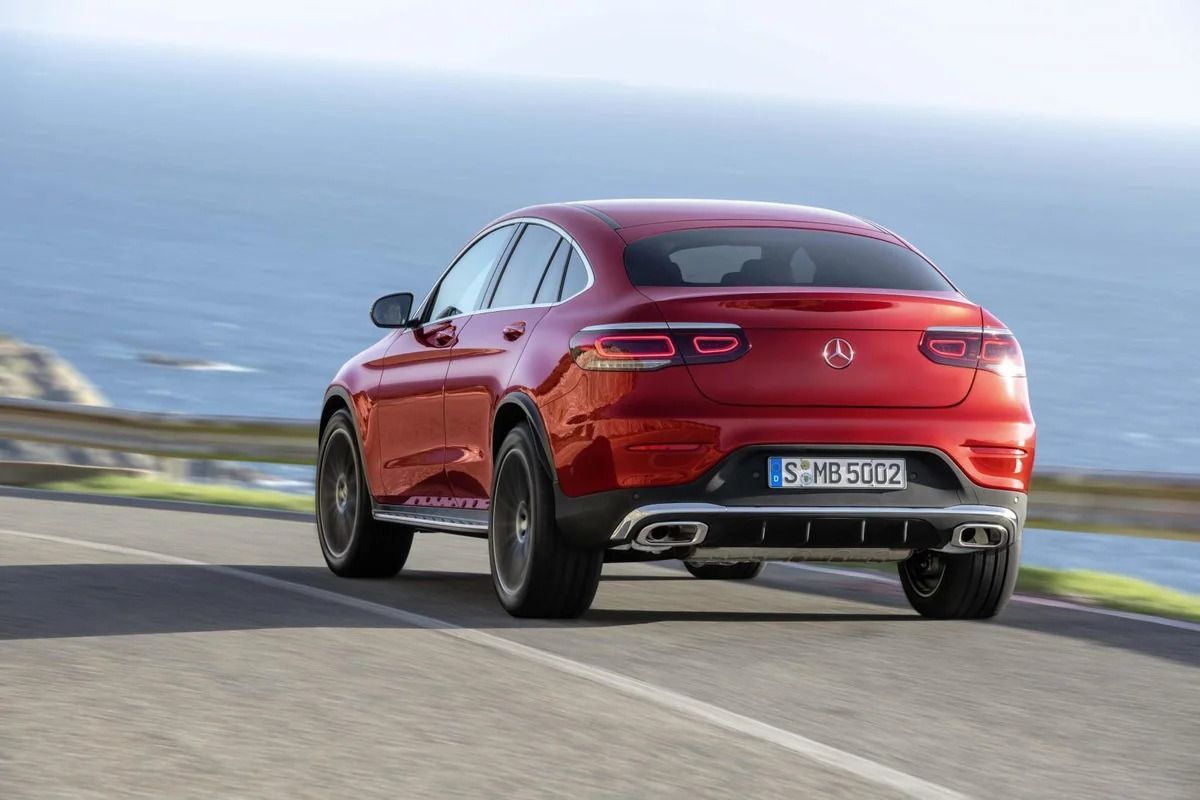
Mercedes-AMG will be officially revealing its new A45 S and CLA 45 S at the 2019 Goodwood Festival of Speed.
The brace of high-performance compact AMGs will be put through their paces at the Goodwood Festival of Speed and it'll be a chance for guests to see the vehicles up close. The announcement came from 2 teasers on social media where you get to see some details as well as listen to the all-new 2.0-litre turbocharged engine.
This new motor produces 310 kW and 500 Nm in both the S versions of the A45 and CLA45. There will be a non-S version which pumps out 285 kW and 480 Nm too. Mercedes-AMG has teased us with the all-wheel-setup that makes provision for a drift mode and both models will feature an 8-speed dual-clutch gearbox.
Set your alarms for Thursday the 4th of July 2019 at 1pm Central European Time (2pm South African time). Stay tuned.
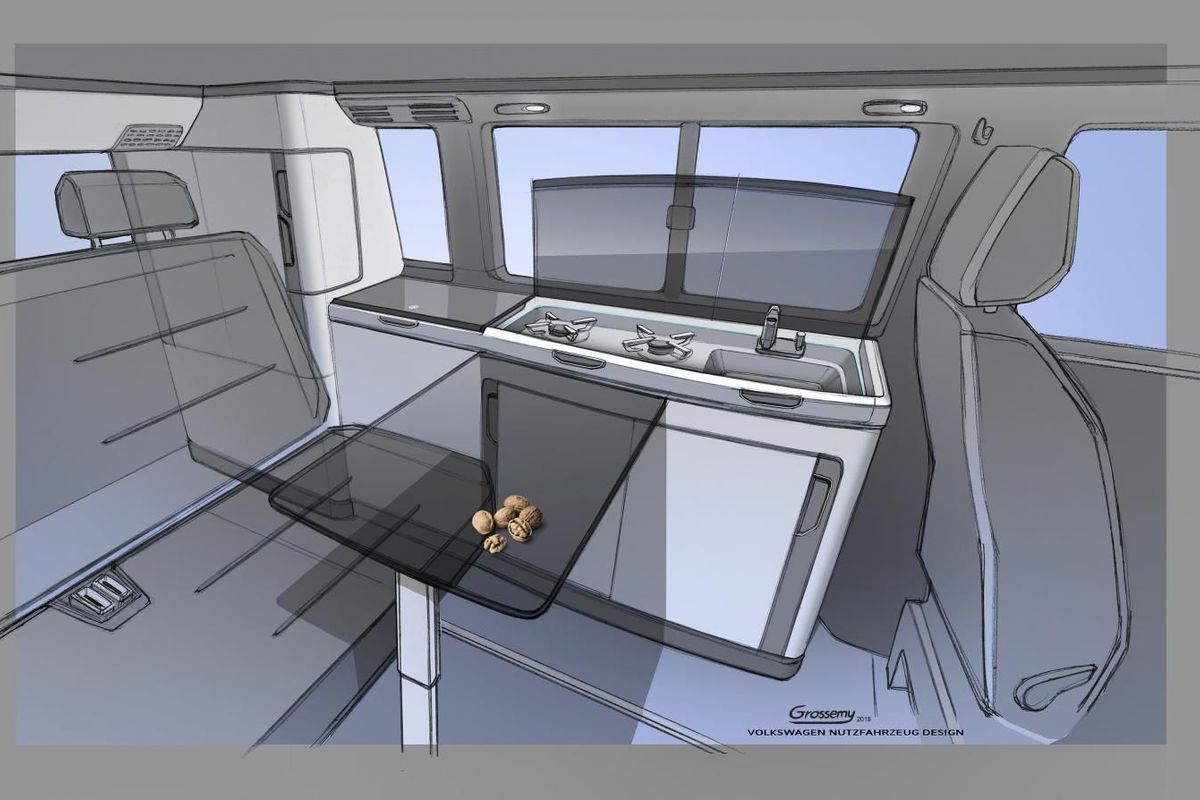
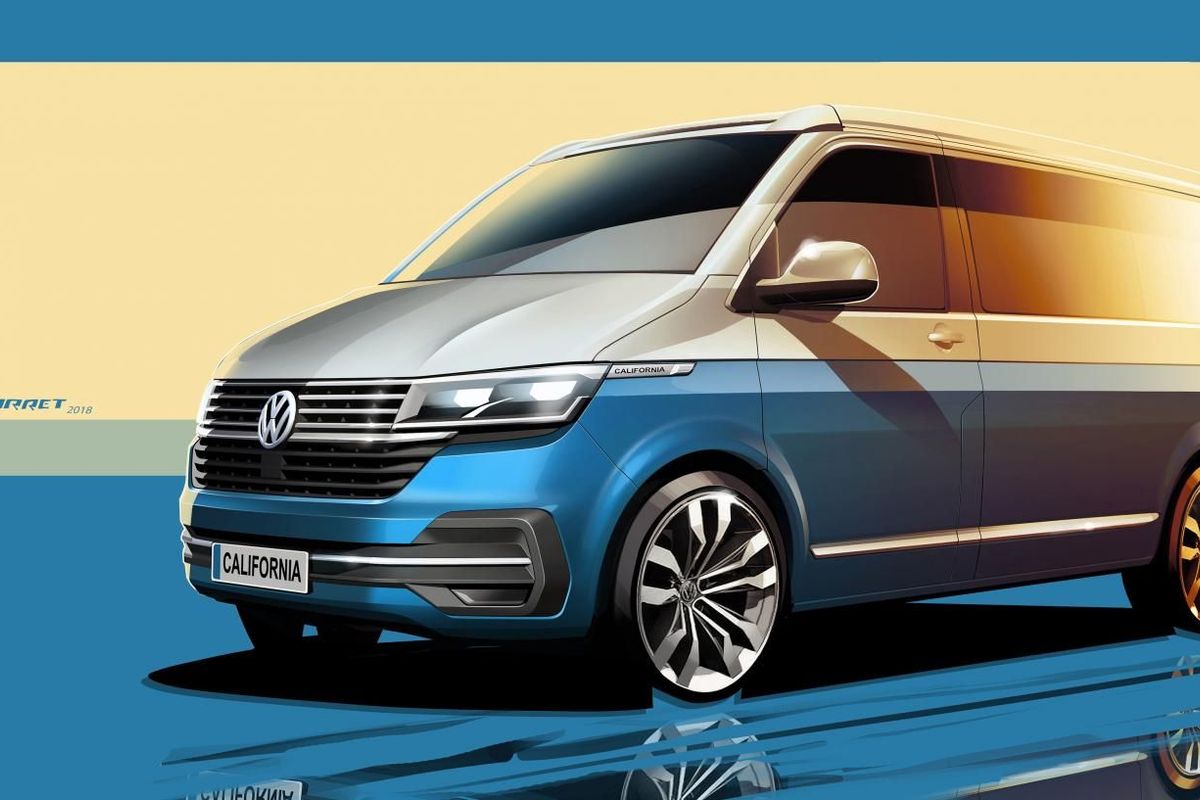
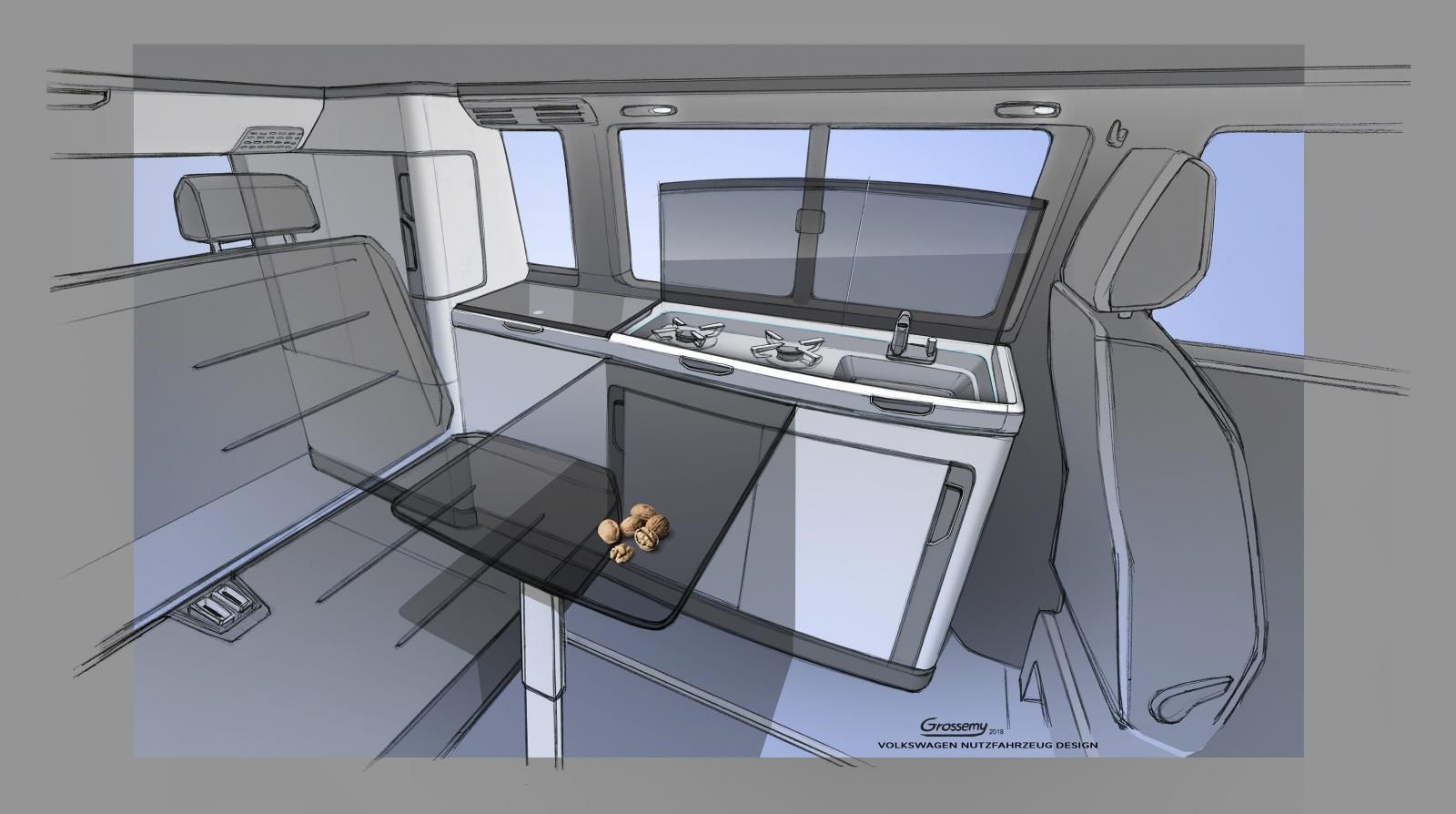
Volkswagen Commercial Vehicles has released 2 teaser sketches of the latest iteration of the California.
Volkswagen says its new California T6.1 will have its world premiere at the end of August 2019 at the Caravan-Salon in Germany. In the meantime, what we know so far is Volkswagen claiming an enhanced interior, new generation of infotainment, and additional assistance systems to increase safety and comfort.
With over 18 000 units sold in 2018, the California became the number 1 campervan. For the updated version, we can also expect enhanced living and sleeping quarters as well as a redesigned dashboard incorporating the option of the VW Active Info Display, which is an all-digital setup.
In terms of mechanics, the updated California T6.1 will feature electromechanical power steering which was first seen on the Multivan 6.1. Safety systems such as Lane Assist, Side Protection, Trailer Assist and Side Wind Compensation will be available for the California T6.1. Under the redesigned front end will be the highly-efficient 2.0-litre turbodiesel motor with outputs of "up to 146 kW".
We'll have more details when the vehicle is revealed at the end of August 2019.
The new living quarters in the Volkswagen California T6.1
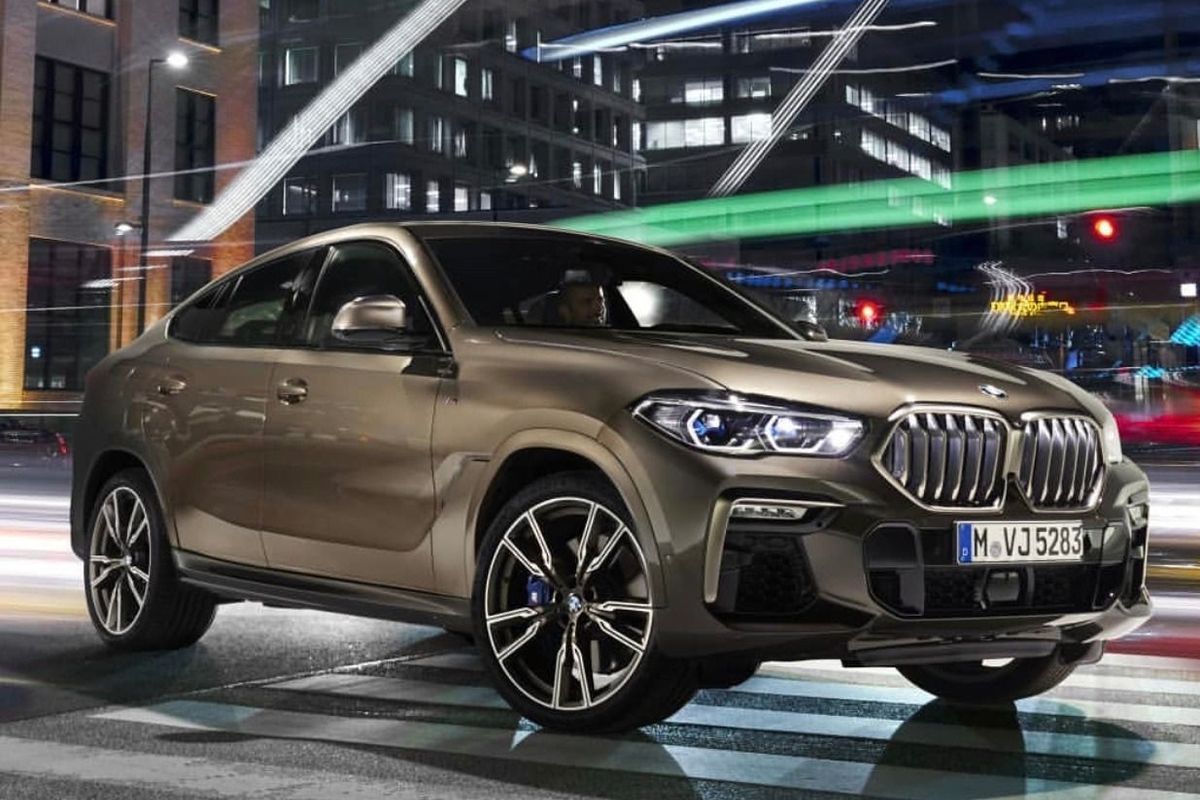
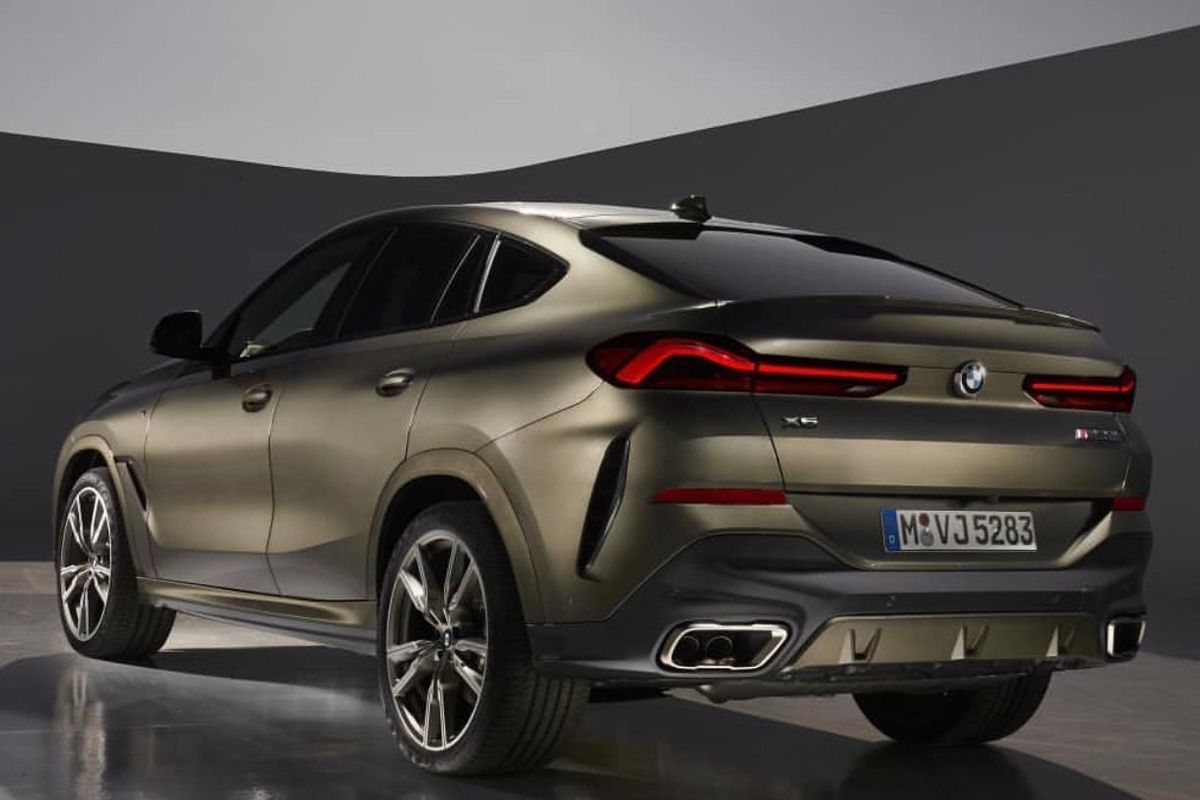
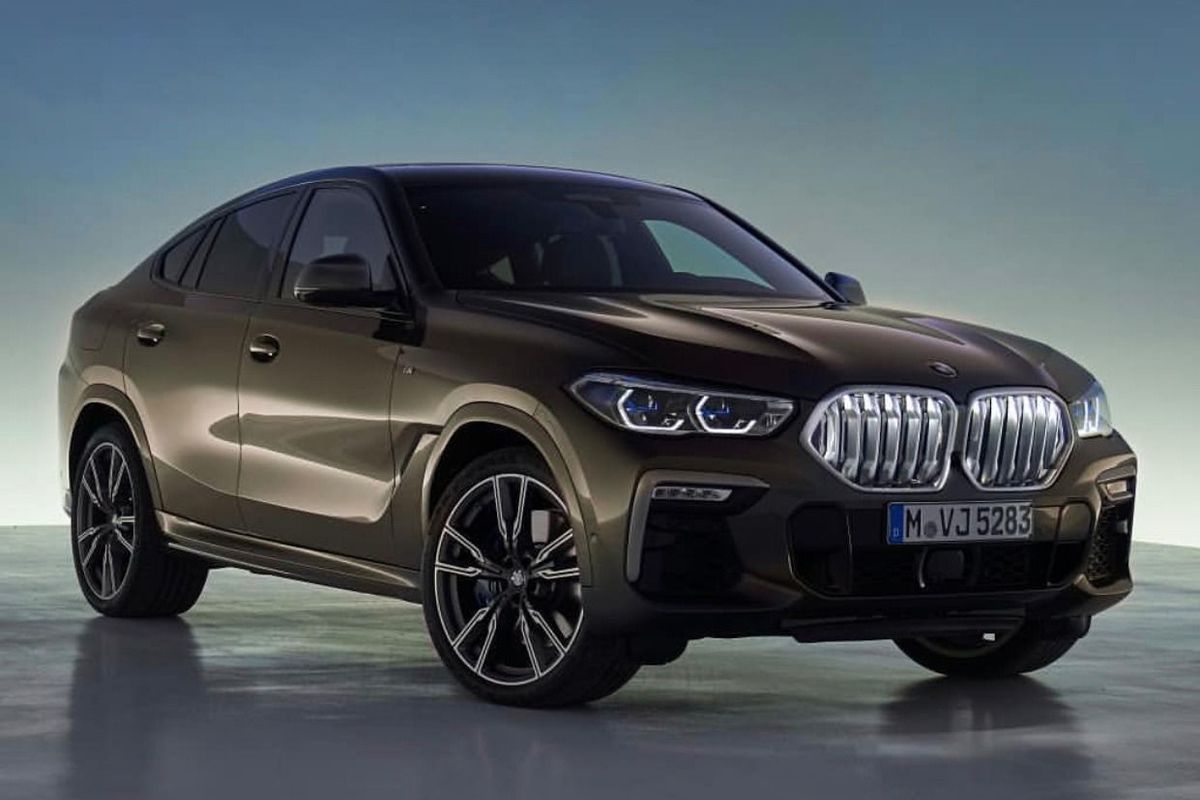
Pictures of the all-new BMW X6 have emerged on the Internet. Here's what we know so far.
Codenamed G06, this new BMW X6 is due for an imminent reveal. From what these leaked photos suggest, we're looking at a bolder and more aggressive-looking BMW X6 and we think it looks particularly attractive from the rear.
Under the bonnet, you can expect the usual array of petrol and diesel engines based on the current powertrains found in the X5 and X7. There'll likely be flagship M and M Competition derivatives too. All models will likely feature xDrive all-wheel drive too.
We'll have more information after the official reveal which we believe to be in the first week of July 2019.
BMW will be introducing a very special version of its critically acclaimed M2 in the near future. We reported on this back in 2017, but there have been some developments.
The BMW M2 CS will follow a similar strategy to the M4 CS – it will be a hardened, more powerful and lighter track-focused machine. It is said to be revealed later this year with the production run beginning in 2020.
This artist's impression of the M2, supplied exclusively to Cars.co.za, shows an M2 with the same treatment as an M4 CS. Bits to be added to the M2 CS are a lightweight carbon-fibre reinforced plastic bonnet and rear diffuser. It’s also likely to get a fixed rear spoiler and a new front splitter. Brakes and suspension will no doubt get an upgrade and the wheels will be especially lightweight. From what we’ve seen with the M4 CS, it will also get a set of super-sticky Michelin tyres to help improve traction.
According to various reports, BMW has dispensed with the upgraded 235i/240i engine that resides in the current M2, and will transplant the M engine from the M3/M4 into the M2 CS. It could be slightly detuned so as not to step on the toes of the bigger brother, but for those who know their engine codes, this is the S55 3.0-litre turbocharged 6-cylinder motor which will be producing around 330 kW and 550 Nm.
The most interesting rumour around the running gear surrounds the gearbox. Rumours of the manual gearbox's demise have been greatly exaggerated as it appears the M2 CS will be offered with a 6-speed manual. There should also be the option of a 7-speed dual-clutch gearbox. A manual-equipped M2 CS makes perfect sense as a pure driver’s car and, in the opinion of various aficionados, will cement the M2 as the best current M car in the BMW lineup. Being a CS model, there will be a limited production run.
As for the expected time of arrival, BMWBlog suggests that production begins in March 2020, but it wouldn't surprise us to see a reveal at either the Frankfurt Motor Show or the Los Angeles Motor Show before the end of 2019.
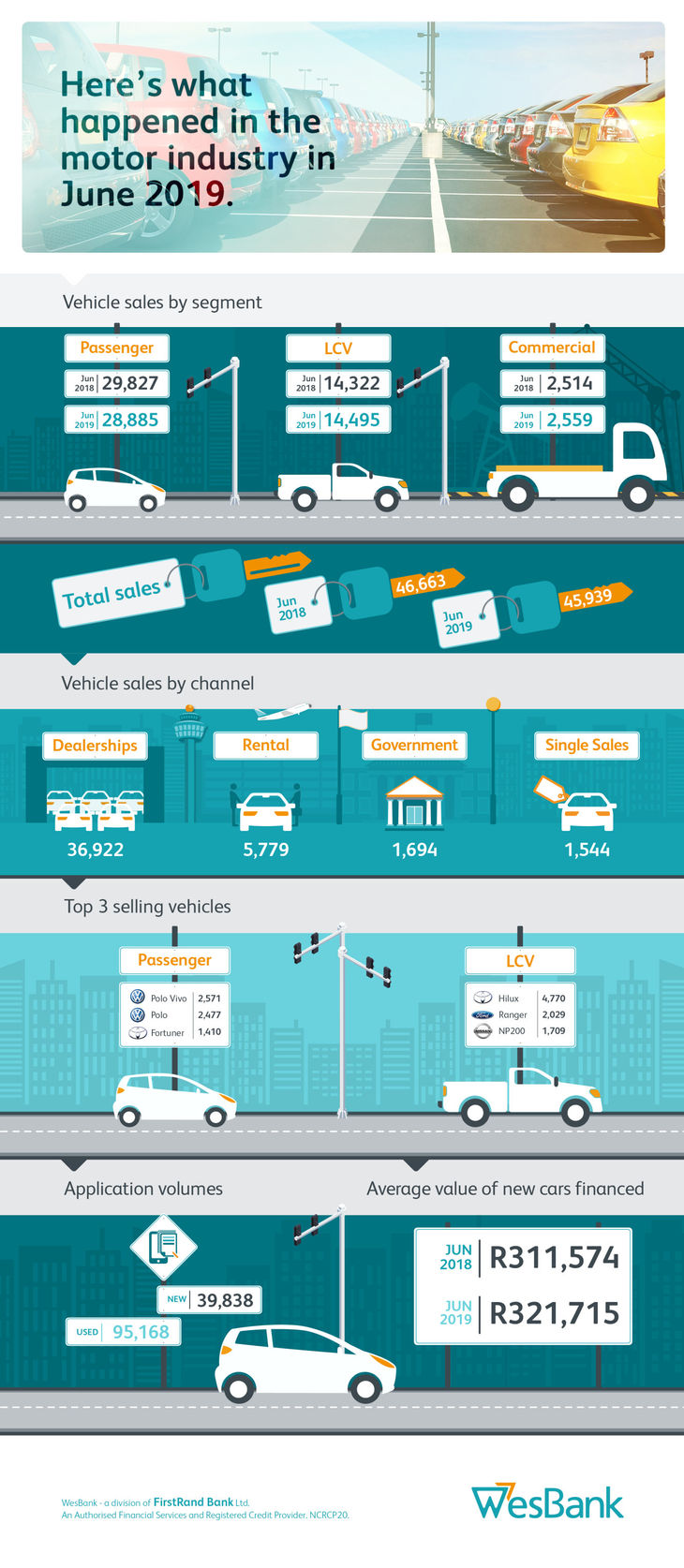
New car sales continue to strain in tough market conditions with June 2019 numbers yet again reflecting a decline but improvements in exports and Light Commercial Vehicle (LCV) sales offer marginal respite.
The first half of 2019 is gone and it wasn’t a good half for the local automotive industry which has been in a seemingly constant state of decline. The new car sales market declined by 1.6% in June 2019. Some improvements are expected in the second half of the year though…
“Being optimistic, overall market performance is improving over the first half, but its performance doesn’t follow any kind of trend,” says Ghana Msibi, WesBank Executive Head of Motor. “The market started the year 7.4% down in January, making June look relatively rosy – but it’s been a matter of how big the rest of the thorns were in-between.”
New car sales summary: June 2019
Aggregate new car sales of 45 939 units down by 1.6% (-724 units) compared with June 2018
Passenger car sales of 28 885 units down by 3.2% (-942 units) compared with June 2018
LCV sales of 14 495 units up by 1.2% (+173 units) compared with June 2018
Export sales of 30 604 up by 14.3% (+3 819 units) compared to June 2018
Consumers remain under considerable financial pressure while low business and consumer confidence continue to limit growth. Demand for new vehicles remains low.
“The only trend that does continue is the financial pressure that consumers remain under,” says Msibi. “While motorists should expect some relief in petrol prices during July, households will bear increases in rates and electricity prices from this month. The South African Reserve Bank will be considering interest rates carefully, but any relief will be small if at all.”
Marginal improvements are expected in the second half of 2019 with exports expected to register large gains for the remainder of the year.
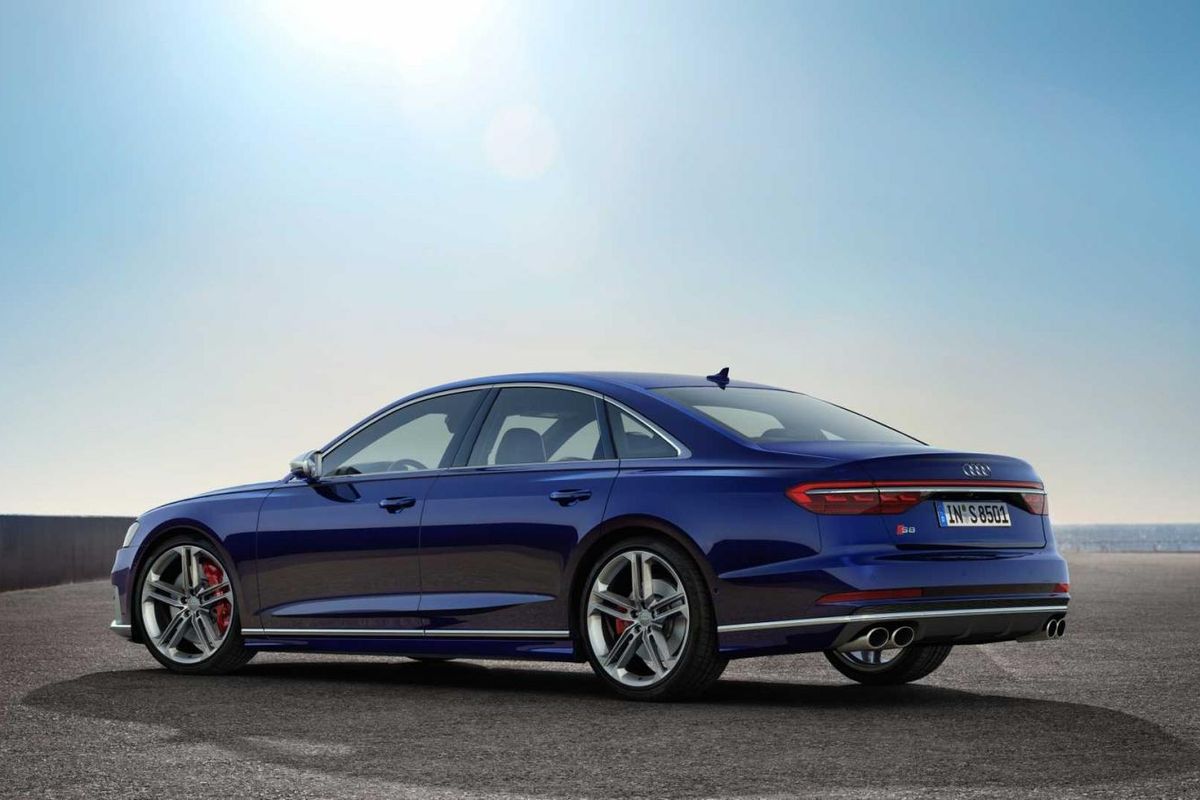
Audi has revealed its V8-powered S8 which sits at the pinnacle of the A8 range. Details below…
The S8 has been revealed and it’s Audi’s answer to the Mercedes-Benz S 63 L and BMW 760Li.
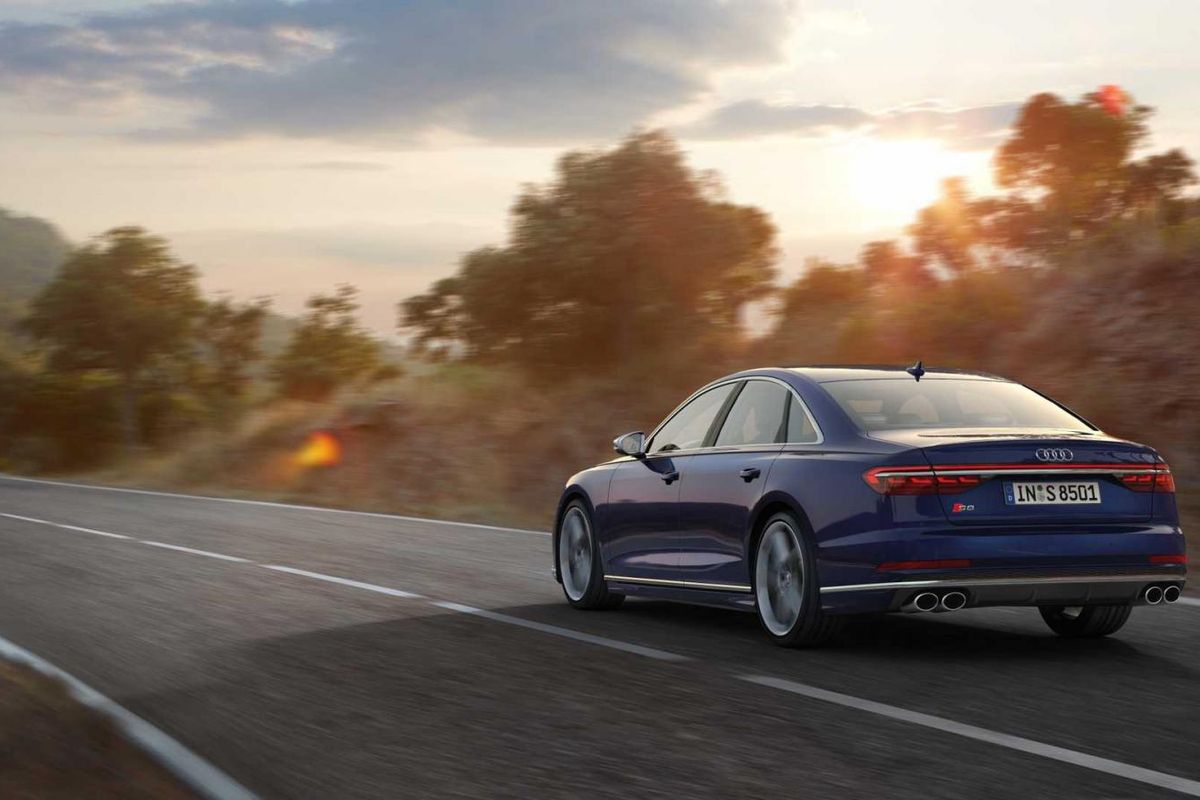
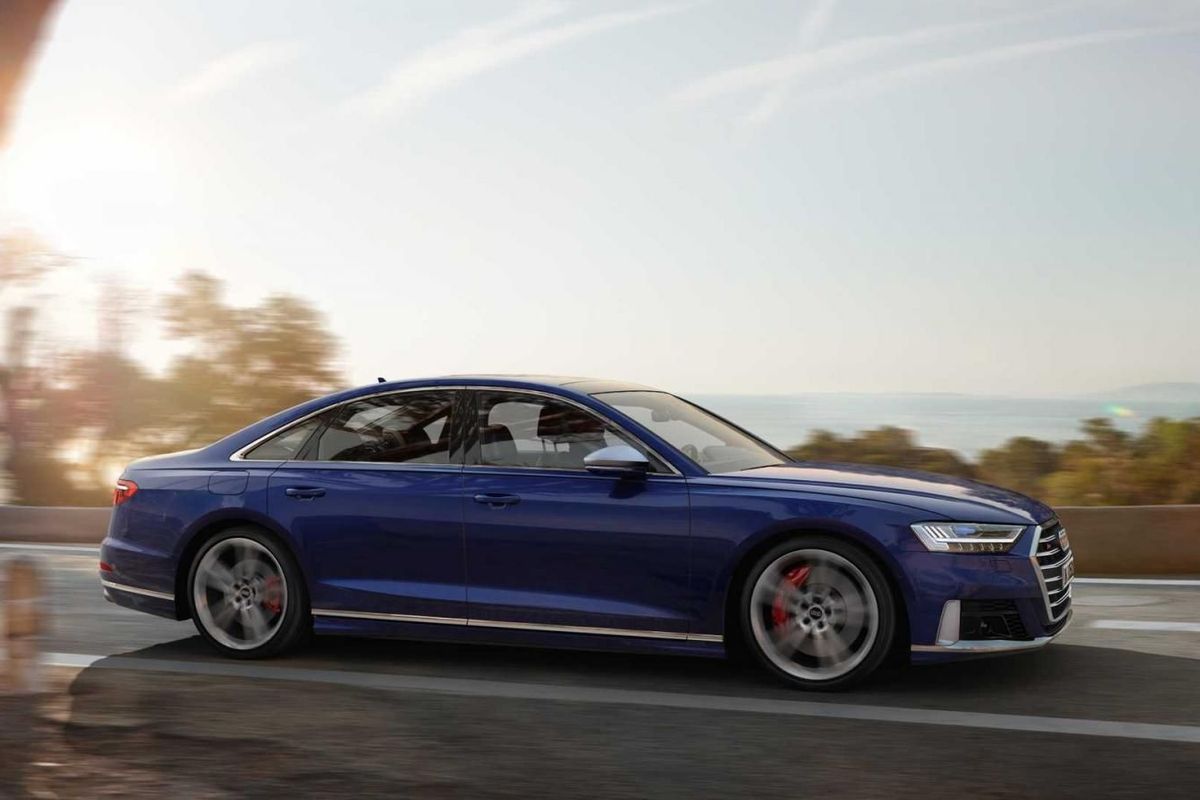
In terms of styling, the S8 features a sportier face and is easily recognised with its unique badging and quad tailpipes.
Power comes courtesy of a twin-turbocharged 4.0-litre V8 engine with 420 kW and 800 Nm of torque transferred to a quatrro all-wheel-drive system and sport differential. A 48V mild hybrid system with a stop-start function will also ensure better efficiency and overall performance.
The S8 also features all-wheel steering which improves manoeuvrability at slower speeds while enhancing stability when you are enjoying a cruise at high speed. Predictive active suspension is also standard which can limit body roll during cornering and can also raise or lower each individual wheel to improve ride comfort. With the use of camera technology, the S8’s suspension adjusts automatically in anticipation of upcoming conditions, such as potholes, for example. Carbon ceramic brakes will be offered as an option.
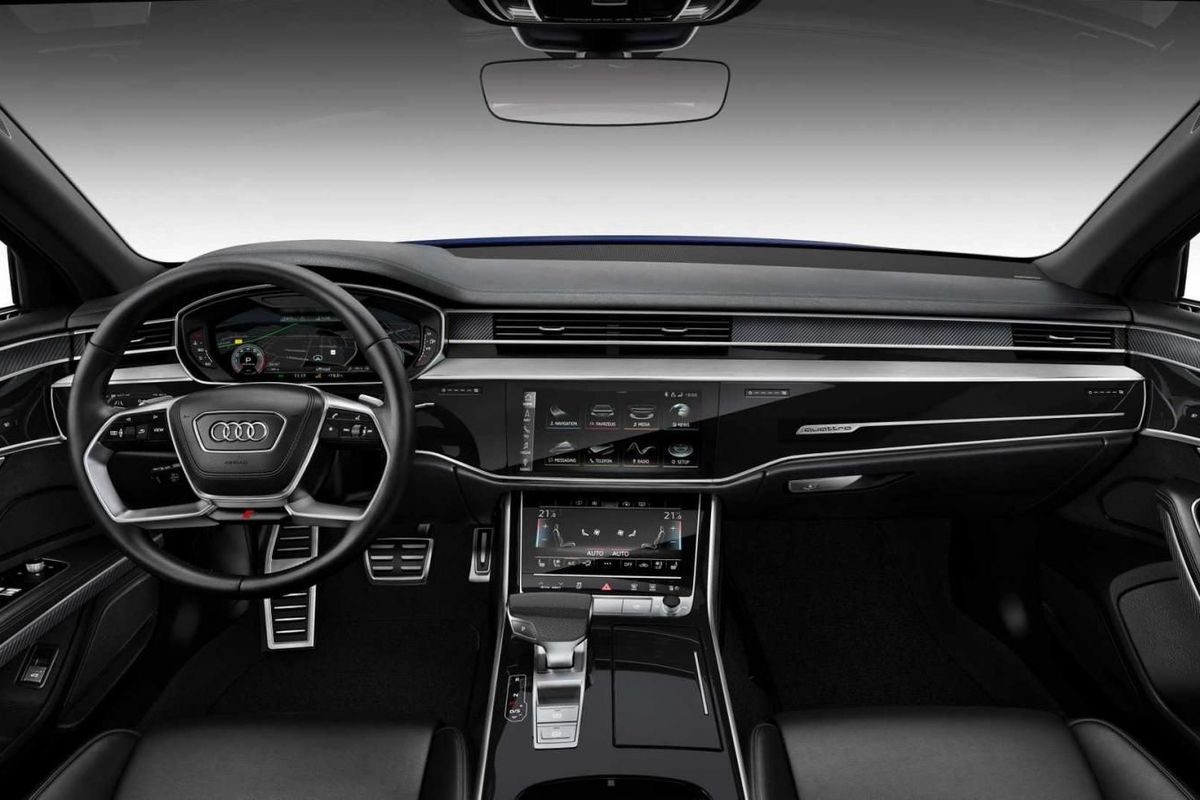
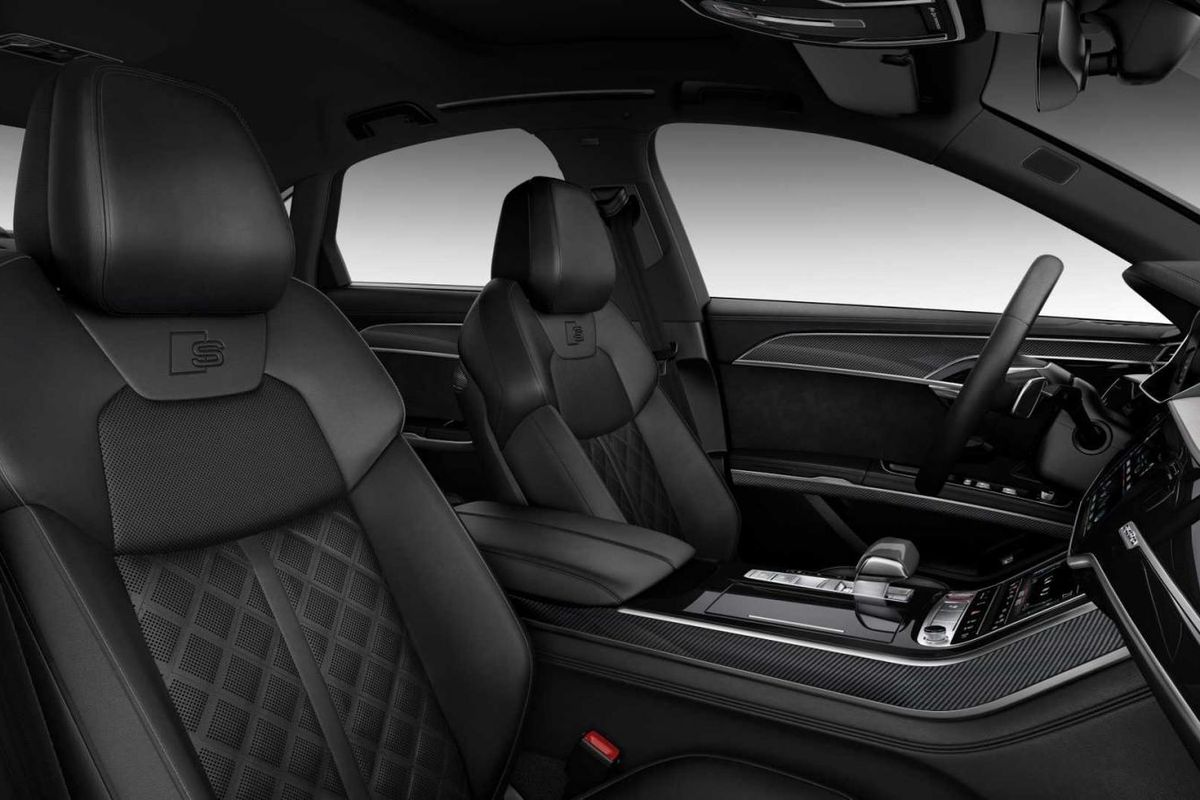
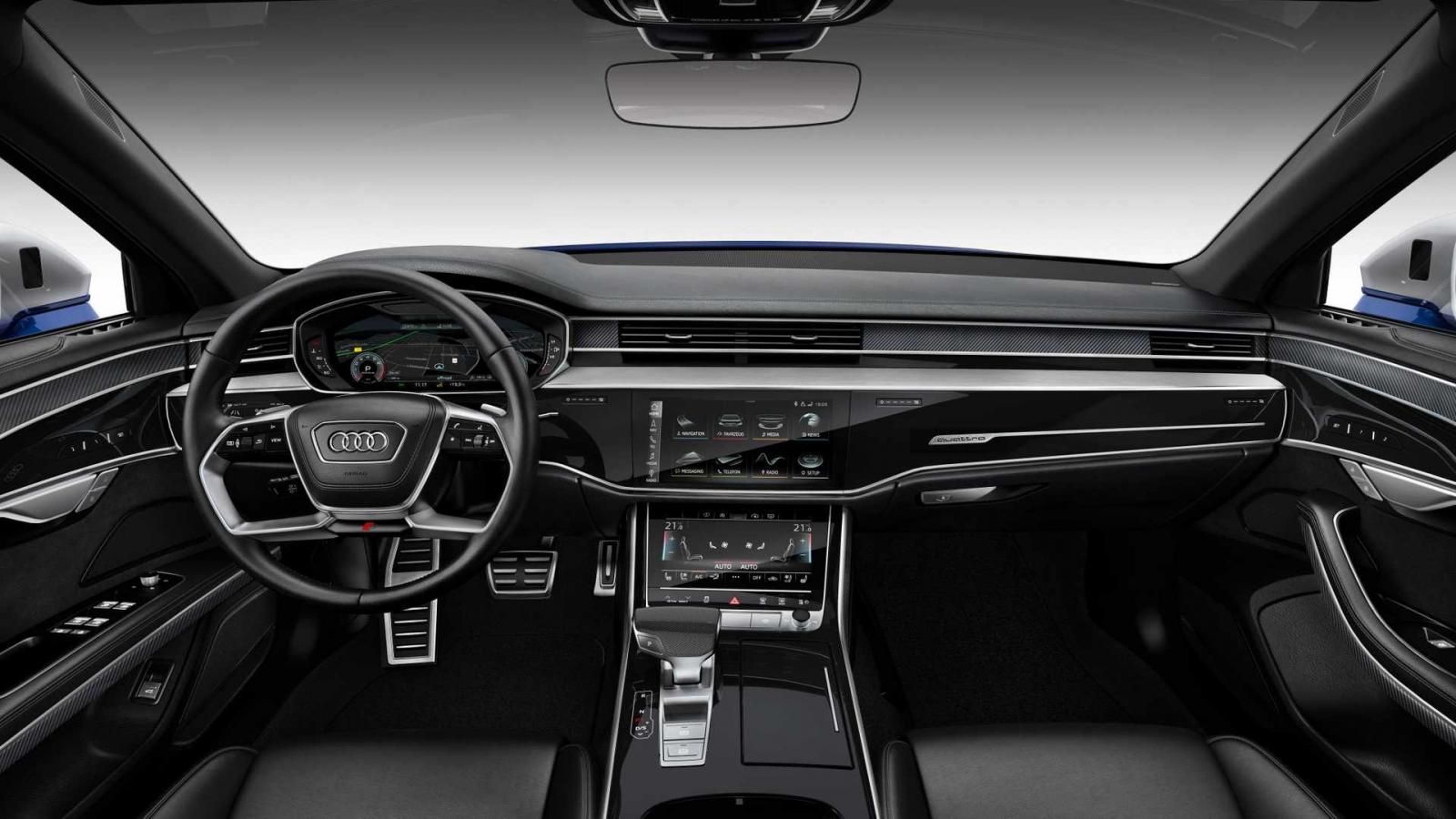
The S8 features a thoroughly modern and high-tech cabin.
The interior is as classy as an Audi can come with a 3D-effect Carbon Vector inlay and matte aluminium trim which looks very snazzy. The leather seats are diamond stitched and embroidered with S badging. There’s no shortage of tech inside the S8 either with dual screens for the infotainment and climate control systems as well as Audi’s Virtual Cockpit giving the interior a suitably modern look.
An Audi South Africa representative has informed us that the A8 range and the S8 are still under consideration for South Africa. If the A8 and S8 are to be approved for market introduction, arrival can then be expected in 2020. We will keep you updated as soon as more definitive information becomes available.
Pricing for the facelifted Mercedes-Benz GLC has turned up on the website of Mercedes-Benz South Africa. Here's how much the newcomer will cost.
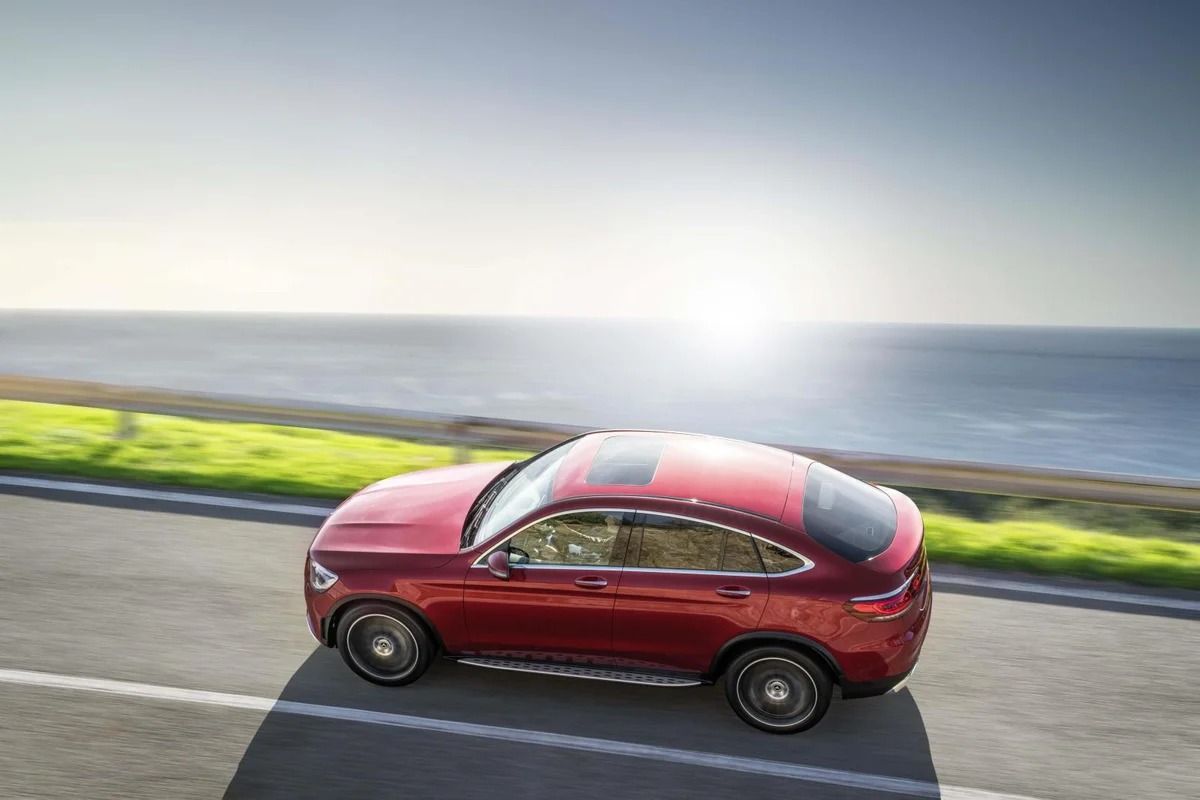
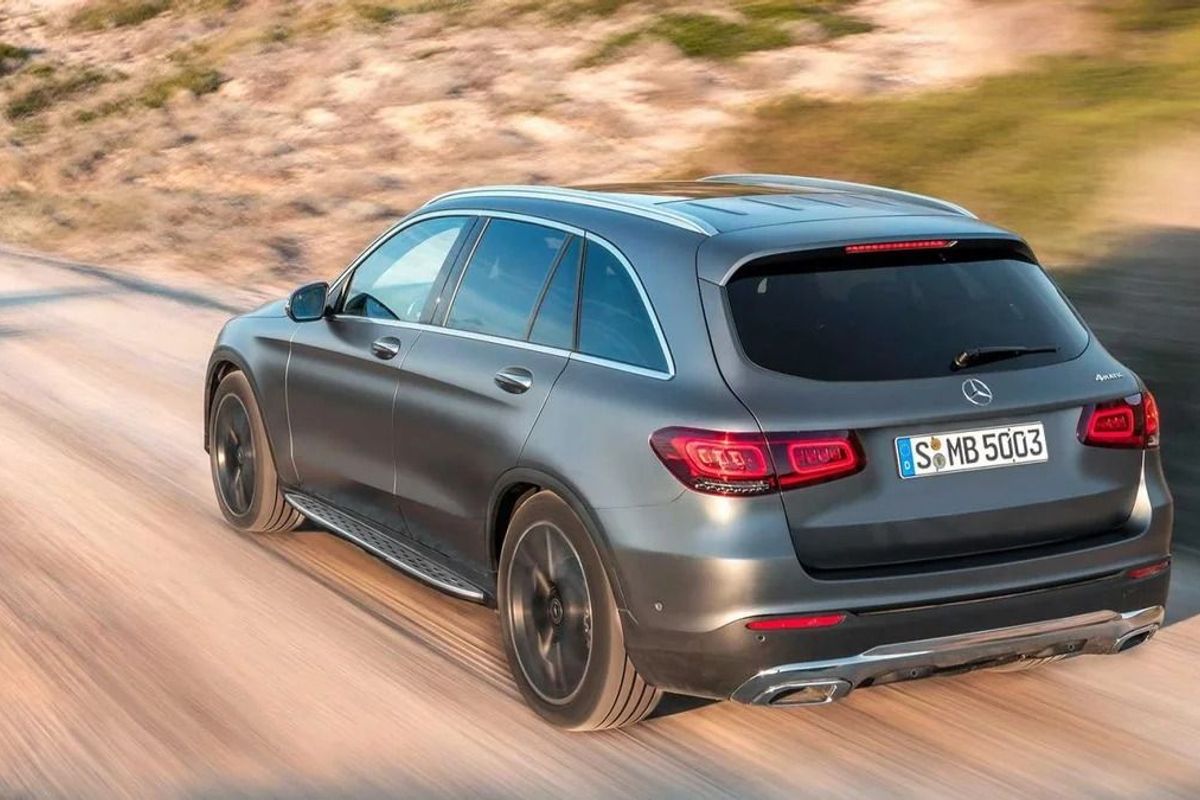
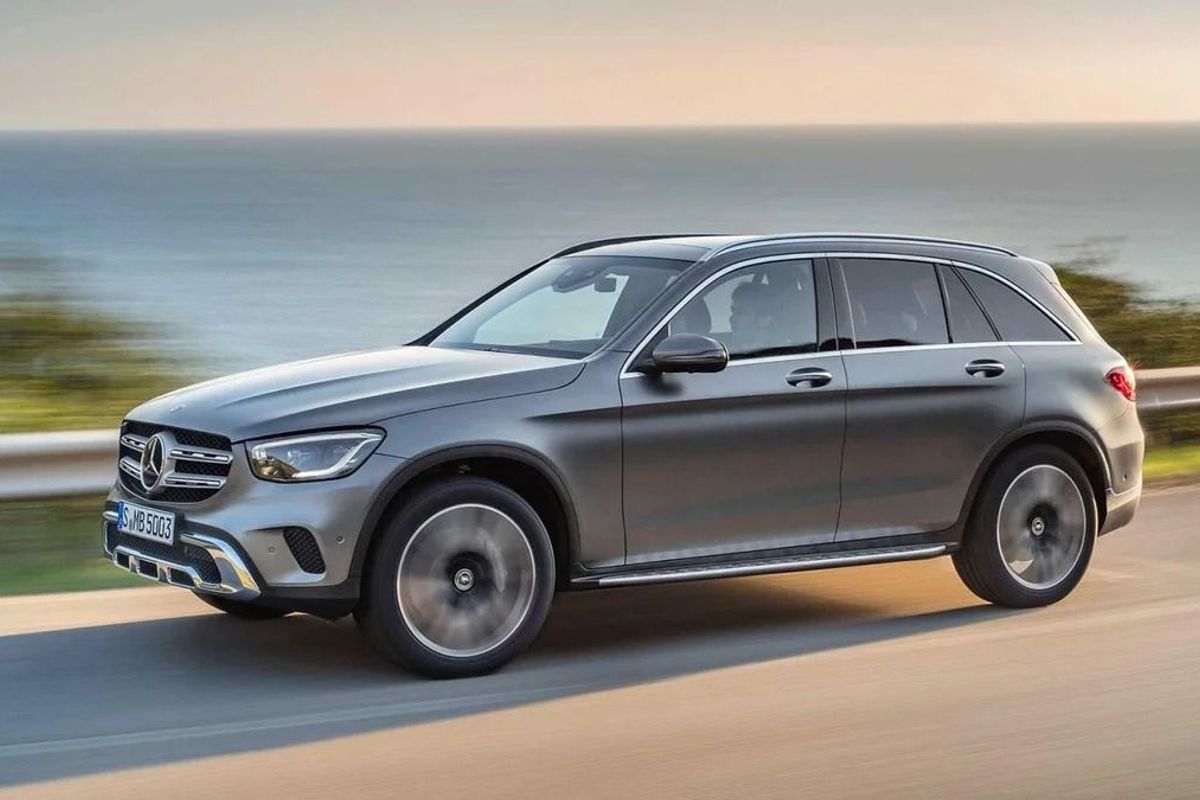
The C-Class based SUV from Mercedes-Benz has proven quite popular amongst the fans of the 3-pointed star. With an array of petrol and diesel engines, as well as AMG and coupe versions, there really was a GLC for everyone. For 2019, the Mercedes-Benz GLC has received a facelift and we can share pricing and some engine details. While there's no mention of the AMG version, Mercedes-Benz SA has updated its website and we can confirm the updated lineup.
In terms of engine, the facelifted Mercedes-Benz GLC will be available with petrol and diesel options. Kicking off the range is the 220 d which is a 2.0-litre turbocharged diesel engine. It produces a reasonable 143 kW and 400 Nm. The 300 d promises 180 kW and 500 Nm from the same engine but tuned to deliver higher outputs. All derivatives feature 4Matic all-wheel drive as well as the 9G-Tronic automatic transmission. For those wanting petrol, there will be a 2.0 litre turbocharged 4-cylinder with 190 kW and 370 kW.
Naturally, you can go to town when it comes to options. There's a strong lineup of packages such as Lane Tracking (R13 900), Driving Assistance (R36 900), Stowage Space (R3 800), AMG Line (R40 000) and Offroad Package (R17 800) to name but a few. Final specifications and features will be announced closer to the vehicle's launch.
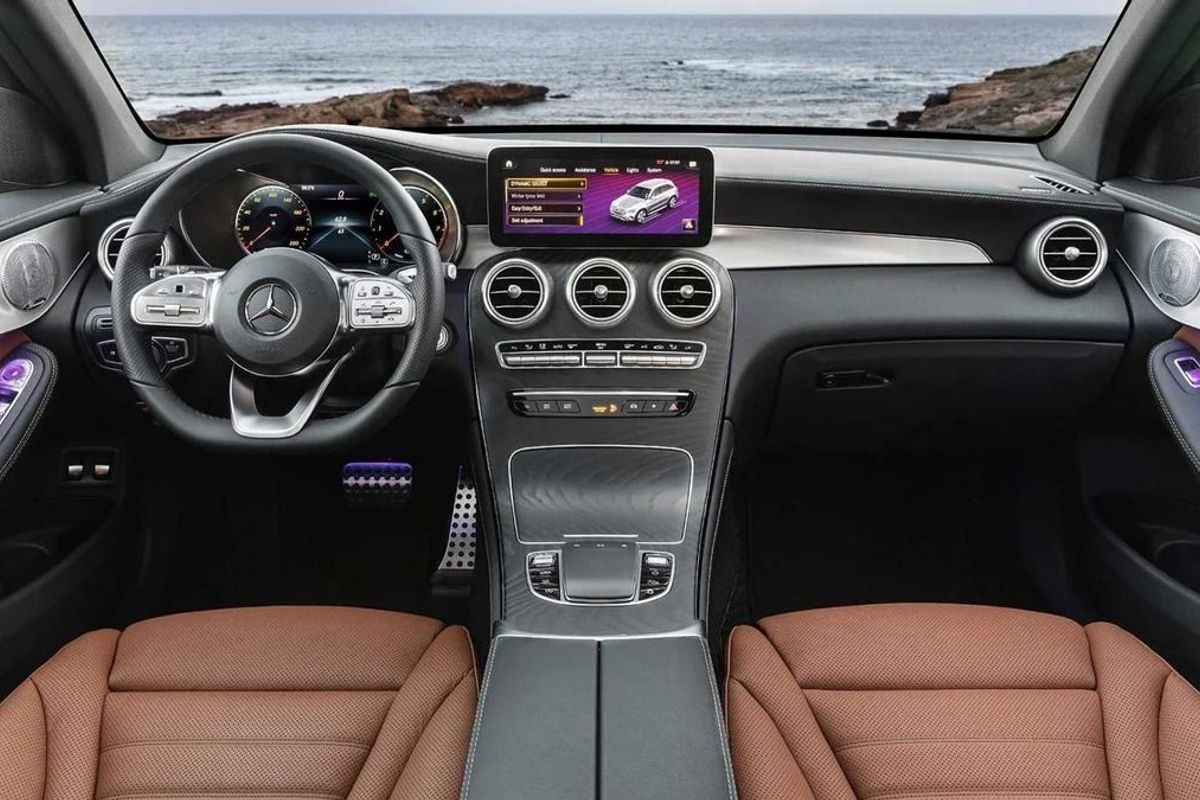
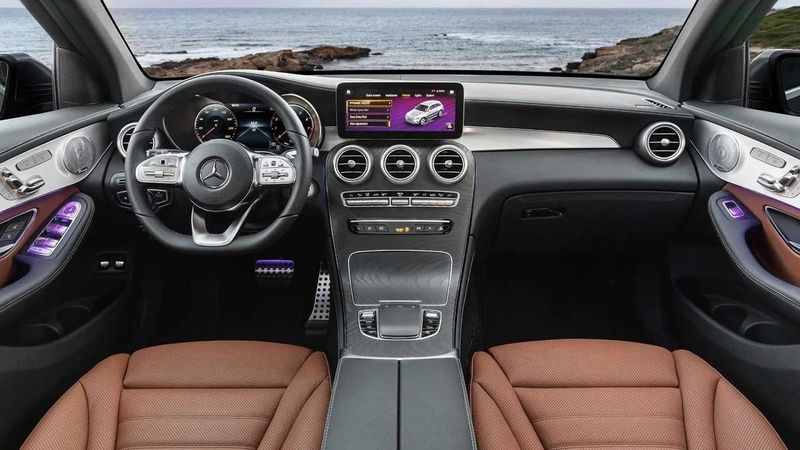
The facelifted Mercedes-Benz GLC features MBUX in the cabin.
Mercedes-Benz GLC Price in South Africa (July 2019)
Note these prices exclude VAT, but are inclusive of the CO2 tax.
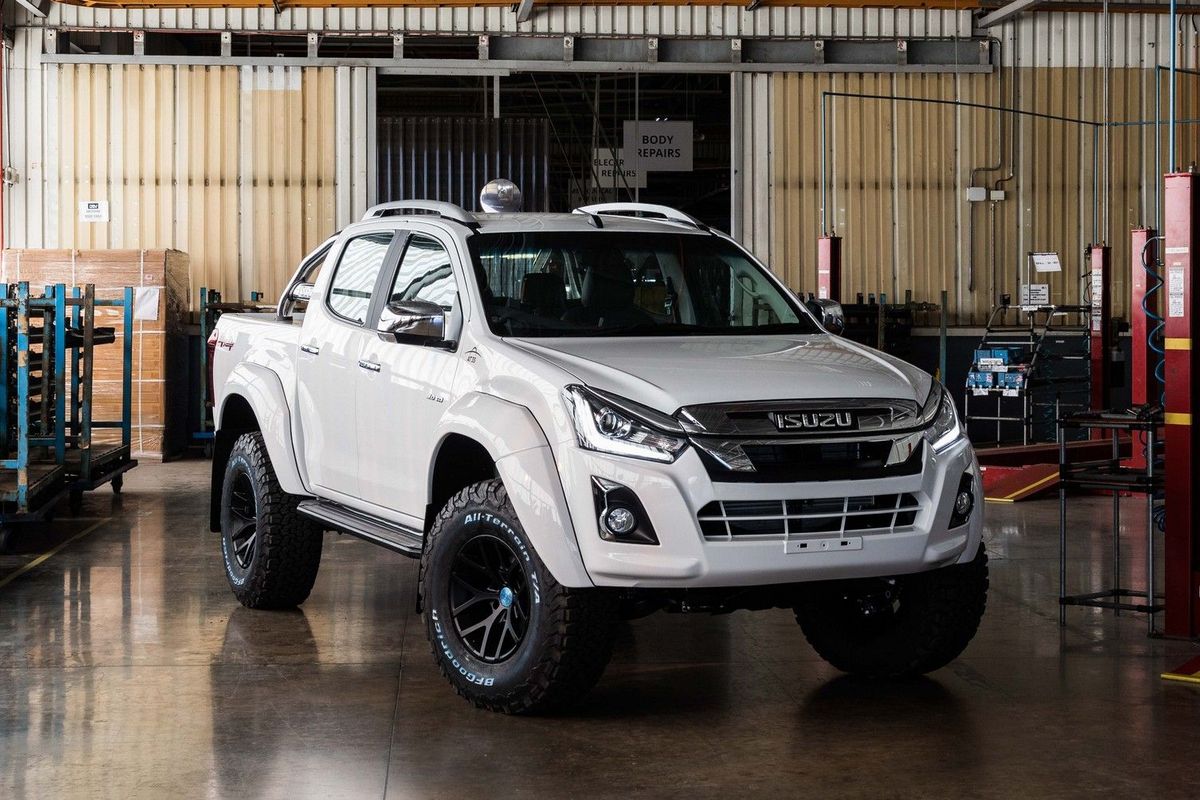
Isuzu has launched its most hardcore D-Max to date in the South African market and we had an opportunity to experience exactly what the newcomer's all about. Is the Isuzu Arctic AT 35 worthy of your attention?
What a time to be alive if you're a double-cab convert. Since 4-door bakkies have added lifestyle appeal to their repertoire, the market has shifted dramatically. Buyers are convinced there's more to a double-cab bakkie than lugging building materials and other commercial applications; at the weekend, it can whisk your family to places where the tarmac has long since ended. Now it has a chance to appeal to the performance petrolheads.
Of course, Americans have been doing this (customising and beefing-up pick-ups) for years; there have been numerous iterations of big-engined unsophisticated pickups Stateside. However, the SA double-cab bakkie market has been turned on its head with the recent arrival of the Ford Ranger Raptor. The Blue Oval's headlining double cab puts aside its Builders Warehouse aspirations and prioritises performance, specifically off-road performance. With a dedicated motorsport-inspired suspension, a dramatic kerb appearance and sporty interior, the Ranger Raptor is the first of its kind in Mzansi: a standard bakkie replete with the modifications and accoutrements usually offered only by tuning and customisation firms.
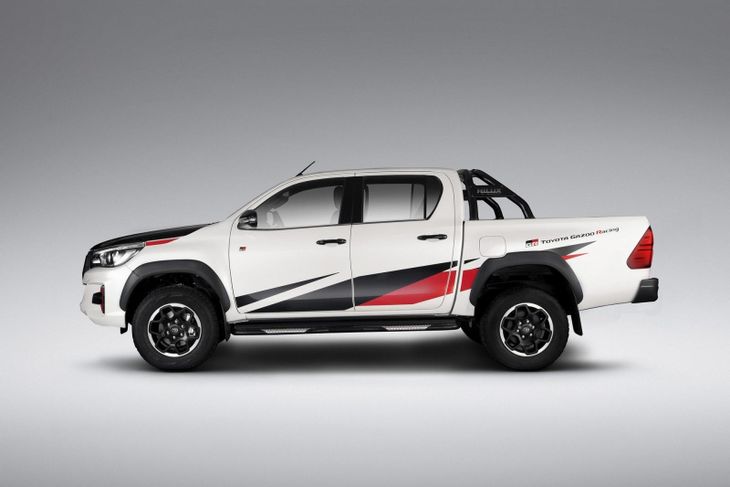
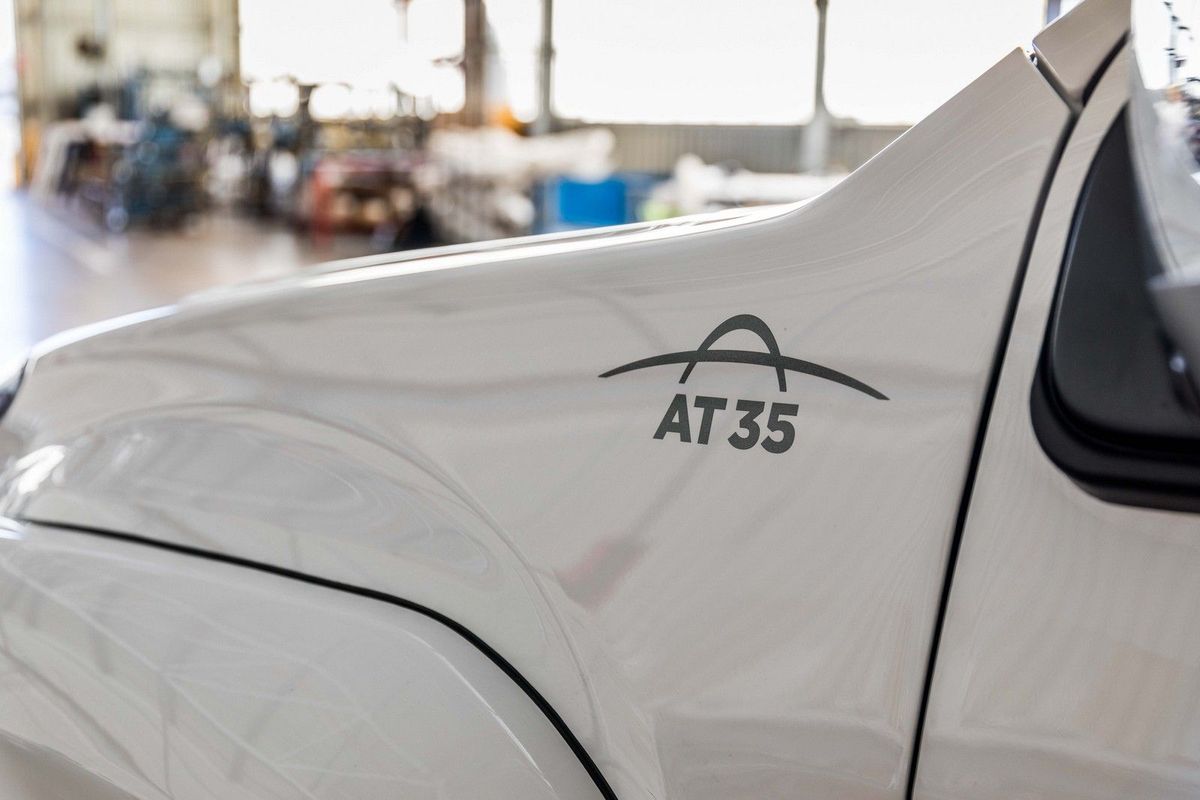
The competition has been a little sluggish to answer, however. Toyota is on the cusp of launching its Dakar Rally-inspired Hilux GR Sport, which looks very eye-catching, but its on-paper specifications are a little underwhelming. You'd think Ford has cornered this market then, but you're wrong – Isuzu has come almost out of the blue with its Arctic AT 35, which effectively gives the Isuzu D-Max range a considerable image boost.
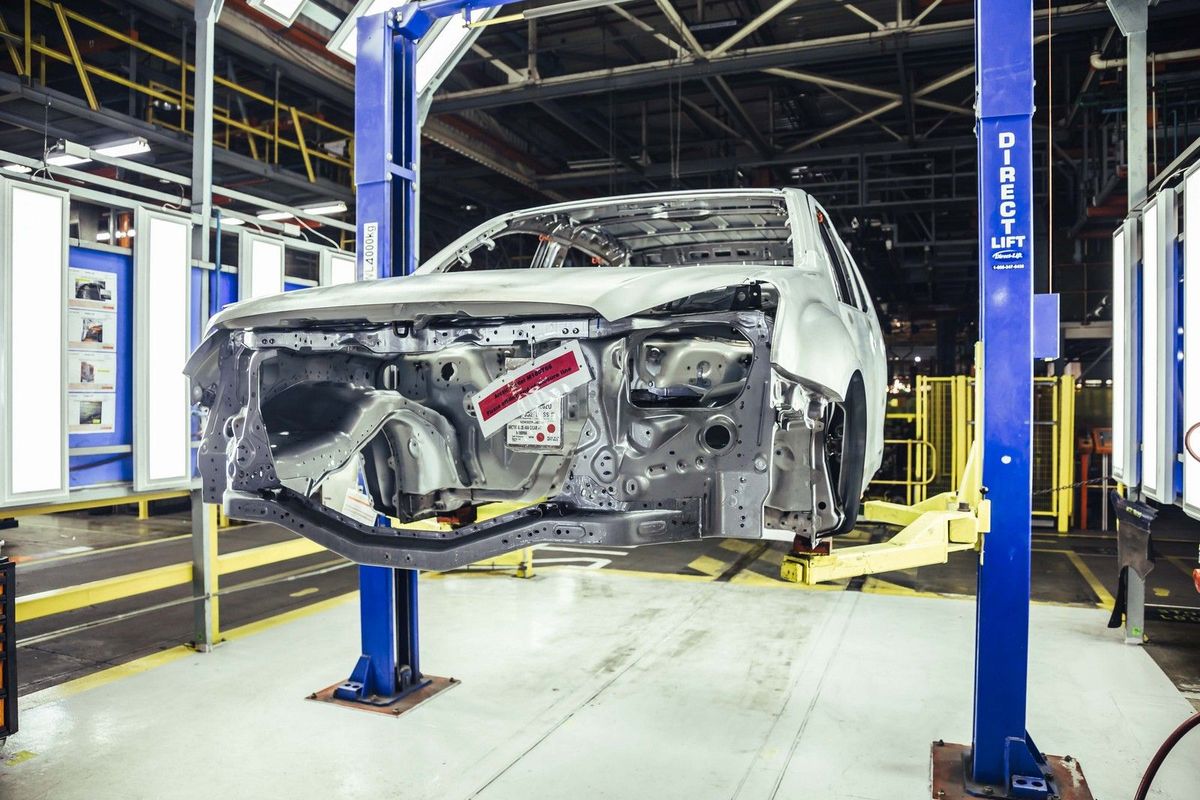
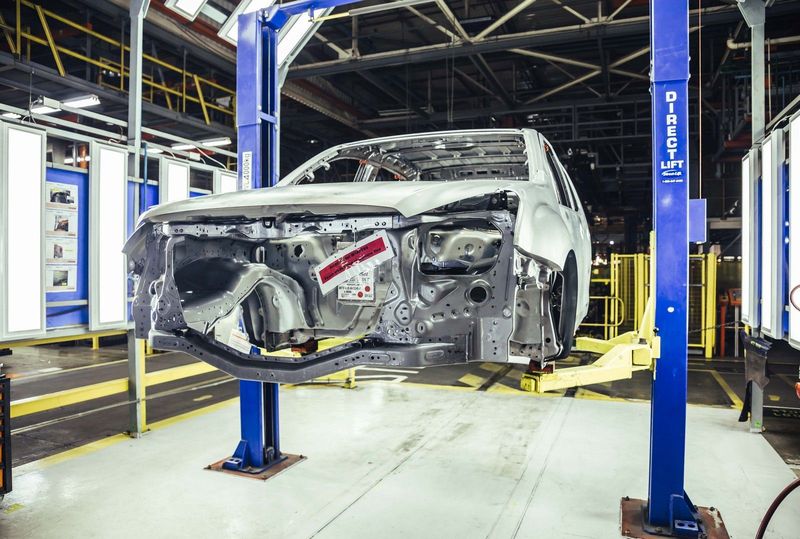
Like watching a child being born… The Arctic AT 35 under assembly at the Isuzu facility in Port Elizabeth.
Remember those crazy Icelandic truck builders who assembled extremely modified Hiluxes for the popular British TV show Top Gear so that they could travel to the North Pole? Arctic Trucks was founded in 1990 and the firm specialises in re-engineering off-road vehicles to perform in the toughest environments. The Arctic AT 35 is not just an imported kit that has been stuck onto a standard D-Max, though. Incredibly, the Isuzu factory in Port Elizabeth is the only Isuzu facility to receive Arctic Trucks' approval to build this model, which is now classified as a production Arctic Truck.
The Arctic AT 35 begins life as a standard D-Max, but once its cabin and load bed are assembled, the bakkie gets pulled off the main production line to undergo its transformation. Isuzu has selected some of its most skilled and experienced technicians to produce the vehicle, and we got a chance to visit the factory to catch a glimpse of an example of the newcomer being built. First up are the wheel-wells and -arches, which must be adapted to accommodate the massive tyres. Once the additional welding and cutting have been completed, the shell is returned to the main production line for painting and rust proofing. In total, the Arctic AT 35 spends 2 days in the body shop, as opposed to only a few hours for standard D-Max…
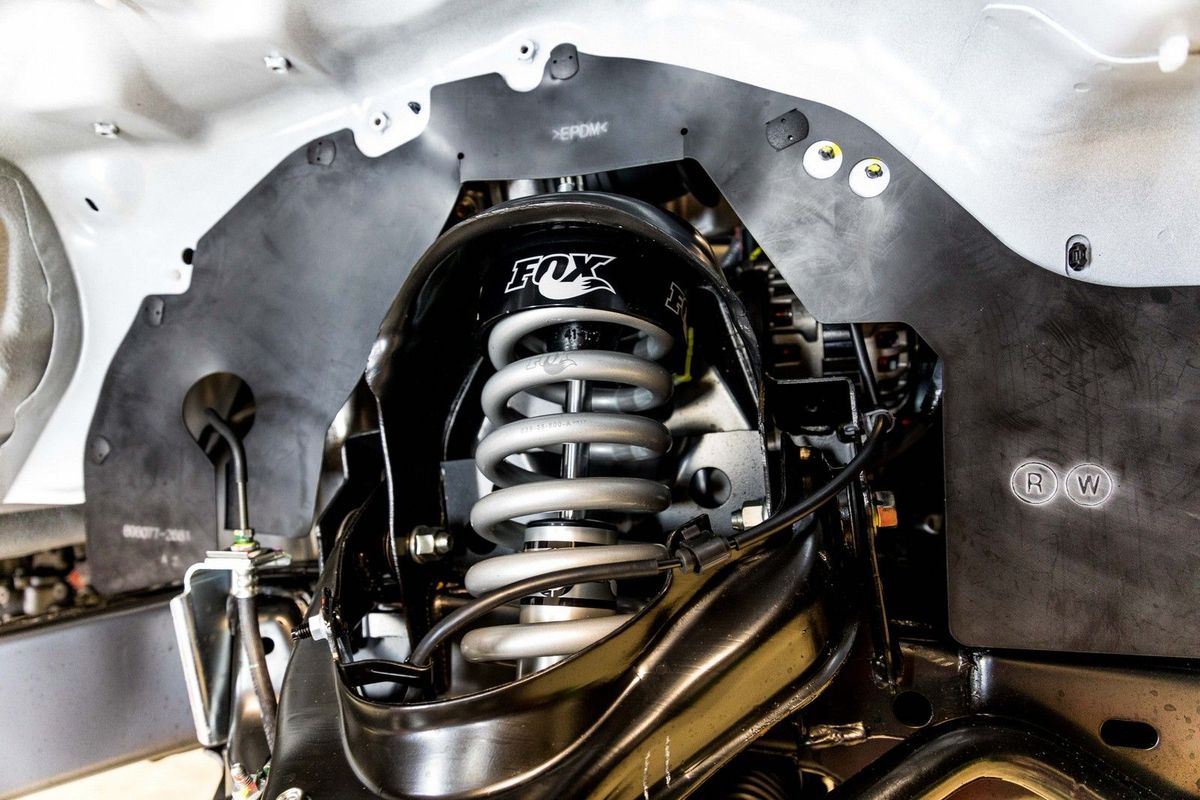
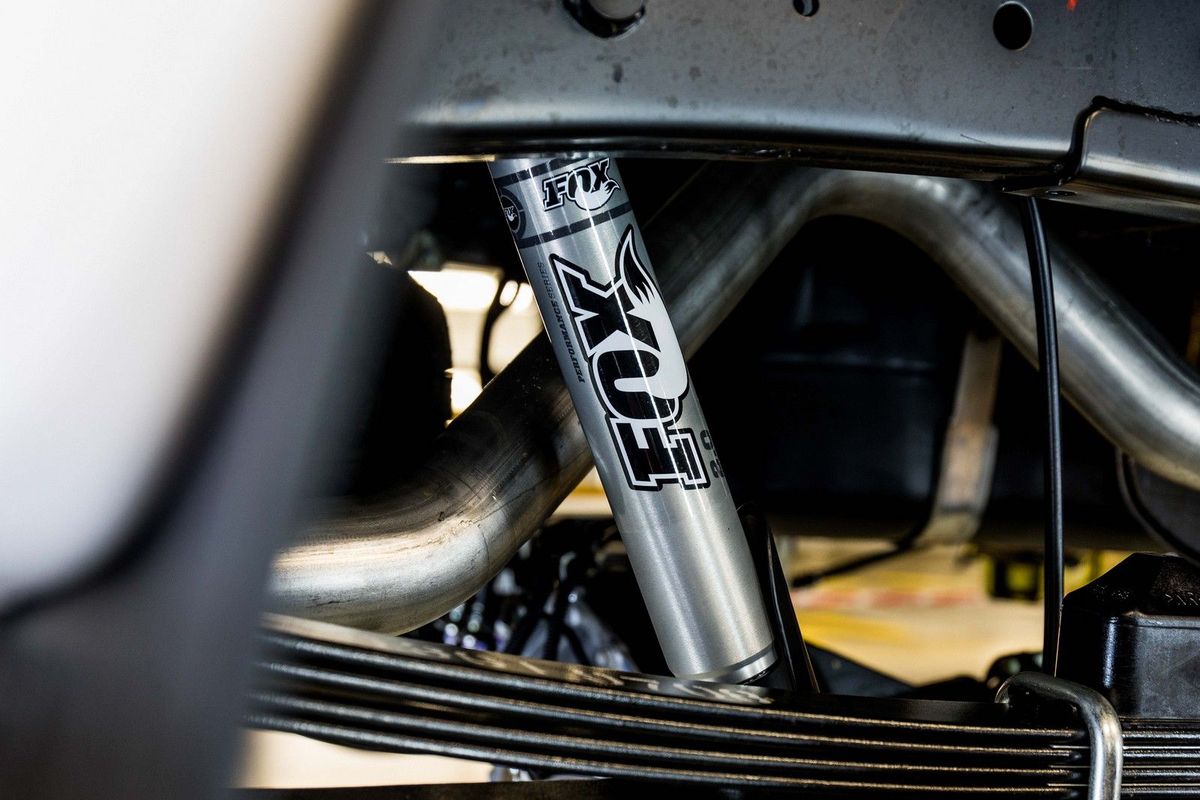
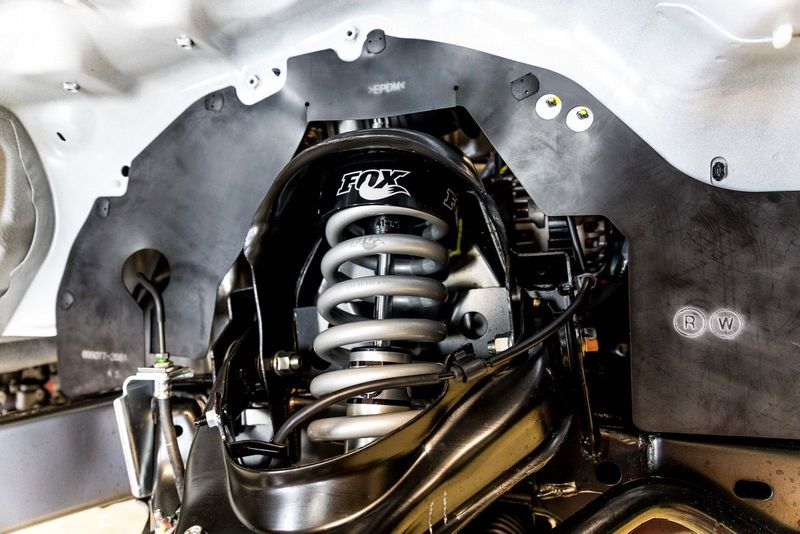
The Fox shocks lurking under the massive wheel arches of the AT 35.
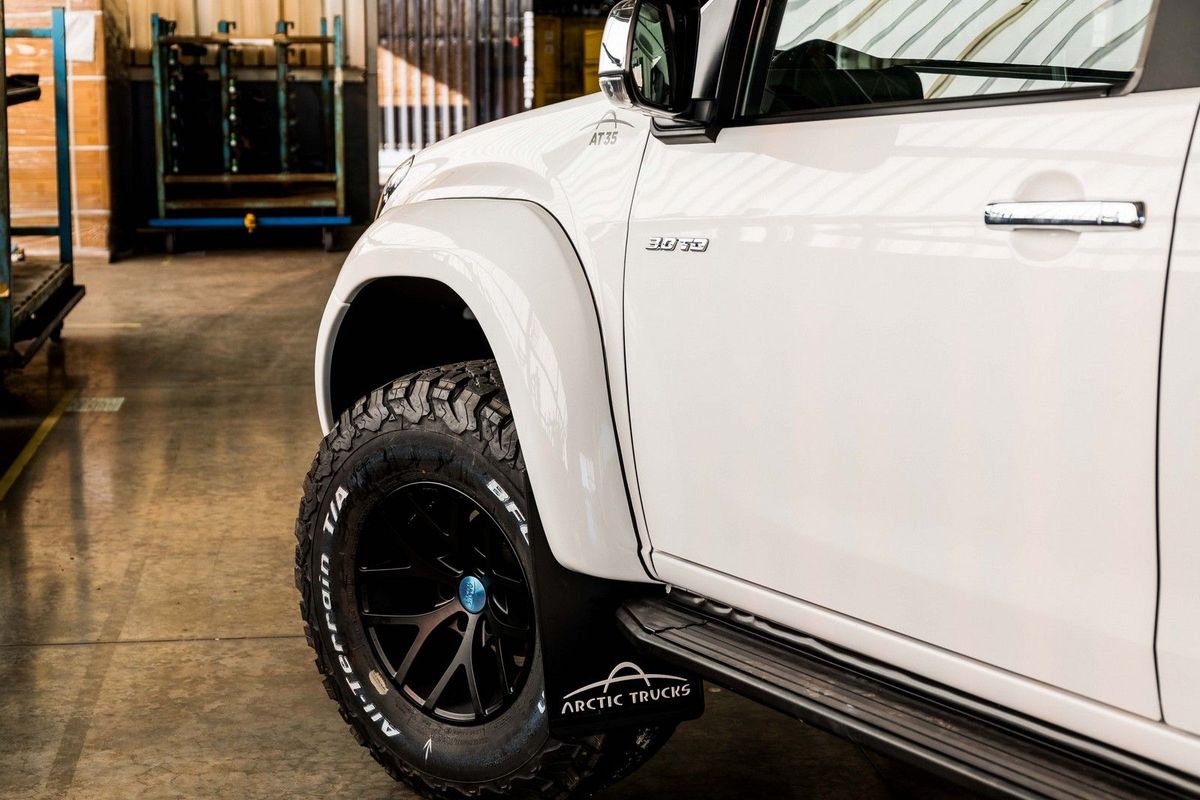
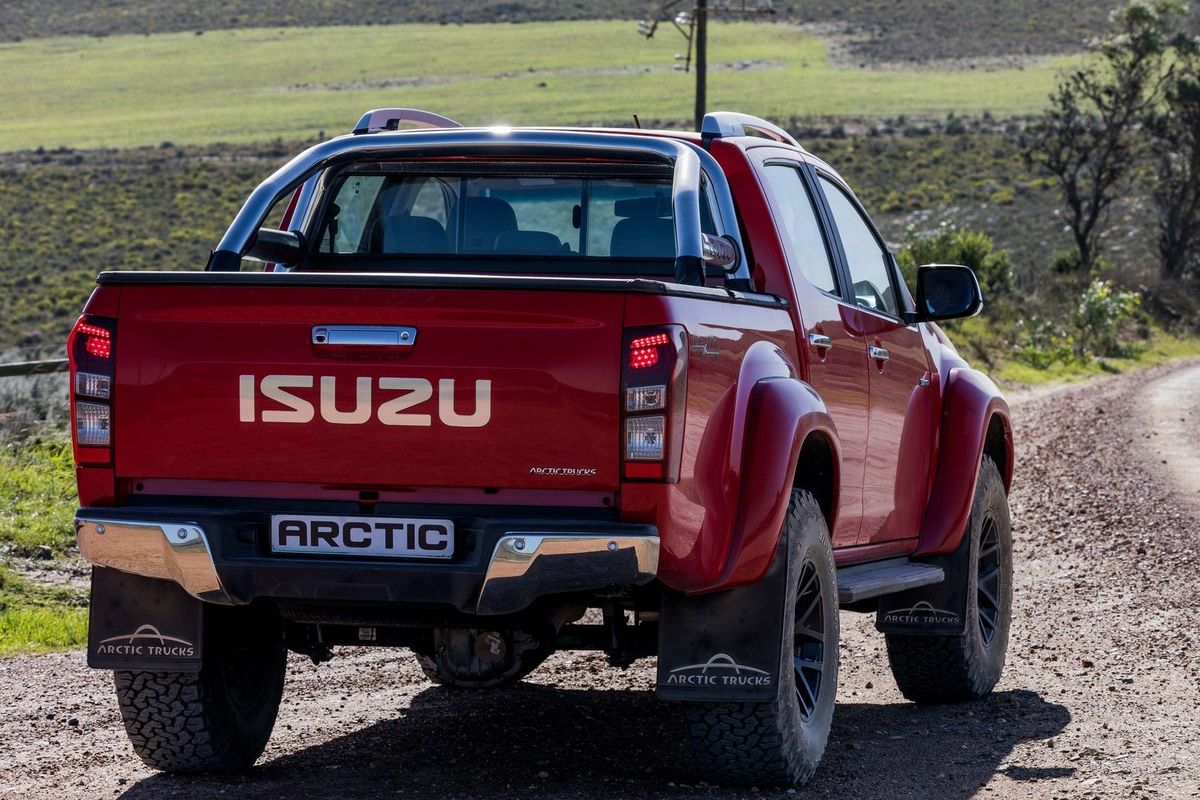
The Arctic AT 35 is then pulled off the line again for the fitment of its flared arches, gargantuan wheels (shod with 35-profile BF Goodrich tyres) and bespoke Fox Performance suspension, before it undergoes a final quality check. After this last stage, which takes 3 days, the vehicle is ready to be shipped to a dealership, after which it will be delivered. Isuzu says it'll make just 50 of these bakkies every year, they should be quite collectable!
What's new?
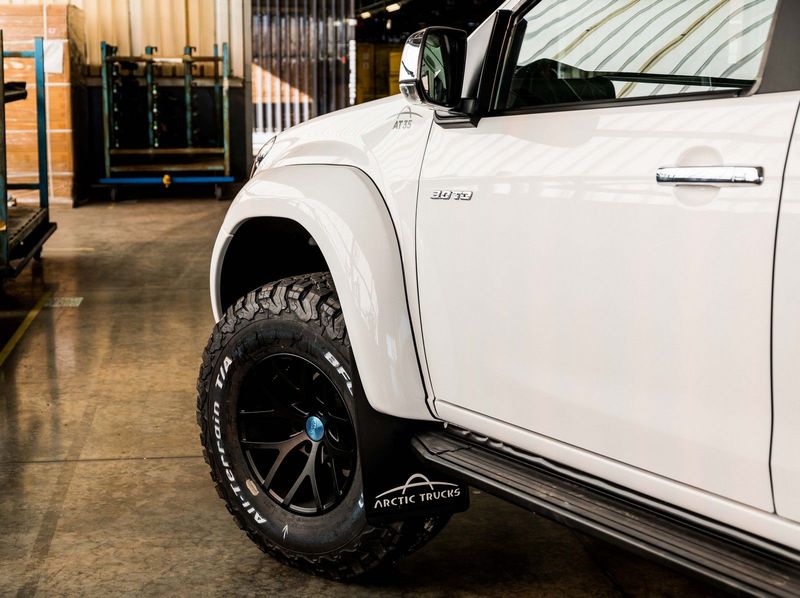
How impressive are these BF Goodrich all-terrain tyres?
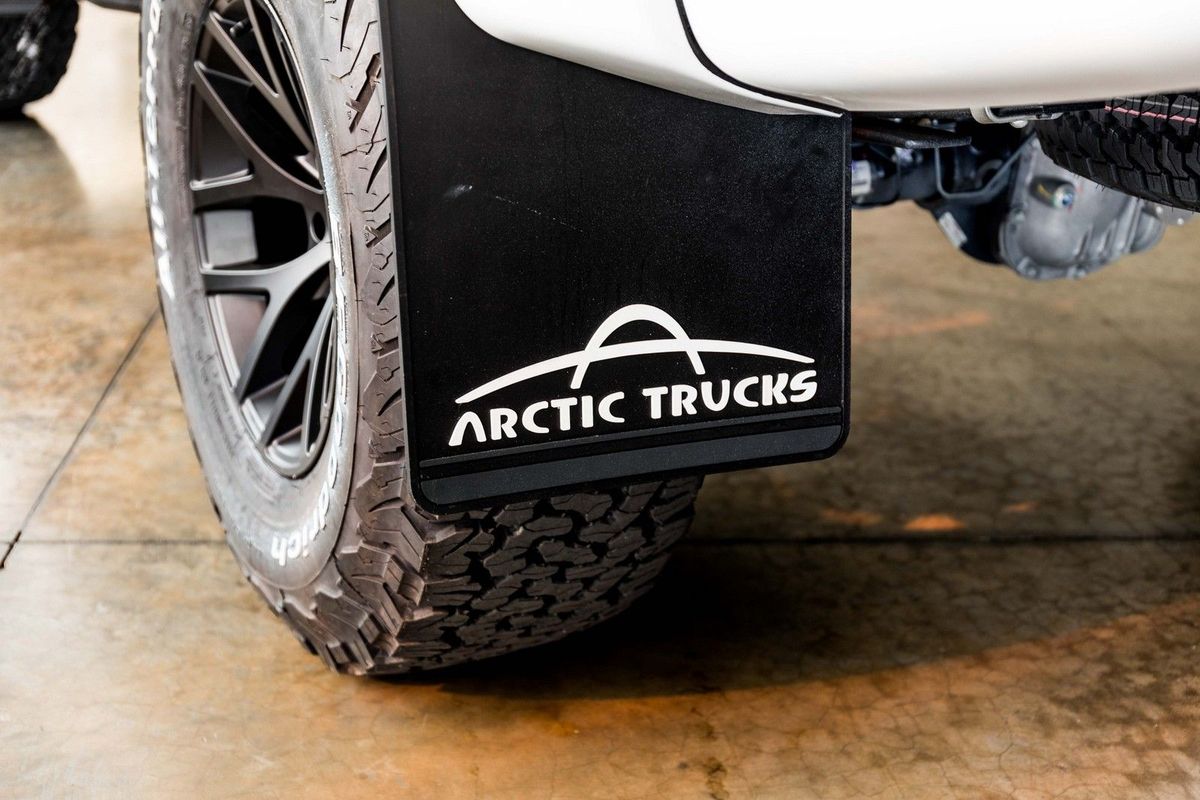
Of course, those bold and outlandish looks need to be backed up by some credible mechanical changes and, truth be told, the AT 35 represents considerably more than just an image upgrade for the D-Max. The addition of Fox Performance suspension and dampers are a big step up from the off-the-shelf items and the off-road specifications have also changed dramatically. How does a ground clearance of 268 mm with a wading depth of 718 mm grab you? In comparison, the standard D-Max 3.0 4×4 LX Auto (upon which the AT 35 is based) can only muster 220 mm and 600 mm respectively. Meanwhile, the breakover angle of the AT 35 has increased to 31.4 degrees (22.4 degrees standard), while the approach and departure angles are rated at 36 degrees and 28 degrees respectively. Heavy duty Arctic Trucks-branded mudflaps have been added on too.
As is the case with the 2.0-litre biturbo Ford Ranger and its Raptor brother, the AT 35 utilises the same 3.0-litre turbodiesel motor (130 kW/380 Nm) and 6-speed automatic transmission as the D-Max 3.0 4×4 LX Auto. Isuzu claims an odometer recalibration was the only thing it needed to do to compensate for the larger tyres. Speaking of tyres, these monsters are 35 x 12.50R17 BF Goodrich units. Not only are they claimed to be resistant to punctures – they're engineered for hardcore off-road use. Think of situations like deep sand or snow, where you want the tyres to dig in and grip.
Inside, the cabin is, again, similar to that of the flagship D-Max 3.0 TD double cab 4×4 LX auto. There's also a new infotainment system, which was recently introduced across the Isuzu range, and features Apple CarPlay, Android Auto, Bluetooth connectivity, USB ports, and satellite navigation.
What's it like to drive?
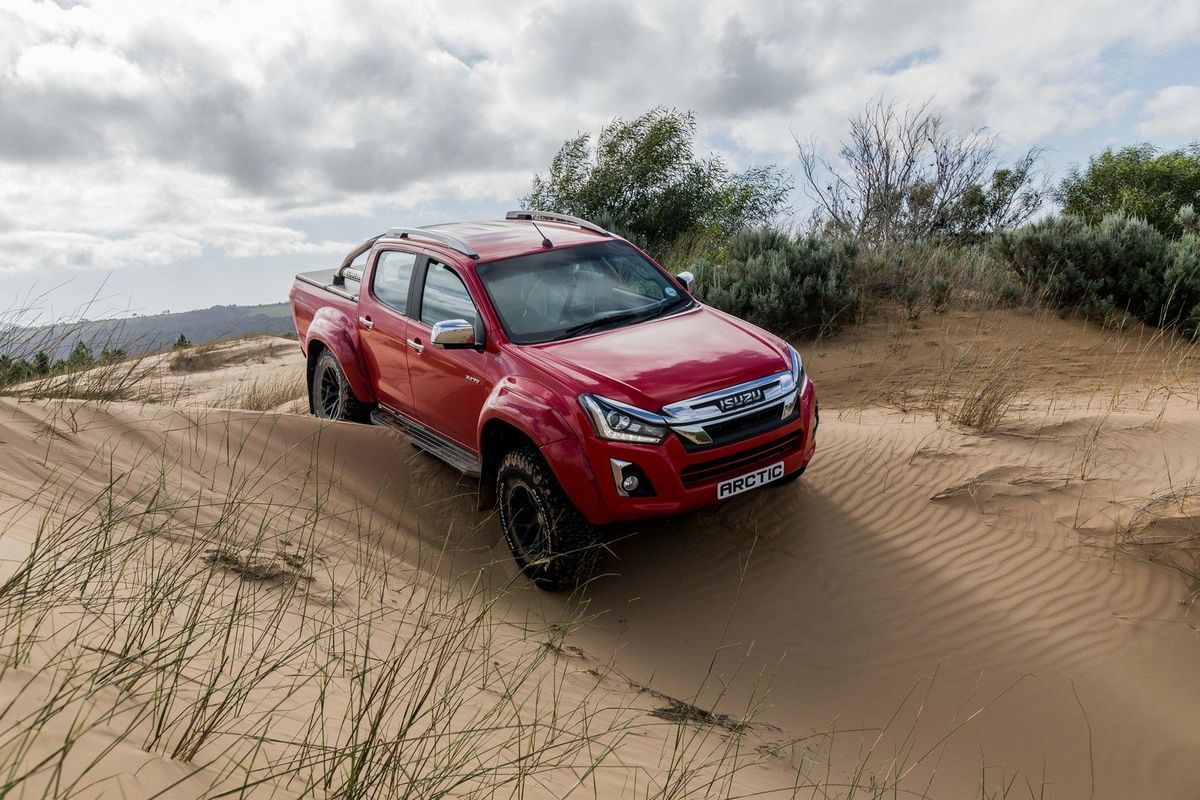
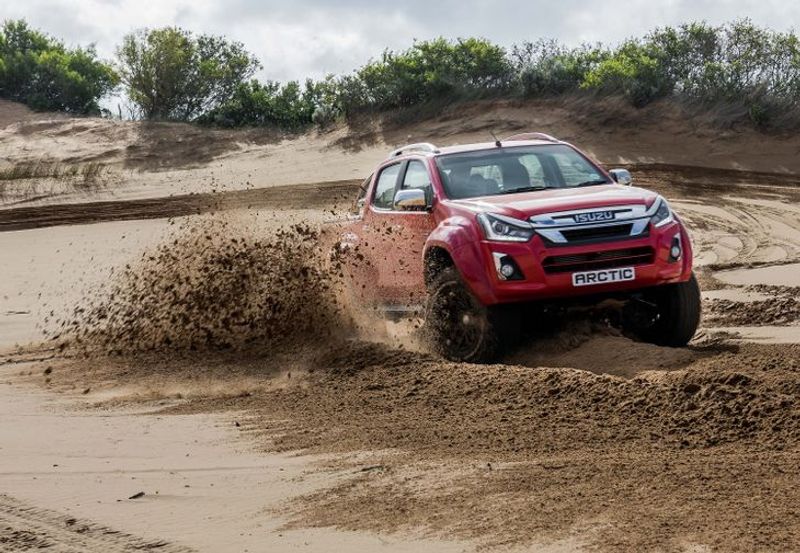
Effortless performance from the AT 35 when it comes to the sand. Those tyres offer tremendously high levels of grip.
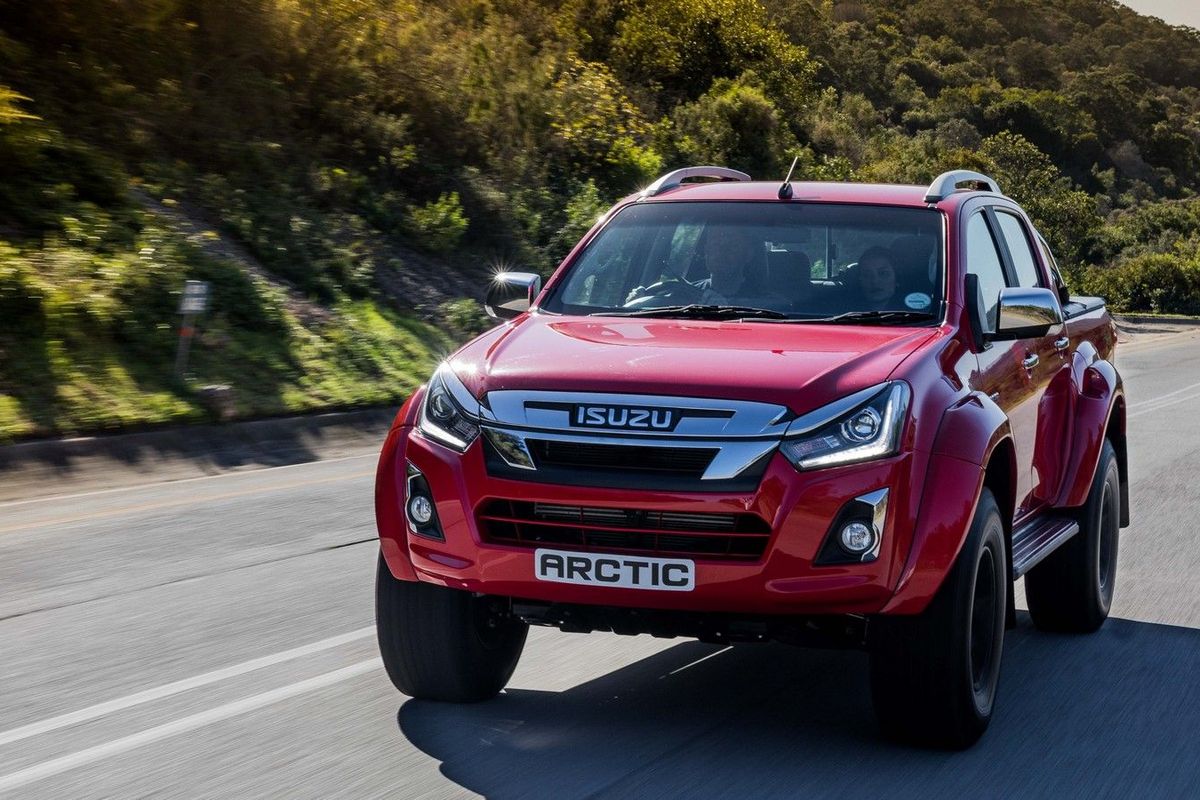
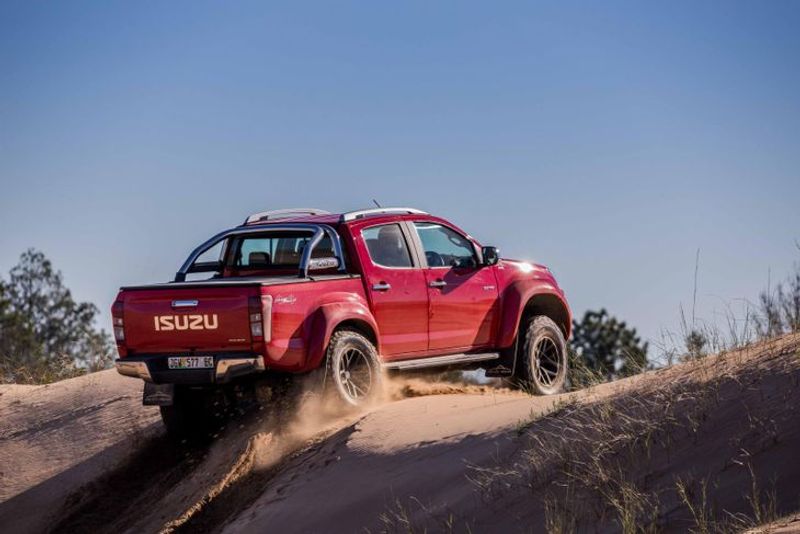
After a quick tour around the facilities and seeing how much effort goes into ensuring the AT 35 is assembled to the same levels as its D-Max siblings, it was time to drive the newcomer. We headed to nearby Cape St Francis and Brakkeduine, one of the few inland dune fields. This 4×4 track, surrounded by farmland, presented a real chance to learn the intricacies of the AT 35. First impressions? In red, the bakkie looks suitably imposing. Not only does it stand taller than a standard D-Max – its wider too. With the gearbox sending power to all 4 wheels, which had also been deflated, it was time to hit the dunes. Given the sheer size of those tyres and the additional ground clearance, you'd be forgiven for feeling invincible.
There's no need to engage low-range as 4 High gives you plenty of grip through the rough stuff
You can take liberties in the Arctic AT 35. The big wheels offer so much grip, the feeling of sheer sure-footedness a dune has to be experienced to be believed. When you move off soft sand and onto some rutted gravel, the Fox Performance shocks come into play and work hard, absorbing most of the sharp jarring encountered when driving over rocks at pace. Given the size of the off-road tyres, there was no need to engage low range…
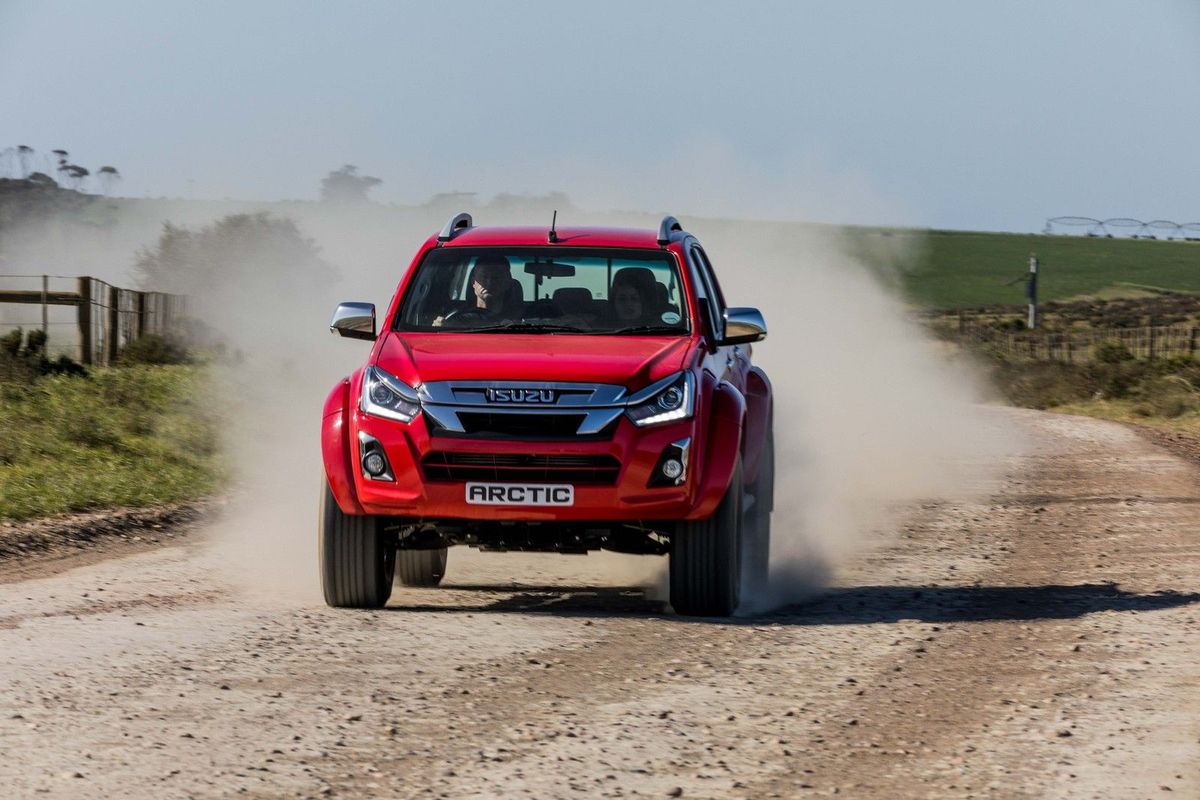
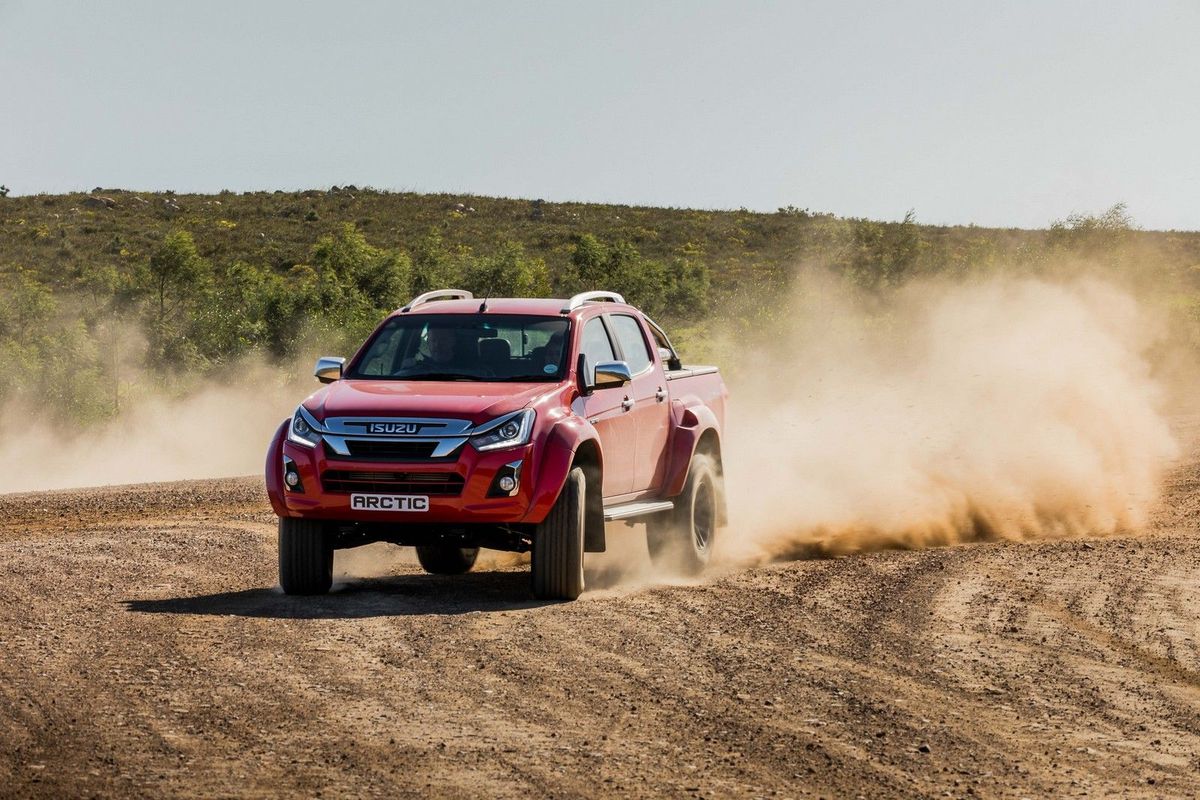
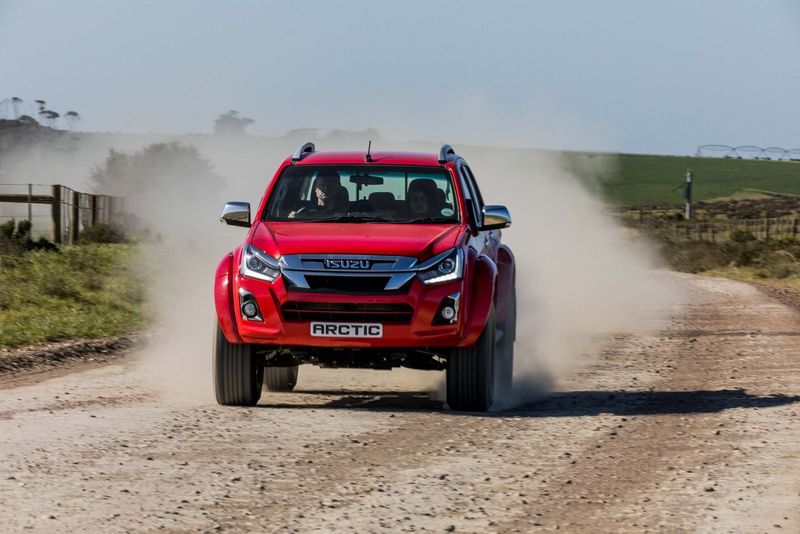
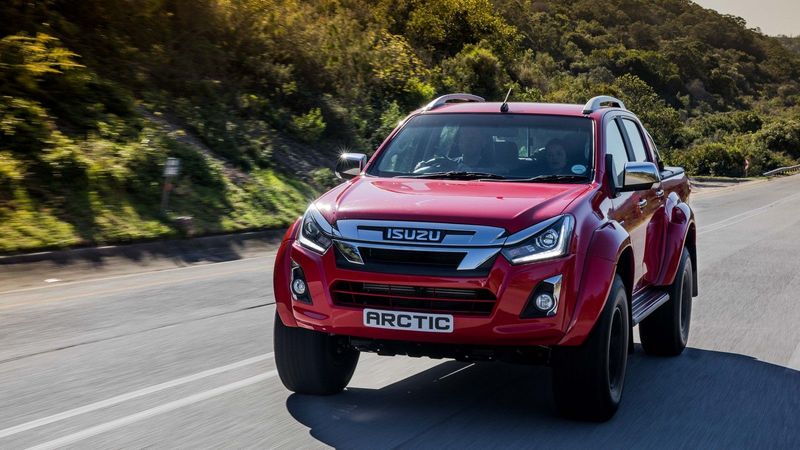
The Arctic AT 35 may be tremendously capable when you put it through its paces on a tough sandy 4×4 course, but we think its real strength lies in traversing gravel farm roads. Not only do those tyres offer tremendous grip, the suspension simply subdues the effect of scrambling over rocks and ruts. We will confess that we pushed the AT 35 beyond its normal operating envelope and traversed some uneven and coarse farm roads at a pace that some would describe as "carelessly hurried." Even in 2-wheel drive, it required some foolhardy coaxing to get the Arctic AT 35 to break traction, a testament to its high-quality tyres. In 4-wheel drive, it exhibited impressive levels of grip. The best part? The mild tyre noise (rumble) on national road tarmac. We found that at 100 kph there's a solid thrum from all 4 wheels, but that was solidly drowned out with a well-curated Spotify playlist.
This is where the Arctic AT 35 is at its most impressive. With such high levels of grip, it can maintain lofty speeds on dirt roads.
Verdict
It's great to see Isuzu "the workhorse bakkie brand" stepping into this rarefied lifestyle performance segment of the double-cab market. Given the Arctic AT 35's admirable extreme off-road ability, we're glad it's here and, as a brand-builder, it elevates the recently rebranded D-Max bakkie's brand appeal. We do have 2 criticisms, though. Firstly, that engine, while tried-and-tested, doesn't quite deliver enough punch to match the bakkie's image. Granted, a new or extensively tuned engine would have greatly increased the price tag so we are prepared to cut it some slack. On the bright side, we should be thankful that we have the 3.0-litre motor, as the AT 35 is also available with a 1.9-litre turbodiesel motor in foreign markets.
Secondly, we wish the interior was a bit more special. The exterior of the Arctic AT 35 is majestic and it comes as a bit of a disappointment that when you step inside the cabin, the seats and trim are same as the bog standard, even if top-of-the-range, D-Max derivative. Surely there could have been sportier seats, red seat belts, or similar, just to let proud new owners of the bakkie know that they're sitting in a one-of-a-kind vehicle?
A few manufacturers are now offering bakkies with a distinct offroad performance bias. Our first taste of the Arctic AT 35 was largely positive and expect that demand will outstrip supply. Isuzu is likely to sell every unit that rolls off the Port Elizabeth production line and it wouldn't surprise us one bit if dealers start selling build slots. All we can say is we're eager to pit the newcomer against the Raptor and upcoming Toyota Hilux GR Sport…
Those tyres are a touch noisy at the national speed limit on tarmac, but you can dial it out with the audio system
Isuzu Arctic AT 35 Price in South Africa (July 2019)
Isuzu is offering its new Arctic AT 35 with the same warranty as its standard D-Max derivatives. This means you get a 5-year/unlimited km warranty and a 5-year/90 000 km service plan. Get a quote / Request a test drive.
2019 Kinsey Report: Which Are The Cheapest Cars to Service and Repair?
The 2019 Kinsey Report has been released and if you want to know what cars are cheapest to service and repair then check out the details below.
The Kinsey Report details costing for parts and servicing on a variety of popular vehicles sold in South Africa across 8 categories, giving consumers a good idea of what to expect when taking a vehicle in for repair or servicing.
Winners in each category are determined by costs of servicing parts (filters, spark plugs, wipers and brake pads), repair parts (cam belt, shocks, clutch plate, flywheel and fan belt) and finally crash parts (doors, fenders, bumpers, glass, lights and wheels etc.).
The winner is the cheapest in the 3 categories combined. While the report does its best to provide the consumer with accurate information, it does state that shopping around for parts can be beneficial as prices can and do vary. The Kinsey Report sources prices directly from dealers.
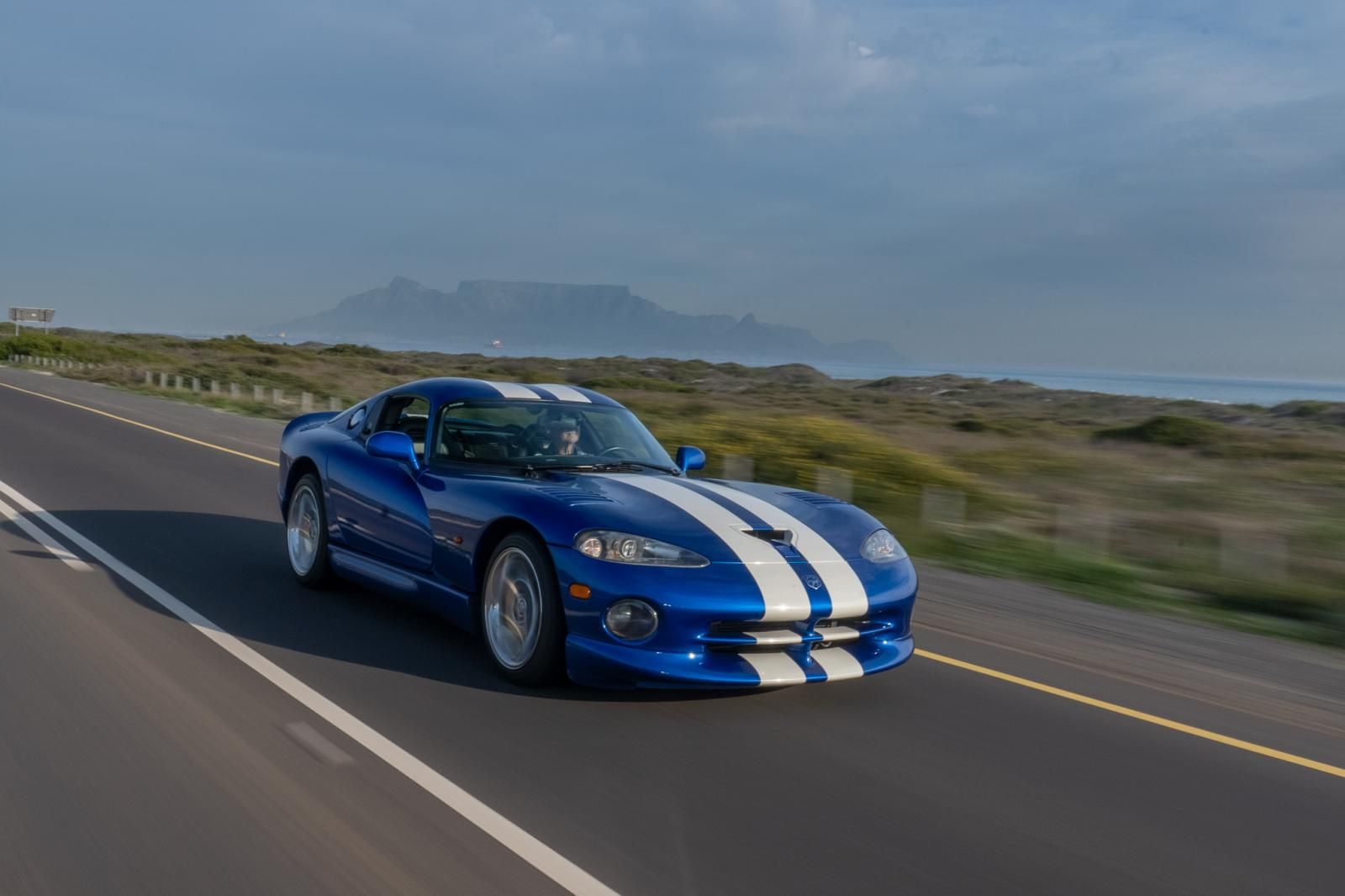
When we made the most of an unexpected opportunity to drive a Dodge Viper GTS, we found that the iconic American supercar is not the hairy-chested, one-dimensional brute many of us have been led to believe…
Photos by Justin Pinto
When I woke up this morning I would have never imagined that I would find myself getting behind the steering wheel of a 1997 Dodge Viper GTS. A month or so ago, I wasn't even aware that there was a Viper GTS in South Africa, let alone Cape Town!
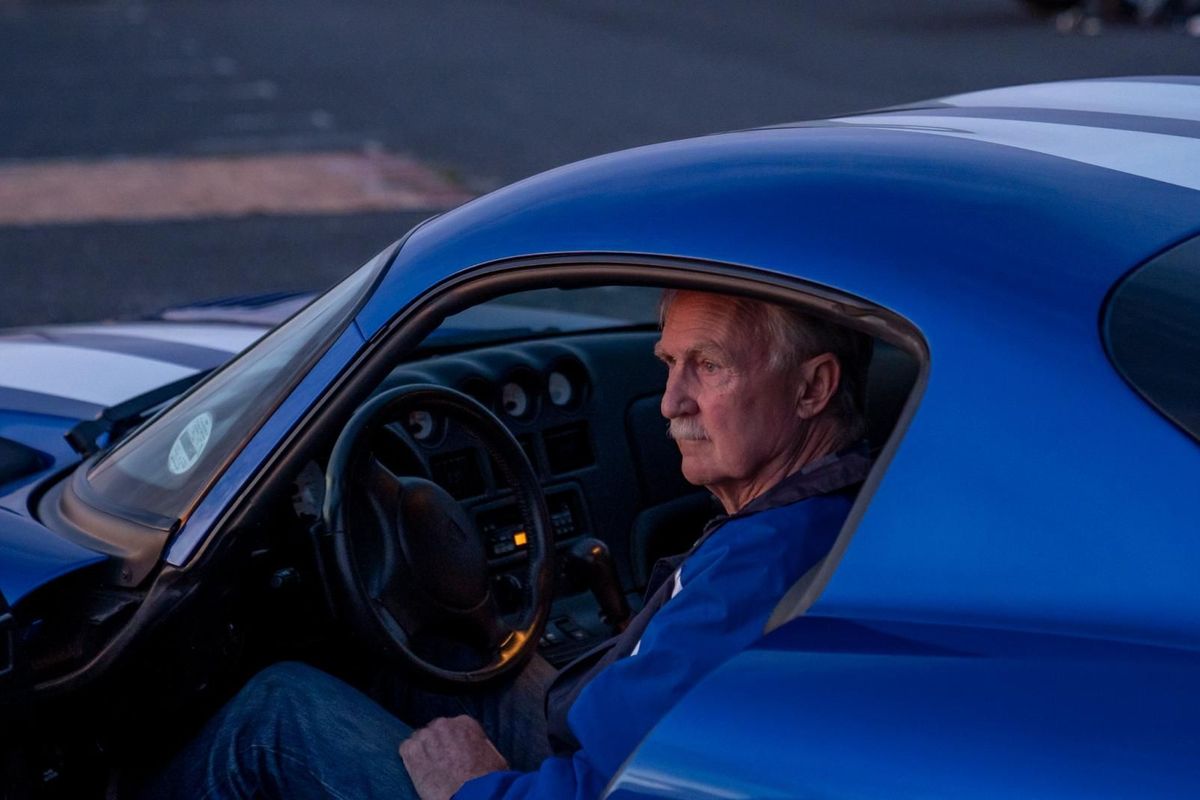
But here I am, seated on the “wrong” side of the car, peering out over that curvy bonnet and all too aware of the stressed body language of the owner (Jess), who is seated next to me. Usually, I don’t get to drive cars when they're being filmed for SentiMETAL episodes, but Jess was happy to indulge me when I asked if I could accompany him to the next location of the shoot. I don't believe, however, that he expected me to say yes when he politely asked whether I'd prefer to drive myself. Right now he is probably as “surprised” by the turn of events as I am.
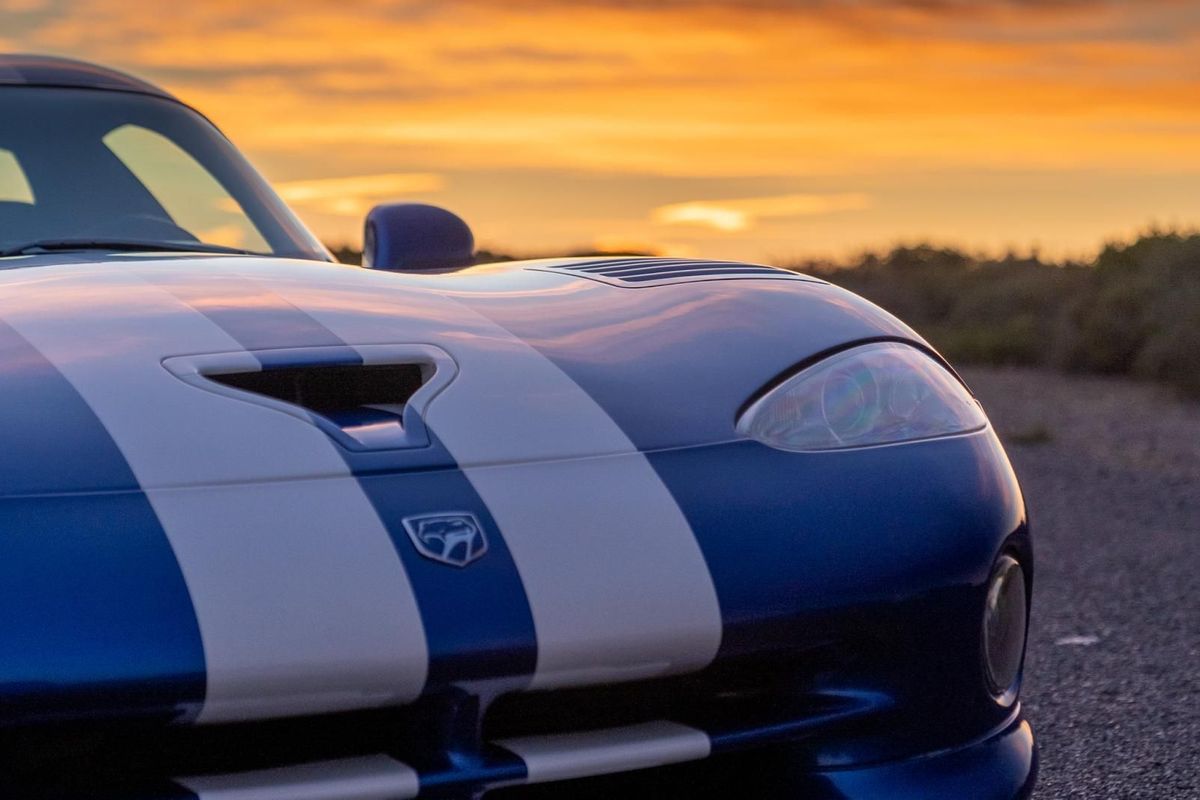
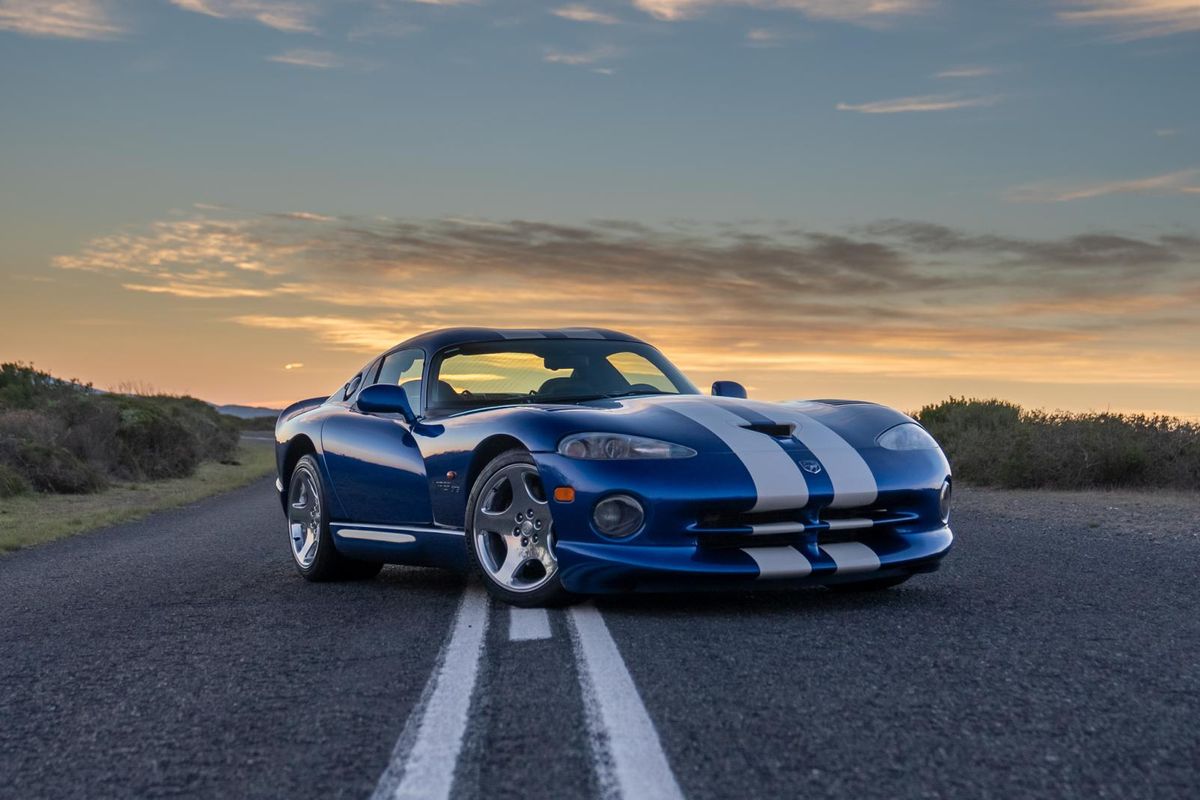
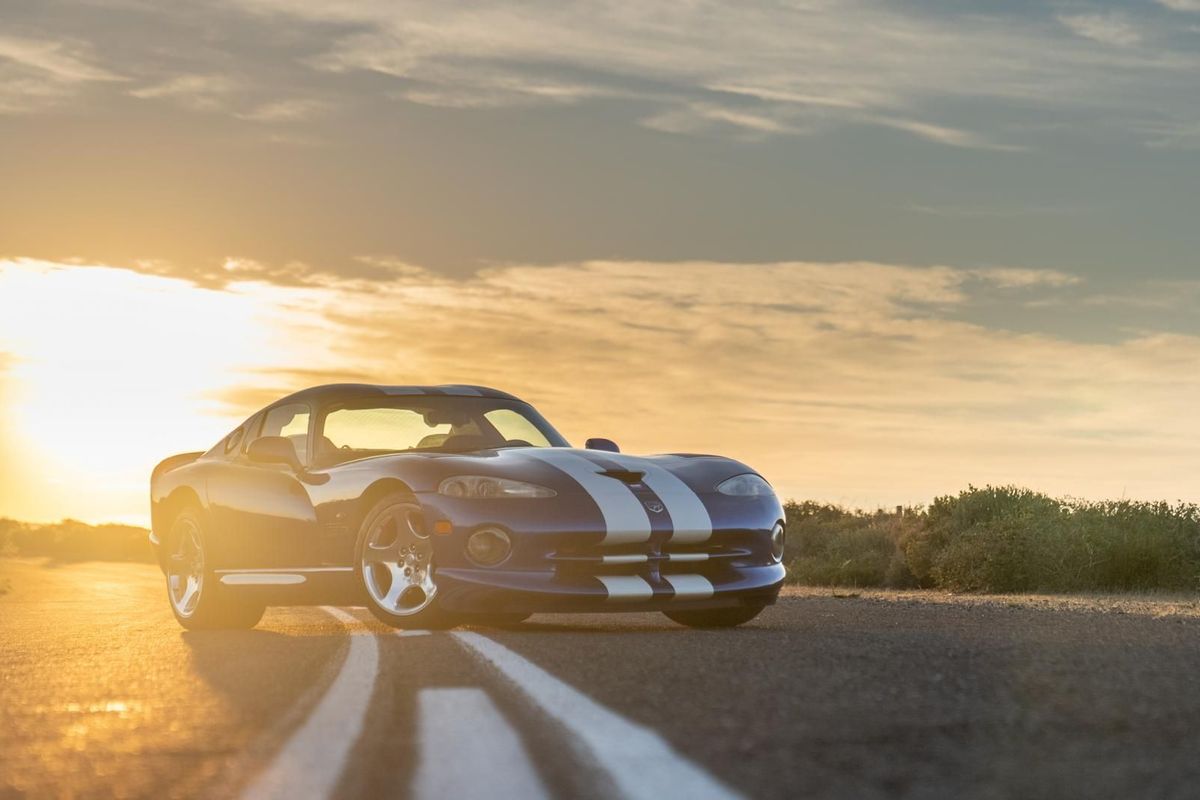
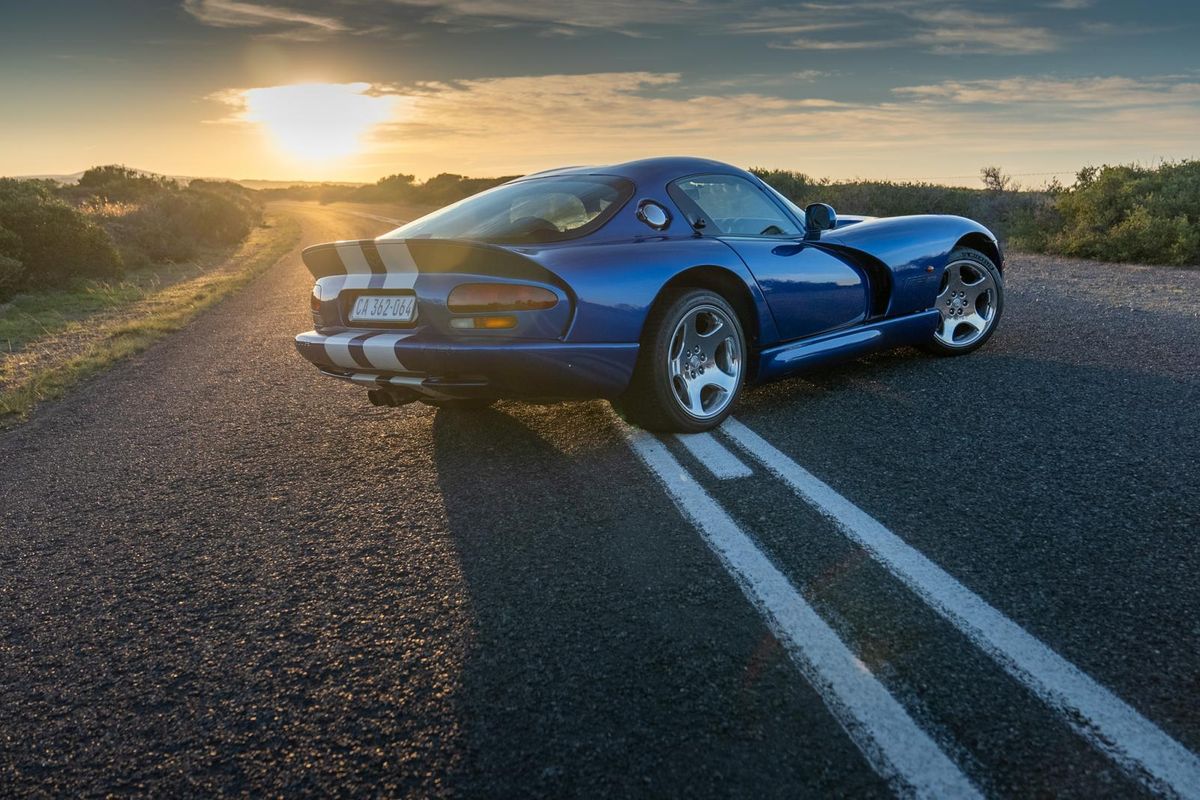
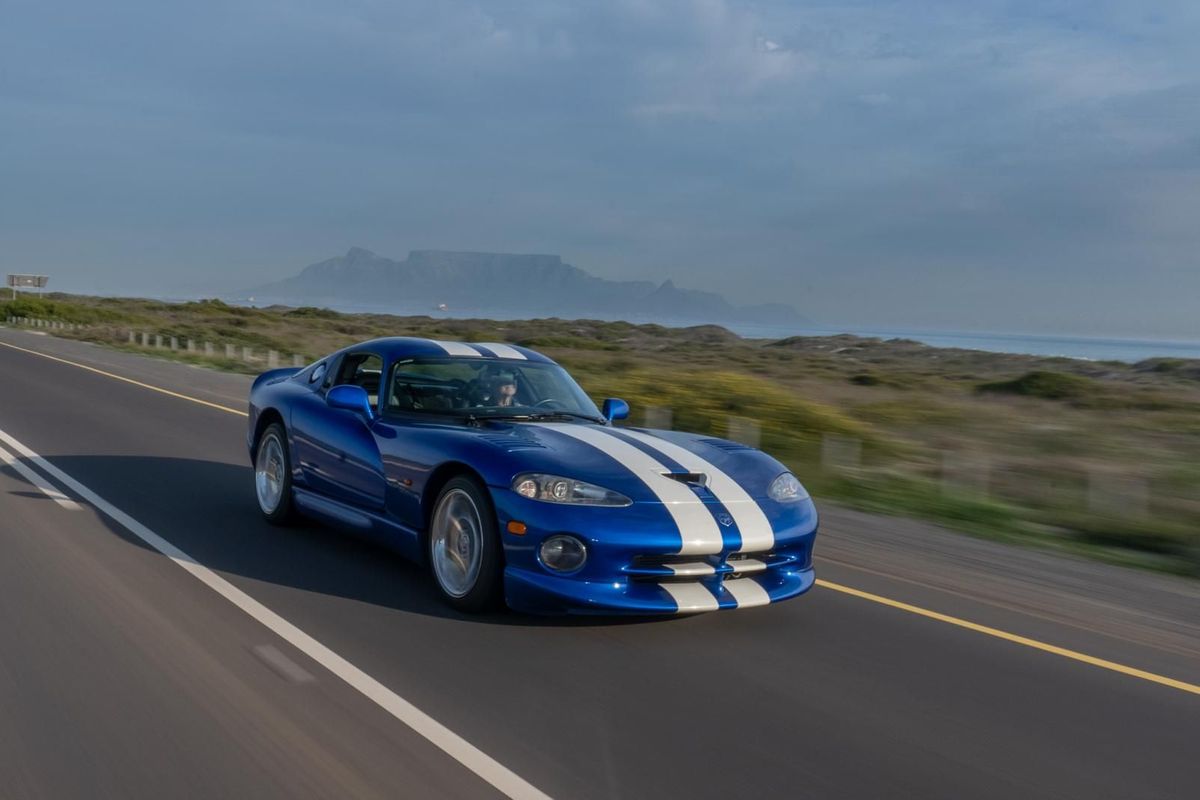
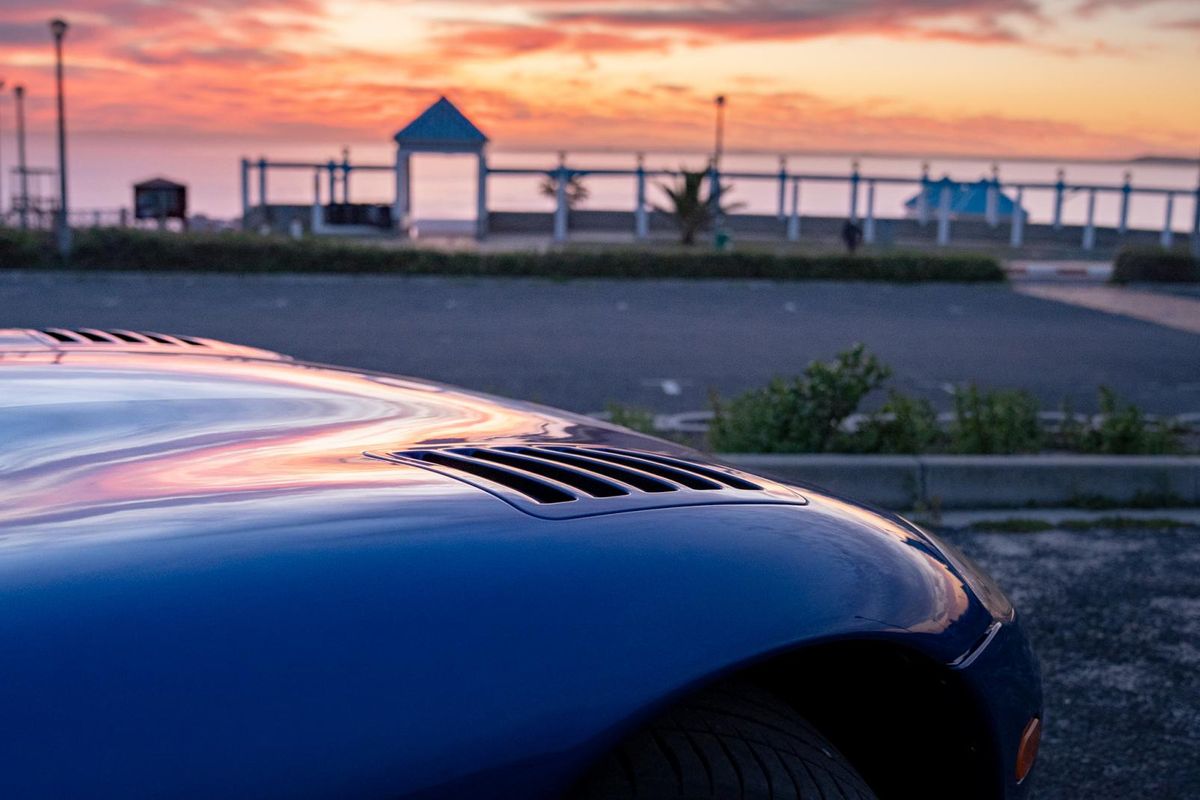
The Viper's shape is a mesmerizing combination of curves, slashes and bulges.
To be honest, it has been a day full of surprises. In the metal – or rather, a melange of composites – the Viper GTS is not nearly as bulky as I thought it would be. The supercar’s wide hips slim towards just aft of the front wheels, where deep scallops create a very neat “tucking-in” effect. In a way, the design is, well, quite… elegant. The Dofgot curves feature everywhere, including on the roof (those double-bubble bumps are there to create extra space inside for occupants, in case they're wearing safety helmets). And yeah… you can’t really escape the fact that this car was probably penned with a reference picture of a classic ‘60s Shelby Daytona within glancing distance of the designer's drawing board.
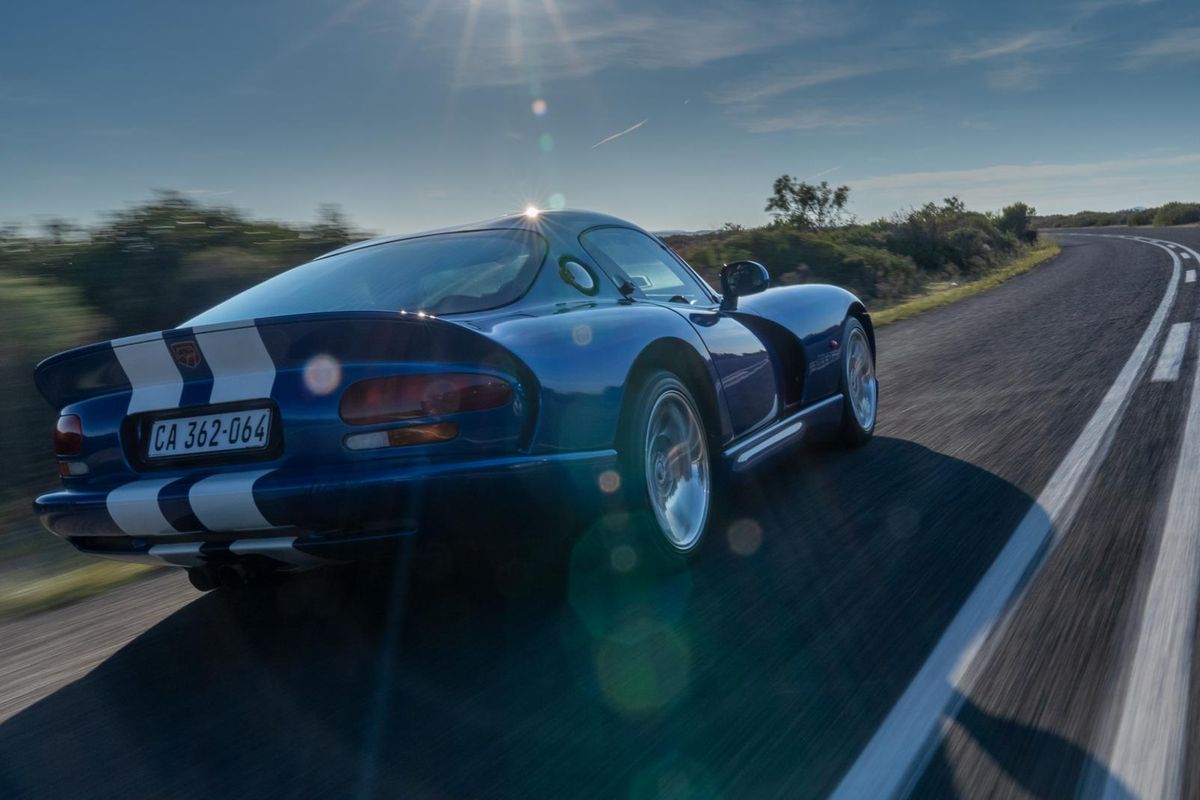
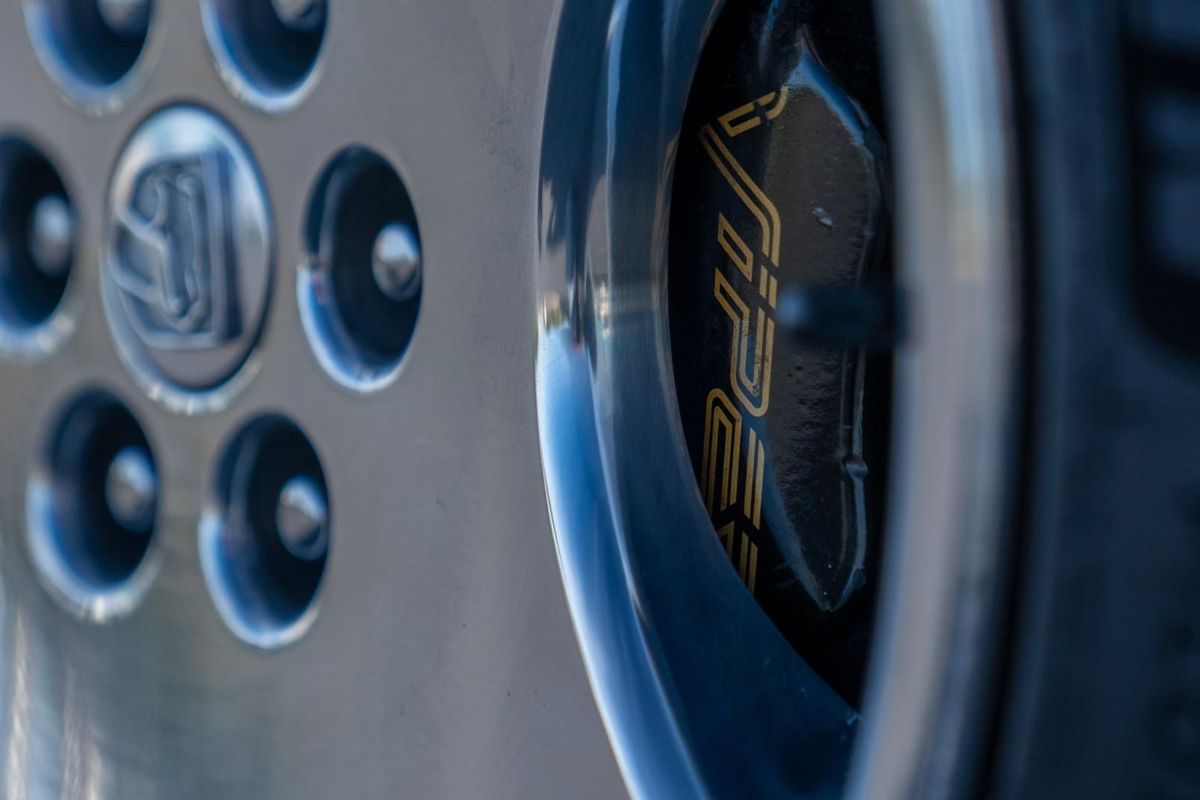
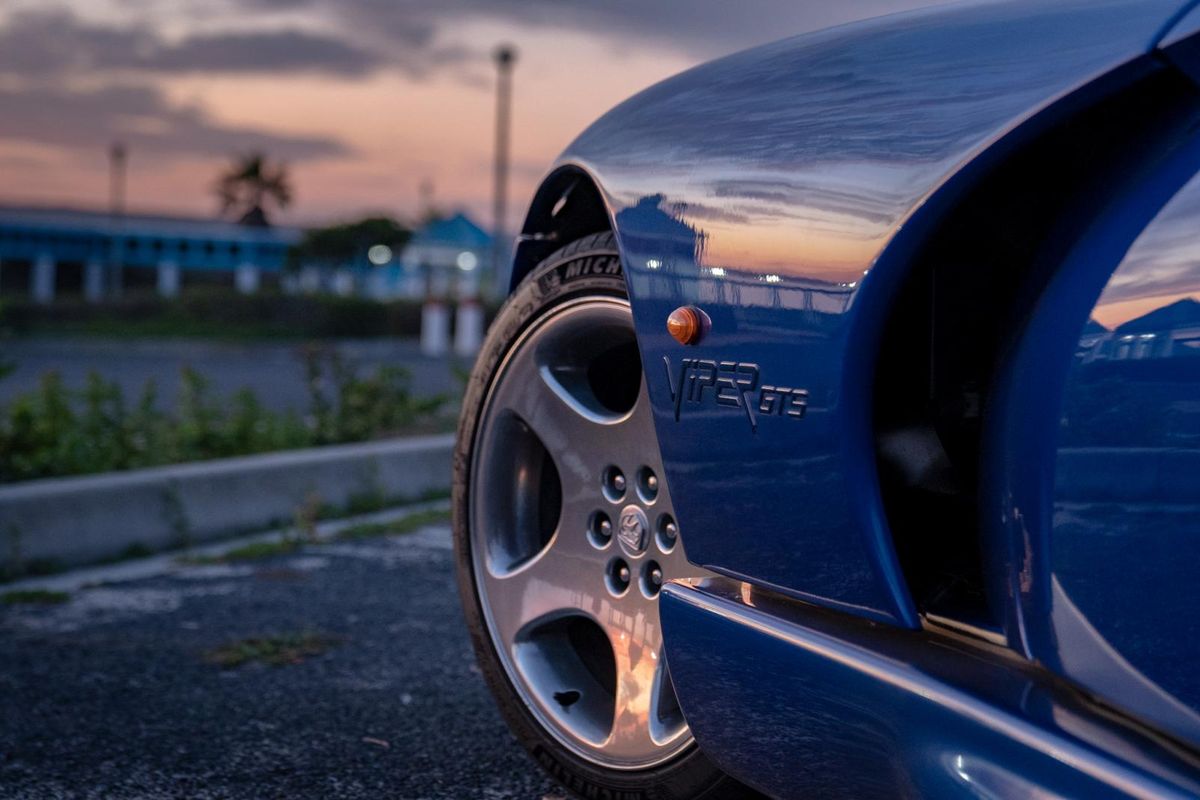
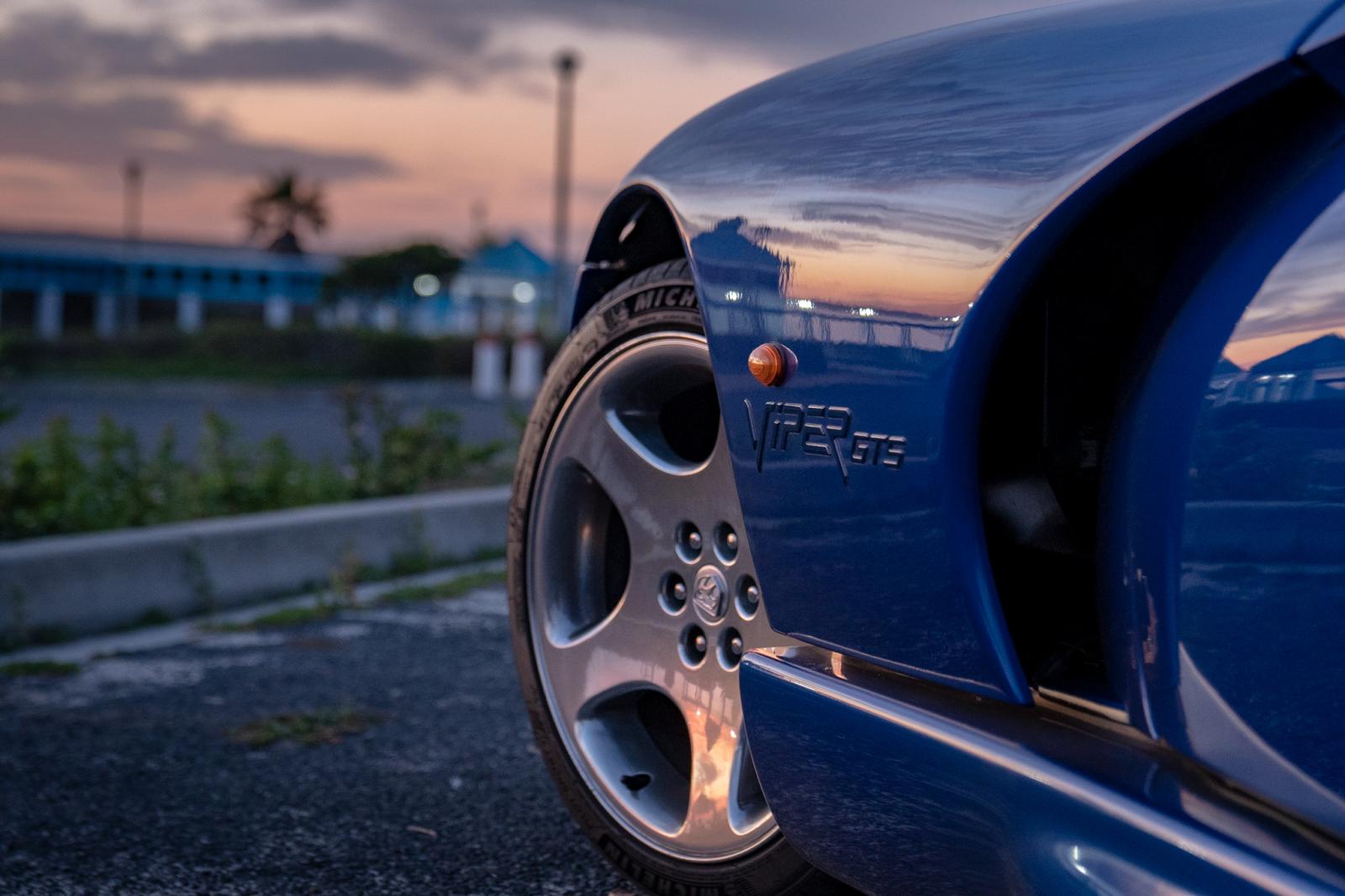
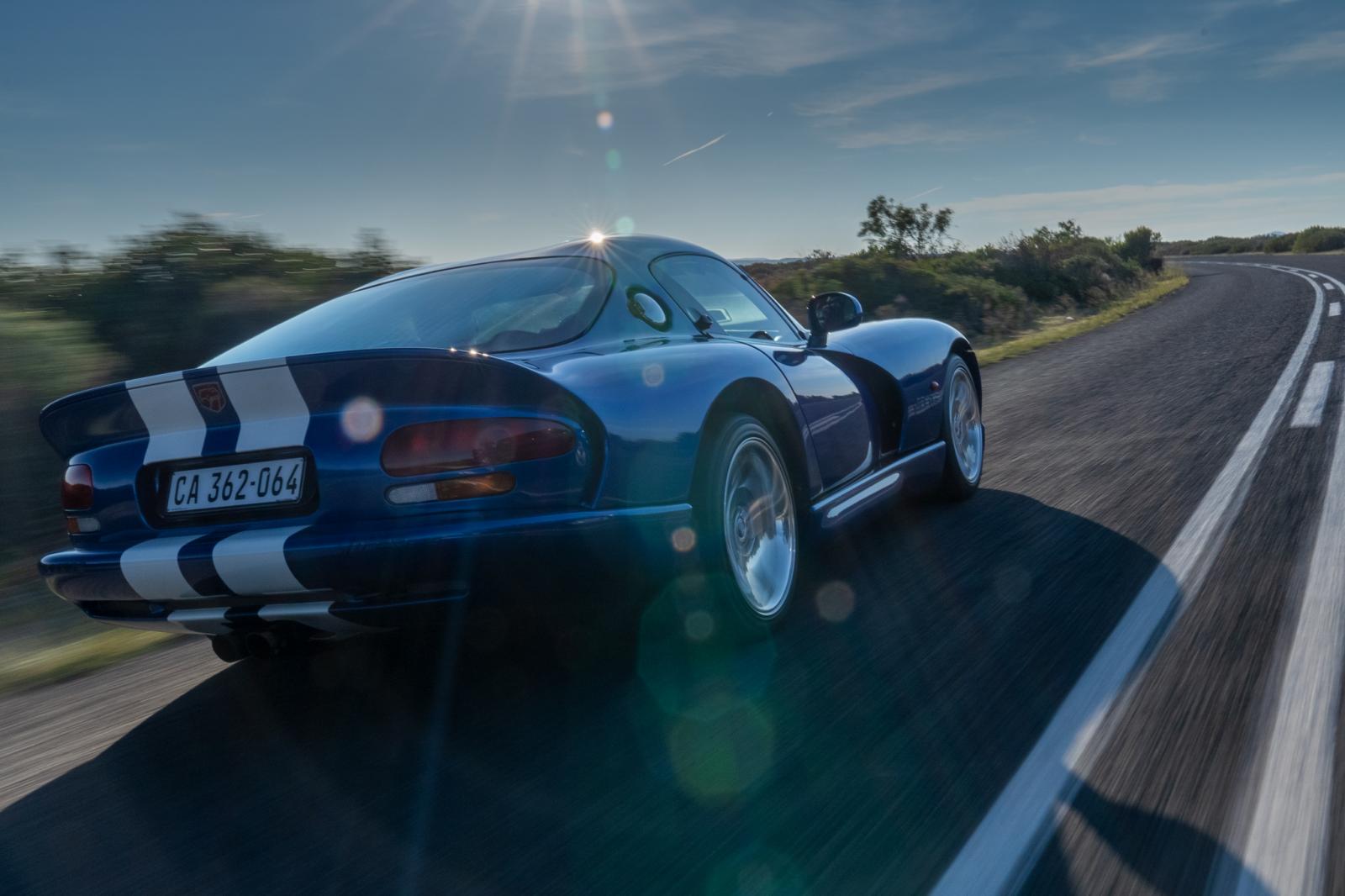
And boy, the Viper has an imposing presence, at least partly due to that iconic metallic-blue-with-white-racing-stripes paint job. Turn into a petrol station (which is fair to say is quite a regular occurrence with this 8.0-litre V10 monster) and crowds gather quickly. Surprisingly, Capetonians tend to recognise this rarefied machine immediately and they're often fascinated by the details. The third brake-light, for example, is an actual Viper logo on the rear spoiler, and the sheer size of those rear wheels never ceases to amaze people. Those tyres are the source of some concern for Jess, however. The Michelin Pilot MXX3s were made specifically for this car, and they’re no longer being produced. And it’s time for new rubber…
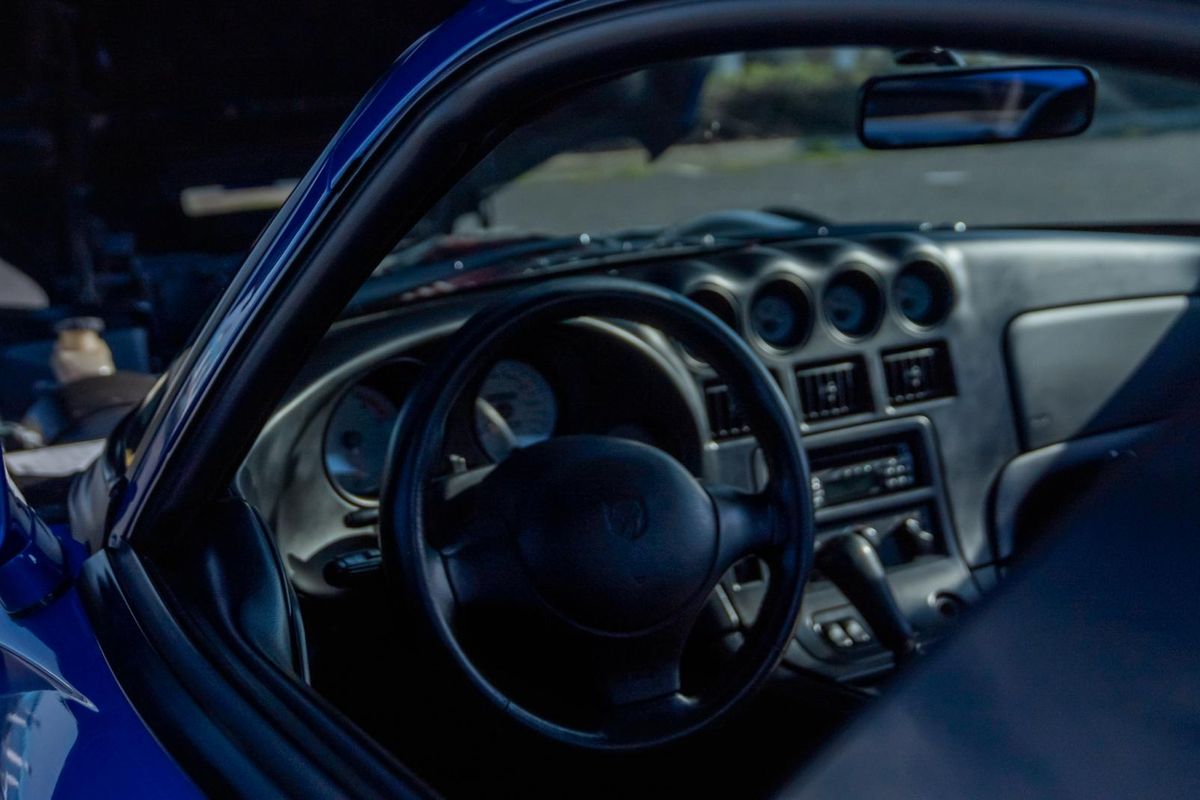
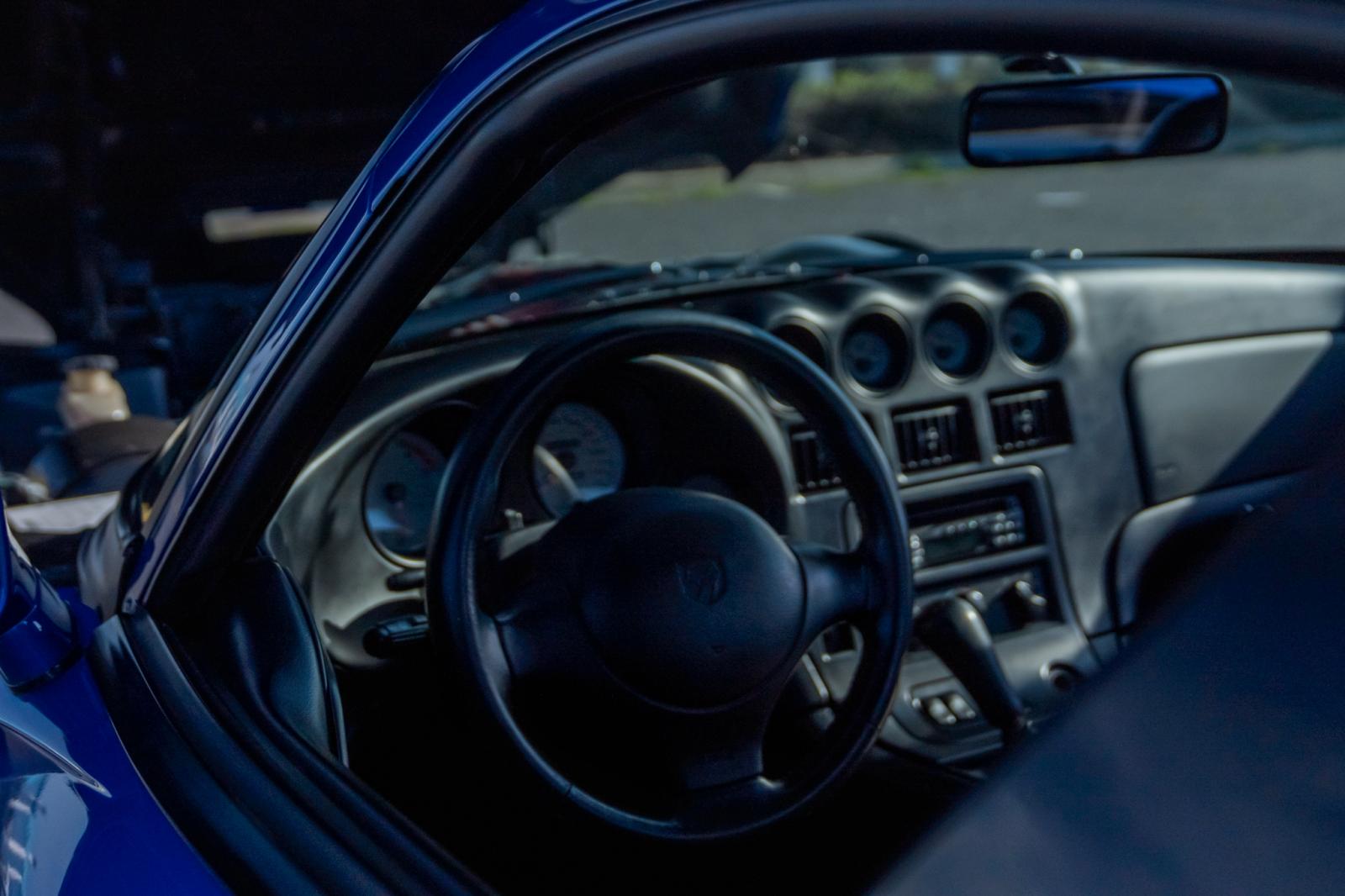
The cabin features an off-set driving position and adjustable pedal box. Mod-cons such as airbags and air-con are fitted.
Opening the hood, oh, I mean bonnet, leads to another episode of spectacle. There is no release inside the car… instead, you pull a latch hidden inside the front airdam, but then you have to move to the back of the bonnet to open it forwards. Doing it the wrong way can be a costly mistake – a new bonnet apparently costs $15 000! It's little wonder Jess sprints to the aid of the camera crew when they want to film the engine…
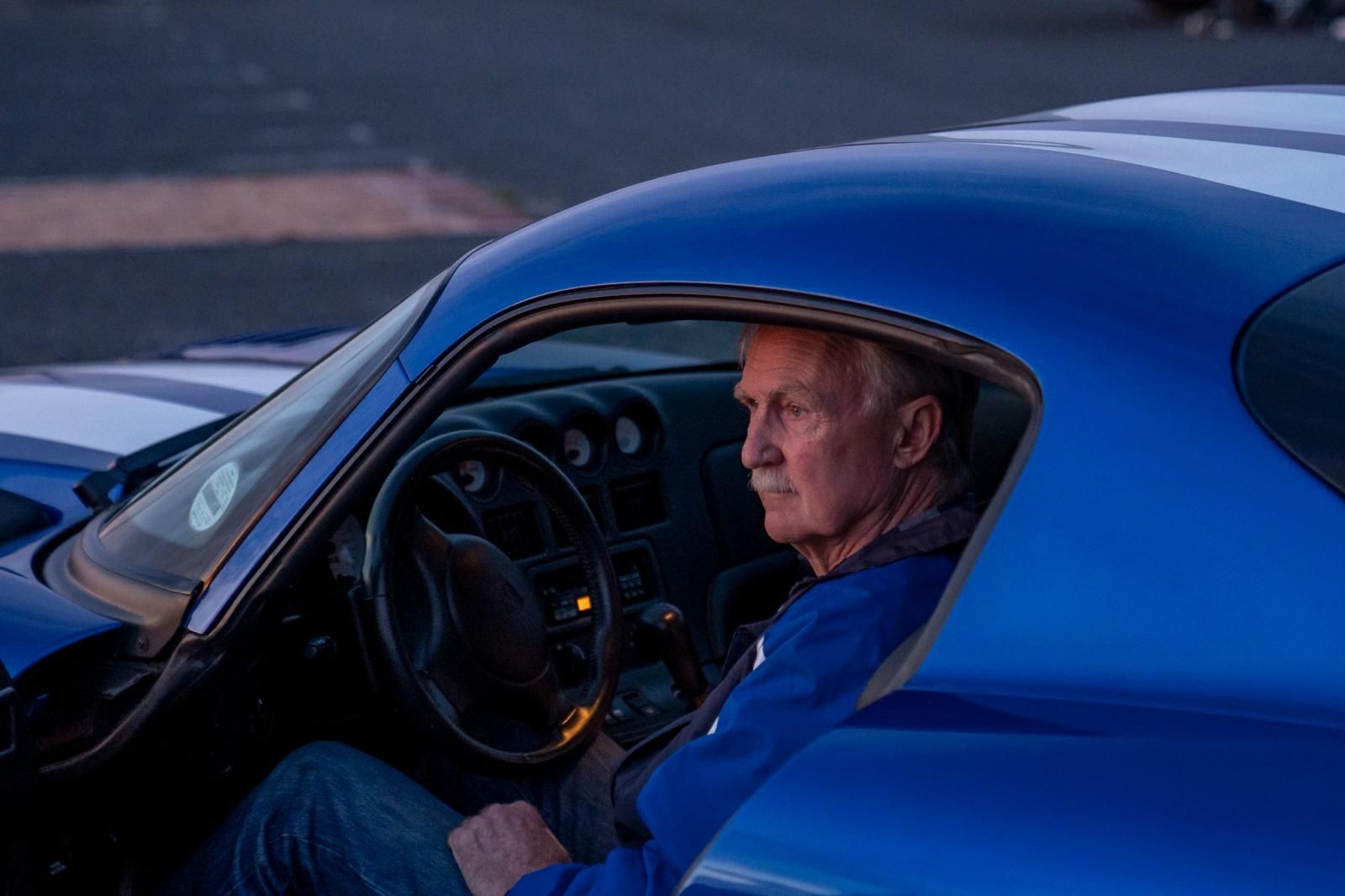
But how on earth did a left-hand drive beast such as the Dodge Viper GTS make it into South Africa in the first place? Well, back in the late ‘90s, an optimistic Durban-based dealer called Archie Sinclair brought in 2 Viper GTSs, one of which is featured here. Capetonian Jess Goedhals has owned it for the past 22 years. He calls it his pension plan, and he’s not going to let go of it, even though he’s been offered “silly money” by aspiring buyers.
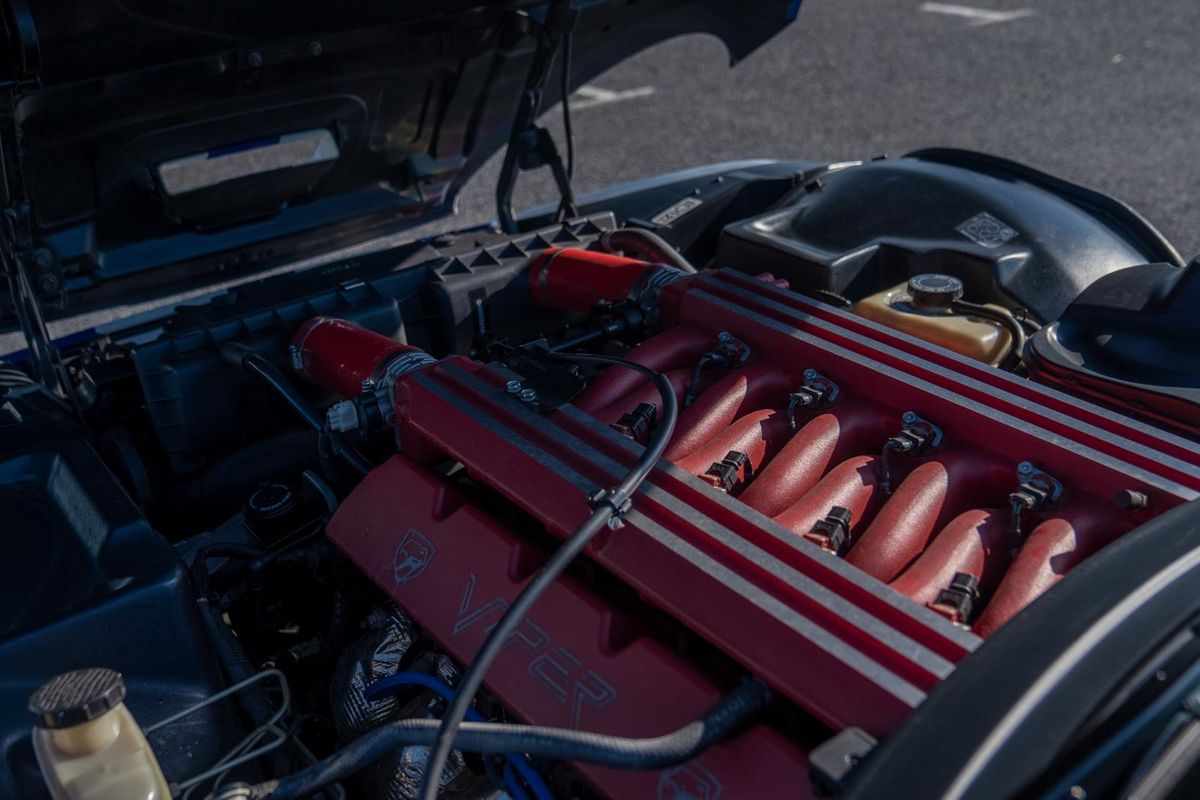
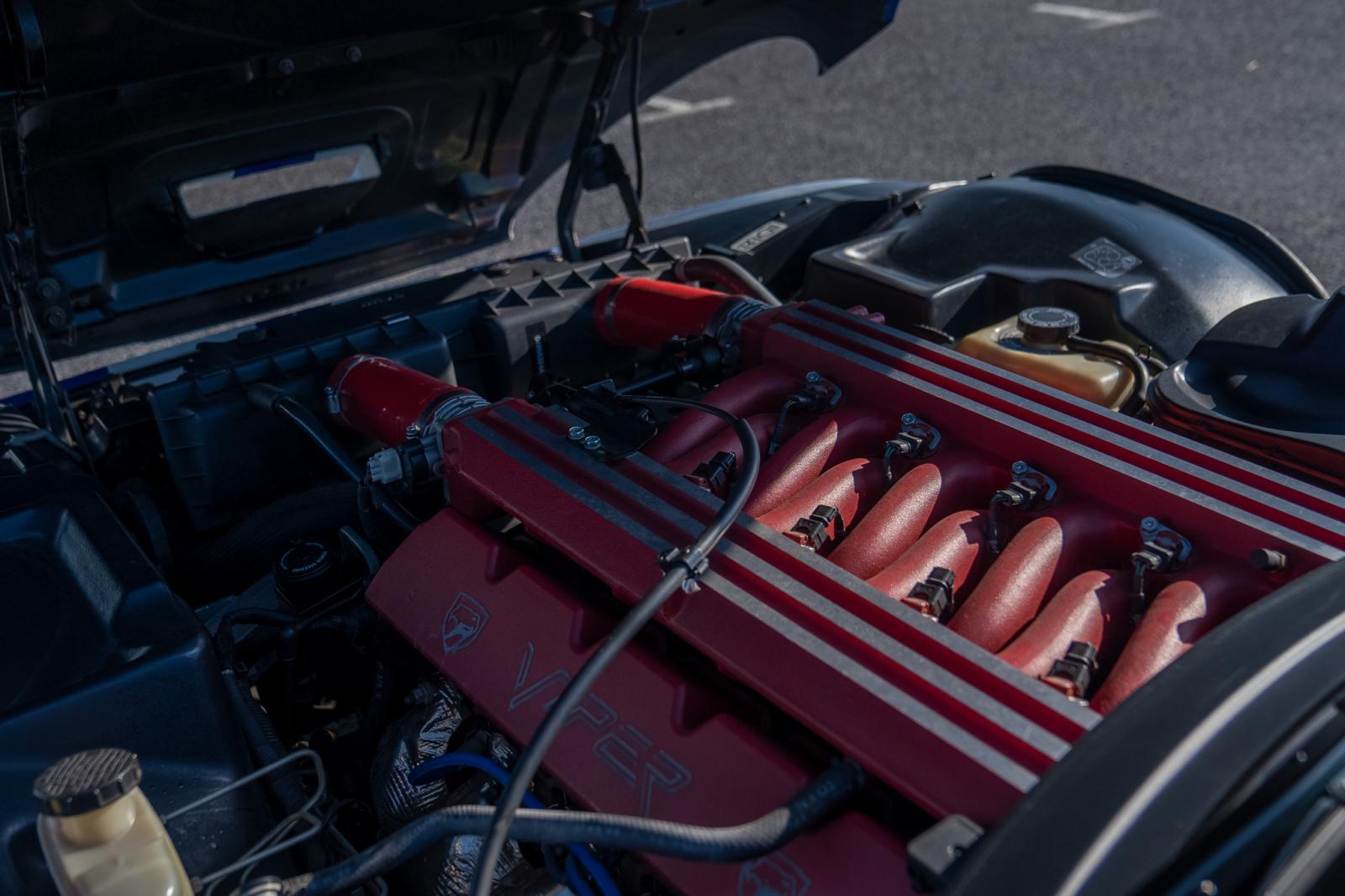
The massive 8.0L V10 was co-developed with Lamborghini, and punches as hard as you'd expect.
Jess has always had a thing for American musclecars and dropped his first V8 into a Bedford van in the '70s when he got caught up in the “Passion Wagon” craze. He’s also owned an ‘80s Camaro, but one look at his model car collection will convince any visitor that the love affair with this Viper GTS runs deep. Jess travelled to a Dodge Viper owner meet in Las Vegas some years back, and to this day counts those days spent with hundreds of other Viper aficionados as a highlight of his life. But here in South Africa, there are only 2… so support is limited. Using what information he can find online, he services the car himself, and says it’s been entirely reliable. Parts have not been too much of an issue… except for those tyres.
Settling into the Viper GTS and acclimatising to the left-hand drive setup is easier than I had expected. I’m 1.8m tall and there’s sufficient headroom. A nice touch is that the pedal box is manually adjustable – if slightly offset – and there’s a wide range of adjustment available from the steering column, too. What is bizarre, however, is that you sit very close to the door, and there’s a wide transmission tunnel that creates a chasm between driver and passenger. As if to highlight the fact that this is no regular American car, there are zero cupholders. The A-pillars are thin, so visibility out of the car is excellent, which is a real relief to me (and, undoubtedly, to Jess).
Jess Goedhals has owned this Viper GTS, one of only 2 in SA, since new.
Compared with the Vipers that preceded it, the GTS, which is based on the 2nd-generation car, was 90% new and featured conveniences such as air-conditioning, electric windows, ABS and even airbags. It’s admittedly pretty dull inside, but the strip of gauges on the fascia is cool, and the cabin’s better made than I had expected. Also… Jess has kept it looking pretty much like new.
Power comes from an 8.0-litre V10, co-developed with Lamborghini, which was a Chrysler subsidiary at the time. It packed 450 horsepower (336 kW) and 664 Nm of torque, the latter figure at 3 700 rpm. The Tremec 6-speed manual gearbox feels very mechanical and robust – shifts are accurate, but not lightning fast. The more observant local car spotters often enquired about the side-mounted exhausts that were such a unique characteristic of the earlier Viper RT/10s. On the GTS, the exhausts still run through the side sills (so they get hot), but the pipes exit at the back.
On the road, the Viper is direct and alive, with "darty" steering and good throttle response.\
Speaking of the pipes… Earlier in the day, I noticed that the Viper GTS was not nearly as loud as I had expected, but the sound that it makes is still pleasing… from the outside. Seated inside, it’s far more muted, which is a bit disappointing… I would have liked it to be a bit more brutal, aurally.
But perhaps I’m not really concentrating on the sound, because this is a machine that keeps the driver busy. I haven’t driven a car with such darty, direct steering in a long time and for a first timer this further heightens the perceived liveliness of the car. I expected it to be somewhat woolly and soft around the edges, and owner Jess believes it’s quite a good GT cruiser, but within the first few kilometres I’m of the impression that it’s more of a racing car let loose on the road. Jess wins the argument, though, seeing as he’s driven it down from Johannesburg with his wife and thought it was very comfortable on the near-2 000 km trip. It certainly has long legs: at 120 kph in sixth gear the engine is barely ticking over (1 500 rpm).
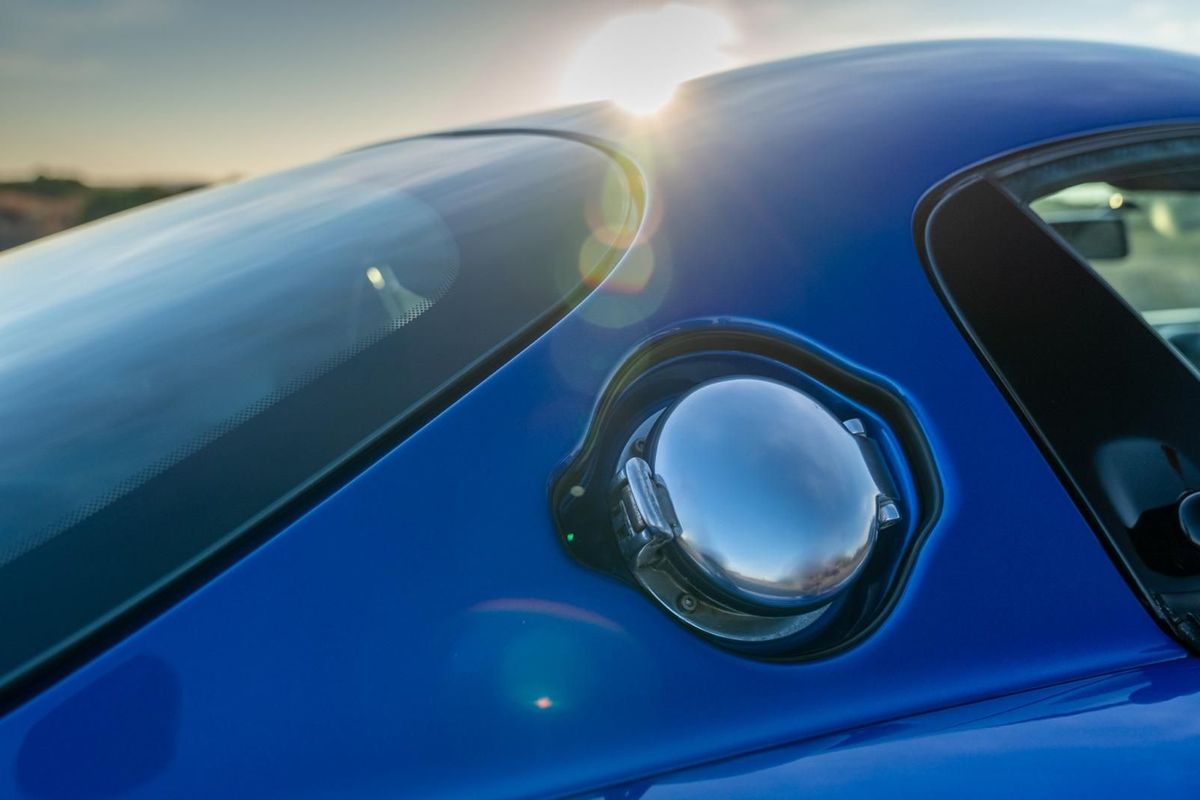
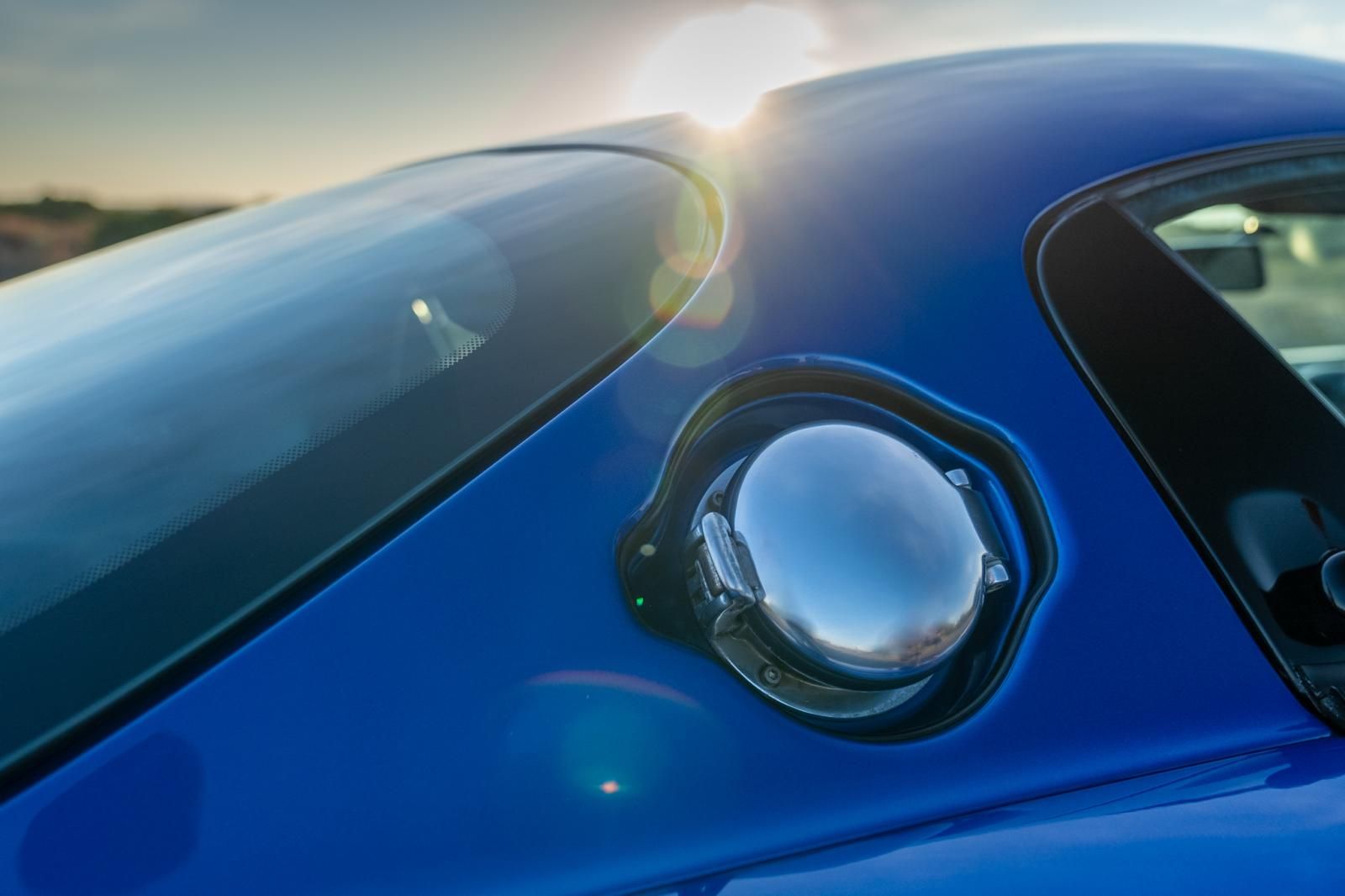
The Viper's exterior is littered with racecar details such as this fuel filler cap.
Put your foot down and you’ll experience the kind of forceful, yet beautifully linear power delivery that’s such a rarity in these days of forced-induction performance cars. The V10 punches hard from low revs, and the GTS picks up speed very, very quickly indeed. A 0-100 kph time of 4.6 seconds was claimed at the time of the launch, and I have no reason to doubt it. The GTS was faster over the benchmark quarter mile than a period Porsche 911 Turbo. It is said the Dodge Viper GTS can get close to 300 kph, and Jess nods in agreement. He’s taken it to those speeds on an airstrip and commented that it felt “very stable… I could probably have taken my hands off the wheel!” Jess is a braver man than me.
There are no airstrips for me today, but I do get the opportunity to put my foot down for a few brief moments, and the immediate surge forward is so addictive that I end up doing it too often… resulting in concerned downward glances at the plummeting fuel gauge needle.
When the road gets twistier, the surprises continue to roll in. I’ve already commented on the talkative steering, but there’s also very good resistance to body roll, and the lateral grip levels seem to be high too. Nevertheless, this is a car that demands respect and a fair degree of skill to drive with zeal… You sit just in front of the rear axle, but the interface between your "bum" and "brain" needs to be alert and fast to decipher the grip messages being relayed by those fat rear tyres. At the same time, the steering is super lively and direct. I’m also reminded that the Michelins at the back are not exactly factory fresh, so today is not a day for heroics, but the driving experience is sufficient to get a sense of the Viper GTS’s character.
Jess stalks the great driving roads around Cape Town these days – he moved down from Johannesburg some years ago.
This car rewards a smooth driving style and a steady hand – you can pile into a bend hard on the brakes, but be mindful to keep your steering position stable, then feed in the power smoothly on the exit to avoid what would definitely be fairly abrupt tail wag that would be hard to catch. Overall, however, the undeniably odd-ball Viper GTS serves up a superbly entertaining drive, for more traditional sportscar reasons than you’d expect. The drive to Jess’ house is over way too soon and ends just as I start relaxing behind the wheel. Perhaps it’s a decent GT after all?
As Jess recounts how his Viper GTS has lived up to all his fantasies, I’m reminded of fascination with TVR slightly more than a decade ago. Back then, the Blackpool-based marque was hero-worshipped by many, and I expected much from that yellow Tamora that I tested on the same roads as this Viper many years ago, yet that car under-delivered in almost every possible way; it literally fell to pieces during an hour of performance testing.
In many ways the Viper GTS reminds of me of the car I wanted that TVR to be – a giant-slayer from far left-field, bashful in character but able to live up to a petrolhead's giddy driving expectations. William Shakespeare said that “Expectation is the root of all heartache,” and if that TVR proved him right, then Jess's Dodge Viper GTS did the opposite. It rocks, even 20 years later.