BMW X3 M/X4 M (2019) International Launch Review
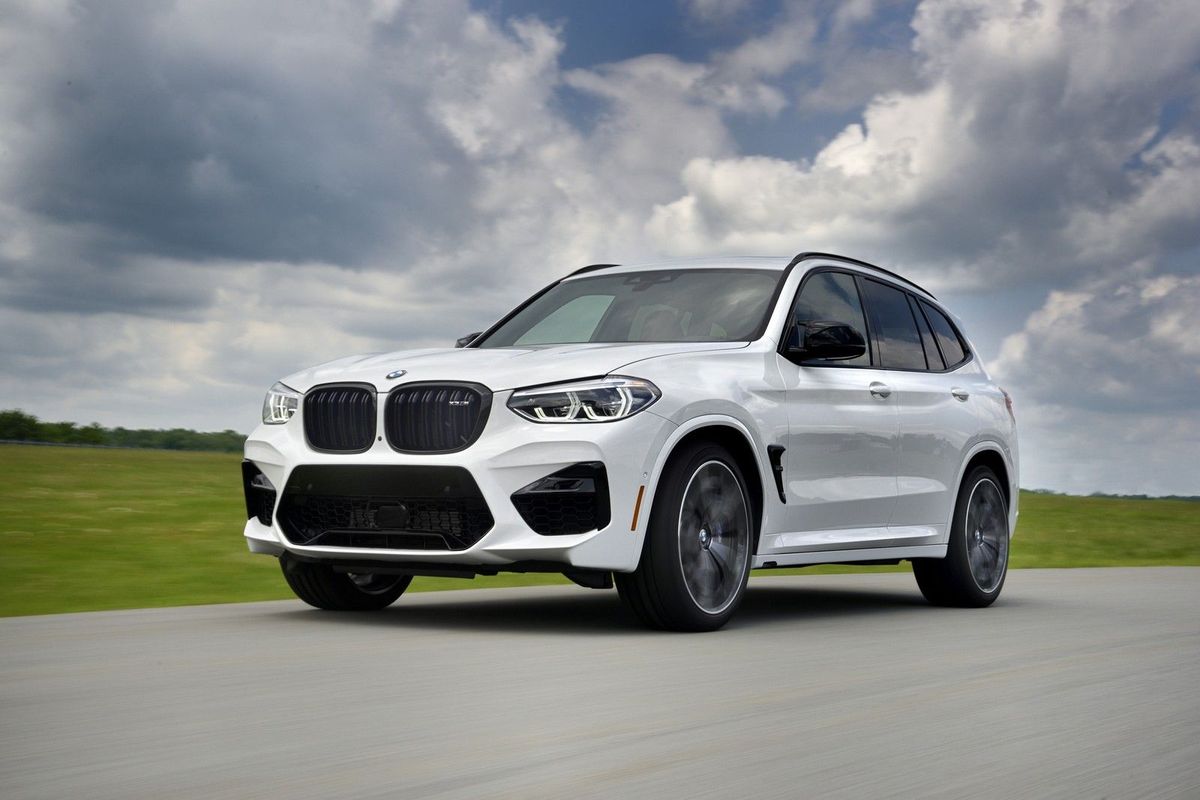
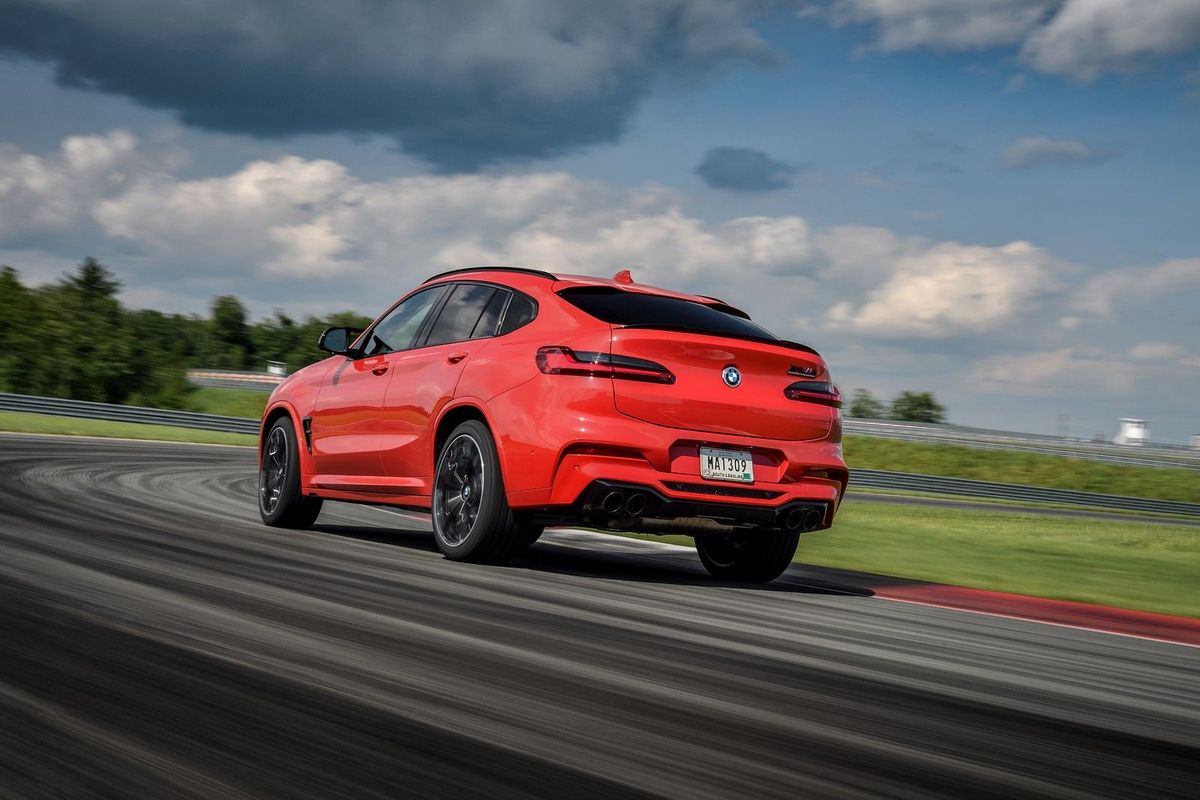
It was only a matter of time before BMW joined the executive-class performance SUV melee. And, it's no surprise that with its all-new X3 M and X4 M models, the Bavarian marque stakes a bold claim for the summit of the segment. We sent Ciro De Siena to America to assess the mercurial (non-identical) twins on road and track.

BMW seems to enjoy sending its employees (and the media!) to the 'States. This could have something to do with the fact that the largest BMW plant in the world is based in Spartanburg, South Carolina. Around 10 000 people work there, and approximately 350 000 BMWs roll off the factory's assembly line every year – that's roughly 1 000 units per day. It takes about 10 hours to make a car and, like all large car plants around the world, BMW Plant Spartanburg is an astonishing feat of human ingenuity and consistent, round-the-clock management of parts and people.


The choice between coupe SUV and an actual SUV is not as difficult this time around.

Last year, I drove the 2nd-generation X4 around BMW’s own test circuit in Spartanburg. This year, we boarded flights bound for Newark, where we would be based and, where we would drive some incredible backroads to the rather magnificent Monticello Raceway in upstate New York.

Own a BMW? Tell us about your experience here

Road trippin'

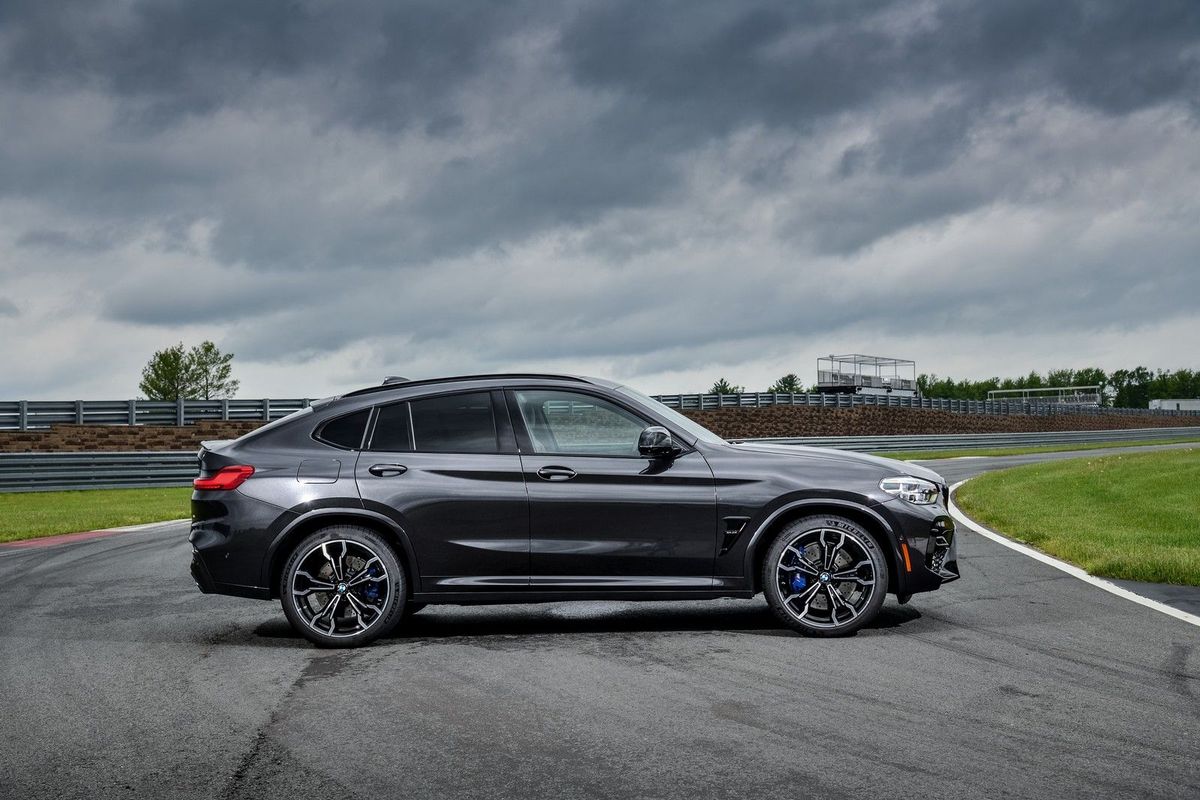
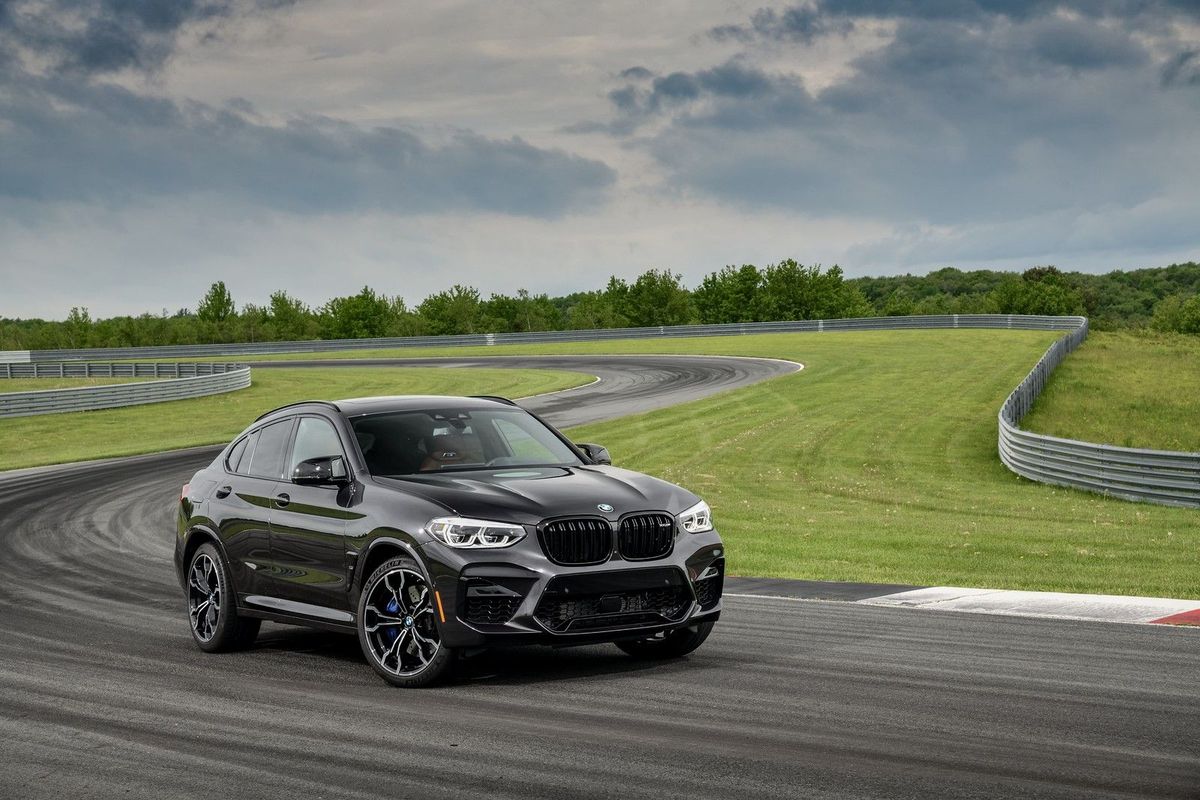
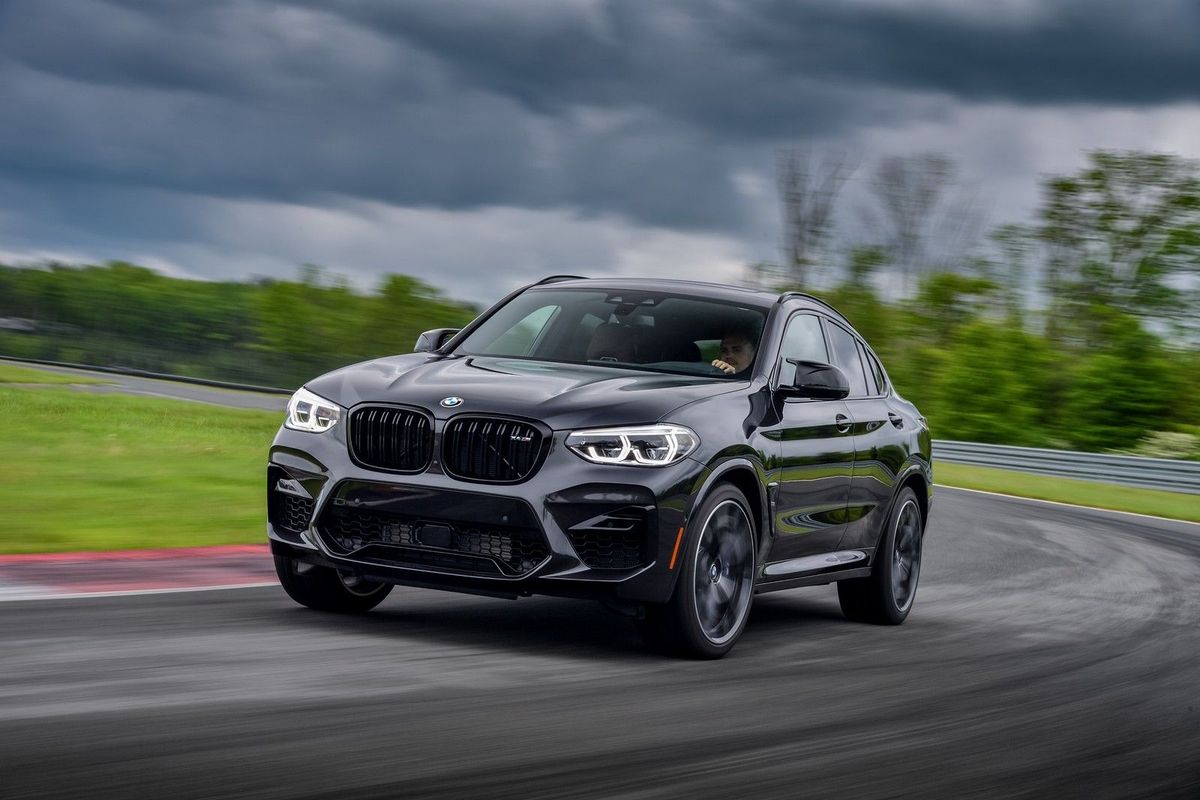
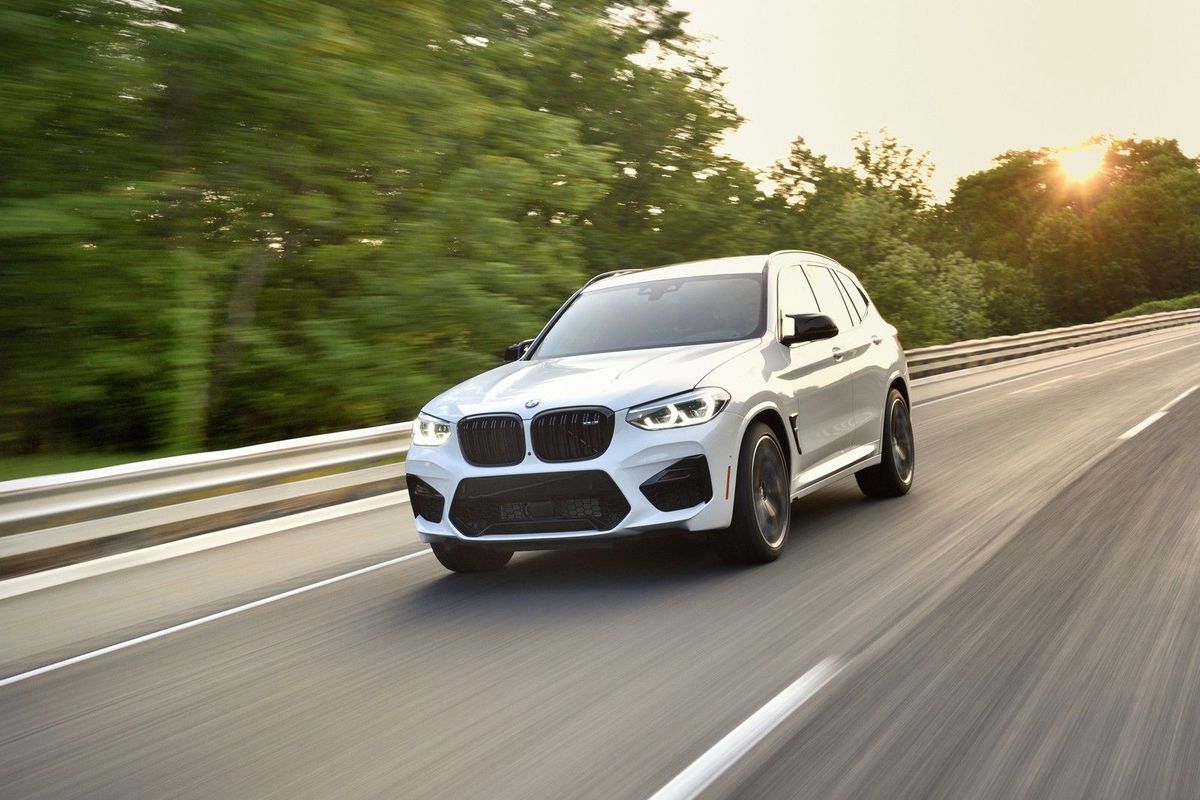
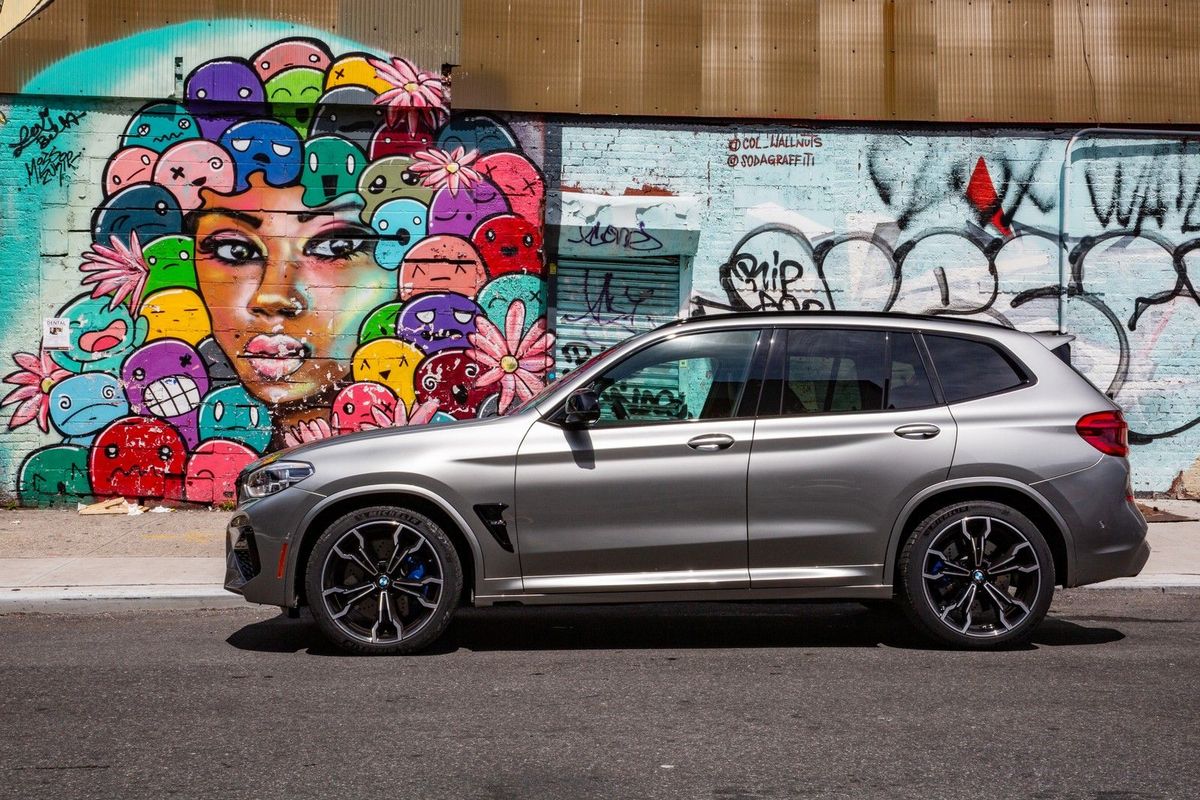
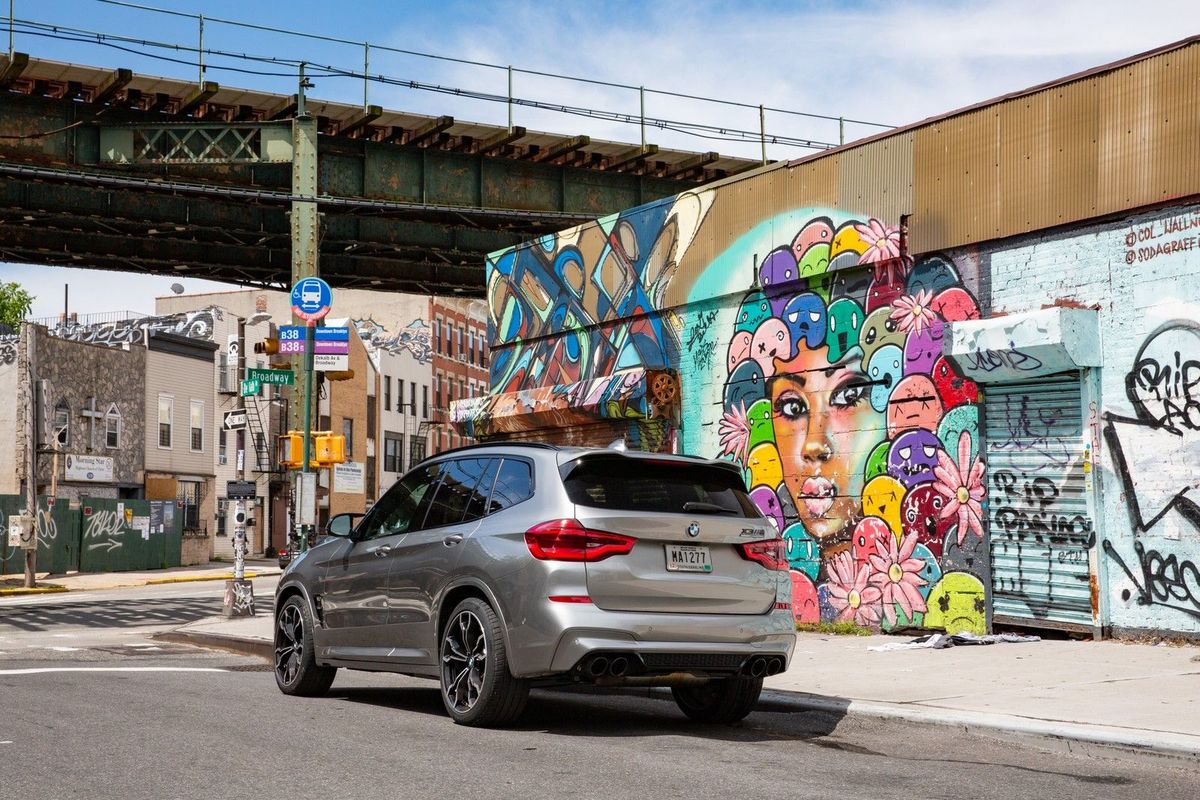
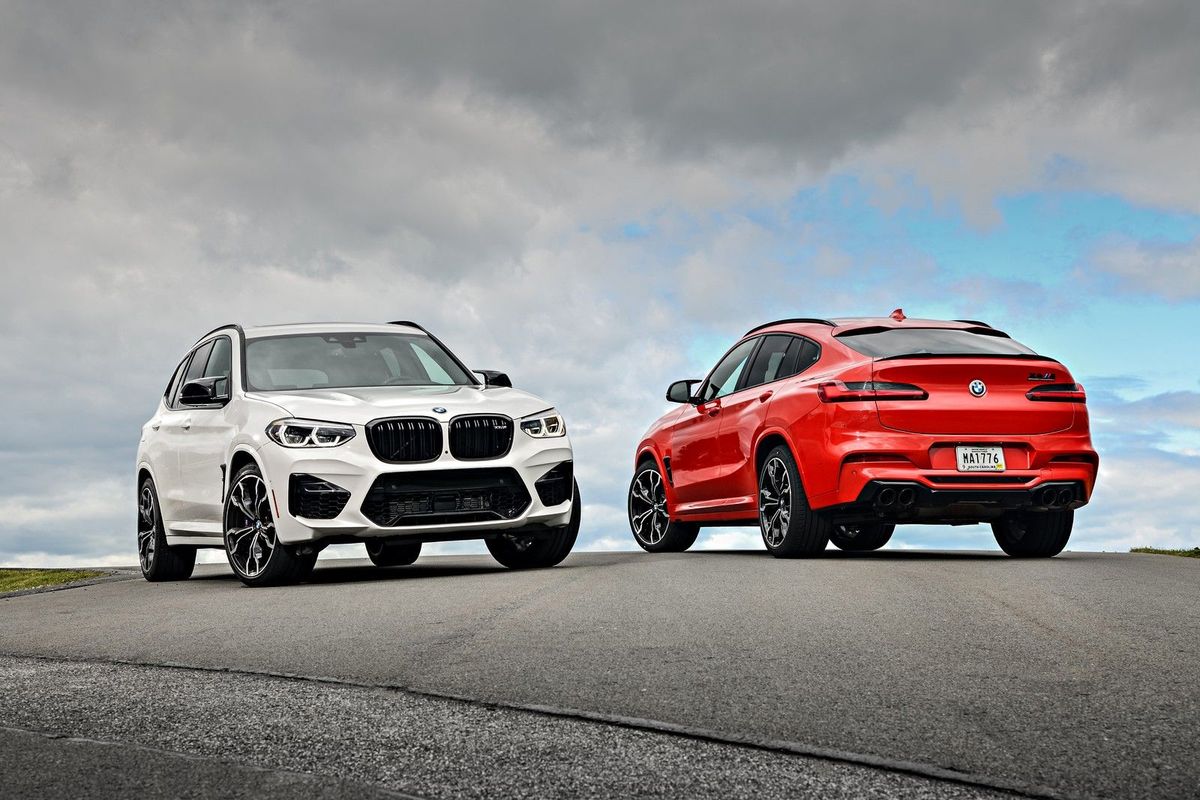
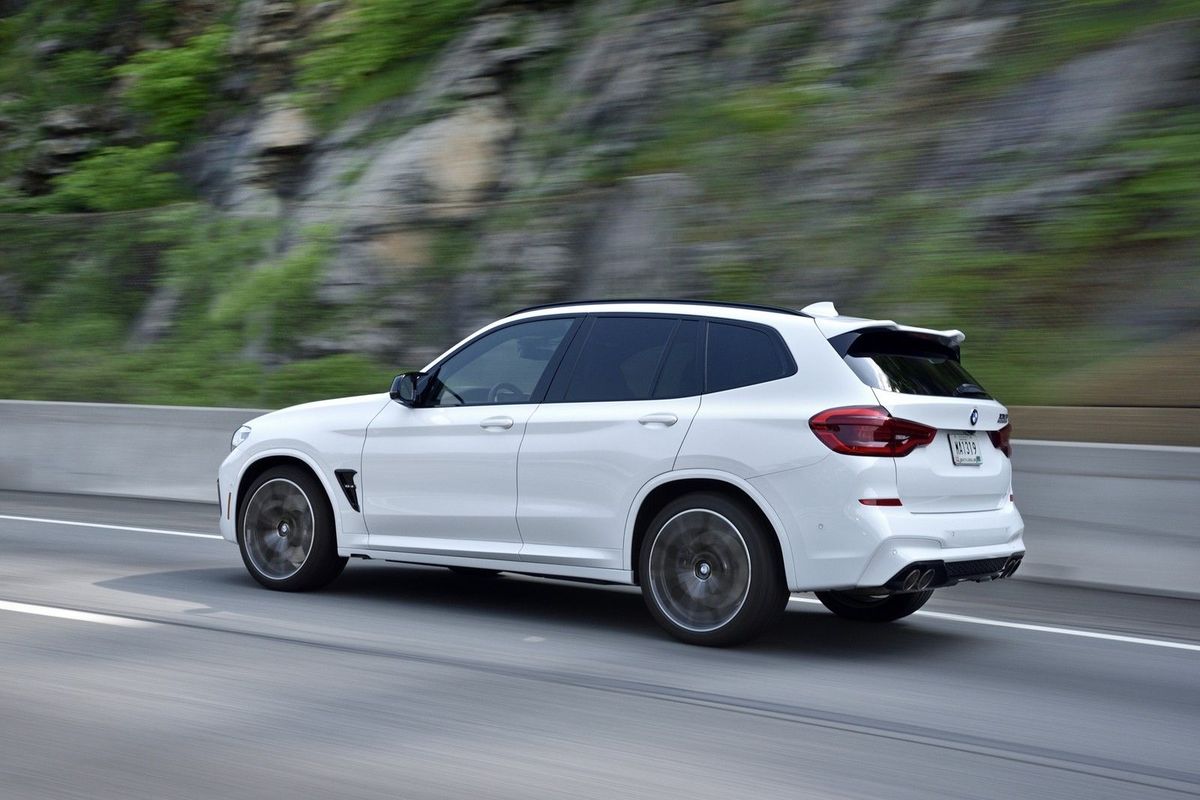
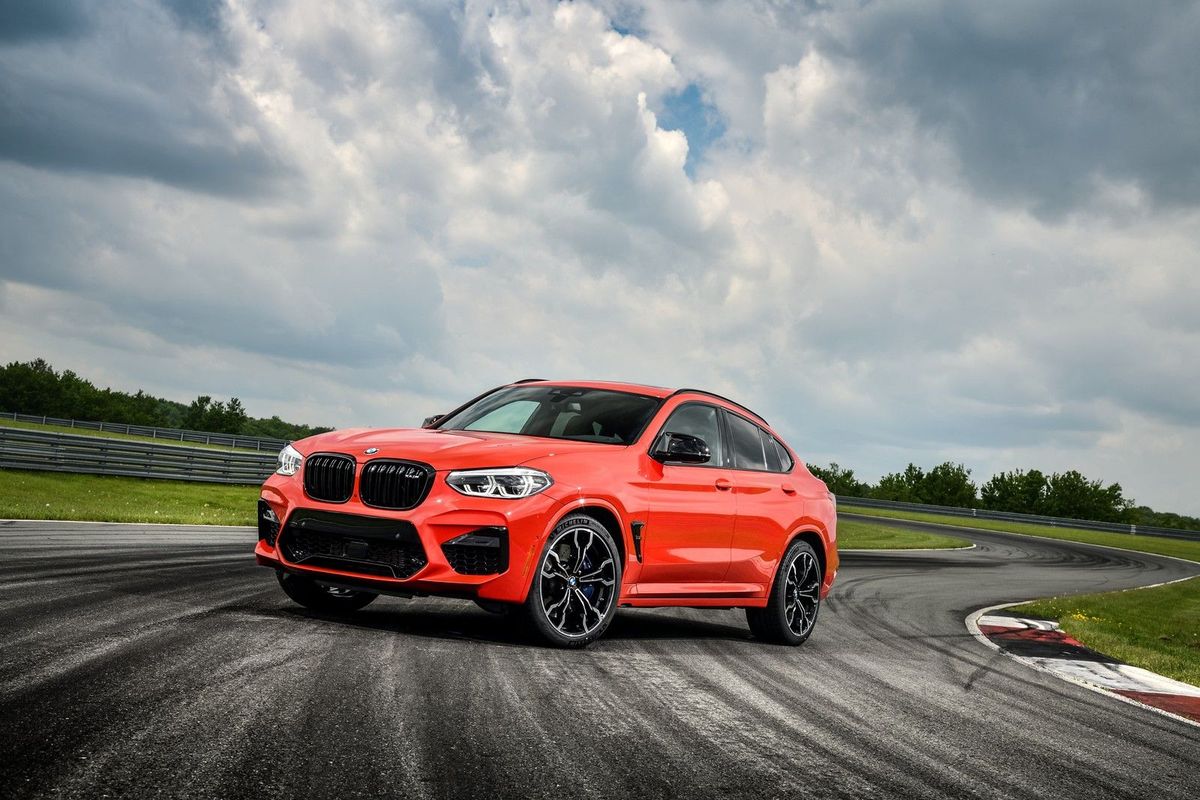
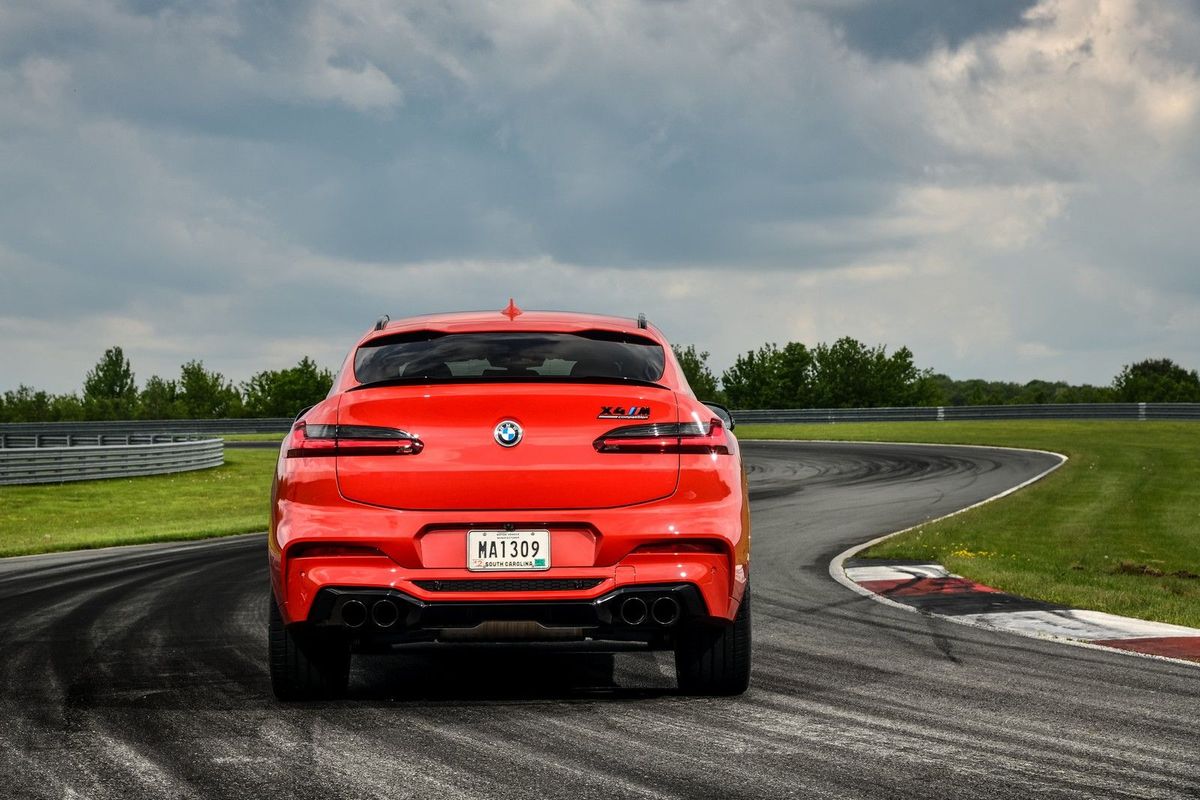
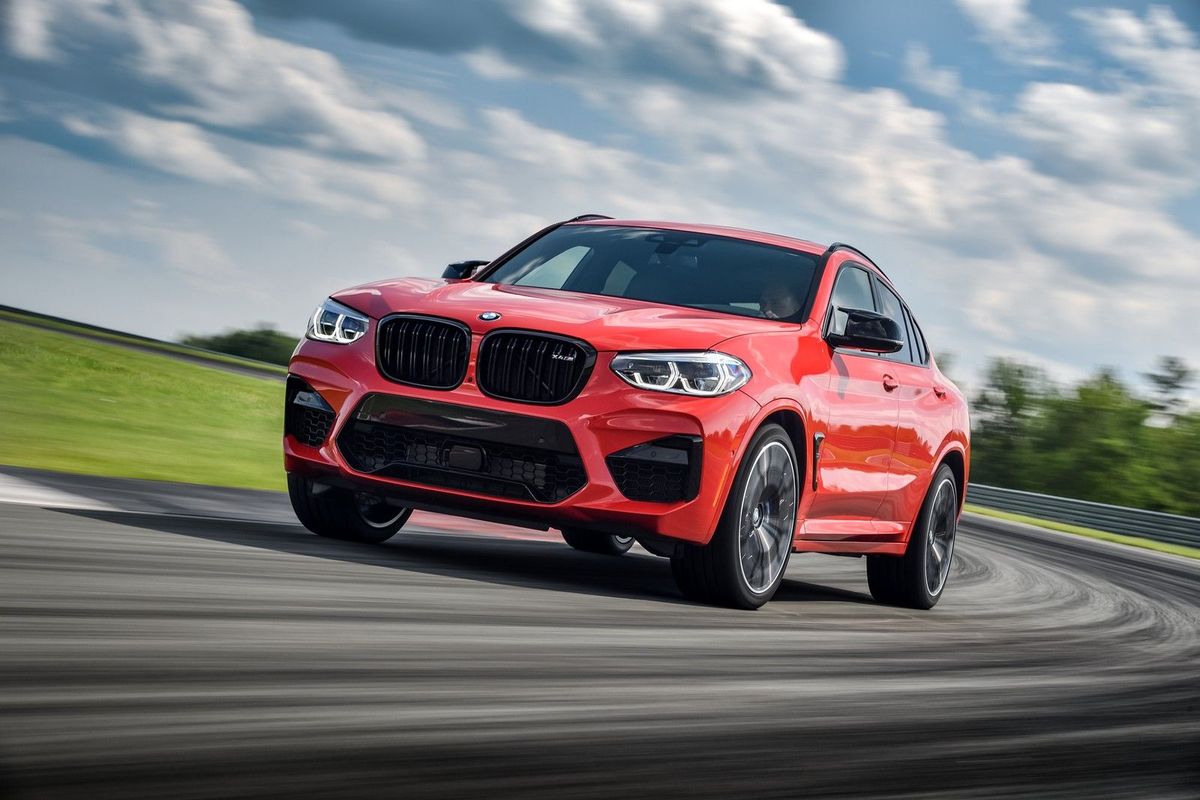
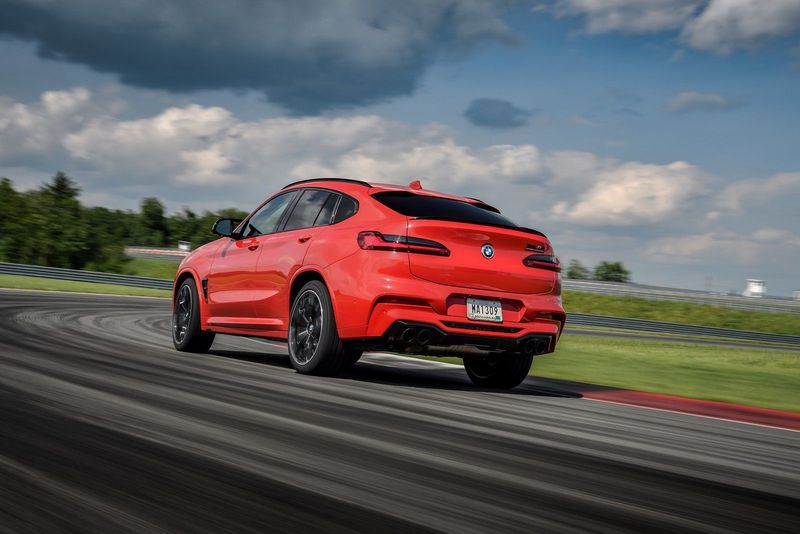
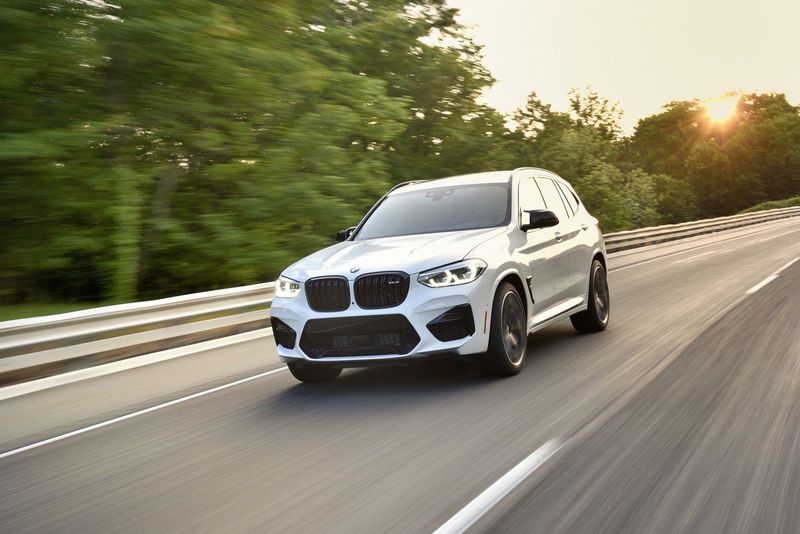
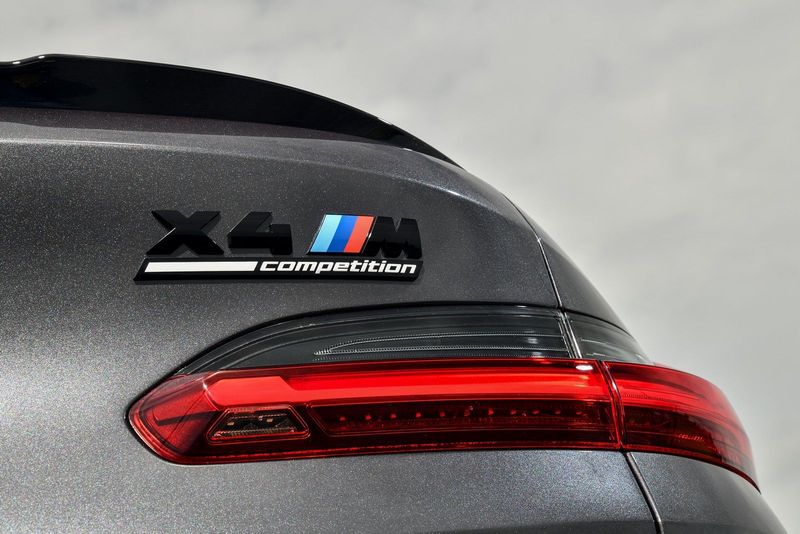
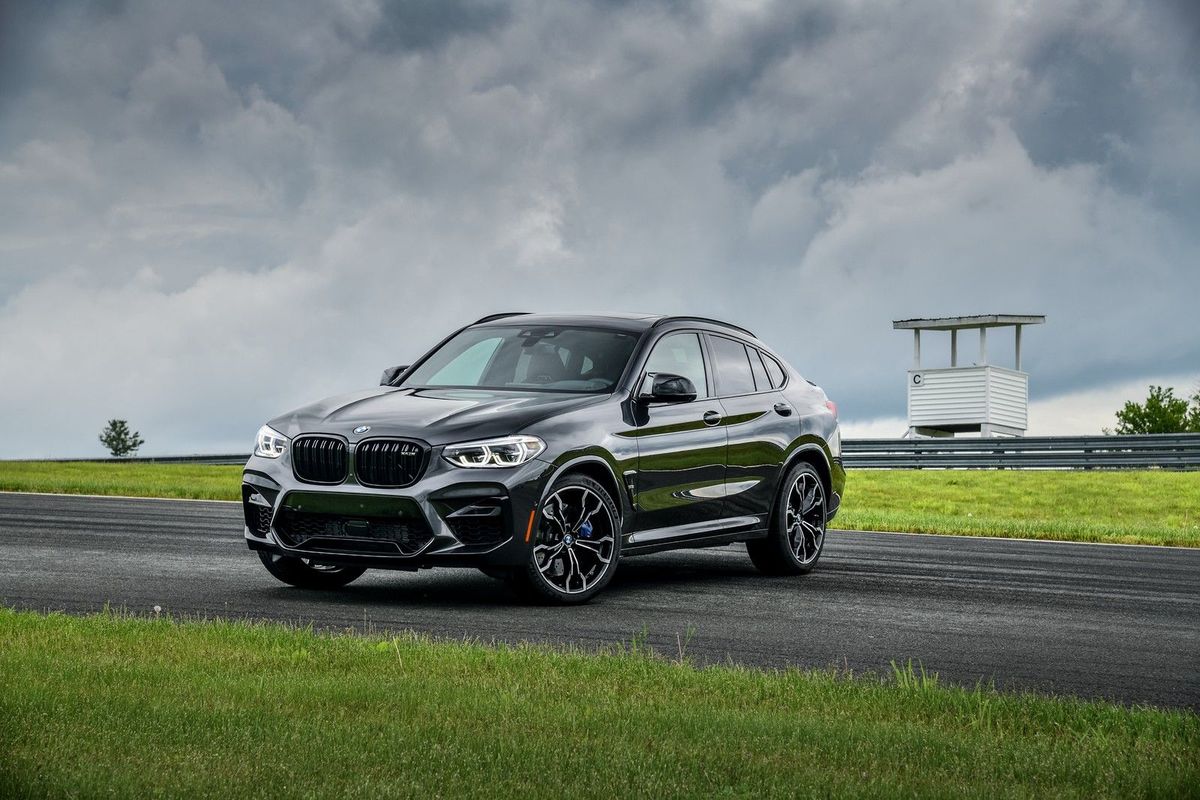
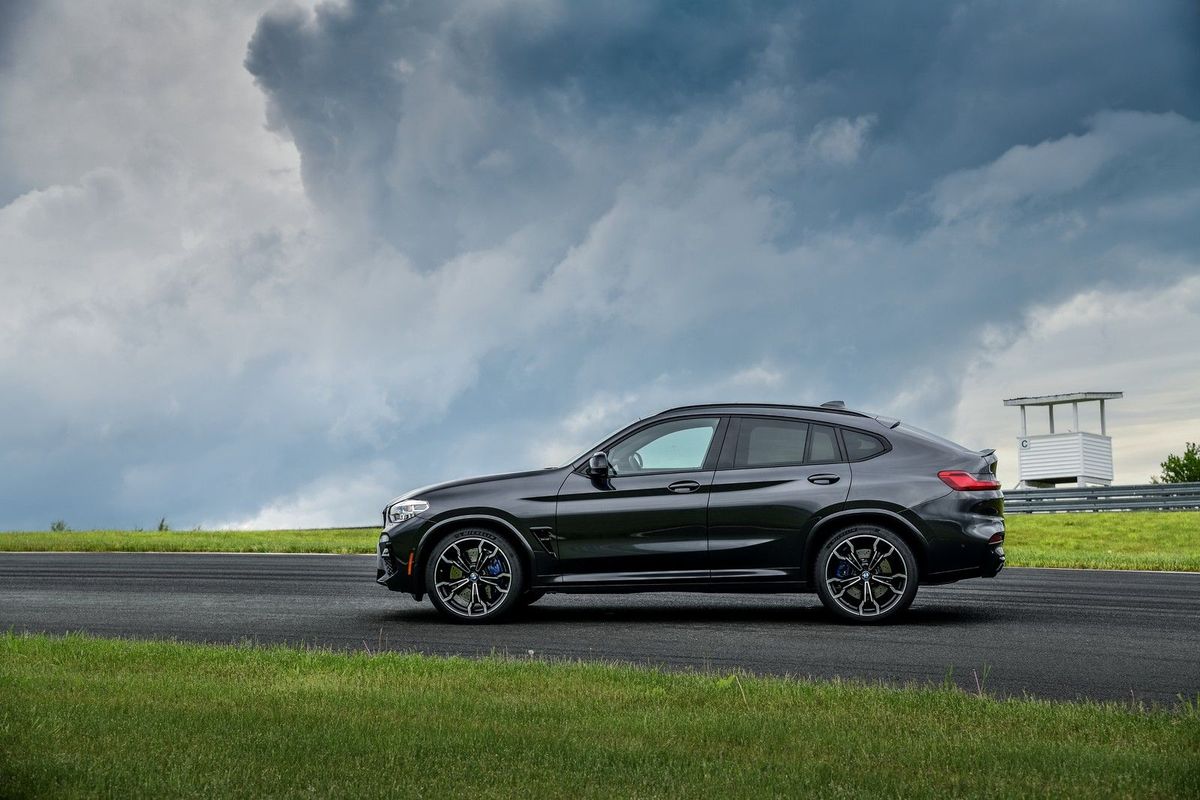
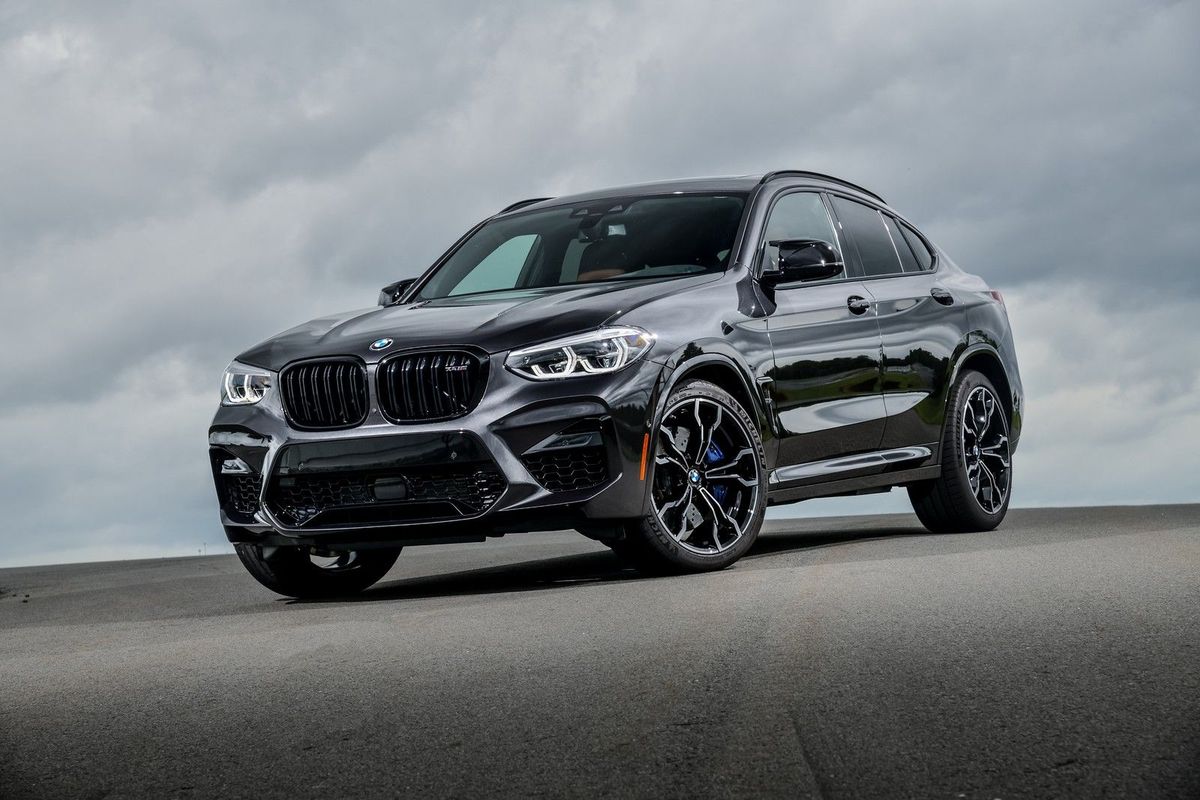
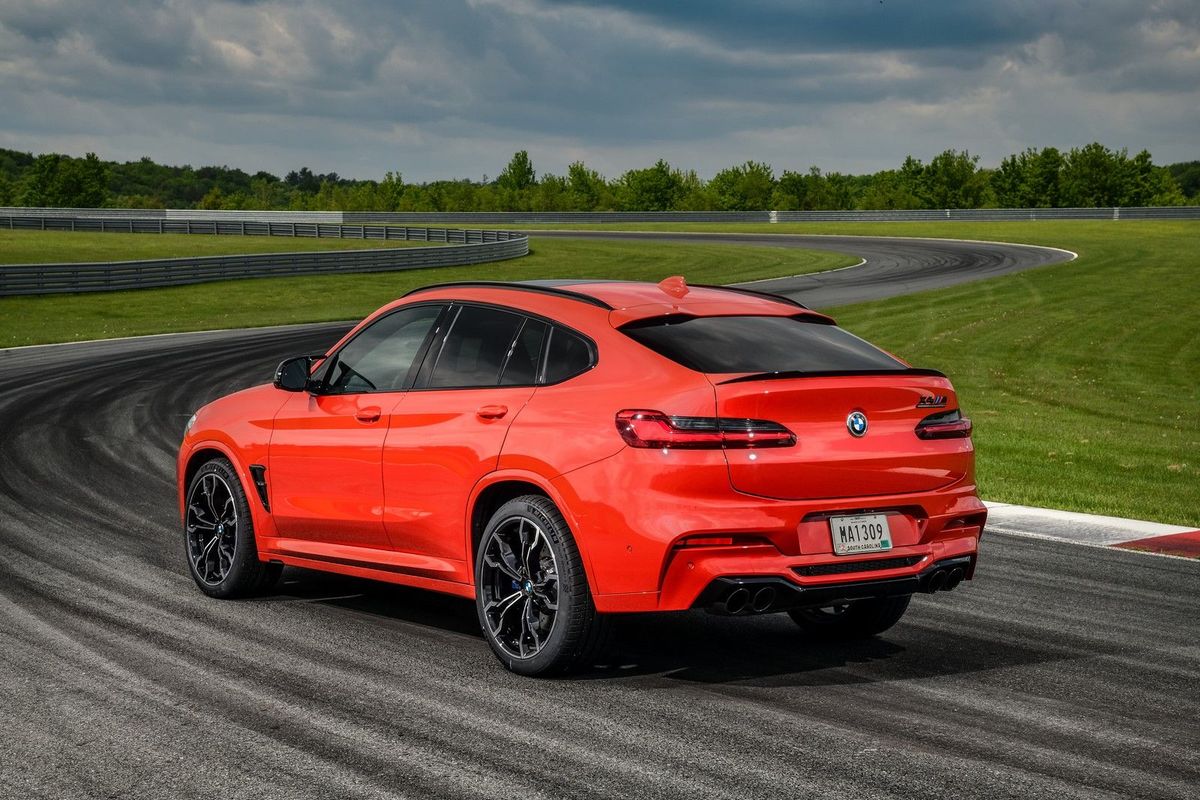
First up was an on-road drive in the new BMW X3 M. Personally, the X3 M just looks better than the X4 M, especially in profile. The former appears taut and purposeful. To put it bluntly: it looks fast. The X4 M, on the other hand, looks awkward; the design is less cohesive, although in the metal it is the more imposing-looking of the pair. Technically speaking, they are identical, however, the X4 M has a wider rear track and shoulders.

Outside of the big cities, America is a staggeringly large country connected by a network of dead-straight highways. But, if you venture off the interstates, at least in the area where we were driving, there are some rather magnificent twisty roads. I’ve always believed American cars "can’t handle corners" because there aren’t bends to "handle". But in my experiences of the US, it’s not too hard at all to find a challenging driving road.


Great driving roads in America are marred by extreme speed limits. The M cars feel chained here.

However, it is difficult to enjoy them. The speed limit in most areas, even on deserted sections of tarmac with nothing but forest on either side of the road, is 35 mph (56 kph), which is a mere jog for the X3 M. And the state troopers are not very forgiving. That being said, it was a good opportunity to test if the stiffer, revised suspension, reinforced chassis and M differentials resulted in a less-comfortable ride quality than in a garden-variety X3.

And the answer is yes. It is harsher; there is more vibration and the effects of rougher road surfaces translate into the cabin more readily. But the difference is marginal; it’s a compromise I suspect every M owner will happily make in exchange for sharper handling and better in-corner traction.

What makes an X3/4 an M car?

You may be asking yourself, what is the point of the X3 M and X4 M? Especially if, for a lot less money, you could tart up an X3 (that is to say pay BMW to slap an M suspension, -body kit and -badges on a lower-rung derivative), save a stack of money and call it a day.

I was curious about what really makes this X3 M special and fortunately, all 4 heads of the X3 M/X4 M project had been sent to America to handle questions from motoring journalists (and pretend to be interested in our dinner conversations – that's true professionalism for you!).


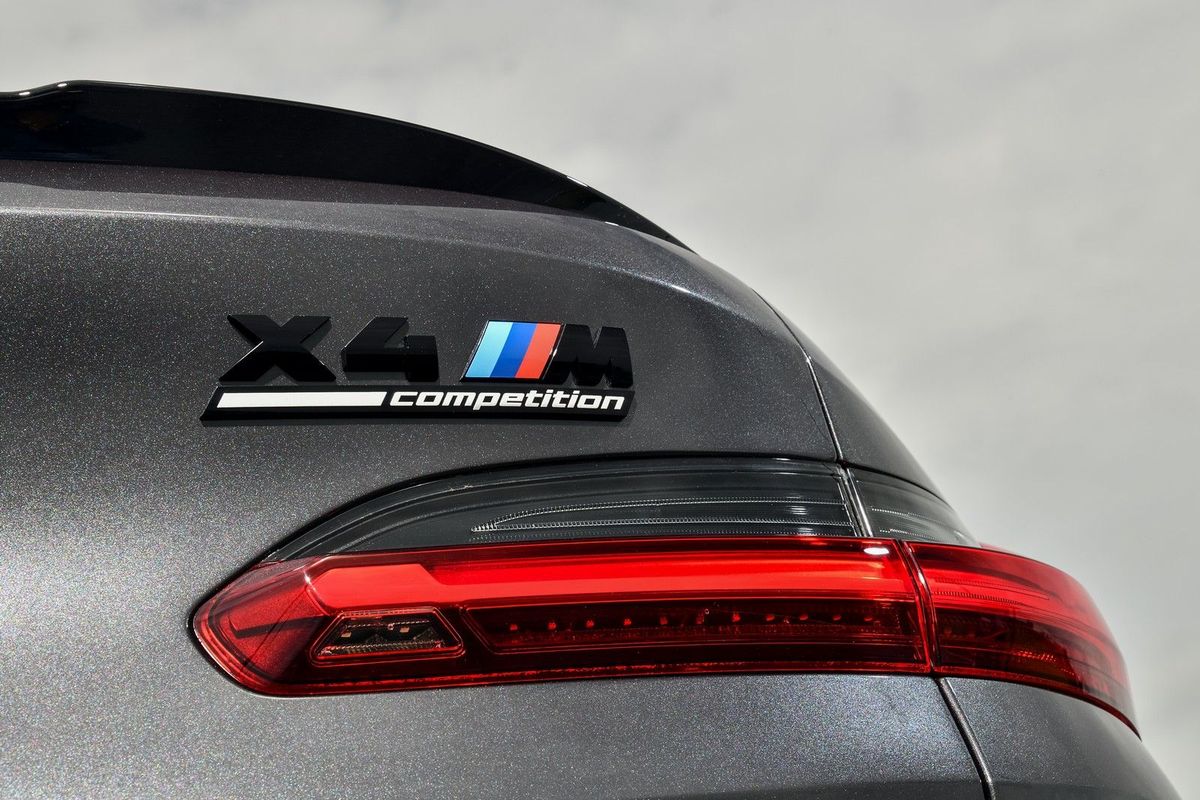
The Competition models have 22 kW more power than the standard M models.

The engineers I spent the most time with were the heads of powertrain and dynamic handling. And here, to the best of my memory and rudimentary note-taking, are all the changes that have gone into the X3 M and X4 M:

Both front and rear suspension linkages feature bespoke components, all beefier than those of the standard cars. The dampers are bespoke to the M models, as is the entire steering system. There are custom strut braces throughout the cars (see illustration) and key areas in their chassis have been strengthened (more on this later). Many of the components have been transplanted from the M5, including the entire front diff, the gearset in the transmission, the internals of the rear M diff and the prop shaft, the latter of which is built into a bespoke housing so that it fits snugly.

And then, of course, there is the engine. This is an all-new engine. I'm sure it has a code, but I honestly do not care about engine codes (apologies to the BMW aficionados who may be reading this). Here, however, is the most pertinent info you need to know:

The 3.0-litre, straight-6, twin-turbocharged motor has been developed from the ground up. It is cooled by 6 radiators – a pair of which feed coolant to an indirect intercooler mounted under the intake manifold. The twin turbos, which are identically sized, are nestled up against the block on the other side of the motor and feed charged air into the intercooler. This setup is beneficial because the charged air has less distance to travel to the intakes.


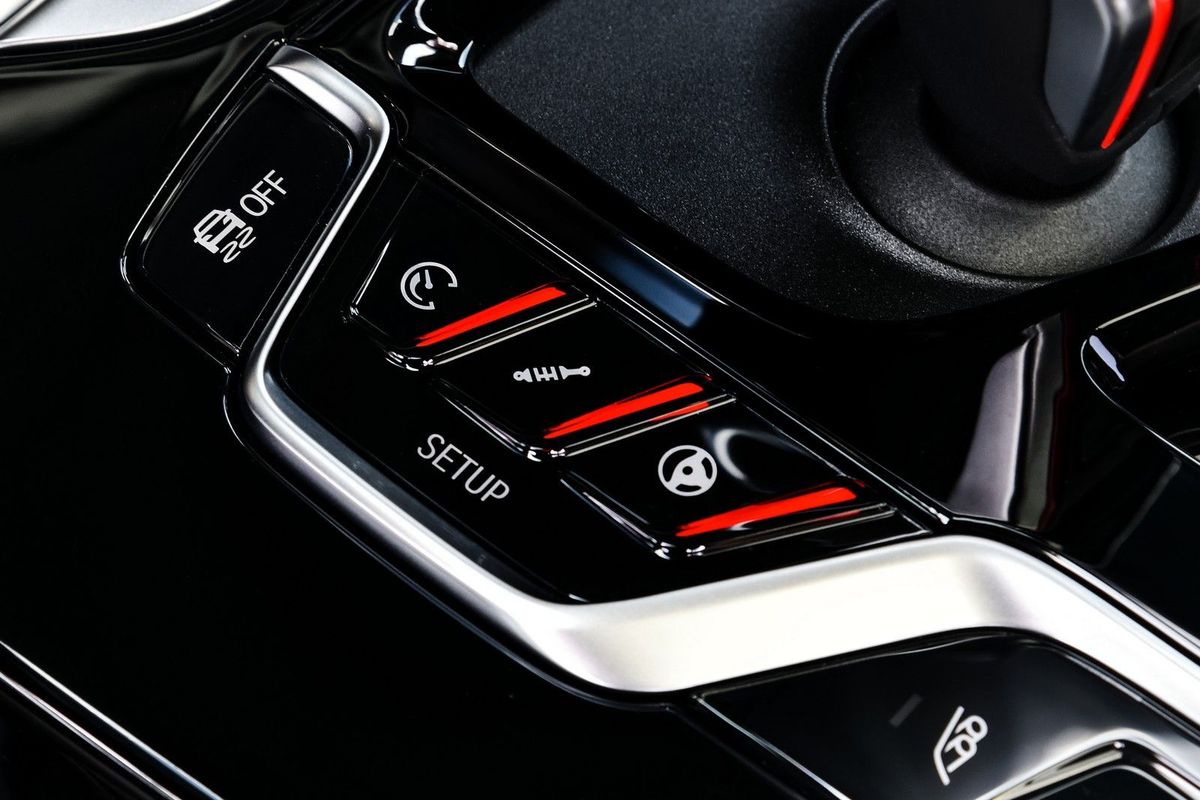
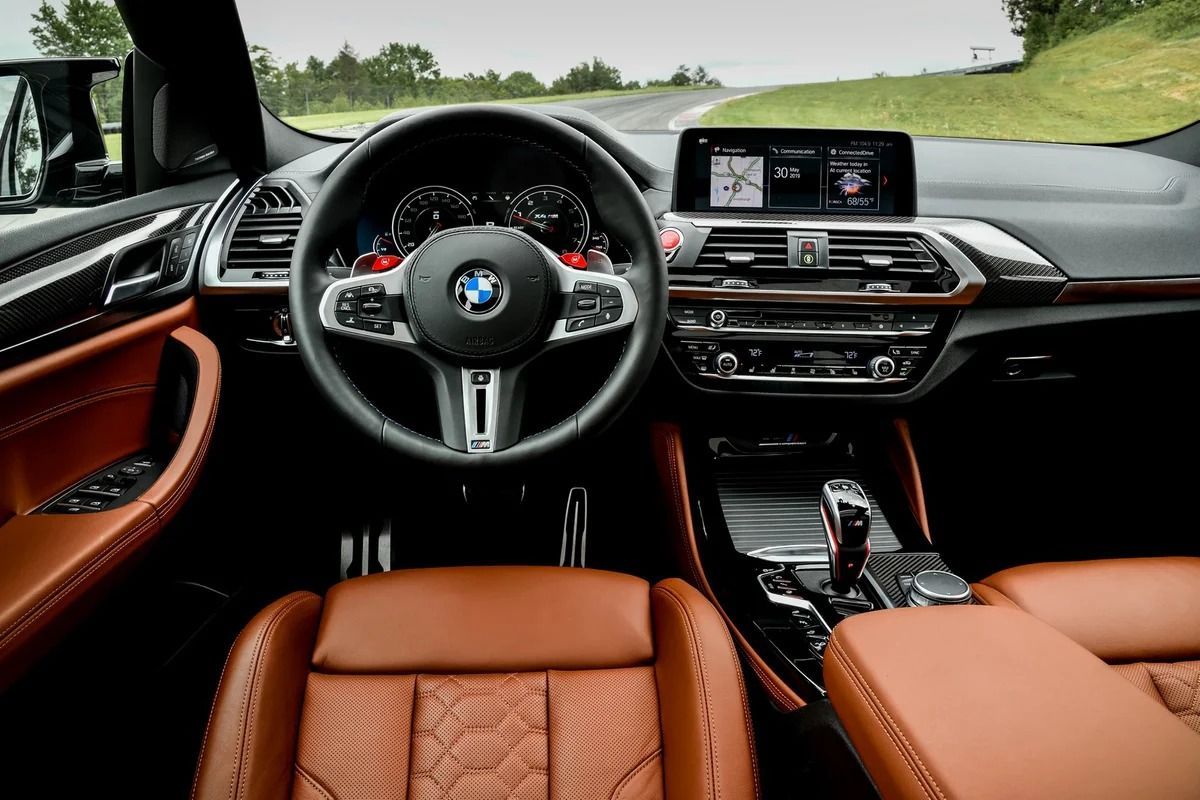
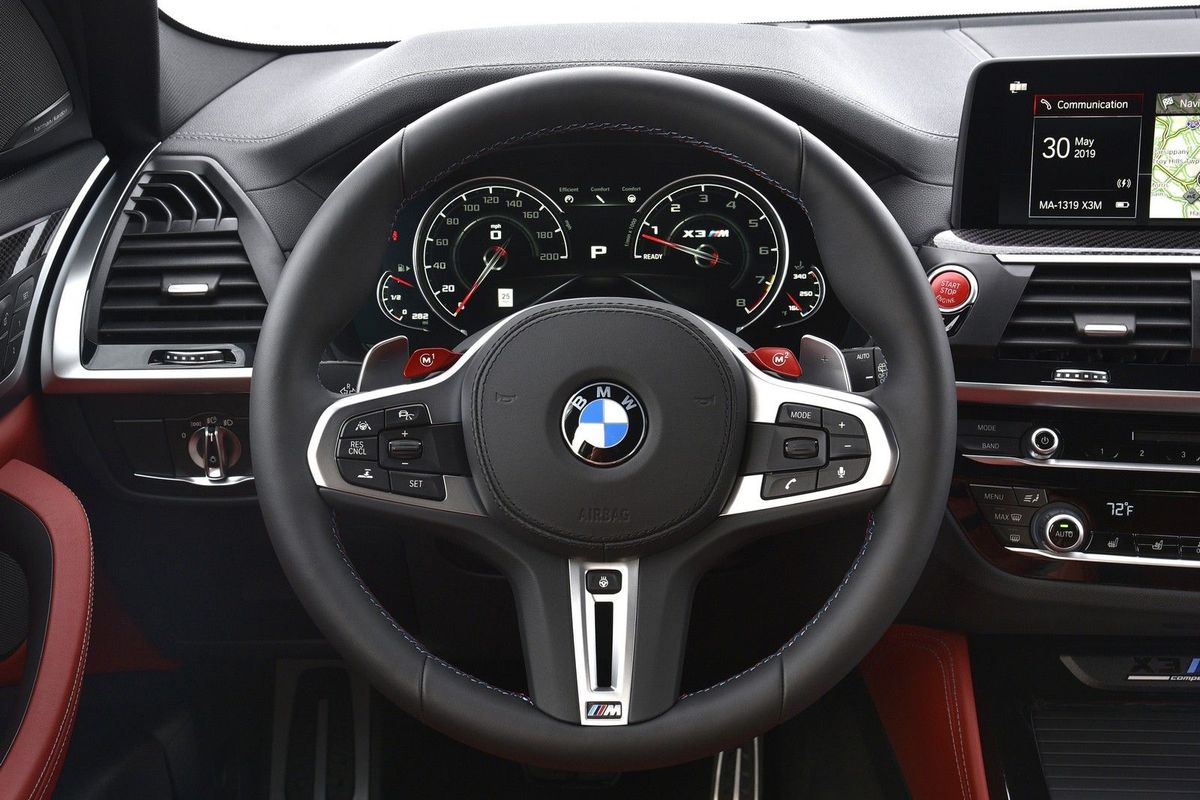
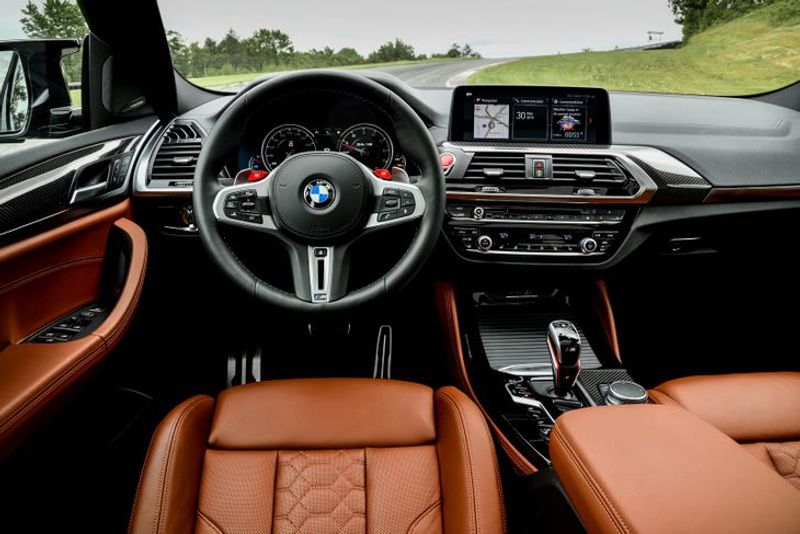
Red M1 and M2 buttons allow you to programme individual settings for quick access.

All of this results in outputs of 375 kW and 600 Nm for the Competition derivatives. If you’re going through a strange time in your life and decide you’d like your X3 M with a bit less power, that’s no problem, you can save a few Rand and live your life with 22 fewer kW, which seems rather daft.

The 0-100 kph benchmark for the X3 M- and X4 M Competition versions is a claimed 4.1 seconds, and um, non-Competition derivatives complete the sprint in a 10th of a second longer. To put that in context, this car’s direct rival, the Mercedes-AMG GLC 63 S offers a smidge more power 380 kW, but pushes out an extra 100 Nm from its 4.0-litre twin turbo V8 engine, resulting in a 0-100 kph time of 3.8 seconds.

So, BMW hasn’t gone balls-to-the-wall here in chasing its archrival's product in terms of outright power and torque, which is quite refreshing. The M Division has aimed for something else here, and I was hoping to discover what that is out on the racetrack…

Track time


SUVs are becoming increasingly impressive in terms of their on-track prowess.

I have to say that I always appreciate it when manufacturers let us hammer their cars on a racetrack. After all, these are road cars and they have to endure savage beatings at the hands of self-styled driving enthusiasts on a circuit. On these launches, there is usually a huge tent or warehouse full of mechanics keeping the cars healthy (for the most part they change the demo vehicles' tyres and brakes, which take the brunt of the punishment).

We were to follow a pace-car for our hot laps and proceeded onto the circuit in twos. This presents a challenge for me: I have to present to camera while I’m out on track and I only have 1 opportunity to do so; the launch is full of other journalists and I can’t mess with the day’s schedule.

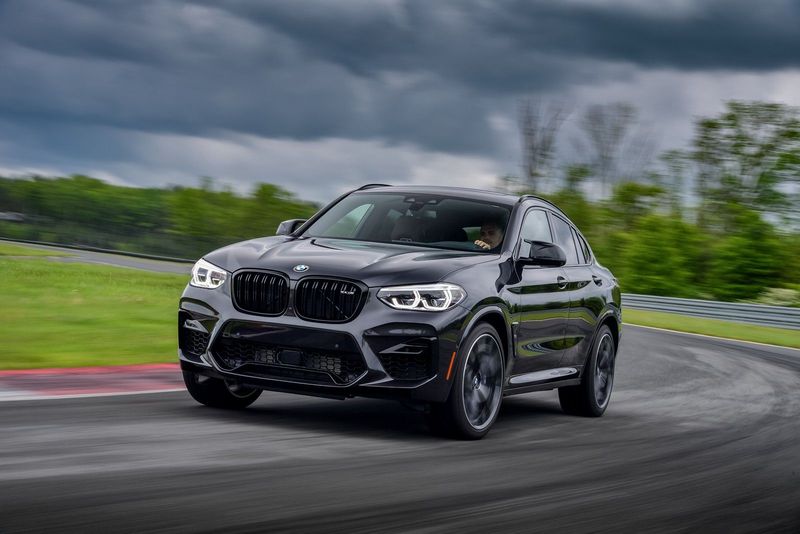
All that aside, BMW had obviously instructed the pace car driver not to spare the proverbial horses. After a few sighting laps, we applied maximum throttle… everywhere. The Monticello circuit has to be one of the best race tracks in the world: it's 5.8 km long with lots of elevation change, chicanes, long corners, tight corners, blind, off-camber exits… I was mightily relieved that it was dry and I was driving an all-wheel-drive car. 

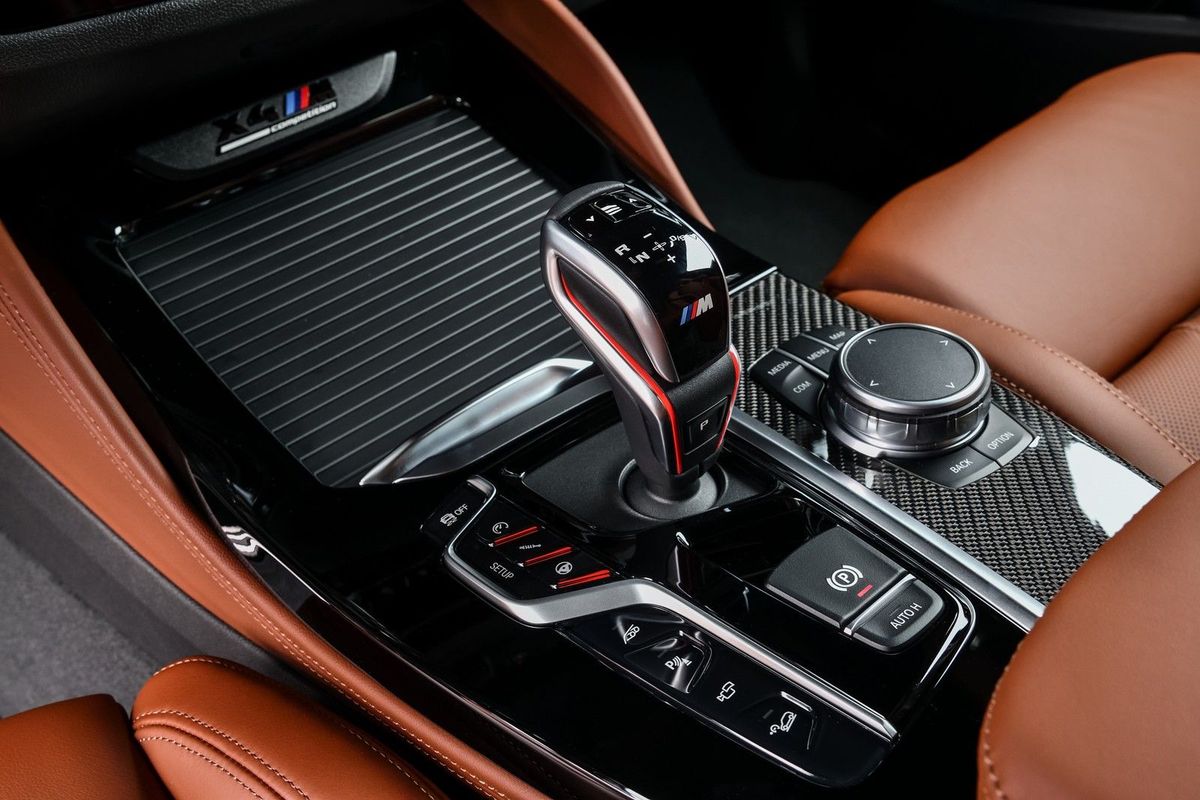
For a nearly 2-tonne SUV, the X4 M Competition impressed on this demanding North American circuit. The X-drive system has been tuned to be 100% rear-wheel drive until the system detects the front tyres need to step in and help out. If you’d like, you can select a mode to send all power to the rear all the time (if you really feel the need to drift the Bimmer). But, in various M modes, with various levels of traction control, you can quite carefully control how and when you’d like the system to apportion power to the front. Two M buttons enable customisation of 6 different parameters.


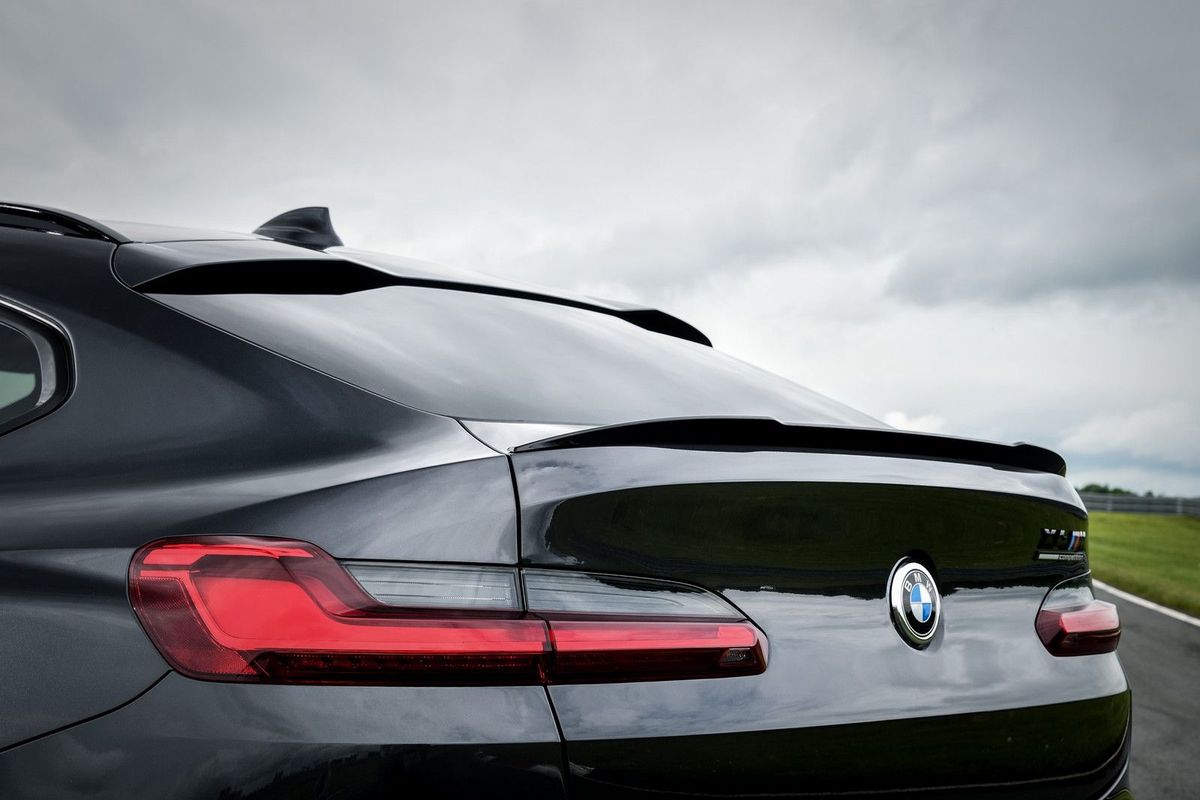
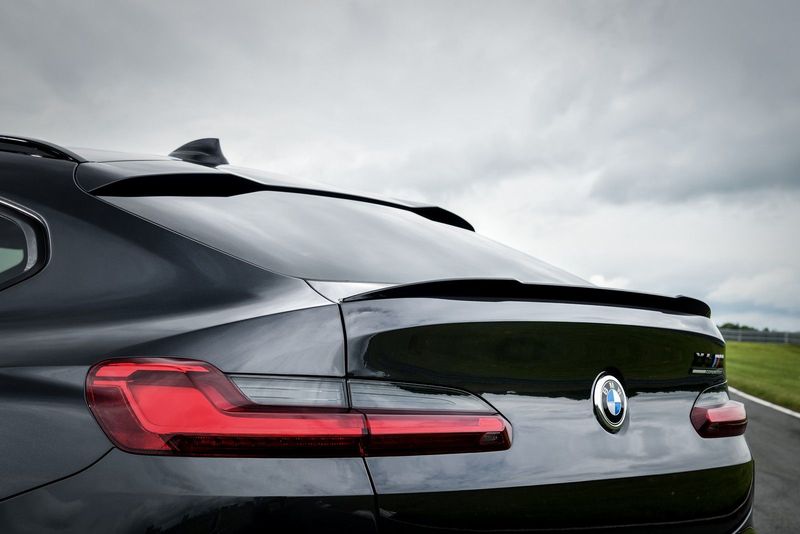
The X4 M gets a boot spoiler for added downforce.

Additionally, if the system detects understeer, it will send more power to the rear wheels, and using the M diff, push more torque to the outside wheel to help turn in the X4 M Competition's nose. Of course, all of this is happening relatively seamlessly underneath your backside.

What you experience in the driver’s seat is a prolifically quick, yet very composed and eminently planted vehicle. The car feels very adjustable mid-corner and you can (sort of) steer it with your right foot, which I must admit is the first time I’ve felt that in an SUV.

Interestingly, the X4 M Competition is heavier than a standard X4 derivative and weighs 30 kg more than the Mercedes-AMG GLC 63 S (while developing 100 Nm less, remember). However, it feels properly punchy and it’s certainly not a “momentum car” in which, if you make a mistake when entering a corner, you feel it bog down on exit. You can screw up your gear change, miss the apex, and then just drop 2 gears and plant your right foot, and the combination of low-down, readily available torque and the X-drive system will kick you in the back and blast you out of the corner.

There is some body roll – perhaps a bit more than I was expecting, but it’s still impressive for what is a heavy, relatively tall car (compared to a sedan equivalent, owing to its relatively high centre of gravity).

How does it sound?


This engine sounds less fake and synthesised than other engines in the current BMW lineup.

The sound is pure BMW: a raspy inline-6 howl that is massively improved by valves that bypass the rear muffler. There’s enough aural excitement on tap to keep you interested, but it’s certainly conservative compared to the clatter and barks you’d get out of GLC 63 S or F-Pace SVR.

Much needs to be said of the engine. You might suspect that this will be the powerplant featured in the upcoming M3/M4, and I suspect you’d be correct. I asked the powertrain engineer directly about this and he said: “Well, we spent a lot of money on this engine. And I don’t think the X3 M and X4M will be the only cars that will utilise it” (with a big smile on his face).

After my track experience, I reckon this engine actually feels totally under-stressed. I think it has plenty more to give and I suspect the next M3/M4 will have around 400 kW…

It’s a peach of a motor. Power delivery is about as linear as you’re likely to find in a contemporary twin-turbo motor. In fact, you’d be hardpressed to tell if it's turbocharged at all. You really do get the best of both worlds here; an engine that feels naturally aspirated, but has that massive whack of torque available at very low in the rev range (peak torque is available from 2 500 rpm). However, if you’re looking for the elastic acceleration that most modern turbocharged engines provide – that whoosh feeling – you’ll find more of it provided by the new V6 in the Audi RS4, for example.

Summary


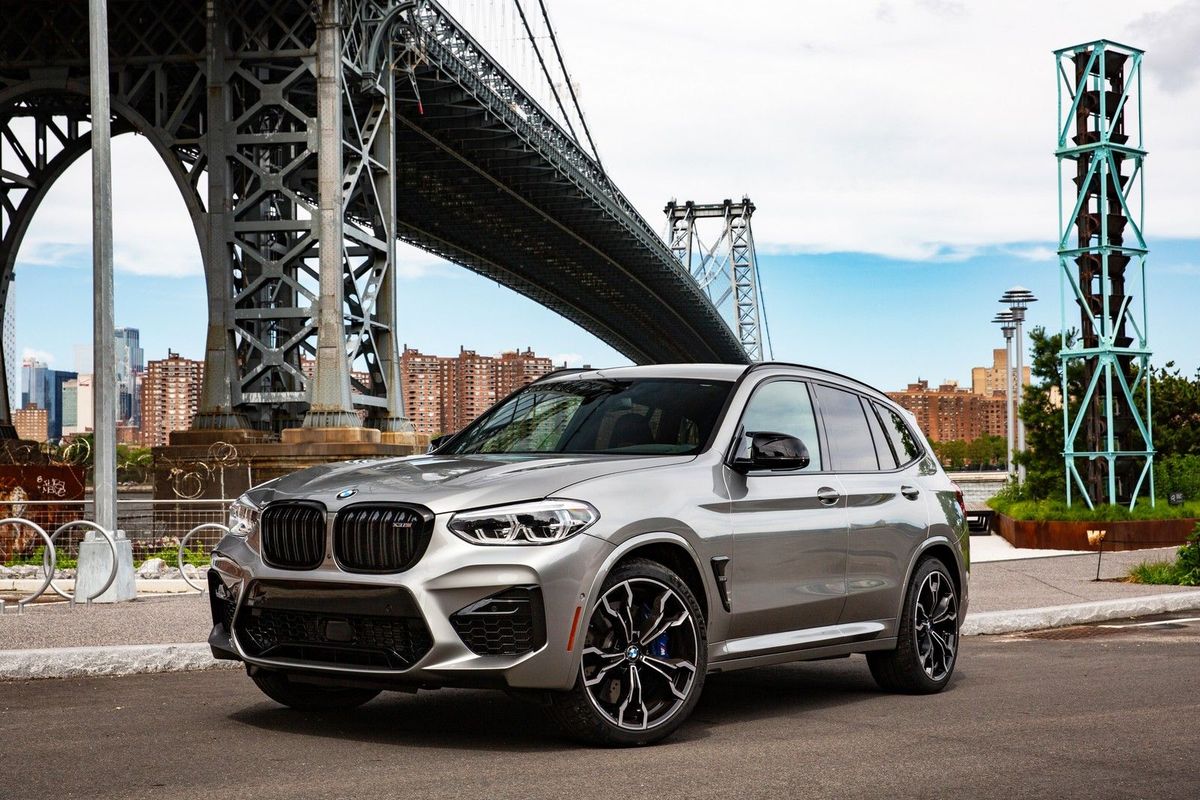
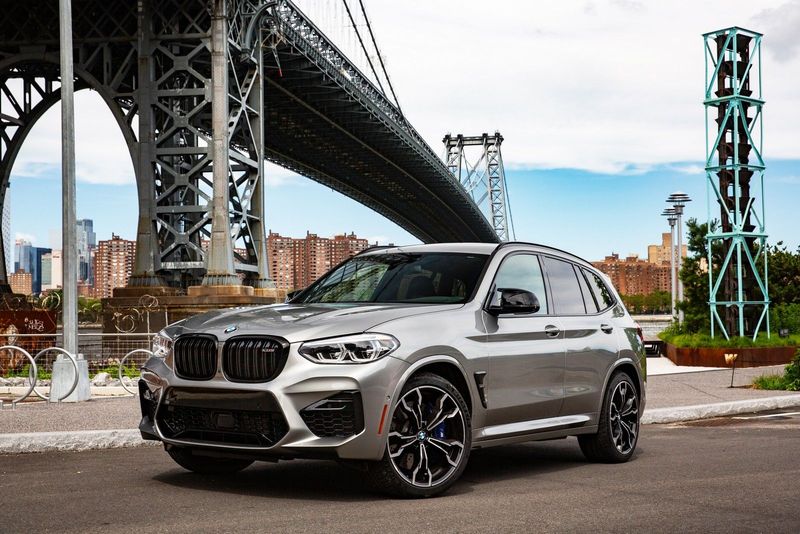
Ciro's choice would be the X3 M, in silver, like this.

I’m not too sure how I feel about these new Bimmers, or performance SUVs in general, for that matter. I get that the world has gone SUV-mad and I appreciate that South African motorists are particularly keen on the idea of owning a powerful (and rapid) SUV. And perhaps if you fancy a proper performance car, but need to tackle gravel roads every now and then, then a conventional performance sedan (or coupe) would just not be suitable.

The thing is: the sheer and simple physics at play here mean that the X3 M and X4 M will never be as good to drive, or offer as pure sportscar experiences as an equivalent-powered sedan or coupe, even with the same chassis, engine and transmission. They’re just too tall and heavy.

It is remarkable that BMW has extracted such satisfying driving experiences out of these cars. But, I did come away wishing they were a bit more hardcore. They left me thinking that there was space in the BMW stable for even more focused, less compromised X3 M and X4 M models

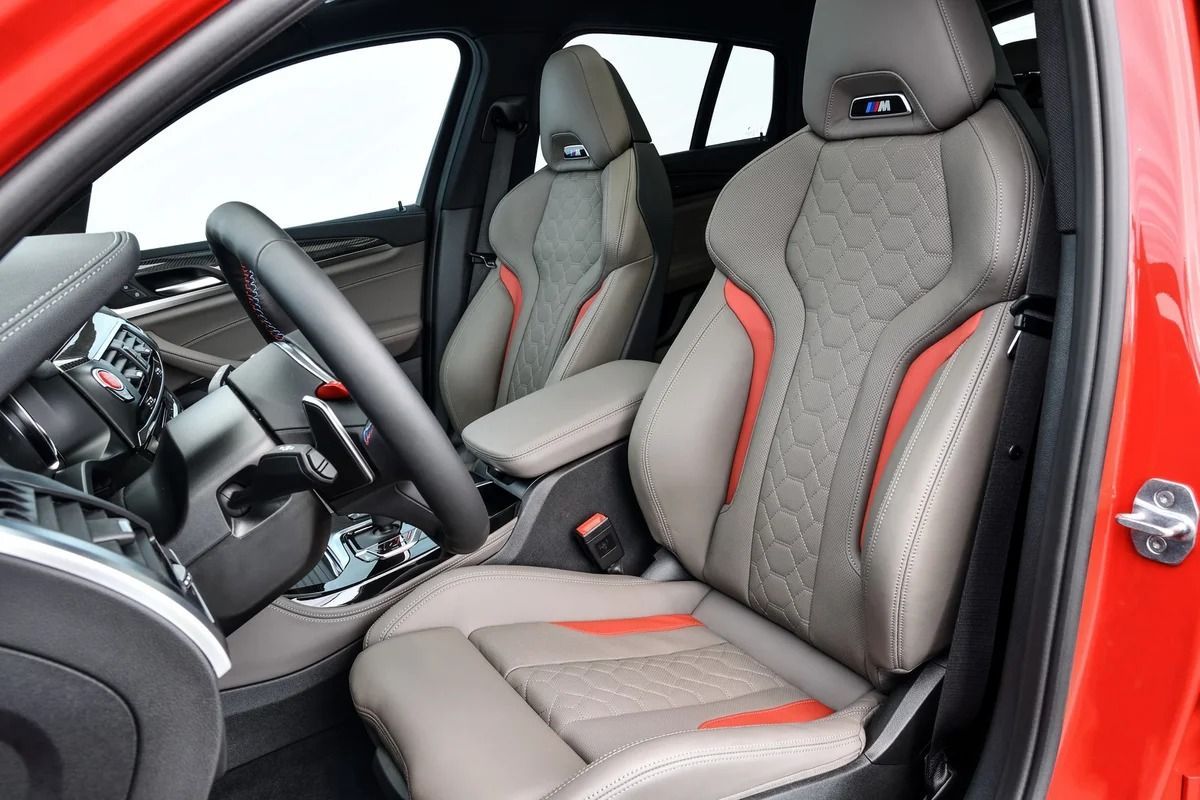
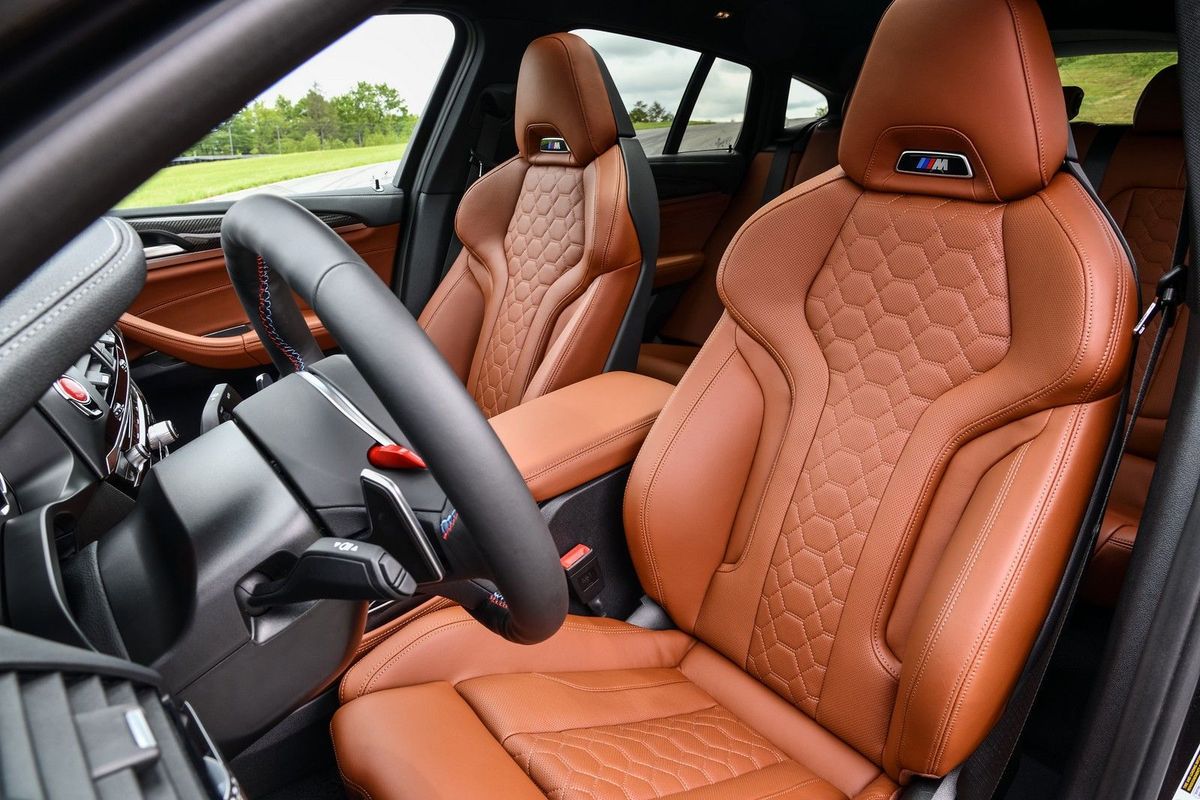
The reality is that X3 M and X4 M owners are likely to spend 0% of their lives on racetracks in their cars. These cars needs to work in the real world; be excellent daily drivers. And in that respect, BMW has got the compromise right. I’ll take an X3 M in silver thanks, with the bespoke 2-tone interior.

Related content:

BMW X3 M/X4 M Performance Parts Shown

Mercedes-AMG GLC 63 S Coupe (2019) International Launch Review
Jaguar F-Pace SVR (2019) Launch Review

Alfa Romeo Stelvio Quadrifoglio (2019) International Launch Review
Interested in buying a BMW X3 or X4?

Search for an X3 on Cars.co.za

Search for an X4 on Cars.co.za

New BMW X3M & X4M Review – International First Drive

BMW's M division is very busy developing SUVs with serious performance. The X3 and X4 M are the latest models to come off the conveyor. We sent Ciro De Siena to America to blast around a race track while talking to the camera.

The BMW X3 and X4 M models, along with their Competition branded counterparts have been internationally launched. Power comes from an all-new straight-6 turbopetrol engine and there are a host of specific modifications to the suspension, diff and electronics to make this a distinctive M car.

Ciro gets to grips with it and also wrote an article for it, if you're interested in that – click here

Related content

BMW X3 M/X4 M Performance Parts Shown

5 Rivals the BMW X3 M Has To Beat

Ford Ranger Wildtrak (2019) Specs & Price [w/Video]

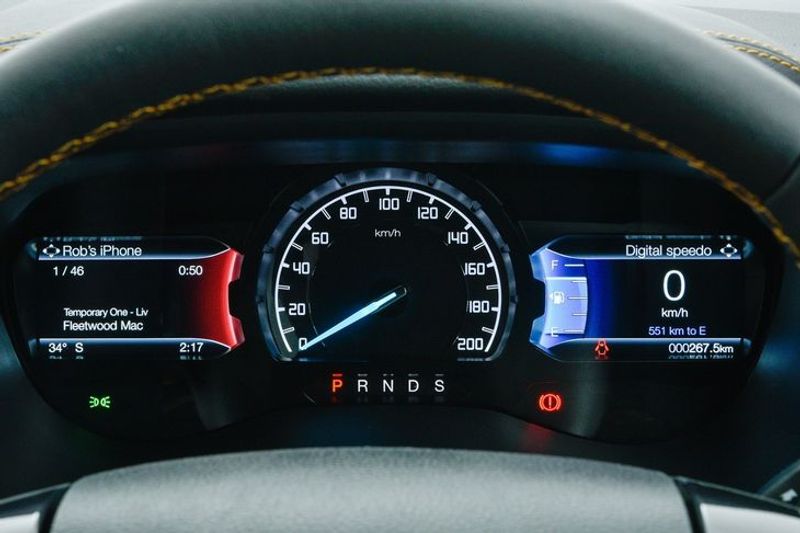
Over and above the introductions of an updated exterior appearance and a new 2.0-litre Bi-Turbo engine mated with a 10-speed automatic transmission, the Ford Ranger 2.0 bi-turbo double-cab 4×4 Wildtrak auto offers a host of new technologies that enhance the flagship bakkie's safety, convenience and comfort.

SPONSORED ARTICLE

In terms of its revised styling, the range-topping Wildtrak receives a range of aesthetic enhancements, including new HID headlamps and LED daytime running lights. The grille, with its split centre bar and additional venting holes for improved cooling, is more aggressive – and the lower bumper surface, with a wider lower grille and silver-accented skid plate – is more chiselled than before.


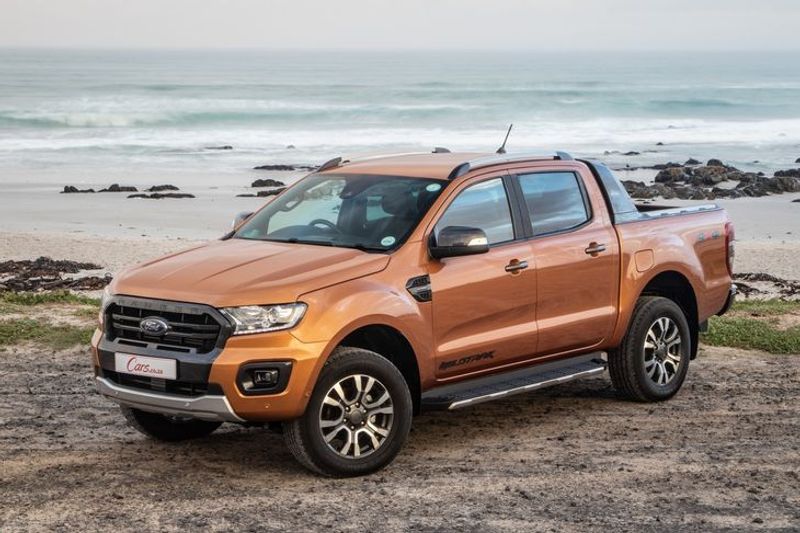
Subtle updates have given the Wildtrak derivative in the Ford Ranger line-up a more purposeful kerb presence.

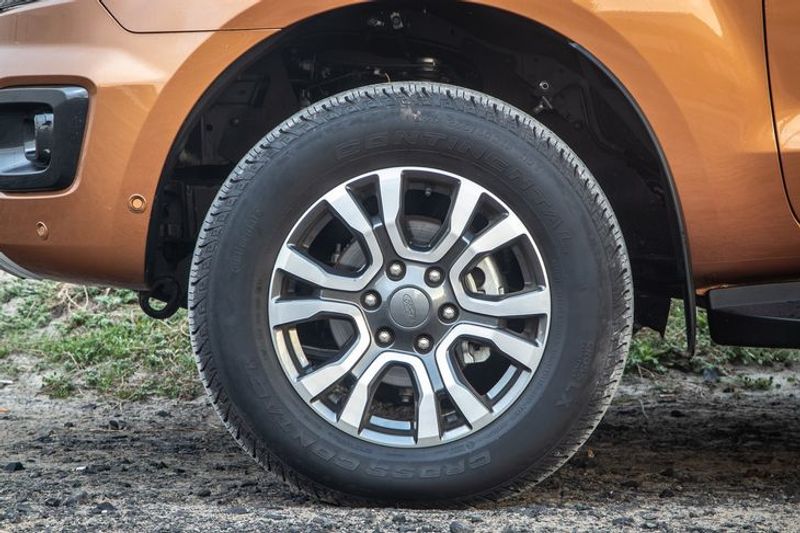
New LED fog lamps with larger, more distinctive bezels are pushed further outboard to accentuate the bakkie’s width, while a striking new Saber Orange exterior colour makes its debut on the Wildtrak, matched with a titanium-effect finish for the trapezoidal grille, outboard air intakes. The same titanium-effect accent colour extends to the side mirrors, door handles, side air vents and load-bed rails.

New engine, transmission

The latest Wildtrak sees the introduction of a 2.0-litre 4-cylinder bi-turbo diesel engine with superior performance, fuel efficiency and a significant improvement in overall refinement (with lower noise, vibration and harshness levels) compared with its 3.2-litre 5-cylinder predecessor.

The bi-turbo engine relies on a variable-geometry high-pressure turbocharger along with a fixed-geometry low-pressure unit to produce 157 kW and 500 Nm (from 1 750 to 2 000 rpm). The turbos work in series at lower engine speeds for enhanced torque and responsiveness. At higher engine speeds, the smaller turbo is bypassed and the larger turbo provides boost to deliver high power.


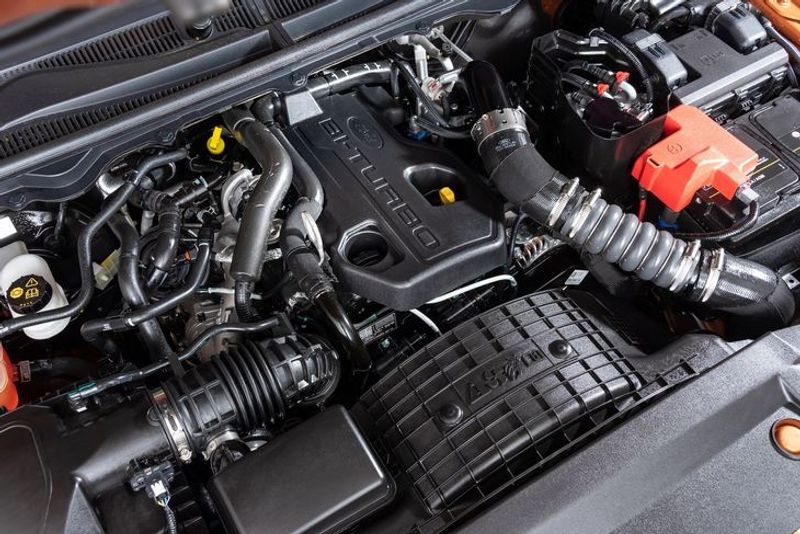
The new-generation 2.0-litre bi-turbo engine offers superior performance, fuel efficiency and a significant improvement in refinement.

The all-new 10-speed automatic transmission, meanwhile, offers a wider spread of ratios ­and real-time adaptive shift-scheduling that allows the 'box to adapt to changing conditions, enable the optimal gear to be selected for performance, fuel-efficiency or refinement in any driving scenario.

Ford engineering data, based on real-world driving cycles, indicates an improvement in fuel efficiency of up to 9% in the case of the 2.0 bi-turbo engine mated to the 10-speed automatic transmission, compared to the current 3.2-litre TDCi and 6-speed automatic transmission.


Adaptive shift-scheduling enables the optimal gear to be selected for performance, fuel-efficiency or refinement in any driving scenario.

Additional innovations include the Progressive Range Select (PRS) that has an SST (Select Shift Transmission) button. This function is able to lock out selected gears from the automatic shifting range, which can be beneficial when towing, driving in slippery conditions or climbing gradients. Sport mode makes the transmission more responsive for maximum performance, and there's the option of full manual mode from the 'S' position, controlled via +/- buttons on the new gearshift lever.

Improved on-road refinement

A key change suspension enhancement sees the relocation of the Ranger’s front stabiliser (or anti-roll) bar, from in front of the fully independent suspension to a new position behind the axle. This set-up optimises the design and performance of the stabiliser bar, resulting in improved roll control – which, in turn, enables a decrease in front spring rates, thereby improving the bakkie’s ride comfort.


A retuned suspension and bespoke damper rates have allowed Ford to lower the Ranger's standard tyre pressure.

The updated Ranger line-up features 4 respective dampers rates according to the front kerb weights of the various derivatives (based on the body style, engine and drivetrain), while the standard tyre pressure has been reduced from 240 to 210 kPa. Combined, these refinements provide a plusher ride over rough surfaces, improve vehicle handling over corrugated surfaces, give better steering precision and control, and benefit the vehicle posture and ride performance when laden, Ford says.

The Wildtrak further features acoustic laminated front side glass and specially designed B-pillar margin seals to reduce noise levels inside the cabin. These measures, as well as Active Noise Control technology, have improved the articulation index inside the New Ranger cabin by up to 5%, which makes it easier to have a conversation between occupants inside the moving vehicle.


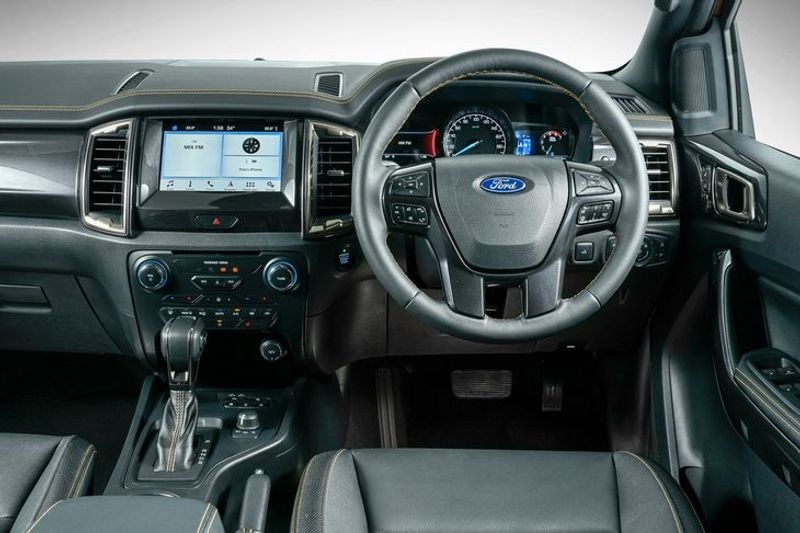
The updated Wildtrak's interior features, inter alia, dark-satin chrome elements and redesigned seats with Saber Orange stitching.

Upmarket interior

The Wildtrak's updated interior delivers a more upscale, sporting appeal featuring dark-satin chrome elements, a gloss-finish decorative spear and upscale partial-leather seats embossed with Wildtrak graphics. The seats have also been redesigned to be both sportier and more luxurious, incorporating additional leather content, Mettle carbon-like weave accents and Saber Orange stitching.

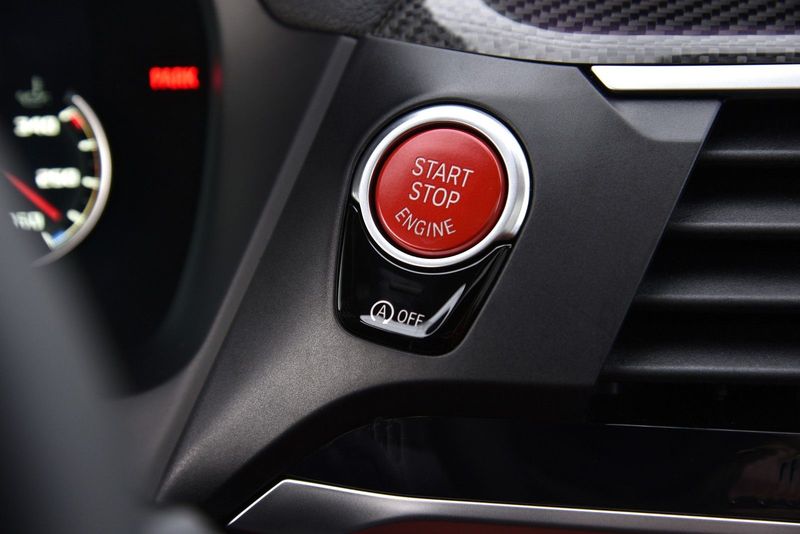
Adding further everyday convenience is the new Passive Entry and Passive Start system. The keyless entry setup uses an intelligent access system that allows the driver to unlock the vehicle and start the engine without removing the all-new Ford key fob from their pocket. When the key is in the vehicle, the driver simply presses the Start/Stop button while applying the brake pedal to start the car.


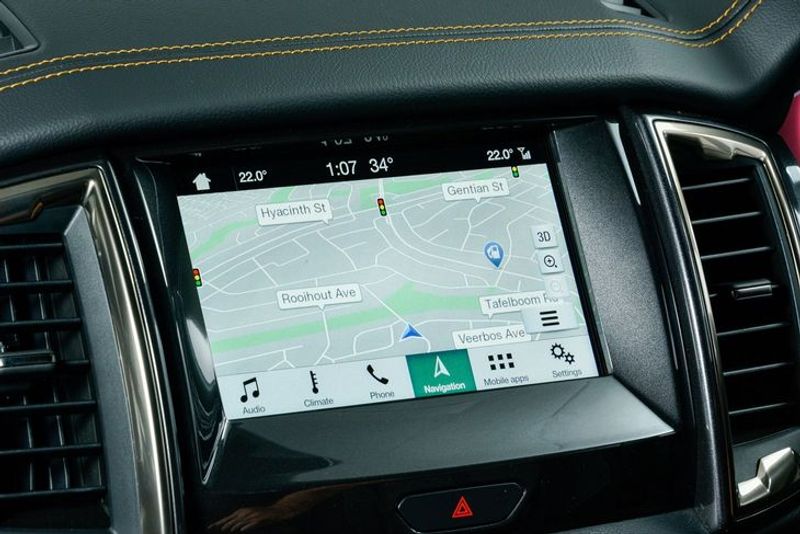
The 8-inch infotainment screen is powered by SYNC 3 technology, which includes navigation and convenient multi-touch gestures. 

The high-end SYNC 3 in-car entertainment system, linked to the integrated 8-inch touchscreen colour display, boasts fully-featured embedded navigation, convenient multi-touch gestures (such as swipe, slide, scroll and pinch-to-zoom), plus voice recognition that uses simple, real-world voice commands. SYNC 3 also offers the benefits of smartphone integration provided through Apple CarPlay or Android Auto. Waze users can project the app's real-time traffic and navigation service onto the touchscreen via SYNC 3 AppLink and control it through voice command.

Safety and security

The Wildtrak continues to be offered with leading active safety features, including Adaptive Cruise Control with Forward Collision Alert, Lane-Keeping Alert and Lane-Keeping Aid, and Auto High Beam Control. The Semi-Automatic Parallel Park Assist system uses ultrasonic sensors on the bumpers that search for and identify parking spaces that are big enough to parallel park the vehicle. A combination of the Ranger's electric power-assisted steering and sensors are used to steer the vehicle perfectly into place, while the driver operates the gears, accelerator and brake.


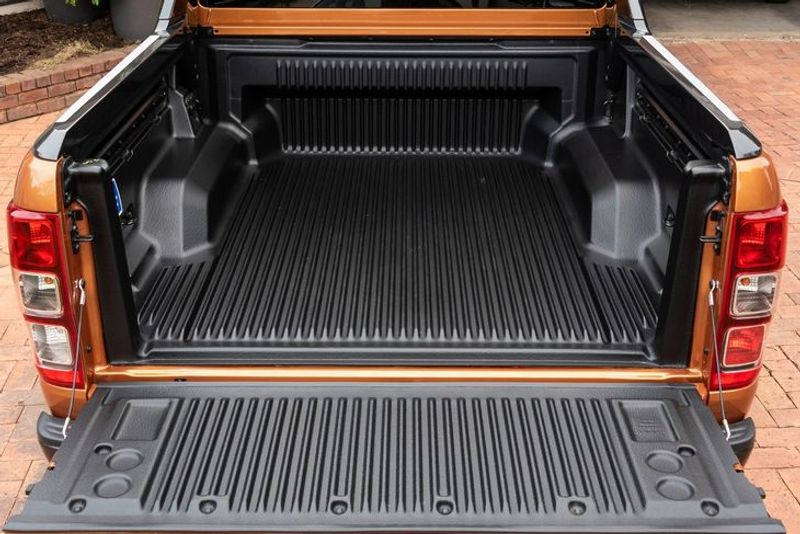
The EZ-lift tailgate, equipped with a torsion bar, provides a significant 70% reduction in the initial lift force required to close it…

Over and above ABS with EBD and a complement of 7 airbags, the Wildtrak comes with an electronic stability control (ESC) system with traction control (TC), trailer sway control (TSC), hill-start assist (HSA), hill descent control (HDC), adaptive load control (ALC) and roll-over mitigation (ROM).

What’s more, a full Category 1 Thatcham-specification alarm is now standard on all Ranger XL, XLS, XLT and Wildtrak models, complemented by a spare wheel lock across the range.

Pricing and warranty

This Ford Ranger 2.0 bi-turbo double-cab 4×4 Wildtrak auto retails for R678 200 (June 2019). All Ford Rangers come standard with Ford Protect, comprising a 4-year/120 000 km warranty, 3-year/unlimited distance roadside assistance and 5-year/unlimited km corrosion warranty. A 6-year/90 000 km service plan is included, with 15 000 km service intervals.

Get a quote / Request a test drive

Related content:

Ford Ranger 2.0Bi-T DC 4×4 Wildtrak auto (2019) Review

Toyota Hilux vs Ford Ranger (2019) Comparative Test

Ford Ranger (2019) Launch Review

Ford Ranger (2019) Specs & Price

Renault Sandero Stepway Plus (2019) Review

Renault has updated its Sandero budget-car range in South Africa through the addition of a new Stepway Plus flagship derivative. Should this keenly-priced, feature-packed crossover be in your crosshairs?

We like: Value for money, safety spec, a generous list of standard features, space.

We don't like: The Plus isn't punchy when fully laden, odd USB ergonomics, some cheap plastics in the cabin (but we're really nitpicking)

Fast Facts

  • Price: R213 900
  • ?Engine: 0.9-litre 3-cylinder petrol
  • Gearbox: 5-speed manual
  • Fuel economy: 5.4 L/100 km (claimed)
  • Power/Torque: 66 kW/135 Nm

Own a Renault? Tell us about your experience here

SERIOUS ABOUT BUYING?

Where does it fit in?


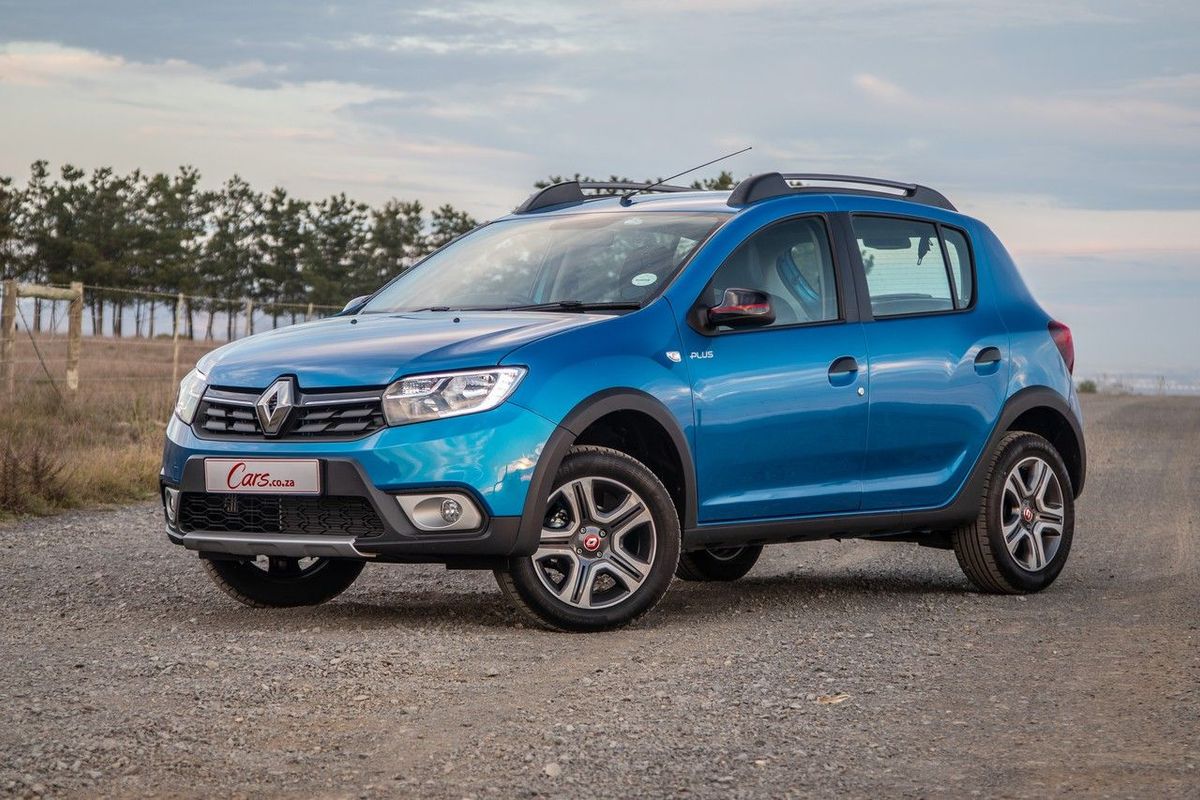
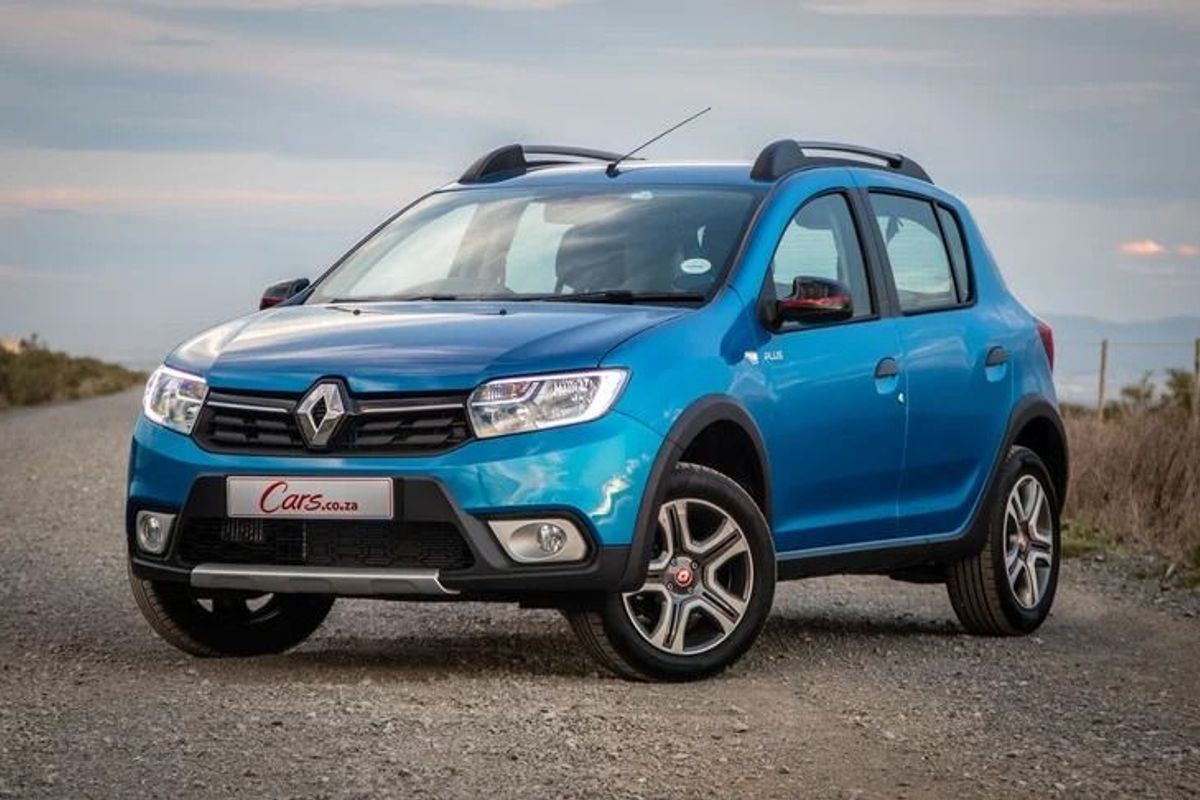
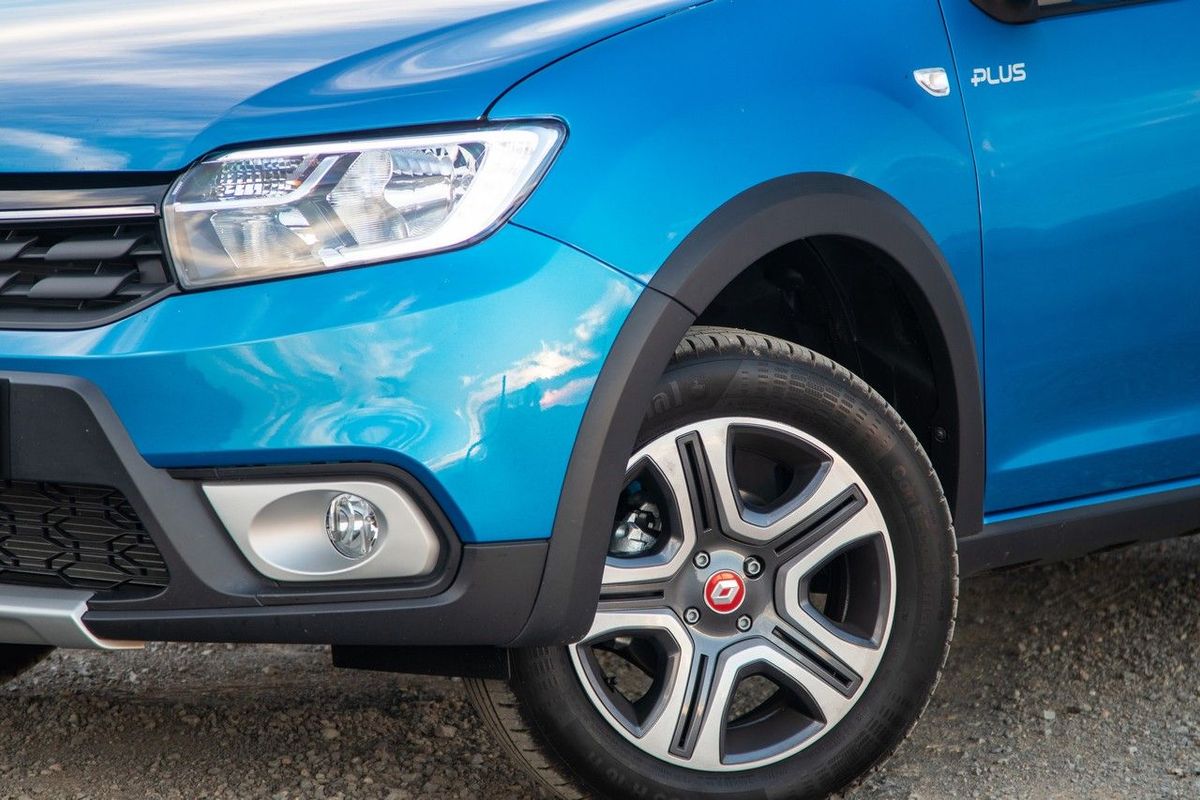
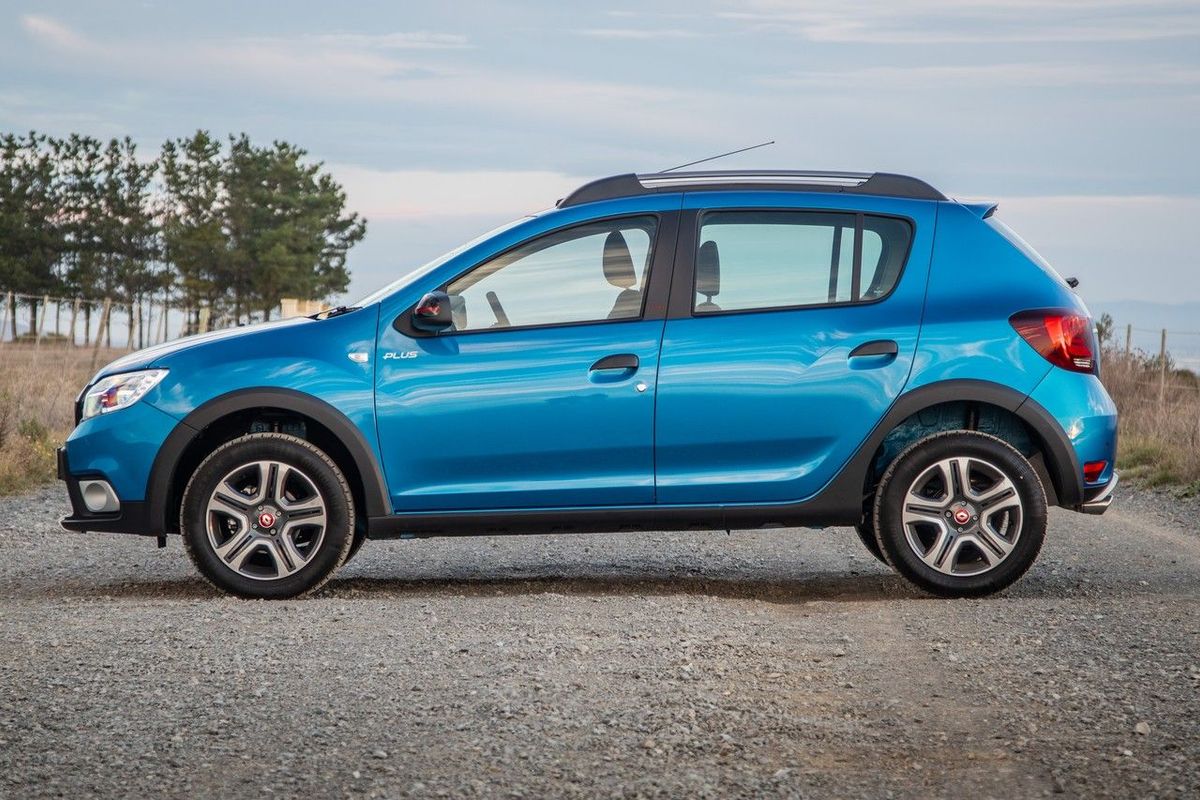
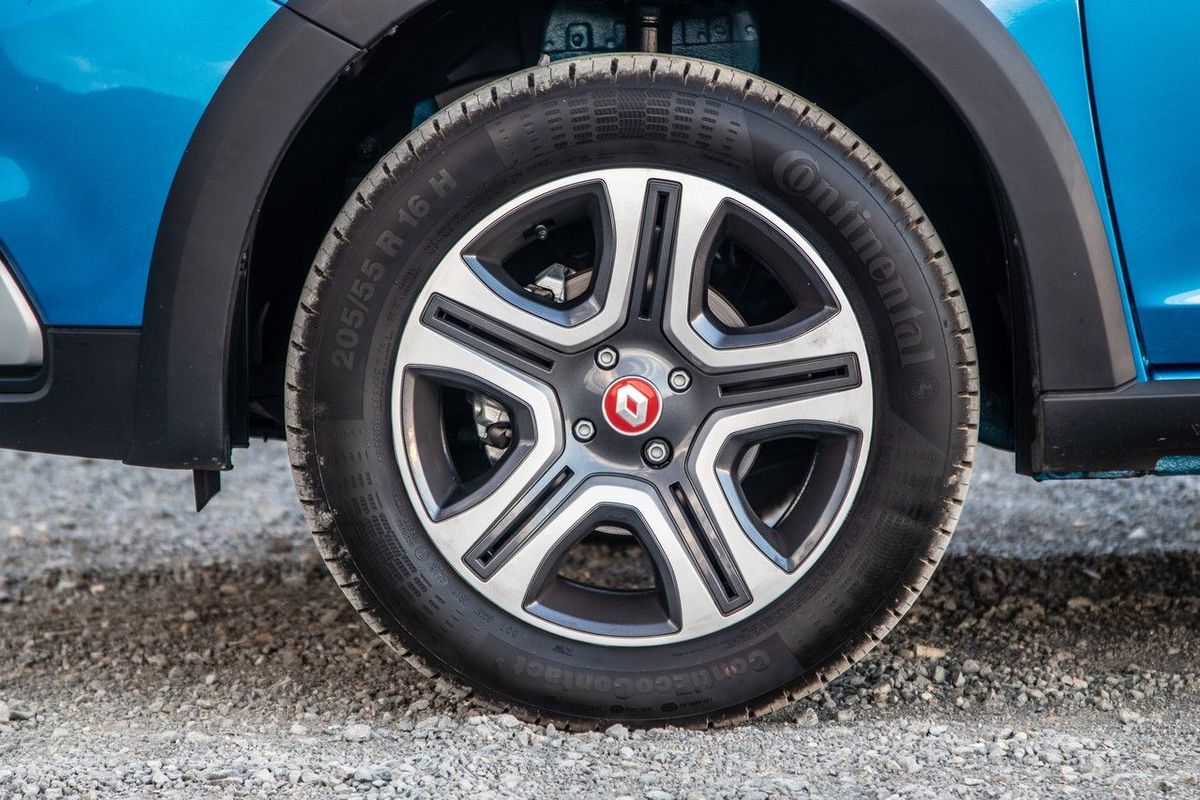
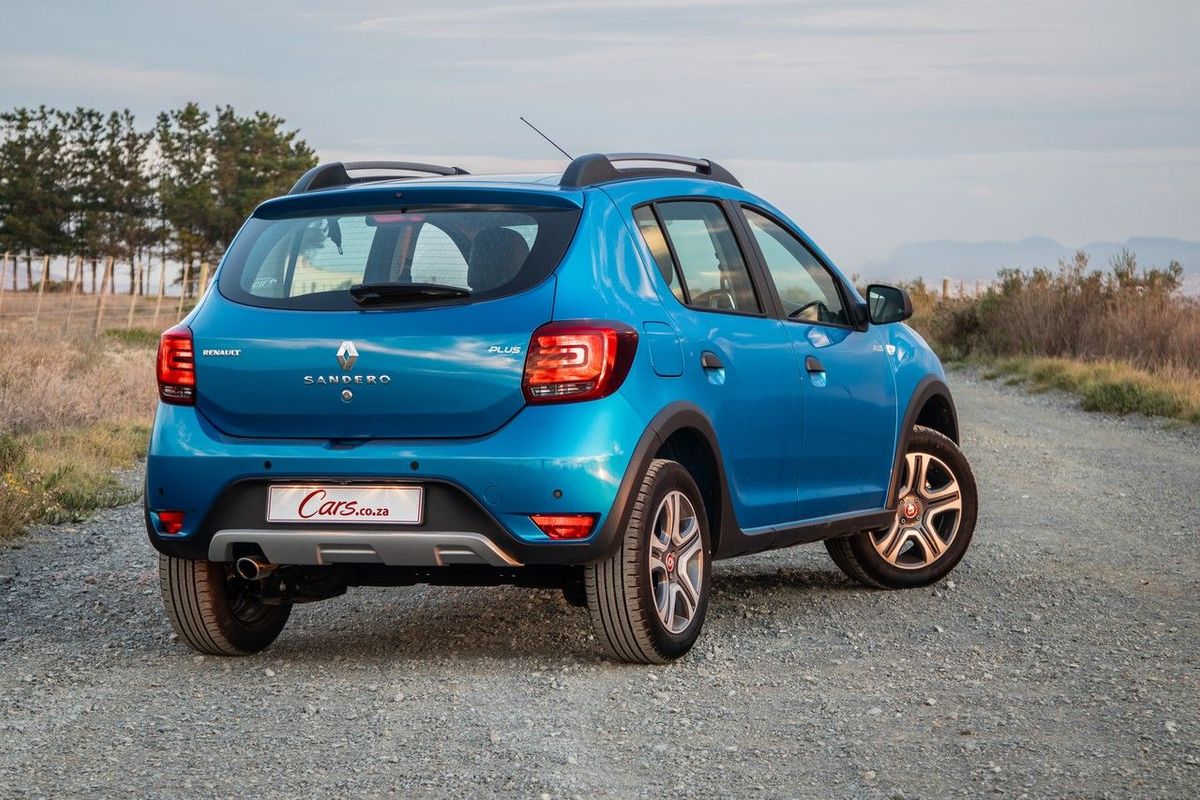
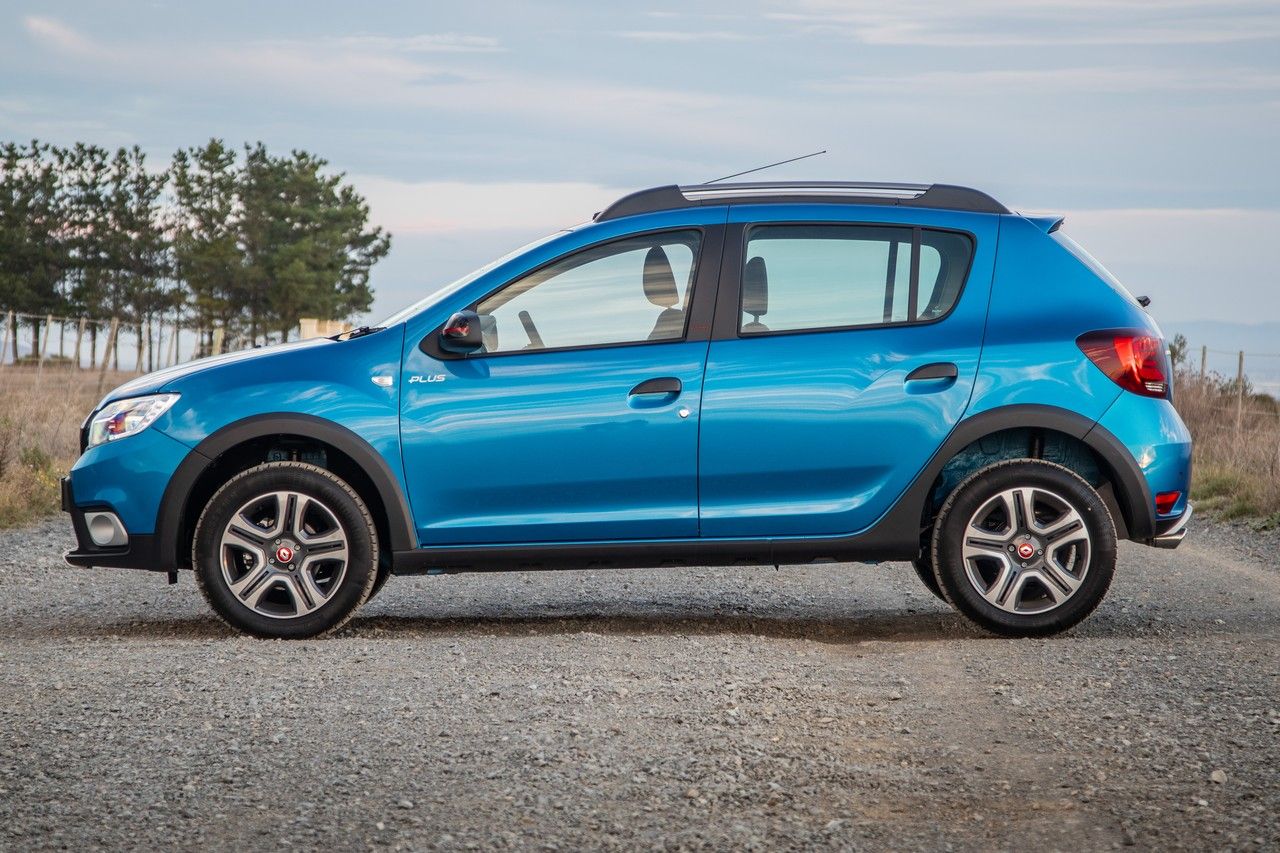
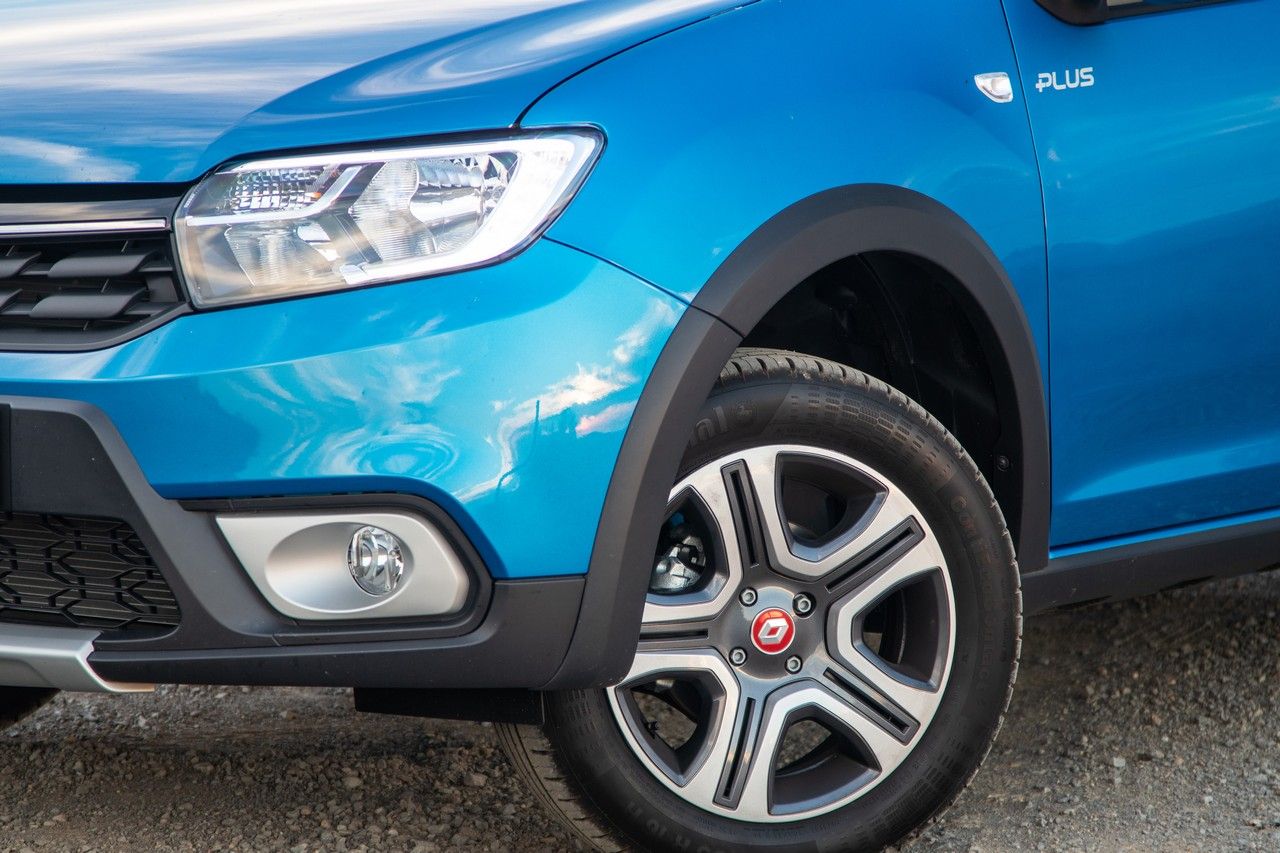
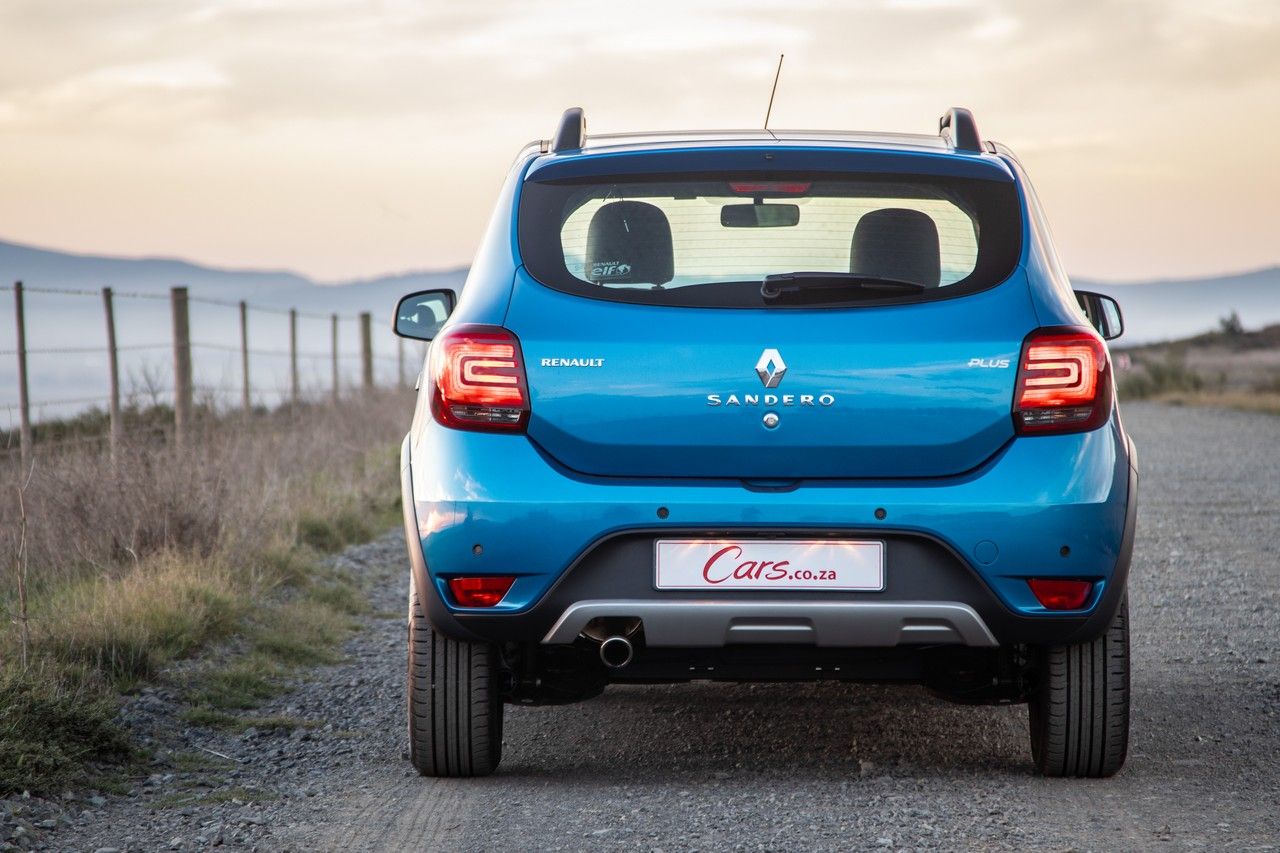
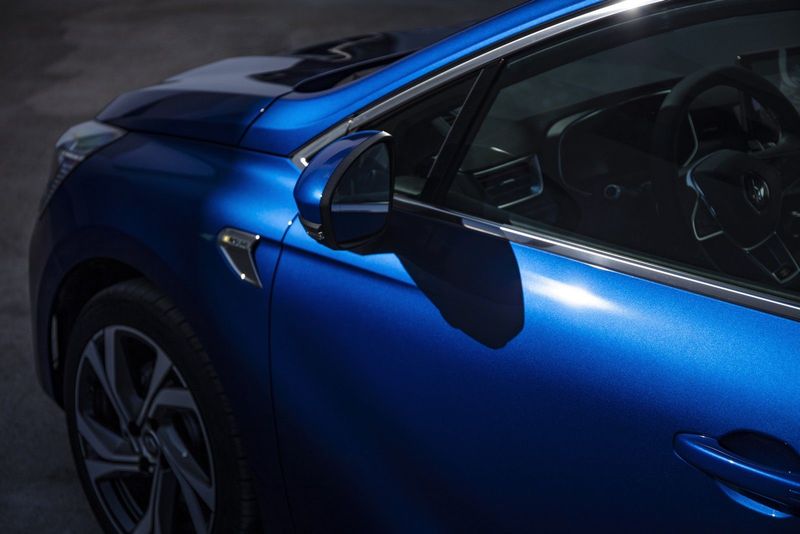
Look closely and you'll notice the Plus stickers located subtly underneath the side mirrors. The 16-inch wheels catch the eye!

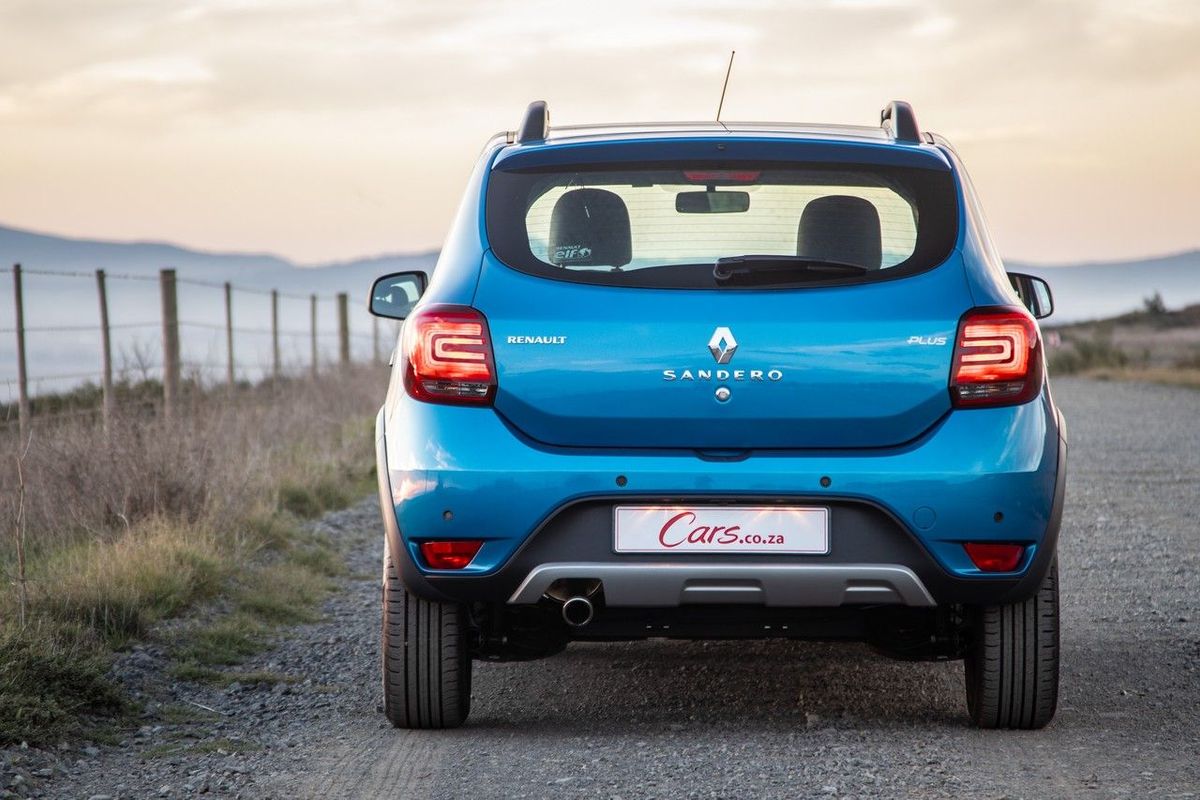
Visually, the Stepway Plus is differentiated from lesser Sandero derivatives by the addition of gloss black side mirrors (with detailing) and its 16-inch 2-tone alloy wheels. Given their price points, the Sandero Stepway Expression and Plus are effectively a bridge between the entry-level Kwid and compact family Renaults such as the Duster and Captur. Buyers are increasingly favouring crossovers and SUVs, and the Stepway is a version of the budget Sandero with added ground clearance, front and rear skid plates and wheel arch mouldings. Is it a good proposition? Find out below.

How it fares in terms of…

Carting a small family around

The Stepway Plus shares its powertrain with the Clio. Its 0.9-litre turbocharged 3-cylinder motor develops 66 kW and 135 Nm, which do not sound like lofty outputs, but when you consider the car's low kerb weight (just 1 055 kg) you realise the engine doesn't really have much mass to shift around. Granted, things are little different when you start factoring passengers and cargo into the equation. When the Stepway Plus has 3 adults and some cargo on board, its engine labours and fuel economy takes a hit. There's a little bonus though. When you depress the accelerator pedal fully, you'll feel a little button click at the end of the pedal's travel. This triggers the motor's overboost and a little bit of extra power (and urge) ensue. 

On-road refinement

The Stepway Plus has a 5-speed manual 'box with a light shift action, combined with an easy-to-modulate clutch pedal, which is just as well, seeing that you are likely to change cogs quite often in cut-and-thrust traffic. The Sandero has what's termed as a narrow powerband, an area in the rev range where the engine is at its most responsive (maximum torque arrives at 2 500 r/min) and you'll be seeking that sweet spot often, like when you need to execute overtaking manoeuvres. Use the aforementioned overboost functionality and you should be able to dispatch slower traffic easily.

Usually, 3-cylinder engines tend to sound a bit gruff, but we think Renault has done a good job of suppressing the triple's vibration and noise characteristics. At full throttle, there's a cute little rumble coming from the engine bay, typical of 3-cylinder engines. In terms of economy, the little Stepway Plus displayed 6.8 L/100 km on the trip computer, which we think is fair. It's pleasant to drive too, with a fair ride quality and light steering. The suspension is adept at soaking up moderate road imperfections, which is helped by the fact that the 16-inch alloys are wrapped in thick rubber.

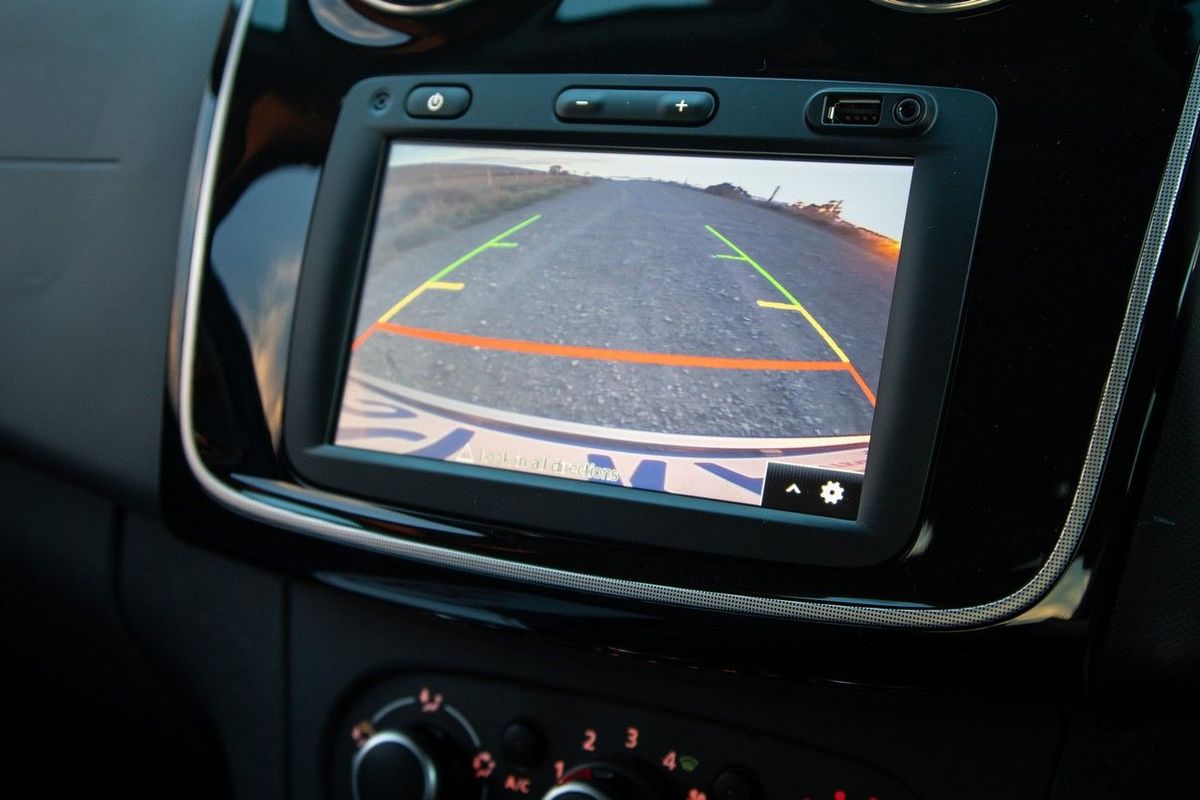
The Renault may lose some puff at freeway speeds, but it's nimble around town. "Plus" the reverse-view camera and rear parking sensors, allied with the light steering, make it easy to park in a confined space. Finally, despite it not being marketed as an SUV, the newcomer offers a useful 193-mm worth of ground clearance, giving it some credibility off the tarmac. You can effortlessly mount a kerb and traverse gravel in the Stepway Plus.

Features


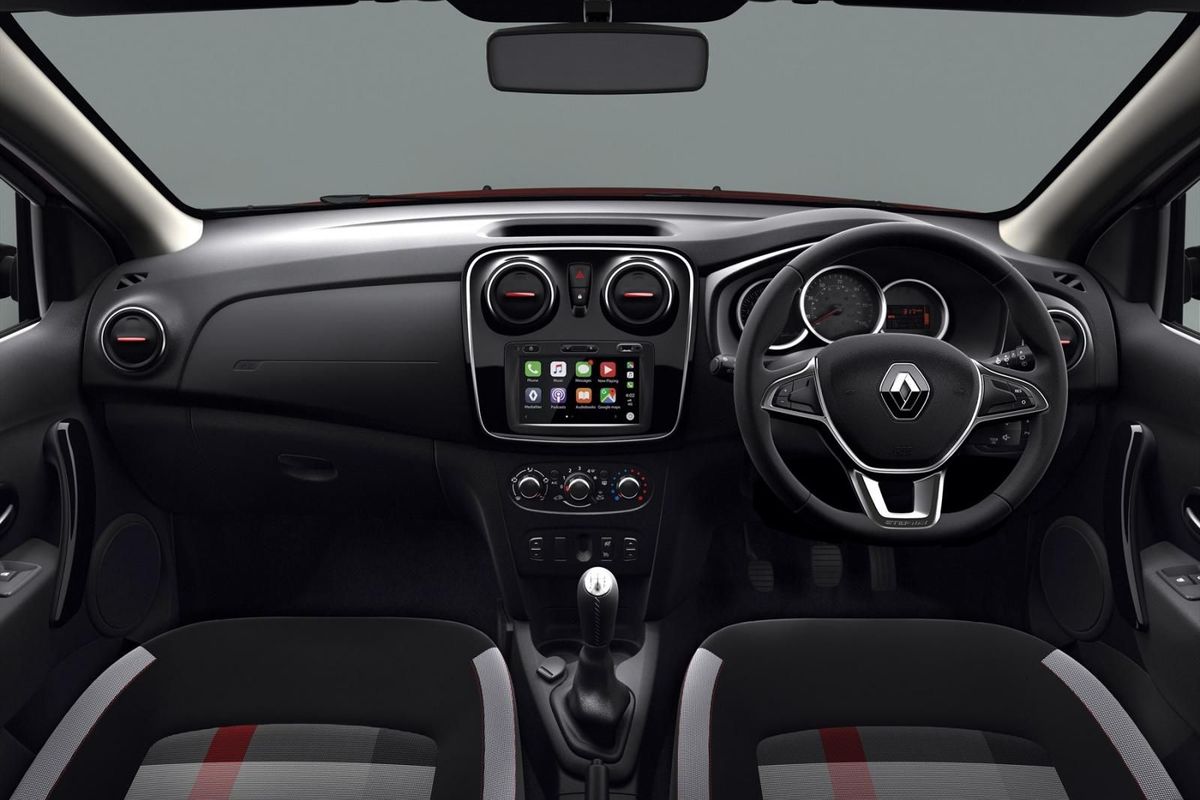
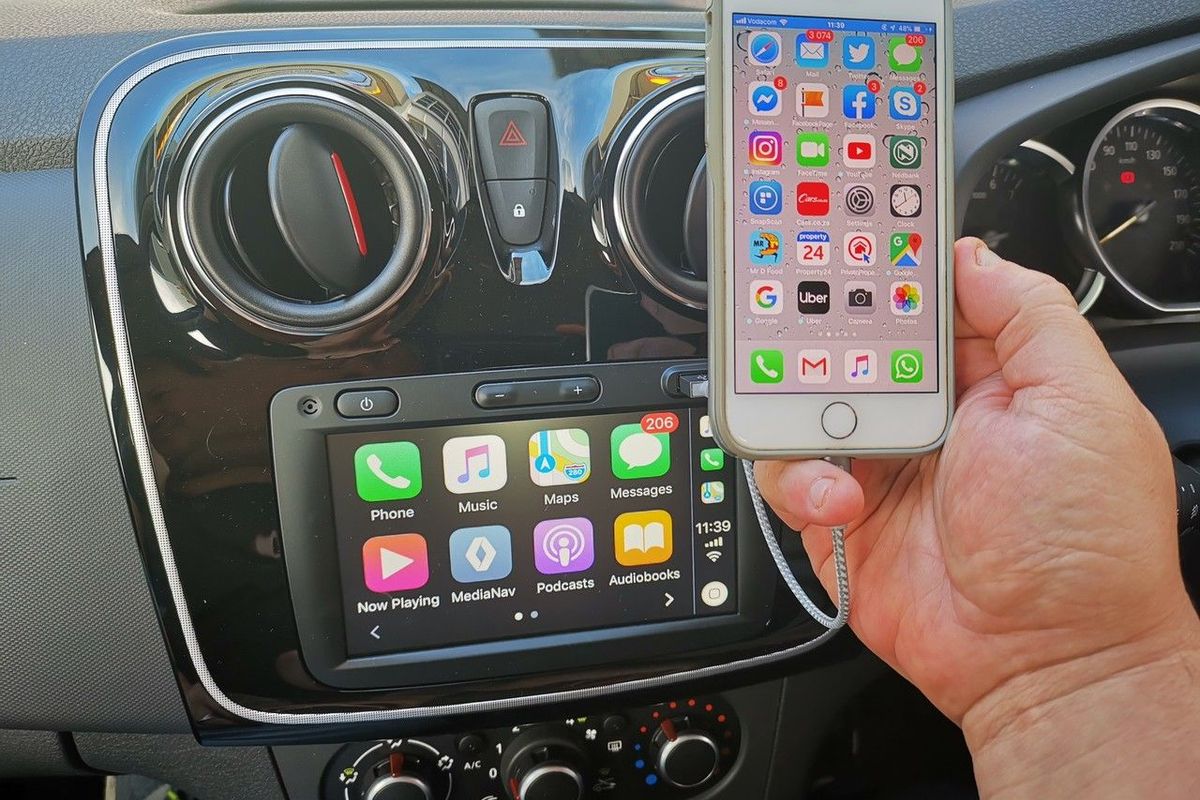
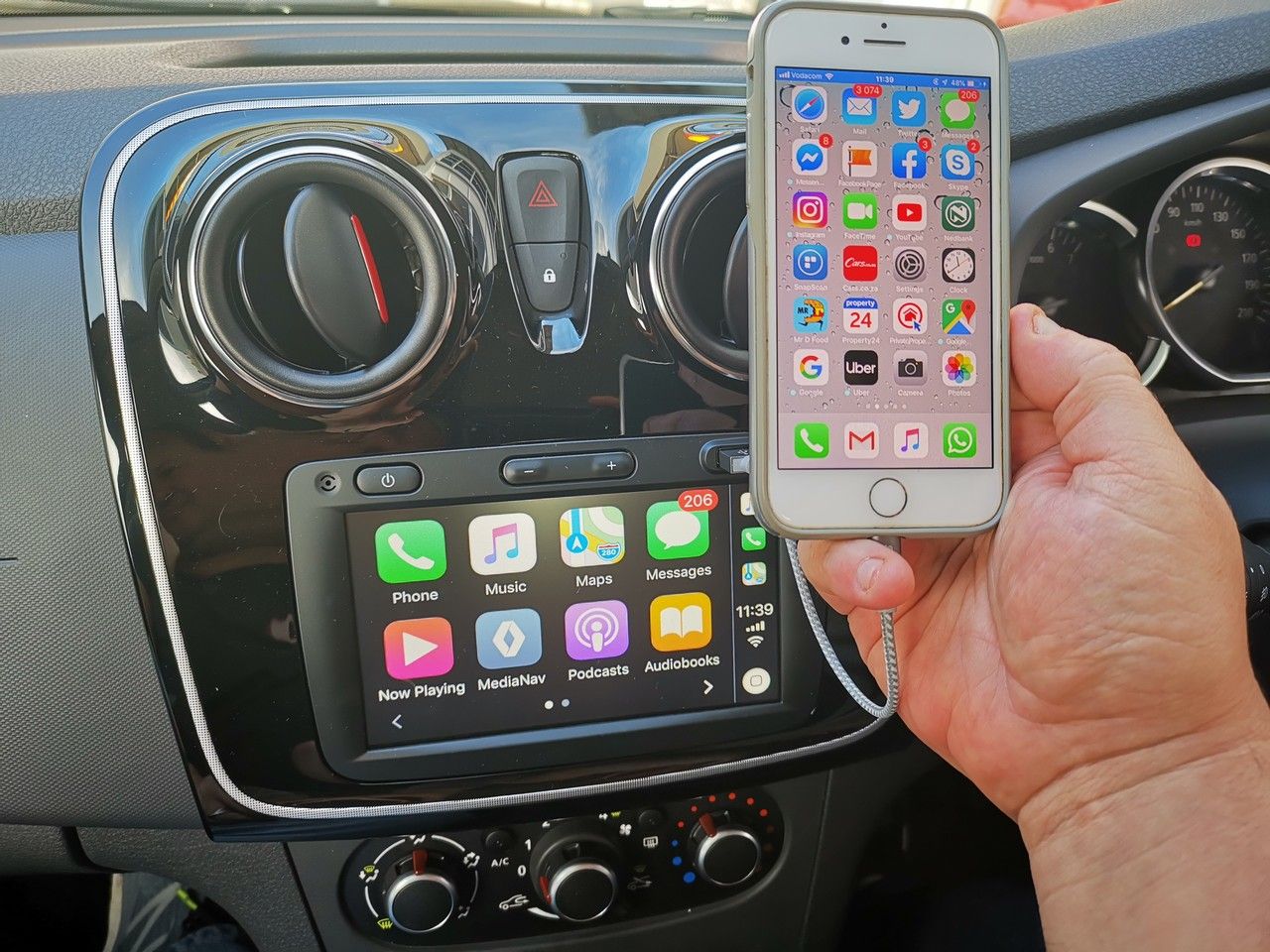
It does not take much effort to activate Apple CarPlay; simply plug an iPhone's cable into the USB slot above the touchscreen. 

The Sandero Stepway has always been generously equipped and the Plus is especially so. The top derivative gains all-round electric windows, rear parking sensors, satellite navigation, cruise control (with speed limiter), a reverse-view camera and trip computer. For the first time, Android Auto and Apple CarPlay are available on this vehicle and you connect via a USB port and Bluetooth. Annoyingly, the USB port is positioned at the top of the infotainment screen, meaning you'll have a cable dangling in clear sight. It's odd, as most USB ports are positioned in more remote locations. 

Despite its budget aspirations, the Stepway Plus' safety spec is ample. It features 4 airbags, ABS with EBD, hill-start assist and impressively, electronic stability control. The latter can't be switched off and proved its worth when 1 of our testers drove through a big puddle on a rainy evening. 

Practicality


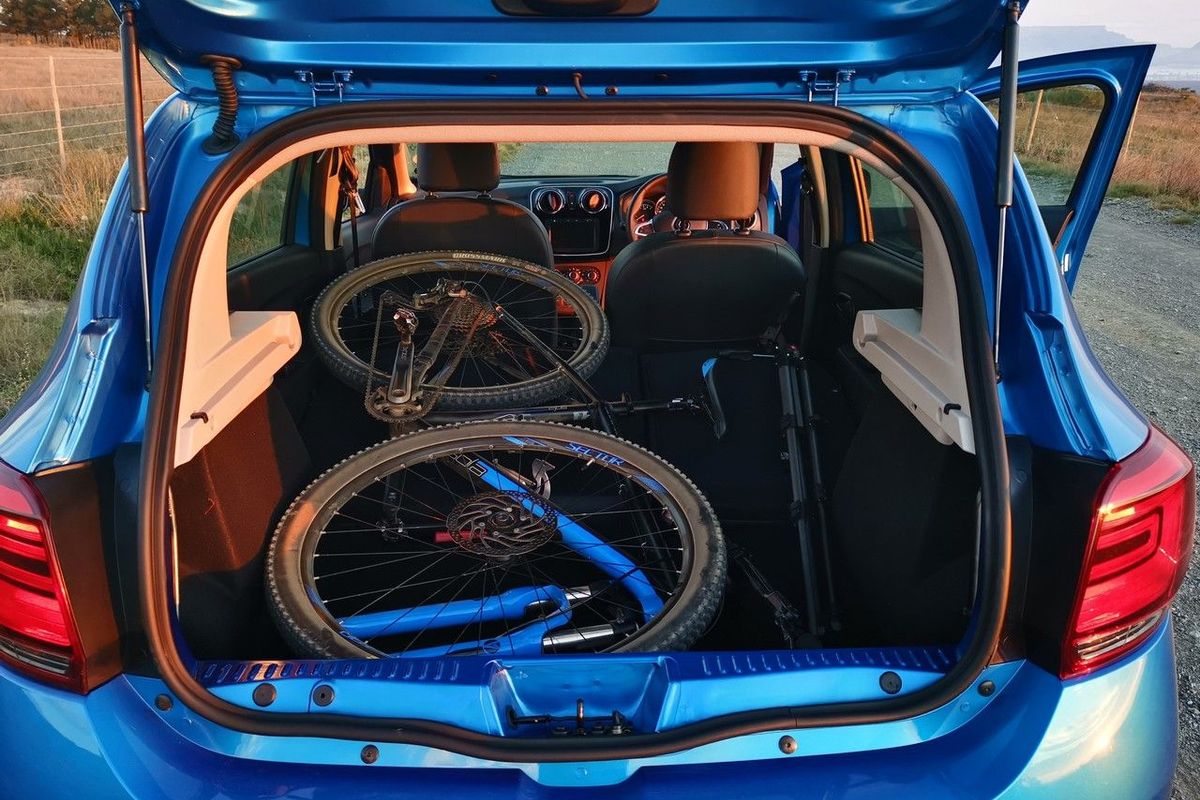
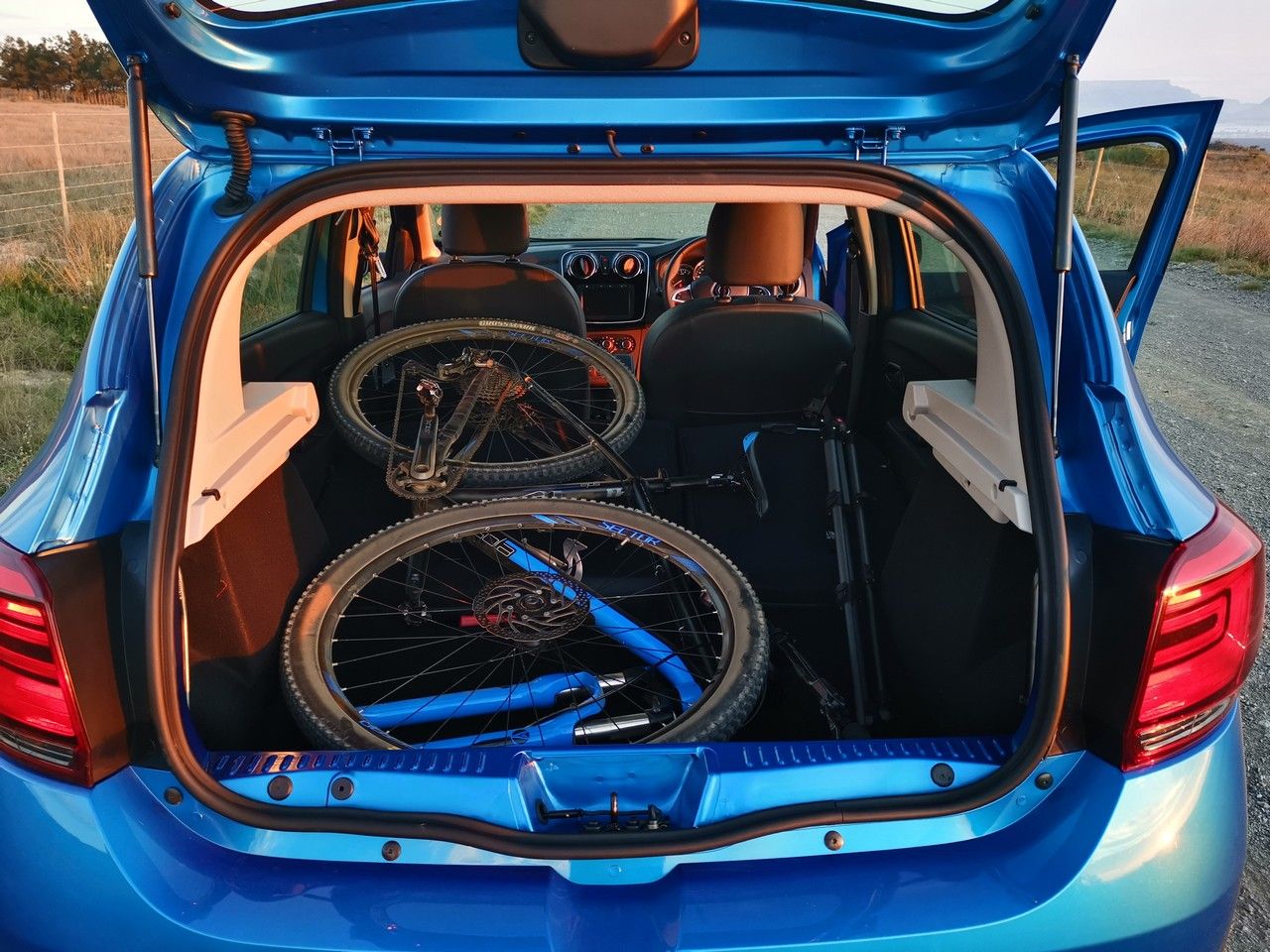
The ability to load in a 29-inch mountain bike was a boon.

Despite the Sandero Stepway being marketed as (and priced equivalent to ) a compact city car, it's surprisingly spacious inside. Rear passengers are afforded ample headroom and just about enough legroom to render the Renault a small family car. With the rear seatback in its upright position, luggage space is commendable, with substantial length and depth to the loading area.

And, with the 60/40-split seats folded down, there's even more space available. This author was able to load in a 29-inch mountain bike, mountain bike accessories and camera gear (including a tripod) with ease. Renault claims 292 litres of space, which is a touch larger than its nearest rival, the Volkswagen Polo Vivo. The cabin itself is well thought out, with sufficient compartments and storage slots for mobile phones, keys and so on.

Price and after-sales support

The Sandero Stepway Plus costs R213 900, which includes Renault's 5-year/150 000-km warranty and 2-year/30 000 km service plan. Services are at 15 000 km intervals. 

Verdict

Should you buy one? Many consumers complain that new cars are too expensive and that the kind of financial outlay required to buy a vehicle of substance "out of the box" is beyond the means of most of the population. The Sandero Stepway Plus is Renault's antidote to that sentiment – the newcomer offers a lot of specification and tech, is pleasant to drive and is honestly priced. There's more kit in the Sandero Stepway Plus than in some more expensive new cars and, despite our criticism of it being underpowered when fully loaded, chances are the majority of customers will be singles or couples who won't experience that issue. The Plus is charming; you'll be hard-pressed to find more new-car value at this price point.

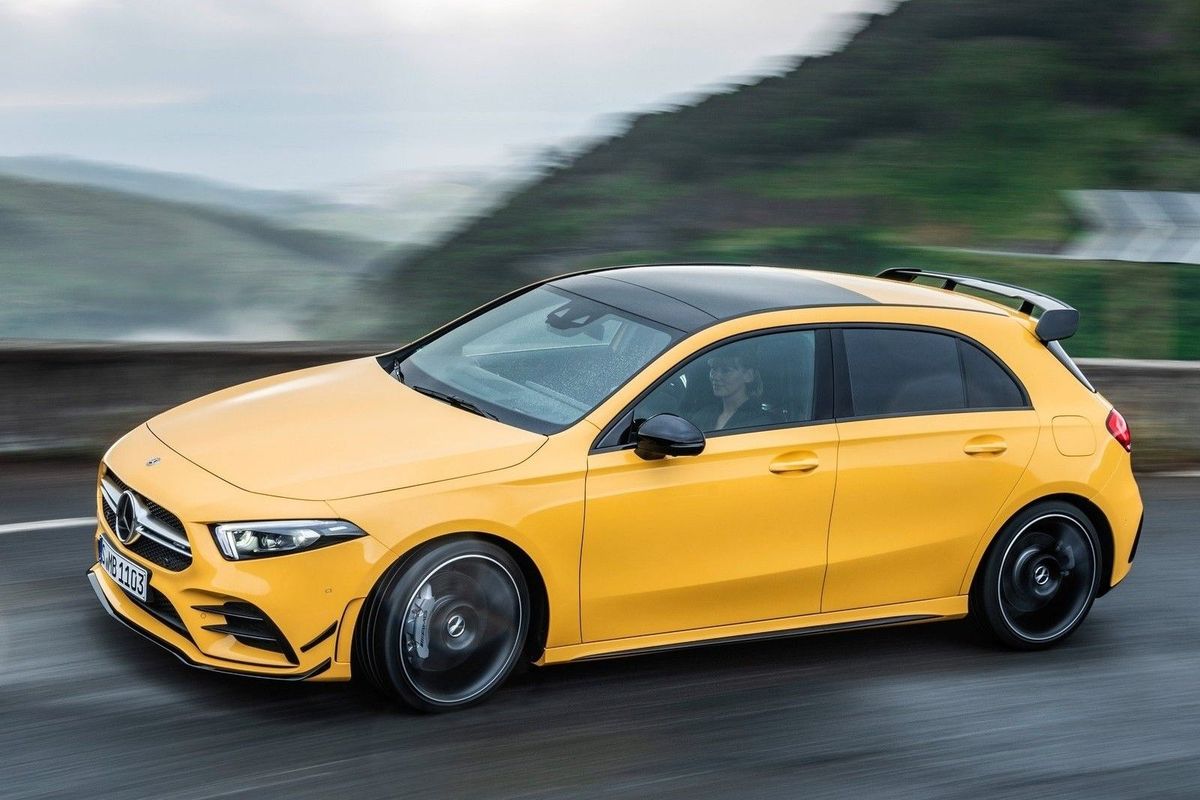
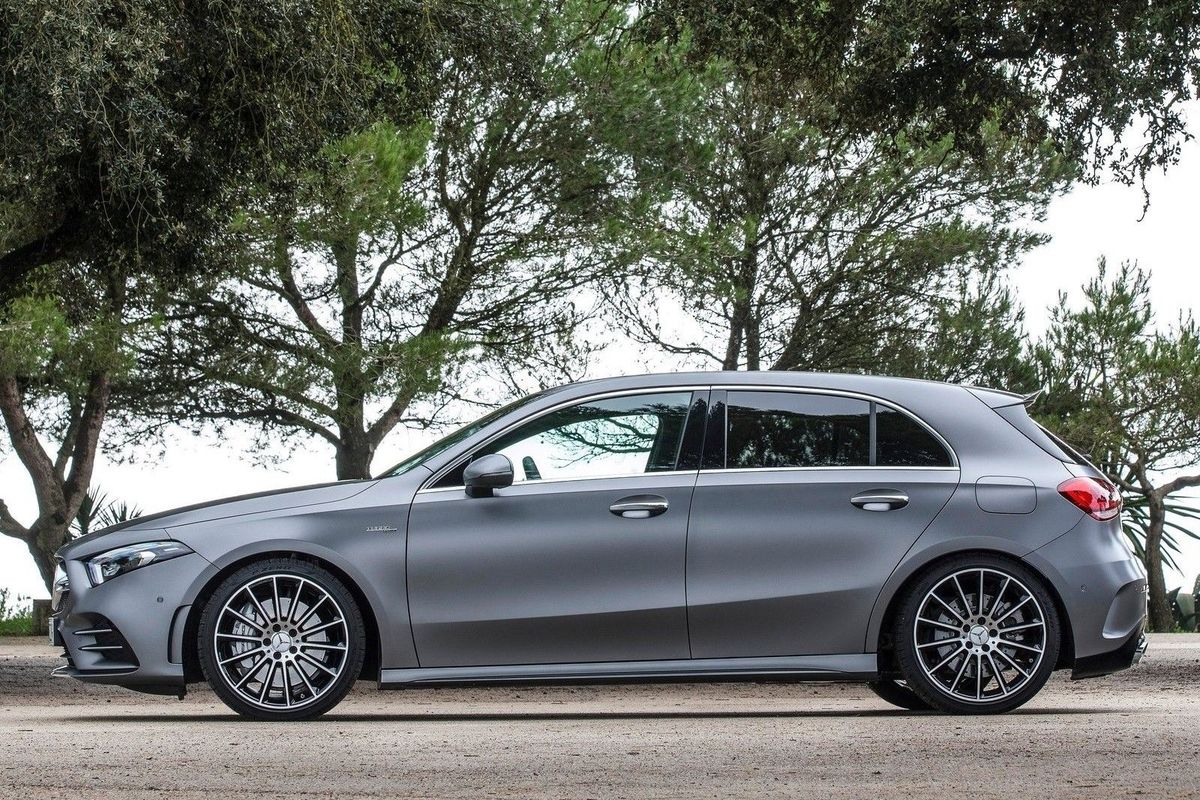
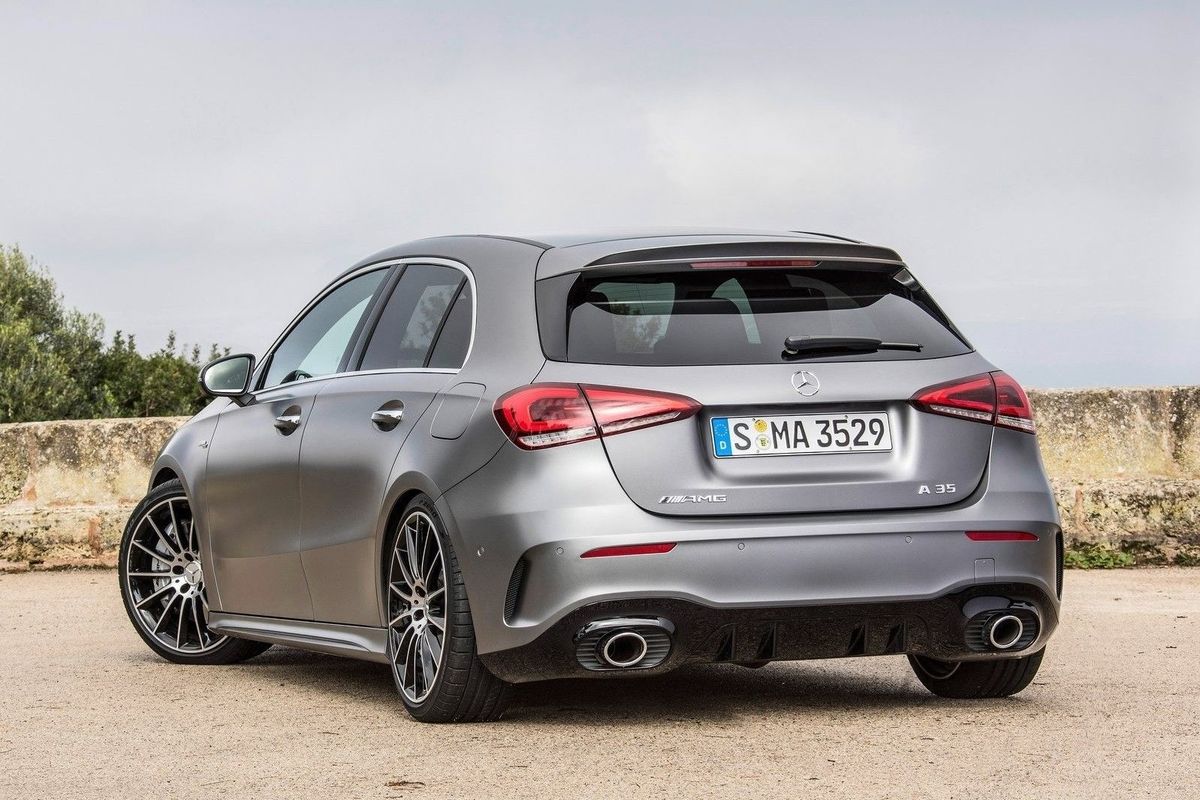
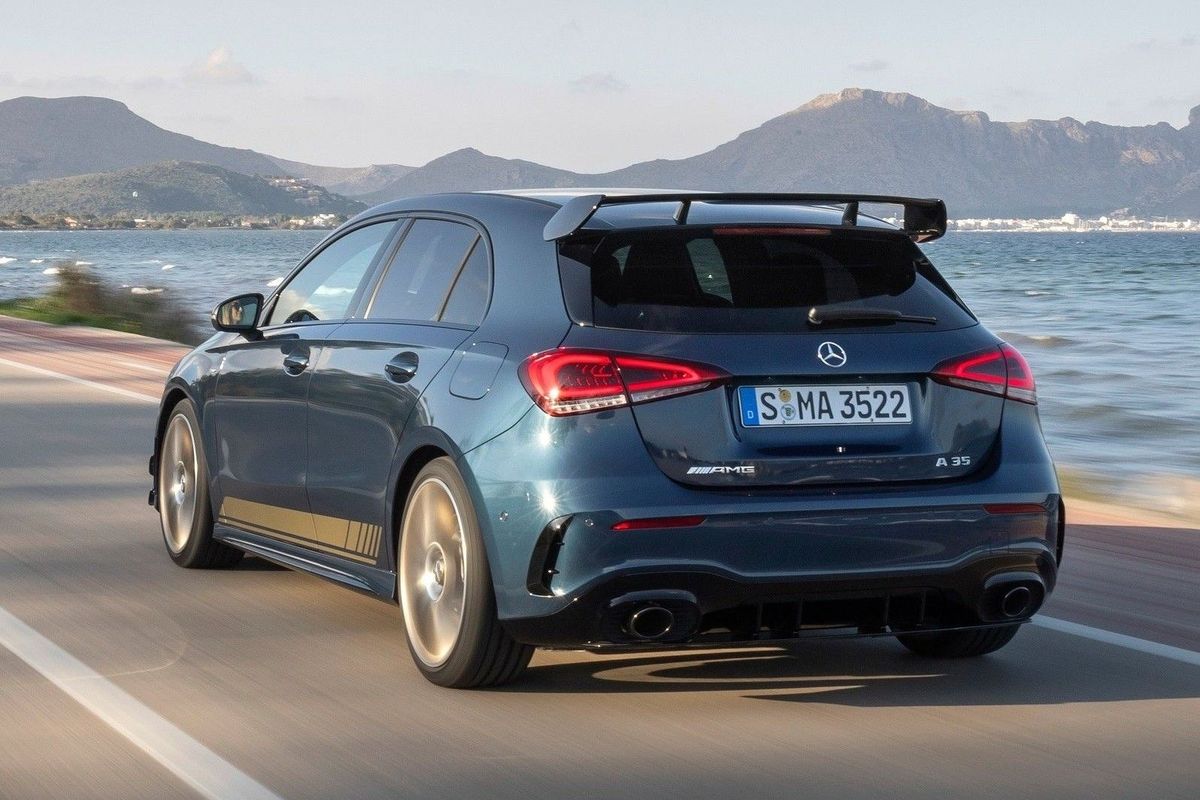
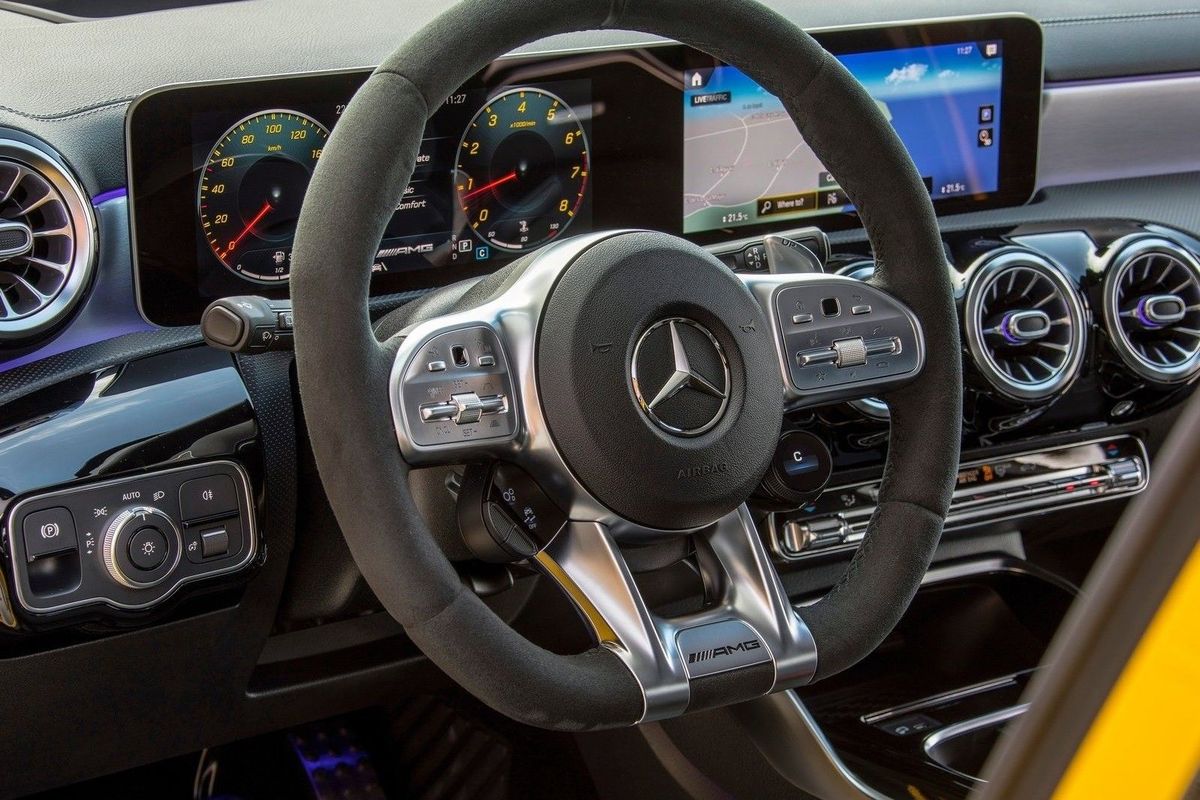
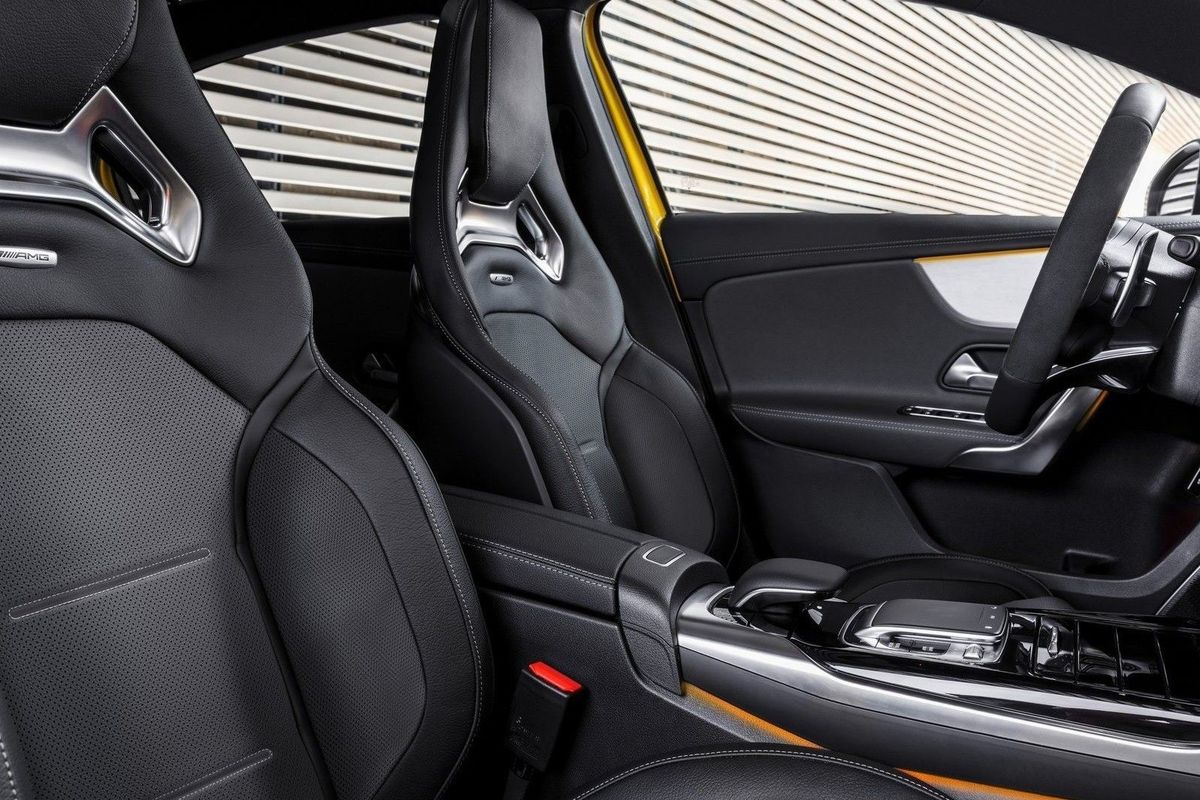
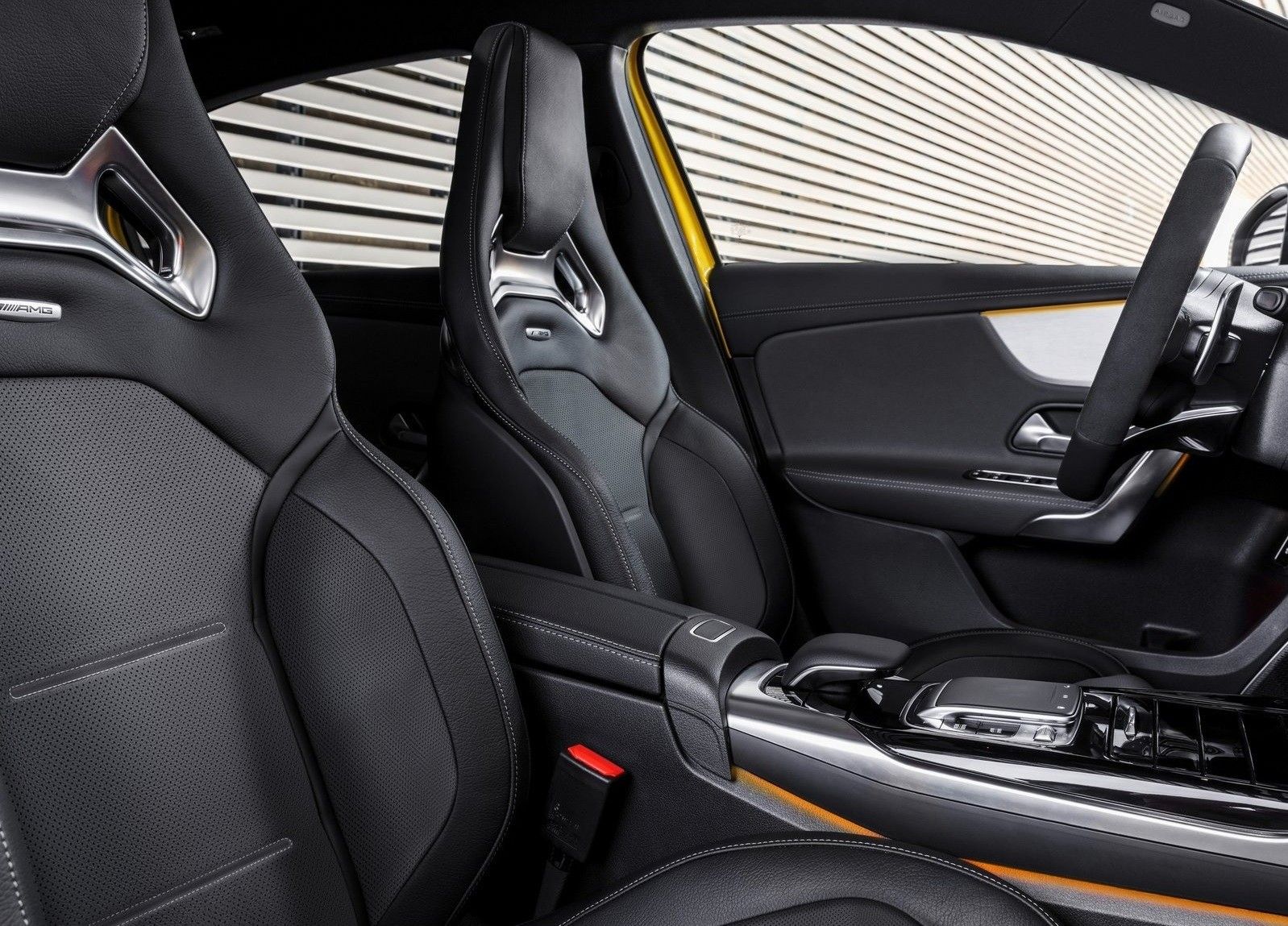
Mercedes-AMG A35 Price in South Africa

Pricing for the Mercedes-AMG A35 has been made available to us. Here's how much Affalterbach's baby hot hatch will cost.

From what we understand, the new baby AMG will be arriving in SA around October 2019. It's powered by a 2.0-litre turbocharged 4-cylinder motor, producing 225 kW and 400 Nm. Power goes to all 4 wheels via a 7-speed dual clutch transmission. Acceleration figures are brisk too, with a claimed figure of 4.7 seconds. If the road's long enough, it'll hit a top speed of 250 kph. 

The pricing appears to be a touch more expensive than that of the Audi S3 (R671 000) and Volkswagen Golf R (R676 500), and it'll be a fascinating exercise to have all three cars present in a shootout of sorts. Let's not forget that BMW has also joined this segment with its new M135i which also comes with a 2.0-litre turbocharged 4-cylinder motor mated to an xDrive setup. We could even expect the BMW to arrive in SA before the end of Q3.

Mercedes-AMG A35 Price in South Africa

The price is inclusive of a C02 emissions tax. We'll have options pricing closer to the launch, which should be very soon.

Mercedes-AMG A35 4Matic        R755 198

Further Reading

Mercedes-AMG A35 4Matic (2019) International Launch Drive

Mercedes-AMG A35: A true Golf R rival

Mercedes-AMG A35 Sedan Revealed

Thanks to Zero2Turbo for the tip

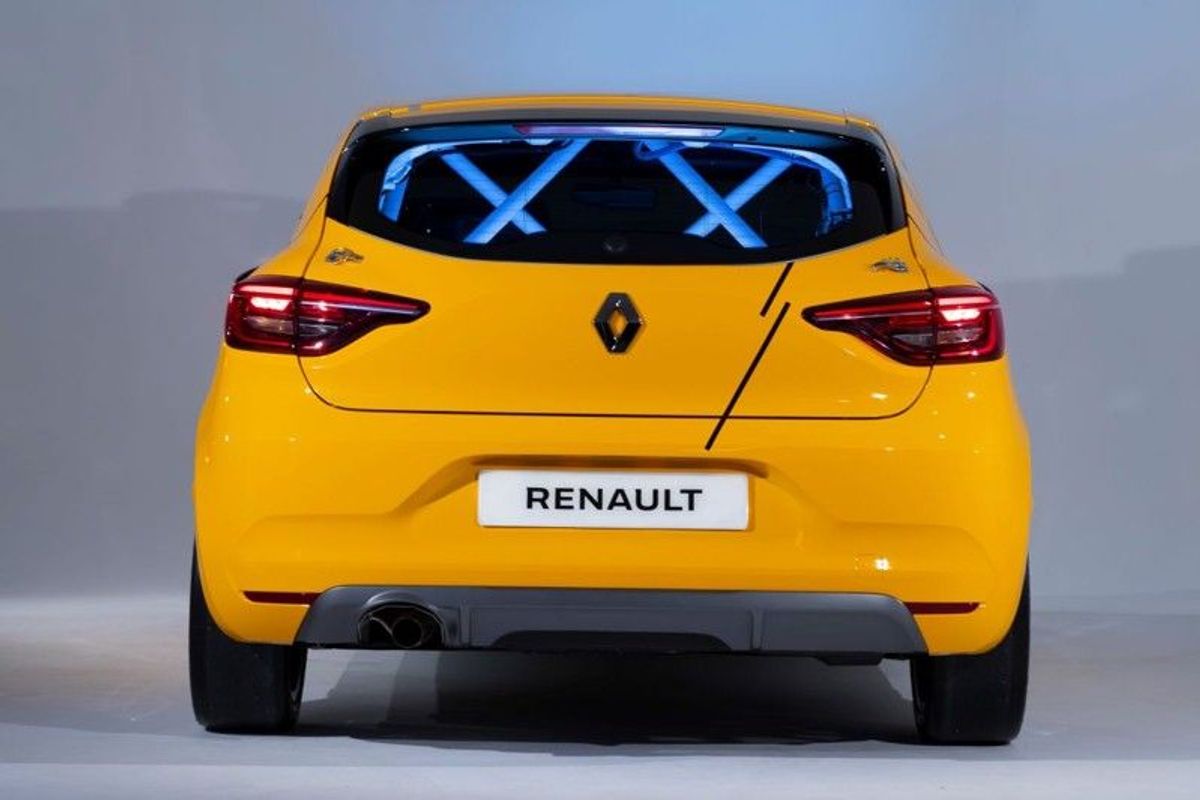
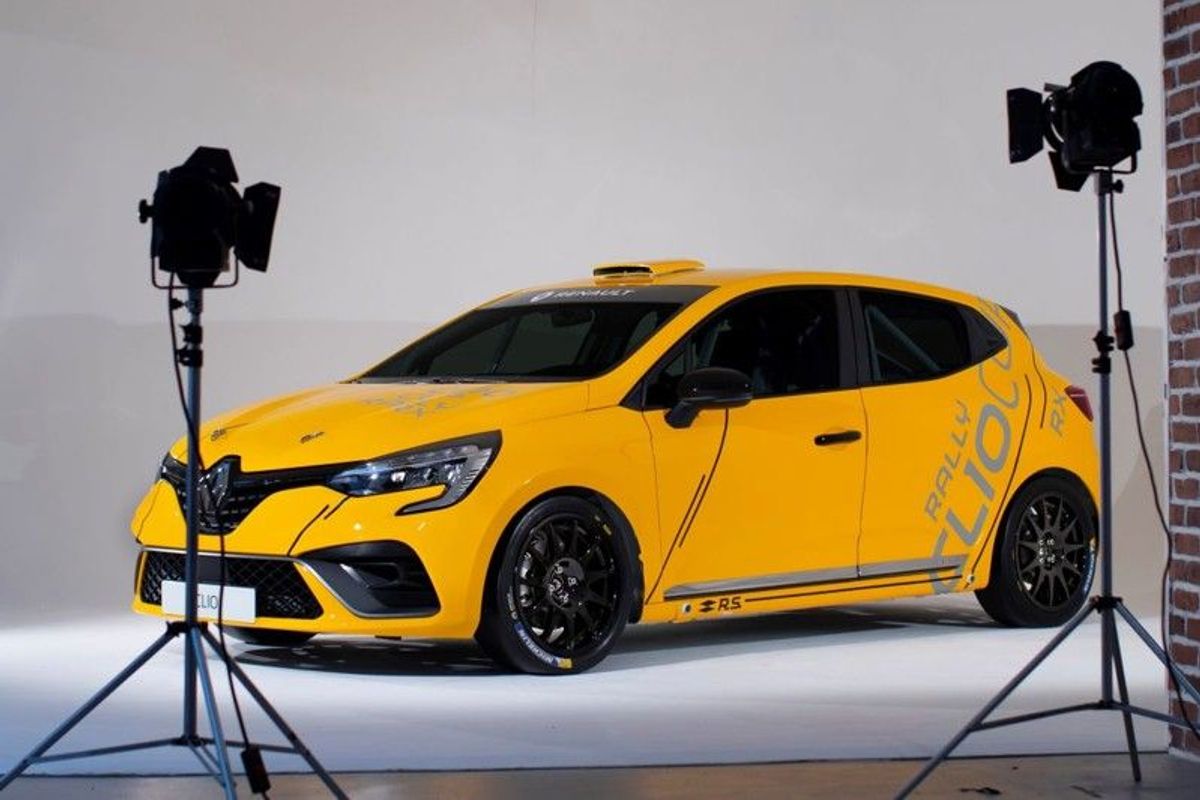
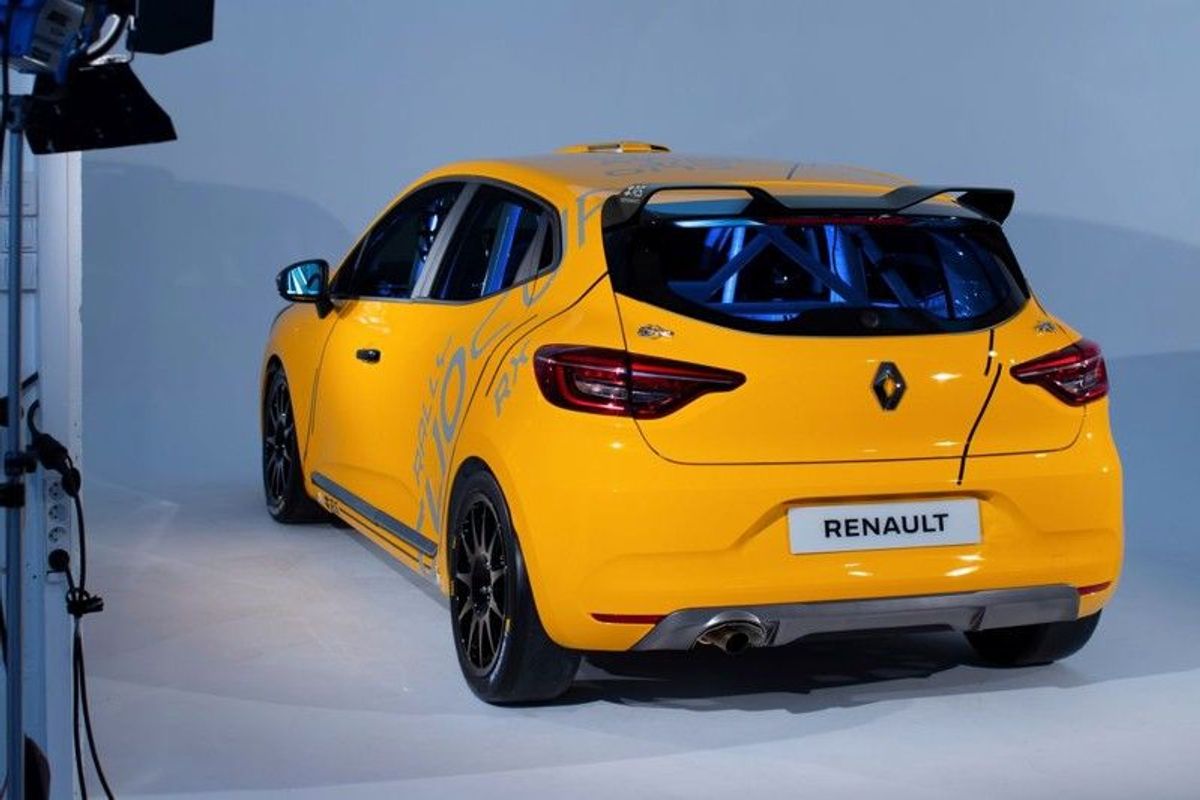
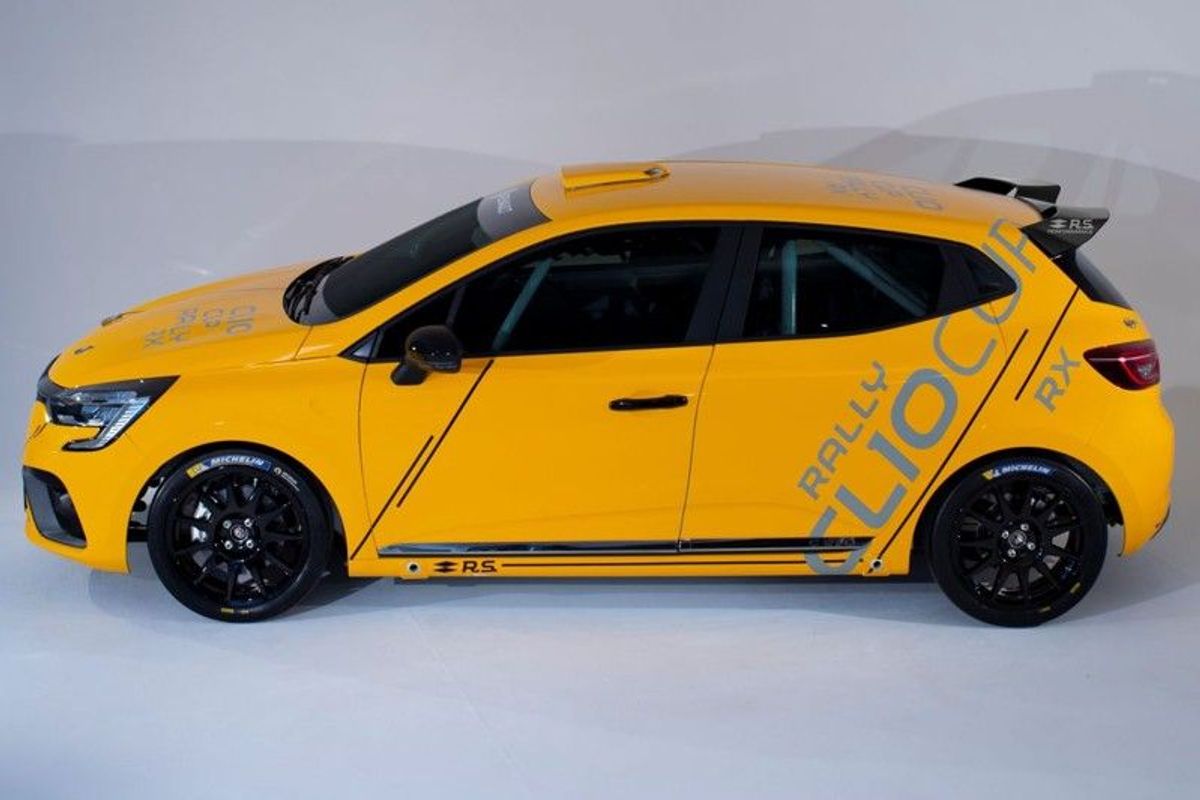
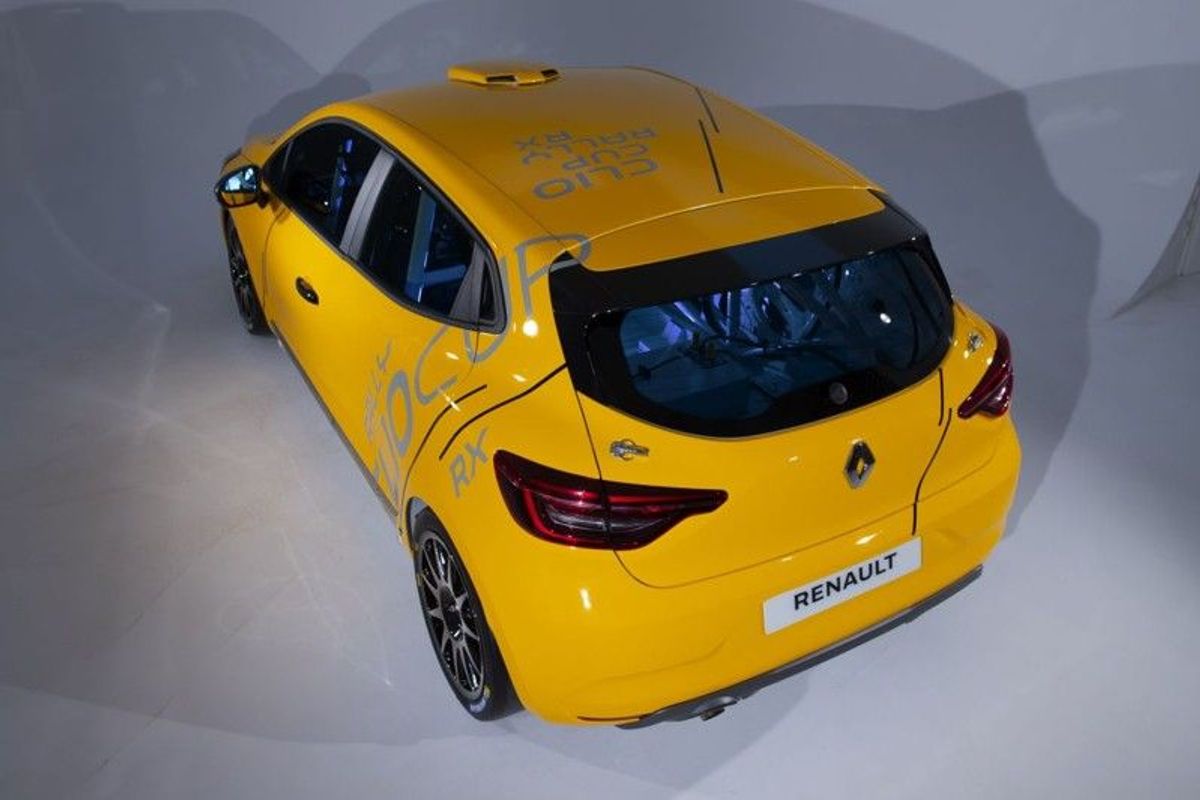
Renault Clio Competition Trio

As we wait for the fifth-gen Clio's RS hot hatch, Renault gives us a clue of what to expect. 

Renault might still be working on its new Clio RS, but the engineers at Dieppe have prepared three road racing versions to keep enthusiasts busy in the meantime.

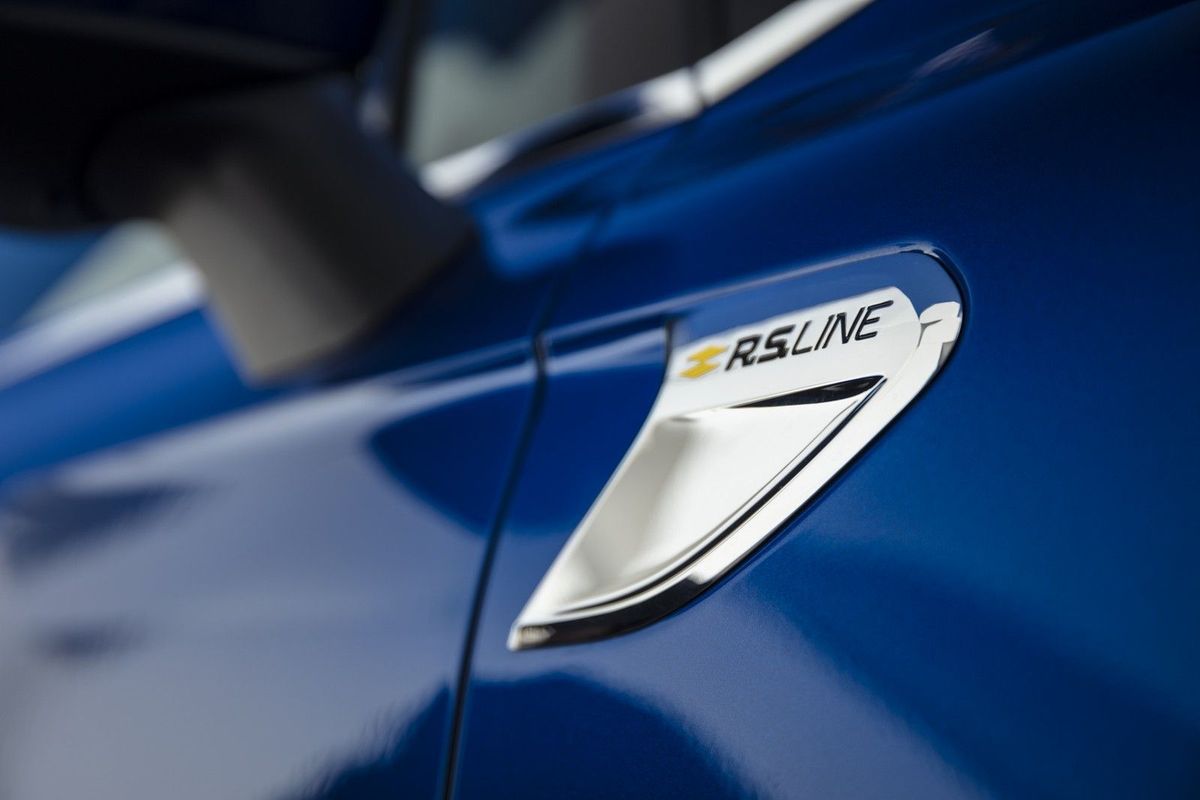
These new cars are all evolved from the fifth-generation Clio, in R.S. Line speciation. They are denoted as Cup, Rally and RX – with each serving the obvious purpose associated with its name.

Each version differs slightly from the other, specific to its racing formula, but Renault will offer a conversion kit to enable owners diverse uses for the Clio. For instance, you’ll be able to convert your Clio Cup road racer, to an RX – if you wish.

We've driven the latest Clio V, read our launch review here.

The platform includes three different wheel choices, ranging from 15- to 17-inches, depending on the surface you wish to race. Suspension components are upgraded, with dampers and springs from French Dakar racing and WRC specialists, Bos.

Drive is to a ZF limited-slip differential and the gearbox on all three cars is a five-speed manual, with sequential shifting, from Sadev. You can order an optional hydraulic parking brake shifter too, for those obligatory handbrake turns.

Powering these new Clio road racers are a 1.3-litre turbocharged engine, boosting between 125 and 132 kW. Torque also varies, from 280- to 320 Nm. The differences in these aforementioned outputs are a function of which of the three variants you choose – Cup, Rally or RX.

For those hot hatch enthusiasts who cannot wait for the new Clio RS or wish to have a bargain track-day car or true robot-racer, these Renaultsport competition cars are an interesting alternative.

Most importantly, these three competition cars and their potent small-capacity turbocharged engines, illustrate where Renaultsport’s engineers are aiming with the new Clio RS…

All-Electric Mini To Be Revealed in July

Mini has joined other brands in offering a compact all-electric car and the all-new Mini Electric will be revealed on the 9th July 2019. Here are some more details as well as a teaser video.

The Charged with Passion campaign kicked off with the below video and teases Mini's all-electric offering. Other than what appears to be generic and typical Mini styling as well as a charging port where the fuel cap used to be. 

There was a website link on the video, but there's not much to go on right now. However, there are pre-orders available for a select few countries such as Germany, France, Norway, Sweden and the Netherlands, while customers in the UK, USA, Spain and Italy can register interest. 

In terms of looks, we reckon it'll be slightly toned down from the 2017 Electric Concept, which you can see above. In terms of powertrain, we think Mini will adopt the same setup as the latest iteration of the BMW i3. That'll mean a battery capacity of 33 kWh and outputs of 125 kW and 250 Nm. It'll also be quite spritely, with a claimed sprint time of 7.3 seconds and a top speed of 150 kph. In terms of range, the BMW i3 has a claimed range of around 250 kph, so we're expecting similar for the forthcoming Mini Electric.

We'll have all the details when the vehicle is officially revealed on the 9th July 2019.

Mini Electric Teaser Video


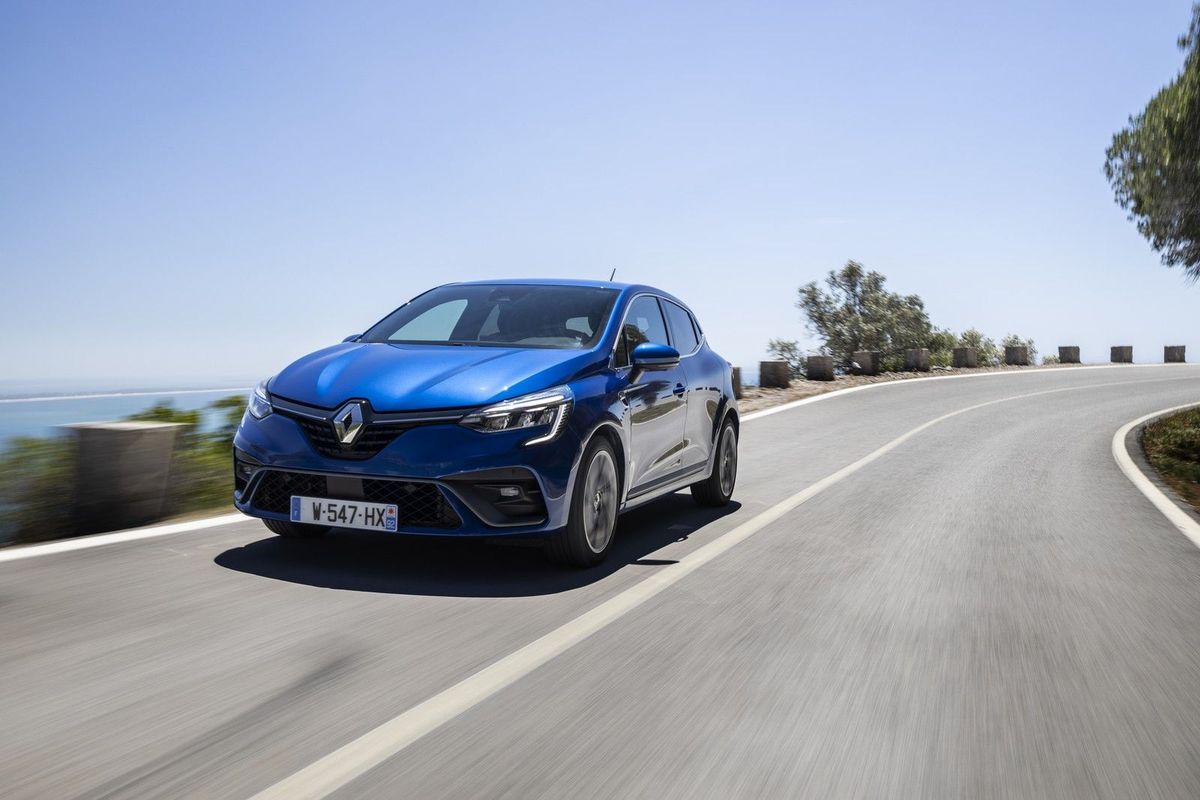
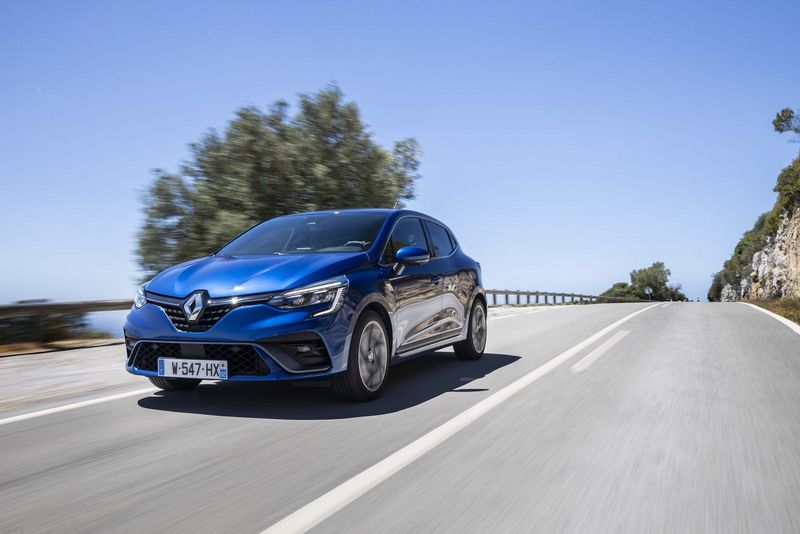
Renault Clio 5 (2019) International Launch Review
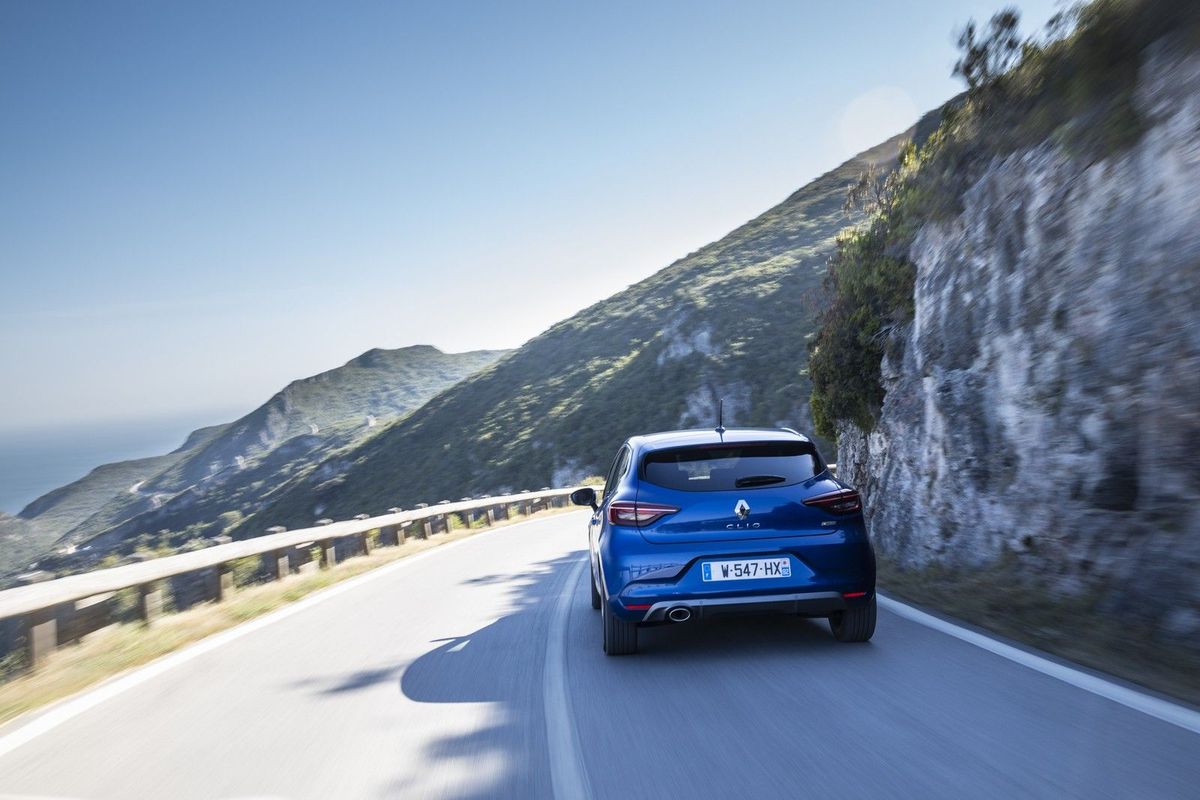
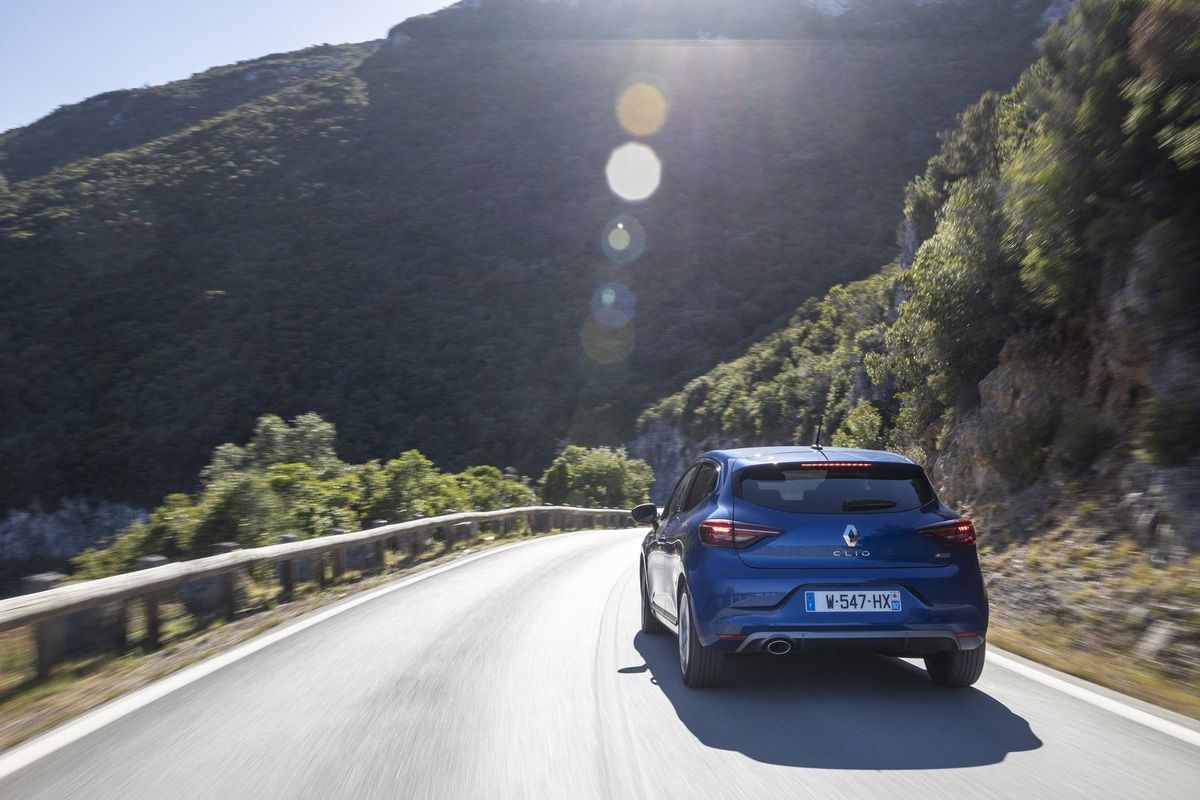
Renault will introduce the all-new Clio in South Africa early in 2020 and yes, despite appearances to the contrary, it really is an all-new compact hatchback. While its styling remains pleasing on the eye, the little Renault has new-found substance underneath. Is it any actual fun to drive, though? Neil Briscoe attended the international launch to investigate.

Hang on, are we sure this isn’t the old Clio?

 
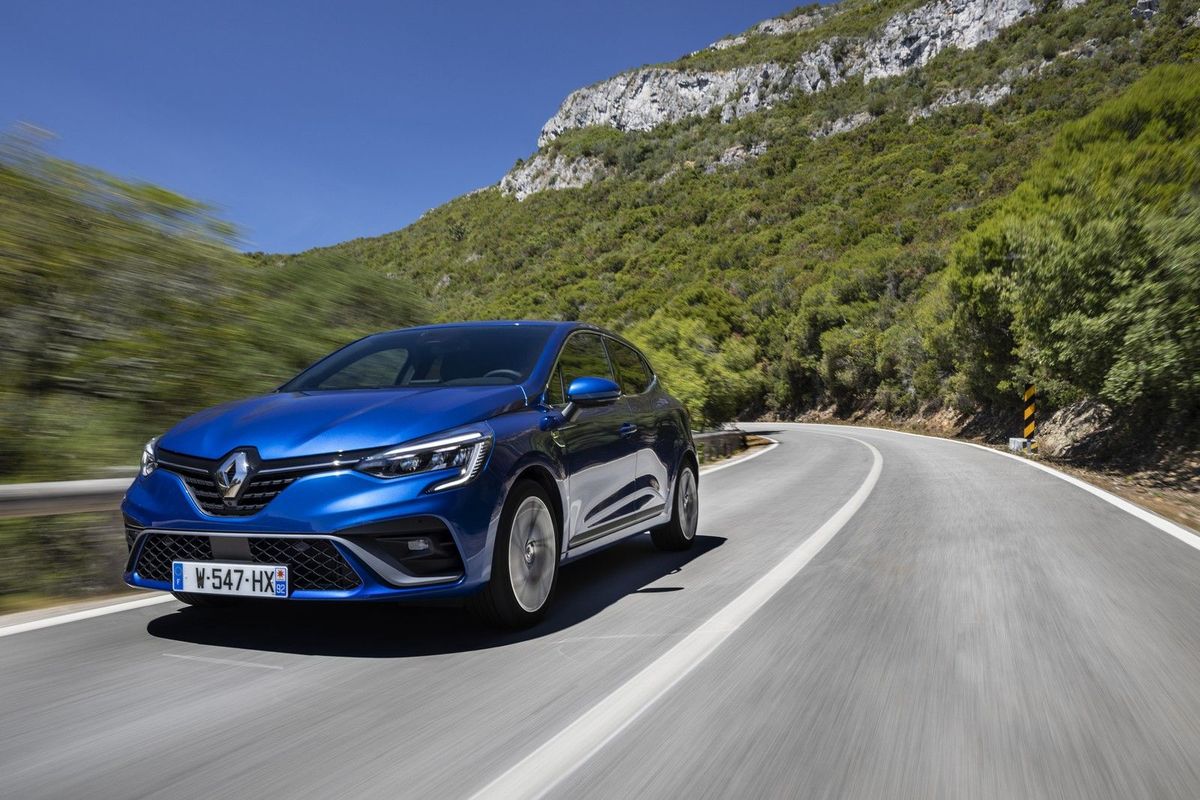
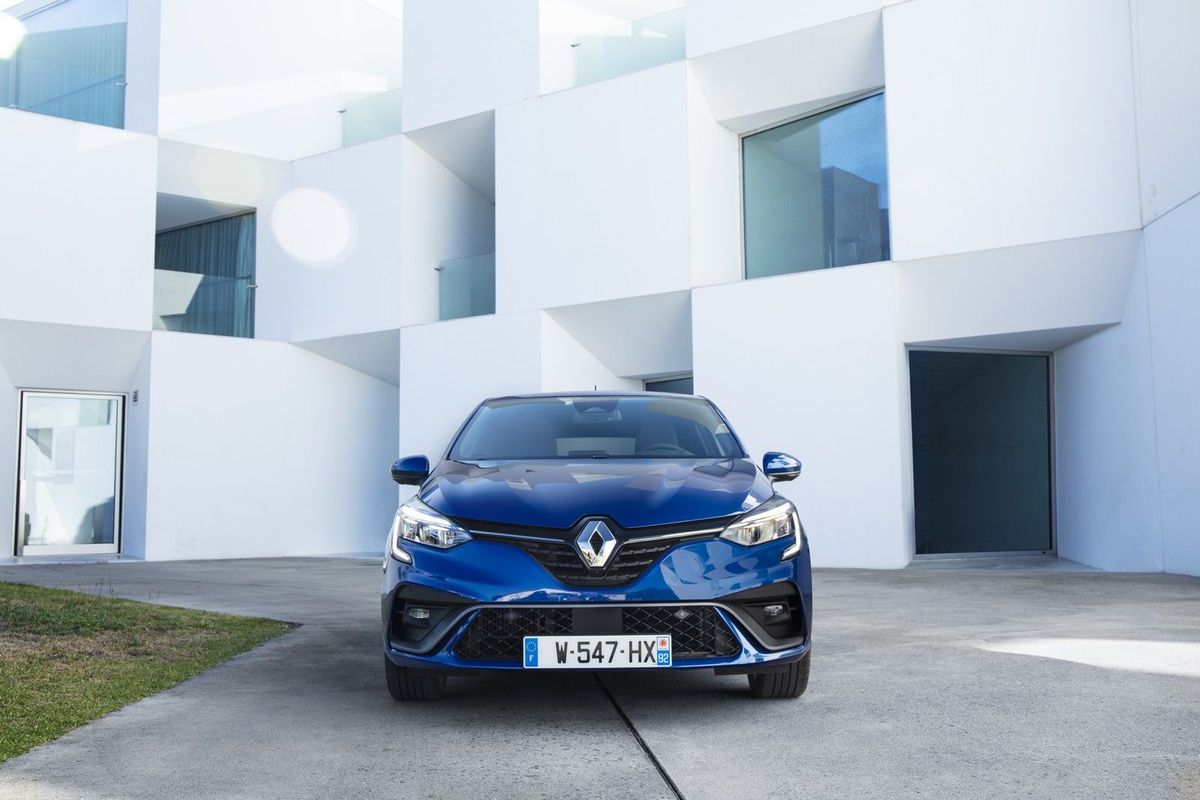
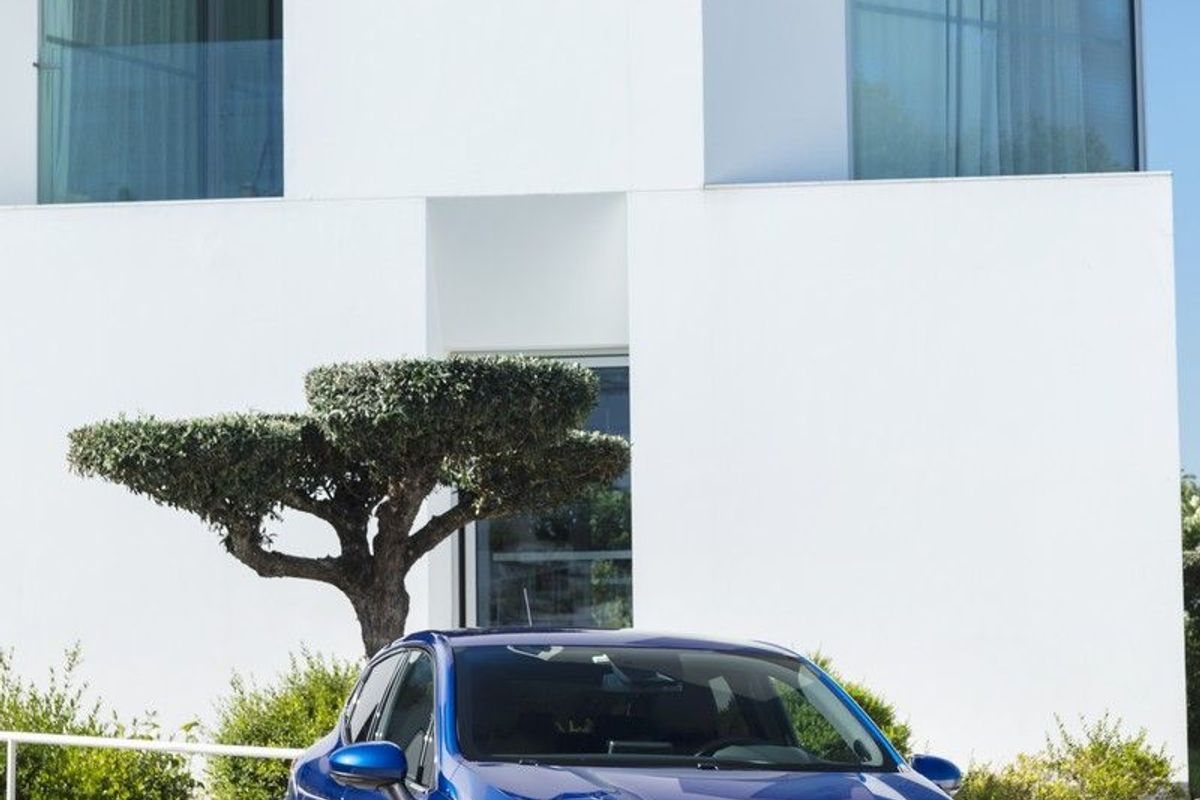
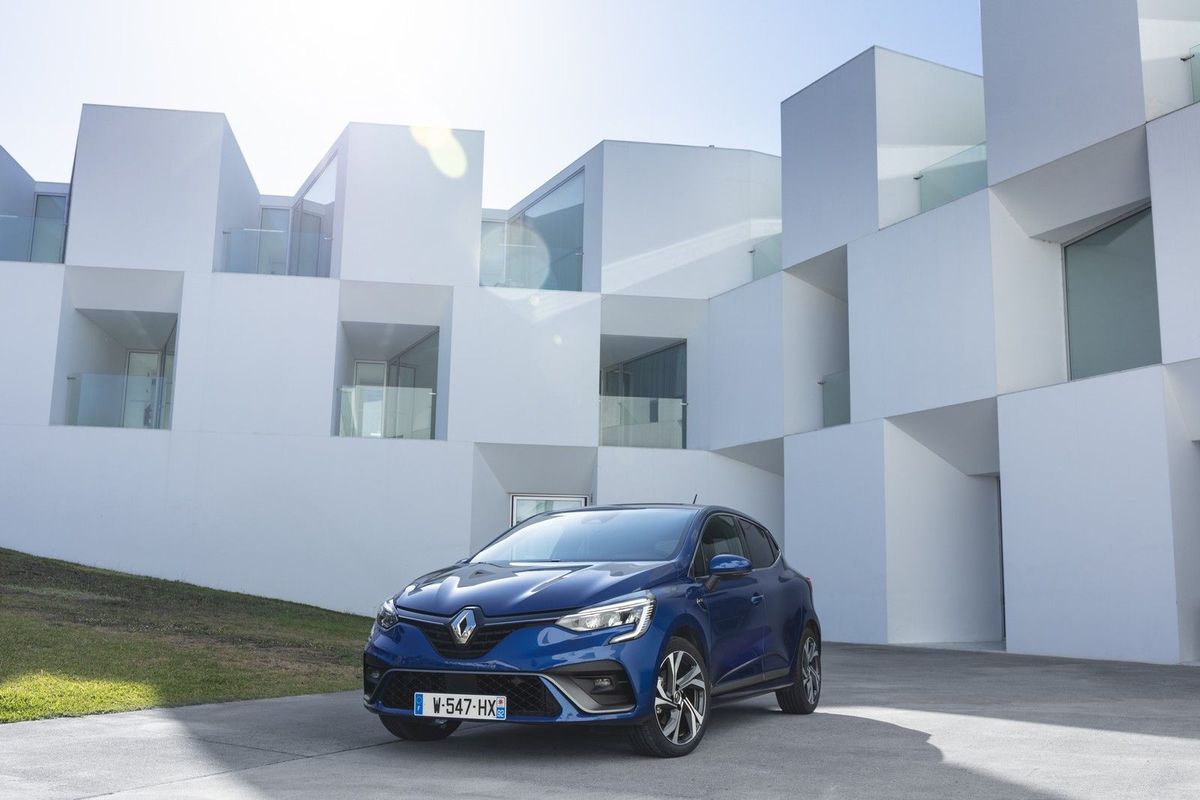
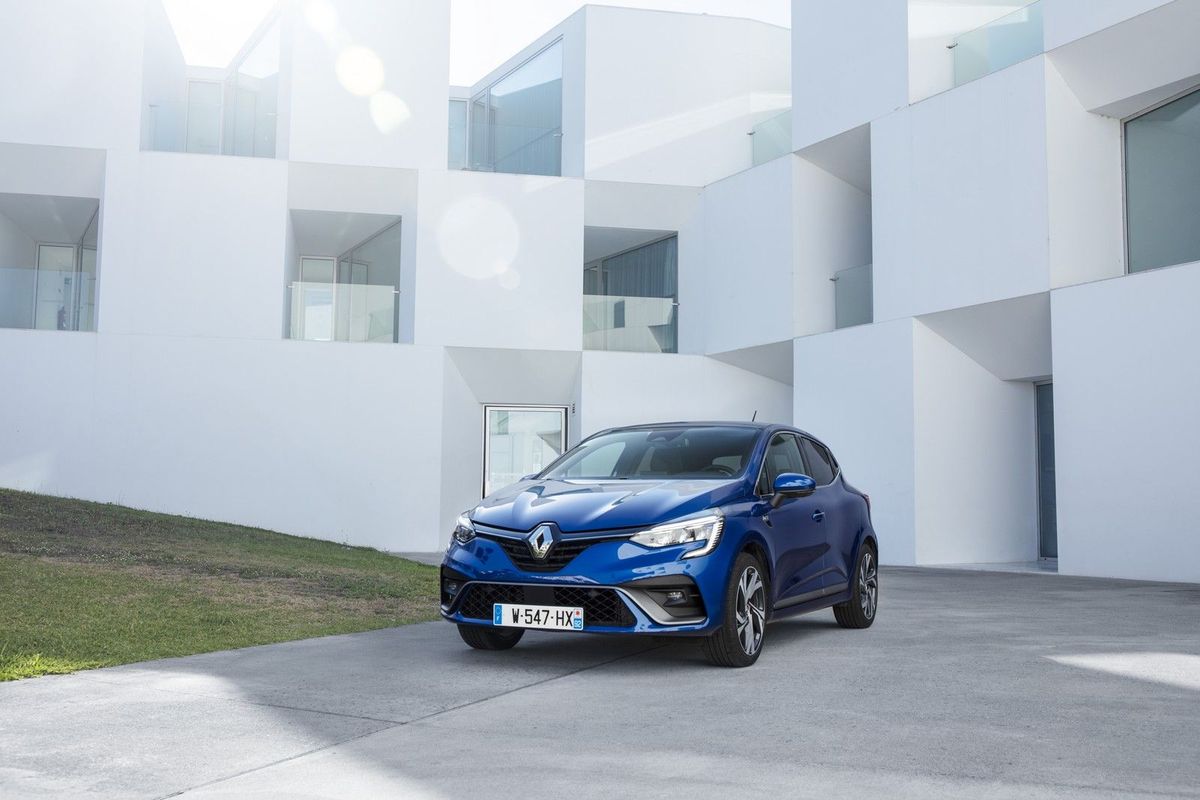
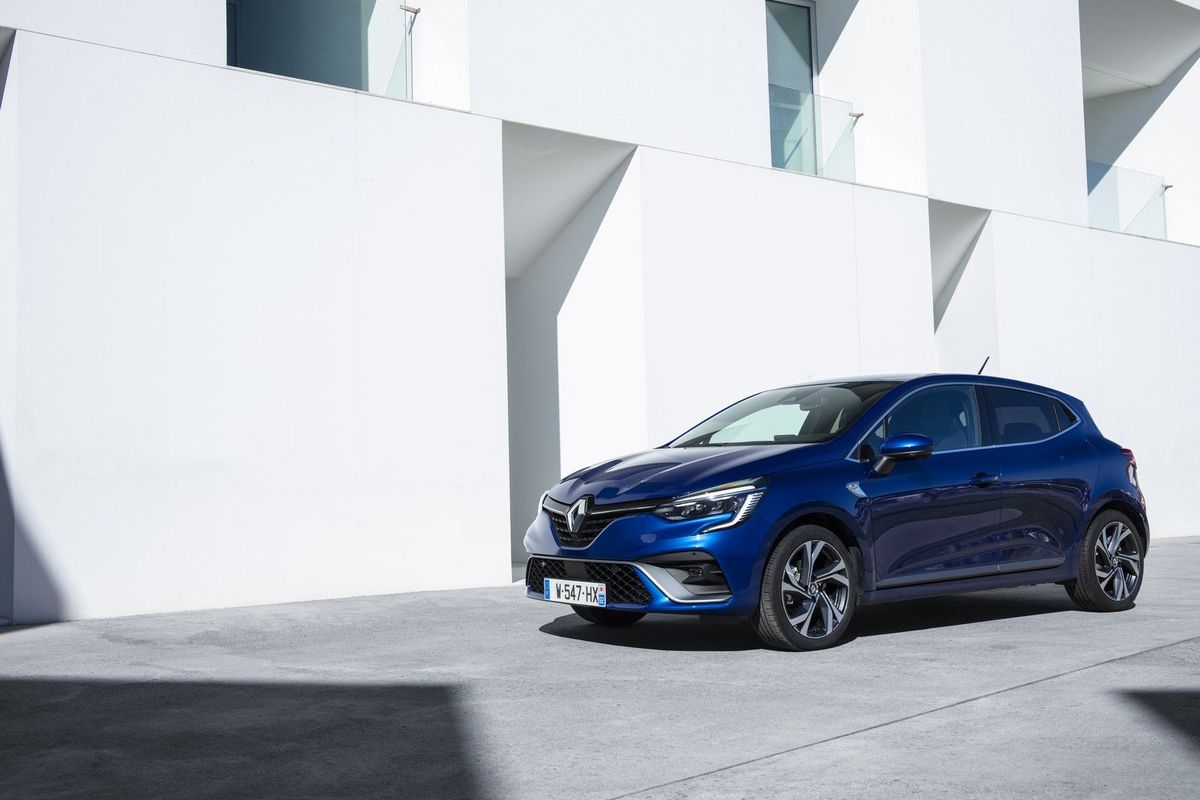
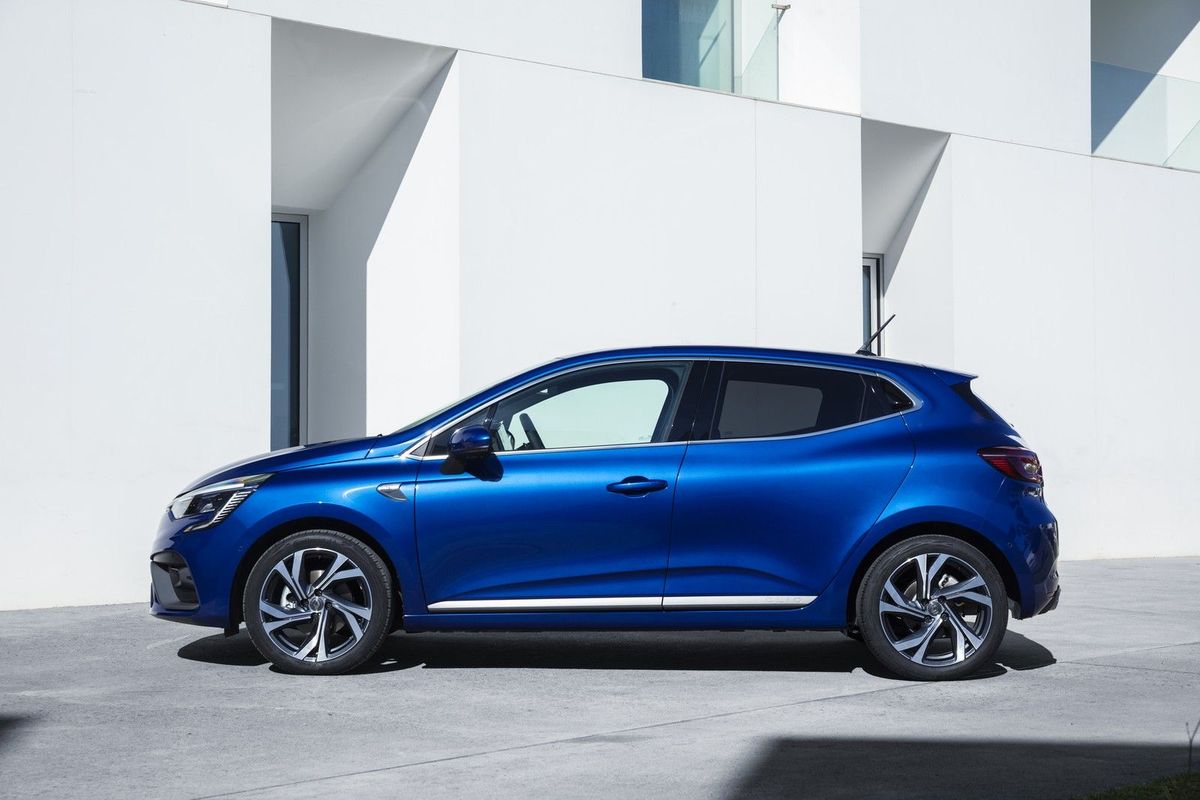
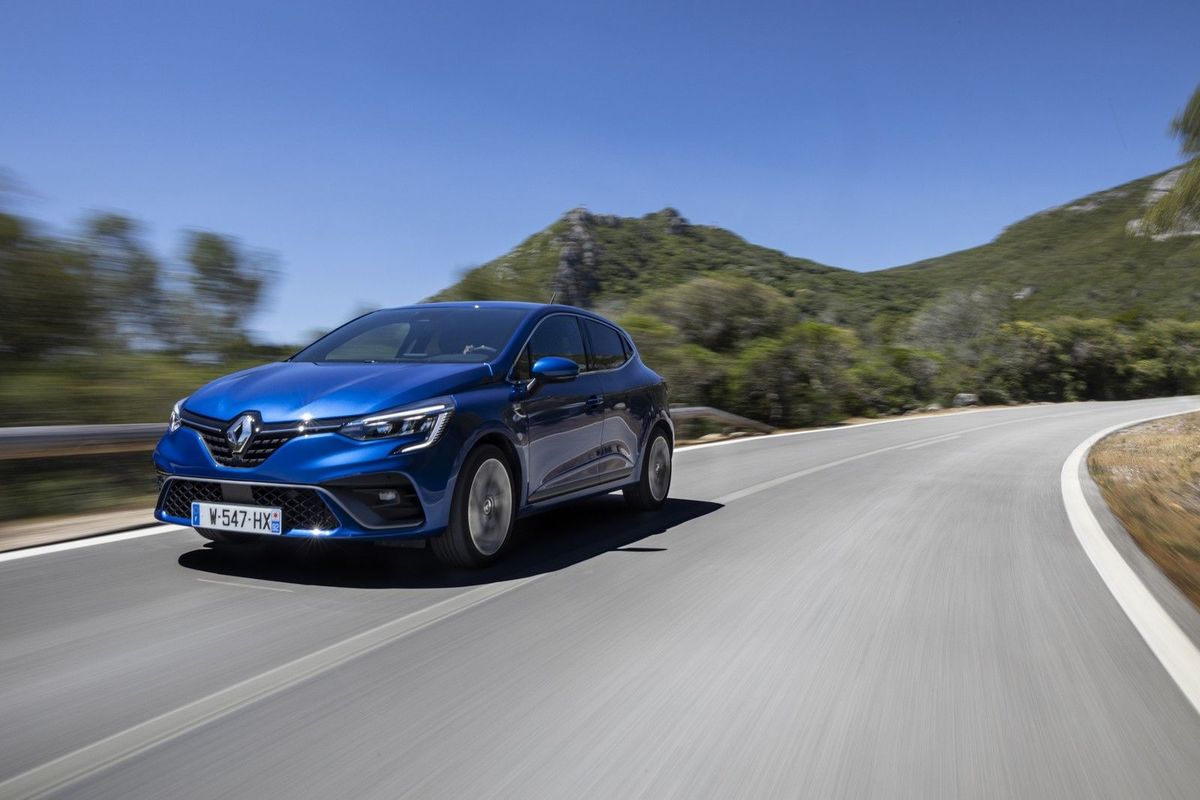
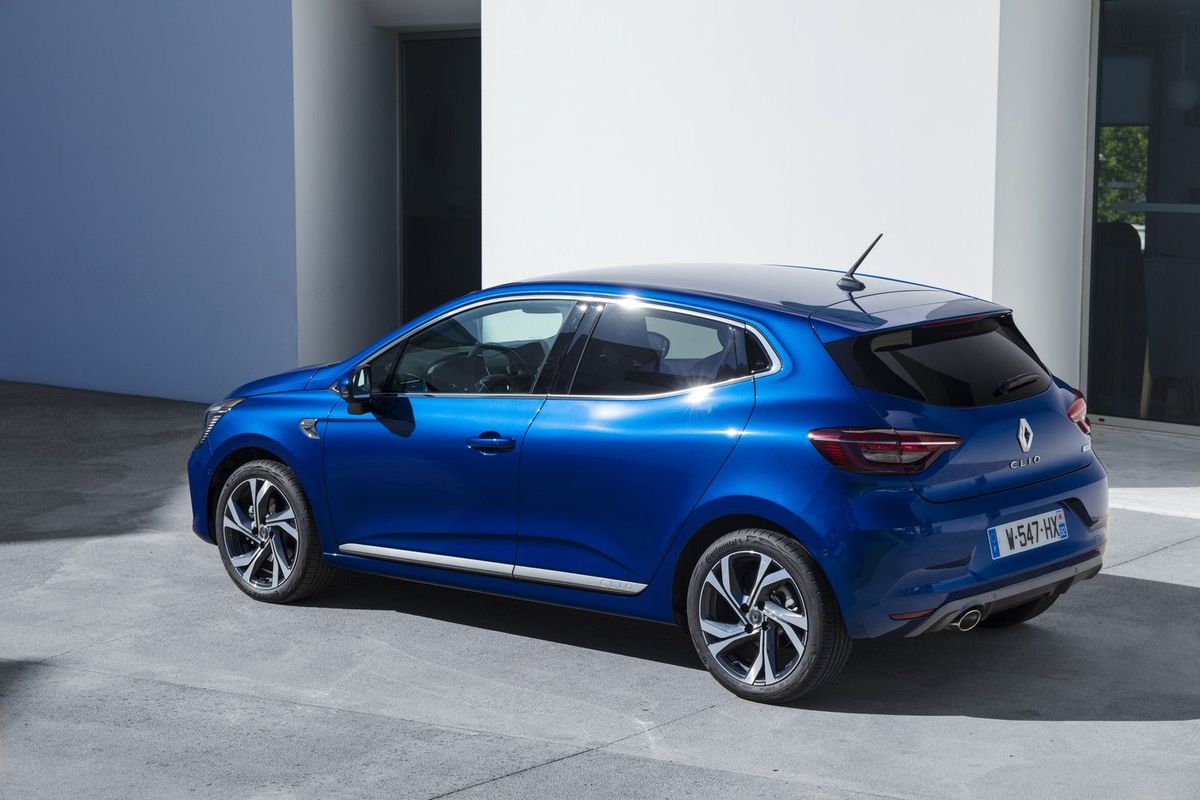
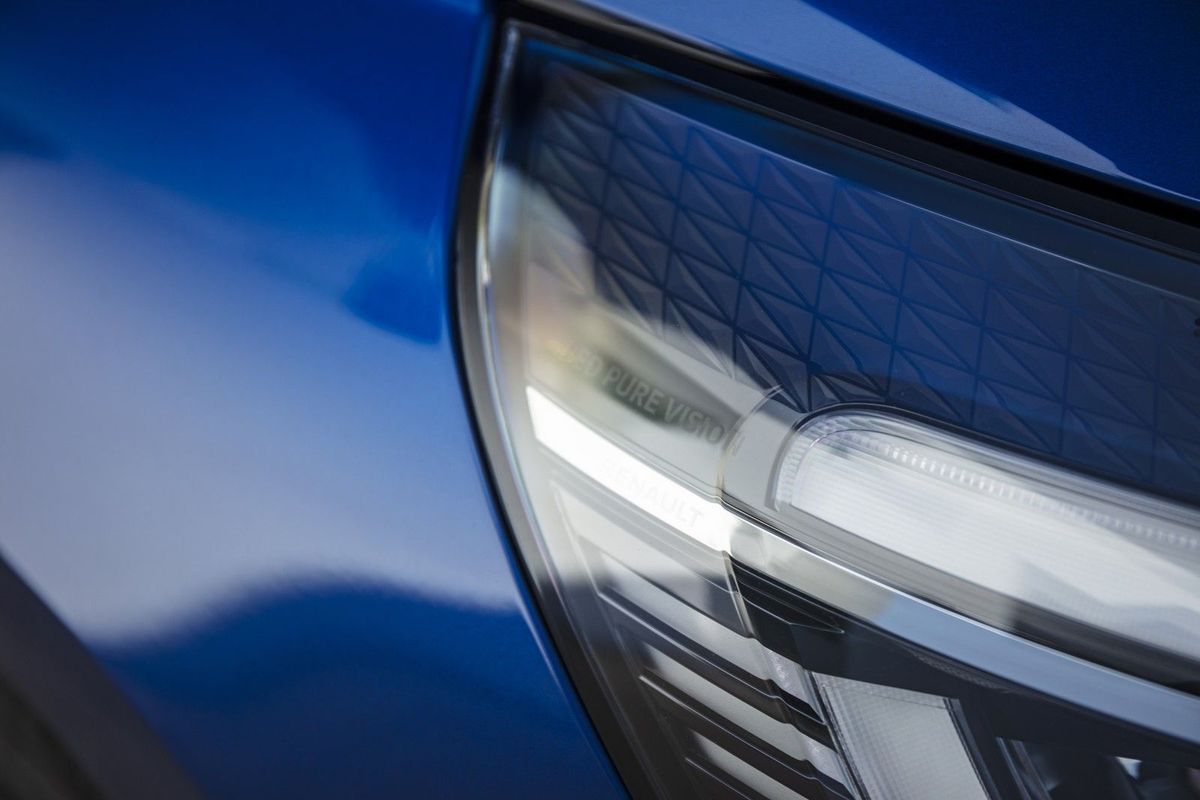
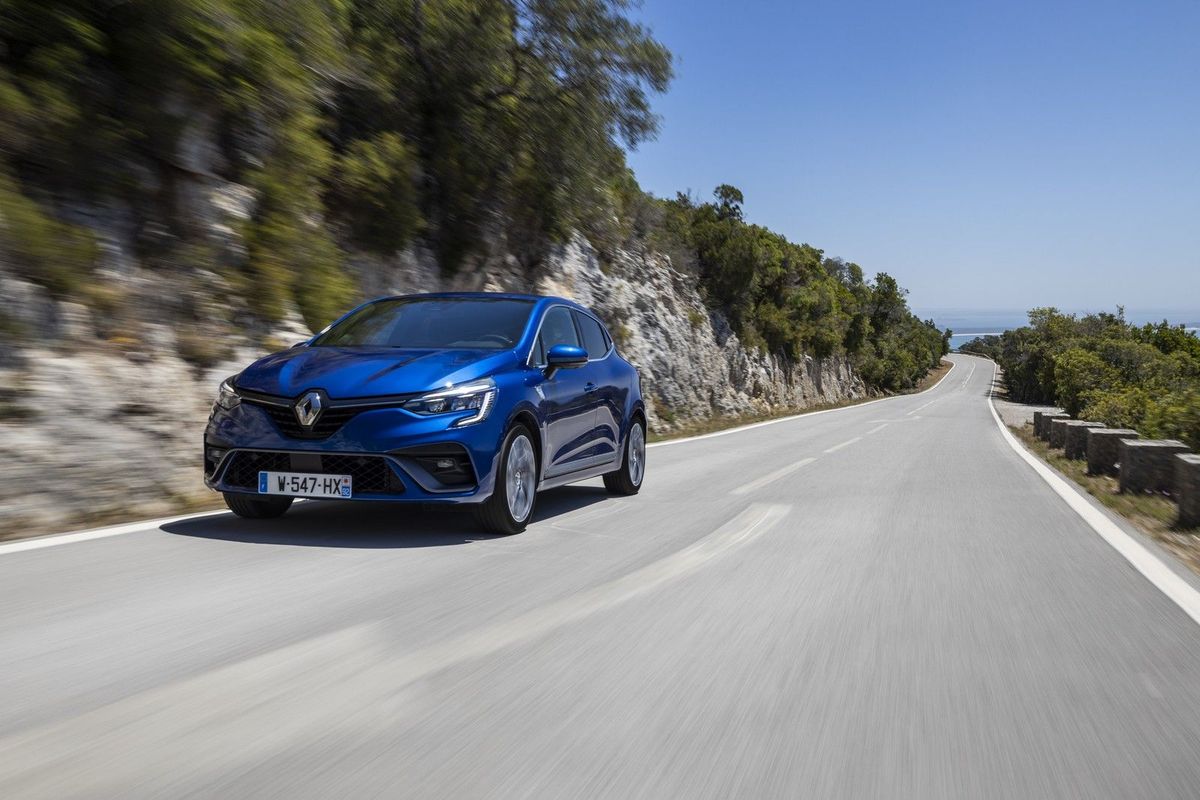
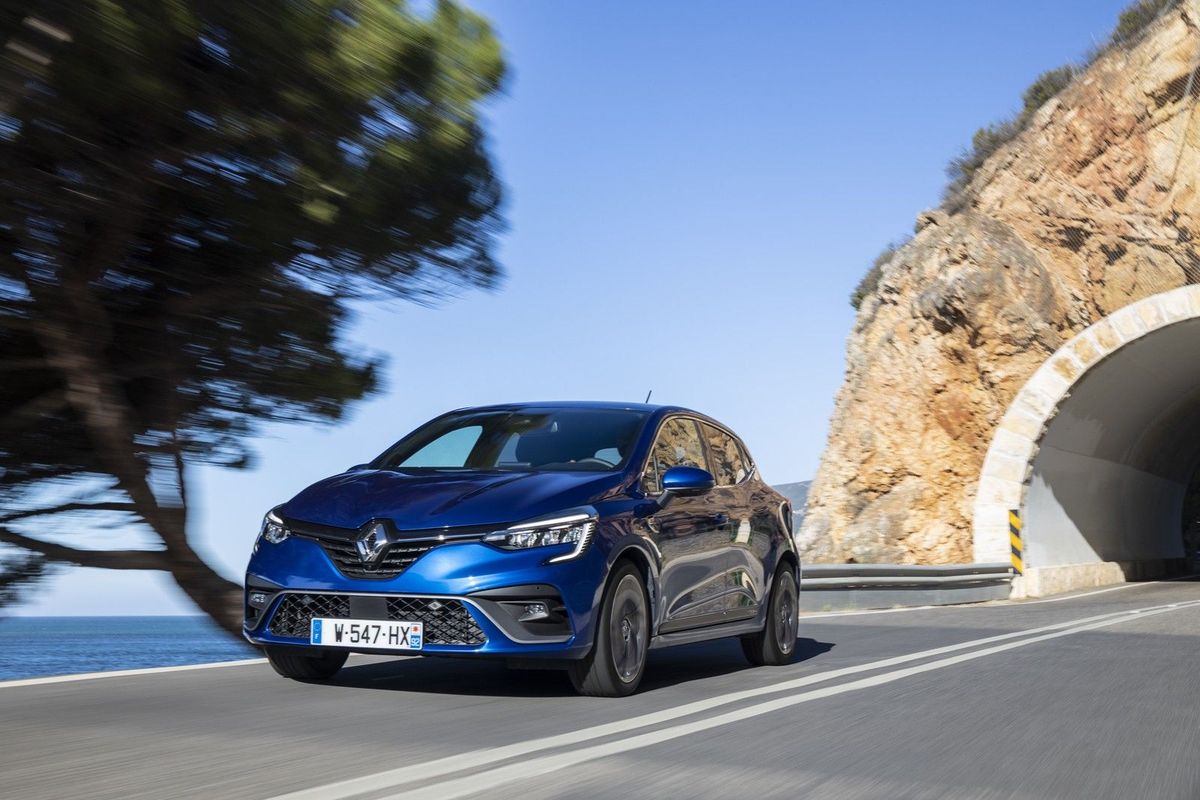
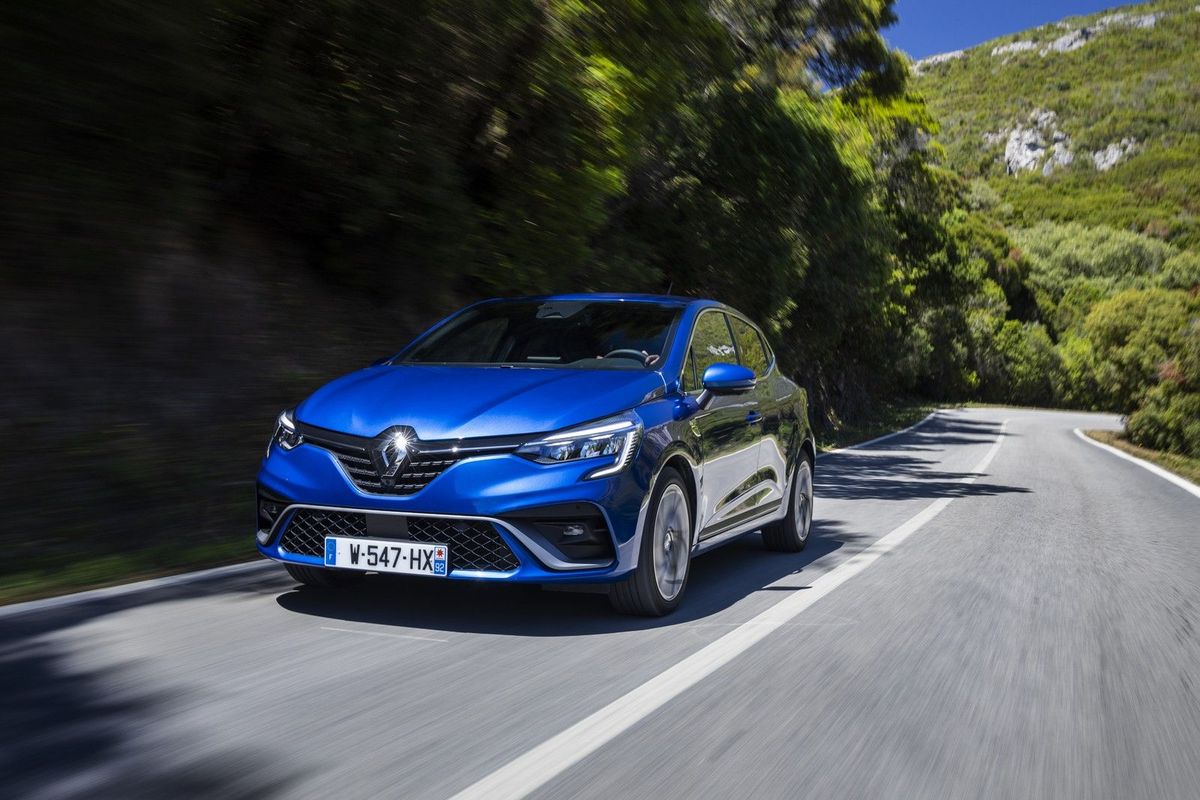
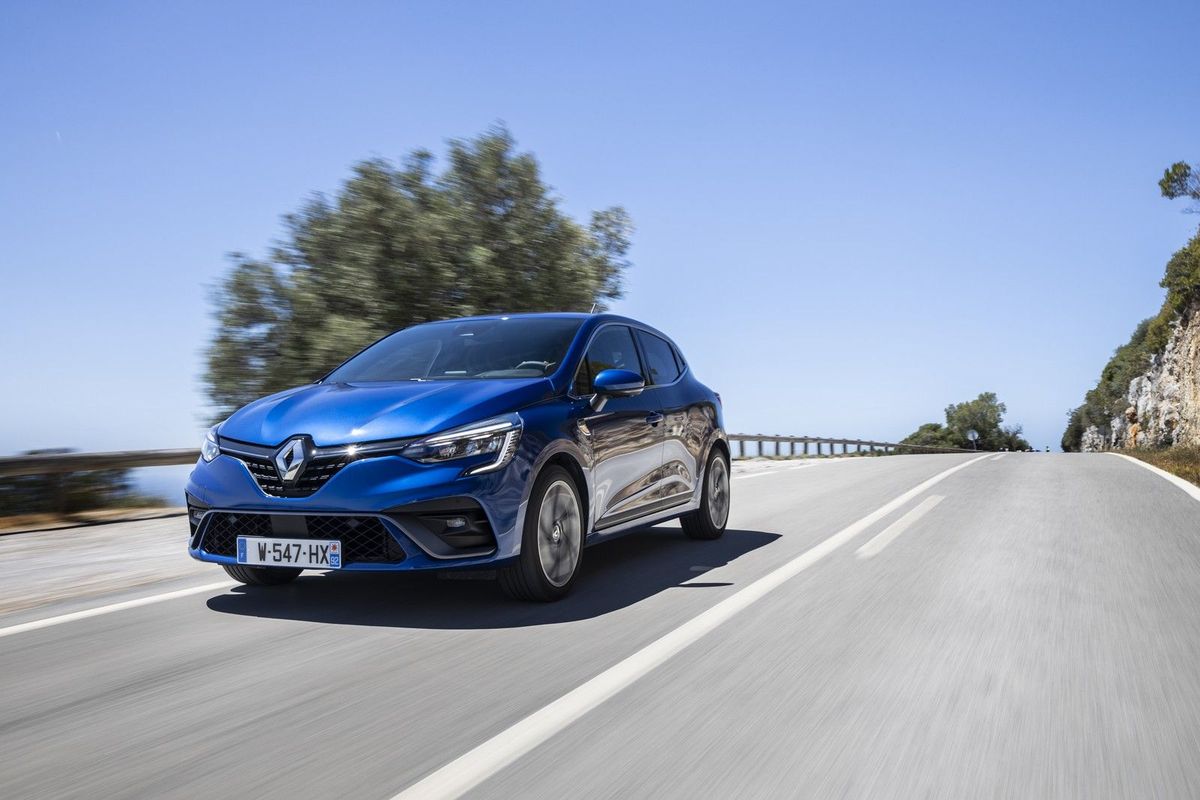
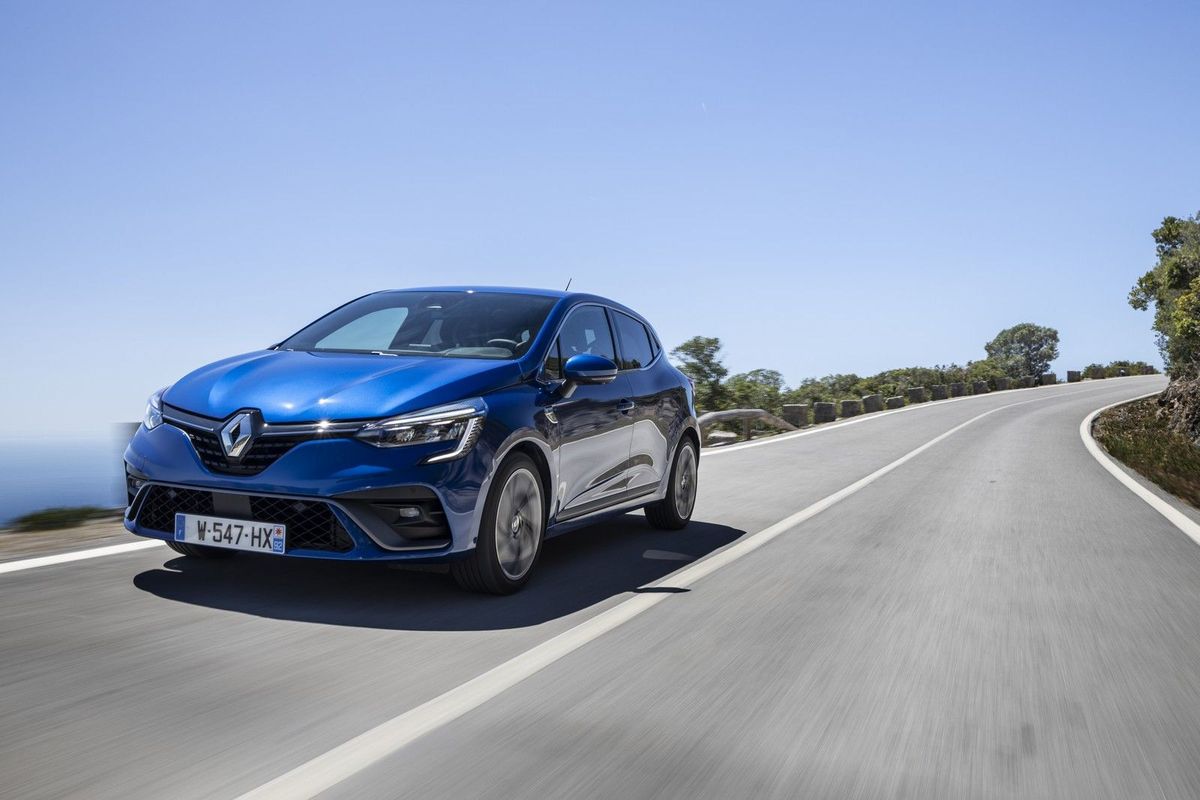
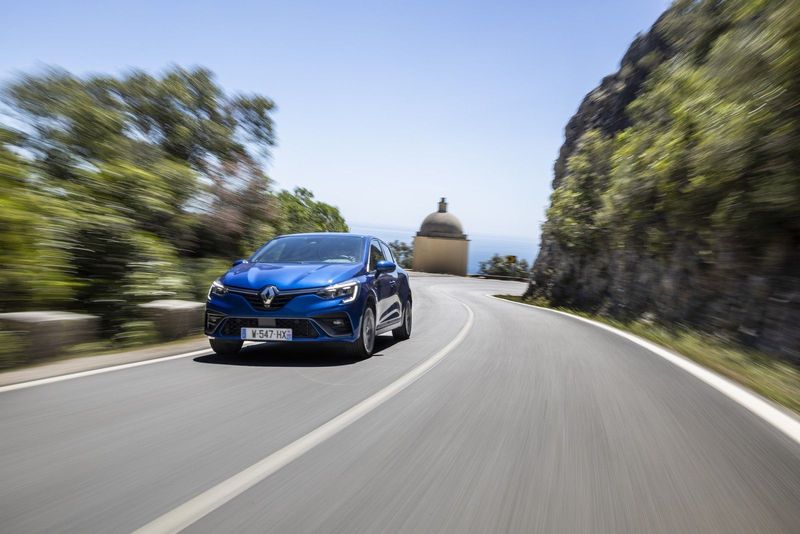
Aside from the new headlights, the Clio V looks very similar to the outgoing model.

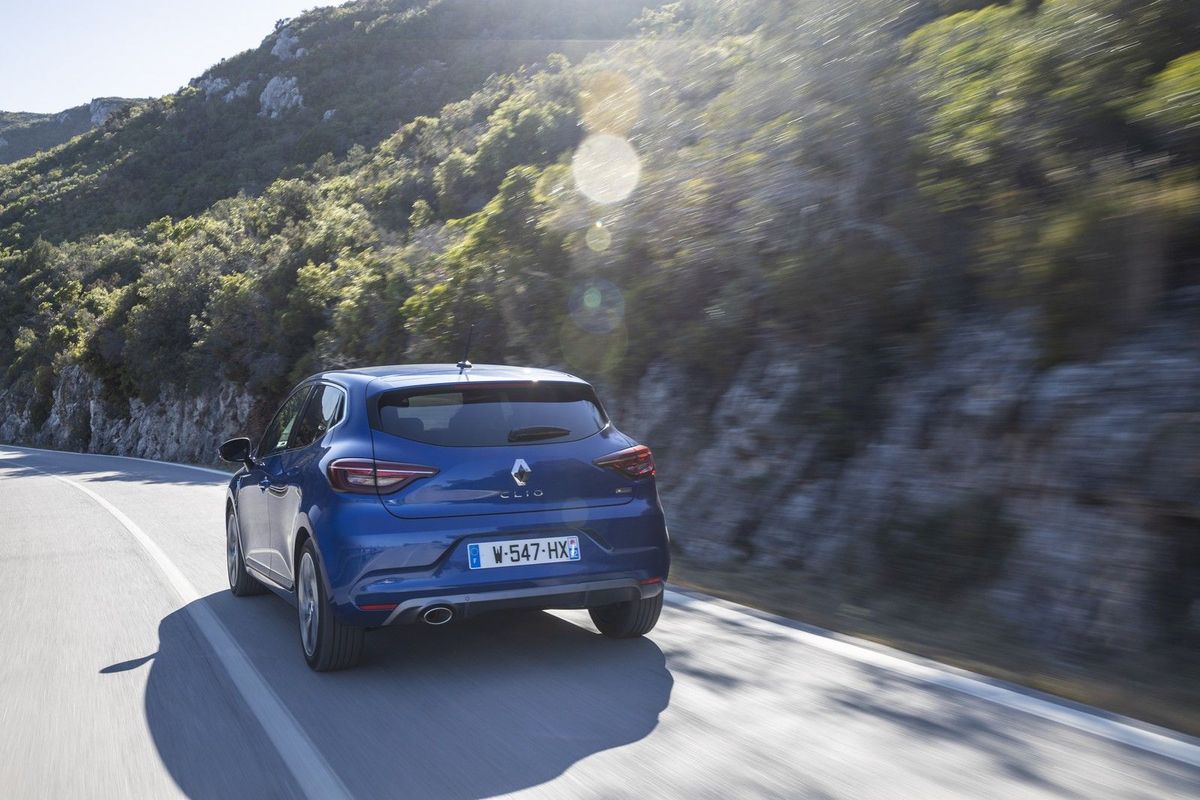
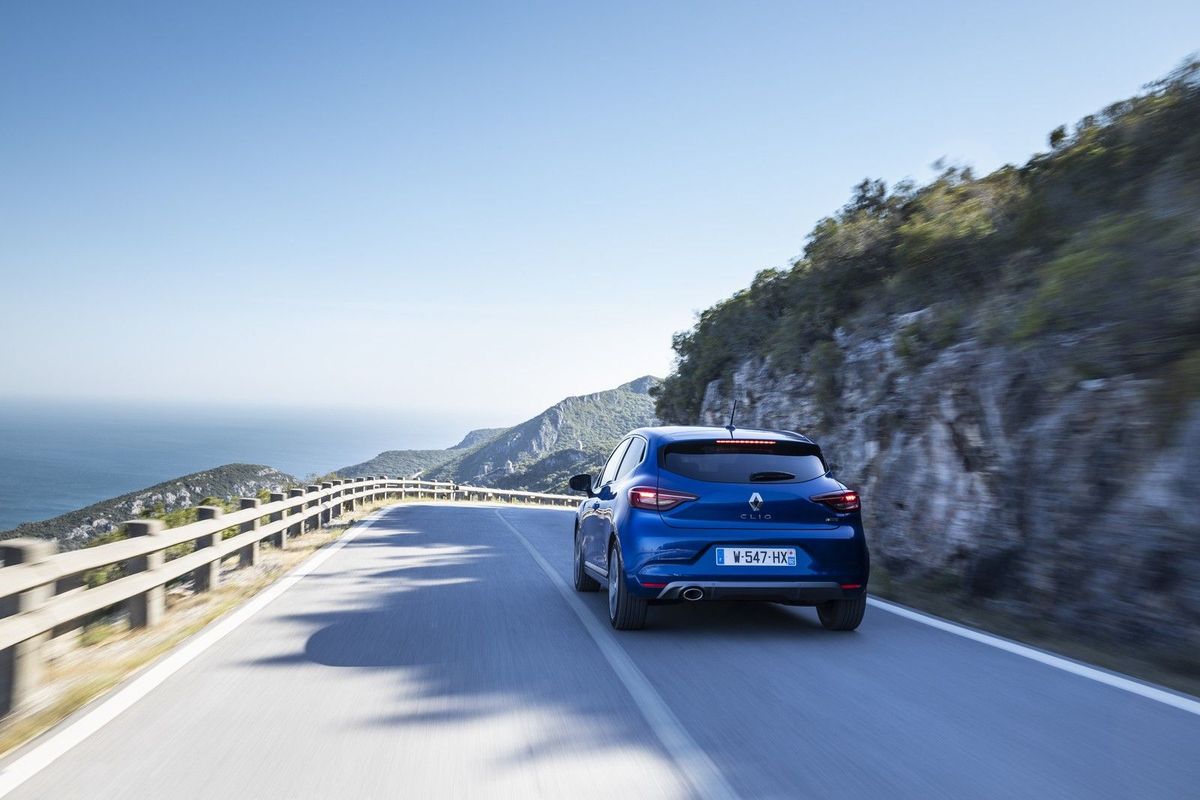
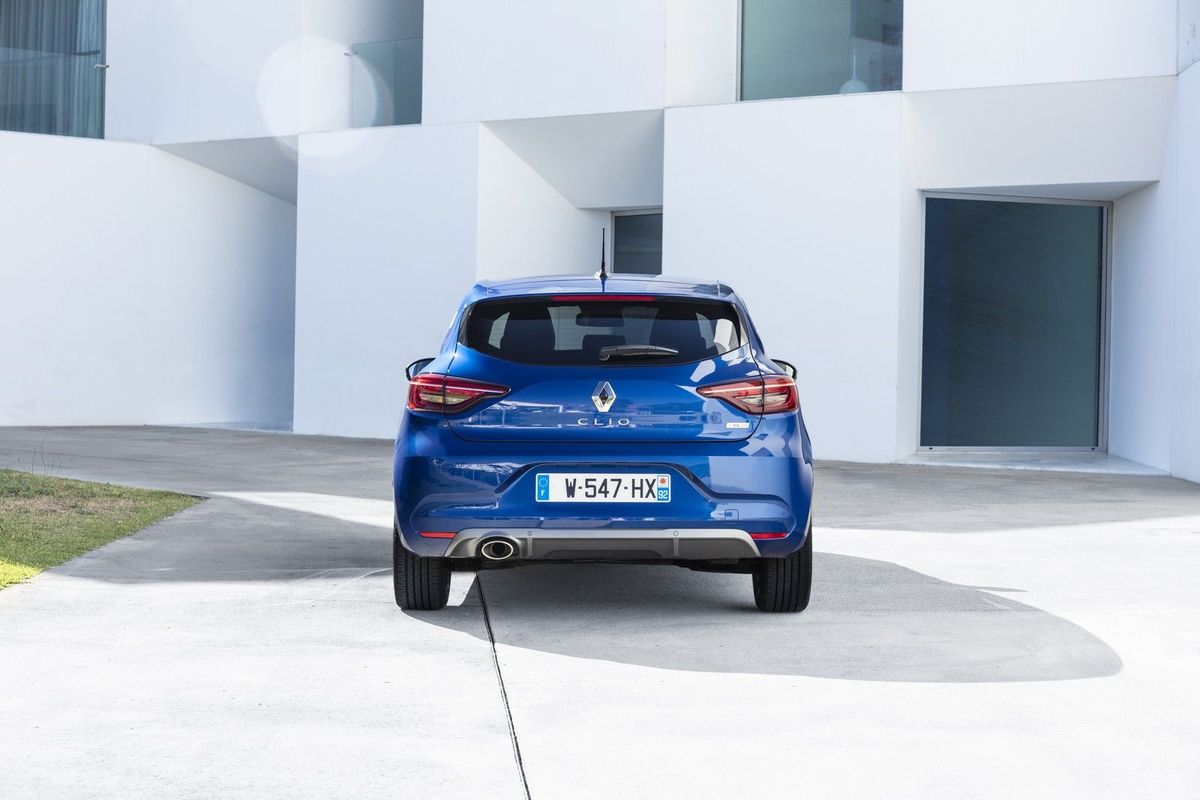
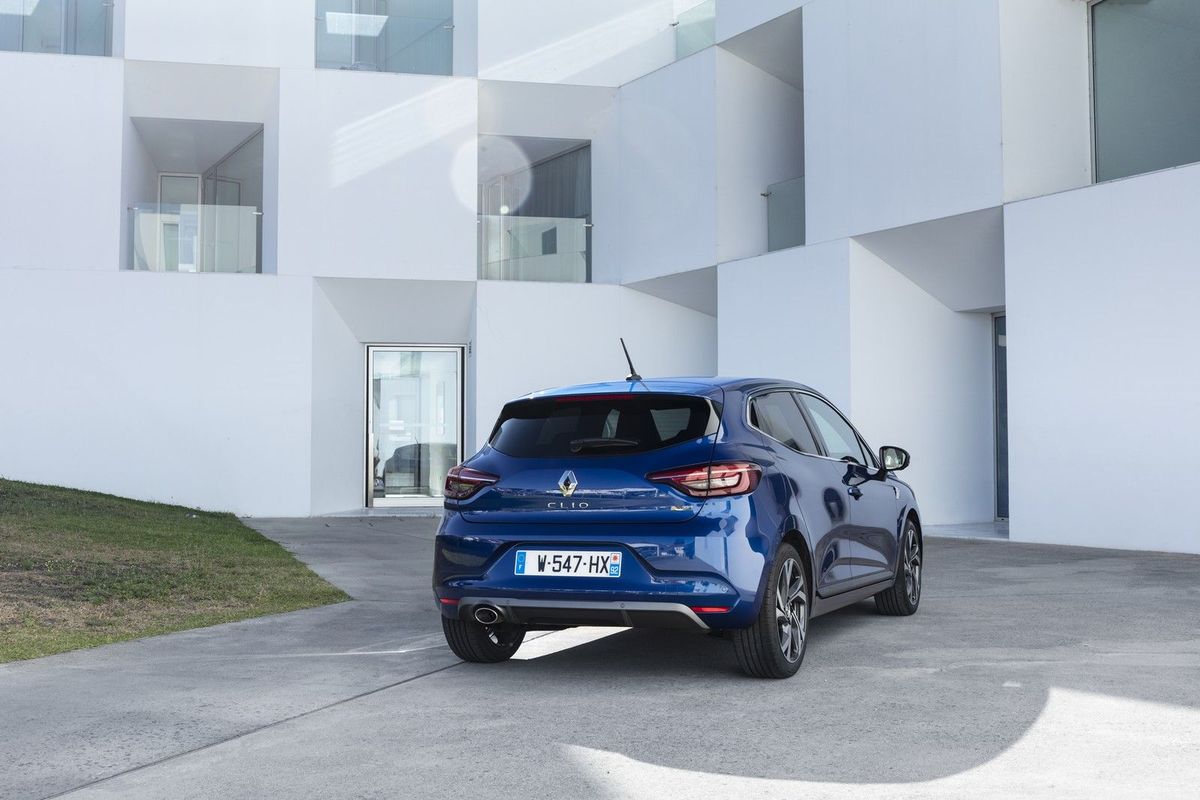
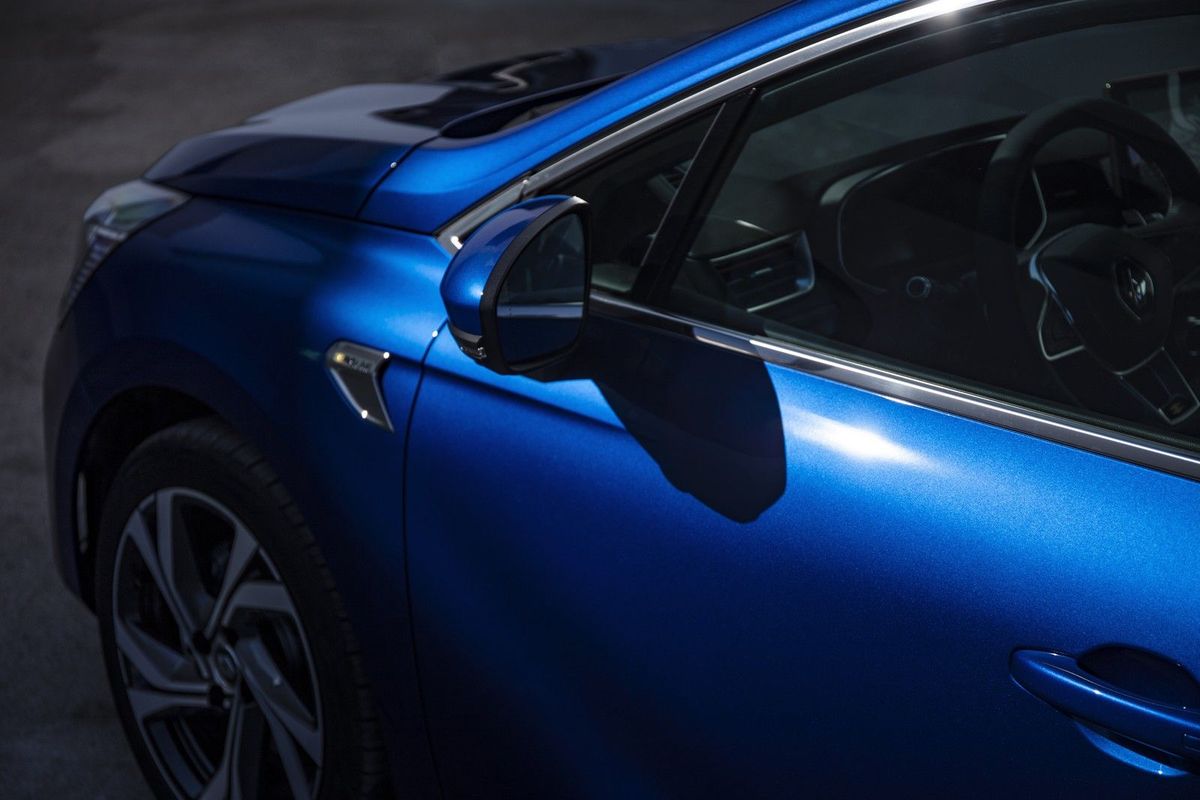
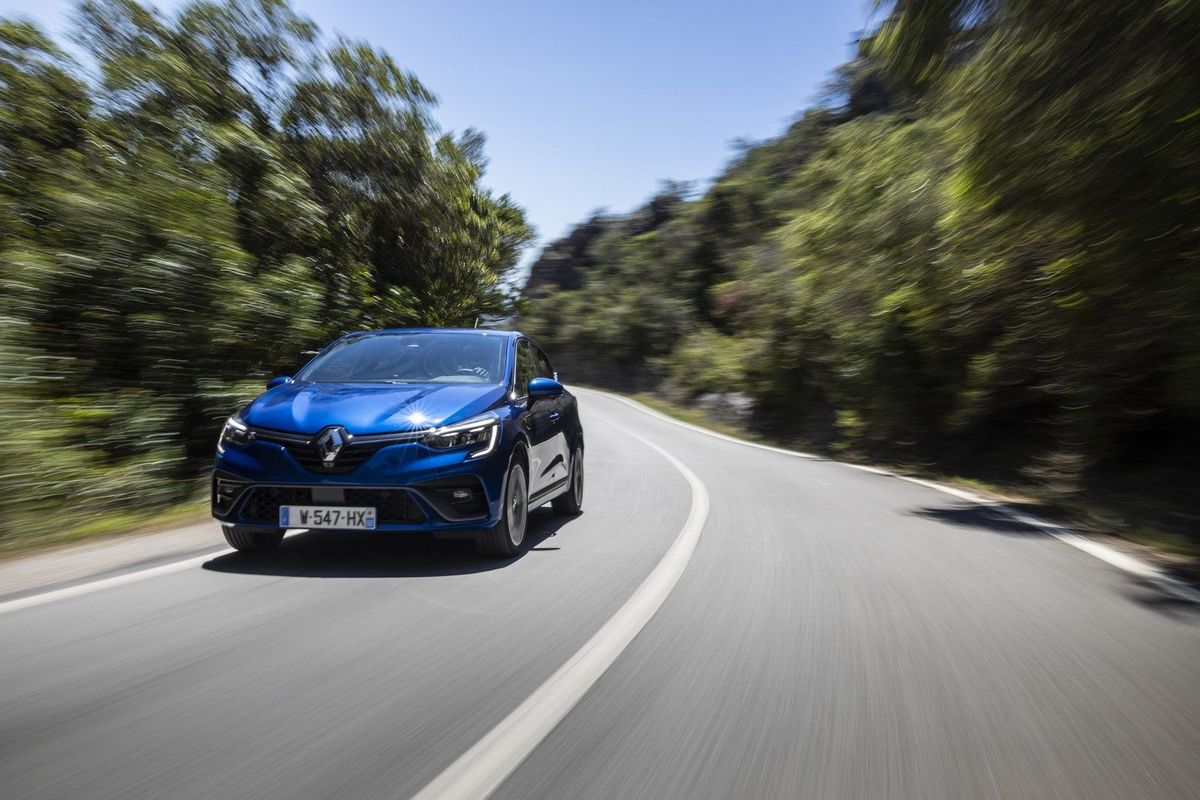
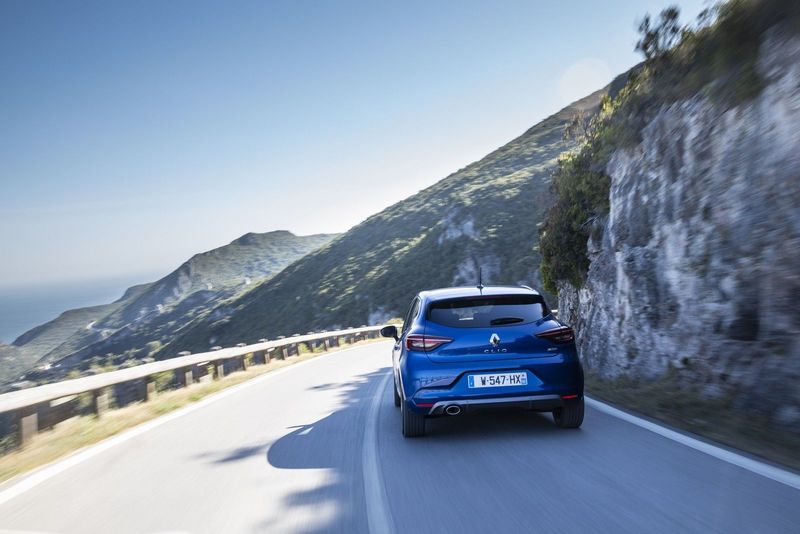
That is a very fair question. Even when the newcomer's parked side-by-side with its predecessor, you’d have to be in possession of a wardrobe’s worth of Renault rally jackets to be able to tell them apart. The tell-tales are the new headlights — they’re all LED across the range now, and have Megane-style C-shaped daytime running lights — and the more sculpted tailgate. This is not, however, a mere facelift. In fact, Renault has done the reverse of what most car companies do and kept the styling basically the same (well, the outgoing Clio 4 was hardly bad-looking, now was it?), but changed everything underneath. The platform is the latest version of Renault’s CMF-B chassis, much-modified for this car. In fact, the new Clio is 12 mm shorter than the old one — Renault’s engineers say that they wanted to put a stop to the bloating of small cars, and instead find extra space inside through better packaging.

Own a Renault? Tell us about your experience here

Read: Comparative review – Fiesta vs Polo

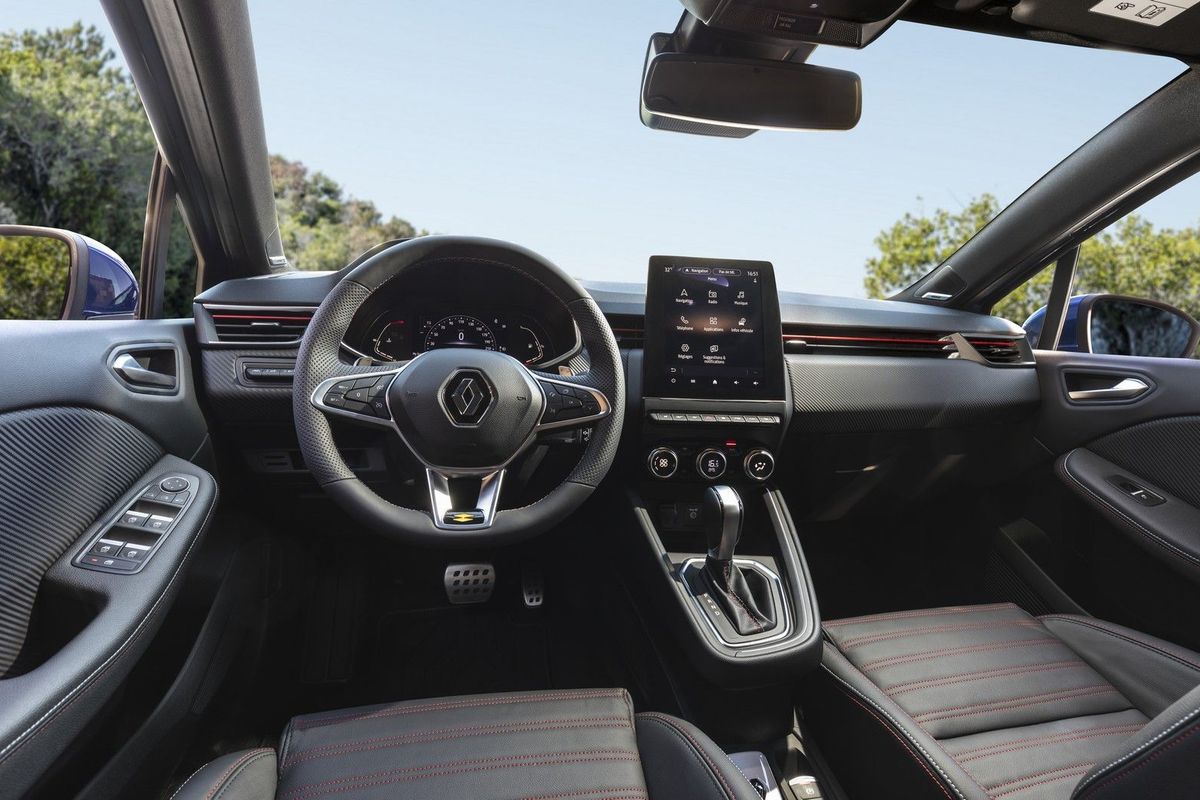
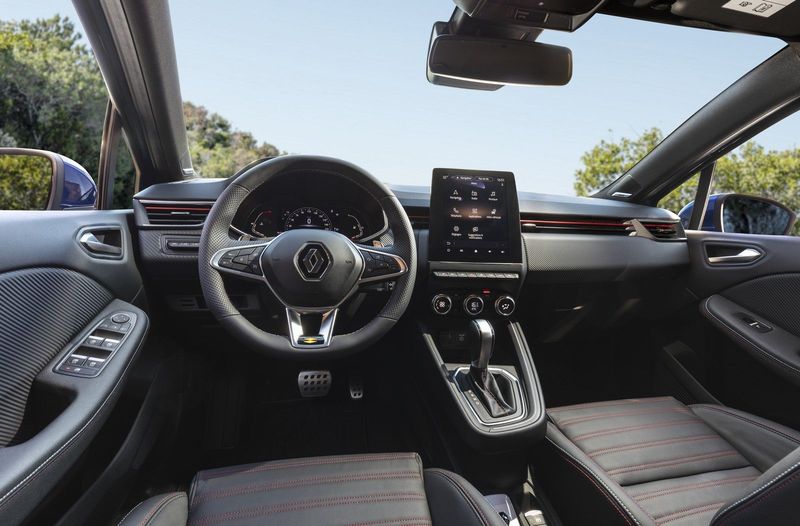
It’s actually the French car's interior that has received the most attention. Stung by criticism that the outgoing Clio’s cabin felt too cheap and cheerful relative to the more premium vibes of the Volkswagen Polo, Renault has really gone to town on this new one. There’s more soft-touch material in this cabin than in many premium models, or so claim the French, and it’s not difficult to believe. Where the old Clio had too many hard plastics and cheap, nasty-looking instruments, the new one is an exercise in understated good taste. There are VW-style air vents that seem to span the entire dash on the passenger’s side, a neat centre console, with expensive-looking and feeling HVAC controls, and most distinctively a big 9.3-inch portrait-style touchscreen in the centre, which looks as if you’ve accidentally left your iPad in the car. Well, up to a point — the graphics and menu layout are an improvement over the old Renault R-Link system, but still not as slick as those of some rivals (VW especially) and we’re testing, of course, the top-spec version. More affordable Clios get a smaller 7-inch screen.


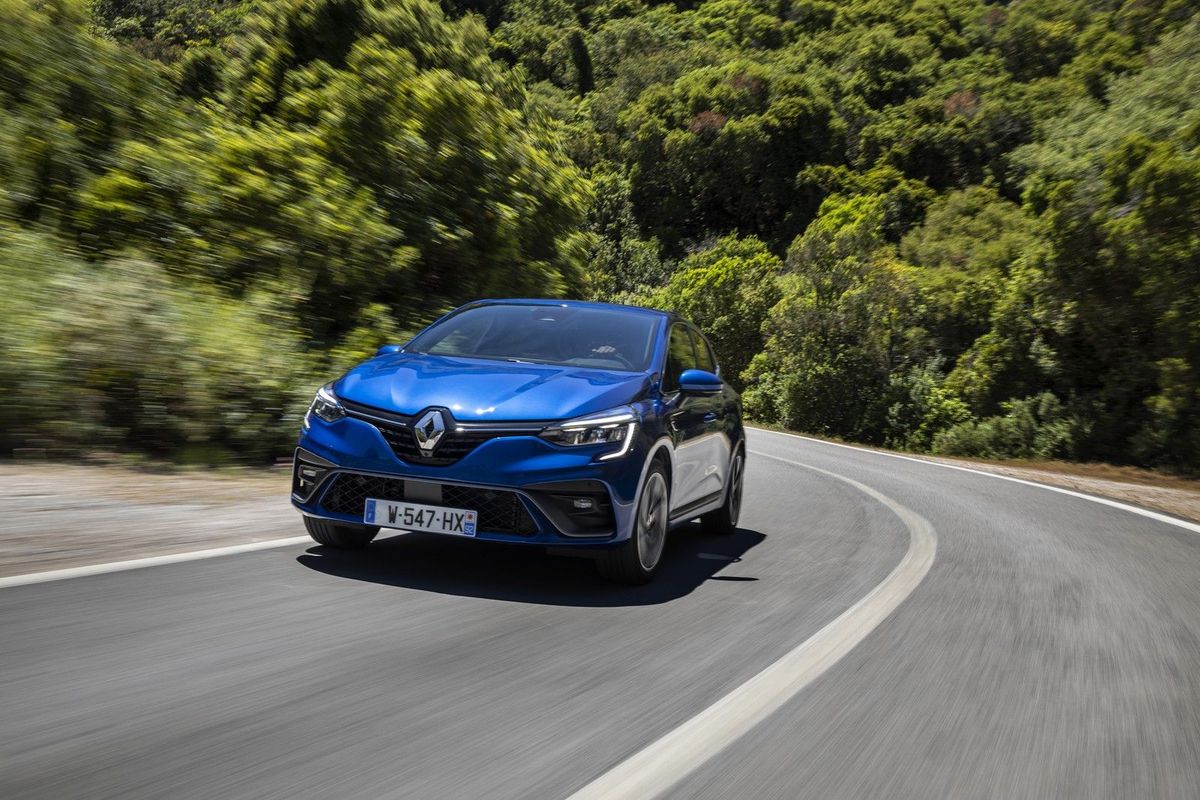
The biggest improvement has been made to the interior, which borders on premium car quality.

Still, they do now get digital instruments too, which are a big improvement on the old Clio’s instrument panel, but, regrettably, still not up there with the best. Then again, Renault will shortly release a new 10-inch digital instrument pack as an option, and that looks genuinely impressive. It's a shame that it wasn’t ready for these launch cars.

On a practical basis, the load bay is much bigger (391 litres, which is more than you get in a Golf, for instance, and there’s a handy adjustable boot floor), but the loading lip is also higher. Renault says that this is to cut down on insurance costs, as it means the smaller tailgate is less likely to be damaged in a rear-end collision. Rear legroom is only adequate, though, and it doesn’t feel as roomy back there as, say, in a Ford Fiesta or Volkswagen Polo.

Clios have almost always been fun to drive. Is this one?

No, not really, and how you react to that news will depend entirely on your personal outlook when it comes to motoring. If you’re a petrolhead, it will be a real shame — previous Clios, even non-RS models, have always had that little spark of fun about them, but in the search for greater refinement, Renault seems to have lost the fun factor.


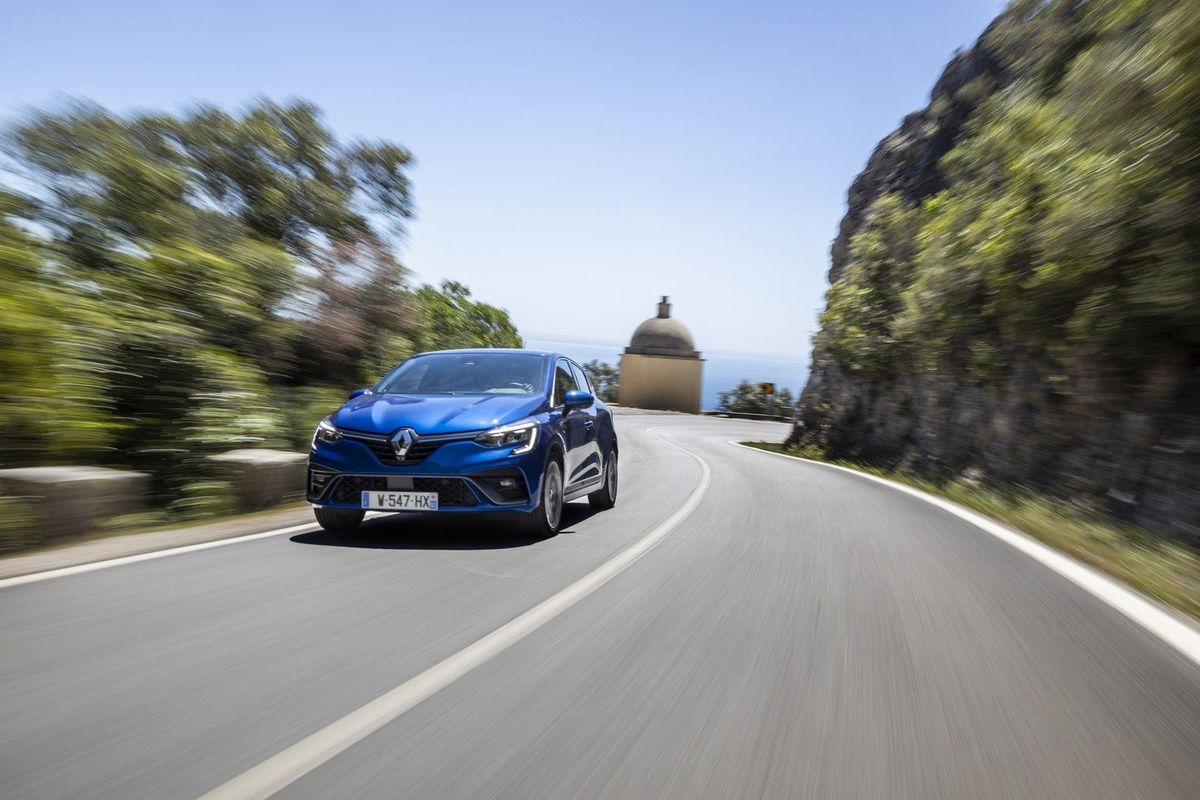
This gen Clio feels refined and the behest of fun-factor.

Okay, let’s take stock of this. For most people, this will simply not be an issue. What most are concerned about will be that impressive new interior – and the fact that the Clio now feels more like a more affordable alternative to the larger Megane. If you don’t need the ultimate space of the bigger car, this might well be a better option.

There is a distinct divide in how various versions of the Clio drive, though, so there is a little bit of claw-back for the enthusiast. The RS-Line derivative — which seeks to mix normal engines with styling inspired by the forthcoming Clio hot-hatch version — is actually the worst. That’s because its ride quality has become so unyielding and unsettled that it’s impossible to get into an enjoyable rhythm on a twisty road.

You spend too much time gritting your teeth and fighting through the fidget. Our test car was made worse by trying to combine the 96 kW 1.3-litre 4-cylinder petrol engine with the 7-speed DCT dual-clutch automatic transmission. That 'box is just too slow-witted to be anything like fun, and the way it makes the 1.3 rev reveals an uncouth edge to its aural performance.

There's also a very good-looking Corsa coming soon too

Much, much better is the "Intens" version. This is roughly equivalent to the Dynamique derivative of old (Renault South Africa has yet to set specs and price details of the new car) so it’s well-equipped, but less aggressively sporty, than the RS-Line. Plus, it comes with the 1.0-litre TCe 100 engine. That’s a development of the old 899 cc engine (TCe 90) with, guess what, 10 hp (7.4 kW) more and Renault claims that it’s around 10 to 15% more efficient too. Granted, 74 kW isn’t much, perhaps, and neither is 160 Nm of torque, so you won't be travelling particularly quickly, plus the 5-speed manual gearbox seems a bit old-hat in an age of dual-clutch automatics.


The 899 cc engine has been given an extra 7.4 kW of power and 20 Nm of torque.

Nevertheless, this is the best of the new Clios thus far. The fact that the suspension is far gentler in this form (it still fidgets a bit, but much less) means you can press on a bit more on give-and-take roads, and while the engine’s moderate outputs mean that you won’t be going all that fast (it’s a full second slower to 100 kph than a VW Polo 1.0 TSI 70 kW, for example), it’s a much more willing and enjoyable engine than the 1.3, with a sweeter note when revved. The Clio lacks the steering precision and feedback to be properly entertaining to drive, but at least in this 1.0 model, you can actually enjoy yourself a little…

Anything else of interest?

Hang on for a while – Renault’s going to introduce a hybrid version of the Clio 5. It will use a new 1.6-litre naturally aspirated engine, combined with two electric motors (one small one for engine restarts, a larger one for actually moving the car) and will be capable of running on pure electric for around 80% of the time. There won’t be an all-electric Clio though — Renault plans to keep the Clio and Zoe ranges separate for some time yet, saying that it’s too tricky to combine a combustion engine and an electric car on the same platform. Renault South Africa doesn’t have an electrification strategy for the local market, so it’s unlikely we’ll see any of these future models make it to our shores.

Summary


More refined and better built, but a few holes in the finished product.

While you might be forgiven for thinking that Renault is trying to sell you an old Clio with a new exterior execution, the fact is that a great deal has changed. That cabin is a massive step forward for the Clio, making it look and feel much more expensive – verging on premium – than was ever the case before. It’s a shame that some of the fun factor of old has been excised, but at least the 1.0-litre TCe 100 engine retains a modicum of enjoyment. Just avoid the RS-Line, unless you plan to keep your local osteopath’s business well in the black.

Related content:

2020 Peugeot 208 Revealed: Now With Electric Power

Ford Fiesta 1.0T Titanium Automatic (2018) Review

Next-gen Opel Corsa leaked

 Volkswagen Polo Vivo 1.4 Comfortline (2018) Review

Interested in buying a new/used Clio?

Search for one on Cars.co.za

Lego Leaks New Land Rover Defender?

Has Lego leaked the new Defender or is this just a toy? 

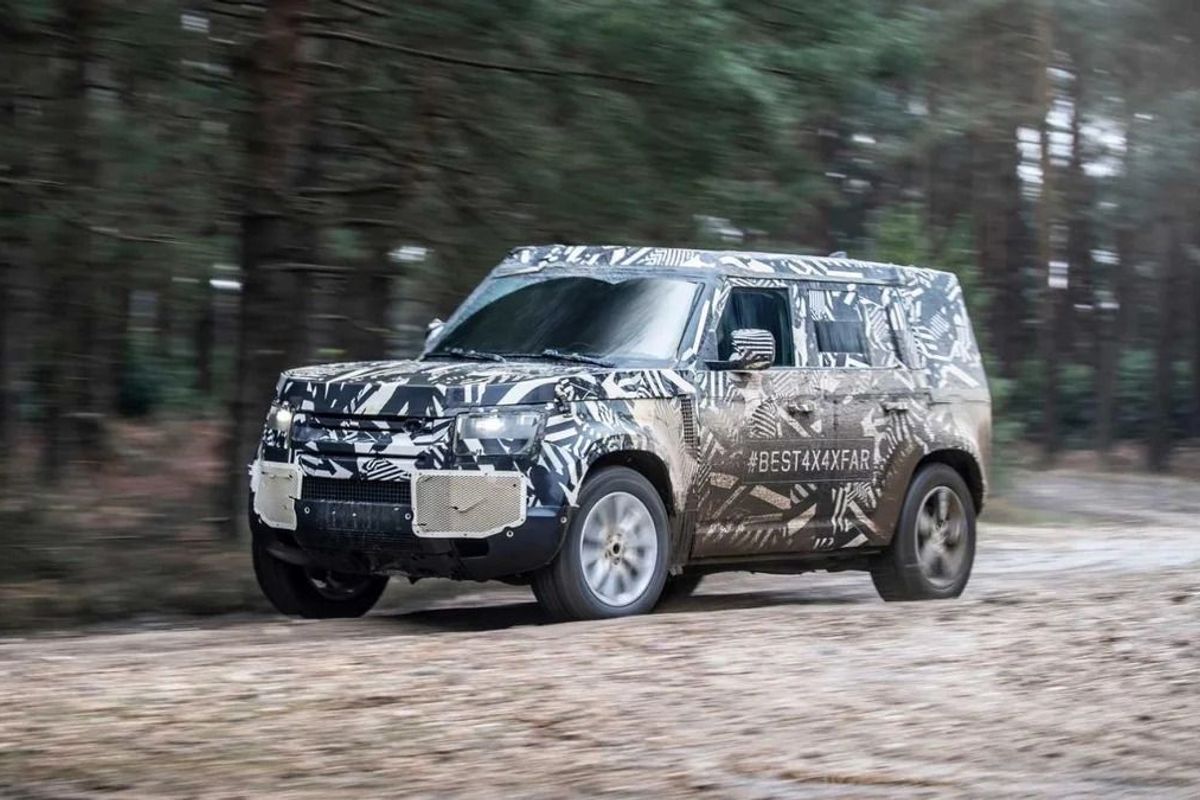
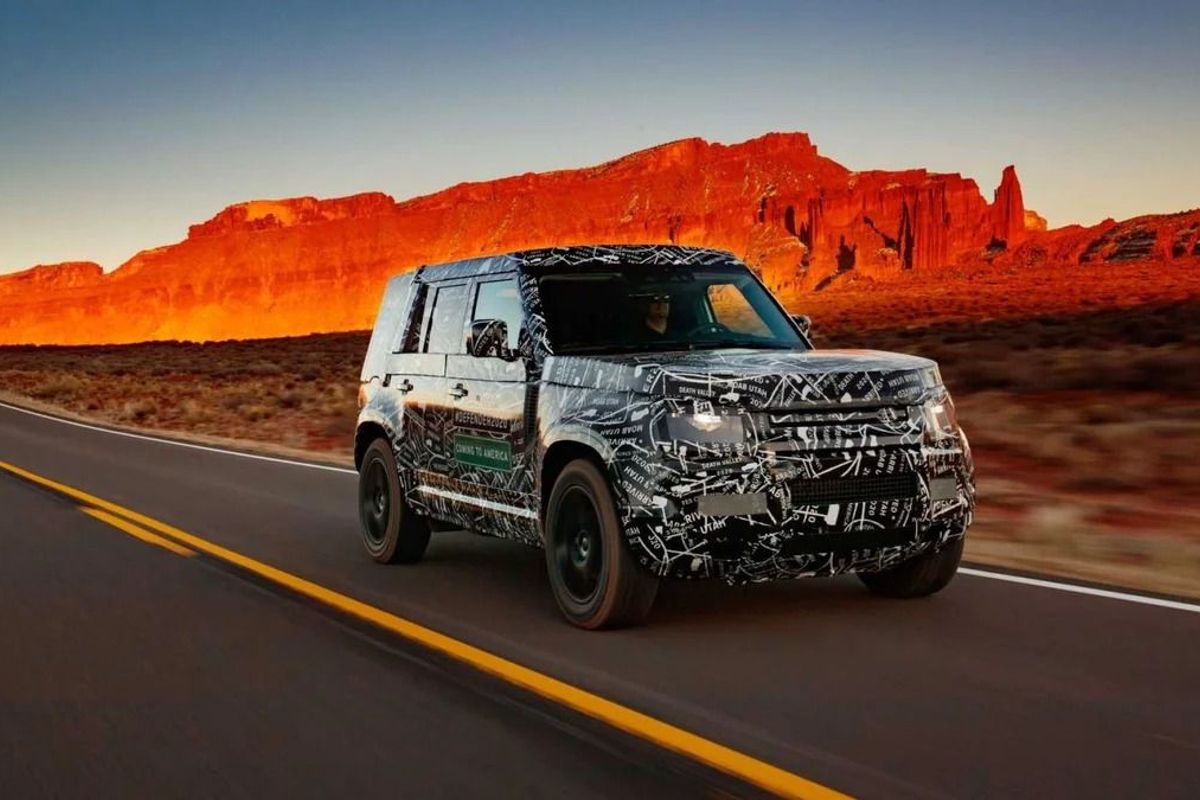
Land Rover has desperately attempted to manage expectations around its new Defender. It has teased camouflaged prototypes touring around the world but been careful not to reveal too much.

Now the world’s favourite Danish toy brand has apparently done the unthinkable and leaked the new Defender – ahead of its global reveal.

Lego has a unique relationship with most automotive manufacturers. Its designers are given privileged access to pre-production and prototype vehicles, in order to harvest details which allow them to scale their own Lego brick versions. This co-branding relationship has never been an issue before, until now.

Read: New Defender testing in Kenya

A new Land Rover Defender build-set was shown on a Lego news site over the weekend and the similarities are too obvious to ignore. This Lego Technic Defender rolls the same wheel design as all those camouflaged Defender prototypes and the off-set badging is similar too.

The Lego Defender features massive over-fenders and a bold bonnet power dome, which might be accentuated styling elements. Round headlights are also more akin to the old Defender than Land Rover’s new utilitarian off-roader. But these design elements are typical of Lego’s signature finishes, which are close, but never an exact resemblance of any production vehicle.

Technically, the Land Rover Defender Lego set consists of 2 573 pieces. It features a functional steering mechanism, four-speed sequential transmission, three differentials and independent suspension at both axles.

Measures from the winch to tailgate, it is 42 cm long, stands 22 cm tall and spaces 20 cm across. Market distribution for the new Lego Defender is scheduled for October, which is a month after Land Rover is due to launch its life-size version.

It will be telling to see how closely the two resemble each other. But if this Lego Technic set is anything to go by, Land Rover traditionalists might not be disappointed – at all.

Volkswagen Amarok Boosted By ABT

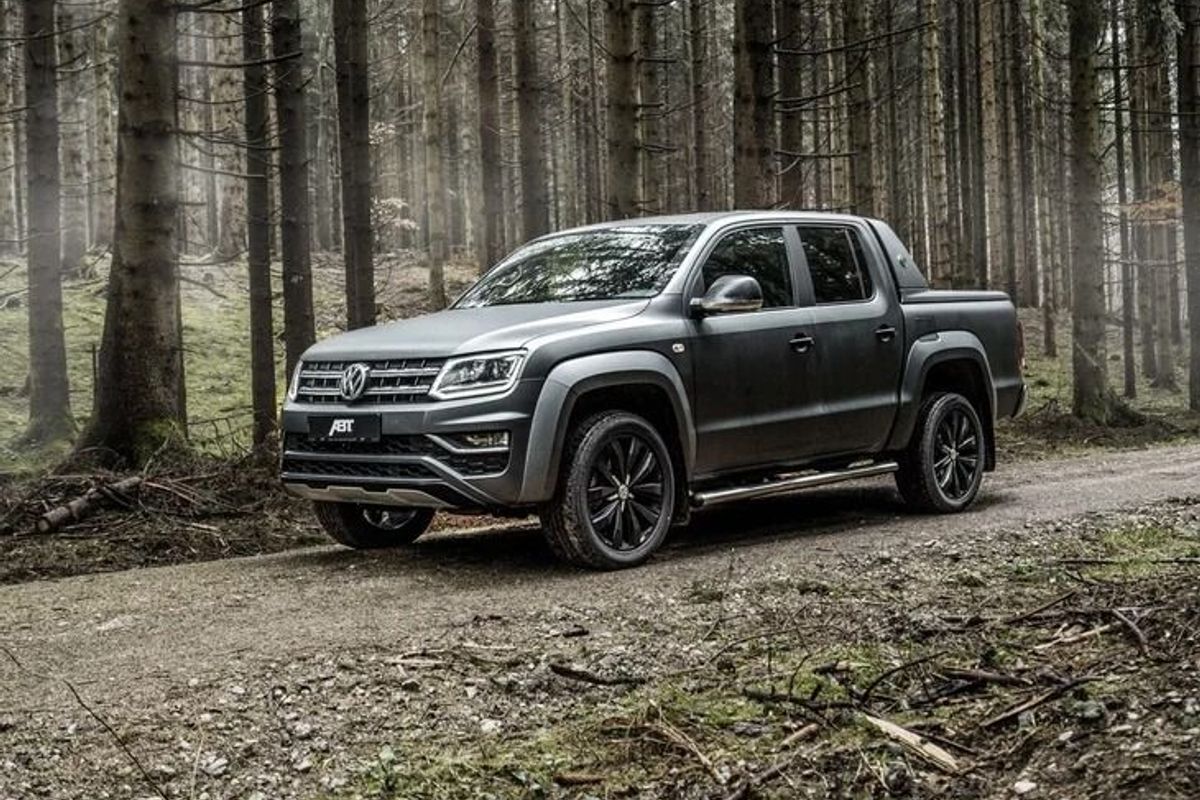
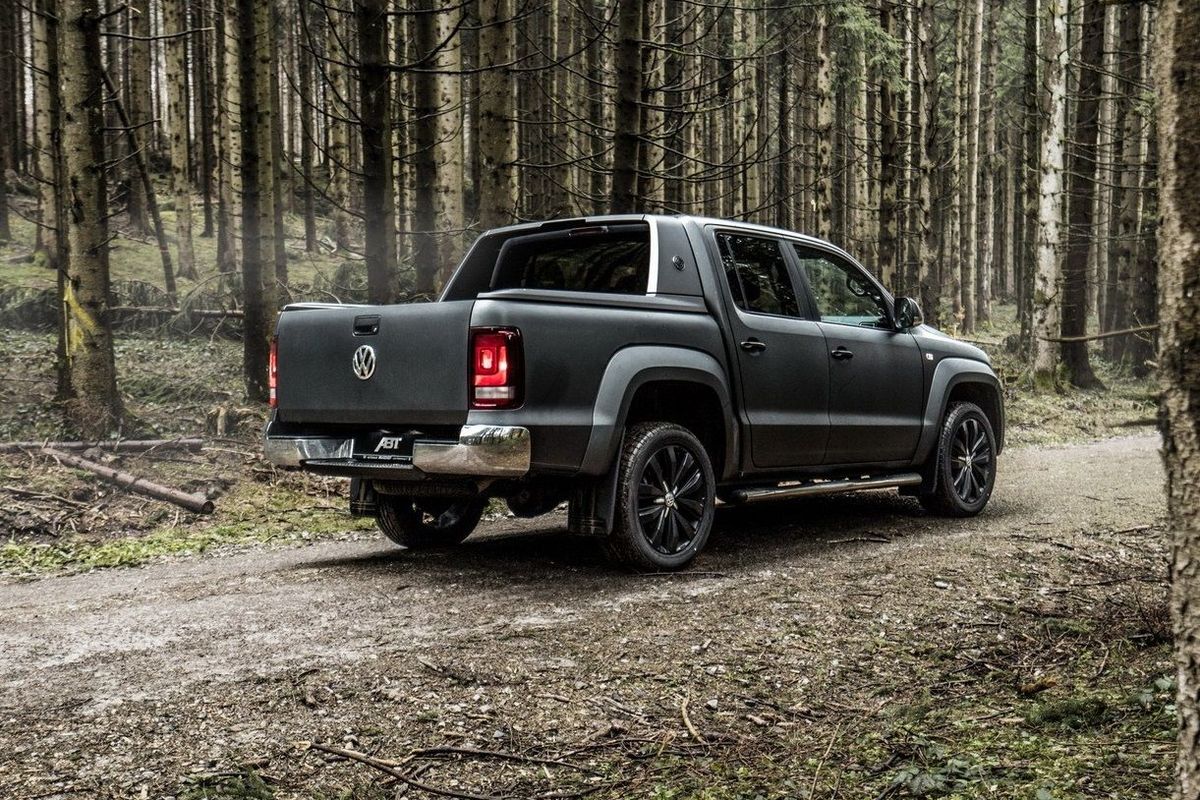
What's better than a potent bakkie? A tuned bakkie, of course! ABT got its hands on the 3.0-litre V6 Volkswagen Amarok and the results are impressive.

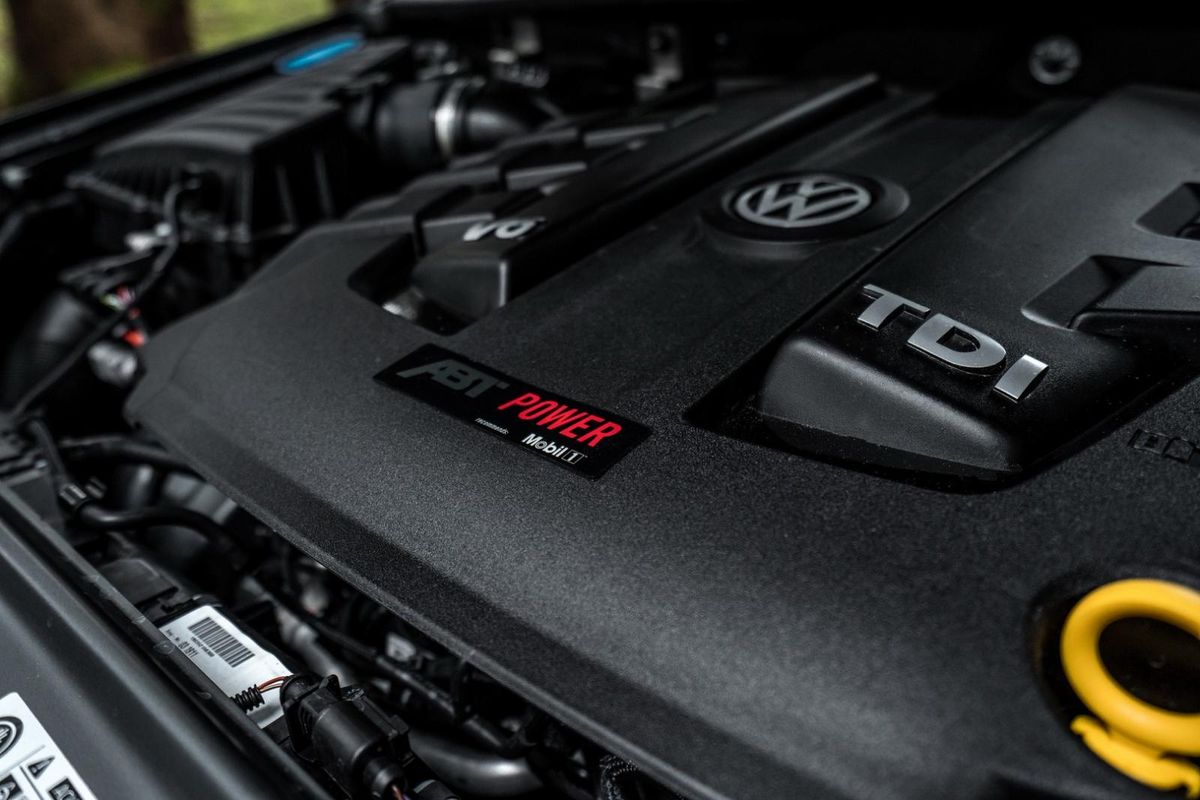
The Volkswagen Amarok with its 3.0-litre V6 engine could hardly be accused of being underpowered, but tuners ABT Sportsline have added some more meat. Note that this is the European-spec 3.0-litre V6 which produces 190 kW and 580 Nm, mind, but still, thanks to an engine control unit upgrade, the ABT Amarok now features 225 kW and 630 Nm. 

All that shove goes through an 8-speed automatic transmission and reaches the road via Volkswagen's 4Motion all-wheel drive system. In terms of performance, ABT Sportsline claims an improvement in the acceleration department, with a 7.7 second run. Top speed is rated at 211 kph. It's not just the top-of-the-line V6 which can be upgraded. ABT Sportsline also offers a conversion to the less-powerful V6 (the SA-spec motor) which sees power increase from 165 kW to 195 kW. 


225 kW and 630 Nm from a 3.0-litre V6 are solid outputs, giving the Amarok a distinct performance edge.

Want to purchase a Volkswagen Amarok? Check what's on sale now.

Further Reading

Preview: Volkswagen Amarok V6 vs Mercedes-Benz X-Class V6

Volkswagen Amarok 3.0 V6 TDI (190 kW) Launch Review
VW Platform Mountiaq Bakkie Revealed