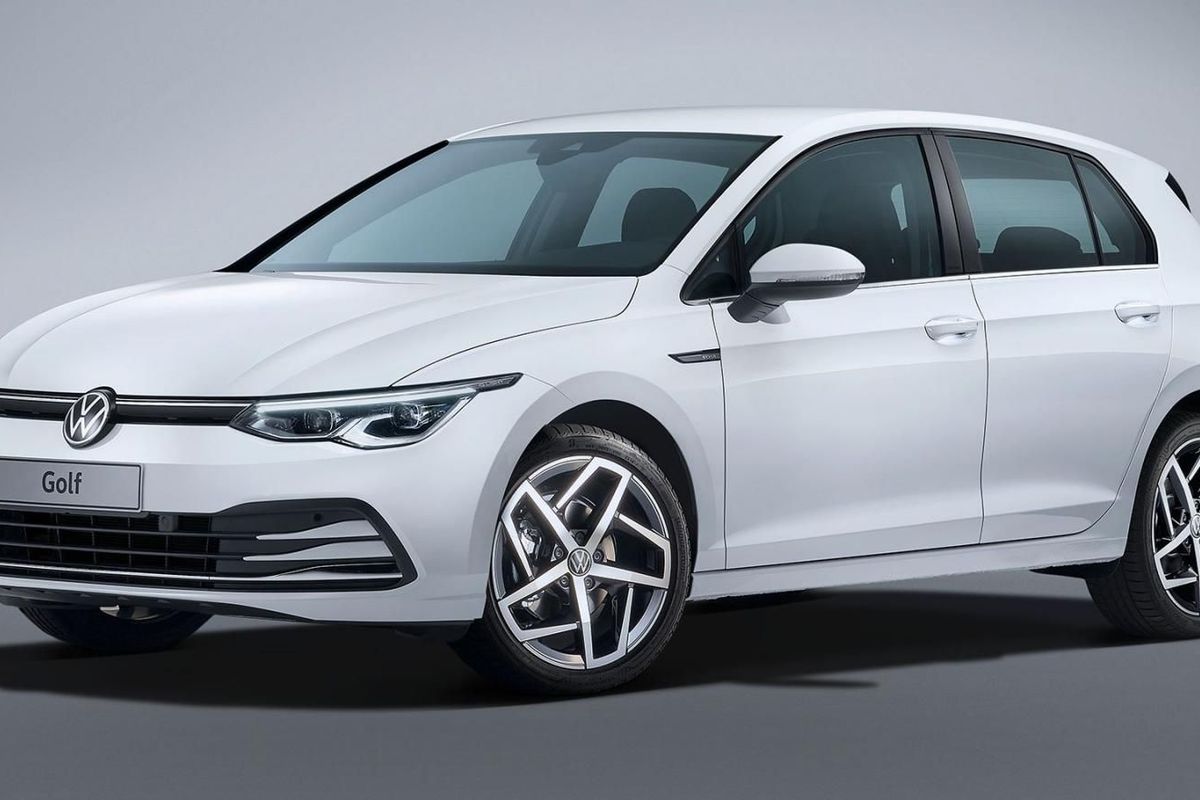
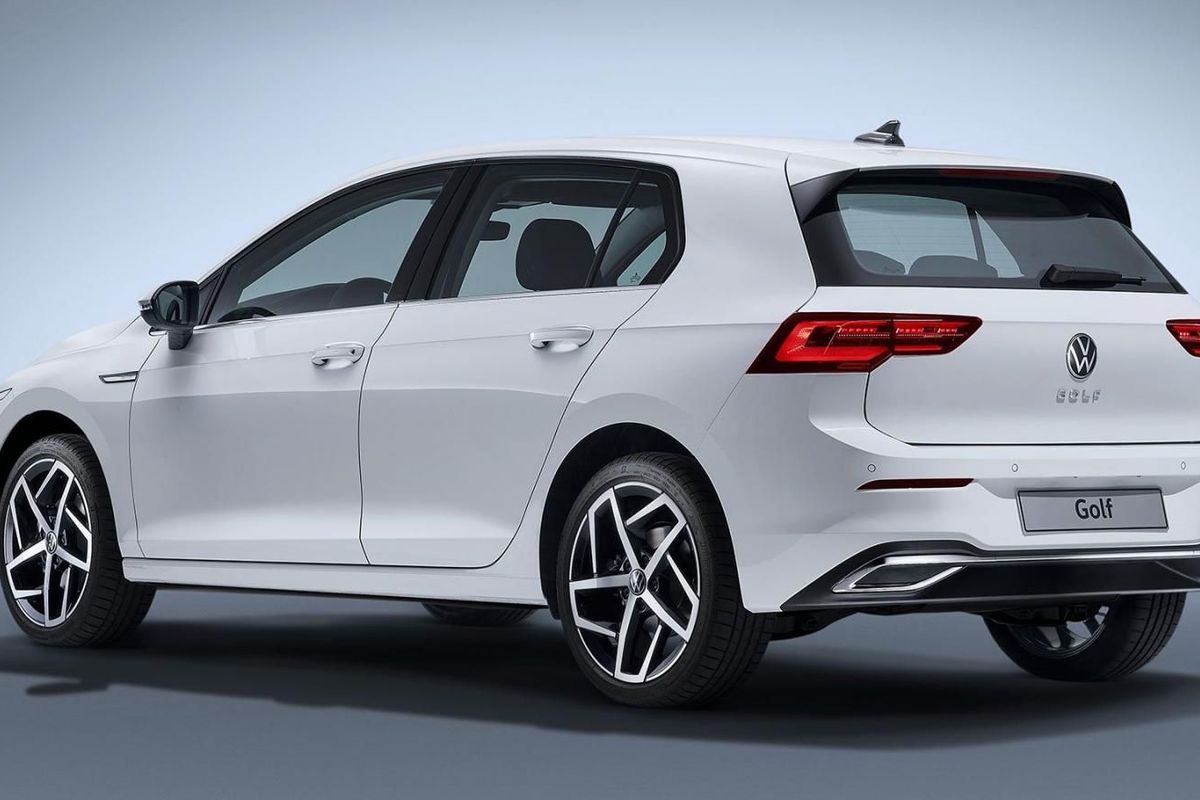
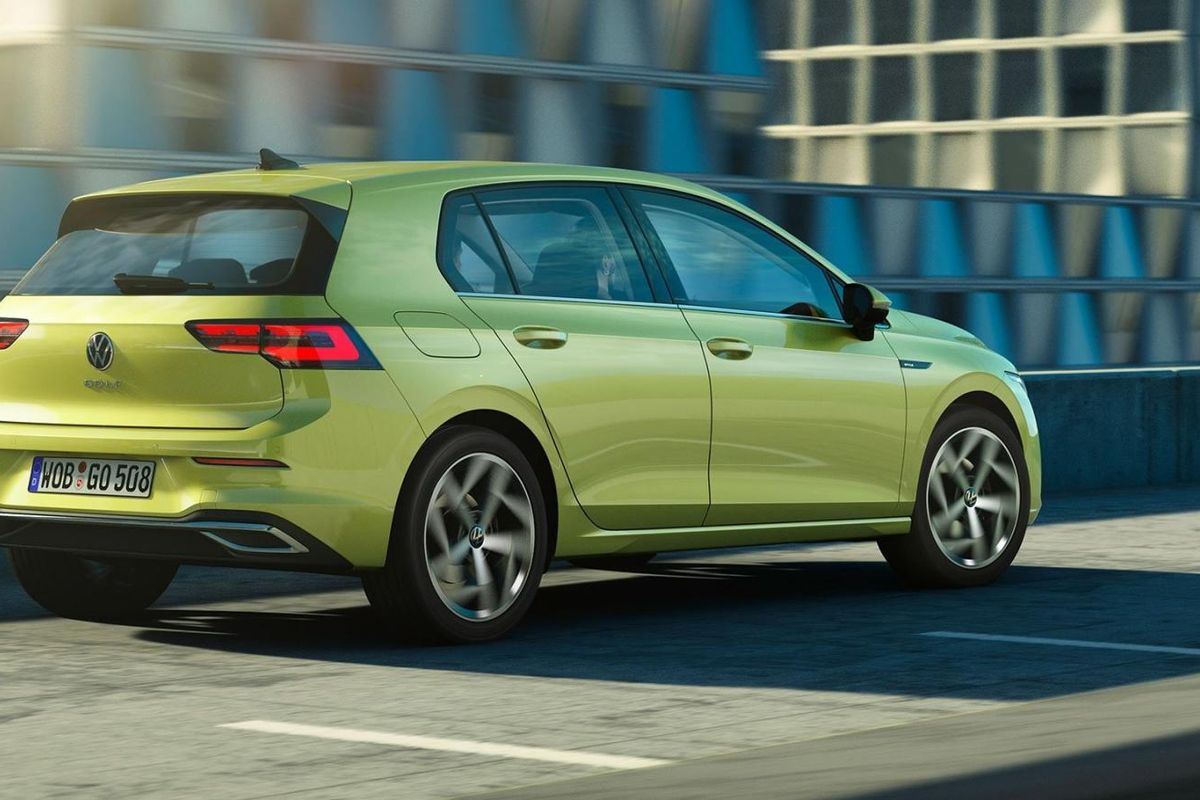
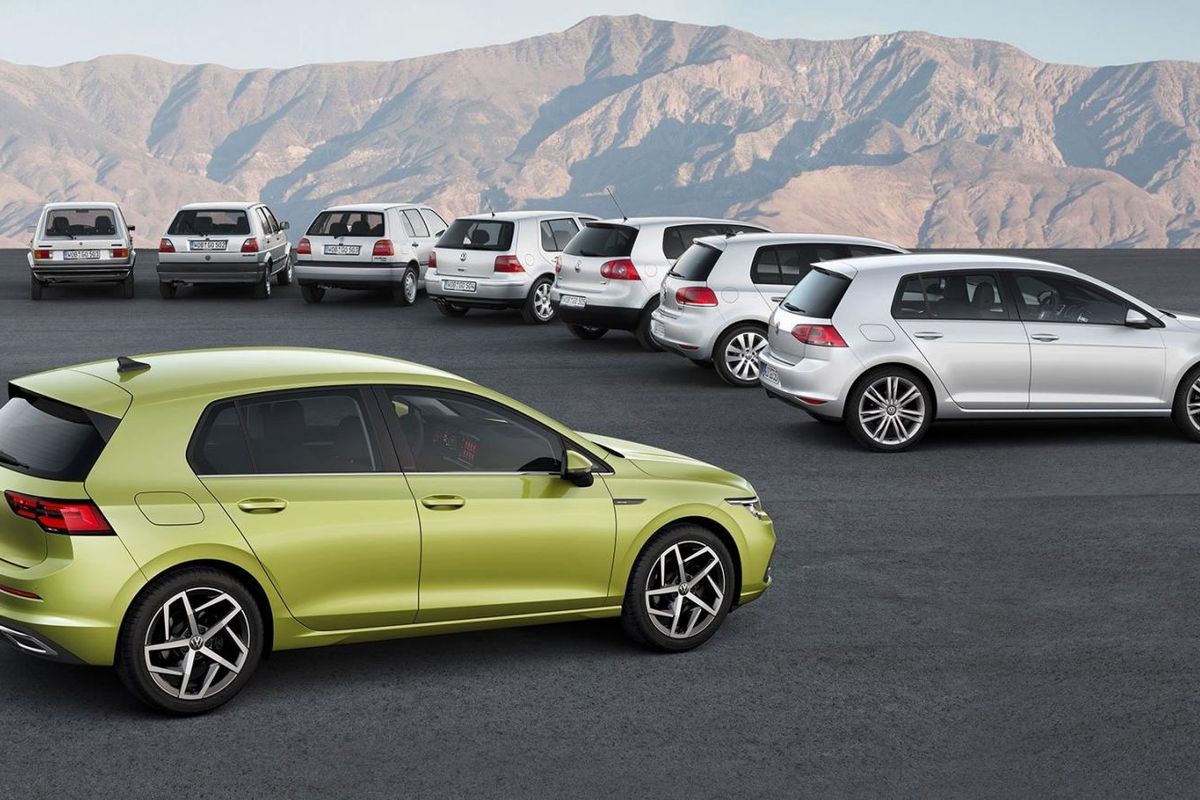
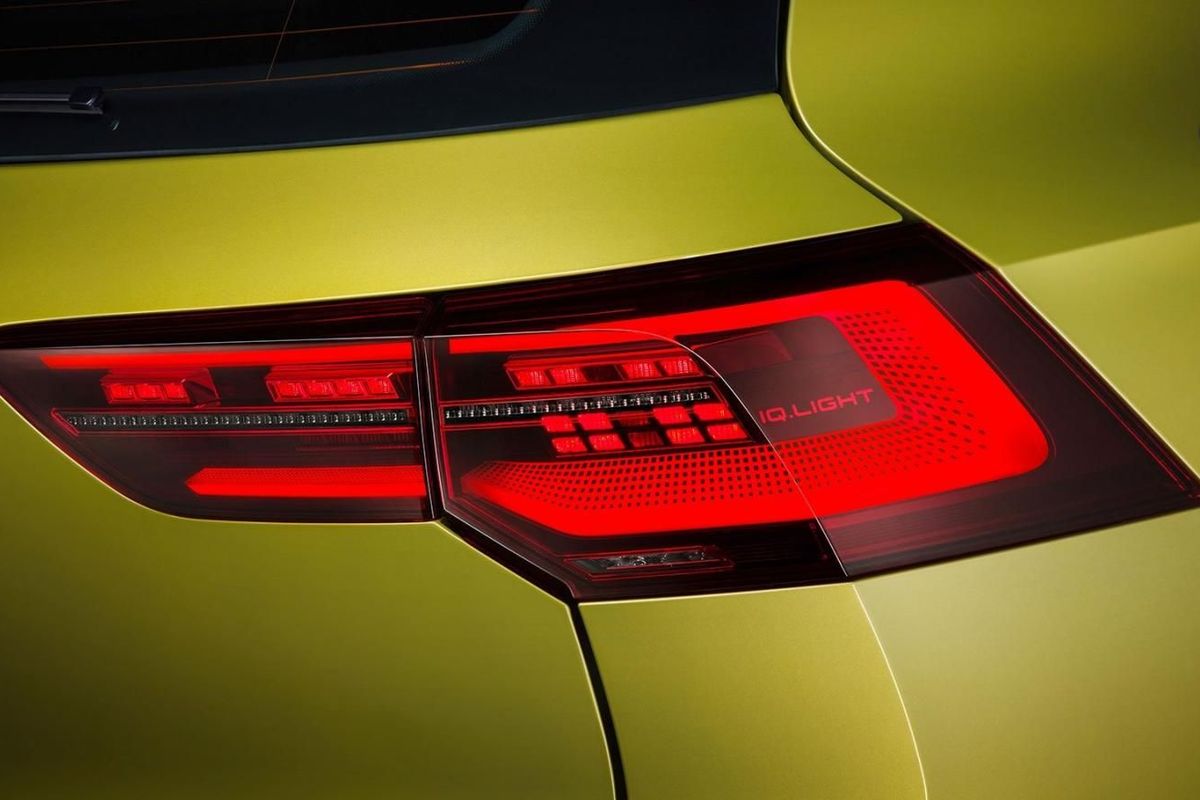
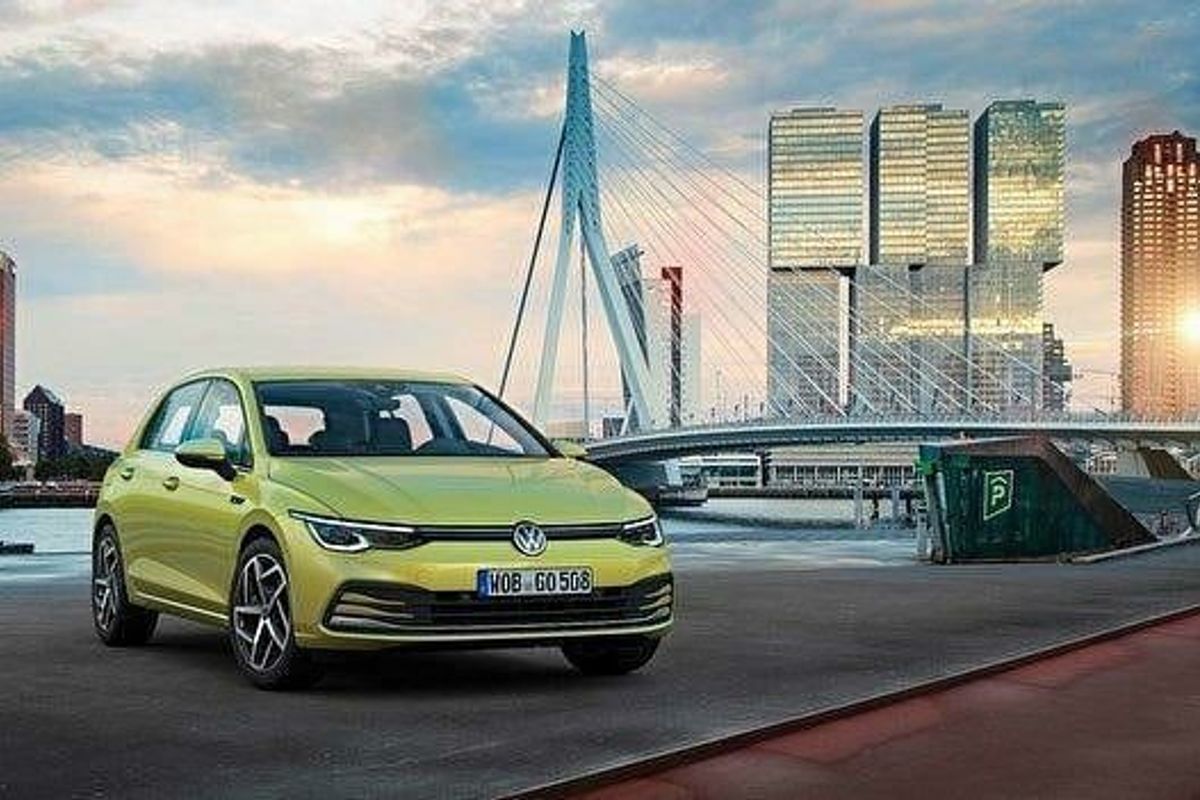
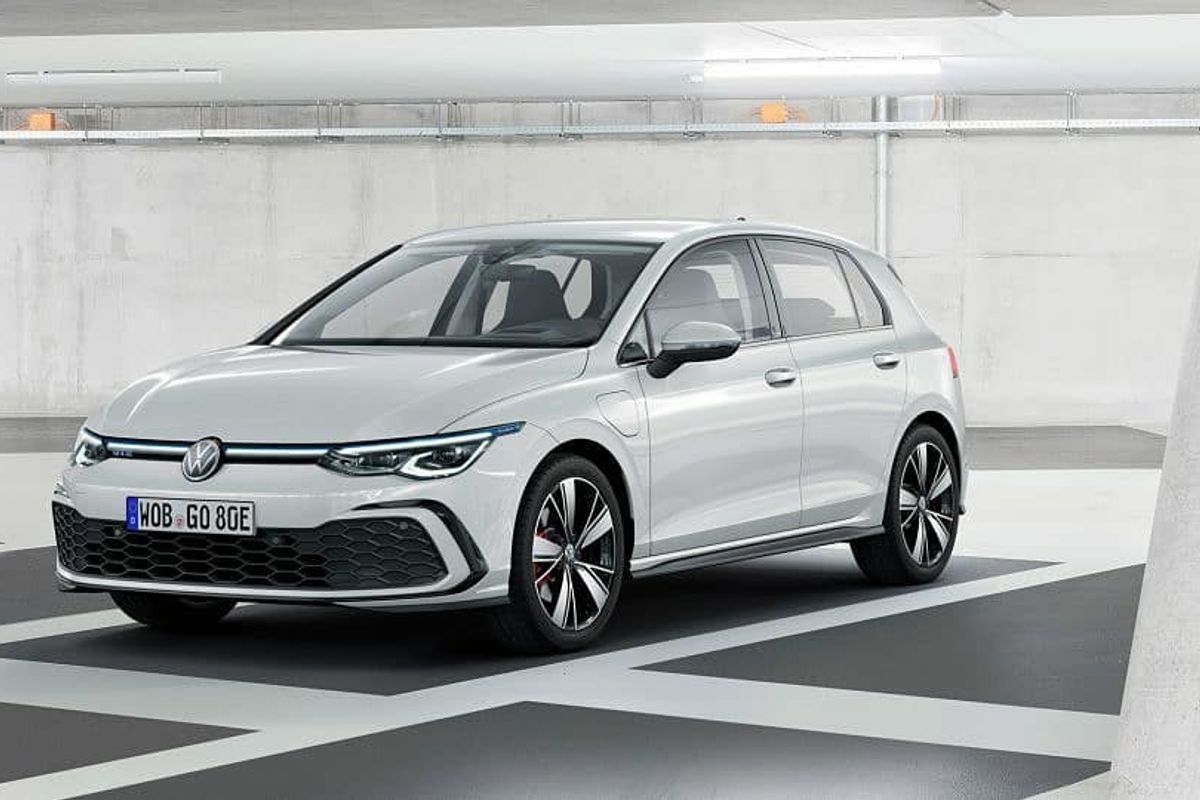
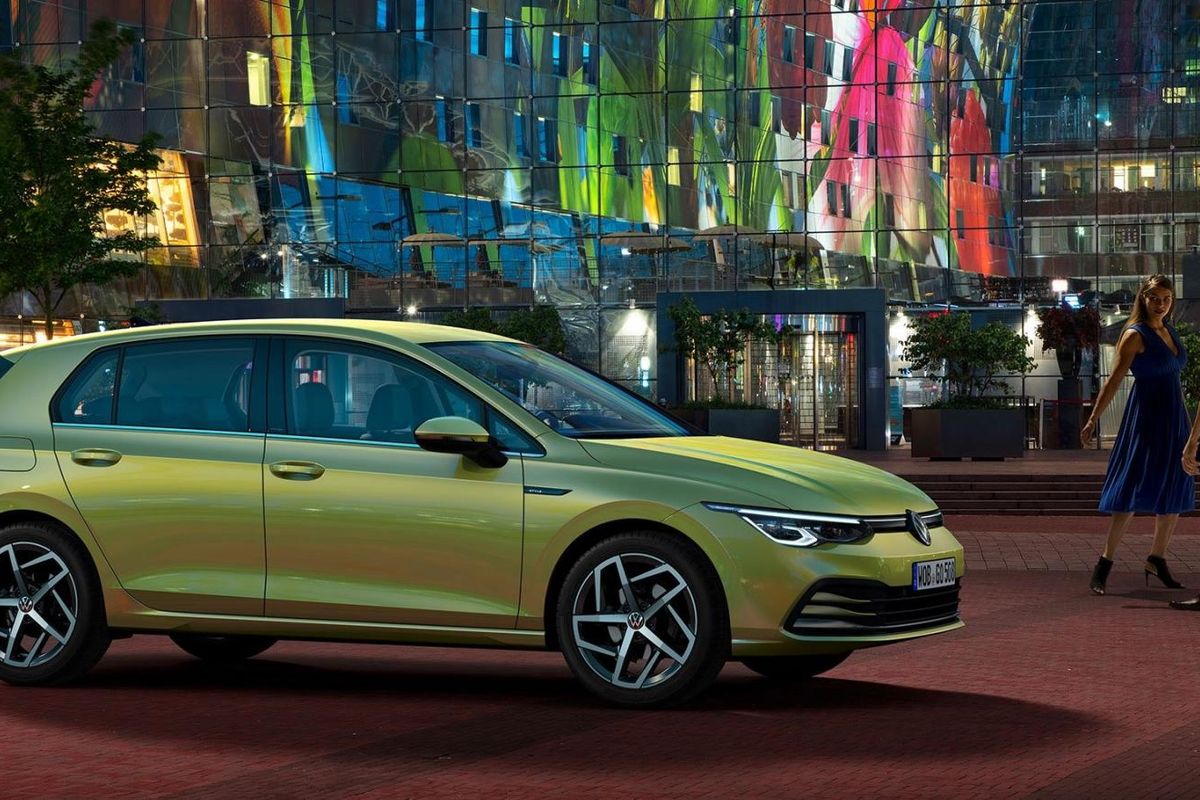
We're less than 24 hours away from Volkswagen revealing the all-new Golf 8 and already photos have started appearing online.
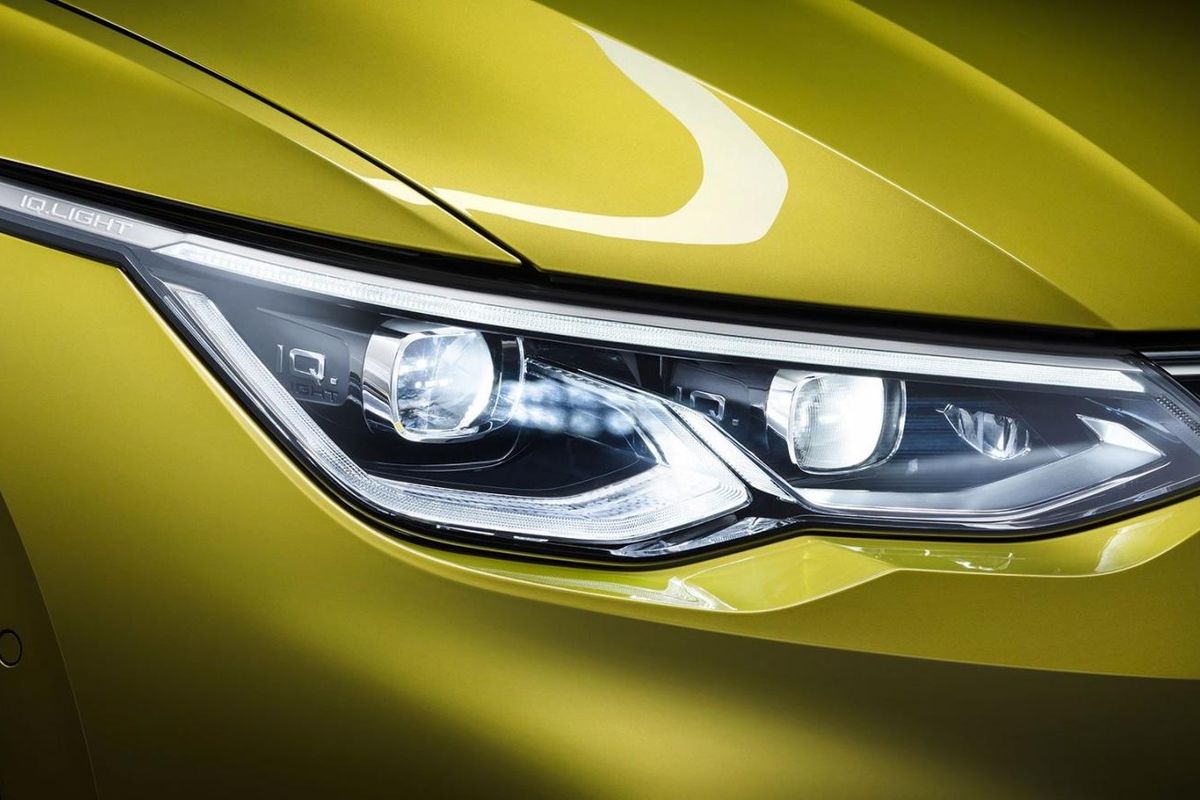
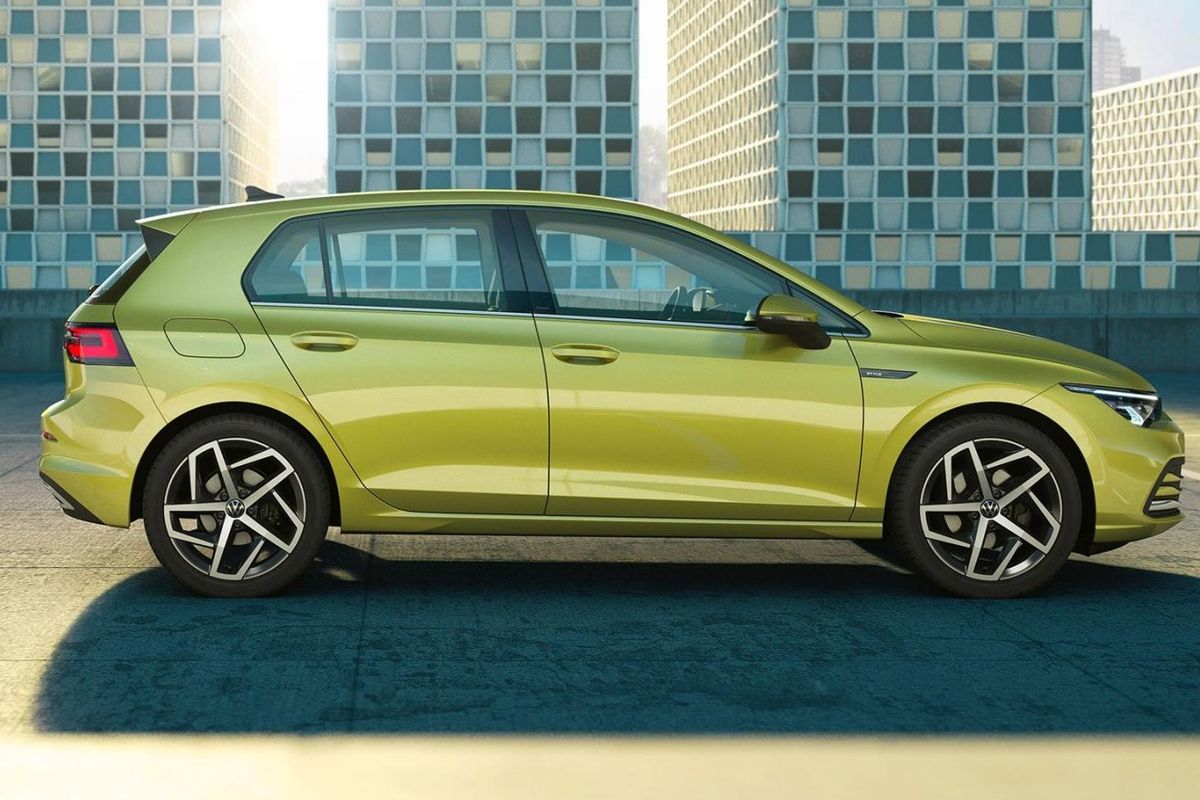
Thanks to Instagram user CocheSpias, we're able to see the newcomer in a bit more detail, although the images are low resolution. What we can see confirms our speculative render based on existing mules and prototypes which have been spotted cruising the globe over the past few months.
The new headlight unit is arguably the most interesting part of it, and really gives the new Golf a fresh and modern appeal. It's a simple and uncluttered design, which we like. As for the models you can see here, we suspect the white car is the GTE, while the green car is a mid-spec offering.
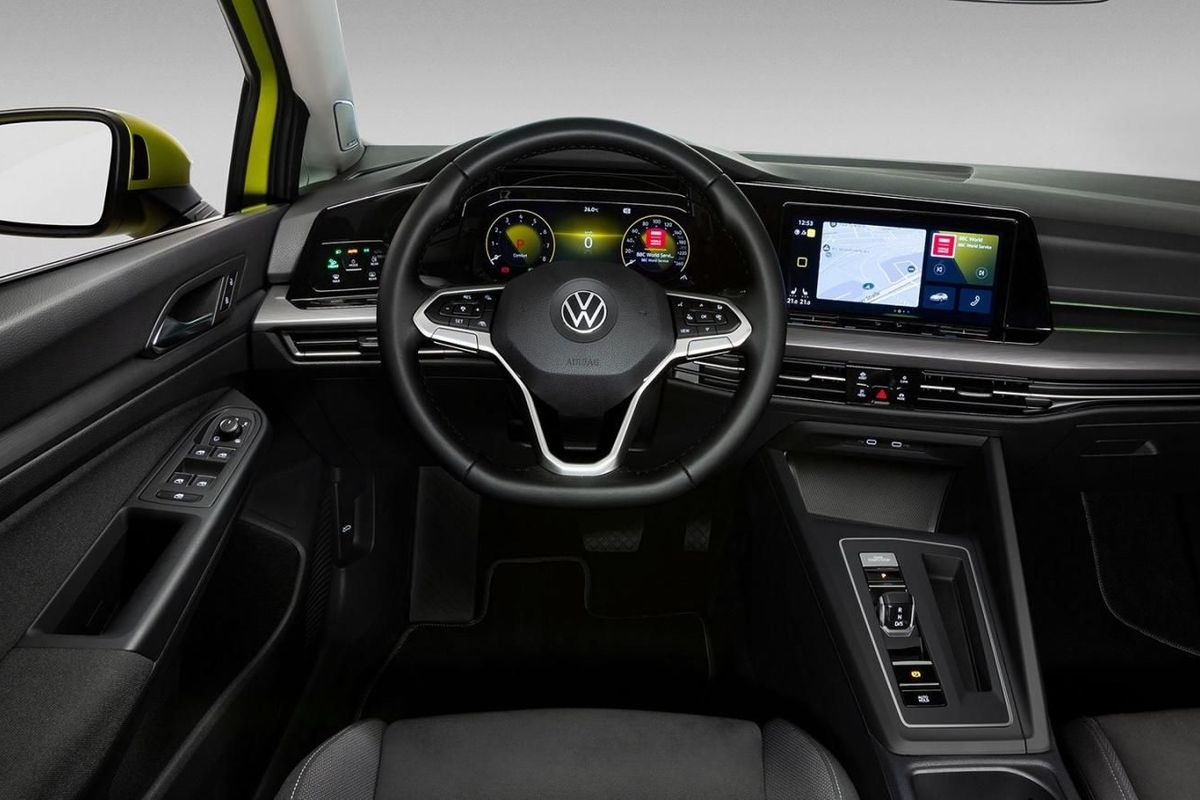
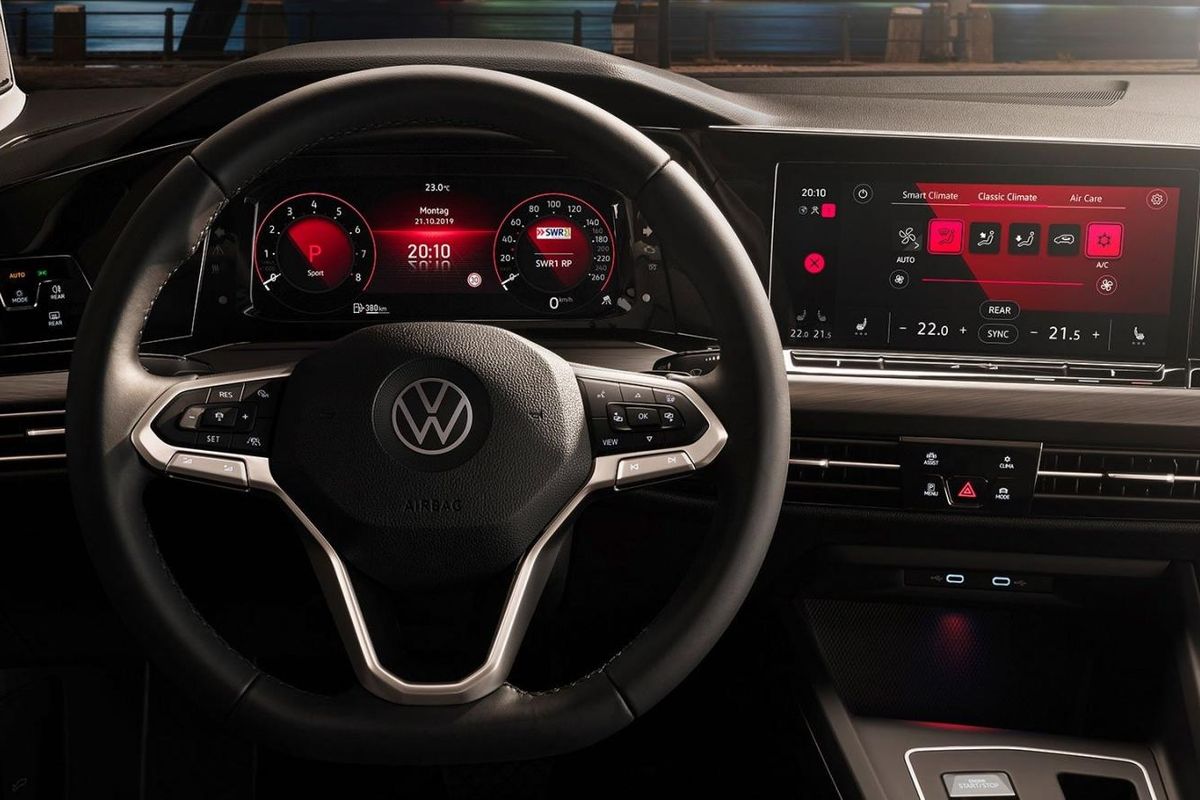
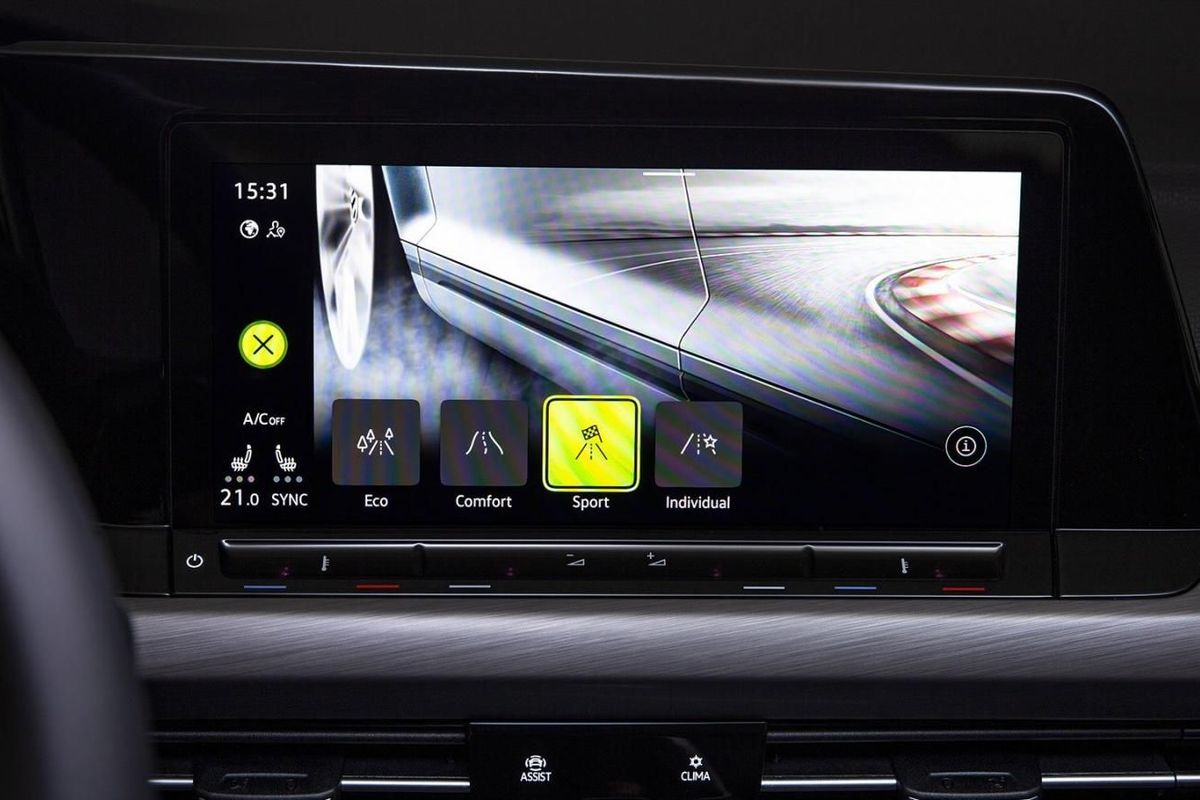
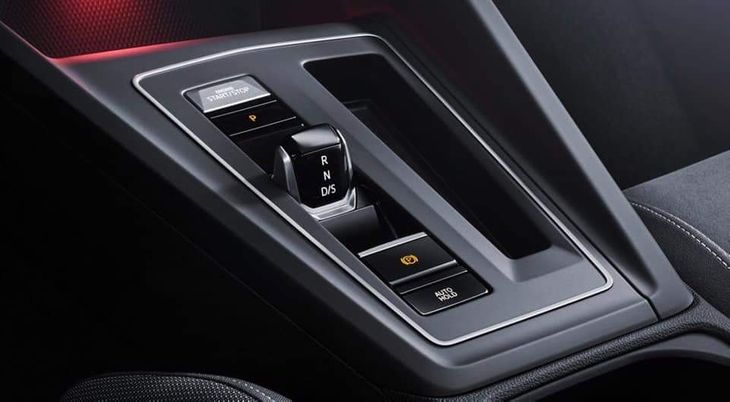
There are a handful of images of the interior, but the one that has us intrigued is the DSG-equipped model which appears to do away with a conventional gear selector, adopting a small gear button, like the one seen in the current Porsche 911. We can also see a 2-layer dashboard that appears to lose many physical buttons. These screens look like they're driver-focused, which raises the most important question of them all: what about the GTI?
We'll have all the info after dinner on the evening of the 24th October 2019. Stay tuned.
The new Volkswagen Golf 8 gear selector. How wonderfully minimalist!
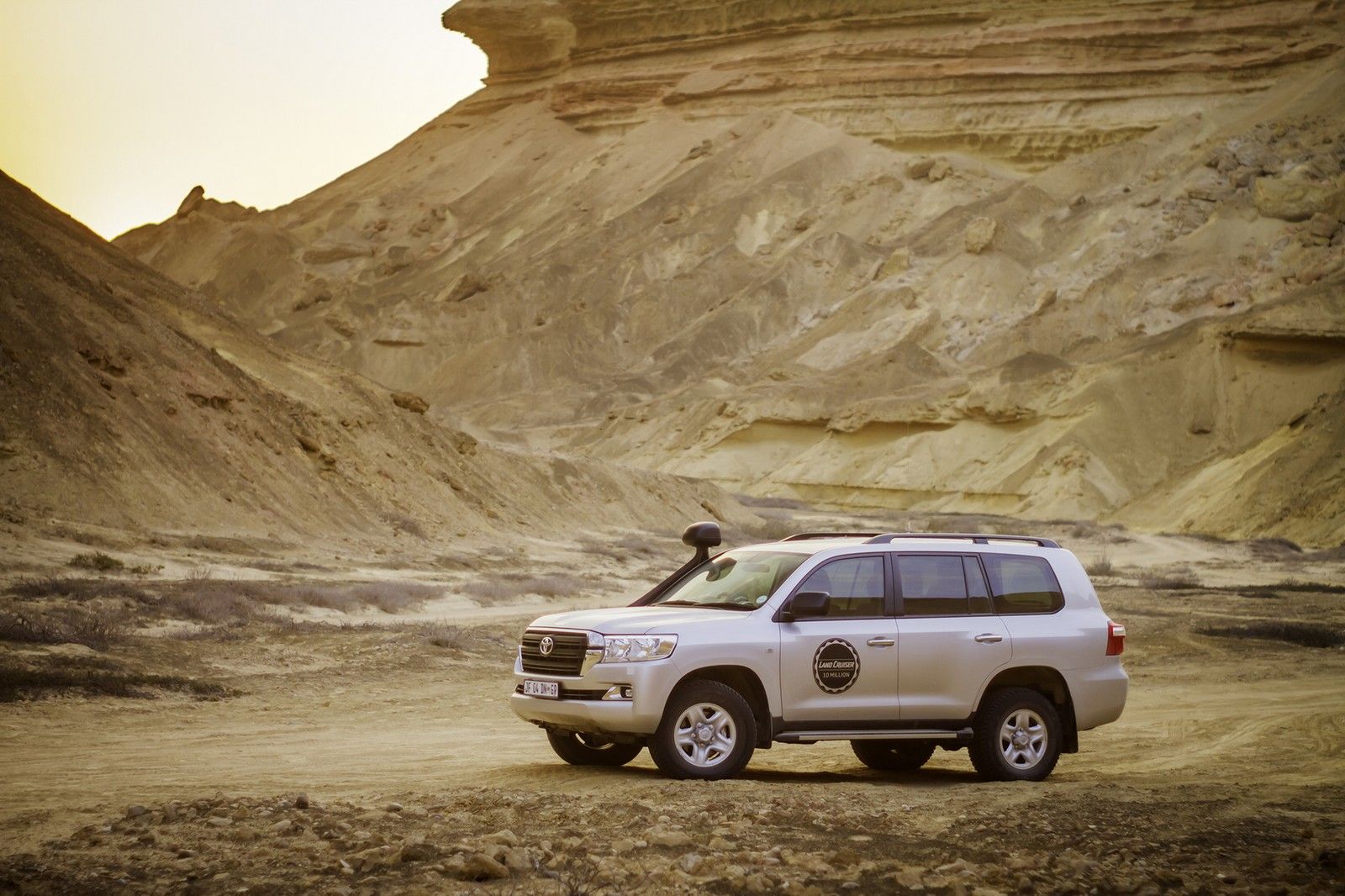
The world has changed a great deal since 1951 – the year in which Toyota built its original Land Cruiser. Lance Branquinho travelled to Angola in a Toyota Land Cruiser, the original vehicle that conquered Africa.
In 1951 few people owned personal vehicles. In 2019, we can’t find enough space to drive and park them. You’d expect that a world with more paved roads and surging urbanisation would see the Land Cruiser’s success waver, but quite the opposite has happened.
Toyota sells nearly 400 000 Land Cruisers per year in 170 different markets. And its customers are some of the most demanding owners imaginable: people who use their vehicles to run businesses and emergency services where there are none. For them, vehicle durability is sacrosanct and breakdowns, simply intolerable.
In an automotive world where brands are drowning in the technological anxiety of evolving customer expectations, Land Cruiser remains the outlier. Its range manages to hold true to the most fleeting marketing concept: authenticity. These are vehicles that sell strongly, (with respect) little marketing effort on the part of Toyota.
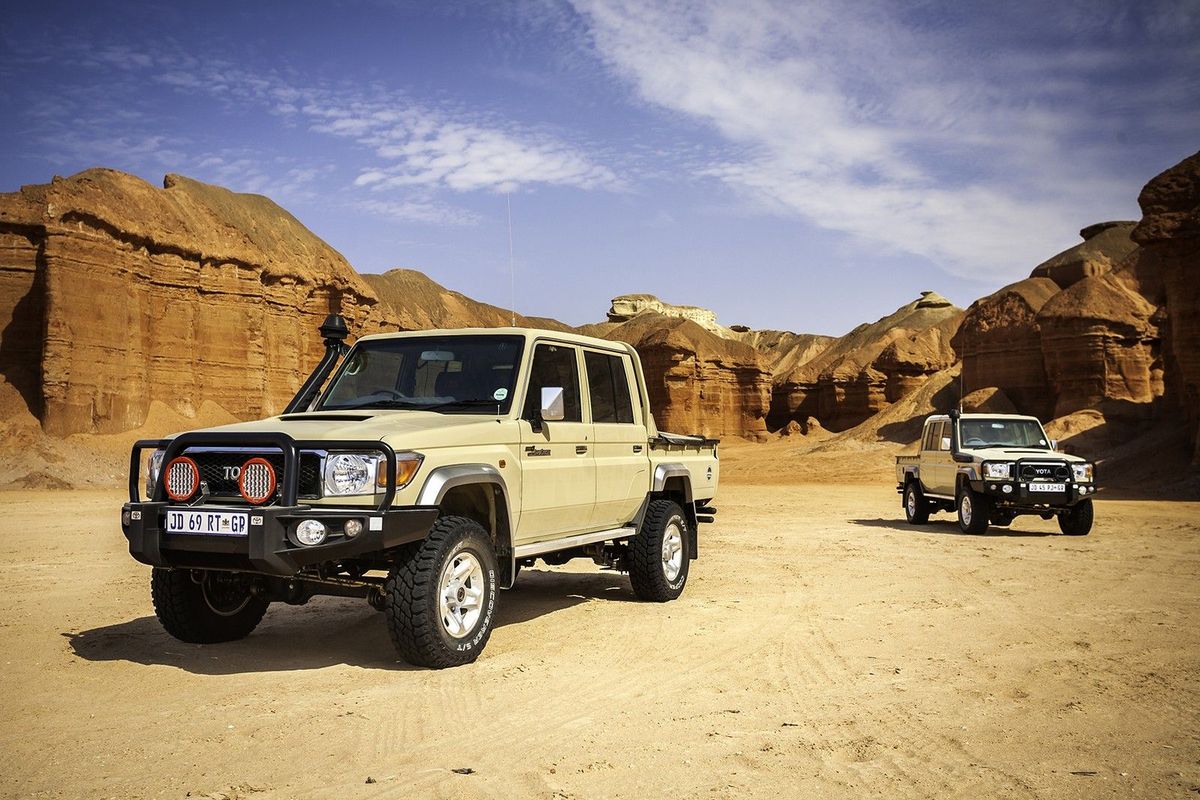
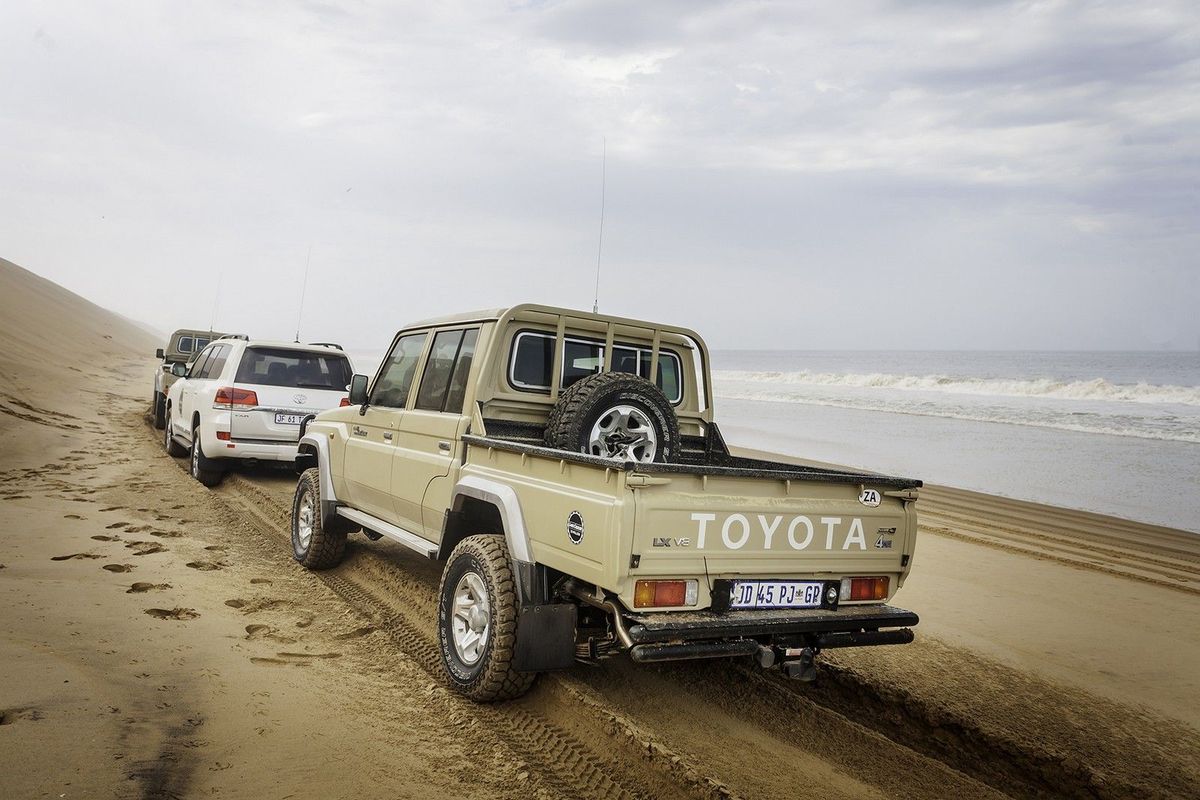
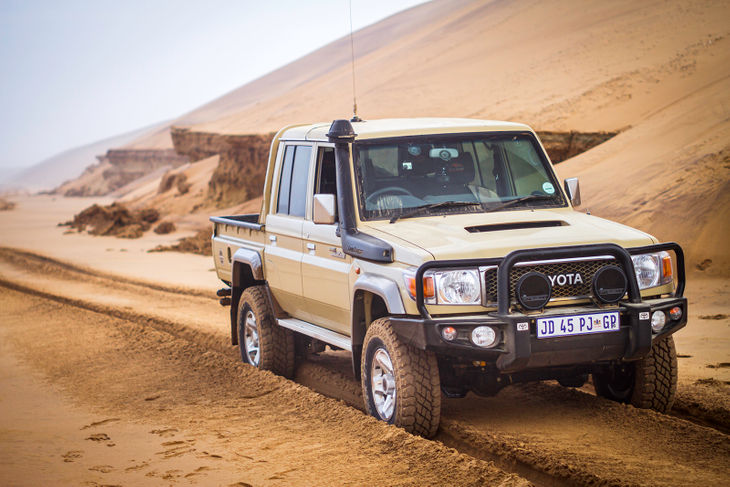
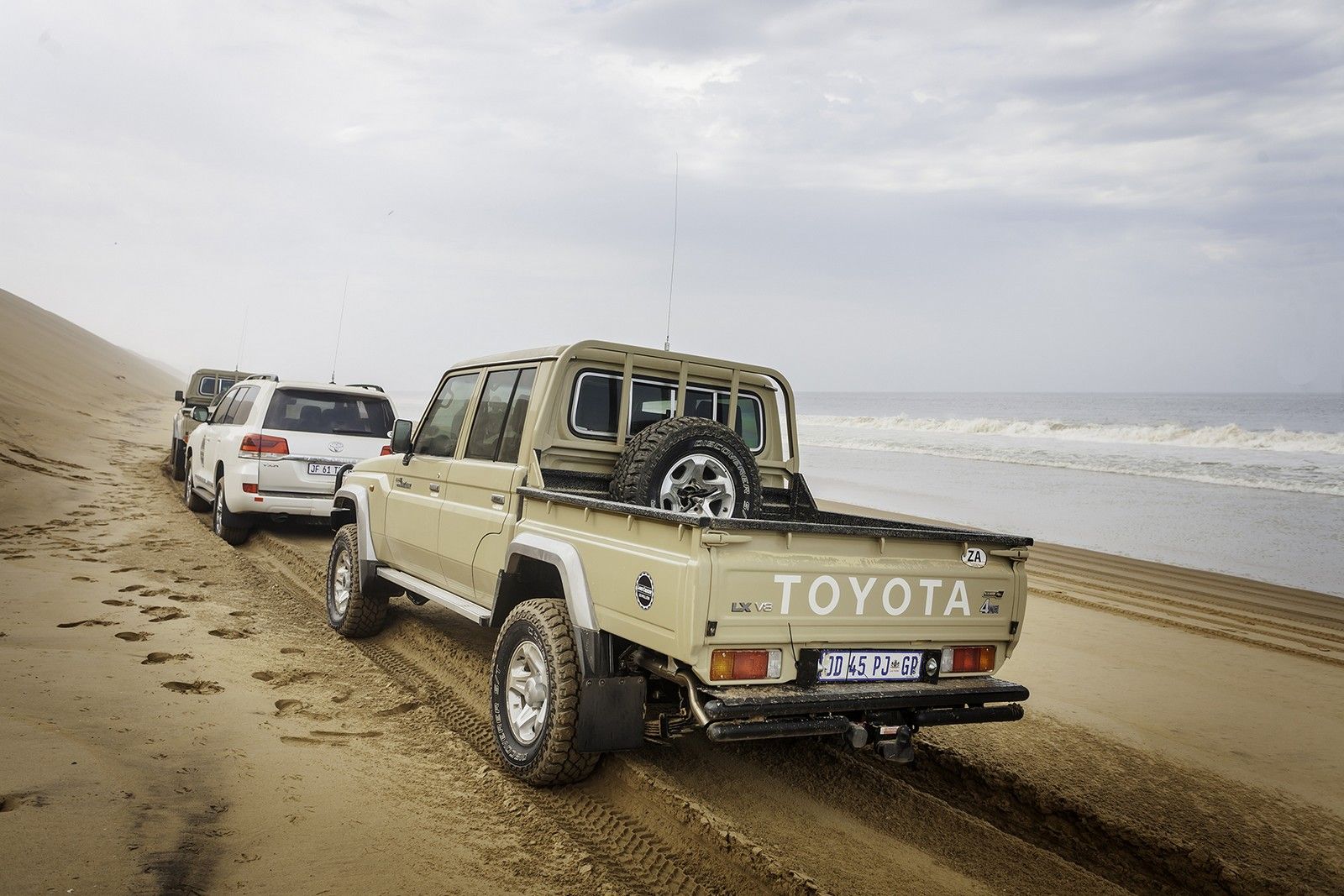
The Namib edition’s lift kit and larger volume tyres give it a terrifically purposeful stance.
There is no pretence with a ‘Cruiser and they are definitely not designed-to-follow-the-trend vehicles. The 70 Series might have some novelty appeal due to its 1980s styling, but both Prado and Land Cruiser 200 are neither fluid nor particularly attractive designs. Contrasted with any urban environment, Land Cruiser luxury SUVs look ungainly – unlike their European rivals, which merge gracefully into cityscapes or lifestyle-estate architecture.
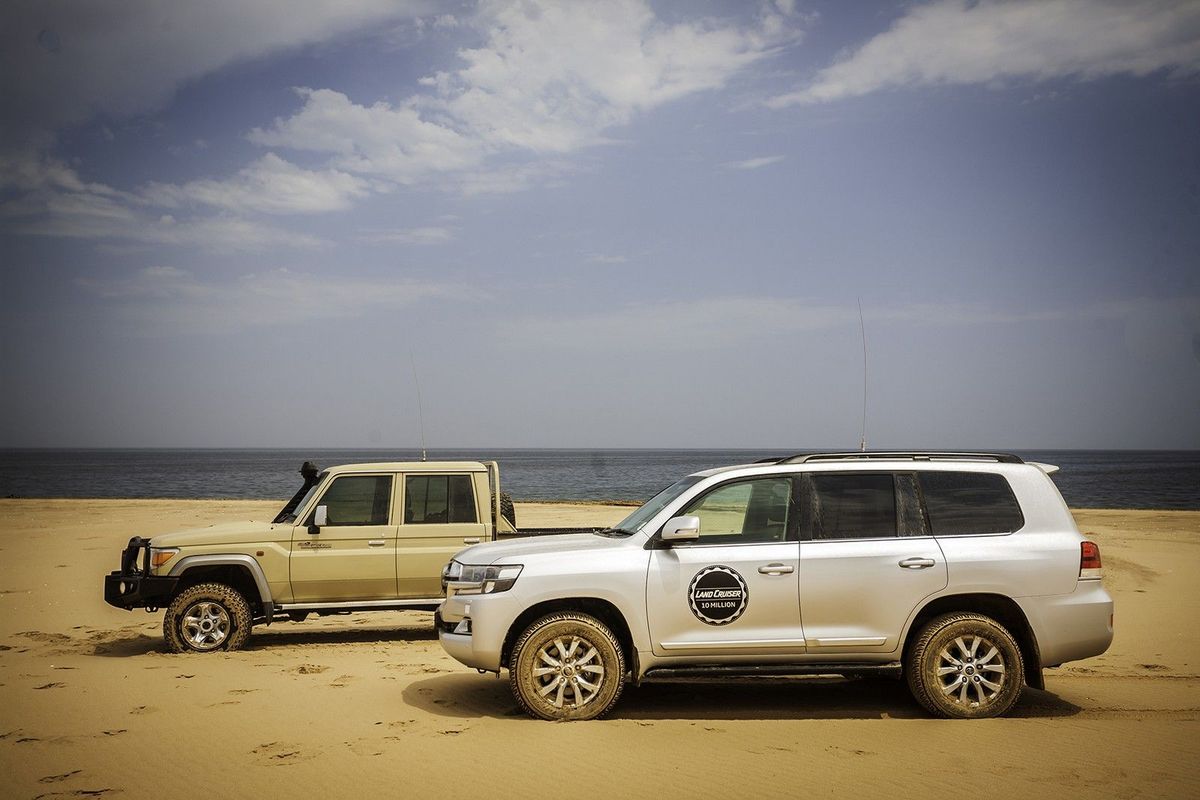
But what happens when you take a ‘Cruiser where it is supposed to go? Toyota was keen to provide an answer to that. Instead of celebrating 10-million Land Cruiser sales in 68 years with a jaunt around some local nature reserve, they opted for a place without virtually any European SUVs: República de Angola.
The Death Acre is not just a name
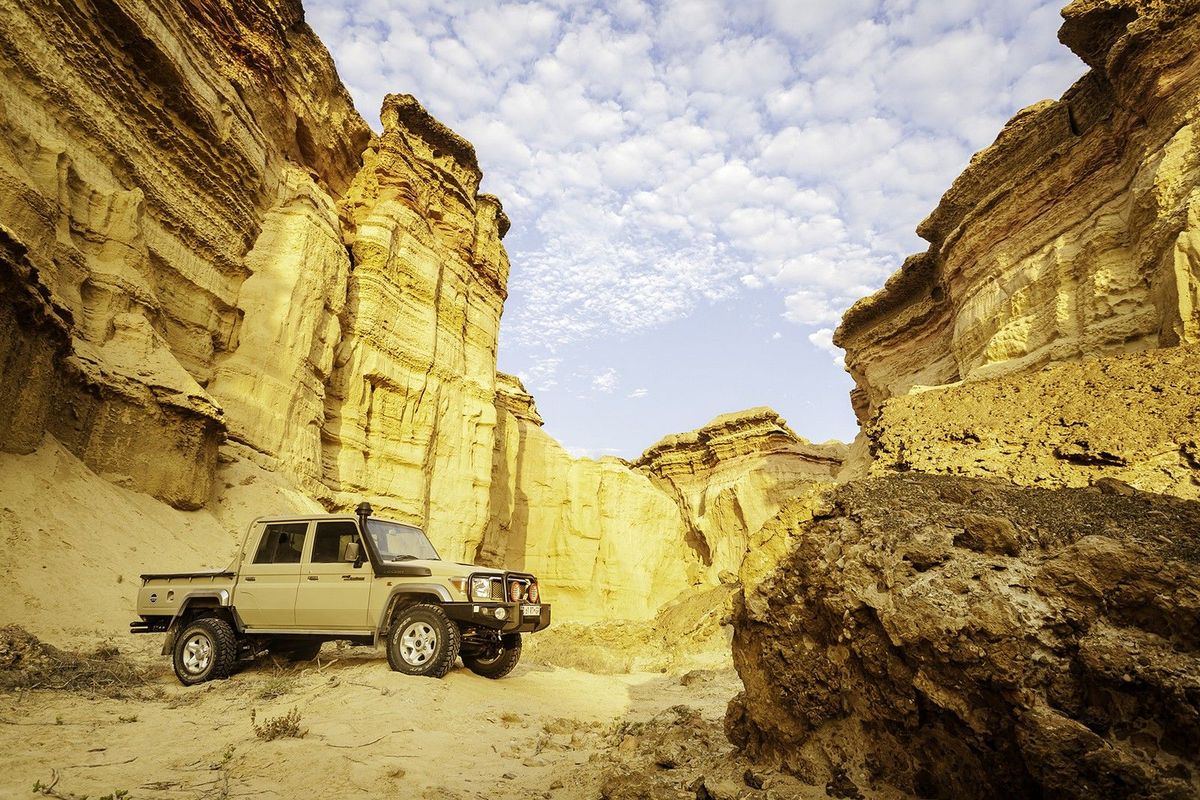
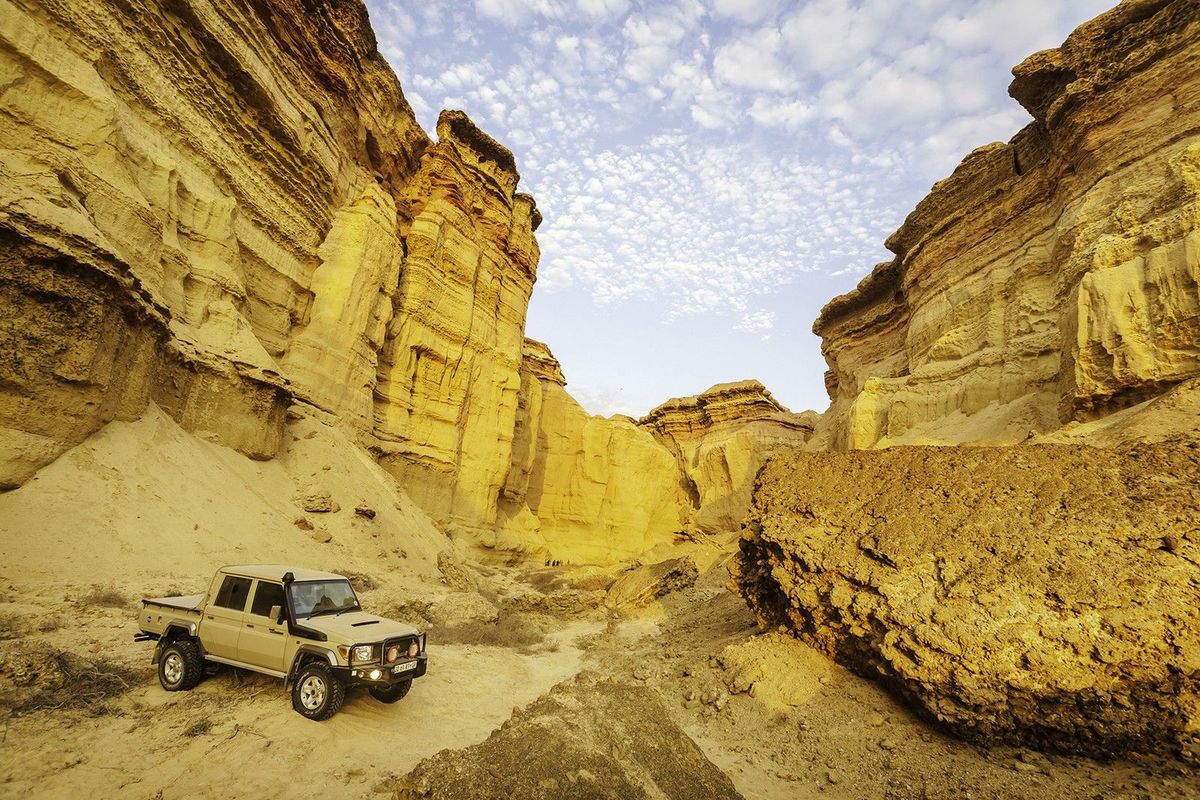
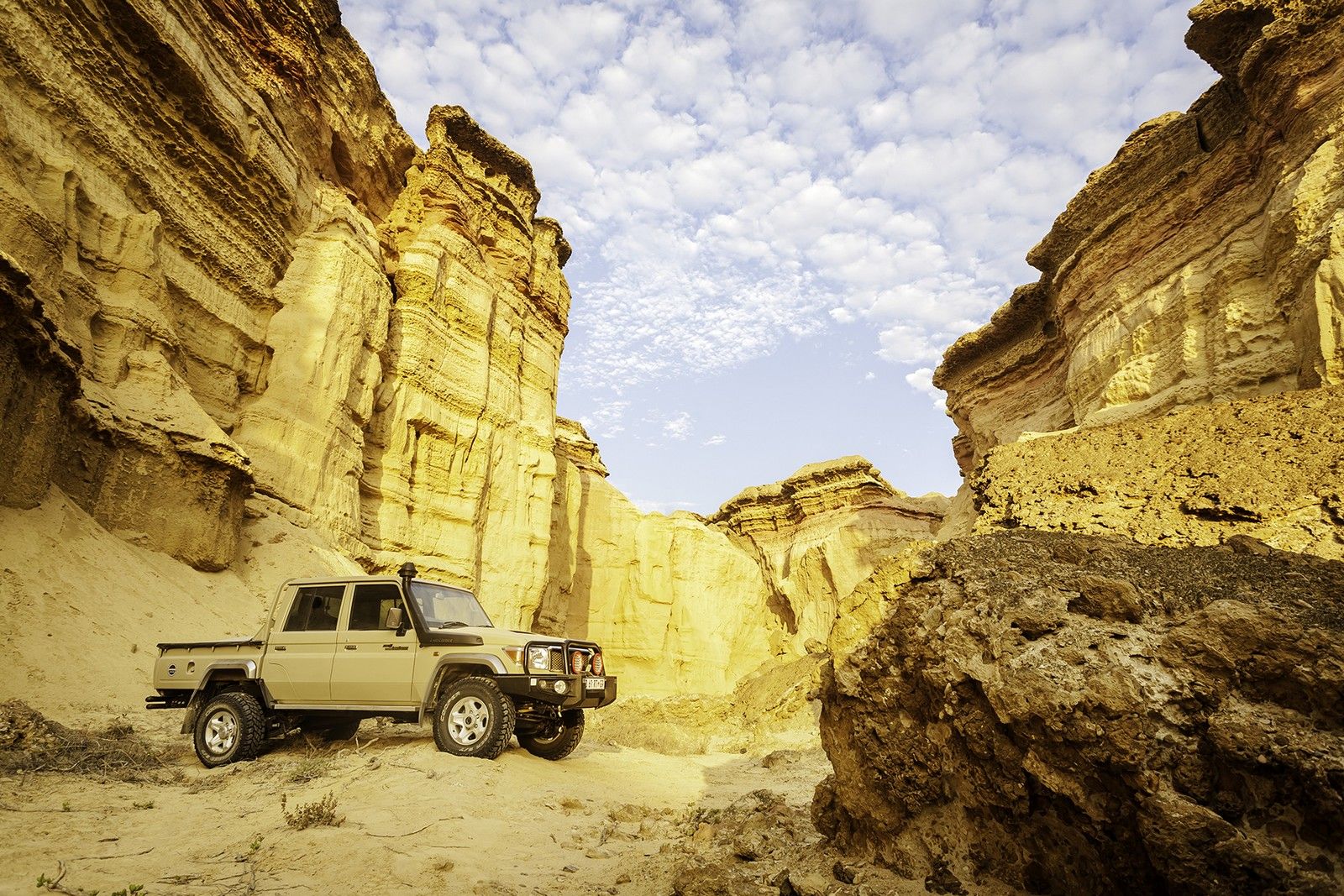
In the deep canyons north of Tombua, the only way to can get out is in a Cruiser ?
Angola is a harsh place. Withered by civil war and containing some of the most astounding geographies you’ll ever encounter, it is about as true a test for off-road exploring as you’ll ever find. If you get stuck, lost or have a mechanical issue in southwestern Angola, nobody is going to come help you.
In the country’s coastal border corner with Namibia, there are towering sand dunes and deep wind-erosion-sculpted canyons: both inspiring and forbidding. At the helm of a ‘Cruiser, you feel strangely at ease in this unforgiving, but evocative landscape.
Land Cruiser 200s are the only luxury SUVs you see in Angola’s deep south.
The Namibe province of Angola also contains a treacherous stretch of coastline, which is unofficially known as the Death Acre. It runs from Foz do Cunene to Tombua and over the years, many vehicles have been lost here.
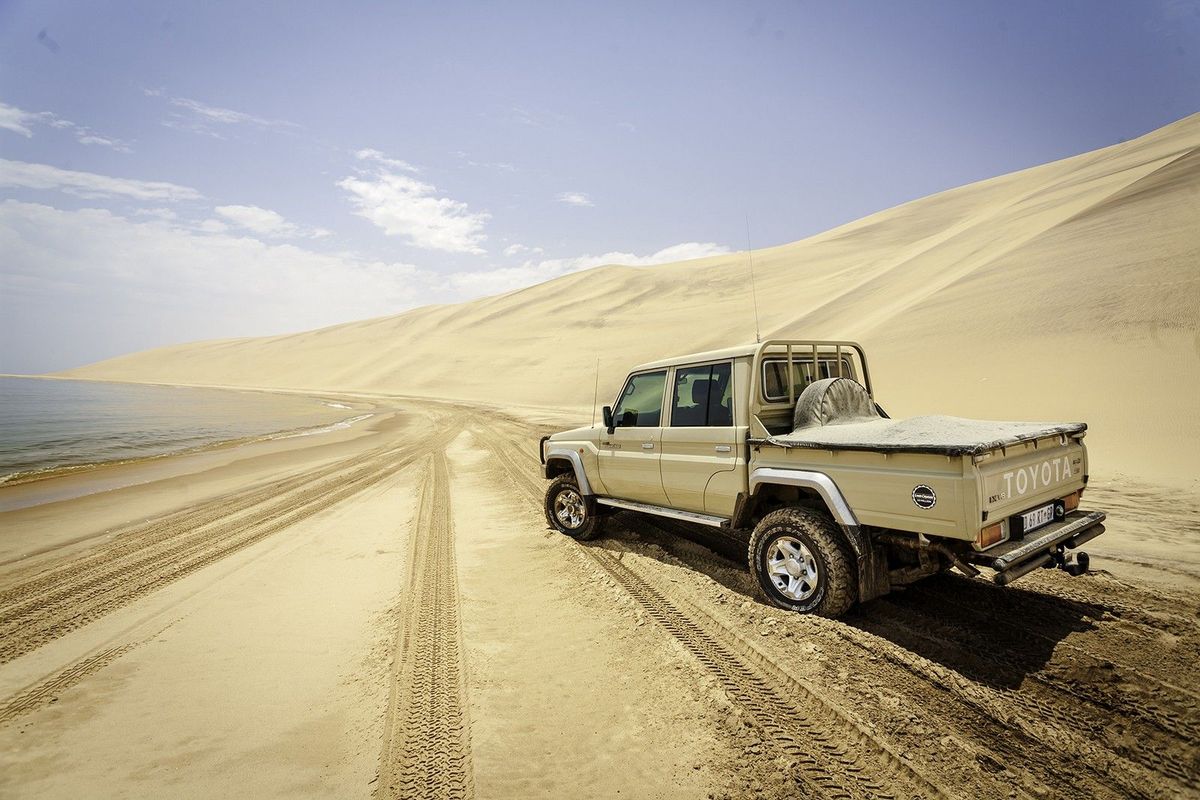
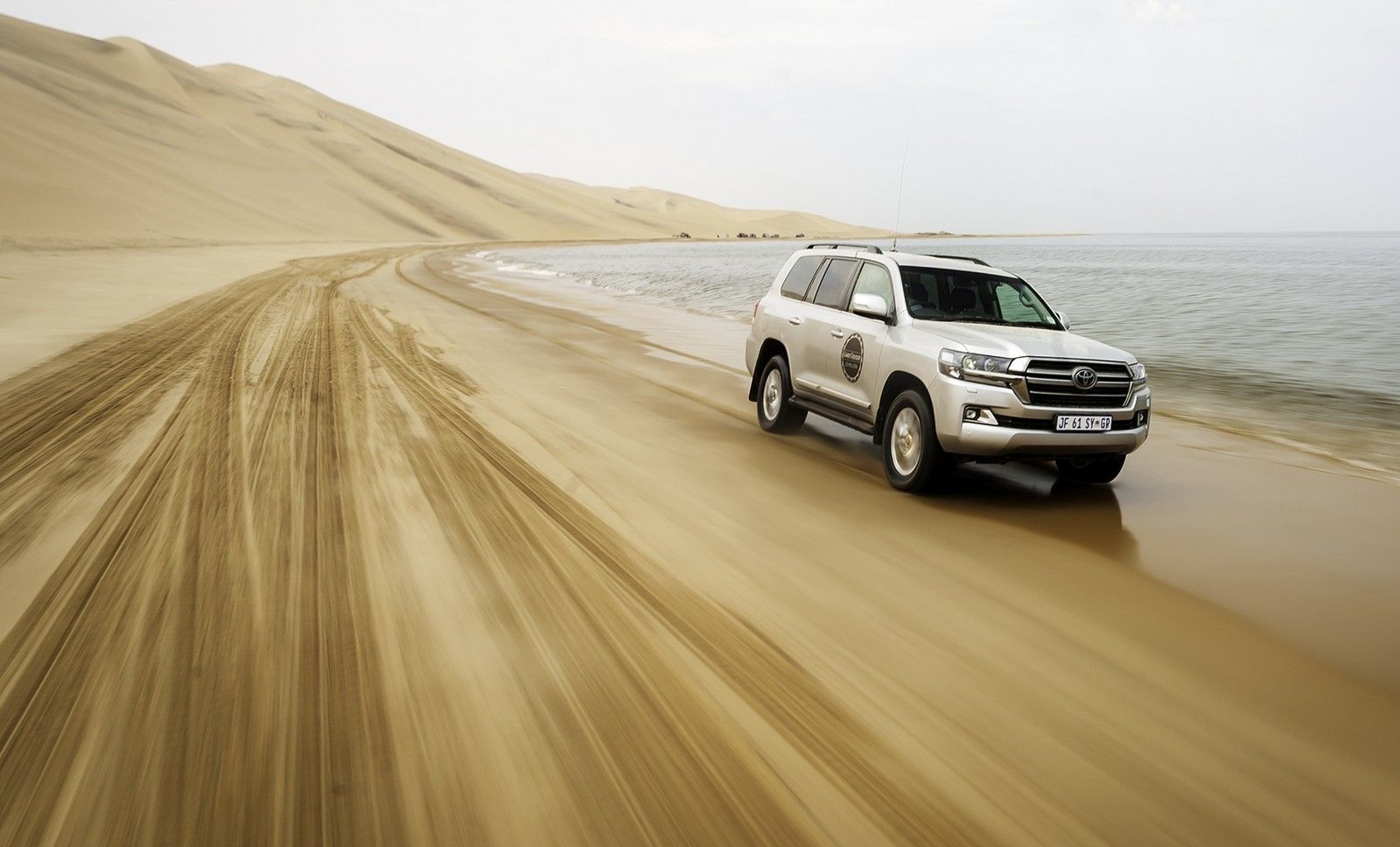
In a coastal zone where there has never been human habitation or development, the dune fields remain undisturbed in their position, sloping down right to the hightide watermark. This leaves virtually no passable beach for driving. You can only attempt this stretch of coast during a full moon, at low tide and, if you get it wrong, the consequences are severe…
In 2007 a convoy including the former sergeant major of South Africa’s special forces brigade was forced to abandon their vehicles up a dune slope after the surging surfline trapped them. Barely escaping with their vehicles intact, during the next low tide, this group christened the area ‘Death Acre’ – a name which has stuck.
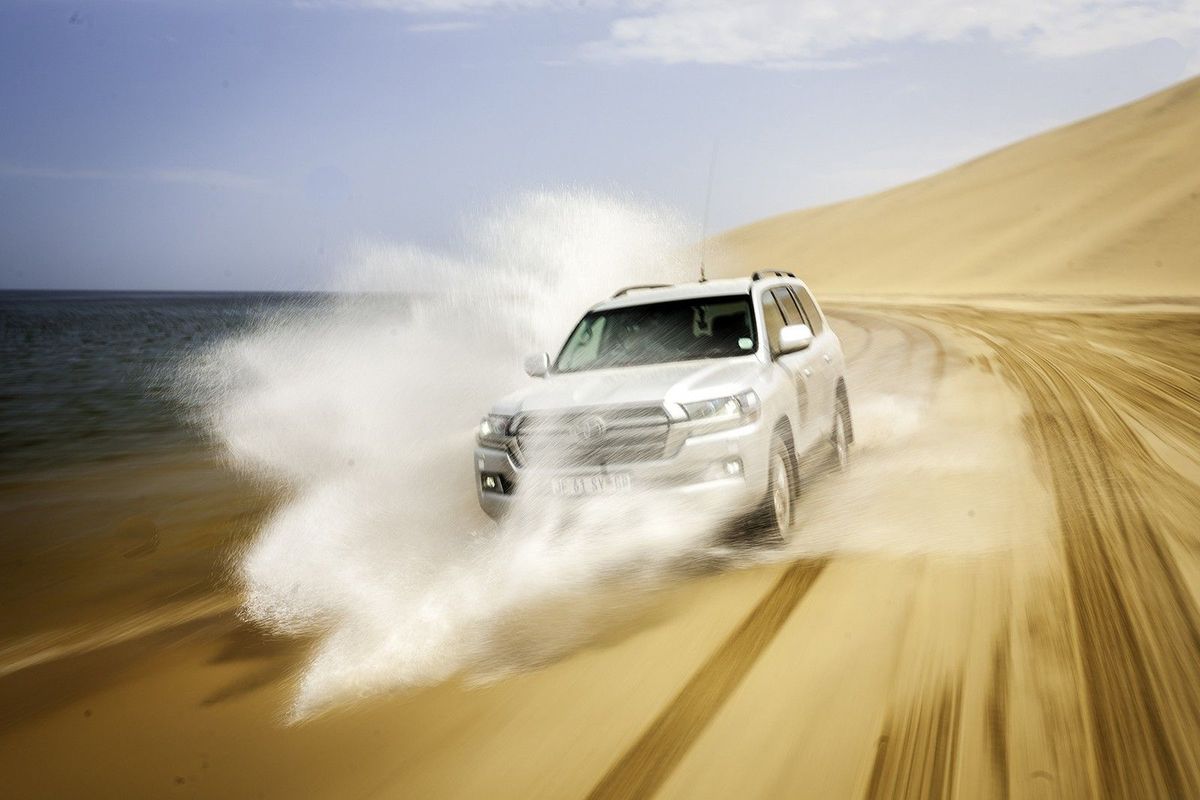
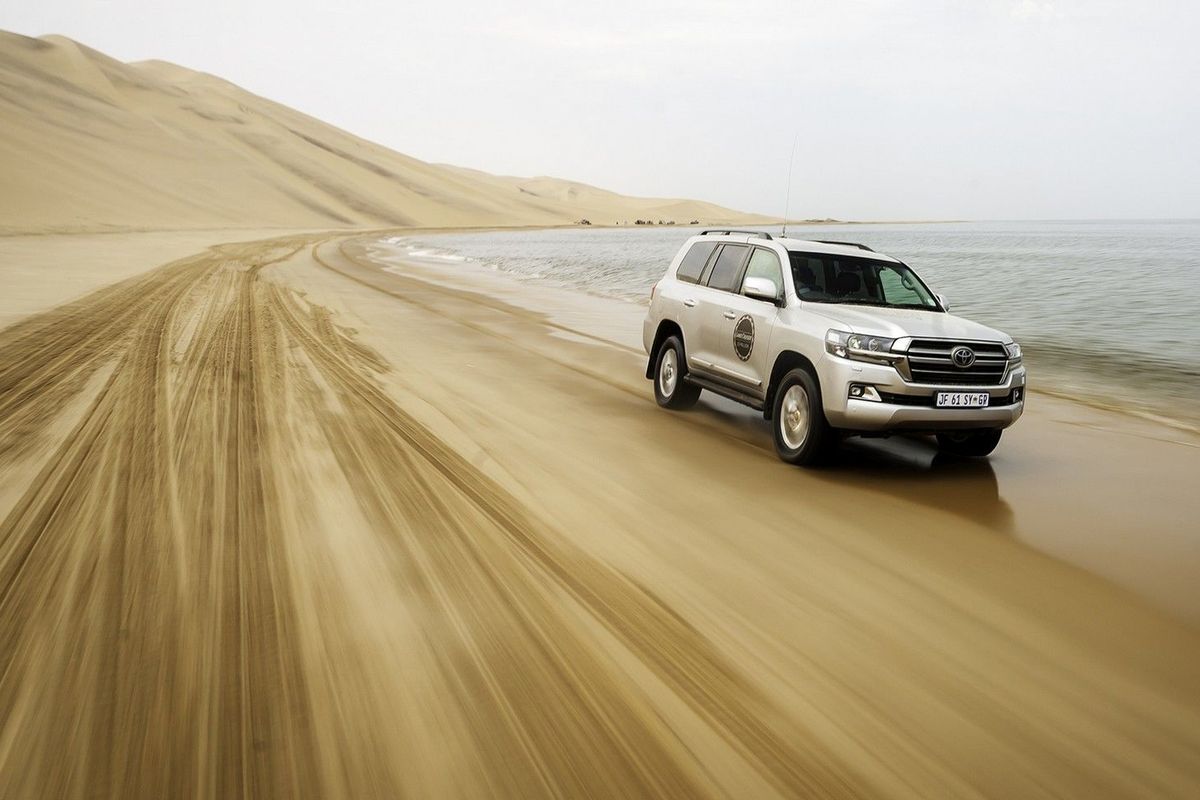
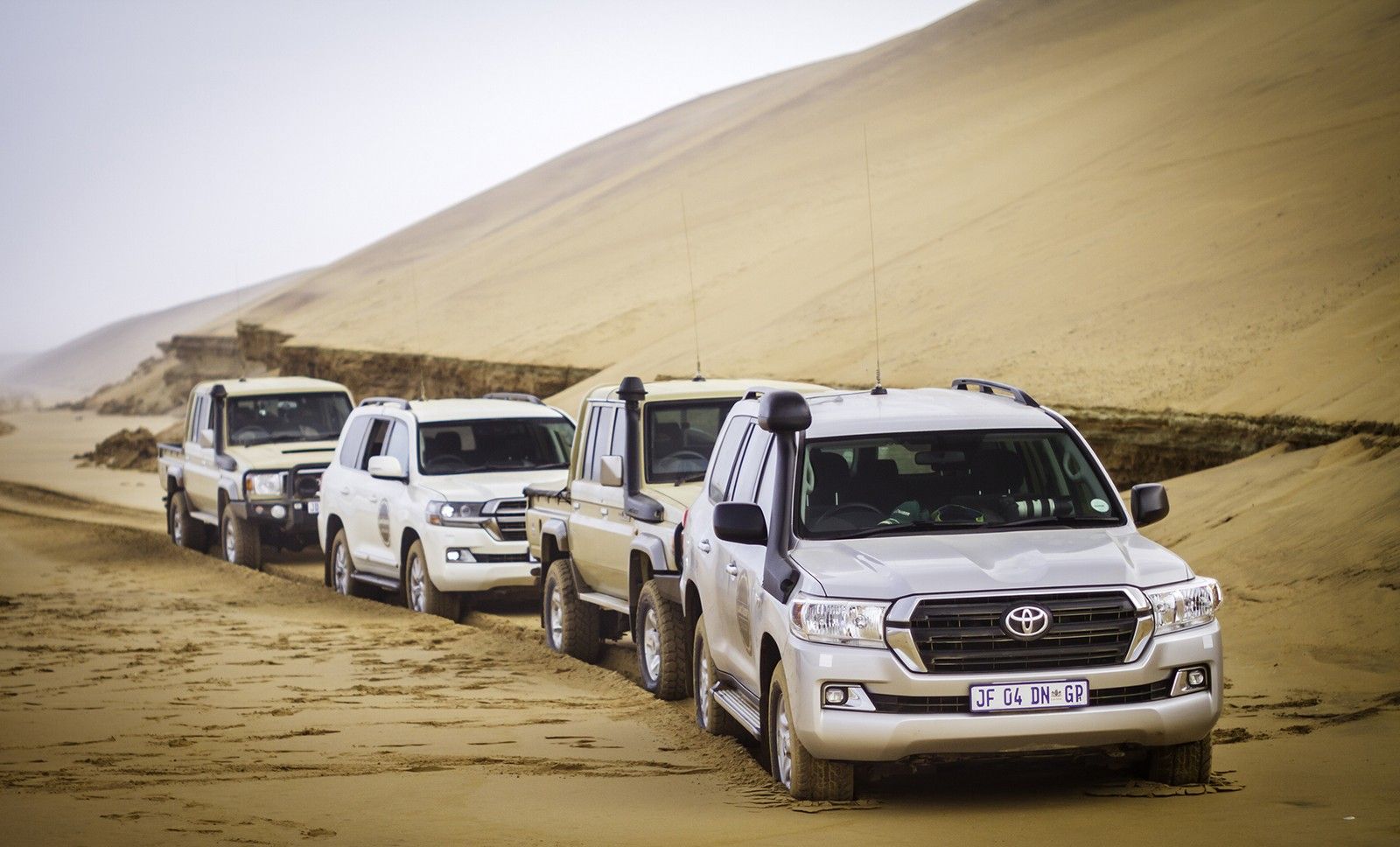
The Death Acre is a 60km stretch of coast between the Cunene river mouth and Tombua. It has claimed many vehicles and egos.
For those most hardcore 4×4 adventurers, the Angolan Death Acre is akin to an off-road Nürburgring. In distance, it equates to about three laps of the ‘Ring (just over 60 km) and is seen as one of the world’s ultimate off-road risk routes. To prove how confident Toyota is in its Land Cruisers, we did what you are never supposed to: two Death Acre runs in one day.
Most 4×4 convoys time the tide and then rush to clear the Death Acre in haste, either going north or south, but never returning on the same day. Once you enter the Death Acre there are only 1 or 2 escape points – and statistically, they will not be where you need them. Even the escape routes feature treacherous dune portages.
Right tool for the trade
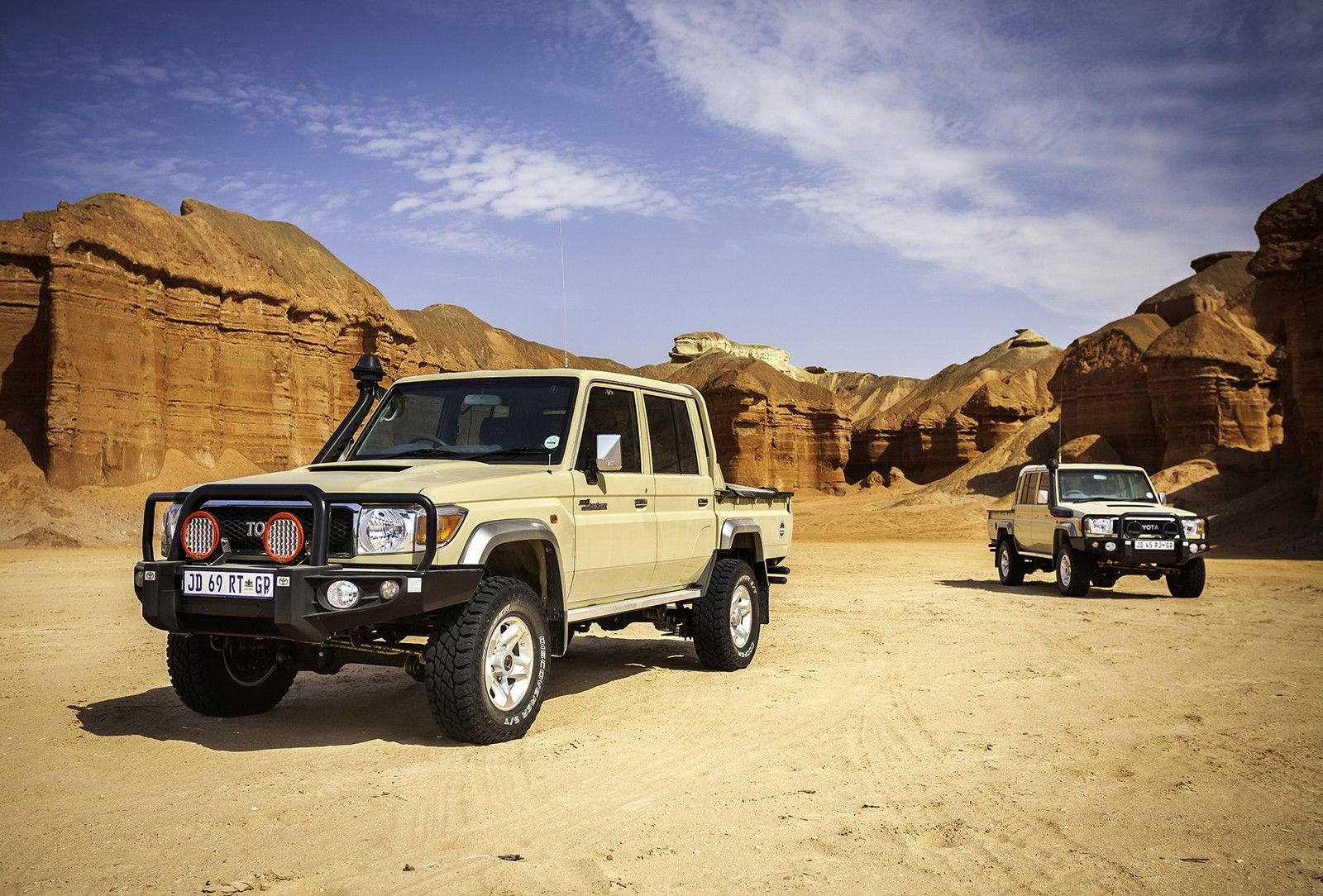
Namib edition double-cab is the envy of many global off-roading enthusiasts – and exclusively for local customers.
Having all 3 variants of the Land Cruiser range in 1 testing environment was a unique opportunity to experience the evolution and legacy of these remarkable vehicles.
There are components in the "new" 70 Series Namib edition double-cab which could qualify for classic vehicle status, but it remains charmingly effective in the same way a chronograph timepiece is superior to any Smartwatch.
When you are churning along the narrowest space between a surging tide and inescapable dune slope, in the unambiguously named "Death Acre", you don’t want driver assistance systems blunting your inputs or an overload of technology to distract your attention.
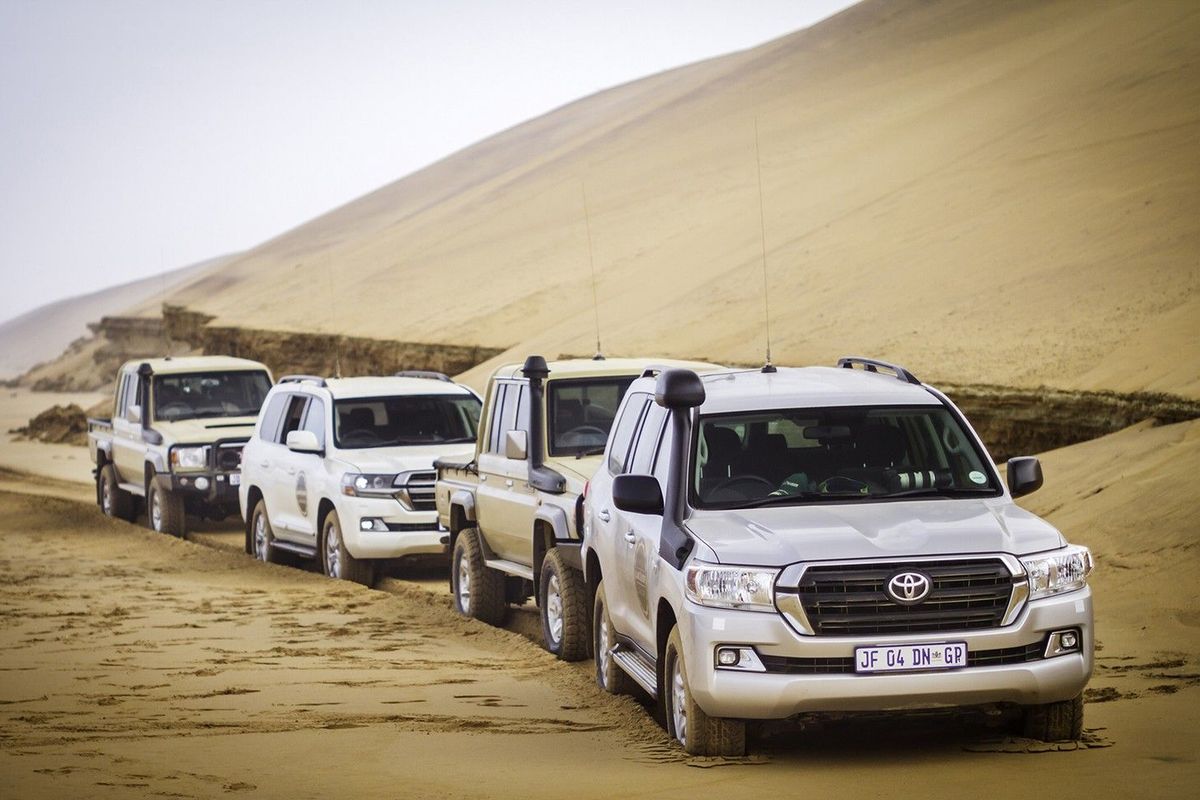
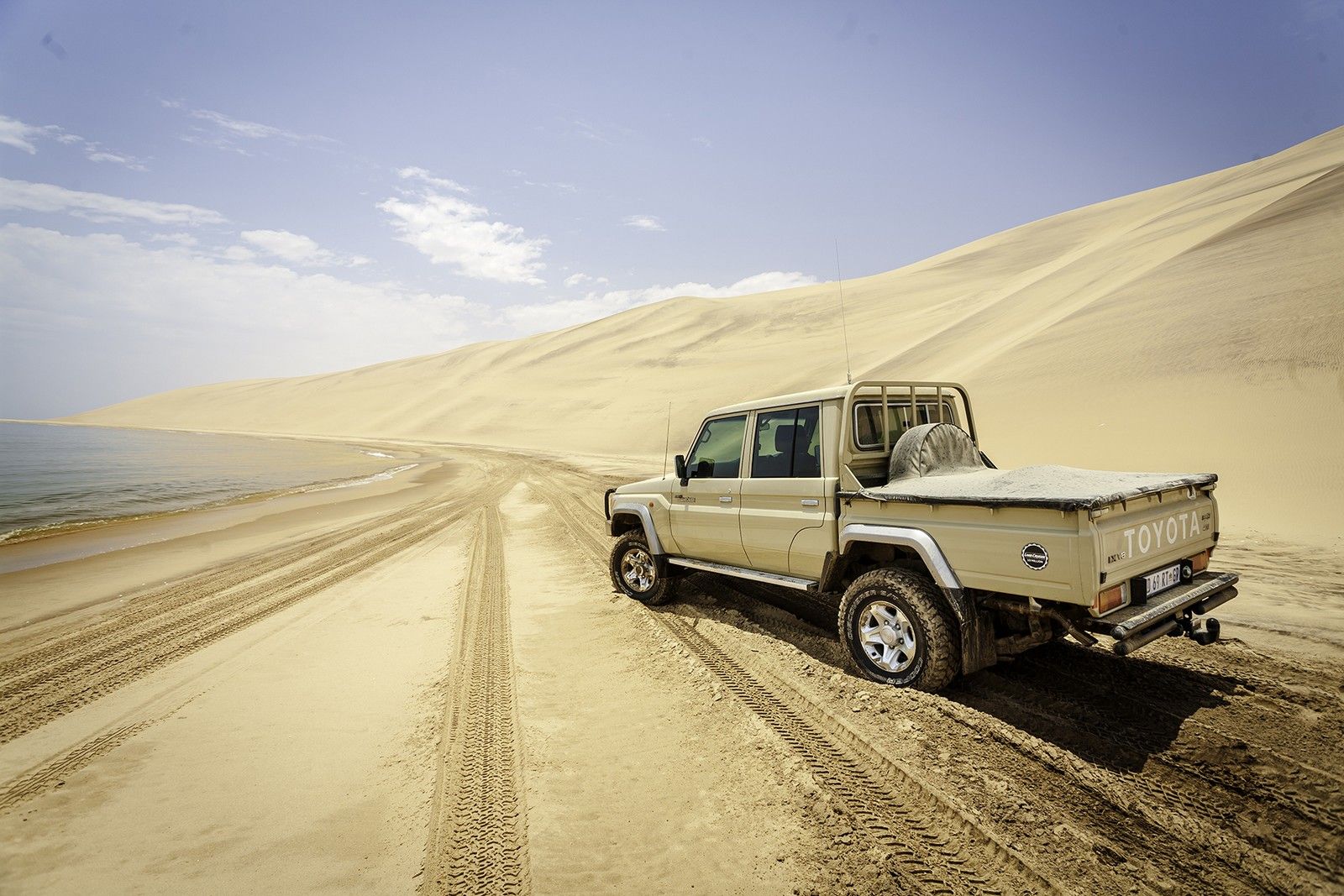
GX-R at the front, building the tracks for others to follow through the Death Acre.
It’s the purity of mechanical interaction and trust between driver and ‘Cruiser that make these Namib double-cabs so beguiling. The long-throw gear lever might initially feel awkward, but it never fails to engage, even when you are shifting under full power, in low-range. And a ‘Cruiser Namib’s V8 turbodiesel will run all day long, in searing heat, breathing the iron oxide-contaminated air churned up by the convoy, without even a trace of complaint from any of its engine sensors.
Unlimited capability limousines
Transitioning from the Namib bakkie to a 200 VX-R is like upgrading from Edge to 5G: you gain a lot of speed and convenience.
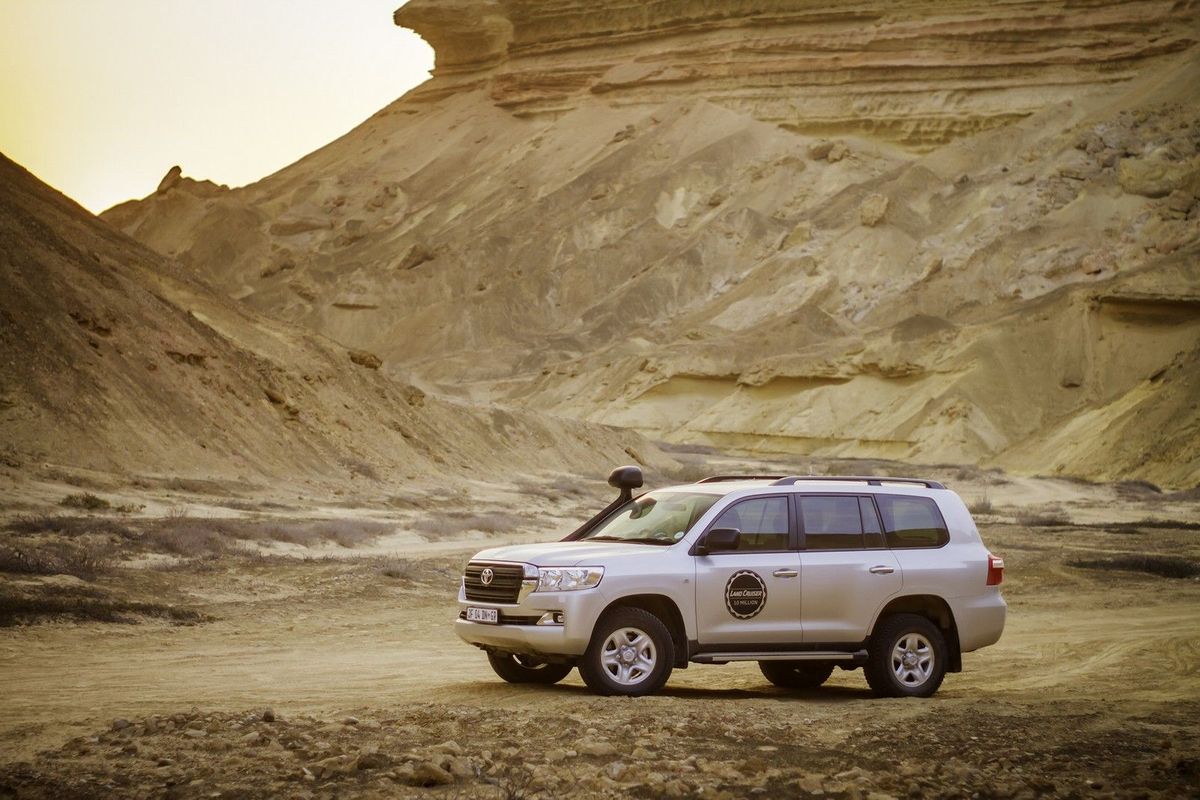
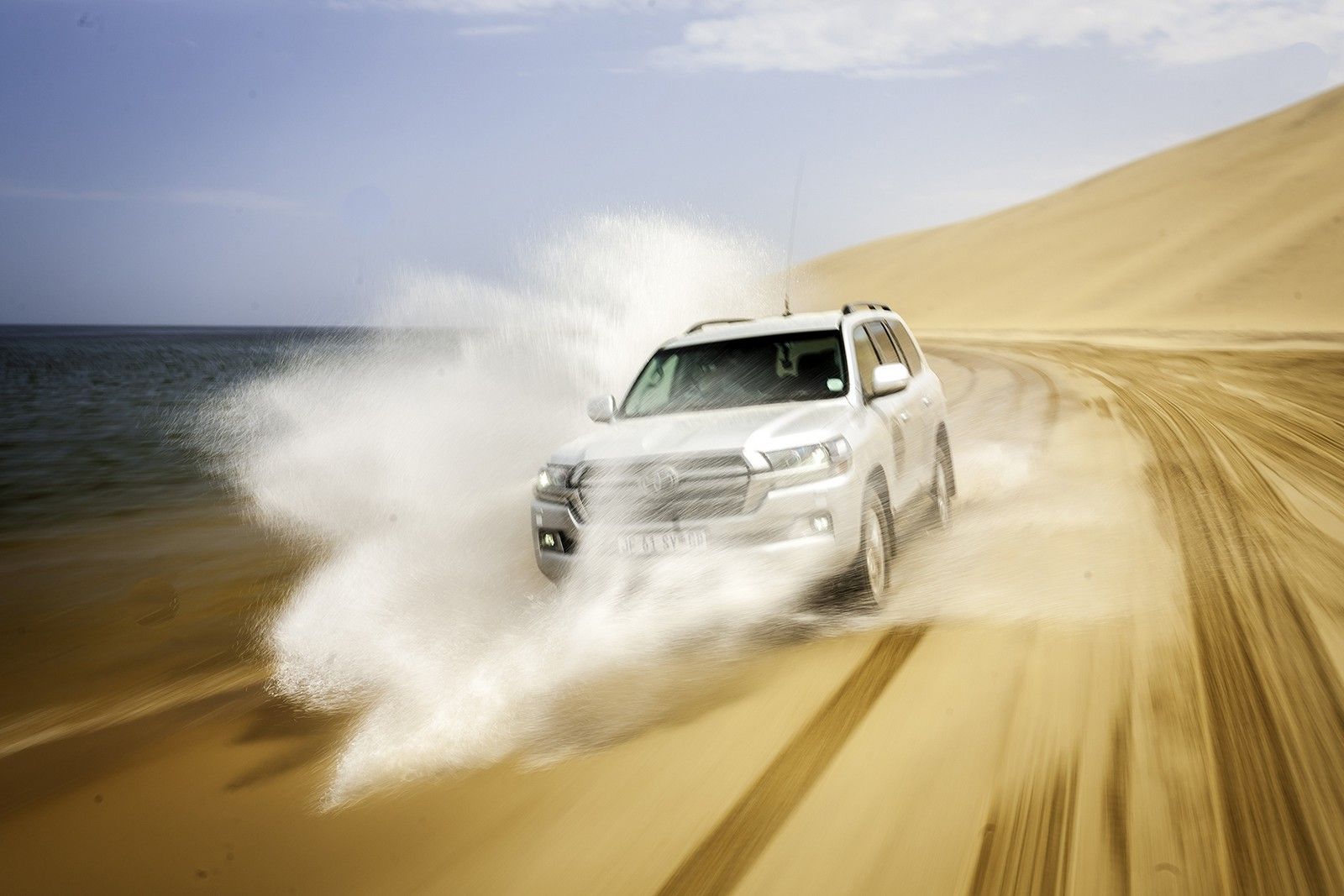
Like any Land Cruiser, the 200 Series is entirely dismissive of terrain. And that is exactly what you want in a place like Angola’s Namibe province: a vehicle that allows you to be awestruck by the scenery you are navigating through, without having to become a victim of it.
Land Cruiser 200 VX-R along the Death Acre.
Most of its luxury SUV rivals have transitioned to monocoque construction, but Toyota believes that separating bodywork, cabin and platform is vital for a true Safari specification overlander. After 200km of corrugated gravel terrain that would vibrate the tracks of a battle tank, the Cruiser 200 didn’t have a single spec of dust in its cabin. Or any trim squeaks. Or annoying system check lights illuminated between the dials.
In a world where people are paradoxically buying more SUVs, yet becoming increasingly intertwined with their sanitised urban existence, the Land Cruiser range offers its South African followers a reason to use your passport without passing through an airport.
There is no other Land Cruiser market that has the diversity of domestic terrain for exploring and escaping urban life that we have. And beyond our borders, in places like Angola, that diversity just keeps compounding in value. American, Australian and European adventurers dream of the kind of year-end journeys that South African Land Cruiser owners can easily undertake.
The first amongst equals
Two Namib edition 70s, ready for duty in Angola iconic Red City cliff formations.
A Land Cruiser 70 or 200 makes no sense in Europe. Which is why they don’t really bother even trying to sell them there anymore. But in South Africa, if you make the sacrifices to adjust your schedule, these remain unrivalled exploration vehicles.
It is amazing that Toyota manages to sell so many Land Cruisers because if you buy one, you’ll probably never need another. And in a world where the digital detox is becoming a necessary purge to rediscover your own personality, a Land Cruiser can take you to places where your Smartphone doesn’t work – and real adventure memories are made. Naturally, it can bring you back too – which is why they are so popular.
Asking which Land Cruiser is best would be like choosing between Springbok try-scoring phenomenons (Makazole) Mapimpi or (Cheslyn) Kolbe. I admire the Namib edition for its sheer strength and trio of lockable differentials. The 200 VX-R is a competent luxury SUV that will go places most adventure off-road motorcyclists won’t.
This is the chosen one, Toyota’s GX-R specification Land Cruiser, overlander perfect, straight from the factory.
The one which truly blends the best bits of luxury and robustness would be the ‘Cruiser GX-R. It is lighter than the VX-R, with a slightly more responsive throttle- and transmission mapping, which is what you want to conquer huge dune fields. It also rolls on steel wheels and comes equipped with a snorkel.
I would never recommend that anyone try and do the "Death Acre" solo, but if I had to, my choice of vehicle would definitely be a GX-R.
Hyundai Veloster Grappler Concept to debut at SEMA
Hyundai has made an extreme offroad version of its Veloster hatchback for the SEMA show. Check out the Veloster Grappler!
With the SEMA show in the first week of November, the weird and wacky custom creations are going to start filling your timelines. SEMA is an annual show held in Las Vegas and focuses on the customisation and aftermarket industries.
As for this Hyundai Veloster Grappler concept, it boasts increased ground clearance, combining superb approach and departure angles for confident off-road driving capability, while the front and rear brush guards to protect the vulnerable underbelly of the vehicle. There are also ridiculously oversized all-terrain tyres as well as rally wheels to give it a hardcore offroad edge. For those wanting the car to sound the part, there's a Borla cat-back exhaust system, while elements from Thule give it a practical edge.
Looking like something out of a Mad Max movie, the Veloster Grappler boasts powerful lightbars as well as a removable solar panel which powers an all-electric portable power station. Inside, there's a roll bar to protect passengers, Recaro seats and a dome tent for those wanting to experience the wild outdoors.
Should Hyundai make a production version of the Veloster Grappler?
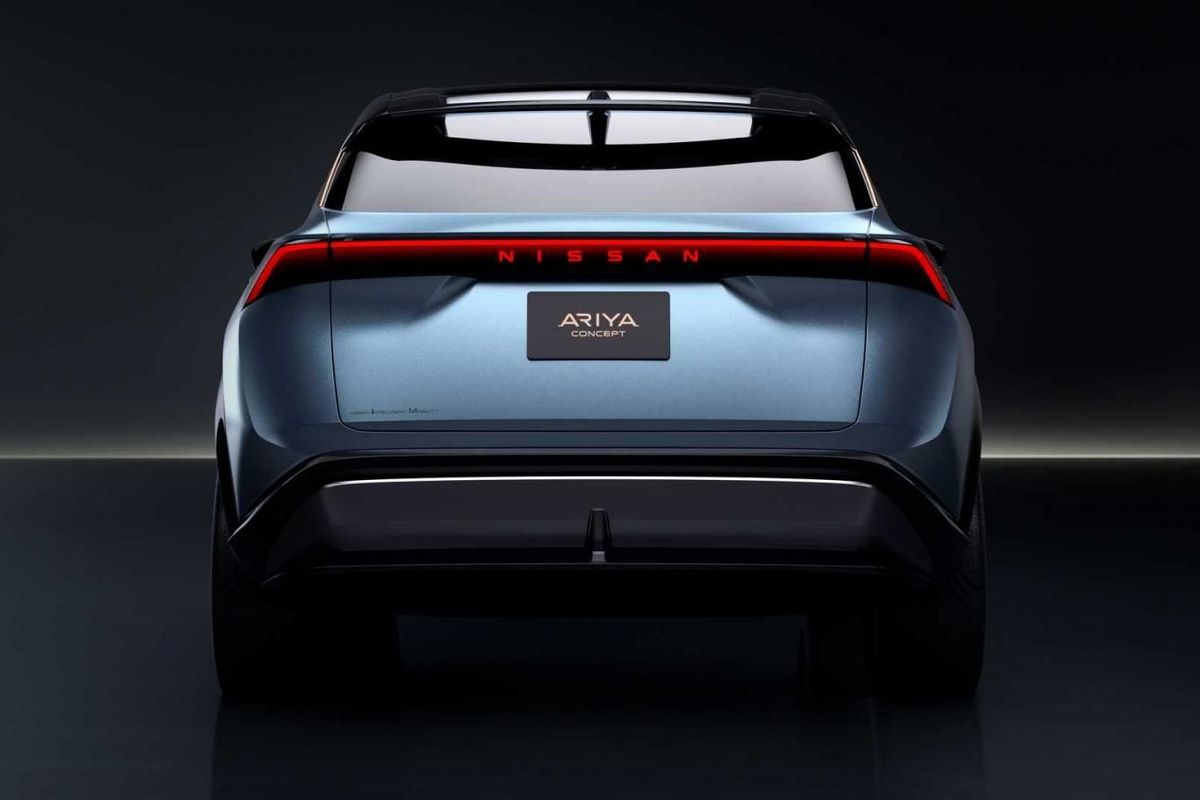
Nissan Ariya Concept Shows Sleek Electric Crossover
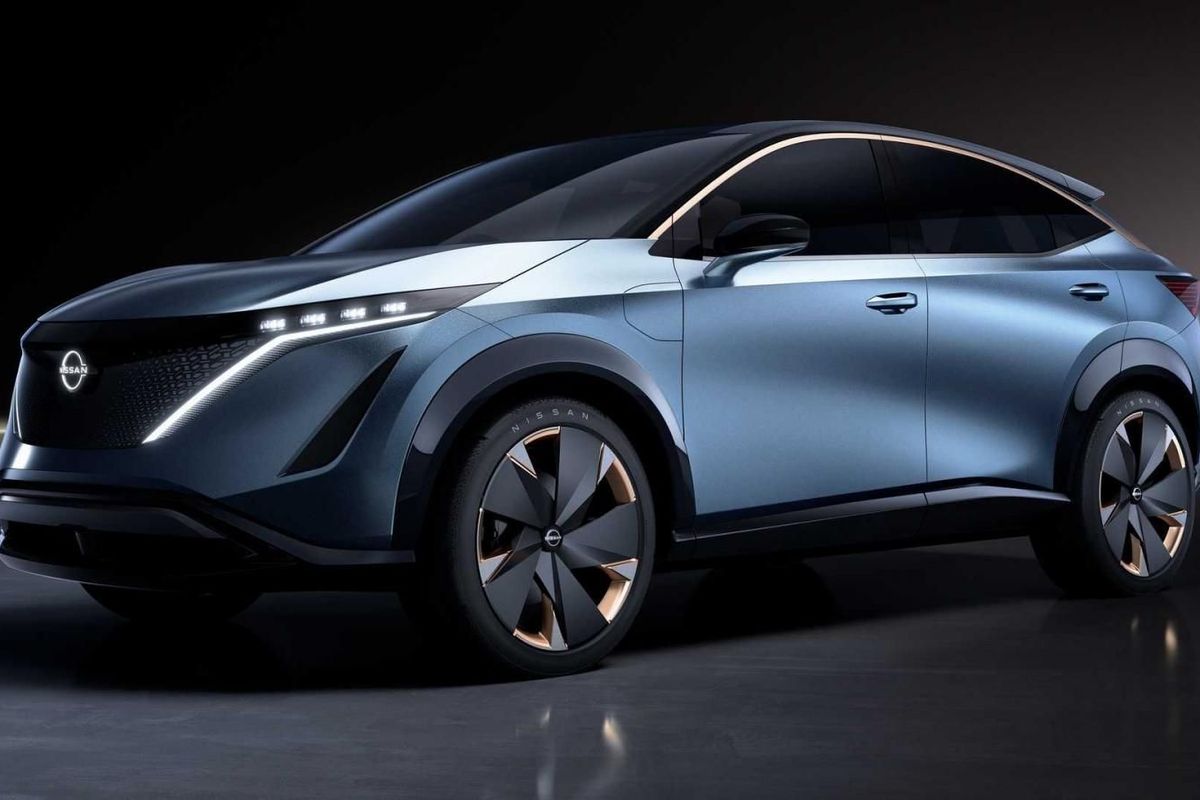
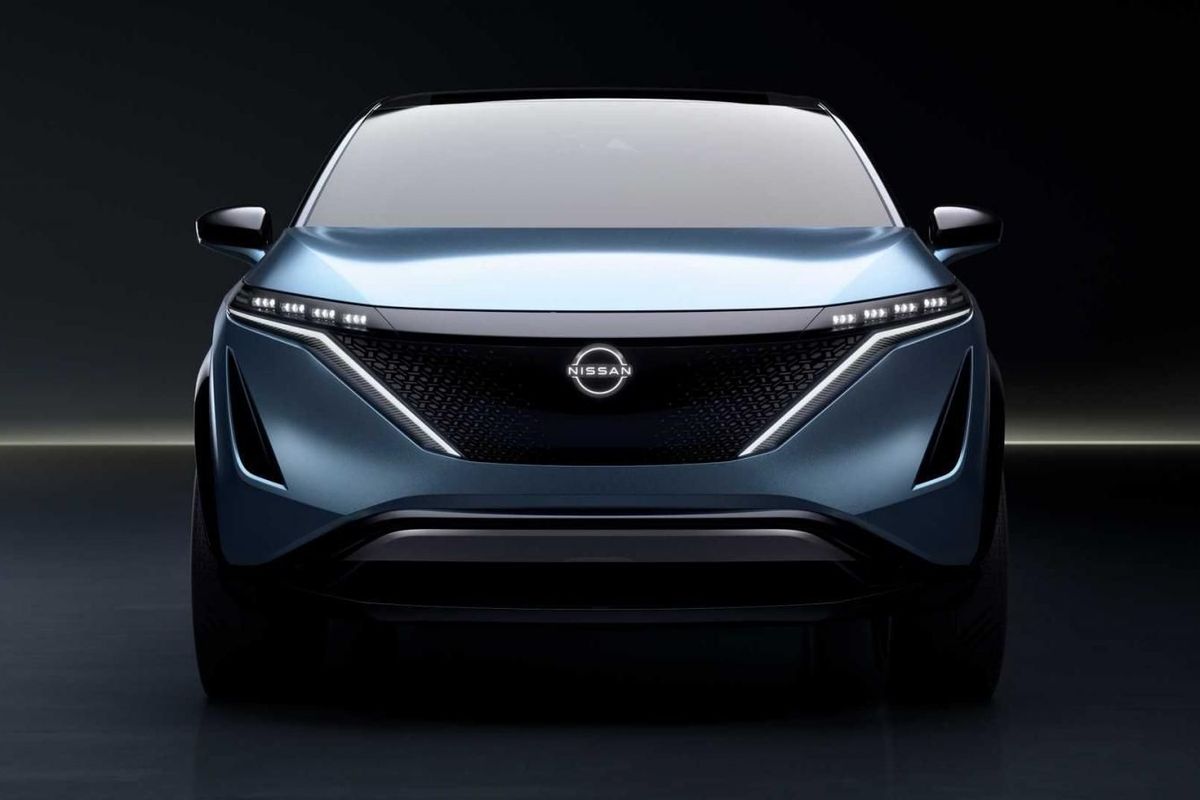
Nissan has unveiled an electric crossover concept called Ariya at the Tokyo Motor Show and it showcases not only the future design direction for the brand but also highlights the technology that the brand will offer in the not-too-distant future.
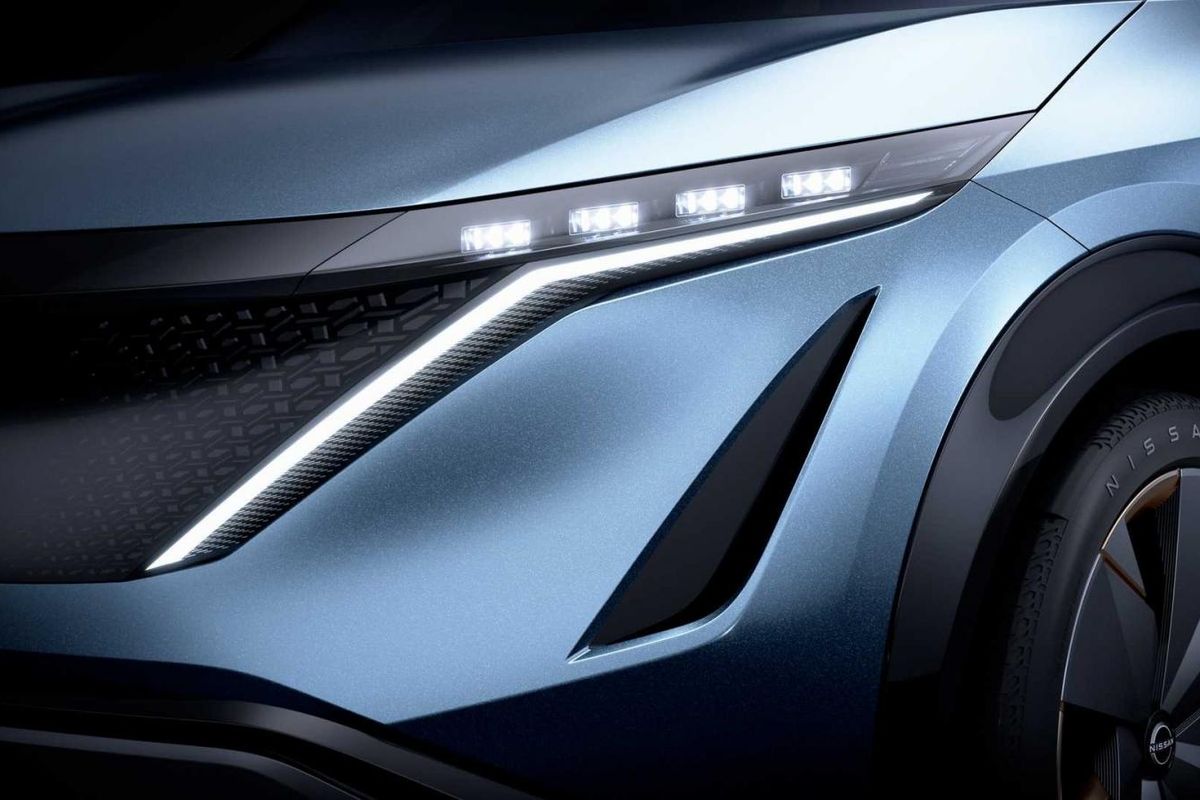
The Ariya concept shares design elements with the 2017 IMx concept and some of these include the electrified V-motion ‘shield’, a rear light blade, short overhangs and a spacious lounge-like cabin that’s packed with technology.
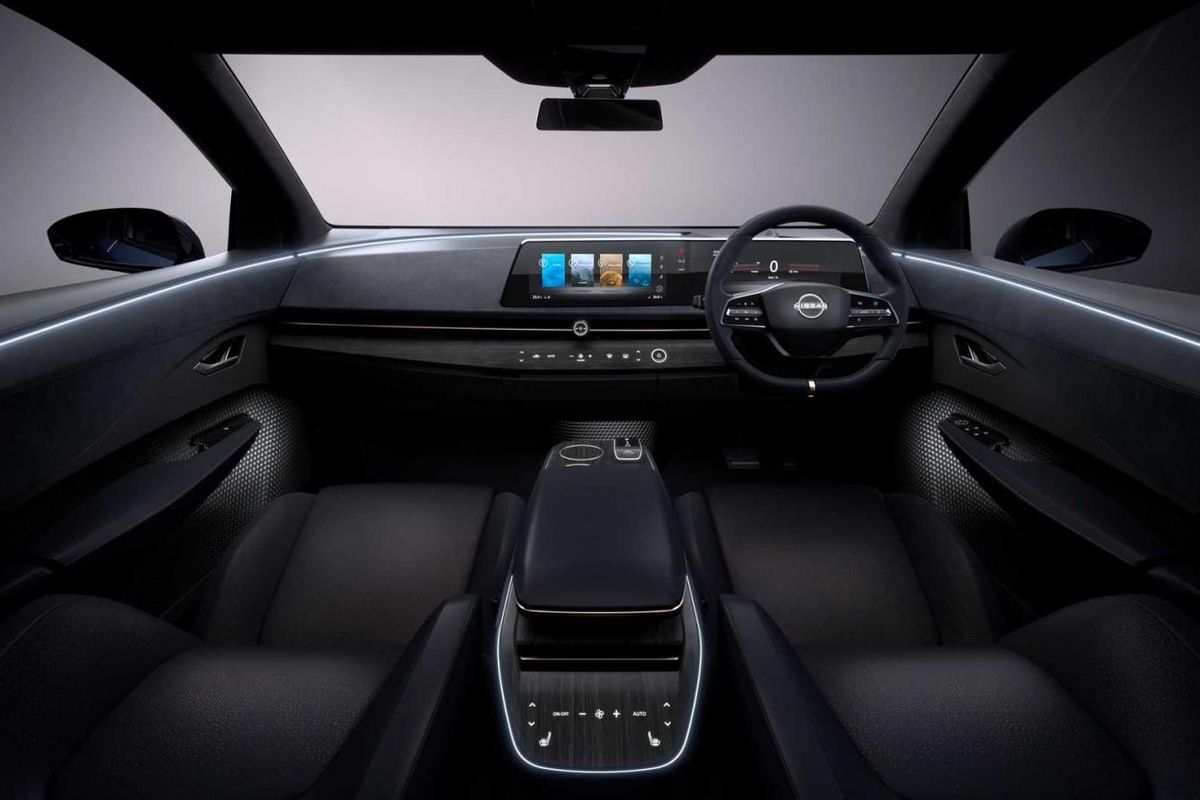
While this is just a concept, Nissan does state that the unconventional interior and exterior elements could make it into production in the near future.
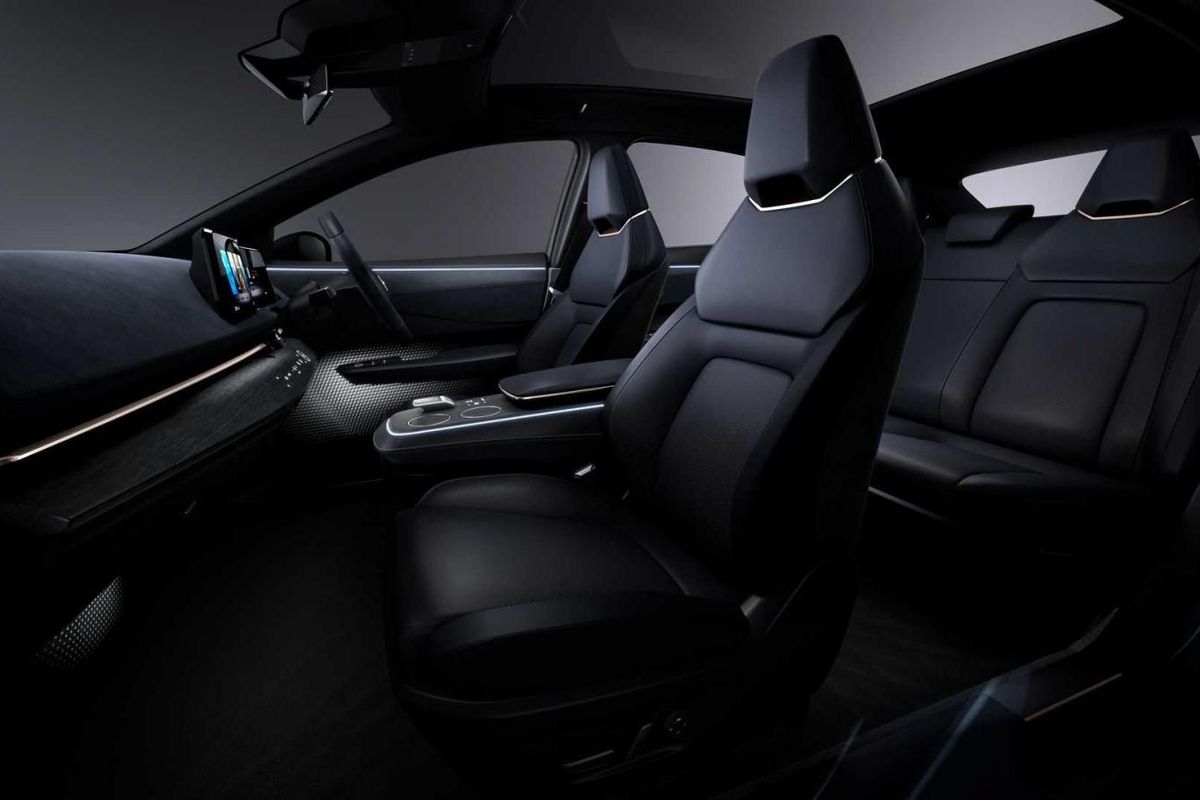
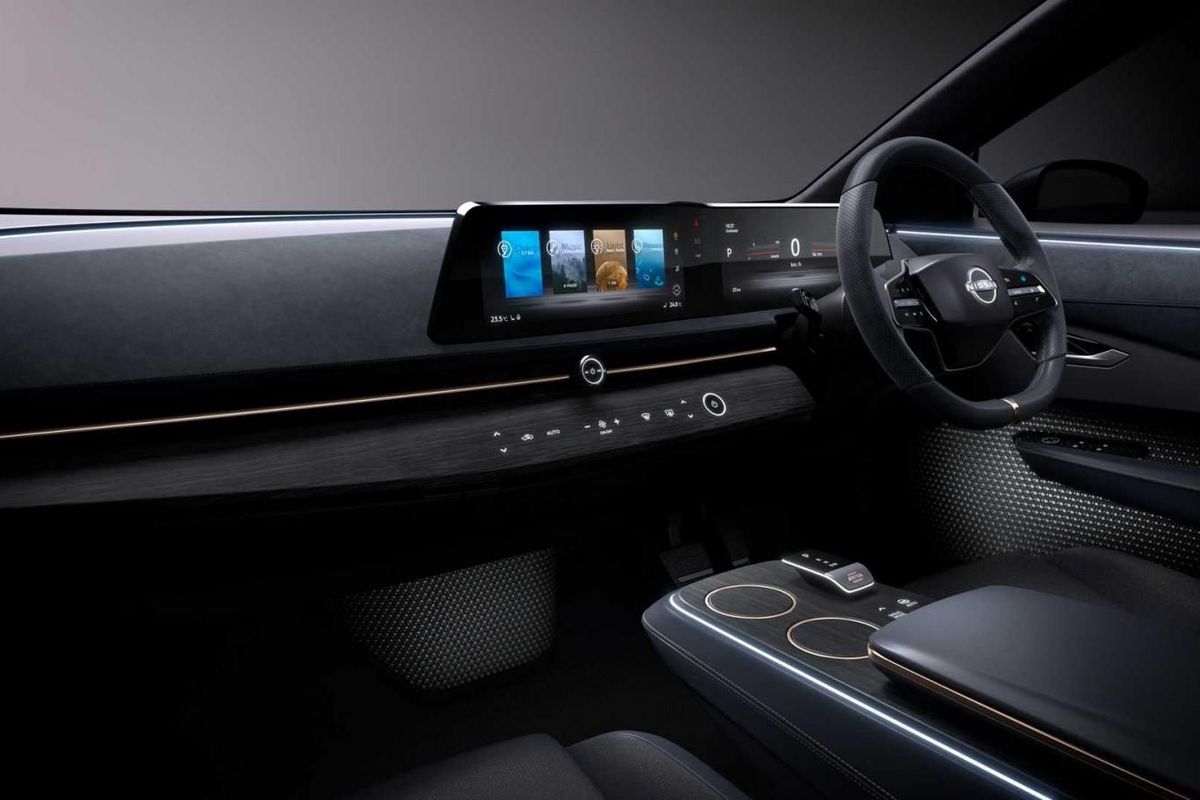
On the inside, a flat floor creates a sense of space and the dashboard features a minimalist design that’s devoid of buttons and switches you would typically see in a conventional car. Instead, integrated haptic touch controls on the instrument panel, a start button, a single knob to for the 12.3-inch display and climate controls are the only controls to be seen, most of which integrate into the surfaces when they are not in use.
A thin seat design creates more space inside the Ariya concept and the seats are positioned in a way to maximise visibility. A mix of materials are used for the interior including perforated leather, copper fabric, synthetic leather and satin copper-coloured aluminium accents, to name a few.
Details regarding the Ariya’s electric powertrain are slim but Nissan does say that it’s powered by dual front/rear electric motors that ensure “powerful acceleration”. More so, Nissan claims that the Ariya’s power delivery is equal to or better than many premium sports cars.
As the embodiment of Nissan Intelligent Mobility, the Ariya is equipped with ProPILOT 2.0 which combines navigated highway driving with hands-off single-lane driving capability. Using the navigation and 360-degree sensing, the vehicle can autonomously execute actions such as overtaking, lane diversions and lane exits.
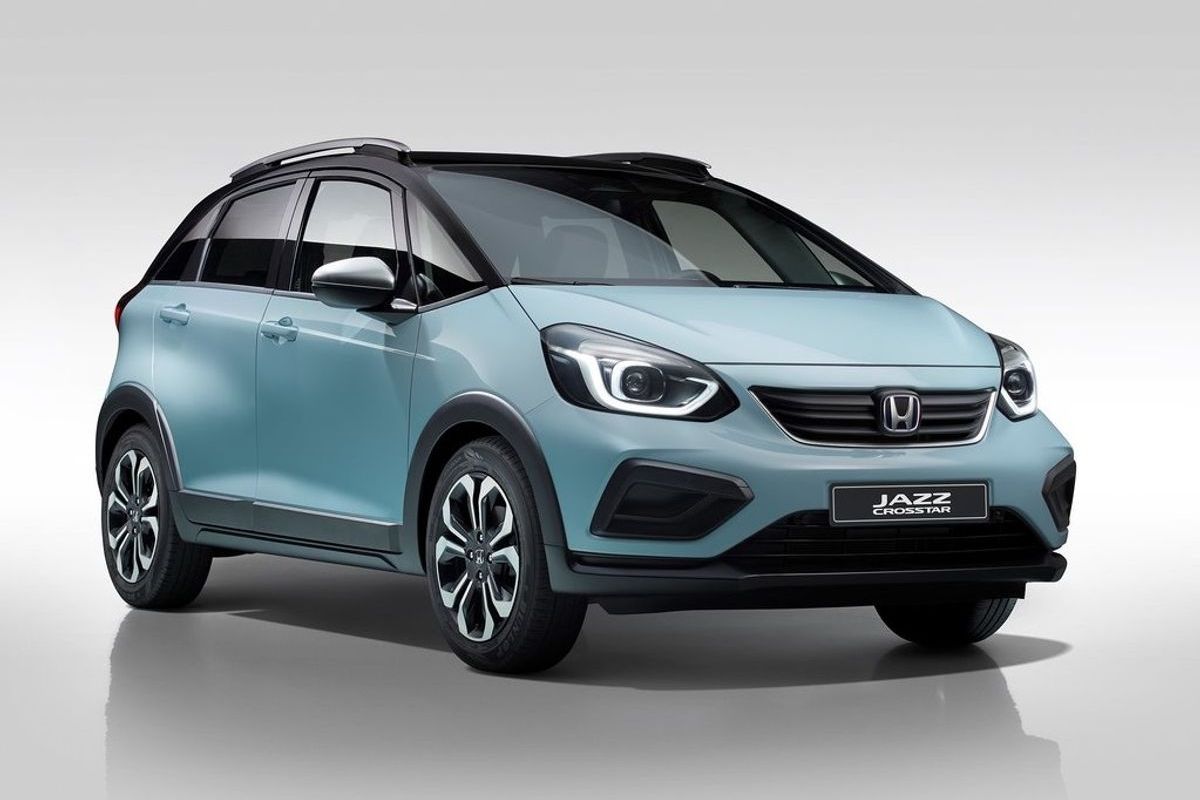
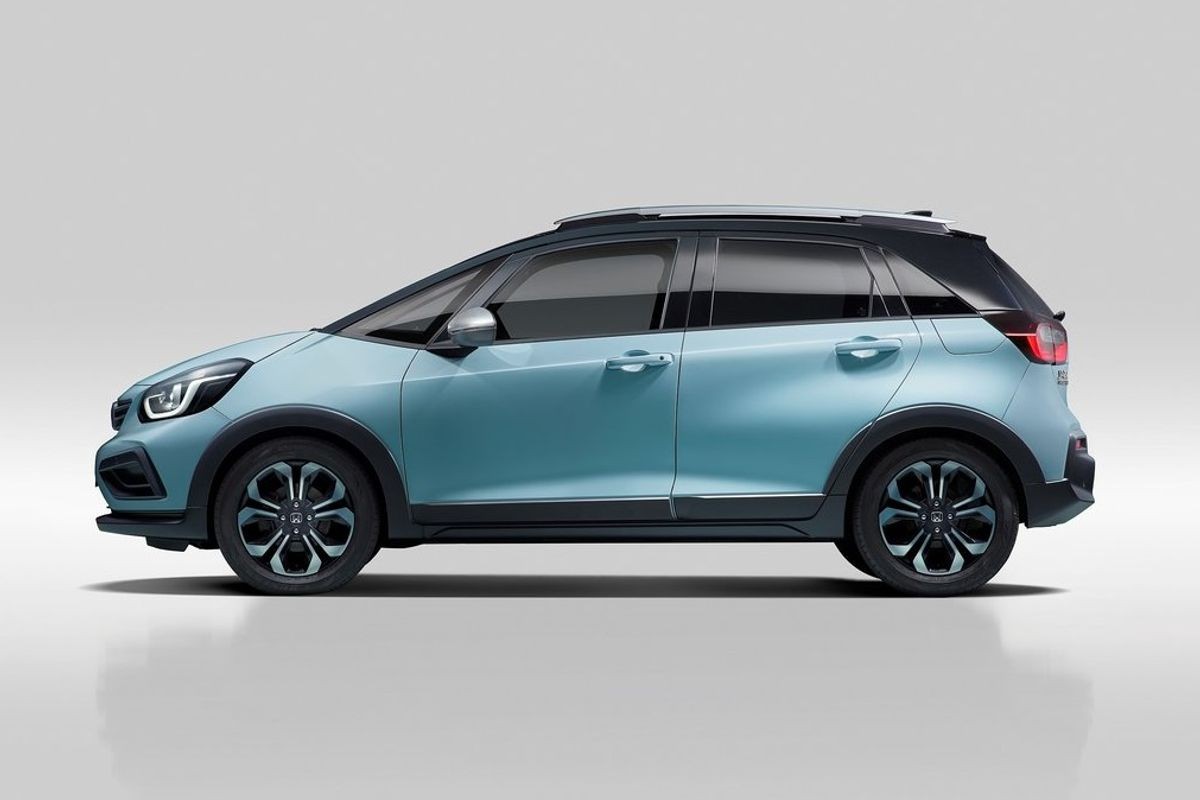
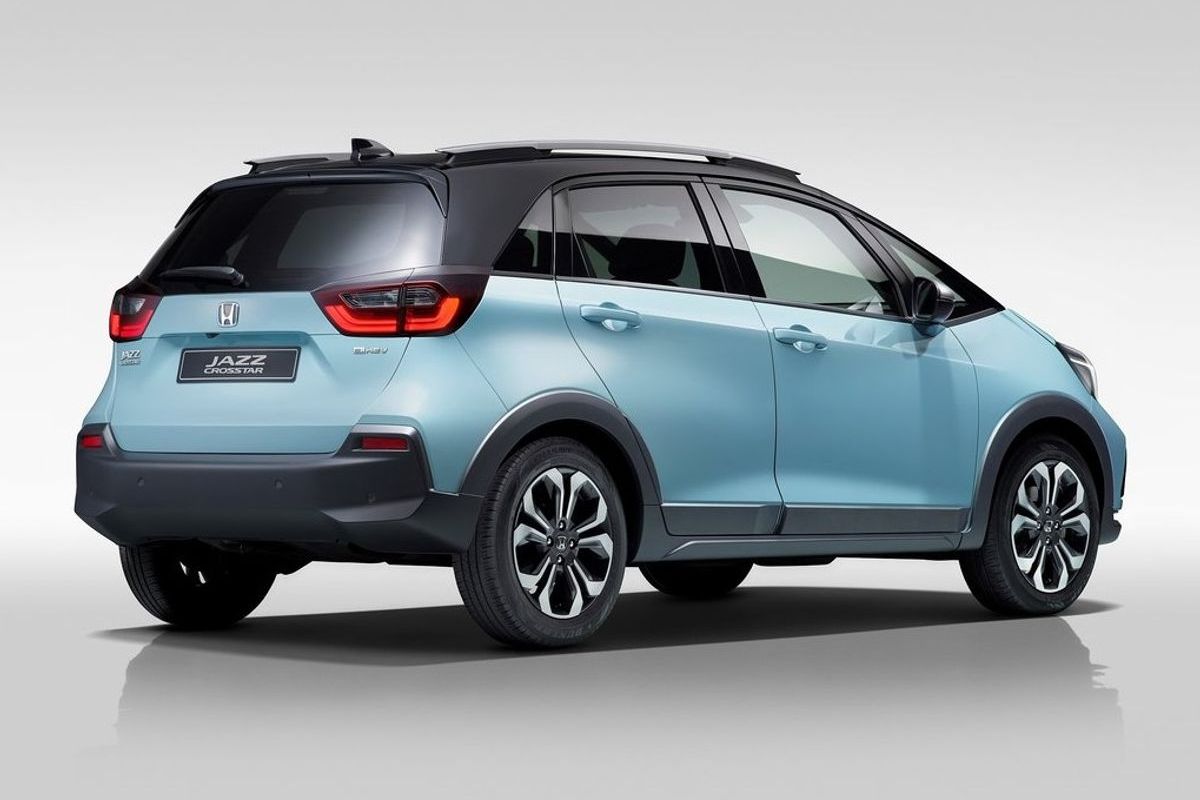
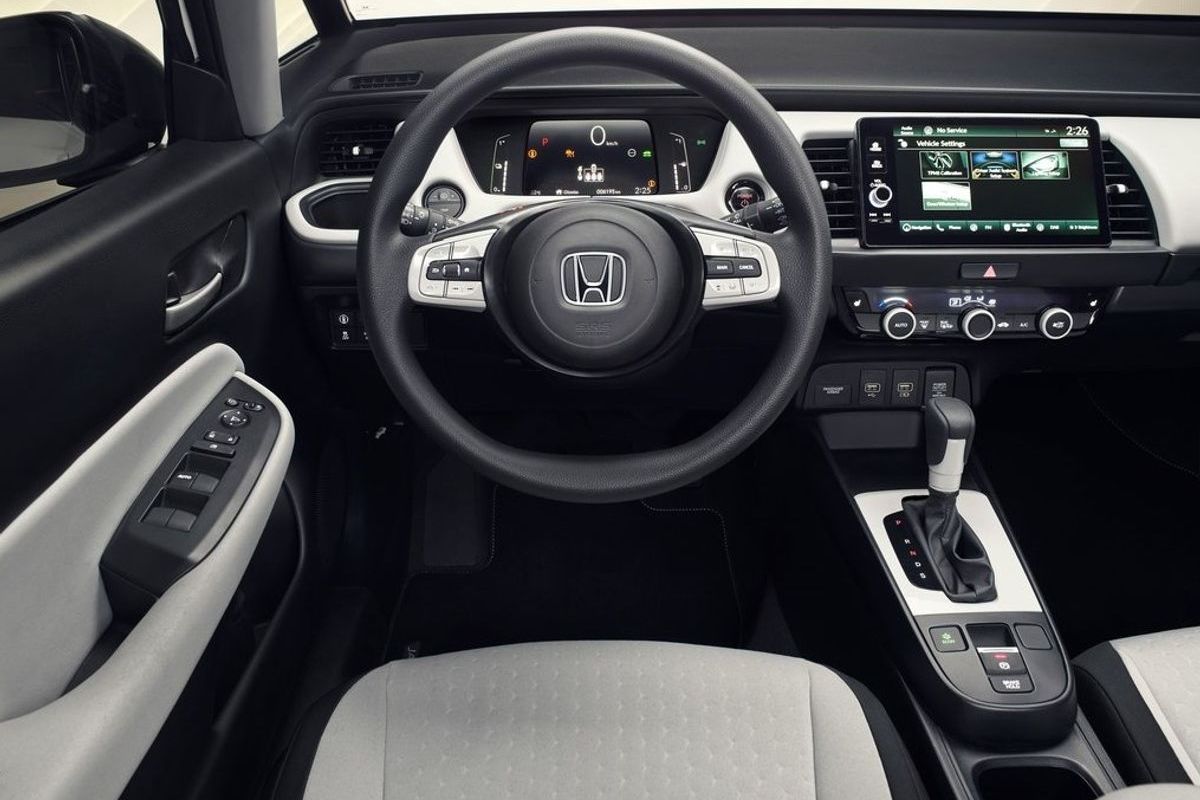
Honda has used the Tokyo Motor Show to reveal its all-new Jazz compact MPV.
The Honda Jazz is well known for its bulletproof reliability and practical interior. Now, Honda has revealed a new 4th-generation Jazz which aims to build on the success of its predecessor.
The new Jazz is easily recognised by its revised cross-sectioned A-Pillar which affords the driver and passengers enhanced forward visibility.
The big news, however, is that the Jazz is now powered by a 2-motor hybrid powertrain for the first time and will wear the new ‘e:HEV’ badge. The hybrid drivetrain is said to offer “effortless driving performance and impressive fuel economy”. Honda, however, has yet to reveal specific details regarding the powertrain.
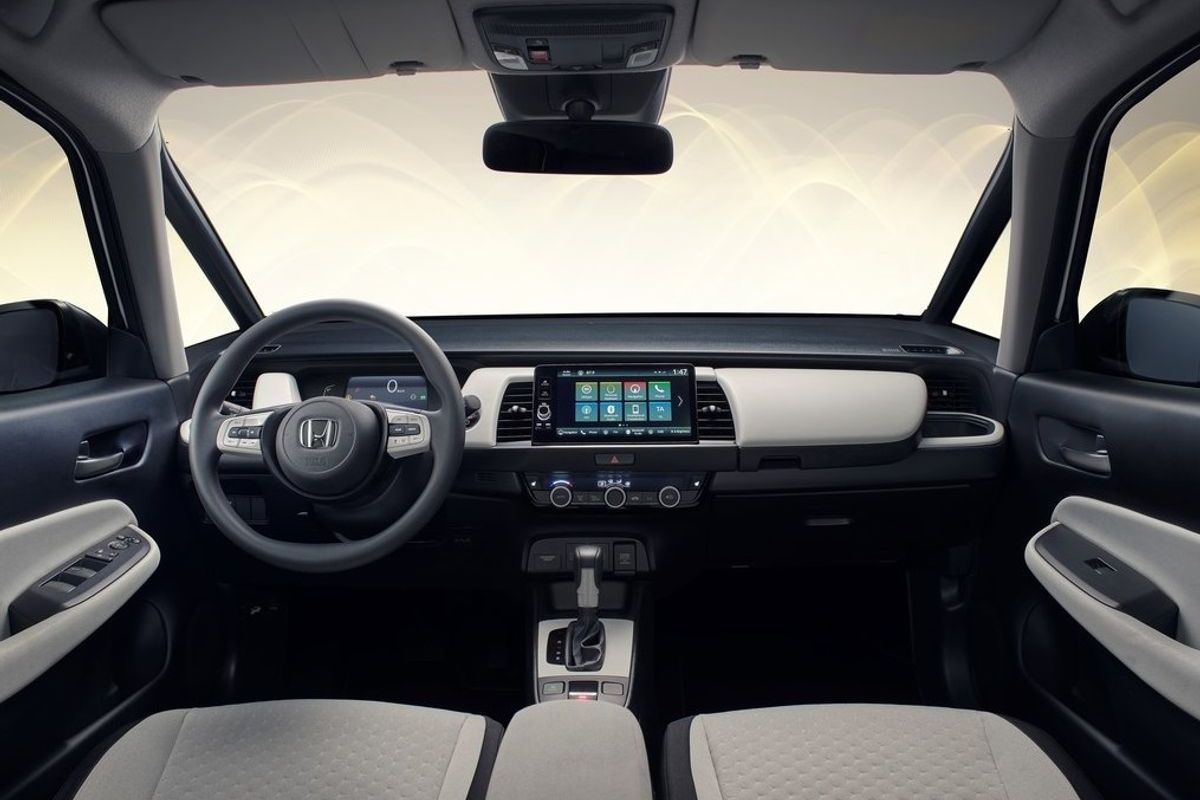
The interior features a new LCD touchscreen interface that can be used much like you use a smartphone with swipe functionality and features such as smartphone mirroring using Apple CarPlay and Android Auto are particularly useful.
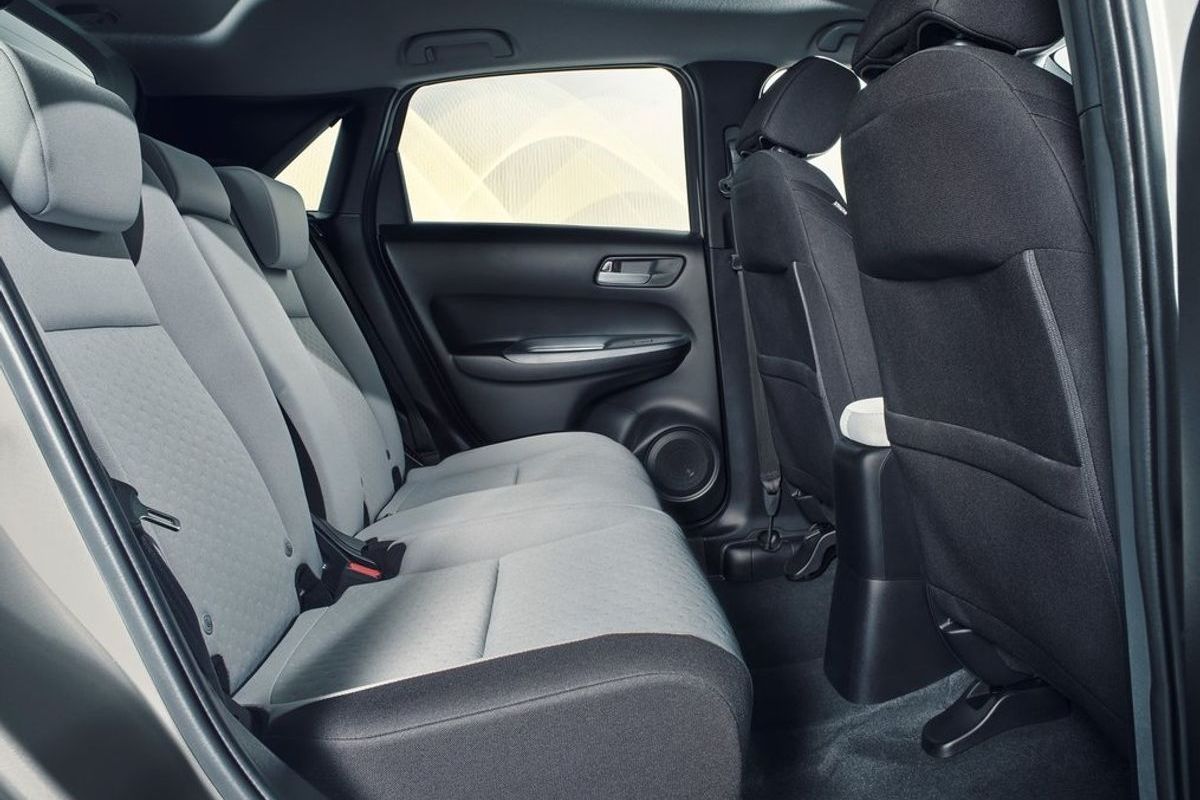
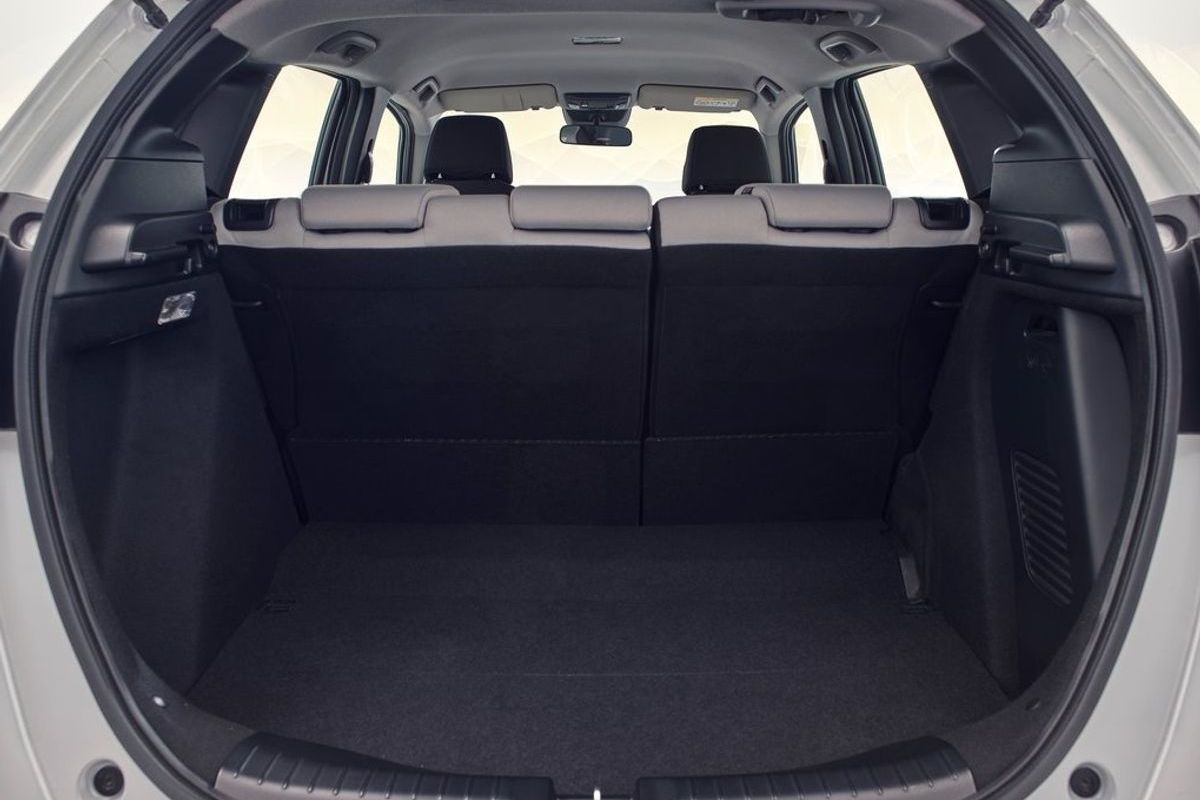
Passenger comfort has been improved with wider, body-stabilising front seats with mat-structure support which replaces the previous spring design. The rear seats are also more comfortable and now feature thicker seat pads and the new Jazz retains its Magic Seats from the previous Jazz which allows for fold-flat or flip-up functionality.
Honda has quipped all Jazz derivatives (there are 5 to choose from in the Japanese market) with Honda Sensing technology which now features a new and wider front camera. Honda has also improved its Collision Mitigation Brake System (CMBS) which can now detect pedestrians and cyclists at night and can apply the brakes automatically when vehicles cut across or turn into the path of the Jazz. With the new camera, Adaptive Cruise Control can be used at low speeds in high congestion situations in conjunction with Lane Keep Assist.
The new Honda Jazz will go on sale in Europe in mid-2020 but its arrival in South Africa has yet to be confirmed.
Meet the finalists in the Executive SUV category of the 2018/19 Cars.co.za Consumer Awards – powered by WesBank!
Now in its 4th year, the #CarsAwards was conceived to be South Africa's definitive automotive awards programme and is backed, for the 3rd year running, by the country's leading supplier of vehicle finance, WesBank.
The Executive SUV category is guided by both eligibility factors and Pillars of Success. Eligibility factors include a listed price between R700 000 and R900 000 at the time of semi-finalist voting (September 1, 2018) and it must be a medium-sized SUV (Audi Q5/Merc GLC size) with their ‘coupe’ derivatives also being considered.
Pillars of Success for this category include powertrain technology, luxury features, brand strength, design and quality appeal, driving dynamics and space and practicality.
Compared with its predecessor, the Audi Q5 is larger than before, but also lighter, thanks to the use of lightweight materials. Interior comfort has increased and the general ride and drive has been geared towards supple comfort, making it a strong contender in this segment.
The X3 features larger dimensions and improved refinement but is some 55 kg lighter than its predecessor. BMW’s executive SUV is a well-balanced product, with a lot to offer in this segment.
Gothenburg-based brand, Volvo, is on a roll at the moment. The XC60 is an all-new model of its most popular SUV and runs on the same platform as the XC90. It’s superbly refined to drive and offers one of the most luxurious cabins in the segment. Volvo has put a lot of thought into the versatility needed in a midsize SUV and there are clever packaging solutions that make it feel very practical.
The Internet is abuzz with this photo which is doing the rounds. It looks a lot like the all-new BMW M3 has leaked early.
Appearing first on a tuner's page, this image has created quite the stir. We're not 100% sure if it's the real deal, but the hallmarks of an M car are there, such as the quad exhausts.
As far as powertrain goes, we are expecting the same 3.0-litre twin-turbocharged 6-cylinder, but with substantial revisions. Power and torque will increase, and to be fair they'll need to jump substantially to match its rival from AMG. Based on what the BMW X3 M and X4 M have to offer, it would be a surprise to see the new M3 powered by a different engine. In SUV guise, that powertrain delivers 375 kW and 600 Nm in its Competition spec.
There's an interesting school of thought doing the rounds which suggest that the xDrive all-wheel-drive system (like the BMW M5) will make its debut in the all-new BMW M3. This will upset many purists, but there's also news of a potential entry-level "Pure" model which will feature rear-wheel drive and a manual gearbox.
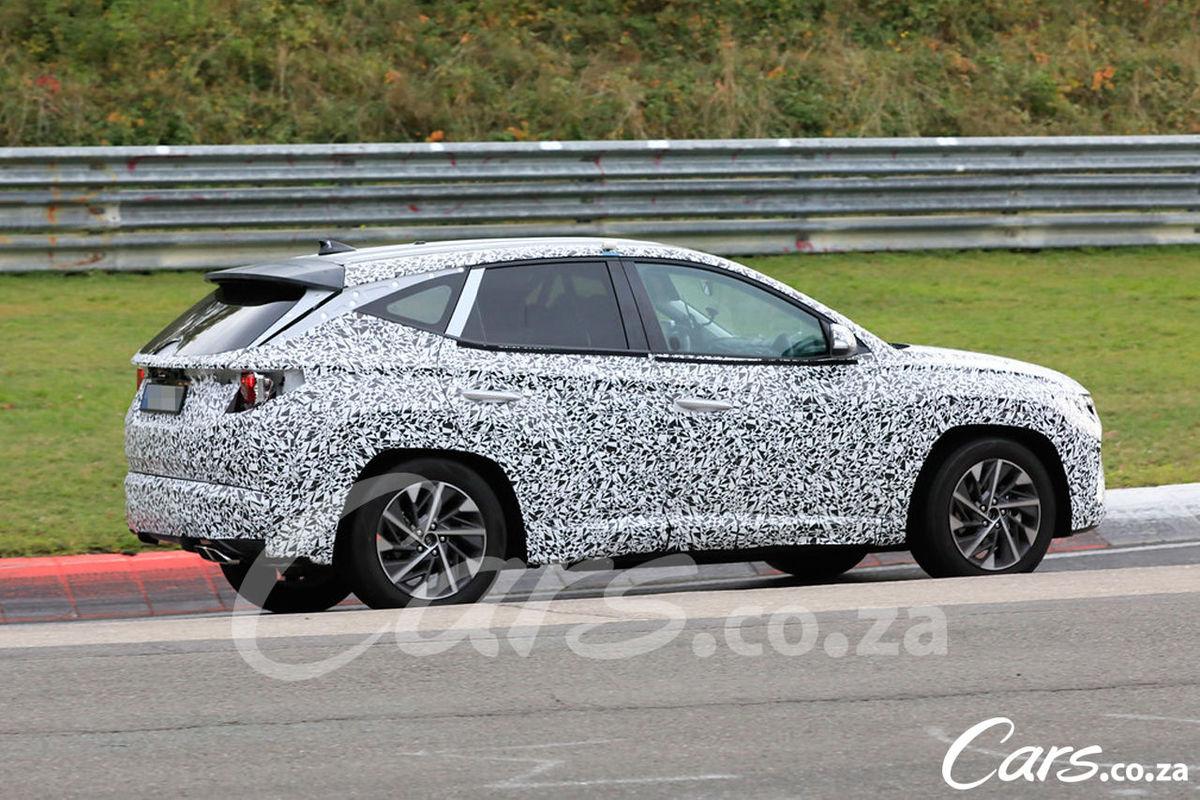
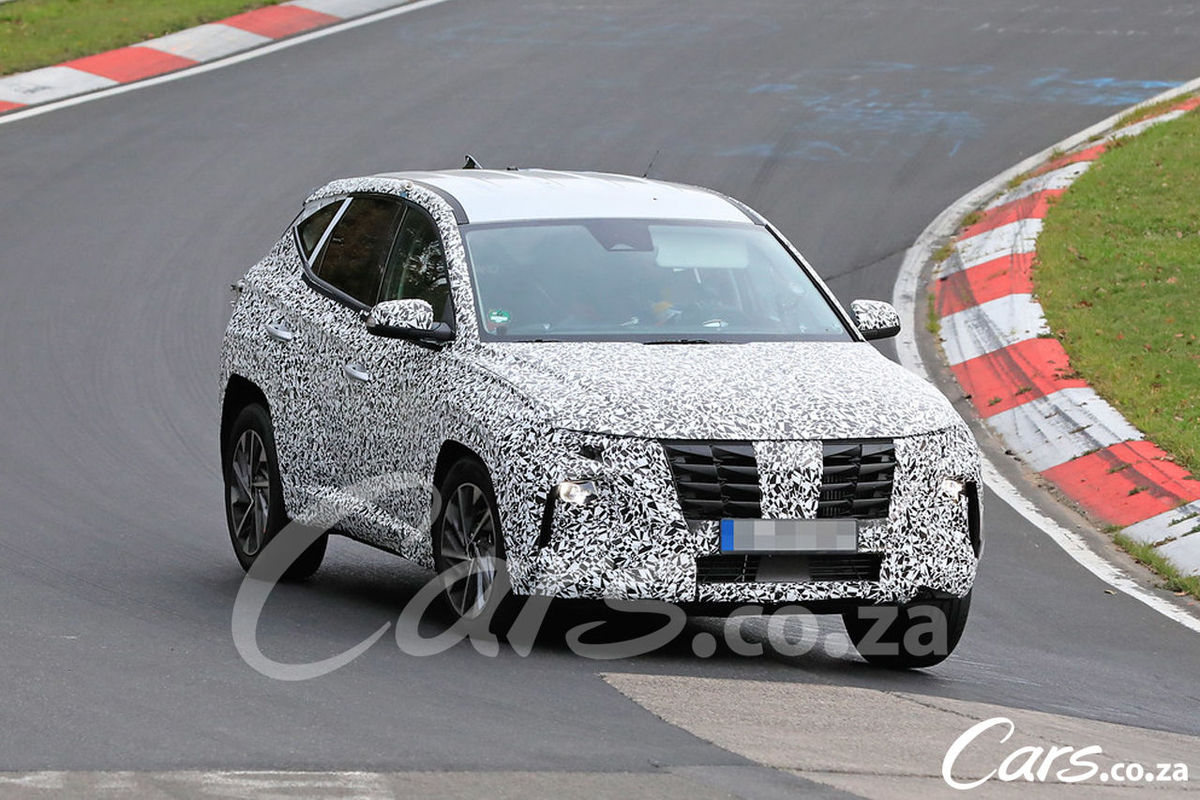
The next-generation Hyundai Tucson has been spotted again, this time testing on track.
Picture credit: S. Baldauf/SB-Medien
The last time we saw the Tucson mules, the vehicle's rear was covered and hiding some of its shape. Now, we get an even better look at what's to come. Expected to be launched globally in the middle of 2020 as a 2021 model, the all-new Hyundai Tucson's proportions are clearly visible.
It's too early to talk about powertrains, but we would be surprised if there was not some of electrification thrown into some models. The global market is lapping up SUVs at an impressive rate and this segment, in particular, is jampacked with competitors such as the Toyota RAV4, Honda CR-V, Volkswagen Tiguan to name but a few.
What we're interested in is why the vehicle being tested on the Nurburgring. Could there be a sportier Tucson on its way? Perhaps Hyundai global has noted the South Africa-only Tucson Sport's success?
BMW M5 Competition Review – Do we need a faster M5?
We're not sure anyone on earth drove the standard M5 and thought, hmmm, this is a bit slow. We drag raced it last year against the more powerful E63 S and it really held its own.
But BMW obviously thought they could crank it up a bit and so we have this, the M5 Competition. The tweaks have mostly been made to the suspension to improve handling, and the 4.4-litre twin-turbo engine has been tweaked to produce an extra 19 kW.
But for R300 000 more than a standard M5, is there any reason to opt for the Comp?
In this video, Ernest Page takes it out to, erm, find out. He also pulls off a quite impressive 2WD launch control…
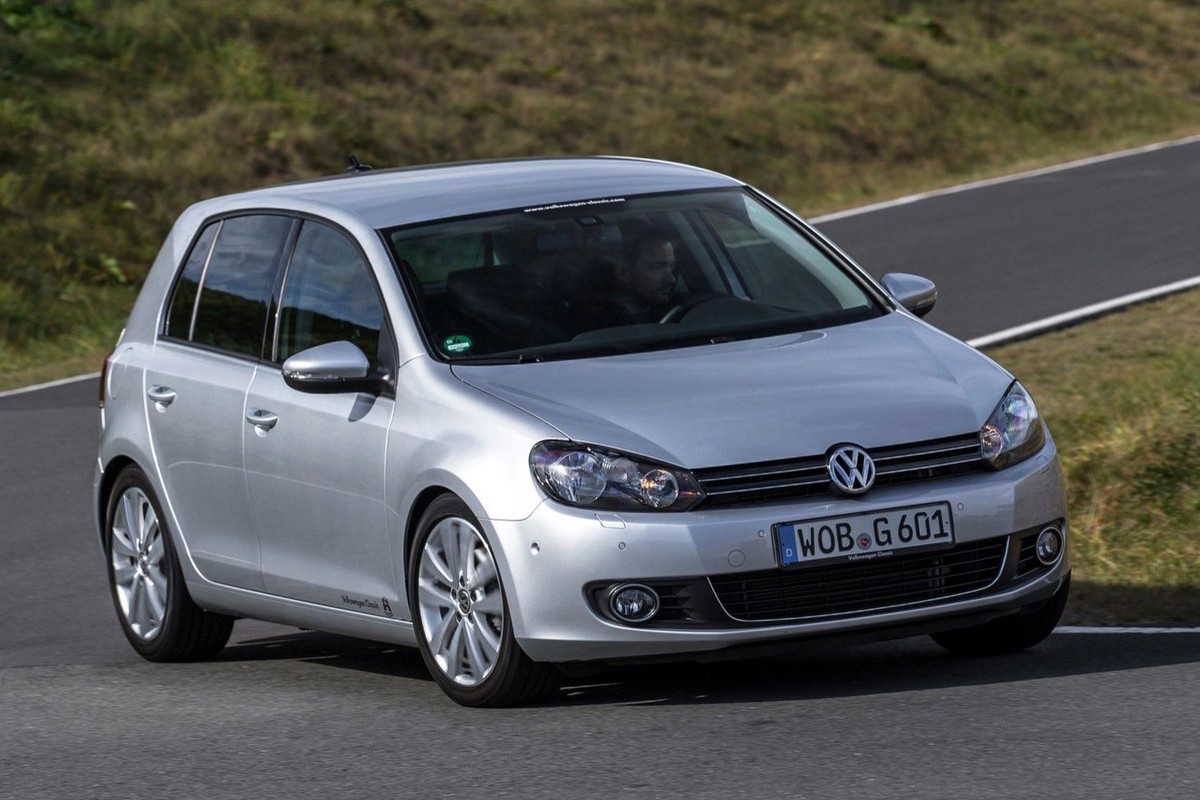
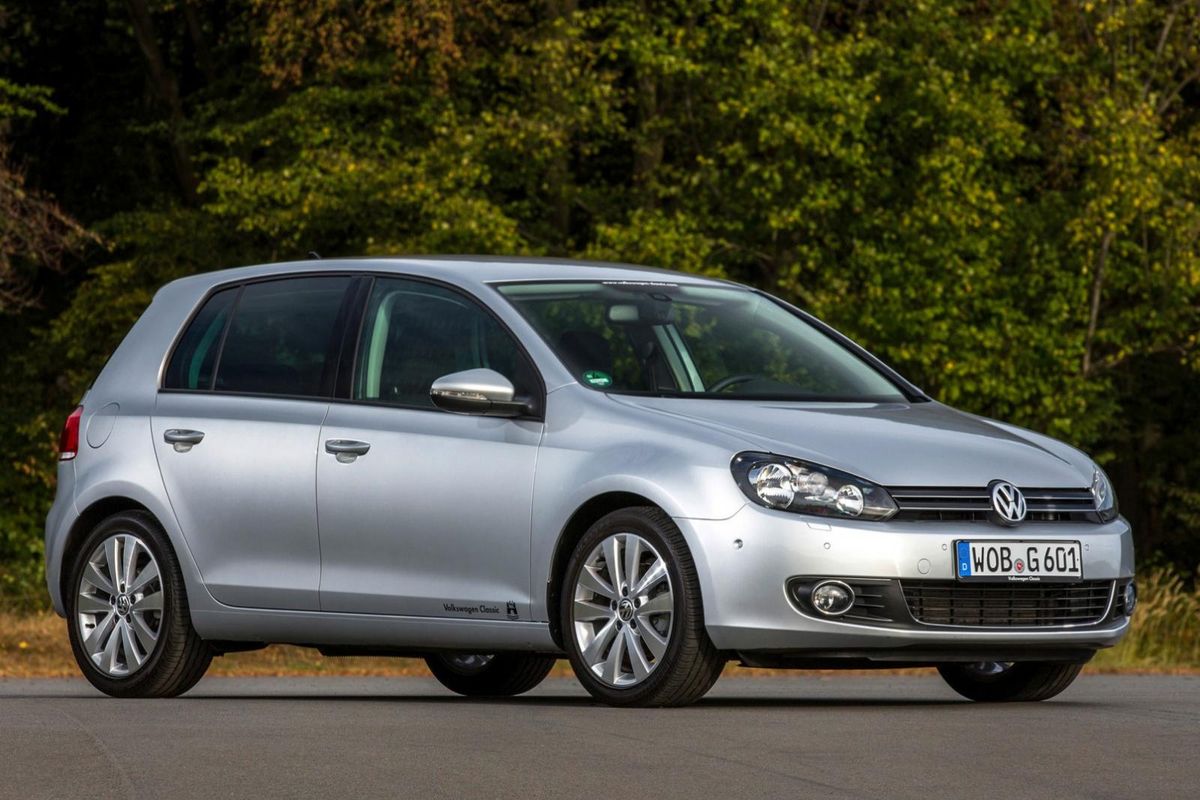
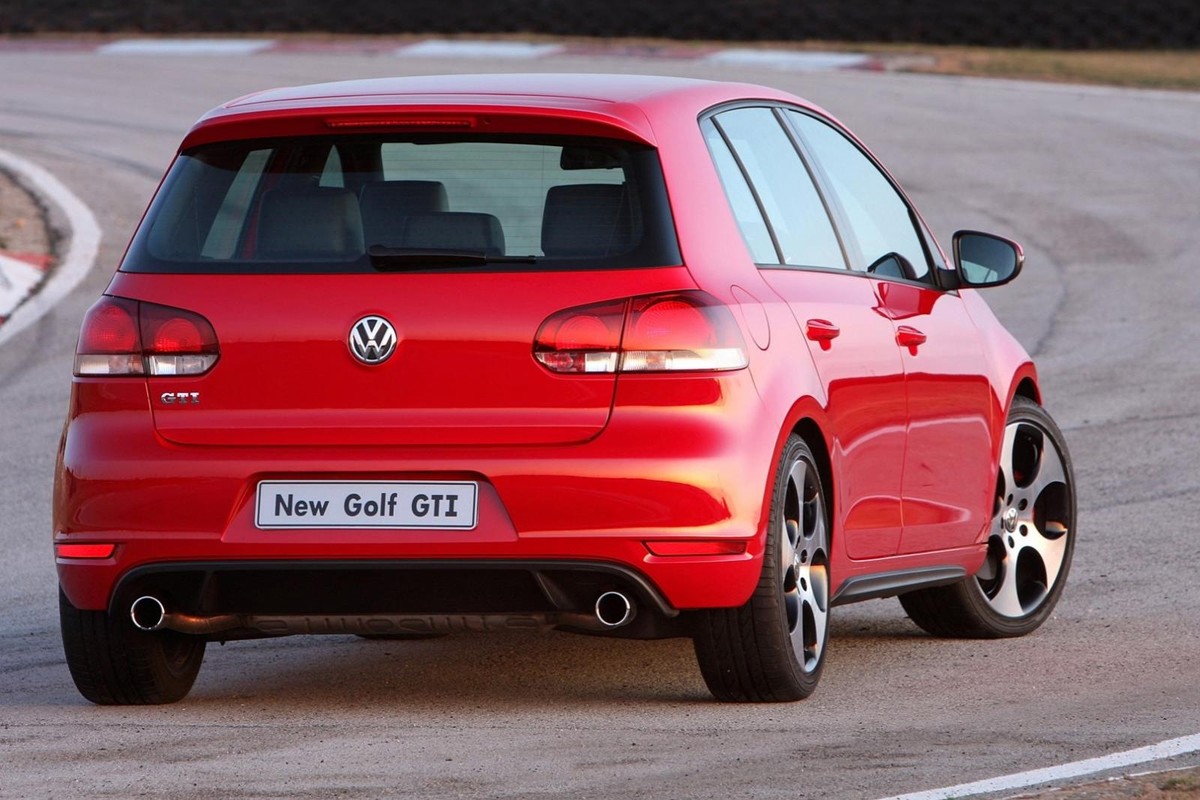
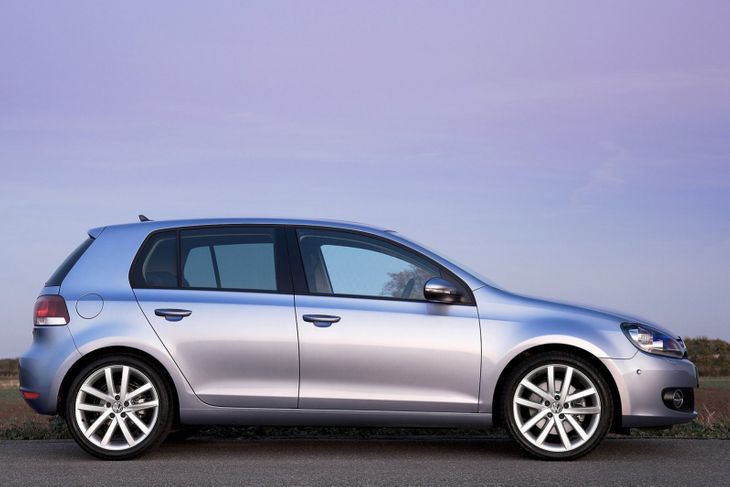
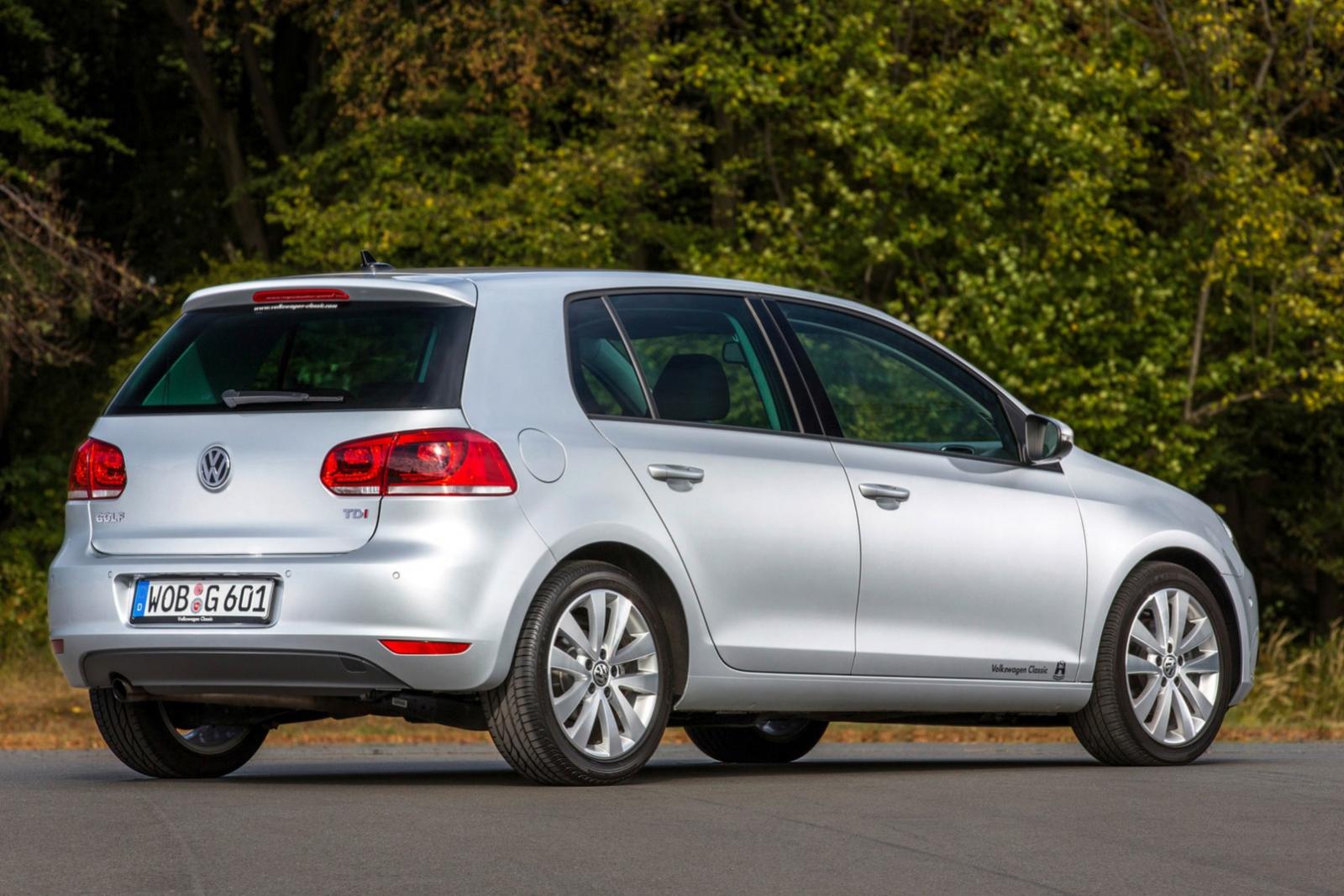
Launched in 2009 Volkswagen’s Golf 6 brought new levels of refinement and safety to its class, and today remains a favourite in the used car market. But which is best, and what should you look out for?
A perennial top seller when it was new, even at a “premium” price compared with its main rivals, the youngest Golf 6 available today on dealership floors is already more than 6 years old. Even so, shoppers looking for a classy car that offers good safety, parts backup and resale value that will remain strong in years to come still favour this attractive hatchback over newer, smaller offerings from rival brands.
Golf 6 arrived in South Africa in the first half of 2009 and was initially offered in the following variants;
1.6 Trendline (75 kW/148 Nm) 5-speed manual
1.4 TSI (90 kW/200 Nm) 6-speed manual Trendline & Comfortline
1.4 TSI (118 kW/240 Nm) 6-speed manual Highline
2.0 TDI (103 kW/320 Nm) 6-speed manual Highline
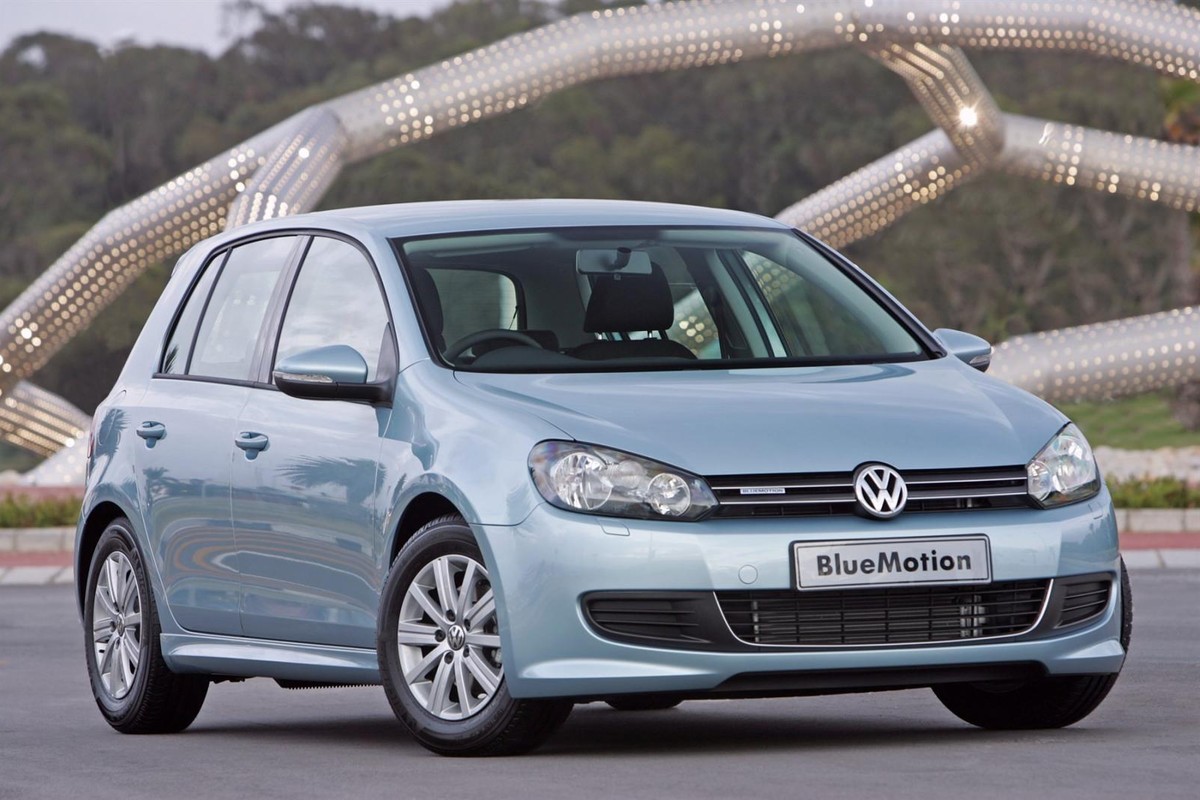
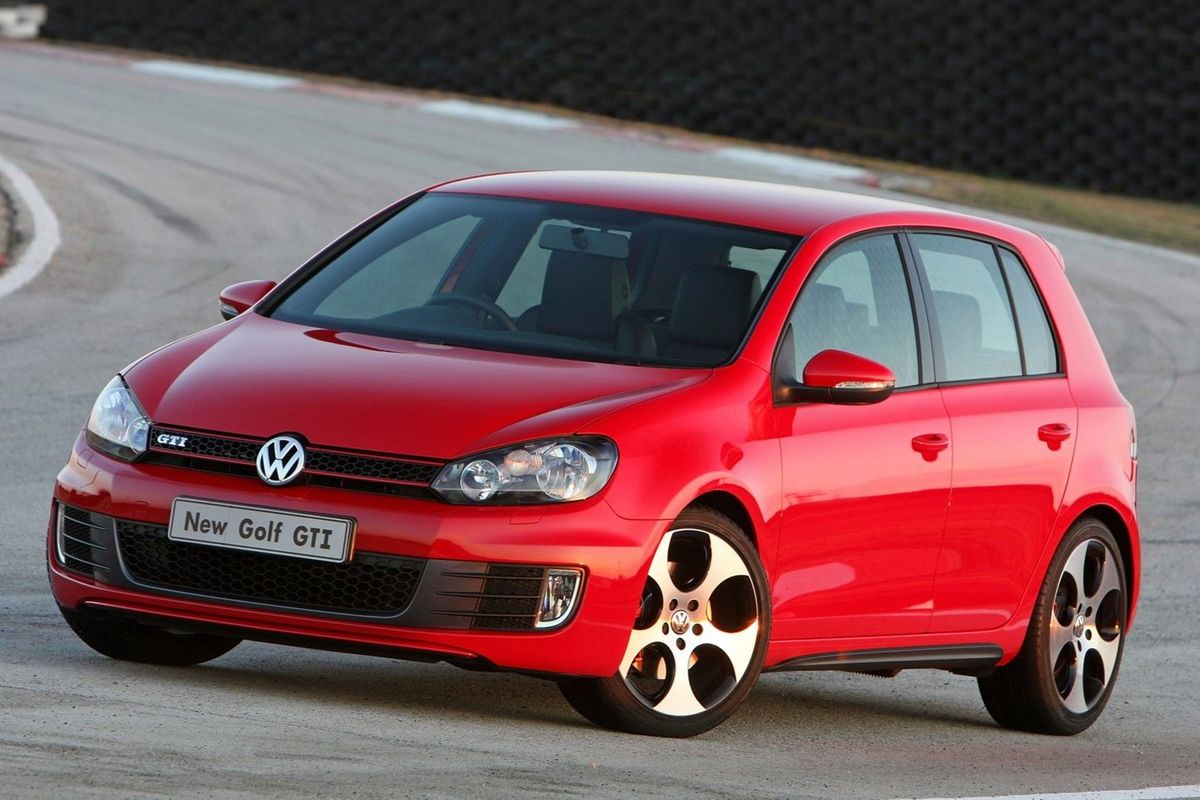
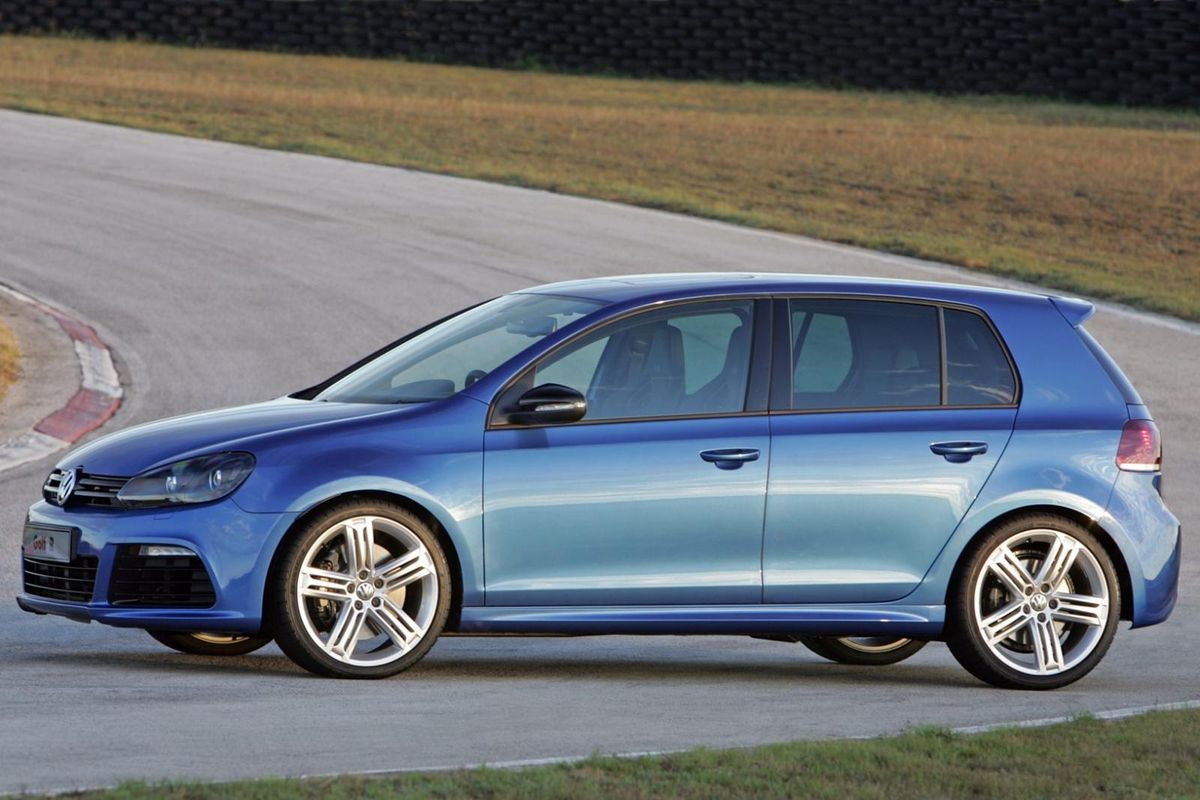
Soon after the launch of the mainstream Golfs, the new 6 GTI (155 kW/280 Nm) arrived, offered in 6-speed manual and 6-speed DSG guises. A more frugal 1.6L TDI became available in manual and DSG variants, too. Volkswagen then later also added the very frugal Golf Bluemotion (1.6L turbodiesel) in December 2010 that was claimed to use only 3.8L/100 km. The very hot Golf R arrived in April 2011, powered by a turbocharged 4-pot delivering 188 kW/350 Nm and was also offered in manual or DSG form. The latter-equipped Golf R was faster than the manual, with a 0-100 kph time of 5.5 sec. 4Motion all-wheel drive was fitted.
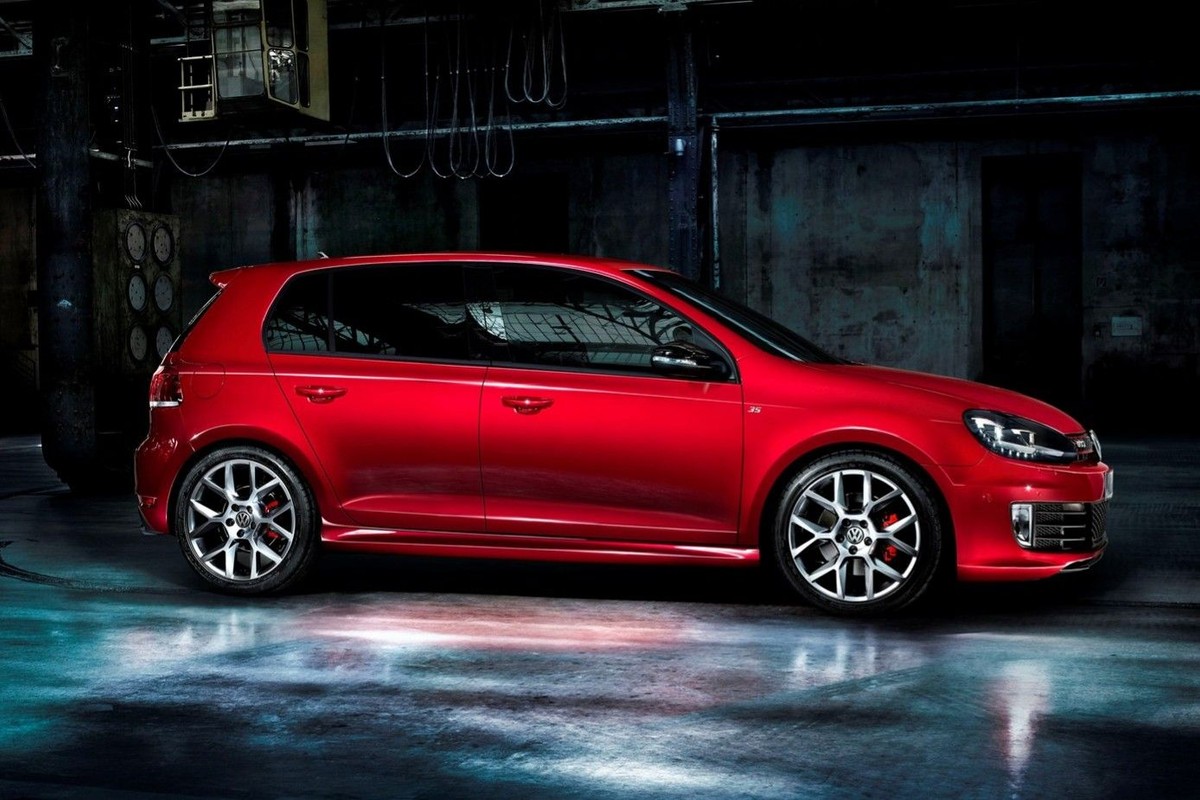
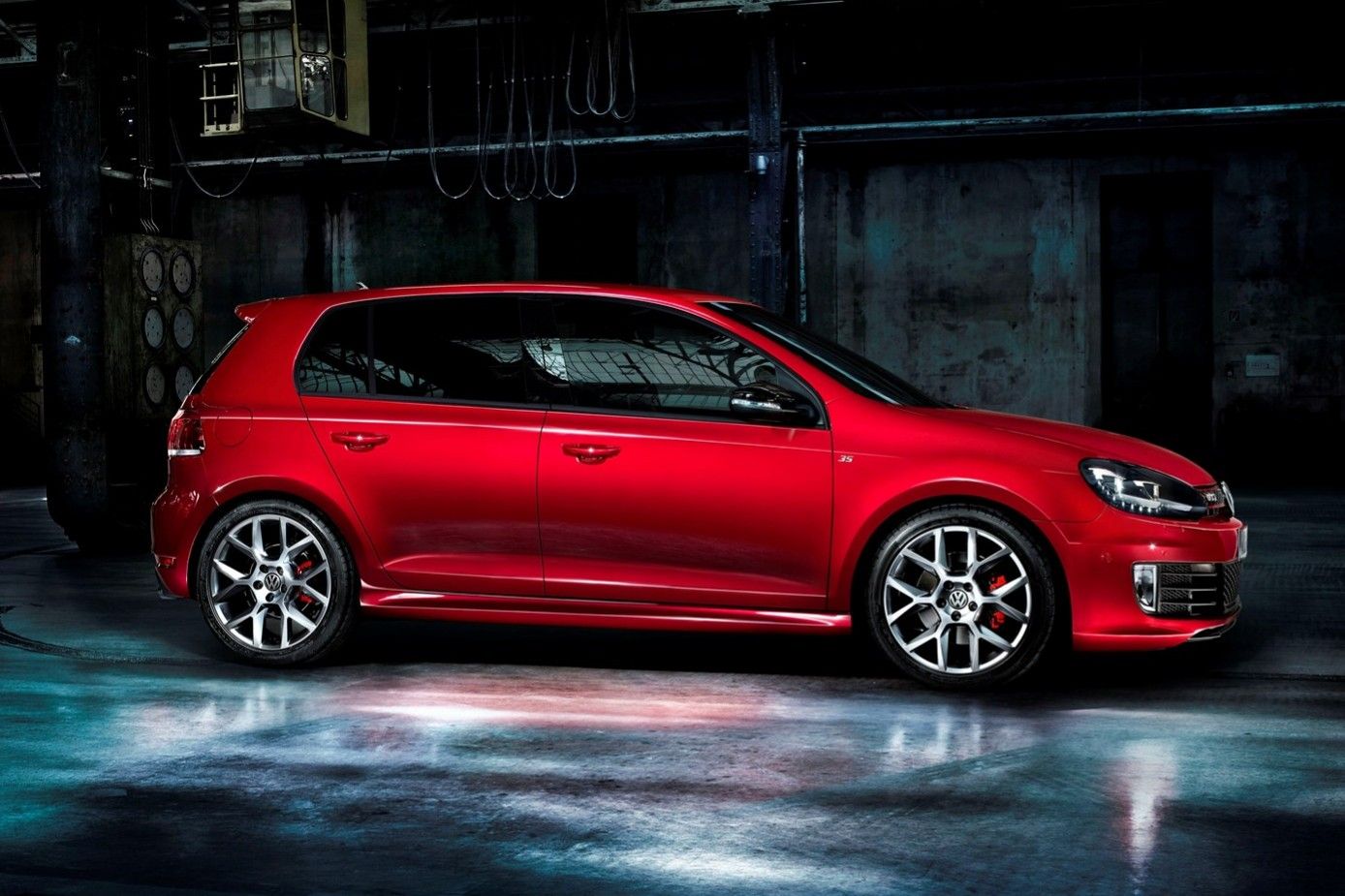
The Golf GTI Edition 35 offered an 18kW increase over the standard GTI, but Dynamic Chassis Control remained an option.
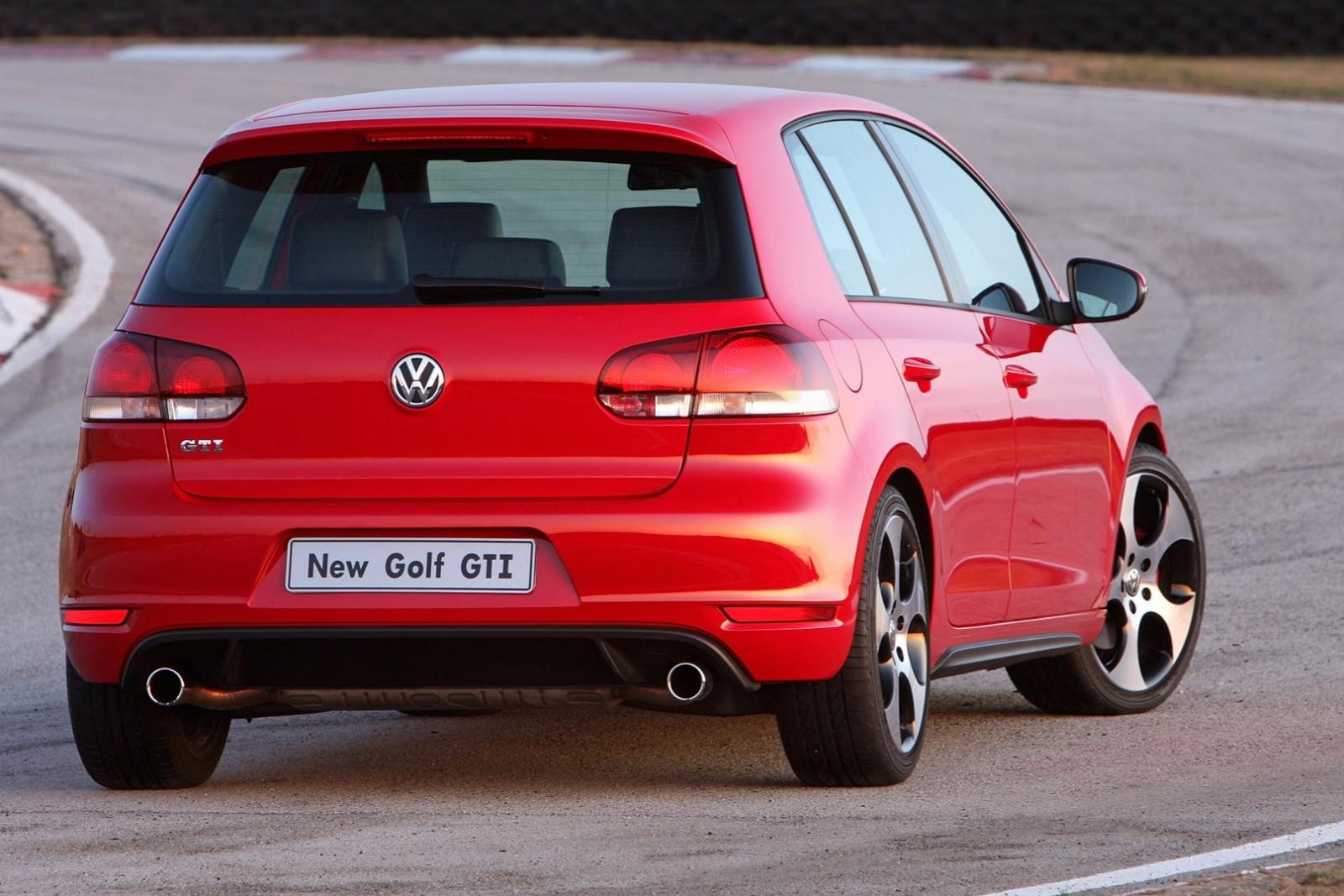
One of the rarer Golf 6 derivatives, the limited-edition Golf GTI Edition 35, arrived in February 2012 and offered 18 kW more than the standard GTI. With 173 kW of power and 300 Nm of torque, the Edition 35 was available with manual or DSG transmissions with the latter version sprinting to 100 kph in only 6.6 sec. It looked the part, too, riding on 18-inch Watkins Glen alloy wheels. According to Lightstone Auto 274 manual Edition 35s were sold locally, and a whopping 645 DSGs found homes in SA, so they shouldn’t really be that difficult to find.
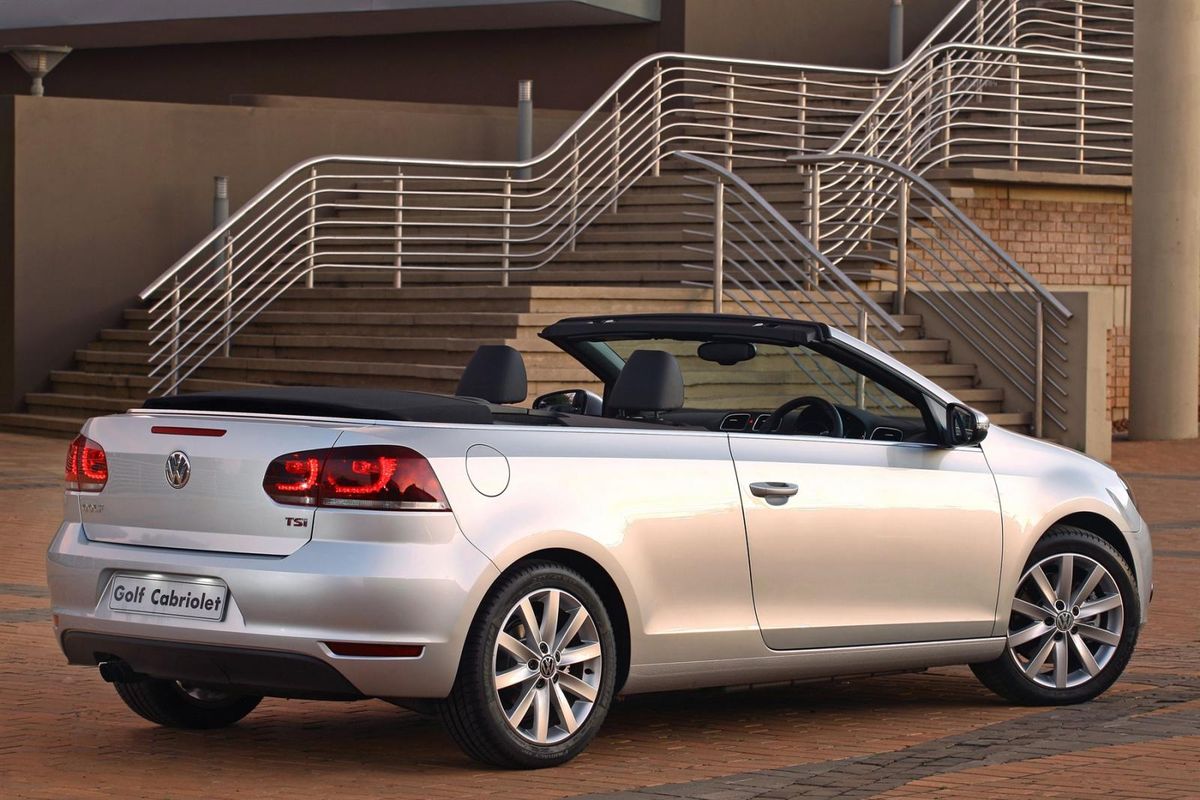
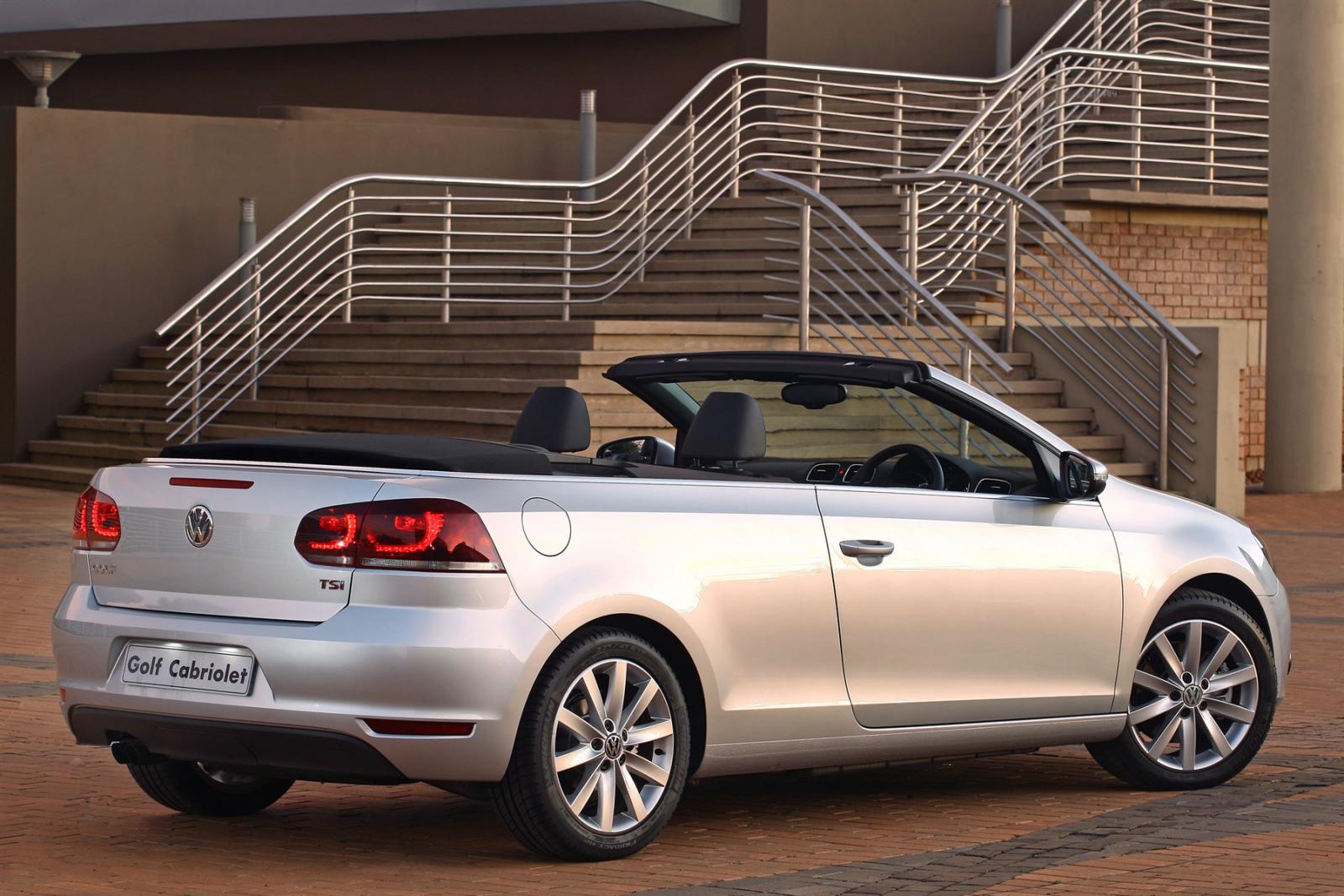
At around the same time in 2012, the Golf 6-based Cabriolet arrived and was offered with 90 kW or 118 kW 1.4 TSI engines, mated with a 6-speed manual transmission or optional 7-speed DSG. A DSG-equipped 1.4 TSI Comfortline 5-dr variant was offered for a relatively short period of time towards the end of the Golf 6’s lifecycle.
Product Strengths
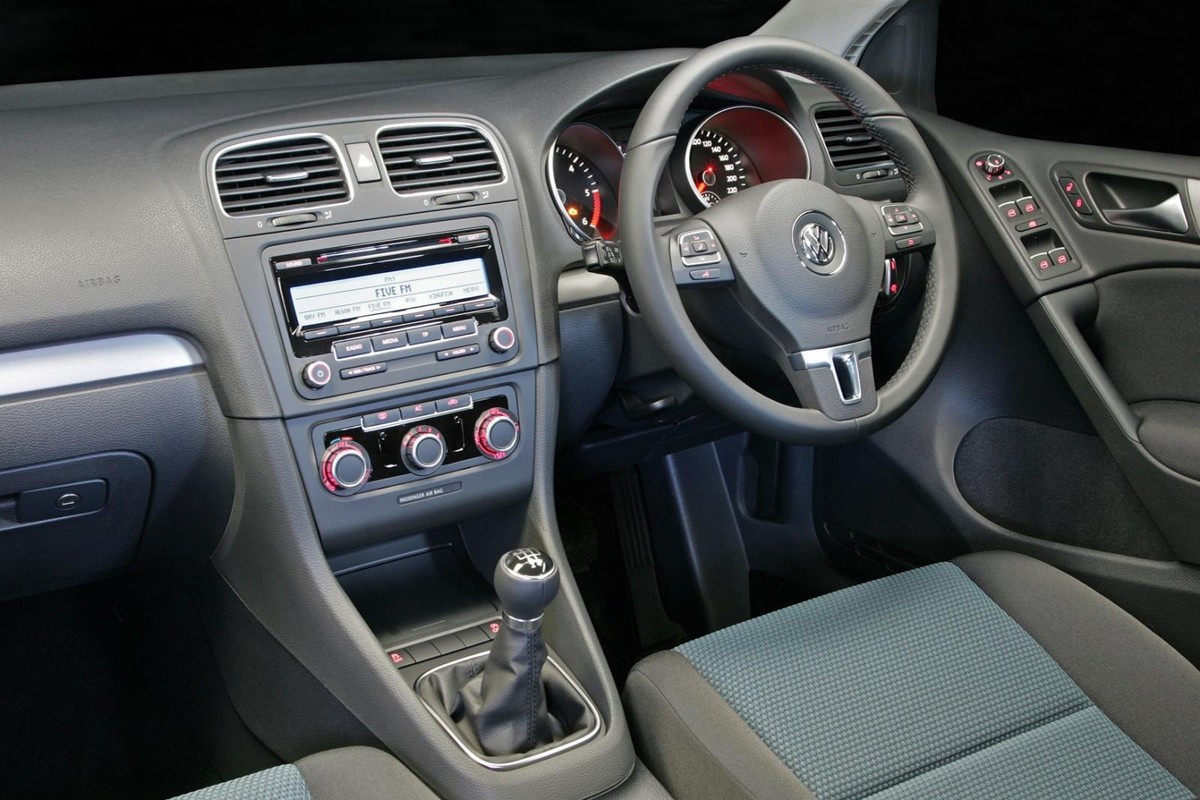
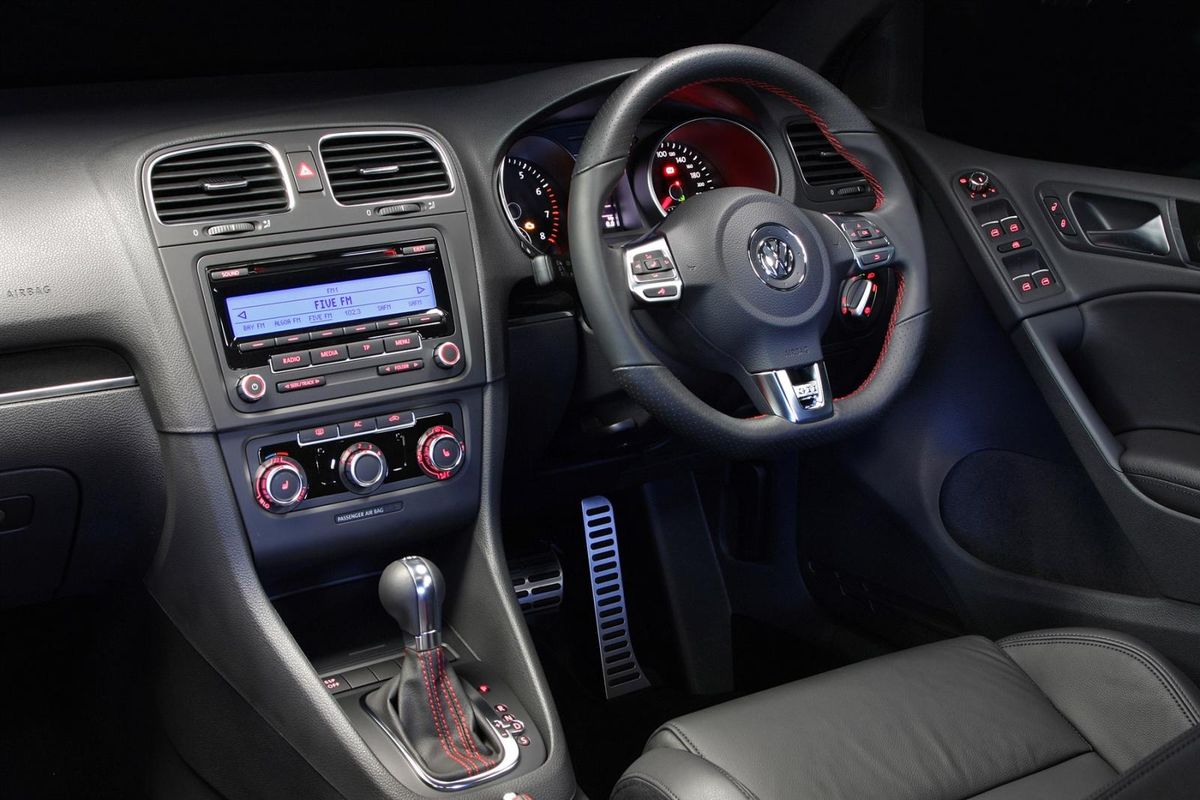
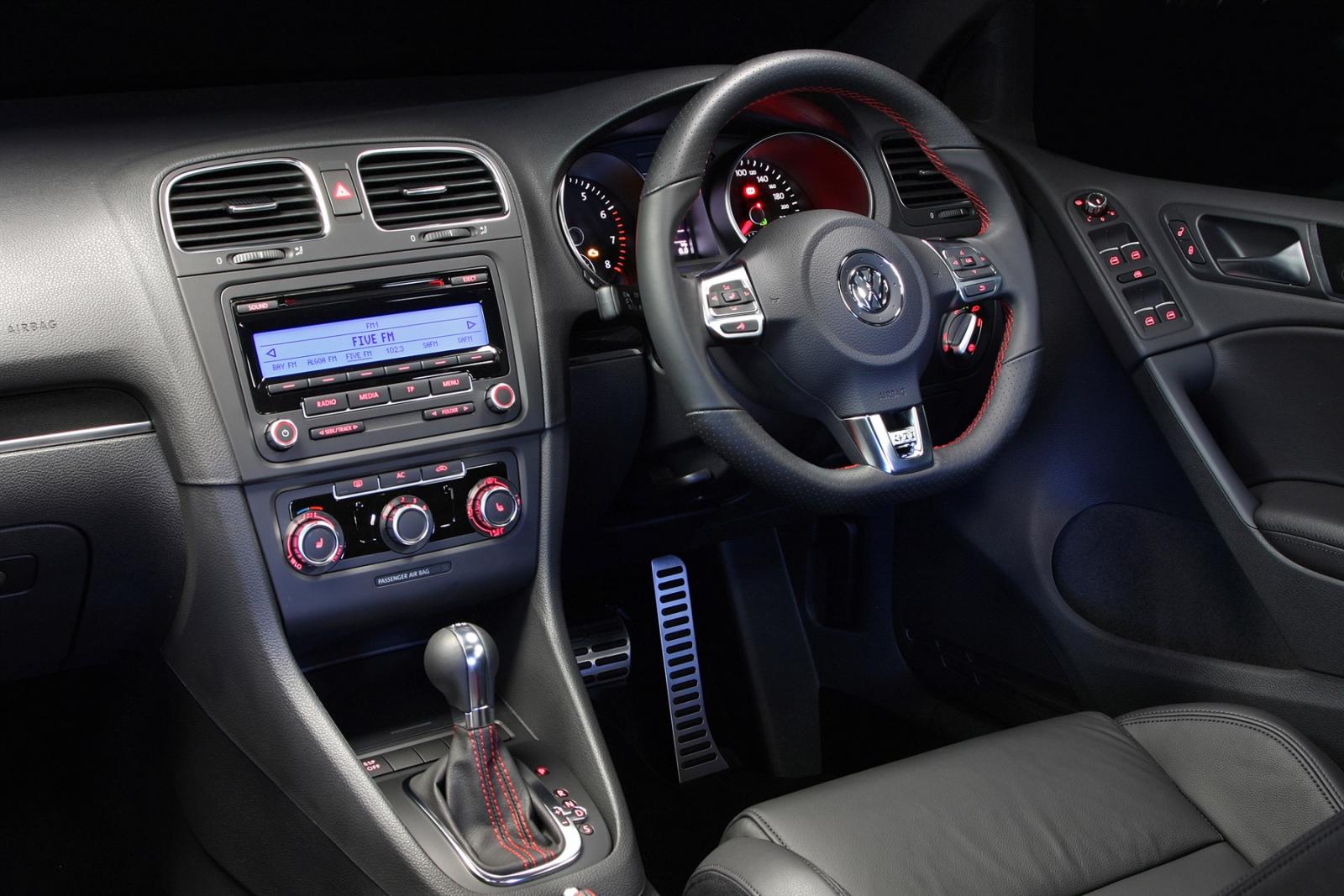
Golf 6 brought premium class materials and finishes to the family hatchback segment. This is the GTI cabin.
Styled under the watchful eye of the legendary Walter de Silva, the Golf 6 was in fact a careful evolution of the Golf 5, and only slightly shorter and wider than its predecessor. The focus with Golf 6 was to bring the levels of refinement and detailing from higher-end cars into the C-segment. Consequently, the Golf 6 boasted an easily class-leading cabin with superior ergonomics and excellent finishes. It was also very quiet, due to better (and more) sound insulation and even thicker glass.
It won the World Car of the Year award in 2009, and at the time recorded the best-ever score in EuroNCAP crash testing. All cars sold in South Africa featured 7 airbags (generous at the time) and also boasted ESP (electronic stability control). Advanced features such as partly automated parking, rear-view cameras and touch-screen infotainment systems were offered as optional extras.
Golf 6 Cabriolet arrived near the end of the model’s lifecycle and is a stylish used car buy these days.
The base 1.6-litre petrol engine is a reliable enough offering, but in terms of power/economy balance the 1.4 TSI powerplants can’t be beaten. The 90 kW variant featured only turbocharging and is probably the engine to have, while the punchier 118kW derivative was the so-called “twin-charged” engine that also featured supercharging. This more complex arrangement can result in some reliability issues that may be difficult/expensive to fix. The 2.0L turbodiesel is a proven unit, but beware high-mileage cars.
Featuring a multi-link set-up at the rear and carefully honed suspension from the acclaimed Golf 5, the “six” was a refined car that struck a fine balance between agility and handling dynamics. The sixth-generation of GTI was a great one and still demand good prices in the used car market for its blend of near-timeless looks, performance and handling.
Of course, given Volkswagen’s footprint in South Africa, parts availability should not be a problem and if you ever decide to sell your Golf 6 again, there will always be a ready market for it.
Product Weaknesses
Beware high-mileage GTIs and also cars that show signs of gearbox/clutch trouble. GTIs have often been abused/modified.
The Golf 6 was a well-engineered product with few major flaws, but it is sensitive to poor maintenance and major failures are both difficult and expensive to fix. Those in the industry recommend being on the look-out for the following issues.
Oil consumption: Apparently a common issue with Golf 6, and one that you won’t easily identify on the test drive because the problems causing the oil consumption don’t generally advertise themselves through smoke out of the exhaust. Instead, you may have to keep a very watchful eye on the oil consumption during the first 500km of ownership, and if there appears to be an issue, head straight back to the dealership to sort it out (provided you have some sort of a warranty in place).
Worn clutches/DSG on GTI: We’re told that the DSG is actually pretty robust, but that the drivers that the GTI attract often abuse the cars, so expensive clutch replacements are common. When test driving, make sure that there’s no perceptible slip from the transmission when chasing the revs up.
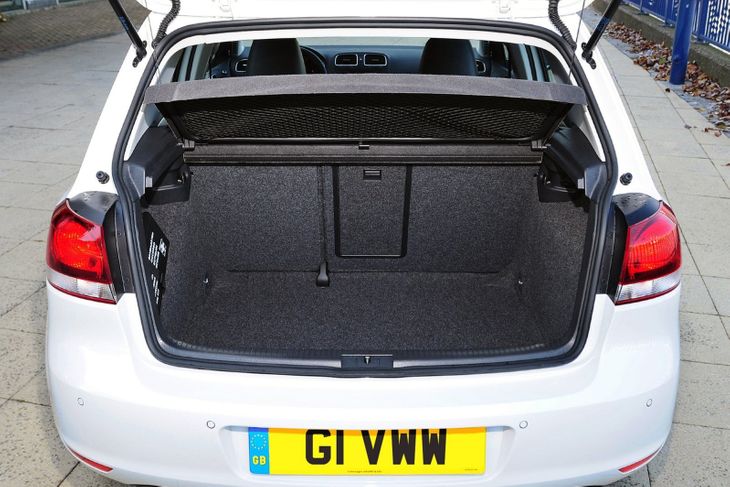
The Golf 6’s boot is nicely shaped but its at best about average in size for this segment. A full-size spare wheel further hampers overall space.
Carbon build up: As is generally the case with higher mileage direct injection engines, the petrol units fitted to the VW Golf 6 can suffer from carbon build-up. You might be able to notice this during the test drive in a relative lack of performance or misfiring after a cold start. Of course, the engine light being on might be a warning of this issue, too.
Worn timing chains: The 1.4 TSI engines can suffer from worn timing chains after (or sometimes even before) 100 000 km. A warning may be the presence of a rattling sound after a cold start-up.
Turbo failure: Particularly on 1.4 TSI, and due to a number of potential causes (actuators/diverter valves etc.). Take note of an engine that feels underpowered or which exhibits a very short powerband.
When test driving the Golf 6 pay attention to misfiring/rattly engines and any of the warning lights staying on during the drive.
EGR (Exhaust Gas Recirculation) valve failure: This appears to be quite common with the Golf 6 and when it happens can lead to a long list of other (expensive) issues, such as a failed turbocharger. Look out for black smoke from the exhaust, misfiring, illuminated EPC light, rough idling and stalling.
The need for careful maintenance: The majority of serious problems related to the Golf 6 can generally be attributed to its sensitivity to poor maintenance. It is advised that owners should not wait for the 15 000 km service intervals to change the oil, for example, but rather do this sooner (at 10 000 km). Also make sure that all the warning lights go off after starting, particularly the EPC light.
What to Pay?
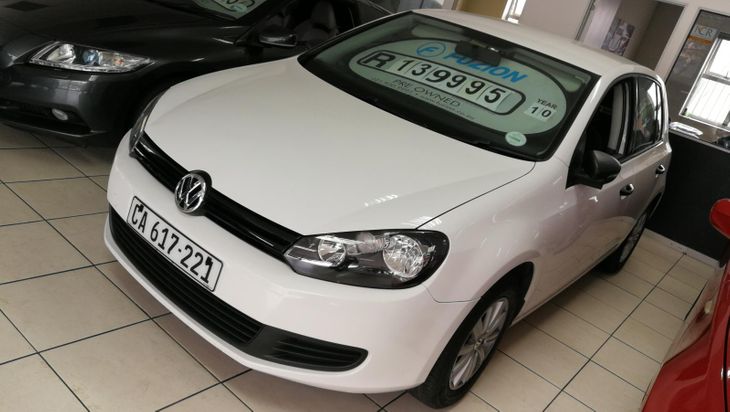
There’s lots of choice in the used car market. This 1.6 Trendline at Fuzion Pre-Owned in Cape Town is a very clean example.
Browse the listings on Cars.co.za and you’ll notice there’s certainly choice, but a carefully maintained, low-mileage car should be your goal here.
Below R125 000: Prices start at just over R100 000 for high-mileage cars, but you can pick up a clean 1.6 Trendline or 1.4TSI (Trendline or Comfortline) for below R125 000 if you shop around and are patient. We spotted a few cars with mileage of below 100 000 km.
Between R125k and R150k: This appears to be the sweet spot when shopping for a Golf 6. Don’t get too excited about GTIs at this price level, however, as they’re most likely abused or extremely high mileage. Stick to original cars that don’t show any sign of modification. We found some very clean-looking 1.4 TSI Comfortlines (as well as the more complicated 1.4 TSI Highline) for below this price cap, with mileages of below 100 000 km.
From R150 000 to R200 000: At just over R150 000 you can pick up a low-mileage, well-cared for Bluemotion 1.6 TDI, which given the recent fuel price increases should pay back handsomely at the pumps. Even at this price level a low-mileage, unmolested GTI is a rare thing, but they’re out there, just be patient. Clean cabriolets can also be found at this price level.
R200 000 and up: We wouldn’t recommend spending this much on a “mainstream” Golf 6, but if you’re looking for a very low-mileage GTI and particularly the Edition 35, be prepared to fork out. Clean, low-mileage Edition 35s and Golf Rs start at over R250 000.
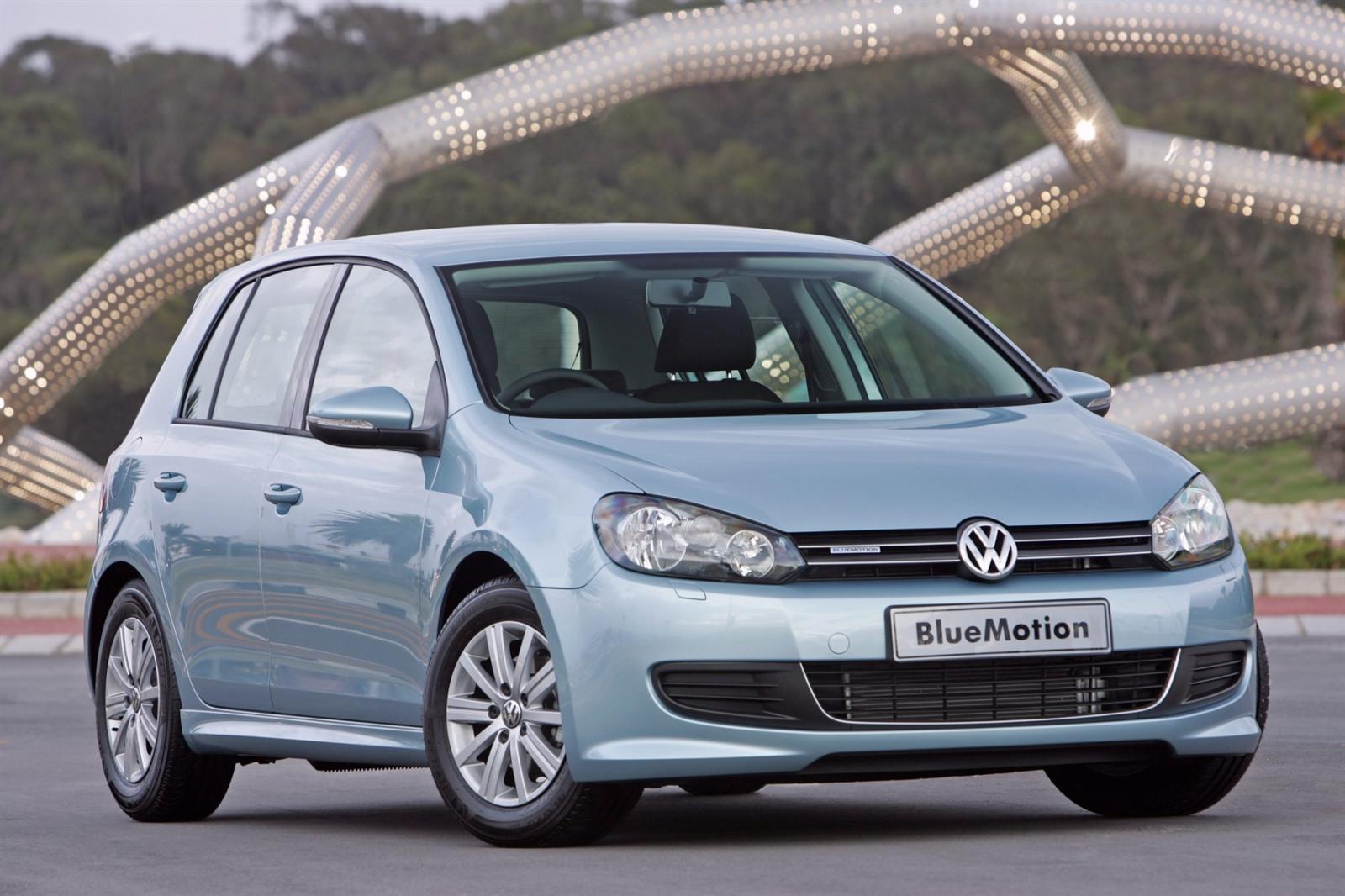
Though they demand a premium the Golf Bluemotion is so economical that it might just be the pick of the bunch.
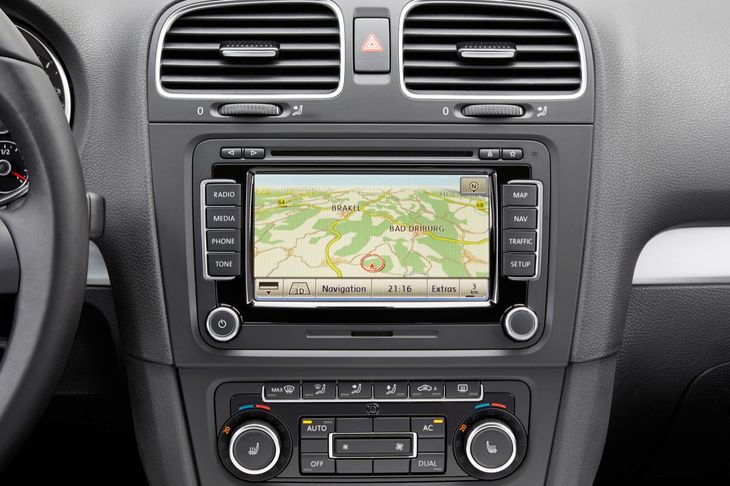
All things considered, we think the 1.4 TSI Comfortline is the best-balanced offering in the range. It may lack the Highline’s extra power, but you also don’t have the added complexity of the more powerful car’s engine. Besides, the 90 kW/200 Nm on offer from the Comfortline is more than good enough for most needs. Although the standard specification was pretty decent, a fair number of buyers added optional extras, and the more of those you can get on your car the better. Dual-zone climate control, park sensors and the touch-screen system with navigation are the most attractive features to look out for. Just take note of the problem areas highlighted above and make sure the service history is complete.
Find a car with the built-in touch-screen system and your Golf 6’s cabin will still look remarkably contemporary.
You should also consider the Bluemotion turbodiesel variant. Given the price of fuel at the moment, the Bluemotion’s very low consumption (claimed 3.8L/100 km) is attractive. Even if you can’t match the claimed fuel consumption you should still be able to do about 1 000km on a single 55L tank. As is the case with mosth (relatively) high-tech turbodiesels, your goal should be to find the lowest-mileage car with a full service history.
Top choice for petrolheads… the GTI. The Golf 6 GTI was a good one, but like all GTIs they tend to attract the type of buyer that wants to make use of that performance. That means there are some very abused and/or modified cars out there. The GTI was one of the best sellers in the Golf 6 line-up so there are plenty around. Take your time and choose carefully. If you can get your hands on a clean Edition 35, even better.
Verdict
Golf 6 still looks fresh and if you can get your hands on a low-mileage, cared-for example, is a solid purchase.
Still classy, comfortable and, provided you get a good one, efficient and reliable, too, the Golf 6 can be a great used buy. It’s important, however, to be extremely pedantic when shopping for one, as they’re quite sensitive to poor treatment from their previous owners. An interesting alternative for roughly the same kind of money would be sibling brand Audi’s A3 Sportback. On the other hand, if the Golf’s upmarket image, “premium” cabin and turbo engines are not must-haves, you may want to consider less complicated, but similarly packaged cars such as the Mazda3, Toyota Auris and Honda Civic.
Other rivals include the facelifted second-generation Ford Focus or the Opel Astrabutneither of these cars can match the Volkswagen’s overall package though. As a performance alternative, the 2nd-generation Focus ST may, however, very well be worth a look.
Parts Pricing
We asked Volkswagen SA for the pricing of some of the major parts for the Golf 1.4 TSI Comfortline (manual) and Golf GTI DSG. These prices are exclusive of VAT.