Range Rover Velar SVAutobiography Dynamic Edition Specs & Price
The ultimate Range Rover Velar has launched in South Africa. See how much the range-topping Velar SVAutobiography Dynamic Edition with V8 supercharged power costs.
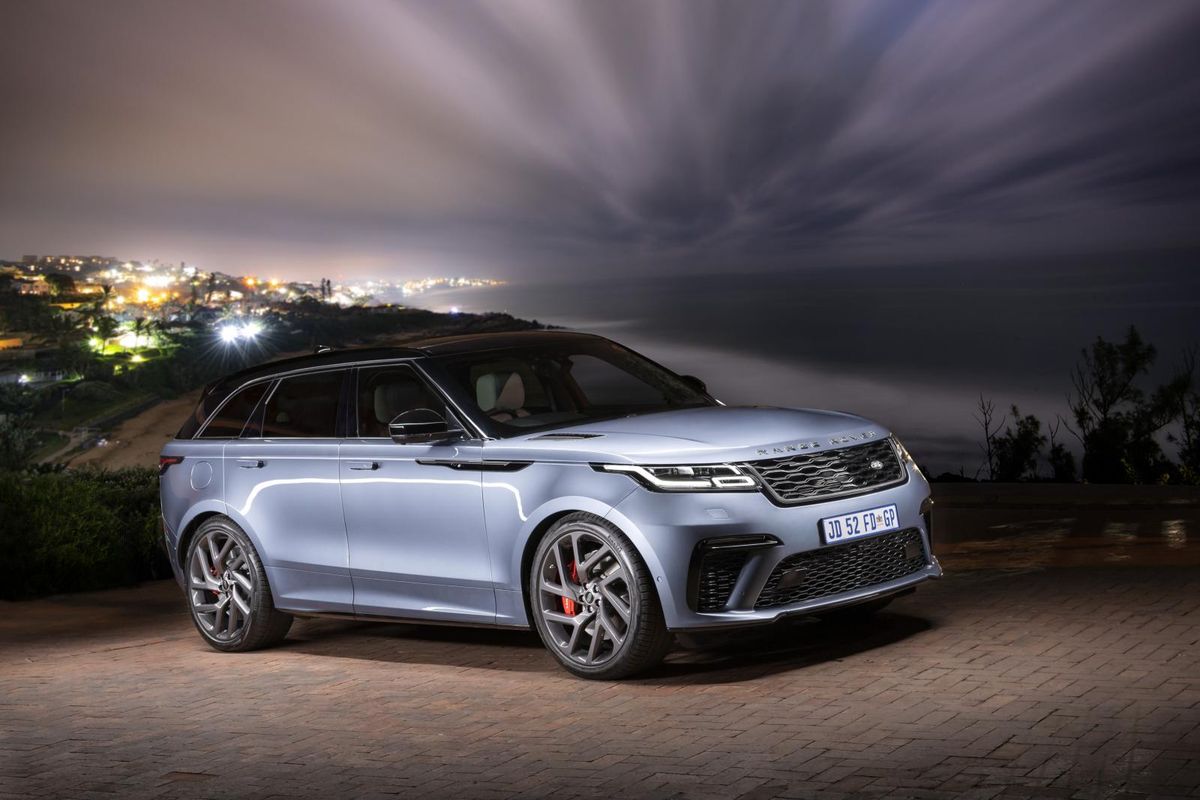
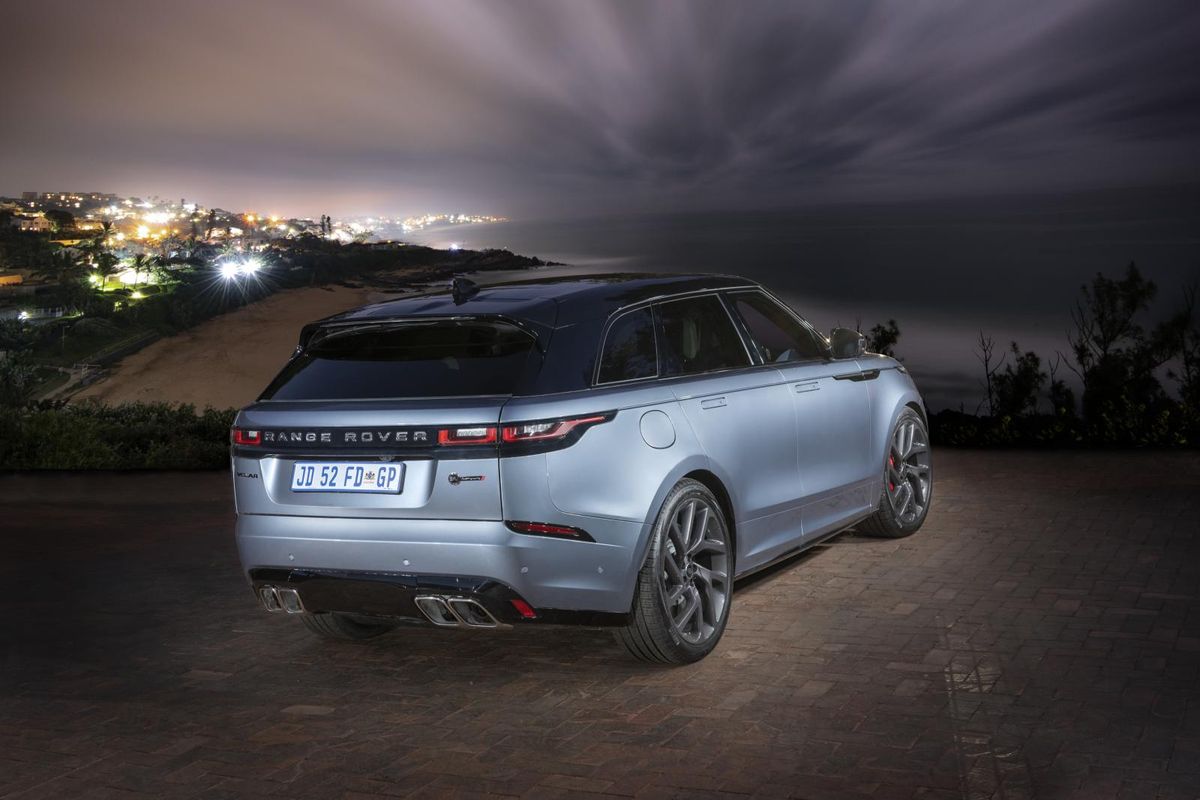
Developed by Land Rover Special Vehicles, the Range Rover Velar SVAutobiography Dynamic Edition is powered by a 405 kW / 680Nm 5.0-litre V8 supercharged motor. It'll accelerate to 100 kph in just 4.5 seconds and charge on to a top speed of 274 kph.
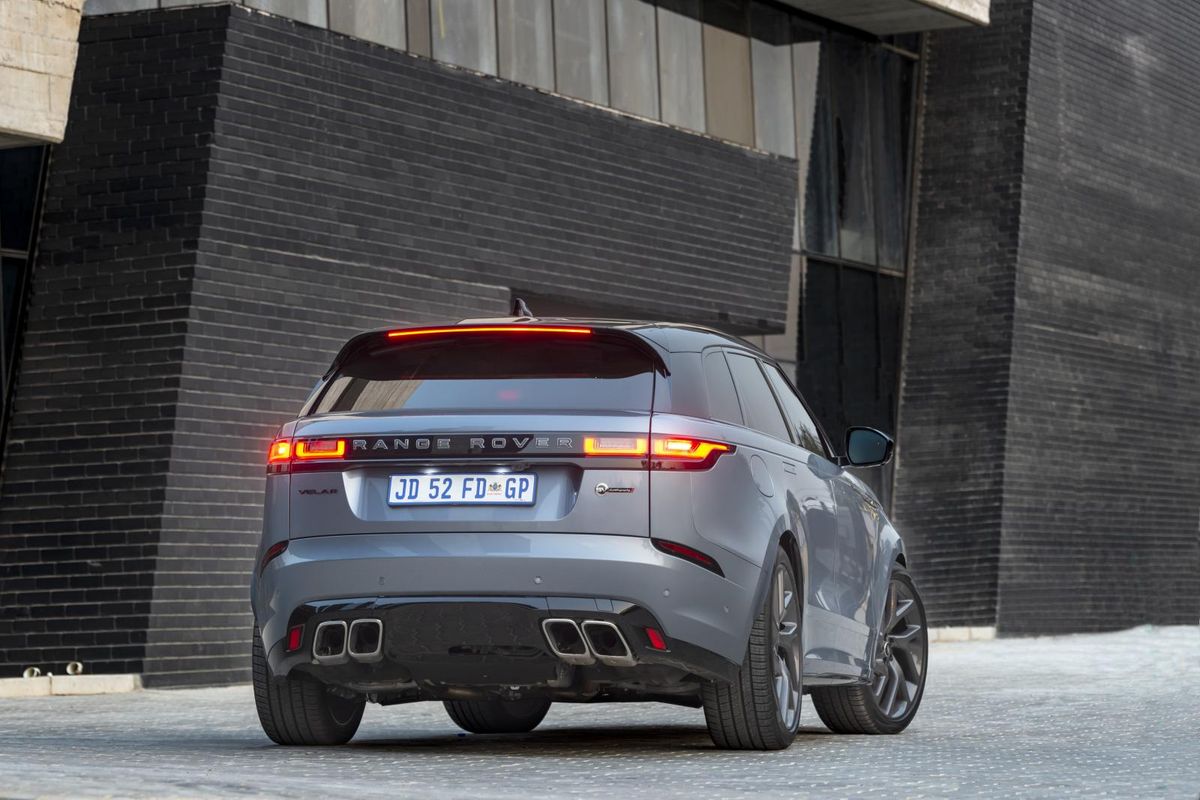
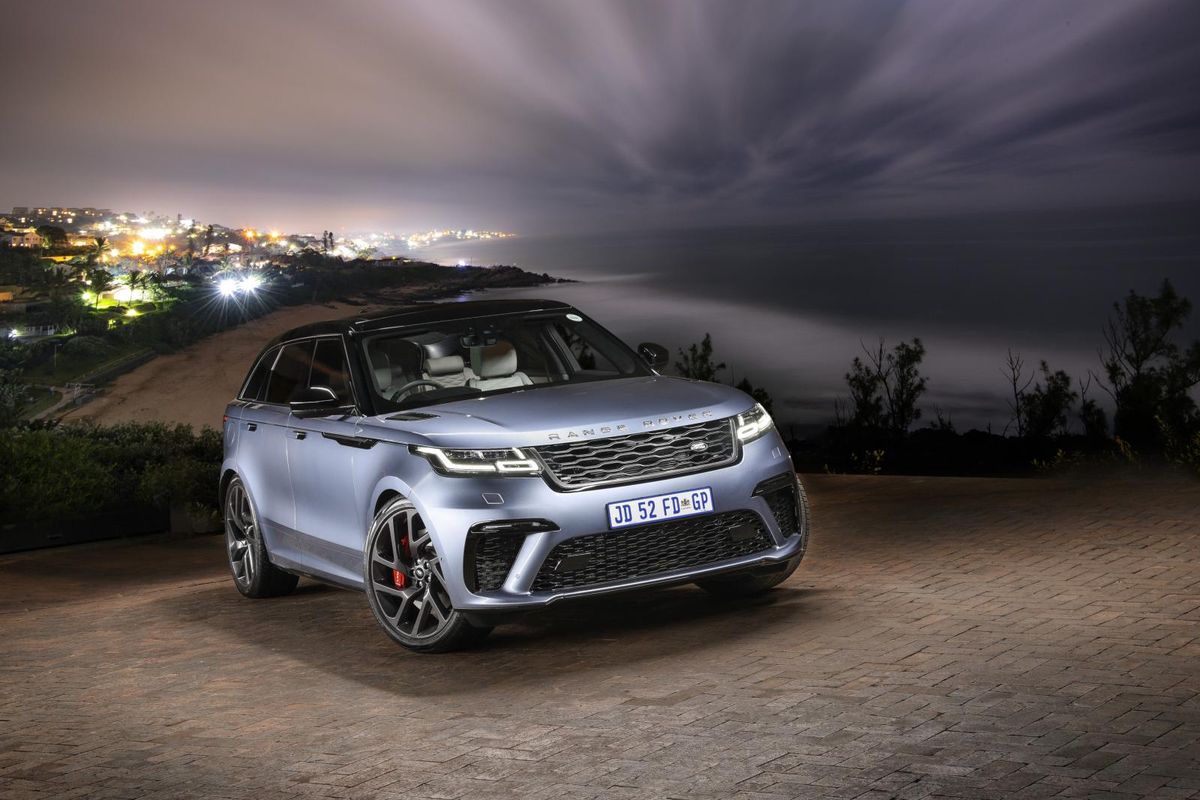
Visually, you'll be able to spot the Range Rover Velar SVAutobiography Dynamic Edition with its massive air intakes, unique wheels and quad exhausts. There's also a colour – Satin Byron Blue – unique to the Range Rover Velar SVAutobiography Dynamic Edition. The vehicle rides on 21-inch forged aluminium wheels which happen to weigh the same as the 20-inch rims on the base model. If customers wish, they can go for the optional 22-inch units.
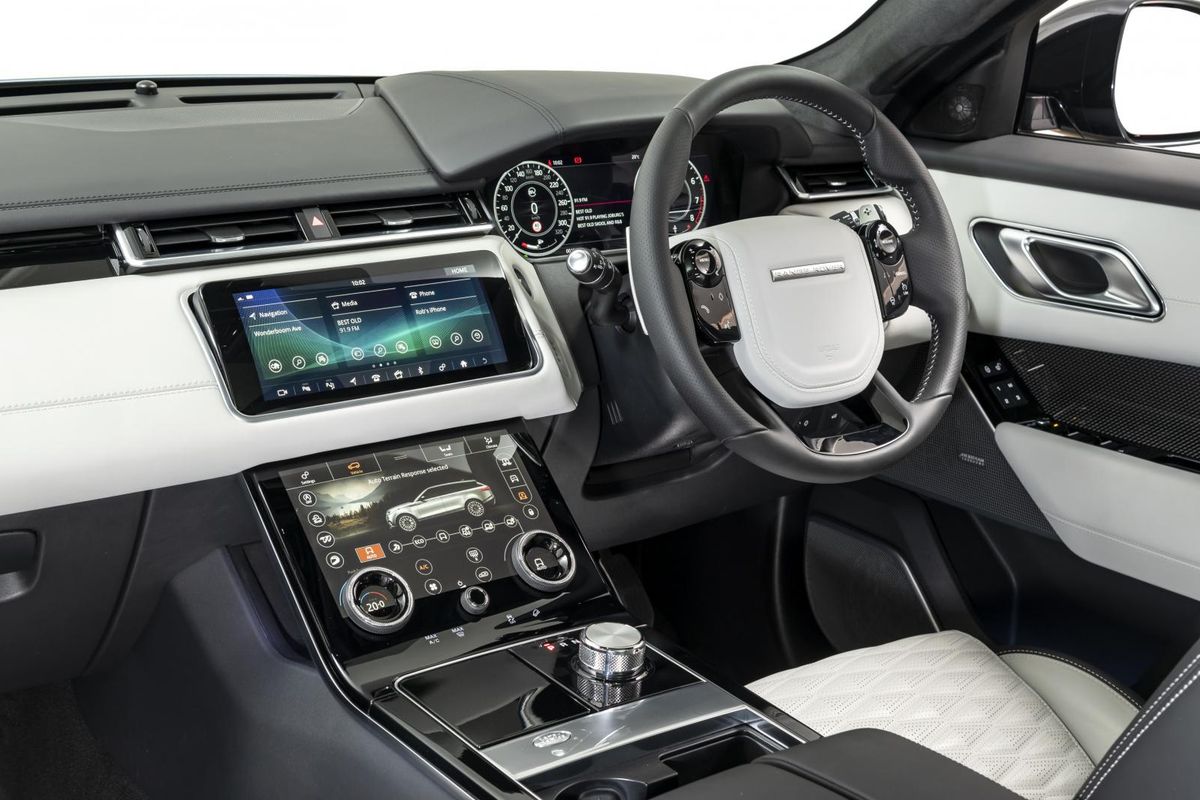
The cabin of the Range Rover Velar SVAutobiography Dynamic Edition features twin-stitched, perforated and quilted Windsor leather and the seats are 20-way adjustable heated and cooled units with memory and massage functions as standard. The cabin also gains a unique sports steering wheel and a sophisticated knurled finish for the rotary gear selector and Touch Pro Duo infotainment circular control dials
Under the skin, there are special tuning setups for the all-wheel-drive system, active rear locking differential, 8-speed transmission, steering and air suspension to give it a more focused driving experience. Land Rover Special Vehicle Operations spent 63 900 hours tuning the driving characteristics of the Range Rover Velar SVAutobiography Dynamic Edition. For some added character, the exhaust is a bespoke unit which gives the vehicle some added V8 thunder.
The cabin of the Range Rover Velar SVAutobiography Dynamic Edition is classy and luxurious
Range Rover Velar SVAutobiography Dynamic Edition Price in South Africa (2019)
The Range Rover Velar SVAutobiography Dynamic Edition will be on sale for just one year and the price includes VAT and CO2 tax.
Range Rover Velar SVAutobiography Dynamic Edition R1 743 325
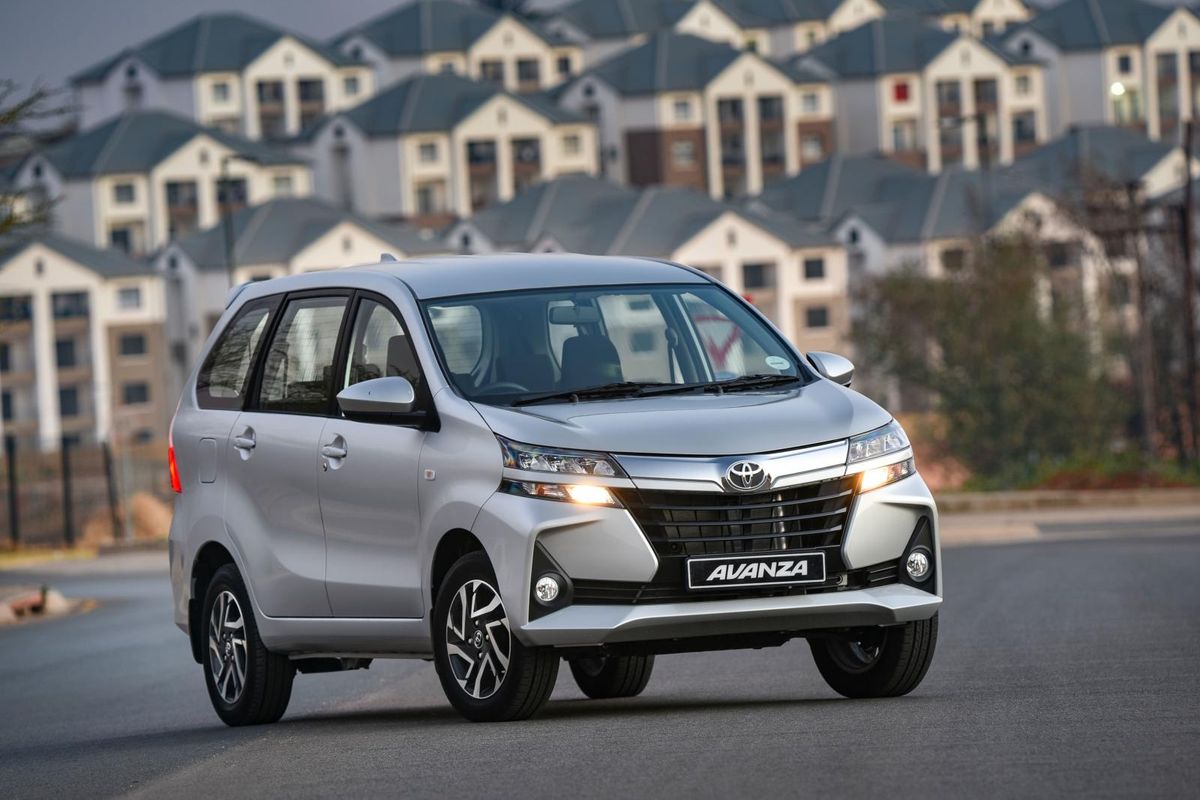
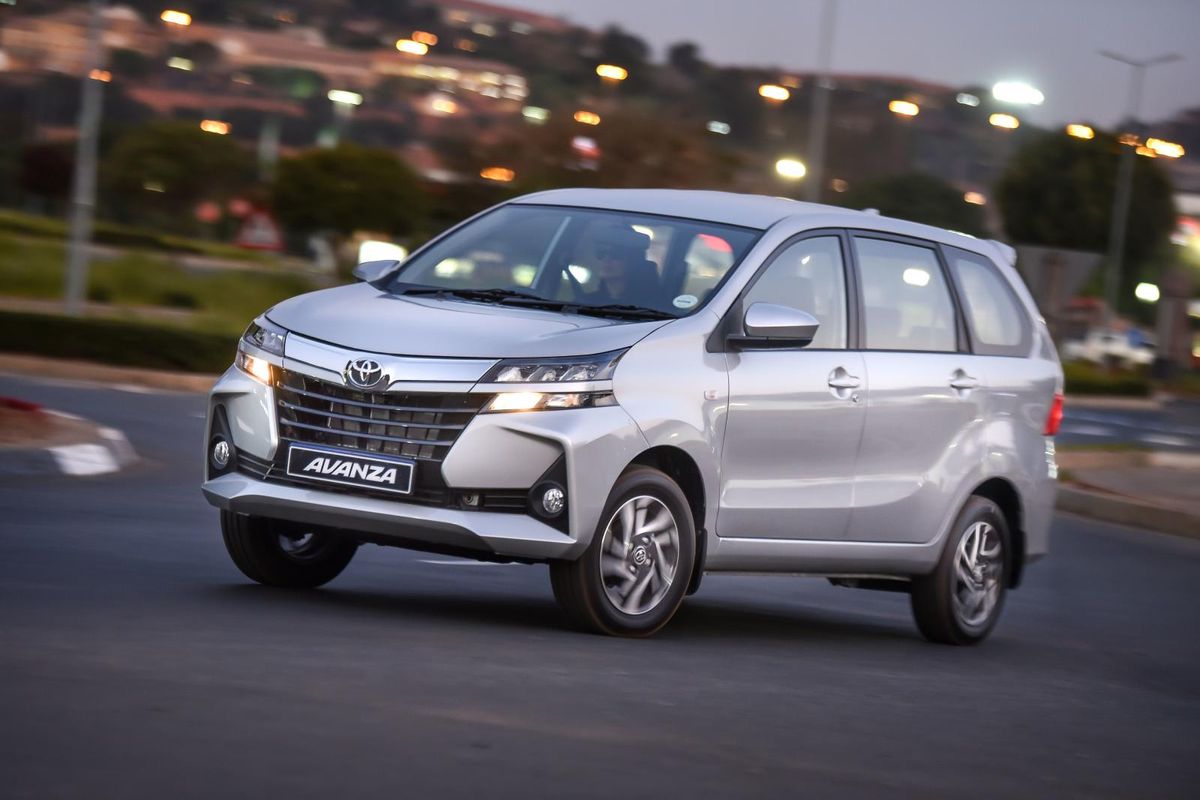
The Toyota Avanza flagship model has received a mild facelift and we have pricing.
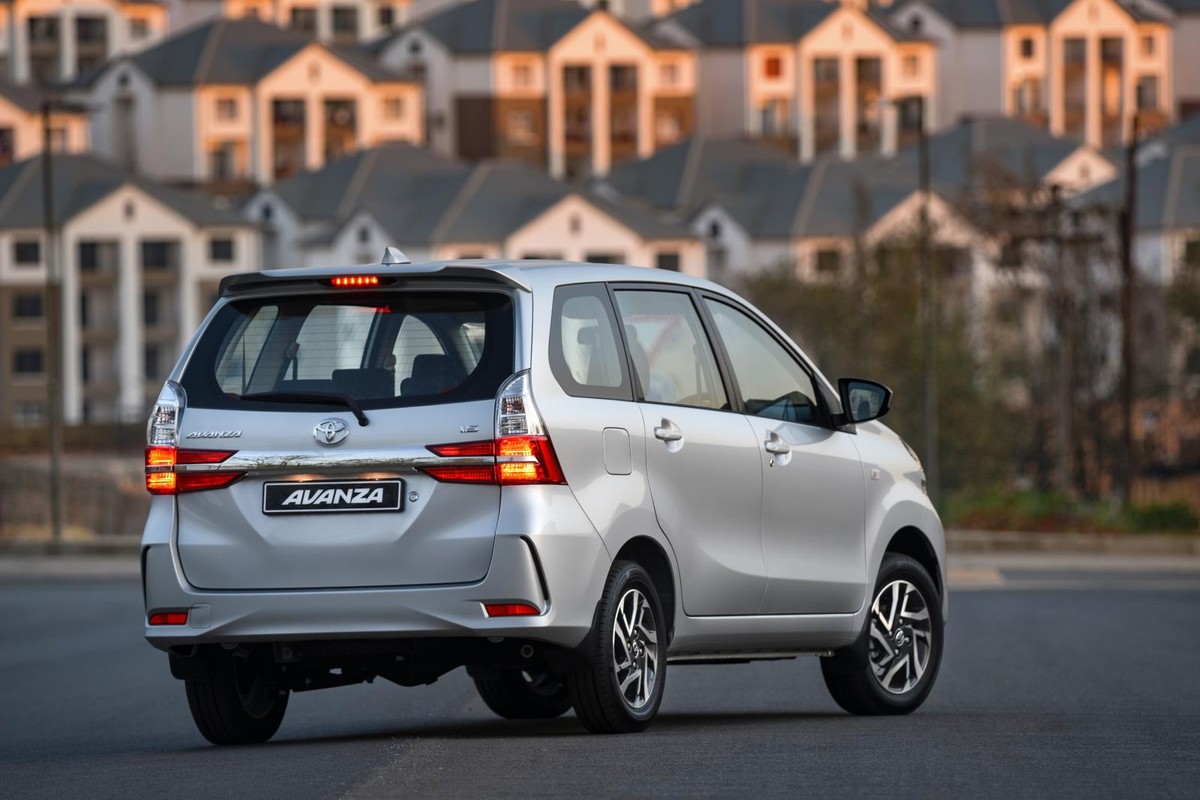
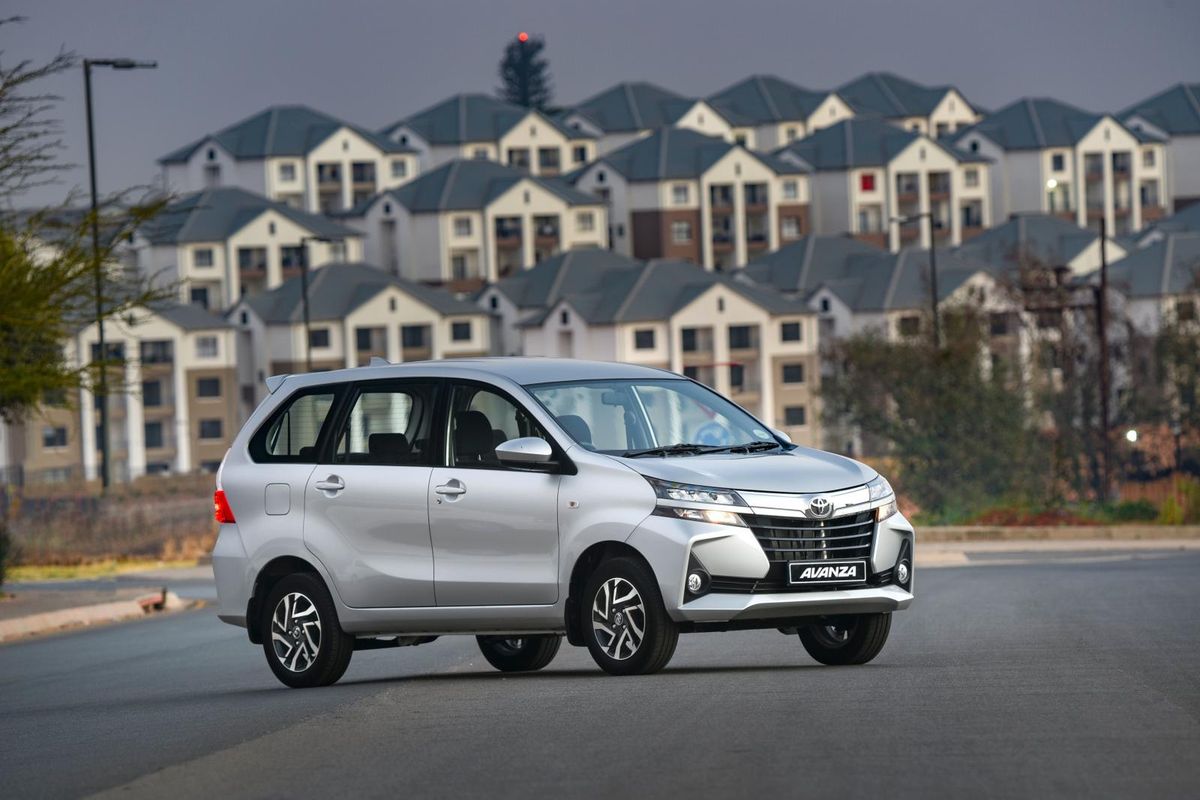
With an average sales figure of around 440 units, the Toyota Avanza has proven popular amongst South African consumers since its launch back in 2010. For 2019, the range-topping TX derivative has received a facelift. Boasting a new-look front and rear, with split-level LED headlamps, the Avanza TX now has quite the image boost. Also thrown into the visual upgrade list are 15-inch alloys and aerodynamically-shaped exterior mirrors.
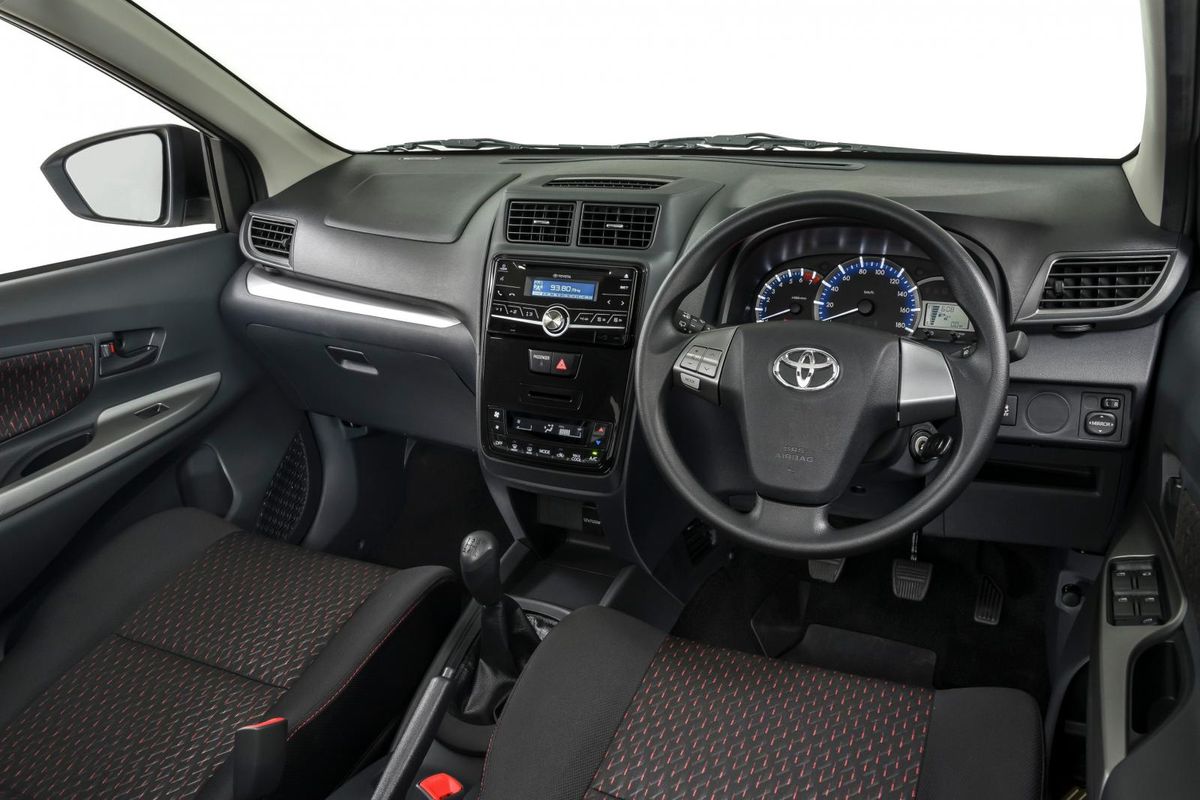
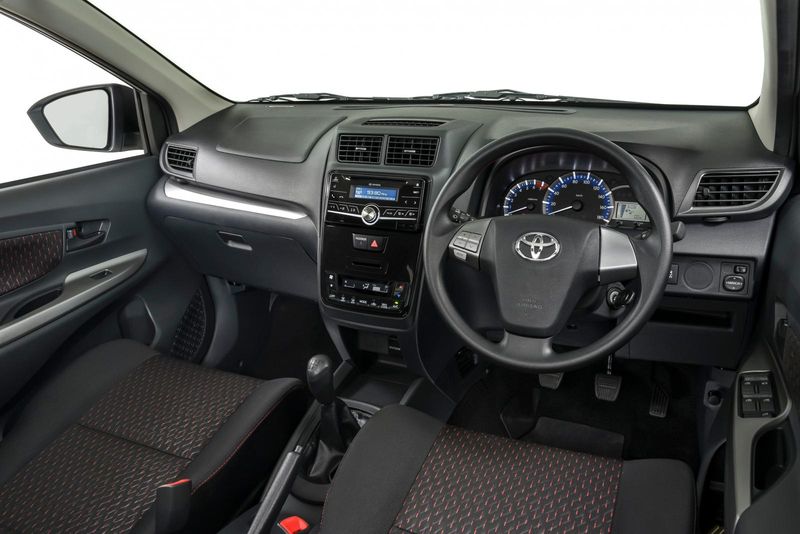
Inside, the new Toyota Avanza models receive a new look air conditioning interface, with the rotary dial being replaced by a digital setup. The interior trim has been changed from light grey to dark grey, after numerous customer requests. There are also front and rear 12-Volt accessory connectors.
There are 2 engines available; 1.3 with 71 kW and 121 Nm, as well as a 1.5 with 77 kW and 137 Nm. A choice of either a 5-speed manual or 4-speed automatic is available.
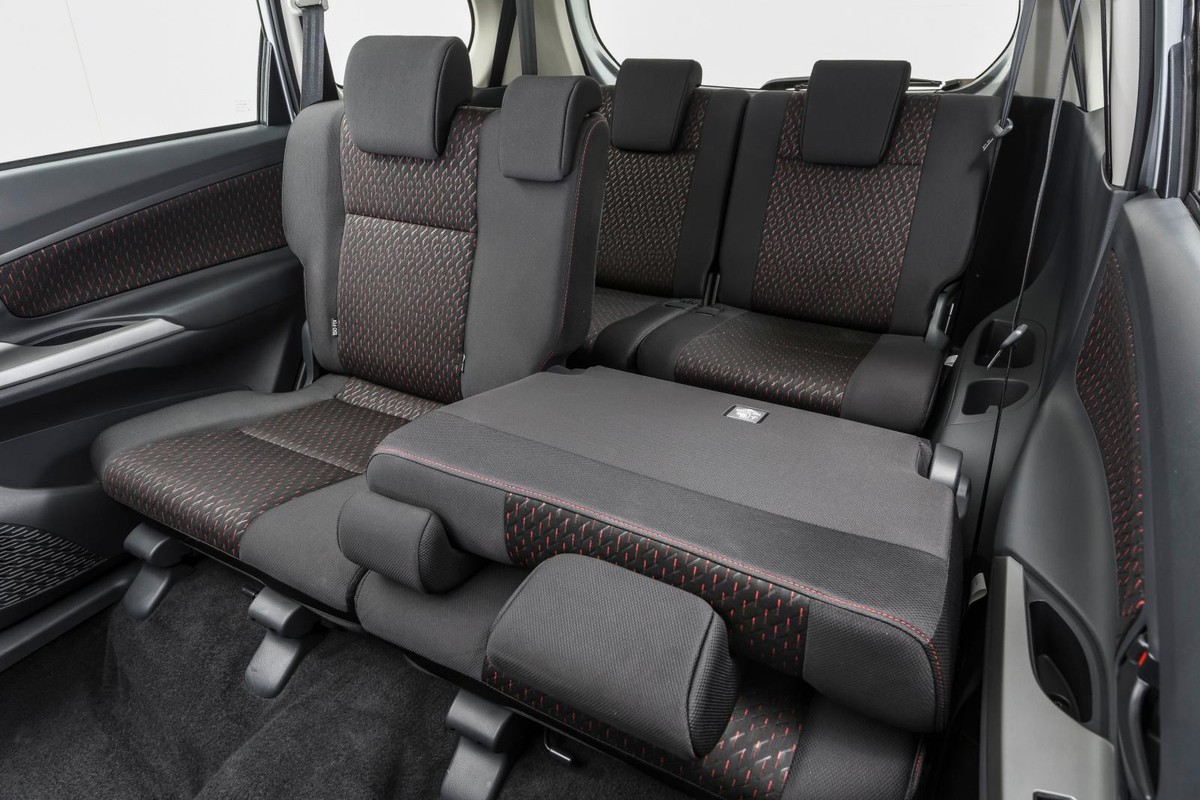
The cabin of the updated Toyota Avanza
Toyota Avanza Price in South Africa (October 2019)
All Toyota Avanza models are sold with a 4-services/60 000 km service plan (12-months/15 000 km intervals). A 3-years/100 000 km warranty is also included.
The new Volkswagen Golf 8 will be fully revealed on 24 October 2019! Here’s what we know so far…
Render credit: Duwyne Aspeling
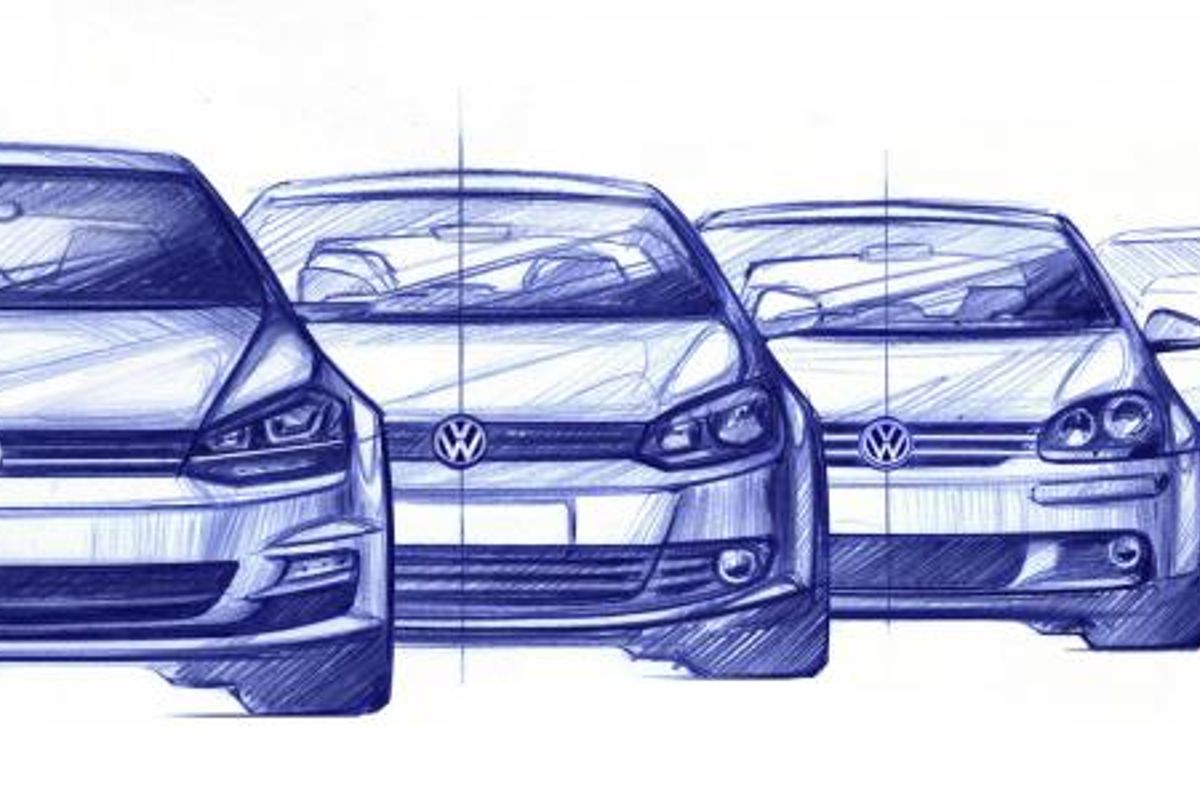
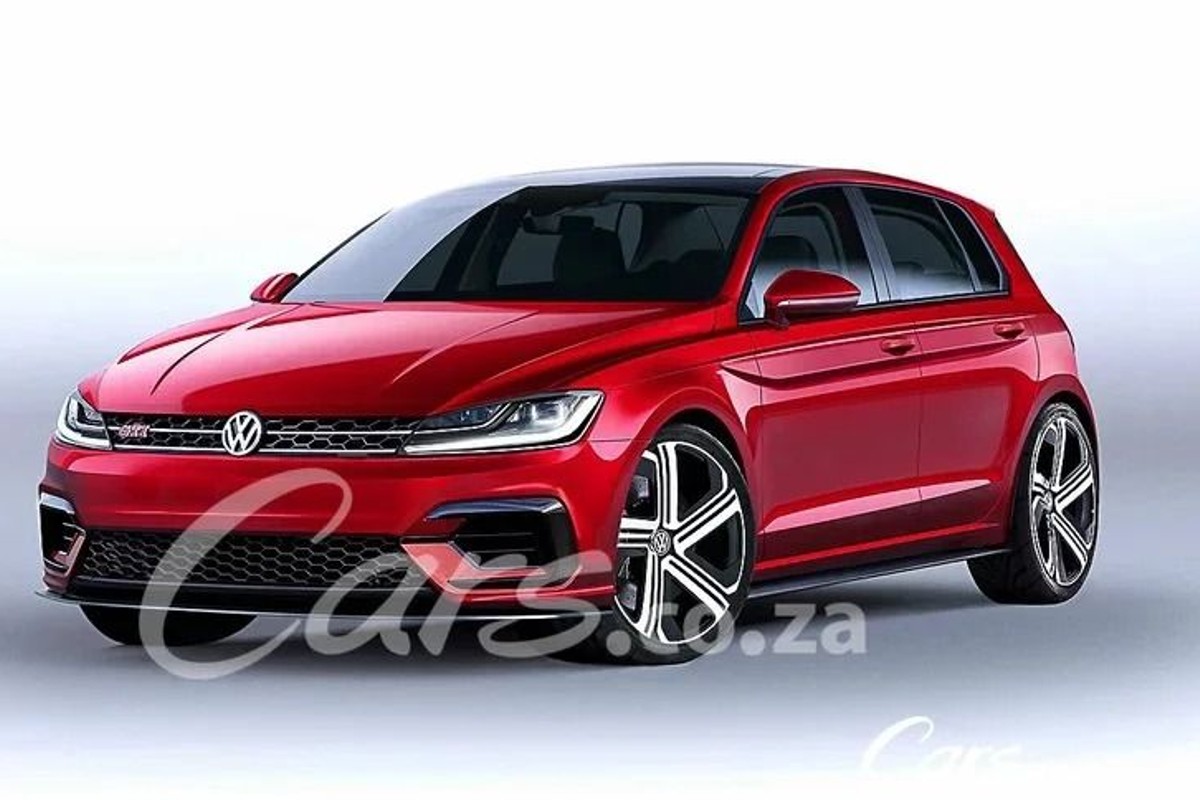
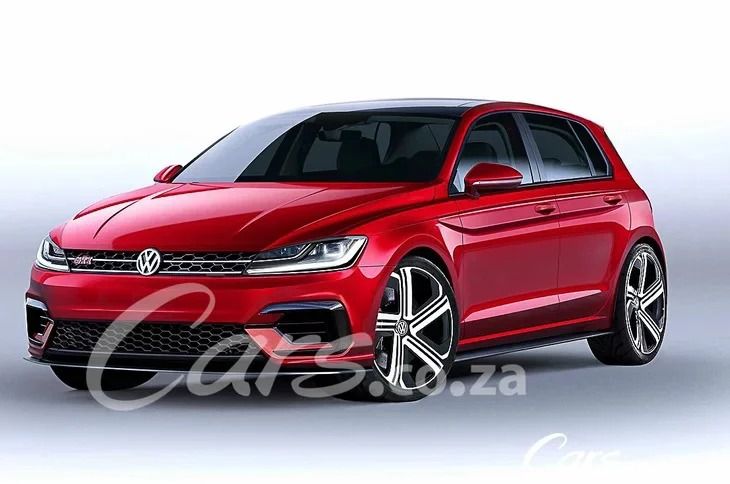
Latest Update: Volkswagen released a design sketch of the new Golf 8 which is due to be fully revealed on 24 October 2019. The sketch inspired us to create a new Golf 8 GTI render (pictured above) which also draws inspiration from the Golf GTE which was spied virtually undisguised recently
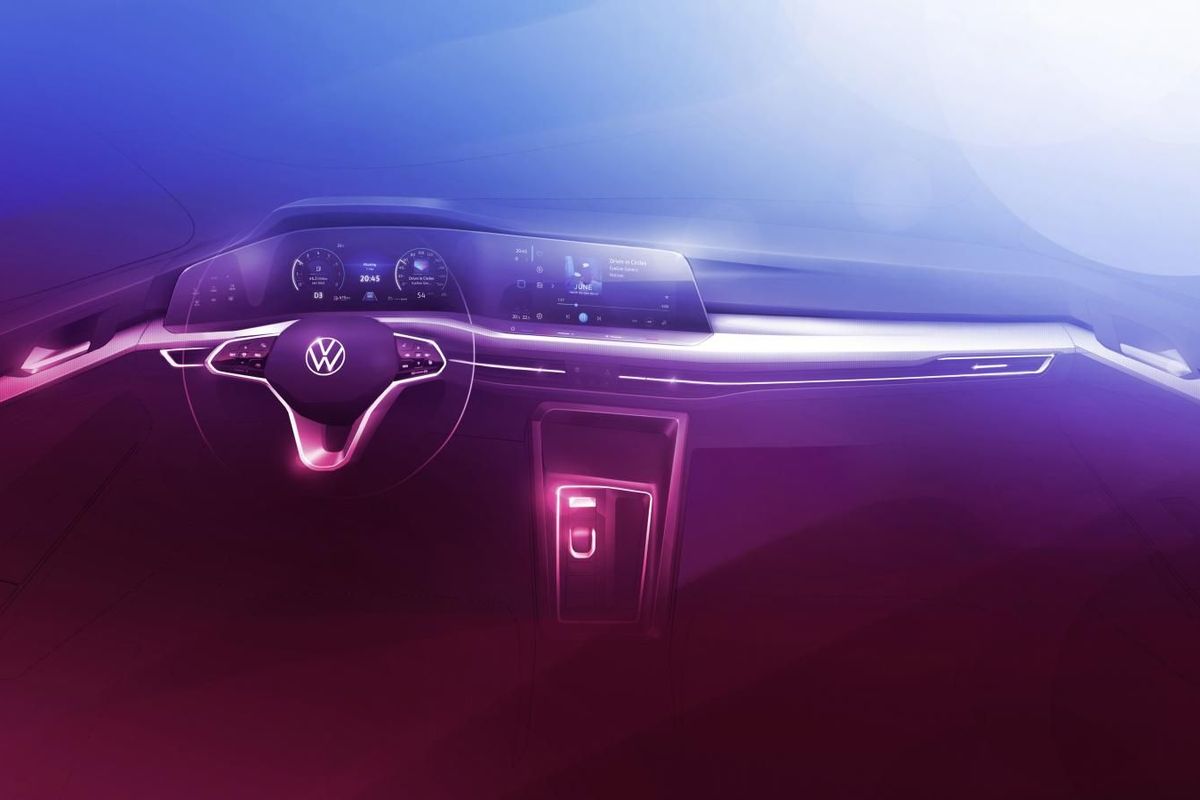
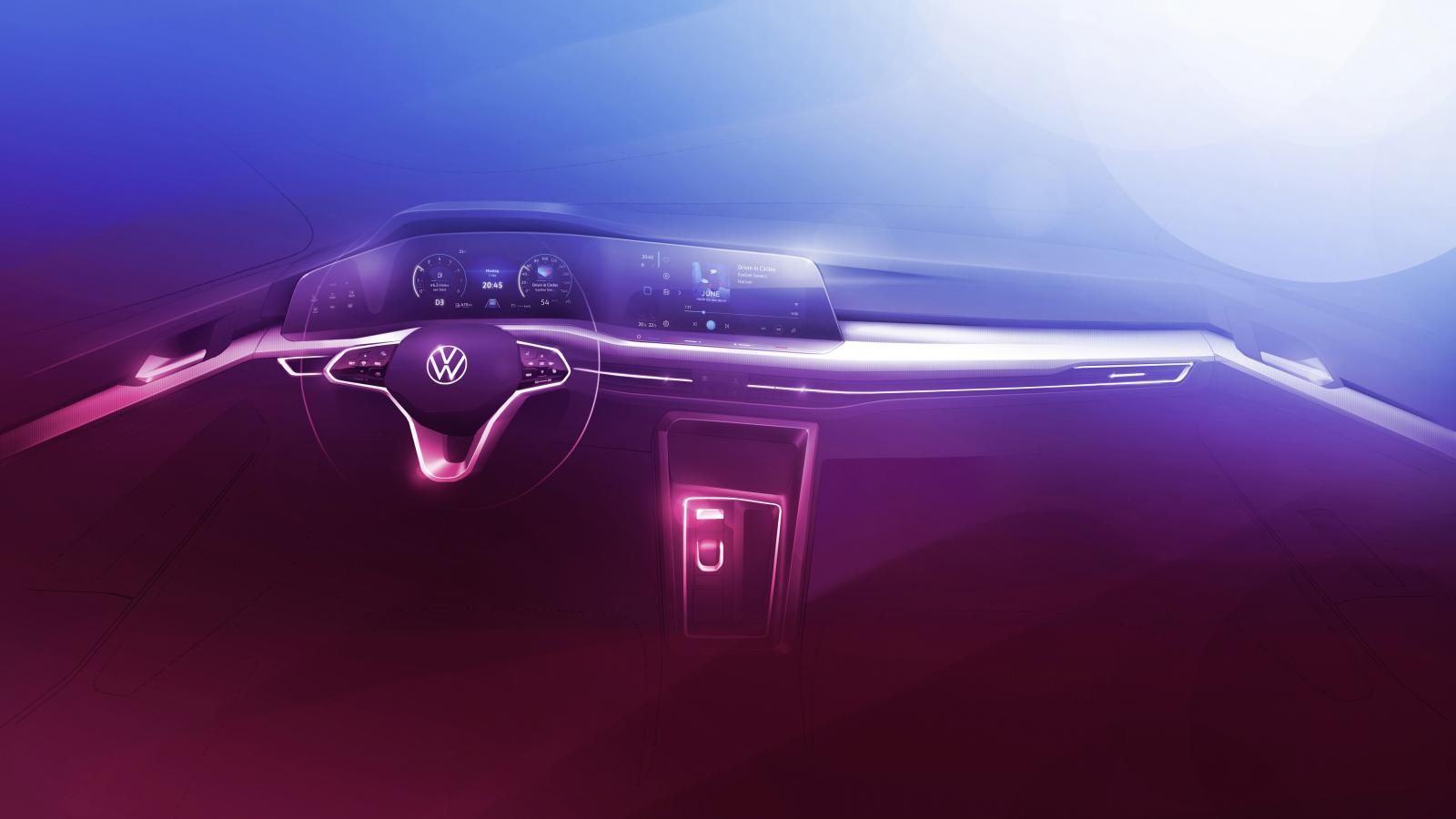
The new Golf 8 will boast enhanced digitisation and connectivity features while also offering a new range of engines and improved suspension. As for the interior, buyers can expect a fresh interior design with new colours and fabric combinations as well as a new digital cockpit. The sketch below gives you some idea of what to expect.
Based on this sketch, the Golf 8 interior will look quite different from the Golf 7.5.
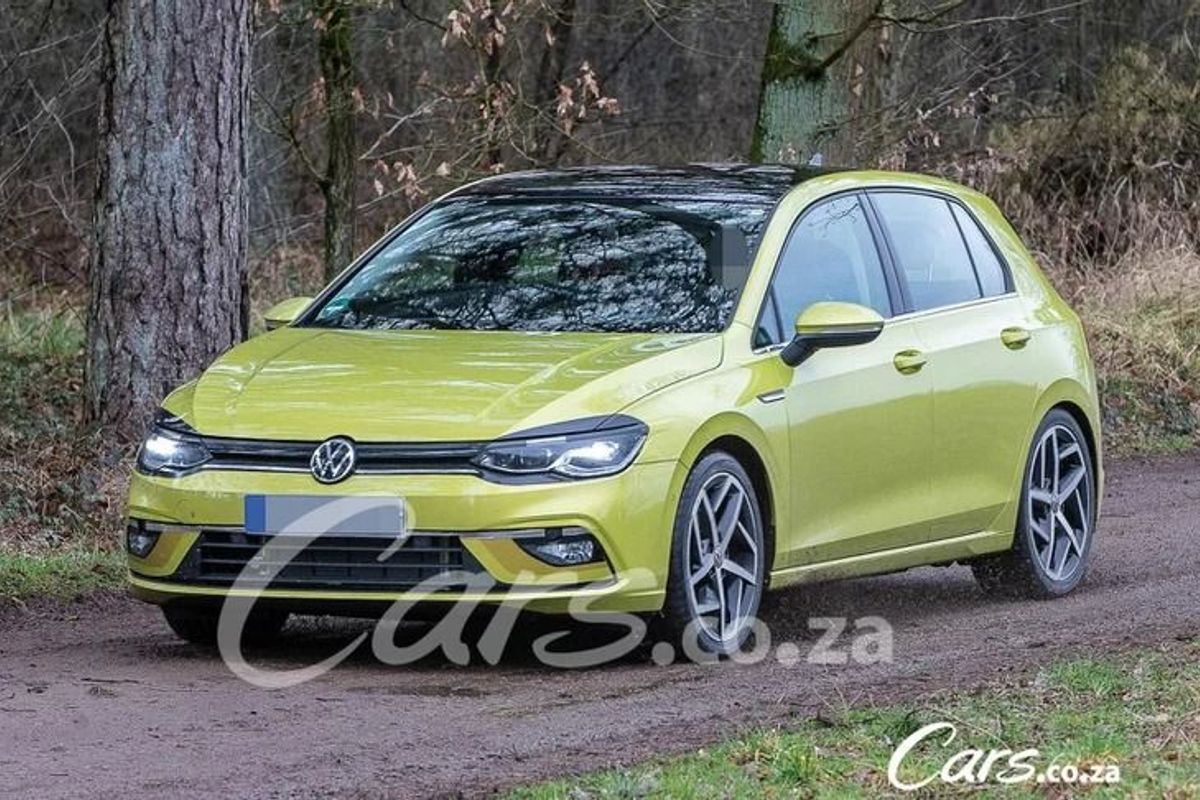
The Golf is an important model for Volkswagen and since its inception in 1974, it has won the hearts of more than 35 million customers across its 7 (and a half!) generations in as many as 155 countries worldwide. Volkswagen has invested close to R50-billion to develop the new Golf 8 and to upgrade the Golf's production capital, Wolfsburg, which will churn out roughly 1 million units per annum when the Golf 8 hits the production line in June 2019. The Golf and its upcoming electrified I.D family are the most strategically critical products for the brand, so it’s no surprise then that Volkswagen is holding its cards close to its chest, for now… Nonetheless, spy shots have shown the new Golf 8 virtually undisguised, hinting at what the final production model may look like.
The new Golf 8 model is expected to be introduced in South Africa in 2020. Spy shot credit: S. Baldauf/SB-Medien?
Last year, Karlheinz Hell, Head of Volkswagen AG's Compact Series Group said, "the next Golf will take Volkswagen into the era of fully connected vehicles with extended autonomous driving functions. It will have more software on board than ever before. It will always be online and its digital cockpit and assistance systems will be the benchmark in terms of connectivity and safety."
The Golf 8's design will be in line with Volkswagen's latest design language with a sharper, more sophisticated look. Render credit: Wayne Batty
The Golf 8 will be based on a modified version of Volkswagen’s MQB platform and incorporate more lightweight materials that will result in a weight saving of between 50 and 70 kg, which will ultimately enhance performance, efficiency and handling dynamics of the premium compact car. The new Golf 8's wheelbase is expected to grow and it will likely be longer and wider than the current model, which should result in a roomier cabin and a larger load bay.
While we can only speculate as to what the new Golf 8 will look like, Volkswagen will look to improve on its successful design recipe which will be an evolution of the current design, incorporating styling cues from other products in VW’s stable including the Touareg and Arteon. The render you see here (which was specially created for Cars.co.za) should give you some idea of what you can expect in terms of design. Like the Arteon, the Golf badge is also expected to appear in the centre of the tailgate.
The interior of the Golf is expected to be extensively overhauled and will likely incorporate digital displays (on higher spec derivatives) to replace most of the switchgear. If you consider that the new Touareg is the most advanced car in Volkswagen's stable, logic dictates that much of the technology and dashboard design will trickle down into the new Golf.
Large digital surfaces are trending at the moment (consider the prominent role it plays in the new Mercedes-Benz A-Class) so a dual digital cockpit and Volkswagen's Active Info Display that forms part of the instrument cluster is expected to be widely used across the range and you can expect to see a large infotainment screen (integral to the fascia) on the production version. Semi-autonomous features will add safety, convenience and premium appeal to the overall package.
Potential engines
Turbocharged petrol engines and a new diesel engine is on the cards. Mild hybrid technology is expected to be offered on the Golf for the first time.
While exact engines and their respective outputs have yet to be confirmed, it's anticipated that 1.0-litre (in various states of tune) and 1.5-litre turbopetrol engines will be offered. On the diesel front, a 1.5-litre and a new, more efficient 2.0-litre turbodiesel engine are likely. Outputs for the new diesel unit will range between 100 kW and 150 kW. Furthermore, a 48V mild hybrid system has been confirmed for the Golf and will include cylinder deactivation and a coasting function to further enhance efficiency.
In addition to the standard 2.0-litre Golf GTI, which may offer as much as 195 kW, Volkswagen is expected to offer more powerful variants such as a GTI Performance Pack, GTI TCR with 213 kW and a GTI Clubsport which could offer as much as 240 kW.
As for the range-topping Golf R derivative, a 300 kW 2.0-litre turbopetrol is being touted, but a 3.0-litre VR6 engine with up to 370 kW is not out of the question either. The electrified e-Golf has proven popular in Europe and a new version is therefore likely, but it remains to be seen if it will make it to South Africa.
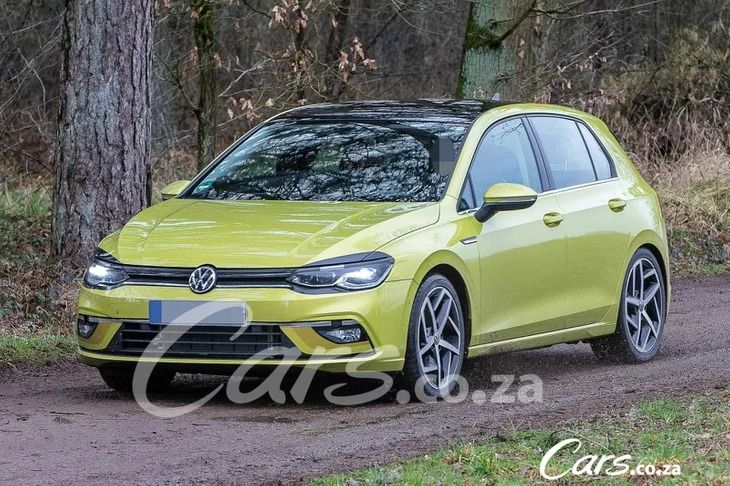
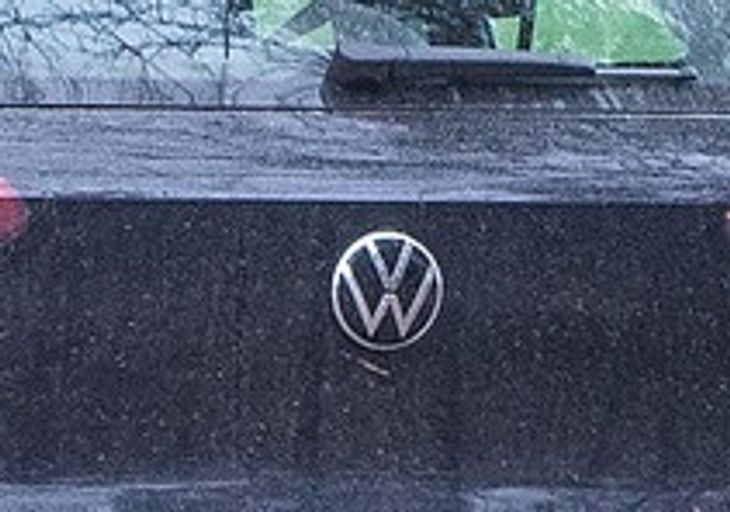
Yes, this image is zoomed in and starting to pixelate, but this shows Volkswagen's logo has undergone a slight change
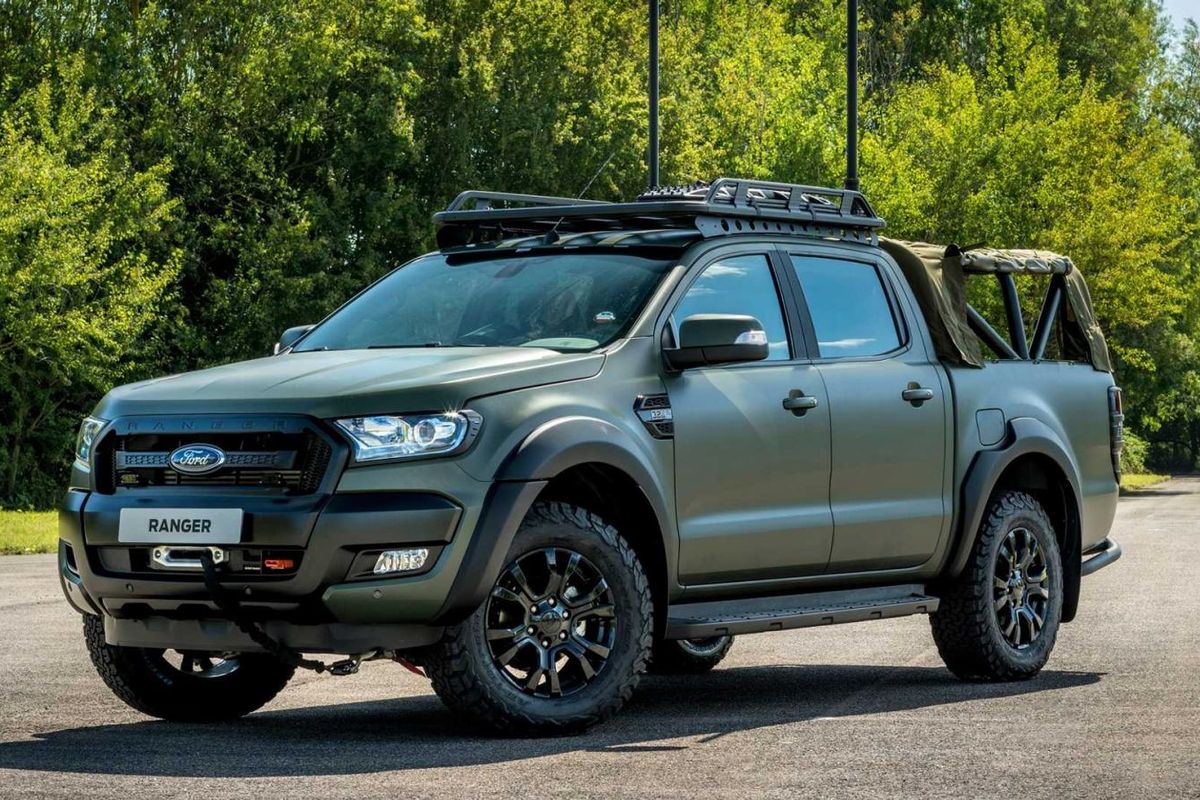
Military spec Ford Ranger could be a great anti-poaching patrol vehicle
If you want the ultimate Range double-cab hunting vehicle, Ricardo has a solution.
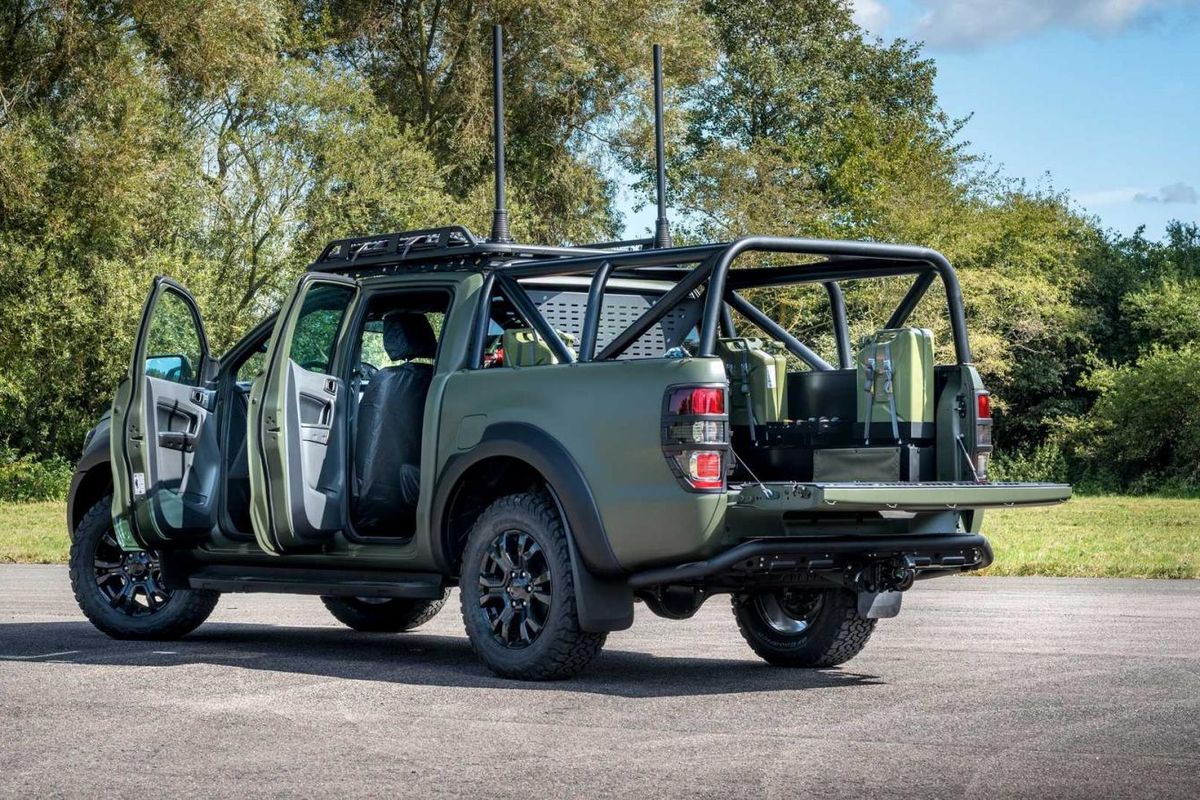
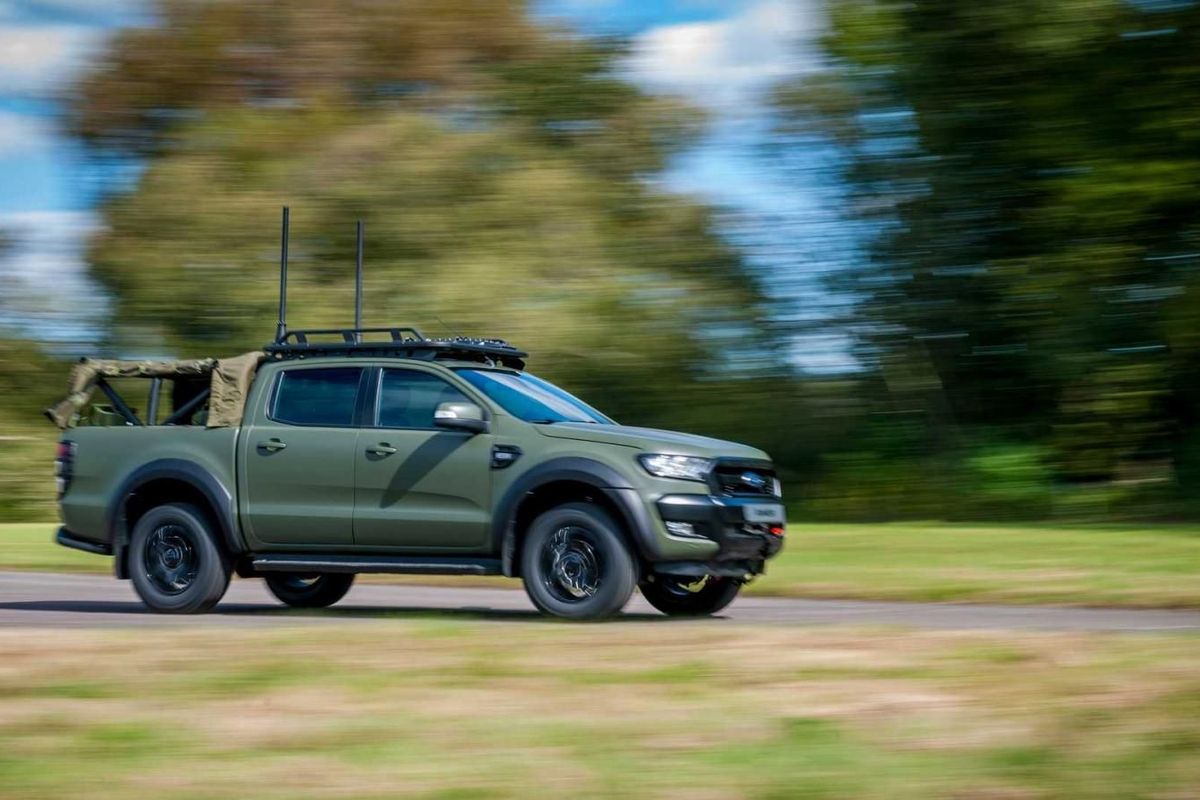
The British engineering consultancy, which has a recognised presence in the automotive space, has revealed its new Ford Ranger military application project.
Based on a Ranger 2-litre bi-turbo double-cab, he Ricardo conversion adds a range of features to make this Ford bakkie safer in the harshest of operating conditions.
Beyond the olive paint finish, there are new bumpers fore and aft, which offer superior impact protection and mount a recovery winch upfront. An armoured underfloor section offers some protection against explosive whilst rock sliders should keep most of the mechanical bits from being damaged is you run close to the ground clearance tolerances off-road.
Ricardo has increased the waterproof rating for this Ranger’s wiring harnesses and air intake, to boost wading depth to 800mm whilst there is an option to fit coil springs with a greater weight rating and larger brakes too.
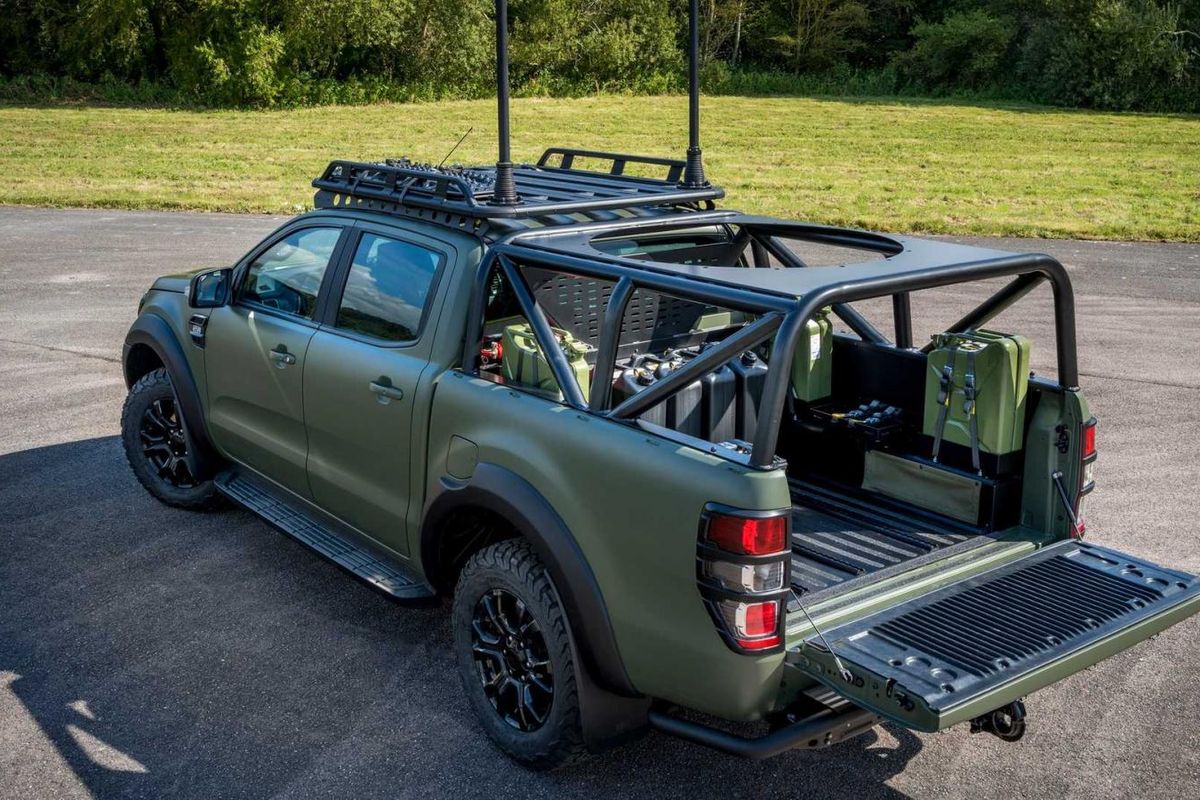
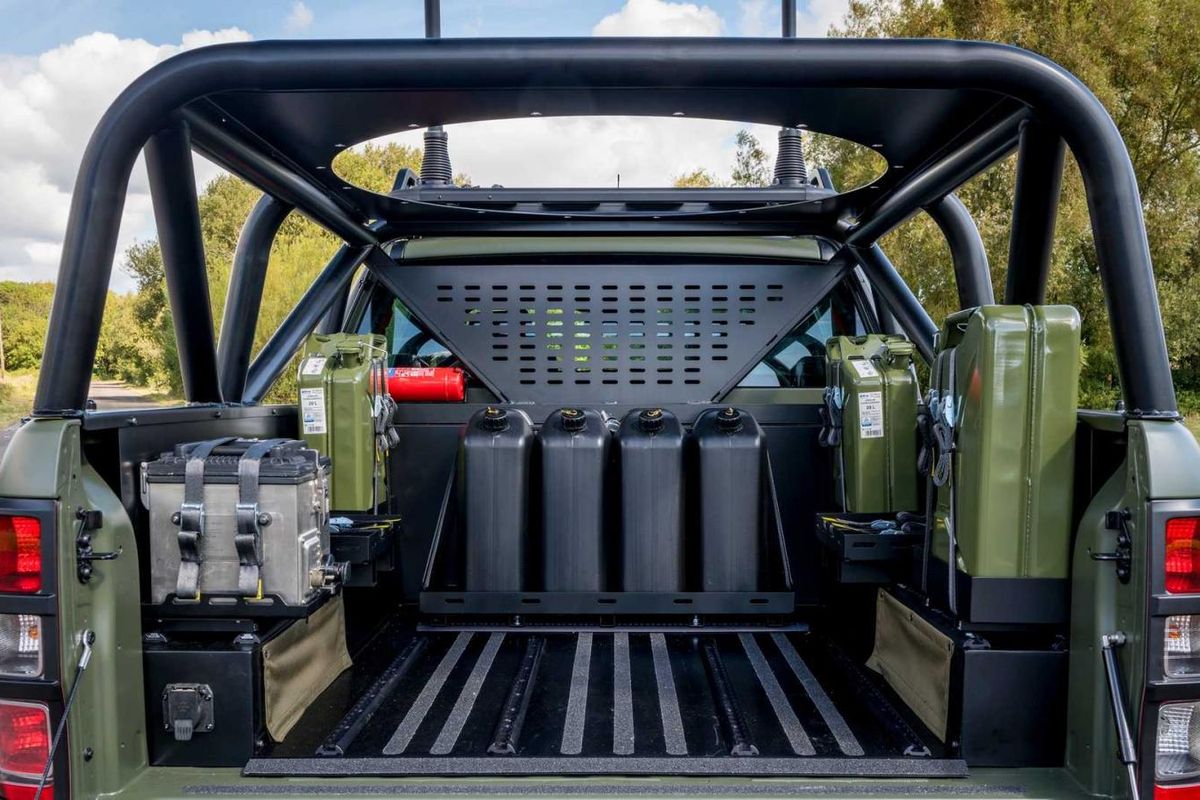
The exterior of this Ranger is dominated by its extended rear roll-hoop structure, which offers both functional protection in the eventually of a rollover and as a mounting structure for different weapons.
Atop the double-cab’s roof, there is a heavy-duty carrier system and the loadbox has been resurfaced with clever stowage solutions. Ricardo’s loadbox latching solution allows a surplus of water- and jerrycans to be carried in the most efficiency way, without unduly unbalancing the bakkie’s weight distribution.
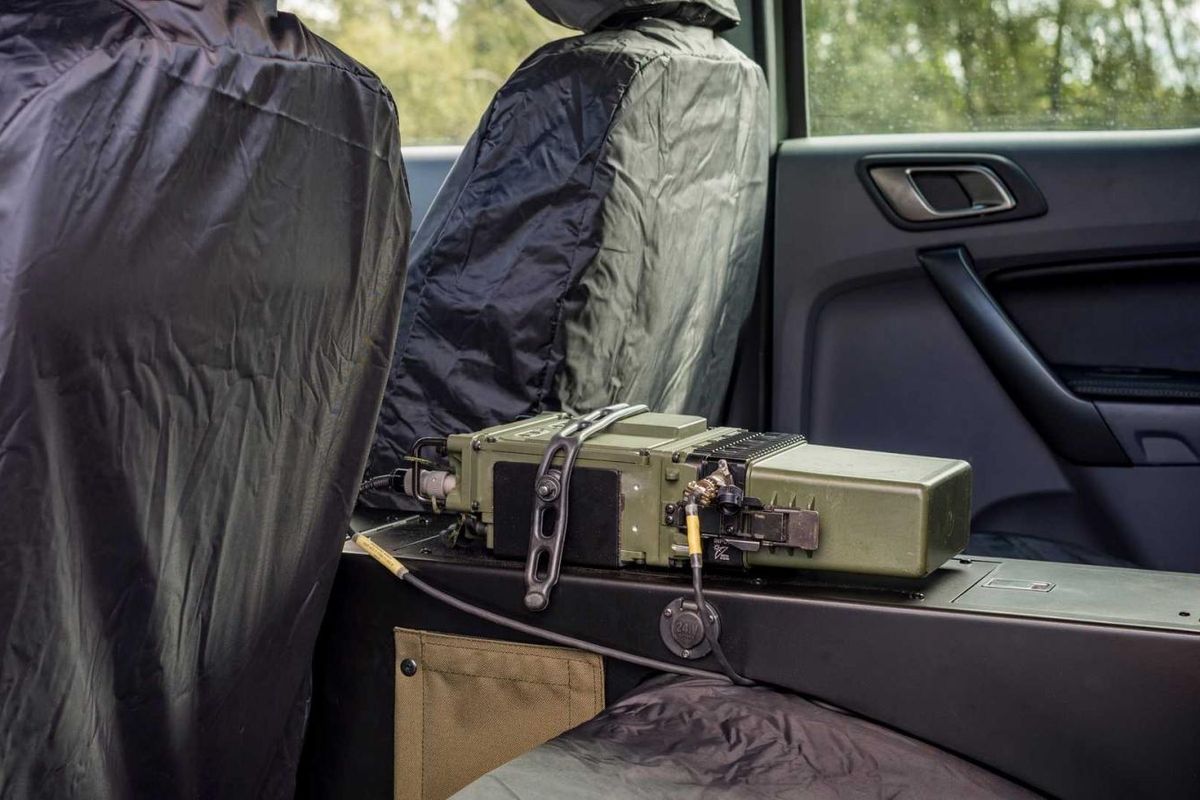
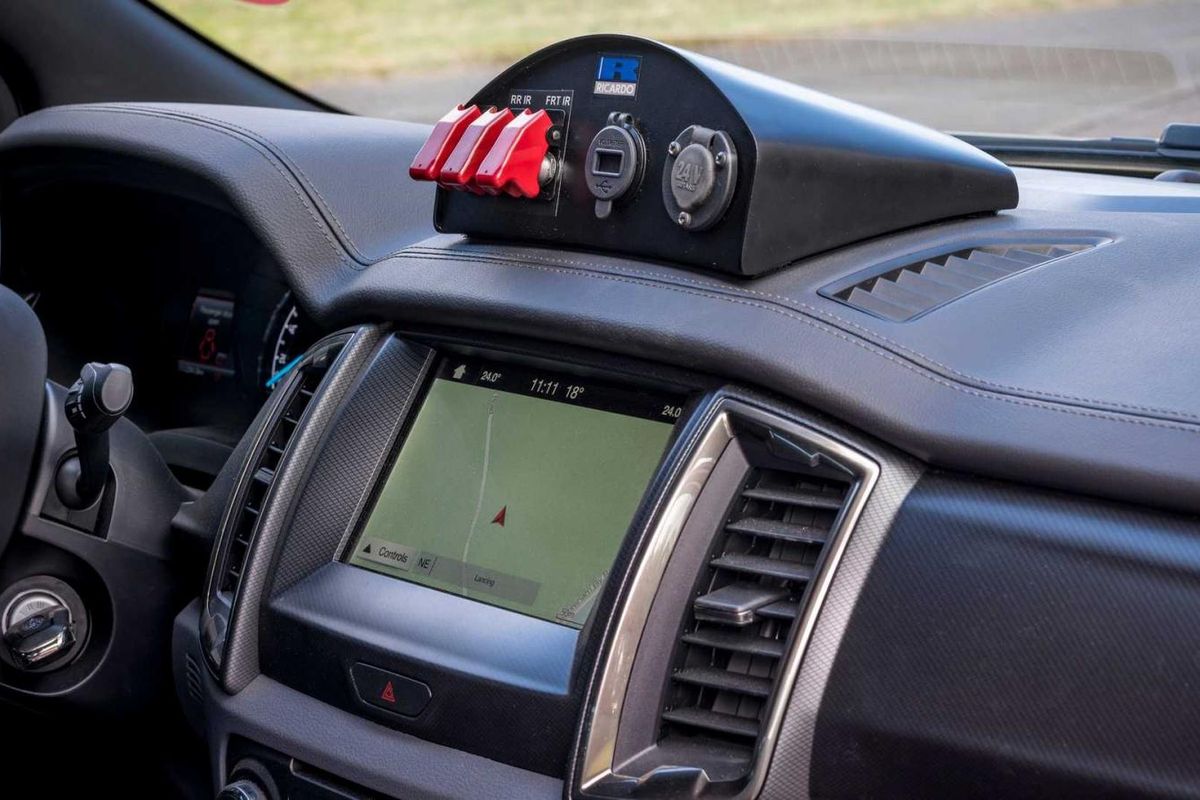
Inside the Ricardo Ranger gets custom seat covers, four-point harnesses and benefits from a 24-volt electrical system upgrade, which enables it to power long-range communications technology often preferred and used by military staff or rescue services.
The military specification Ranger’s engine has been left unmodified, and as such the 2-litre bi-turbo boosts 157 kW and 500 Nm.
Ricardo’s Ranger is an evaluation project to show how this popular bakkie could easily be repurposed as a military or rescue vehicle, for European armies or mountain rescue services. In the South African context, it could make an excellent anti-poaching command vehicle platform, especially with the powerful electronic warfare elements, courtesy of its better electrical architecture and roof-mounted antennas.
The British company has vast experience in the military vehicle realm, having supplied the British army with weaponized vehicle platforms and armoured cars since the early 1990s.
In the general car world, Ricardo is best known for partly designing and manufacturing the 3.8-litre twin-turbo engine architecture which powers most McLaren supercars. It also supplies Bugatti’s gearboxes.
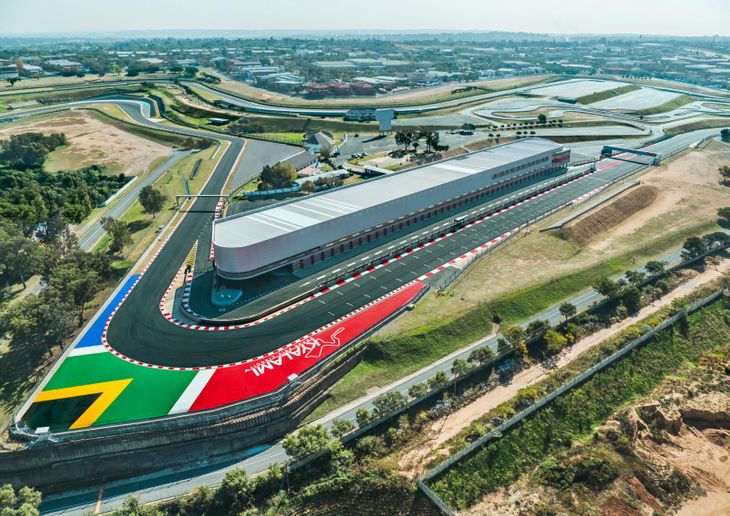
30 International GT cars have provisionally entered for the first 9-hour race held in 36 years at Kyalami on Saturday 23rd November. This event is the final and deciding round of the Blancpain GT Car Endurance Cup run this year in Bathhurst in Australia, Laguna Seca in California, Belgium at Spa and Suzuka in Japan.
By Roger McCleery
90 international and South African drivers will race “factory” and private teams from Aston Martin, Audi, Bentley, BMW, Ferrari, Honda, Lamborghini, Mercedes-AMG, Nissan and Porsche. Even better, 16 South African drivers who have raced here and overseas are entered. There are 3-man squads each from Stradale Motorsport, Pablo Clarke Racing and Team Perfect Circle. Three more South Africans, Jordan Pepper in his Bentley, Kelvin van der Linde (the ADAC Champion in Germany in an Audi) and Sheldon van der Linde in a BMW, will be joined by compatriots David Perel, Gennaro Bonafede, Mike van Rooyen, Franco and Sylvio Scribante and Andre Bezuidenhout, the holder of the track record at the Simola Hill Climb.
Now back up to international standard, the revised Kyalami circuit will finally see some top-flight international motorsport action.
This 9-Hour and 4 other races to follow in the future are endorsed by the Mayor of Johannesburg, Herman Mashaba and his Council, particularly for the income coming into the area and jobs that will be created. Besides the 9-Hour race there is something for all members of the family. There is the Soweto 60 Minute Drifting Challenge with all the country’s top drifters competing for big prize money. There will be karting for kids from 3 to 12 years old. Older youngsters can race bigger-engined karts and electric karts.
Two supporting Volkswagen events will take place on Friday and Saturday whilst a music festival with many of the top DJ’s (including Black Coffee) and bands in the country will keep spectators entertained.
Rich with heritage
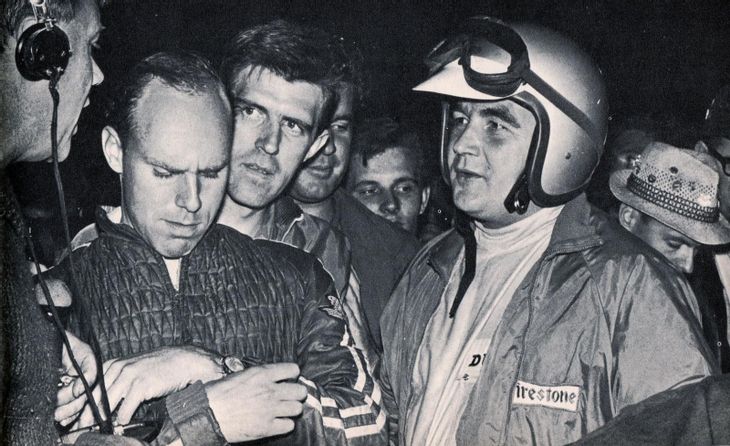
The legendary David Piper will be a guest of honour at this year's Kyalami 9-Hour.
To honour cars that took part in the first 9-Hour races in the 60s and beyond there will be a display and circuit parade. The first 9-Hour at Kyalami with 41 entries was held in 1961 when John Love and Dr Dawie Gouws in a Porsche 550 beat Bruce Johnstone and Nick Kingwill in an Alfa Romeo Giulietta TI, D Riley and Eric Glasby (AC Bristol) and Jack Holmes and Clive van Buuren in a locally-designed and -manufactured GSM Dart Climax.
David Piper – who will be a guest at Kyalami on 23rd November – arrived in 1962 with his Ferrari GTO and promptly won the race sharing the drive with South African racing star, Bruce Johnstone. He won over the next four years co-driving with Tony Maggs and Richard Attwood with two wins apiece in a variety of Ferraris. He came back in 1969 and won in a Porsche 917 with Attwood.
Jackie Ickx won three times accompanied by Brian Redman, David Hobbs and Giunti. Our South African Jody Scheckter won twice. Another popular South African win was Brian Cook and Phil Adams in a small-capacity Datsun 140Z.
The final 9-Hour race before the format was changed to 1000 km endurance races was won by the Le Mans 24 Hour-winner Derek Bell and German legend Stefan Bellof in one of the ten Porsche 956 championship-winning cars.
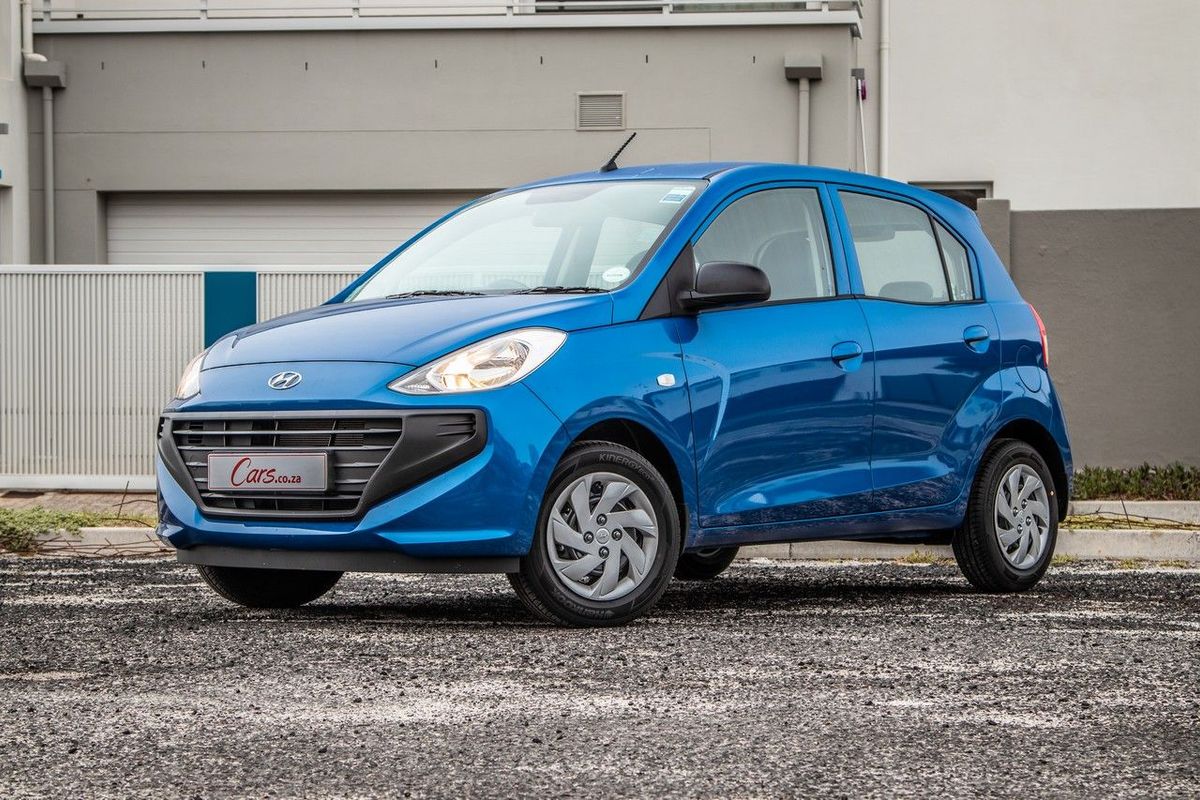
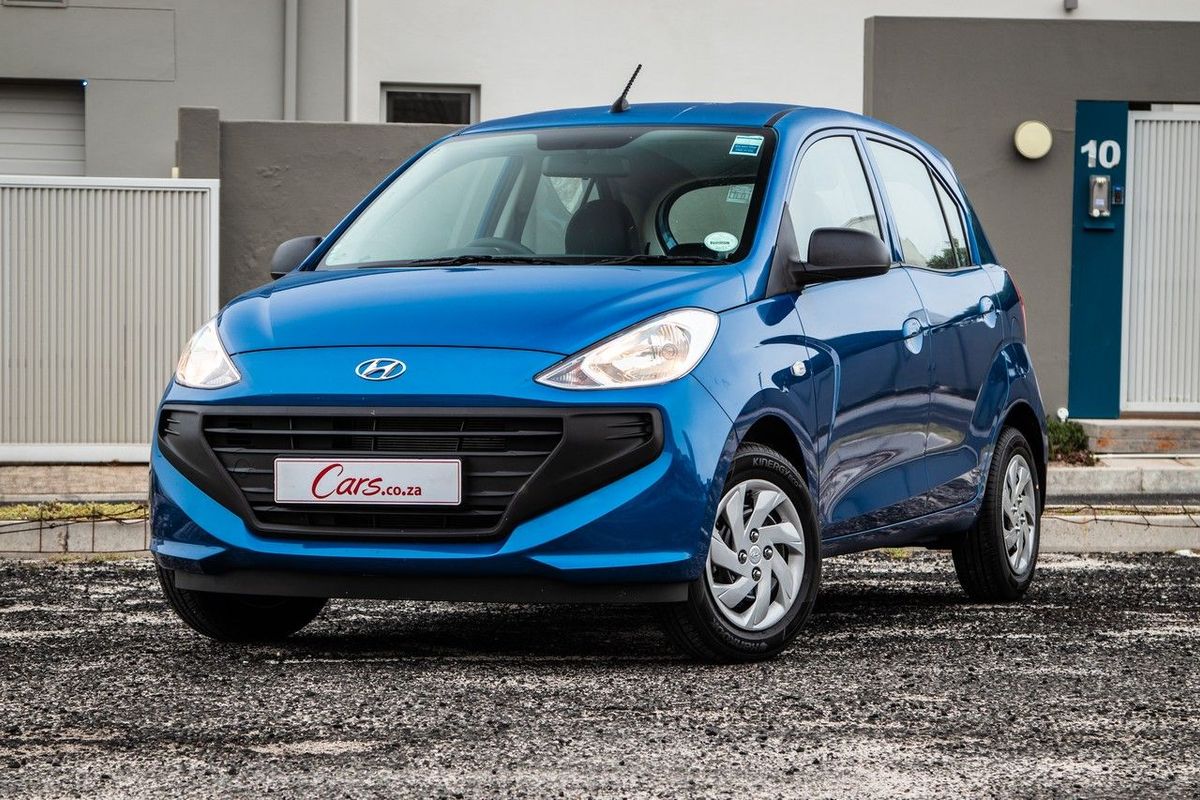
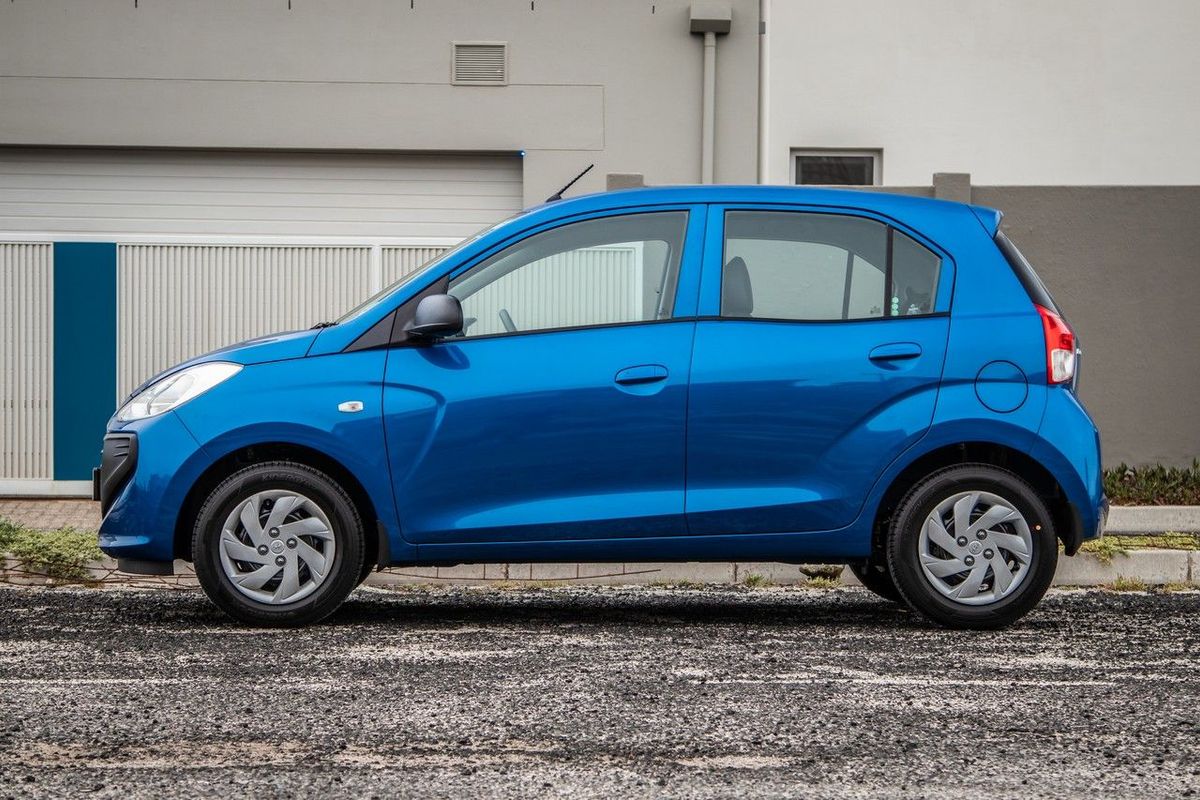
Hyundai South Africa will be offering an all-new Atos in the budget market. Here are some details as well as a price.
The 2019 Atos will be imported from India where it's sold as a Santro. Hyundai SA plans to sneak the Atos in under the Grand i10 as a budget offering to compete with the likes of the Datsun Go, Suzuki Celerio and Renault Kwid that appear to be lapping up sales in a segment where buyers are purely looking for A to B, affordable transport.
In terms of engines, the Hyundai SA website says the new Atos will be available with a 1.1-litre petrol engine mated to a manual gearbox. With 50 kW and 99 Nm, it should be light on fuel too. While other details are scarce, the local website makes mention of Apple CarPlay functionality, but strangely not Android Auto. On the plus side, smartphone connectivity will allow music streaming, navigation and hands-free communication.
We'll have more information closer to the vehicle's launch which is being launched in early November 2019.
In South Africa, French car brands have been criticised for exorbitant servicing/repair costs, parts shortages, poor resale values (and other problems) for a long time. Peugeot SA's reputation is not great, but extensive work has been done behind the scenes and business appears to be on the up. Can the firm replicate its brand's European success?
Peugeot SA has been in the doldrums, which is an unfair indictment of the brand's contemporary products; when we've tested Peugeots we've found them to be competent and competitive, yet the brand's sales numbers have been dismal. It seems that no matter how good modern Peugeot models are, prospective customers have opted for other brands' wares purely because of misgivings about the French brand's after-sales support.
We've all heard a horror story about someone's Peugeot spending weeks holed up in a workshop corner while it awaits some part that needs to be shipped in from Europe. When the part eventually arrives and is fitted, the car's owner is then presented with a higher-than-expected bill and finally, when the time comes to trade-in the Peugeot, its resale value is appallingly low. It's no surprise that Peugeot SA's products are being overlooked.
But you may be quite surprised to learn that in Europe, PSA Groupe (Peugeot, Citroen, DS, Opel) products are currently selling up a storm, with profits at a record high. In 2017, PSA Groupe tallied up sales of more than 2 million units and in 2018, almost 3.1 million vehicles were sold. Since PSA took over Opel (after General Motors offloaded the German brand), the Russelsheim-based marque has introduced a raft of new products and has finally begun climbing up the sales charts. Peugeot's product offensive, meanwhile, is paying dividends with the all-new 208, 2008 and 3008 all sitting in the top 25 cars sold in August 2019. The PSA Groupe, with 5 products in the same chart, is running rampant (the other 2 products are the Citroen C3 and Opel Corsa). Speaking of Citroen, that brand is making a return to South Africa and will undergo a full relaunch in October 2019.
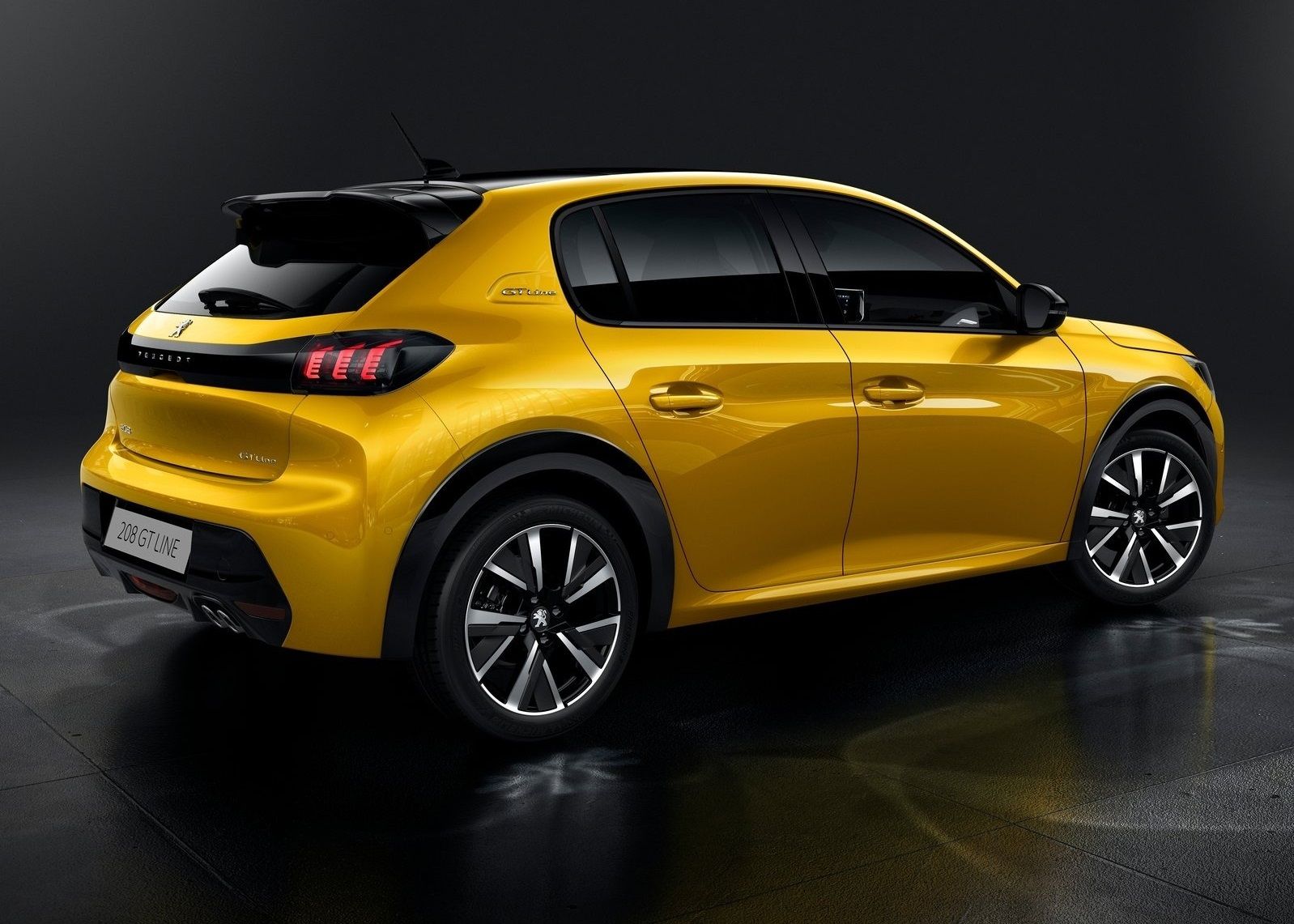
The all-new Peugeot 208 looks a mouth-watering prospect and is already tallying up good numbers in the European sales charts.
Peugeot South Africa's repair strategy
With its reputation in tatters, Peugeot SA faces a monumental task to overturn decades' worth of poor perception and right the wrongs of the past, but the local firm has undergone an overhaul of its top management and dealership network. At the top is flamboyant and passionate Frenchman Xavier Gobille. Known for his valiant efforts in turning beleaguered Renault South Africa around in the late 2000s. He also had stints at Jaguar Land Rover SA and Nissan SA. He's also a petrolhead and genuinely loves cars and driving, having competed professionally as a racing driver.
Gobille's reputation is excellent and he is known for his Midas touch. He's also selected a team with a proven track record to make the "rebirth" or "recovery" happen. The changes to the brand's operations are extensive and its entire dealership network has been redefined. The company's structure has changed too; VT Holdings, which used to own a 51% stake in Peugeot SA, has moved out of the picture. In terms of dealership footprint, there are around 25 Peugeot dealers, with 5 more planned by the end of 2019. The eventual goal is to have 80 dealers, which is a deeply impressive claim. These dealers won't just be selling Peugeot though, as Citroen will be making a comeback. Gobille says dealerships will retail 4 brands, which we assume are Peugeot, Citroen, DS and Opel, which leaves questions about which company will distribute the latter going forward.
Peugeot SA's efforts to beef up after-sales support and customer care interests us the most, however. Offering a short warranty just won't cut it anymore, because customers are drawn to value-added services. Peugeot Pride is the brand's fresh offering and comes standard with all new cars. There's a 5-year/100 000 km warranty and a 5-year/100 000 km service plan – Peugeot claims all the customer will pay for is fuel and tyres. There's also roadside assistance, a 24-hour customer contact centre, a licence renewal reminder and service/warranty plan expiry notifications. Peugeot further asserts that you'll get a courtesy car if your vehicle is in for repairs for longer than 2 days and that parts will be competitively priced.
These claims sound almost too good to be true, so it's going to require leaps of faith on the part of customers to convert (or return to) the brand. Once word gets out that after-sales and servicing have improved (it won't be overnight), the brand should start experiencing growth, but it's a long road ahead. Fortunately, Peugeot offers a desirable product line-up. The range kicks off with the recently-launched 108 budget car, which is similar to a Toyota Aygo but offers more safety features and a superior warranty for about the same money. The 7-seater 5008, a more expansive version of the highly-lauded 3008, is also new to the market. We suspect that the all-new 208 and 2008 will join Peugeot's line-up during the course of 2020.
Can Peugeot SA turn the ship around?
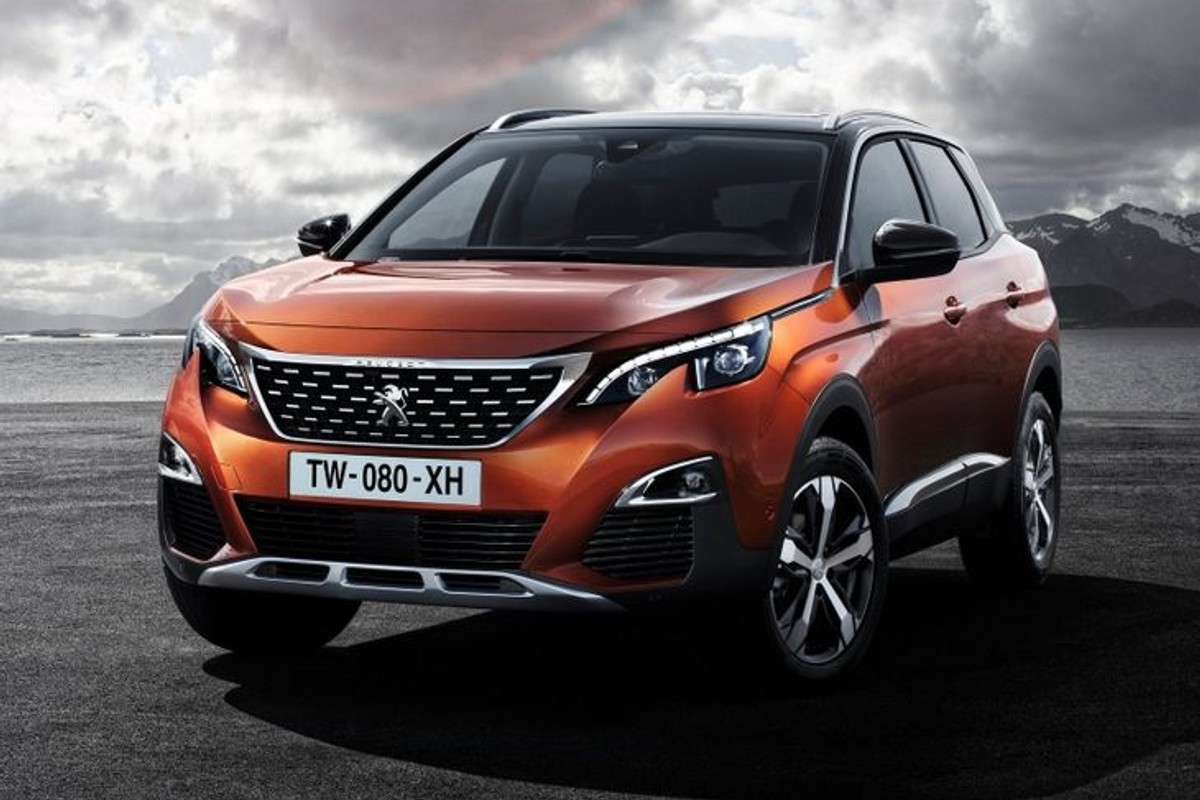
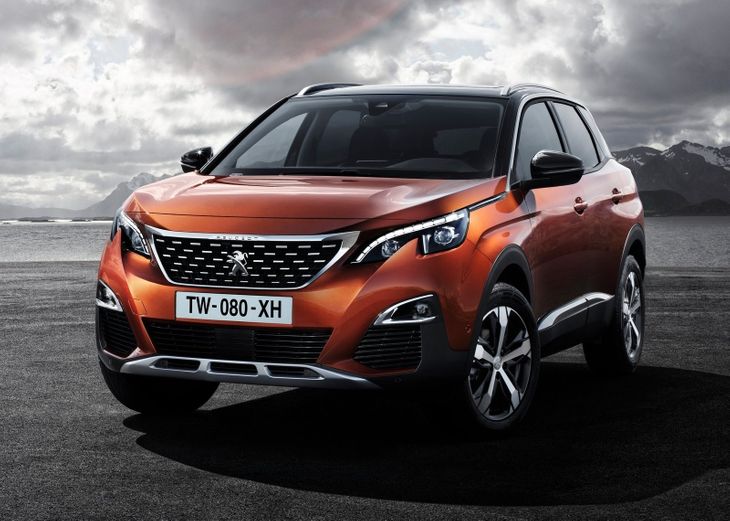
The Peugeot 3008 is a good car and has won many awards globally. It's also in the Cars Awards – Powered by WesBank.
The strategy that Peugeot SA has announced and the plans it has mapped out could easily be dismissed as sheer marketing- and public relations spin. The talk is good, but what about the action? Can Peugeot SA return to profit? Time will tell, but we do have a good inkling of what's afoot in the market, thanks to 2018 data from the Cars.co.za Consumer Satisfaction Survey, and we can see what Peugeot owners think of their cars' brand.
With a typically older buying profile split equally across the genders, the majority of respondents said that they chose to purchase their Peugeots by virtue of the products' appealing designs and keen price points. The brand itself was a desirable factor too. Interestingly, 92.7% of Peugeot owners that participated in the survey said that their vehicles had lived up to expectations; in fact, 9 out of 10 owners would recommend their cars to others.
So where's the issue? Well, the survey also focuses on customers' experience of having their vehicle serviced and perception of after-sales support, which is where things go awry. The small dealership footprint and poor parts supply are the biggest headaches. However, despite Peugeot's efforts to improve the latter, perceptions tend to stick… There'll always be someone who says they'll never buy a Peugeot "because parts are scarce".
We've had generally good things to say about Peugeot's contemporary products; in fact, most of those cars we've tested have compared quite well with rival models in their respective segments of the new vehicle market. If Peugeot South Africa can successfully execute its plans to its broaden its dealership footprint, improve its parts supply/pricing and bolster after-sales service, it'll be back on the road to success. We'll be watching closely!
The Ford Raptor has proven that a market exists for dramatically styled double-cab bakkies with improved off-road ability.
Rampant demand for the Raptor has triggered interest from Ford’s bakkie rivals and Nissan has now reacted with a bolder version of its Navara.
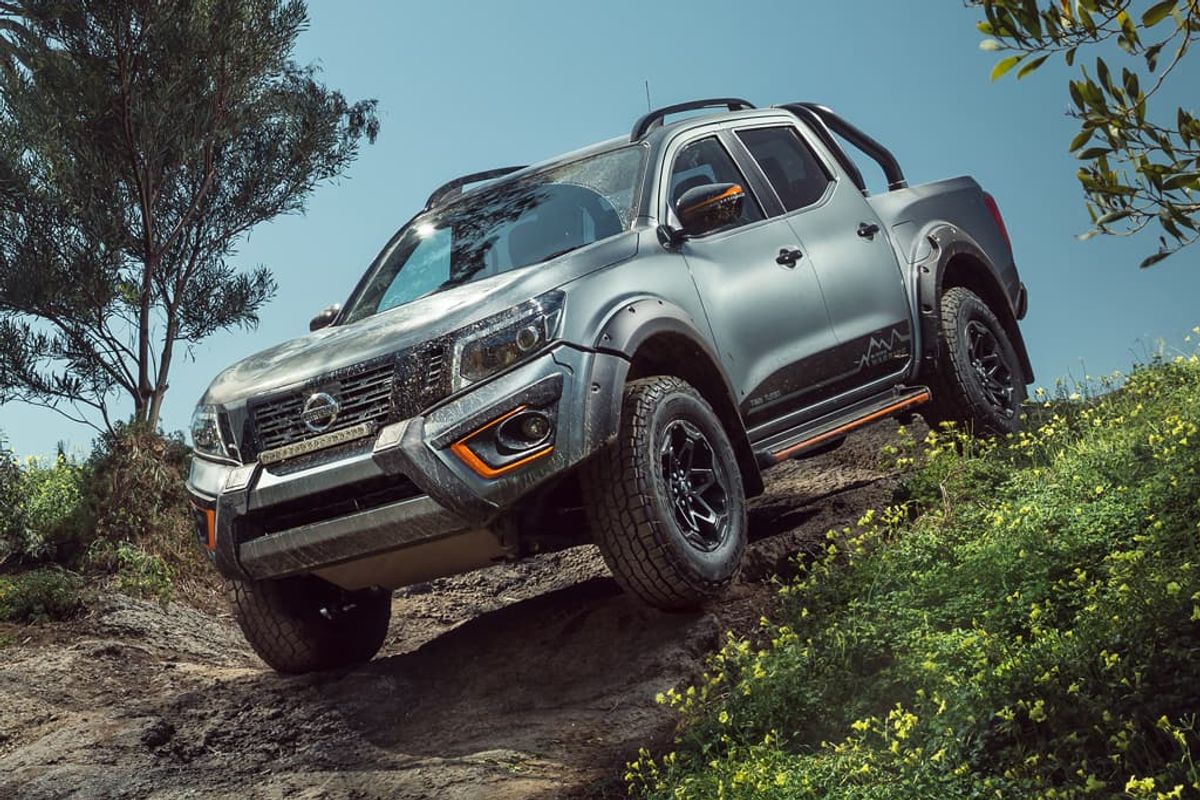
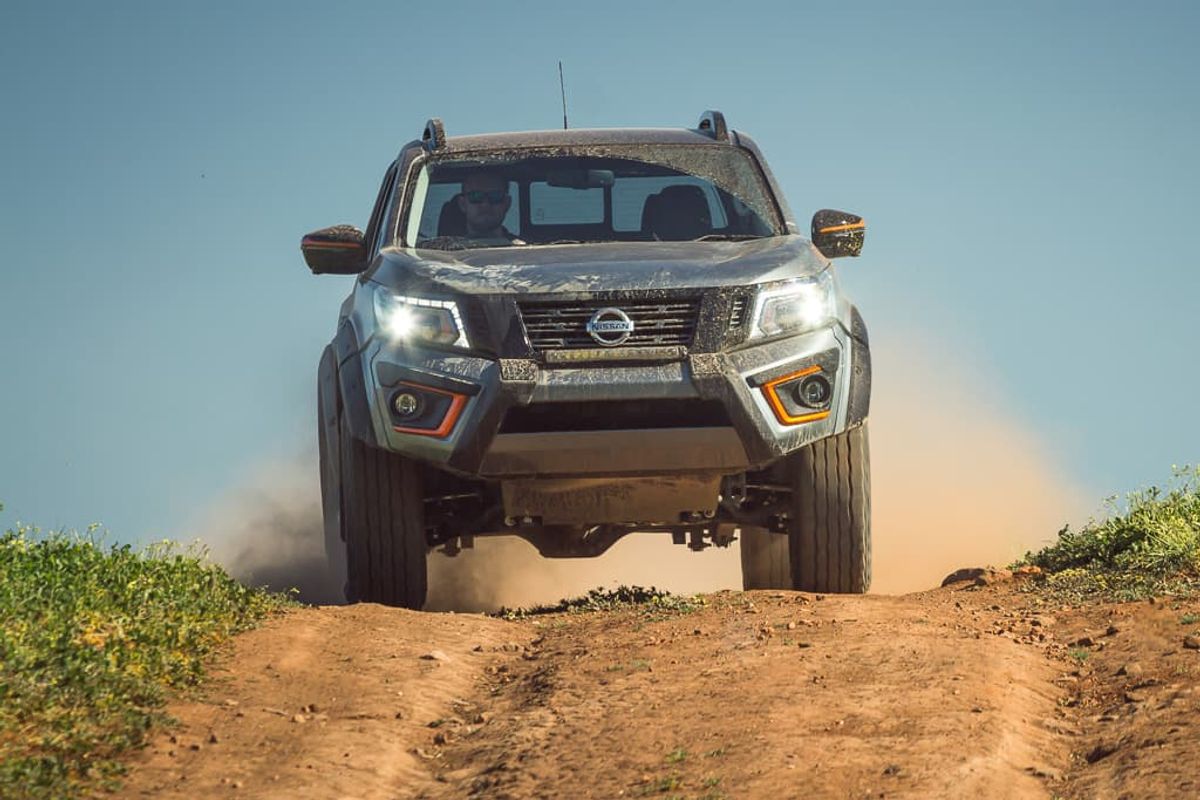
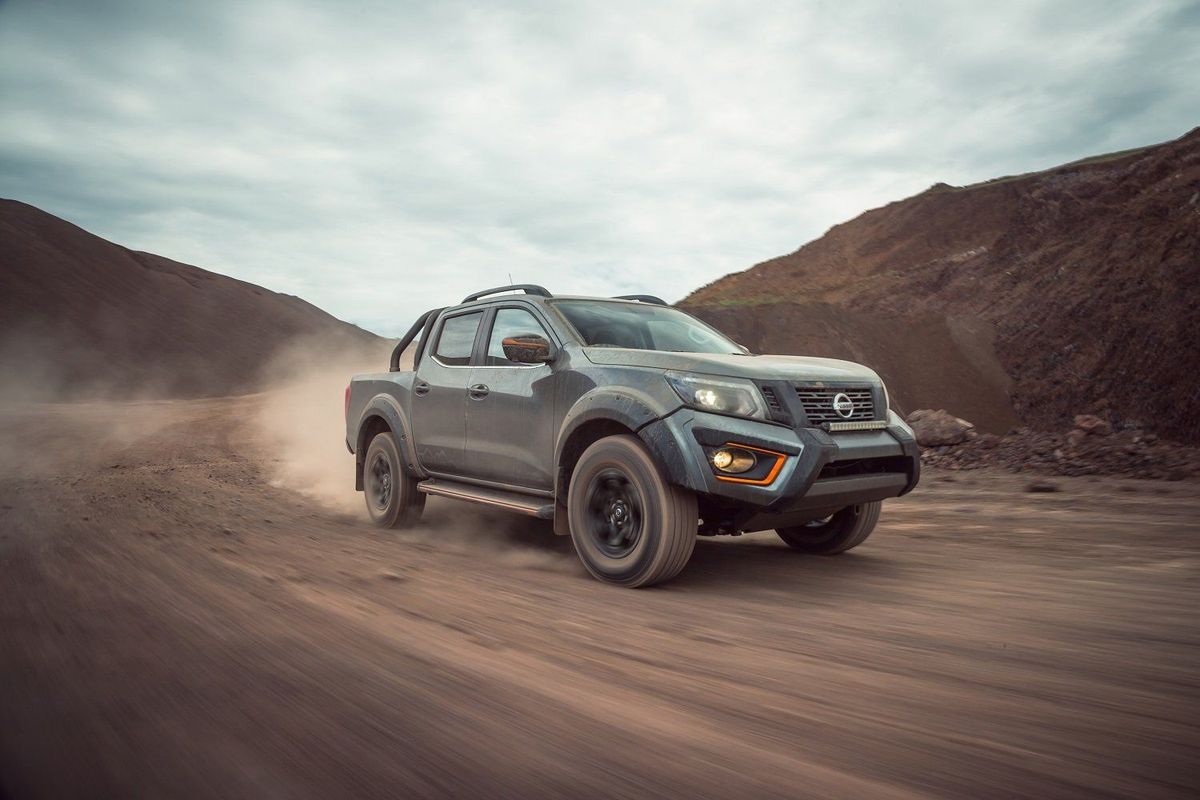
It is called the Navara N-Trek Warrior and the launch market is Australia. Developed in only a year, this Nissan double-cab bakkie features bolder styling and some mechanical upgrades to improve its off-road ability.
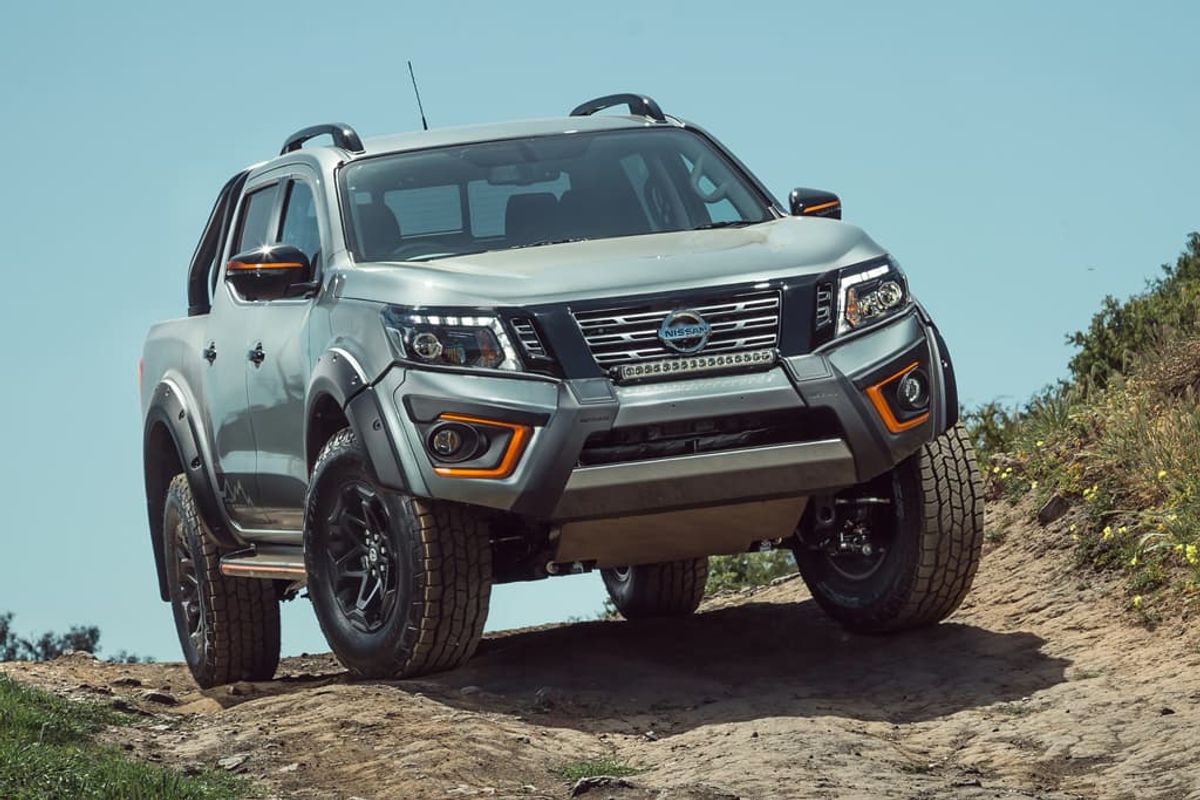
The N-Trek Warrior exterior design is dominated by a new front bumper section which houses a steel bull-bar. There is also an LED light-bar, sourced from Hella, which sits atop the new front bumper.
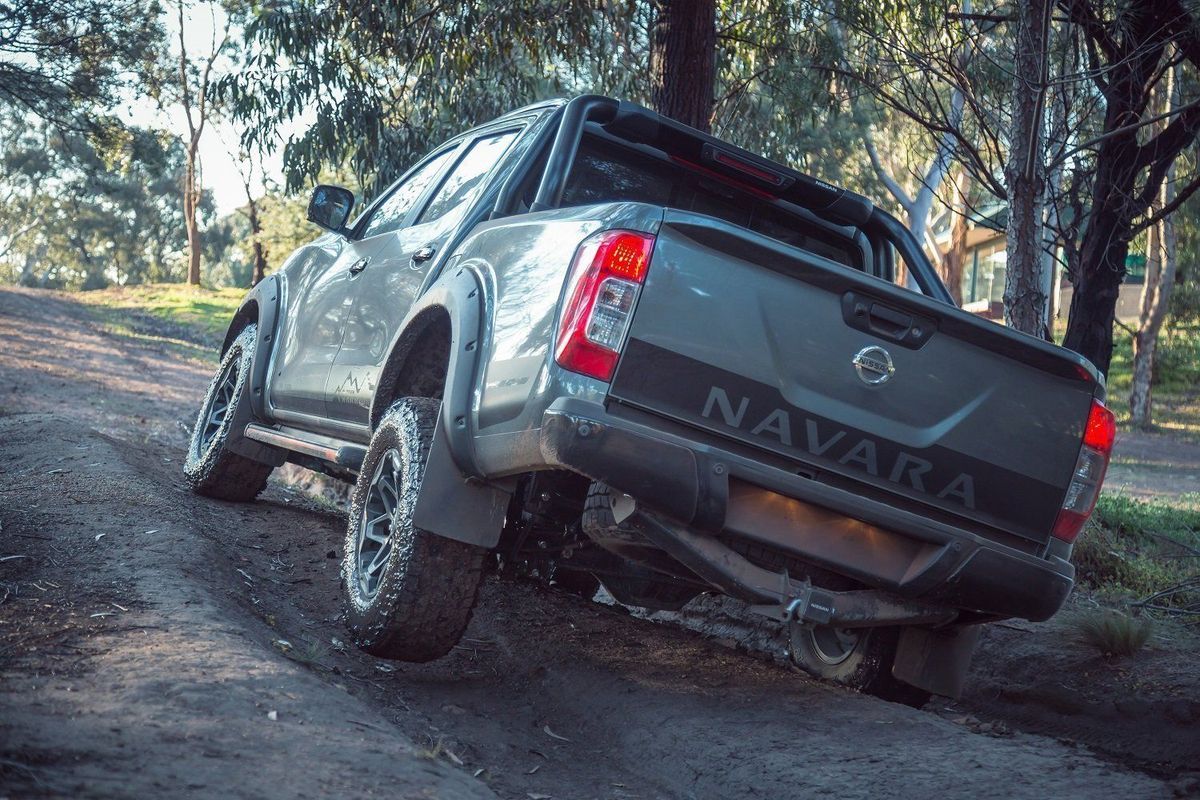
Along the sides, you’ll notice fender extensions which make room for those 32-inch Cooper all-terrain tyres and the obligatory side-steps.
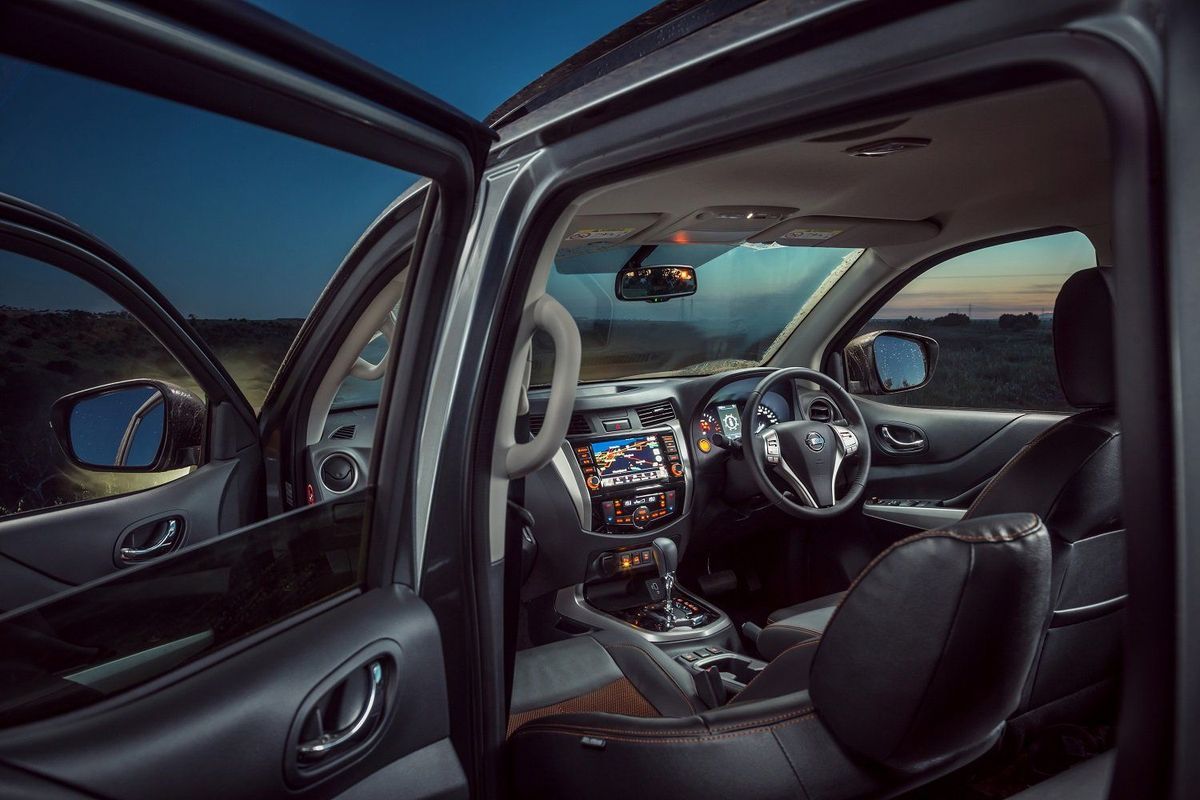
Orange is a detailing colour which has been applied to both the exterior and interior of this new Navara N-Trek Warrior.
The most important upgrade regards this bakkie’s suspension. Nissan has added new coil springs and dampers with a larger structure and more oil volume to each wheel corner, which can handle a lot more terrain impact at speed. Ground clearance by a substantial 40mm, to 266mm.
Compare the numbers and this Navara N-Trek Warrior has better approach and departure angles than Ford’s Ranger Raptor, with 35-degrees of obstacle conquering ability at the front and 29-degrees trailing at the rear. The Ford only has an approach angle of 32.5-degrees and departure angle rated at 24-degrees.
Although the Navara N-Trek Warrior is powered by an unchanged version of Nissan’s 2.3-litre turbodiesel, boosting 140 kW and 450 Nm, its off-road ability should be prodigious. The extra floatation and grip provided by those 275/70 Cooper AT3 LT all-terrain tyres and additional ground clearance should make it very good in challenging off-road terrain.
In the event of owners who do use the increased off-road ability getting a touch to adventurous, Nissan has also added a 3mm steel underbody bash-plate to the N-Trek Warrior, keeping its sump and gearbox safe.
Nissan has committed to delivering the N-Trek Warrior to customers by December. With the product specification between South Africa and Australia being so close, one hope for local consideration on this new Navara product.
Best Compact Hatchbacks in SA – #CarsAwards Finalists
Meet the finalists in the Compact Hatchback category of the 2018/19 Cars.co.za Consumer Awards – powered by WesBank!
Now in its 4th year, the #CarsAwards was conceived to be South Africa's definitive automotive awards programme and is backed, for the 3rd year running, by the country's leading supplier of vehicle finance, WesBank.
Read more about the finalists in the 2018/19 Cars.co.za Consumer Awards – powered by WesBank here!
Best Compact Hatchbacks in SA
The Compact Hatchback category is guided by both eligibility factors and Pillars of Success. Eligibility for this category includes a list price between R200 000 and R300 000 (prices as of 1 September 2018), ABS braking, minimum of 4 airbags, air-conditioning, USB support, Bluetooth and a service plan (If optional, these features must not push the vehicle price over the R300 000 price cap at time of voting).
Pillars of Success in this category include a balance of fuel economy and power/performance, value-for-money, practicality, brand strength, design and quality appeal, ride and handling and finally, safety.
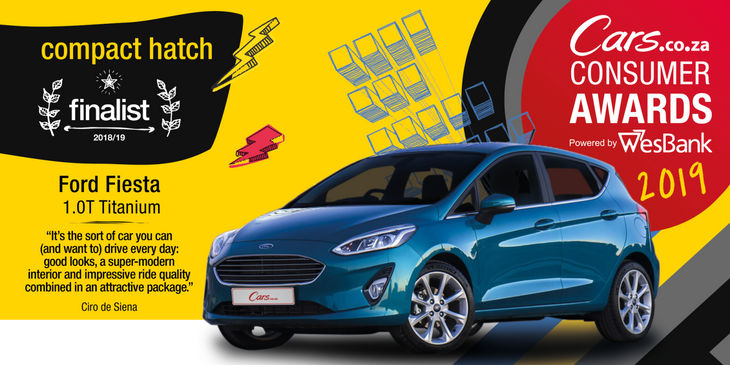
The latest-generation Fiesta is a vastly improved product, featuring refined exterior styling and a higher-quality interior. Not only is the Fiesta generously equipped in 1.0T Titanium guise, it's strong value proposition, perky performance and dynamic ability make it a strong contender in this segment.
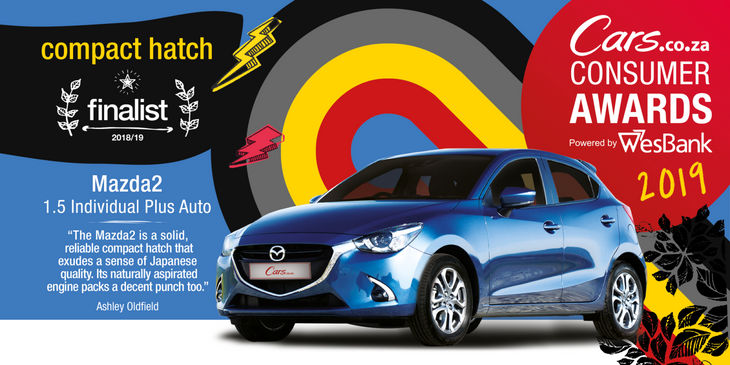
By combining attractive looks and contemporary interior packaging with a comprehensive standard features list, the Mazda2 1.5 Individual Plus automatic has much to offer. What’s more, the good all-round performance of the naturally-aspirated 1.5-litre engine and refined ride quality make it a strong contender in this segment.
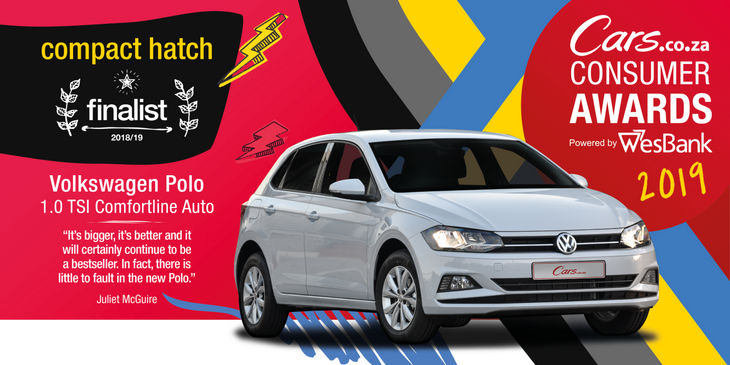
The all-new Volkswagen Polo remains the most popular choice in the compact hatchback segment. The newcomer is built on the brand’s sophisticated MQB platform and is larger (and, therefore, more spacious) than its predecessor. Apart from its perky and fuel-efficient 1.0-litre turbopetrol engine, the Polo offers excellent build quality, which almost elevates the hatchback to a premium level.
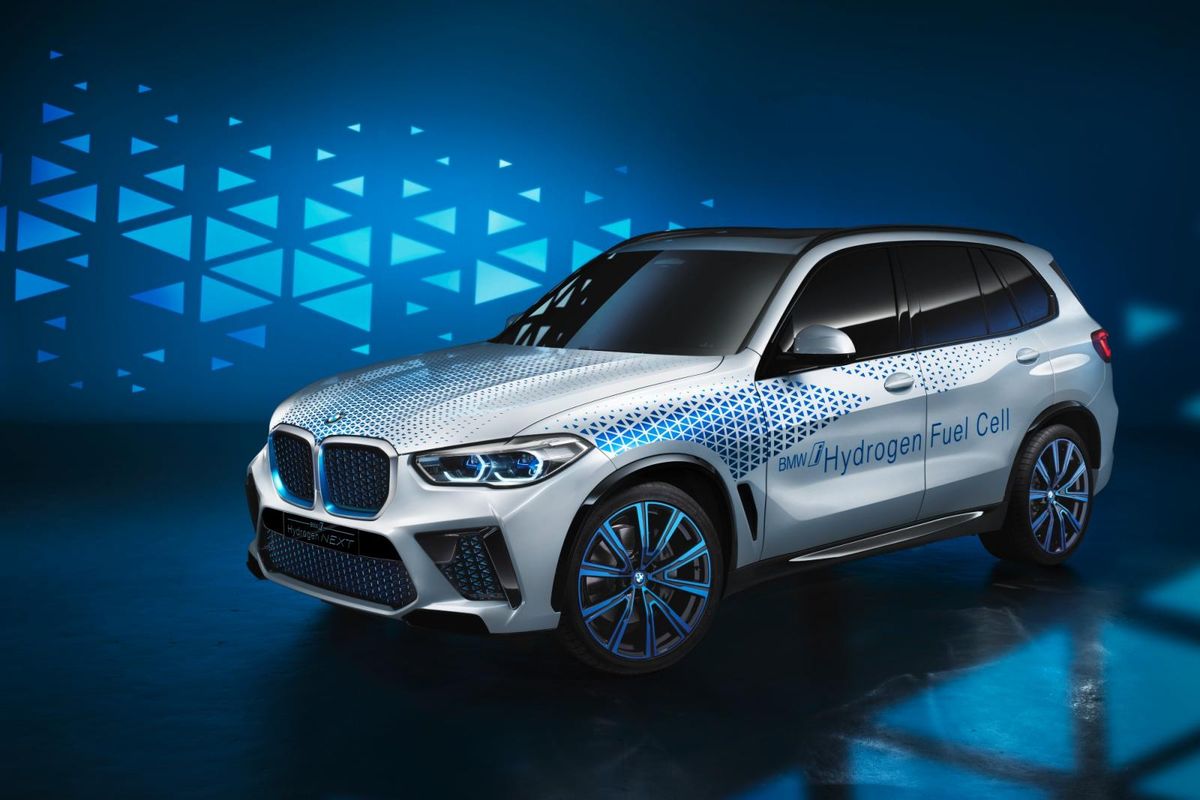
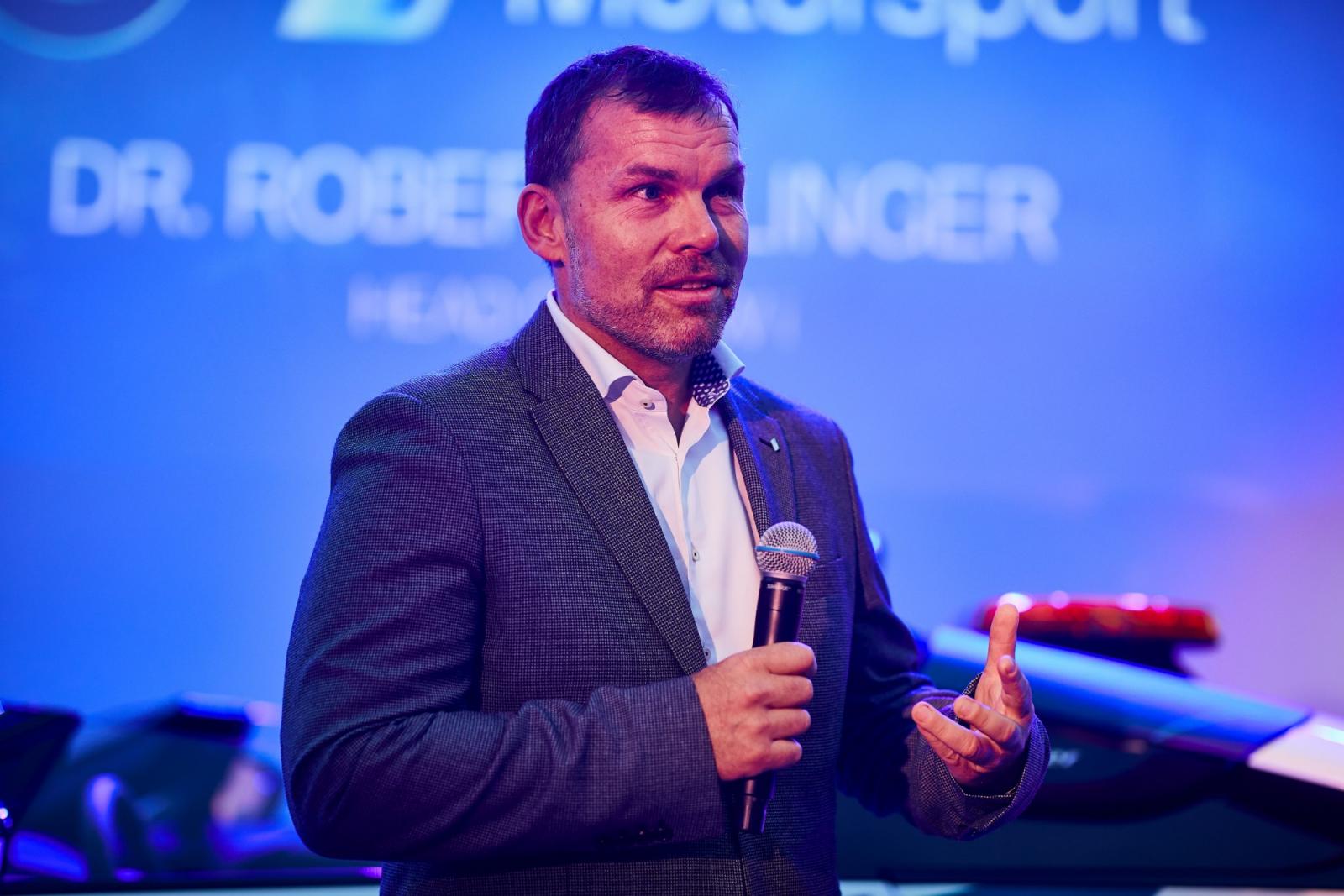
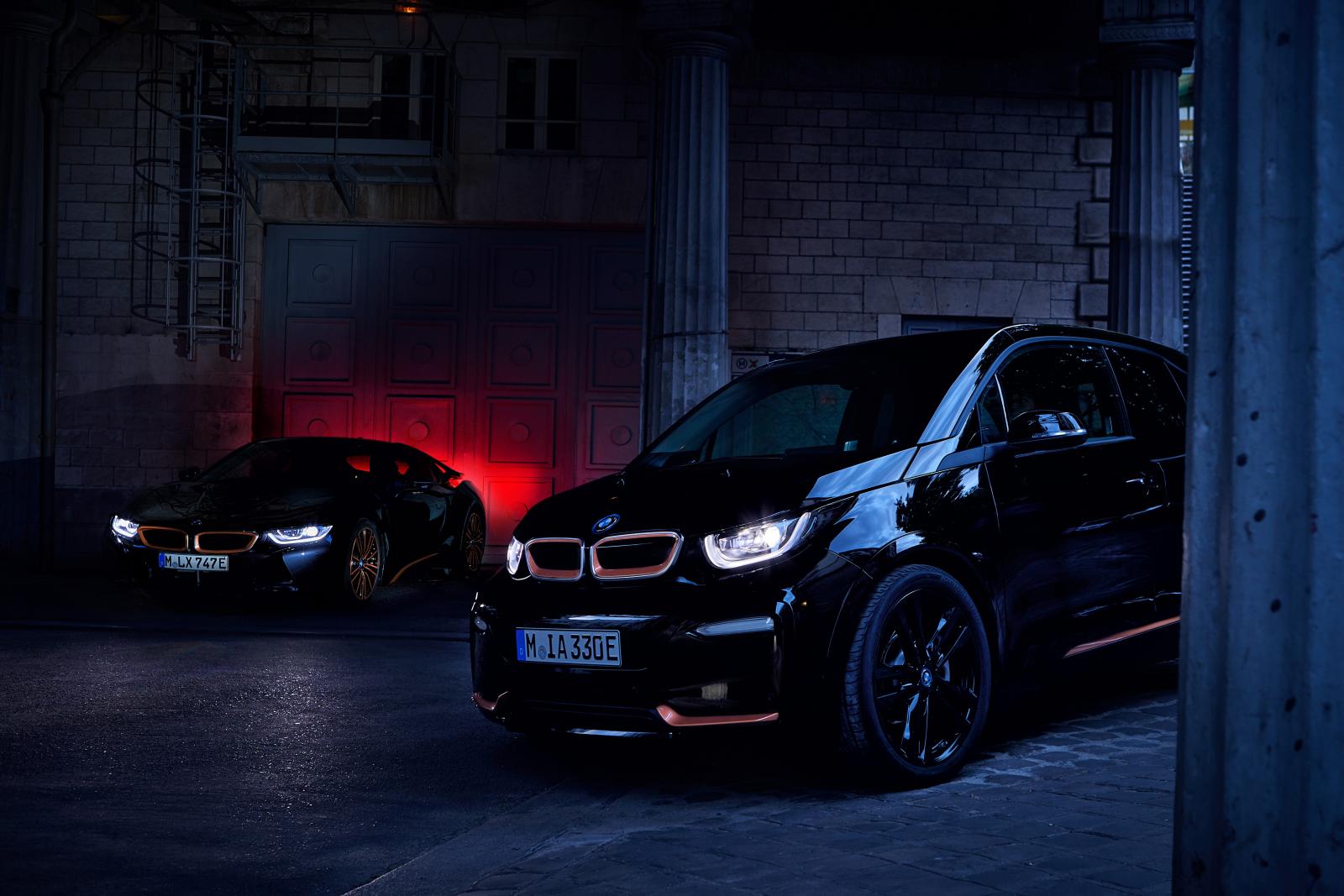
In many ways BMW was ahead of the curve with the development of the i3 and i8, but with both these products now well into their lifecycles, what's next for the "i" division? We caught up with Robert Irlinger, Head of BMW i at the Frankfurt Motor Show where the marque showcased, among many concepts, the BMW i Hydrogen Next.
At a Motor Show where just about every brand had electric vehicles on their stands, BMW was possibly unique in also displaying a hydrogen fuel-cell concept. Of course, hydrogen is not new to the BMW brand, but it has been some time since it last had anything to showcase related to this technology. In theory, hydrogen fuel-cell vehicles make a lot more sense than battery electric vehicles, primarily because (once the infrastructure is there) refuelling would take a similar amount of time to a normal internal-combustion engined vehicle, as opposed to a battery electric vehicle which takes hours. Furthermore, because a fuel-cell stack develops its own electricity the batteries can be smaller (making the vehicles lighter). Still, there are challenges that are not restricted to the refuelling network – manufacturing hydrogen is rather energy intensive, as an example.
Nevertheless, BMW has in recent years quietly continued working on the technology, partnering with Toyota and intends launching a hydrogen fleet (in Japan), within 3 years. But why go down this avenue in the first place, when everyone seems convinced that the future is battery electric?
What the market wants, the market gets
Robert Irlinger, Head of BMW i is betting on a future where multiple drive technologies co-exist and customers and markets will choose what best suit them.
According to Irlinger, BMW is working on the assumption that, in the near future, various types of drive systems will exist alongside one another, and it will be up to customers to choose which they prefer.
"We will give customers whatever they want, but you must also remember that demand is driven at this point by government subsidies," he says. "If you look at Norway as an example, 3 out of 4 cars there are already electric. In this country (Norway), you will just make EVs. If we go to South Africa, however, 95% or more are still ICE (internal combustion). Worldwide, we will supply what is most suitable to that market and the demand in that market, whether it's diesel, plug-in hybrid, or full electric etc."
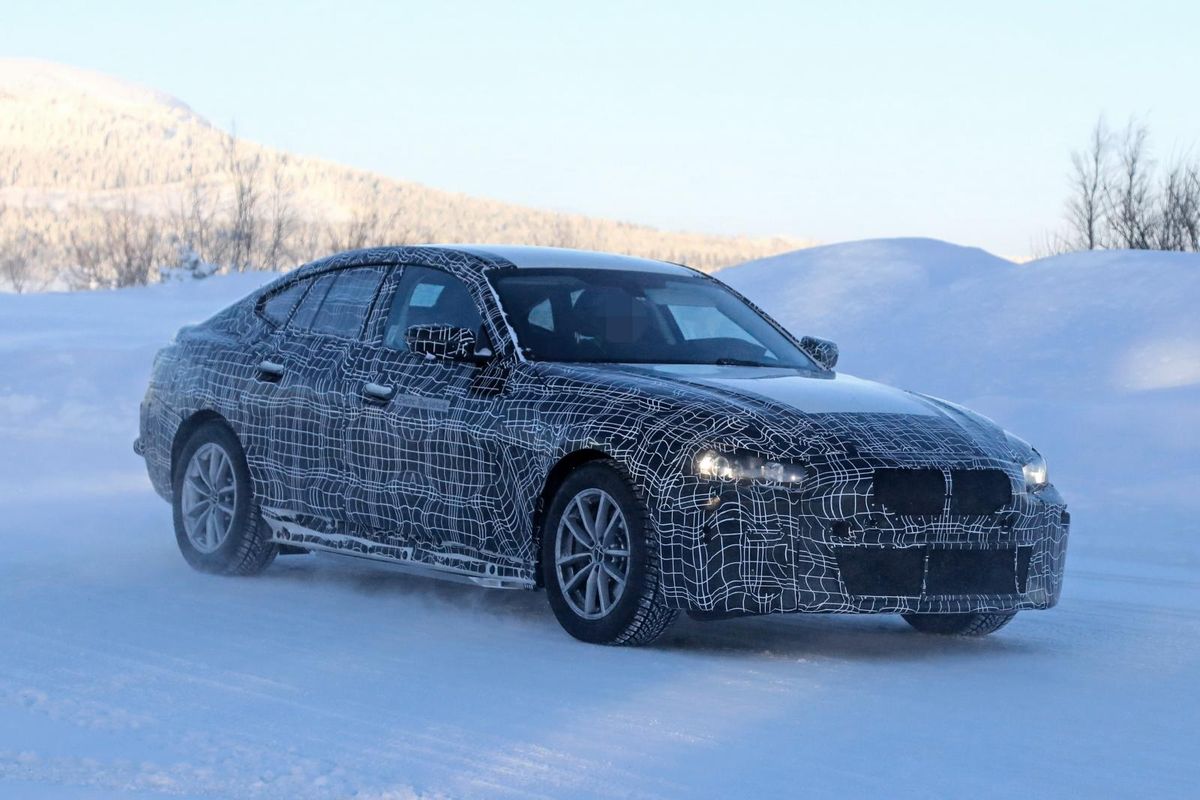
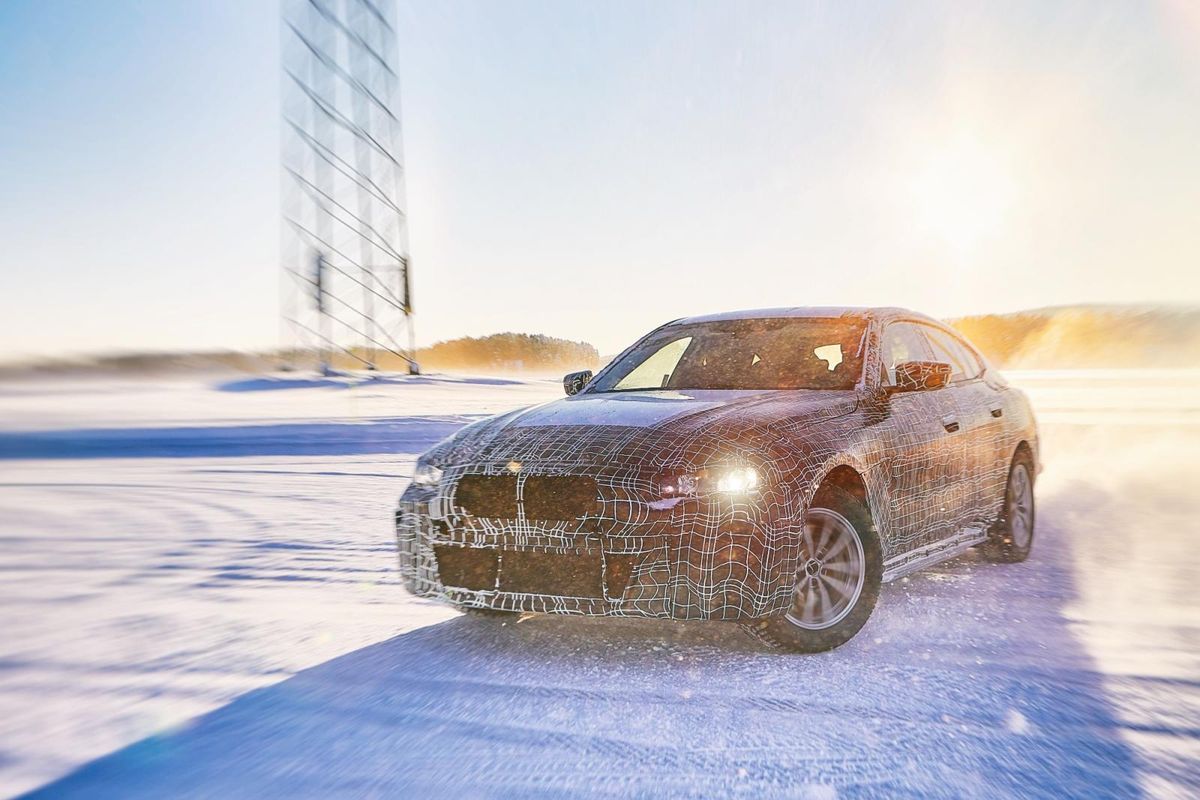
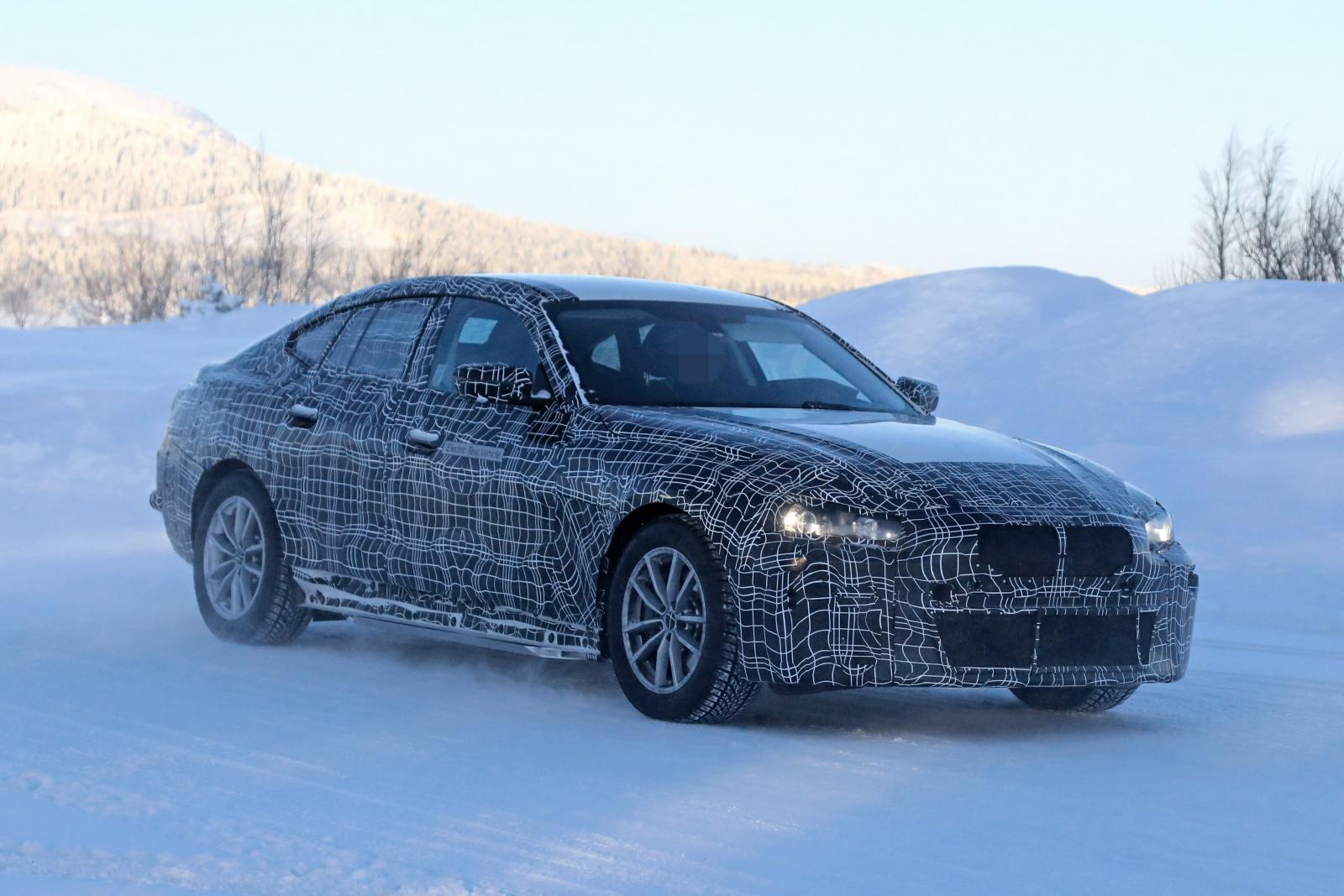
The BMW i4 undergoing testing – the Tesla Model 3 challenger will arrive in 2021. Photo by S. Baldauf
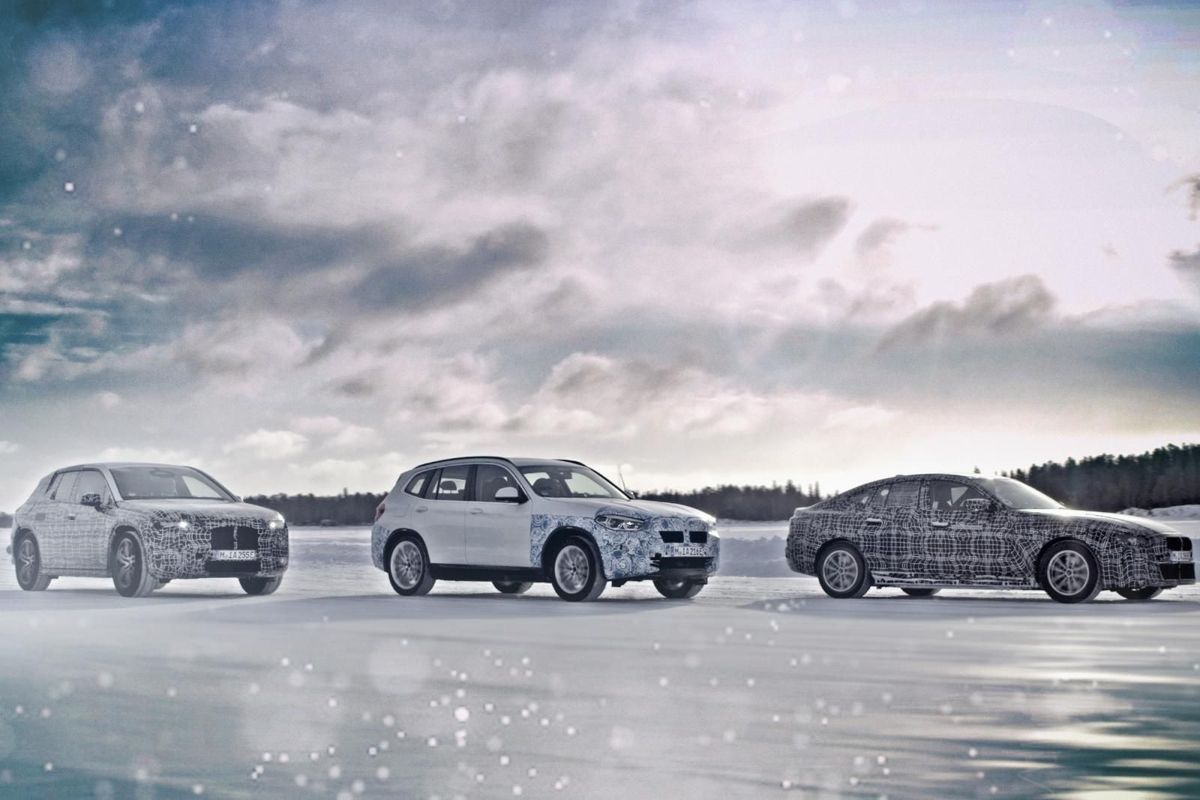
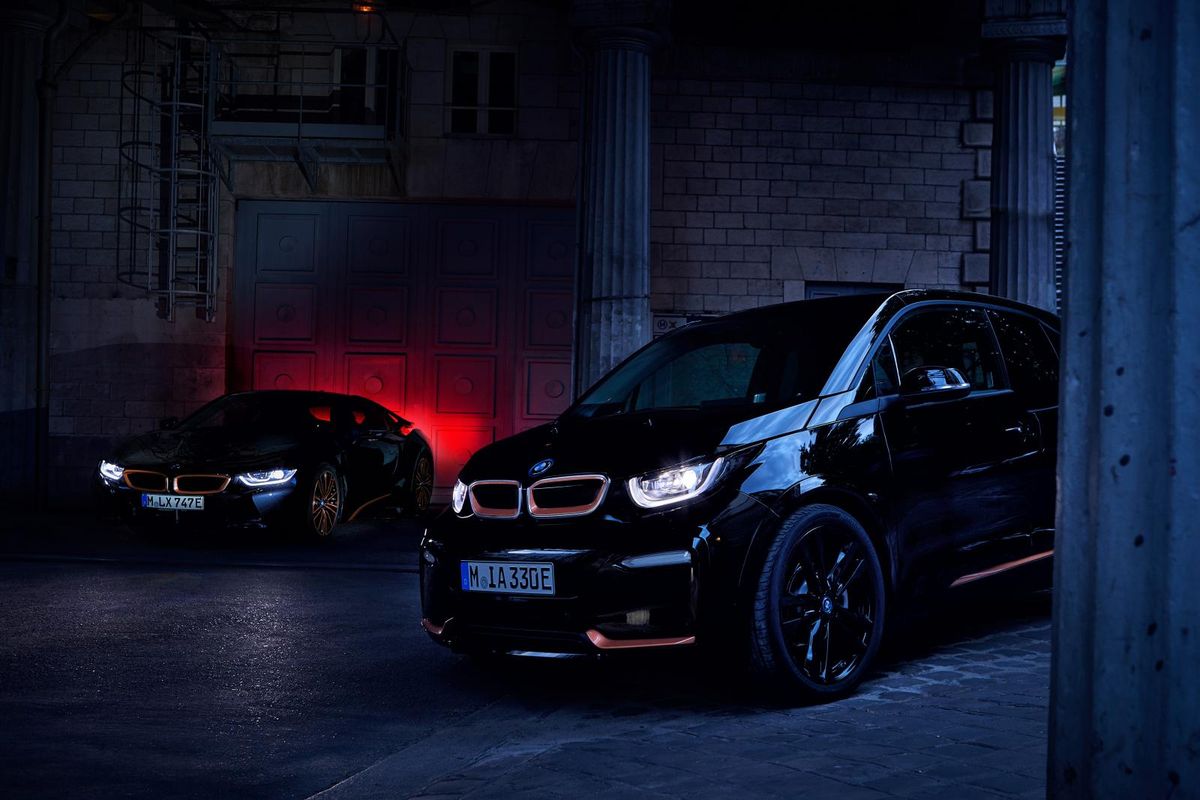
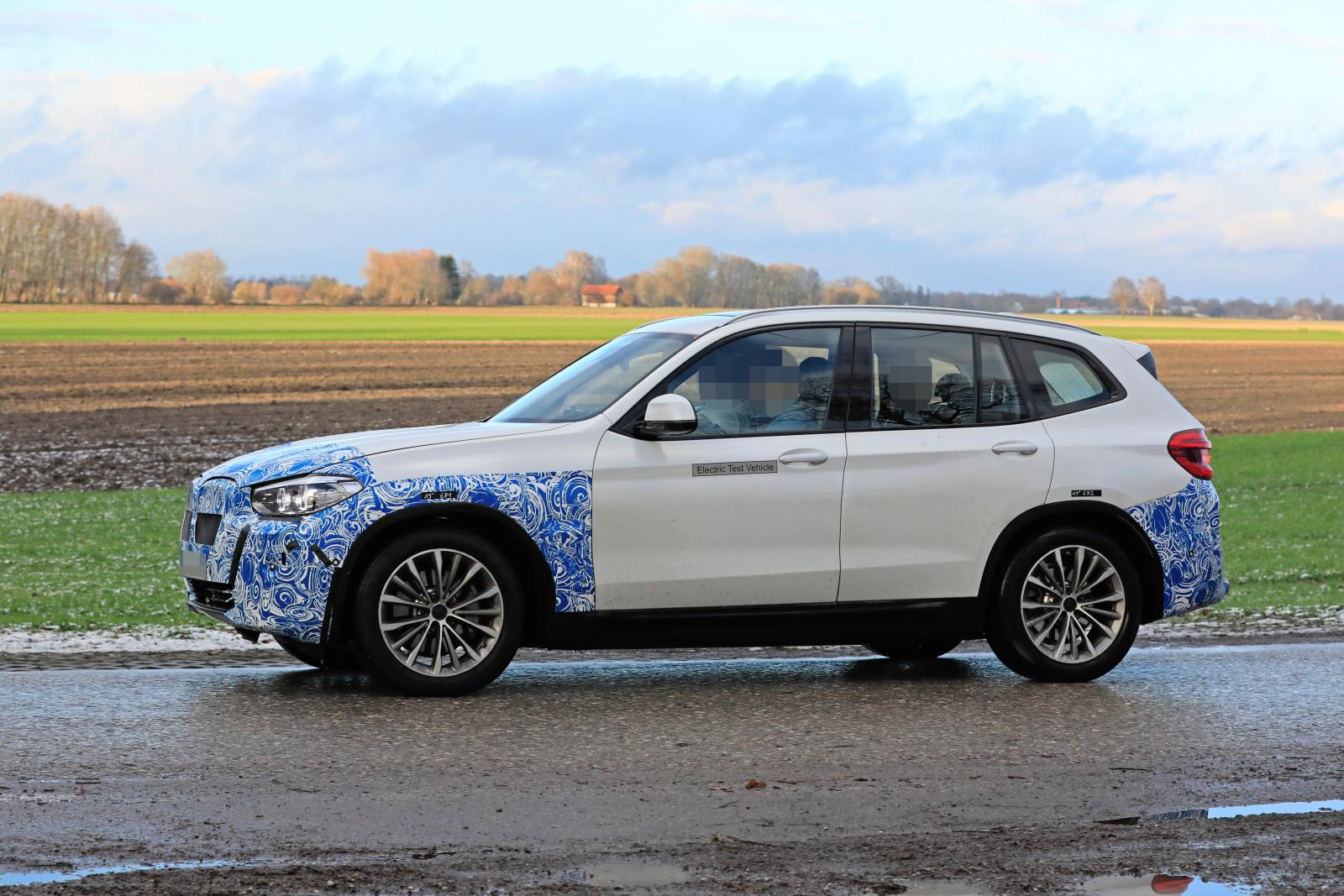
BMW will be introducing its iX3 and i4 production vehicles relatively soon, but there is no word yet on replacements for the i3 or i8 (the latter could go fully electric). We asked Irlinger what BMW i had learned from its 2 groundbreaking cars (the i3 and i8).
"I would say the biggest lesson is that the we have a brand where we work on pioneering and new solutions for mobility, not to try to get it (the tech) into one normal car, but to really have a bookmark car and to try new technologies, like a sustainability, e-mobility, carbon fibre, recyclability, and bring it to the customer, and if successful, to spread it to the rest of the brand. In that sense the i3 was really successful. Look at the knowledge we gained in e-mobility, or even the carbon fibre, that we afterwards decided to get into the 7 Series, and some other sustainability technologies that are now part of our normal processes. Secondly, we are still gaining knowledge at the sales point, about how to treat potential EV customers, because they have different questions and needs, and questions about infrastructure."
Will there be a new i3 (and i8)?
Will there be a new i3 and new i8? BMW has not yet decided…
What becomes very clear during our chat with Irlinger, is that BMW i (and BMW in general), is open to adapting to change swiftly. "There aren’t these dogmatic rules that every car will have a successor, like with 3 Series and 5 Series," Irlinger says. "This rule does not apply in BMW i, because we will always try someting else, and if we try it out and it works, we will spread it out to the market. And if there will be an i3 successor? We will see… same with i8. We will see. What we found out with i8 is that electrification with sports cars really works very well. What is the outcome of that? You will see electrification in future BMW M cars. That’s something we've already learned. Whether there will be an i8 successor or not, and which powertrain solution it will have, that we will leave up to your speculation."
How will the i range expand?
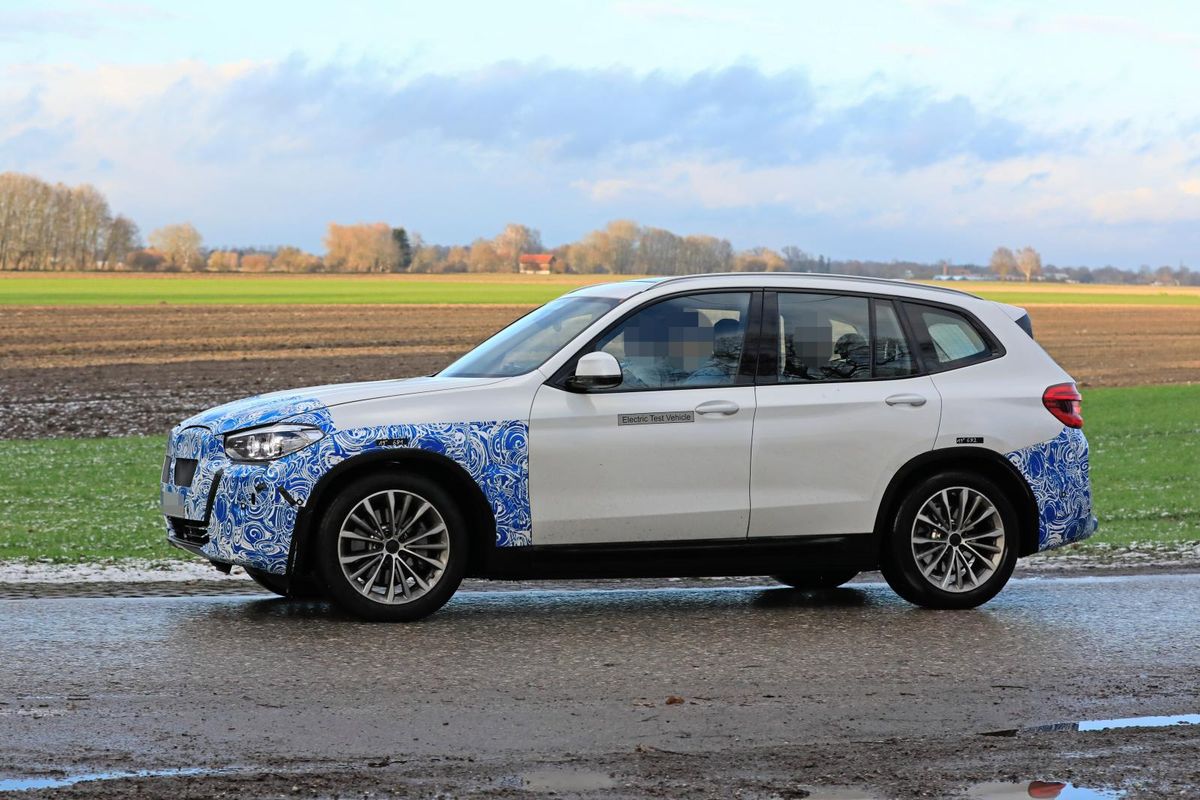
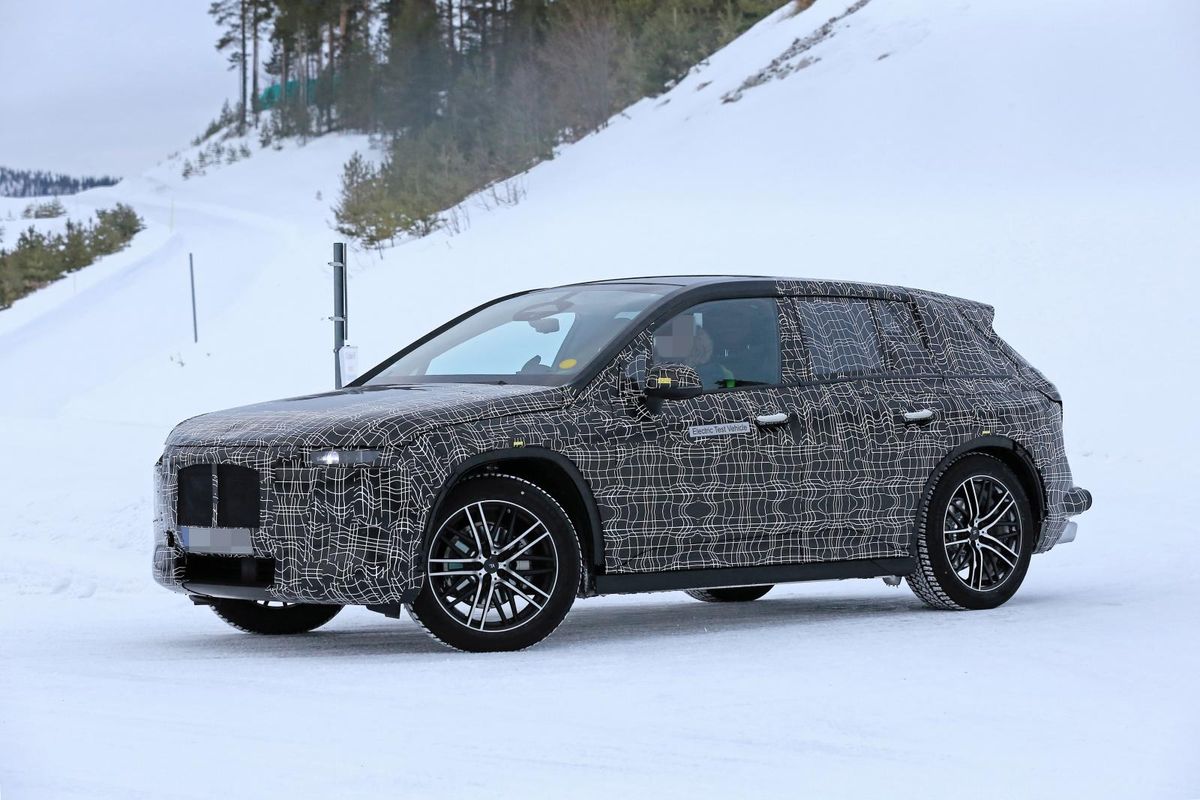
The next BMW i vehicle to arrive is the iX3, due for its global reveal next year. Photo by S.Baldauf
When BMW launched its i3 and i8, it chose to develop all-new platforms, and to not shoehorn an electric drivetrain into an existing product. Going forward, however, it would appear that this approach may evolve to include traditional platforms as well.
"With i3 and i8 we brought cars to the customer at very specific points in the portfolio, so-called bookmark cars – again in the spirit of trying something out. What we are seeing now is that the demand for e-mobility is far bigger than only those 2 specific points. Our customer now demands e-mobility across the whole portfolio. And what we decided is that we will upgrade our front- and rear-wheel drive architectures to offer the customer each kind of tecnology. All of our future platforms will be able to offer all kinds of technology to our customers. So whatever the segment, we will be able to offer whatever powertrain solution our customers want."