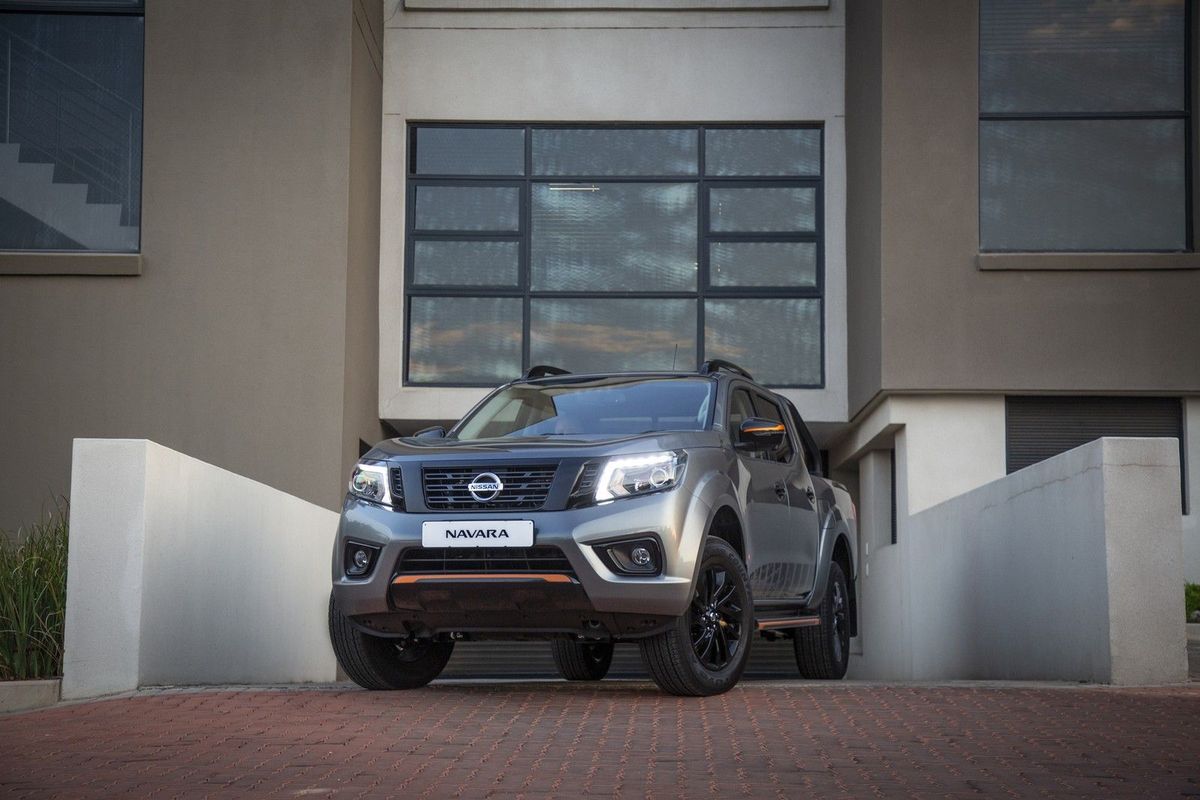
Nissan wants to whip up more excitement about its underappreciated Navara. To that end, the brand has beefed up the visual appeal of its bakkie with special-edition Stealth derivatives. Ernest Page reports from the Free State.
The Navara is ranked around 10th on the national monthly sales charts for bakkies, which leaves room for improvement. However, Nissan is working around the clock to figure out ways to bolster sales of its thoroughly modern take on the South African leisure bakkie. One way forward is for the next generation Navara to be built locally, at the Japanese firm's Rosslyn factory. This means more jobs, and hopefully, more sales too.
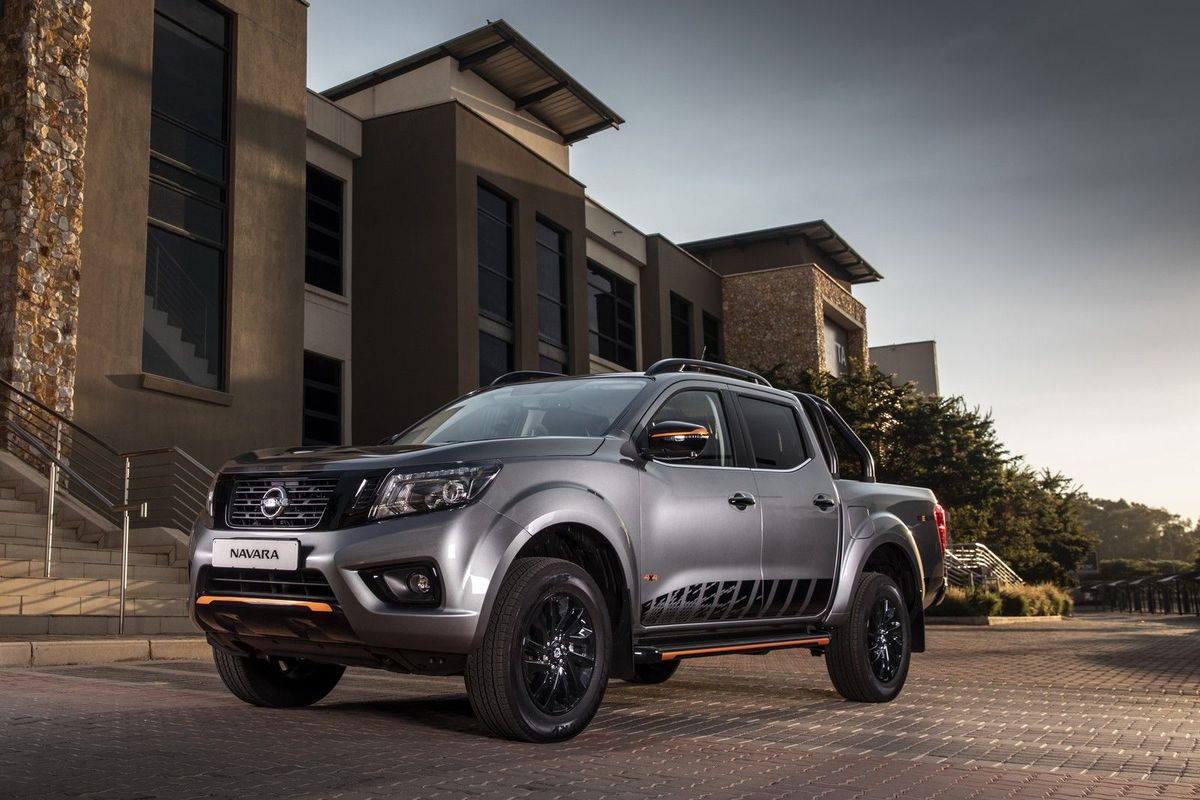
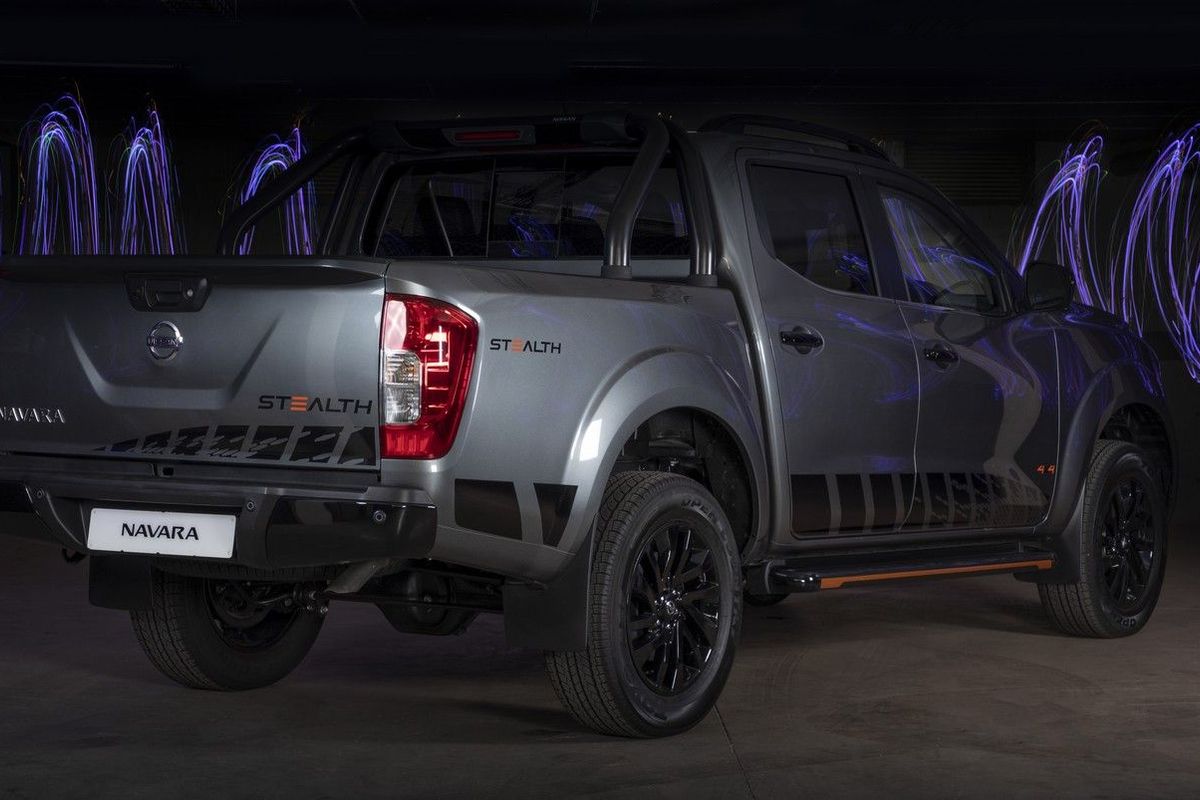
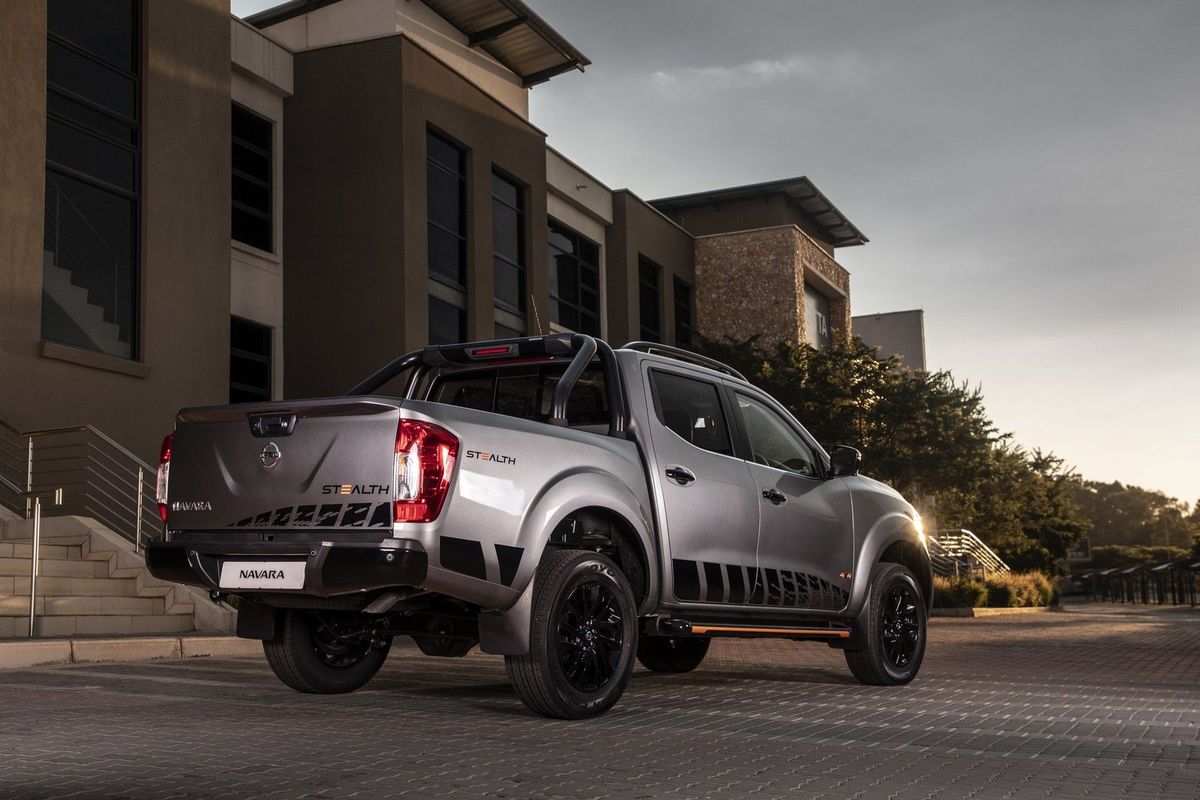
But until then, Nissan has spruced up the Navara range with the Navara Stealth special edition, which is available in 4×2 and 4×4 guises (manual and auto). Unlike other special-edition bakkies, this one isn’t limited by the numbers of units that will be produced – it is permanently available as an optional extra-cost upgrade. I was invited for a surprise-filled visit to the Free-State to sample this, the newest addition to the Nissan stable.
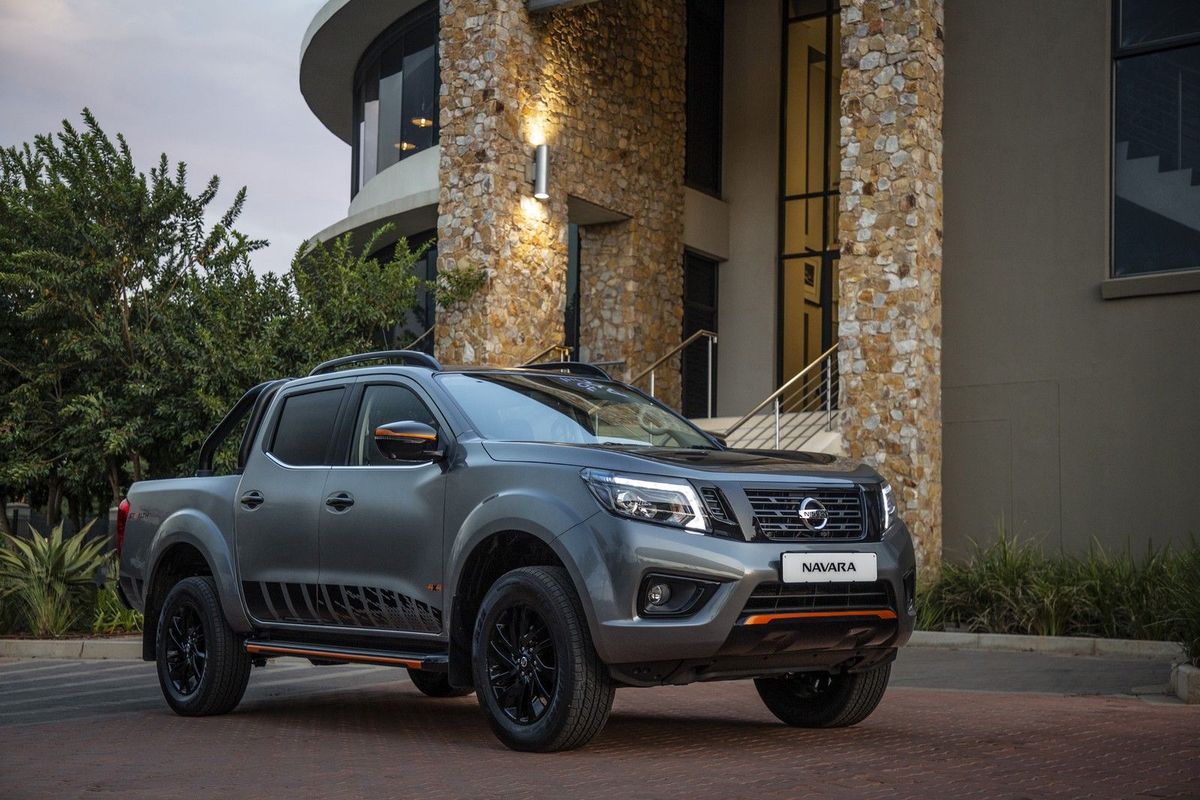
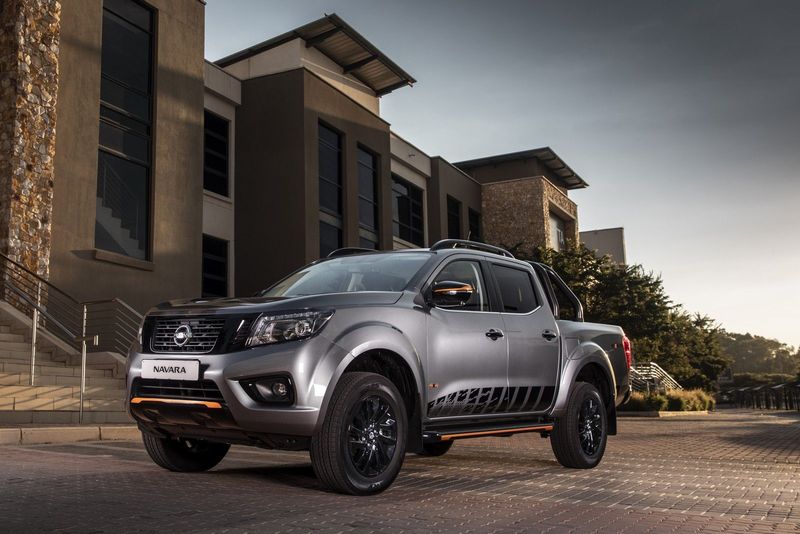
It should be easy to spot the new Stealth Navara on the road…
Upon arrival at Lanseria, we were greeted by a fleet of Datsun Gos. These cars are usually reserved for inner-city driving, but for our journey, we would use the Japanese hatchbacks to travel south, towards the town of Orkney, which is 3 hours' drive from the airport. For this trip, the Datsun and Nissan brands would put their close relationship on display. Nissan was, of course, known as Datsun previously, and although the Datsun brand is now associated with a range of entry-level models, there is a rich history that connects the two marques. Time to enjoy some Japanese heritage…
A quick visit to NAMPO
Our first stop was NAMPO, the biggest exhibition of farm equipment this side of the equator. The sheer scale of the event and the variety of machinery on display was simply mind-blowing. Think of it as Autosport International, but for tractors and farm gear. Before we got to drive the new Stealth, we saw it on display and of course, it attracted lots of onlookers and potential buyers at the show. It fits in perfectly alongside other new bakkies such as the Hilux Raider 50, and Ford Raptor, all of which are vying for the attention of outdoor enthusiasts looking to upgrade their rides.
The Stealth comes in 2 colours: white and black and gunmetal.
After walking about 11 000 steps around NAMPO, it was time to visit the Datsun museum just outside Orkney, where I got up close and personal with every type of GTR and ZX model I could think of. This museum has more than 200 of the world’s rarest Datsuns on display. After driving 3 older Datsuns, including a Stanza SSS and a rare 280 ZX coupe, it was time to drive something much more modern: the new Navara Stealth.
Special, not Limited
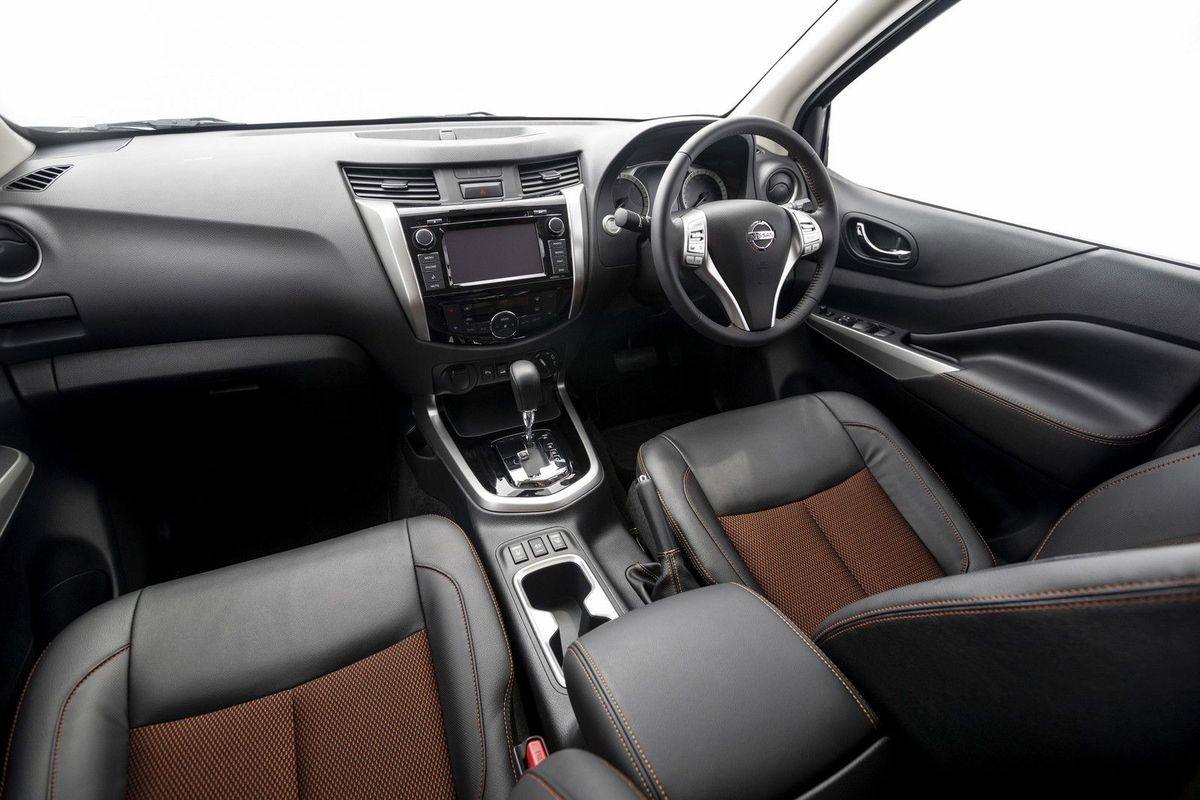
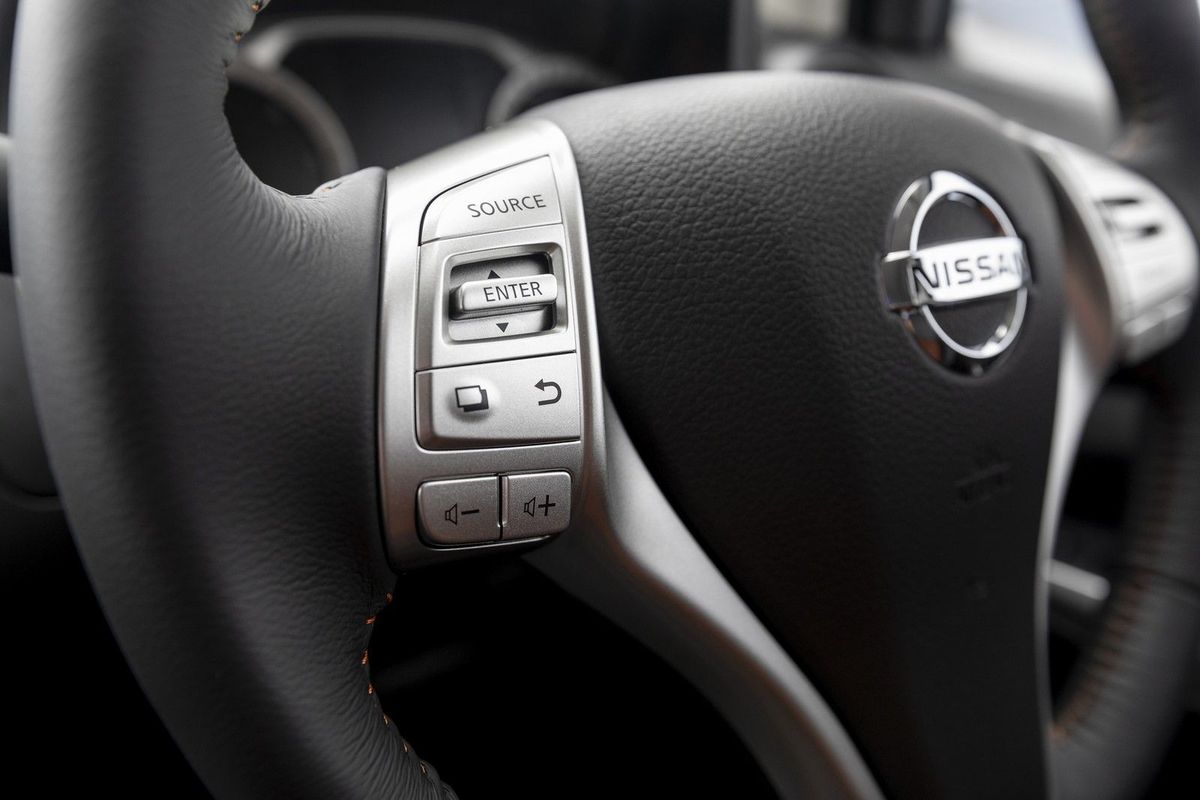
Unlike other special-edition bakkies, Nissan isn’t trying to entice buyers by limiting the number of Stealth units that it will produce. Instead, new owners can simply finance the extra R12 000 on top of their new bakkie and not really feel the pinch when it’s time to pay those instalments. On the road, the Stealth drives just like any other Navara; there are no changes under its sheet metal. The interior is comfortable, with heated seats and Navara’s handy 360-degree surround-view camera setup. The latter was put to good use in the surprisingly tight parking bays at our overnight spot.
Other than the styling additions, the underpinnings remain identical.
Just like in the standard Navara, the Stealth's powered by a 140 kW, 450 Nm 2.3-litre turbodiesel engine mated with a smooth-shifting 7-speed automatic transmission. When unladen, the bakkie did tend to skip and hop a tad on the bumpy Free-state roads, even with its acclaimed 5-link rear suspension. But, as with most bakkies, the Navara drives much better when half- or fully-loaded. The front seats are particularly comfortable, and we easily covered hundreds of kilometres without experiencing much in the way of discomfort or driver/occupant fatigue.
What’s new?
The Stealth pack increases the price of a standard Navara by R12k.
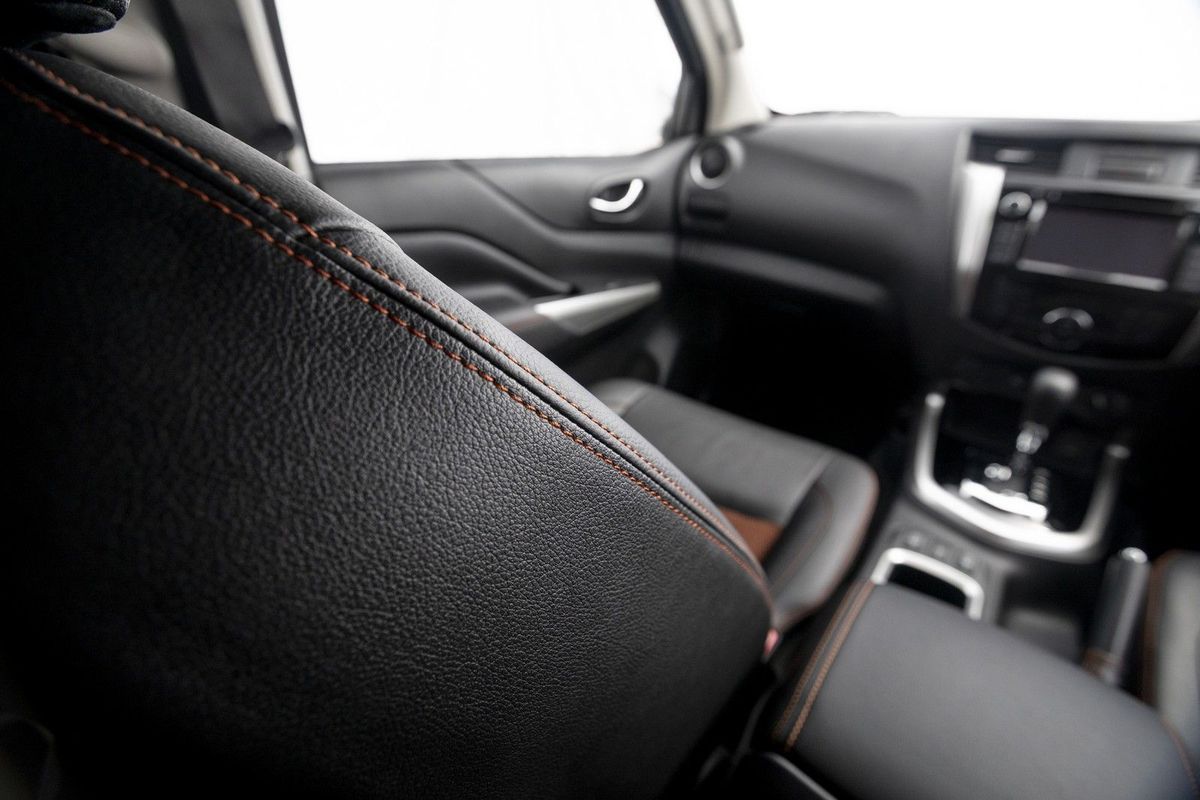
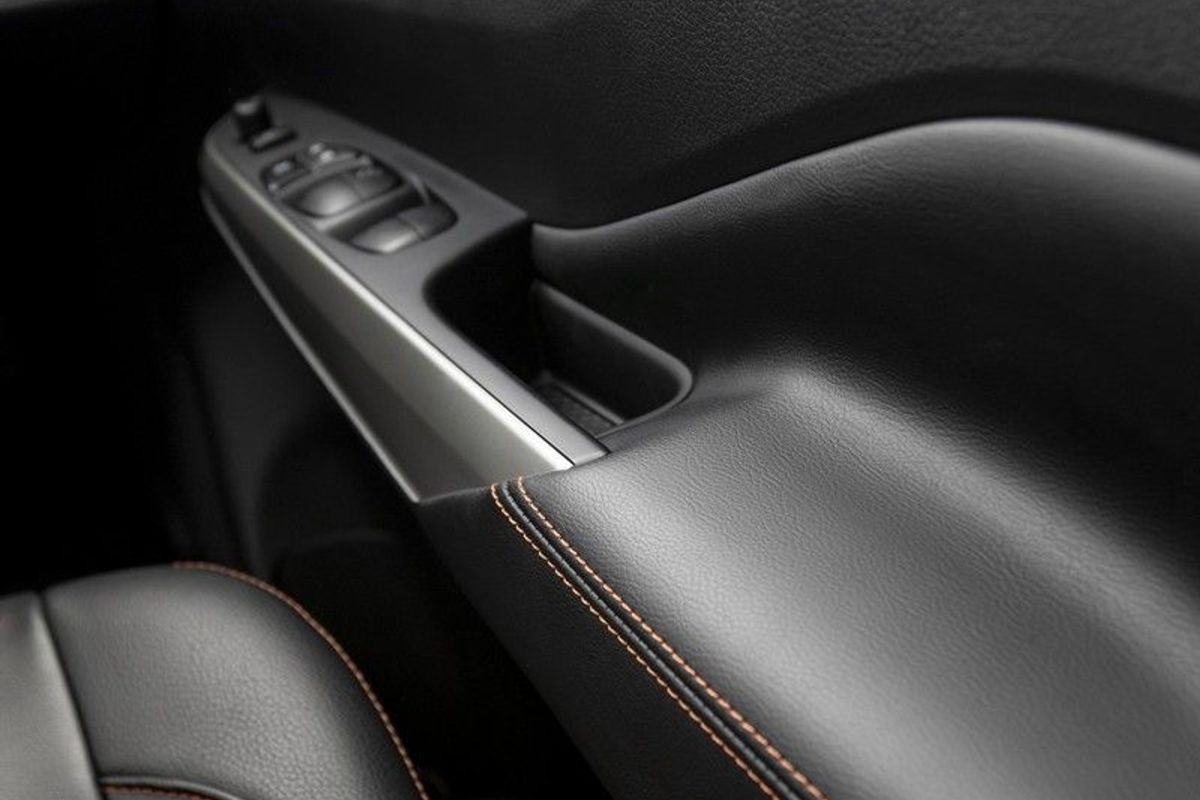
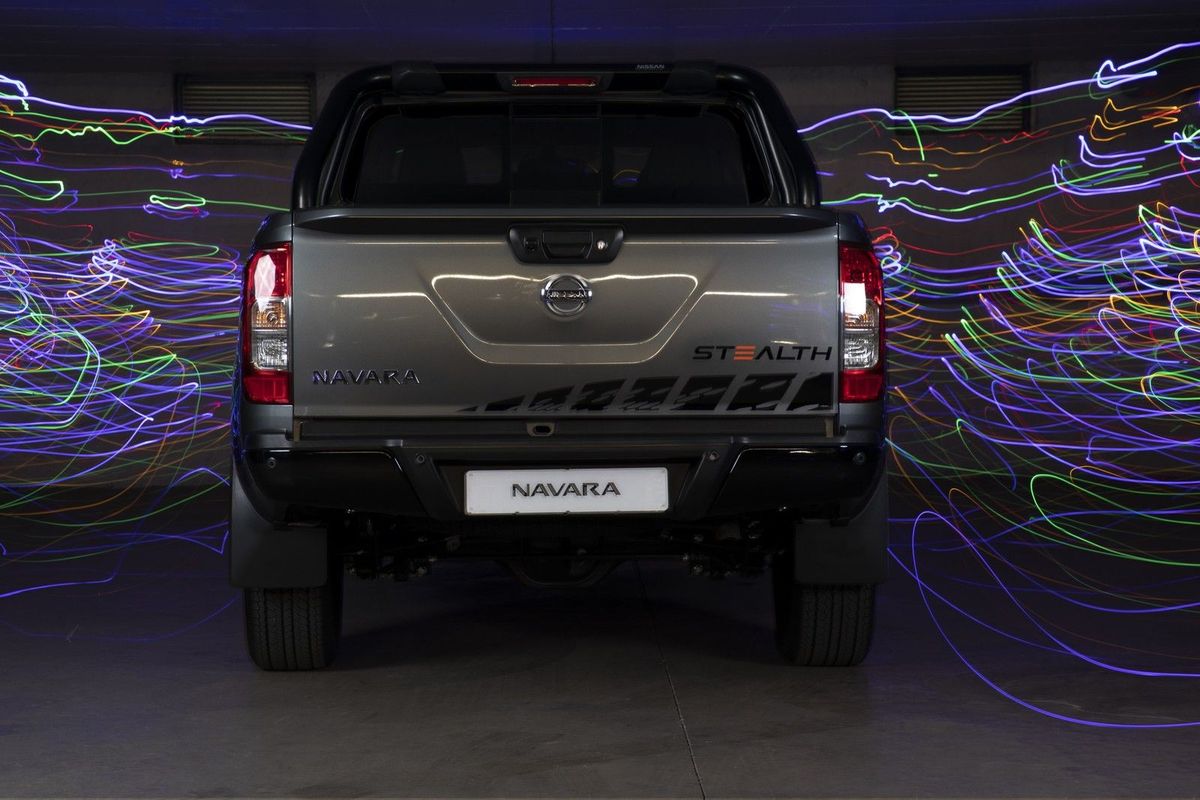
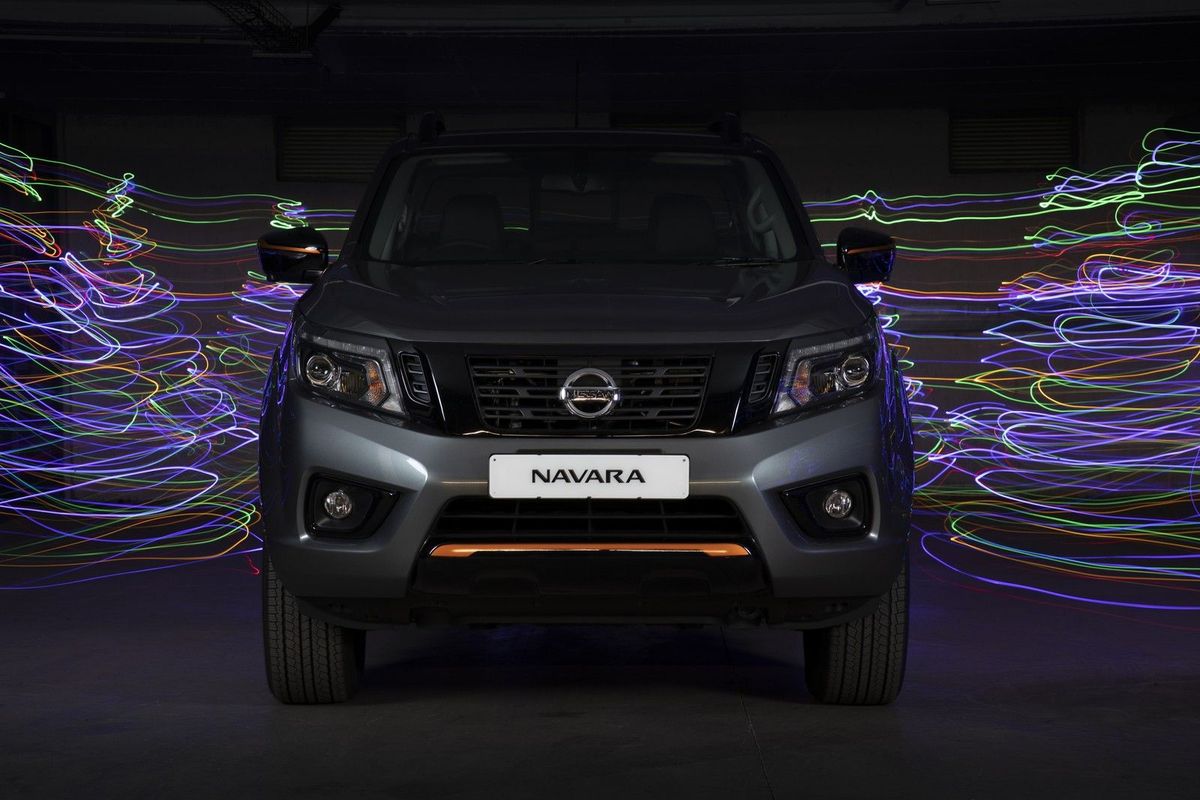
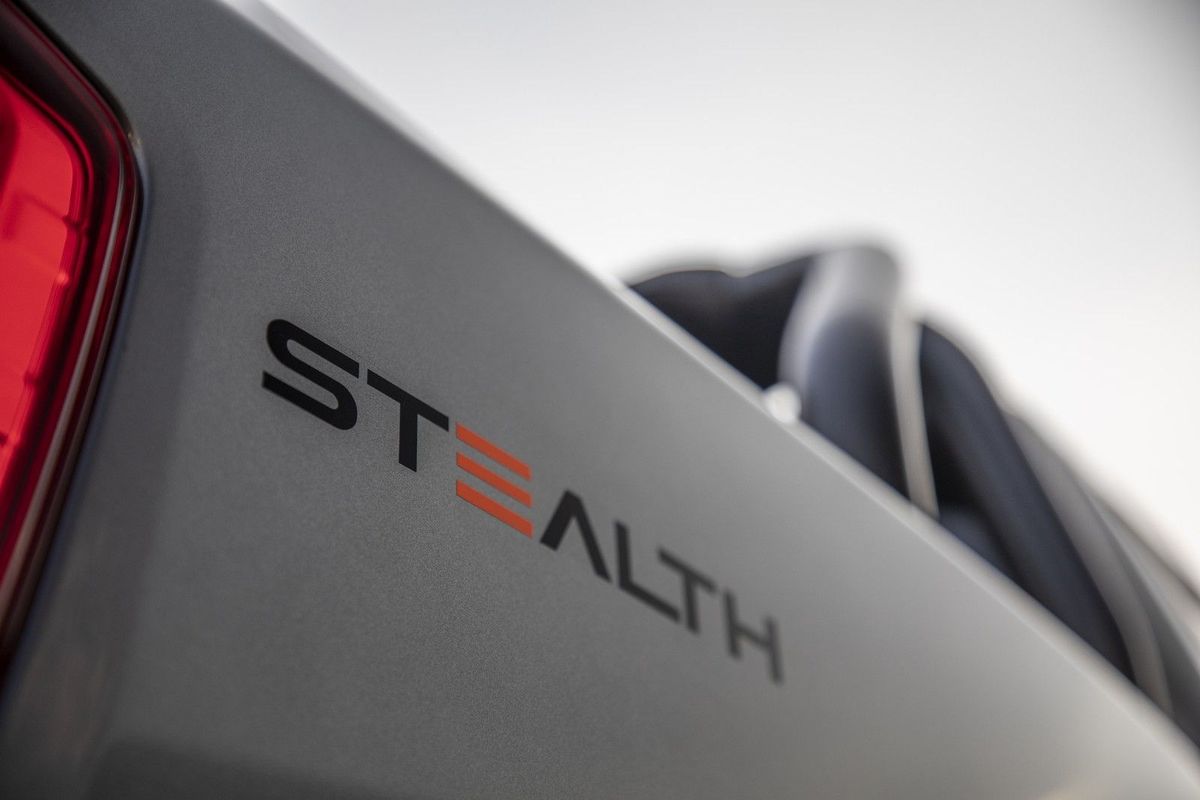
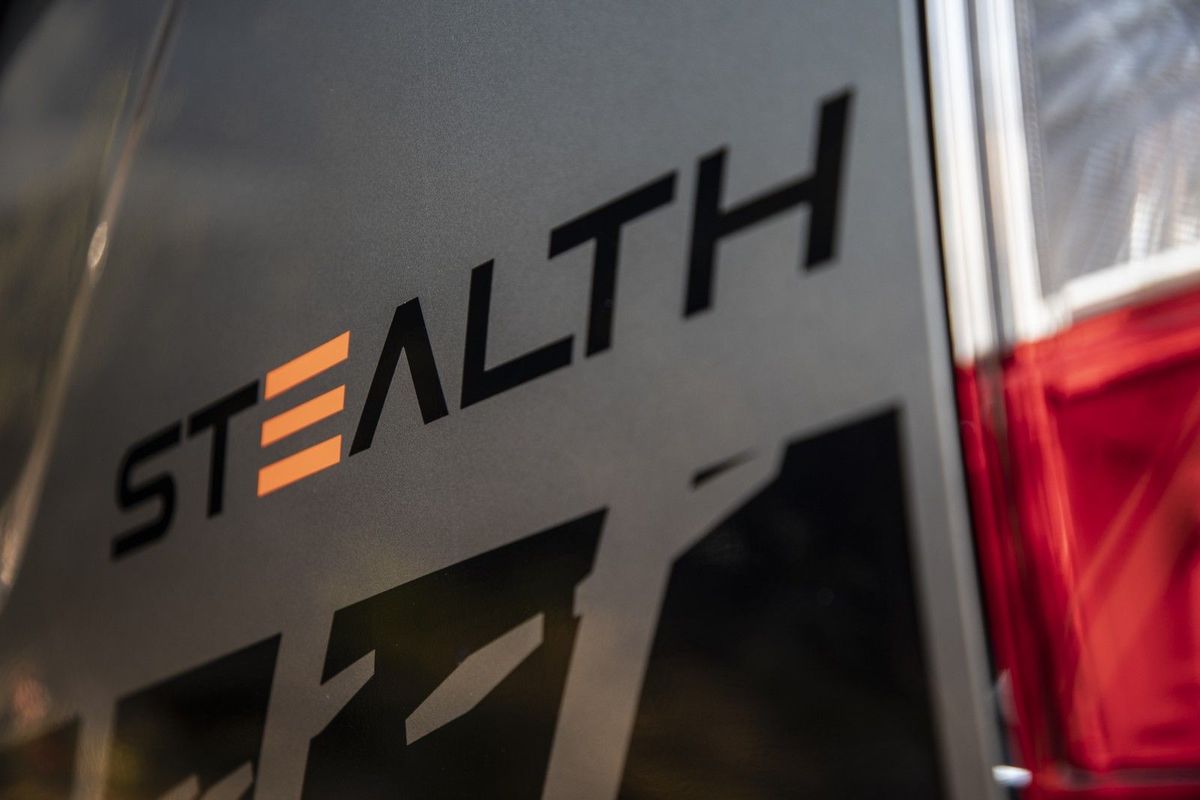
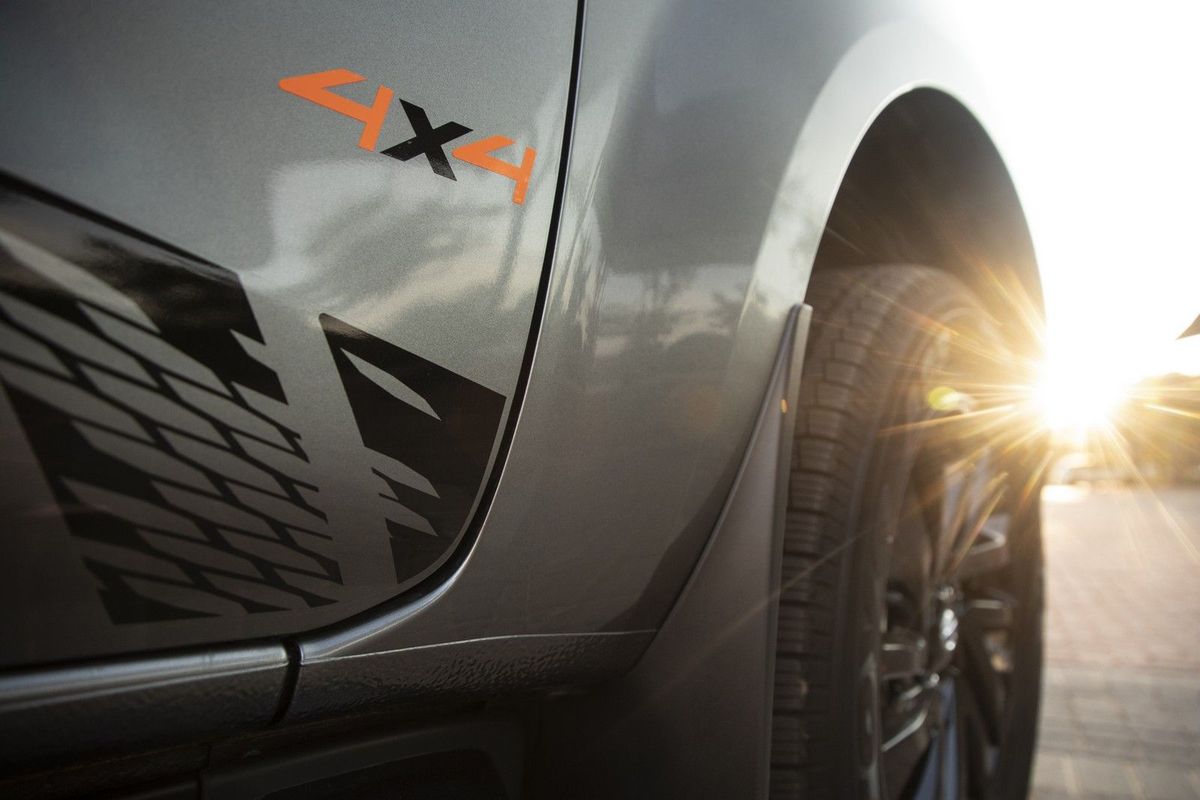
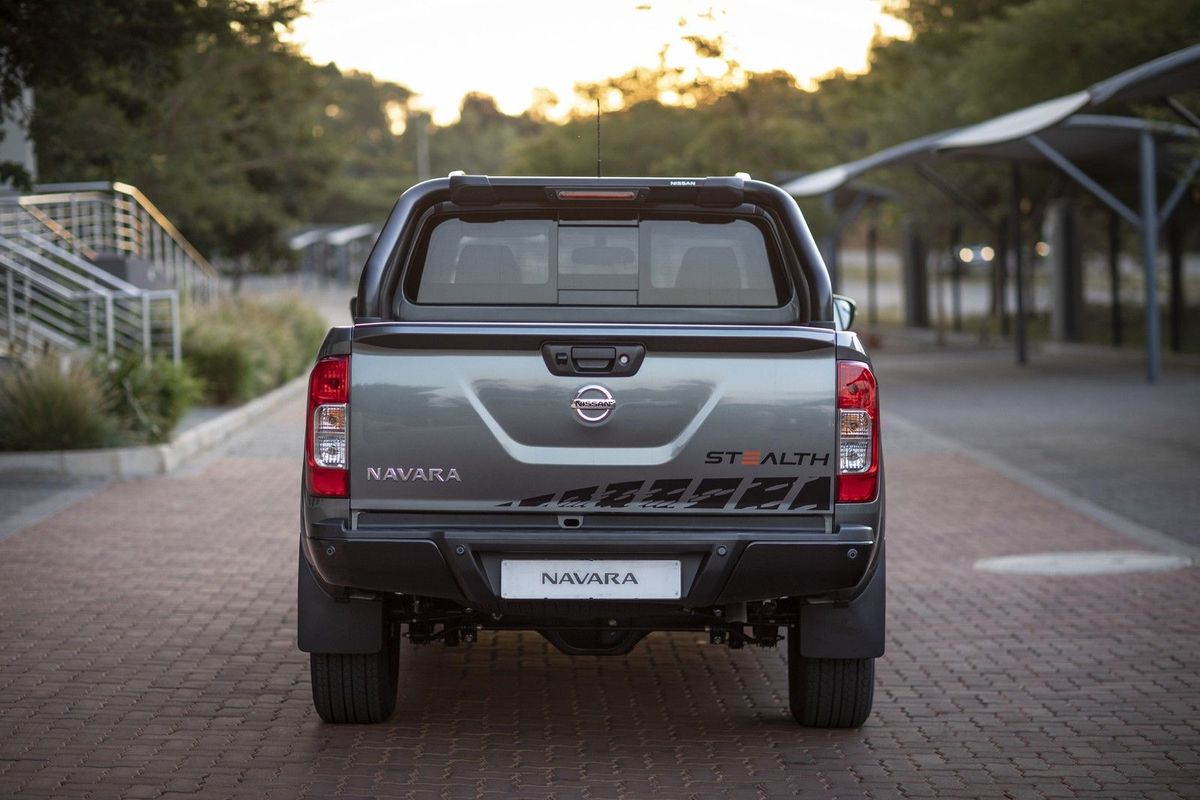
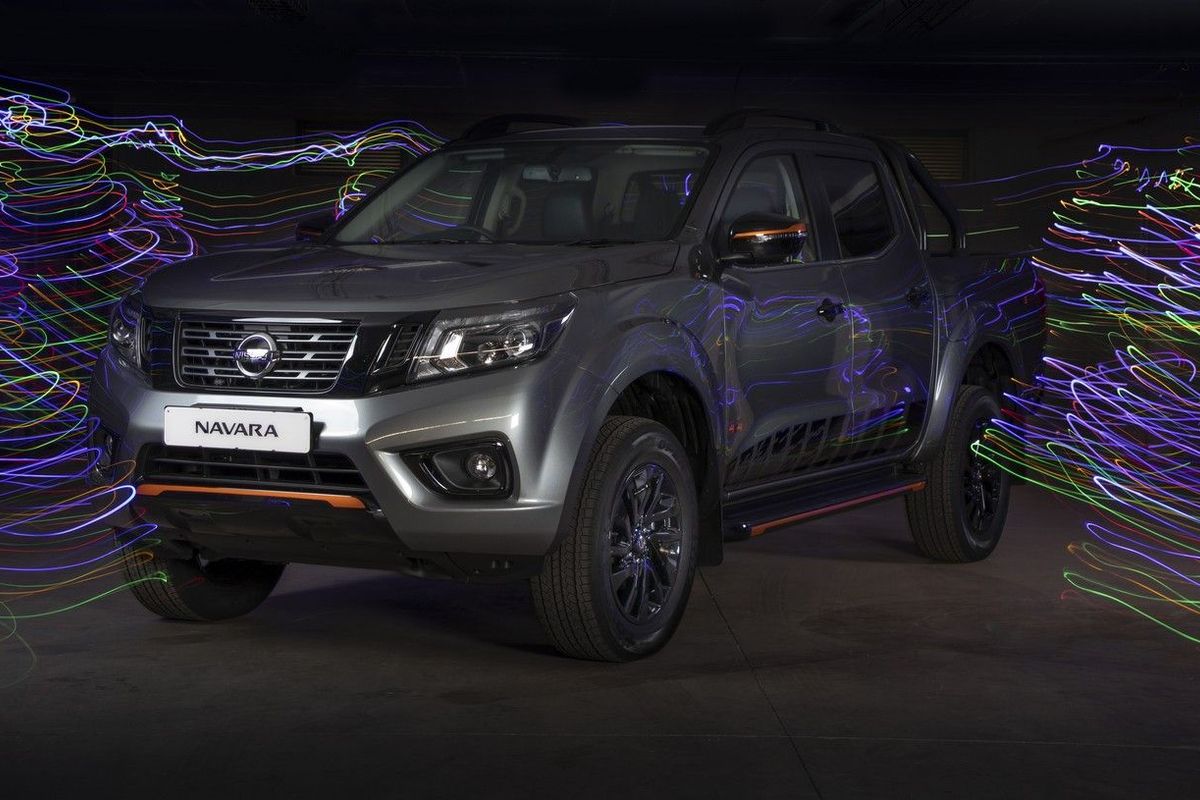
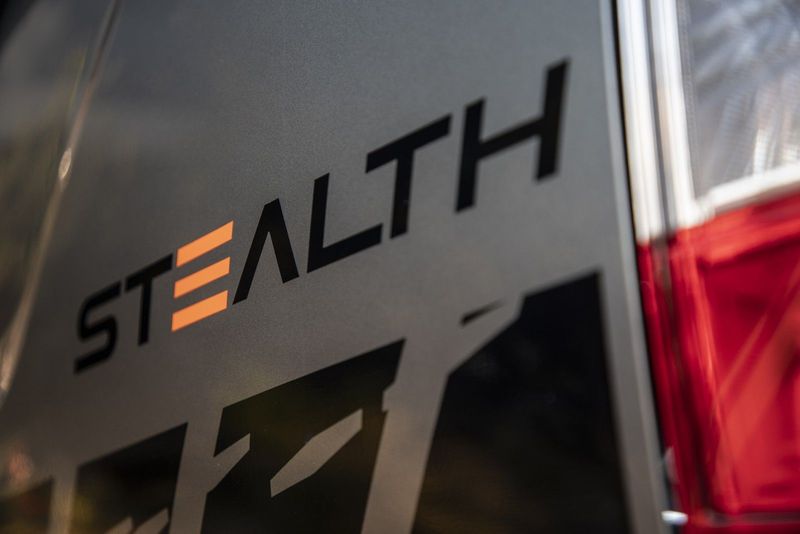
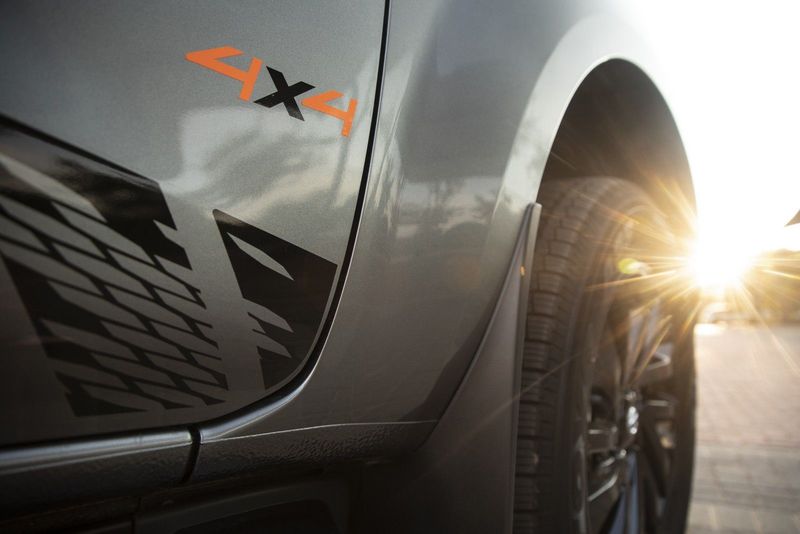
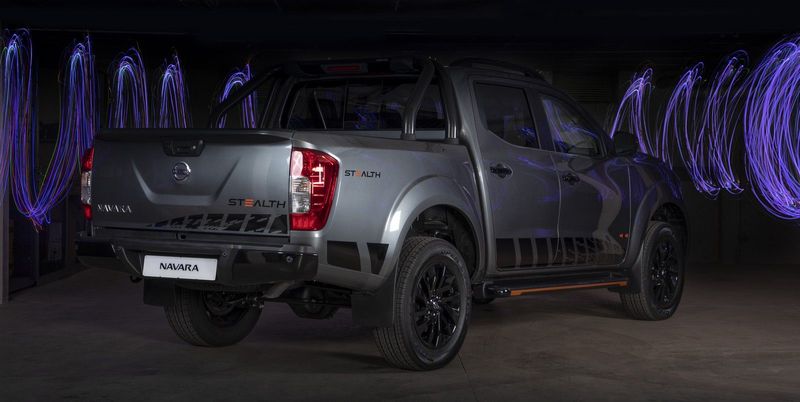
The Stealth is based on the Navara Luxury Edition (LE), and for your money, you get piano black detailing with orange accents on the grille, bumper and side mirrors. The biggest change is the imposing rear roll-bar and wheels, which are colour-matched with the black grille. There were 3 colour finishes available on the day (white, black and gunmetal) and although I hastily chose the white bakkie for photos, I felt pangs of envy every time a gunmetal grey Stealth whizzed by. The package is very pleasing in the metal. The interior also has orange detailing on the seats and side bolsters.
The Navara has been on the market for 2 years and this upgrade effectively adds more derivatives to the range. Those who prefer the original look need not fear, the rest of the line-up is unchanged. If you are looking for a “stealthy” approach to "bakkie’ing", however, consider the Navara Stealth.
The Navara Stealth is sold with a 3-year/90 000 km service plan, plus a class-leading 6-year/150 000 km warranty with Nissan Assured.
The legendary nameplate from Opel returns to South Africa. Ciro de Siena gets behind the wheel of the new Opel Corsa GSi.
This new little angry-looking red thing is the Opel Corsa GSi, and it marks the return of the GSi nameplate to South Africa.
South Africa has a unique history with those three letters. Thanks to the unruly Opel Superboss of the 80s, a car which was developed here and only sold in this country, the GSi moniker became associated with on-the-limit performance.
Given this history, this new Corsa has a huge weight of expectation on its shoulders. Ciro De Siena took it for a spin and found that…well, you'll have to watch to find out.
Jaguar has confirmed that production of its legendary XJ limousine will come to an end very soon.
Production of the car which came to define Jaguar’s luxury vehicle values since its debut in 1968, will come to an end by July 2019. It has, of late, been the slowest selling vehicle in Jaguar's product portfolio.
For a brand which has successfully reinvented itself as a British luxury SUV marque in the last few years, the XJ no longer commands an apex position within Jaguar’s hierarchy of priorities.
With Jaguar having committed to a battery-powered future, as proven by its I-Pace SUV, an internal-combustion powered limousine is simply not a sensible proposition anymore.
XJ replacement in the works
Jaguar says that although the XJ will go into hiatus by July, it's working on a larger and even more luxurious replacement, due to be revealed next year. This car will ride on a new platform and look a lot different from any previous XJ.
It will also compete directly with the Mercedes-Benz’s S-Class and Porsche’s forthcoming Taycan, and in all likelihood be all-electric. The limousine market, where owners are mostly driven, is perfectly suited to the transition from liquid-fuelled vehicles to electric ones.
Providing a quieter and smoother driving experience, especially in stop-start traffic, would give a battery powered XJ limousine the edge in China, which is a crucial limousine market and one where customers are keen on adopting electric vehicles.
As cities such as London, with its congestion and emissions taxes, becoming more hostile to V8-powered limousines, a battery-powered XJ would provide Jaguar with an excellent product solution. The bankers of New York and London, which are XJ’s traditional customer base, would certainly welcome an electrified version.
Another customer who would embrace an electric XJ, is the new British Prime Minister, with 10 Downing Street currently running a fleet of armoured XJs as the British government’s VIP transport of choice.
Are you sad that the XJ is dead?
Watch as Ernest Page goes sideways in a Jaguar XJR575!
The Internet is abuzz with strong rumours that Mercedes-AMG is planning to make a production version of its hybrid-powered 2017 GT Concept.
Back in 2017 when the Mercedes-AMG GT Concept was revealed, we didn't think that the 3-pointed star would actually make a production version. Granted, this concept did lead to the Mercedes-AMG GT 4-door coupe, but we're talking about the powertrain here. The production versions feature the 53 electric-assist turbo V6 petrol and the renowned 4.0-litre turbo V8 with a 63 badge. The concept's engine was also a 4.0-litre twin-turbocharged V8 engine, but with electric assistance. Given the brand's ventures into the electric/hybrid tech side of things, performance claims for the concept are impressive.
With 600 kW and a claimed sprint time of under 3 seconds to 100 kph, the AMG GT Concept sounded almost too good to be true. Now information has come to light that Mercedes-AMG is actually going to build this engine. We understand that the car will feature a 73 badge. Interestingly, Mercedes-Benz filed patents and trademarks for the 73 badge and included in that application was G73 and S73, giving you some idea of where this engine will be going. How does it work? The turbocharged V8 engine in the front will power the rear wheels, while an electric motor located on the rear axle provides additional shove. There's also the benefit of running the vehicle on pure electric power, which will help with emissions and economy.
When will it come? If the rumours that Autocar in the UK are to be believed, the new Mercedes-AMG GT 73 hybrid will be revealed in 2020.
Fiat/Chrysler and Renault/Nissan Merger: It was doomed
The proposed undertaking would have lead to the creation of the 3rd-largest car company in the world. Despite the aspirations of merger-hungry Renault and FCA execs, however, the collaboration's chances of success were slim.
One never expects anything to go awry in a Swiss hospital, but in July last year, one of the most powerful figures in the realm of automobiles underwent a supposedly simple surgery in Zurich, but he did not wake up.
The untimely death of Fiat/Chrysler (FCA) boss Sergio Marchionne left the world’s 8th-largest automotive group directionless. Marchionne had been ruthless about duplication and weak cost management, trimming Fiat into shape and eventually buying Chrysler when the American car company was declared bankrupt in 2009.
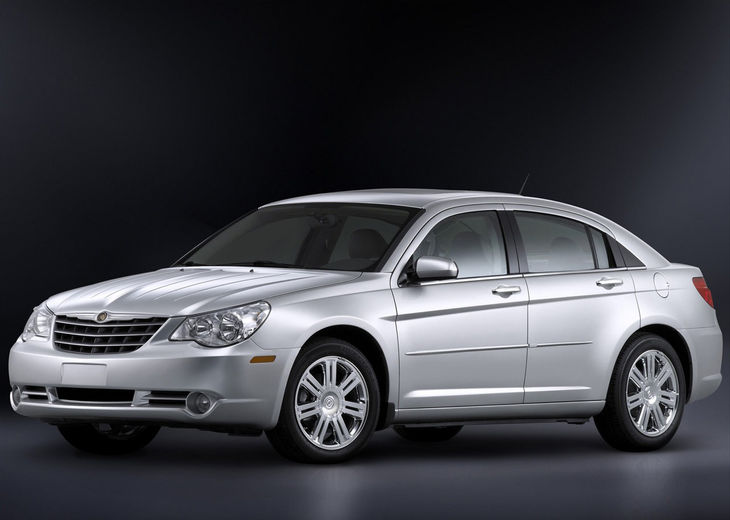
Chrysler before the Fiat takeover – the Sebring was a low point for the American brand.
Marchionne’s genius was that he understood the automotive business on both sides of the Atlantic, his Italian roots were matured by a Canadian education. The only issue was that Marchionne, unfortunately, became a one-man show at FCA. The board did as it was told and there was no succession planning: confidence in the company’s survivability hinged solely on what the man who purposefully eschewed a tie and suits, preferring to wear a sweater as corporate attire, did. And he did it well.
The death of Marchionne was tragic, but a few months later, in November 2018, a similarly tumultuous event happened in predictably mild corporate Japan. An instance of unprecedented legal hostility saw Japanese police arrest Carlos Ghosn, the man who had merged Renault and Nissan, creating the world’s 3rd-largest automotive alliance.
Without Marchionne, FCA has shown little in the way of strategy. Without Ghosn, Nissan may decide to become unencumbered by what many analysts have considered a creeping French indifference. This positions Renault to contemplate a fresh corporate partnership and FCA desperately wanting the safety of a larger joint organisation, with structured leadership.
According to several reports, new Fiat chairman John Elkann and Renault CEO Jean-Dominique Senard had built a close rapport in recent weeks, frequently meeting in Paris or Turin to stitch together the finer points of the proposed merger. The Italo-American and French companies had also made sure to keep the door open for Nissan should the Renault's Japanese alliance partner want to join the group at a later stage.
Renault’s problem
The global automotive market has 2 strong profit sources: luxury vehicles (increasingly of the SUV configuration) and bakkies. If you trade in any of those two segments, the chances are you’ll have consistent revenues, even during periods of global economic disruption.
All car companies face a similar risk factor in the near term: electrification. Renault is competent in its bid to electrify, although many of its Z.E. branded battery cars are part of French government business incentives, instead of competing with Tesla in more open electric vehicles markets such as Norway, Switzerland and California.
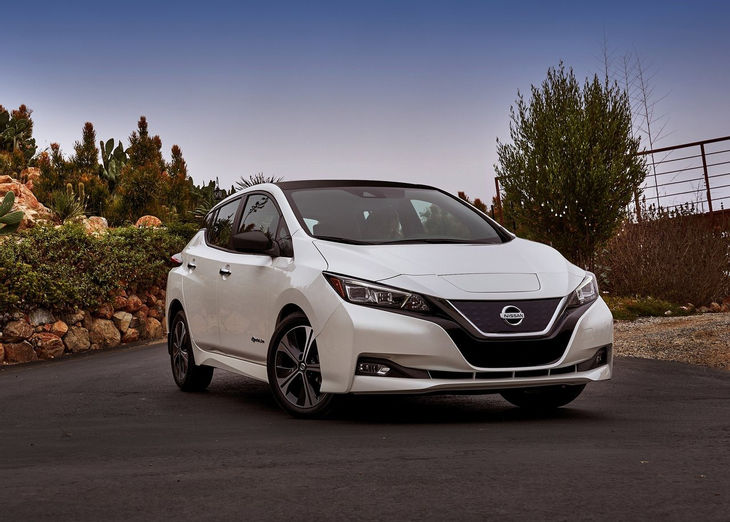
Nissan has been the Alliance's major electric-powered developer.
Renault's weaknesses are that it is not a noted bakkie brand – nor does it build a high-margin luxury SUV product line. Nissan’s greatest advantage to the Renault Alliance has always been its bakkie and SUV platforms, the Japanese marque produces vehicles that are popular in North America, Africa, the Middle East, Russian and Australia. Without the shared platform engineering from Japan, Renault faces an issue of developing its own bakkies for most global markets and an applicable line of luxury SUVs and long-wheelbase sedans for China.
A non-luxury automotive brand such as Renault needs to retain a certain scale for its business to continue thriving. As a value automotive brand, instead of a lower volume/high margin business, it requires access to many markets. Joining with FCA would have culminated in the creation of the 3rd largest global automotive entity, with accumulated sales of 8.8 million (Nissan excluded). With that kind of production volume, an automotive manufacturer could strongarm discounted deals from suppliers and supply chain providers – all of which reduces costs and widens potential profits.
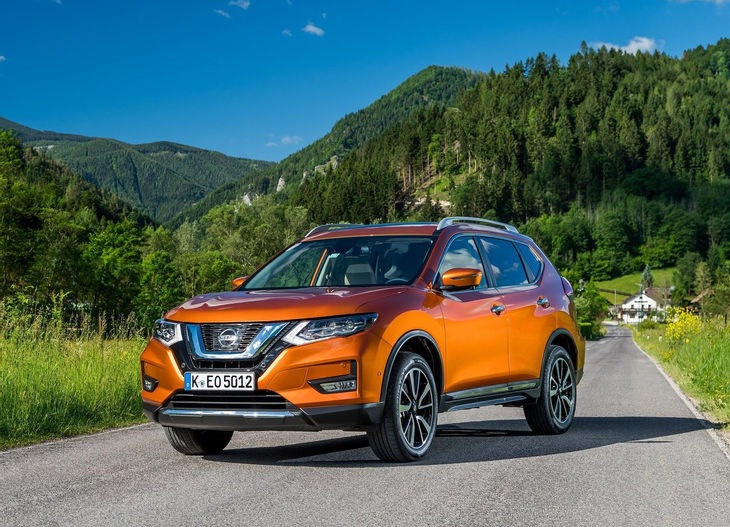
Renault shares its SUV lineup with Nissan's X-Trail and Qashqai.
There were considerable drawbacks to the deal, however. FCA has low-cost manufacturing in South America and India, but also high labour cost production within its legacy Chrysler, Jeep and Dodge factories in North America and the Alfa Romeo, Fiat and Maserati assembly facilities in Italy.
Managing Maserati and Alfa Romeo, 2 brands with esteemed legacy, but ostensibly no viable future business case, would've become troublesome for Renault’s management after the merger. The powerful VW Group, which bought Lamborghini and Bugatti at the peak of its acquisitions drive, refused Alfa Romeo. And if VW could not foresee Alfa Romeo’s future, what was the likelihood that it could survive an FCA-Renault merger?
FCA as a solution
FCA offered Renault very tidy bakkie and SUV engineering resources. The Jeep brand has respectable all-wheel-drive technology, as well as SUV platforms. More than half a million units of Chrysler’s Dodge Ram bakkies are sold per year in North America (off a very low production cost). Those are elements of the FCA business that would've been very attractive to Renault, as they produce 80% of the profits.
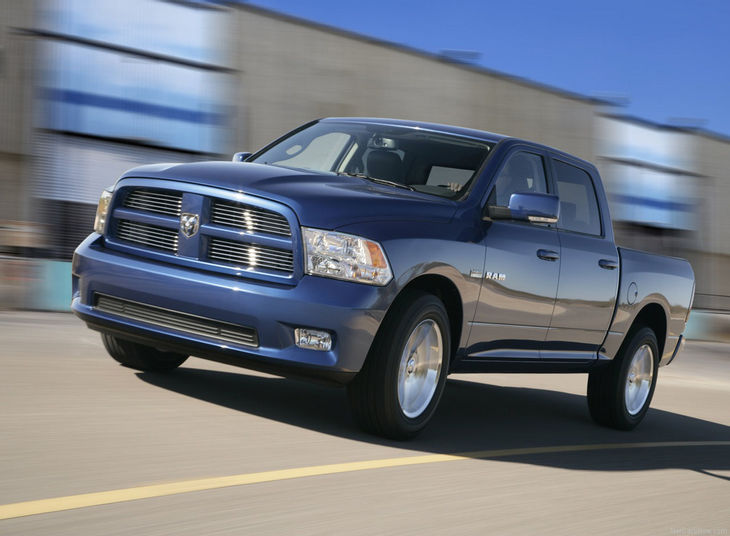
The Dodge Ram on its own is worth 500 000 units a year and could keep Renault in the bakkie market.
Extracting Jeep and Dodge, the truly valuable entities in FCA, to finally access the lucrative North American market, would've been tricky. Although some analysts have ranked FCA and Renault as complementary partners, which were well-configured for a merger, the reality is quite different.
Fiat is a specialist small-car company that duplicates much of Renault’s own city car portfolio. Although Fiat has a strong presence in South America, so does Renault. Fiat may contend that it is the largest automotive brand in Brazil, but that market is recovering from a near total collapse.
Although FCA offered Renault the bakkie and SUV technical resources it desires, it also presented the risk of duplication: Fiat’s small-car business.
Who would've lost in a Renault-Fiat-Chrysler merger?
Fiat was most at risk, to be frank. Although the Italian brand is running lean, the market for its products is gradually shrinking. By contrast, Jeep and Dodge have seen surging demand for their SUVs and bakkies, each year since the 2009 merger of Chrysler with Fiat.
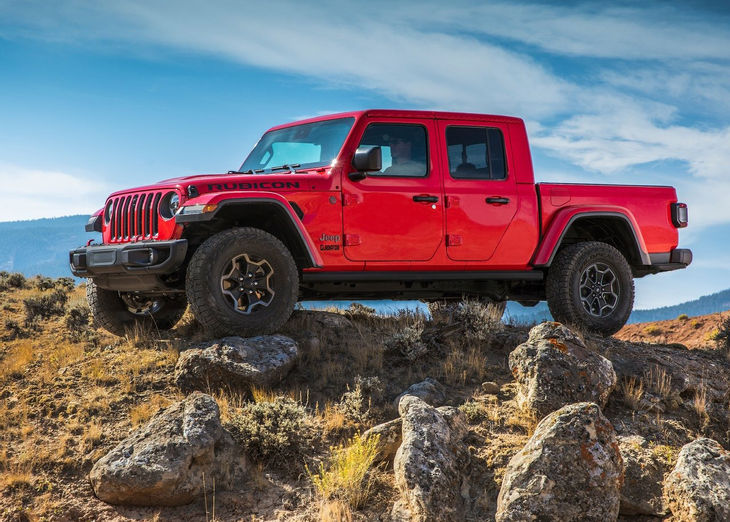
Last year, Jeep sales were up by 17%, with more than a million units delivered globally. That number is expected to improve even more, with the introduction of Jeep’s Gladiator double-cab.
The Jeep Gladiator is a further push into the double-cab market from the American brand.
Dodge sold 597 368 bakkies (Ram) in 2018 – more than the entire South African automotive market. And those bakkies are all built on a ladder frame, and mostly powered by large naturally aspirated engines. There is also absolutely no customer demand for powertrain electrification or autonomous driving technologies among Dodge Ram bakkie customers and that means a desperately cost-efficient overall industrial engineering project – providing huge profits per unit.
The American-engineered part of the FCA was worth 1.3 million vehicles last year, and most of those were in the growth categories of bakkies and SUV. Fiat sales have shrunk by 25% this decade. Last year it only sold 1.5 million vehicles, 9.8% less than in 2018. The contrasting patterns are clear: Jeep and Dodge are growing, Fiat is shrinking. Renault’s interest could only have been in the healthy American side of the business, not the ailing Italian share – but remember that the Italians control Chrysler. Would they really have restructured themselves out of future employment?
There might be talented engineers at Fiat, but the brand has done nothing revolutionary in the battery technology space – which is something where Nissan has shown notable competence. Asian battery production also dwarfs that of Europe and North America, which means that Nissan, by sheer virtue of proximity and location, is in a superior position to adopt greater electrification in its future product portfolio than Renault. And FCA would have brought Renault no battery production and electric drivetrain technology assets to speak of.
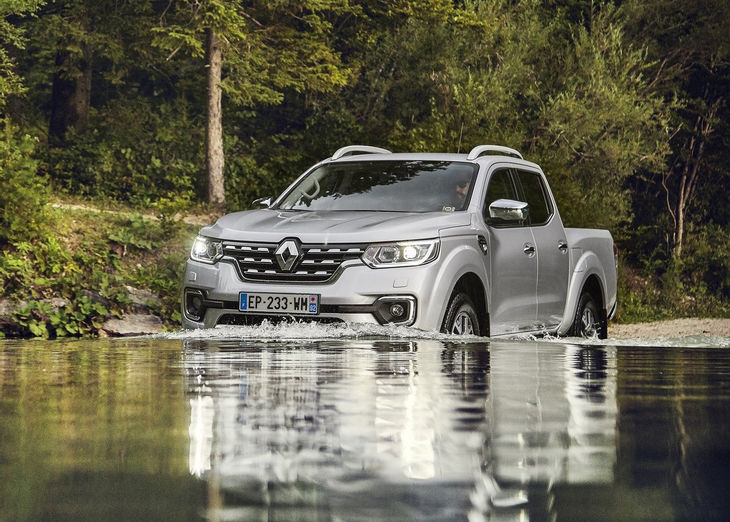
The Renault Alaskan is produced on the Nissan Navara platform.
Renault needs a bakkie and SUV development partner; Fiat requires any partner. But the uncomfortable truth is that Renault didn’t really require the additional complexity of integrating and avoiding duplication that Fiat would have brought. Its only interest was in the American division of the FCA portfolio. Plus, the Italian government retains significant voting rights as part of its shareholding in FCA. Whether it would've been willing to sacrifice Fiat jobs to retain a profitable joint-corporate entity on the Milanese stock exchange (in an increasingly fractured Europe Union), we'll never know.
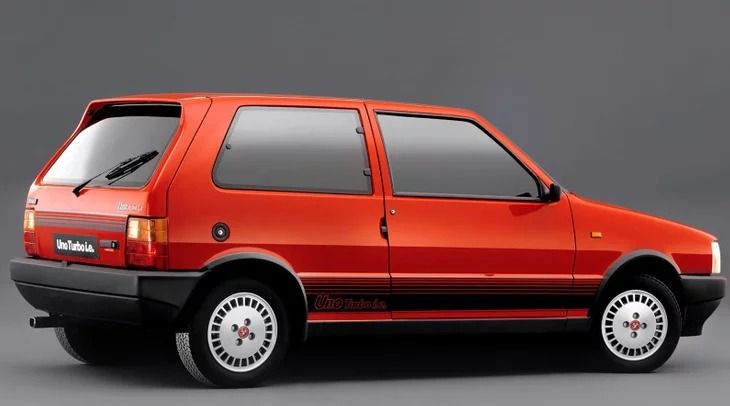
The FCA-Renault merger could've opened some doors for Fiat to manufacture cars locally, as it did with the Uno. (Turbo pictured).
The denouement
In the end, talks came to nothing. FCA released a statement saying it "remained convinced of the… rationale of a proposal that had been widely appreciated since it was submitted, the structure and terms of which were carefully balanced to deliver substantial benefits to all parties. However, it (became) clear that the political conditions in France did not exist for such a combination to proceed successfully."
All of which is a roundabout way of saying the Italo-American group lost patience when the French government (which owns a 15% stake in Renault that comes with double voting rights) insisted that Nissan be part of the deal for fear of the Japenese firm cutting ties as a result of the merger.
There could have been interesting ramifications of a successful merger for South Africa… If Nissan eventually returned to a corporate truce of sorts with Renault, and the French company did indeed enter into a 50/50 merger with FCA, there could have been Fiat production on a Nissan line at Rosslyn again. This was what enabled Fiat to return to South Africa in the early 1990s, with its Uno, built locally by Nissan, and later the Palio.
European automotive mergers have been the only successful ones. Audi’s ownership of Lamborghini is a good example. But that is a low-volume business, with very little complexity, contained in one location. The notion of a giant car company spanning American, European and Japanese time zones seems impossible. Politics and the incompatibility of corporate culture between FCA/Renault and Nissan seems to have scuppered the deal.
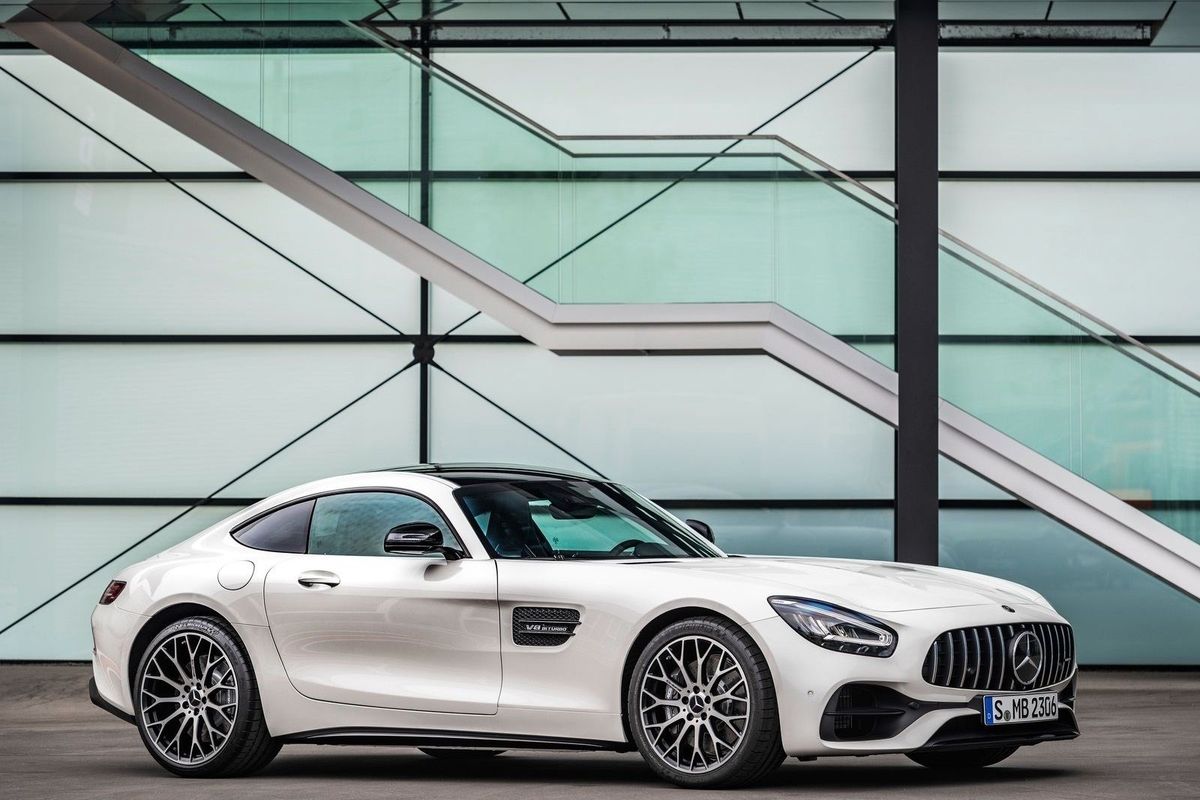
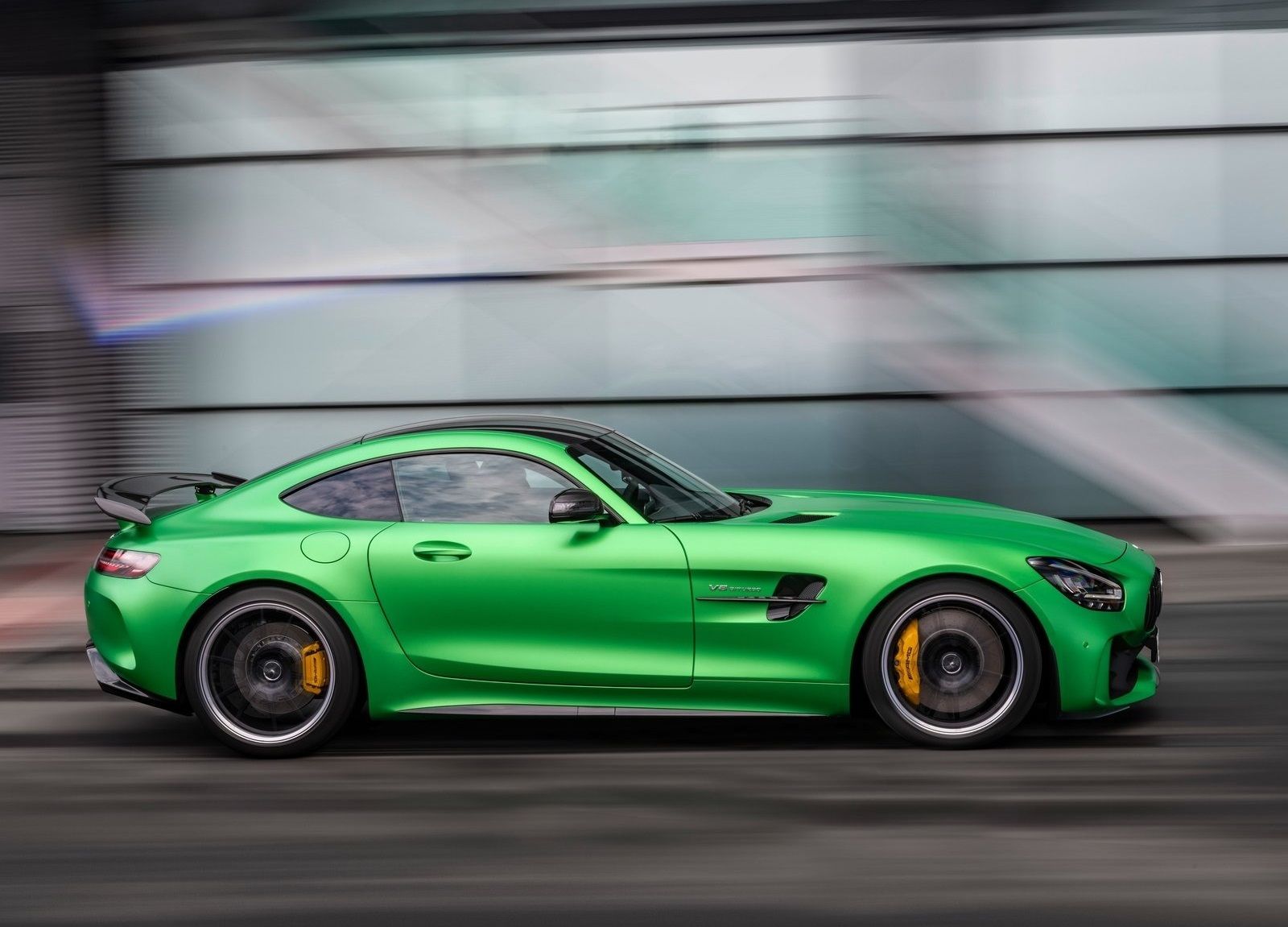
Pricing for the facelifted Mercedes-AMG GT supercar has been announced for the South African market. Here's how much this V8-powered monster costs.
When it was launched a few years back, the Mercedes-AMG GT supercar impressed us. Not only did it look suave and elegant, but the V8 turbo performance was exceptional. Now for 2019, the vehicle has received some updates.
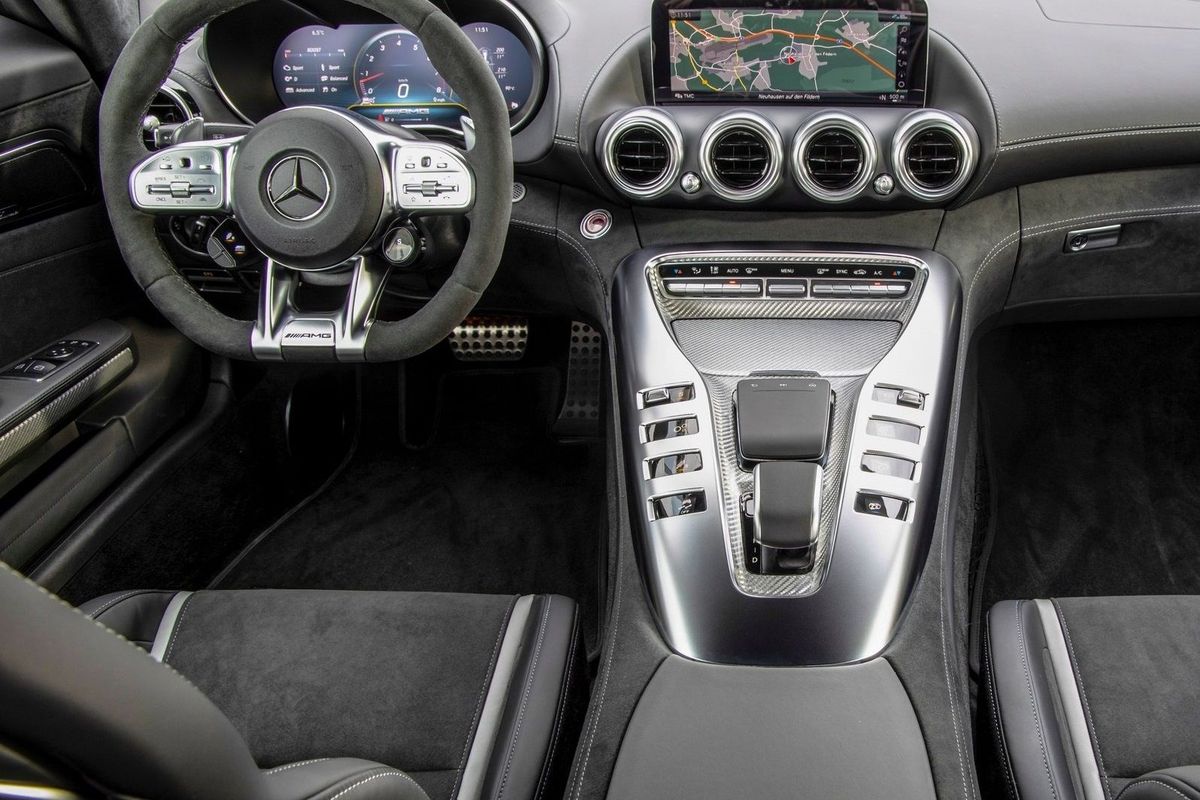
Inside, the AMG GT gains a standard fully digital instrument cluster, which we've seen and experienced in the updated C63 AMG S. Some of the central console buttons have been changed too. There's also a new-look AMG performance steering wheel wrapped in black Nappa and Dinamica microfiber. AMG Track Pace is now available for the facelifted AMG GT, which records telemetry when owners take their vehicles onto race circuits. It records things such as speed, acceleration, braking, G forces and lap times.
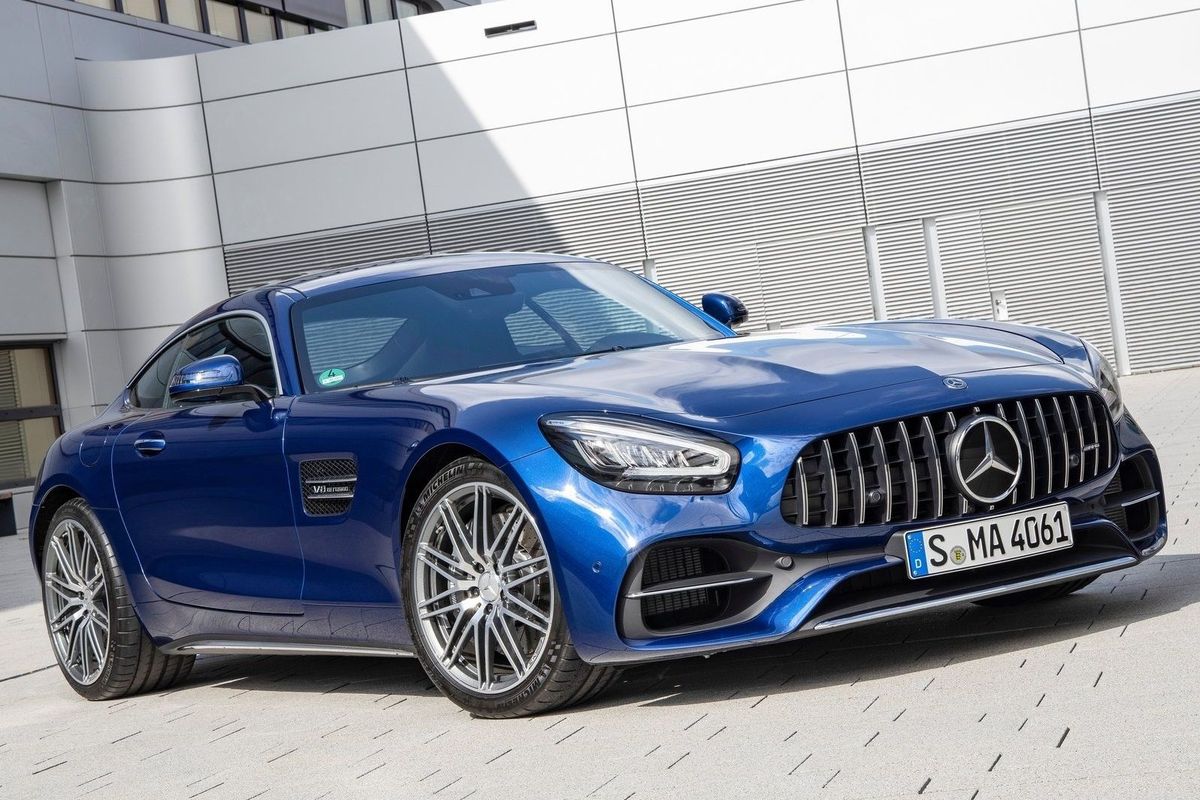
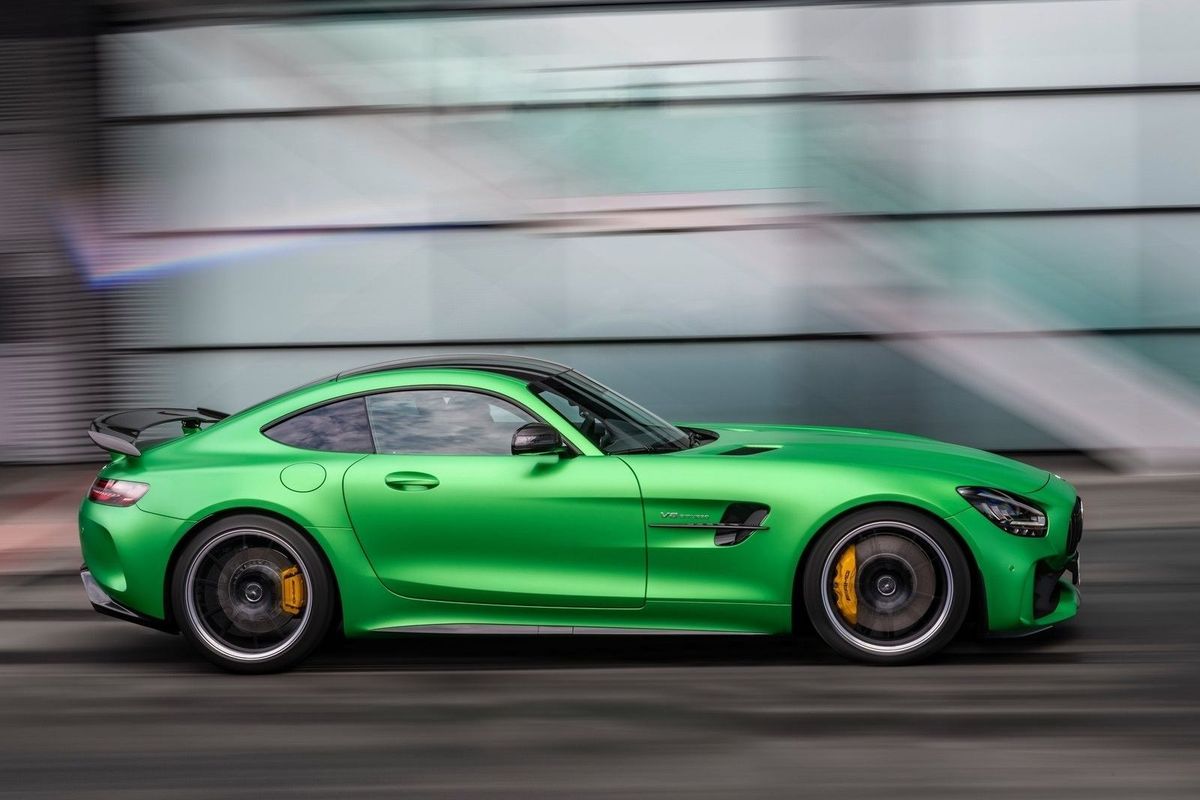
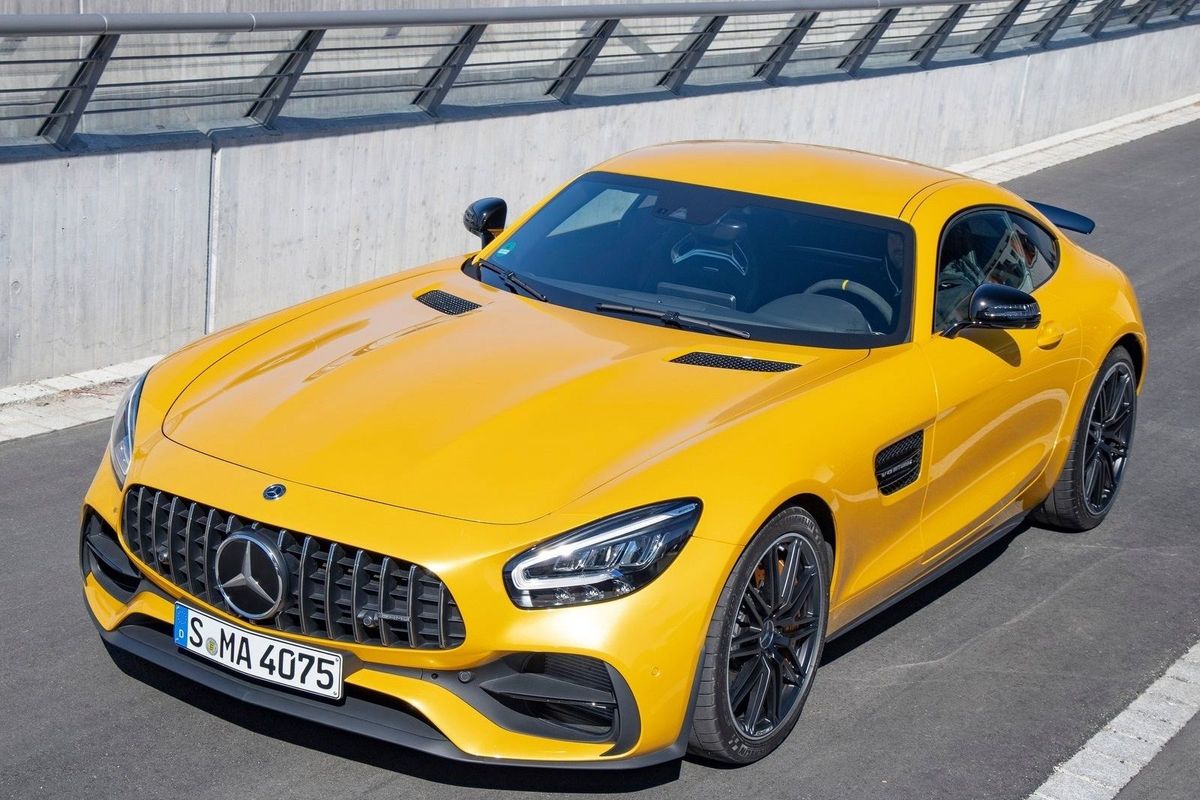
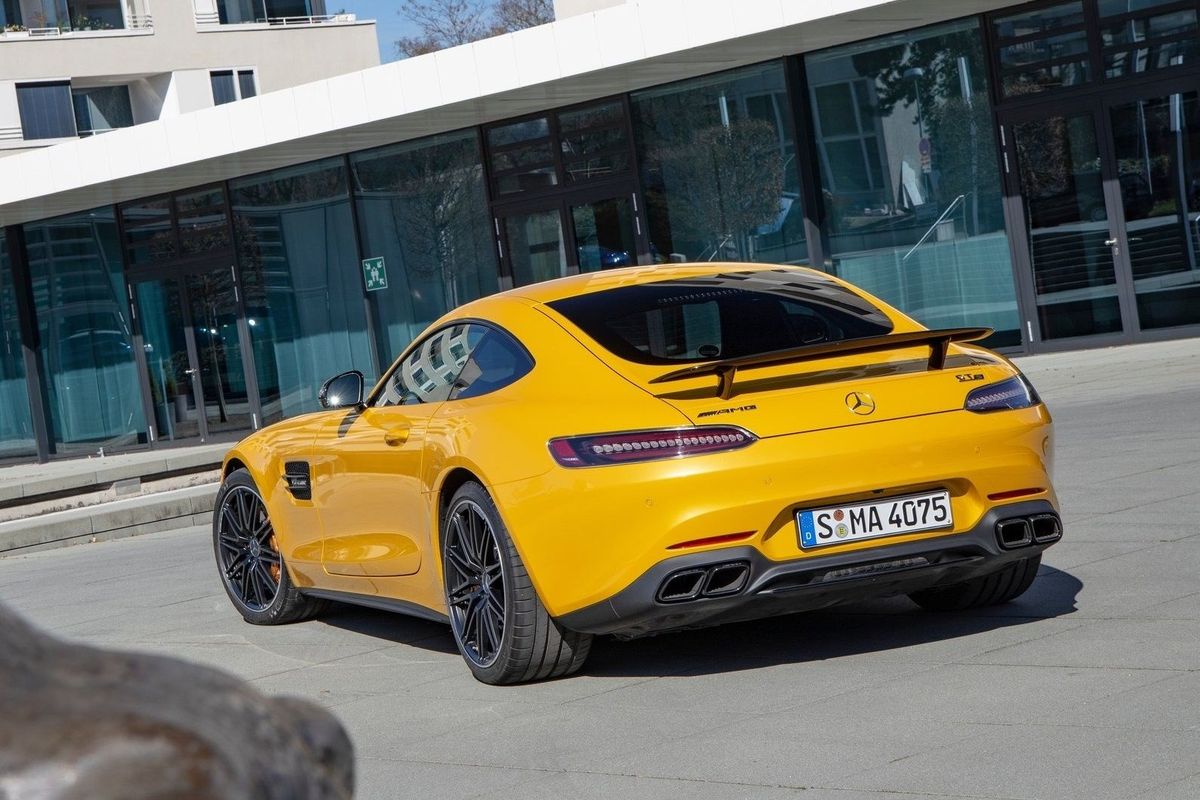
You'll be able to spot the new-look AMG GT with its new LED high-performance headlights, Panamericana grille at the front, while the rear features a new diffuser and redesigned exhaust pipes. The AMG GT R retains its central exhaust setup. There are changes in the trim and features too, with the AMG GT gaining a parking package comprising assistance, front cameras and rear cameras as standard.
In terms of South African spec AMG GTs, we'll be getting 3 versions. There'll be the entry-level AMG GT, the GT S and the GT R. All are powered by the same 4.0-litre biturbo V8 engine, although each model offers different outputs. The AMG GT offers up 350 kW / 630 Nm, while its bigger GT S sibling produces 384 kW and 670 Nm. Finally, at the top of the pile sits the AMG GT R which has a potent 430 kW and 700 Nm. Performance, all three models are not slow with acceleration runs to 100 kph claimed at 4.0 seconds, 3.8 seconds and 3.6 seconds respectively.
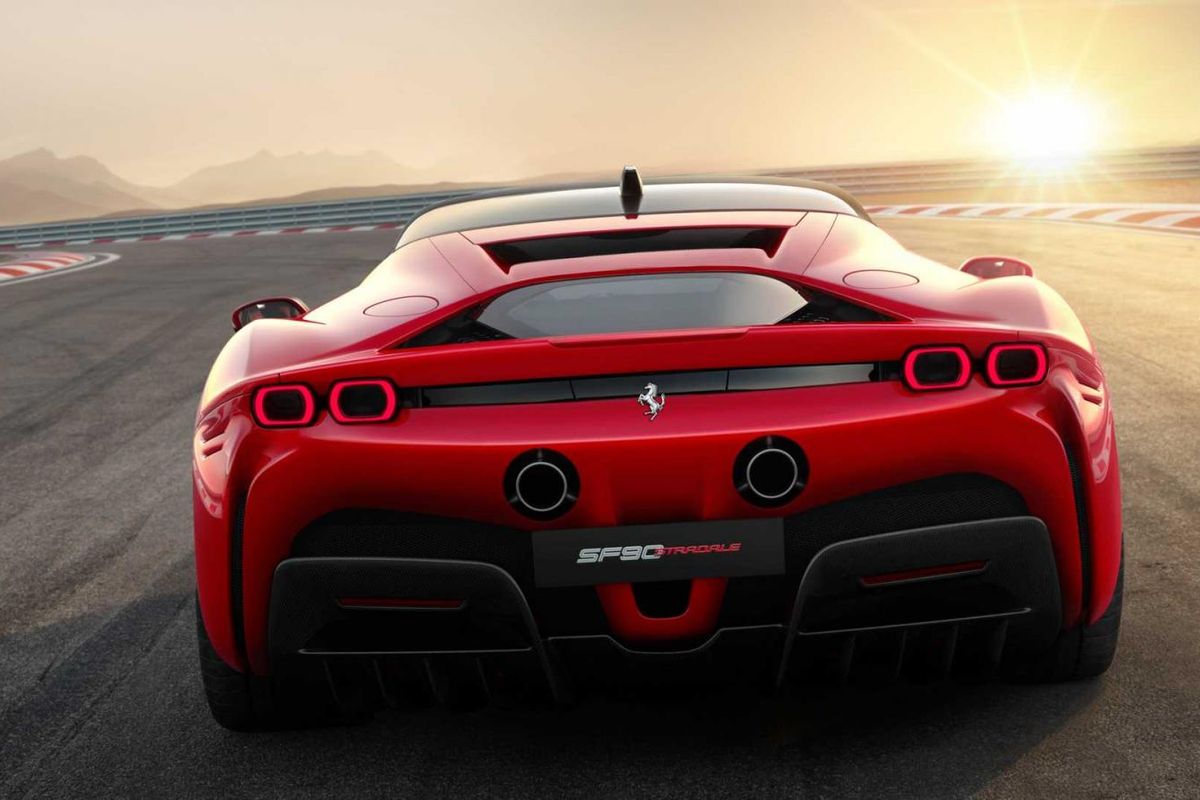
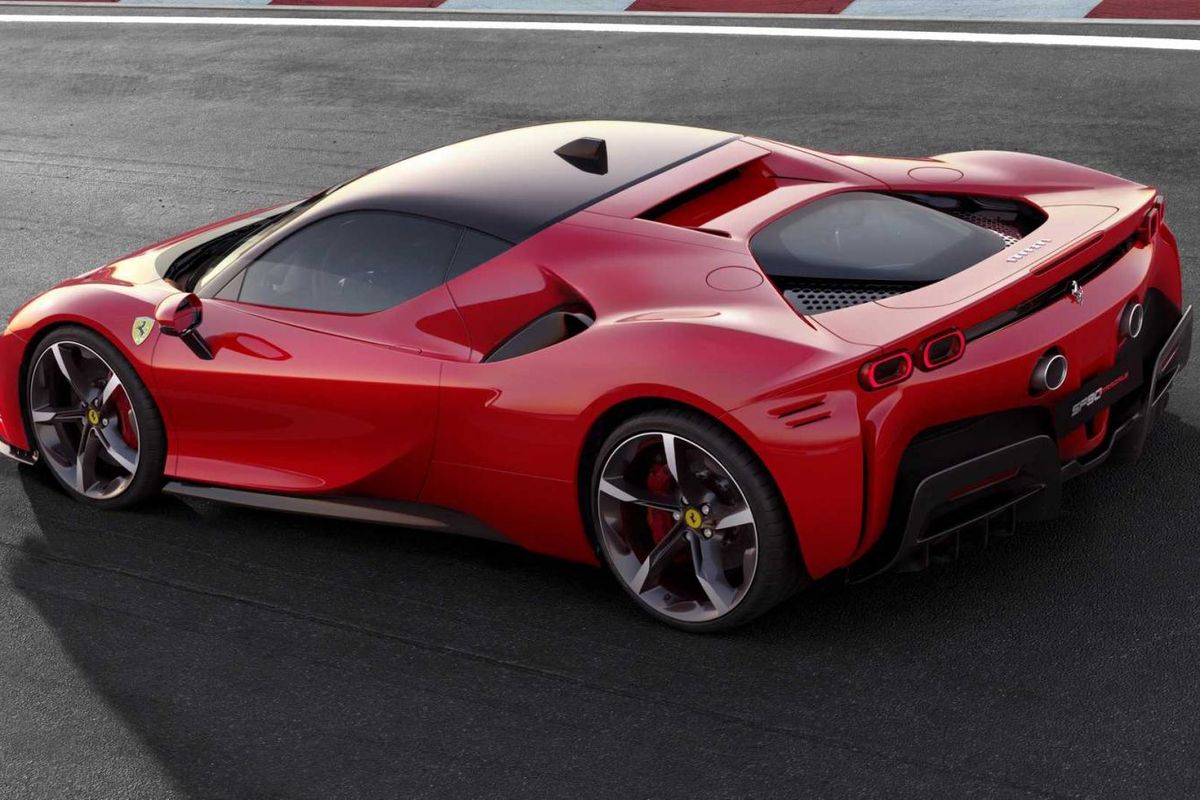
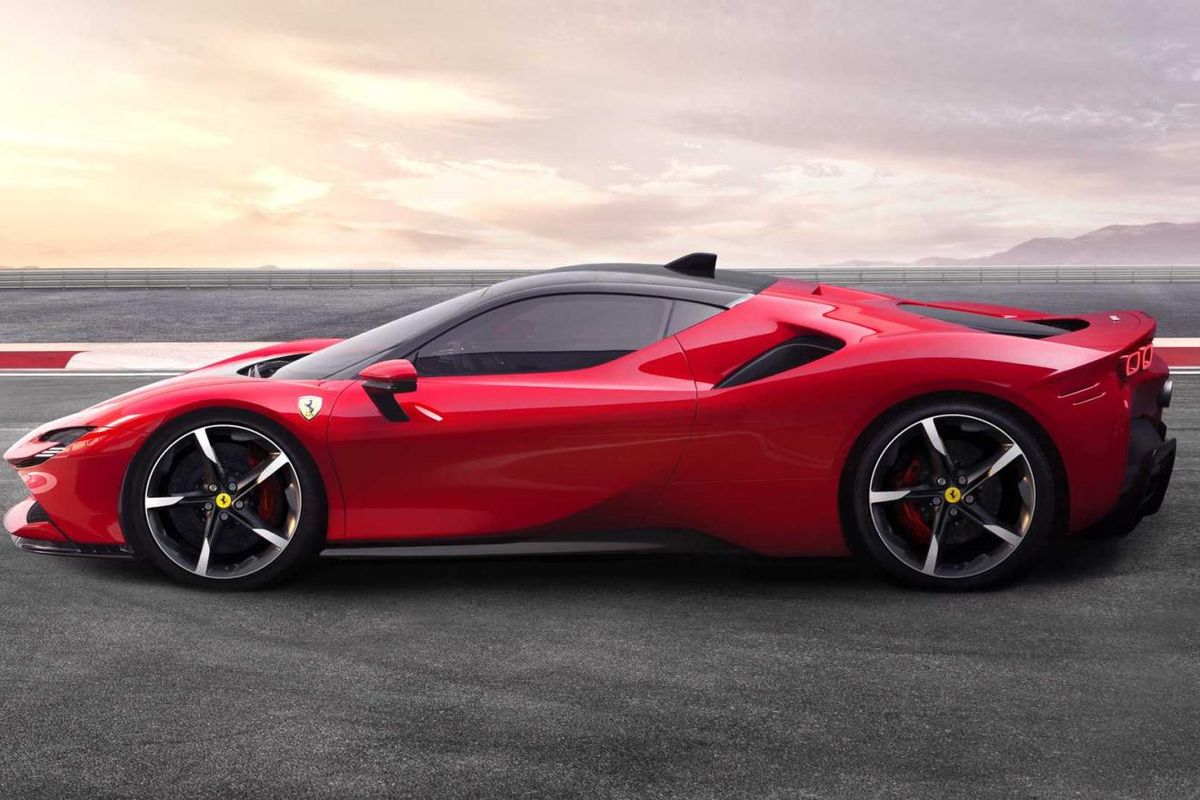
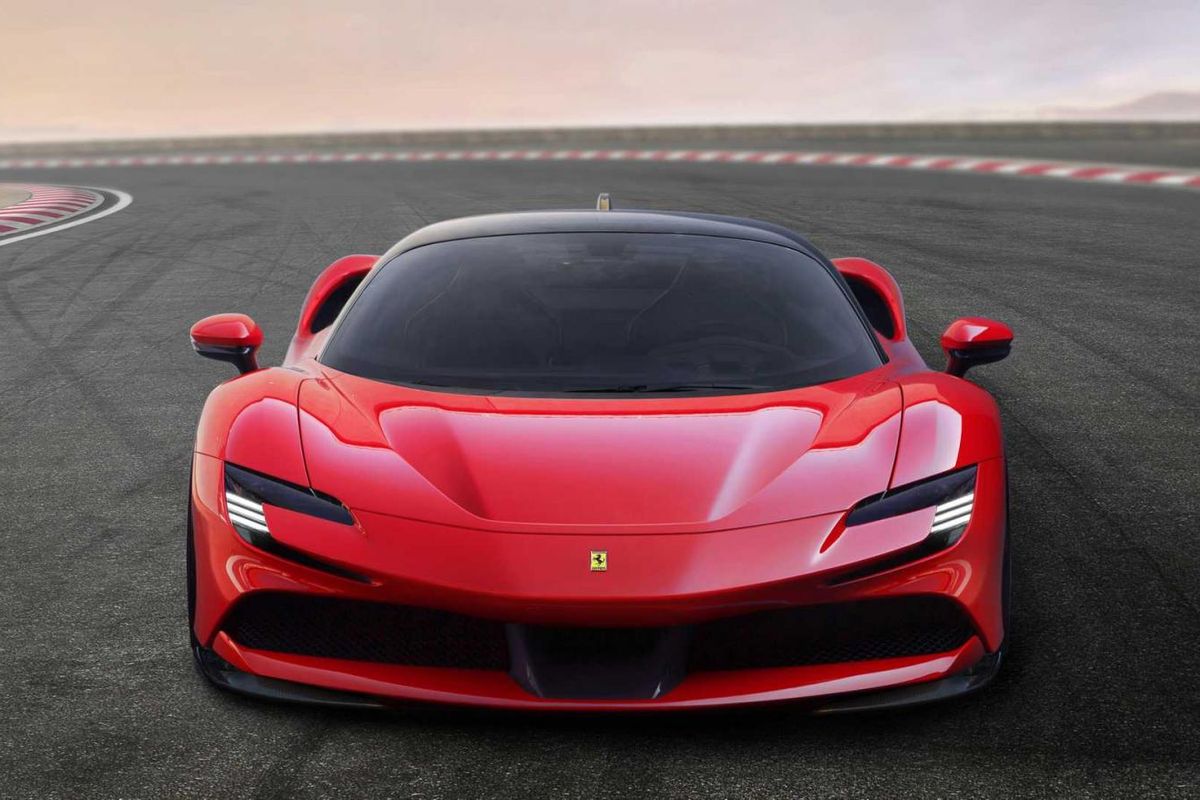
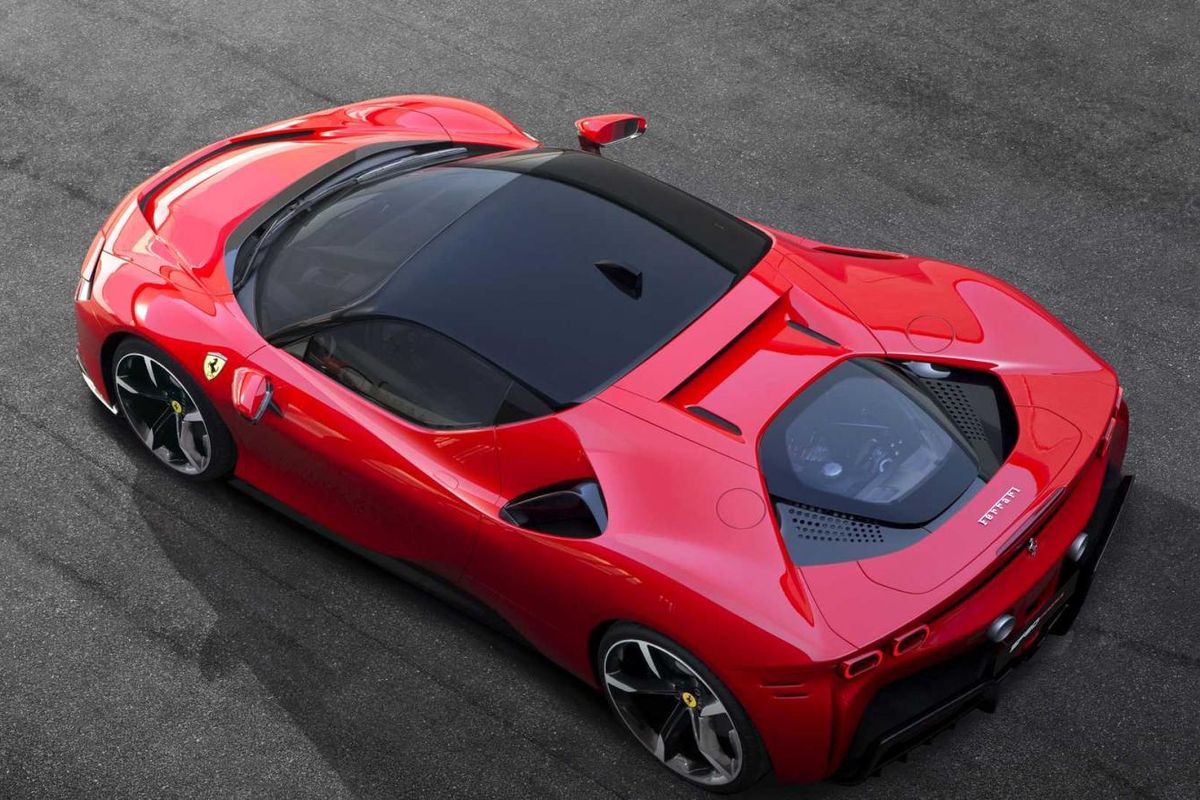
The latest mid-engine supercar from Maranello is also the fastest and most powerful road-going Ferrari yet.
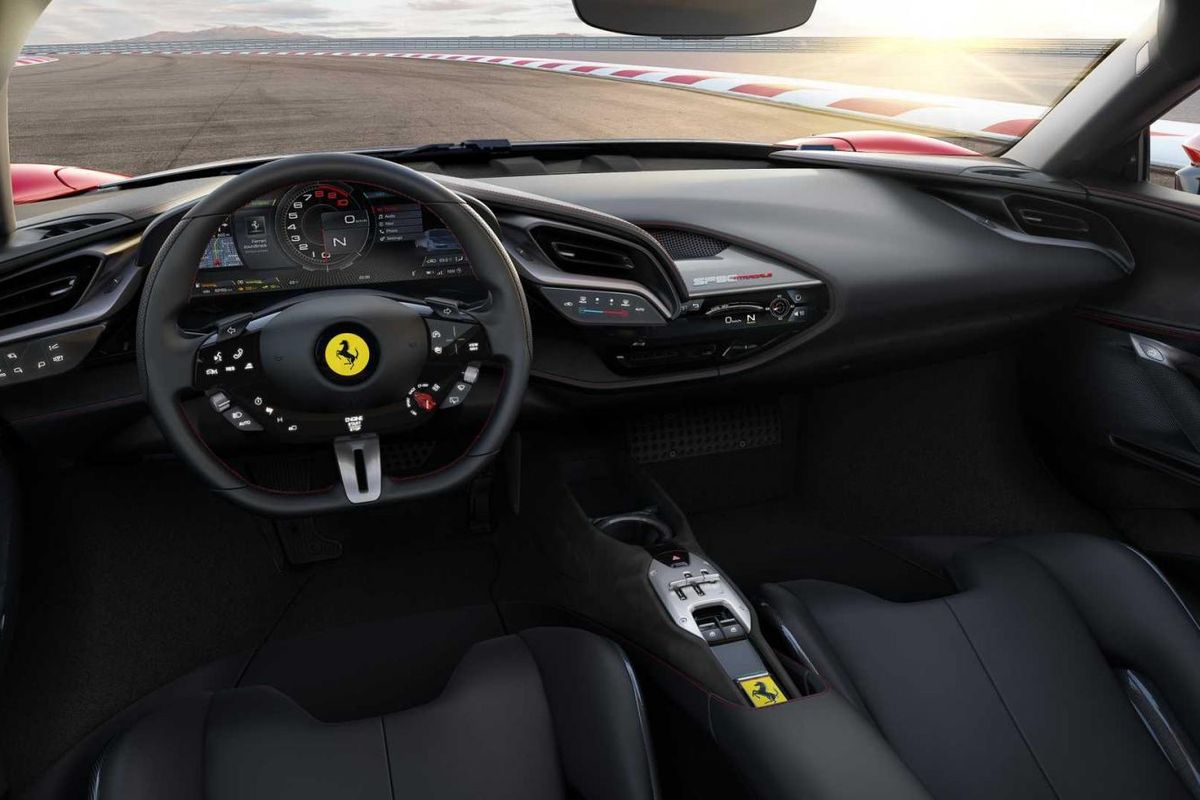
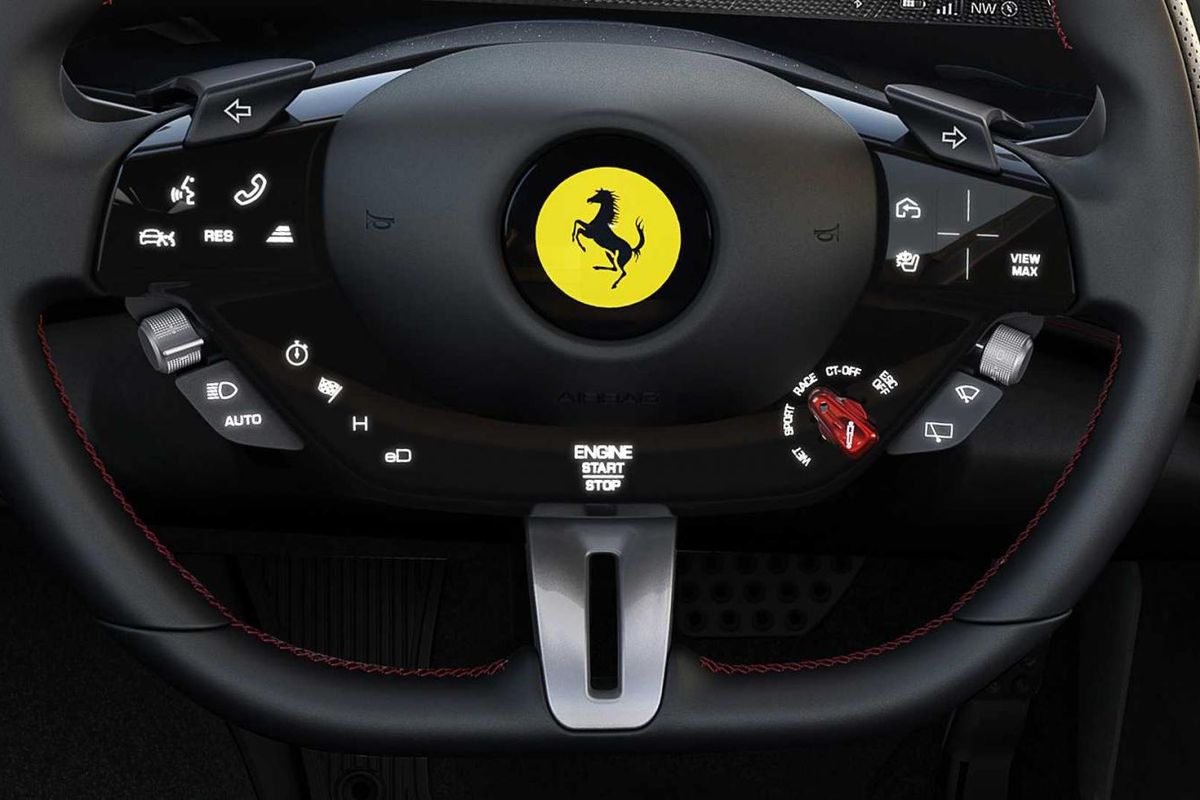
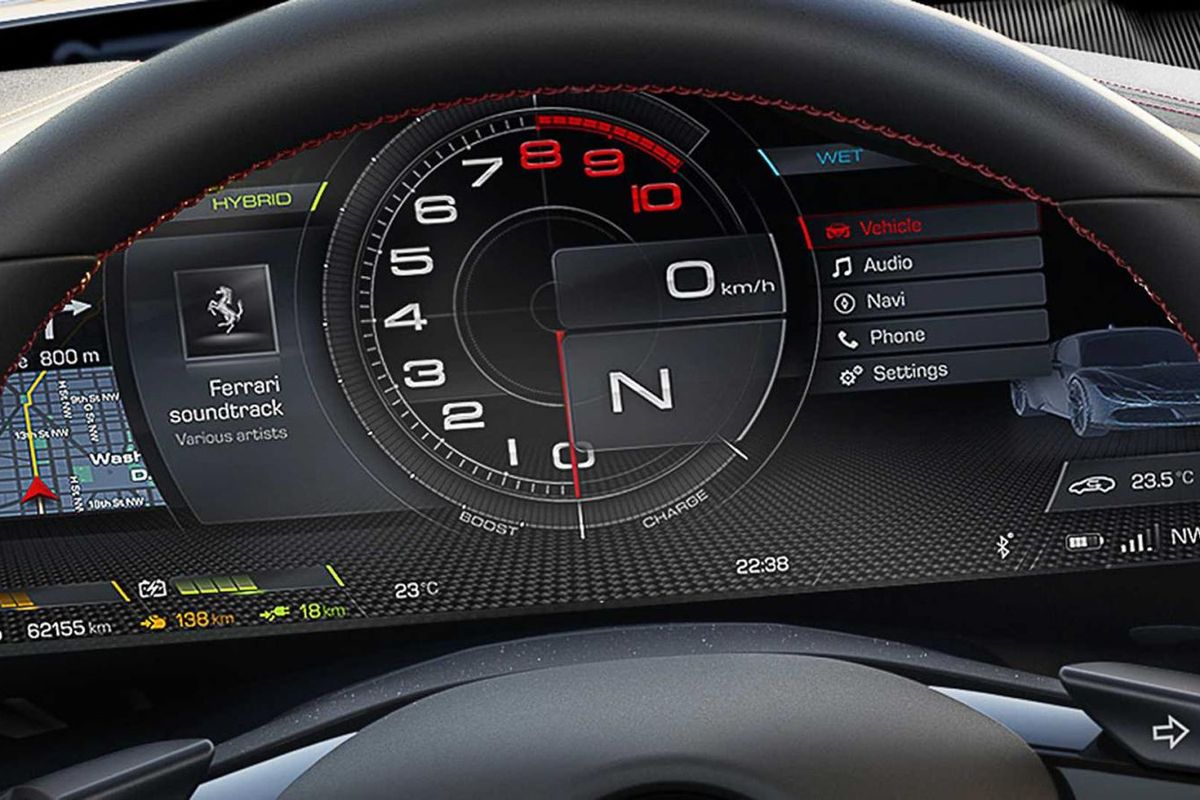
A very bold move for the traditional supercar brand, Ferrari’s SF90 is it's first true customer facing hybrid. True, the LaFerrari also featured battery power to augment performance, but that was very limited edition hypercar, available for purchase by invitation only.
Powering the new car is a significantly modified version of Ferrari’s 3.9-litre twin-turbocharged V8 engine, first seen in the 488. For the SF90 application, it increases slightly in size (from 3902cc to 3990cc, features a smaller diameter flywheel, lighter internals, improved fluid dynamics and 350bar fuel injection pressure.
The V8 engine is good for 574 kW, but that’s not the full SF90 story. Energy is harvested and ready to be deployed when required, stored in a 7.9 kWh lithium-ion battery, adding 162 kW to the SF90’s total powertrain output when required. When both the V8 and batteries are in unison, the SF90 is good for 735 kW.
Ferrari’s hybridization of the SF90 has also delivered the first all-wheel Scuderia. Two electric motors drive the front wheels, enabling torque-vectoring to act on the outside wheel during dynamic cornering.
Performance is monumental. An eight-speed dual-clutch transmission transfers the SF90’s power and on a high-friction surface, Ferrari claims it will run the benchmark 0-100 kph sprint in only 2.5 seconds. Top speed registers at 340kph and Ferrari says that its dual-clutch transmission is the fastest sifting of any current production road car.
No Ferrari is complete without comprehensive aerodynamics and the SF90 totals 250kg of downforce at 250 kph, thanks to a flexible DRS-type rear wing. That aerofoil can be retracted to reduce drag.
Although efficiency is never an aspect of Ferrari’s product appeal, the SF90 is capable of 25 km of pure electric driven range. Ferrari aims to have 60% of its product portfolio hybridized by 2022 and the SF90 is a very promising start.
With nearly half of the year already behind us, there are still lots of exciting new cars headed for South Africa in 2019 Take a look at what you can expect below…
The first half of 2019 has seen a wide range of new product launched in South Africa but there is still lots to look forward to in months to come. Take a look at the list of new cars still due to arrive in South Africa.
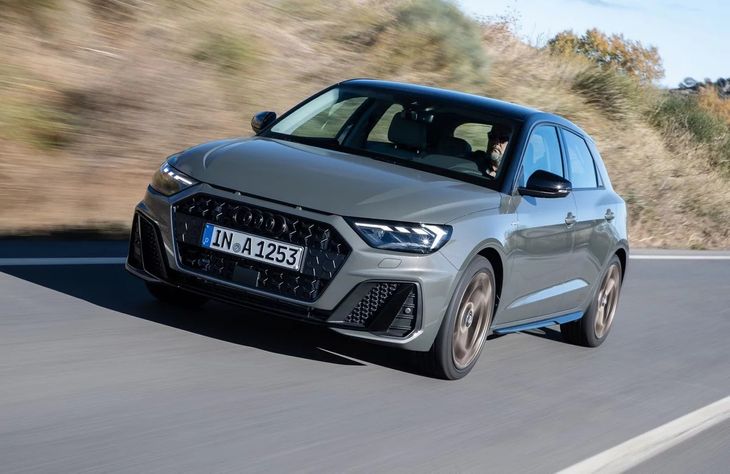
The Audi A1 is the cheapest way to get into the Audi brand. Riding on the same platform which underpins the new Volkswagen Polo, the new Audi A1 is radically different in the visual stakes when compared to the outgoing model. Physically, it's almost as high as the outgoing car but is 6 cm longer and 3 cm wider. Audi engineers have worked their magic and the wheelbase is 9 cm longer, increasing the boot space and rear legroom. Audi claims the boot can hold 335 litres and when the seats are folded down, capacity is increased to 1 090 litres.
In terms of engines, there will be many engines on offer, ranging from a 1.0-litre three-cylinder motor, a 1.5-litre four-cylinder engine, and a 2.0-litre four-cylinder powerplant. Outputs range from 70 kW to 147 kW, with the option of either a manual gearbox or seven-speed dual-clutch gearbox. South African specification will be confirmed closer to launch.
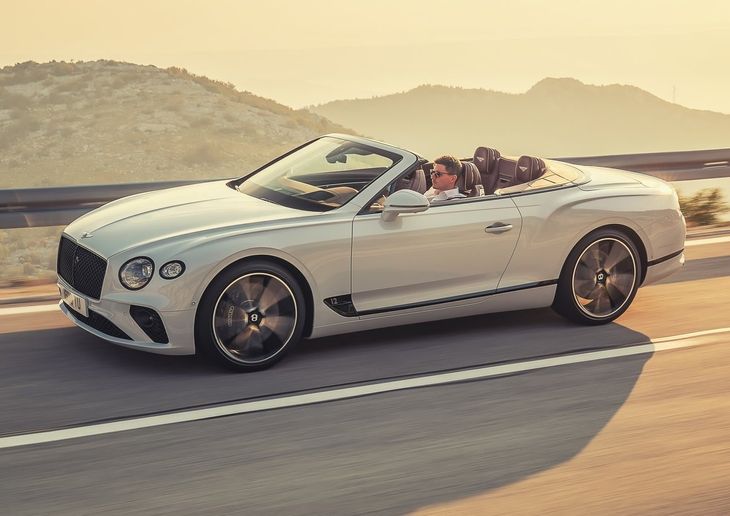
The Bentley Continental GT Convertible is expected to appease those looking for an elegant and bespoke Grand Tourer. Fitted with a turbocharged 6.0-litre W12 engine that produces 467 kW and 900 Nm of torque, the Continental GT Convertible will deliver effortless performance and is capable of sprinting from zero to 100 kph in 3.8 seconds and can run to a top speed of 333 kph using an 8-speed dual-clutch transmission and an active all-wheel-drive system.
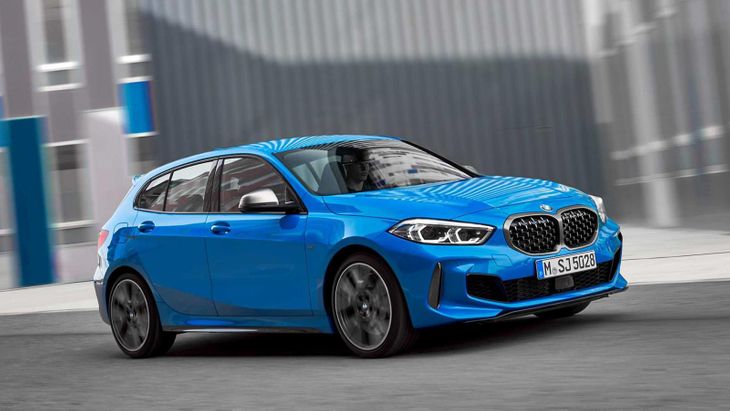
The new 1 Series has broken cover and unlike the outgoing model, it will now be offered in front-wheel drive configuration which has reportedly improved interior space of BMW’s premium hatchback.
BMW has confirmed that the new 1 Series will launch locally in Q4 of 2019 and 2 engine options will be offered from launch including the 118i and the range-topping M135i xDrive. The 118i is powered by a 3-cylinder, 1.5-litre turbopetrol engine with 103 kW and 220 Nm of torque. A 6-speed manual or 7-speed dual-clutch transmission will drive the front wheels. Zero to 100 kph for the 118i is claimed at 8.5 seconds with a top speed of 213 kph. Fuel consumption is claimed at 5.7-5.0 L/100km.
For those seeking more driving thrills, the M135i xDrive is the one to go for with a 2.0-litre turbopetrol engine producing 225 kW and 450 Nm of torque. Using an 8-speed sport transmission and equipped with all-wheel drive, the M135i xDrive will dash from zero to 100 kph in 4.8 seconds and reach a top speed of 250 kph. BMW claims a fuel consumption figure of 7.1-6.8 L/100km.
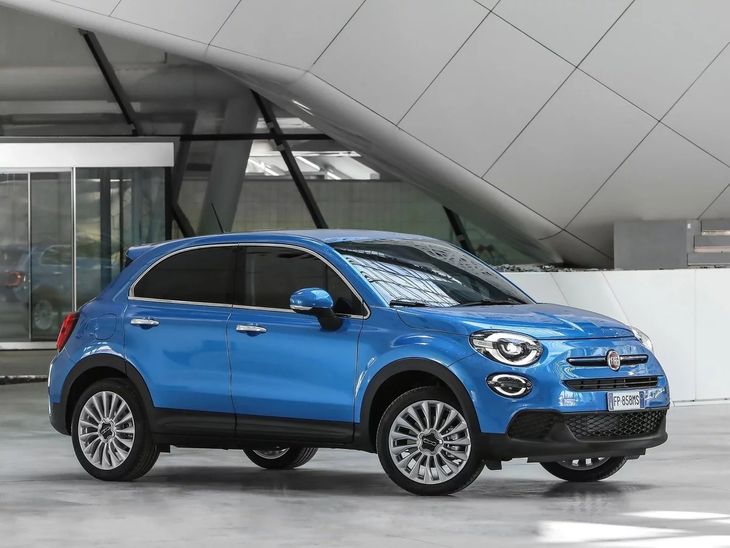
The Fiat 500X has been updated inside and out and will be offered with a range of new engines. It will now make use of an all-new 3-cylinder engine which we first saw on the brand's sister offering, the Jeep Renegade. The new petrol engines are claimed to be up to 20% more fuel efficient, while the diesel models will be quieter.
First up is a 90 kW/190 Nm 3-cylinder turbocharged petrol motor, mated to a 6-speed manual gearbox and front-wheel drive. The next is a 1.3-litre turbocharged 4-cylinder motor with 110 kW and 270 Nm, which is available with a 6-speed dual-clutch transmission and front-wheel drive. There are three turbodiesel engines for the Fiat 500X. Available in 1.3, 1.6 and 2.0 flavours, all offer new levels of refinement and efficiency. The 1.3 offers up 70 kW/200 Nm, 1.6 has 90 kW and 320 Nm, while the range-topper has 110 kW and 350 Nm. Engines for South Africa have yet to be confirmed.
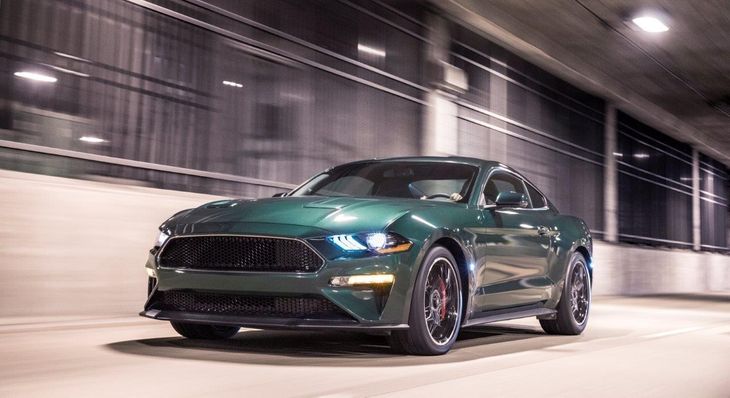
The special edition Mustang Bullitt is due in South Africa soon and it pays homage to the 1968 Mustang GT Fastback which was driven by Steve McQueen in the iconic film of the same name.
The Mustang Bullitt will be powered by an enhanced 5.0-litre V8 engine offering 338 kW and 529 Nm of torque. That’s 32 kW more than the current Mustang 5.0 Fastback.
Furthermore, it comes equipped with a 6-speed manual transmission with rev-matching technology and the transmission lever itself features a white cue ball gear knob, just like the 1968 Mustang Fastback!
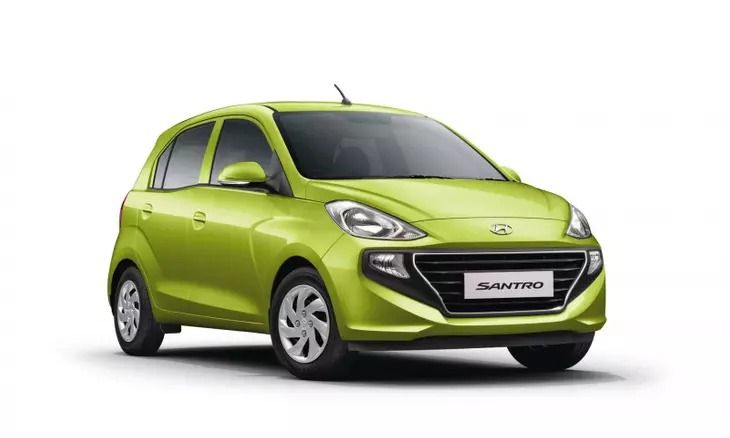
The Atos nameplate is expected to make a return in 2019 in an effort to capitalise in the budget end of the market. The Atos will slot in under the Grand i10 in Hyundai’s lineup and will compete with the Datsun Go, Suzuki Celerio and Renault Kwid. The engine lineup for SA is not confirmed but initial reports suggest either a 1.0-litre or 1.1-litre naturally aspirated motor will be used. A 5-speed manual gearbox will be used either way and Hyundai also appears keen to try and sell an AMT gearbox similar to what Renault does with the Kwid.
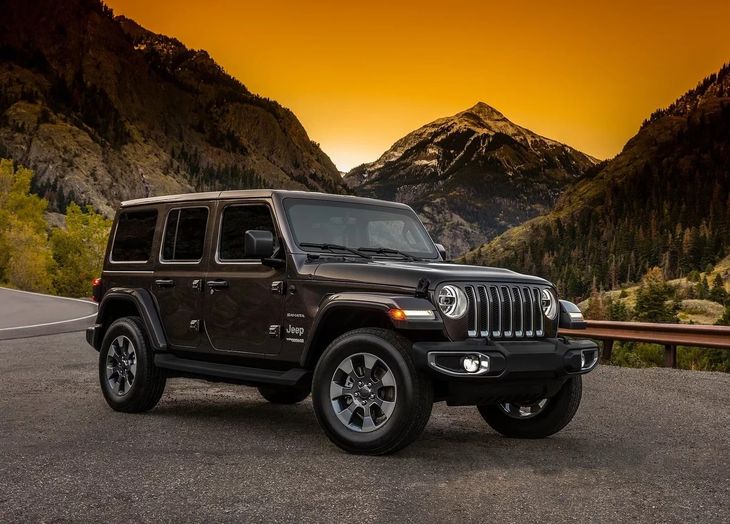
Jeep claims that its new Wrangle boasts more 4×4 capability, new fuel-efficient engines, more ways to drop the top as well as additional safety technology. While the design has not changed dramatically, minor cosmetic differences will be noticeable to keen-eyed observers. Upon the Jeep Wrangler's introduction, it will be available in 2- and 4-door guises and in 3 trim levels: Sport, Sahara and Rubicon. Local specification and pricing will be confirmed closer to launch.
Other products
Jeep Renegade facelift – TBC
Kia
It's going to be a quiet year for the Korean brand, but a representative gave us an interesting titbit. "The biggest news from our side for 2019 will be the launch of the SP2, a new B-segment crossover that will be manufactured in Kia’s state-of-the-art new production plant in India. Some of the international reports are calling it the Kia Tusker, but we’ve not had official confirmation that this is the car’s actual name, hence referring to it as the SP2 (it was shown at this year’s Delhi Motor Show). It will introduce a whole range of new engines to our line-up, and we’re expecting it in Q4 2019."
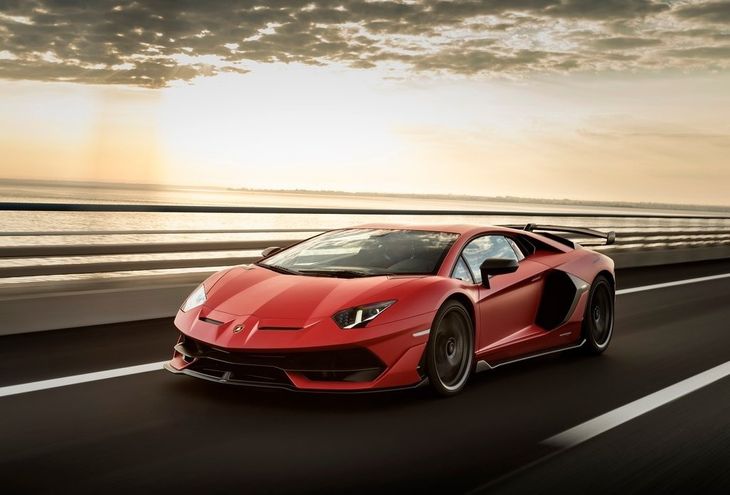
This is the most potent Aventador ever! The Aventador SVJ is Lamborghini's most powerful V12-engined model to date. Its upgraded mid-mounted V12 motor produces peak outputs of 566 kW, 720 Nm of torque and, unsurprisingly, the SVJ's vital statistics are dramatic: the claimed 0-100 kph time is just 2.8 seconds, with 0-200 kph coming up in 8.6 seconds and it will run on to a top speed of 350 kph.
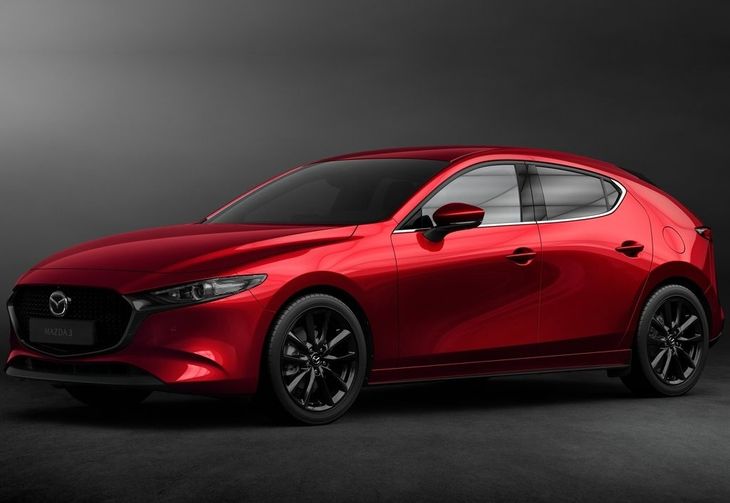
The new Mazda3 is built on Mazda's Skyactiv-Vehicle Architecture and while the new Mazda3 is now longer than before and is said to offer an enhanced ride with less in-cabin noise. The big news is that it's powered by a new Skyactiv-X engine with a Spark-Controlled Compression Ignition, but Mazda has yet to reveal specific details for this engine. There will also be updated versions of the current 1.5, 2.0 and 2.5-litre engines (market dependent). The new engine is expected to be up to 20-30% more efficient and will offer more torque than Mazda's current petrol engine offering.
McLaren
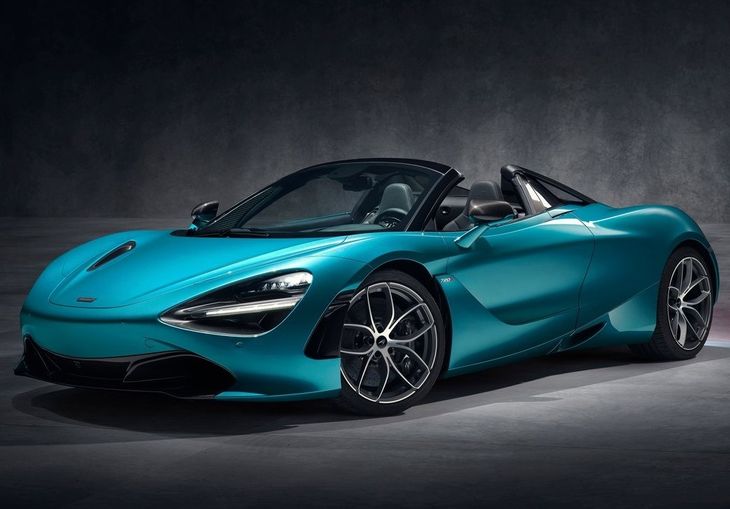
McLaren 720S Spider – TBC
The MacLaren 720S Spider employs the same powerplant as its coupe sibling with a mid-mounted 4.0-litre V8 twin-turbocharged engine producing 530 kW and 770 Nm of torque. As you would expect, the 720S Spider is crazy fast and will sprint from zero to 100 kph in 2.9 seconds while zero to 200 kph will take only 7.9 seconds. Top speed is rated at 341 kph with the roof closed.
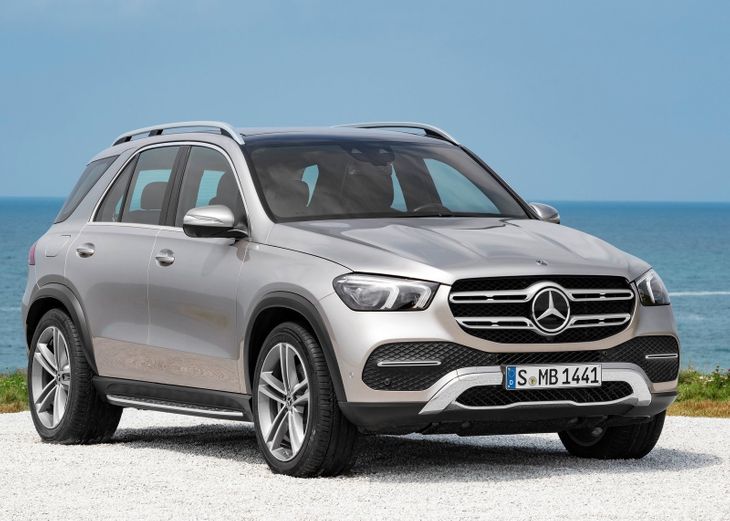
Mercedes-Benz's 4th-generation premium SUV has grown in size and standing, with new engines and advanced new suspension technology that bolsters its overall abilities.
This is the fourth-generation model and it has been developed anew from the ground up in an engineering program that also includes the second-generation GLE Coupe and third-generation GLS, both due in 2019. The GLE has taken on a clearly more up-market role in the Mercedes-Benz line-up, offering greater space, markedly higher levels of refinement and a range of standard features not even available in the German car maker's upper luxury models. It's going to be interesting to see the fight between this and the new BMW X5.
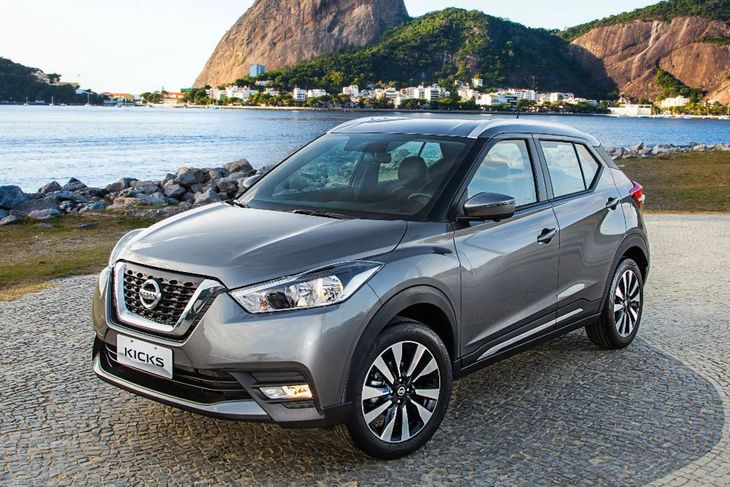
Nissan Kicks is the newest small/light crossover in town. So new that it has so far only reached Brazilian shores. It is produced on the V platform that underpins the Micra and Almera. In terms of its packaging, it's less roomy than the Renault Duster, but more refined overall, slightly more spacious (in terms of luggage and passenger room) than the popular Ford EcoSport and, although not as well-made as the automatic-only Honda HR-V, it is certainly more affordable than its Japanese rival. The engine chosen to deal with the Kicks' lightened body shell is a 1.6-litre petrol motor… at least in the Kicks we have evaluated in Brazil. This engine, which also runs on ethanol, delivers 84 kW (both on ethanol or gasoline) and 152 Nm.
Opel Crossland X 1.6T Enjoy/Plus specification update – March 2019
Opel Combo 1.6TD Panel Van – May 2019
Opel Vivaro – November 2019
Peugeot
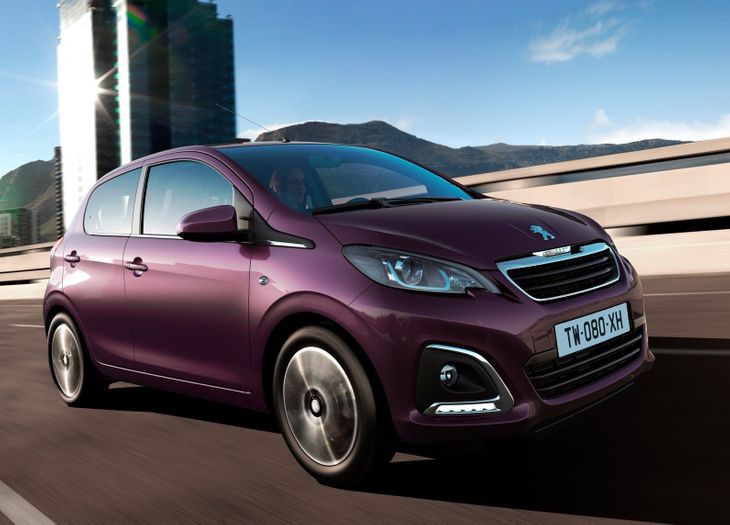
Peugeot 108 – TBC
A new Peugeot 108 budget car is expected to reach South Africa in 2019. It shares its platform with the Toyota Aygo and thus shares the same 3-cylinder, 1.0-litre petrol engine with 53 kW and 93 Nm of torque using a 5-speed manual transmission to drive the front wheels.
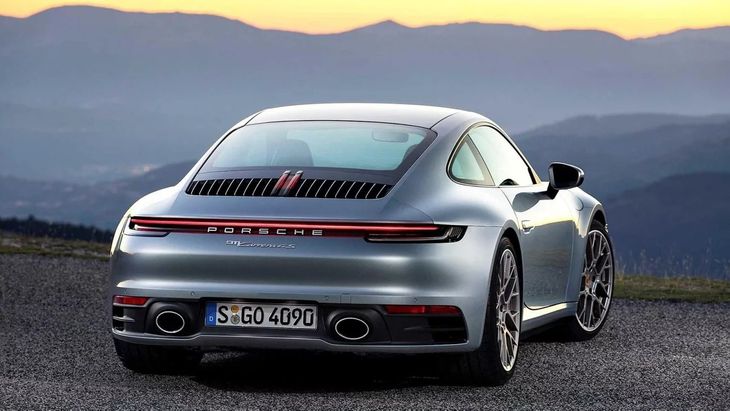
A new version of the iconic Porsche 911 has arrived! The new 911, known internally as the 992, looks somewhat familiar but now sports a more refined appearance with a new headlight and taillight design, the latter of which now features a light bar that stretches the width of the rear. As you would expect, this latest 911 has been developed to be faster and more dynamic than its predecessor.
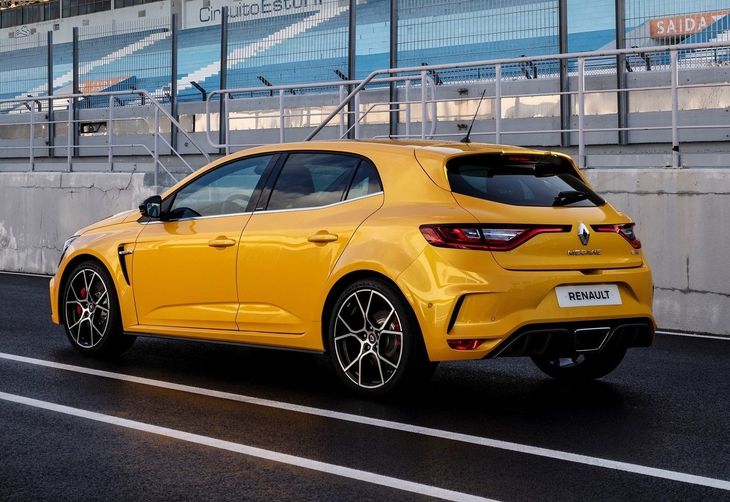
The hardcore track-focused version of Renault's hot hatchback will arrive in SA in the third quarter of 2019. Packing a mighty 220 kW and 420 Nm (400 Nm for manual gearbox), this will be the most powerful Megane RS yet. Based on the Cup chassis, which boasts stiffer suspension and a mechanical limited slip differential, the Renault Megane RS Trophy boasts more potent front brake discs, specific 19-inch 'Jerez' alloy wheels, high-performance Bridgestone tyres, which can be paired with new, exclusive lighter wheels that reduce total unsprung weight by 8kg.
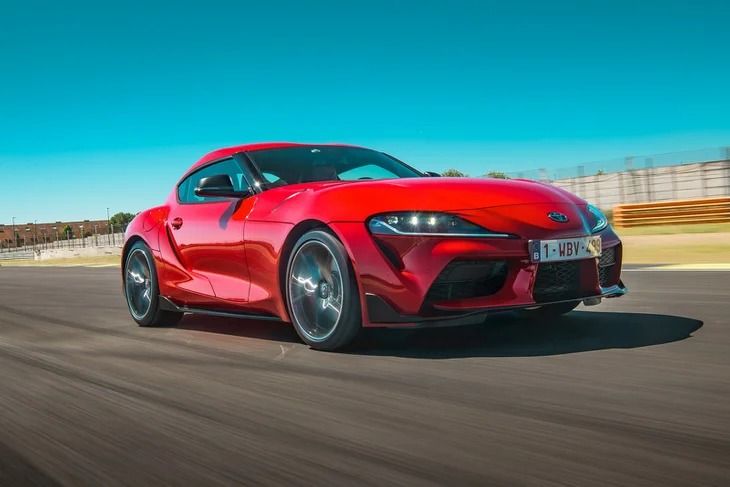
The new Toyota GR Supra is a welcome addition to a small but growing class of purpose-built sportscars. The newcomer will arrive in South Africa in July 2019. It will be powered by a BMW-sourced 6-cylinder, 3.0-litre turbopetrol engine with 250 kW and 495 Nm of torque. Power goes to the rear wheels via an 8-speed automatic transmission and Toyota claims that it will hit 100 kph in just 4.1 seconds.
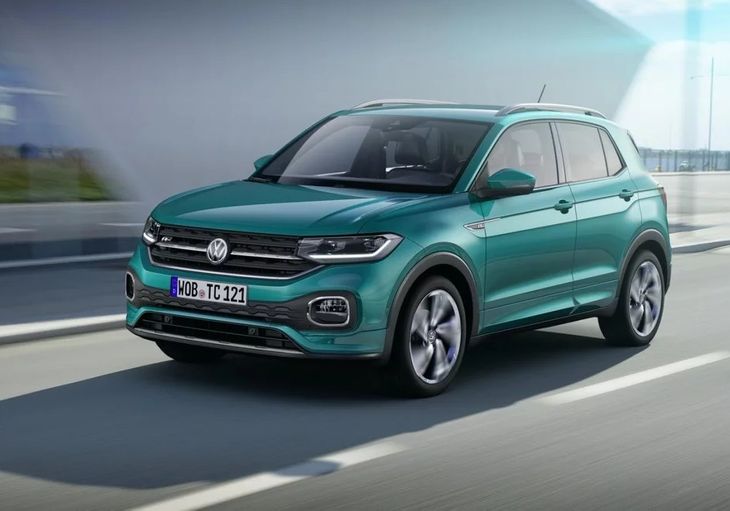
The new Polo-based T-Cross will slot in under the T-Roc SUV, which is not coming to South Africa. Some of the Volkswagen T-Cross' rivals include the Ford EcoSport, Hyundai Creta, Honda HR-V, Nissan Qashqai and Suzuki Vitara. It rides on the MQB A0 platform shared with the Polo and despite its compact dimensions, there's a strong focus on practicality, with 385 litres of space being touted in the boot. However, this can be expanded to 455 litres if you slide the second row of seats forward. A total of 4 turbocharged engines will power the T-Cross. There are two 1.0-litre turbopetrol, 3-cylinder turbopetrol engines on offer with either 70 kW or 85 kW. A range-topping 1.5-litre turbopetrol engine with 110 kW will also be offered. On the diesel front, a 1.6-litre turbodiesel engine with 70 kW rounds off the T-Cross range. All T-Cross variants will be front-wheel-drive and both manual and dual clutch transmissions will be offered.
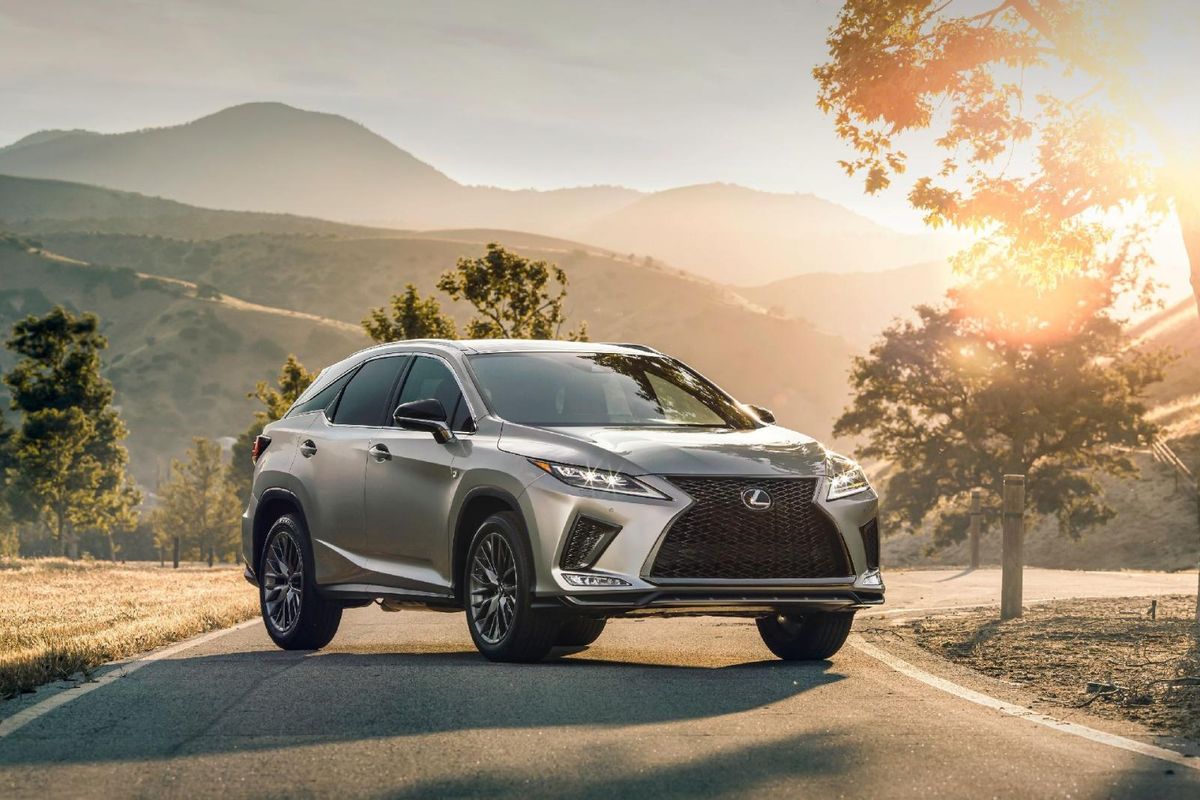
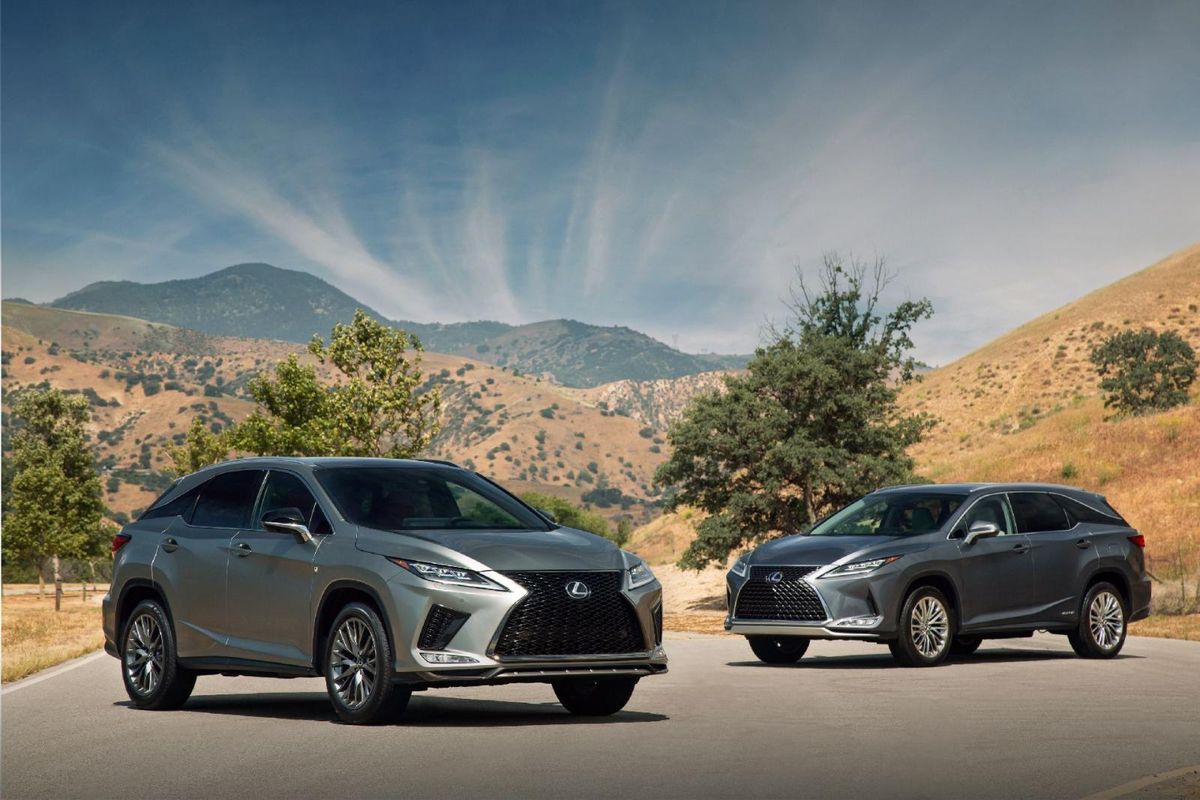
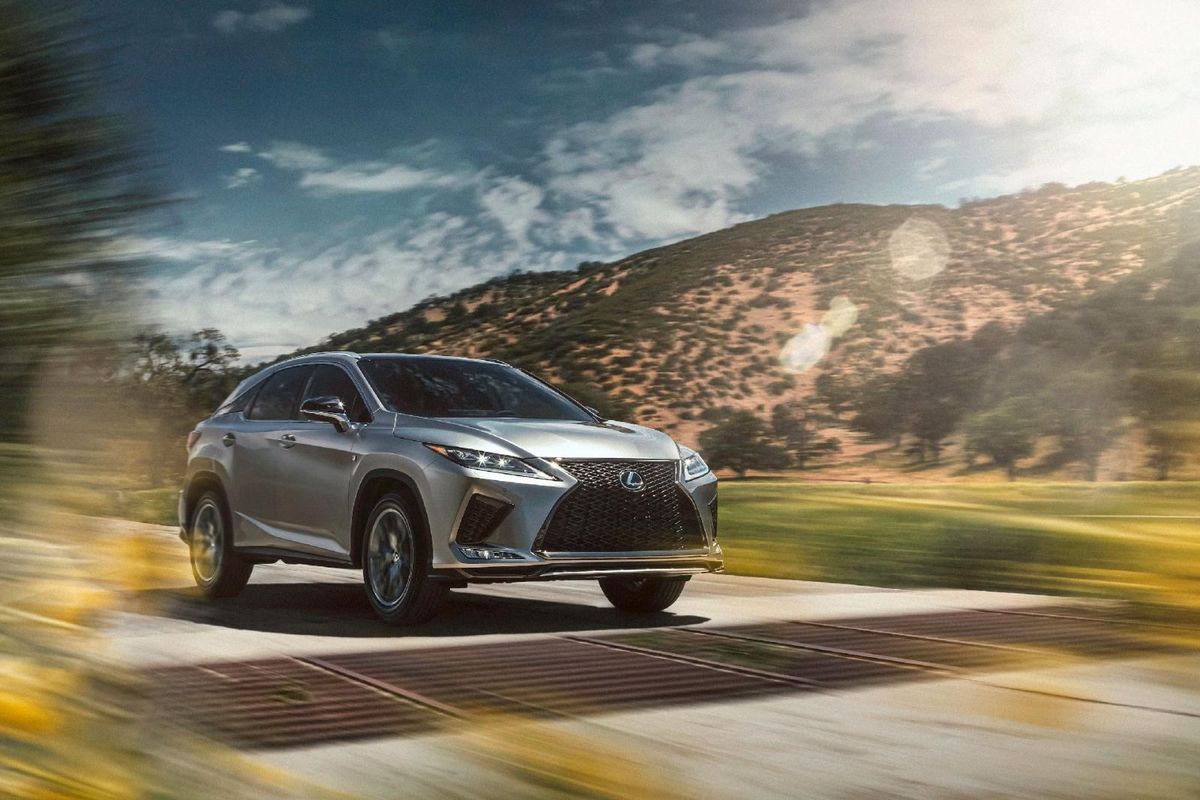
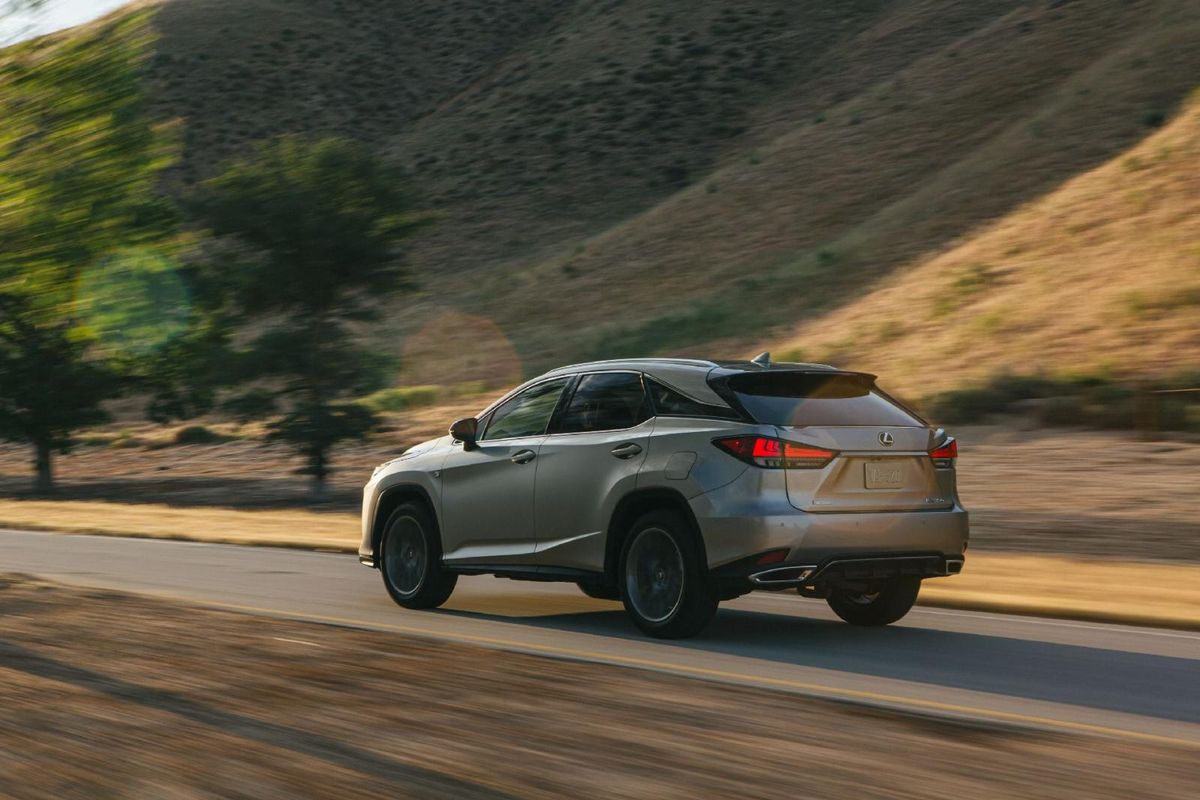
Luxury car brand, Lexus has updated its RX SUV which now features enhanced styling and new equipment. Take a look at what’s changed…
The RX is one of Lexus’ strongest performing products in terms of global sales and the sharp and edgy-looking fourth-generation RX was introduced in South Africa in 2016. The luxury SUV has now received a mid-life makeover to ensure that it remains competitive against rivals such as the BMW X5, Mercedes-Benz GLE, Audi Q7 and Volvo’s XC90, to name but a few.
Sharper design
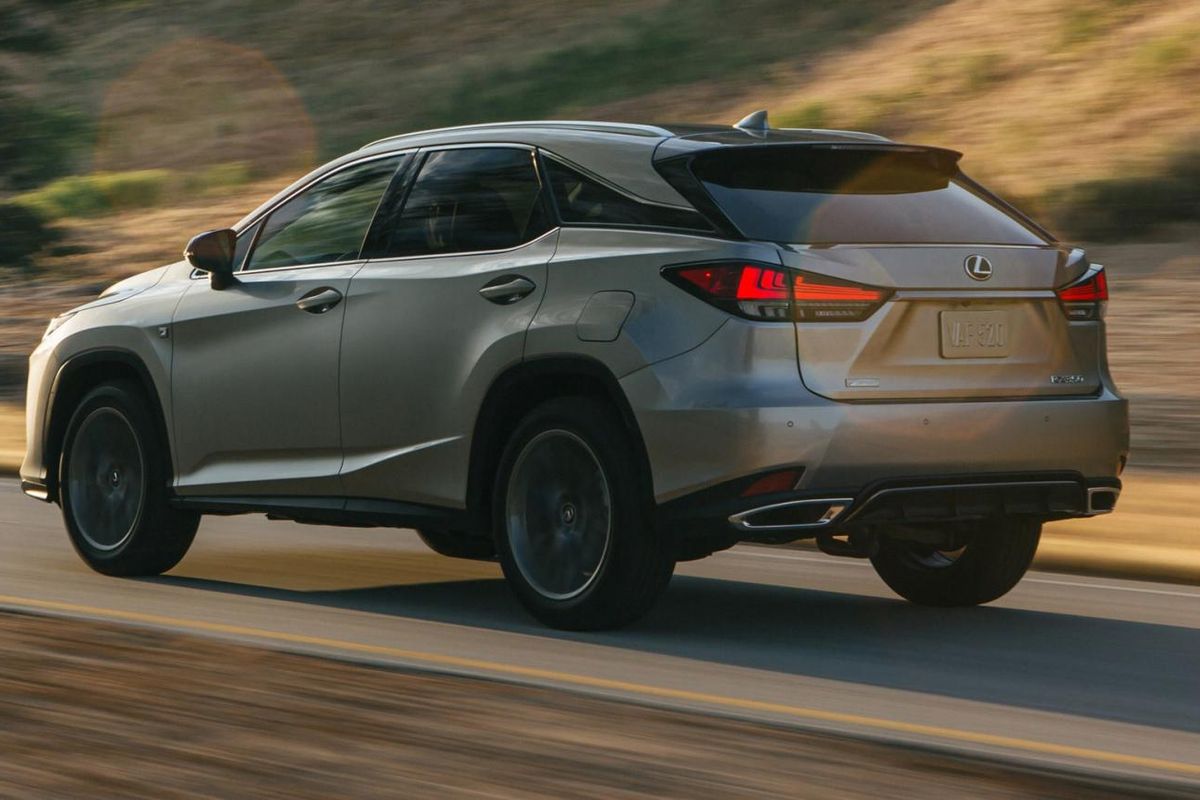
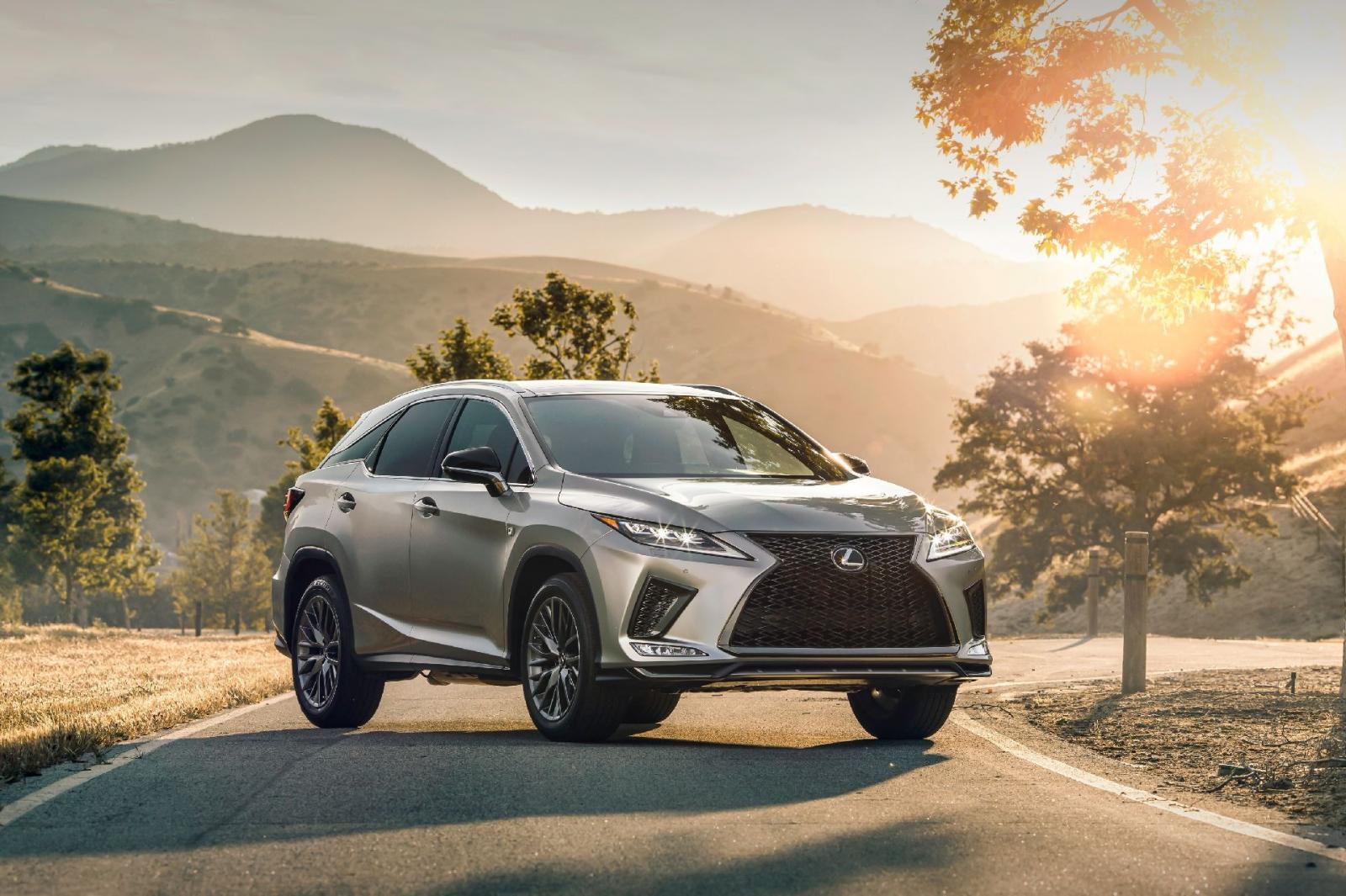
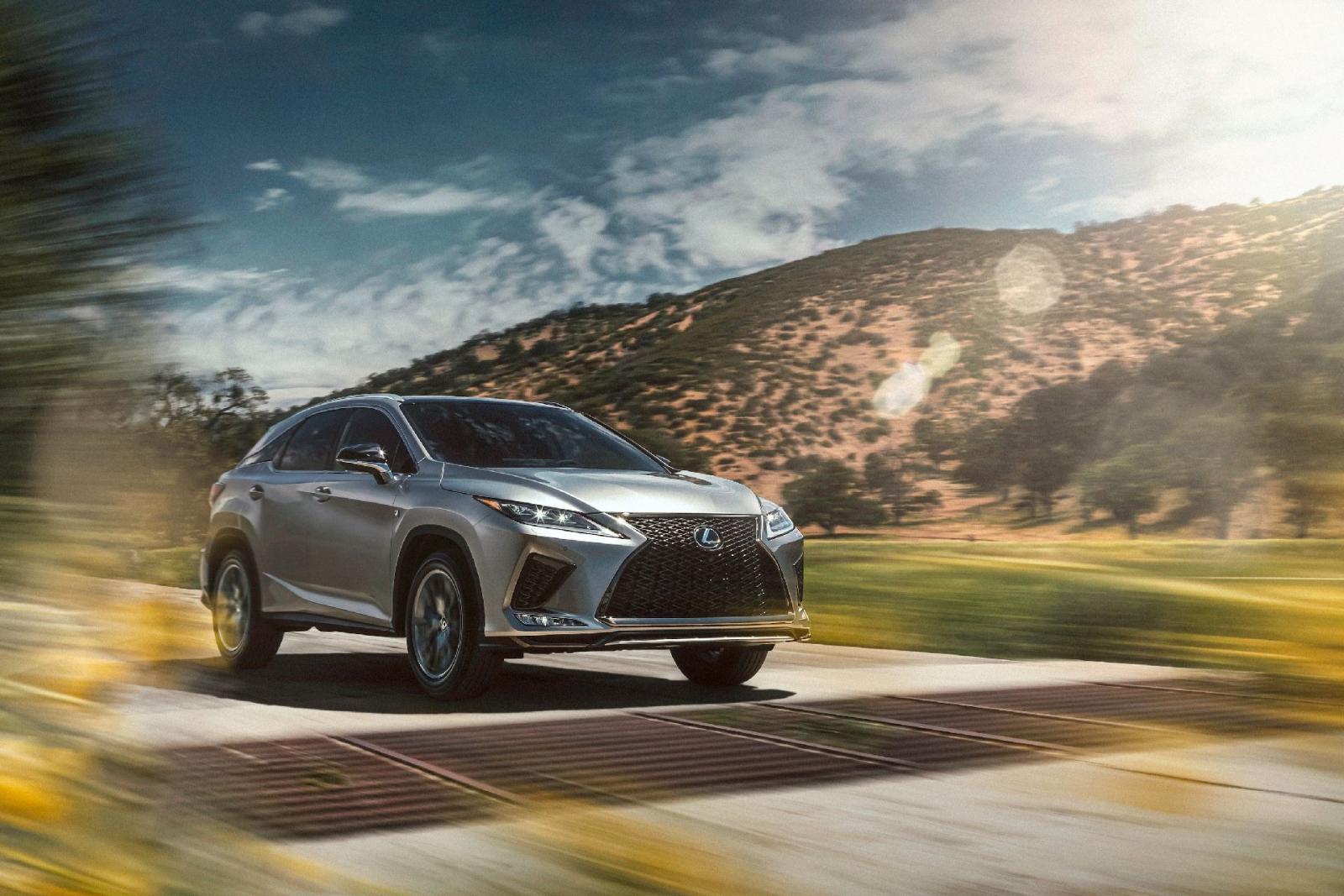
Exterior changes are subtle but the RX retains its sharp, aggressive styling.
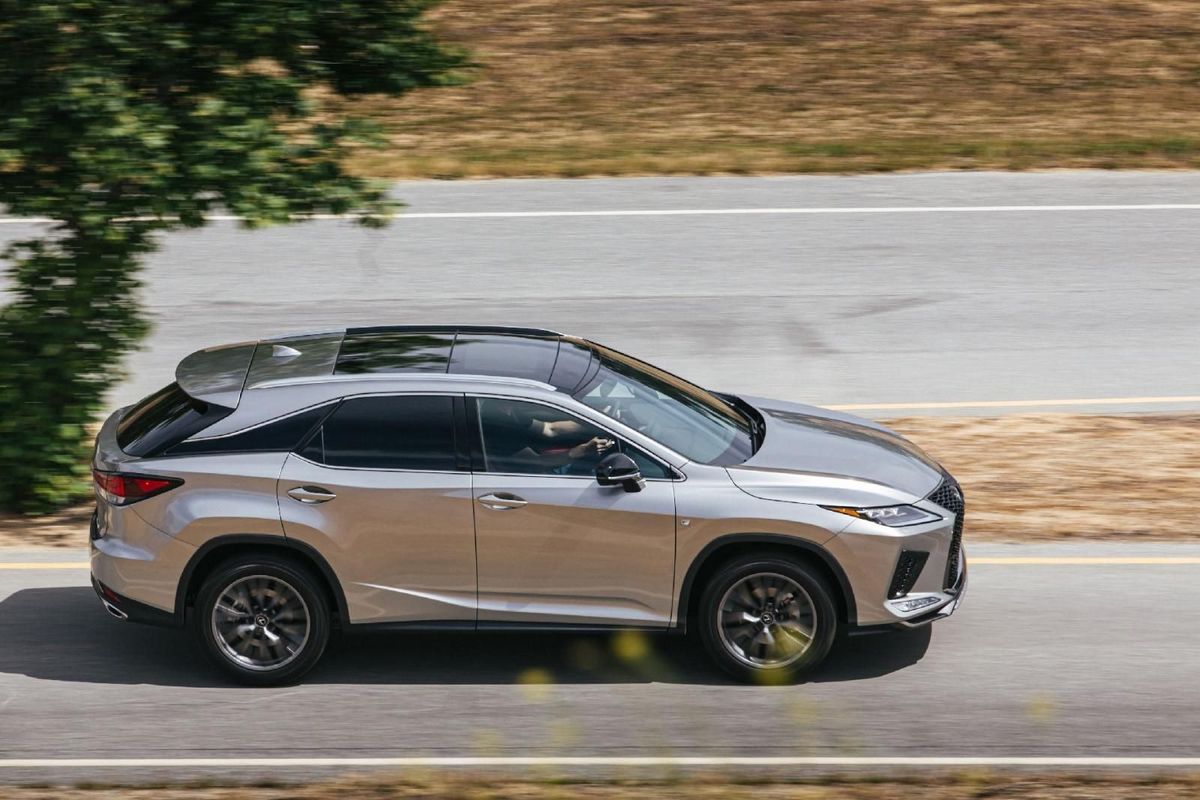
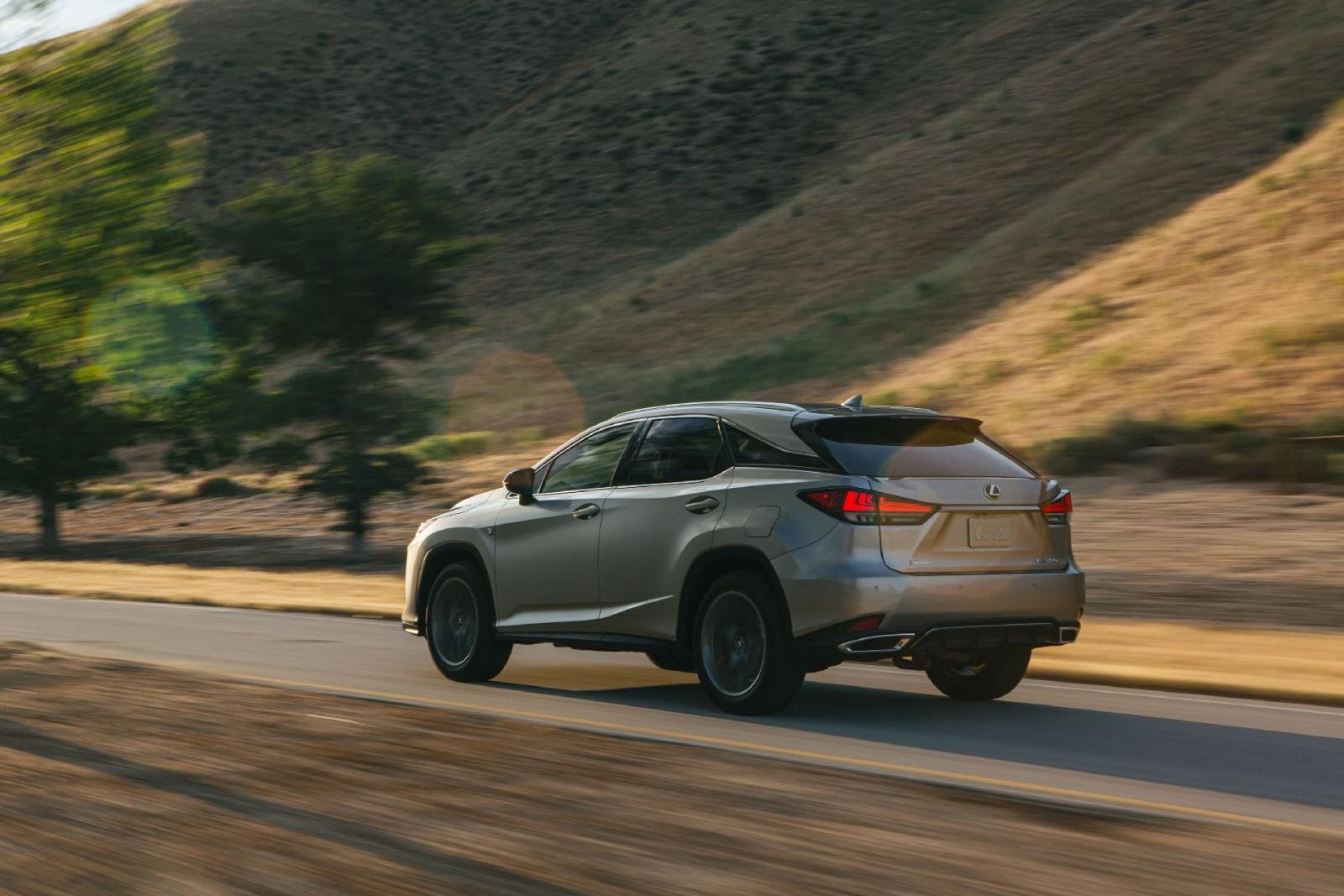
From the outside, you will notice that the fog lights have now been positioned at the base of the front bumper and the triple-beam LED headlights are much slimmer than before. The familiar spindle grille incorporates angled blocks which give it a unique look while matching the overall angular design of the RX. The rear taillights have also been revised and now look sharper too.
Lexus has also added 2 new exterior colours, Moonbeam Beige Metallic or Nori Green Pearl, as well as offering a new standard 18-inch wheel design and a new 20-inch design for Luxury grade derivatives.
Enhanced connectivity
The introduction of a new infotainment system with Apple CarPlay and Android Auto is great news for future Lexus and Toyota models.
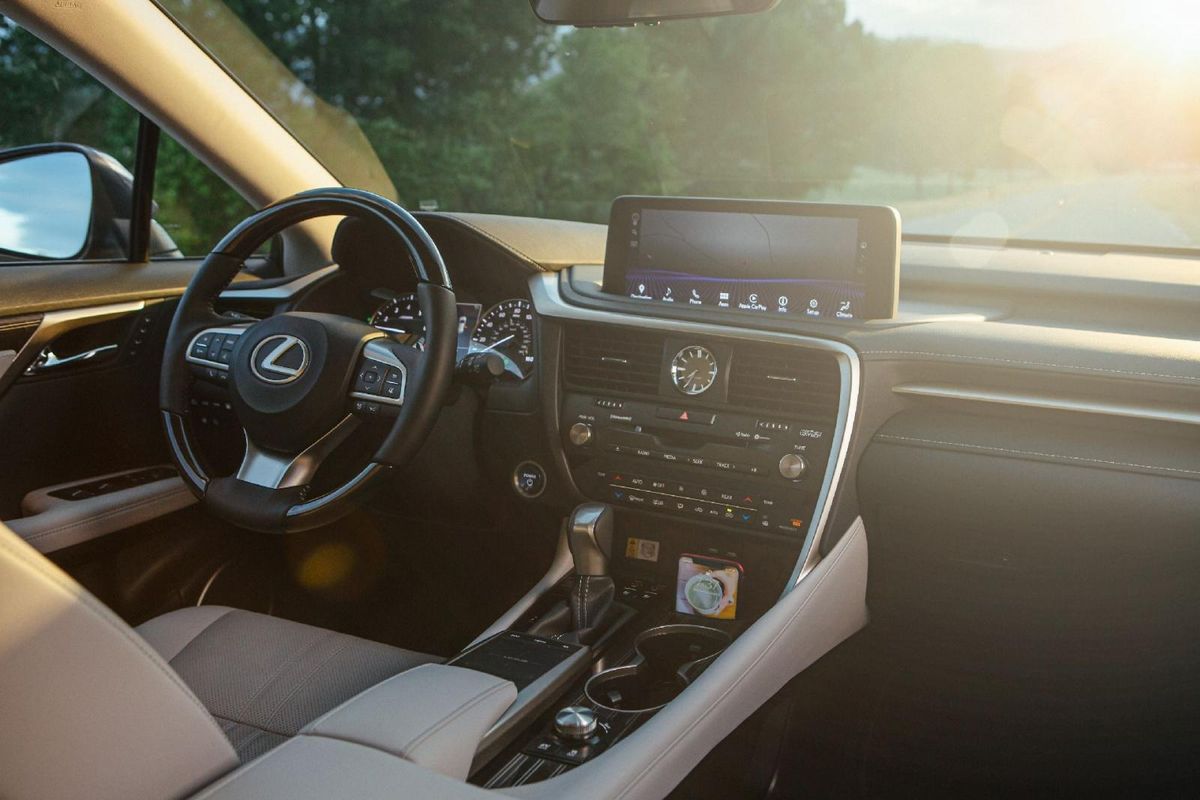
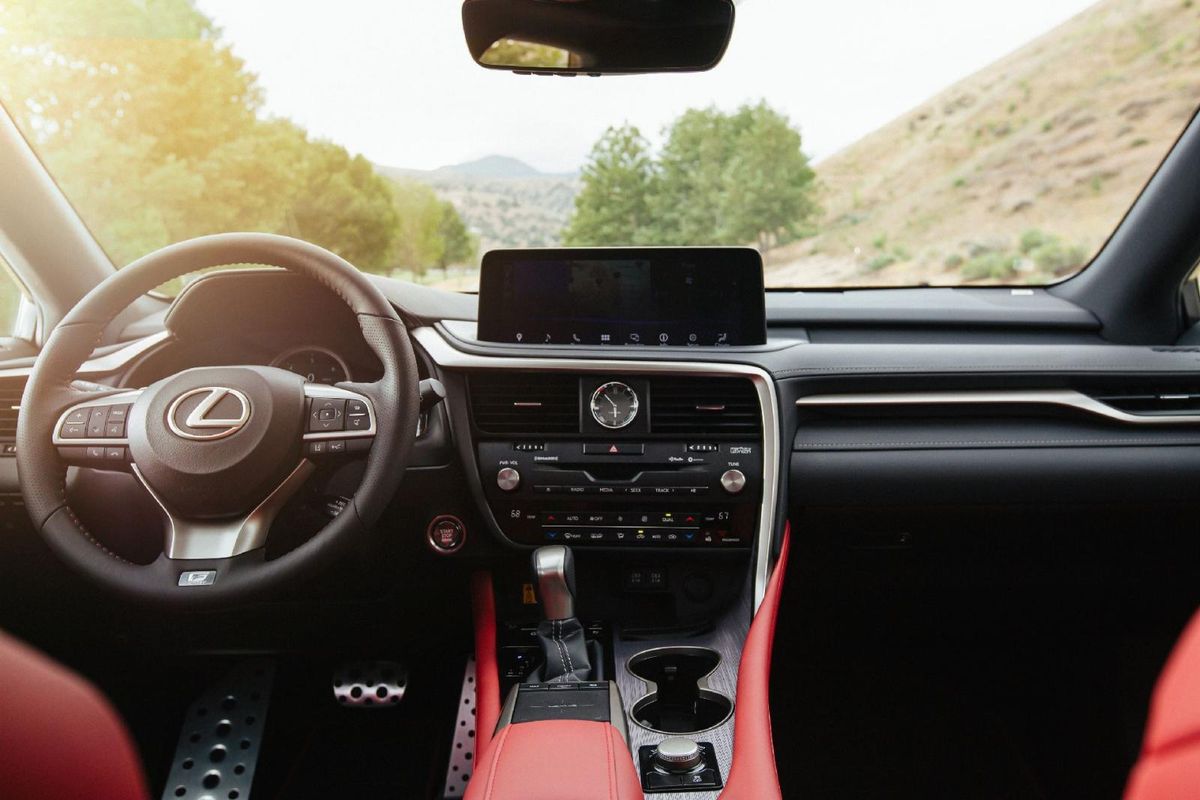
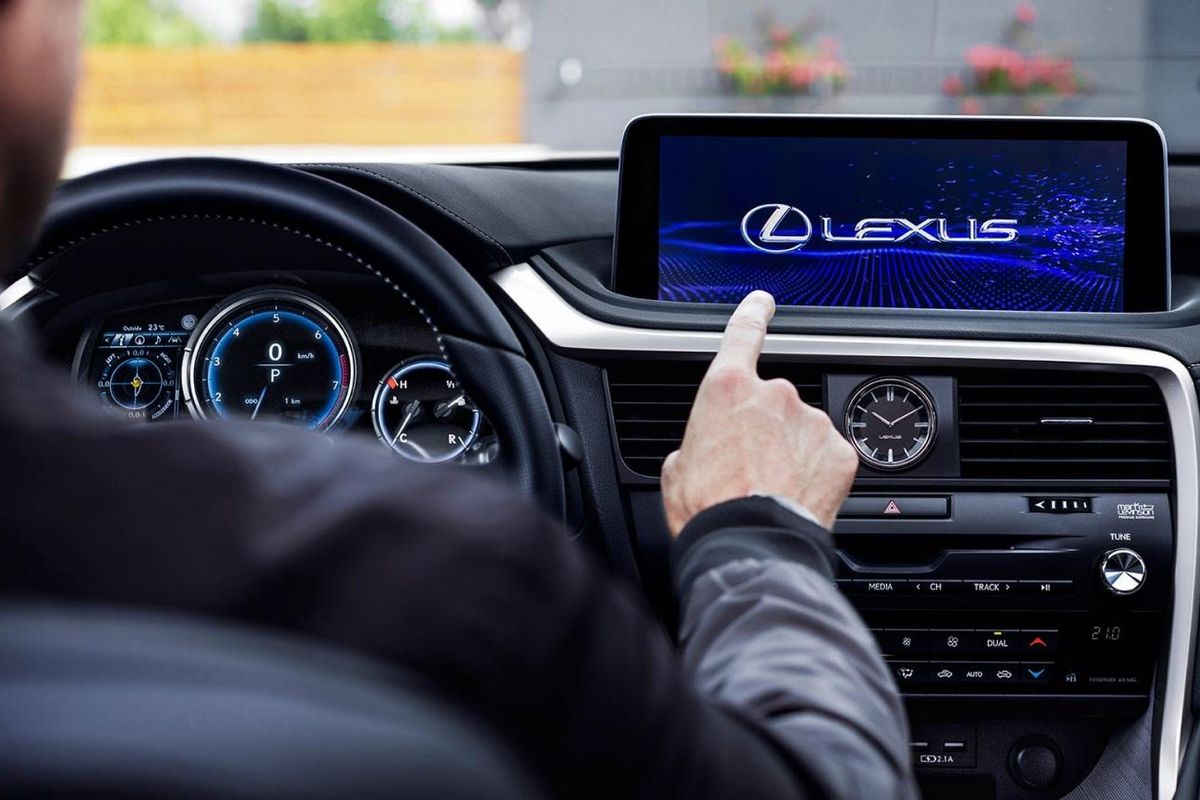
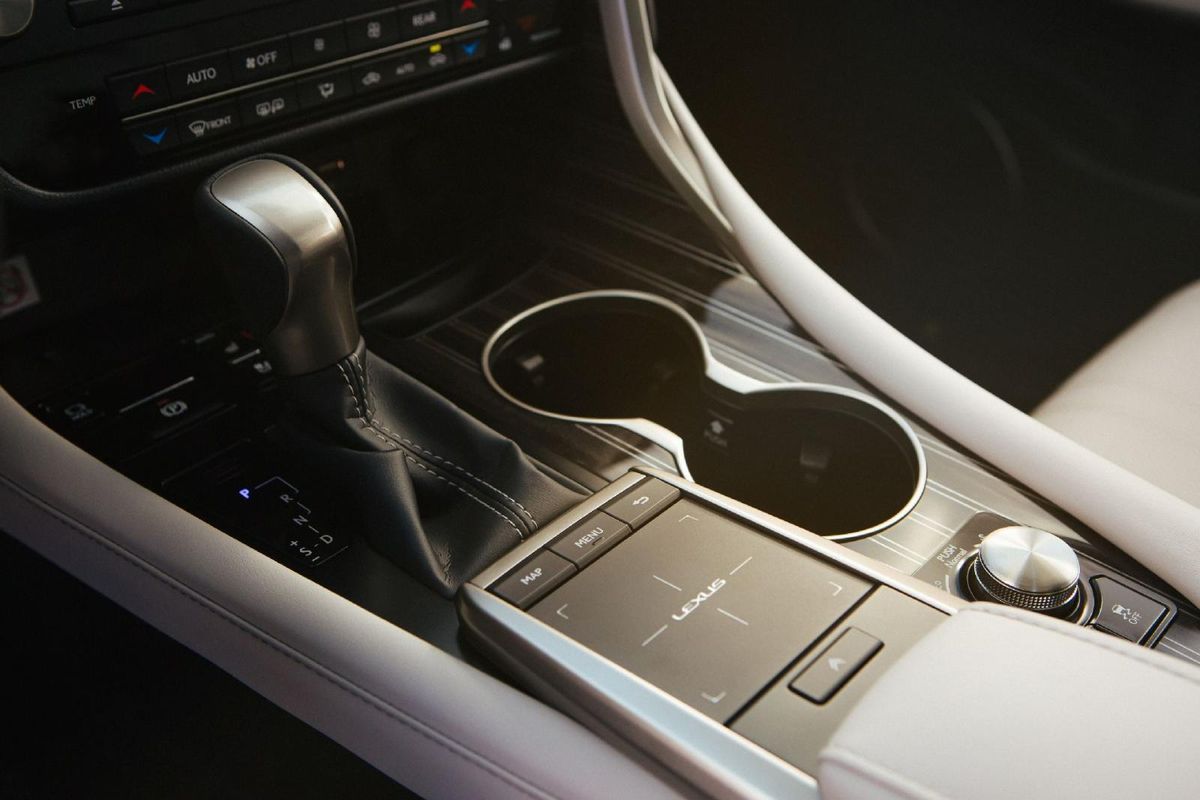
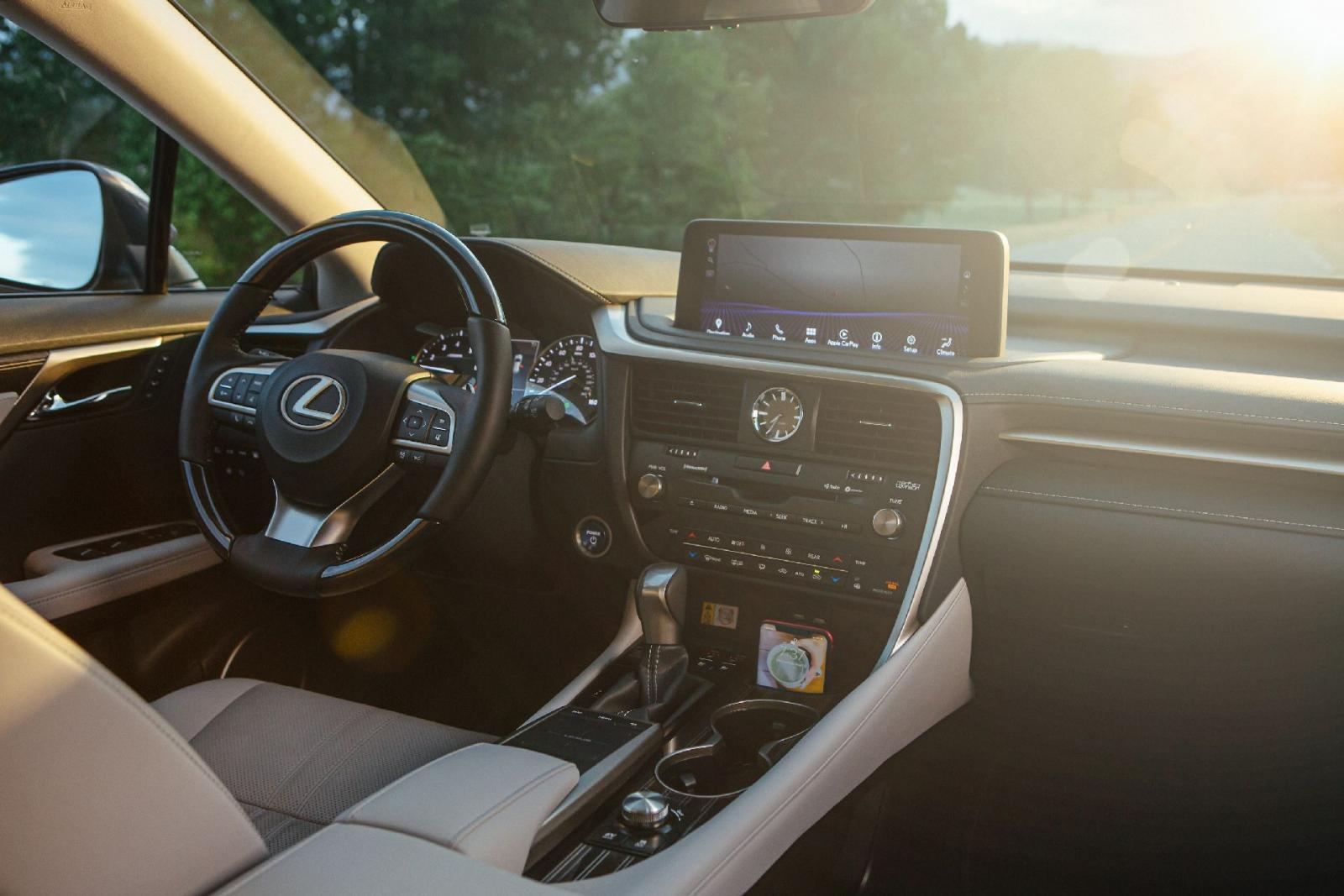
While the exterior changes are best described as subtle, the interior benefits from more significant improvements. The most notable change is the standard fitment of an 8-inch touchscreen infotainment system or a larger 12.3-inch, a split-screen unit which will be offered as an option. A total of 6 USB ports are also fitted and the familiar remote touch pad is still part of the package.
The big news here, however, is that the infotainment system is equipped with Android Auto and Apple Car Play capability. This is the first Lexus to feature this technology and it should filter down to other models in Lexus’ range. More importantly, though, Toyota’s product range is also in desperate need of an infotainment upgrade and this system would be most welcome in Toyota’s portfolio and we are hoping that this is the start of ongoing infotainment upgrades.
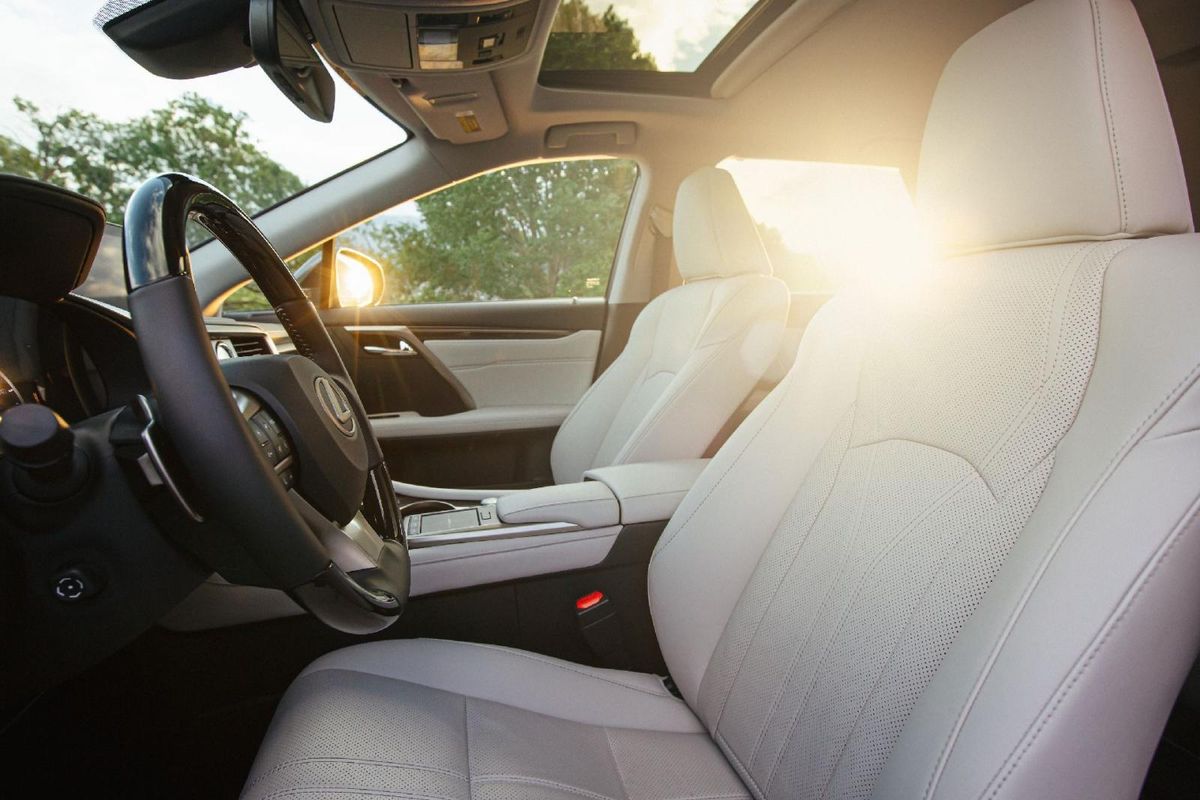
Also, steering mounted paddle shifters are now also standard across the RX range and buyers will have more choice in terms of interior trim.
Technical upgrades
The RX's ride and handling has been enhanced with a number of tweaks and adjustments.
Lexus has also spent some time improving driving dynamics. Both the front and rear stabiliser bars are now hollow to save weight but they are also thicker and reinforced bushings aid in reducing body roll and improving steering response. The shock absorbers have been re-tuned and the dampers now feature a new friction control device to provide a smoother ride. A stiffer suspension design has also improved responsiveness while reducing noise and vibration, according to Lexus.
In terms of safety, Lexus Safety System+ 2.0 is now standard on all RX derivatives which includes bicyclist detection, low-light pedestrian detection, Road Sign Assist (RSA) and Lane Tracing Assist (LTA).
Engine choice
The same 3.5-litre V6 petrol engine will carry over with a hybrid version topping the RX range.
The Lexus RX is powered by a 3.5-litre V6 petrol engine offering 221 kW and 370 Nm of torque and makes use of an 8-speed automatic transmission. The long wheelbase version employs the same engine but outputs are 216 kW and 358 Nm of torque.
The local range is topped off with the hybrid RX 350h SE which marries the V6 engine with 2 high-torque electric drive motor-generators with a combined output of 230 kW and 335 Nm.
Production of the facelifted RX is due to start in Q3 of 2019 and can be expected in South Africa in the first half of 2020. We will keep you updated as soon as local specification and pricing becomes available.
Hyundai has introduced a new range-topping Creta compact family car derivative in South Africa. See specs and pricing below…
The Creta is a popular choice in the compact family car segment and Hyundai is making 500 ‘Limited Edition’ Creta’s available to customers in South Africa and it will be offered across all 3 Creta derivatives including the 1.6 Executive manual (90 kW/150 Nm), the 1.6 Executive automatic, and the 1.6 Executive turbodiesel automatic (94 kW / 260 Nm).
What makes it special?
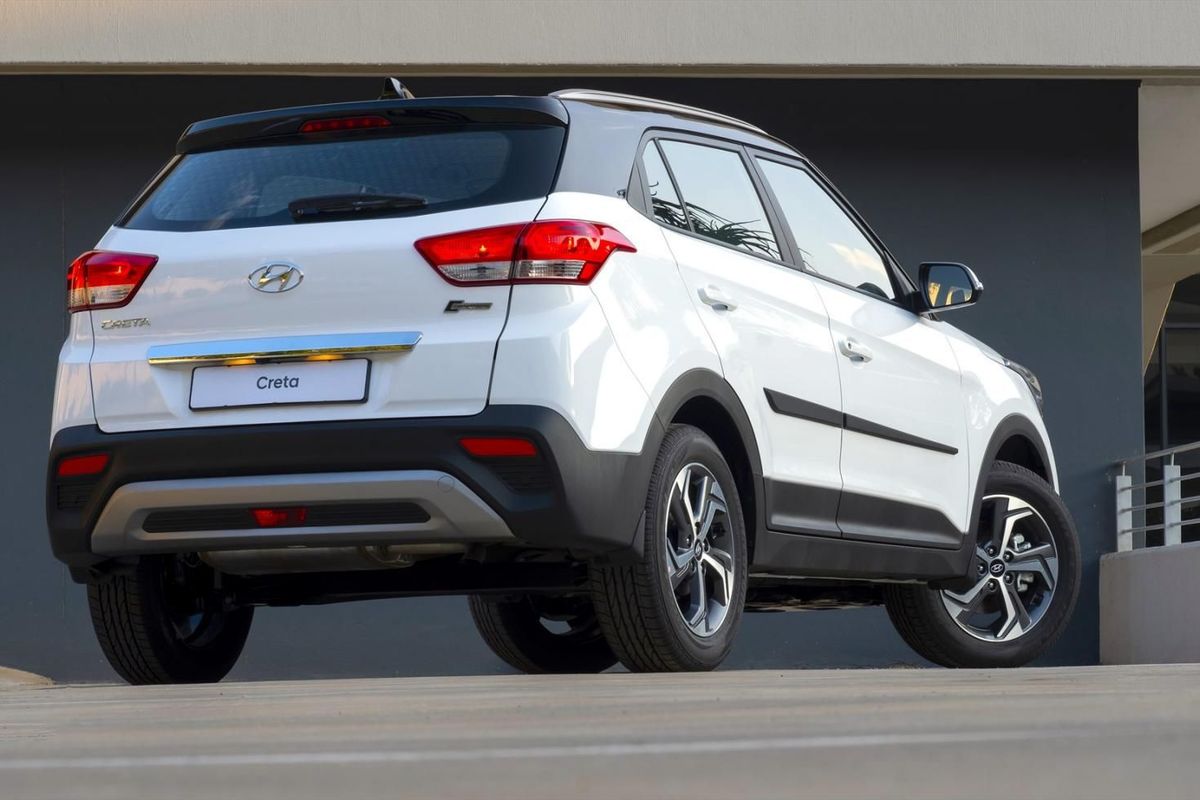
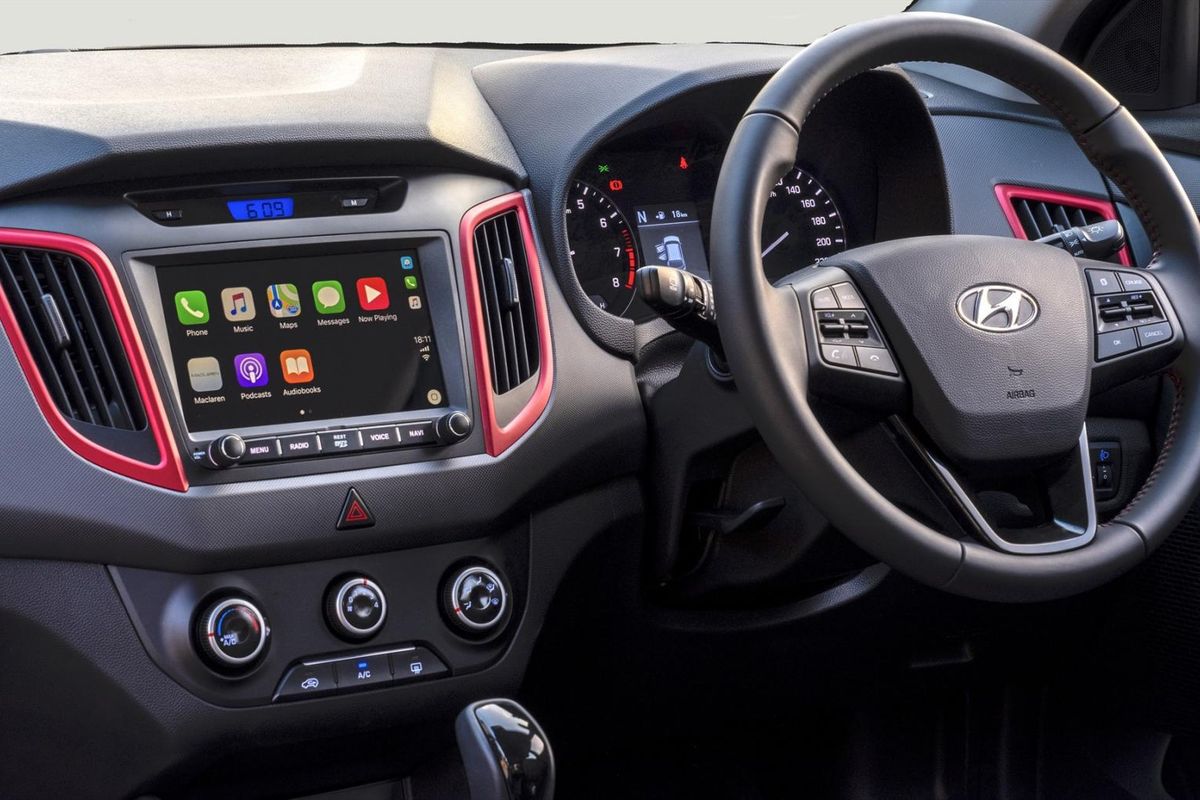
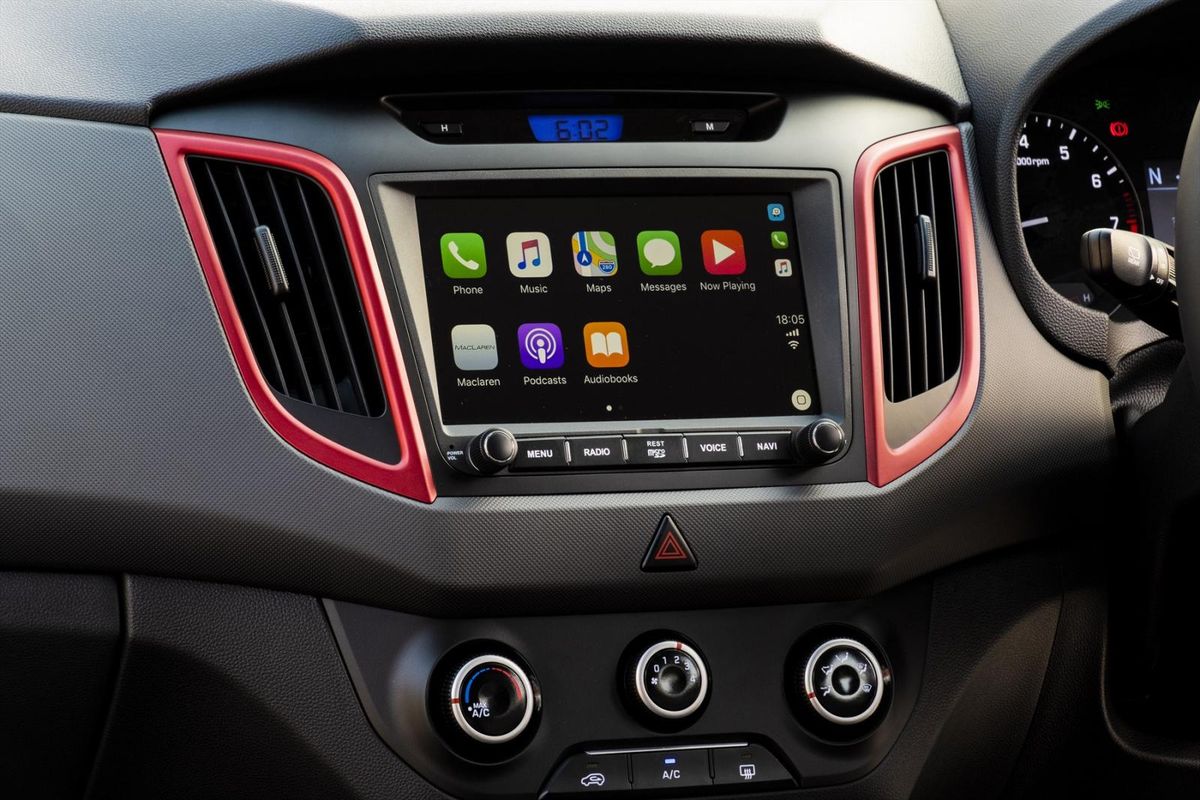
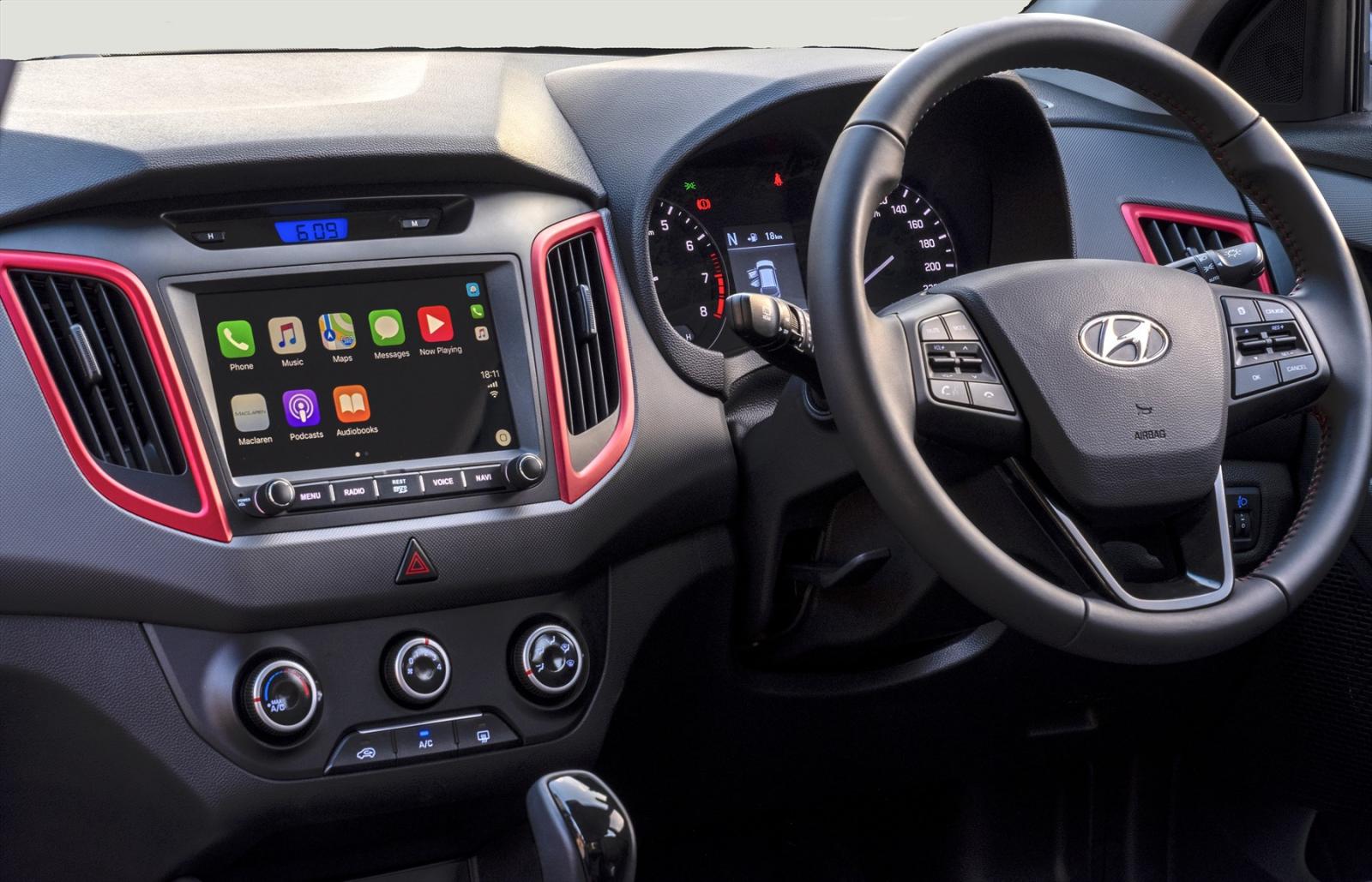
Red trim accents and an infotainment system with Android Auto and Apple CarPlay is included.
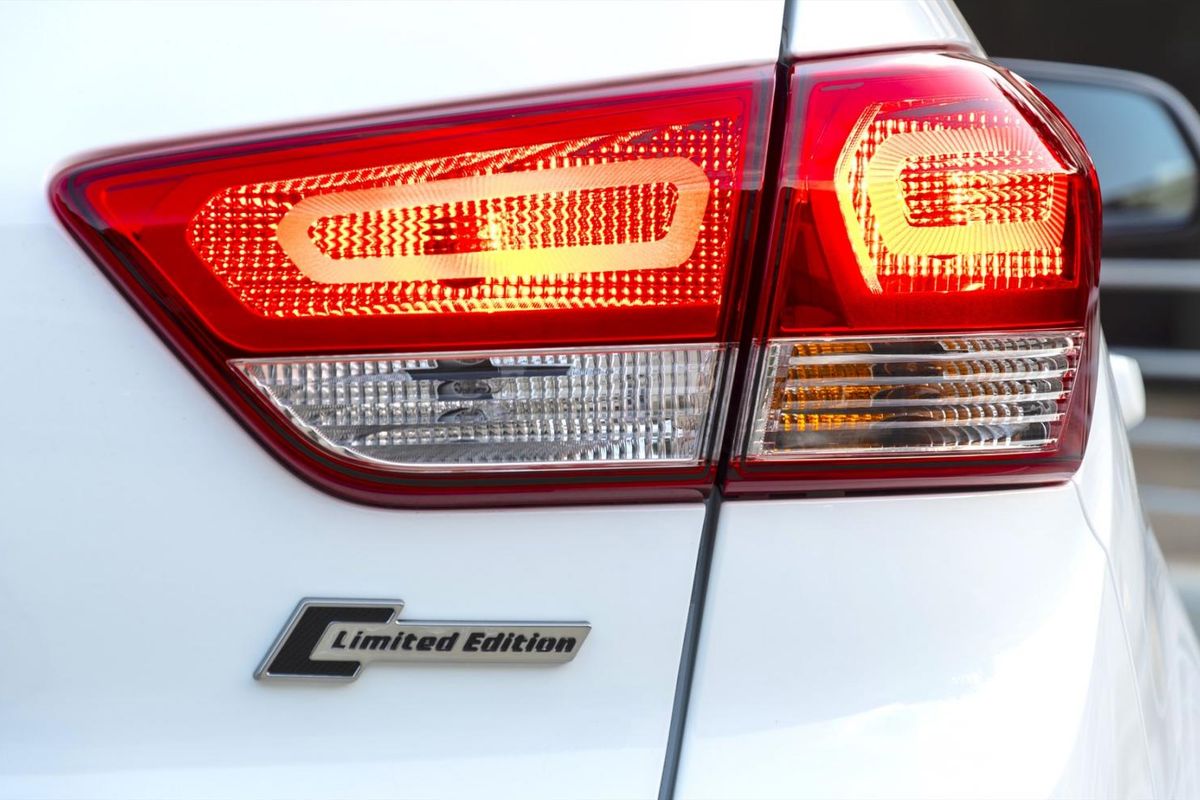
There are a number of styling cues and features that set this Limited Edition Creta apart from the standard Creta and these include a ‘Limited Edition’ badge on the boot lid, a two-tone exterior with a black roof, two-tone 17-inch alloy wheels, black and red interior treatment and an infotainment system with Android Auto and Apple CarPlay functionality (SD card for navigation can be purchased for R2 100).
Customers can further enhance the look of their Limited Edition Creta by opting for a black or chrome front nudge bar or black or chrome side skirts.
Key standard features include cruise control, rear park assist and rear-view, camera, leather and a multifunction steering wheel. In terms of safety, 4 airbags and ABS with EBD is standard.
Hyundai Creta Limited Edition – Price in SA
Creta 1.6 Limited Edition (manual) – R 372 900
Creta 1.6 Limited Edition (automatic) – R 397 900
Creta 1.6 Limited Edition Turbodiesel (automatic) – R 438 900
All Creta’s are sold with a 7-year/200 000 km warranty, 5-year/90 000 km service plan and roadside assistance for 5 years or 150 000 km.