Results: Global NCAP test SA-spec Avanza, Amaze & Ignis
Although the 3rd round of #SaferCarsForAfrica crash testing, which were announced by Global NCAP and the AA this week, reveal the Toyota Avanza, Honda Amaze and Suzuki Ignis have reasonable crash safety for adult occupants, the vehicles offer disappointing levels of child-occupant protection.
Global NCAP chose the entry-level derivatives of the Avanza, Amaze and Ignis (fitted with at least 2 airbags as standard) to test their respective levels of adult occupant crash safety. Then, to calculate the child safety ratings of each of the vehicles, tests were conducted on the effectiveness of the Child Restraint Systems (CRS) as recommended by the manufacturers. The assessment checked how compatible the vehicles were with their prescribed CRS units, well as the level of protection they provided their occupants in the event of a 64-kph frontal impact.
Toyota Avanza
The Avanza, a popular compact people-mover, achieved 4 stars for Adult Occupant Protection in the frontal crash test (to reiterate, at 64 kph) despite the fact that the vehicle's structure and footwell area were rated as “unstable”. The restraint systems in the car worked properly which, together with the seatbelt reminders for driver and passenger, met the requirements for 4-star safety rating for adults, Global NCAP said.
Of the 3 vehicles tested, only the Avanza had 3-point seatbelts for all passengers, facilitating the required conditions to be able to safely install a CRS in all positions (but the driver's). However, the Toyota achieved only 2 stars in the Child Occupant Protection test, because the evaluation unit’s rear bench detached from its anchorages to the vehicle as it was pulled by the CRS of the “3-year old” dummy, which was attached with ISOfix.
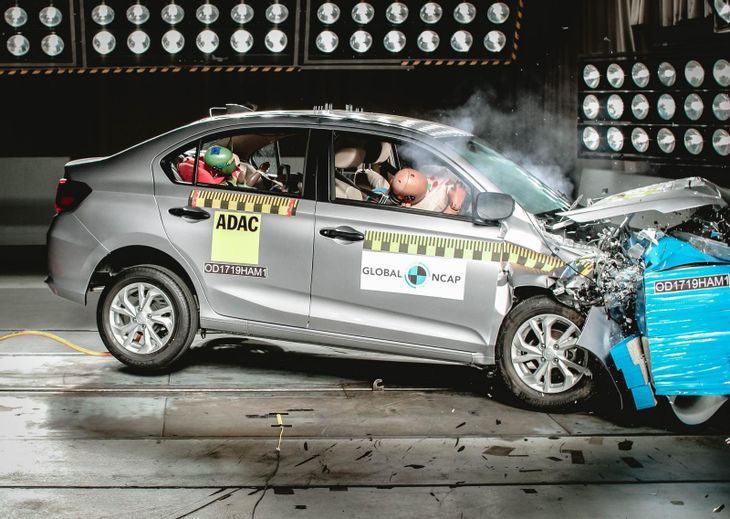
Honda Amaze
The Amaze achieved a solid 4 stars for Adult Occupant Protection as the vehicle’s structure and the footwell area were rated as stable. The sedan offers seatbelt pre-tensioners for both front occupants and a driver’s seatbelt reminder.
Using the child seats recommended by Honda, the Amaze only achieved a 1-star rating for Child Occupant Protection, because both child dummies impacted the interior of the car during the simulated accident; this demonstrated the likelihood of head exposure and the probability of injury.
In the case of the “18-month old dummy”, the armrest deployed during the crash and hit the dummy’s CRS, which broke the handle lock and caused a rotation of the child seat that culminated in the head of the dummy striking the front-seat backrest. In the case of the “3-year old” dummy, despite using a CRS with ISOfix attachments, its head contacted the car’s interior in the rebound phase of the simulated accident.
Suzuki Ignis
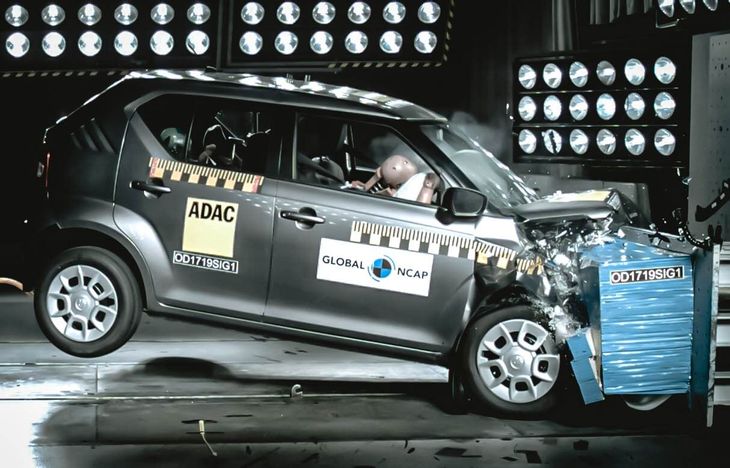
Meanwhile, the Ignis (a former Cars.co.za Consumer Awards – powered by WesBank – champion in the budget car category) achieved 3 stars for Adult Occupant Protection in the frontal crash test with the vehicle structure rated as unstable, including “weak chest protection for the driver”.
In terms of child safety, the Ignis achieved a low score because Suzuki did not recommend a CRS for the test, Global NCAP said. “Car manufacturers are responsible for all occupants in the car and, for this reason, they must always recommend the CRS to be used in the test.
"When they decline to do so, the car manufacturer is not awarded points during the test,” the organisation said in a release.
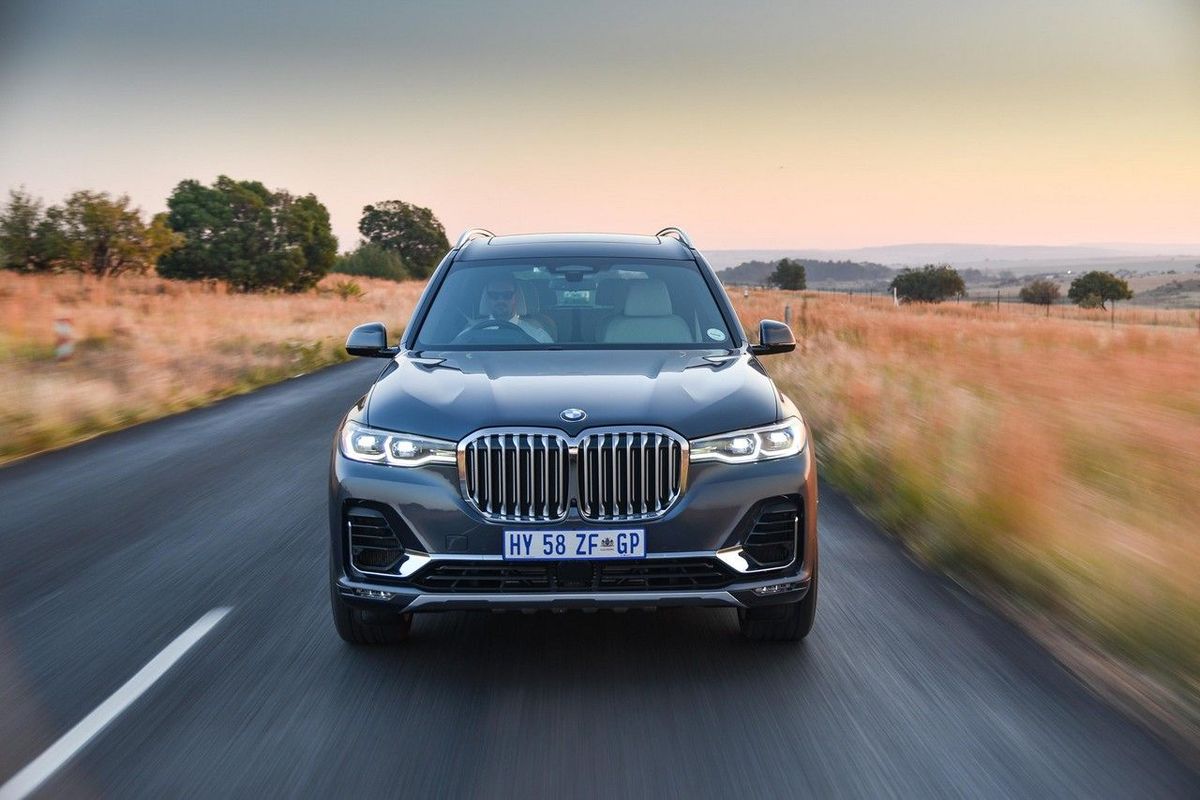
The BMW X7 has finally arrived on South African shores and we had a chance to sample both turbodiesel derivatives. If you're in the market for a 7-seater 1st-class SUV, should the X7 be on your shopping list? We think so… Here's why.
What is it?
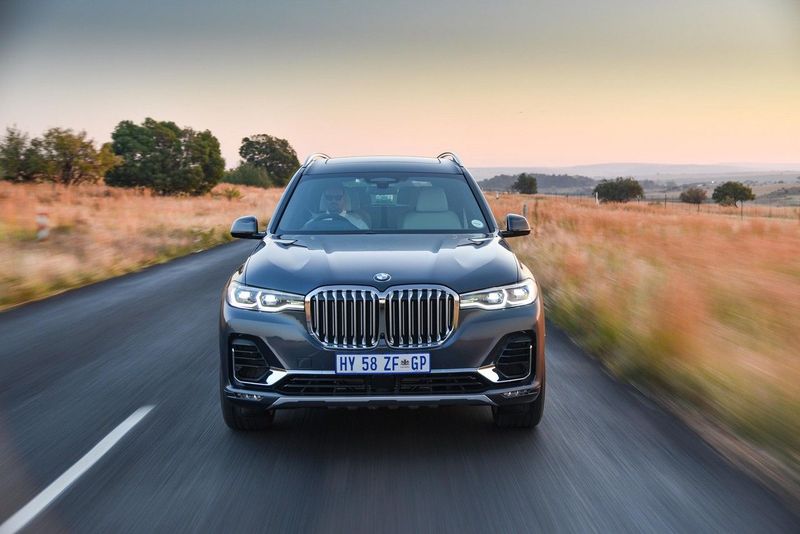
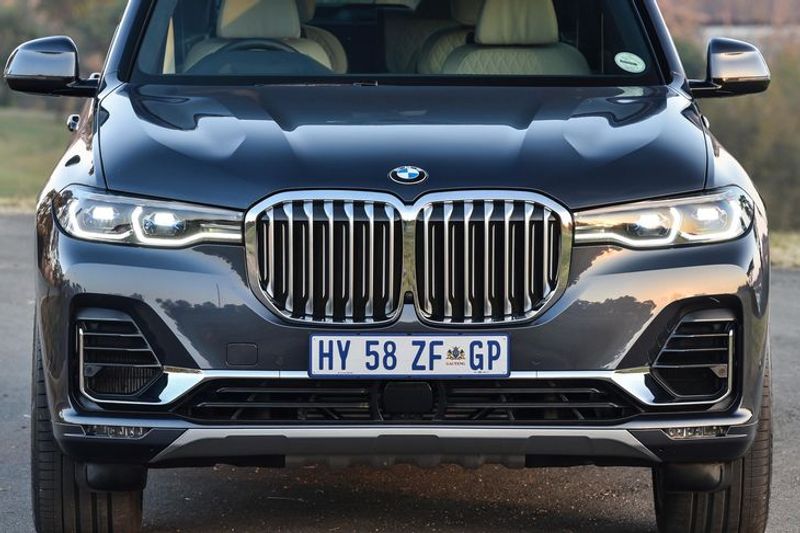
Can you imagine this appearing in your rearview mirror?
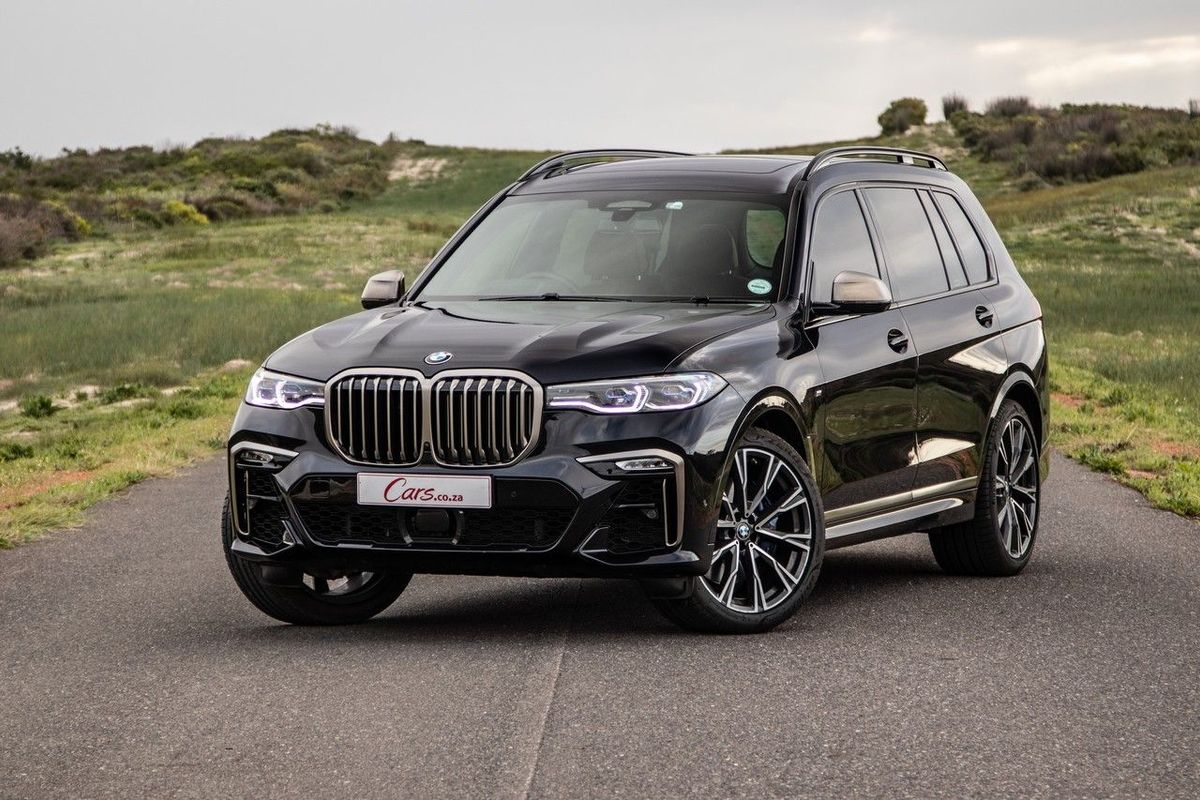
When BMW first announced it was building an X7, many of us had a little "what the?" moment. Given the luxury, performance and breadth of capability of the BMW X5, was there really a need for a bigger flagship SUV? Then, when pictures of the newcomer emerged, its styling raised a few eyebrows and to be fair, you have to see it in the metal to get a better understanding of the X7's design language.
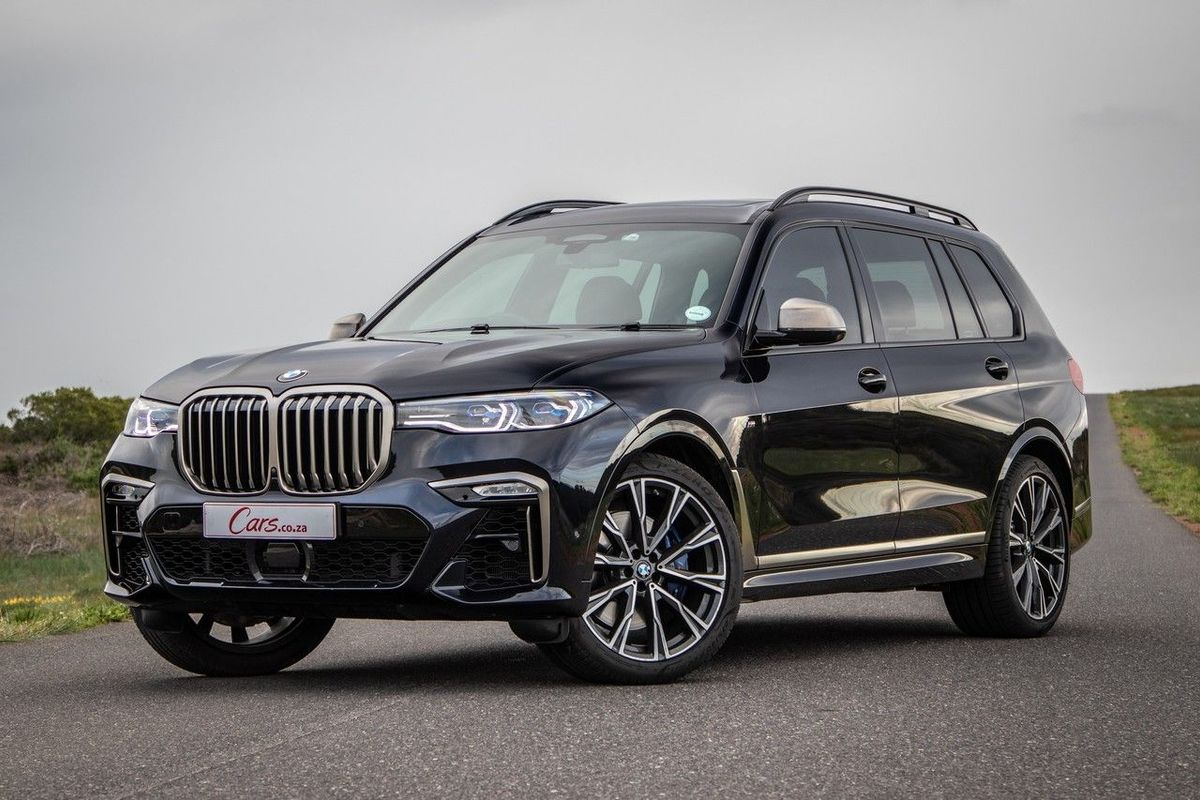
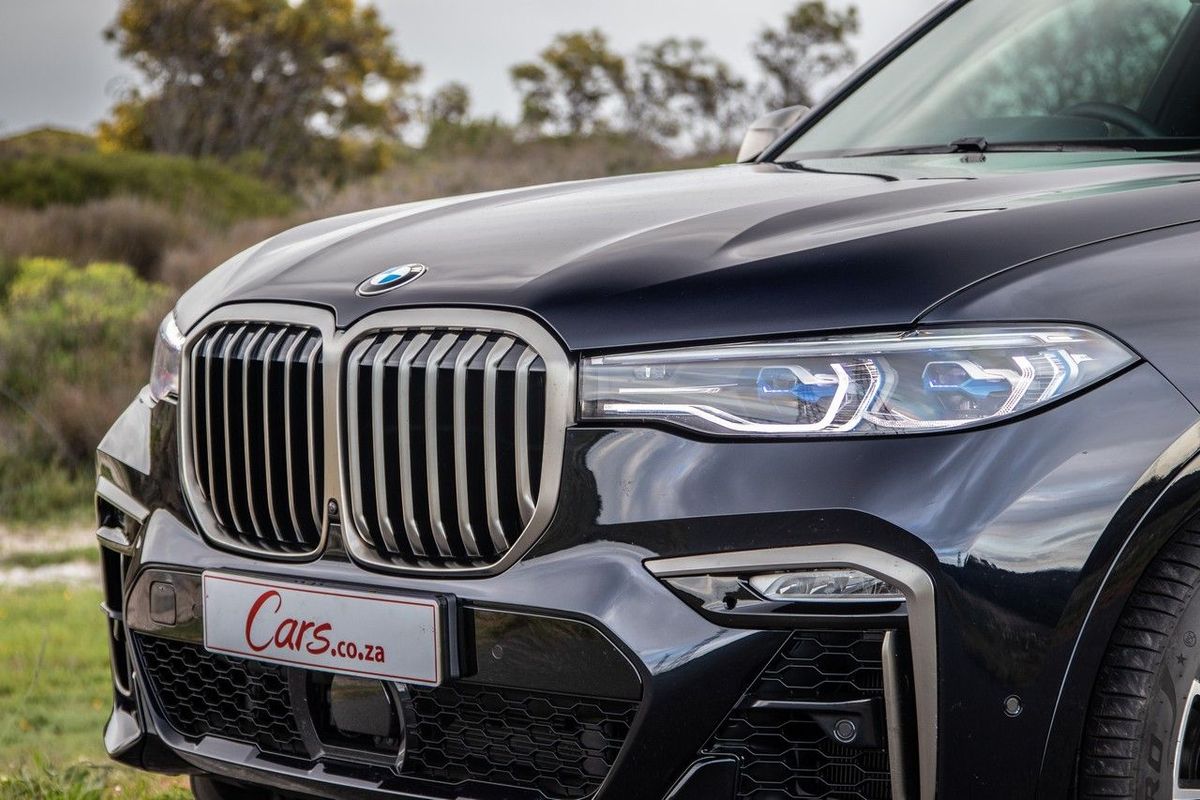
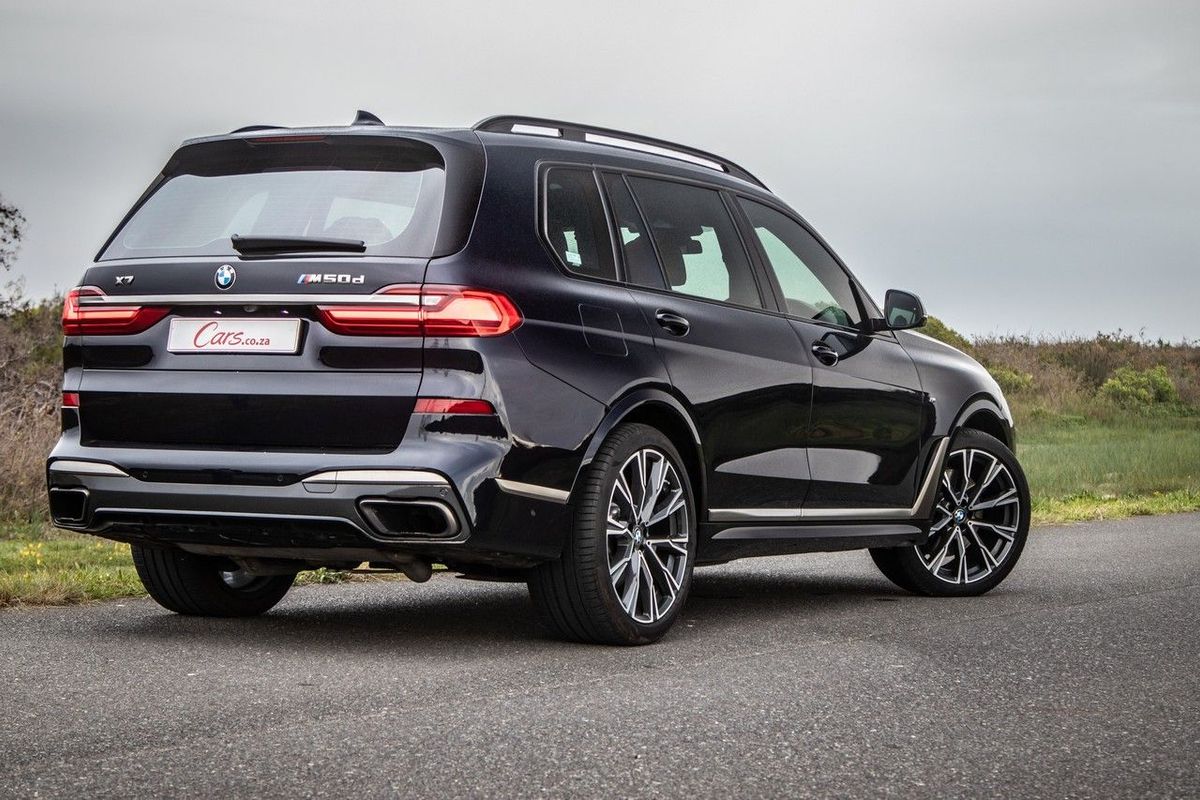
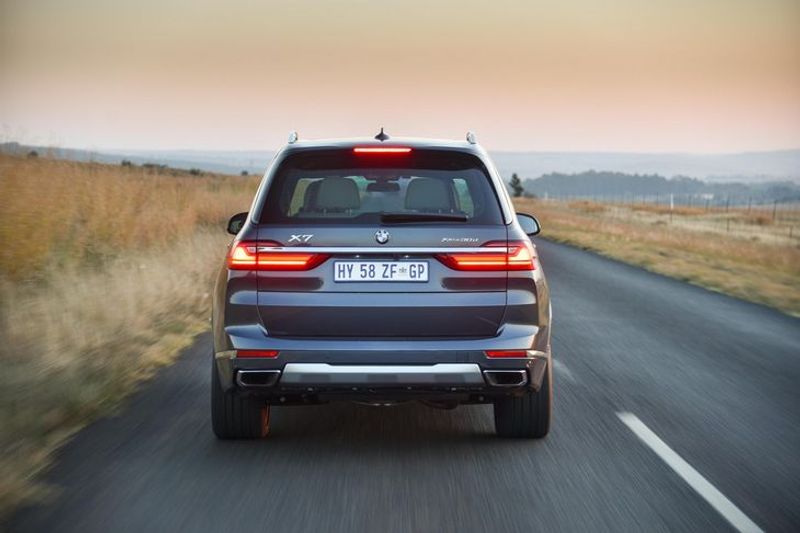
It's a cliche, but photos really don't do it justice! It's an immense vehicle. At just over 5 metres in length, there's no denying that this is a beast of an SUV. As for that grille, we completely understand that a flagship offering needs a bold and imposing design element. What's more imposing than seeing that grille in your rear-view mirror?
Essentially, the BMW X7 takes the existing X5 recipe and expands on it, both figuratively and literally. Built in the USA at BMW's plant in Spartanburg, the X7 stands tall at 1 805 mm, has a width of 2 000 mm and a wheelbase of 3 105 mm. There are 7 seats as standard, with the option of a 6-seat setup where the 3-row middle bench is replaced by 2 individual seats.
The BMW X7 is a big, bold and spacious 7-seat SUV that boasts a touch of offroad capability.
The BMW X7 is available with 3 engines: 2 turbodiesels and a turbopetrol (the latter of which is a twin-turbocharged 4.4-litre V8 that will arrive in October 2019). Kicking off the range is the 30d, which is a 3.0-litre turbodiesel 6-cylinder engine that produces 195 kW and 620 Nm. The X7 xDrive30d is claimed to be capable of hitting 100 kph from standstill in a claimed 7 seconds and consume between 6.5 and 6.8 L/100 km.
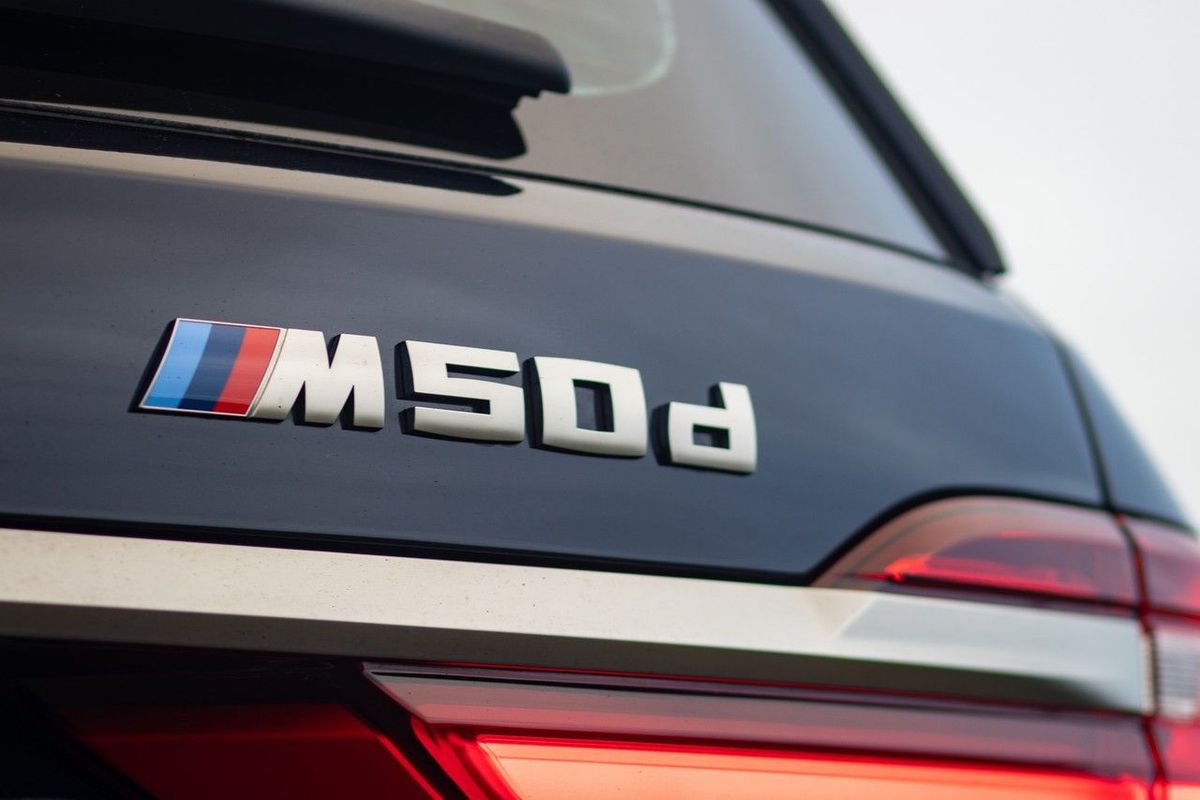
The next engine is the mighty M50d, which is also a 3.0-litre turbodiesel motor, but in this application, it features not 1, not 2, but 4 turbochargers. This quad-turbo setup produces 294 kW and 760 Nm, and BMW claims a 0-100 kph sprint time of 5.4 seconds, which is impressive given the immense size of the X7. The M50i arrives later in the year and promises the most performance, thanks to its peak outputs of 390 kW and 750 Nm.
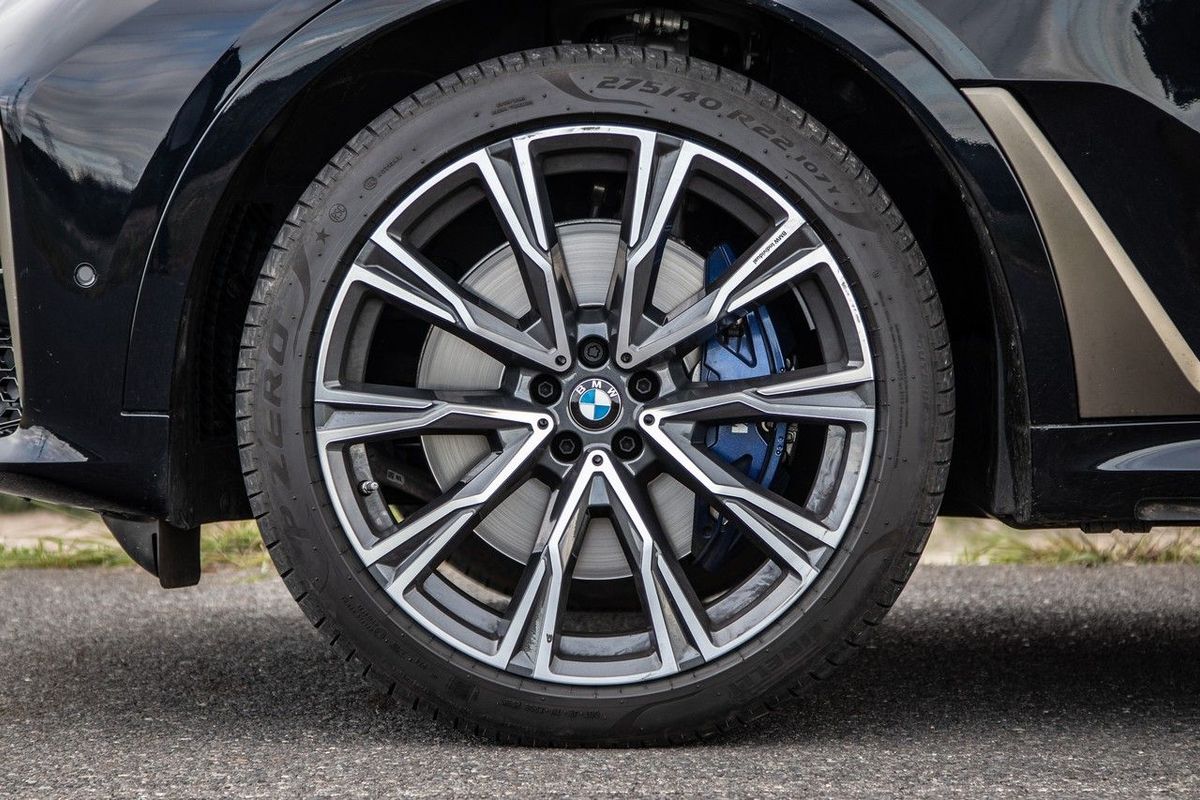
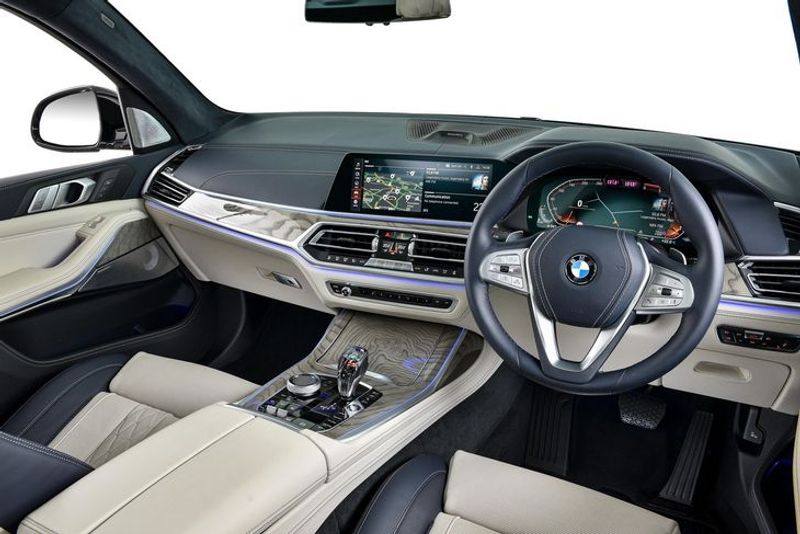
Being the flagship SUV offering in BMW's product line-up, the X7's standard specification and equipment levels are high. There are 2 trim levels: Design Pure Excellence and the popular M Sport package. Prospective buyers who want to specify their X7s to their particular tastes can dip into the BMW Individual catalogue. The BMW X7 comes with an assortment of big wheels ranging from 20- to the massive 22-inch units that the local launch vehicles were shod with. We were very impressed with the build quality and cabin materials. It looks luxurious and certainly feels that way.
Adaptive 2-axle air suspension is fitted to the BMW X7 as standard.
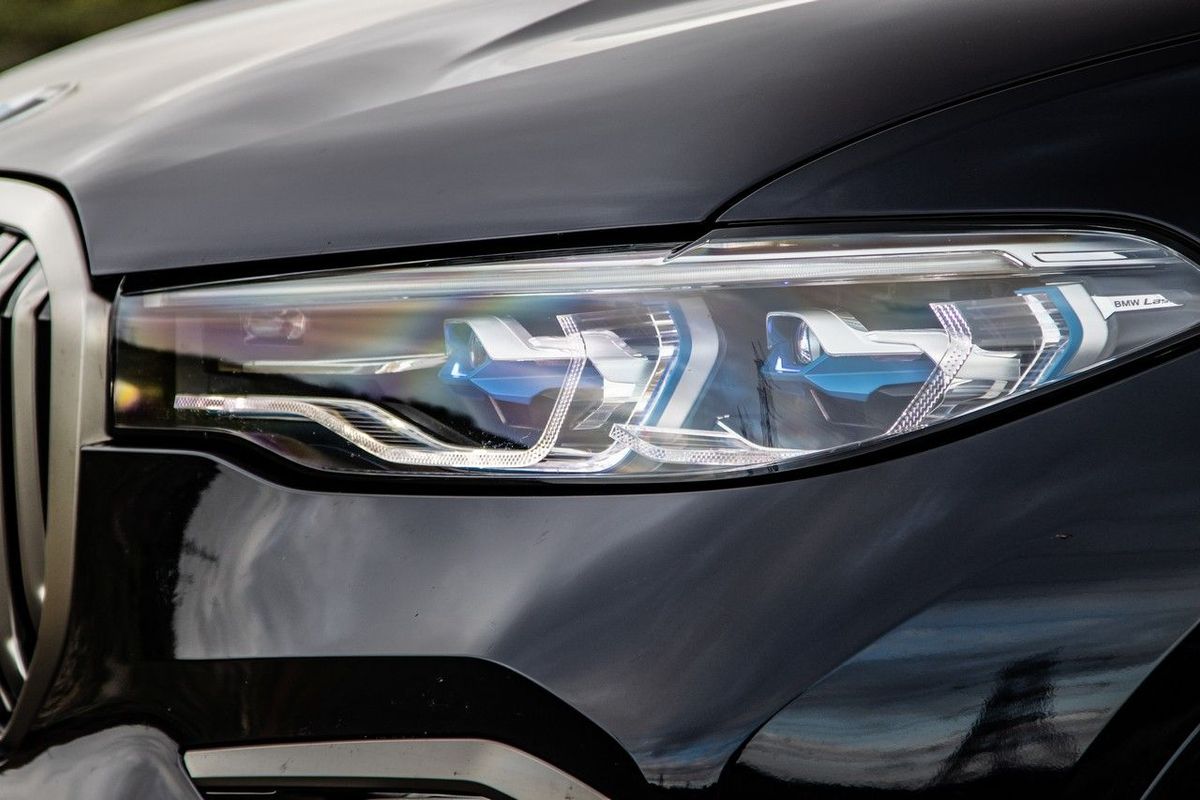
All derivatives feature 8-speed automatic transmissions, adaptive 2-axle air suspension, adaptive LED headlights, automatic tailgate and xDrive permanent all-wheel drive. Inside, you have active cruise control, heated/cooled front seats, wireless charging, digital instrument cluster, 12.3-inch infotainment screen, 10-speaker Harmon Kardon audio system, 2x USB-C ports for the rear passengers, window blinds for the rear passengers, panorama glass sunroof, satellite navigation, and ConnectedDrive services with real-time traffic info.
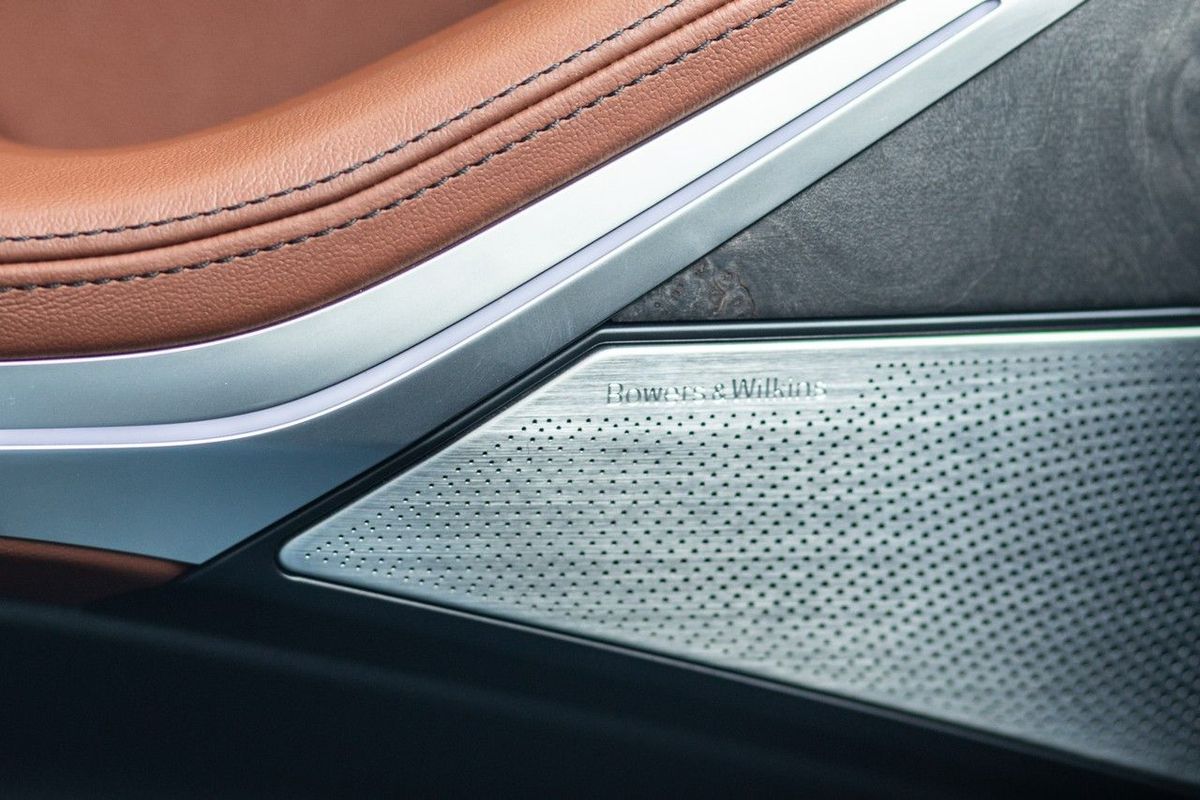
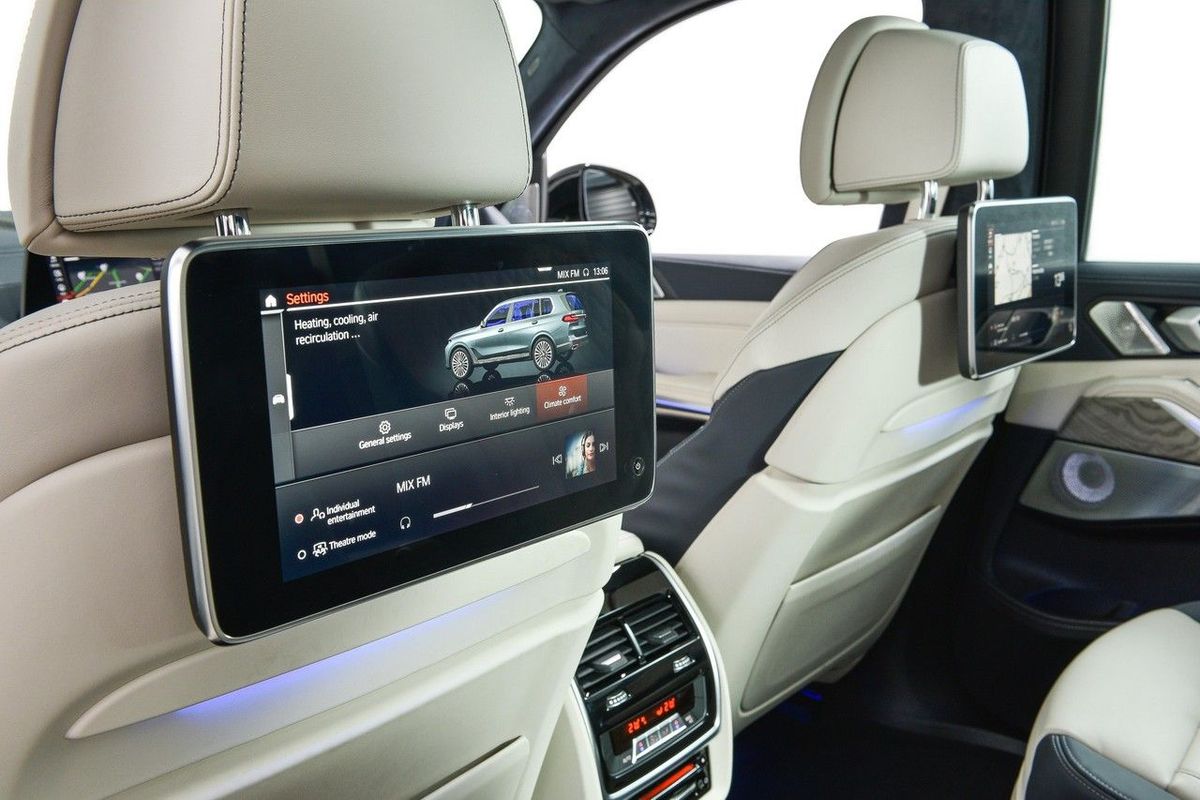
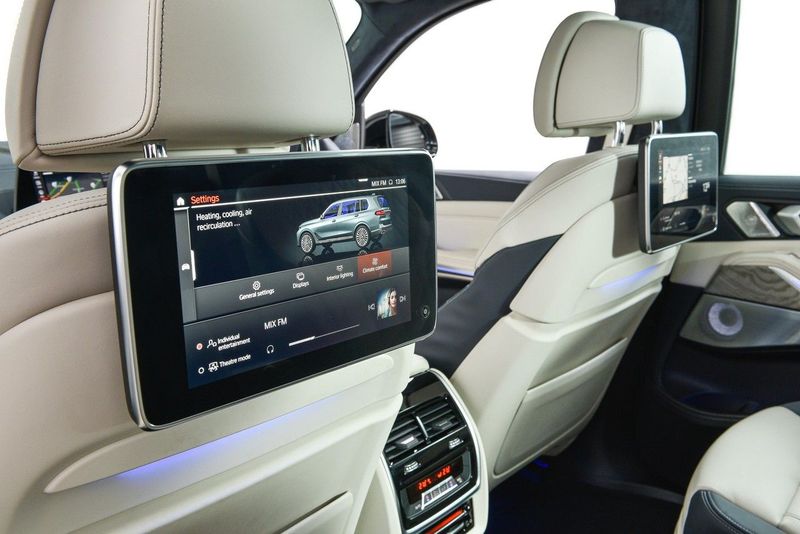
There are few options of interest, such as bigger wheels, a Bowers&Wilkins sound system and a towbar. We would also recommend investigating the rear passenger entertainment system if you're considering the X7 30d. It's standard on the M50d.
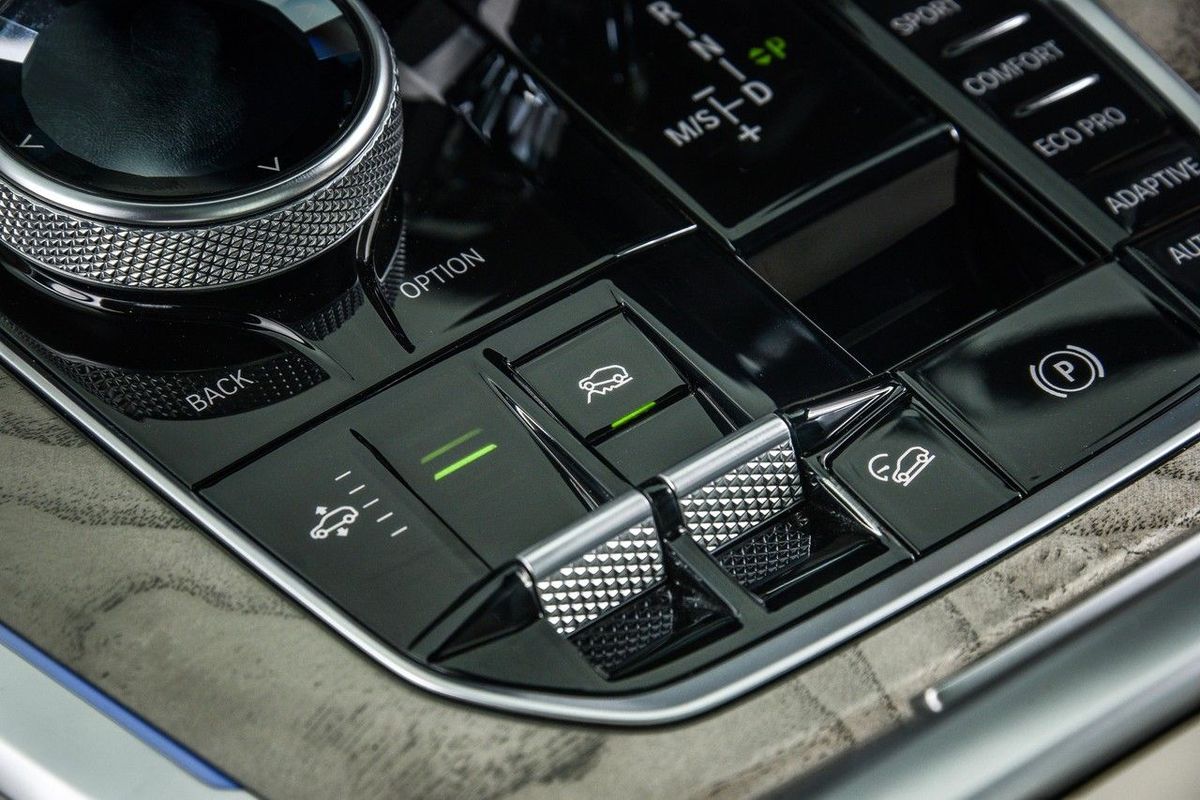
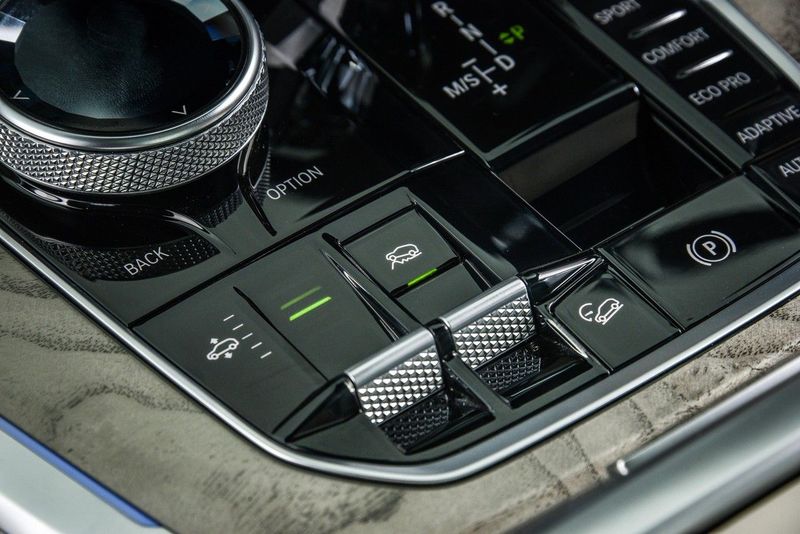
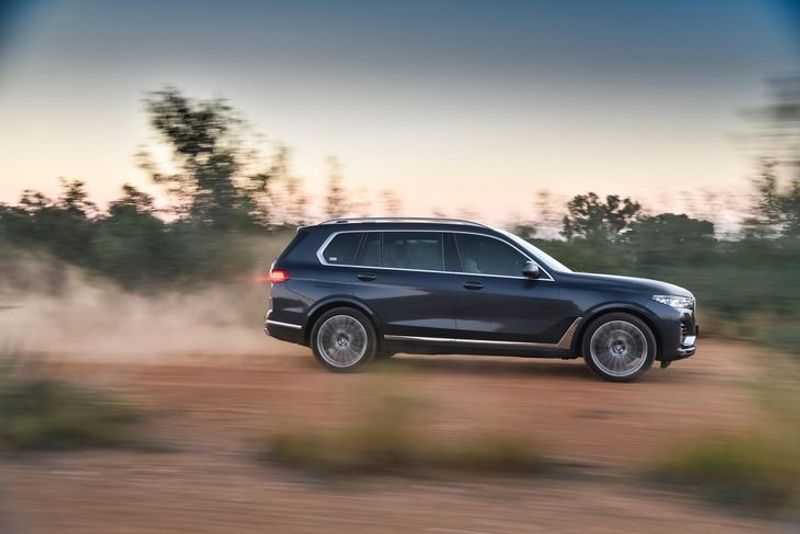
Interestingly, the BMW X7 is offered with an xOffroad Package (as is the X5), but whether anyone would be brave enough to take their expensive first-class SUVs on off-road excursions is another story. This package comprises some off-road modes such as Sand, Snow, Rock as well as an off-road-specific differential lock. For additional peace of mind, there's some underbody protection at the front.
Thanks to its massive dimensions, the X7's cargo-carrying capacity is generous. There are 326 litres of space with the 3rd row of seats upright. Fold these down and space increases to 750 litres. If you fold the 2nd row down as well 2 120 litres of utility space becomes available, which is immense.
We feel the cabin is the best BMW can offer in terms of luxury and high-quality materials used
What is it like to drive?
Let's start with a preamble: When it comes to driving the new X7, it's not the BMW's length that'll oblige you to manoeuvre the vehicle in a gingerly manner in confined spaces, it's its sheer width. Going through parking booms, for instance, requires a watchful and gentle approach.
The current BMW turbodiesel engine lineup is an impressive one. Not only do the 3.0-litre units offer commendable levels of power and grunt, but the power delivery is smooth and refinement is superb. Inside the cabin, there's no trace of any telltale diesel noise or "chatter", but we assume there's an artificial soundtrack which overrides it. This isn't a bad thing, as the engine note under acceleration is not unpleasant.
Top-spec models get the rear entertainment package as standard
Despite our initial fears, the xDrive30d's 195 kW/620 Nm motor wasn't overwhelmed by the X7's heft… it felt surprisingly nimble off the line and when executing overtaking manoeuvres. By contrast, the quad-turbo M50d's sledgehammer torque delivers comparatively eye-widening in-gear acceleration accompanied by a pleasant 6-cylinder rumble. Both vehicles feature BMW's renowned 8-speed transmission, which does a fine job of shifting cogs in a silky, almost unobtrusive manner. Impressively, the high level of torque means that the transmission will not immediately find a shorter gear, resulting in a more relaxed ride. If ever there was a vehicle that epitomised the Comfort setting, it's the BMW X7.
We suspected the beautifully-crafted cabin was an exceptionally quiet and refined place to be, which we confirmed by turning off the ventilation and audio system at the national speed limit in our first test unit which was a 30d without the M Sport package. It was whisper quiet with only a hint of a hum coming from the engine, barely ticking over. Wind noise? Absent. Road noise? What road noise? It's deeply impressive how noise has been shut out. Interestingly, when we drove the M Sport-equipped M50d, we noticed the ride was a little firmer and road noise was evident.
Whether you'd take the ultra luxurious X7 offroad is another story, but the vehicle can soak up some rough gravel with ease
Speaking of ride quality, the BMW X7 excels, despite our test units for the day riding on the biggest 22-inch wheels. Granted, the M Sport package firms things up a bit, which is why we'd opt for the Design Pure Excellence package all day and every day. The way it rides with the big wheels is excellent which we're putting down to the air suspension and CLAR architecture, and it took some rough gravel driving for us to notice some ruts and bumps. The steering feel perplexed us initially. For a vehicle this big, it's wonderfully light, has substantial weighting and easy to wield. There were times that it felt as if we were piloting a much smaller vehicle. You can pitch the vehicle into some corners and because the laws of physics can't be completely engineered out, there is some body roll, but nothing you wouldn't expect when piloting such a behemoth.
Usually, on these media drives, you land up sharing a car with a colleague from another publication. Given the vehicle's luxury appointments and cabin space, we figured the next best place to be in the X7 (after the driving seat) was in the diagonally-opposite rear passenger seat. Not only is rear legroom generous, but the seats are superbly comfortable and can recline. To sweeten the deal, the rear headrests feature pillows for those seeking some shut-eye on longer journeys. Our test units featured rear entertainment screens and we're glad to see the new BMW Infotainment software has been applied to these too. Not only does it look fresh and modern, but the clean layout and user experience are a pleasure to use.
Should you buy one?
It's big, bold and very impressive. BMW has nailed it with the new X7.
The luxury SUV market is booming and will do so for some time to come. BMW's first attempt at making an ultra-luxurious 7-seat SUV is more than respectable… in fact, we think the Bavarian brand has nailed the product brief. The majority of its X7 units will be sold in the United States and China, which gives you an indication of the newcomer's target market: clients who want the utmost luxury, refinement and a status symbol, and we think BMW's first go at tackling the market dominated by the Mercedes-Benz GLS is commendable. Given the fact the X7 has reached the market before the recently-updated GLS, means the Mercedes-Benz is going to need something quite special if it's to match Munich's offering.
Granted, that bold and imposing front-end styling is not to everyone's taste, but we like it for that very reason. Pricing for the BMW X7 is particularly interesting. Officially, BMW claims its X7 is the 7 Series of the SUV world, but when you consider where the 1st-class sedan sits in the pricing hierarchy, it makes you wonder why customers wouldn't default to an X7. An entry-level BMW 7-Series comes in at R1 645 990, which you can compare to the pricing of the X7 below. With additional seating, xDrive and more space, the X7 makes a compelling alternative to its sedan sibling.
BMW X7 Price in South Africa (May 2019)
The new BMW X7 comes standard with a 5-year/100 000 km Motorplan.
Much as it did with the i3 earlier this decade, BMW is hedging all its technology resources for deployment in the brand’s iNext electric SUV, due for debut in 2021.
Although BMW has tabled claims for range (600 km) and other capabilities of the iNext, designers have not been willing to divulge much about the vehicle’s cabin environment.
In a world where vehicles are fielding continuously larger and more complex infotainment screens, BMW’s interior designers have attempted to provide a solution that does not overly distract a driver from what is happening up ahead.
Automotive user interface design has been criticised of late due to the very real risk of overburdening a driver’s attention and distracting from what it actually happening on the road. BMW’s solution is an oversized widescreen, consolidating both infotainment and instrumentation functions. And it is curved.
Mounted on hidden structural supports, BMW says the iNext cabin screen will have a floating appearance and be as thin as possible – thanks to the use of advanced magnesium materials.
BMW’s logic behind its curved design is that the driver can merely glance slightly sideways to see infotainment function information, instead of staring down and having to focus on a flat central screen.
While the image BMW supplied doesn't make it abundantly clear as to how it works or how it's layed out, it does give us insight into the technology route BMW is embarking on with its interiors.
For BMW traditionalists this will be a very welcome return the brand’s once legendary driver-centric ergonomics, famed in cars such as the e30 3 Series and e34 5 Series, which featured centre-stacks that were curved towards the driver.
Until recently, Korean manufacturers' contributions to the hot hatch segment have been few and far in between, but that all changed with the arrival of the Hyundai i30 N. This is the first truly credible Korean hot hatchback and it promises to be quite the disruptor when the first units are shipped to South Africa, later this year.
Developed under the scrutiny of former BMW M-division boss, Albert Biermann, the i30 N is certainly not lacking for specification. According to our sources, the South African-spec cars will be the lower output variants (a similar scenario to what Volkswagen did with Golf R here, for years), yet they will still power up to 184 kW and 353 Nm.
Those outputs are delivered to a trick limited-slip front differential which features traditional mechanical locking, with acceleration moderated via a 6-speed manual transmission. Sounds like a pretty convincing hot hatch, doesn’t it? Evidently it is. But the market is acutely competitive and i30 N will have to account to following rivals, listed below:
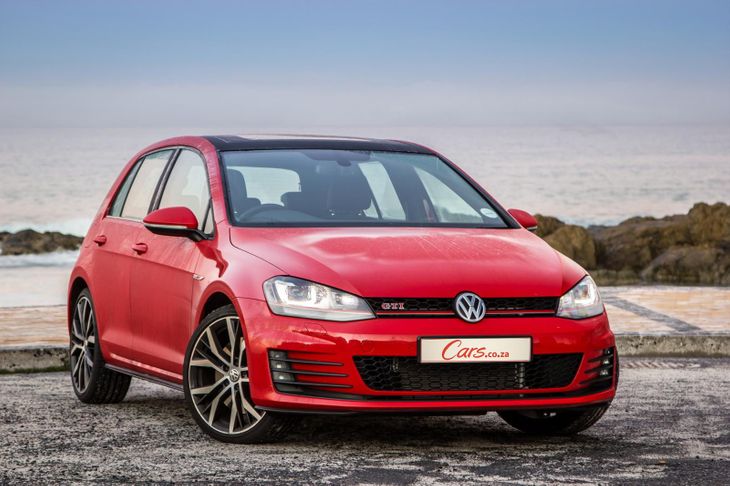
1. Volkswagen Golf GTi (R565 800)
The Wolfsburg-based brand's hot hatch has been the class standard for the majority of its existence. Although it is at a very advanced stage in its product lifecycle, the Golf 7.5 GTI still provides stellar performance and is renowned for its ability to adapt from an easy-to-drive family hatchback to focused driver’s car. Its 2.0-litre turbopetrol motor produces peak outputs of 169 kW/350 Nm and converts those numbers to effortlessly purposeful acceleration – thanks to VW’s excellent 6-speed dual-clutch transmission. There is no longer an equivalent manual option for local buyers, but the GTi remains superbly-built and engaging to drive, thanks to exemplary chassis balance and VW’s electronically locking front differential.
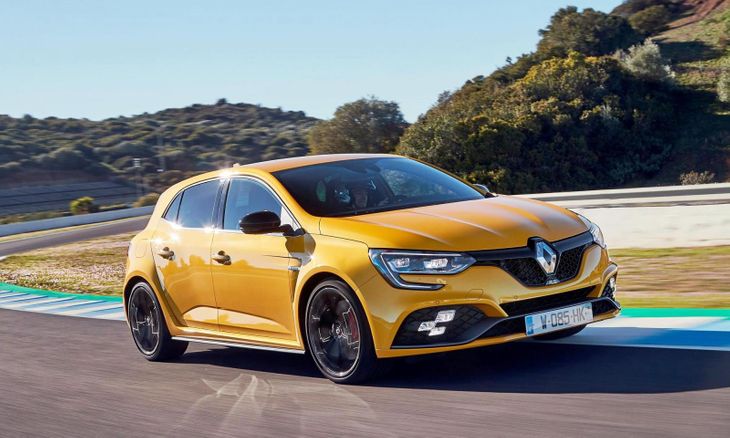
The Mégane RS Cup is a much more liveable family car now, since its change to the 5-door configuration, but there remains the soul of a true French hot hatch, including a cabin that combines fantastically comfortable bucket seats with mildly annoying infotainment ergonomics. The Mégane RS Cup might not be the most refined option in this group, but for those who live to seek quiet country roads with open apexes, this is the weapon of choice. Powered by a slightly smaller engine than any of its rivals, at 1.8-litres of capacity, it still manages to generate 205 kW in Cup configuration. Four-wheel steering adds another dimension to the RS Cup’s mid-corner agility and makes parking that bit easier at crawl speeds. What's more, the RS Cup comes equipped with a mechanical front limited-differential, which ensures superb cornering grip, even under full-throttle acceleration.
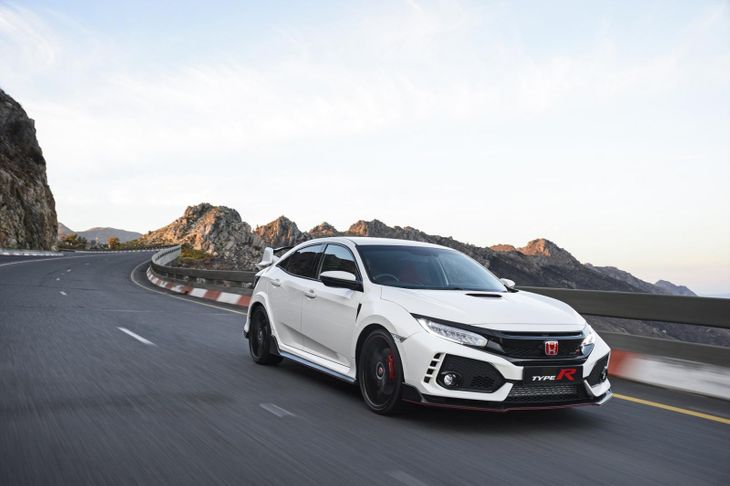
The Honda Civic Type R is a vehicle in a similar ilk to the Mégane RS Cup: raw and configured as a dedicated driver’s hot hatch, instead of an adaptable family car with performance credentials. The Type R blends unapologetic looks with phenomenal front-wheel-drive handling dynamics. Turbocharged Hondas remain a strange engineering encounter for most petrolheads, but the Type R’s boosted 2.0-litre engine spins without hesitation and runs to a very impressive 228 kW at 6 500 rpm. Shifting is manual and retains that renowned Honda feel through the 6-speed gate. Minor suspension upgrades have made it a lot more liveable too, especially on South Africa’s variable road surfaces.
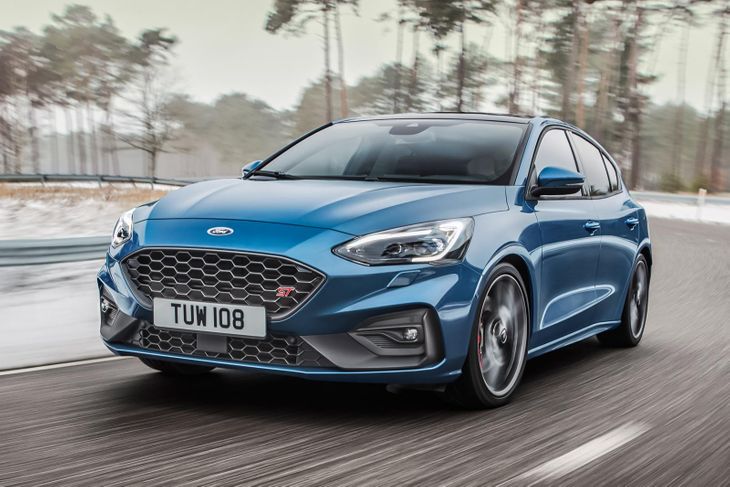
South Africans are waiting in anticipation for new Focus ST, which remains unconfirmed for local distribution, although we remain hopeful that it will arrive in Mzansi eventually. A car most directly aimed at Golf GTi, it features slightly less brash styling than either RS Cup or Civic Type R and more moderated overall dynamics. That doesn’t mean it is soft, however. Powered by a turbocharged 2.3-litre engine good for 206 kW and shifting through a 7-speed dual-clutch transmission, Ford’s engineers have added features such as an e-diff to modulate any wayward torque steer.
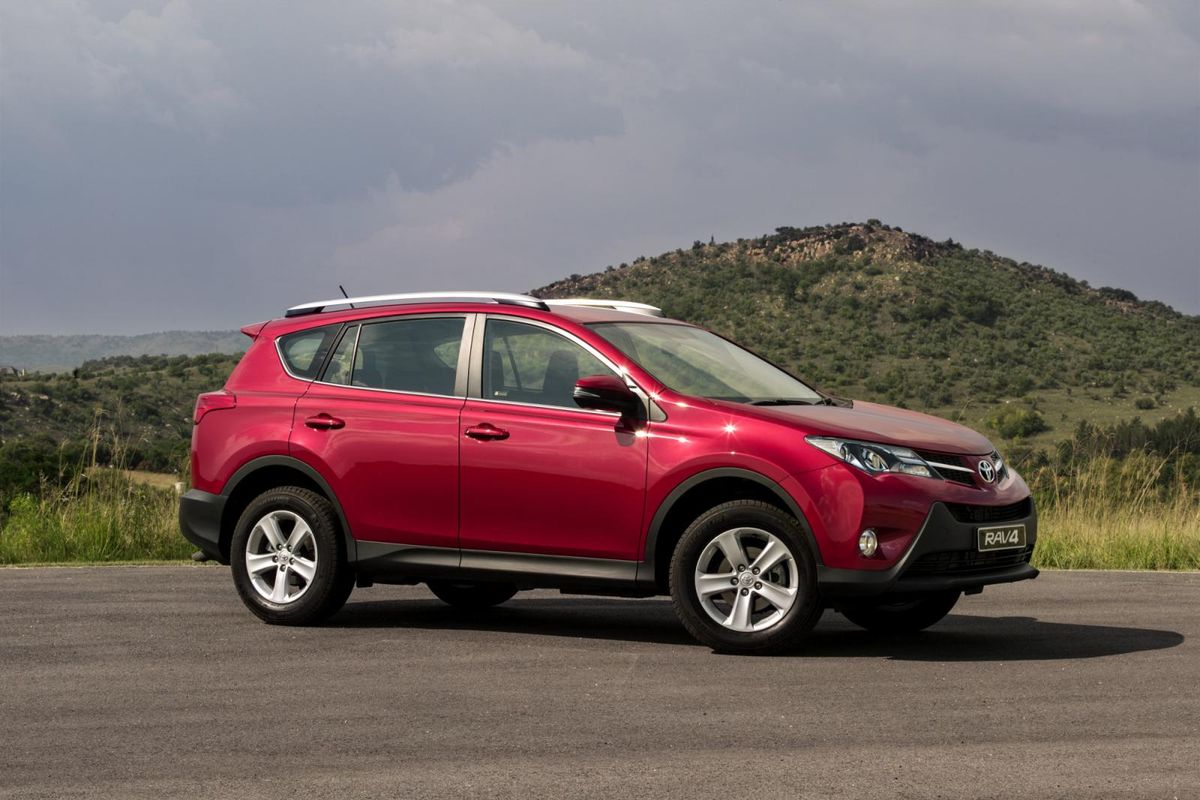
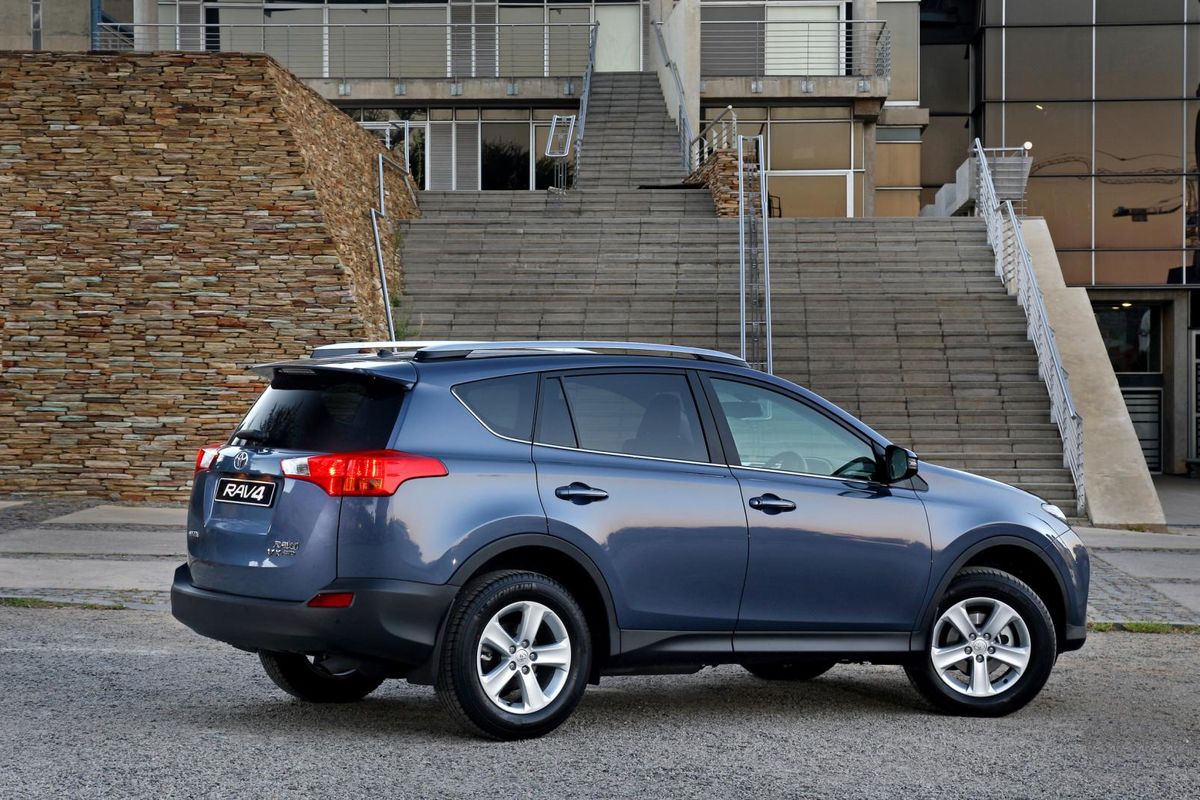
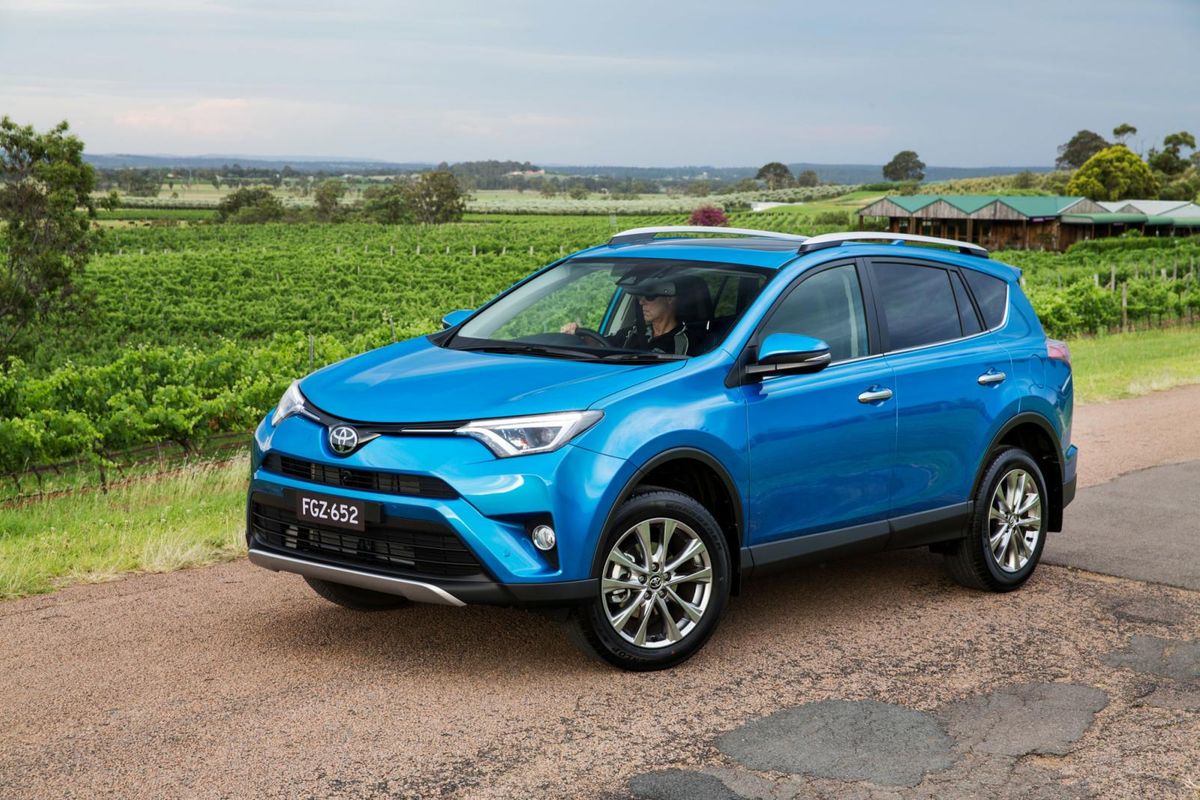
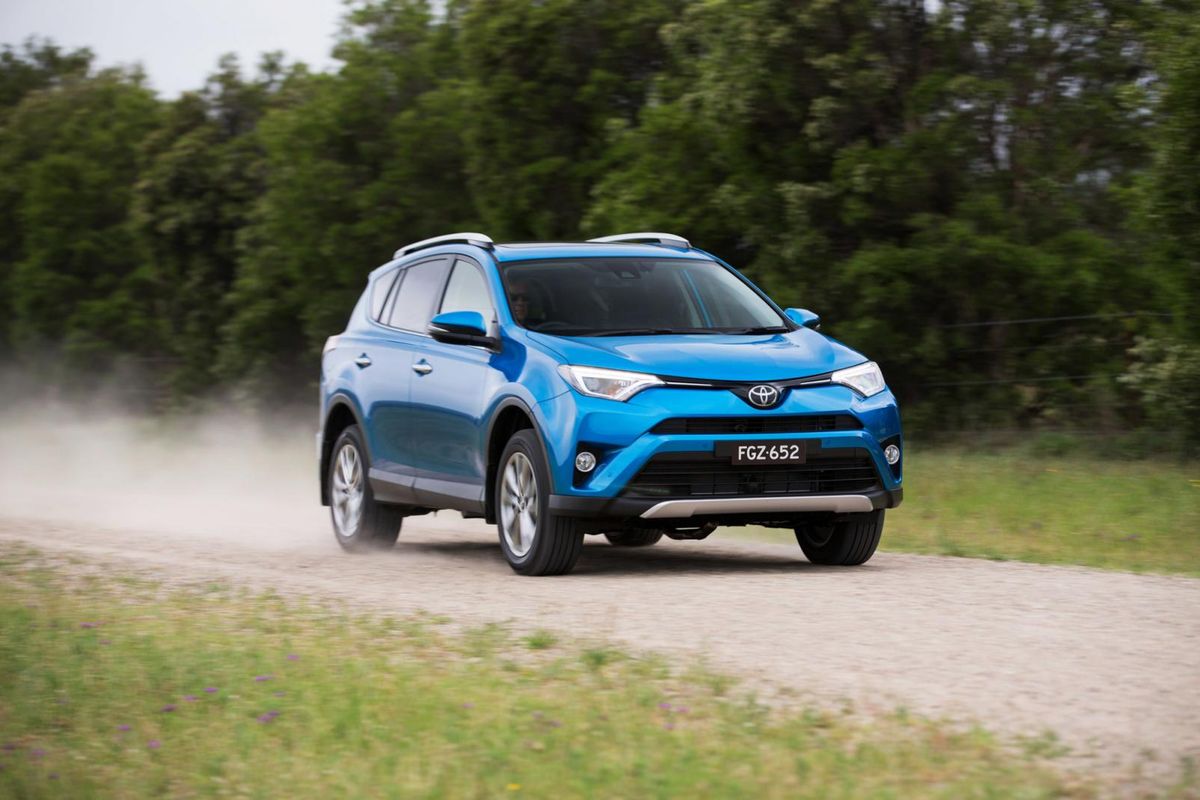
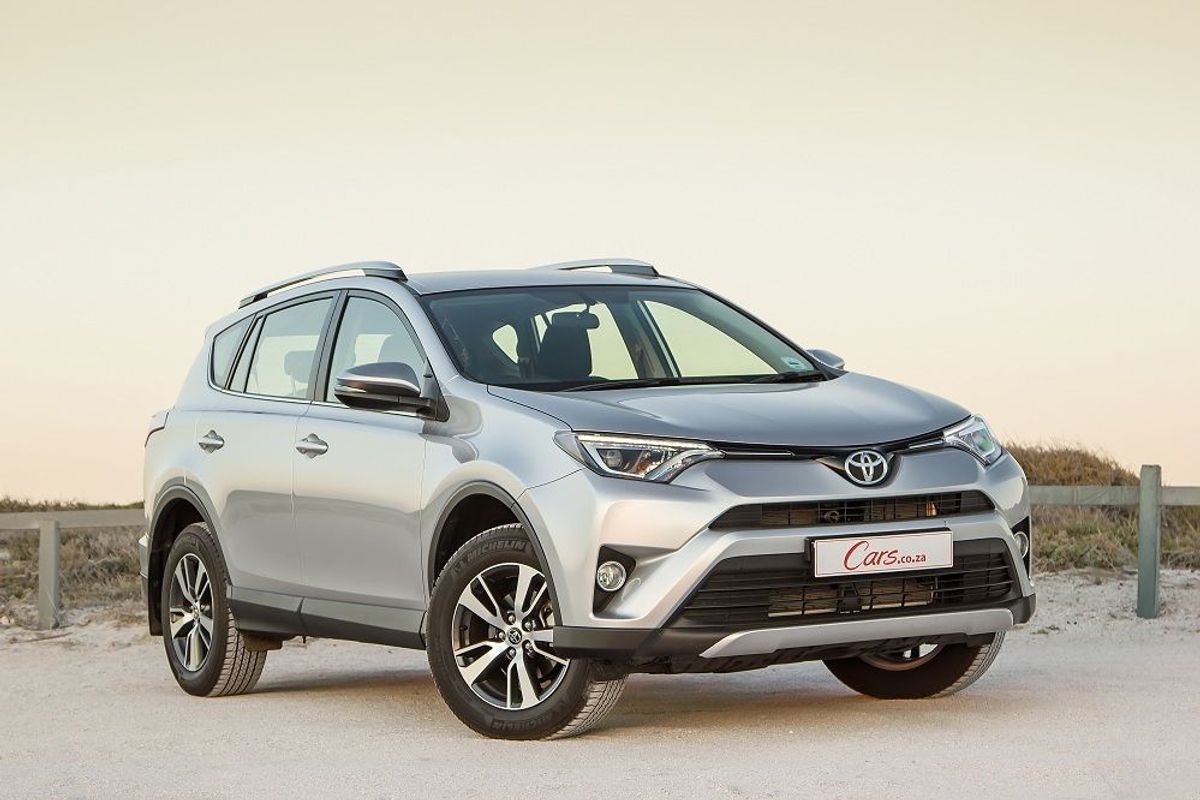
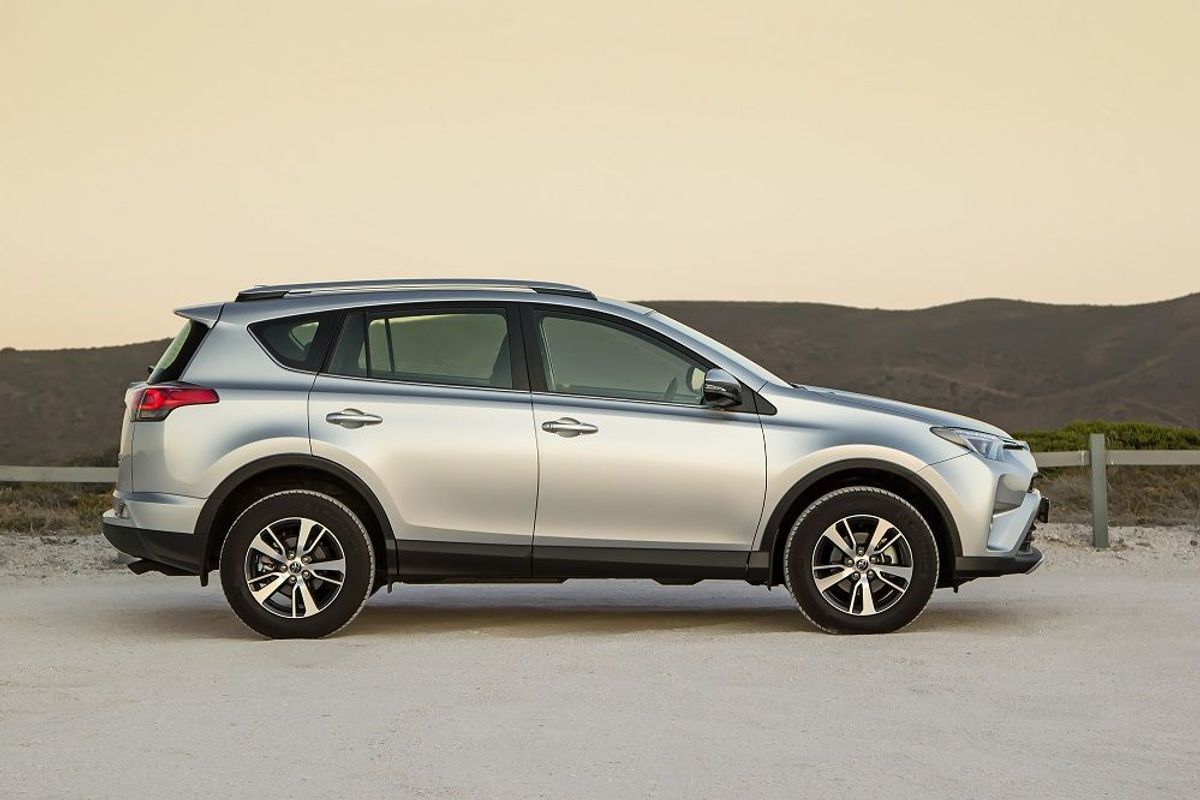
The Toyota RAV4 was one of the first compact SUVs to reach the market and continues to be a smash hit worldwide. Older models remain popular in the 2nd-hand car market and, with the recent launch of Japanese marque’s 5th-generation family car, it’s time to take a closer look at its predecessor as a used-car offering.
Often credited with establishing the compact crossover/SUV market segment in 1994, Toyota’s RAV4 continues to be a worldwide sales phenomenon. The 4th-generation RAV4, which launched in South Africa during 2013, notched up sales in excess of 3 000 units per year and it became even more popular towards the end of its lifecycle (more than 5 000 units were sold in 2017). That means there are many previous-generation RAV4s in the used-car market, and buyers looking for a trusty, versatile and stylish all-rounder have plenty to choose from.
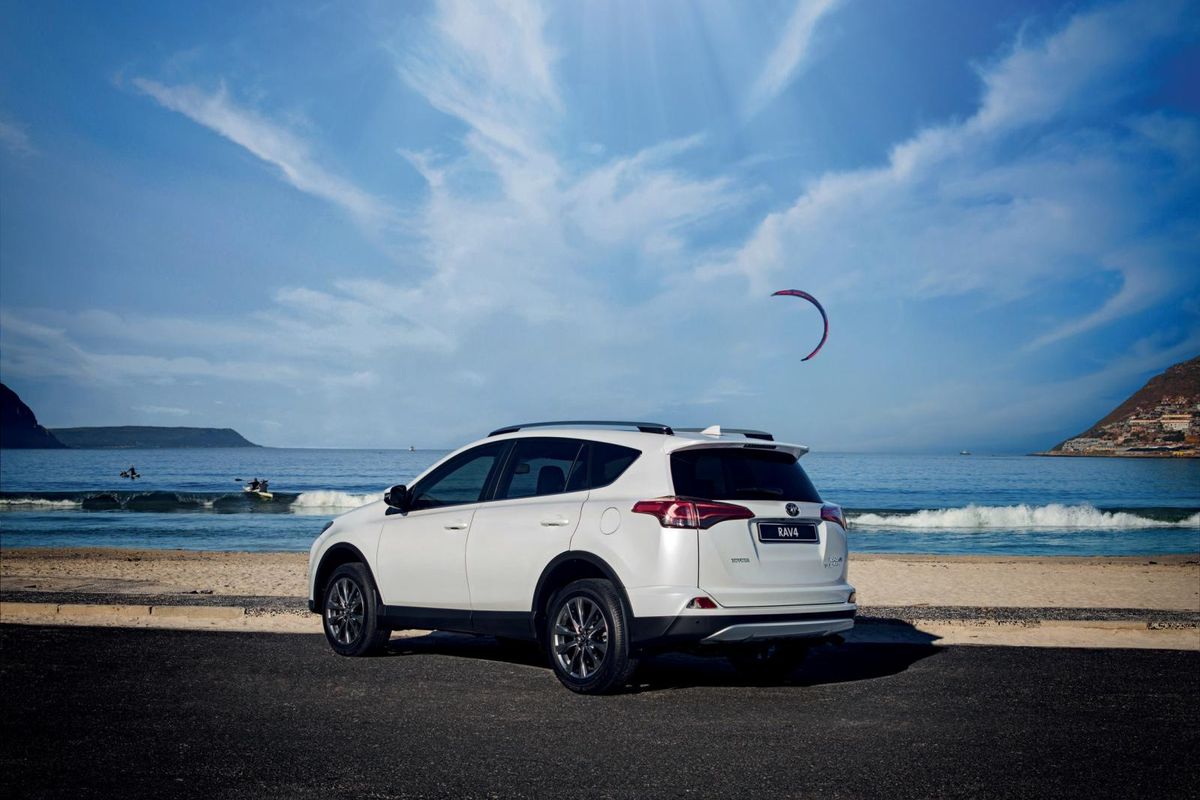
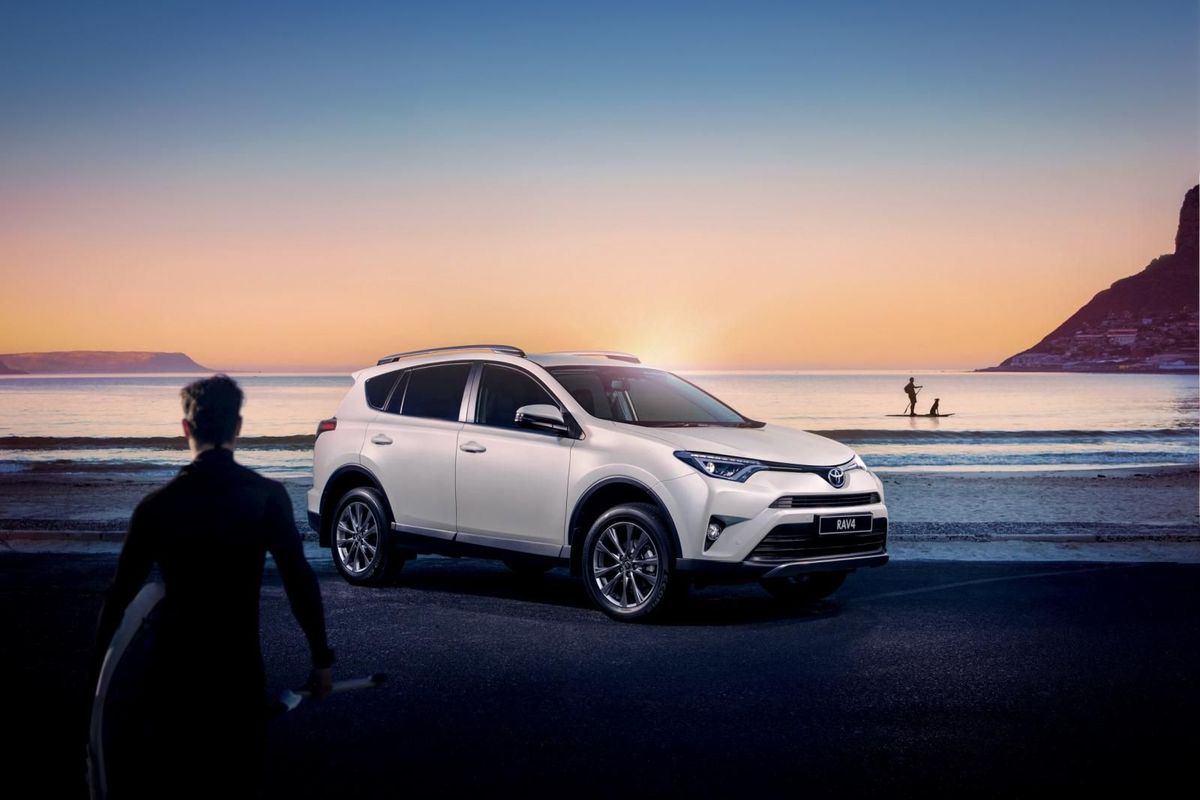
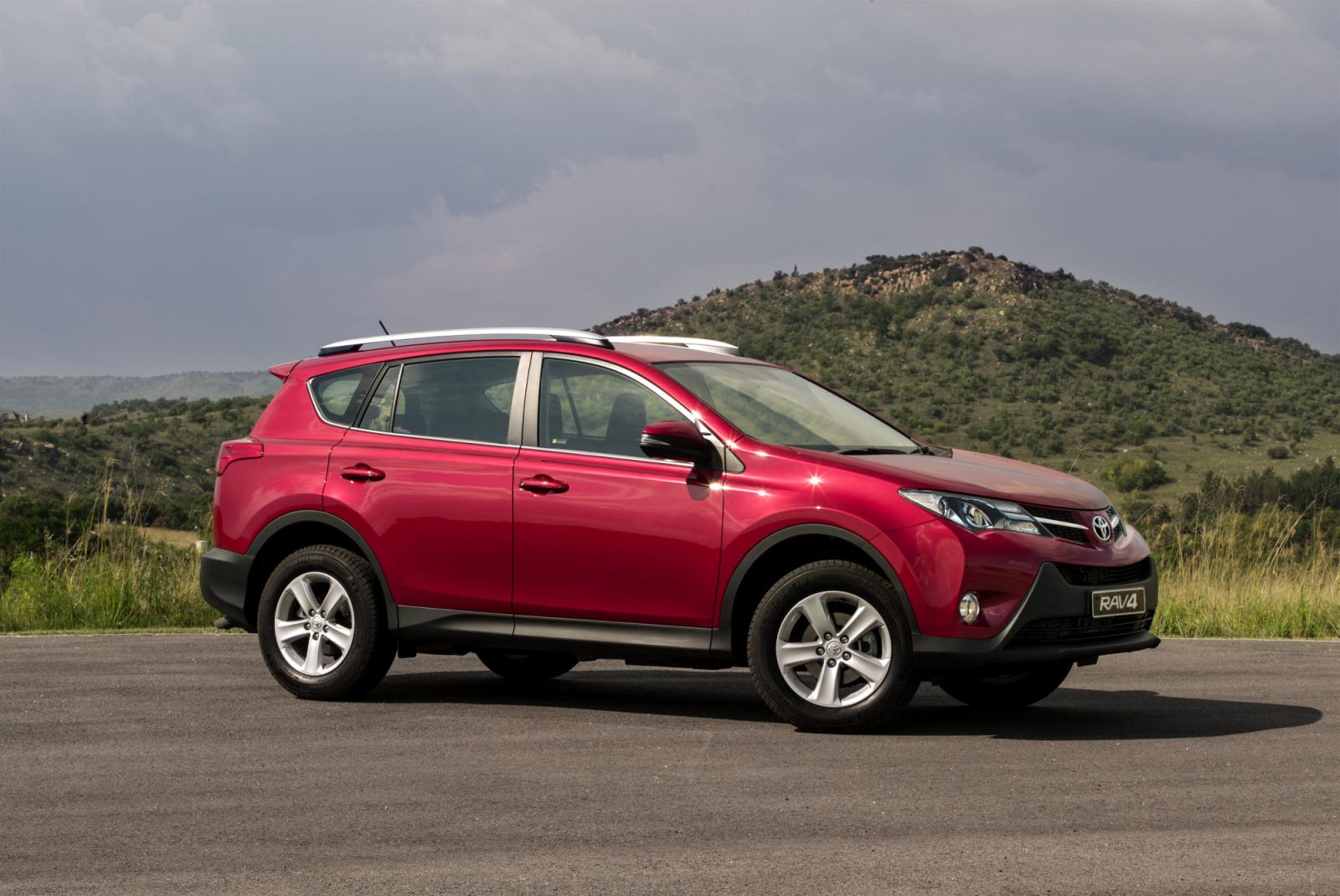
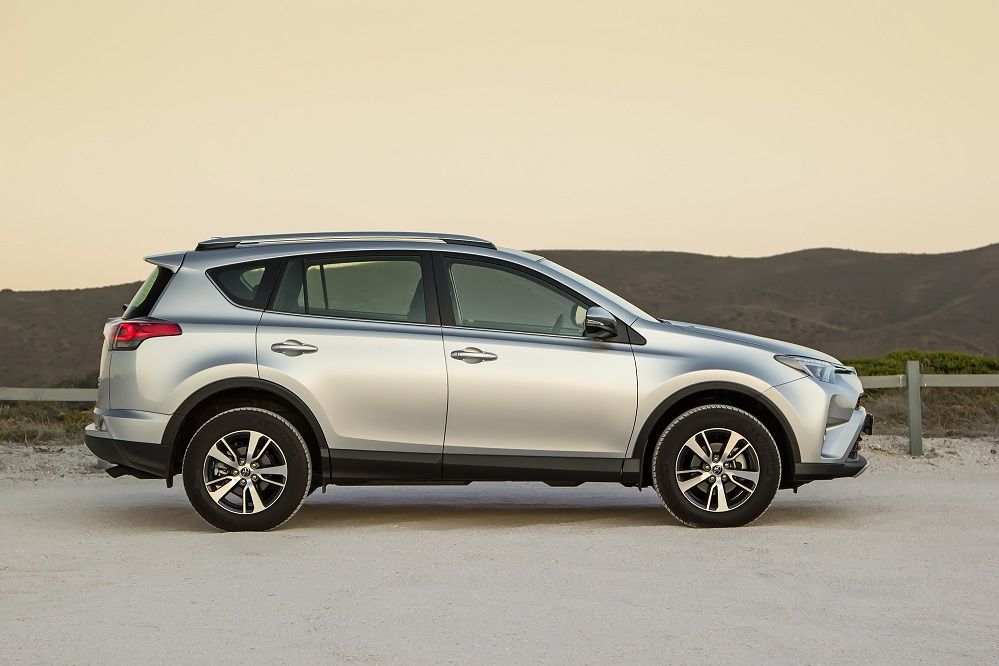
At the time of its launch in 2013 the RAV4’s boxy design received mixed reviews, but it’s aged comparatively well.
The 4th-generation Toyota RAV4 (internal code XA40) arrived in Mzansi during the first half of 2013. It was offered with a choice of 3 engines: a 2.0-litre petrol (107 kW/187 Nm) in the GX (6-speed manual and CVT), a 2.2-litre turbodiesel (110 kW/340 Nm) in GX AWD derivative and a 2.5-litre petrol (132 kW/233 Nm) powered the flagship VX AWD automatic, which, predictably, didn’t sell too well. But the rest of the RAV4 line-up soon found favour in the local market, courtesy of a combination of high-value pricing, decent-enough standard specification… and the Toyota badge.
If fuel efficiency is important to you, then you can rule out the 2.5-litre derivative, as it is likely to consume around 10.5 L/100 km, in contrast with a claimed figure of 8.5 L/100km. The 2.0-litre petrol isn’t that light on fuel, with a claimed figure of 7.7L/100 km (real world likely around 9.5L/100 km). The 2.2-litre turbodiesel is, predictably, the most frugal, with a figure of 5.6 L/100km claimed for the manual, and 6.5 L/100km for the automatic.
Almost exactly a year after its launch, Toyota made a few tweaks to the RAV4 (mostly infotainment system-related) and added a 2.2D VX AWD derivative with an automatic transmission.
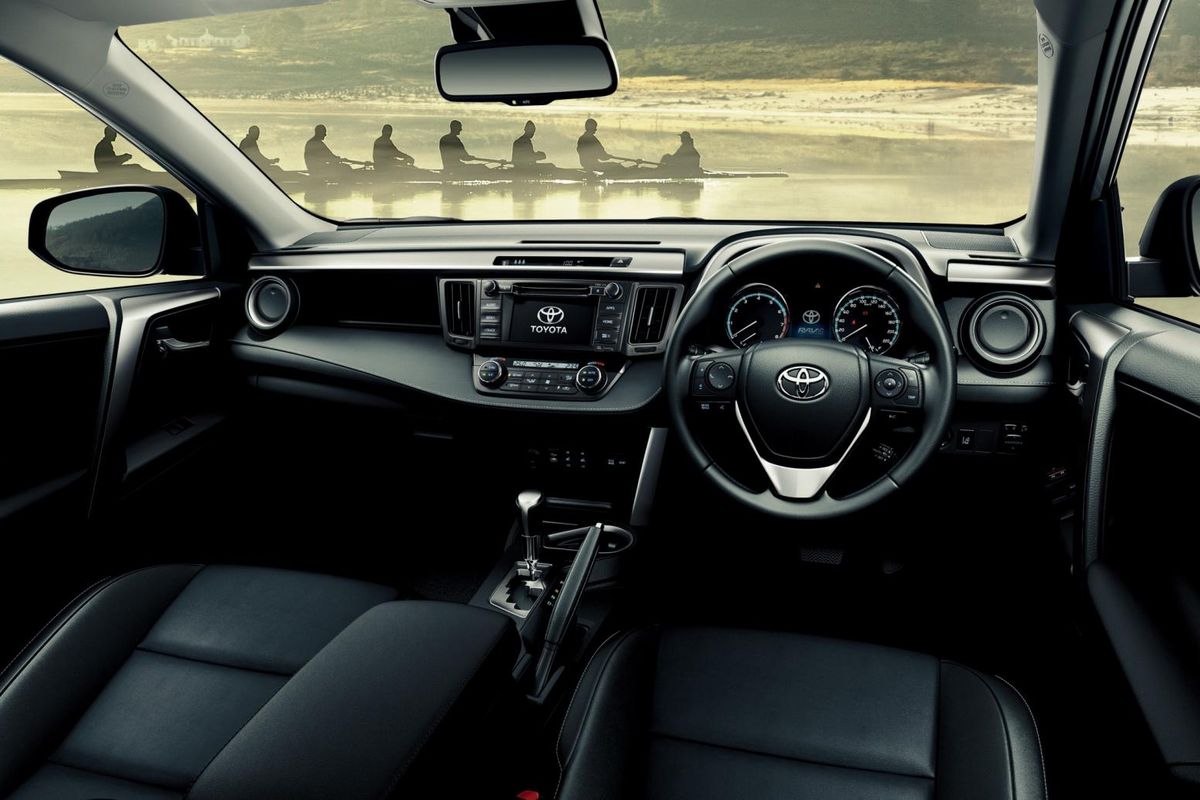
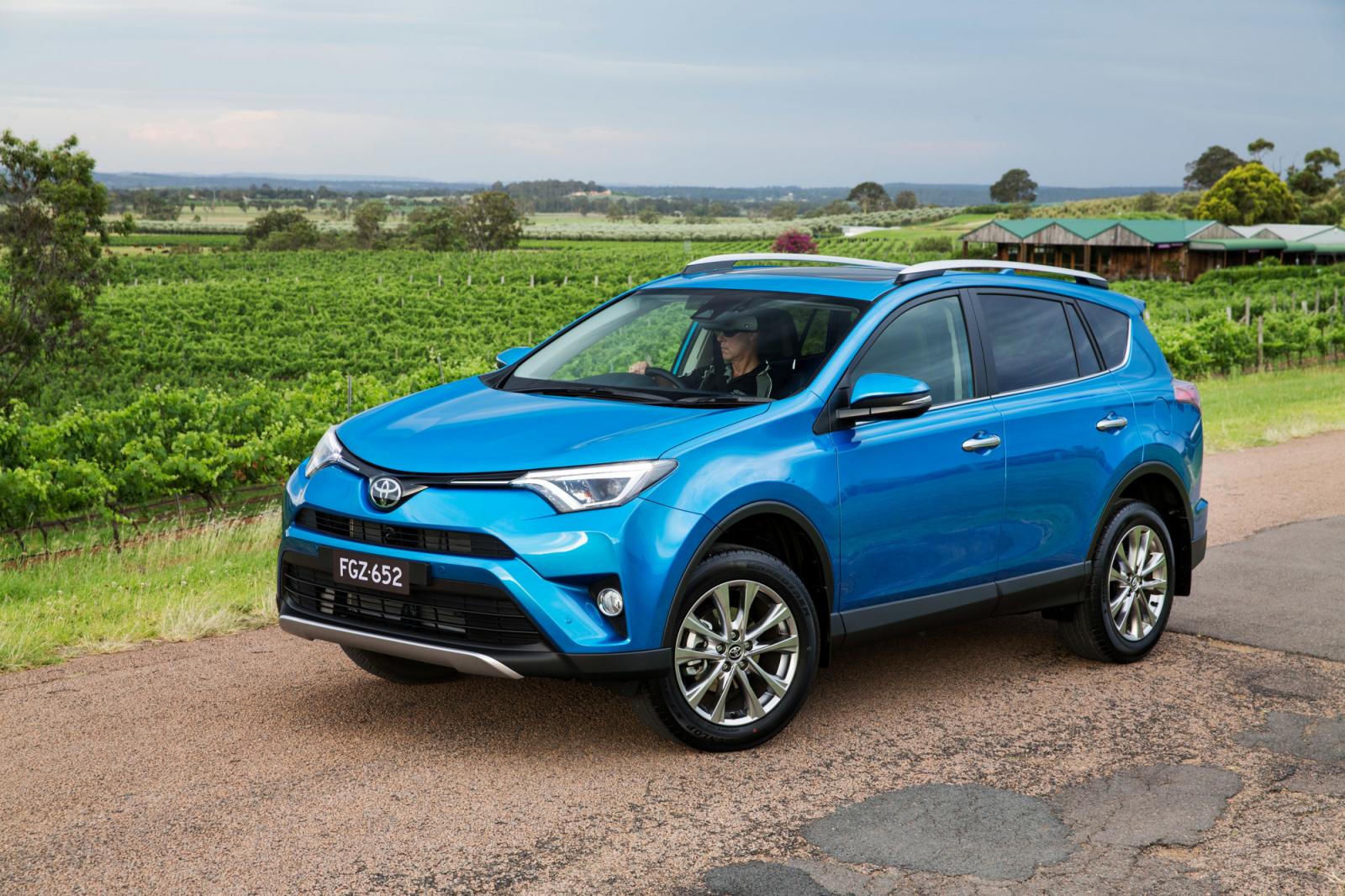
The 2016 facelift endowed the RAV4 with more sophisticated looks and an improved cabin. It was well-received by the market.
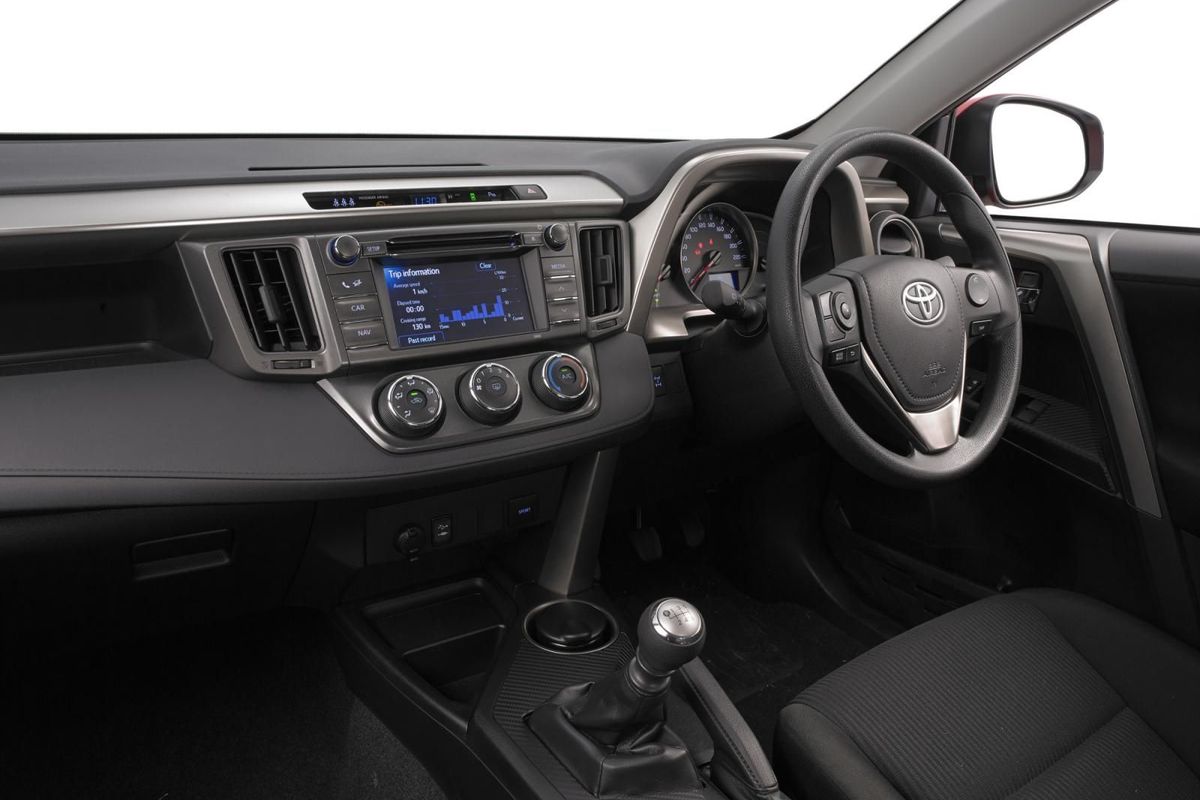
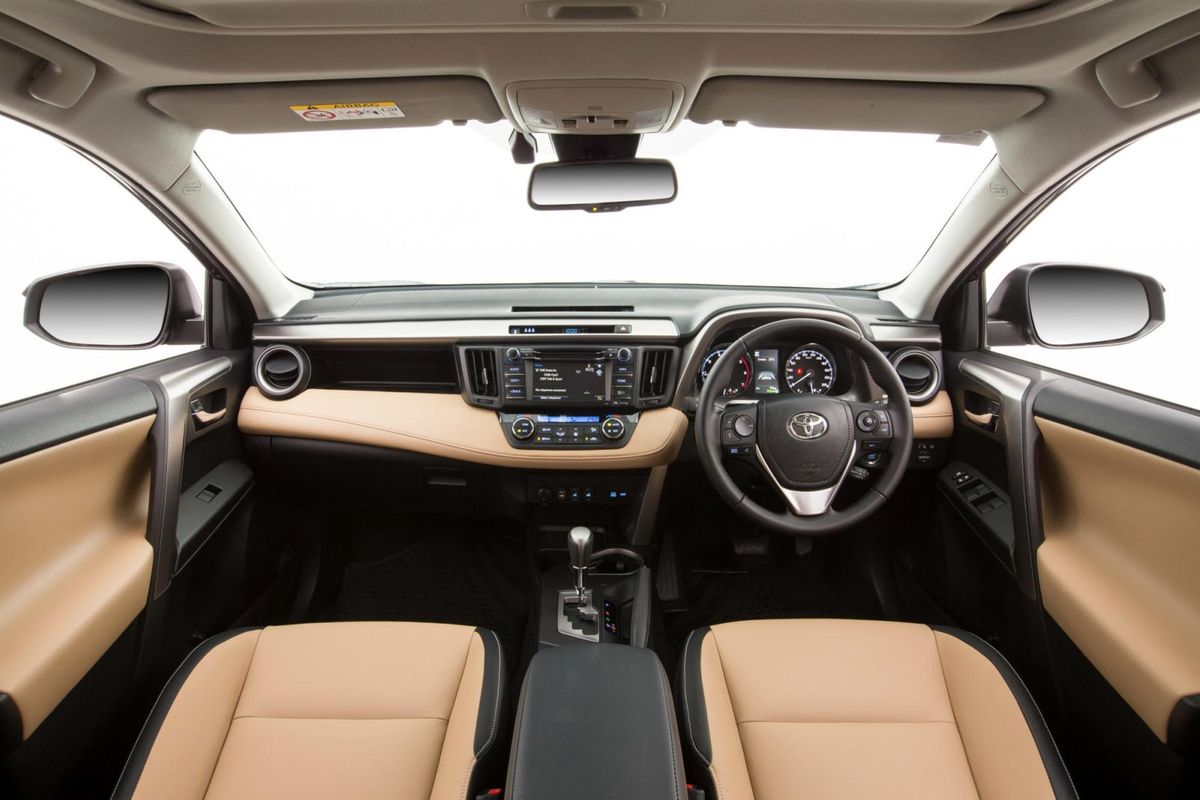
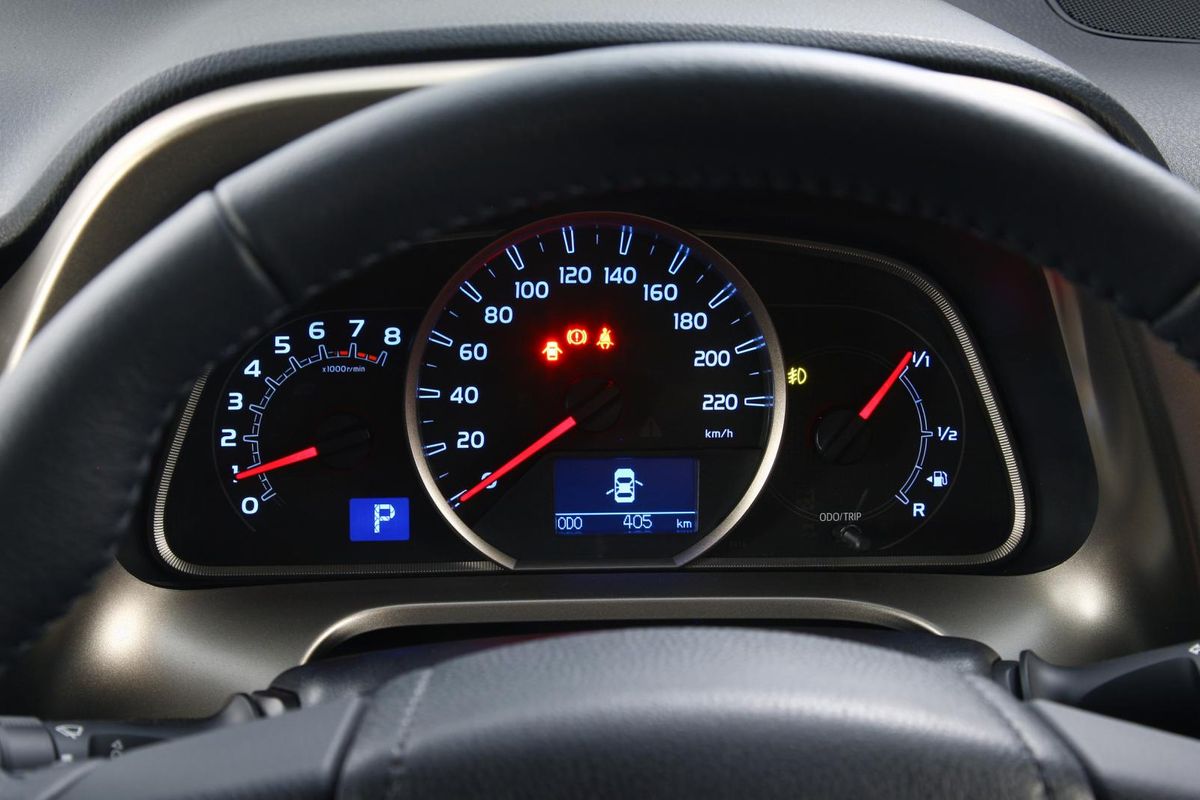
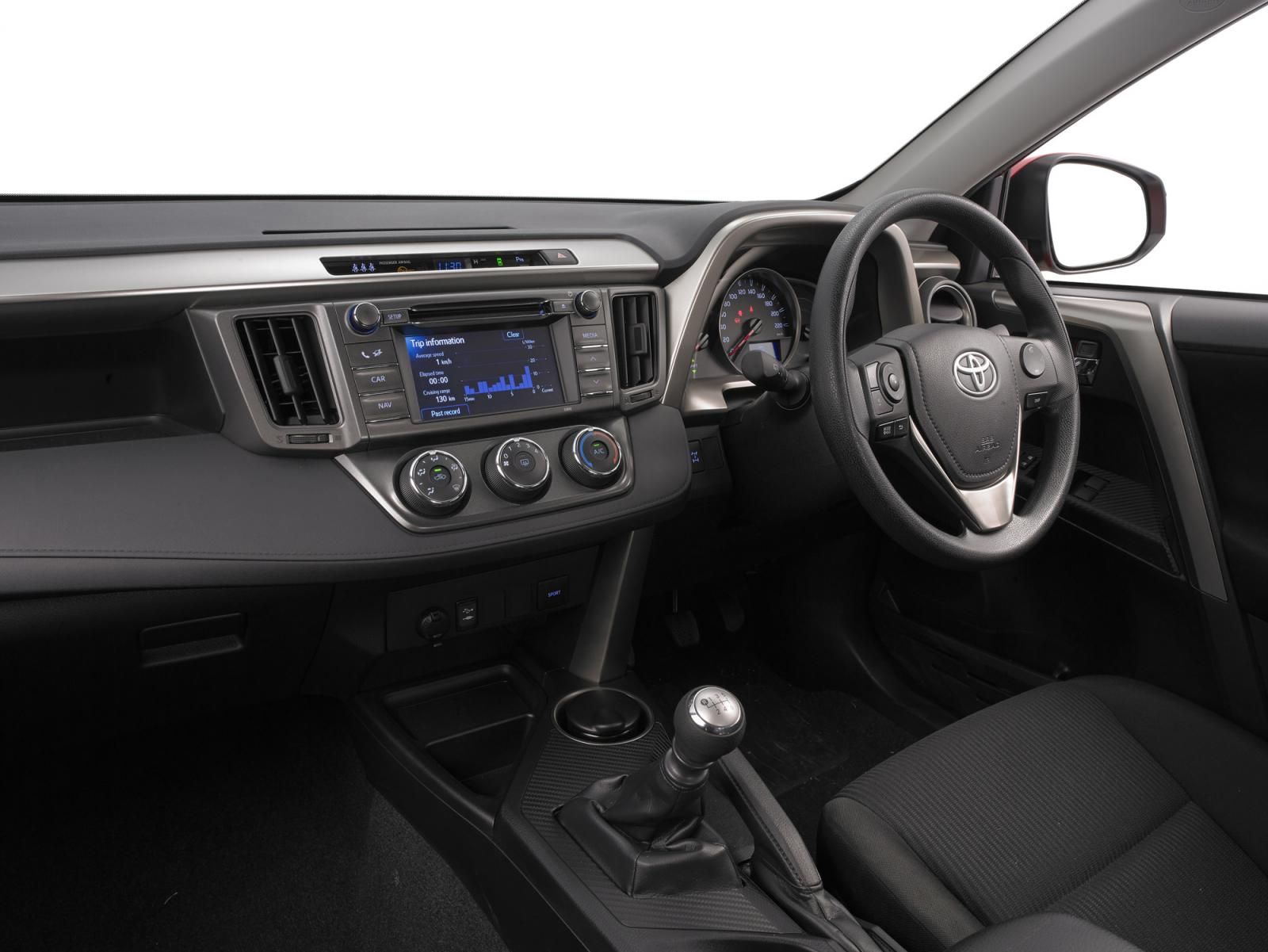
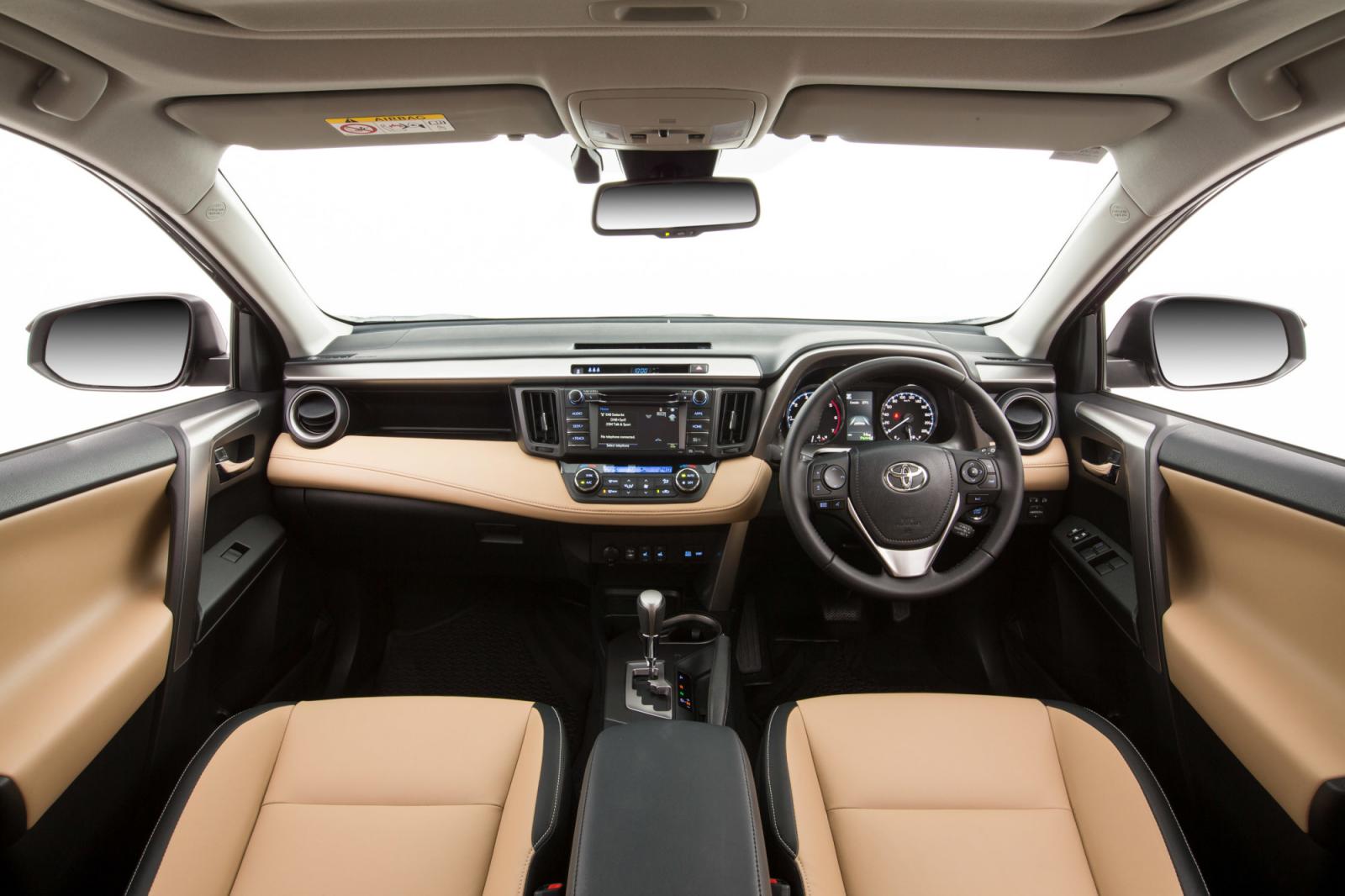
The major facelift came in 2016, and as far as mid-life updates go, it was a comprehensive and ultimately very effective revision for the RAV4. The front-end gained a far more sophisticated design, while detail changes inside made the RAV4 appear more upmarket, plus it addressed one of the few complaints that could be levelled at the pre-facelift car – that of a somewhat dowdy fascia constructed of iffy plastics.
At the time of the facelift, the range continued with the same 5 derivatives offered before, but the VX specification was considerably enhanced on the safety front, boasting such items as rear cross-traffic alert and lane-change assist. It also offered no fewer than 9 airbags as standard. At the same time, stylish footwell lighting was added to the list of features, too, but the sunroof was deleted.
That, however, wasn’t the end of the refinements for the RAV4 – later, in 2017, there were more specification enhancements, with GX derivatives gaining cruise control and a leather-wrapped steering wheel.
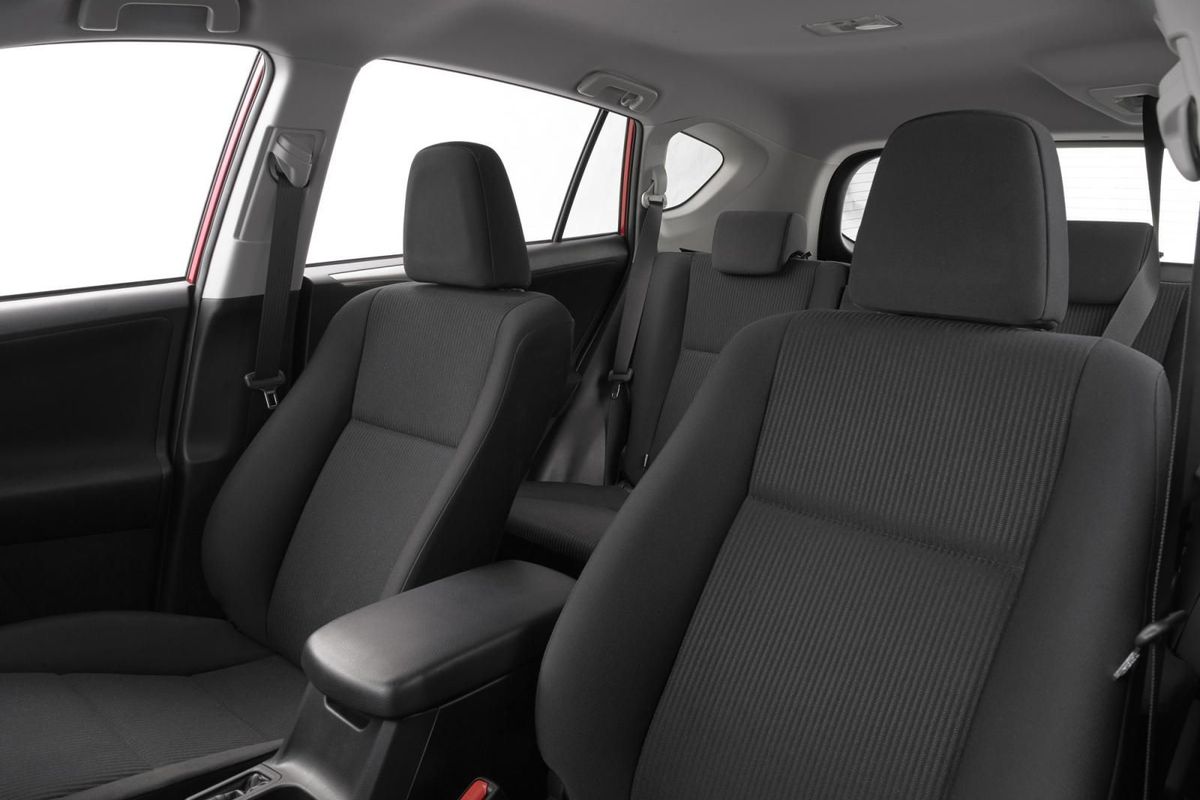
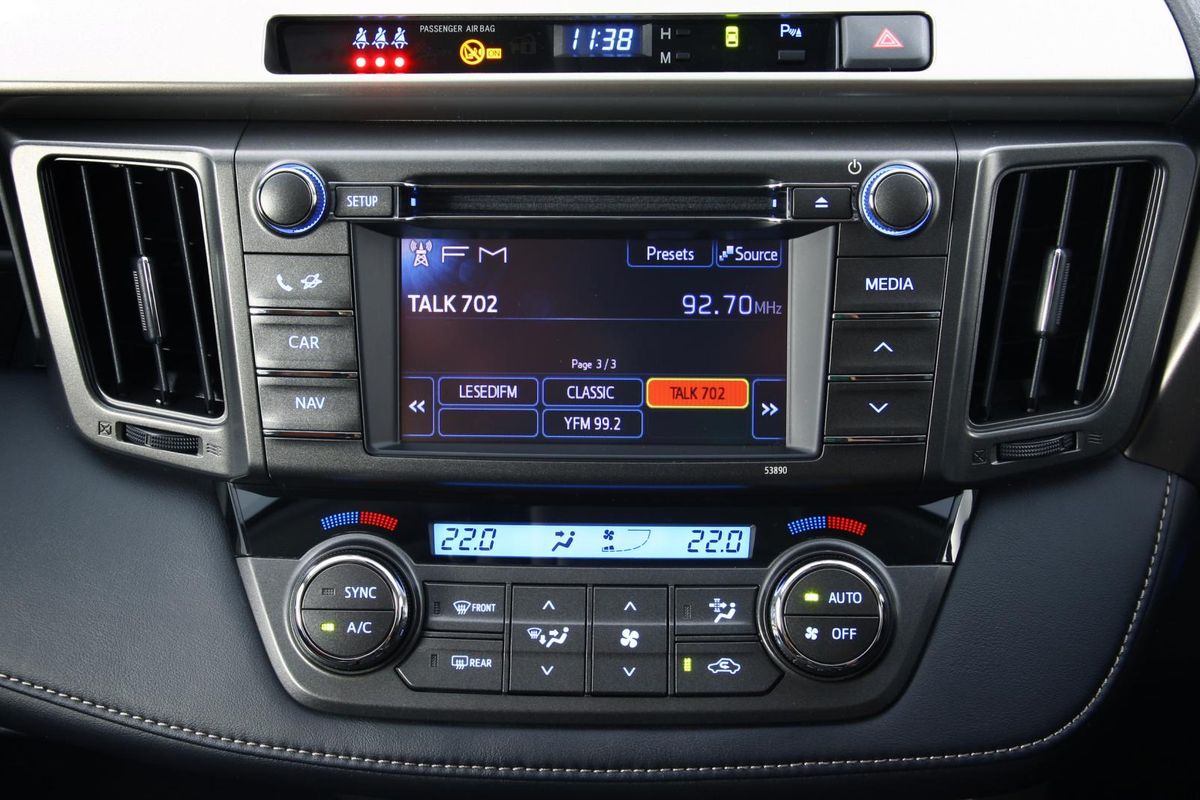
Though GX derivatives lacked leather, the upholstery fitted appears to have lasted well on the vehicles we’ve looked at.
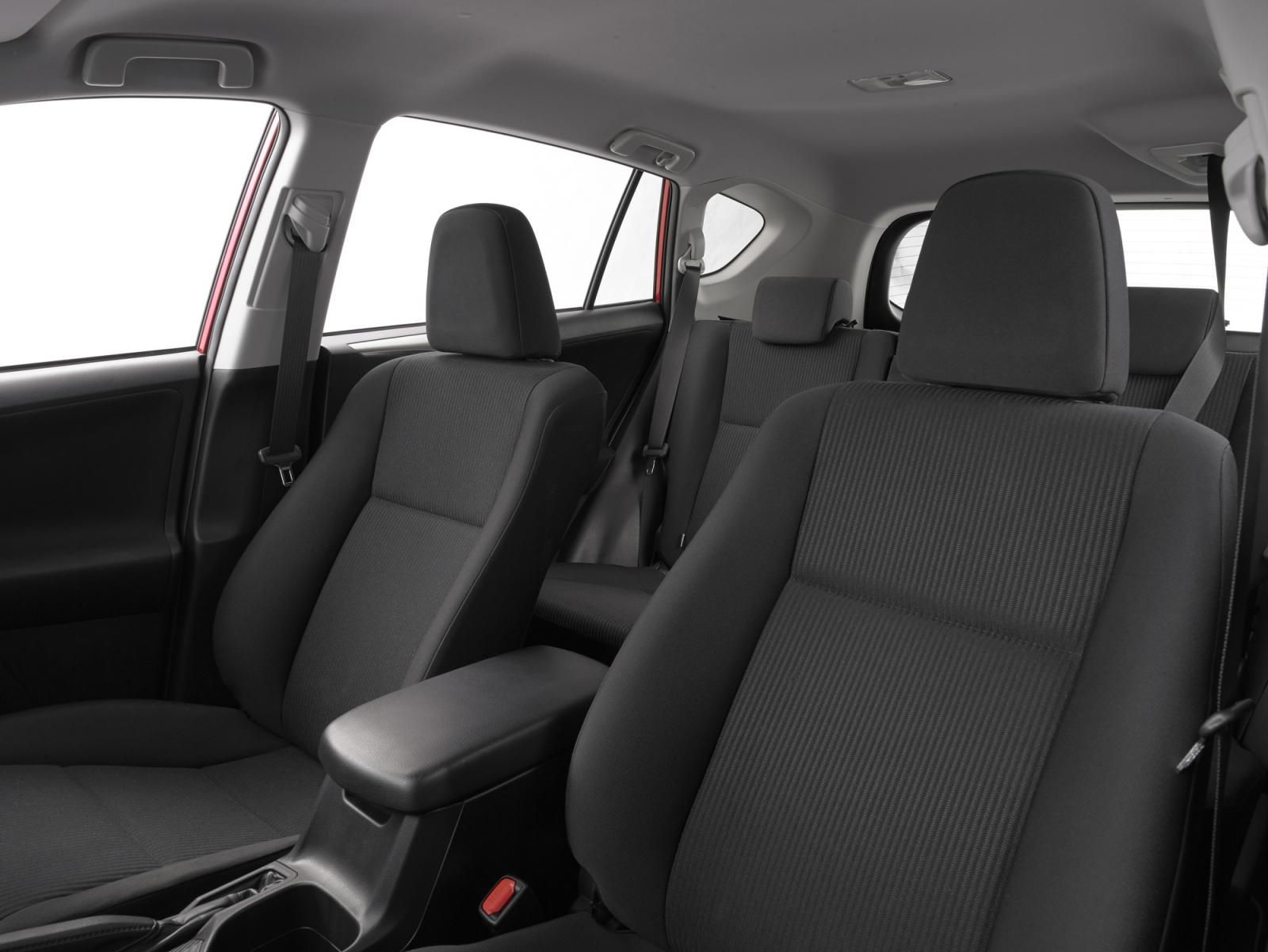
Space and Practicality: A significant 205-mm longer than its predecessor, 30-mm wider and boasting a 100-mm longer wheelbase, the 4th-generation RAV4 is a spacious compact SUV/crossover that offers commendable levels of head-, shoulder- and legroom for all 5 occupants. Toyota also paid careful attention to the design of its seats, particularly for the driver, with greater range of adjustment not only for the seat (height), but also the rake/reach-adjustable steering wheel. Thinner pillars improved vision out of the vehicle, and the load bay was among the biggest in its segment (547 litres), with the claimed length of the area’s floor claimed to be in excess of 1m. The rear seats don’t only fold completely flat, they also offer reclining backrests. And on some derivatives, there is a neat net-like “hammock” in the bay for safely transporting bottles and other breakables.
At launch, the cabin came in for some criticism, largely for an inconsistency in the “perceived” quality of the plastics and somewhat “dated” design.
Good standard specification: At the time of its launch, the RAV4 undercut most of the competition, but offered similar features. The GX, for example, offered park-distance control and a very comprehensive safety specification that included dual front-, side-, curtain- and knee airbags. Its smart-looking infotainment system was competitive, but probably more basic than it looked. Still, it offered USB/Bluetooth connectivity.
VX specification was, of course, considerably more generous, with standard items such as an electrically powered tailgate, cruise control, electrically adjustable driver’s seat, heated front seats, dual-zone climate control, a reverse-view camera, sunroof, as well as keyless entry. The specification levels were continuously adjusted to better align the RAV4 with market demands (see details under “Toyota RAV4 line-up”).
The 2016 facelift introduced much-improved finishes inside, and a further boost to specification levels.
Comfort levels: With its extended wheelbase and wide tracks, the RAV4 is a confident, easy-riding vehicle out on the road that also maintains its composure on poorer surfaces. The ride is on the soft side, but this is a positive trait for a family vehicle, and general refinement levels are high. After the 2016 facelift, the general interior ambience improved even further and the RAV4’s cabin moved decidedly upmarket.
The all-wheel-drive system prioritises fuel efficiency, so in general use drive is sent to the front axle, with the rear only coming into play when slip is detected in the front. There is, however, a “Lock” function, which splits the torque evenly between the 2 axles. This gives the RAV4 very decent traction in most off-road conditions, but do not view this vehicle as a smaller Fortuner – the RAV4 is more of a soft-roader that can be used to confidently tackle gravel roads and lighter off-the-beaten-track situations. The “Lock” function only works up to speeds of 40 kph.
Reliability: As one of its most important models, Toyota was never going to drop the ball on the reliability front. There are very few serious reliability concerns when it comes to this generation of RAV4 and even its interior, which was initially criticised for appearing sub-par in terms of its perceived quality, appears to resist the wear-and-tear of day-to-day use well.
Product weaknesses
When the RAV4 arrived in South Africa in 2013 it was keenly-priced, which resulted in most period reviews giving it only a light rap on the knuckles when it fell short in some aspects. With time, however, Toyota’s usual resale strength made its presence felt with used RAV4 examples positioned more directly over (or even above) its rivals. So, compared with some other vehicles you can pick up at the RAV4’s price point(s), it may lack a little in features (no cruise control on initial GXs, for example) and the interior trim fittings were pretty humdrum compared with the competition, too.
Mechanically speaking, the 2.5-litre was a little heavy on fuel, the 2.2-litre diesel relatively noisy (particularly in pre-facelift guise) and the manual gearbox (in the 2.0-litre petrol) quite clunky. But there’s nothing inherently “broken” about this offering, and those criticisms are minor given the overall durability of this product.
When we dug into our Ownership Satisfaction Survey (complete feedback on your car here), we found that owners were generally very happy, with the RAV4 only really scoring worse in terms of “rattles and squeaks” than major rivals such as the Volkswagen Tiguan and Hyundai Tucson. Interestingly, it also lagged those rivals in terms of “Driving Satisfaction”, but only slightly.
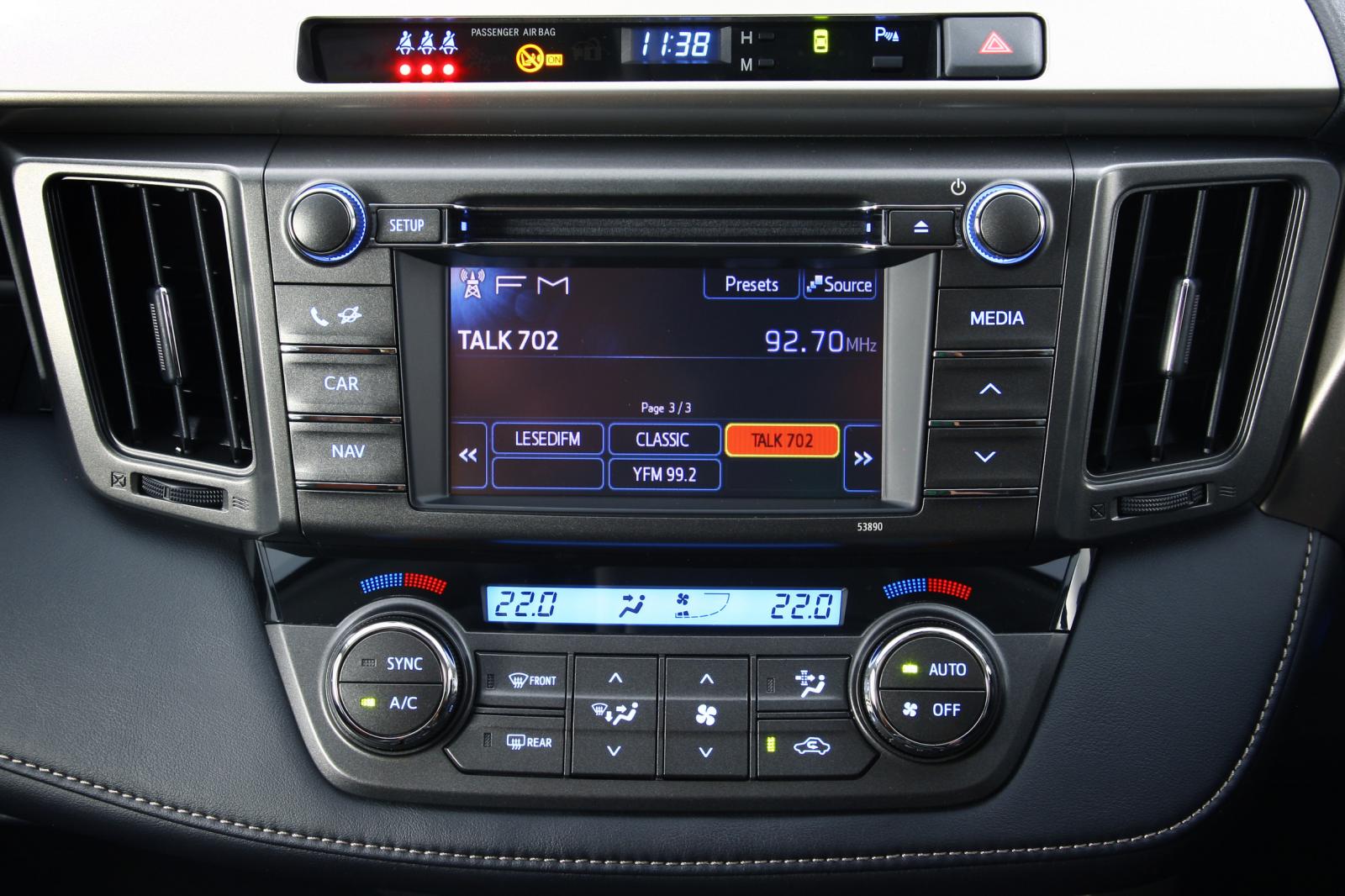
The infotainment system looked impressive at the time, but lacked the functionality offered by some rivals.
When visiting the dealership or taking a potential private-vehicle purchase for a test drive, look out for the following;
Underbody damage: Though the RAV4 is not a hardcore off-roader, they are often used as holidaying vehicles that may be required to venture off the beaten track. So have a look underneath the vehicle for signs of damage or harder-than-expected off-road usage. For the same reason (holidaying), also check out the roof…
Spare wheel: The RAV4 came with a full-size (alloy) spare wheel. Be sure to check that a) it’s there and b) that it’s usable. If you buy from a reputable dealer there is usually a safety check that requires the ‘wheel to be up to scratch, but if you don’t… it’s on you!
CVT vibration: If you notice vibrations from the vehicle when accelerating (CVT-equipped vehicles), then there could be an issue with the transmission.
What to pay?
With around 400 of this-generation RAV4s listed on Cars.co.za when this article was being researched, there should be lots to choose from.
Below R200 000: Listings start at around R175 000, but predictably these are relatively high-mileage, older vehicles that will show some wear (exterior and interior). It’s worth pointing out, however, that even the vehicles listed under R200 000 appear to have lasted well, with only a major touchpoint such as the plastic-rim steering wheel on the GX prone to wearing (as all plastic steering wheels are). A word of advice – do make the effort to look on the roof, as the standard rails on these cars lend themselves to use, and consequently, some cars show scratches on the roof. It is possible to find clean 2013/2014 2.0 GX derivatives under R200 000, and given the mechanical simplicity of the car (no turbo, for example), as well Toyota’s inherent build quality, we would not be put off entirely by relatively high mileage, particularly if the vehicle is bought at a Toyota dealership.
Below R250 000: You are really spoilt for choice in this price range, with a wide variety of good quality pre-facelift 2.0 GX automatics on offer, as well as a handful of (pre-facelift) 2.2-litre turbodiesels in VX specification. Be patient, and you may even be able to pick up a facelifted example of the 2.0 GX, but likely with a mileage of over 100 000km (not necessarily a problem, provided the vehicle was properly looked after). Our choice in this price range would be a very clean (pre-facelift) 2.2L turbodiesel VX automatic.
Above R250 000: At around R270 000 you can pick up a very nice, low-mileage 2.0 GX automatic (facelift), which really offers pretty much all you need from an affordable, spacious family car. You may have to stretch your budget slightly if you want the 2017-spec version with cruise control and the leather-wrapped steering wheel. For those shopping on a bigger budget, you should definitely consider the 2017 2.2D VX Auto, which currently starts from around R330 000. It is fully loaded with features and very economical.
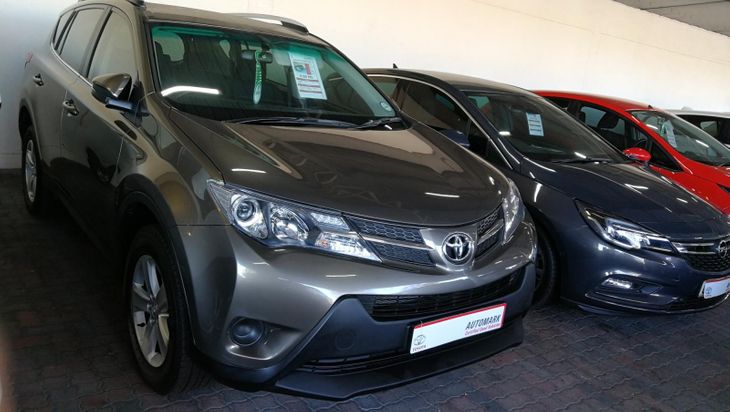
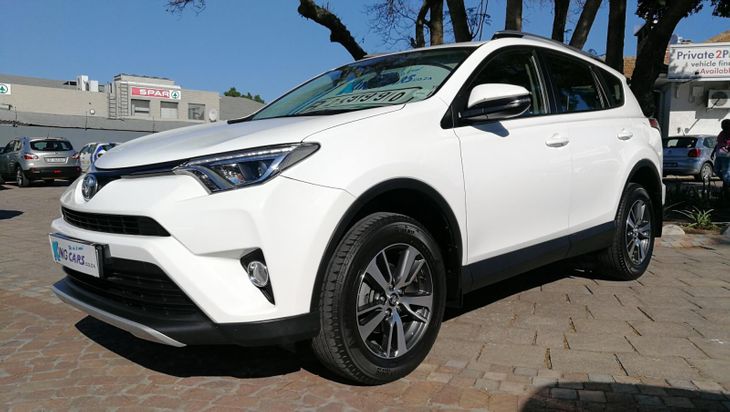
This 2017 2.0 GX Automatic (around 50 000km) was on sale at King Cars in Bellville for R299 990.
In facelifted guise, the previous Toyota RAV4 still looks like a modern, sophisticated offering.
Because of the vast price difference between early pre-facelift and post-2016 models, it’s tricky to select just one derivative as the pick of the range. From a design and cabin refinement point of view, the facelifted (post-2016) RAV4 is far more desirable, but you do pay for the improvement. At the same time, a very clean, low-mileage pre-facelift car will be considerably cheaper, and therefore attractive.
Let’s put it this way. The one derivative you can largely ignore is the 2.5-litre petrol, simply because it’s rather thirsty. If you can stretch your budget to over R270 000, we’d highly recommend getting a facelifted car, while if under that price, we’d suggest rather looking for a low-mileage pre-facelift car. The same rule applies for petrol and turbodiesel (the latter obviously being slightly more expensive).
Verdict
Check out our 2016 video review of the Toyota RAV4 2.2D GX Auto.
You seemingly can’t go wrong with one of these… Though the fourth-generation RAV4 didn’t shoot the lights out in any particular area (besides, perhaps, reliability), it is such a balanced, consistently good offering that one can easily forgive it the odd missing feature or scratchy facia plastic trim. With some derivatives now selling for the same kind of money that would buy you a considerably smaller car (from potentially a less reputable brand), going the used route makes particular sense when it comes to this Toyota RAV4. It comes highly recommended.
Rivals? There are many… The Mazda CX-5 is a particularly strong candidate for similar reasons as the Toyota, being spacious and built as solid as a rock. Another Japanese contender is the Nissan X-Trail, which may be a valid alternative particularly if you need a 7-seater (sold as an option on X-Trail). And if it’s German class and sophistication you’re after, there’s the Volkswagen Tiguan, but it can’t match the Toyota’s spaciousness and is not as highly rated for reliability. Don’t ignore the Subaru Forester and Honda CR-V either, as both of those are solid, reliable and practical offerings. And then there are the Koreans, the Hyundai ix35, Tucson and Kia Sportage – also deservedly popular.
If what you’re looking for is a no-nonsense, quality, reliable, safe, comfortable and practical family car in the below R300k bracket, then the fourth-generation Toyota RAV4 comes very highly recommended.
Parts pricing
We asked Toyota for the prices (incl. VAT) of some of the major parts for 2 of the most popular models: the 2015 RAV4 2.2D VX AWD Auto (pre-facelift) and 2017 2.0 GX CVT (post-facelift). These prices were accurate on May 13, 2019, and are subject to change.
Porsche Cayenne Coupe (2019) International Launch Review
Porsche has finally introduced a "fastback" Cayenne, but has the Zuffenhausen-based brand's newcomer leapt to the front of the Premium SUV Coupe class? Lance Branquinho reports back from the international launch in Austria.
A decade after BMW started the trend of large fastback SUVs with its X6, Porsche has responded with a rival product, evolved from its 3rd-generation Cayenne platform.
For the world’s most iconic sportscar brand, a Cayenne Coupe was somewhat inevitable, especially if you consider that more than half of Porsche’s revenue now comes from the sales of vehicles that are capable of gravel travel. At the global launch event, on location in Austria, engineers admitted that a sloping roofline version was always part of their R&D brief for the latest-generation Cayenne.
Conceptually, the Coupe is a re-bodied Cayenne, albeit with less luggage capacity. The newcomer is aimed at owners who prioritise design and sheer kerb presence above the virtues of absolute utility. Although most of the mechanical hardware is borrowed from the long-roof Cayenne Premium SUV (engines, drivetrain and suspension components being identical) there are subtle differences that distinguish the coupe version.
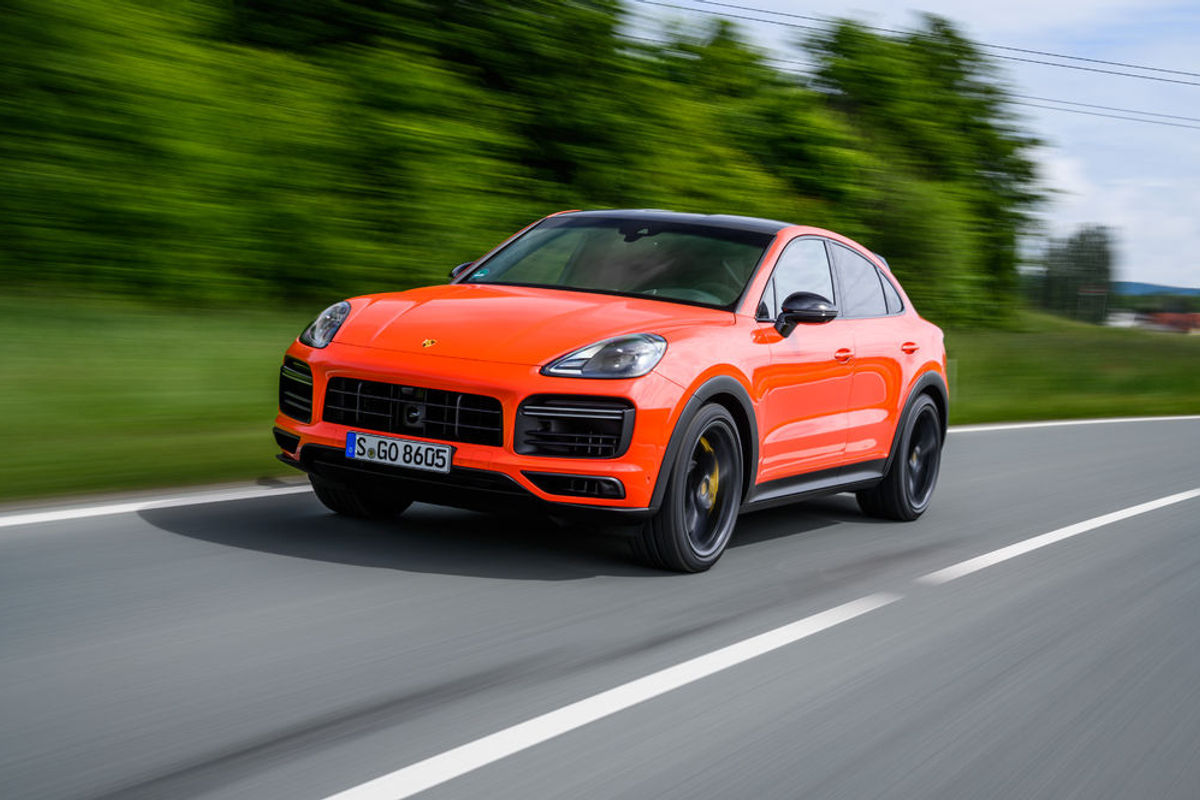
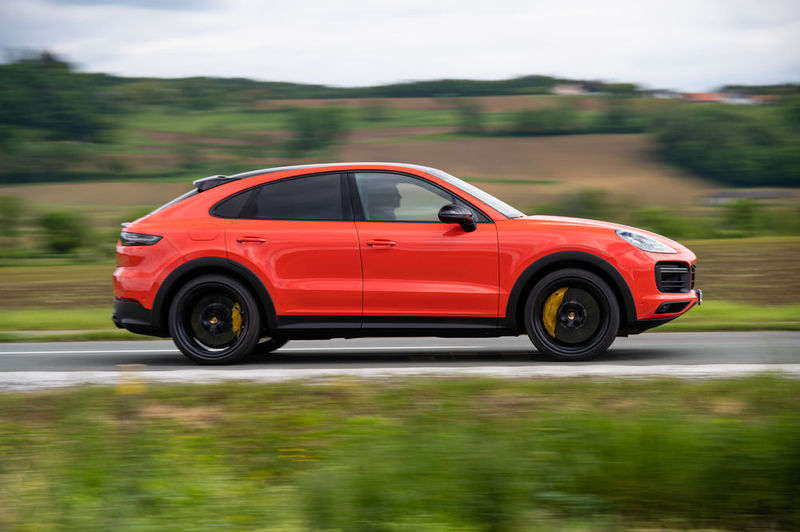
The inevitable Coupe SUV derivative Cayenne delivers more visual appeal than the marque's standard Premium SUV.
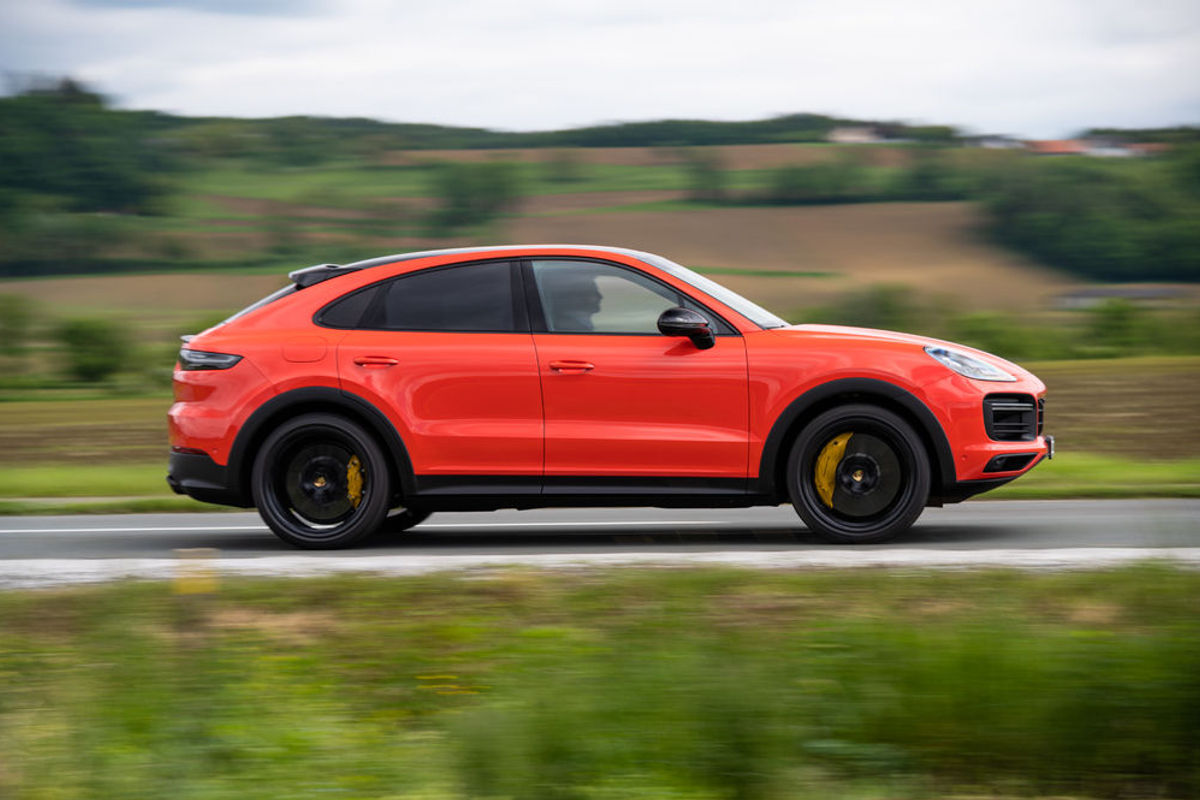
The coupe’s fastback shape alters some of the Cayenne’s dimensions, being 30 mm longer bumper-to-bumper, with a higher shoulder line running across the car’s flanks. The A-pillar is slightly slanted too, and the B-pillar falls in proportion with the more curved roofline – a styling detail that can be traced back throughout the history of all 911s. Brand purists may appreciate a gesture towards historical design values in Porsche’s SUV-line…
And the Cayenne Coupe’s most distinguishing feature? Technically, it is 20 mm lower, improving the coupe version’s centre-of-gravity, and it comes in 2 structural options: either carbon-fibre or glass. All Cayennes default to having a full panoramic glass roof, with a radiation shielding blind inside. For markets without an abundance of sunshine, the panoramic roof is novel – but in South African conditions it could become an annoyance.
The carbon roof, which improves the model's driving dynamics and appearance, is by far the better option. Available as an option on all derivatives in the range (and part of the coupe’s lightweight package), it not only trims weight, but looks great too.
The decision to stick with the panoramic roof, or opt for a weight-saving carbon roof, may be a tough decision.
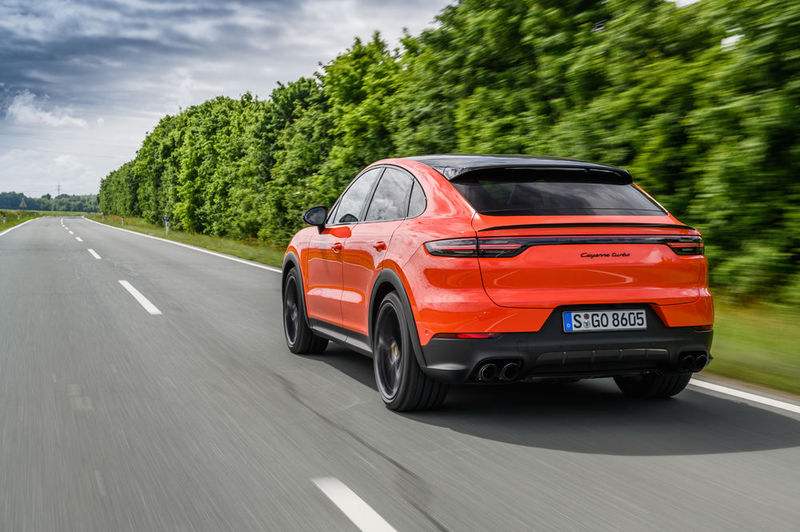
Beyond the roof structure, Cayenne Coupe is also 18 mm wider, thanks to redesigned rear doors and fenders. Porsche’s original Cayenne was never celebrated as a moment of inspired design, but this coupe version of the 3rd-generation Premium SUV is arguably the most attractive iteration yet. The sensuously sloping roofline and more steeply raked rear window give the Cayenne Coupe a nearly symmetrical teardrop silhouette, balancing the front- and rear-3rd proportions of the car particularly well.
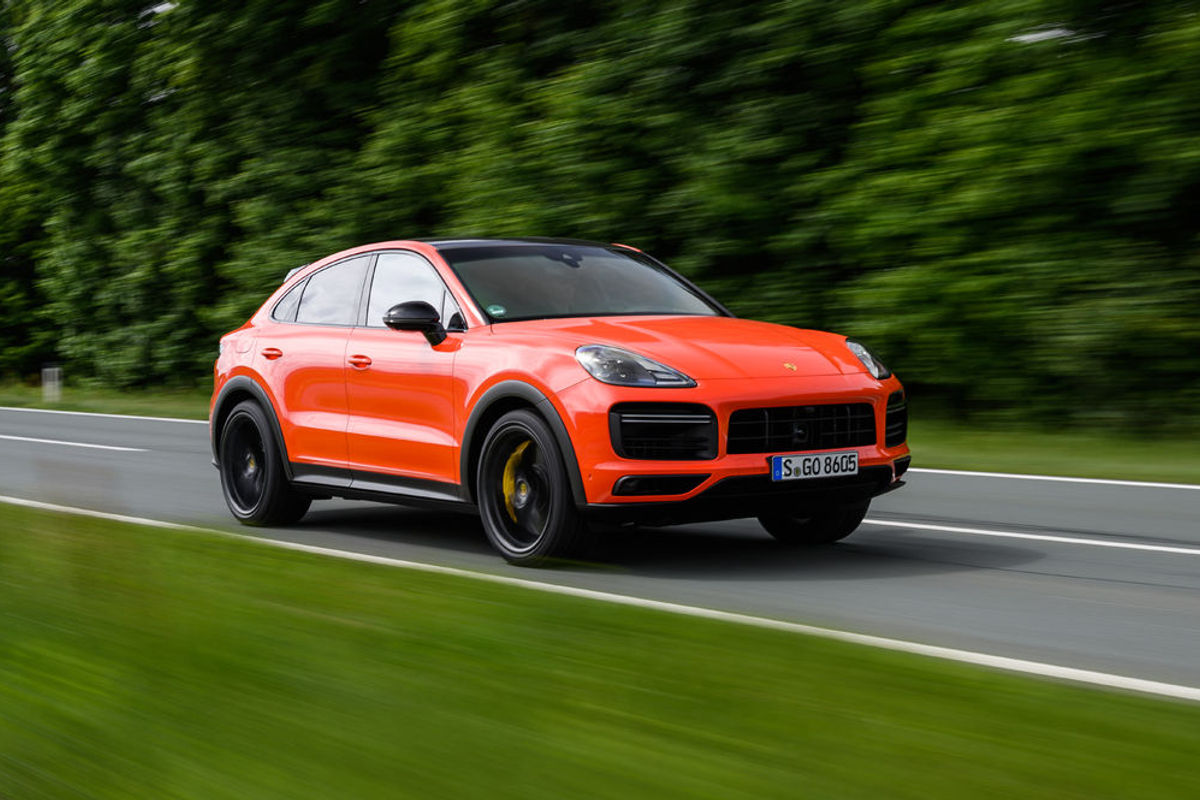
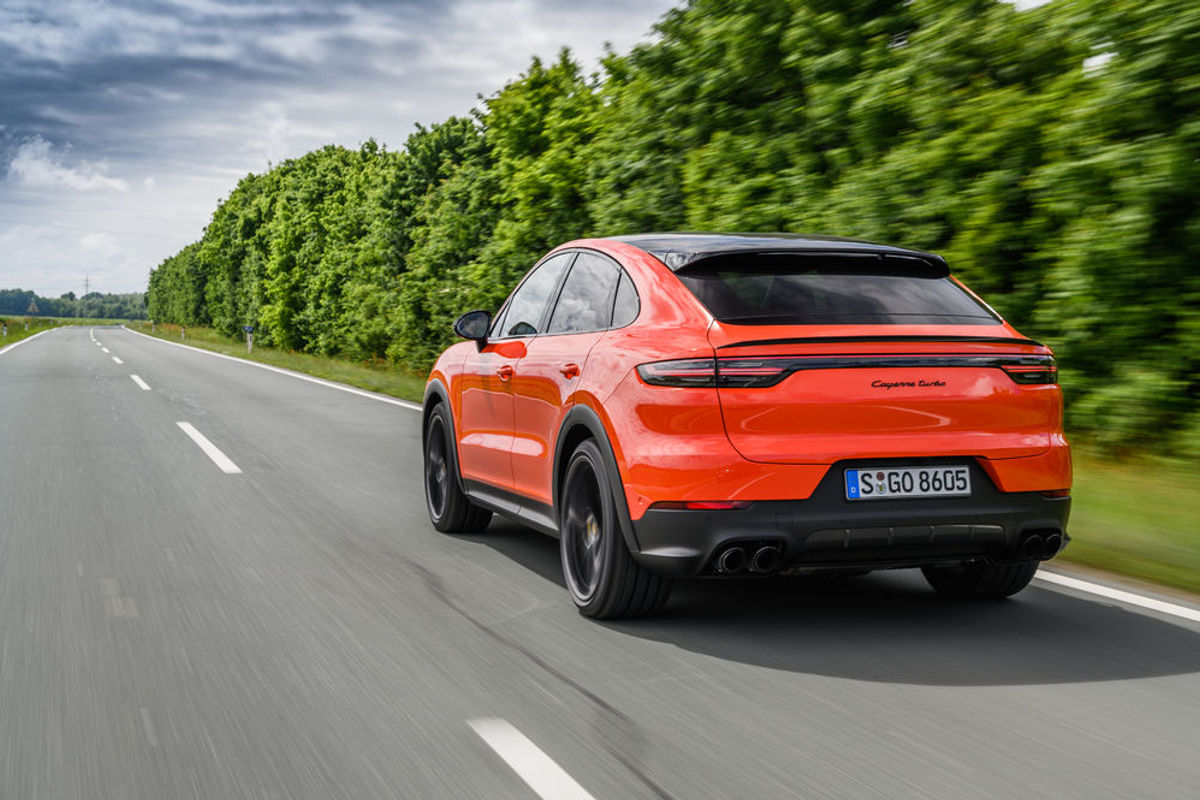
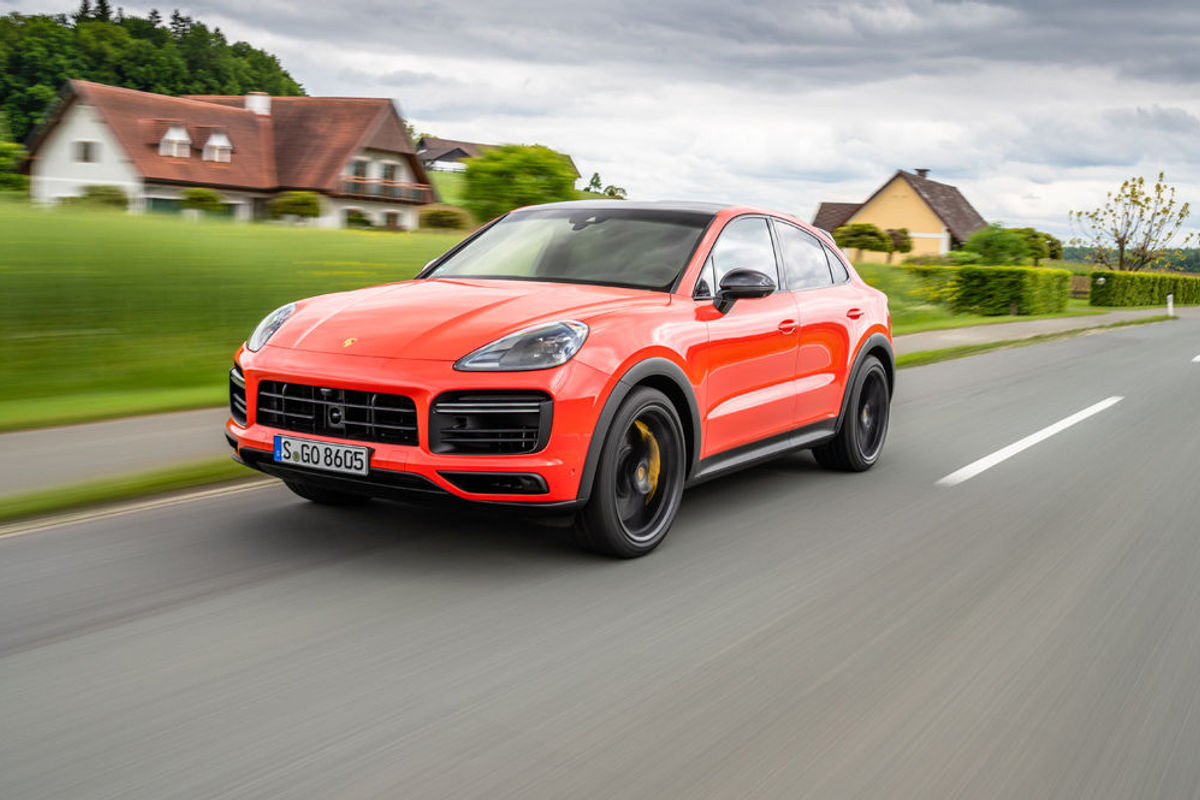
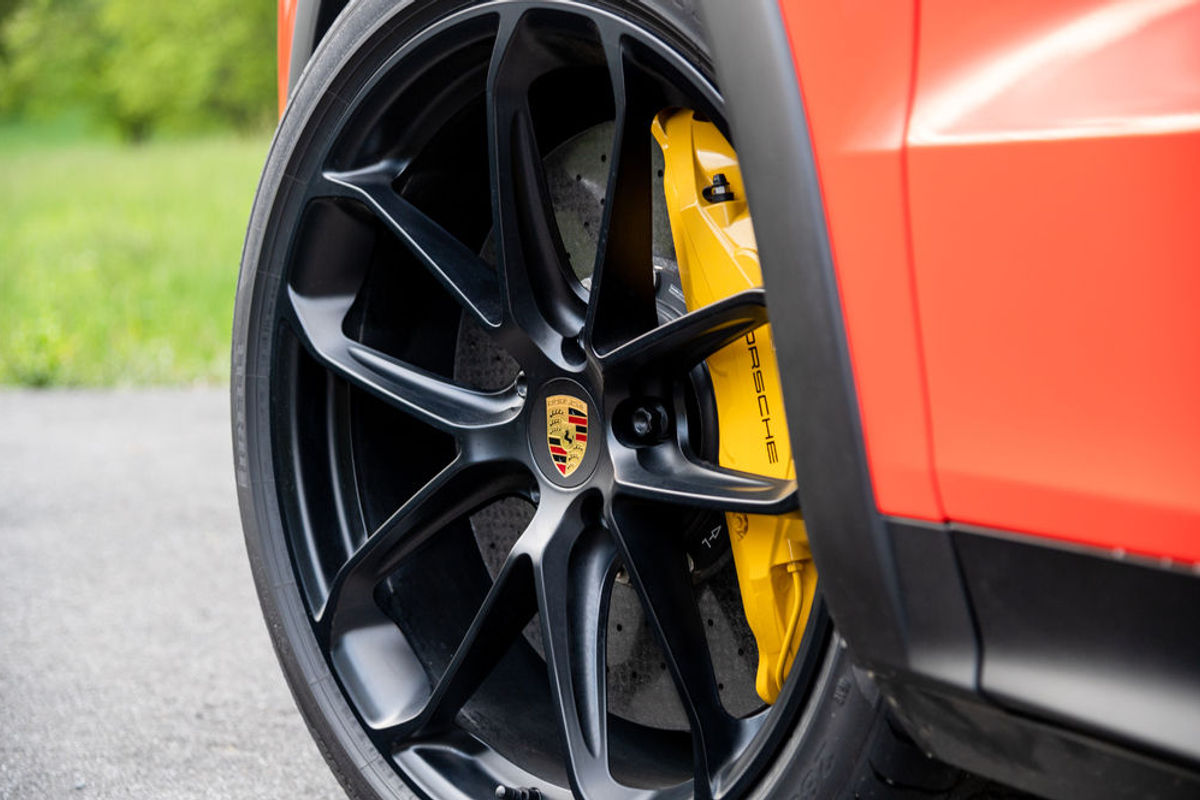
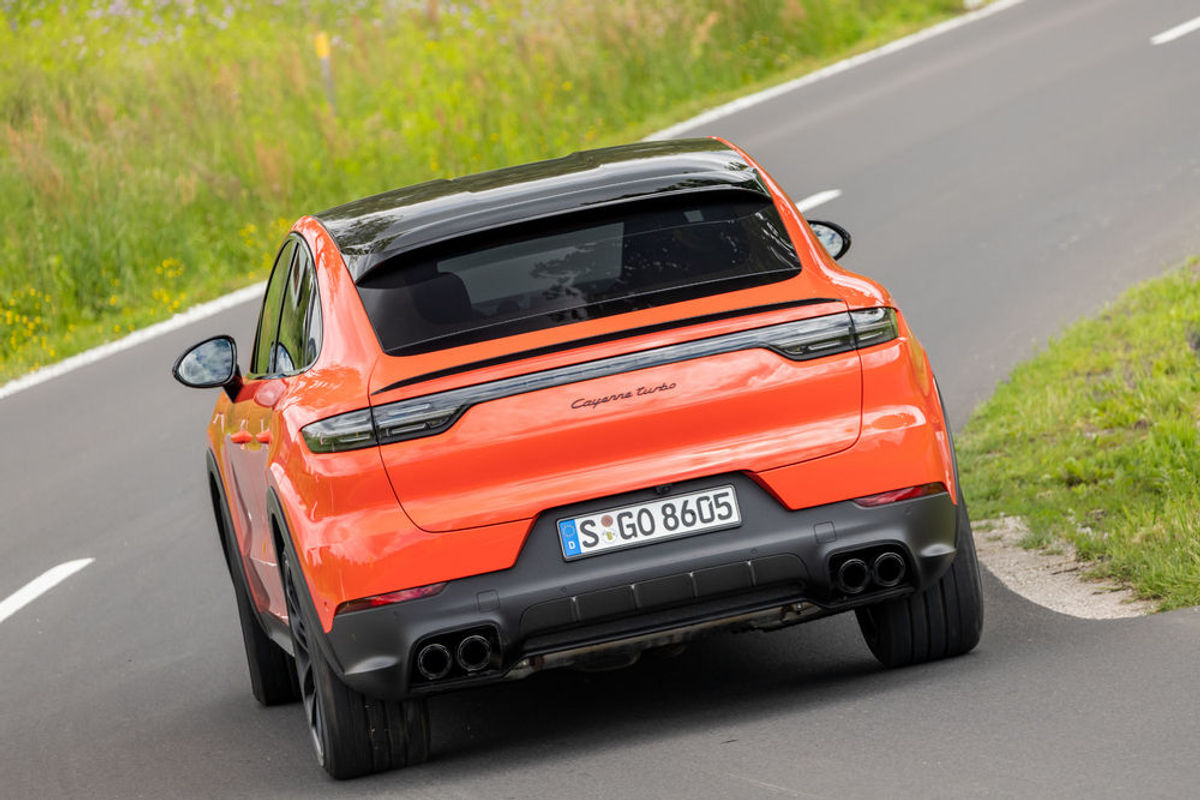
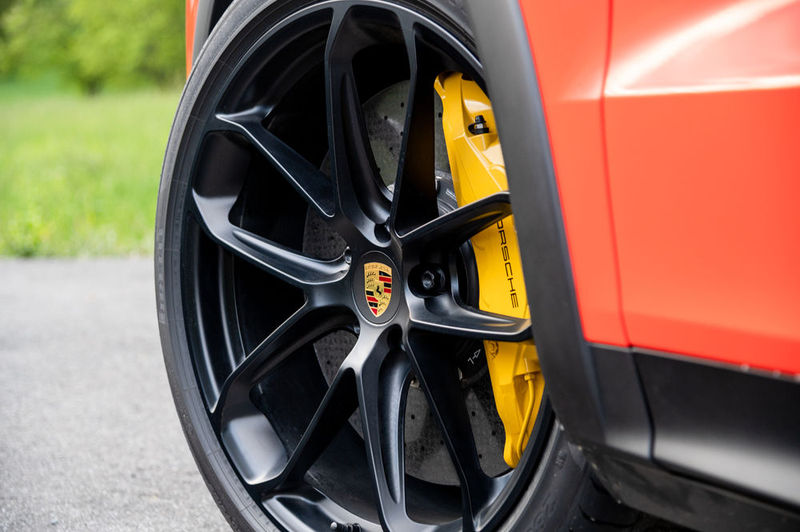
Although 21-inch rims are the largest factory standard fitment wheels, two new 22-inch options are available for those who wish to completely fill those wheel arches. Dedicated Porschephiles will notice that the images on this page detail the range-topping Cayenne Coupe Turbo, finished in lava orange and rolling on 10-spoke matte grey wheels, replete with yellow brake callipers. And yes, that aesthetic will appear strangely familiar, because it is the same colour scheme first shown on the 991 GT3 RS back in 2015.
Snug inside
The lesson learnt from other full-sized fastback SUVs has revealed that the attractive styling silhouette of a curved roofline isn’t achieved without a compromise to cabin architecture. Porsche’s typically methodical engineers have mitigated the lower roofline’s effect of engendering rear-passenger claustrophobia by also lowering the seats by 30 mm – a reversal of the dominant stadium seating trend for passengers in most luxury SUVs.
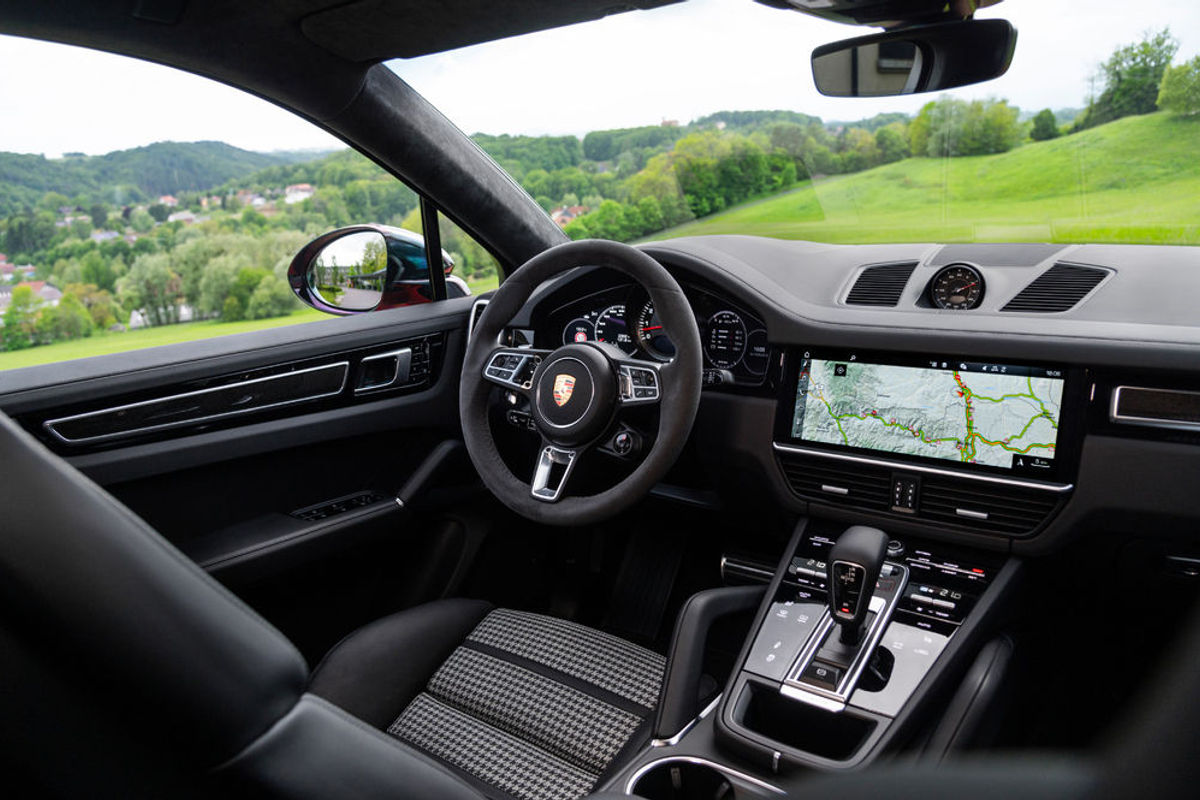
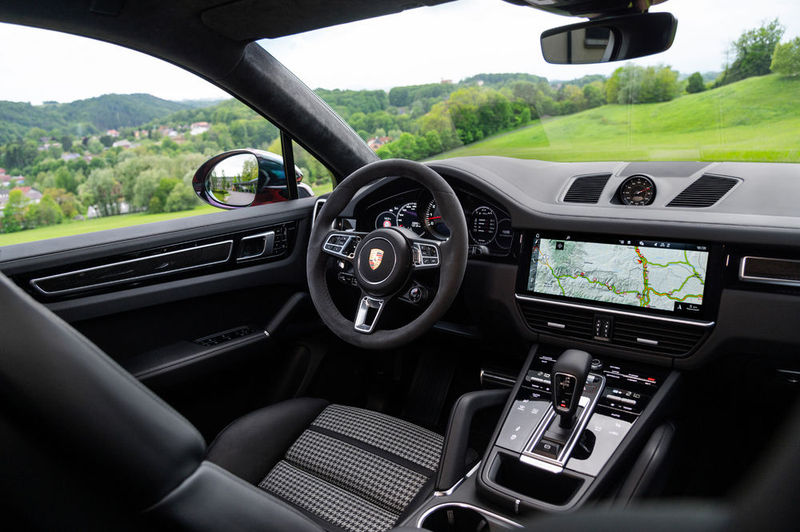
This generation has reduced the interior button count with more touchpads.
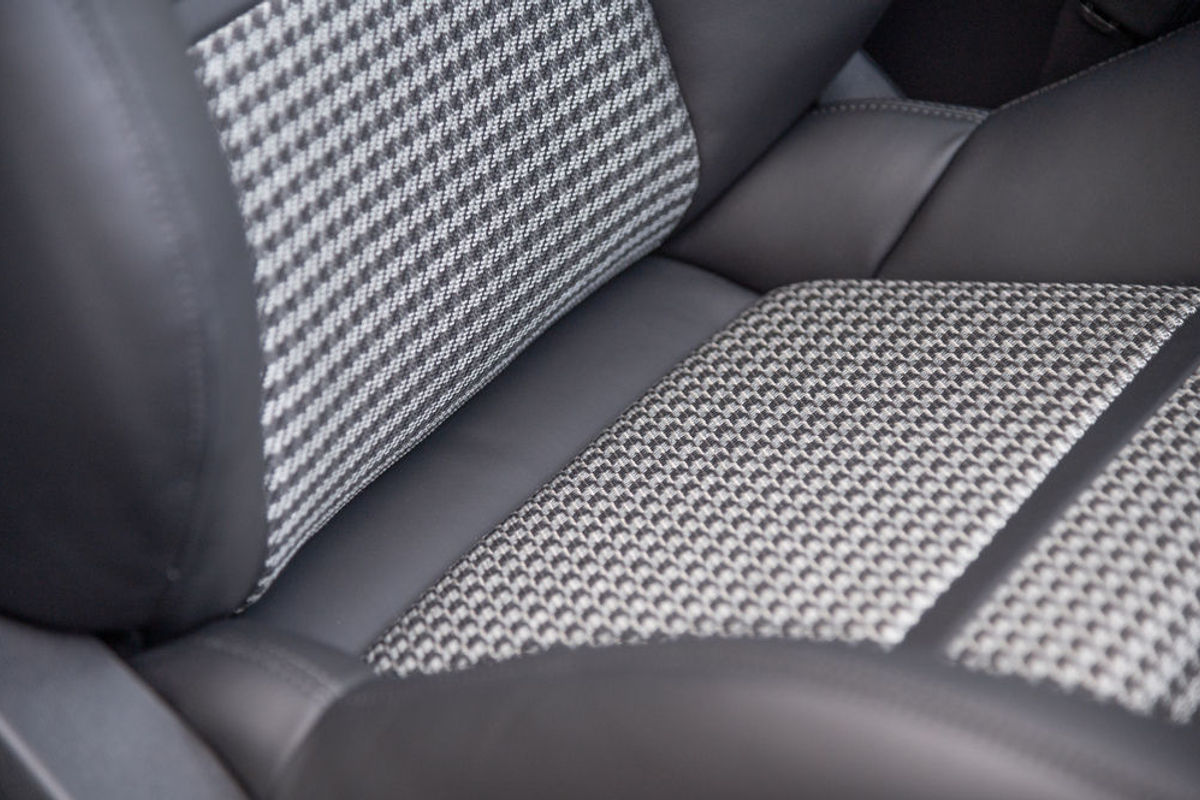
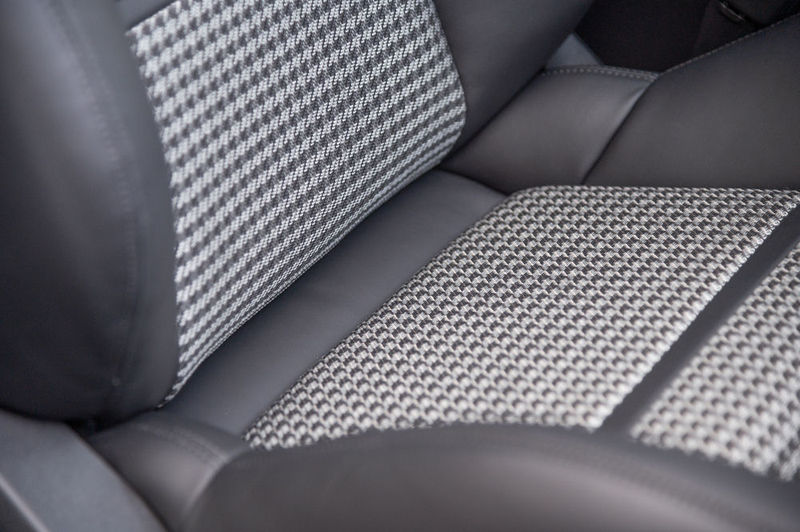
Coupe customers also have the option of either individual rear seats or a 3-seater bench, although I imagine most would prefer the passenger comfort of those adjustable individual seats, which can recline to a more comfortable cruising posture of between 11- and 29-degrees. The most inspiring seating feature is the upholstery, with an optional houndstooth check fabric option, which echoes that of Porsche’s 1967 911S.
The driver information and infotainment interface also blend classic Porsche design themes with contemporary digital requirements. There is no starter button, despite keyless entry; you need to turn the dummy key fob in the ignition barrel to start the Cayenne Coupe. In a market where nearly all its rivals have push-button start, Cayenne Coupe continues to eschew convention in this respect, by honouring Porsche’s Le Mans heritage.
The instrumentation binnacle might feature a 7-inch customisable digital display, but it remains anchored by a large analogue rev-counter and although the 12.3-inch high-definition touchscreen infotainment system is wonderfully slick, it still has a master control knob. Audio volume, temperature and ventilation functions all remain manually adjustable, at the touch of knurled-metal-trimmed roller dials.
Optional houndstooth check fabric seats are a design-conscious buyer's must-have.
Debits? The coupe version has 145 litres less luggage space than a conventional Cayenne – and that 18% discrepancy becomes proportionally larger if you start stacking luggage to the tailgate’s windshield. It must be noted, though, that very few owners of premium SUVs are ever likely to stack luggage to the tailgate’s glasshouse because the risk of items becoming in-cabin missiles during emergency braking is simply too high.
Making sense of the sloping roofline coupe
I can’t imagine that Porsche’s strategic planning staff envision the same customer for both Cayennes. The fastback version is fitted with Porsche’s more dynamically alert Sport Chrono selectable power- and drivetrain calibration as standard, suggesting an intuition on the part of Porsche’s product planners that the typical Cayenne Coupe customer will be a more enthusiastic driver.
The lower centre of gravity and overall mass cedes a marginal performance advantage to the coupe – not in terms of acceleration, but lateral agility. Austria might be the spiritual home of Porsche, as the company’s founder attained his technical acumen in Vienna, but its roads are forbiddingly narrow. Impossibly tight serpentine mountain roads test the cohesion of a large SUV… if you wish to link a series of blind corners at speed.
22-inch wheels harness huge braking capacity to stop 2.2 tons.
We spent all our time at the launch in Porsche’s 4,0-litre twin-turbocharged V8 Cayenne Coupe, finished in Lava orange, with GT-specification 22-inch wheels. Many familiarities about the Cayenne are naturally present in its Coupe counterpart. To name just a pair of examples: that uncannily excellent driving position is unrivalled by any other performance-oriented Premium SUV; the steering-wheel rim width is thinner than that of almost any product in its segment, which causes less hand fatigue when your grip pressure increases as speed rises and cornering demands heighten.
Turn the Sport Chono function to ‘S+’ and Cayenne Coupe Turbo becomes an even more dependably accomplished driving machine. Porsche is legendarily conservative with its performance figures, but this never feels like anything less than a 3.9-second 0-100 kph vehicle. Top speed registers at 286 kph and roll-on acceleration is fearsome in any of the transmission's 8 gears.
Theoretically, this Cayenne Coupe is too heavy to be considered a rewarding driver’s car. It weighs 2 200 kg (25 kg more than a long-roof Cayenne Turbo, without the carbon roof) and with 404 kW and 770 Nm boosting it into corners, you’d expect a world of electronic stability interventions.
In reality, it offers a handling balance incongruent with a vehicle of its weight and stance. The 3-chamber air-suspension system mitigates against brake-dive under cornering and the all-wheel drive is always biased towards rear-wheel propulsion, instead of defaulting to failsafe understeer.
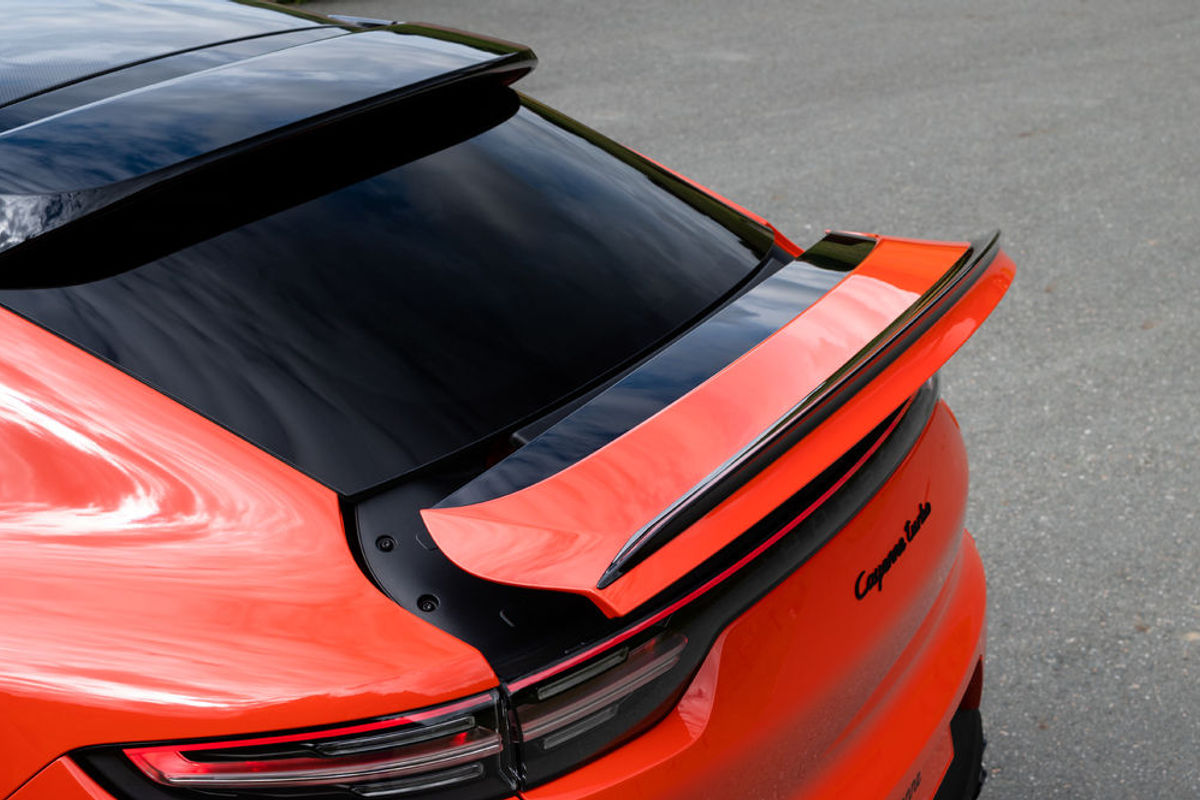
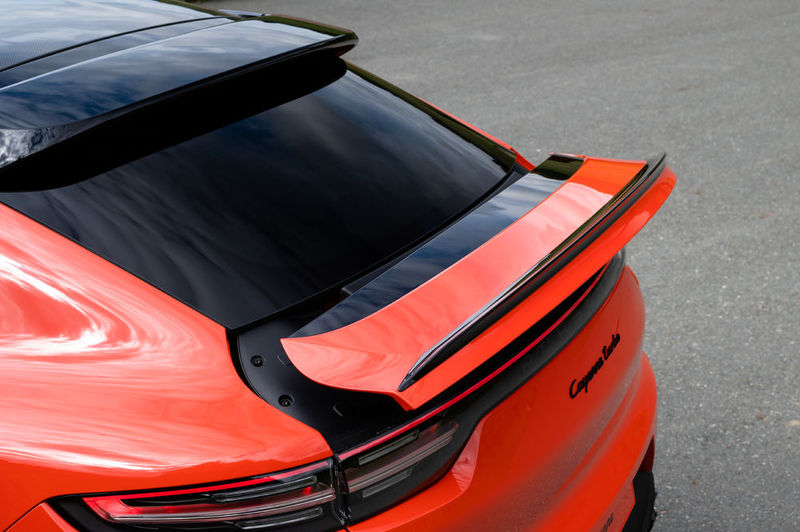
At above 90 kph, the rear wing deploys to aid downforce and stability.
At speeds beyond 90 kph, the coupe version features its own interpretation of the active rear-wing aerodynamics first seen on the long-roof Cayenne, by deploying a 135-mm leading edge spoiler at the shut line of the tailgate, which generates extra downforce for improved stability.
Summary
For a brand with an unrivalled product heritage, it seems very brazen to offer a coupe version of its Premium SUV model with the identical optional colours and wheel combination as one of its most celebrated sportscars (the 991 GT3 RS). But it works. In some ways, the Cayenne Coupe is the performance SUV that Porsche always should have built: one that is slightly more 911-like in its overall profile than a conventional SUV.
With the carbon roof and lightweight pack, which is a pseudo 911 T adaption for SUVs, you save 21 kg and with sound insulation material removed, become more exposed to the pops and crackles of those turbocharged engines on overrun, or during quickfire downshifts.
Local availability commences in the 4th quarter of this year (2019), with pricing as follows. The Cayenne Coupe positions at a premium of 4% to its long-roof sibling, although that pricing margin must be seen in the context of its standard fitment Sport Chrono package and panoramic roof.
Pricing
Cayenne Coupe R1 303 000
Cayenne S Coupe R1 433 000
Cayenne Turbo Coupe R2 277 000
BMW Showcases All-New 1 Series with M Performance Parts
The all-new BMW 1 Series has only just been revealed and already the M Performance division has go-faster goodies for it. Check it out.
While styling is a touch controversial, there's no mistaking how big an evolution this BMW 1-Series is. With a shift from a traditional rear-wheel drive to a new front-wheel-drive platform, the new 1-Series is said to gain numerous benefits such as increased cabin space. However, the real question is whether it'll have enough performance. We've already seen the new M135i xDrive which features an all-wheel-drive setup as well as a turbocharged 2.0-litre 4-cylinder engine, but it doesn't look as imposing as it should.
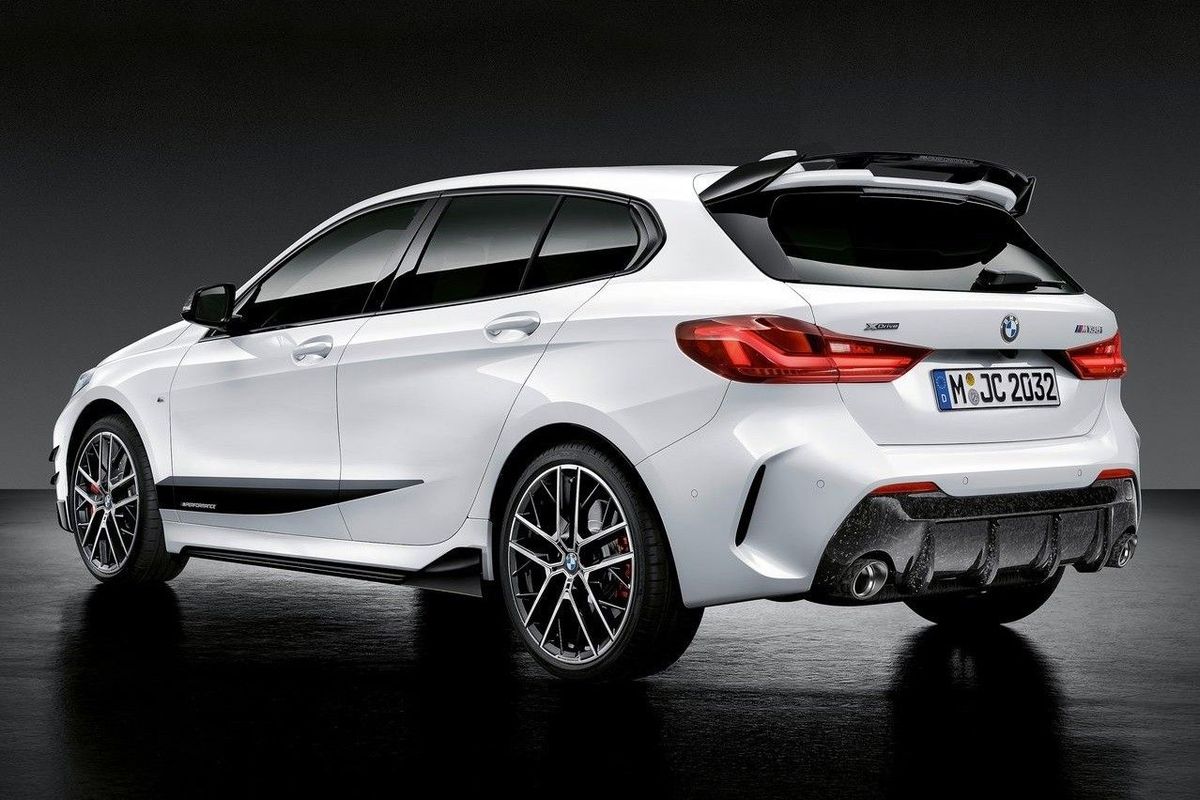
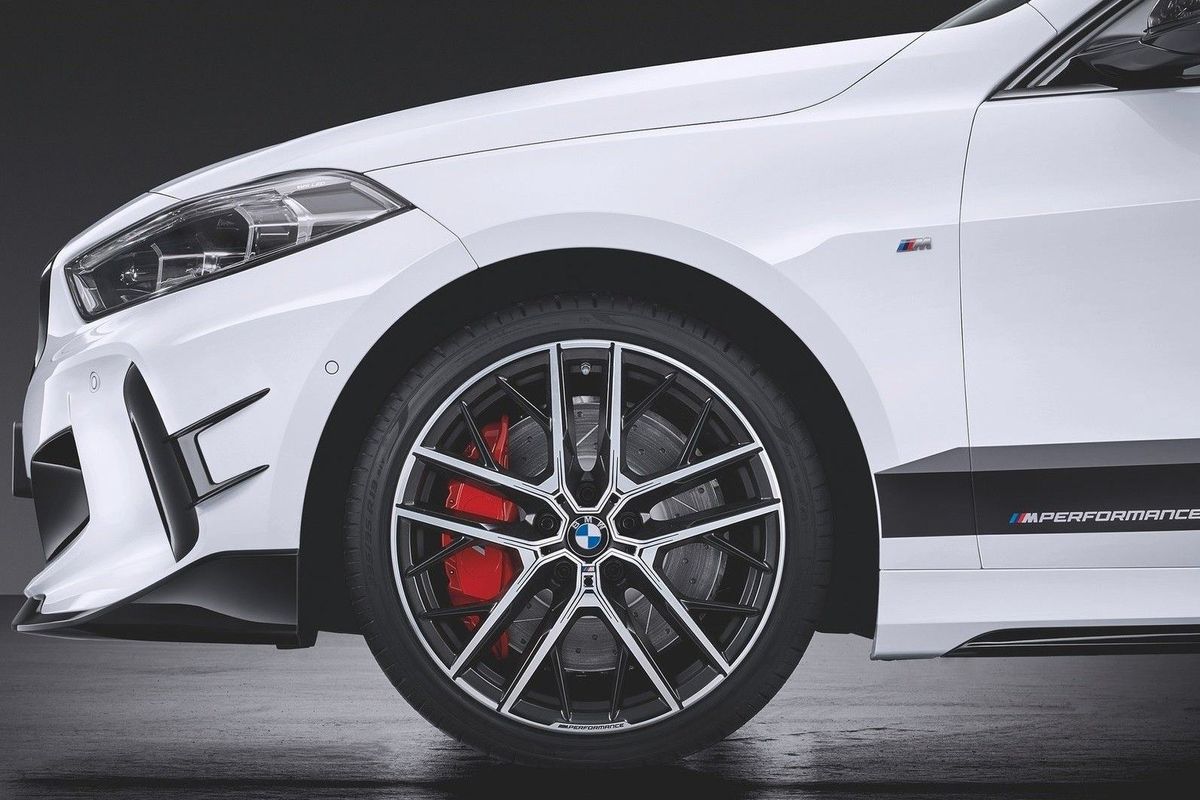
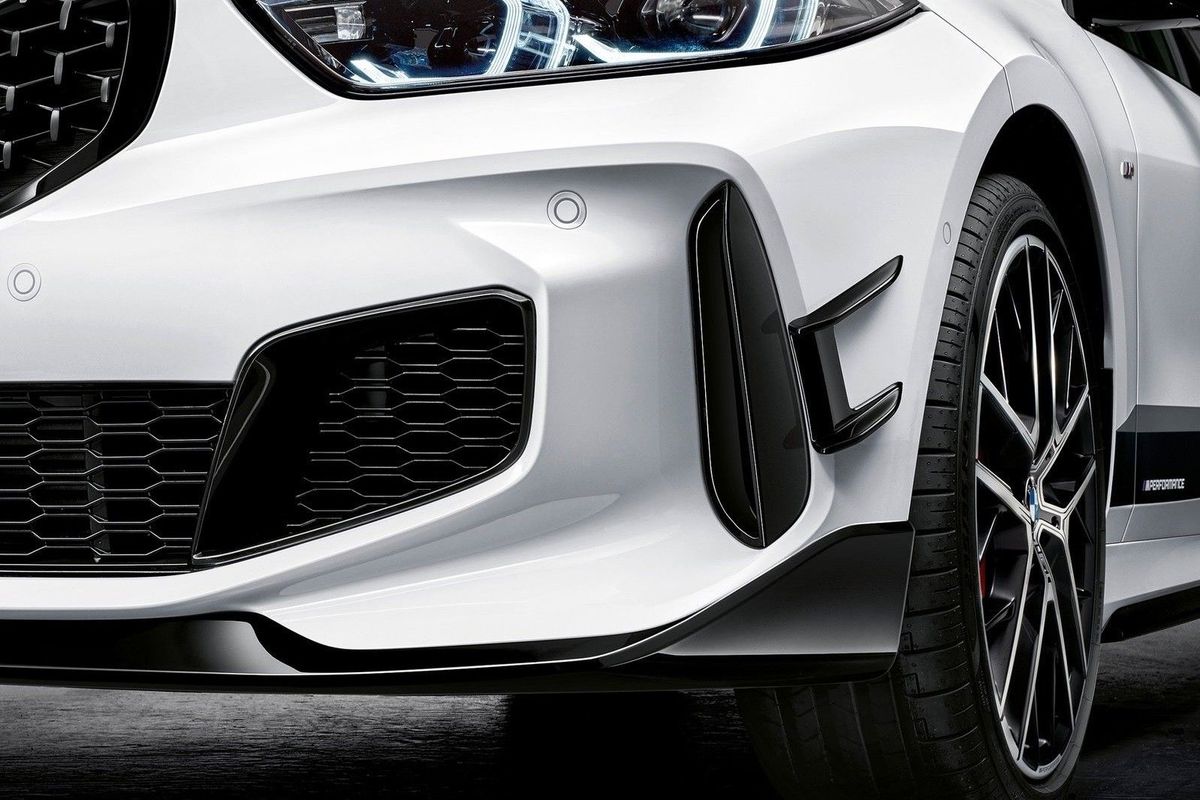
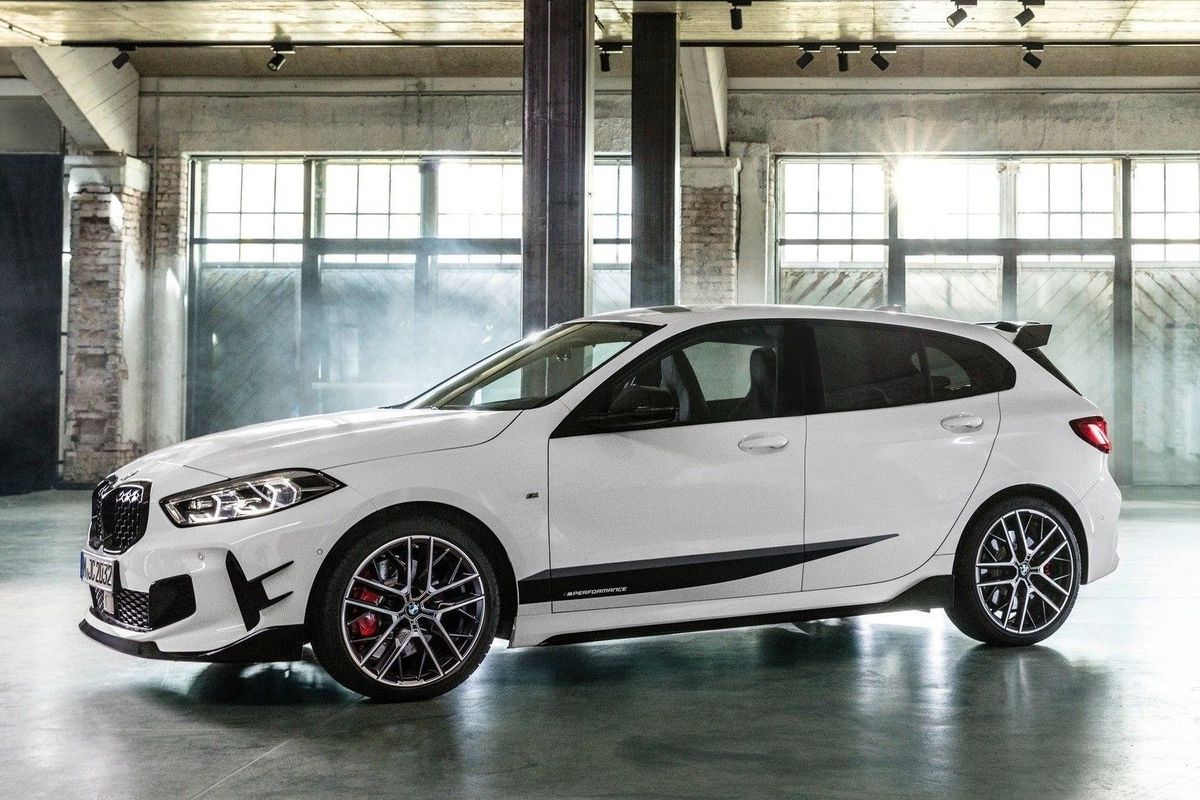
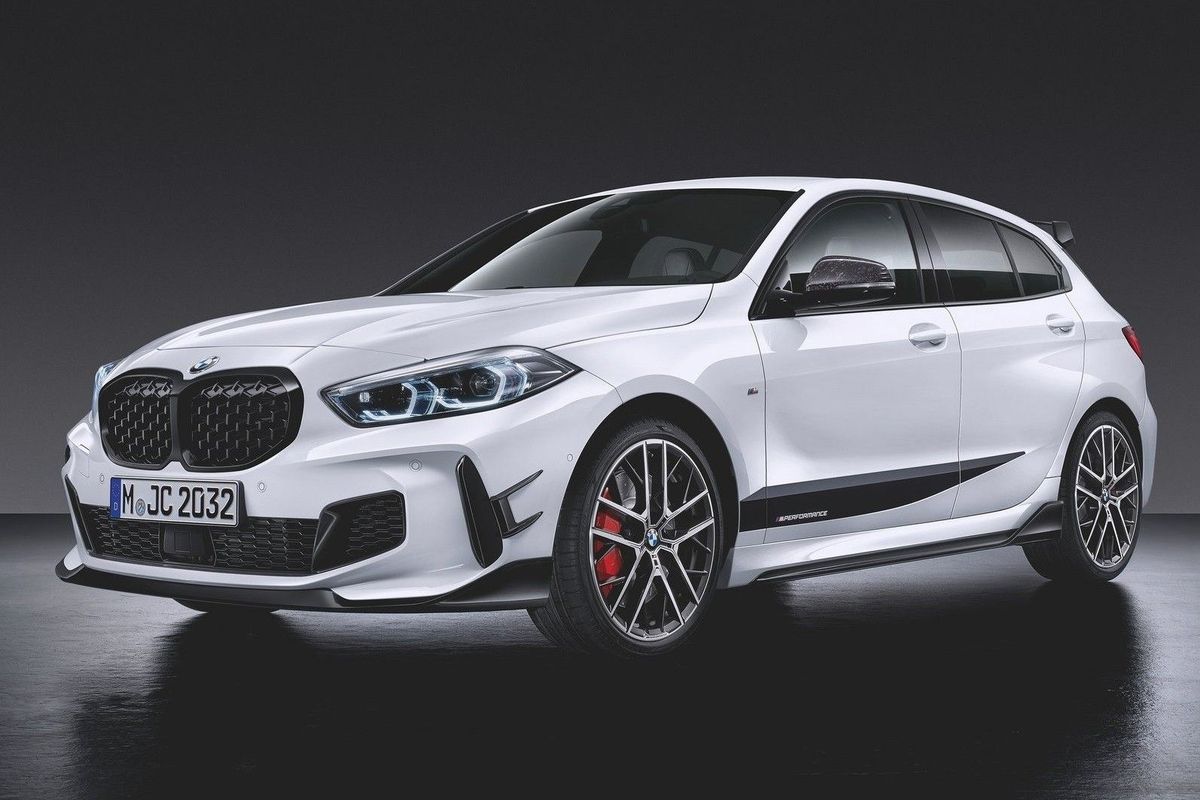
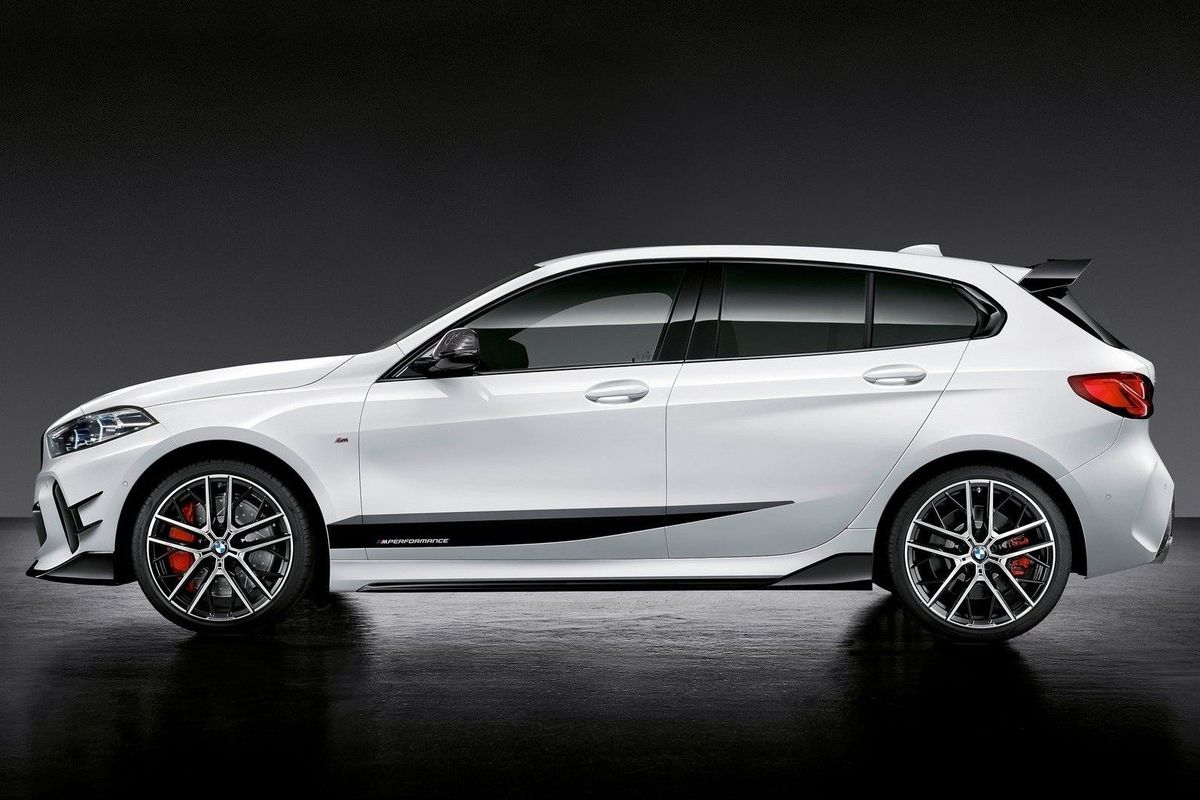
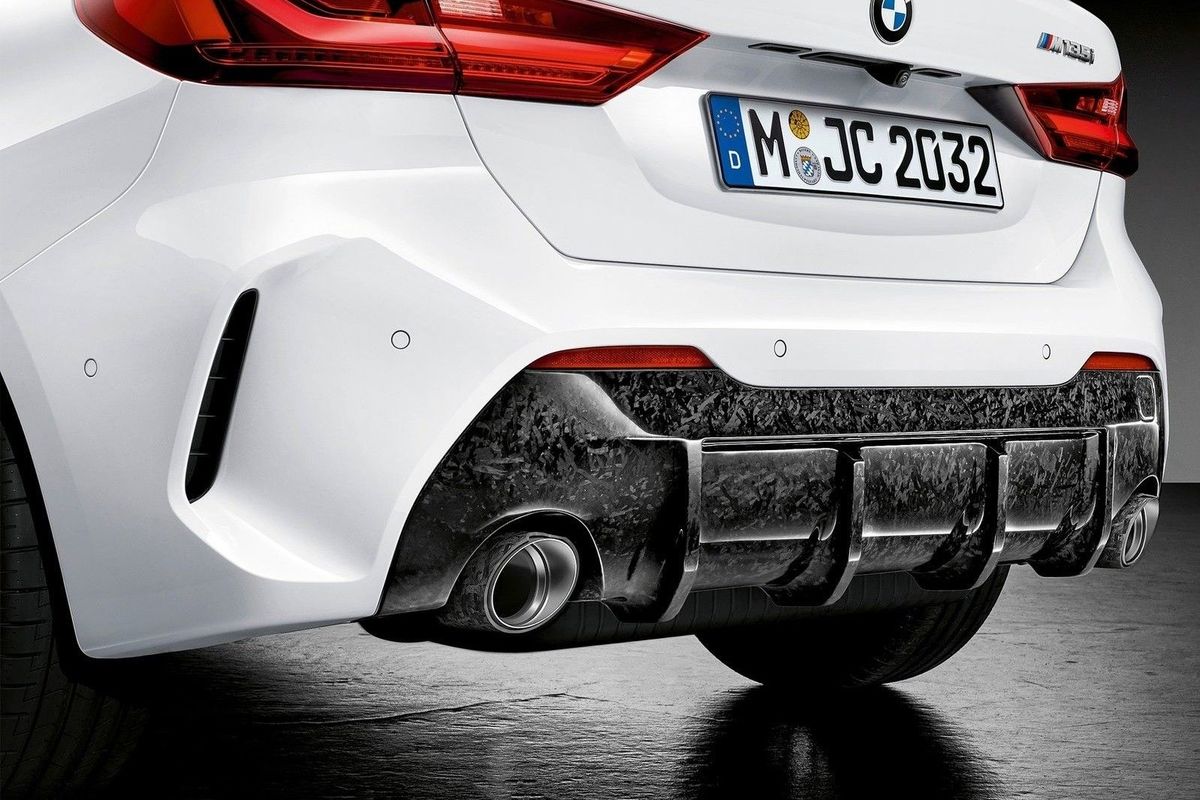
Introducing the M Performance Parts which have been made available almost immediately after the newcomer was revealed. Take a look at this white unit equipped with some proper aerodynamics. While there's a massive focus on looks, the dynamics are also said to be improved, and in some cases, there's some weight saving.
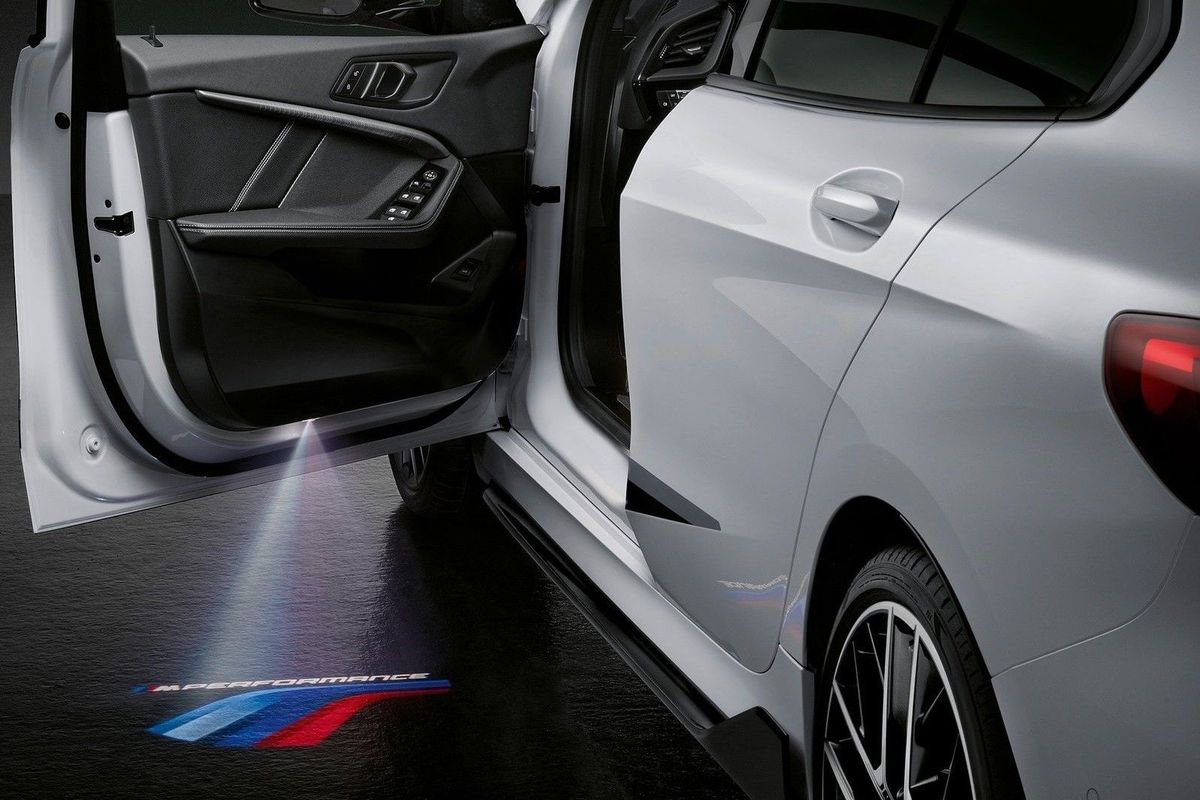
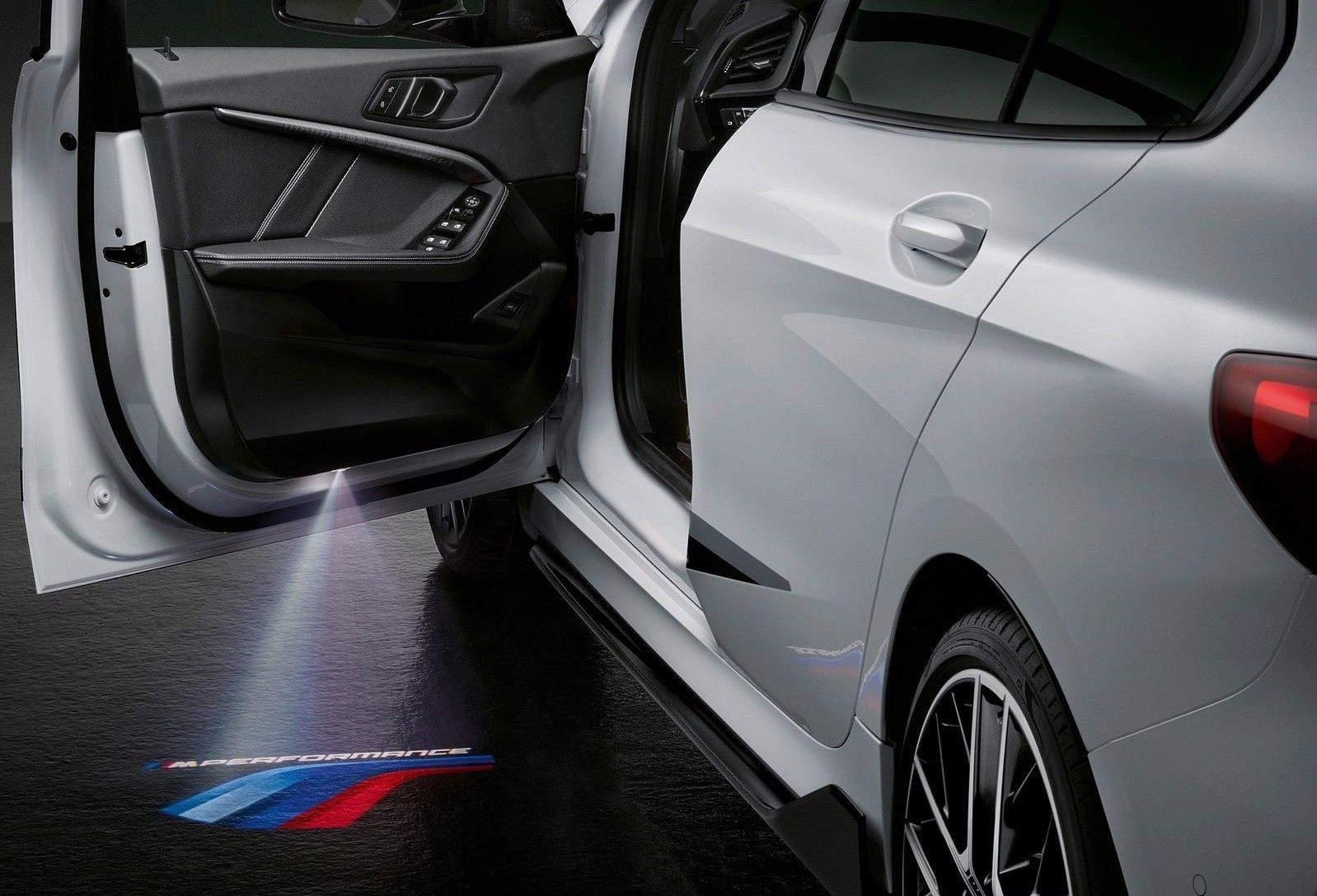
As you can see, there's plenty of carbon fibre and gloss black aero parts. High-performance brakes have also been added and there is the option of these striking and attractive alloy wheels. One thing we think is really cool are the LED door projectors which show off the M Performance motifs at night. Inside, you can opt for an M Performance steering wheel which features Alcantara grip areas and you can choose either carbon fibre as the trim. Naturally, there are also carbon fibre options for the gear shift paddles.
The Prius has received a facelift, as well as a few specification tweaks, to make Toyota's eco-warrior more appealing to efficiency-conscious local buyers. Has Toyota done enough, or will the Prius continue to struggle to find favour?
We like: Comfort levels, spaciousness, fuel economy
We don't like: Awkward design, no navigation or Android Auto/Apple CarPlay compatibility
Some Toyota dealers regularly offer specials: Have look here.
Where does it fit in?
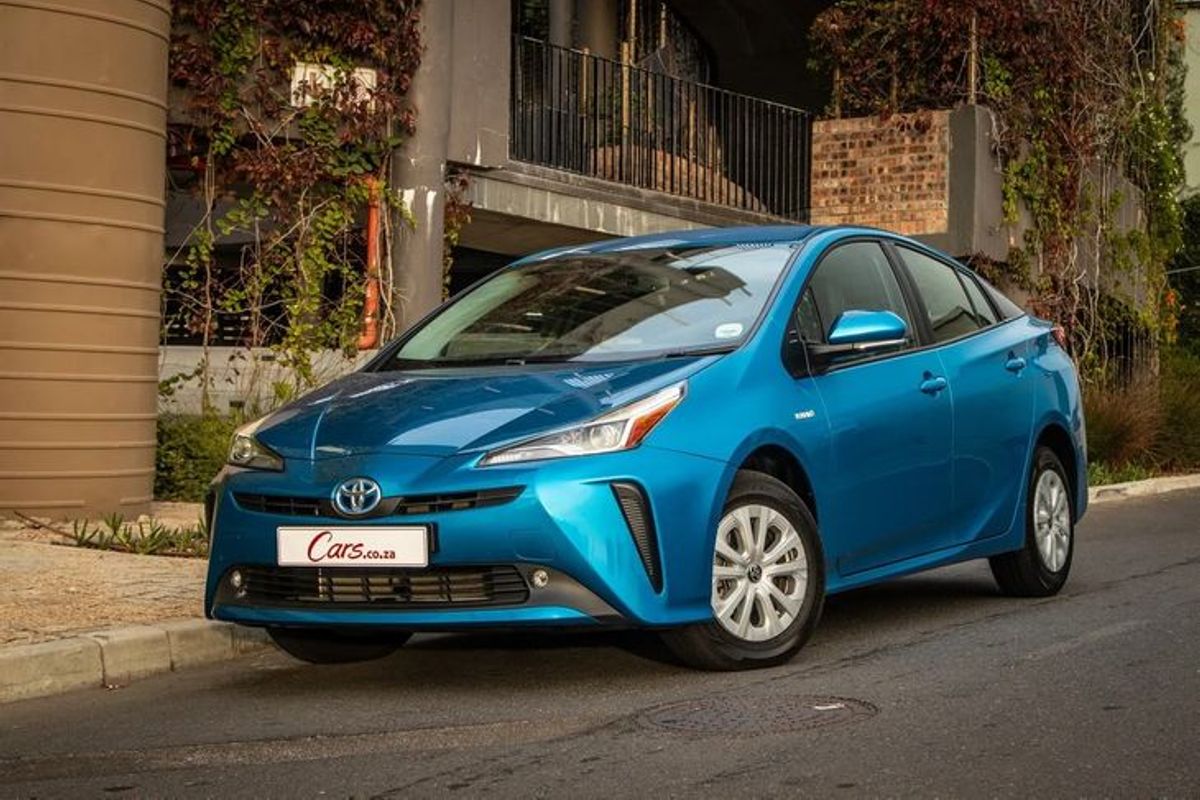
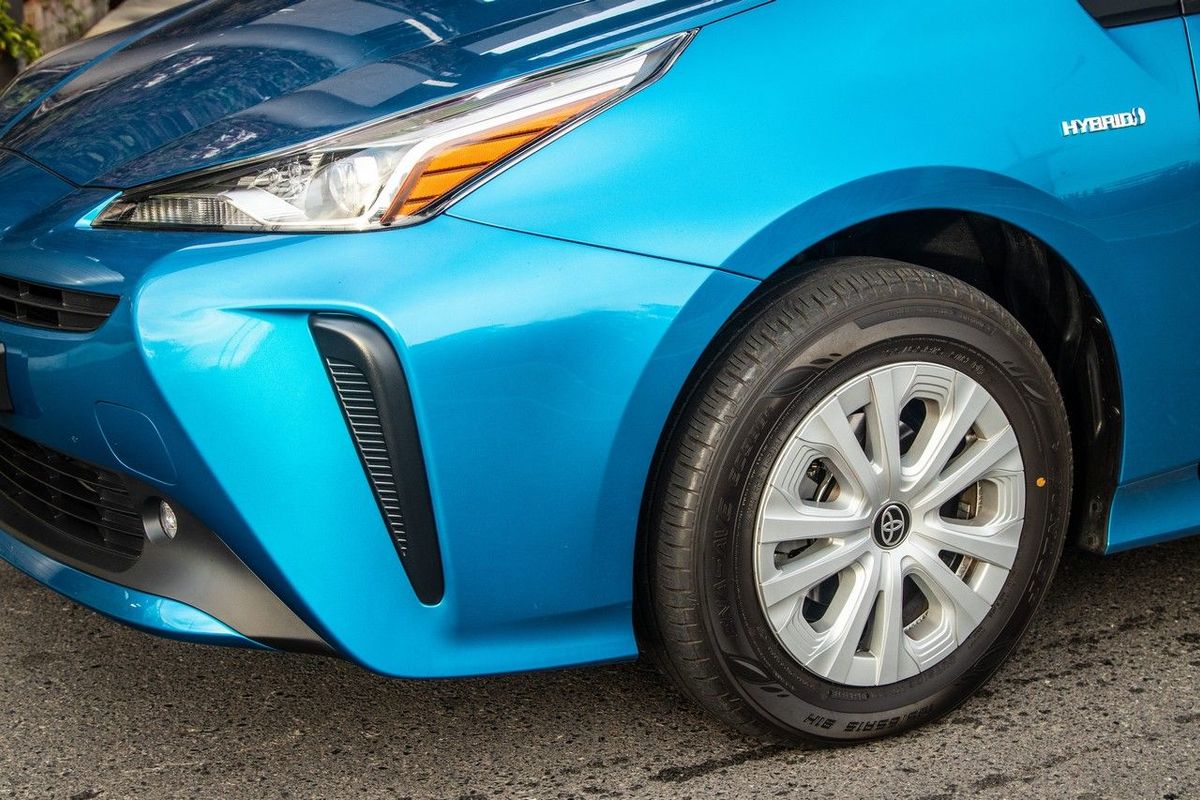
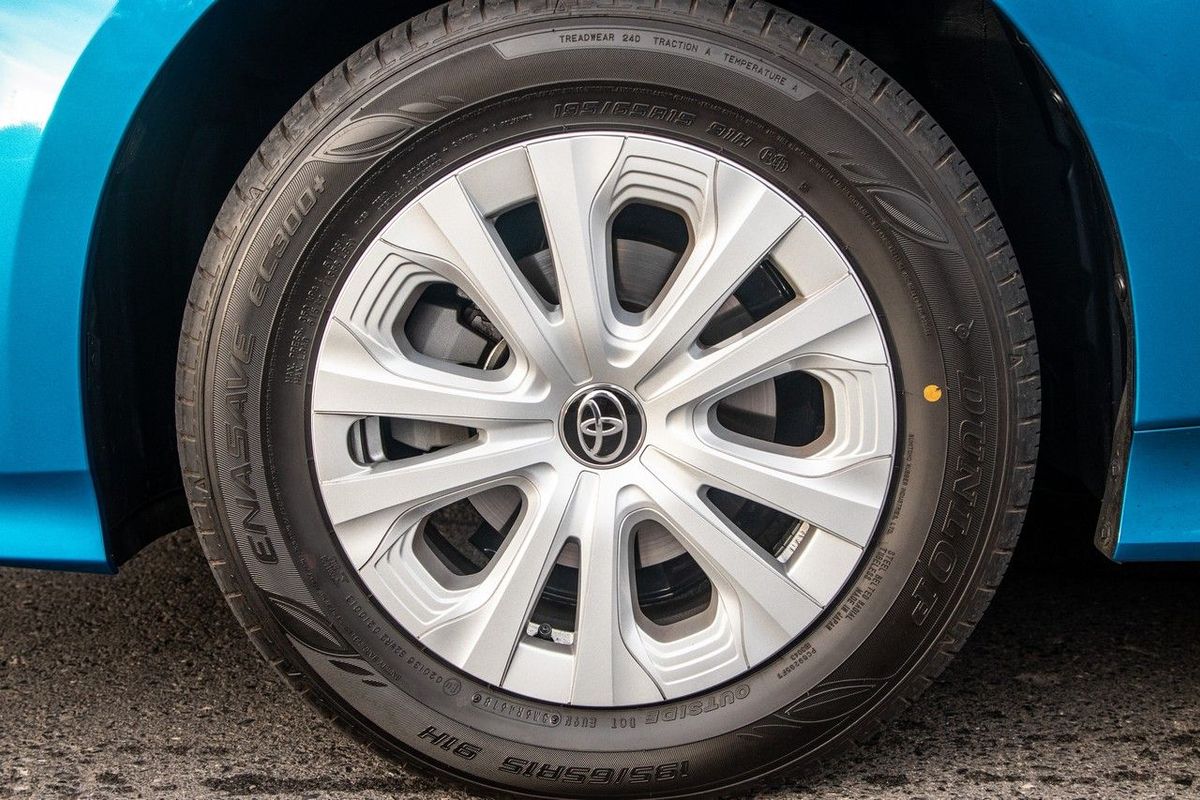
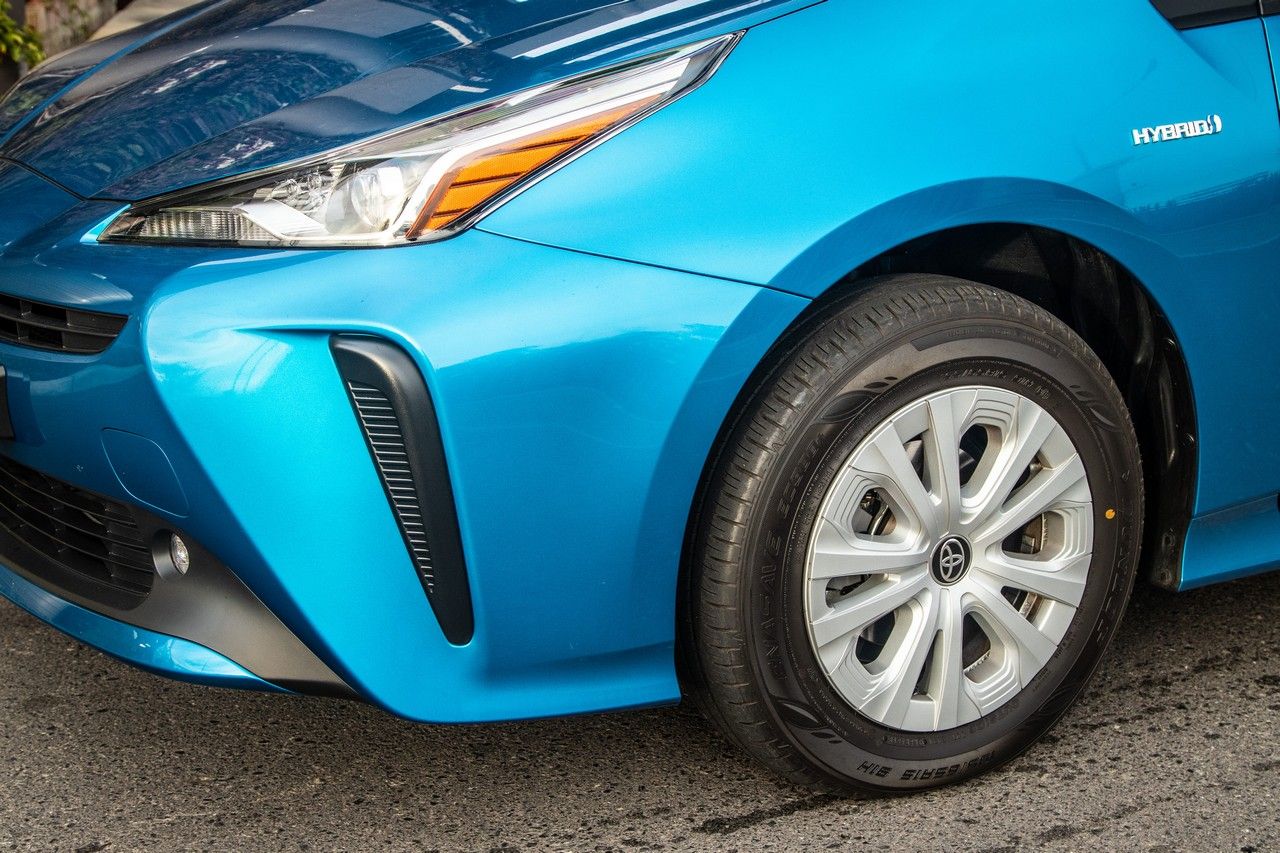
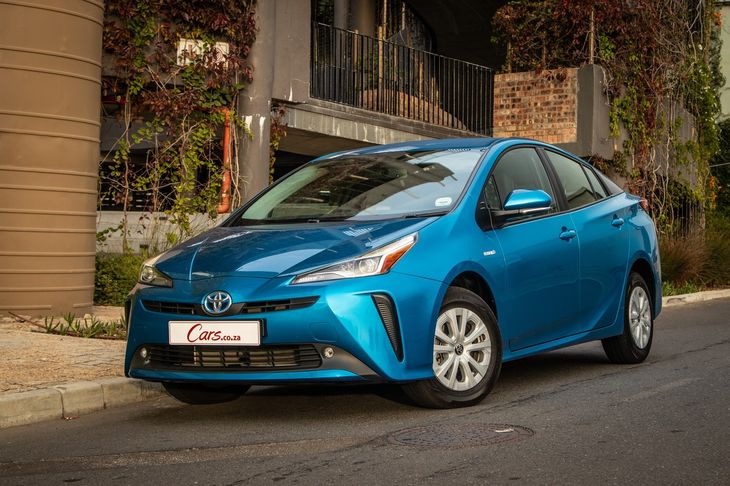
The significantly revised front-end is sleeker and sharper in appearance. Wheels are 15-inch steel items with alloy-look covers.
It's hard to believe, but in global terms, the Toyota Prius has been around for more than 20 years, following its initial introduction in Japan in 1997. Since then around 4 million of these ground-breaking hybrids have been sold and it remains, to many, the "green face" of the Japanese motoring giant. South Africa, on the other hand, had to wait until the launch of the 2nd-generation Prius in 2005 to experience hybrid motoring, and since then a mere 1 155 have found homes in Mzansi (according to Lightstone Auto). In fact, according to the latter's sales figures, only 4 were sold last year.
Nevertheless, Toyota recently introduced a subtly-reworked offering in an attempt to tone down the highly polarising design of the current-generation Prius and, to up the family car's value-for-money factor.
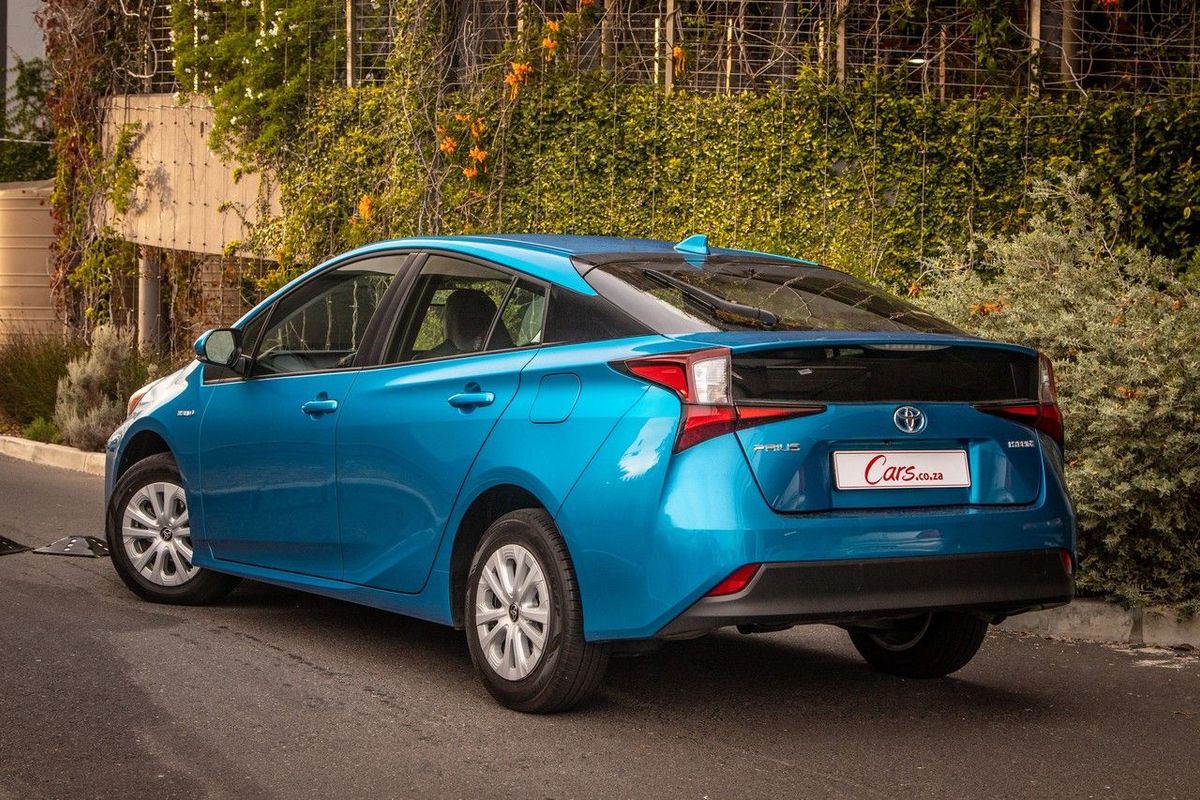
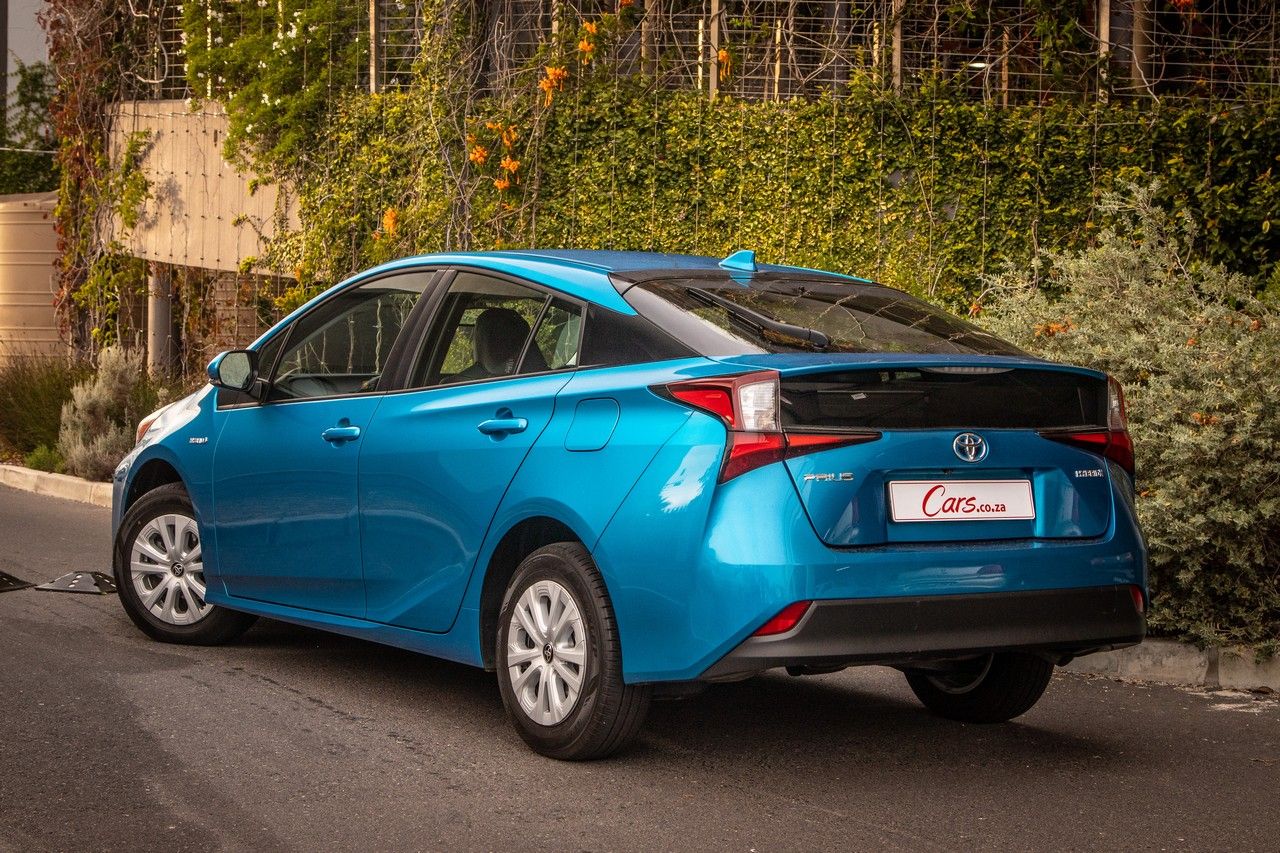
This is arguably the least flattering angle of the Toyota Prius, but there is a new bumper as well as revised tail lamps.
When the current generation Prius was launched in 2016, there was much discussion about the fact that the petrol-electric sedan/fastback was designed by a youthful team, who wanted to imbue it with "ego". This Prius undoubtedly looked "different", but distinctiveness does not always equate to attractiveness… So, to make the facelifted model's looks less polarising, Toyota's design team gave it a sleeker, sharper appearance.
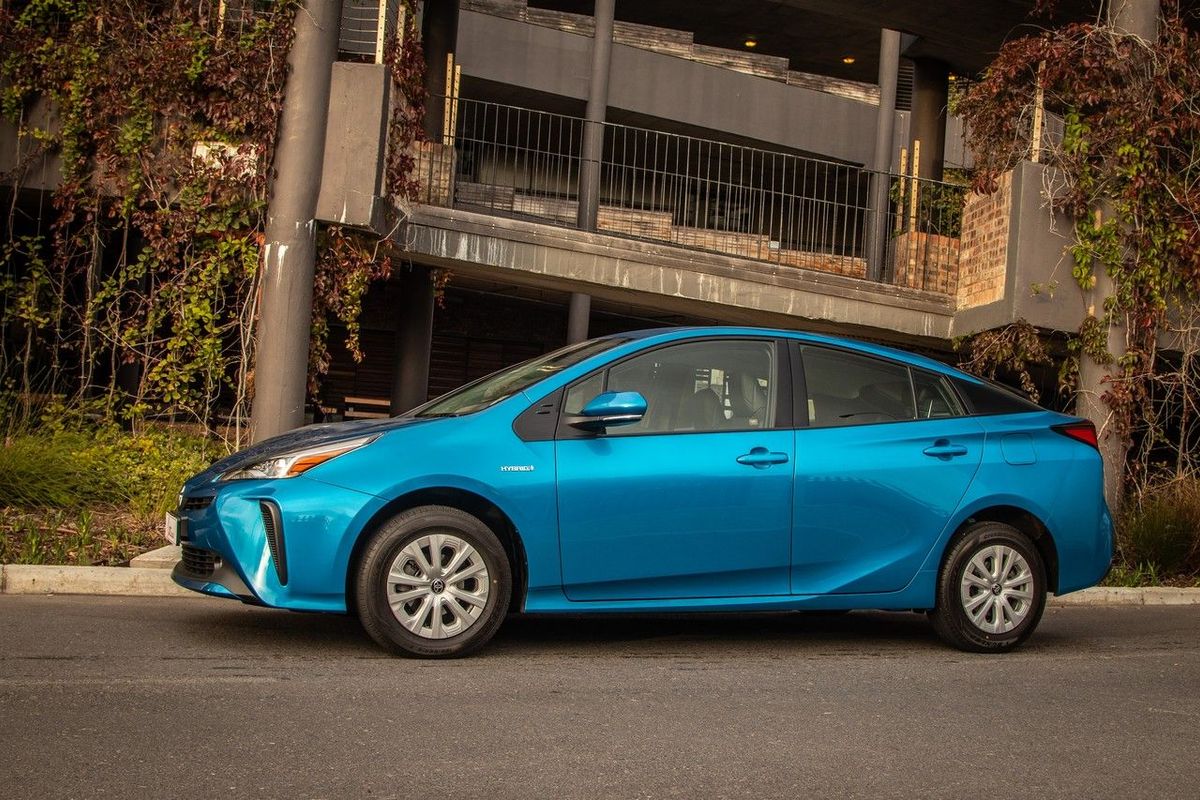
Consequently, the updated Prius has new bumpers, combined with slimmer headlights (with bi-beam LEDs) and a change to LED foglamps at the front, while the rear sports revised combination LED light clusters that accentuate the width of the vehicle. What's more, the Prius is slightly longer than before, the 15-inch wheels have new covers and Toyota has introduced 2 new paint finishes – Fierce Red and Sky Blue metallic (shown here).
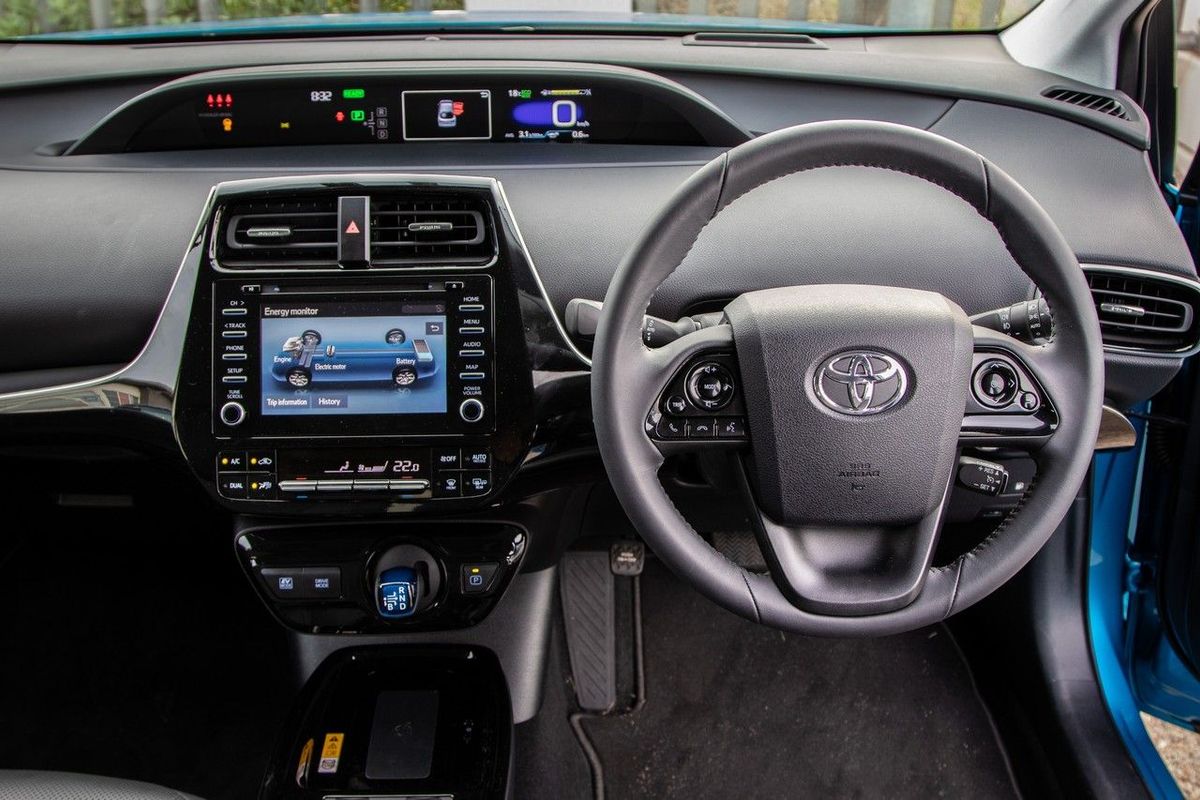
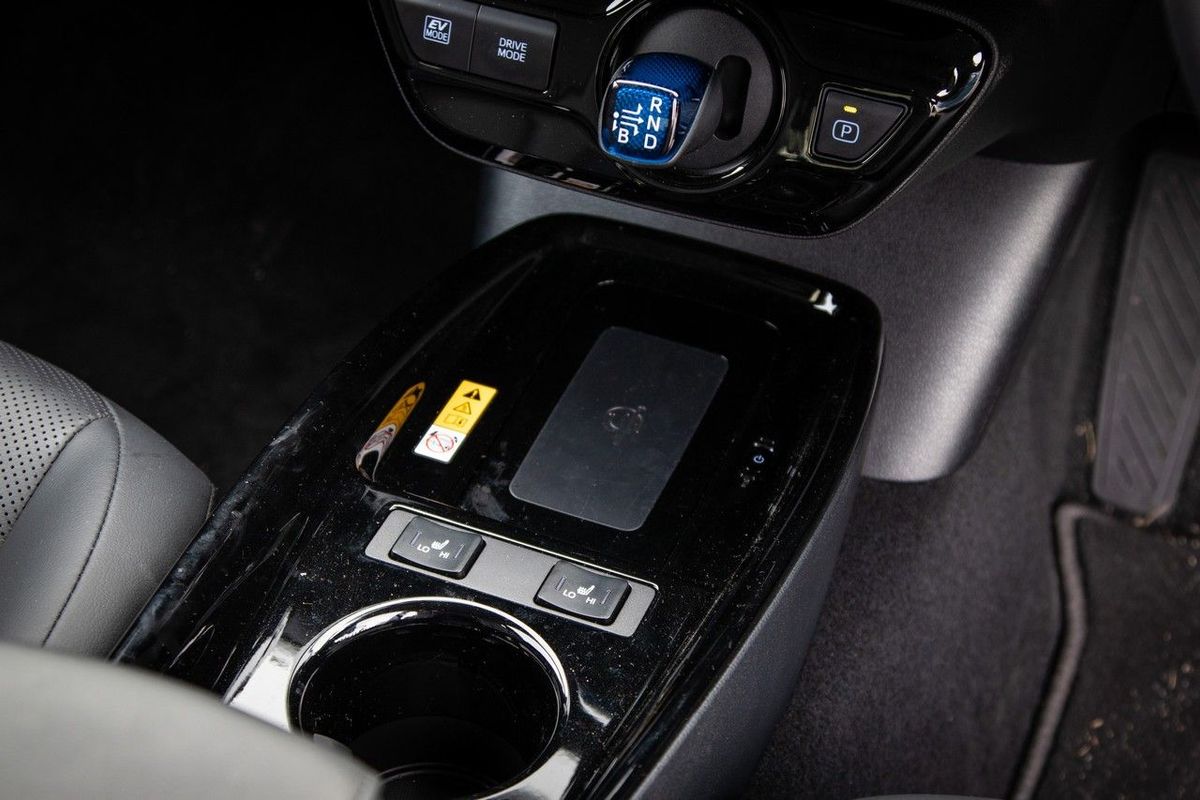
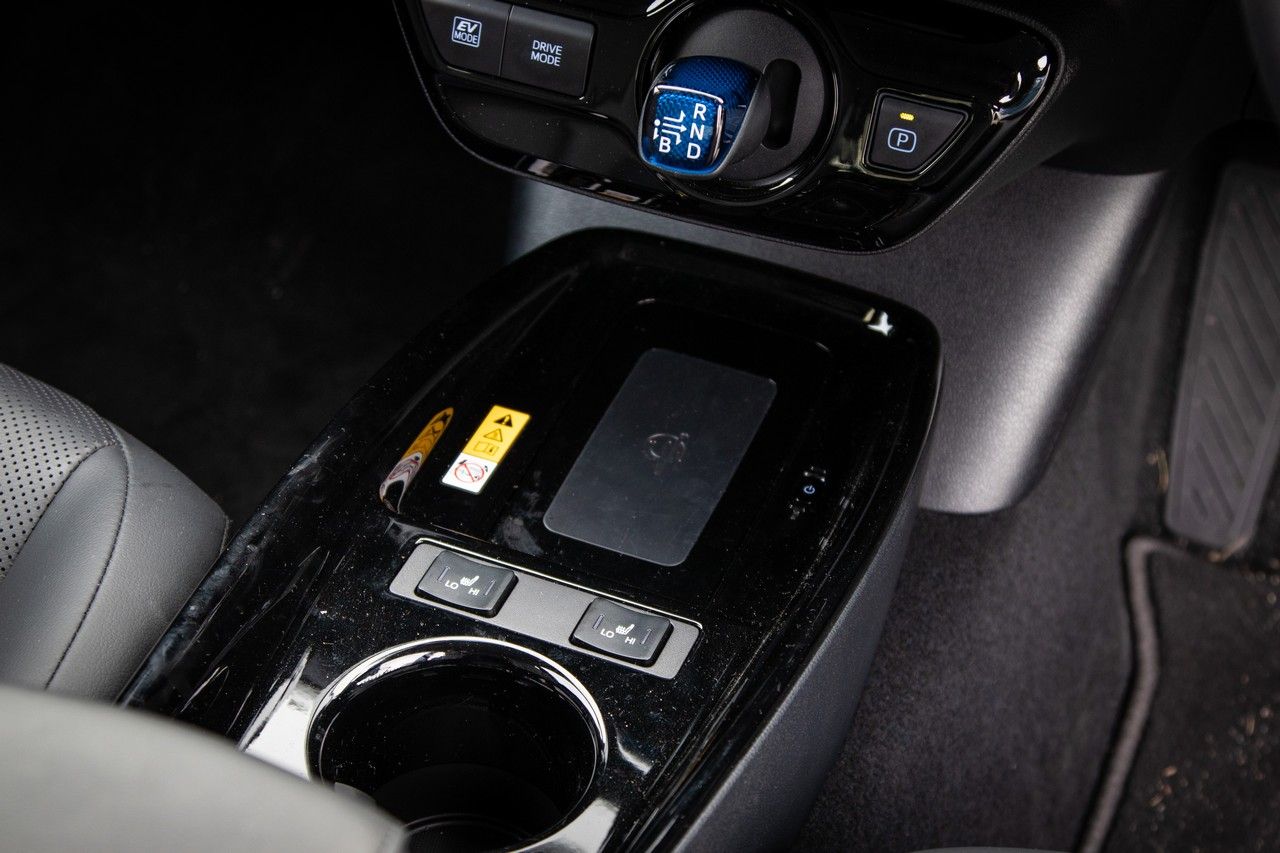
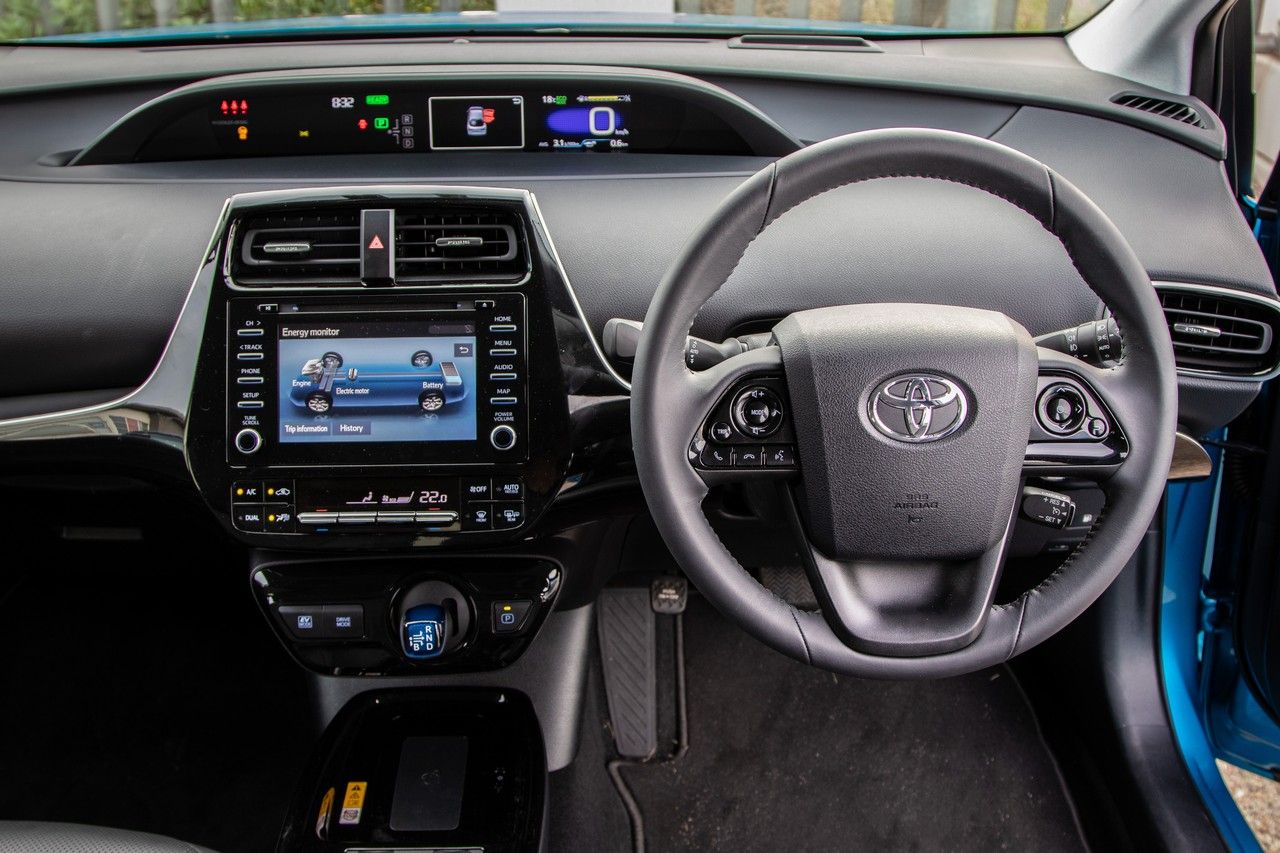
The revised centre console is now finished in Piano Black (as opposed to "Bakelite" white) and features a wireless charging pad.
Do the design revisions work? Well, that is up to each individual to decide, but we'd say that the front-end revisions are probably effective in making the Prius appear less "weird", to put it kindly, or less "outlandish", to be critical. Its rear 3-quarter aspect is still decidedly odd-looking, however.
Inside, the current Prius is far more convincing, with good quality materials, excellent spaciousness and some (surprisingly) nice detailing to give it an upmarket look and feel. You'll have to park its predecessor next to it to spot all the changes, but they're effective – the centre console has been redesigned and features 2 drinks holders, seat heating switches and, perhaps most importantly, a wireless charging pad (for smartphones). The interesting frosty white colour of the pre-facelift car's centre console has been replaced with a more practical – and classier – Piano Black.
Comfort & Features
Only slight revisions for the interior – note the addition of a wireless charging pad in the centre console.
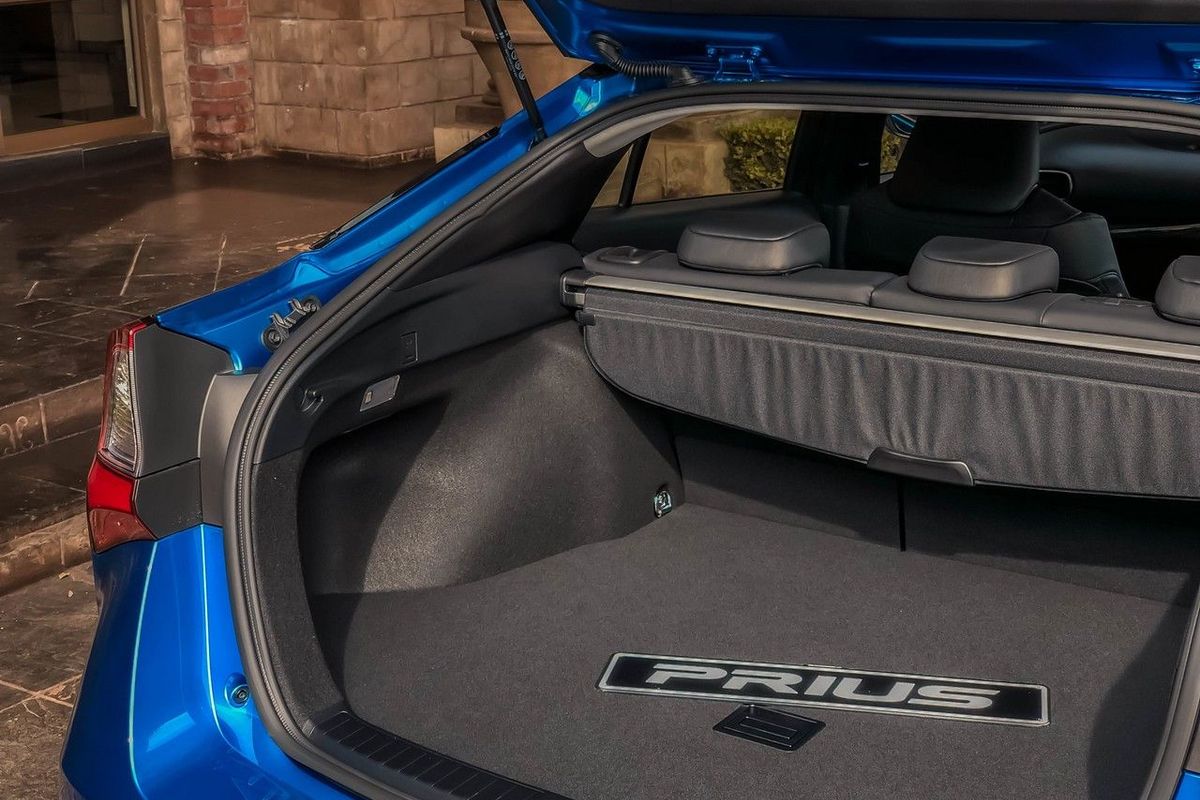
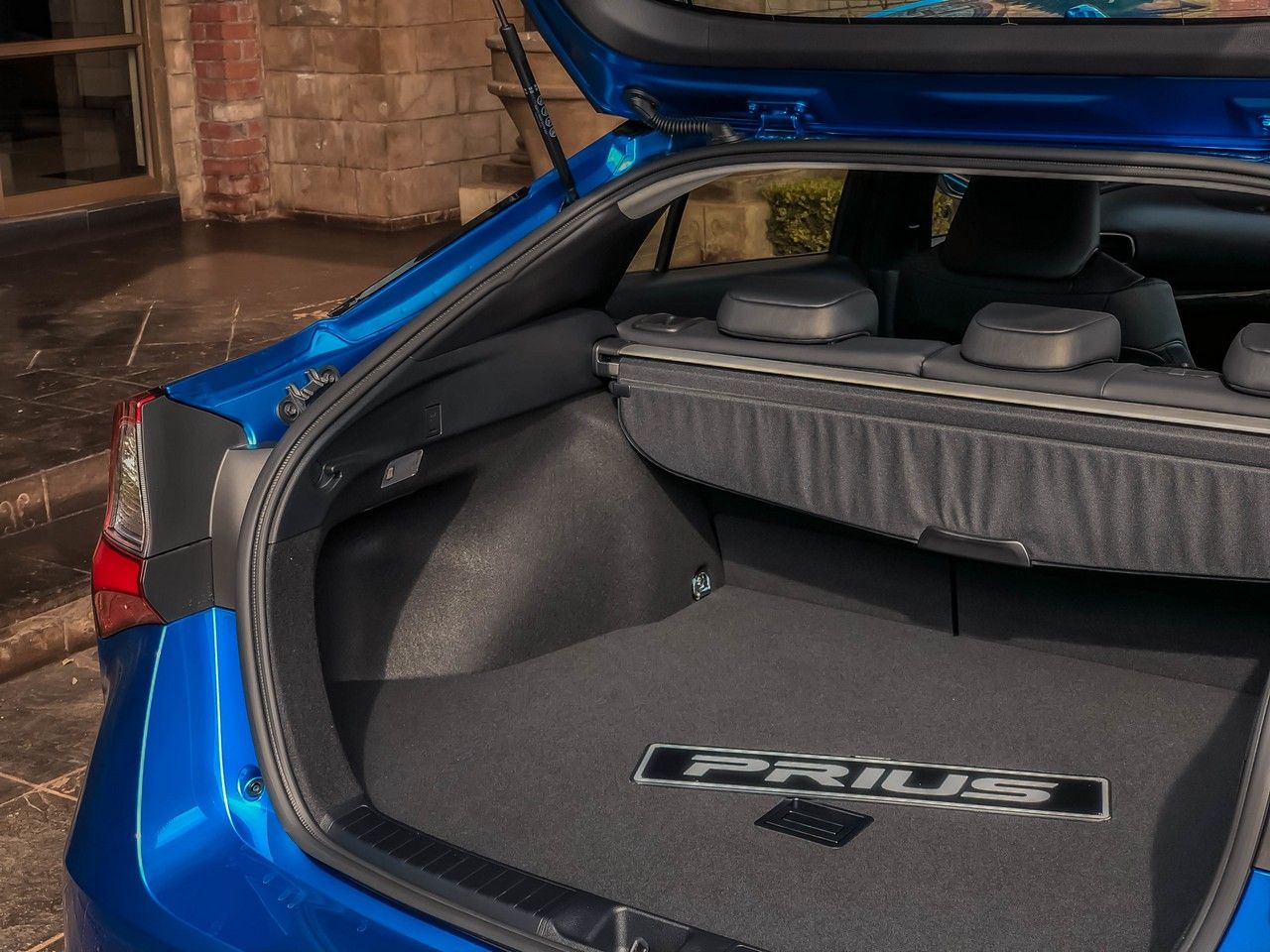
With a 2.7-metre-long wheelbase, the Prius offers stretch-out space for all occupants, although really tall rear seat occupants may find their heads brushing against the Toyota's rearward-sloping roof lining. The Japanese firm has also placed great emphasis on visibility out of the vehicle, all of which combines to create an airy, "techy" and upmarket-feeling cabin, the latter due to good tactile quality from the materials used and the multitude of digital displays. Under that large tailgate is a load bay with a quoted capacity of 502L, making it larger than, for example, the Honda Civic's.
With a price of nearly R500k, buyers expect a fairly luxurious car, and the Prius does not disappoint. Dual-zone climate control, cruise control, a reverse-view camera, rain-sensing wipers, heated front seats and a fairly large, customisable display screen are standard. The infotainment system does, of course, feature USB and Bluetooth compatibility, but sadly, there's no Android Auto/Apple Carplay or an integral navigation function.
The Prius's load bay measures 502 litres and the rear seats fold flat to create a capacious space for loading long or bulky items.
Ultimately, however, 2 of the greatest boons to overall comfort in the Prius don't stem from any specific interior feature or fitting, but the quietness of the cabin and the petrol-electric hybrid's supple ride quality. The Prius wafts along in relative peace and quiet.
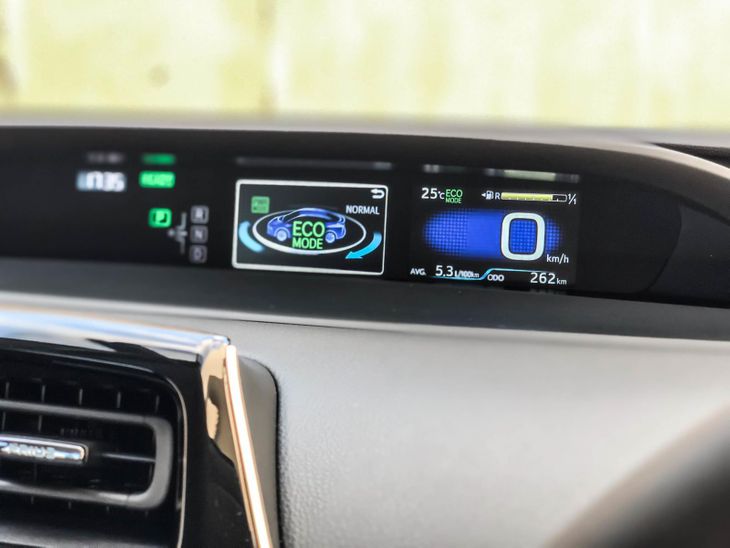
The standard suite of safety features is very comprehensive, including 7 airbags, stability control and ISOfix child seat anchors for the rear seats. There's also a neat little head-up display (HUD) unit; seeing as the main display is centrally-mounted and not really in the driver's natural line of sight, the HUD allows to the Prius' pilot to easily keep an eye on vehicle speed, which is quite useful…
Performance & Efficiency
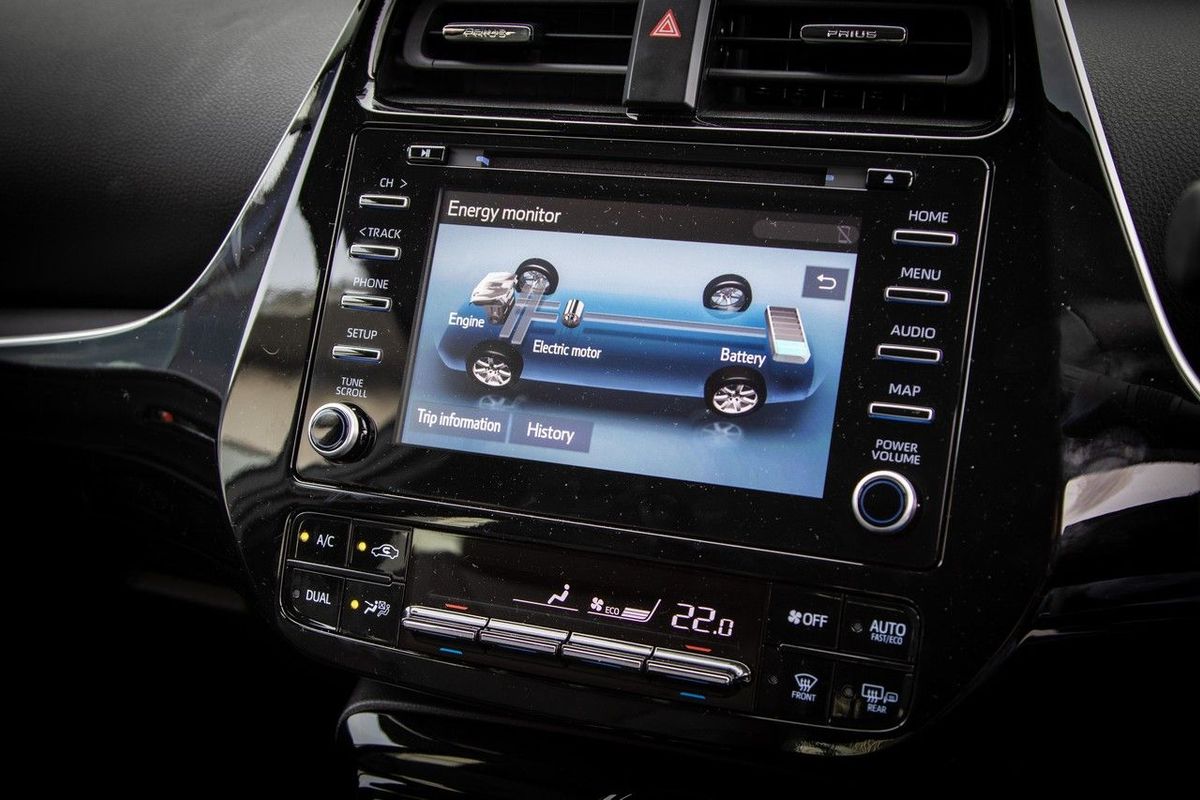
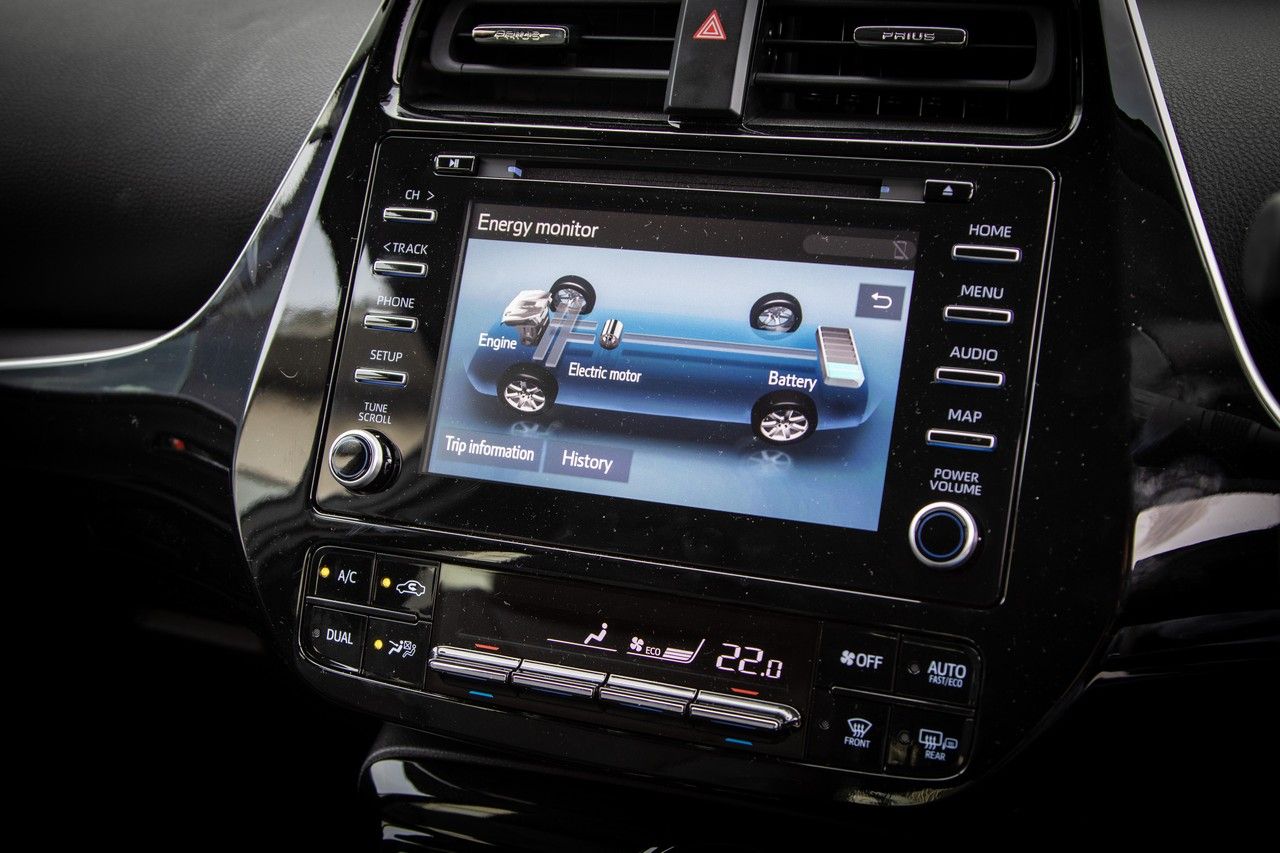
Front occupants can keep an eye on energy consumption via the large display screen.
As ever, the Prius utilises a combination of an ultra-efficient Atkinson cycle 1.8-litre (naturally aspirated) petrol engine and electric motors for its propulsion. The combined output is 100 kW, and the Prius is claimed to accelerate from 0 to 100 kph in 10.6 sec and reach a 180-kph top speed.
It's interesting to note the packaging of the transaxle, which houses 4 major components, but most importantly, the 2 electric motor-generators (MG1 and MG2). MG1 mostly serves as a generator, converting power from the engine (that would otherwise go to waste) into electricity that can be stored in the nickel-metal hydride battery, which is located beneath the rear seats. MG1 is also the engine's starter motor, while MG2 is the electric drive motor, which doubles as a generator when the car is in regenerative braking mode. MG2 drives the car at low speed, in EV mode and reverse.
The Prius offers three hybrid driving modes (besides the additional EV mode), namely Power, Normal and Eco.
Toyota claims an average fuel consumption figure of 3.7 L/100 km, which is attainable (with some effort), but we achieved a real-world figure of just over 4.0 L/100 km, which is still impressive, because there is simply no other sedan-like vehicle of this size and luxury that can match or better that.
One quickly learns to adapt one's driving style, because if you're smoother on the throttle and less hurried, the Prius will use electric power for longer. Compared with its predecessors, it is indeed possible to make use of pure EV mode more often, but only up to speeds of around 50 kph.
And don't think of the Prius as a lazy performer – should you require a burst of overtaking urge, there's ample power available – but if you use it often, your "economical driving score" (indicated as a number out of 100 on the display), will plummet. For extra punch, there is a "Power" mode.
Ride & Handling
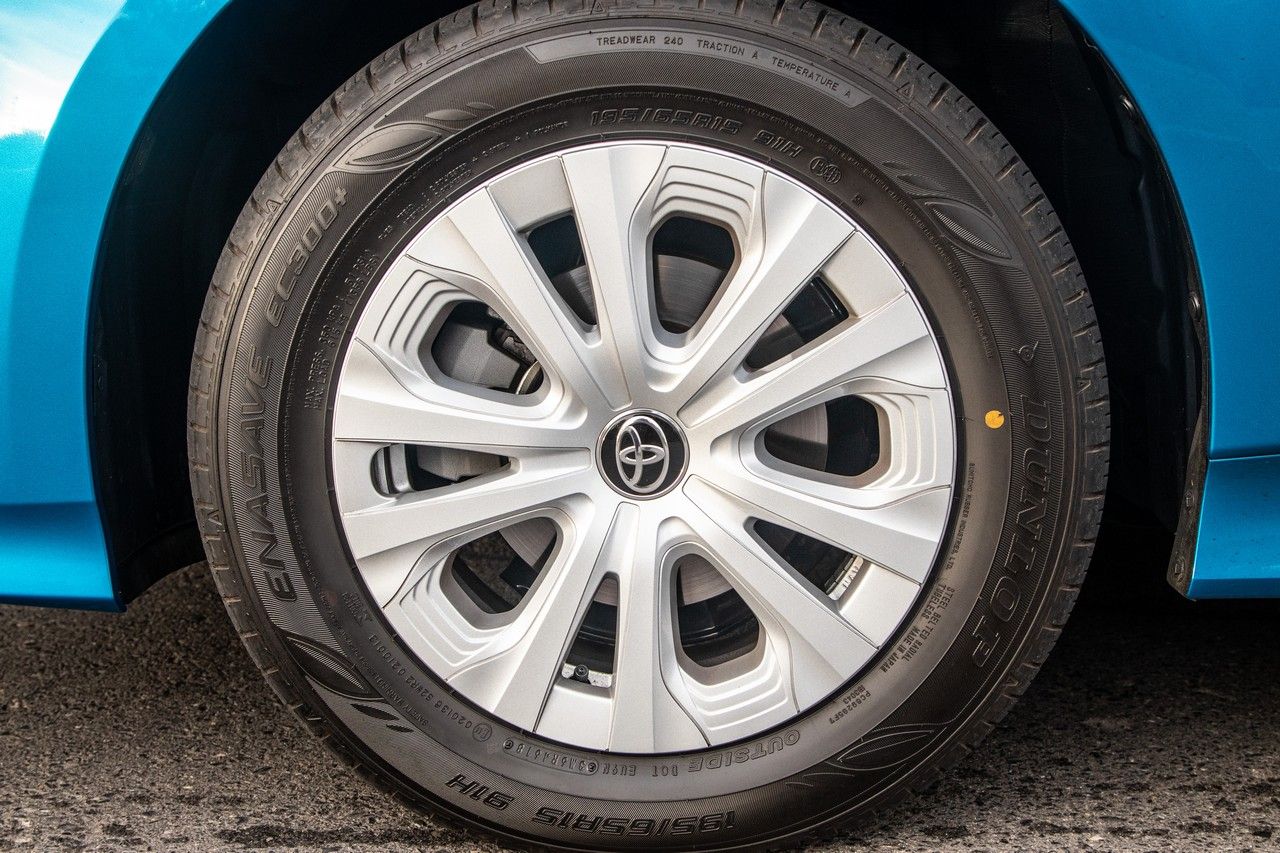
Standard Michelin 195/65 tyres are said to contribute to the Prius's efficiency. They also help the ride.
Built on the brand's still-fairly new TNGA platform, the current generation Prius boasted a 60% rigidity improvement over its predecessor when it was launched in 2016. It was also claimed that the new car was more engaging to drive, but we doubt that will be of much consequence to local buyers, at least most of them. Of far more importance is quietness and ride comfort and in those areas, the Prius excels. The only NVH (noise, vibration, harshness) negative is the slight vibration that occurs when the petrol engine kicks into action after a period of driving on electricity alone.
Otherwise, the Prius is an easy-handling car with light steering that makes city driving a cinch – bear in mind, however, that there are no parking sensors (only a camera view), so don't wait for beeps before you apply the brakes.
Price and warranty
The Prius is available in only one derivative and sells for R490 200. A service plan for 6 services/90 000 km is included, with servicing required every 15 000 km. The standard warranty for the vehicle is 3-years/100 000 km, but the hybrid battery has a longer 8-year/195 000 km warranty.
Verdict
The Prius has no real rival in South Africa, but sales remain slow. Challenging design and not enough of a fuel economy advantage play their part.
The Toyota Prius has no direct rival in the SA new vehicle market… There is no similarly sized or shaped hybrid for sale, and the family sedan market has stalled, so a potential rival (on ultimate efficiency) such as the VW Jetta TDI no longer exists. So, if you need a family-friendly vehicle that offers this kind of fuel economy (and you're buying new), then the Prius is it… or you'd have to consider switching to a turbodiesel compact crossover such as the Renault Captur or Peugeot 2008 to achieve similar practicality and a vaguely comparable level of fuel efficiency.
Still, there's much to admire about this Prius, and it does look less divisive than before, but we can't see the facelift version achieving significantly better sales numbers than its predecessor. In the below-R500 000 segment, compact SUVs and crossovers are all the rage, so in the local context, we think a hybrid C-HR would do better, and above the magical half-million mark, Toyota should consider offering the hybrid RAV4 family car, too.
Tesla’s bakkie-building rival is sitting pretty after an R7bn investment from Ford. But that doesn’t mean that Rivian is feeling complacent.
The Californian electric vehicle start-up revealed by far the most convincing battery powered bakkie concept with its RT1, late last year. Immense power from a huge battery pack and crushing performance courtesy of a 562 kW peak power electric motor option has made even the most ardent diesel bakkie owners take notice.
Beyond its incredible power output, the RT1’s utility features are deeply impressive too. There’s the 330-litre frunk (where you’d expect a conventional internal combustion engine to be), offering weather-proof loading space. And an ability to flip-open a panel at the rear of the cab, allowing the loading of cargo longer than the loadbin.
Now Rivian has revealed an additional feature to its RT1’s specification. This is one which is sure to find favour with South African bakkie fans: a mobile kitchen.
At the recent Overland Expo West, held in Flagstaff, Arizona, Rivian revealed a pull-out kitchen feature for its RT1. Using the bakkie’s unique full-width load tunnel behind the cab, Rivian’s slide-out kitchen is clever and should enable true off-grid camping.
There is no gas to fiddle with or the inconvenience of running multiple lengths of power cord to a campsite’s plug-point. The Rivian RT1 double-cab’s mobile kitchen is powered by the bakkie’s enormously potent 180 kWh battery.
This kitchen has a dual hotplate, a sink (that doubles as 19-litres of water storage), several drawers and a compact countertop work surface. Rivian’s technicians claim that preparing three meals a day for a week and using the RT1’s exterior lighting, will only deplete the bakkie’s battery capacity by a mere 11%.
For overlanders, the release date of Rivian’s RT1, scheduled for late next year, can’t come quickly enough.
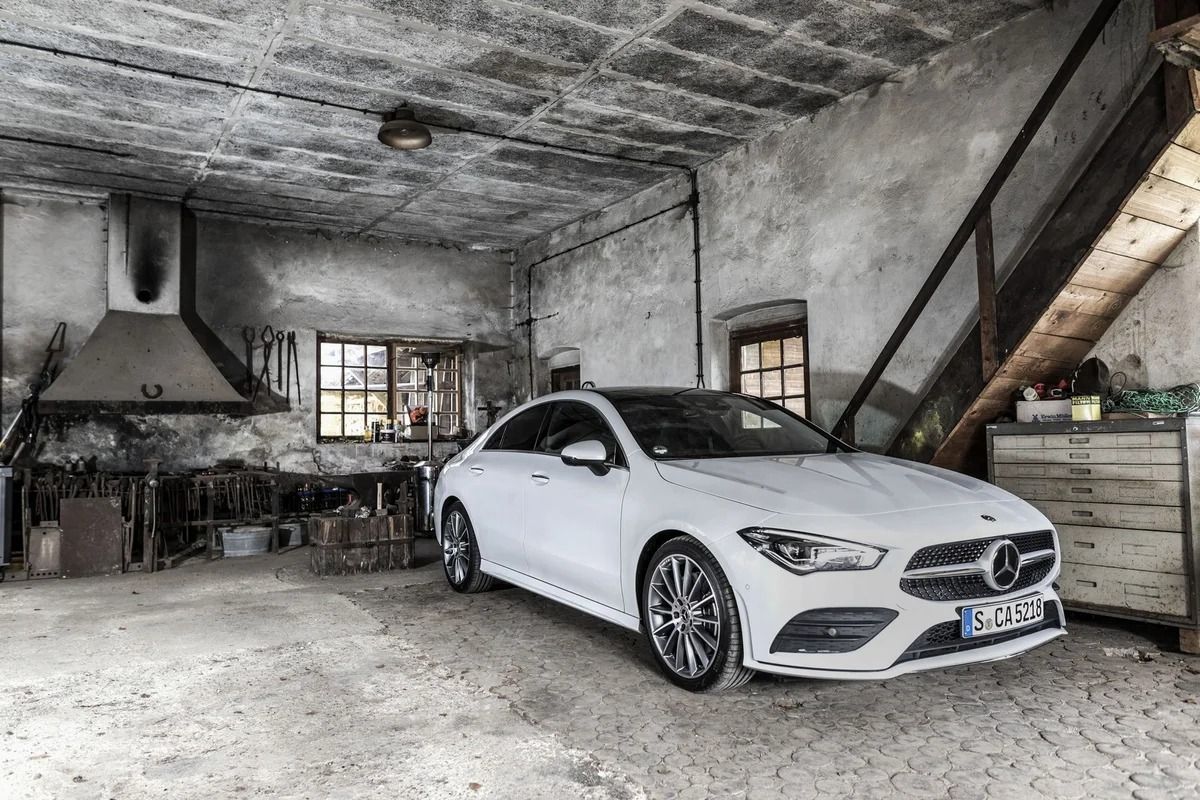
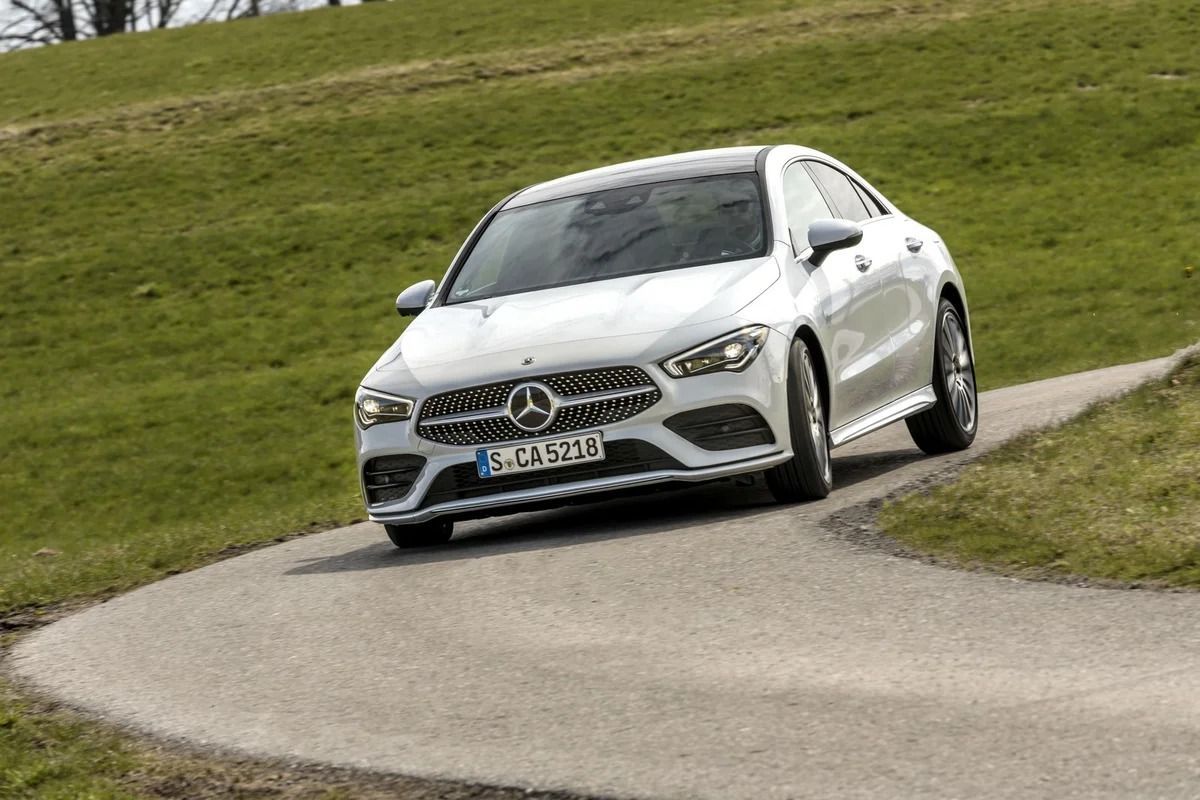
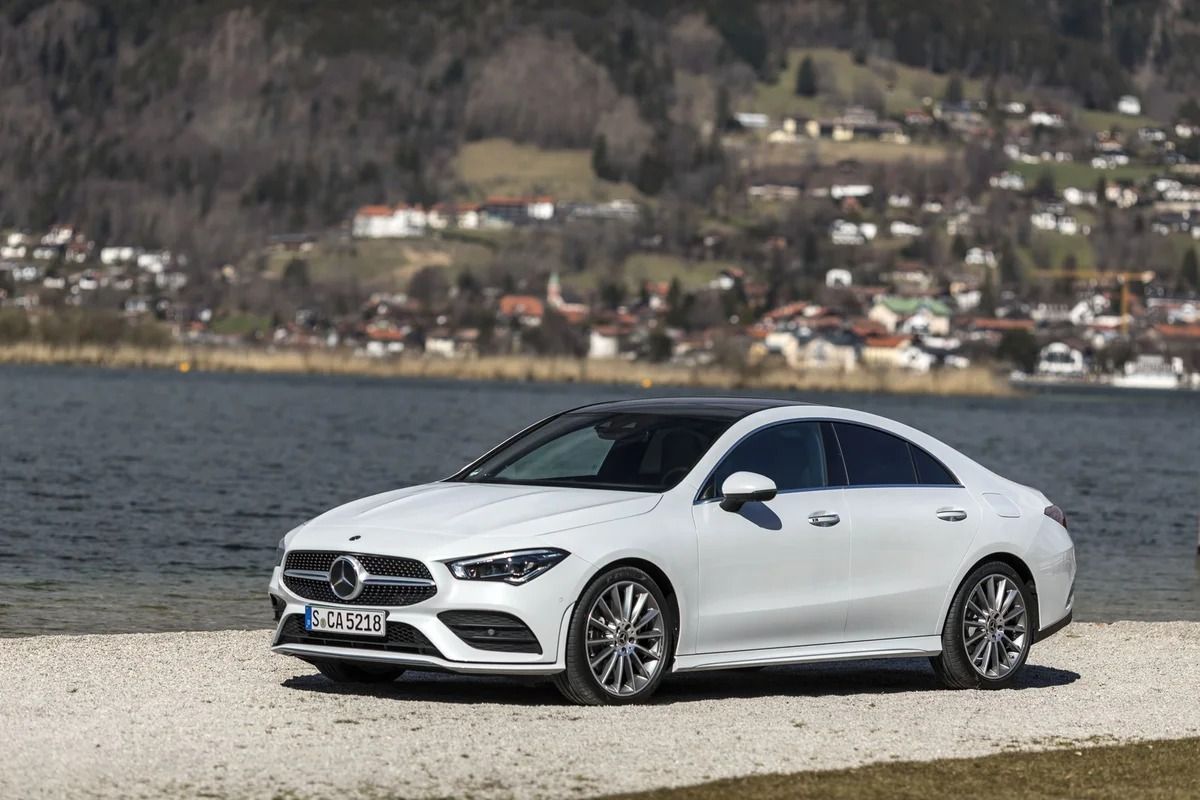
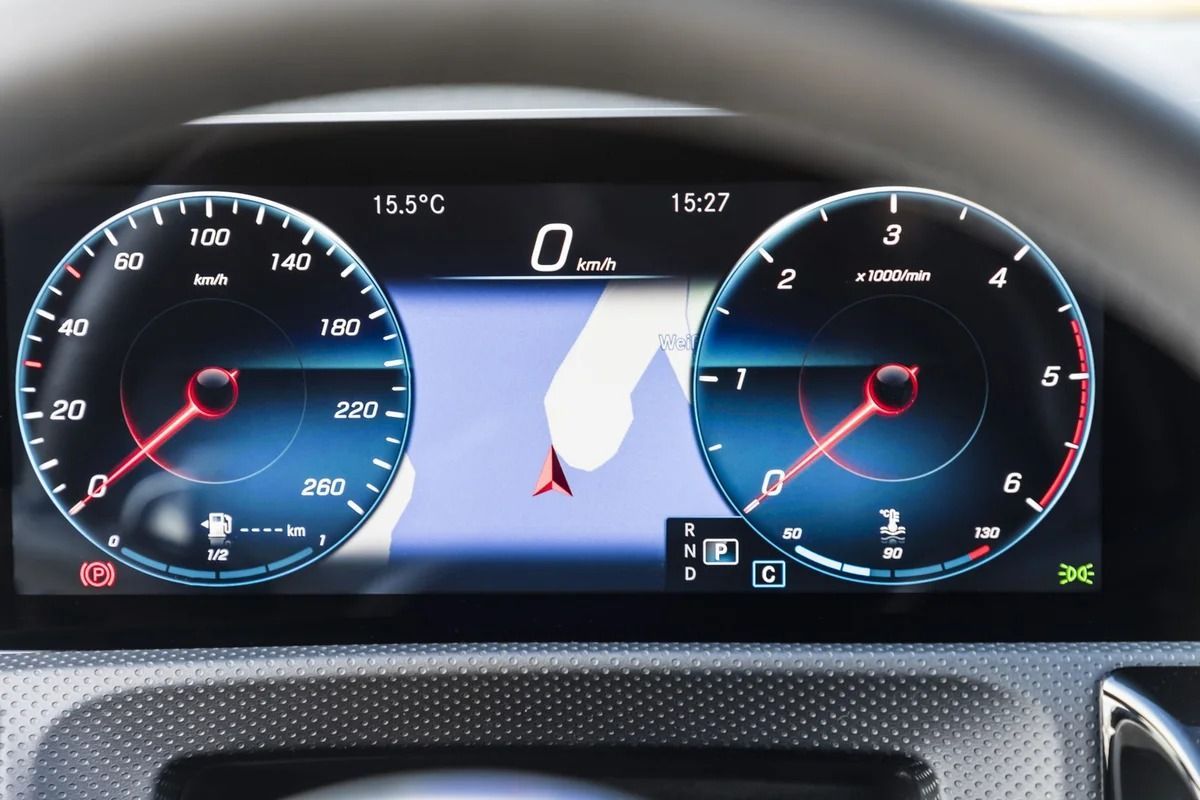
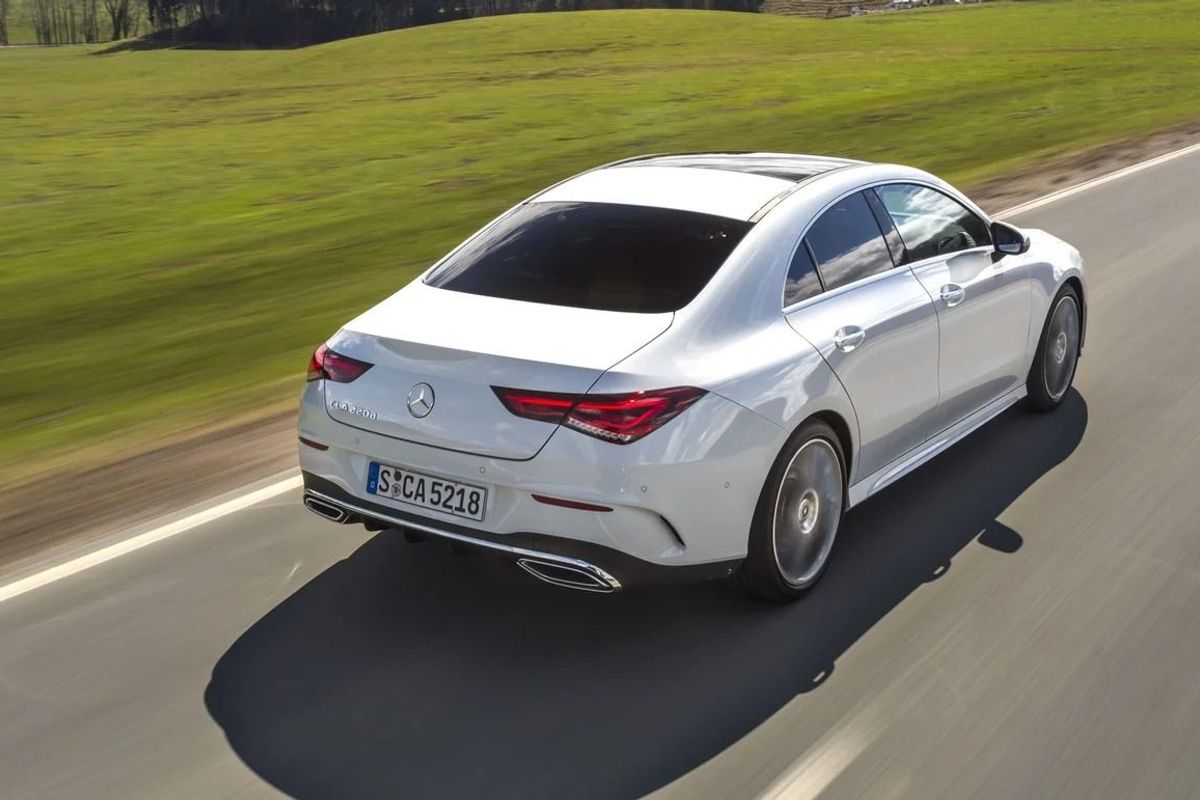
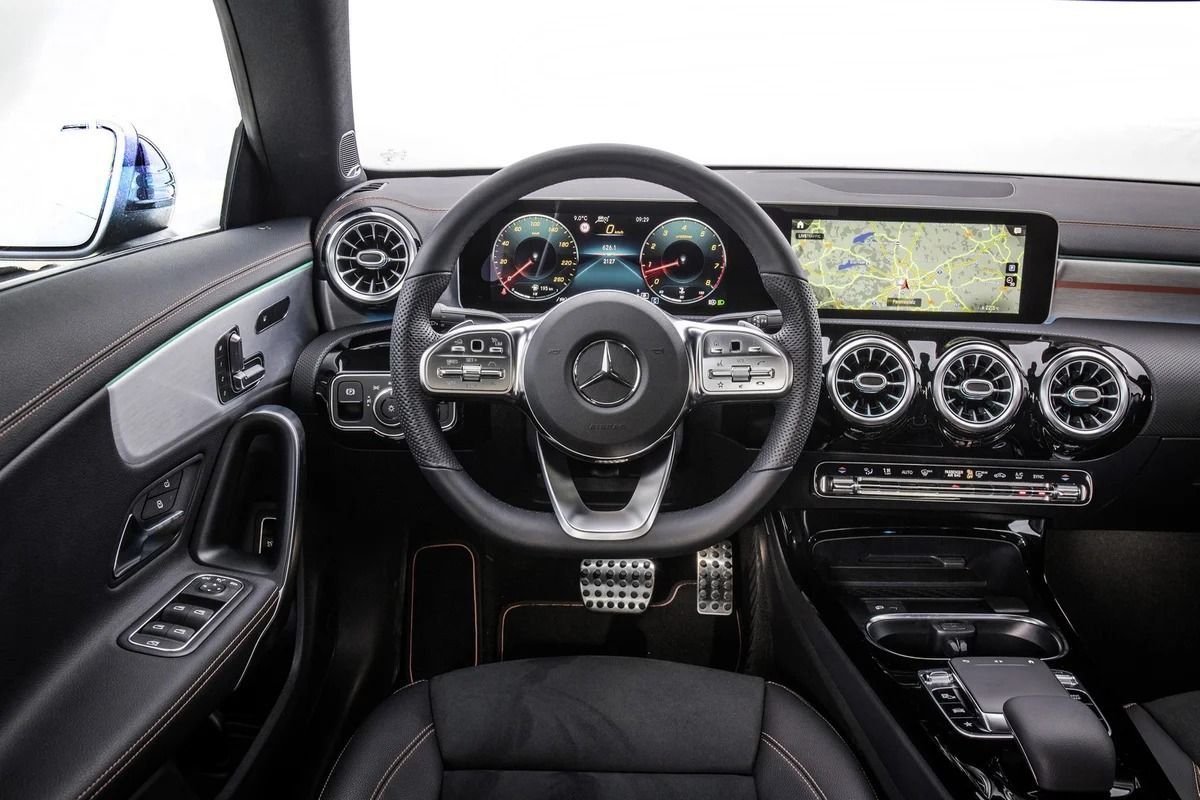
Prices for the forthcoming Mercedes-Benz CLA have appeared on the firm's local website and we can share how much this stylish compact vehicle will cost.
The second-generation Mercedes-Benz CLA will be launching in South Africa in the next month or two and we stumbled across pricing for the compact newcomer. From what we can see on Mercedes-Benz's local website, the new CLA will be made available in South Africa with 2 engines.
This generation of CLA sports new underpinnings similar to those of the A-Class hatchback that was launched in South Africa during 2018. In terms of dimensions, that means the newcomer has grown in length and width, while its wheelbase is slightly longer too.
The engines on offer include the 120 kW/250 Nm 1.3-litre turbopetrol unit from the A-Class to power the entry-level derivative, which is the CLA 200. The 2.0-litre turbodiesel unit arrives in the form of the CLA 220d, with a 140 kW and 400 Nm engine. The CLA 200 makes do with its 7-speed dual-clutch while the diesel CLA 220d gets an 8-speed dual-clutch gearbox. The diesel will be the more fuel efficient of the two engines, with Merc claiming 4.3 – 4.4 L/100 km, while its petrol-powered sibling is said to consume 5.3 – 5.5 L/100 km.
Final specifications will be confirmed when the vehicle is launched in South Africa.
Mercedes-Benz CLA Price in South Africa (May 2019)