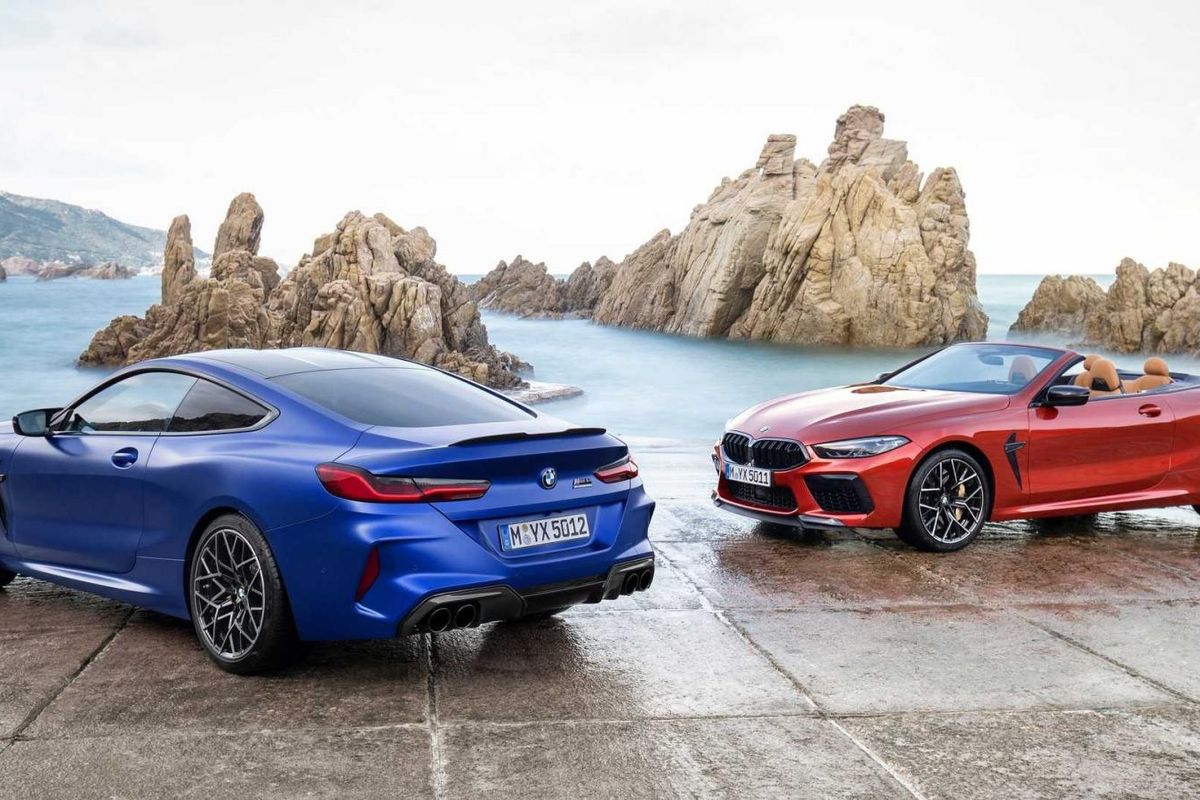
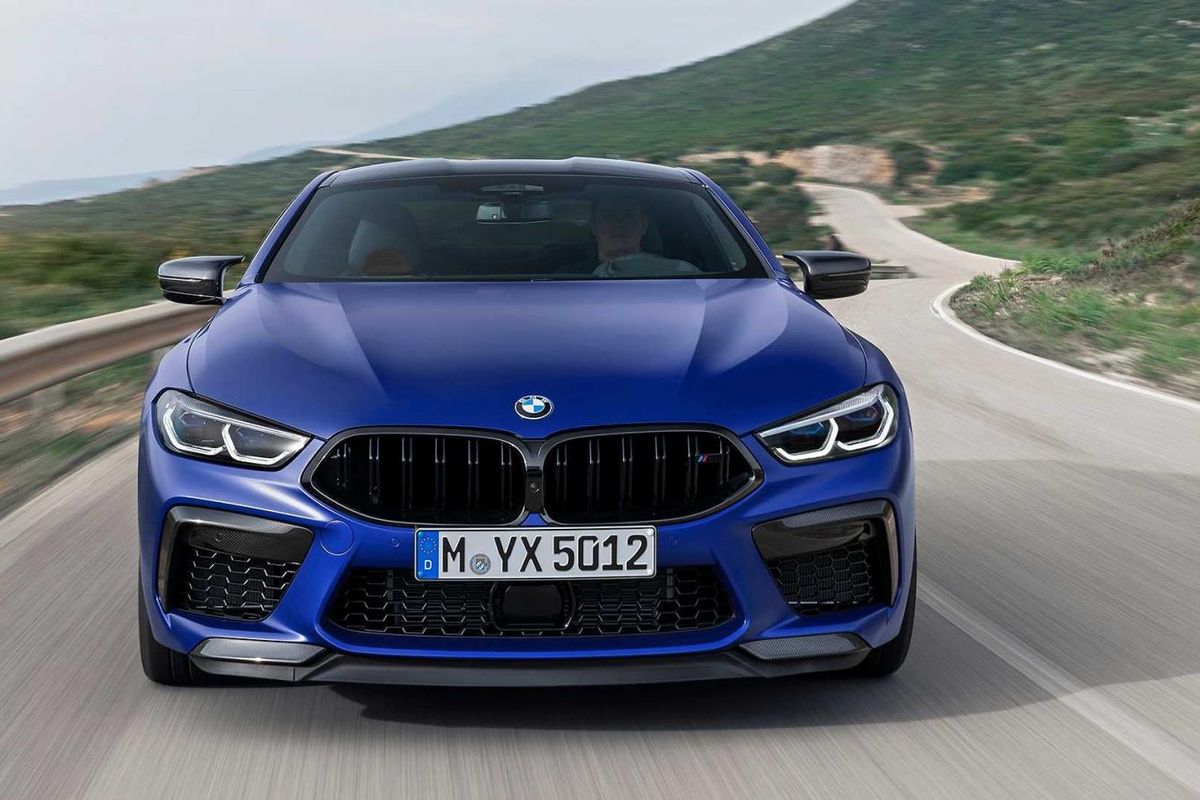
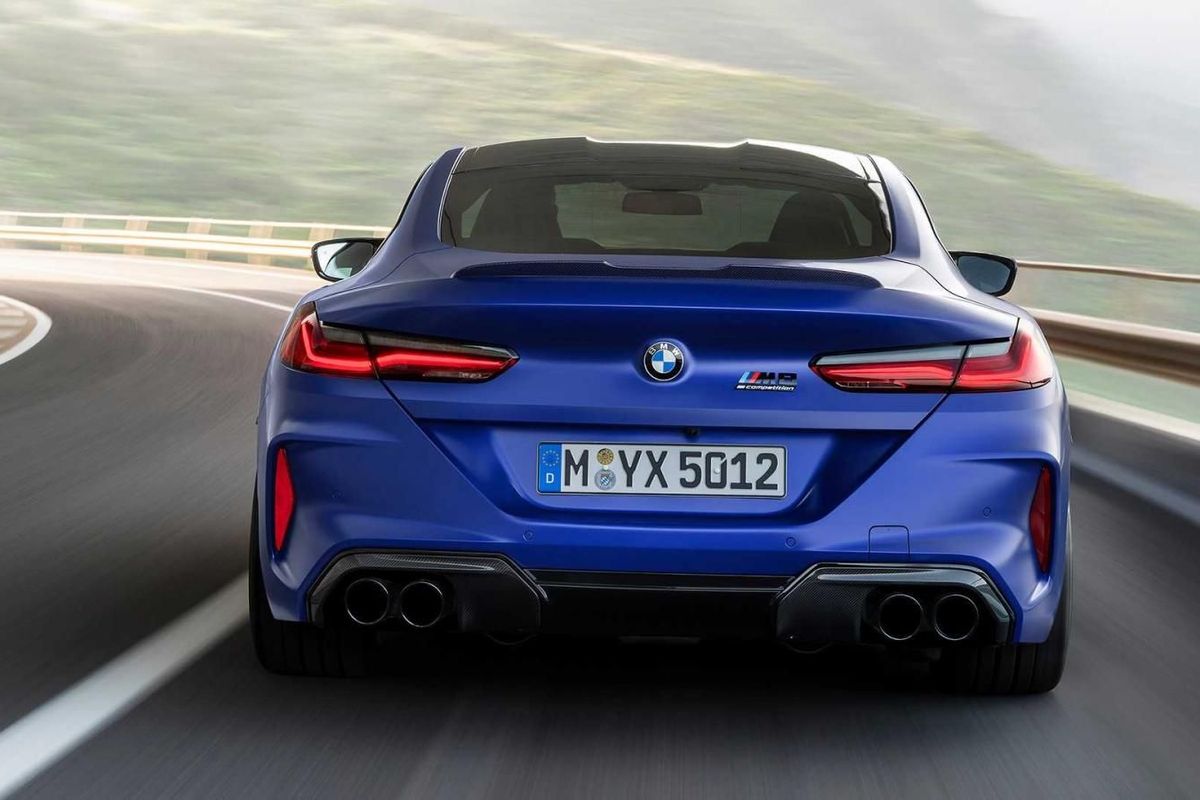
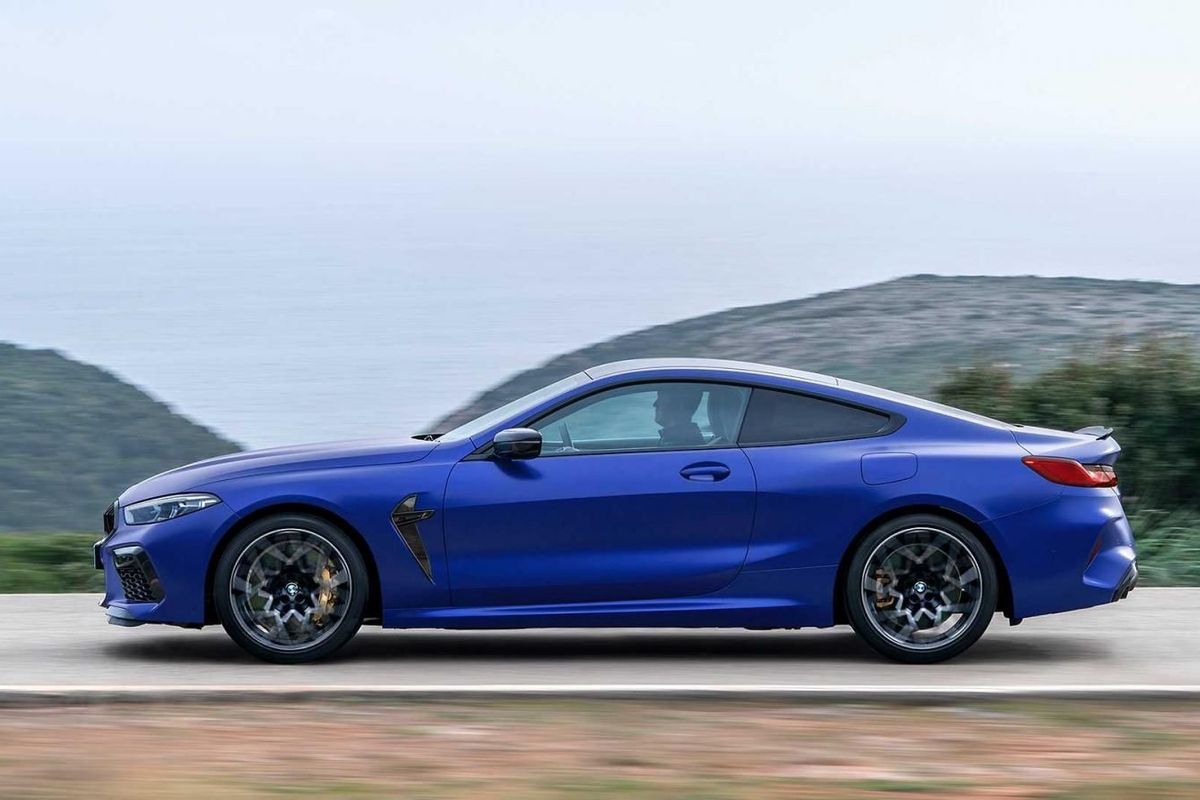
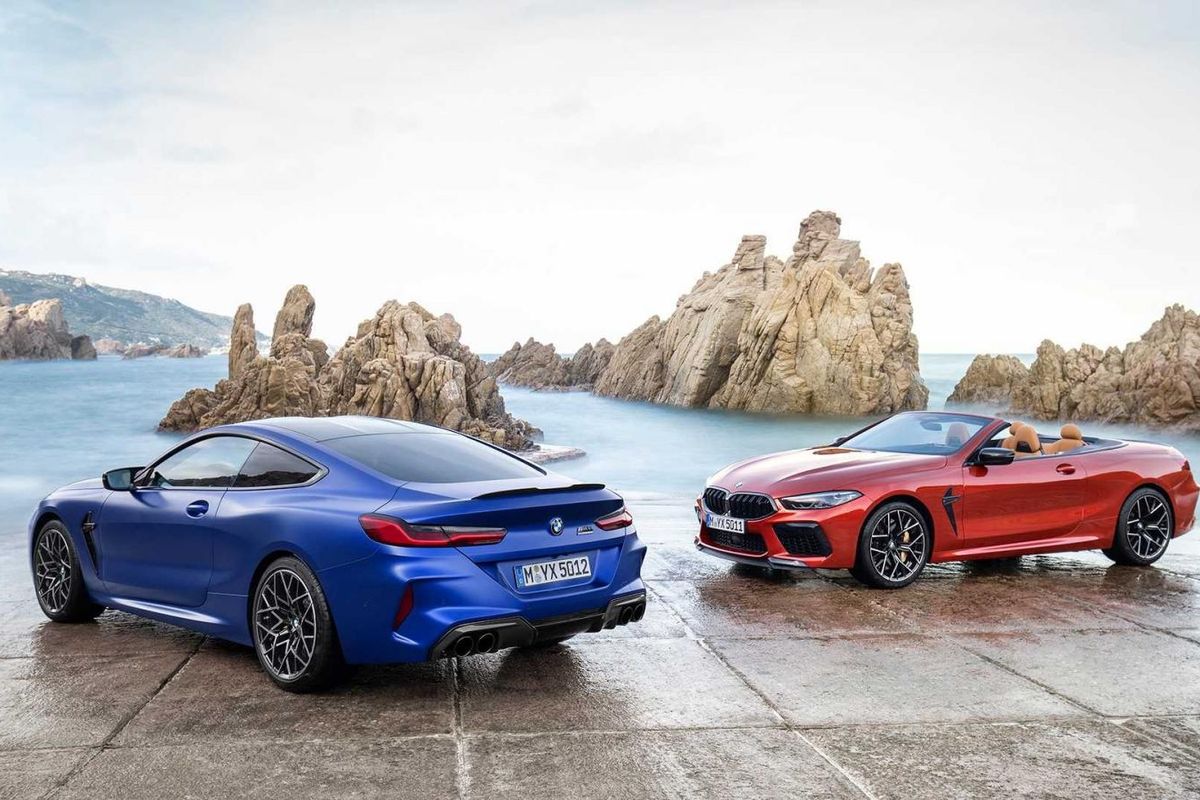
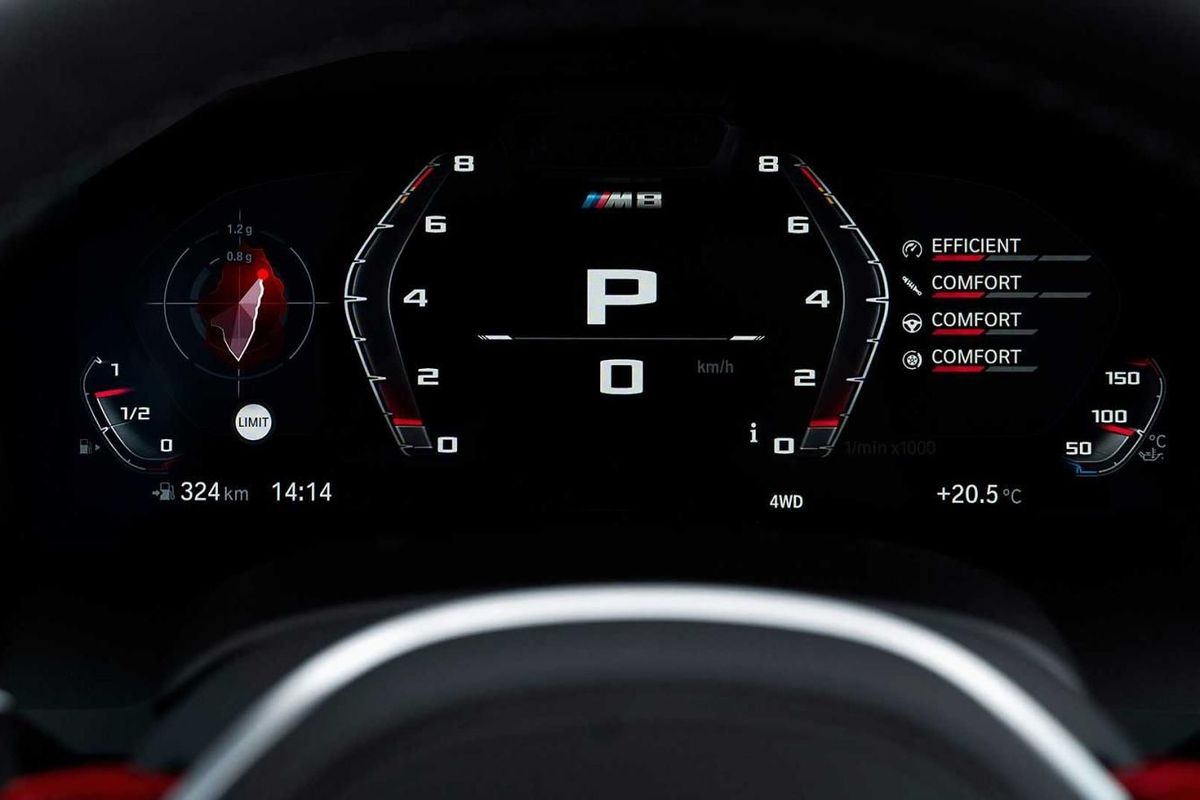
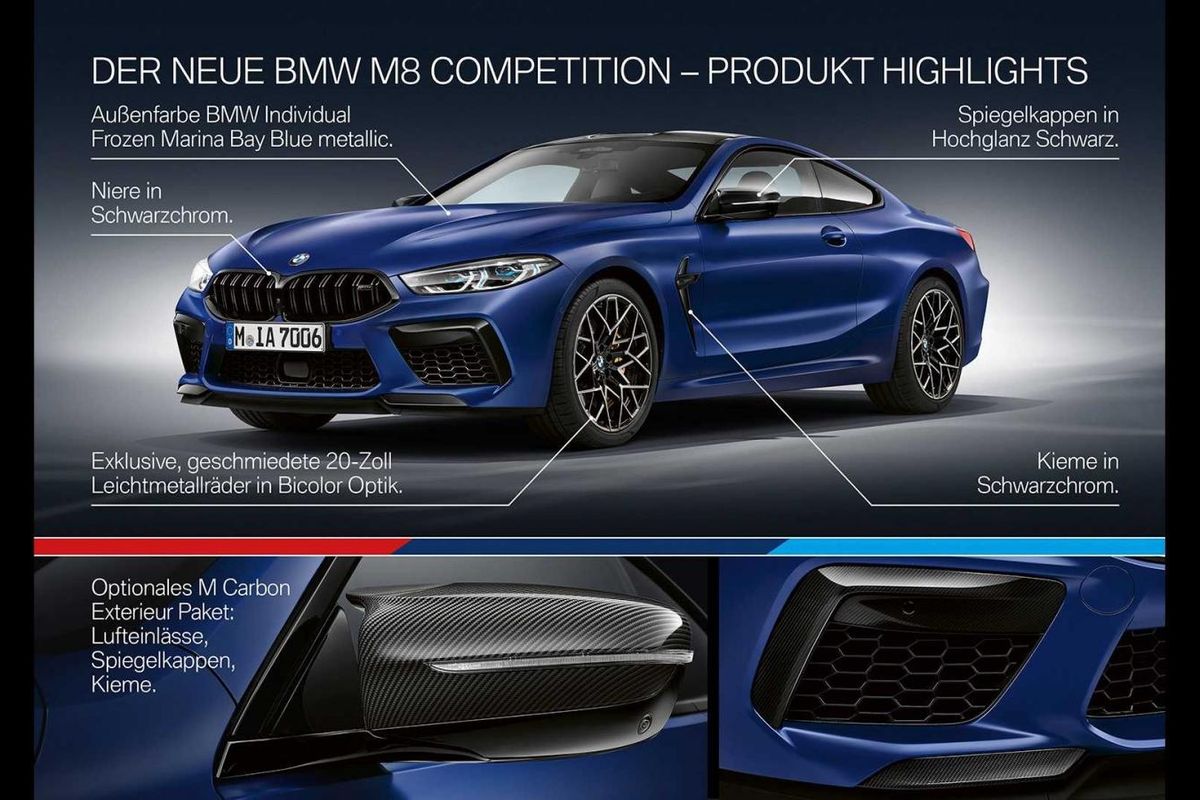
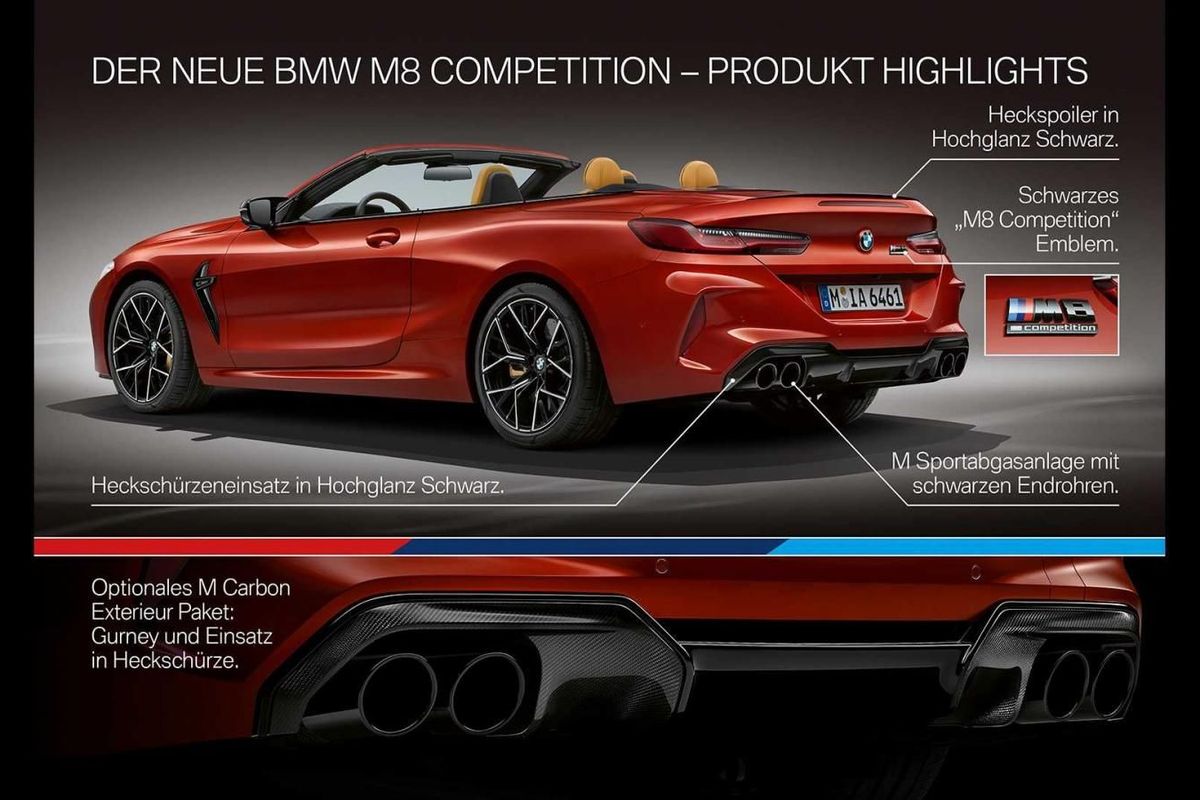
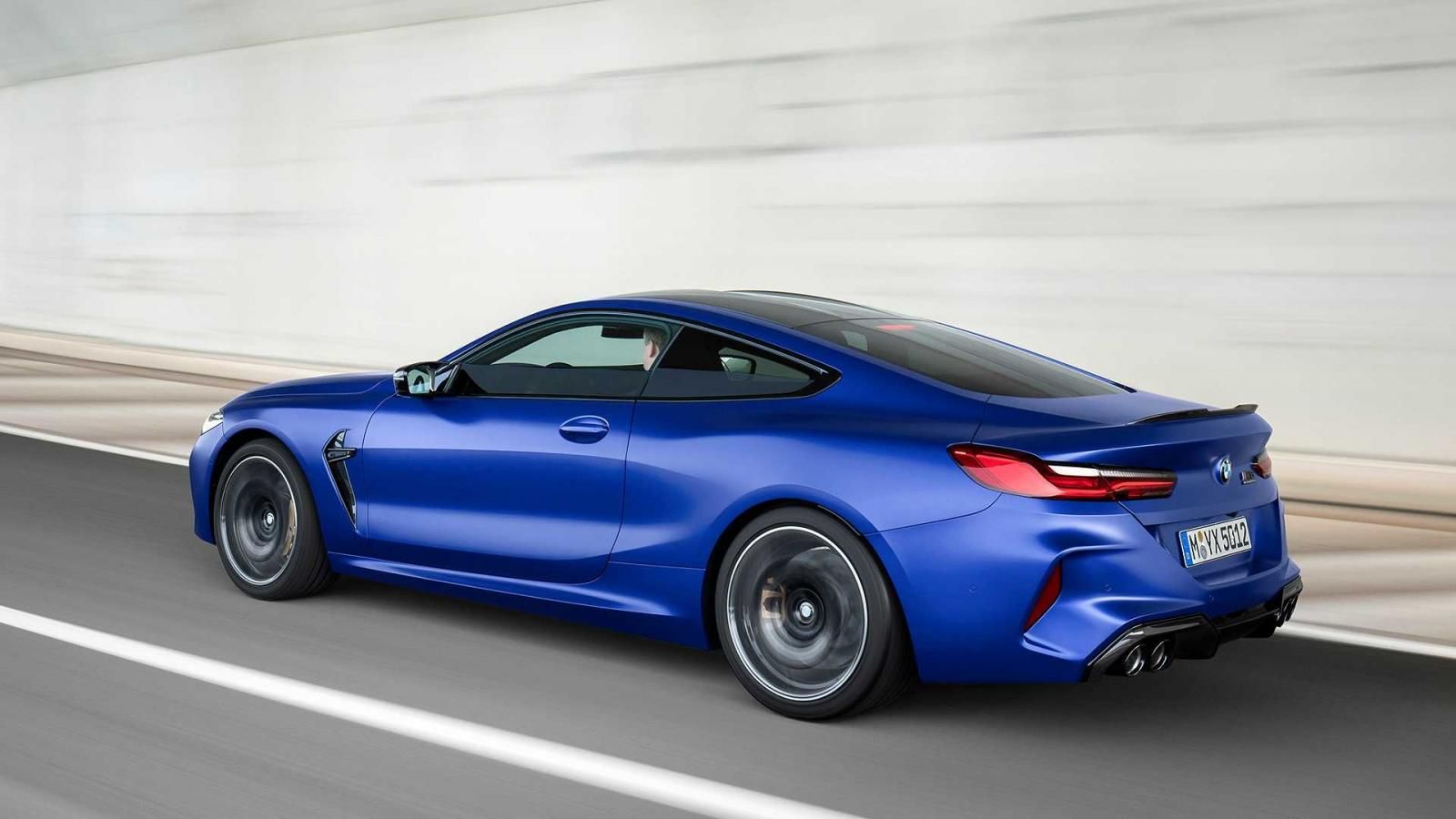
The new and highly-anticipated M8 is expected to arrive in South Africa in Q4 of 2019. See specification and pricing details below…
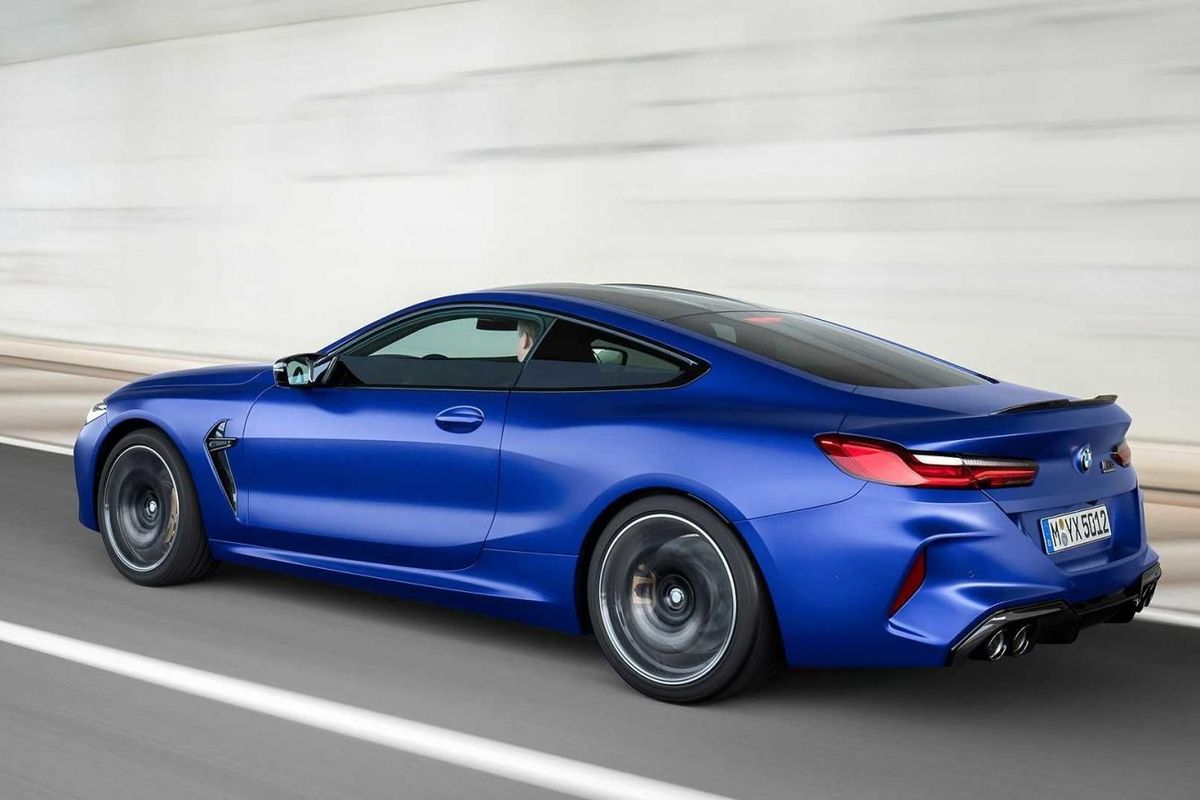
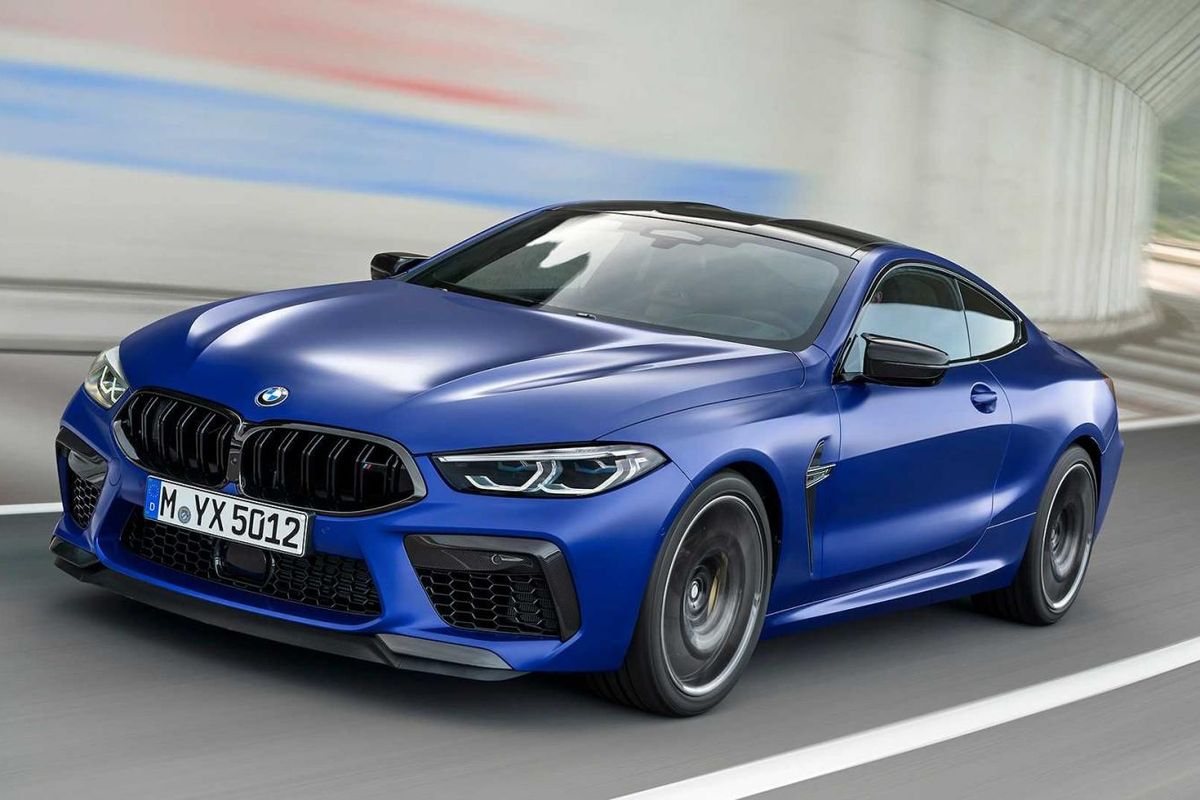
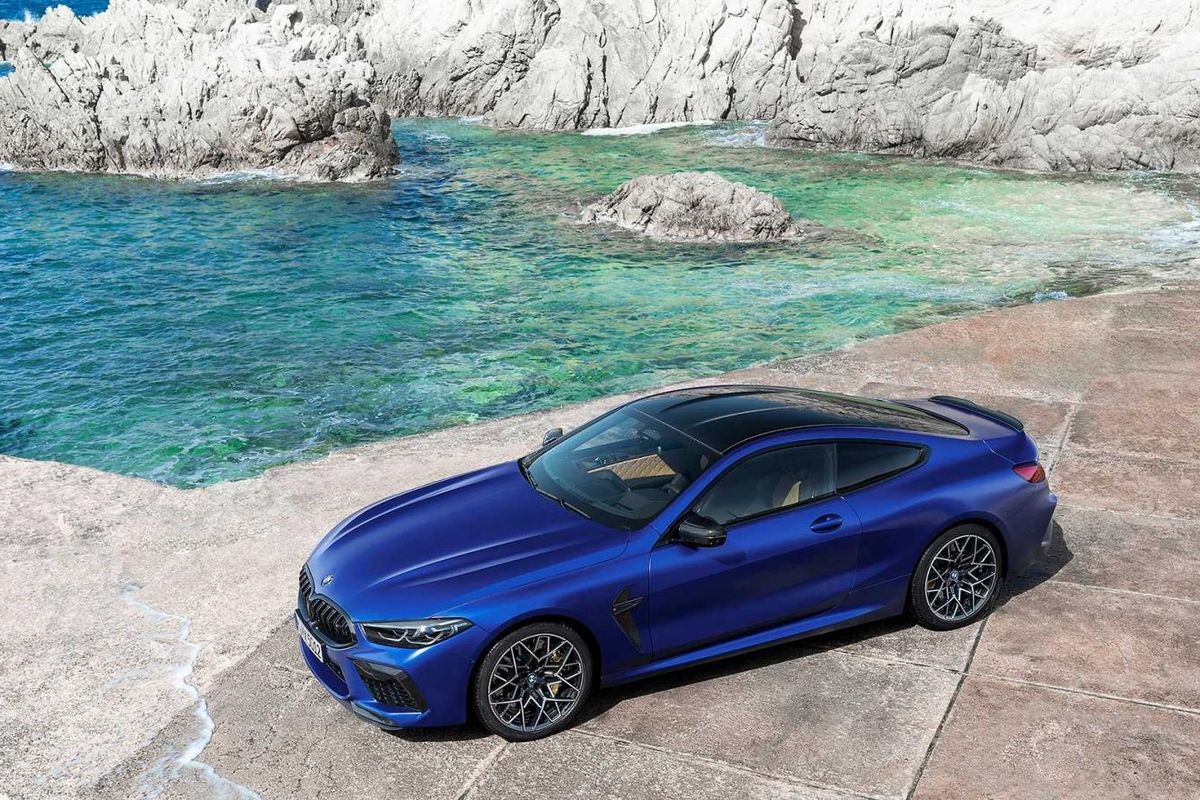
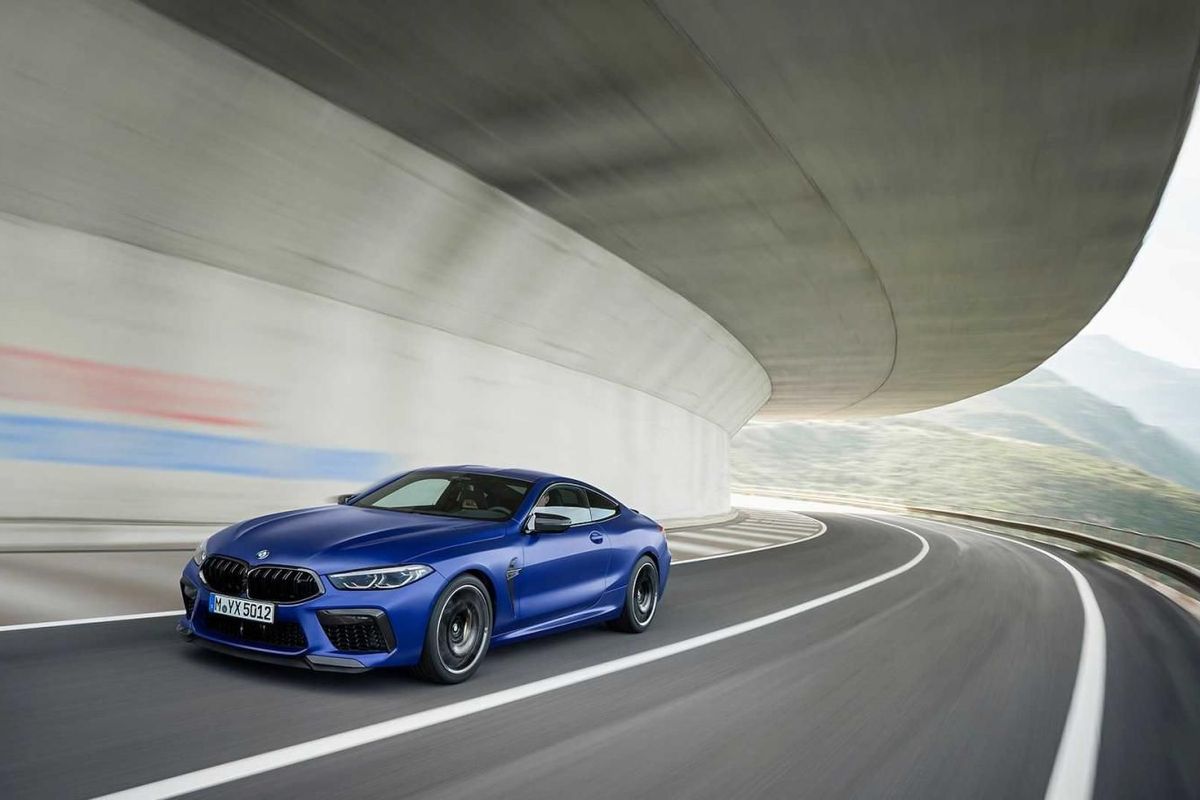
Here it is, the new BMW M8! It will be offered in 4 tantalising flavours including the M8 Coupe, Competition Coupe, Convertible and Competition Convertible.
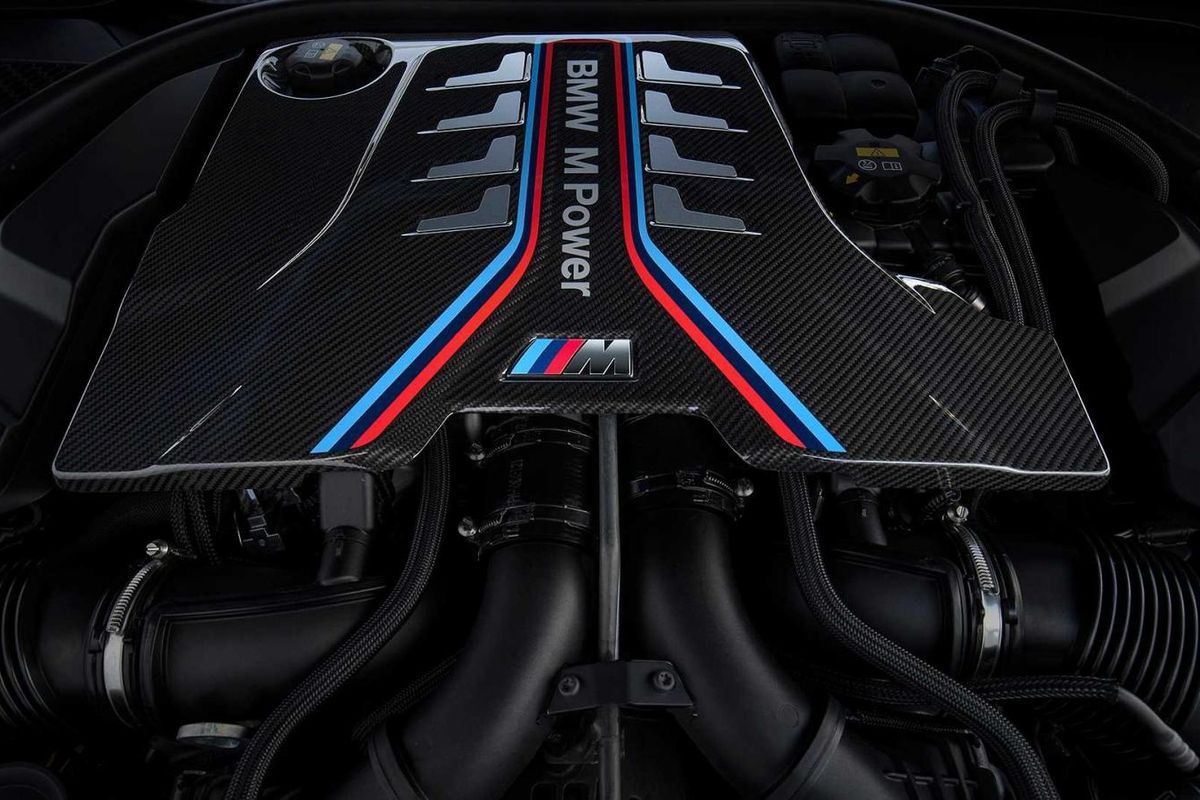
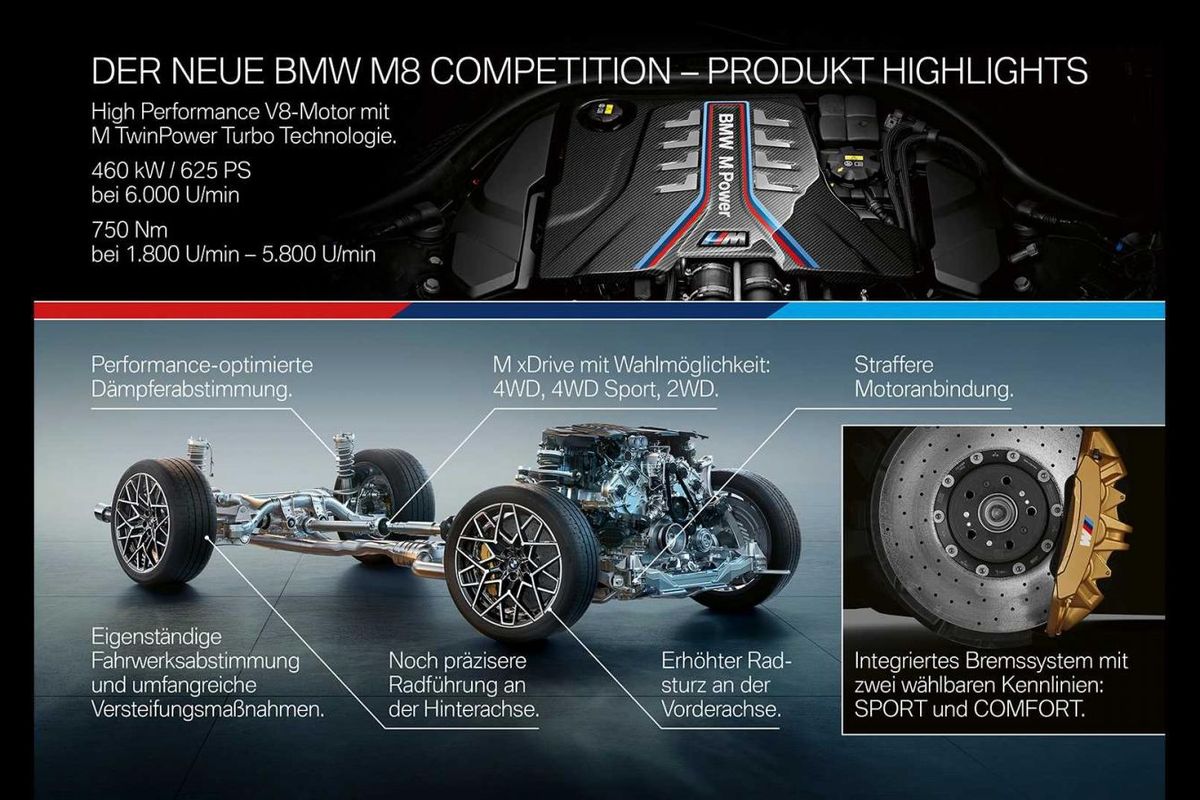
A twin-turbo 4.4-litre V8 engine powers the M8 and in standard Coupe and Convertible form, total outputs of 441 kW and 750 Nm of torque are on offer. If that’s not enough, the Competition derivatives serve up 460 kW and 750 Nm of torque. An 8-speed M Steptronic transmission with Drivelogic is standard and the driver can switch between 3 modes to achieve either efficiency, sporty or dynamic driving while also using the steering-mounted shift paddles to blitz through the shifts.
Equipped with a rear-biased x-Drive all-wheel-drive system and an Active M Differential, acceleration is scintillating and the M8 Coupe and Convertible achieving zero to 100 kph in 3.3 and 3.4 seconds respectively. The M8 Competition Coupe and Convertible are slightly faster with claimed figures of 3.2 and 3.3 seconds respectively.
The driver can choose between the default 4WD setting or opt for the 4WD Sport setting which apportions more power to the rear. If you really must, you can also deactivate the Dynamic Stability Control (DSC) which will turn the M8 into a full-blown rear-wheel drive monster.
The BMW M8 will arrive in South Africa in the fourth quarter of 2019.
All M8 derivatives are equipped with an M-specific adaptive suspension with electronically controlled dampers and electro-mechanical M Servotronic steering as standard and ride on 20-inch M-light-alloy wheels with a twin-spoke design.
M compound brakes are standard and M carbon ceramic brakes will be offered as an option. A new adaptive braking feature makes its debut in the M8 and it’s geared to suit the driving situation by offering varying pedal feel when in Comfort or in Sport brake mode. In Comfort, braking pressure is more gradual while Sport sharpens the brakes for more instantaneous braking. A compact braking module now includes brake activation, brake booster and brake control which has reduced overall weight by about 2 kg and features a vacuum-free booster to improve efficiency.
Interior details
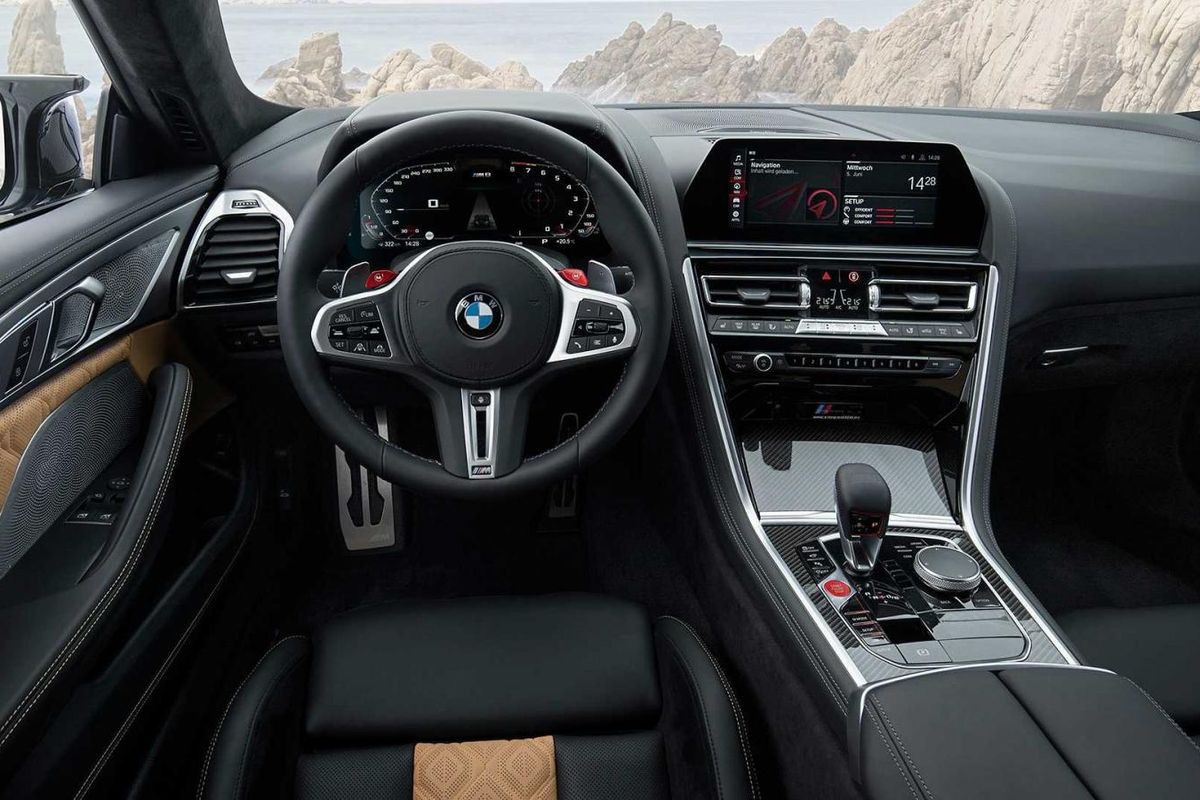
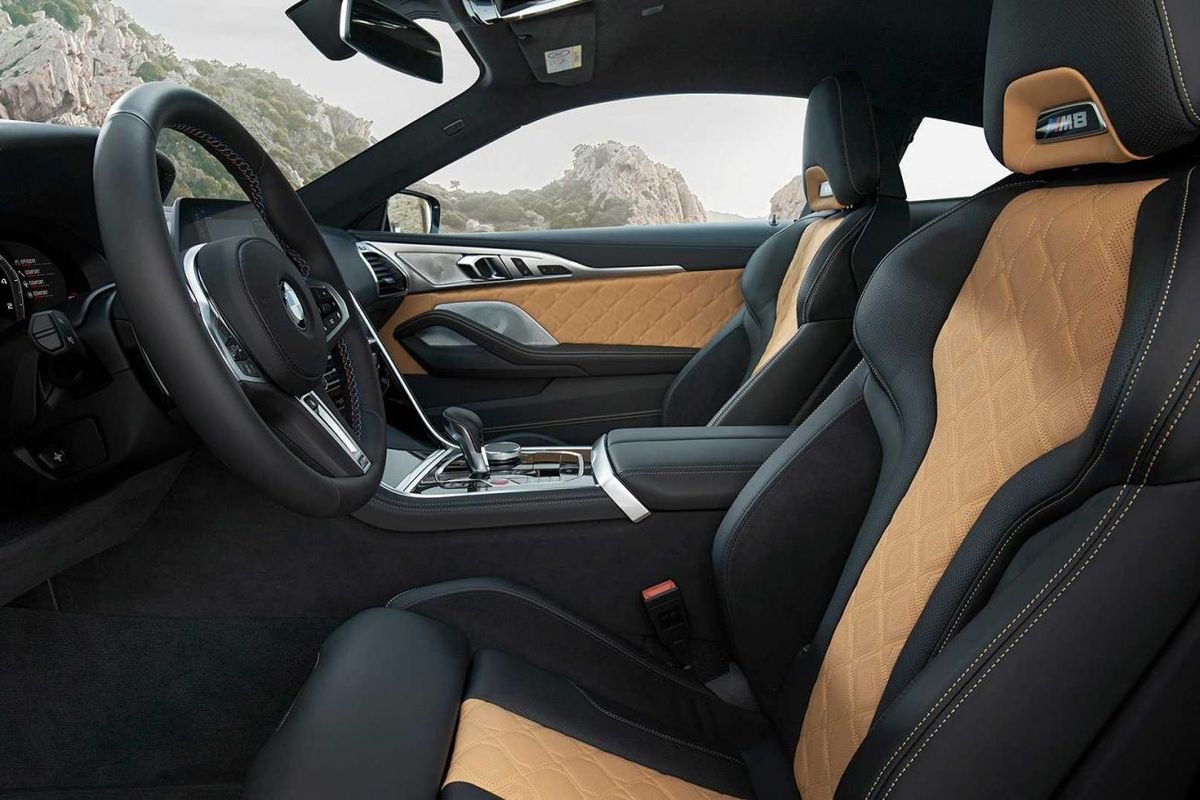
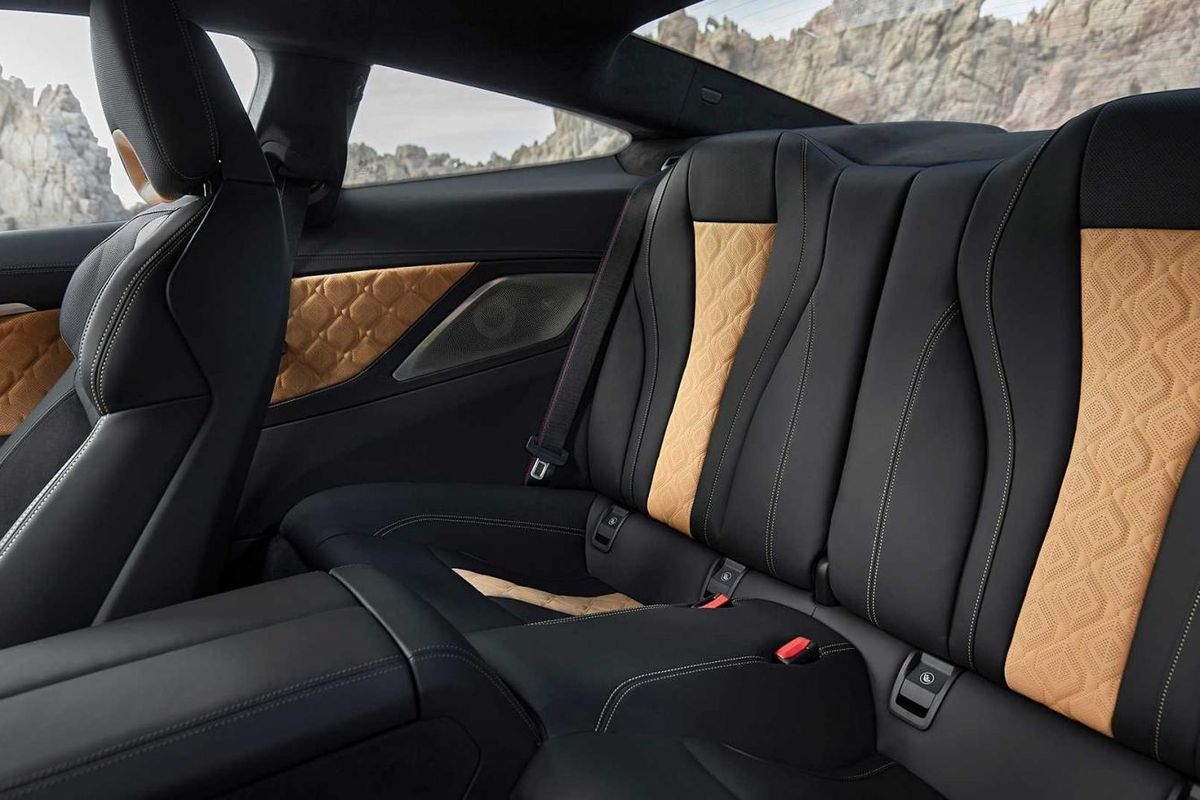
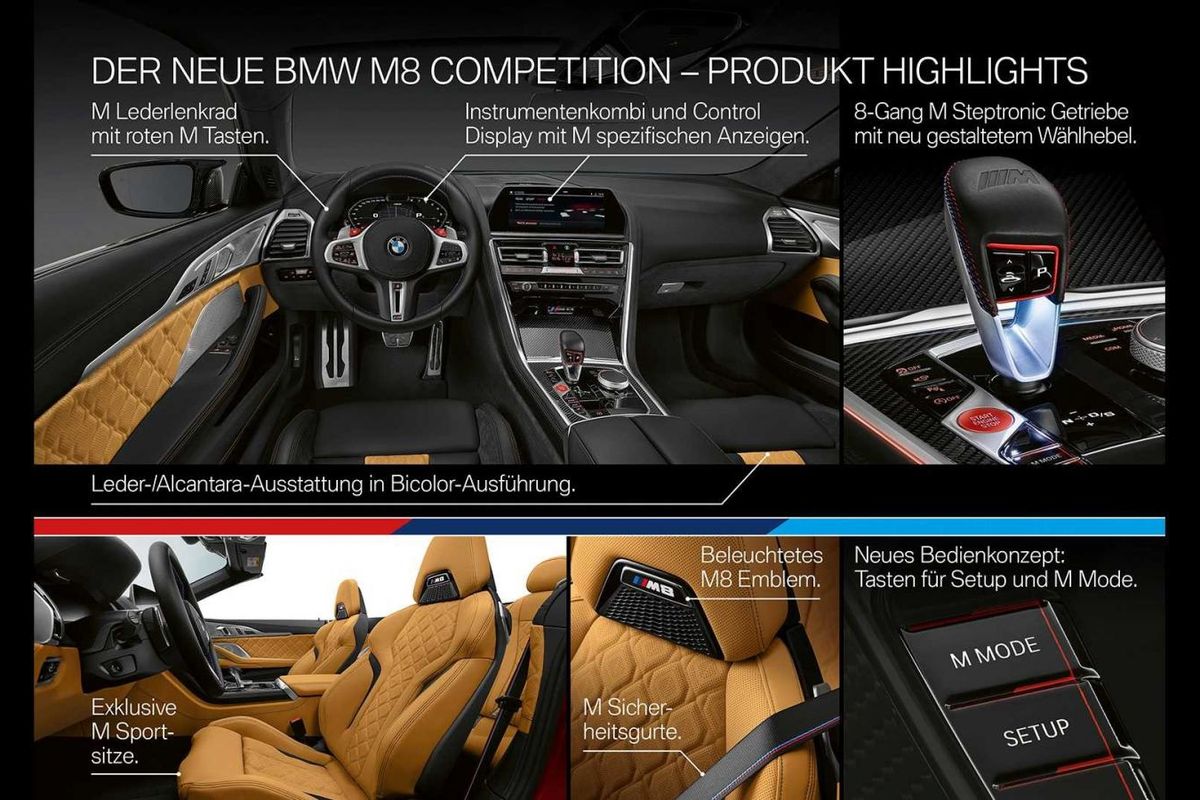
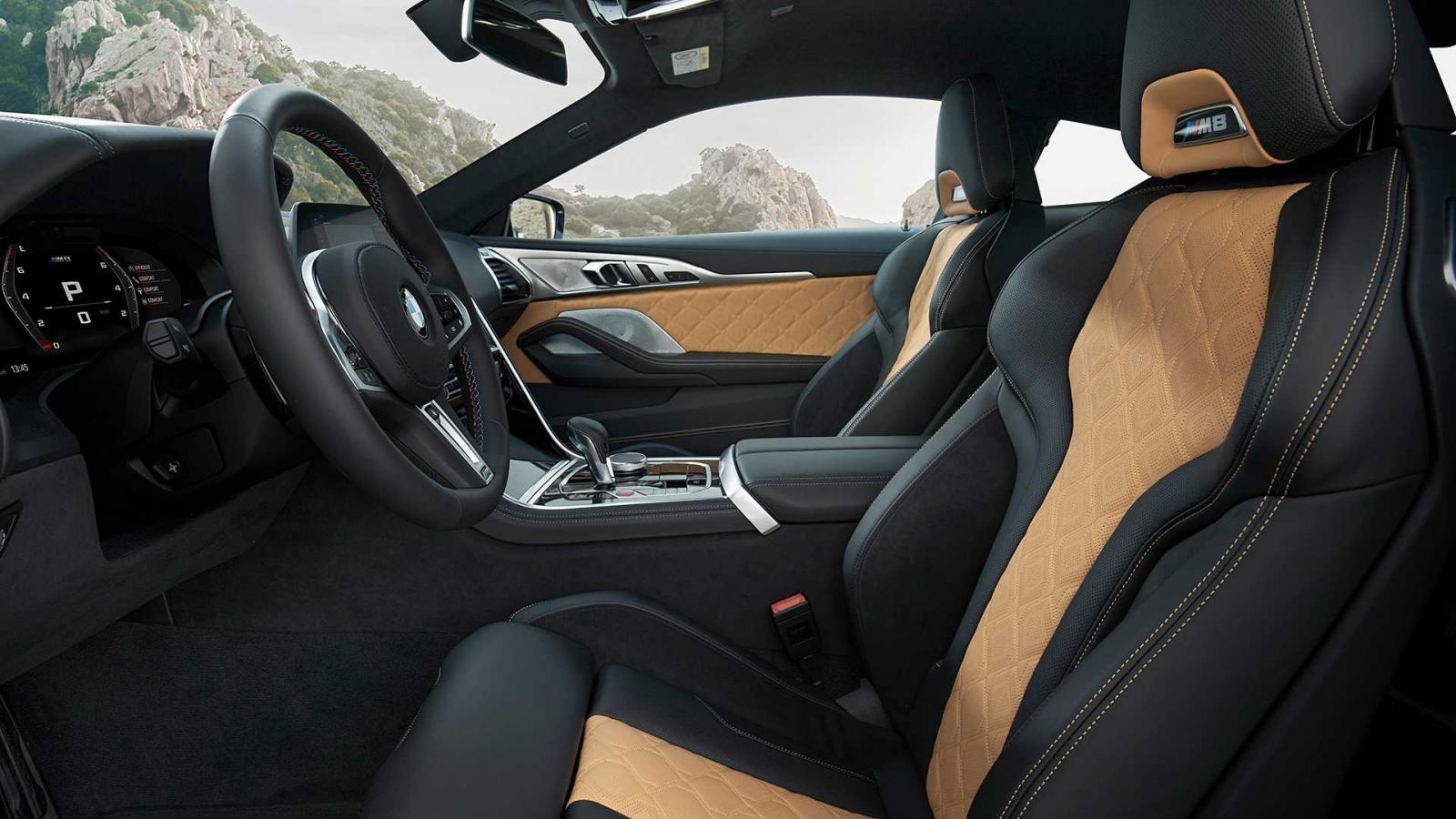
The M8 will offer a luxurious interior with a sporty touch. Looks like a nice place to be…
The M8 will be offered with a variety of leather combinations and trims to suit your taste. Some of the standard equipment includes a Display Key, Head-Up Display, driving assistant, parking assistant and BMW Live Cockpit Professional. An array of optional driver assistance features will also be available.
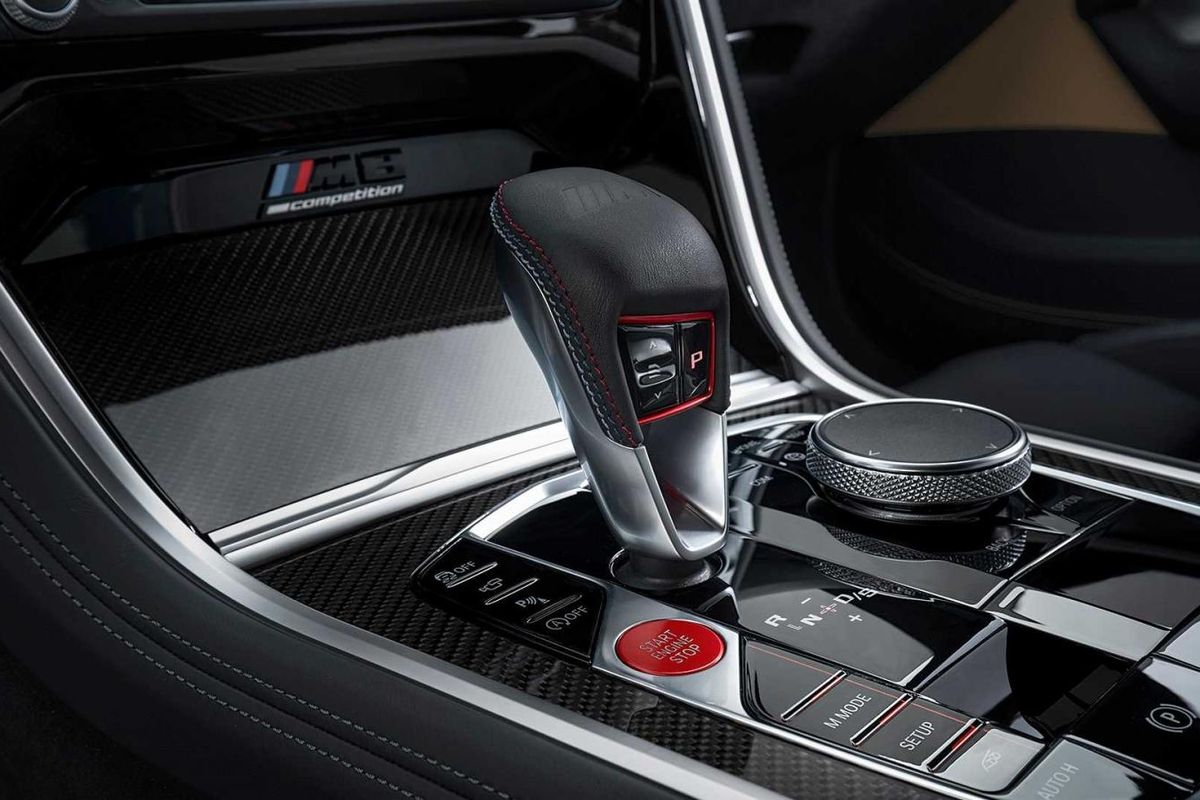
The M8 features a new Setup button in the centre console which allows the driver to easily access settings for the engine, steering, dampers, M xDrive and braking. Personal settings can be saved and easily called to action using the 2 M buttons found on the steering wheel.
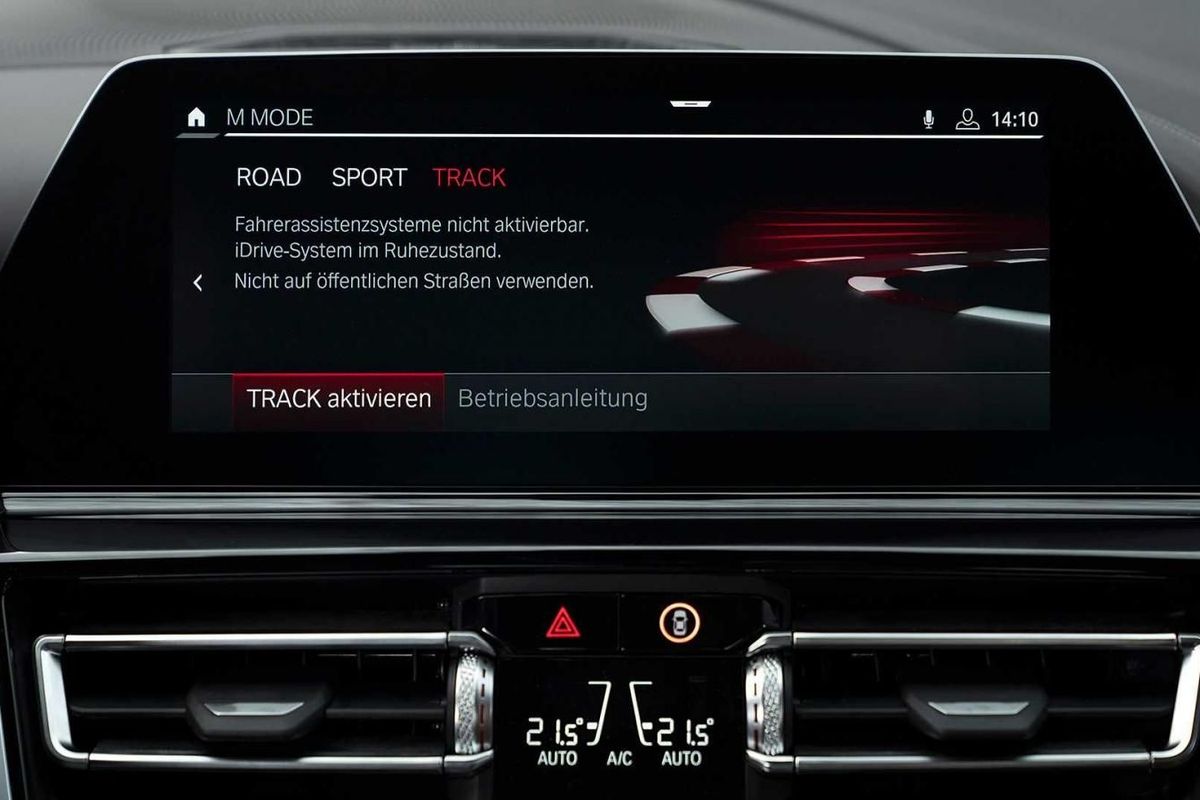
Also, a new M Mode button on the centre console can be used to adjust the driver assistance systems, instrument cluster and Head-Up display. The driver can select modes such as Road and Sport while the Competition derivatives offer a Track mode. Each mode is accompanied with its own look on the screens.
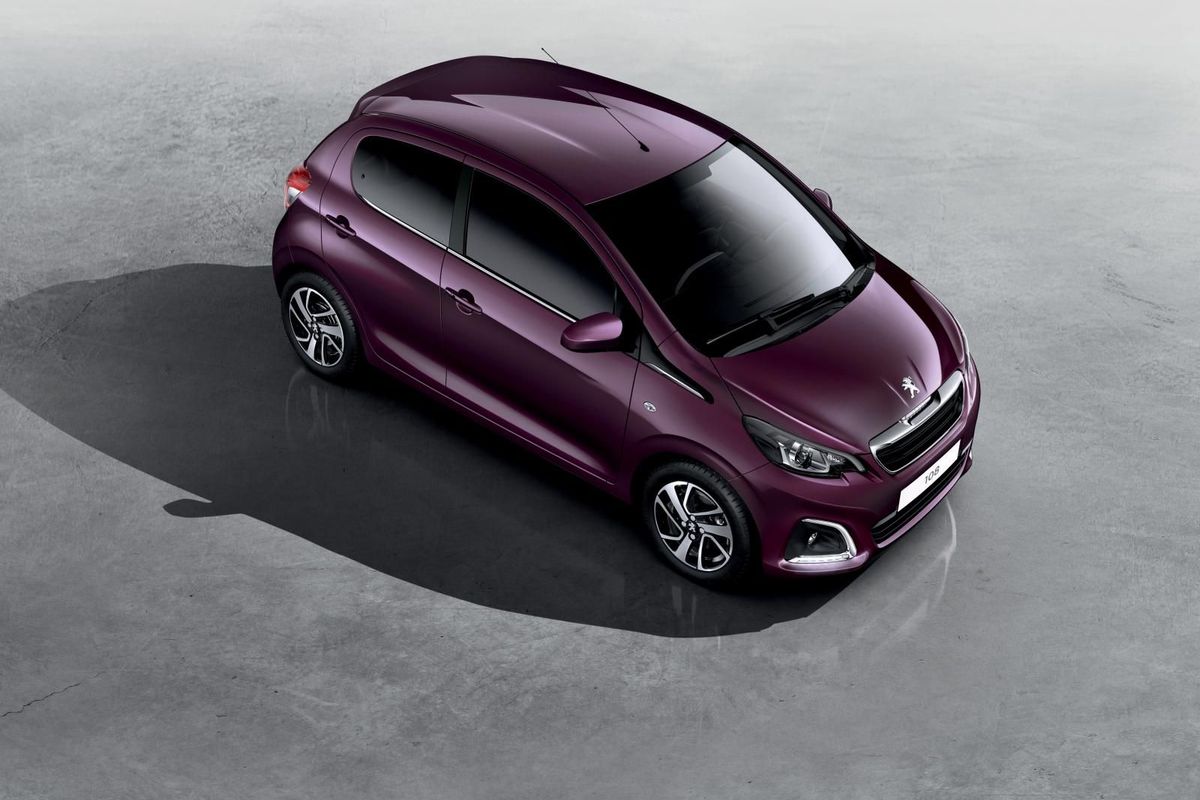
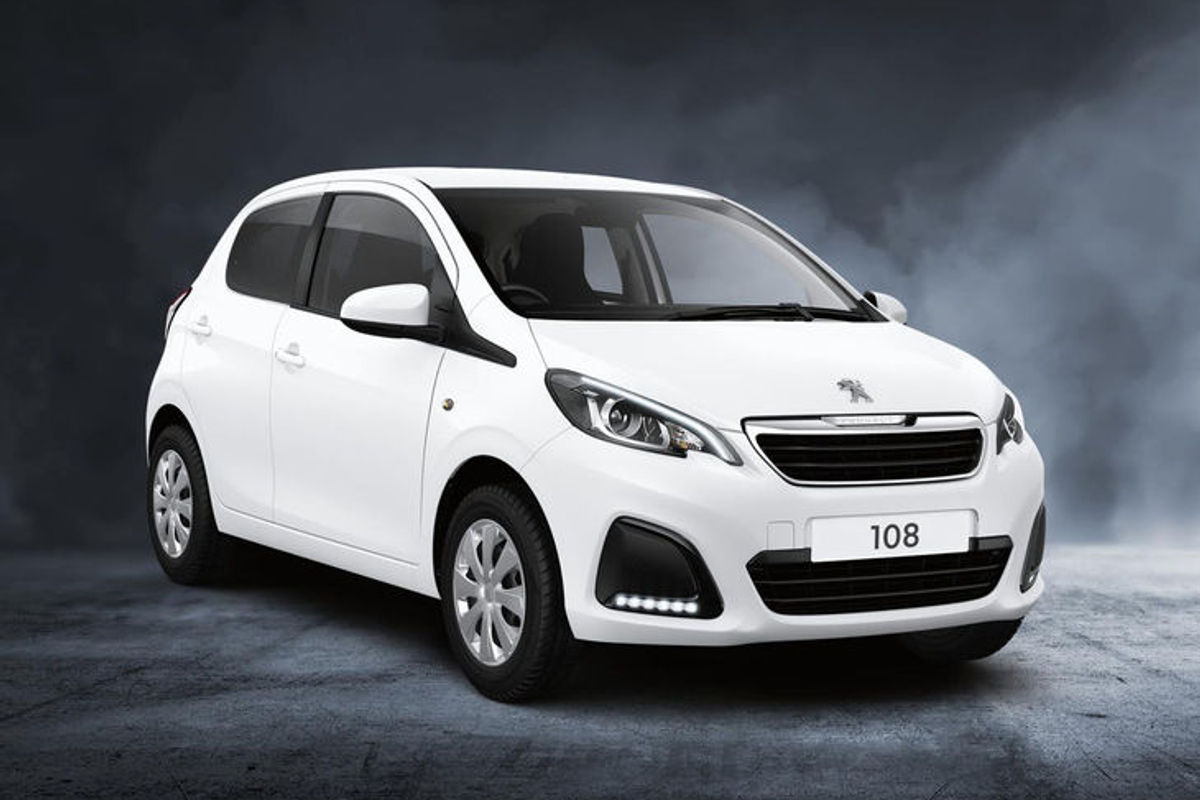
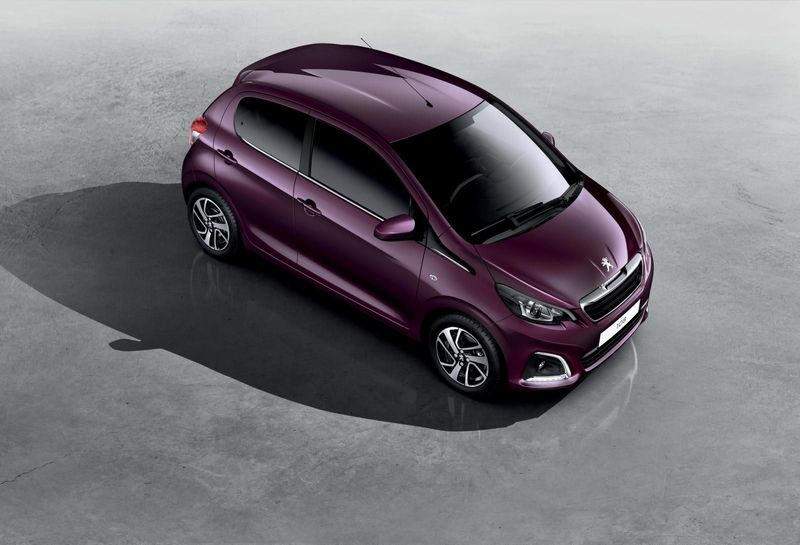
Peugeot South Africa has implemented sweeping changes in its dealership network and management structure, plus it has introduced a pair of new products to the market. The new budget-car offering – the 108 1.0 Active – includes a 5-year/100 000 km warranty AND a 5-year/100 000 km service plan with its keen launch price of R179 900.
The PSA Group, comprising Peugeot Citroen DS and Opel/Vauxhall, has made serious inroads into the European sales charts with its offerings in the past 2 years. It is, therefore, odd to see the brand's South African operation floundering; in fact, many have expected it to shut up shop. However, Peugeot South Africa has undergone a relaunch, with a catchy payoff line and extensive behind-the-scenes work done on the dealership network.
Let's be frank, Peugeot SA has a less-than-stellar reputation for consistency and reliability, and we all know someone who has had to wait uncomfortably long periods of time while waiting for replacement parts to arrive from Europe. Under new boss Xavier Gobille, Peugeot SA has gone on the charm offensive and this relaunch is a multi-pronged attack on the market.
Sister brand Citroen is following hard on Peugeot's footsteps and will be relaunched in October 2019. Gobille is a charismatic Frenchman and has gained quite the reputation for being incredibly passionate and determined. He turned Renault South Africa's fortunes around some time ago and with stints at Jaguar Land Rover and Nissan, it would be a surprise if he doesn't pull off a repeat performance.
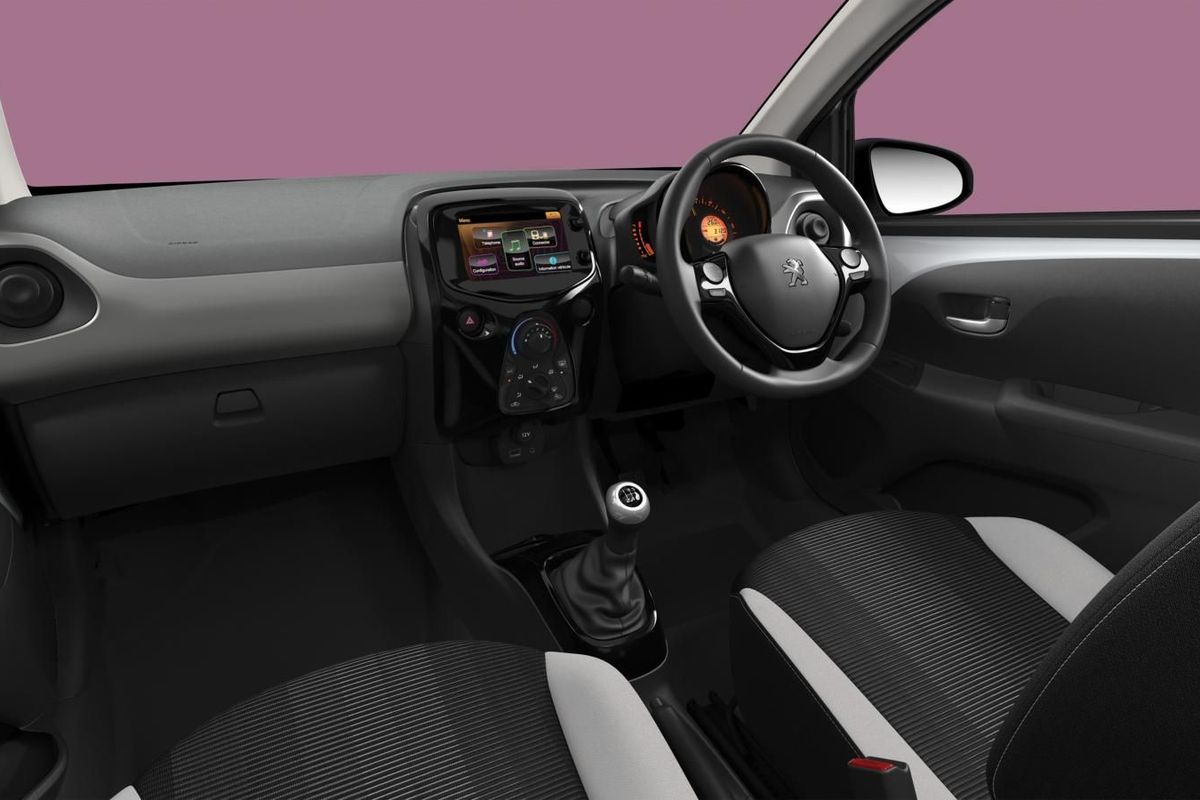
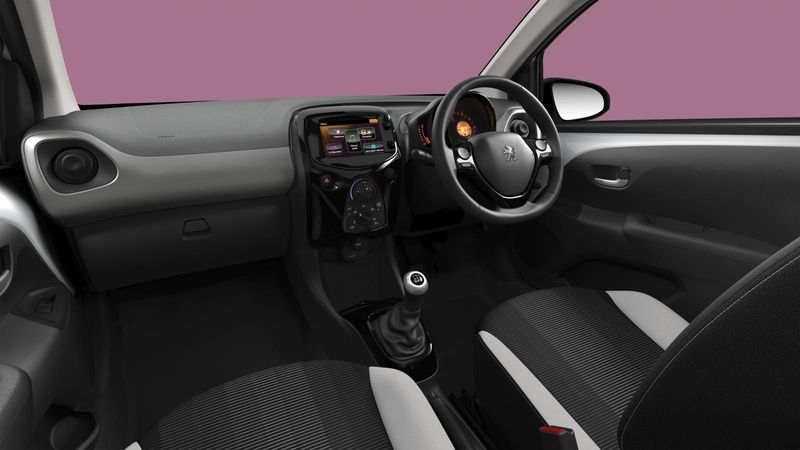
The Peugeot 108 cabin is simple, yet loaded with convenience and safety features
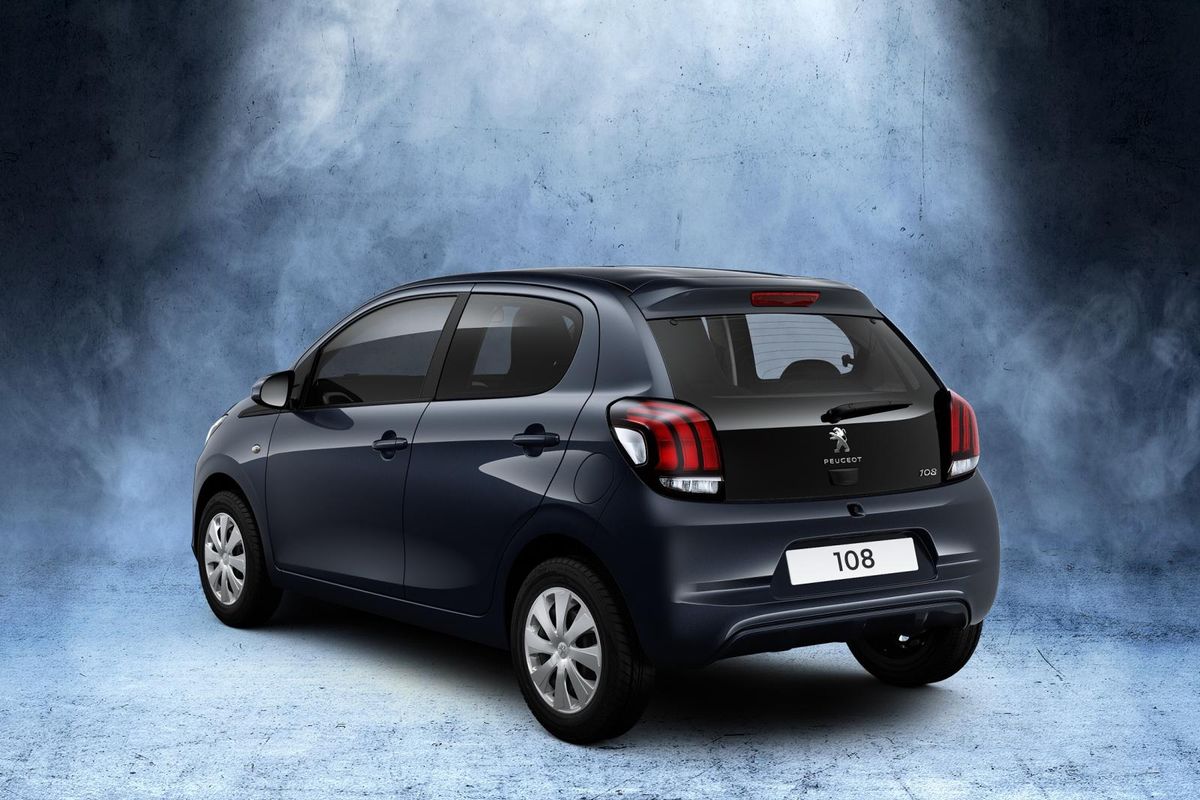
Peugeot 108
While the majority of Peugeot's product planning focuses on its SUV range (like the 2008, 3008 and just-arrived 5008), it'd be easy to overlook the 108 city car. Platform sharing is nothing new and the 108 is mechanically similar to the Toyota Aygo and Citroen C1. Powered by a 1.0-litre naturally-aspirated 3-cylinder petrol engine, the 1.0 Active is aimed at the city slickers who want optimal user-friendliness, connectivity and excellent fuel economy from their budget cars. From launch, there is a solitary derivative available, unlike its Aygo cousin, which is offered in varying trim levels
Features
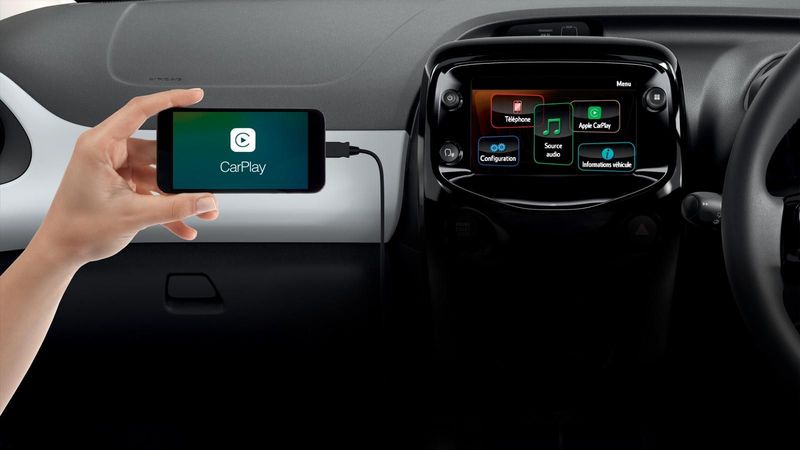
Apple CarPlay and Android Auto are available in the Peugeot 108
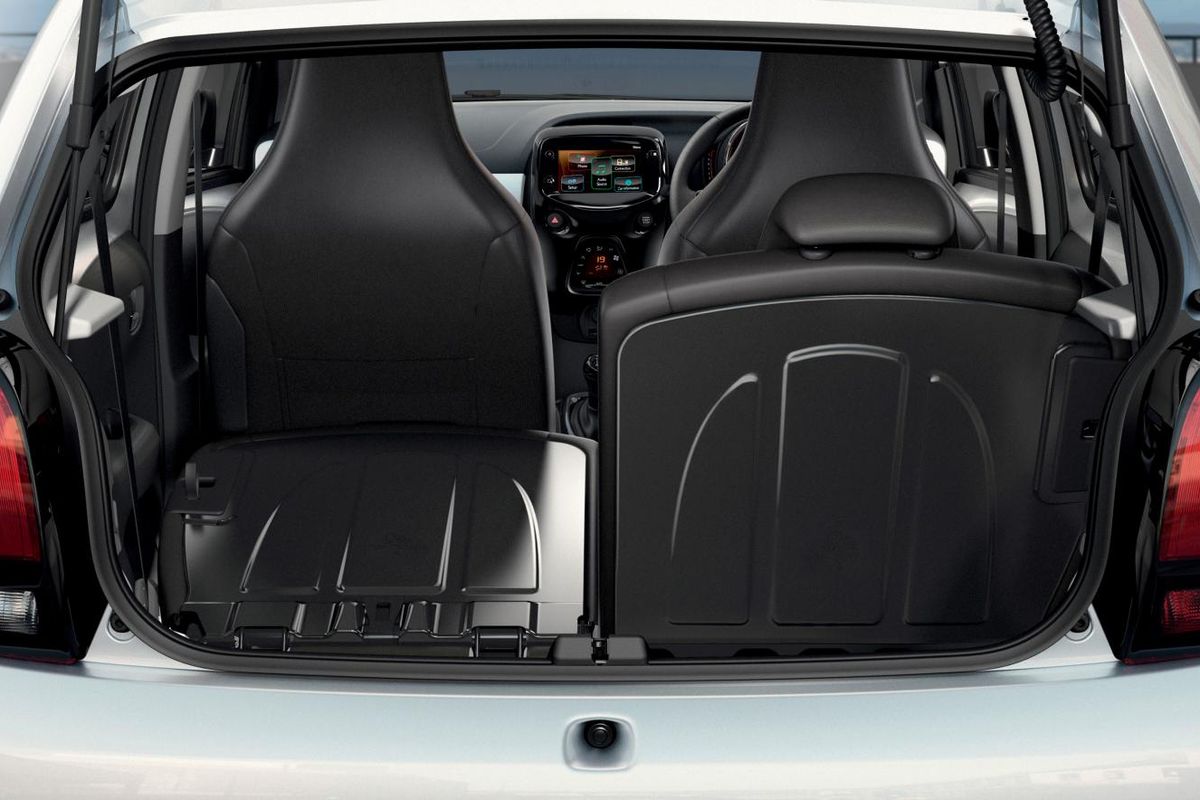
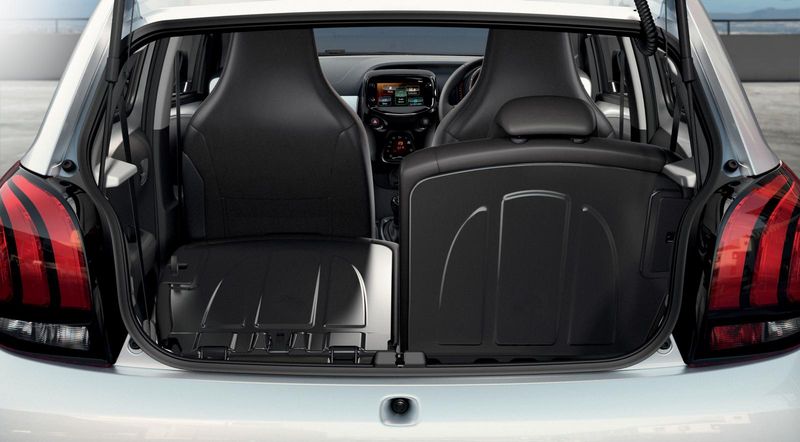
For a small city car costing this little, the Peugeot 108 1.0 Active comes loaded with an impressive level of kit. There are LED daytime running lights, a 7-inch touchscreen infotainment system with smartphone mirror-link functionality (Android Auto and Apple CarPlay compatibility), Bluetooth, a height-adjustable steering wheel, electric windows and height-adjustable driver's seat, to name but a few features. The safety specification is commendable too, with 6 airbags, stability control, anti-lock brakes, hill start assist and ISOfix child-seat mounting points. Despite its diminutive dimensions, it still boasts a useable load bay (a claimed capacity of 227 litres), which can be increased to 868 litres if you fold the rear seats down.
Engine
As mentioned, the Peugeot 108is powered by a 3-pot motor that produces peak outputs of 53 kW and 93 Nm. With power going to the front wheels via a 5-speed manual gearbox and a low mass of 840 kg, the 108 1.0 Active doesn't feel as underpowered as its on-paper outputs suggest. Fuel economy is claimed at 5.2 L/100 km and Peugeot says it's new 108 falls under the carbon tax threshold of 99 g/100 km.
How does it drive?
The 1.0-litre engine is eager to please and delivers 53 kW and 93 Nm
Our test route was extremely short, but fortunately, city cars like the 108 are wonderfully simple and you can quickly spot any glaring faults (of course, provided there are any). Three-cylinder engines tend to emit a distinct offbeat thrum and the lack of a 4th cylinder means the engine can produce some vibrations, something which has been reasonably well dialled out in the case of the little Peugeot. Despite driving at Gauteng altitude where there's around 17% power loss on a naturally-aspirated engine, the vehicle still felt eager and willing with 2 grown adults inside.
The engine is not shy to rev, which is just as well, because you'll need to work the little mill hard to execute brisk overtaking manoeuvres. The 1.0 litre will feel a bit more responsive at sea level, but don't expect much gusto if you're travelling up a steep hill with 3 passengers on board. What's more, at triple-digit speeds the engine is bit droney. If all else fails, drown it out with your favourite tunes, connected via Apple CarPlay or Android Auto.
Speaking of in-gear, the clutch is light and easy to use, and the same could be said for the clutch action. In an era where manual transmissions are being shunned for the convenience of an automatic, it's great to see there's still a manual 'box out there which won't irritate or frustrate in stop-start traffic. The real strength of the 108 1.0 Active is its inner-city drivability. The compact dimensions and the eager engine make it an excellent urban runaround if you're not doing massive miles on the open road, and it's wonderfully easy to drive in confined spaces. Parallel parking? Simple.
The vehicle rides on 165/65 14-inch tyres and Peugeot claims these have low rolling resistance, which contributes to the admirably low fuel economy. Ride quality is fair, but the car does get a bit unsettled if it traverses bumps or ruts in the road. Thankfully the steering is light and effortless, and you can easily keep things in check. There's a fair bit of feedback from the tiller and you do get the sense of being in control, but we would appreciate a touch more directness to the steering. Given the nature of the vehicle as a humble runabout and it's very keen price tag, we can't be too critical.
If you want more space, then simply fold down the rear seats of the Peugeot 108
Verdict
We drove the updated Toyota Aygo sibling almost a year ago (October 2018) and noted its revvy engine, funkiness and fair ride handling. Given the mechanical similarities, the 108 1.0 Active feels near identical. However, the differences lie in the specification where the Toyota can only muster 4 airbags and does away with the smartphone connectivity. The Peugeot boasts 6 airbags and has a few more features for similar money. The real cherry on the cake is the aftersales offering. Dubbed 'Peugeot Pride', every 108 comes with a 5-year/100 000 km comprehensive warranty, a 5-year/ 100 000 km comprehensive service plan, roadside assistance, 24-hour customer care contact centre, licence renewal reminder, as well as service plan and warranty expiry notifications. What this means is you're essentially only paying for fuel and tyres, making it cost-effective to own.
Peugeot also claims that any of the brand's customers who encounter a mechanical issue with their vehicle will be afforded the use of a courtesy car and that replacements parts will be made available swiftly (and it'll be competitively priced). It's a bold statement of intent by Peugeot South Africa and we can understand the brand is desperate to right wrongs, change preconceptions and restore some pride. Given its asking price, we'd be surprised Peugeot if made much of a profit on the 108 we suspect it's to pinch market share from the established players in the segment… How long will this keen price last? If this is what's on offer and Peugeot can fulfil its promises, then the 108 must be one of the new-car bargains of 2019.
Peugeot 108 Price in South Africa (September 2019)
The Japanese automotive brand's Land Cruiser sales have passed 10 million units.
Toyota has surpassed an important milestone with its oldest continues nameplate. With a reputation for durability and unflinching off-road ability, especially when operating in the harshest possible conditions, Land Cruiser’s success has been the consequence of product engineering – instead of marketing.
It is one of the oldest continues model lines on sale, tracing its origin back to 1954. Toyota has shown tremendous intuition with the off-road vehicle market, by successfully diversifying the Land Cruiser model line. Land Cruiser has evolved to a unique product portfolio in the global off-road vehicle market. No other nameplate offers such diversity. Single- and double-cab bakkies, troop carriers and station wagons.
With its 70-Series, Toyota has the South African mining, geological exploration and game viewing vehicle market to itself. Prado present a premium ladder-frame SUV and for those who want the ultimate luxury Sandton-to-Sudan vehicle, there is the 200. Available in more than 170 different global markets, Land Cruiser is a rare instance of reputation being built and sustained without failing, over decades. The 10m unit sales satistics, achieved in the last quarter, in not surprising.
In the local market, it remains boundlessly popular too. The 70-Series regularly sells in three figures, whilst Toyota’s most expensive local vehicle is the Land Cruiser 200, which continues to service healthy demand.
The Kia Picanto is a very popular buy in the budget-car segment. Ciro de Siena gets to grips with the base version –the 1.0 Start, which does not have ABS, but comes with a 5-year warranty and a 2-year/30 000 km service plan.
This Kia Picanto has picked up quite a loyal following South Africa and this latest generation is undoubtedly the best one yet. However in our budget car comparison, the Picanto is a bit of an outlier as it is principally a car designed and sold at a higher price point, but Kia SA strips out some of the spec to drop the price to a very affordable R158 995.
In the current market this represents very good value and in this quick review, our video journalist Ciro De Siena gives the base model 1.0 Start a good going over. The car impresses in terms of ride comfort and build quality, but is the relatively low spec an issue?
This video is part of our mega-budget car shootout series which you can watch HERE
You can read our full write up featuring the Datsun Go, Renault Kwid, Mahindra KUV100 and Suzuki Celerio HERE
The compact Volkswagen T-Cross SUV has only just made landfall in SA and already the local arm of the brand has confirmed the range will receive more derivatives in 2020. Here's what you can expect.
The launch of the Volkswagen T-Cross compact SUV has only just wrapped up and you can read our local impressions of the newcomer here. We're pretty impressed with what's on offer and think the 1.0 TSI is adequate.
For those wanting more power and performance, Volkswagen SA confirmed it will be launching a more powerful T-Cross in the first quarter of 2020. The new engine is the 1.5-litre turbocharged 4-cylinder mill which produces 110 kW and 250 Nm. A dual-clutch DSG transmission is on offer and the vehicle is available exclusively in R-Line trim. We've secured pricing for this offering and it can be found below.
However, for those who crave a Volkswagen T-Cross whose budgets can't quite reach the current offering, Volkswagen SA also confirmed an entry-level T-Cross which will be landing in the 2nd quarter of 2020. It features the same 1.0-litre turbocharged 3-cylinder motor, but in this Trendline application, it produces 70 kW as opposed to 85 kW. The torque figure was not supplied, but if it follows the Polo hierarchy, it will have 175 Nm. Interestingly, Volkswagen SA says this model will feature a manual gearbox. Official pricing is not yet available, but VWSA claims it will be under R300 000.
Volkswagen T-Cross Price in South Africa
The Volkswagen T-Cross comes standard with a 3-year / 120 000 km warranty, a 3-year / 45 000 km service plan, 12-year anti-corrosion warranty and service intervals are every 15 000 km.
Japan’s new emperor is to be officially inaugurated in October 2019 and he’ll need a car for this very public occasion. One which is very obviously Japanese and sufficiently regal. Supplying the bespoke transport for this inauguration is Toyota, which is Japan’s largest and most powerful automaker. It marks the transition from the Heisei Era to the Reiwa Era for Japan’s royal family.
Crown Prince Naruhito will ride to his ceremonial duties in October, seated in the back of a Toyota Century. But it won’t be any Century. Toyota has built a special Century convertible for the occasion and if you though that Rolls-Royce was choice transport for royalty, well, not in Japan.
The Century limousine range is only available in Japan’s domestic market. It blends boxy 1980s American boulevard cruiser styling with build quality which is perhaps unrivaled by any other car. Powering the Century is a Lexus V8 hybrid, which means that it can run in virtual silence at parade speed. If the royal family were ever in a hurry, total system output for the 5-litre V8 and its electric motors peaks at 317 kW
Toyota has added a few modifications to the convertible version of its Century, beyond the fabric folding roof. The rear seats have been raised by 40mm, with seatbacks fixed at a 25-degree angle – allowing better viewing of the royals as they glide by during official duties in their motorcade. Despite its ultra-luxury limousine billing, the Century has cloth seats instead of leather, to avoid any ungraceful creaking when whoever is privileged enough to ride in one, sits down.
This is truly a handbuilt car. Its hand-carved grille emblem takes a month and a half to complete and the seven-stage lacquer finishing process is wet sanded by master craftsman. Toyota’s current Century is the third-generation of these rare limousines and the first to feature air-suspension. The royal inauguration convertible is a one-off version of perhaps Japan’s most valuable car.
The performance models keep coming from the local arm of Mercedes-AMG. The latest version to be given a price tag is the A35 Sedan.
The A35 sedan is likely to be introduced in South Africa early in 2020 with the regular sedan models squeezing in before the end of 2019.
As a refresher, the A35 Sedan uses the same equipment as the hatch derivative. That means a twin-scroll turbocharged 2.0-litre engine offering 225 kW and 400 Nm of torque. Equipped with 4Matic all-wheel drive and a 7-speed dual-clutch transmission, the Mercedes-AMG A35 Sedan will sprint from zero to 100 kph in 4.8 seconds and reach a top speed of 250 kph.
The pricing has just been loaded onto the Mercedes-Benz configurator on its local website. If you want a few more details on what the sedan offers, check out these useful links.
Race! Toyota Hilux GR Sport vs Hilux Legend 50 – Off-road Shootout
The latest Toyota Hilux celebrates 50 years of building what is one of the world’s best-selling pick-ups, or bakkies as we prefer to call them. The Legend 50 is kind of at the top of the bakkie food chain in SA, at least for Toyota. Except, as of recently, it isn’t.
Introducing…the Gazoo Racing Hilux. It costs R50 000 more than the Legend 50 but it has exactly the same engine with the same power. However, because it’s an auto, there’s a bit more torque – 30Nm more. Oddly though the Hilux GR Sport is only available with an automatic gearbox.
The GR Sport has smaller wheels and rims all round, and for improved handling an all-new front suspension setup, developed by Gazoo Racing, has been fitted.
Only 600 of these will be made, and near the gear lever a special numbered plate reminds you which one of this limited edition you own. But most importantly it has lots of racing stripes, which means it must be faster than the standard Hilux, right?
And so the good people at the Tygerberg raceway let us set up our own racetrack on the property. With a mix of gravel and tarmac, and some fast and tight corners, it was time for a hot lap shootout.
Watch a Toyota take on a Toyota in this very special offload track shootout.
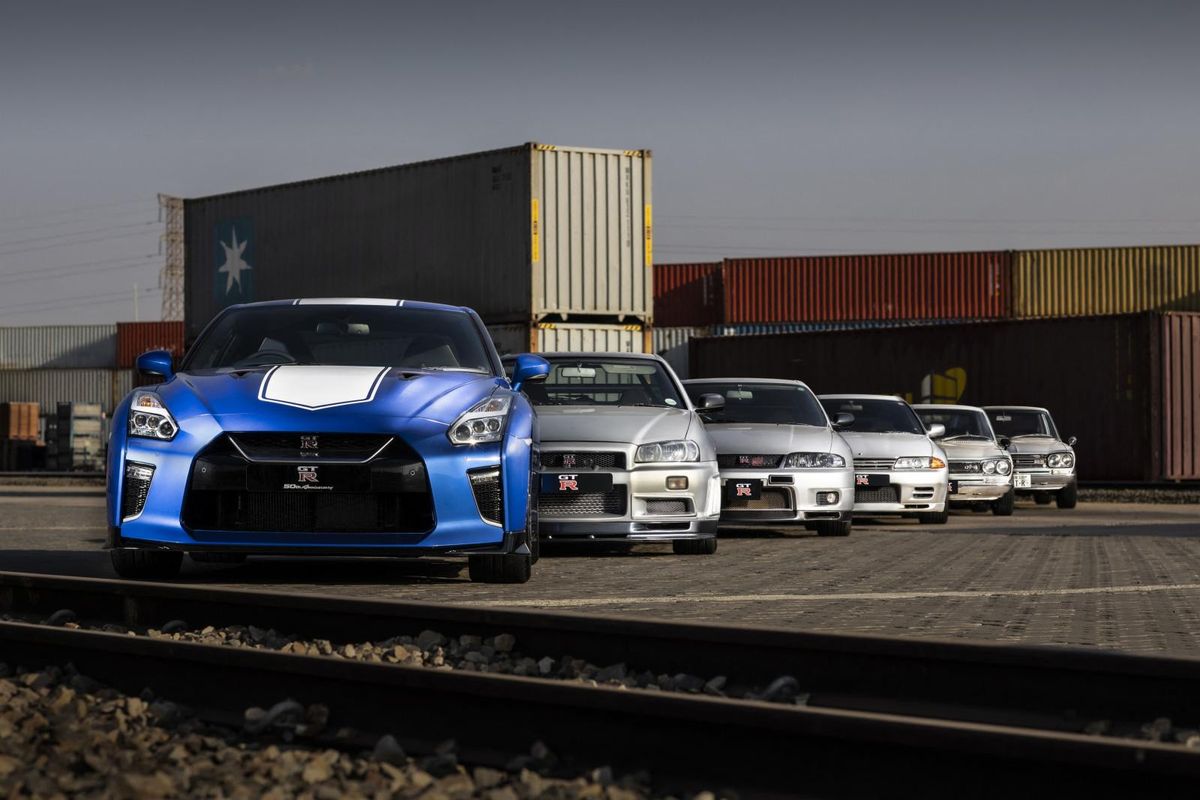
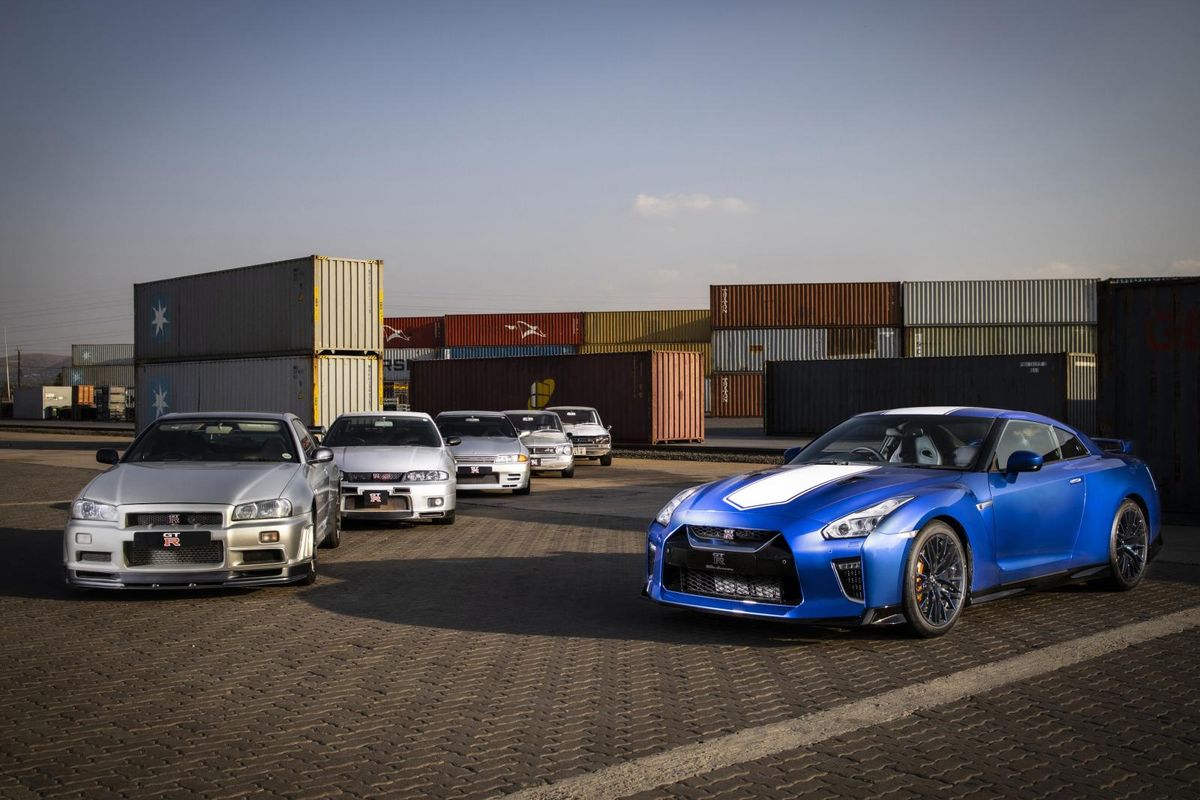
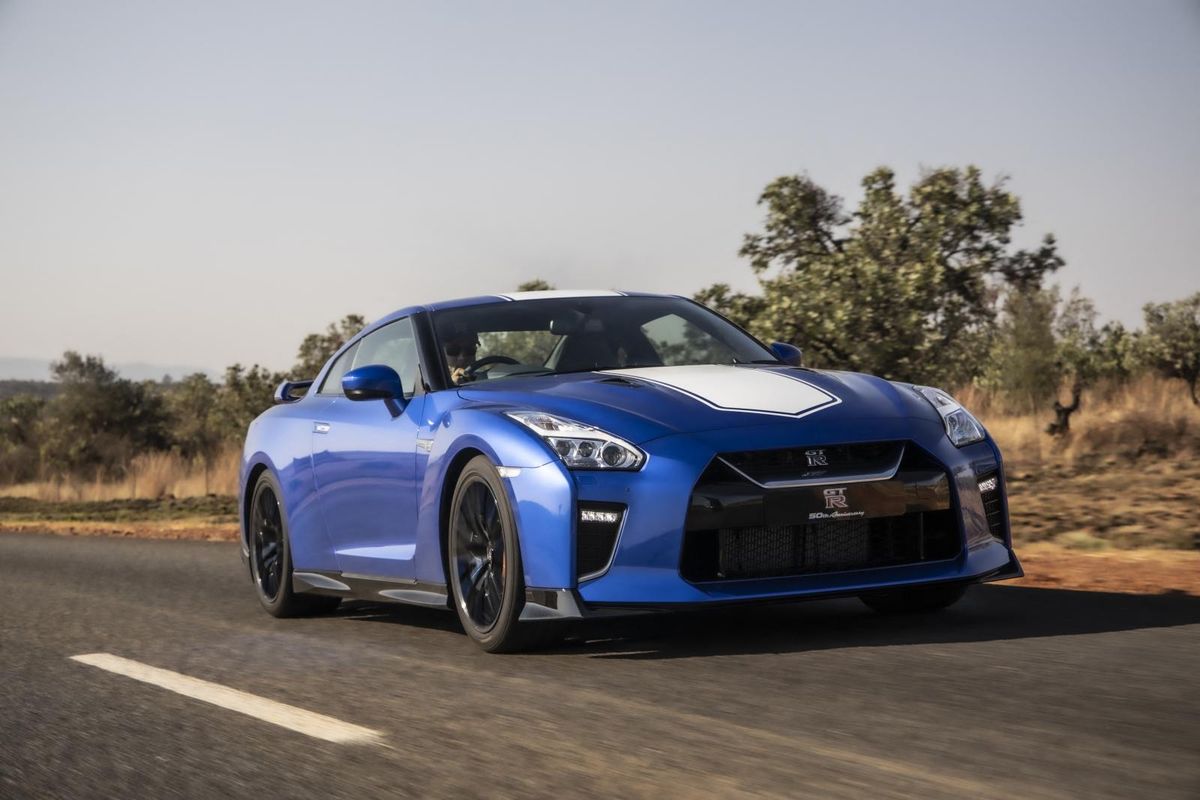
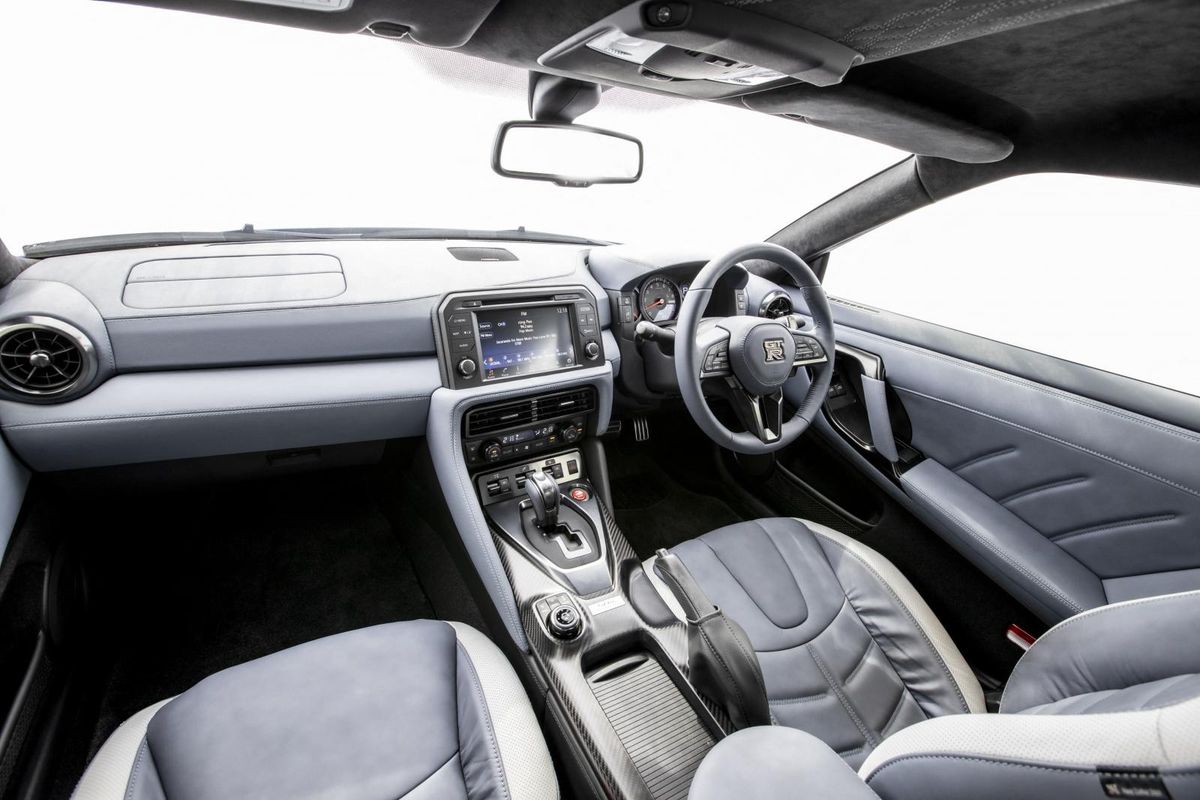
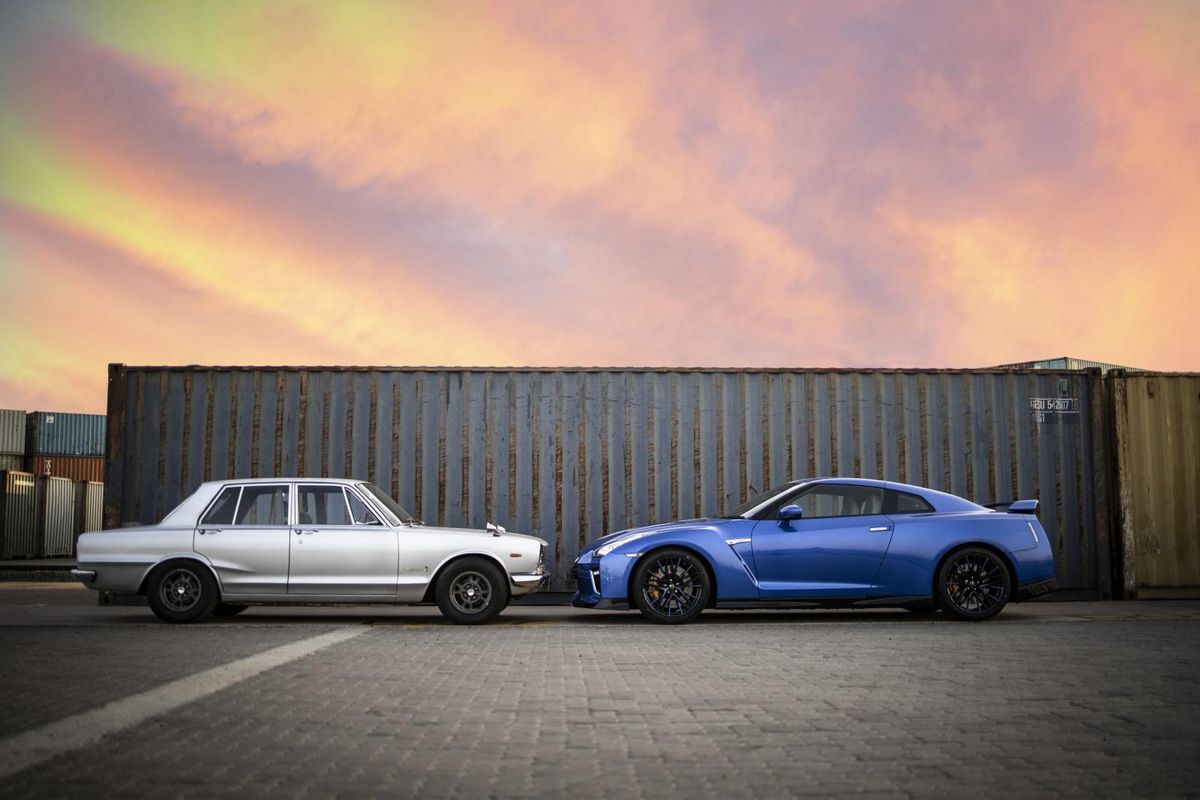
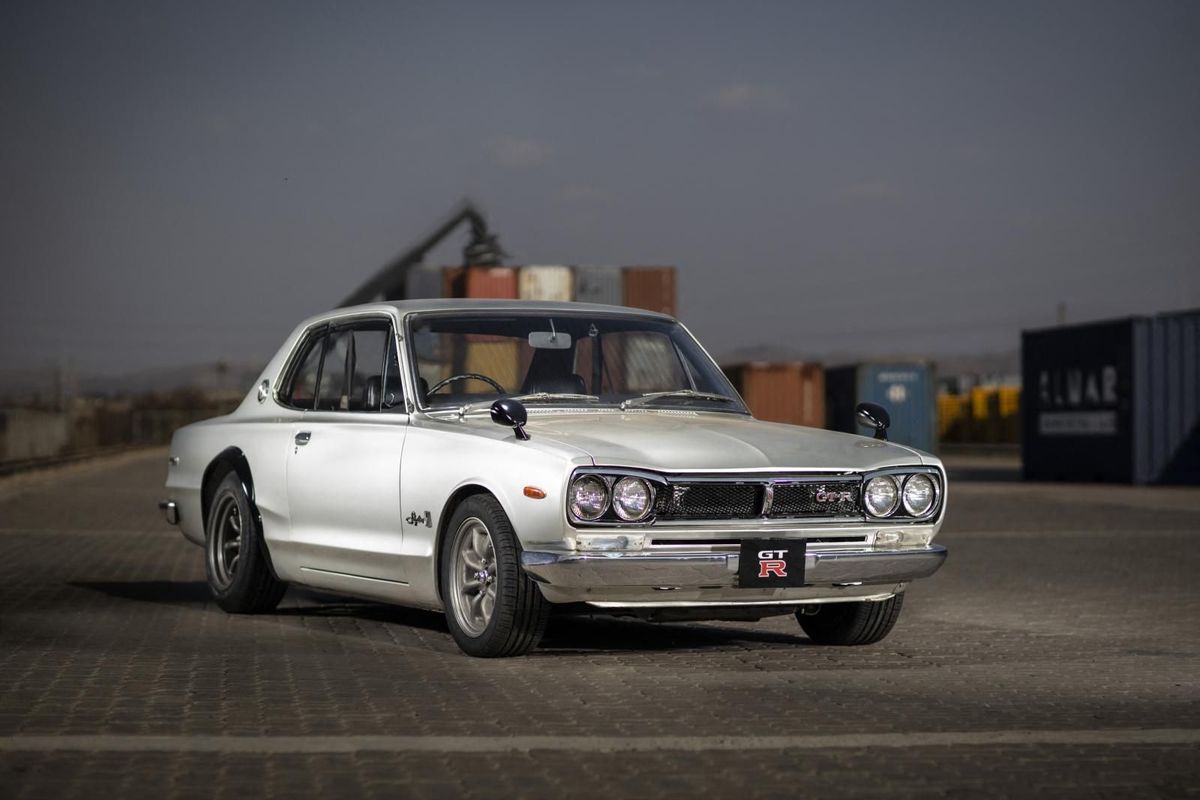
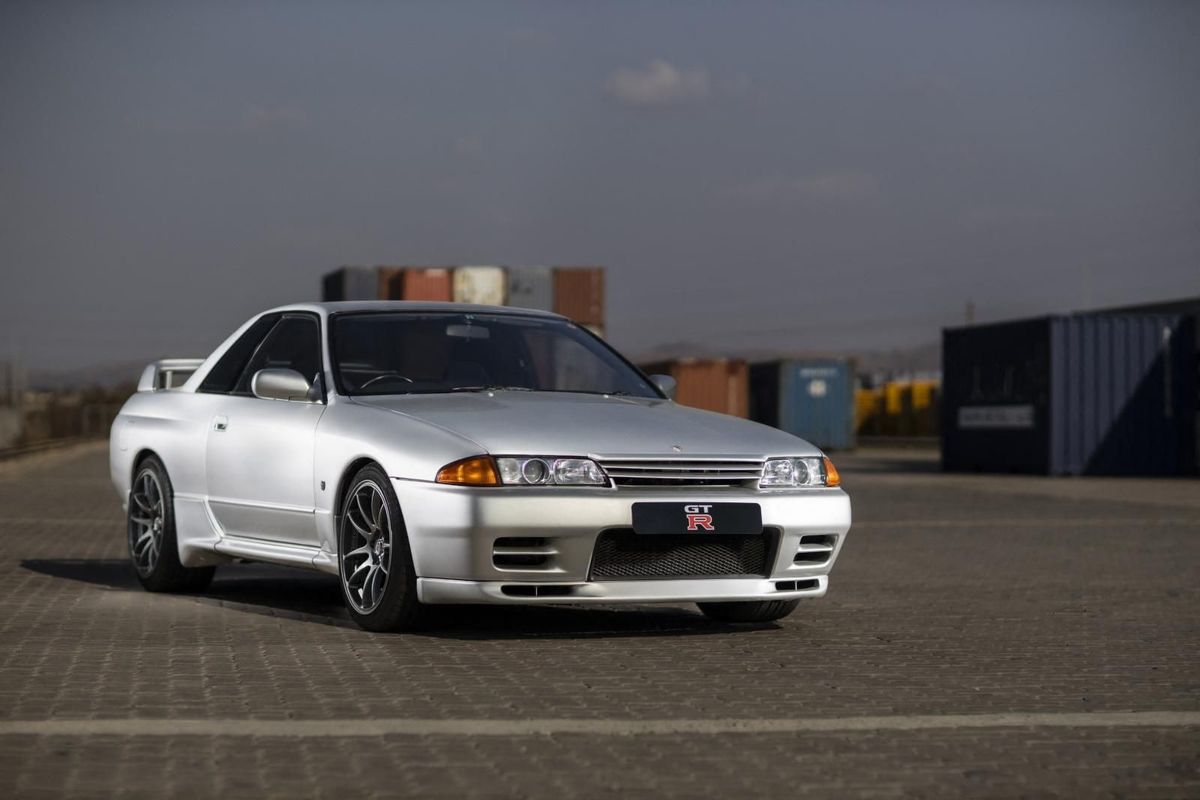
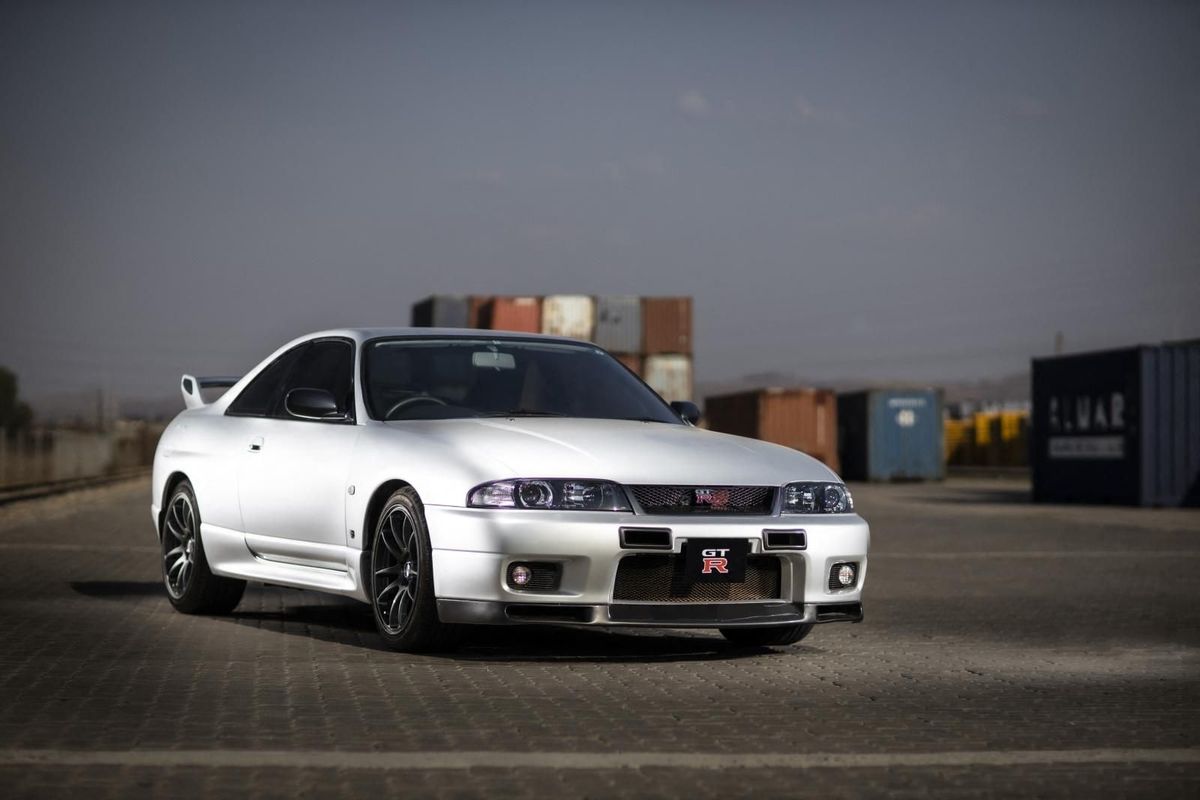
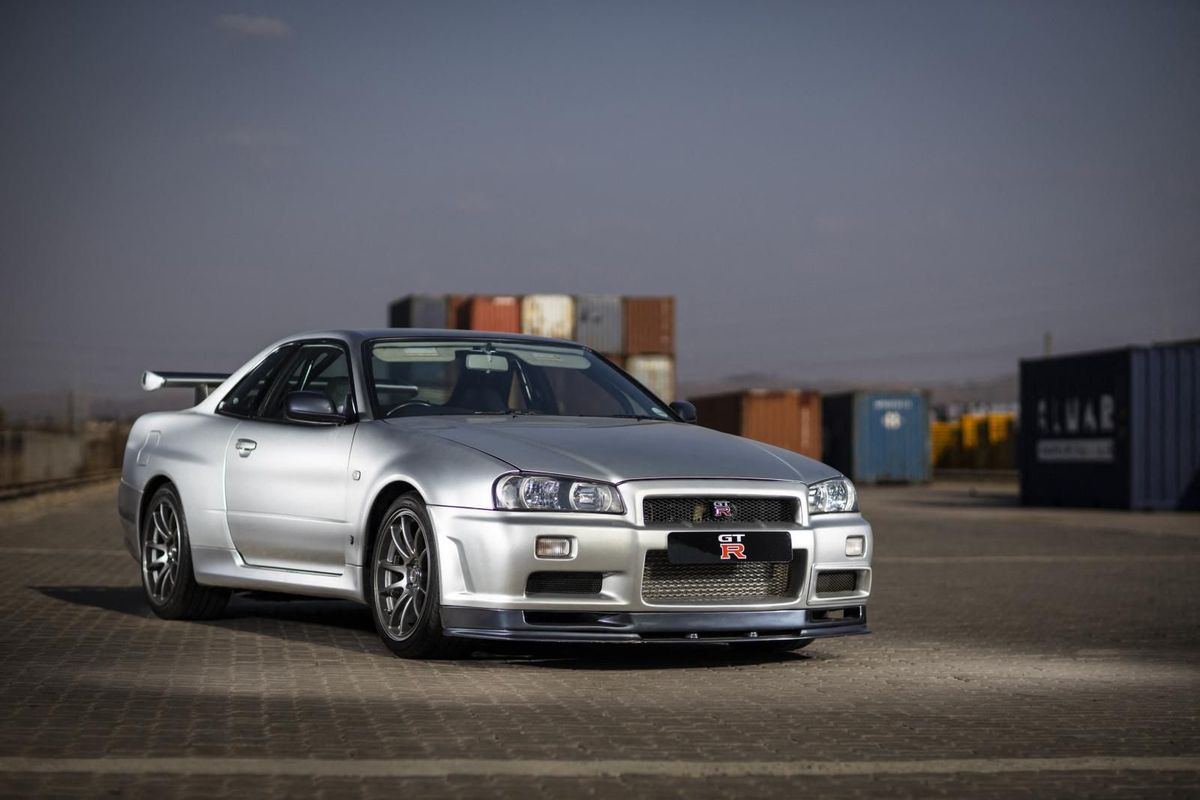
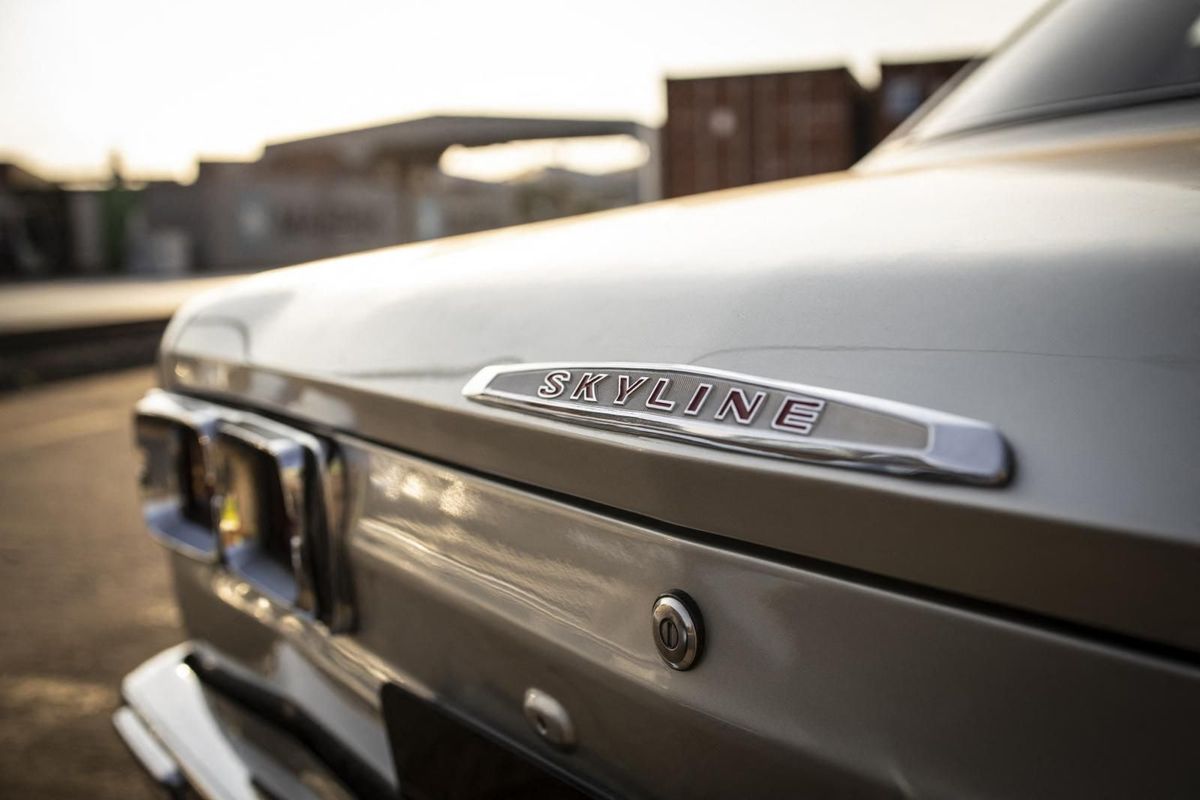
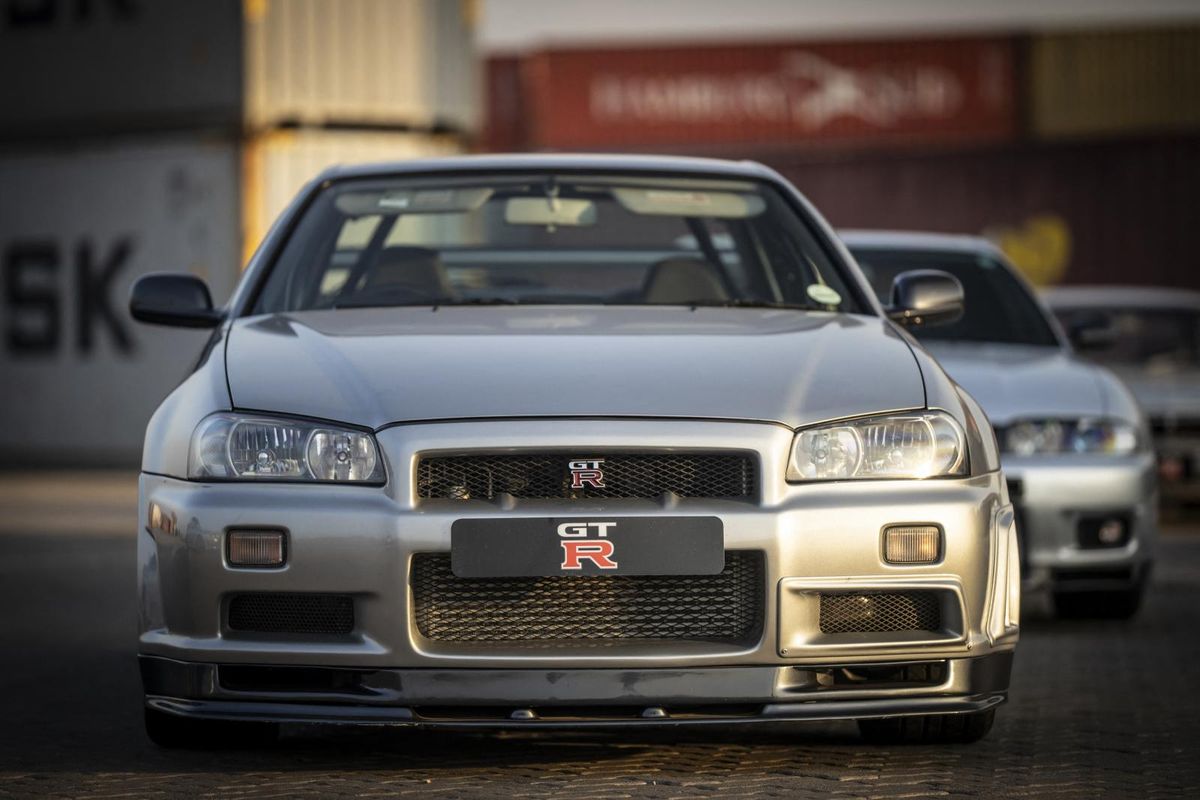
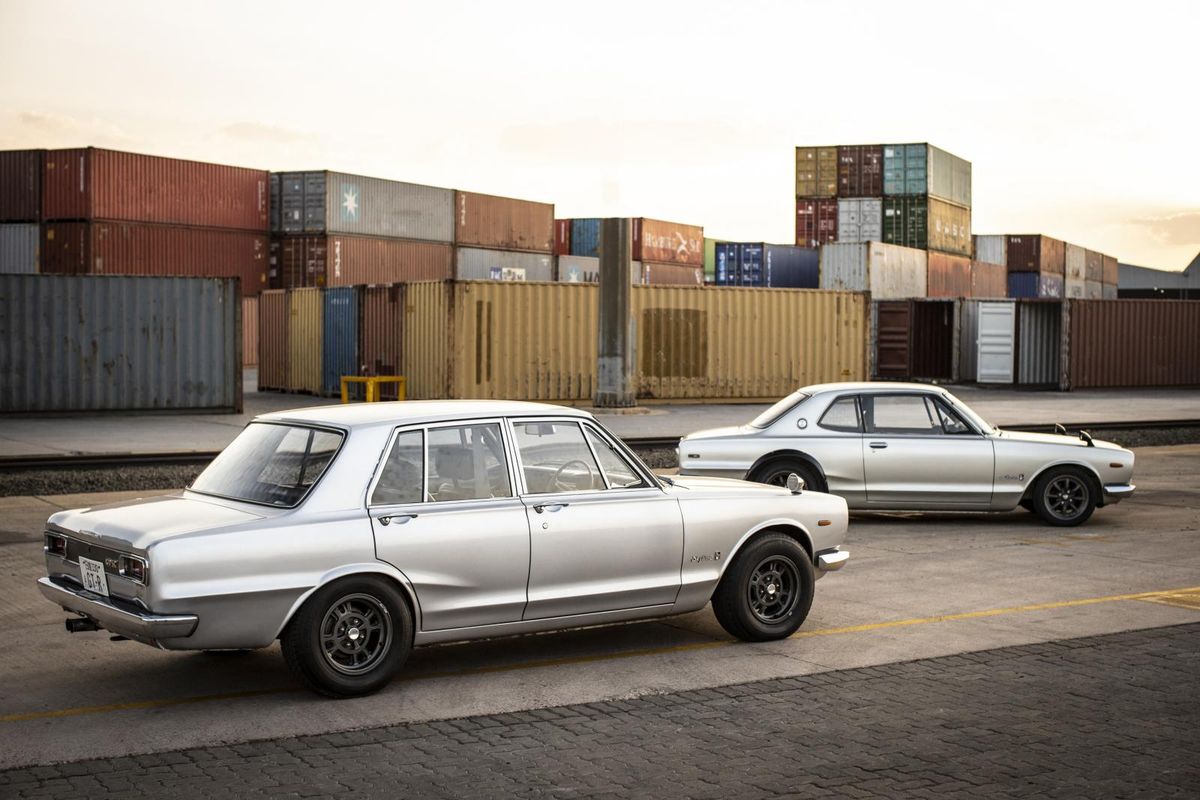
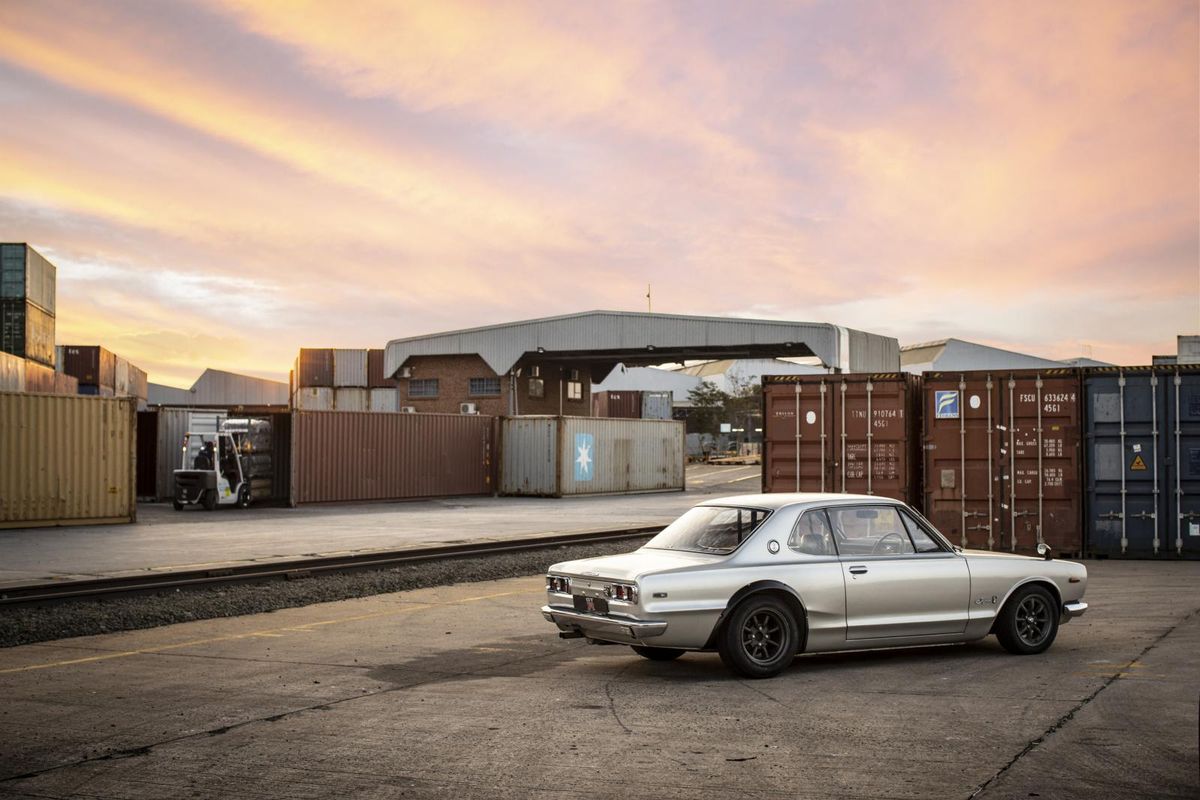
Nissan's iconic GT-R nameplate turned 50 years old recently and to celebrate, Nissan South Africa brought together most of the current car's predecessors. And, of course, there's that special 50th anniversary edition we recently drove, too!
We can perhaps thank Sony and its smash-hit Gran Turismo series of console games for the worldwide fame that the GT-R continues to enjoy. Of course, appearances in cult films such as those of the Fast 'n Furious franchise have helped too, but above all the GT-R's iconic status was born on the racetracks of Japan.
The GT-R arrived in 1968, when the so-called PGC10 version made its first debut at the Tokyo Motor Show, originally as a 4-door sedan. The more famous KPGC10 (2-door coupe), followed in March 1971. It is the latter that featured in Episode 3 of our SentiMETAL video series, with Freek de Kock from Bothaville being the proud owner (see the video below).
The next variant arrived at the 1972 Tokyo Motor Show, dubbed the C110, but it was doomed, like many sportscars, by the international fuel crisis and resultant dip in demand for high-performance sports machines. Consequently, only 197 C110s were built.
The Rebirth
The R34 was an icon for a completely new generation of petrolheads brought up on Playstation games and Fast 'n Furious movies.
The GT-R experienced a rebirth with the arrival of the R32 in 1989. This Nismo-designed car featured a new 2.6L twin-turbocharged engine and all-wheel drive. Critically acclaimed by the press (and enthusiastic owners), the R32 claimed 5 consecutive Japanese Touring Car championships and over 200 race wins. It also took the Australian Touring Car championship in 1991 and 1992, and it's here where it earned the nickname "Godzilla"… the "Monster from Japan."
Following in the R32's footsteps was never going to be easy, but Nissan did just that with the R33 which arrived in 1995. Mechanically similar to the R32, but with worthwhile detail improvements all-round, the GT-R R33 took the production car lap record at the Nürburgring, just like its predecessor did.
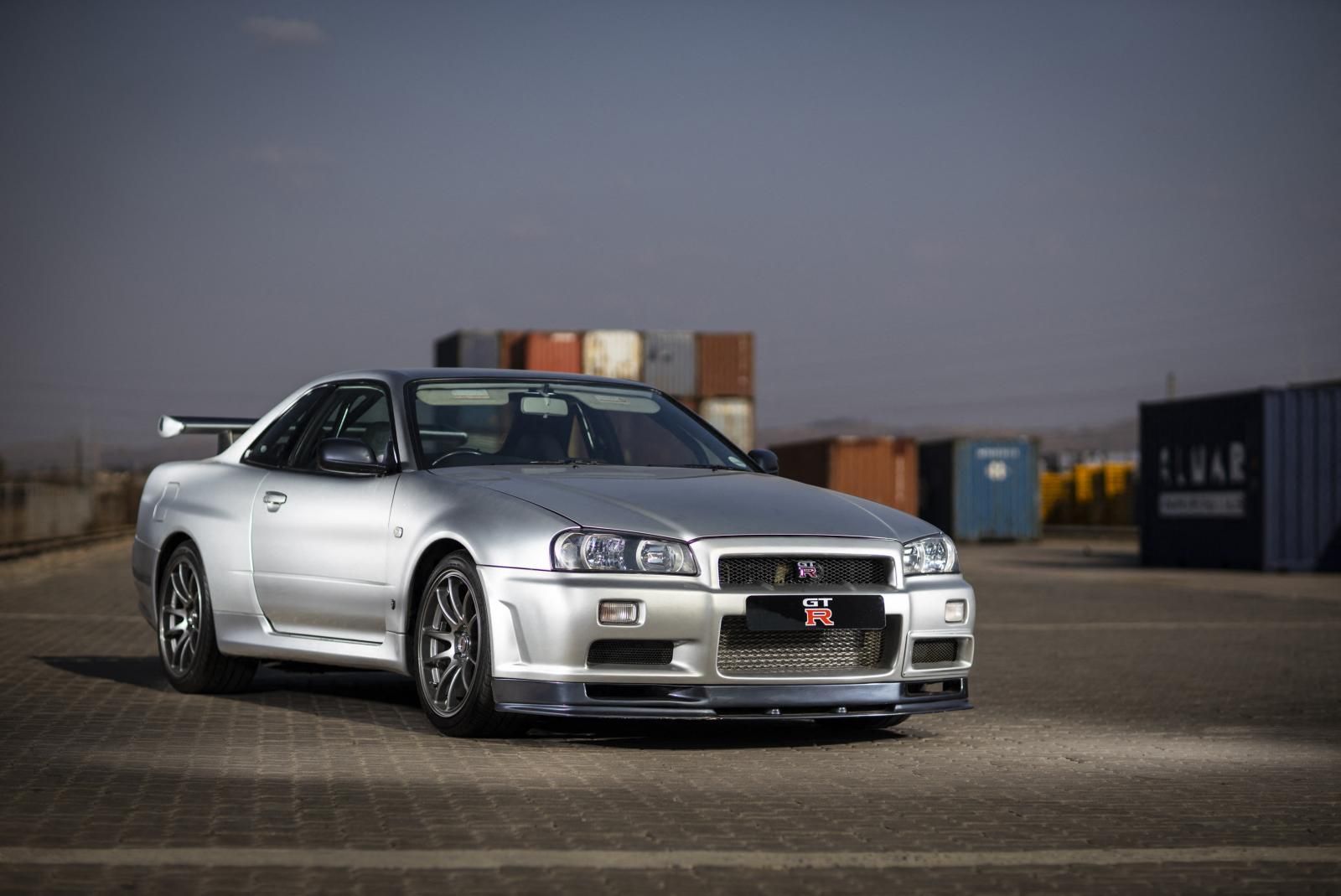
And then came the iconic R34, darling of the Playstation generation. Launched in 1999 and often seen in computer games and movies in its trademark Bayside Blue colour, the R34 was a technological marvel. It featured a 5.8-inch LCD multifunction display that gave the driver access to mind-boggling performance data. CAR magazine tested an R34 V-Spec in its October 2000 issue, and it achieved a 0-100kph time of 5.22 seconds. Again featuring a twin-turbo 2.6L engine, this car boasted outputs of 240kW and 420Nm of torque.
The current car
The sixth generation GT-R (R35) is the car that you can still buy today. It was originally launched at the 2007 Tokyo Motor Show, but has been continually fettled by the Japanese marque, to the point that it remains one of the most capable high-performance cars on the market today.
The Volkswagen T-Cross is now available in South Africa and we've driven it. Should you consider the Wolfsburg-based brand's first foray into the compact family-car segment or opt for one of its more established rivals instead?
As the dust settles after Dieselgate, Volkswagen is keen to start a new chapter. Electrification is a hot topic at present and the recently-unveiled ID3 represents the brand's first attempt at an all-electric mainstream vehicle. It's such a momentous occasion that Volkswagen suggests the ID3 is as significant as the Beetle and Golf in the brand's history. However, electric vehicles are still on the horizon for South Africa as our country does not have extensive charging infrastructure (but that's progressing rapidly), nor incentives (such as tax rebates) to bring them in at a cost-effective price.
Therefore, despite the motoring world's surge towards electrification, Mzansi looks set to remain a market focused on vehicles powered by internal combustion engines for the foreseeable future. Therefore, Volkswagen's focus in South Africa is to introduce models in segments of the market in which the brand doesn't compete. The compact family car segment, contested by cars such as the Ford EcoSport, Hyundai Creta, Suzuki Vitara and Renault Duster, has grown tremendously over the past few years. In fact, Volkswagen's been conspicuous by its absence. Well, not anymore…
What's on offer?
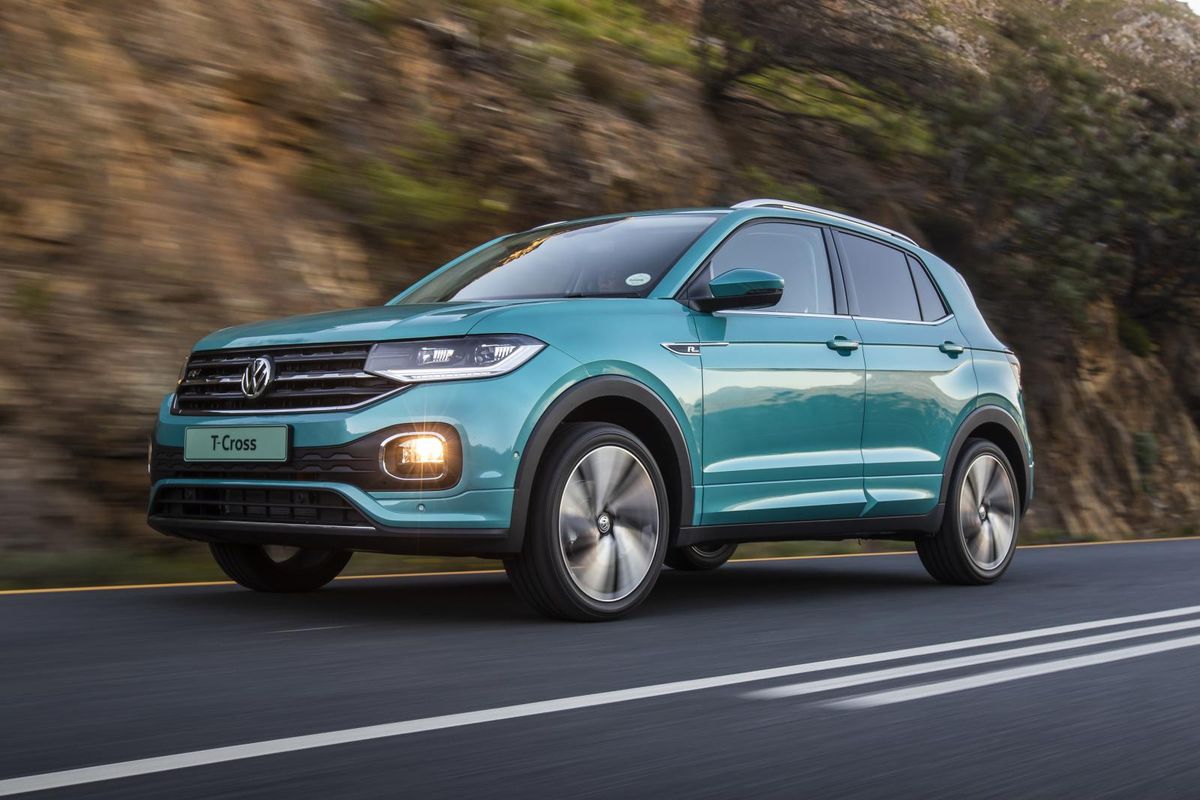
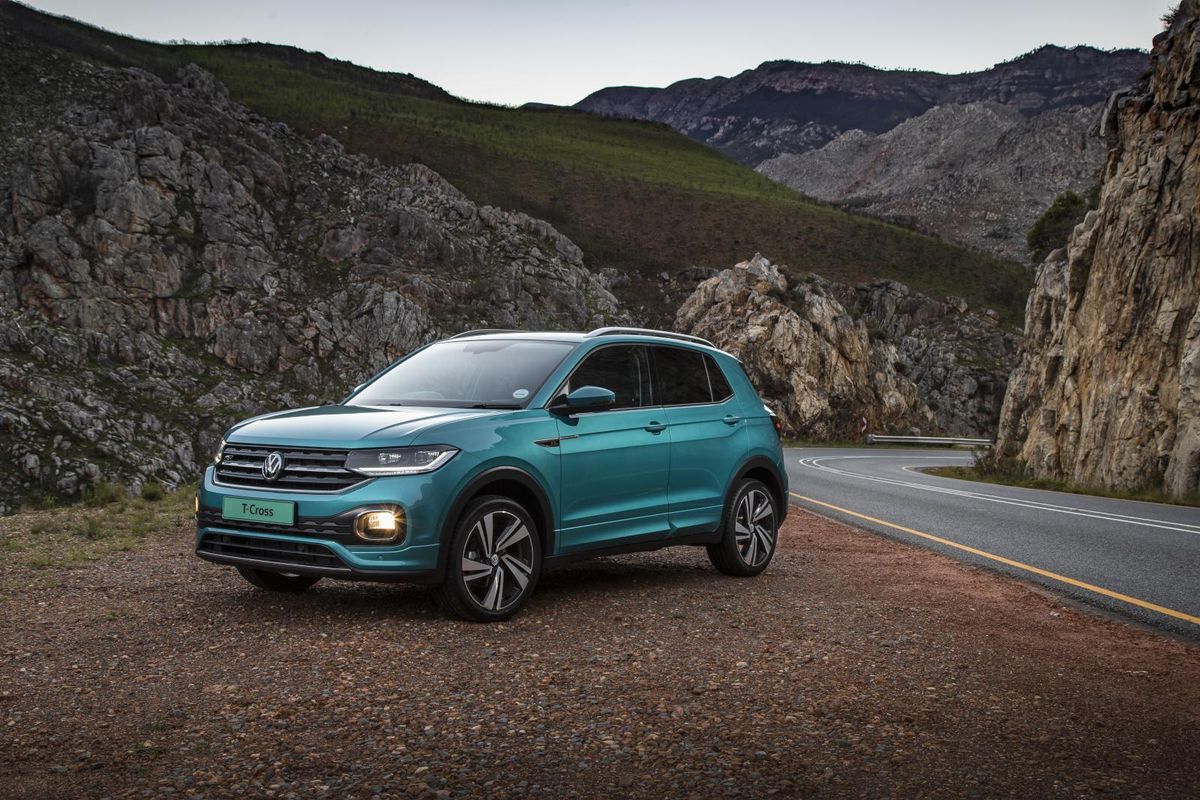
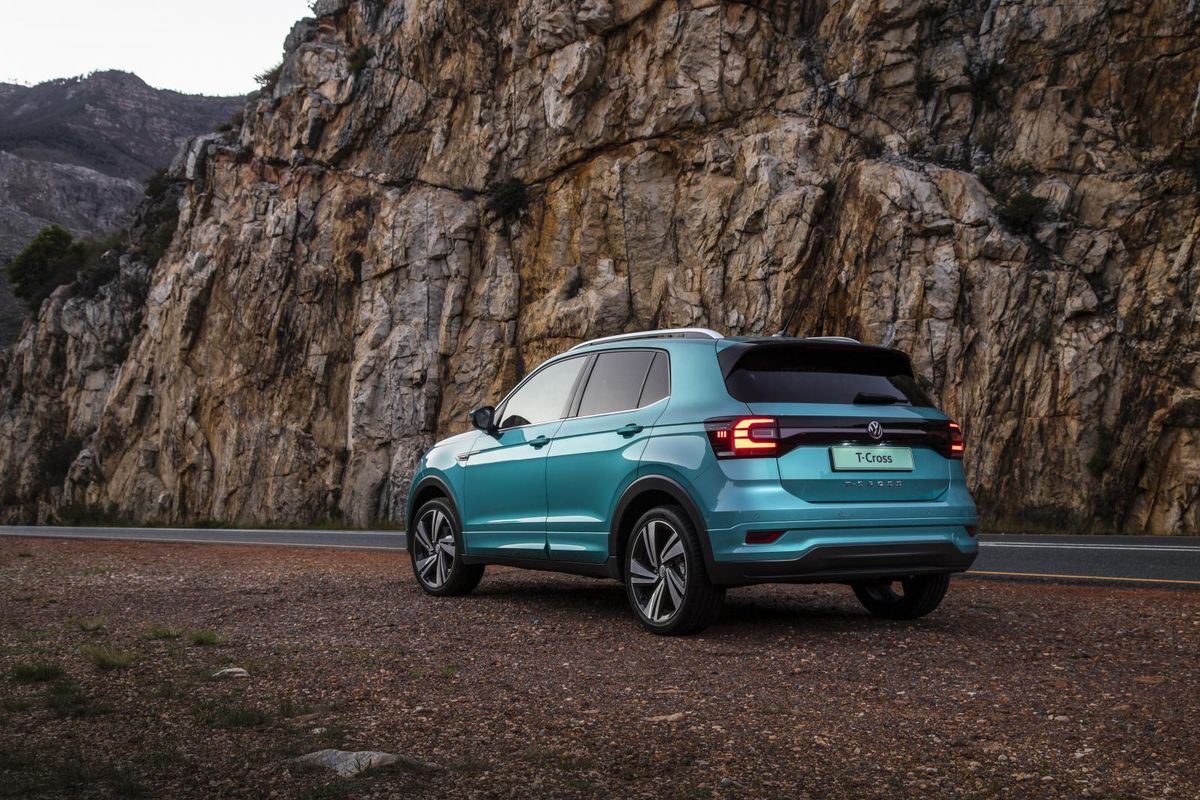
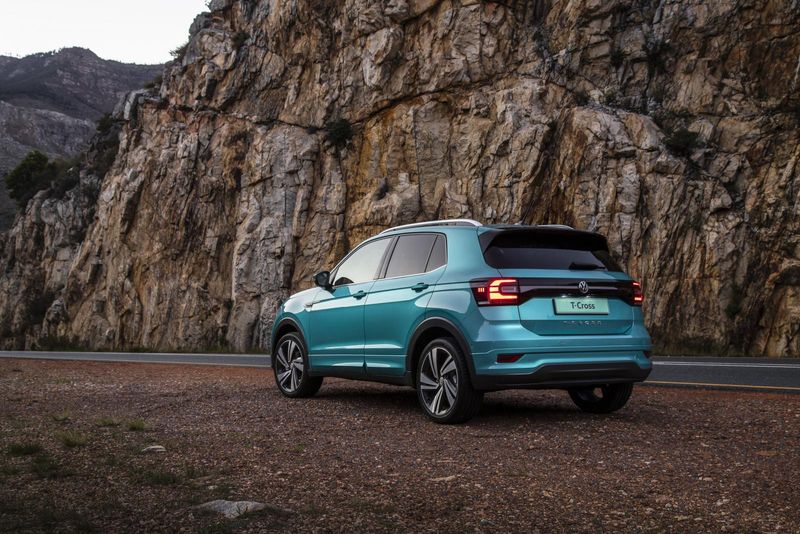
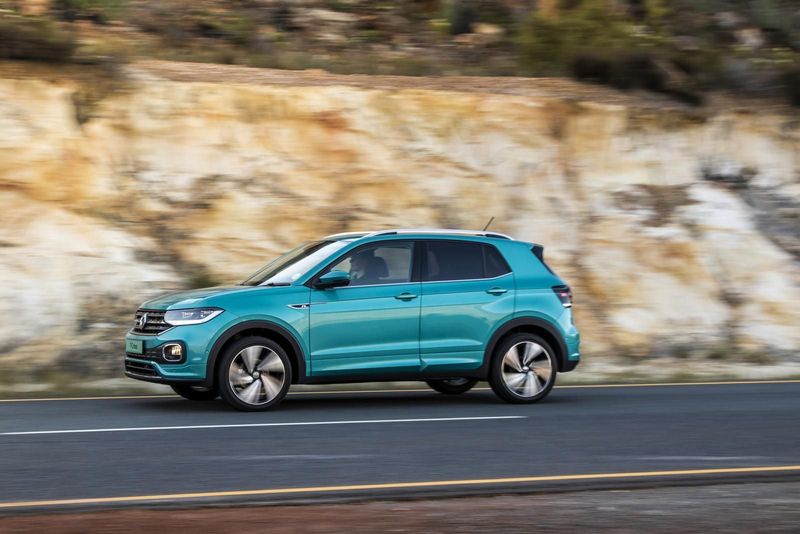
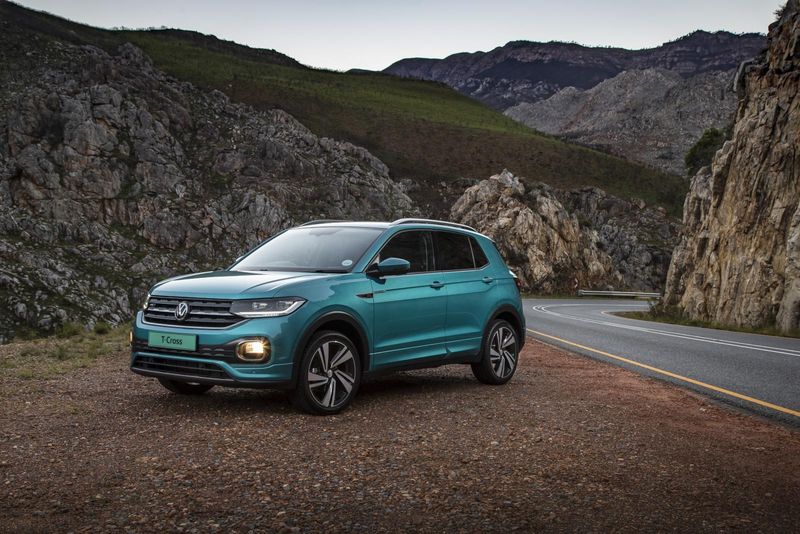
The turquoise colour featured on the Volkswagen T-Cross really gives it some youthful appeal
The T-Cross is a Polo-based SUV, with similar dimensions and equipment to the derivatives in the top-selling compact hatchback. The launch line-up comprises 2 versions powered by a 1.0-litre 3-cylinder turbopetrol (85 kW/200 Nm) driving the front wheels via a 7-speed dual-clutch (automatic) transmission. Volkswagen claims a 0-100-kph sprint time of 10.2 seconds, a top speed of 193 kph and an average fuel consumption figure of 4.9 L/100 km. Later on, there'll be a manually-equipped derivative with a bit less power and spec, as well as a 110 kW 1.5-litre 4-cylinder version.
Based on Volkswagen's MQB platform, the Spanish-built T-Cross is 4.2 metres long (182 mm longer than a Polo) and boasts a wheelbase of 2 551 mm, which should give you some idea of its practicality. A novel feature is that you can slide the rear bench fore/aft to either increase luggage space or rear legroom, depending on your requirements. The range of adjustment is 140 mm, which means the load bay's capacity varies between 377 and 455 litres. If you fold that rear seatback down, 1 281 litres of utility space is available – which is more than any of its competitors can offer!
There are 9 exterior colours and 3 alloy-wheel sizes to choose from. A number of nice-to-have features are optional, but the standard spec is quite competitive, so there is no need to nearly double the asking price of the car, which can happen if you spec up some premium manufacturers' wares.
Features?
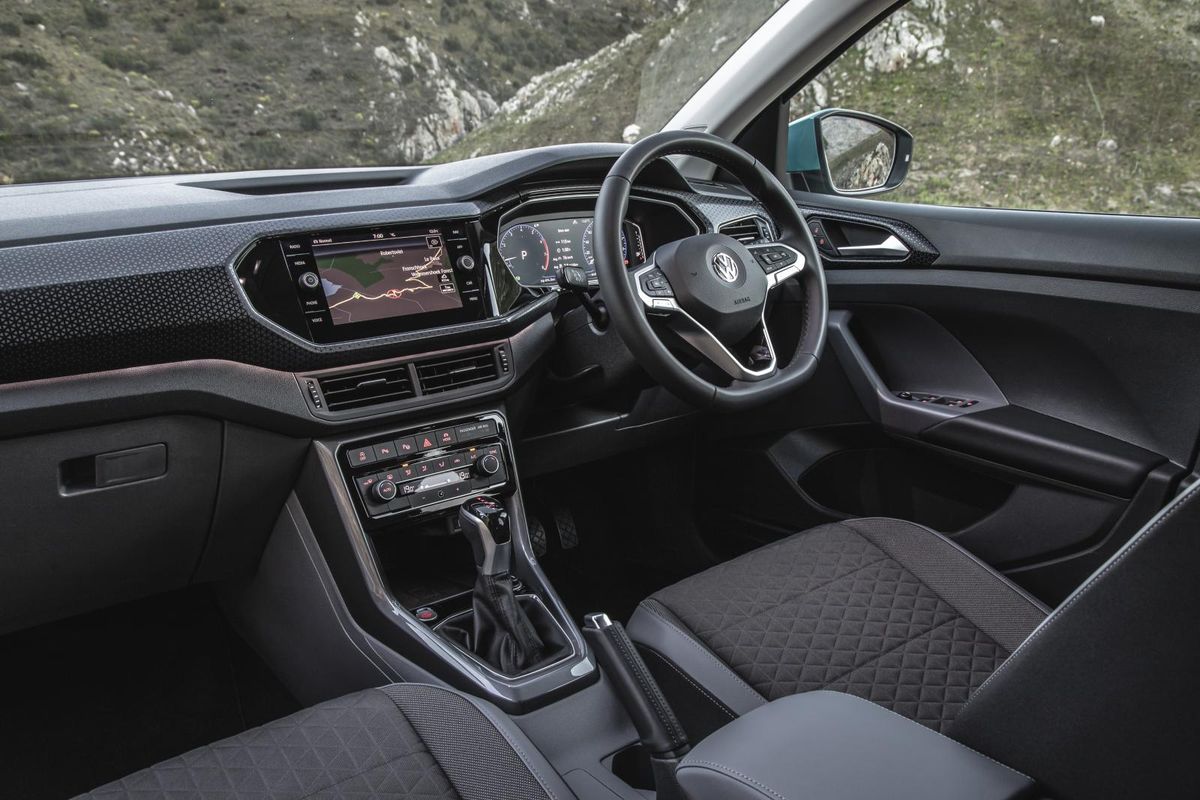
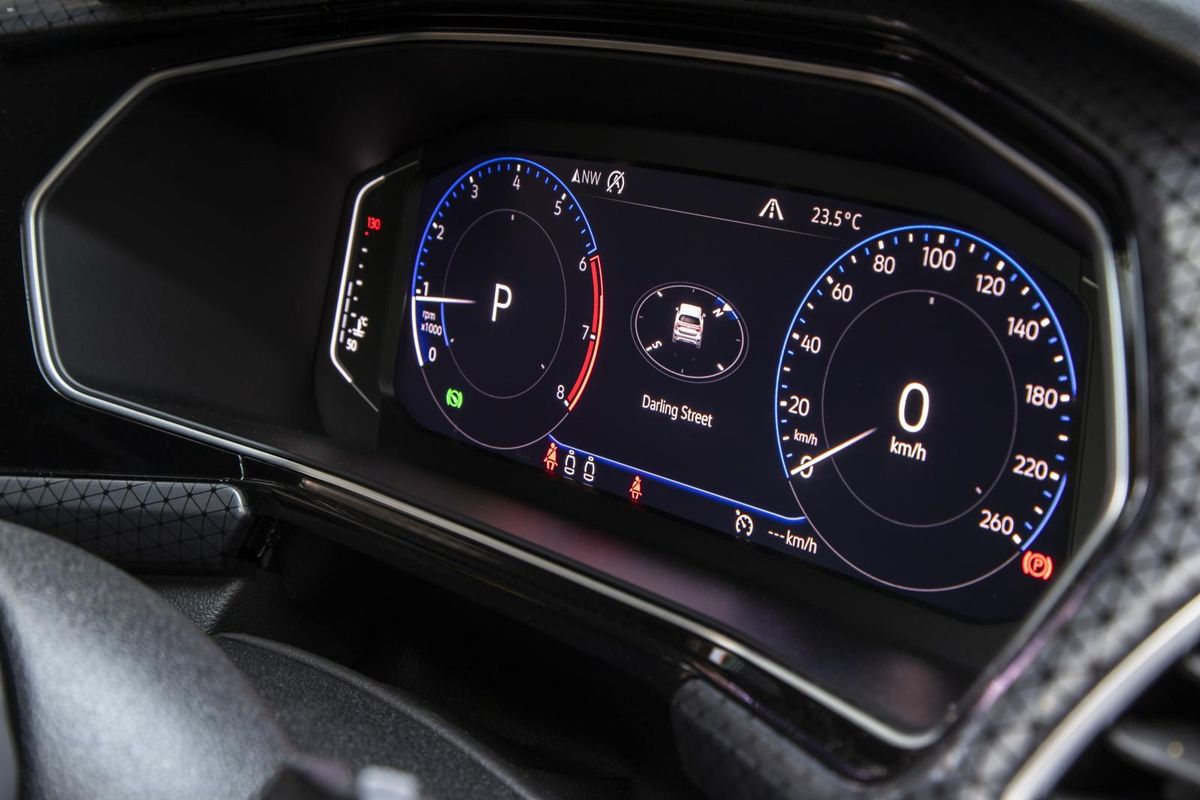
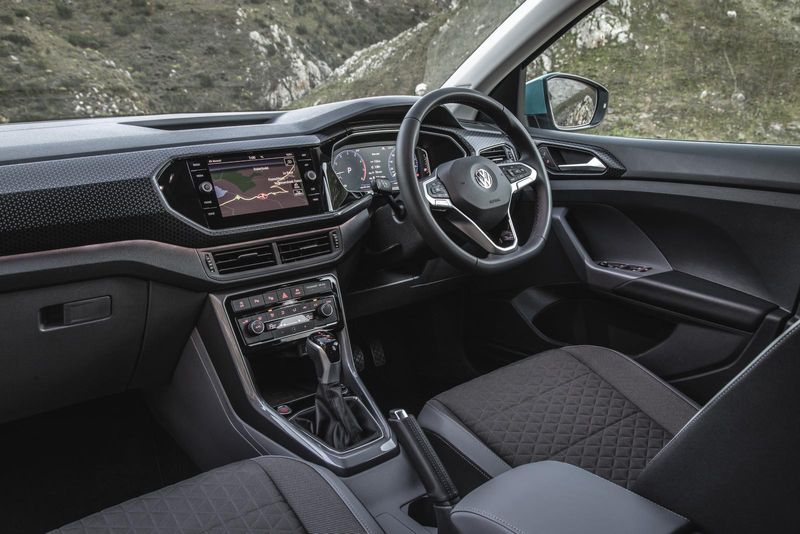
The cabin of the Volkswagen T-Cross is on-trend and thoroughly well-designed.
There are 2 levels of trim available from launch, while the aforementioned entry-level (Trendline) derivative is scheduled to be introduced in 2020. The Comfortline kicks off the range and its exterior features LED daytime running lights and tail-lights, 16-inch Belmont alloy wheels, black roof rails and front fog lights. Inside, Volkswagen has fitted a leather-trimmed multifunction steering wheel, a multi-function display, height- and lumbar-adjustable driver and front passenger's seats, electrically adjustable (and heated) side mirrors, electric windows, split-folding rear seatback, a tyre pressure monitoring system, dual front- and side airbags, park-distance control (front and rear), cruise control, and the Light and Sight package.
Highline specification adds sports front seats, an inductive wireless charging pad, driving modes, climate control (automatic aircon), LED headlights, a Composition Media infotainment system (with App-Connect) and 18-inch Cologne alloy wheels. Options range from the R-Line exterior kit, which includes 17-inch alloy wheels, a higher-grade infotainment screen, some trim upgrades (such as Energetic Orange Design Package), as well as additional safety features like adaptive cruise control and blind-spot monitoring. You can, of course, add some features from the Highline spec to your Comfortline derivative and we'd heartily suggest considering the excellent Beats sound system, as well as the wireless charging pad.
Impressively, the vehicle comes with 4 USB ports (2 at the front and 2 at the rear), which will perfectly suit young couples or small families and their myriad electronic devices. In terms of safety, the T-Cross boasts a 5-star Euro NCAP rating. You can increase the standard safety offering by adding on features such as the front-assist monitoring system, the lane-keeping assistant (lane assist), hill-start assist, the proactive occupant protection system, automatic adaptive cruise control, park assist and the blind-spot detection/lane change assist system with the integrated rear-traffic alert.
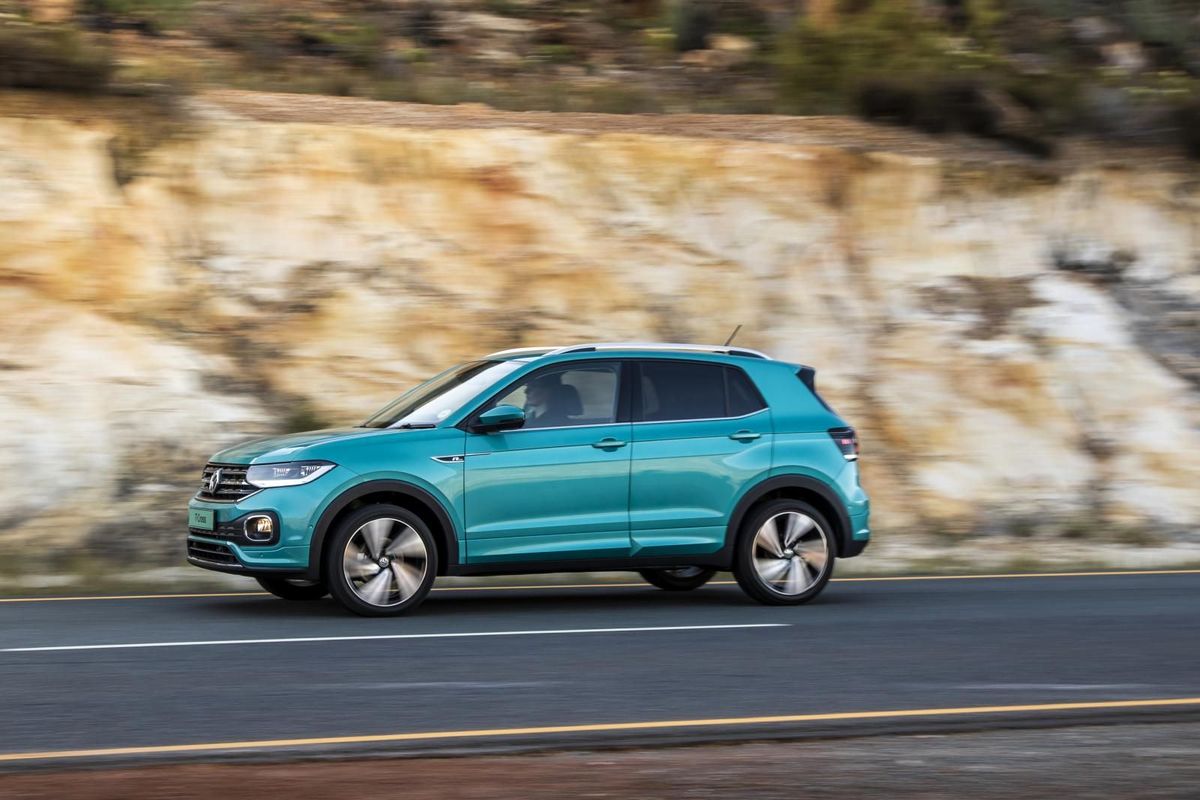
Ride quality is firm, but not uncomfortable. Light steering makes the T-Cross nimble.
What's it like to drive?
Our launch route through the Garden Route featured a combination of road surfaces. Given the freedom to take any route, my co-driver and I opted to leave the highway and explore some of the gorgeous ribbons of tarmac in the "back and beyond" parts of the Eastern Cape. Our initial concerns that the engine's outputs would be a bit meagre for a compact family car proved unfounded… The responsive dual-clutch 'box kept the engine in its sweet spot when it needed to be (such as when brisk overtaking acceleration was required). All 200 Nm was used judiciously and at no point did the powertrain baulk. Yes, the engine is tractable, but we are curious to see how it'll fare with 2 more adults on board and a bit more cargo in the back.
When we tackled some uneven sections of tarmac, we noticed the T-Cross' ride quality was a tad harder than what we'd deem "excellent" in a small crossover/compact family car. It's not a dealbreaker – and only really apparent on exceptionally poor roads – but for those who prioritise occupant comfort, we'd suggest thinking twice before fitting larger alloys, which also add some degree of road noise on the coarser tarmac. Alternatively, you could simply drown out thunks with the excellent Beats audio system. On the plus side, when the worst ruts had passed and the tarmac smoothed out, the T-Cross delivered quite a sporty ride. Given its MQB hardware, it gets the balance between refinement and sportiness almost spot-on.
Meanwhile, the Volkswagen T-Cross' steering setup is decently direct and light, which makes the newcomer quite maneuvrable in and around the city (where it will probably spend most of its days); it could benefit from a bit more heft and feel for the open road, which would negate the need to make constant micro-adjustments to keep the vehicle tracking straight. Some might say the T-Cross is a bit bland (even boring) to drive, but then again, customers in this segment want comfort, stability and predictability from the cars that whisk them from home to work (and back) every day.
Despite the harder-than-expected ride, which we'd attribute mostly to the additionally-specced larger alloy wheels, the T-Cross should prove quite comfortable on longer journeys. I'm almost 1.9 metres in height and the Volkswagen passed the sit-behind-myself test. With the rear bench set back as far as it'd go, the legroom is acceptable for adults. Headroom and the driving position are commendable too. The bonus? After 4 hours of driving, the fuel consumption was a healthy 7.4 L/100 km, which we think is fair given that we were hustling the T-Cross along at a brisker-than-usual pace.
Foibles? Compared with its bigger brother (the Tiguan), the T-Cross competes in a particularly price-sensitive space of the market and we duly expected its cabin materials to reflect that. Even though we could not justifiably expect it to be as well-made as the former, but we did notice a few worrying interior quality issues. Perhaps it was unique to our car after a particularly brisk session on some gravel, but numerous rattles and squeaks emanated from the dashboard and transmission tunnel. Considering Volkswagen's solid and impressive build quality, it's not something we're used to. There are also marginal finishes along the top of the doors, which is odd considering the Polo (which the T-Cross is based upon) shows few signs of that. Speaking of which, the T-Cross is the Polo-based SUV and for those who want a bit more, the Golf-based T-Roc is coming in 2020.
Summary
While the Volkswagen T-Cross will compete in the A0 segment, the Golf-based T-Roc will arrive in South Africa in 2020.
We thought Volkswagen would deliver a knockout blow when the T-Cross arrived in this segment. It hasn't quite done that, but the punch it's landed will certainly stun the opposition. As such a potent force in the budget- and compact hatchback markets, Volkswagen's absence from the "small crossover/SUV" segment has been glaring, which allowed its rivals to entrench themselves. With excellent specification, punchy engines and the strong reputation (not to mention sheer desirability) of the Volkswagen brand, the T-Cross is likely to garner a few hundred sales every month (at the very least) and it's no surprise that the 1.0 TSI Highline R-Line is in the running to win its category in the 2019/20 Cars.co.za Consumer Awards powered by WesBank. Now, what does Ford, Hyundai, Mahindra, Opel, Renault, Suzuki, Toyota and others have in store to counter the T-Cross? We cannot wait to find out. Expect a comparative review featuring the T-Cross and its rival compact family cars on Cars.co.za in the near future!
Volkswagen T-Cross Price in South Africa (September 2019)
The Volkswagen T-Cross comes standard with a 3 year/120 000km warranty, a 3 year/ 45 000km Volkswagen Service Plan and a 12-year anti-corrosion warranty. Service intervals are every 15 000 km.
1.0 TSI 85kW Comfortline DSG R334 600
1.0 TSI 85kW Highline DSG R365 000