Audi Q8 (2019) Launch Review
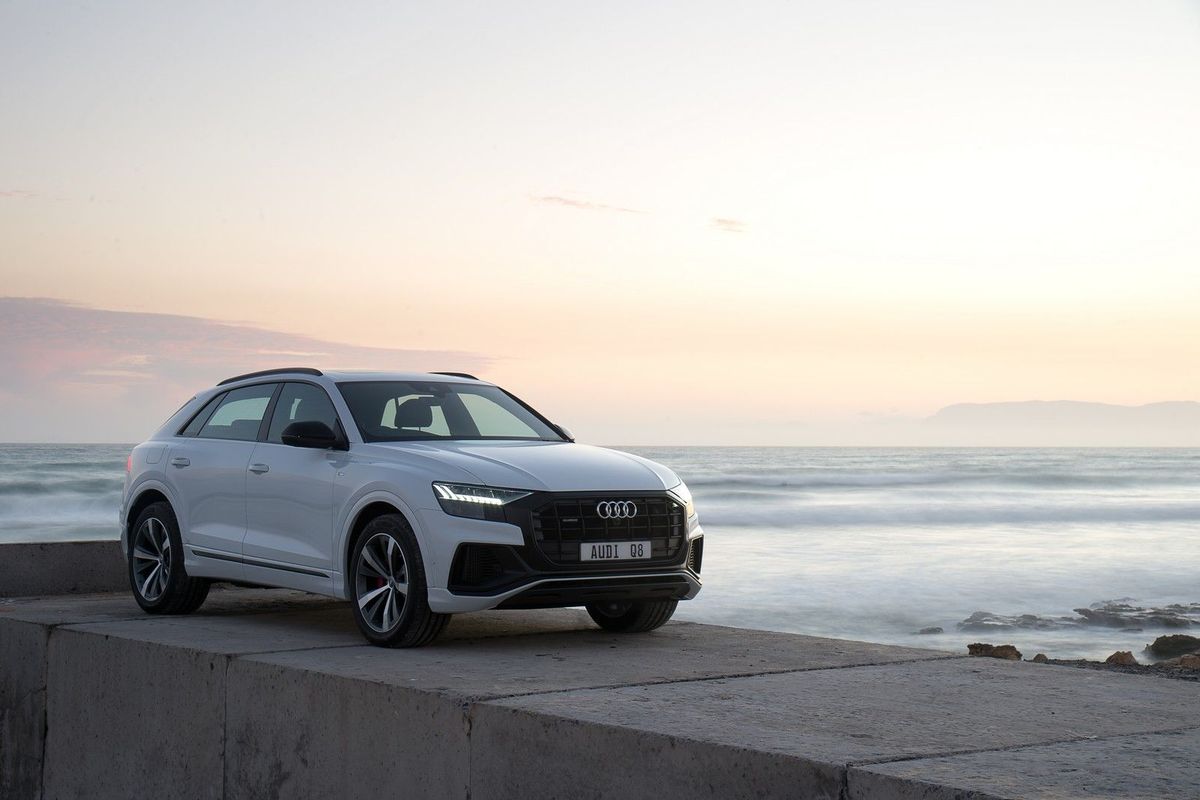
Audi has joined the Premium SUV Coupe craze with the Q8, which is now available in South Africa. It’s not short on rivals, so how does this model stack up? We sampled the newcomer during its media launch in the Western Cape.

What is it?

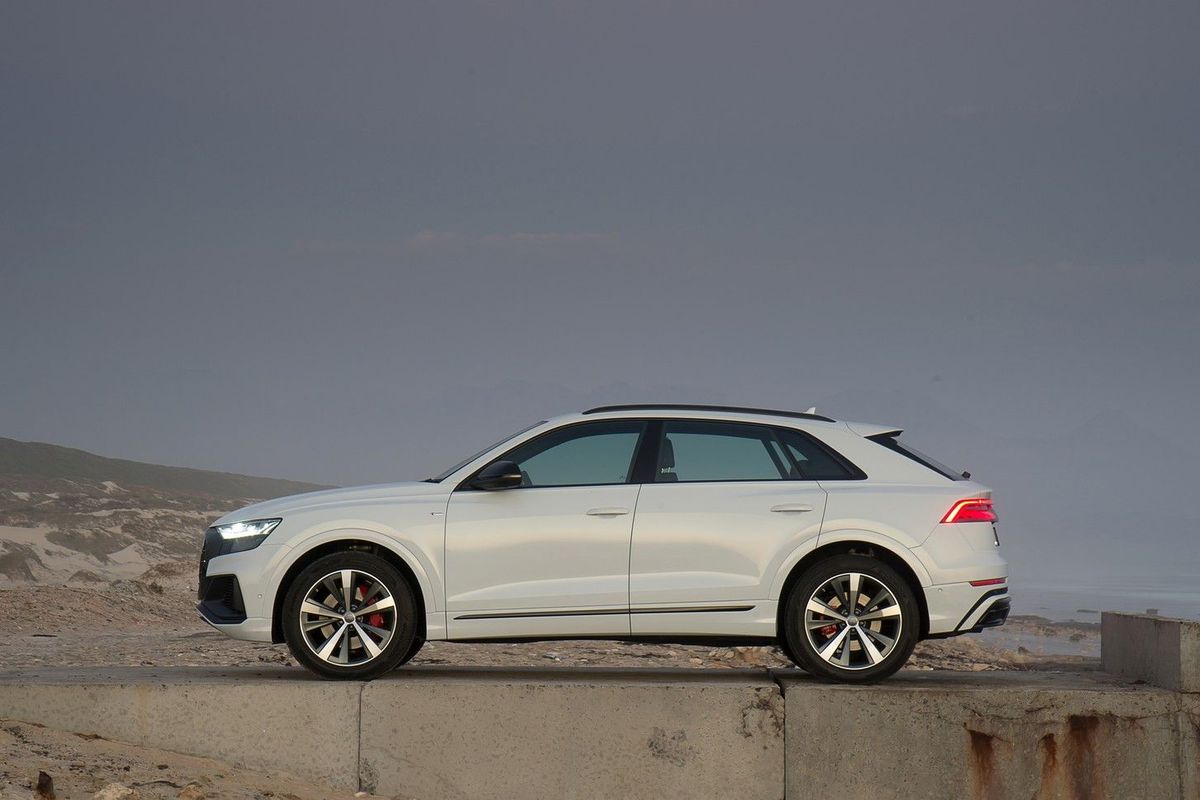
The SUV market appears to be the only one that continues to see growth, both locally and internationally. The new Q8 sits right at the top of Audi’s (otherwise ageing) SUV lineup in the local market. It is based on the Q7 and underpinned by the same MLB platform, albeit with slightly different dimensions. The Q8 is shorter and lower but slightly wider – giving it a more muscular presence. It's wheelbase, however, remains the same.
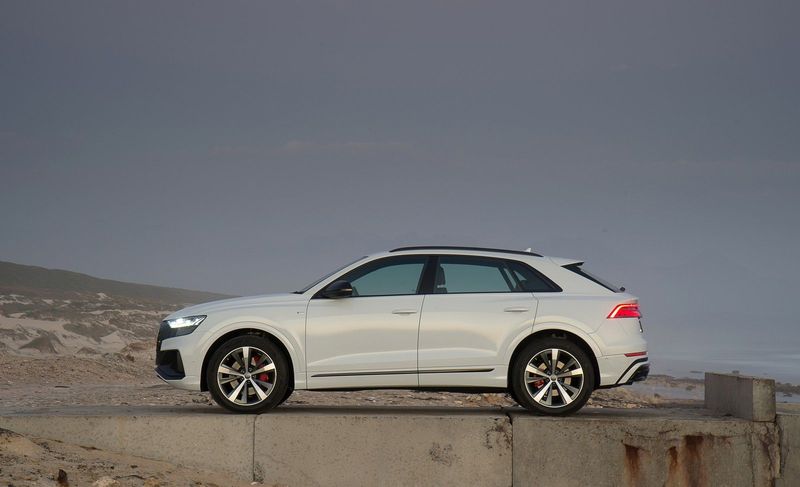

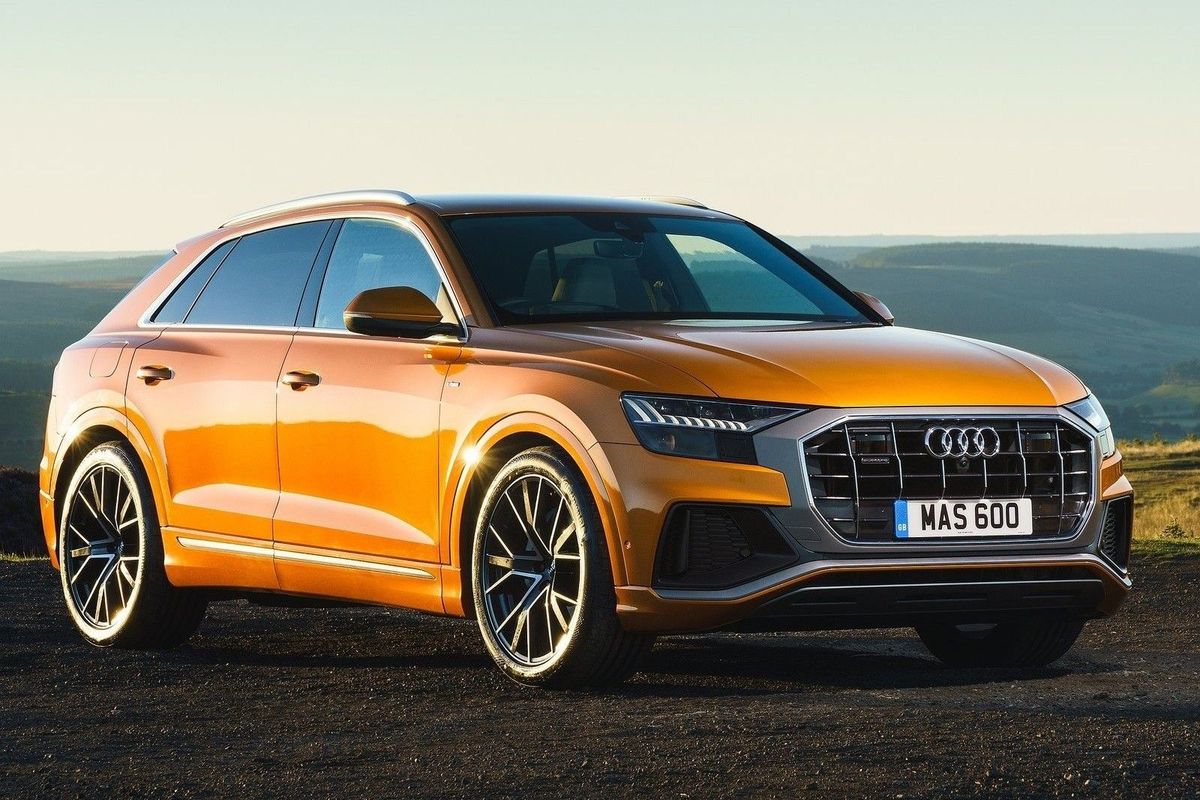
Although based on the Q7, the Q8's proportions are quite different.

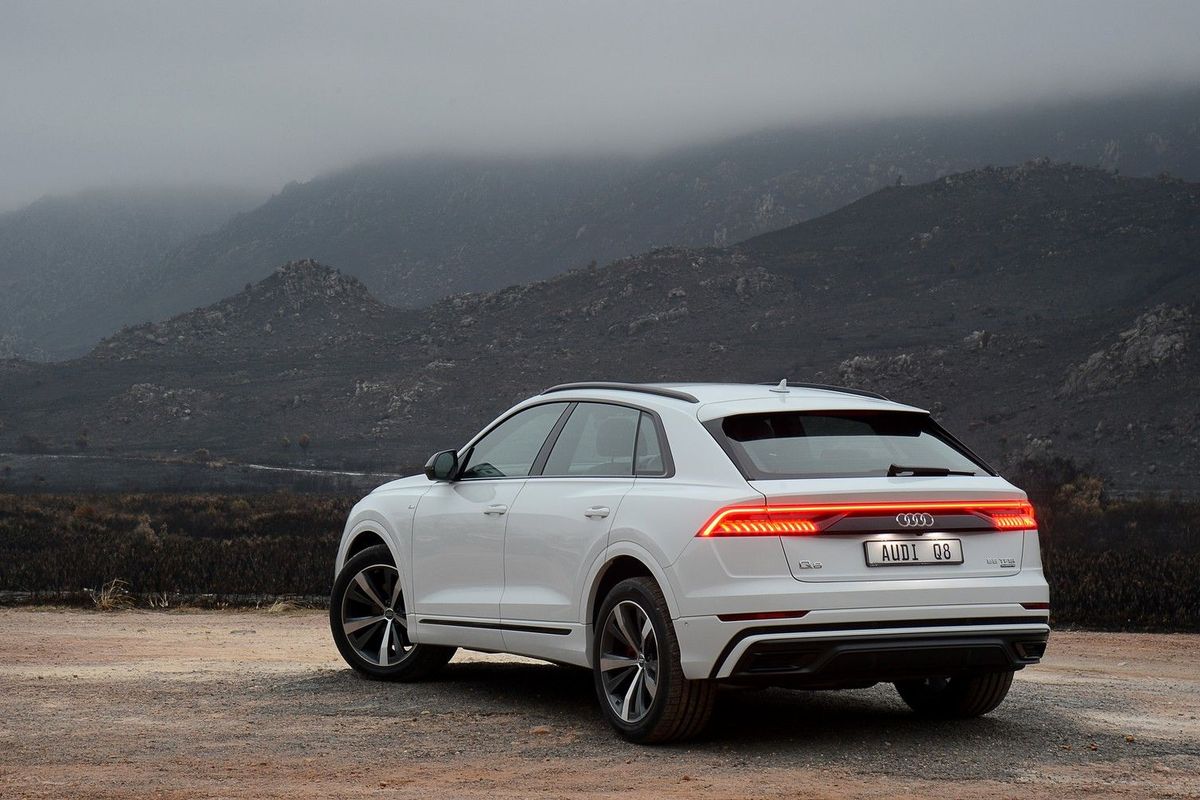
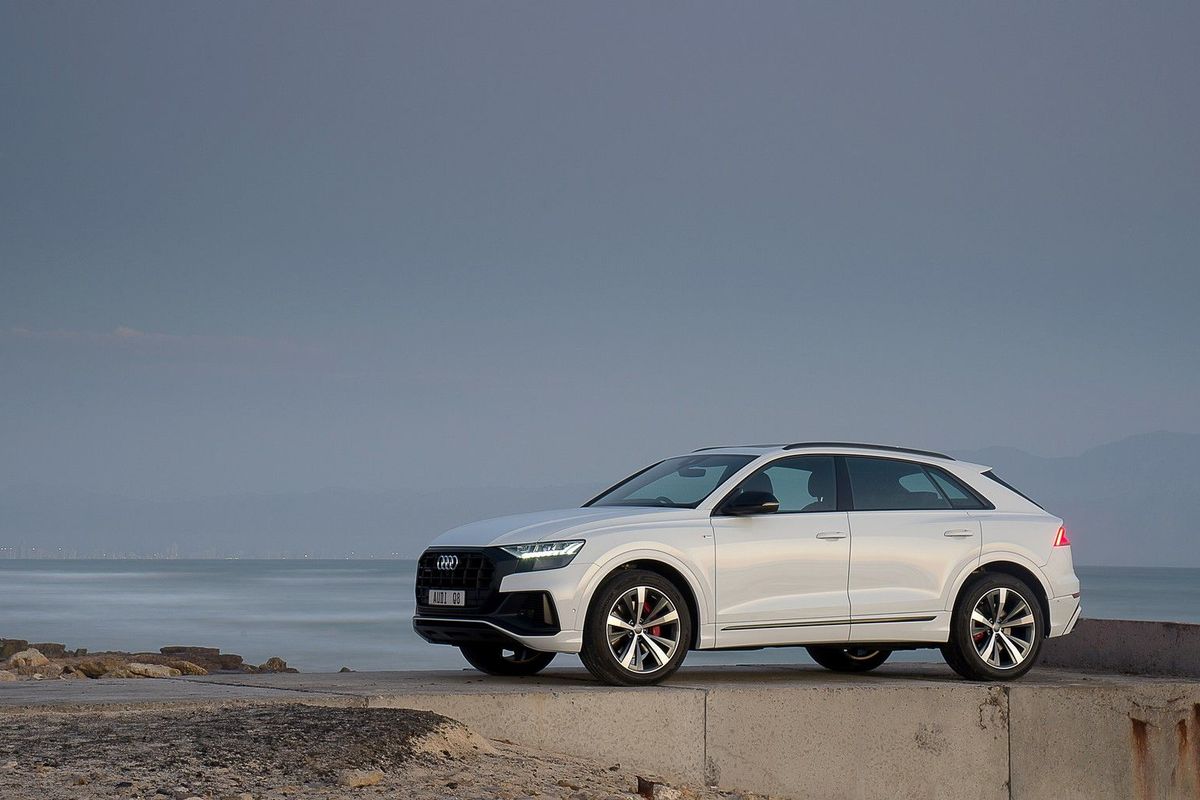
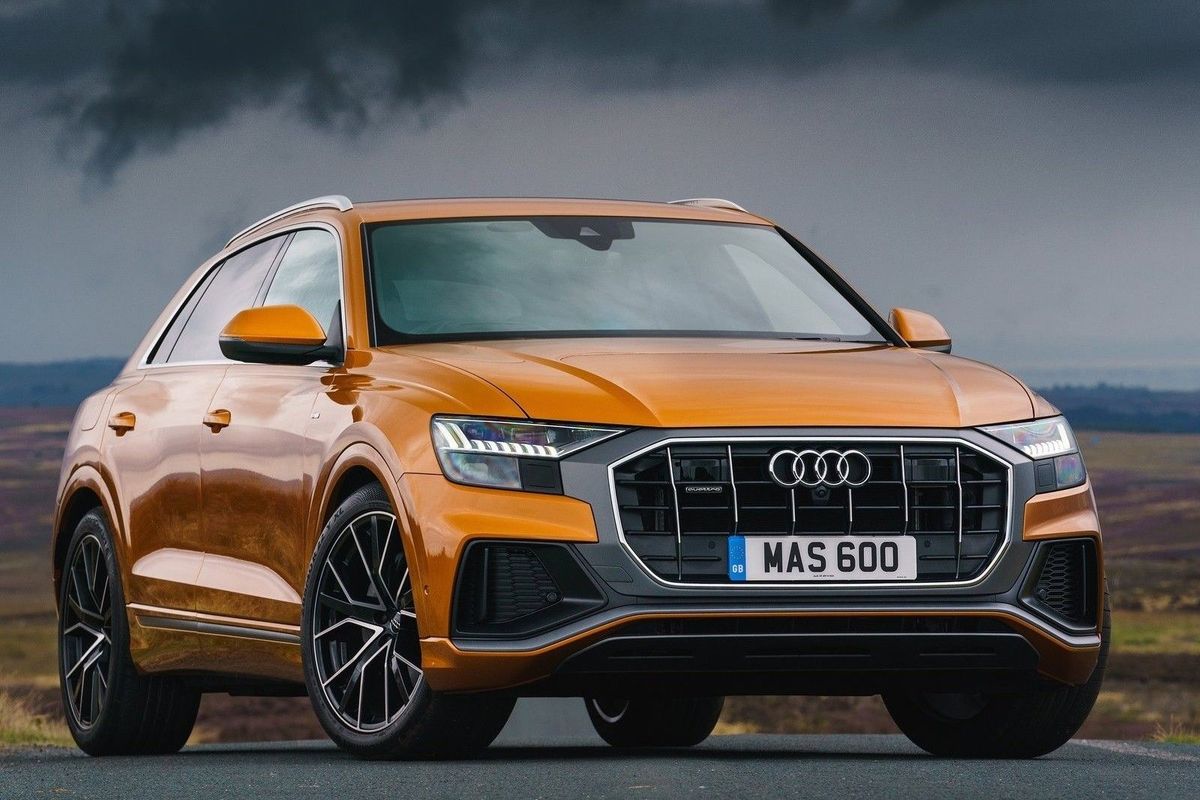
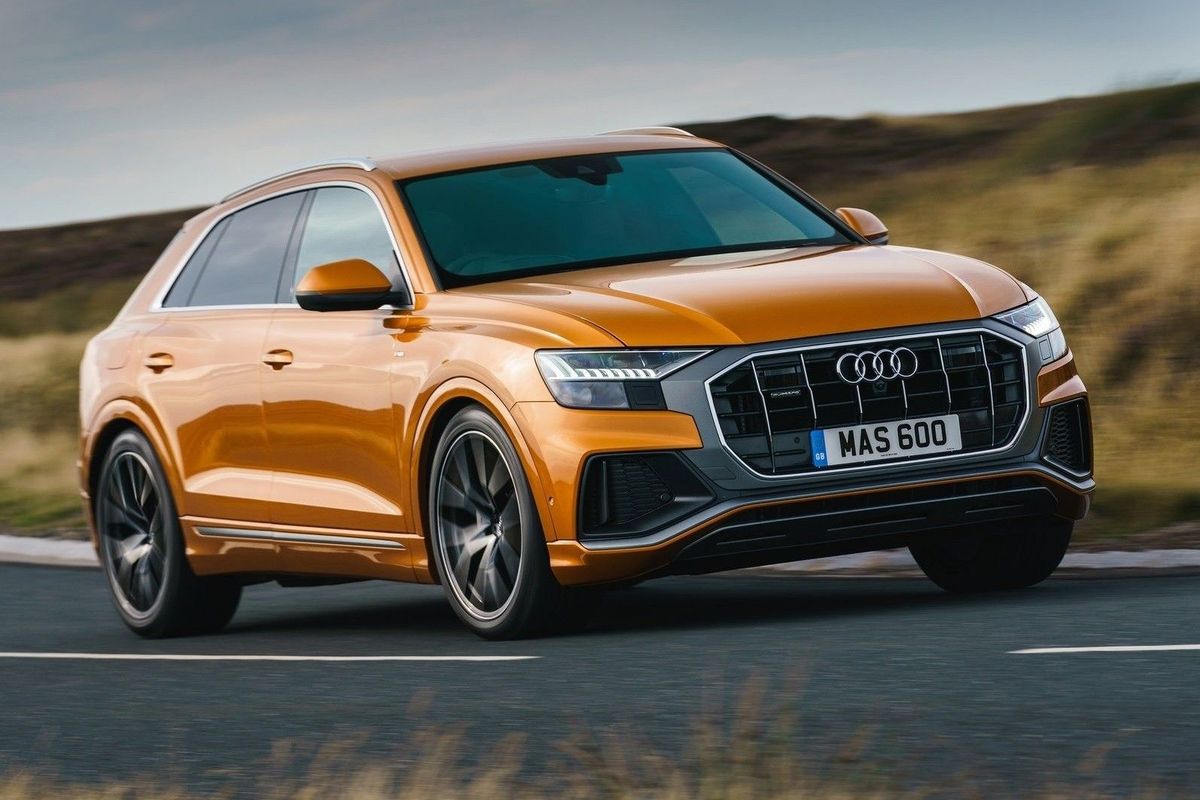
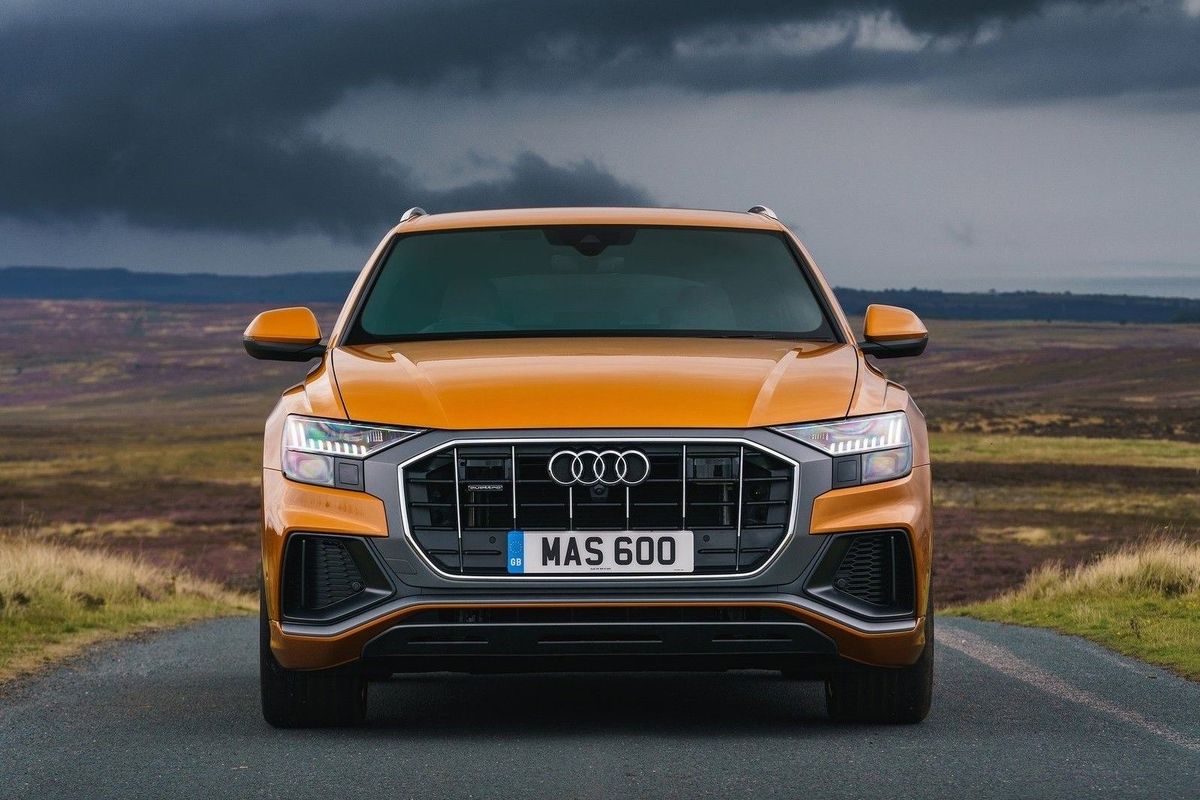
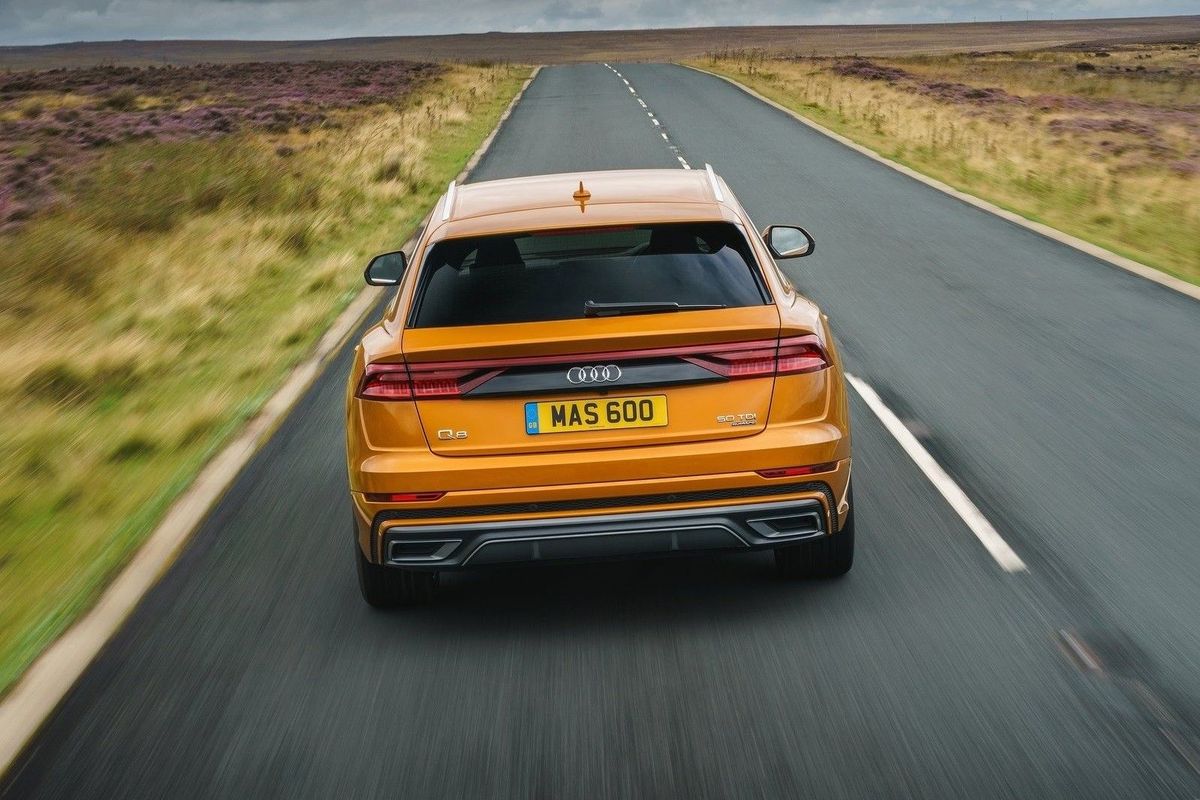
In a segment where design is almost everything, this is the first time in South Africa that we get to see what Audis will look like going forward. The grille surround is more defined with different colour options to choose from to suit particular exterior finishes. The quattro blisters above the wheel arches pump up the muscular look around its shoulders and the sloping roofline of the SUV coupe gives it a more pleasing, sporty aesthetic appeal.

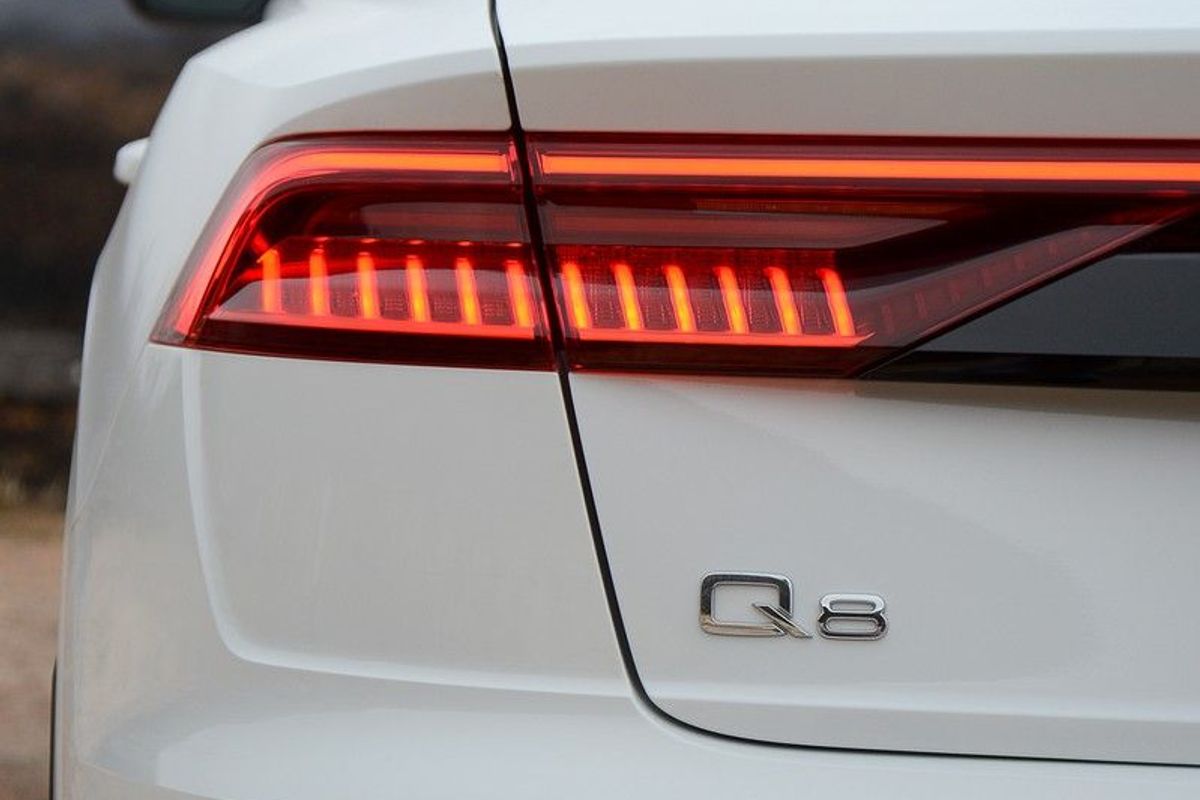
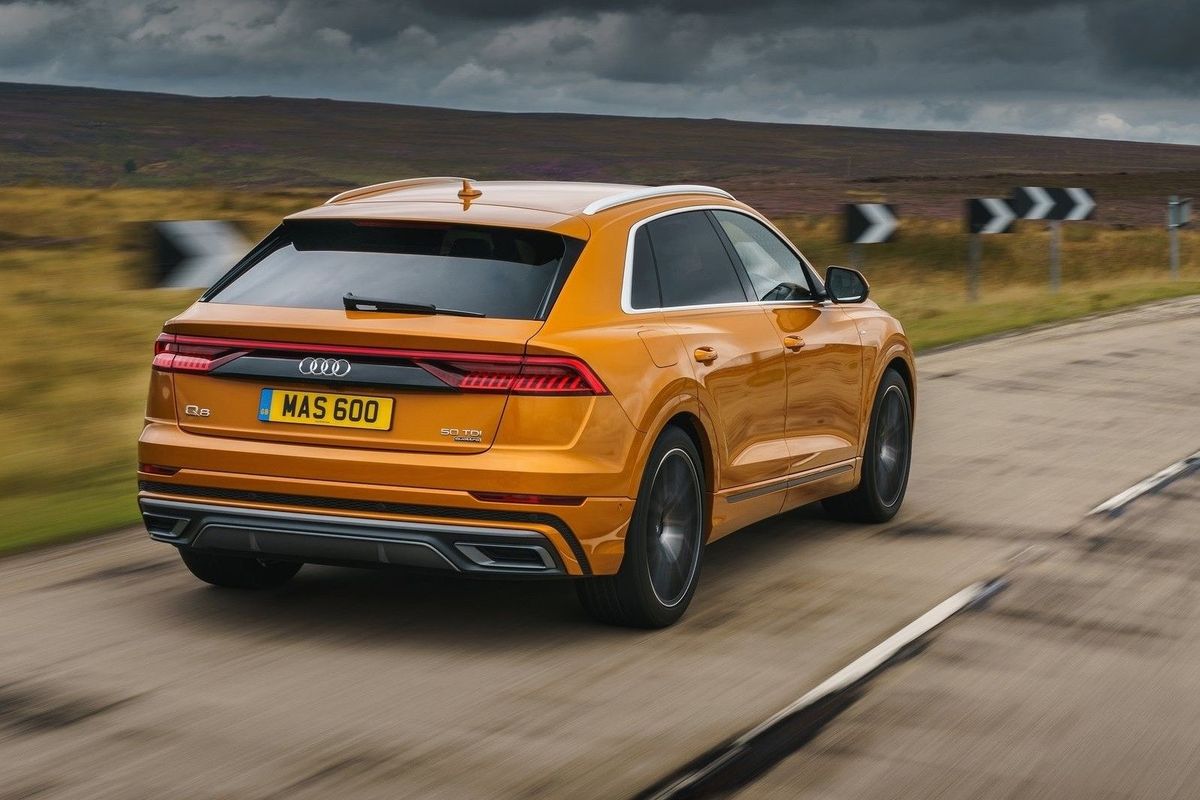
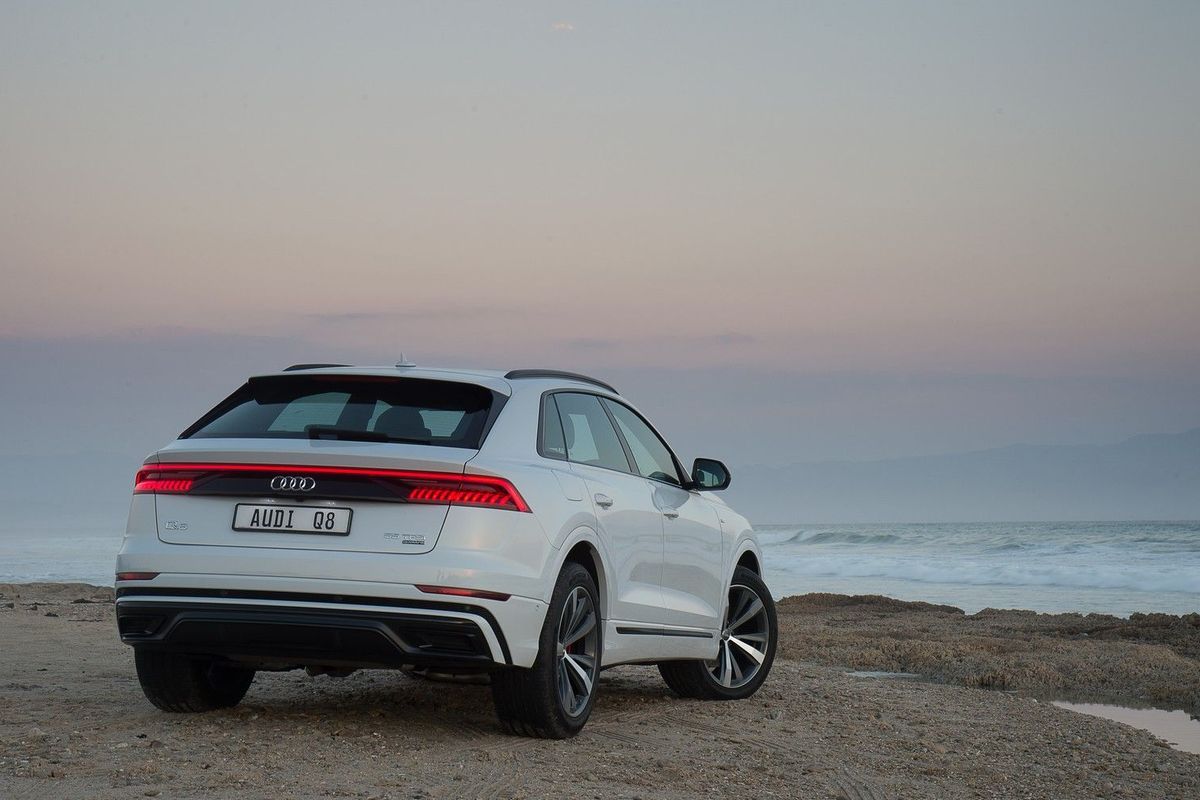
The new look is rounded off by Audi’s new HD Matrix lighting system. Those headlamp clusters are as distinctive as ever and leave no doubt as to what’s coming up in your rear-view mirror. They also include locking and unlocking animations to wow onlookers in parking lots.

Own an Audi? Tell us about your experience here

What’s under the bonnet?

Audi SA is introducing just one engine at launch, with a turbodiesel joining the fray around June this year.

The turbopetrol motor adorned with 55 TFSI badging on the rear makes use of a 3.0-litre V6 complete with 250 kW and 500 Nm of torque. Zero to 100 kph is dispatched within 5.9 seconds and Audi claims it will use between 8.9 and 9.1L/100km (spec dependent).  
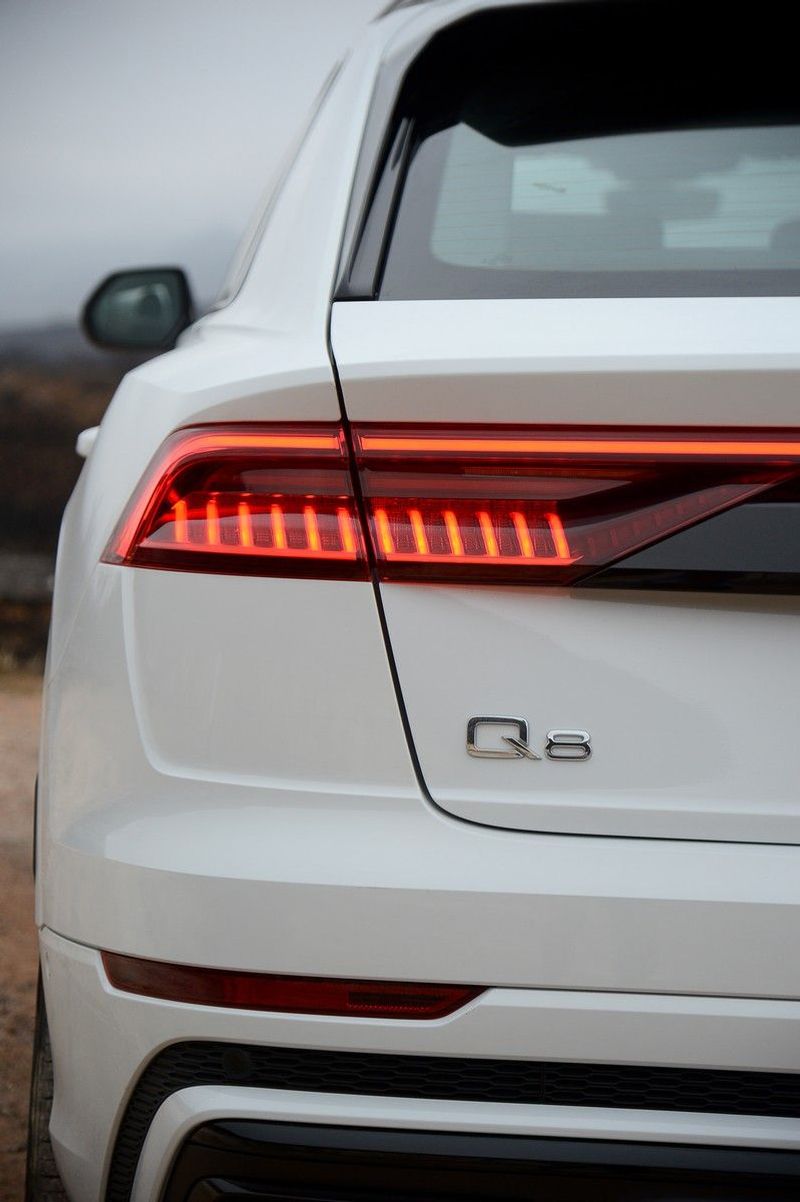

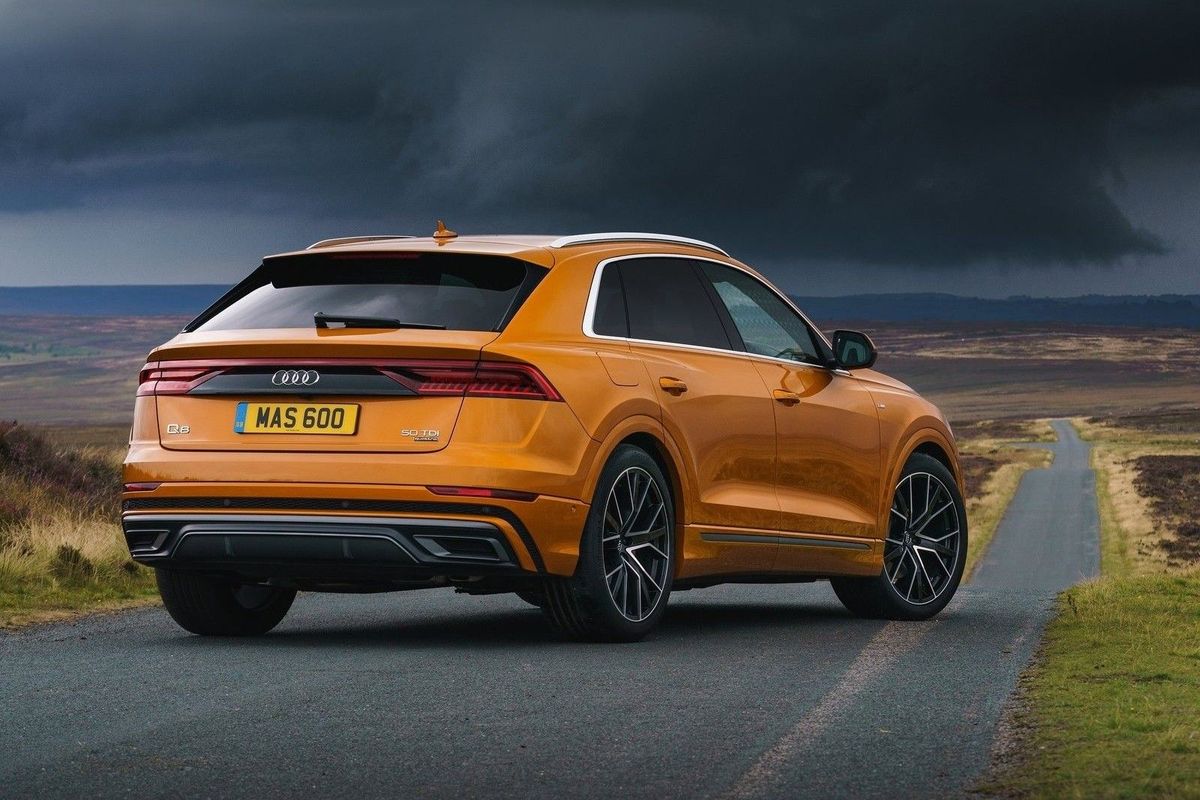
New rear light animations make the Q8 very distinctive in a crowd.

There’s a fancy 48V electrical system that will take over duty in long coasting scenarios and also fire up the alternator starter, which powers the start/stop system. The start/stop cuts in at 22 kph now, shutting off the engine at every yield sign or traffic circle, frustratingly. Thankfully this alternator starting solution reengages the engine quicker than the competing brands.

I think the turbodiesel derivative may be a better option when it arrives. The petrol is more powerful but lacks that low rpm shove that comes with extra Nm, meaning you have to work the engine a little harder and as a result economy takes a hit.

However, if petrol is your chosen propulsion method, this Audi engine is one of the better performing units on the market, it matches Mercedes-Benz’s GLE450 engine and outmatches the Range Rover Sport V6 and BMW X6 35i units. Undoubtedly, we will see upgraded units from Benz and Bimmer; their new models will be locally introduced in the next 12 months.

New internals
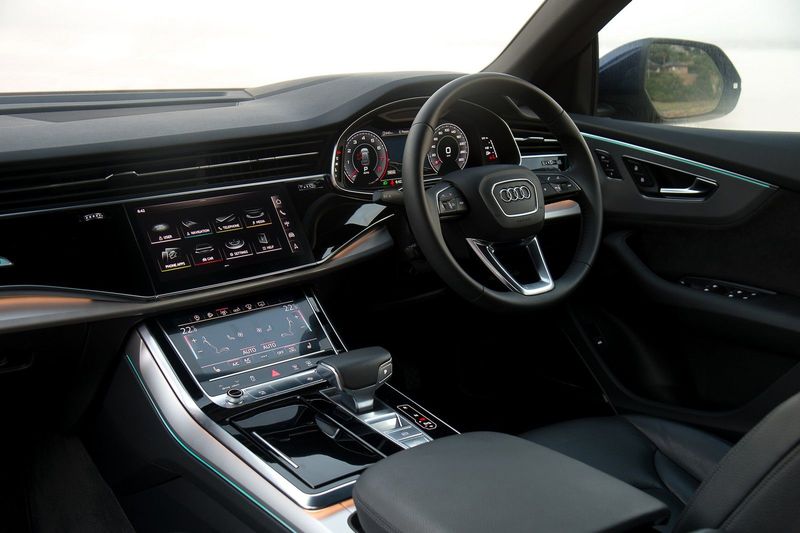

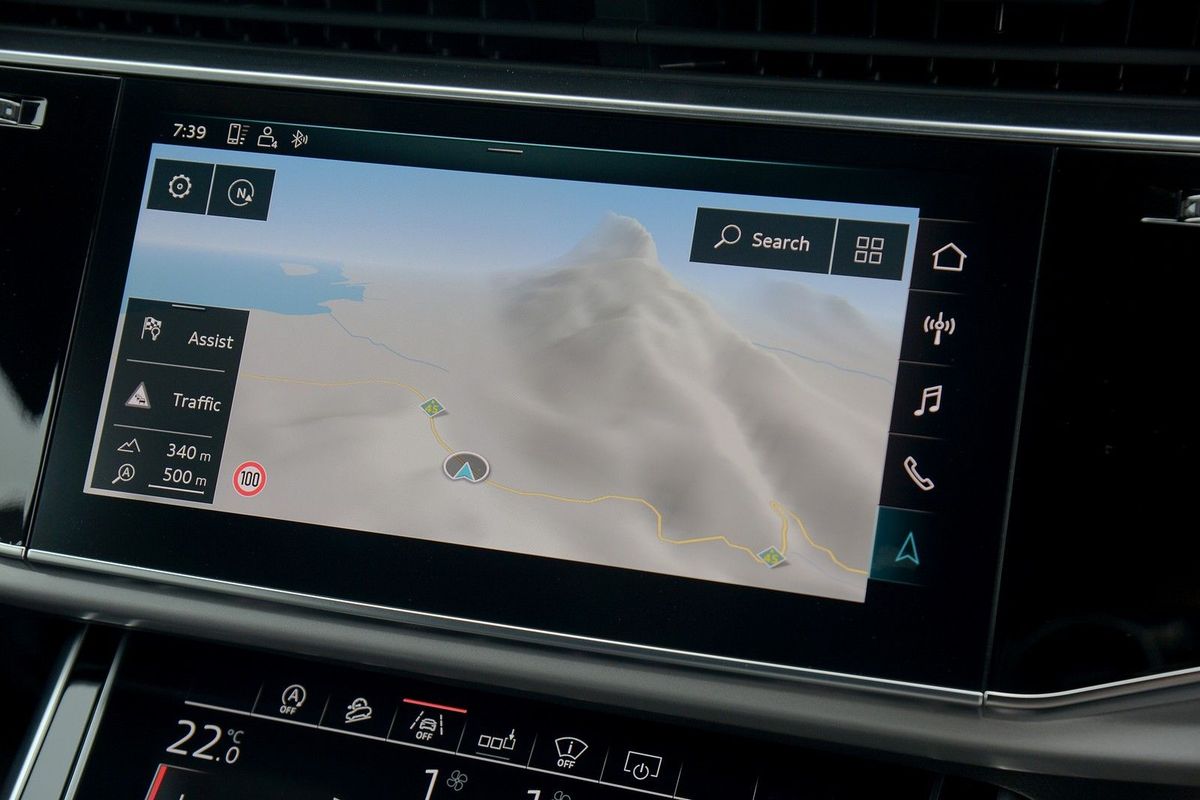
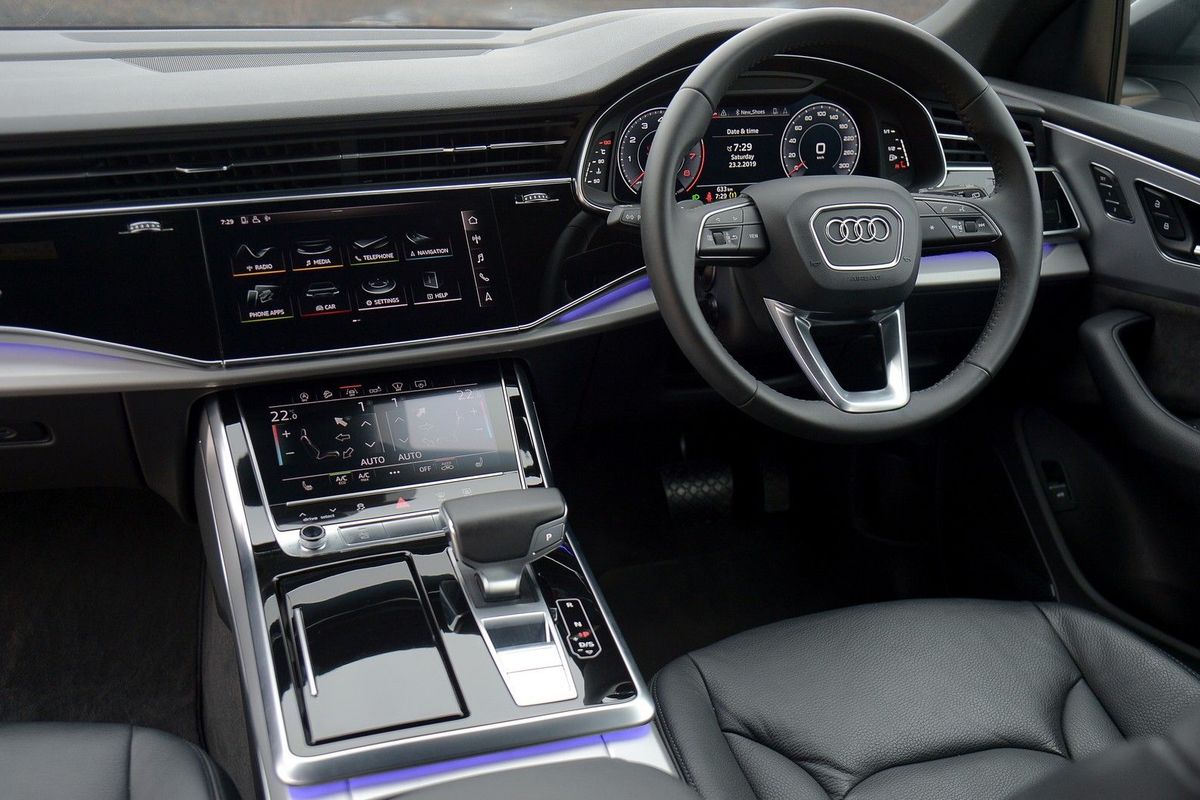
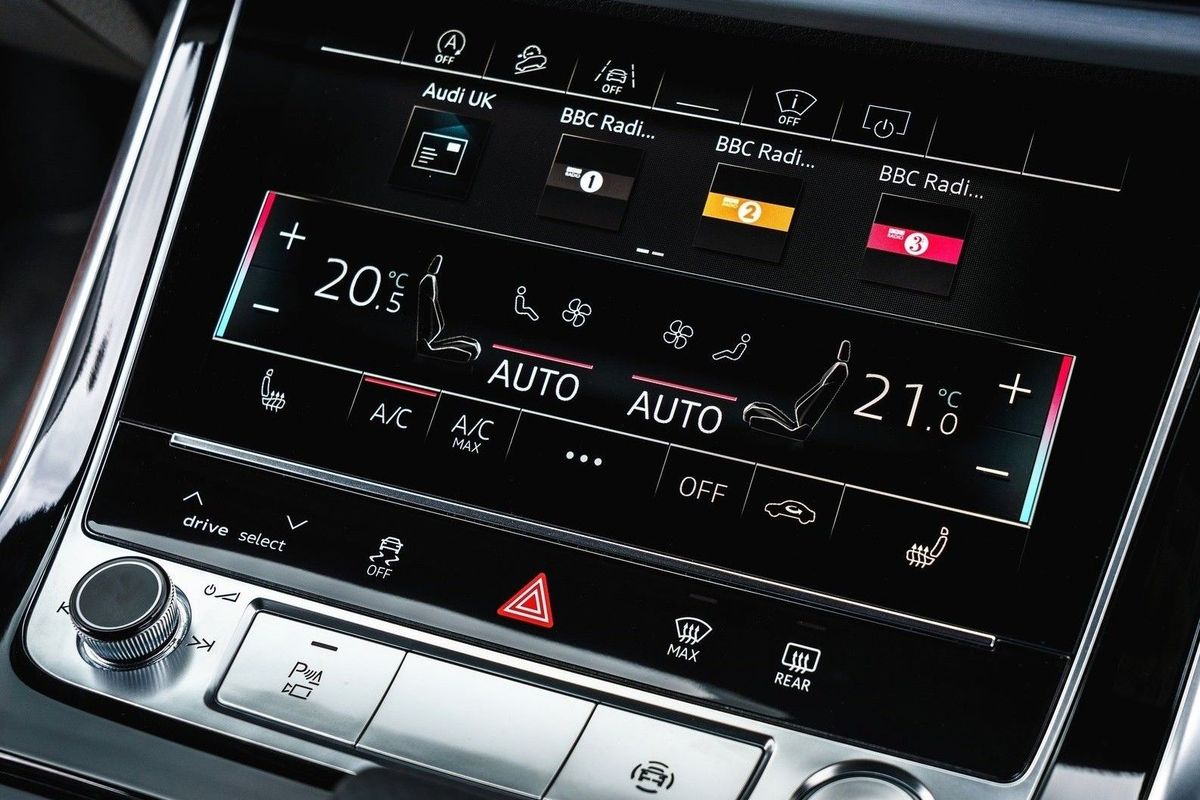
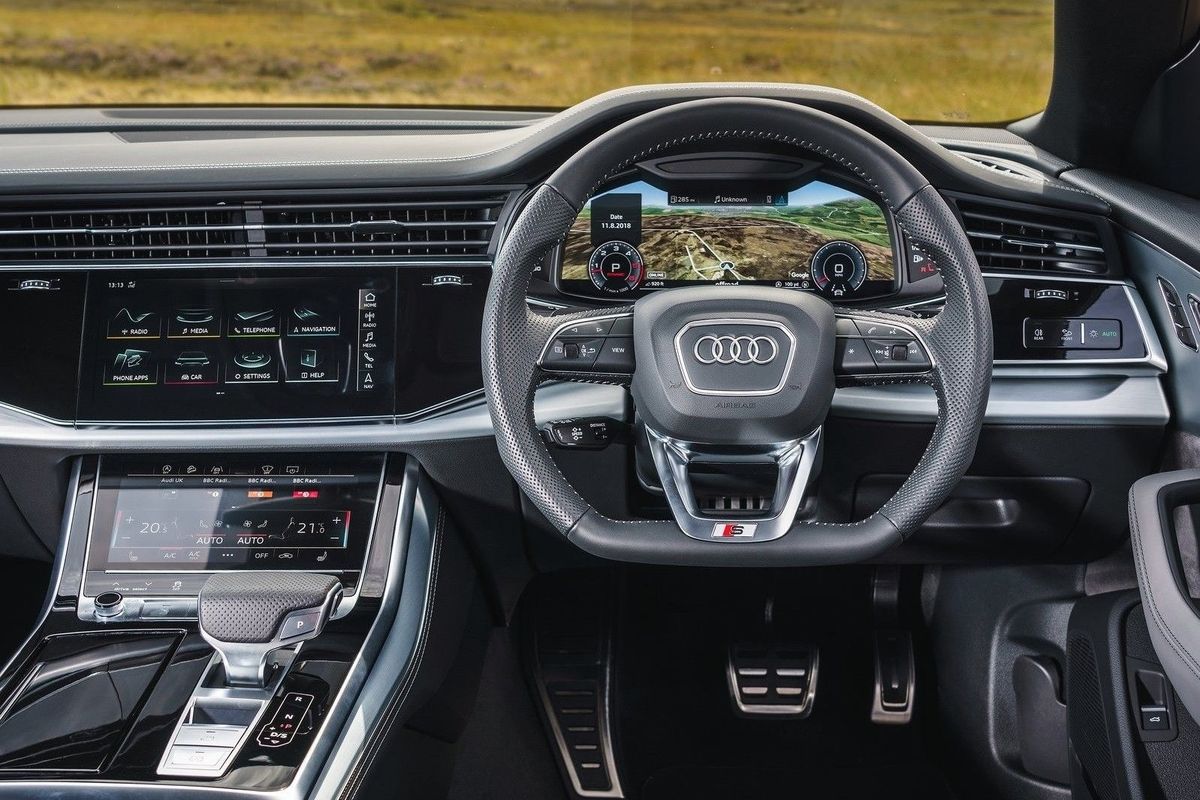
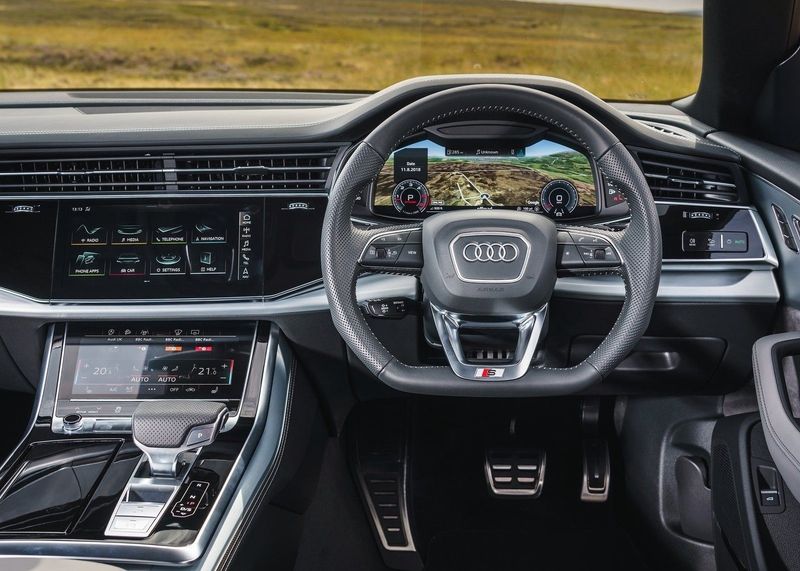
This is the first Audi in SA to feature the new MMI touchscreen system.

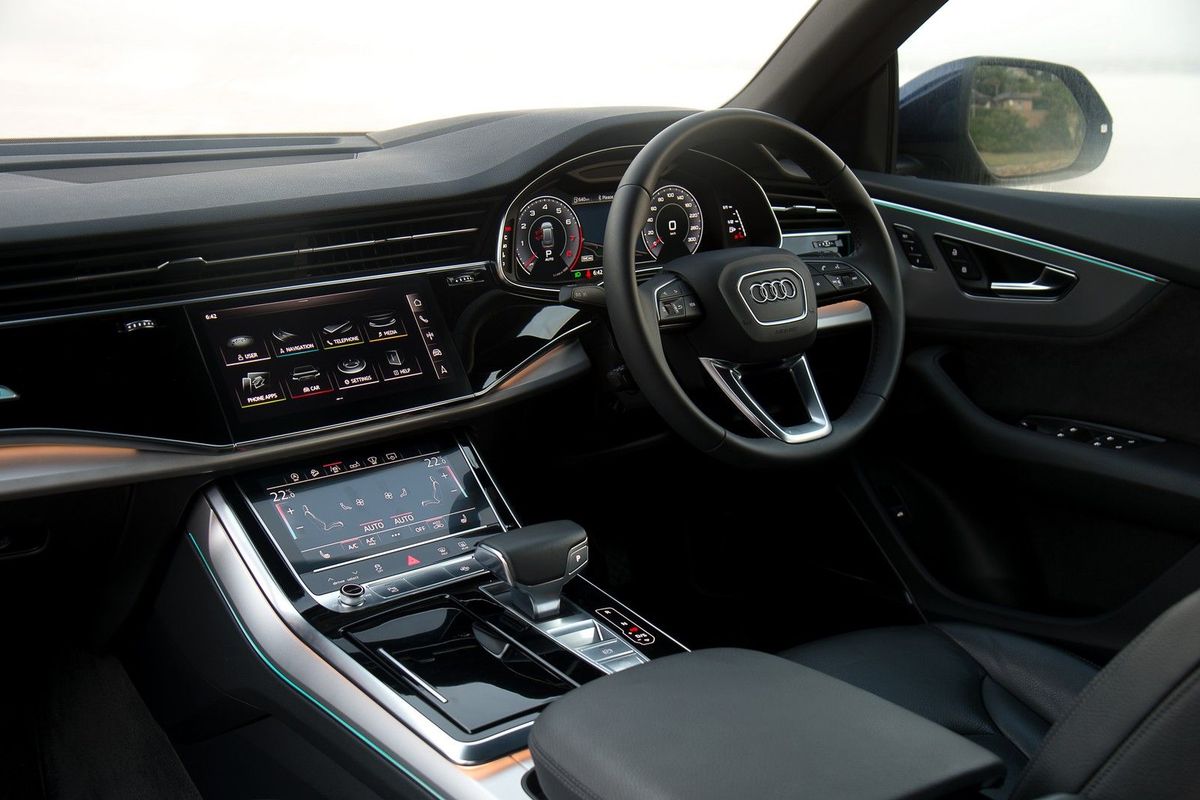
Finally, South Africa gets to see the newly designed Audi interior. It’s been on sale in Europe for well over a year and has already been installed on the A8, A7 Sportback and e-tron.

The new interior is dominated by the dual touchscreens in the centre which can be operated through touch, voice input and handwriting (for navigation inputs). The bottom screen deals with climate-related options, as well as pinned shortcuts for destinations. The top screen has all the other functionality and mirrors the design and usability of a Smartphone quite effectively. There’s also haptic and audio feedback to confirm inputs, which is useful.

The system is vastly superior to the rotary knob in the previous MMI system but you do have to deal with grubby fingerprints on your lovely and crisp screens.

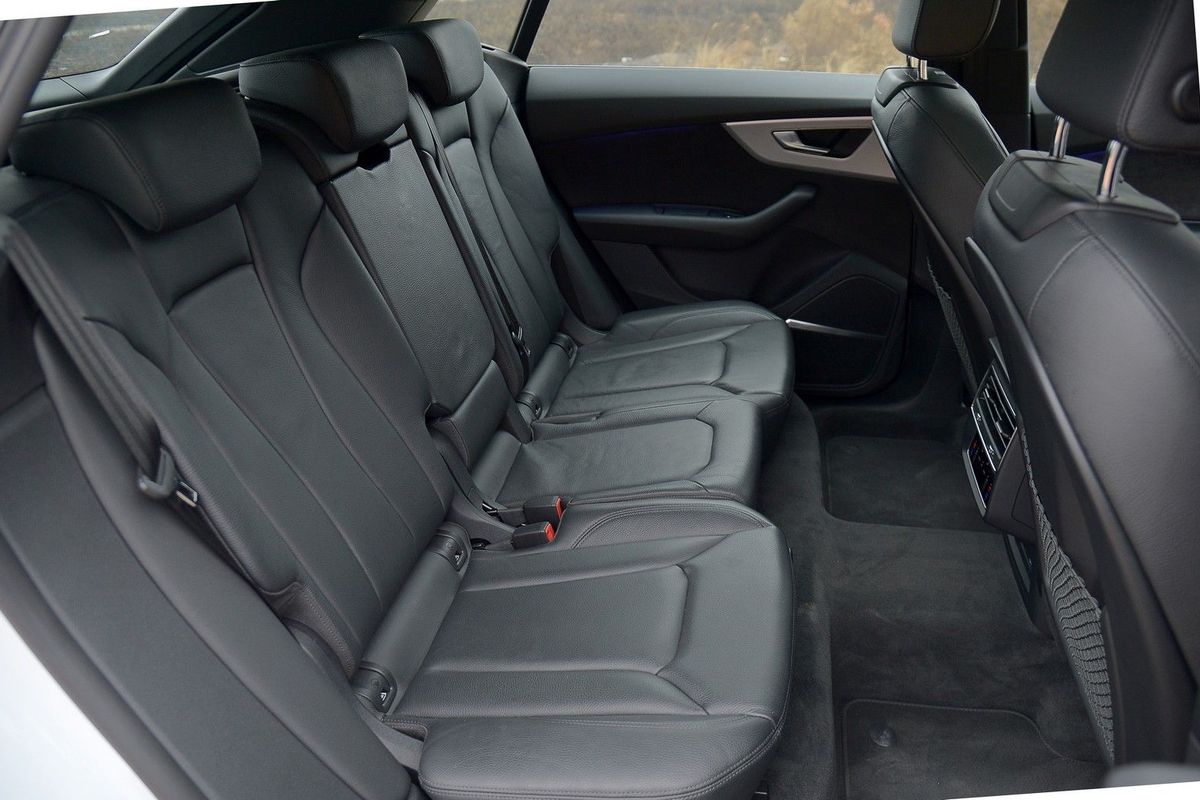
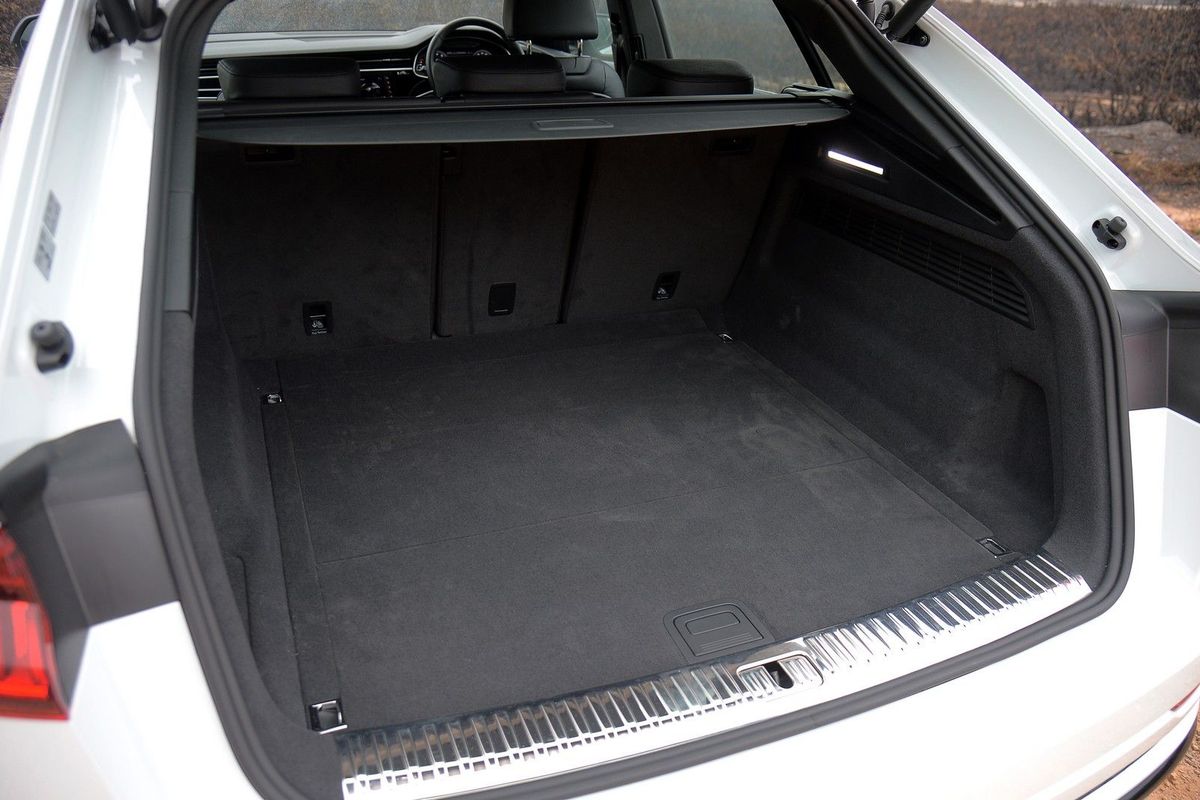
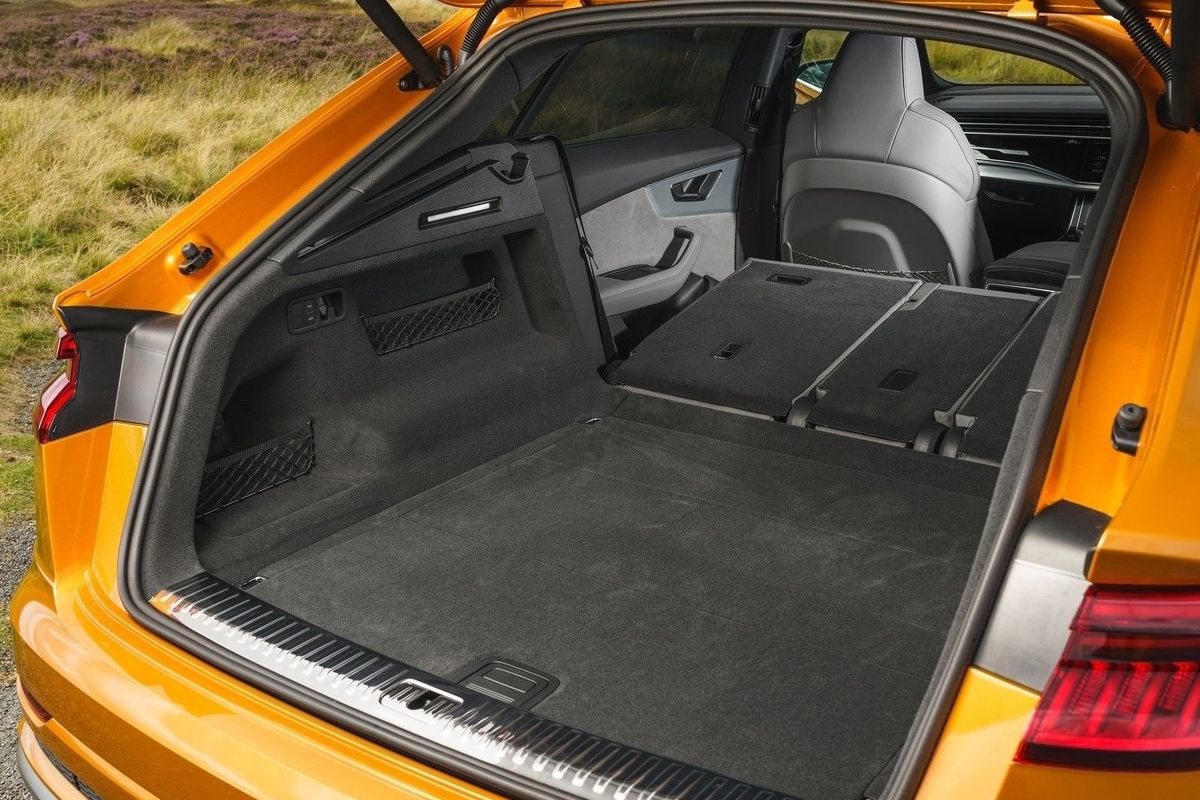
The Q8 is solely a 5-seater model and even with the sloping roofline provides good headroom for rear passengers. The rear seats also slide fore and aft for increased luggage space or legroom. The load bay is claimed to hold 605 litres' worth of luggage, but opens up to 1 755 litres with the seats folded down, which is around 300 litres less than the Q7.
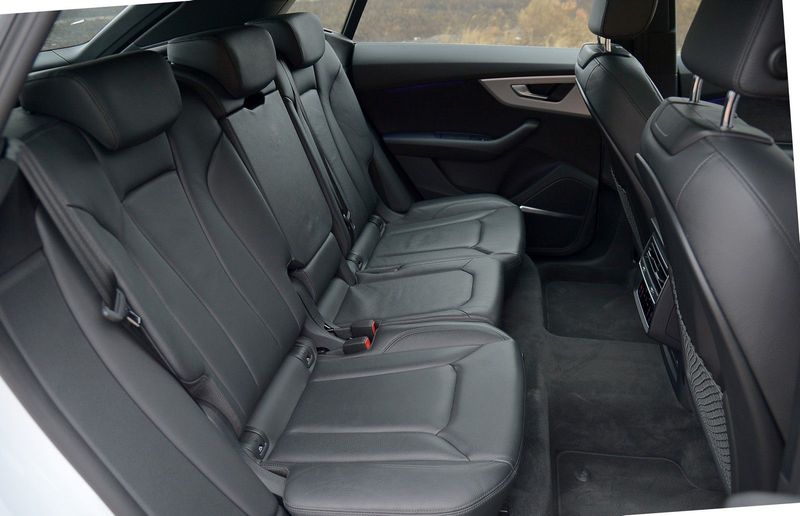

Rear occupant space is rather good for an SUV coupe.

The new layout is not without fault and it appears there may be a few teething problems with the build quality, especially across the dashboard. The plastic black insert that spreads across the dash to the passenger side creaks and rattles on touch and when driving on bumpy surfaces. It wasn’t just our test unit either as a few other units exhibited similar rattles.

It is good to drive?

There’s a choice of 3 suspension setups, 1 regular coil spring with adaptive dampers and 2 adaptive air suspensions. The sport air suspension setup just adapts the normal air suspension 1 click further towards sport within the Drive Select system.  

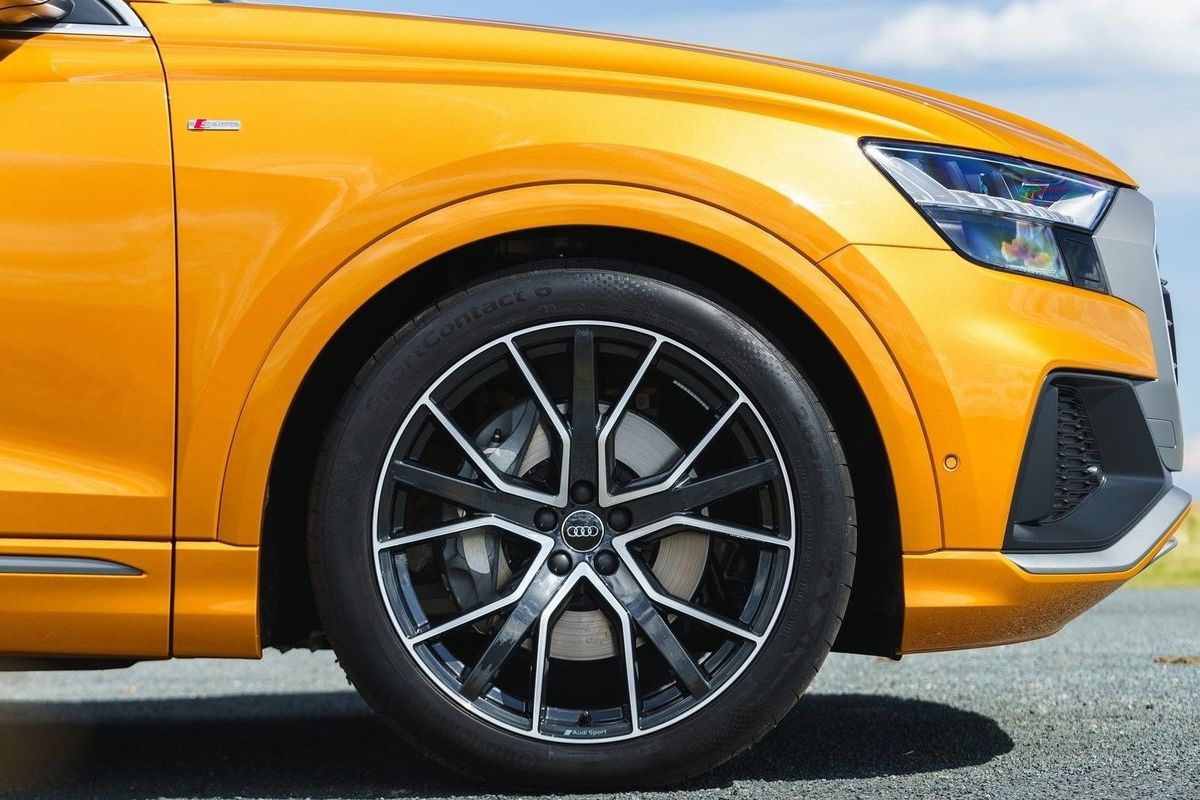
Twenty-inch wheels are standard fitment, but you can option up to 22-inch if you see fit. Our particular model was shod with 21-inch wheels with 45 profile rubber. The ride was commendable on gravel with this setup, even though we only had a brief stint on the rougher surface.
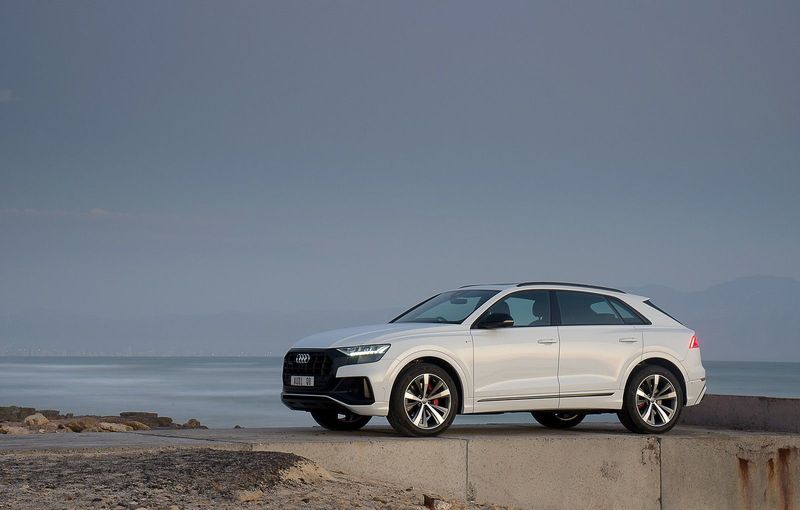

The Q8 has a choice of 3 suspension setups.

On road, the wider track keeps the Q8 steady and planted over bumps and rutted roads. The air suspension also mitigates some of that lean that SUVs have to deal with due to a higher centre of gravity.

The steering is quite heavy and weights up further the more lock you add on. It feels quite artificial, but does the job of making the big Q8 change direction quite rapidly (if needs must). There is also optional 4-wheel steering available, which adds even more stability at high speed, but also makes the big Audi easier to park and turn around. With the system installed, the Q8 has the same turning circle as an A4.

Summed up
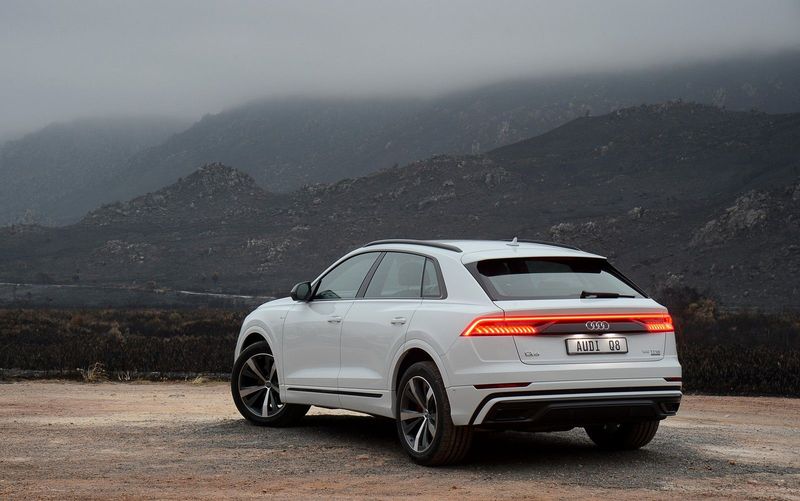

The new Q8 gives Audi a car that stands out in a segment that requires originality as well as premium finishes.

It’s been a while since Audi has introduced a new range, as opposed to a new generation of an existing model, on local soil. This is the 1st of many new models to hit our shores this year. Audi SA has also revamped the way customers choose options and bundled obvious extras into upgrade kits. This should take some of the hassle out of speccing a car and the plethora of differently specced vehicles on the 2nd-hand market.

As for the Q8, it certainly looks the part. It’s muscular, sleek and stands out with added glitz from the new LED lights. The petrol engine may not prove as efficient as the upcoming turbodiesel, but it's a competitive powerplant that matches anything the competition can muster.

The new Audi interior is a tech junkie’s pleasuredome. It works as intuitively as your Smartphone while looking stylish and premium. There may be a few creaks and rattles among some of the dash materials, but hopefully, Audi can sort out those issues quickly.

With an entry price of R1.4 million, the Q8 squares up to the Range Rover Sport, at least until the new X6 and GLE/GLE Coupe arrive, the Q8 is certainly the best German offering in the segment right now.
Related content:

Audi Q8 (2019) Specs & Price

Is VW’s Touareg a Bargain Bentley?

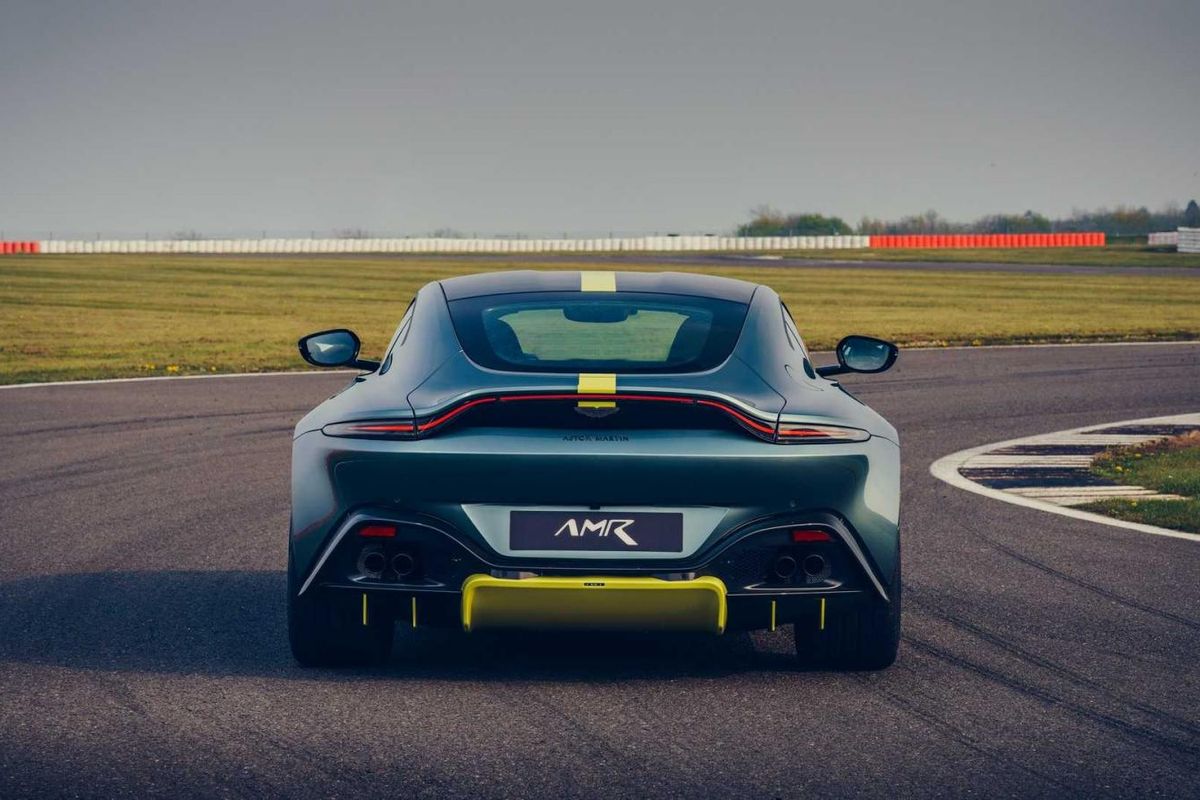
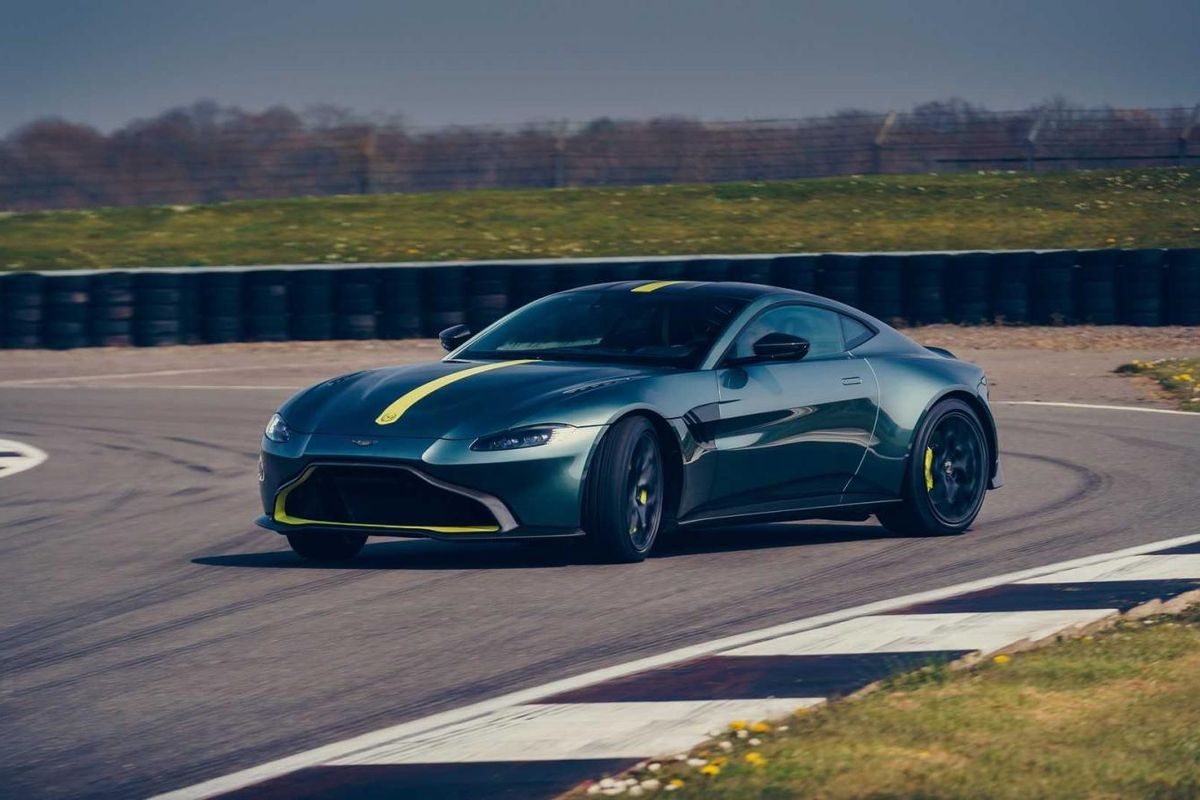
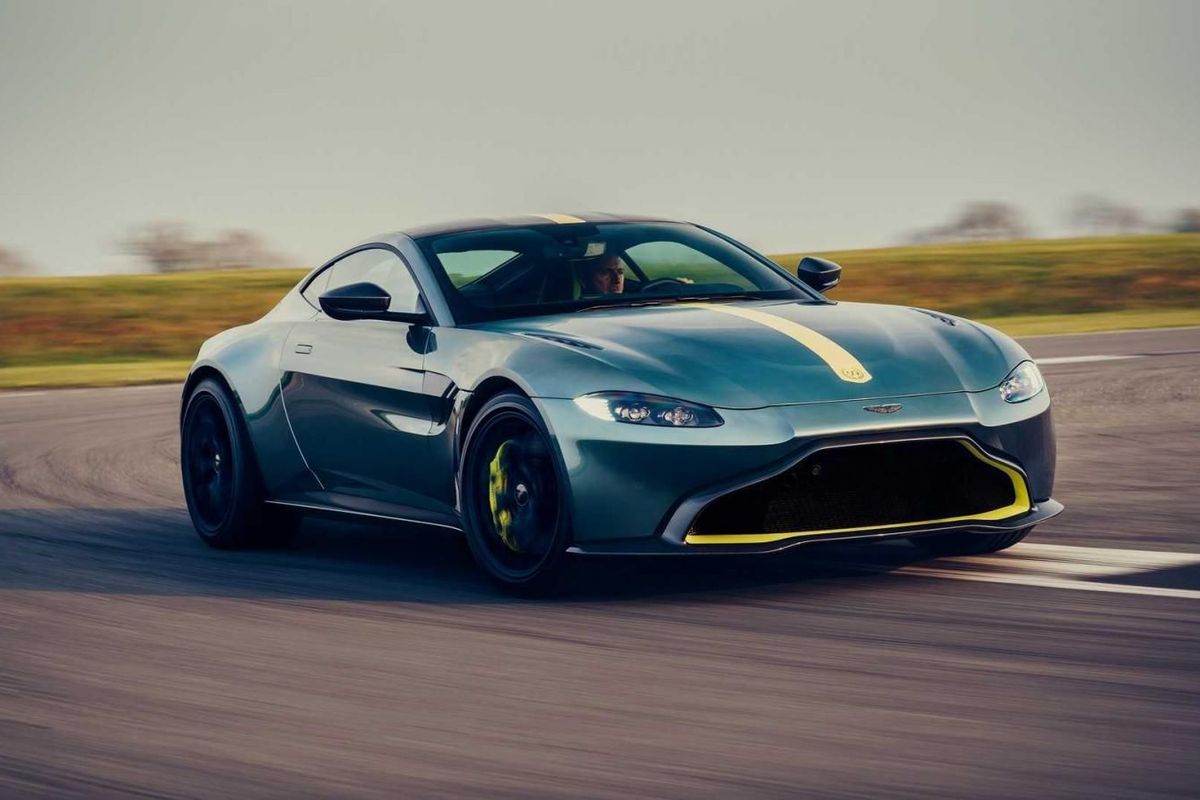
Aston Martin Vantage AMR Goes Manual

Aston Martin is doing its bit to save the manual by offering its latest Vantage AMR with a 7-speed manual transmission…

In an announcement which should pique the interest of AMG followers, Aston Martin has confirmed that its Vantage range now has a limited-edition AMR derivative.

Aston will only produce 200 of these AMRs but the anchor feature distinguishing them from other Vantages will eventually find its way into the entire entry-level range of Astons. That anchor feature is a 7-speed manual gearbox!

In a global market where manual gearboxes are increasingly rare, Aston Martin has realised that enthusiast owners who set their own driving schedules and who are unburdened by the chore of commuting in traffic have a desire to own and operate a sportscar they can shift gear in. Hence the production of these new Vantage AMRs, which feature a 7-speed manual gearbox.

The Vantage AMR is powered by an AMG-built 4.0-litre, twin-turbocharged V8 engine boasting 375kW and 625Nm of torque. Those deeply familiar with the Aston brand will notice that torque number is down a touch from the paddle-shift Vantage V8s, an adjustment made by engineers in the interest of clutch durability.

These manual shift AMRs are lighter than a paddle shift Vantage, with a notable weight saving of 95 kg gained by replacing the automatic gearbox with this new 7-speed manual. A new adaptive damping system with dedicated Sport+ and Track modes should help owners exploit the greater agility offered by the AMR’s lower overall mass, which registers a kerb weight of only 1 435 kg.

Although the Vantage AMR manual can achieve zero to 100 kph in 4 seconds, it's four tenths slower than the paddle shift version.

For those Aston fans who can’t get onto the 200-unit production list of these AMRs, fear not. Aston has announced that once they have built these limited-edition manual shifting AMRs, the option of that 7-speed gearbox will become available in other Vantages too.

All of this must have AMG GT owners wondering if Mercedes-Benz will ever be equally daring, and offer their GT sportscar in manual guise too? It's powered by the same engine, after all. 

Buy a new or used Aston Martin on Cars.co.za

Related Content

Aston Martin Announces DBS Superleggera Volante

First Electric Aston Martin Rapide E Revealed

Aston Martin Lagonda All-Terrain Concept Shown

Aston Martin Valkyrie: Power Numbers Confirmed

Aston Martin DBS Superleggera – First Drive

Volkswagen Amarok on Steroids

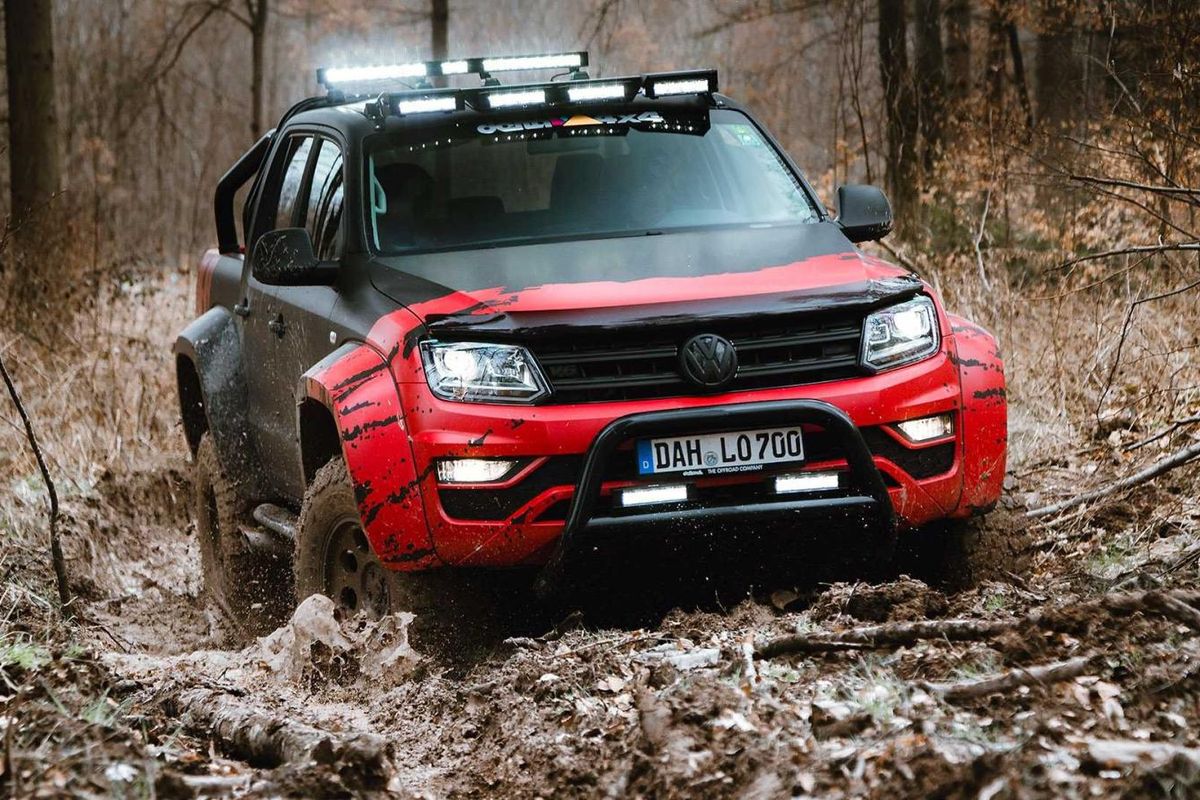
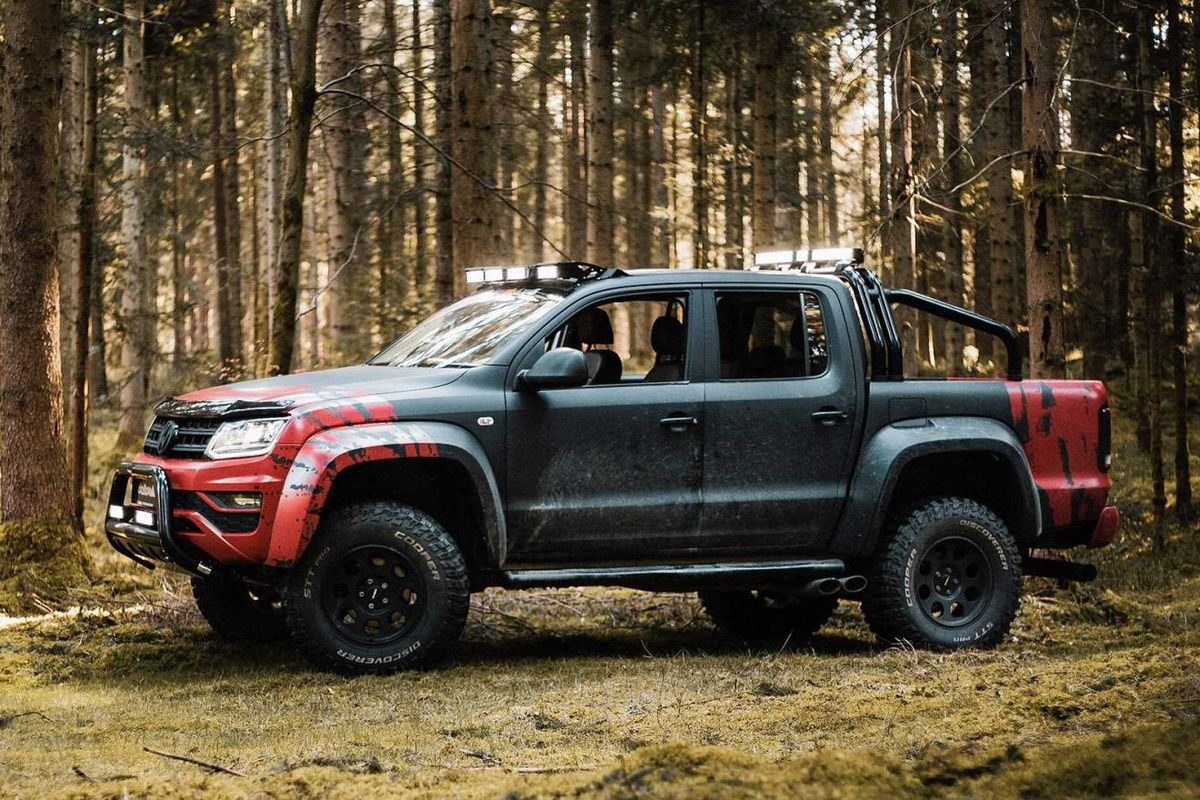
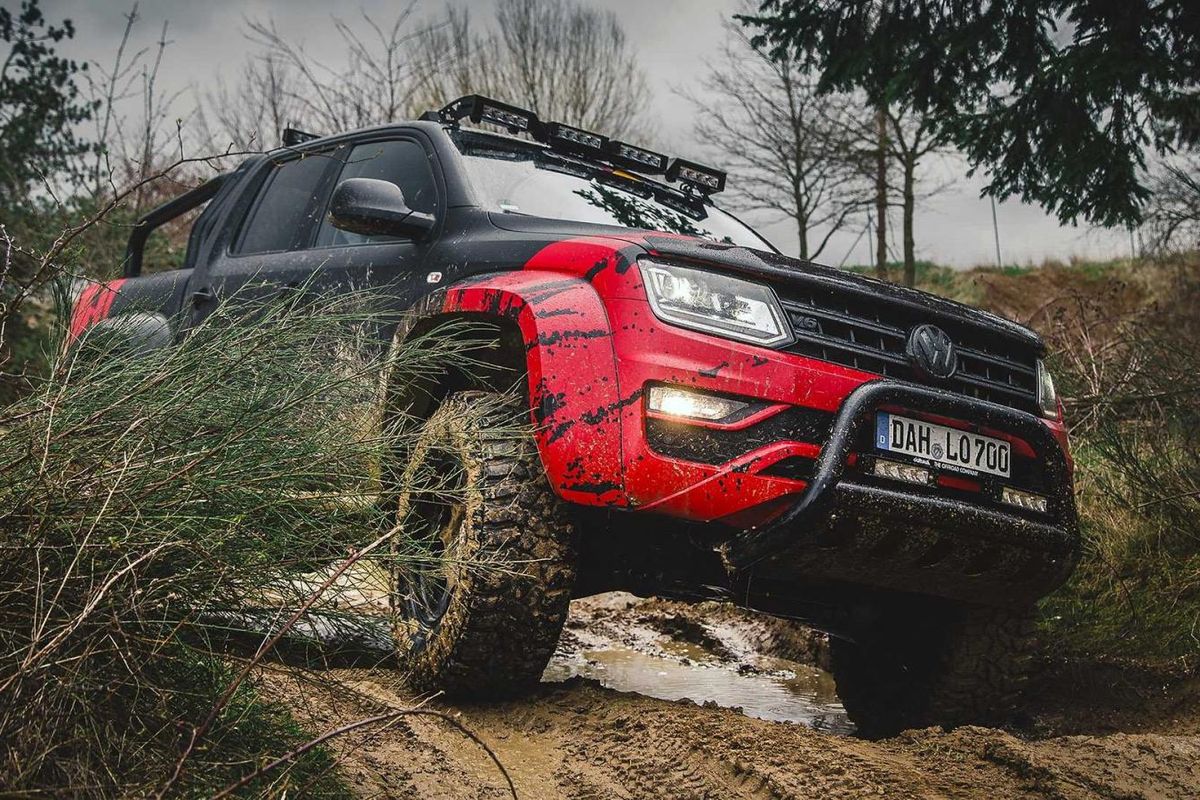
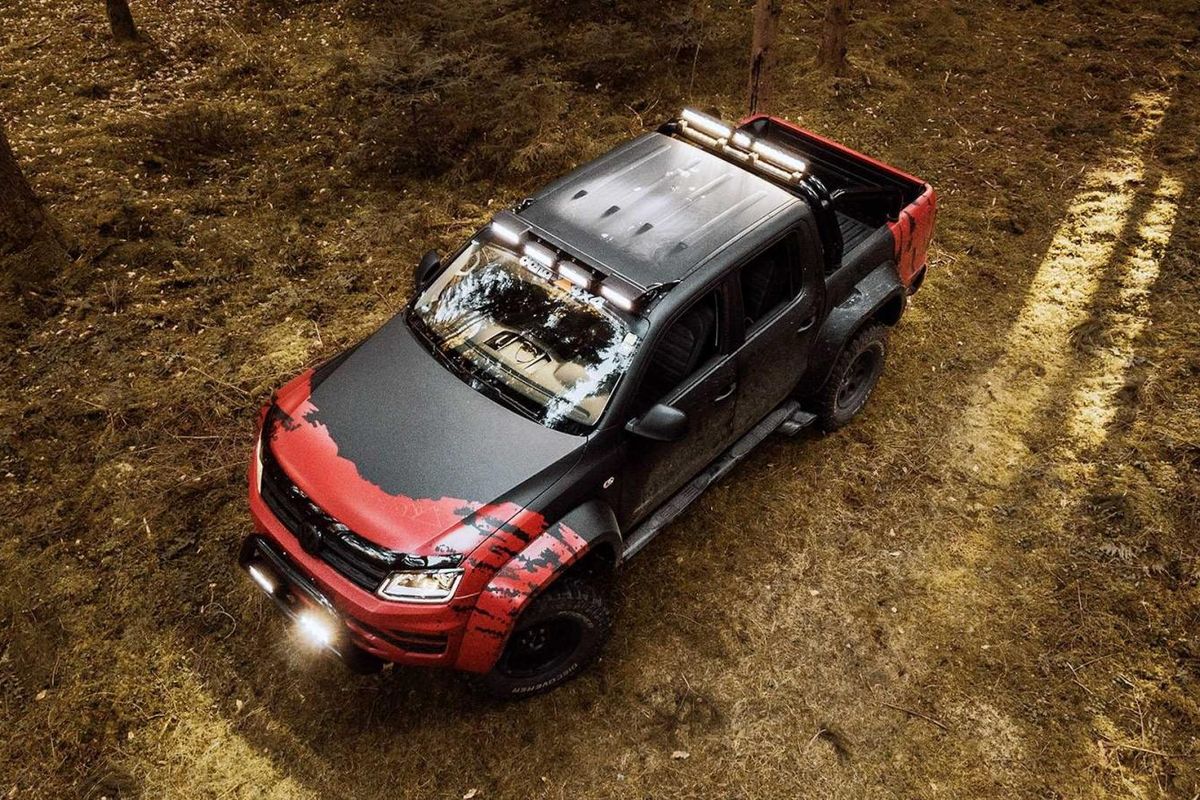
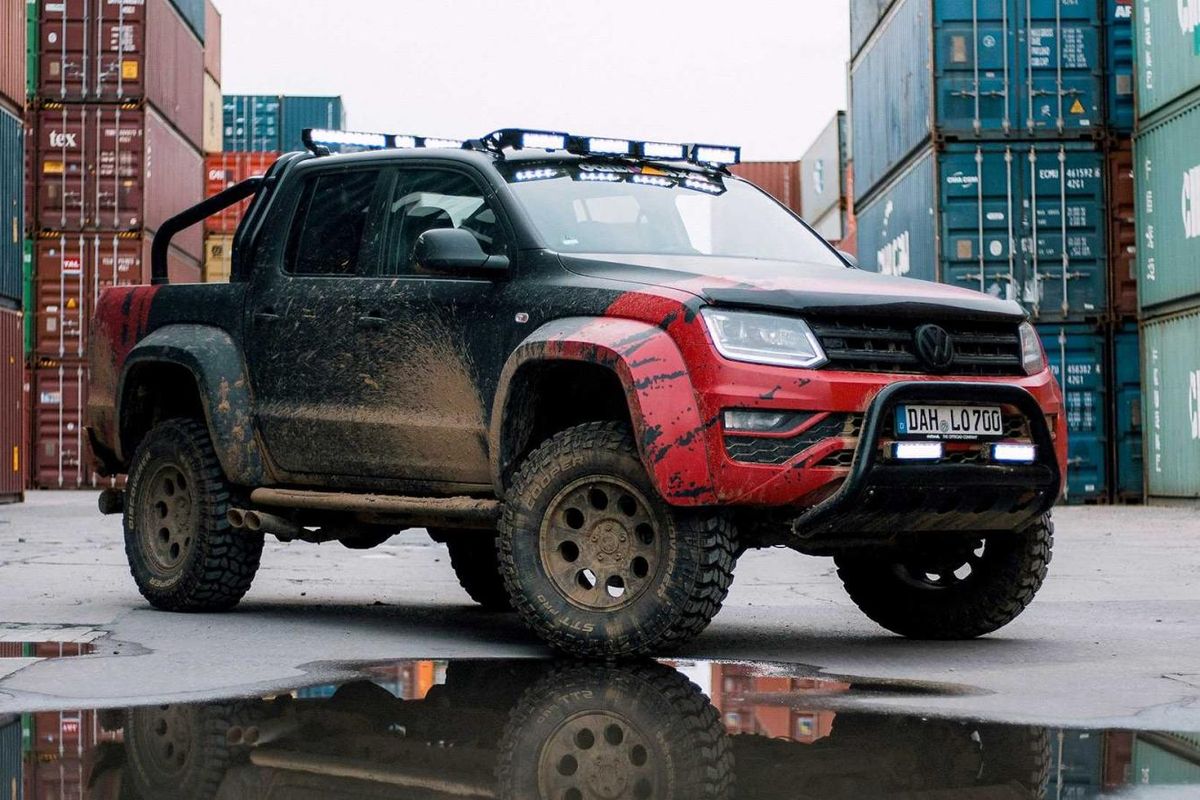
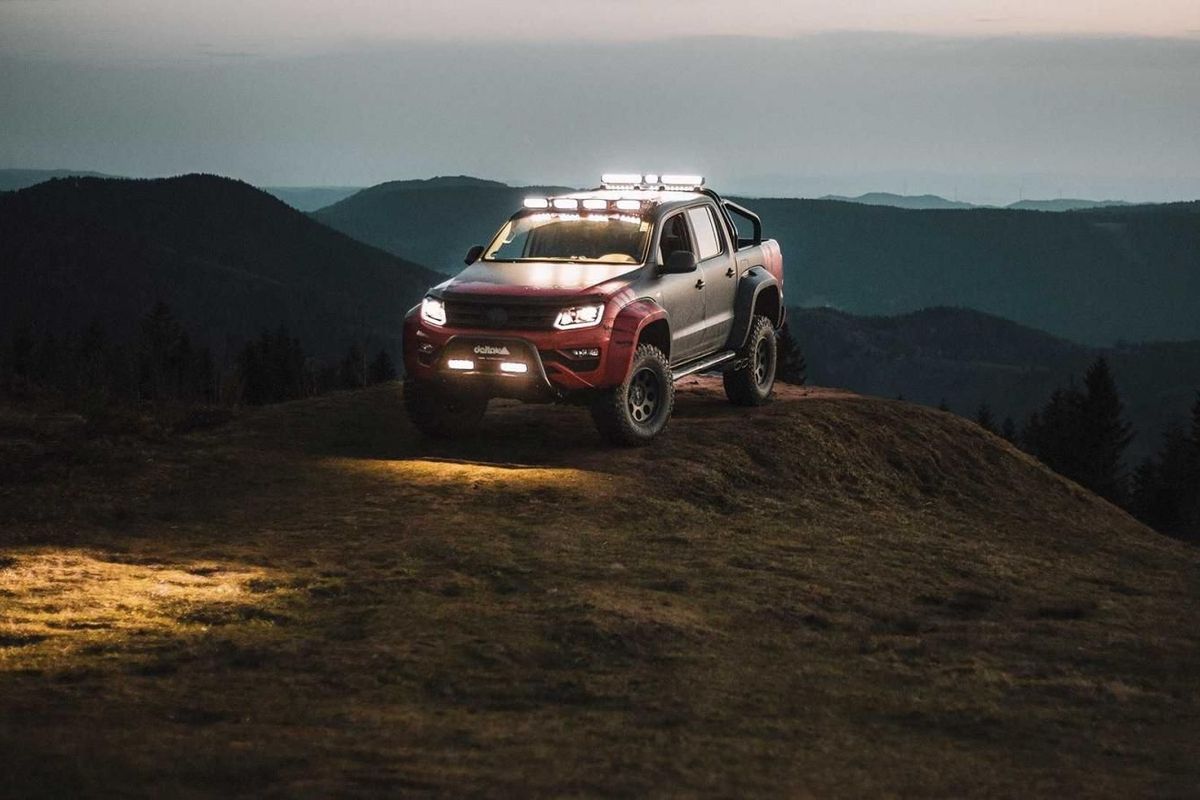
A German tuner, Delta 4×4, has beefed up a Volkswagen Amarok and it looks quite impressive. Would you agree?

The double-cab bakkie market is hotting up with the introduction of some striking product. Isuzu recently introduced the D-Max Arctic AT 35 in South Africa which is significantly wider (180 mm) with an increased ride height of 48 mm compared with the standard D-Max 4×4 LX derivative.

Also, Ford will introduce the Raptor on local soil this month which will undoubtedly have bakkie enthusiasts salivating. Nonetheless, it’s interesting to see what potential lies in the Volkswagen Amarok. Delta 4×4, a German tuner, created this beefed up version of the Amarok.

Fitted with a two-tone body wrap, modified front bumper, LED light bars and flared wheel arches which house 20-inch wheels shod with 35-inch Cooper rubber, this Amarok looks ready to take on the world. More so, the ride height has been raised substantially and Bilstein shock absorbers have allowed it to stand some 100 mm higher off the ground than a standard Amarok.

Do you like the look of this Amarok? Share your thoughts in the comments below…

Buy a new or used Volkswagen Amarok on Cars.co.za

Related Content

Volkswagen Amarok 3.0 V6 TDI (2017) Video Review

Volkswagen Amarok 3.0 V6 TDI Highline Plus (2017) Review [with Video]

Volkswagen SA rake it in at 2019 #CarsAwards

Winners: 2018/19 Cars.co.za Consumer Awards – powered by WesBank [w/Video]

10 Ways To Save Fuel

The rising cost of fuel has a significant negative impact on the household budget and consumers have to find ways to make their money stretch further. One of the easiest ways to save money would be to use less fuel. By far the best (and easiest) way to do that would be to buy a newer, more efficient car, but very few of us are in a position to do that. So… how can you use your current set of wheels more efficiently? 

  • Don't let it idle – Drive off immediately after starting the car in the morning. Do not let it idle for any length of time, especially when the engine is below normal operating temperature. This will reduce the amount of time the engine has to inhale the over-rich fuel mixture required for starting and idling. Such a mixture is wasteful and contaminates the oil to such an extent that prolonged idling can ruin an engine. Go slow at first, to allow the engine, gearbox and final drive to warm up.

  • Go with the flow – Drive at a reasonable pace in town. Stay with the traffic, because if you slow down too much you will not only be an obstruction but you may also have to change down to a lower gear. A lower gear usually, but not always, means your vehicle will use more fuel.

  • Gentle on the throttle – Accelerate slowly and use the lower gears when you start from a speed below 1 500 r/min to avoid over-stressing the engine. Large throttle openings will obviously increase the fuel flow rate.

  • Drive (slightly) slower – Reduce your habitual cruising speed by 10 km/h. This will result in a measurable drop in fuel consumption because the air resistance increases dramatically with an increase in speed.

  • Anticipate the traffic – Try to brake as little as possible. Braking converts the car’s momentum into heat energy. When you accelerate again the engine has to supply the lost energy to get the vehicle back up to speed again.  

  • Avoid roof racks and trailers – Carry excess luggage inside the car as much as possible. A roof rack or a trailer increases the air resistance dramatically but an increase in weight only increases the amount of fuel being used by a significant amount while you accelerate, not while you’re cruising.  

  • Check your tyre pressures every two weeks – Soft tyres not only have a negative effect on fuel consumption but are also a major cause of blowouts.

  • Look after your car – Have your car serviced regularly to ensure it is in optimal working condition.

  • Keep score – A record of fuel consumption using the tank-full to tank-full method is a good way to remind yourself about saving fuel. This system works fairly well if you do not let the pump attendant trickle fuel in after the automatic pump was activated. Investigate any unreasonable change in fuel consumption.

  • Windows shut – Driving with open windows or activating the air-con will increase your fuel consumption by a few per cent but you must be fanatic about reducing consumption to drive like that. 

Also have a look at this video which explains the concept of "hypermiling".


RELATED CONTENT

Top 10 Most Fuel Efficient Budget Cars

Top 10 Most Fuel Efficient Cars in SA (2017)

6 Most Fuel-Efficient Double-Cab Bakkies in SA

Ten Ways To Make Your Car Last Longer

Four Simple Ways To Cut The Cost Of Motoring

Audi SA Confirms New Cars for 2019

At the South African launch of the Q8 SUV, Audi SA confirmed what else is in store for fans of the Ingolstadt-based brand. Here's what's coming to SA.

As we mentioned earlier this year, 2018 was not the best year for Audi and 2019 will mark a wave of new product being launched globally. South Africa will be receiving a fair amount of new Audi models, which was confirmed to the media at the local launch of the Q8 SUV in the last week of April 2019. Interestingly, there was no sign of the electric Audi e-tron, but we're awaiting official comment.

We've already experienced the first of Audi South Africa's 2019 launches. Both the Audi RS4 Avant and RS5 Sportback are terrific offerings in their respective segments. 

The Audi Q8 was launched in late April/early May with the turbocharged petrol engine making landfall. A turbodiesel derivative will be offered around the middle of 2019. 

For those wanting something small and compact, the all-new Audi A1 is next up on the list and should be arriving in the 3rd quarter of 2019. 

The all-new Audi Q3 compact SUV will be arriving in the 3rd quarter of 2019. 

There will be a mild facelift to the Audi TT sportscar in the 3rd quarter of 2019.

Finally, Audi's 2019 will draw to a close with the introduction of the A6 executive sedan and the A7 gran coupe. There could be some interesting surprise introductions too, like the facelifted Audi R8 V10. 

Internationally, we're likely to see reveals of the all-new Audi RS6 and A3 to name but a few. 

Further Reading

Audi RS5 Sportback (2019) Review

New V6 Audi RS4 Avant – More Torque, More Fun?

Hotter Audi TT RS for SA 

Audi Plans A Big 2019

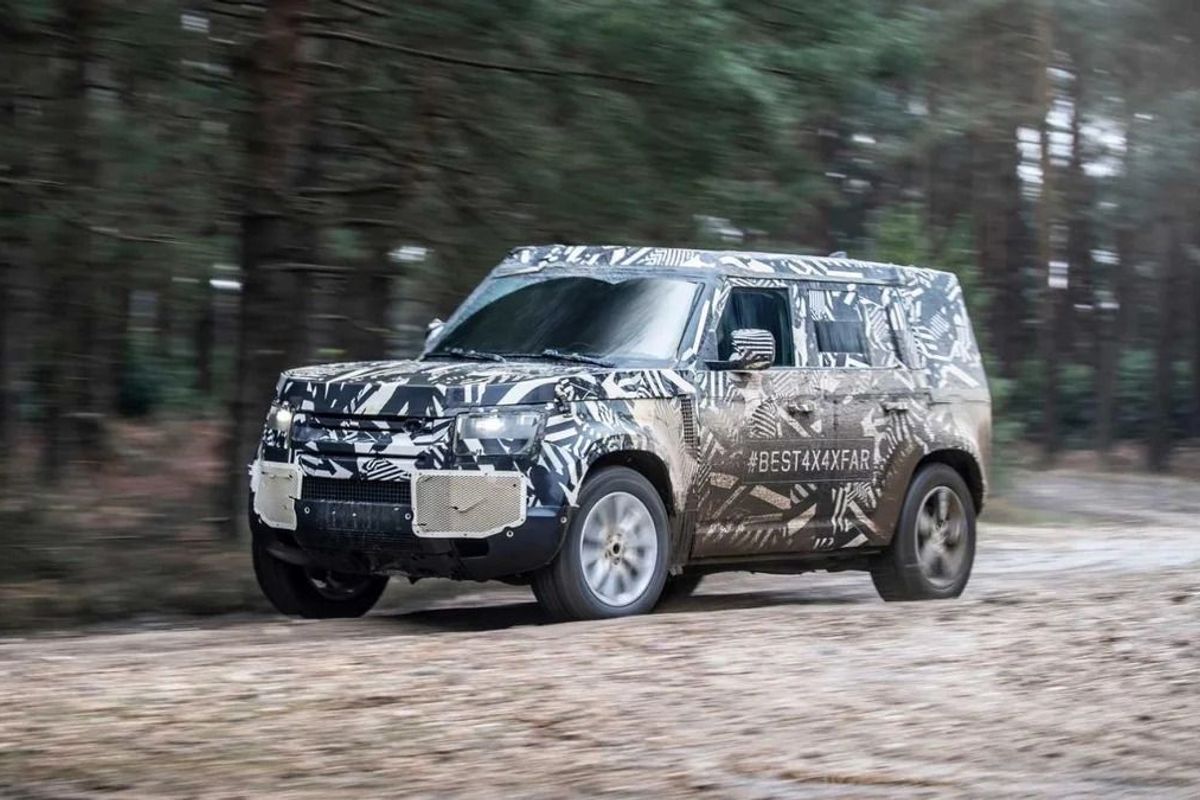
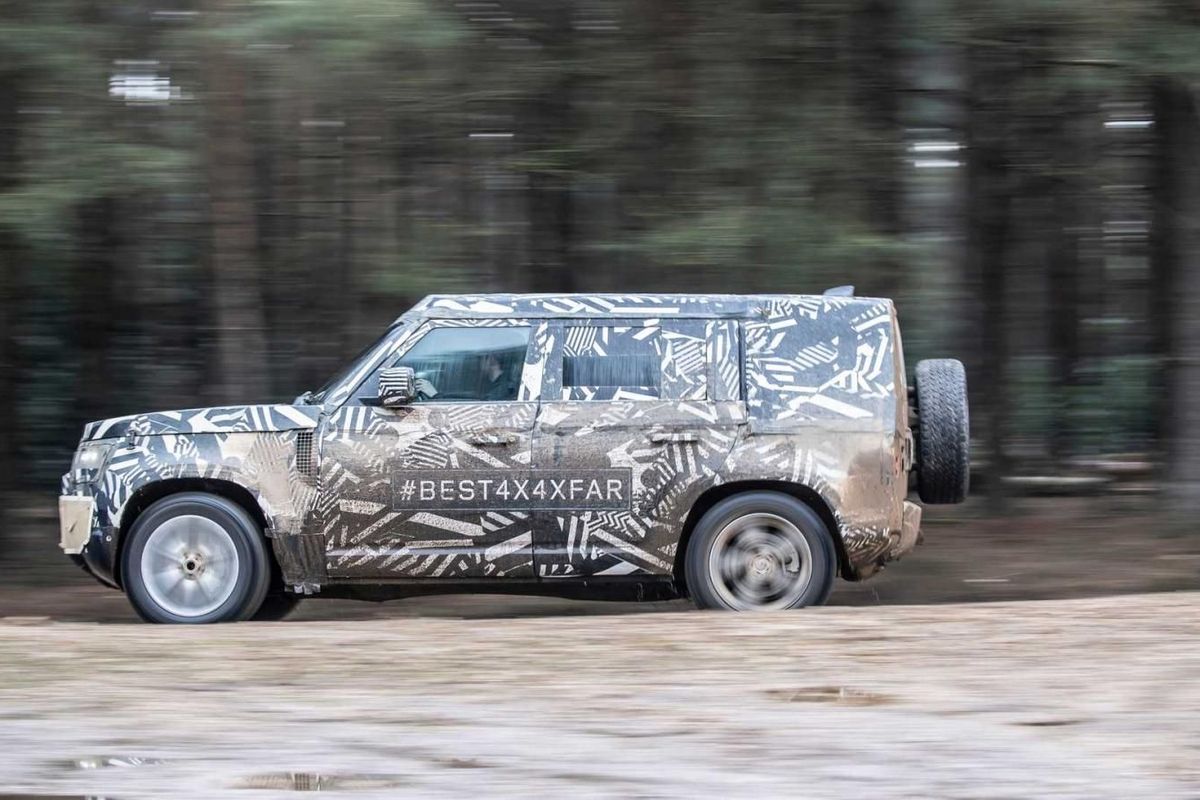
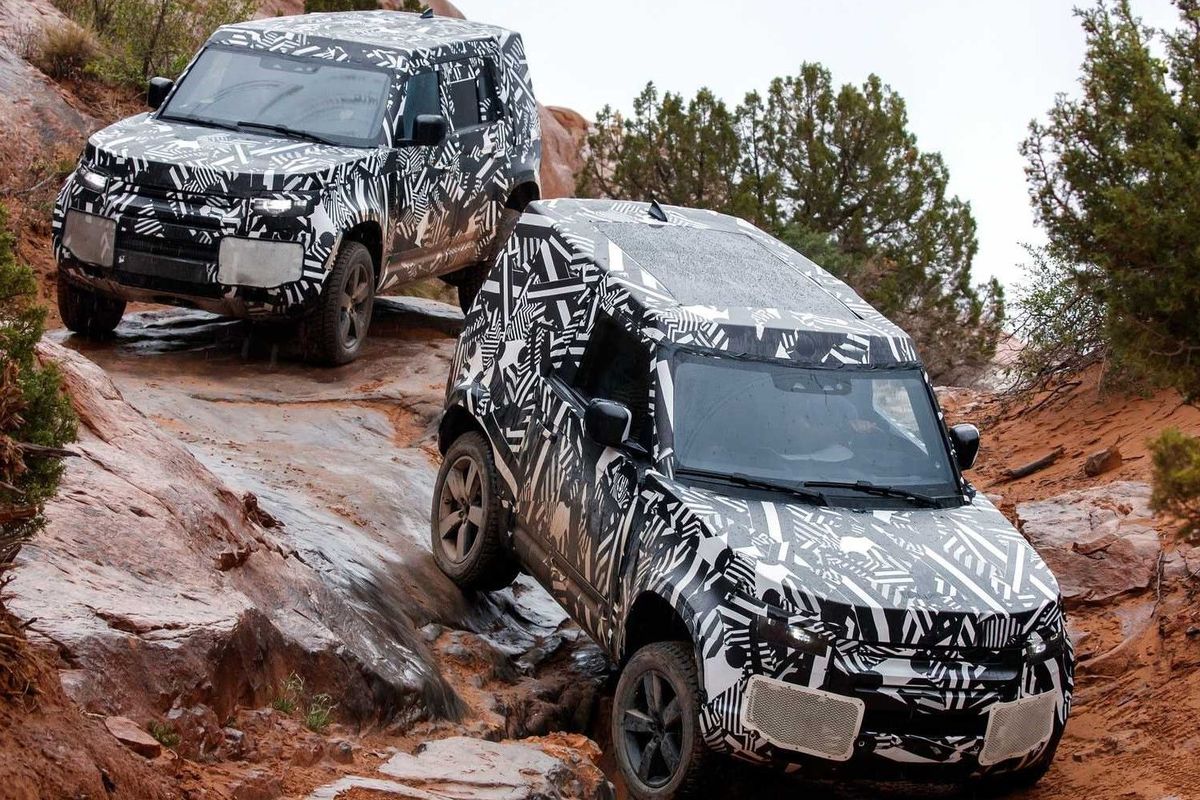
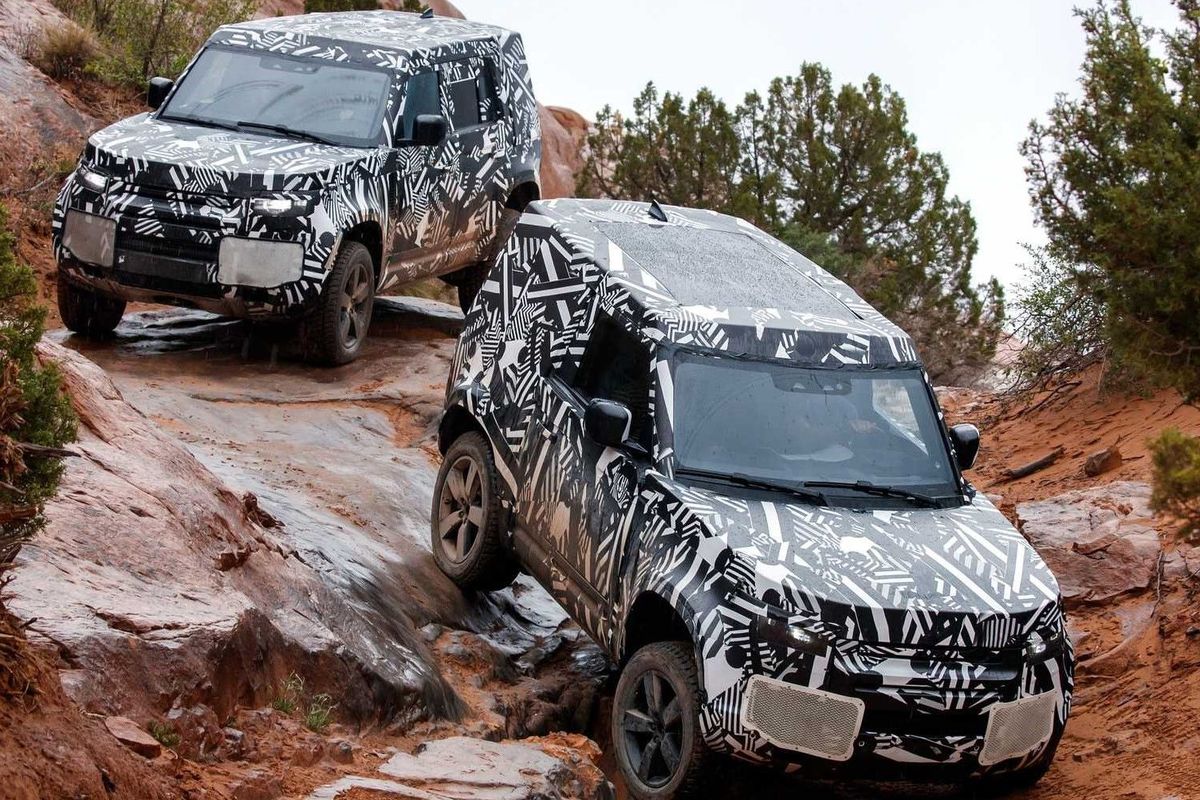
New Land Rover Defender Unleashed in Kenya

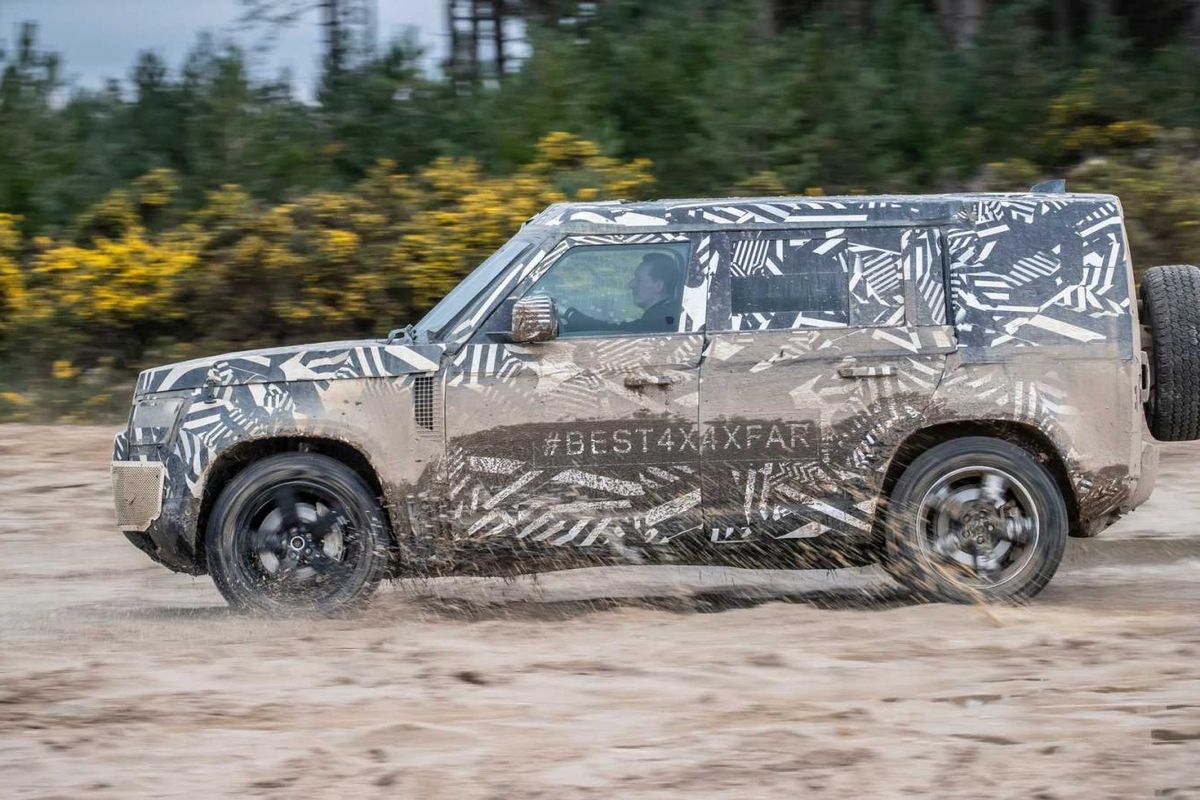
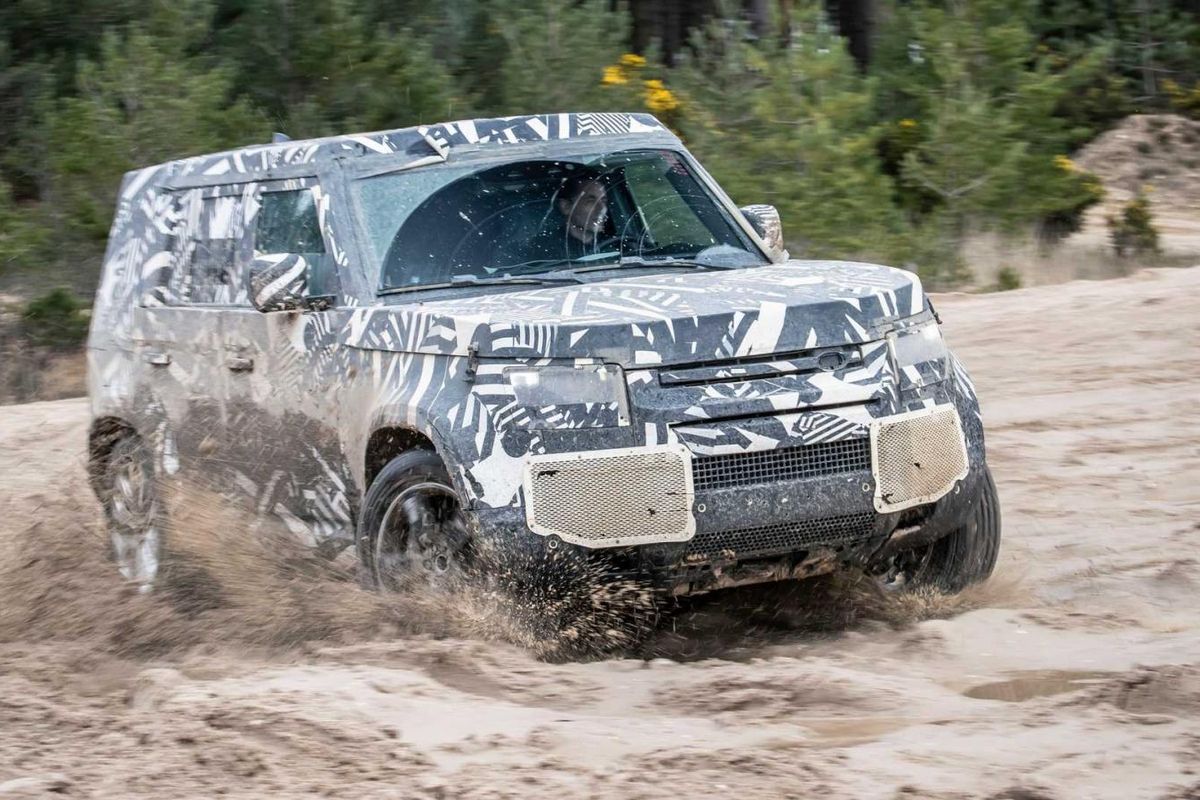
Land Rover's gruelling test schedule for the second-generation Defender is nearing completion and to celebrate World Land Rover Day, a Defender protoype will be put to work with the Tusk Trust in Kenya.  

One of the most keenly anticipated vehicles in recent memory, the burden of expectation accompanying the new Defender has been keenly felt by Land Rover.

Engineers must ensure that the ruggedness and simplicity of the original Defender are carried over, but they must also adhere to requirements that are commensurate to contemporary crash safety and emissions regulation – both issues which hardly bothered the original Defender design team.

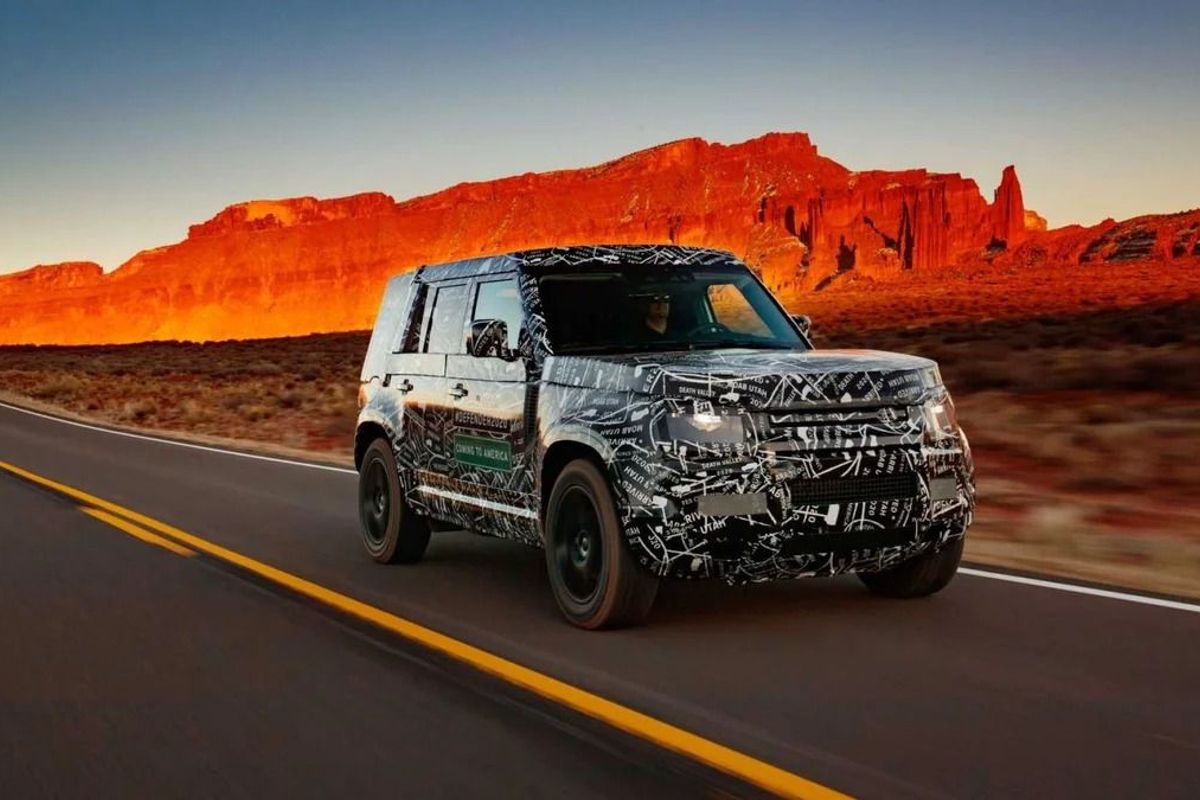
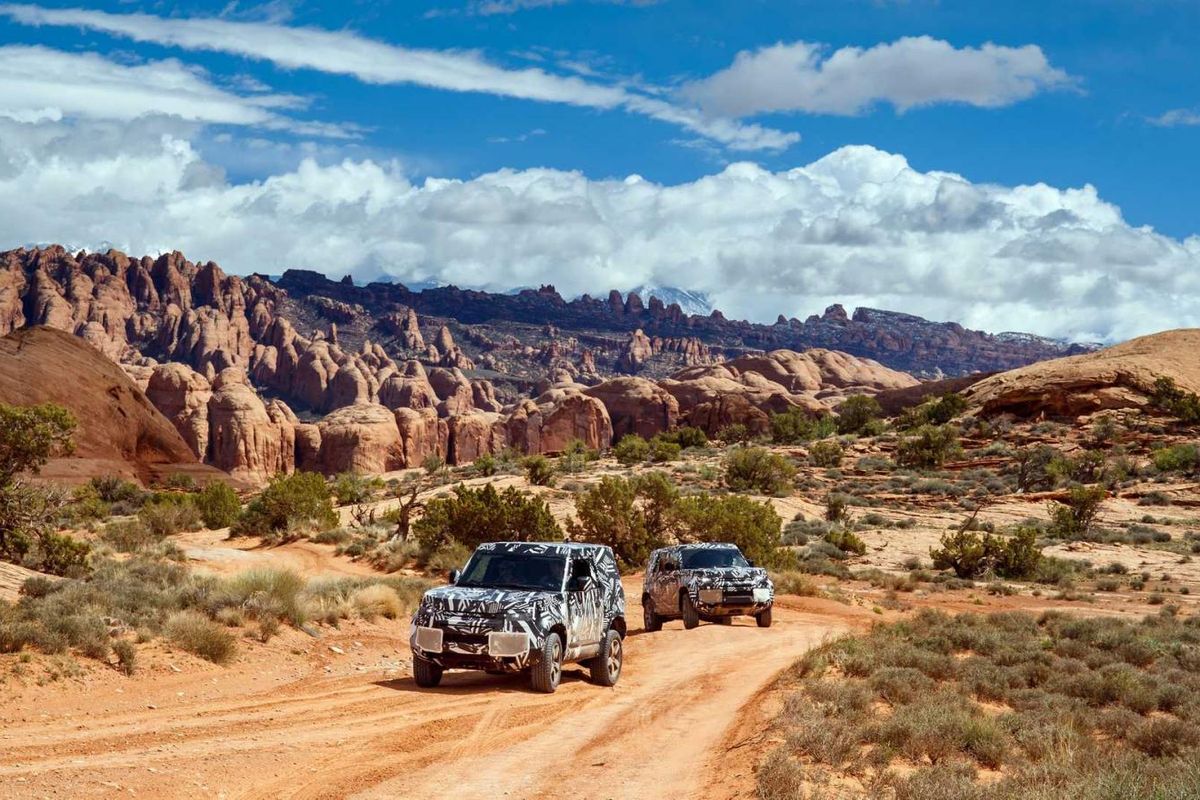
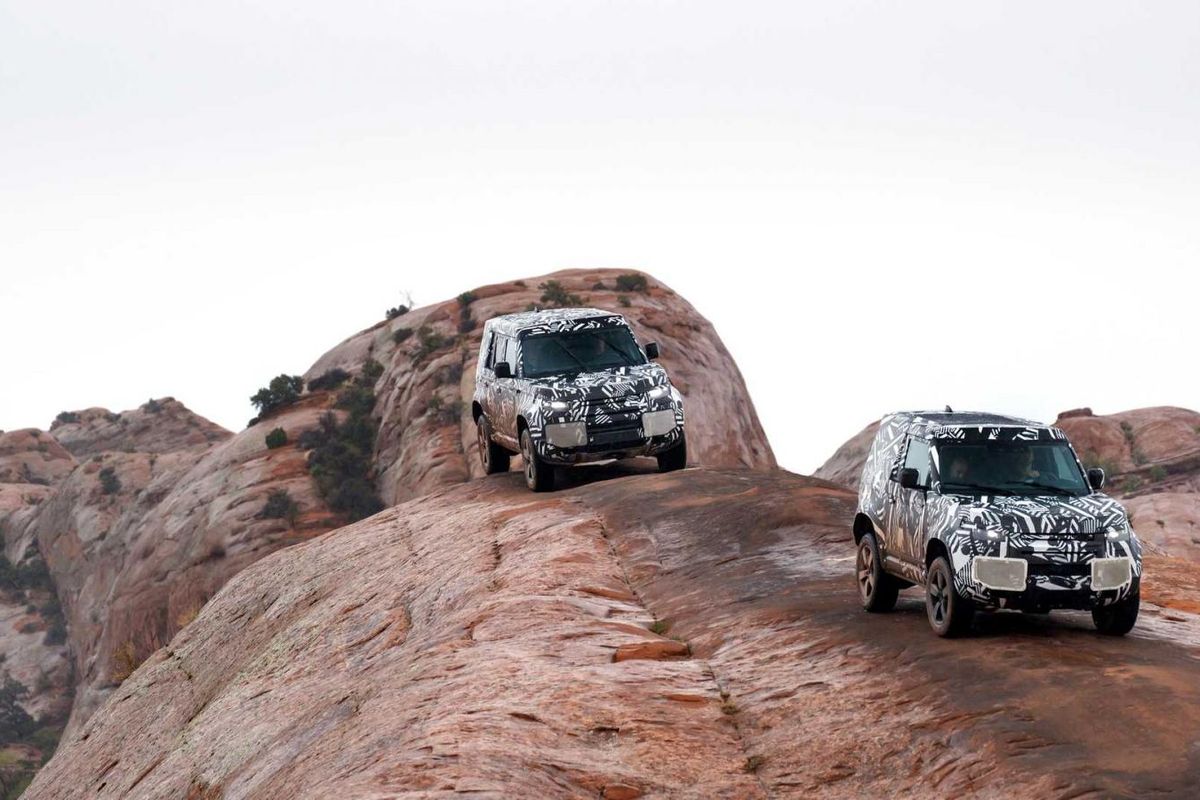
Quite fittingly the global test and evaluation schedule is currently routing through Africa, the continent of true 4×4 adventure and one where Land Rovers have been carrying those with wanderlust and a generous sabbatical for years.

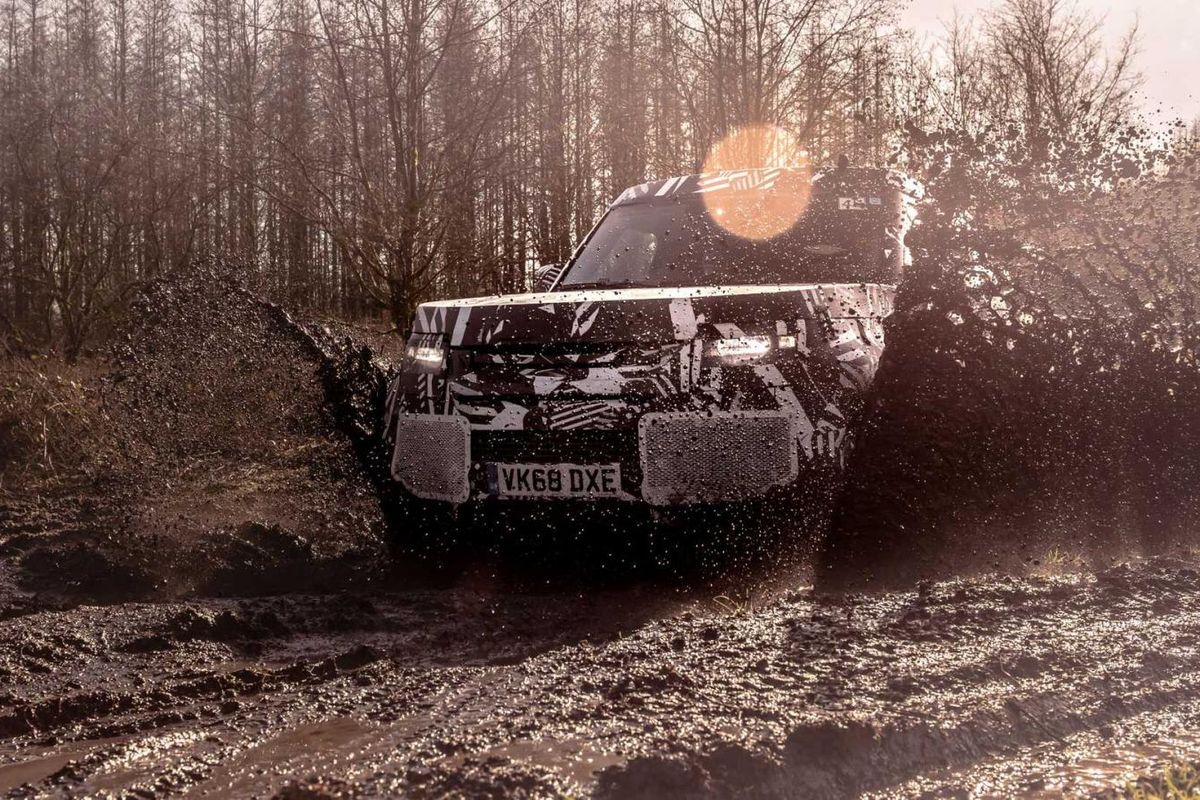
30 April is world Land Rover Day, commemorating the date back in 1948 when the original Land Rover made its public debut at the Amsterdam Motor Show. To celebrate, the company’s test fleet of Defender pre-production prototypes will today venture into the Borana Conservancy in Kenya where it will undergo a final phase of field testing with the Tusk Trust wildlife conservation charity of which Land Rover has been an official partner for 15 years.  
Here the new Defenders will roll through some of Kenya’s most testing off-road terrain. To date, the design validation programme for new Defender has completed 1.5-million kilometres of testing, ranging from freezing arctic conditions to scorching desert terrain.

New Defender’s final design reveal is expected in September 2019. For Land Rover, as the British automotive brand most at risk from Brexit, secure production for the new Defender has also been confirmed and it will be outside of the United Kingdom, with the most iconic and longstanding of British vehicles set for assembly in Nitra, Slovakia.

Buy a used Land Rover Defender on Cars.co.za

Related Content

Land Rover Defender Interior Leaked

Reborn Defender will be BMW Powered

Spy Shots: 2020 Land Rover Defender

Next Land Rover Defender: Why the long wait?

Land Rover Defender Heritage Edition Video Review

Land Rover Defender 110 Heritage Edition (2016) Review

The Journey Mozambique – The Search for Sunken Land Rovers


Significant Safety Upgrades for Toyota Hilux

Toyota has started a global rollout of autonomous safety features for its Hilux bakkie. See details below…

The only people benefitting from the fierce global rivalry between Ford and Toyota’s double-cab bakkies, are quite rightly, customers.

Every time there's a feature update to Ranger, Toyota is required to respond with an update of its own. The latest raft of upgrades for the Hilux pertains to active safety and have already been introduced to European customers in the guise of a special edition Hilux Invincible X.

Ford’s new Ranger has significantly increased the driver assistance offering for South African volume double-cab bakkie buyers, offering autonomous emergency braking (AEB). Although most bakkie owners prioritise load ability, towing capacity and terrain taming off-road ability, the increasing number of double-cab bakkies used as family vehicles has necessitated a rethink of their dynamic safety features.

Double-cab owners, who often burden their bakkies with some garden refuse removal or a trio of mountain bikes in the back over the weekend, are demanding better active safety and collision avoidance technologies. Mercedes-Benz might have been first with AEB in the X-Class, but nothing in the local bakkie market is truly relevant until Ford or Toyota make it a product policy.

Toyota has initiated its AEB rollout, starting with Europe. In the next few months, it should spread to other global markets, including South Africa. 

When Toyota eventually does introduce AEB on local Hilux bakkies, it will join Ranger and X-Class as South Africa’s only bakkies which can bring themselves to a complete stop, avoiding a collision, if the driver does not heed a hazard up ahead.

Beyond autonomous braking intervention technology, the Hilux will also become easier to drive in flowing highway traffic, thanks to range-adaptive, radar-guided cruise control. The combination of AEB and radar-guided cruise control are classified under Toyota’s Safety Sense branding, which also includes lane departure warning auto dimming high beam lighting technology.

Buy a new or used Toyota Hilux on Cars.co.za

Related Content

Toyota SA Confirms Hilux GR Sport

Toyota Hilux Legend 50 for SA

Toyota Hilux Dakar (2018) Video Review

Toyota Hilux 2.8GD-6 Double Cab 4×4 Raider Dakar (2018) Quick Review

GWM Teases New Hilux Rival


Audi Q8 (2019) Specs & Price

Audi South Africa has finally introduced the Q8 to our shores. Available immediately with a turbopetrol engine, with a turbodiesel to follow, the Audi Q8 is Ingolstadt's flagship SUV offering. Here's how much it costs and its specifications.

The Audi Q8 is a striking luxury SUV from the German brand. At 4.99 meters long, 2.00 meters wide and 1.71 meters tall, the Q8 SUV coupé is wider, shorter and lower than its Q7 sister model. With a wheelbase of nearly 3 meters, it offers a spacious cabin. With the rear bench folded down, the boot space is massive, with up to 1 755 litres of carrying capacity.

The new Audi Q8 is available with 2 engines. Right from the launch is the Audi Q8 55 TFSI which is a 3.0-litre turbocharged V6 with 250 kW and 500 Nm. Audi claims a 0-100 sprint in just 5.9 seconds, with an electronically limited top speed of 250 kph. The second engine will go on sale from the middle of 2019. It's the Q8 45 TDI with a 3.0-litre turbocharged diesel motor with 183 kW and 600 Nm. The Audi Q8 has an 85-litre fuel tank. In terms of offroad capability, the Audi Q8 boasts 254 mm of ground clearance, short overhangs and quattro permanent all-wheel drive as well as hill descent control. 


The Audi Q8 has arrived in South Africa and being the flagship product, equipment levels are high.

Audi Q8 Standard Features

From launch, there are 12 launch colours, including this magnificent Dragon Orange which is exclusive to the Q8. Standard specification is high, which is to be expected at this price point. 

  • 4-way lumbar support for the front seats
  • Additional front underbody guard
  • Anti-theft wheel bolts and loose wheel warning
  • Audi connect (Limited features)
  • Audi drive select
  • Audi music interface in the rear seat area
  • Audi pre sense basic
  • Audi smartphone interface
  • Audi virtual cockpit
  • Auto-dimming interior rear-view mirror, frameless
  • Bluetooth interface
  • Body-coloured bumpers (full paint finish)
  • 20 inch Cast alloy wheels, 5-arm style, 9J x 20
  • Collapsible spare tyre
  • Comfort automatic air conditioning system, four-zone
  • Comfort key with sensor-controlled luggage compartment release
  • Contour/ambient lighting package
  • Cruise control system incl. speed limiter
  • Electric steering wheel adjustment
  • Electromechanical power steering
  • Exterior mirrors, power-adjustable, heated, folding, auto-dimming with memory, front pass. ext. mirror lowering function
  • HD Matrix LED headlamps with dynamic turn signal
  • Headlamp washer system
  • Headlight range control
  • High-Gloss styling package
  • Hold assist
  • ISOFIX child seat anchors and top tether for the rear bench seat
  • ISOFIX child seat anchors for the front passenger seat
  • Cricket Leather upholstery
  • Leather steering wheel, 3-spoke, with multi-function Plus and shift paddles
  • LED rear combination lamps with dynamic turn signal and animation
  • Luggage compartment cover
  • Luggage compartment lid, electrically opening and closing
  • MMI Navigation plus with MMI touch
  • MMI Radio plus with MMI touch response
  • Mild hybrid chassis
  • Operating buttons in black glass look with haptic feedback including extended aluminium look
  • Panoramic glass sunroof
  • Parking aid Plus with 360° display
  • Power-adjustable front seats including memory feature for the driver seat
  • Bang & Olufsen sound system with 3D sound
  • quattro (with self-locking centre differential)
  • Rear bench seat Plus
  • Regenerative braking
  • Roof spoiler including centre high-mounted stop lamp
  • Scuff plates with aluminium inserts in front and rear, illuminated, with "S" logo in front
  • Seat heaters in front
  • Side airbags in front and curtain airbag system
  • Stainless steel loading edge protection
  • Standard suspension with damper controls
  • Surround view cameras
  • Tyre pressure monitoring system

There are 3 S line packages are available locally to order: the S line Black, S line Platinum and S line Sports packages:

  • S line Black package (S line exterior; high gloss black package; exterior mirror in black; black roof rails; 22" wheels; Adaptive air suspension; brake callipers in red) 
  • S line Platinum package (S line exterior; single frame mask in platinum grey; 22" wheels; Adaptive air suspension; brake callipers in red)
  • S line Sports interior package (4-way lumbar support for front seats; adaptive air suspension sport; decorative inserts in matte brushed aluminium; headlining in black; pedals and footrest in stainless steel; S line logos on exterior; scuff plates with aluminium inserts in front and rear and illuminated with S logo; sport seats in front and stainless steel load edge protection)

Audi Q8 Price in South Africa (May 2019)

All Audi Q8 models come with a 5 year / 100 000km Audi Freeway plan. 

Q8 55 TFSI quattro tiptronic     R1 388 000

Q8 45 TDI quattro tiptronic       R1 439 000

Further Reading

Spy Shots: Audi RS Q8

Audi Q8 (2018) International Launch Review

Flagship Audi Q8 Revealed [w/video]

Audi Q8 Concept Revealed in Detroit

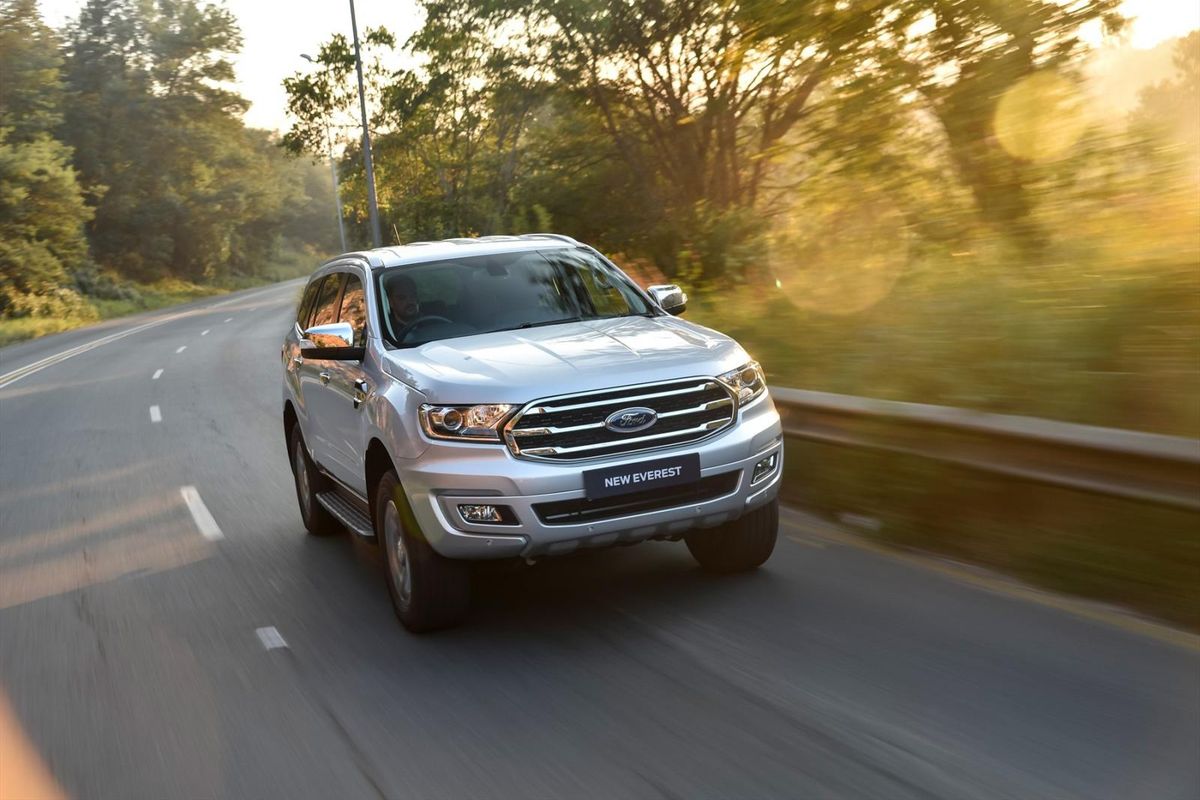
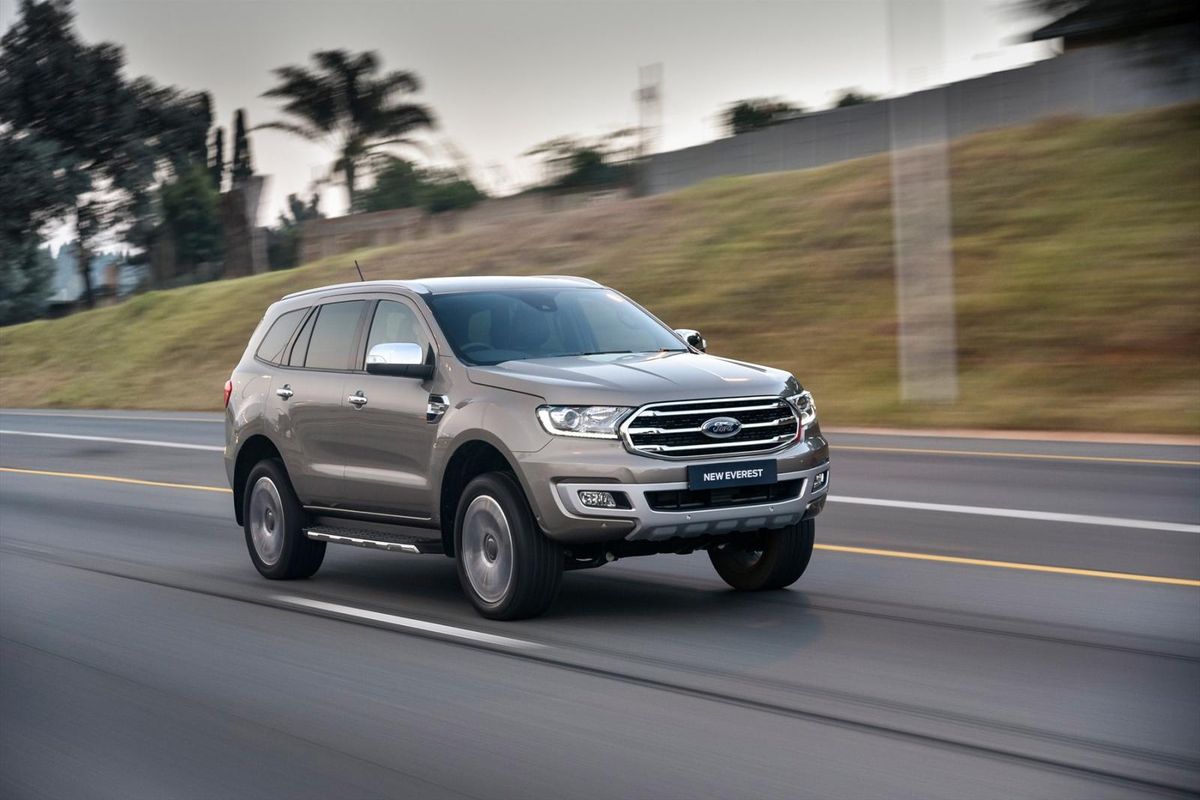
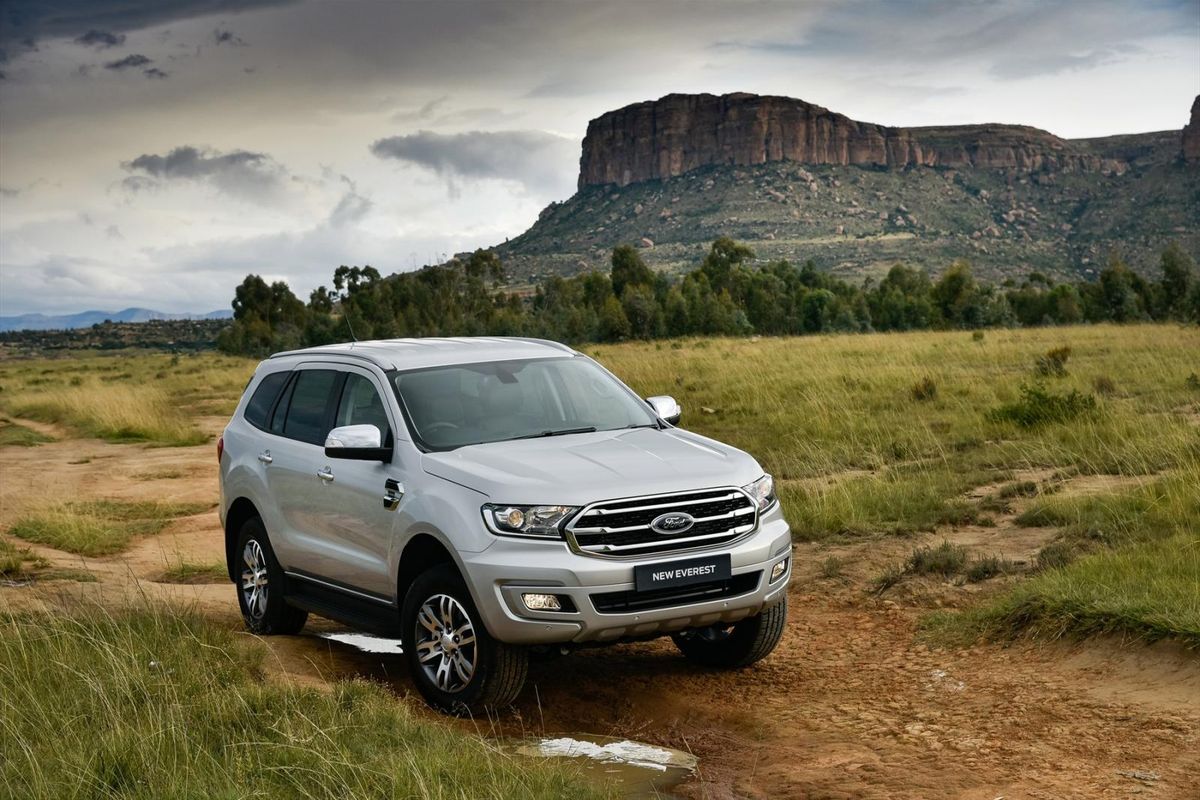
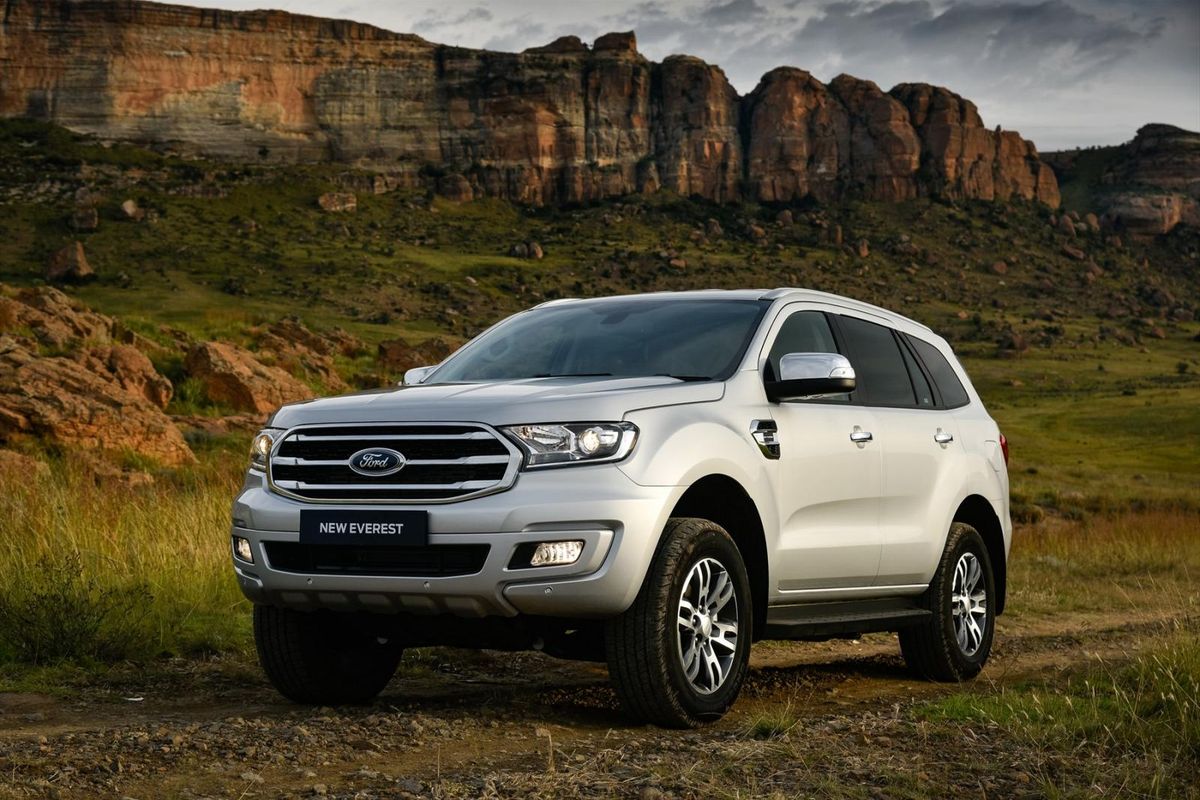
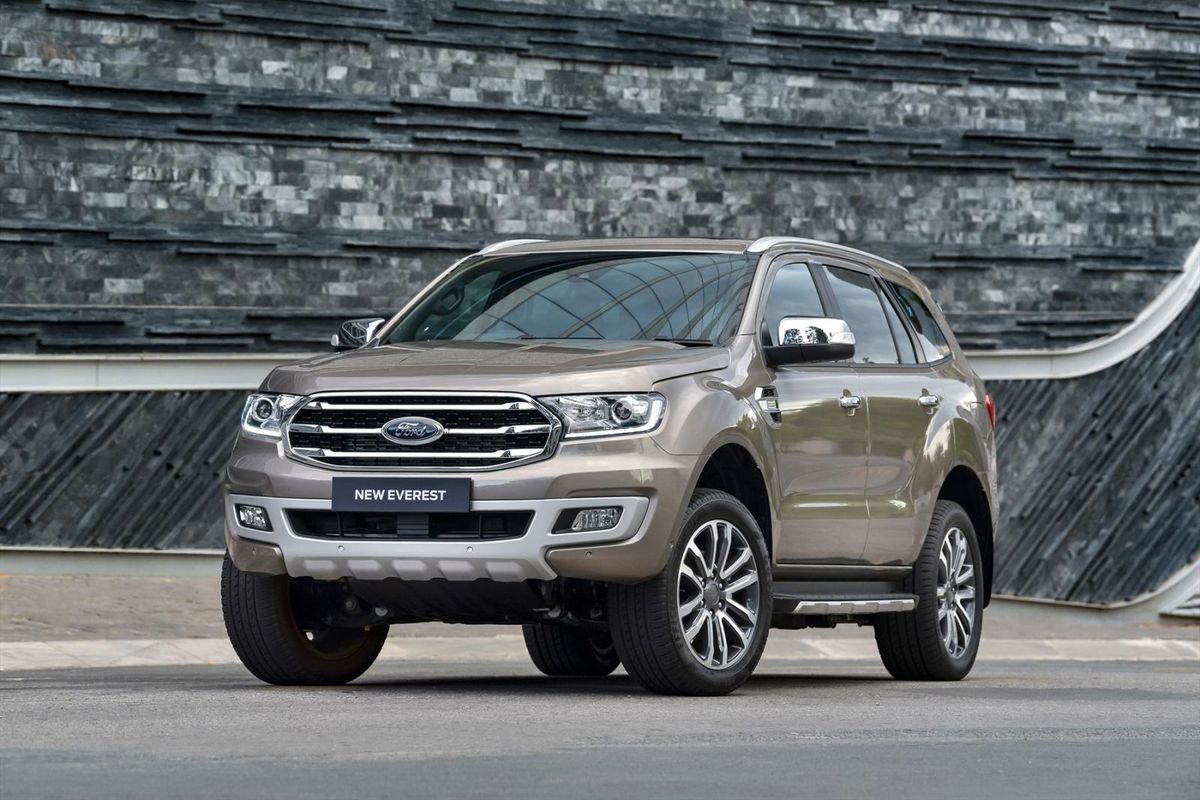
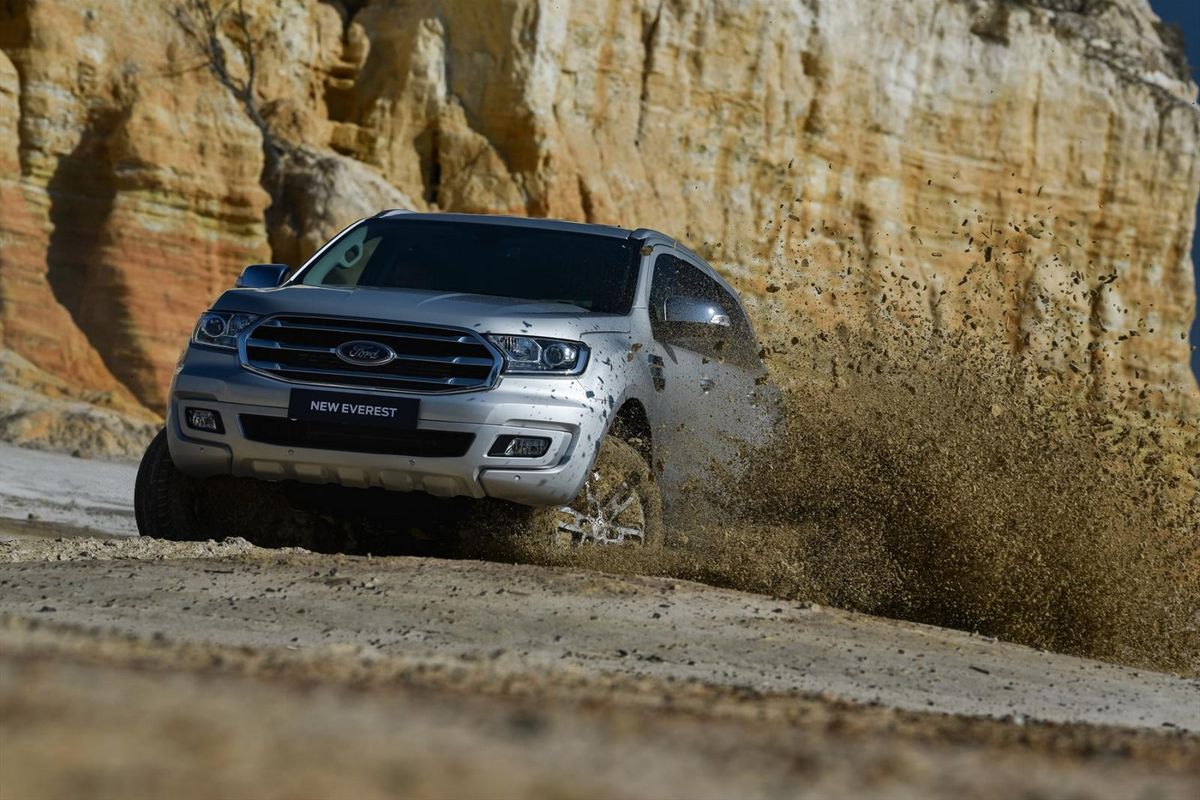
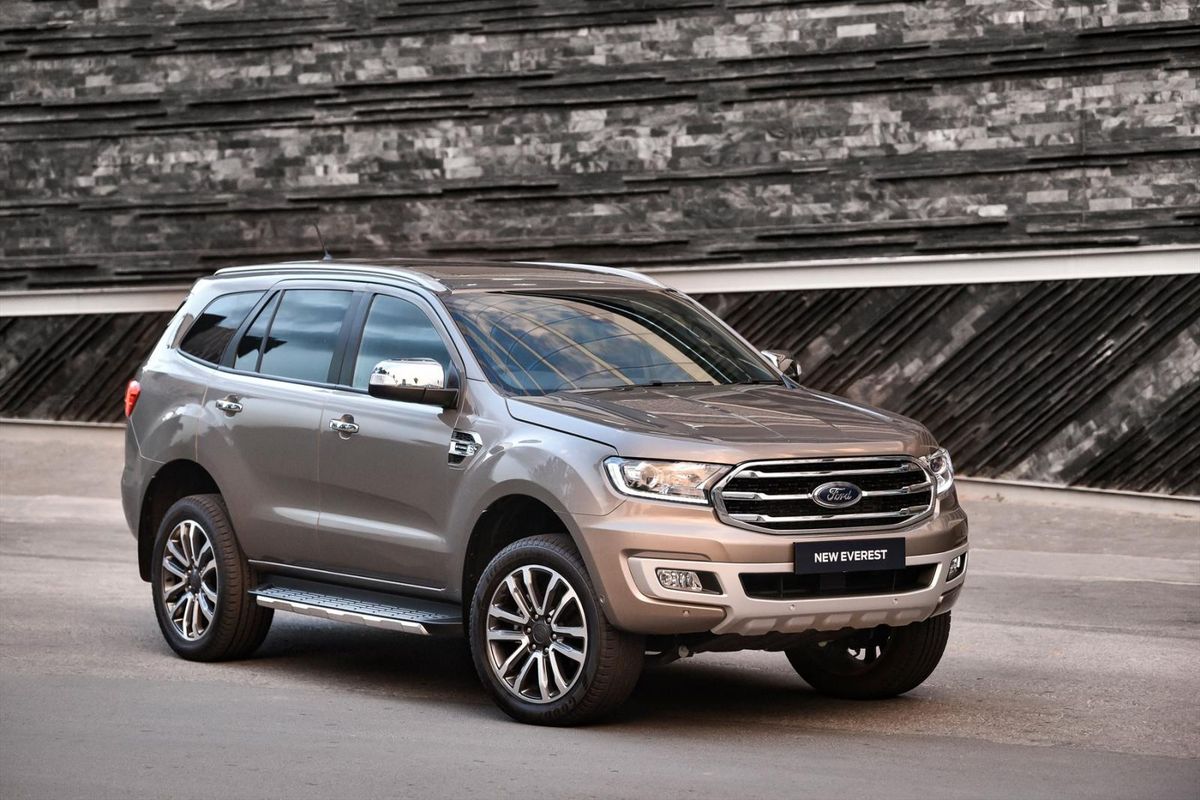
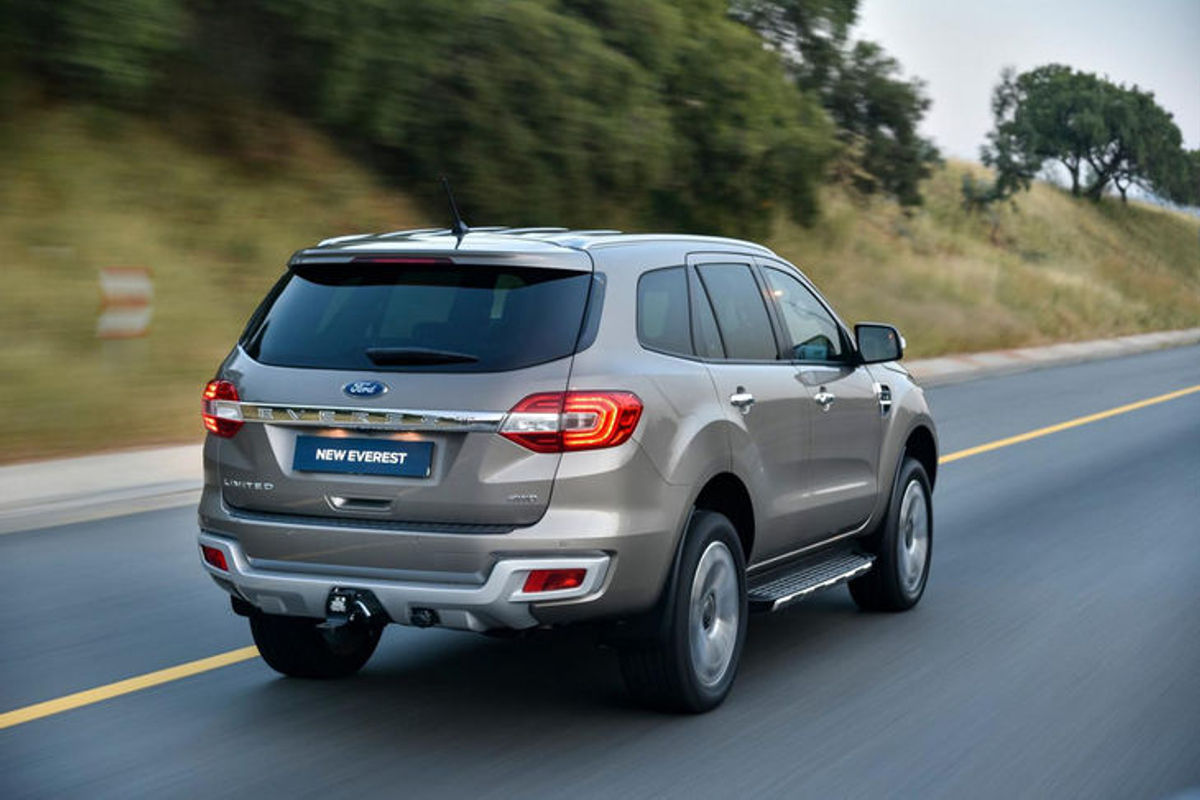
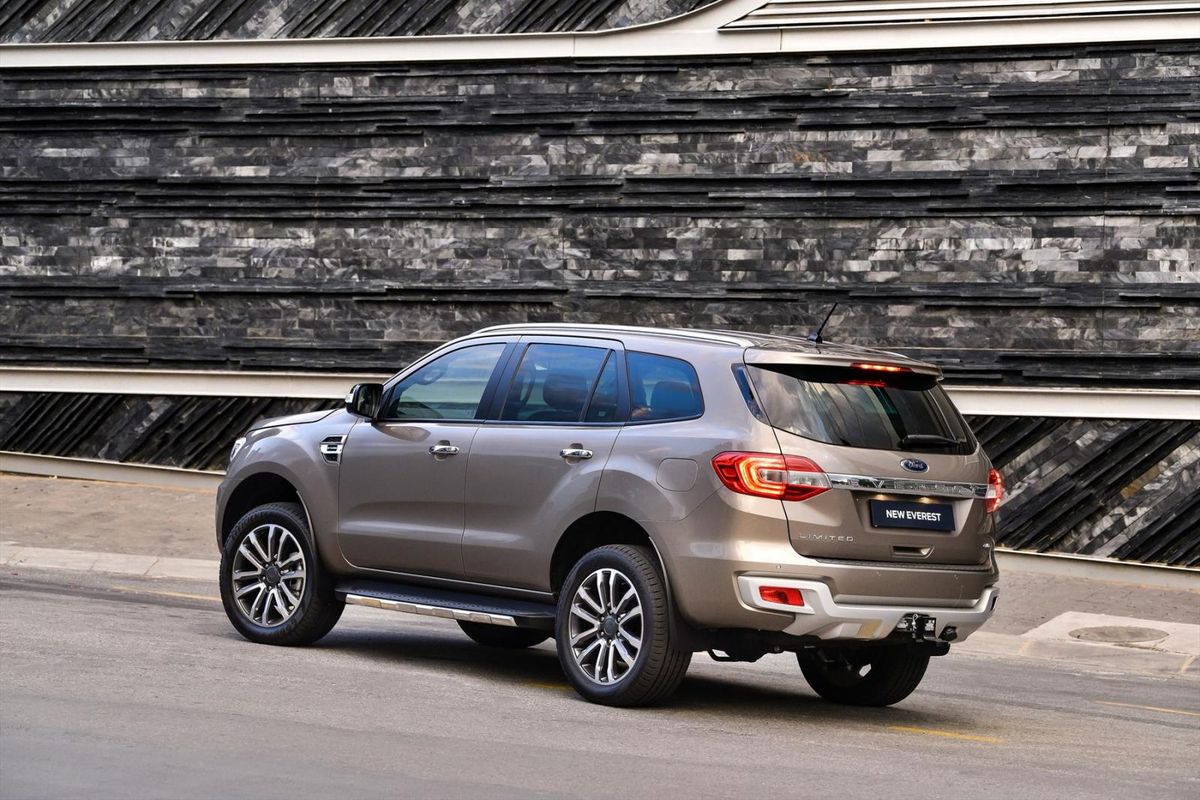
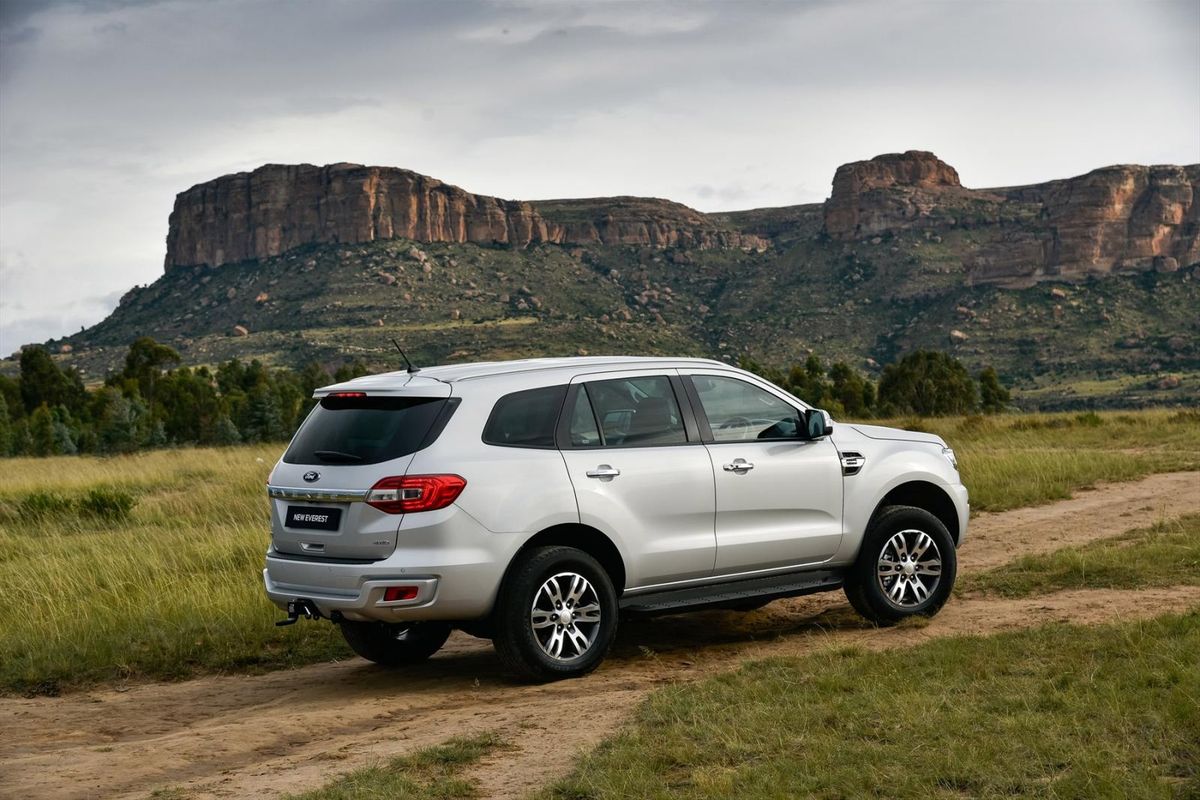
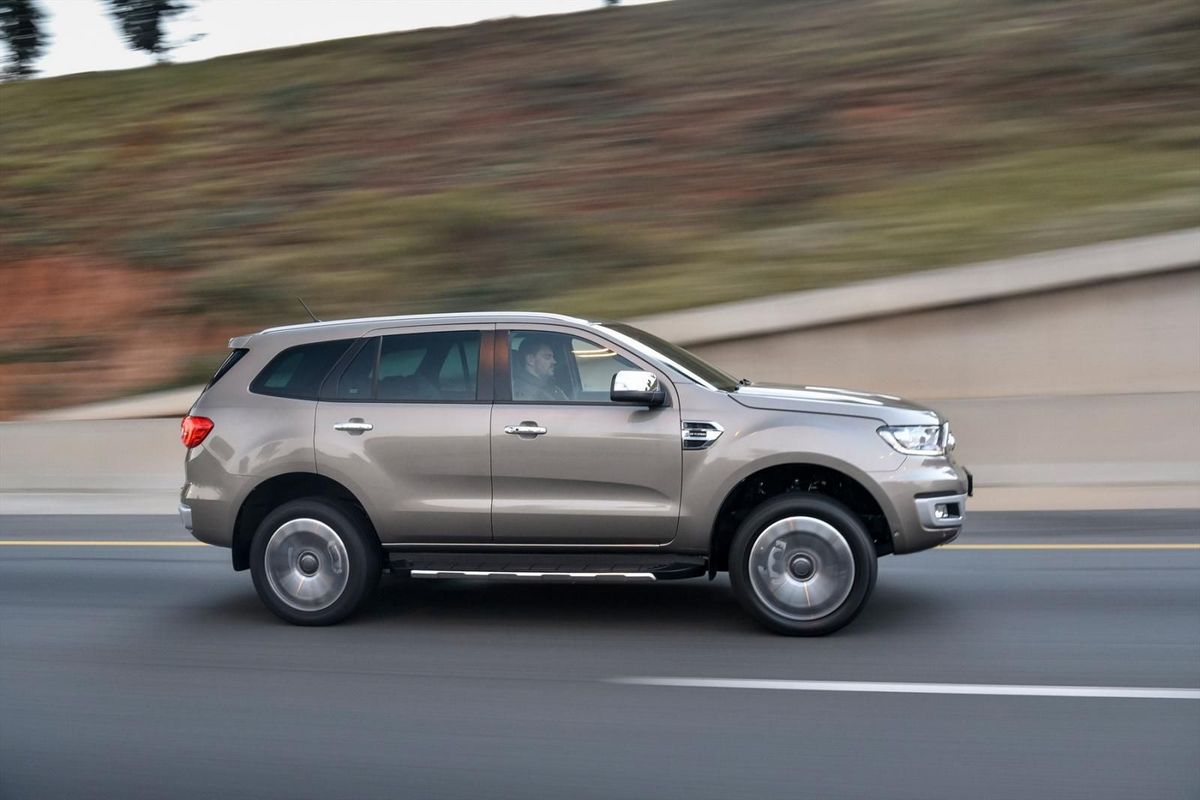
Ford Everest (2019) Specs & Price

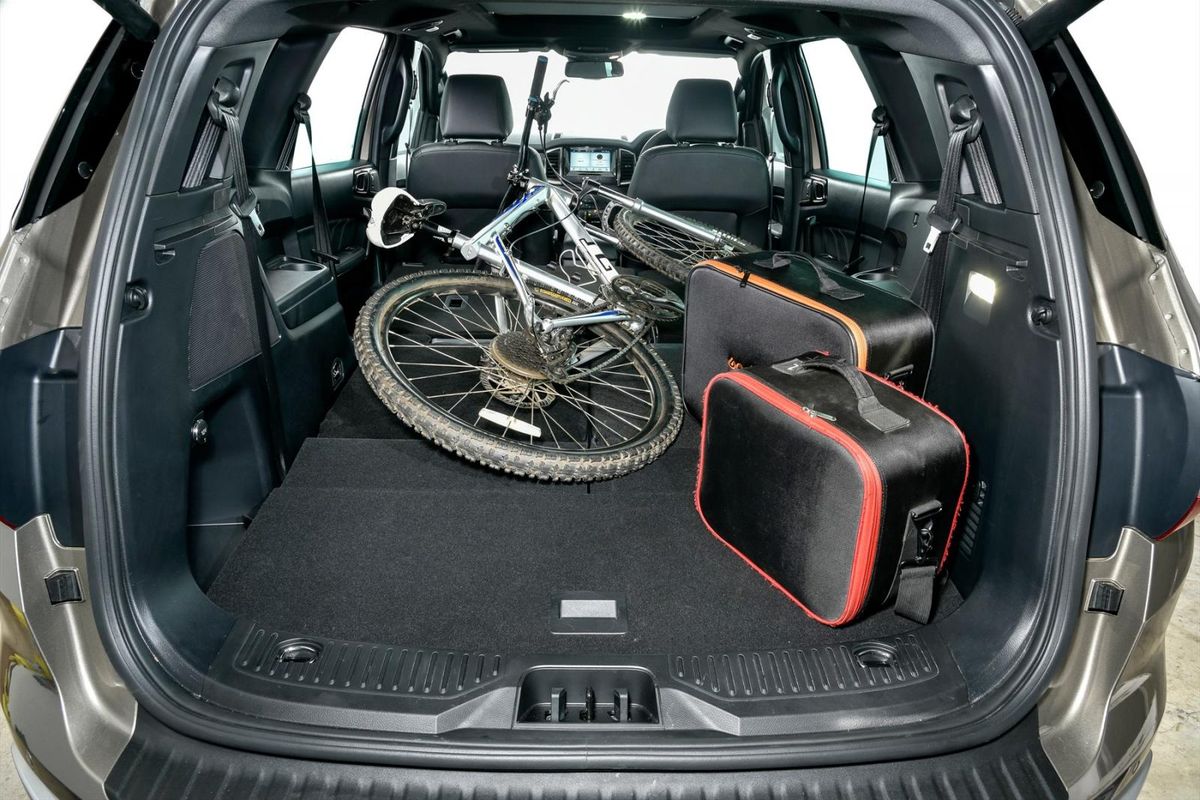
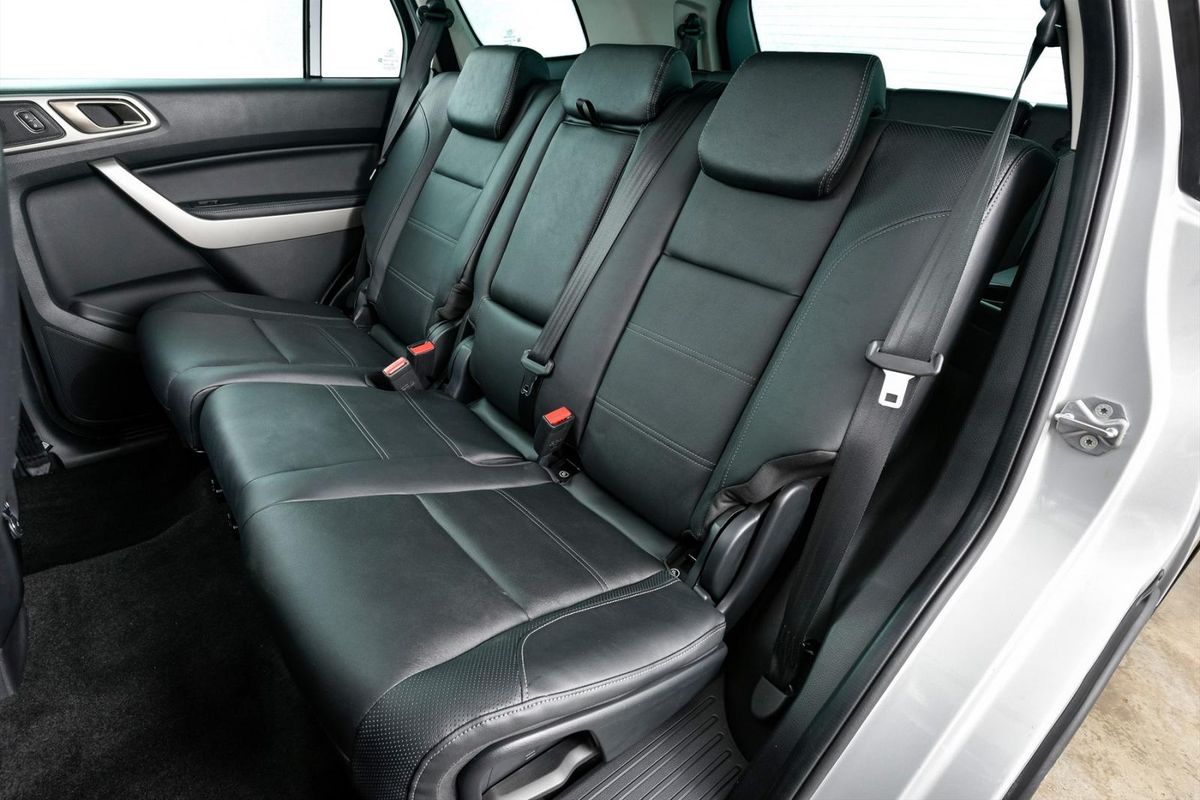
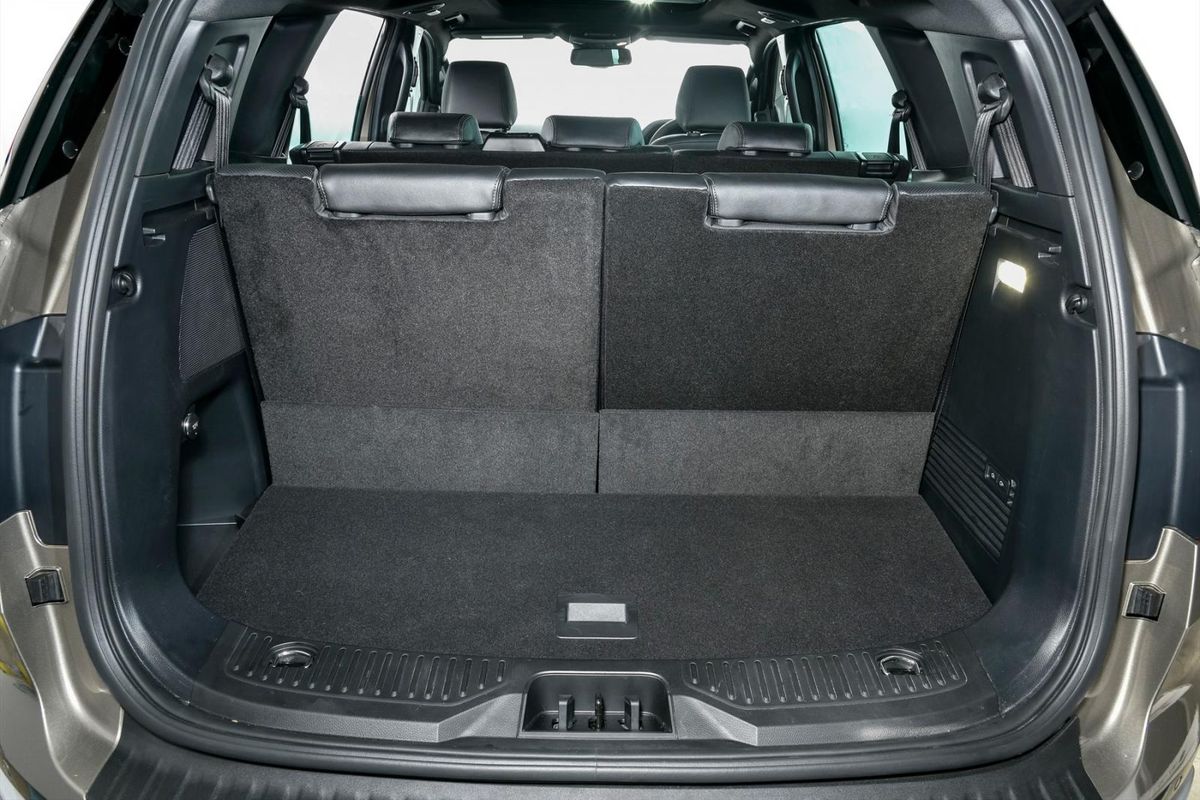
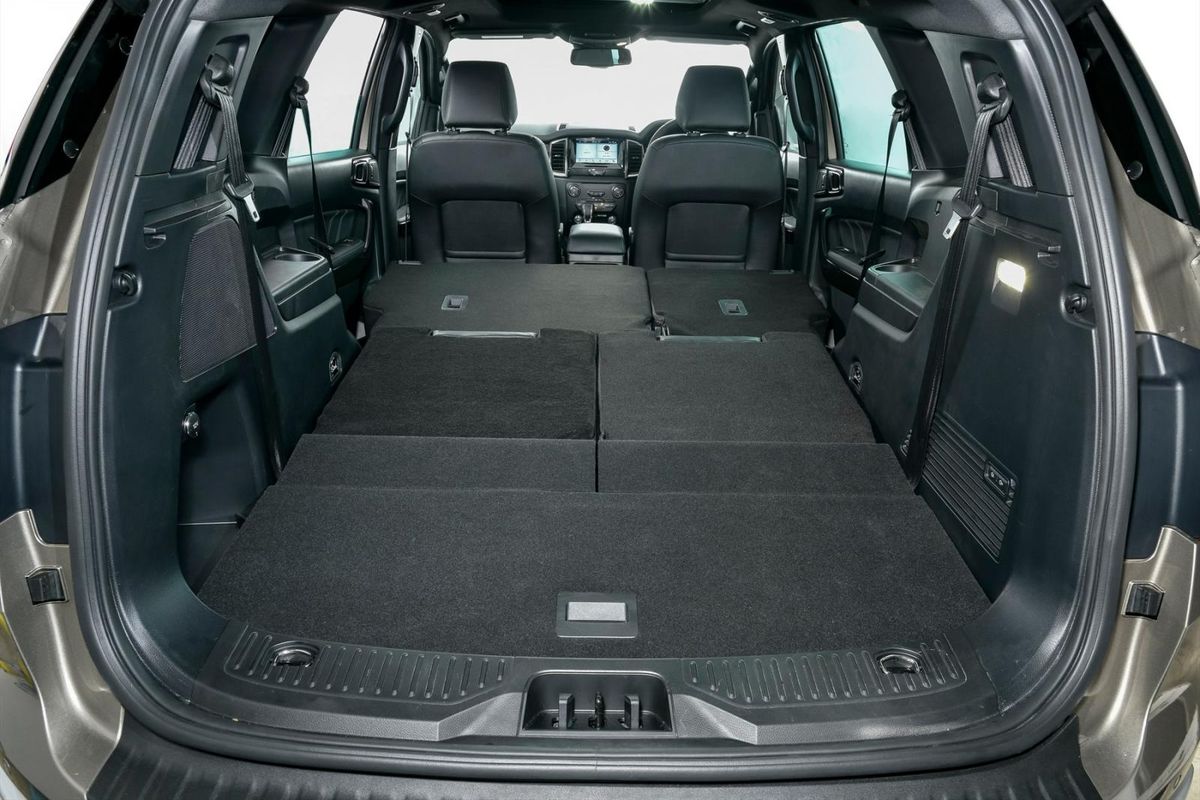
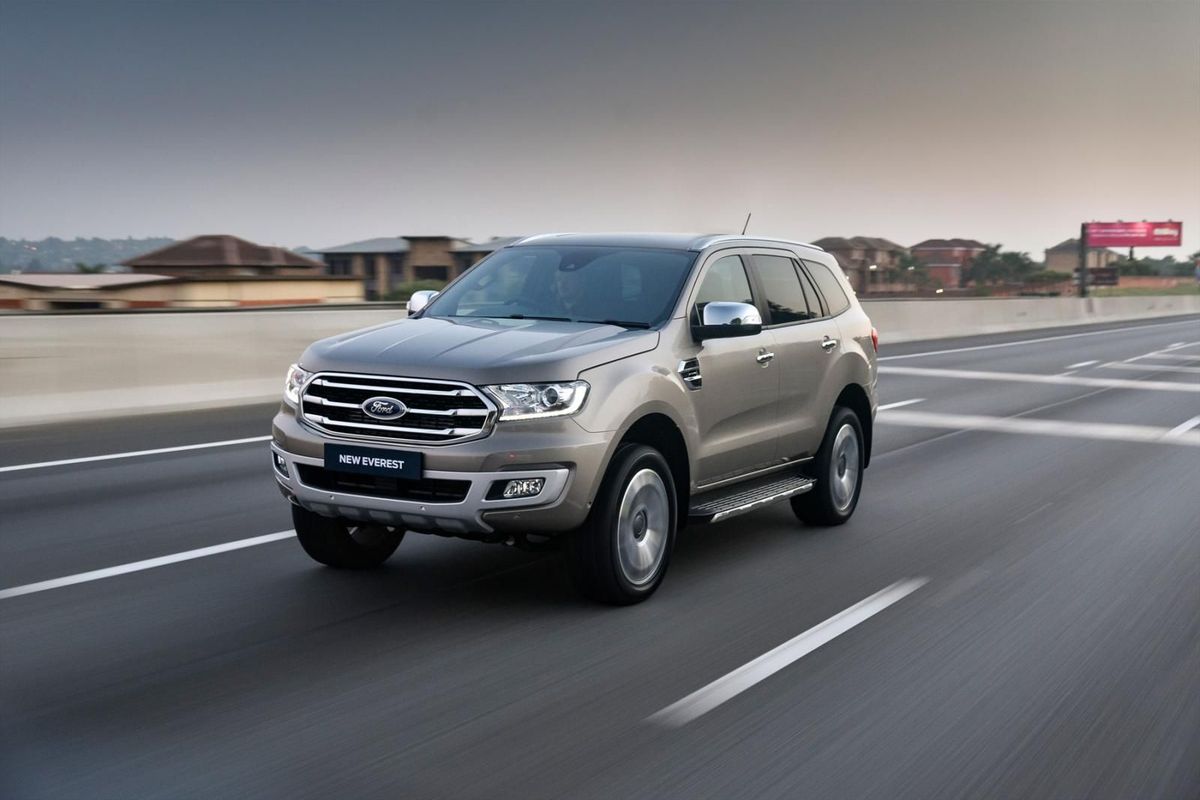
In parallel with the recent upgrade to its Ranger line-up, Ford has introduced a range of styling, suspension, powertrain and feature upgrades to its Everest 7-seater Adventure SUV. See details below…

Upmarket looks


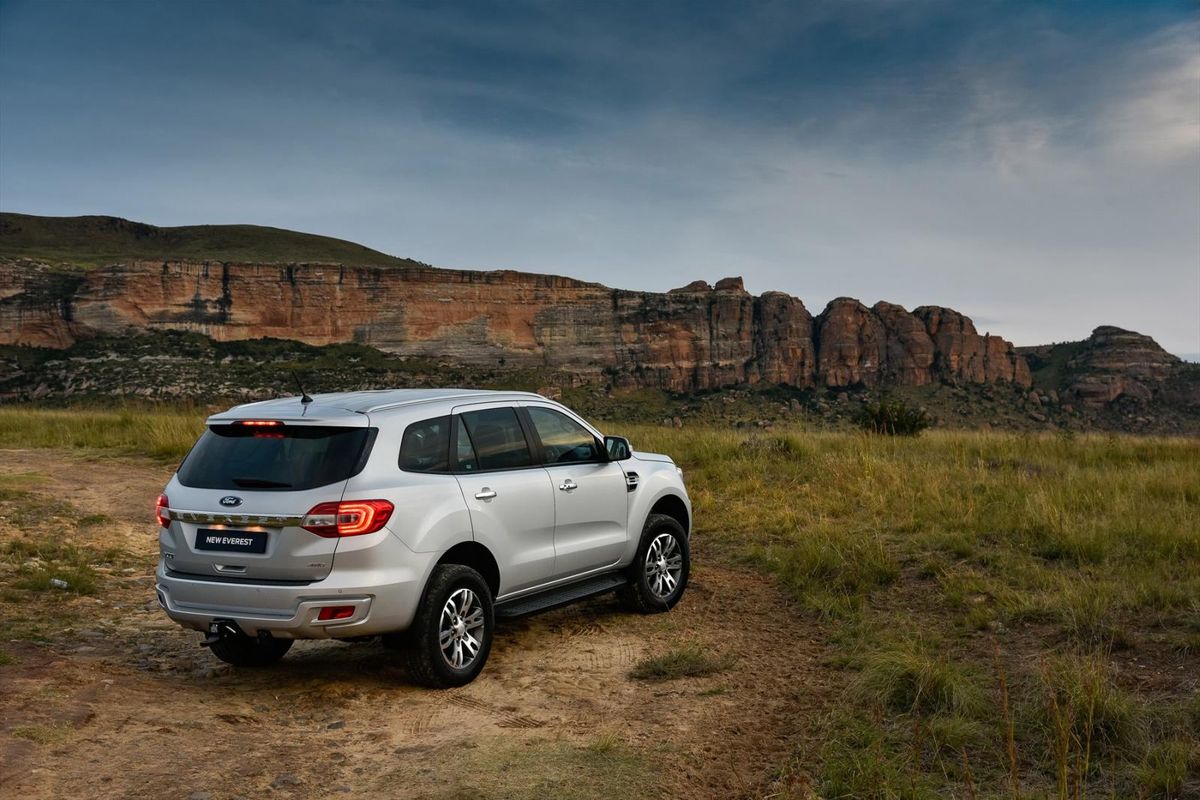
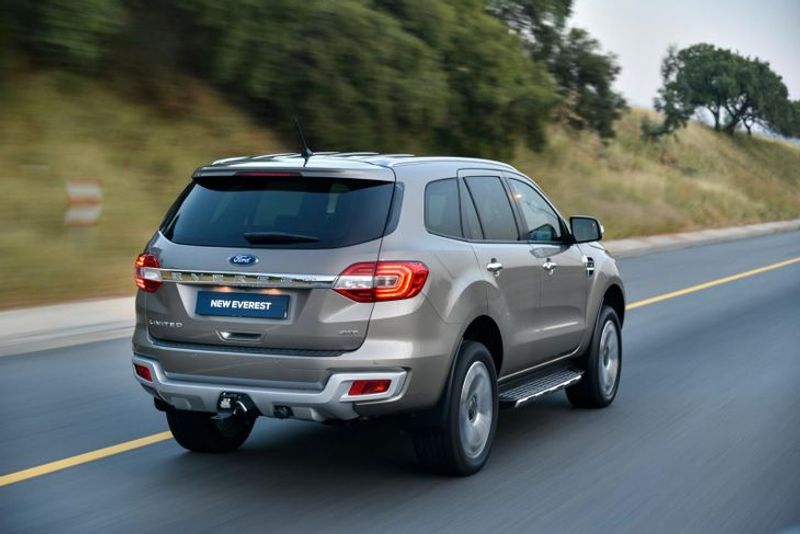
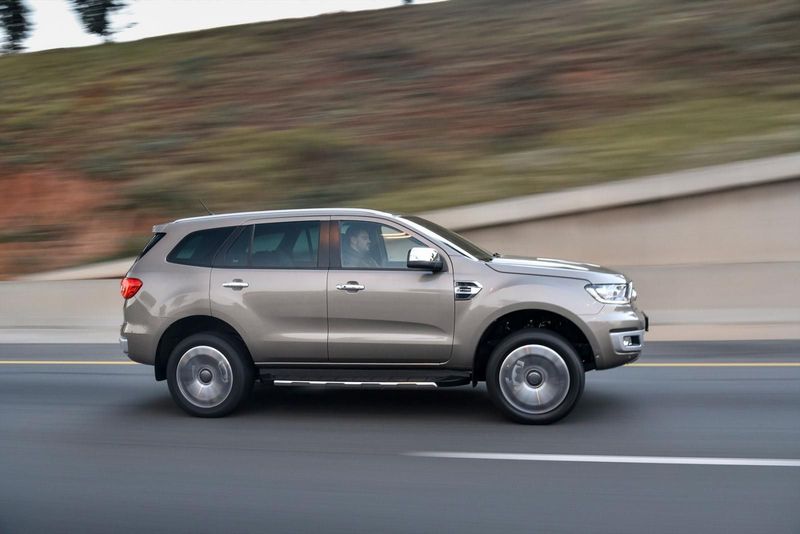
The latest Everest now features a more refined and accomplished look. 

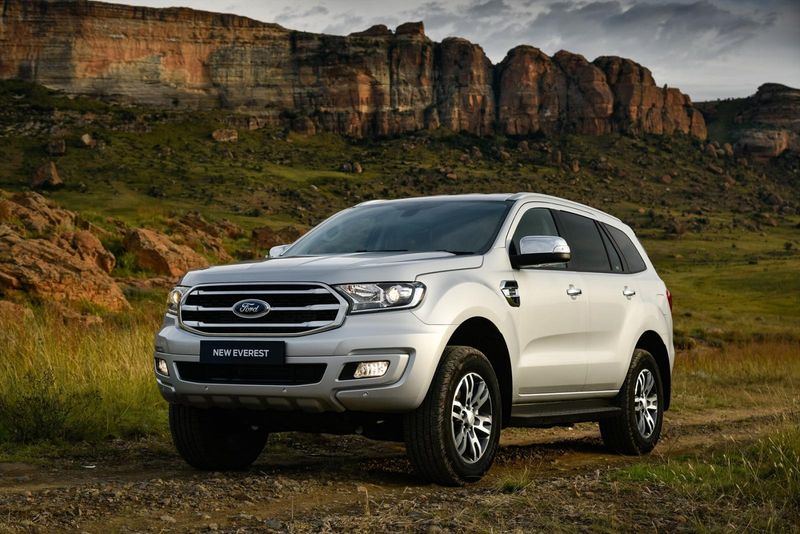
The Everest has traditionally been the most glamorous-looking of the Adventure SUV troop and that looks set to continue with a raft of tasteful aesthetic updates. From the front, the Ford features a refreshed chrome-look grille with 3 distinctive grille bars, a revised lower bumper with a horizontal-beam insert, while a new 20-inch wheel features on the Everest Limited.

There are a few subtler detail updates too. The grille includes a secondary mesh texture to contrast with the brightwork and the metallic accents move from a single-layer satin metallic to a two-layer glossy metallic paint, while the wheel accent paints are now of a darker hue.

New interior trim and features


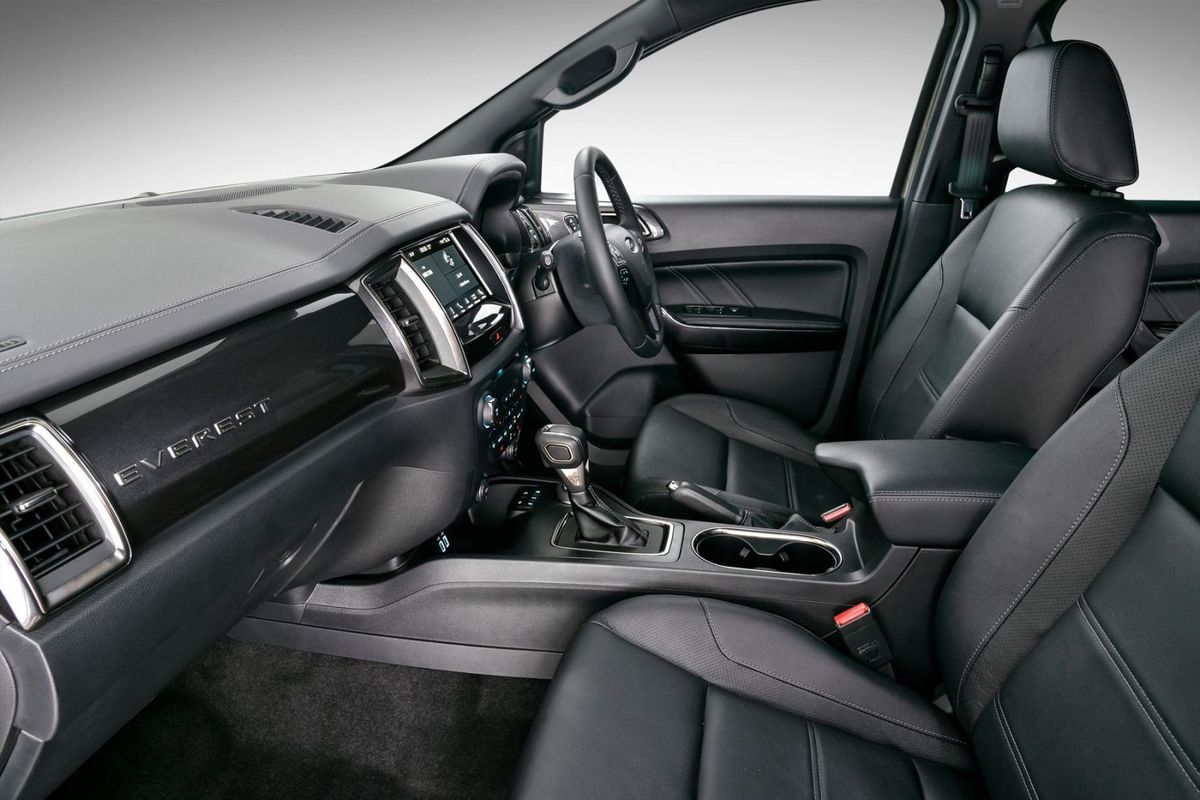
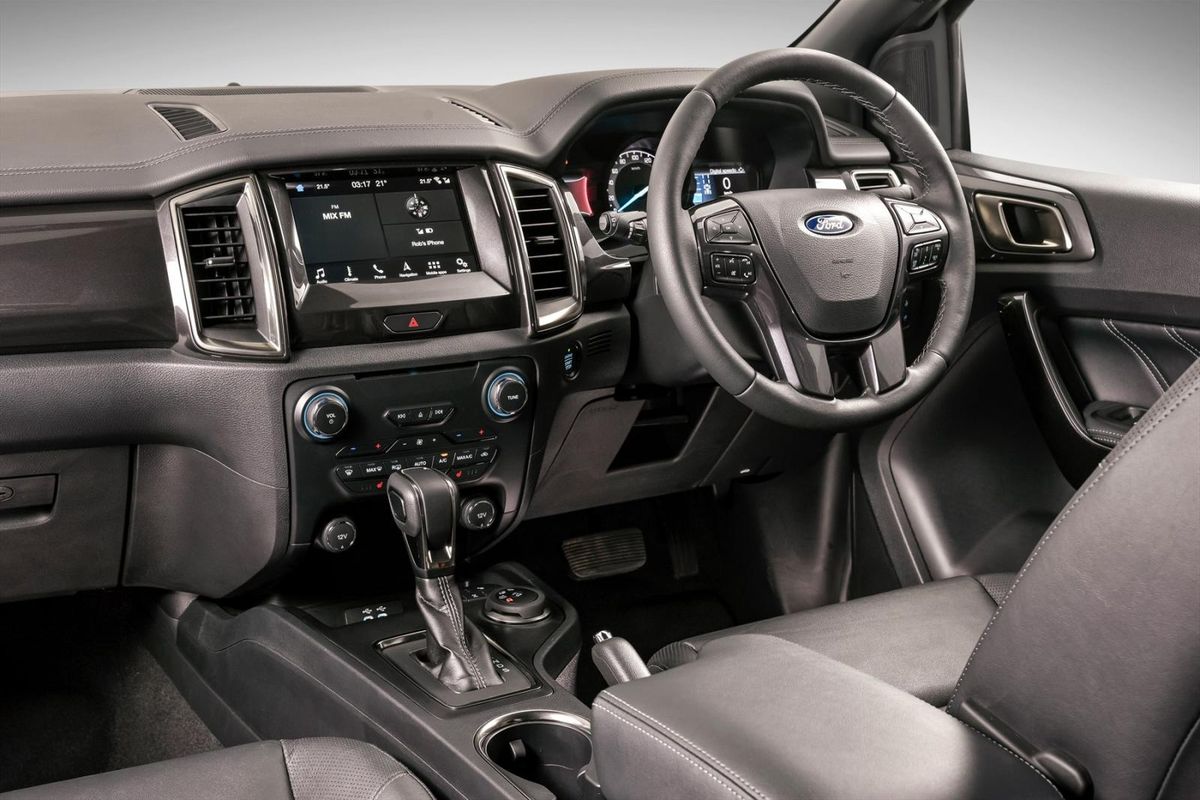
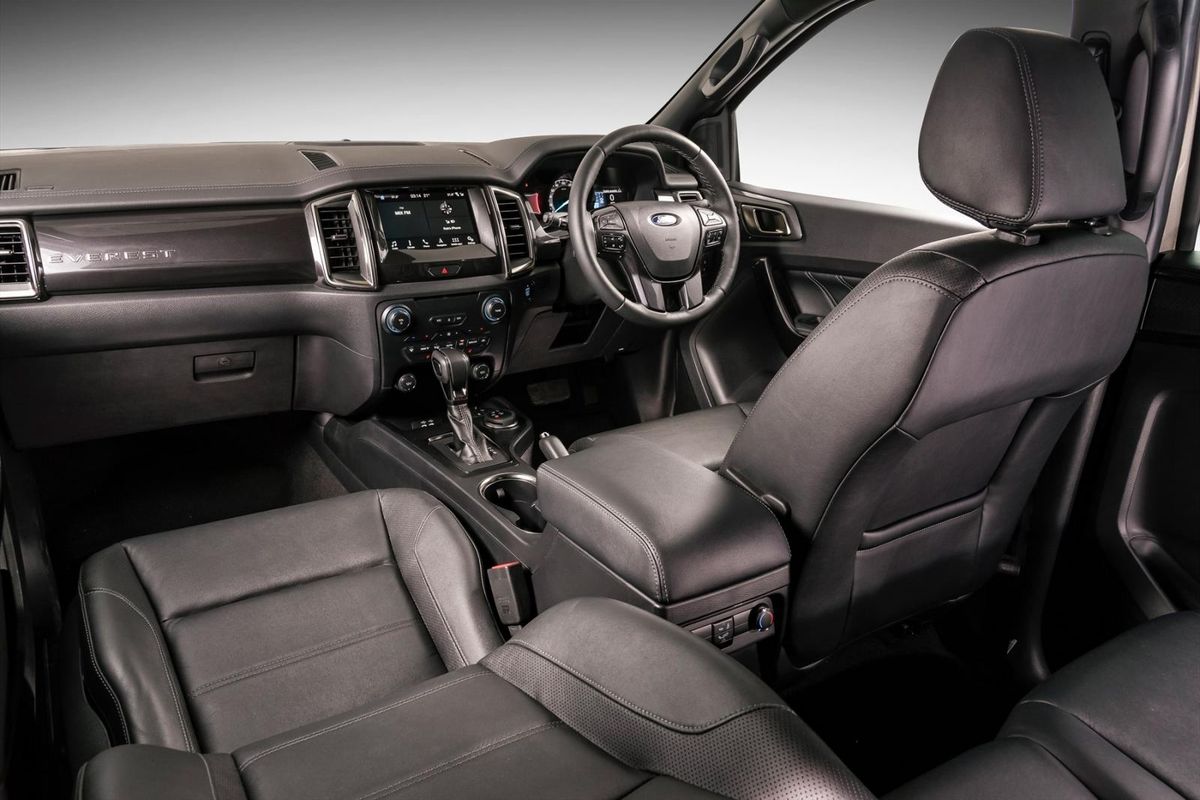
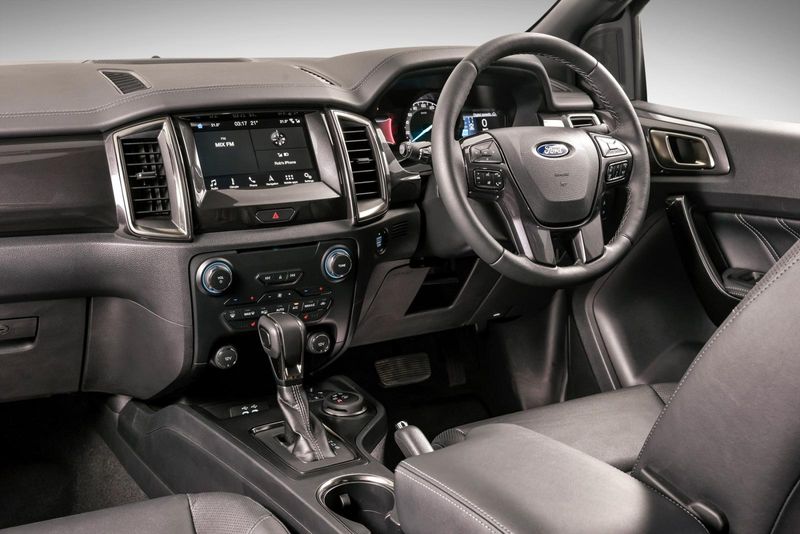
High-grade derivatives are equipped with SYNC3 and revised trim adds premium appeal to the Everest's interior.

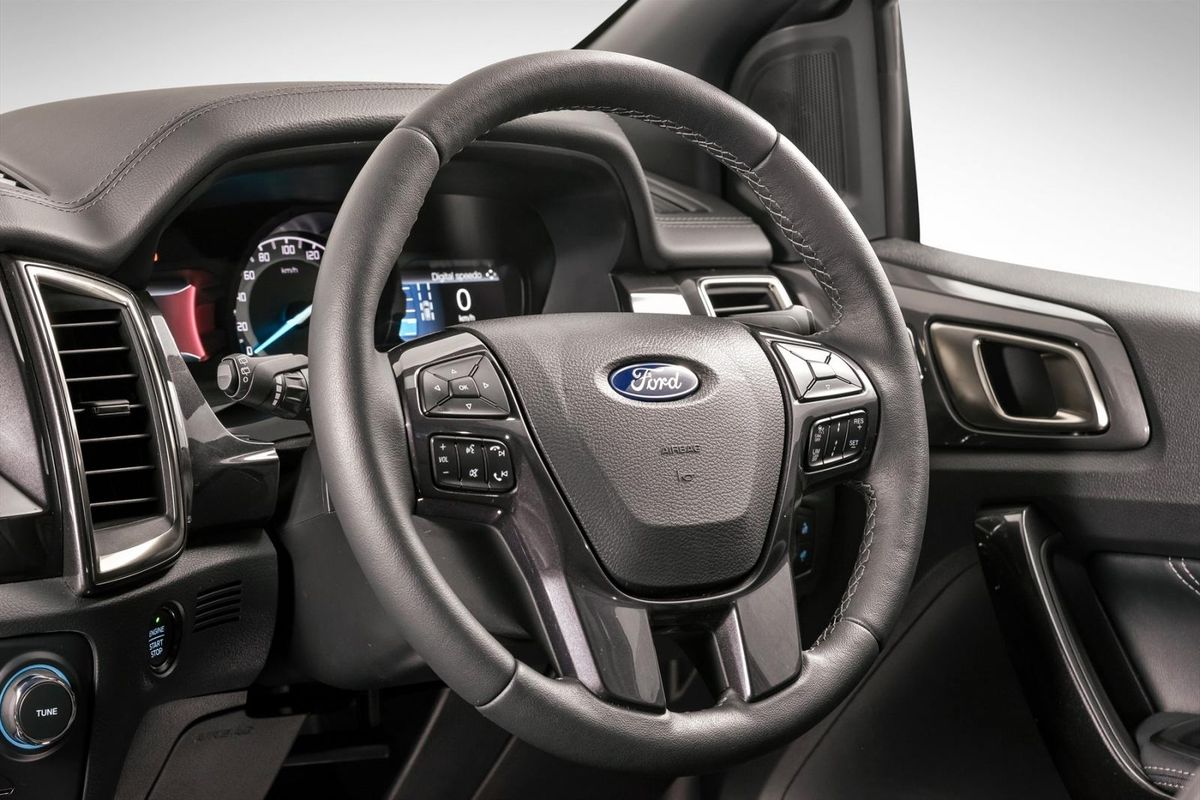
With the implementation of Ebony cabin material, complemented by a wider selection of soft-touch materials, the interior feels more upmarket and allows the details and brightwork to stand out better. The top-of-the-range Everest Limited is distinguished by contrast stitching, “shadow chrome” finishes, perforated leather and a bold new transmission lever.

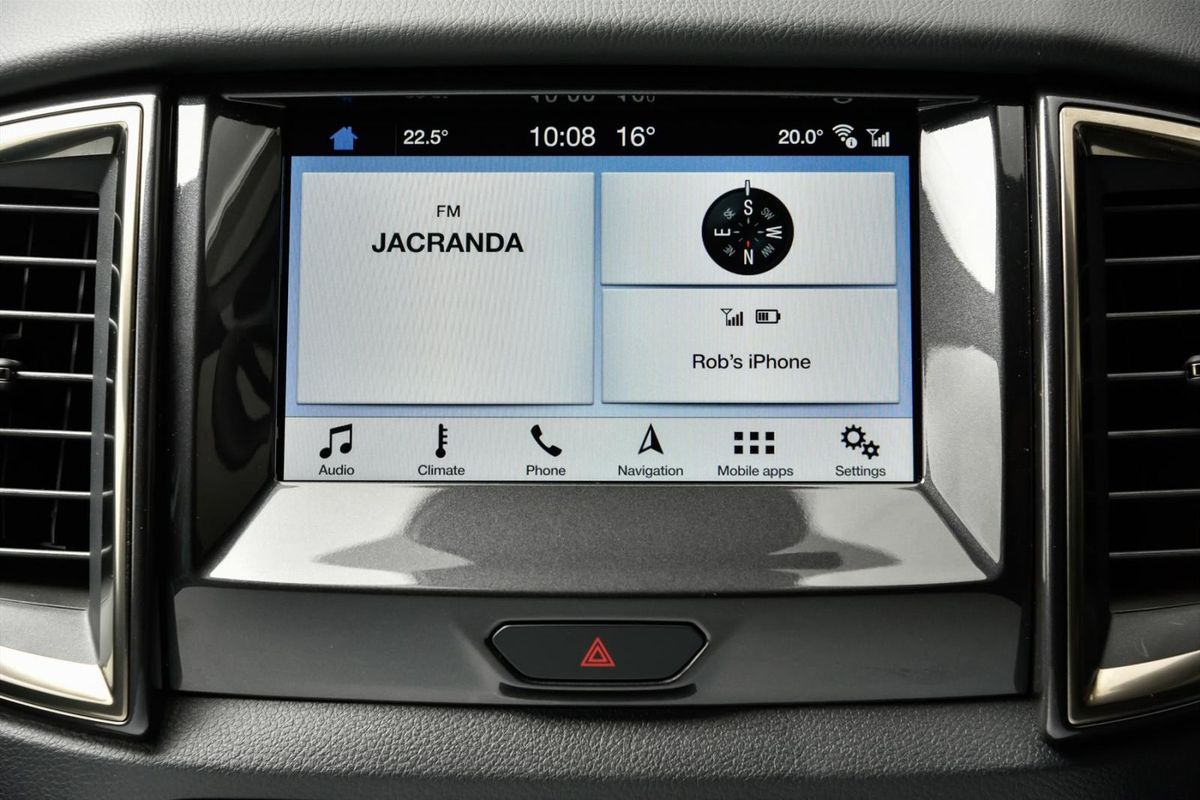
Whereas the entry-level XLS features Ford’s SYNC1 4.2-inch infotainment system (with Bluetooth voice control and audio streaming, as well as USB and auxiliary ports) as standard, the impressive SYNC3 8-inch infotainment system, with 3D navigation (including elevated map view, enhanced graphics and point-of-interest images) and Apple CarPlay/Android Auto compatibility is fitted to XLT and Limited derivatives.

The system, which is complemented by 2 USB ports and Bluetooth connectivity, supports multi-touch gestures (such as swipe, slide, scroll and pinch-to-zoom), plus voice recognition. Tracks4Africa is included in the package, as well as maps for over 20 countries in Africa. Free annual map updates are included for a period of 5 years, and the text and voice guidance functions are available in a multitude of languages, including Afrikaans and isiZulu!

New engine and transmission 


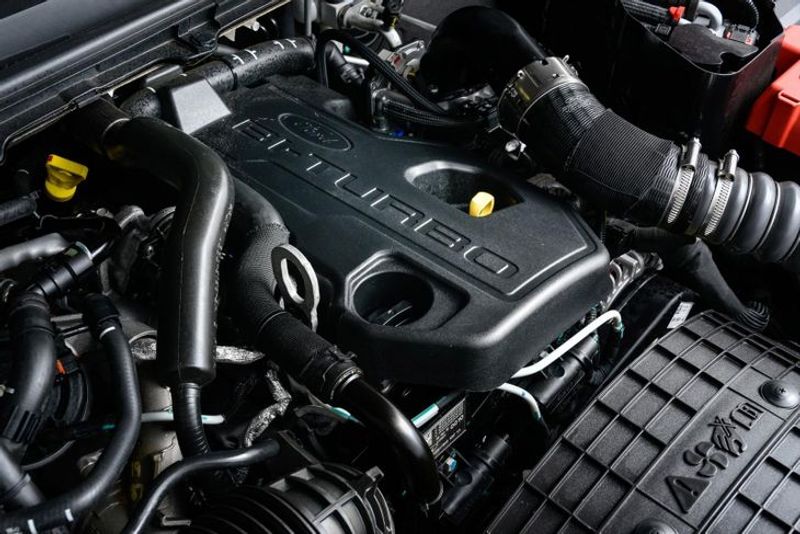
New 2.0-litre engines join the range along with a new 10-speed automatic transmission.

Of course, the updated Ranger’s new 2.0-litre turbodiesel engines – a 157 kW/500 Nm bi-turbo and 132 kW/420 Nm single turbo – have been carried over to the Everest. Not only are they quieter and more refined than the current offerings – they offer lower levels of vibration (which reduces NVH). The bi-turbo, which produces 10 kW and 30 Nm more than the existing 3.2-litre TDCi engine, is available in the XLT 4×2, XLT 4×4 and the Limited.

The single turbo (with up to 340 Nm at 1 250 r/min) is available in XLT 4×2 specification. The previous range’s 2.2-litre Duratorq TDCi engine, with 118 kW and 385 Nm, features in the XLS 4×2, while the 3.2-litre 5-cylinder TDCi engine, with 147 kW and 470 Nm, is still offered in XLT 4×4 guise. Both motors are mated with a 6-speed automatic transmission.

The new engines, in turn, are paired with the new 10-speed automatic transmission. Ford claims its transmission is smart – it offers real-time adaptive shift-scheduling (including skip-shift and direct downshift capabilities, if selected by the driver) to ensure that there's no unnecessary hunting for gears and the correct ratio is always selected. The existing Select Shift Transmission (SST) functionality is retained, enabling the driver to switch to Sport mode or shift manually via the + and – buttons on the lever for optimal control.

Reworked suspension


On-road driving comfort has been enhanced with a revised suspension system. 

Ford has further reworked the Everest’s suspension to improve on-road pliancy. The anti-roll bar has been repositioned to behind the axle, which improves roll control, which, in turn, facilitates lower front spring rates. Overall suspension pliance, plus steering precision and control has been improved (with 3 damper tunes being adopted in place of the single set-up used previously). The standard tyre pressure has been reduced from 2.4 to 2.1 bar. 

Meanwhile, the Everest has a maximum towing capacity of 3 000 kg on the 2.2 TDCi, 3.2 TDCi and single-turbo derivatives. The bi-turbo is rated at 3 100 kg (with a braked trailer).

Safety and security


The updated Everest range is well positioned to increase its influence in the local 7-seat SUV market. 

Being a large family car, Ford’s latest-spec Adventure SUV comes equipped with a diverse array of safety features. ABS (including EBD and brake assist) is complemented by an electronic stability control system with traction control, trailer sway control, hill-start assist, hill descent control (on the 4×4 derivatives), load adaptive control and rollover mitigation.

The top-spec Limited additionally features Semi-Automatic Parallel Park Assist (SAPPA), adaptive cruise control with forward-collision alert (which recognises pedestrians, in addition to its ability to detect other vehicles), lane-keeping aid and lane-departure warning, blind-spot monitoring (with cross-traffic alert), tyre pressure sensors, as well as auto high-beam control.

In terms of security, a Passive Entry and Passive Start (PEPS) system, which is best described as a keyless unlocking-and-start function, is fitted to the XLT and Limited derivatives. A full Category 1 Thatcham-specification alarm is now standard on all Everest versions, however.

Price and after-sales support

All Everest derivatives come standard with a 4-year/120 000km comprehensive warranty, 3-year/unlimited distance roadside assistance and 5-year/unlimited km corrosion warranty. A 6-year/90 000km service plan is included, with services required at 15 000-km intervals.

2.2 TDCi XLS 6AT 4×2 – R499 900

2.0 SiT XLT 10AT 4×2 – R584 900

2.0 BiT XLT 10AT 4×2 – R607 600

3.2 TDCi XLT 6AT 4×4 – R626 900

2.0 BiT XLT 10AT 4×4 – R669 500

2.0 BiT Limited 10AT 4×4 – R741 100

Buy a new or used Ford Ranger on Cars.co.za

Related Content

Ford Everest 2.2 XLT Automatic (2017) Quick Review

Ford Everest 2.2 XLT auto (2017) Video Review

Off Road in the New Ford Everest 4×4 Video Review

Ford Ranger (2019) Launch Review

What's Really New About the 2019 Ford Ranger?

Renault Duster 1.5dCi Dynamique 4WD (2019) Review

The thoroughly-revised Renault Duster has been in South Africa since late-2018, but the compact family car range was recently completed through the introduction of a 4WD version. We've now had the chance to put it through its paces and see if it continues to offer credible off-road capability at a good price. Should you buy one? Read on…

We like: Surprisingly nimble on the rough stuff, plenty of features, generous load bay, light on fuel.

We don't like: No automatic option for the 4WD

Fast Facts

  • Price: R327 900 (April 2019, without options)
  • Engine: 1.5-litre inline-4 turbodiesel
  • Gearbox: 6-speed manual
  • Fuel economy: 5.2 L/100 km (claimed)
  • Power/Torque: 80 kW/260 Nm

Own a Renault? Tell us about your experience here

SERIOUS ABOUT BUYING?

Where does it fit in?


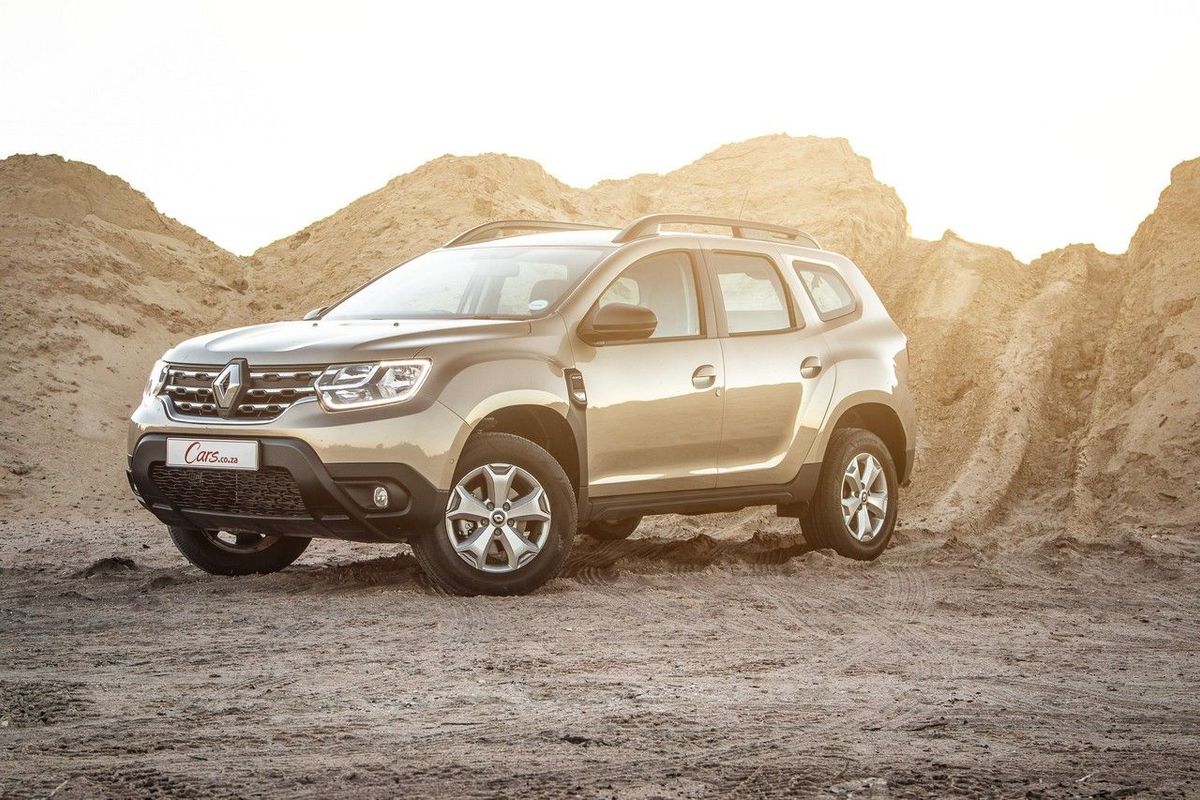
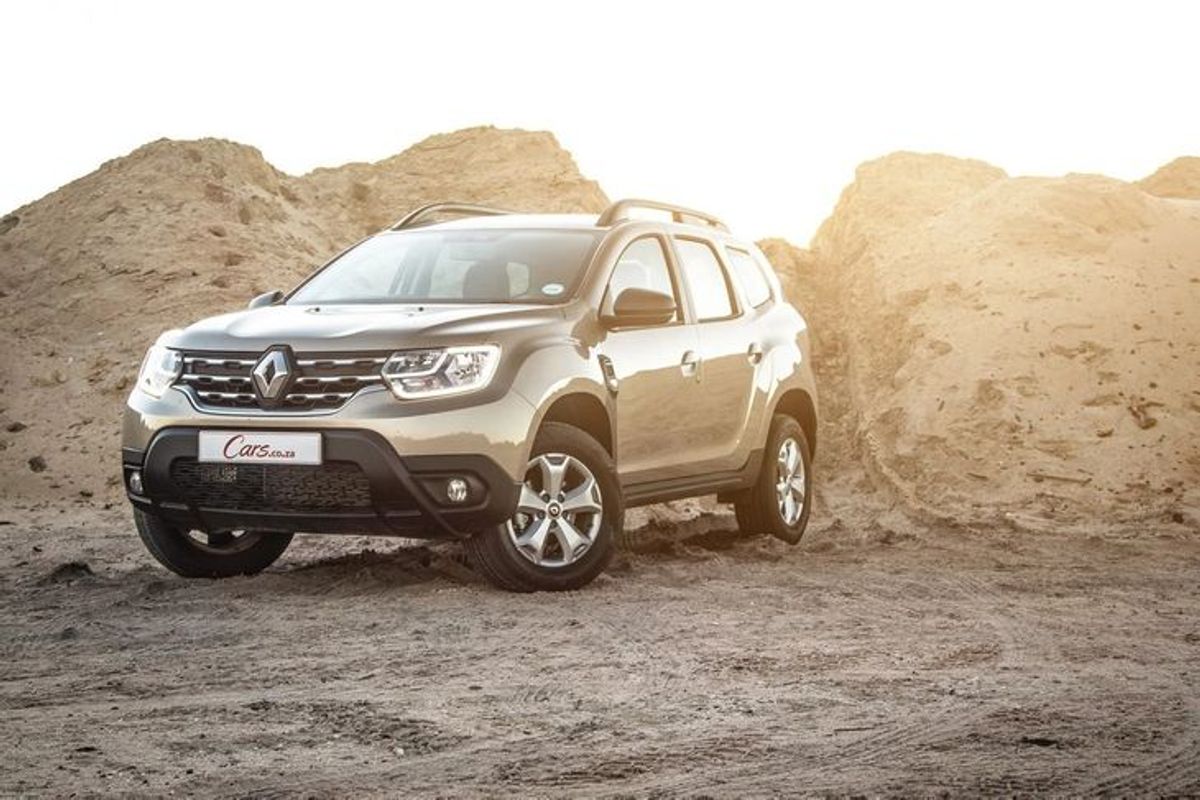
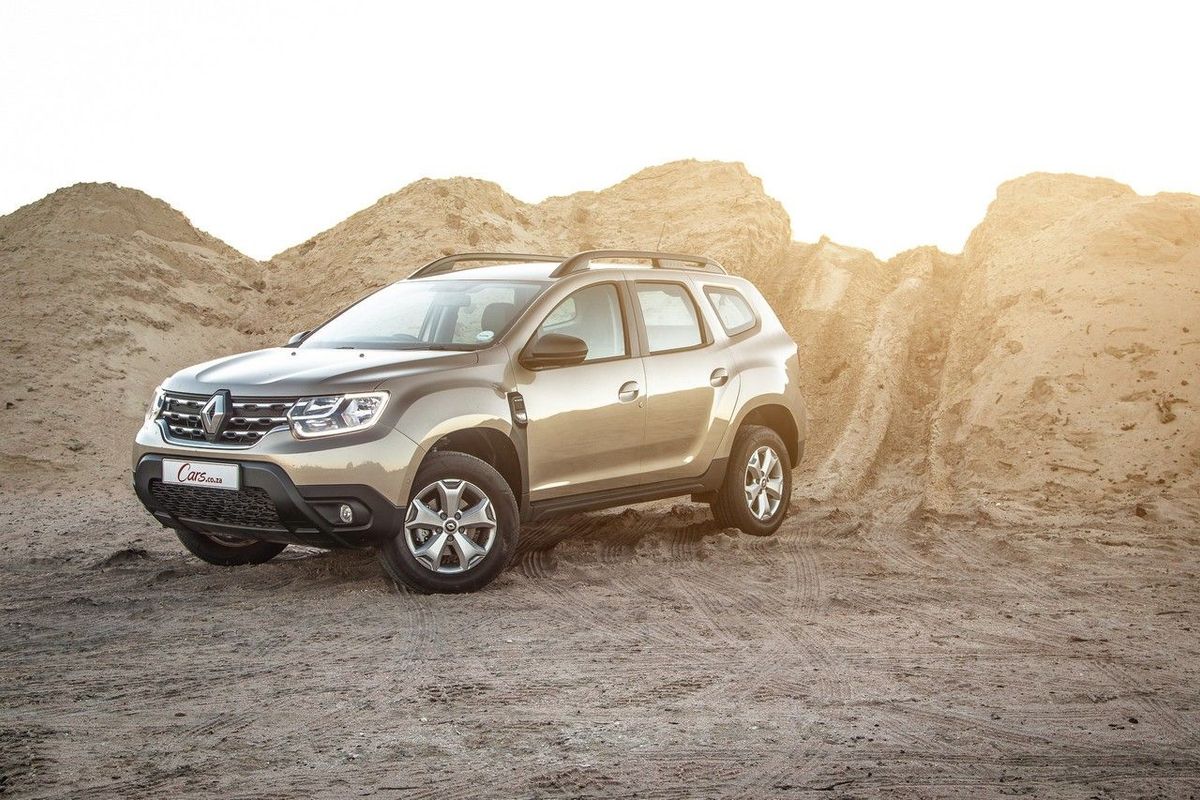
The Renault Duster has remained true to its roots, but the 2nd-generation model looks notably more modern and upmarket.

With the launch of the 1.5dCi Dynamique 4WD derivative, the new Renault Duster portfolio is finally complete. The French firm's project strategy is smart – there's a Duster for virtually every need, and the best part of this derivative's price point is that it sits well below R350k. The range offers a choice of petrol or diesel, 2WD or 4WD and a dual-clutch (auto) transmission or manual gearbox. However, you cannot opt for an automatic 4WD, as the off-roader is manual only. How does the standalone 4WD version fare and critically, should this be the Duster you spend your money on? 

How does it fare in terms of…

4×4 Capability?


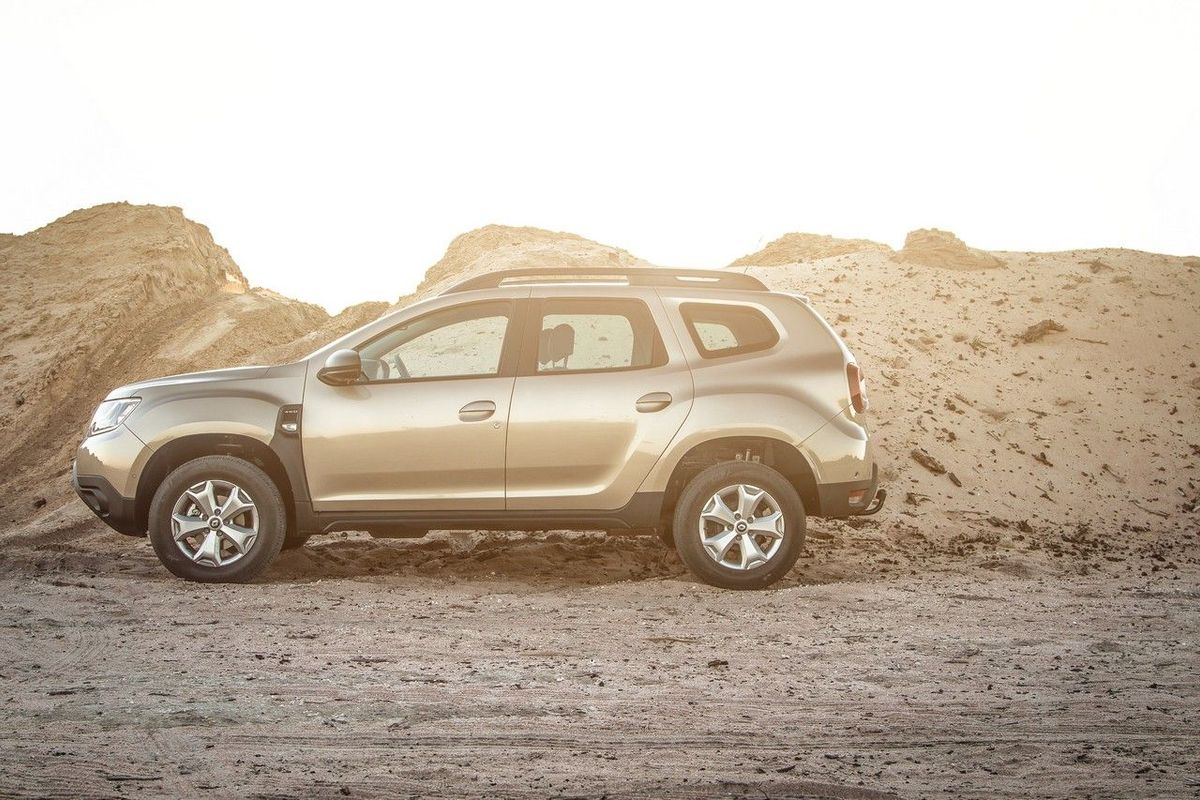
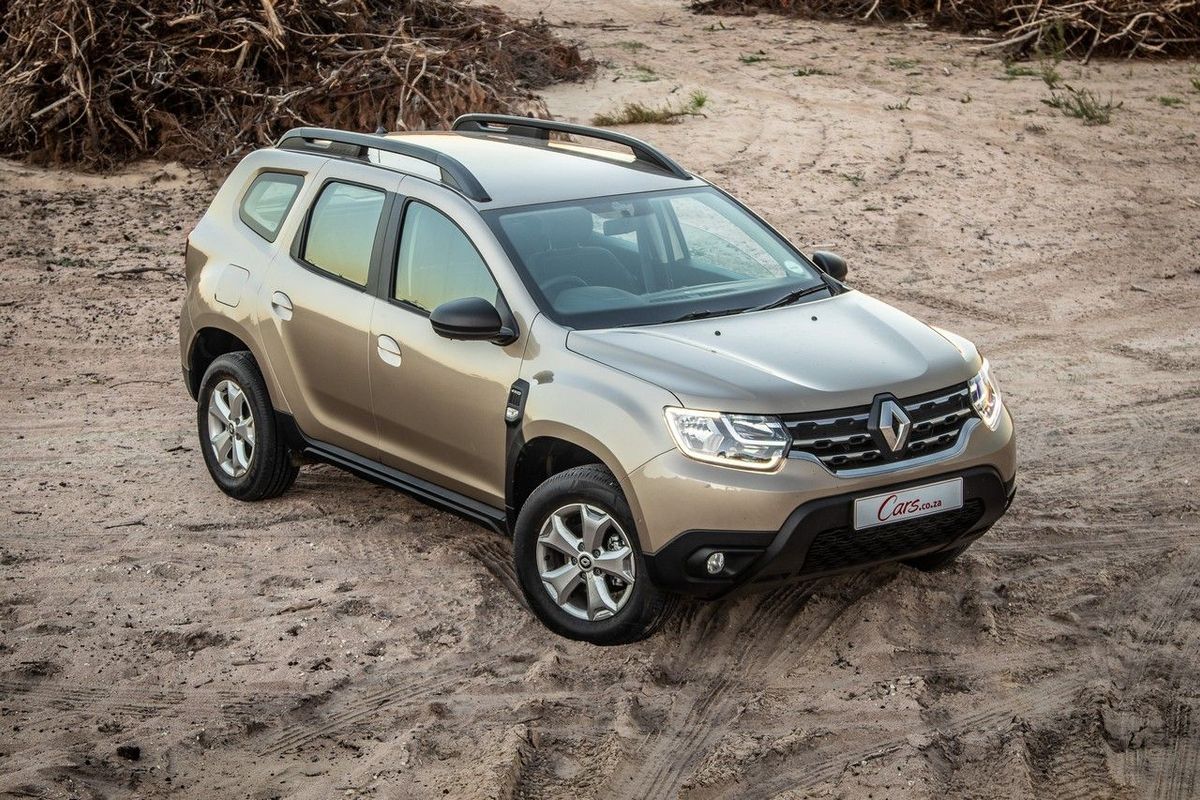
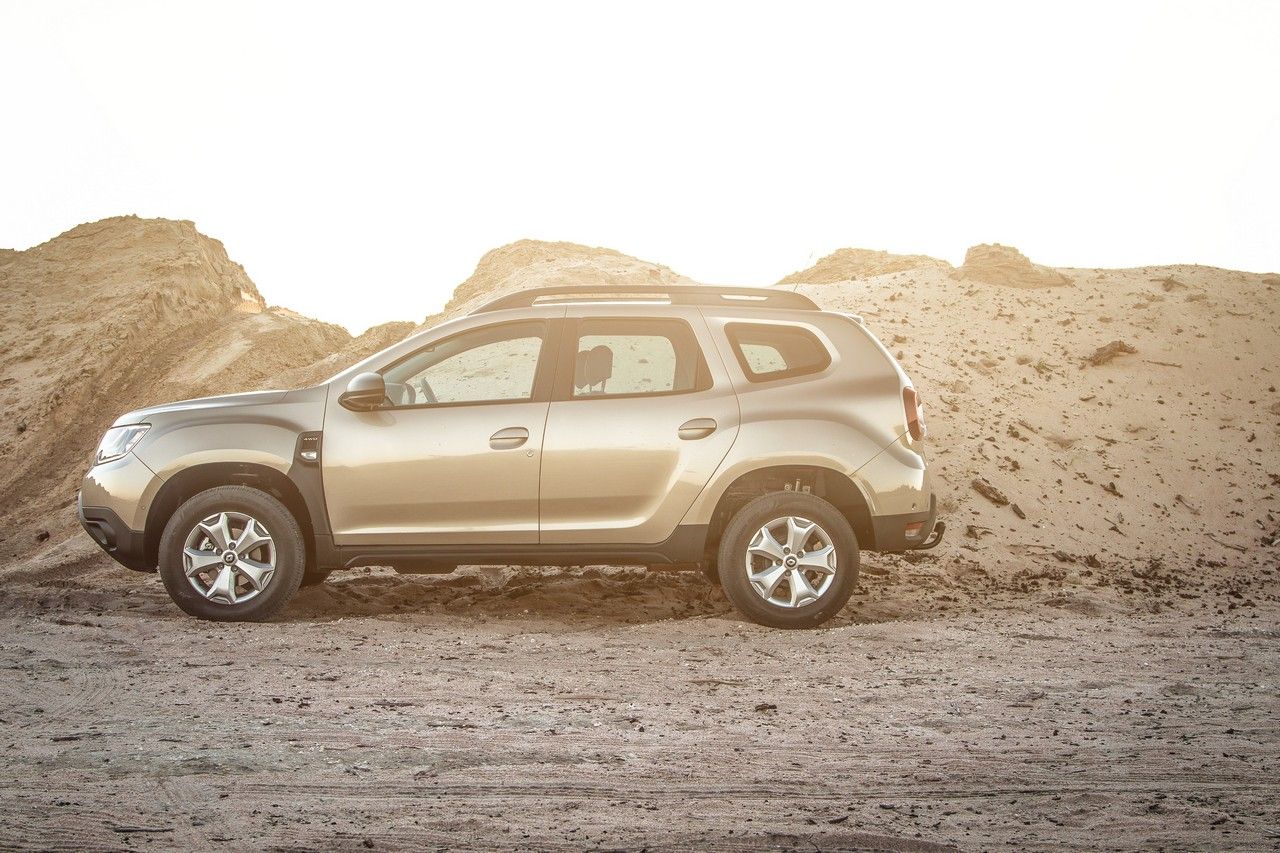
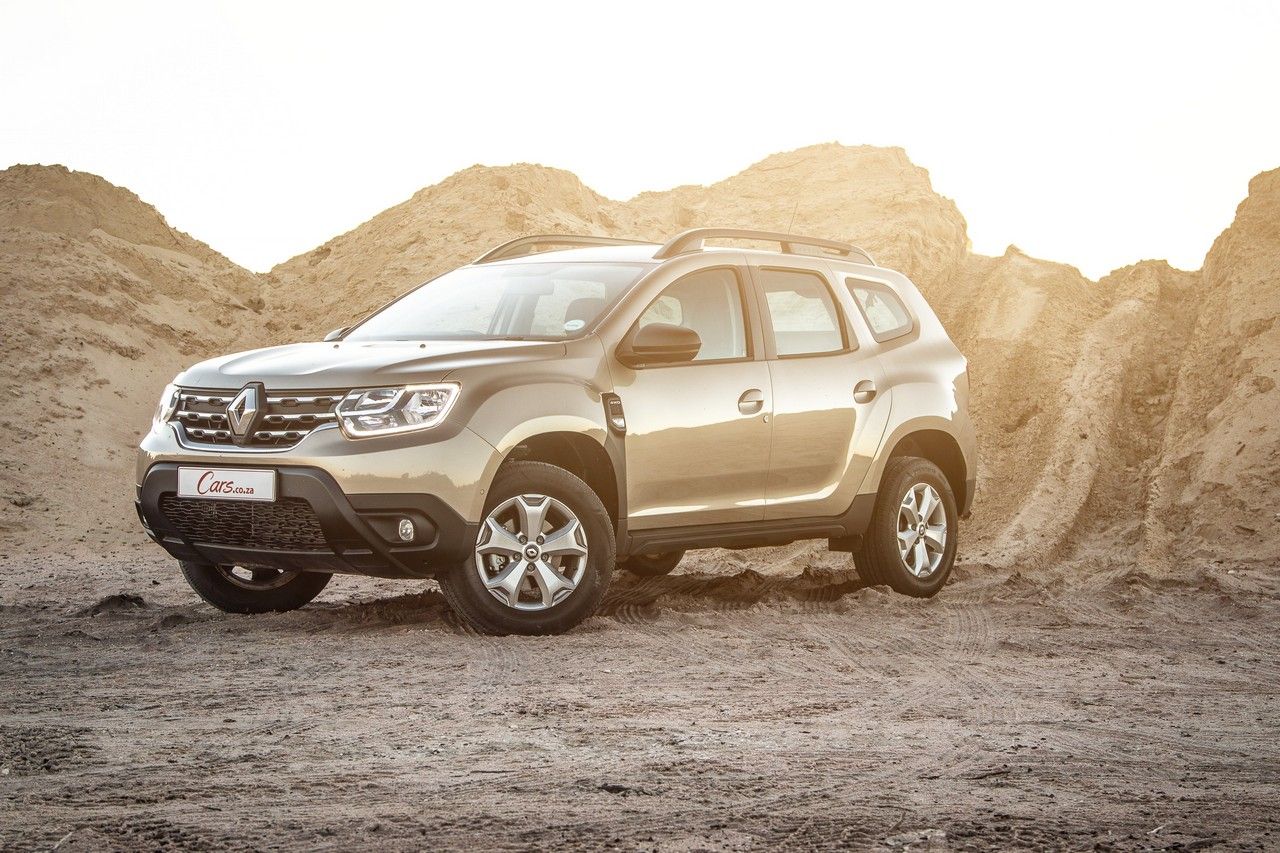
The SUV-aping black side cladding is less overt than before, but the ride height (230 mm) suits the 4WD's purpose to a tee. 

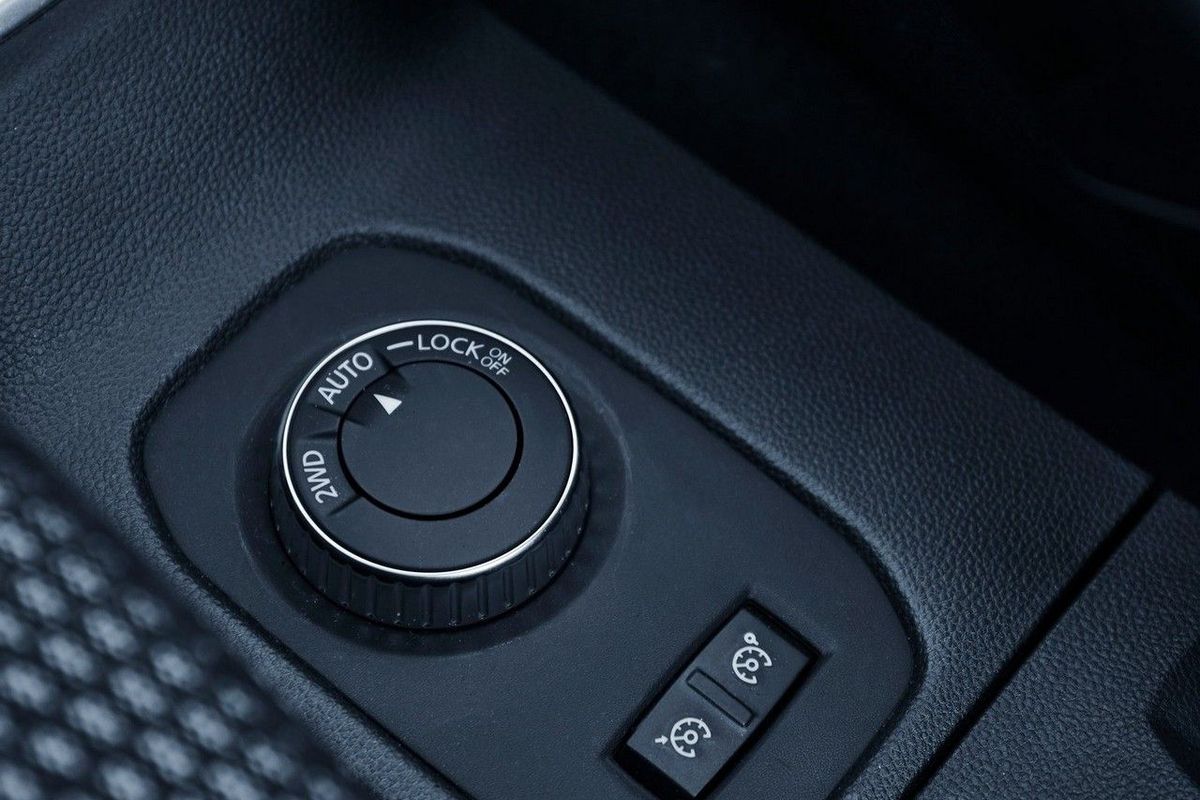
Right, straight into the meat of things. If you're buying a 4×4 version of a vehicle, you'll probably want to drive it on some rough, unsealed surfaces (and come out the other side intact). The Renault Duster 4WD features a transmission mode selector, which switches the vehicle from a front-wheel-biased 2WD mode to a Lock Mode, in which the vehicle's torque is distributed equally between the fore and aft axles. Between 2WD and Lock, there's an Auto mode that will send some power to the rear axle when wheel-slip is detected. To aid the 1.5dCi Dynamique 4WD's off-road ability, the 2nd-from-the-top derivative offers 210 mm of ground clearance, an approach angle of 30 degrees and a departure angle of 34 degrees. 

We're fortunate enough to have an array of road surfaces located in close proximity to the Cars.co.za office, so we had ample opportunity to test it on a variety of terrains. First up, some gravel driving at speed. With the Duster set to Auto, we set off and could feel the system working as grip levels were maintained; not once did the 2WD show any signs of instability. Next up, soft sand. This is where things got tricky and we had to take the Renault's standard road tyres into consideration. We also didn't deflate them, which would have helped increase the footprint and, in turn, grip. 


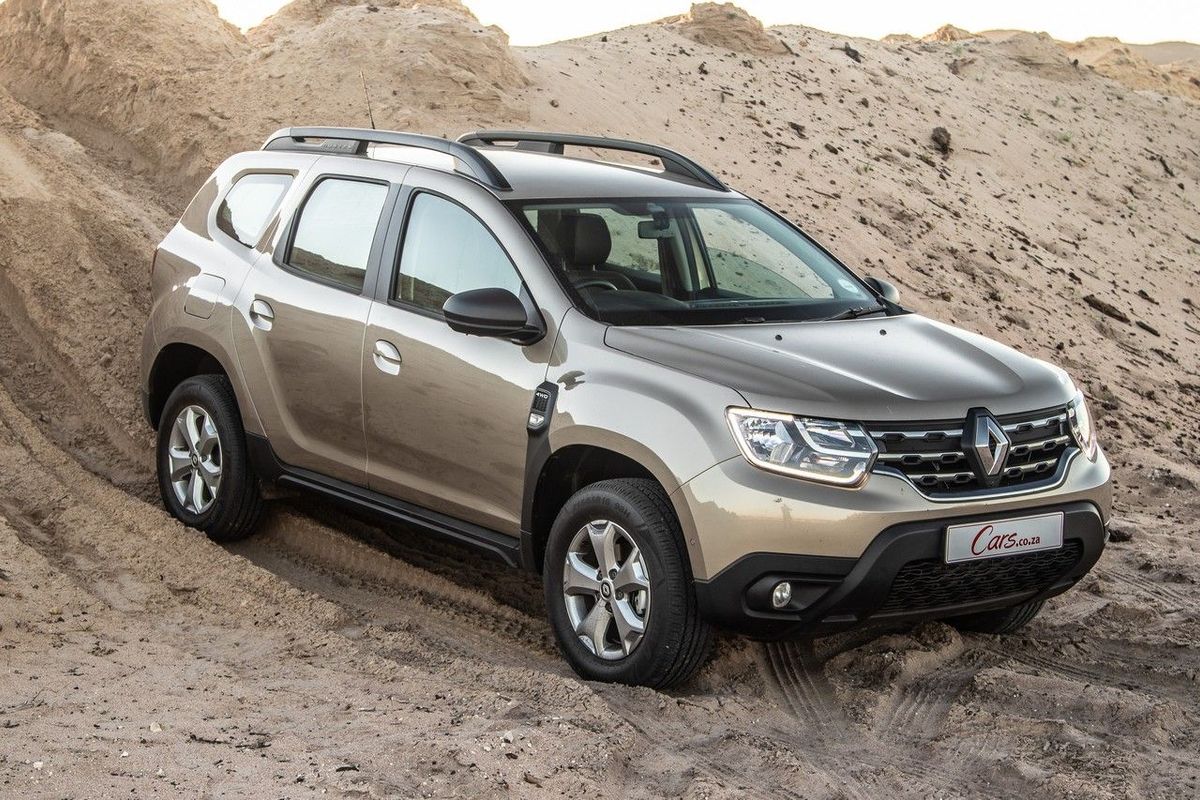
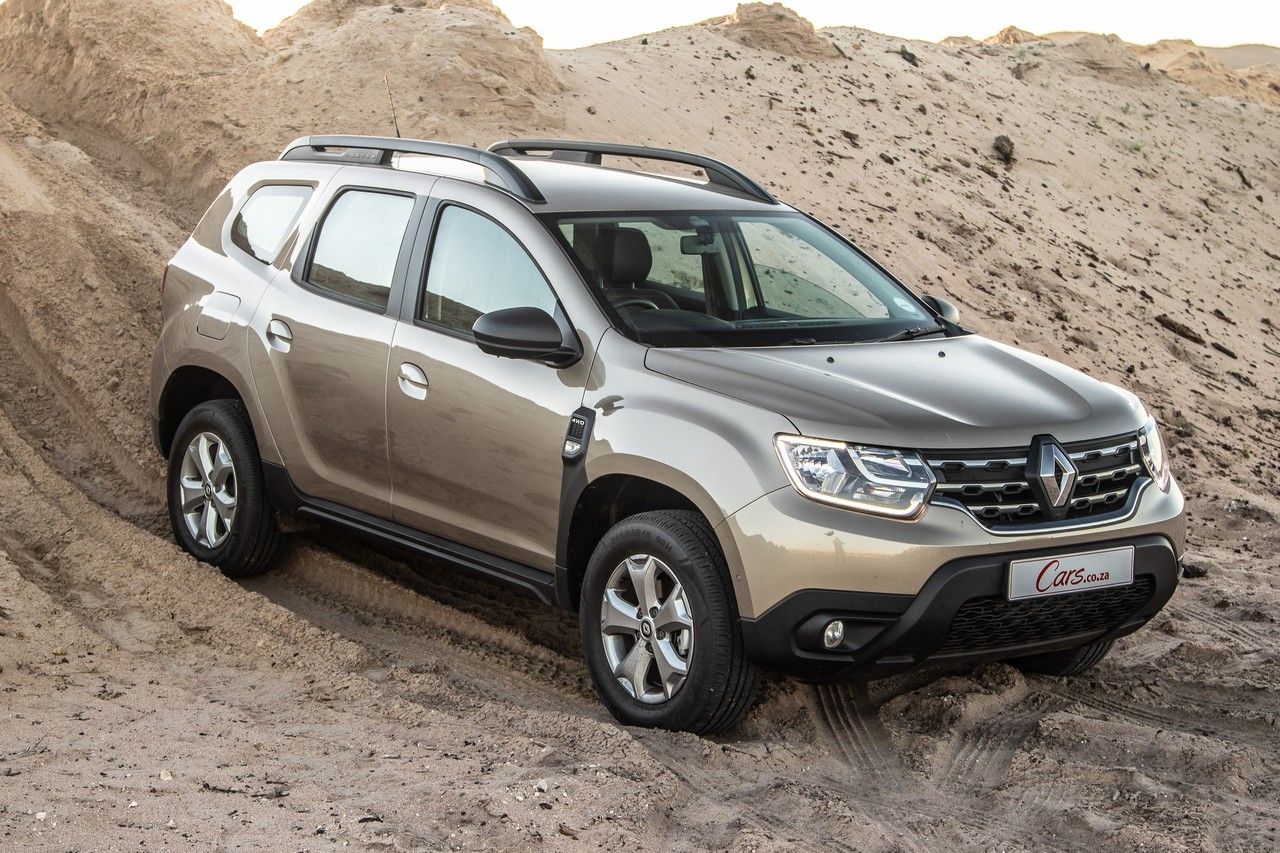
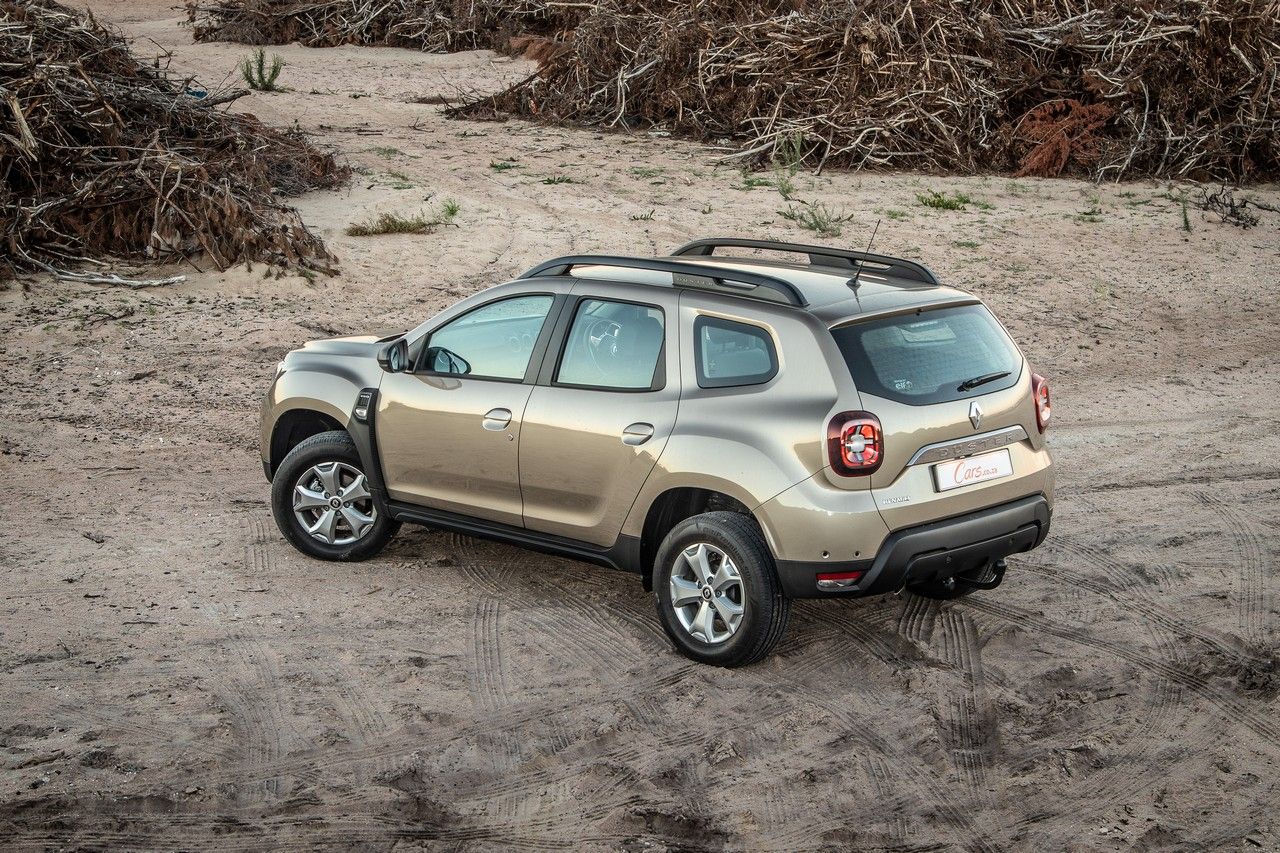
In case you were wondering, the test unit traversed the steep soft-sand decline (directly behind it) without too much fuss.

Despite the tricky soft sand, the Duster maintained its composure in 4WD Lock mode, but you have to work that 6-speed manual transmission hard – if you change up to soon and fall out of the torque plateau, the sand will swiftly stymie momentum. You'll also need to disable the traction control, otherwise, progress will falter. We feel that a low-range transmission would be needed for those really challenging beach dune missions, but that would hike up the price considerably and ruin the Renault's value-for-money proposition. However, the 1st gear feels very short; it could double up as a low-range replacement. As these photos attest, we also had a chance to test the hill-descent control, which works just fine. In summary, the 1.5dCi Dynamique 4WD performed admirably on easy- to medium-difficulty terrain, which should be more than enough for the target market. 

Day-to-day comfort?


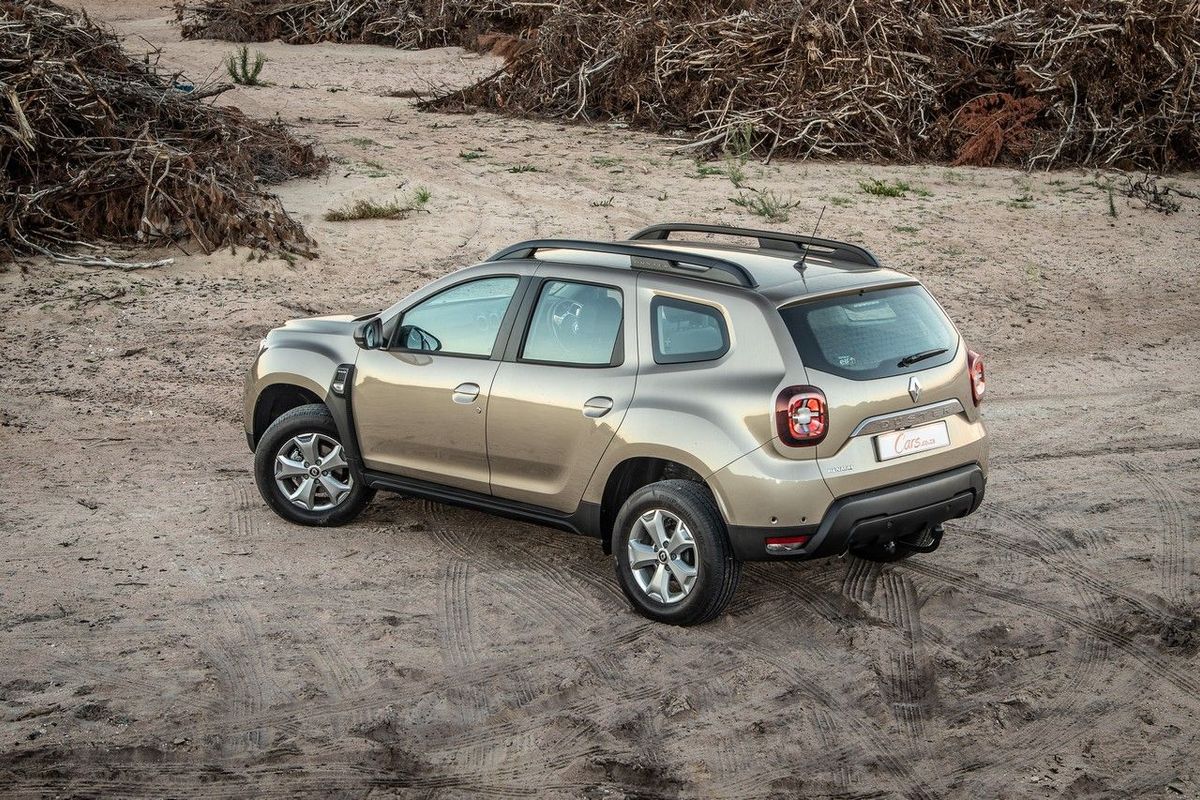
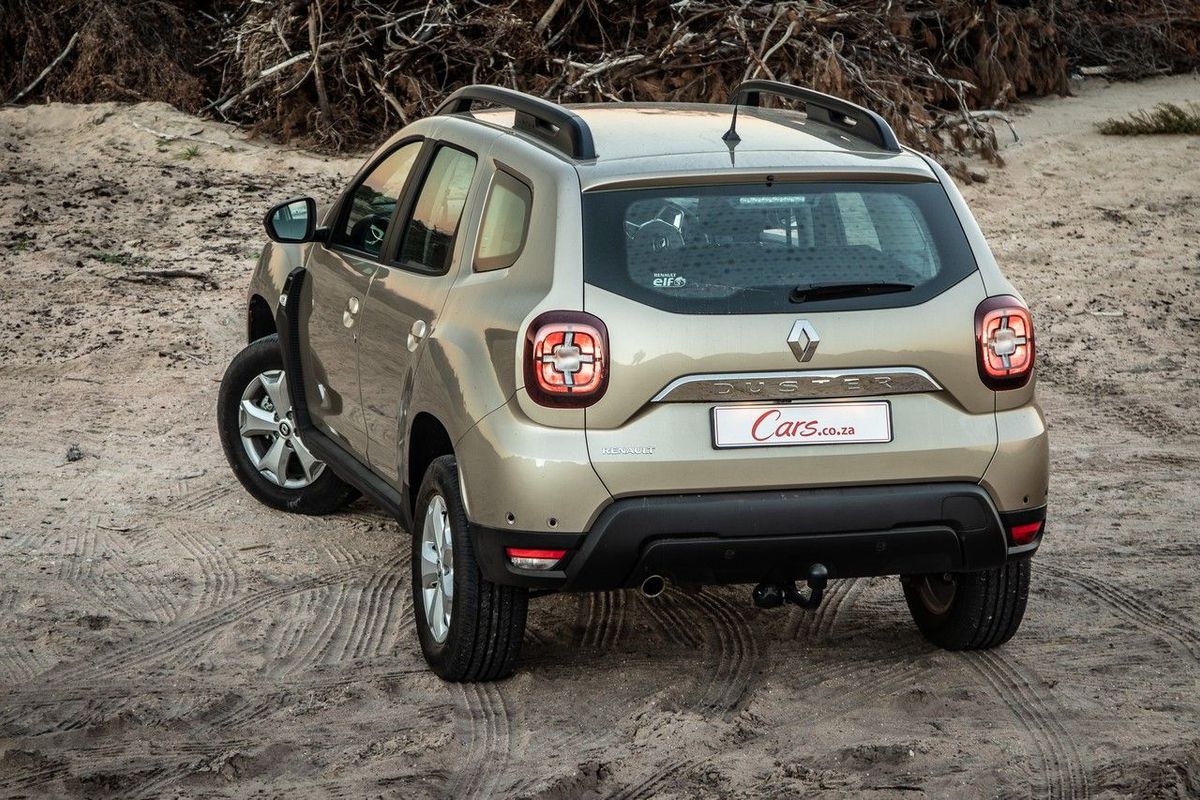
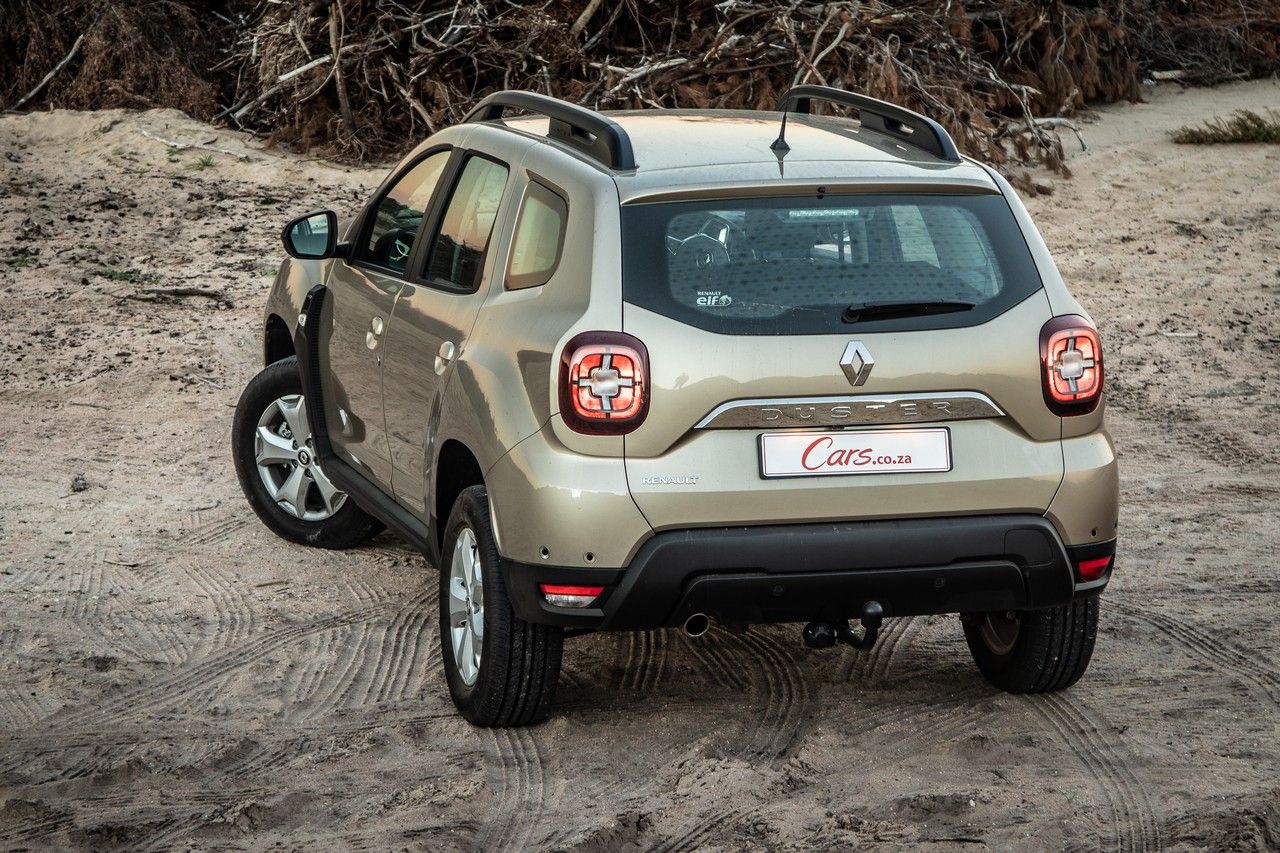
A few onlookers have remarked that the Duster's new taillight clusters are a little reminiscent of those on the Jeep Renegade…

Despite this derivative's impressive 4×4 ability, almost all Renault Dusters will fulfil that "urban lifestyle" dual role: they'll be used to commute to the office from Monday to Friday and make longer journeys at the weekend. We know it's capable of handling dirt, but can it deal with on-road traffic?

Well, yes, of course it can, but you're going to have to get used to changing gears often. The aforementioned torque plateau (where maximum pulling power is available) isn't very long, which means you'll be changing cogs regularly. With 1st gear being so short, you'll find yourself scrambling for 2nd (and 3rd) within a few seconds of pulling away from standstill. In bumper-to-bumper traffic, we found that the 1st gear was perfect to idle along at a snail's pace. The Duster's 1.5-litre turbodiesel is not the most refined powerplant around, but at this price we're not going to complain. 

Power delivery is smooth and you're likely to find yourself driving at between 1 000 and 3 000 rpm most of the time. There's really no need to rev the engine beyond this, as it performs best at lower revolutions. Drive gently and don't use all the throttle, and you may come oh-so-close to that claimed fuel economy figure (5.2 L/100 km). After our thorough evaluation, the Duster went home with a respectable average of 5.6 L/100 km.


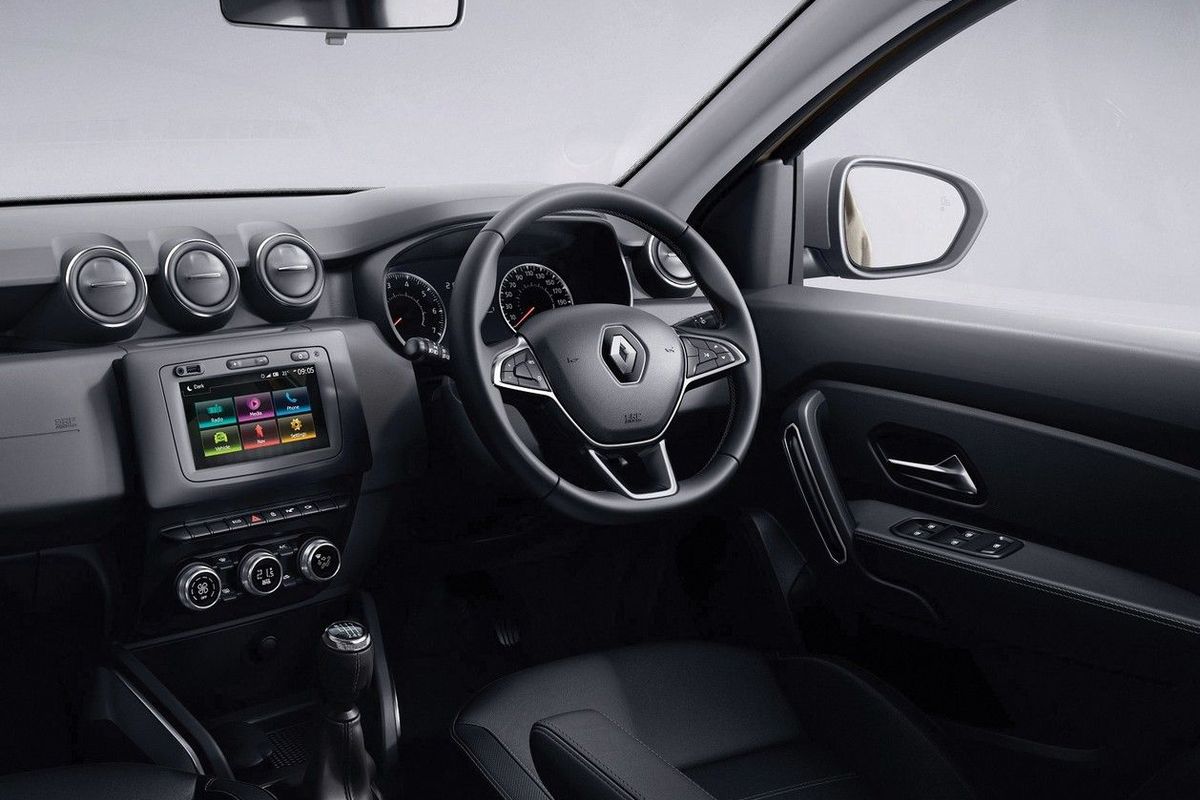
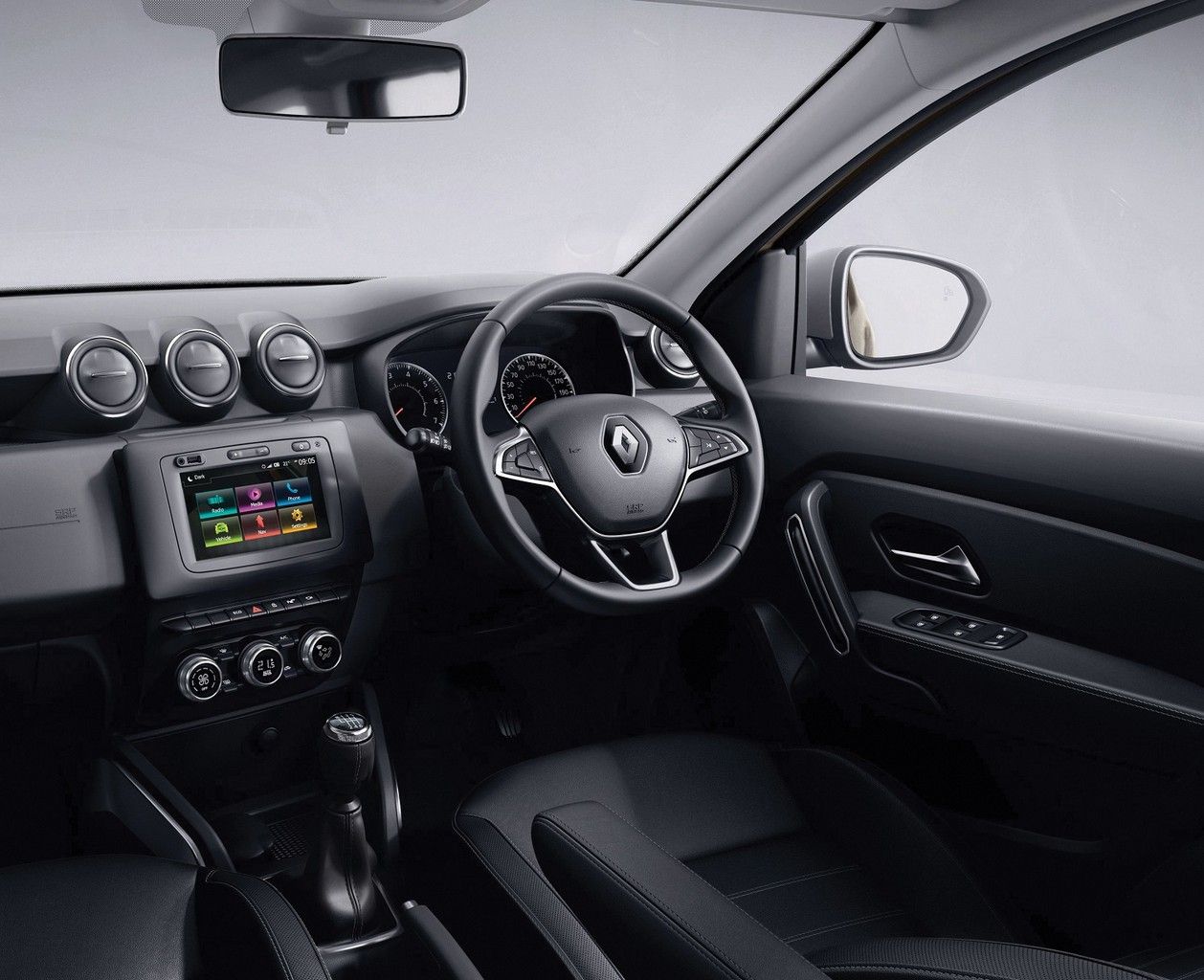
The sporty 3-spoke steering wheel would not look out of place on any of Renault's compact-car offerings.

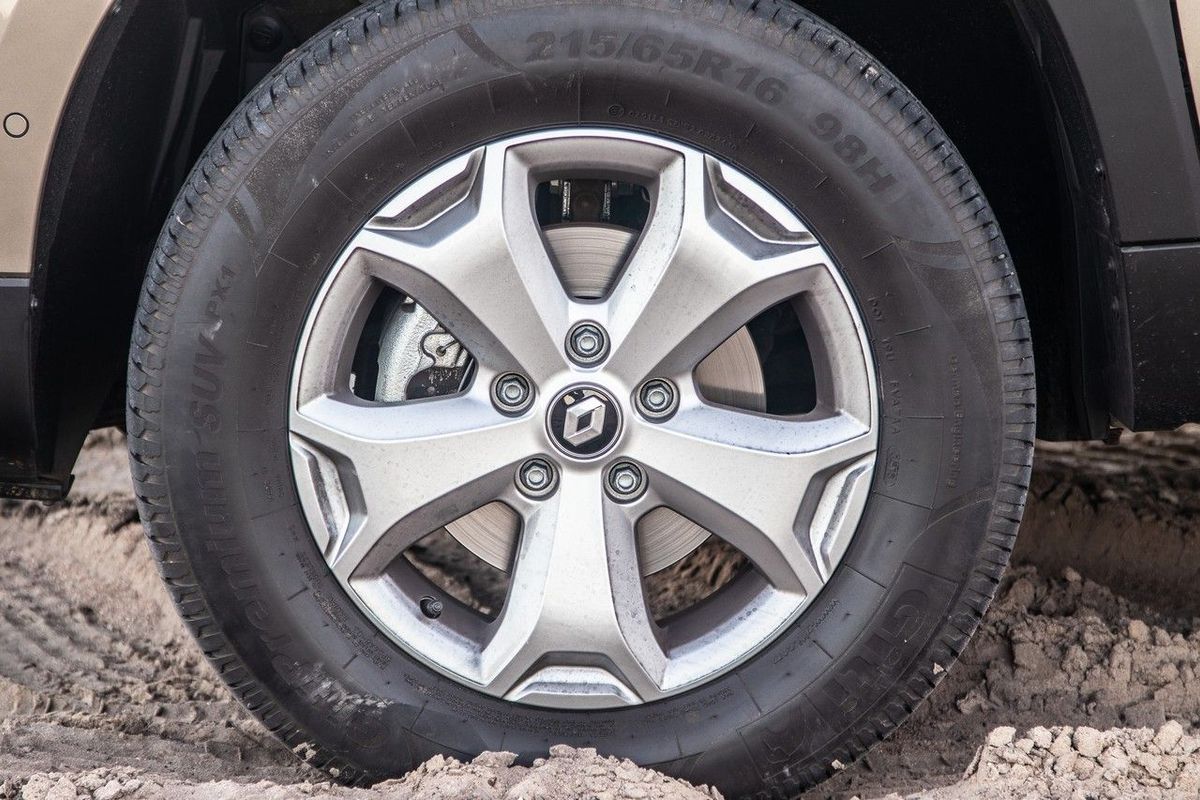
On the open road though, we found the short-geared Duster less involving to drive (as we expected), but there's plenty of overtaking ability available thanks to the responsive turbodiesel engine. The ride quality of the Duster is commendable, courtesy of the 16-inch alloy wheels being wrapped in high-profile 215/65R rubber (it helps to soak up road imperfections). The suspension is very softly-sprung and, therefore, the 1.5dCi Dynamique 4WD is prone to exhibit body roll when cornering, but when you're tackling some rutted roads, you'll appreciate the pliant ride. Finally, the Renault's steering setup is featherlight and a little vague, but because the tiller requires minimum effort to wield, inner-city parking manoeuvres are a cinch. 

Standard specification?

Renault's never skimped on standard features, especially on Dynamique-spec derivatives, which is to be lauded considering the 4WD's price tag. The infotainment system boasts satellite navigation, Bluetooth connectivity and smartphone-mirroring compatibility. There's cruise control (with speed limiter), auto aircon, blind-spot warning and automatic-activated headlights. A reverse-view camera and parking sensors are fitted too.

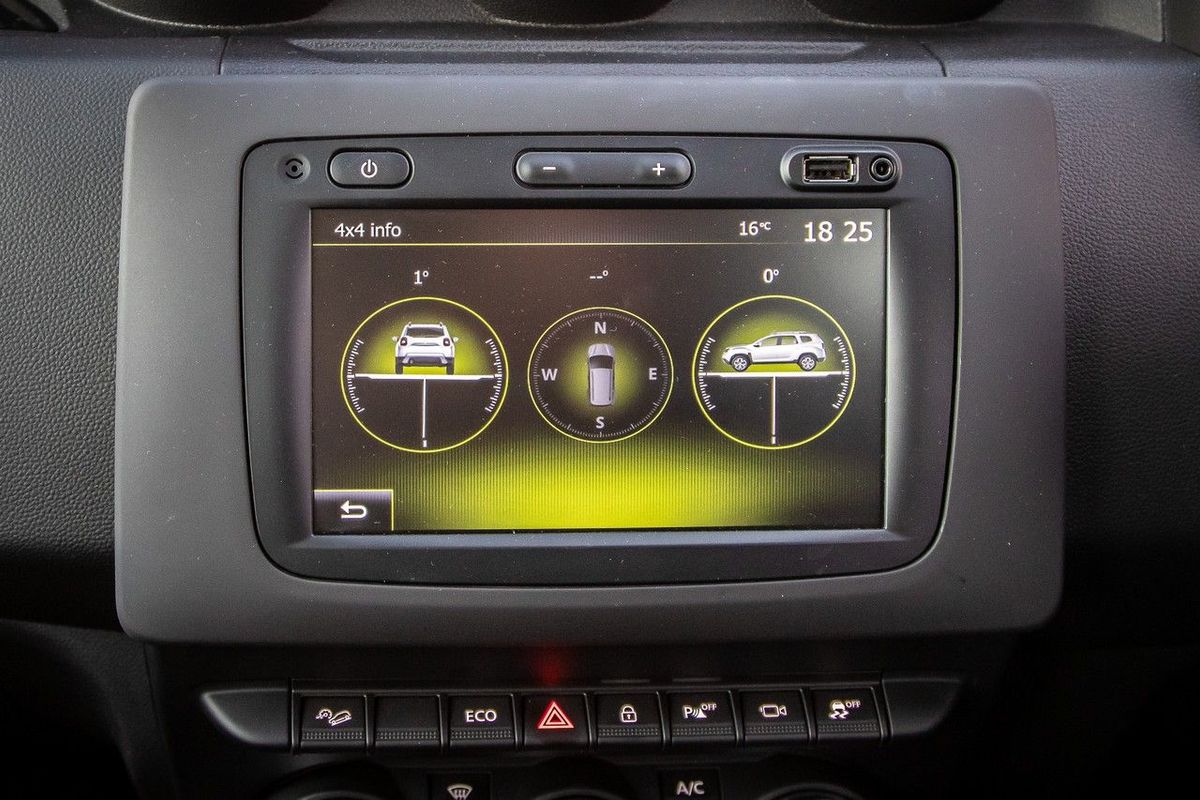
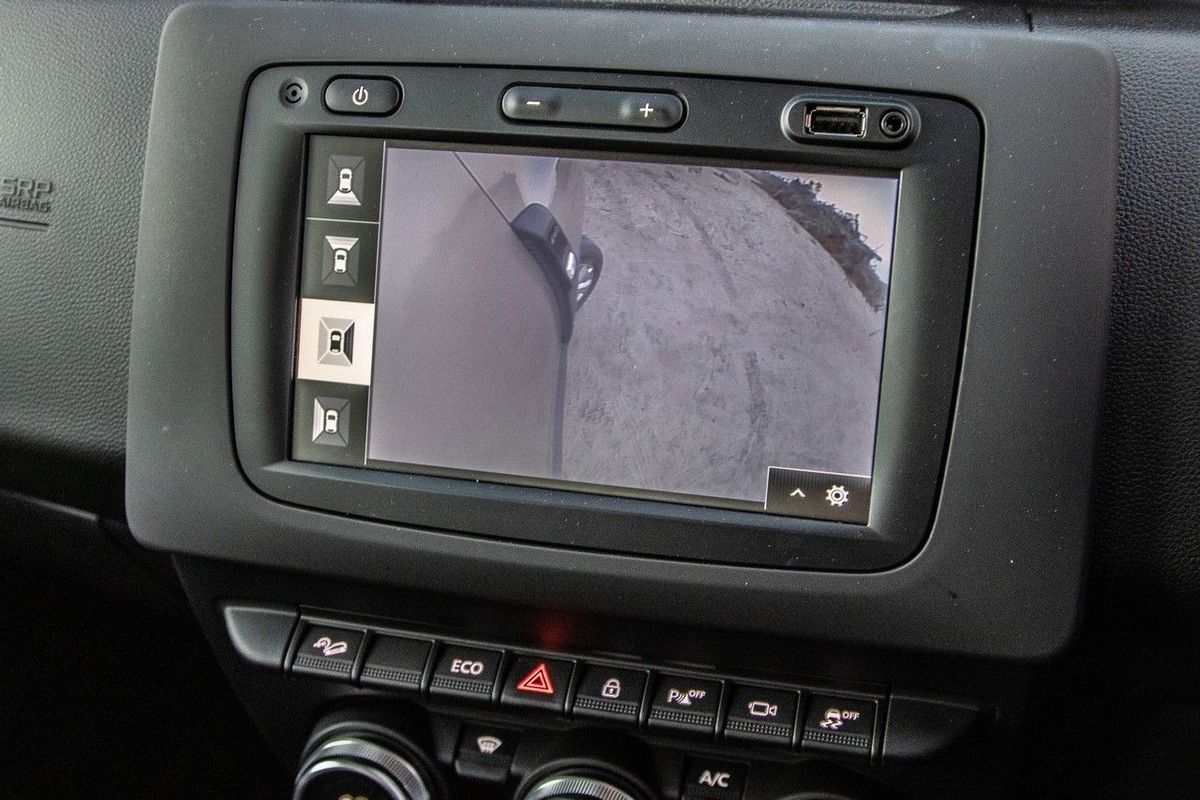
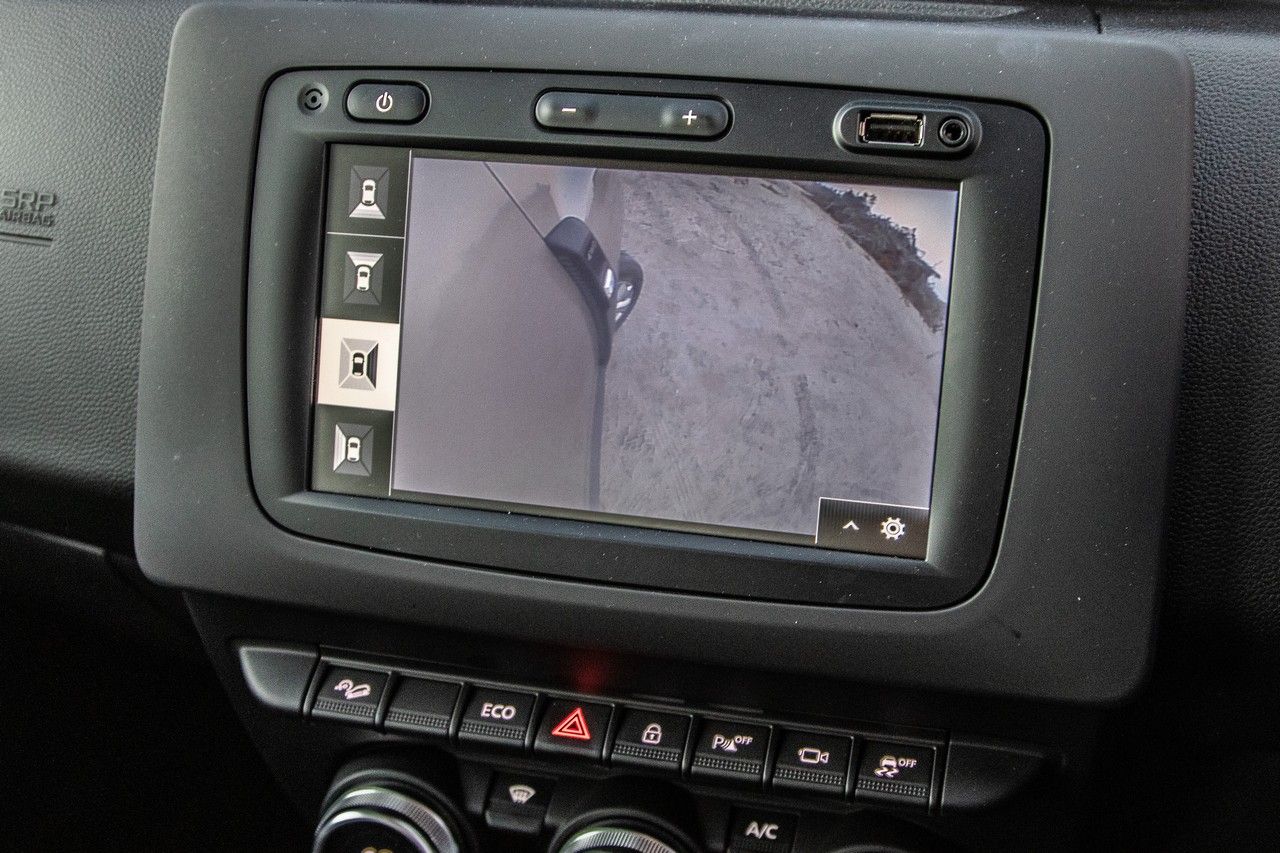
Speaking of cameras, Renault has equipped its Duster with a few of them, giving you a clear view of the front, rear and sides, which are useful when you're parallel parking and want to mind the kerb. There's also a dedicated 4×4 menu, which displays a compass and the Duster's pitch/roll angles in real time. Integral safety equipment is fair at this price point: ABS with EBD and EBA, plus stability control, are standard. There are also 2 airbags. 


The infotainment system's touchscreen is now better-positioned and the side camera is helpful when parking… and off-roading!

As ever, the cabin of the Duster is spacious. Rear legroom is about on par for the segment, but taller passengers in the rear will appreciate the generous headroom. The load bay is rated at 414 litres; should you wish for more space, the rear bench can be folded down in a 60/40 split.

Price and after-sales support

The Renault Duster model range comes standard with a 5-year/150 000 km mechanical warranty and a 6-year anti-corrosion warranty. Services are required at 15 000-km intervals, and a standard 3-year/45 000 km service plan applies. Prices for the range start at R255 900 and go up to R340 900, with this new 4×4 derivative listed at R327 900. Metallic paint and leather seats are available for an extra R2 522 and R10 088 respectively.

Verdict

The Renault Duster has always been marketed as a budget-oriented (read: cheap and cheerful) offering in the compact family car segment, but this new version represents a big step up in terms of quality and features. The cabin feels a bit more upmarket and looks modern. We're glad to see the infotainment screen has been repositioned – previously it sat quite low down and was awkward to use. There's still a slight "built-to-a-cost" air about the Duster, but at this price point (well under R350k), we're prepared "to cut (the 4WD) some slack" as it more than makes up for it in other areas. 

Should you buy the 4×4 version of the 2nd-generation Duster, however? This is the question we find ourselves asking and we have to suggest that unless you're dead-set on regularly heading off on gravel adventures, then it's unlikely that is the ideal Duster for you. If you're reading this and not bothered by the 4×4 capabilities, then we think the 4×2 EDC (auto) is a more refined option for a bit less money. Plus, it still retains that good ground clearance, so you can still venture off the beaten track… to some extent. However, given South Africa's love for the great outdoors and road trips, there will be many customers who will be interested in whether the 4WD can handle the rough stuff and the answer is yes, it most certainly can! 

Looking to buy a new / used Renault Duster?

Find one on Cars.co.za by clicking here

Alternatives (click on the names for specification details)

Ford EcoSport

Similarly priced and with a diverse line-up of derivatives to match, the Ford EcoSport also offers a modicum of ruggedness. It is also available in petrol or diesel guises, with a choice of a manual or automatic transmission. There's no 4×4 version to compete directly with the test unit, however.

Suzuki Vitara

Suzuki's compact family car offering is the spacious Vitara. It has just the single naturally-aspirated engine for now, with a turbocharged motor due in SA soon. It's a good all-rounder, but can't match the Duster 4WD's off-road prowess.

Suzuki Jimny

If you want a Suzuki with excellent off-road capability, then the Jimny is your port of call. It's exceptional on the rough stuff and works really well as a city car. However, there's virtually no luggage space and the fuel tank is frustratingly small.

Related content:

Renault Duster Oroch Double Cab (2017) First Drive

Renault Duster 1.5 dCi Prestige EDC (2018) Review

Renault SA Confirms Duster Oroch and Alaskan for 2021