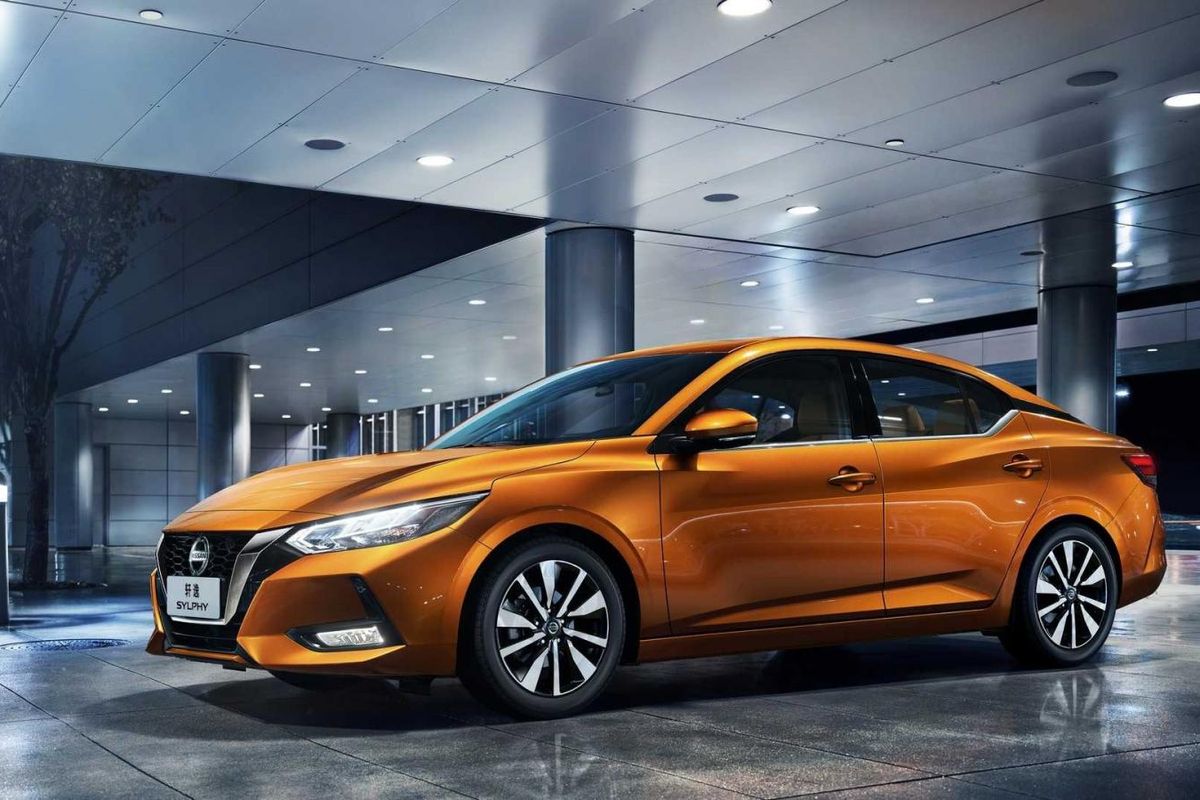
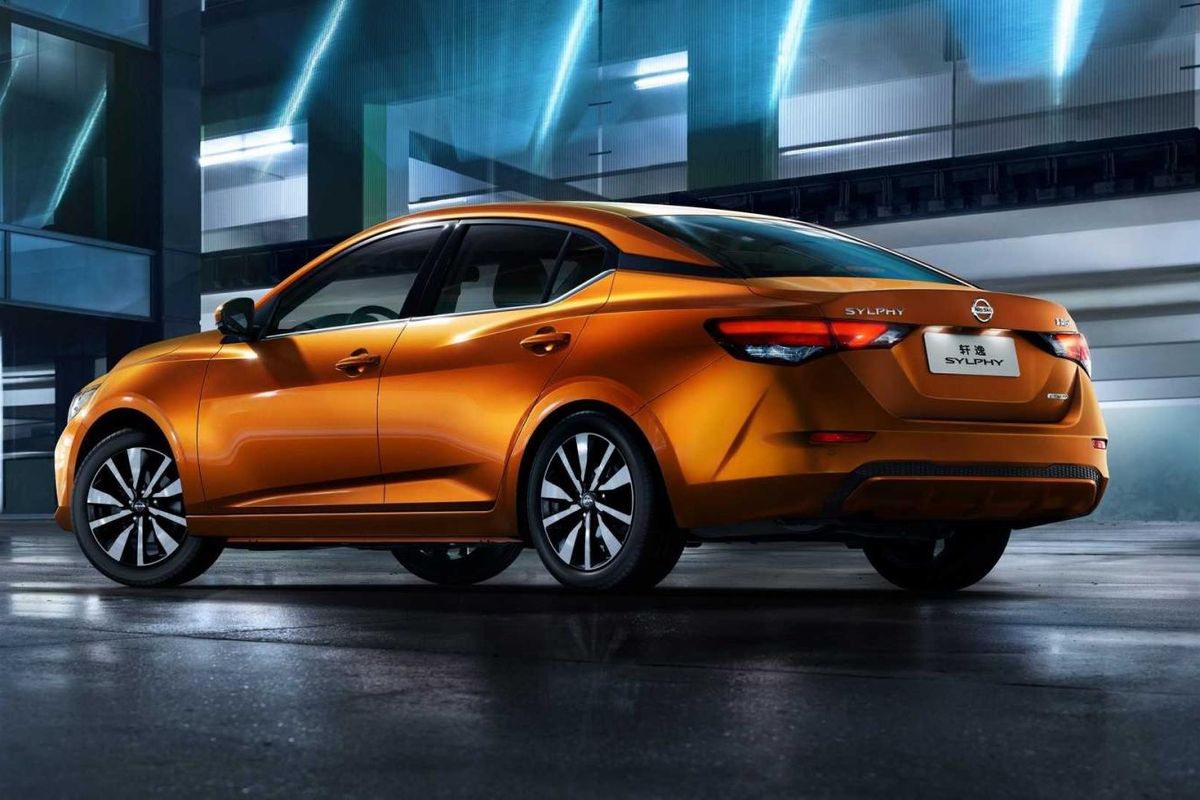
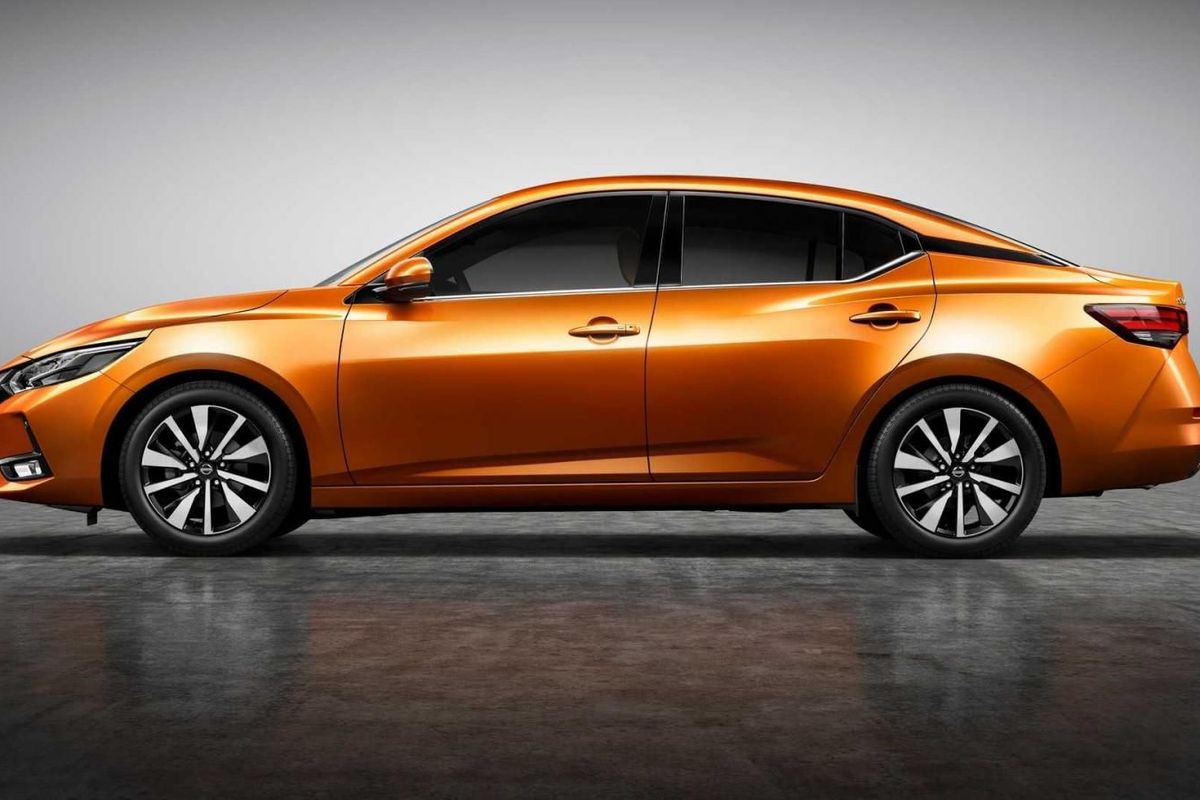
This is the new Nissan Sylphy, as it’s called in China, but for South Africans, the Sentra nameplate is more familiar even though the model is no longer on sale locally due to dwindling sales.
Let’s pretend that C-Segment sedans are hugely popular and then you might be able to imagine the Sylphy being offered in South Africa. The truth, however, is that sedans are dying in the wake of the crossover/SUV craze and it’s the very reason that the Nissan Sentra was discontinued locally in 2017. The Almera, however, is still forging ahead. Unsurprisingly, Nissan SA has confirmed that the Sylphy is not coming to South Africa.
Nonetheless, the Sylphy is an all-new model that adopts a wider and lower-riding stance with improved aerodynamics. The Sylphy wears a black grille with a 3-D V-motion design.
Nissan has not divulged full engine details but it is stated that the Sylphy is powered by an all-new Nissan HR16DE Gen3 intelligent drive engine with an Xtronic transmission which is said to offer a linear, smooth driving experience. Nissan has also reworked the steering, suspension and increased body rigidity in an effort to improve handling performance.
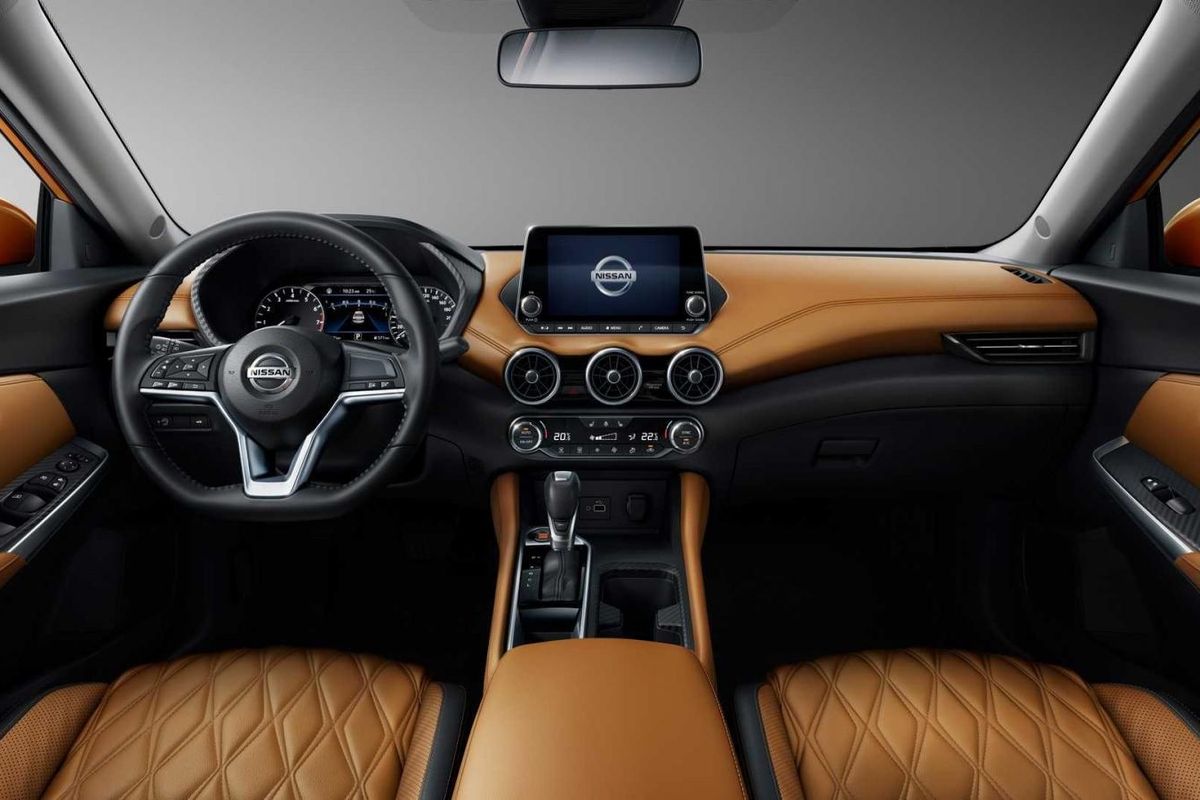
The interior benefits from an 8-inch central display as well as a high-definition 7-inch transistor monitor which communicates information to the driver. The infotainment system provides seamless smartphone connectivity and voice command.
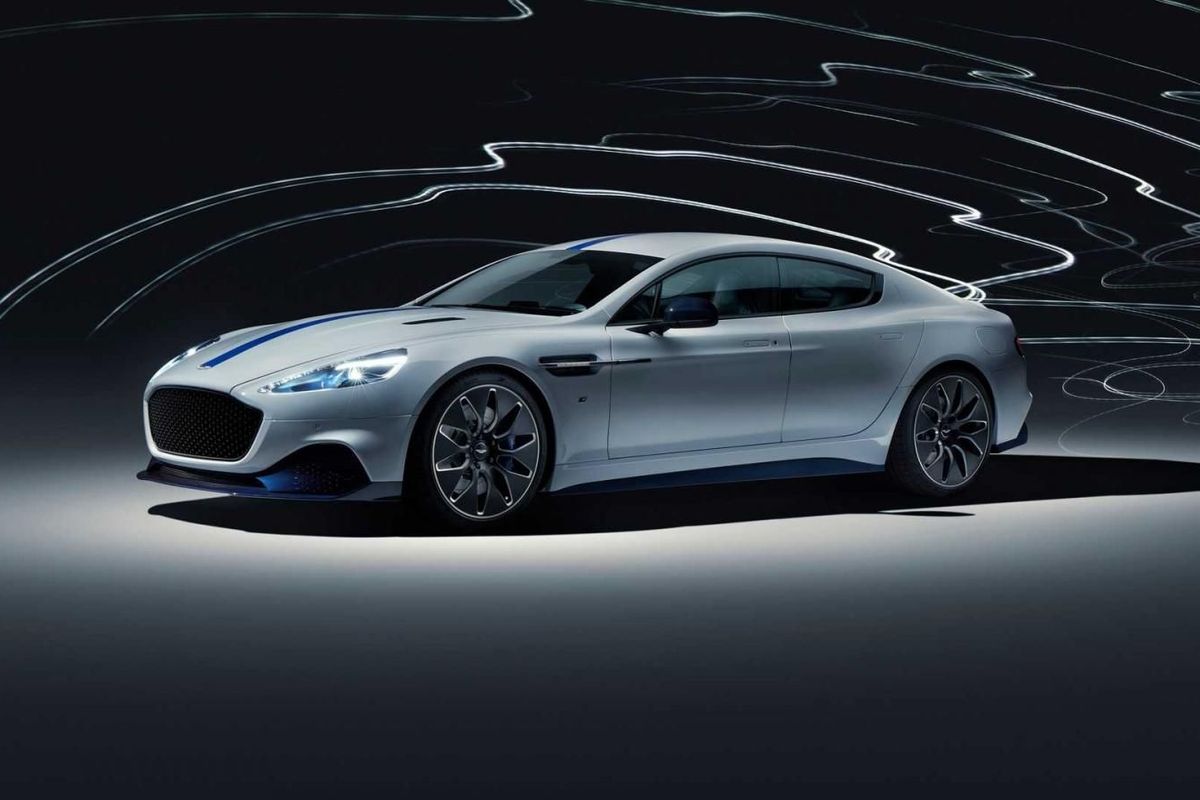
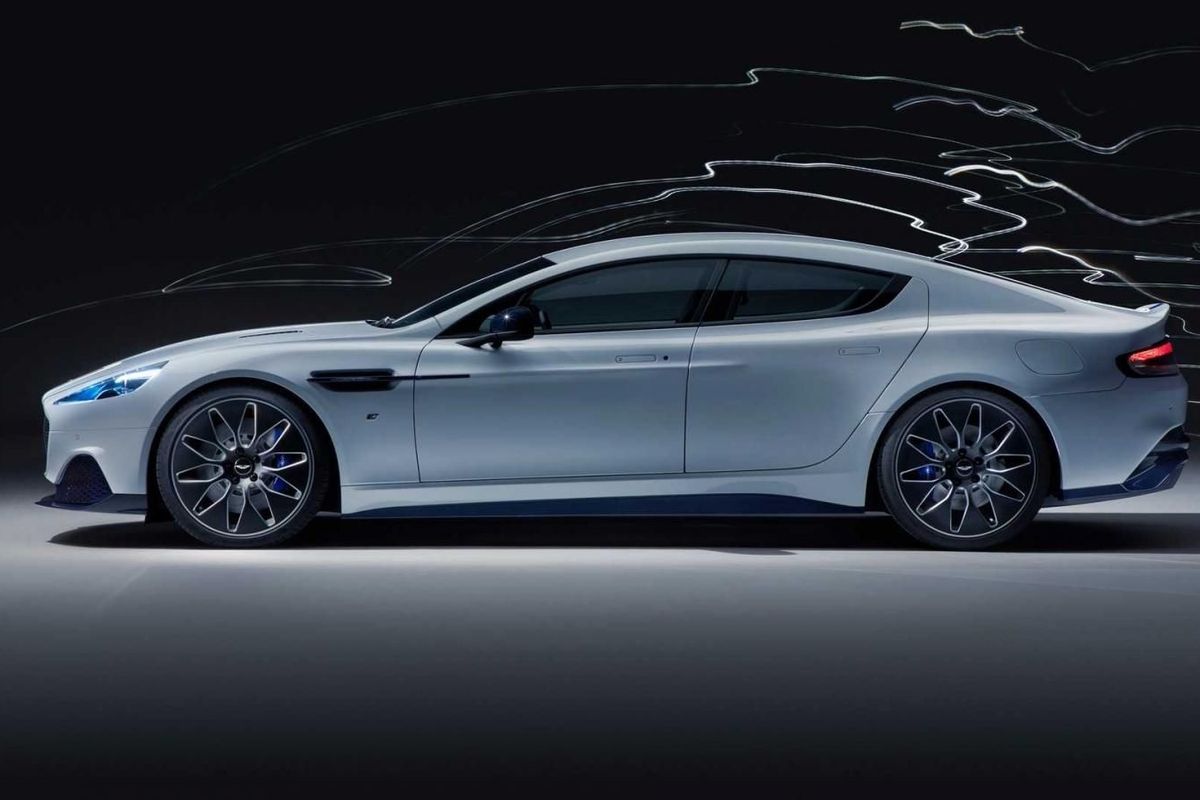
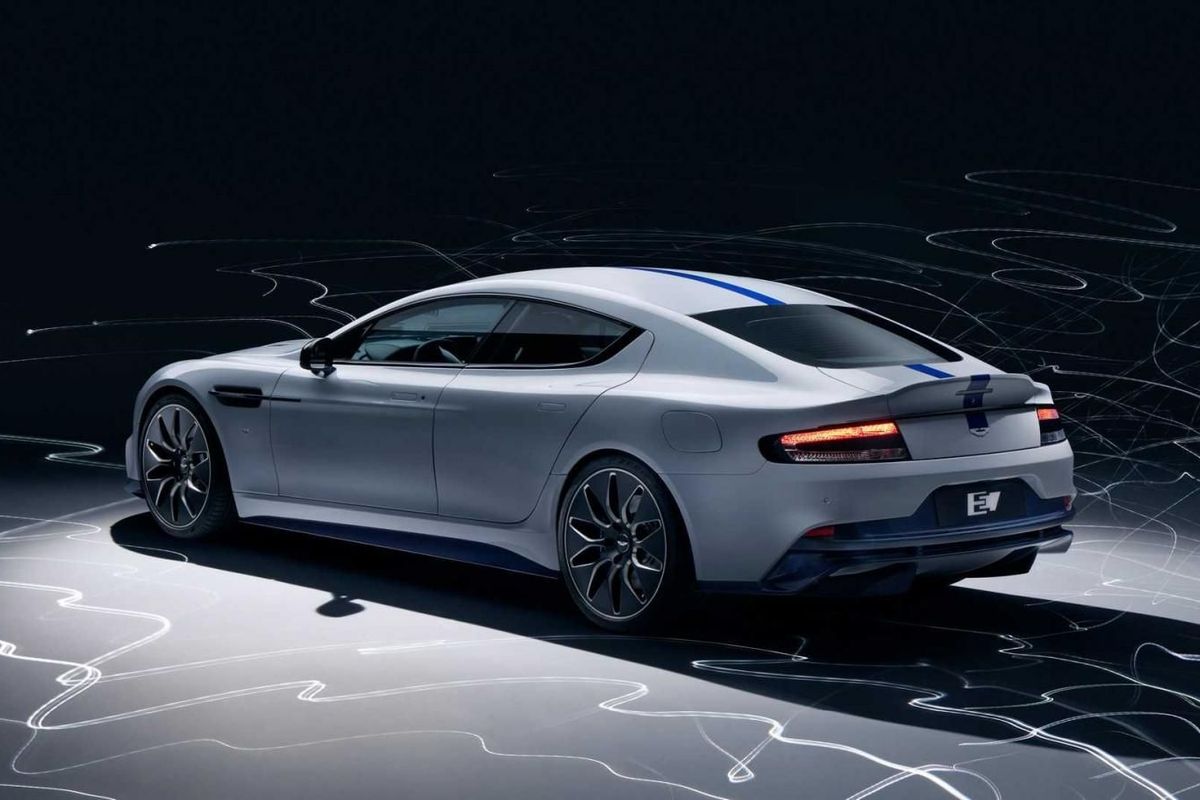
Aston Martin has shown its first production Electric Vehicle (EV) at the Shanghai Auto Show. Meet the Rapide E!
The Rapide E is Aston Martin’s first step towards an electrified future with its zero-emission luxury brand, Lagonda, expected to produce a fully electric production crossover by 2022 which will be based on the recently-revealed Lagonda All-Terrain Concept.
Dr Andy Palmer, President and Group CEO, Aston Martin Lagonda, commented: "Unveiling the Rapide E will be a huge moment for Aston Martin. As our first all-electric production car, it is a truly historic step. One that signals Aston Martin is prepared for the huge challenge of an environmentally responsible and sustainable future. As a car company we cannot afford to passively allow that future to come to us; we have to actively chase it. Only by doing this can we learn and prepare, but also preserve those things we love as drivers and car enthusiasts. That's why it was so important to me that in embracing EV technology we should not let go of those unique qualities that define an Aston Martin. I believe Rapide E embodies that desire and paves the way for a hugely exciting future."
Electric Power
The Rapide E delivers both performance and a claimed range of 322 km.
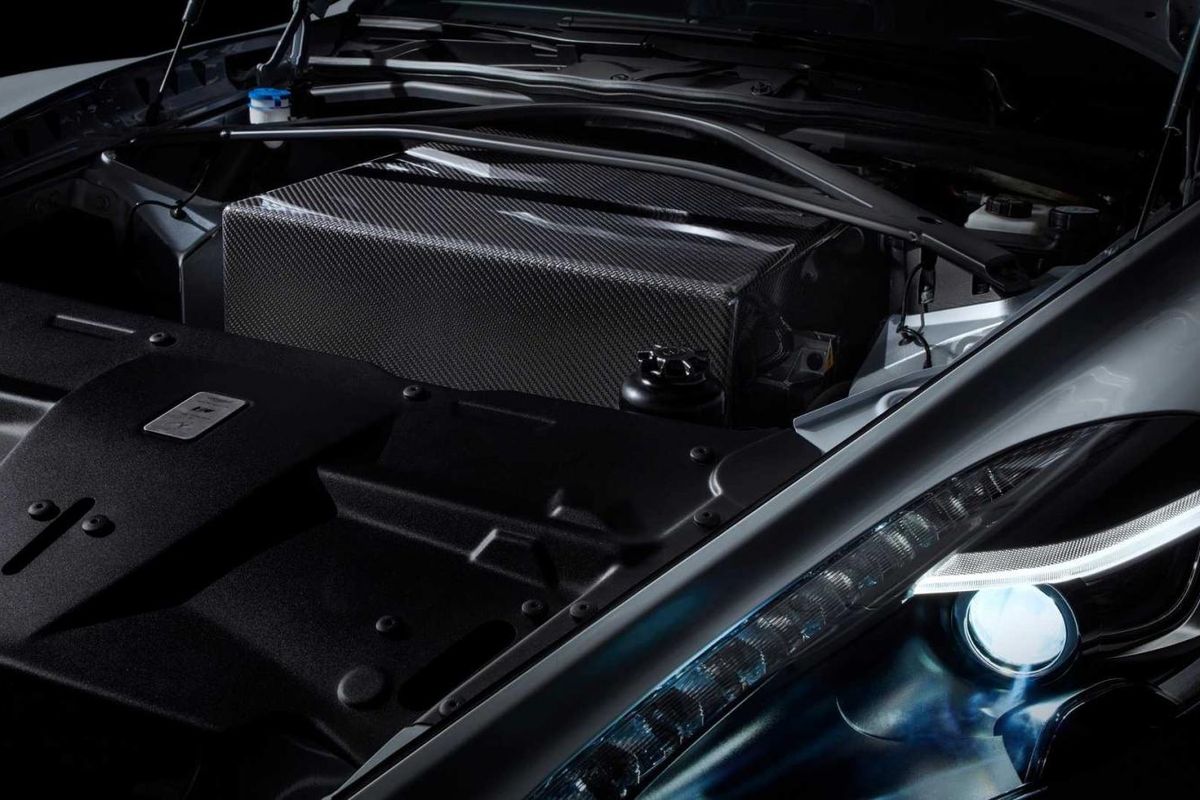
Gone is the 6.0-litre V12 engine which is now replaced by an 800-volt electrical architecture battery with 65 kWh capacity and wrapped in Kevlar and carbon fibre. A total of 5 600 lithium-ion cells produce 448 kW and 950 Nm which is directed to rear-mounted electric motors with a limited-slip differential.
In terms of performance, the rear-wheel drive Rapide E will sprint from zero to 100 kph in roughly 4 seconds with a top speed of 250 kph.
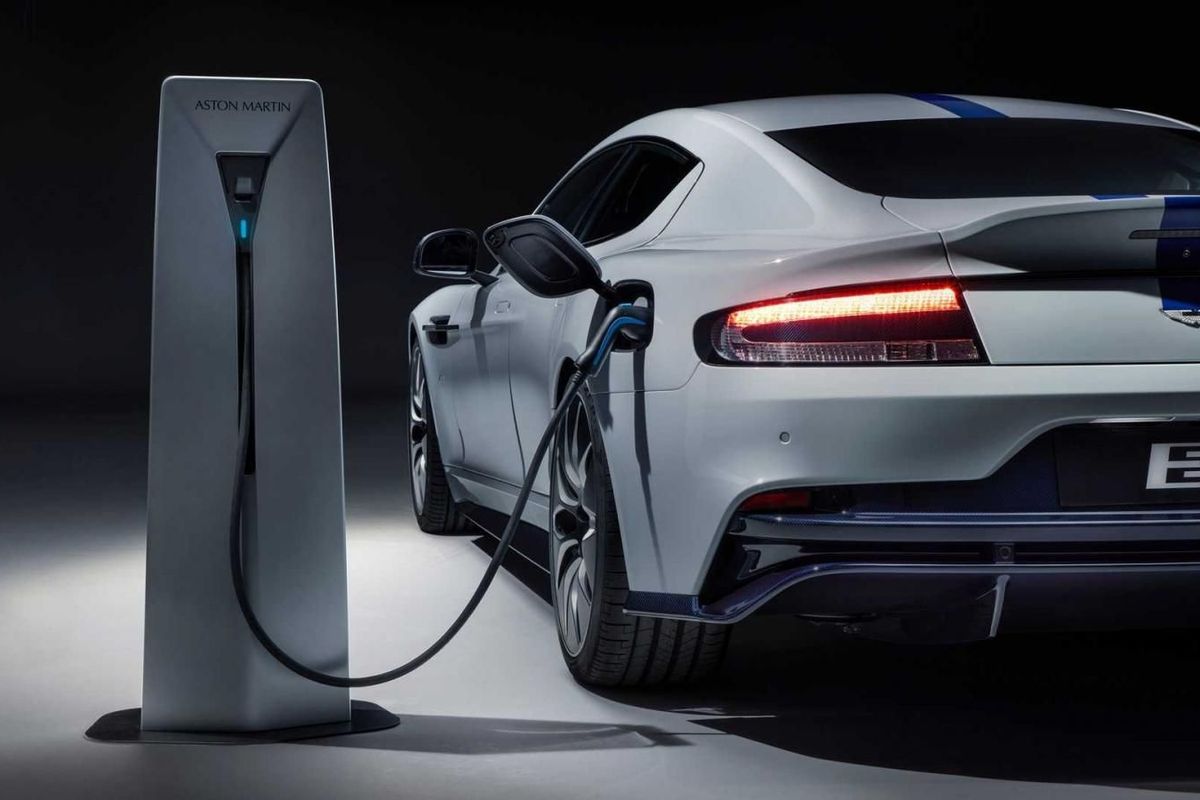
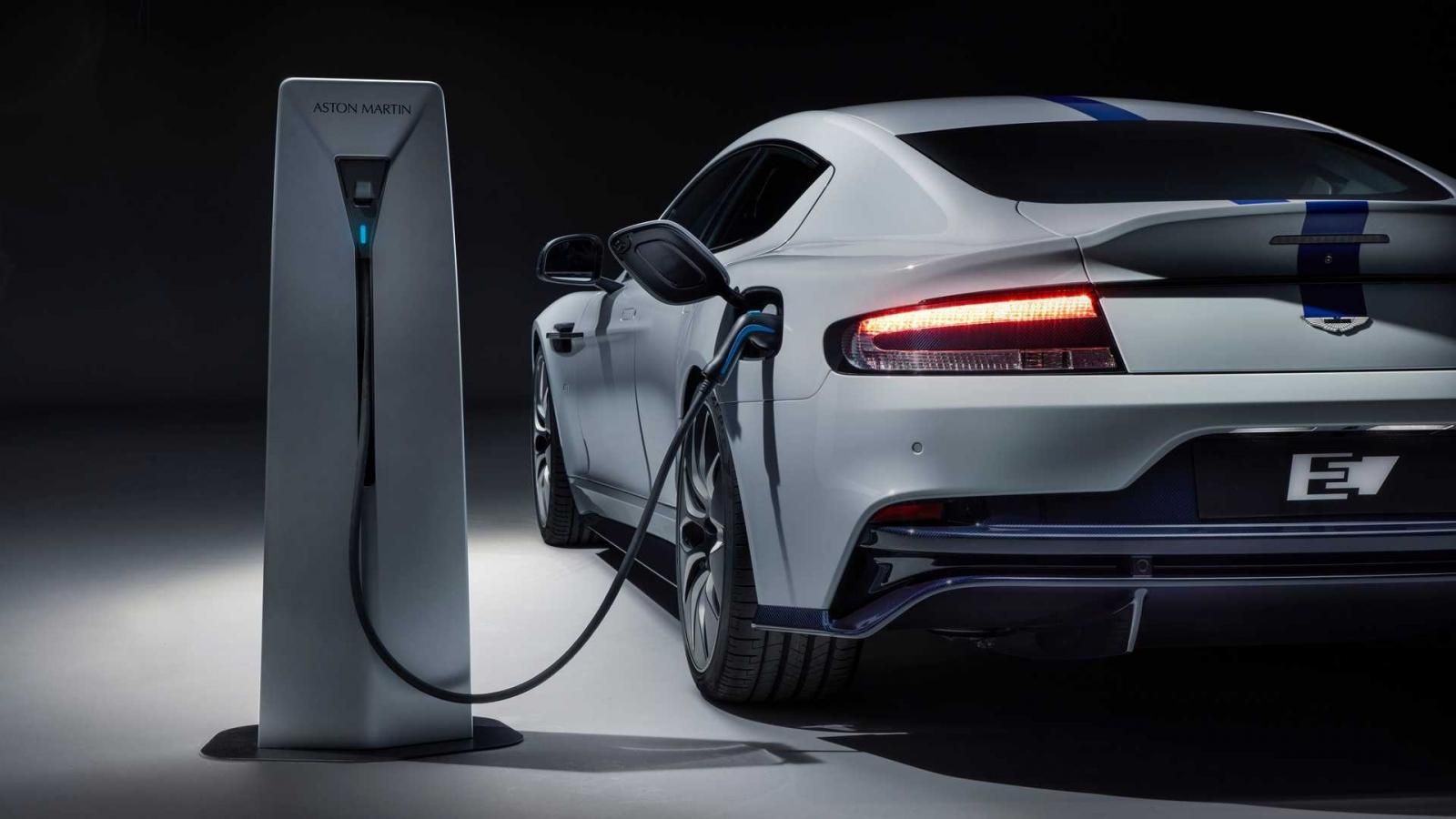
The Rapide E is said to have a range of 322 km and almost 300 km charge can be achieved in an hour using a 400 V/ 50 kW charger. Faster charging can be achieved by using an 800 V/100 kW outlet which can charge almost 500 km in one hour.
Particular attention has been paid to enhancing the Rapide E’s aerodynamic performance which ultimately increases range. Aston says that the Rapide E is 8% more aerodynamically efficient than the previous internal combustion model.
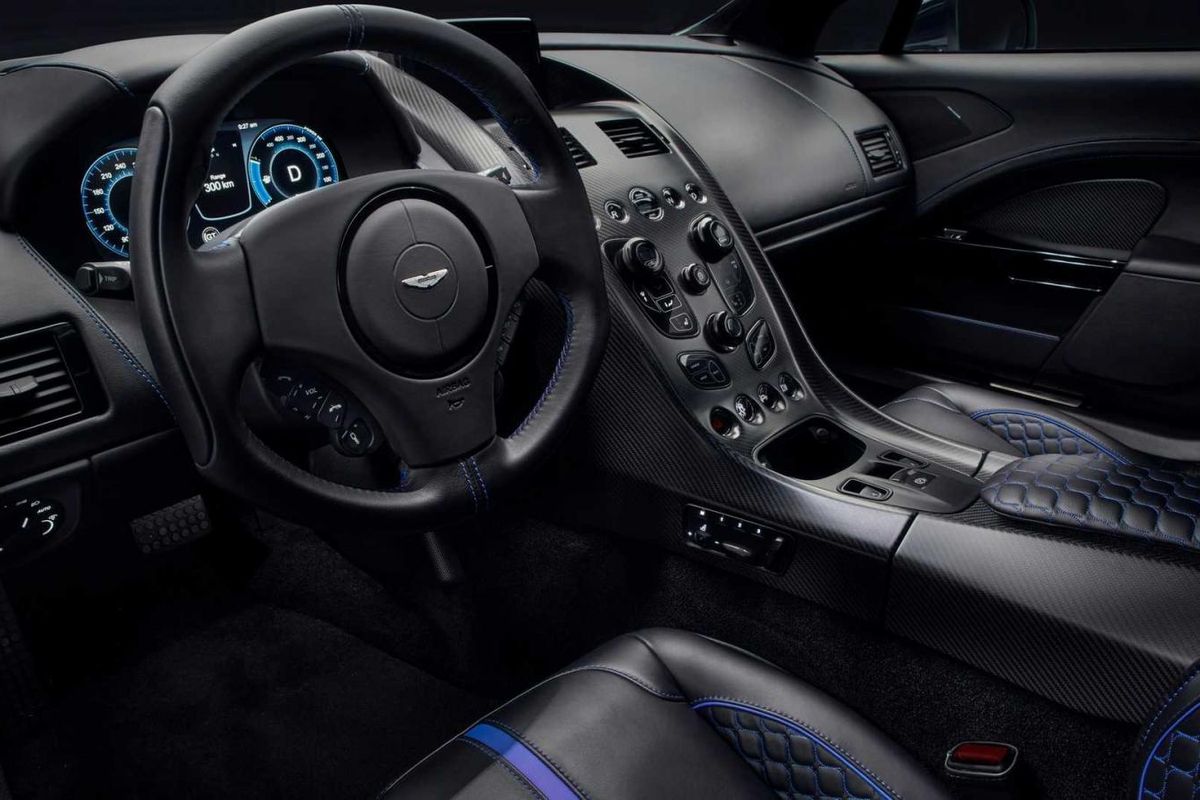
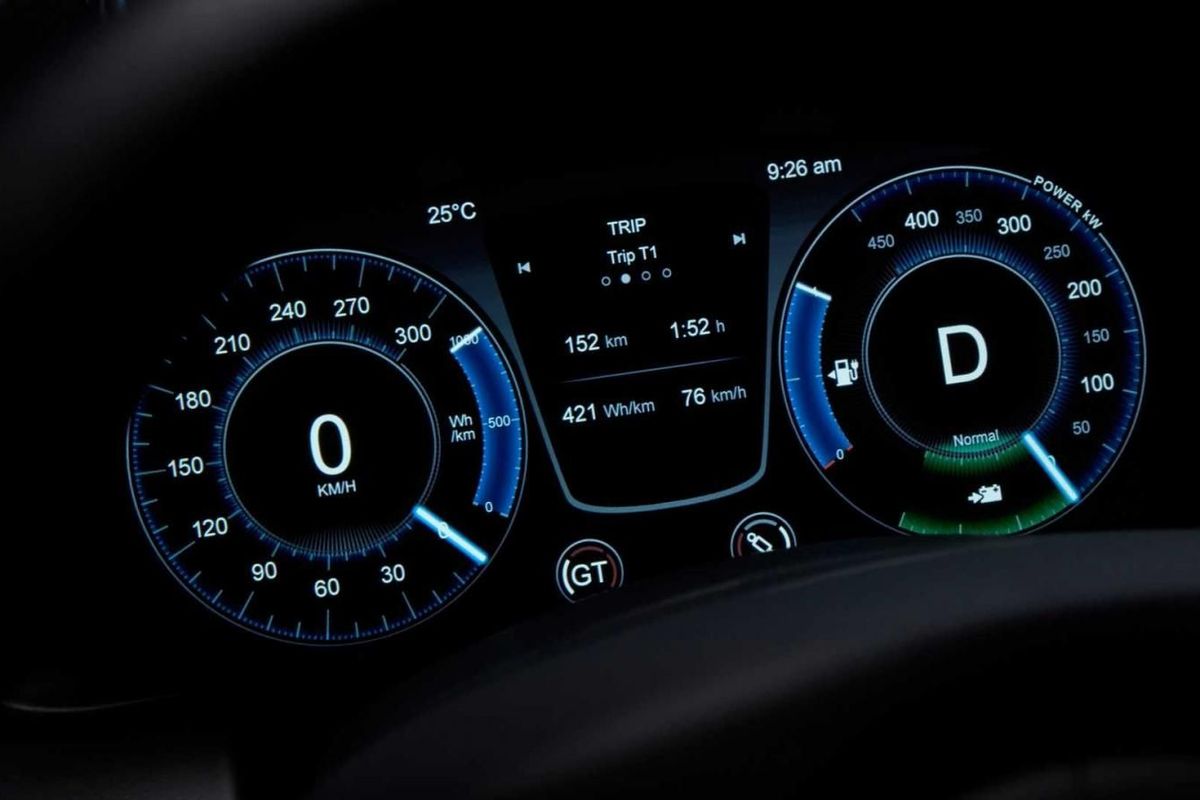
On the inside, the previous analogue dials are replaced by a 10-inch digital display provides all vehicle information to the driver including battery charge, motor power levels, regenerative performance and real-time energy consumption. Carbon fibre is used extensively in the cabin to reduce overall weight and improve efficiency. Owners can also make use of a dedicated app to view key vehicle information remotely.
The Rapide E, developed in collaboration with Williams Advanced Engineering (WAE), is the first electric production vehicle to be produced at Aston’s new production facility in Athan, Wales and only 155 units will be available worldwide.
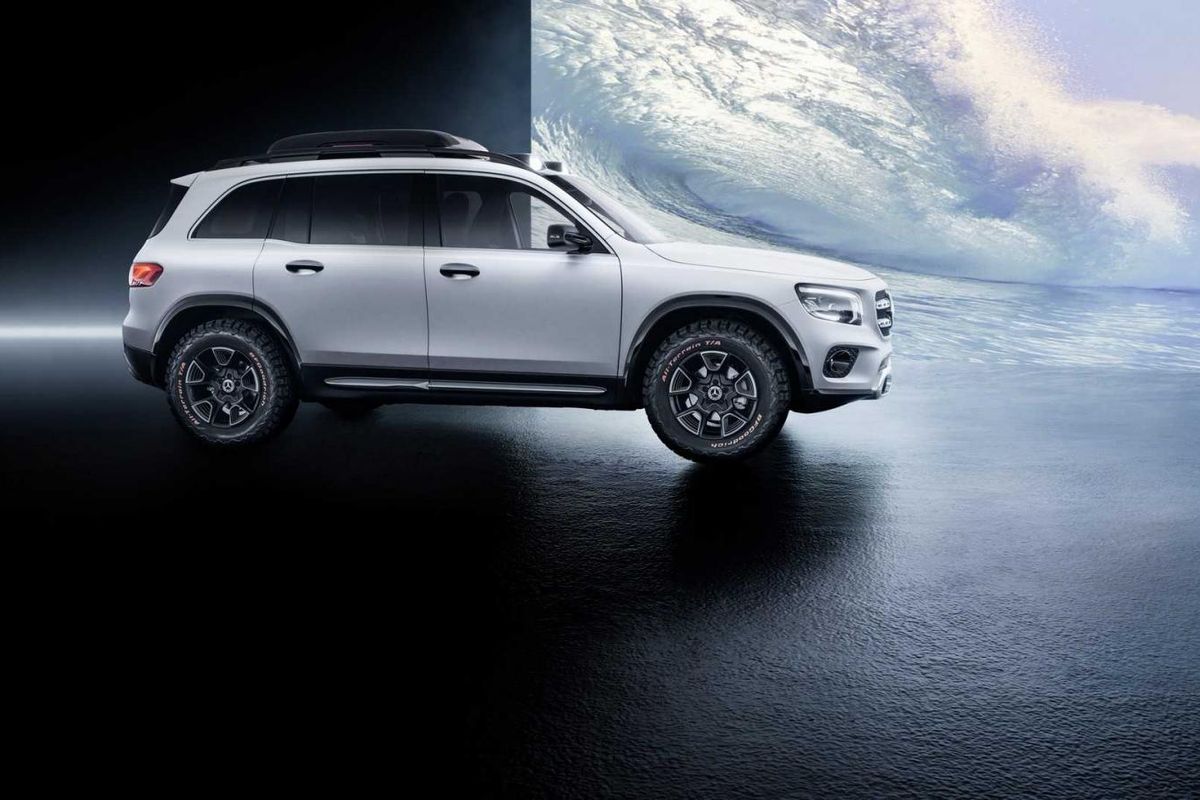
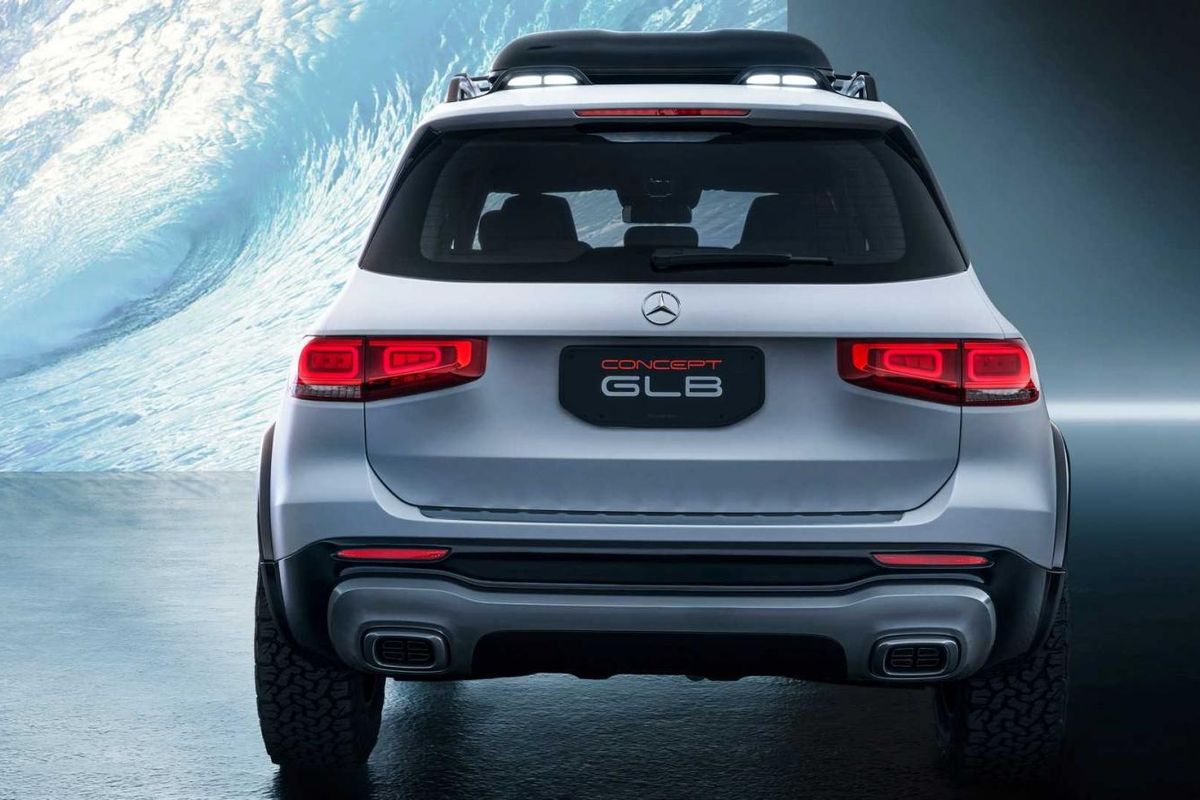
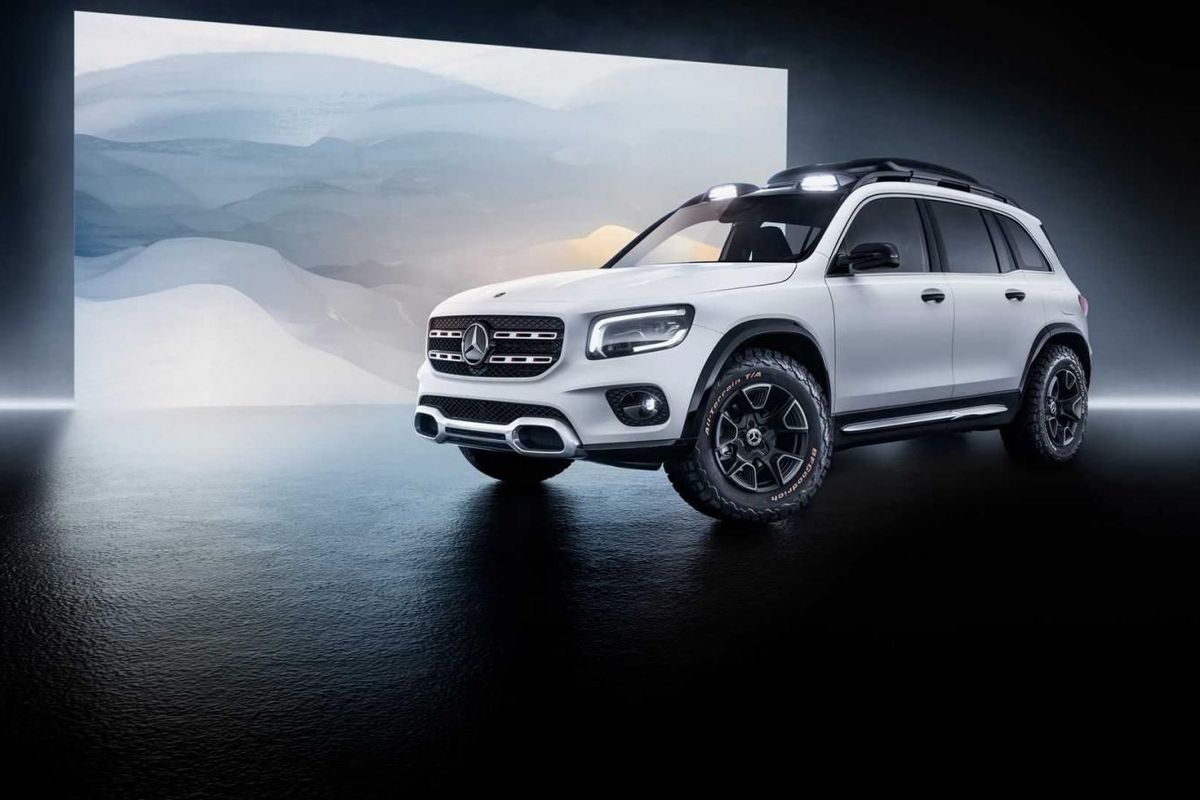
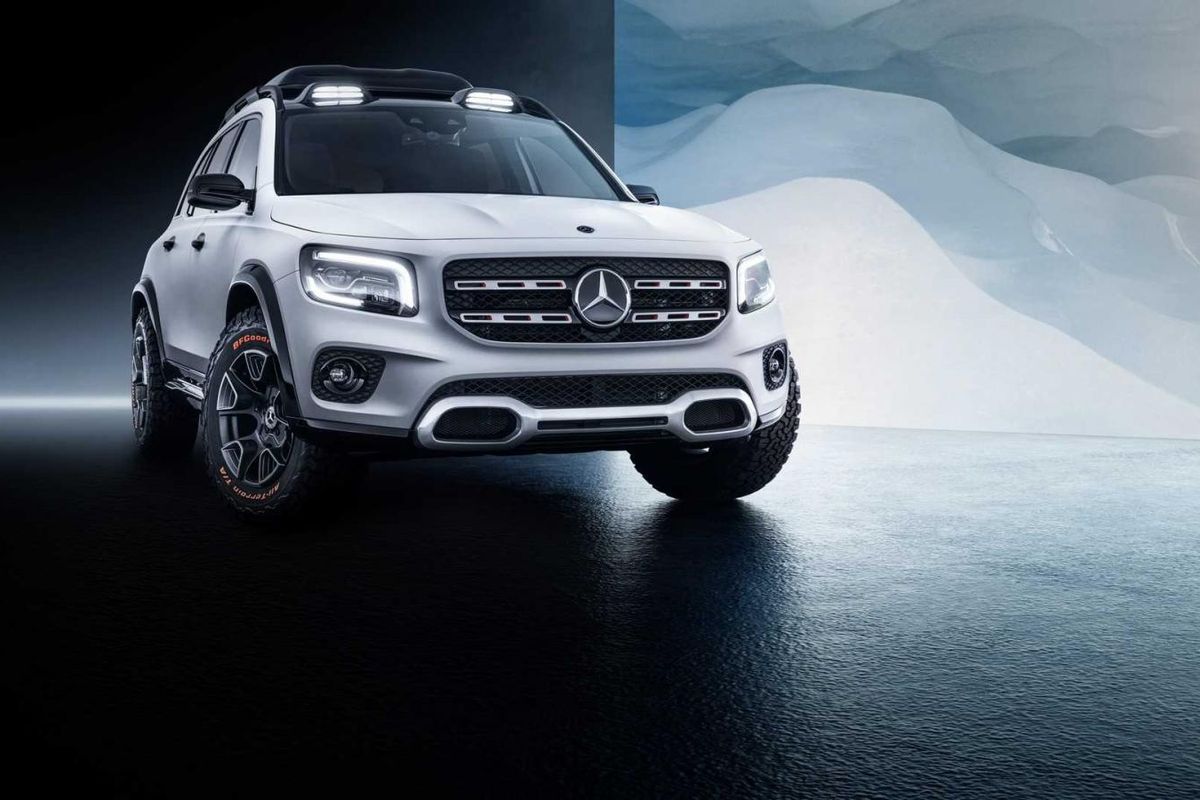
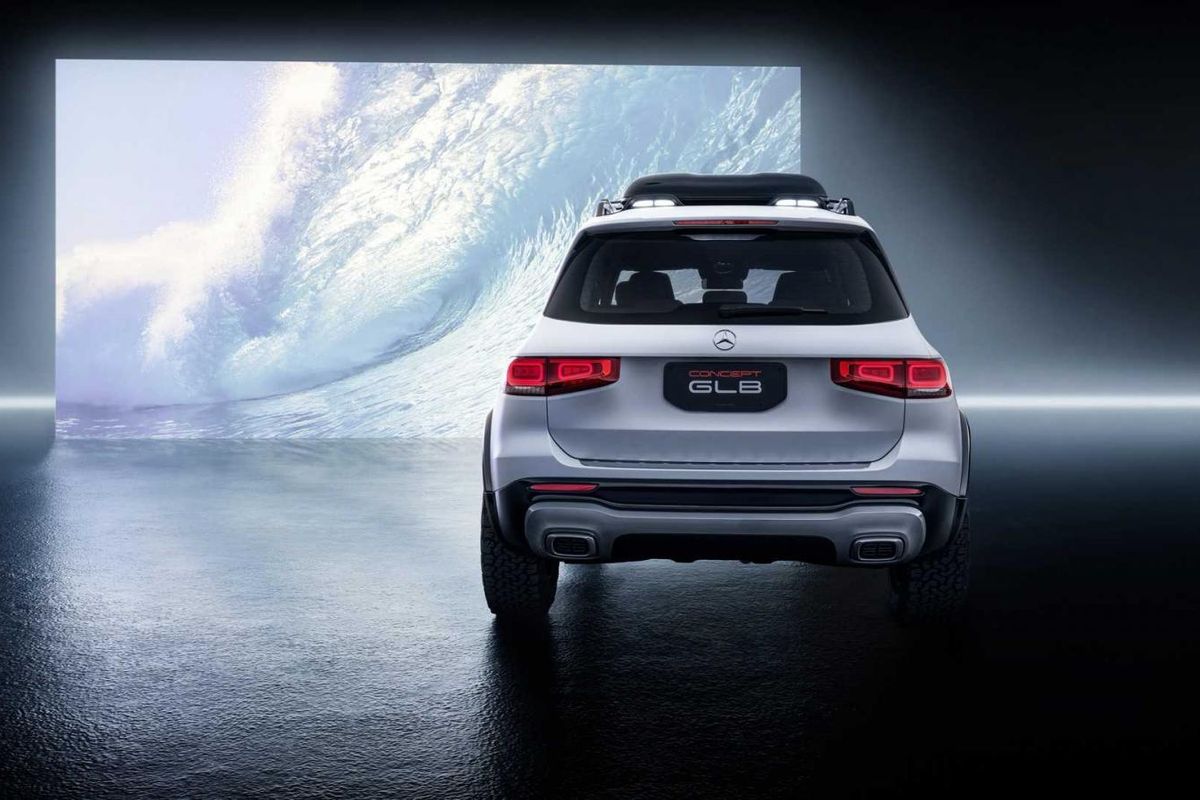
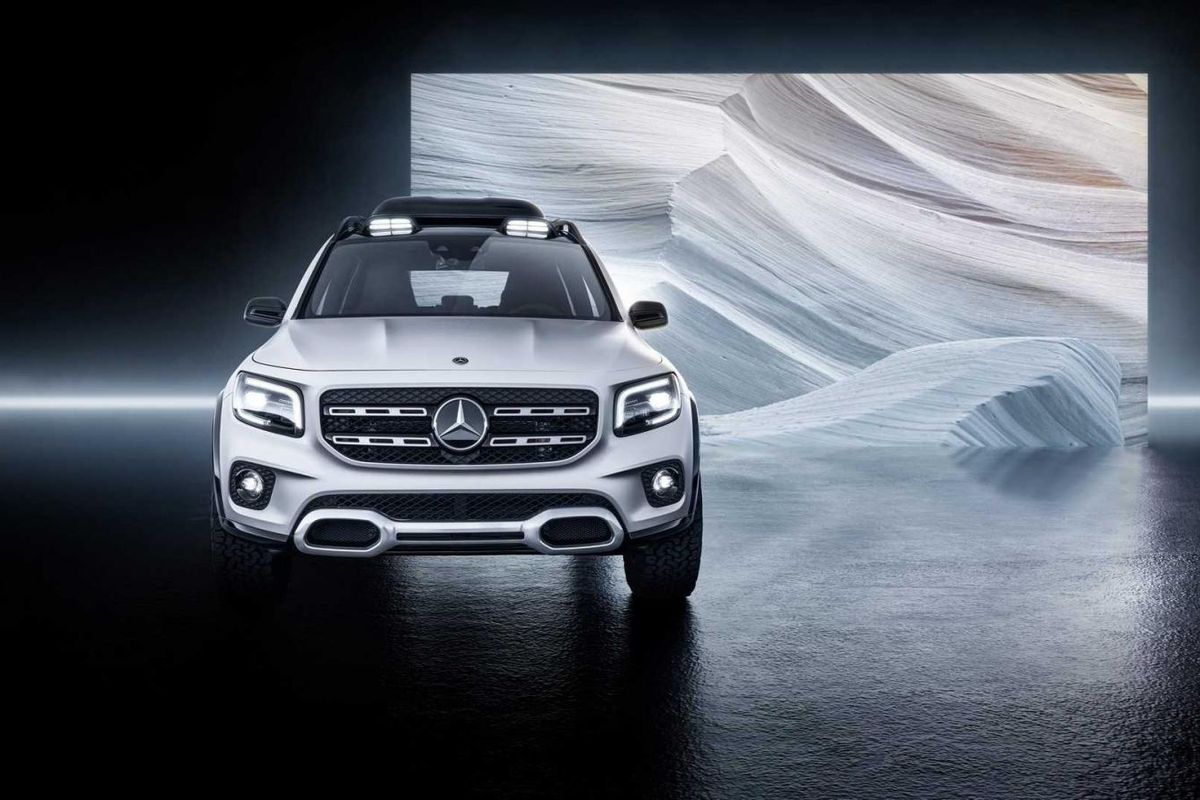
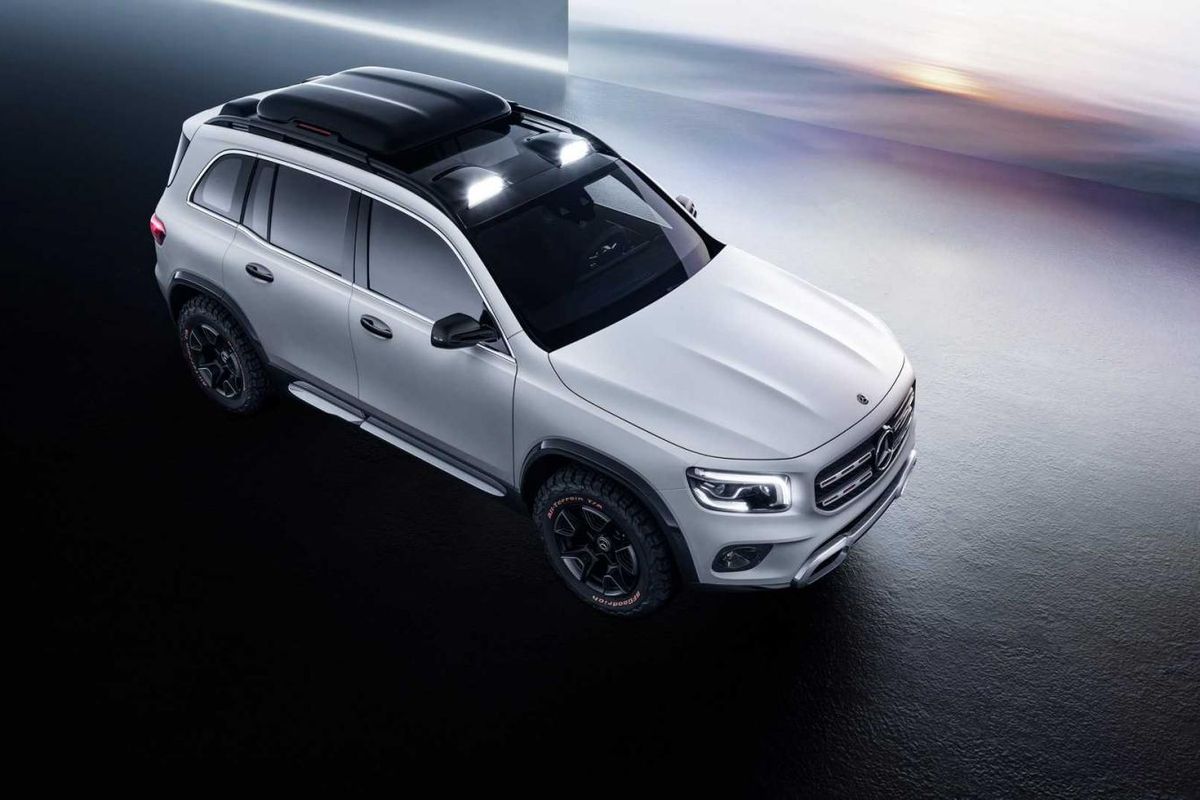
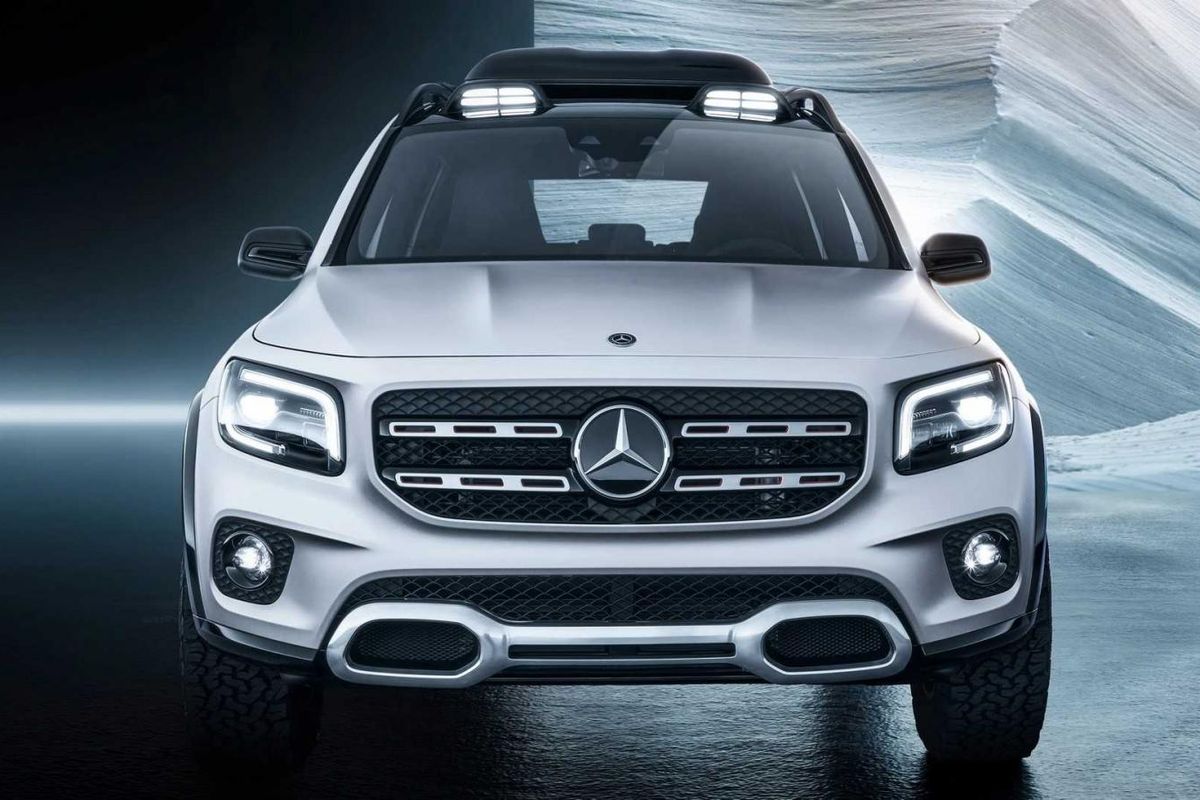
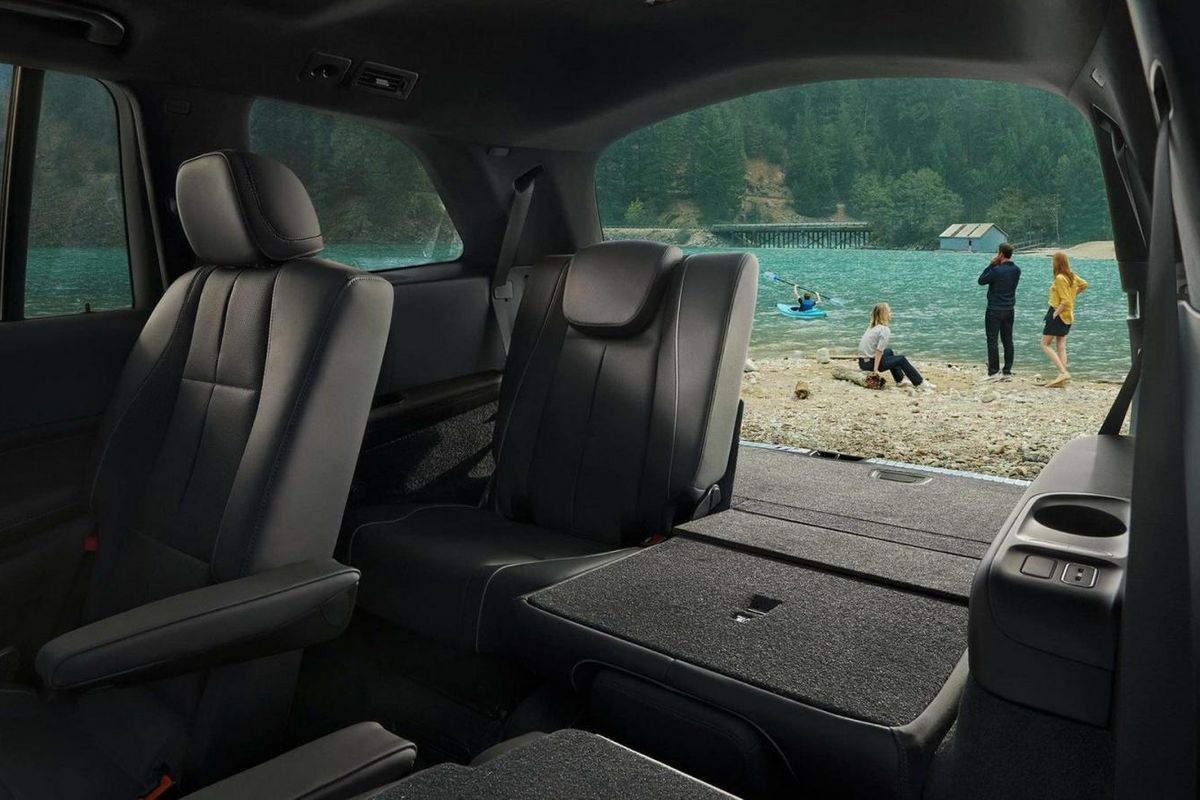
GLB is yet another Mercedes-Benz SUV and has just been revealed at the 2019 Shanghai Auto Show.
Mercedes-Benz believes there is a market for a smaller seven-seater SUV in its product portfolio and has revealed a new vehicle positioned between GLA and GLC.
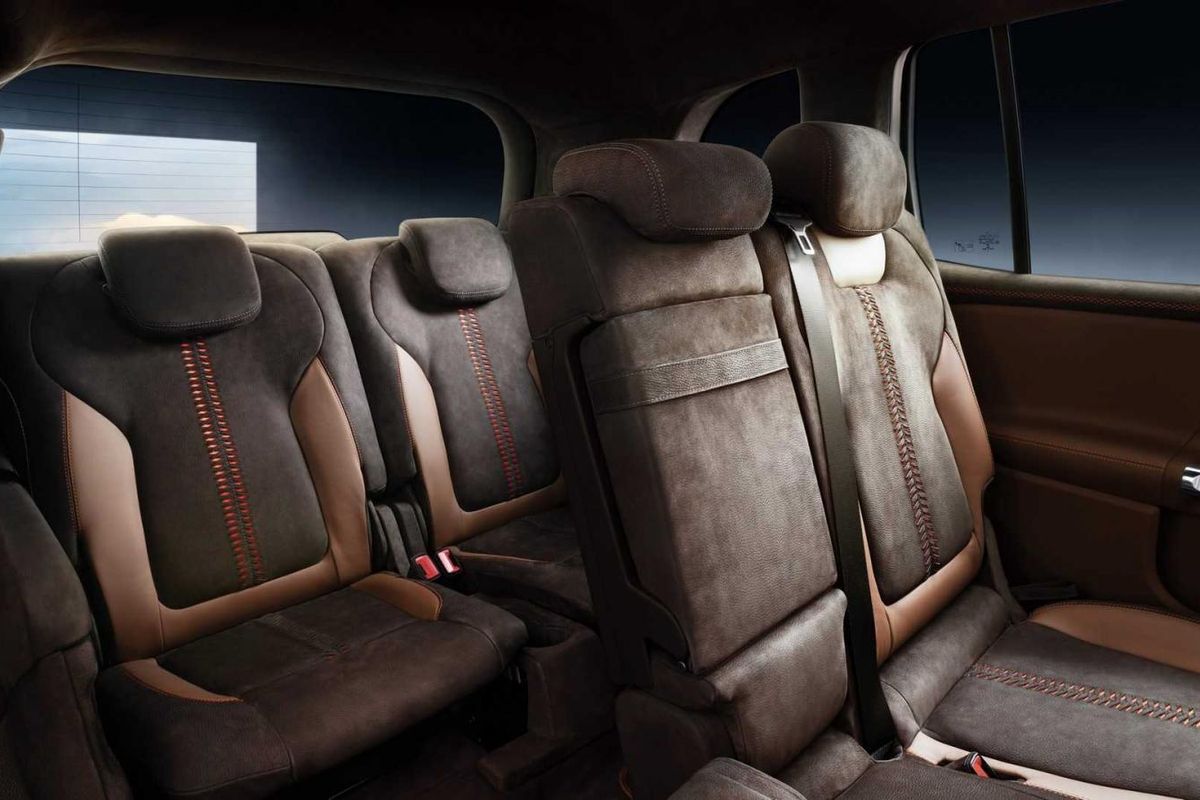
The concept SUV is called GLB and although it rides on the German brand’s compact SUV platform, there are three rows of seating. Mercedes says that clever cabin engineering makes those rearmost seats comfortable enough for medium sized adults, even on longer journeys, thanks to the second-row seats being 50mm rearwards and 90mm forwards adjustable.
Ranked in overall size the GLB measures 4.62m bumper-to-bumper, with a 2.82m wheelbase contained within those dimensions. That makes slightly more than 200mm longer than a GLA and only a touch shorter than the GLC. r
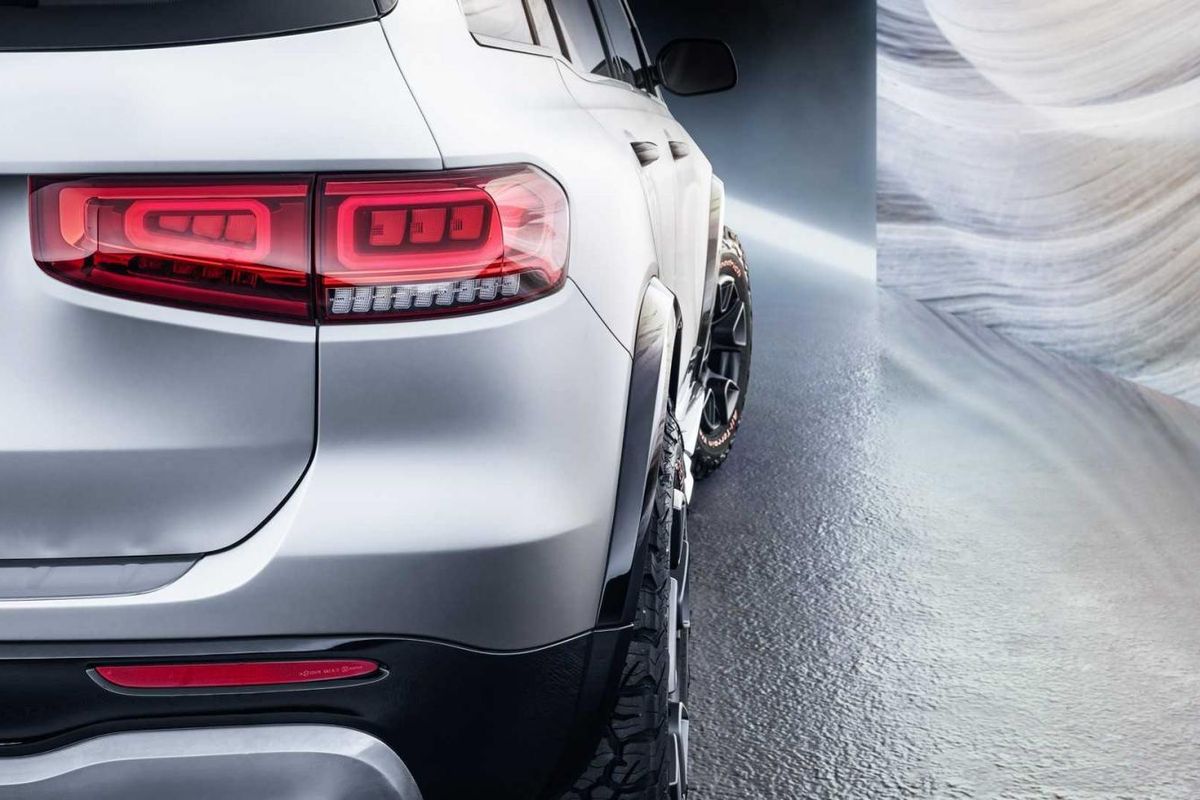
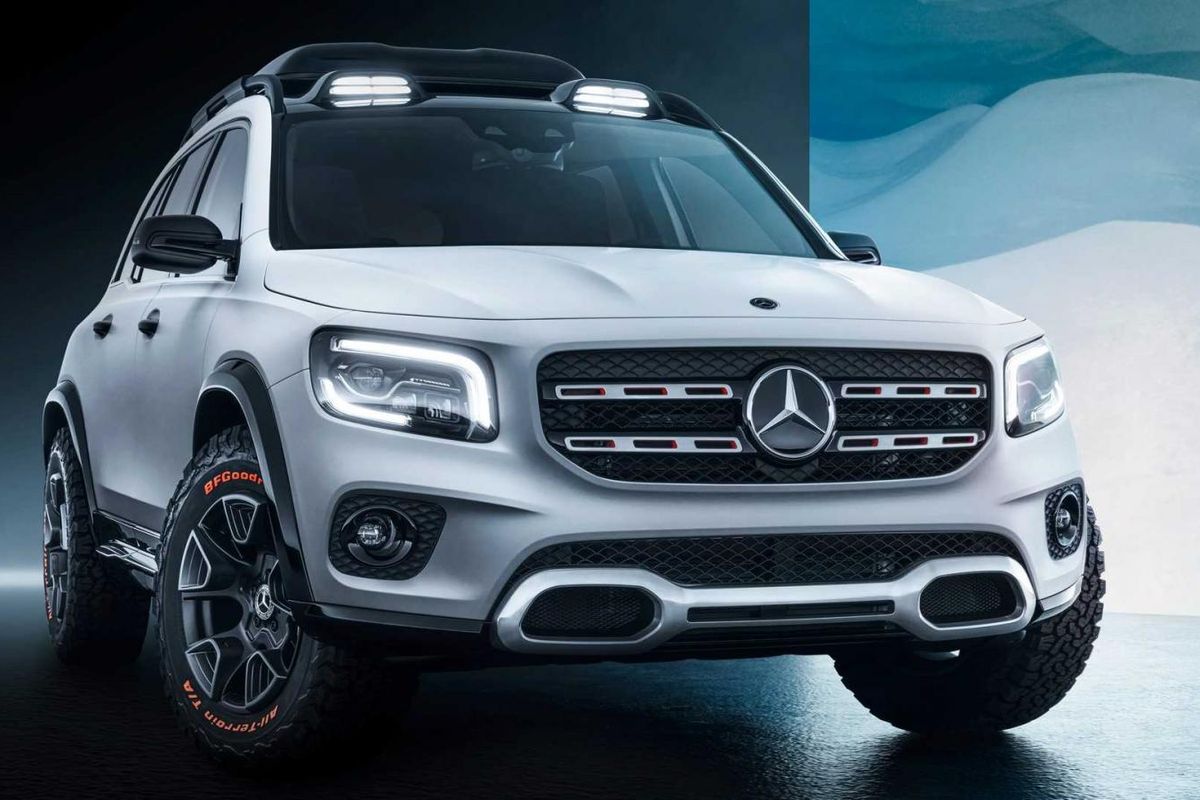
GLB features the current Mercedes SUV and bakkie design language with a bold twin-bar grille and rectangular headlights, featuring integrated LEDs. The rear shows-off a new tailgate stamping whilst the overall stance indicates raised suspension, higher than either GLA or GLC. Rolling in the wheel arches are aggressive BF Goodrich all-terrain tyres on an all-new split-spoke alloy wheel design, structured around five blades.
Powering the GLB concept is a Mercedes-Benz’s 2-litre turbocharged petrol engine, tuned to deliver 165 kW. That power is split in an 80/20 front axle bias, through Mercedes-Benz’s eight-speed dual-clutch transmission. An off-road mode resets the power distribution to a 50/50 arrangement between the front and rear wheels, for more balanced traction on loose surfaces.
Although the GLB is classed by Mercedes-Benz as a concept, a production version is expected to be released before the end of this year.
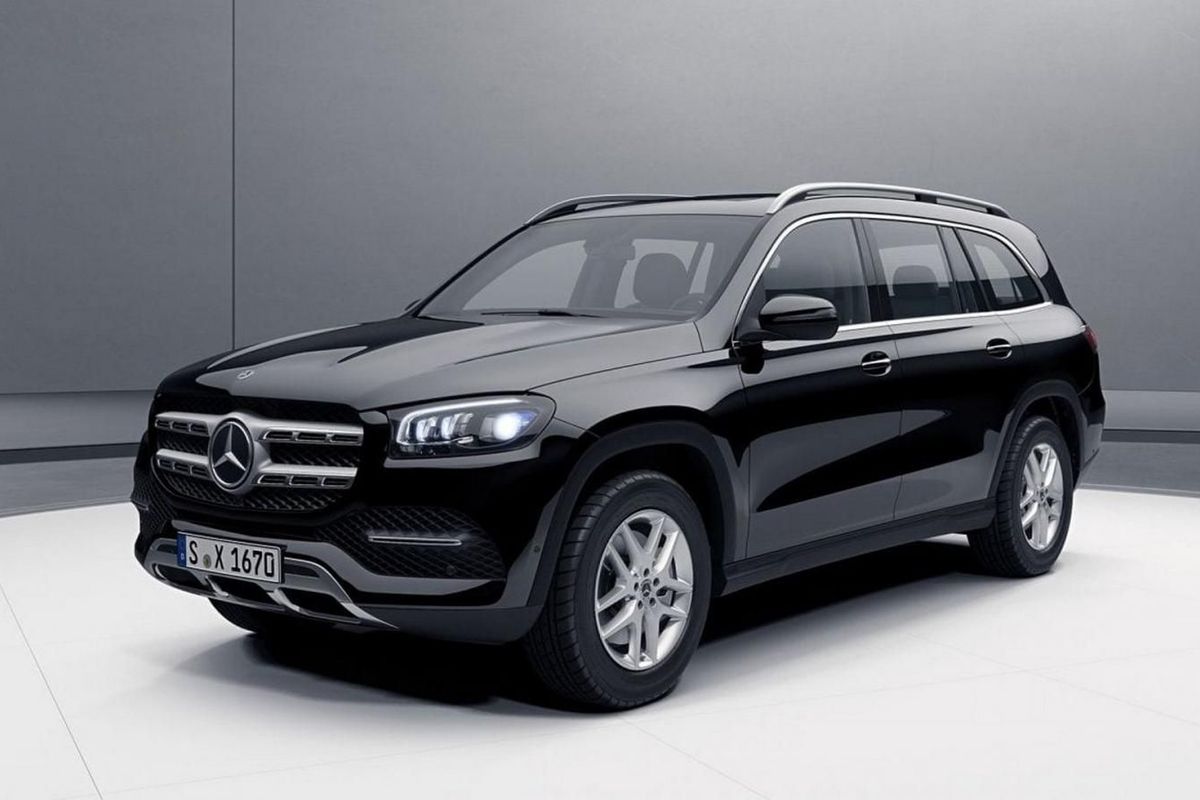
As a response to BMW’s giant X7, Mercedes reveals its latest GLS.
The third-generation of Mercedes-Benz’s largest SUV is due for its public debut at the New York auto show, this coming Friday.
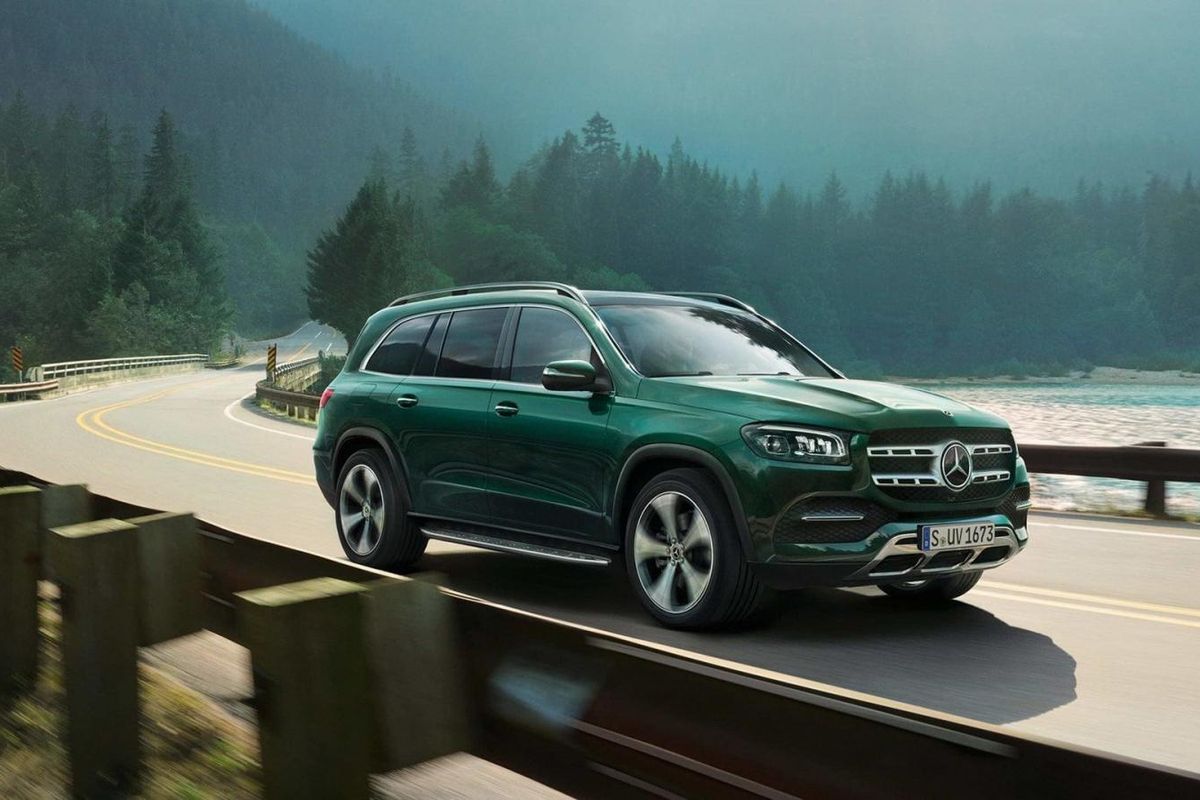
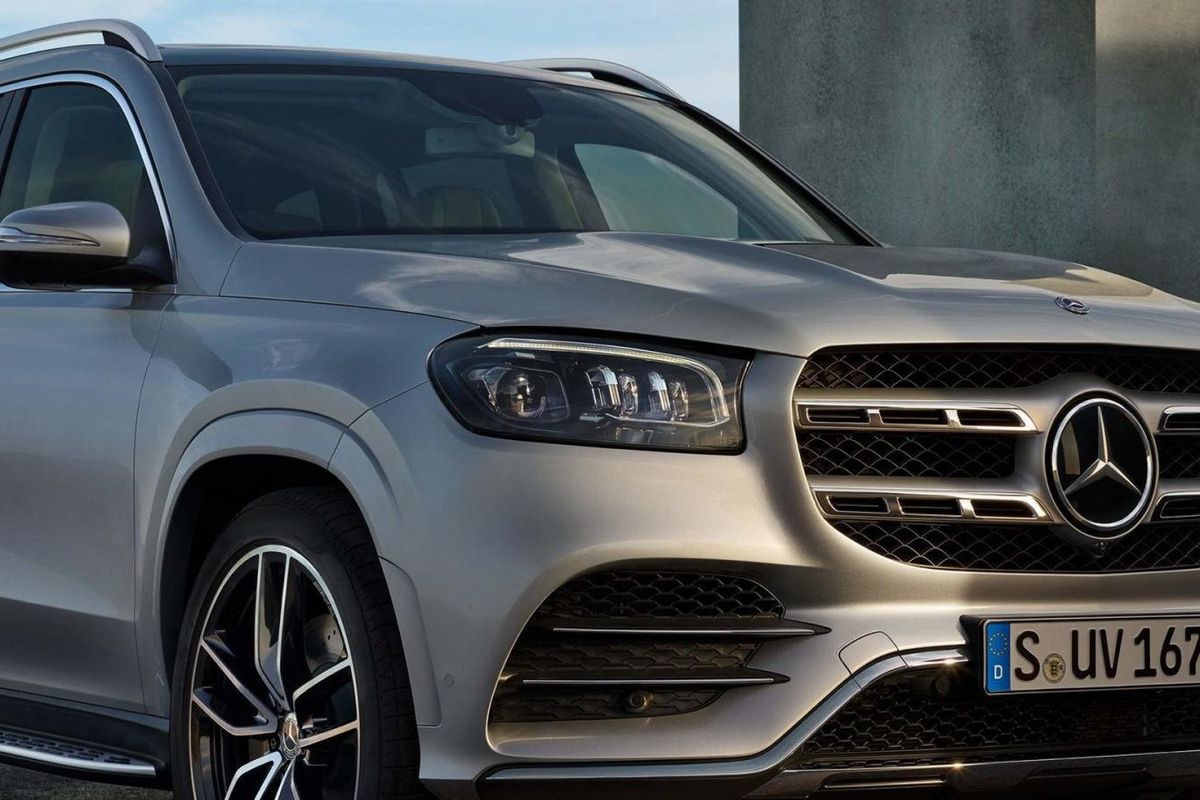
Official images of the new GLS have leaked ahead of the seven-seater SUV’s New York introduction and its shows an evolution of the current GLE design language, albeit in a larger package.
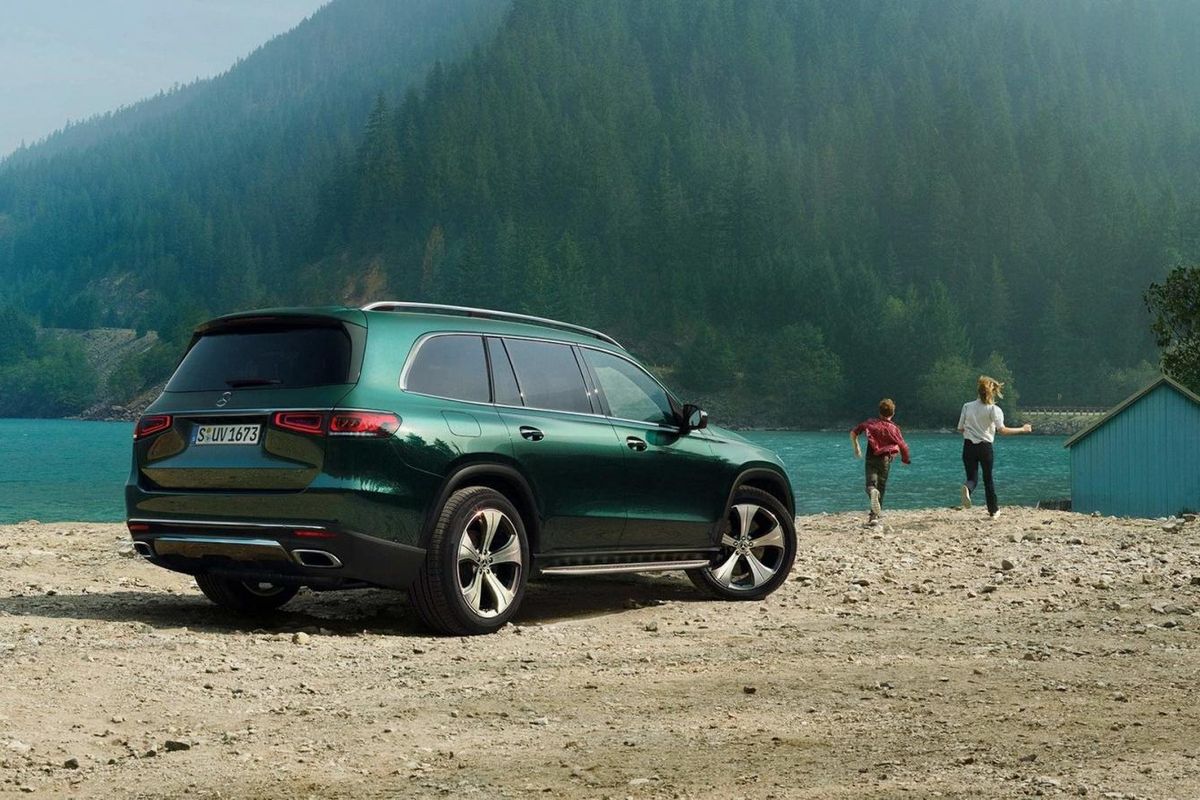
The GLS gains a twin-bar grille and around the rear, there are thinner profile taillights. The entire tailgate has been reshaped too, to feature a concaved recess into which the license plate is mounted – a styling upgrade which does much to reduce the blunt mass which many large seven-seater SUVs can suffer from, viewed from the rear.
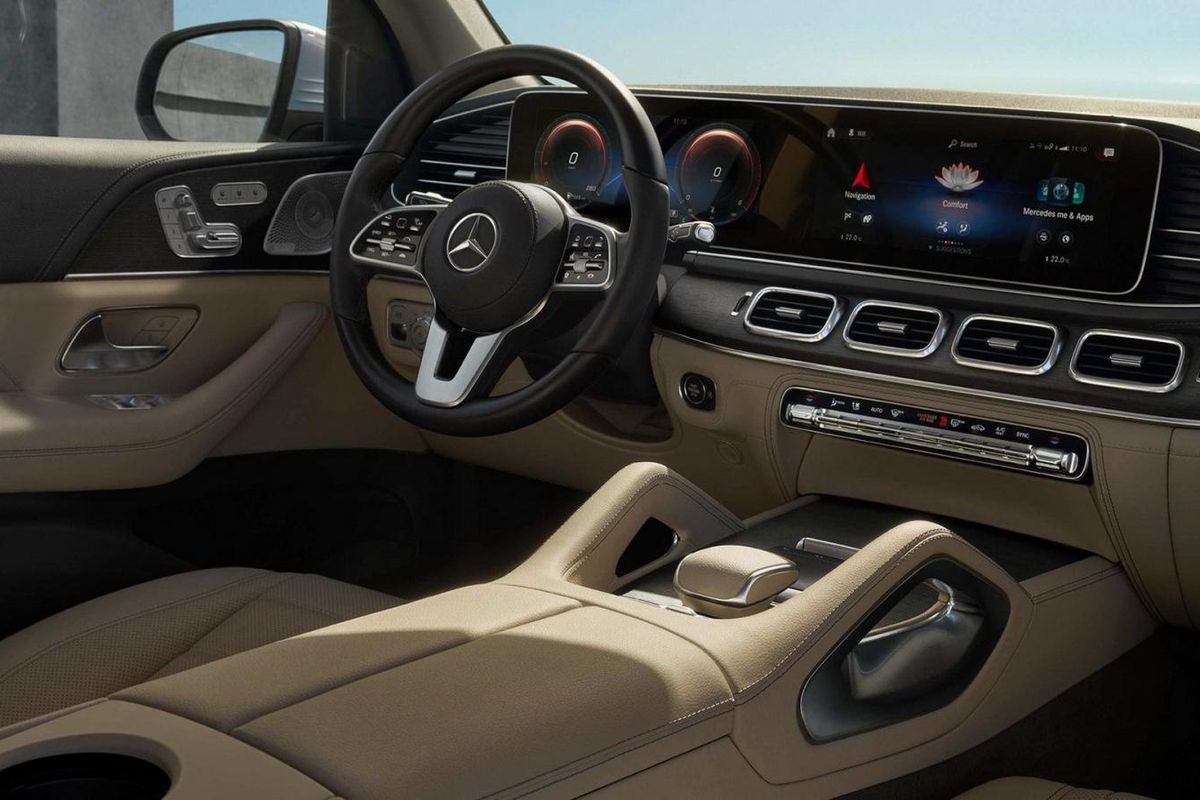
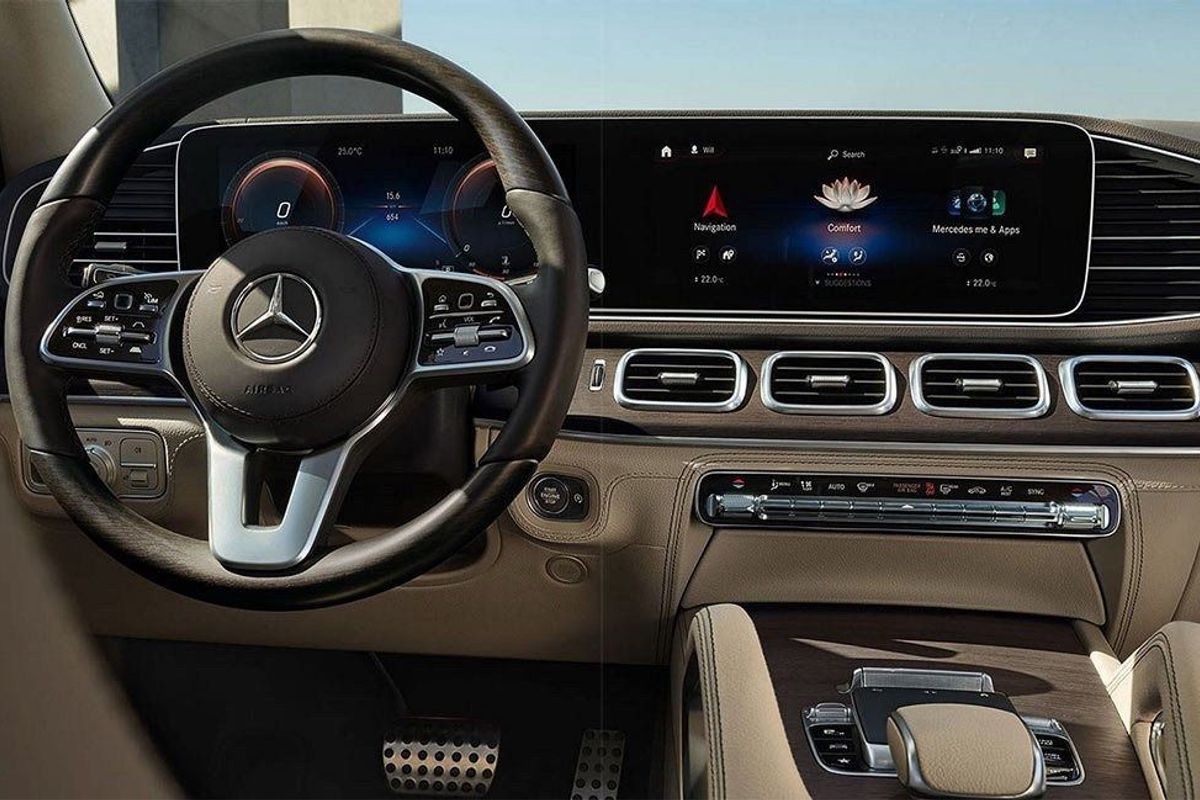
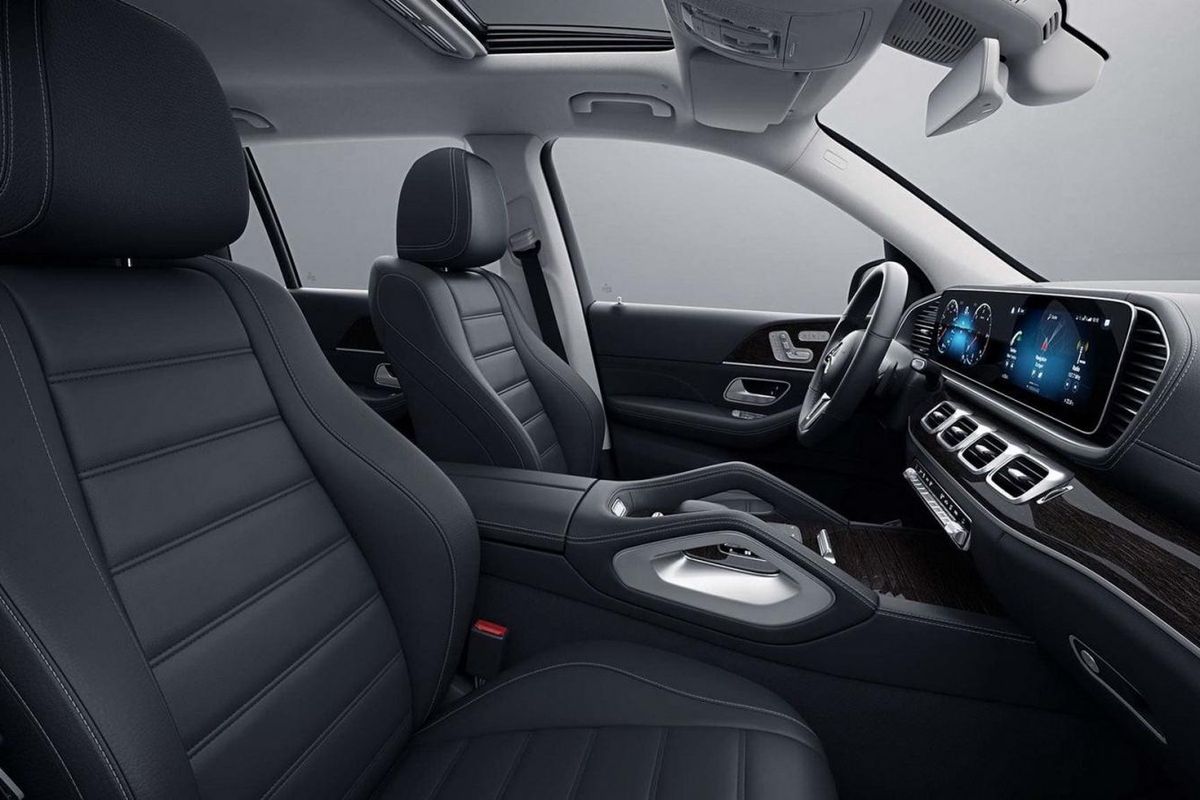
Inside the GLS retains its three rows of accommodation, with the latest Mercedes-Benz digitisation technology present. The driver’s instrumentation is served via a large digital screen whilst flanking it is another widescreen, with touch functions, for general infotainment.
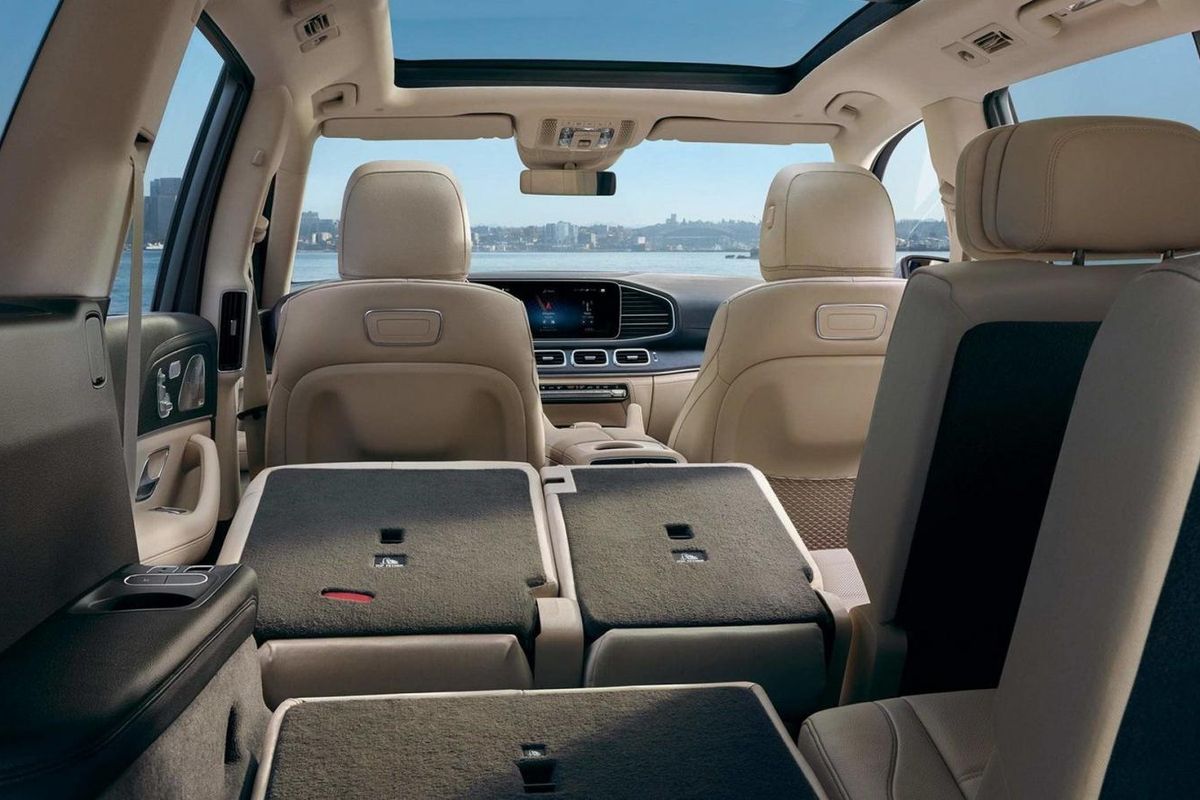
Second-row passengers can each also be served by large touchscreens which are integrated into the seatbacks of the front passenger and driver seats, whilst the rearmost passengers, in the third-row, have access to their own USB ports for device integration or recharging. With a wheelbase increase of 60 mm over the second-generation GLS, passengers should be that bit comfier inside too.
The new GLS rides on a stretched version or Mercedes-Benz’s latest Modular High Architecture platform, which should provide adaptive air-suspension thanks to a 48v electrical system. Although exact engine specifications will only be detailed by the end of this week, each third-generation GLS will be all-wheel drive and shift gear via Mercedes-Benz’s own nine-speed automatic transmission.
It is expected that a GLS450 will initially headline the range, powered by a turbocharged 3-litre in-line six. This engine will also benefit from mild-hybridization, with a total system output of 270 kW and 500 Nm. Most of Mercedes-Benz’s latest range of mild-hybrid engines should find their way into the latest GLS powertrain option list and of course, there will be a GLS 63 AMG in due course.
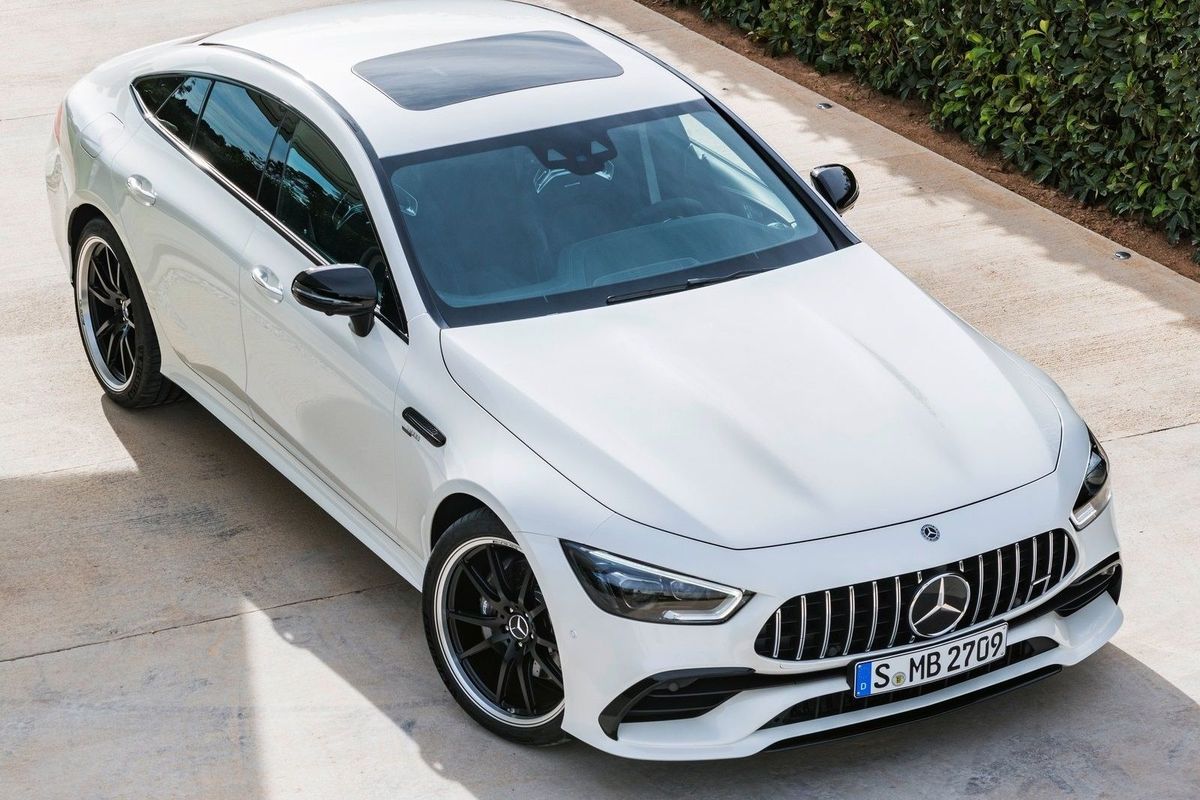
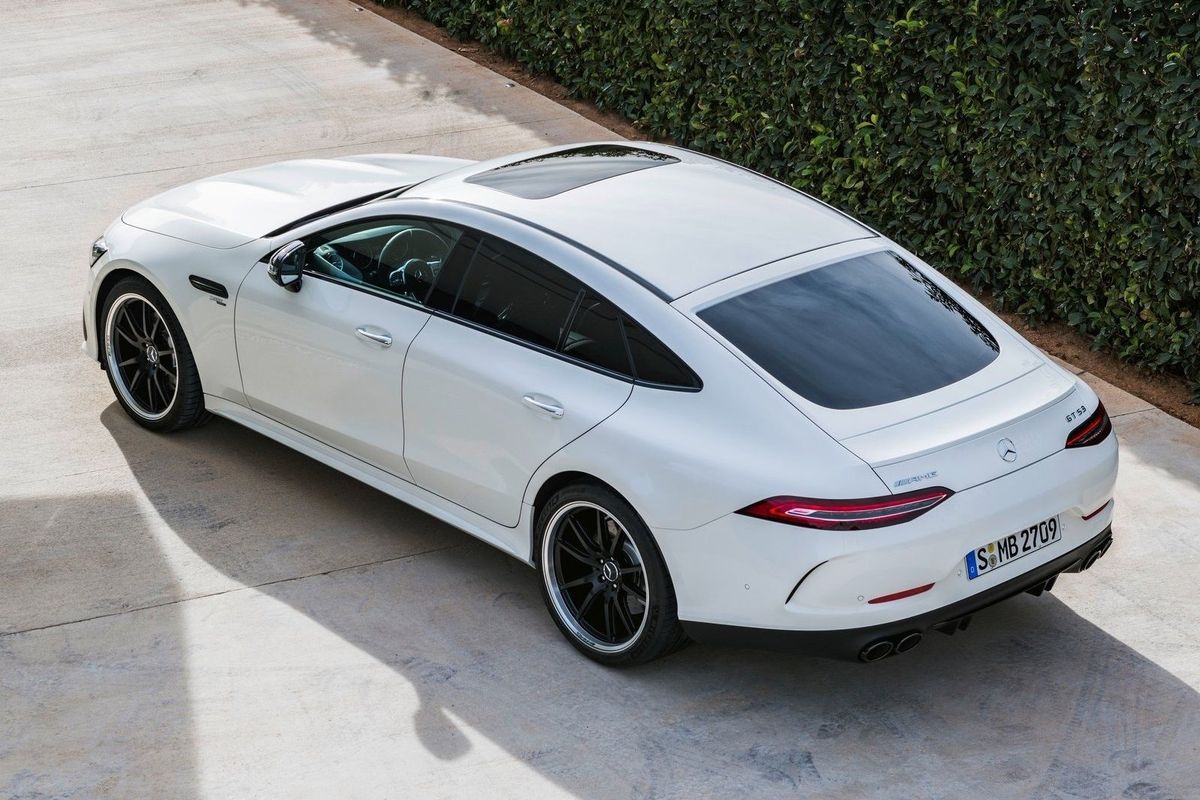
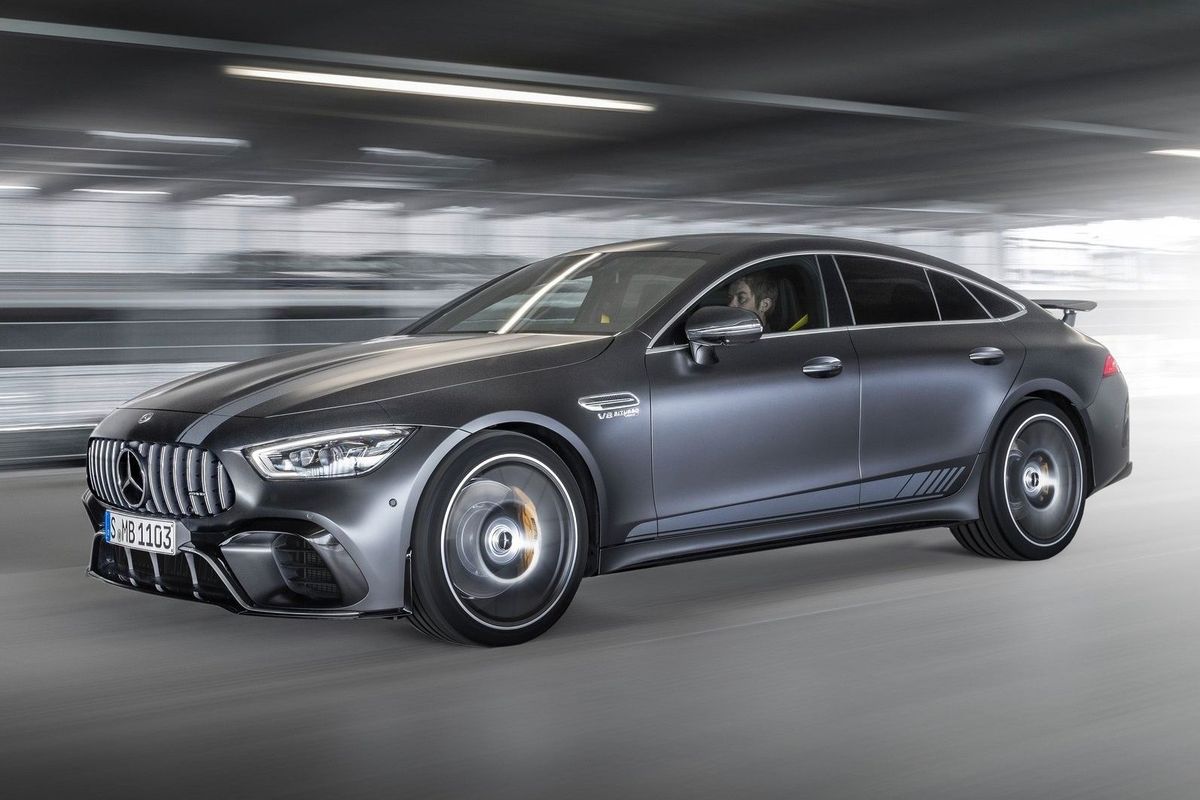
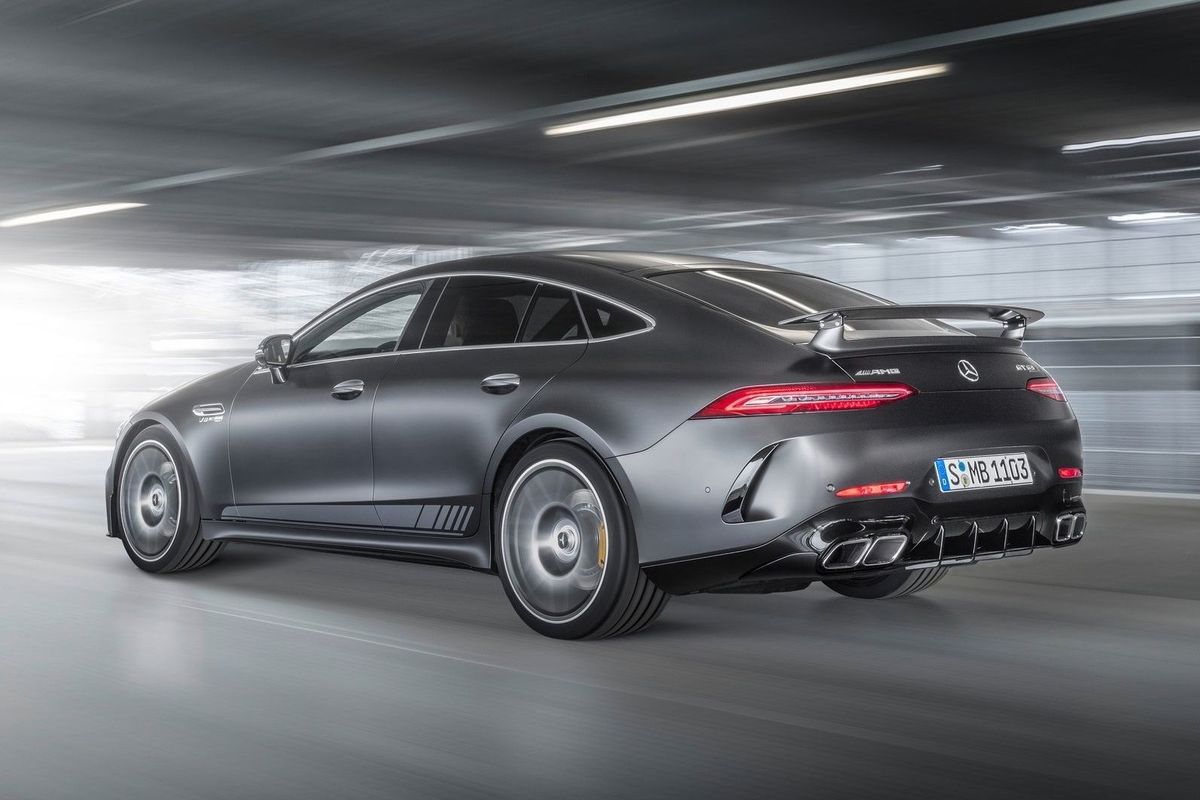
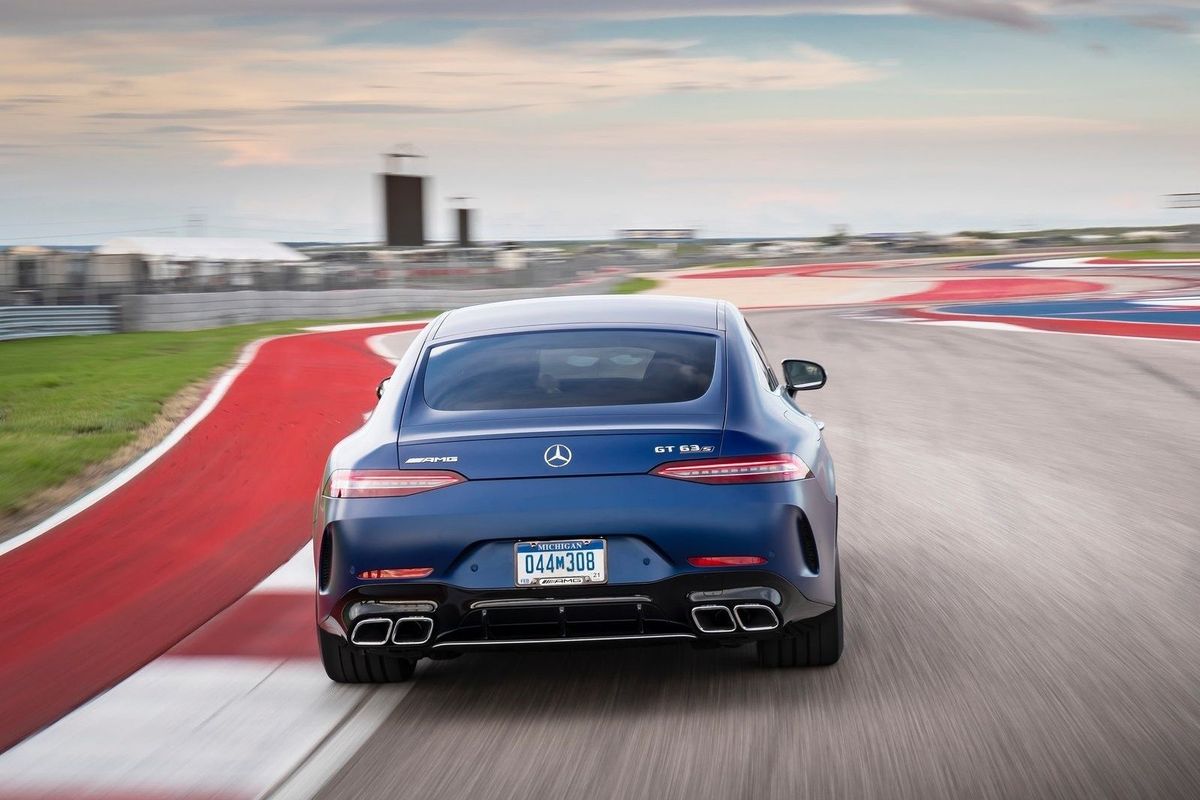
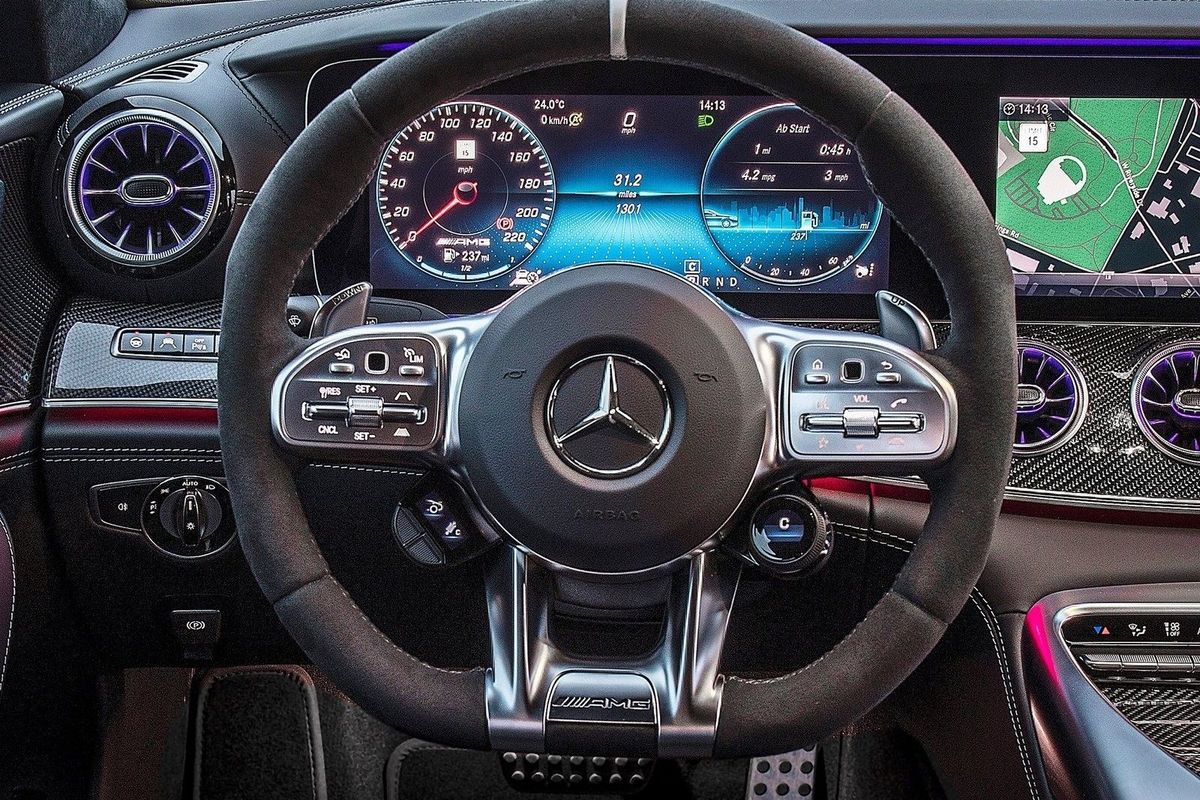
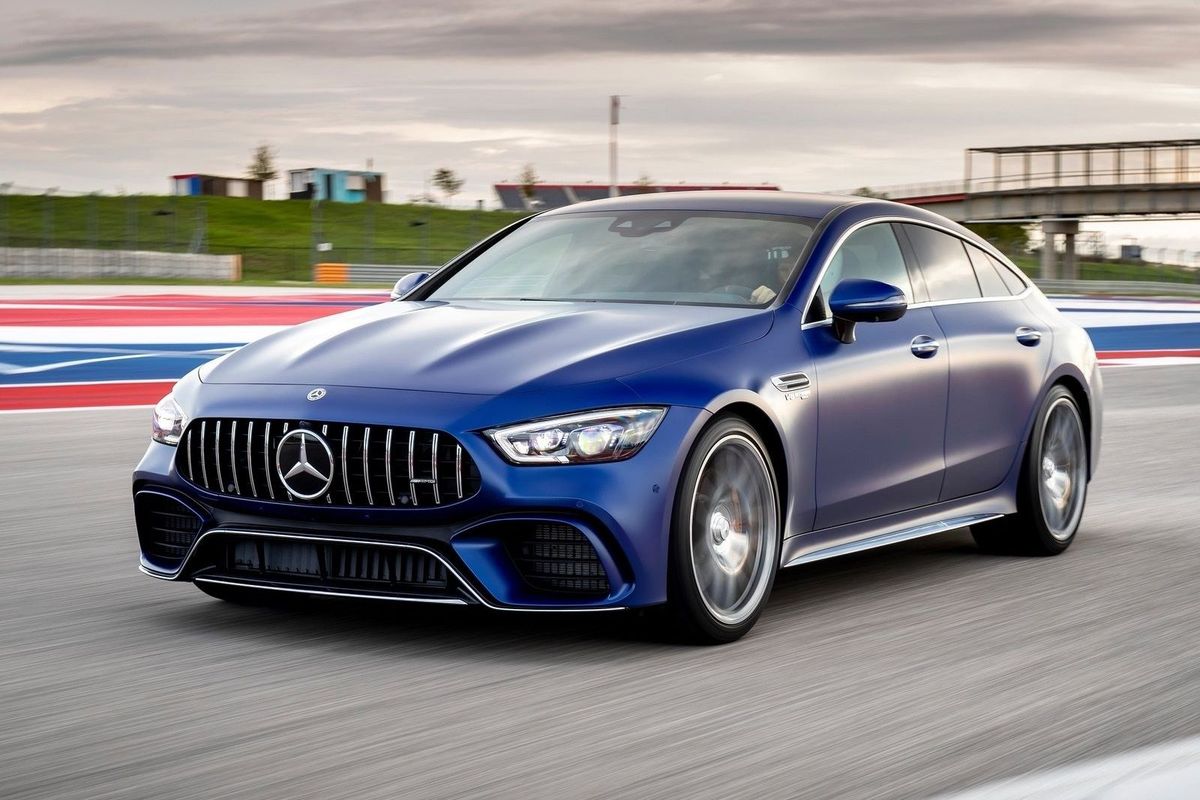
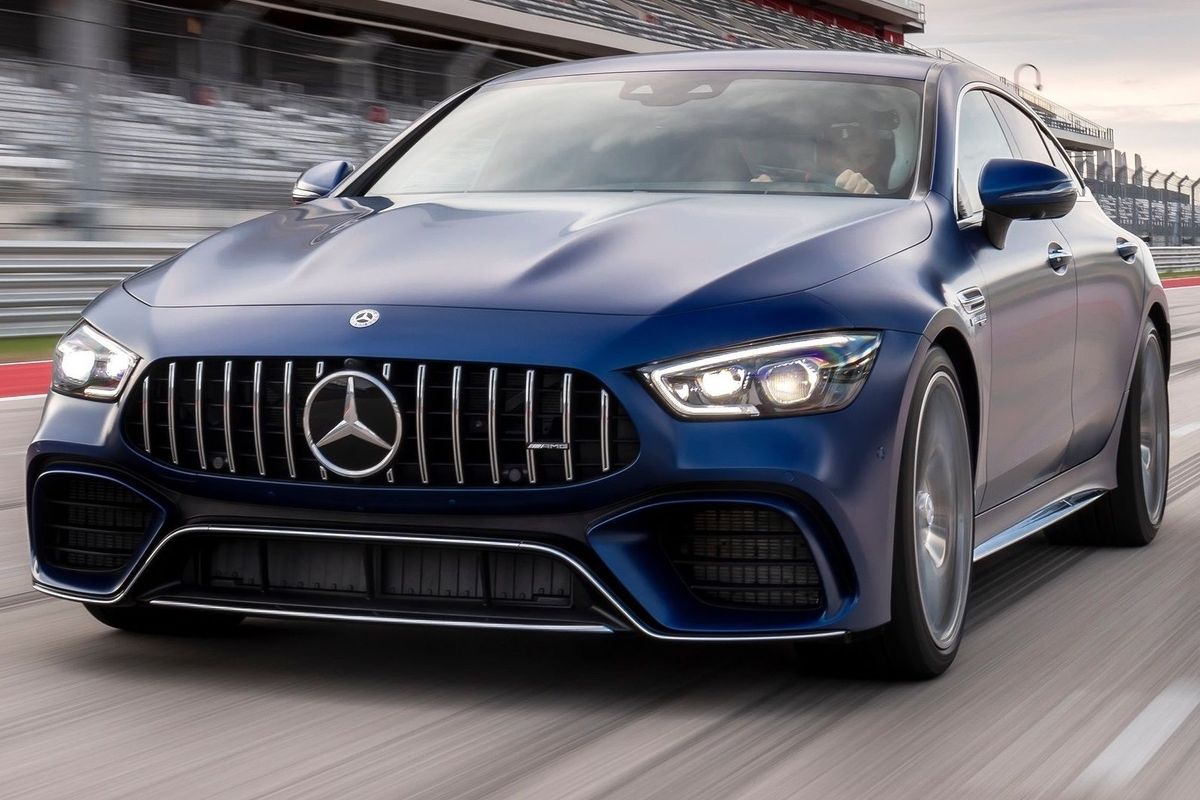
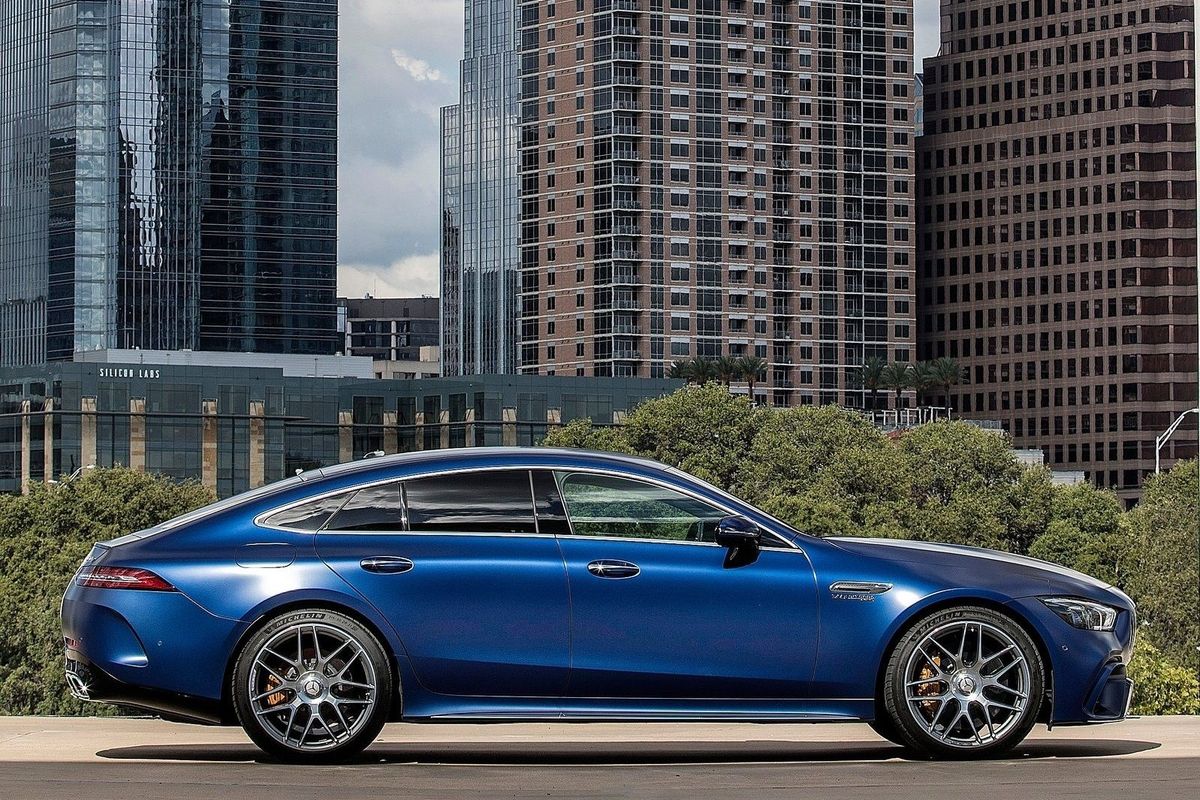
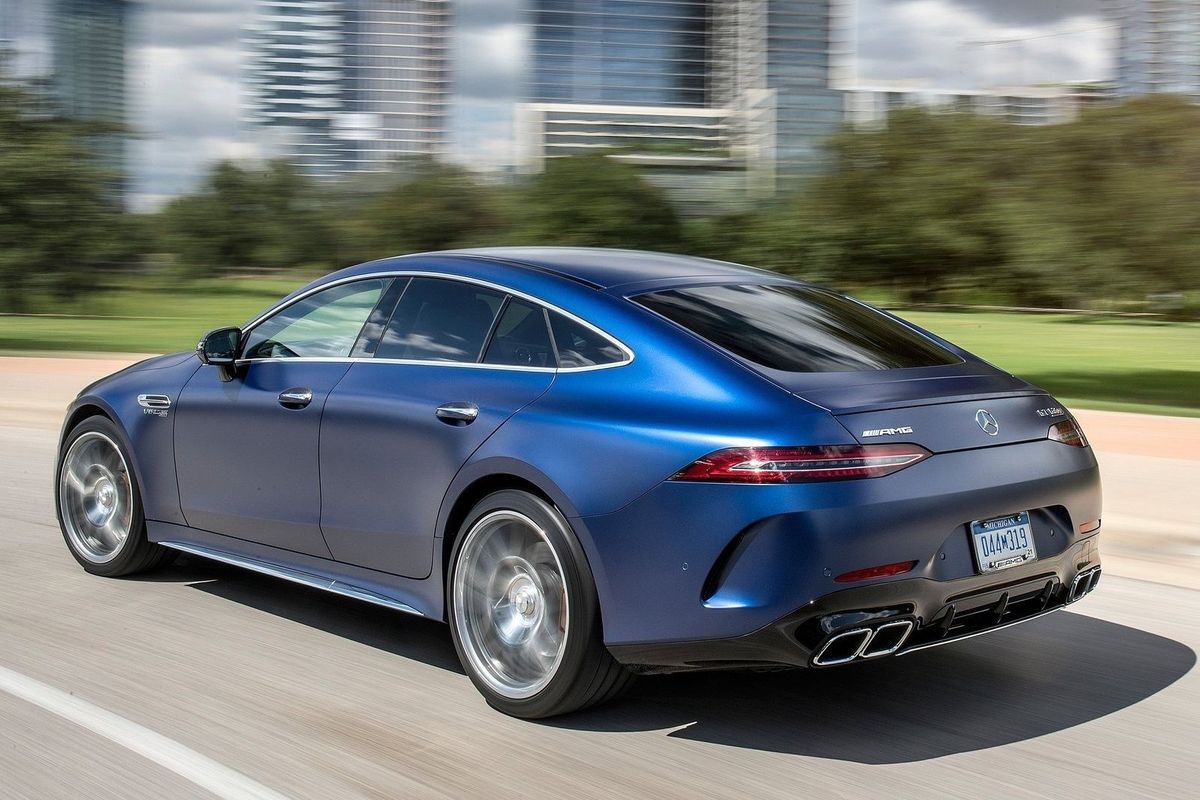
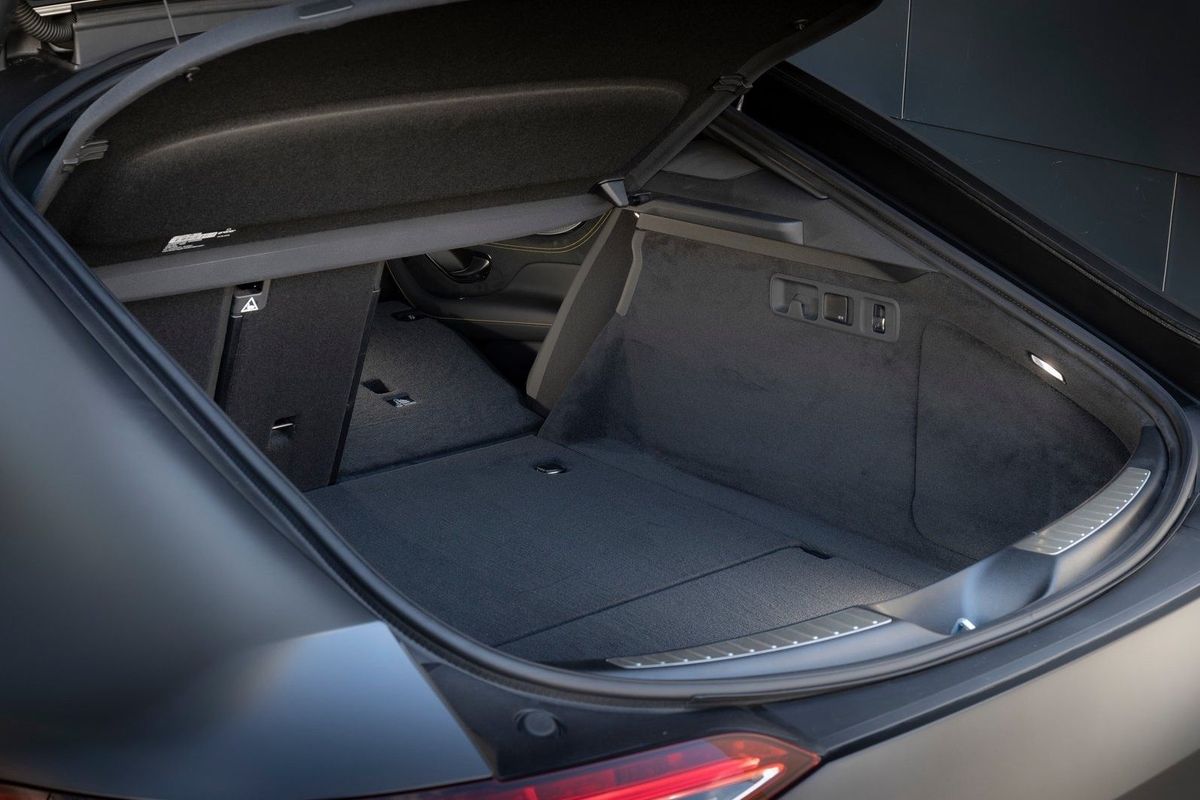
Pricing for the forthcoming Mercedes-AMG GT range has been revealed. Here's how much this 4-door supercar will cost when it launches in South Africa.
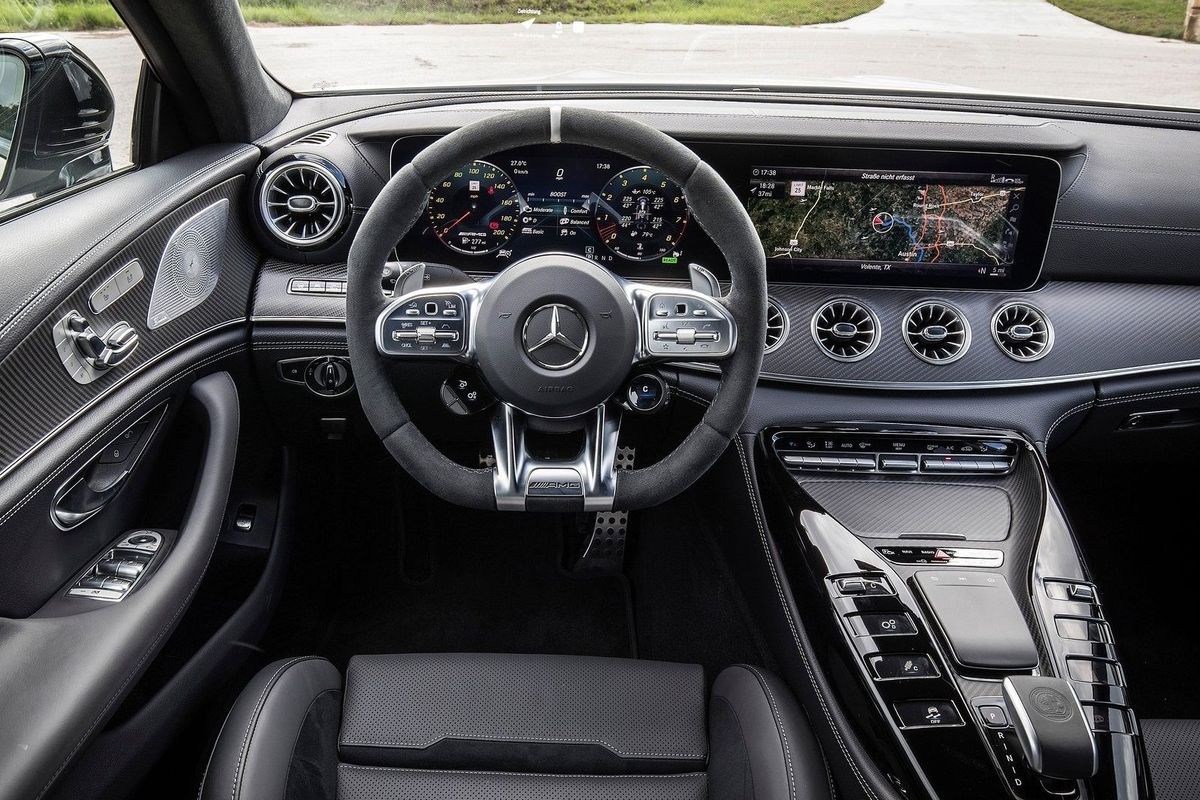
Mercedes-AMG will be launching its 4-door coupe in South Africa in the next few months and it'll be available in 2 flavours: GT53 and GT63 S. Powered by a new 3.0-litre inline 6-cylinder petrol engine and the proven AMG 4.0-litre V8 biturbo engine with outputs of 320 kW / 520 Nm and 470 kW / 900 Nm, both AMG GT 4-door coupes will be brisk. Both vehicles also feature 4Matic+ all-wheel drive and the slick 9-speed AMG Speedshift transmission, although the 6-cylinder model is the TCT, while the V8 is MCT. Acceleration is brisk, with the flagship model accelerating to 100 kph in a claimed 3.2 seconds, while the V6-powered GT53 does the standard sprint in 4.5 seconds.
"The new AMG GT 4-Door Coupé blends the impressive race track dynamism of our two-door sports car with maximum suitability for everyday use. It has a unique way of embodying our brand core of Driving Performance and, with its systematic configuration, it will attract new customers to Mercedes-AMG," commented Tobias Moers, CEO of Mercedes-AMG GmbH.
South African options range from Lane Tracking (R13 260), Driving Assistance Package (R32 300), AMG Exterior Chrome package (R16 150), AMG Exterior Carbon package (R62 900), Keyless-Go Comfort package (R13 500), and Driving Assistance Package Plus (R40 800), to name but a few. There are a choice of 10 colours and 11 alloy wheel designs.
Mercedes-AMG GT 4-Door Price in South Africa (April 2019)
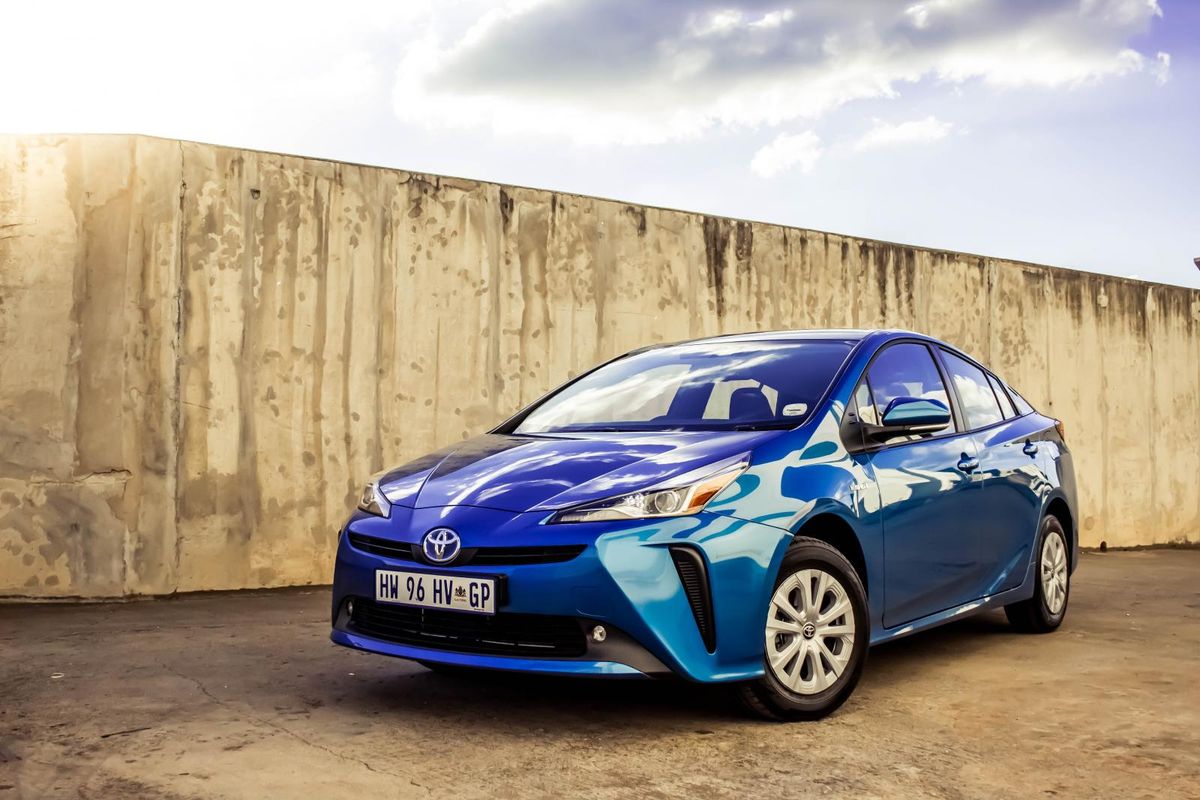
Toyota has introduced a revised version of its 4th-generation Prius petrol-electric hybrid compact car in South Africa. Herewith the model's specifications and price.
The Prius has the distinction of being the first hybrid vehicle to be offered for sale in South Africa (the 2nd-generation version of Toyota’s “Hybrid Pioneer” was introduced in the local market in 2005) and the 4th iteration (which arrived in 2016) introduced the Japanese firm’s New Global Architecture to the market, which also underpins the C-HR compact family car, newly-launched Corolla Hatch and its upcoming sedan sibling.
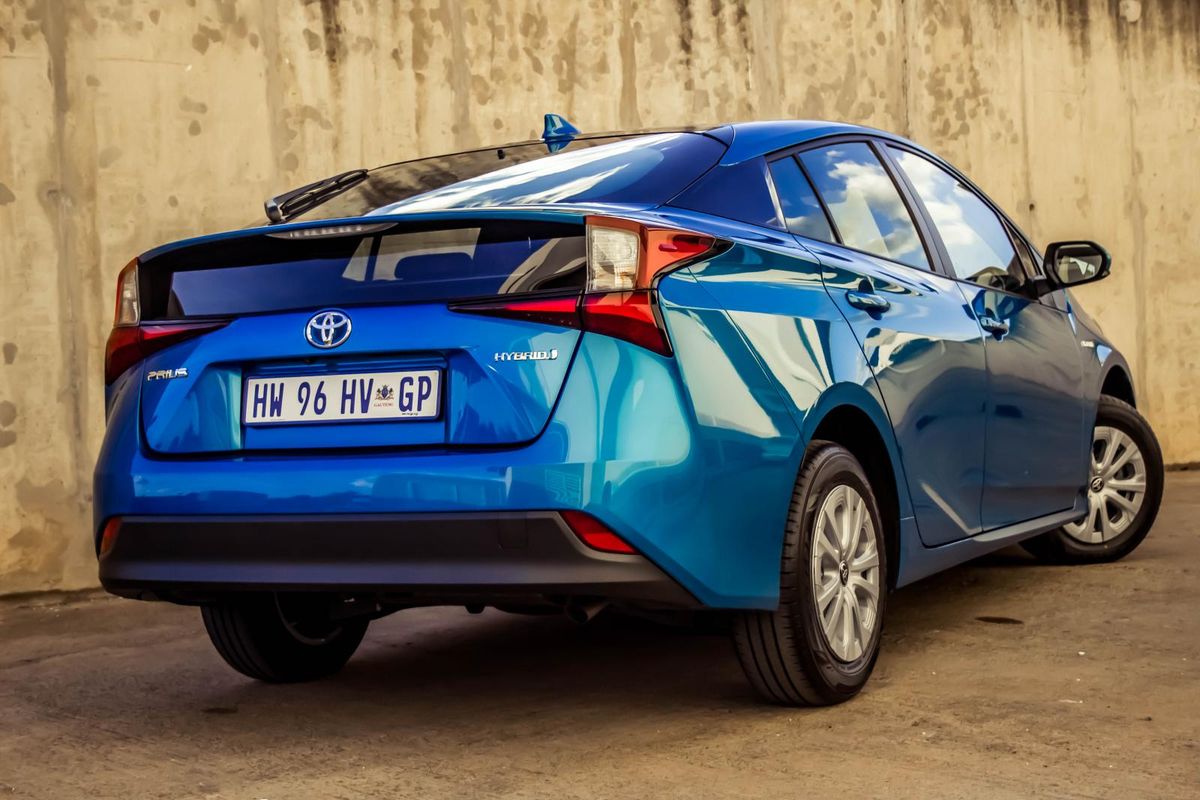
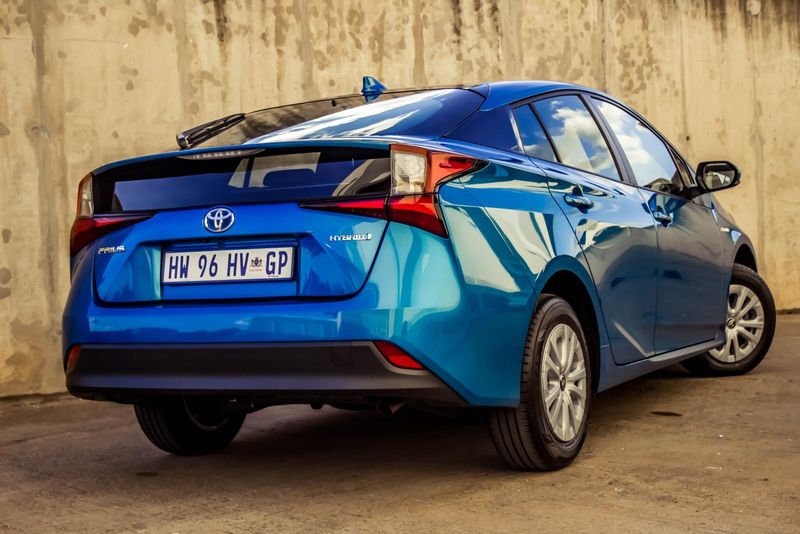
The revised combination-LED tail-light clusters emphasise the Prius's width.
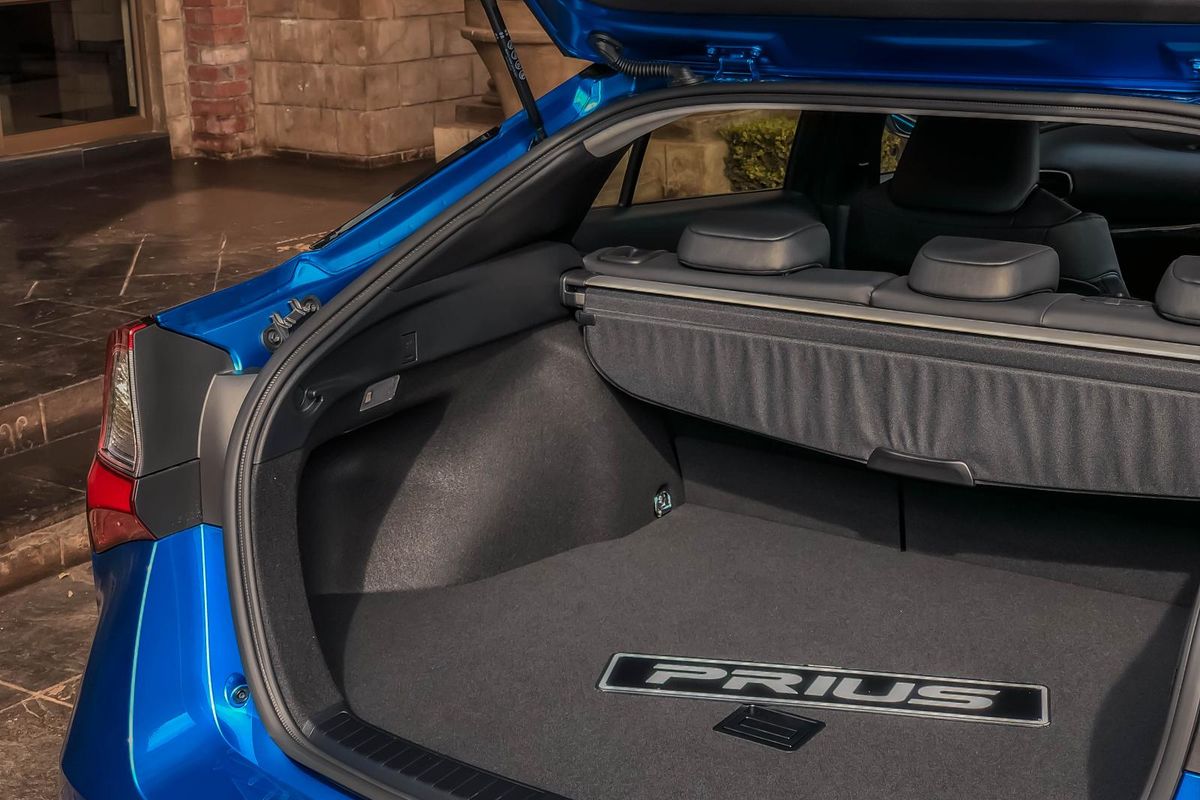
The facelift serves to simplify and neaten the Prius’ exterior execution, update its lighting elements and introduce practical touches to the interior.
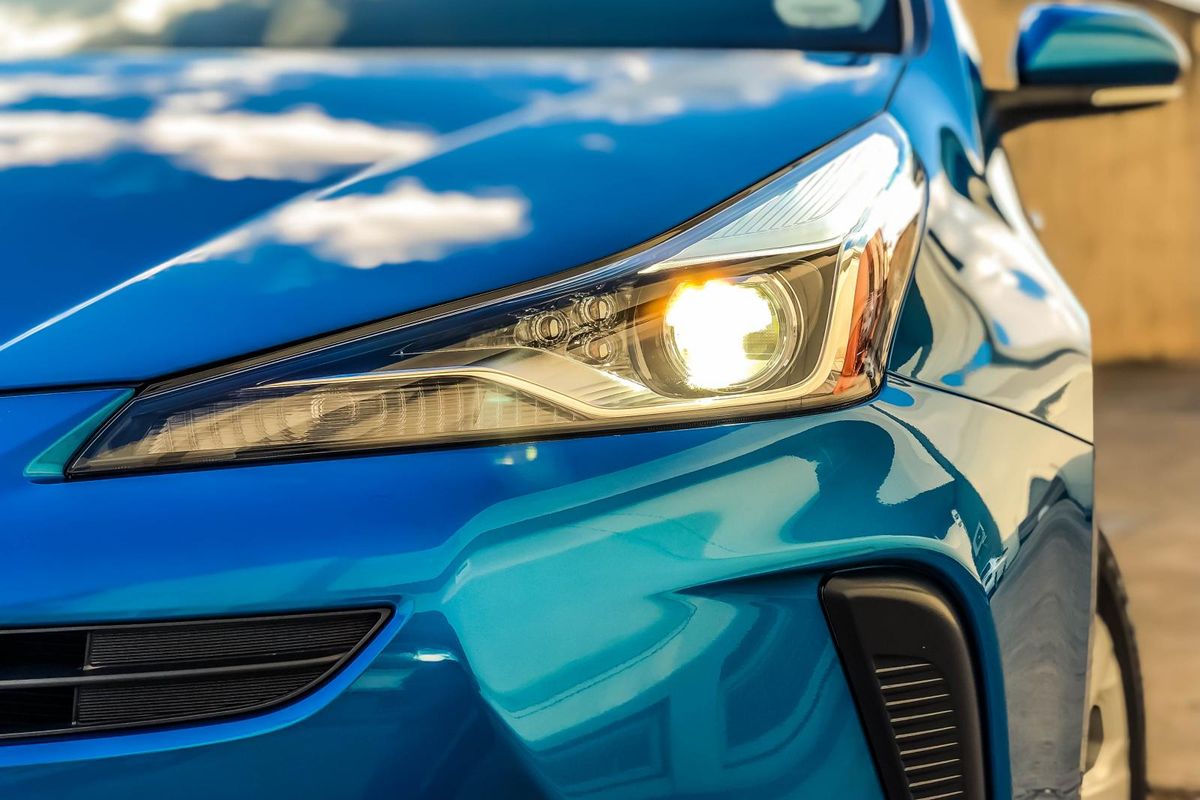
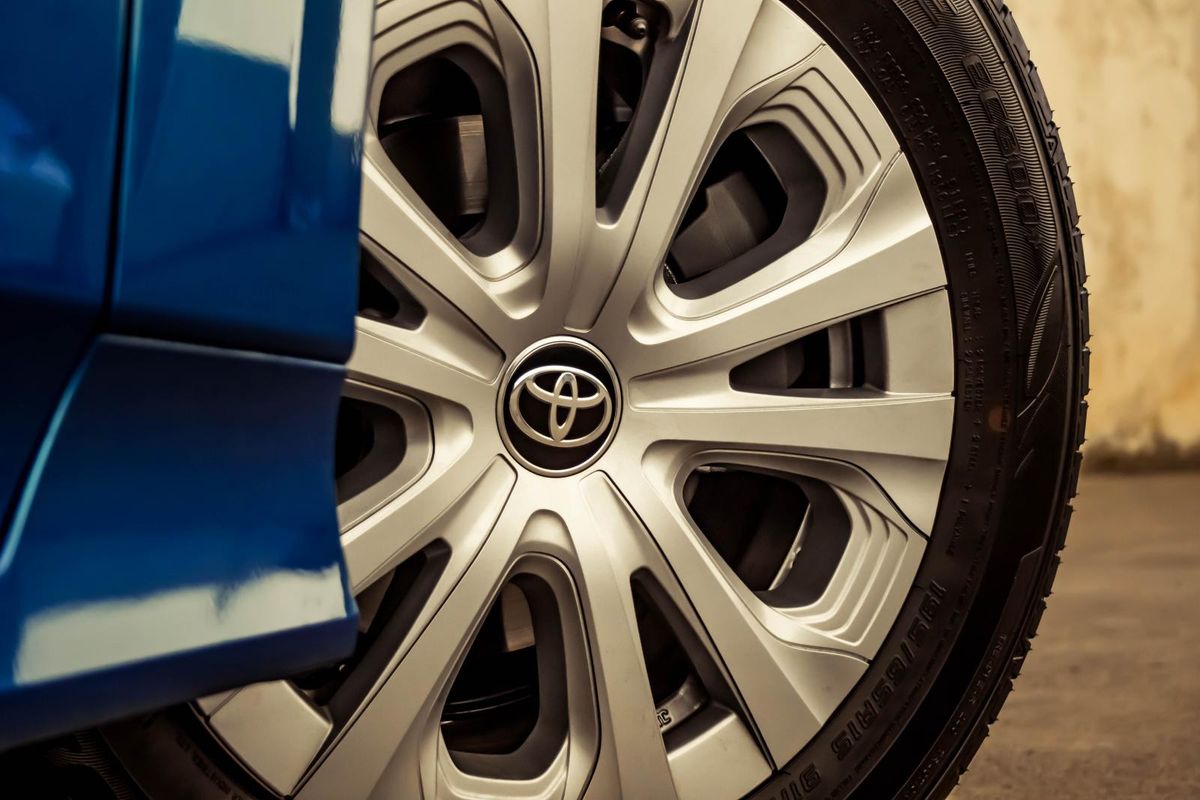
By virtue of its reshaped bumpers (note the revised lower intake at the front, with sunken LED fog lamps at either end), the Toyota’s 35-mm longer than its predecessor. Slimline headlamps – with bi-beam LED elements – are complemented by revised combination LED tail-light clusters. The 15-inch aluminium wheels have a redesigned 10-spoke silver covers and the model's available in 8 colours (Fierce Red and Sky Blue metallic are new).
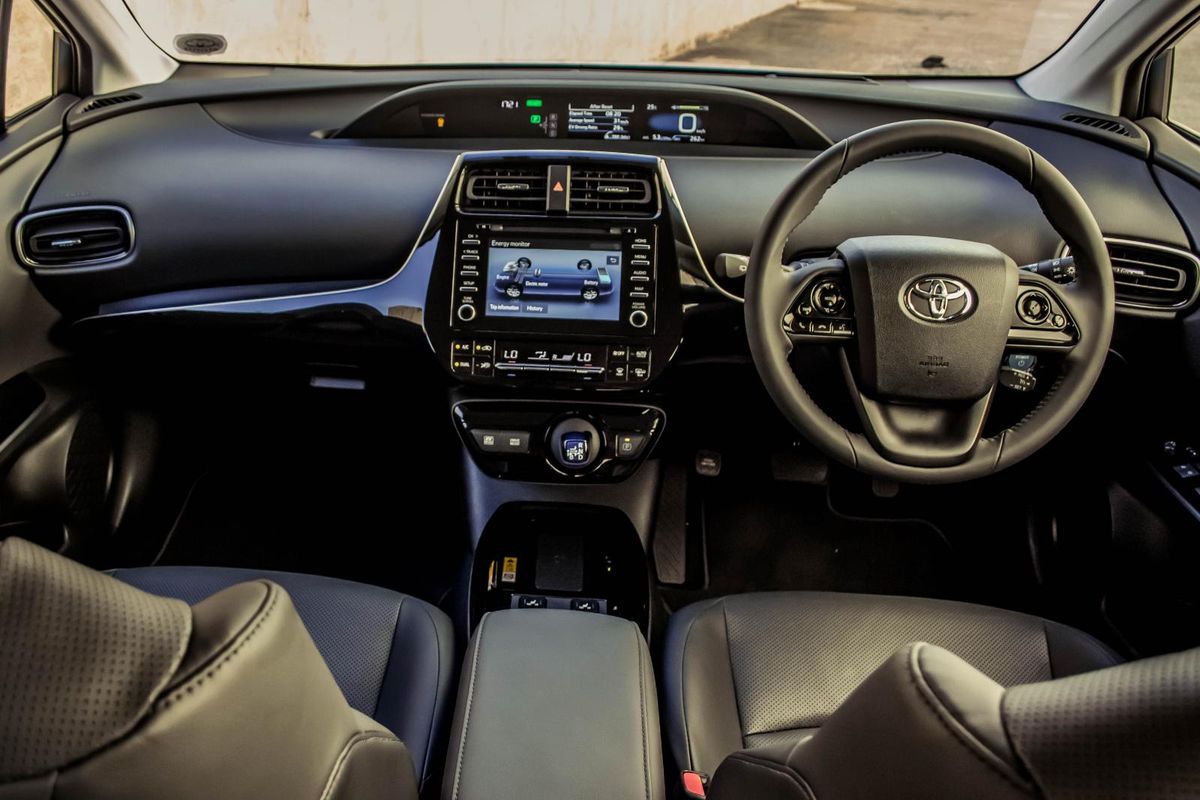
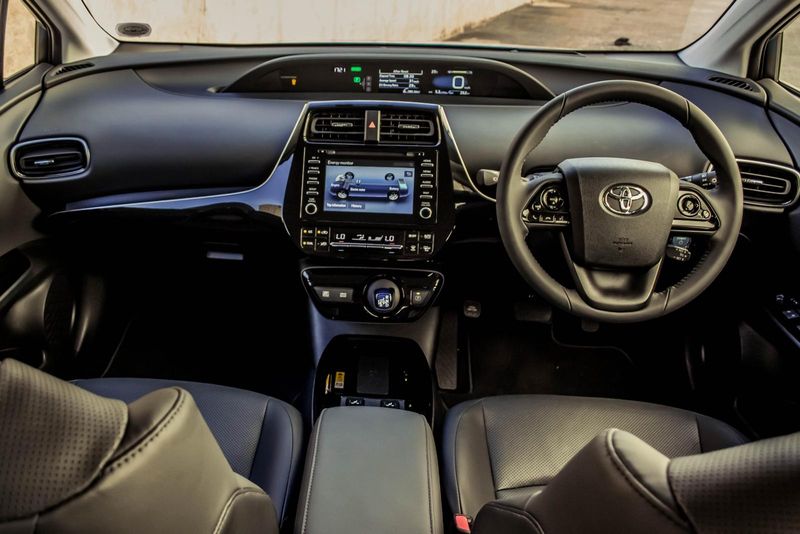
The interior remains a study in futuristic cabin layout, the centre console is colour matched with the black leather trim.
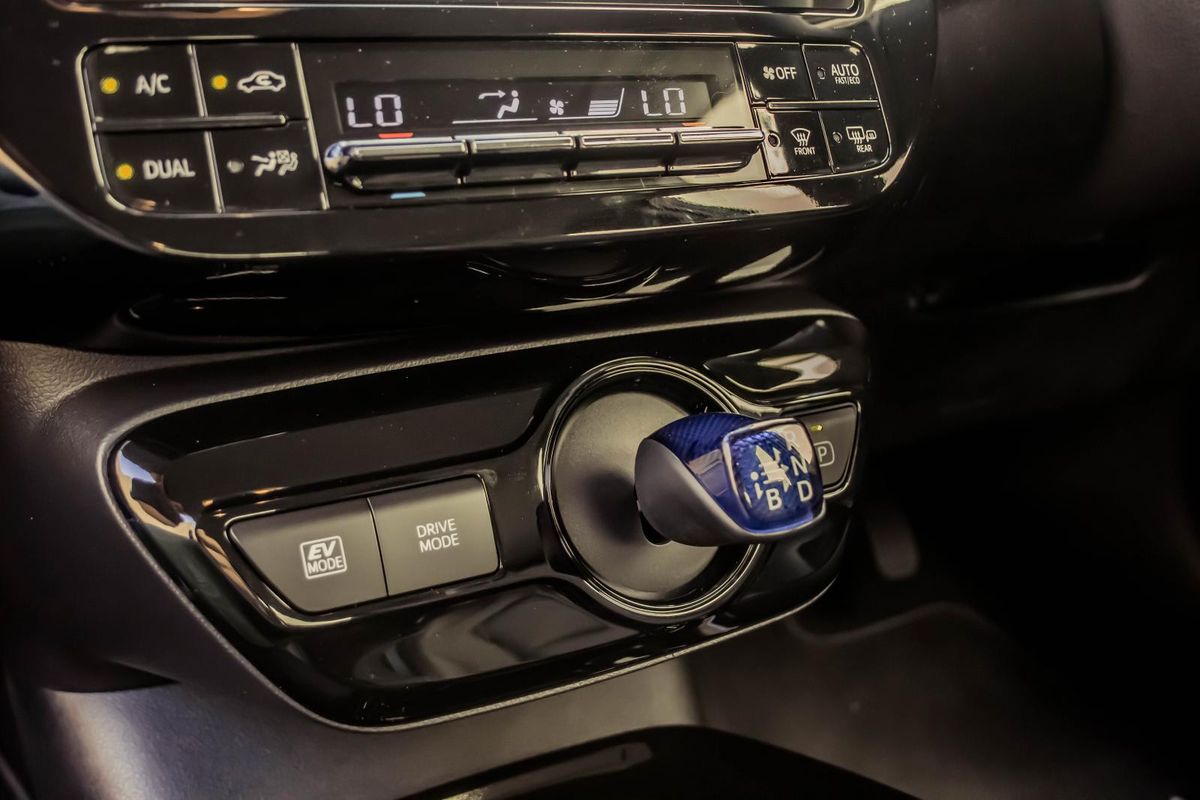
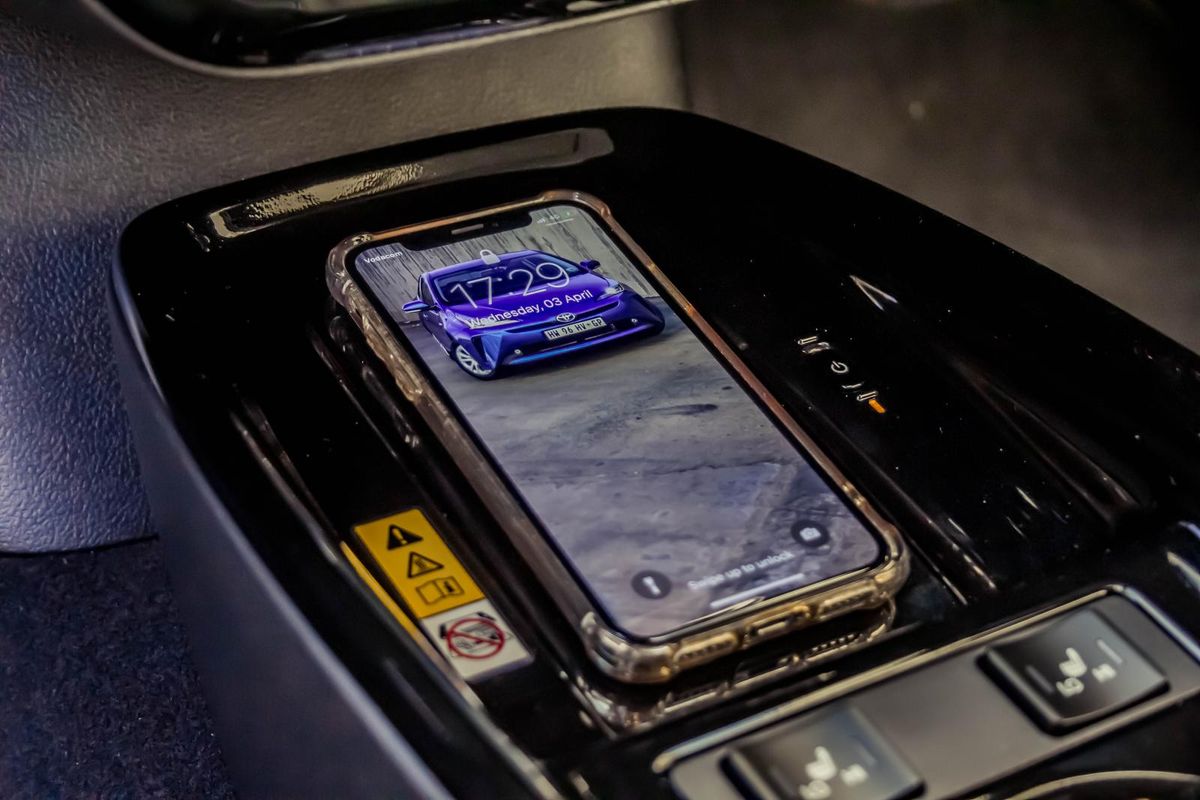
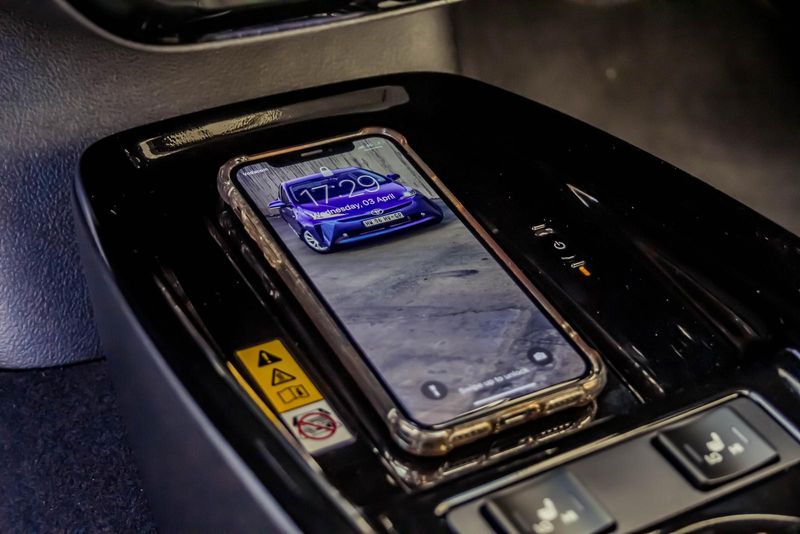
Inside, the centre console, which incorporates 2 cupholders, seat heating switches and a new wireless smartphone charger, is no longer finished in that love-it-or-hate-it white “Bakelite-like” plastic… instead, it’s now Piano Black. The standard spec remains generous; features such as black leather upholstery, smart entry and keyless start, dual-zone climate control, cruise control, a reverse-view camera, park distance control, a head-up display, rain-sensing wipers, a 6-speaker touchscreen Bluetooth-enabled audio system and auto-dimming interior mirror are fitted.
The suite of safety systems includes 7 airbags, ABS with EBD and brake assist, traction- and stability control, as well as ISOfix child seat anchors.
The centre console is finished in Piano Black and incorporates a wireless charging pad.
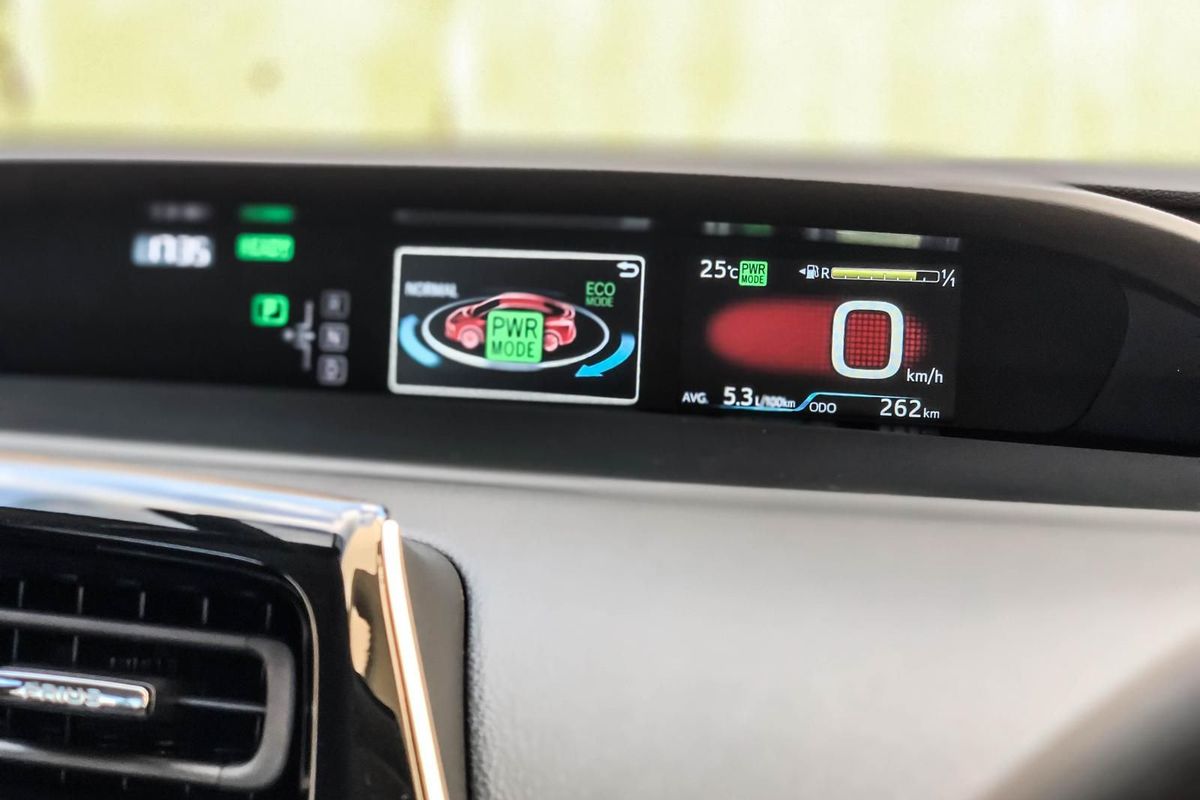
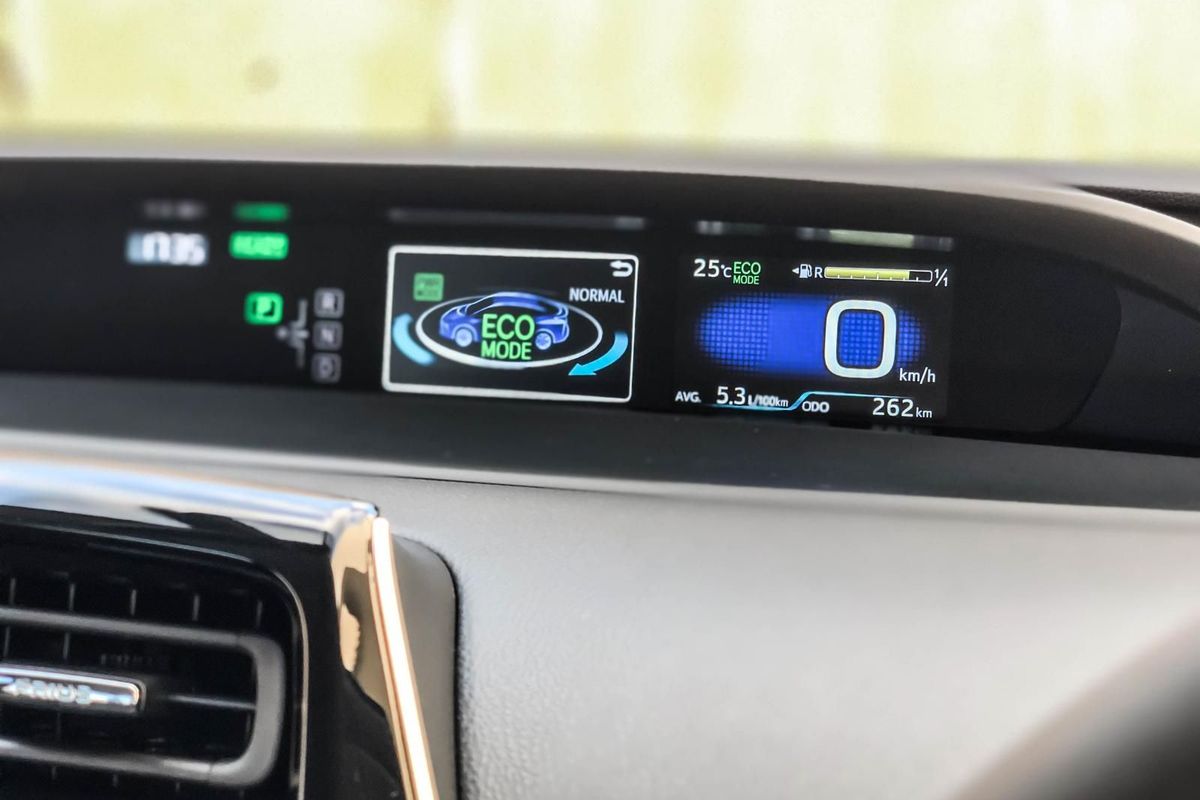
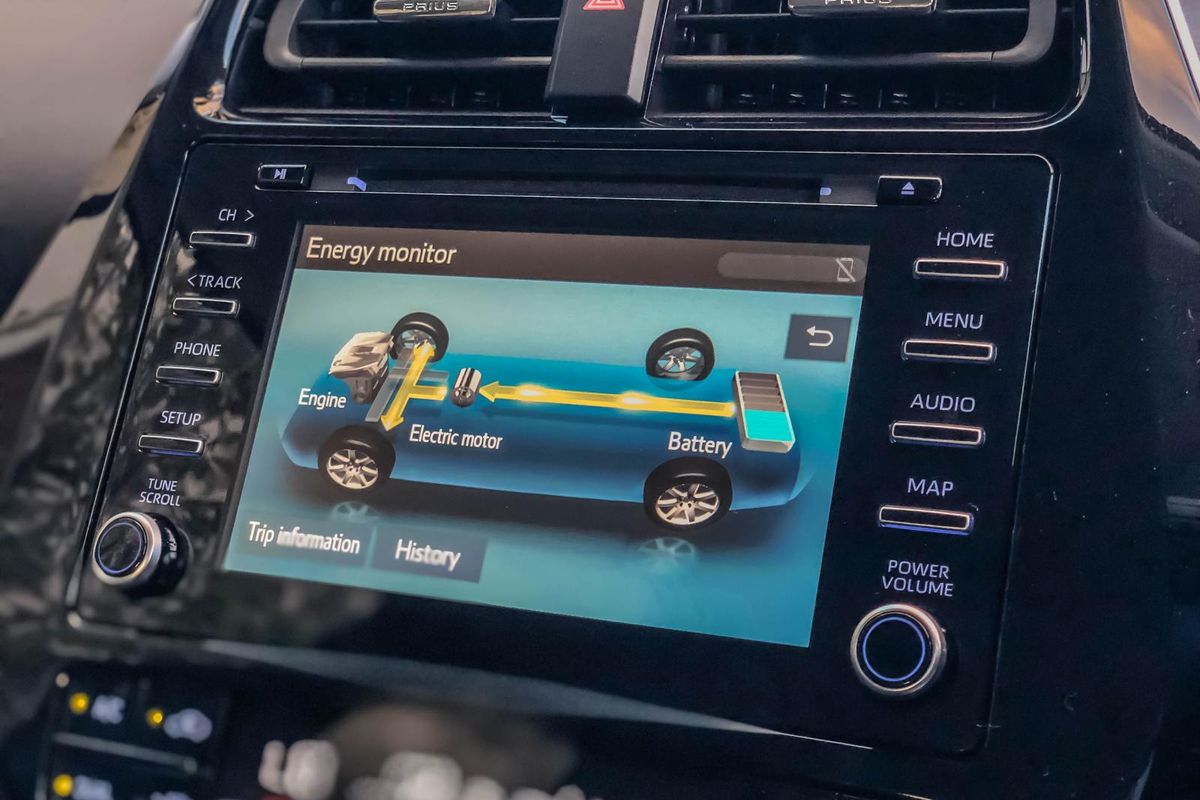
As for thepetrol-electric hybrid drivetrain (a 1.8-litre Atkinson cycle petrol engine combined with 2 motor generators and a nickel-metal hydride battery), that remains unchanged, although Toyota SA now quotes a total system output of 100 kW (as opposed to 90 kW previously). The claimed fuel consumption figure for the combined cycle is 3.7 L/100 km, with CO2 emissions listed as 87 g/km. During our review of the pre-facelift model in 2016, we recorded an average return of about 4.5 L/100 km (although the lowest figure we achieved at one point was 2.8 L/100 km).
Price and after-sales backup
The Prius Hybrid retails for R490 200, which includes a 6-services/90 000 km service plan (with intervals pegged at 15 000 km), a 3-year/100 000 km general manufacturer warranty and a hybrid-battery warranty that's valid for 8 years or 195 000 km.
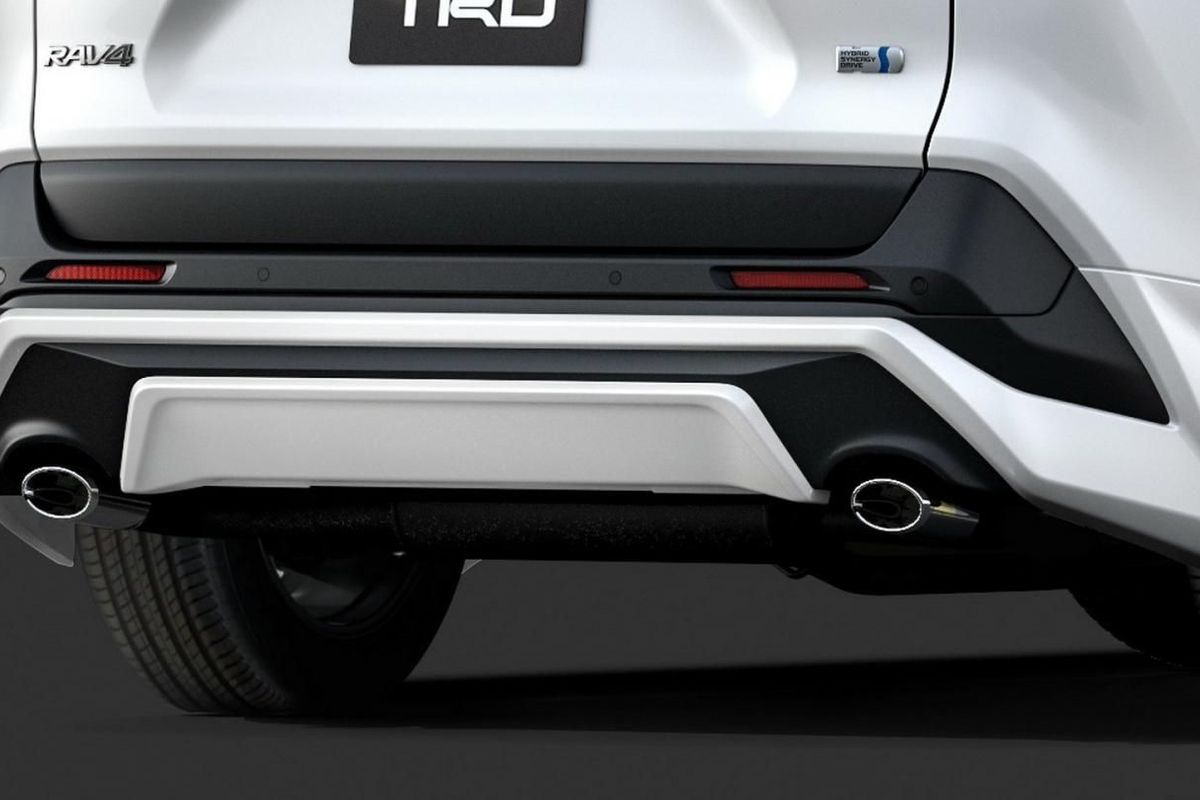
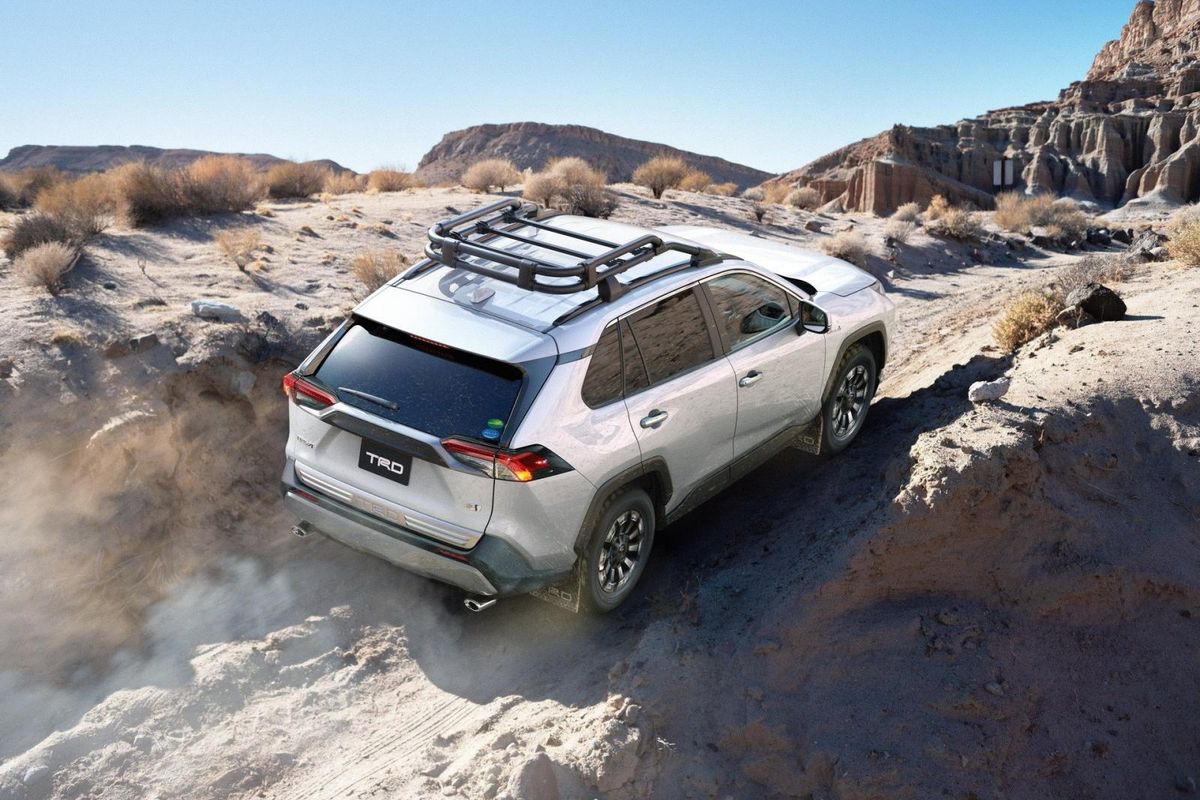
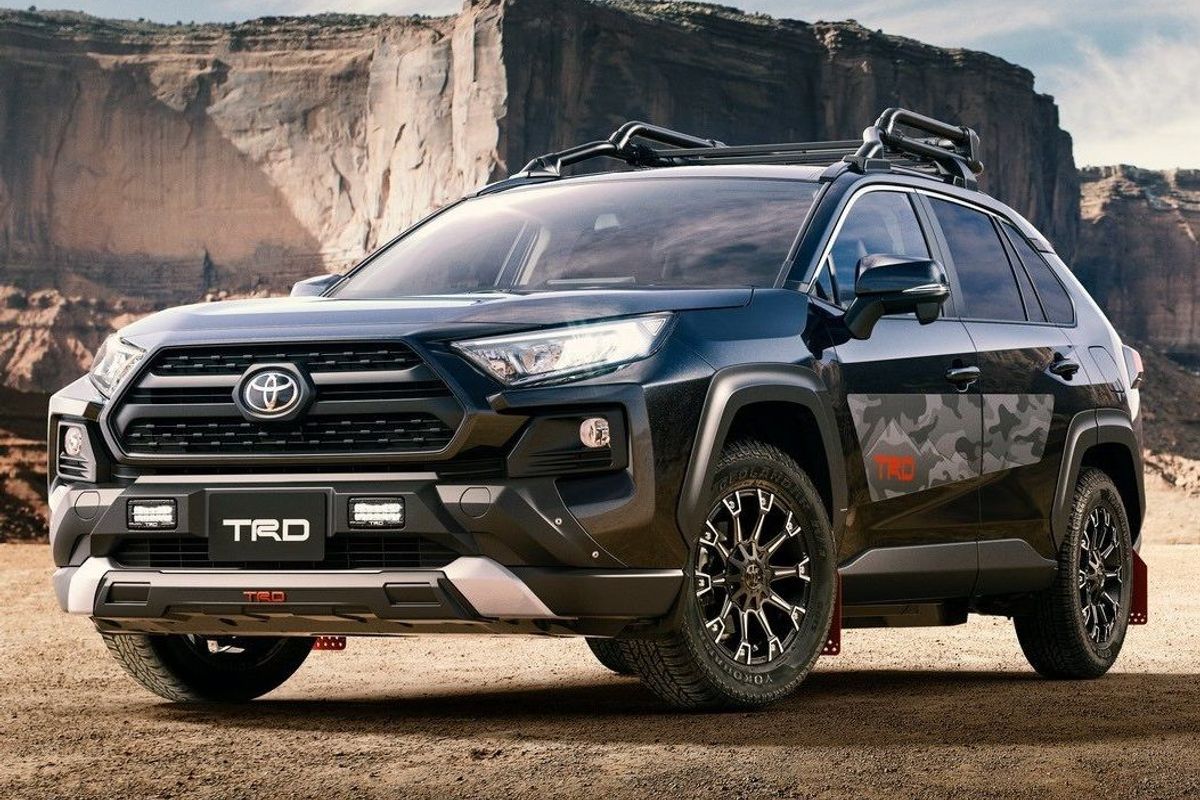
The Toyota RAV4 was recently launched in South Africa, but the brand's TRD division has been busy preparing sportier and more offroad-biased kits for the SUV.
There are 5 RAV4 derivatives on offer, catering for different needs and budget, so if you are considering buying the new RAV4 you will have to consider what your needs are and how much you are willing to pay. There are no diesel engines available and buyers have the choice of manual gearboxes or CVT.
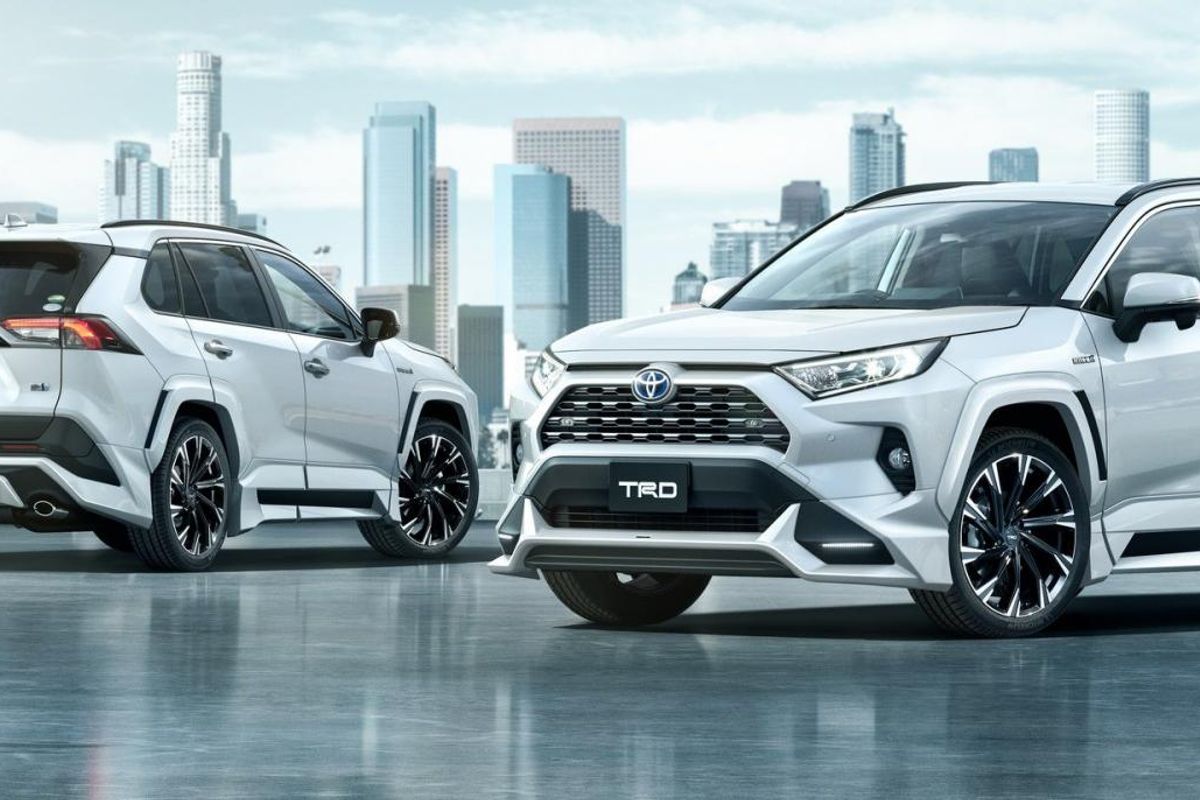
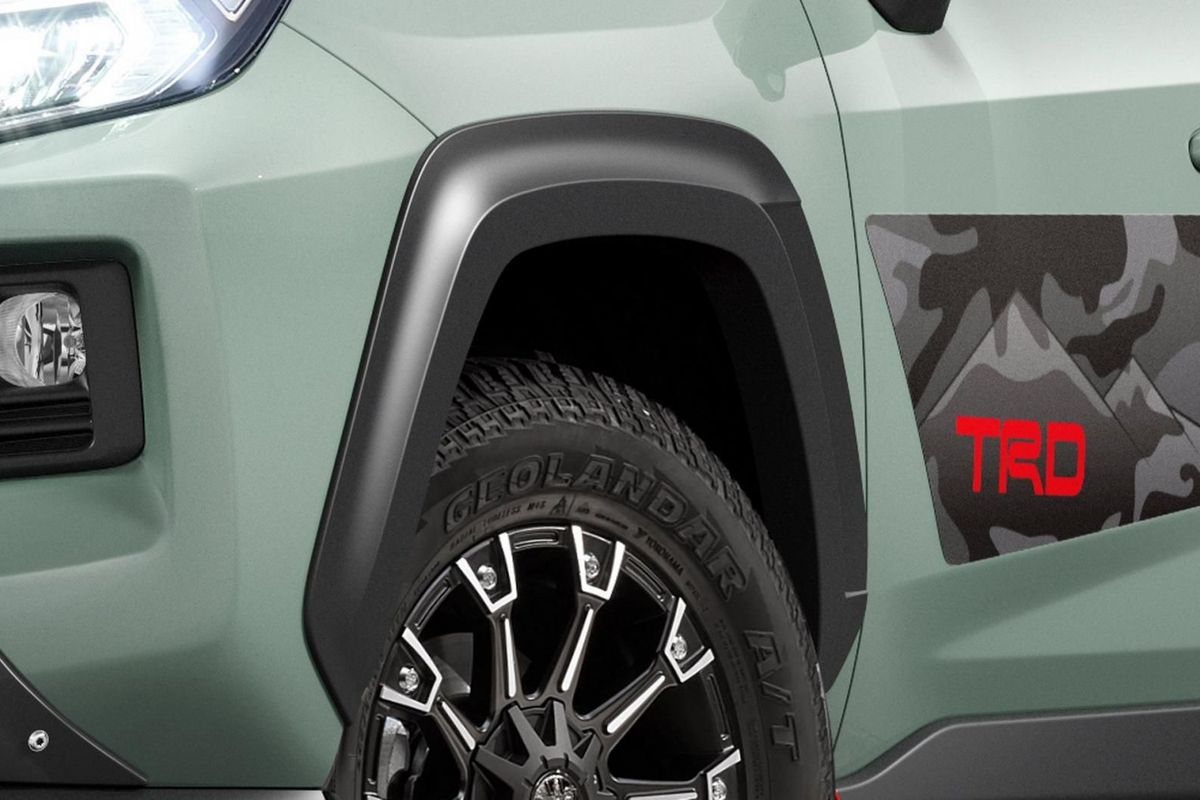
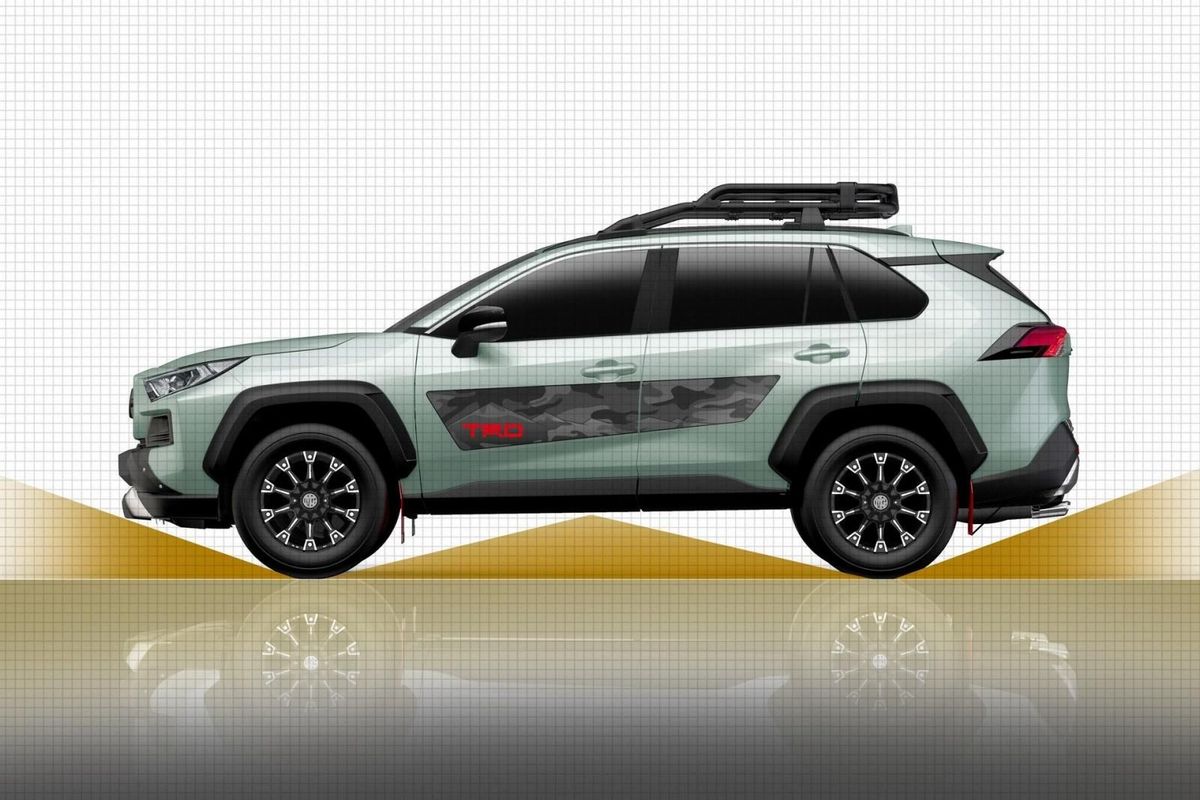
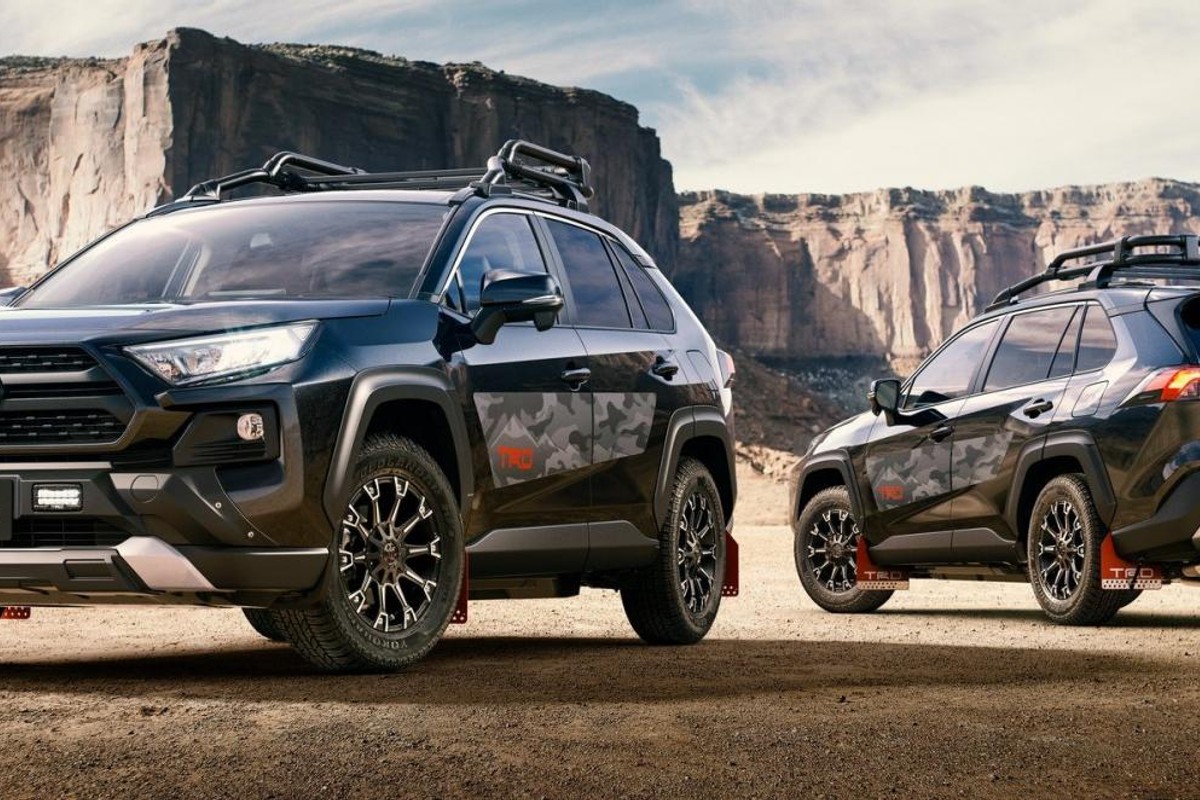
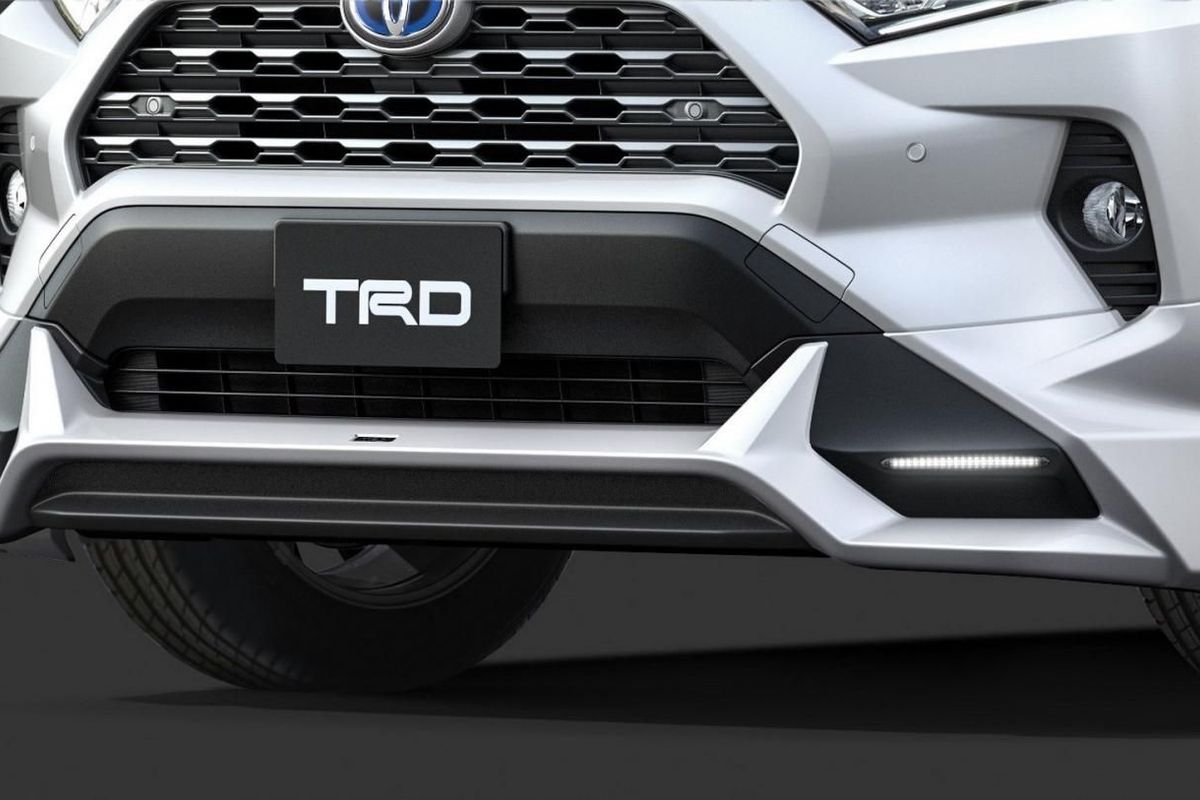
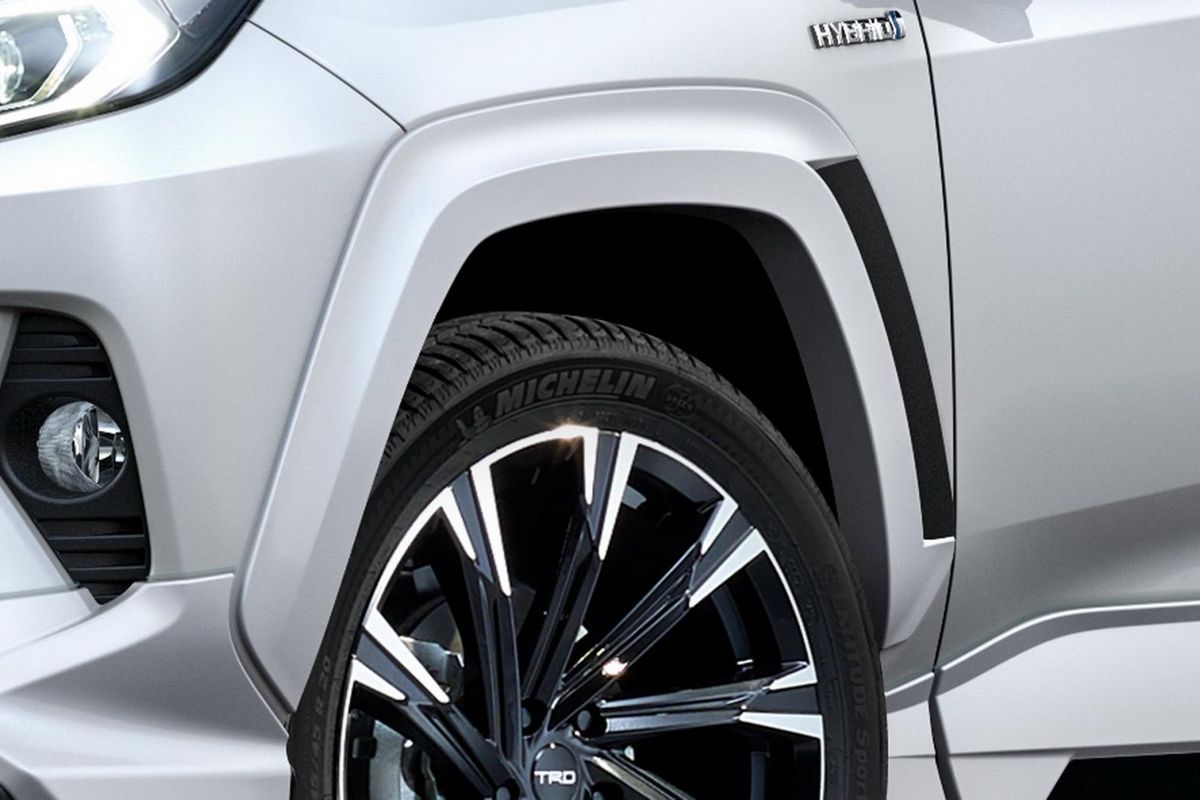
While the new RAV4 represents a bold new look for Toyota, the brand's TRD arm has been hard at work making the family SUV look more aggressive and more 4×4 focused. TRD has announced 2 kits for the Toyota RAV4; Field Monster and Street Monster. The former focuses purely on the offroad aspect of the product and bolts on wider wheel arches, new 17-inch alloys wrapped in offroad rubber, mud flaps and finishes it off with TRD decals.
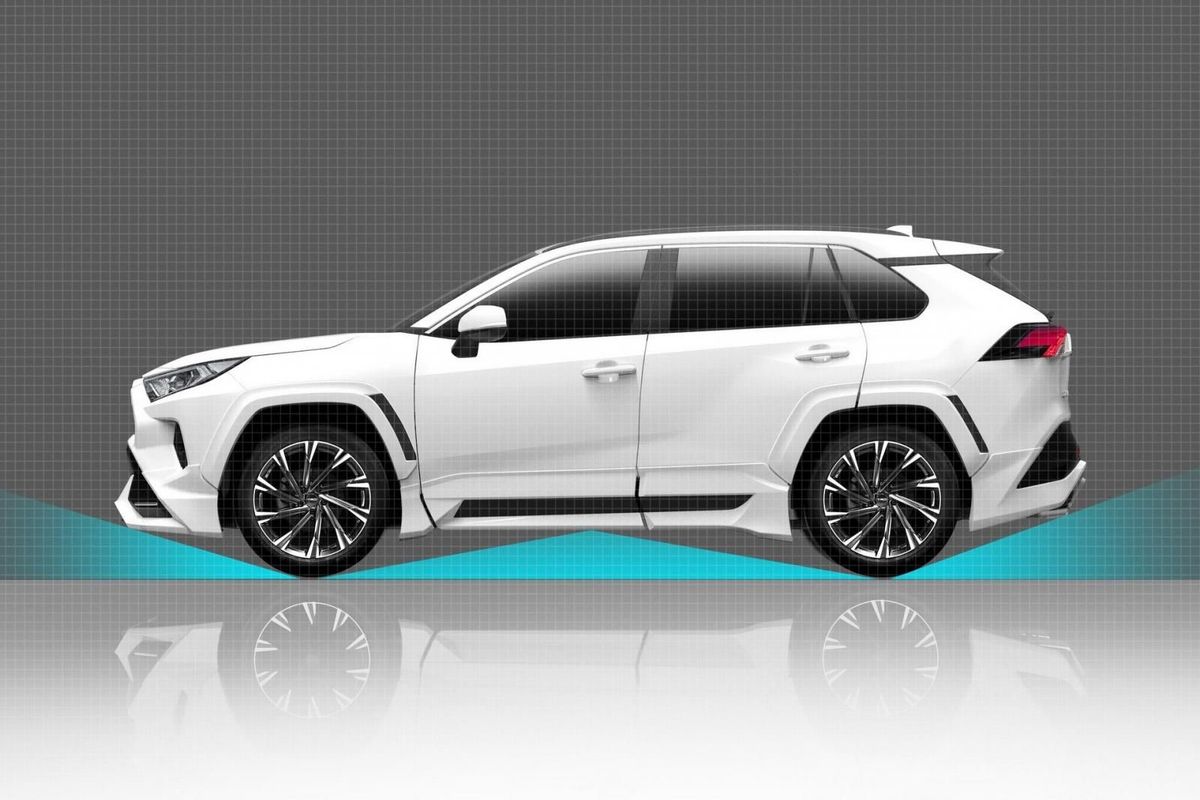
Street Monster aims for a more JDM-style urban look and boasts a more aggressive front bumper, side skirts and a lowered suspension, improving the stance of the vehicle. TRD has also made available individual items such as 20-inch alloy wheels, performance dampers, custom exhausts and roof racks.
Should Toyota South Africa make these accessories available for local RAV4 owners?
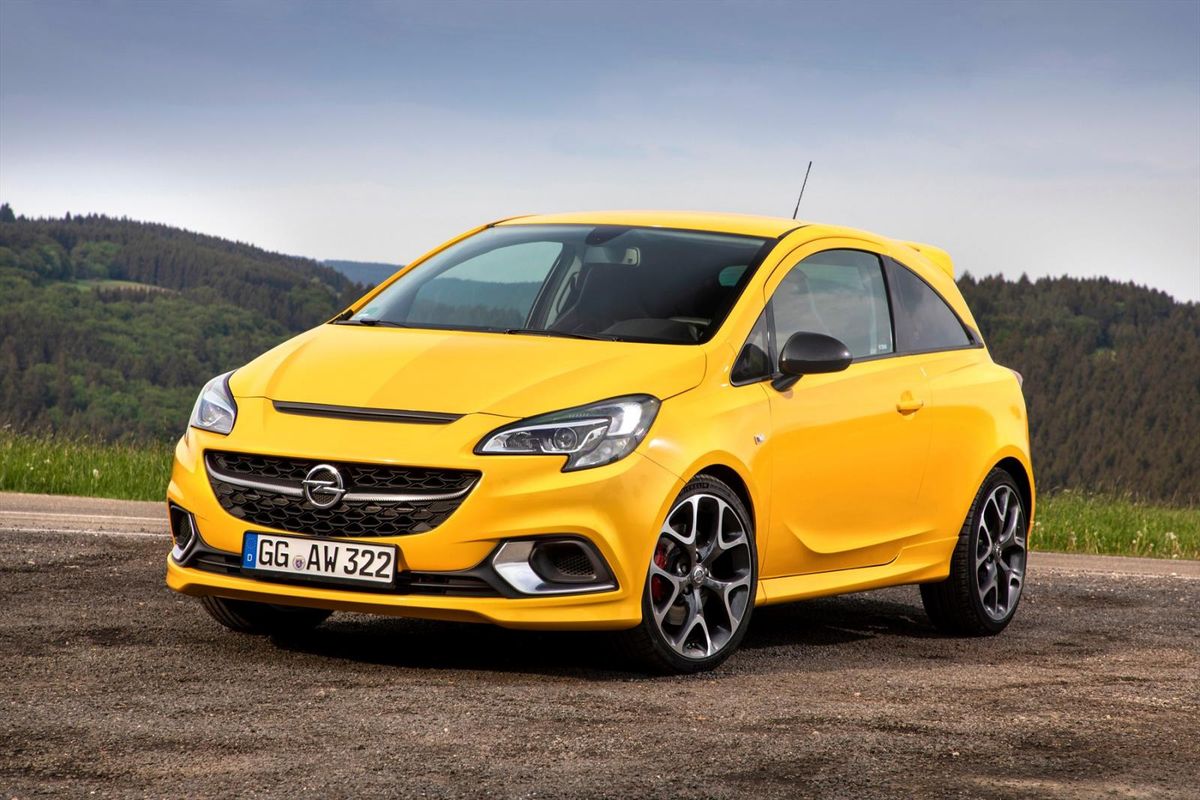
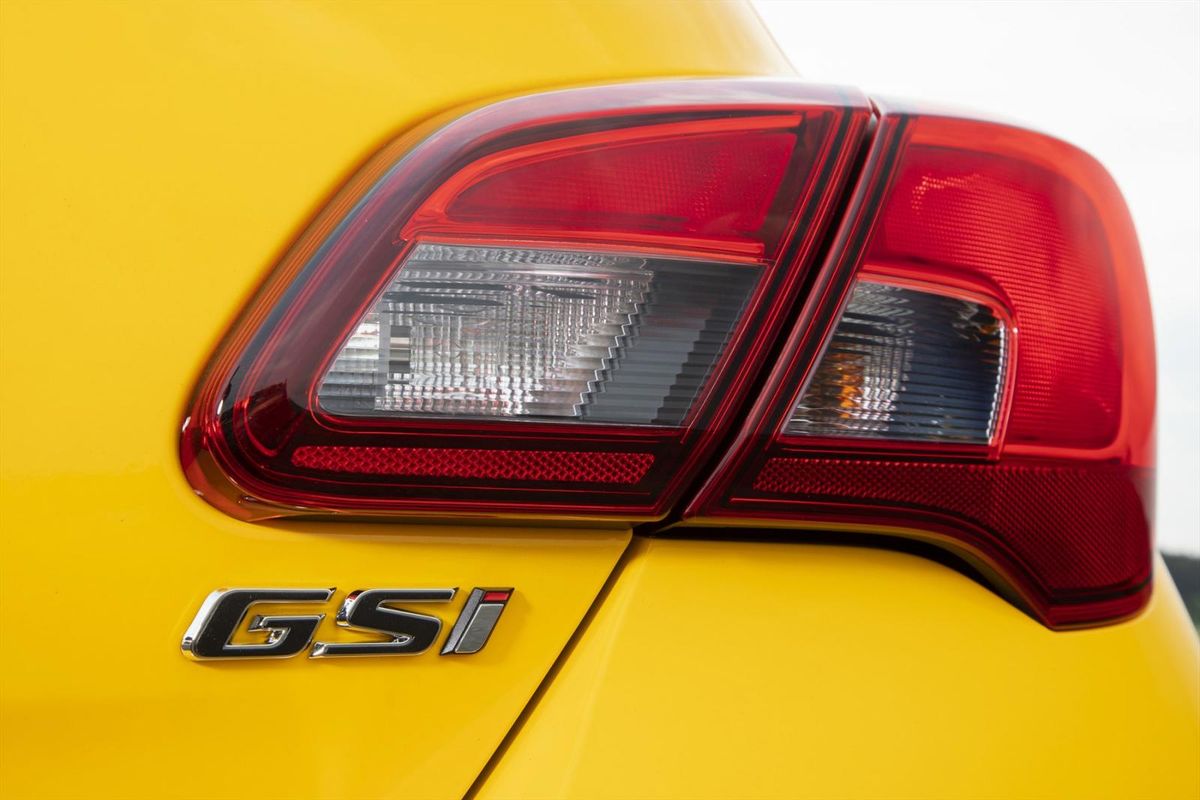
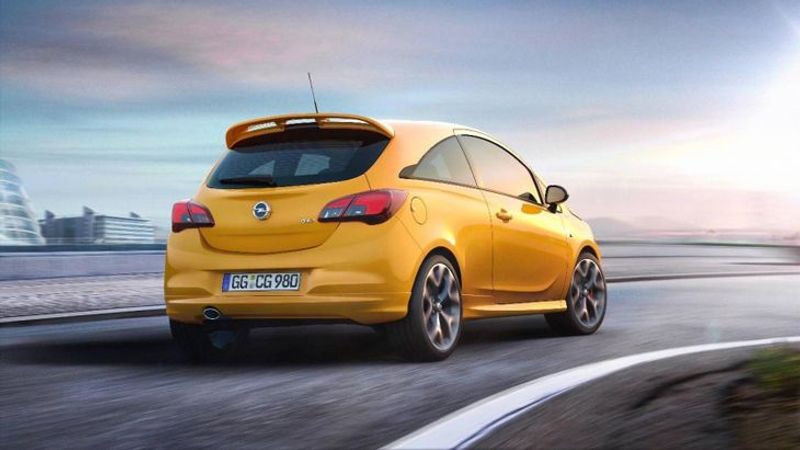
The evocative GSi nameplate will soon be back in the South African market. Opel will introduce a new, sporty 3-door Corsa GSi to its local lineup in May, with an asking price of R365 900?. Take a look at what this hot number offers…
With the next-generation Corsa expected to be unveiled in the near future, this flagship Corsa derivative appears to be a fitting send-off for the current model. It needs to be noted, however, that Opel intends to reposition the GSi badge to symbolise "sport luxury with a powertrain (that) focuses on everyday driving needs", or, to put it another way: "gently distance the new GSi badge from its historical pure performance roots."
Key features
With its OPC sports chassis, the Corsa GSi promises agile handling.
Powered by a 1.4-litre turbopetrol engine that delivers 110 kW/220 Nm and is mated with a short-ratio, 6-speed manual gearbox, the GSi is said to offer "outstanding punch in 2nd and 3rd gears". Reports say the derivative has a claimed 0-100 kph time of 8.9 seconds, a 207-kph top speed and an average fuel consumption figure of just over 6.0 L/100 km.
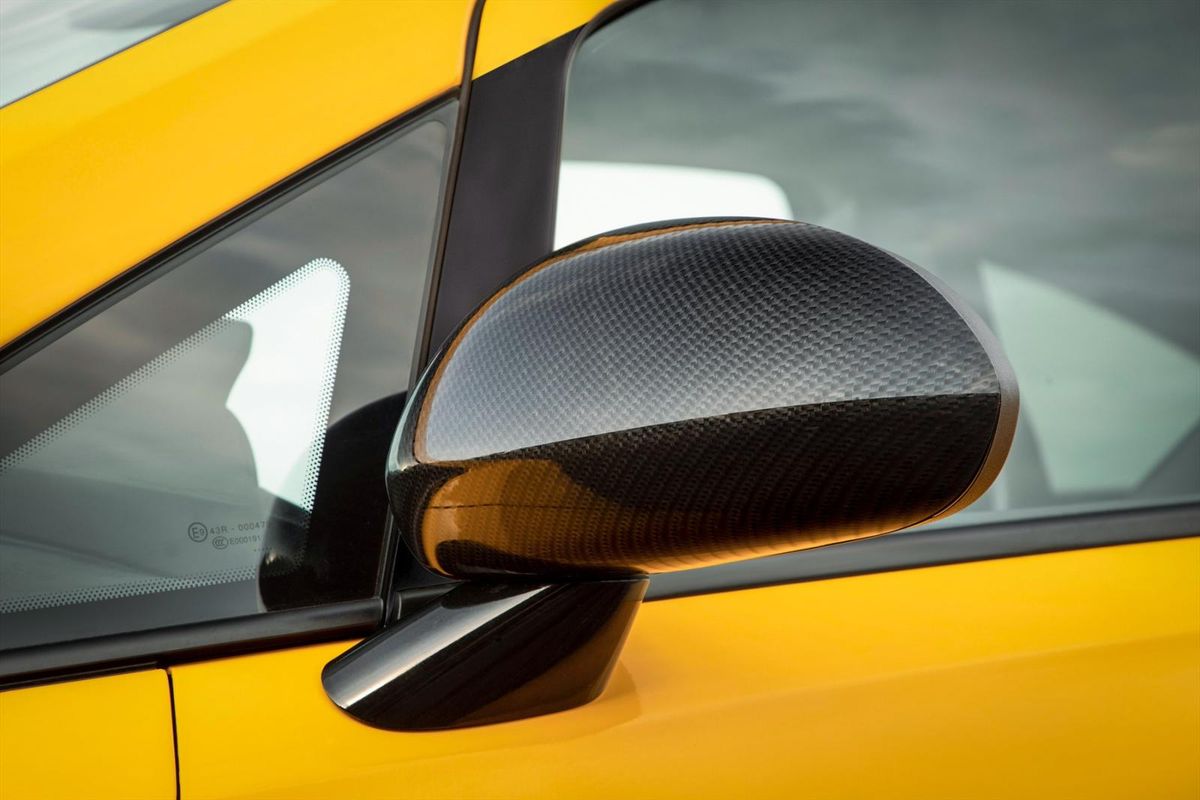
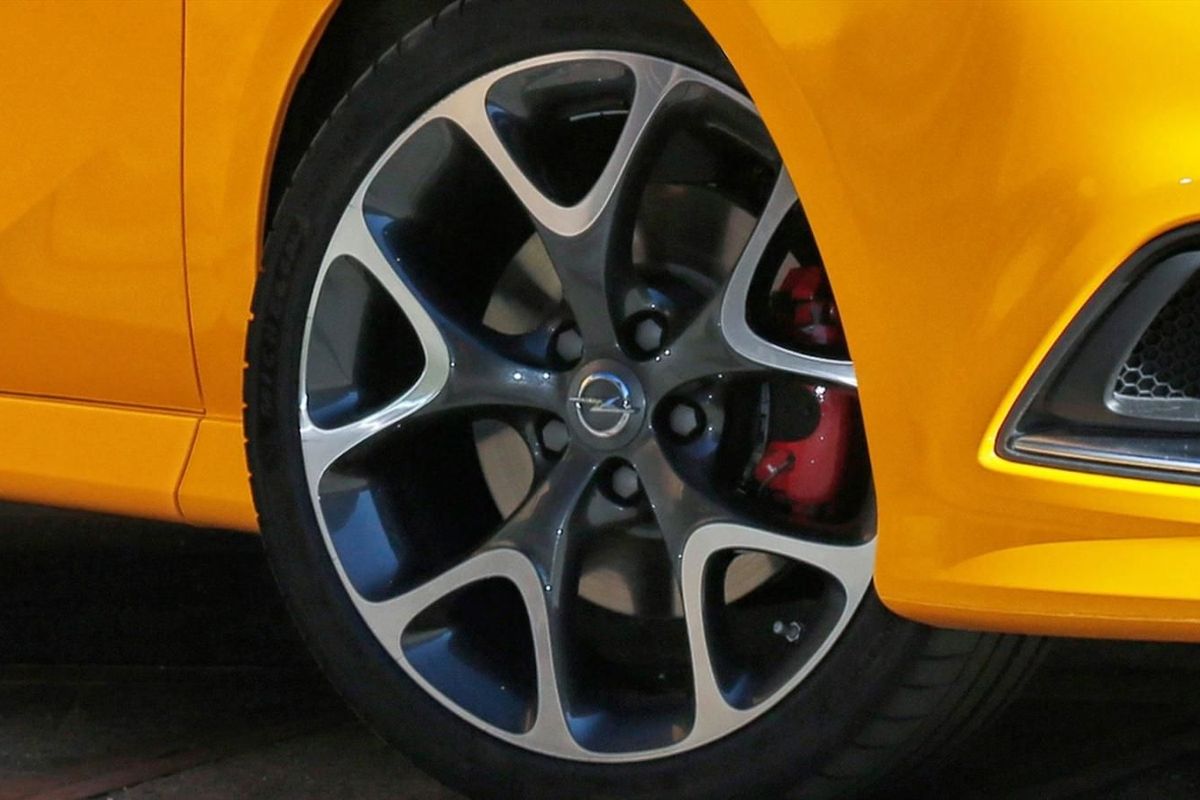
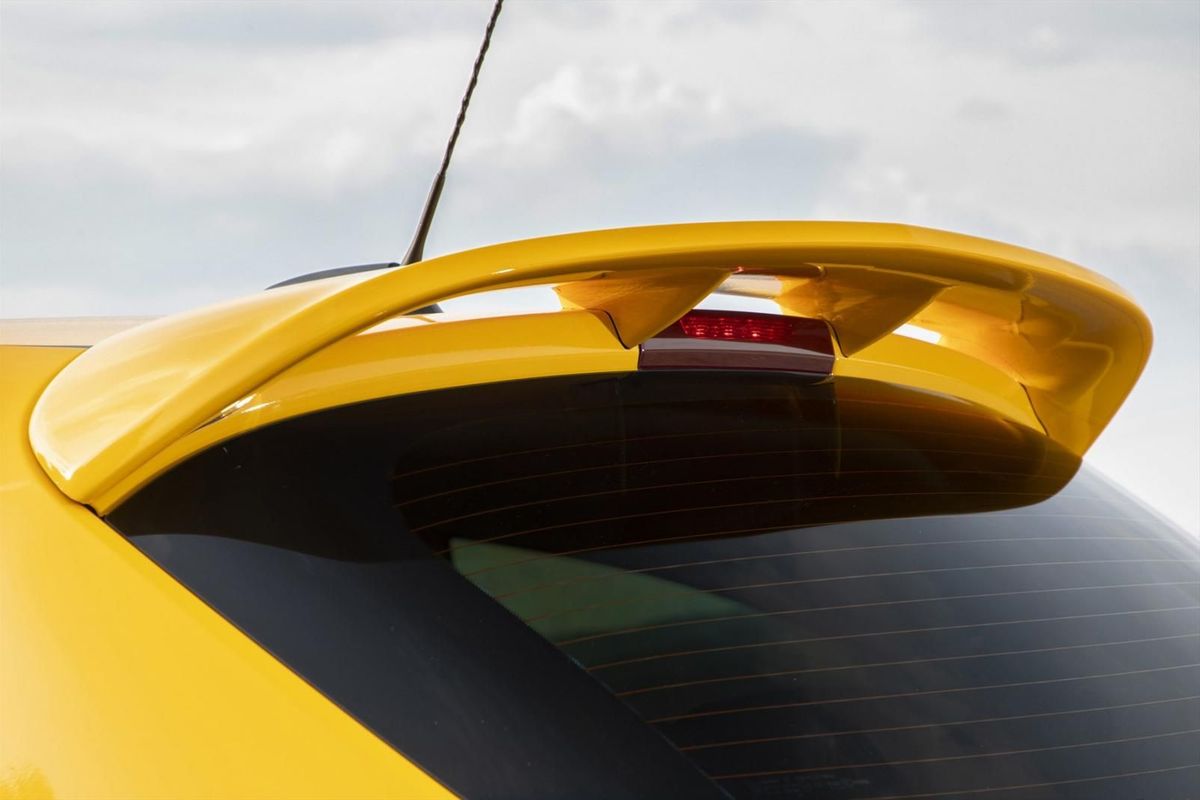
The newcomer borrows its Nurburgring-honed sports chassis from the Corsa OPC, which should ensure nimble cornering ability. The 3-door has been spruced up visually too and features a sizable honeycomb grille with large air intakes, a sculpted bonnet, rear spoiler, carbon-look side mirrors, red brake callipers and 18-inch light alloy wheels that give the self-styled "warm hatchback" a racier edge.
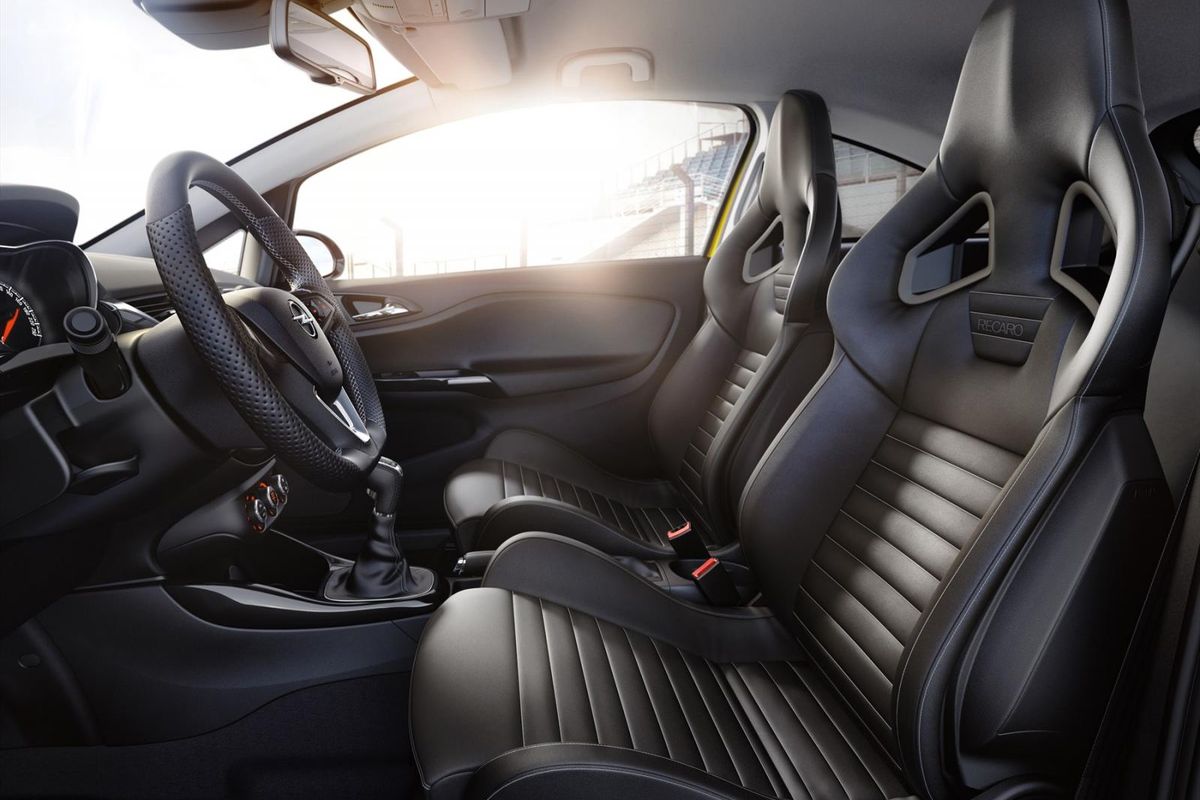
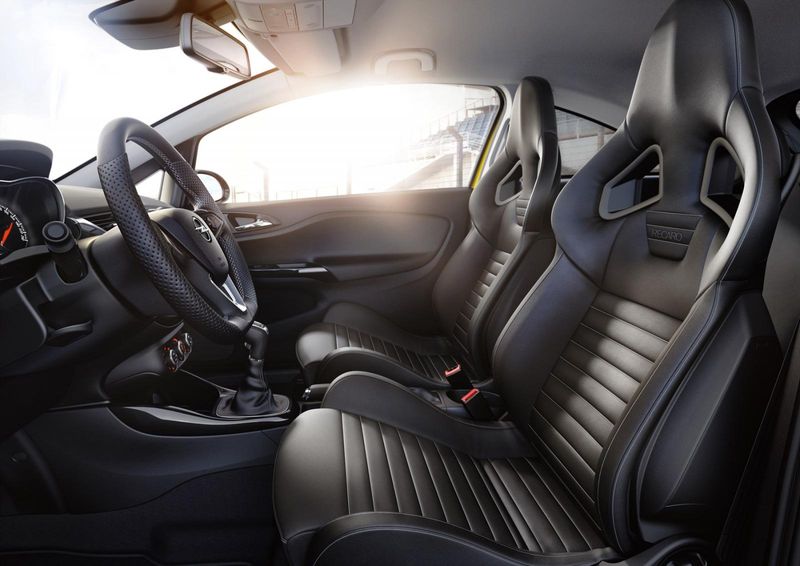
The Corsa GSi's sculpted Recaro sports seats should offer ample body-hugging support in the twisties!
On the inside, the Corsa GSi features Recaro sports front seats, leather cladding, a sports steering wheel, leather wrapped gear lever and aluminium sport pedals. In-car connectivity comes in the form of Opel’s IntelliLink infotainment system.
It's highly likely that, like its local siblings, the newcomer will be sold with a 3-year/120 000 km warranty and 3-year/60 000 km service plan.
Haval H6 & F7 Driven: Coming to South Africa in 2020
Currently doing brisk business in South Africa with particularly its well-priced H2 small SUV/crossover, Haval South Africa plans to add some exciting product in the near future. We travelled to China to drive them…
If you live in one of South Africa's bigger cities, you'll have undoubtedly noticed a steady increase in the number of Haval products on our roads. Attractive product at the right price, is a combination that is increasingly winning over once sceptical South Africans. But the best, as the saying goes, is yet to come.
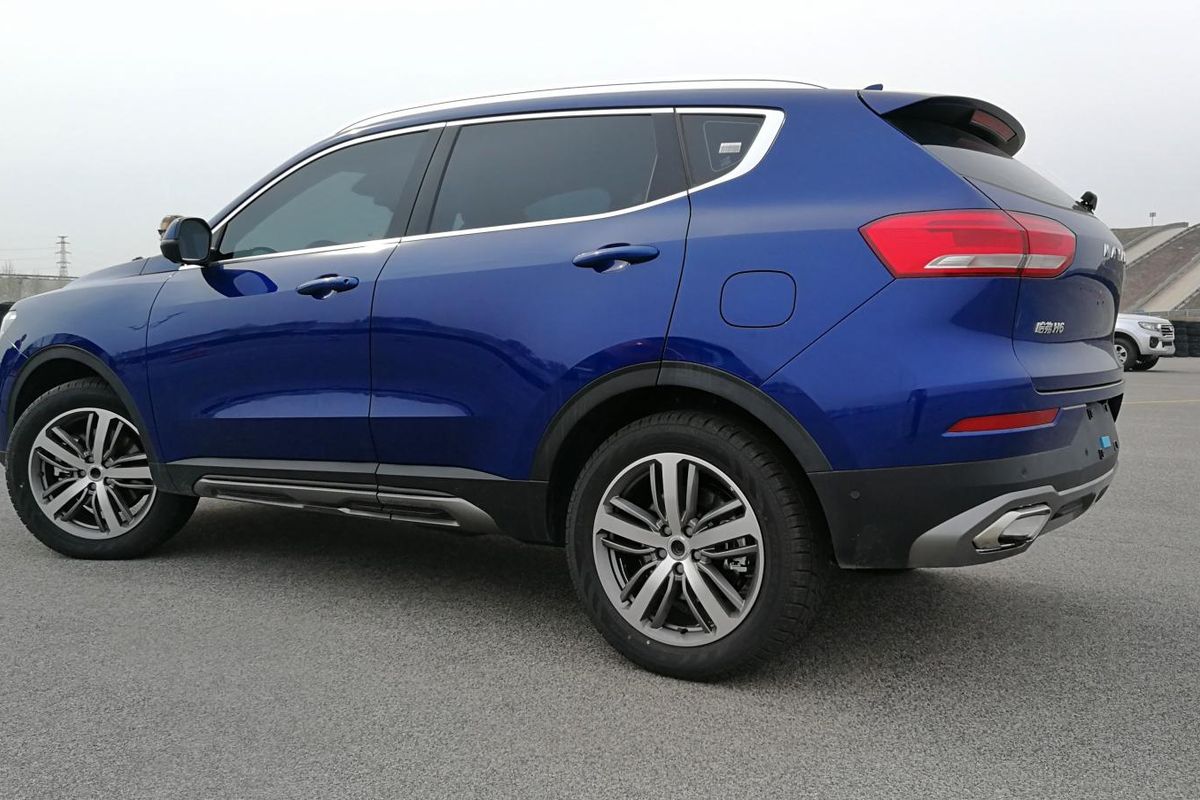
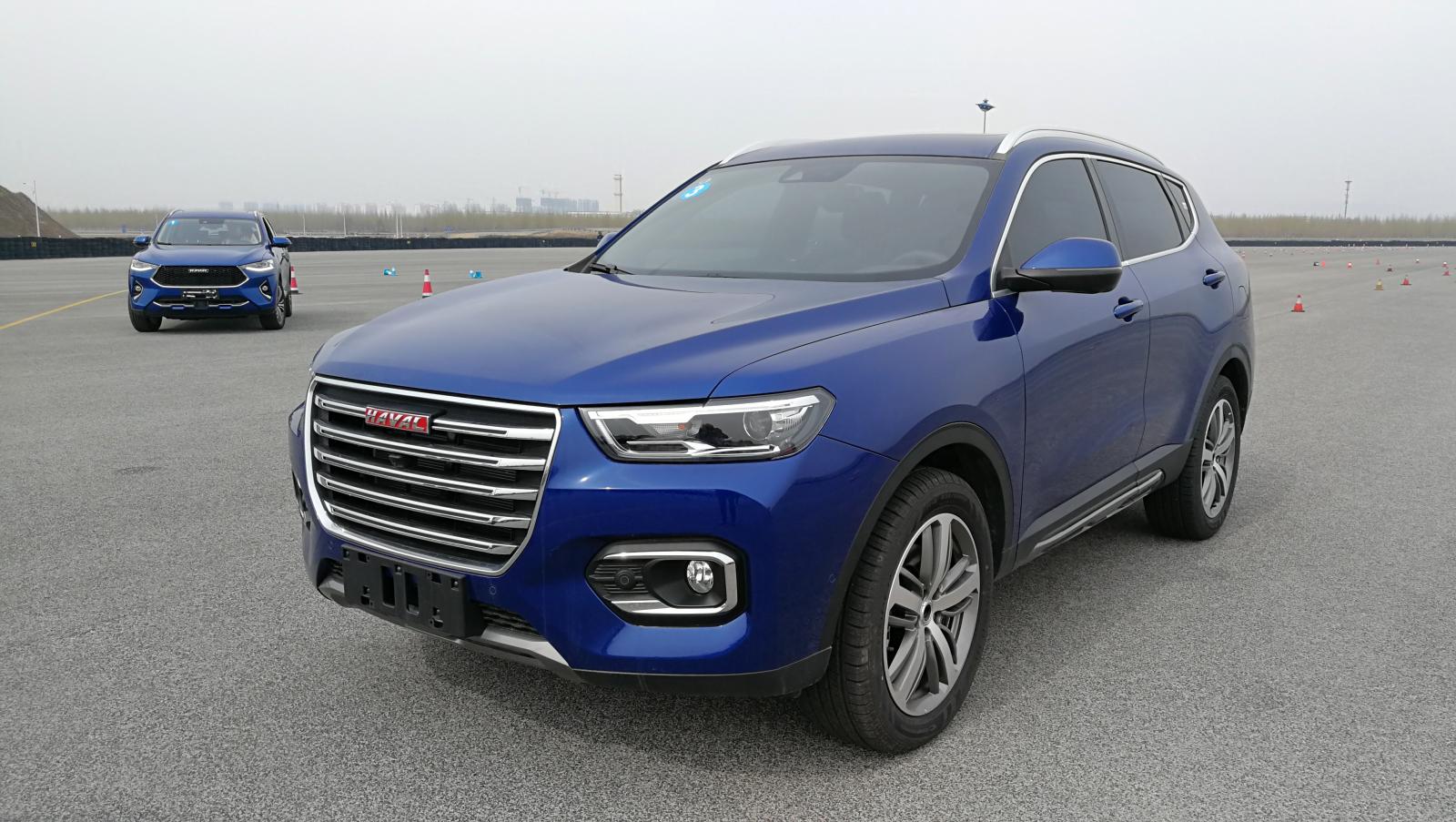
Haval's bread-and-butter offering in China remains the H6, but it's not the vehicle that you can currently buy in South Africa. No, the all-new vehicle was introduced at the Shanghai Motor Show 2 years ago and has now, finally, been confirmed for South African introduction during the second half of 2020 (estimated).
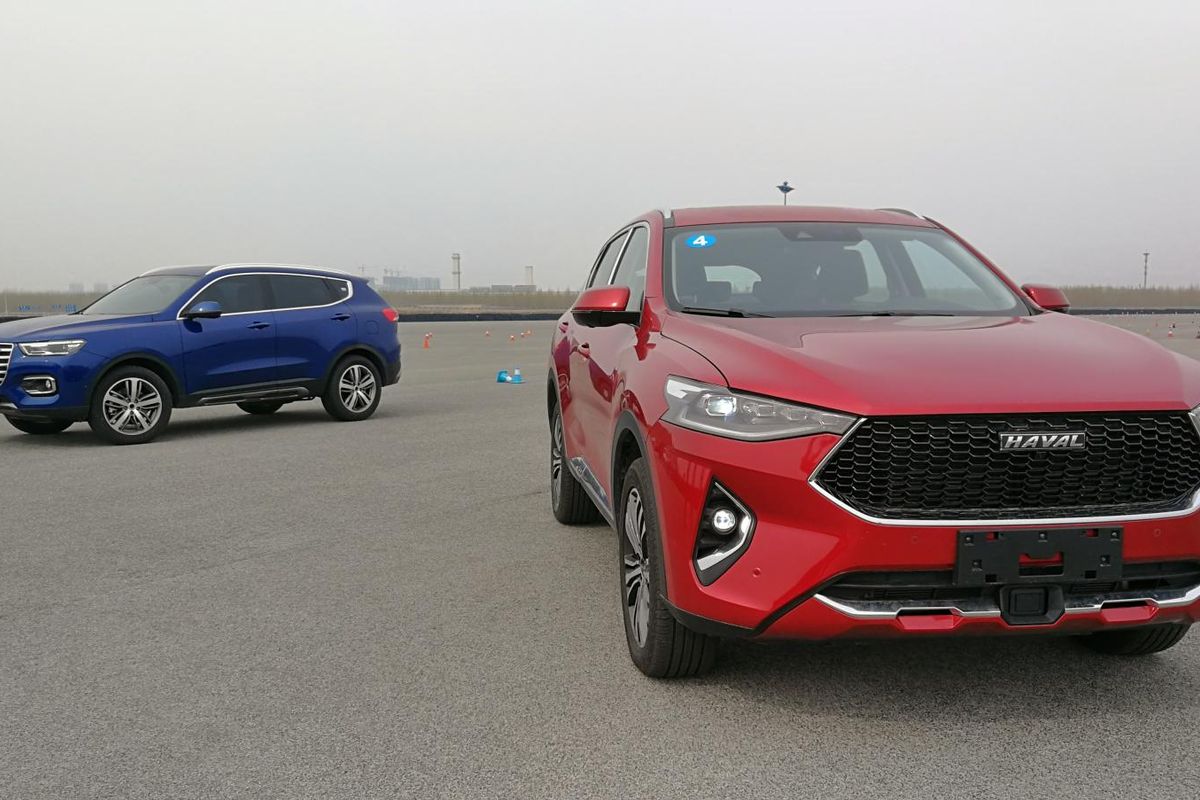
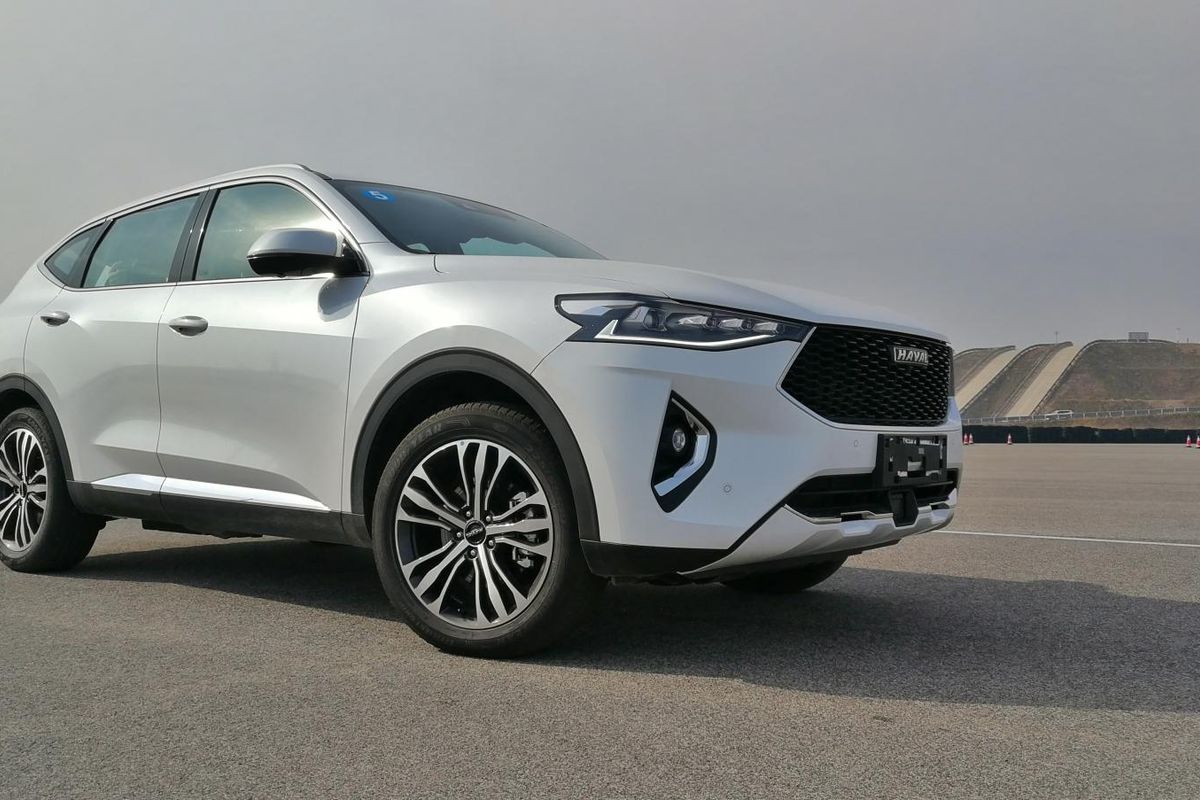
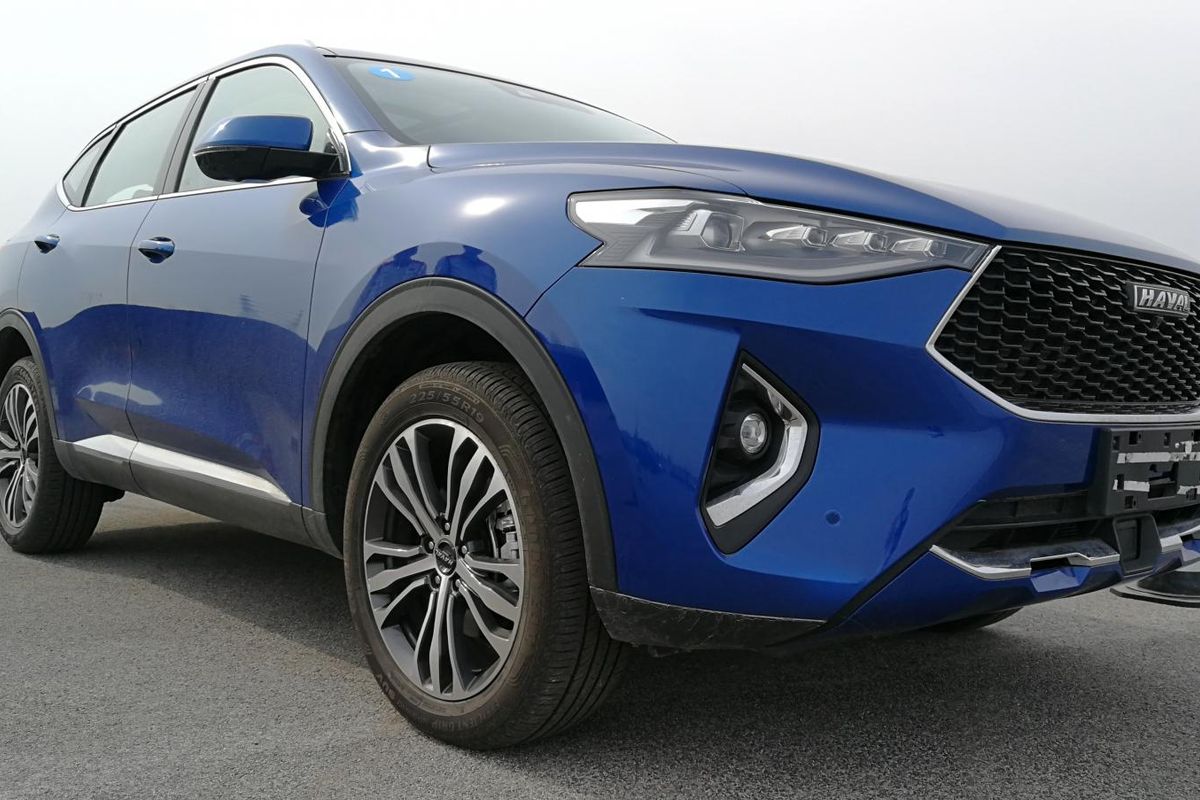
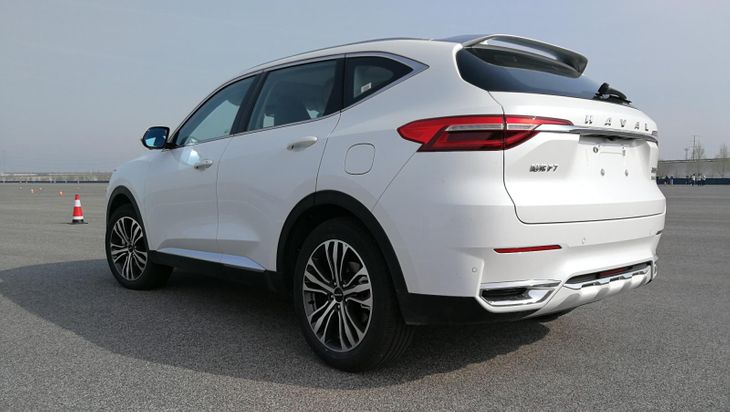
The new F7 is one of Haval's "international products" and has now been confirmed for South African introduction.
Joining it in Mzansi will be the stylish new F7, a similarly sized SUV that features more expressive styling and which is likely to be positioned slightly higher upmarket. The F7 will also be offered in a "coupe" variant, called the F7x, which perhaps surprisingly is also headed for our shores. It might go on sale as a cut-price BMW X4 rival.
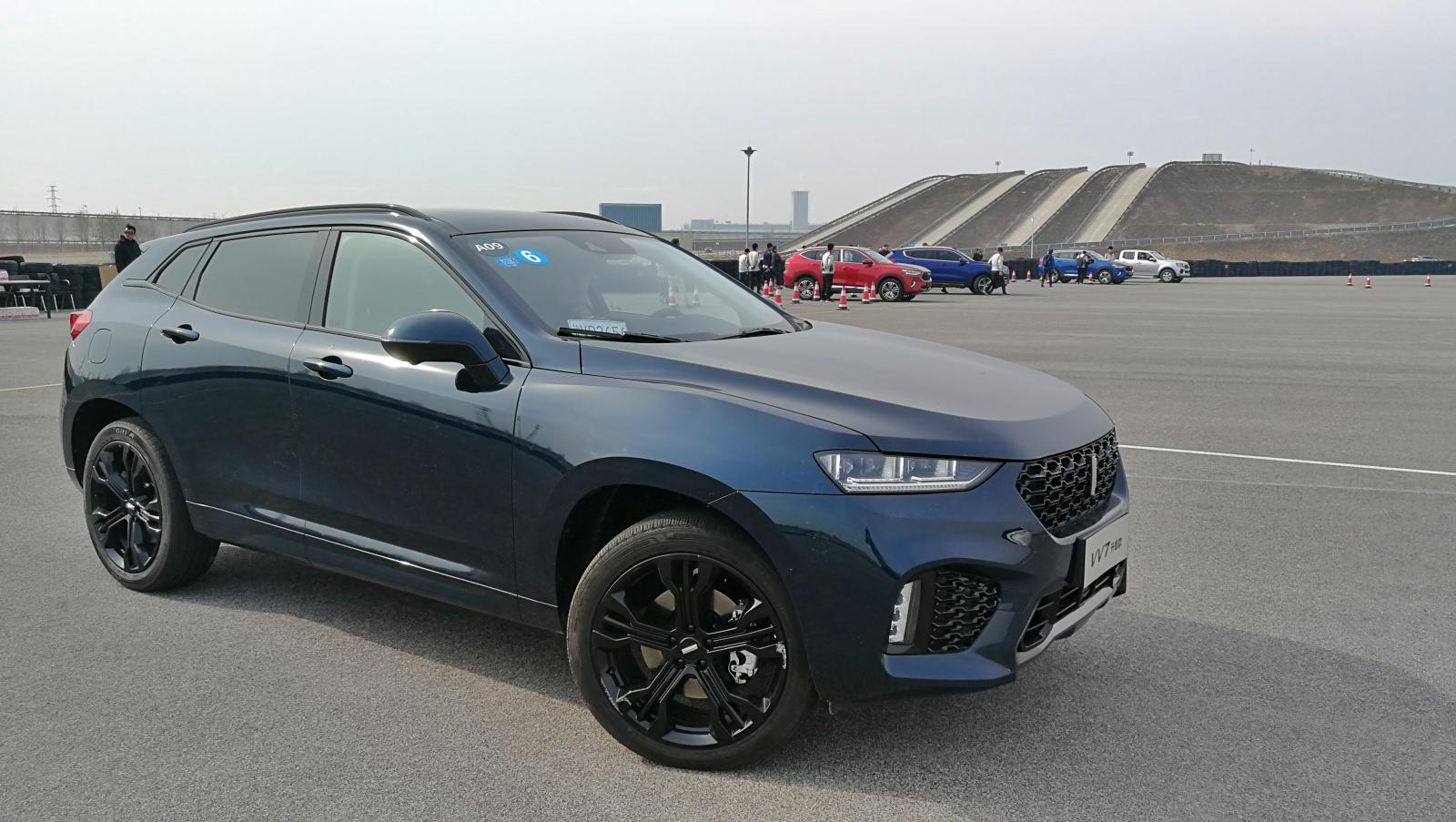
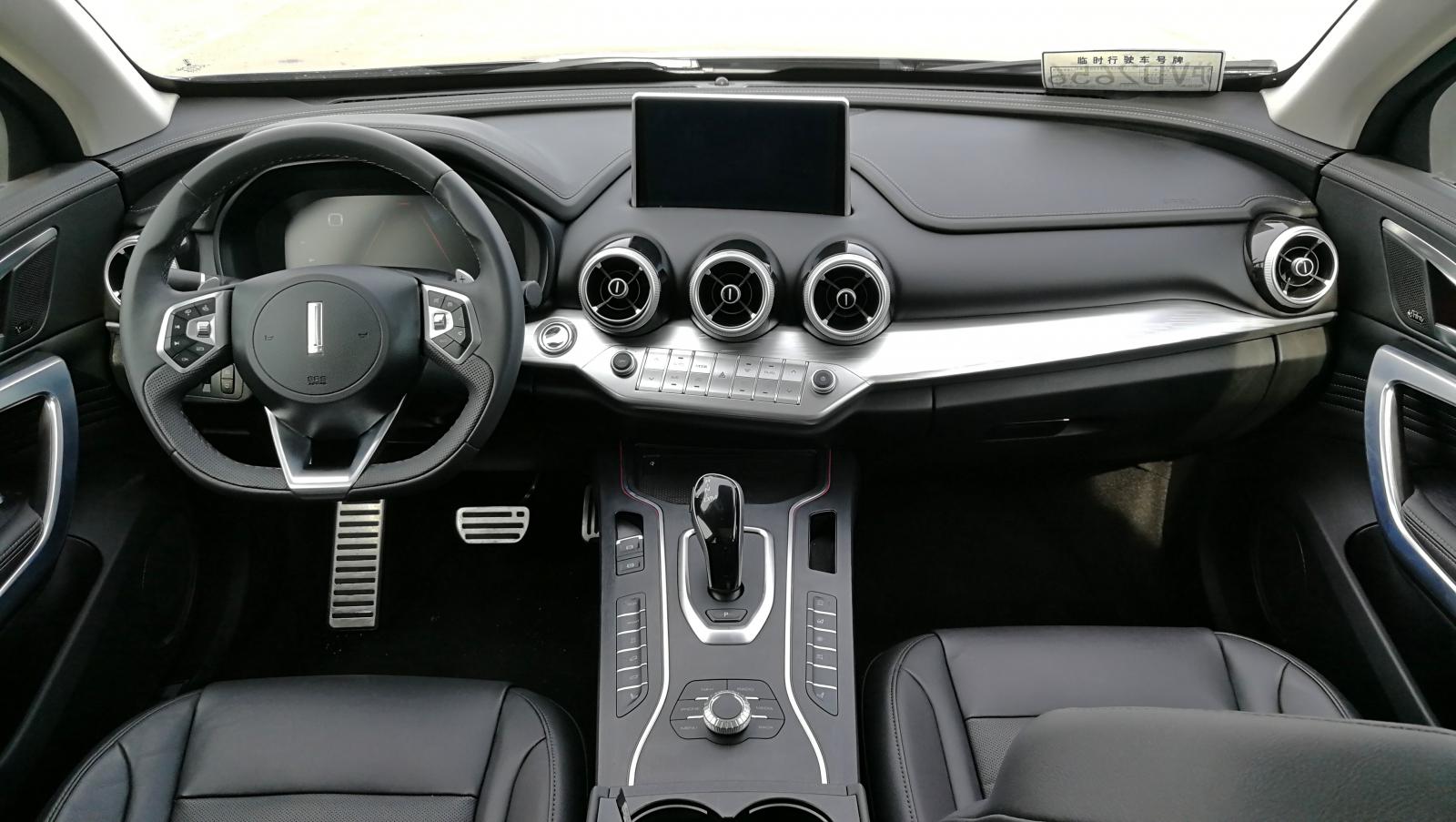
While in China, we were also afforded the opportunity to drive the marque's flagship product, the Wey VV7, which is a sporty, premium SUV and the new GWM Steed 7 pick-up, but neither of these are likely to make it to South Africa. Regarding the latter, GWM South Africa has stated that it will rather stick to the Steed 5/5E and Steed 6 models for the commercial vehicle market, while the all-new leisure pick-up, which is due to be unveiled at the Shanghai Auto Show next week, will compete with the Toyota Hilux/Ford Ranger when it comes to SA… possibly in 2021.
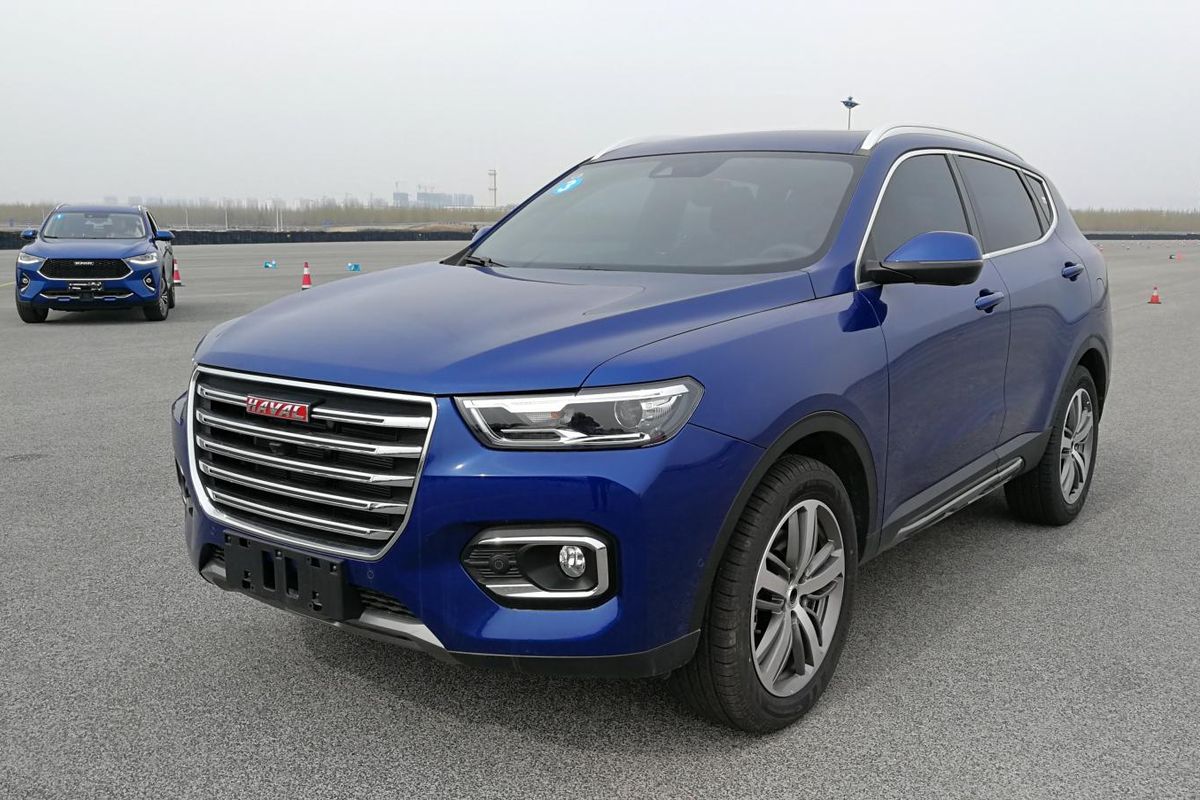
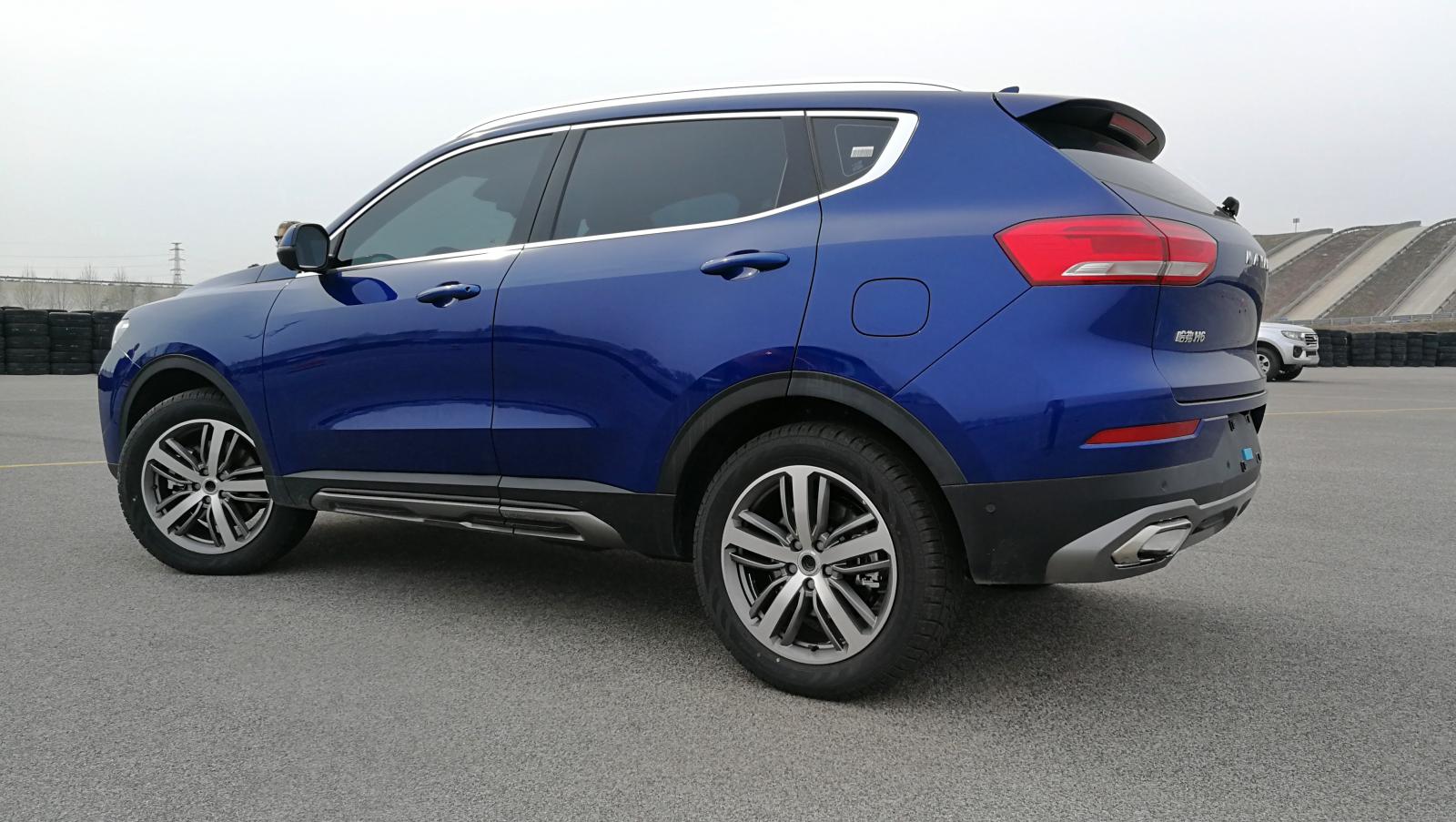
Smooth and sophisticated in appearance, the H6 is one of the largest vehicles in its segment.
The H6 is one of China's most popular vehicles overall, regularly topping sales charts and easily outselling the SUVs South Africans will view as its most obvious rivals, the Volkswagen Tiguan, Mazda CX-5 and Toyota RAV4.
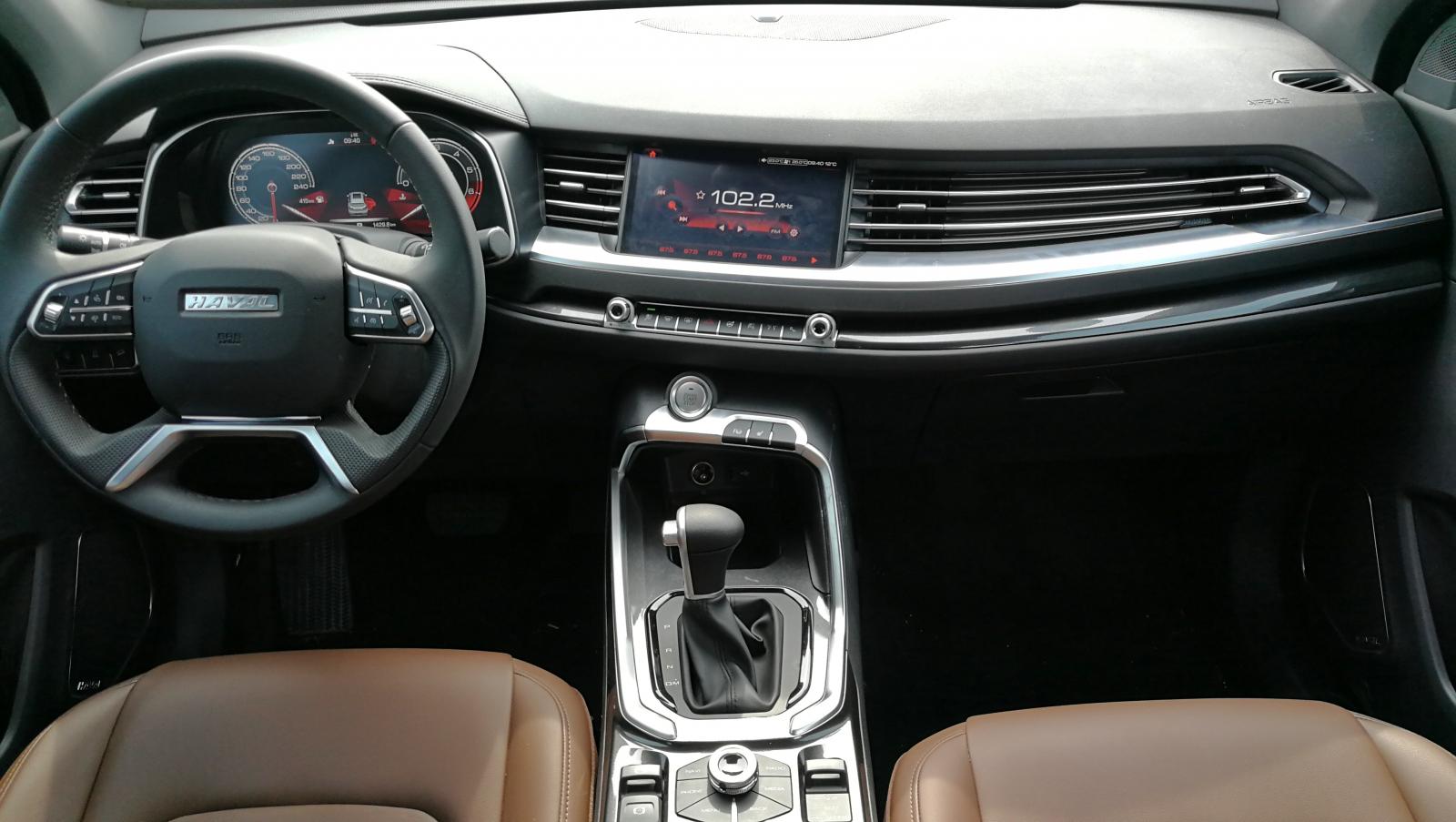
It's one of the larger offerings (4 610mm long, 1 860mm wide) in its segment, and its dimensions translate into excellent passenger space – legroom in the rear is particularly impressive. But passenger space has always been a hallmark of the H6, so that's no surprise. What is a surprise is how upmarket the cabin looks and feels… Usually it's round-about here where we would insert the usual caveat "… for the price…", but that no longer applies. The new H6's facia design, trim fittings and ambience are easily a match for the best from Germany and Japan in this segment. It feels like a substantial vehicle from behind the steering wheel, a perception that was reinforced when our test driver took the H6 over some of the poor surface test routes at the company's sprawling proving grounds in Baoding. There wasn't a rattle or squeak.
The H6 is powered by a 2.0L turbopetrol with 145kW and 345Nm of torque.
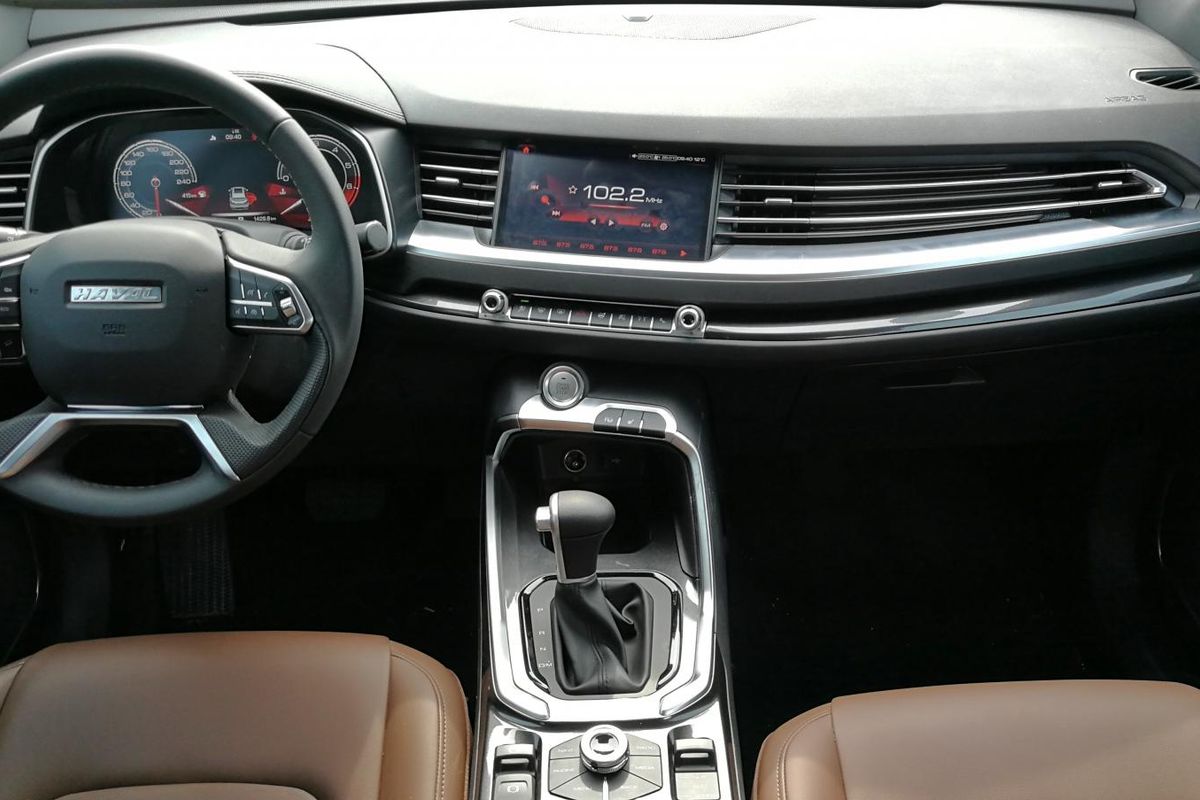
South African specification still has to be finalised, but the H6 is offered in China with items such as wireless charging, partly automated parking, multiple camera views and panoramic sunroofs. The smart 9-inch touchscreen infotainment system and 12.3 inch digital instrumentation are likely to make it to South Africa too, but it remains to be seen what functionality that screen will provide. Haval is very aware of the need for Apple CarPlay and Android Auto in markets such as ours but as of yet there's no offering. We're told it's currently in Research and Development and were quizzed extensively about usage patterns in our country. Hopefully these items become available soon.
Under the bonnet is a 2.0L turbocharged four-cylinder engine that delivers 145kW from 5 200 to 5 500 rpm and 345Nm of torque from 2 000 to 3 200rpm. It is mated with a 7-speed dual-clutch transmission that also offers a manual shifting mode (via the lever, no paddles), and there are 3 pre-programmed driving modes (Sport, as per usual, makes the car more responsive).
With premium materials, a fully digital dashboard and striking facia design, the H6's cabin is right up there with the Germans.
We weren't allowed out on China's public roads but were give the opportunity to drive the H6 over short test routes at the Baoding/Xushui test facility. Later we were also taken onto the high-speed oval with the same vehicles.
It's really difficult to form a definitive view on a vehicle in such a short space of time, but based on the time we had with the cars, it is quite clear that the H6 represents a big step forward for the company (compared with what South Africans have experienced from the brand thus far). It's a quiet, comfortable-riding car that has more than enough power, but there are possibly 2 areas that could do with further improvement (these also apply to the F7).
Firstly, there's still noticeable turbolag… It has to be said, however, that Chinese-market vehicles often have a different mapping to our local vehicles, so we'll reserve final judgement until it's been driven on local soil. Secondly, the engine is not the most free-revving unit in its segment – there's a coarseness to it that comes to the fore particularly under hard acceleration. Similarly, the transmission feels perfectly fine during "normal" driving, but can be caught out when driven more enthusiastically. And we can only hope that the current line-up's fuel thirst has been improved. The claimed consumption for the 2.0L is around 8.0L/100km.
The H6 could be sold locally with 1.5L turbopetrol (120kW/280Nm) engines, too, but a diesel is unlikely at this stage. When it arrives later in 2020 it will have to compete not only with the current segment leaders from Toyota, VW and Mazda, but there might also be an all-new Kuga to contend with, as well as the Koreans (Kia Sportage and Hyundai Tucson). As it stands right now and provided GWM/Haval gets the local specification/pricing right, it would appear that the contender from China is no longer knocking on the door, but has taken a seat in the club with the big boys.
Haval F7 and F7x
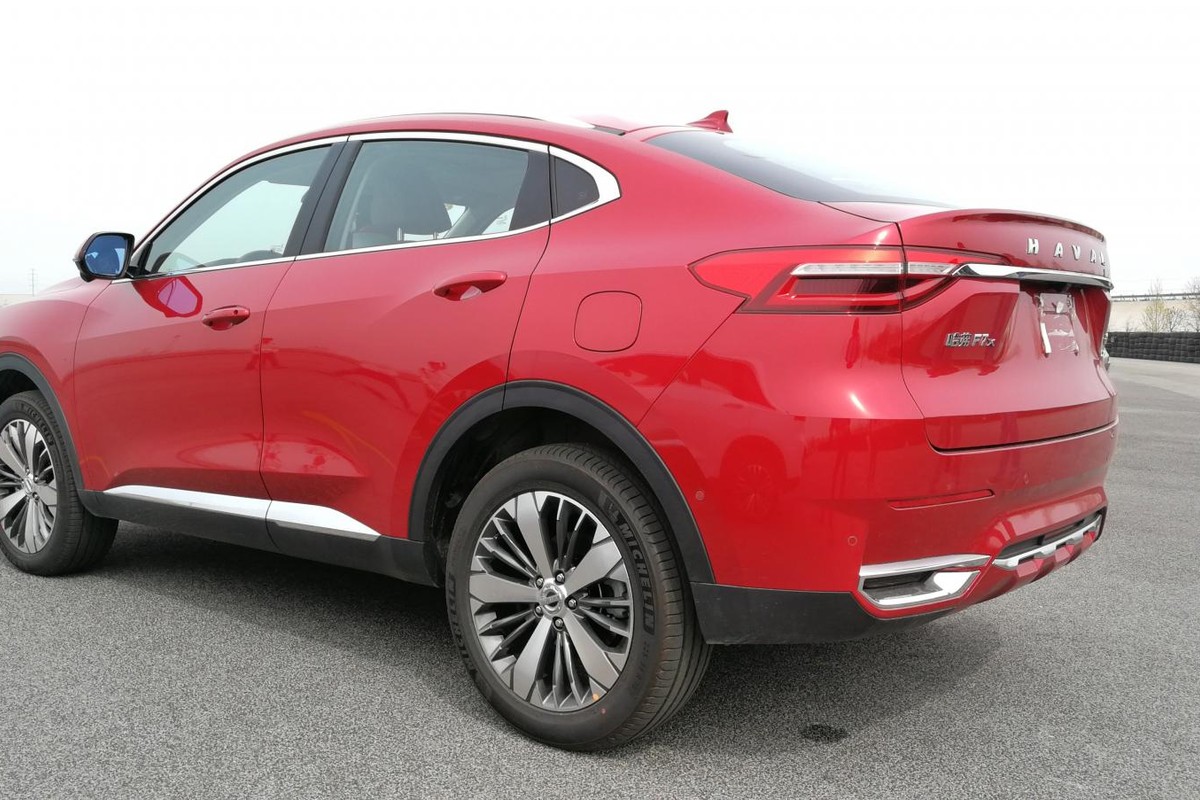
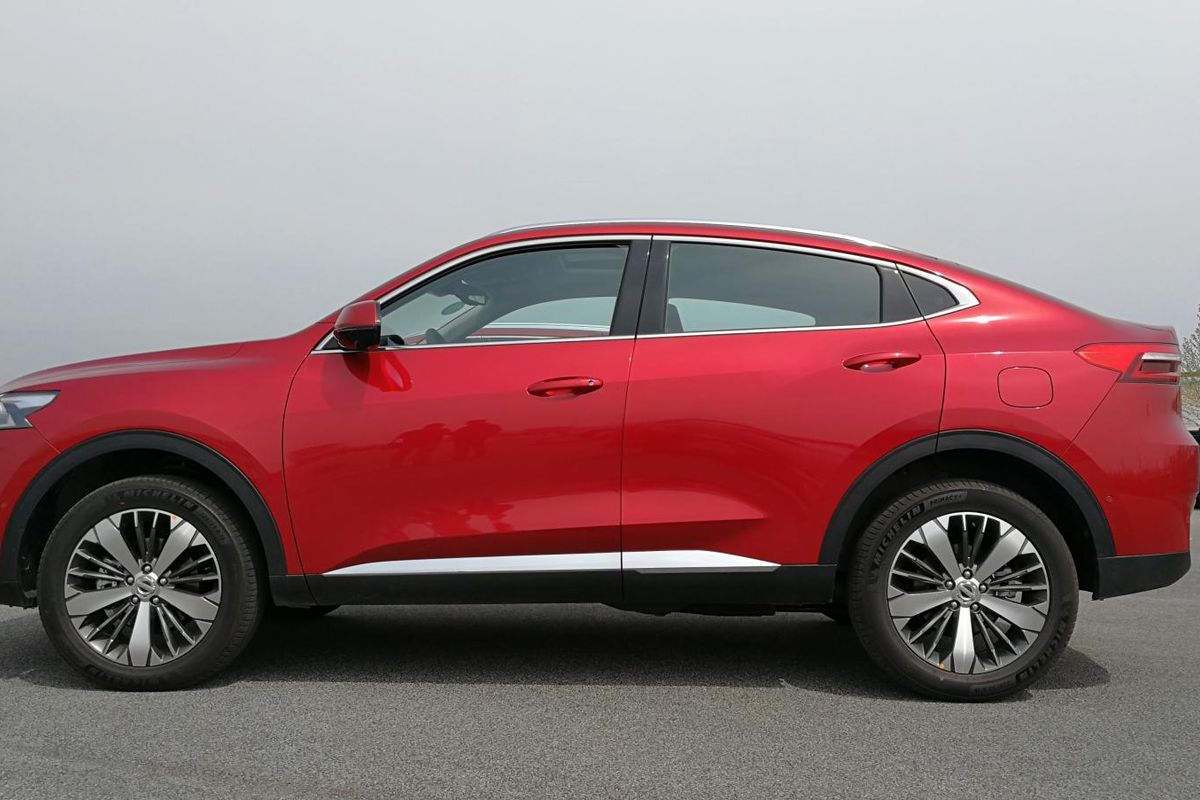
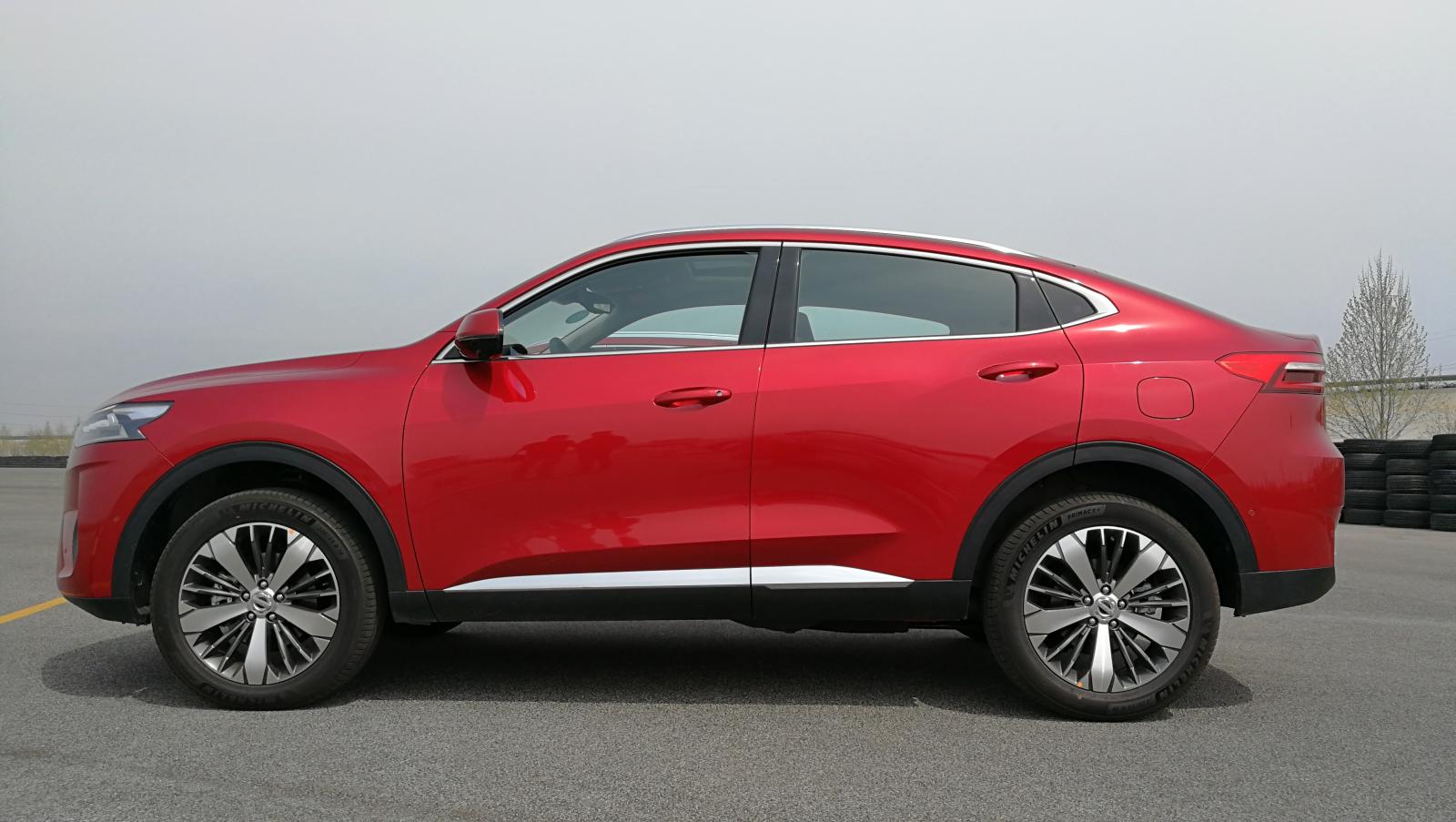
The F7x features the type of fashionable sloping roofline first brought to the market by the BMW X4 and Mercedes-Benz GLC Coupe.
This boldly styled newcomer is likely to be positioned slightly higher up the pricing ladder than the H6, but is actually very similar in overall size (though a tad longer, and with a longer wheelbase), and even makes use of the same drivetrains (1.5L and 2.0L turbopetrols).
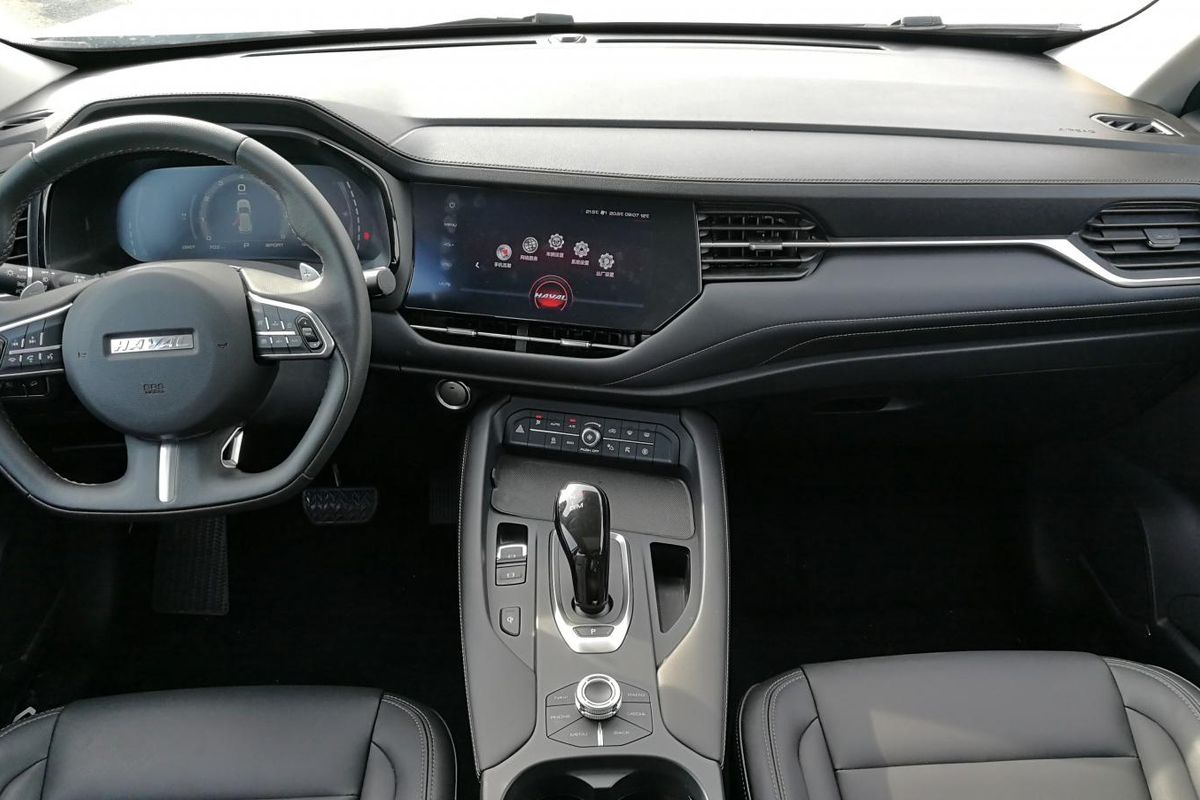
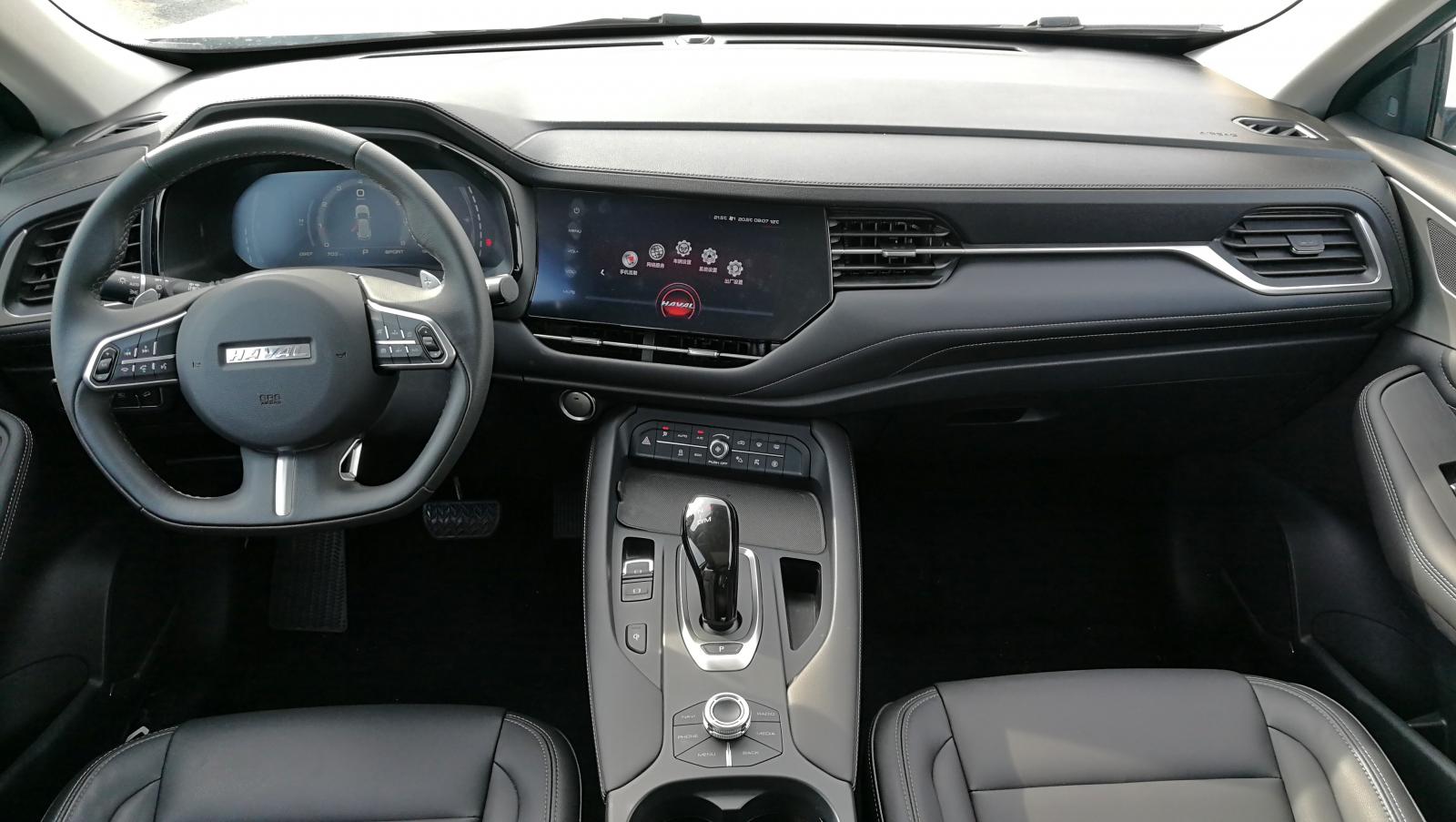
Inside the cabin it is however completely different to the H6, with its own unique facia layout that's both attractive and very modern. It's rare to see a car at this price level with such crisp and clear digital displays, for example. A variety of trim options are offered and one of the vehicles available for testing even had an oxblood red leather interior. Again… the quality of the actual trim items will raise eyebrows. When specified, the leather trim extends to the dashboard and the doors, too, creating a very "premium" ambience.
Although the H6 and F7 are closely related, their exterior and cabin designs are very different. Note integrated large touchscreen.
An interesting variant that is also apparently coming to South Africa during the second quarter of 2020 is the F7x. Think of BMW's X4 and you won't be far off the mark… The only difference between it and the standard F7 is the sloping tailgate. Rear space remains good, but if you're taller than 1.8m your head may touch the rooflining.
As the F7 and F7x use the same engine and transmission combination as the H6, and ride on the same basic underpinnings, the driving experience is similar. These new SUVs are set up for comfort, so the ride is on the soft side, which is good for a family SUV, and the cabins are quiet. The steering is perhaps slighly too vague, but this won't bother too many likely customers.
We did notice, however, that the F7 featured steering-mounted shift paddles, which the H6 didn't have. In China, the F7 is also available with all-wheel drive, but the availability of this remains unconfirmed for South Africa. As is the case with the H6, the F7 is available with a wide range of safety features, including rear cross traffic alert, lane change warning/assist and a 360-degree camera view system.
We suspect Haval will use very high standard specification to position the F7 and F7x above the H6 in the local market. It's worth noting, therefore, that in some markets the F7 is offered with features such heated/ventilated seating, active cruise control with automated braking, automated parking and even a fragrance system.
Wey VV7
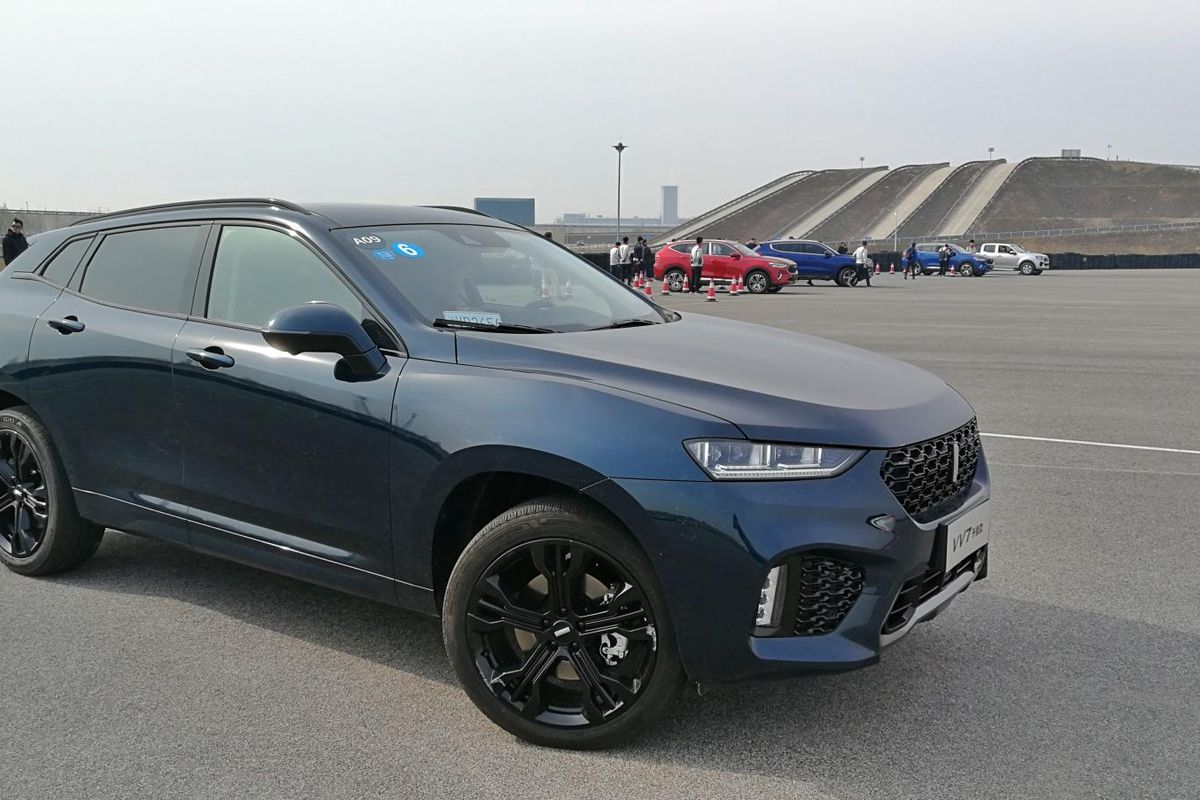
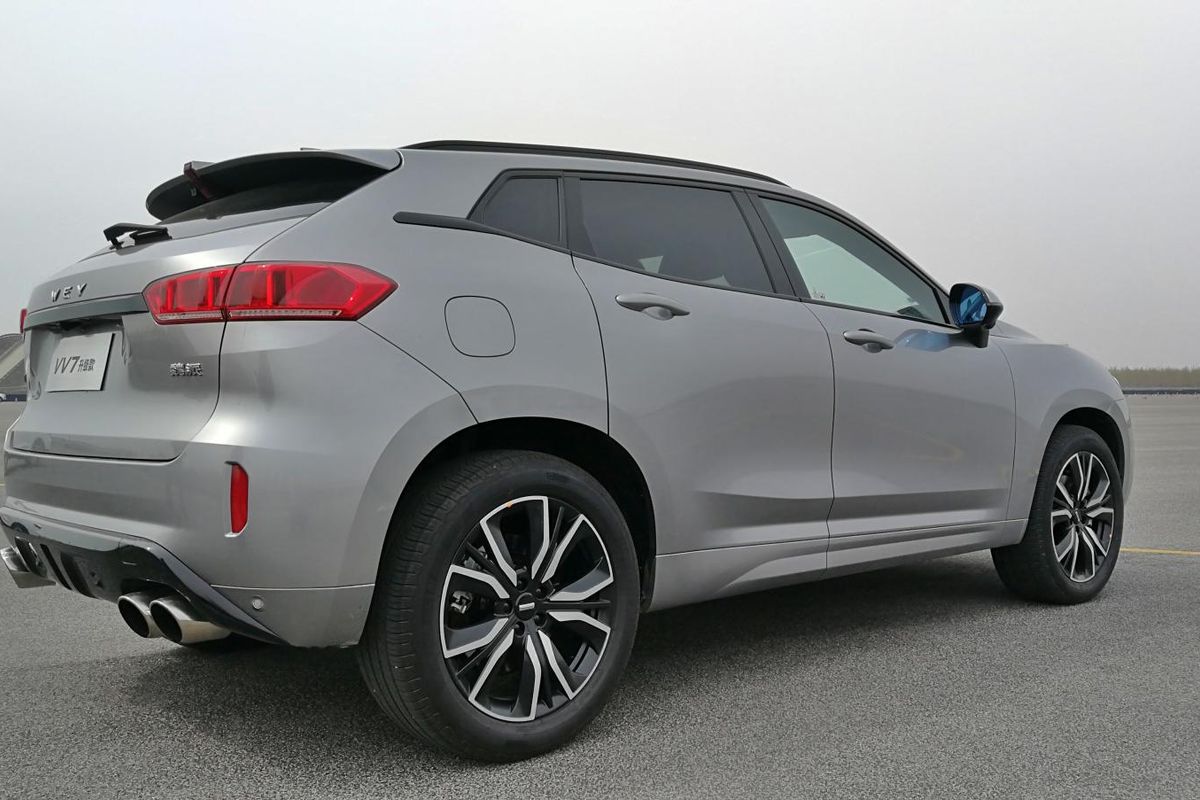
Sadly not likely to come to South Africa, the Wey VV7 is a stylish crossover that's also good to drive.
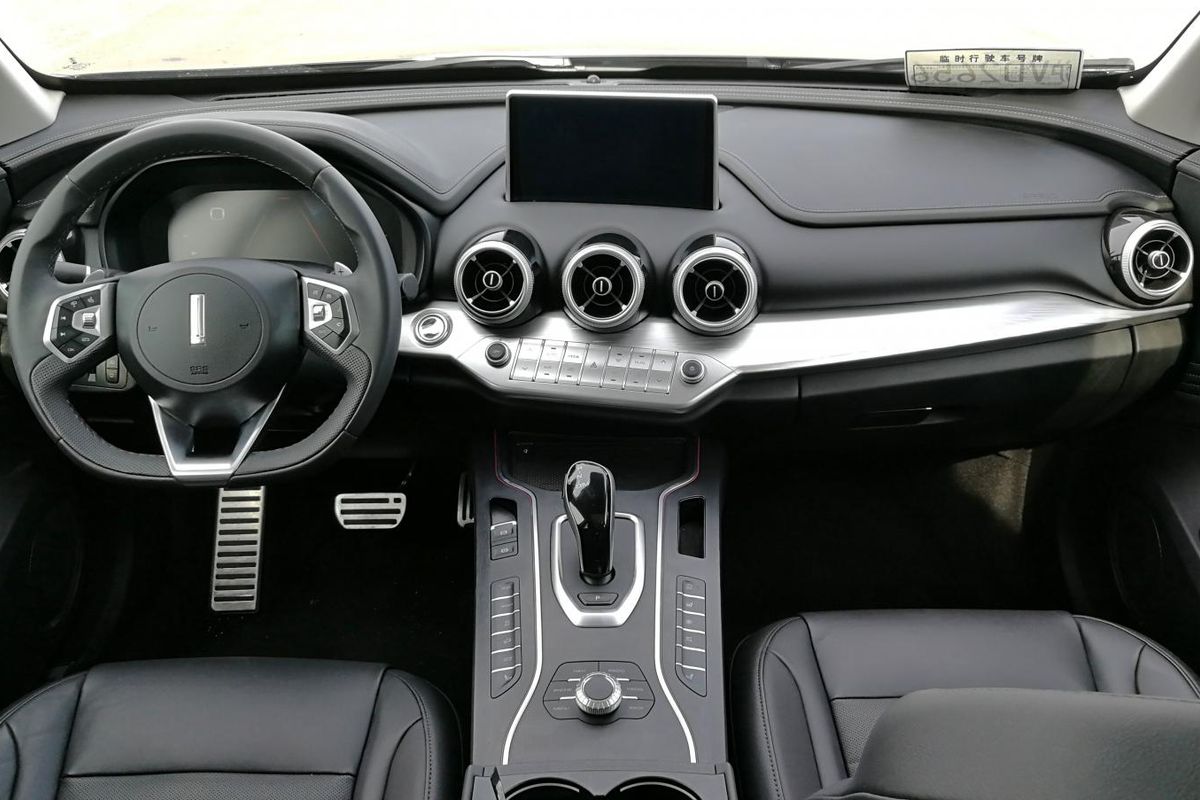
Named after the chairman of the company, Wey is to Haval what Lexus is to Toyota. Compared with already upmarket Havals, Wey products are sportier in their design, more powerful, more dynamic and, inside, even more luxurious.
Based on the social media response to our images from China, this is a vehicle that potentially could resonate well with South Africans but it's not likely to reach our shores. This is a pity, as it was rather impressive during our short test drives, feeling more responsive, more refined and sharper dynamically than its more comfort-oriented siblings. Plus, it has a 172kW/360Nm version of the 2.0L turbopetrol engine, and you can feel it… The tie-up with German tuning firm Brabus to further "enhance" Wey products therefore makes perfect sense.
Wey is GWM's flagship brand and as such offers the company's most advanced features and best finishes.
Wey has already made an appearance at the Frankfurt Motor Show and several prototypes have been caught testing in Europe, so this very likely is a product that will reach those sophisticated markets in the near future. Styled under the guidance of Haval's former design chief Pierre Leclercq (ex BMW), the VV7 looks like a potential Range Rover Evoque rival in the making. Who knows… maybe next iterations of this vehicle will reach our shores. Wey has already rolled out an even more advanced plug-in hybrid version called the P8.
With very few Chinese marques left in South Africa after the big initial influx of about a decade ago, GWM/Haval is now comfortably the most established and successful. Now, with these new products it is rapidly moving up the desirability ladder into direct confrontation with the market's big hitters. Several of our readers suggest that Haval could be the Huawei of the car world, due to its ability to offer quality products that effectively rival offerings from premium brands, but at a significant price advantage. After experiencing the new H6 and F7 in China, that description doesn't feel inaccurate at all.
The expression “Win on Sunday, sell on Monday” may have originated in North America, but in 1976 it was a call to arms for a fledgling South African subsidiary of a famous Bavarian marque. BMW SA recently tasked Luis Malhou of Custom Restorations in Vereeniging to restore unit number 100 of the locally made homologation-special 530 MLE.
For those who’ve never heard of the "Win on Sunday…" expression, it was coined by American marketing executives many, many moons ago. Those inimitable Stateside spin-doctors believed that car manufacturers should enter motorsport as a means of advertising their passenger cars. The theory was that if racing versions of manufacturers’ products were successful in race events (usually held on weekends), spectators would be inspired to march into showrooms soon thereafter to buy roadgoing versions of those cars. Ah, the Mighty Buck!
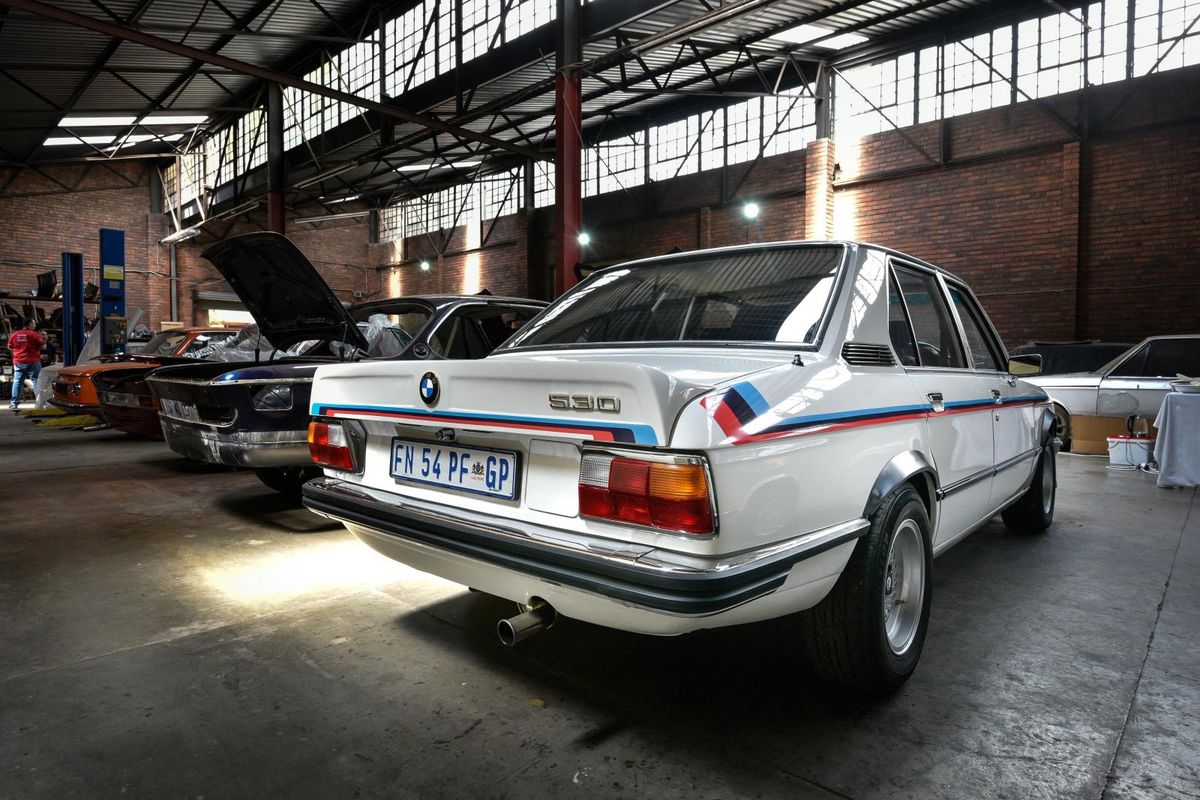
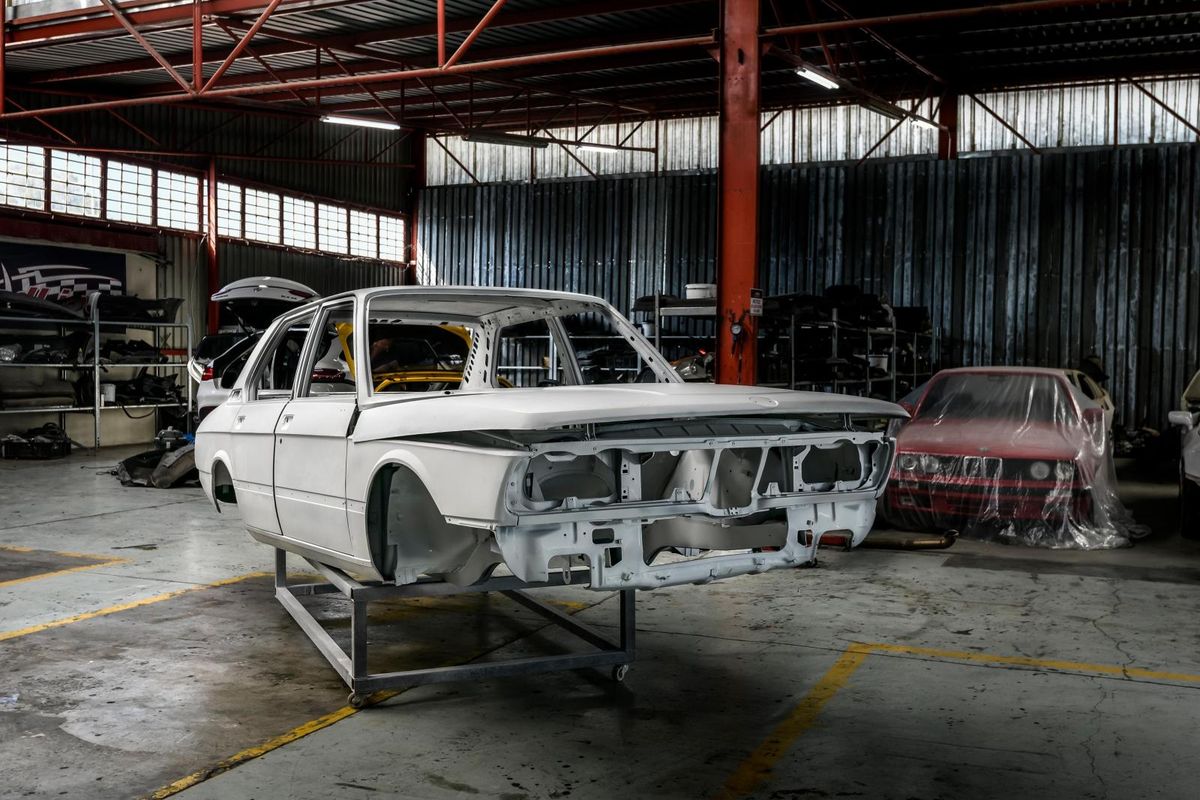
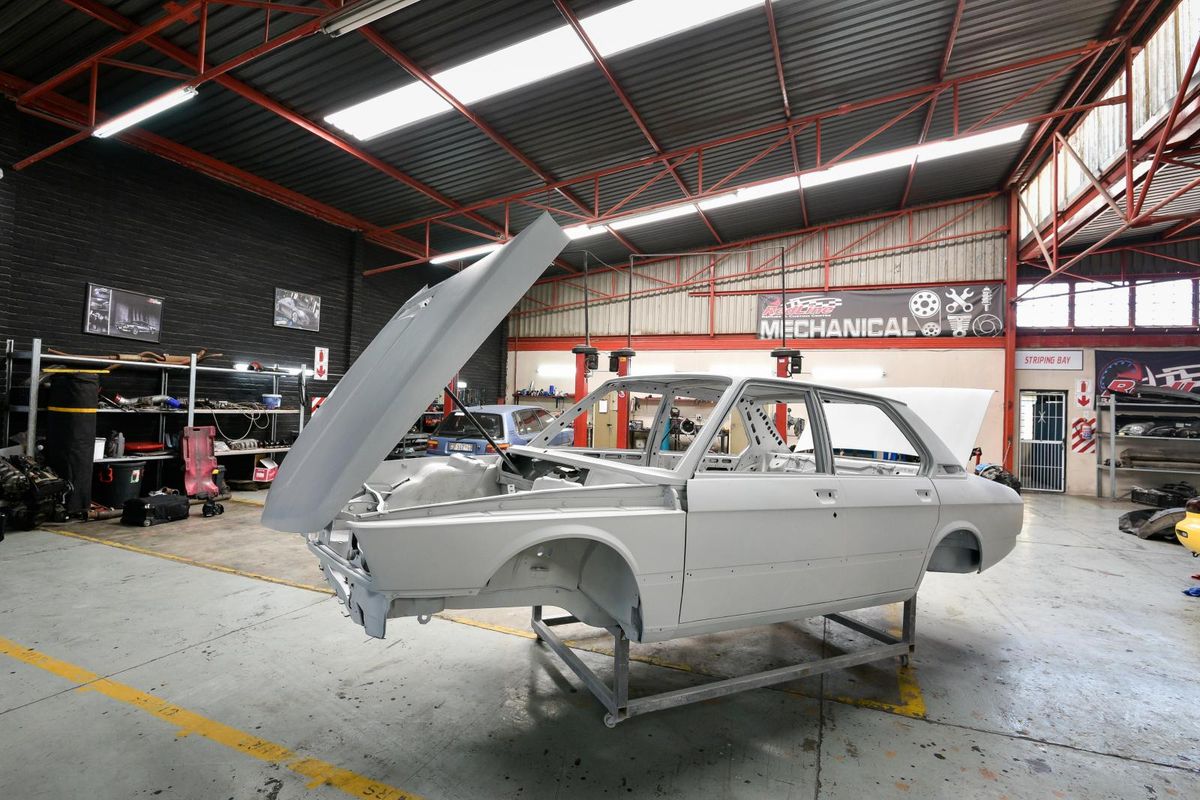
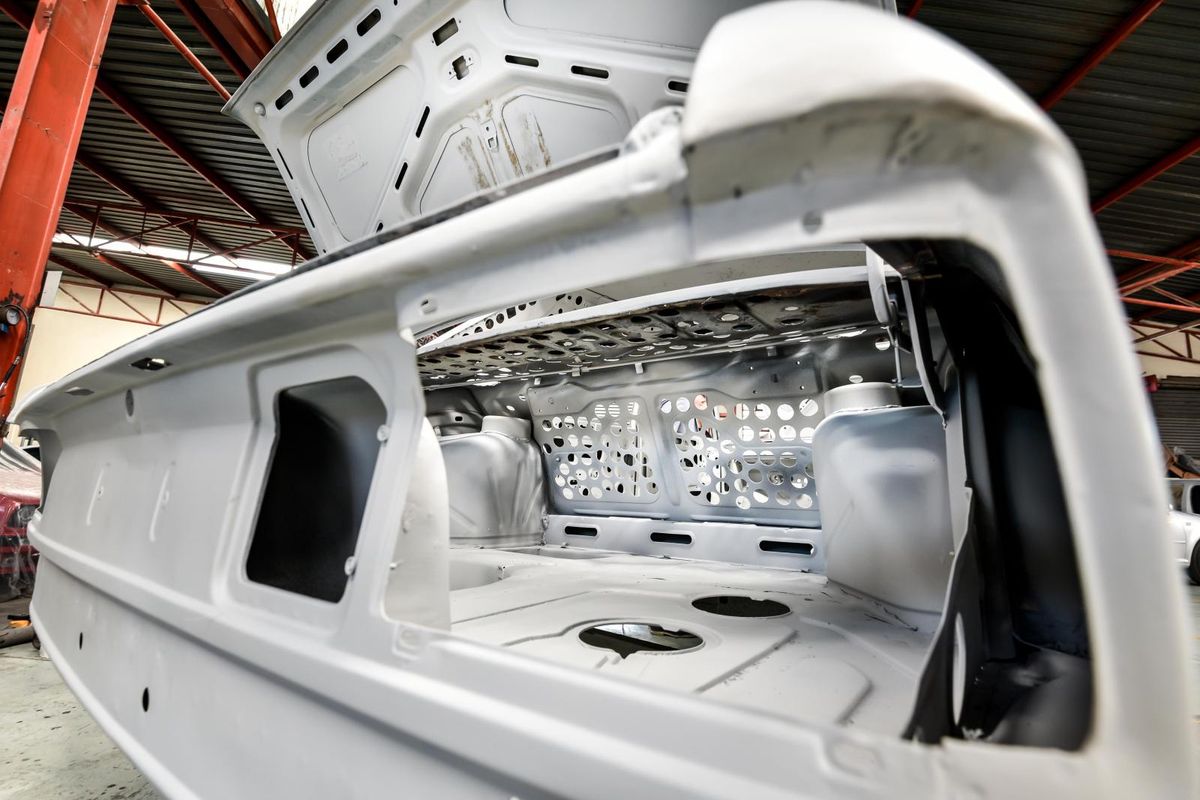
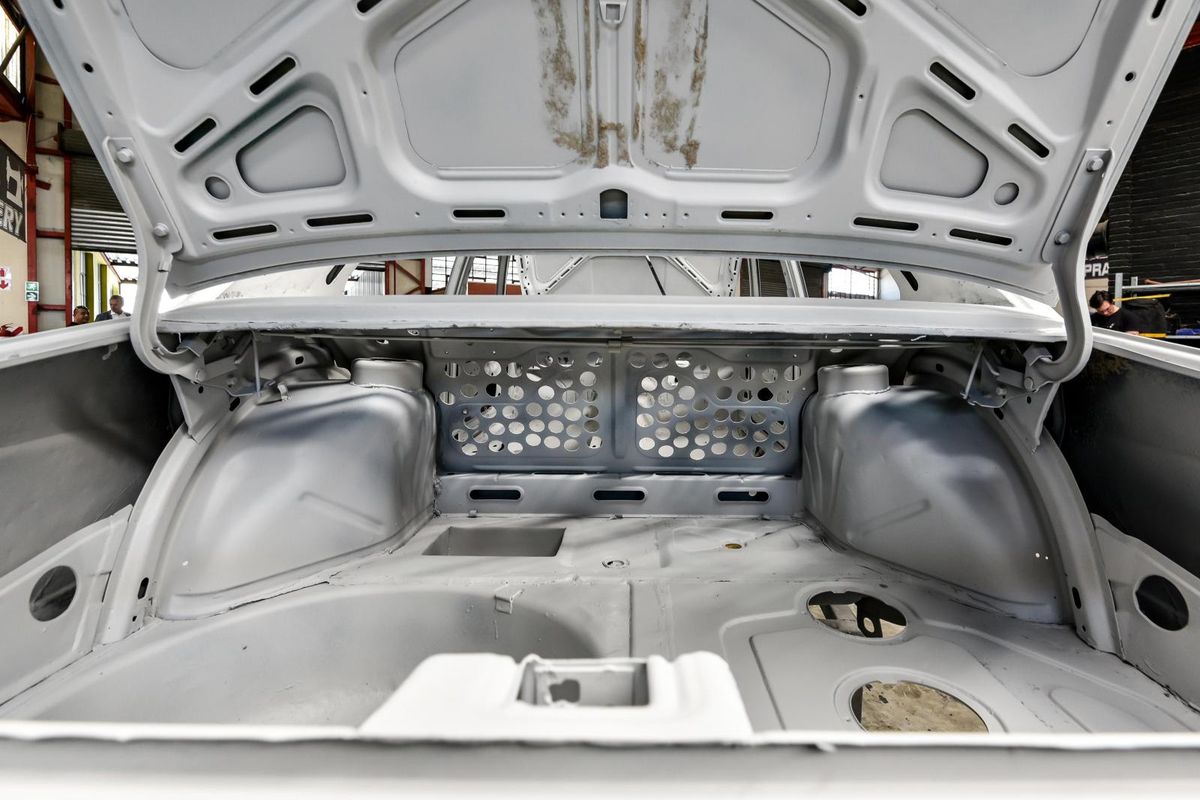
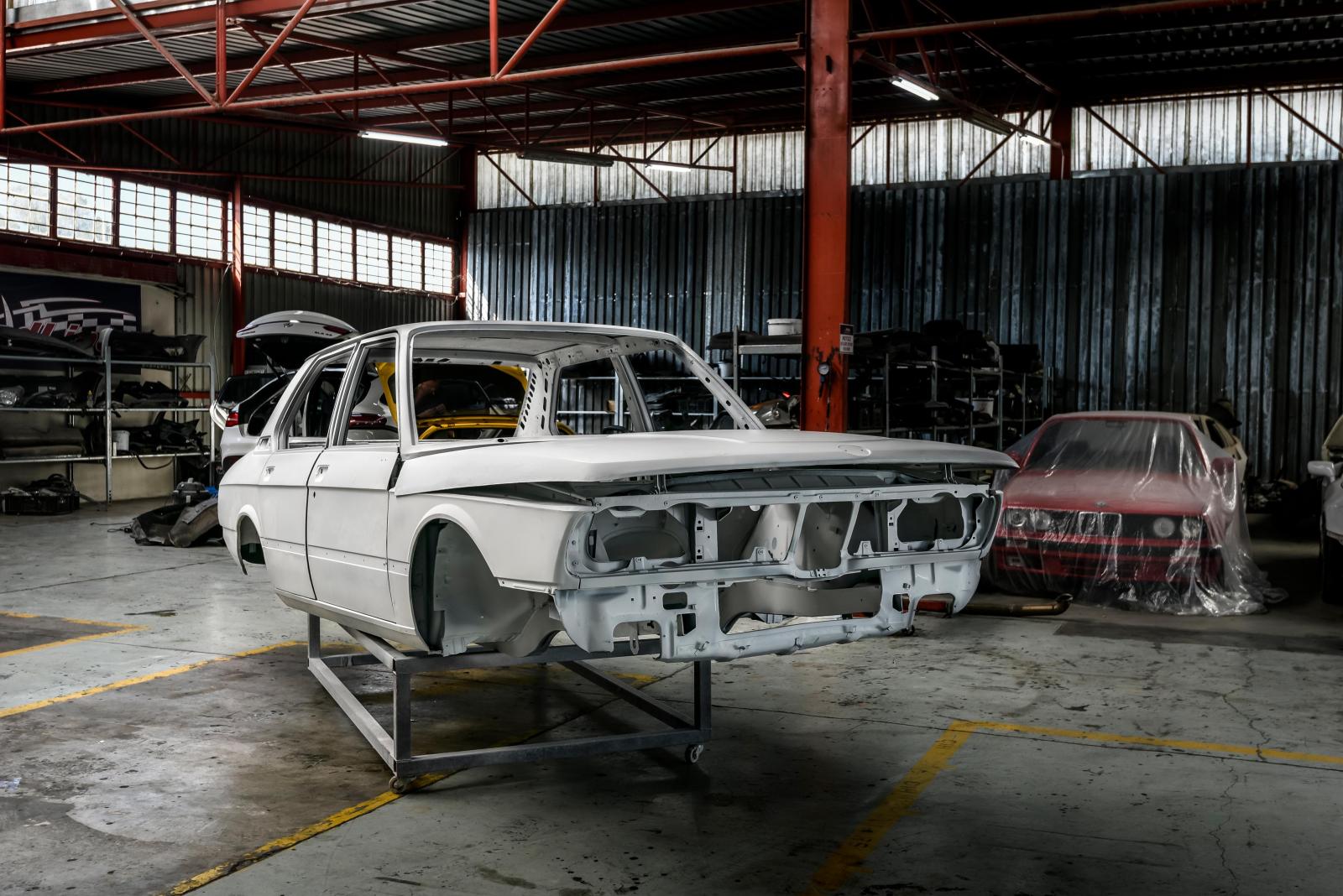
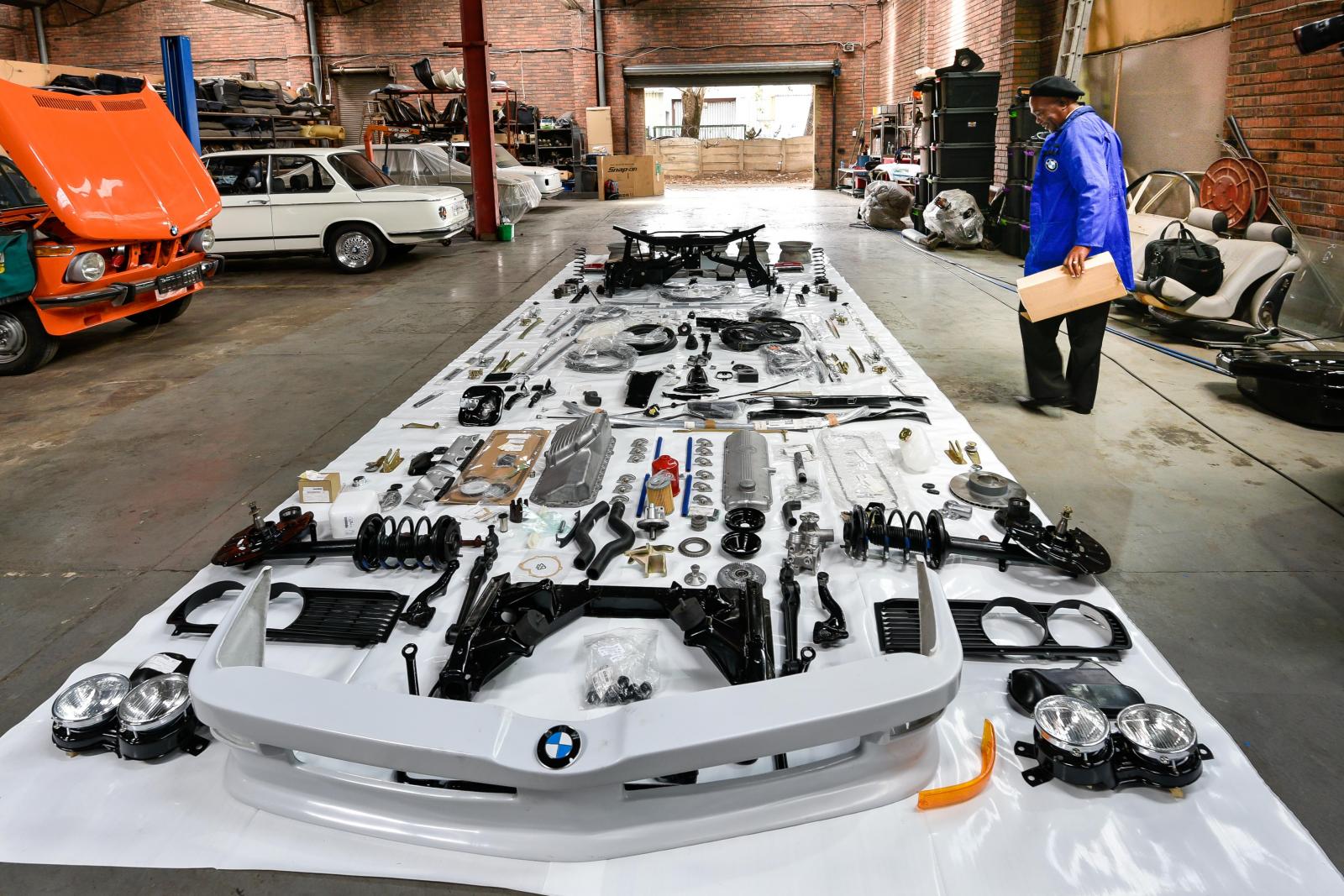
The ex-Peter Kaye-Eddie car is undergoing a nuts-and-bolts restoration, which means the body is stripped bare and refurbished.
What's more, the homologation rules of certain motorsport formulae, which dictate that cars can only be entered in a racing series if a predetermined number of those vehicles are produced for public consumption, spawned “bred for racing” models that could be driven out of dealerships. The cars were easy to identify: they were either retailed to those who were invited to buy them, or had put down a deposit to get their names on waiting lists. Prime examples were lightened, big-wheeled, adorned with spoilers and motorsport-inspired decals and stripes and, of course, they were powerful and very fast. BMW South Africa produced a number of them in the ‘80s and early ‘90s: the 745i, 333i, plus Evo 1 and “Evo 2” versions of the 325iS.
BMW SA’s cavalier beginnings…
But those cars, which have become highly sought-after collectors' items by virtue of their motorsport reputation and scarcity, would probably never have existed had it not been for BMW South Africa adopting a “Win on Sunday, sell on Monday” marketing approach in its early days. BMWs have been assembled in South Africa since the late Sixties, but the Munich-based company gradually grew its involvement in Mzansi: first, it took over the management of the Rosslyn assembly plant in 1973 and then established a fully-owned subsidiary – BMW South Africa – in 1975. At the time, BMW produced the E12-generation 5 Series at Rosslyn, which was notably the first BMW production location outside of Germany…
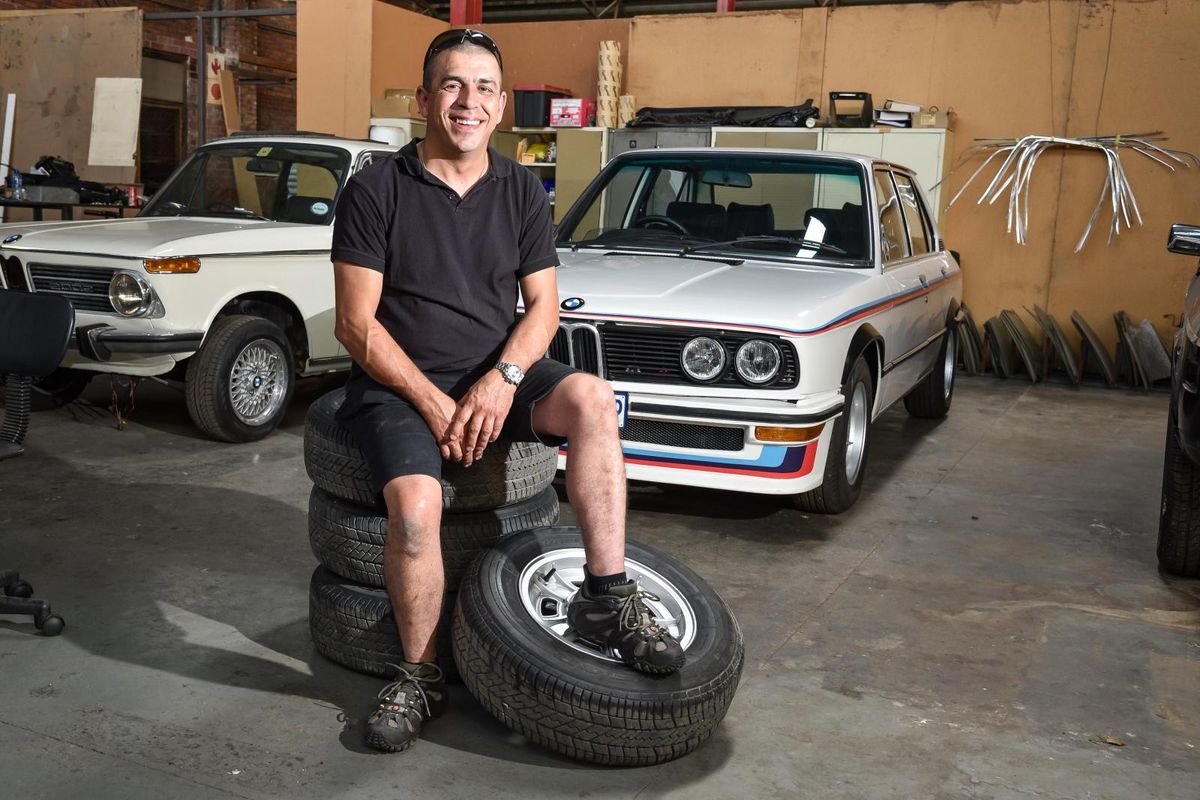
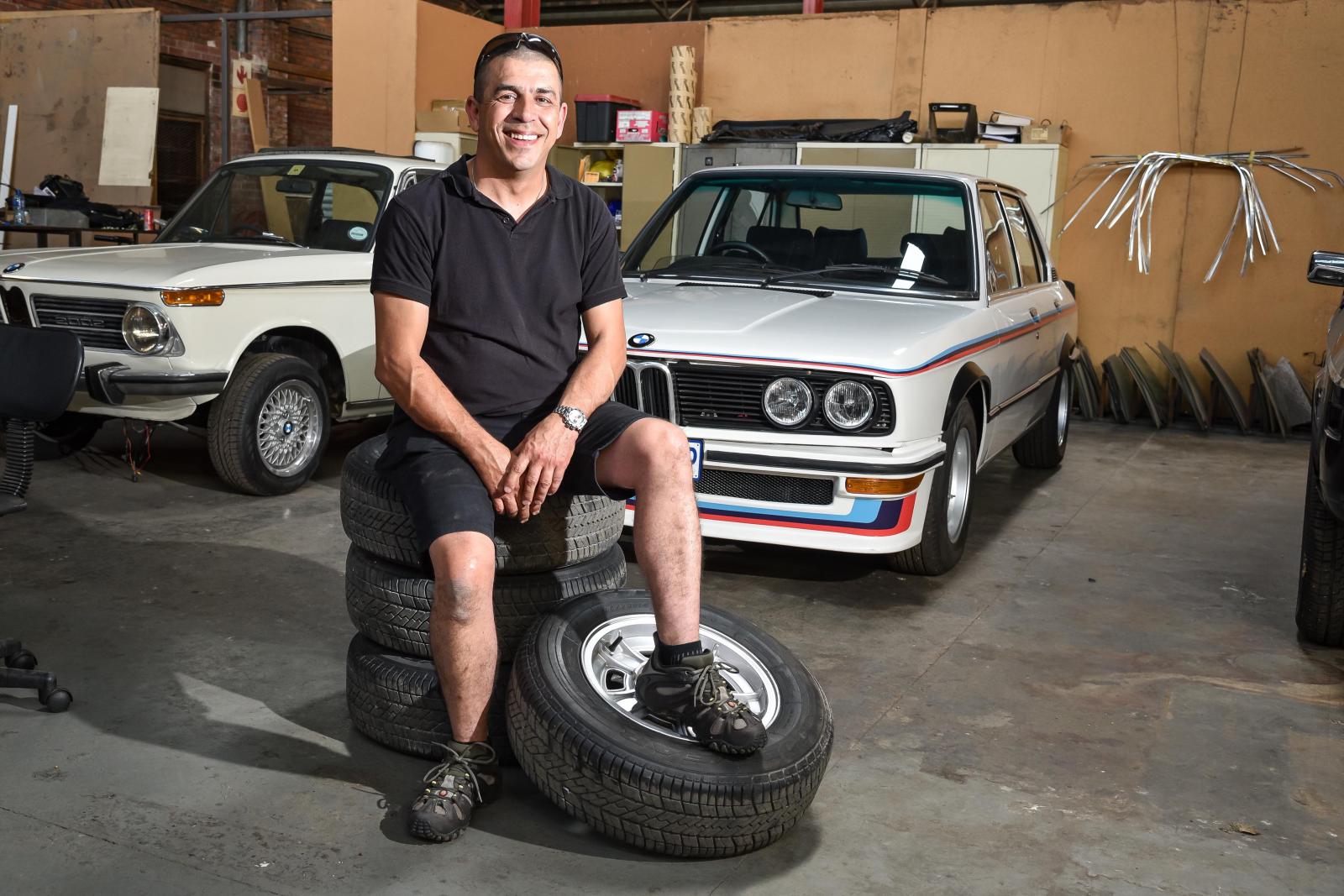
Respected BMW restorer Luis Malhou owns a pair of 530 MLEs and spearheads the car number 100 restoration project.
At the time, the 5 Series was BMW's volume seller and the marque wasn't nearly as well-established in the market as arch-rival Mercedes-Benz… Suffice to say BMW SA needed to its ramp up its public profile and market the 5 Series aggressively, so it turned to BMW Motorsport chief Jochen Neerpasch (with the help of renowned tuning firm AC Schnitzer) in Germany to produce a car with which the local firm could compete in The Star Modified Championship, which was one of the premier circuit-racing categories of the time.
Birth of the 530 MLE
According to Classic Car Africa, BMW Germany shipped 1 complete unbadged E12 to South Africa as a template for the development of the locally-made race car, which would wear the 530 badge. The prototype was stripped out and fitted with a modified 3.0-litre engine (ostensibly sourced from the 3.0CS coupe) that produced 202 kW at 6 500 rpm, 318 Nm at 5 500 rpm and a top speed of 235 kph. Eddie Keizan and Alain Lavoipierre debuted the 530 in race guise at the Republic Day Trophy race in June 1976. It was immediately successful. The 530 won the national championships in '76, '77 and '78, with Keizan scooping the 1977 championship with an astonishing 15 wins from 17 races, the magazine said.
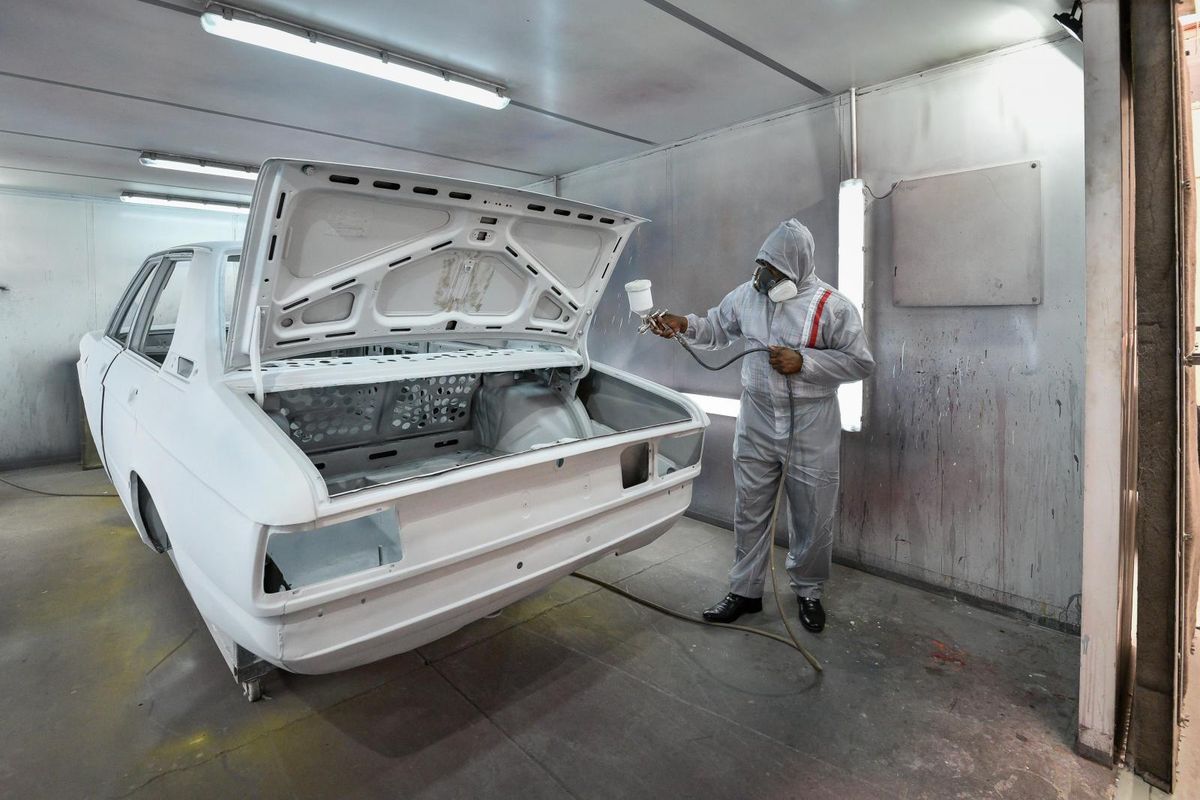
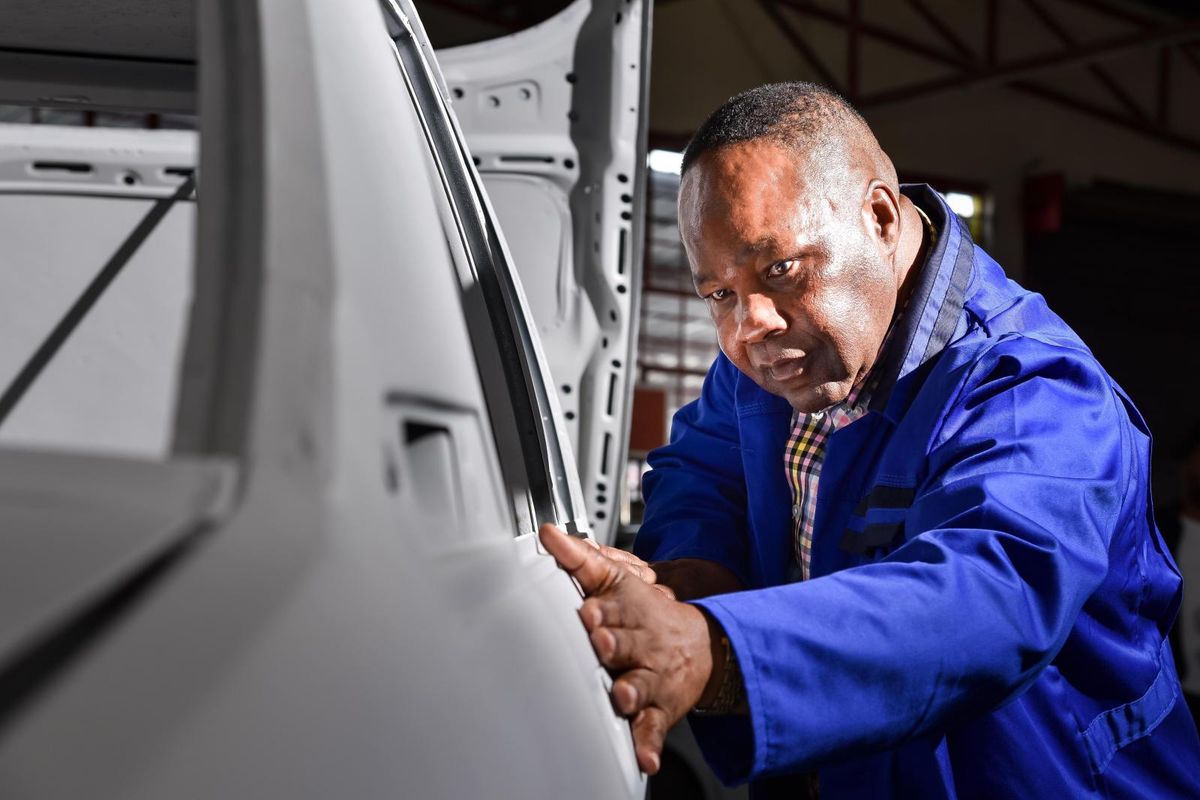
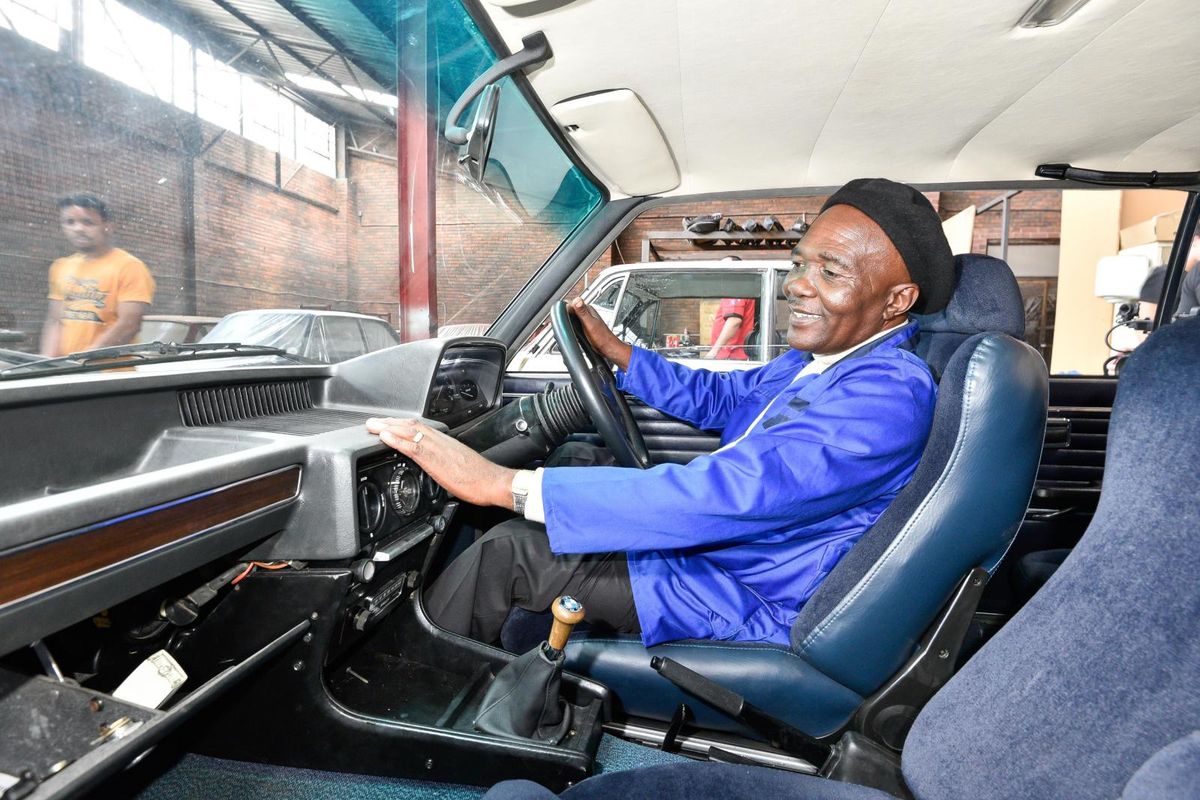
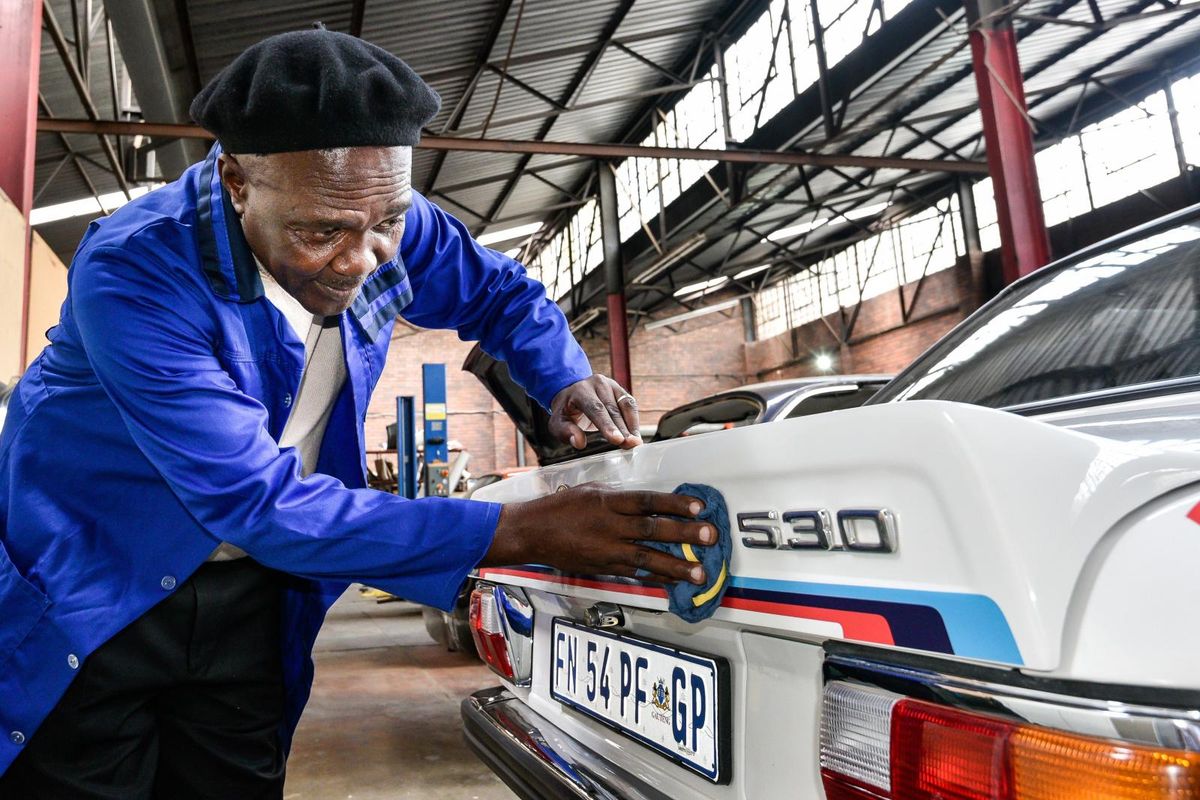
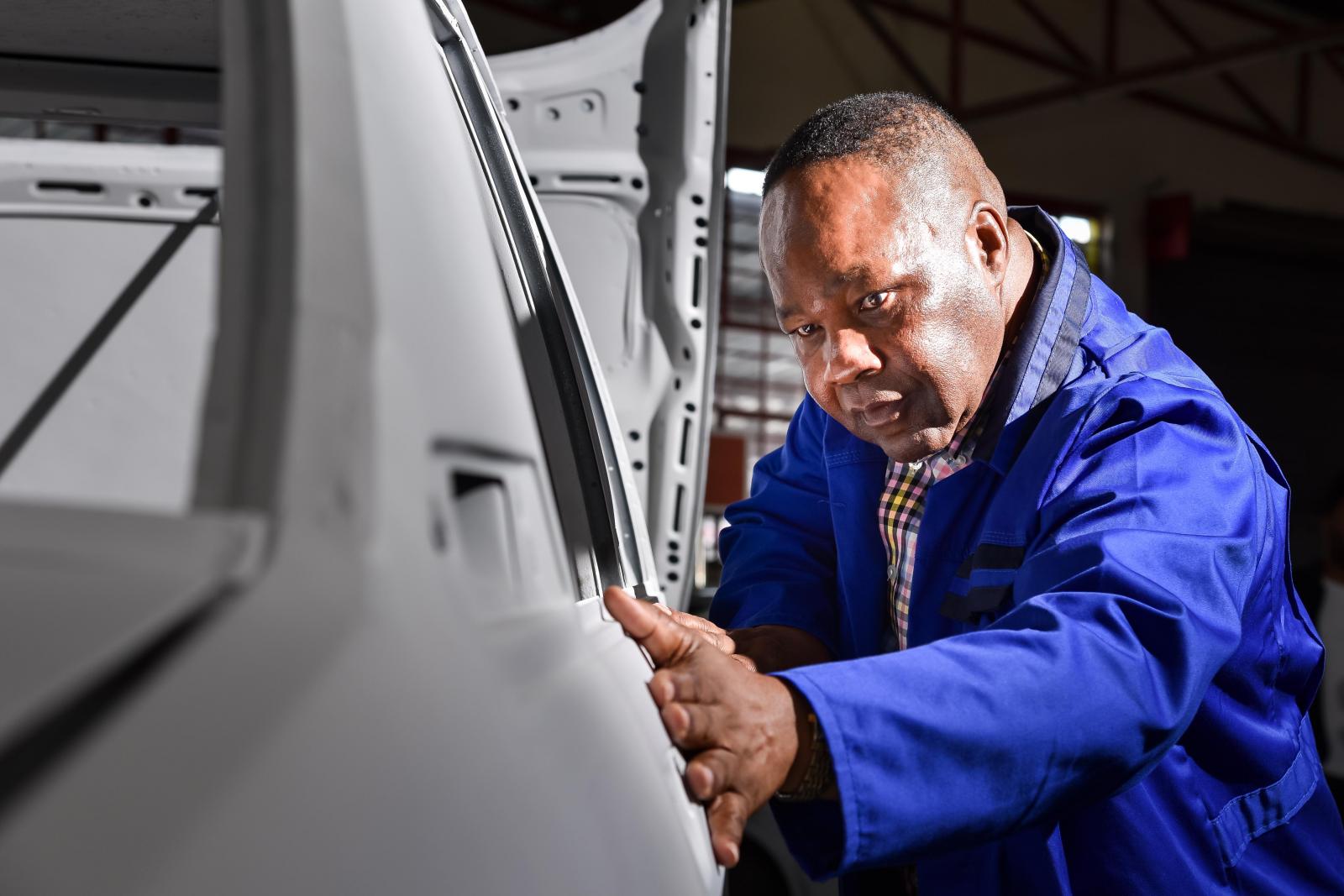
Before his retirement, Walter Mahlangu worked as a panel beater and spraypainter on the E12 5-Series production team.
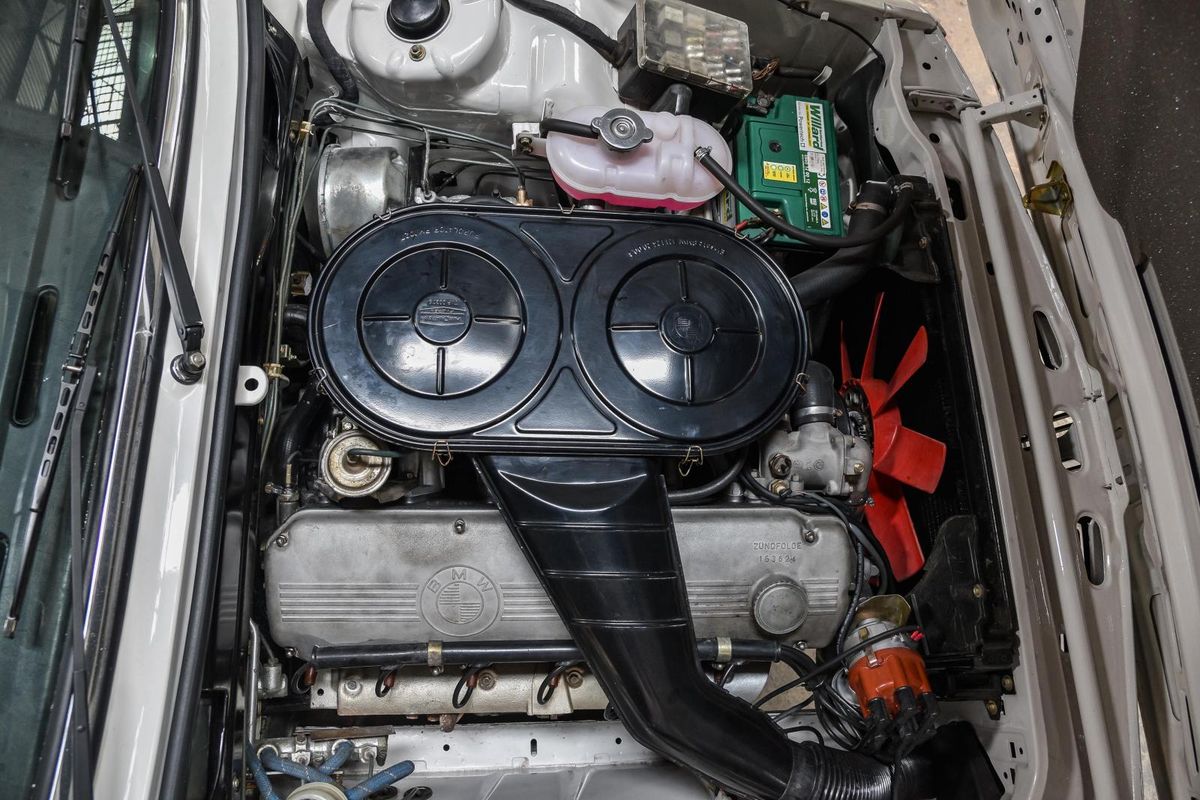
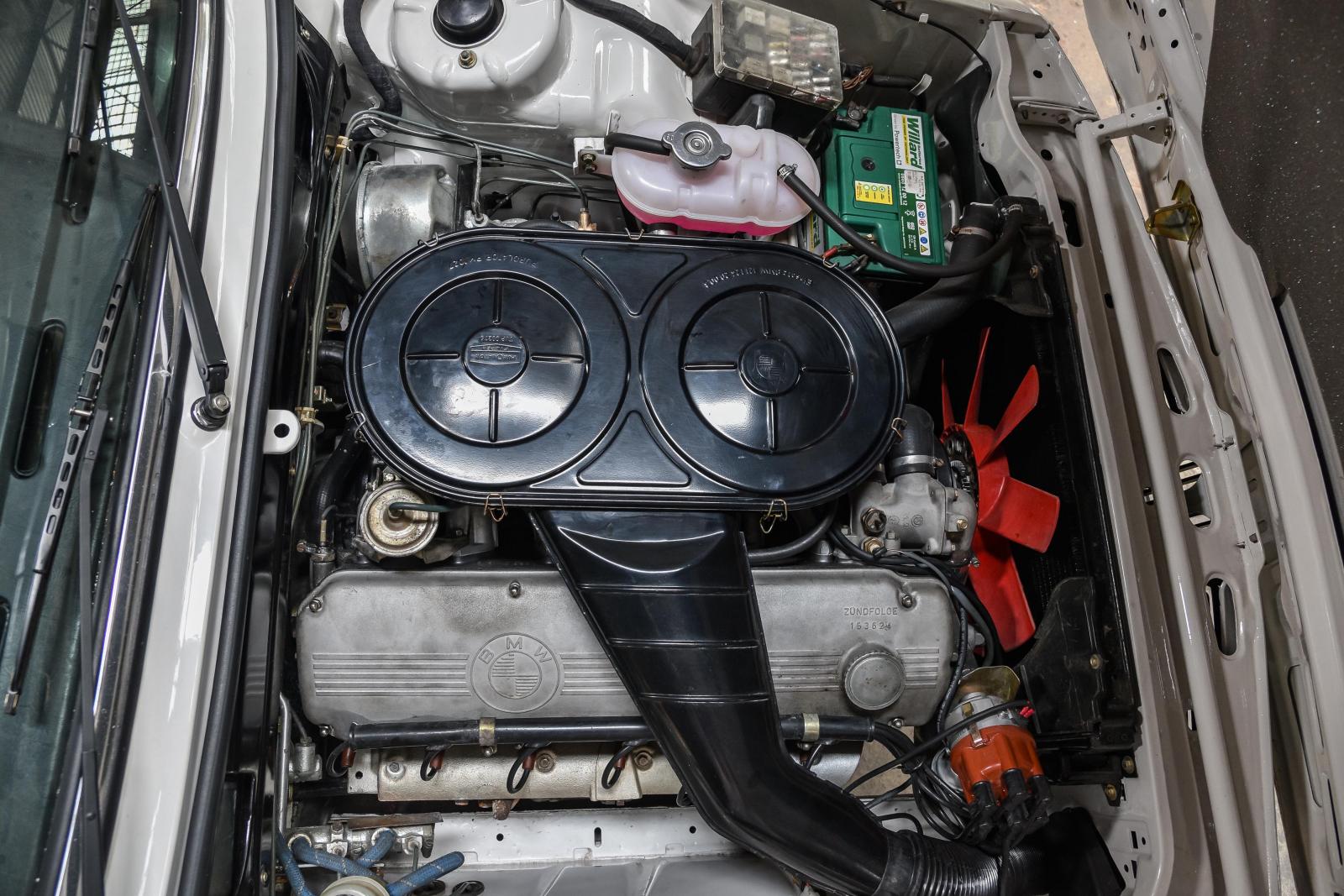
Homologation rules stipulated BMW South Africa had to sell at least 100 road-going versions of the unique-to-Mzansi 530 to the public. Compared with its race-car siblings, the 530 Motorsport Limited Edition (MLE)’s AC Schnitzer-tuned M30 3.0-litre straight 6 (fed by a pair of Zenith 38/40 INAT carburettors) produced 147 kW at 6 000 rpm and 277 Nm at 4 300 rpm (so it was notably tamer than the competition version). It had a Getrag 5-speed dog-leg manual gearbox, a limited-slip diff, a top speed in excess of 200 kph and a 0-to-100 kph time of just over 9 seconds.
Classic Car Africa reported late last year that the 530 MLE had discs brakes all round (ventilated at the front), Bilstein shocks with upgraded springs and anti-roll bars. The weight-saving programme was carried over to the road car, so holes were drilled in almost every bit of non-structural steel (which, of course, owners would never see), the side glass was only 5-mm thick and aluminium panels were used wherever possible. And, to ensure ideal weight distribution, the car’s battery was placed on the left side of the boot to offset the driver’s mass, the magazine said.
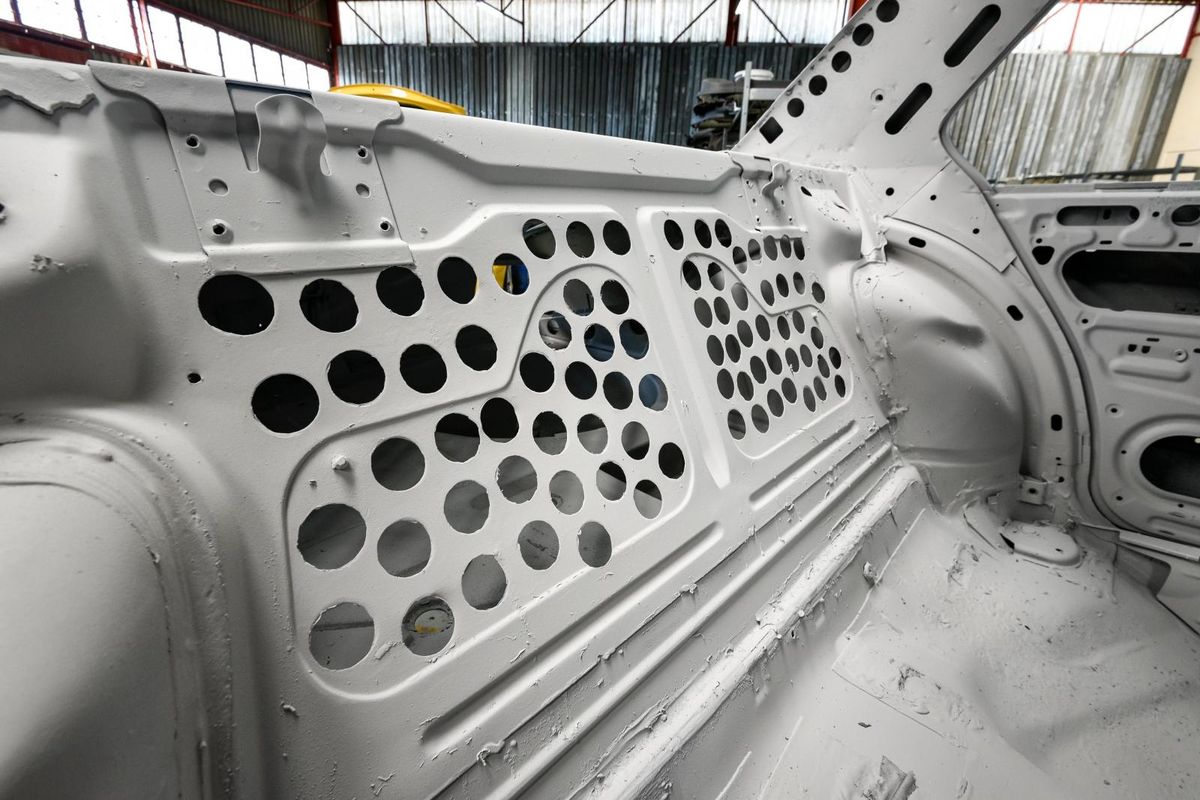
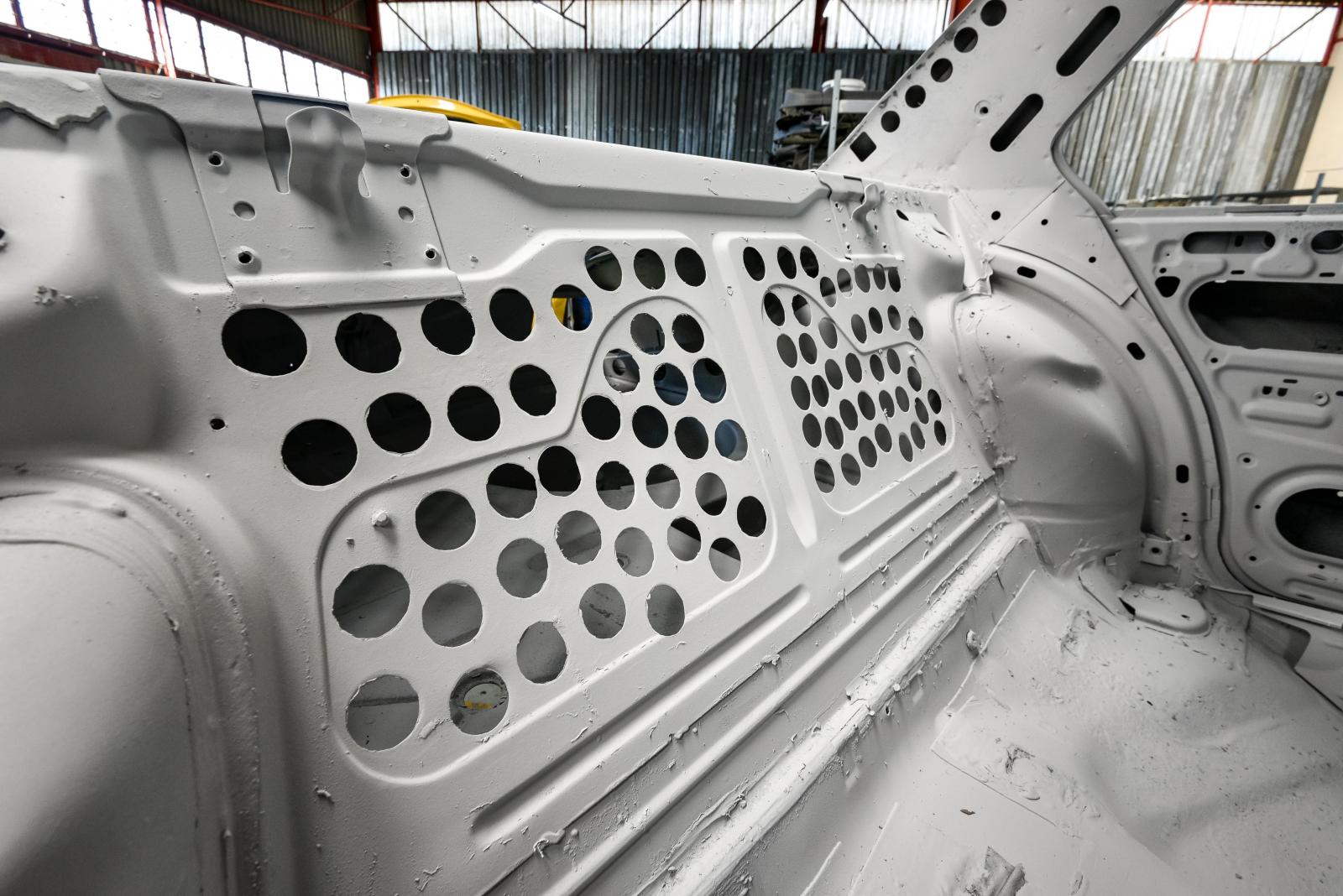
If the drill-pattern looks random, that's because it was done by hand, to make the racing- and production cars as light as possible.
Cosmetically, the car was festooned with sculpted front and rear spoilers, distinctive Mahle wheels and BMW Motorsport-coloured stripes, while the interior was left Spartan (no aircon or electric windows). Scheel front bucket seats and a 3-spoke Italvolanti Sport steering wheel were fitted.
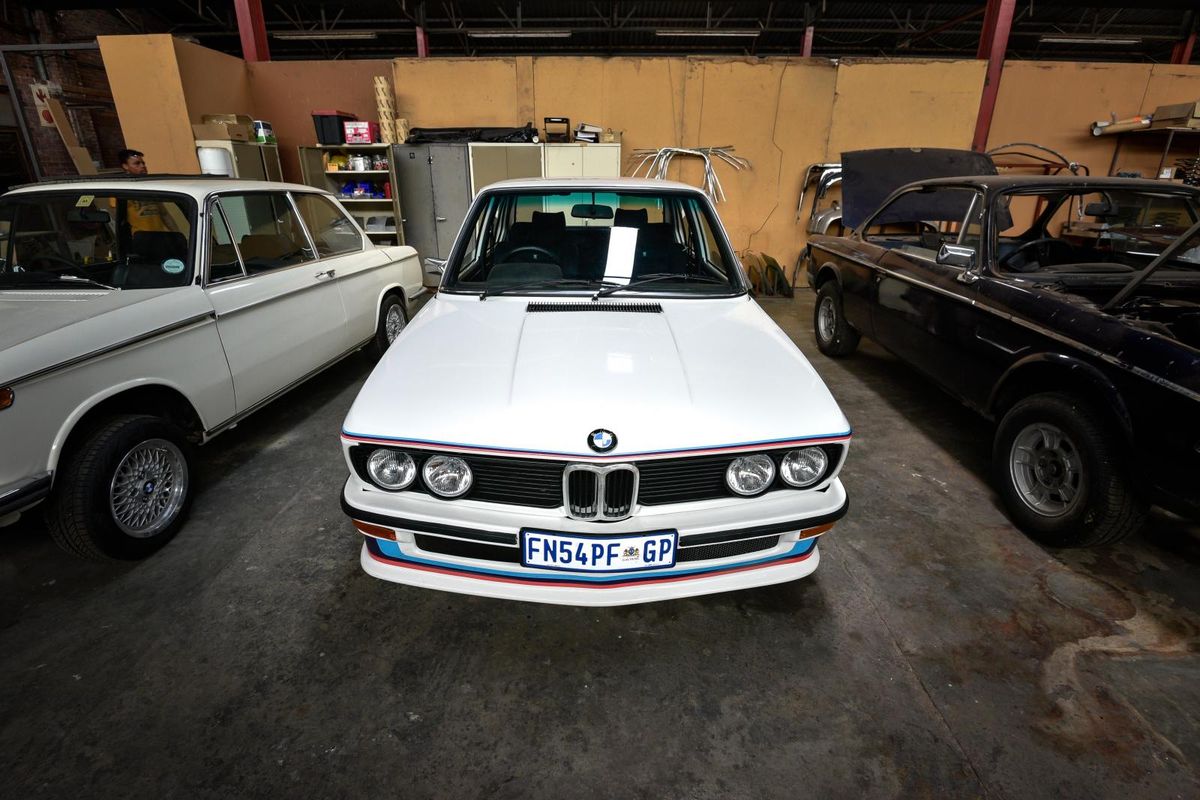
BMW SA says that 110 units of the Type 1 were produced (in 1976), while 117 units of the Type 2 rolled off the production line in 1977. Luis Malhou, who owns a pair of 530 MLEs, of which number 13 is pictured here, says Type 1s are far more collectable because, by comparison, the Type 2 was less related to the racing car. It featured fewer aerodynamic adornments and, by virtue of its more executive spec, was aimed at luxury car buyers.
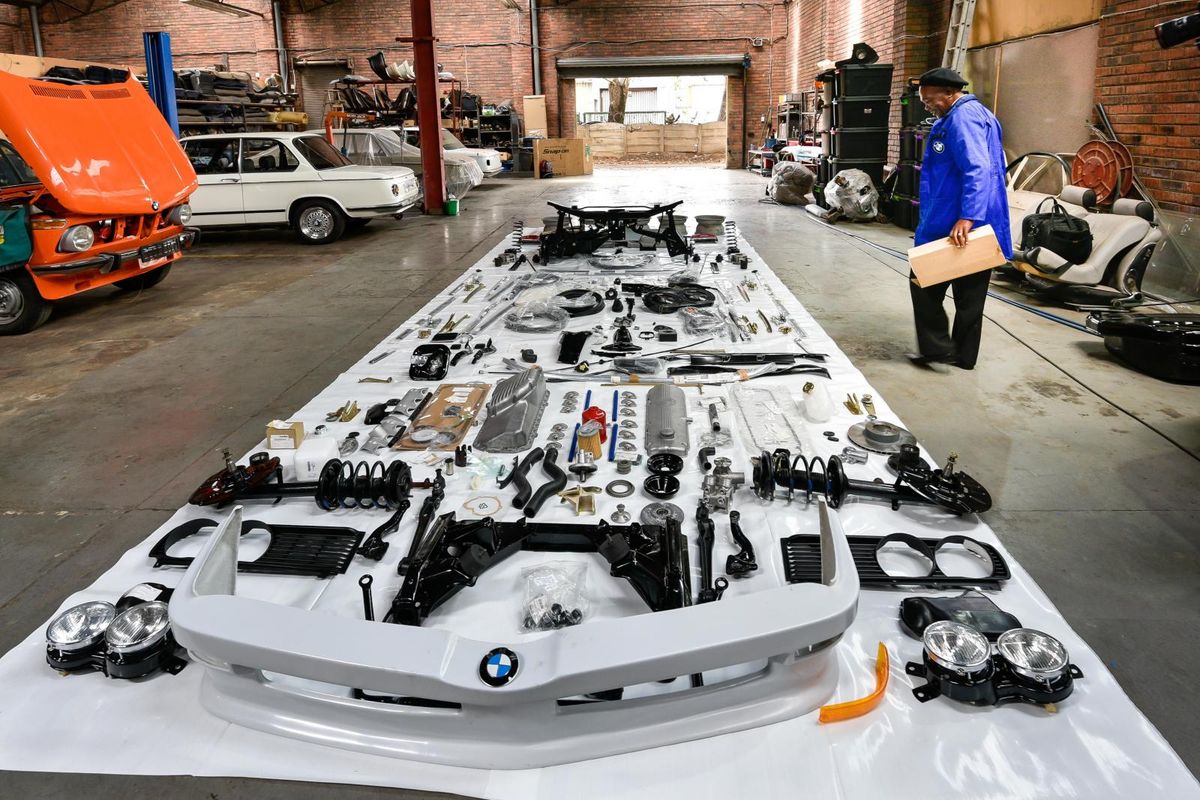
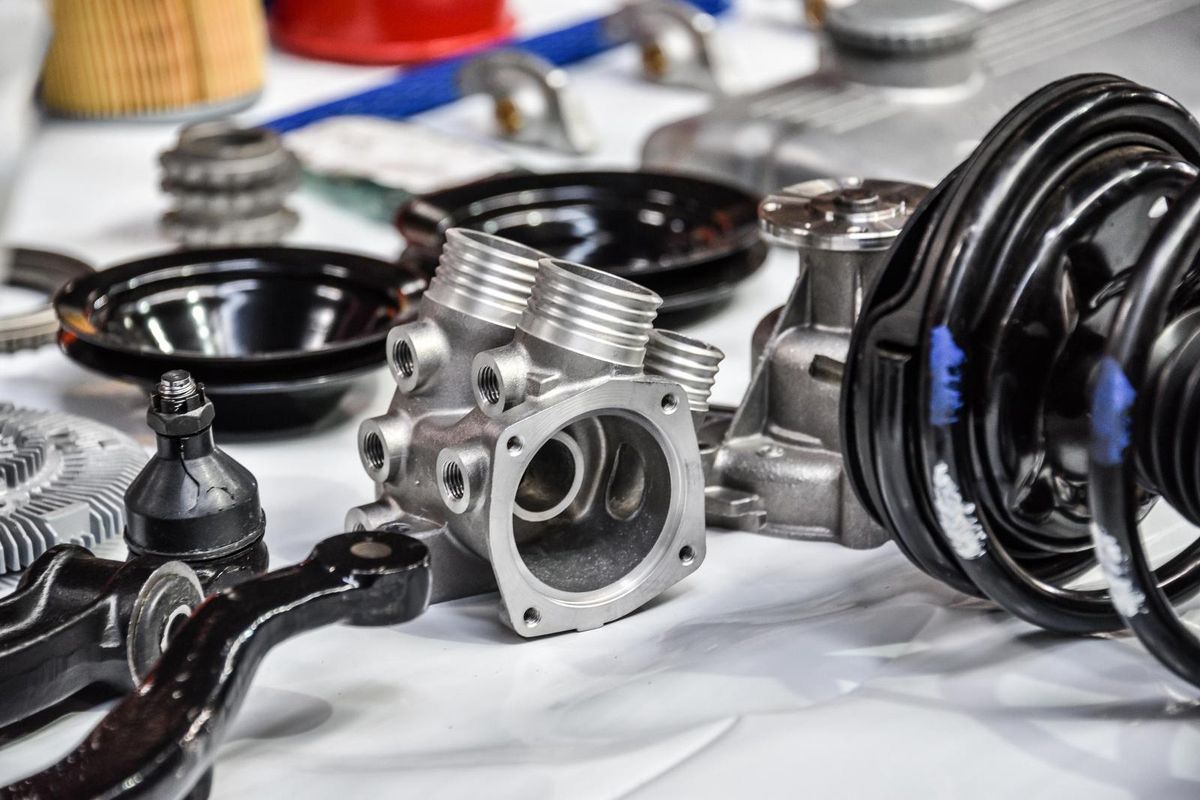
Jacob Matabane, who worked for BMW SA for 35 years, surveys the many parts that have already been collected and catalogued.
Serial number: 770100
Late last year, BMW South Africa commissioned the full restoration of car number 100 (#100) of the 530 MLE production run. The Rosslyn-based firm, which already has an M1 supercar, 333i and 325iS in its heritage fleet, enlisted Malhou (a renowned BMW restorer) to work on the car, which used to be owned by retired racing driver and 530 MLE racing team manager Peter Kaye-Eddie (its engine and chassis numbers match).
Malhou says the number 100 car was left in a state of disrepair in Kaye-Eddie’s garden for 20 years and even though it took a lot of convincing for the former owner to part with it, this project is the most extensive nuts-and-bolts 530 MLE restoration that he has undertaken to date. This week, BMW exhibited the #100 car at Redline Panelbeaters in Vereeniging and to mark the occasion, 2 retired BMW employees (Walter Mahlangu and Jacob Matabane) who worked at BMW’s Rosslyn assembly plant in the 1970s and helped to build the legendary cars, were in attendance.
The E12-generation 5 Series was not intended to have a 3.0-litre engine, but then Herr Neerpasch and AC Schnitzer intervened.
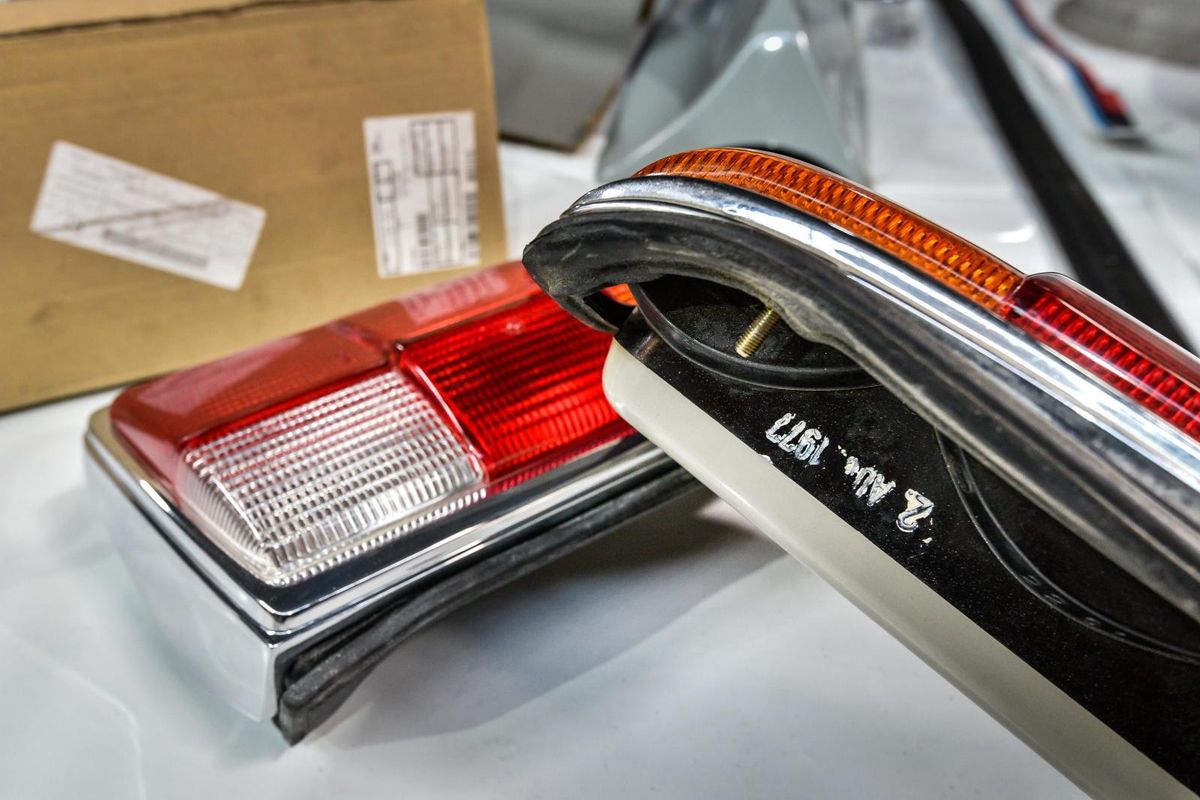
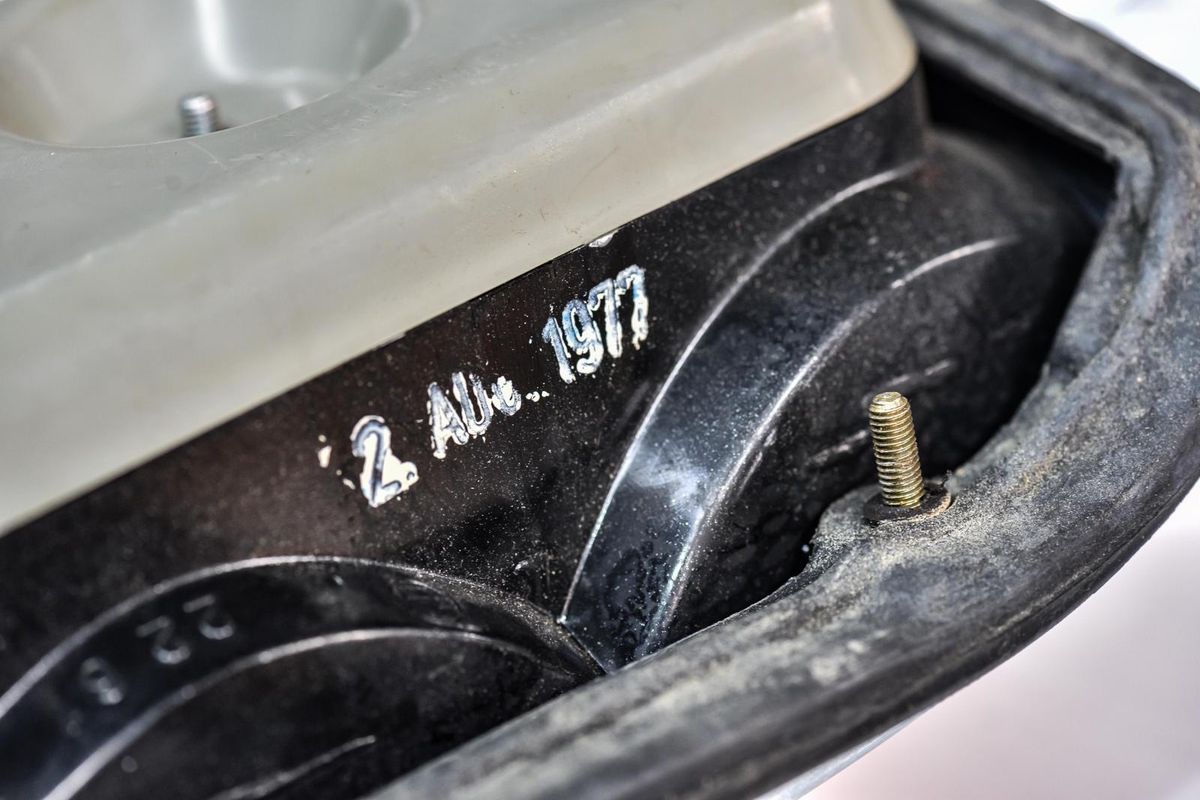
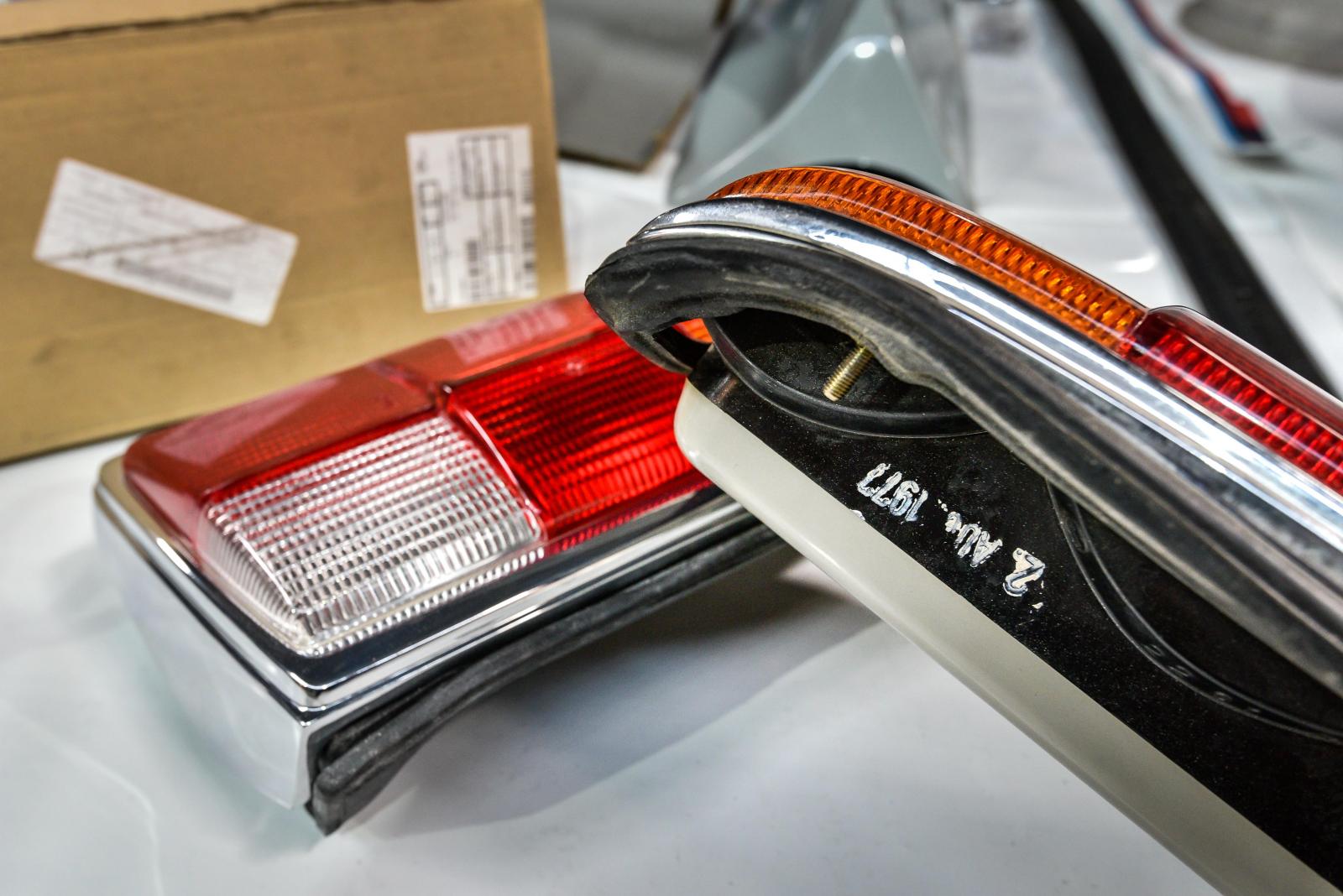
In its primer coat, the threadbare body of the 530 MLE resembles Swiss cheese in many areas – evidenced by the numerous holes that were purposely hand-drilled into the steel more than 42 years ago. The doors, too, are wafer thin. Fortunately, BMW SA has high hopes that the restoration will be completed before the end of 2019, because the overwhelming majority of parts required to reassemble the car have already been sourced. Surprisingly, BMW SA managed to find period correct (and never unboxed) parts, such as the tail lights, from its own parts warehouse.
Period-correct parts and trims can be difficult to find, but BMW is sparing no effort to keep the 530 MLE as authentic as possible.
The legacy
The BMW 530 MLE was the most successful racing BMW 5 Series in history when it was retired in 1985, but, at the time, few had any inkling that the production versions of the racing car would become so valuable. It needs to be noted however that, apart from gestating locally-produced models, BMW SA spearheaded the involvement of the company’s sedans in motorsport, much more so than BMW in Germany. The Rosslyn-based campaigned the 530 and (also locally developed) 745i, as well as the 535i and later, the 525i, in domestic modified saloon racing formulae.
BMW began its line of M models somewhat inauspiciously with the Group B-inspired M1 supercar, which was considered a commercial failure at the time, and introduced the 1st of its legendary M5 performance sedans (the E28) in 1984. Significantly, the 530 MLE of 1976, pre-dates both of them.
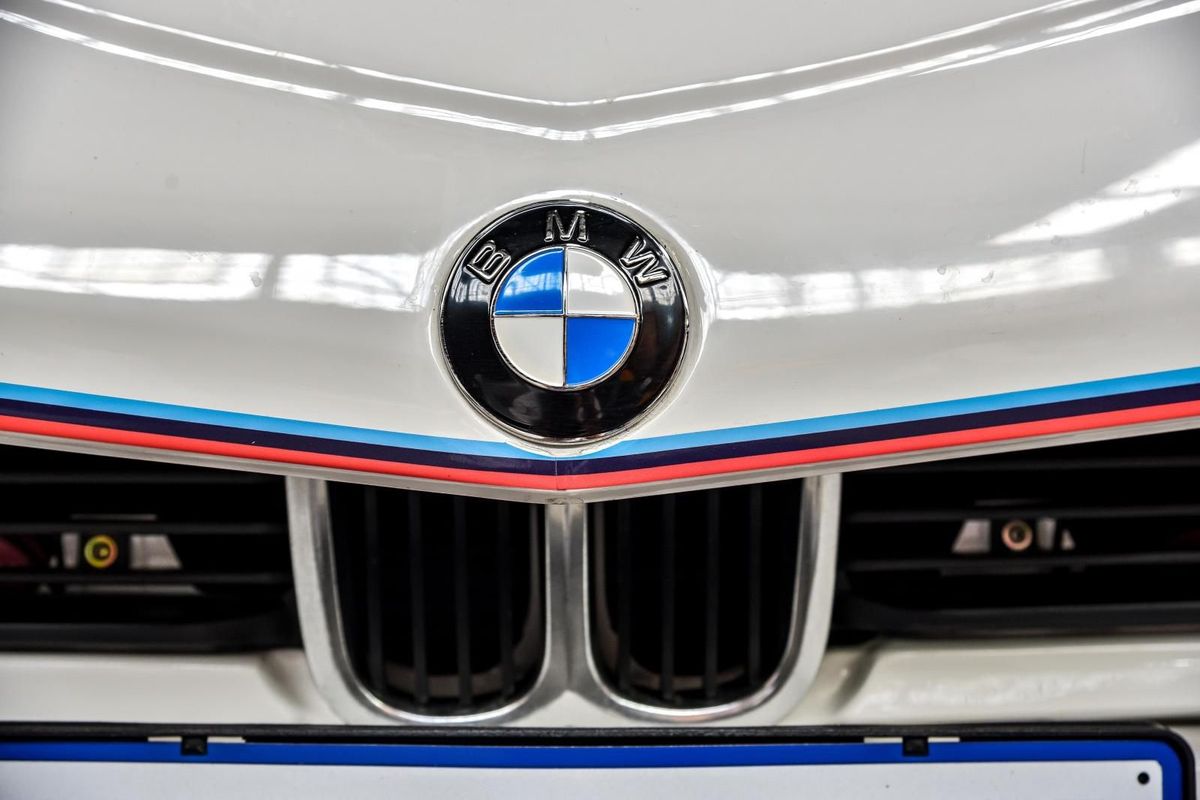
BMW Motorsport stripes and chrome-look wheel arch trims… Malhou hopes to make car number 100 even better than his own 530 MLE.