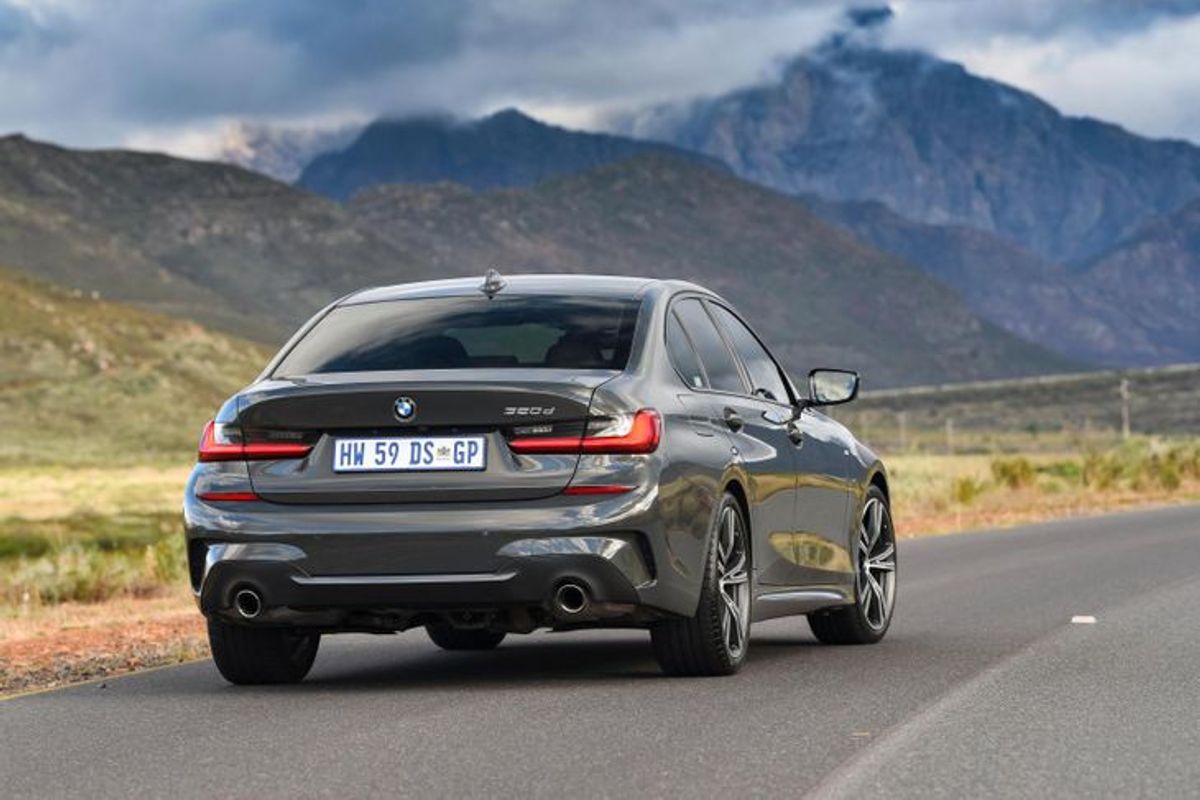
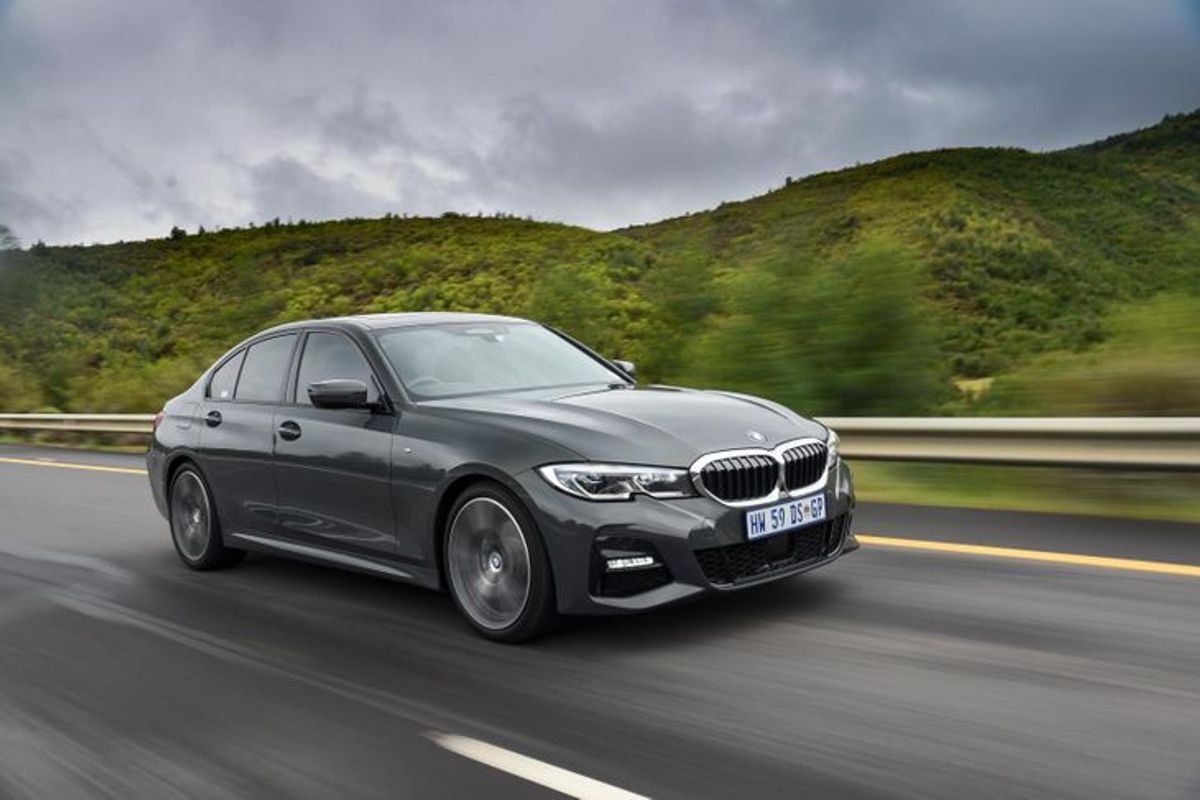
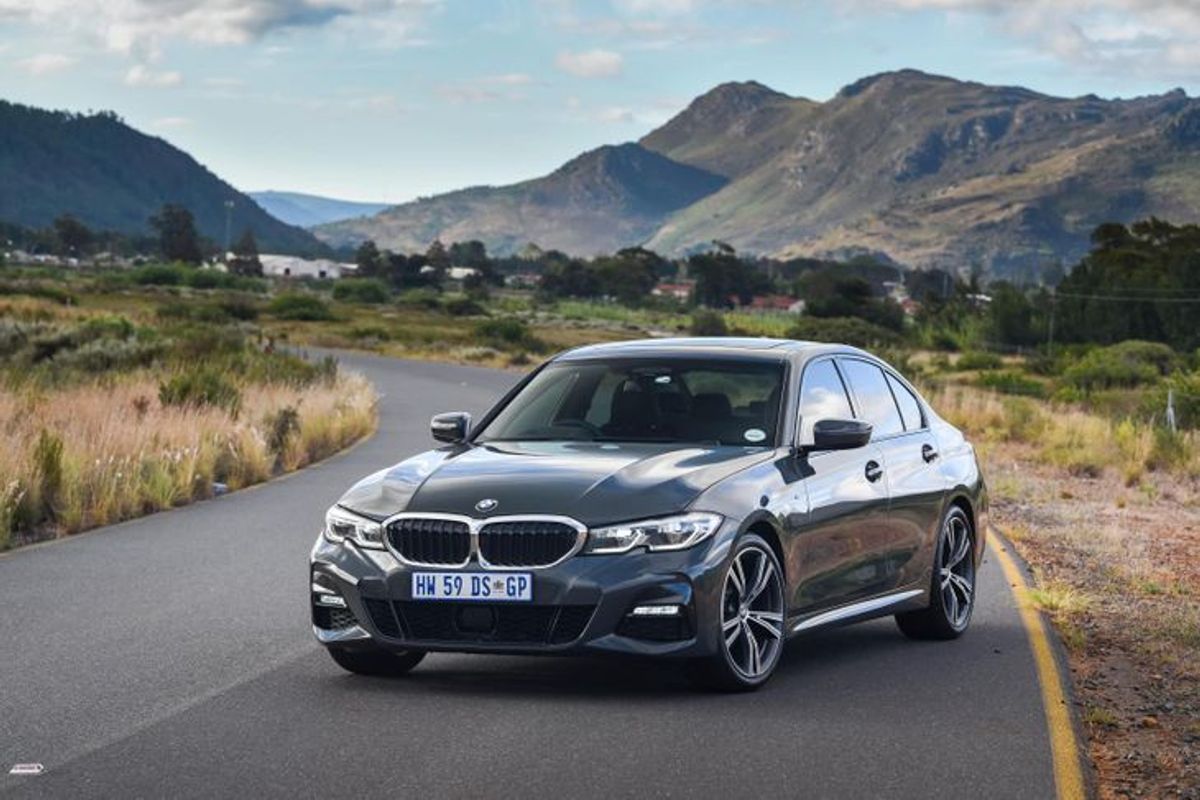
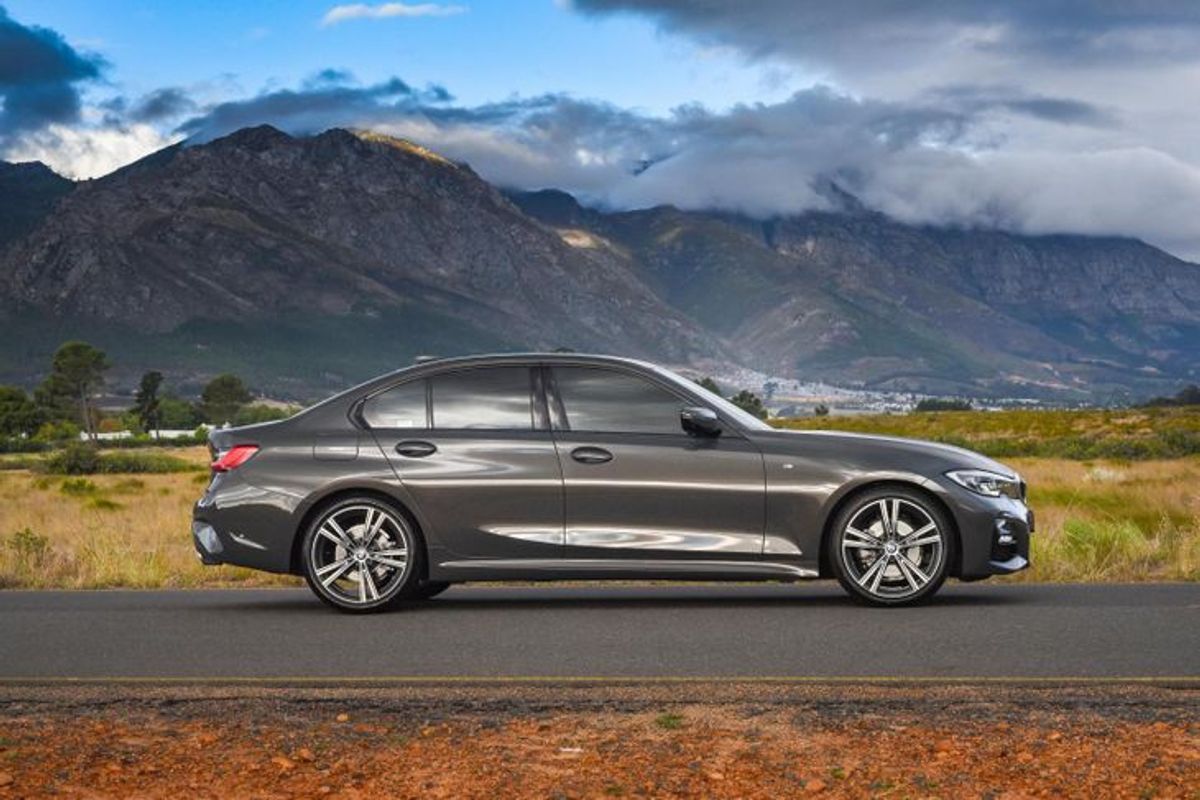
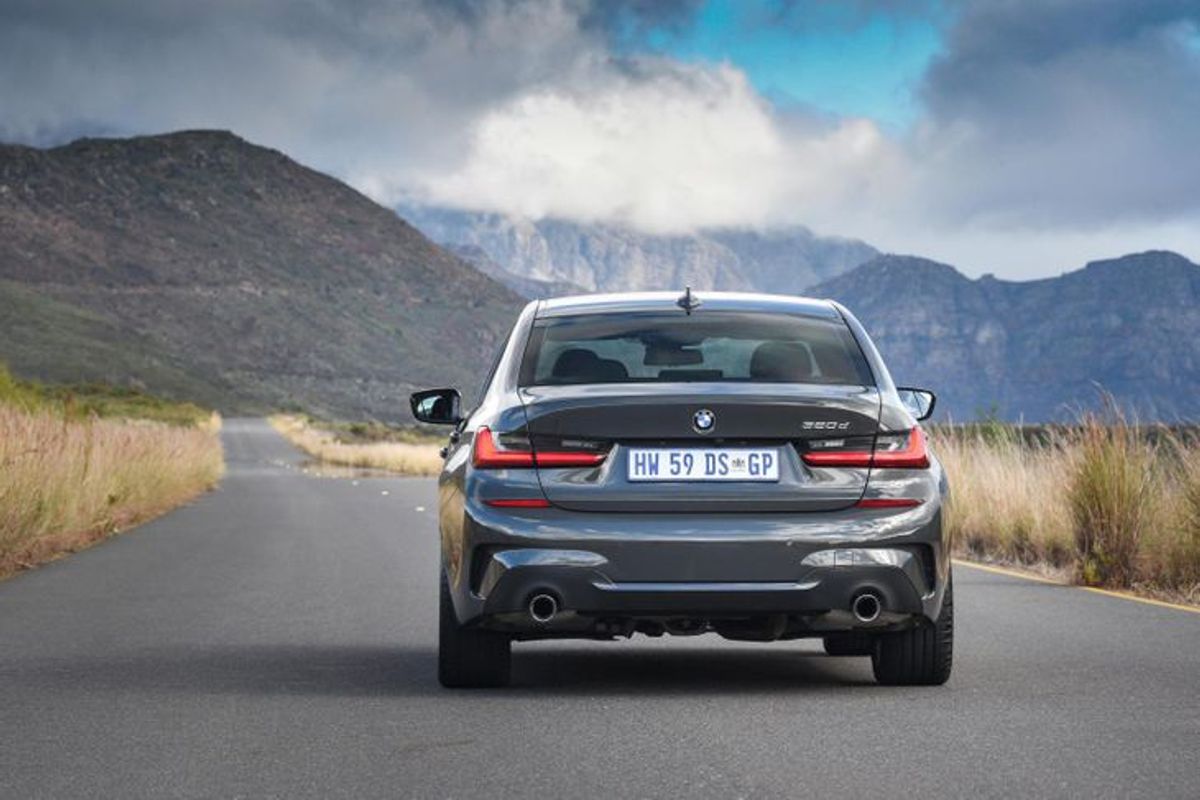
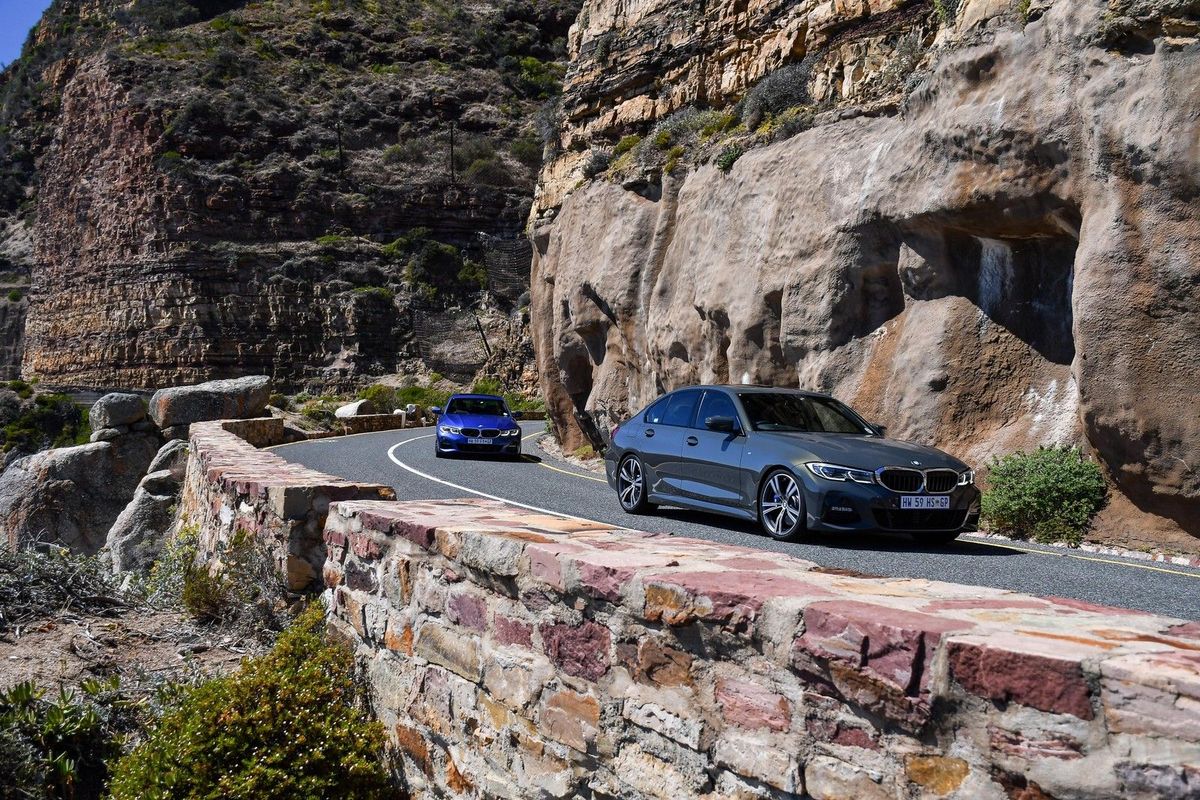
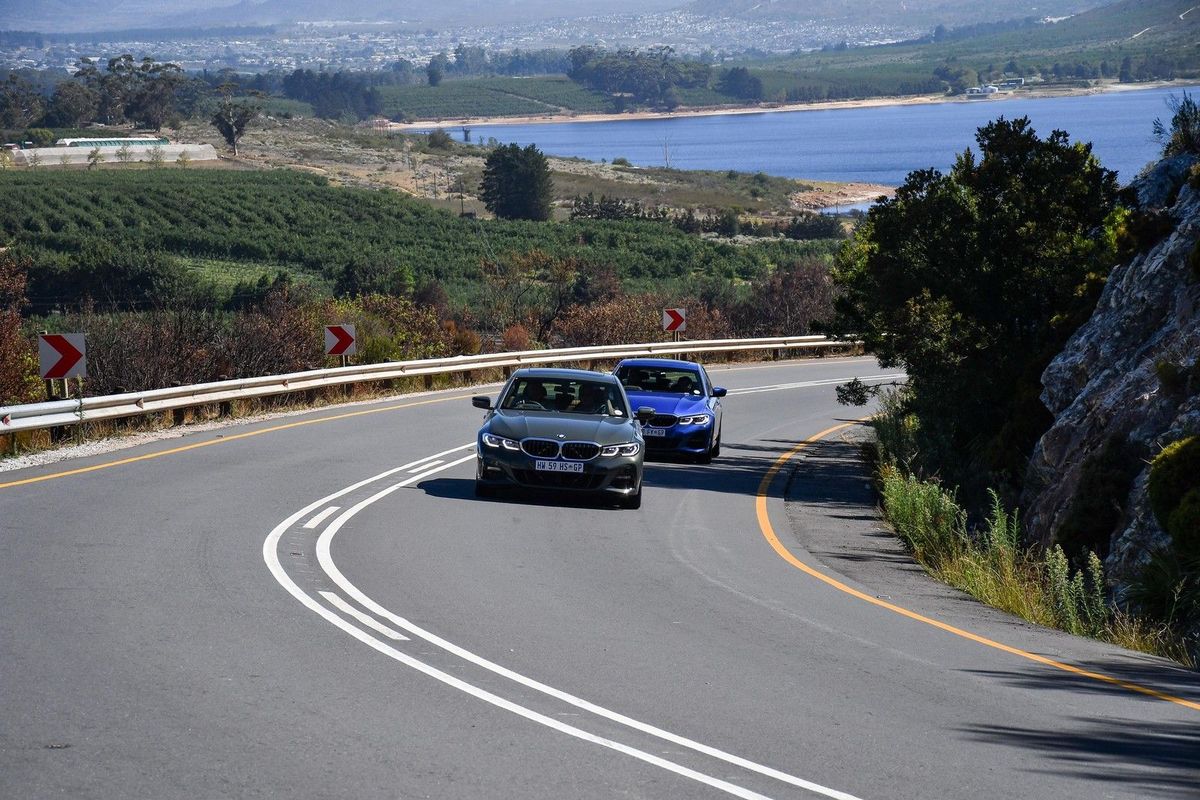
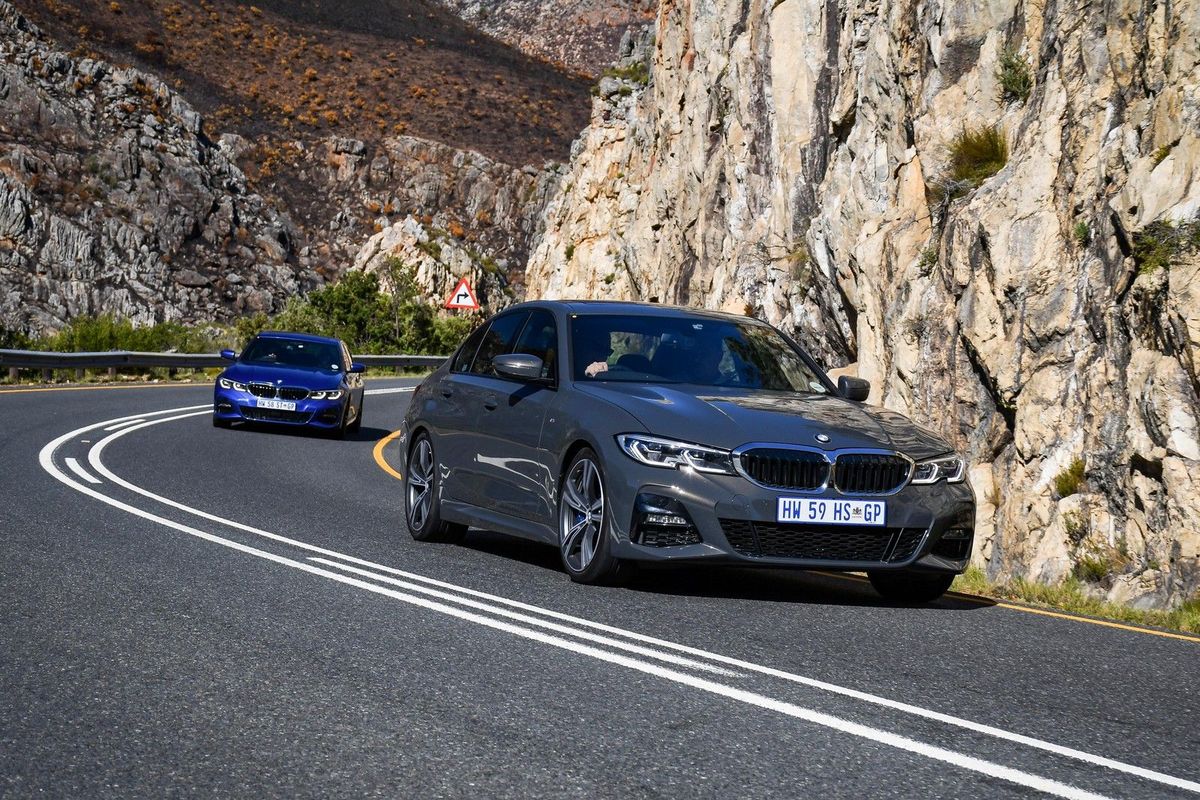
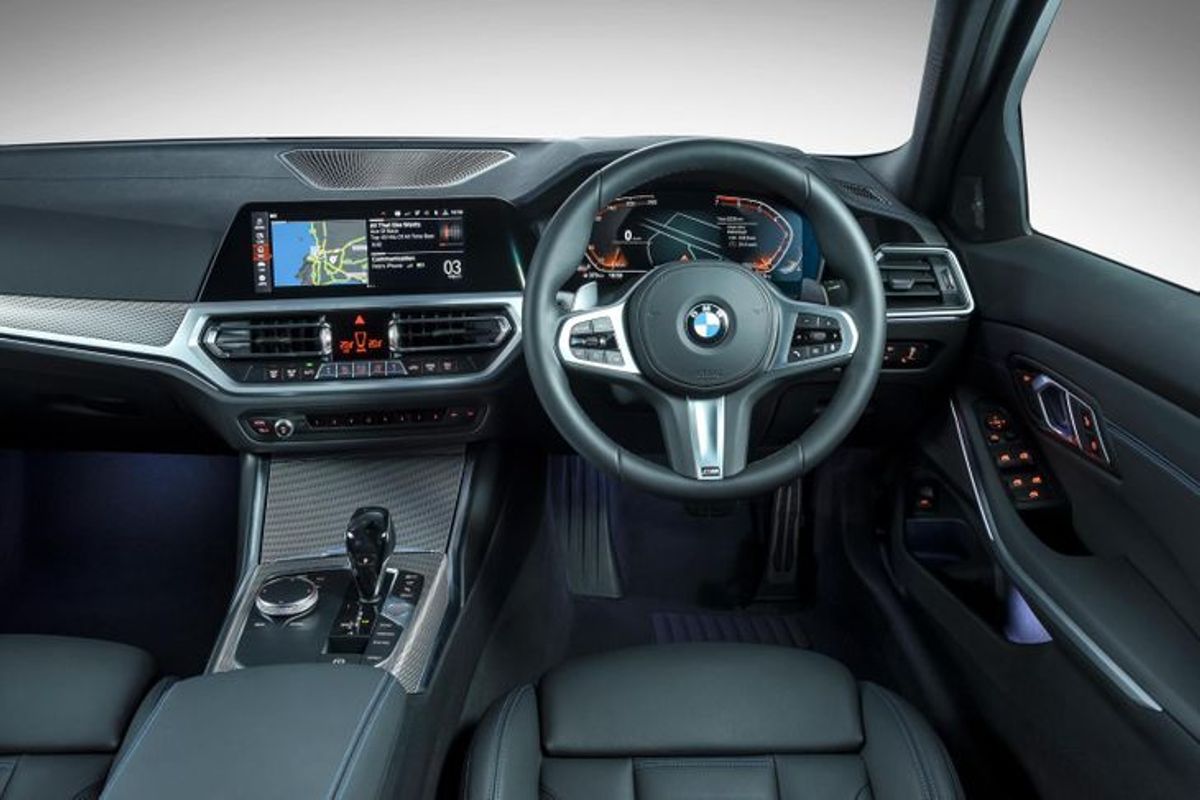
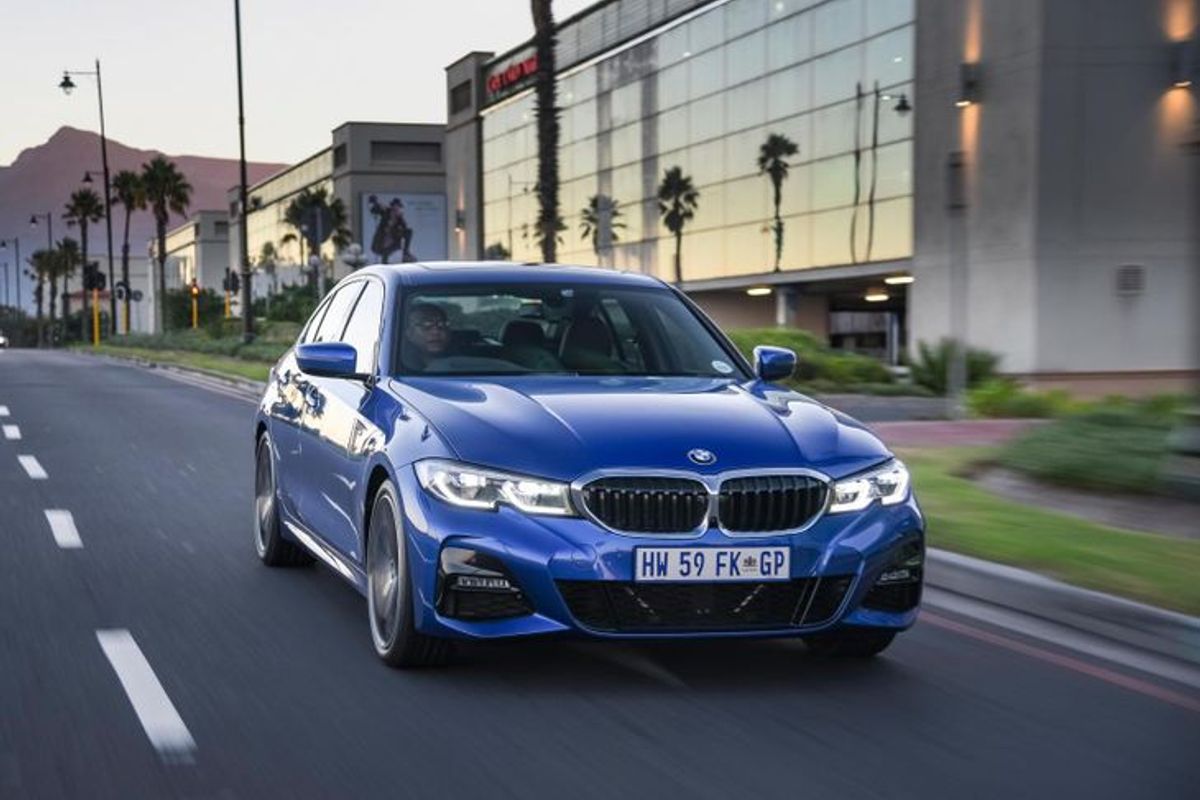
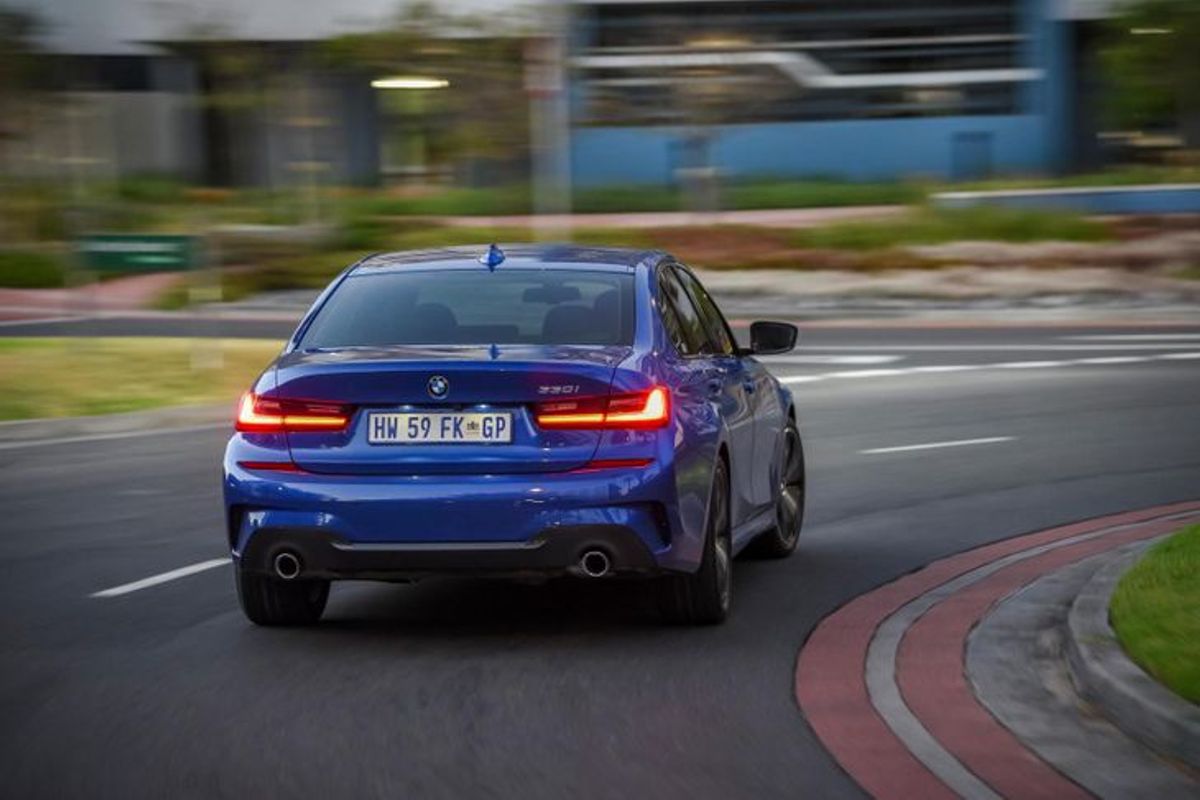
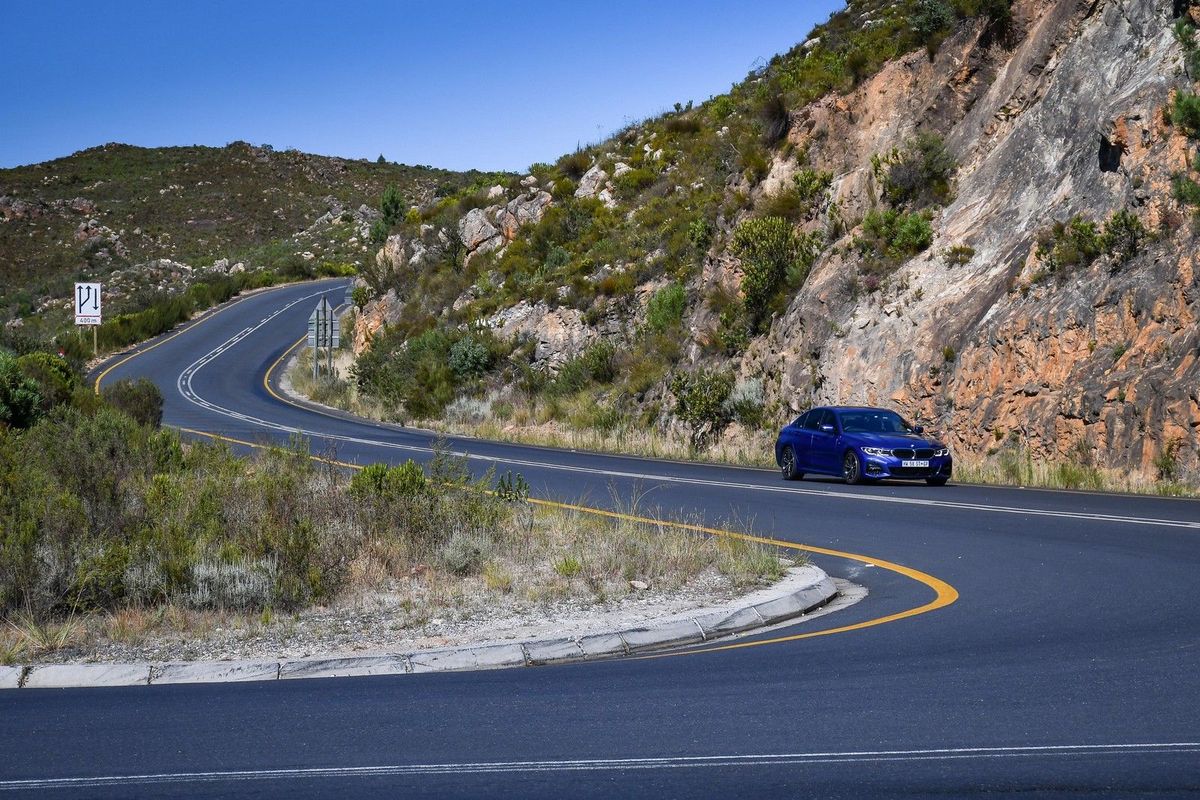
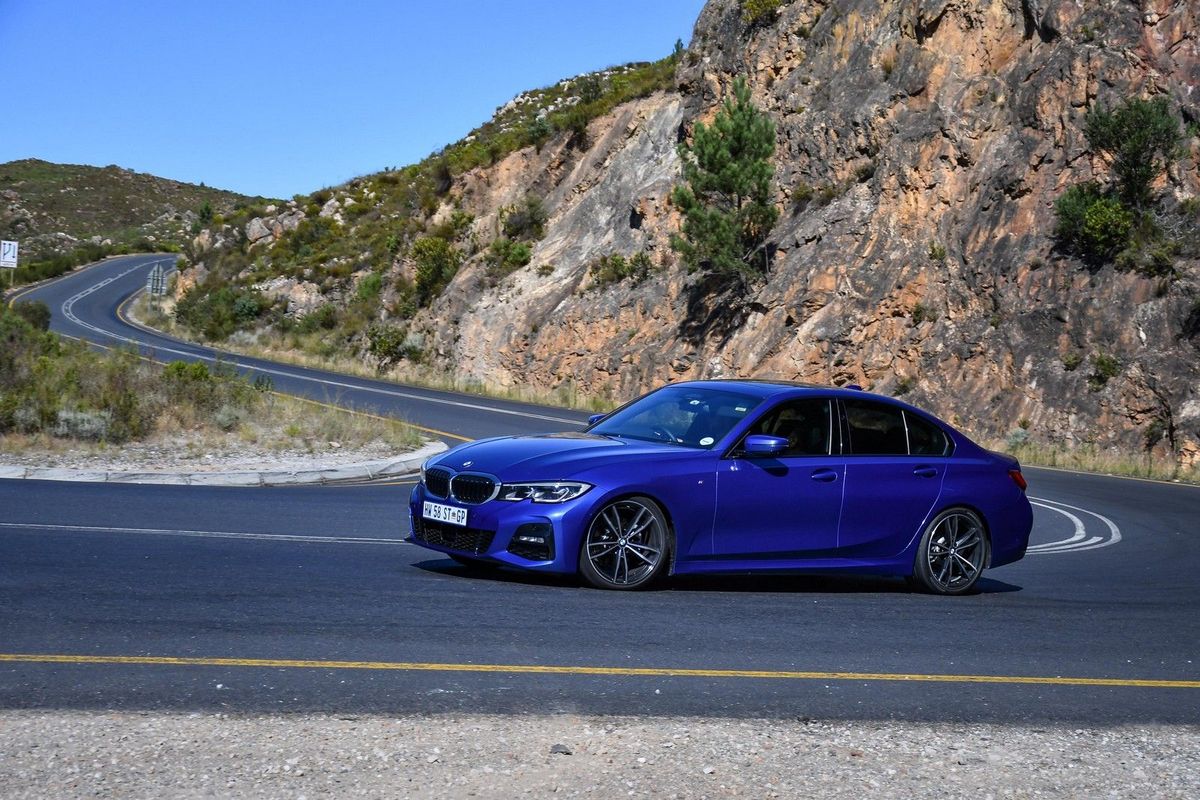
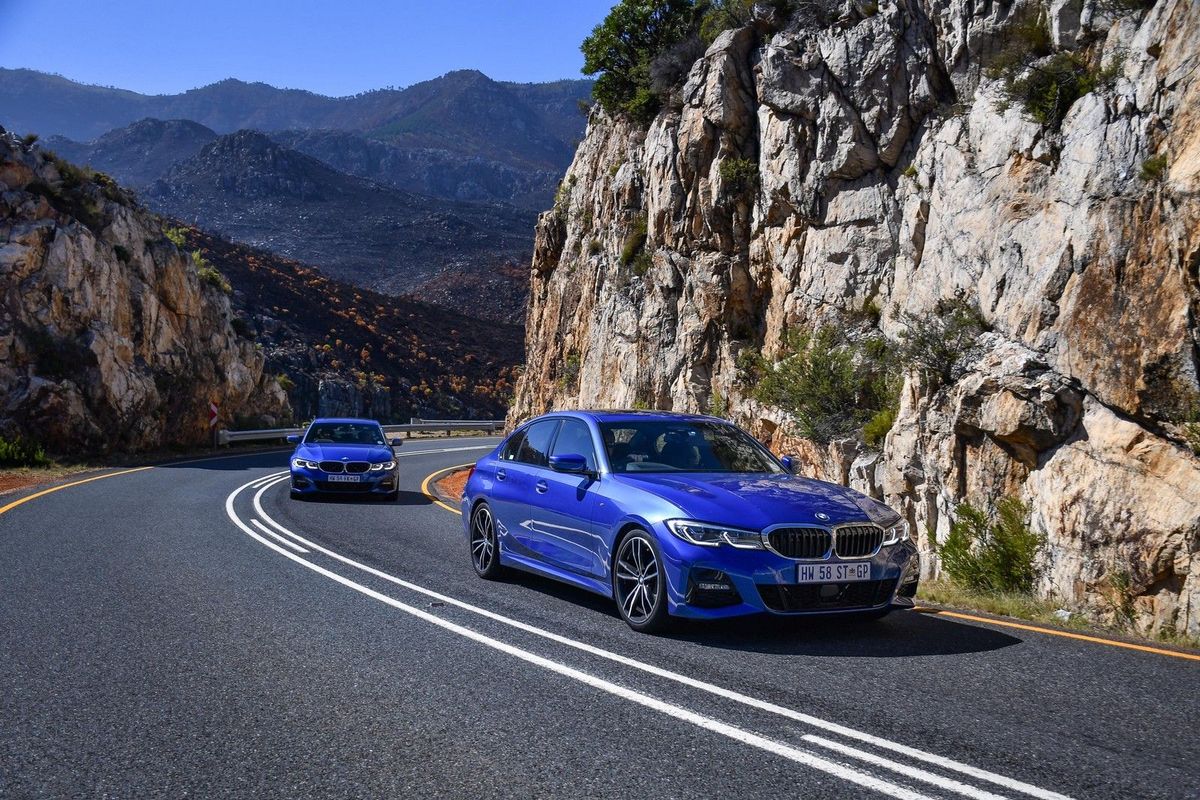
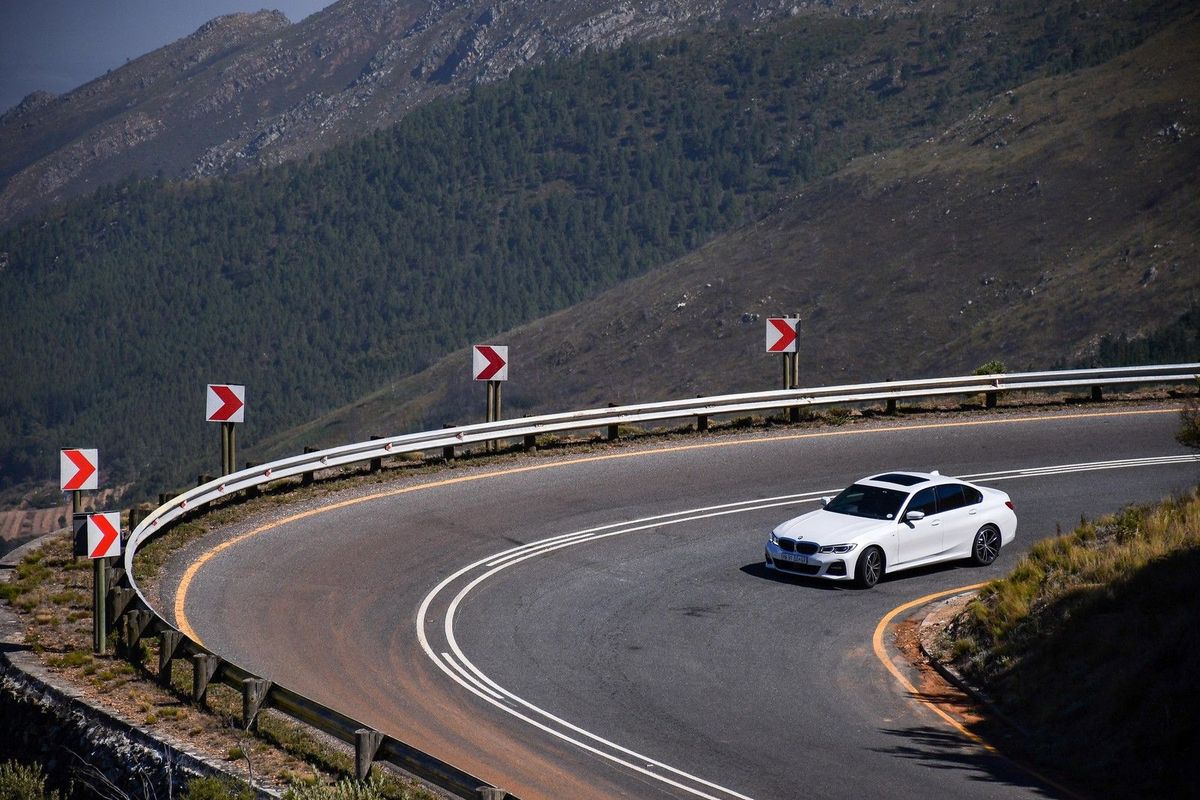
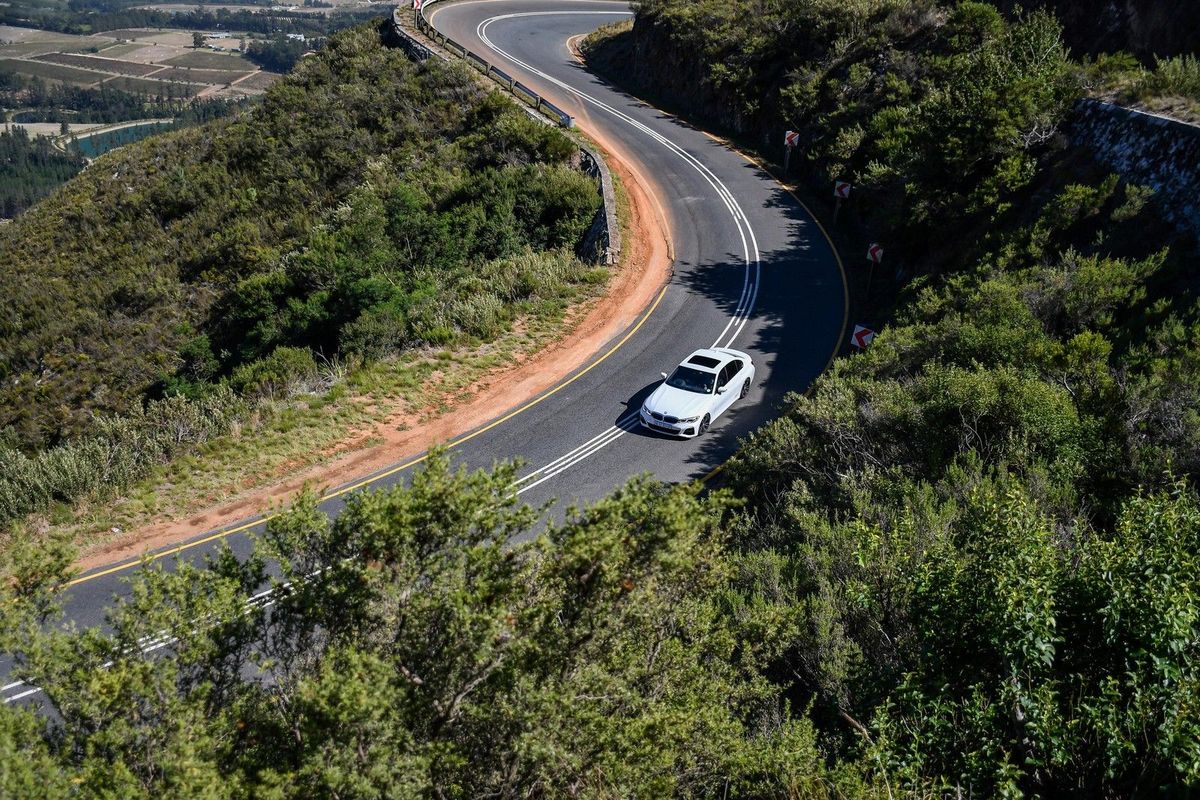
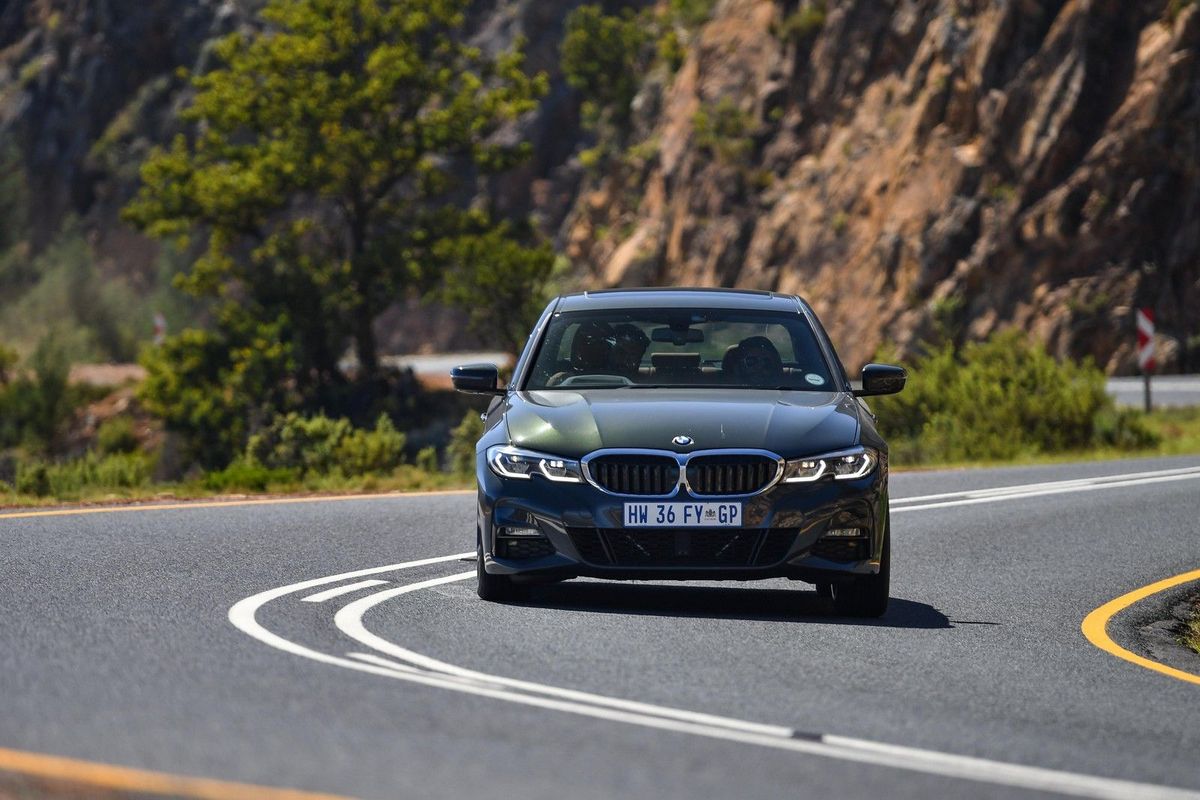
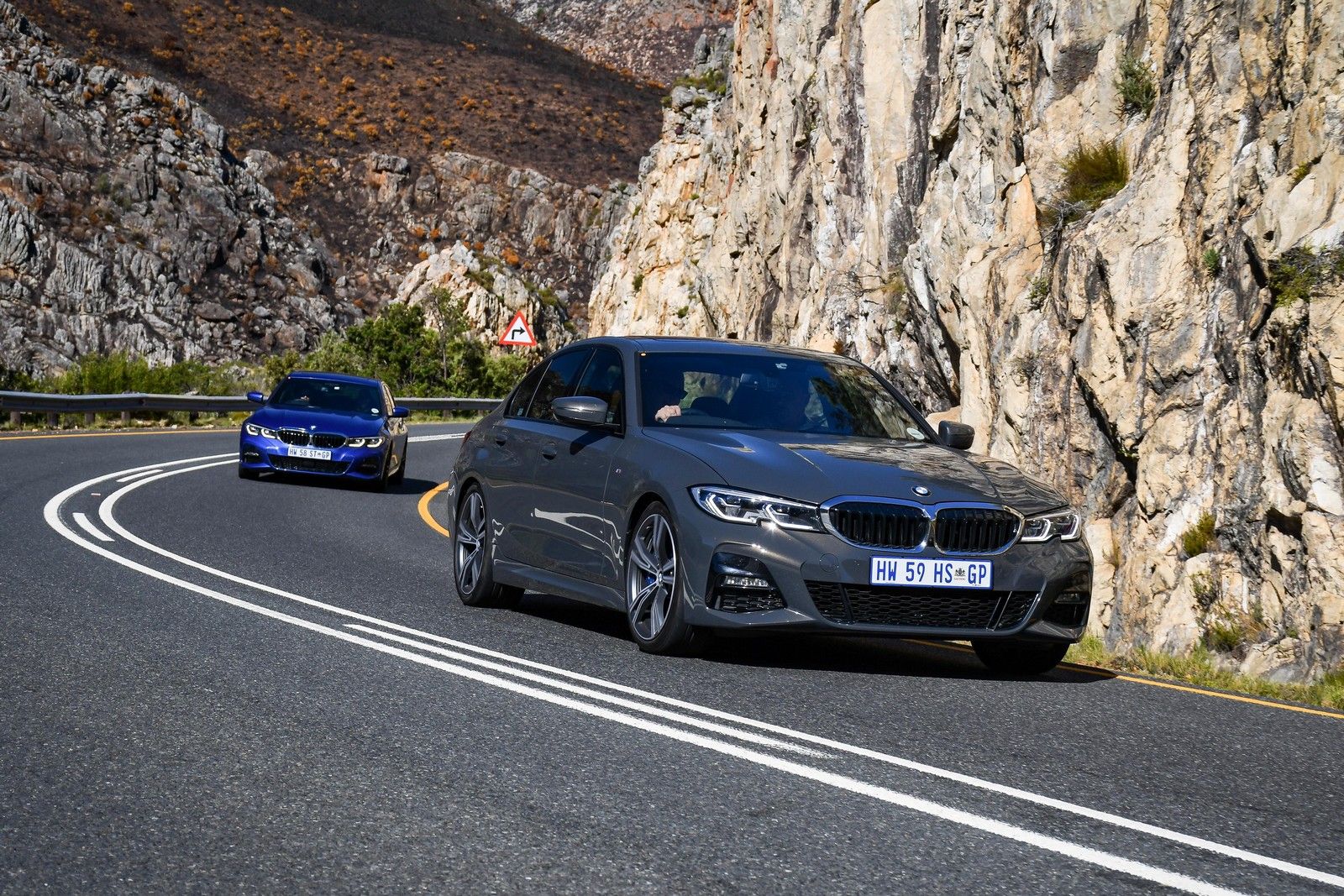
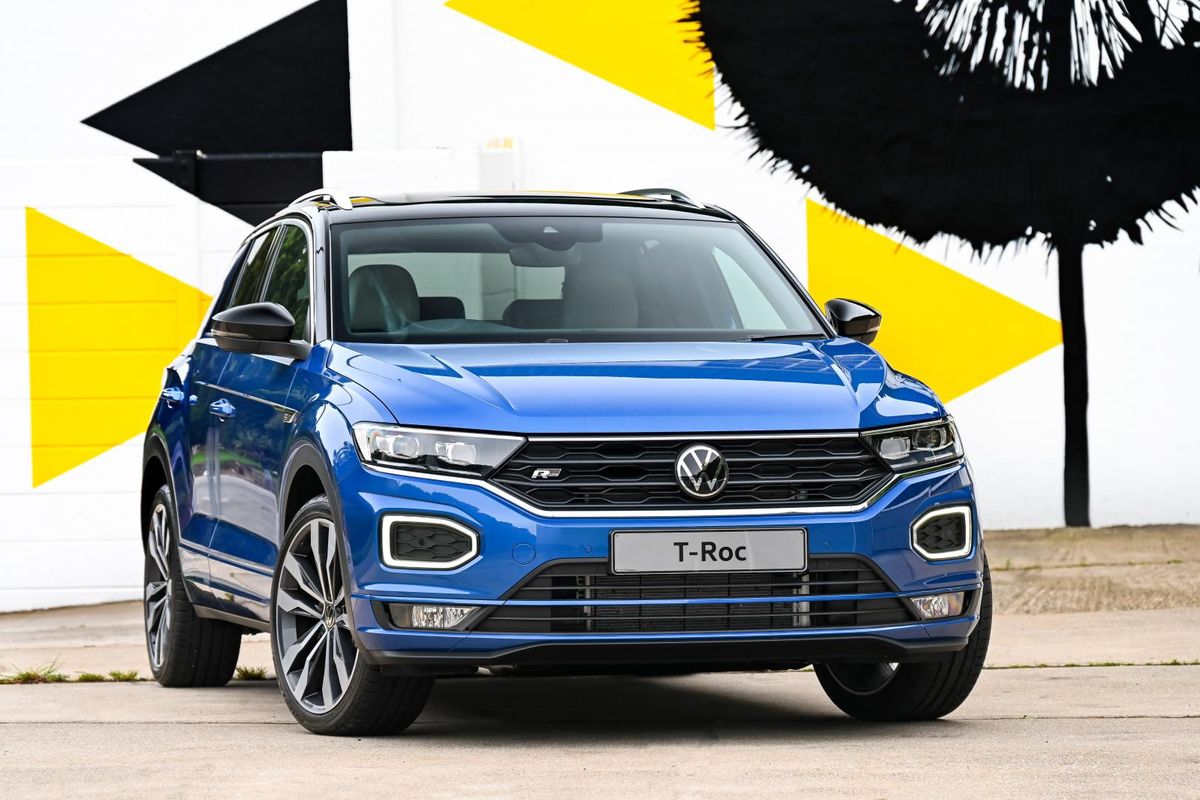
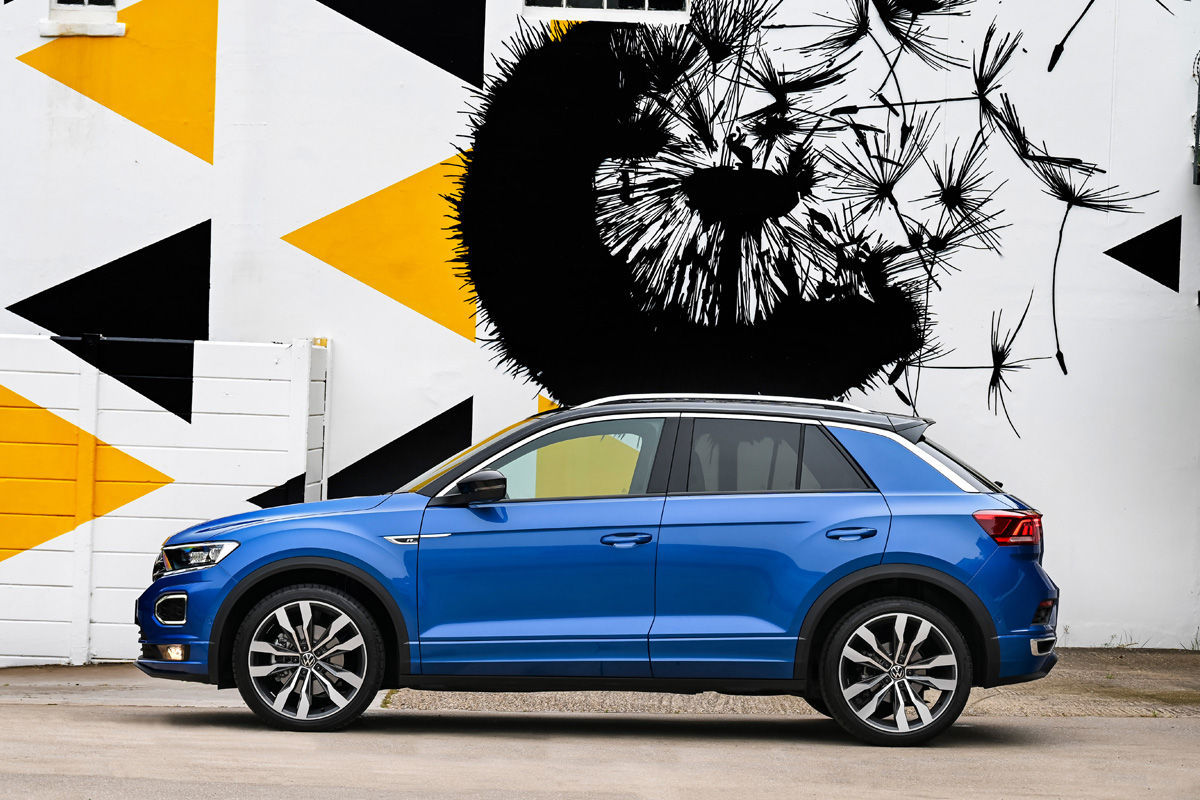
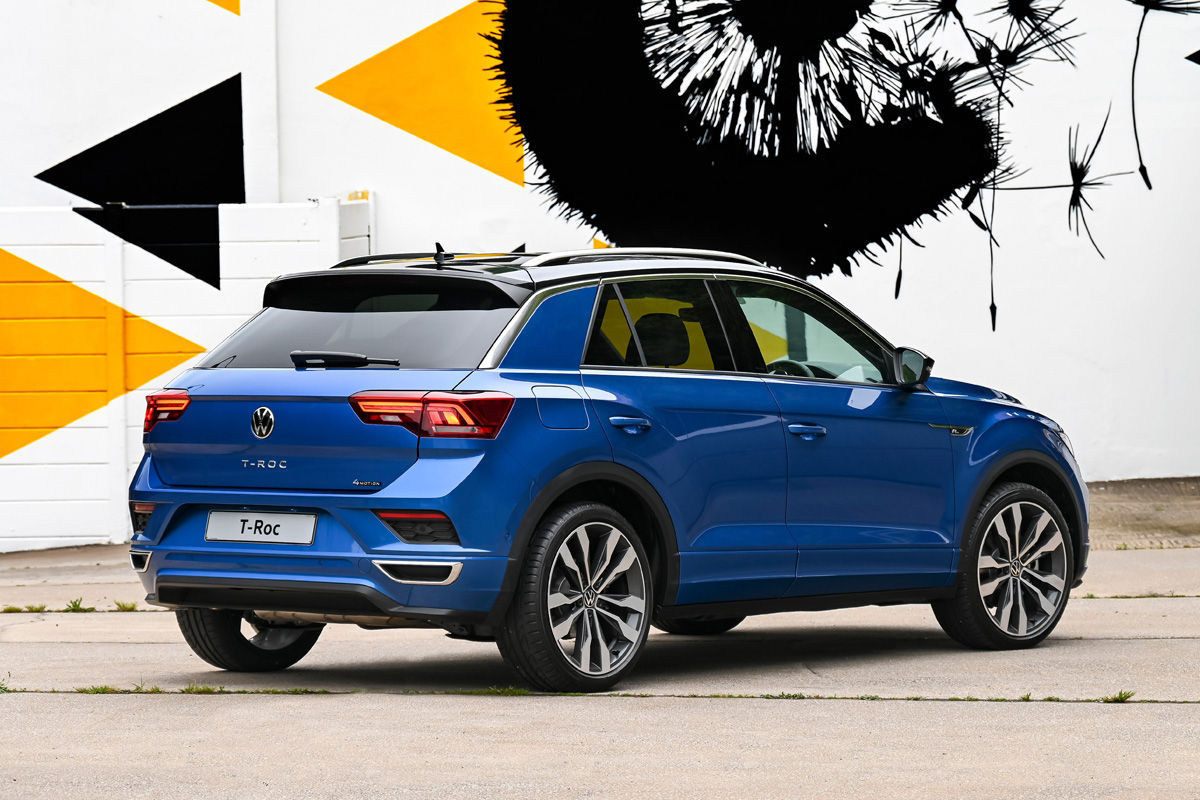
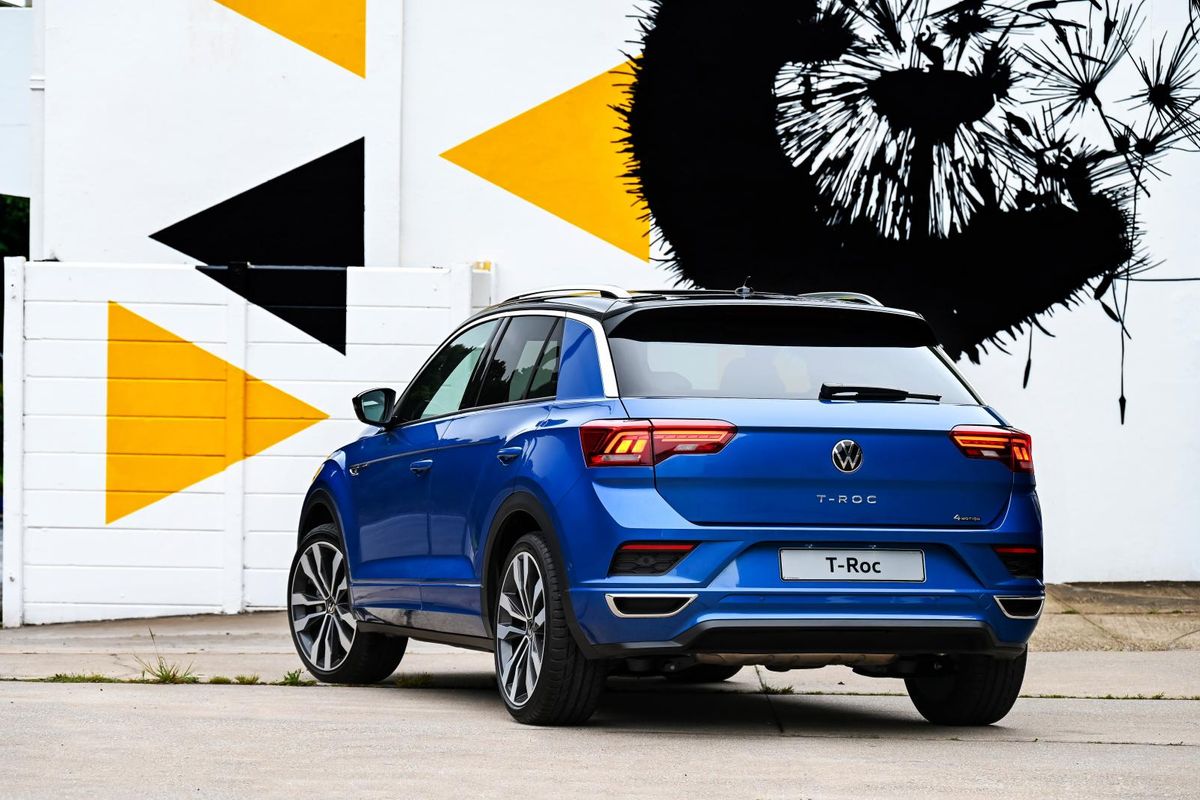
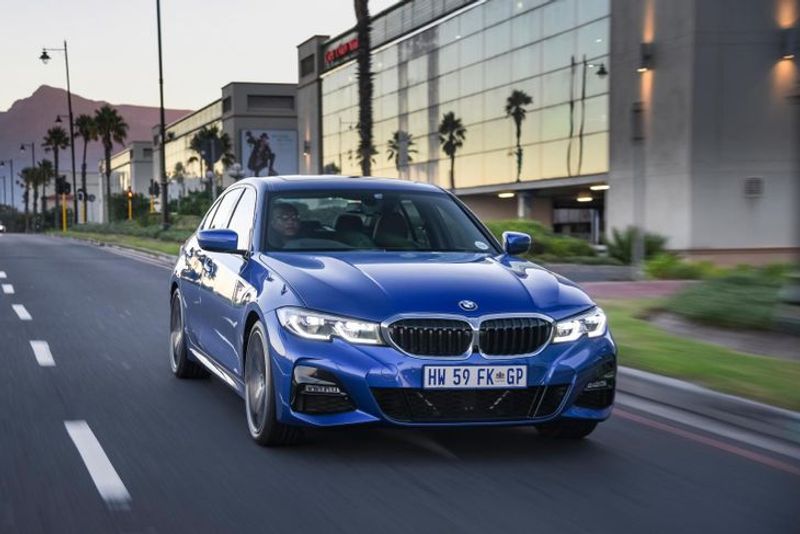
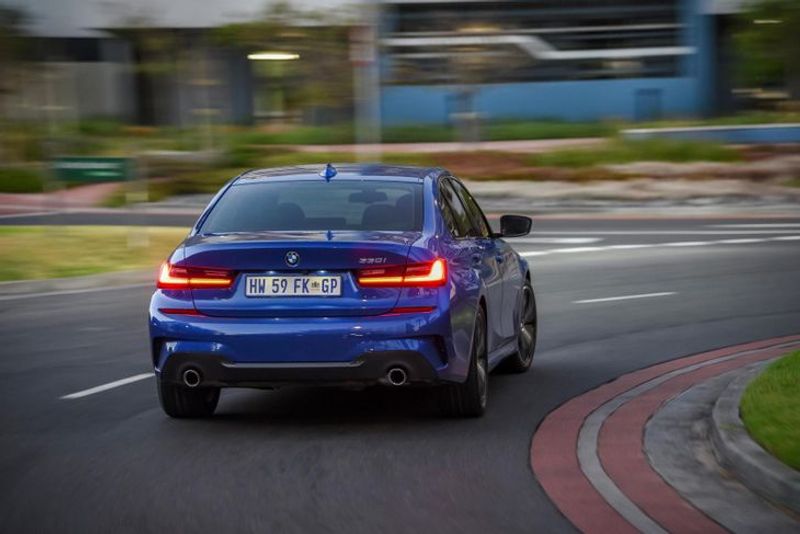
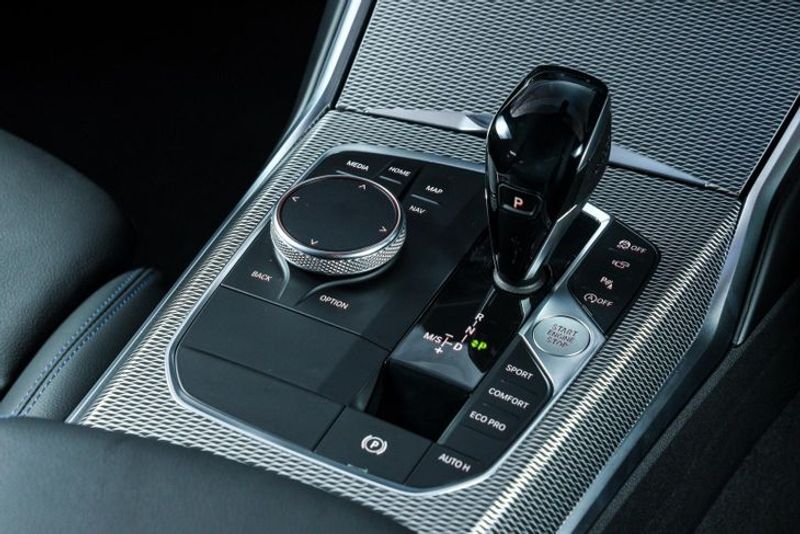
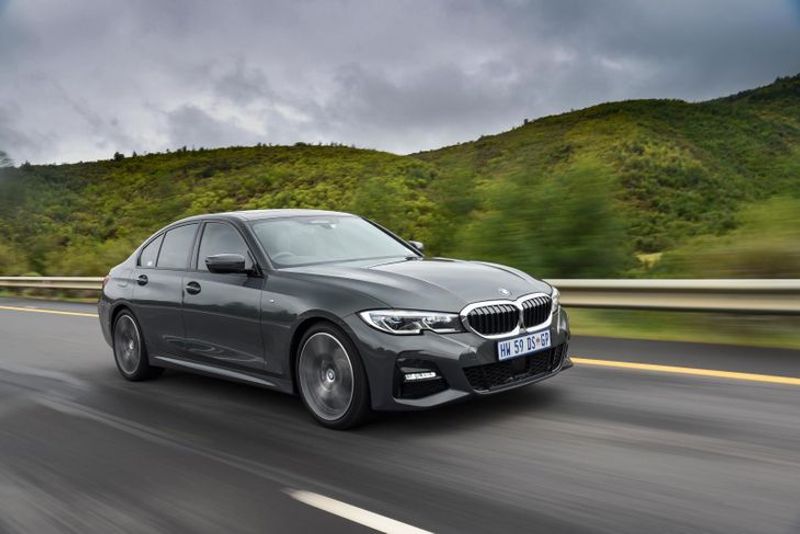
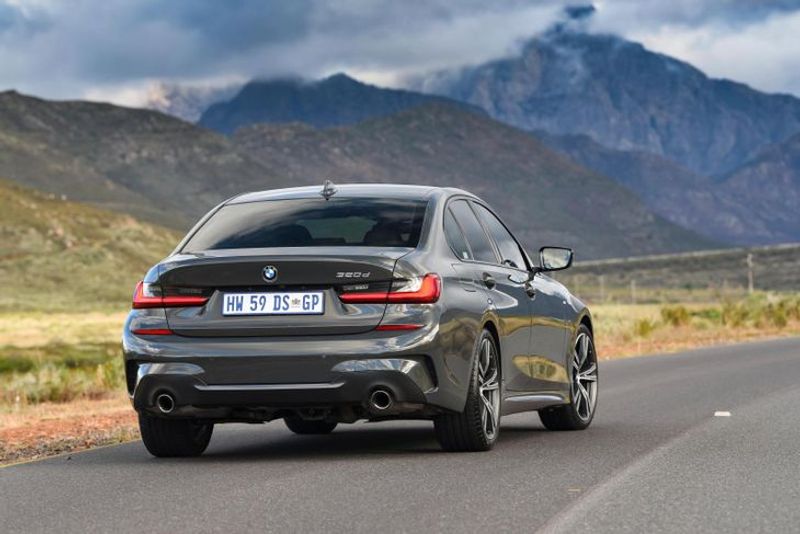
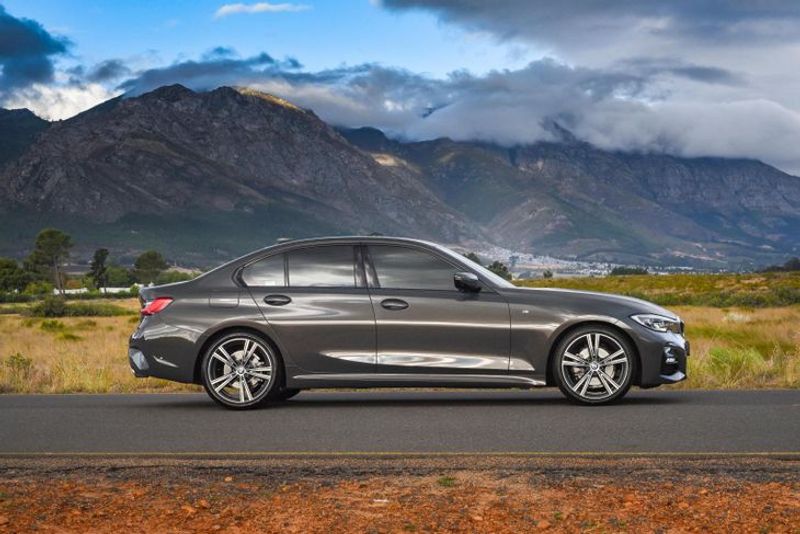
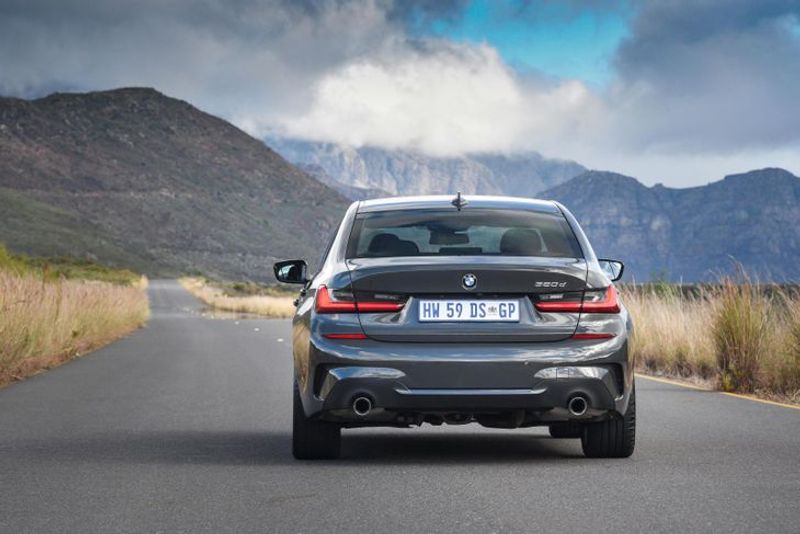
The new BMW 3 Series has arrived in South Africa and along with the usual media information, came some excellent photography showing off both the car and some beautiful driving roads of the Western Cape.
Available in just 320d and 330i flavours for now, the new BMW 3 Series seems to have hit the mark in the luxury sedan segment. The launch in March 2019 was held in the Western Cape and we had the chance to drive both models. Usually, media publications are supplied with international photos, which aren't always relevant to our market as some vehicles are either left-hand drive or the specification is wrong. Here we have SA-spec BMW 3 Series units being driven around on some spectacular stretches of South African tarmac, enjoy the photos.
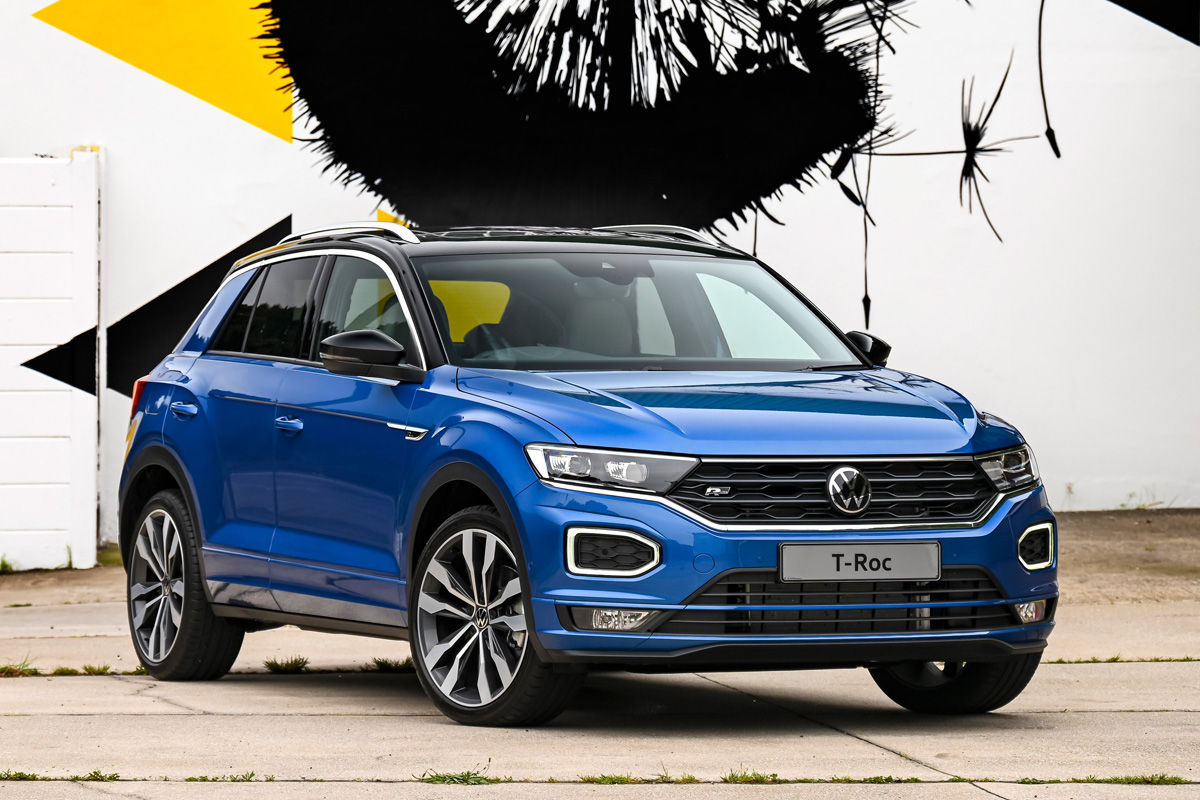
Volkswagen T-Roc (2020) International Launch Review
We believed the Volkswagen T-Roc would never reach South Africa, but the Wolfsburg-based firm's local subsidiary has announced (in March 2019) that the stylish compact crossover will indeed be launched in Mzansi in 2020. Our UK correspondent Neil Briscoe has driven the T-Roc and finds that although the VW pushes all the right compact crossover buttons, he can't help but wonder if the newcomer is not trying to be too fashionable for its own good…
What is it?
Before the Polo-based T-Cross was unveiled (which is scheduled to arrive in South Africa during the 2nd half of 2019 – with a starting price of under R300 000, Volkswagen SA says), it was believed this T-Roc was the Wolfsburg-based firm's answer to the likes of the (deep breath!) Honda HR-V, Hyundai Creta, Mazda CX-3, Nissan Qashqai, Opel Mokka, Renault Captur and Toyota C-HR. Well, it's one of VW's compact family car options – whereas the bigger, more expensive and roomier #CarsAwards winning Tiguan targets buyers on the higher end of the family car price list (with notable success), the T-Roc is designed to compete lower down – in a burgeoning segment where VW has been conspicuous by its absence.
What's the point of launching the T-Cross and the T-Roc into the cut-throat compact family car market, then? It's a fair question, but as the recent unveiling of the Mazda CX-30 (at the 2019 Geneva Show) and local introduction of the Mitsubishi Eclipse Cross suggest, the T-Roc is designed to appeal more to fashion-conscious urbanites than the volume-chasing T-Cross. Think of it as Volkswagen's answer to the BMW X2 and Audi Q2…
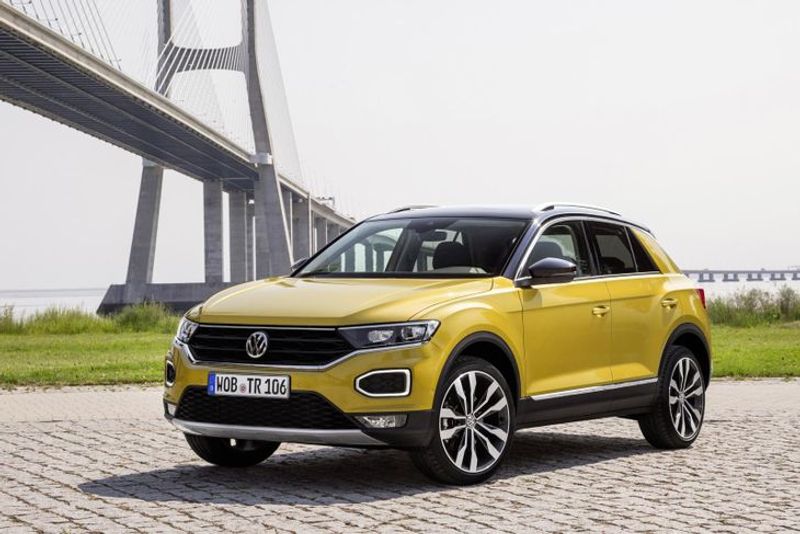
Undoubtedly the cousin of the Audi Q2, the T-Roc is palpably flamboyant compared with the classy conservatism of the TIguan.
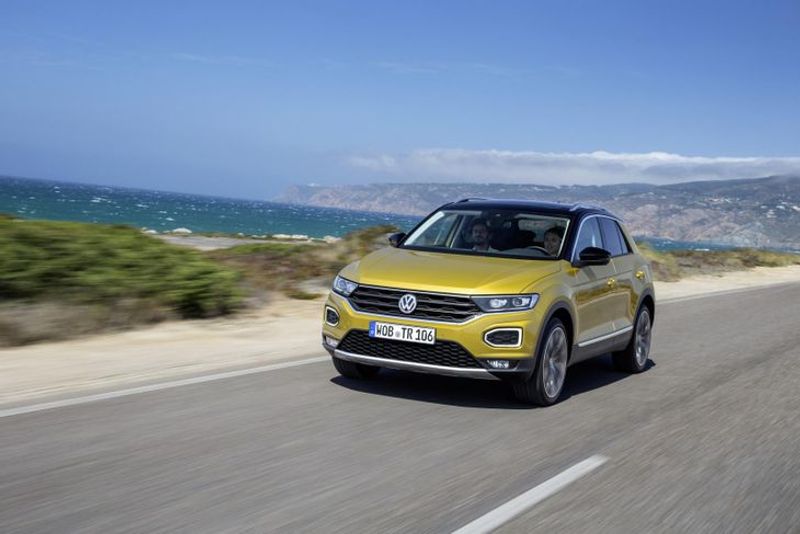
Well, the styling is certainly distinctive! There are cues from other VW models, of course, but it also strikes out on its own course, with lots of chunky detailing and a sense of being slightly over-styled. Is it a success? We'll leave you to be the judge of that, but for our money it looks as if it's trying a bit too hard, and moves too far away from VW's clean-and-crisp design policy, as best exemplified by the Golf and Tiguan.
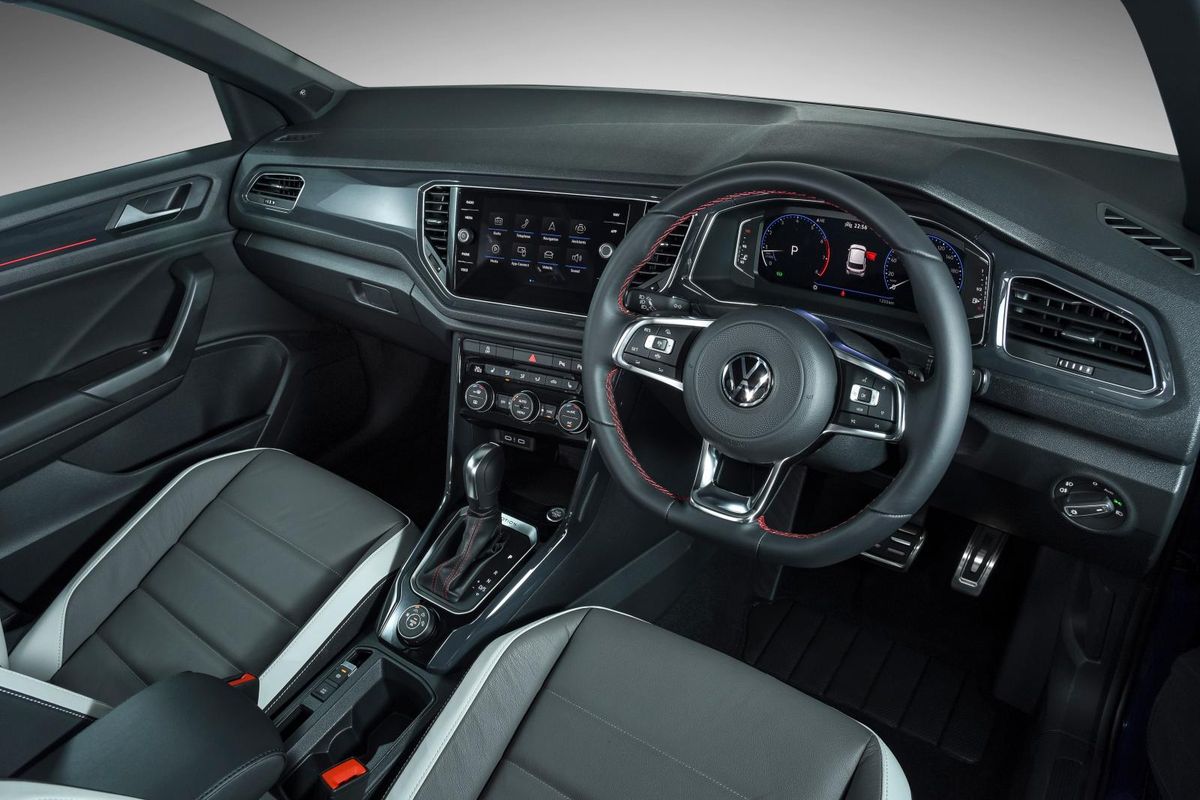
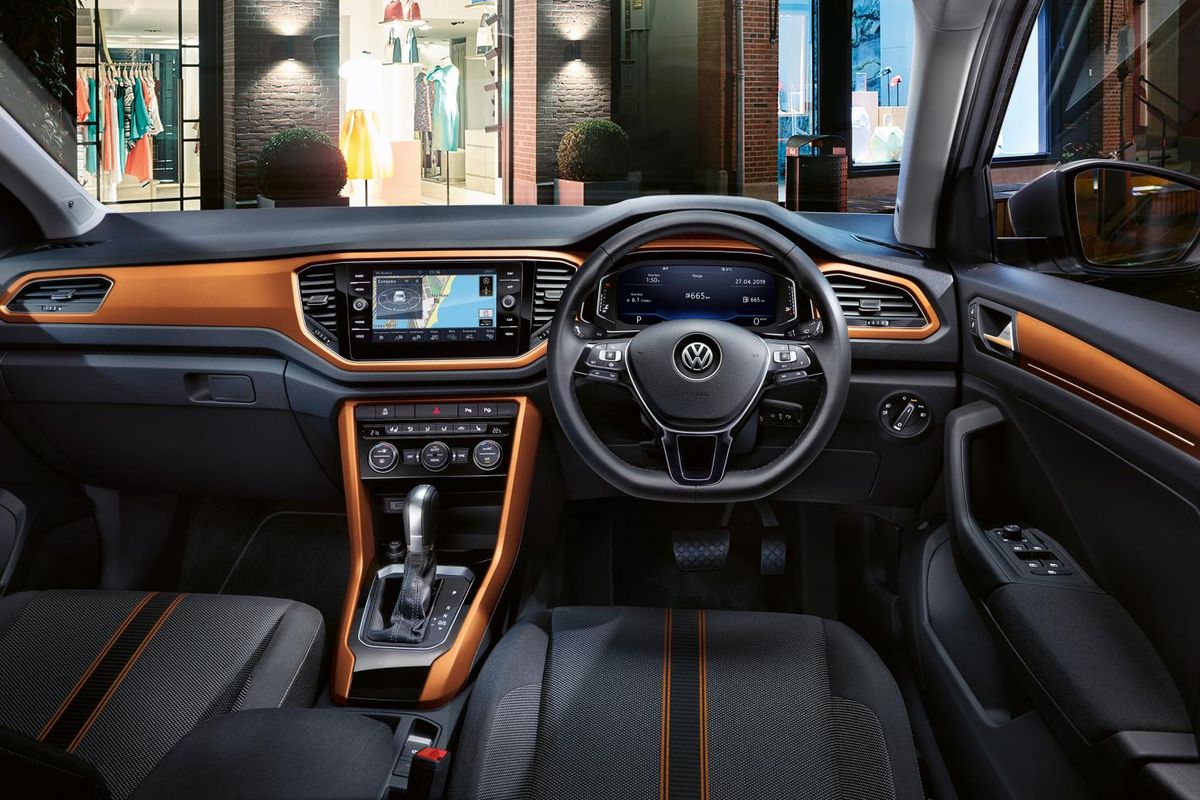
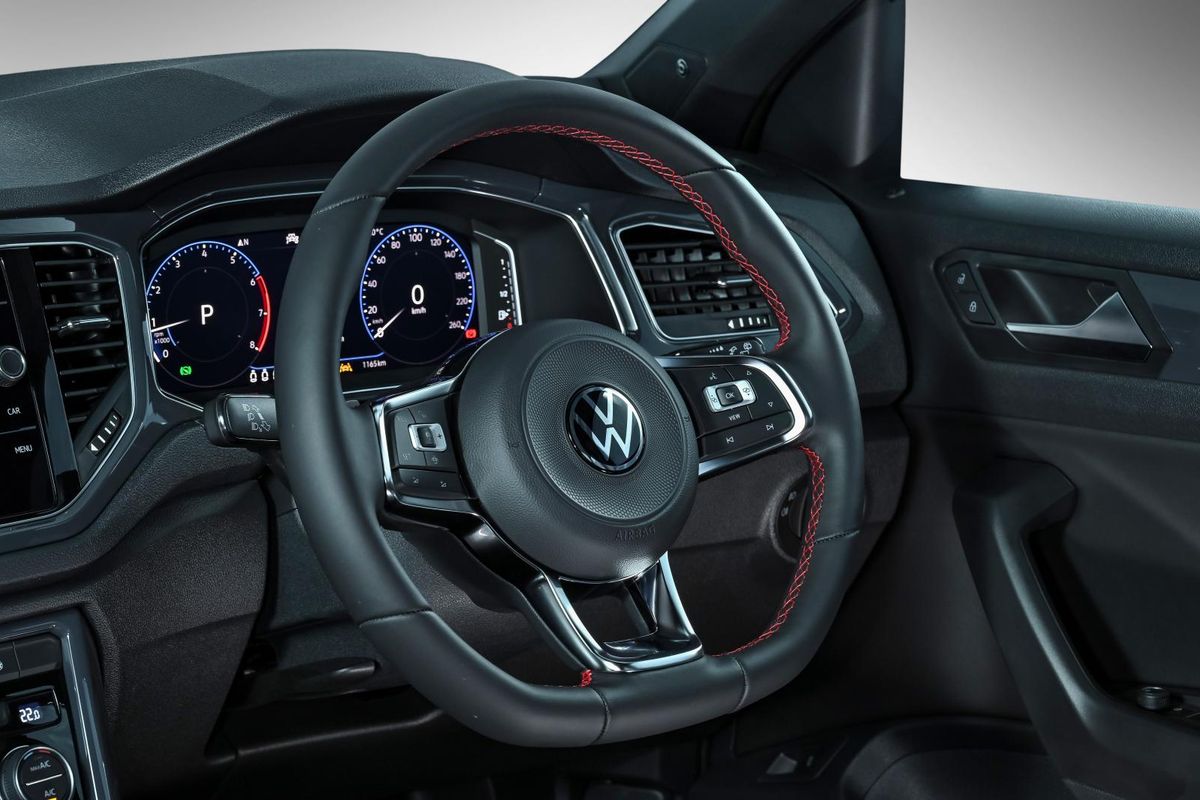
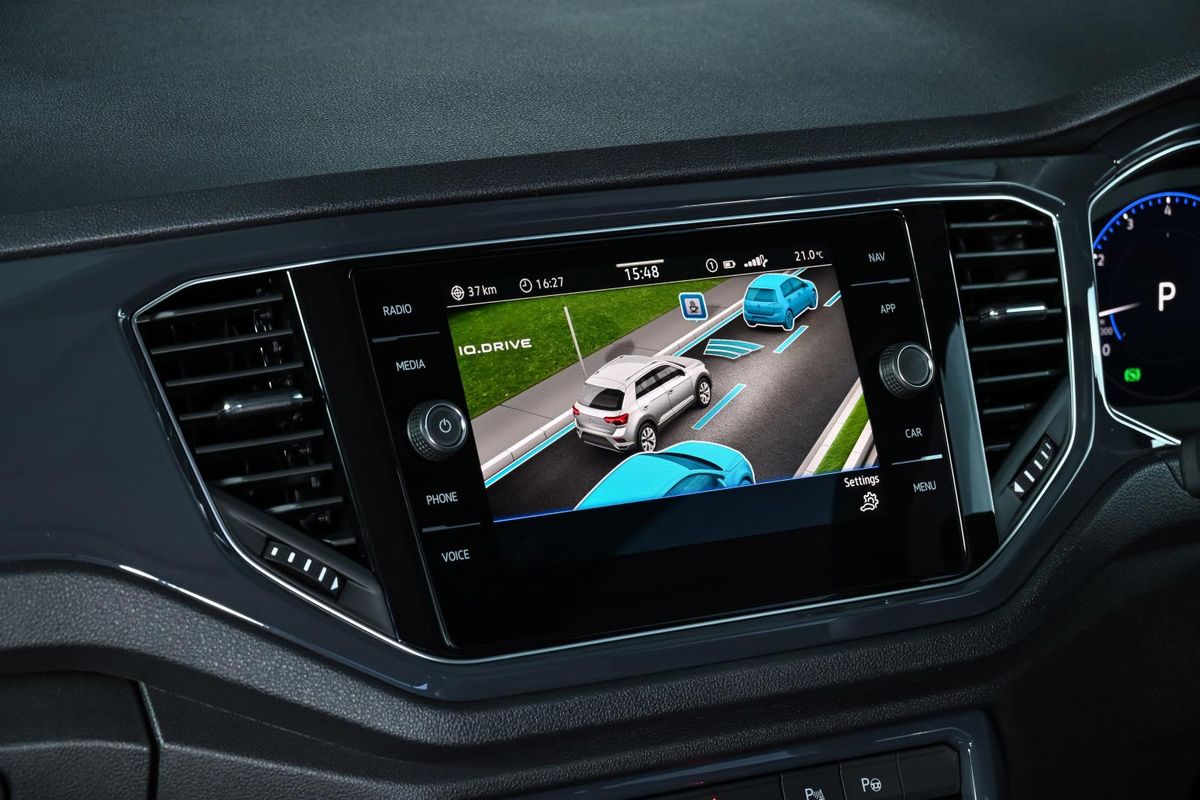
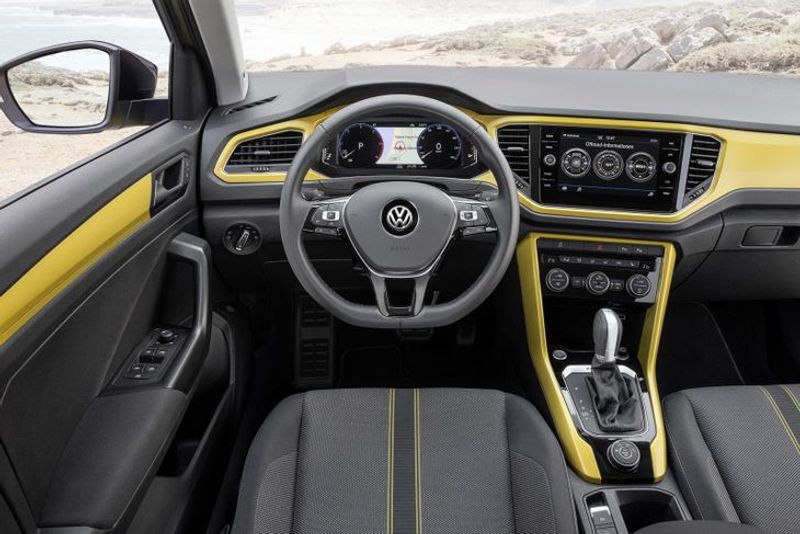
Inside, there are also some differences from more mainstream VWs. There's more colour, for a start, thanks to contrast-coloured plastic panels on the fascia and instruments. There's also a new 10.3-inch digital instrument panel, which is not as impressive as the 12.3-inch version we've already seen in the new Golf, but is still quite pretty. Depending on final spec, we expect to see VW's impressive 8-inch touchscreen infotainment system (which also includes VW's App Connect connectivity technology, as well as Apple CarPlay and Android Auto).
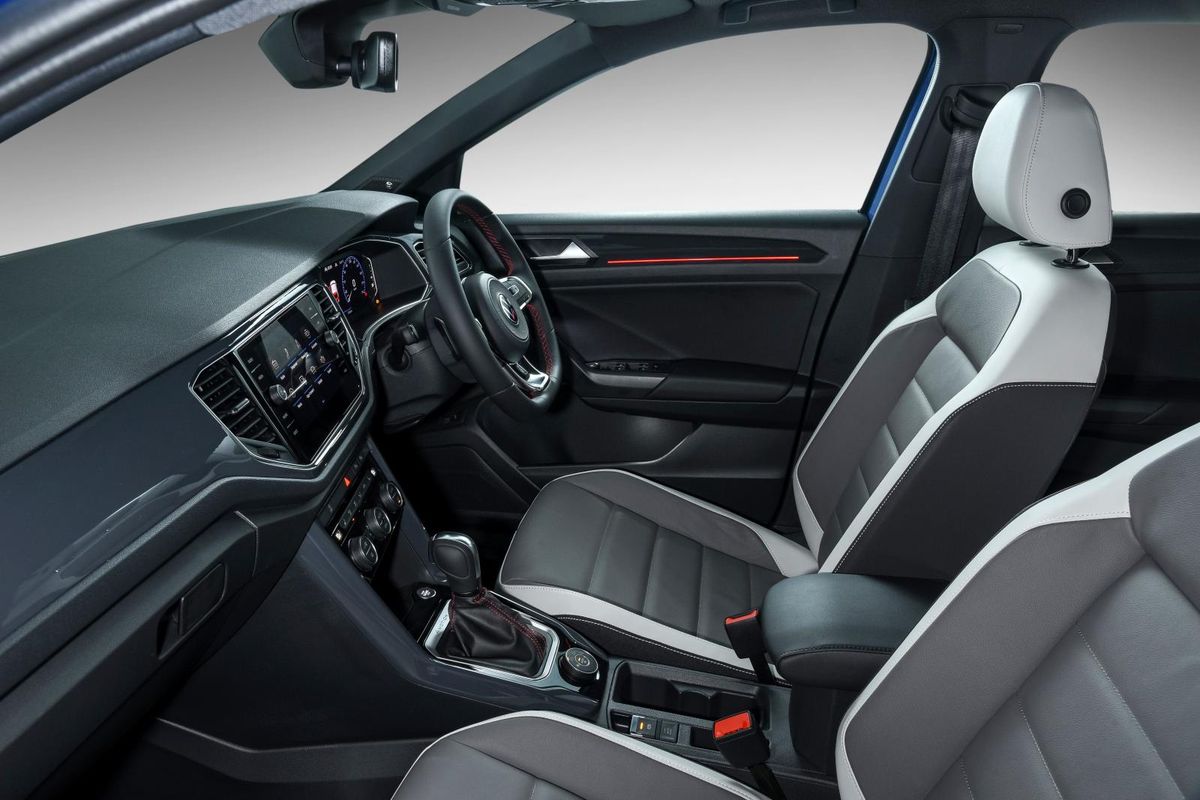
The driving position is comfortable (courtesy of supportive seats), but the cabin does suffer, as do some other cars in this class, from less than brilliant plastics. They're fine, generally speaking, but not as good as we'd normally expect from Volkswagen. Rear seat space is also an issue, with just about enough room for 2 full-sized adults in the back, but no more than that.
The demonstration unit features funky contrast inserts and -stitching, as well as optional Active Info Display.
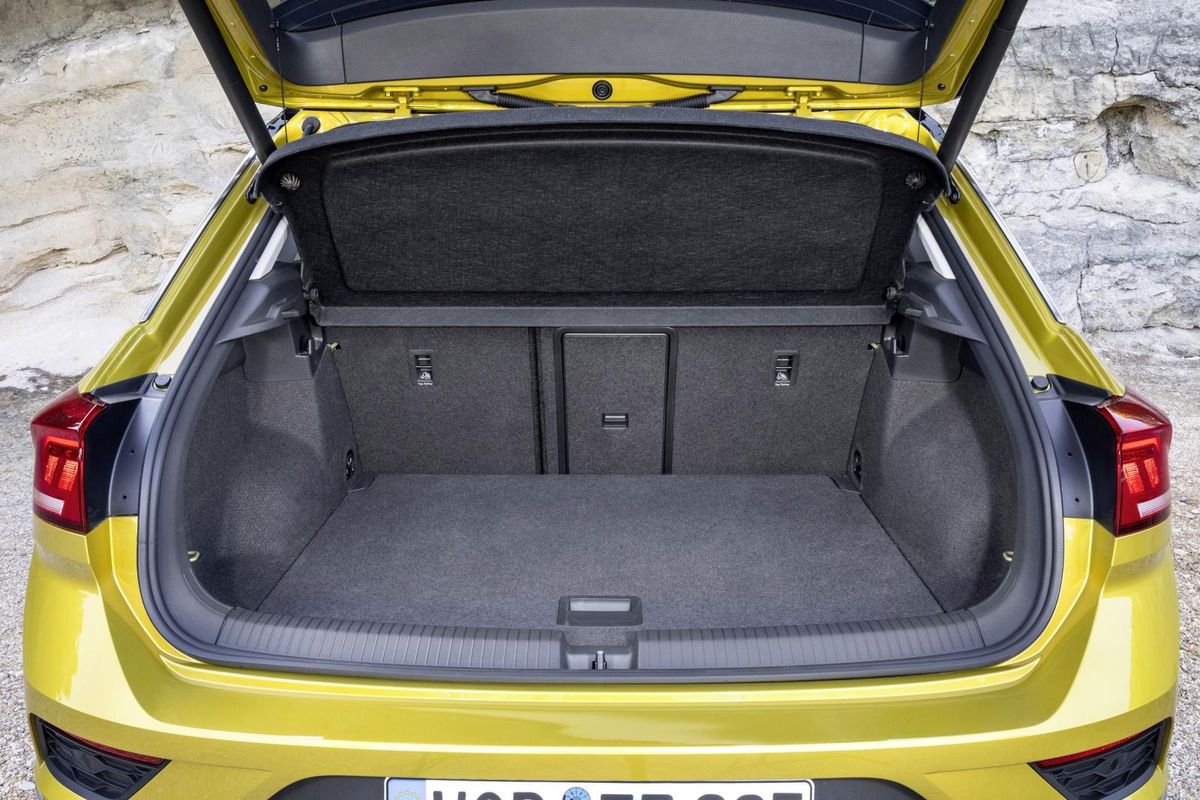
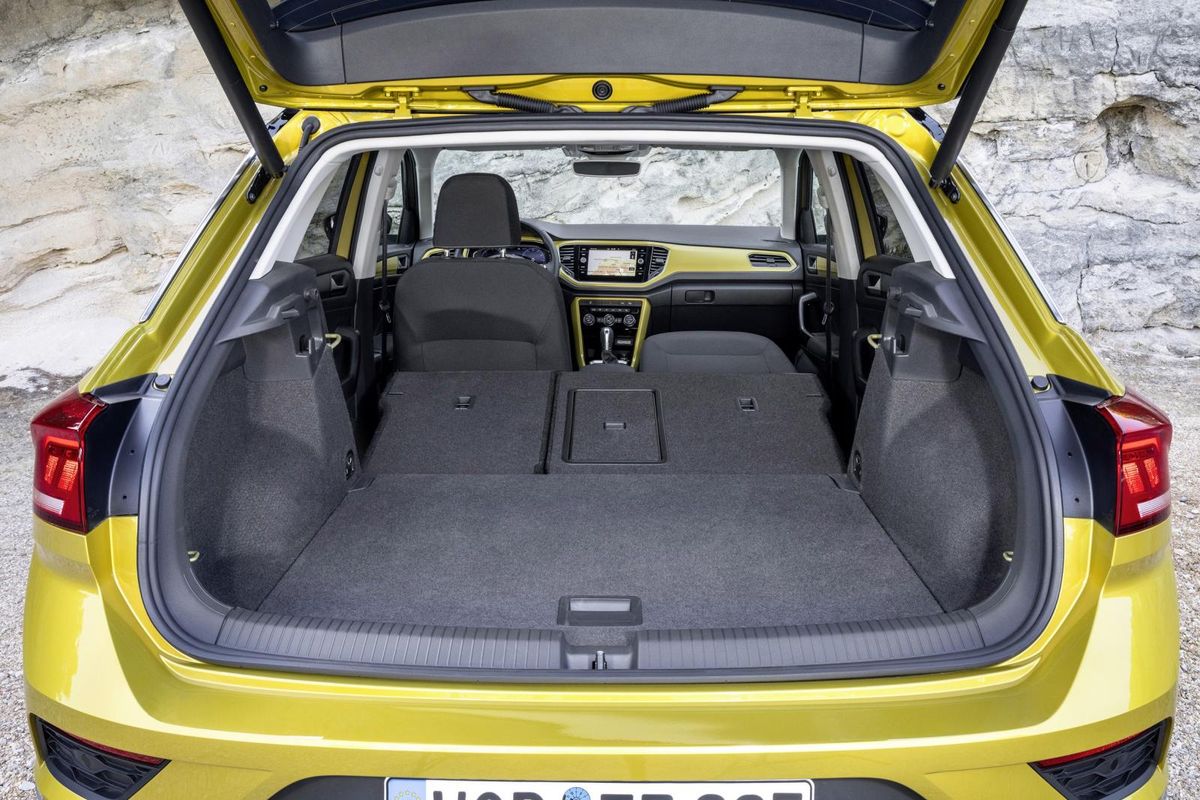
The luggage bay is competitive though (at 445 litres). Essentially, the T-Roc sacrifices the practicality needed to compete with roomier compact family cars, in favour of more fashionable styling that it hopes will allow it to appeal to a yuppie clientele. With all the research pointing to the fact that buyers rate style above all else in this segment, that's probably a good tactic.
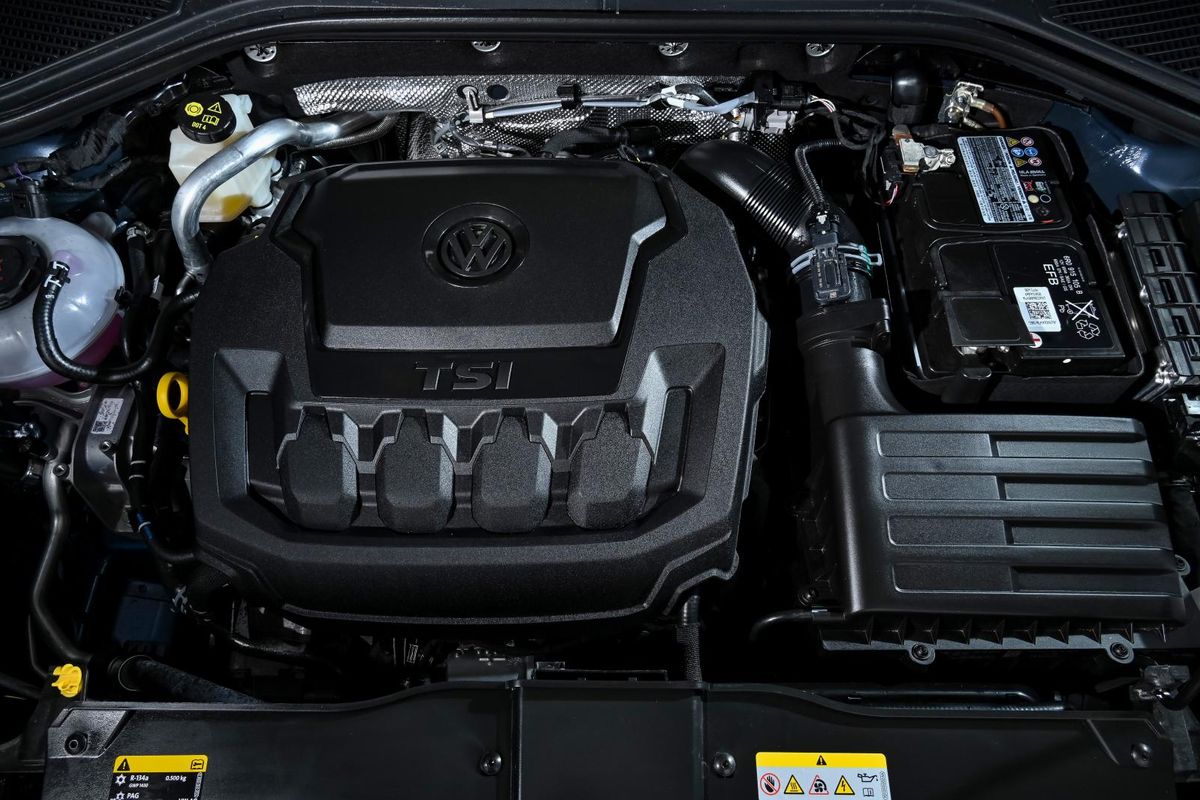
It performs well enough up to a point, but the T-Roc is ultimately hampered by its weight and height. With a DSG dual-clutch transmission and 4MOTION four-wheel drive, it tips the scales at a portly 1 400 kg. The engines, or at least the ones we've tested thus far, cope well enough with that weight. We first tried the range-topping 2.0 TSI, which is essentially the Golf GTI engine with, at 141 kW, a 17% power reduction.
VW makes much play of the T-Roc being "an SUV from the company that invented the GTI" and for the first few kilometres, you could almost be fooled into thinking this is a GTI on stilts. The steering feels smooth, and the T-Roc turns into corners with a brisk, but composed, enthusiasm.
The T-Roc proves wieldy, but although the ride quality is generally composed, the body control is a trifle casual.
It is initially quite good fun to chuck about, but you soon start to realise that the body is swaying and rolling rather more than you would like, and with all that weight on board you have to keep a close eye on your braking distances coming into tight hairpins. Basically, the T-Roc has decent balance, and some capacity to entertain, but, alas, it's no GTI.
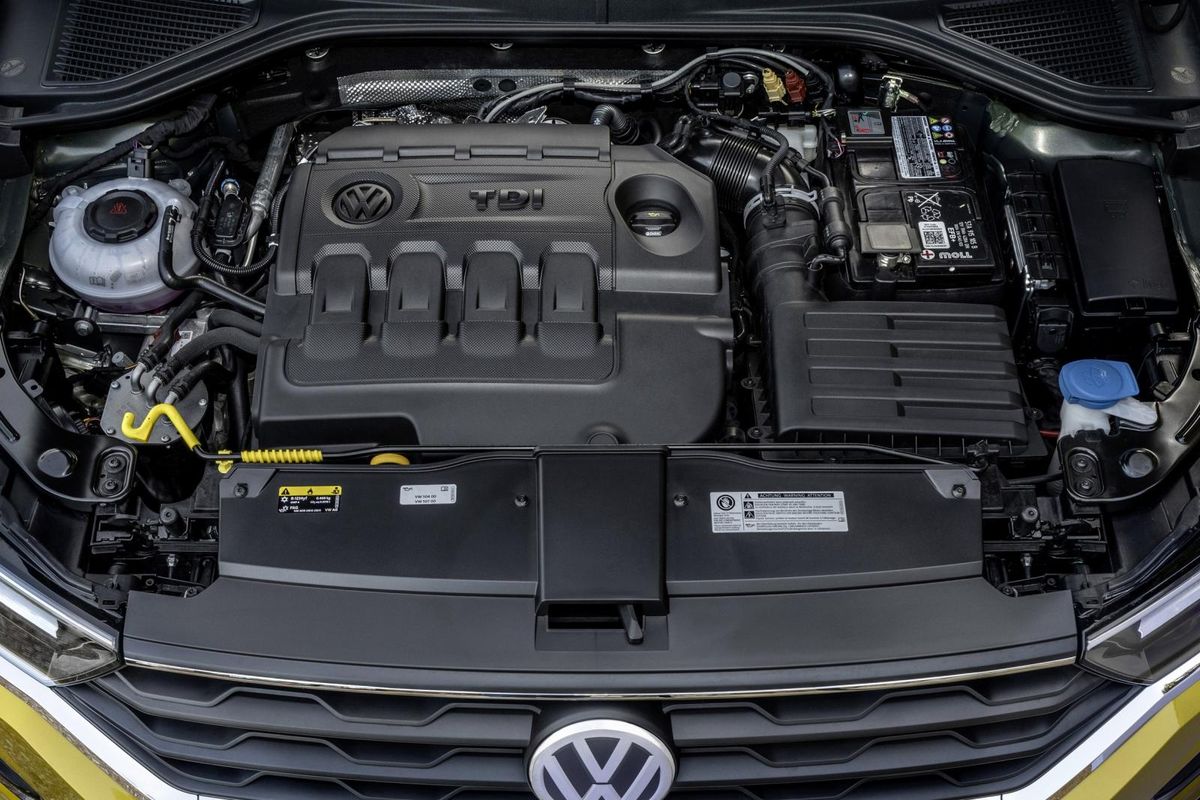
The 2.0 TDI diesel, with 110 kW, isn't as potent as the top-spec TSI, but as it has an extra 20 Nm of torque, at 330 Nm, it's hardly any slower in real terms. It is less refined than the petrol and actually rougher than we have found this same engine in other cars. There's a constant gurgle of diesel compression; you're never left in doubt about which fuel you're burning.
You can also feel the extra weight of the turbodiesel in the vehicle's nose. The front wheels are definitely less keen to turn into a given corner, and the ride is firmer, bouncier, and less composed (the TSI model actually rides pretty well, for a tall-ish crossover with big optional alloys). Of course, the TDI is significantly more economical, averaging better than 6.3 L/100 km on a route where the petrol engine struggled to break through the 9.5 L/100 km. So if you're buying your T-Roc for long journeys, it's a bit of a no-brainer. We haven't yet had a chance to try out either the 85 kW 1.0-litre TSI or 1.5-litre 110 kW TSI petrols in the T-Roc, but suspect that one of these will prove to be the sweet spot in the T-Roc range.
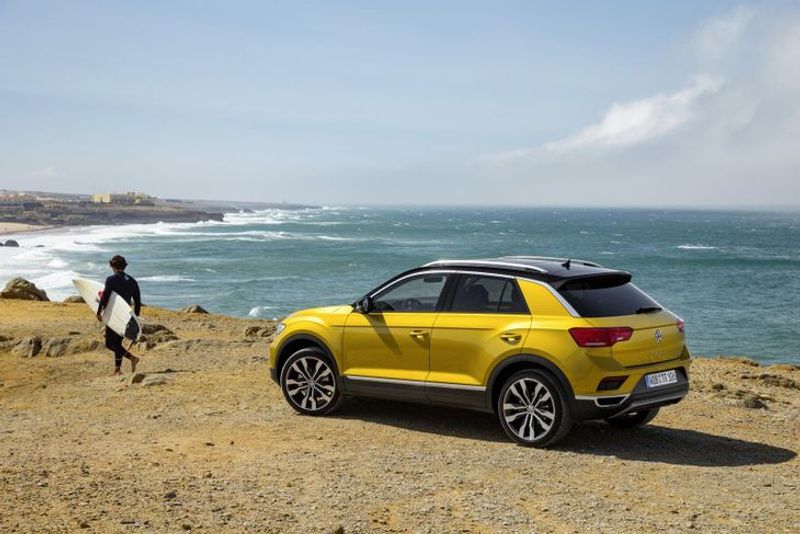
The T-Roc has the lifestyle set firmly in its sights; but not just mountain bikers, surfers are welcome to load up their boards too.
Summary
There is no getting around the fact that the T-Roc is a car built at the behest of Volkswagen's marketing department. If the brand wanted to, it could have created a cut-price version of the Tiguan to rival the bottom end of the Qashqai range, but it decided to chase the fashionable end of the market with a purpose-built car for trendy, well-heeled urbanites. Essentially, this is VW's answer to the premium brand's crossover offerings – if you're buying it primarily for the looks and the image (and the fact that such items as a surfboard rack and snowboard holder are on the options list).
It compromises its rear seat space in favour of styling, and regrettably downgrades its cabin plastics in search of profit. If you're smitten with the styling and happy to make those trade-offs, great. Bear in mind, however, that the T-Roc, which is "the 1st Volkswagen SUV that is available to order in 2-tone paintwork", will face a formidable foe when it arrives in South Africa – a second-hand Tiguan! Which VW would you rather have?
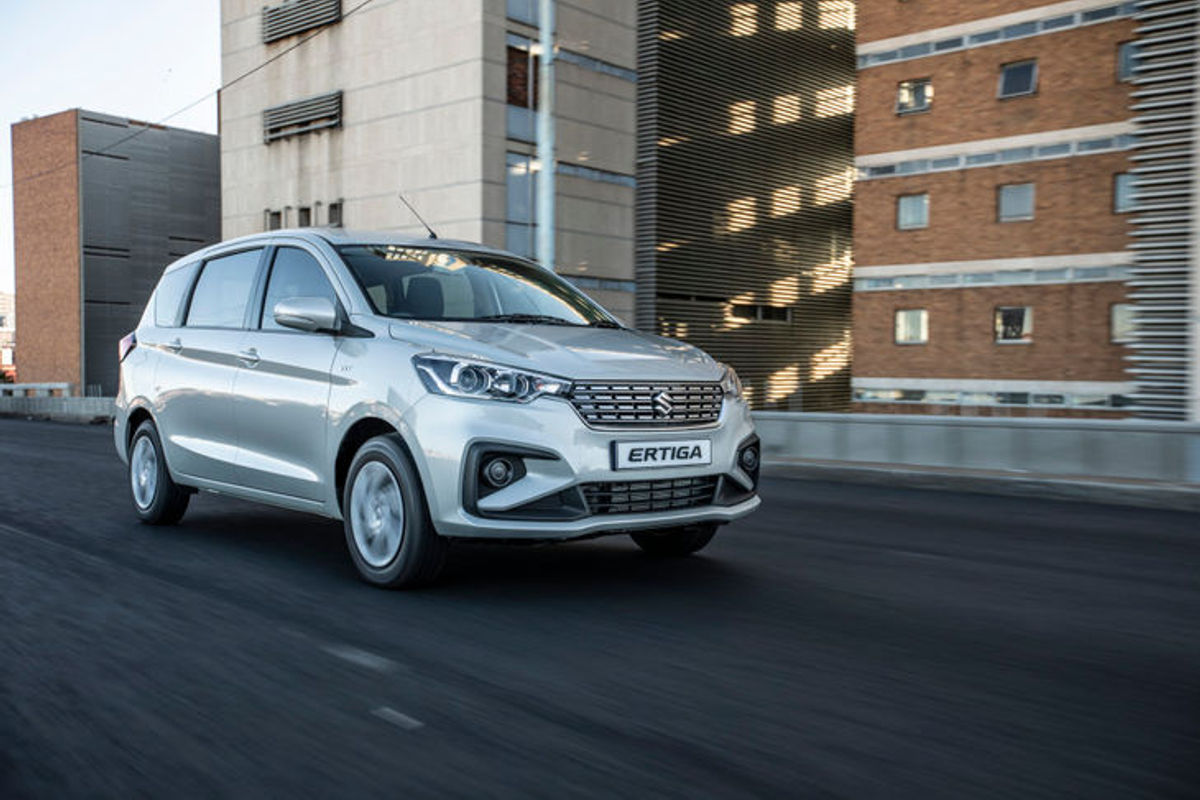
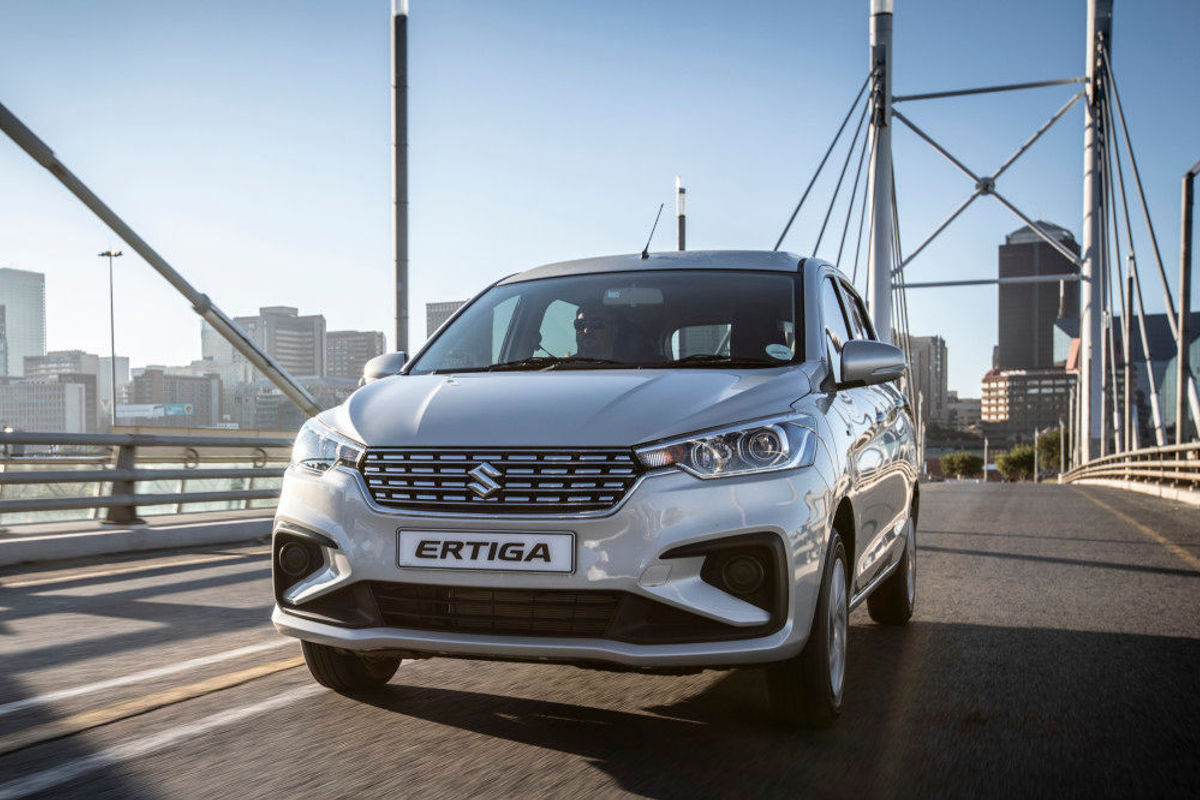
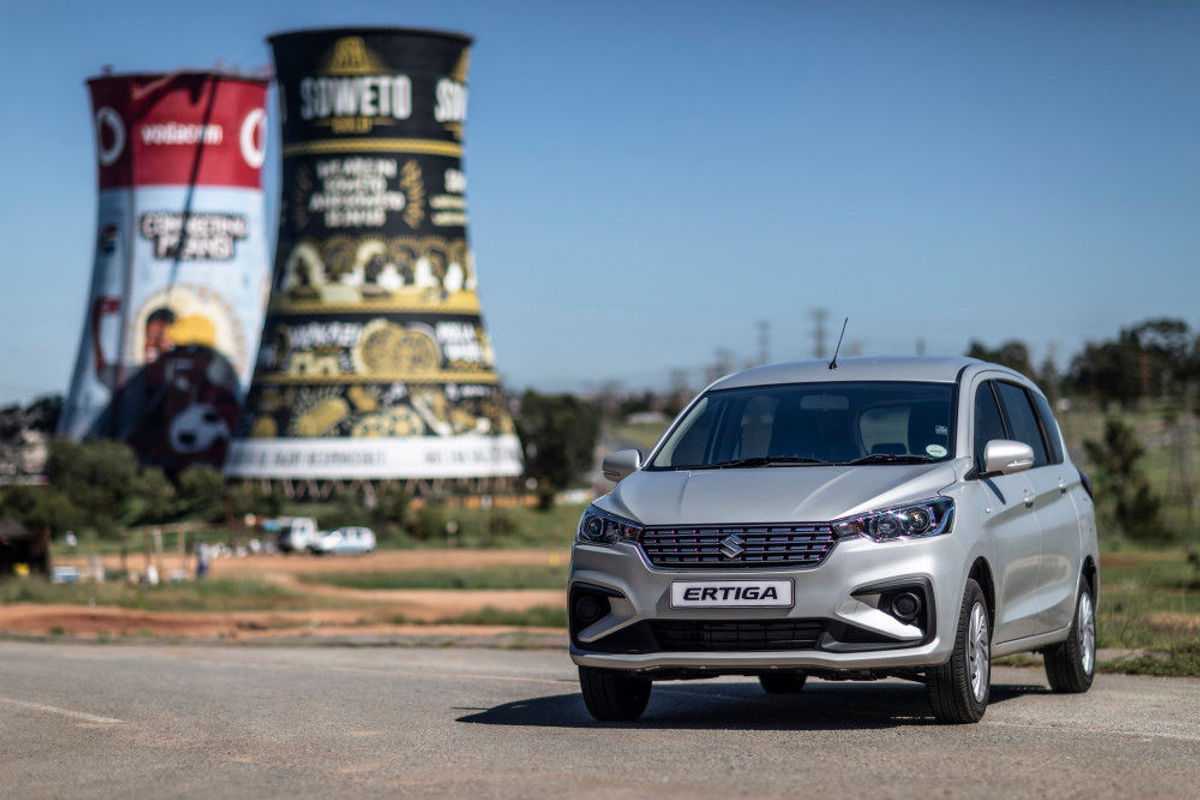
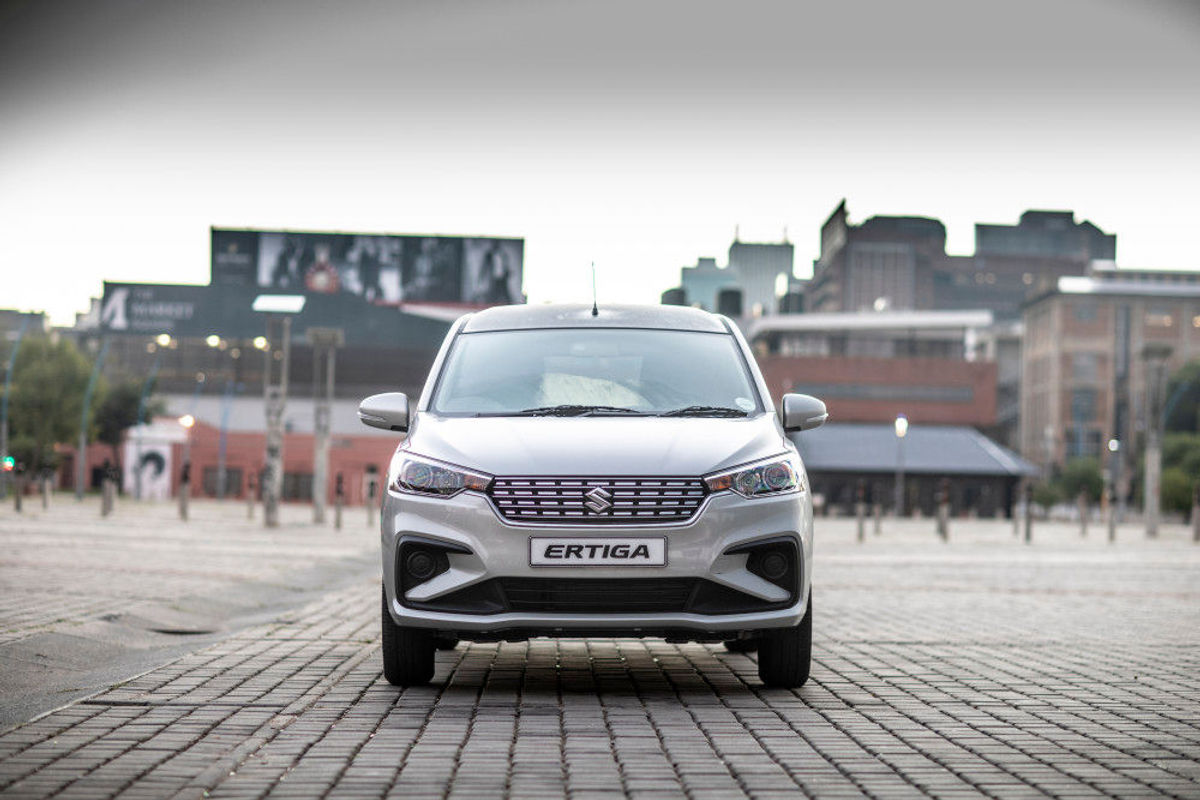
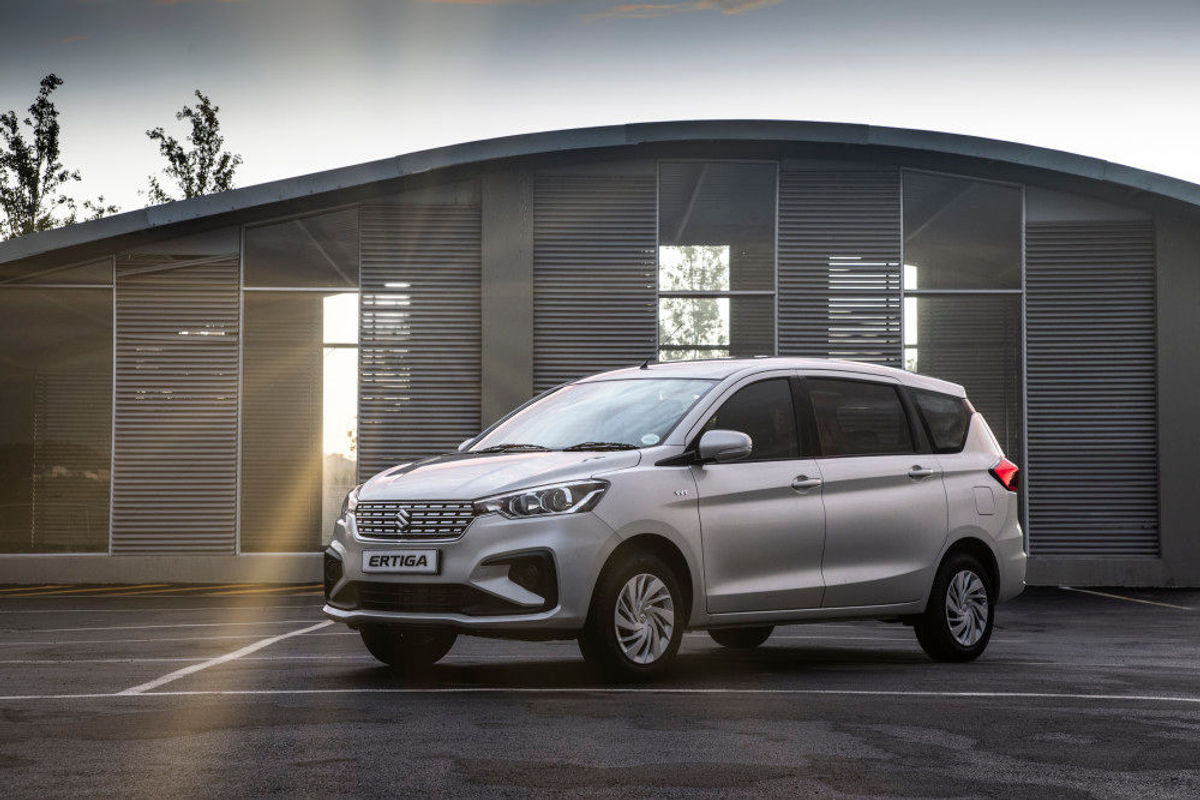
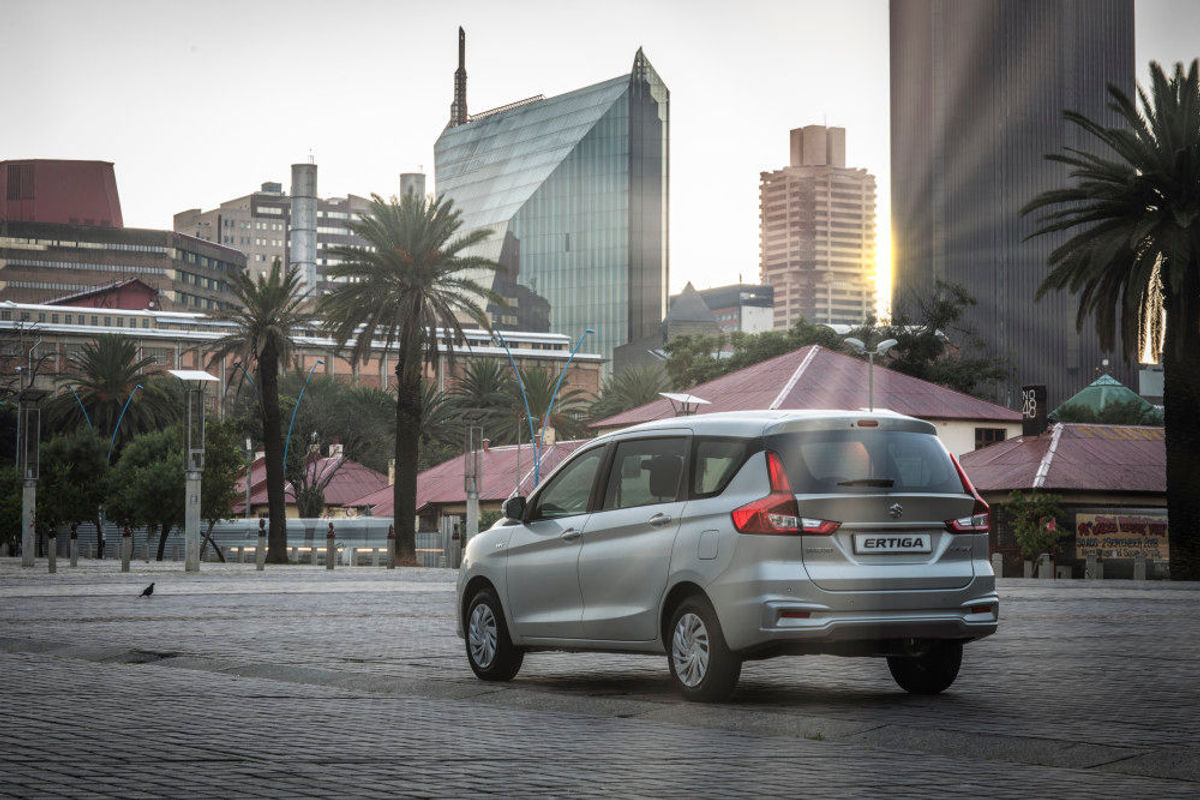
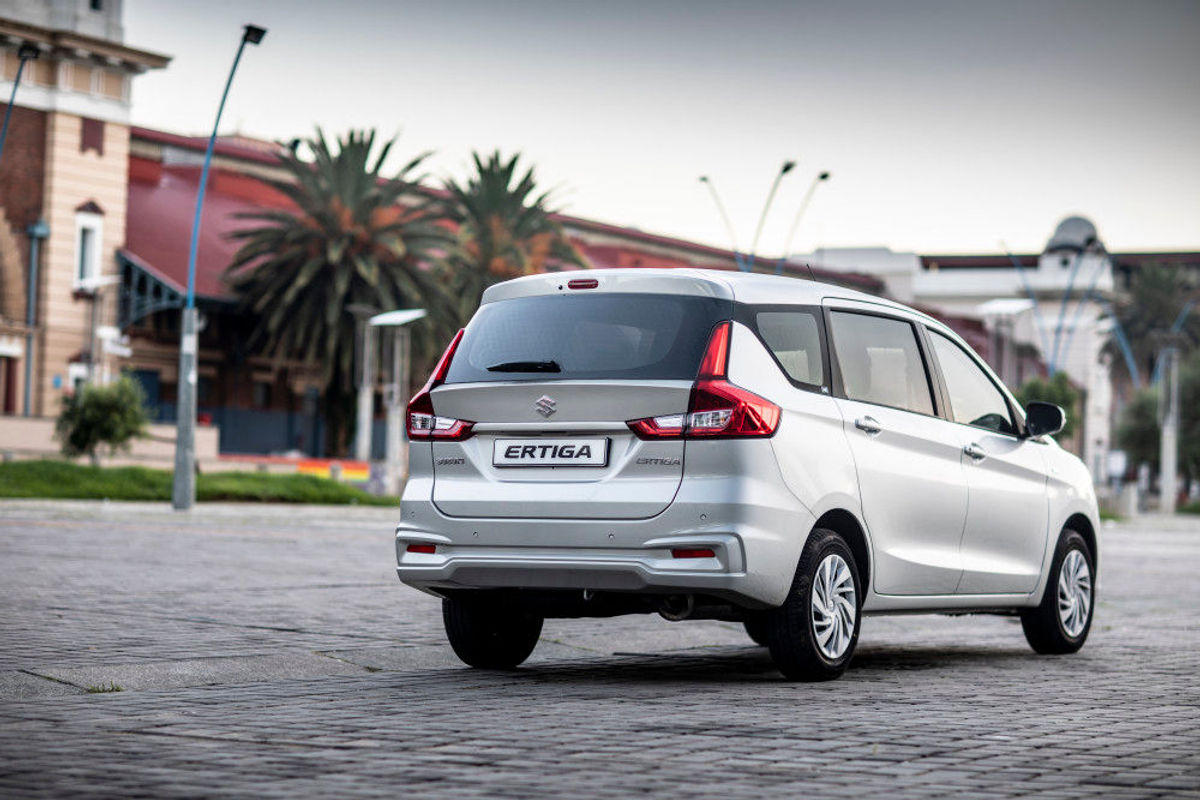
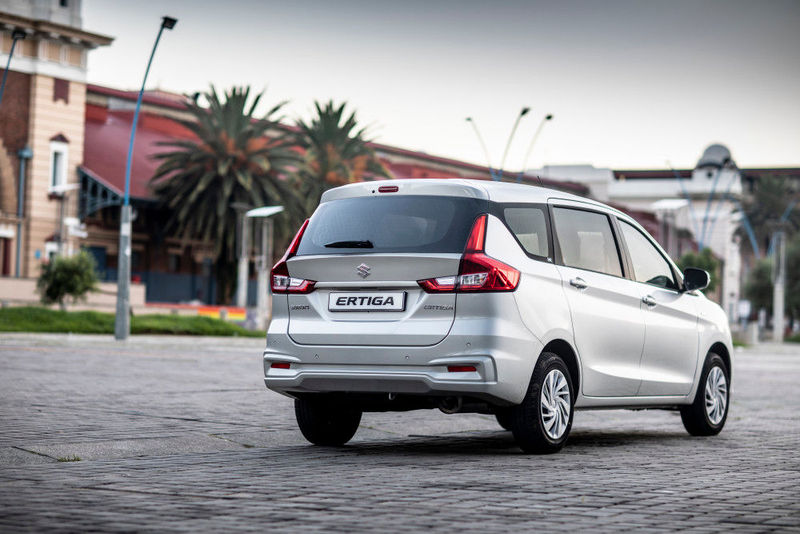
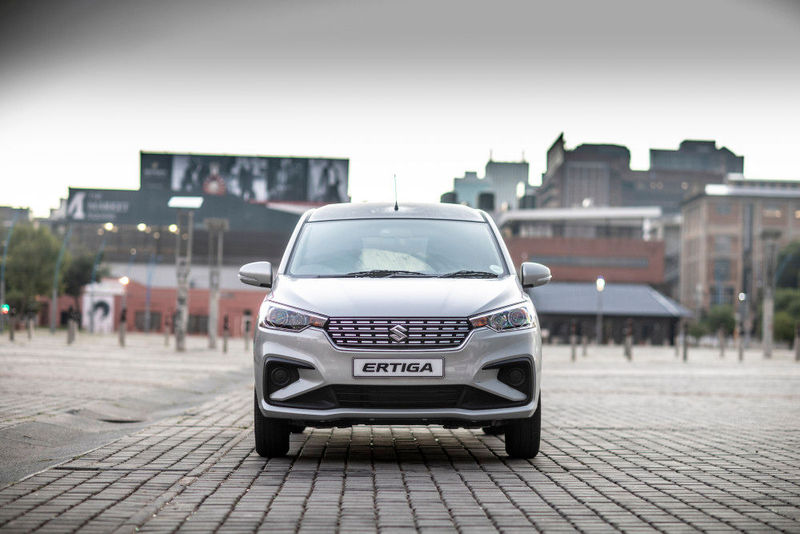
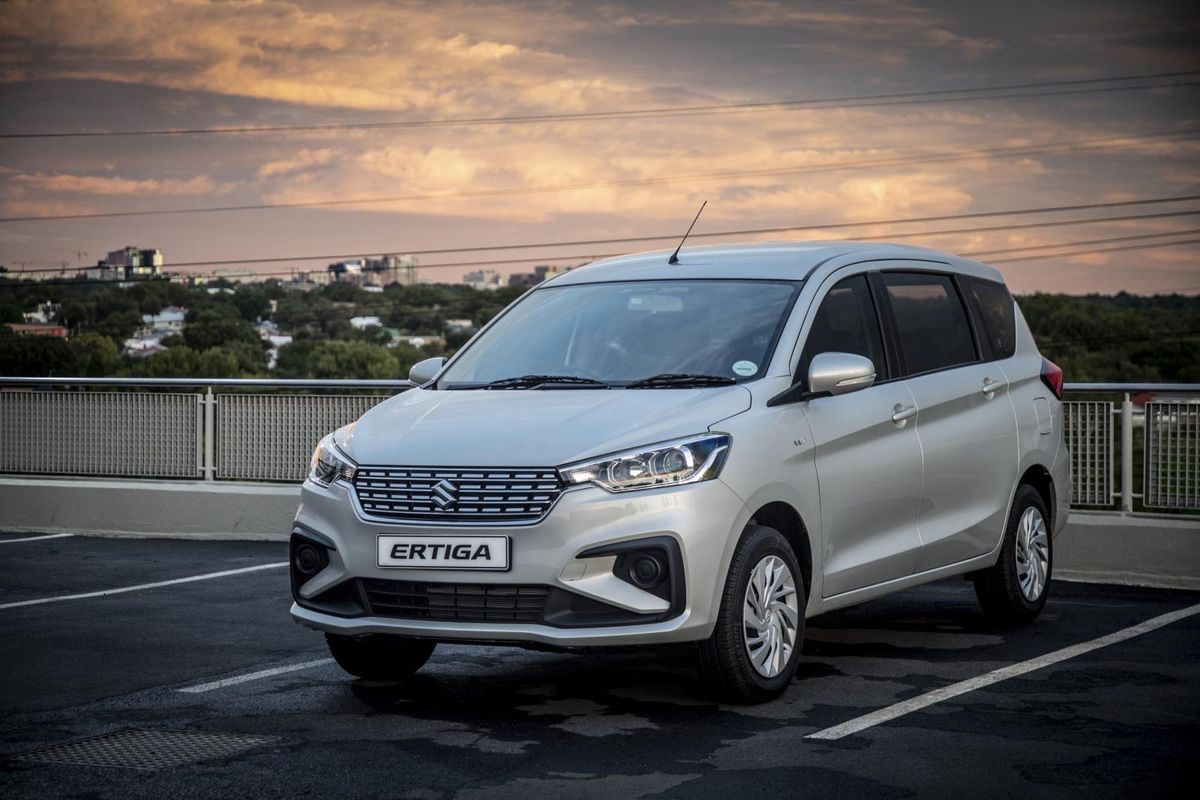
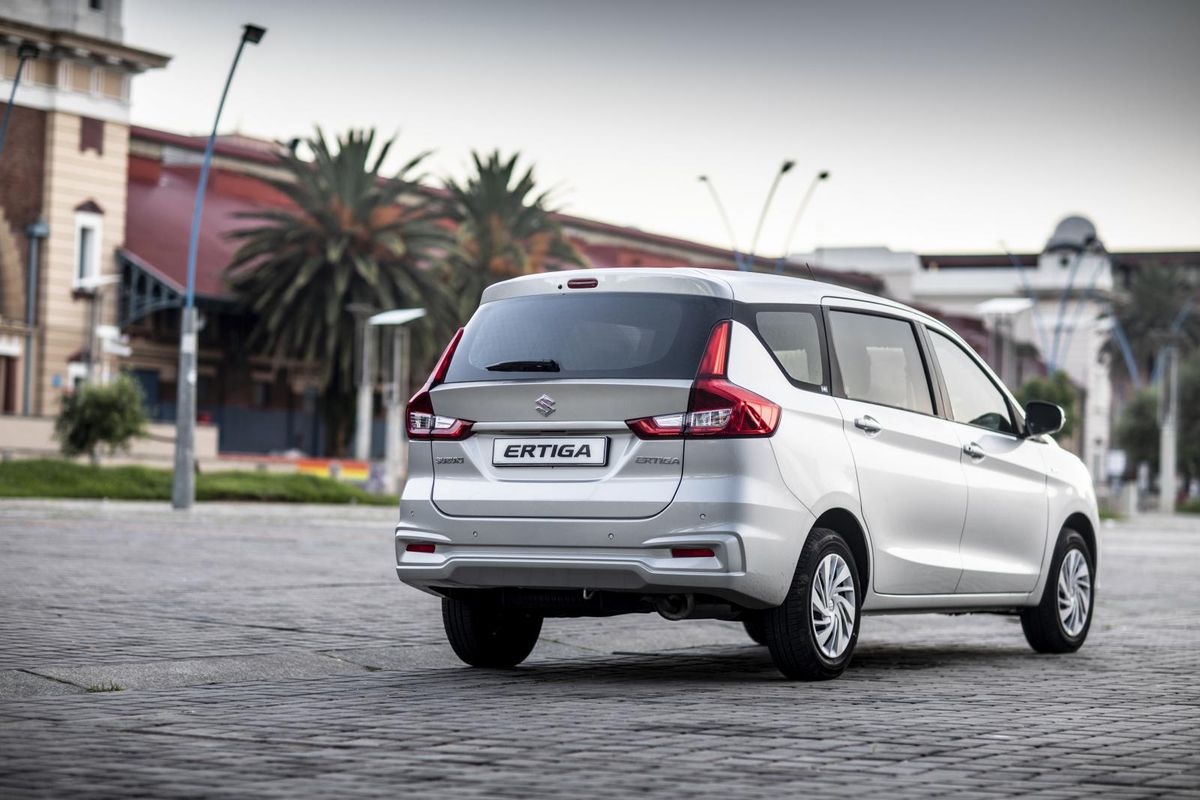
Suzuki has launched the new second-generation Ertiga 7-seater MPV in South Africa. Is the Ertiga still the sensible choice in the budget MPV segment? Gero Lilleike took it for a whirl in Johannesburg this week.
Suzuki's sales, both locally and globally, have surged in recent times and the first-generation Ertiga has amassed over 758 000 sales worldwide since going on sale in 2010.
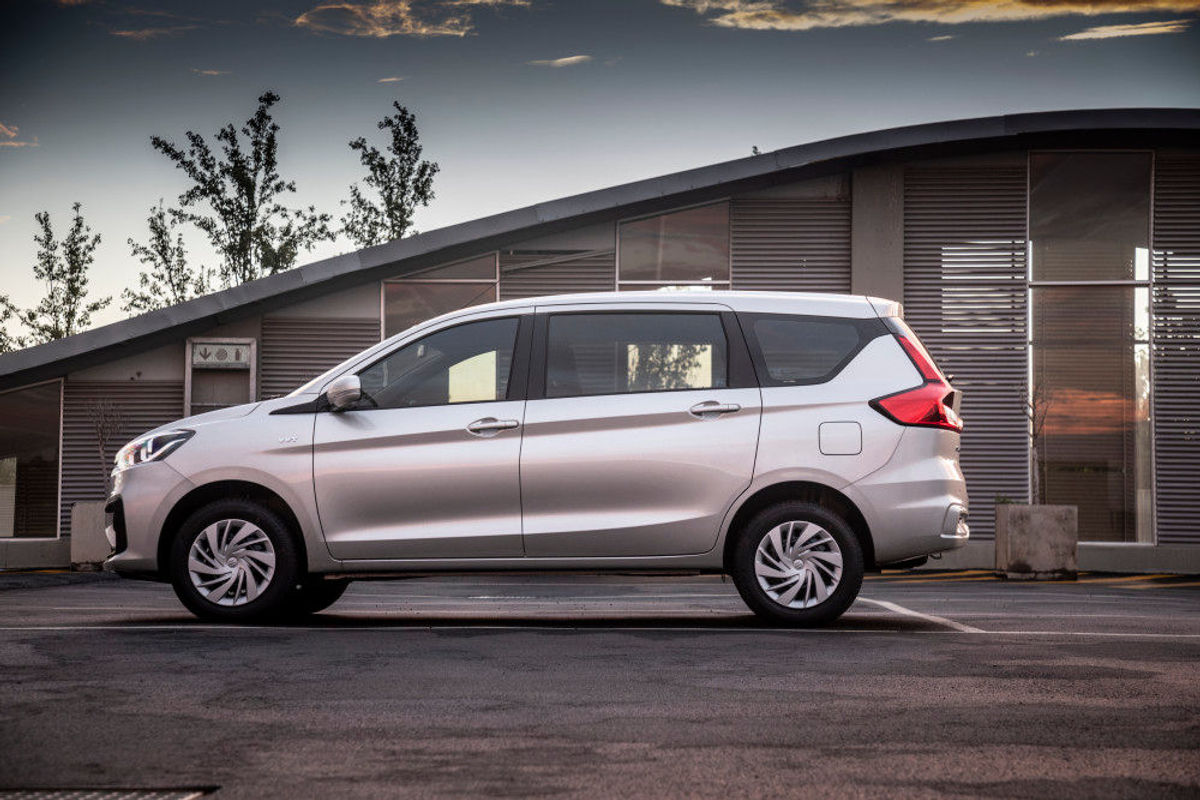
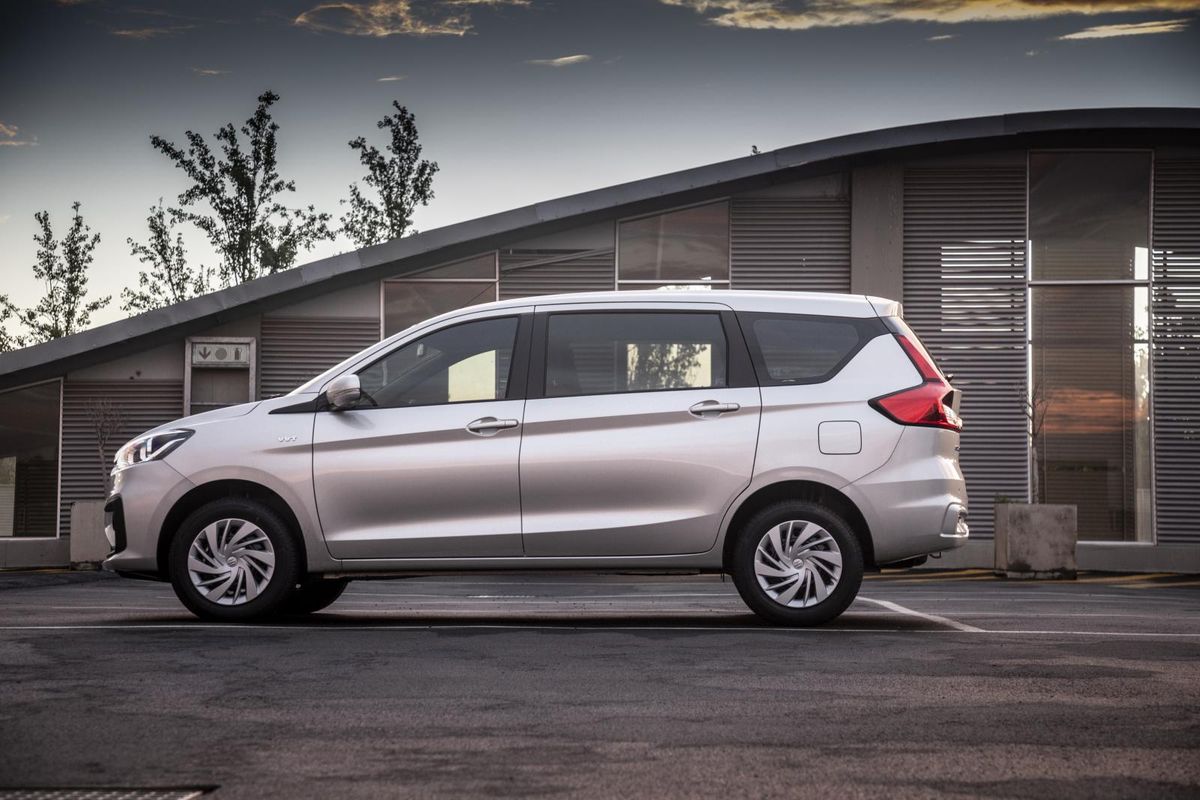
Now, Suzuki has introduced an all-new 7-seat Ertiga to market. It goes up against the likes of the Toyota Avanza, Honda BR-V and Mahindra Xylo and it's built on Suzuki's new Heartect platform. The Ertiga is now longer, wider, taller and lighter than the model it replaces and features a new, more powerful, naturally-aspirated 1.5-litre petrol engine that offers 77 kW and 138 Nm of torque with a choice of either a 5-speed manual or 4-speed automatic transmission. There are 3 Ertiga derivatives on offer, the base GA manual, full-fat GL manual and the GL automatic.
Comfortable, spacious and practical, the new Ertiga has a lot going for it.
We sampled the new Ertiga GL manual at altitude with a mix of city and highway driving in and around the bustling city of Johannesburg.
There are no fireworks under the bonnet and the Ertiga's performance is best described as average. The Ertiga has sufficient shove to get along at an acceptable pace, but acceleration is sluggish if you dwell for too long in higher gears and you have to gear down regularly to keep the engine ticking over in its sweet spot. The performance will likely diminish further with a full complement of passengers and luggage onboard. It is effective, however, as an A to B people mover within city limits.
With that said, overtaking on the highway requires some forethought as acceleration is not as punchy as you might hope it to be.
Suzuki claims a fuel consumption figure of 5.5 L/100km for the manual and 6.0 L/100km for the automatic derivative. The manual gearbox is a highlight as it shifts in a positive and direct manner without being notchy or vague.
Like the outgoing generation, another highlight is the Ertiga's ride quality. It's comfortable to drive and manages to deliver a smooth and pleasant ride. The engine is refined and the steering is nicely-weighted, providing ample feedback through the tiller. Due to its boxy stance, a fair degree of body roll is experienced through corners, however.
What's the interior like?
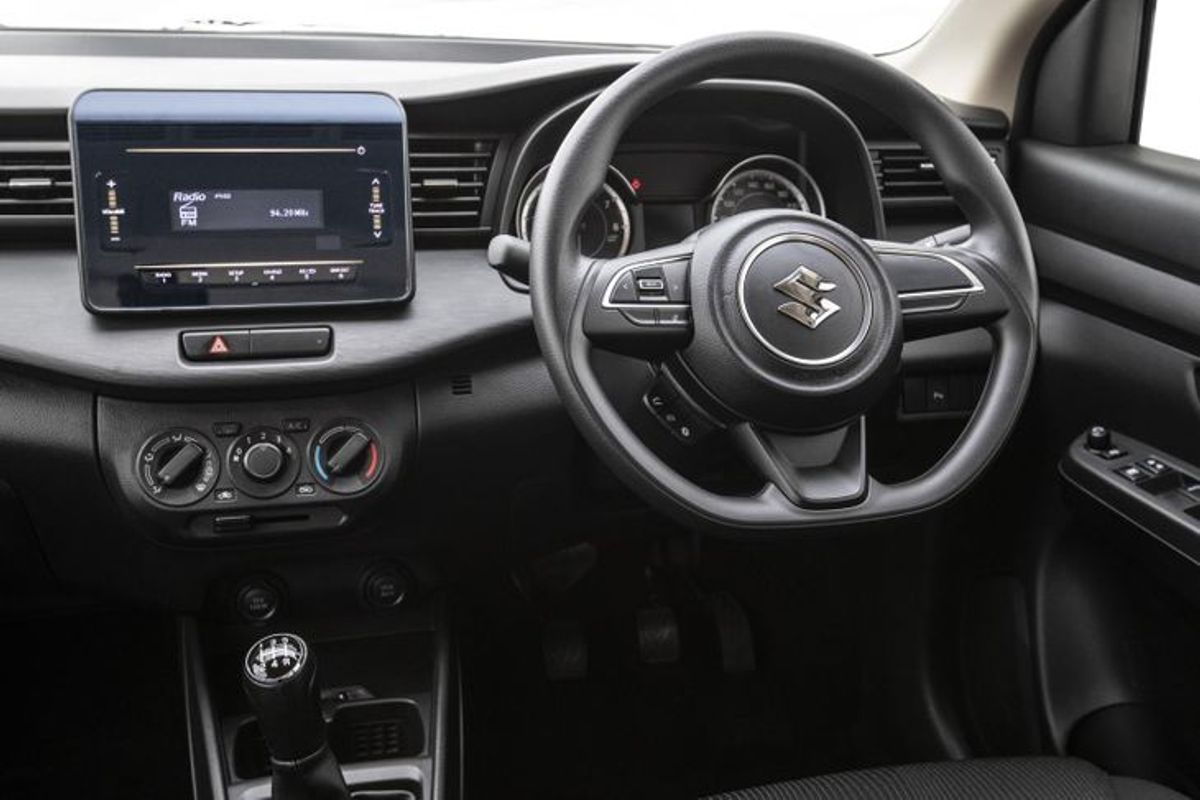
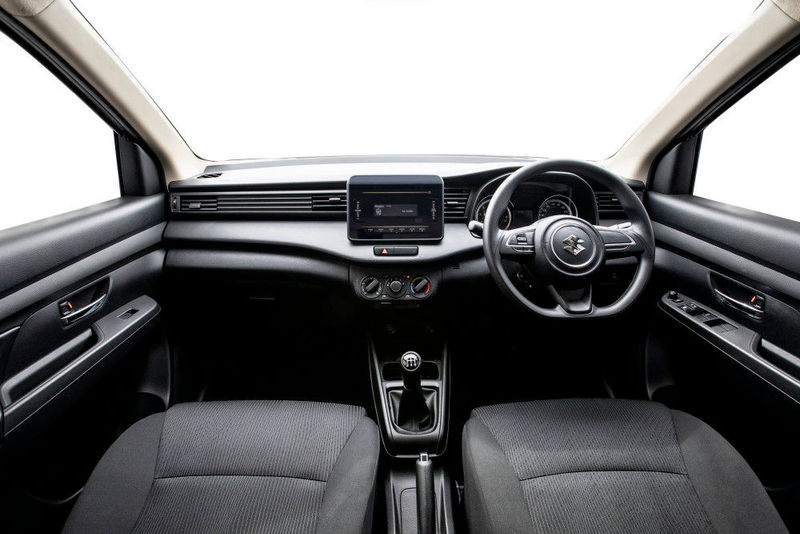
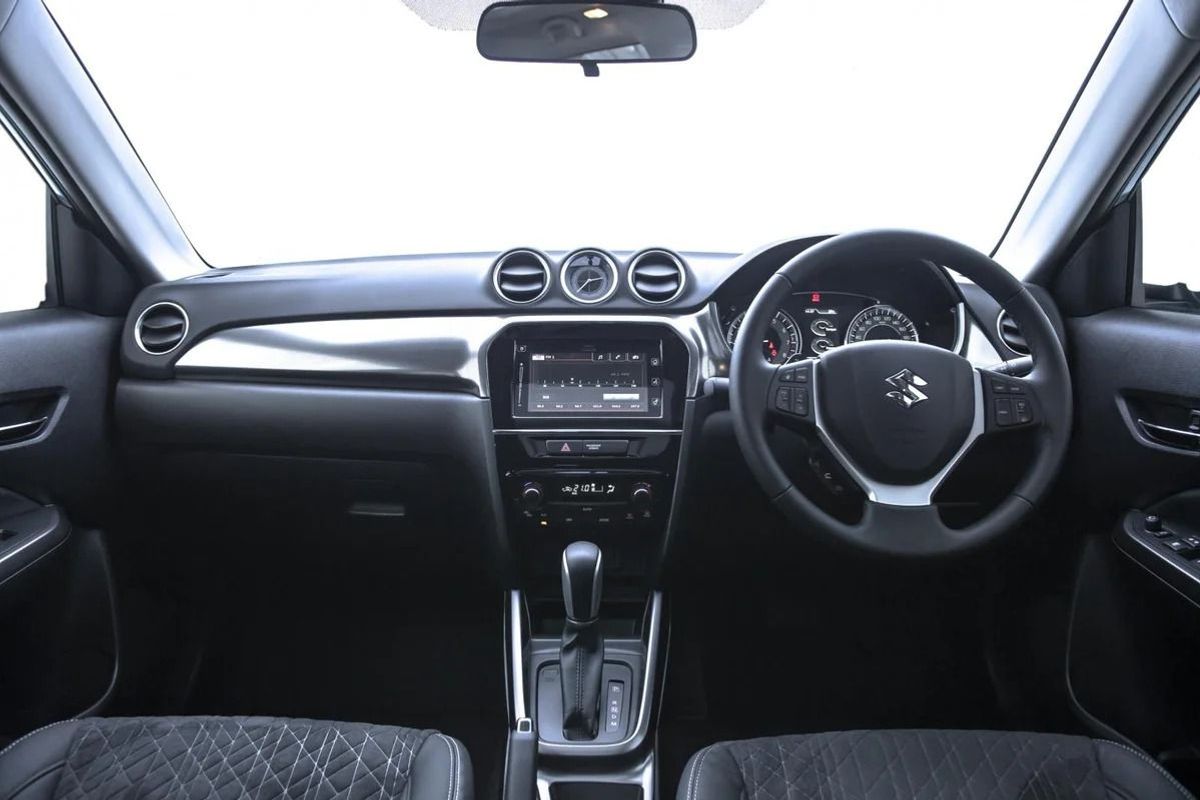
Interior appeal has improved considerably in this new generation Ertiga and build quality is good.
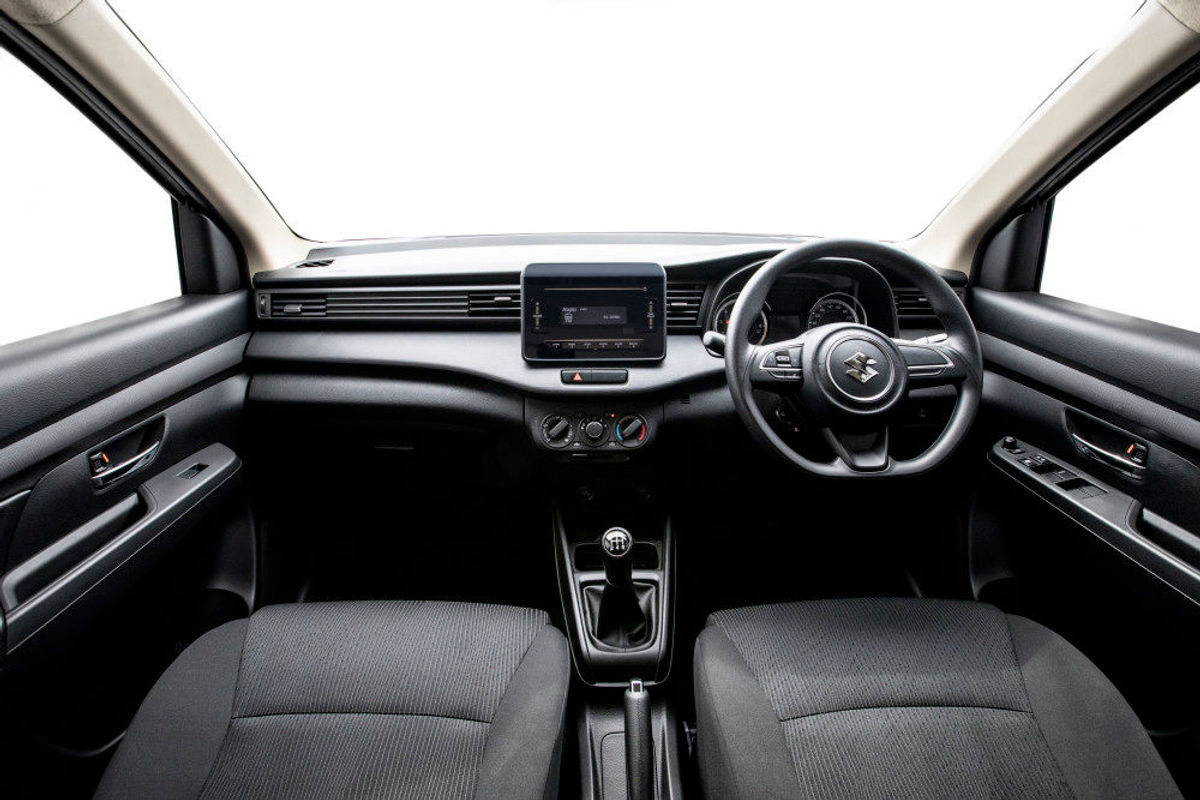
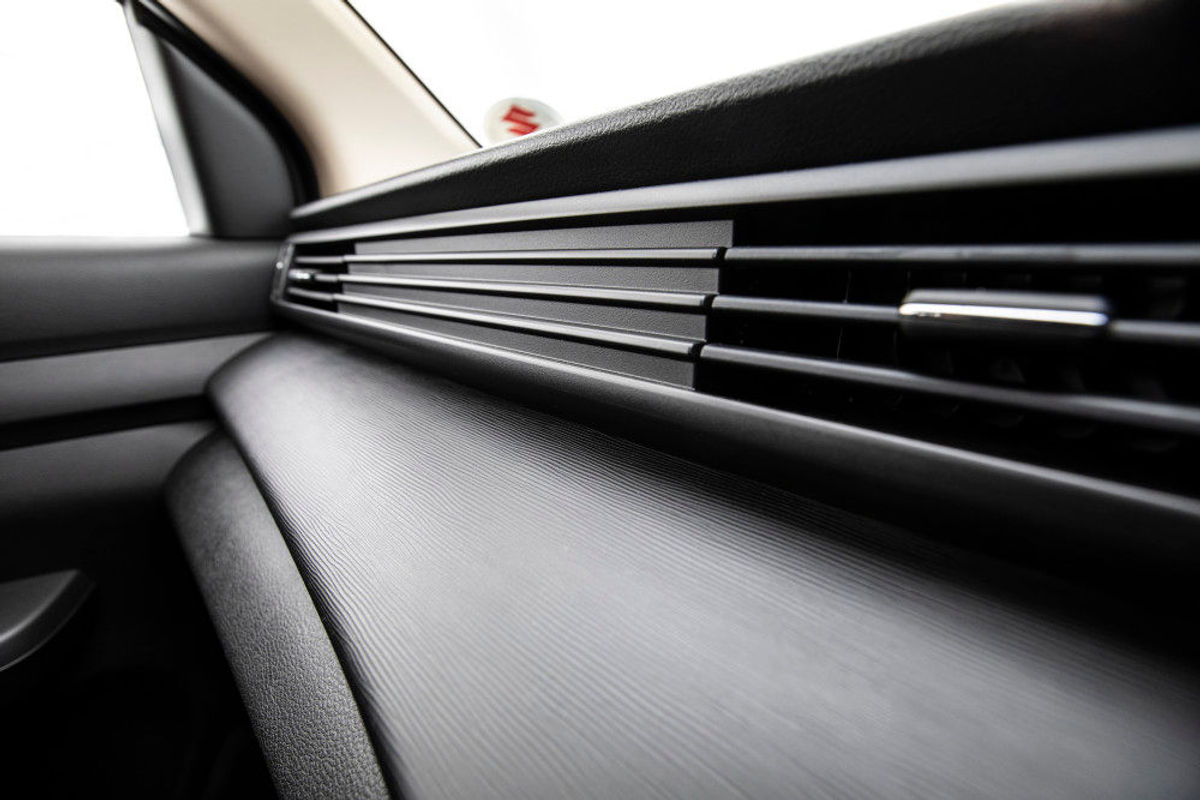
The interior, in our opinion, is a big leap forward over the previous generation Ertiga. The outgoing Ertiga was offered with a rather, dare I say, ugly beige interior. Thankfully, Suzuki has come to its senses and now offers the Ertiga with a black cabin which is more aesthetically appealing. Perceived build quality appears to have improved too.
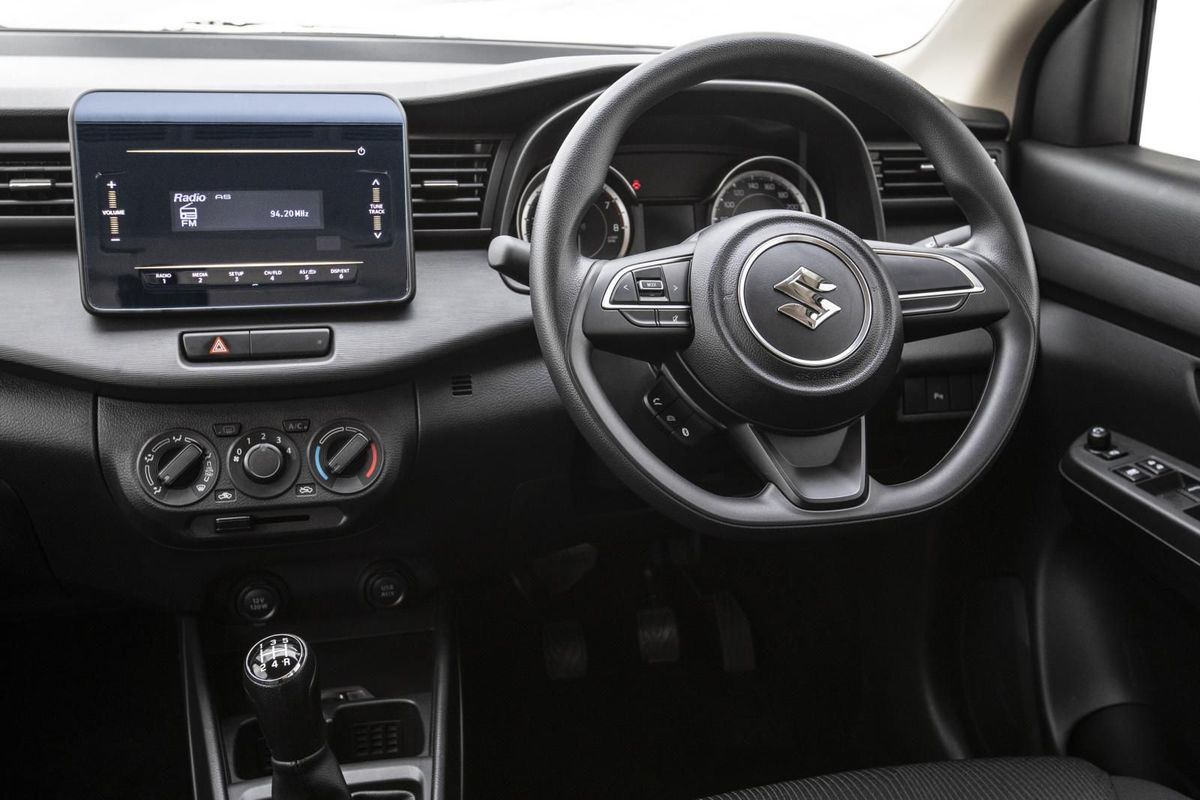
At first glance, you might think that the central screen is a touchscreen infotainment system, but you would be mistaken. It's actually, as Suzuki calls it, a touch panel, housing a rather basic radio system with Bluetooth functionality. It looks fancy, but it's not really. Nice try, Suzuki…
The driver has mounted audio and Bluetooth controls as well as a neat space to store a smartphone along with a USB/Aux input close at hand. Two ventilated cupholders and ample in-door storage are available to passengers and a front and rear 12V socket is also useful.
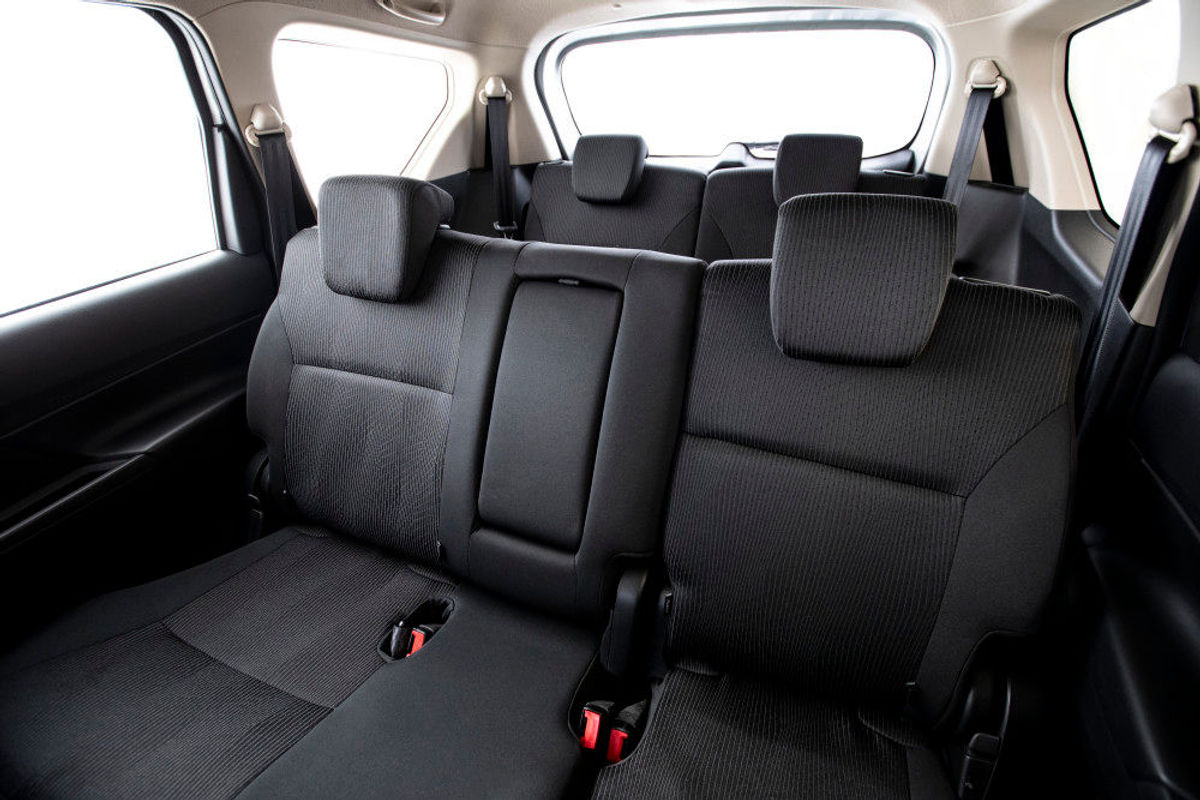
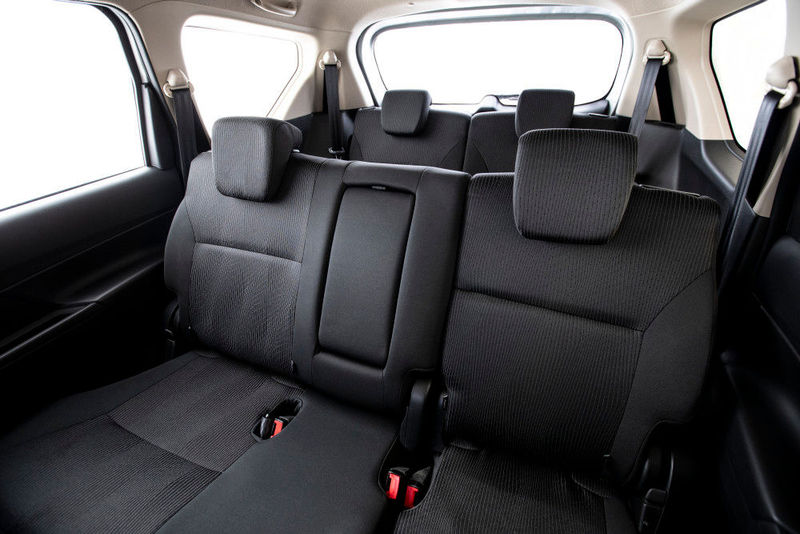
Space for second and third-row passengers is generous. Even adults can sit comfortably in the third row.
In terms of practicality, the Ertiga shines brightly indeed. Second-row passengers are afforded generous space in all directions, and for added comfort, the seats can recline, which is a boon for long distance travelling. There are also dedicated rear air conditioning vents mounted in the roof for those seated in the rear.
The third row of seats are easily accessed by flicking a latch on top of the second-row seat, which then slides forward to allow passengers easy access. Surprisingly, space in the third row is ample, even for adults, which is mightily impressive.
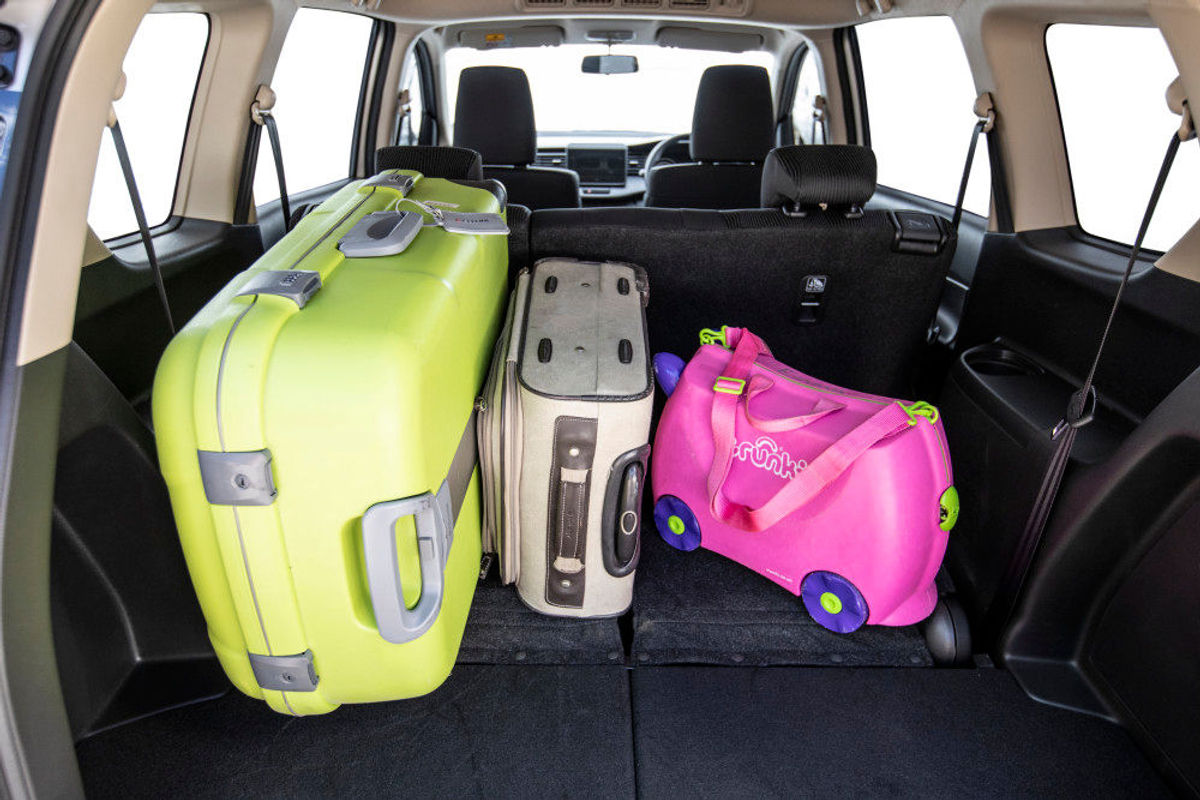
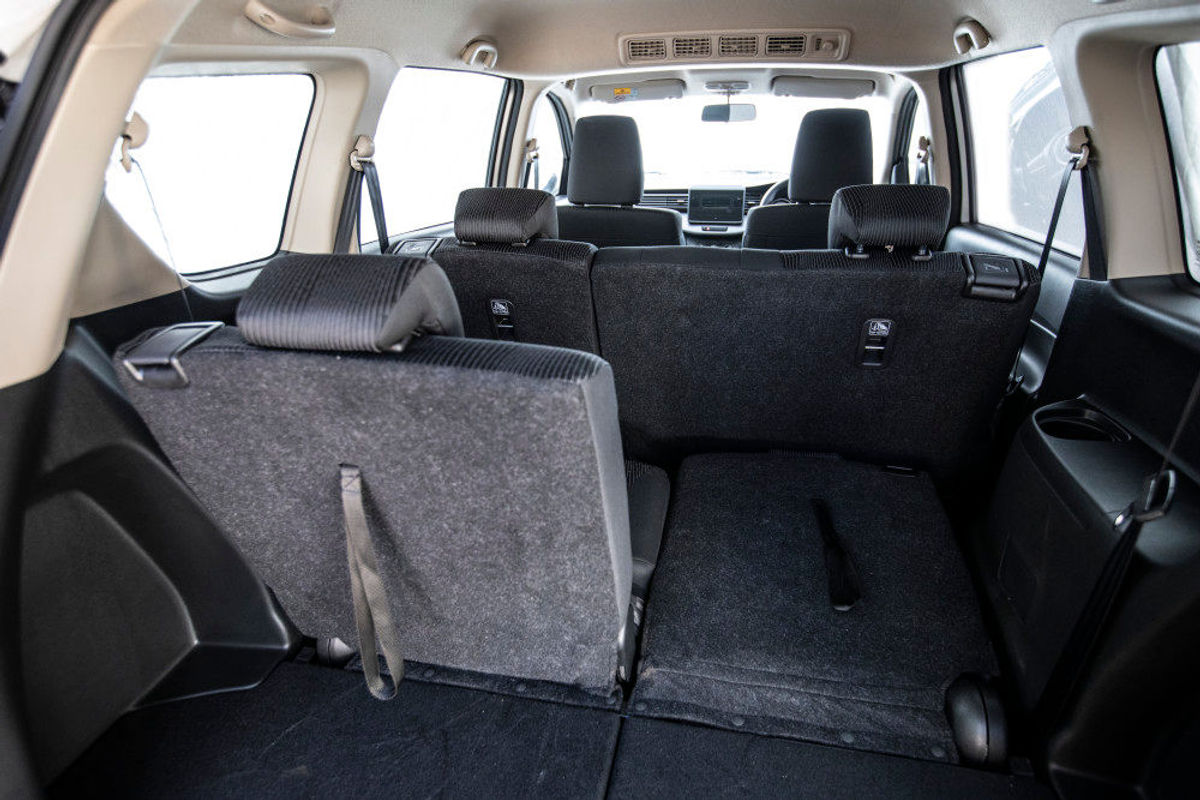
With all the seats in place, the luggage bay offers 153-litres of space but it has a 2-part removable floor which, when removed, makes the load floor deeper, taking the load capacity up to 199-litres.
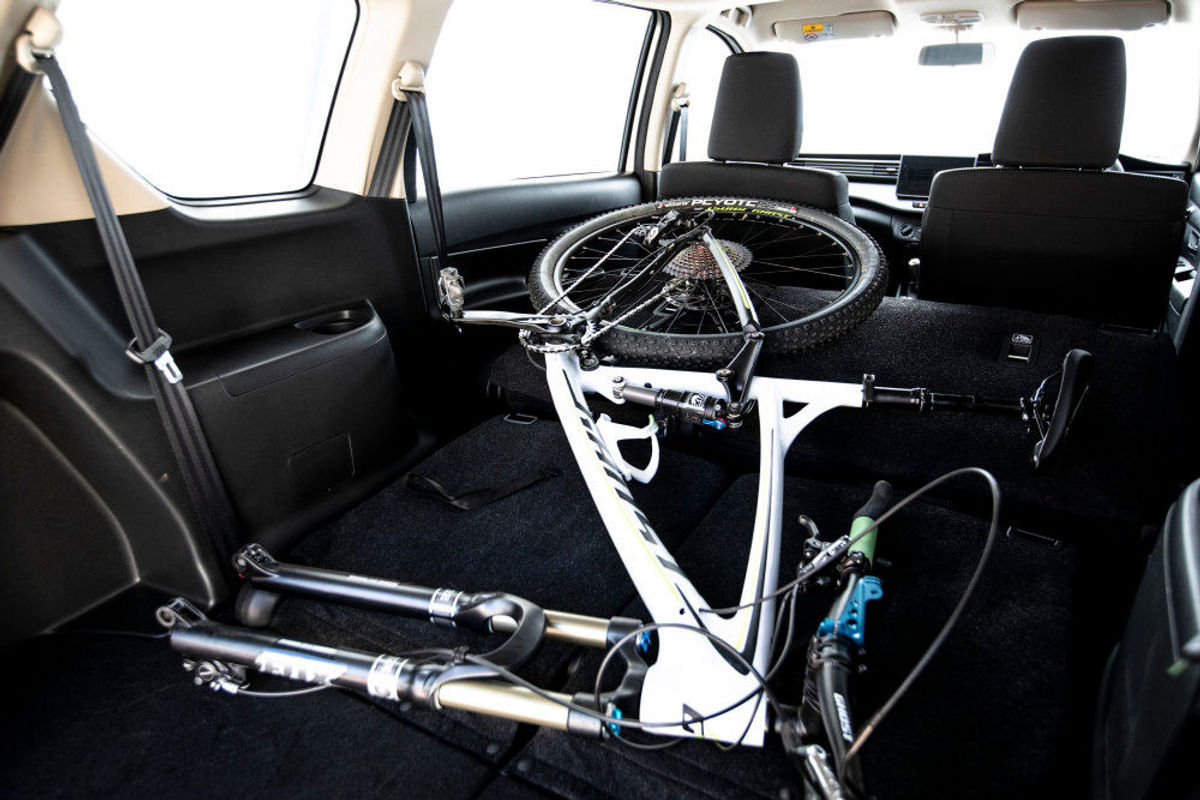
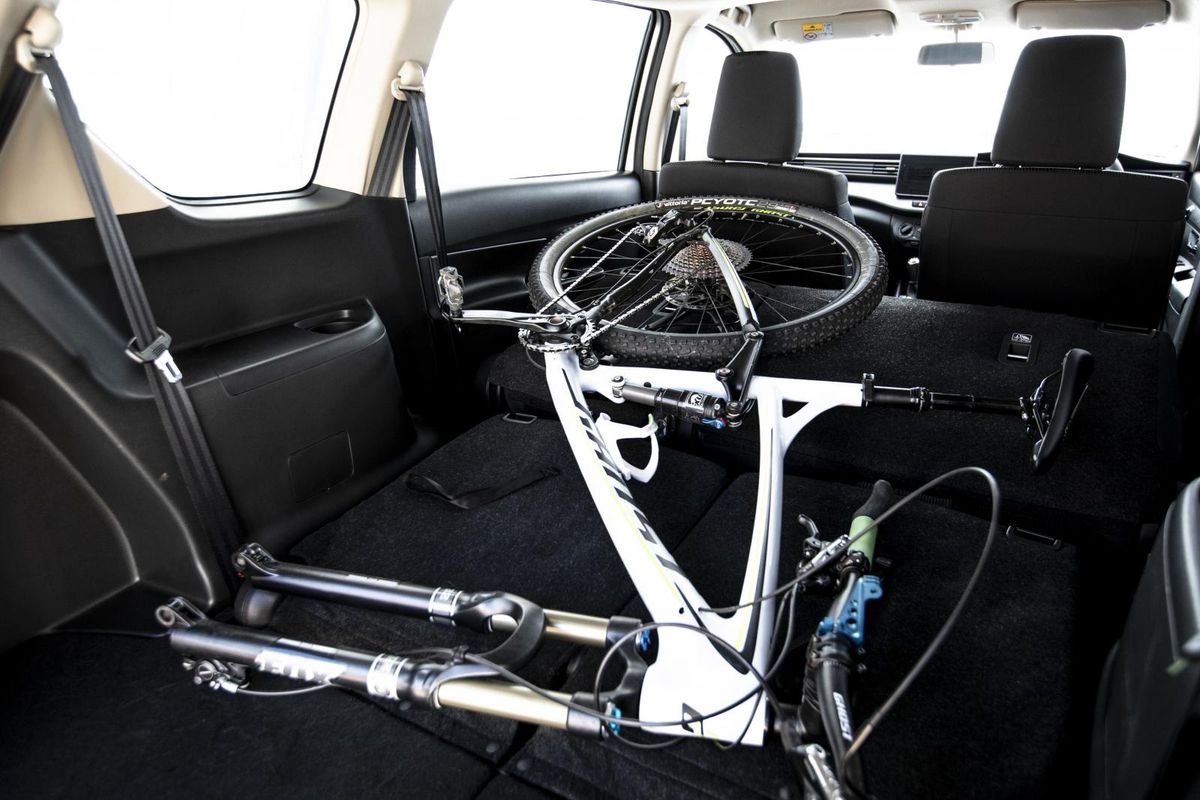
Obviously, load space for larger luggage increases substantially when you fold the third and second-row seats down.
In terms of safety, the Ertiga only offers 2 airbags for the driver and front passenger which could be seen as an oversight for a vehicle designed to carry up to 7 people. ABS with EBD is also standard as is rear parking sensors on the GL derivative.
All-in-all, the Ertiga is a very practical vehicle that is bound to serve both private and fleet owners well.
Should you consider buying the Ertiga?
If you are in the market for a 7-seater people mover then the Ertiga should definitely be on your shortlist.
The short answer is, yes! As you would expect with most new-generation cars, prices go up and this too is the case for the new Ertiga. It is, however, good to know that the new Ertiga has improved appreciably overall which helps to justify its new asking price. The Ertiga is attractively priced against the Toyota Avanza and Honda BR-V (both of which are ageing) and in our opinion, this new Ertiga makes a very strong case for itself in this segment. The Ertiga represents good value as buyers are getting a whole lot of car for their money. Our pick of the range is the Ertiga 1.5 GL manual priced at R239 900.
We will have the new Ertiga on test soon so look out for our thorough evaluation soon.
Suzuki Ertiga – Price in South Africa
Ertiga GA manual – R214 900
Ertiga GL manual – R239 900
Ertiga GL auto – R254 900
The Ertiga is sold with Suzuki's promotional 5-year/200 000km warranty and a 4-year/60 000km service plan.
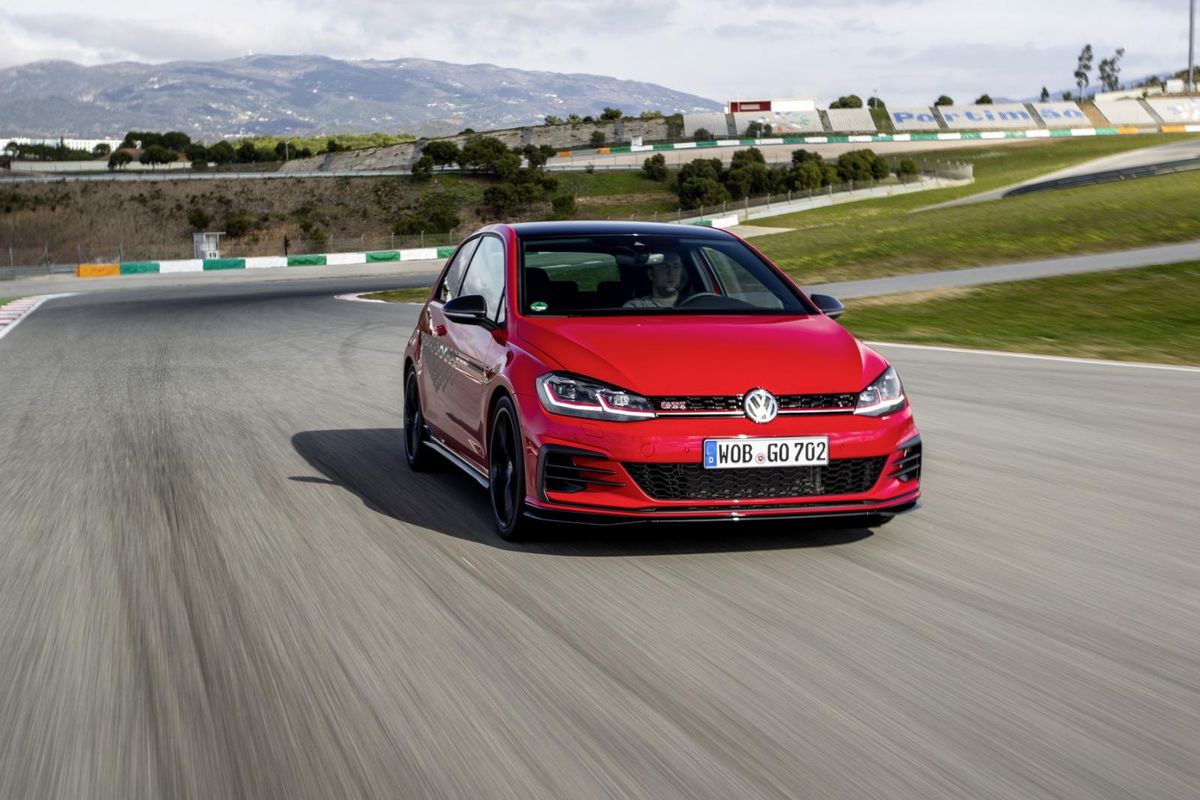
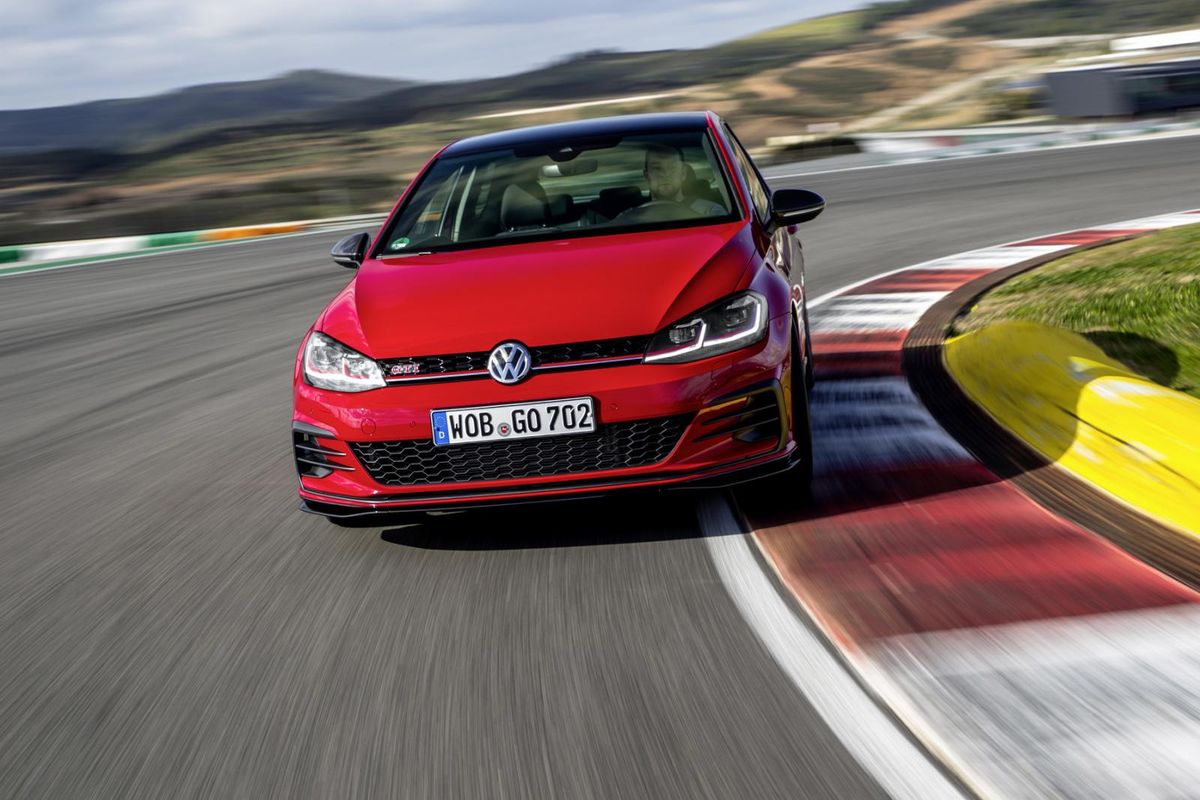
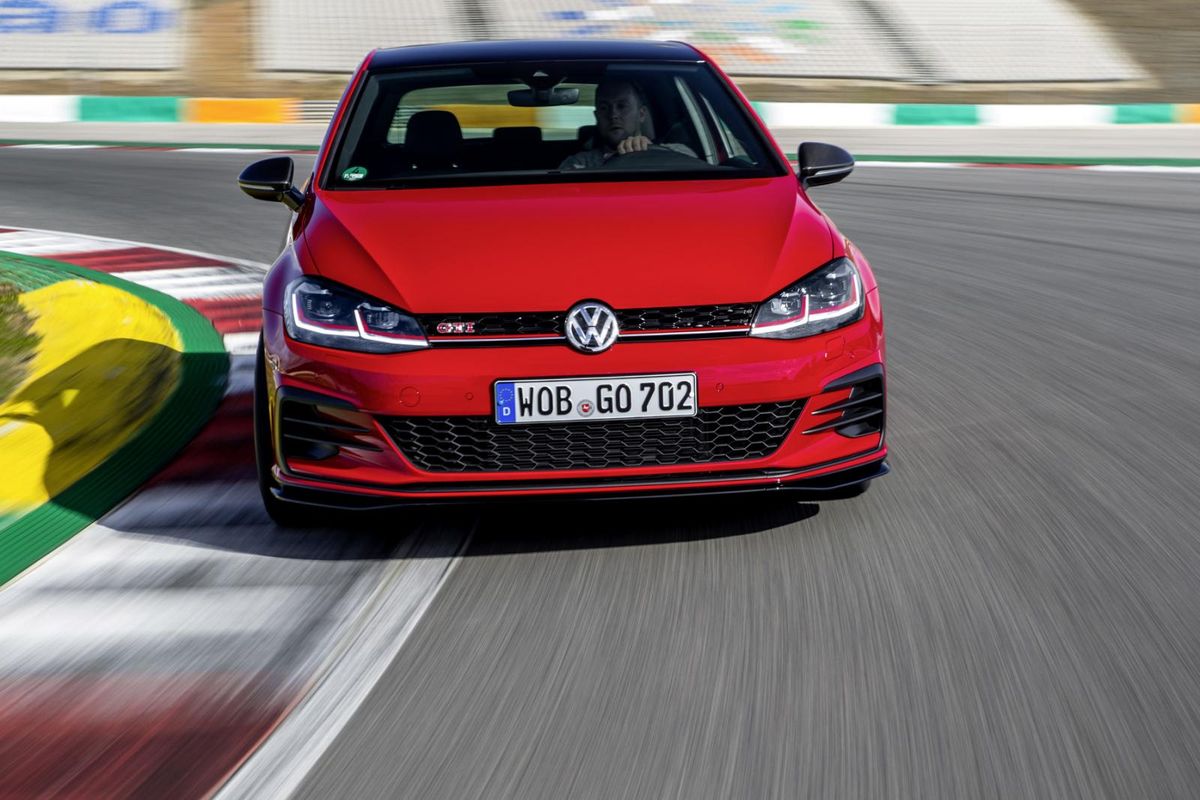
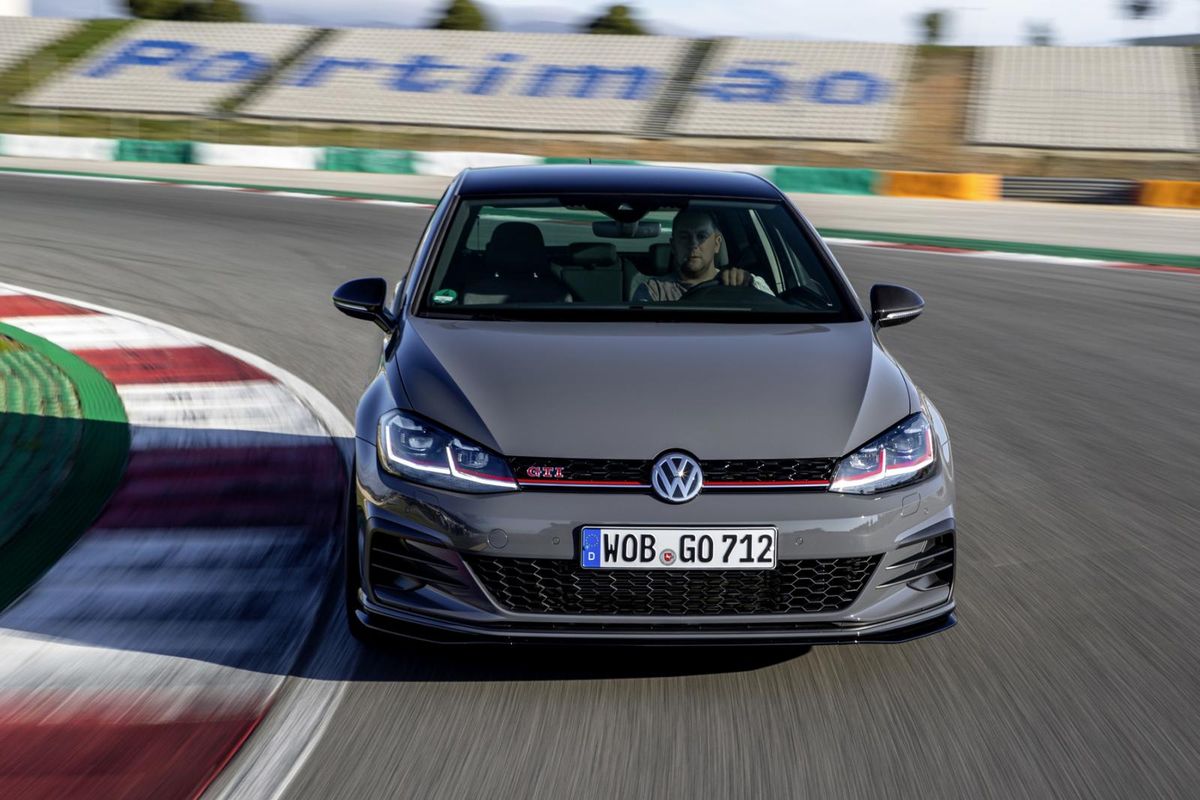
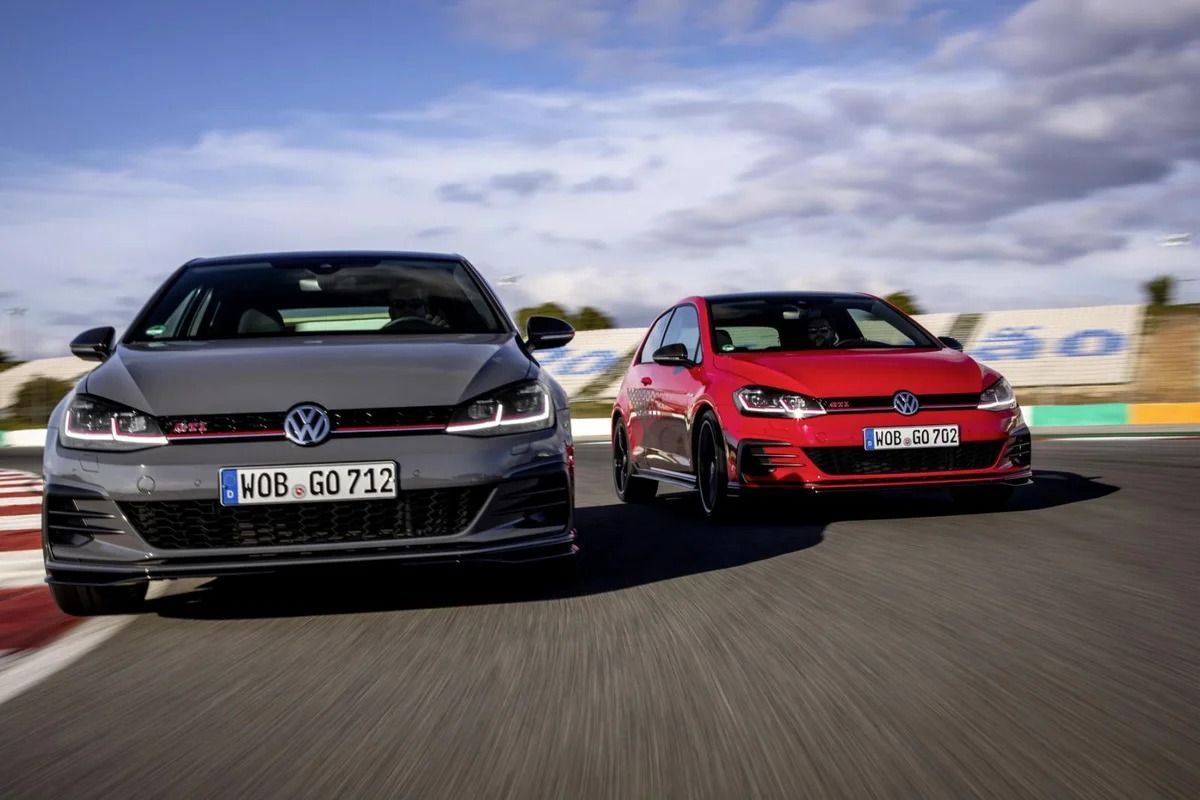
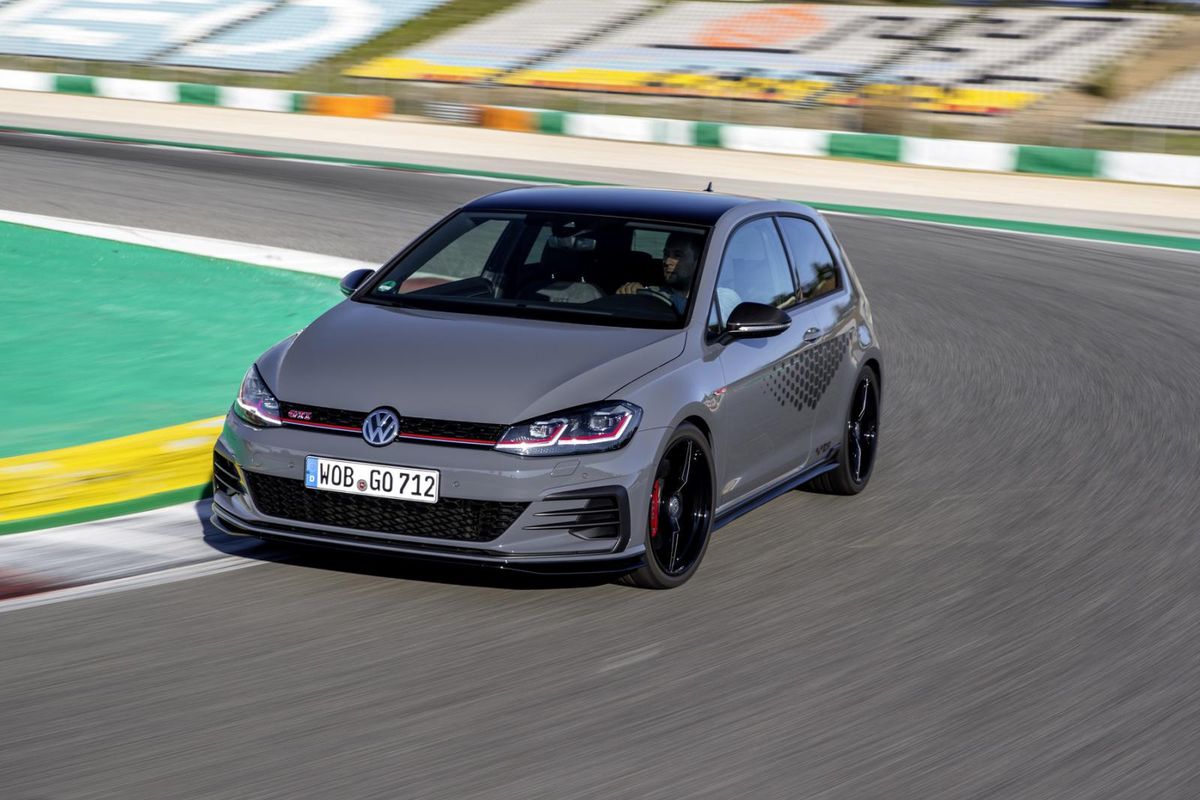
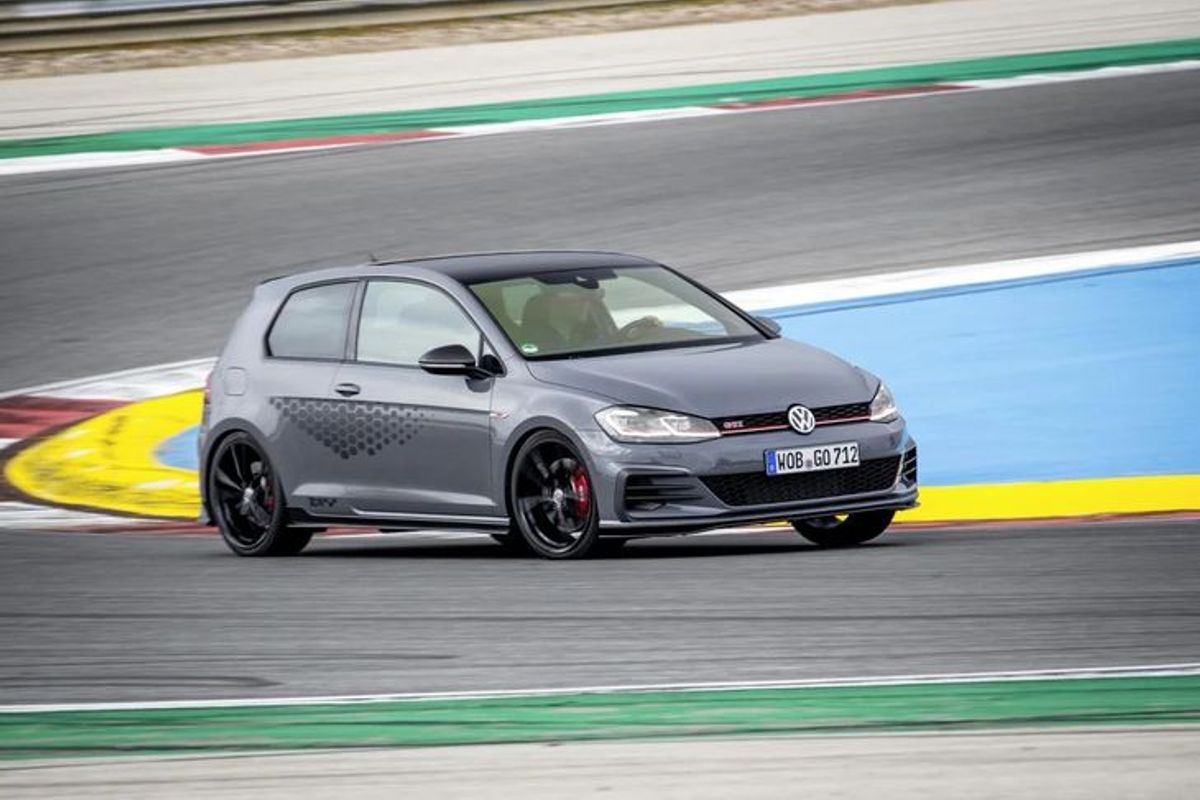
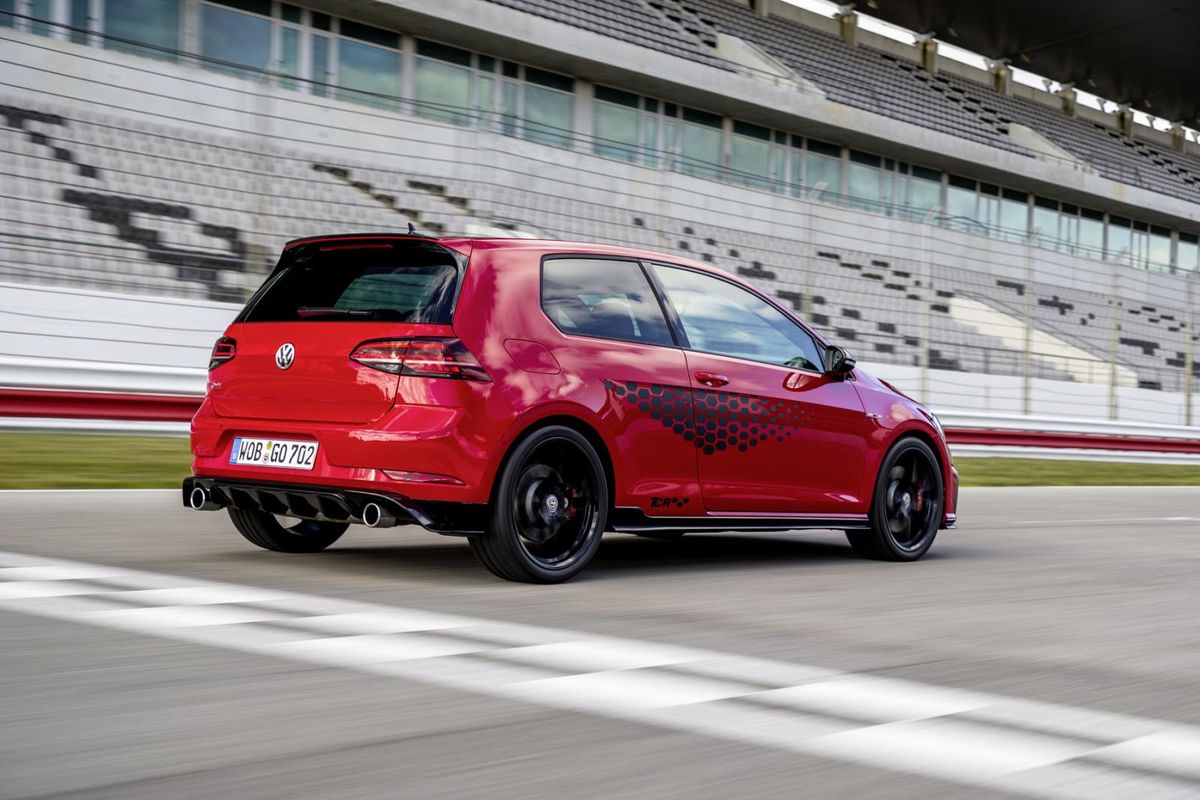
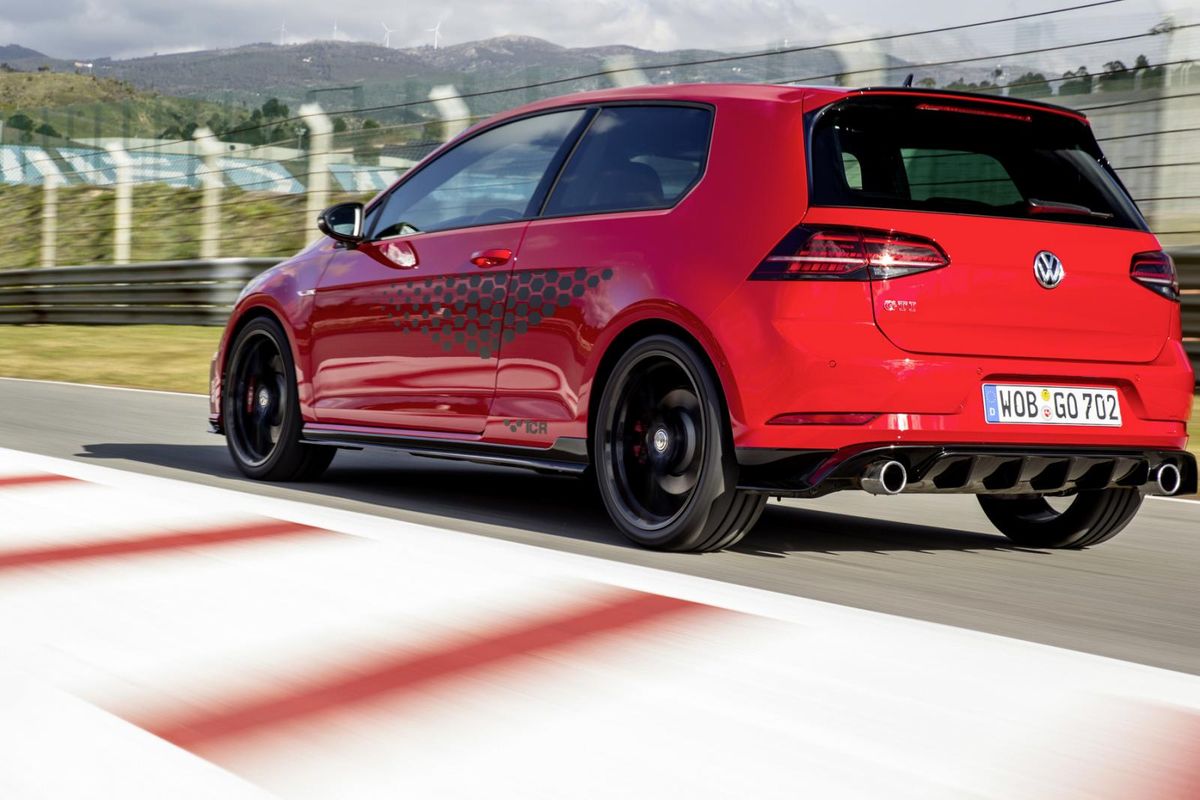
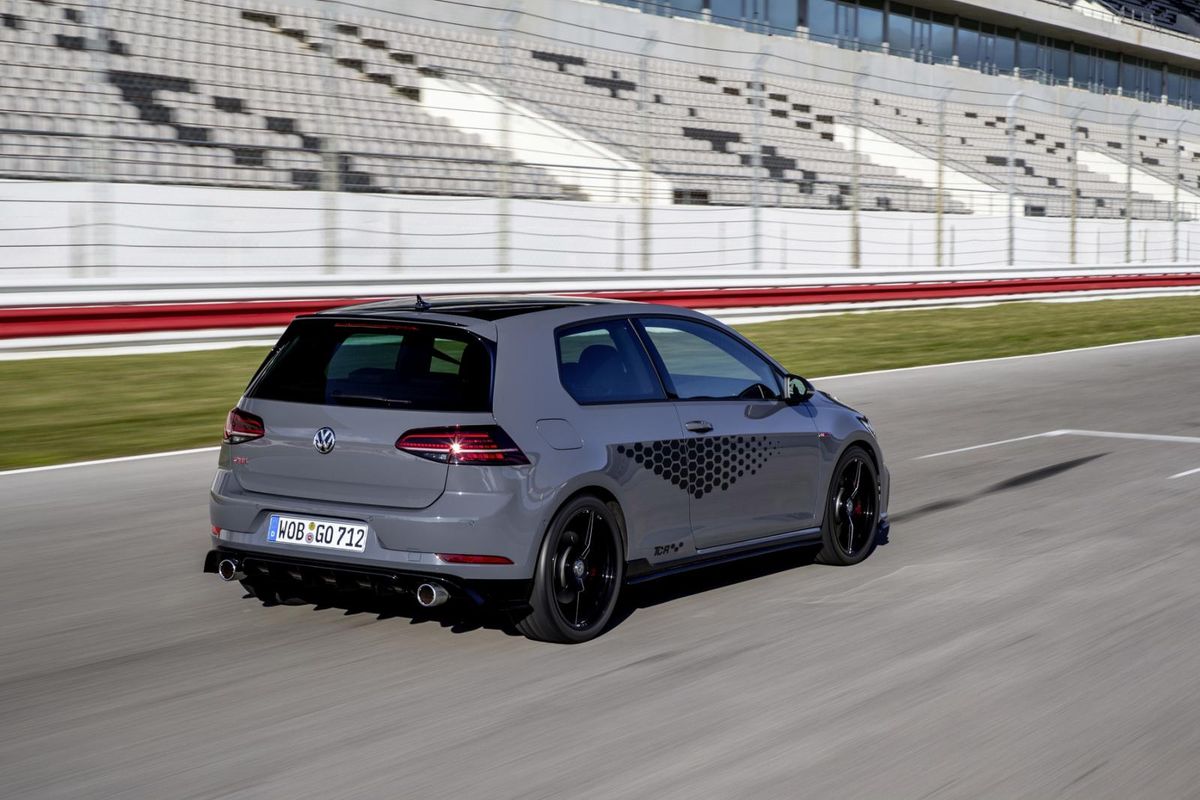
GTI fans will be licking their chops to drive the latest, and probably the last, Golf GTI derivative to come from the popular 7th-generation Golf. This is the Volkswagen Golf GTI TCR!
The eighth-generation Volkswagen Golf is on the way and an official reveal is expected to take place much later in 2019. Nonetheless, Volkswagen recently revealed its latest addition to the Golf GTI family, the GTI TCR.
The Golf GTI TCR shares its name with the TCR series racing car but this road-going TCR version develops no less than 213 kW and 380 Nm of torque from its turbocharged 2.0-litre petrol engine which is mated to a 7-speed dual-clutch transmission. Zero to 100 kph is claimed at 5.6 seconds while top speed is 260 kph (optional).
In terms of outputs, the GTI TCR slots in below the limited edition GTI Clubsport S which offers 228 kW and 380 Nm but with a zero to 100 kph time of 5.8 seconds (top speed 260 kph), the GTI TCR is marginally quicker.
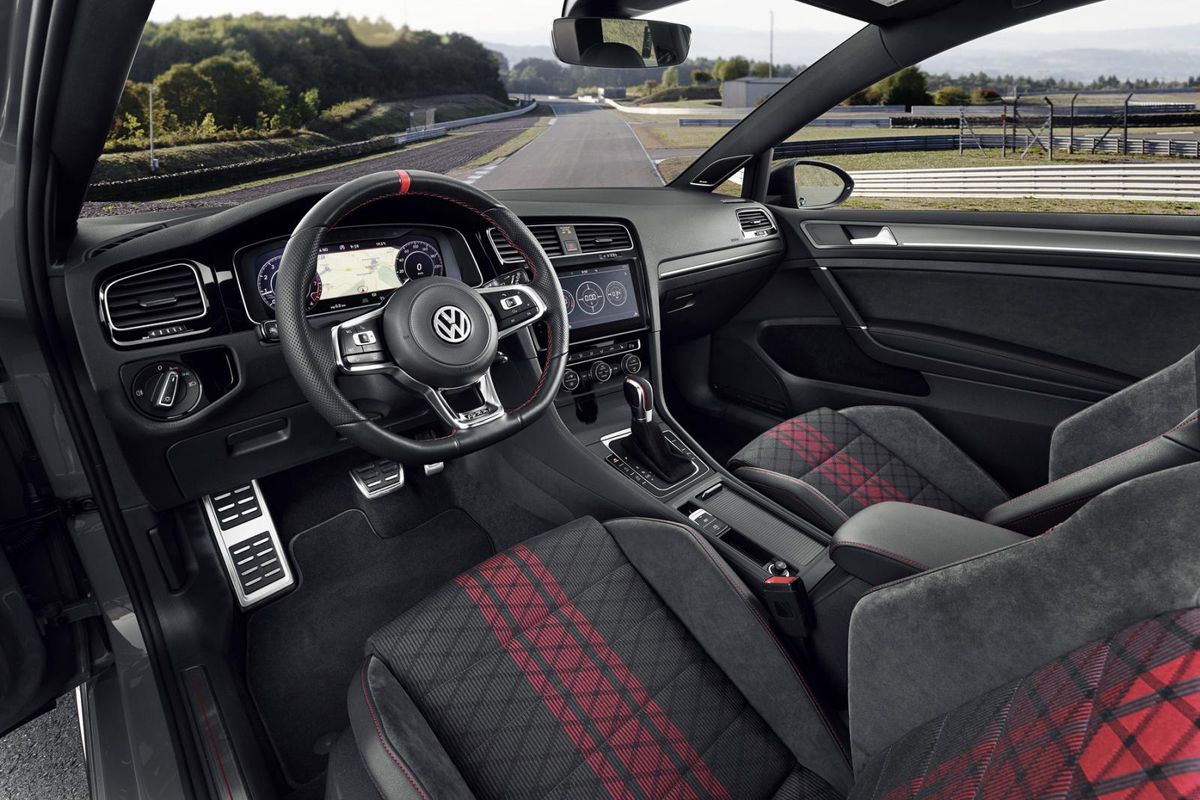
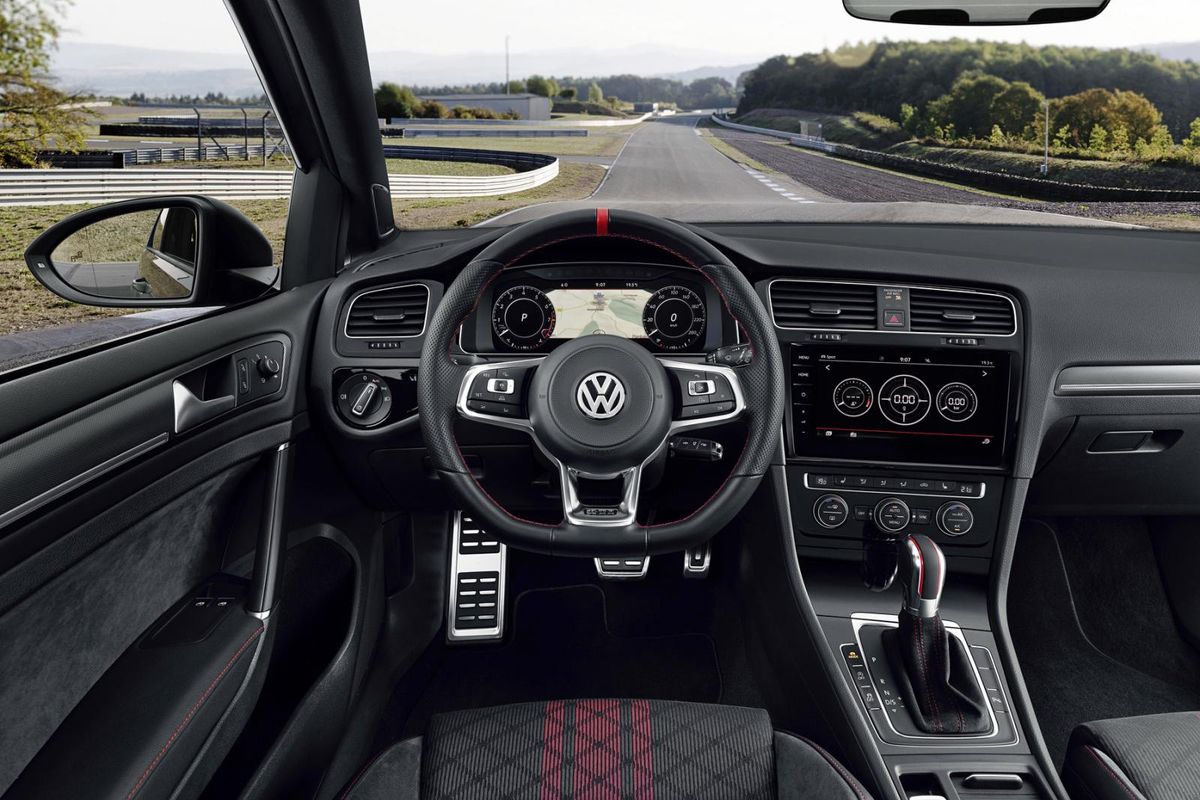
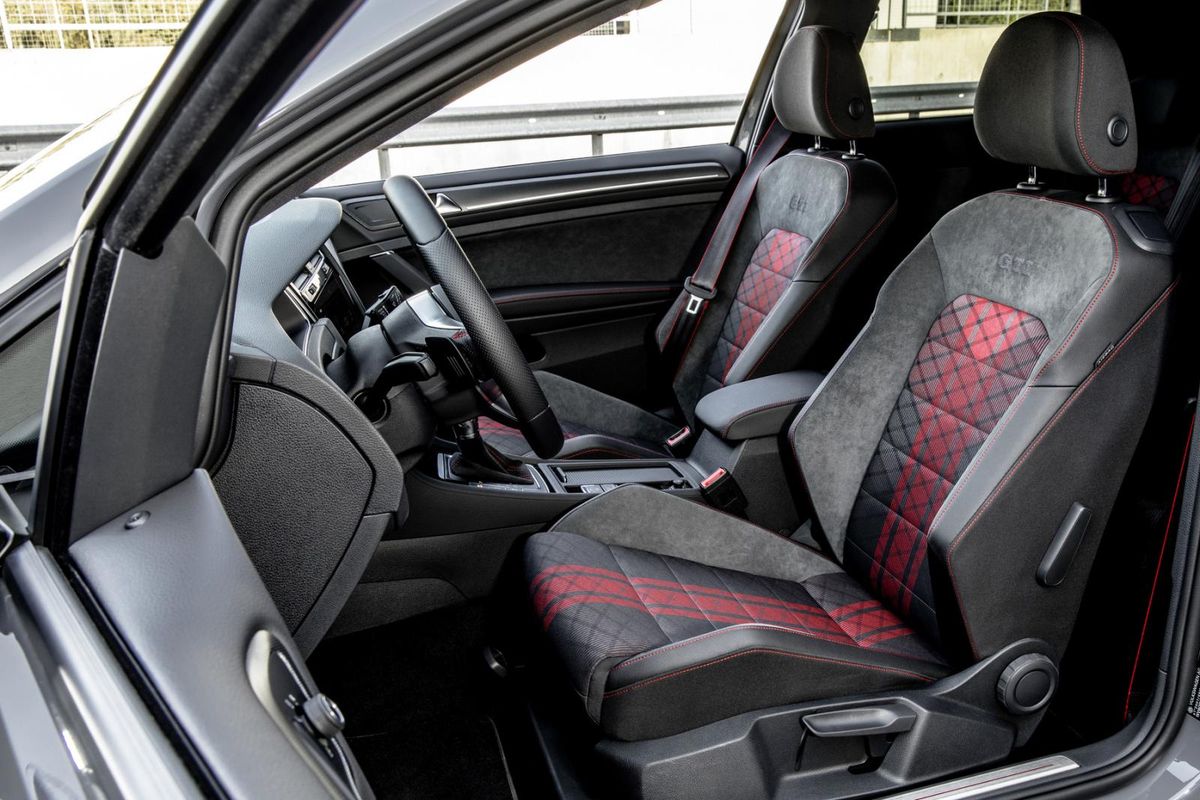
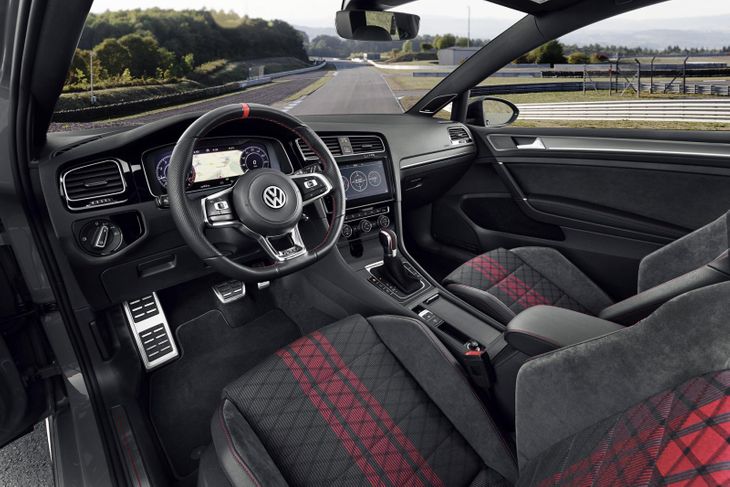
Sports seats and sporty red interior details match the performance credentials of the Golf GTI TCR.
The Golf GTI TCR rides on 18-inch Belvedere forged alloy wheels as standard and is equipped with a front-axle differential lock and perforated disc brakes.
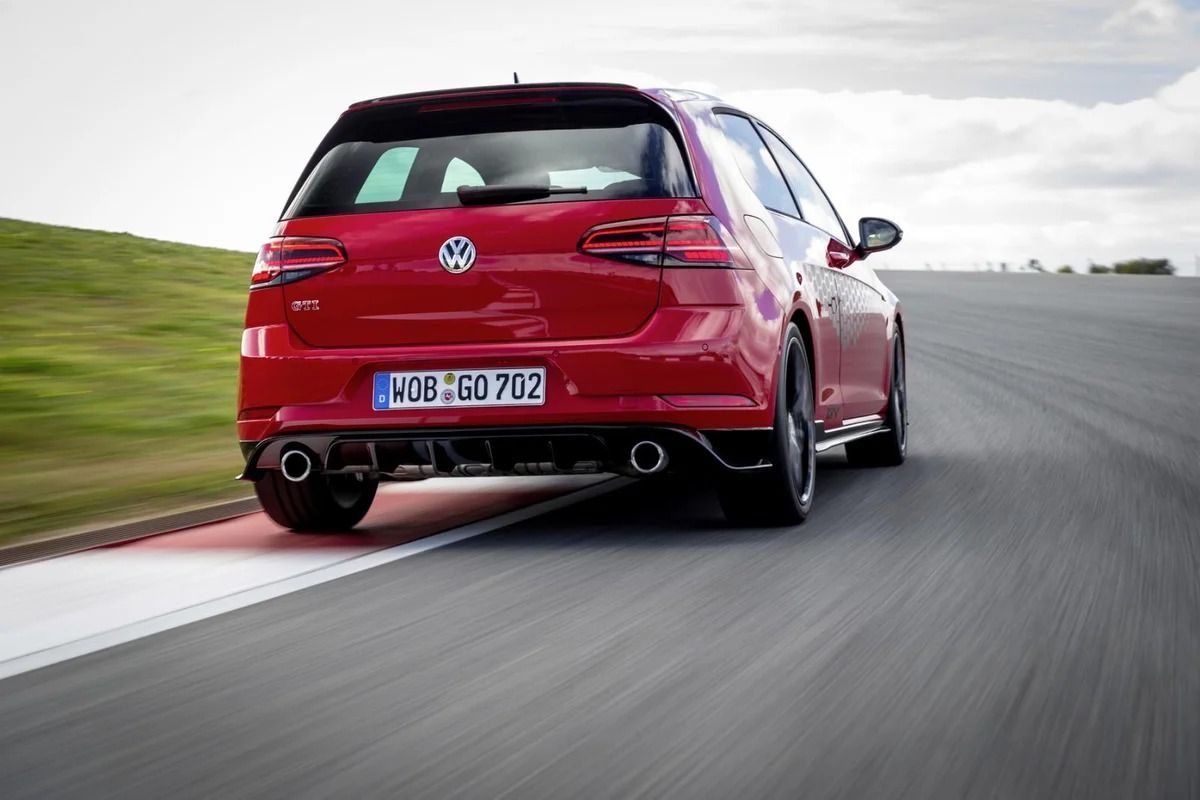
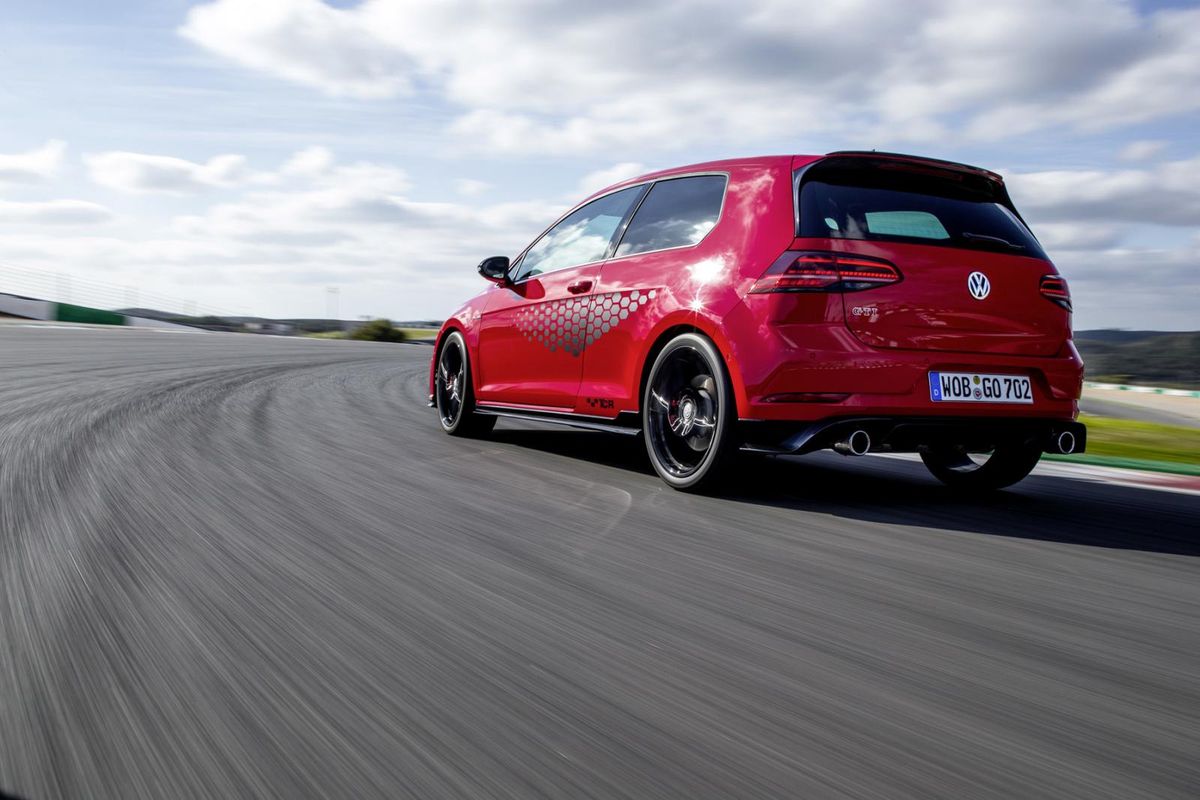
Exterior features include LED headlights, black exterior mirror housings, sill extensions, front splitter, a TCR roof spoiler and a rear diffuser. Additional styling options include a carbon mirror housings, black painted roof, honeycomb decor side panel foils and 19-inch wheels.
The interior features sports seats with a new microfibre fabric design, a perforated sports steering wheel and seat belts with red edging.
Is the VW Golf GTI TCR coming to SA?
Sadly the answer is, no. A local Volkswagen South Africa spokesperson has confirmed that there are currently no plans to introduce the Golf GTI TCR in South Africa. Let’s hope that plan changes…
The eagerly-awaited G20-generation BMW 3 Series has been launched in South Africa. The 3 is BMW's bread-and-butter model, which means it was critical for the Bavarian brand to build on the strengths of its business class sedan (as well as address the F30's shortcomings). Does BMW's newcomer now stand well clear of its rivals? Read on…
What's changed?
Following on from the successful F30, the BMW (G20) 3 Series offers 50:50 weight distribution, a lower centre of gravity and a wider front track. Apart from notable mechanical changes, the 3's wheelbase is a tad longer, which benefits interior space, and the newcomer is based on the brand's CLAR platform, which has led to increased body rigidity (torsional stiffness). The design is unmistakably BMW, mostly due to the imposing grille and striking side profile. The look is upmarket and smart, and when adorned with large rims and an eye-catching paint finish, the new 3 looks the part!
BMW sold in excess of 15 million units of the G20's predecessors, therefore it's imperative that it continues the 3 Series' tremendous run of form. The German manufacturer is claiming its 8th consecutive year of record sales and is predicting a similar performance for 2019…
The new-look 3 Series is unmistakably BMW, yet shows off an advanced look
South African 3 Series strategy
Sadly, South Africa no longer produces the 3 Series (the E30, E36, E46, E90 and F30 generations rolled off the line in Rosslyn). The G20 is sourced from BMW Group's plants in Munich, as well as San Luis Potosi, Mexico. BMW now produces the X3 executive SUV on local soil, however.
From launch, there are 2 derivatives available: a 320d and a 330i. From September 2019, the BMW 3 Series line-up will be expanded with the introduction of a 320i, M340i xDrive, and 330d. The introduction of a plug-in hybrid 330e is unconfirmed at this stage. There has been no confirmation from BMW in terms of the ETA of the M3, but we estimate a reveal in 2019, with a South African market introduction in 2020.
The BMW 3 Series has always been referred to as the dynamic leader in the luxury sedan segment and the G20 simply has to deliver.
Engine line-up
We had the opportunity to sample both the petrol-powered 330i and turbodiesel 320d. Long gone are the days when a 30i designation meant there was a straight 6 under the bonnet… Instead, the 330i is powered by a 2.0-litre 4-cylinder turbocharged mill, assembled using BMW's modular engine architecture. Power is rated at a healthy 190 kW and 400 Nm, which is sufficient to sling this Bavarian from 0 to 100 kph in a claimed 5.8 seconds. The diesel-powered 320d is a brisk performer with its 140 kW and 400 Nm, and will achieve the same sprint benchmark in a claimed 6.8 seconds.
Both variants are driven by their rear wheels and power is channelled to the tarmac via an 8-speed automatic transmission. Now in its 3rd iteration, the ZF-sourced transmission has received updates in the form of shorter gearing for the lower ratios, faster shift times, and an improvement in overall refinement. Fear not, the satisfying thud as you click through the gears using the steering wheel-mounted paddles has been retained.
While the engines are not all-new, BMW claims they've been refined and deliver more power and torque, reduced fuel consumption and emissions, and are physically lighter. Speaking of fuel consumption, the 330i is said to consume 6.4 L/100 km, but the 320d is your economy champion, with a claim of just 4.6 L/100 km. Granted, we were pressing on during our test route and didn't use the Economy mode, yet we still achieved mid-5s.
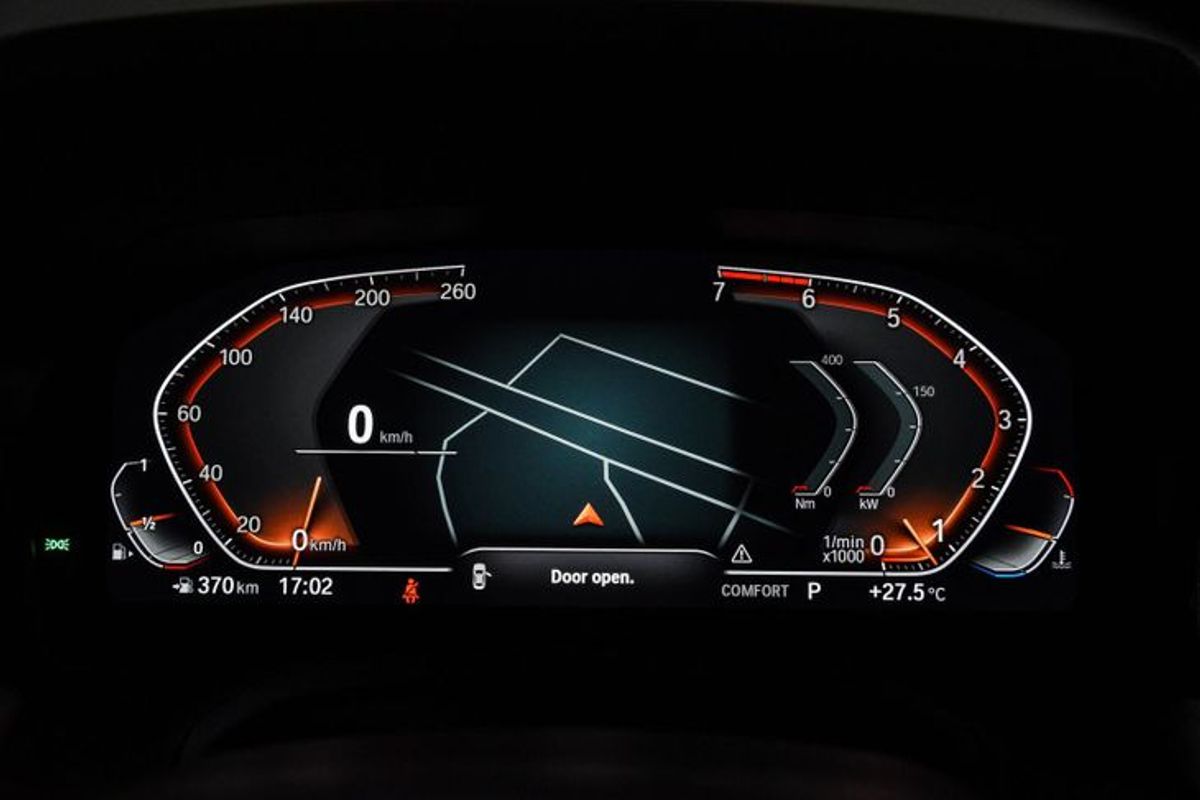
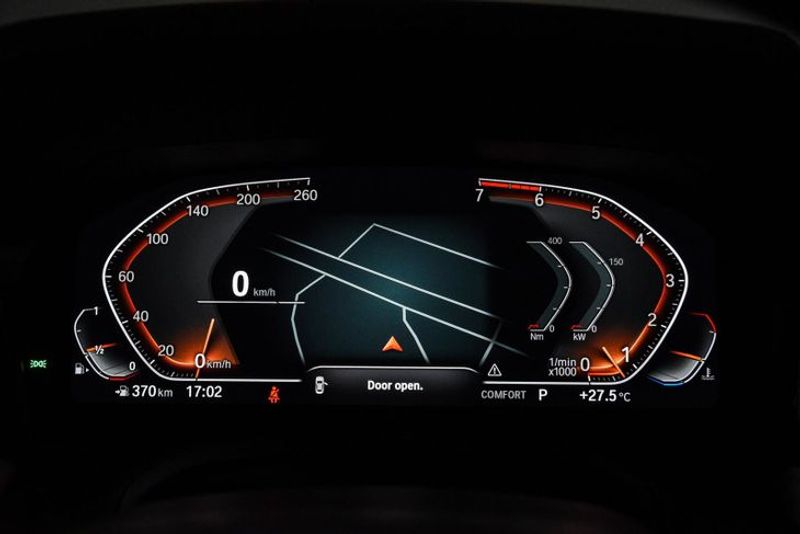
The digital dashboard is a massive step up for BMW and we love this look!
The cabin and tech
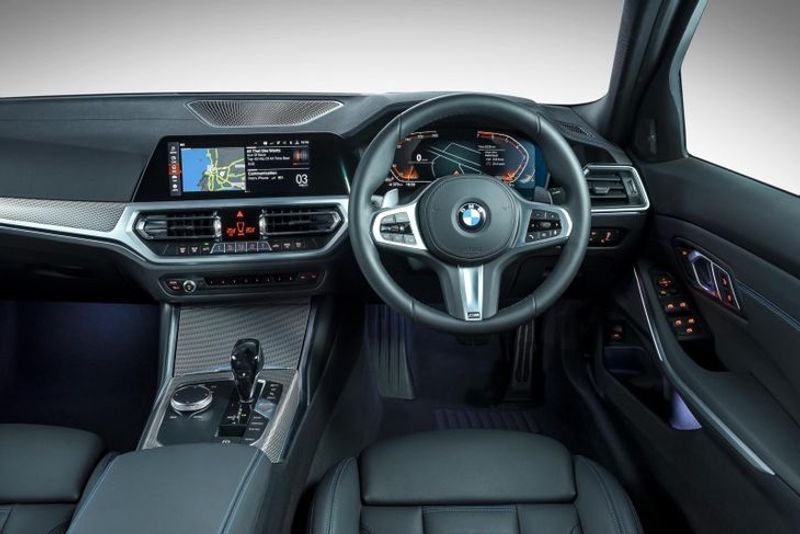
One area in which BMW really needed to improve dramatically on the F30-generation 3 Series was the business-class sedan's cabin execution. Outgunned by the Audi A4 with its Virtual Cockpit digital instrumentation and solidly-made, minimalist layout, as well as the technology on offer in the revised Mercedes-Benz C-Class, the outgoing 3 Series' cabin felt underwhelming and outdated. This has changed and now we'd argue that BMW has taken the digital dashboard concept and leapfrogged its rivals to boot. The traditional round dials have been replaced by some fresh and modern looking gauges and while our OCD was mildly tweaked by the idea of a counter-clockwise rotating rev counter, it really looks the part.
The cabin is well finished and luxurious
On the centrally-mounted infotainment screen, you're likely to immediately notice the all-new (7.0) user interface. Looking decidedly like (and offering a user experience akin to) a tablet device, it's clearly meant to woo tech-savvy users. The system boasts gorgeous graphics, a slick, intuitive interface and is receptive to both touch inputs and gestures, which means you can change tracks and adjust the volume by moving your left hand. A fair degree of semi-autonomous driving tech has been introduced as well, and while you can take your hands off the wheel for a few seconds and the car will automatically accelerate/brake and follow the road, the tech is still in its infancy and best used on highways (with clear road markings).
The cabin receives a massive makeover and can no longer be accused of being stale
What's it like to drive?
For decades, an engaging driving experience has been part and parcel of 3 Series ownership – we'd even go so far as to say it was a pillar of its success. While most premium-badged sedans in the market have prioritised luxury and comfort above all else, BMW maintained there had to be a fair degree of sportiness to the "3 Series driving experience", but without overtly impacting on comfort. As a result, the 3 has always been a suitably premium sedan with a rear-wheel-drive layout (in SA), a spirited engine, and suspension- and steering configurations tuned to facilitate dynamism.
Everything has been meticulously thought through, both inside and out
The good news for prospective buyers of the G20 3 Series is that BMW's business-class sedan is still a capable and spirited performer. Even in something as simple as a 320d, you can make the most of the punchy engine, which sounds most unlike a turbodiesel, by the way… BMW's engineers have all but dialled that nasty diesel clatter we've come to associate with oil-burners. With a wider track at the front and notably sharp steering, the car responds beautifully and the steering is reassuringly direct. The 'wheel rim itself is still a tad too thick for our liking, however.
Switch from Comfort to Sport, and the steering firms up nicely. The Comfort setting makes the 'wheel's action nicely light for town driving, which we appreciate, but when you feel like wielding the 3 at pace (and you will), the Sport mode adds a weightier feel to the tiller. Grip levels are impressive; we frequently found ourselves approaching personal limits long before the car showed signs of losing grip, which speaks volumes of the sedan's inherent handling balance. Also, thanks to the 50:50 weight distribution and sporty suspension, the car feels agile and eager to respond to inputs.
Pick your tyres and wheel size carefully, as they can affect the ride quality. Or invest in the adaptive dampers.
The G20-generation 3 Series' general on-road refinement is good too, but we did notice something on our evaluation drive. The 330i demonstration unit was fitted with the M Sport suspension and shod with bigger wheels, which were, predictably, wrapped in low-profile rubber. On excellent quality smooth tarmac, the newcomer's ride quality is superb. However, on poor tarmac, which is rutted or cracked (or has tree roots burrowing underneath it), you'll feel some harsh jolts through the cabin. The ride is firm, so be mindful when speccing your wheels and although we haven't sampled it, we'd suggest ticking the options box for adaptive damping. There was also a fair amount of road noise, but that is a tyre issue, not a 3 Series one.
Is this the best business class sedan?
The pervading impression that the G20 instils is one of accomplishment. It seems everything (inside and out) about the 3 Series was meticulously thought out and engineered. Because the product brief for the new 3 Series was so… pernickety, ostensibly every decision affecting its development was finely calculated (almost as if with minimal emotional attachment). One does not simply mess with the formula for BMW's bread-winner model…
We spent a considerable amount of time behind the wheel of the BMW 320d and 330i. 320d is our pick for now.
While we're really excited by the prospect of driving the M340i xDrive and, eventually, M3 derivatives of the G20-generation BMW 3 Series, we're happy to report that the volume-selling versions are more than capable of delivering driver-focused thrills, irrespective of their trims or powerplants. We have particularly fond memories of the 320d, which gently carved through some gorgeously-crafted ribbons of asphalt of the Western Cape.
At times, we've encountered halo model derivatives that completely overshadow their base-spec brethren (we see you, Alfa Romeo Giulia), but, even though we've yet to sample the next-generation M3, which is still a while away, or a production version of the M340i xDrive (it'll come to SA later in 2019), even the 320d is an admirable driving tool. And, as for its petrol-powered 330i sibling? While we did enjoy the linear power delivery of the 330i's smooth motor, we're pretty certain the best efficiency is to be had with the oil-burning derivative. Incredibly, they retail for the same price.
Given the advances to the popular Mercedes-Benz C-Class (traditionally, an arch-rival to the 3 Series), we thought we'd have a bit of a closer fight on our hands, but if first impressions are anything to go by, the Three-pointed Star has its work cut out for it when we eventually do the comparison test. We've yet to sample the facelifted version of the Audi A4, but it now seems a bit staid and sterile compared with the G20. You can bet Benz, Audi and other premium marques are hard at work trying to develop next-generation models that will match the G20. The 3 Series is back, and how.
Its a big leap for the 3 Series and an even bigger leap for the segment.
BMW 3 Series Price in South Africa (March 2019)
BMW 330i
Standard Model R649 000
Sport Line Model R672 600
M Sport Model R697 400
Sport Line Launch Edition R664 000
M Sport Launch Edition R694 000
BMW 320d
Standard Model R649 000
Sport Line Model R672 600
M Sport Model R696 400
Sport Line Launch Edition R664 000
M Sport Launch Edition R694 000
To celebrate Opel's 120 years, the local arm of the brand has released the Corsa 120Year Special Edition, which goes on sale from the middle of March 2019.
The Opel Corsa is a solid player in the compact car segment. In 1.0 T Enjoy spec, it bagged a category win in our Cars.co.za Consumer Awards – powered by WesBank event in 2017. However, the game has moved on significantly, and there are updates to established players and new contenders for the plucky Corsa to deal with.
With the market challenges in mind, Opel has launched the Corsa 120Y Special Edition, which is based on the Corsa Enjoy, but with a few additional features. It retains its 1.0-litre turbocharged 3-cylinder motor which produces 66 kW and 170 Nm. It should be reasonably frugal at the pumps, with a claimed consumption figure 4.6 L/100 km.
Safety & Convenience:
Rear-view Camera
Front & Rear Park-Assist
ABS / ESP / HSA
Driver & Passenger, Front Seat Side & Curtain Airbags
ISOFIX Child Seat Anchorage
Anti-Theft Alarm & Immobiliser
Remote-Controlled Central Locking
Connectivity:
7-inch touchscreen Opel IntelliLink Infotainment System with Apple CarPlay and Android Auto
6 Premium Speakers
Styling:
16-inch Gun Metal Silver Alloy Wheels
Upgraded 'Allure' Cloth Trim
Unique 'Opel' Door Sill Plates
Stylish Beltline – Chrome Moulding
Velour Floor Mats with Embroidered '120Y' Logo
Economy:
Urban (l/100 km) – 5.6
Extra-Urban (l/100 km) – 4.1
Combined Cycle (l/100 km) – 4.6
Opel Corsa 120Y Special Edition Price in South Africa (March 2019)
The second generation of the Suzuki Ertiga has launched in South Africa. Here are the specifications and pricing for the budget-friendly people carrier.
The Suzuki Ertiga is an affordable and sensible MPV. Now in its second generation, the 7-seater has just gone on sale in South Africa.
“Our engineers and designers have worked hard to create an MPV that truly delivers on its paper promises. There is more space, and even adults can comfortably use the third row of seats. There is also more power from the new 1.5 litre engine and it sports a higher specification level throughout the range,” says André Venter, divisional manager for sales and marketing at Suzuki South Africa.
The Ertiga has grown in length by 130mm, lifted the roof by 5mm and the vehicle is now 40mm wider, all of which makes for more space. The second row of seats can fold down 60/40 style and third row in a 50/50 fashion and when both sets are down, up to 2.820 metres of space is available with the front passenger seat also folded flat. Does anyone need to transport curtain rails?
“We believe that a true seven-seater has to comfortably accommodate adult passengers in the third row. With the deep floor, more hip space and larger shoulder room, an adult passenger of up to 1.75 m will be seated comfortably, even on longer journeys,” says Venter.
Features
The Suzuki Ertiga 1.5 GL cabin
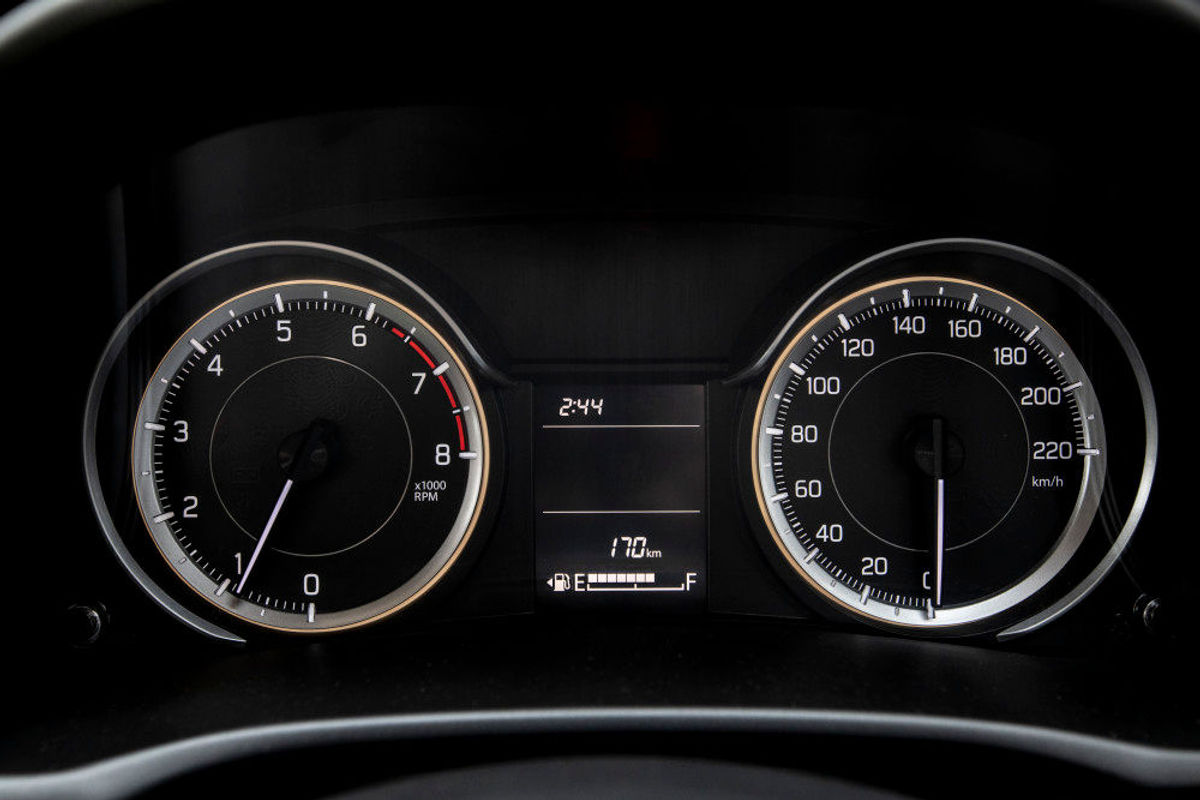
Despite its budget background, the Suzuki Ertiga comes reasonably well appointed. From launch there'll be 2 levels of trim: GA and GL. There's a new instrument cluster with a multi-information trip display, with the GL models featuring steering-wheel mounted controls. This steering wheel is also height adjustable. There's an integrated radio with Bluetooth and USB connectivity too. For those requiring power sockets, there are 2x 12V units fitted. Suzuki has also thrown in 2 air-conditioned cup holders.
In terms of safety, the Ertiga range all features 2 airbags for front passengers and ABS brakes with electronic brake force distribution (EBD). Suzuki has also added ISOFIX-approved seat anchors for child seats and a reverse parking sensor system for the GL model.
Engine
The new Suzuki Ertiga features a new engine. It's the K15 1.5-litre petrol engine which puts out 77 kW and 138 Nm, with power going to the front wheels via the choice of a 5-speed manual gearbox or a 4-speed automatic.
Suzuki Ertiga Price in South Africa
Three versions of the Suzuki Ertiga will be available from launch. All three models are sold with Suzuki’s promotional 200 000 km / five-year mechanical warranty and a four-year / 60 000 km service plan.
Ertiga GA R214 900
Ertiga GL R239 900
Ertiga GL auto R254 900
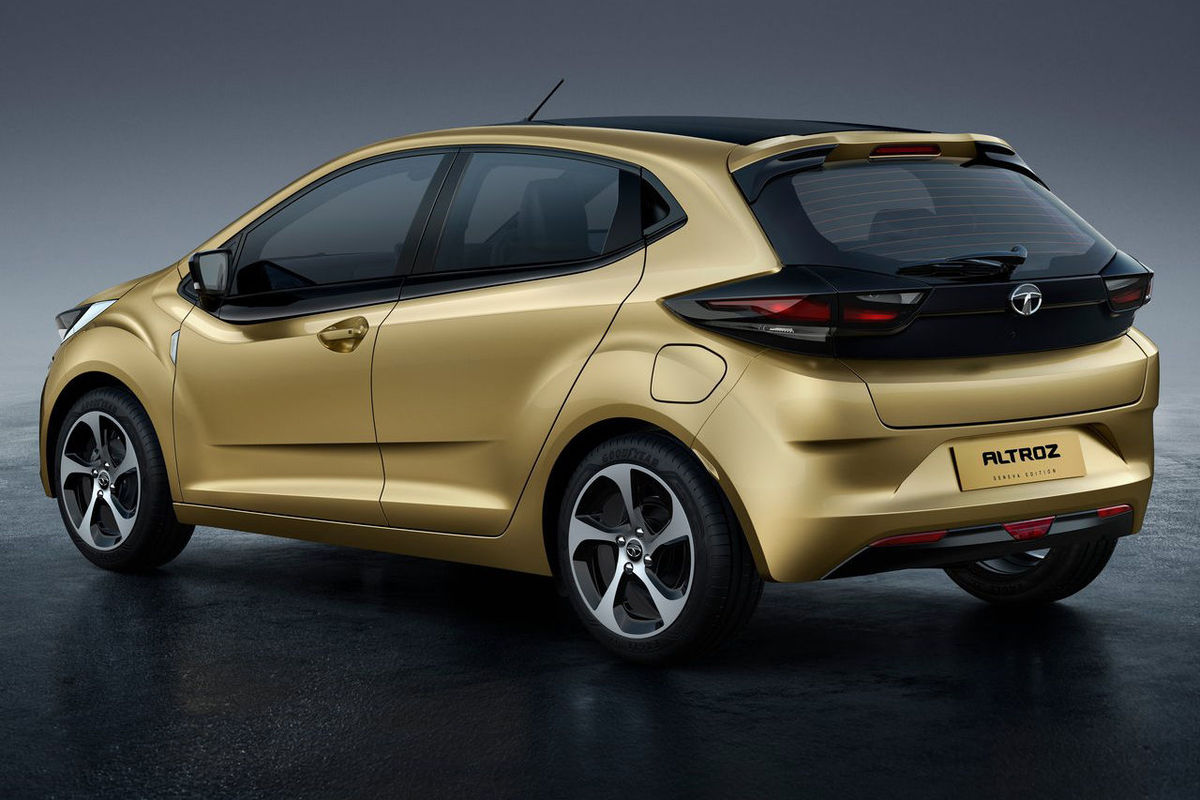
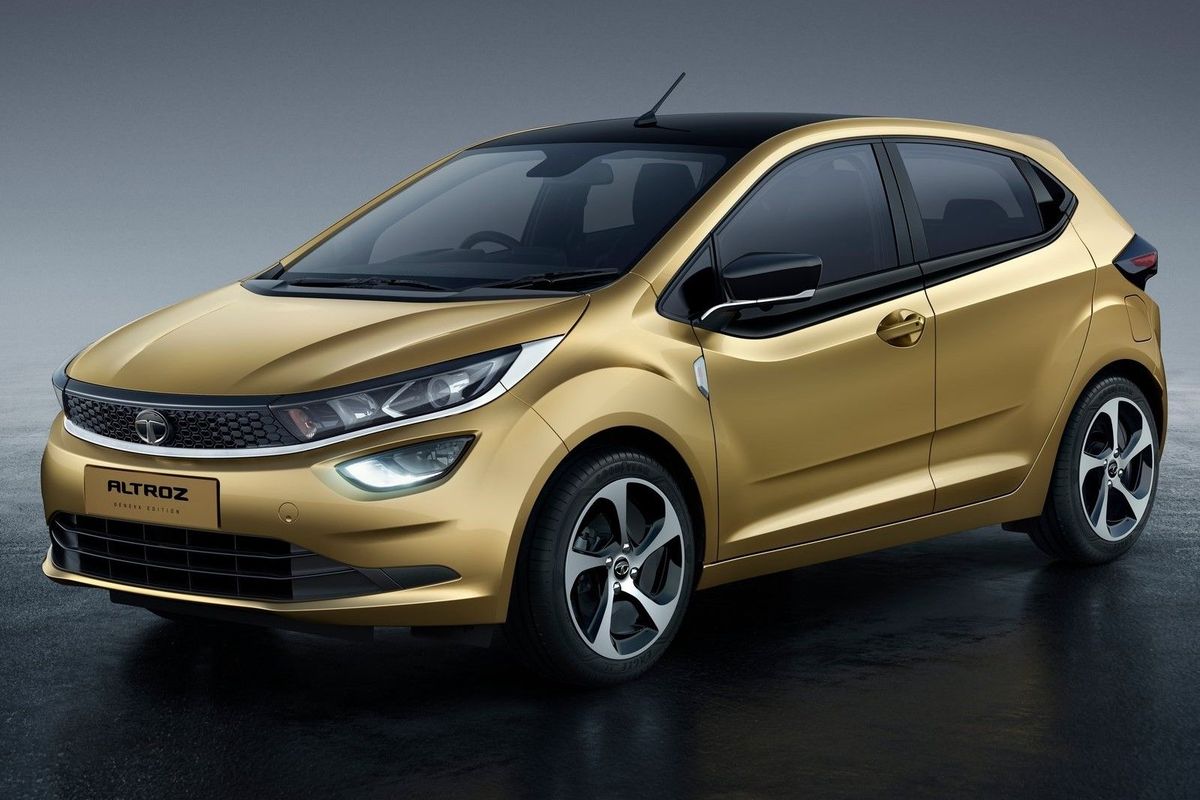
Despite having to deal with the nightmare of its souring investment in JLR, Tata is forging ahead with development of its Altroz hatchback.
The Indian automotive giant has confirmed an evolution of the Altroz, revealed at the Geneva auto show this week. Imagined as an Indian Polo rival, the Altroz is built on Tata’s Agile Light Flexible Advanced (ALFA) platform.
Tata claims that its ALFA engineering project allows for a modular approach to body styles and engine options (even electrification) on a single platform. It’s an industrial engineering copy of the principles which underpin most of VW’s vehicle architectures such as MQB, which serves as a platform to no less than five Audis and fourteen different VW models.
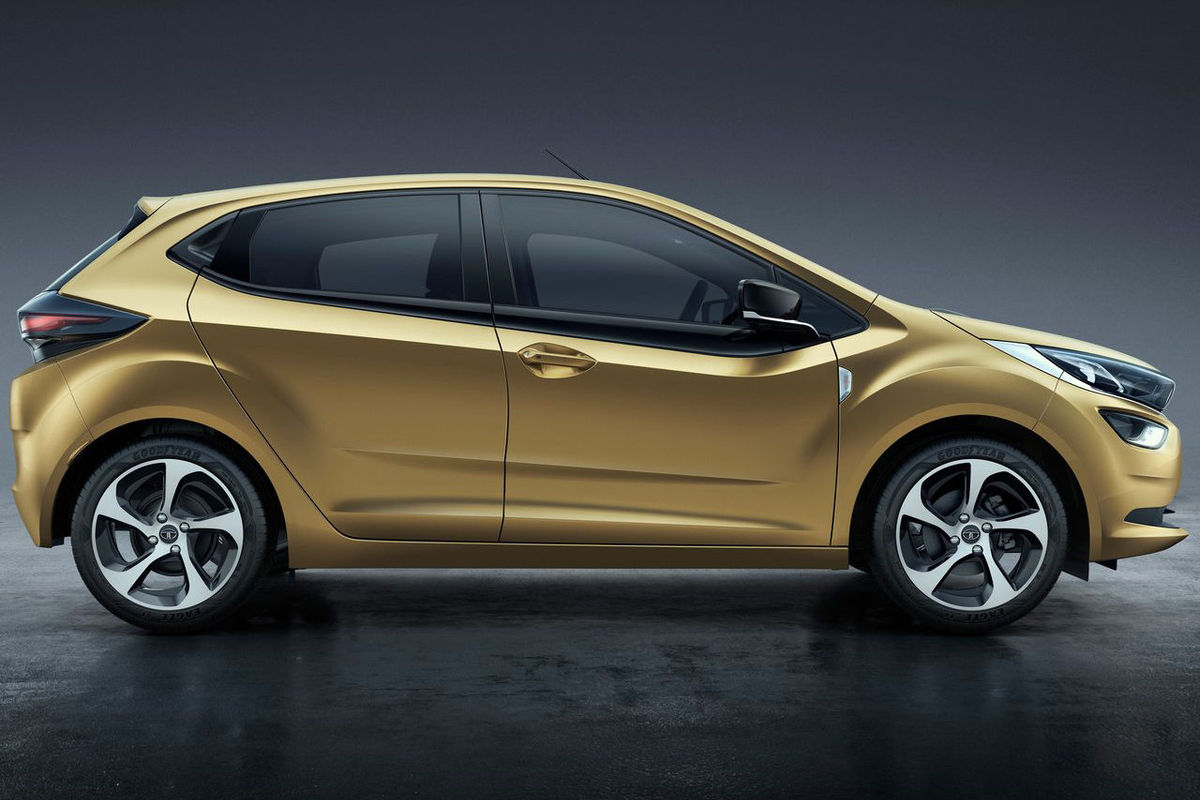
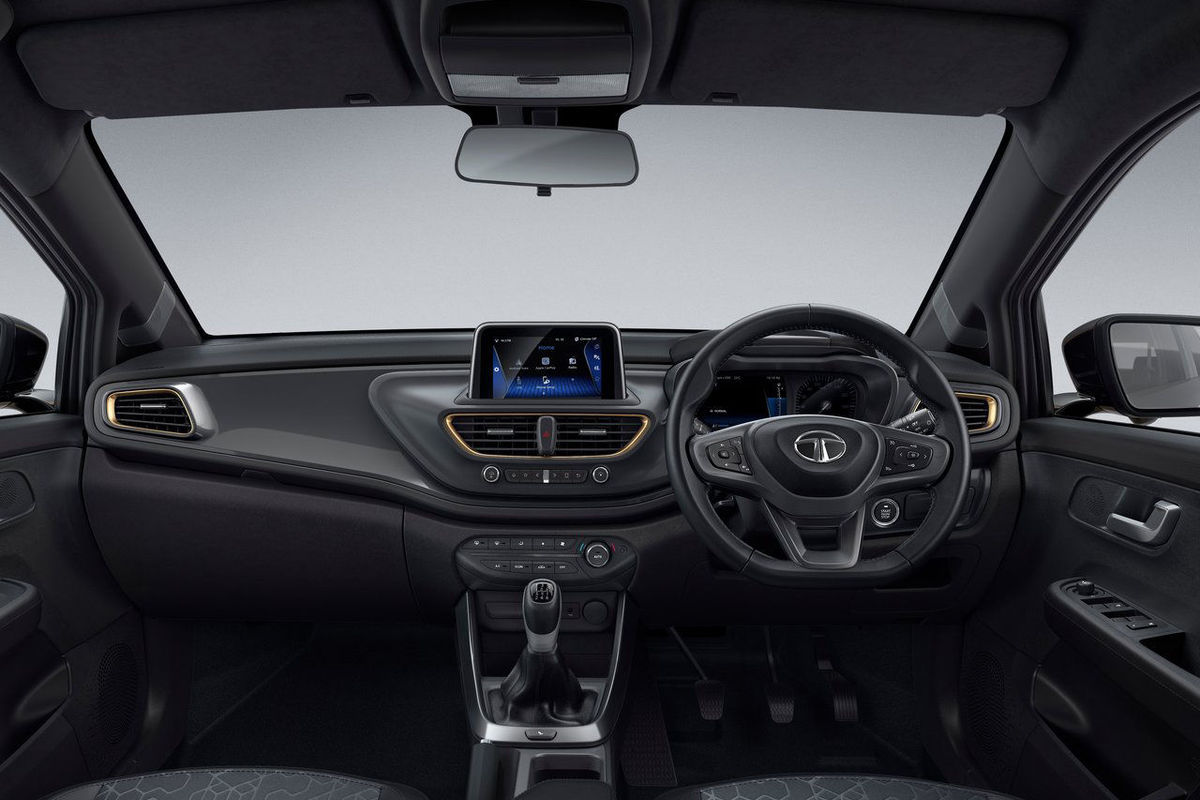
The styling features a dual-headlamp design, flared wheel arches, door creases and strangely asymmetrical windows, with the front doors housing much more glass than the rear doors. Inside there is fully digital instrumentation and a 7-inch infotainment screen which sits atop the dash, framing the centre-vents.
Powering Altroz is a 1.2-litre petrol engine, good for 75 kW and 140 Nm. Classified in terms of size the Altroz is 55 mm shorter, 26 mm narrower and 7 mm taller than VW’s current eighth-generation Polo.
Although the compact hatchback segment is defined by an aspiration to become everything VW as achieved with Polo, the reality is that Altroz’s price positioning will likely be closer to Hyundai’s i10 or Suzuki’s Baleno when it launches to select global markets towards the end of this year.
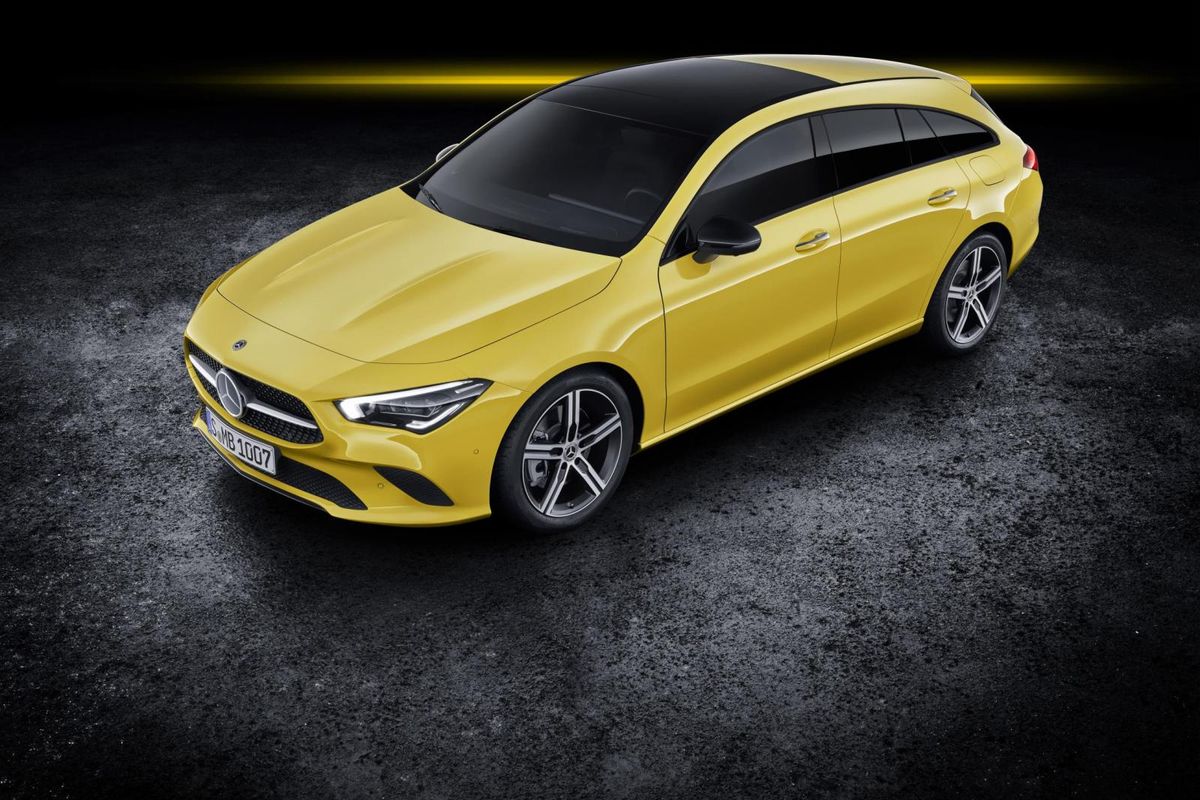
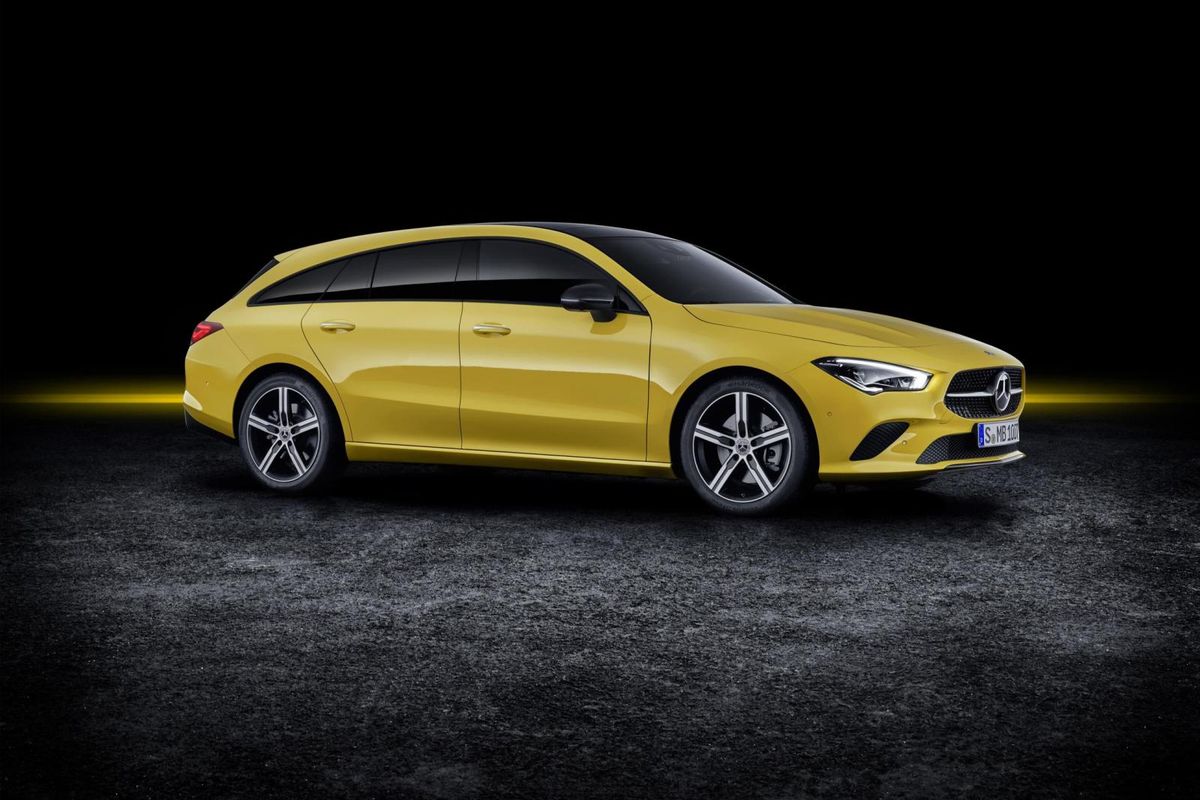
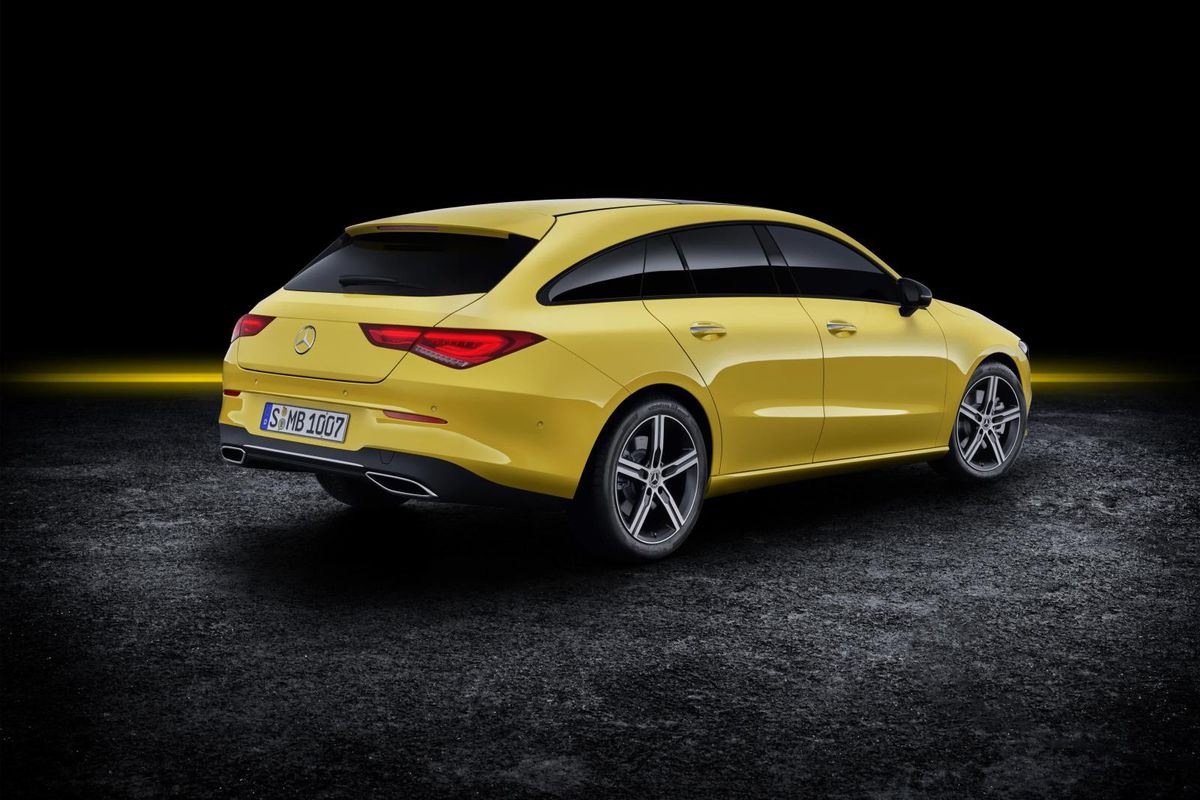
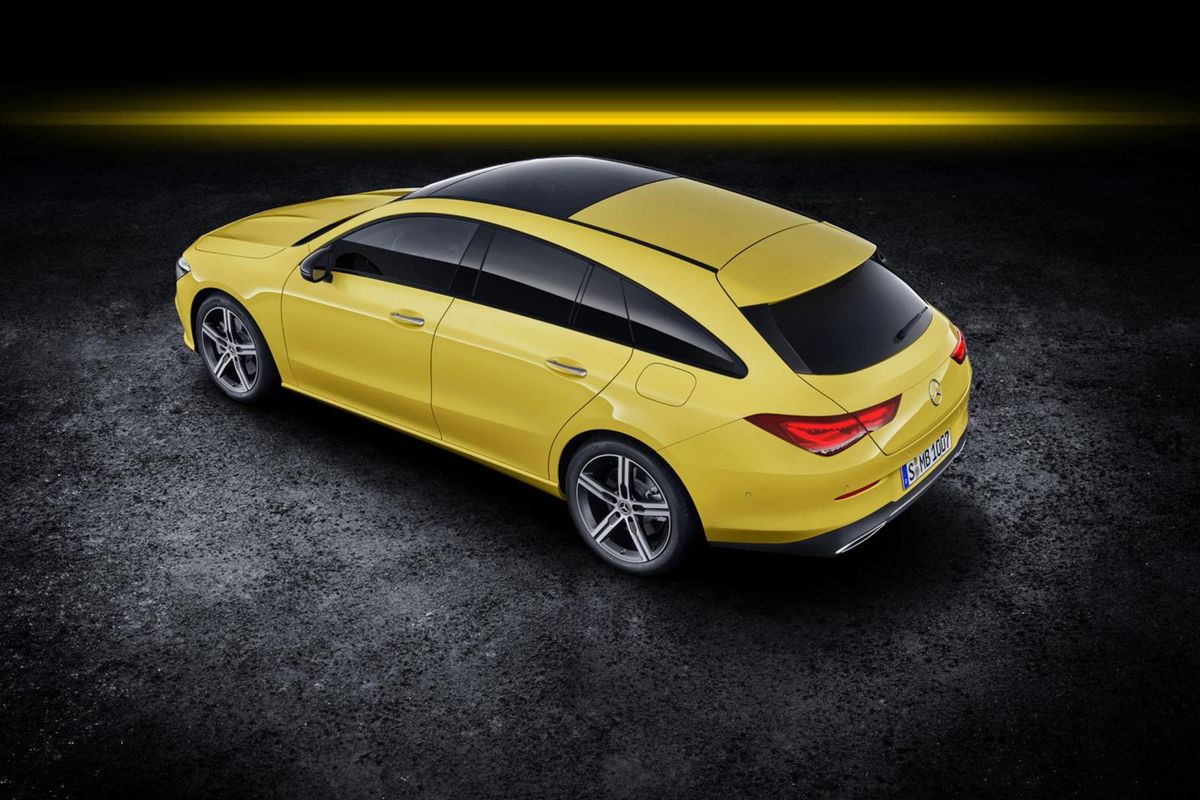
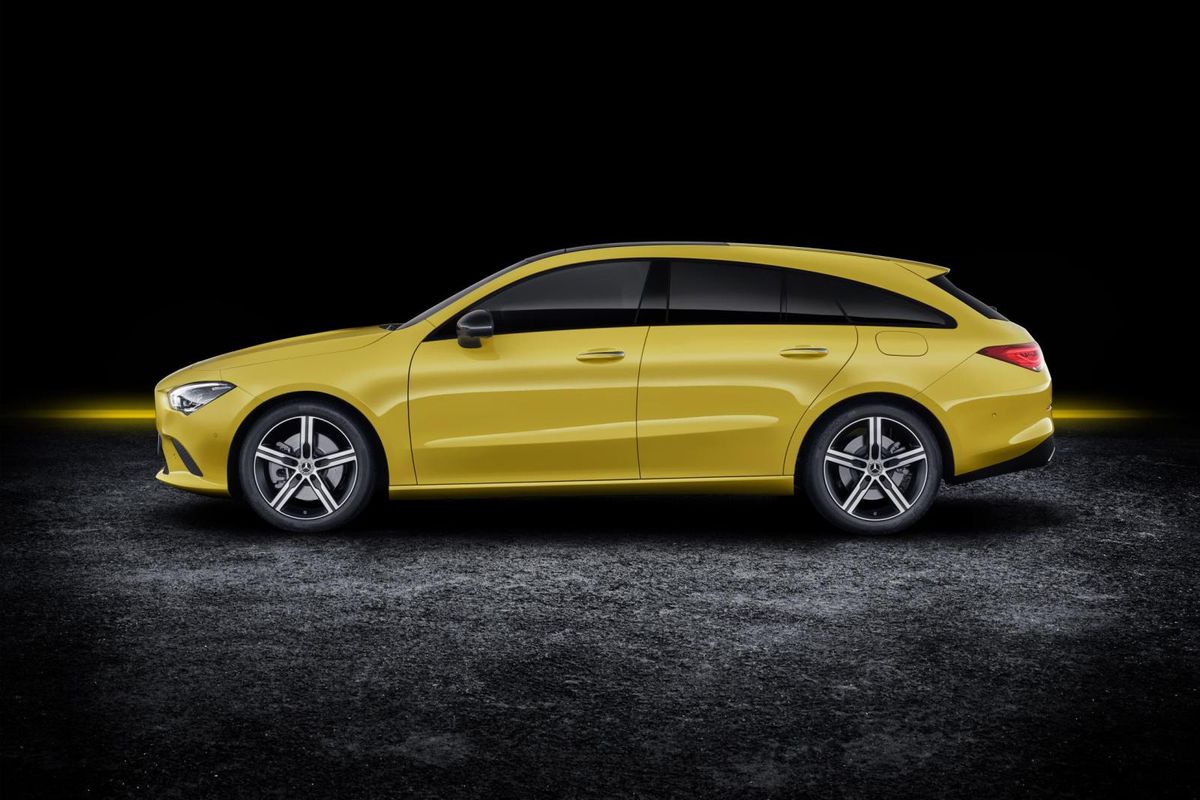
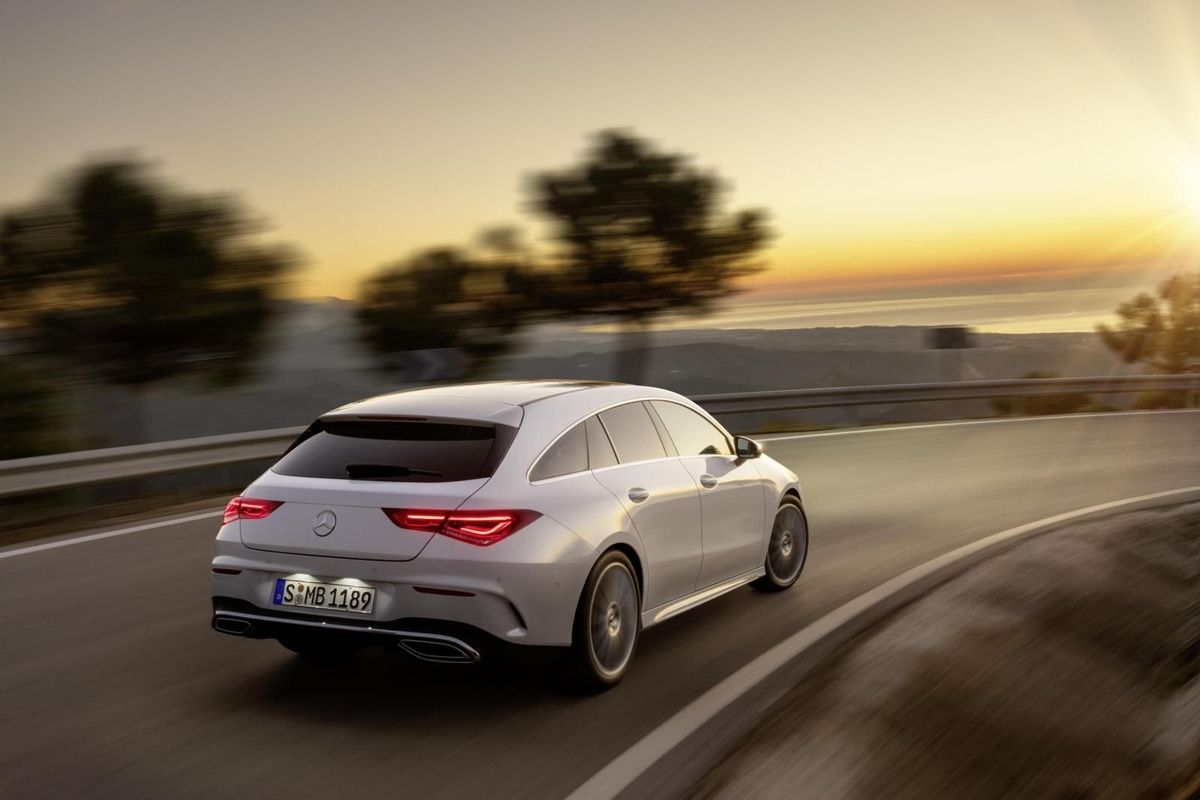
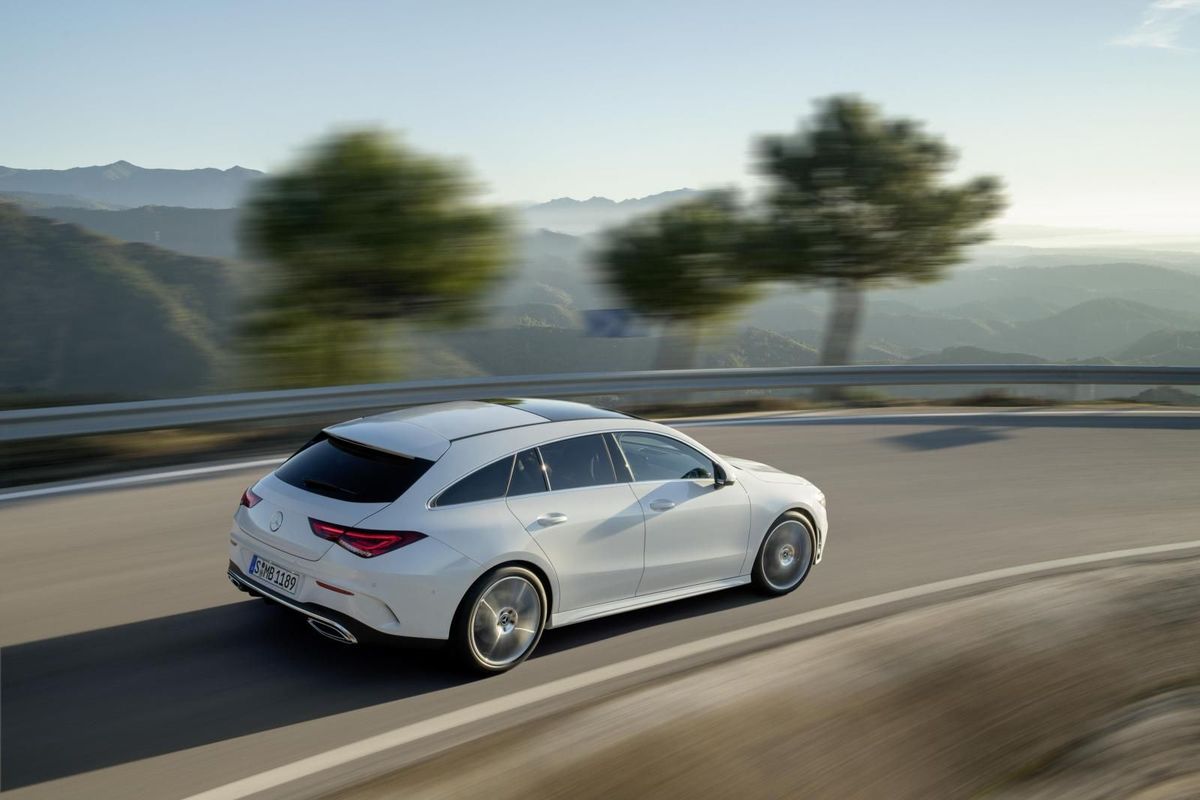
Mercedes-Benz Adds CLA Shooting Brake to Niche Product Line
The CLA Shooting Brake allows Merc to cover every possible gap in the premium compact segment.
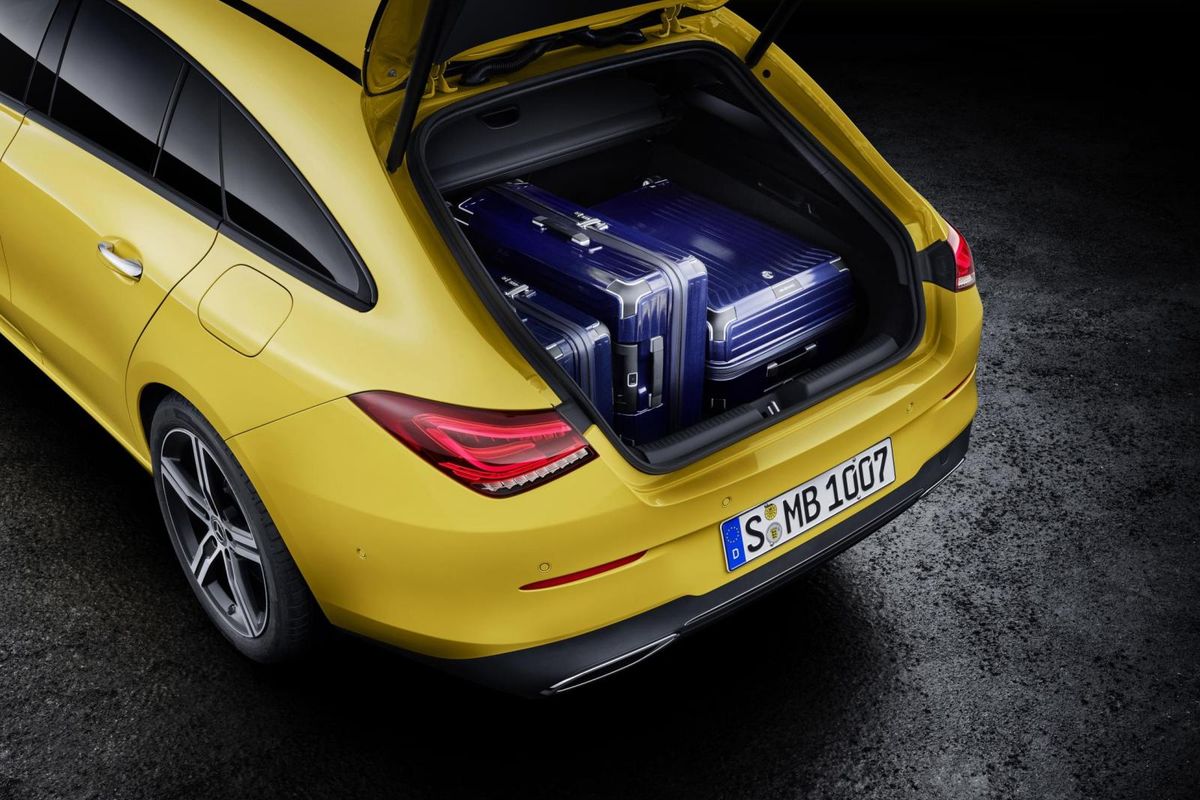
The Mercedes-Benz CLA Shooting Brake was revealed at this year’s Geneva International Motor Show and adds a sense of practicality to the CLA range. This new model develops on the CLA 4-door Coupe with the obvious addition of a bigger boot. The load space is claimed at a more than reasonable 505 litres.
The CLA models are angled towards the sporty buyer so it sits on a wider track and has a lower centre of gravity than the regular A-Class and A-Class Sedan. This imbues the CLA Shooting Brake with an agile driving experience according to Merc. There is adaptive damping and multiple driving modes to choose from but Merc remains adamant that the new car is comfortable and extremely quiet when required.
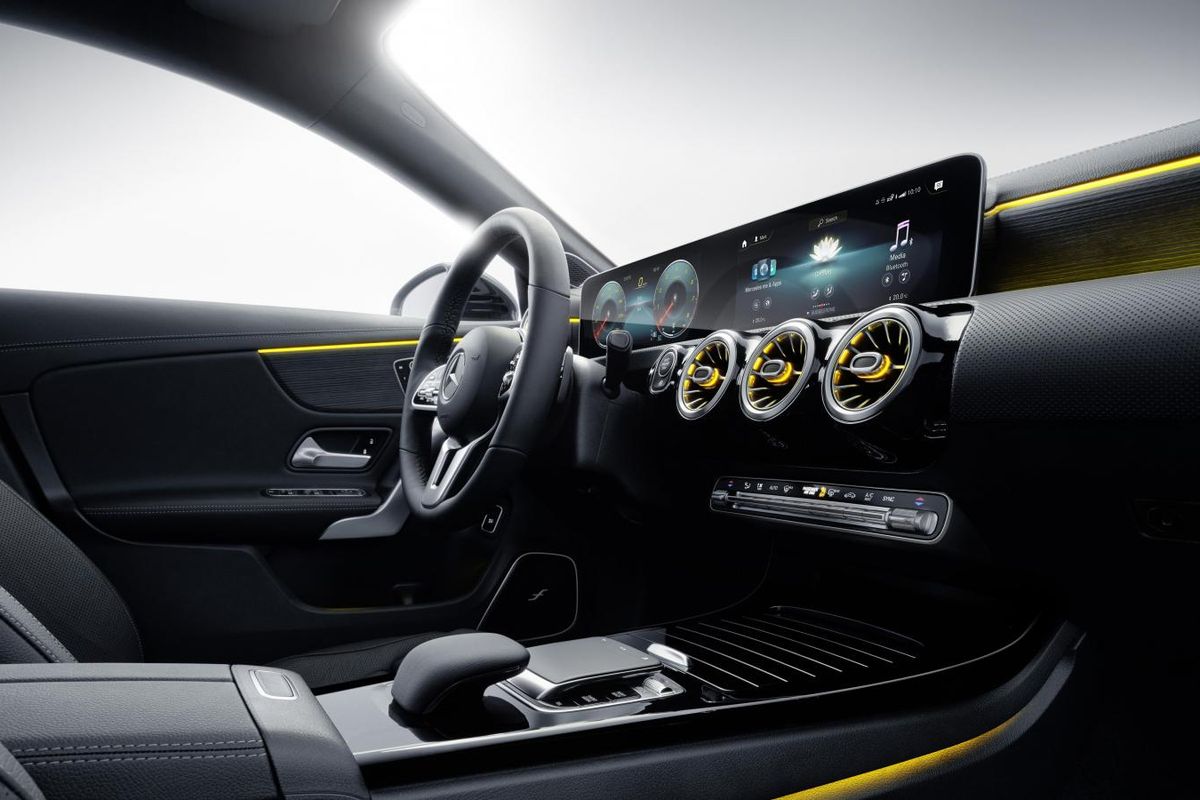
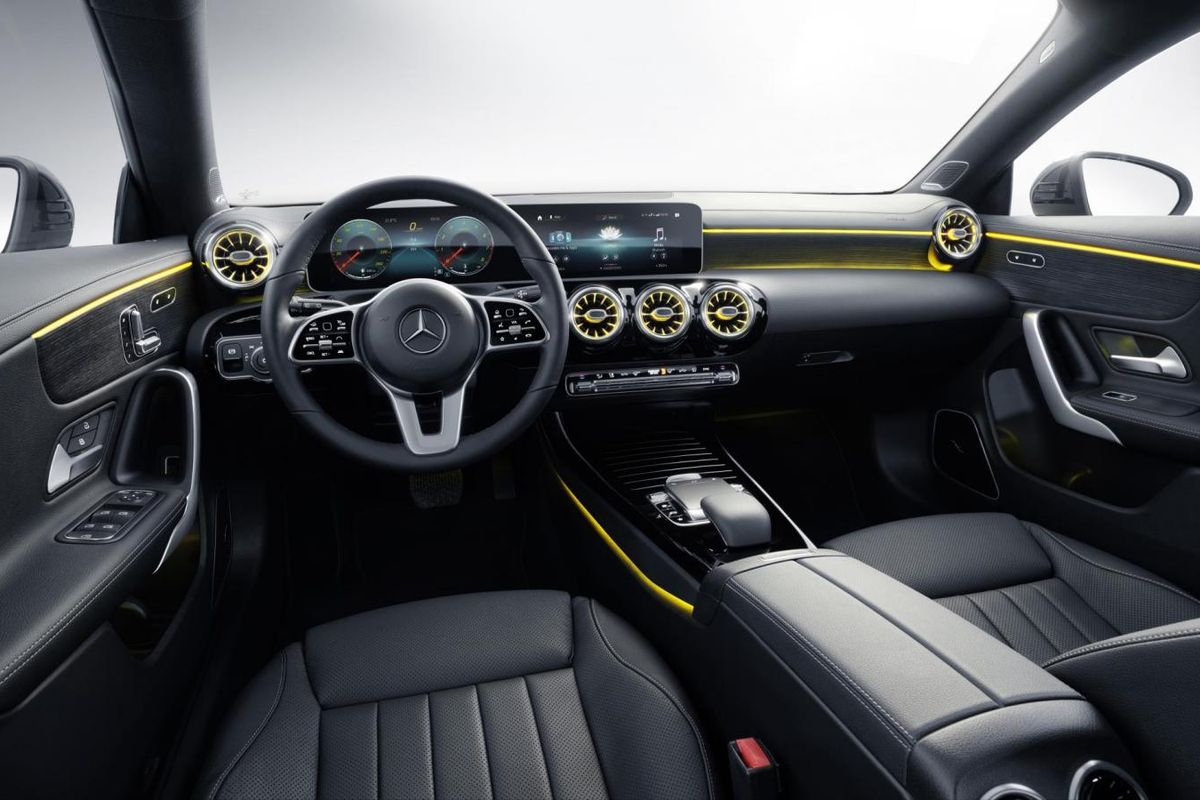
The interior is identical to the CLA and also features the latest MBUX infotainment system that responds to ‘Hey Mercedes’ voice commands.
As for the engine derivatives available for the Shooting Brake, Merc has chosen the unit from the CLA 250, which delivers 165 kW and 350 Nm of torque from the 2.0-litre turbopetrol. More engines will be available by the time the model launches in Europe during September this year and don’t count out an AMG 45 or 45 S model.
As for local availability, we are still waiting for confirmation but with this being an extremely niche model and South Africa's aversion to station wagons, it is unlikely this model will arrive in SA.
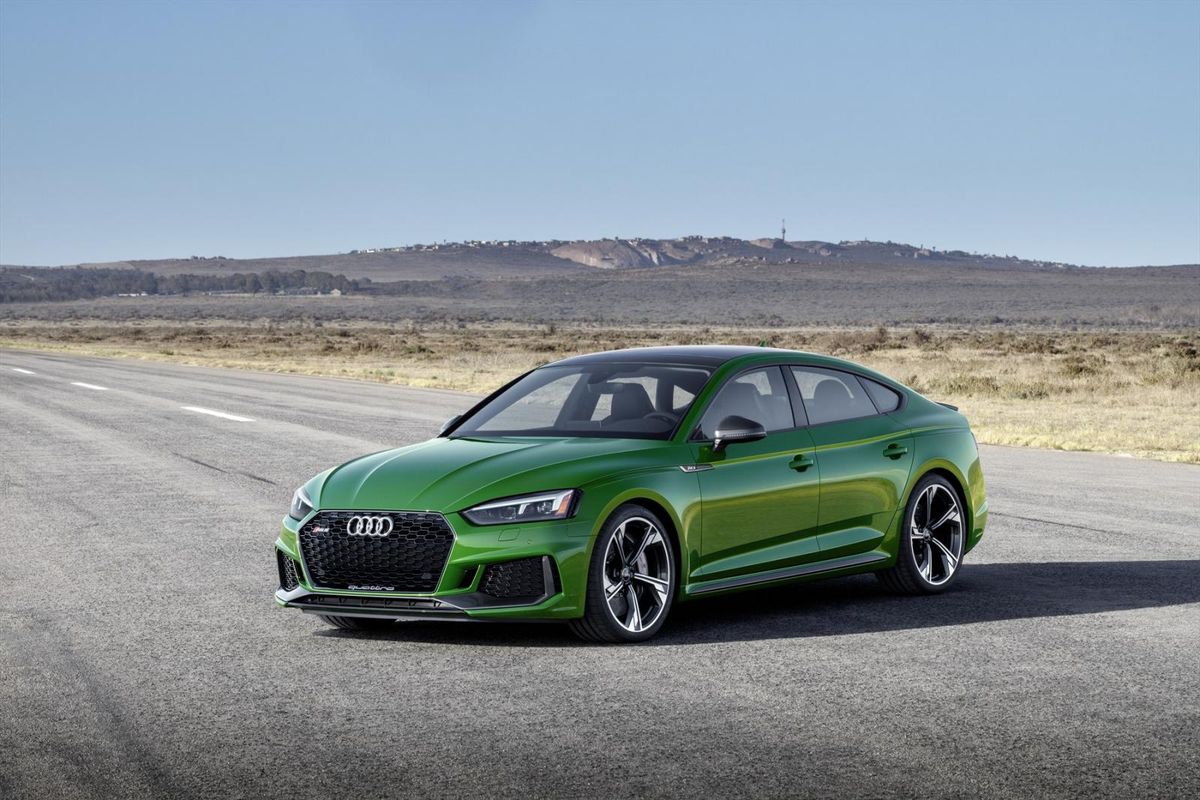
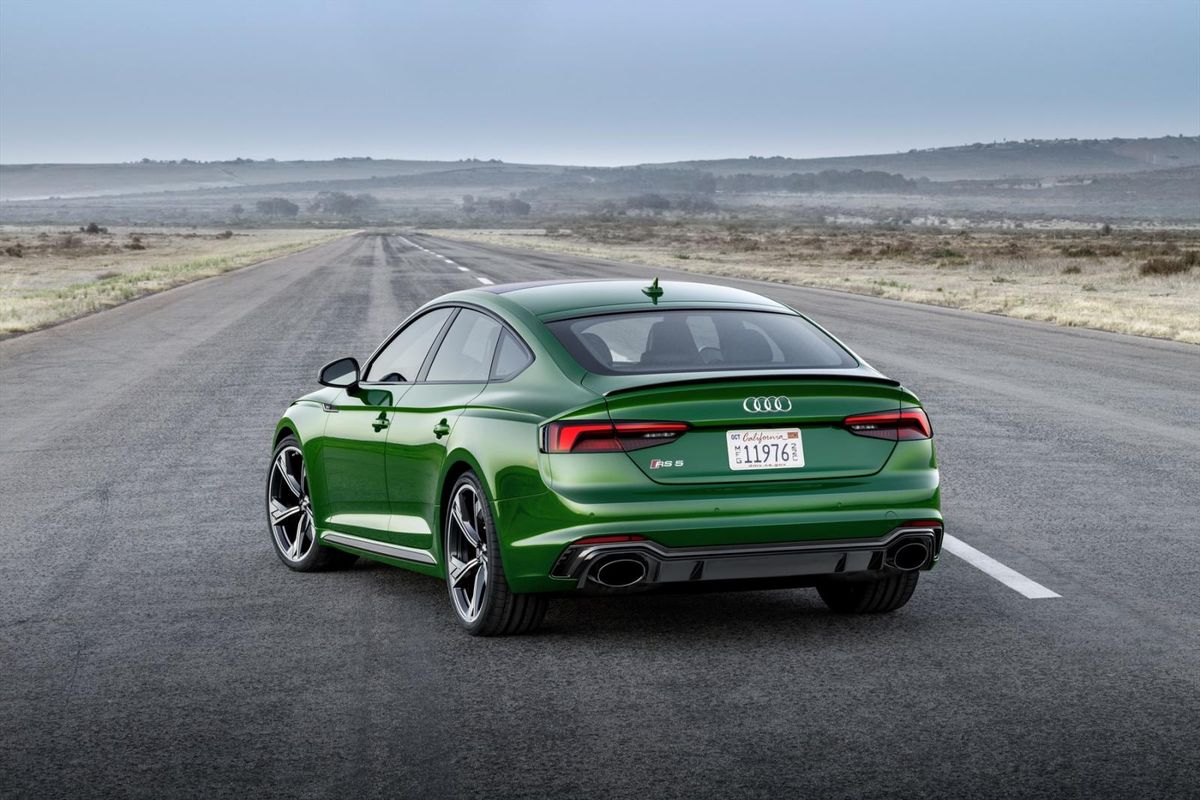
The Audi RS family has been bolstered with the introduction of the RS5 Sportback in South Africa. See specification and pricing details below…
Just like its coupe sibling and RS4 Avant, the RS5 Sportback harnesses the same twin-turbocharged 2.9-litre V6 engine that produces 331 kW and 600 Nm of torque and together with an optimised 8-speed automatic transmission and quattro all-wheel drive, a zero to 100 kph sprint time of 3.9 seconds is achievable. Top speed is limited to 250 kph.
Equipped with an RS sports suspension, the RS5 Sportback sits some 7mm lower than the Audi S5 Sportback.
The RS5 Sportback’s interior is finished in black and can seat up to 5 people. Luggage space is generous too with a full 1 300 litres at your disposal with the 40:20:40 rear seats folded down. With the seats up, the load bay offers 480 litres.
Key standard features include LED headlights and tail lights, 20-inch forged alloy wheels, RS exhaust and Audi drive select dynamic handling system. The interior benefits from Audi Virtual Cockpit and MMI Navigation Plus as standard as well as RS sports seats in Nappa leather with diamond stitching and lumbar support.
A flat-bottomed RS multifunction steering wheel and stainless steel pedals add a sporty touch. Other nice-to-haves include a Bang & Olufsen sound system, automatic climate control and Audi’s pre sense basic, side assist and parking system plus with a rear-view camera.
Audi RS5 Sportback – Price in South Africa
Audi RS 5 Sportback 331kW quattro tiptronic – R1 312 000
The Audi RS5 Sportback comes standard with a 5-year/100 000 km Audi Freeway Plan.