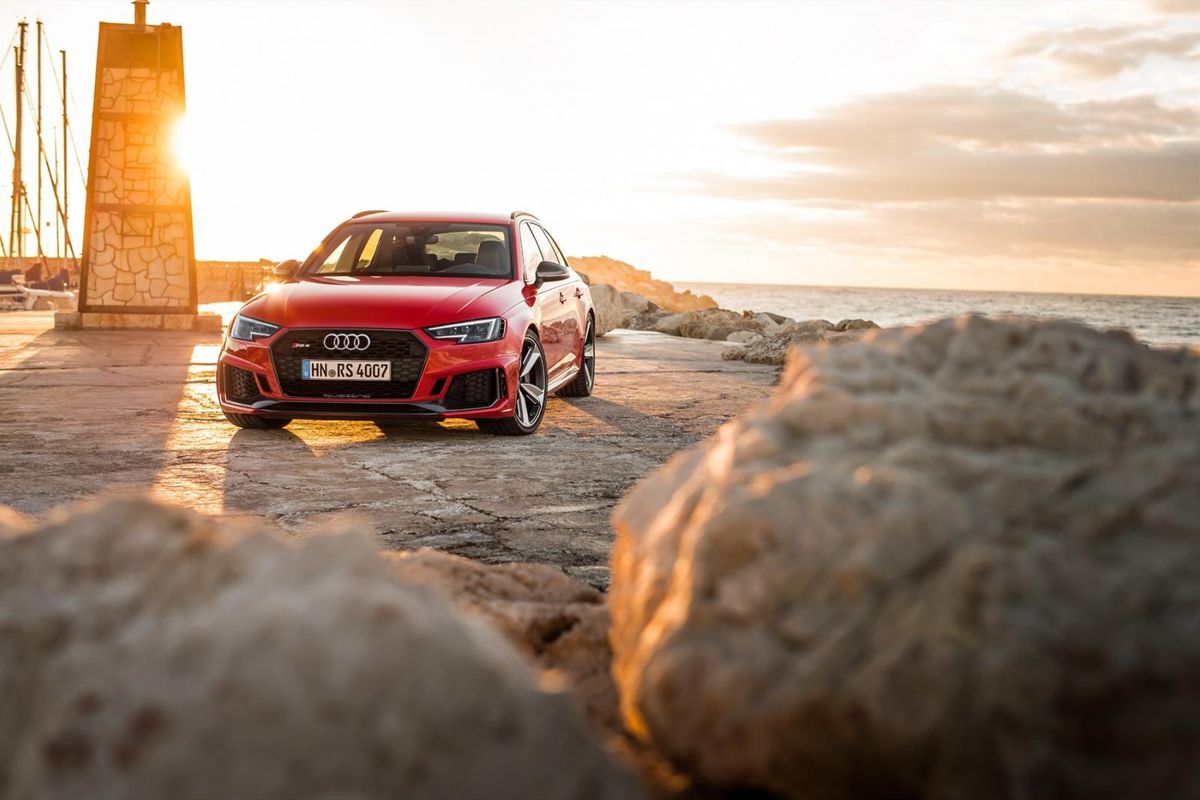
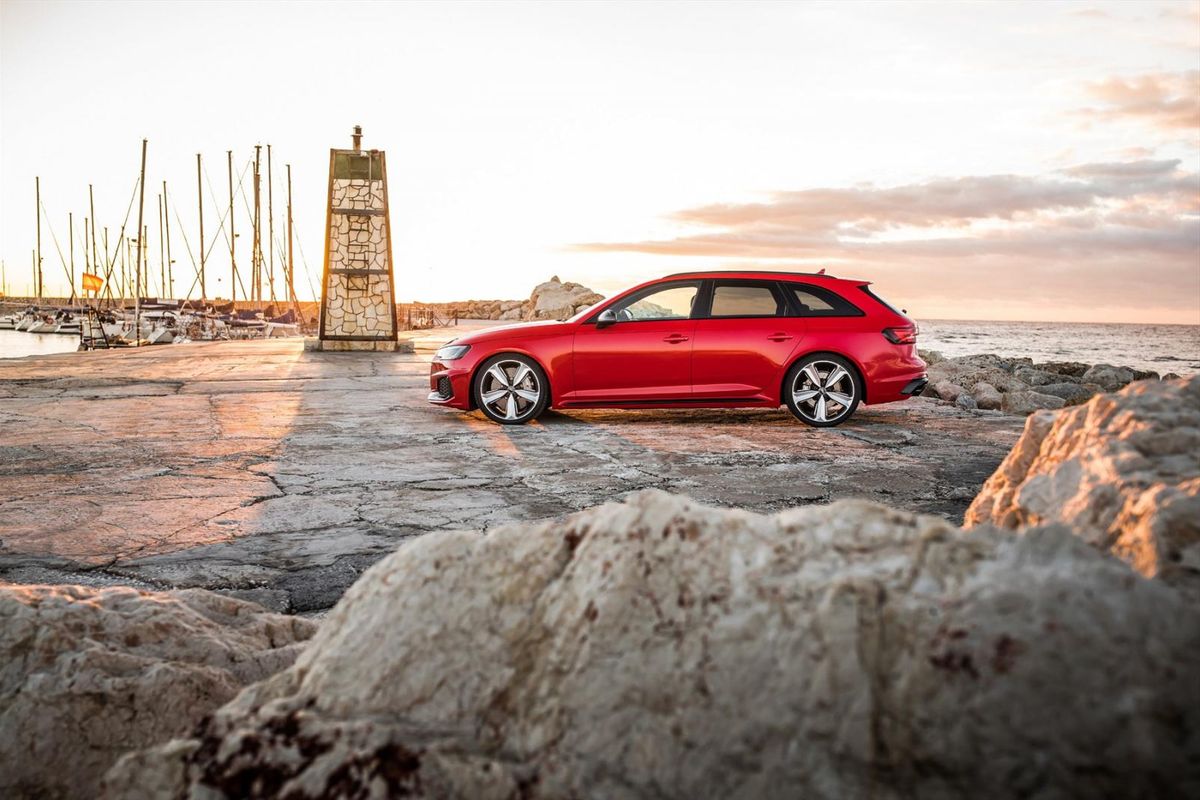
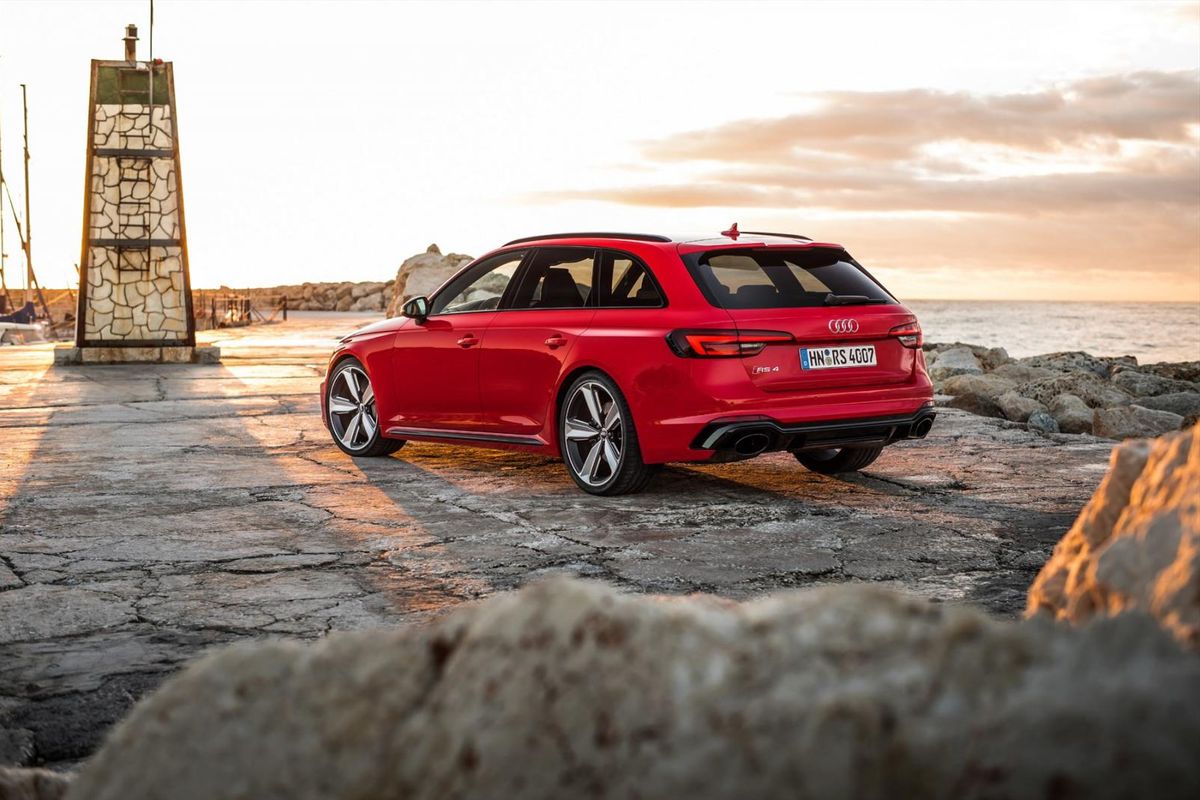
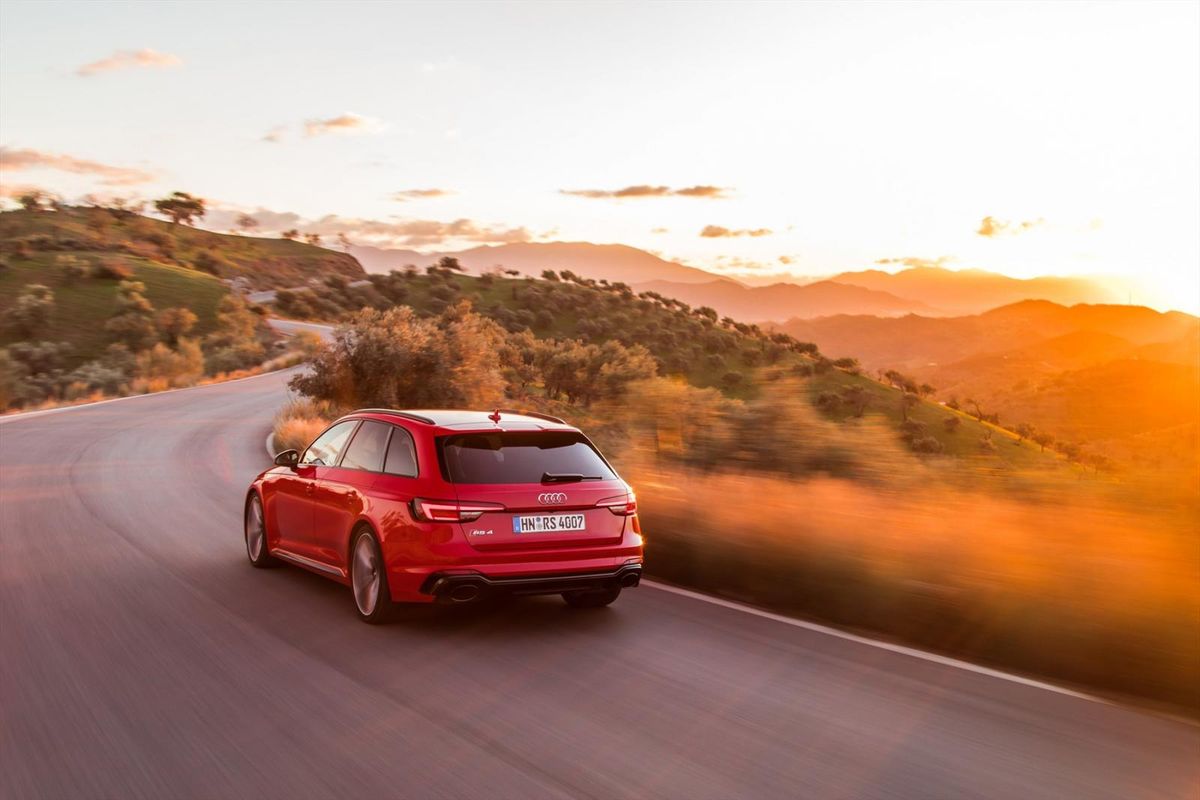
The Audi RS family has grown with the introduction of the RS4 Avant in South Africa. See specification and pricing details below…
Blending practicality and performance, the RS4 Avant is powered by a twin-turbocharged 2.9-litre V6 engine that produces 331 kW and 600 Nm of torque and together with an 8-speed automatic transmission and quattro all-wheel drive, a zero to 100 kph sprint time of 4.1 seconds is achievable. Top speed is limited to 250 kph but an optional RS package takes that figure up to 280 kph.
Audi claims a fuel consumption figure of 8.8 L/100km which Audi says is a 17% improvement over the outgoing model while also being some 80 kg lighter. Equipped with an RS sports suspension as standard and a mechanical centre differential lock which can send torque to the rear and front axles as required, the RS 4 Avant offers agility and stability in spirited driving situations.
Luggage space is generous too with a full 1 510 litres at your disposal with the 40:20:40 rear seats folded down. With the seats up, the load bay offers 505 litres. The tailgate can be opened by using a kick motion under the rear bumper provided that a key is detected. An electronic tow bar is offered too and the RS4 Avant can tow up to 2 100 kg.
Key standard features include LED headlights and tail lights, 20-inch forged alloy wheels, RS exhaust and Audi drive select dynamic handling system. The interior benefits from Audi Virtual Cockpit and MMI Navigation Plus as standard as well as RS sports seats in Nappa leather with diamond stitching and lumbar support. A flat-bottomed RS multifunction steering wheel and stainless steel pedals add a sporty touch. Other nice-to-haves include a Bang & Olufsen sound system, automatic climate control and Audi’s pre sense basic, side assist and parking system plus with a rear-view camera.
Audi RS4 Avant – Price in South Africa
Audi RS 4 Avant 331kW quattro tiptronic – R1 211 500
The Audi RS 4 comes standard with a 5-year/100 000 km Audi Freeway Plan.
The top 3 finalists in the prestigious World Car of the Year awards programme have been announced, and it serves to highlight the rise of the electric car. Have a look at those in line to drive away with the world's most coveted motoring awards below.
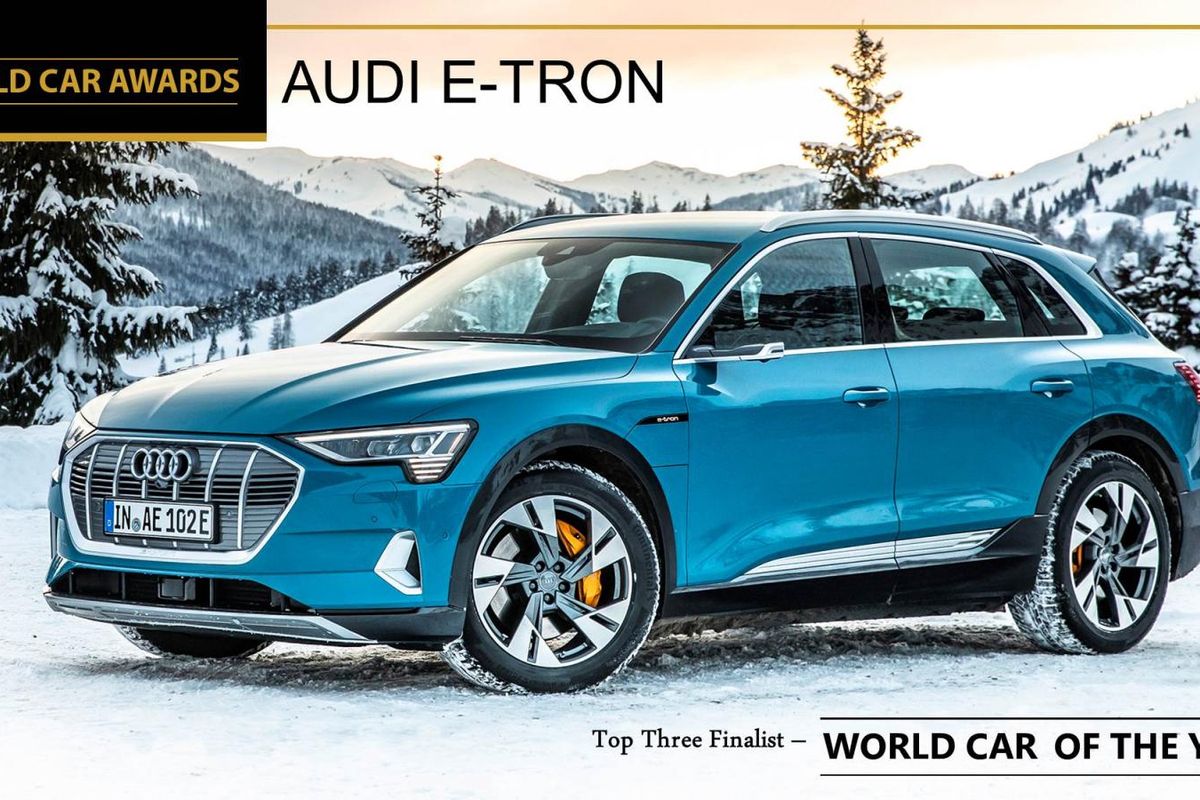
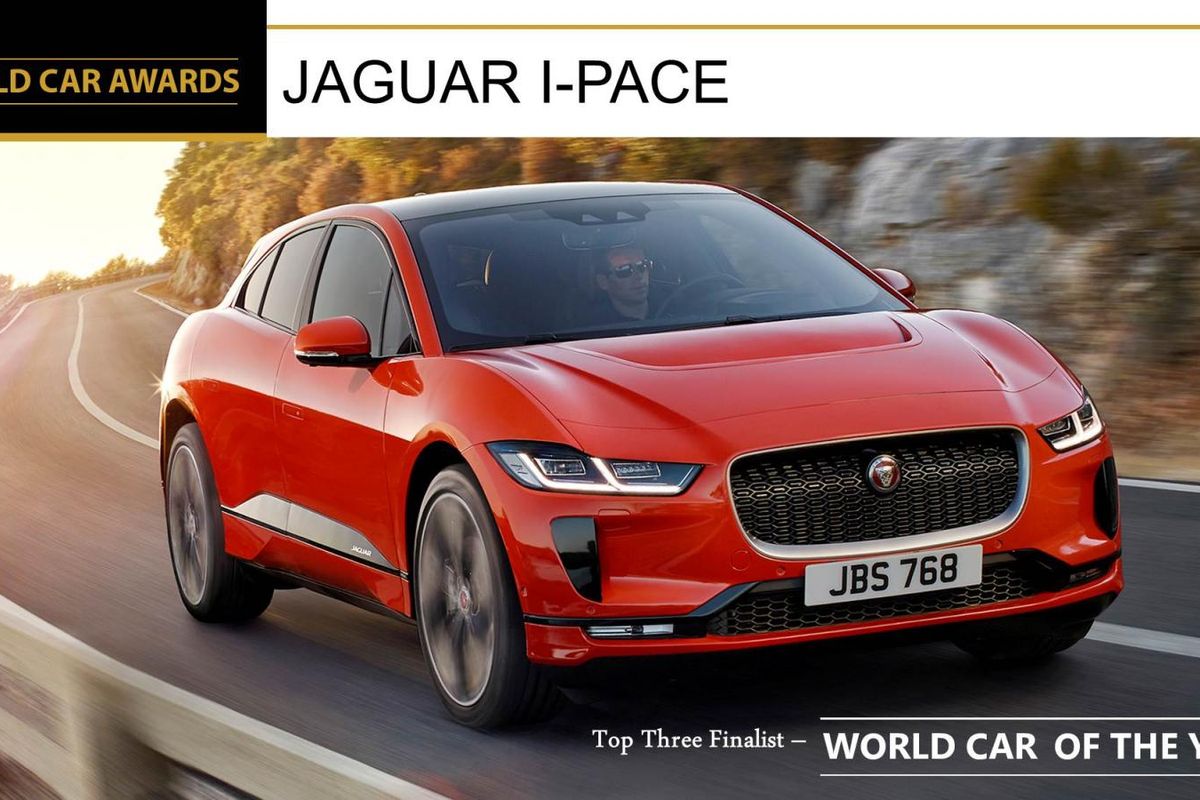
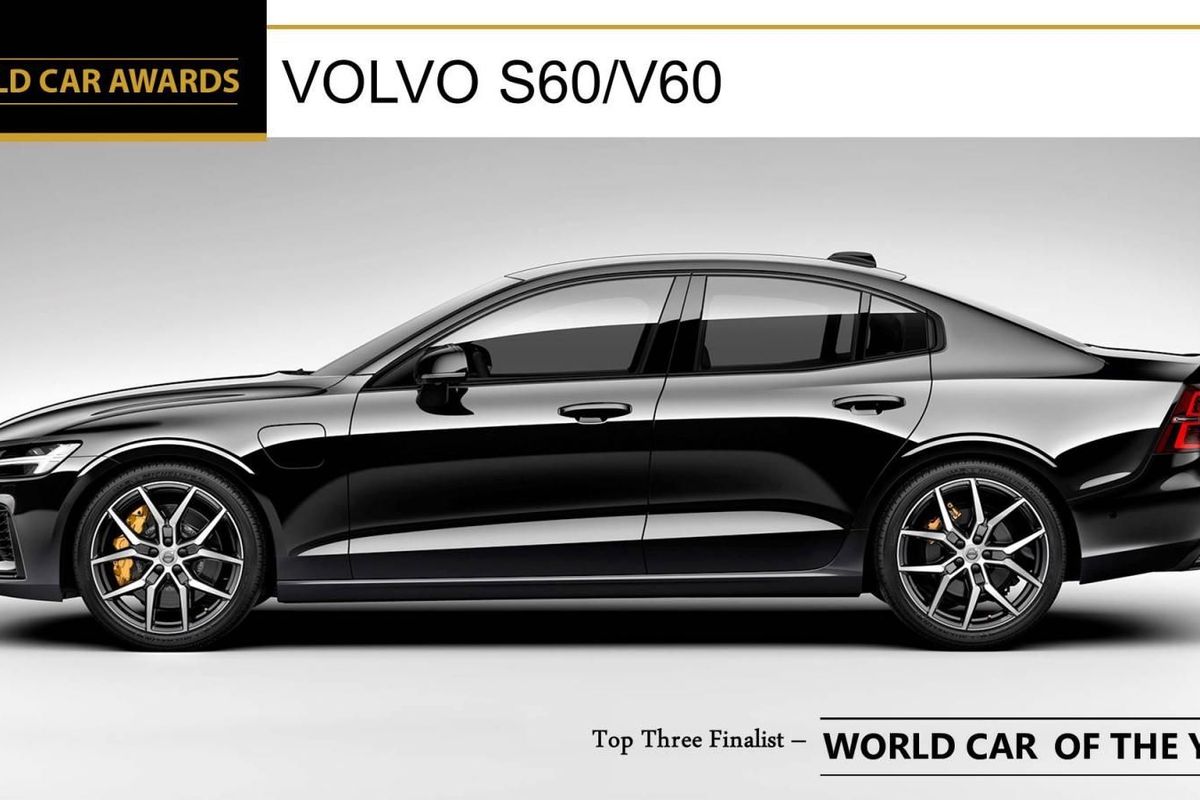
Selected by a high-profile jury consisting of 86 of the world's motoring journalists, including Cars.co.za's Hannes Oosthuizen, one of only 2 South Africans on the panel, the final 3 vehicles in contention for the overall title are the Audi e-tron, Jaguar I-PACE and Volvo S60/V60.
The Geneva International Motor Show this week served as the venue for the announcement, and it's an apt one, given the vast number of electric vehicles on display. In the past few days the Jaguar I-PACE was also announced the European Car of the Year, and is arguably at this point the frontrunner for World Car glory, believes Oosthuizen, who drove it late last year for WCA evaluation purposes.
The judges are only allowed to score vehicles they have driven, and award points in sections labelled Value, Safety, Environment, Emotional Appeal, Market Significance etc. The final winners will be announced on April 17 at the New York International Autoshow.
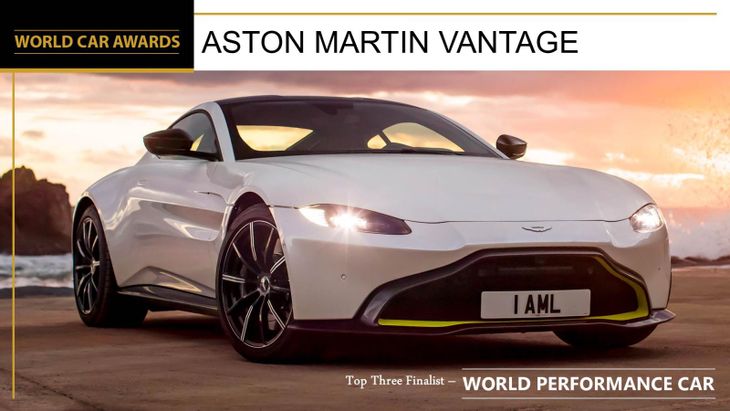
Judge Hannes Oosthuizen tips the Aston Martin Vantage for World Performance Car.
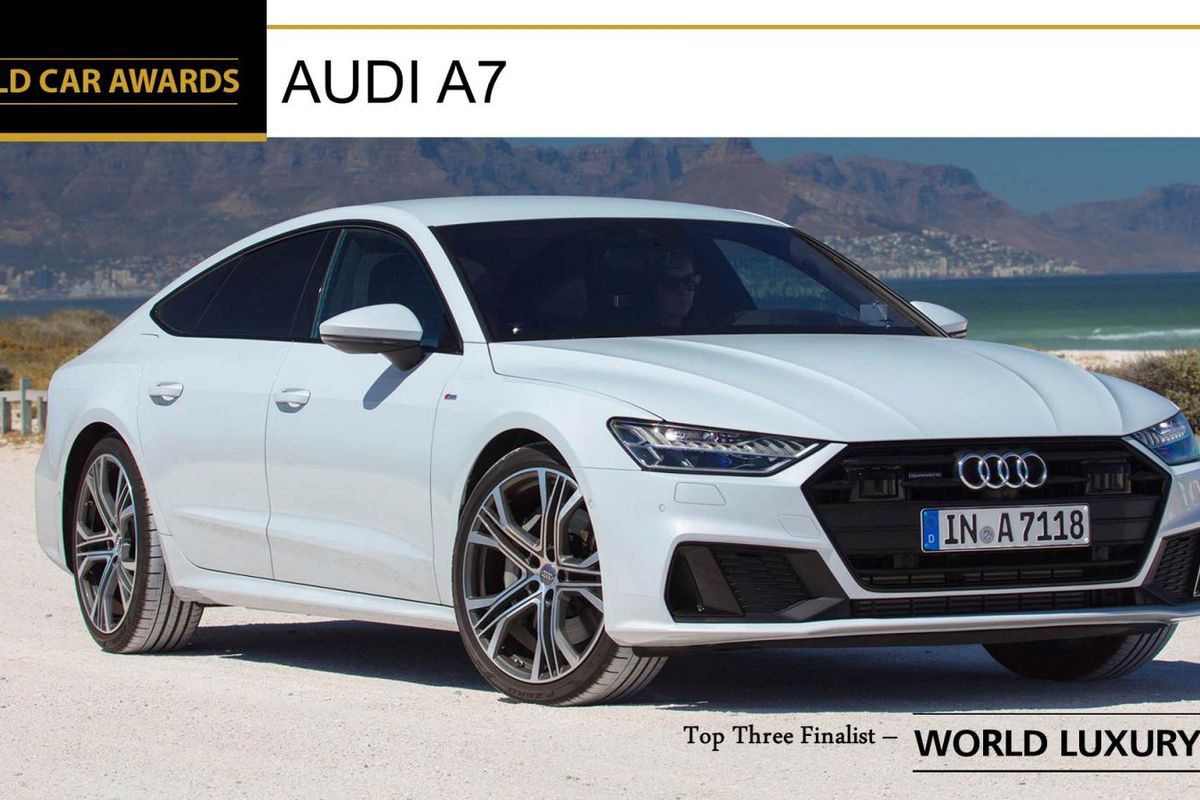
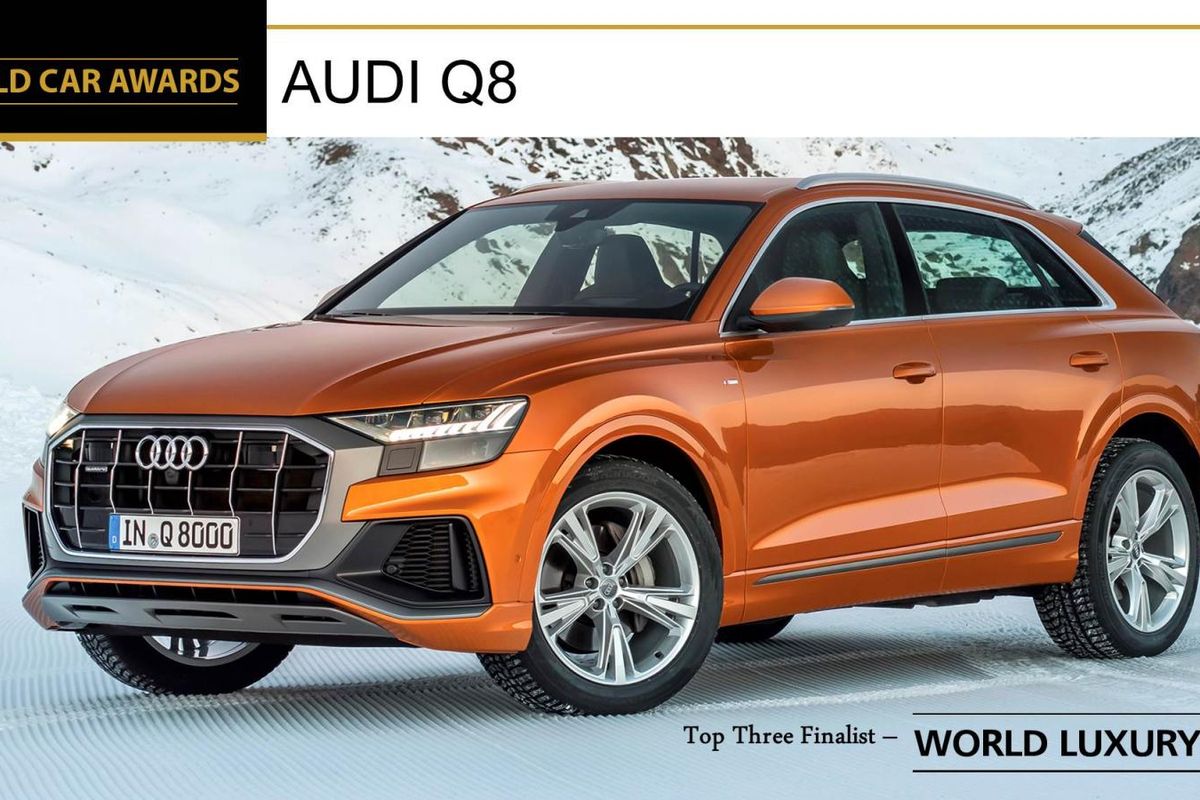
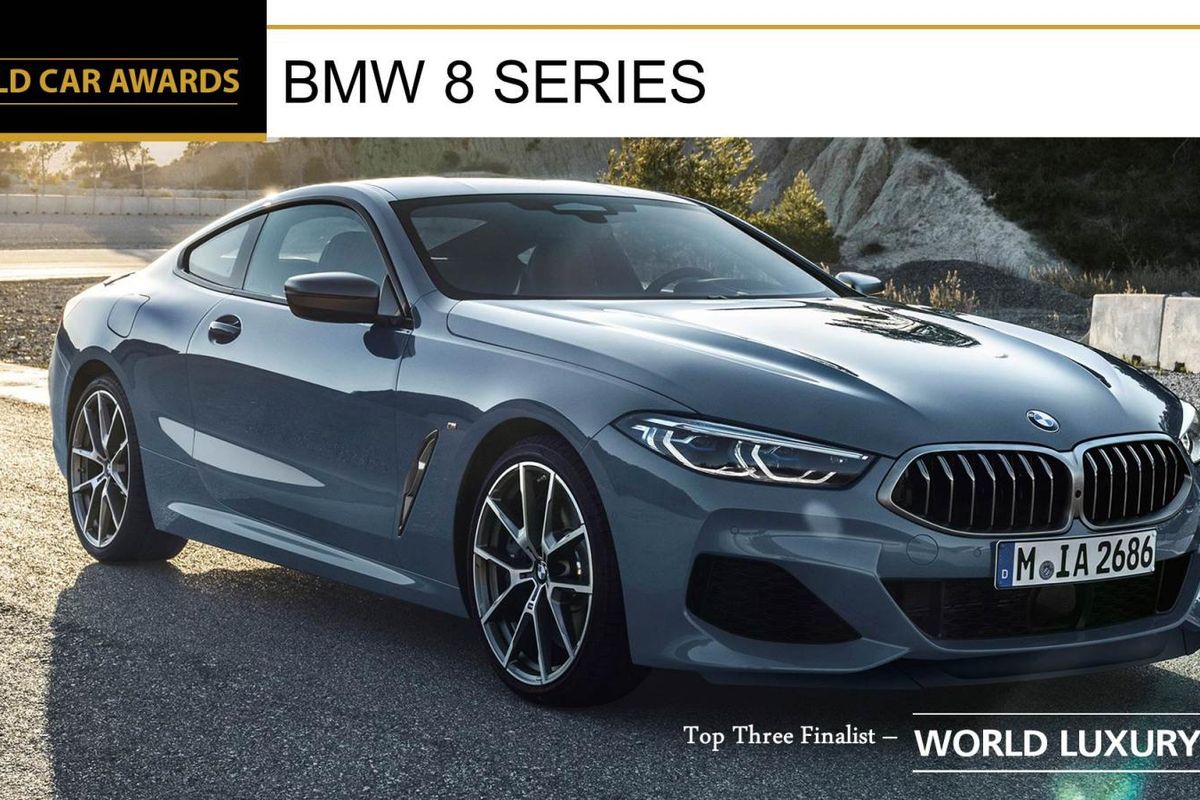
The World Car of the Year programme has several other categories, too, including for Performance Car of the Year, where the 3 finalists are; the Aston Martin Vantage, McLaren 720Sand theMercedes-AMG GT 4-door. In the World Luxury Car category the BMW 8 Series will be joined by 2 Audis, the new A7 and Q8, in the title fight. The World Urban Car title will be hotly contested by the new Hyundai Santro, Kia Soul and Suzuki Jimny.
The World Car Design of the Year title will go to one of the following; Jaguar I-PACE, Suzuki Jimny and Volvo XC40. And, finally, the World Green Car battle will be between the Audi e-tron, Hyundai Nexo and Jaguar I-PACE.
Some Mahindra dealers regularly offer specials: Have look here.
Where does it fit in?
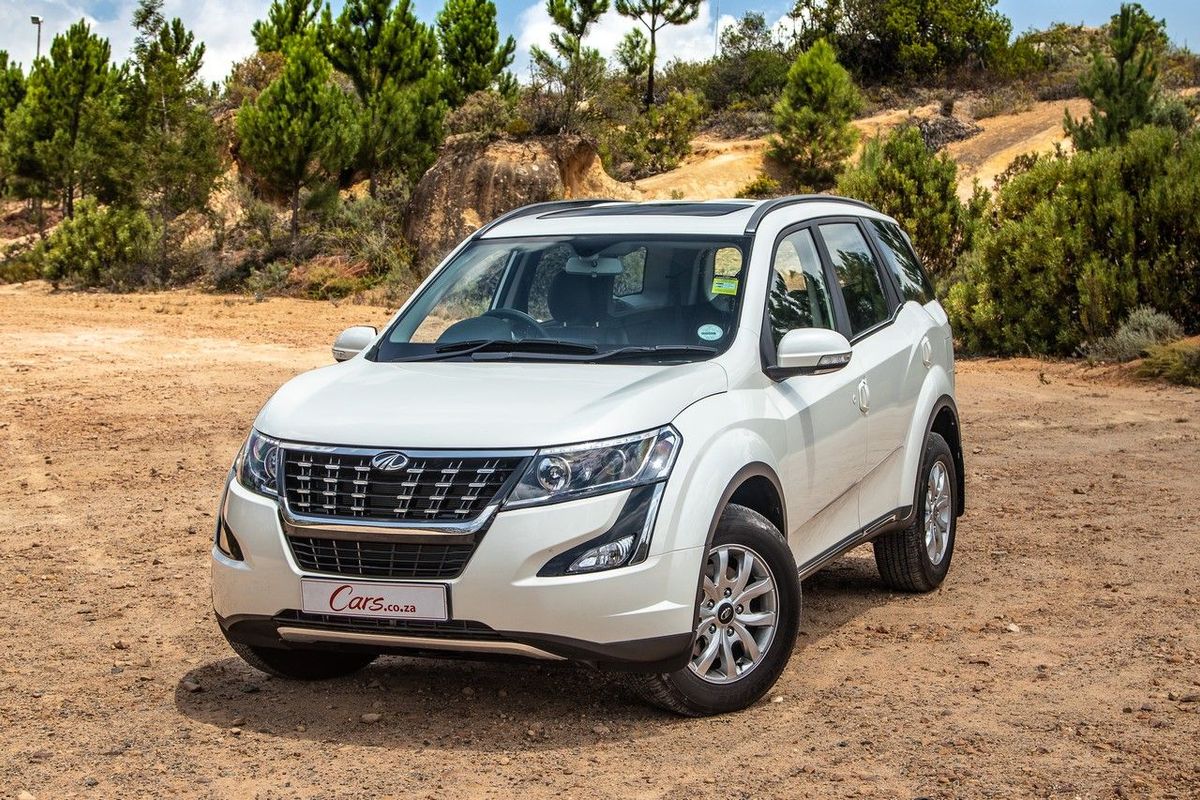
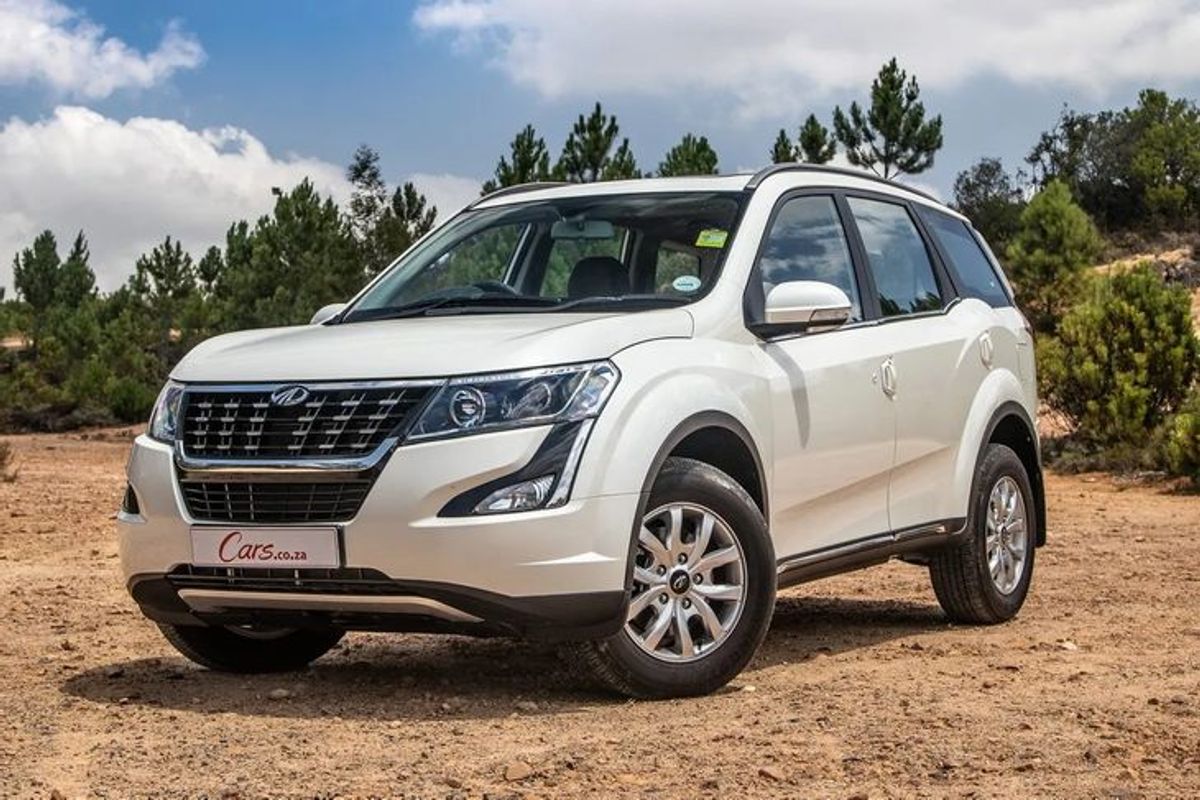
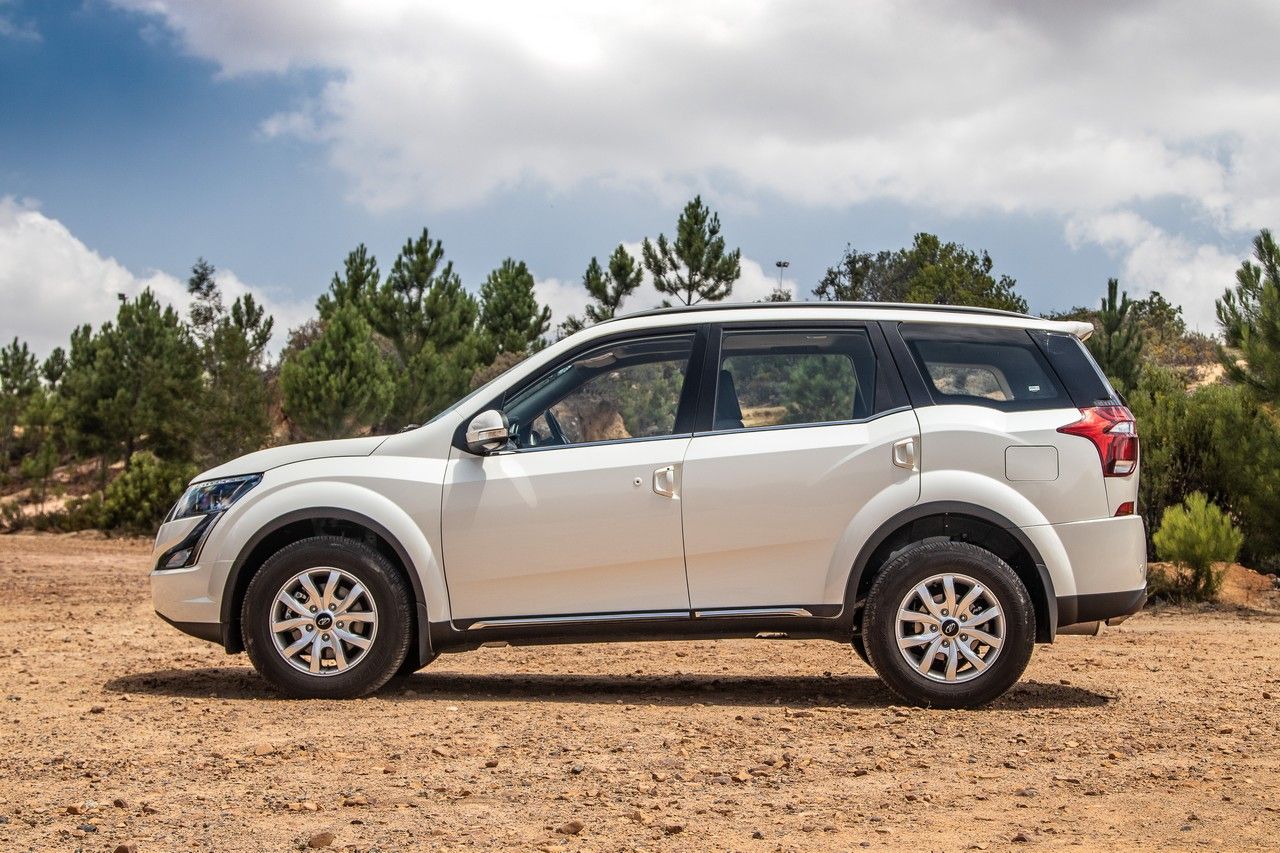
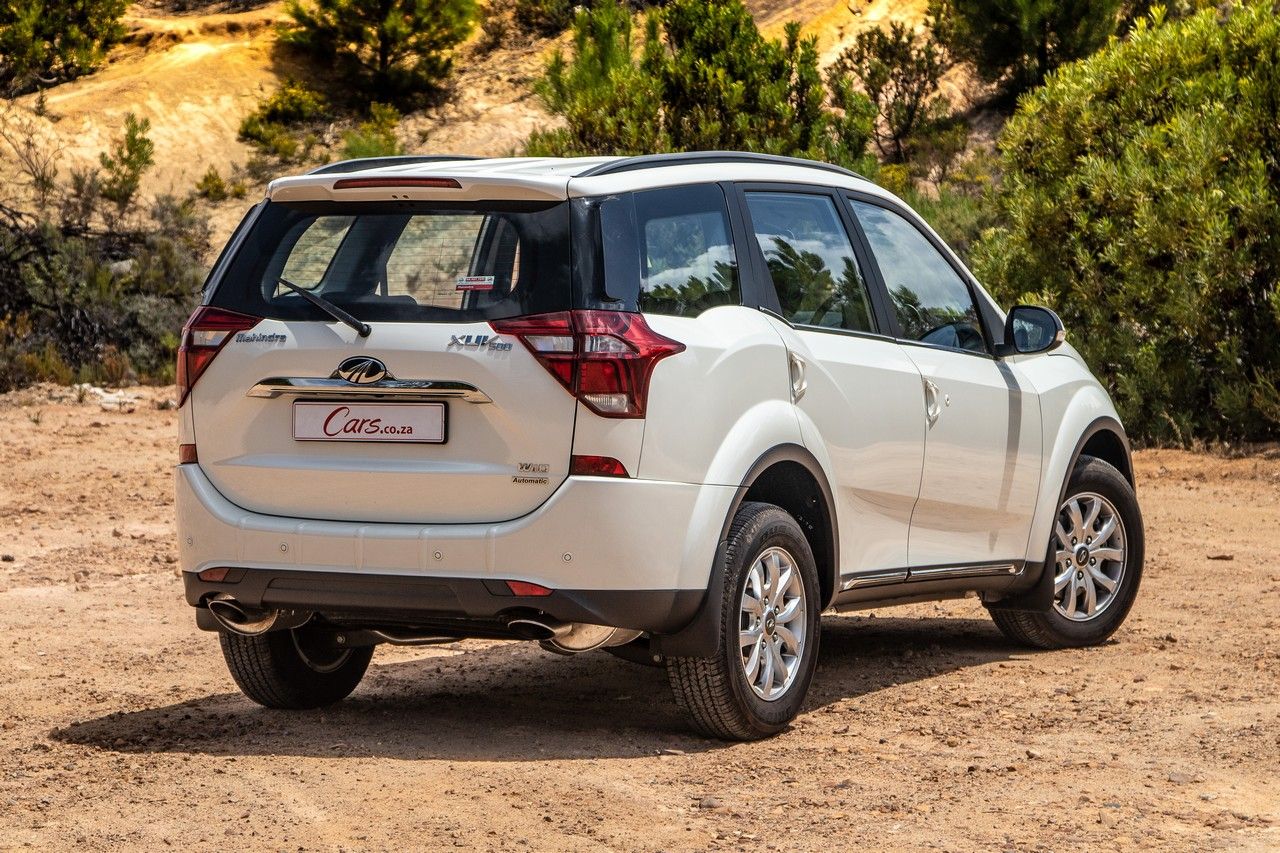
Some design quirks remain, but the XUV500 has matured into a far more attractive offering than the overly fussy first efforts.
Indian brand Mahindra is one of the fastest-growing car companies in South Africa, with a rapidly expanding product line-up as well as a significant dealership footprint. The XUV500, however, is one of its oldest products – first launched here in 2012, it has been facelifted numerous times and late last year another round of upgrades were made. The XUV500 is a fairly unique proposition in South Africa, being a large SUV with 7 seats, but offered at smaller crossover (compact family car) prices.
The focus of Mahindra's most recent update was to improve the XUV500's visual appeal, as well as the technology and features on offer. This flagship W10 derivative, with all its bells and whistles, is priced about R65 000 below the cheapest automatic Ford Everest. That's an attractive saving… but should you rather stretch those rands? Or perhaps… you should rather opt for the even more affordable XUV500 W8? Let's find out.
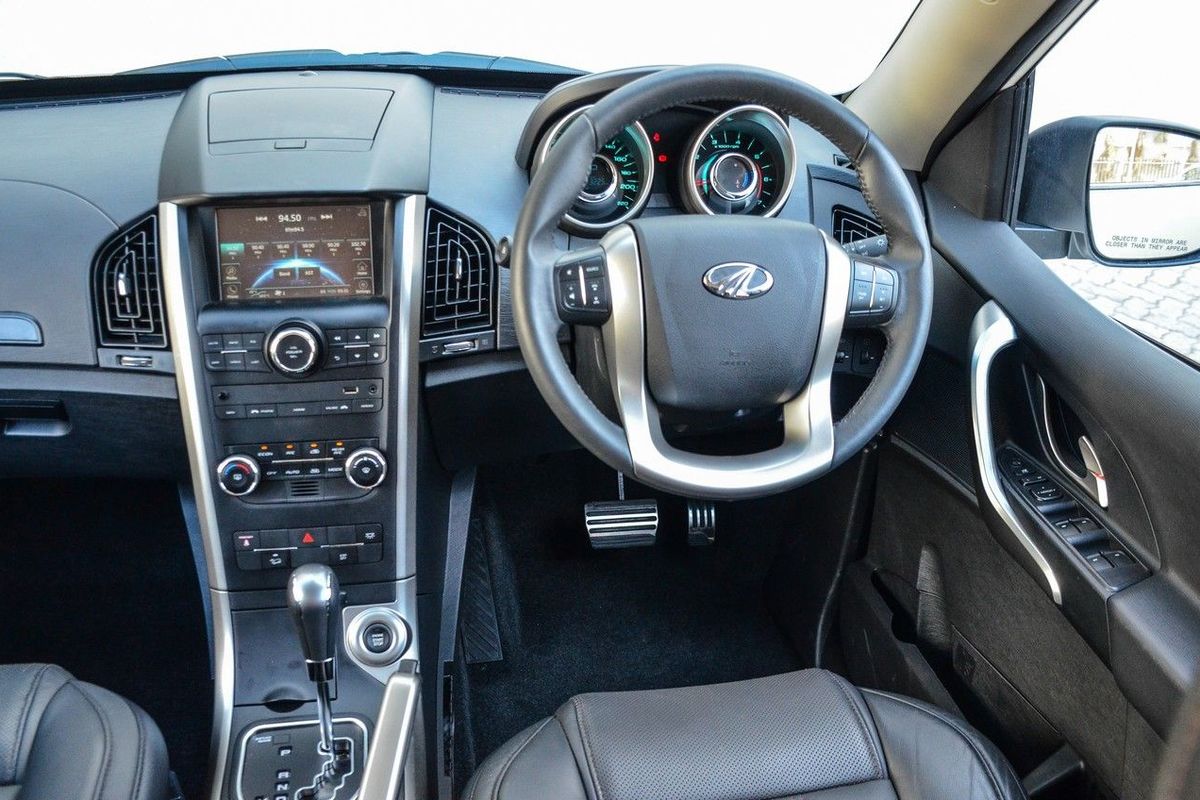
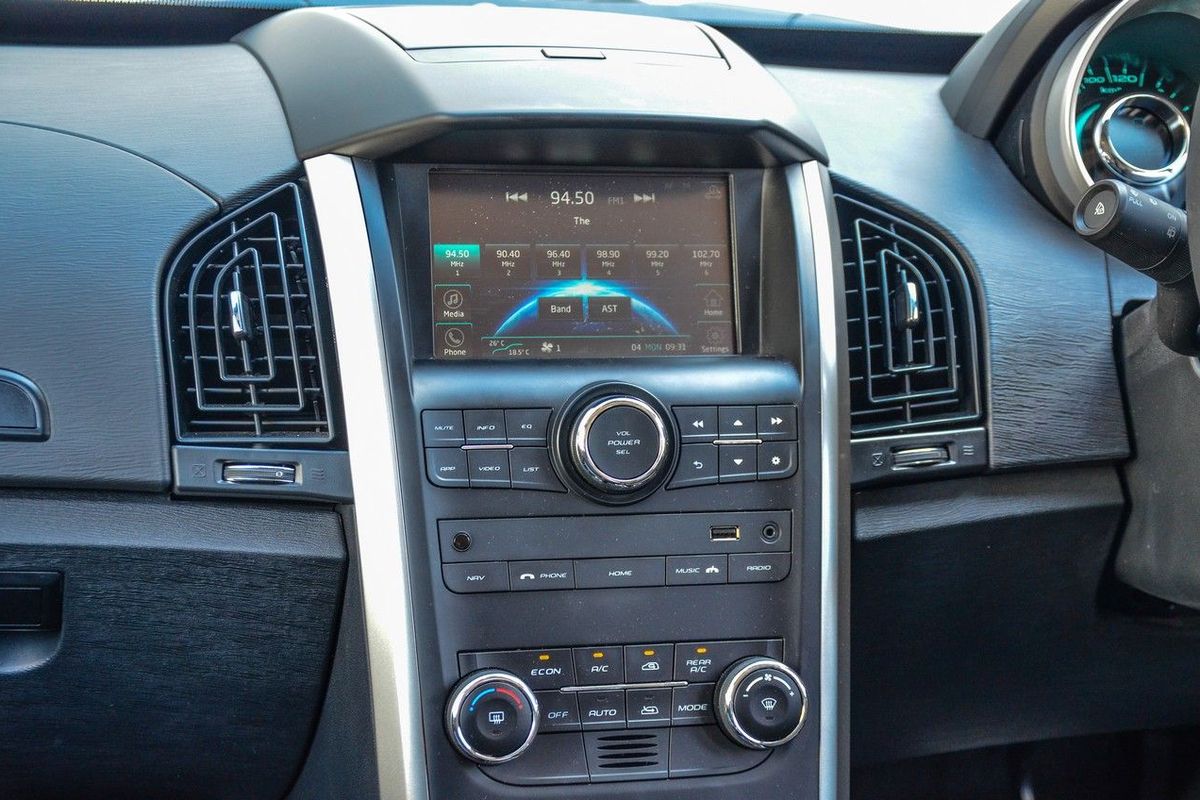
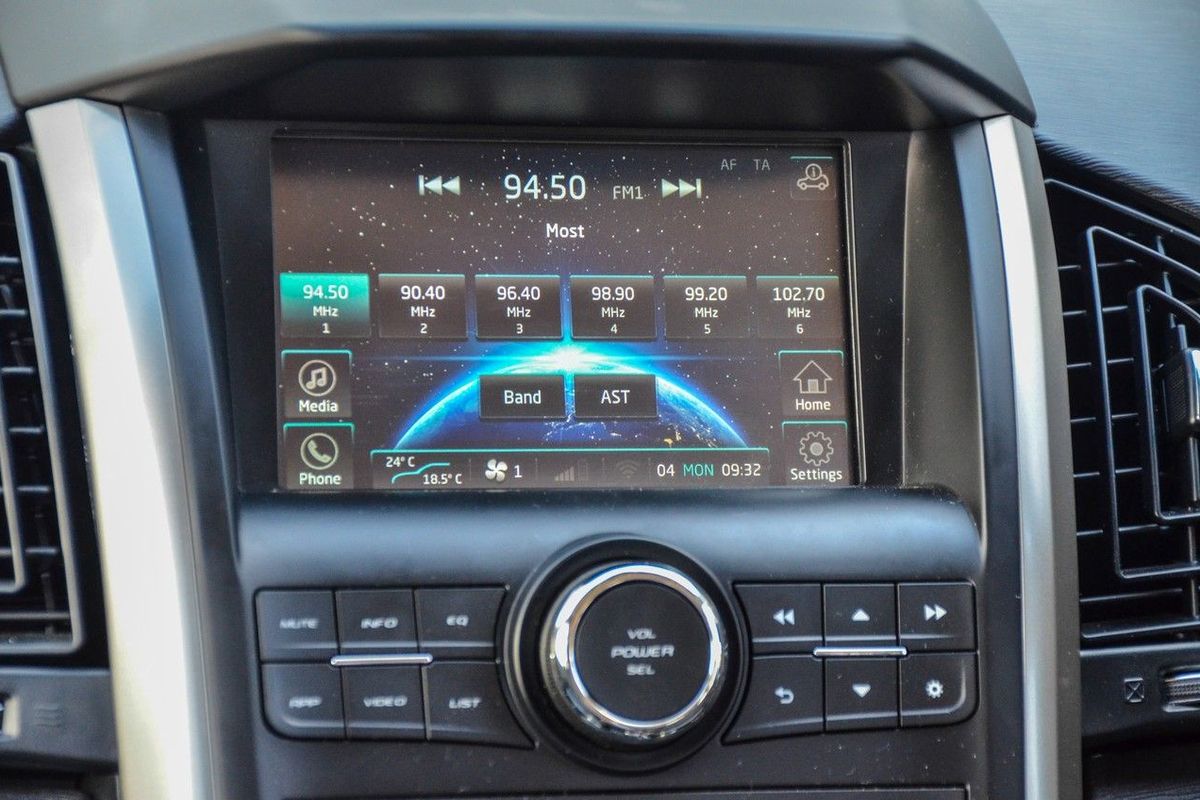
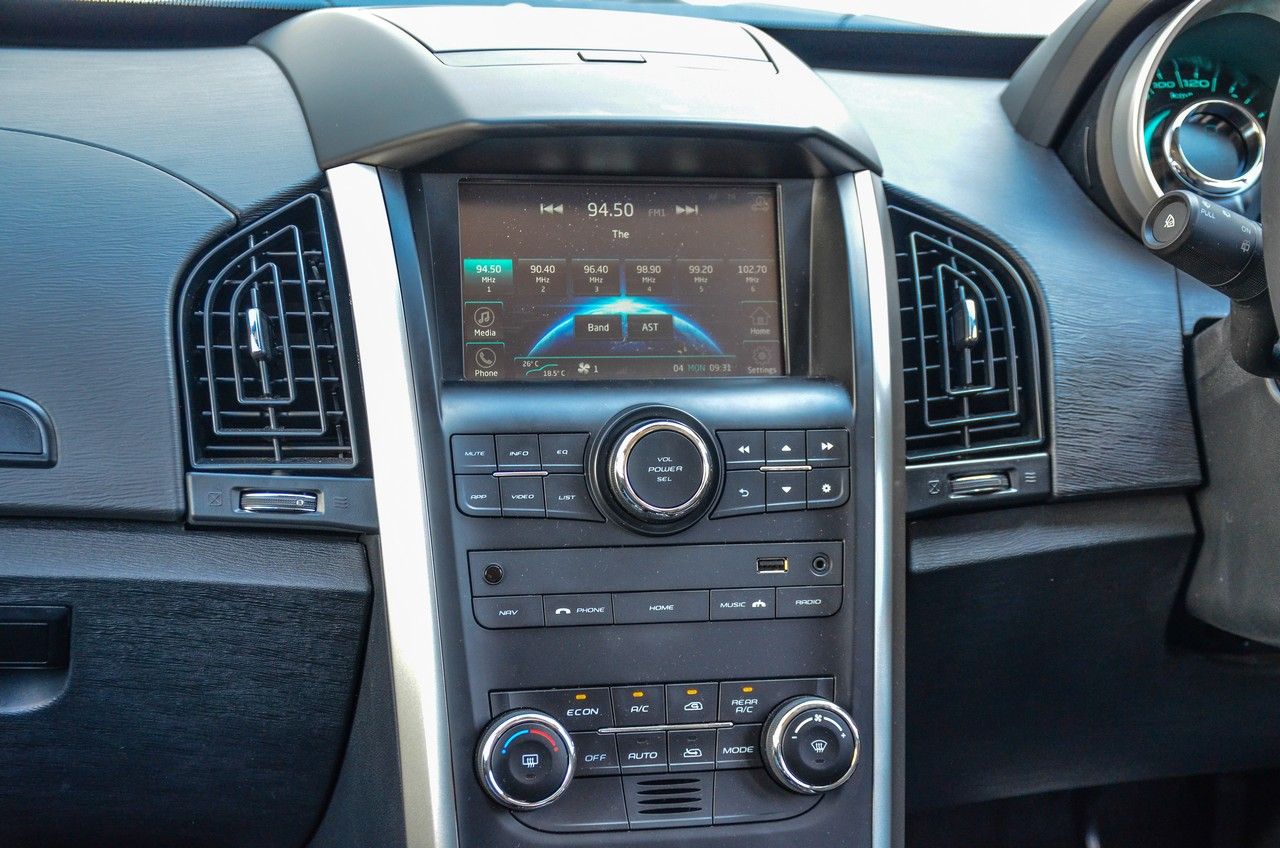
Touch-screen infotainment system offers comprehensive functionality. Single-zone climate control a little disappointing.
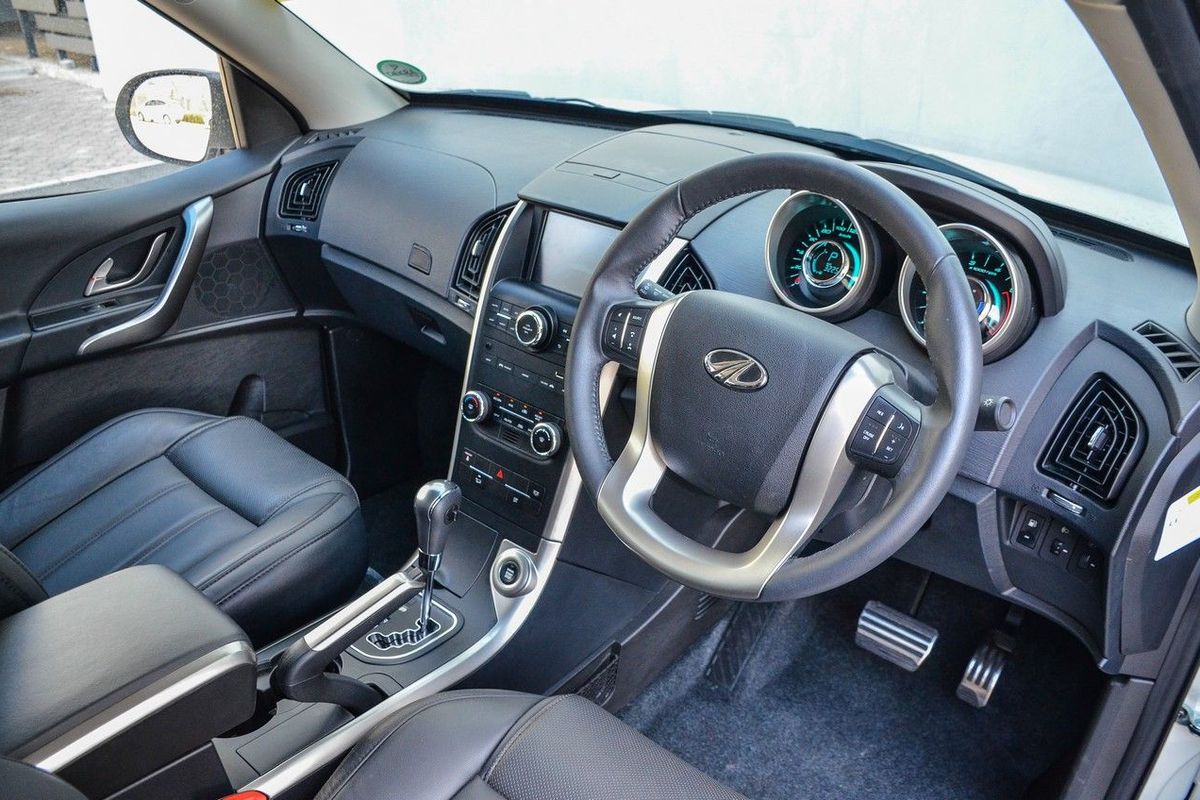
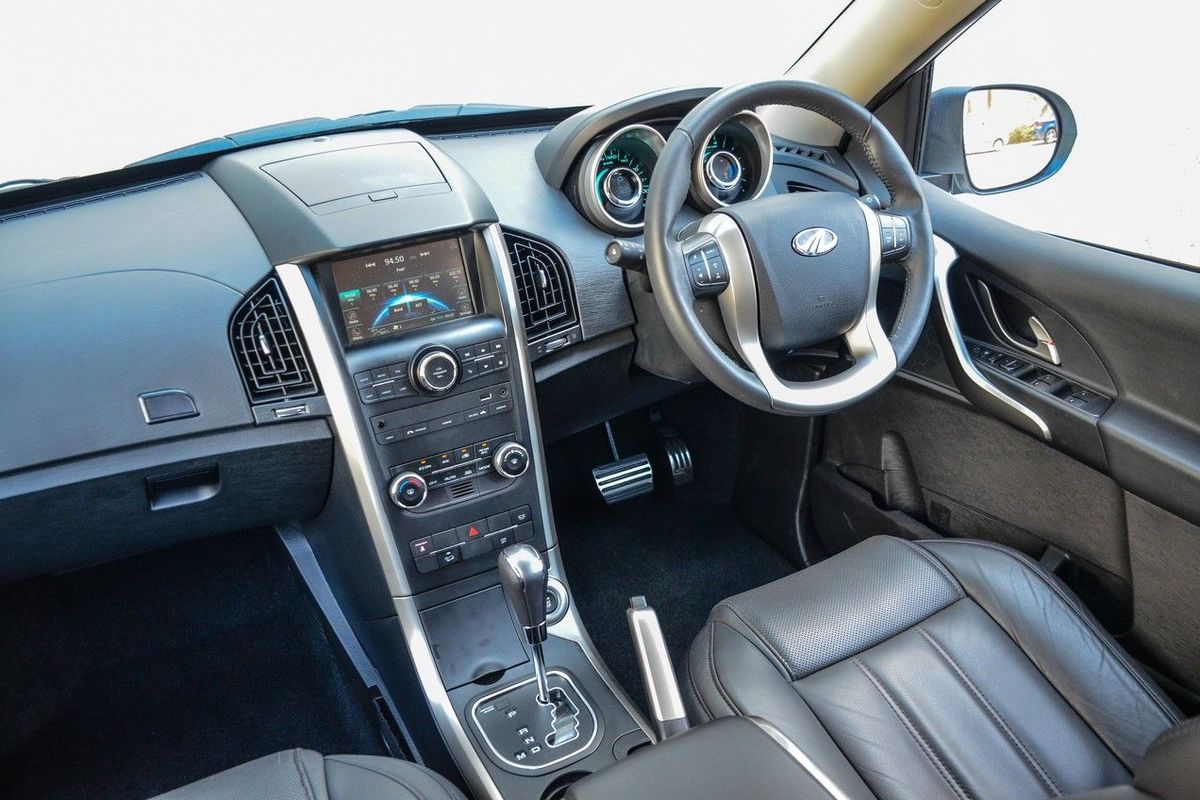
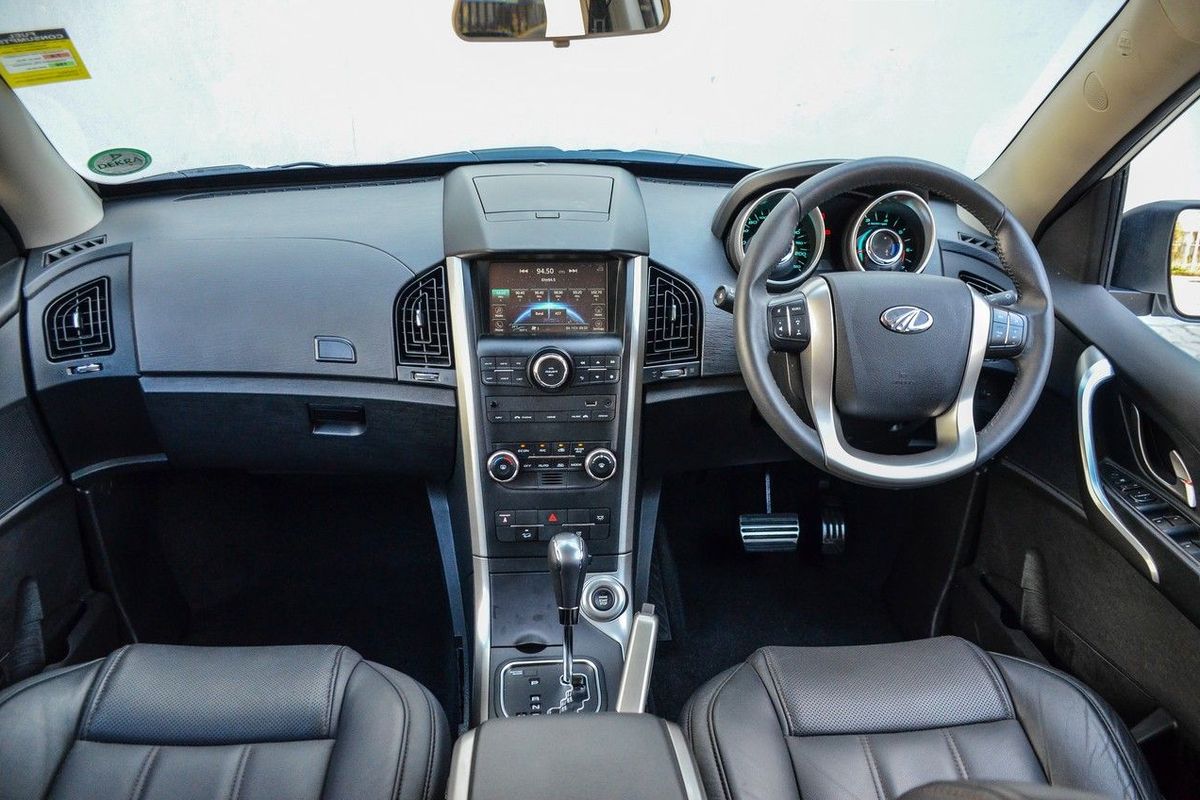
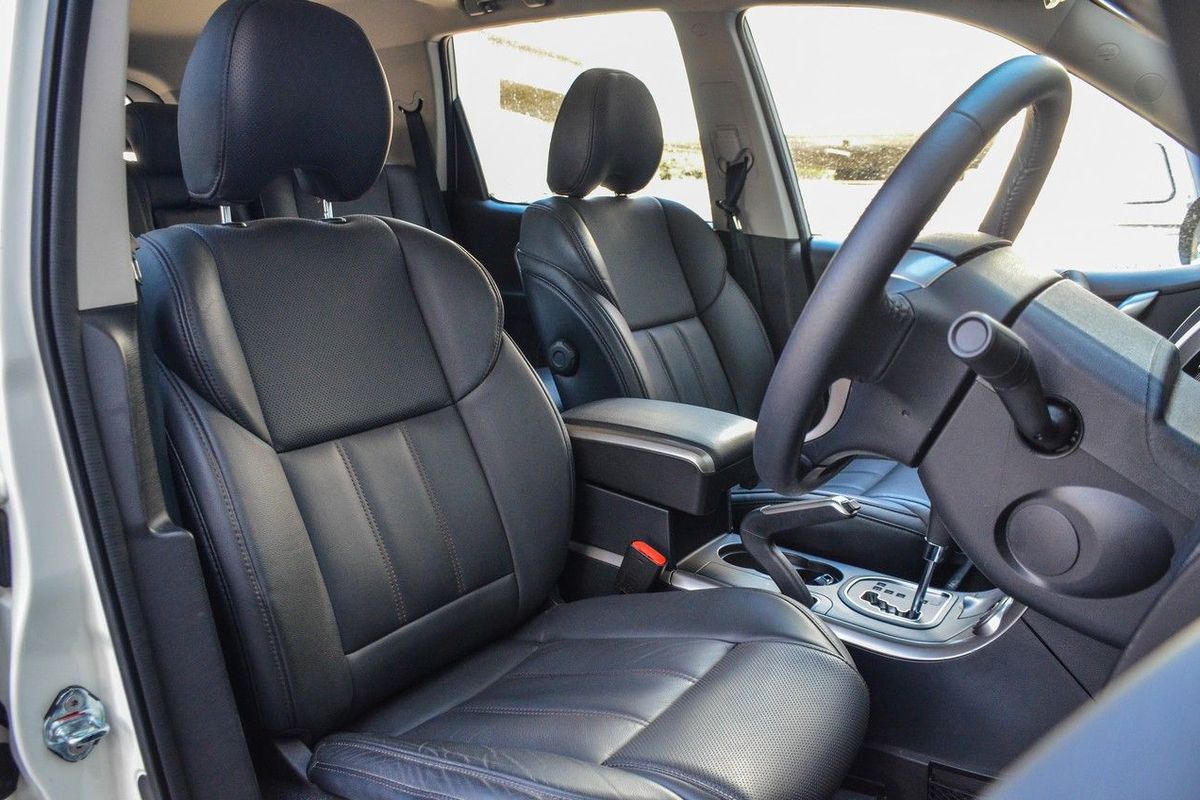
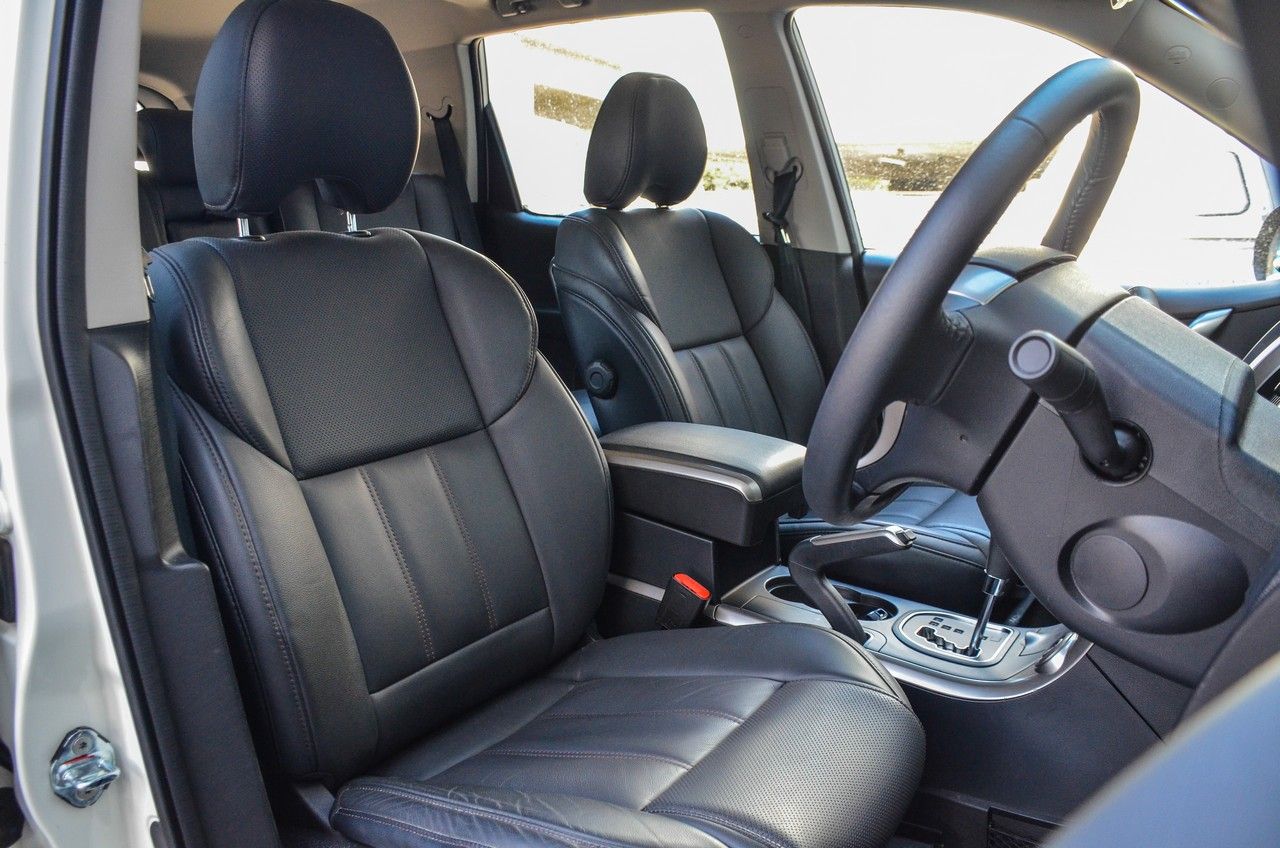
If you like to drive a car with all the toys, then the allure of the XUV500 W10 will immediately be strong. The cabin boasts leather upholstery in addition to another step up in terms of overall material fit and finish. Sure, the basic architecture remains somewhat dated and there are places where it can't match the tactile quality of its more expensive rivals, but overall, there's not much in the cabin that feels cheap and "nasty".
The infotainment system is very comprehensive too: it comprises a 7-inch touchscreen that also doubles as a display for the reverse-view camera. The W10 further boasts voice command control and built-in navigation. A good-quality Arkamys sound system is fitted to this derivative and it offers USB/aux/Bluetooth support. Conveniently, mobile charging points are provided for the 1st and 2nd-row occupants.
Leather upholstery is standard on the W10 flagship. Steering is rake/reach adjustable.
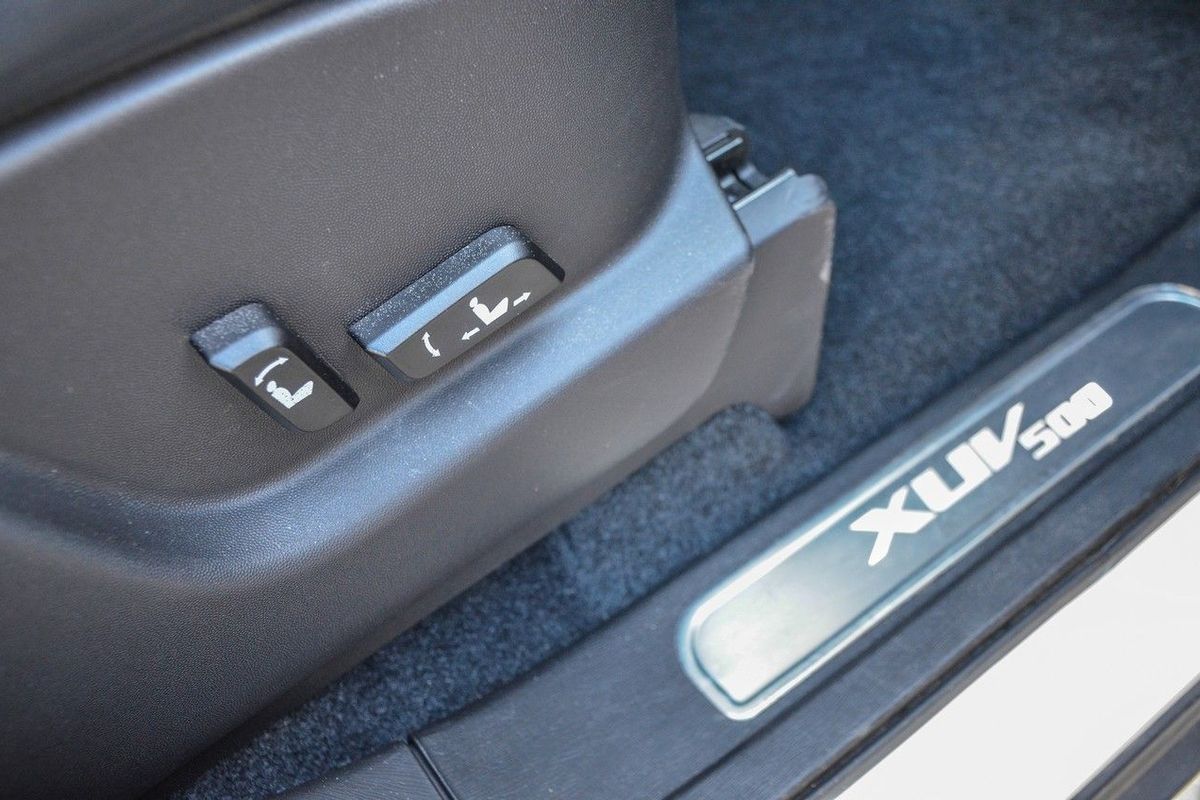
Other creature comforts include an electrically adjustable driver's seat, cruise control, rake and reach adjustment for the steering wheel (some XUV500 derivatives only offer rake), automatic wipers and lights, push-button start and an electric tilt/slide sunroof.
On the safety side, the XUV500 W100 offers 6 airbags, tyre-pressure monitoring, ABS with EBD and an electronic stability system. Hill Hold and Hill-descent control are also fitted.
In summary, this is a full-house offering that lacks precious little in terms of spec. If we had to nitpick, we'd say that single-zone climate control in the front is a little disappointing, but then again, those seated in the 3rd row get their own air-conditioning controls… You can't have everything!
Comfortable, efficient cruiser
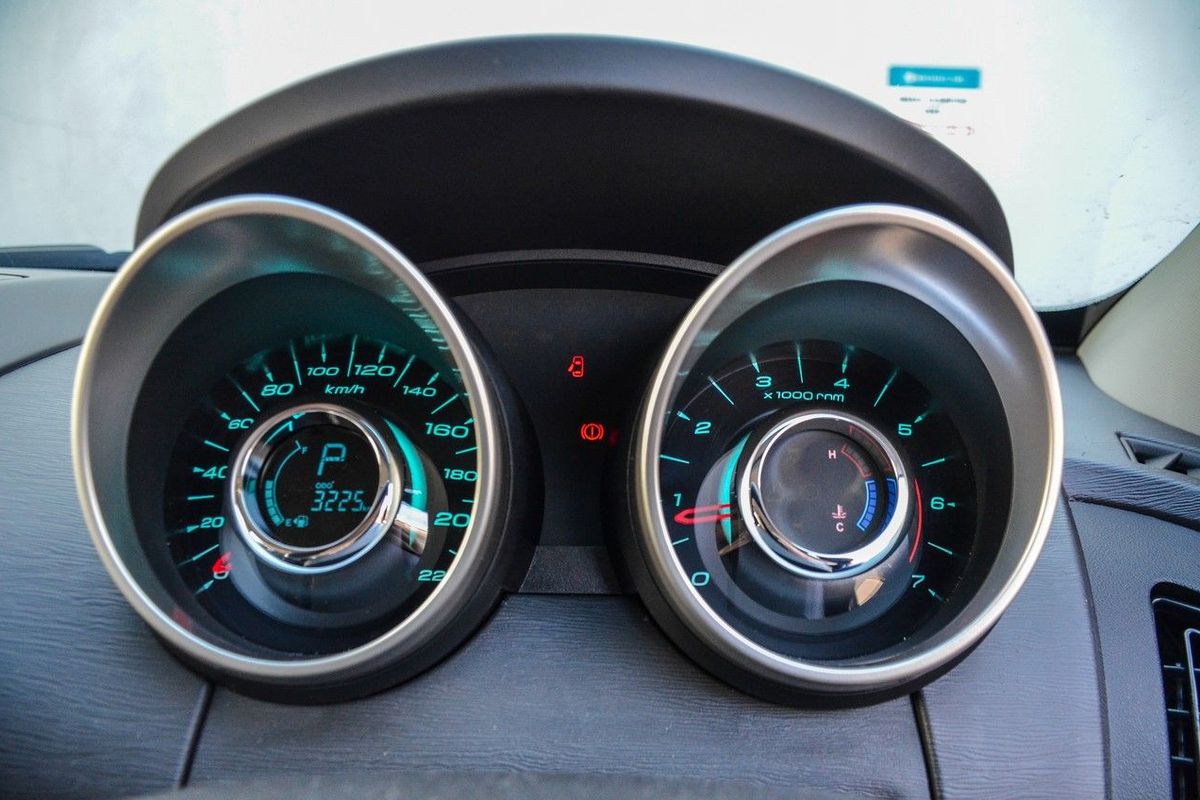
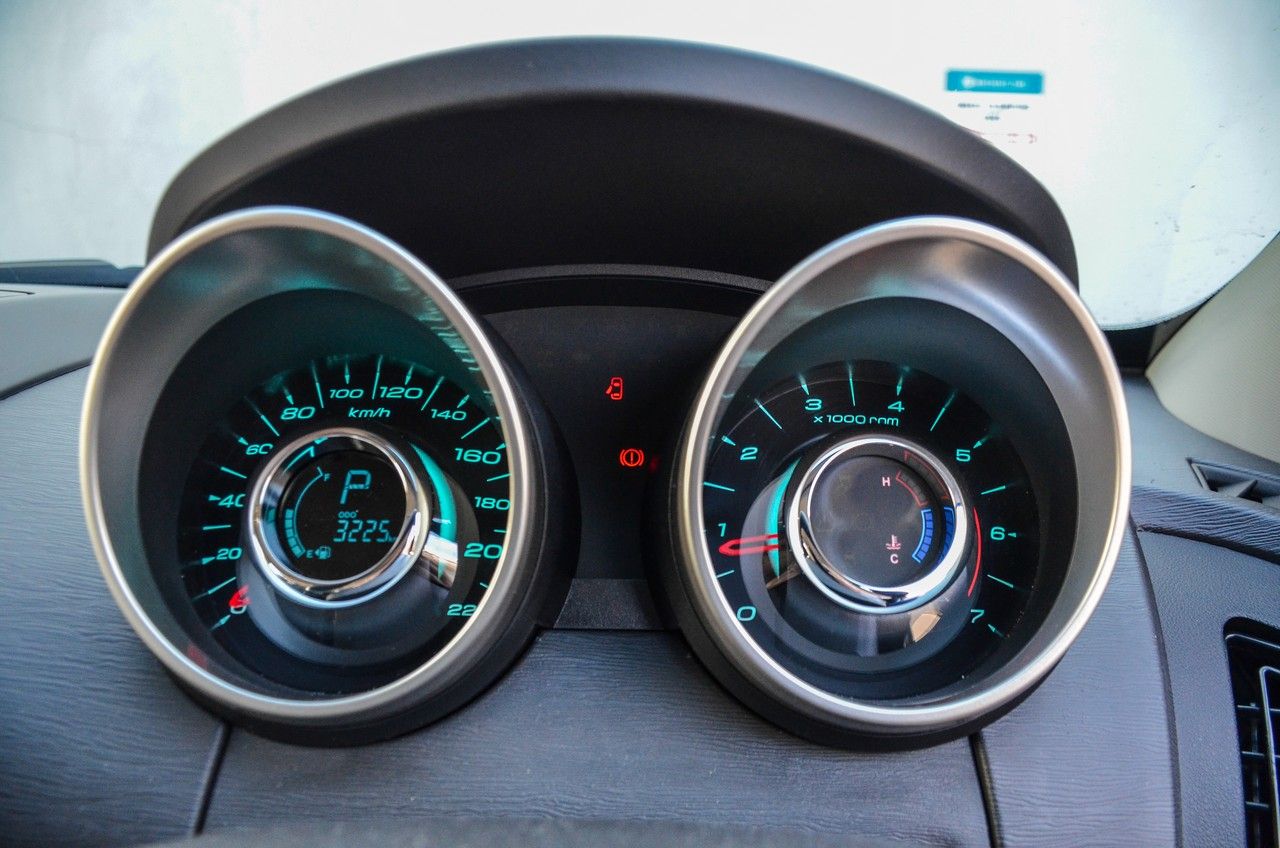
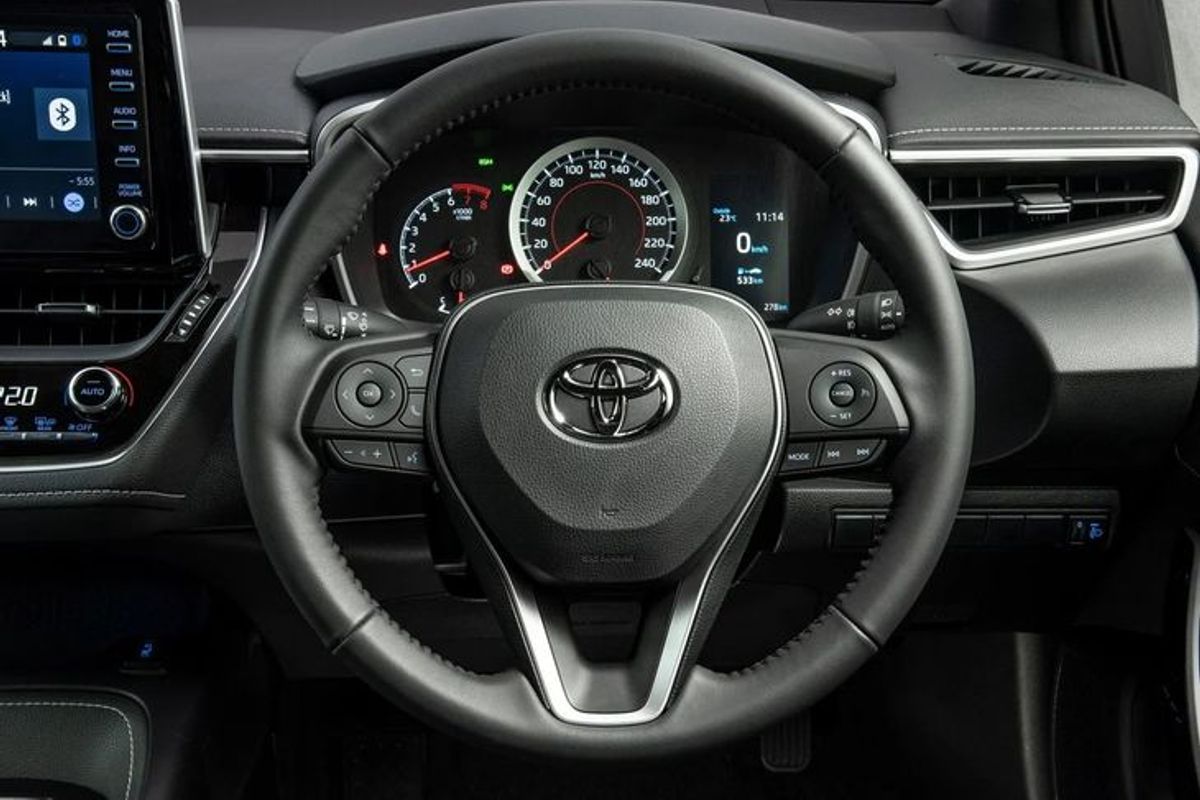
The XUV500's instrumentation is simple and clear, but you'll find the fuel consumption data on the infotainment screen.
When it was launched, the XUV500 was Mahindra's first monocoque product. So, unlike the Everest, Fortuner etc., the XUV500 actually doesn't ride on a ladder-frame chassis. In theory, then, it's better suited to normal use on typical tarred surfaces, but with a little extra ground clearance (the Indian firm claims a total of 200 mm) when needed. In recent years, Mahindra has also further fine-tuned the rear suspension (developed in conjunction with Lotus) for greater comfort and control and added significant sound deadening measures elsewhere in the structure.
On start-up, there's no hiding the somewhat gruff-sounding engine underneath the bonnet, but at cruising speeds, the XUV500 acquires a relaxed gait and is also impressively silent inside. The engine delivers 103 kW and 330 Nm, with the latter figure being available from 1 600 to 2 800 rpm. Mahindra doesn't quote claimed performance figures, but the XUV 500 has no trouble performing daily driving duties, though it's no ball of fire.
In general, it responds satisfyingly to throttle inputs and there is sufficient power for cruising at the national limit. A somewhat frustrating feature is the transmission lever gate – we struggled to quickly and accurately engage reverse, for example, when manoeuvring the XUV500 in parking areas.
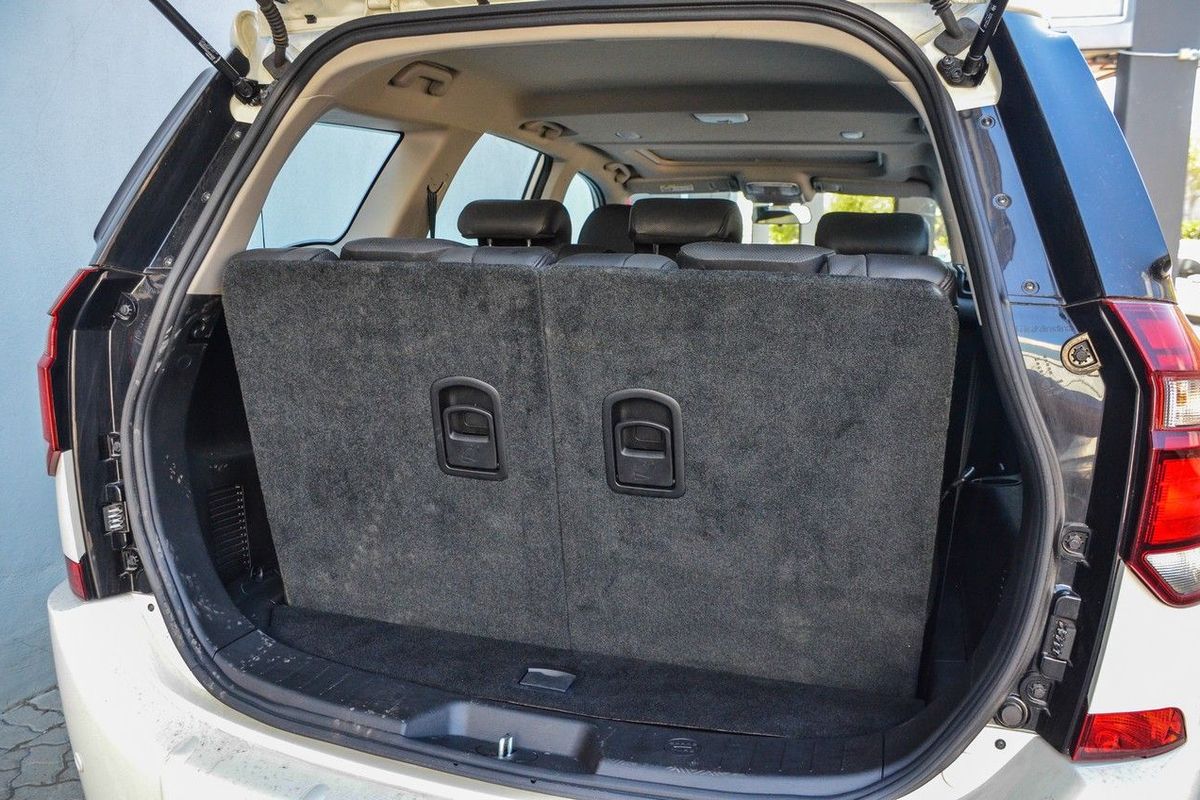
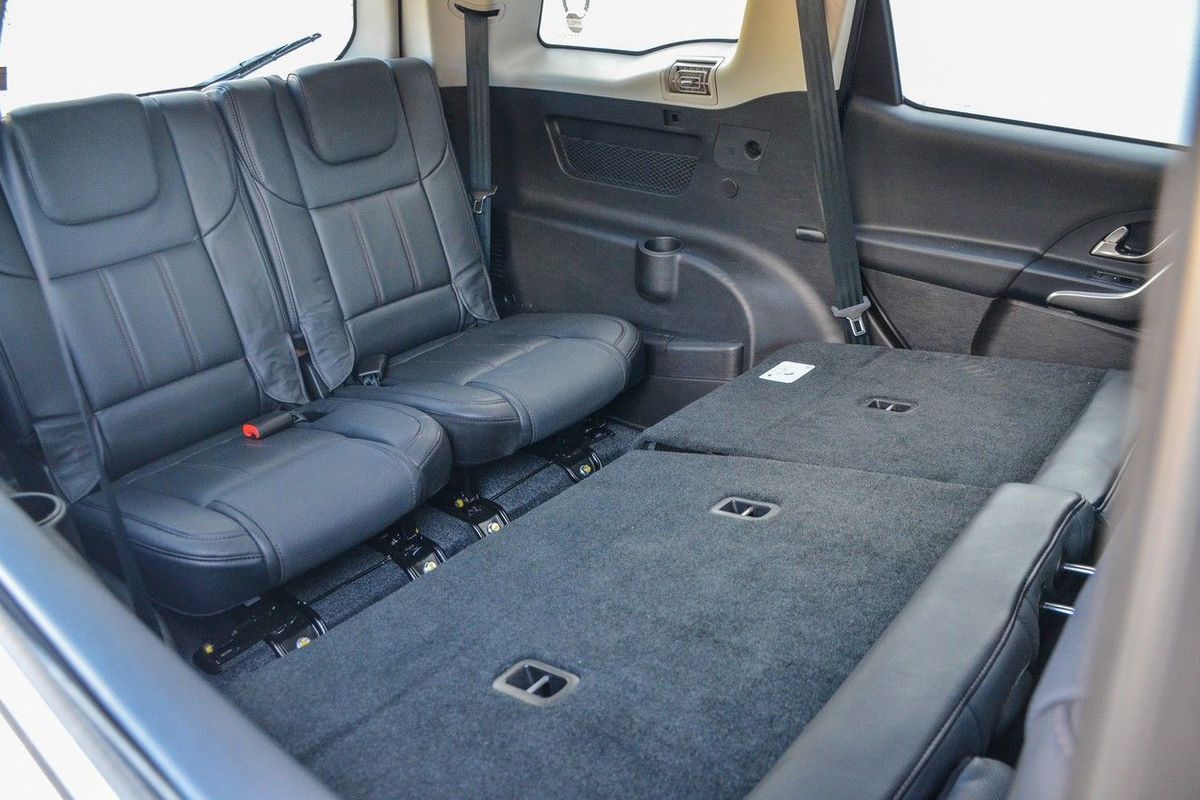
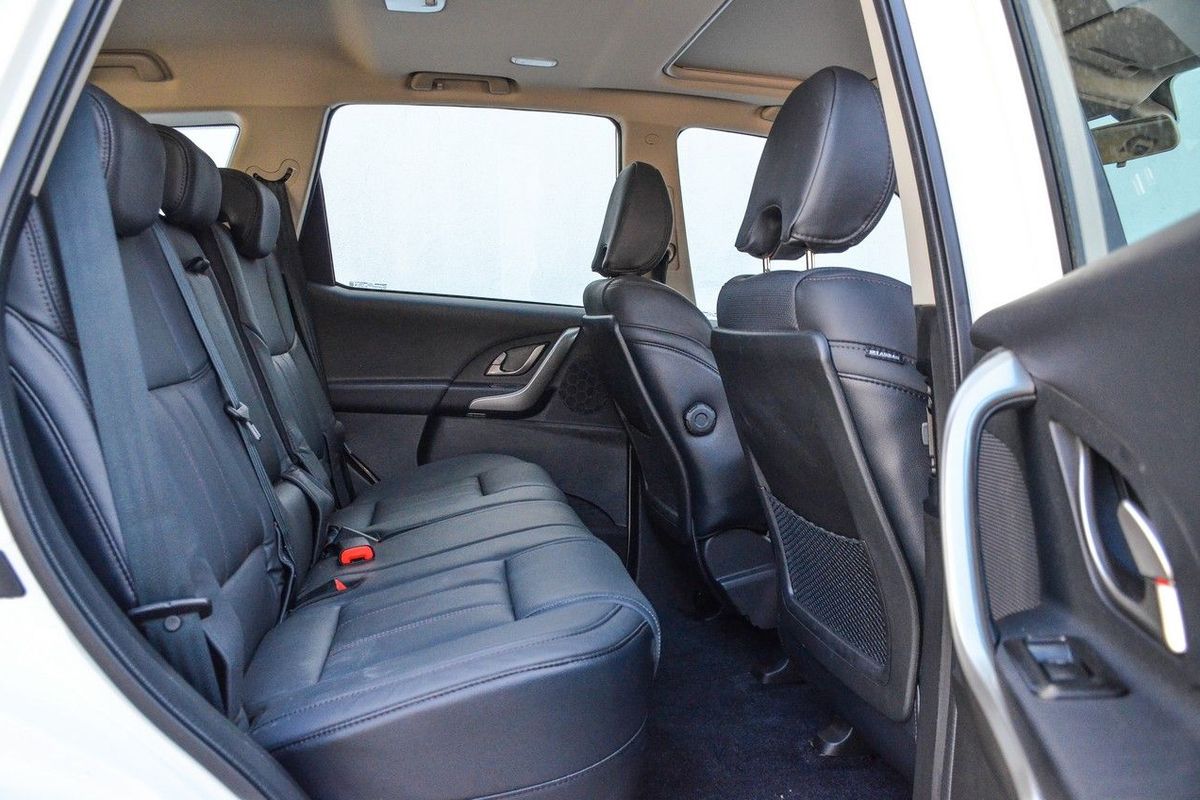
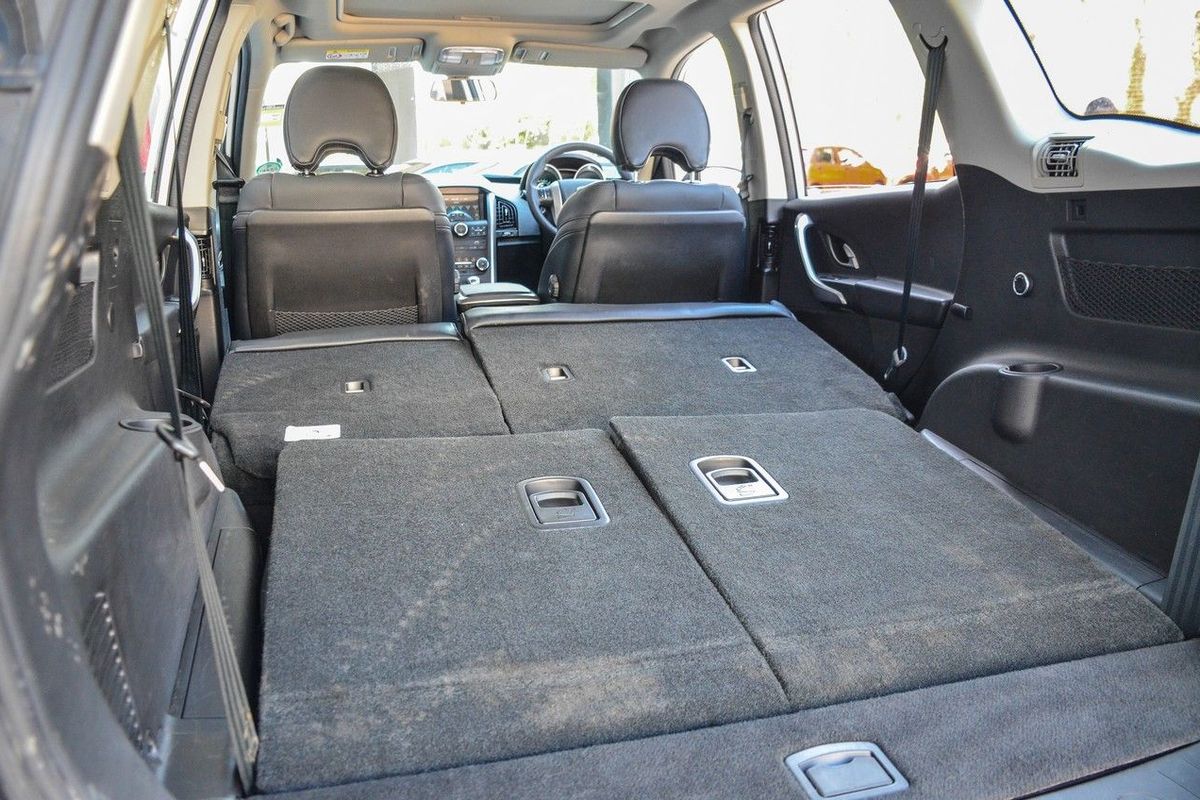
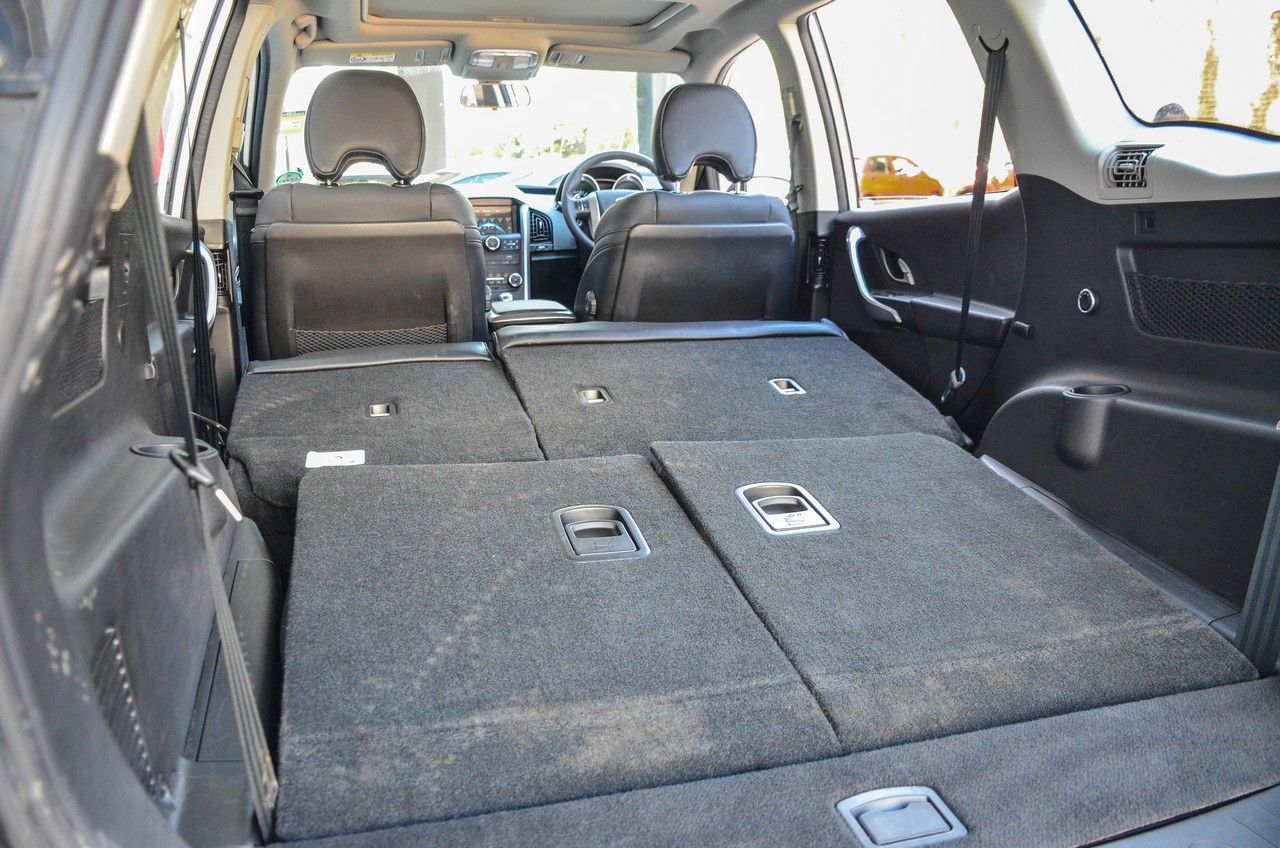
Rear seats fold flat into the floor, and middle row also folds down to create a long, flat load surface.
Out on the road, the ride is certainly softer than what you'd find in, for example, a Toyota Fortuner, but it's also somewhat less controlled, so there's significant body roll in the corners. This is unlikely to be a major concern to most owners who will appreciate the comfort, luxuries and… efficiency!
That's right, Mahindra claims a consumption figure of 7.4L/100 km, which appears optimistic, but in reality, we achieved 8.1 L/100km, which is nonetheless excellent for such a large, spacious vehicle. We also used the XUV500's full carrying capacity on numerous occasions.
Practical packaging (mostly)
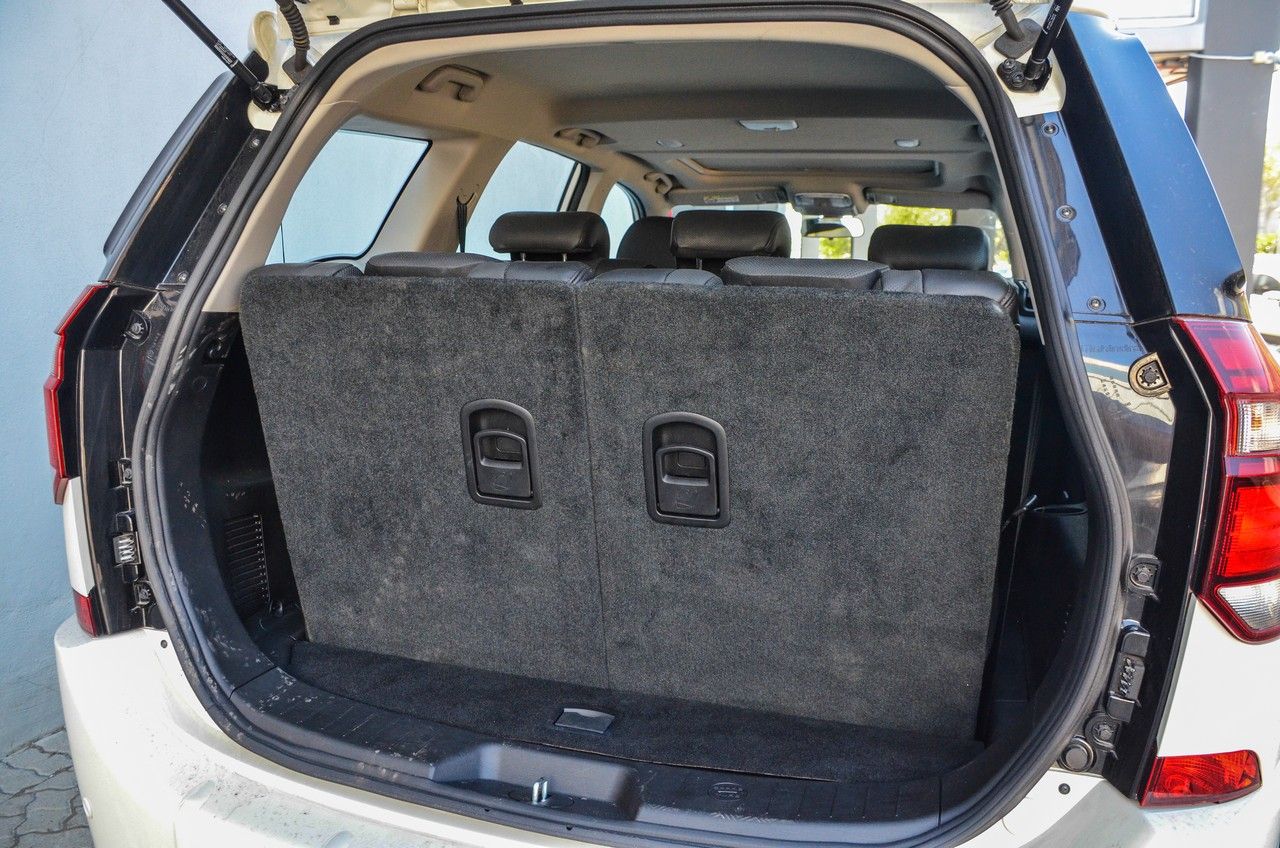
With all seats in use, the XUV500 offers negligible boot space. You'll have to invest in a trailer or roofbox if you're going to be using its seating capacity often.
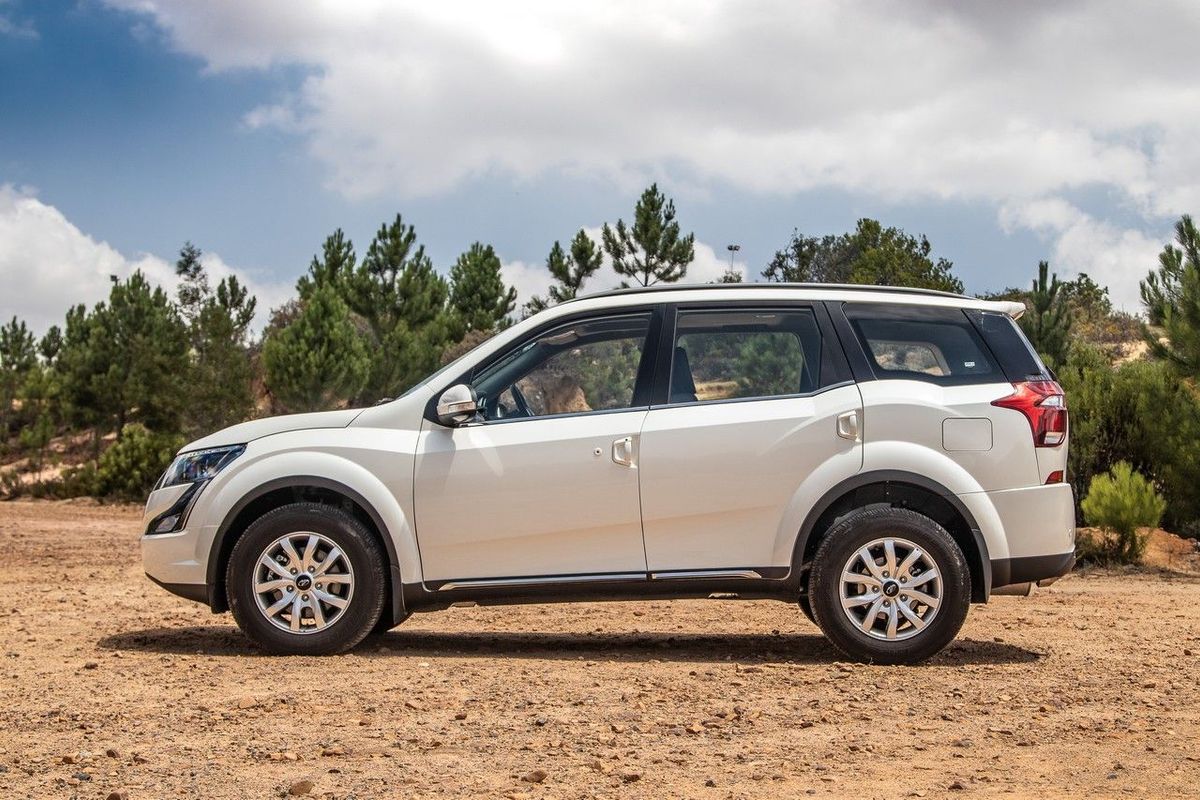
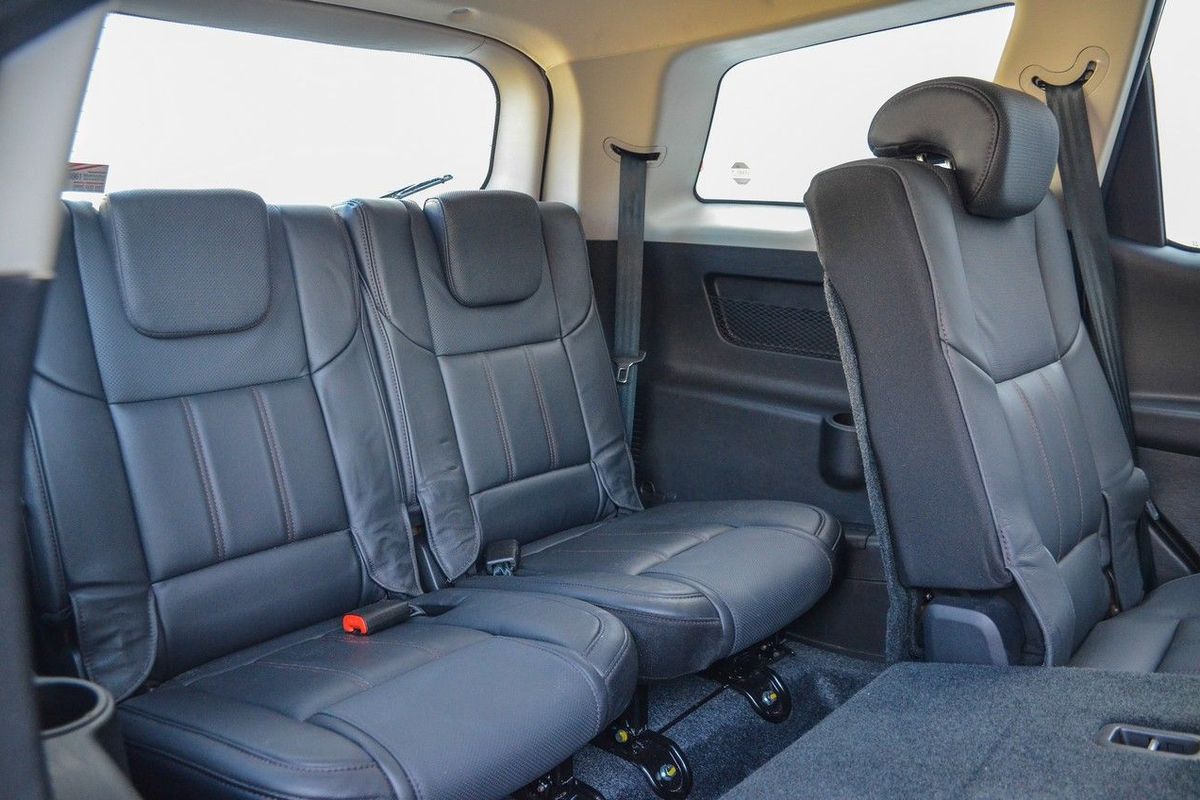
Due to its bulky looks, raised stance, 7 seats and turbodiesel engine, the XUV500 is often regarded a direct competitor to the Ford Everest and Toyota Fortuner, but in reality, it is quite a lot smaller. It's roughly 300 mm shorter than an Everest, for example. In fact, it's even shorter than a VW Tiguan Allspace. And yet, the XUV500 manages to offer good interior space for 7 occupants, even if the 3rd row is really best suited for kids.
The trade-off is luggage space. If all 7 seats are in use, there is basically no space in the load bay. However, when the 3rd row is folded flat into the floor, the bay is of a very decent size, so rather think of the XUV500 as a spacious 5-seat family car that offers occasional 7-seater ability. The focus on family practicality is also evident in the front, where there are 2 glove compartments, a fairly large and rubber-lined storage box on the fascia and more storage between the front seats.
A nice touch is that ventilation outlets and drinks holders are provided for all 3 rows – there is even fan control in the 3rd row.
Pricing & Warranty
The flagship Mahindra XUV500 W10 currently (March 2019) sells for R419 999. The price includes a comprehensive 5-year/150 000 km warranty and 5-year/100 000 service plan. The XUV500 is also currently subject to a Guaranteed Future Value plan.
Verdict
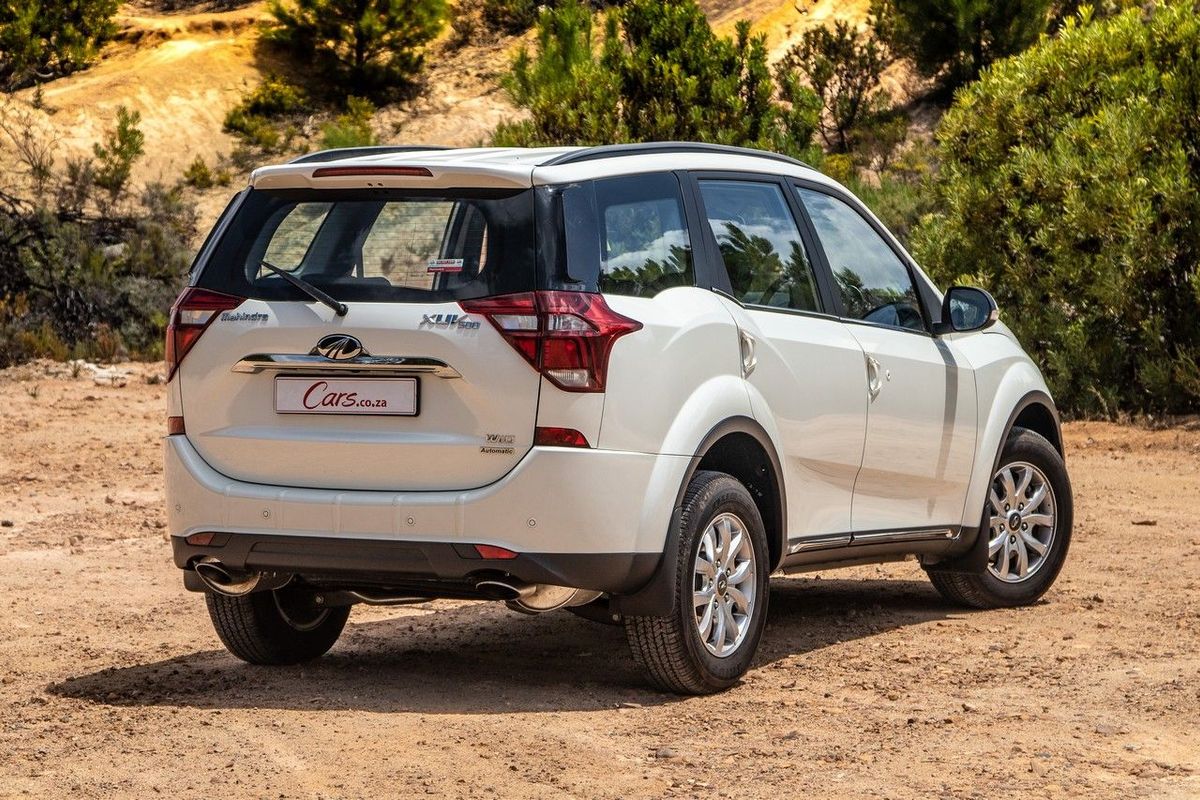
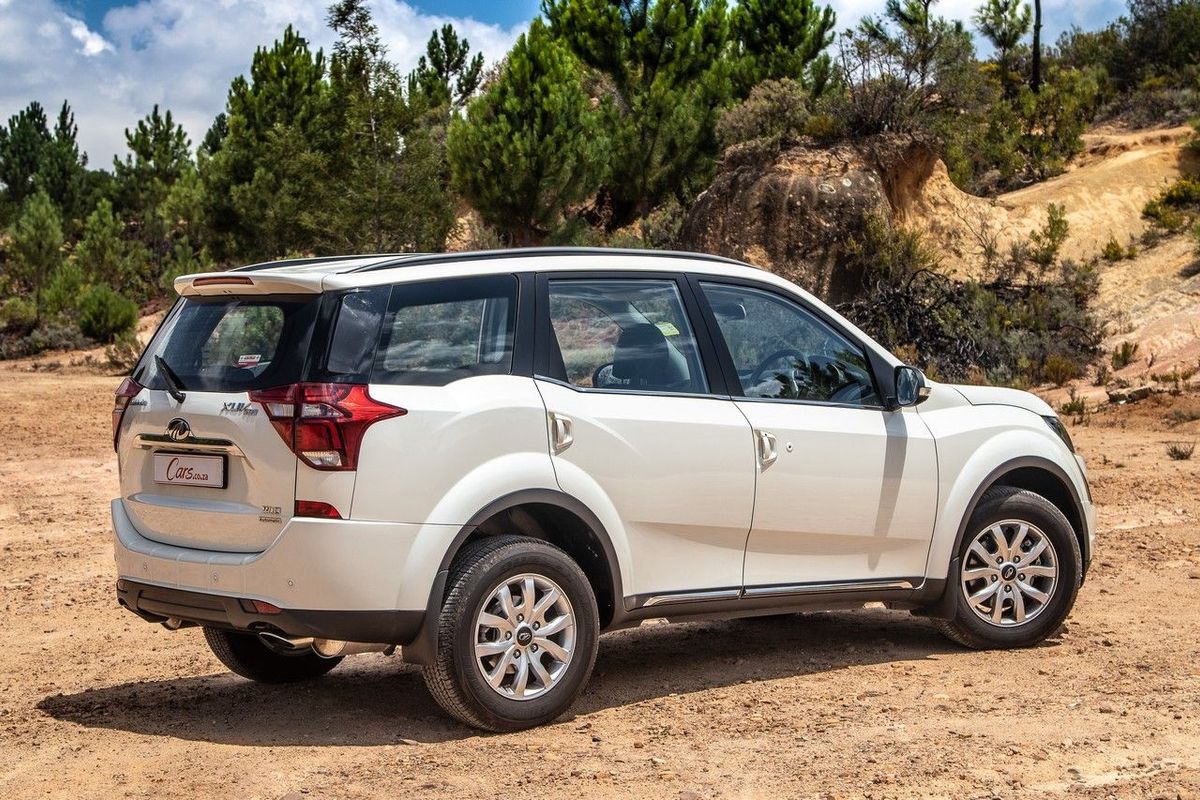
The rear end has seen the most change; a new tailgate and combination lamps give the XUV500 a much more modern appearance.
If you're looking for a comfortable, well-equipped large SUV at a relatively small price, and it has to be new, then you can't really fault the Mahindra XUV500 W10. It offers a heck of a lot of car for the money, and that warranty/service plan further adds to the appeal.
We think, however, that (as is often the case with affordability-focused products) the best value can be found lower down in the model line-up. For a saving of roughly R18 000, you'd only forego the sunroof and keyless access/push-button start system if you opted for the W8 derivative. Those are sacrifices we'd happily make, and the lower price further enhances the XUV500's inherent appeal.
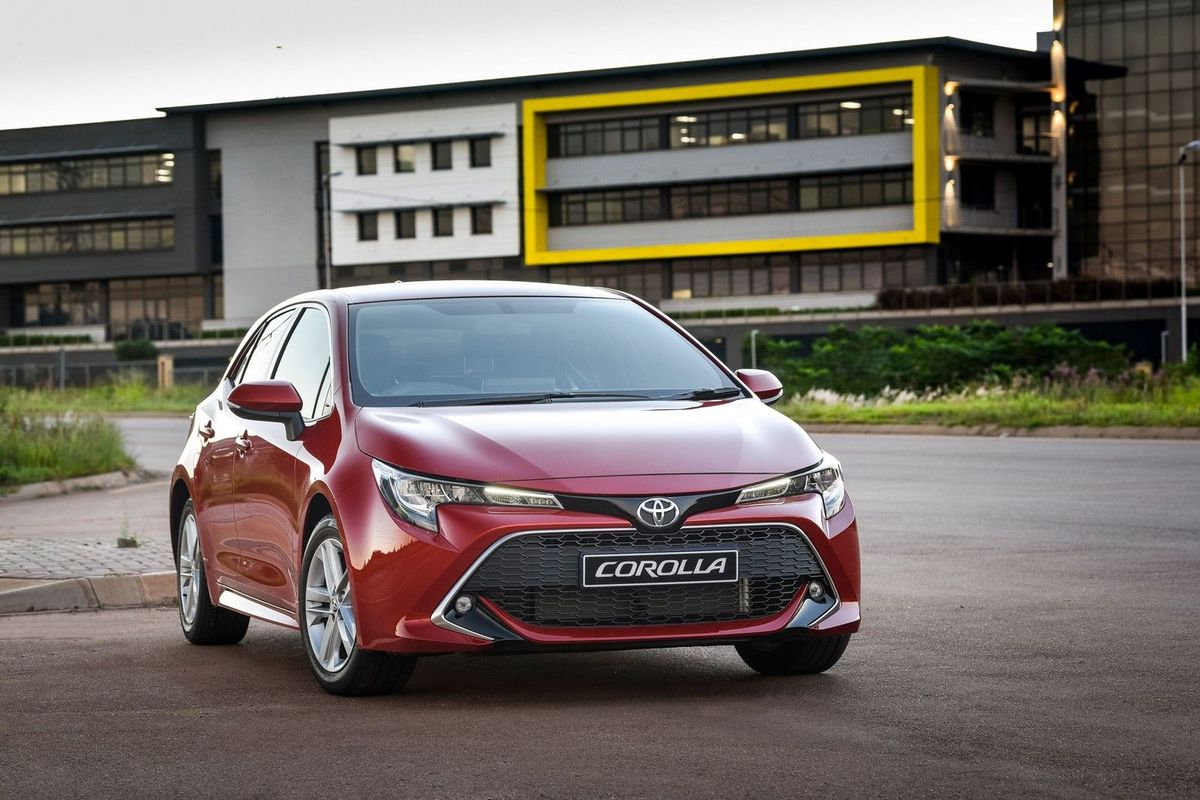
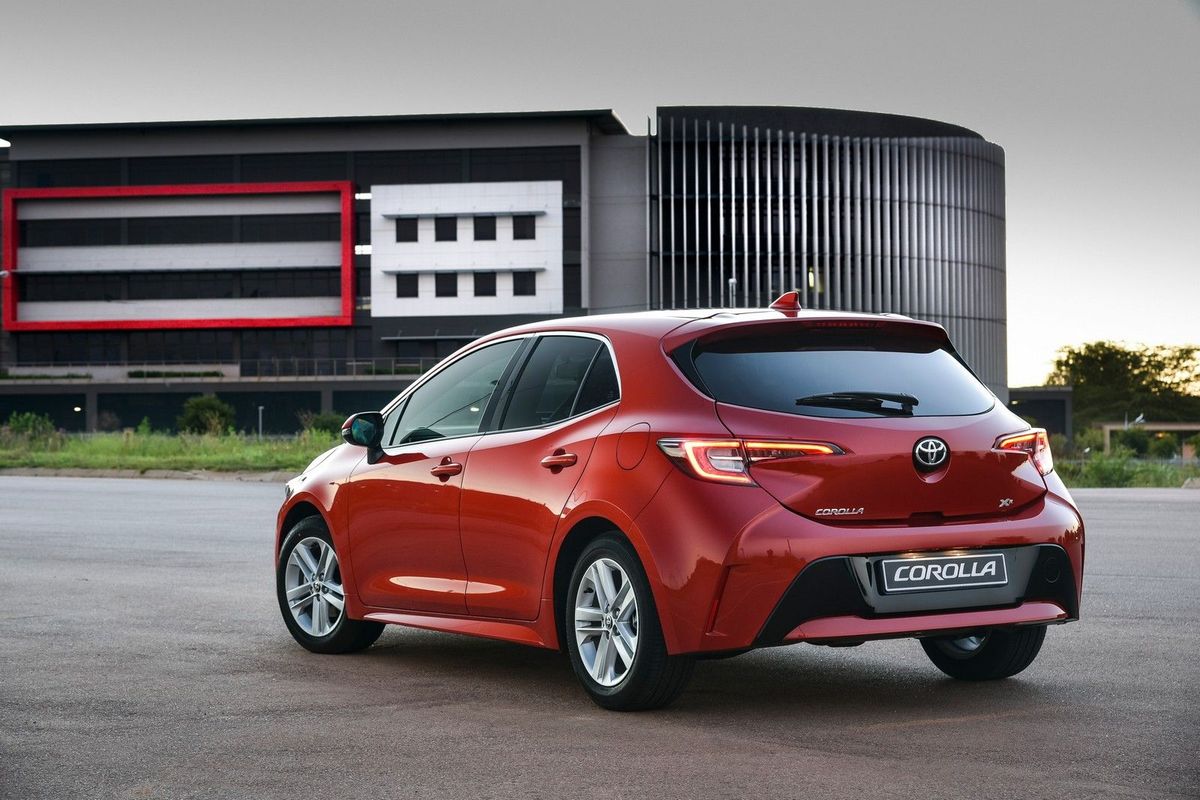
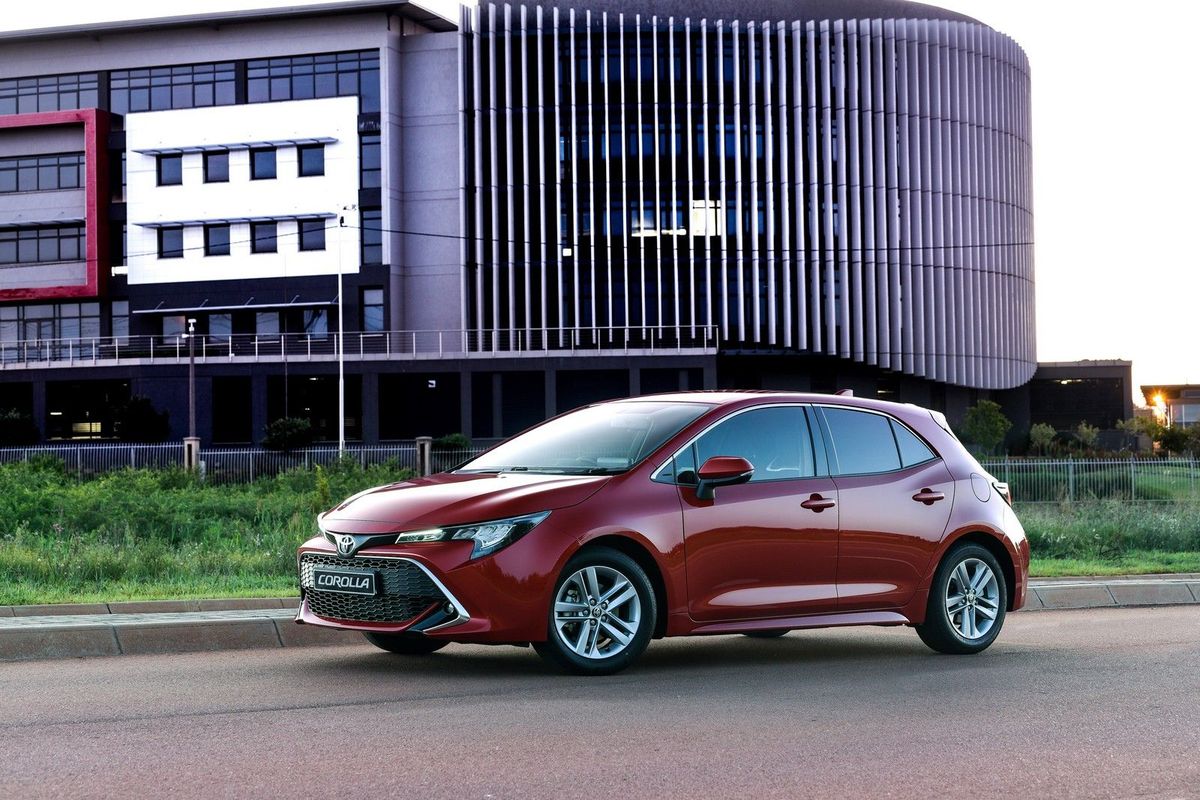
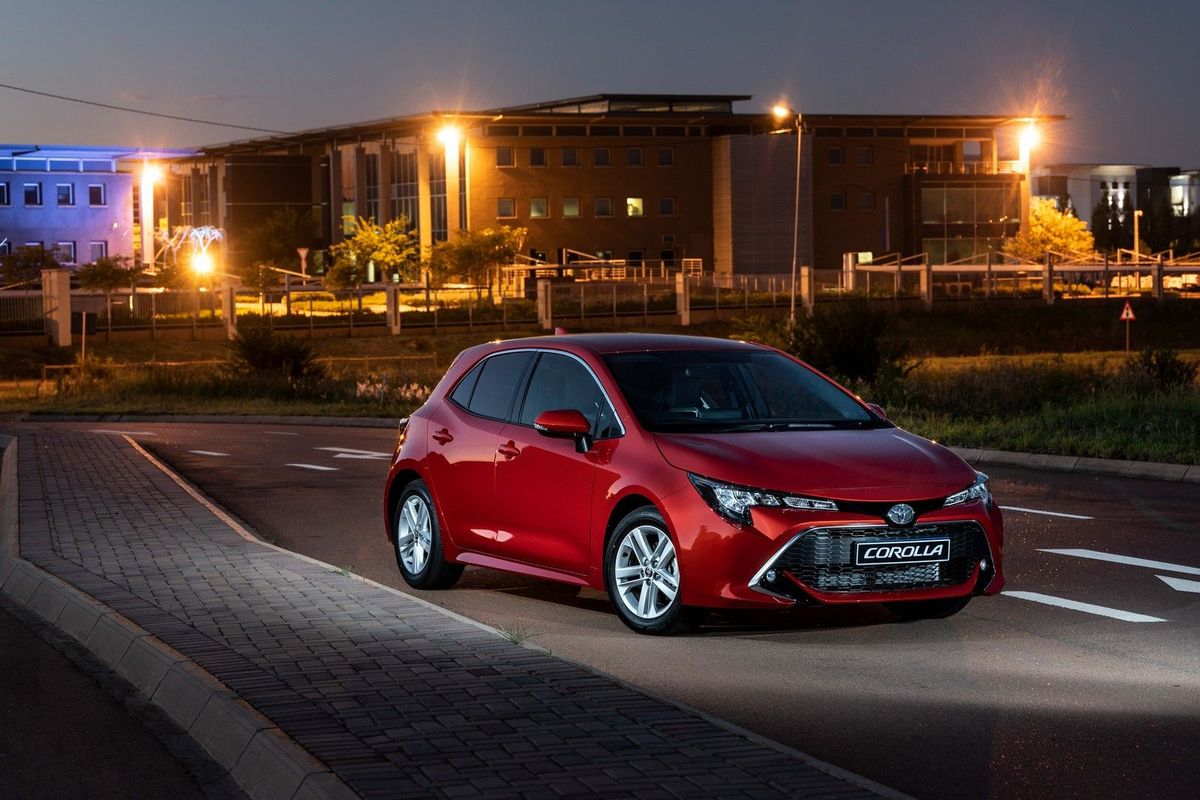
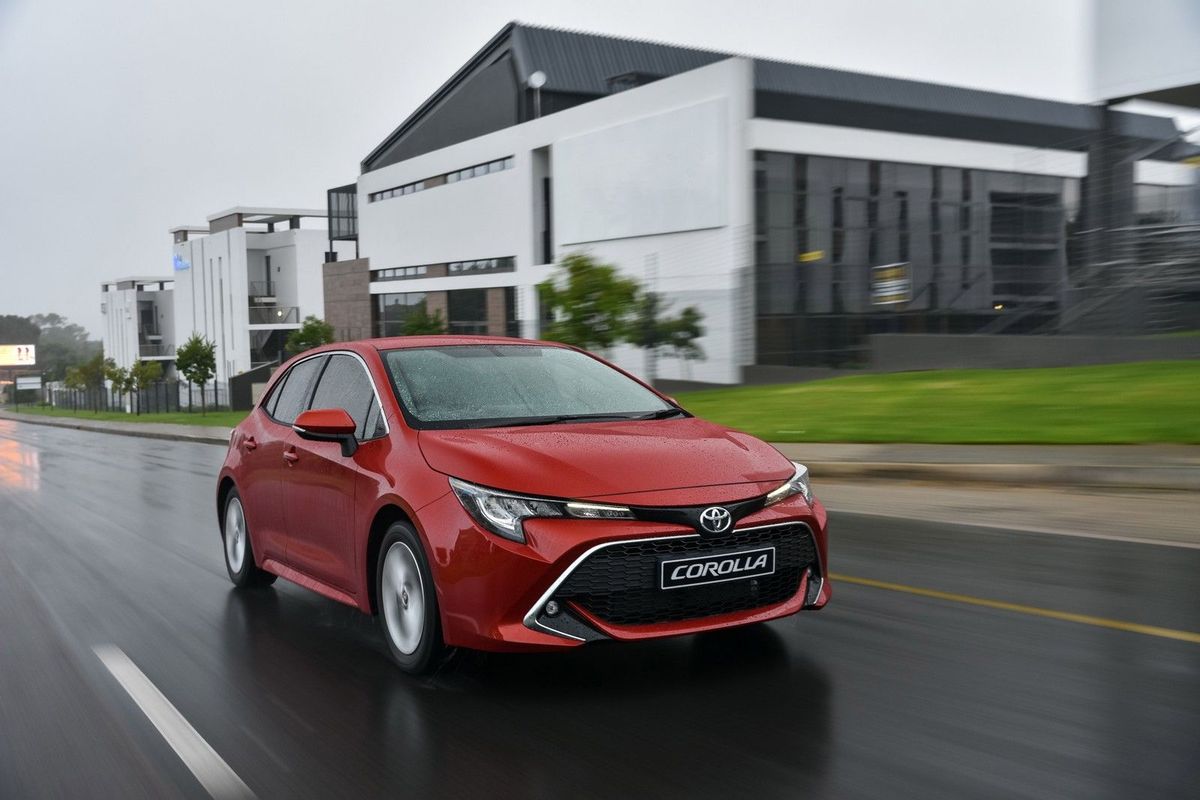
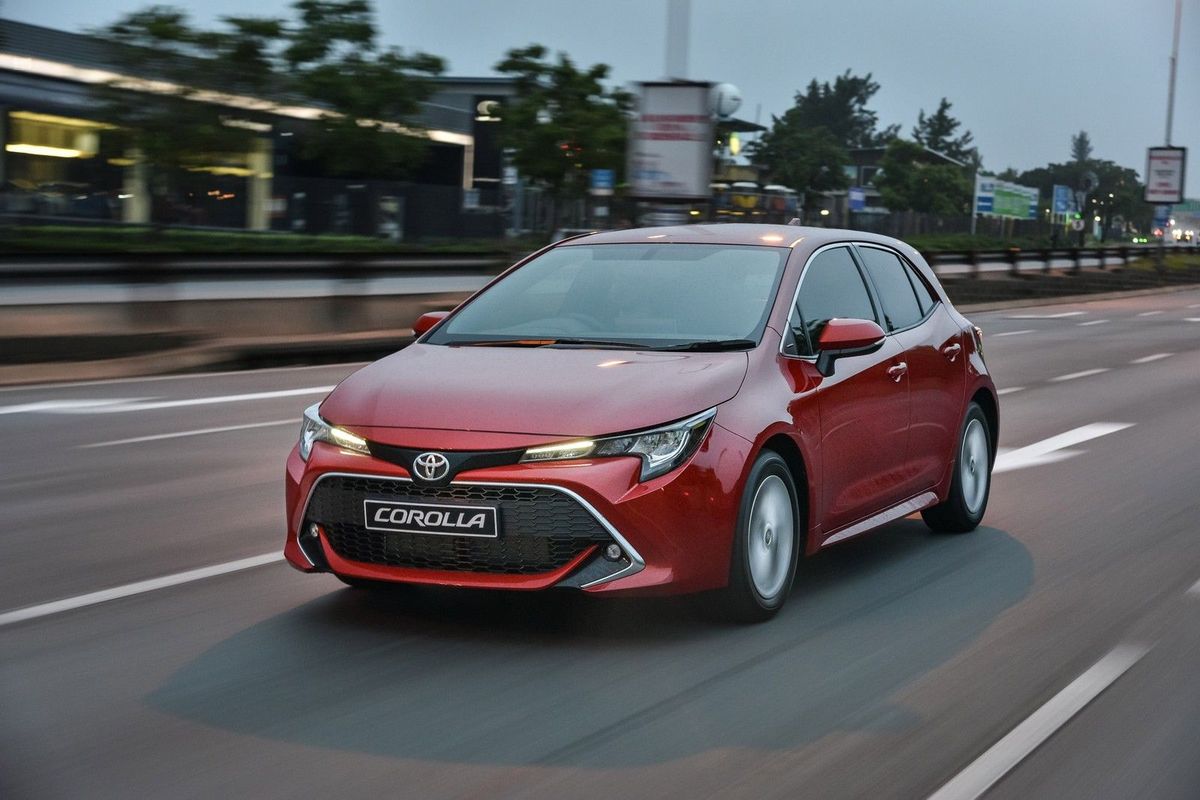
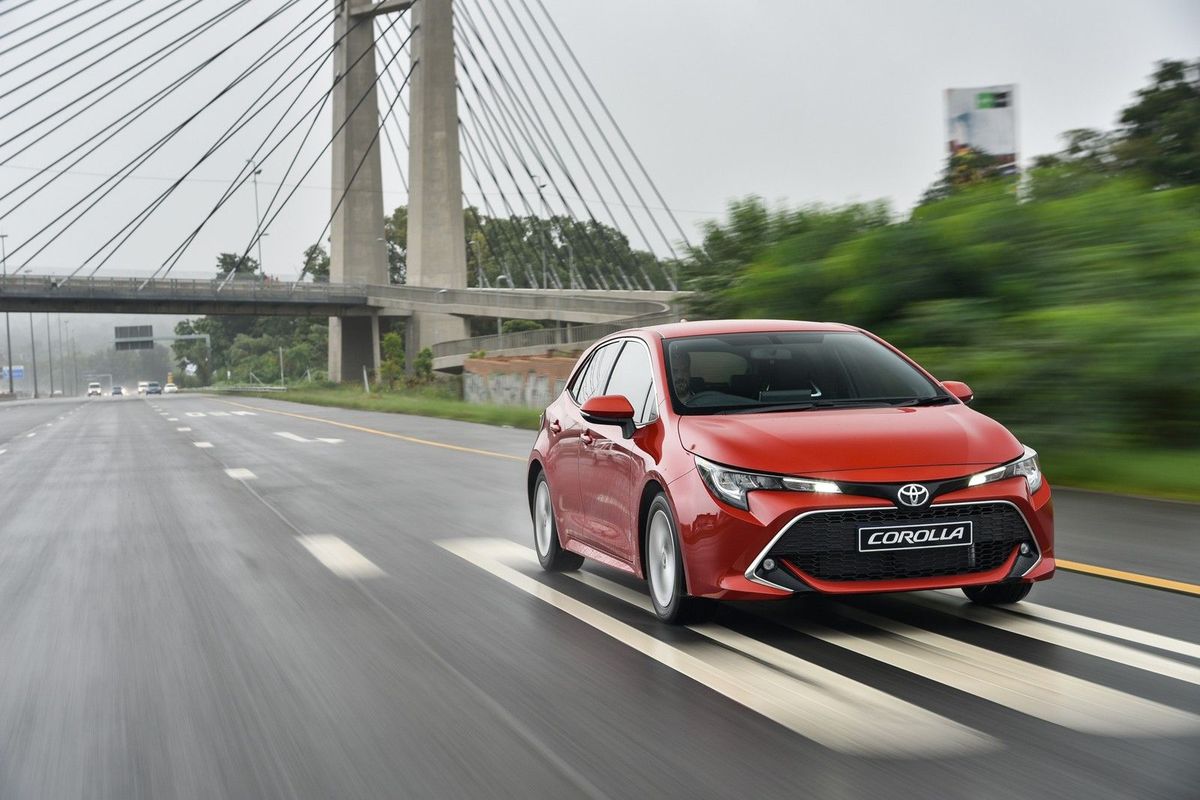
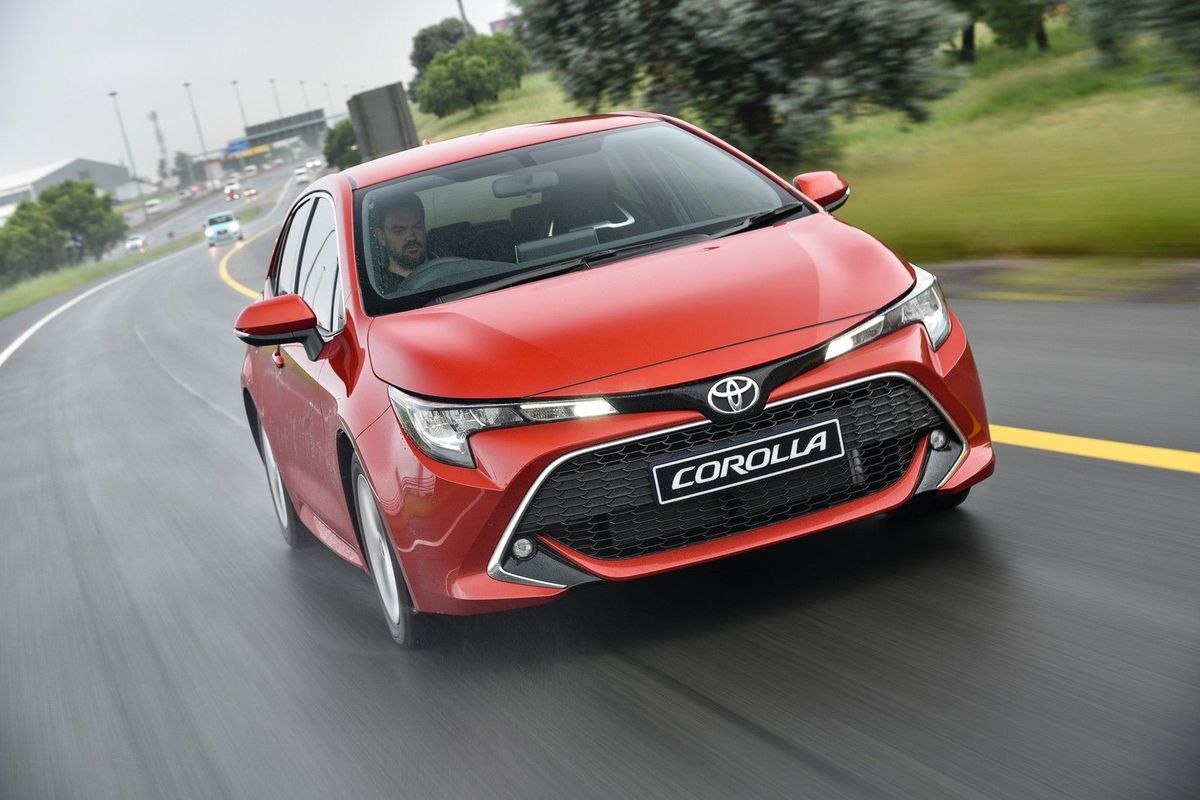
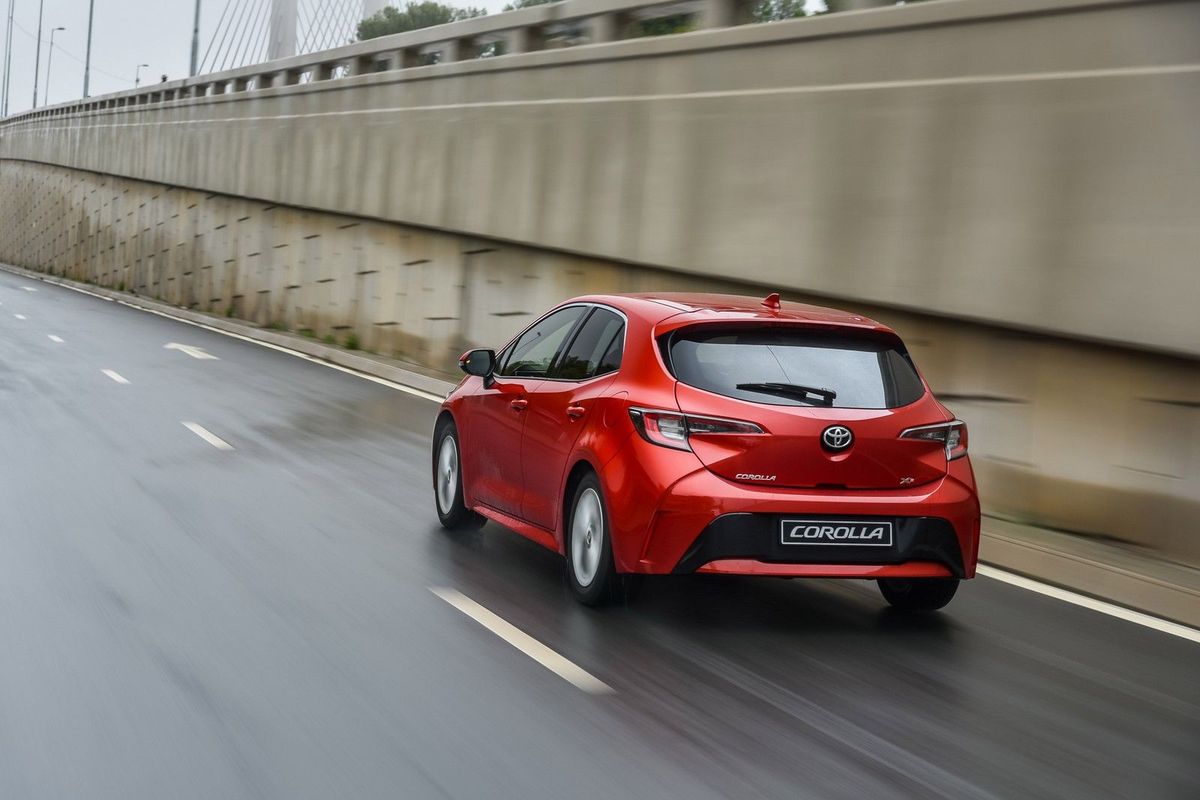
Toyota has discontinued the Auris nameplate and replaced it with a reborn Corolla Hatch that offers a thoroughly modern driving experience. We spent a day roaming the Western Cape to get a feel for the newcomer.
What is it?
Apart from the return of the Corolla name, the newcomer still plays in exactly the same segment as the Auris did. Sales in the C-segment hatch segment have dwindled over the last few years with the rise of compact SUVs, but it remains an important model to garner notable volume.
The rivals in the segment remain the top-selling Golf (soon to be replaced with the Golf 8), Ford Focus (new model coming in 2019 too) and the Mazda3 (also seeing a new model come, possibly this year). So for at least a few months, the Corolla Hatch will be the newest model on the market.
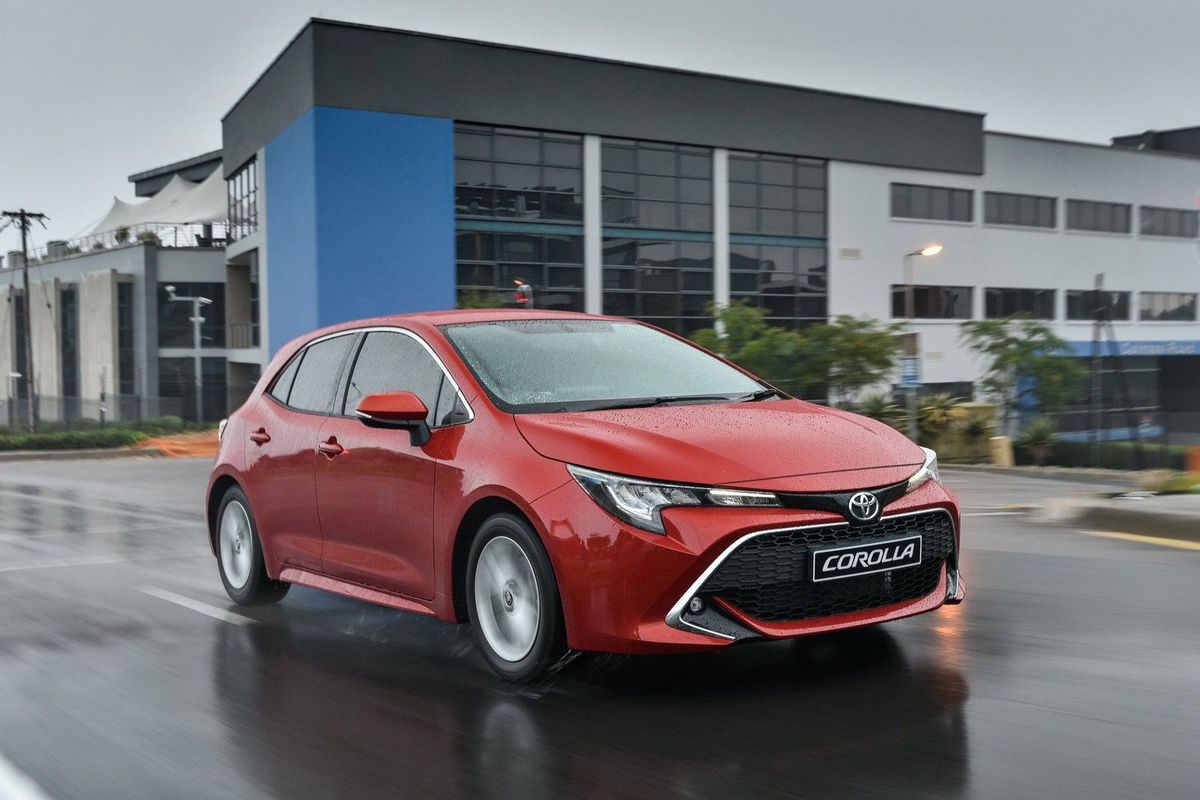
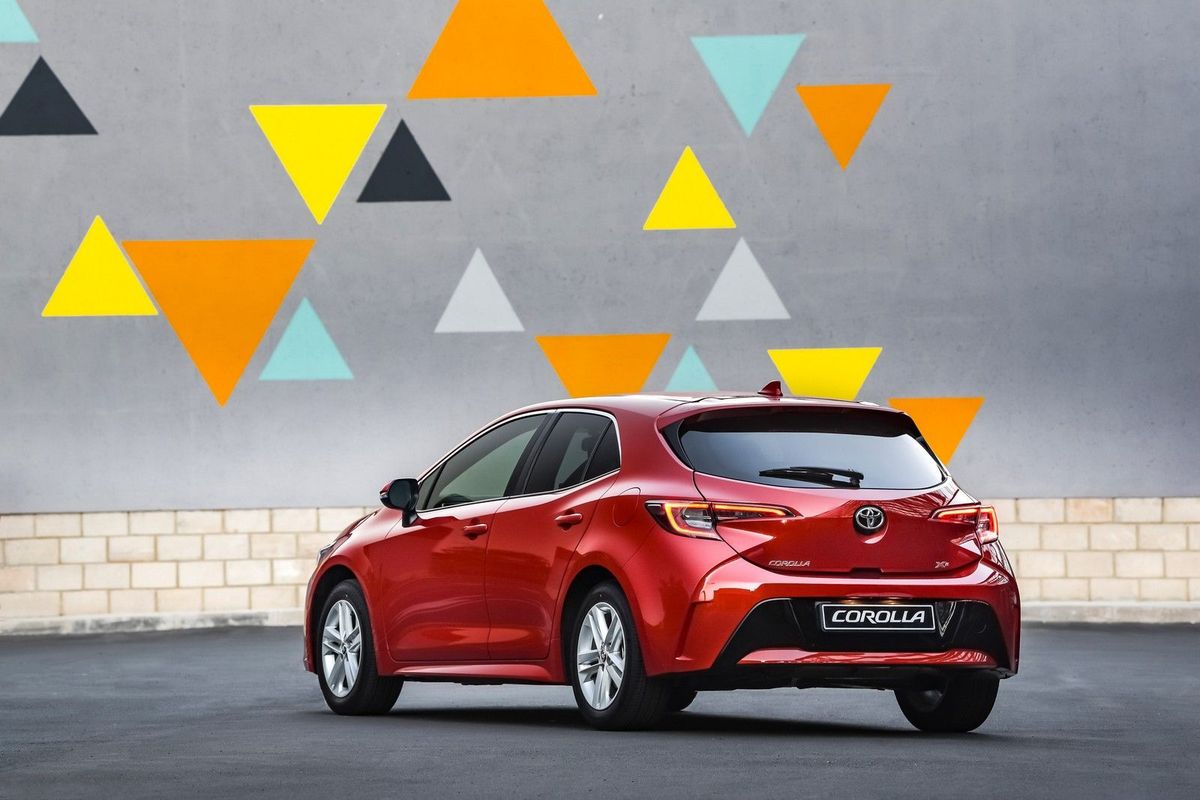
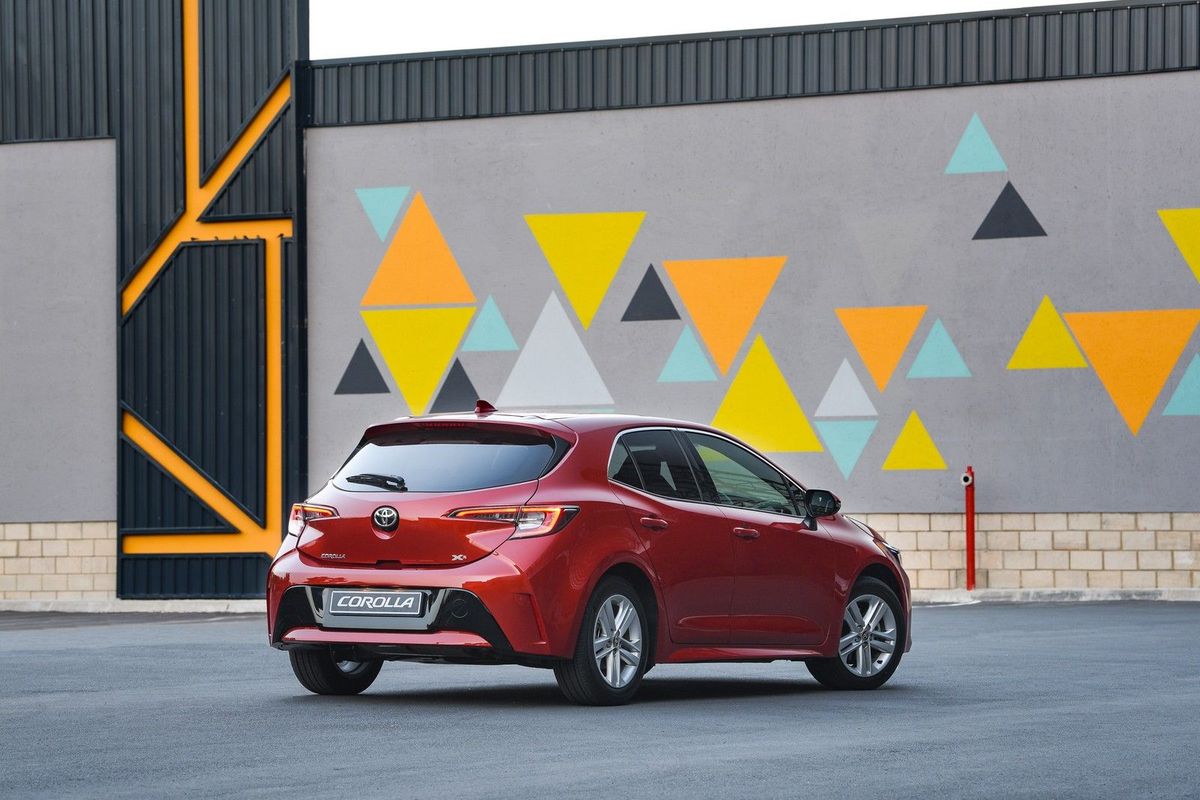
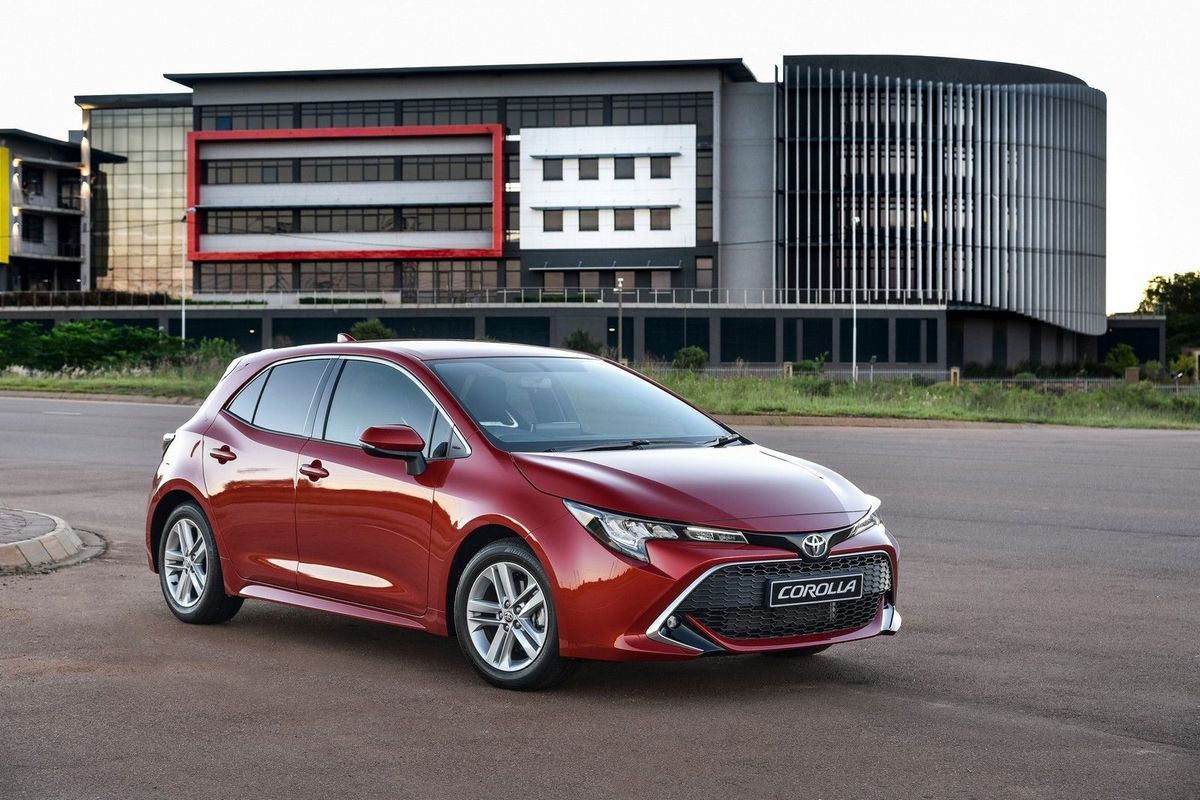
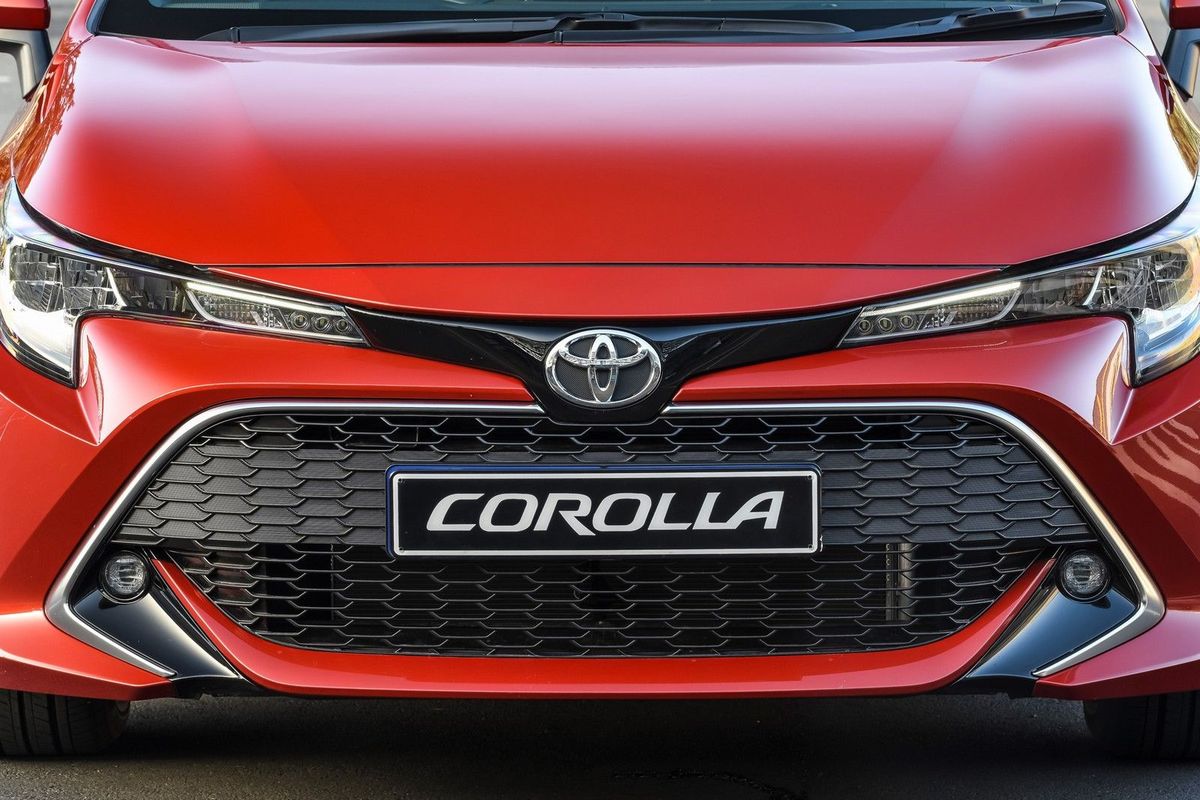
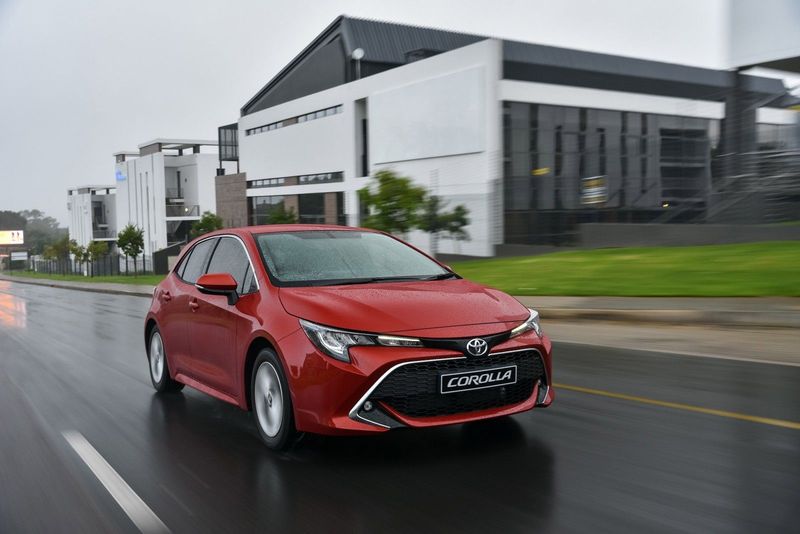
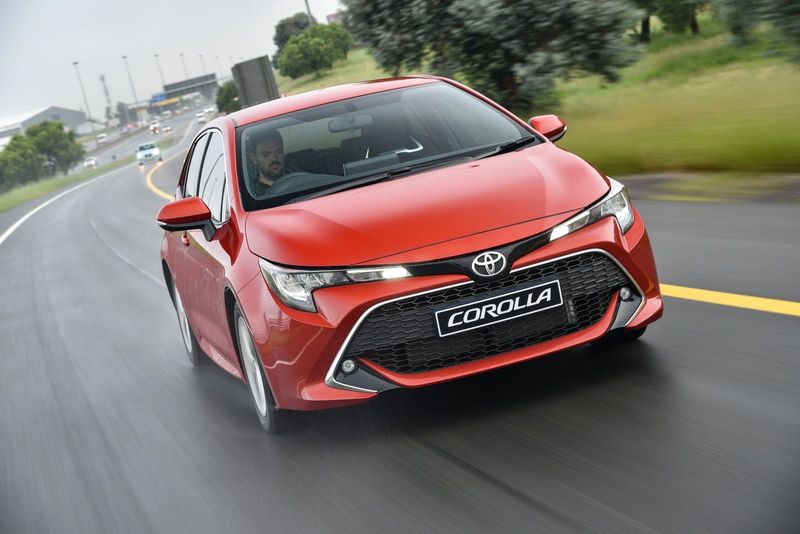
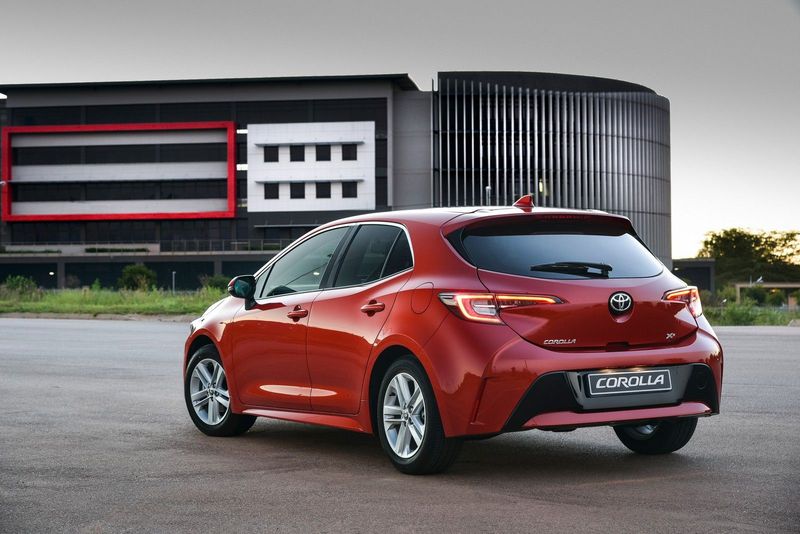
The Corolla hatch has a distinctive, sporty look. Chrome lip denotes CVT model.
The Hatch runs on the same platform (TNGA) as the C-HR and Prius – its wheelbase is 40 mm longer than that of the model it replaces, but its roofline is about 25 mm lower. As far as its looks go, the new design seems to work better than the Auris was ever able to accomplish. The shape and bodywork certainly show off a sporty demeanour and Toyota appears to be appeasing loyal fans with a GR Sport version and the possibility of a full-blown GRMN derivative further down the line.
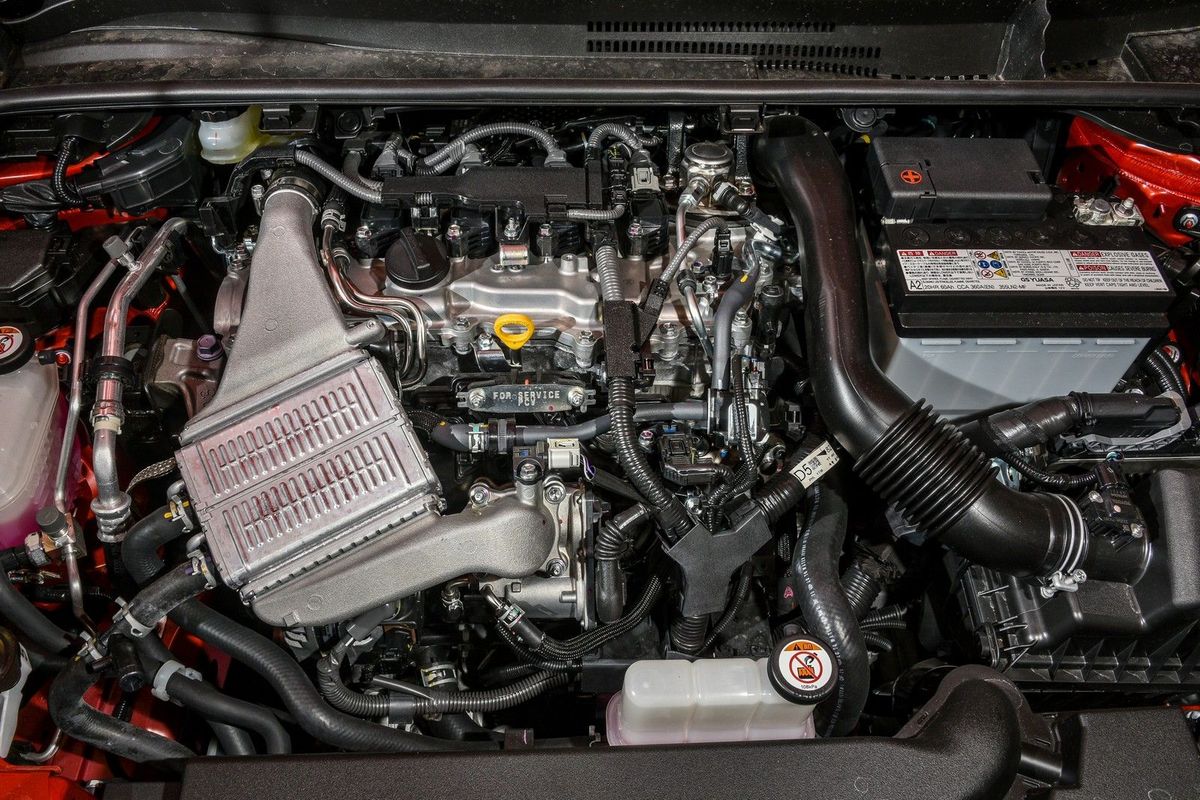
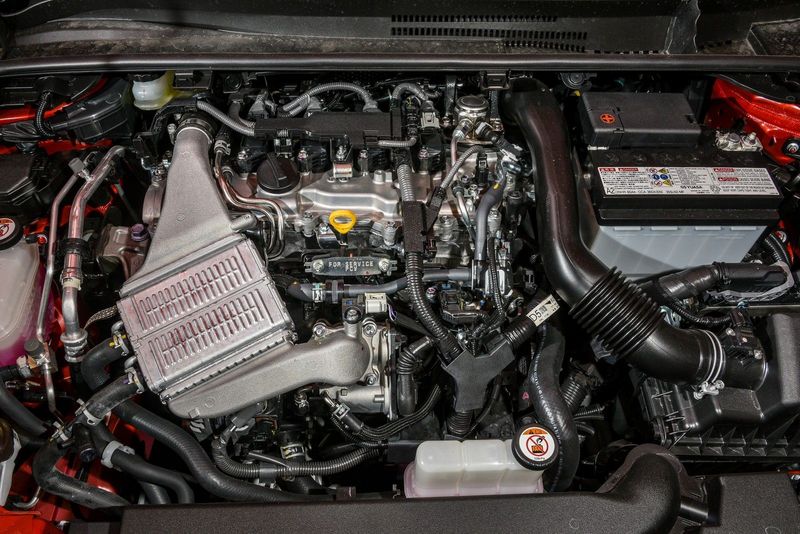
There is just one engine available and it’s the same 1.2-litre turbopetrol that does duty in the C-HR. It’s good for 85 kW and 185 Nm of torque. Fuel consumption is claimed at 6.1 L/100 km. The choice of gearbox is either a 6-speed manual (in the base-spec Xs version) or a 10-step CVT (the latter in the Xs and high-spec Xr derivatives). As far as CVT gearboxes go, the Corolla Hatch’s isn’t too bad. Even when asking for full throttle, there isn’t that audible drone that CVTs are often plagued with, but you do still find yourself prodding the throttle on occasions to maintain acceleration.
The same engine as used in the C-HR is used in the Corolla Hatch.
On the plus side, the turbocharged engine is free-revving and gives the Corolla Hatch a bit more character than just a tool for getting from A to B. It has acceptable mid-range acceleration when overtaking at freeway speeds and offers decent punch when pulling away from a standstill. Zero to 100 kph is timed at 9.5 seconds for the manual and 10.4 seconds for the CVT.
What's it like to drive?
A very composed drive on smooth and bumpy surfaces.
The new Corolla Hatch rides particularly well. A new multi-link rear suspension adds some effective bump absorption, keeping the Corolla stable on bumpy roads. There’s an initial softness to the suspension that gives way to a firmer, more sporty ride once you lean on it and start pushing on. The engineers have cleverly made it comfortable when driving slowly and on bumpier surfaces, but then when you want to have a bit of fun, there is a sporty chassis lying beneath that comfort. It should do well when tasked with handling a bit more power for upcoming Gazoo Racing models.
Can it fit lots of things and people?
The additional wheelbase has created more room for rear passengers with ample legroom for a 1.8-metres-tall human being. Head- and shoulder room are more than adequate and the 60/40-split rear seatback can fold flat to free up utility space. The load bay is claimed to hold 503 litres, but that's before Toyota puts in the full-size spare wheel under the floor. After that, the boot measures just 294 litres, which is a bit on the small side.
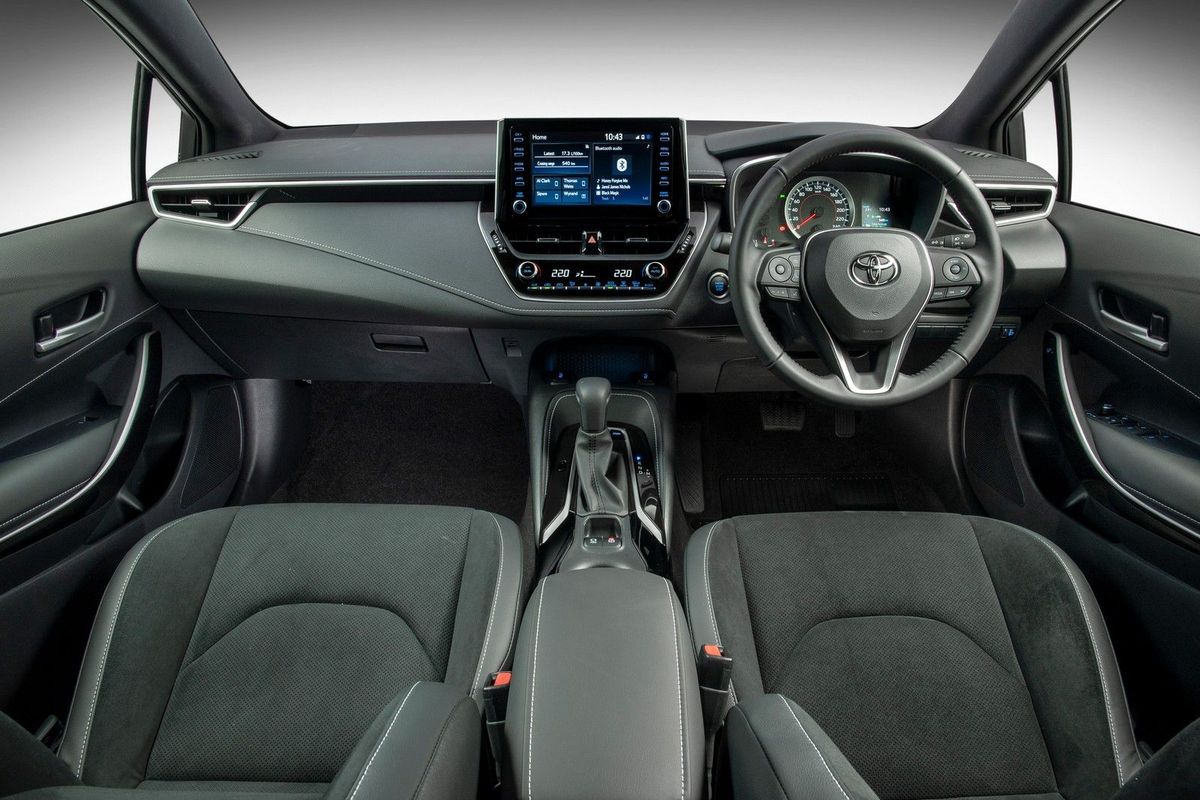
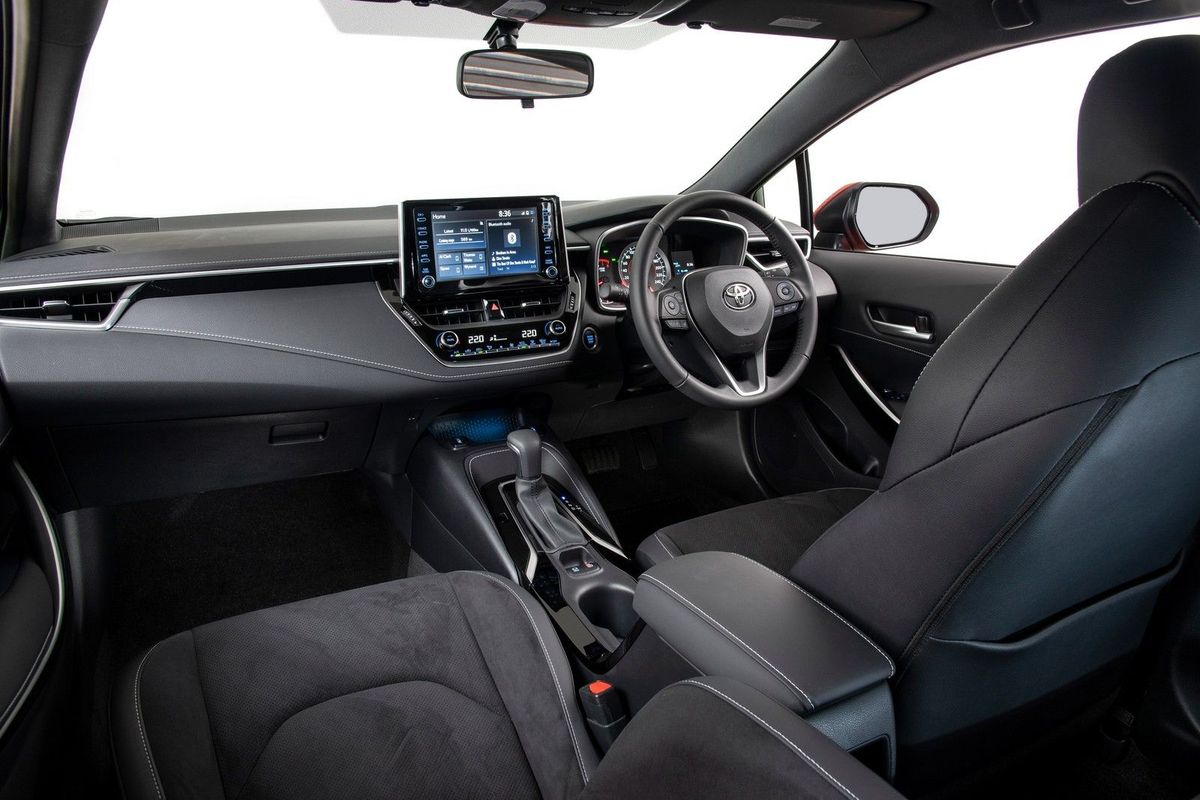
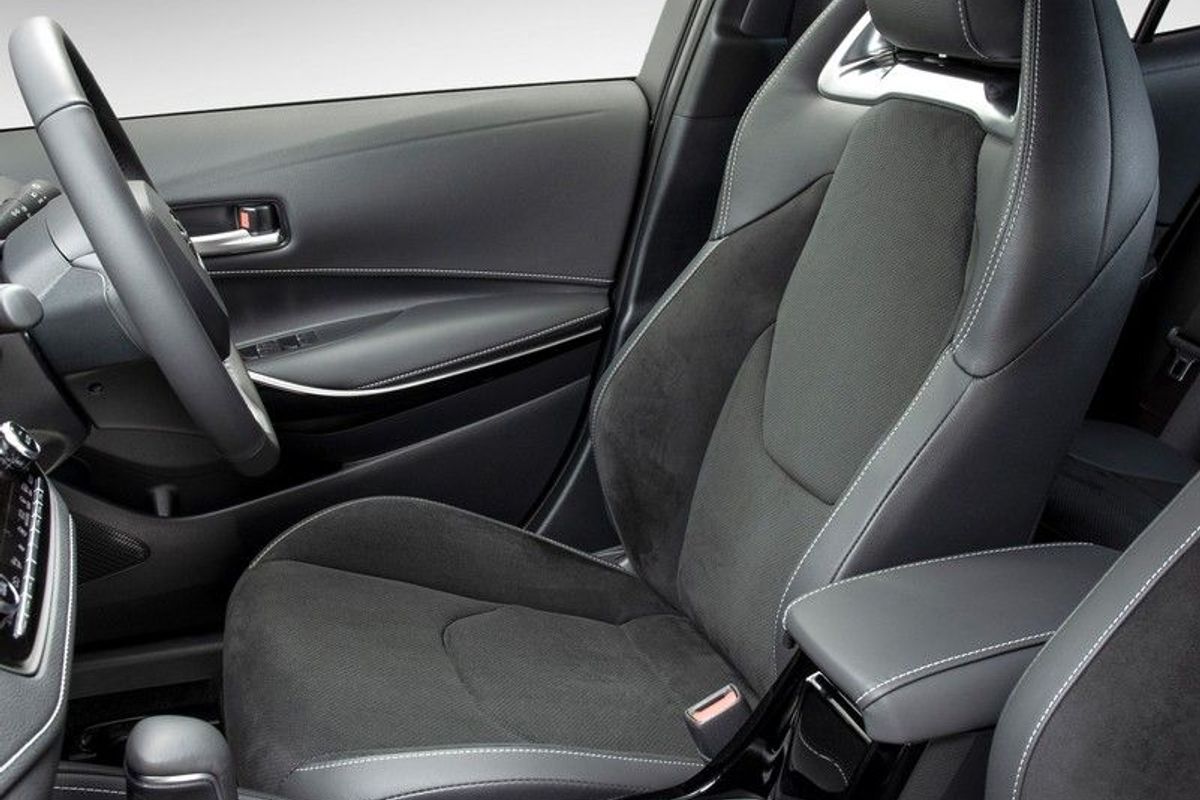
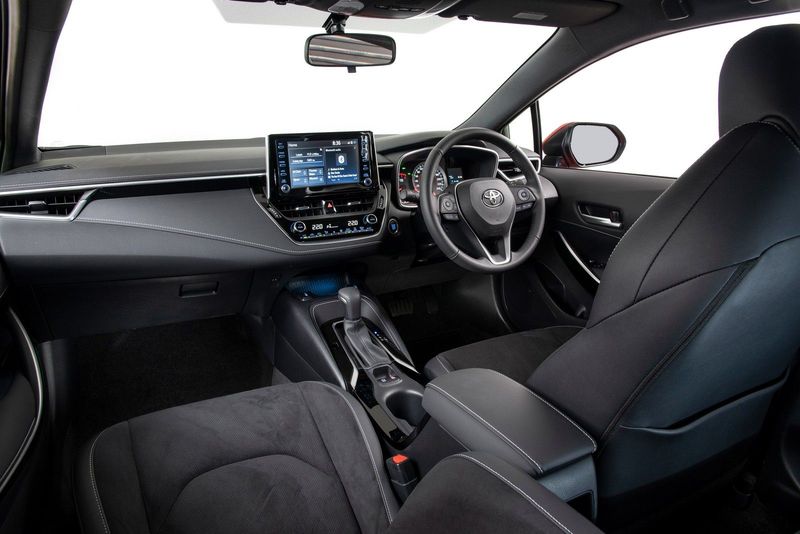
The top spec Xr model has leather/Alcantara sports seats up front.
Up front, oddment space (for things like car keys and mobile phones) is a bit limited, with only a single storage bay right up front ahead of the gear lever. The USB port is located in the centre console, so you end up with a cable running the whole length of the transmission tunnel if you want to charge it. The other option is to have your smartphone rattle around in one of the two cupholders while it's charging.
Is it specced well?
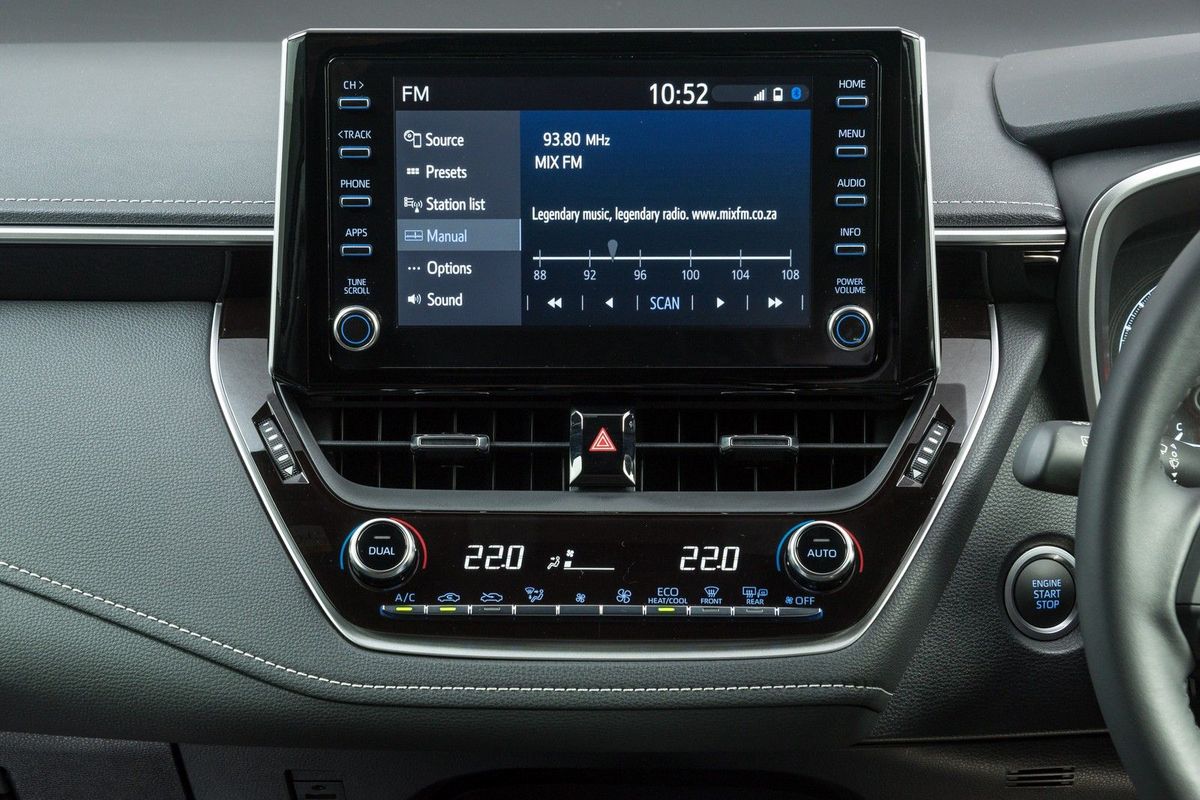
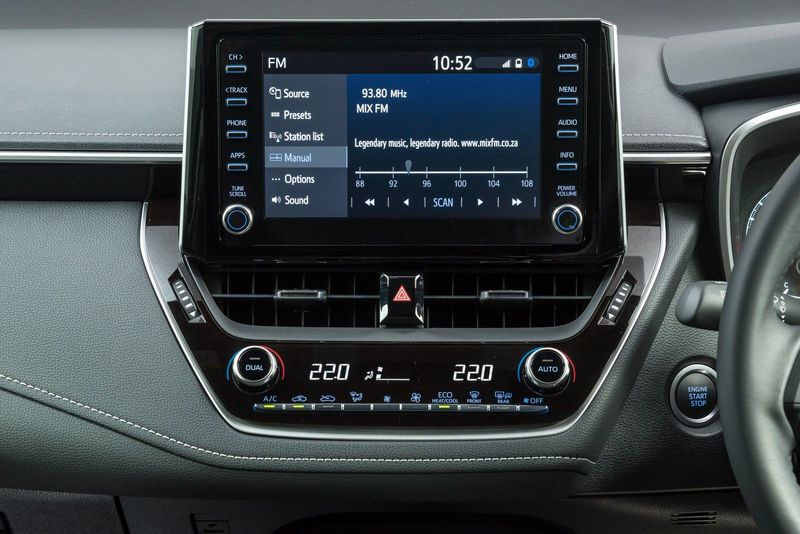
Yes, the Corolla Hatch comes with a fair selection of standard kit. Dual zone climate control is standard, as is the centre-mounted touchscreen, LED lights, keyless entry, a reverse-view camera and cruise control. The top-spec Xr version sees the addition of heated seats, which are covered in leather and Alcantara trim, as well as a blind-spot monitoring system.
The only glaring omission from the specification list is Android Auto and Apple Carplay compatibility. Toyota SA did say that it is in the works, but that Japan is still developing it into the system; it could take some time before it’s available.
No Apple Caplay or Android Auto compatibility is a bit of a missed opportunity.
Is it safe?
As far as a family car goes, the Corolla Hatch has a full house of safety features. Stability control is standard across the range and there are 7 airbags available. The usual suite of ABS, EBD and brake assist are all standard and the Xr version additionally gets blind-spot monitoring.
Summary
The Corolla Hatch is a well-rounded product, with few faults.
The new Corolla ticks a lot of boxes when it comes to the C-segment hatch market. It’s spacious and rides comfortably with a capable turbocharged engine that delivers enough power without drinking much fuel. It’s well specced with safety features and priced competitively in a stylish package that might just be enough to tempt buyers away from the competition.
Pricing and warranty
The Corolla Hatch is priced competitively in the segment matching the equivalent Golf, but with a few more standard features on offer. It comes standard with a 3-year/100 000 km warranty and 6-services/90 000 km service plan.
Alfa Romeo has used the Geneva Motor Show to reveal a new plug-in hybrid compact SUV concept called the Tonale. See details below…
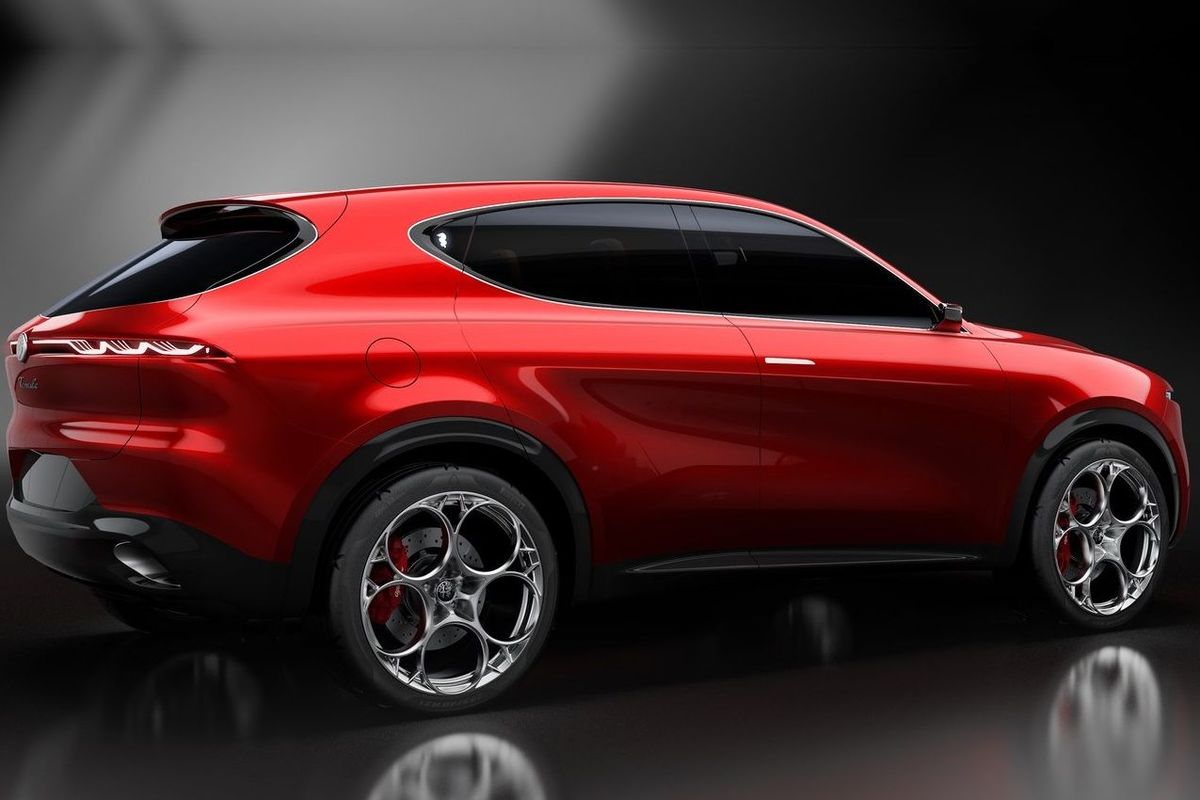
Named after the Tonale Pass in Italy, Alfa Romeo’s latest concept shows the potential for a luxury compact plug-in hybrid SUV, which will be the first for the brand.
Styling Details
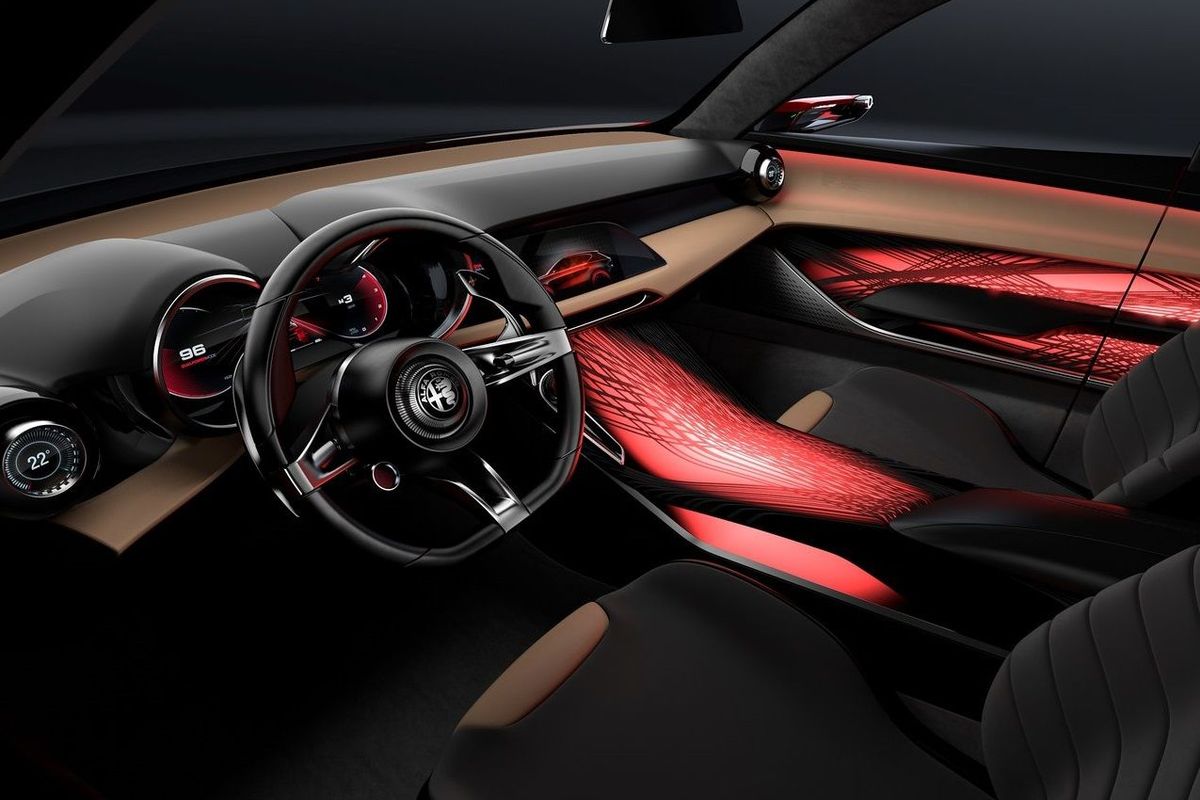
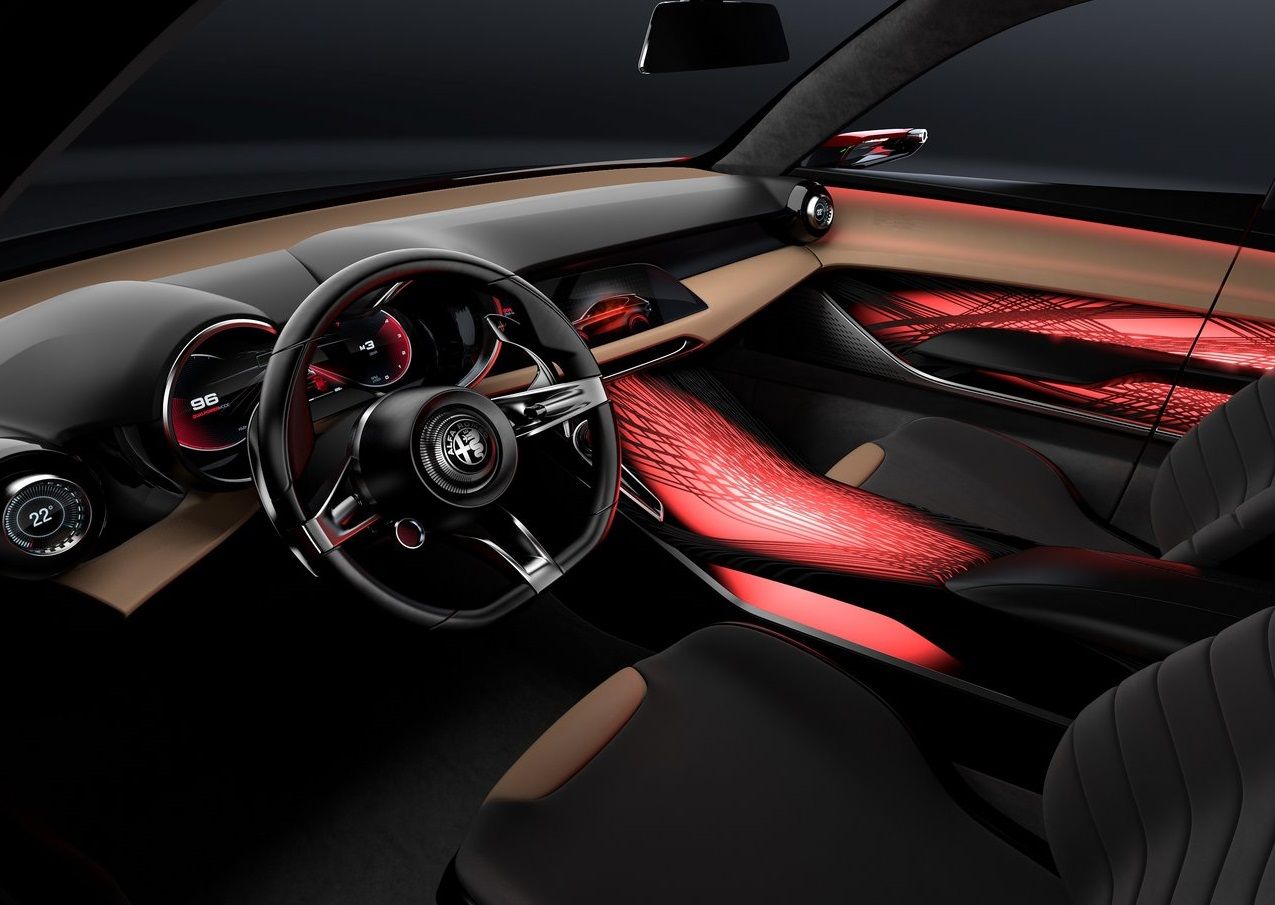
The Tonale Concept is equipped with a striking interior along with a large digital instrument and infotainment system.
It’s a more compact version of the Stelvio and draws its inspiration from Alfa's past cars. For example, the phone dial design of the 21-inch wheels is inspired by the iconic 33 Stradale of the '60s while the bodywork is reminiscent of the Duetto and Disco Volante Spider. The front end features Alfa Romeo's signature "Trilobo" and "Scudetto" grille which is complemented with "3 plus 3" forward lighting similar to that of the SZ and Breza.
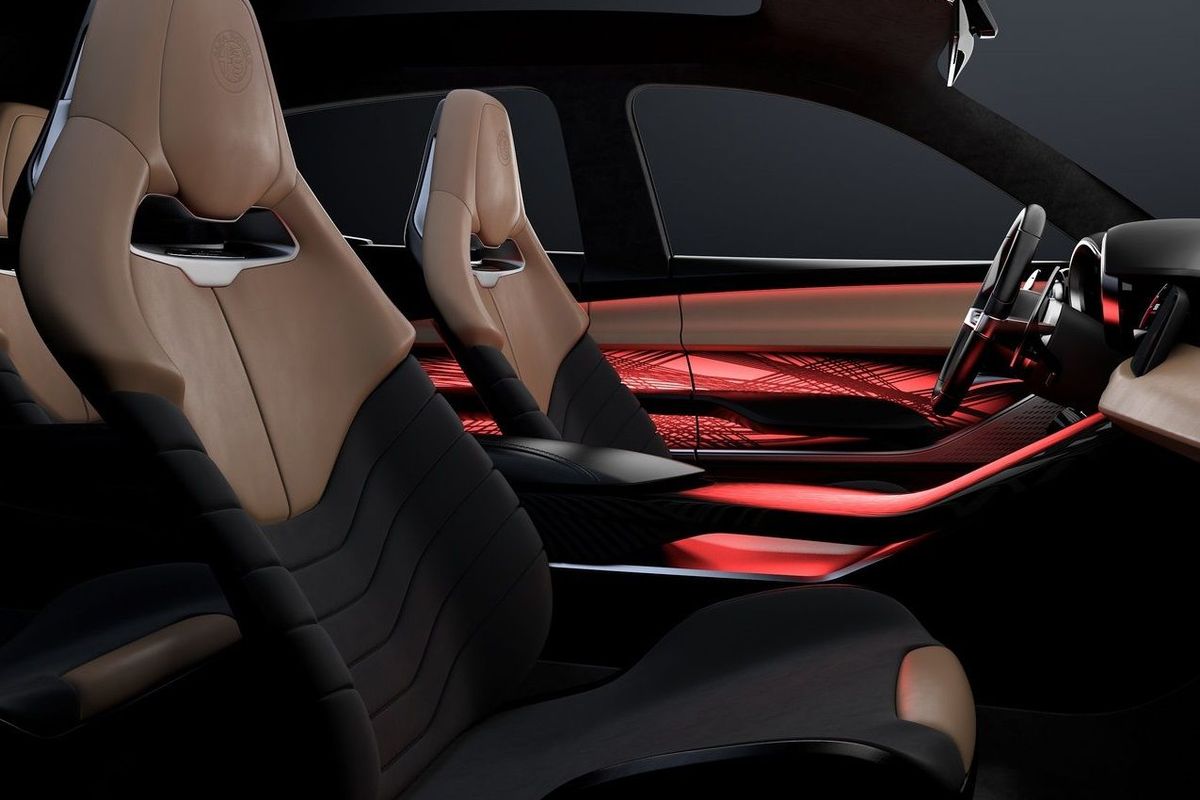
The Tonale's cabin can seat 4 passengers comfortably and combines materials such as aluminium finishes, leather, Alcantara and translucent panels with backlighting that give the interior a striking look. A 12.3-inch digital instrument cluster is at the driver's disposal as well as a 10.25-inch infotainment system.
The Tonale's hybrid technical specifications are not known at this stage but Alfa Romeo plans on introducing at least 6 new plug-in hybrid models by 2022 and based on this concept, you could very well see the Tonale come to fruition in the near future.
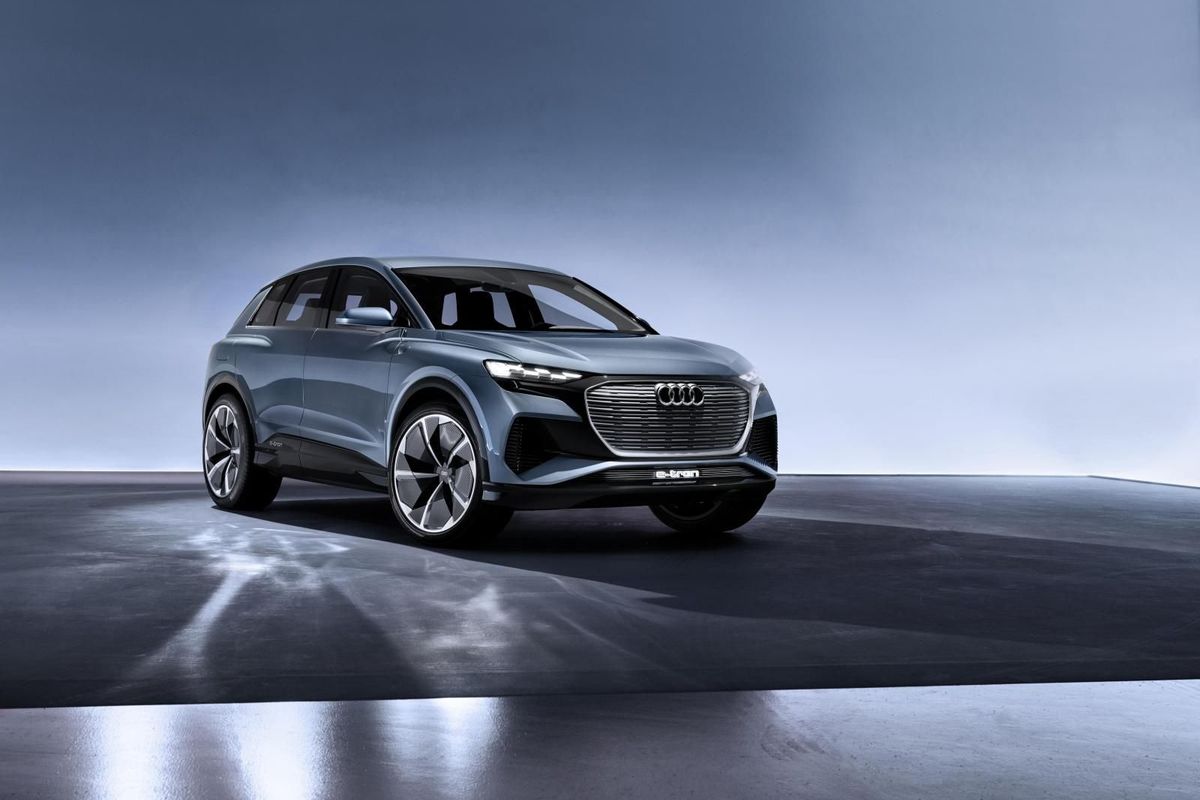
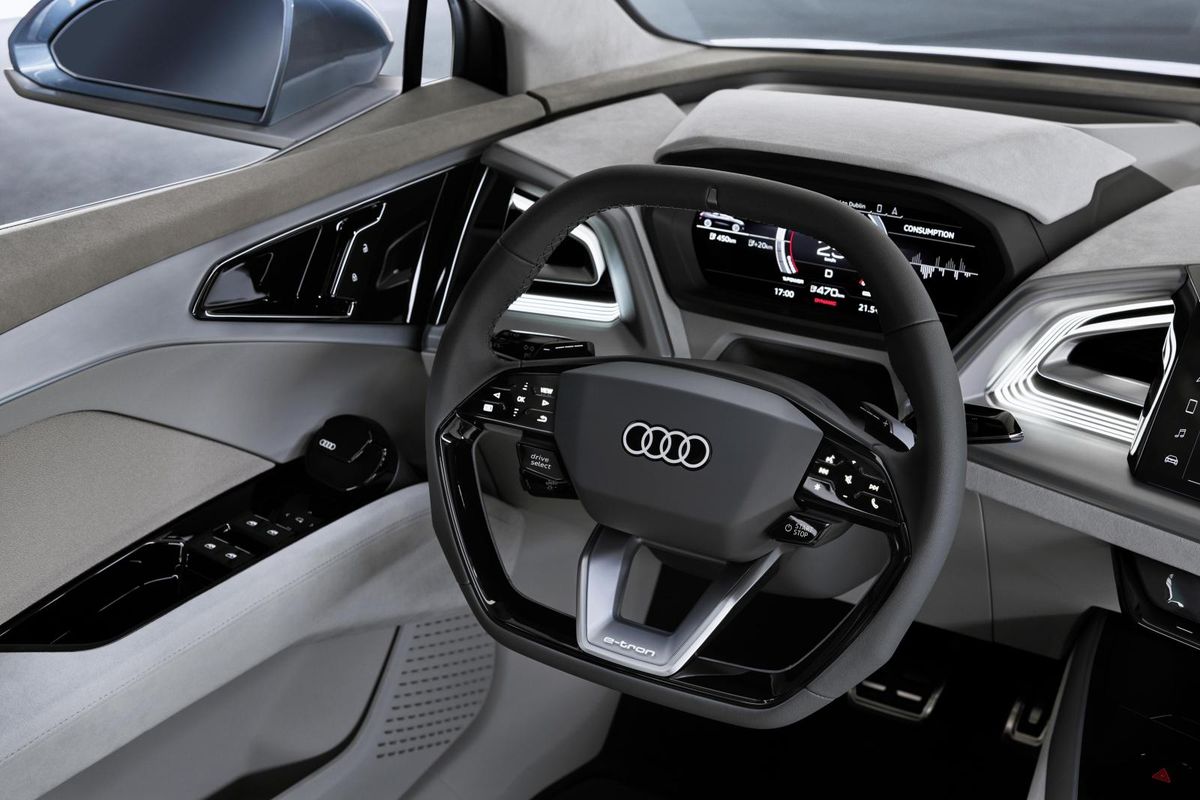
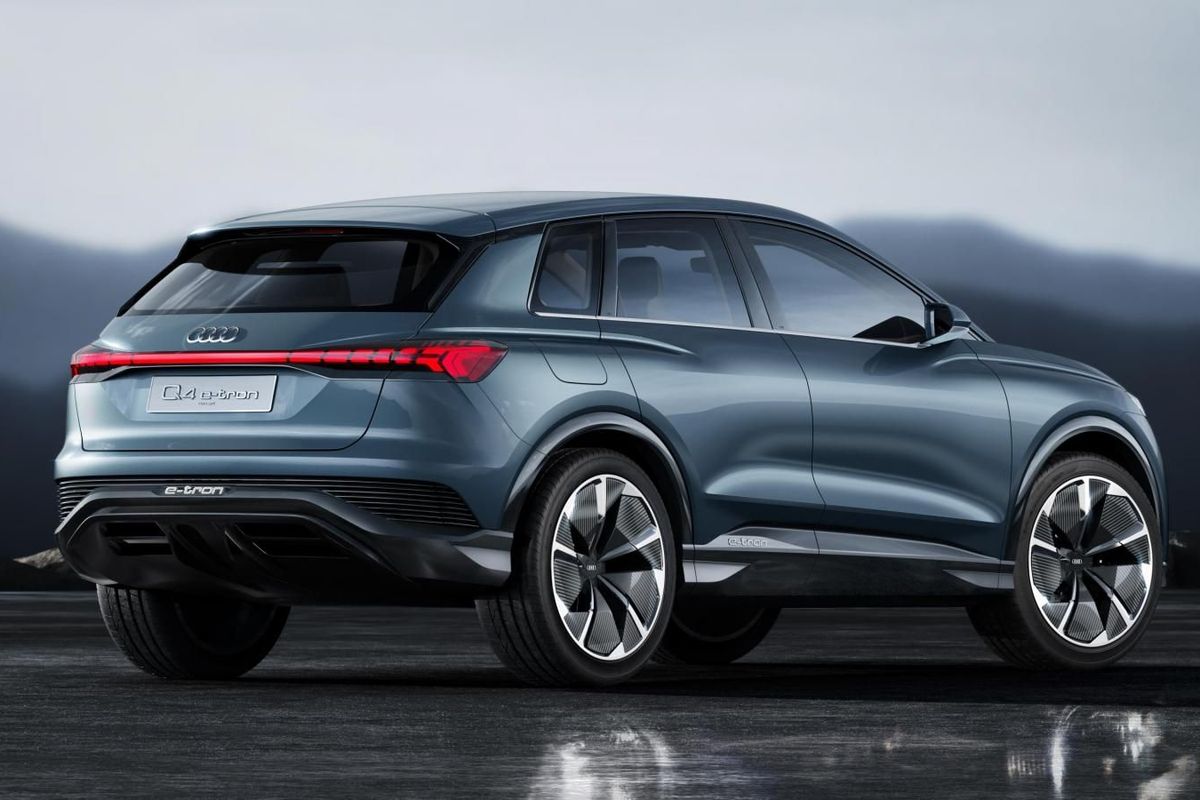
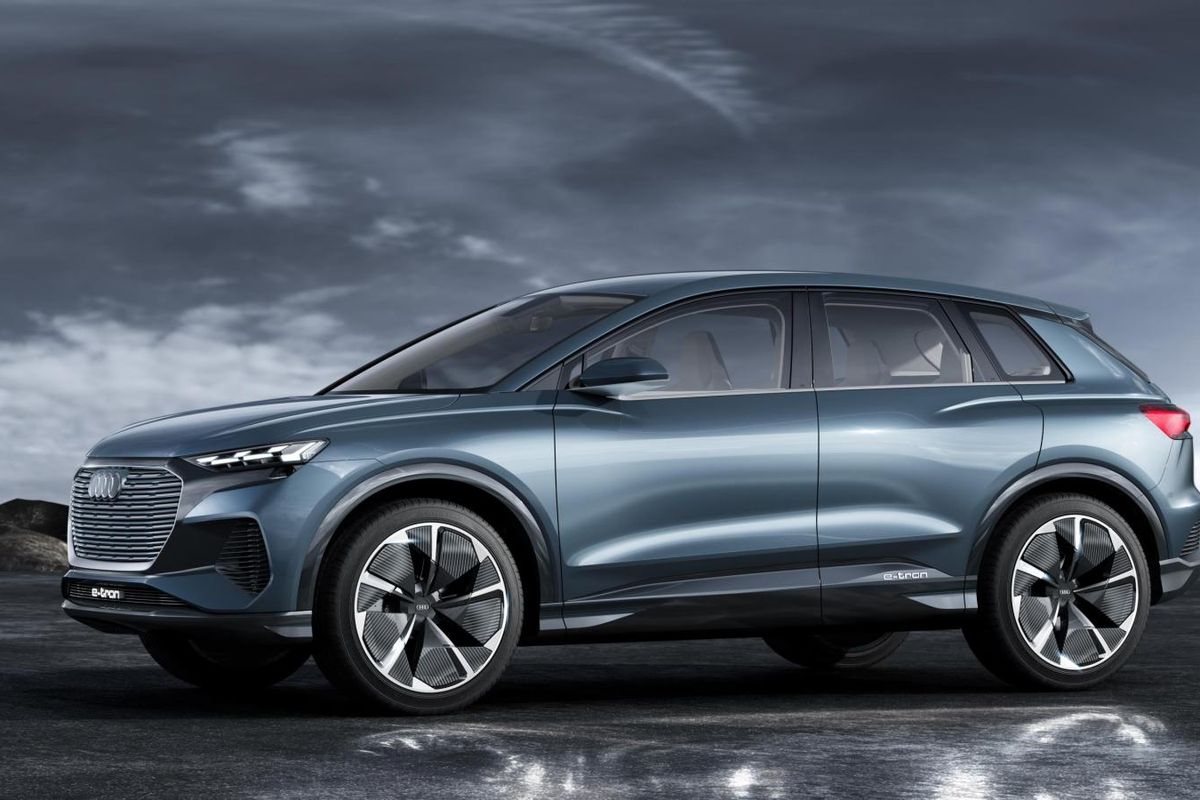
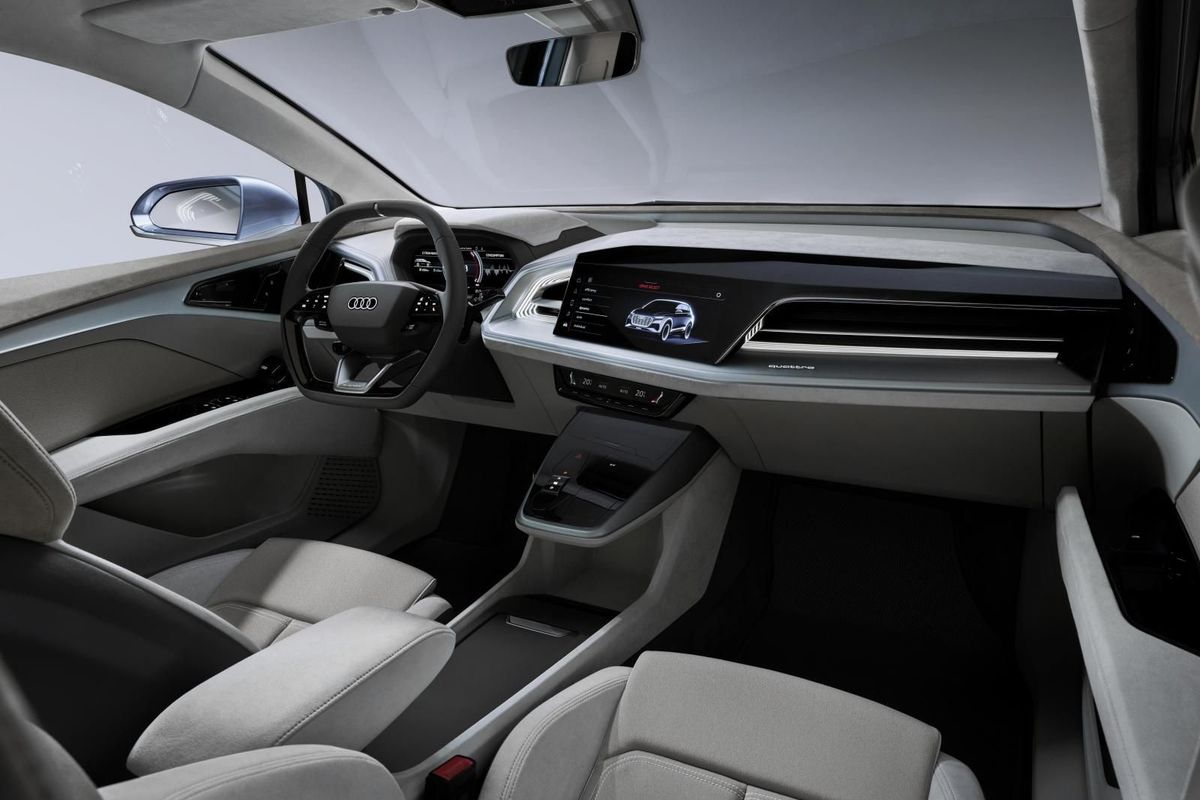
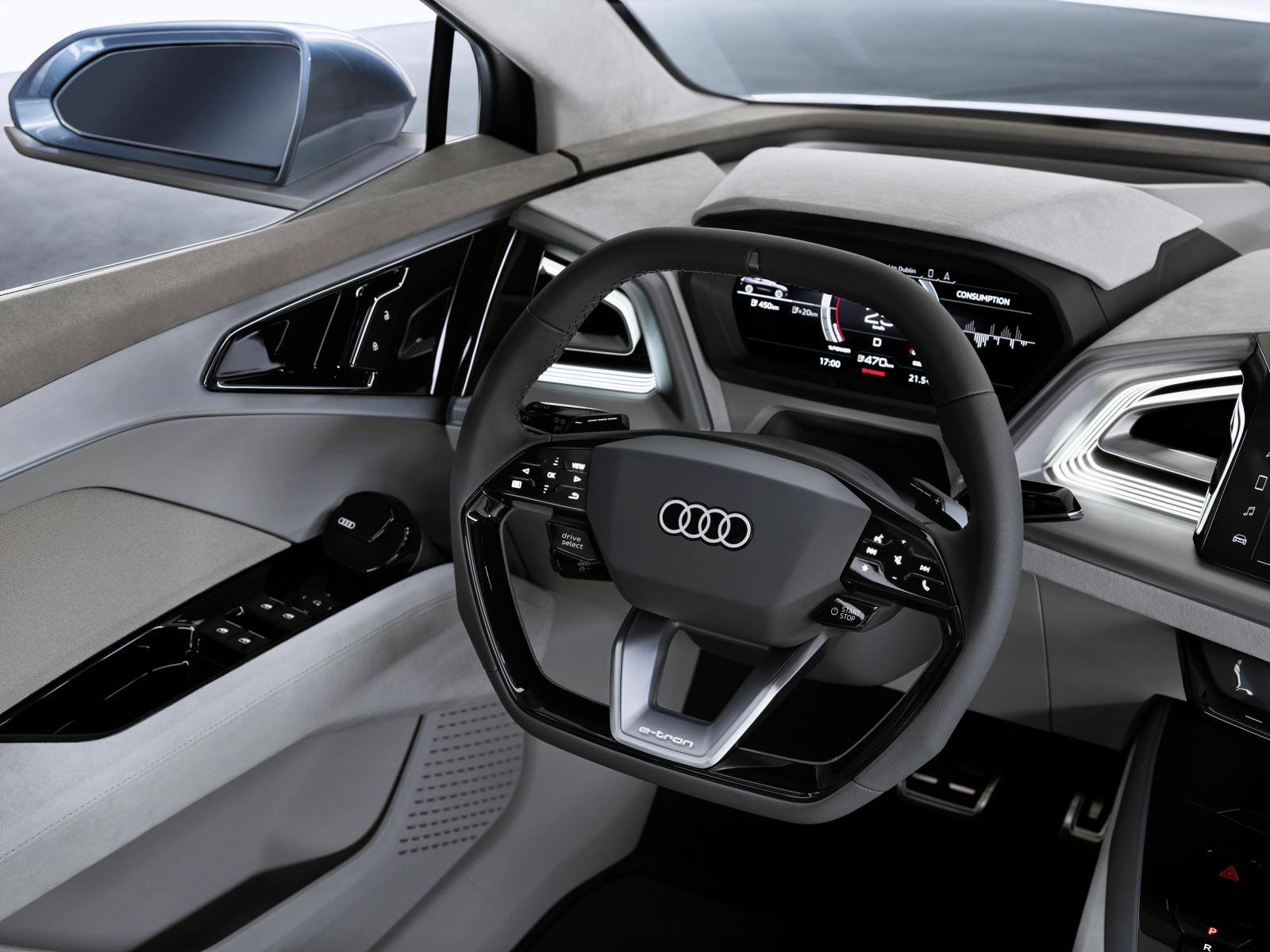
The next evolution of Audi's electric SUV family was revealed at the 2019 Geneva Motor Show this week. Meet the Audi Q4 e-tron concept.
The Audi Q4 e-tron concept is a 4-door electric SUV. The Q4's 2 electric motors produce a combined 225 kW and drive all 4 wheels. Audi is claiming a 0-100 kph time of just 6.3 seconds and a range of over 450 km. Built on the new Volkswagen Group MEB platform, the Audi Q4 e-tron concept gives us a closer look at the next production electric car from Audi.
Scheduled to be revealed by the end of 2020, the new Q4 e-tron will eventually be joined by the Sportback e-tron, Q2L e-tron, and the GT e-tron.
Audi is hoping to have 12 all-electric cars in production by 2025, with the first 2 offerings making their commercial debut in 2019. We've already seen and driven the new e-tron, while the e-tron Sportback should be revealed shortly.
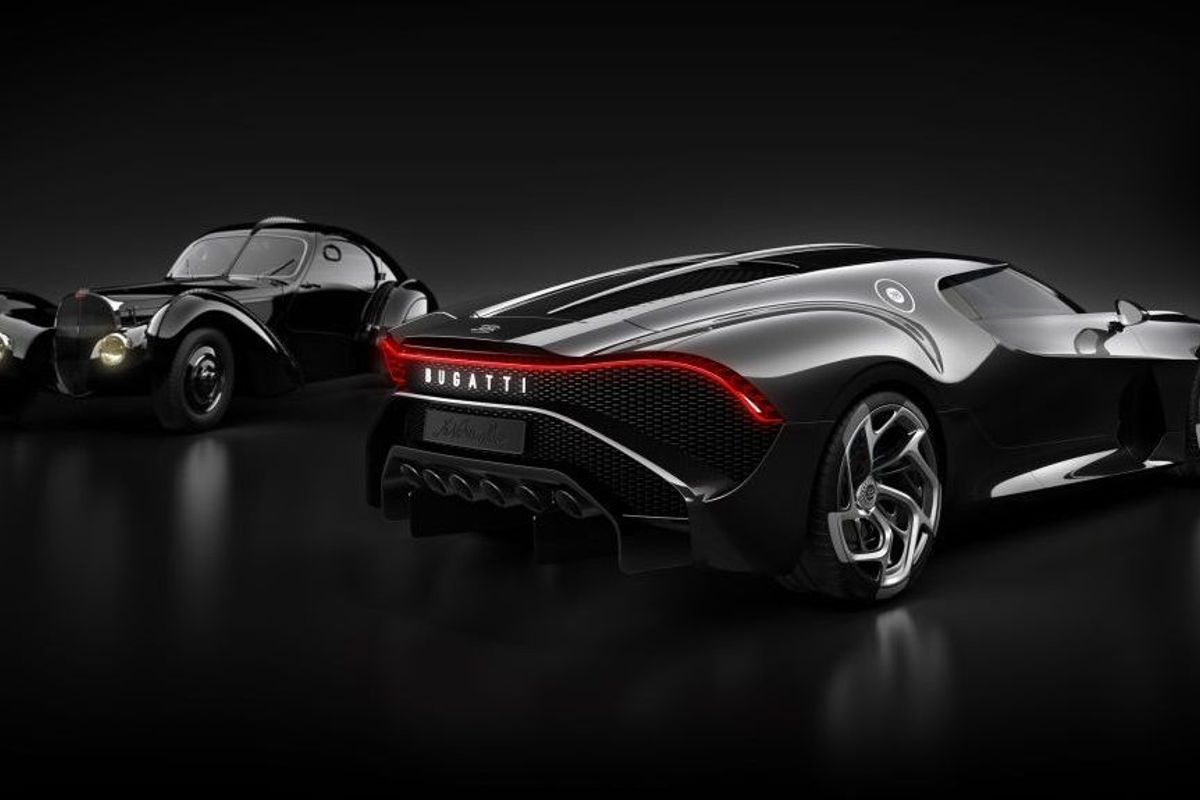
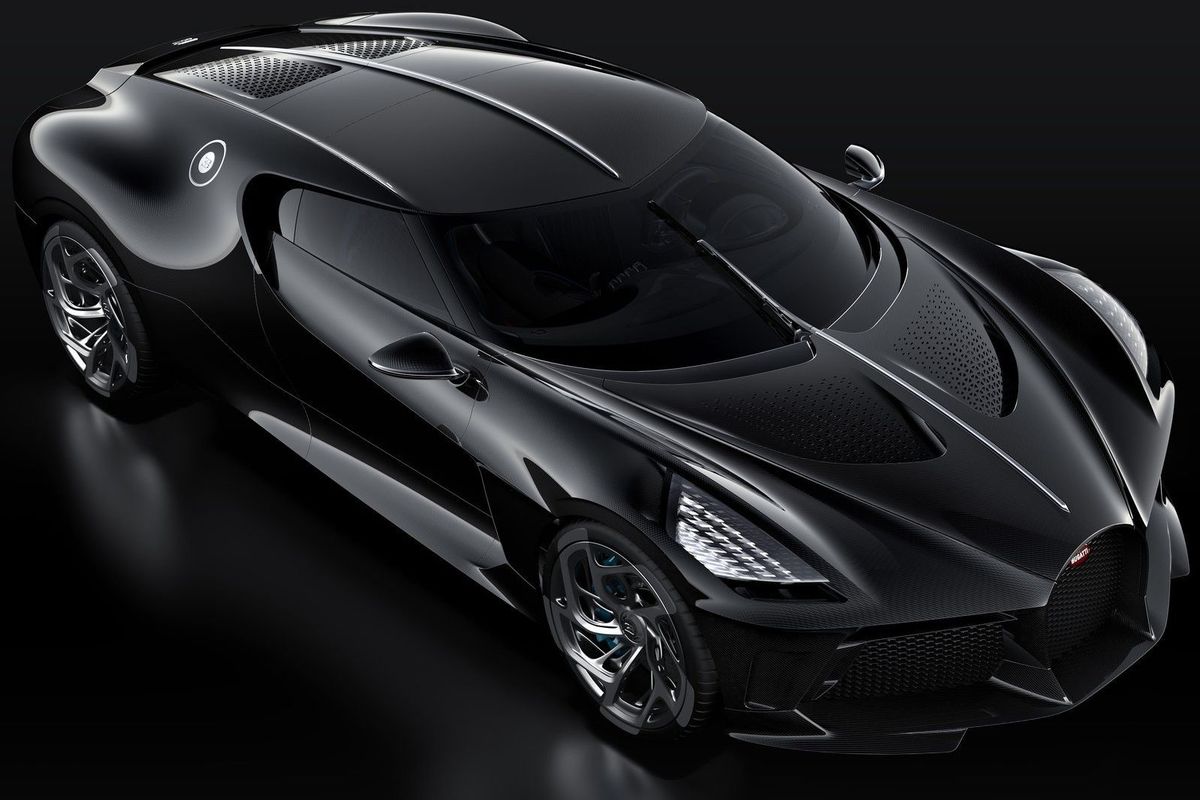
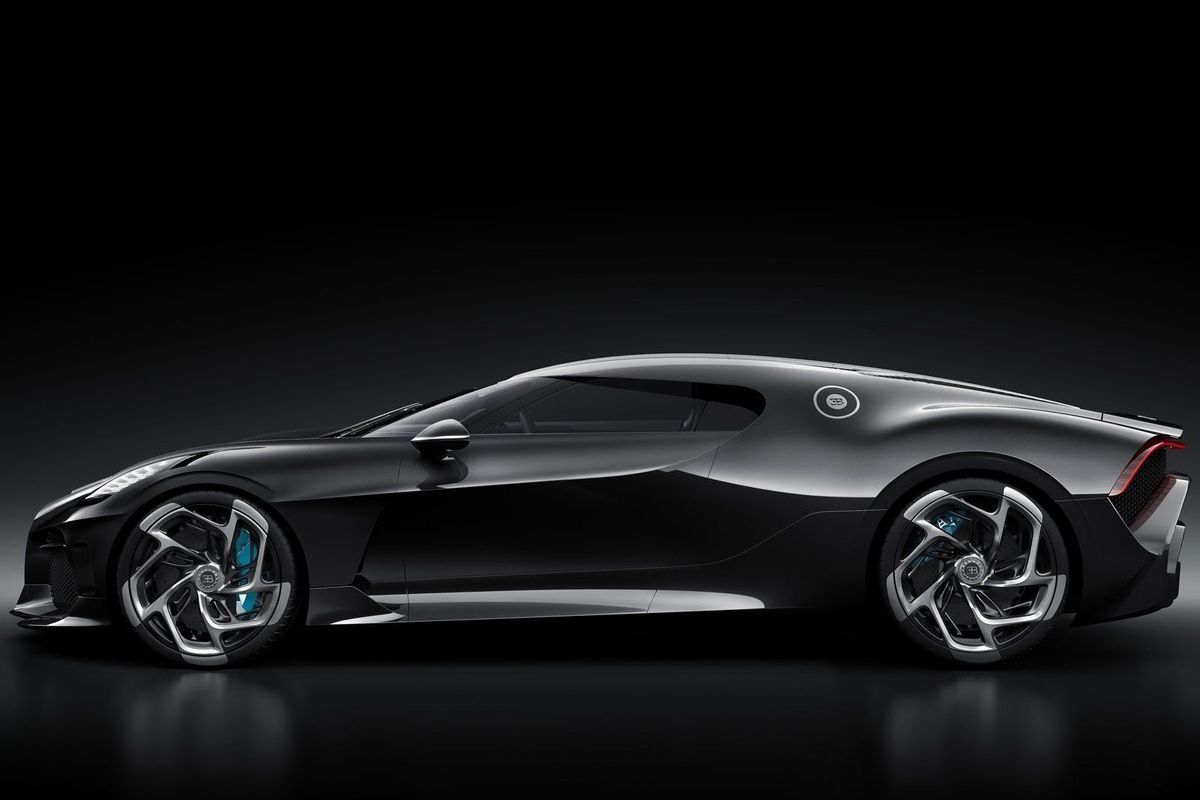
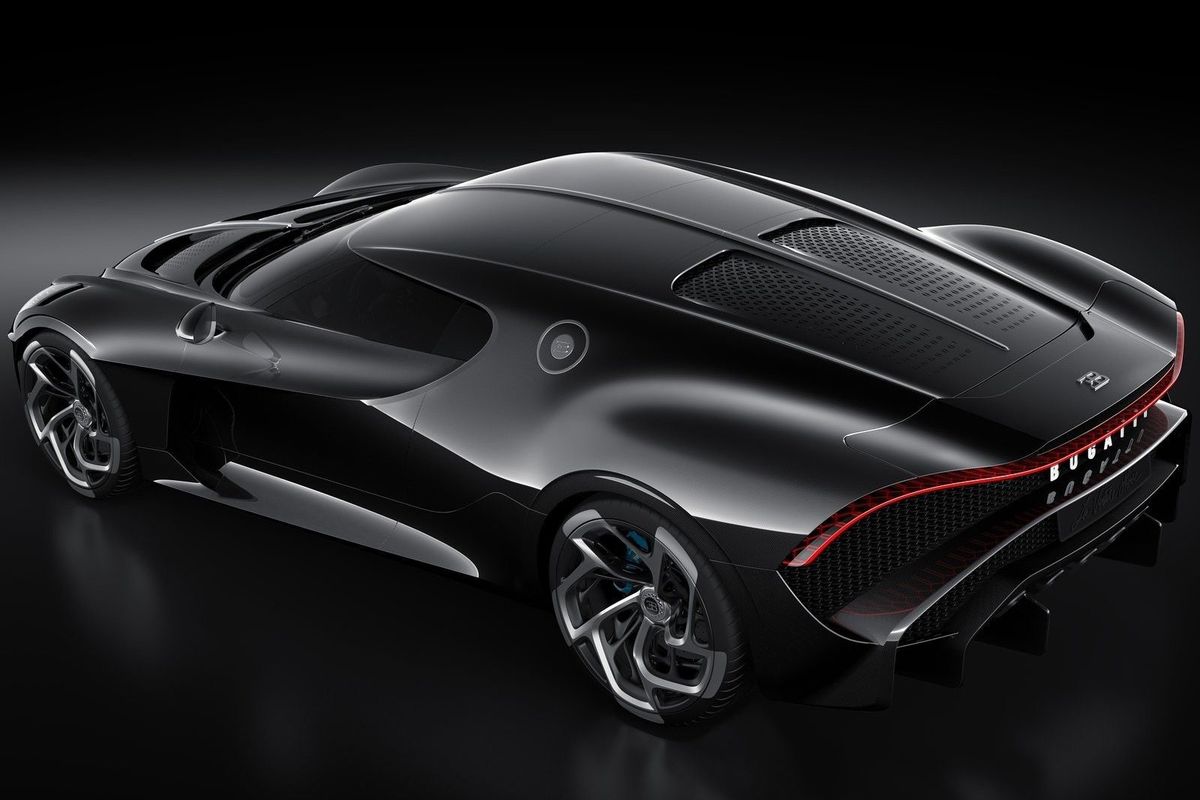
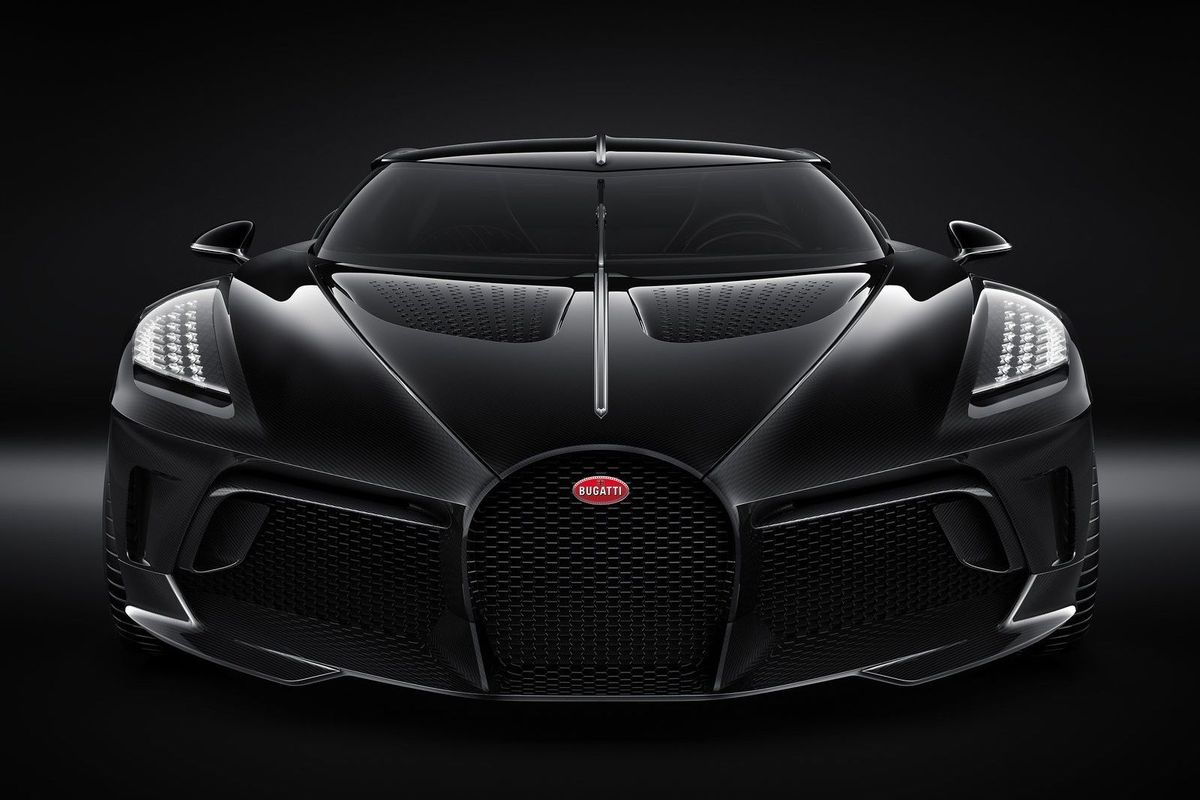
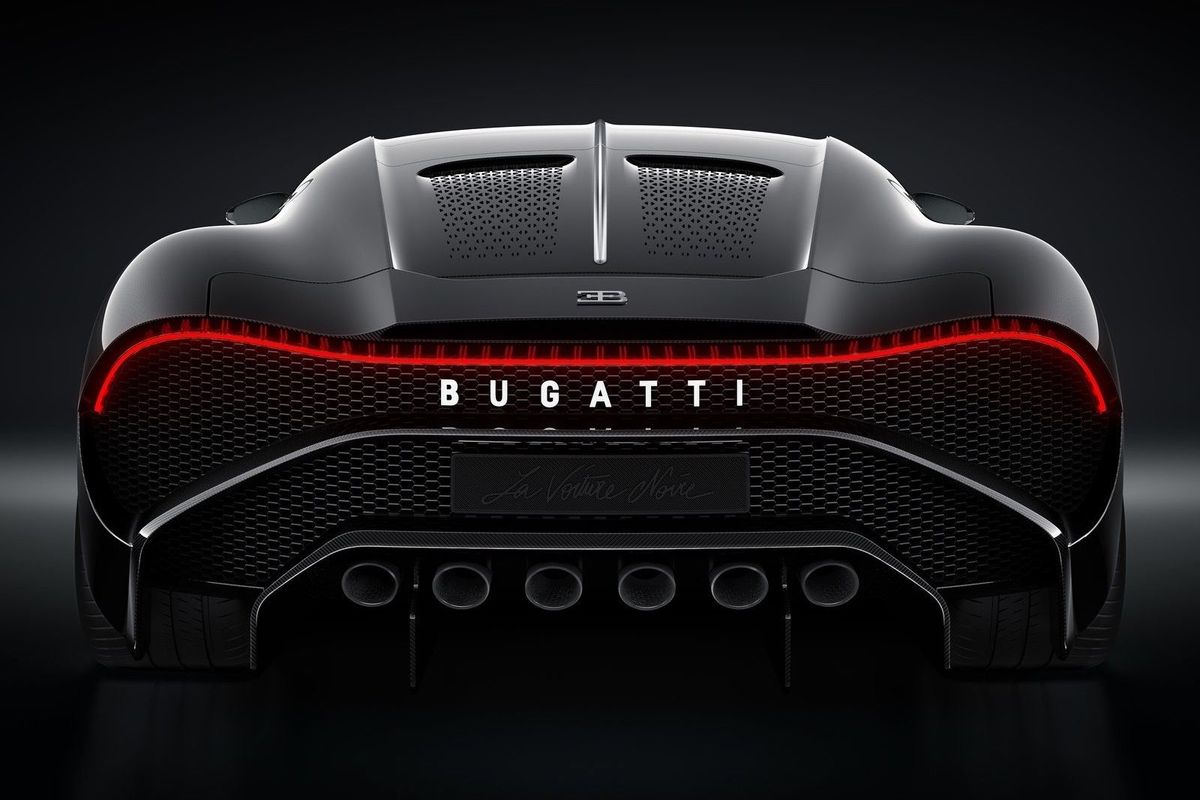
Meet the Bugatti La Voiture Noire. It's a tribute to the iconic Bugatti Type 57 SC Atlantic and the most expensive new car in the world.
As for the price, Bugatti claims its new La Voiture Noire costs €11 million, which translates into around R176 143 139 million.
Based on the already ultra-luxurious Bugatti Chiron, the La Voiture Noire features a handcrafted carbon fibre body. It is powered by the same quad-turbo 8.0-litre W16 engine with 1 500 hp (1 118 kW) and 1 600 Nm.
According to Bugatti boss, Stephan Winkelmann, the car is a one-off and has already been sold to a collector.
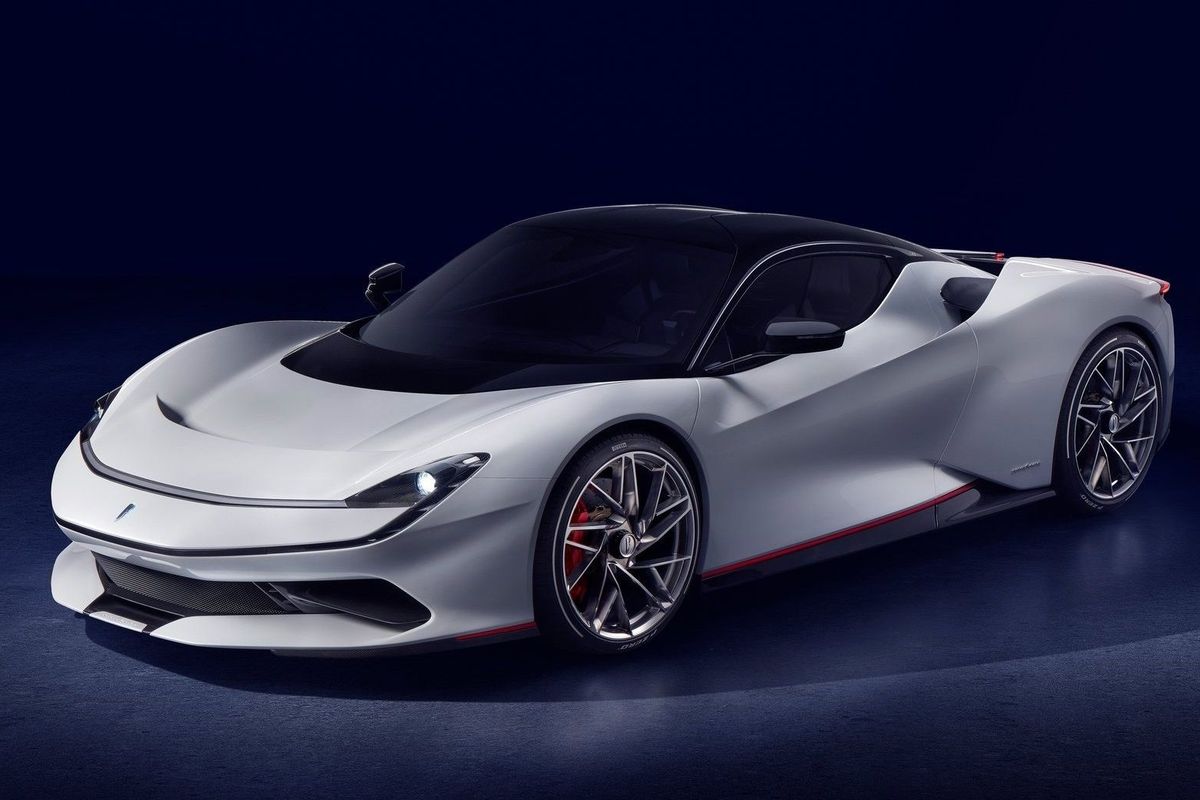
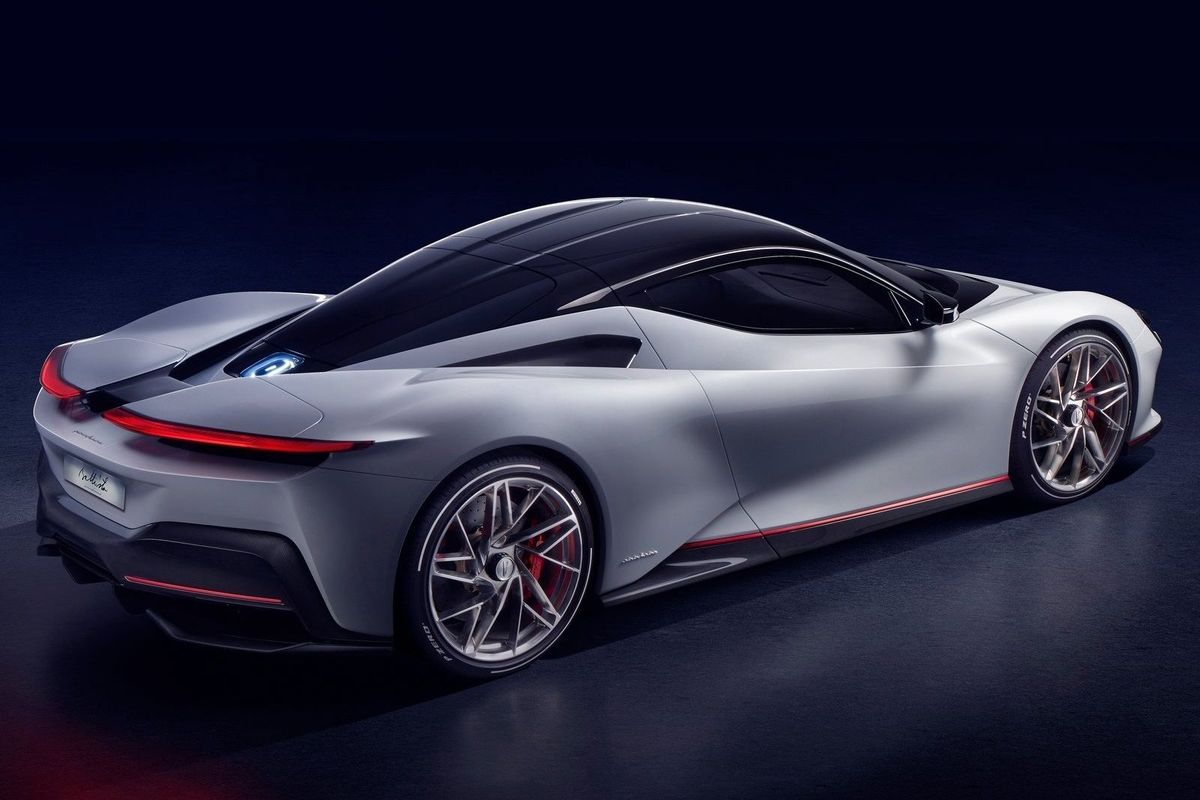
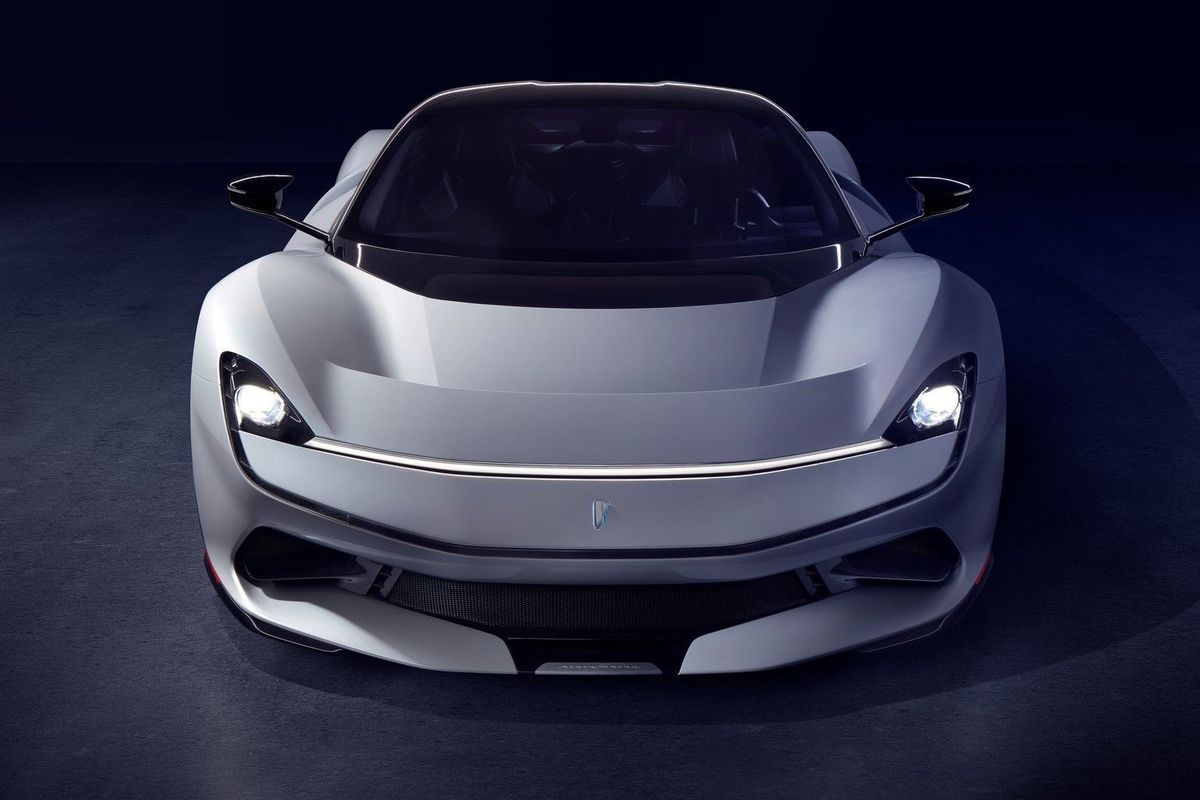
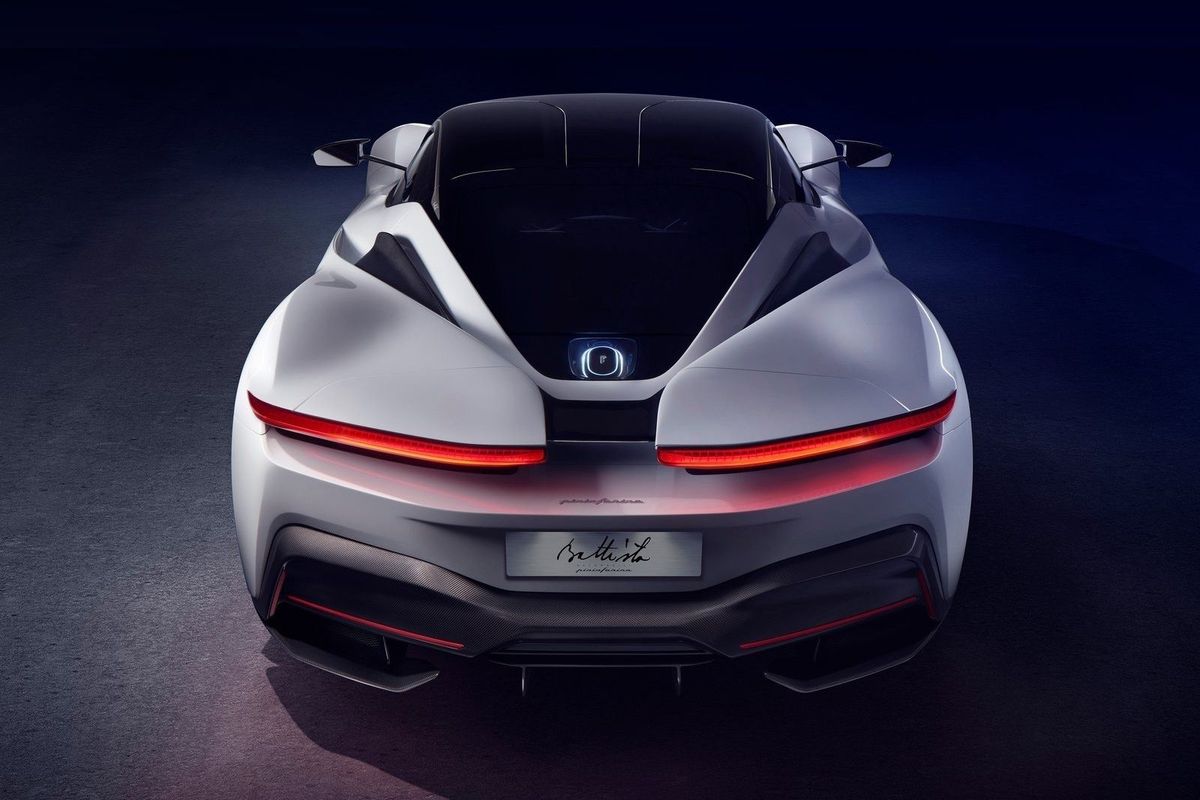
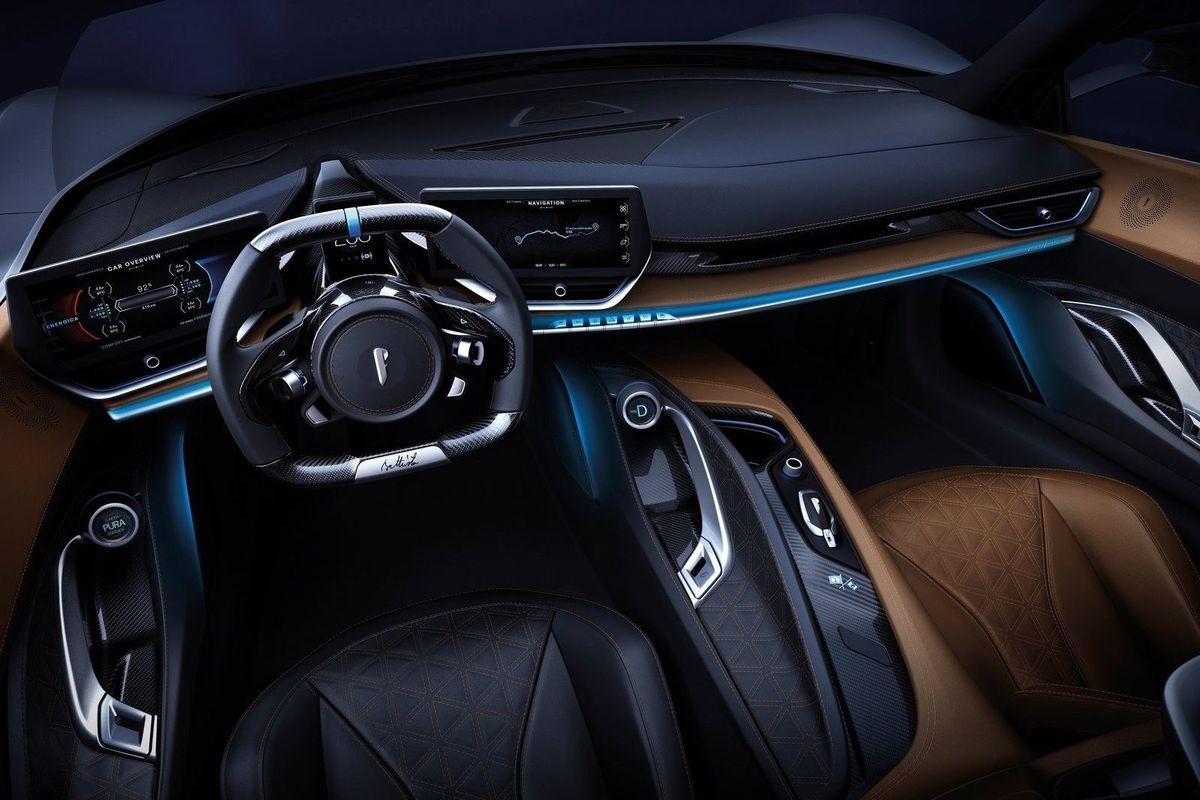
Famed Italian design consultancy, Pininfarina, has finally revealed its electric hypercar at the Geneva Motor Show.
It’s called the Battista and for Pininfarina, this is the future of the global hypercar market.
A strikingly styled vehicle, Battista retains the silhouette of a typical mid-engined hypercar, despite being driven by a T-shaped 120kWh battery pack, which is the work of Croatian electric vehicle specialist, Rimac.
Pininfarina has styled some of the most celebrated Italian supercars in history and with Battista, the company has been keen to trade on that heritage. That's why this battery-powered hypercar looks more "conventional" in its side-profile than one would expect from a vehicle without a conventional internal-combustion engine dictating its packaging and proportions.
The numbers are startling. Each wheel is individually powered by its own electric motor and total system output is 1 415 kW. Pininfarina can, therefore, claim, with some degree of confidence, that Battista will be the most powerful Italian car yet when it goes on sale next year.
Production will be limited to only 150 units and those few privileged customers will own a vehicle capable of 0-100 kph in under 2 seconds and a top speed of 350 kph. Pininfarina also promises that Battista will be a thrillingly accomplished car to drive.
To guarantee Battista delivers in all aspects of performance and driver feedback a team of all-star (mostly German) engineers were assembled to execute this battery-powered hypercar. Pininfarina managed to poach engineers from AMG, Bugatti and Porsche for its Battista project.
Depending on build specification, confirming a Battista order will cost you between R30 million and R35 million. Ouch!
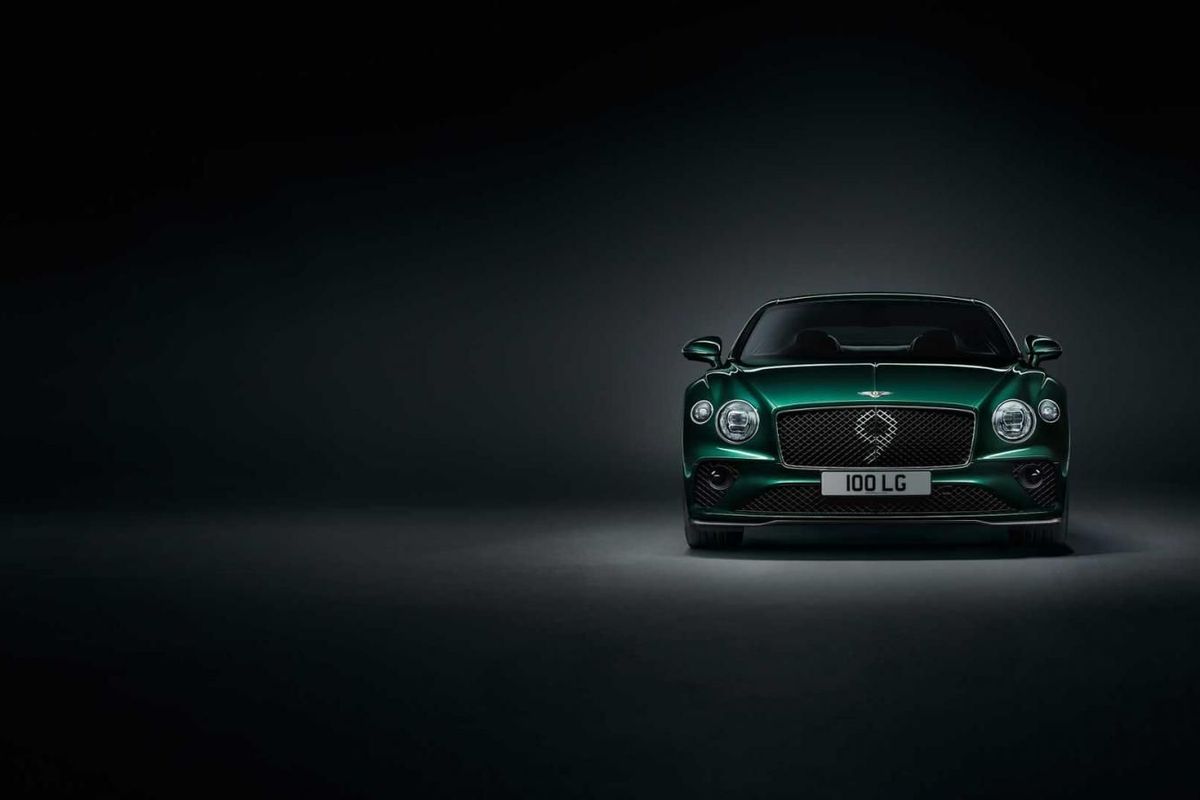
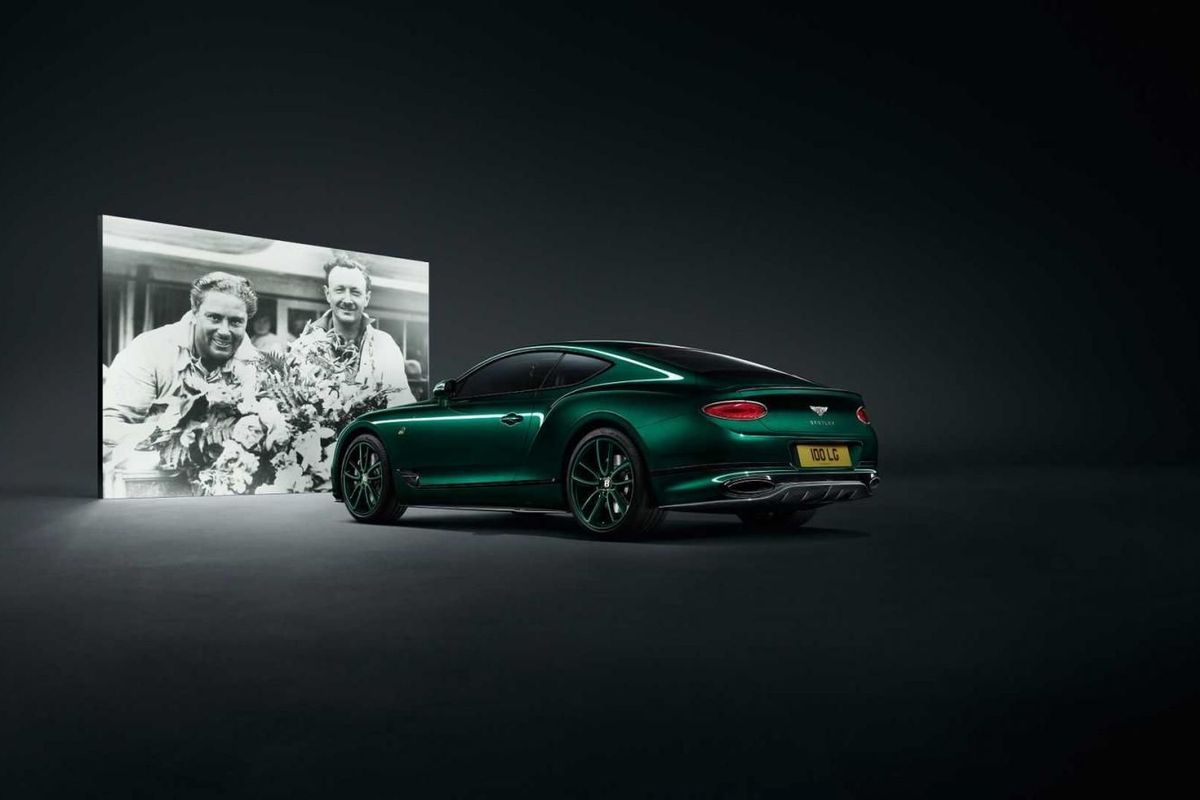
Few things in the automotive realm are more traditionally English than a Bentley finished in British racing green.
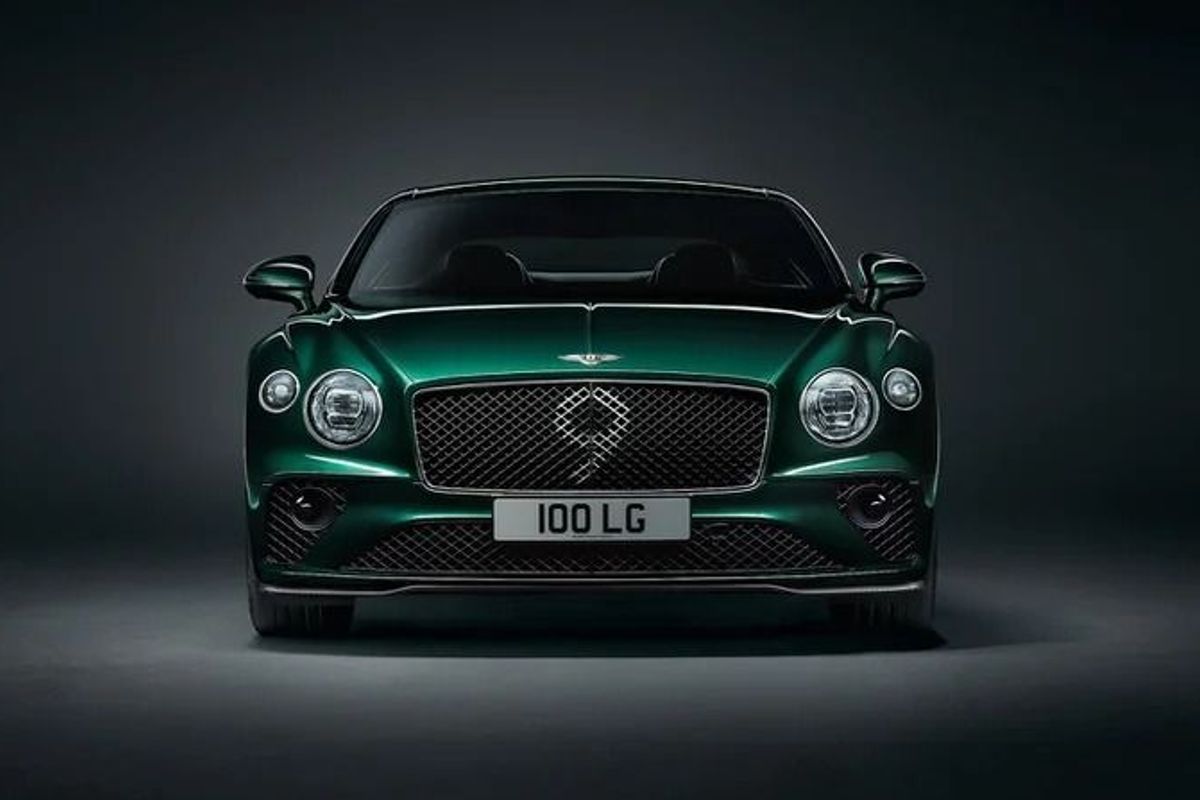
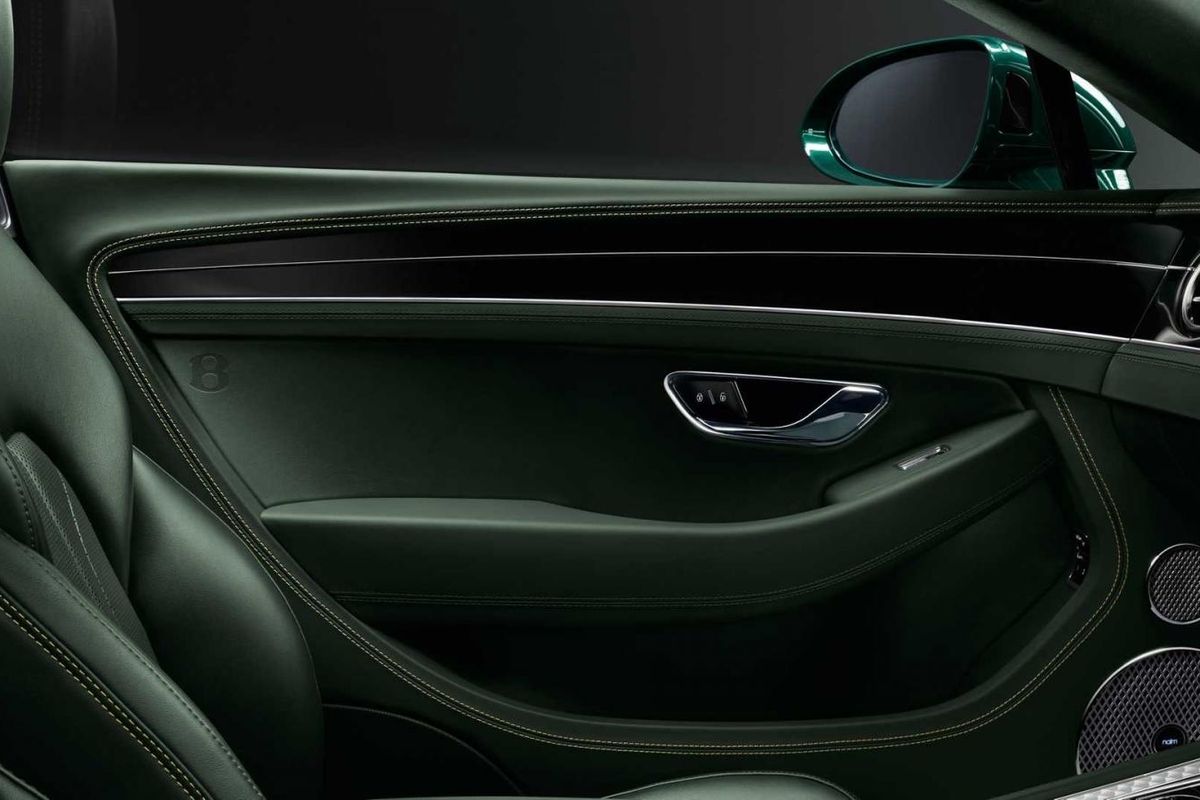
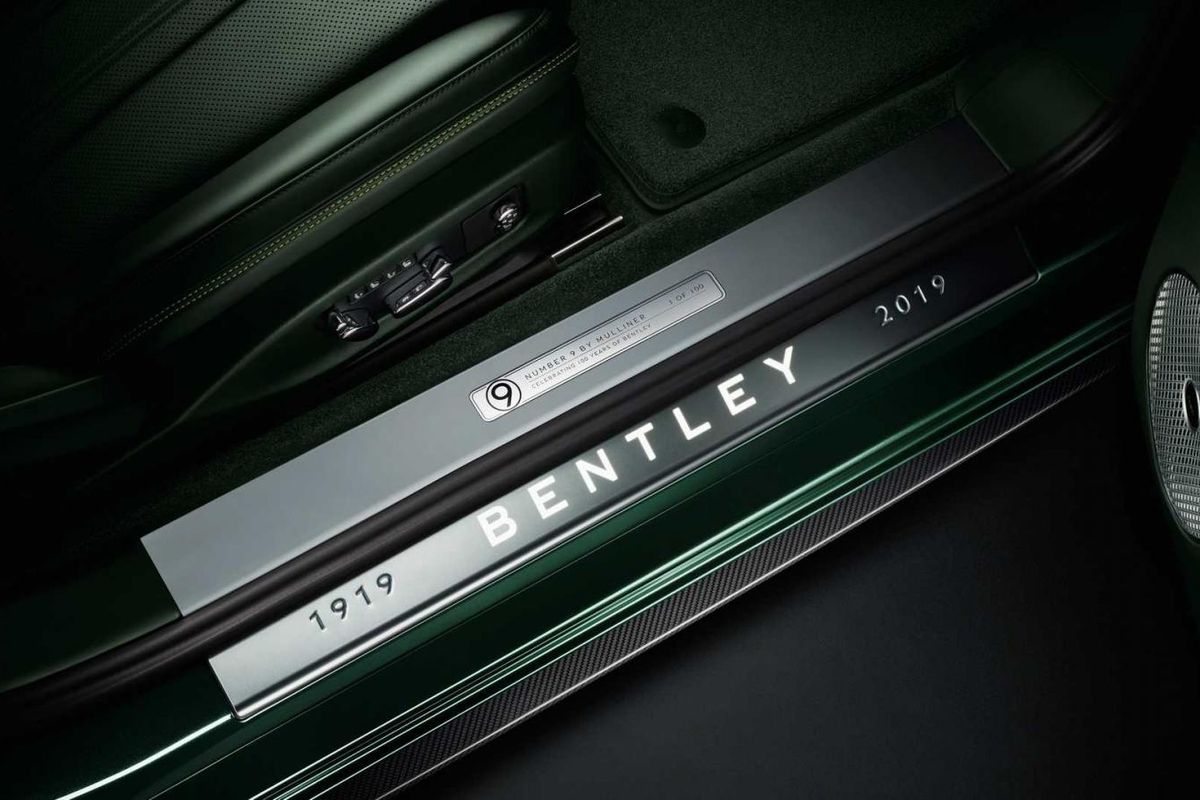
In an attempt to profit from this heritage, Bentley has released a new version of its latest Continental GT, called the Number 9 Edition. With a production run limited to only 100 units, these Continental GTs are built by the company’s on-site tailoring division, Mulliner.
The Number 9 Edition Continental GTs pay homage to those classic racing Bentleys of the interwar era. Rolling on 10-spoke alloy wheels, 21-inches in size, the Number 9 Edition is distinguished from other Continentals by its bold No.9 grille graphics and carbon-fibre body kit.
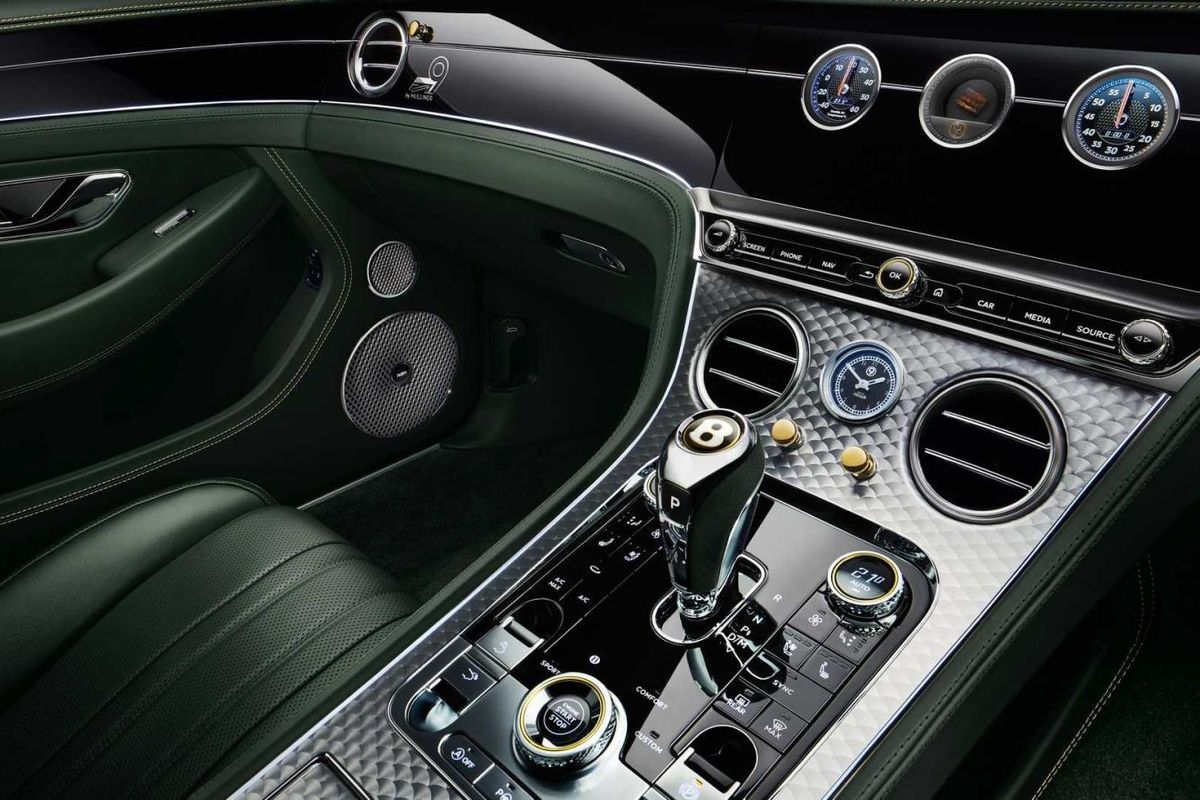
Most of the Mulliner craftsmanship has been applied to the Number 9 Edition cabin architecture and finishing. Seats are either green or black and handsewn from the very best hides available.
Gorgeous turned aluminium makes up most of the centre console's surfacing, while a classic British Jaeger analogue clock sits between the ventilation dials. Controlling those ventilation ducts are 18K gold plated organ stops.
Adding to the Number 9 Edition’s custom status is an encased wood insert, which has been mounted within the instrument binnacle. For each of the 100 Number 9 Edition cars, this wood insert has been removed from the seat of an original 1930 No.9 Bentley Le Mans race car. Very nice indeed…
BMW recently launched its fourth-generation X5 in South Africa, a car that originally created a segment and which has sold in vast numbers ever since.
The third generation X5 saw the introduction of a special, high-performance diesel model known as the M50d.
Back in 2014 we actually drag raced it against the supercharged V8 Range Rover Sport and the result was…surprising. You can watch that video here!
And now there's a brand new M50d, and for some reason BMW decided to fit another turbo charger, making this a rare quad-turbo beast.
In this video, we get stuck in and take a detailed look at the new X5. Our video guy, Ciro De Siena, will take you through all the tech and specs you might care for and he even offers an opinion or two about its performance, acceleration and handling.
And lastly we try and answer the question, is the X5 M50d enough of a performance SUV for your money, or should you wait for the upcoming X5 M?
The BMW X5 M50d is priced from priced from R1 502 582.