Mercedes-AMG A45 S (2019) International Launch Review
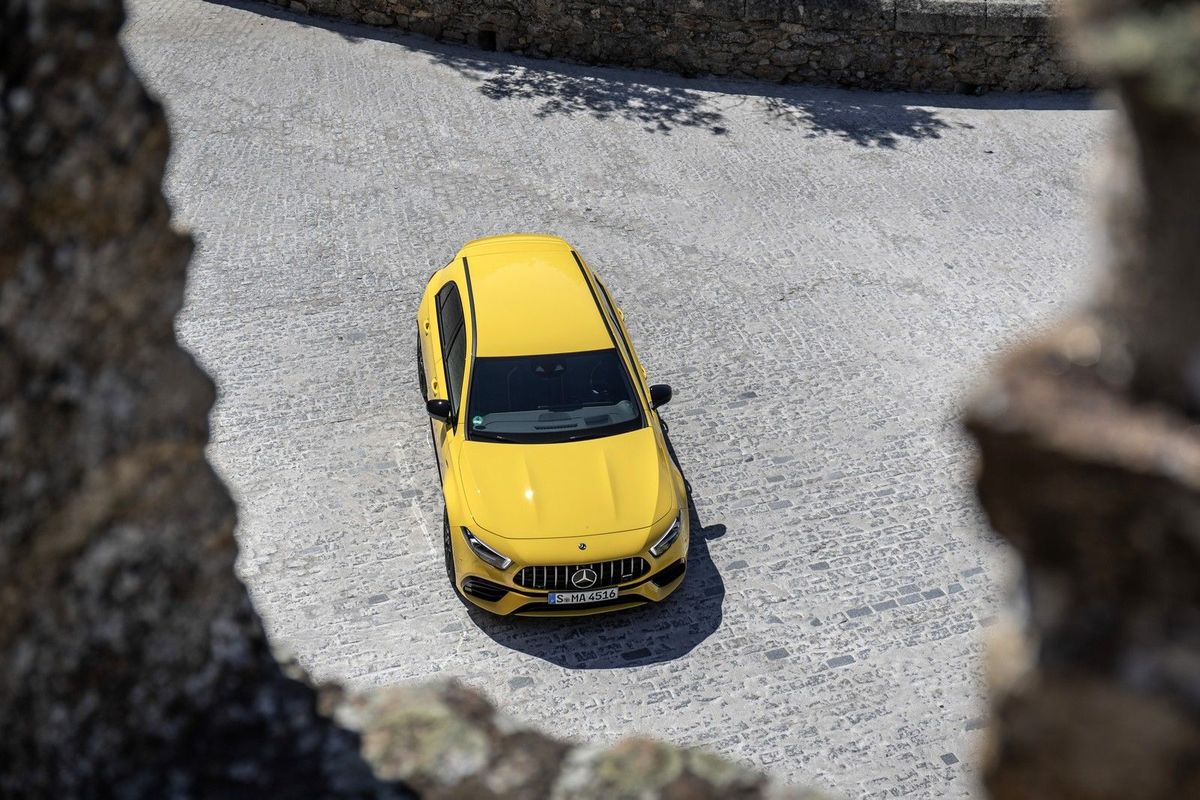
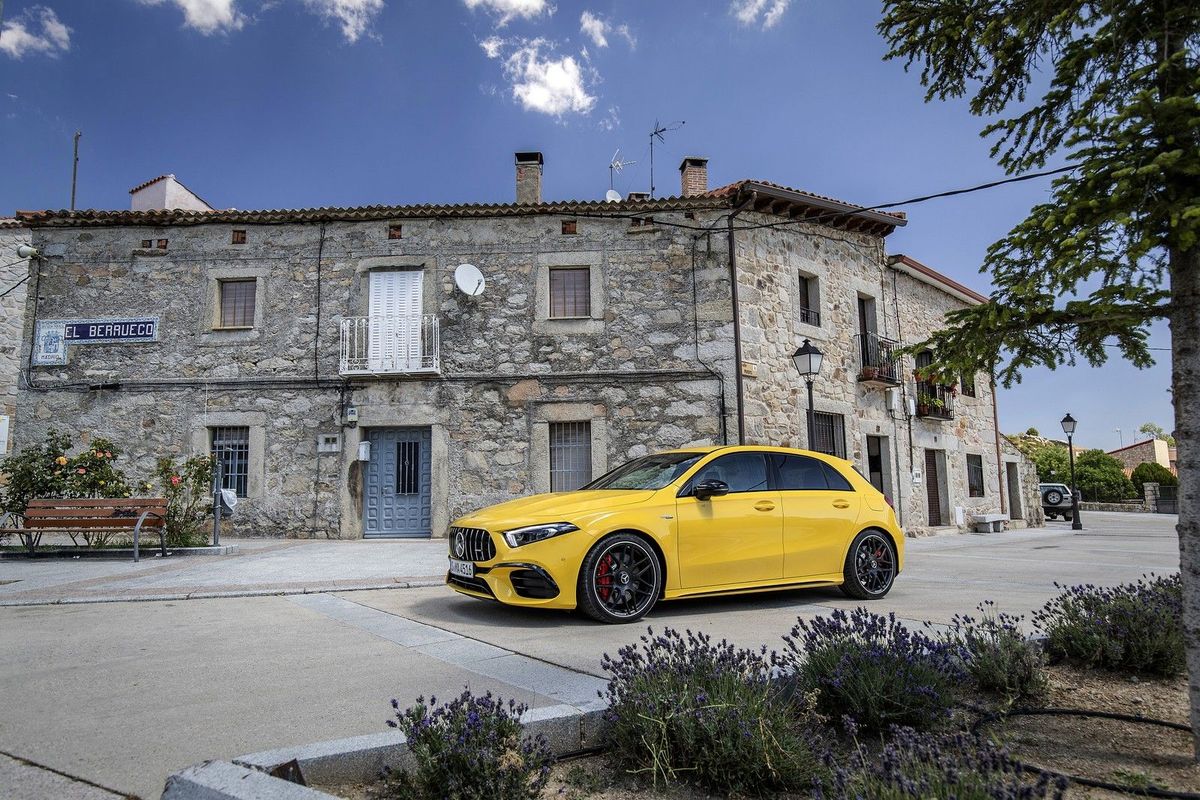
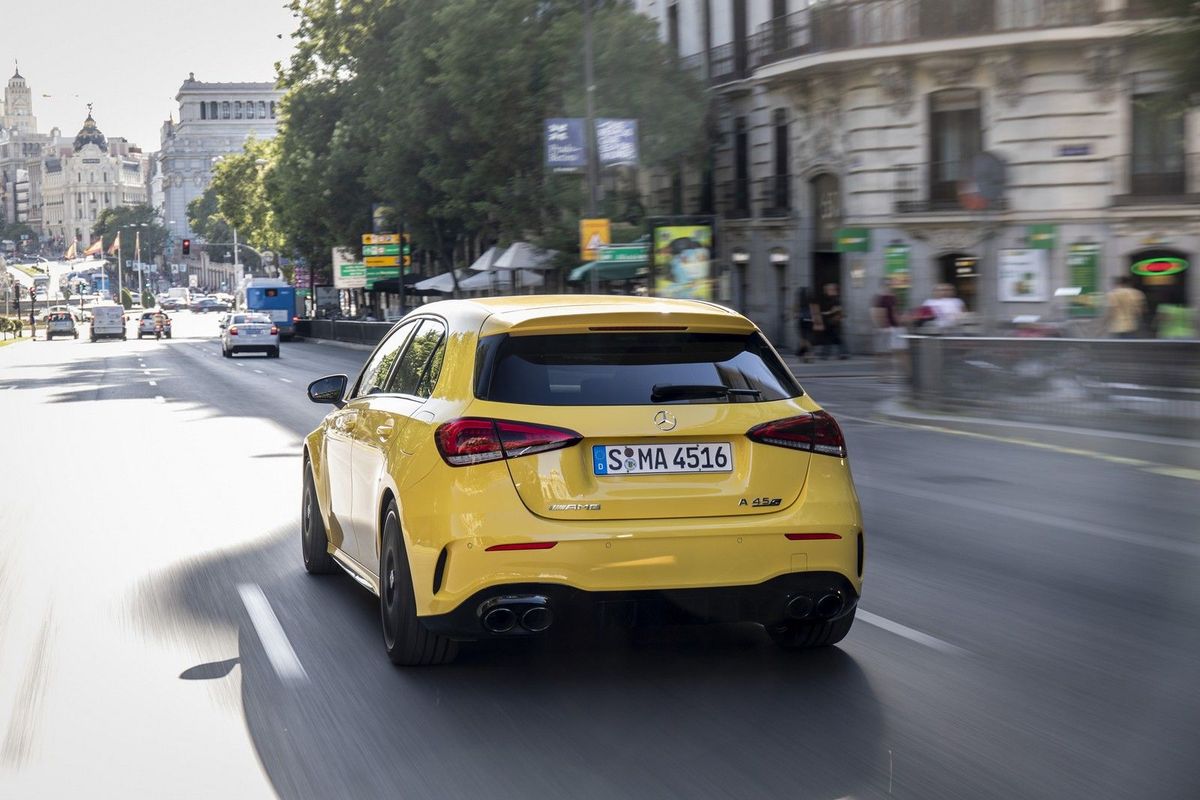
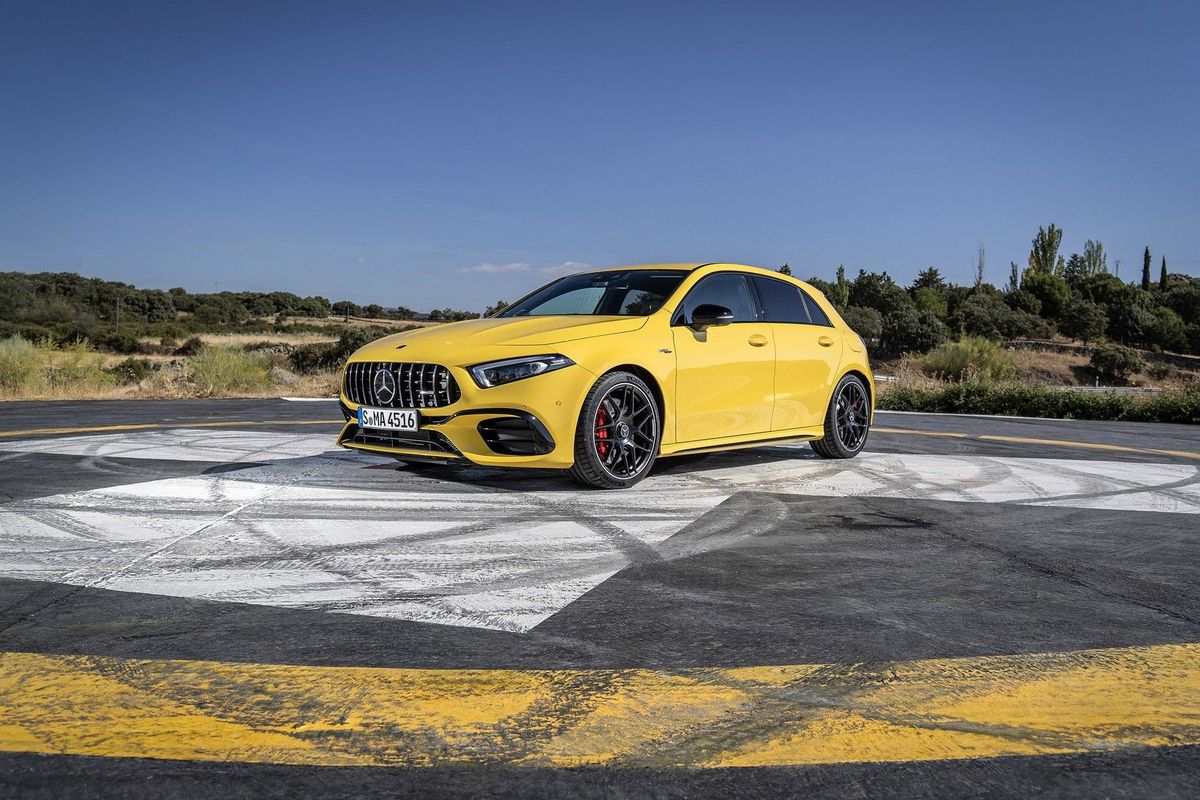
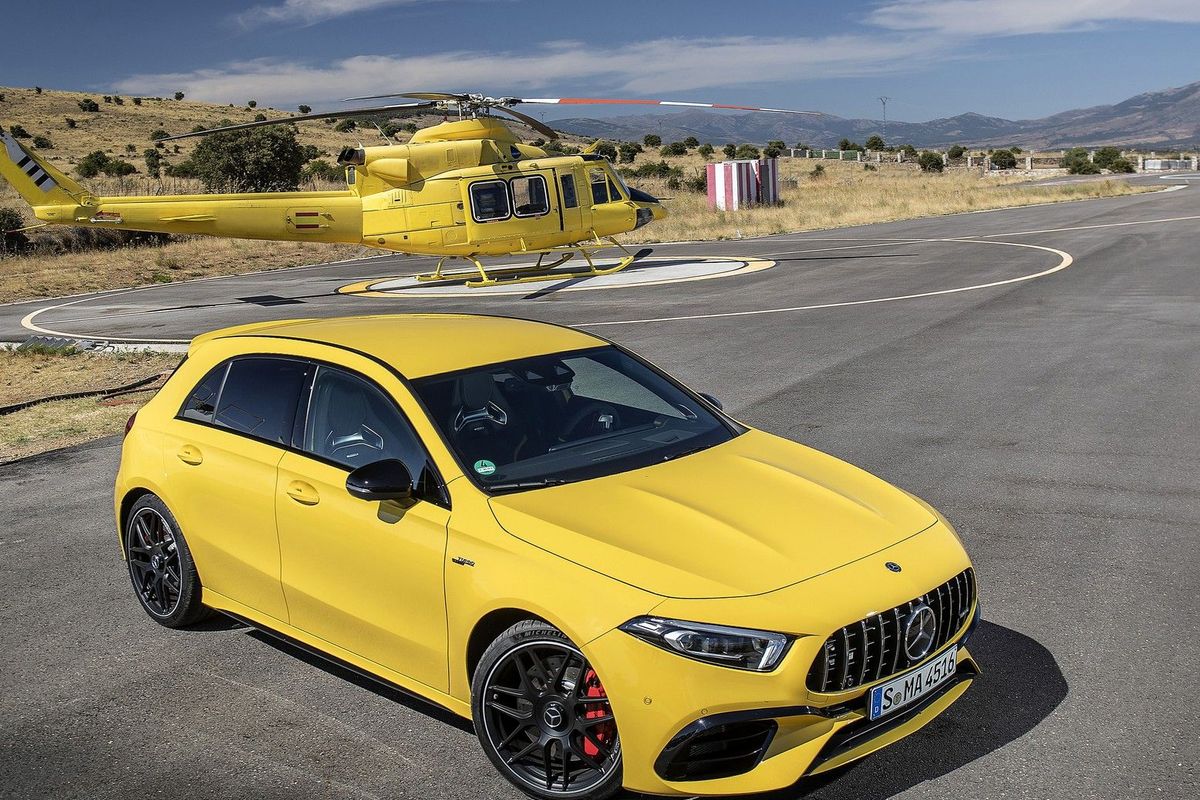
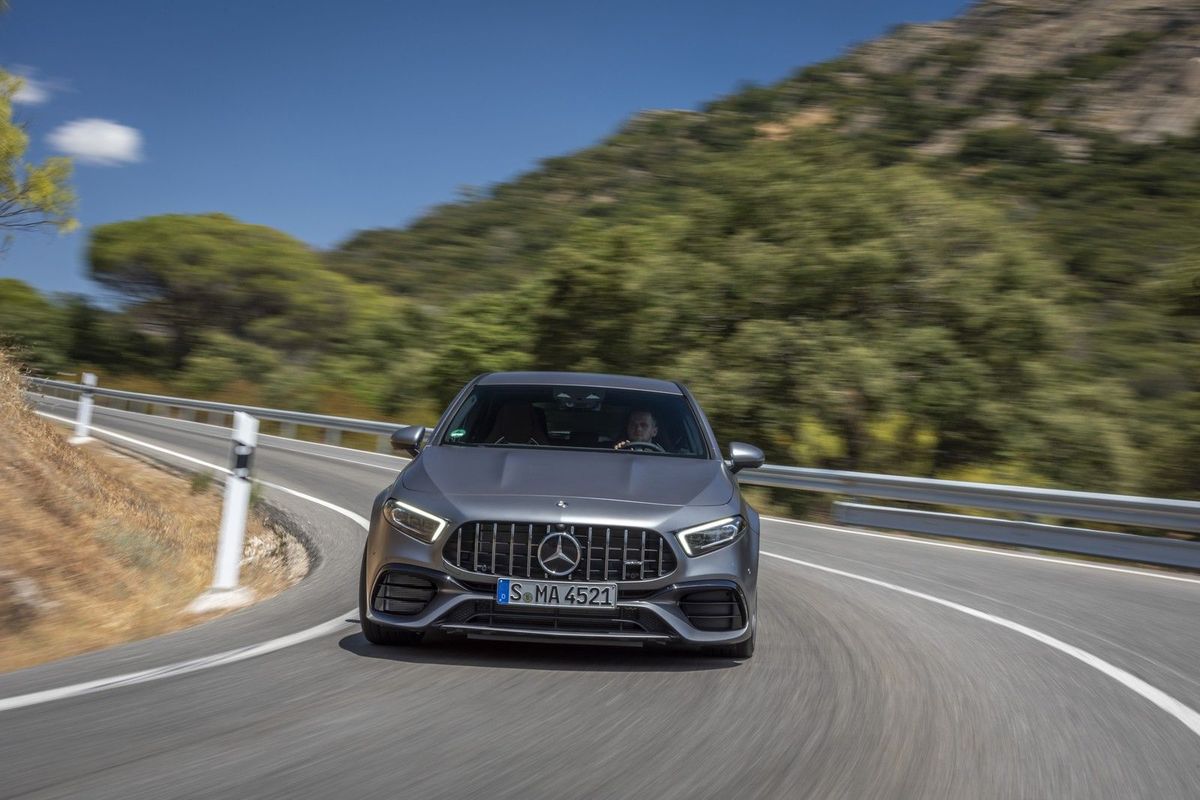
Why did Mercedes-AMG develop its 2.0-litre 4-pot to produce near-ludicrous peak outputs of 310 kW and 500 Nm? Well, so that the engine could power the flagship of the W177-generation A-Class, which (again) moves performance goalposts in the "hyper hatchback" segment… We headed to the ex-F1 Jarama circuit in Spain to sample the A45 S.

What’s new?

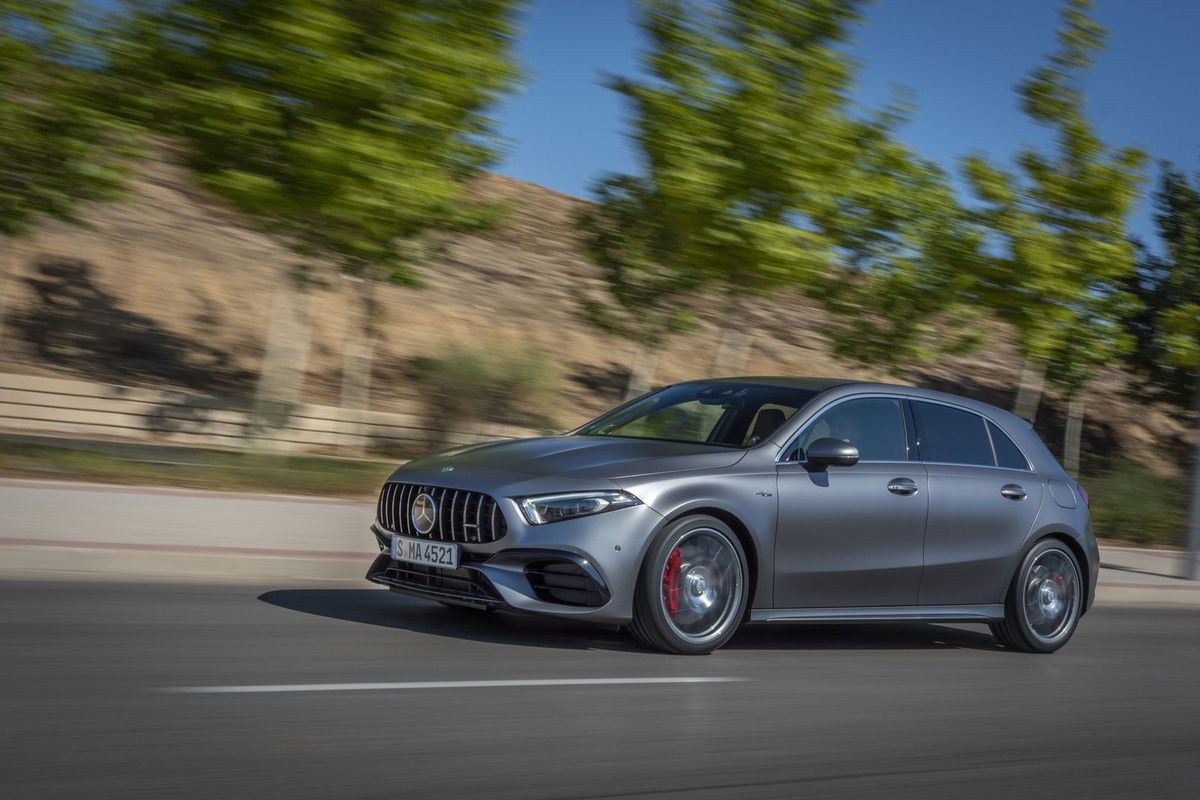
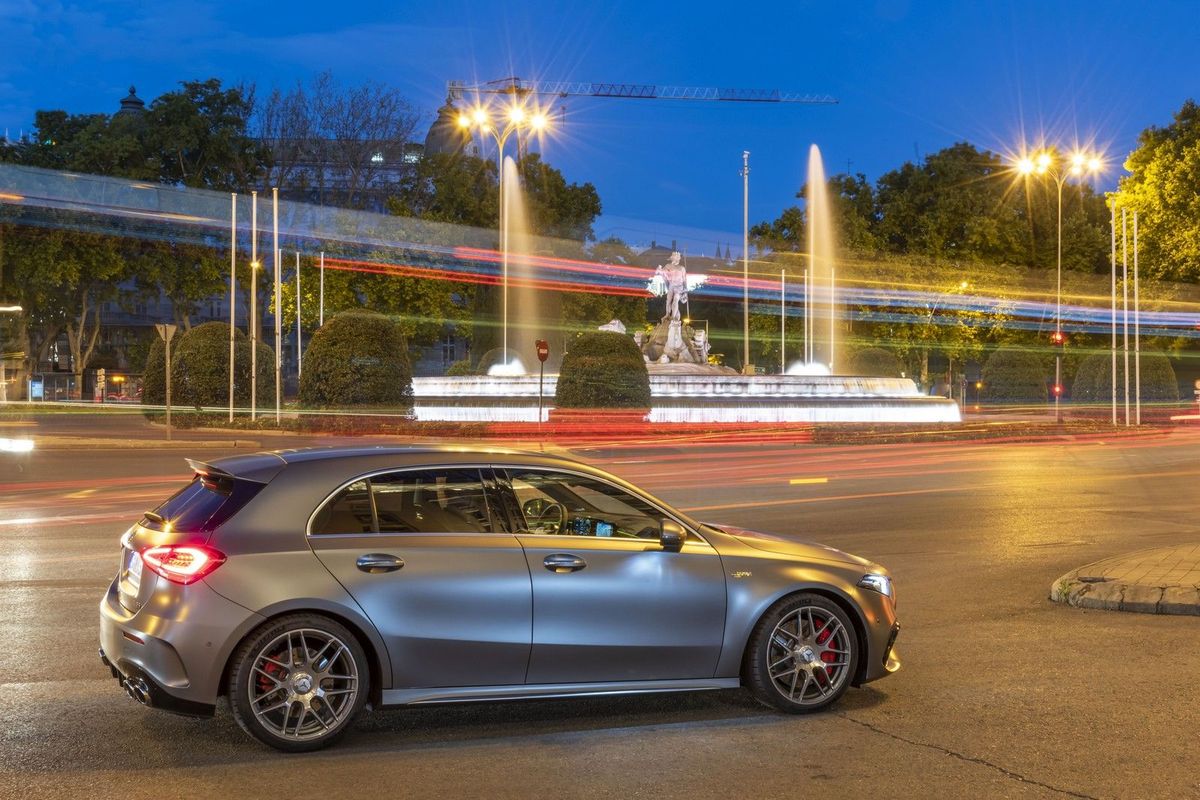
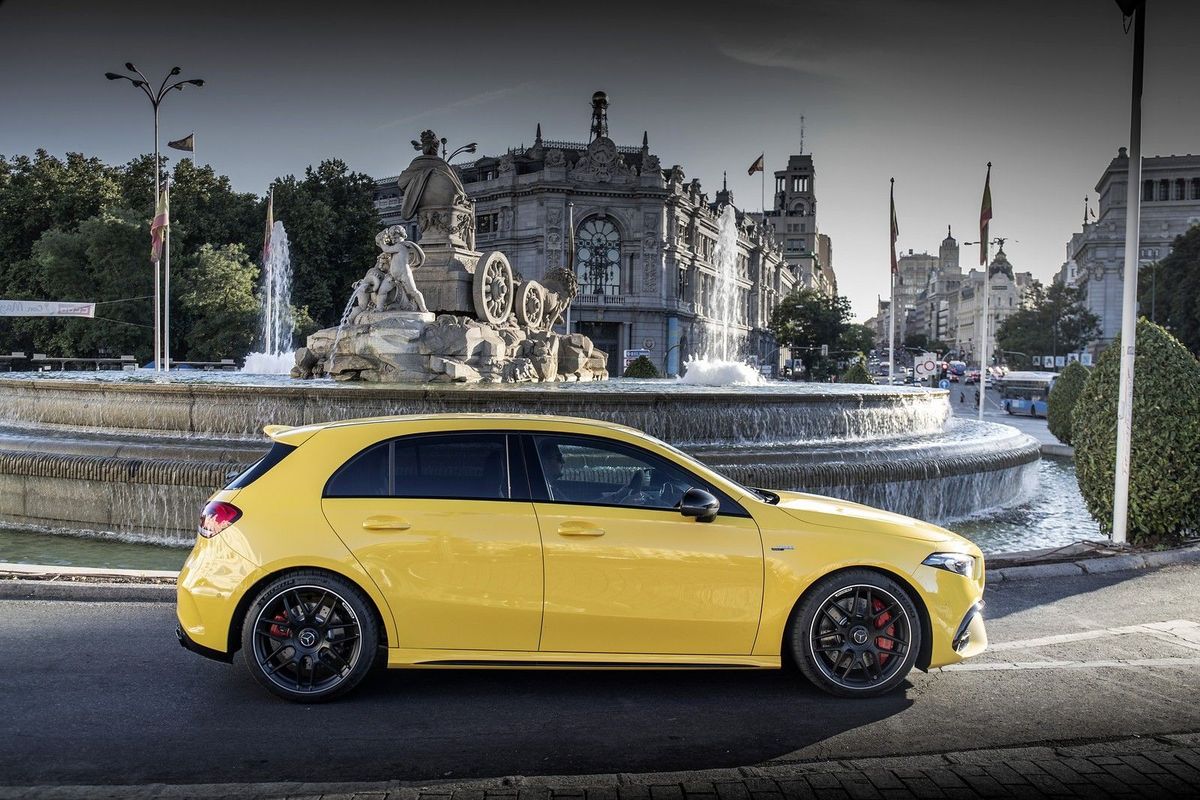
First shown at the recent Goodwood Festival of Speed, the A45 S is the first 45-series Mercedes-AMG to be spun from the new A-Class. The A35 has had a month or 2 to shine, but now it’s time for the real McCoy to grab the limelight, which few would argue it doesn't deserve. The headline news is that the newcomer's 2.0-litre 4-cylinder turbopetrol develops no less than 310 kW and 500 Nm of torque. Those numbers see the Benz leave the hot hatch brigade well in its wake and move towards the realm of the hyper hatch; its an engineering achievement that beggars belief.


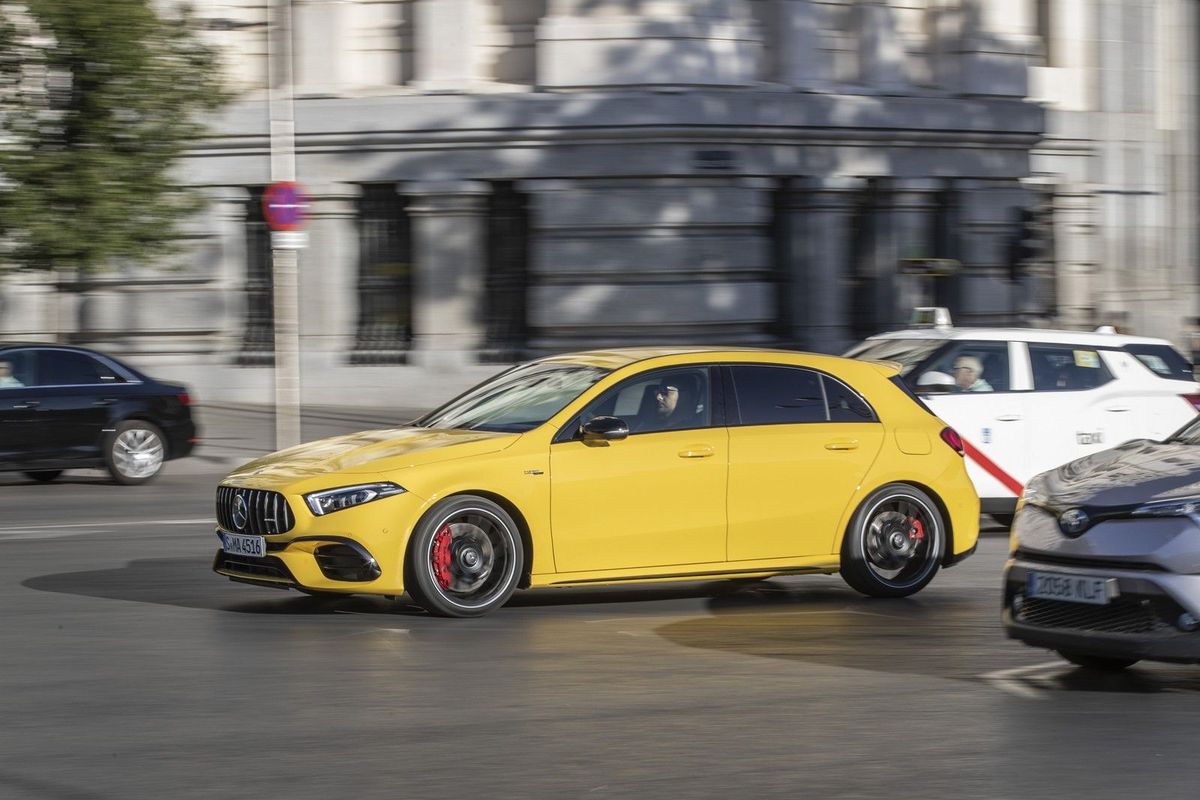
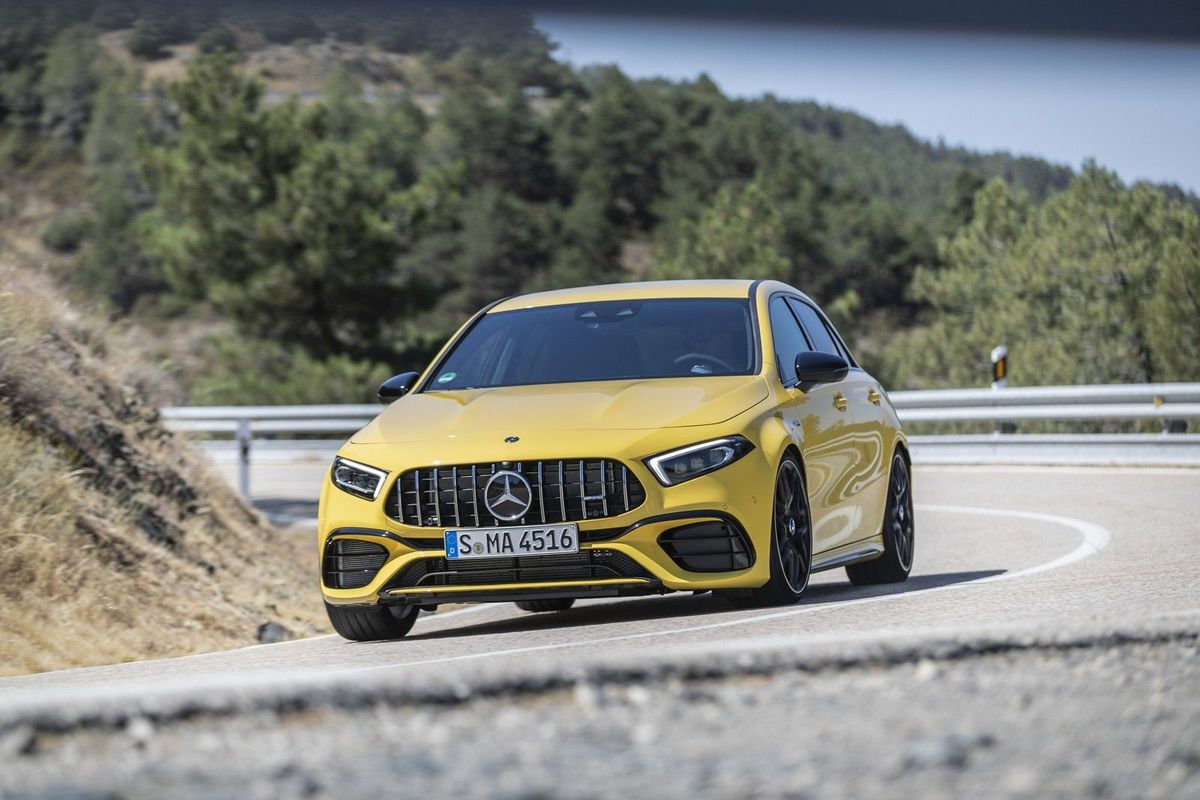
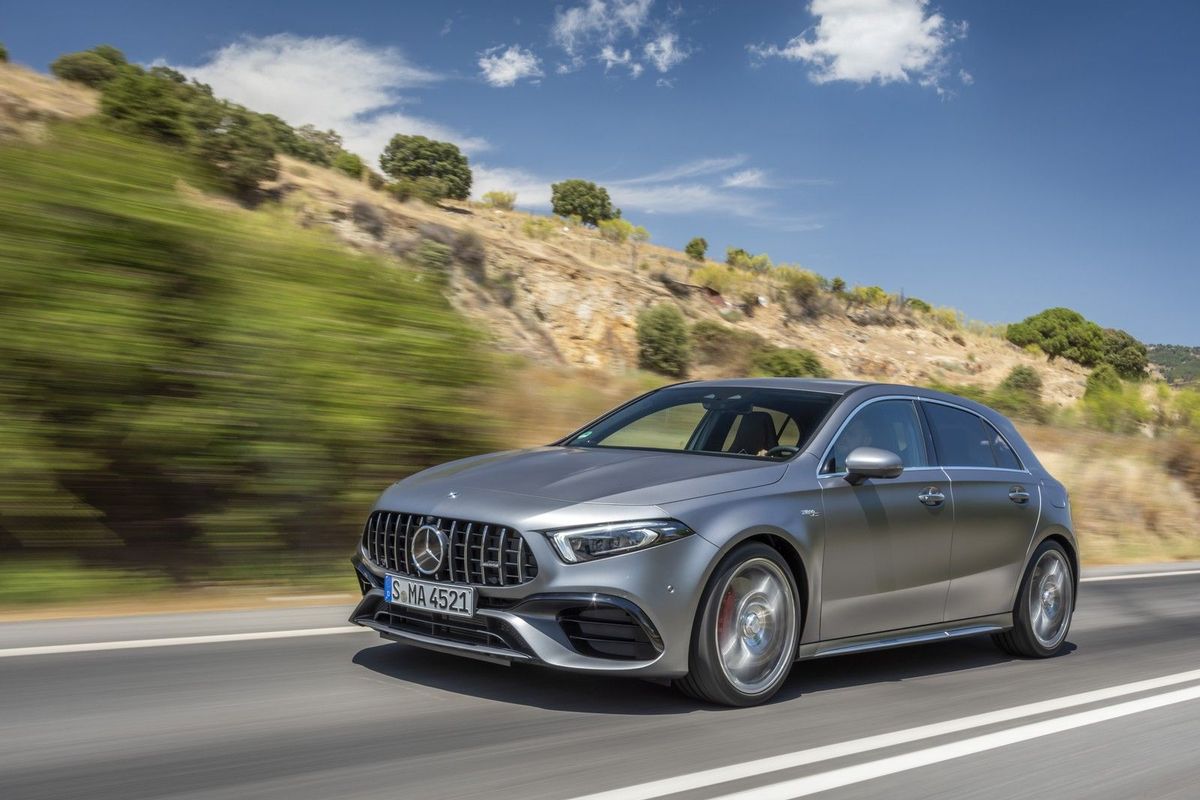
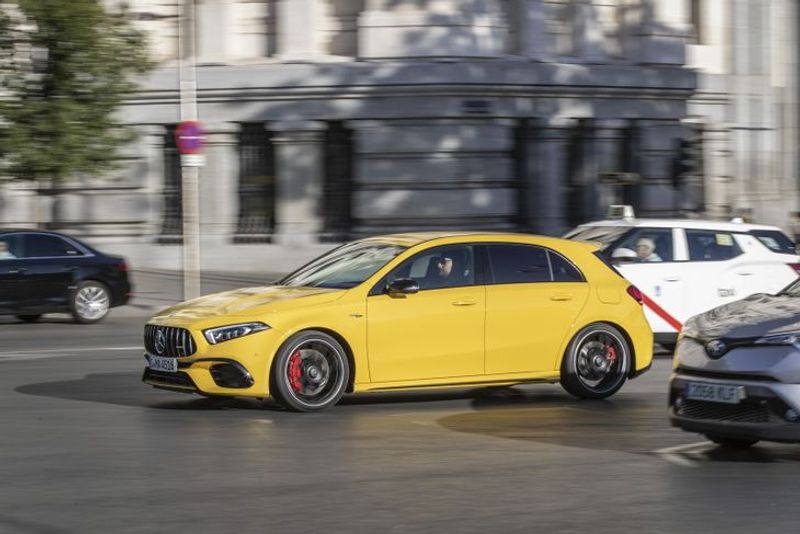
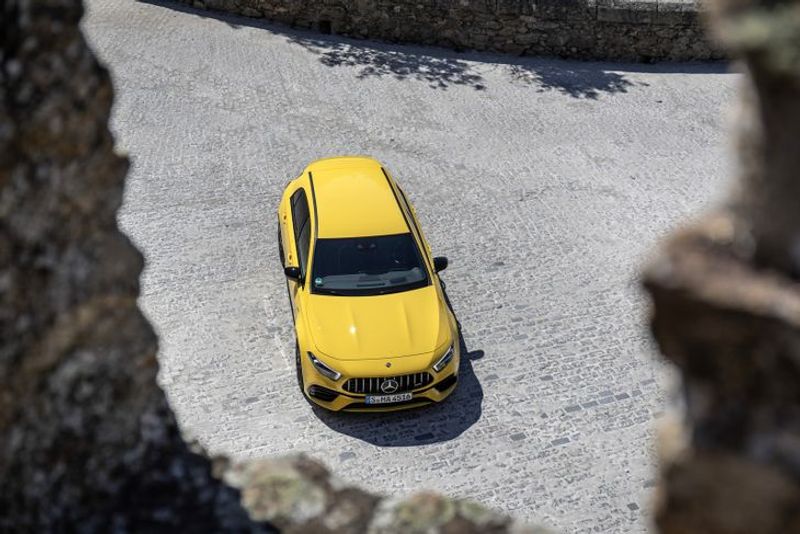
Don't confuse this with the A35, this one gets the full Panamericana grille.

The A45 S – the only version of the W177 A45 hatchback that will be released in South Africa – has undergone a raft of improvements to optimise its handling, performance and even comfort. It doesn’t appear to be all about statistics and numbers with this version, either: Mercedes-AMG seems to have endeavoured to transform the A45 from an electronically-aided marvel to more of a driver-focused machine. Has Affalterbach succeeded?

Have a read of our A35 launch review here

Engine wizardry

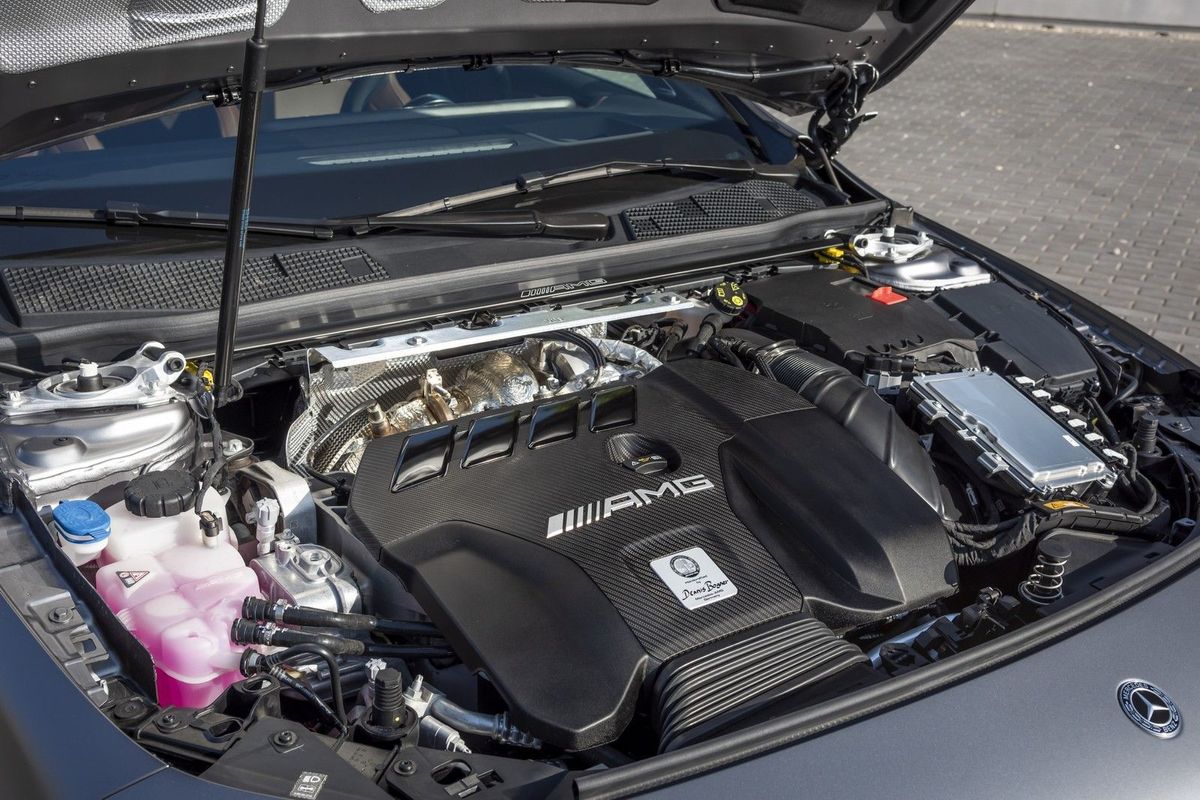
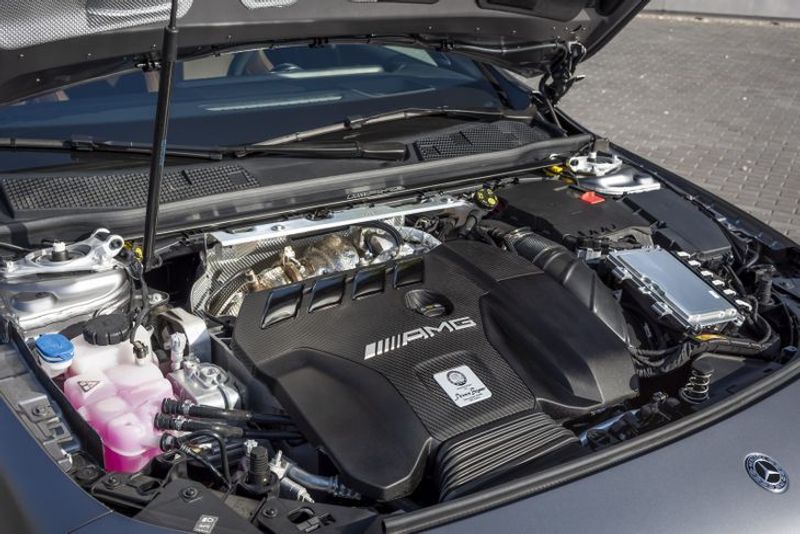
The A45's potent powerplant is nothing short of a gem; it's positioned differently to the comparatively mild 2.0-litre motor in the A35 (turned by 180 degrees, with its turbocharger and exhausts at the back and the intake facing towards the front bumper). This configuration aids aerodynamics and shortens piping distances. The twin-scroll turbocharger has been cranked up to boost to 2.1 bar (it’s where the bulk of the performance gain comes from), while new roller-bearings within the turbo's internals allow it to spin up faster and reach optimal pressure sooner, which reduces turbo-lag.

In action, the enhancements prove… extremely effective! The responsiveness and immediacy of power delivery when exiting corners with the A45 S is quite unlike any turbocharged petrol engine that I’ve driven to date (well, at least ones without electric assistance). The motor easily spools up to 7 200 rpm, where the acceleration sensation just starts to taper, before you summon the next gear and the surge repeats with renewed brute force.


Intake at the front exhausts at the back, it's turned 180 degrees compared to A35.

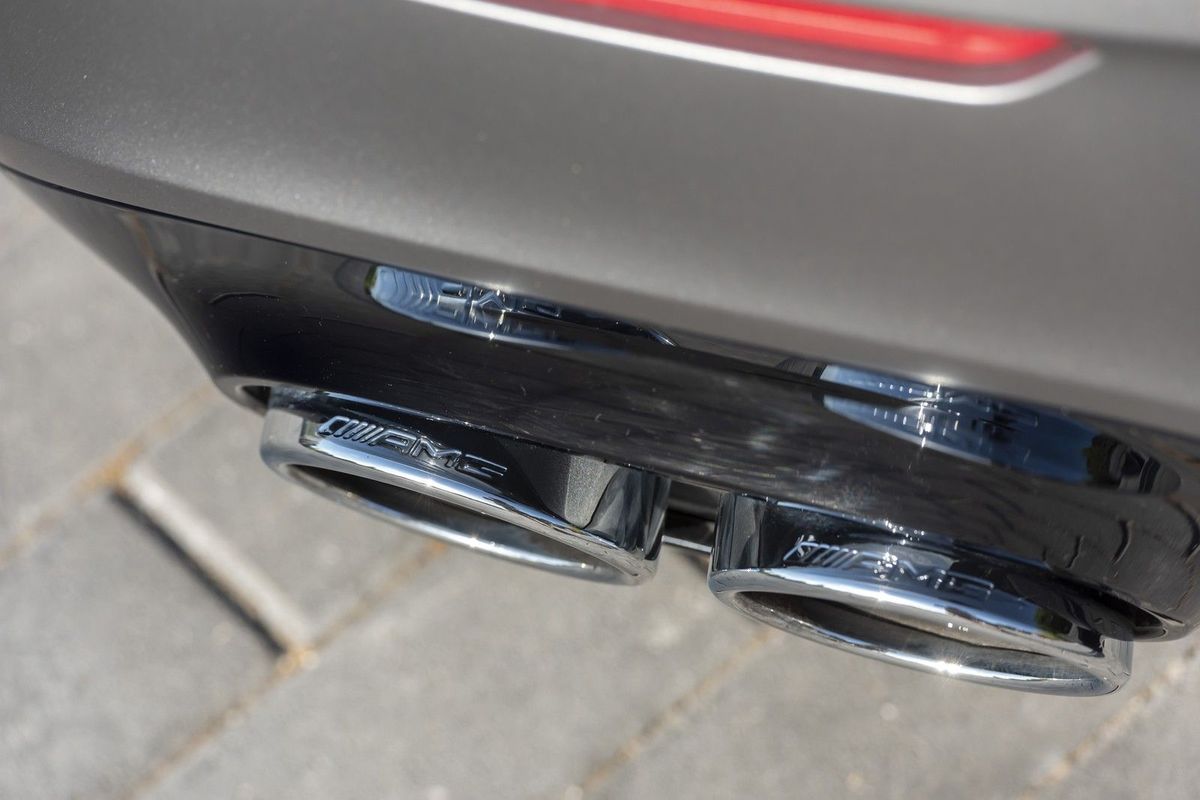
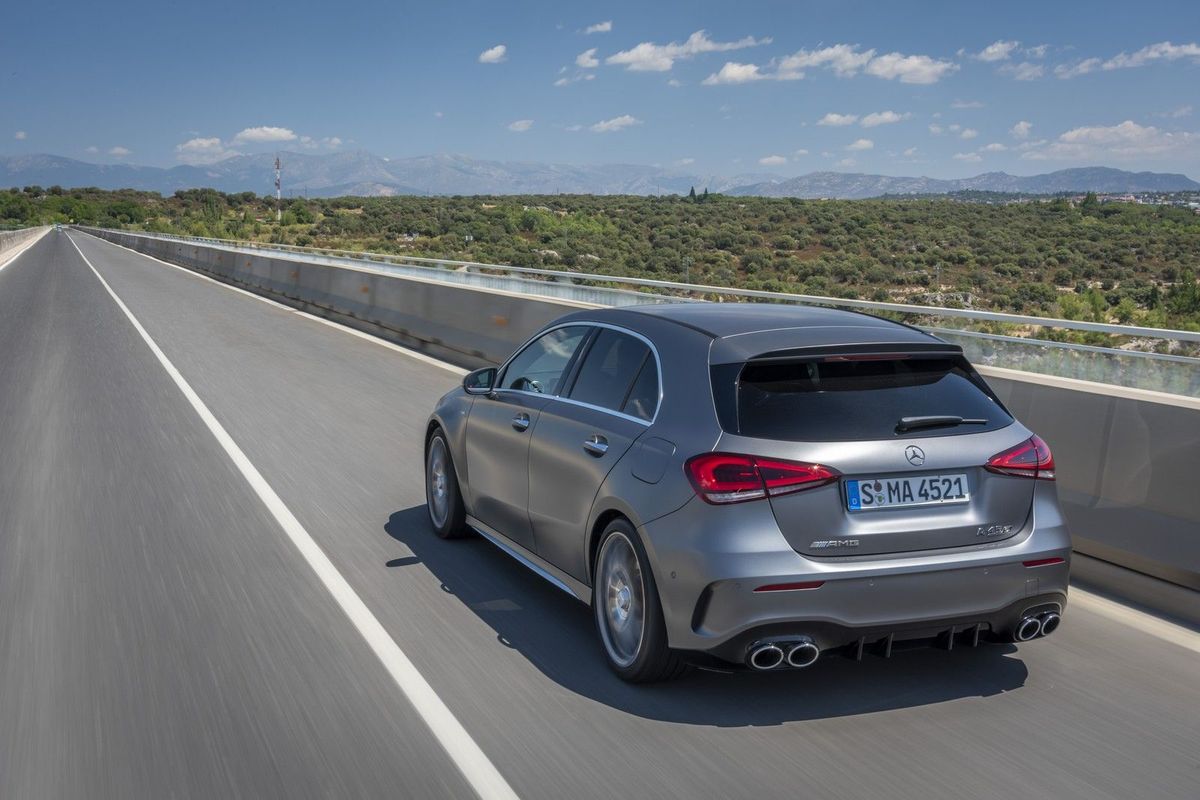
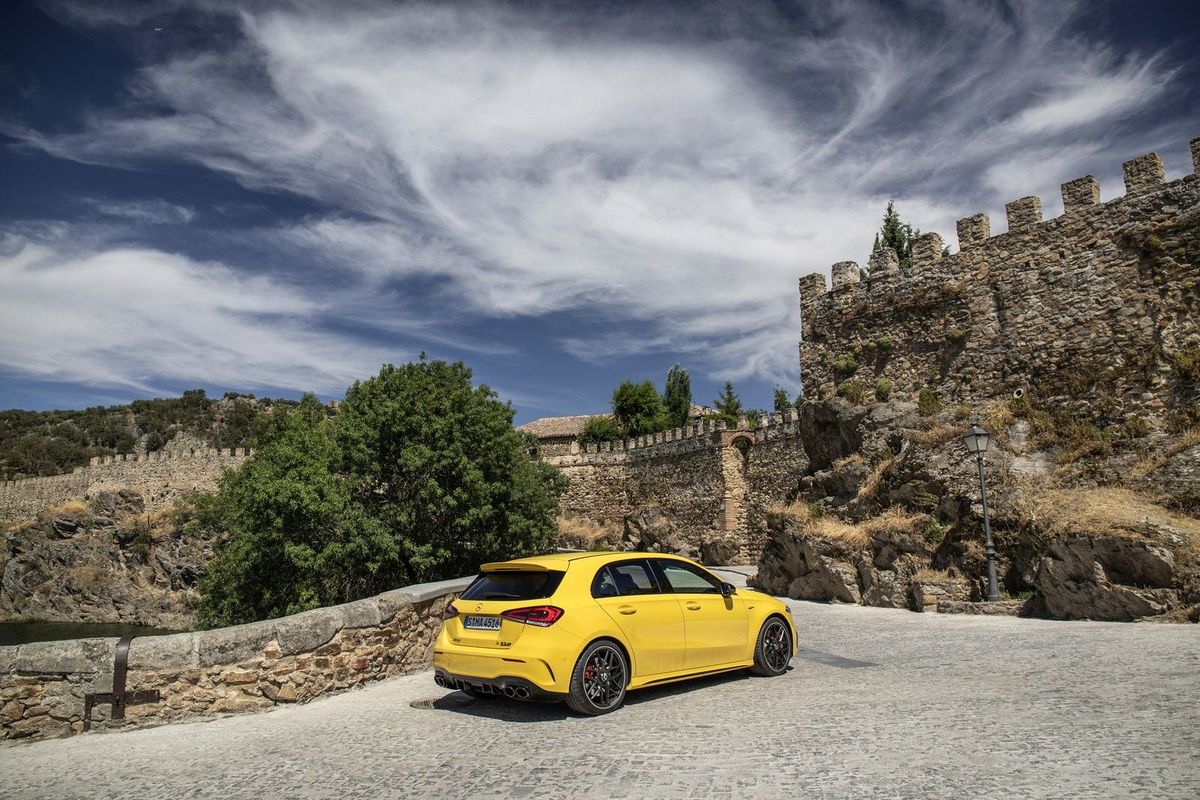
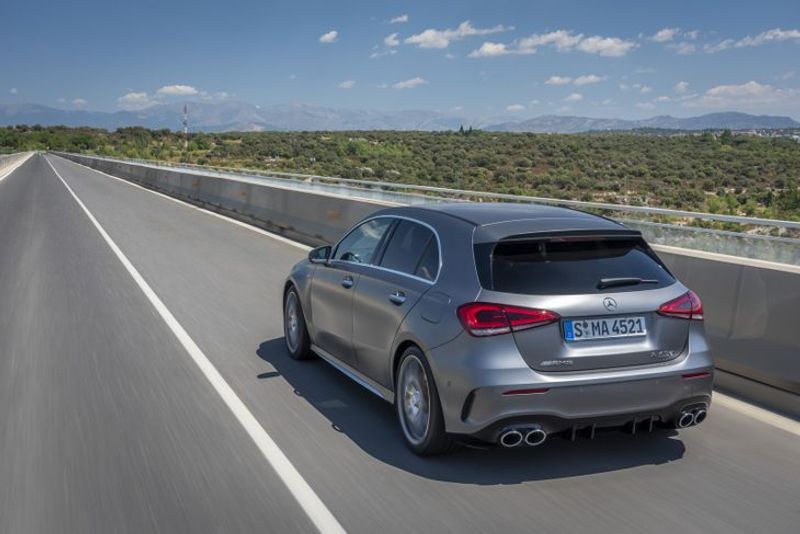
The engineers have attempted to give this engine a unique soundtrack and the way they've gone about it is the product of a fair bit of hocus pocus. The sound is conjured up through a combination of exhaust flaps that open up as well as special engine sensors that pump actual engine sound into the cabin. When out on the road, short bursts of acceleration make the A45 S sound beastly, really raspy and loud, much like you’d expect from a shouty hatchback with flared arches, a front splitter, rear diffuser and 4 exhaust ends. On track, when you’re on maximum throttle for long periods, it’s a bit droney and tiresome, but come off the throttle (while in Sport plus or Race mode) and it'll rattle off a hilarious volley of cracks and backfires.

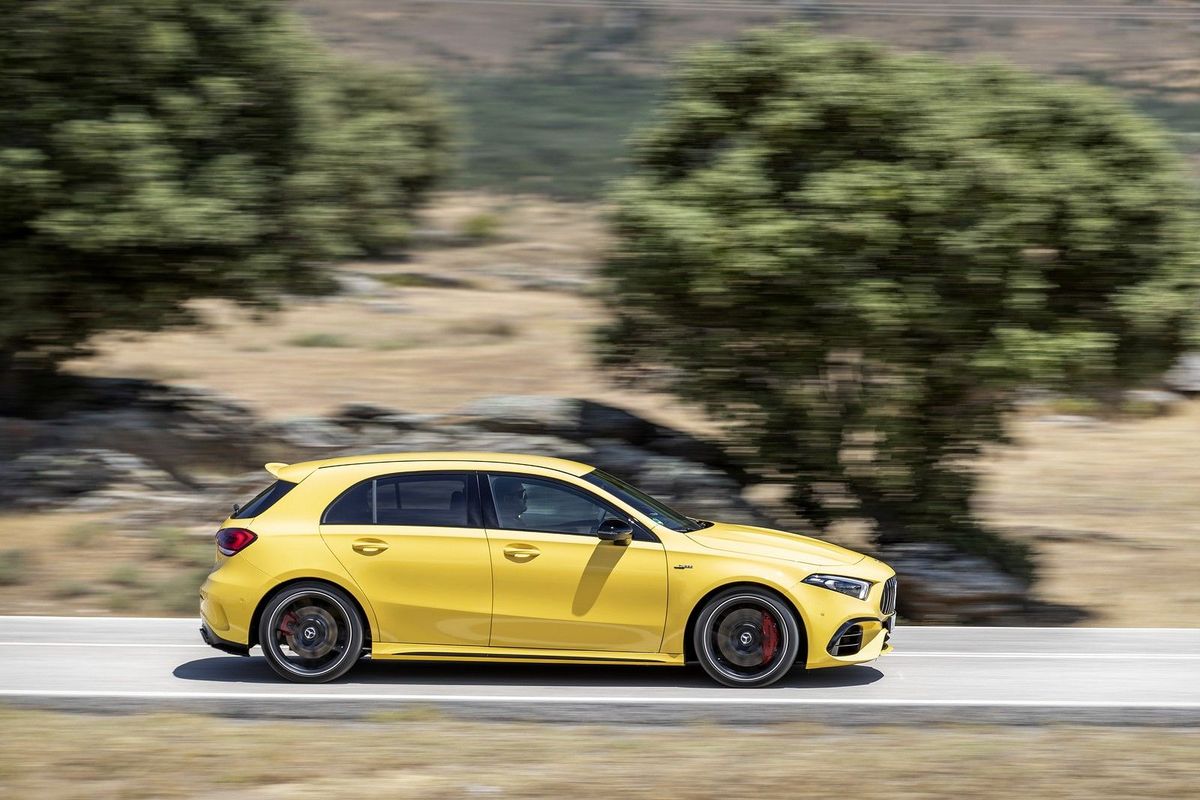
All of this translates into some manic acceleration times, as you may imagine. If you utilise launch control in Race Mode, the A45 S will propel itself from 0 to 100 kph in a ballistic 3.9 seconds – it marks the first time one of the German Big 3 (Audi, BMW and Mercedes-Benz) officially claim to scrape under the 4-second barrier with a compact performance model. The 8-speed dual-clutch ‘box fires though shifts with the ferocity of an '80s headmaster’s cane. Downshifts are met with rev blips, but are engaged with alarming speed, especially when using the manual paddle shifters. 

Mercedes-AMG will launch the A45 S and CLA45 S during Q4 of 2019.

Is it good to drive?

Okay, so the original A45 had a few issues, many of which we've reported on. Its ride quality was overly rigid (almost bouncy at times) and it wasn’t very involving to pilot – the whole driving experience seemed to revolve around the front differential helping to steer the car out of corners.

Fortunately, the new A45 S represents a vast departure from its predecessor in terms of its general demeanour. The newcomer's body is admittedly fundamentally stiffer and its suspension is still taut, but not in a way that it jolts its occupants around or skips across uneven surfaces. Out in the hills around Madrid, the roads wind for tens of kilometres; they're perfect for getting into a rhythm and assessing the nuances of the new A45 S’ handling talents. The front end bites more than before, reducing some corner-entry push and increasing agility when changing direction. It still requires soft, guiding inputs to alter direction, more so than in hot hatches like a Fiesta ST or Megane RS, which can be "thrown about" merrily, if at lower speeds.


The ride is much-improved from the bumpy and crashy previous generation.

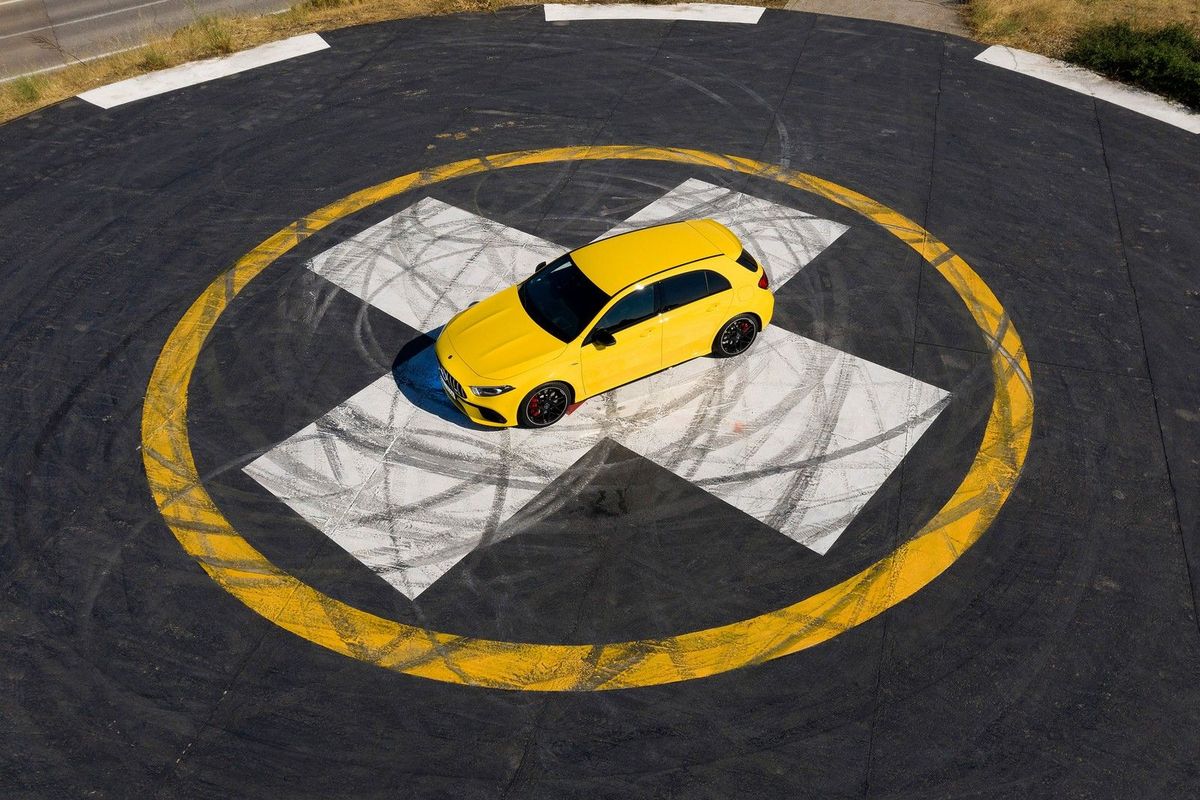
Much of the improved handling can be attributed to the talents of the A45 S' new differential, which can divert torque to individual rear wheels, where before it could only send it fore or aft. To put it another way: you can now achieve power-on oversteer in an all-wheel-drive hatchback. The Jarama circuit starts with 3 alternating slow-speed hairpins and with the bitier front-end you can snap up an apex and then bury the throttle early. Instead of boring understeer (so characteristic of AWD hatches) the rear actually starts to come around in a controlled easy-to-catch slide. It adds another, unexpected, element to driving the A45 S. Previously, it lacked the driver engagement of the rear-wheel-drive BMW M2, but now there’s something less predictable about going fast in the flagship A-Class. It's also equipped with a Drift Mode, which adapts the ESP to facilitate power slides.

If the slidey stuff doesn’t interest you, simply slip the drive mode back into Sport or even Sport Plus and let that confidence-inspiring 4Matic all-wheel-drive system ensure that all 4 corners of the A45 S remain in check/solidly-glued to the road. The steering deserves more credit than most electrically assisted setups for providing good feel and feedback; although it weights up artificially the more angle you apply, it feels quite natural.

Take a look at the CLA 45 S here.

Performance add-ons


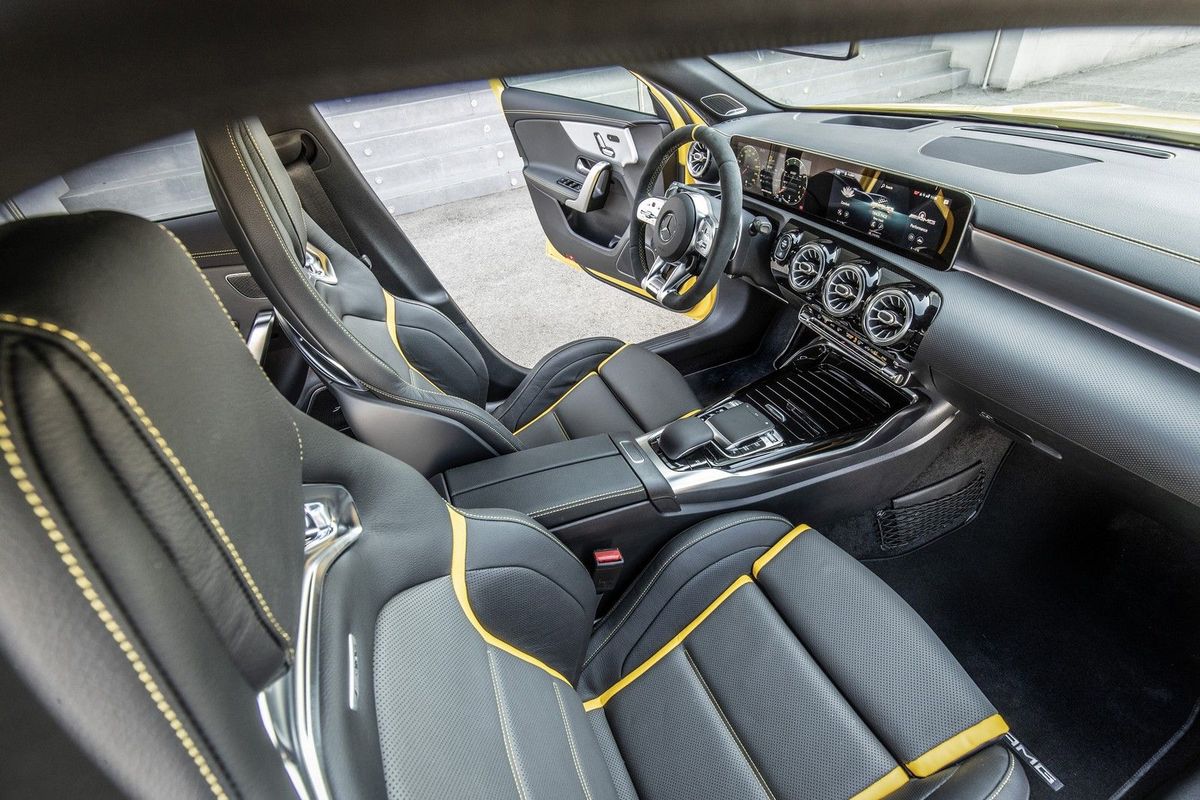
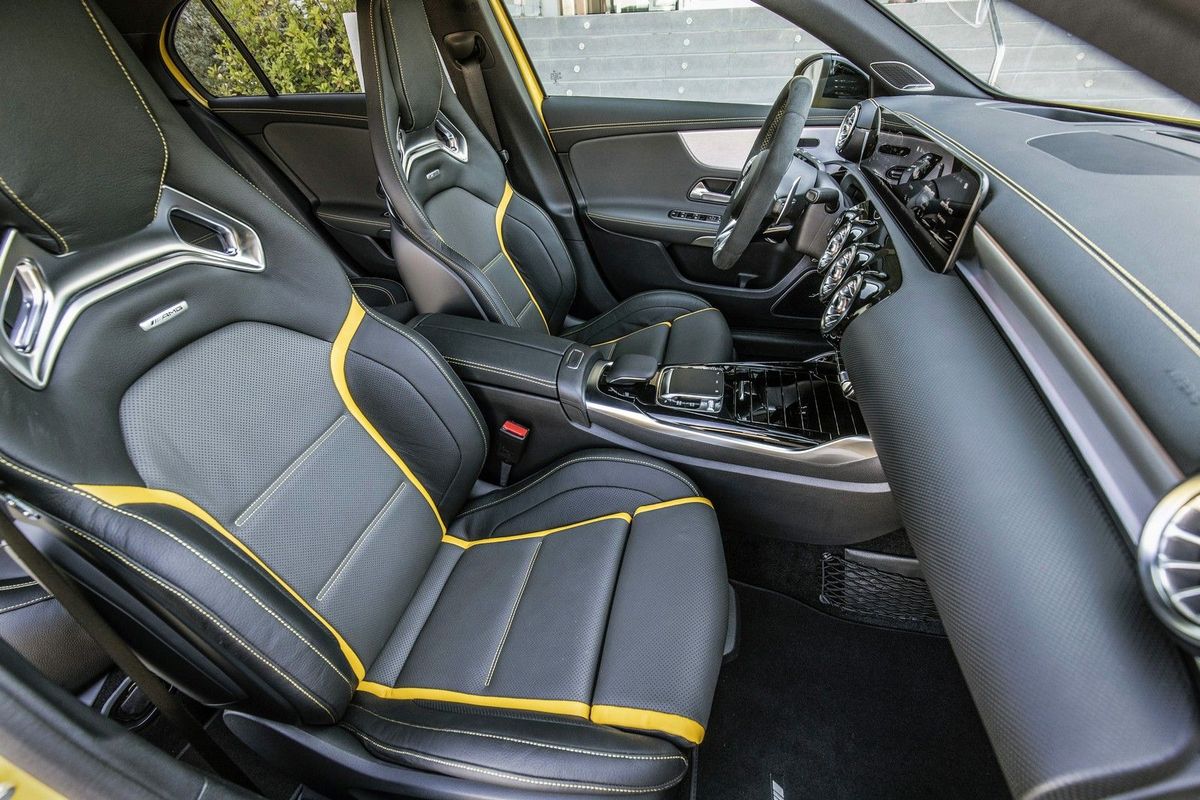
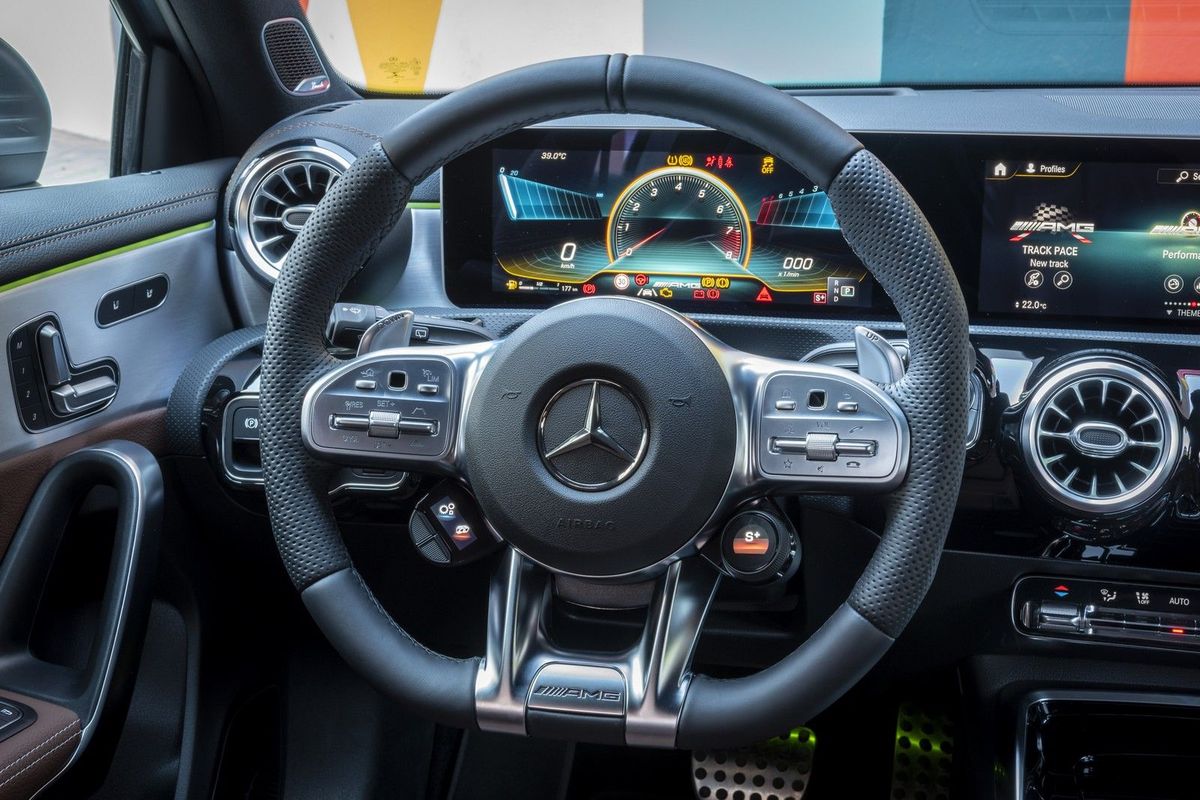
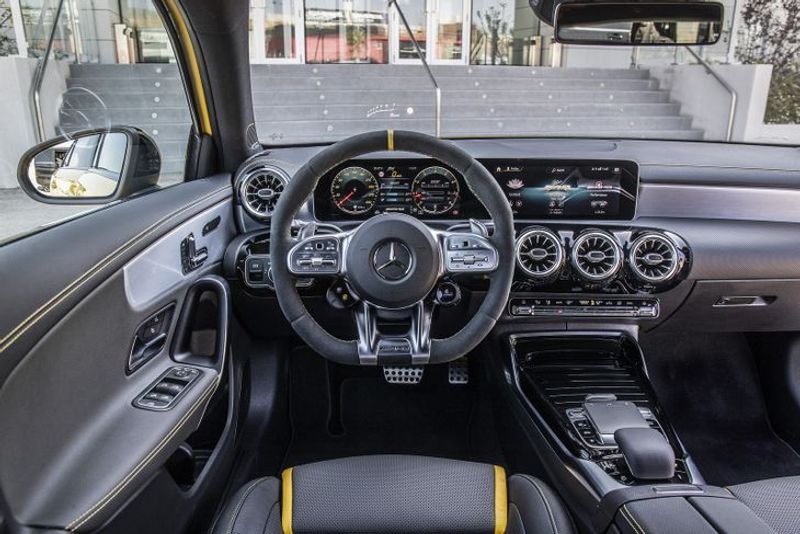
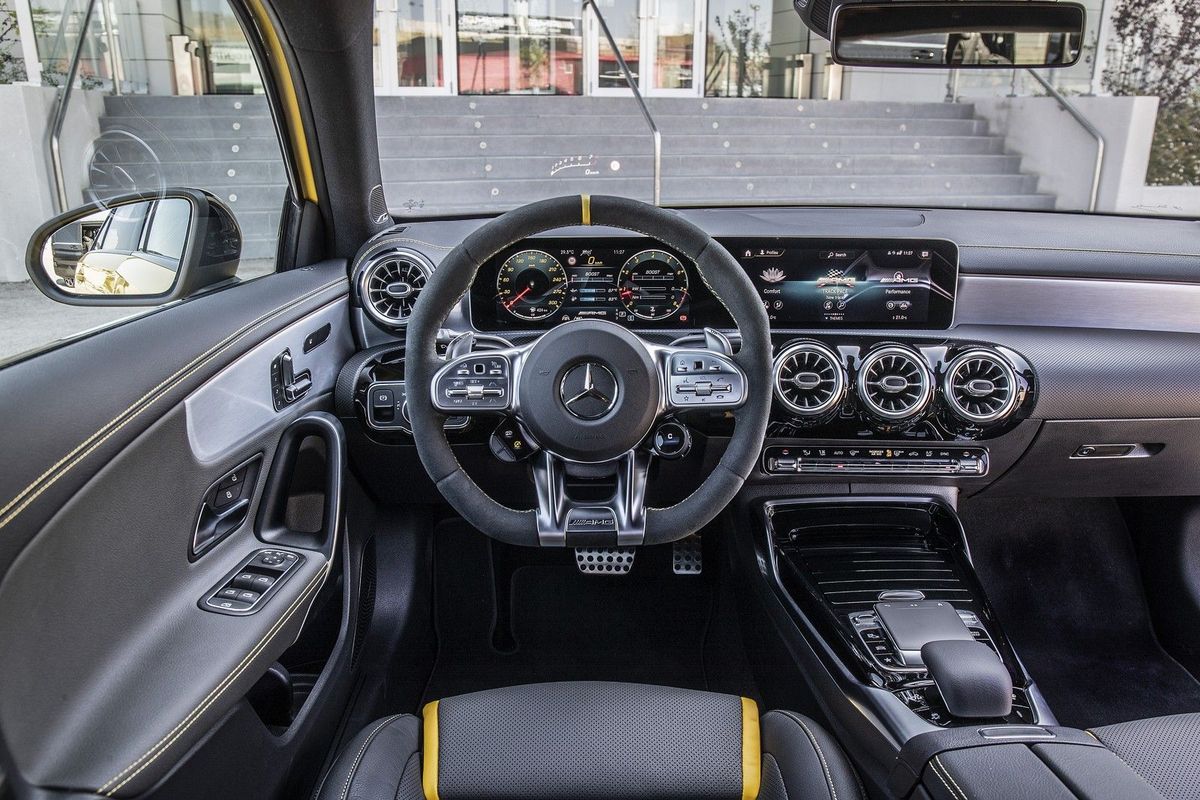
The A45 S interior can be specced with yellow stitching, stripes and an Alcantara wheel.

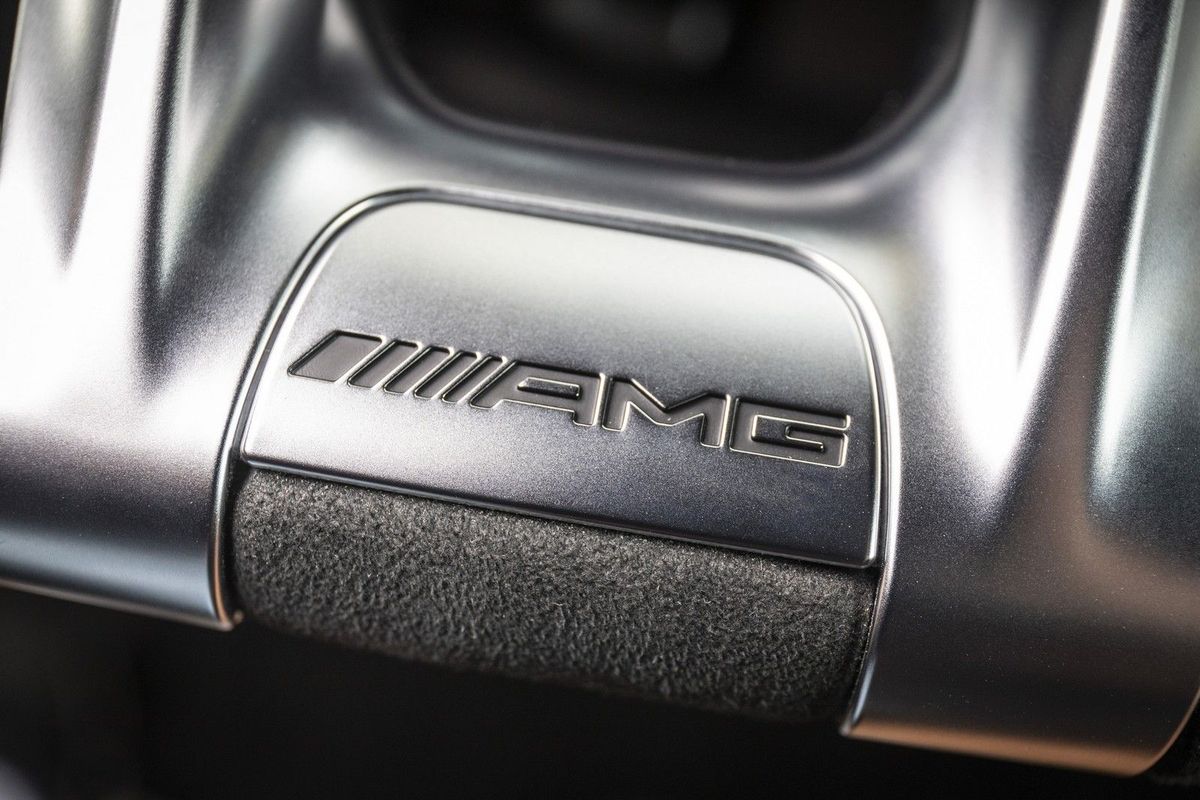
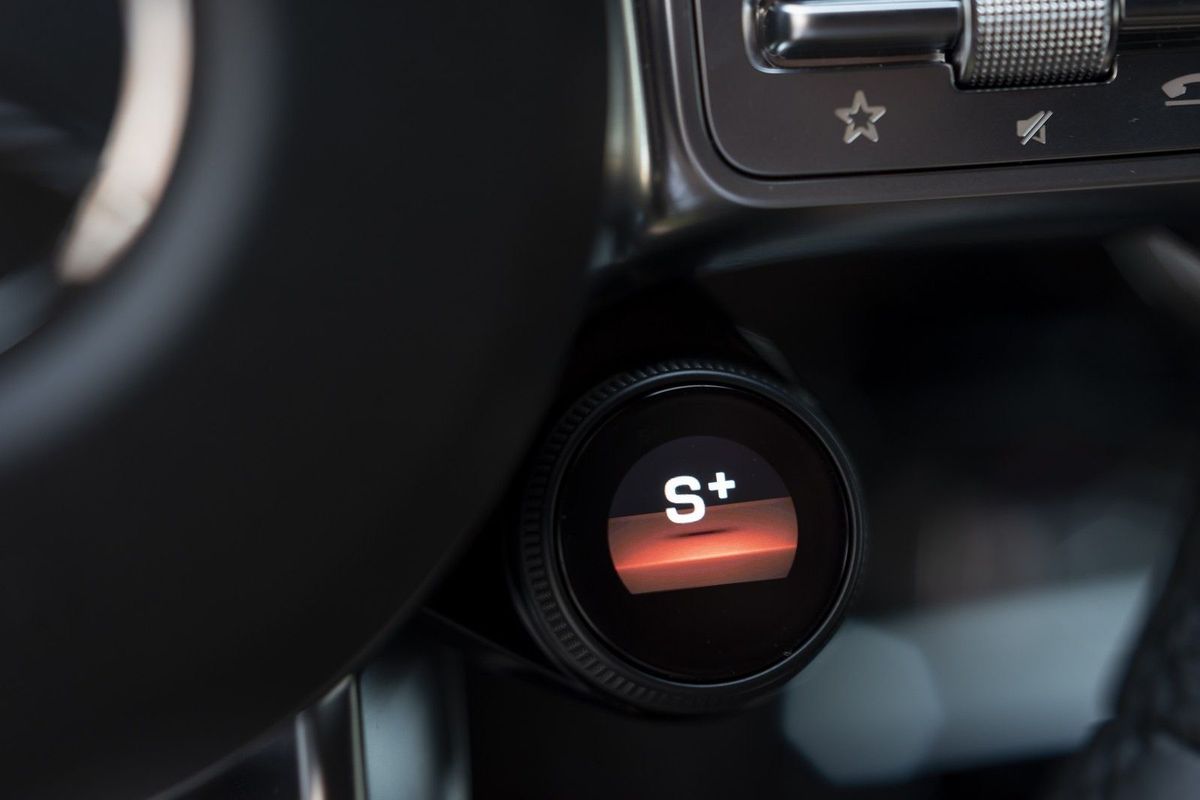
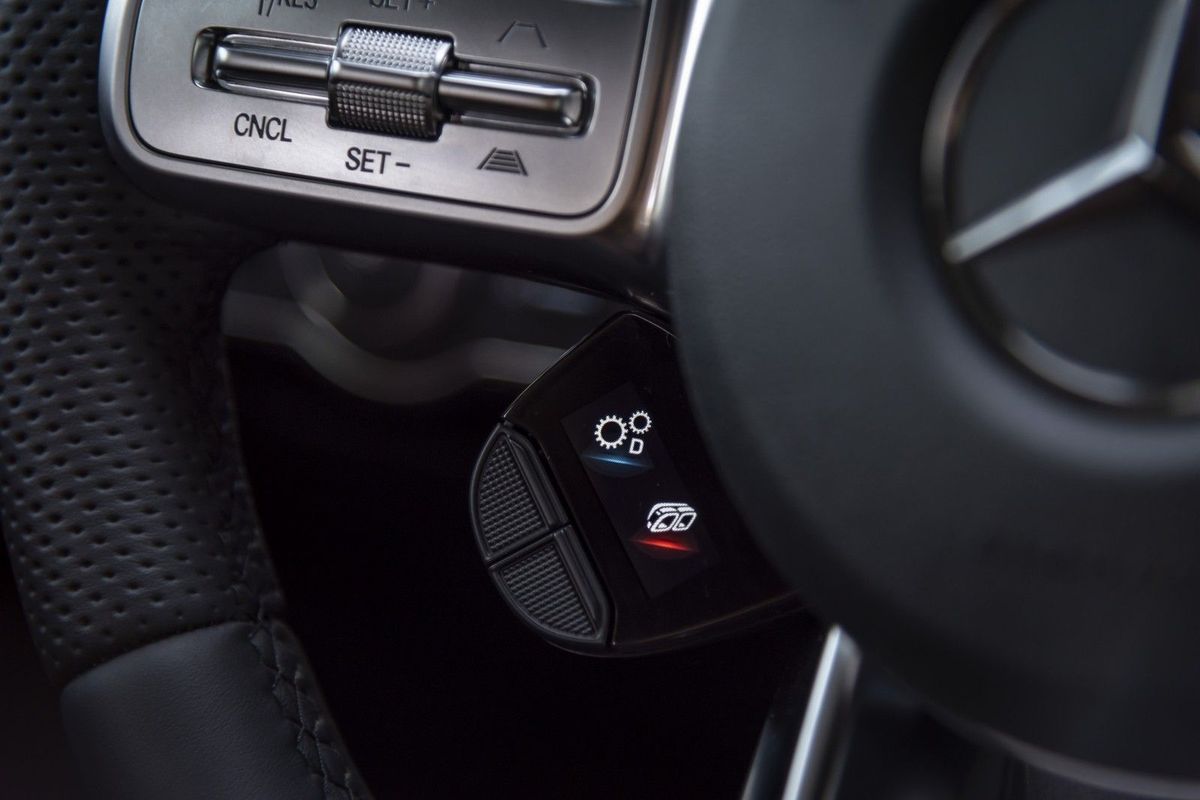
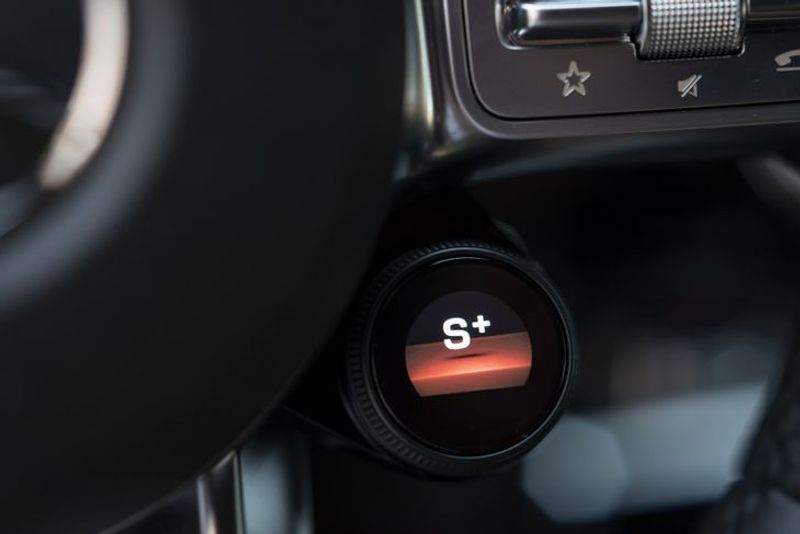
There are notable changes to the interior. Keenly-eyed observers will note the rotary dial within the steering wheel and the adjacent toggle buttons. The rotary dial deals with the driving modes, making it easy to scroll through modes without having to peer at the transmission tunnel. The toggle buttons on the left allow for transmission adjustments, exhaust loudness, suspension setup and traction control settings. It’s a clever, uncomplicated solution, but it feels plasticky to touch where it could have been rubberised or even metallic. The iffy finish lets down an otherwise intuitive design.

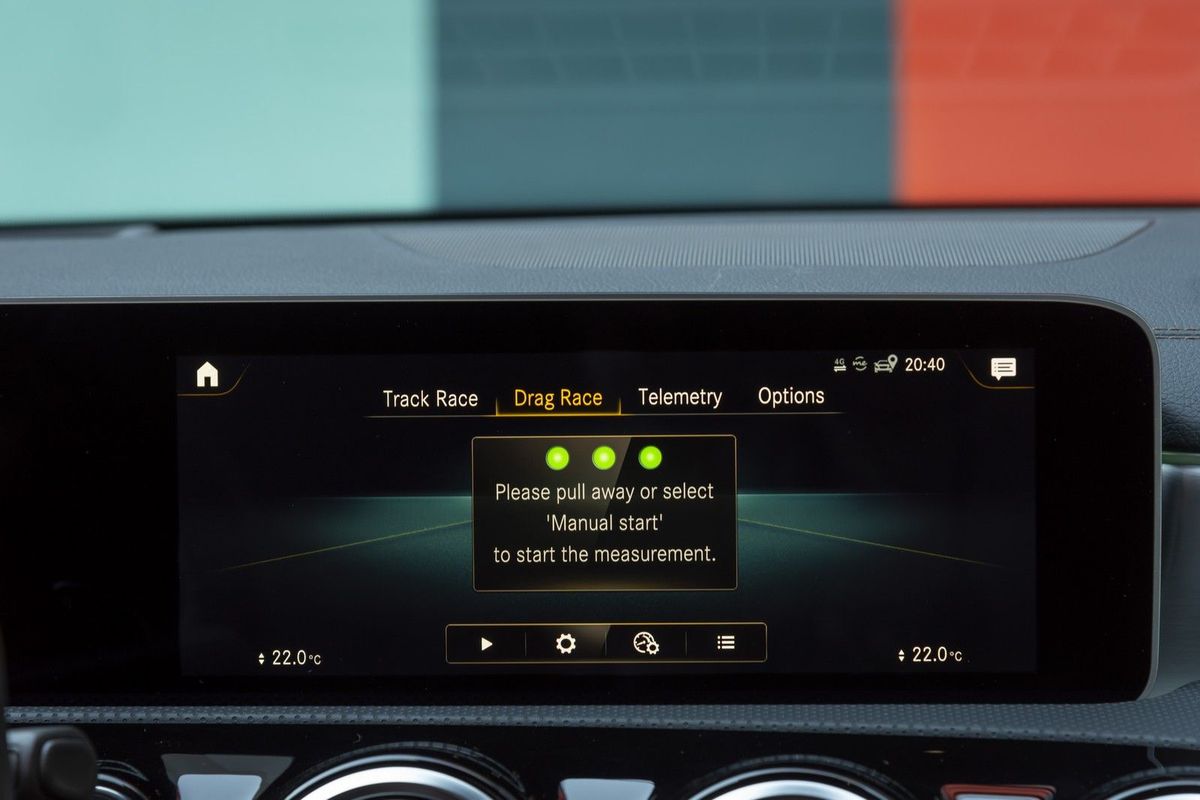
Meanwhile, onboard data logging is becoming a must-have for modern performance cars. Evidently, some owners don't only want to flail and cane their performance machines on race circuits; they want to record electronic records to prove their track work and compare their lap times (and other herculean feats achieved by their cars, such as g-force) with other drivers. The AMG Track Pace system tracks all performance telemetry, which you can download to your phone/computer for closer inspection later on. It will also sync video footage to the telemetry if you use your phone’s camera.


This steering-wheel-mounted dial lets you quickly scroll through driving modes. It feels a bit too plasticky to operate, however.

As for the quality of front-passenger accommodation, the Mercedes-AMG single-piece man-made leather sports seats are comfortable and offer ample lateral support. The sporty ambience is heightened by the flat-bottomed steering wheel covered in dimpled leather. This can be upgraded to Alcantara at extra cost and there’s the option of adding yellow stripes to the seats, steering wheel and centre-console stitching. It ups the sporty atmosphere in the cabin, but, as with most of Benz’s current A-Class derivatives, the fit-and-finish and material choices could be more luxurious.

Summary


Overall the A45 S feels more engaging to drive than its immediate predecessor, which was already a very rapid car.

Whereas the Mercedes-AMG A45 S' predecessor was a potent performer, it proved a bit of a blunt instrument when driven on a track. By contrast, the new more powerful and, therefore, faster W177 version offers much-improved dynamics, rides less harshly on public roads and is better to drive on an everyday basis. On a track (with Race Mode engaged) you can play around with the rear end under power while the front- is more eager to turn in. Plus, the new differential adds an extra dimension to the A45 S it didn’t have before – drift mode should facilitate raucous fun on a skid pan.

To sum it all up, the newcomer's engine is a technological masterpiece. It somehow produces tremendous outputs while all-but-banishing boost lag from its turbocharged setup. As a whole, the A45 S feels more engaging to drive and more of a driver’s car than ever before. Qualms about interior quality aside, this AMG is wholly better than its predecessor and deserves a seat at the head of the table in the battle for hyper-hatch supremacy.

Related content:

2020 Mercedes-AMG CLA 45 Goes Official

New Mercedes-AMG A45 for SA in 2019

Track Race: Audi RS3 vs Mercedes-AMG A45

Drag Race: Audi RS3 vs Mercedes-AMG A45

Drag Race: BMW M2 vs Mercedes A45 AMG [Video]

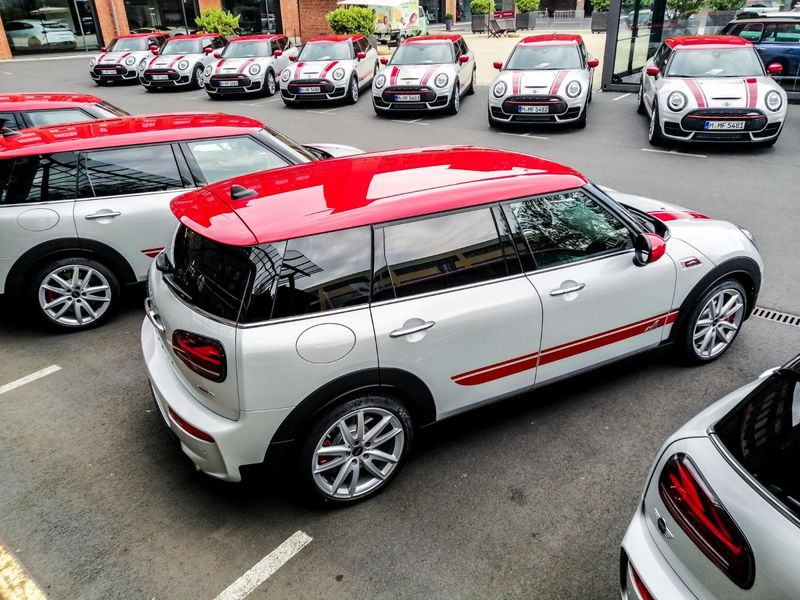
Mini Clubman JCW (2019) International Launch Review
Mini has rejuvenated its Clubman compact 'wagon (or 6-door hatchback, if you really want to split hairs about it) and the Oxford-based marque is gearing up to bring its most potent version, the Clubman John Cooper Works (JCW), to South Africa before the end of 2019. Gero Lilleike travelled to Frankfurt, Germany to give it a whirl…

The year 2019 is quite a significant one for the Mini brand, which is celebrating 60 years of producing fun-to-drive cars and instilling youthful energy into thousands upon thousands of nostalgia-enthused car buyers across the world. But whereas the original Mini was designed to bring compact car transportation to the masses, the current iteration of the iconic British marque is more of a niche brand that caters to particular tastes in terms of design. And, while its products may not be for everyone, performance remains a key deliverable and plays a vital role in the brand's success story. 

While we eagerly await the full reveal and arrival of the latest Mini JCW GP, which looks like a properly focused track toy, the latest Mini Clubman JCW has the same engine as the GP and we were eager to see how it performs. Europe was experiencing a heatwave last week and Frankfurt was boiling at over 40°C – a record for the German city. Was the Clubman JCW responsible for bringing the heat? We were keen to find out…

Better looks, more power


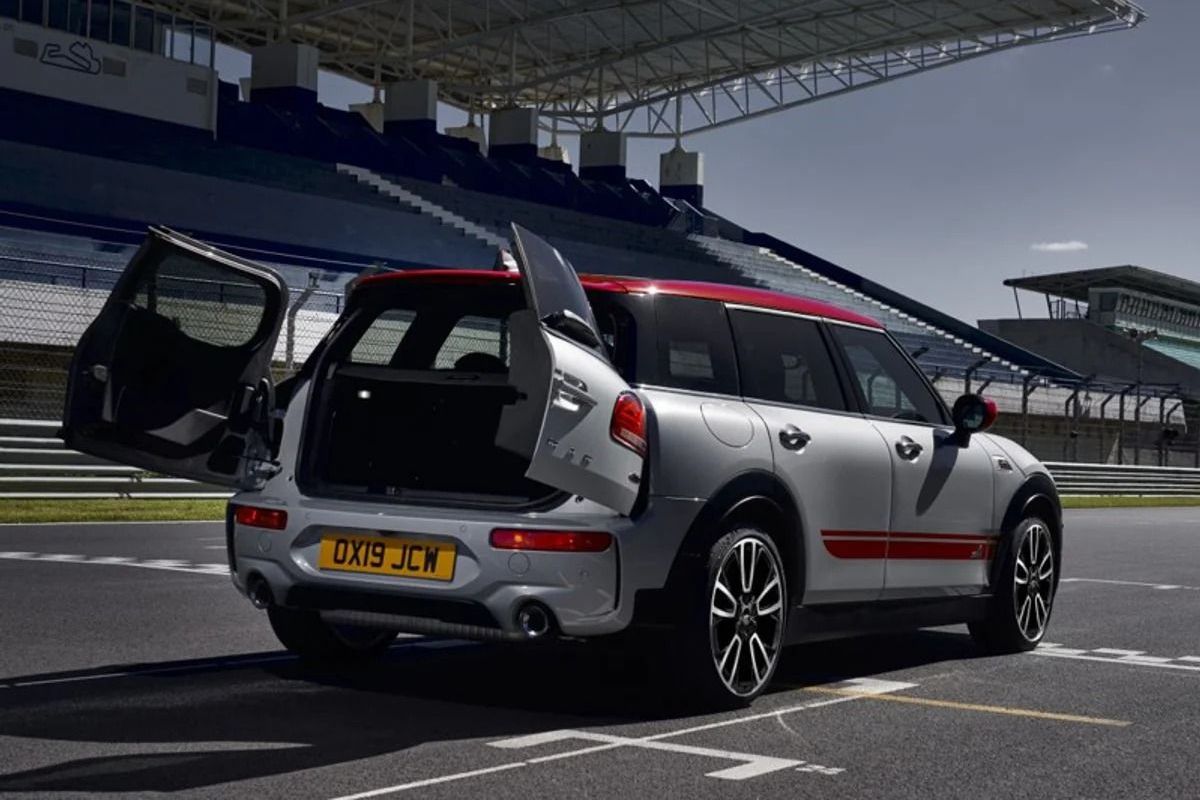
A major increase in power and torque is a key highlight of this latest Clubman JCW. The Union Jack taillight design is a nice touch too…

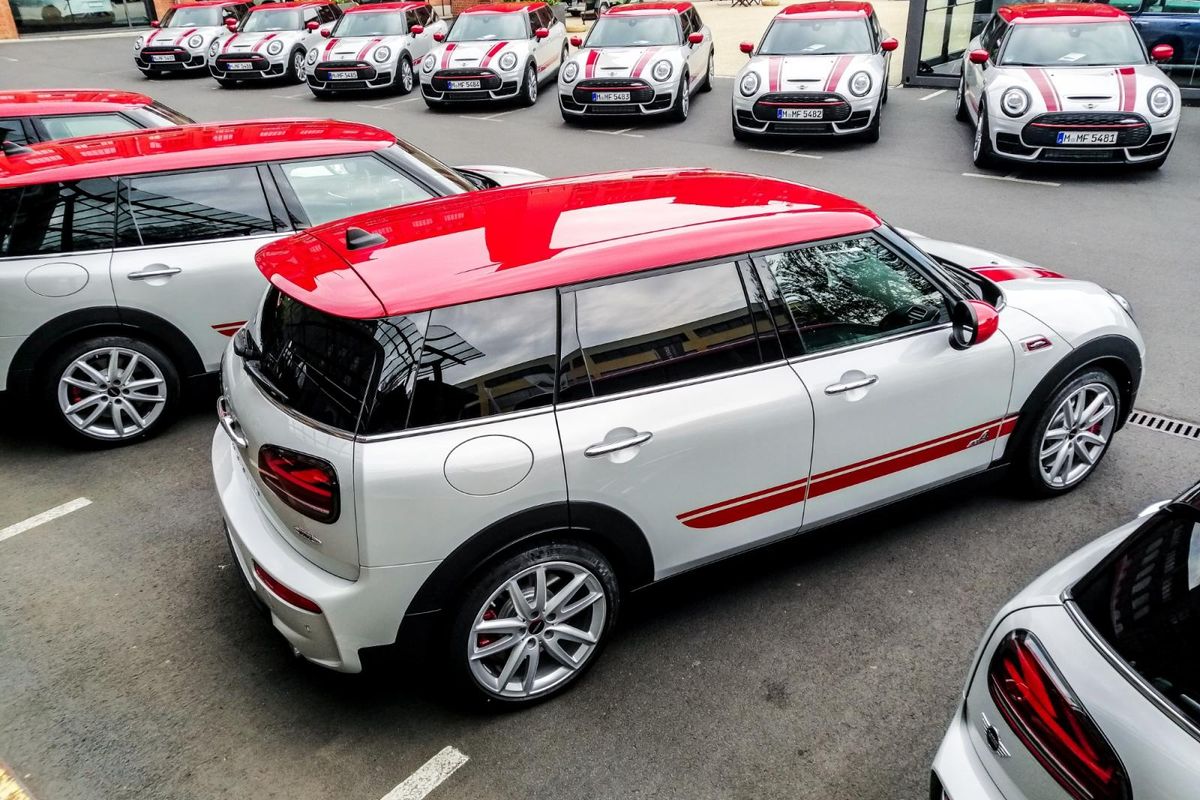
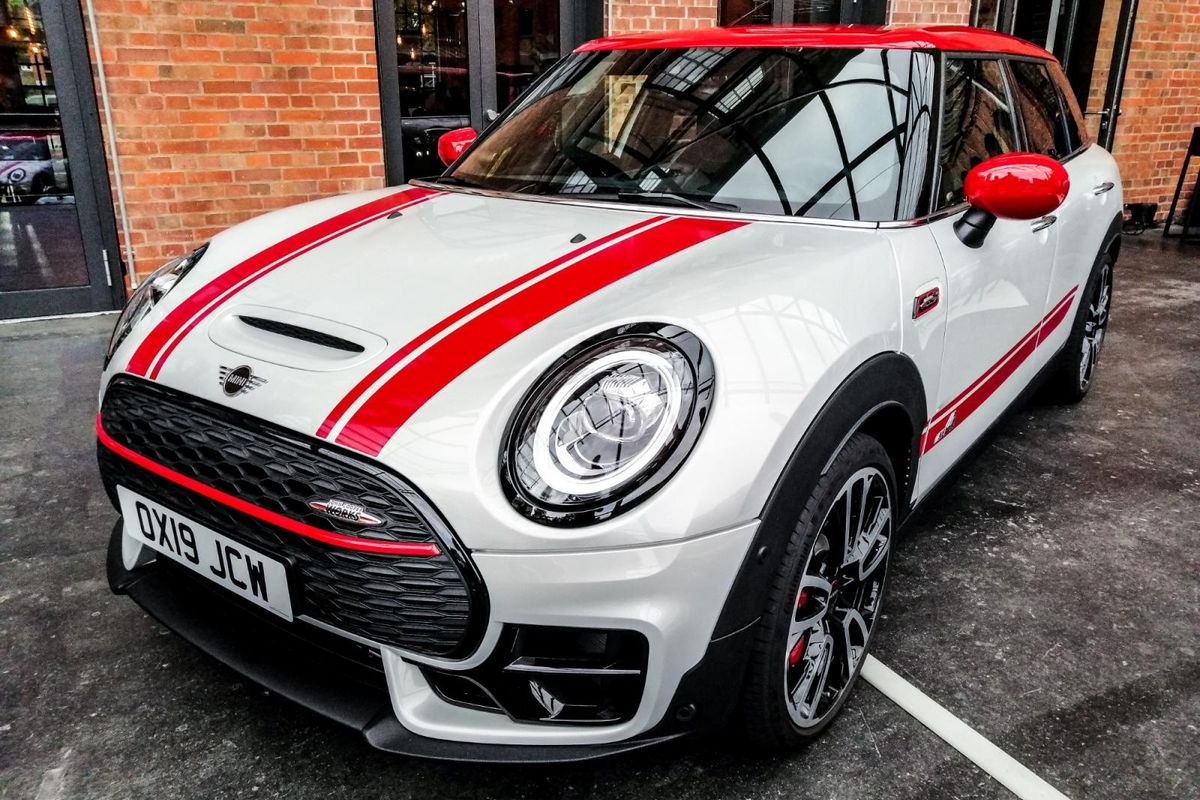
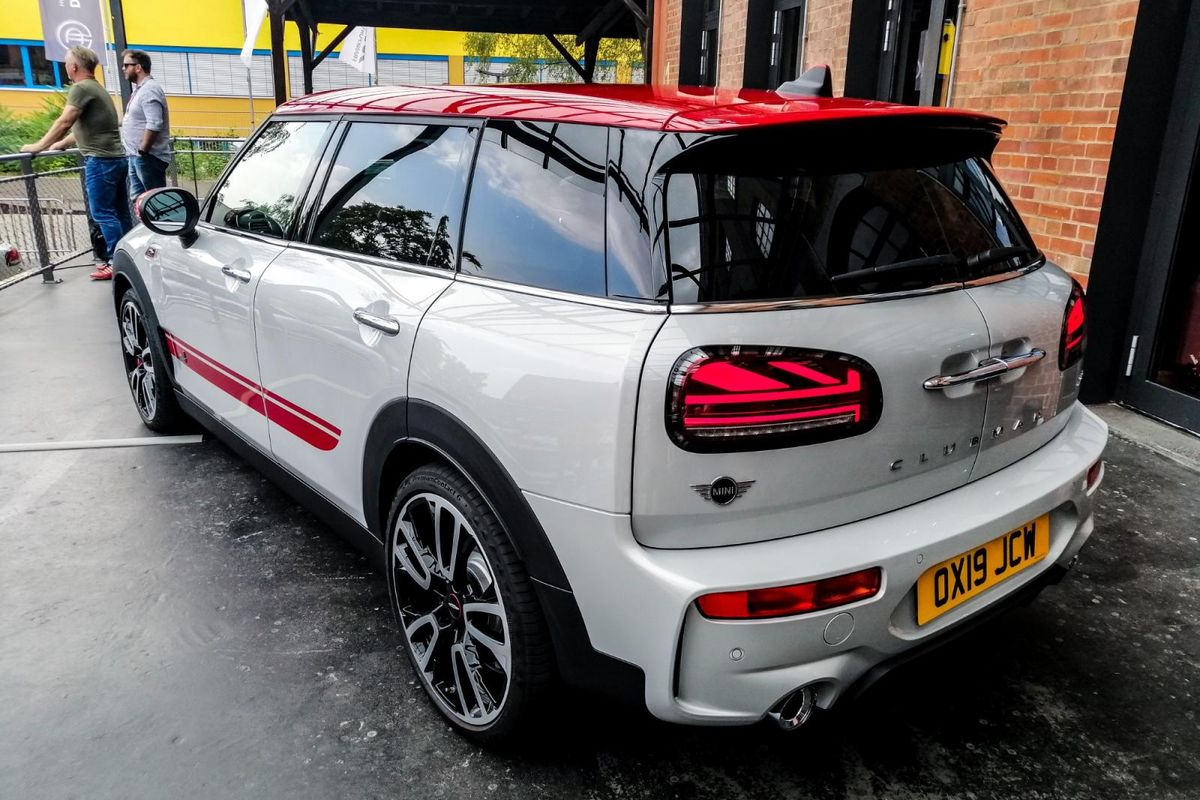
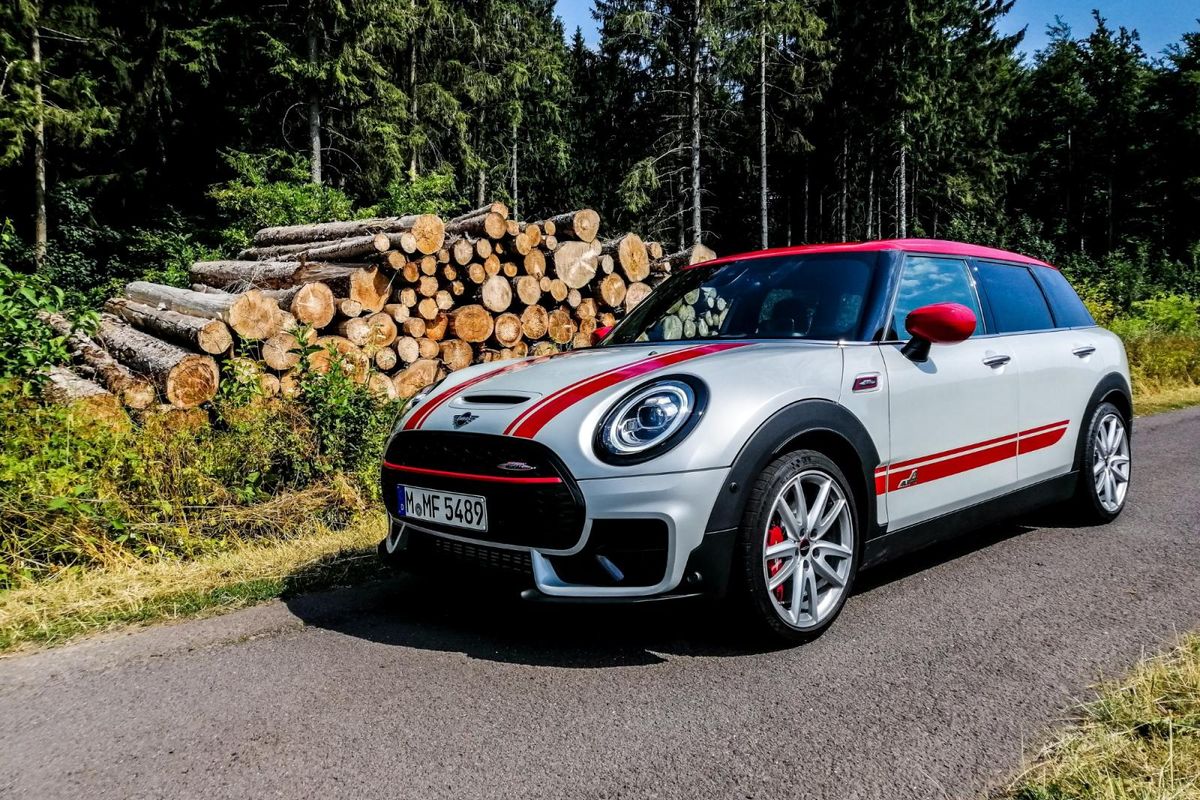
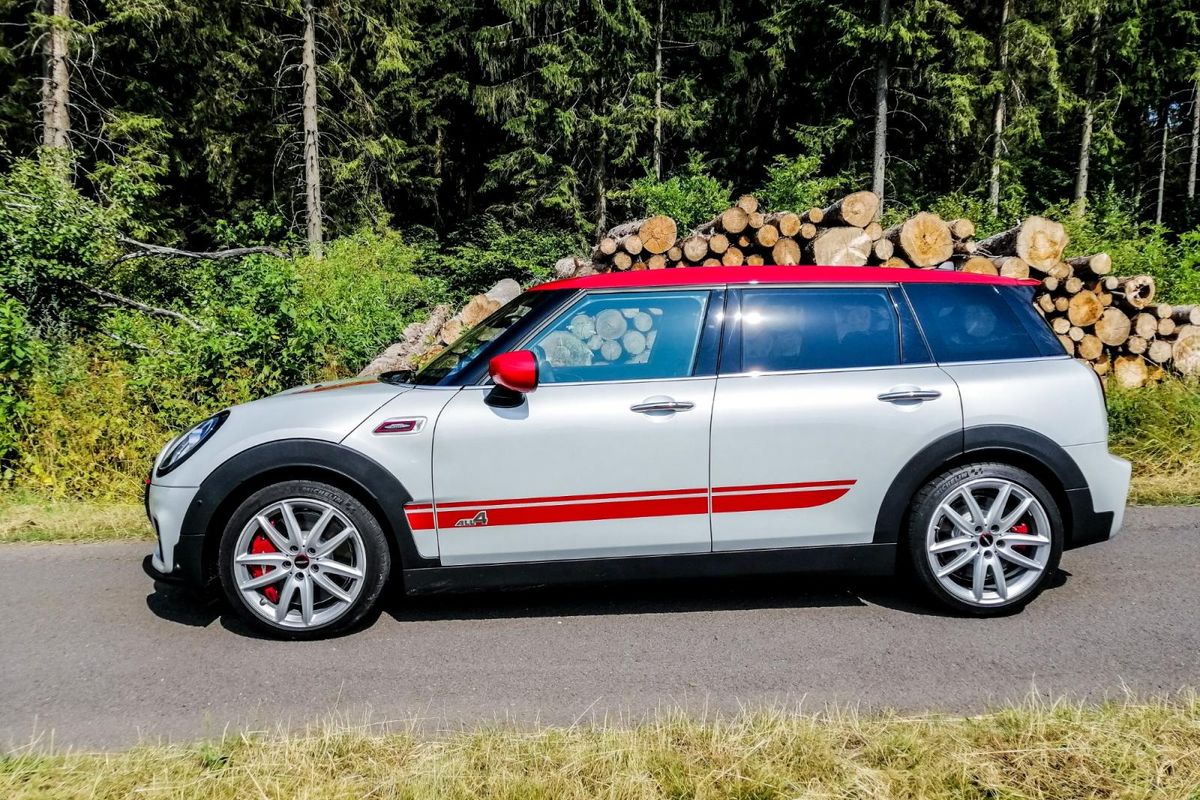
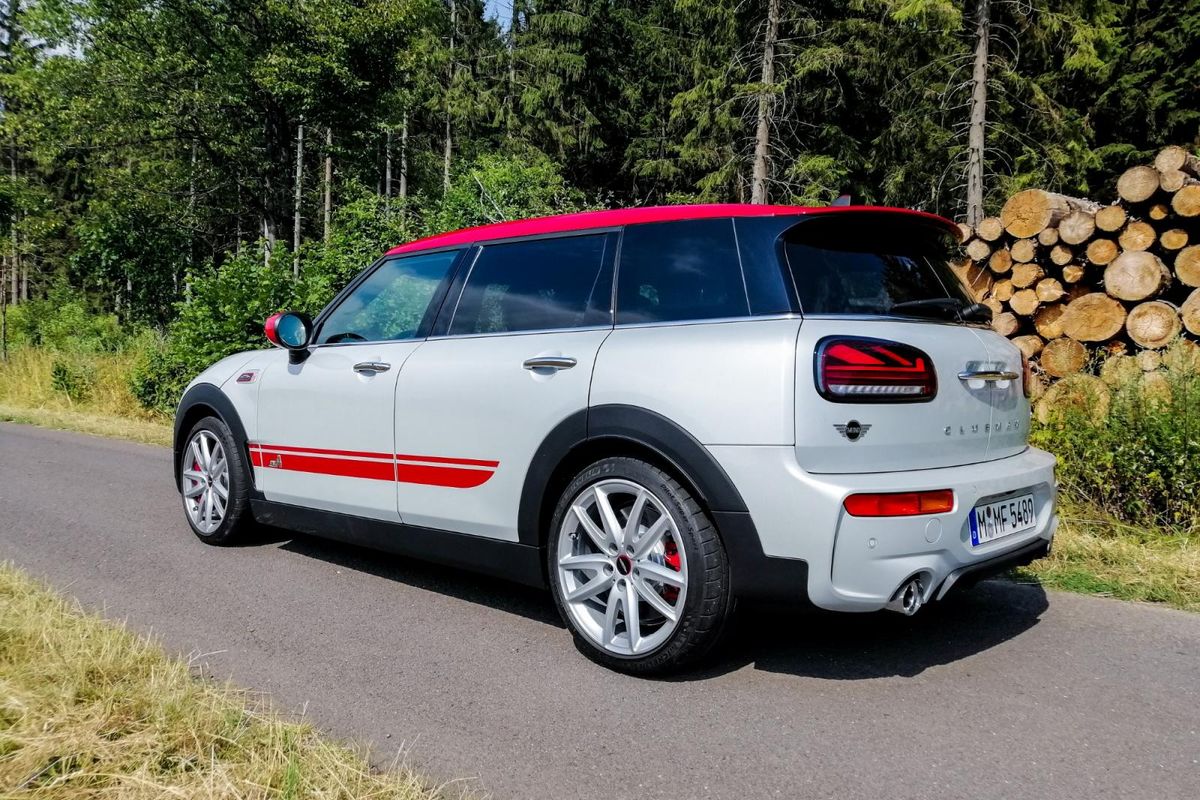
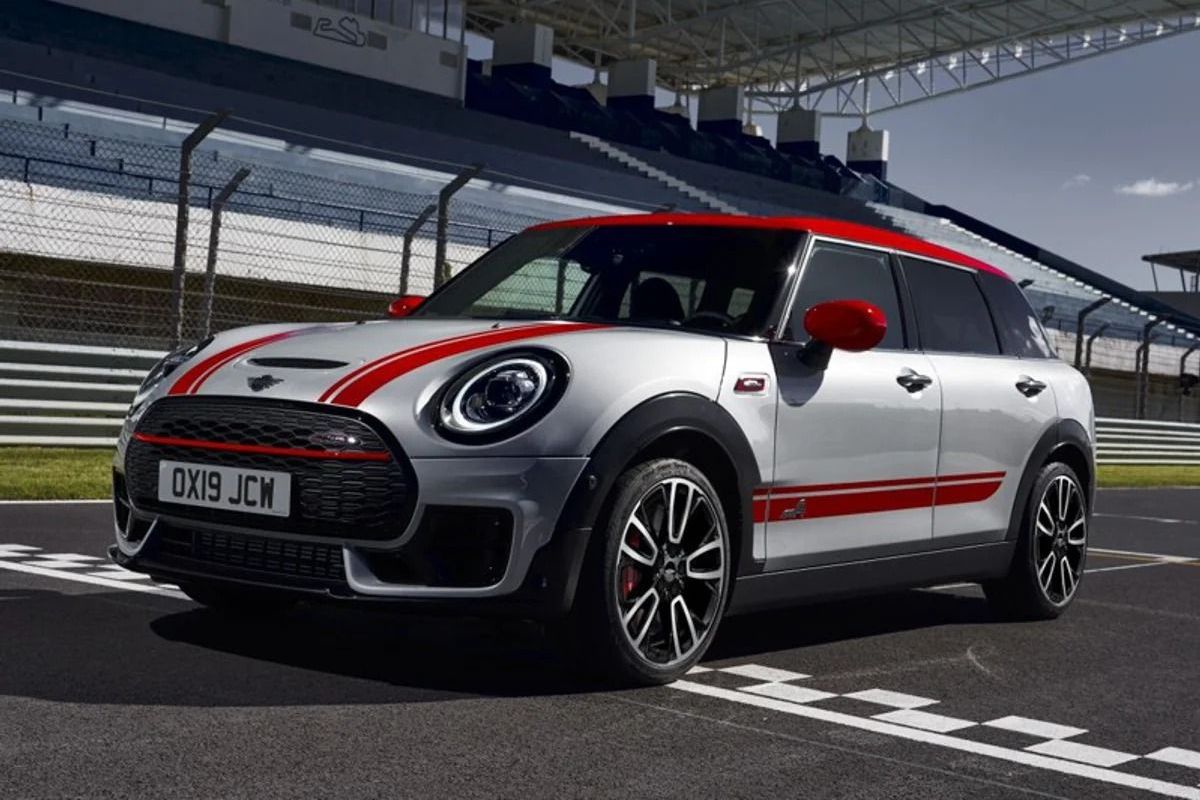
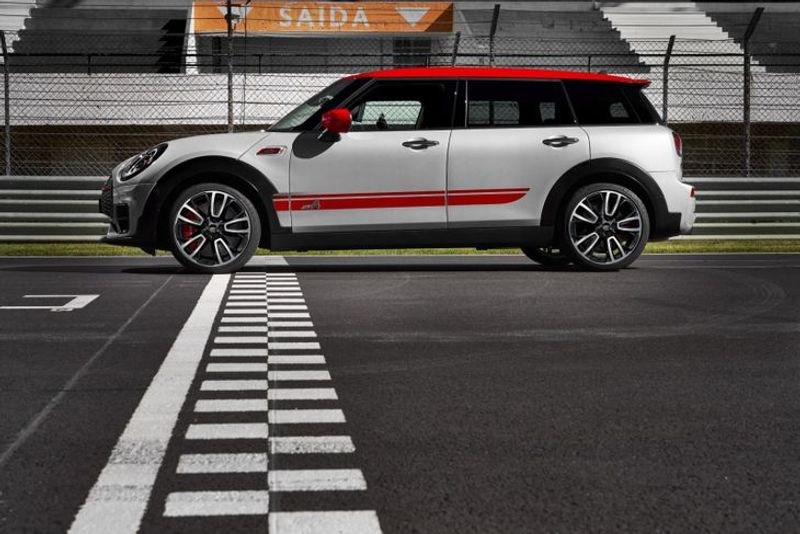
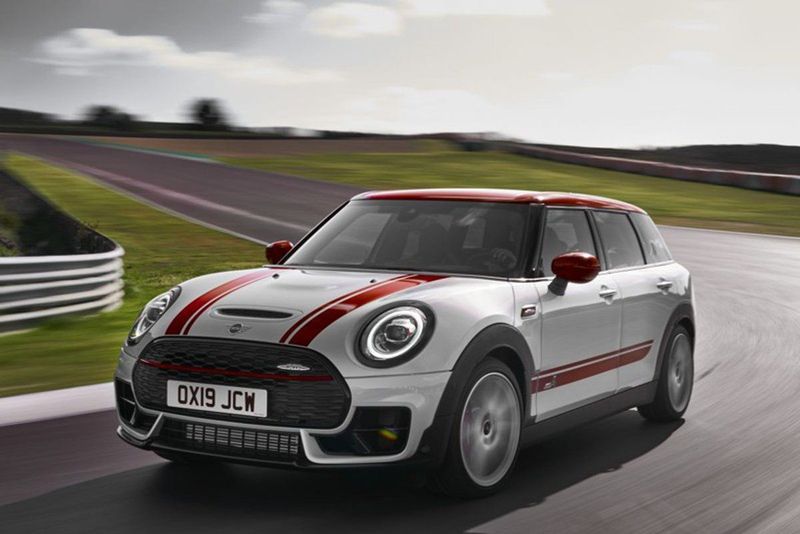
The aesthetic changes to the Clubman are subtle. A keen eye would notice the newly designed grille flanked by revised LED Matrix headlights as well as the unique Union Jack taillight design, which are the key identifiers for this latest Clubman. Exterior colours, mirror cap choices, wheel designs, exterior trim packs and interior trim and leather options have also been revised and expanded to meet the needs of potential buyers. 

The big news for the Clubman, however, pertains to the JCW derivative, which boasts a host of exciting upgrades, the most notable of which are sizeable increases in its peak power and torque outputs. By virtue of its thoroughly redesigned twin-turbocharged 2.0-litre 4 cylinder petrol engine, the Clubman JCW's now produces 55 kW and 100 Nm more than the outgoing version, with outputs totalling 225 kW and 450 Nm, which is mightily impressive. In fact, this powerplant makes the Clubman JCW the most powerful road-going Mini in the brand’s 60-year history…


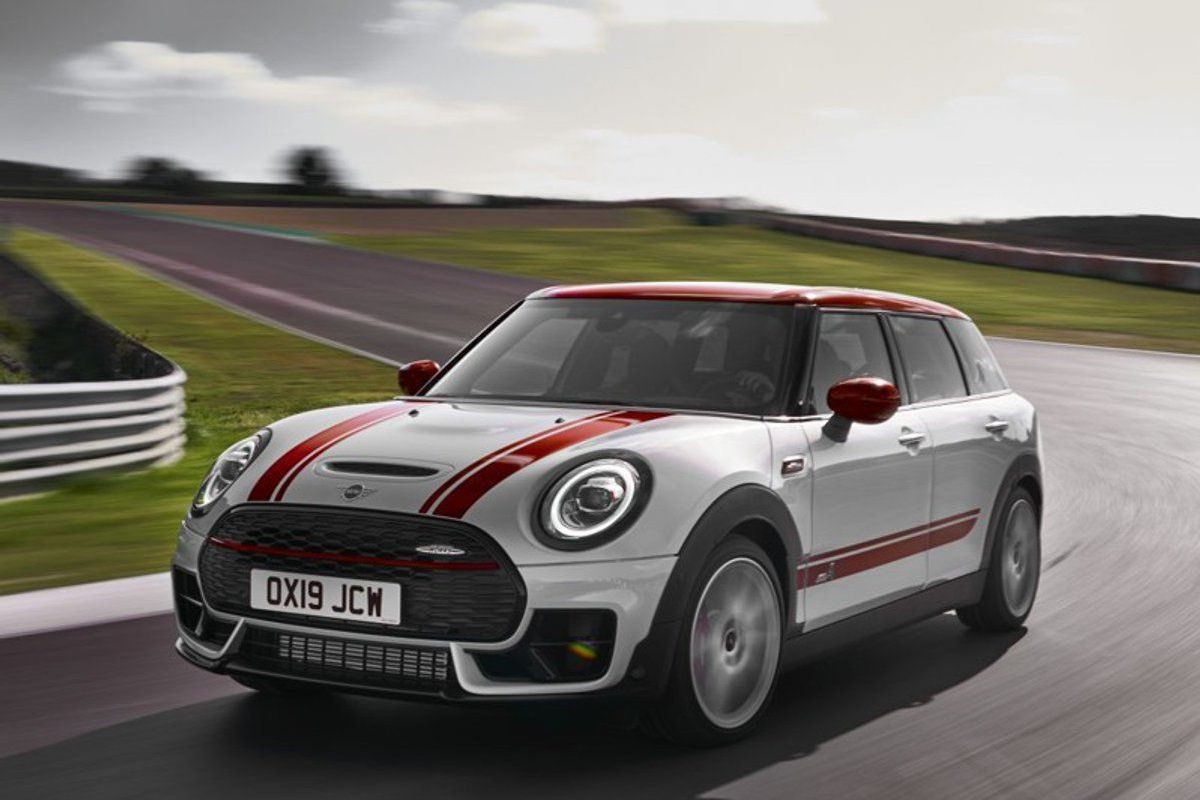
Decisively sportier than the outgoing version, the latest Clubman JCW is 1.4 seconds quicker from standstill to 100 kph.   

The Clubman JCW's potent motor is mated with a new 8-speed Steptronic transmission, which works in conjunction with an integrated font-axle differential lock and a revised ALL4 all-wheel-drive system. Mini claims a 0 to 100 kph sprint time of 4.9 seconds for this version, which is 1.4 seconds faster to the mark than the previous Clubman JCW. It’s also the first time that a Mini’s top speed has been electronically limited to 250 kph.

What's more, chassis strengthening measures and a revised sport braking system all contribute to improved performance and hot-hatch aficionados may be happy to know that the Clubman JCW comes equipped with a sport suspension, which lowers the vehicle by 10 mm, as well as an adaptive damping system. Lastly, a new model-specific sports exhaust system is fitted to provide added aural pleasure via the 95-mm dual tailpipes. 

On paper, this all sounds tantalising, but how does it perform on the road? 

What’s it like to drive? 


The engine is impressively refined and power delivery is commendable thanks to a slick new 8-speed transmission.  

Mini utilised the KlassikStadt in Frankfurt as a base for the international launch event of the Clubman JCW and the media contingent was duly set loose to complete a 190-km route, which would take us through Frankfurt city, on the autobahn and through windy roads in the German countryside. 

Of course, the newcomer's interior is familiar and youthful in that unmistakably-Mini way. At start-up, the Clubman JCW emits a throaty thrum as its exhaust ends warm the air with a low hum. Like in South Africa, the road quality around Frankfurt is generally uneven and the firm, sporty suspension setup immediately makes its presence felt over poor sections of road, but thankfully it isn't overly intrusive. 

Acceleration from standstill is impressive and when left to its own devices, the transmission delivers quick, smooth and seamless shifts. The throttle is responsive to inputs and the Clubman JCW feels sprightly on its rubber. I got the distinct sense that it wanted to stretch its legs… 

30 kph…

As I turn onto the freeway with a long, straight span of tar before me, I select Sport mode and bury my foot deep into the right corner of the Clubman JCW's driver's footwell. The Mini barely hesitates and lunges forward with intent. The exhaust sounds racy, but to my surprise, it doesn’t emit crackles or barks. As my fingers work the steering wheel-mounted shift paddles, the JCW gathers pace. Gears flick by with direct, well-timed shifts. 

150 kph…

The Mini's acceleration feels so effortlessly refined. The speed piles on.

180 kph…

The Clubman JCW's forward thrust just keeps going, it seems relentless. The newcomer feels solid, comfortable, unphased, predictable.

200 kph…

I come to my senses and tap off to a gentle cruise at 180 kph with little effort, if at all. Only in Germany can you legally drive a car in this manner.

We turn off the highway and head into the countryside, passing through a series of small German towns along the way. The speed limit is restricted but the sinewy sections of tar shed light on the Clubman JCW’s ability to claw through corners, something it does with reassuring confidence, which is a product of a well-sorted all-wheel-drive system, which, in conjunction with Dynamic Stability Control (DSC), is able to calculate and apportion power to the front and rear wheel wheels as required to ensure maximum dynamic ability in relation to the driving situation. Furthermore, the steering is communicative and the car's front end bites into corners with precision. It feels fun and playful, just like a Mini should feel. 


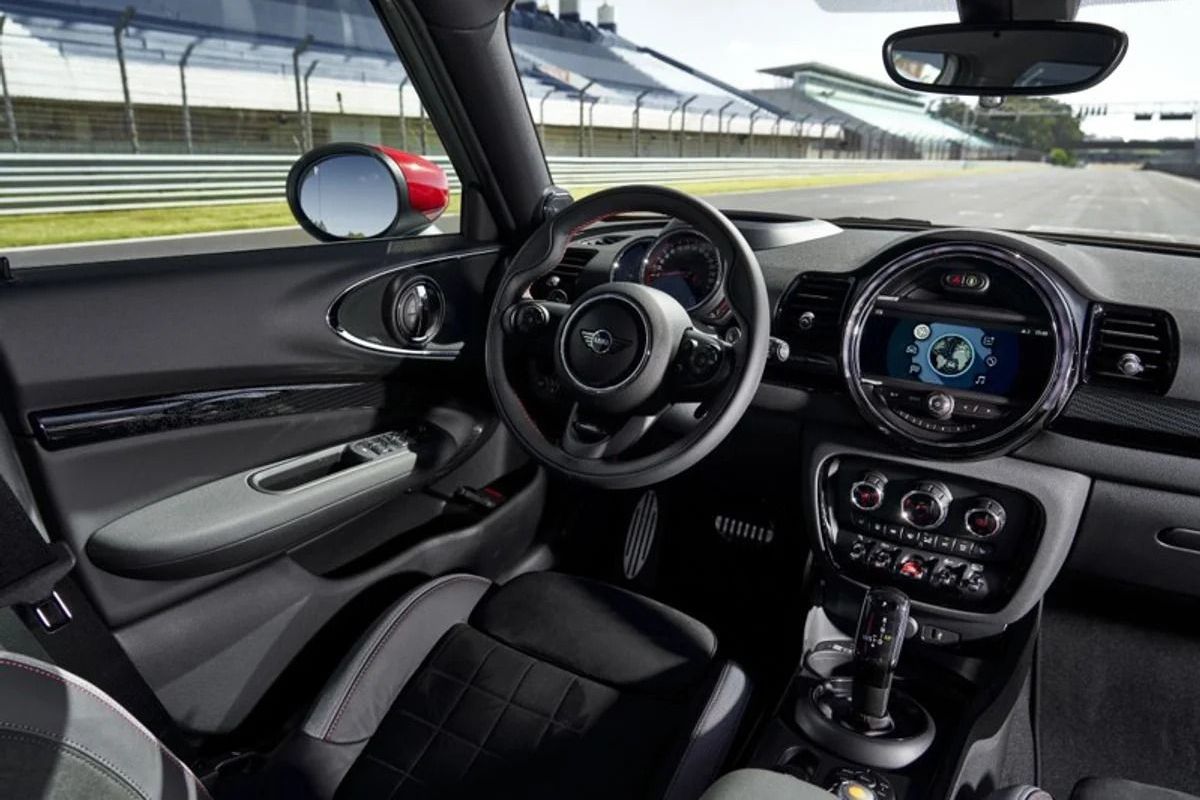
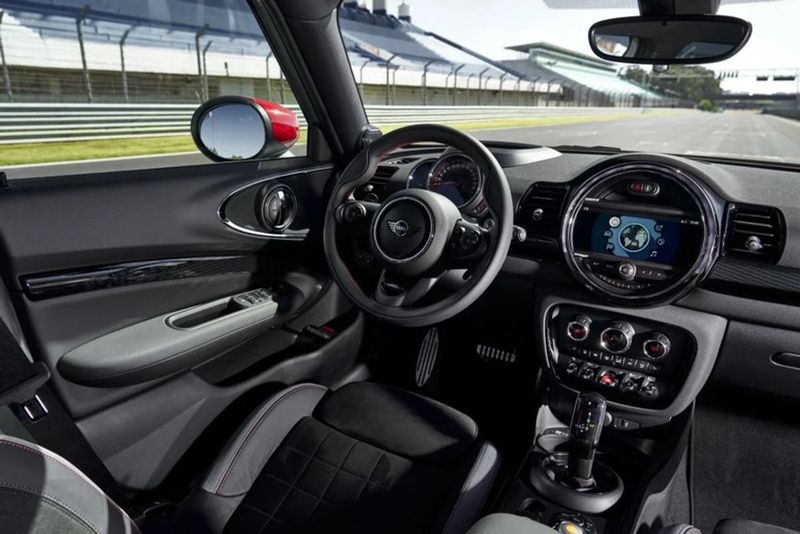
Not much has changed inside the Clubman. The sport seats are comfy and the cabin has youthful appeal. 

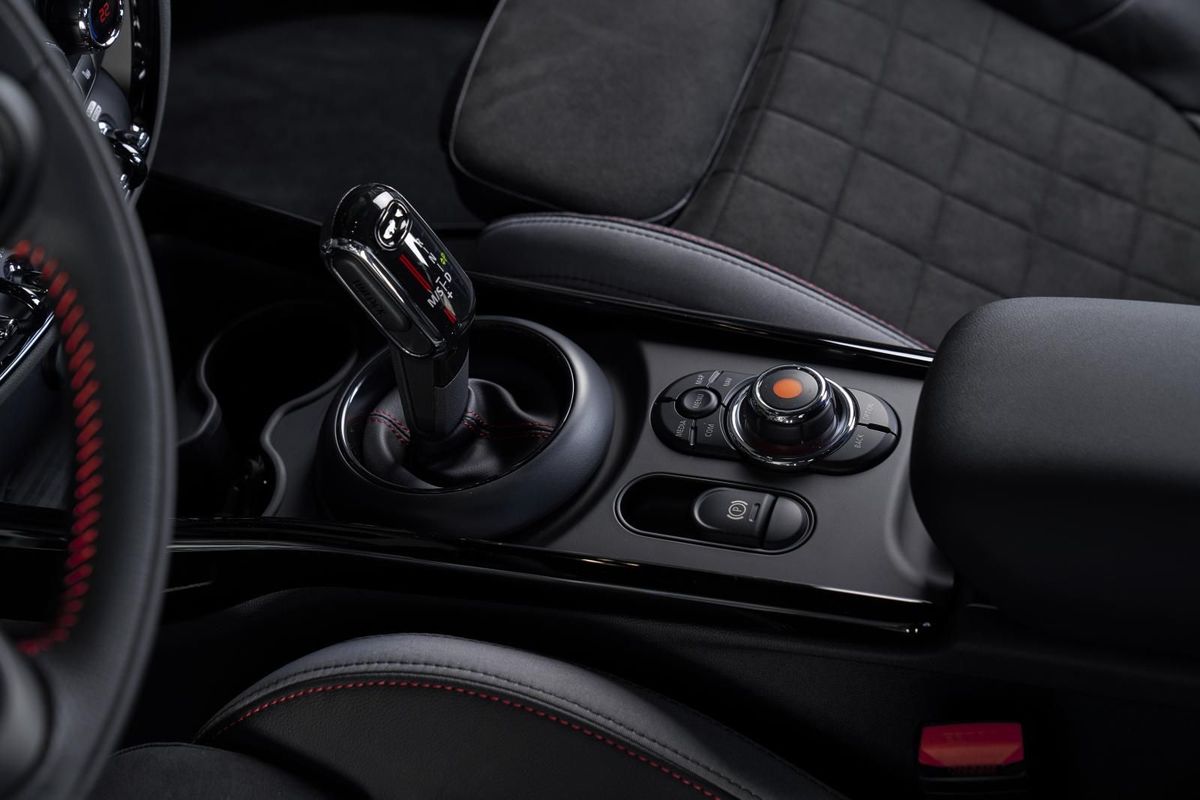
For the second half of the drive, I have time to reflect on the JCW Clubman's interior from the passenger seat, which happens to be well-bolstered and heated – not that I could be bothered to test the latter function in the sweltering heat. The dual-zone climate control was working overtime and the large, central 6.5-inch infotainment touchscreen system, with integrated navigation (optional), prevented us from getting lost in the German countryside forever (note that the system can also be controlled using the familiar Mini Controller on the centre console). The funky, changeable light-surround adds splashes of colour to the interior; I felt at least 10 years being shaved off my age by just by looking at it. It’s so disco… 

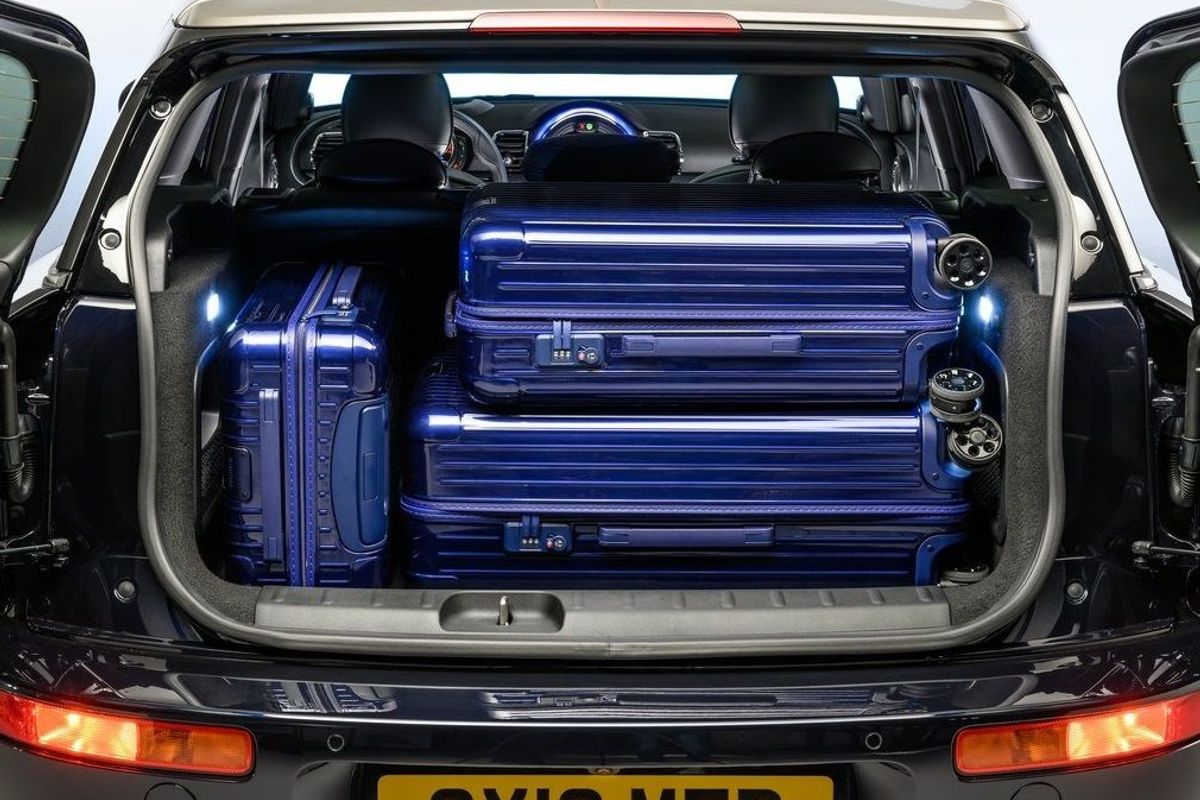
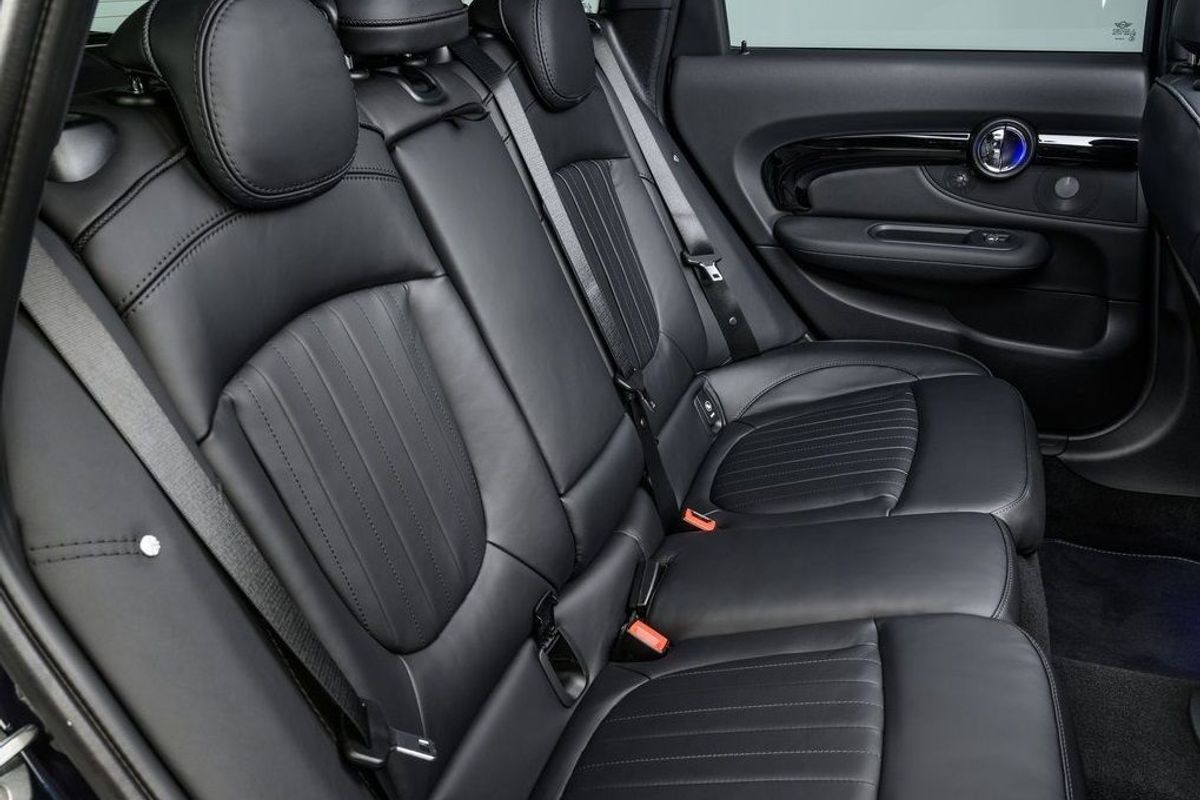
At a stopover, I slide onto the back seat to test rear passenger space and find space is ample in all directions. Open the unique double-door tailgate and a 360-litre luggage bay is at your disposal, expanding to 1 250 litres if you fold the rear seats down. So yes, the Clubman JCW is practical too…

Final ramblings


The Clubman JCW is undoubtedly fun to drive, but the subdued exhaust note was underwhelming. Just a little louder please, Mini.  

In the blink of an eye, our drive was over and it was time to head back to South Africa. Just hours later, at 37 000 feet in the air and rocketing south at 900 kph, I reflect on the merits of this latest Mini Clubman JCW…

I am deeply impressed with the performance of the Mini. It's fast (courtesy of a magnificent engine), refined and clearly competent through the twisty stuff. There’s a lot to like about the Clubman JCW, but I can’t help but think that there is something missing, as if it fails to land a knockout punch.

Perhaps it was the Clubman JCW's muffled soundtrack that planted the seed of doubt in my mind. I honestly expected more drama or perhaps a greater sense of occasion when I flicked the drive mode switch into Sport and mashed the Mini's throttle pedal. Instead, I was treated to a car that sounds good and performs admirably, but the overall driving experience just wasn’t eventful enough to match my (and I feel that of many others') perception of what a JCW derivative is supposed to be: an unashamedly sporty, loud and slightly unhinged car that oozes youthful rebellion. Perhaps ever-tightening European noise regulations are to blame and Mini's engineers felt inclined to dial back on the pops and bangs to prevent suburban pooches from piping up into a barking frenzy and ruining people's peaceful rest on Sundays… My response? "If it’s too loud, you’re too old."

The updated Clubman is expected to arrive in South Africa towards the end of 2019 (Q4). The local range will start with the Cooper Clubman powered by a 1.5-litre 3-cylinder turbopetrol engine with 110 kW and 220 Nm of torque. The Cooper Clubman S will up the ante with a 2.0-litre turbopetrol engine developing 141 kW and 280 Nm of torque and of course, the Clubman JCW will top the range. See pricing for the range below…

Mini Clubman Price in SA

Cooper Clubman – R433 000

Cooper S Clubman – R519 000

Clubman All4 JCW – R642 000

A 2-year/unlimited warranty and 5-year/100 000 km maintenance plan will be offered as standard. 

Buy a new or used Mini Clubman on Cars.co.za

Related Content

New Mini Clubman Revealed

New JCW Clubman most powerful Mini yet

Updated Ford Mustang in SA (2019) Specs & Price

The facelifted version of the Ford Mustang has arrived in South Africa! Here are specification and pricing details for the newcomer. 

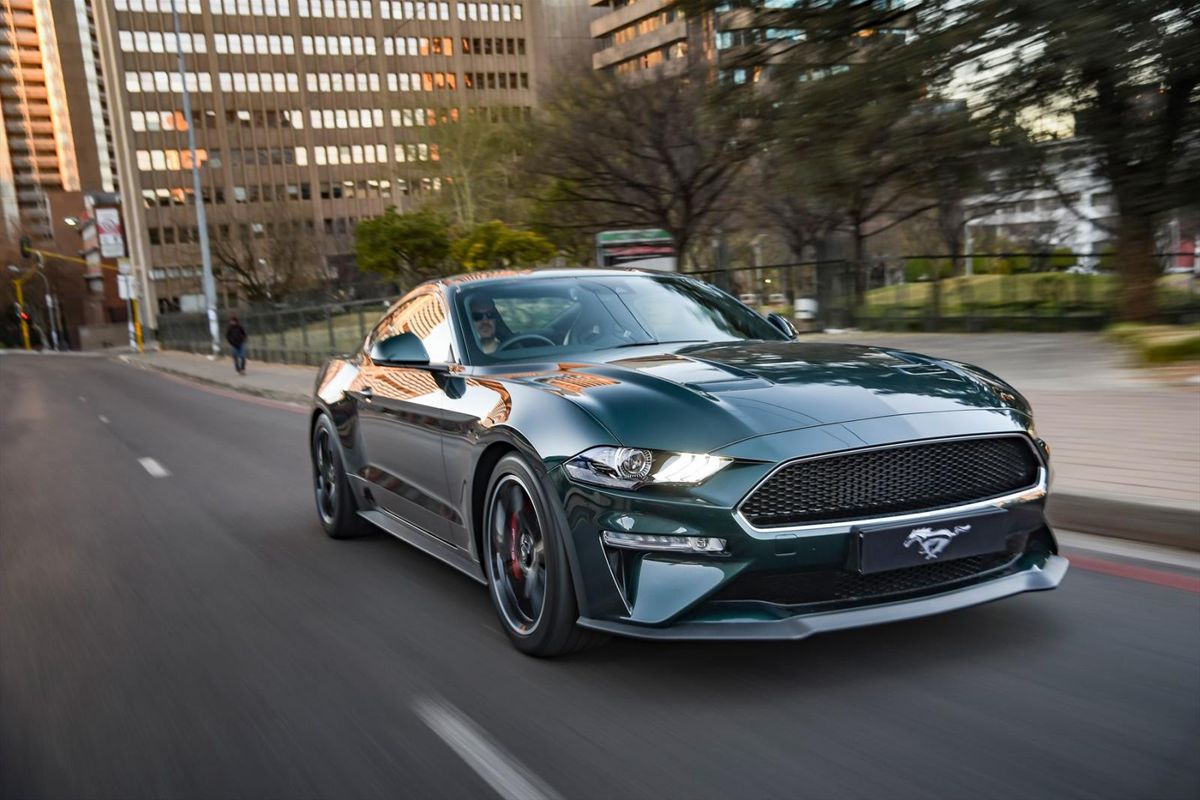
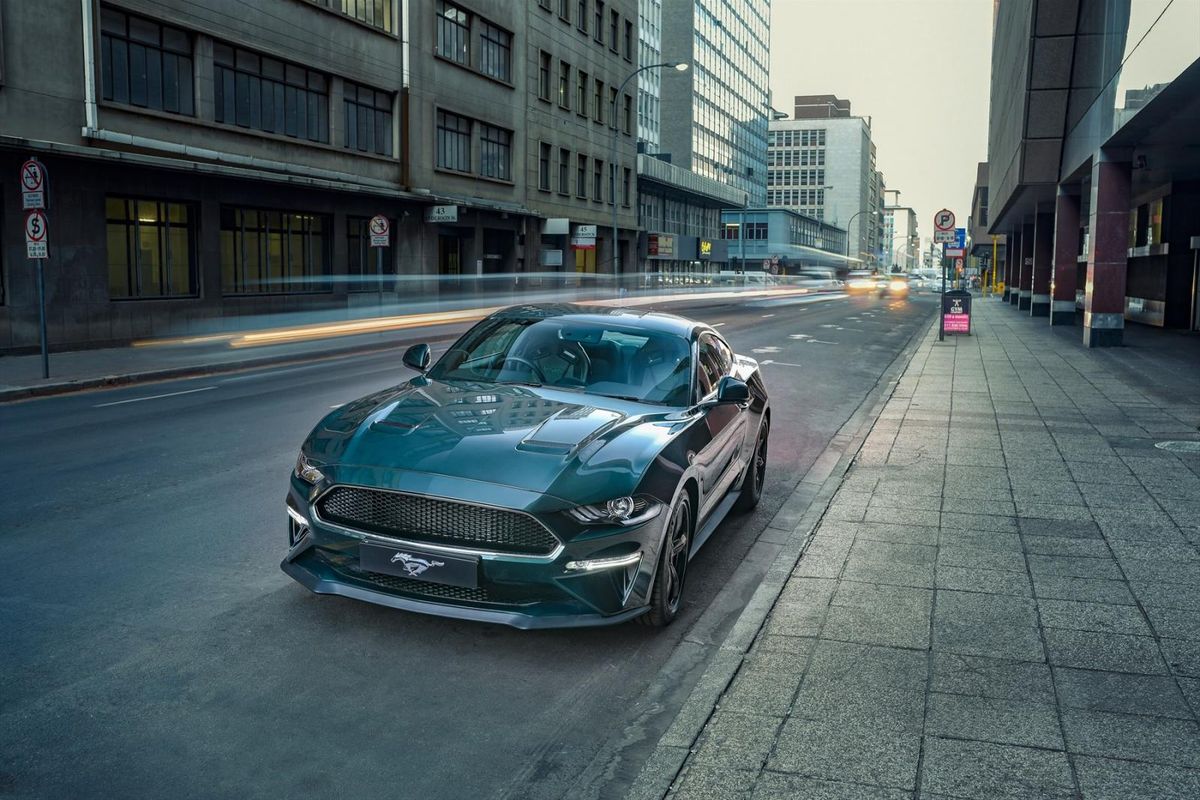
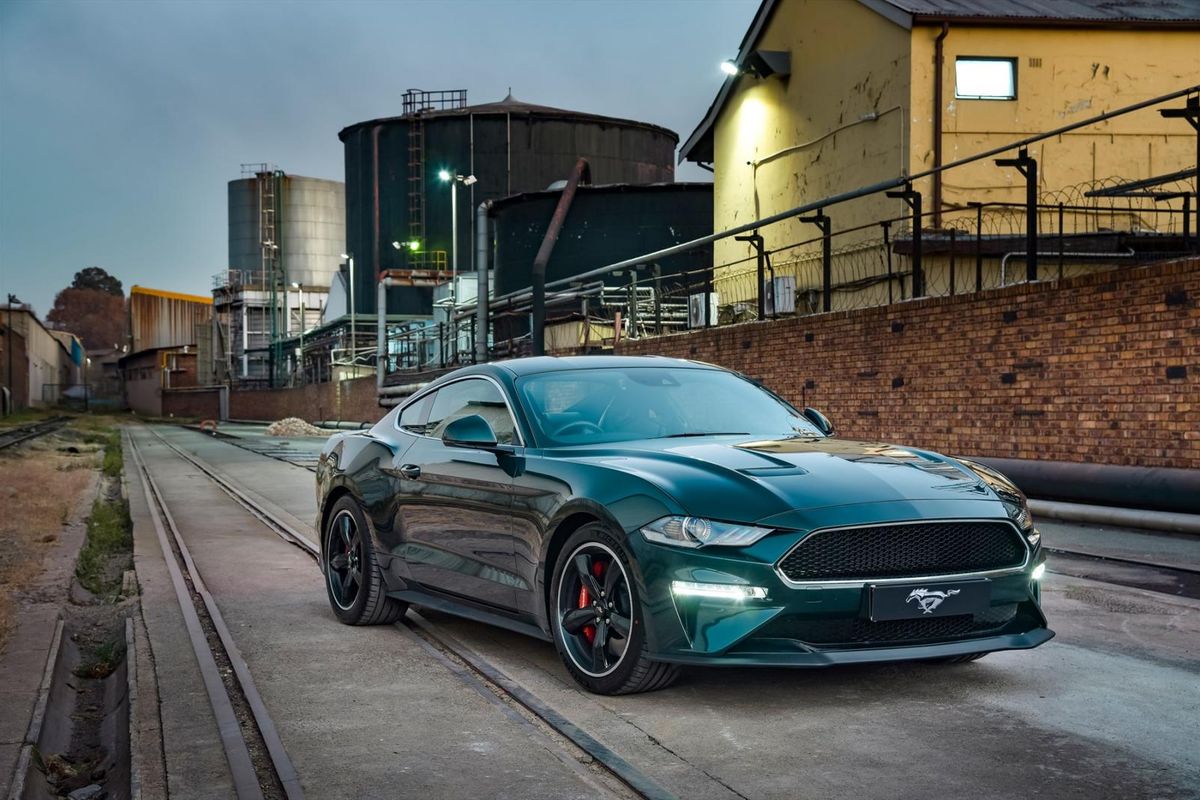
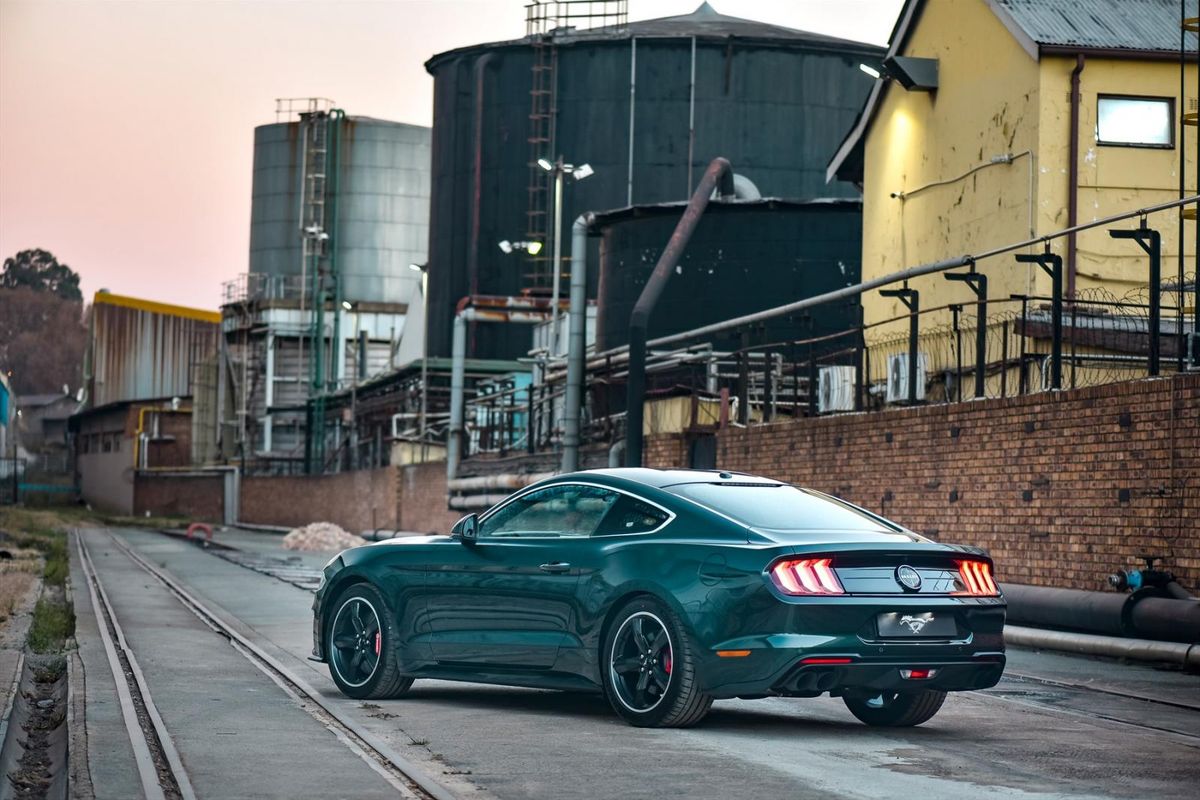
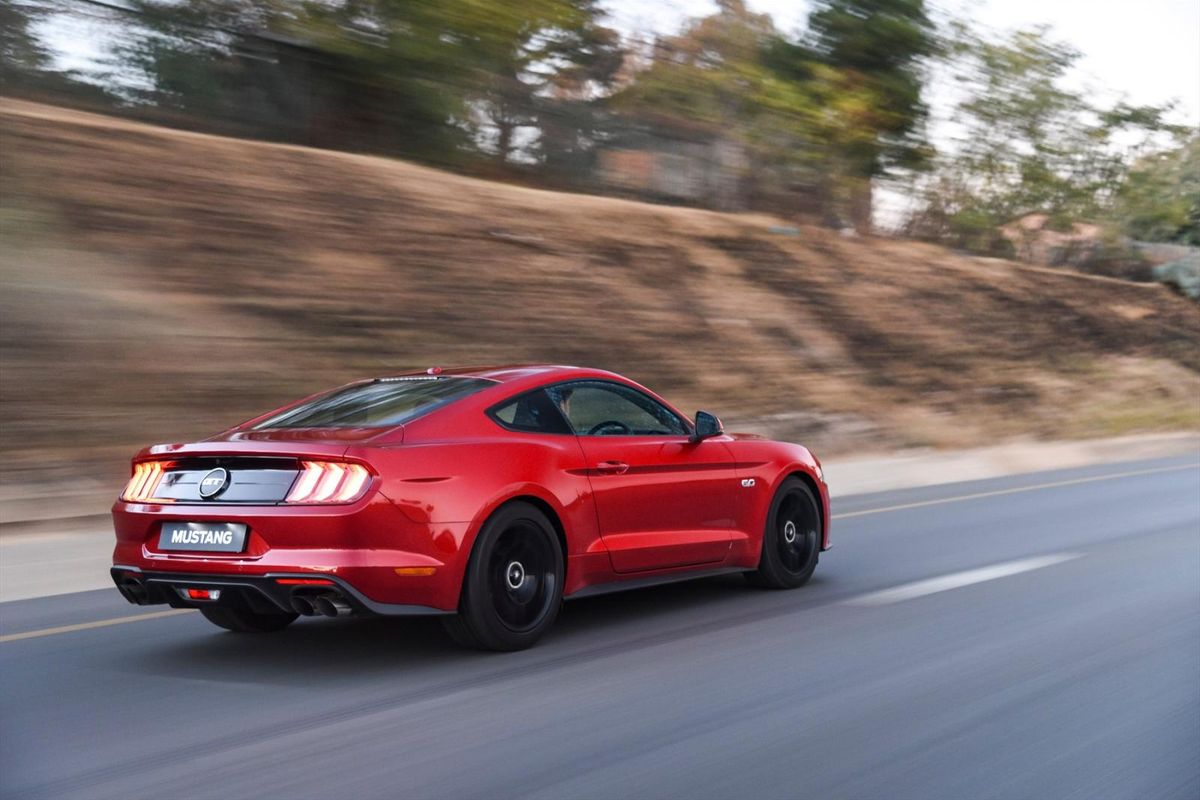
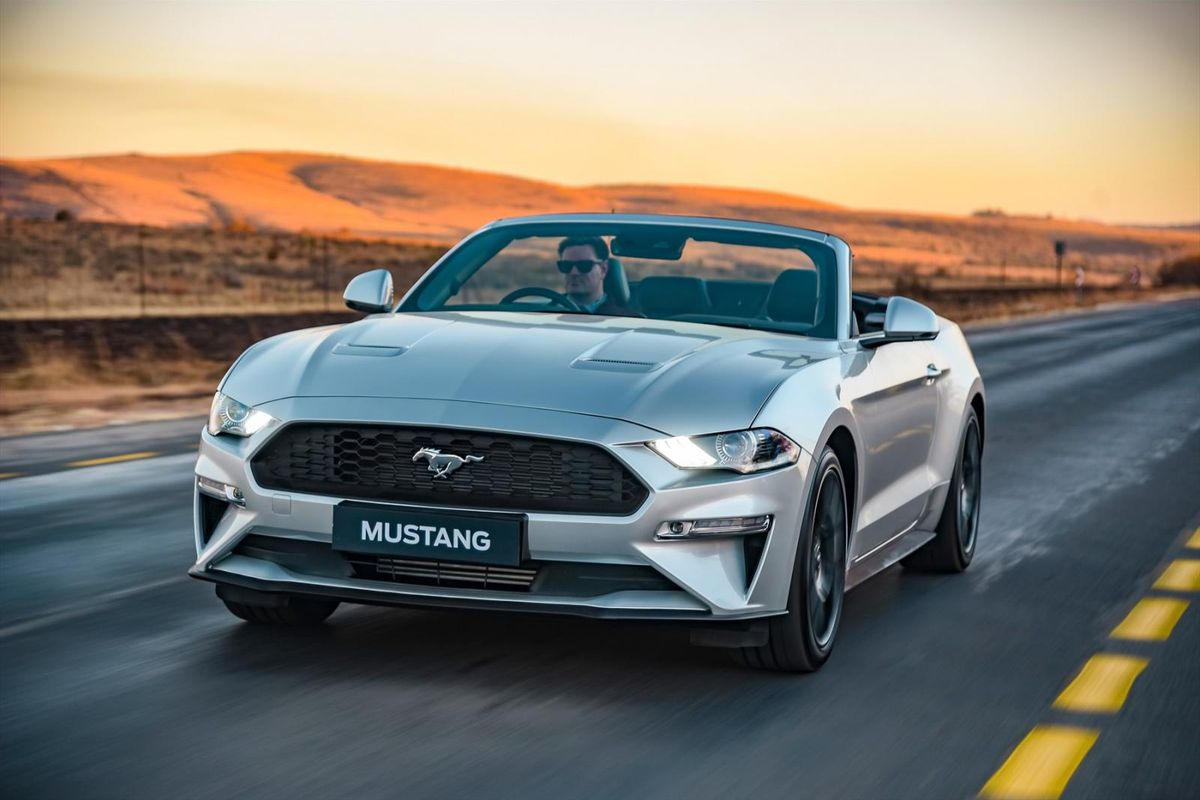
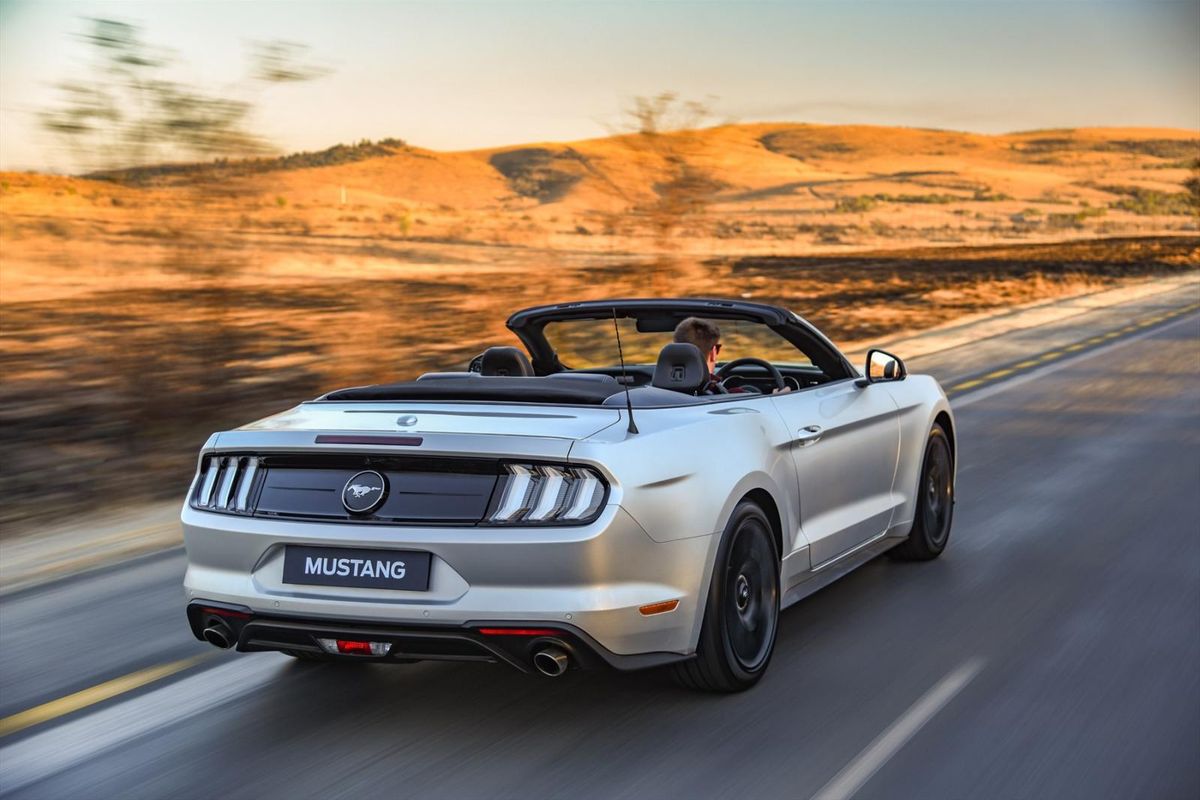
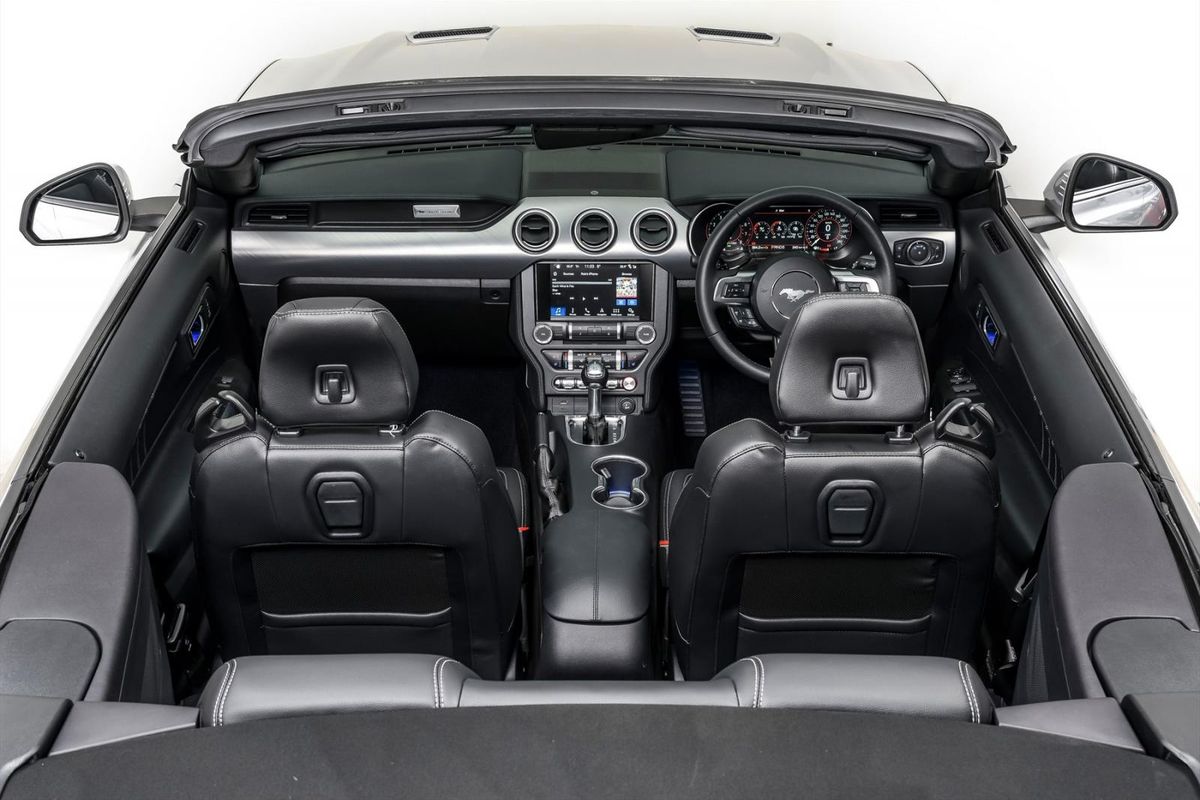
The Ford Mustang has been updated for 2019 and the changes are significant. The Ford Mustang will be available in South Africa in 5 flavours including coupe and convertible derivatives, with the choice of either the 2.3-litre 4-cylinder turbocharged petrol engine or the 5.0-litre naturally-aspirated V8 petrol motor. The Mustang Bullitt special edition is also on offer.

The 2.3-litre turbocharged 4-cylinder produces 213 kW and 440 Nm, while the mighty 5.0-litre V8 engine packs 331 kW and 529 Nm. Power goes to the rear wheels via a new 10-speed automatic transmission. The Mustang Bullitt, on the other hand, makes 338 kW and 529 Nm. The 2.3 Fastback will hit 100 kph in a claimed 5.5 seconds, while the 5.0 GT Fastback does the same sprint in 4.3 seconds. The convertibles do the 0-100 kph dash in a claimed 5.7 seconds and 4.5 seconds respectively.

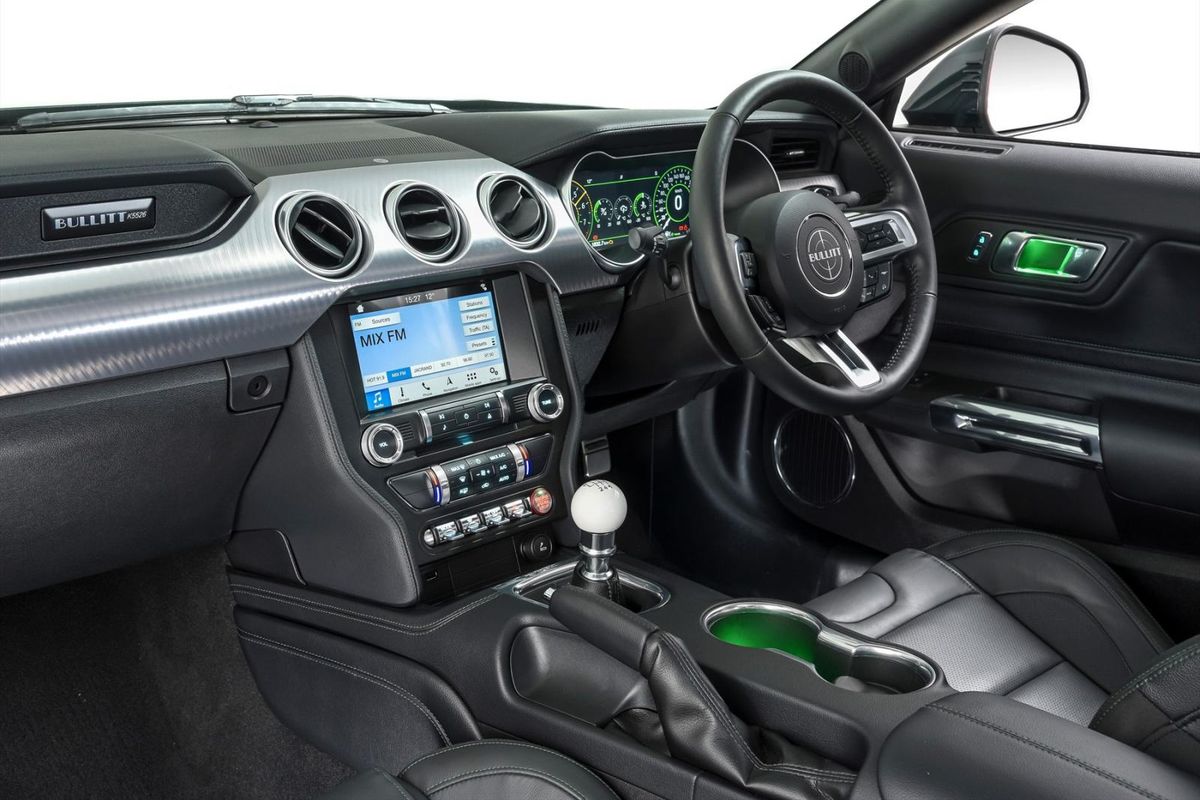
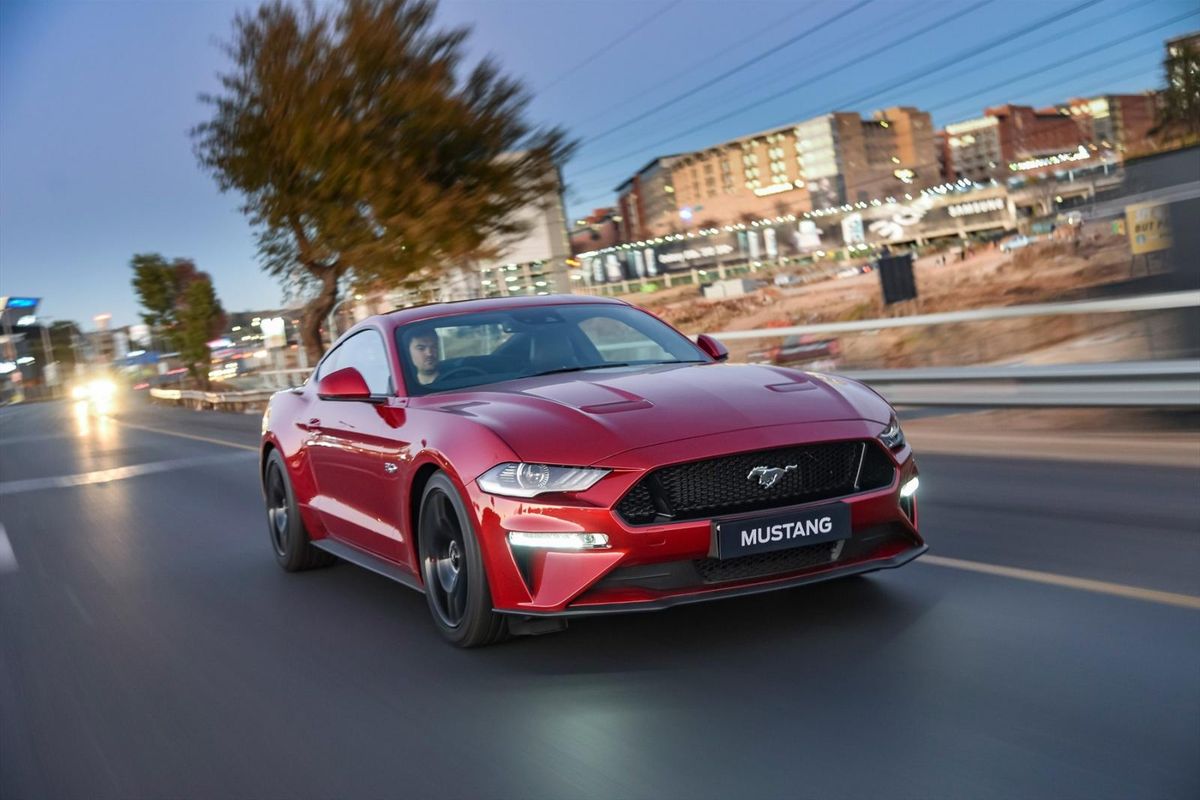
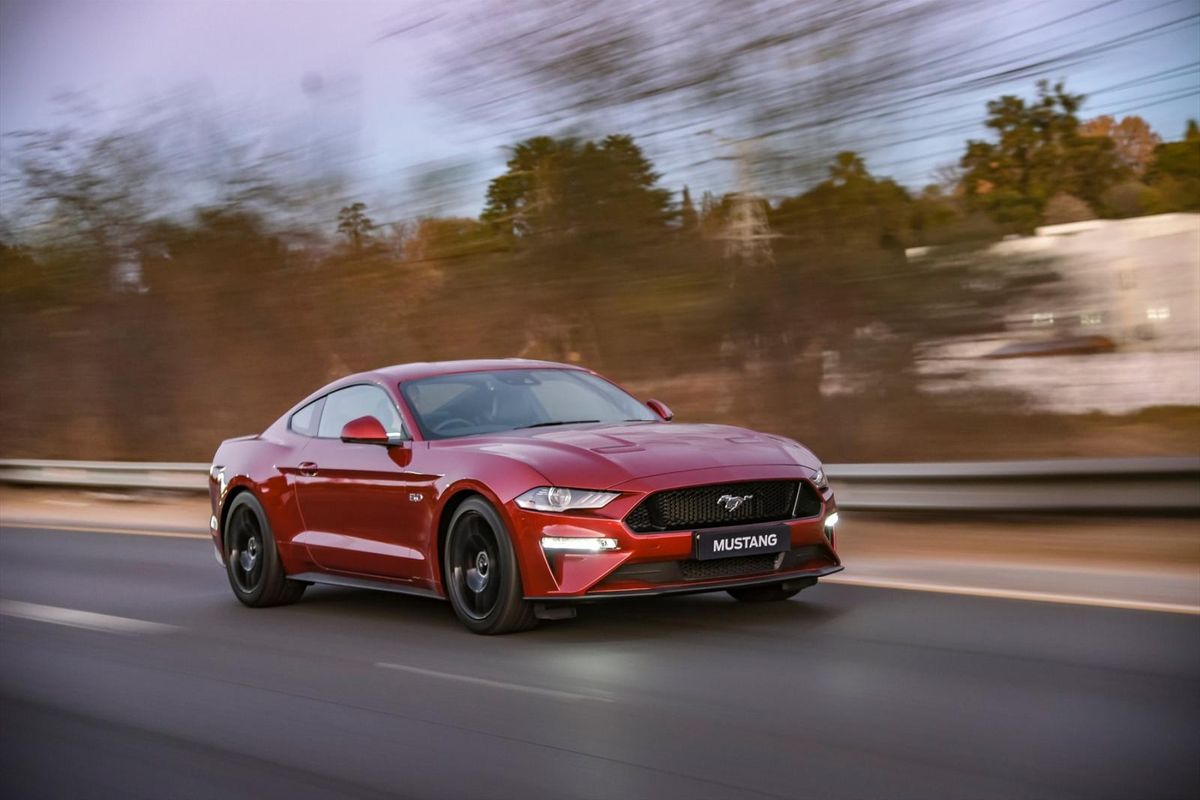
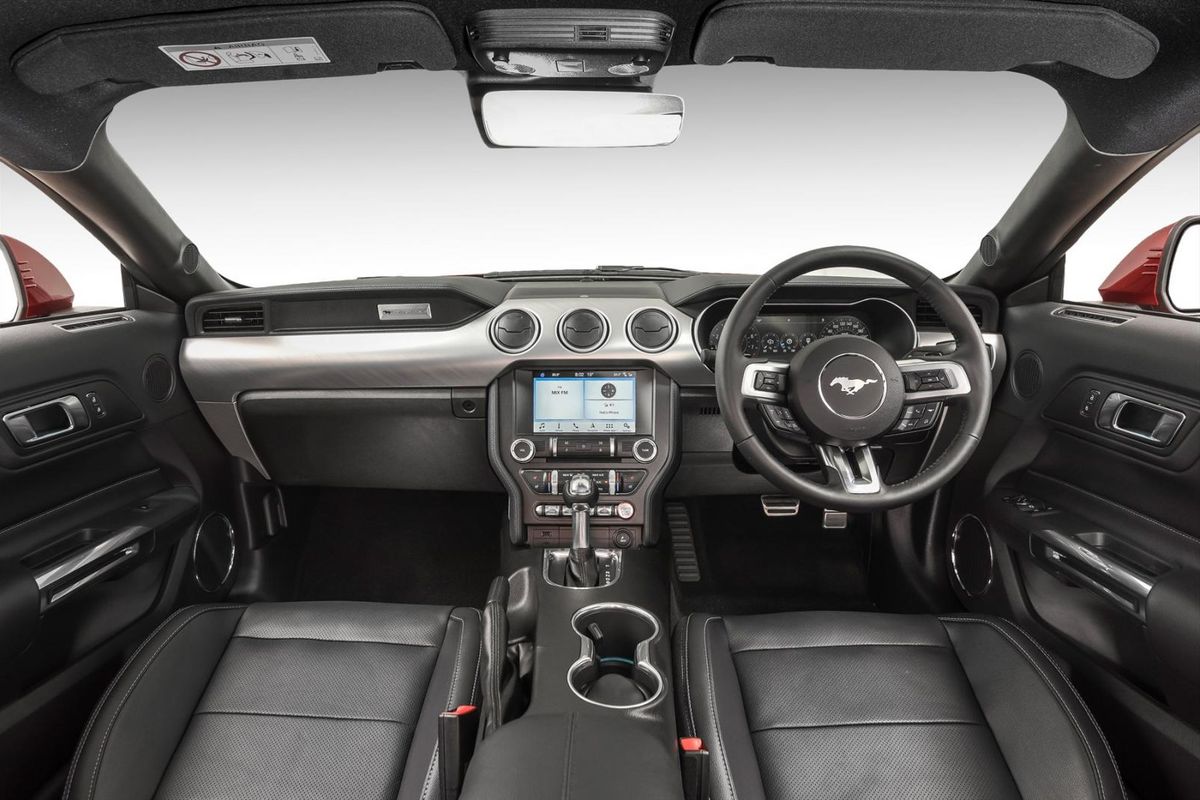
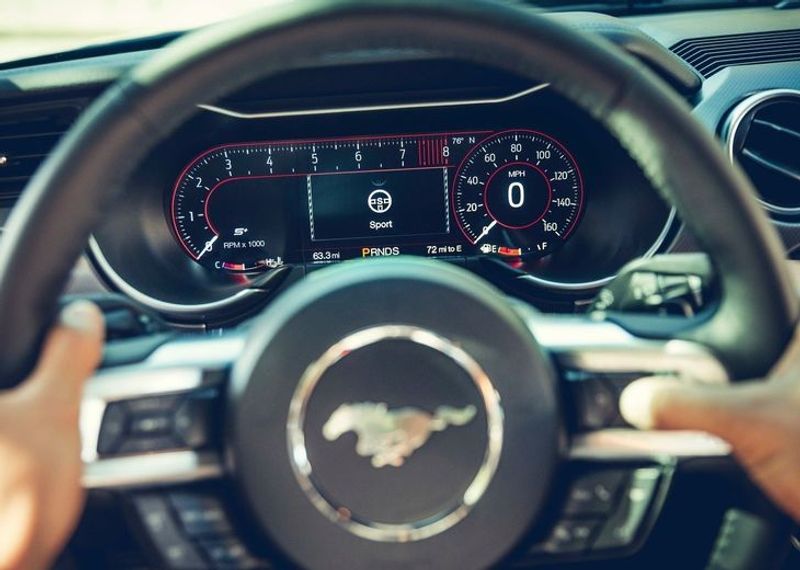
Inside, there are new trims for the seats, updated infotainment system, and an all-new digital dashboard. The new Mustang can be spotted with its new-look front end, revised grille, sporty bonnet, and new-look headlights. Under the skin, there's a revised chassis, the option of adaptive damping dubbed 'MagneRide', and an active exhaust system.

Look out for our impressions from the local launch this week and feast your eyes on the prices below. We think the Mustang has become quite a bargain at under R1 million.


The new digital dashboard of the facelifted Ford Mustang which is due for imminent release

Updated Ford Mustang Price in South Africa (July 2019)

In terms of options, there are some alloy wheels to choose from as well as adaptive damping for the 5.0 GT at a cost of R15 300. The pricing below includes VAT and emissions tax.

Ford Mustang 2.3 FASTBACK                        R768 000
Ford Mustang 2.3 CONVERTIBLE                 R831 000
Ford Mustang 5.0 GT FASTBACK                  R915 800 
Ford Mustang 5.0 GT CONVERTIBLE            R978 400
Ford Mustang Bullitt 5.0 V8 GT FASTBACK   R995 400

Further Reading

Ford Mustang Shelby GT500 Revealed

Ford Mustang (2016) First Drive

Ford Mustang Bullitt (2018) Launch Review [w/Video]

Tesla Bakkie Due in 2 or 3 Months – Musk

Tesla founder Elon Musk has claimed his Tesla bakkie will be revealed in 2 to 3 months. Here's what we know.

Electric carmaker Tesla has been battling with production issues, but that's not stopping the company from launching all-new vehicles. A while ago founder Elon Musk announced that Tesla would be building a bakkie. It was teased once, back in March 2019 – the image shown was barely legible and the project went a bit quiet. Until now. 

Musk is active on Twitter and often answers product-related questions directed at him. An enthusiast enquired about the forthcoming Tesla product and Musk replied: 

So there you have it, direct from the big boss' mouth. As for the Tesla bakkie, the claimed stats make for fascinating reading. Tesla is claiming its new bakkie will retail for under $50 000 (Ford F-150 is $28 115) so it's priced a little on the premium side of things. To differentiate it from the segment, Tesla is claiming it will handle like a Porsche 911, offer no fewer than 6 seats, boast a range of between 645-800 km and be able to tow 136 000 kg, and that last figure is not a typo.

The electric bakkie segment is due to kick off in the next few years as Ford recently showcased the towing potential of an all-electric F-150 bakkie, General Motors is working on an electric bakkie and then there's Rivian – an all-electric bakkie/SUV company. 

Rendering from Emre Husmen

Further Reading

Tesla Releases Model Y Electric SUV

Has the Tesla Endgame Begun?

Super Fast Tesla Roadster Revealed

Tesla Finally Launches Model 3

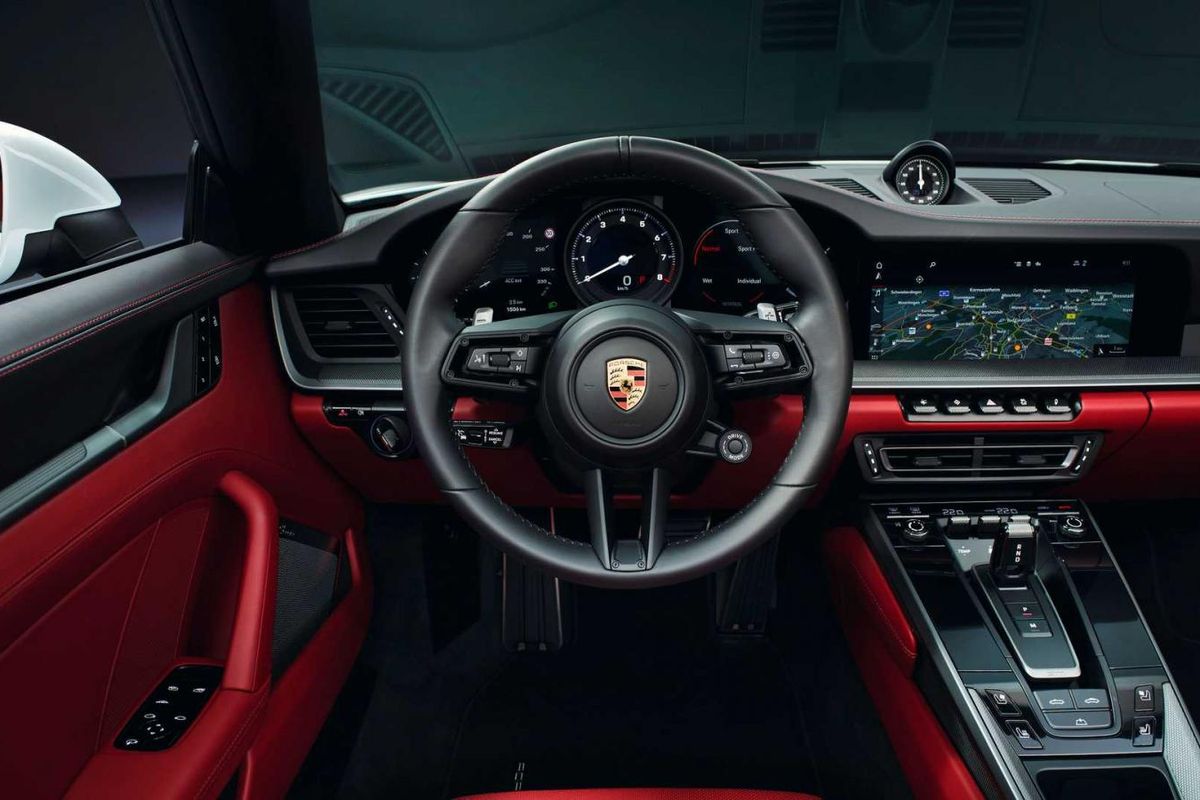
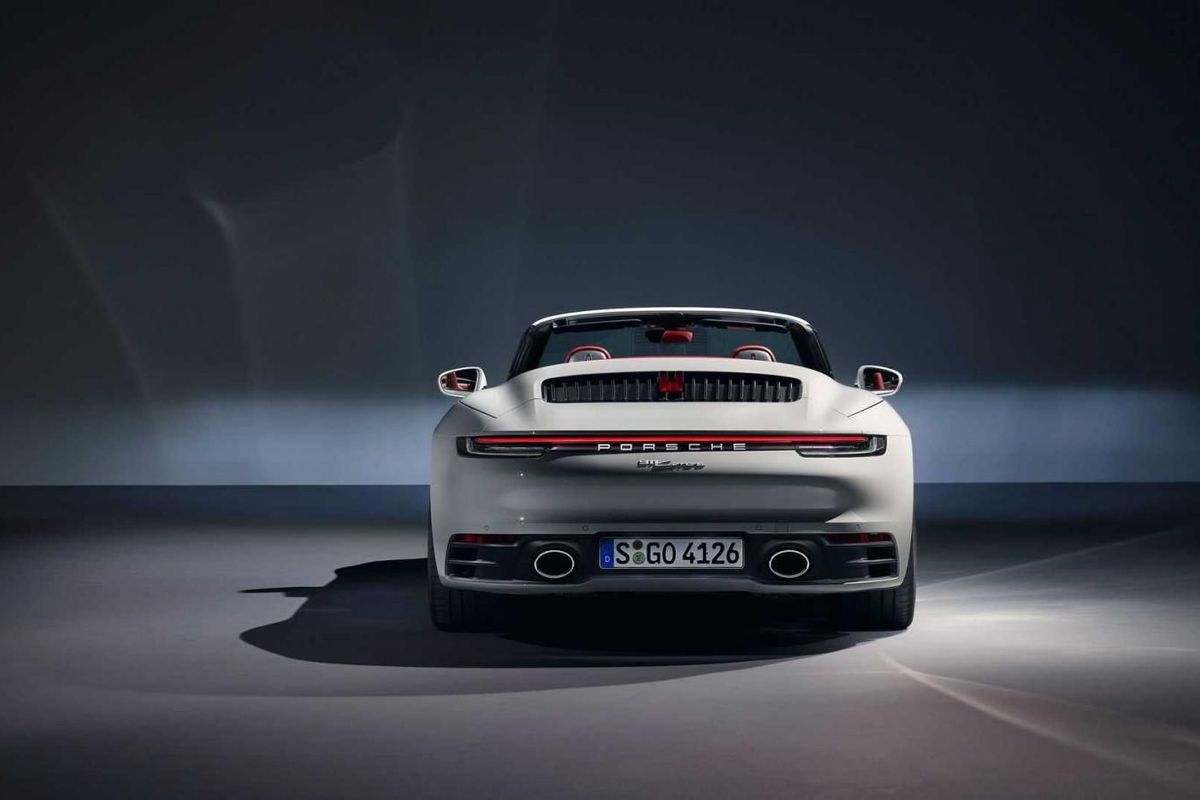
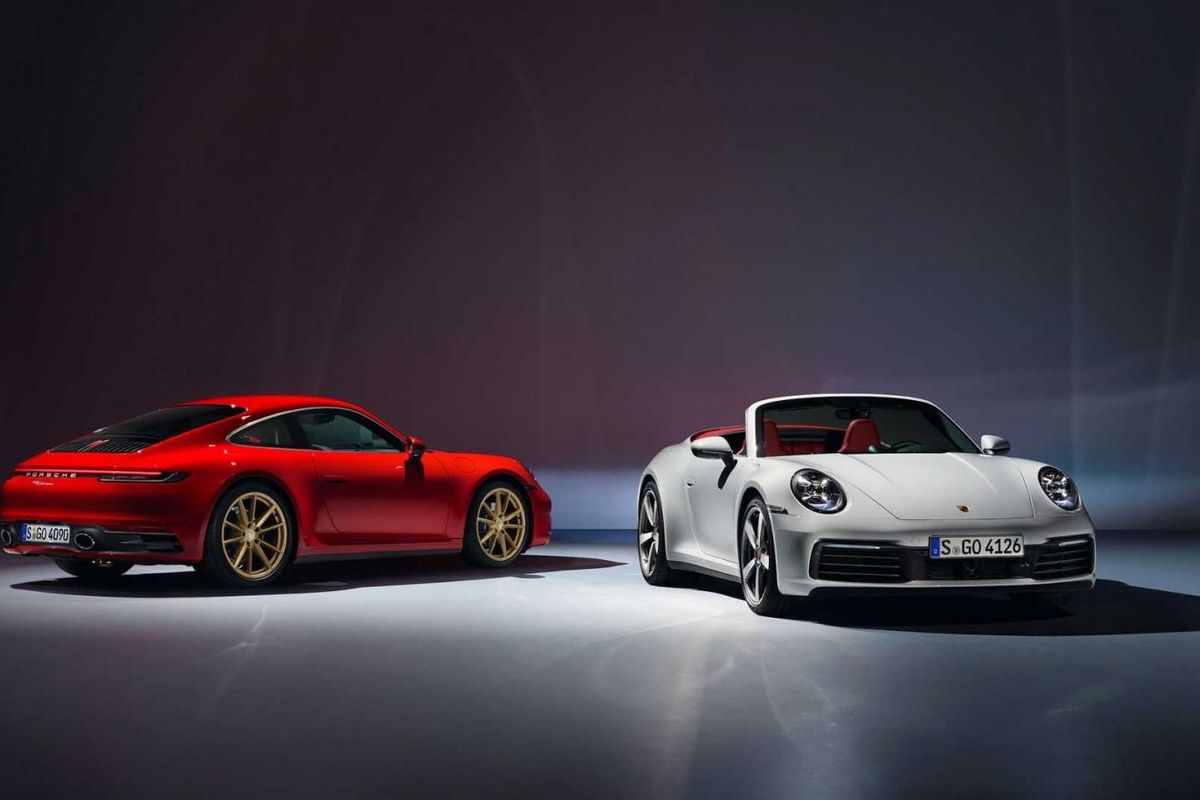
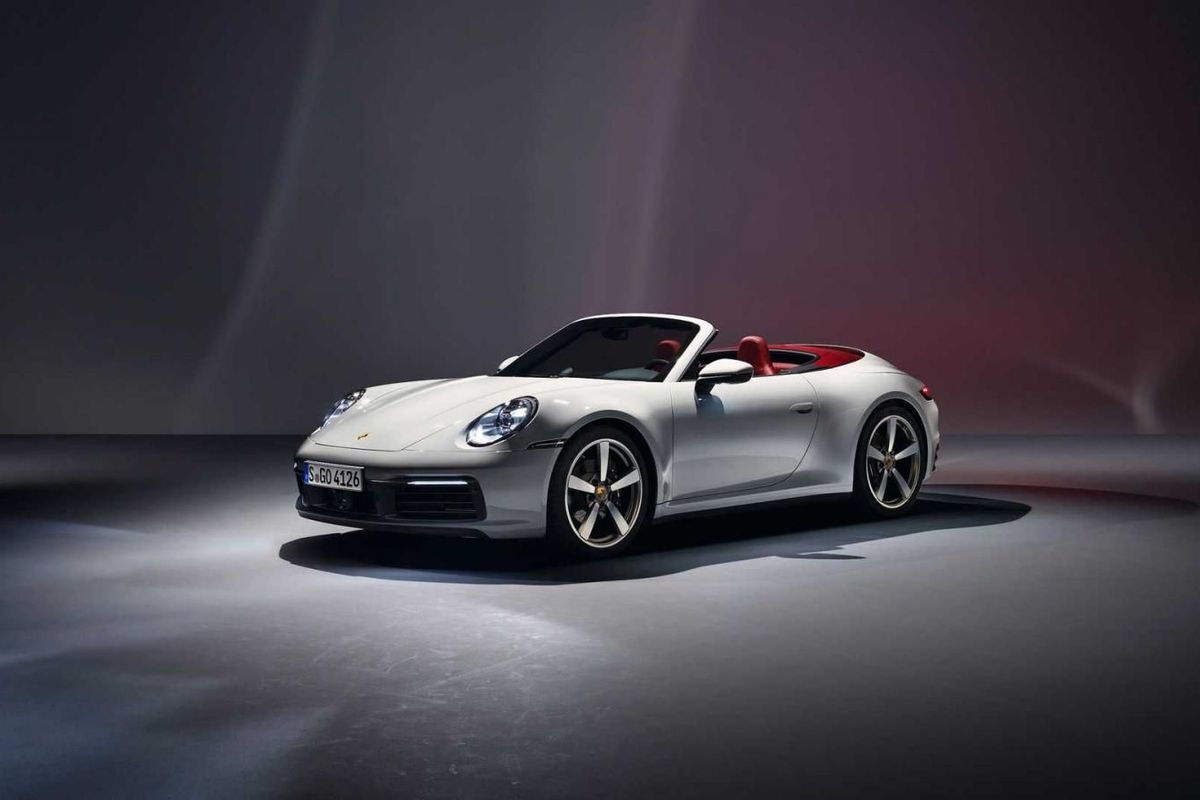
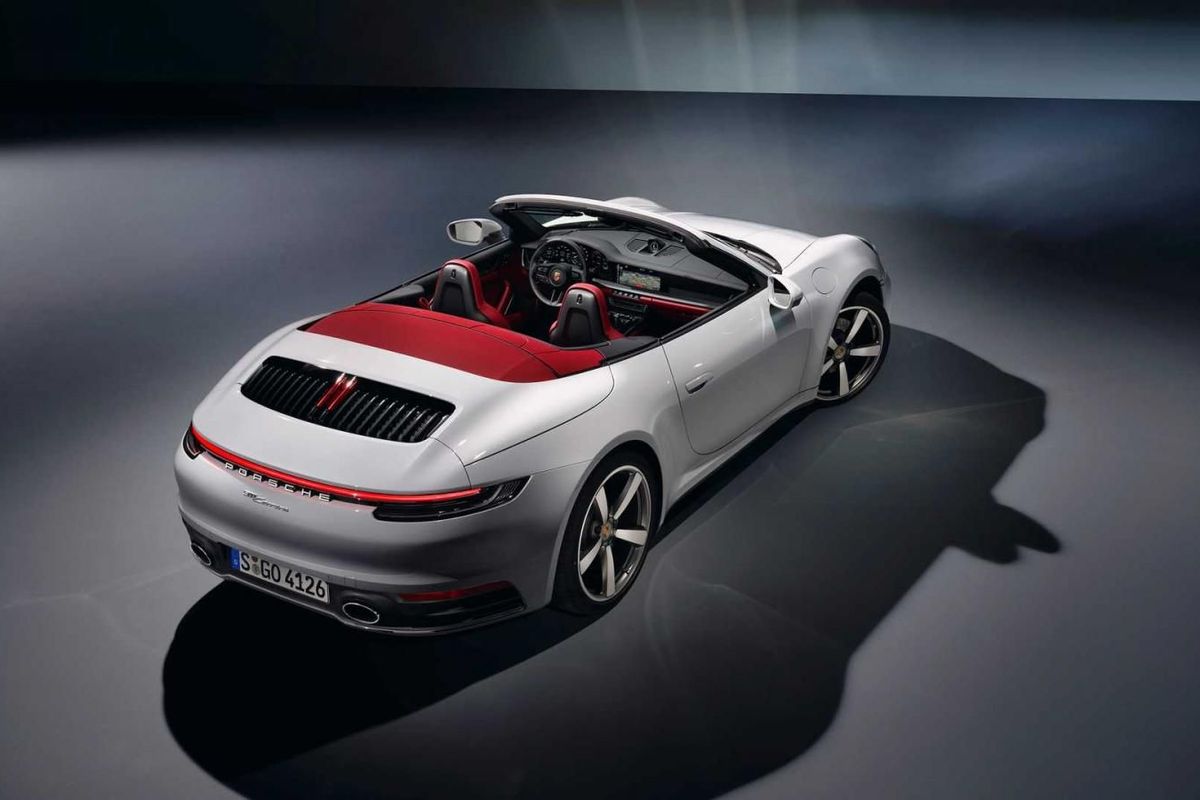
Porsche Adds Base Spec 911

Porsche reveals its most basic version of the new 992-series.

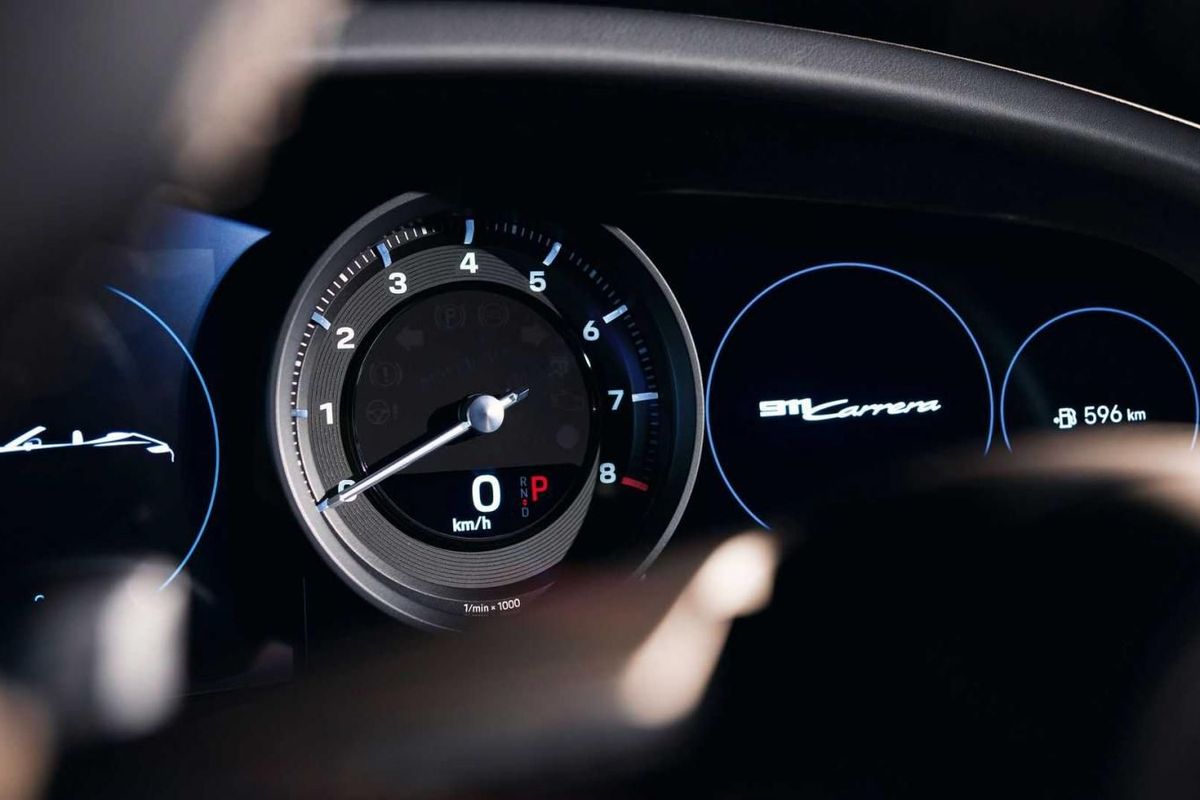
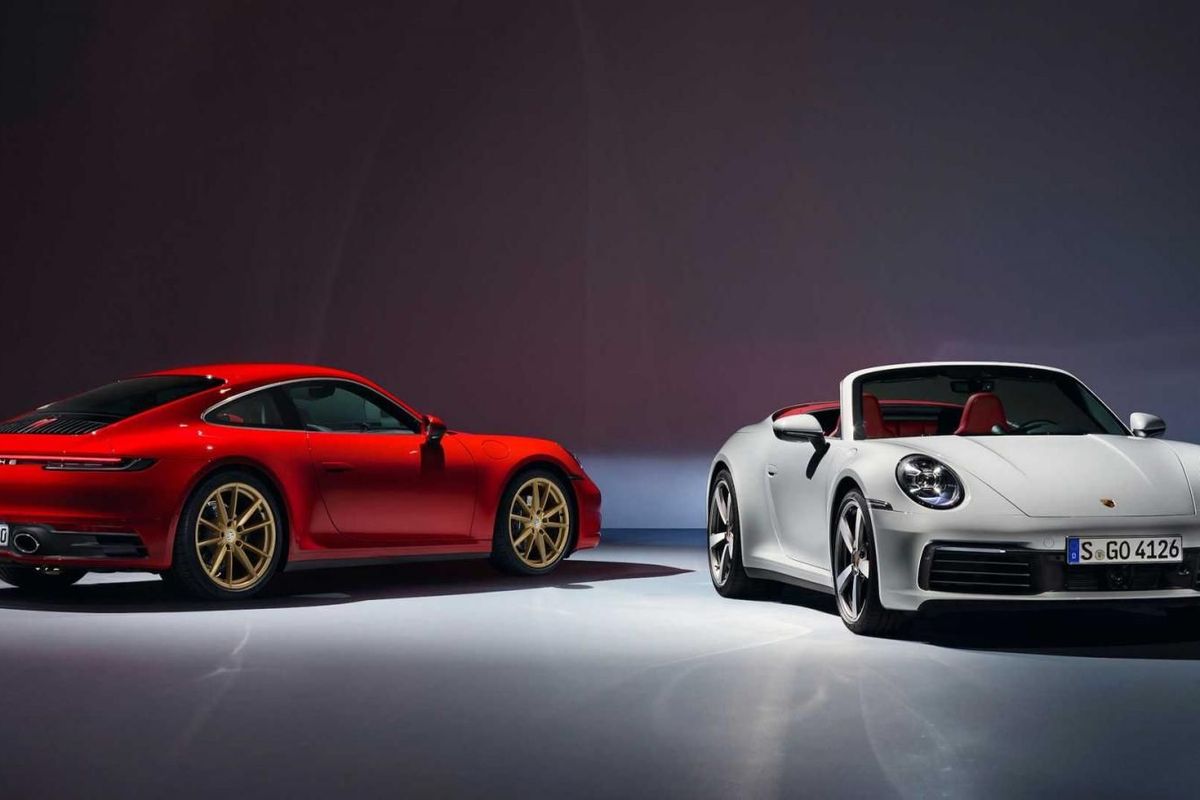
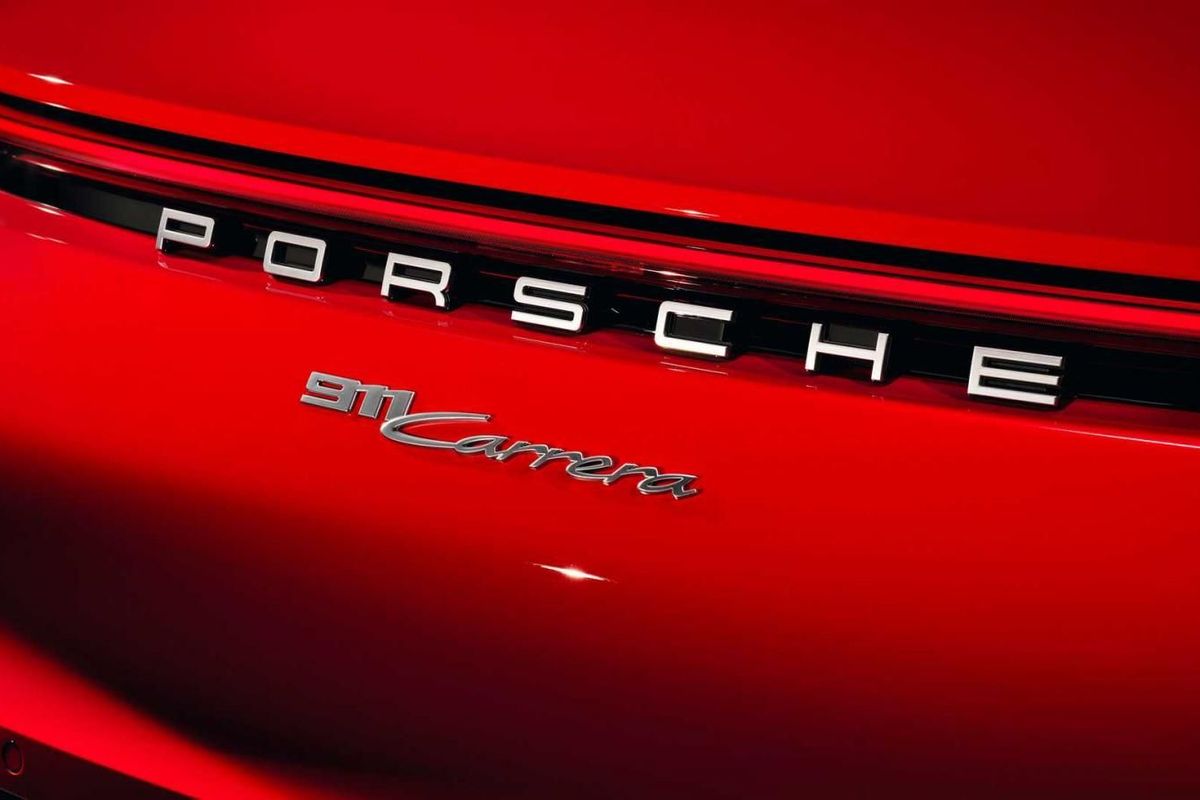
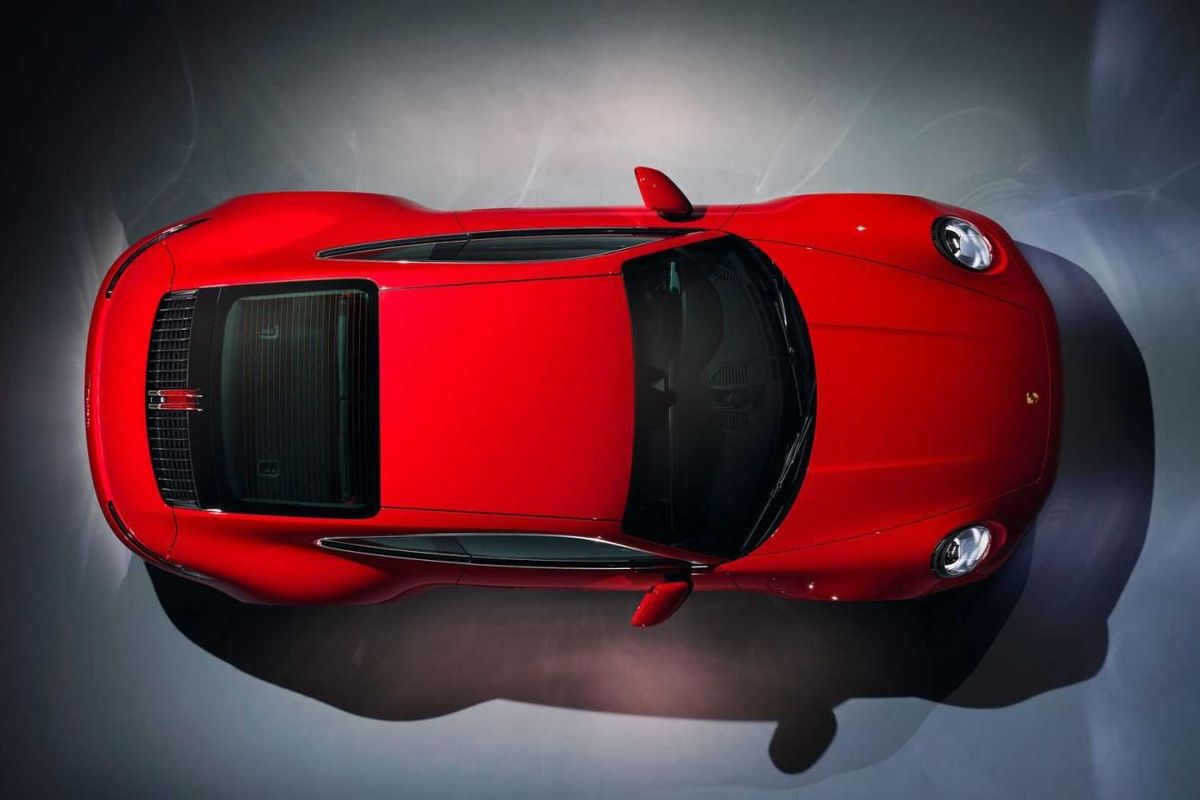
The latest 911 Carrera is available as both a coupe and cabriolet, broadening Porsche’s rear-engined vehicle range is an entry-level offering. 

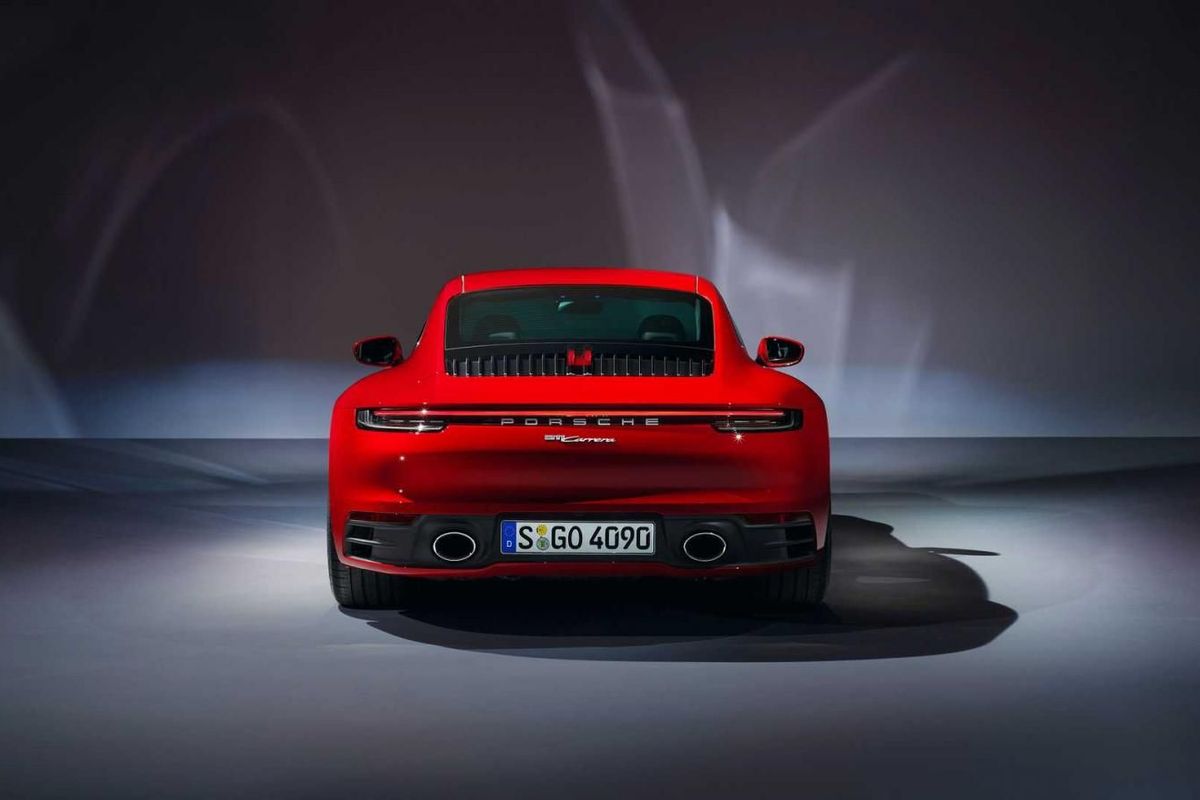
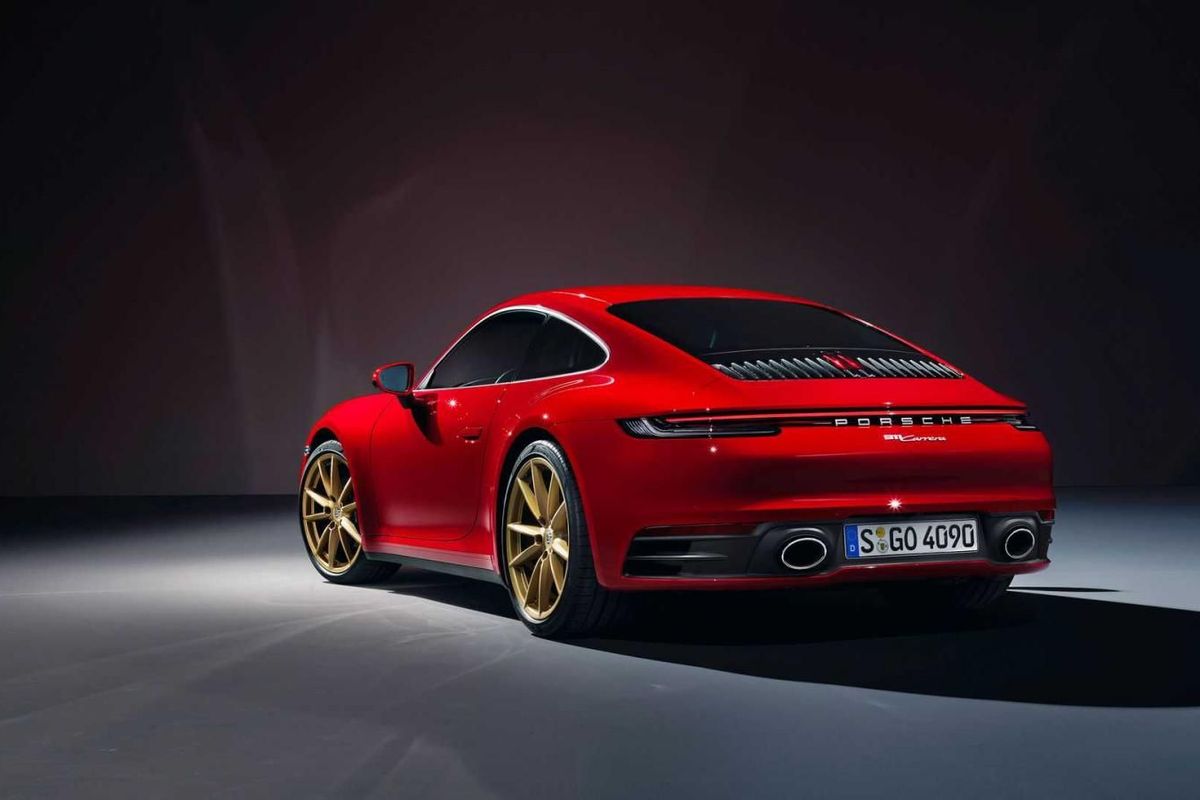
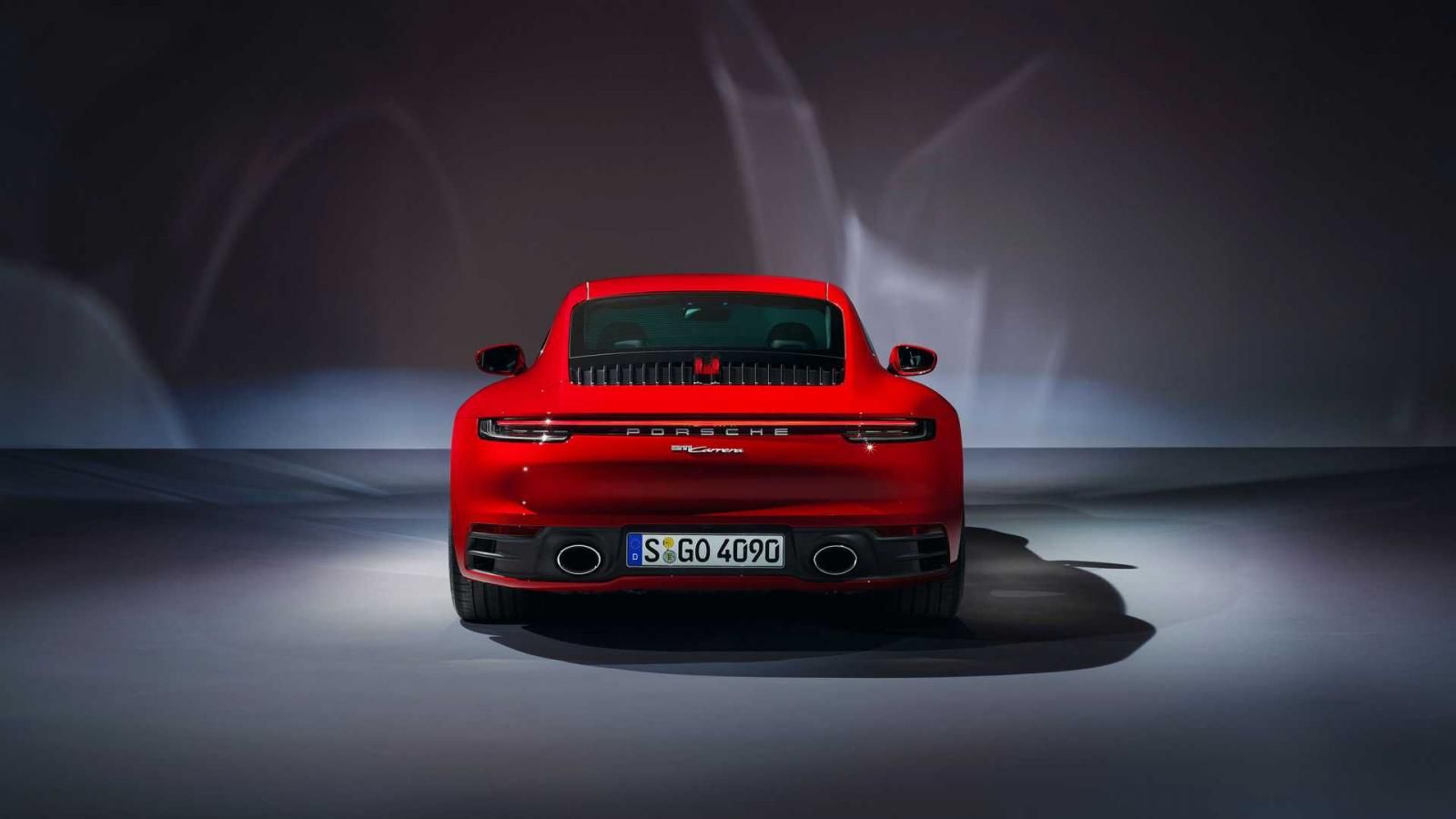
Distinguishing these Carrera models from other 911s are their exhausts. All other 911s feature a grouping of twin exhaust ends, whilst these baby Carreras only have two exhausts (instead of four).

Wheels and brakes are also slightly smaller in diameter, with the Carrera rolling 19-inch alloy rims. Beyond the abovementioned details, all other 911 styling and design features remain the same.

The most pronounced change is above the rear axle, where the Carrera variants are powered by a less potent version of Porsche’s 3-litre, twin-turbocharged, flat-six engine. Boosting 283 kW and 450 Nm, these Carreras are 16% less powerful than Porsche’s 911 ‘S’ models.


These entry models only get 2 individual exhaust outlets.

That does not mean they are slow. With Porsche’s eight-speed dual-clutch transmission the new 911 Carrera runs 0-100 kph in 4 seconds, with that number becoming even swifter, at 3.8 seconds, if you option the Sport Chrono package.

Standard features include Porsche’s active suspension management system with adaptive dampers and the company’s ingenious ‘wet-mode’ brakes, which detect moist road conditions and accordingly adjust the ESP and ABS intervention parameters.

Although the Carrera will be Porsche’s entry-point to the 911 range when it goes on sale, buyers can still option niceties such as larger wheels (20- or 21-inches), ceramic brakes and even twin-exhaust ends. These upgrades effectively make the Carrera more of an ‘S’ car in appearance, if not quite engine output and performance.

Read our launch review of the latest 911 here.

Hyundai Kia Working on Double-Cab Bakkie for 2022

Korean giants Kia and Hyundai are reportedly working on a double-cab bakkie to rival the established players in the segment. Will it be a legitimate contender or a white elephant like the Mercedes-Benz X-Class? Here's what we know so far.

The story first appeared on Australian website CarsGuide, and it suggests that Kia and Hyundai will be offering a double-cab bakkie to the Australian market as early as 2022. Kia Australia's Chief Operating Officer Damien Meredith told the publication that the project hadn't just been approved, but is already underway. "Work has begun,” said Meredith. “We’re talking about a dual-cab, a single-cab – what we’ve requested is the full gambit for the ute, and that (includes) a dual-cab with diesel and petrol (options). When a light commercial range does arrive in Australia, I’d be confident we’d be looking around that 8-10% market share in that range,” Meredith says. “Great product, great pricing and a seven-year warranty – it’s a pretty powerful package.

Why would a bakkie destined for Australia be of interest to South Africa? The key here is the configuration as Australia and South Africa are both right-hand drive markets. Generally, if a mainstream model is confirmed for introduction Down Under, it'd be foolish to dismiss an eventual South African introduction. Also, let's not forget that bakkie culture in Australia is massive much like South Africa.

Naturally, the Koreans will have carefully watched the gestation of the Mercedes-Benz X-Class and subsequent catastrophic lack of sales and will be determined to avoid such a performance. The Koreans won't be playing the high-end luxury vehicle card and assuming that badge prowess will bring people to showrooms. Given the warm responses to the Hyundai Santa Cruz concept from a few years back and subsequent confirmations that it's going into production, it's clear that the Koreans are keen to disrupt this segment on a global basis. There won't be any borrowing from established players either, with the Koreans working on their own platform. Given their past strategy, pricing should be competitive too, with comprehensive warranties only sweetening the deal further.

Kia and Hyundai will have formidable and established opposition in the bakkie space. The Toyota Hilux and Ford Ranger are the 2 dominant players, with the Isuzu D-Max following in hot pursuit. The rest of the segment is occupied by the Volkswagen Amarok, Nissan Navara and Mitsubishi Triton to name but a few. Watch this space, the bakkie segment is only just hotting up.

Want to buy a double-cab bakkie? Browse through new and used stock now

Further Reading

Update: Hyundai Santa Cruz Gets Production Green Light

Ford Confirms Electric F-150 Bakkie

BMW X7 Double-cab Bakkie Shown

VW Platform Mountiaq Bakkie Revealed

Most Powerful Double-Cab Bakkies in SA

Petrol Up, Diesel Down for August 2019

We have mixed news for the petrol and diesel price for August 2019. Petrol is going up, while diesel is going down. Here are the forecasts, supplied to us by the Automobile Association (AA).

According to the Automobile Association (AA), we're in for a mixed bag for August 2019. The cost of petrol is going up while diesel is dropping. 

"International oil prices have steadily trended upwards since the start of June, although there has been a slight pullback since a peak on July 11. Since then, diesel prices have edged higher while petrol remained flat, although the currency remains volatile going forward, particularly in light of recent ratings agency announcements and other factors," the AA notes.

The AA is predicting that petrol will increase by around 12 cents per litres, while diesel will be dropping by around 16 cents a litre. There are many factors at play here, with the AA claiming ongoing oil volatility, US inventory levels, political instability in the Middle East, a possible medium-term demand plateau, and ongoing OPEC output restrictions. Let's not forget the exchange rate instability either as the Rand/Dollar rate changes. 

"The average Rand/dollar exchange rate crossed R14.20 last week despite spending much of July stronger against the US currency. This volatility can come into play before Wednesday’s adjustment and may even have a bearing on the September outlook, " the Association says.

Related Content

Fuel Price Breakdown: What do you pay for?

5 Ways to Beat the Fuel Price Hike

Most Fuel Efficient Budget Cars in SA

Most Fuel-Efficient Double-Cab Bakkies in SA

5 Fuel-Saving Car Features & How They Work

Most Fuel Efficient Budget Cars in SA

Most Fuel Efficient Diesel Cars in SA

Most Fuel Efficient Petrol Cars in SA

10 Ways To Save Fuel

Hyundai Tucson Sport (2019) Launch Review

For those with a penchant for a practical family SUV festooned with a Fast and Furious-style body kit and endowed with heightened power/torque outputs, Hyundai has delivered a solution (yet again). Introducing the locally-developed Sport derivatives of the facelifted Hyundai Tucson.

What’s new?

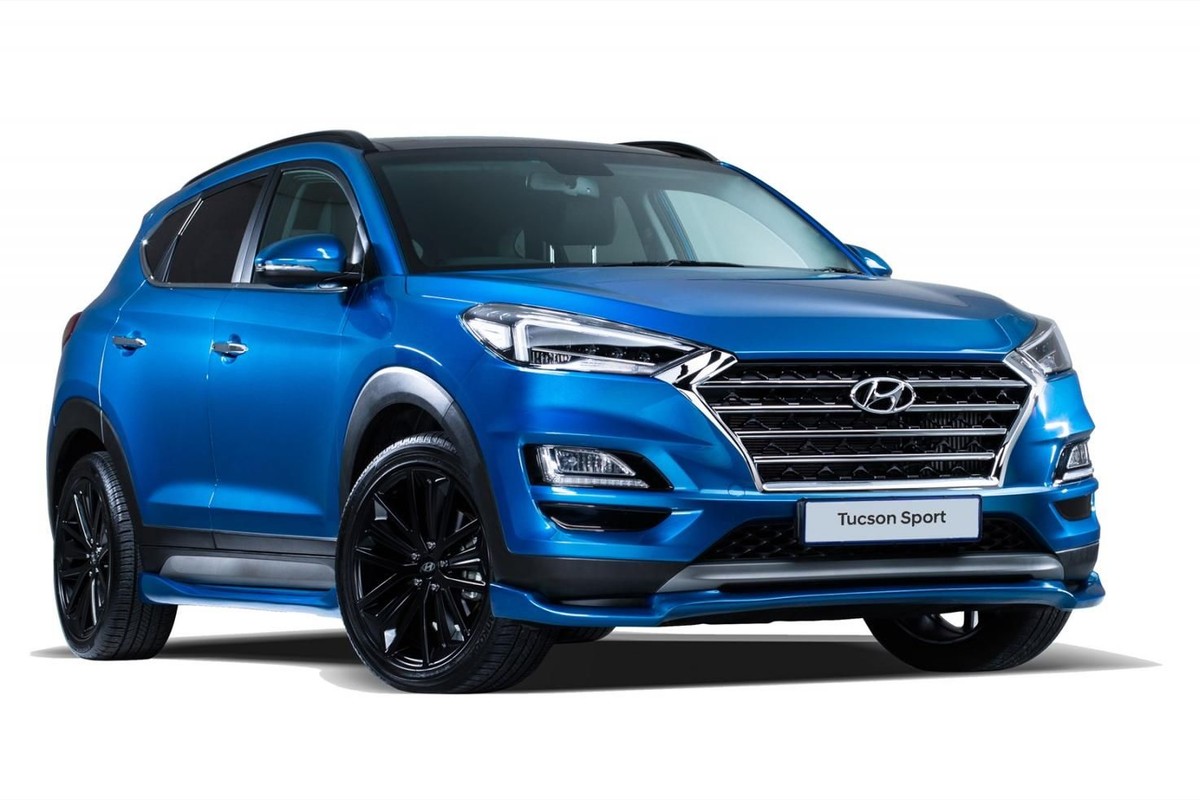
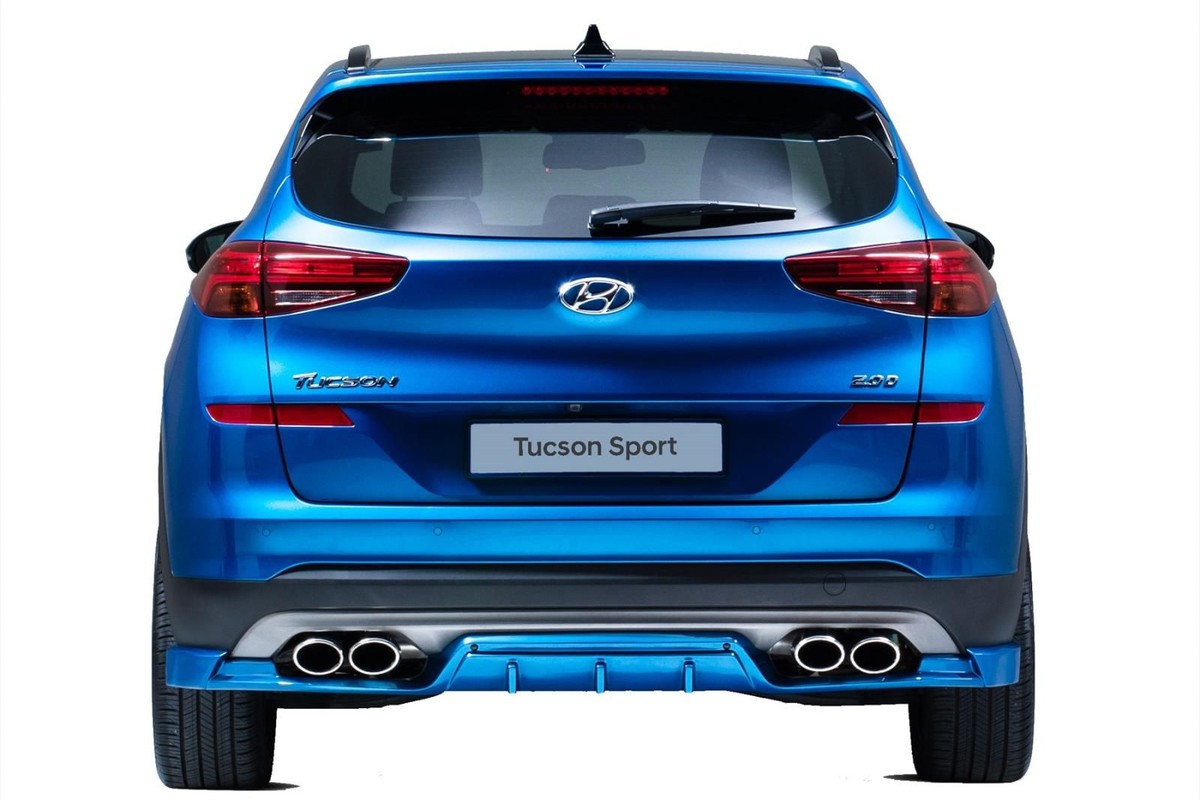
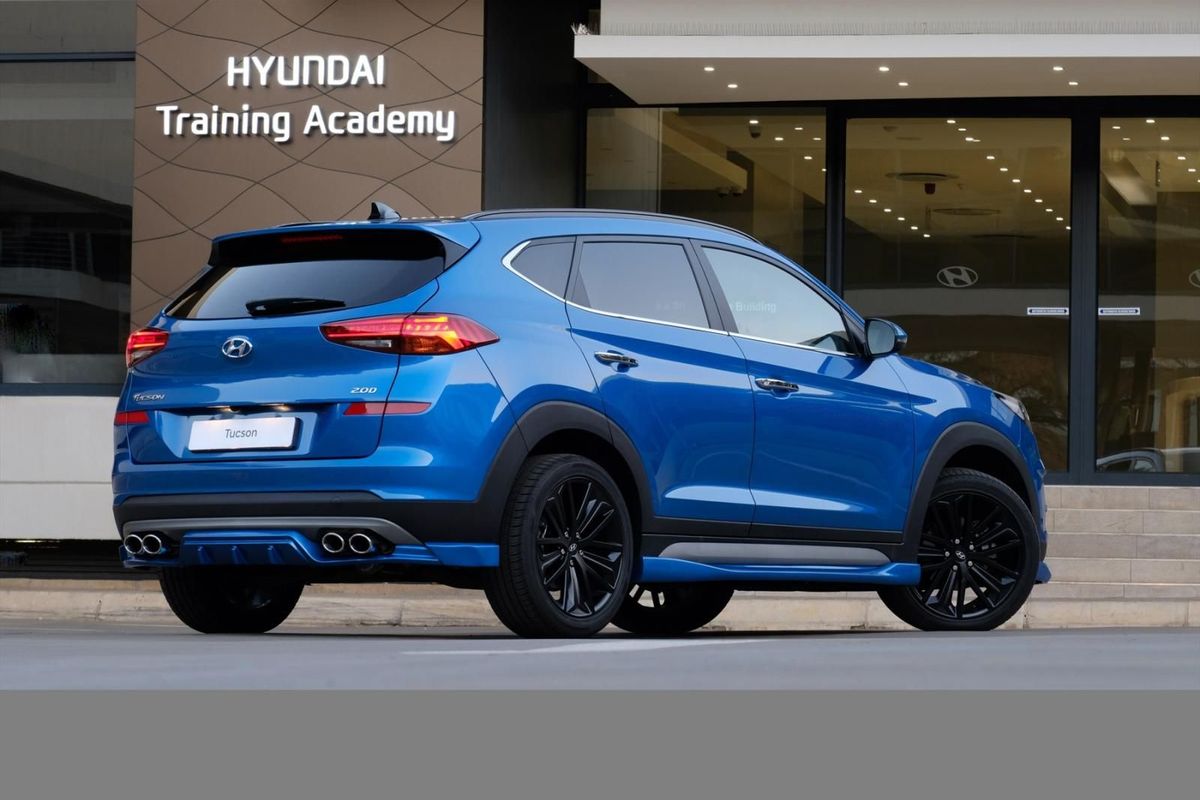
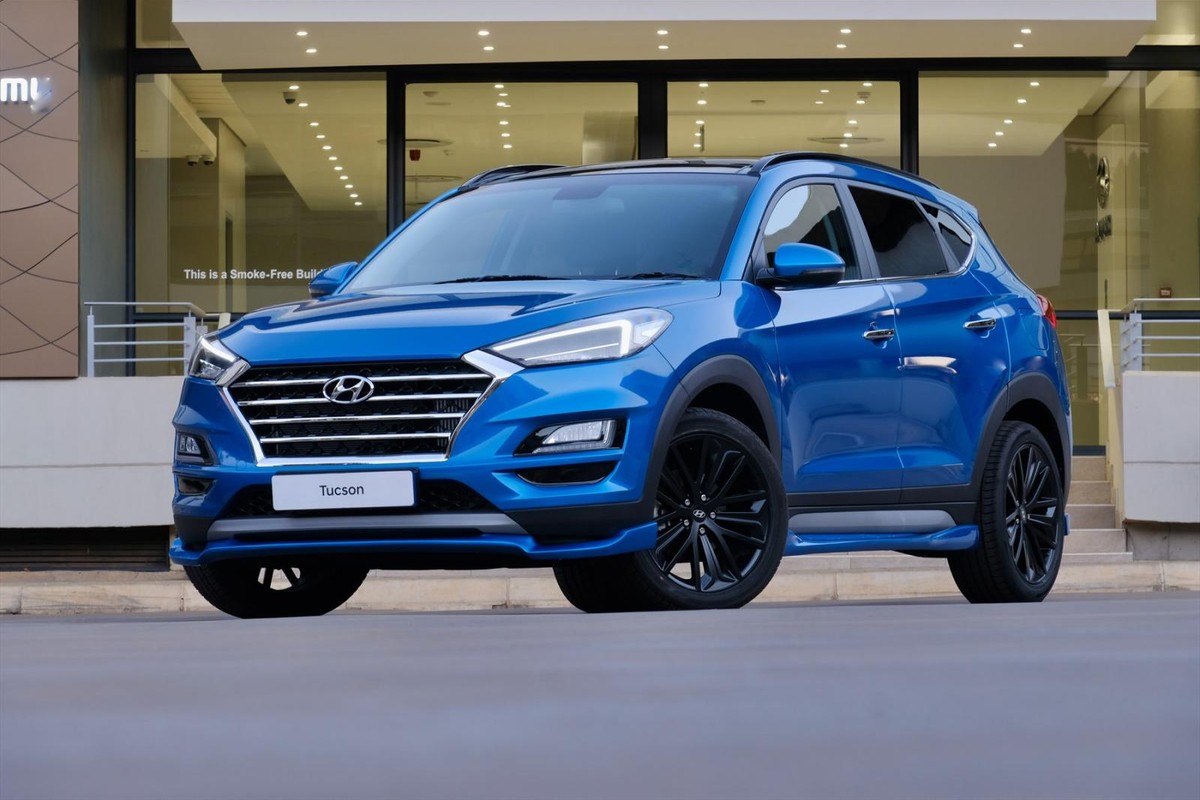
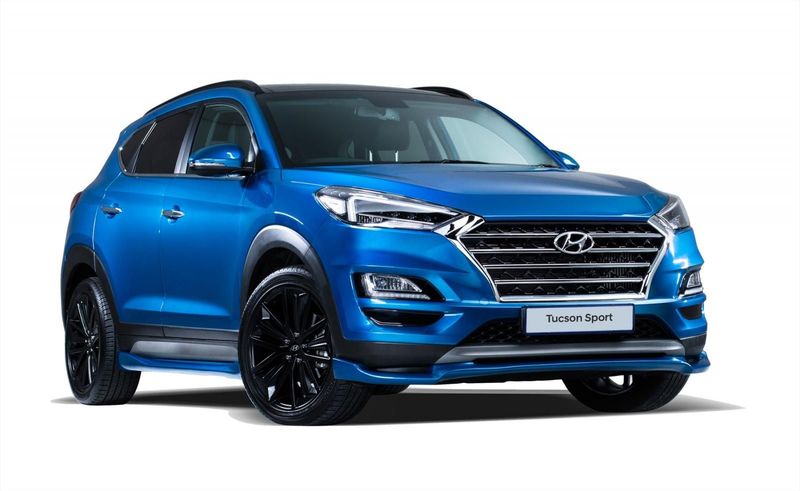
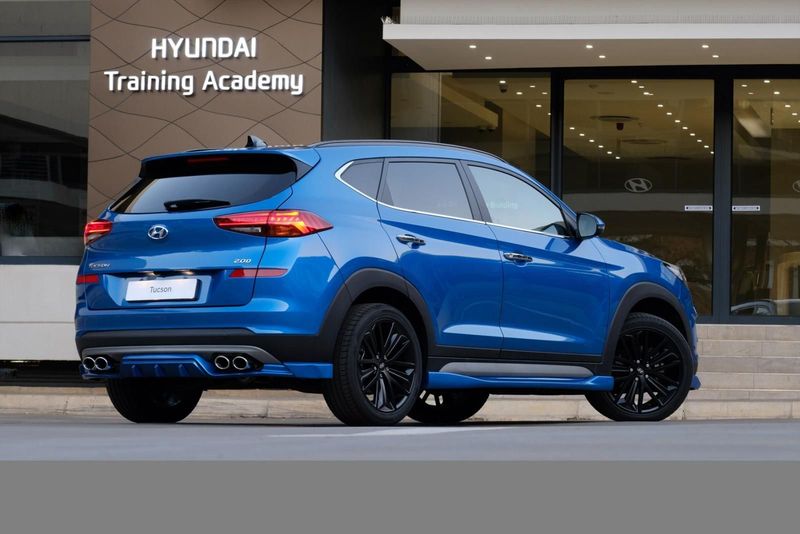
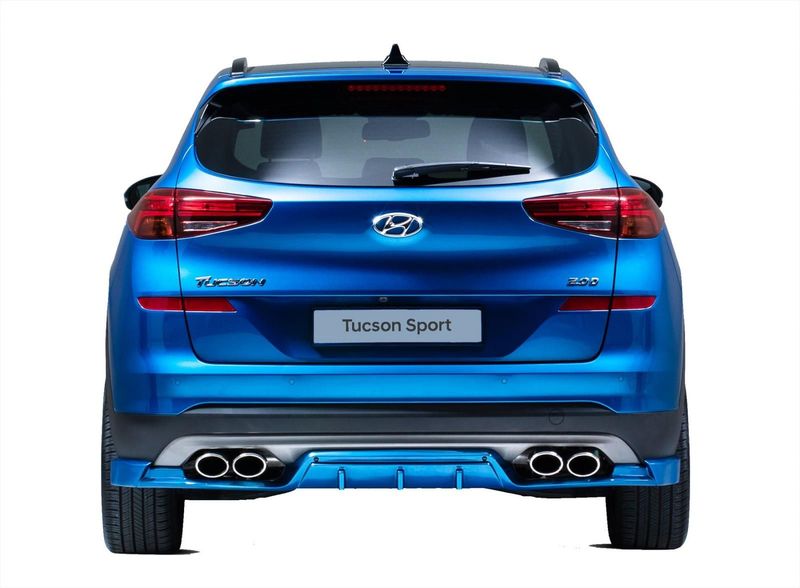
There isn’t much in the way of subtlety to the exterior packaging of the Hyundai Tucson Sport. Hyundai has piled on the body kit in an attempt to really sell you that Sport moniker. There’s a front splitter that protrudes from the front end, the side skirts jut out along the length of the flanks and, for good measure, the rear gets a bolt-on diffuser/bumper that houses 2 pairs of tailpipes (I have it under good authority that you can still have a towbar fitted underneath that diffuser, if you like). The new-look is rounded off with unique 19-inch black wheels.


Front bumper lip, side skirts and black wheels star in the Sport’s new look.

The pre-facelift Tucson Sport was powered by a 1.6-litre turbopetrol motor mated with either a 6-speed manual or 6-speed automatic (DCT). For this iteration, the 6-speed manual version has been discontinued and a 2.0-litre turbodiesel derivative, with an 8-speed automatic transmission, has been added. Both units develop 150 kW, but the latter develops 460 Nm of peak torque, compared with the petrol’s 300 Nm. The heightened outputs come courtesy of a software update and a pedal booster, which sharpens up the responsiveness of the throttle.

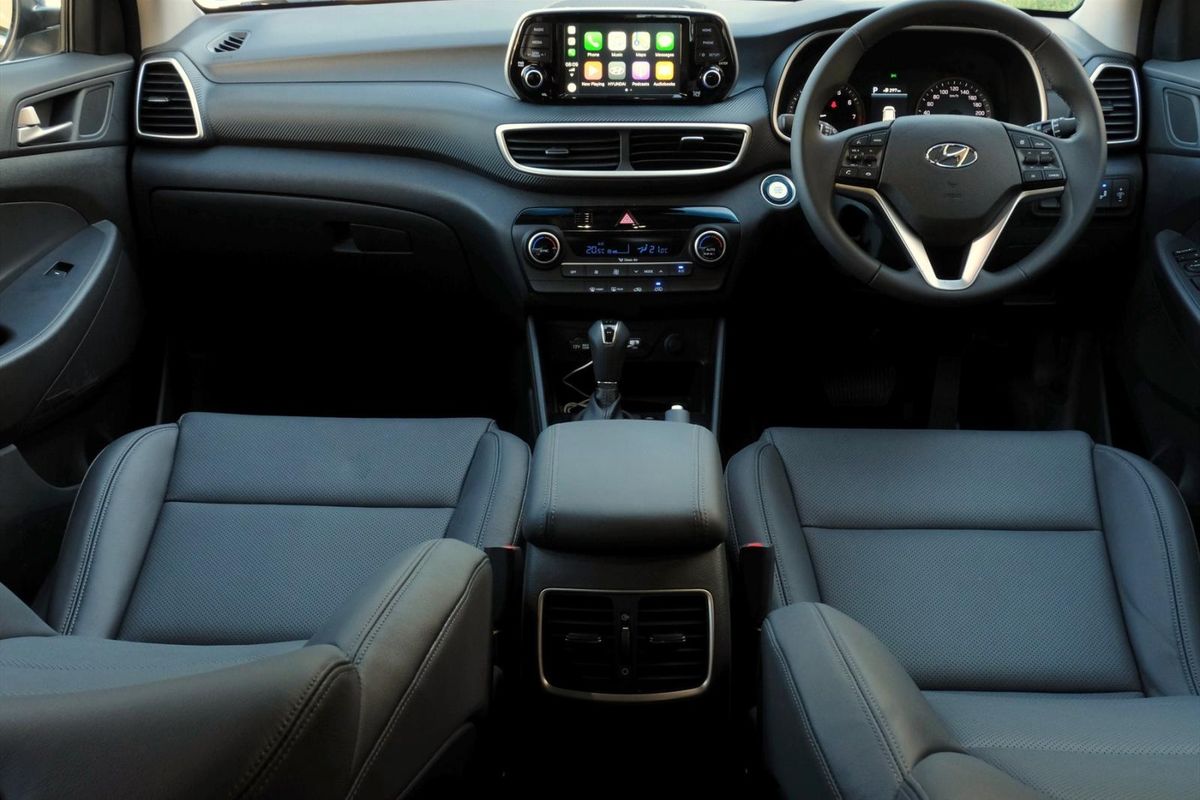
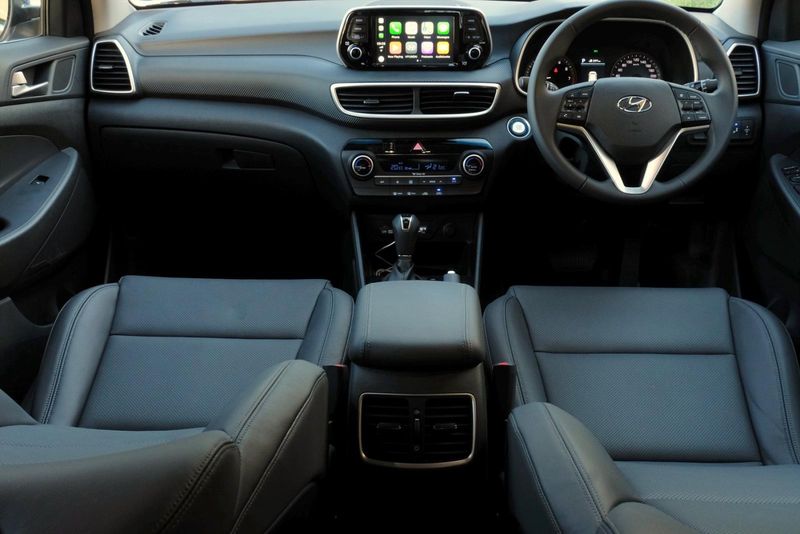
Interior-wise, everything remains standard; the spec is based on that of top-spec Elite derivatives.

Hyundai Tucson – The Ultimate Buyer’s Guide

What’s the performance like?

Hyundai South Africa had a reasonably successful outing with the first iteration of the Tucson Sport. The Korean firm’s local subsidiary commissioned the production of approximately 500 units of the car, all of which were snapped up. The success of the project clearly gave Hyundai more than enough motivation to produce a Sport version of its post-facelift family car.

Compared with its standard sibling, the petrol derivative’s outputs have increased from 130 kW to 150 kW and 265 Nm to 300 Nm. The turbodiesel, meanwhile, sees its power and torque peaks boosted from 131 kW to 150 kW and 400 Nm to 460 Nm. The Sport’s upgraded figures come courtesy of the fitment of a Chipbox plug-and-play upgrade, but, seeing as no performance testing has been conducted on the newcomers (at least not yet), it’s unknown to what extent the Sport derivatives’ acceleration times have been improved.

I can reveal the following, however… The Sports feel more than powerful enough and the biggest sensation of the performance gains comes from their ultra-responsive throttle pedals.


The rear diffuser still allows for a towbar to be fitted.

It certainly requires a light foot to fend off the onslaught of front wheelspin when pulling away from traffic lights and intersection – and this is before you call up Sport mode, mind you. The power and torque delivery, especially in the petrol-engined derivative, tends to easily overwhelm the front wheels (and, unlike with the previous Tucson Sport, there is no AWD version) and the nett result is: torque steer. After that, the traction-control system sweats to regain control of the situation – clearly, a job it was never meant to (or had the training to deal with).

The turbodiesel version’s throttle response has been tapered slightly, probably because the R2.0’s traction control processing unit might expire spontaneously if it had to deal with shepherding the distribution of more than 460 Nm. We jest, but you get the point. The diesel Sport feels a little easier to deal with and less prone to smoking its rubber at every pull-off.

The suspension setup remains standard, and that means that you don’t get any benefit from the power increase when the road gets twisty. The idea behind the Sport upgrade appears to be purely for aesthetic improvement and better straight-line performance.

The insides


The interior remains standard, pulled from the Elite spec models.

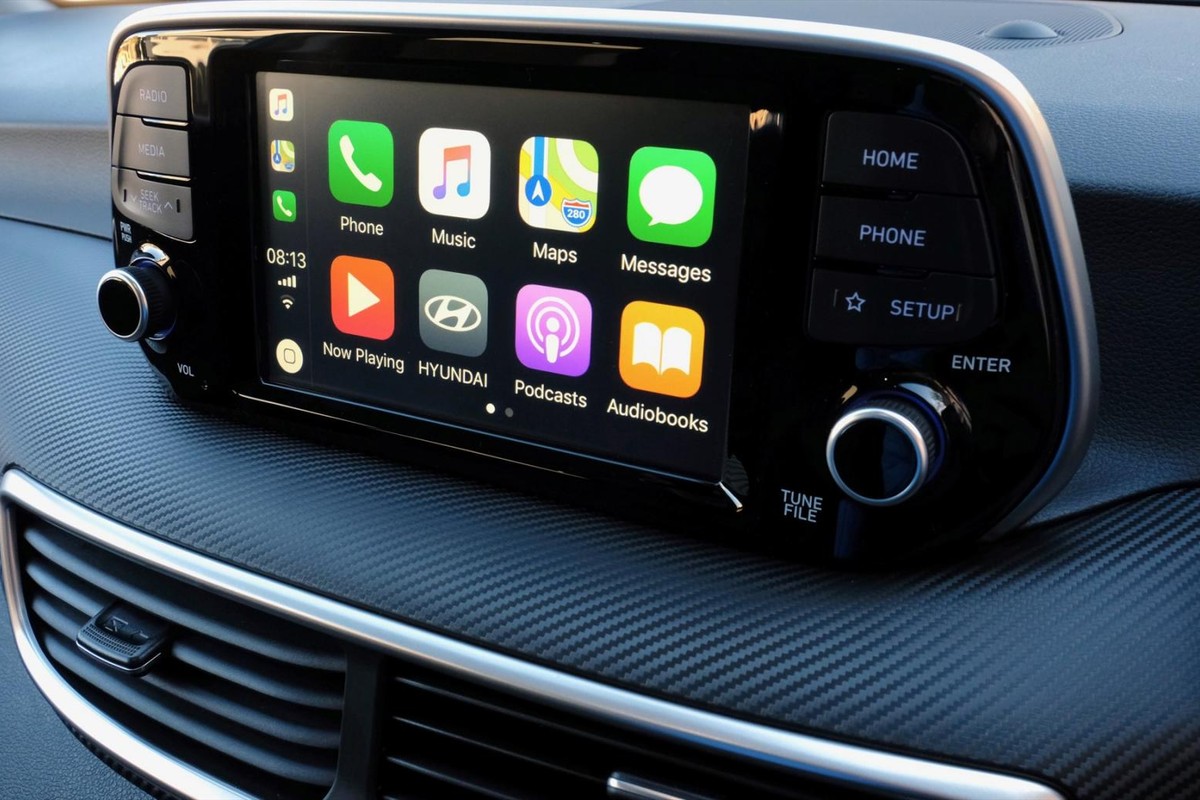
Being an Elite-spec derivative, the Tucson Sport is well equipped with a panoramic sunroof, leather seats, electric front-seat adjustment, plus a 7-inch touchscreen infotainment system that is both Apple Carplay and Android Auto compatible. The safety spec is good too, with cross-traffic alert, blind-spot assist, vehicle stability control and 6 airbags.

Seeing that it is a Sport version, the flagship Tucson would have benefitted from the addition of paddle shifters, which would have increased the level of driver engagement the newcomers offer. The only options are: dual-clutch transmission for the petrol and conventional auto for the diesel. Overall, the Hyundai’s interior cannot match its outlandish exterior.

Verdict


Now there is a turbodiesel option in the Tucson Sport range.

The Sport’s racy body kit, eye-catching wheels and quartet of exhaust tips certainly add visual clout to the updated Tucson, but its lack of subtlety may not appeal to more discerning (read: conservative) family-car buyers. Compared with its standard siblings, the newcomer does, however, remain as practical as Elite-spec derivatives, even if some steering-wheel-mounted paddle shifters and (maybe even) some special contrast stitching would have lifted the general ambience and demeanour of the car to a level more befitting its name. 

As for the power upgrades, they certainly have an effect, but probably more so than required. The Sport wheelspins at every opportunity by virtue of its over-sensitive throttle pedal. With more experience in the Tucson Sport, you may eventually learn to be very gentle with the throttle and save yourself from excessive tyre wear, not least amateurish pull aways. 

The R60k increase in price (compared with Elite-spec derivatives) seems reasonable considering the exterior bolt-ons and, in terms of monthly instalments, the premium will probably result in monthly instalments of a few hundred rands extra, at most. As a performance car, it’s a bit raw and unrefined, but as a family car with surfeit kerb appeal, it’s in the ballpark!

Pricing:

The Hyundai Tucson Sport comes with a 7-year/200 000 km warranty, 7-year/150 000 km roadside assistance and a 5-year/90 000 km service plan.

Hyundai Tucson 1.6 TGDI Sport 6-spd (DCT) automatic   R654 900

Hyundai Tucson R2.0 Sport 8-speed automatic                 R664 900

For a full list of specifications click here

Renault’s Sandero and Stepway upgraded


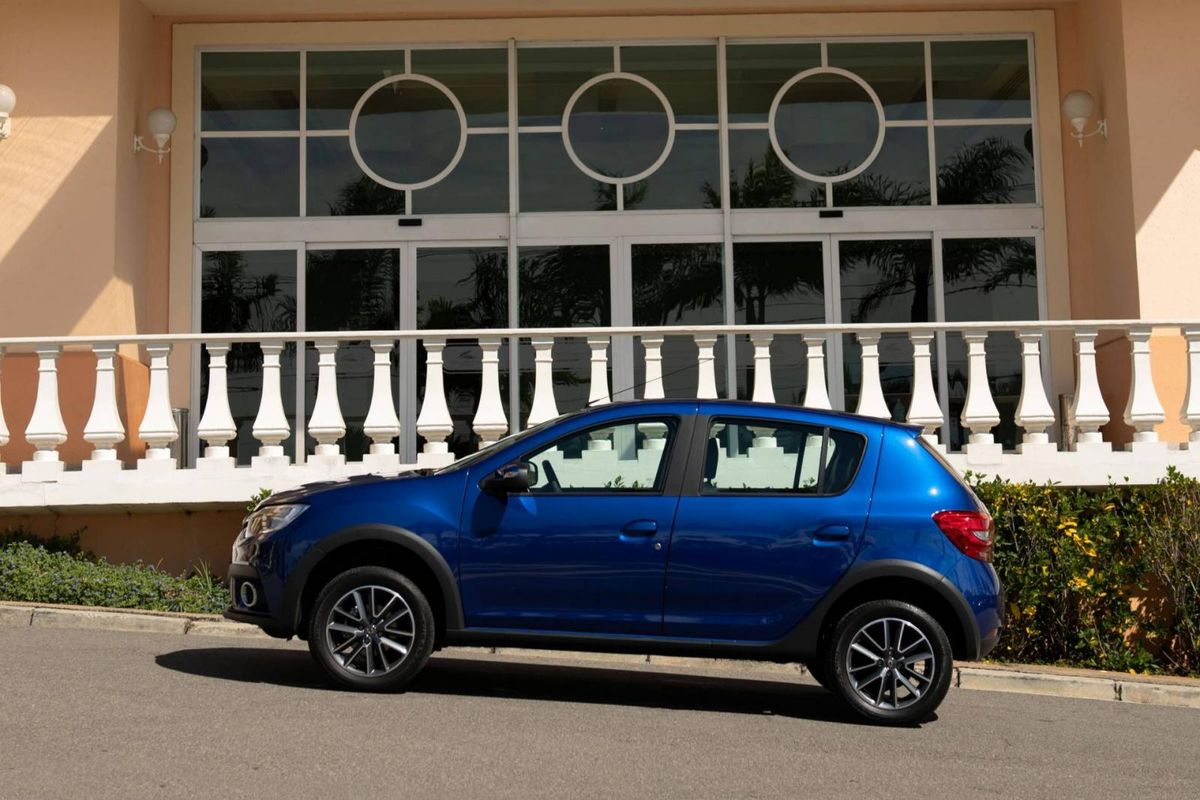
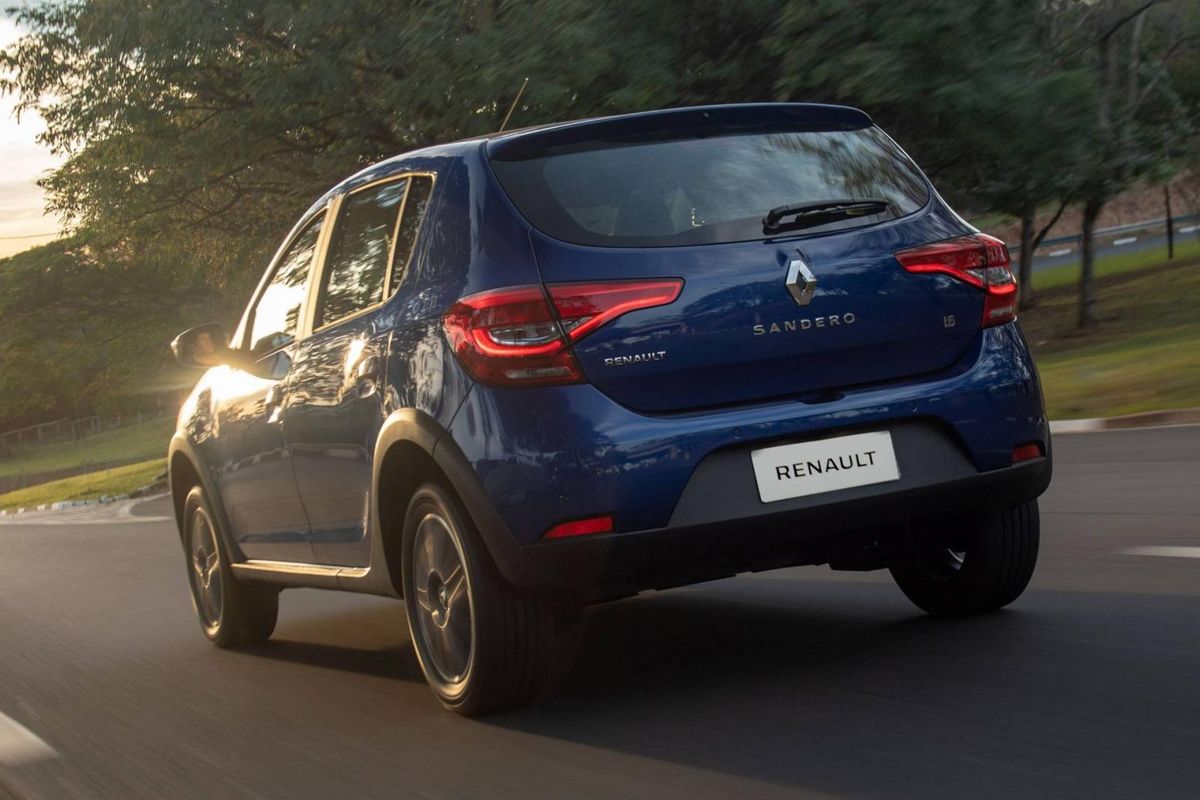
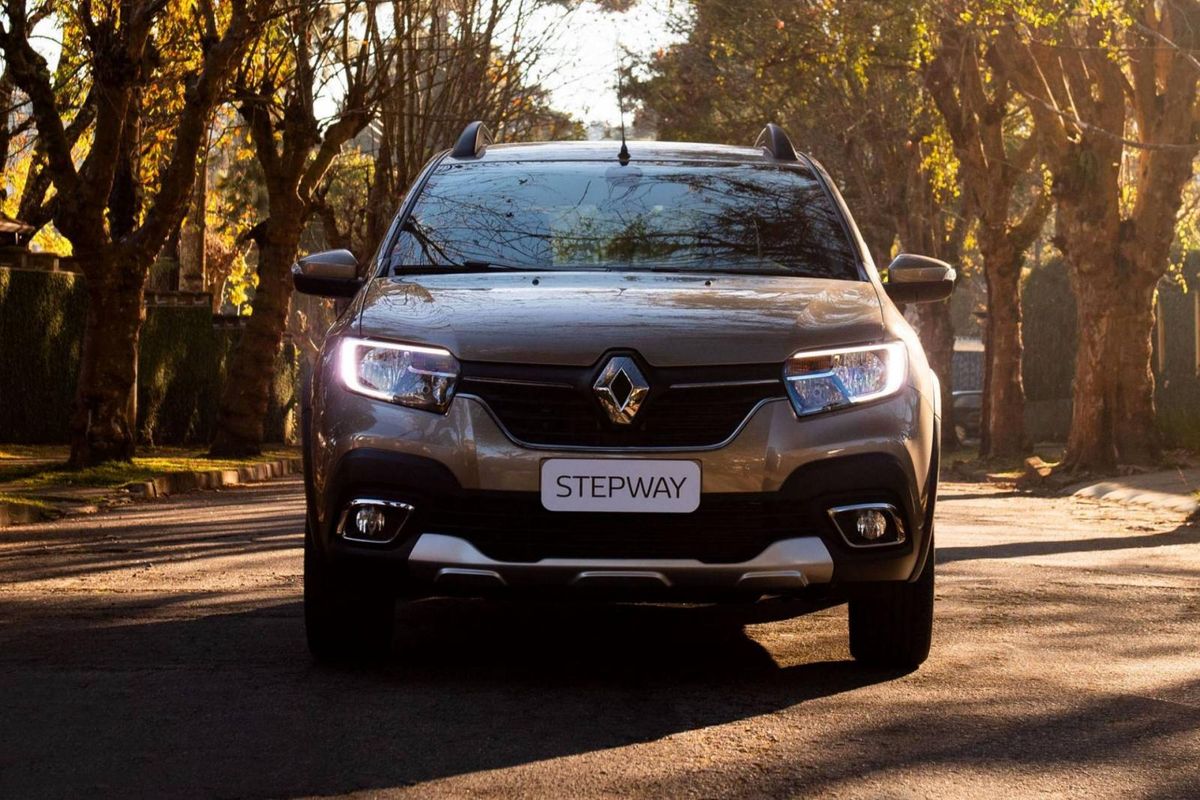
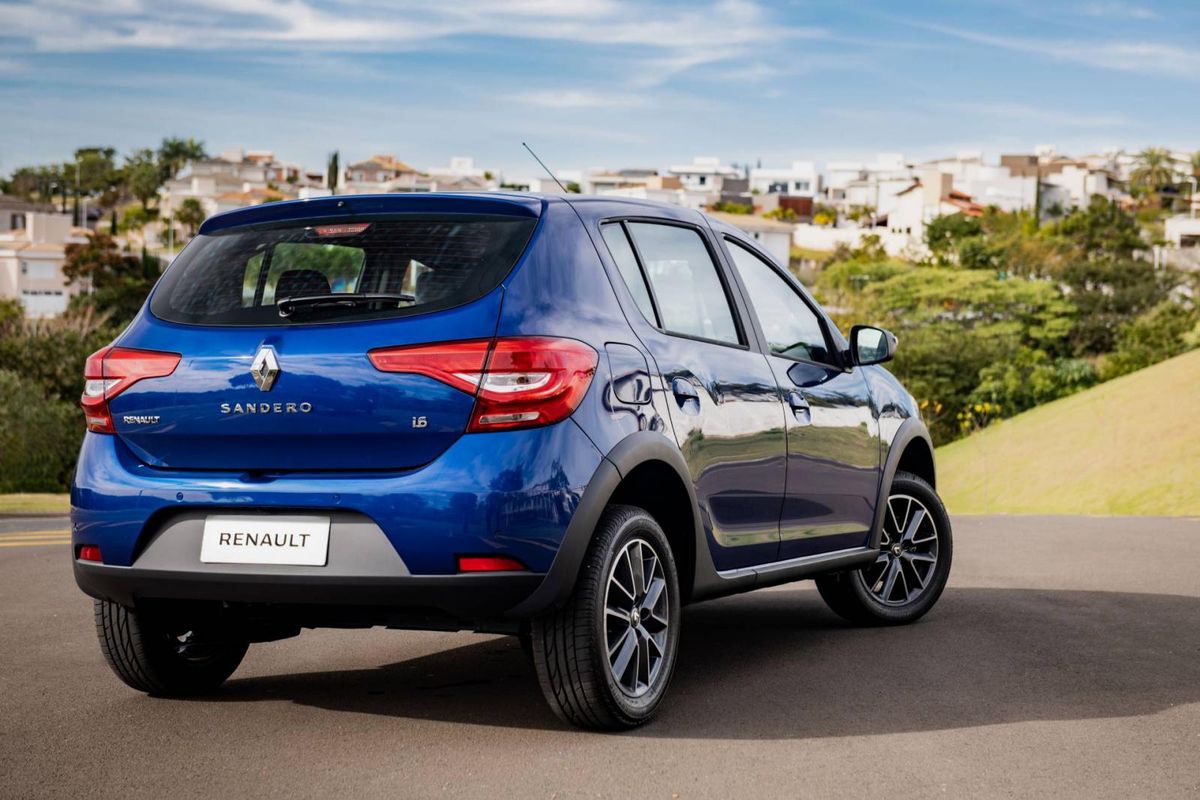
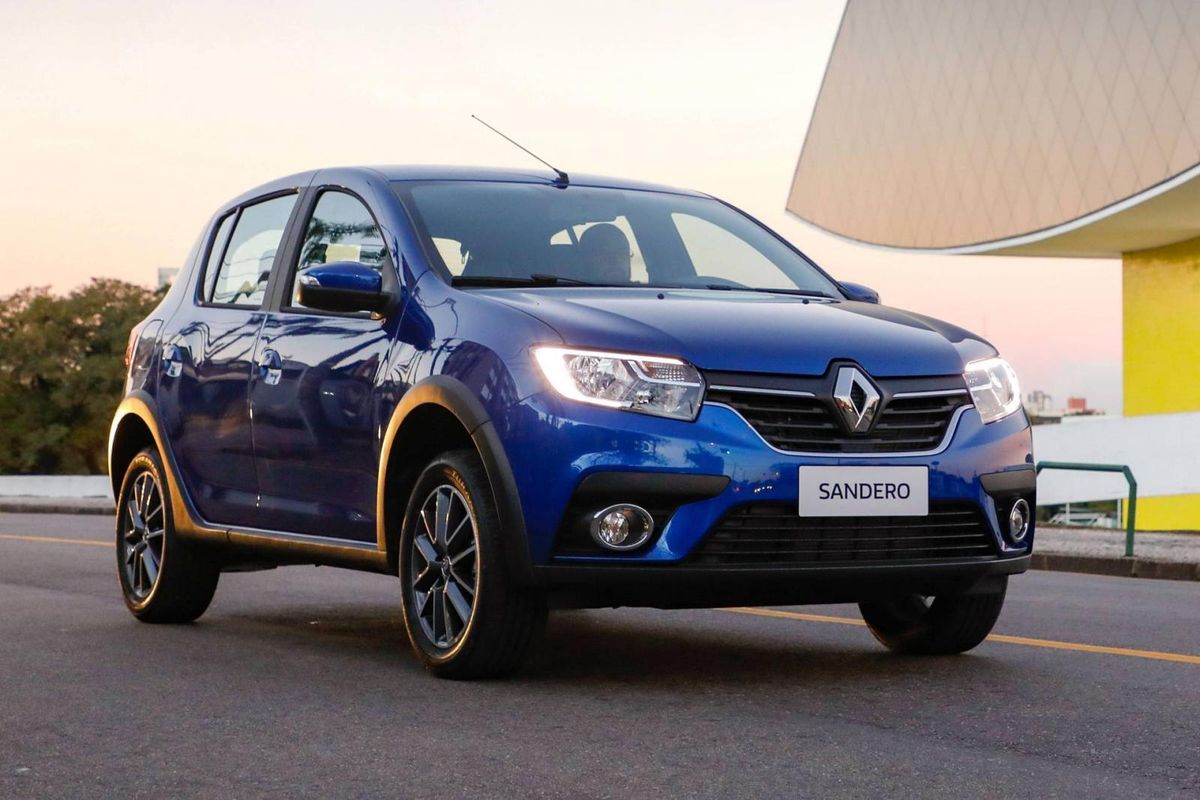
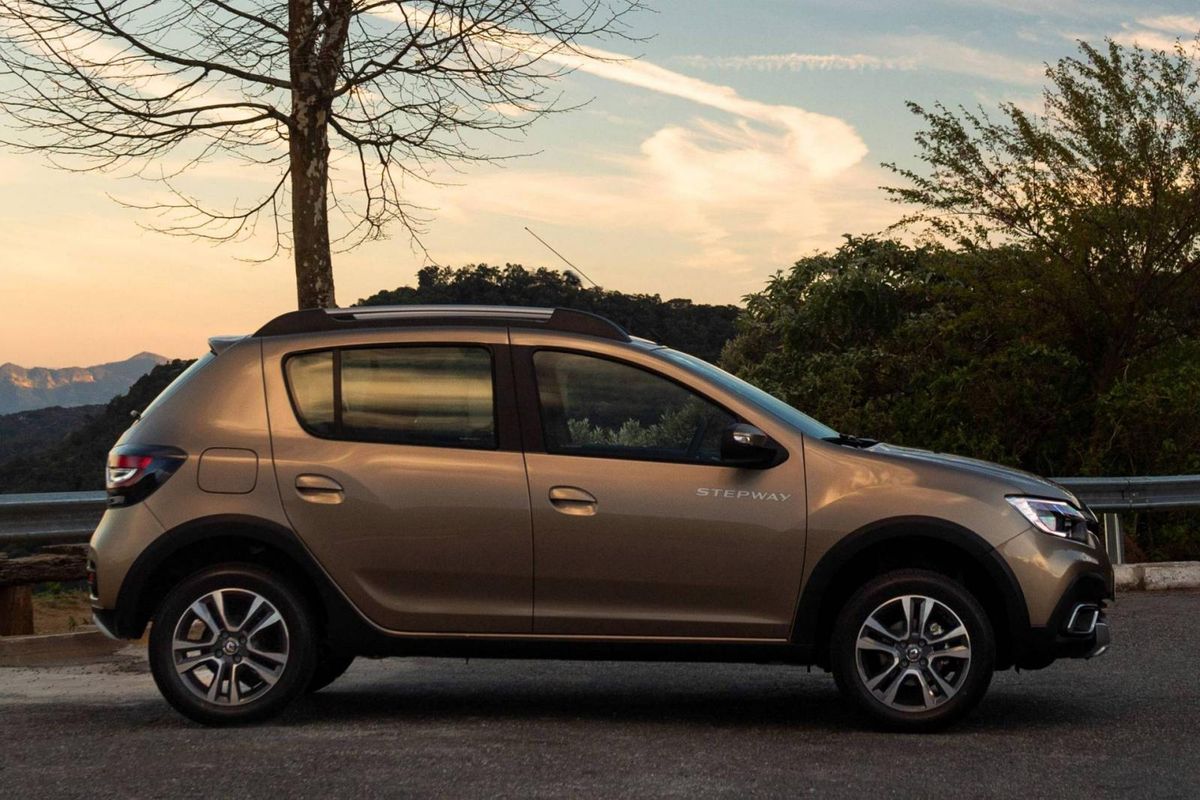
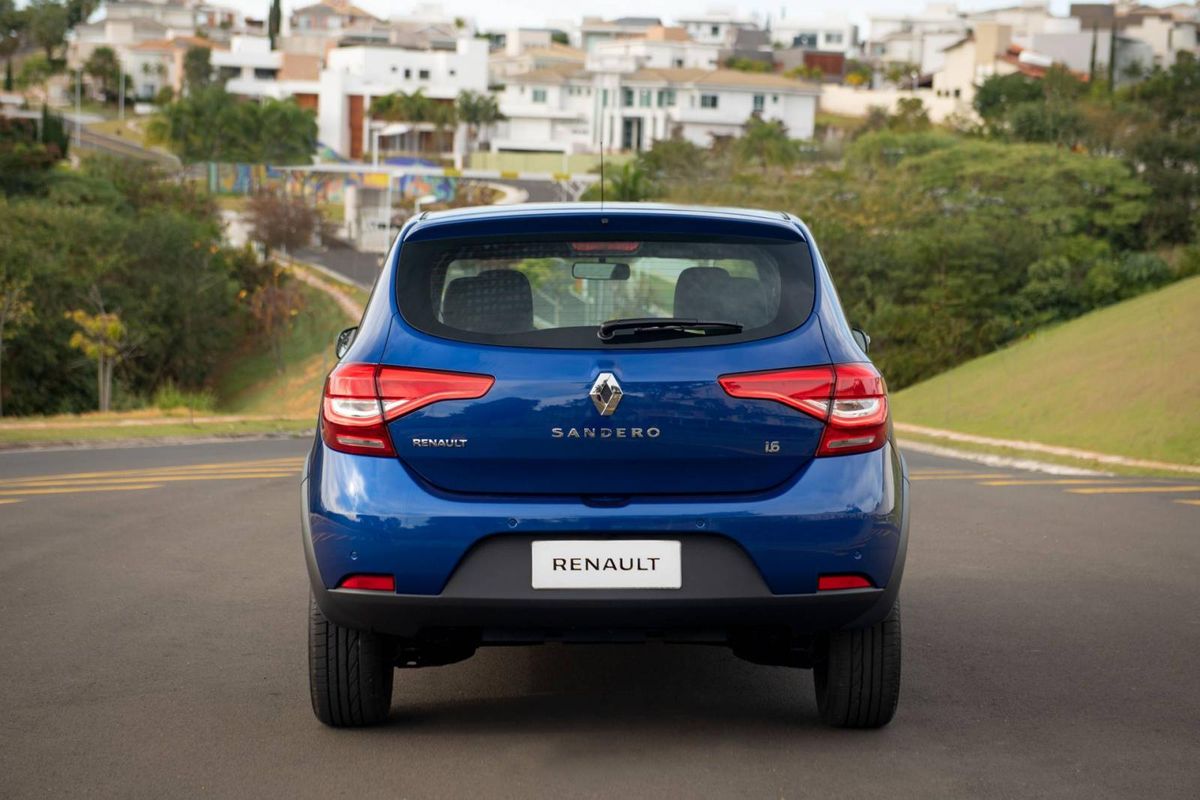
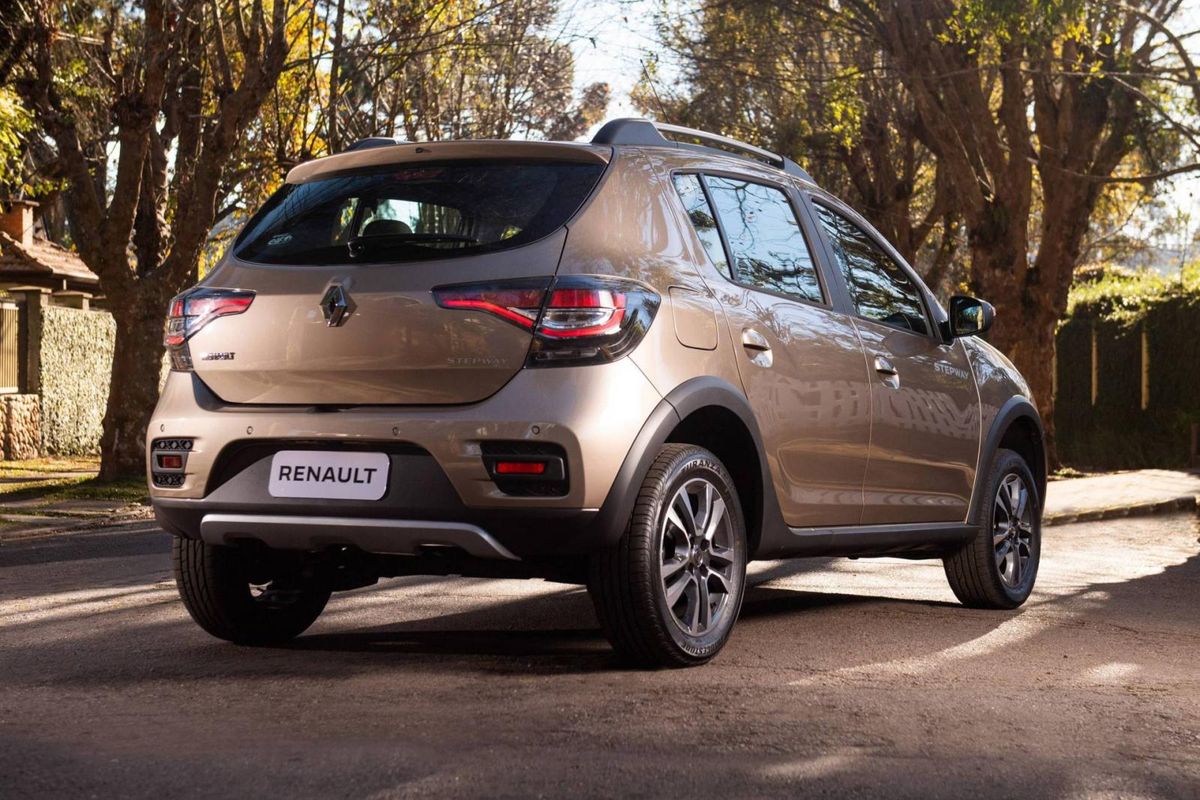
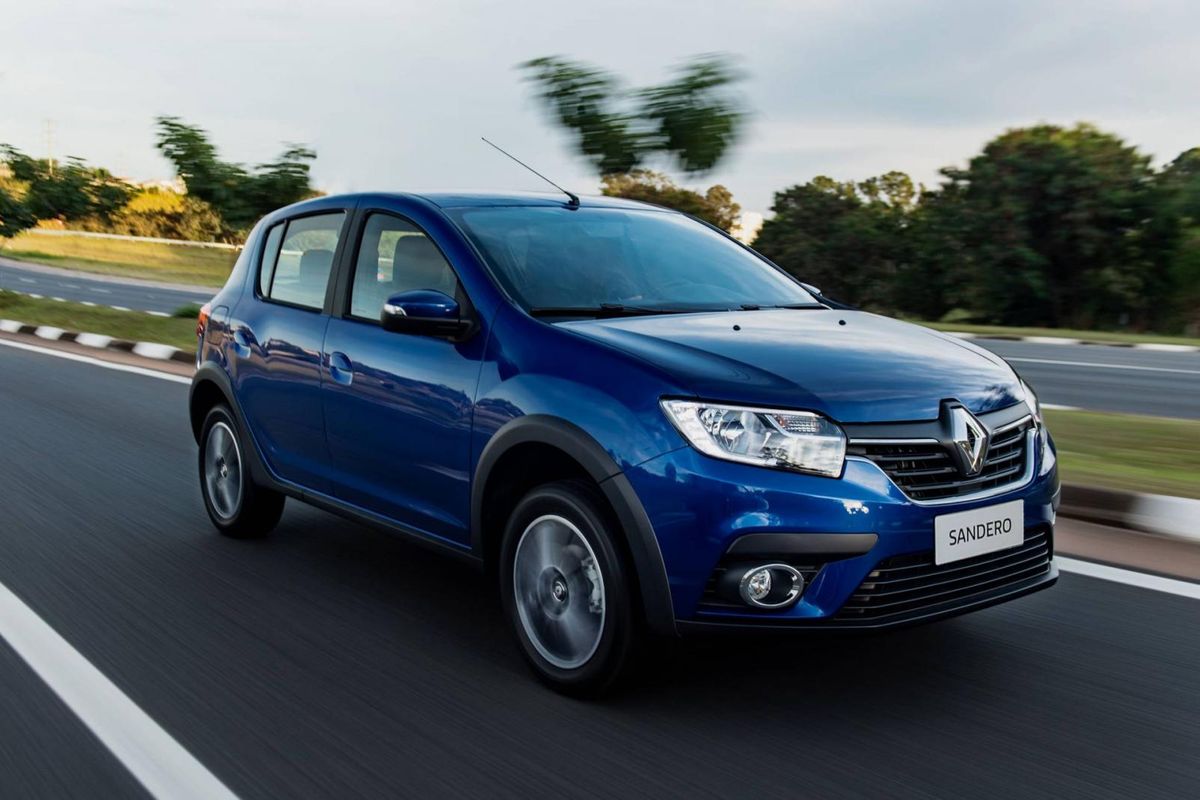
More plastic cladding and a new face for Sandero and Stepway. 

Renault has revealed a facelift of its Sandero range with improved drivetrain options, safety specification and infotainment.

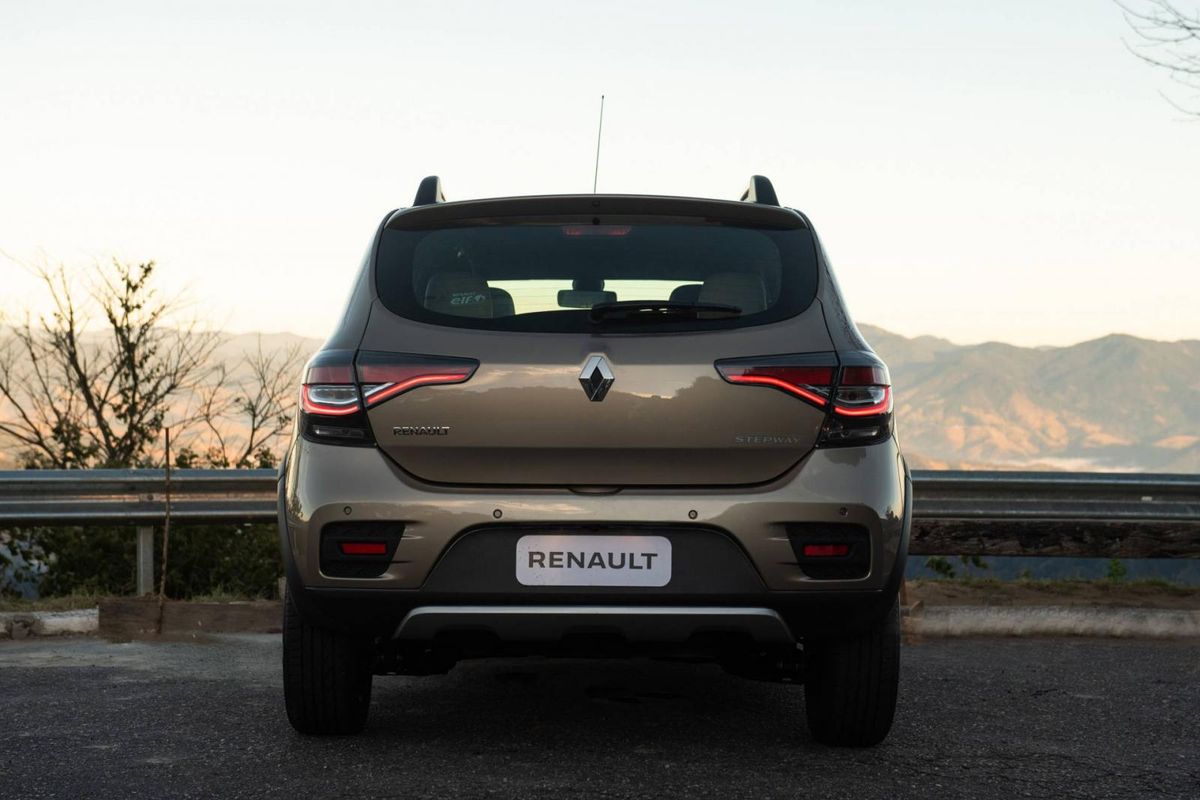
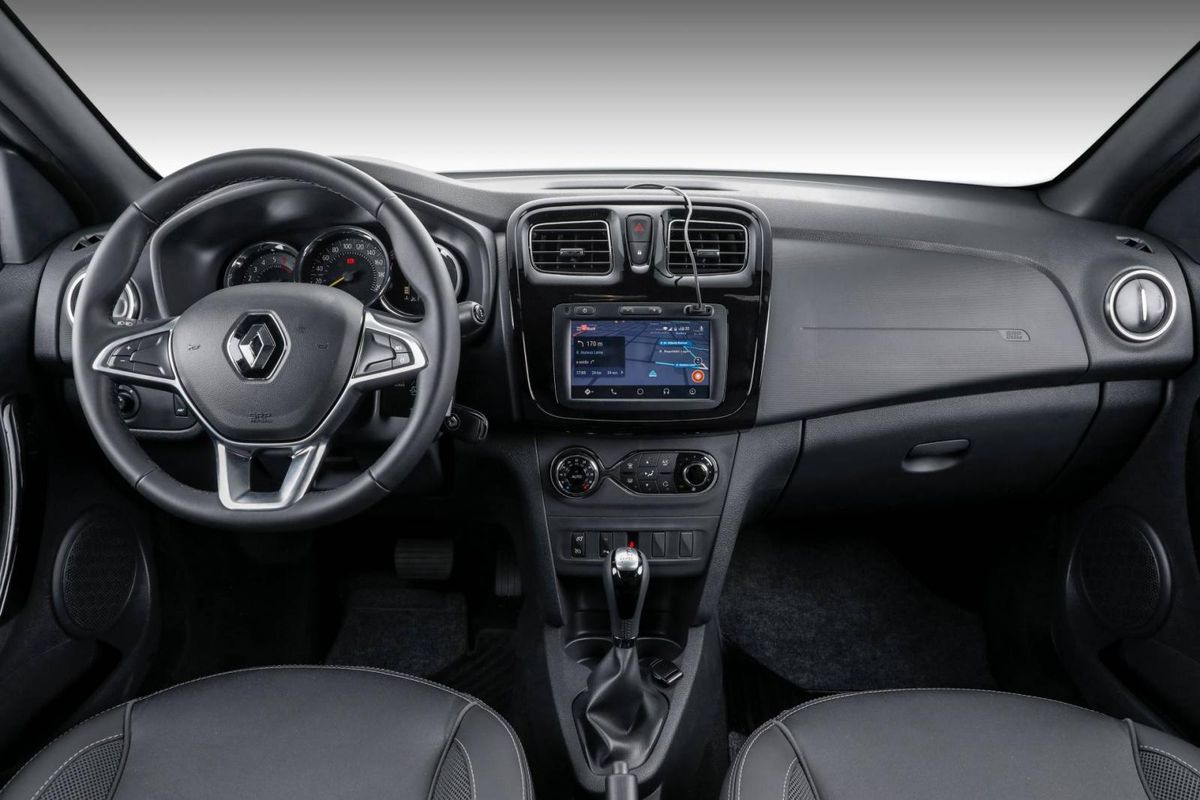
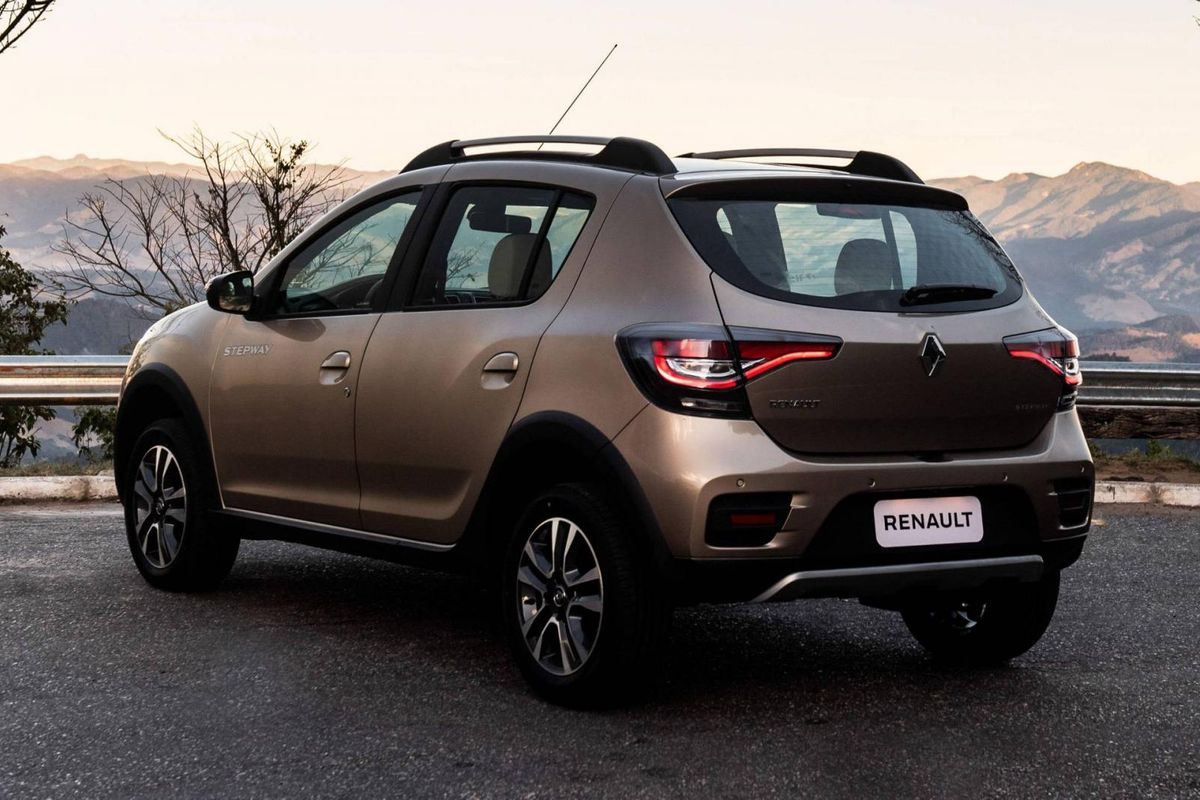
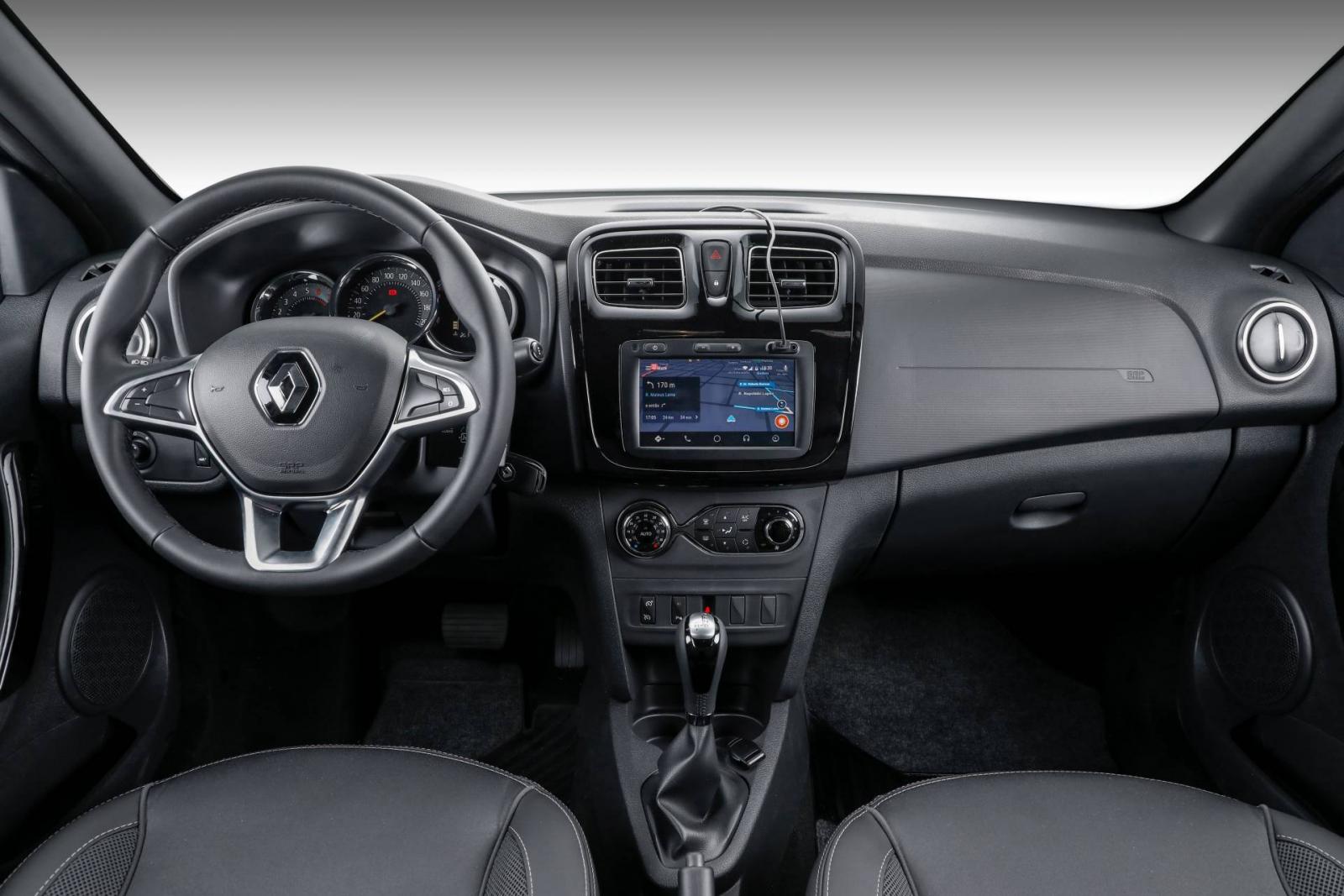
The company’s popular emerging market hatchback features subtle exterior styling upgrades. These include a new grille, bumpers and C-shaped LEDs, which all combine to give the Sandero a more contemporary and familiar Renault design identity front appearance. Around the rear there are reshaped taillights with a new LED illumination signature. Renault has also added the protective wheel arch and rocker panel cladding, which was an exclusive Stepway design detail, to its Sandero models as part of the 2020 facelift. Inside the new Sandero and Stepway models you’ll find a standard 7-inch touchscreen infotainment screen, which is pre-loaded with both Android Auto and Apple Carplay and better trim.

The steering wheel now features a leather covering, with improved fabrics used on the door inlays and roof lining. Renault has addressed the issue of occupant comfort too, with new Sandero and Stepway featuring ergonomically redesigned seats which are wider and padded with better memory foam. Powering the updated Sandero and Stepway is Renault’s 1.6-litre naturally aspirated petrol engine (85 kW), or the company’s turbocharged 1-litre triple (58 kW). Both engines drive a five-speed manual transmission as Renault’s default factory-built, although customers of the 1.6-litre can now option a CVT transmission if they wish – something which was previously unavailable.

Safety specification for the new Sandero Stepway tallies four airbags and electronic stability control, on those 1.6-litre models which are equipped with a CVT transmission.

The new Sandero and Stepway are currently confirmed for debut in the Brazilian market, with the global rollout and South African distribution still to be confirmed.


Further Reading

Renault Sandero Stepway Plus (2019) Review

New Renault Sandero Stepway Plus for SA

Renault Sandero Stepway (2014) Video

Audi A1 Citycarver Revealed


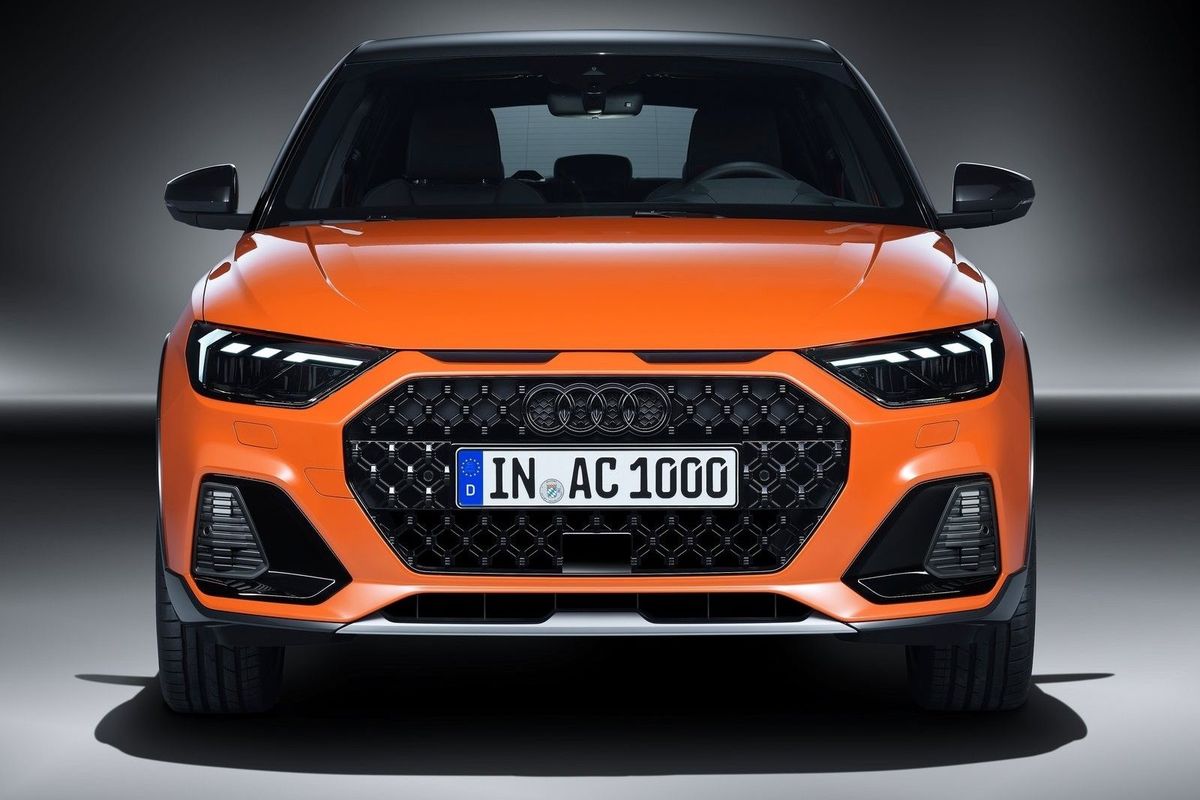
Audi has announced a new model in its A1 lineup. This is the A1 citycarver, a funky urban derivative with additional ground clearance.

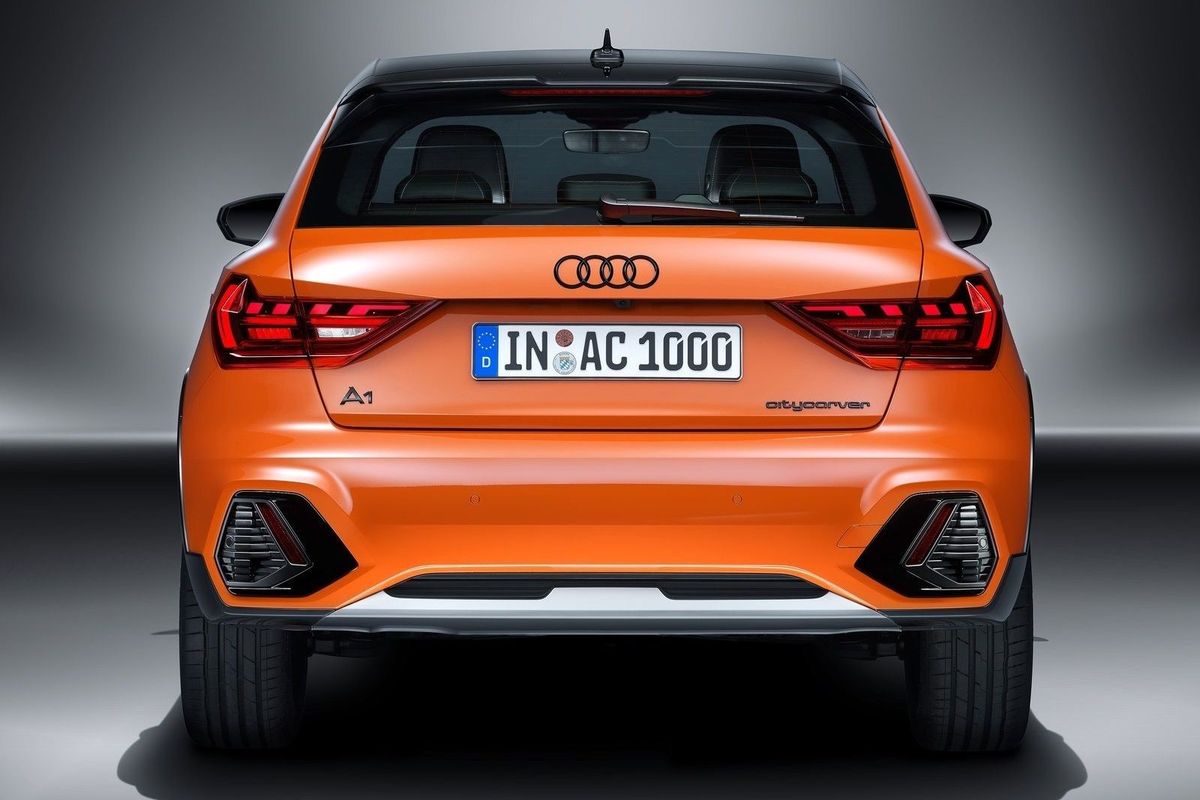
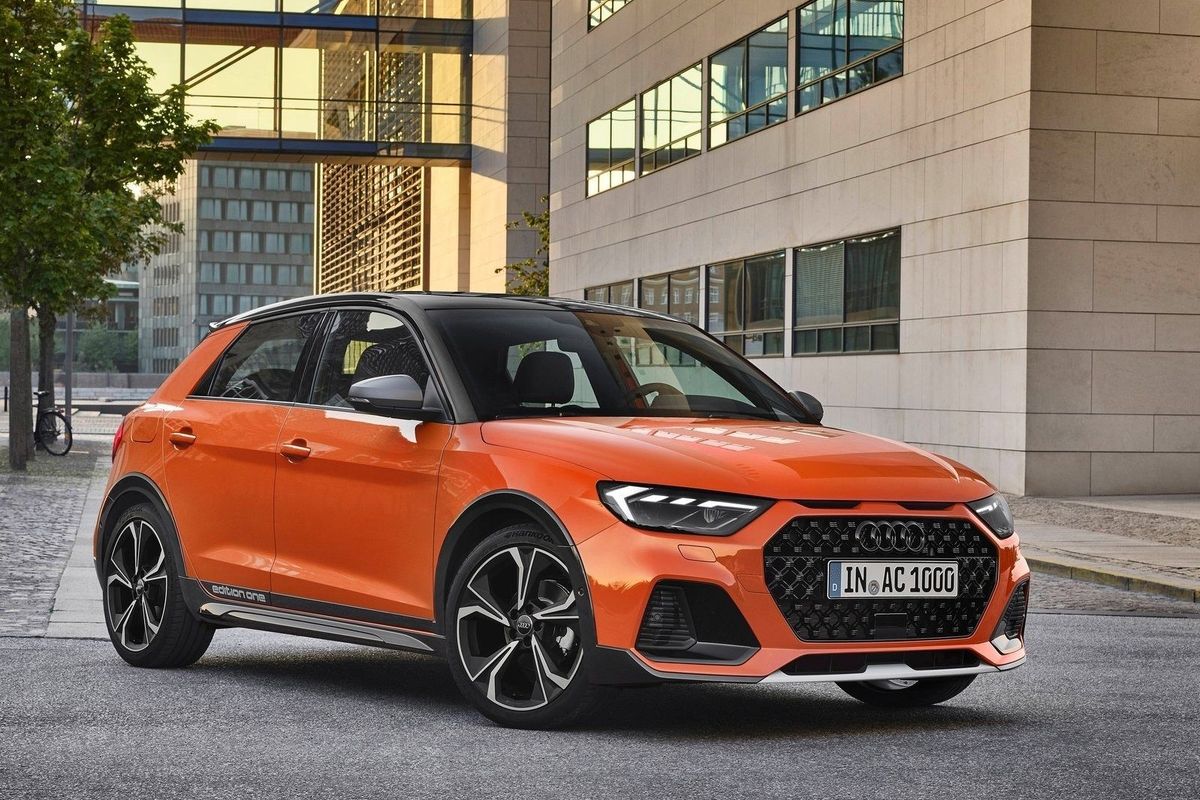
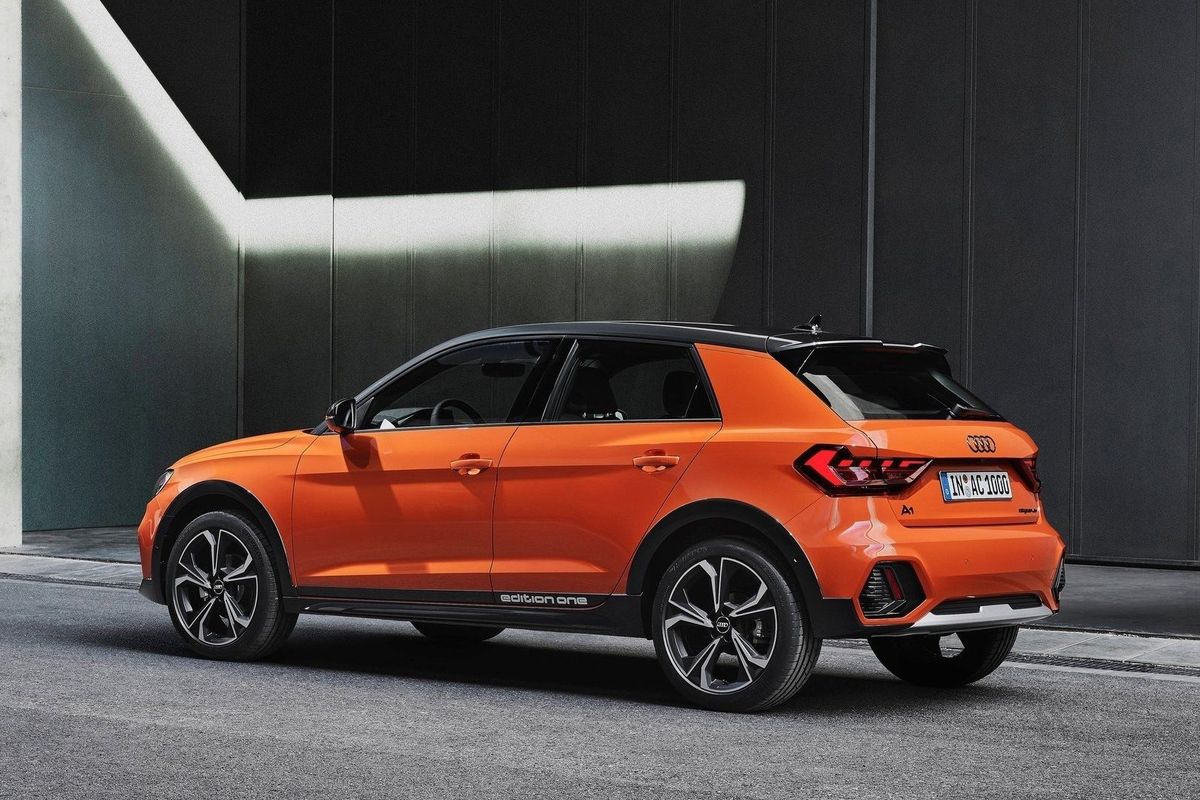
The Audi A1 citycarver is based on the A1 Sportback and boasts 4cm of ground clearance as well as some more rugged styling. Audi claims the additional ground clearance "provides for easier entry and better visibility." While it's not being marketed as an SUV or offroad vehicle, the citycarver has some styling cues that are reminiscent of the Audi Q SUV range. There's also underbody protection with a stainless steel finish. 

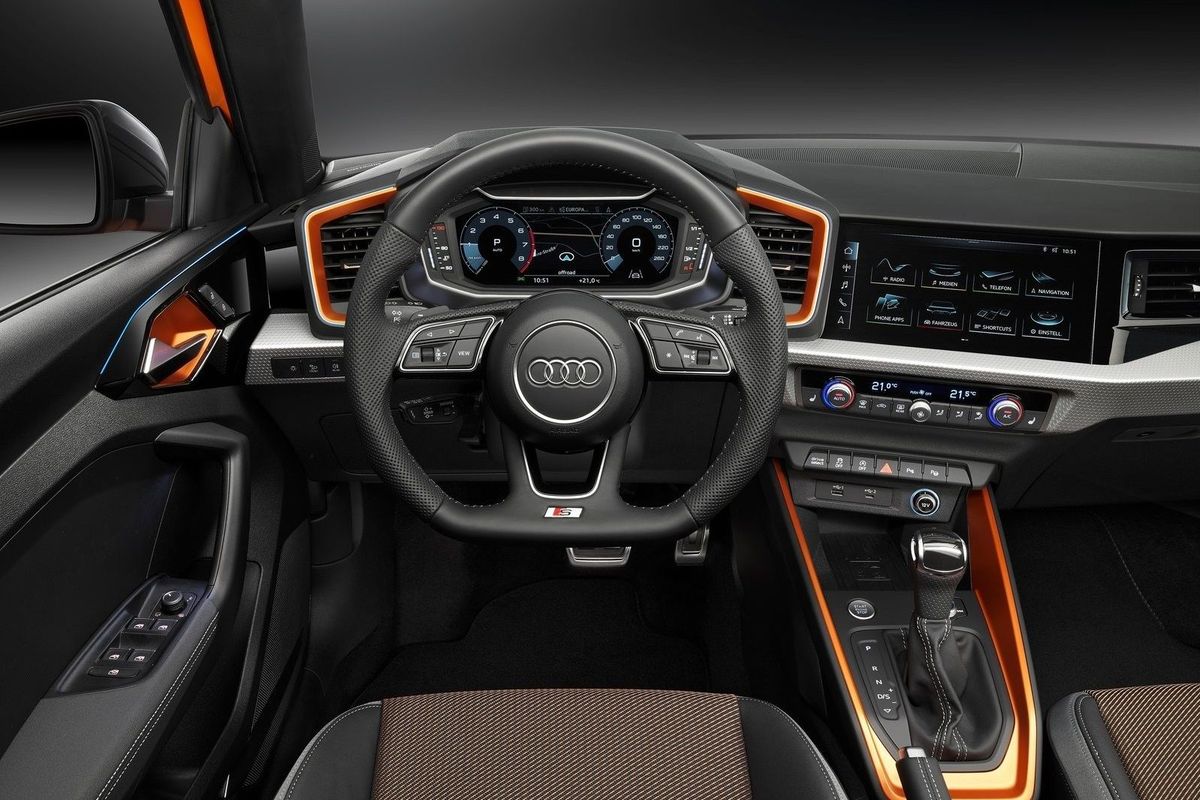
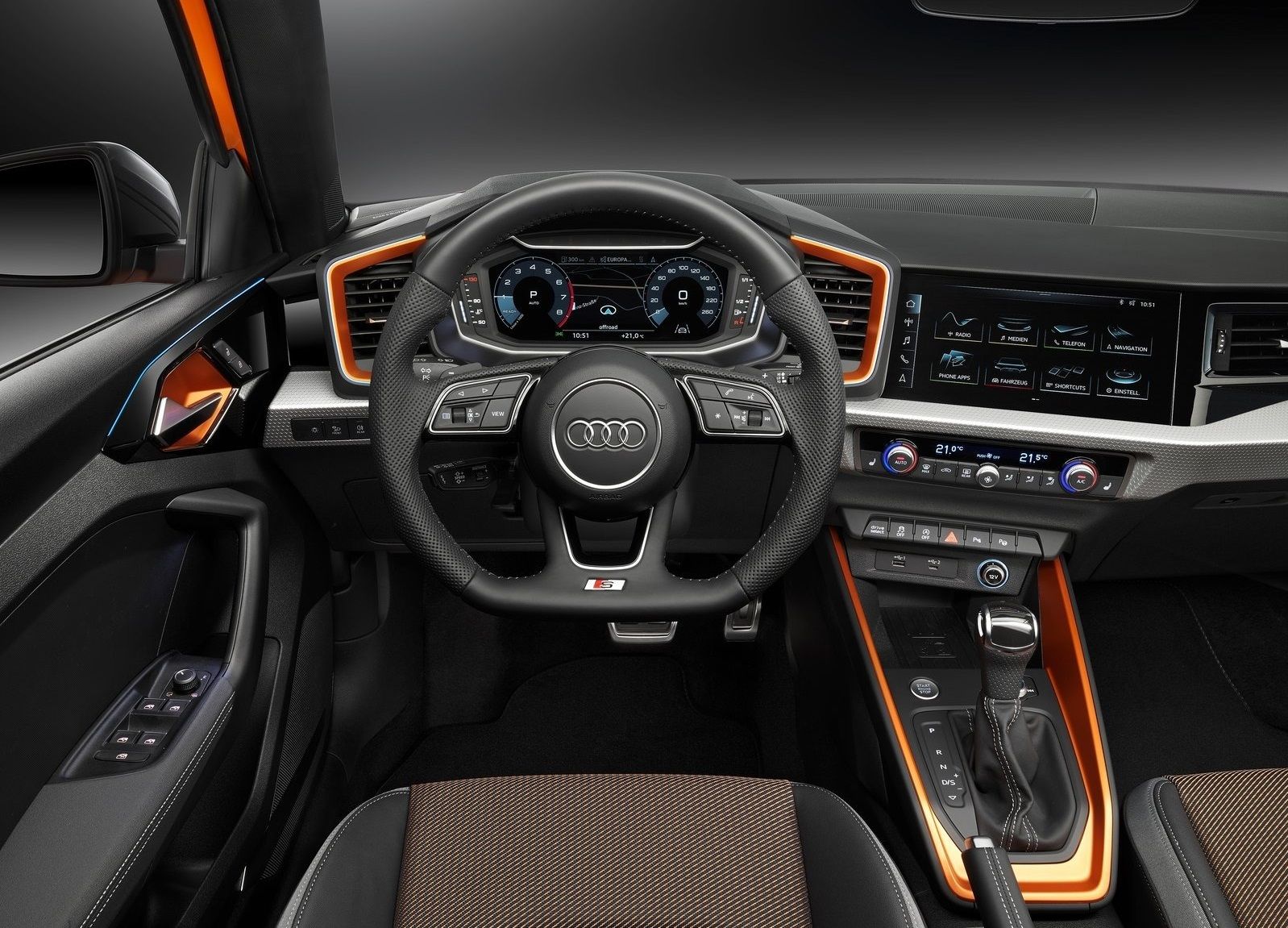
The cabin is typically Audi A1, which we experienced on its international launch. It's smart and modern, and well finished. In citycarver spec, there'll be 3 equipment lines for the European market: advanced, design selection and S line. The citycarver boasts the same boot capacity of 335 litres and similar levels of trim. For the European market, the Audi A1 citycarver can be ordered from dealerships from August 2019 and customers will start receiving their cars before the end of the year. Naturally, there will also be an edition one, complete with special paint finish as well as the biggest wheels. 

The new Audi A1 is due for a South African reveal in the next few months. We reached out to Audi SA for confirmation on citycarver and are awaiting a response. We have been informed that Audi South Africa is considering the citycarver.


The Audi A1 citycarver interior

Further Reading

Audi A1: Old vs New

Audi A1 (2019) International Launch Review
Audi A1 (2015) First Drive