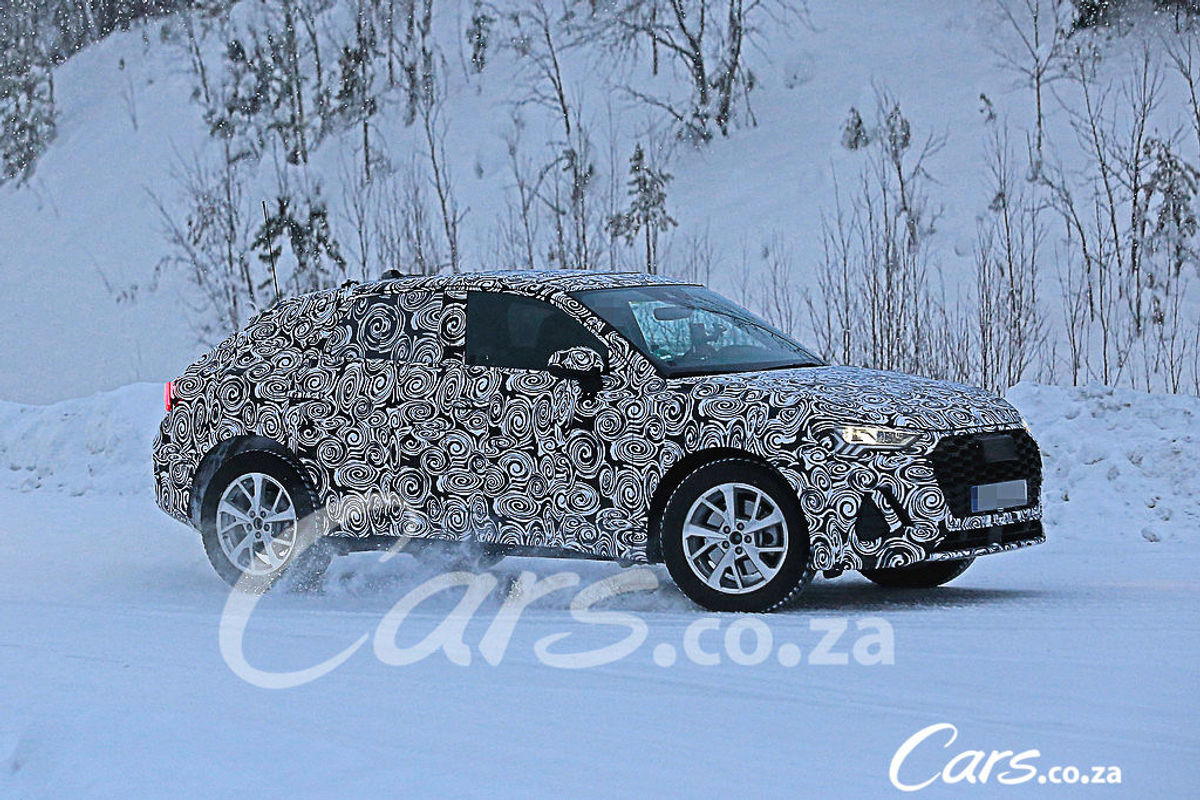
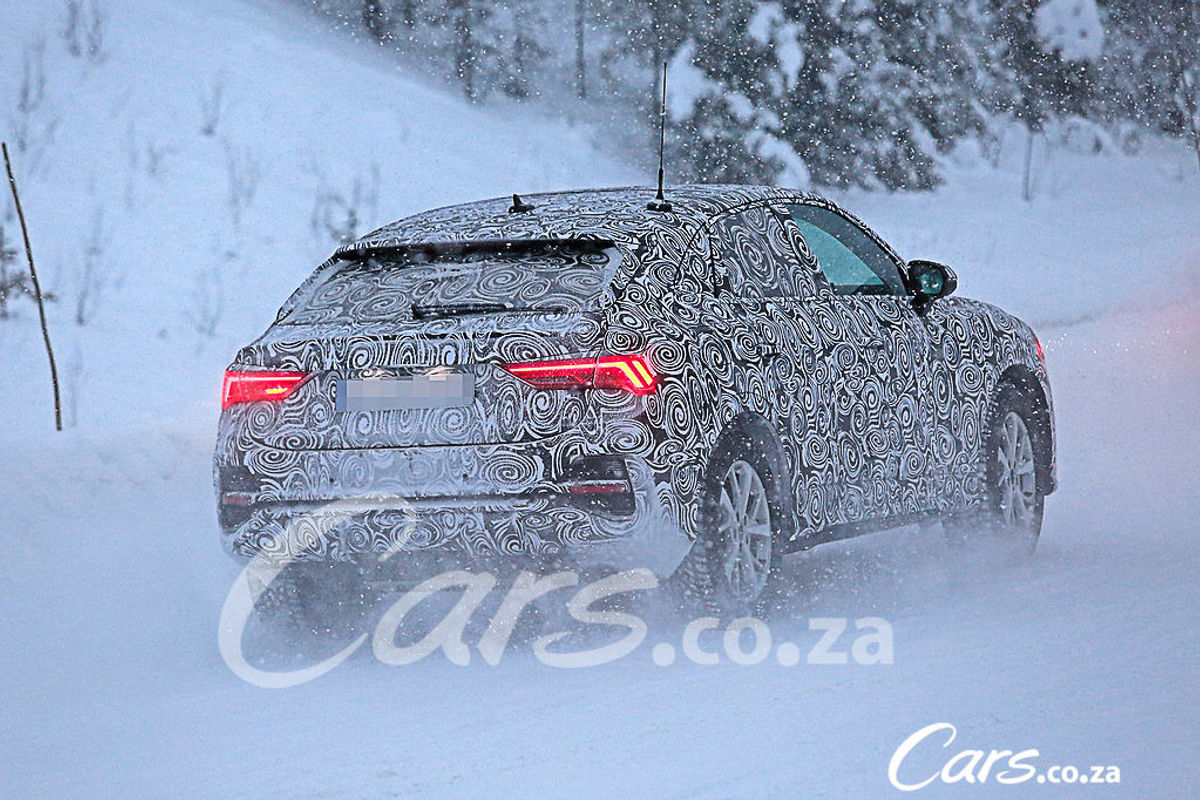
The spy photographers are at it again and have spotted an interesting-looking Audi SUV undergoing testing. It's rumoured to be the SUV/Coupe Q4 and should be revealed at some point in 2019.
Picture credit: S. Baldauf/SB-Medien
The attention and appeal of the big Q8 has clearly had an impact at Audi and the Ingolstadt-based manufacturer is keen to go down the road of SUV coupes. This is not a new segment at all as BMW and Mercedes-Benz already have a few models occupying similar space.
Think of the BMW X4 and X6, and the Mercedes-Benz GLC coupe and GLE coupe and you get an idea of where Audi will be playing. Early speculation presumed this model may even be called an Audi Q3 Sportback, but we don't think this is right and given how the Q8 is a natural evolution of Q7, we think this is the Audi Q4.
Like the Audi Q3, the Q4 will ride on the MQB platform and share the same engines. These powerplants range from petrol to diesel, and we wouldn't rule out electric e-tron derivatives coming along later. Let's not forget the eventual S performance versions either. At the current rate, we think the Audi Q4 will be revealed before the end of 2019, with an expected market introduction in SA in 2020.
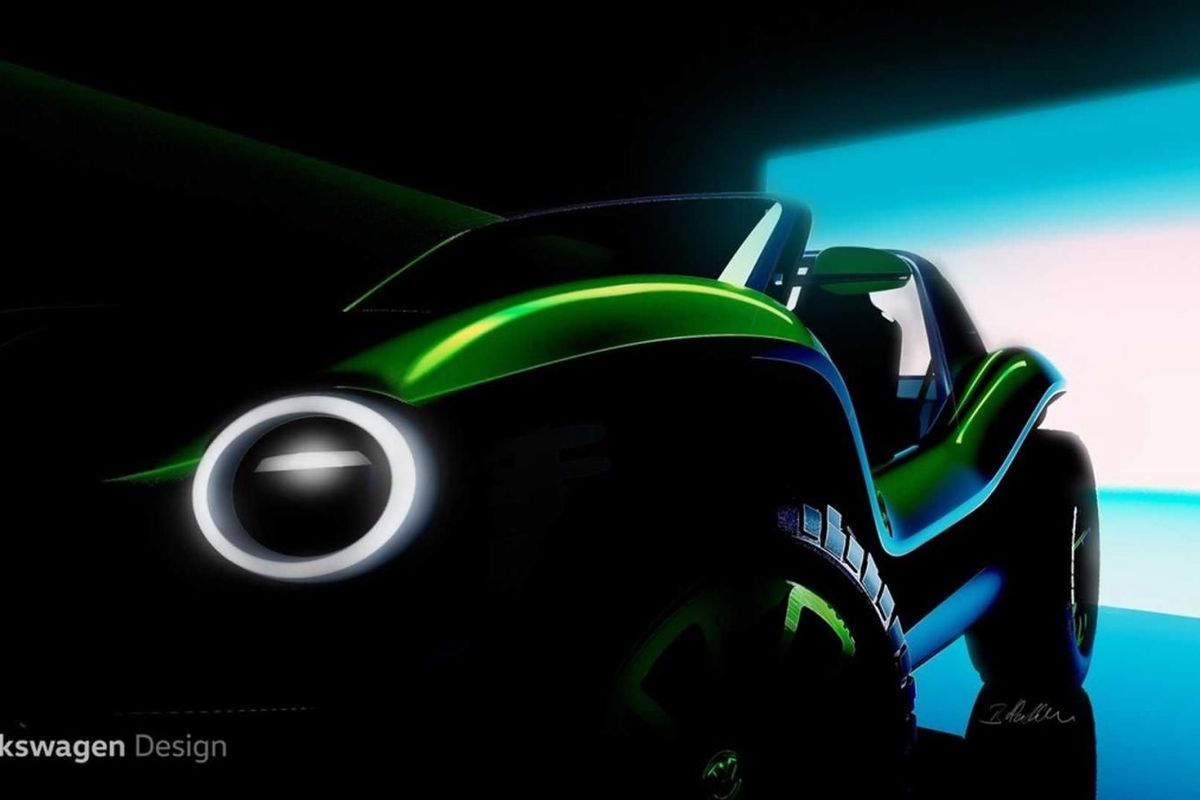
Volkswagen will be bringing the unforgettable dune buggy back in electric form as a concept to be shown at the Geneva Motor Show from 7-17 March 2019.
Volkswagen has dropped teaser images of its latest concept car. What you see here is a modern take on the legendary dune buggy that rose to popularity in America in the ‘60s and ‘70s. This electric concept aims to demonstrate just how flexible and multifaceted Volkswagen’s modular electric drive matrix (MEB) platform is, proving that the platform is not only suitable for large-scale series production models.
Klaus Bischoff, Head Designer at Volkswagen stated, “A buggy is more than a car. It is vibrancy and energy on four wheels. These attributes are embodied by the new e-buggy, which demonstrates how a modern, non-retro interpretation of a classic can look and, more than anything else, the emotional bond that electric mobility can create.”
Like the Beetle-based Buggies of a bygone era, the electric Buggy concept has no fixed roof or doors and is fitted with large wheels shod with offroad tyres.
Further details regarding powertrain and specification will be revealed at the upcoming Geneva Motor Show from 7-17 March 2019.
4 things that are sucking the soul out of driving pleasure
If you were left with just 90 seconds' worth of cellular data (or internet bandwidth) to show a YouTube video to an extraterrestrial to demonstrate humankind's obsession with the thrill of driving, which one would you choose?
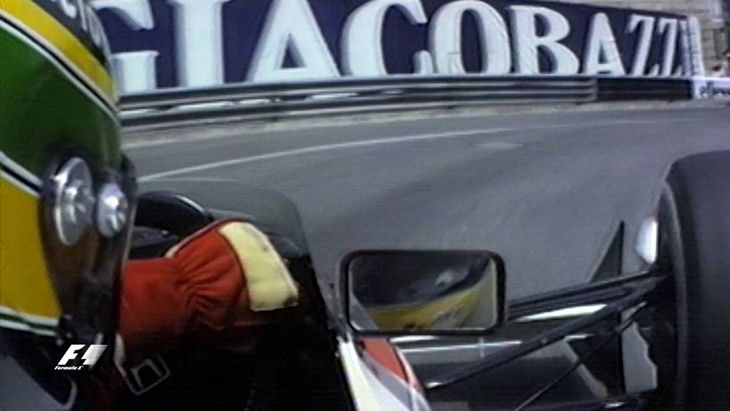
Well, it's more than likely that you'd cue up the onboard footage of Ayrton Senna's hell run in his McLaren-Honda around the claustrophobic streets of Monaco in 1990. If you haven't seen it before, go and view it now: the late great Brazilian unleashes such ferocity upon the famous MP4/5B's wailing 3.5-litre V10 that a prayer for the latter's survival becomes instinctive and, that's only if you can find time to draw breath amid your gobstruck awe at Senna's superhuman ability to thread his barely bridled chariot through the metal-lined Monegasque labyrinth. His right hand barely leaves the gear lever and his subsequent brief one-handed countersteering jink through the hairpin has to rate as the epitome of driving divinity.
The qualifying lap at Monaco that Senna did in another realm.
That the nostalgia evoked by the stirring acoustics of a naturally aspirated engine and the sight of a gear knob being so masterfully manipulated can have the ability to trigger goosebumps and stimulate spontaneous adrenal flow several decades after the video was recorded, demonstrates how modern automobiles have, sadly, strayed from the path of pleasure. They've degenerated into generic, mediocre, passionless equivalents of passenger-ferrying Tupperware that place the needs of occupants above those of the driver. It's the era of the Uber car; the iPhone on wheels.
On the other hand, the multitude of technological improvements introduced to production automobiles throughout the previous decade cannot – and should not – be ignored. And yet, in most cases, those very advancements contain the seeds of the sterility that we have to endure today.
Undoubtedly, the 2 biggest culprits that have contributed to the modern-day tragedy have been a socio-political insistence on the reduction of emissions, as well as another factor that has nothing to do with social responsibility – and everything to do with greed.
1. Blown it
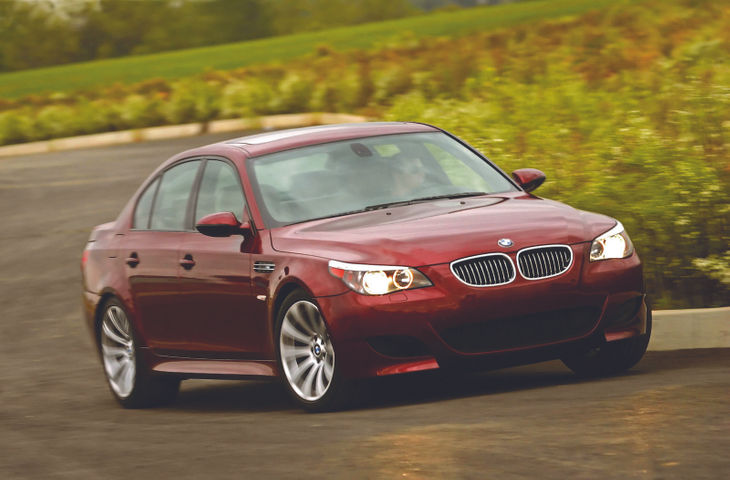
Between roughly the 1980s and early 2000s, an identity-defining arms race was fought among the makers of performance cars to see which manufacturer could milk the most kilowatts out of their production engines. Germany, in particular, saw an inter-state battle rage between automakers in Baden-Württemberg and Bavaria, egged on by an all-too-willing motoring press and the adoring (and autobahn-loving) citizenry as acolytes of speed. The main protagonists comprised the houses of the blue-and-white propeller, duelling against the Three-pointed Star and the Four Rings – and the autobahn was the killing field. The climax? By the mid-2000s the naturally aspirated 5.0-litre V10 in the E60 BMW M5 delivered 373 kW at 7 750 rpm; while Japan staked its claim to greatness with a formidable 184 kW produced from a 2.0-litre unit in the immortal S2000. The motor redlined at a stratospheric 9 000 rpm (with a matching soundtrack, natch) that made driver and passenger alike go cross-eyed.
The BMW M5 with its stratospheric V10 is still the last real M5 to many Bimmer fans.
However, it wasn't long before the noose of mandatory emissions targets started tightening around European manufacturers' necks. It had become inarguable that for every spine-tingling soprano voice in the choir of a naturally-aspirated mechanical banshee, the resulting inefficiency and carbon emissions could no longer be defended: the CO2-spewing Tyrannosaurus Rex was doomed to extinction.
Turbocharging was the new green Messiah, and it was impossible to argue against its merits. The same dirty exhaust gases that blessed a turbo-less engine with a scintillating soundtrack, are re-used by the turbocharger to produce more power – and at lower, more usable engine speeds, with the added benefit of doing so with a smaller swept capacity, which, in turn, means lower fuel consumption and corresponding emissions.
Urban runarounds therefore nowadays are easily able to make do with sub-1.0-litre 3-cylinder power units that offer more driveability than ever before. On the other hand of the performance scale, power outputs are steadily rising while consumption keeps dropping, but as a Faustian trade-off the proverbial gag ball can never be unbridled: think of the gutless thrum of a Volkswagen Golf GTI, or that the once-mighty BMW M5 and current Nissan GT-R have to rely on synthetic acoustics through their radios in support of their muted powerplants. Sacrilege!
2. Platform of pain
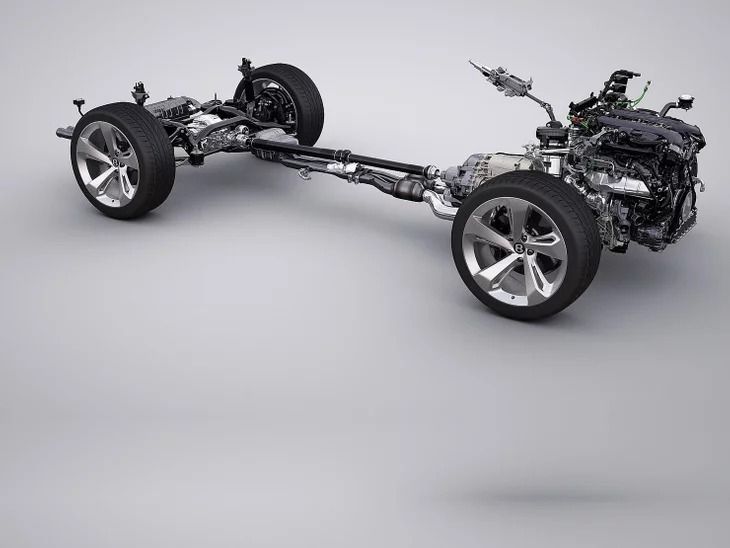
Platform sharing is another passion killer. Development cost savings aside, there are several other benefits of a modularly designed construction framework, not least that of multiple bodywork applications. In marketing terms, it makes absolute sense to sell a VW Polo as a Seat Ibiza or an Audi A1 at different price points, but this type of genetic diversification is the death knell of passionate motoring.
The VW group's MLB platform houses Urus, Bentayga, Touareg, Cayenne and Q7.
Got a Porsche Cayenne? Then you'll dread the 19th hole's hourly chit-chat around the urinal with Audi Q7 or Volkswagen Touareg owners. The thought of shared engines rinses away that sense of "bespokeness" you paid so much for (faster than one could utter “same part number”).
3. Towering stupidity
It gets worse. Platform sharing's worst form of cancer is the SUV-fication of every single model produced, with the absurdity flourishing equally on either side of the affordability scale. On the one side, entry-level buyers are sold the illusion of their ordinary hatchbacks dressed in bushveld chic being able to tame Grade 5 offroad trails. On the other side, it's the insanity of hyper-powerful lounge sets designed to chase low-7-minute lap times around the Nürburgring.
What exactly is the rationale behind the promise of a 3-tonne SUV with the centre of gravity of a skyscraper and riding on 22-inch low profile tyres to either excel as an off-road vehicle or a track car, when it is fundamentally flawed as both?
4. The fast and the spiritless
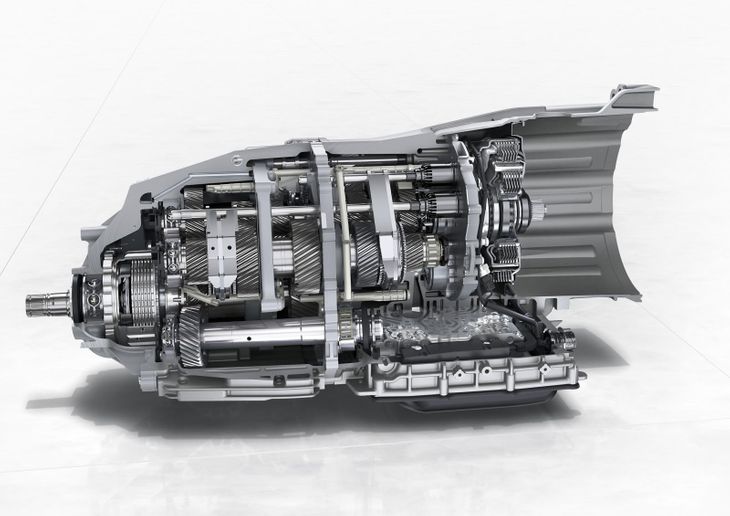
Porsche's PDK is the standard for dual-clutch gearboxes, but ultimately still removes real driver input.
Then there's the dual-clutch (automatic) transmission. Devastatingly rapid (Porsche's PDK unit swops cogs faster than the blink of an eye) and essential in the bumper-to-bumper grind, but how many cars that you have driven fitted with paddle shifters would not have delivered an even more heightened sense of intimacy had you been using your entire left-hand palm instead of just your right middle finger?
Rise of the machines
Apocalyptic? Absolutely, but who is really responsible for this sad state of affairs? The temptation exists to point the finger at greedy manufacturers, but in truth, it's you and me. Car companies build cars that the public demands (then multiplies the pain by copying each other). And clearly, the current trend is that of versatile, characterless, techno-laden pseudo-hiking boots aimed at saving the world at all costs, instead of saving the driver from the world. A soulless transport module for Everyman, or Walter Mitty, straight out of a George Orwell novel, with a foreword by Steve Jobs.
And yet, performance levels have never been so high, as opposed to an ironically engaged driving experience never being so absent. And that's the crux of the matter – because man only respects what he fears.
But what do we respect in our cars today? What are the Instagrammable parts left to shout about? The low CO2 figure? How many devices can connect to the onboard wifi? The mutation towards mediocrity as a halfway stop en route to the endgame of fully automated cars has commenced, and humans are powerless to stop it.
Renowned motormouth Jeremy Clarkson once noted – clearly in an era when the zeitgeist of the motoring industry was infinitely more admirable – that the car is final garment we put on when leaving the house. How sad, then, that today that jacket belongs in a museum. And that soon the best way of explaining the joy of bare-handed "helmsmanship" to your children will be through viewing a grainy clip (with tinny sound) on a video app.
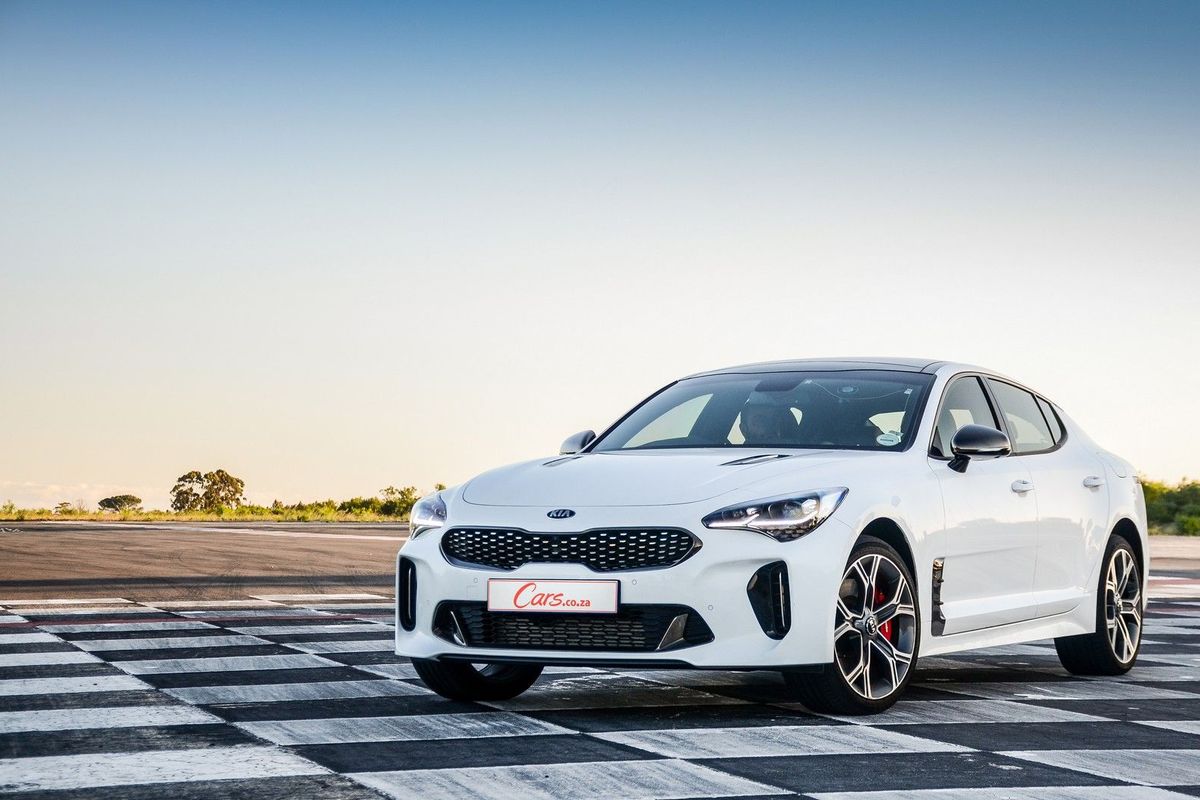
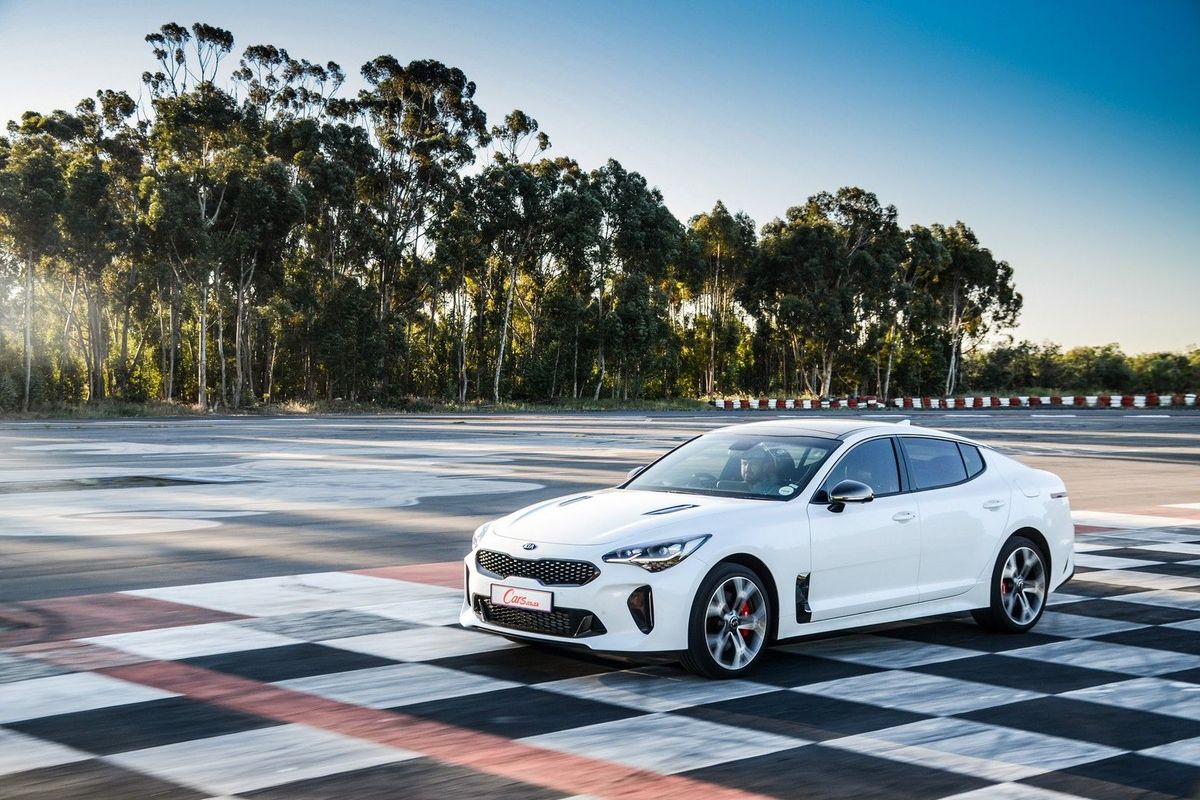
Kia’s sports sedan (or GT, in the Korean brand's opinion) is more than a new product, it's a bold statement of intent on the brand's part. Kia sold a handful of units to South African customers; it was, in all likelihood, the importer's only allotment. However, when all is said and done, how well does the brand's halo model compare with its rivals?
We like: Playful nature, increasingly rare V6 RWD arrangement, well behaved (when it needs to be)
We don’t like: Some cheap trim elements, that Kia badge could be off-putting for some
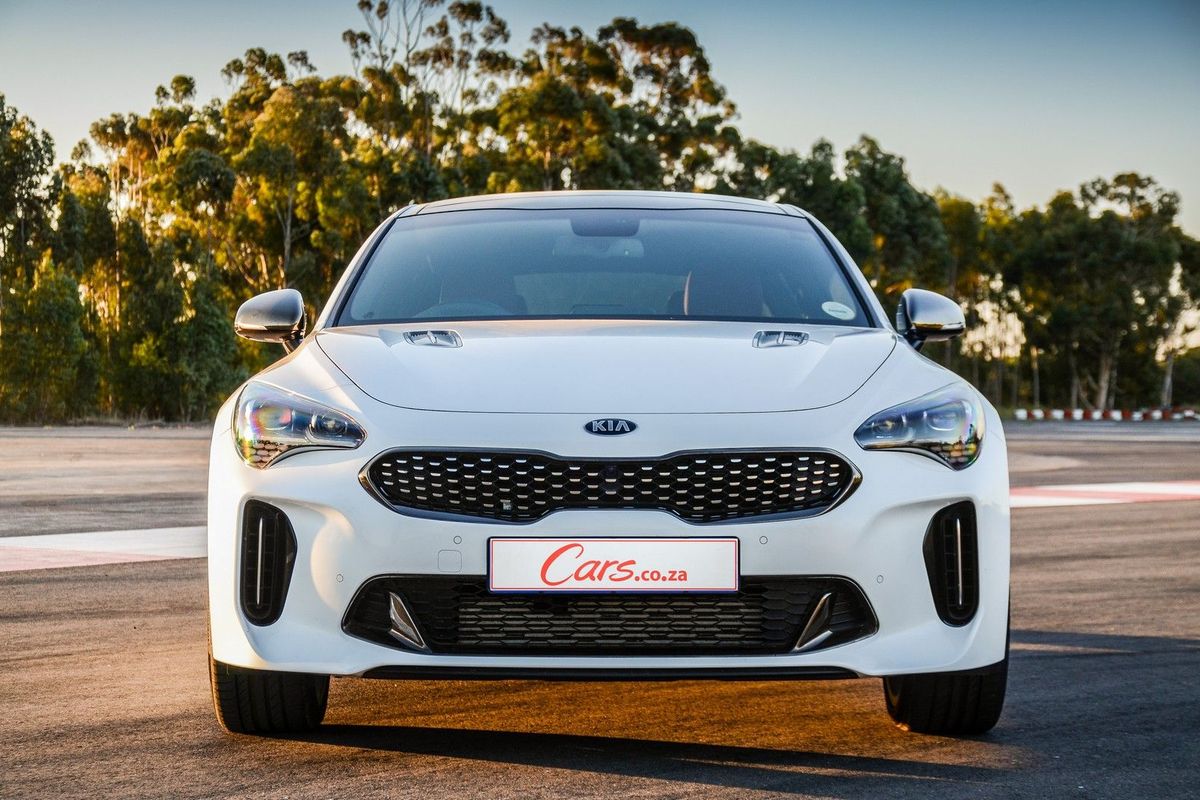
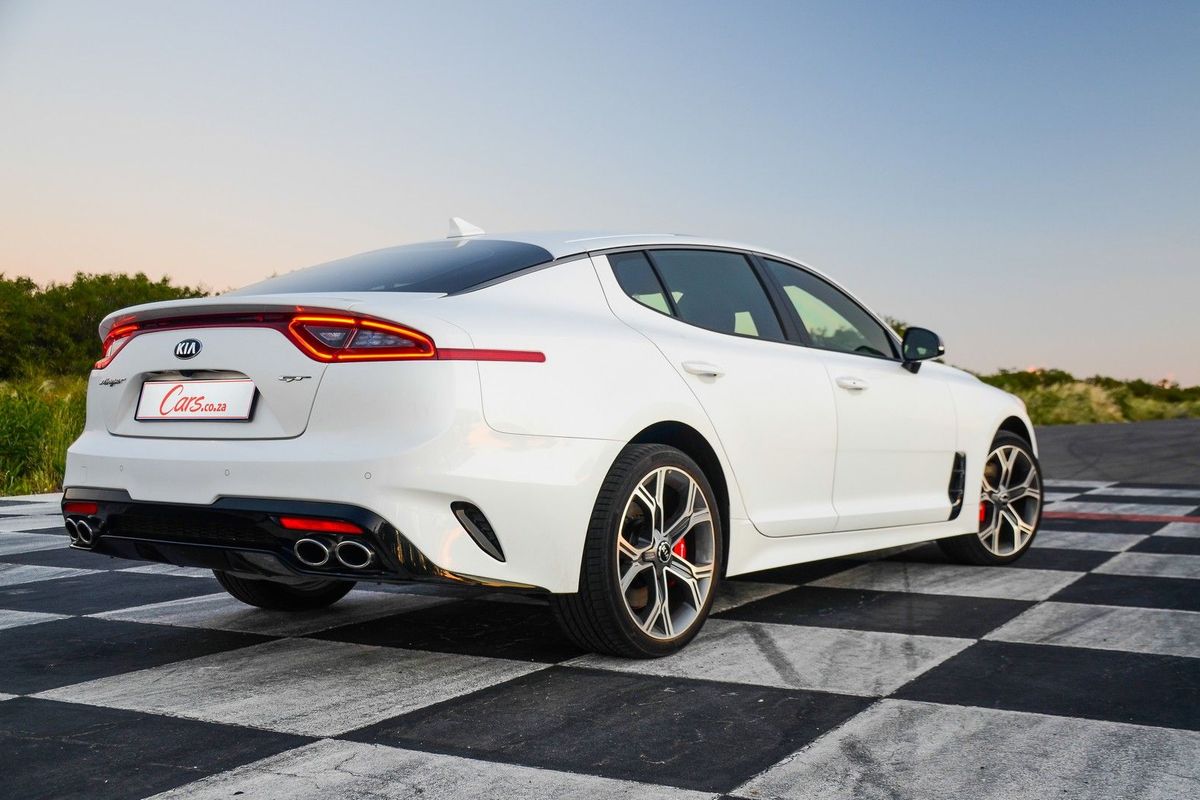
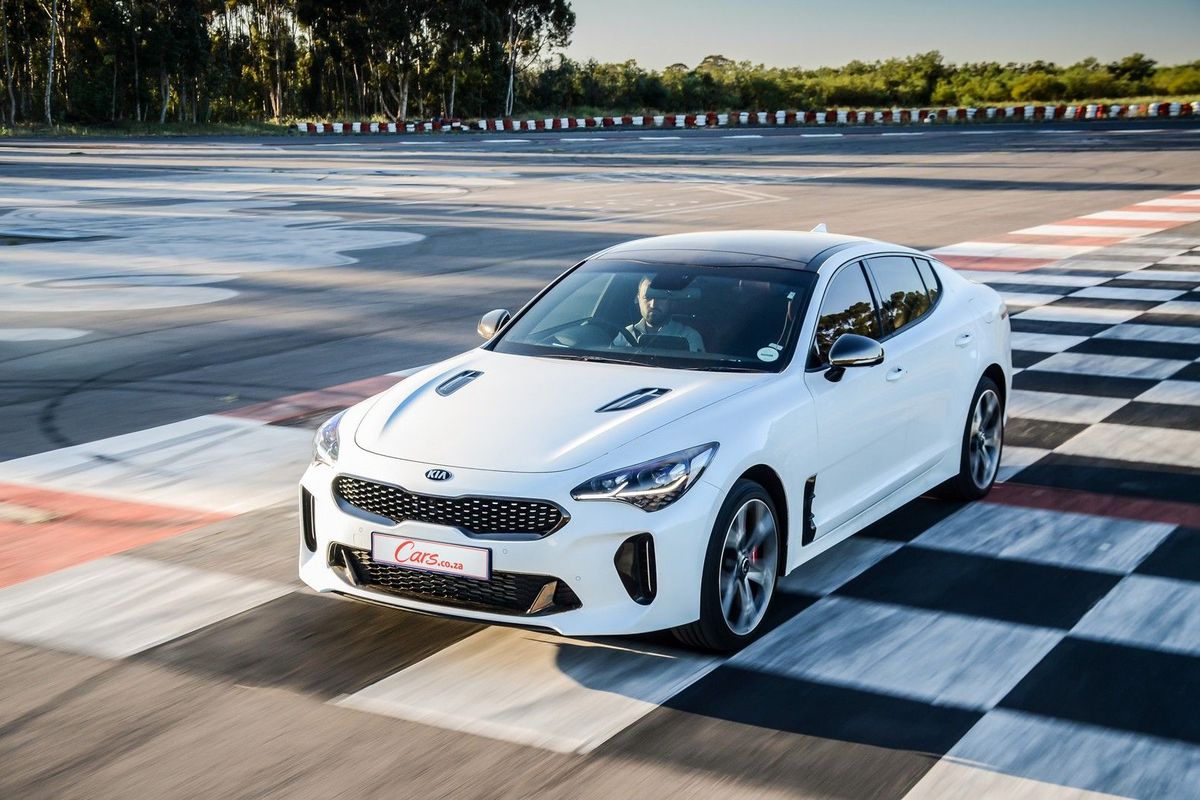
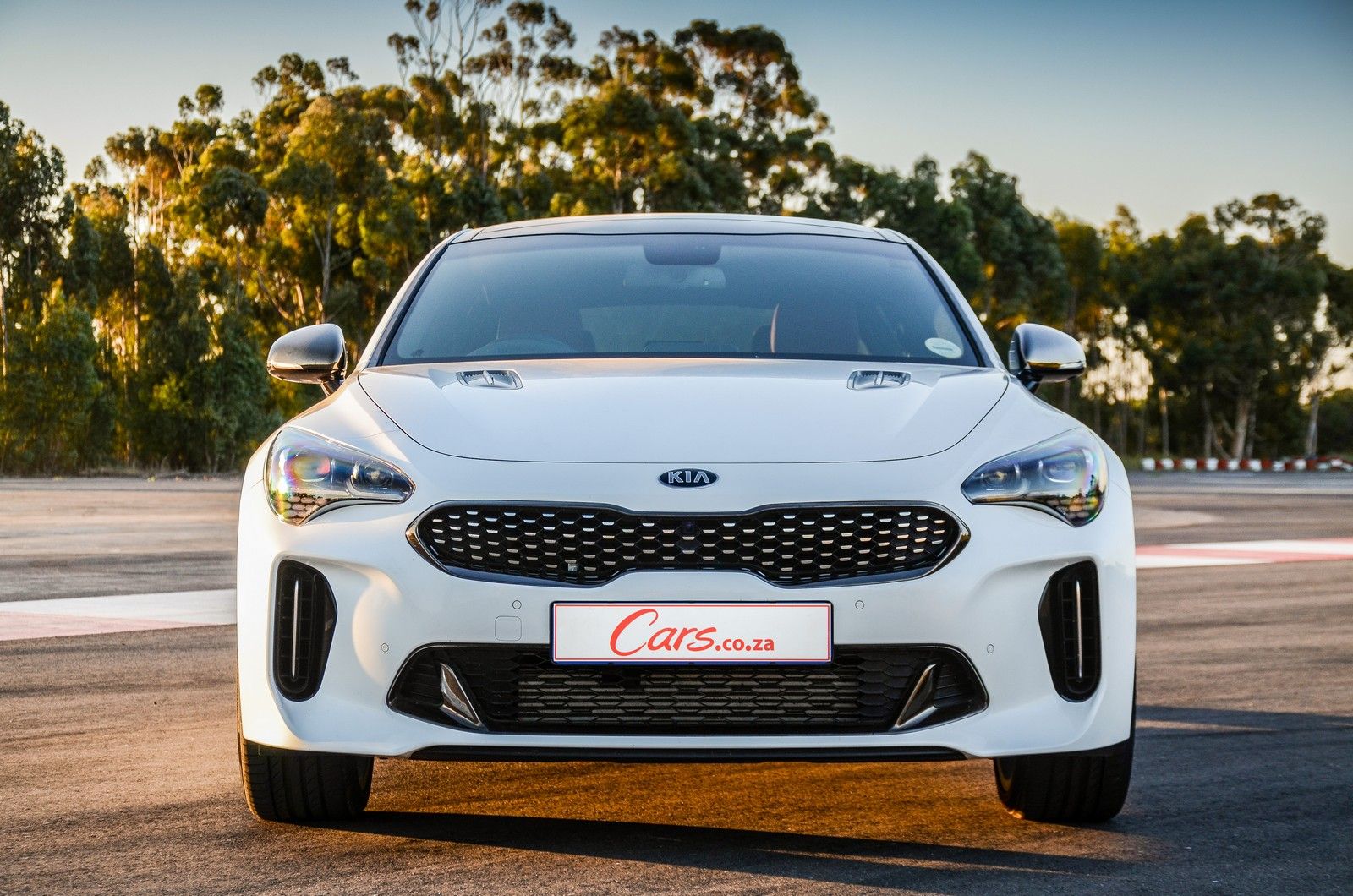
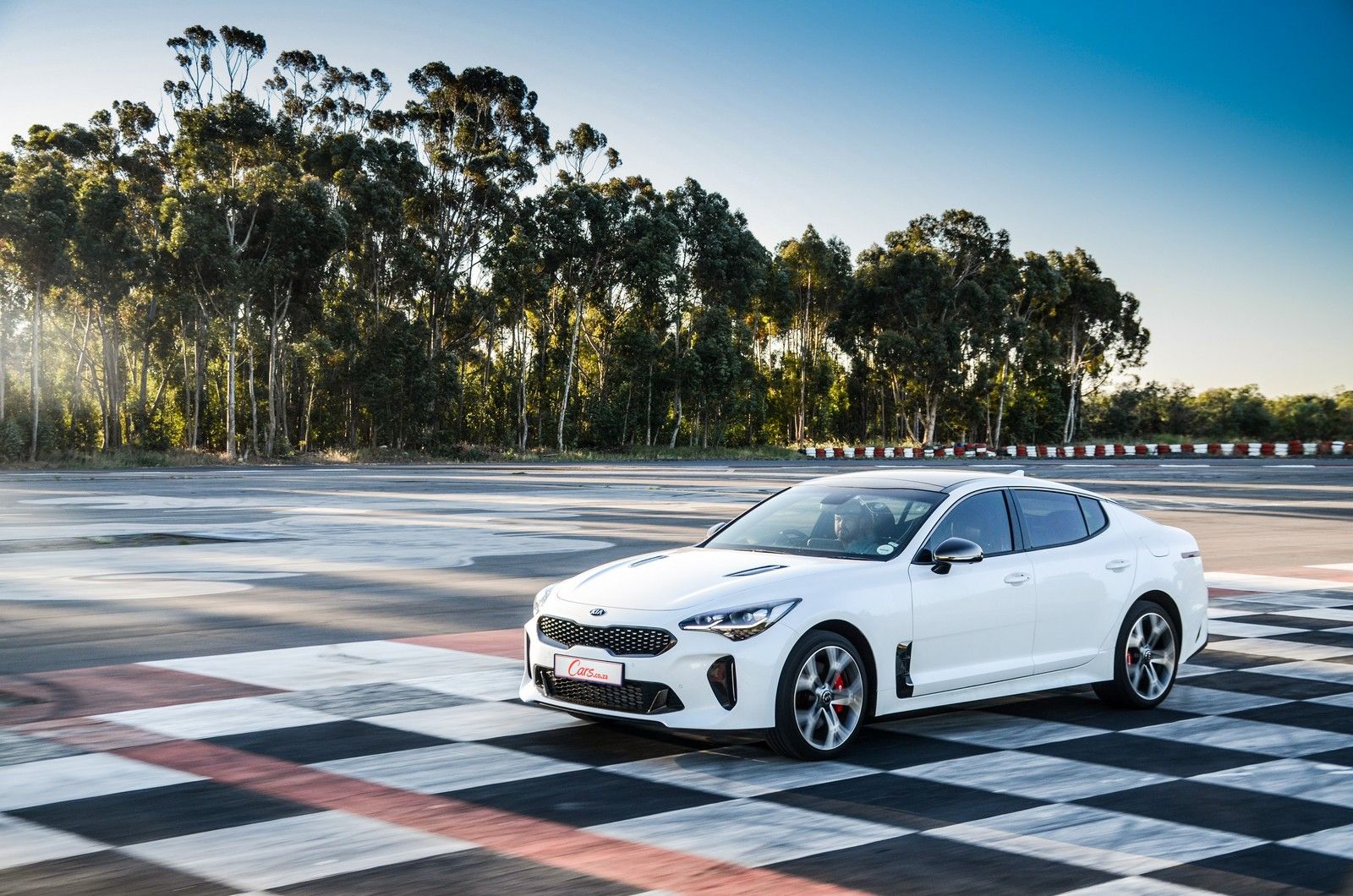
The Stinger's frontal execution, with its slimline, extended tiger-nose grille and liberally-vented bumper, is a sports sedan staple.
Where does it fit in?
Well, in Kia’s stable, it’s hard to say. SUVs and compact hatchbacks are the Korean firm’s bread and butter in the South African market, and the Stinger wasn’t even sold via Kia’s mainstream dealer network: it had its own online pre-order portal as part of a personalised sales experience.
On the larger automotive landscape, Kia has entered a completely new territory, and in particular the upper reaches of the business-class sedan segment; although sales are but a trickle, the likes of Audi’s S5 Sportback, BMW 440i Gran Coupé and Mercedes-AMG’s C43 sedan hold considerable sway in that rarefied market space. The Stinger has its work cut out if it’s to emerge unscathed from this brawl with the Teutonic trio.
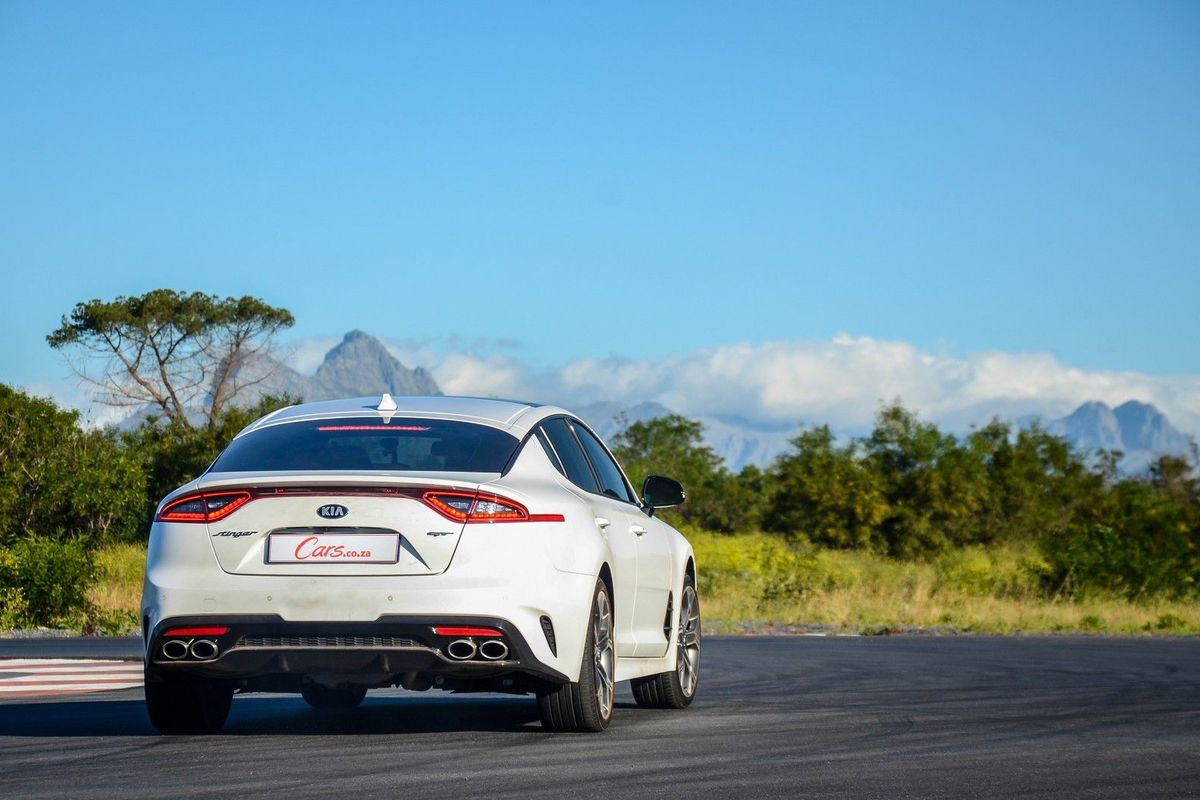
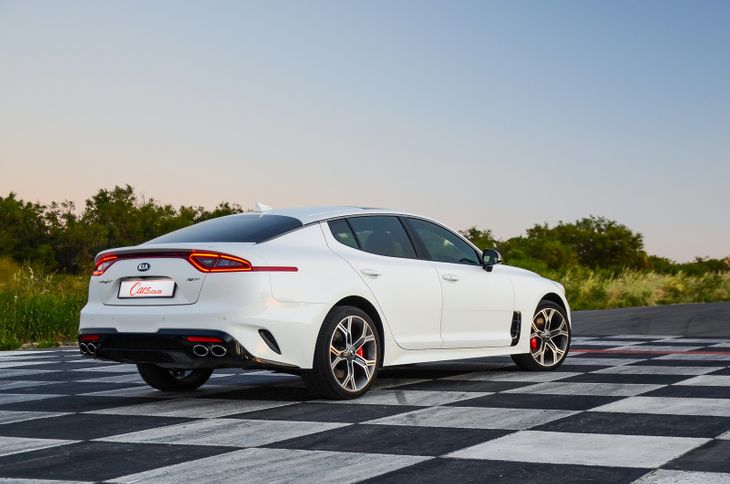
Even if the rear spoiler-lip is rather subtle, the quad exhaust ends signal the Stinger's sporty pretensions clearly.
What’s good about it?
Its mere existence
Before any quantifiable aspects of the Stinger are even brought into play, massive kudos are due to Kia for even entertaining the notion of a model such as the Stinger, let alone actually building it. Furthermore, the practical impossibilities of directly translating the 2014 GT4 Stinger concept’s bold packaging into practical production fare has seen Kia compensate by trumping the concept’s 235 kW, 4-cylinder engine with a gutsy twin-turbo version of its 3.3-litre Lambda II V6 engine – a staple of Hyundai’s larger Genesis models – feeding 272 kW and 510 Nm to the newcomer's rear axle. That V6-powered rear-wheel-drive arrangement is always a configuration that sets petrolheads’ hearts racing, and the Stinger does just that.
It’s a hoot to drive
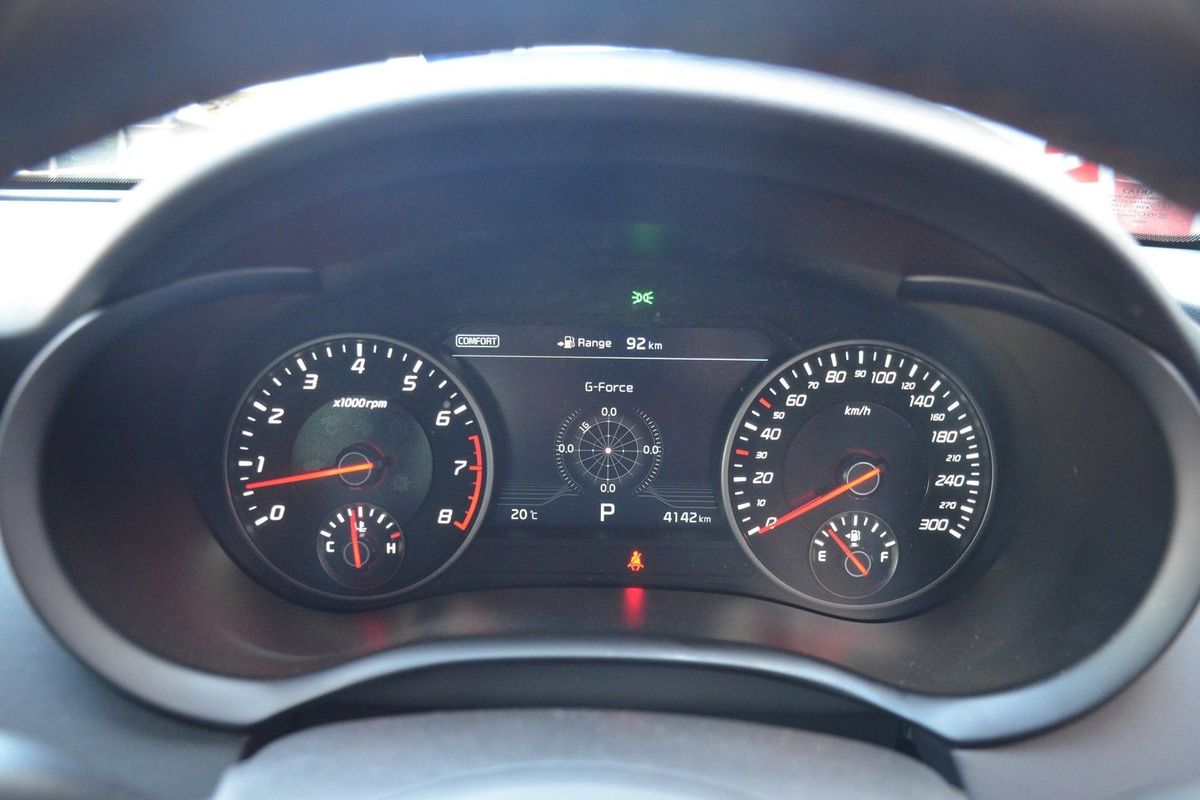
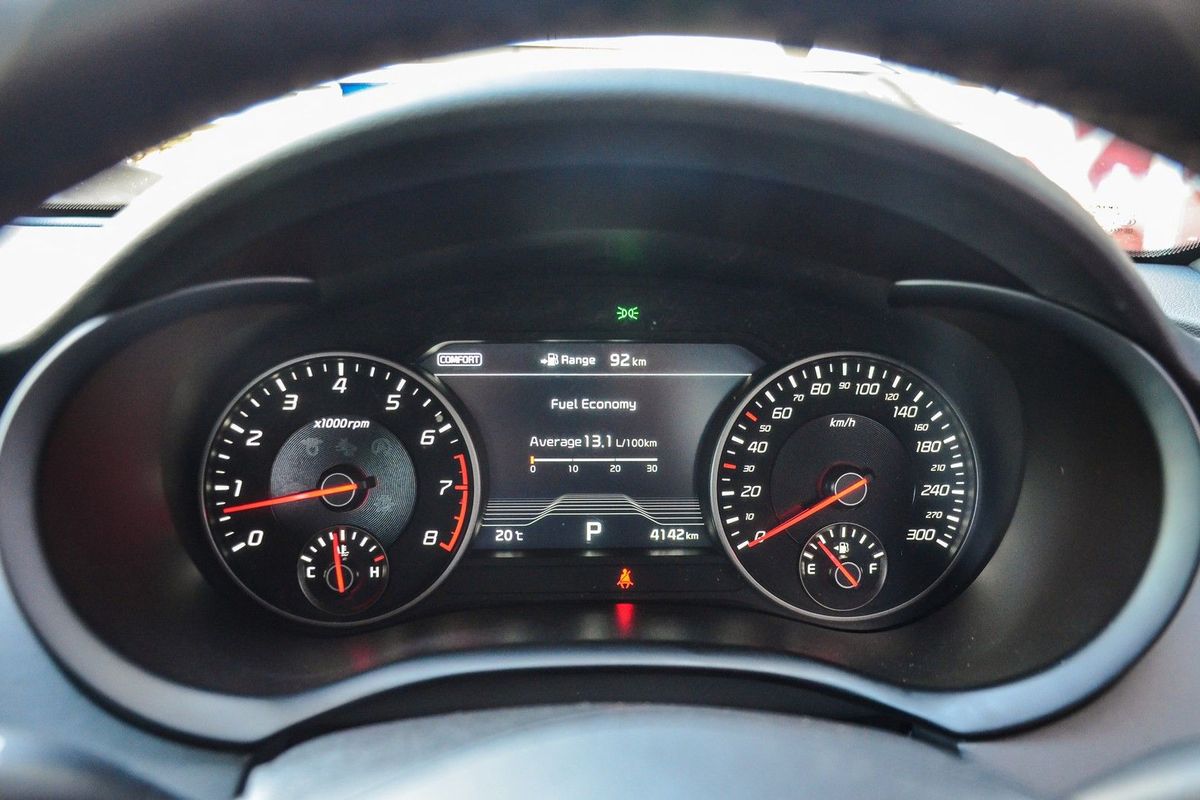
From the moment you ensconce yourself in that bolstered (but comfy) drivers’ seat and press the starter button to hear the beefy V6 wake with a muffled baritone, you know Stinger is about to serve up something special… especially that wad (510 Nm) of torque that arrives with just 1 300 rpm indicated on the rev counter. Perhaps most satisfying is the 8-speed transmission’s willingness to hang tenaciously onto the revs when the throttle is pinned. Even when you're not using the shift paddles, the 'box doesn’t release its grip on each ratio until the rev needle sweeps to 6 300 rpm.
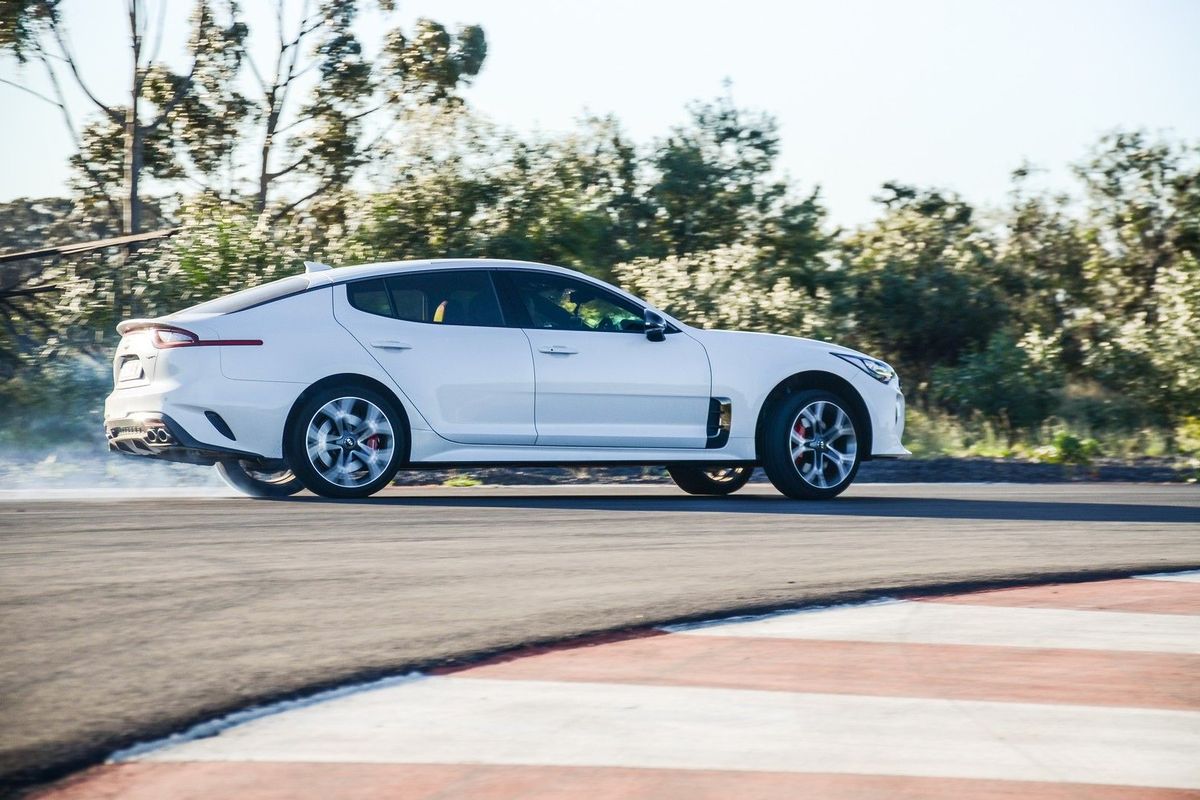
The Stinger's electronic stability control is calibrated to allow for some "tail-wagging". When you switch it off, this might ensue…
It doesn’t take a mighty stomp on the accelerator to set the tail squirrelling off the mark, and this playful introduction shows the Stinger’s electronic stability control is flexible enough to allow for some shenanigans. The system allows you to tailor your driving experience via no fewer than 5 drivetrain management presets, including automatic and customisable Individual settings.
The steering, while not Audi-heavy or BMW-alert, is responsive enough to communicate the tail’s measured transition from grip to slip. In fact, with the traction control deactivated and the Stinger in its sportiest drivetrain preset, this Kia unearths something of a rarity in contemporary performance car lore… With its mechanical limited-slip differential coming into play, it’s possible to tuck the Stinger’s nose into fast corners before washing its tail wide in an exciting (but easily controllable), throttle-balanced slide.
Point-and-shoot performance isn’t shabby, either. A clean break off the line will see 100 kph from standstill pop up in a claimed 4.9 seconds, while the limiter only tugs at the reins at 270 kph. In all, the Stinger is more than capable of holding its own against its German rivals, performance-wise.
Zero to 100 kph in 4,9 seconds and a (limited) top speed of 270 kph? The Stinger is even faster than it looks…
It’s a balanced package
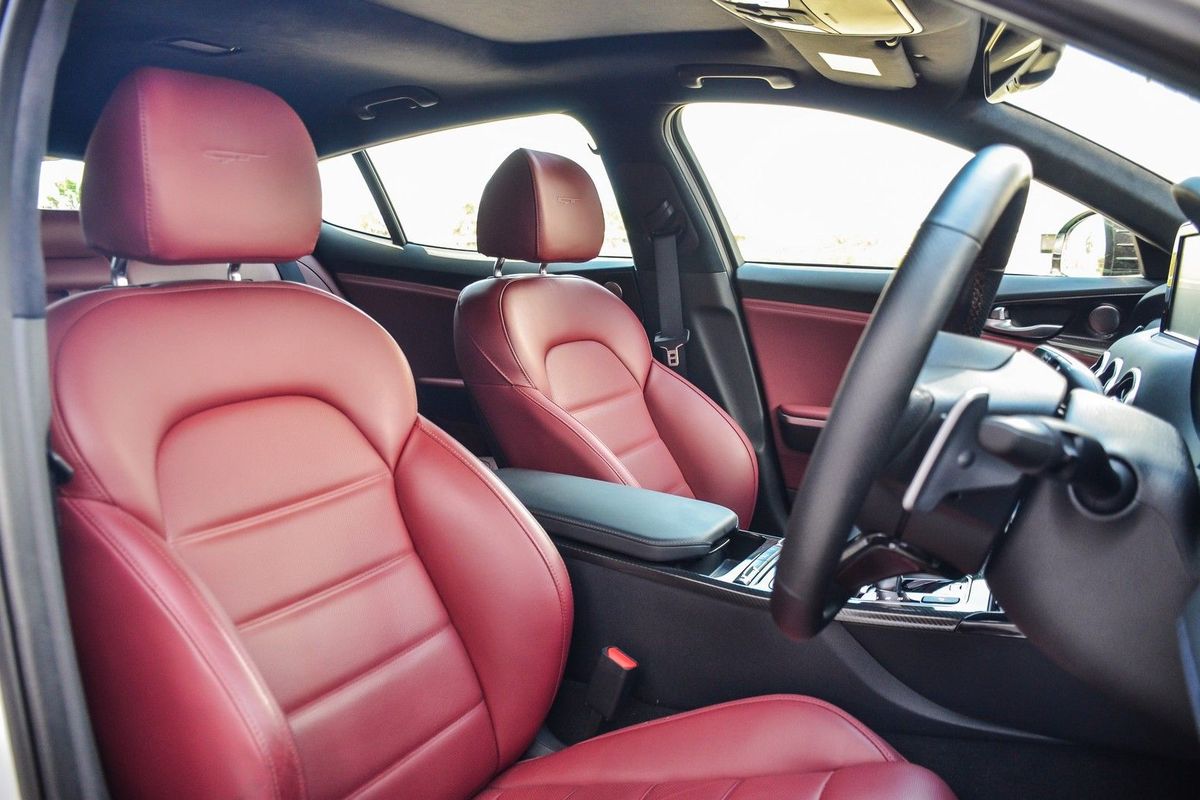
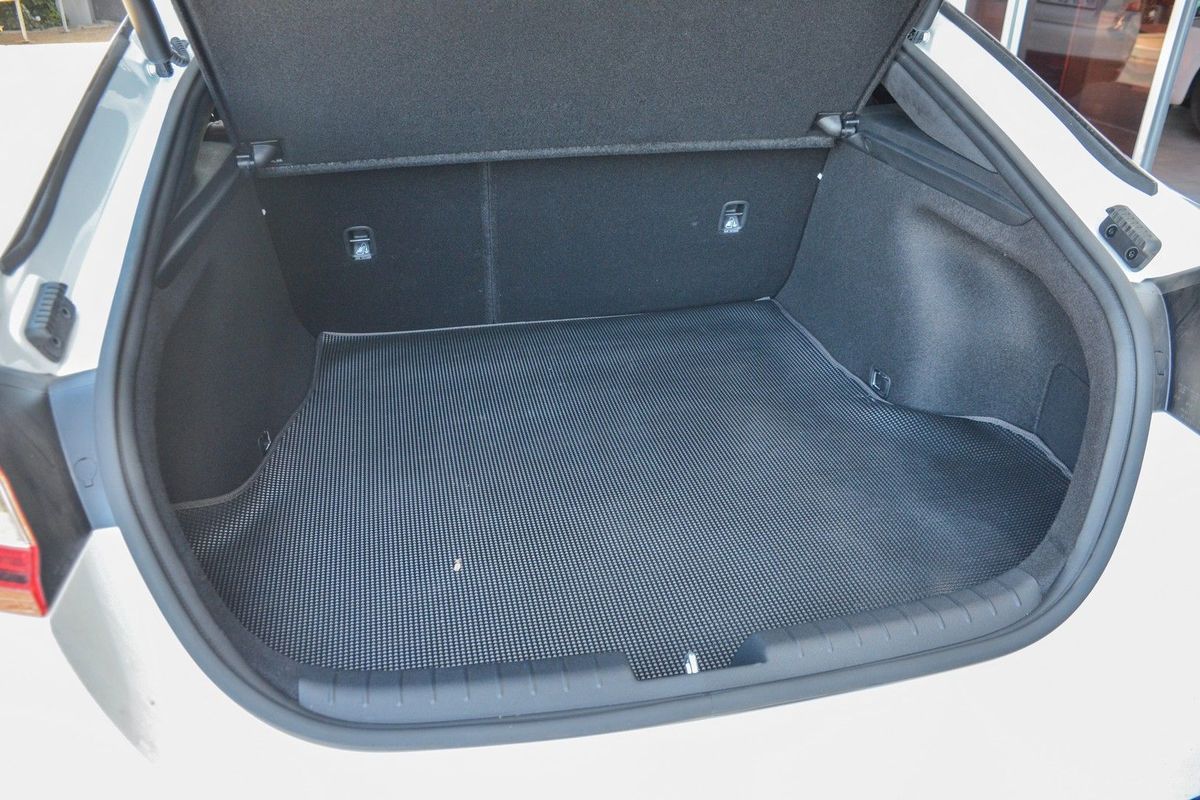
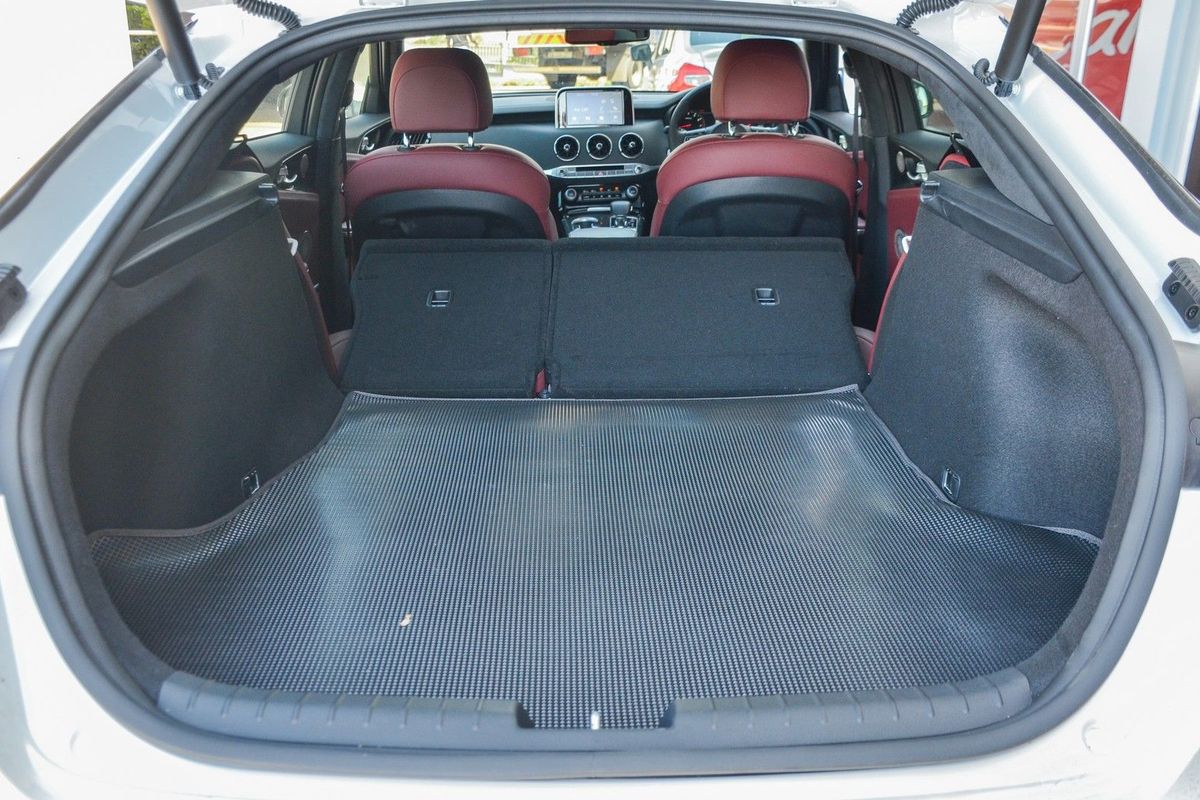
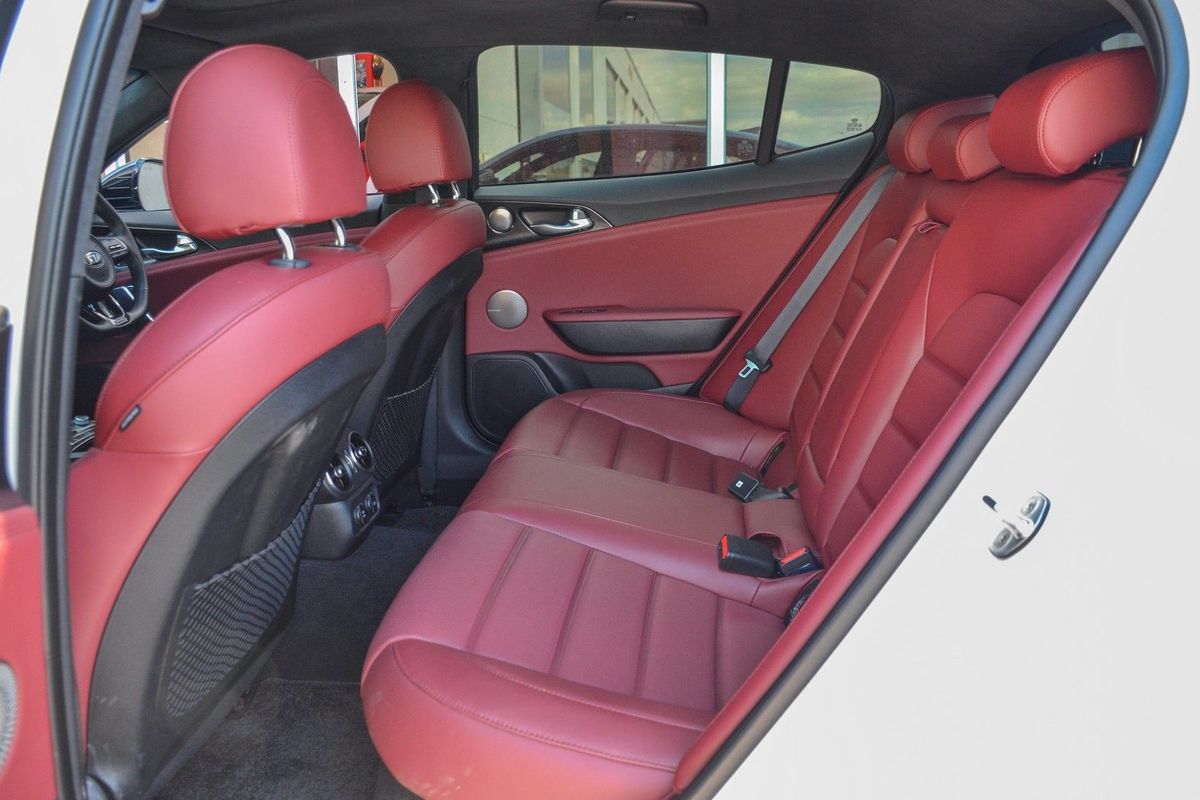
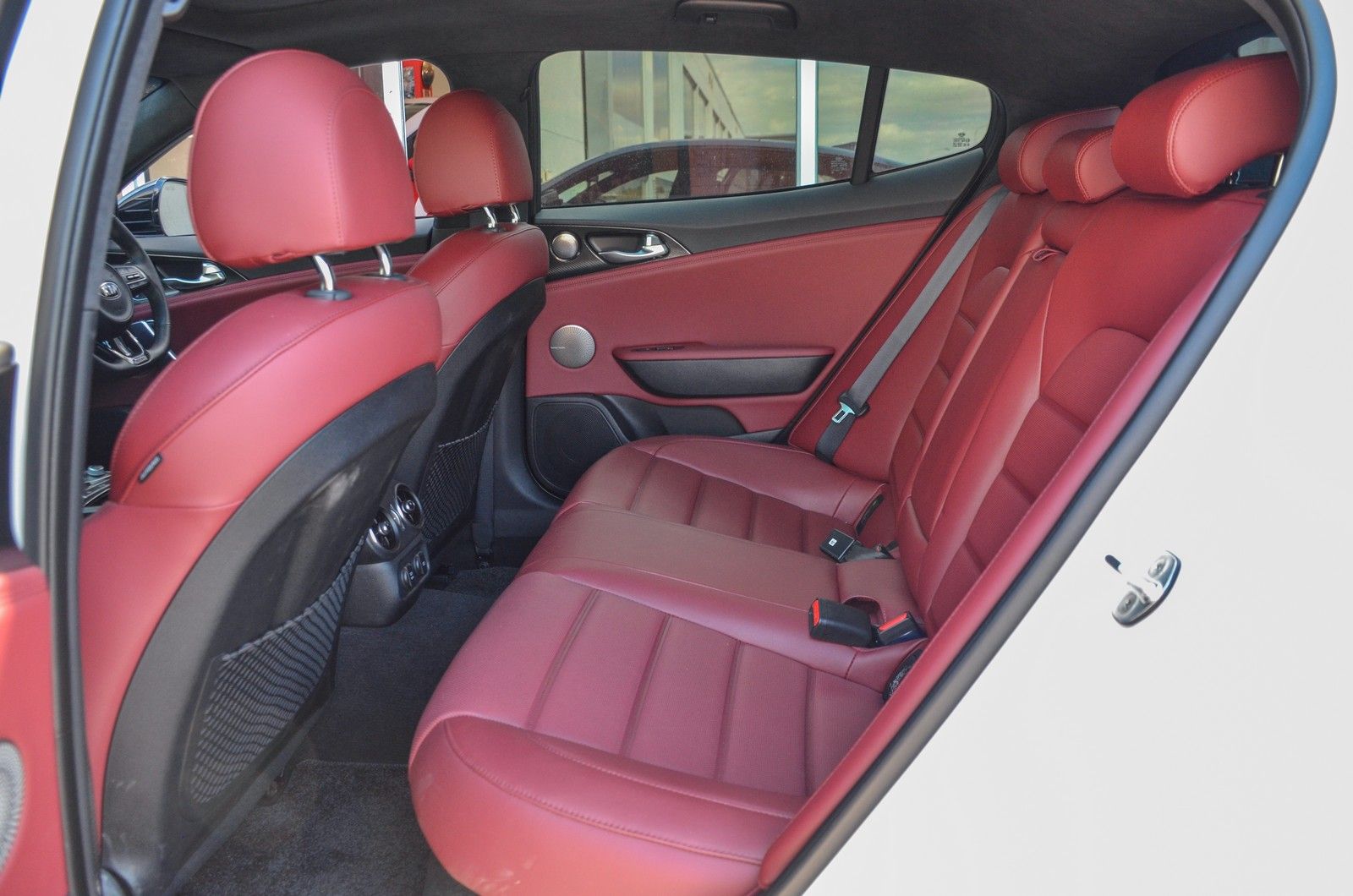
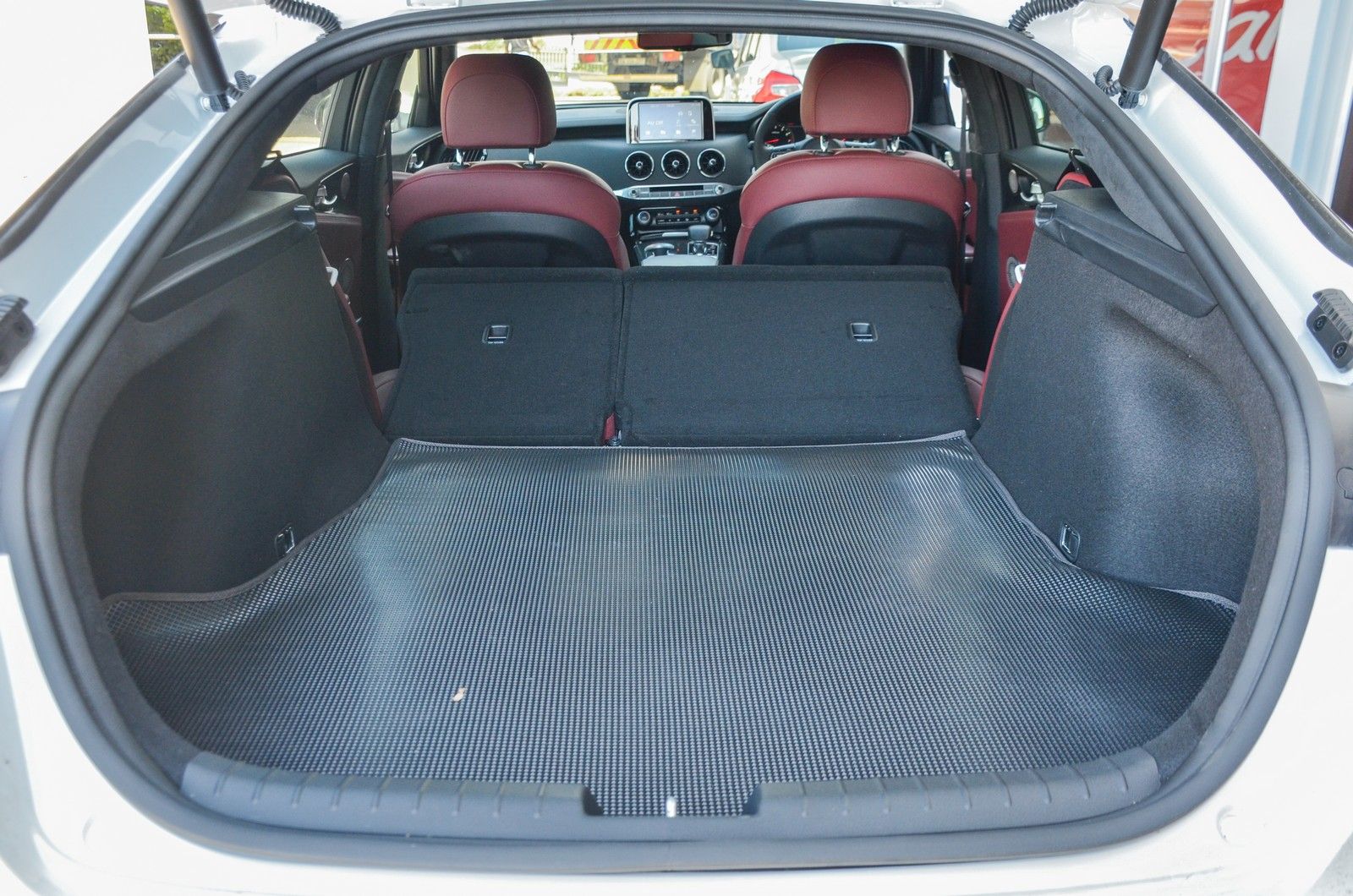
Going the performance car route is often an exercise in compromise; considerations such as rear passenger accommodation and luggage space often get lower billing to power and driveability. In this regard, the Stinger is one of those rare beasts that allow you to have your cake and eat it. That lengthy frame incorporates a 2 905 mm wheelbase, which is comfortably longer than those of its rivals. The upshot is plentiful rear legroom and, when you lift the tailgate, you find a deep 406-litre load bay, which can, of course, be extended by folding the 60/40 split seatback forward.
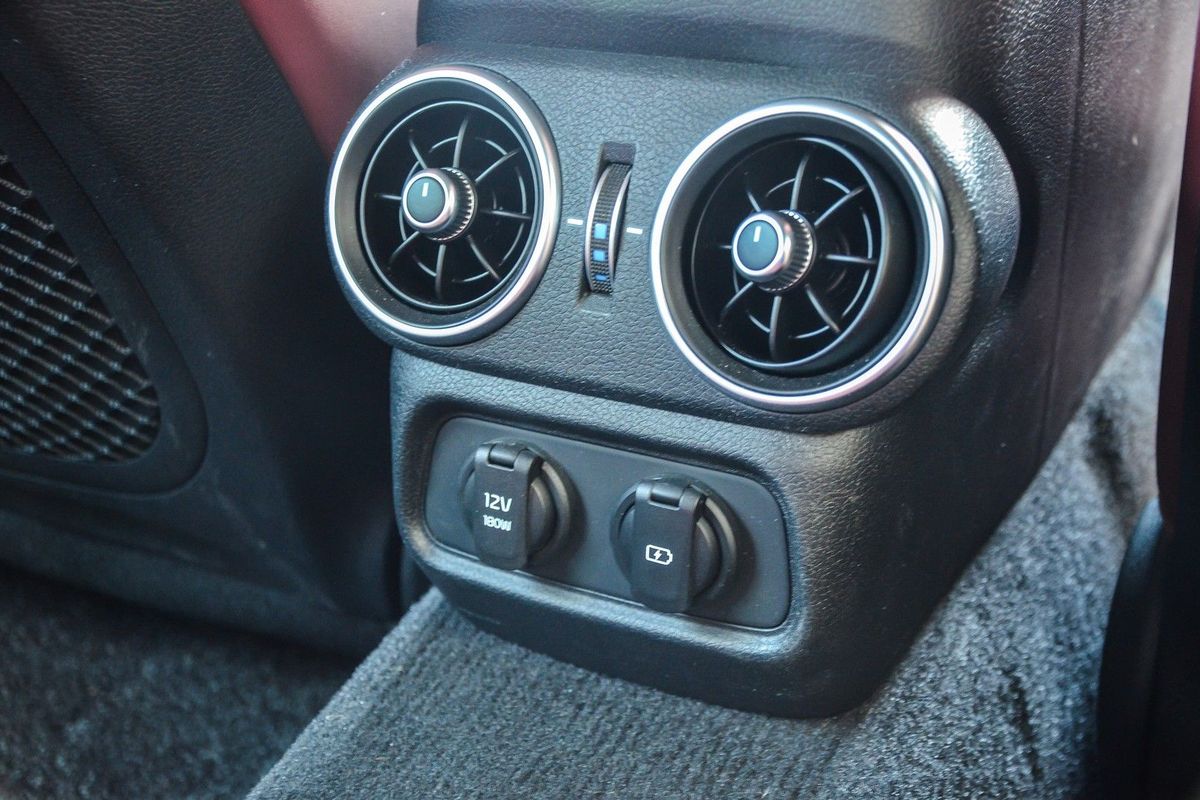
The Stinger has its opposition well and truly licked in terms of rear legroom. The scarlet leather trim is an acquired taste, however.
When it’s not smoking its tyres, the Stinger is an accomplished long-distance cruiser, with a cabin that’s well-insulated, with comfy seats and a ride quality that's thoroughly composed at a constant speed. The transmission, which was keenly dropping cogs and responding alertly to throttle inputs before, now seems to exhale and trickle smoothly through the ratios. Stingers destined for other global markets feature an adaptive damping system supplementing their MacPherson strut front/multilink rear suspension setup, but that option has been nixed for South Africa.
It’s not a bad thing necessarily, as the SA-spec Stinger's unassisted arrangement manages to strike a very neat balance between smothering road surface choppiness and keeping the Stinger’s body in check when lateral forces start redistributing its 2 315 kg mass.
The fastback configuration might be a bit estate-like for purists, but as is the case with the Stinger's Audi and BMW rivals, it boosts practicality.
What could be improved?
That badge is a bridge too far for some
While more enlightened (or open-minded) buyers will appreciate the Stinger as both a ballsy exercise in engineering and a capable sports sedan in its own right, there’s an inevitable element of brand snobbery that will see some folks dismissing it in favour of its German rivals. Indeed, the idea of shelling out nearly R900k on a Kia (that's the approximate price nearly-new Stingers were being advertised for at the time this review was published – January 2019) may seem difficult to digest, but buyers can take solace in the fact that the total number of Stingers earmarked for our market (but a handful) is likely to lend it a degree of exclusivity that should hopefully allay fears of steep depreciation, well, at least to an extent.
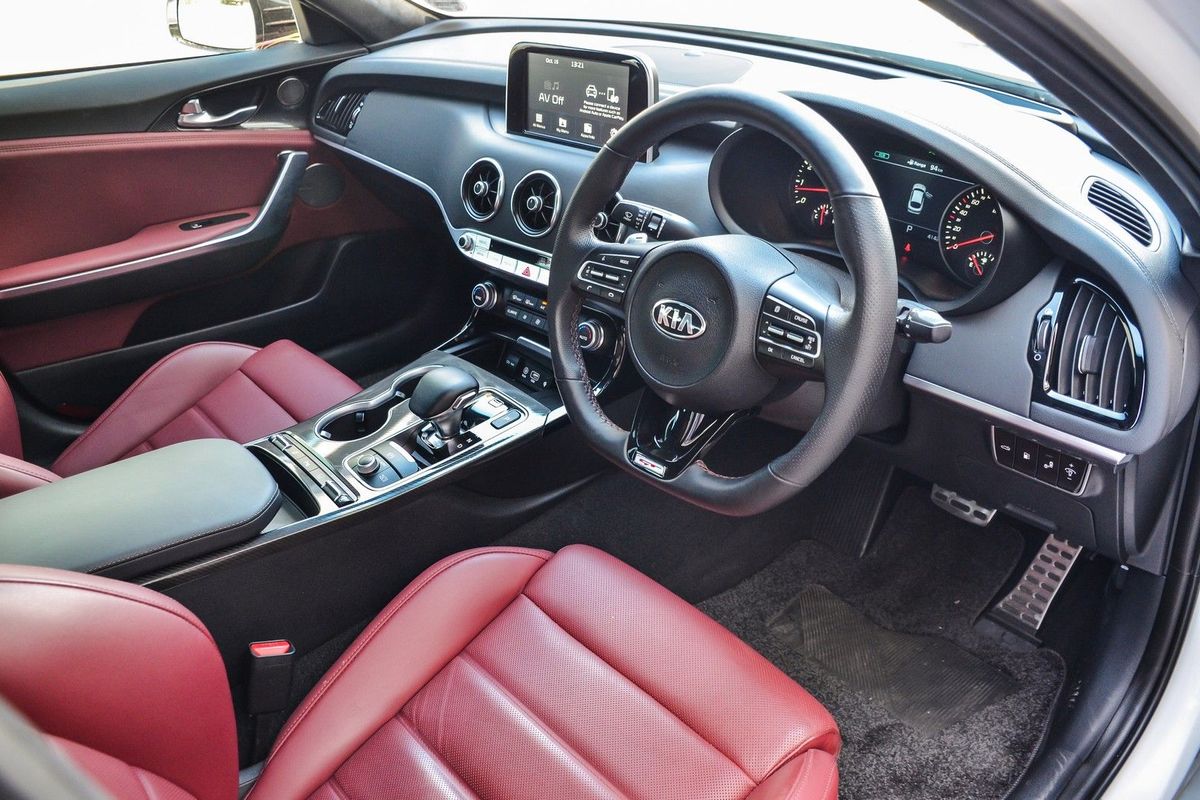
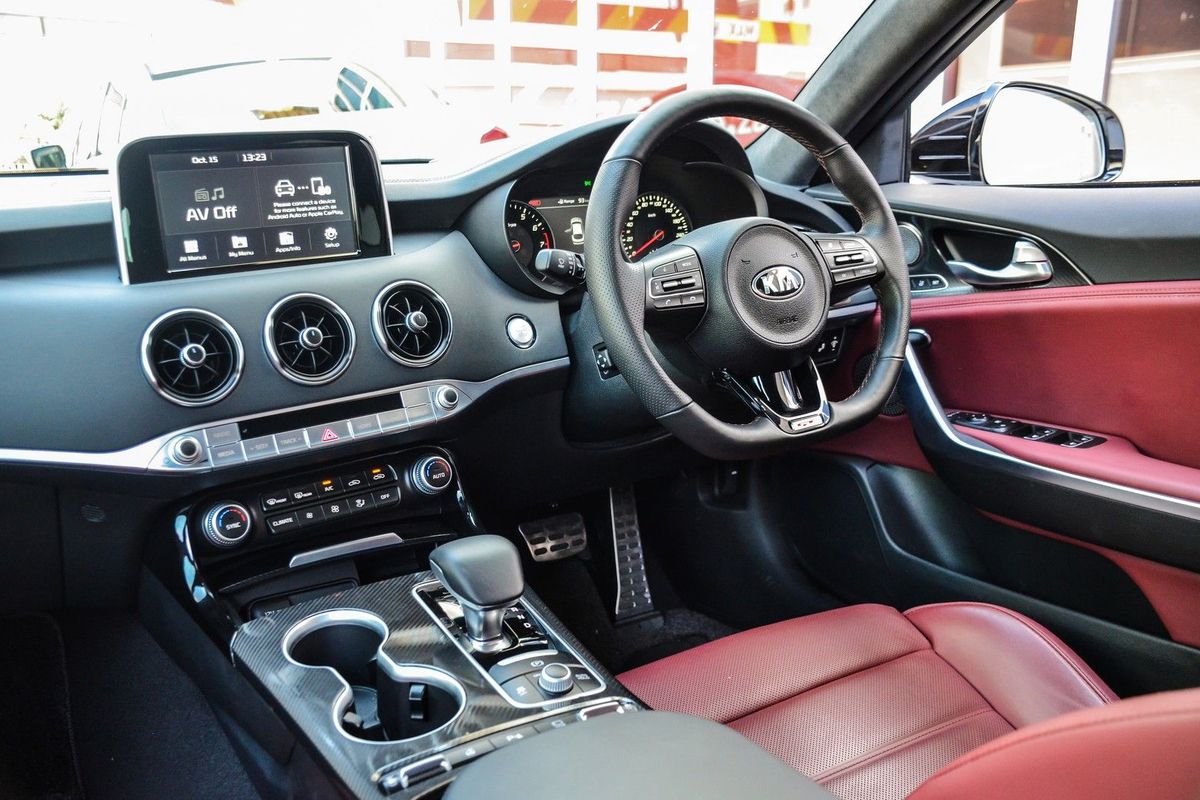
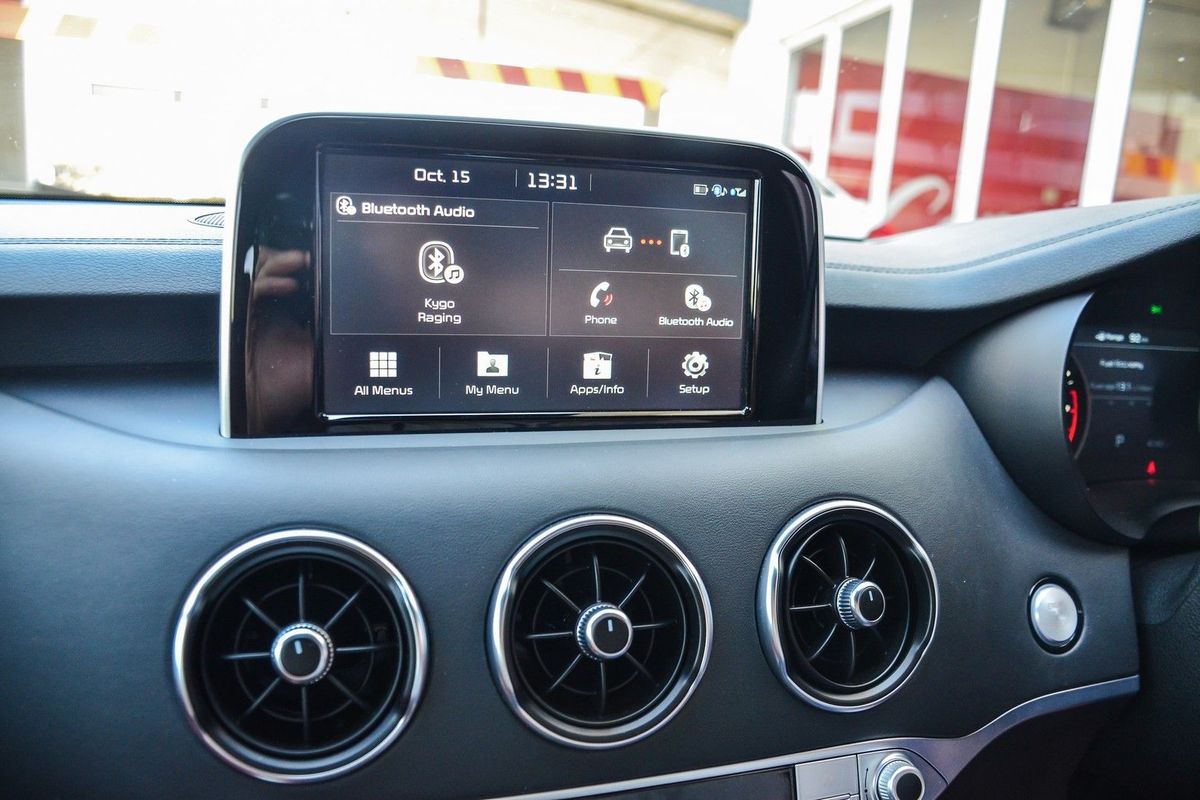
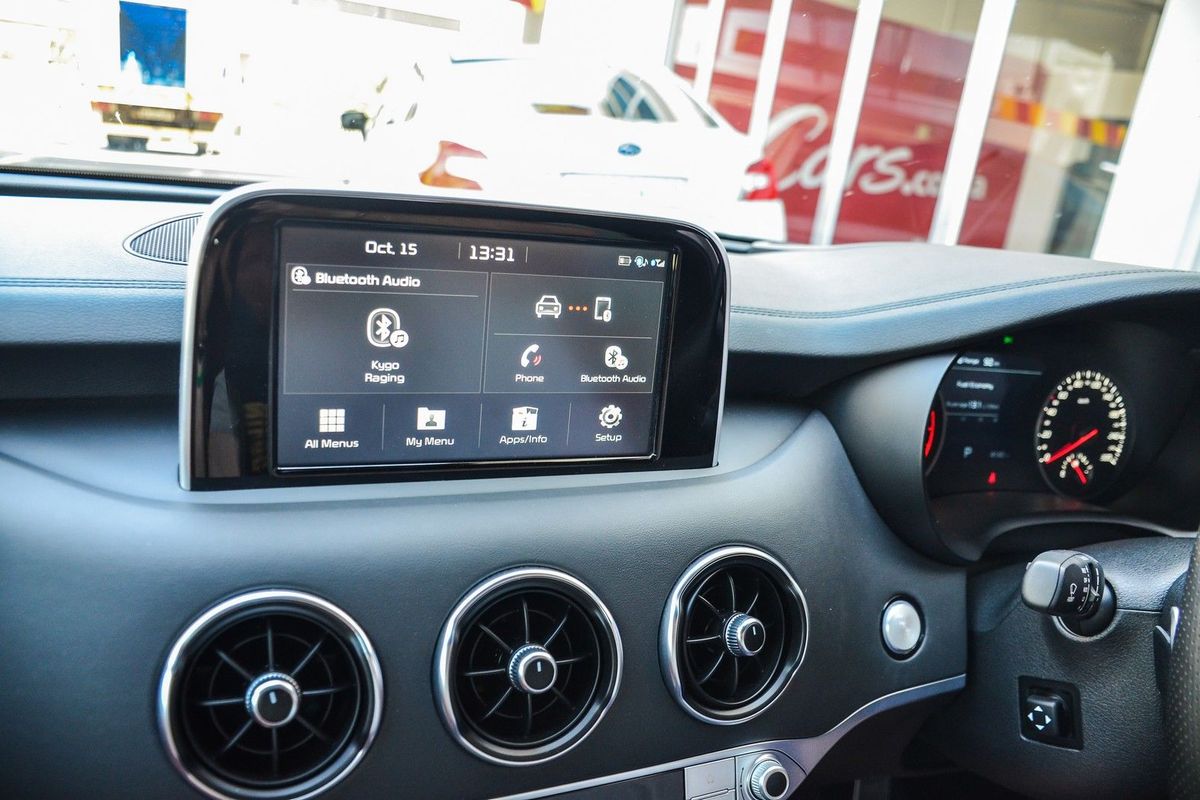
The Stinger's driving position is eminently engaging and the neat, decluttered fascia features just enough chrome garnishes.
Points for perceived quality still go to the Germans
Again, it’s a minor smudge on the Stinger’s otherwise high sheen, but the cabin, although sportily styled and ergonomically spot-on, still sees stitched and soft-padded trim sitting awkwardly alongside some less-than-plush plastics. Ordinarily, this would be a minor concession, but given its target audience is one that’s difficult to tear away from the comfort of familiar German premium-marque fare, it’s a handicap the Kia doesn’t need.
Pricing & Warranty
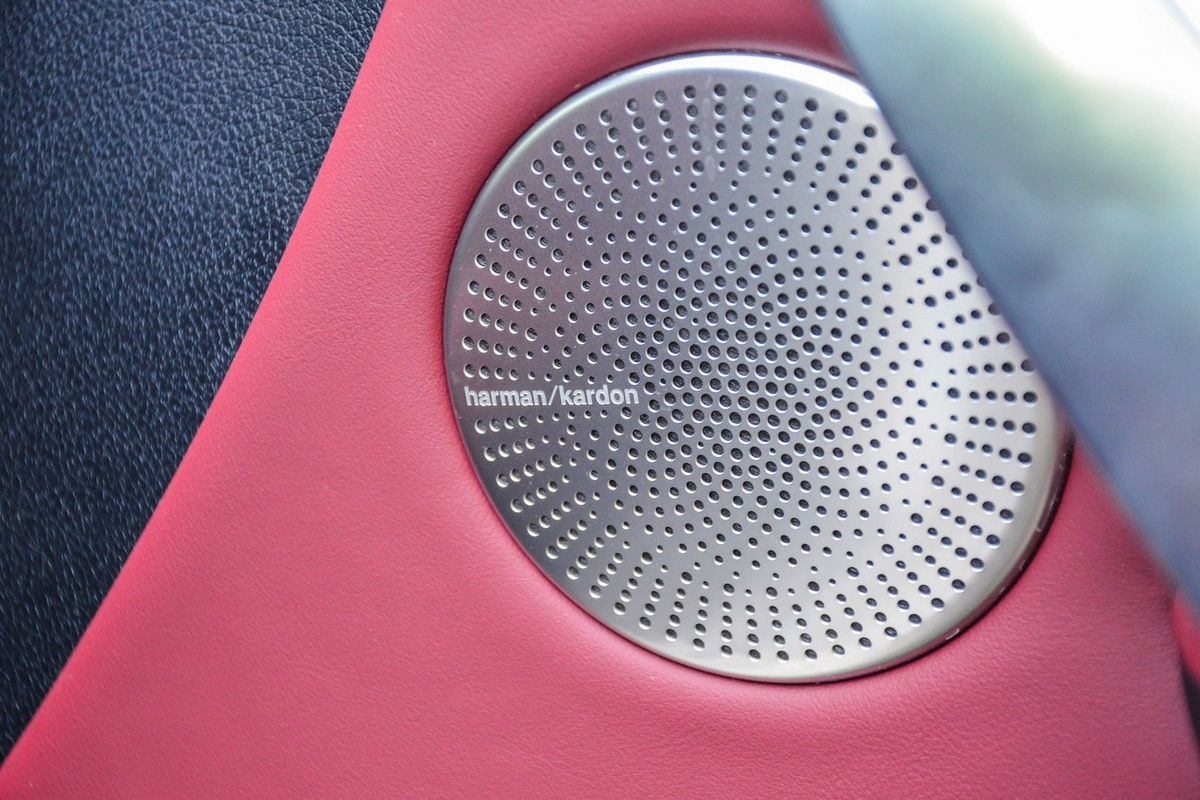
The Stinger cost R849 995 when new, including a 5-year/100 000 km maintenance plan and a 5-year/unlimited-kilometre mechanical warranty. Standard features include: bi-functional LED headlamps with dynamic bending, electrically-adjustable front seats (with memory and lumbar support for driver) and steering column, head-up display, a 15-speaker Harman/Kardon Premium audio system, touchscreen infotainment with Apple CarPlay, Android Auto and navigation, 3-zone aircon, heated seats (all round), surround-view monitoring system (including reverse-view), park distance control (front & rear), electrically powered tailgate and heated and auto-folding side mirrors with integrated indicator lenses.
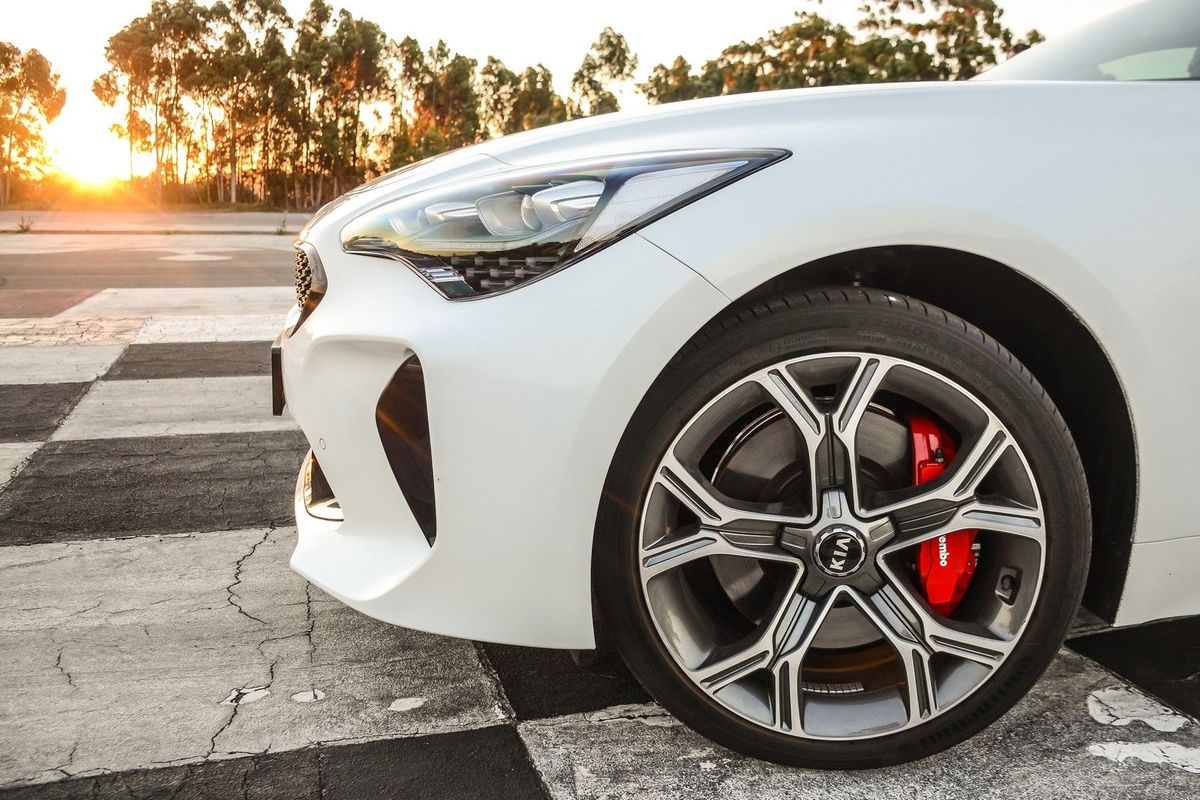
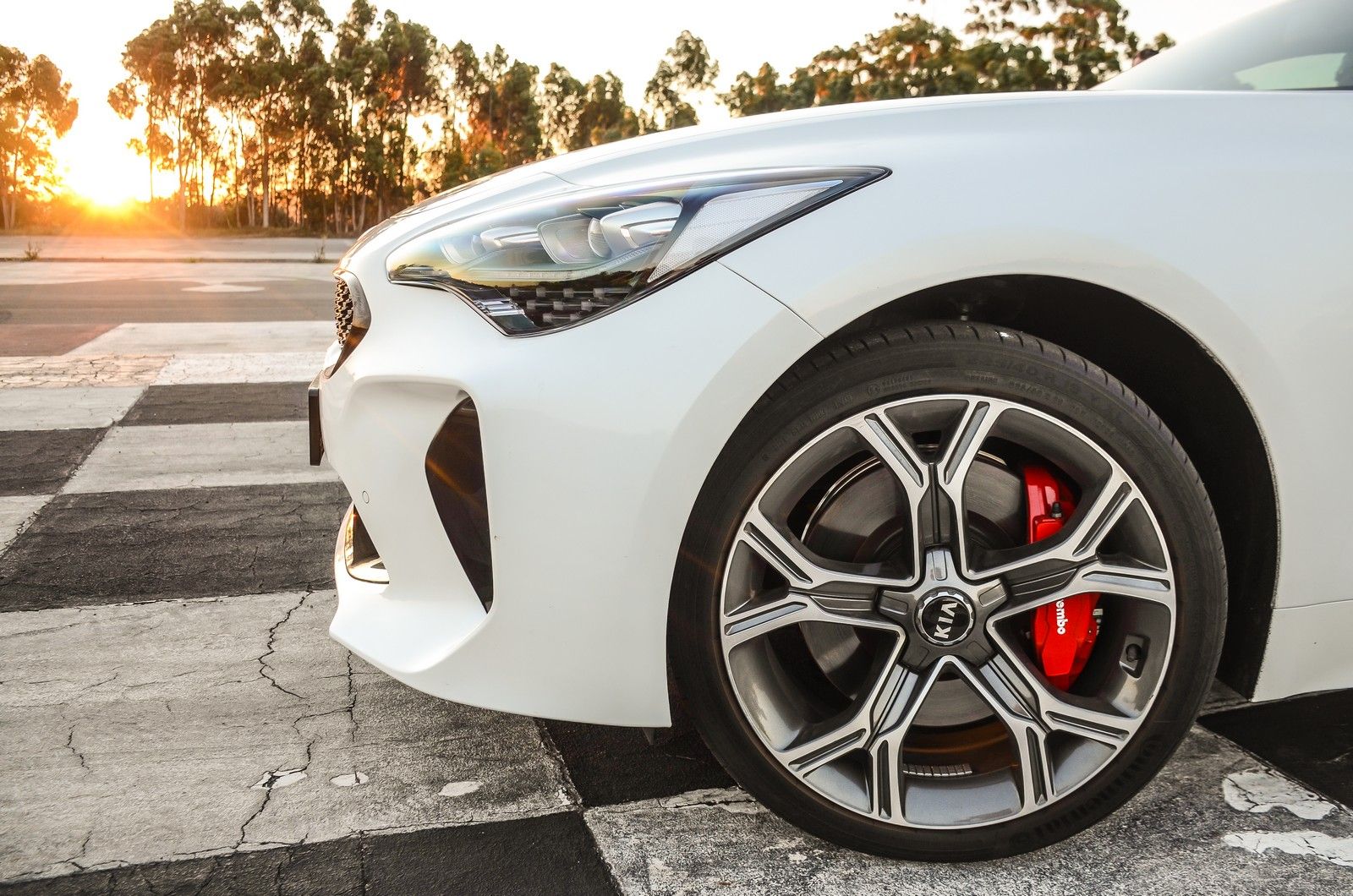
The Stinger's handsome 19-inch alloy wheels and red Brembo brake callipers add considerably to the sedan's kerb appeal.
Verdict
It’s one thing Kia exhibiting the courage to dip its toe into unknown waters, but quite another for actually doing it. Far from being thrown to the wolves, the Stinger, with its mixture of punchy playfulness and a well-mannered motorway demeanour, capably takes a swipe at the German establishment. It’s not for everyone; the Kia badge may be difficult for some to reconcile with this segment, the muscle-bound styling will divide opinion and there are some shortcomings in the trim finish department, but it’s fast, fun and exclusive enough to warrant considerable merit.
Watch Ciro de Siena hone (or is that hoon?) his drifting skills in the Stinger:
Alternatives (click on the names for specification details)
It’s the torchbearer in terms of perceived quality and a strong, flexible engine coupled with a tenaciously grippy AWD system helps it rocket off the mark. It’s a bit anodyne to drive quickly, though.
Handsome, nimble and possessed of a smooth, yet punchy inline-6 engine that feeds the rear wheels. The styling is divisive, though, and standard specification’s not a patch on the fully stocked Stinger.
The 2018/19 Cars.co.za Consumer Awards – powered by WesBank category champion's 4-cylinder turbo doesn’t have its rivals’ outright grunt, but it’s still a comfy yet capable car and, like the Stinger, is a distinctive but leftfield choice. Handsome and much for affordable (in this line-up).
When the Datsun Go first arrived in South Africa, it made front-page news for a lack of safety features. However, zero airbags, no ABS and a zero-star safety rating didn't deter South African motorists who are desperate to get into their first car at the best possible price, and the Datsun Go continues to sell strongly alongside other budget-beaters such as the Renault Kwid.
For 2018 however, Datsun has significantly improved the Go for our market. It now features dual airbags and ABS as well as enhancements to the interior and ride quality, most notably with the inclusion of a touchscreen infotainment system featuring Android Auto and Apple Carplay, making this the most affordable car on the market to boast such features.
All this improvement has however pushed the price close to R170 000, which is within touching distance of some very strong rivals, such as the Suzuki Swift and Ford Figo.
In this video, we try to determine if the Datsun Go has improved enough for you to seriously consider throwing some money at it.
Jaguar will be offering a XF Chequered Flag special edition in South Africa in Q2 2019. Herewith the details…
As part of updates for the XF sedan, Jaguar will also be offering a special edition XF Chequered Flag model with unique details which will go on sale in the second quarter of 2019.
The XF Chequered Flag special edition features a sporty front bumper, a Black Pack, body-coloured side sills, a boot spoiler and rides on 18-inch Chalice alloy wheels. It’s further distinguished by unique badging seen on the side vents. Customers will have the choice between 3 exterior colours including Yulong White, Santorini Black and Eiger Grey.
On the inside, the instrument panel is finished in Dark Hex aluminium with full R-Sport leather upholstery with contrasting stitching. Badging seen on the tread plates further point to its special edition status. The model is also fitted with a 10-inch Navigation Pro with InControl Connect Pro as standard which includes Live Traffic to help avoid traffic jams. A 12.3-inch display for the driver is also included as is a new Smartphone Pack which offers Apple CarPlay.
Engine Power
The XF Chequered Flag special edition will be offered with three 2.0-litre Ingenium engine choices with outputs ranging from 184 kW/365 Nm and 221 kW/400 Nm for the petrol range and 132 kW/430 Nm for the diesel option. An 8-speed automatic transmission is standard.
We will keep you updated as soon as local pricing becomes available.
Hyundai Kona 2.0 Executive Auto (2019) Quick Review
The Kona is aimed at a youthful, nonconformist target market. While Hyundai's funky crossover is unlikely to be as popular as its Creta sibling, it represents a marked departure from the Korean brand's run-of-the-mill offerings. After driving the manual turbocharged Kona, it was time for us to sample the automatic, naturally-aspirated derivative…
We like: Styling, standard features, smooth powertrain, comfortable ride
We don't like: Shallow load bay, powertrain is not performance-focused
Fast Facts
Price: R399 900 (Jan 2019)
Engine: 2.0-litre 4-cylinder naturally-aspirated petrol
The Kona is an interesting offering from the Korean manufacturer: aesthetically speaking, its exterior execution is "out there" compared with those of the brand's other products. Nothing in the stable is as flamboyant, even the discontinued Veloster. This compact family car has been available in Europe for some time (where an award-winning electric version is offered) and has proved quite popular. Here in South Africa, we get 2 derivatives.
We reviewed the 1.0-litre turbocharged 3-cylinder manual Kona and came away impressed with its punchy compact engine. We then had a chance to sample the naturally-aspirated 2.0-litre Kona, which is equipped with an automatic transmission (a self-shifting Kona should find favour especially with motorists who commute in congested urban areas). The key differences are in the powertrain: both derivatives are offered in Executive spec.
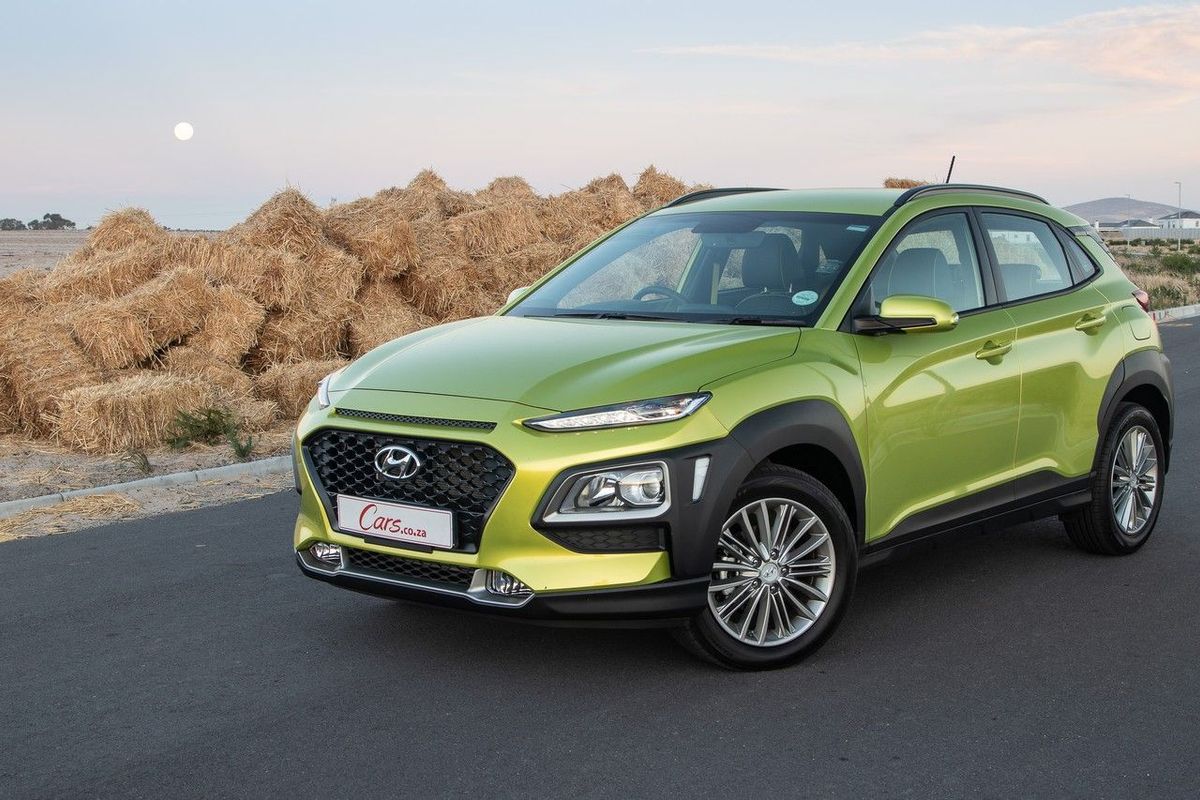
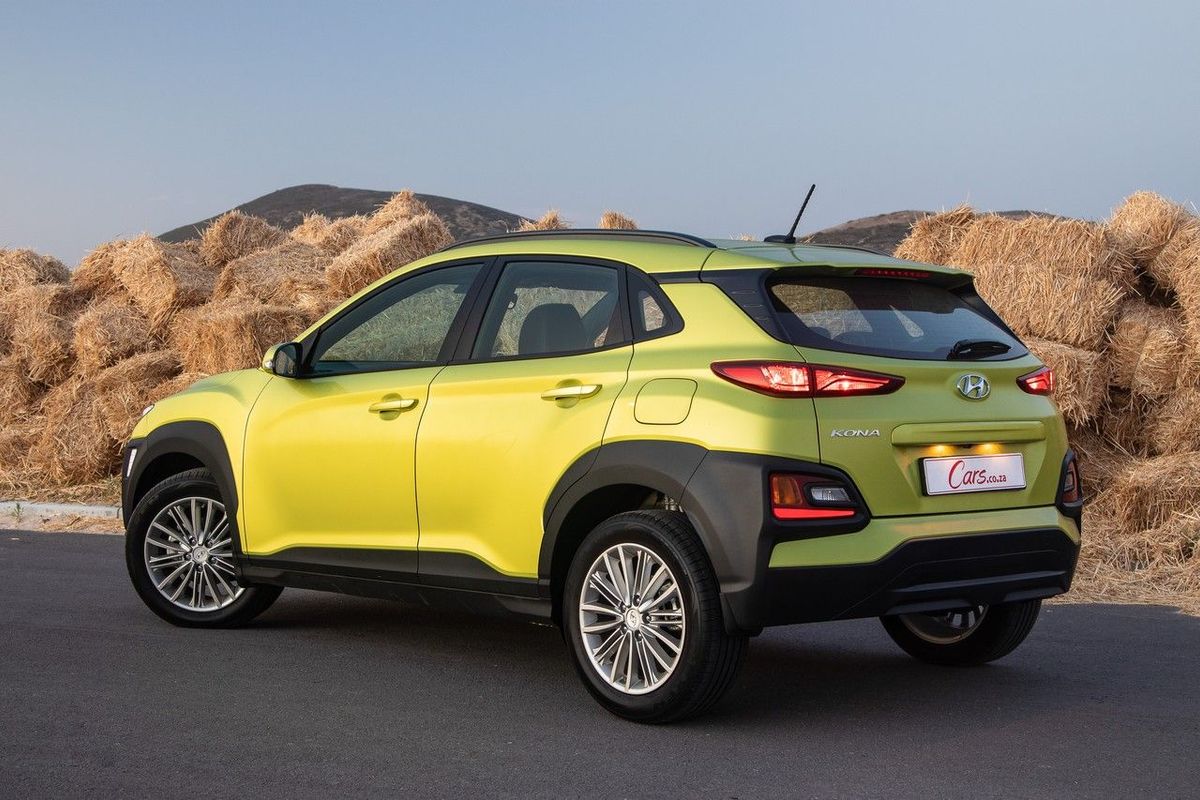
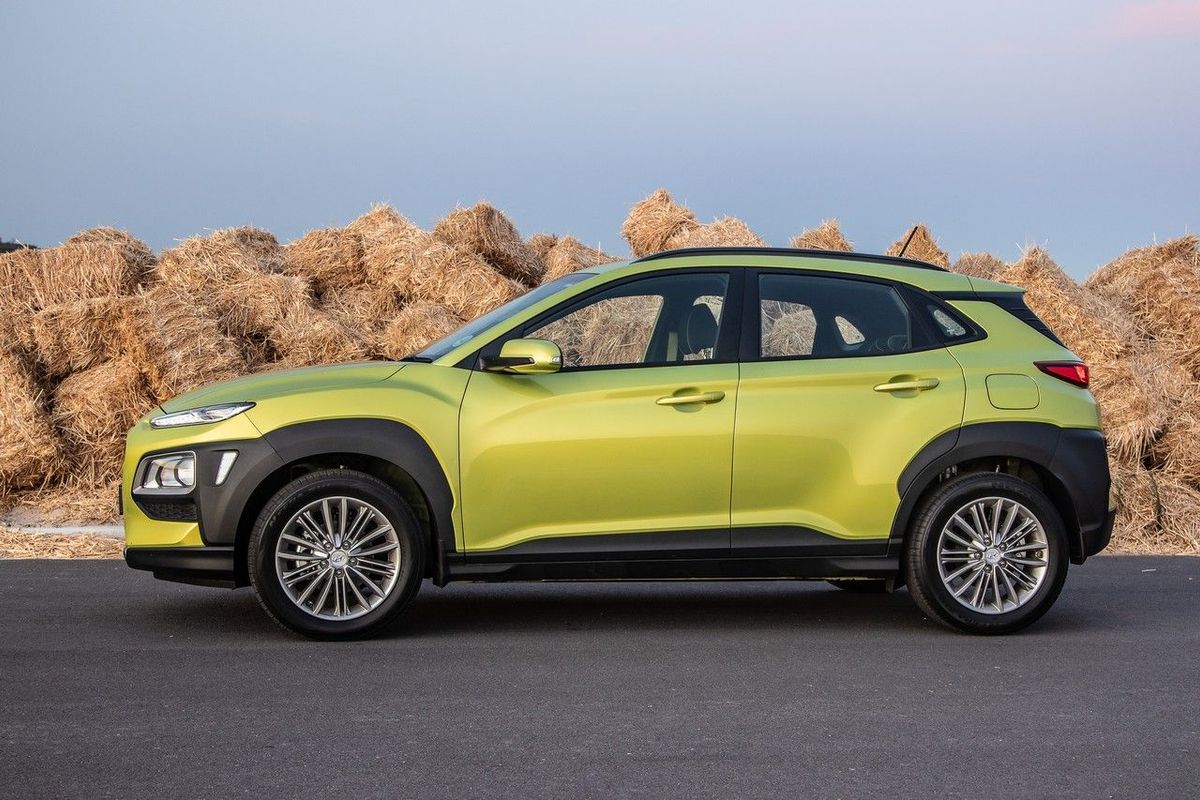
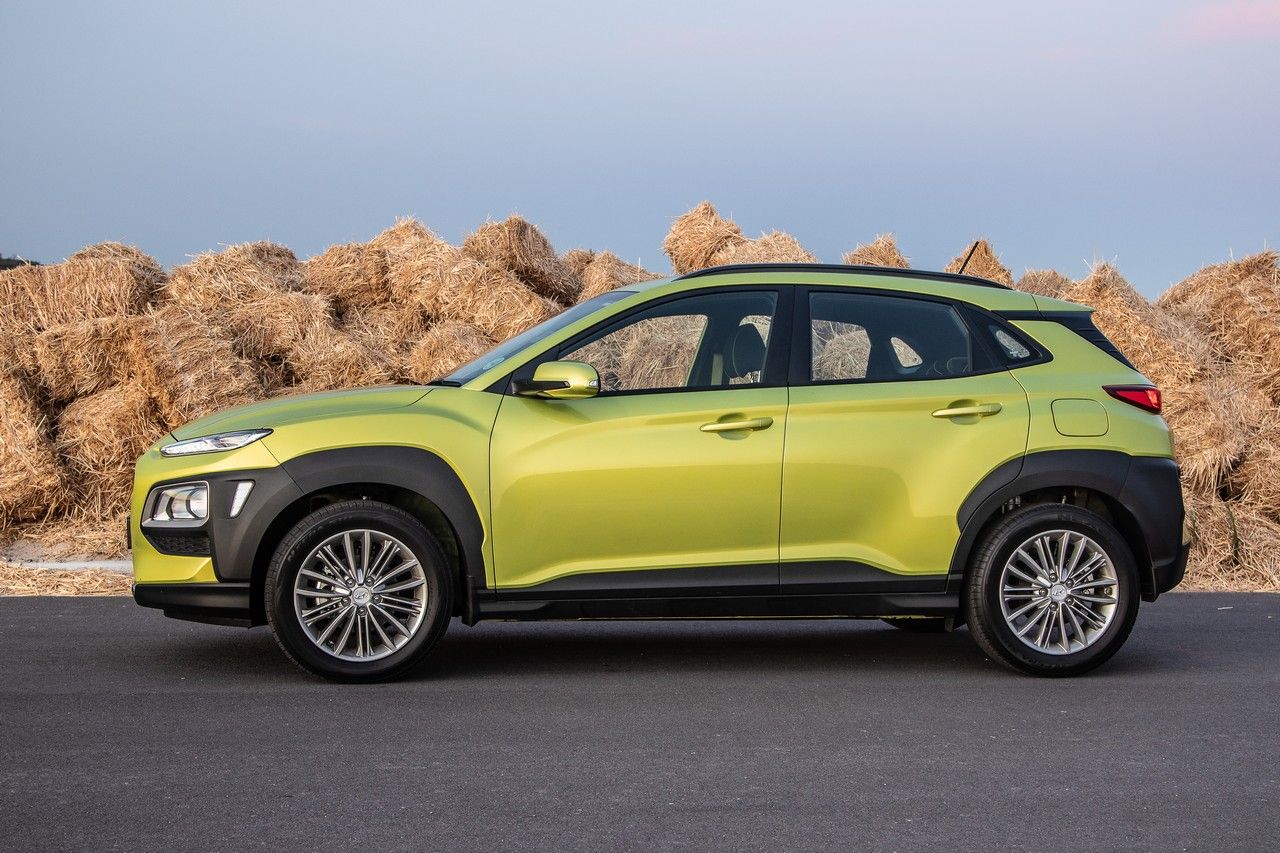
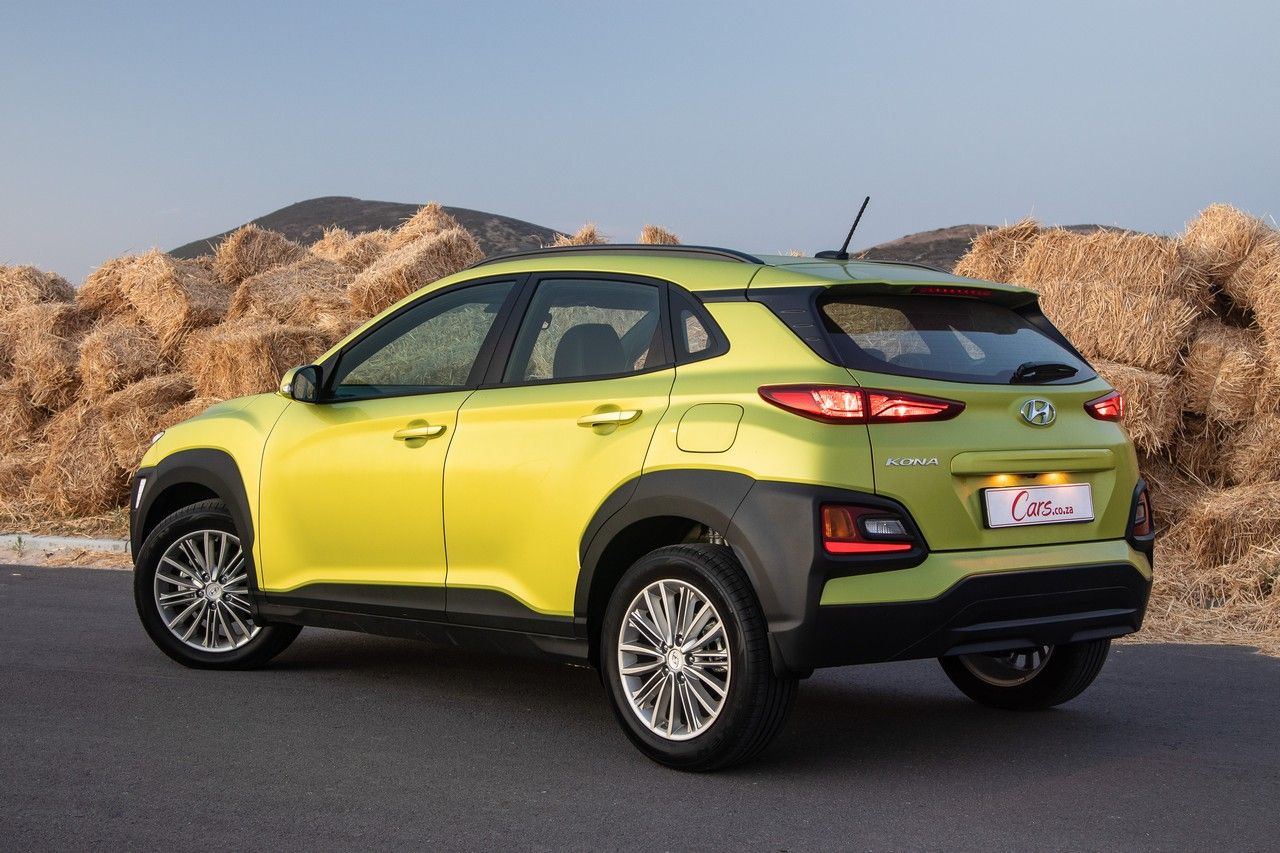
The Kona is a striking compact SUV which boasts surprisingly good ground clearance.
The good stuff
Styling
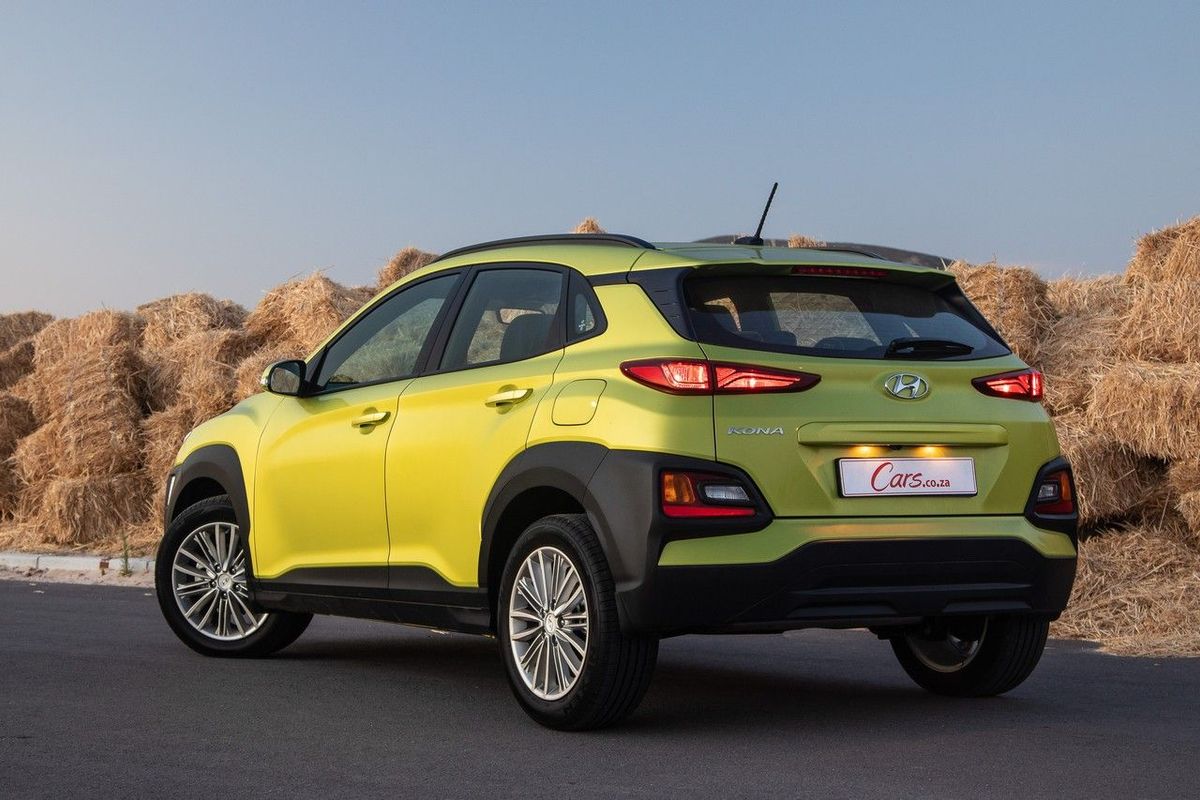
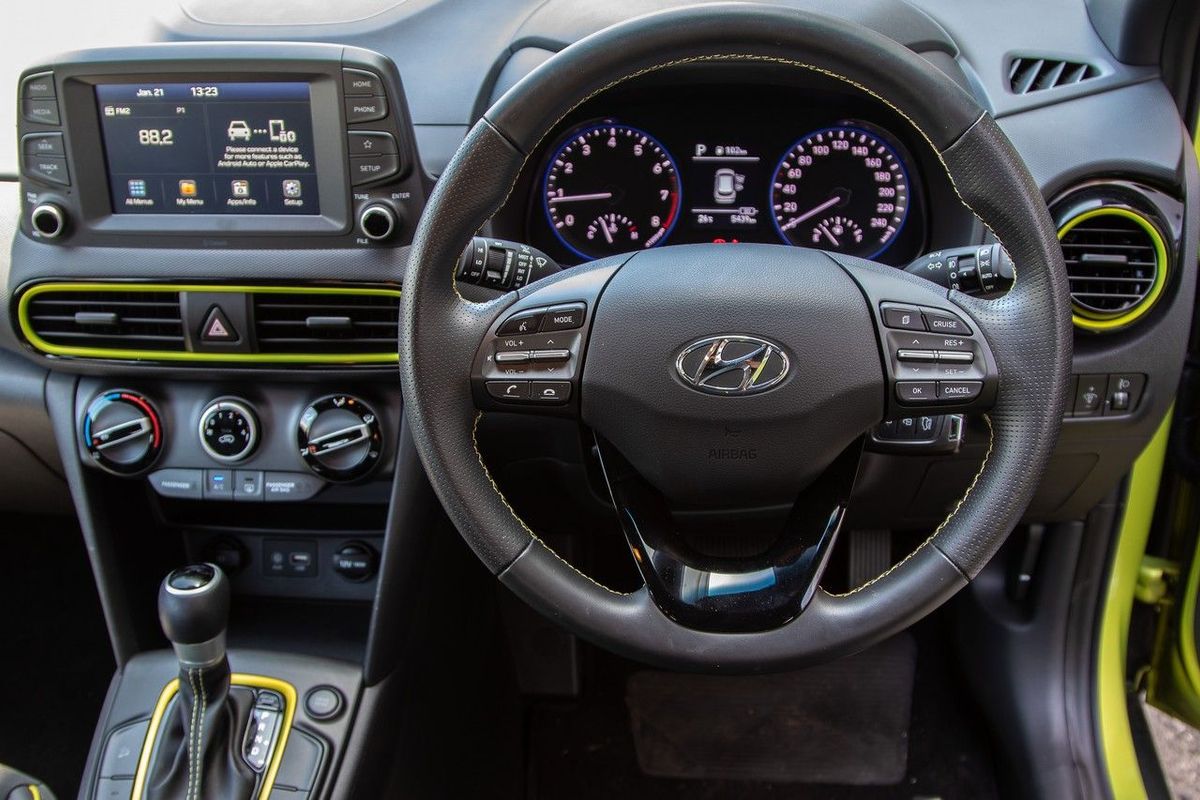
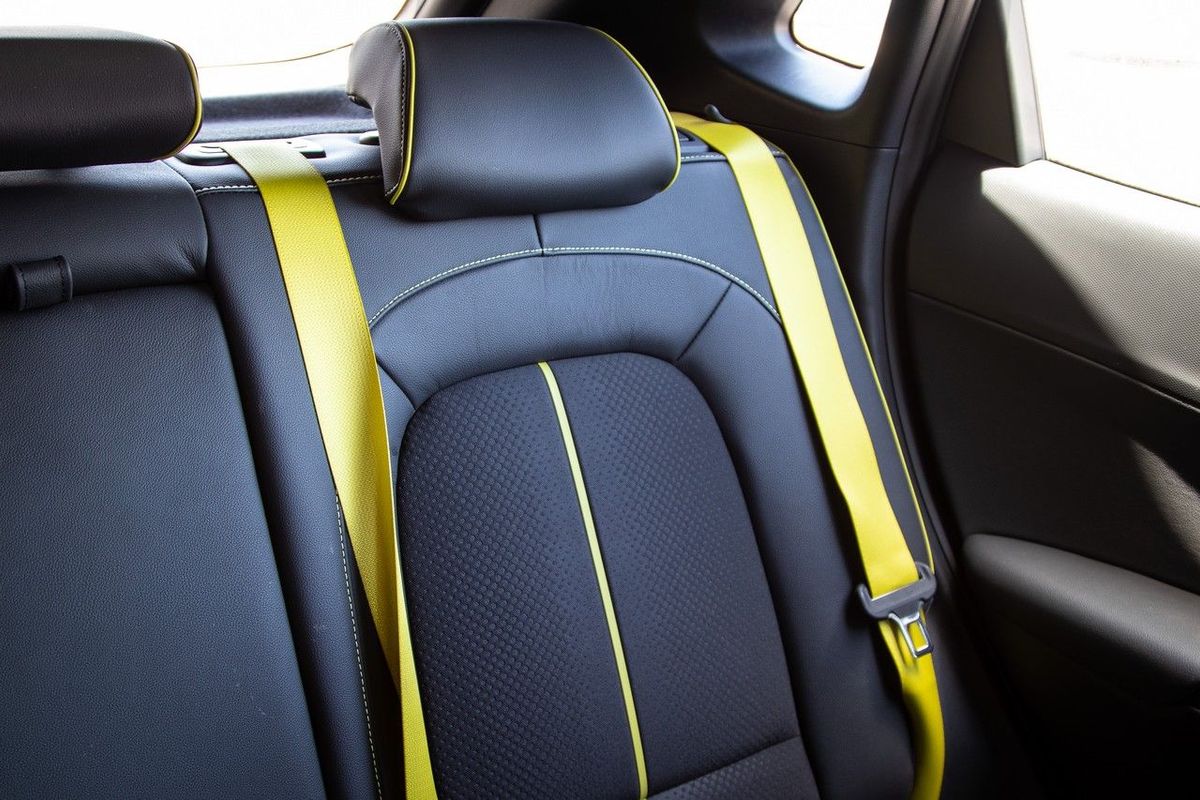
We've come to realise that with the Hyundai Kona, you have to opt for one of the more bright and colourful paint finishes to benefit from the Korean car's full visual impact, both inside and out. See, the exterior colour also dictates the cabin trim colours so you can expect fantastic splashes of colour like around the transmission lever, aircon vents, seats and seat belts. Our test unit was lime green and we appreciated the vibrant ambience.
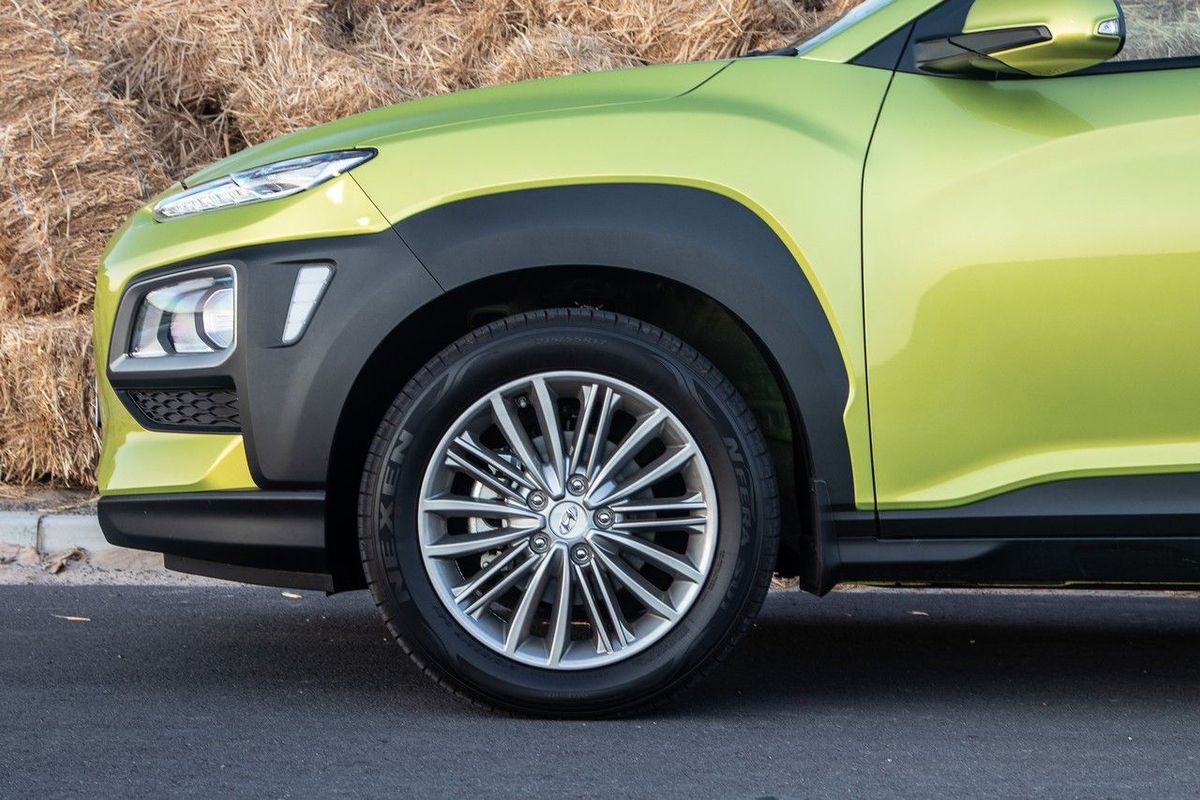
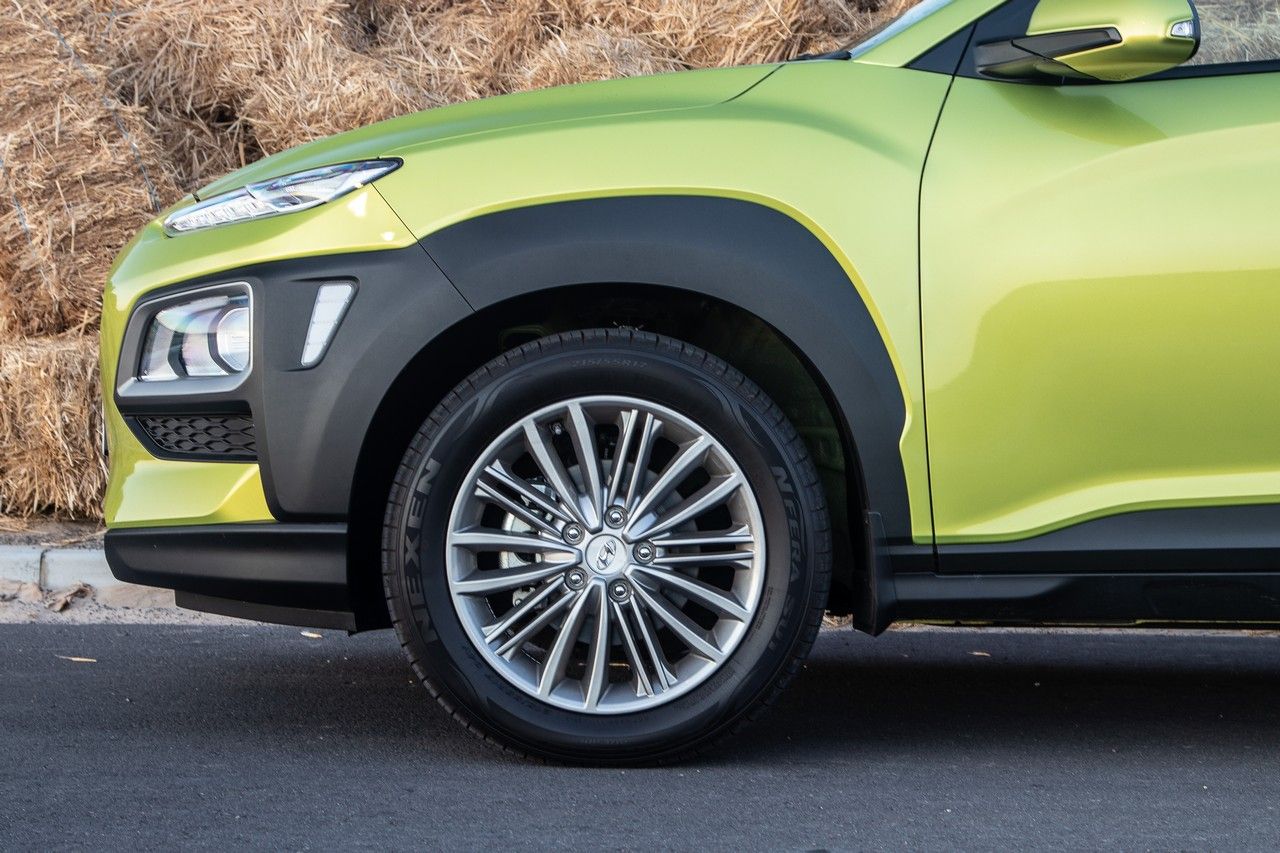
On the outside, the Kona features some black cladding around its wheel arches and bottom of the bumpers, which gives it a rugged appearance. While it's not marketed as an offroader, the 170 mm of ground clearance gives it the ability to mount kerbs or confidently traverse gravel roads.
Standard specification
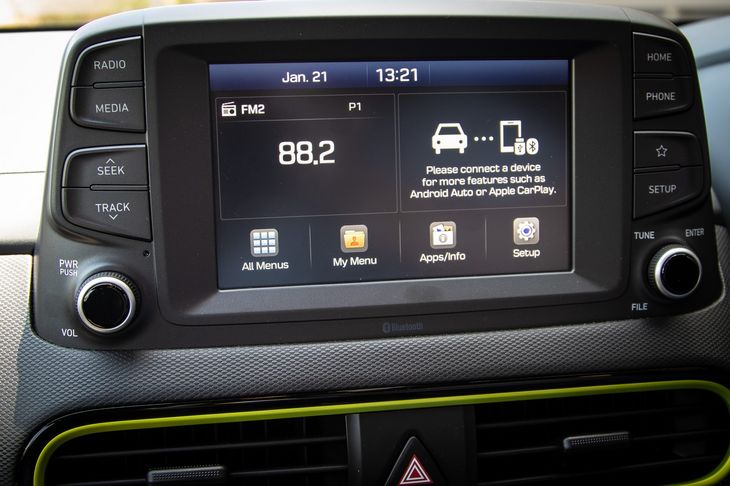
The latest in Hyundai infotainment includes Apple CarPlay/Android Auto compatibility and the entire system is easy to use
One of the highlights (and massive selling points) is the Kona's standard features list. You really are buying a vehicle with "all the bells and whistles". For the connected generation, there's a smart infotainment system replete with Apple CarPlay and Android Auto, the latter now officially in SA. This allows the car to use your phone's navigation as well as music streaming services, and importantly, removes the need to touch your phone while driving, as everything can be controlled by voice. The screen itself has a nice feel to it and looks to be made of a fingerprint-resistant glass.
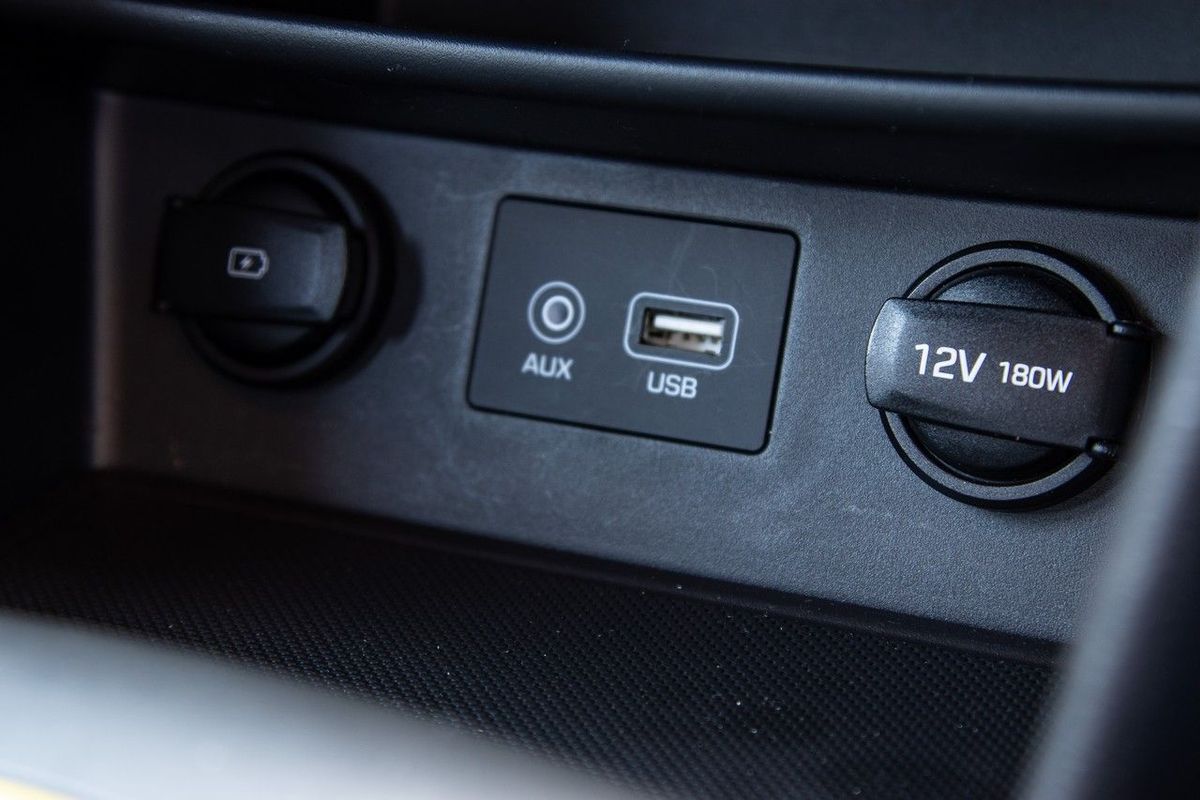
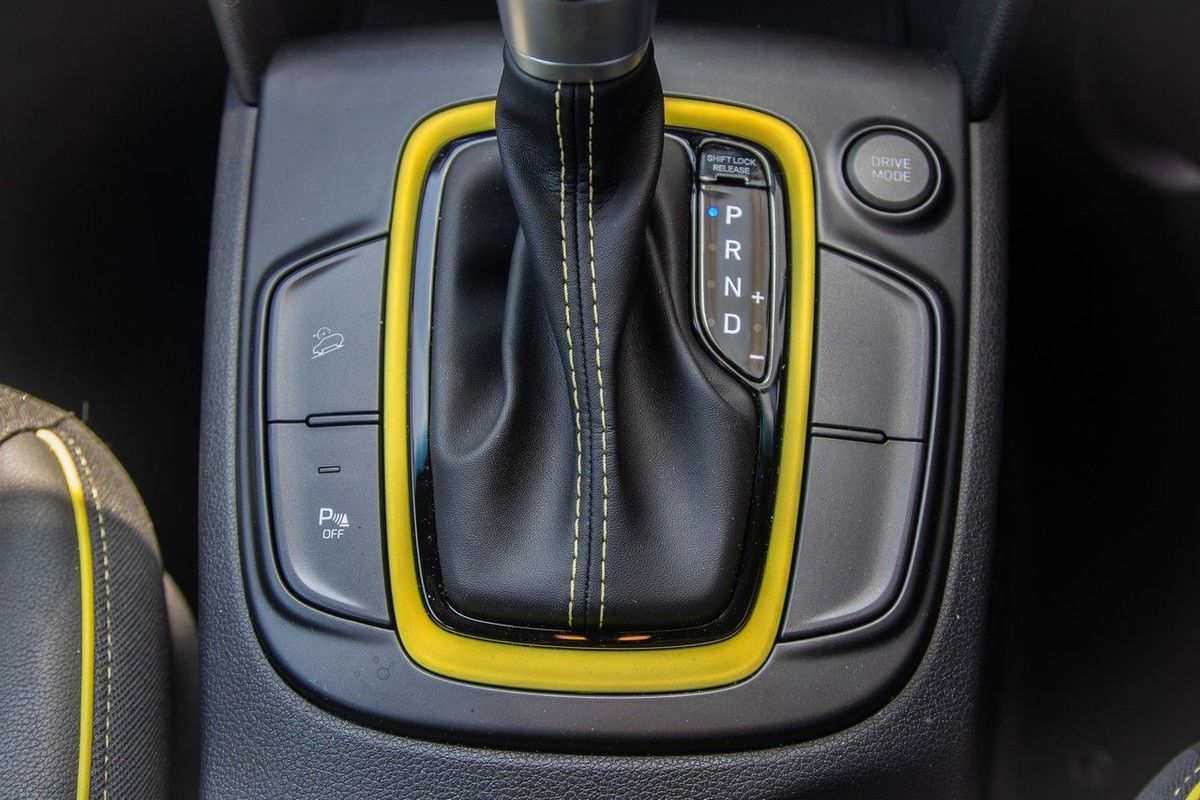
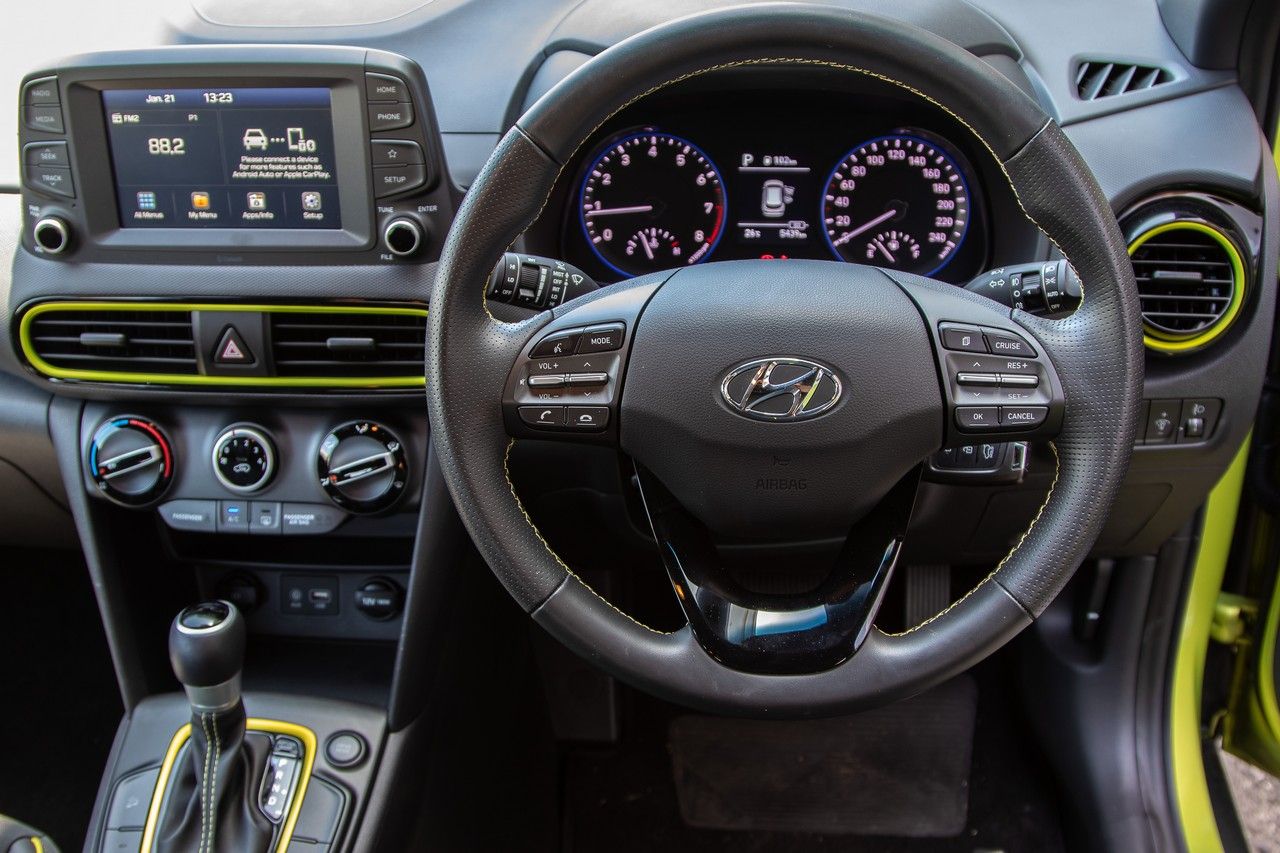
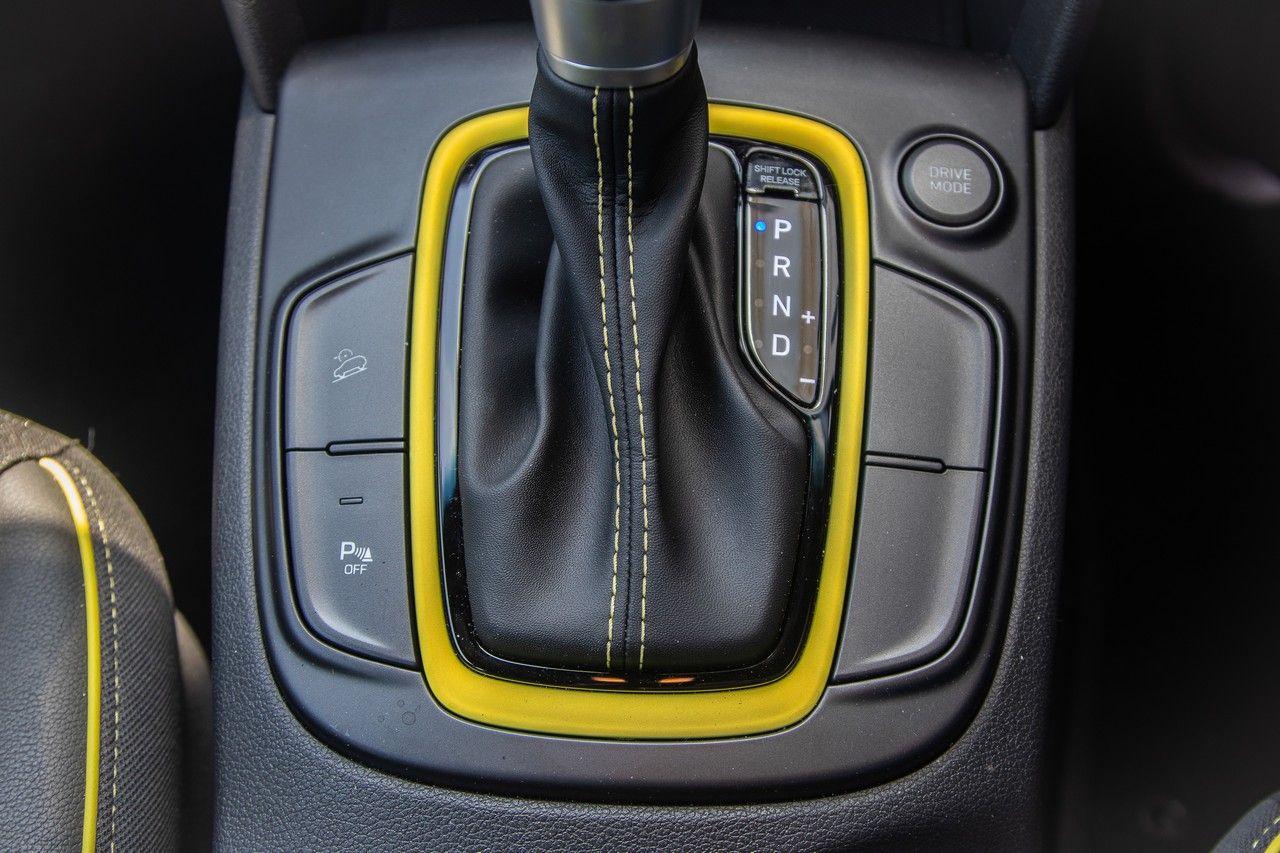
The multifunction steering wheel controls the audio system, telephony and cruise control/speed limiter; rear park distance control, a reverse-view camera, electric windows, auto lights, USB/Aux inputs, and a whole host of safety features are fitted; there are 6 airbags, ABS, EBD, Brake Assist and, as a bonus: a tyre pressure monitoring system. The Kona has hill descent control, activated by a button to the left of the transmission lever.
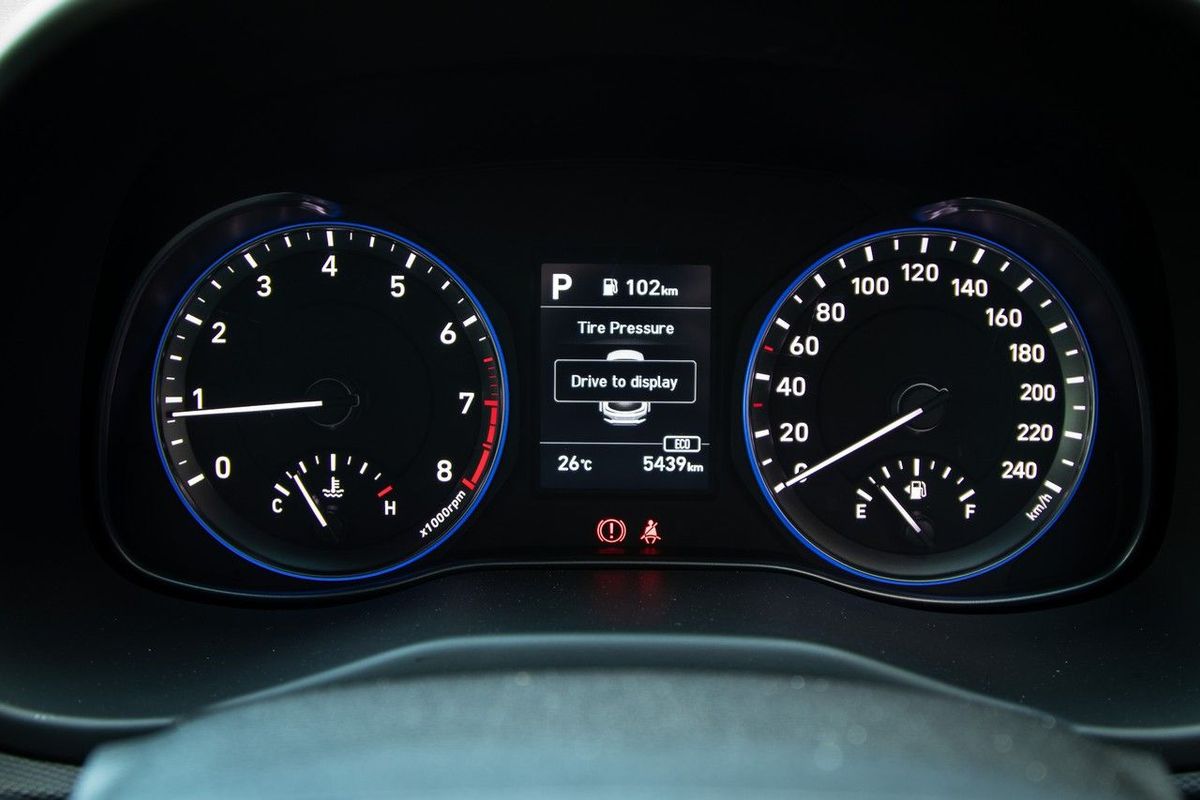
We love the green detailing in the Kona. The driving position is comfort orientated and the dials are crisp and clear.
Smooth Powertrain
Unlike its turbocharged sibling, this version of Hyundai Kona makes do with a naturally-aspirated 4-cylinder motor mated with a 6-speed automatic transmission. This 2.0-litre unit produces peak outputs of 110 kW and 180 Nm, with power going to the front wheels. It's reasonably frugal too… the Korean brand claims an average consumption of 7.2 L/100 km and our trip computer readout hovered around the 8.0 L/100 km figure.
While there are driving modes such as Comfort, Sport and Eco, we couldn't feel a massive difference between them, save for the Sport mode, which holds onto each gear a little longer. We left the Kona in Eco as default and couldn't find fault with its relaxed power delivery and driving style.
Park distance control, Hill Descent Control and Driving modes are activated by the gear selector. More green detailing!
Ride Quality
Despite the Kona riding on a torsion-beam suspension setup at the rear, the ride quality is firm, but more than adequate when it comes to soaking up road imperfections. We prefer a firmer, more poised suspension as opposed to a marshmallowy/wallowing one, anyway. What we liked about the Kona is that even when you left the tarmac and ventured onto some gravel, the crossover didn't lose any of its surefootedness and composure.
The steering is worth a mention too – it feels reassuringly firm when you're pressing on. Usually, some vehicles in this segment have light and vague steering, which is great for inner-city maneuvres, but the Kona seems to strike a great balance of good solid feedback and ease of use.
The Hyundai Kona drives well. Suspension setup is nice and firm, but not at all uncomfortable
The not so good
No Real Urgency
The engine doesn't like to be worked in this 2.0-litre automatic Kona. Whereas we enjoyed the manual gearbox's driver engagement and the willing turbocharged engine, we found the naturally-aspirated motor with automatic transmission setup much more suited to a relaxing drive. Sure, you can mash your foot to the floor, but it doesn't sound good when you do: the engine note degenerates into a loud noise, with little of it translating into overtaking power (a drawback of the middling 180 Nm). We think the transmission is conservatively-mapped, ostensibly to optimise fuel efficiency.
Shallow load bay
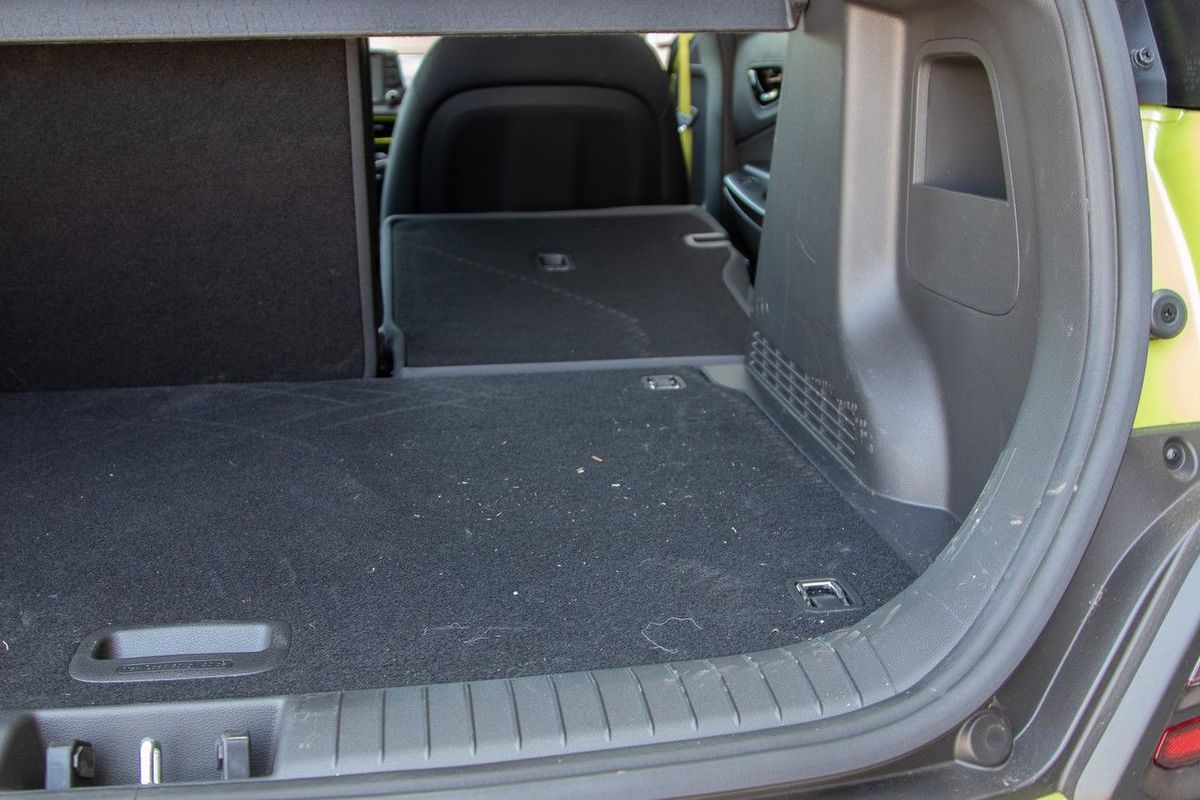
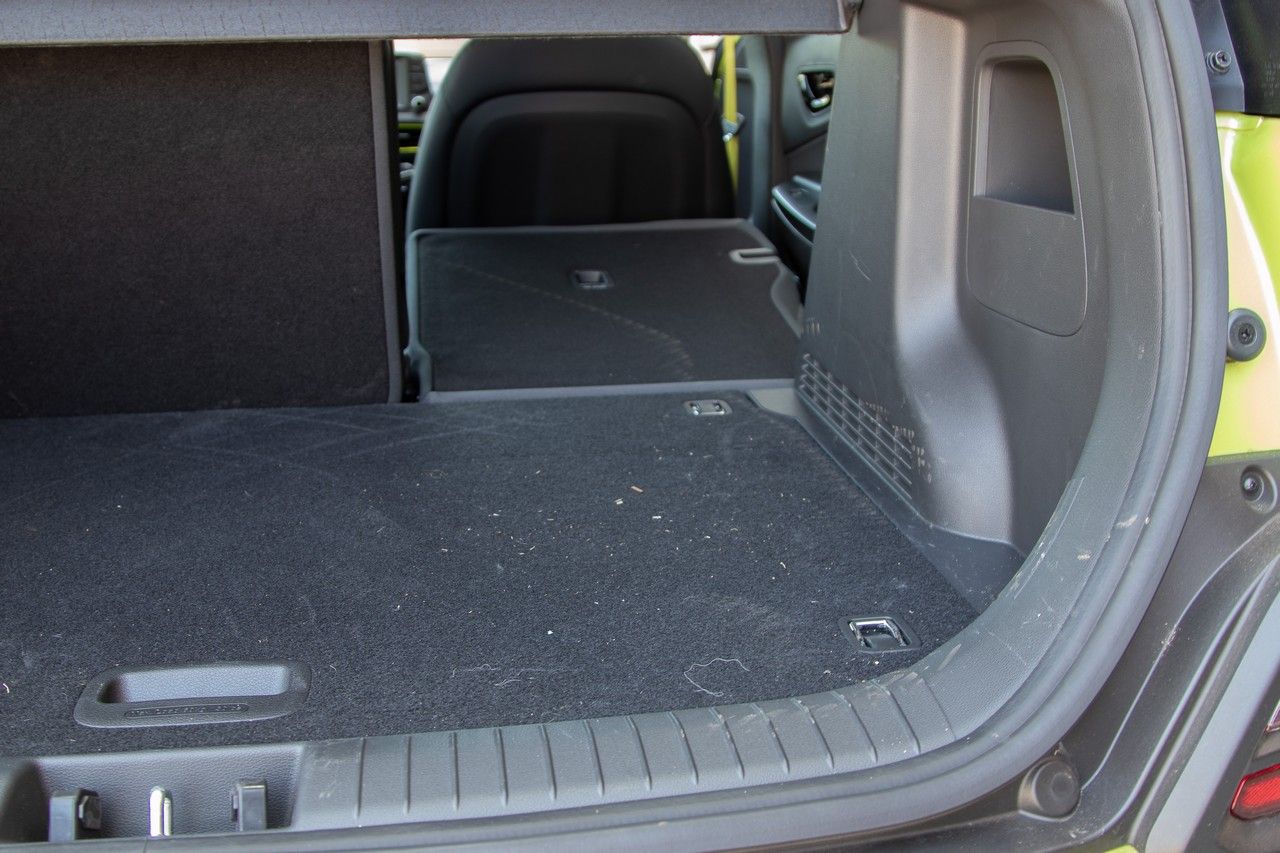
While the luggage area isn't the smallest in the class, we did note that it's quite shallow and lacks a lip to keep items inside. That being said, there is a full-size spare wheel, which provides some peace of mind, and if you do require more space, then you simply fold the seats down in a 60/40 split.
The lack of a boot lip was a minor bone of contention amongst the staffers, but once the seats were folded down, the boot was genuinely useful
Pricing and Warranty
The Hyundai Kona range starts at R379 900, while this 2.0 Executive retails for R399 900. The Hyundai Kona comes with a 5-year/100 000 km warranty with an additional 2-year/50 000 km drivetrain warranty. The service plan is valid for 5 years or 90 000 km, whichever lapses first.
Verdict
The Kona sits in an awkward position in Hyundai's line-up. It's priced a little higher than the more practical Creta, but feels better built and has far more standard features. Whereas the Creta feels practical and utilitarian, the characterful Kona offers standout kerb appeal. We'd assume that the majority of Hyundais are purchased for the following key reasons: long warranty, good spec, -practicality and -safety features. Well, the Kona has all of those, but by virtue of its charming personality, it moves from a sensible proposition to one that's desirable at an emotional level. Despite its relaxed driving demeanour, we'd opt for this auto version over its manual-'box sibling purely for the daily commute; shifting gears and clutch-in-clutch-out is so… 2000. If you do venture down the Kona route, do the vehicle justice and get one in a bright colour, you won't be disappointed.
The Hyundai Kona is an honest, colourful and desirable vehicle which is far more interesting than equivalent hatchbacks.
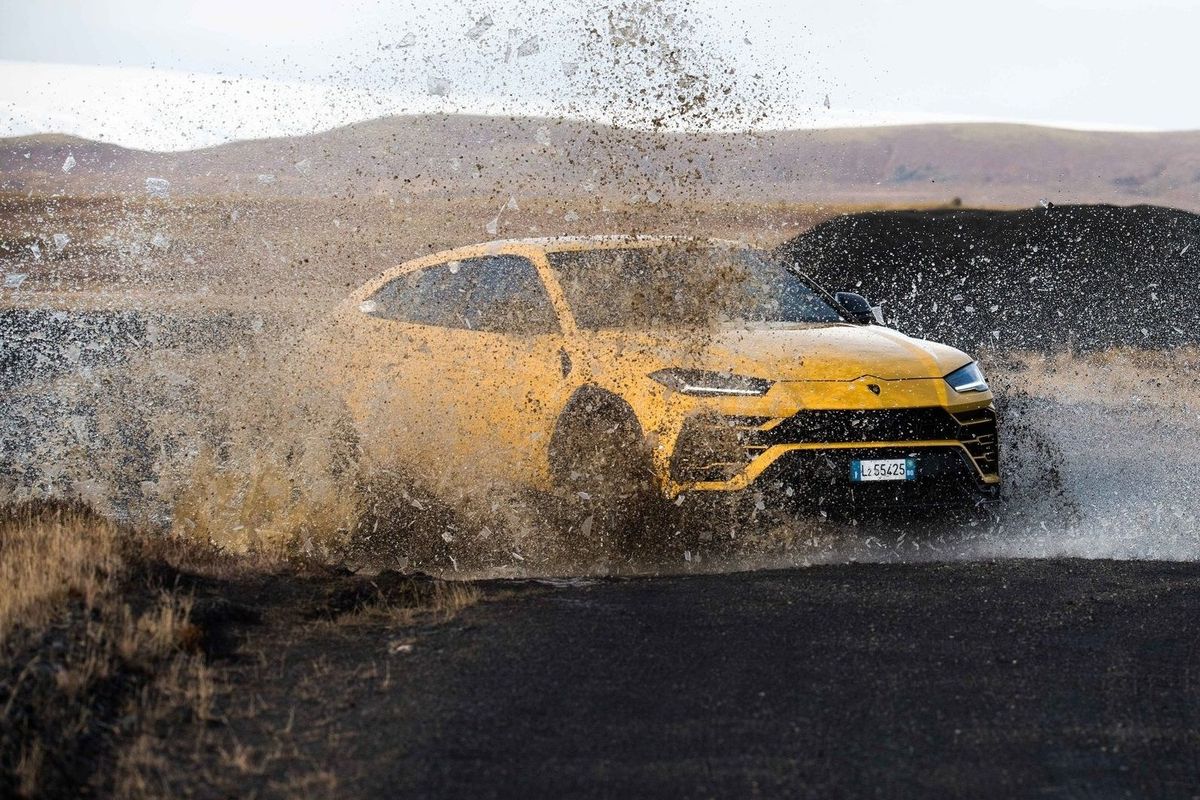
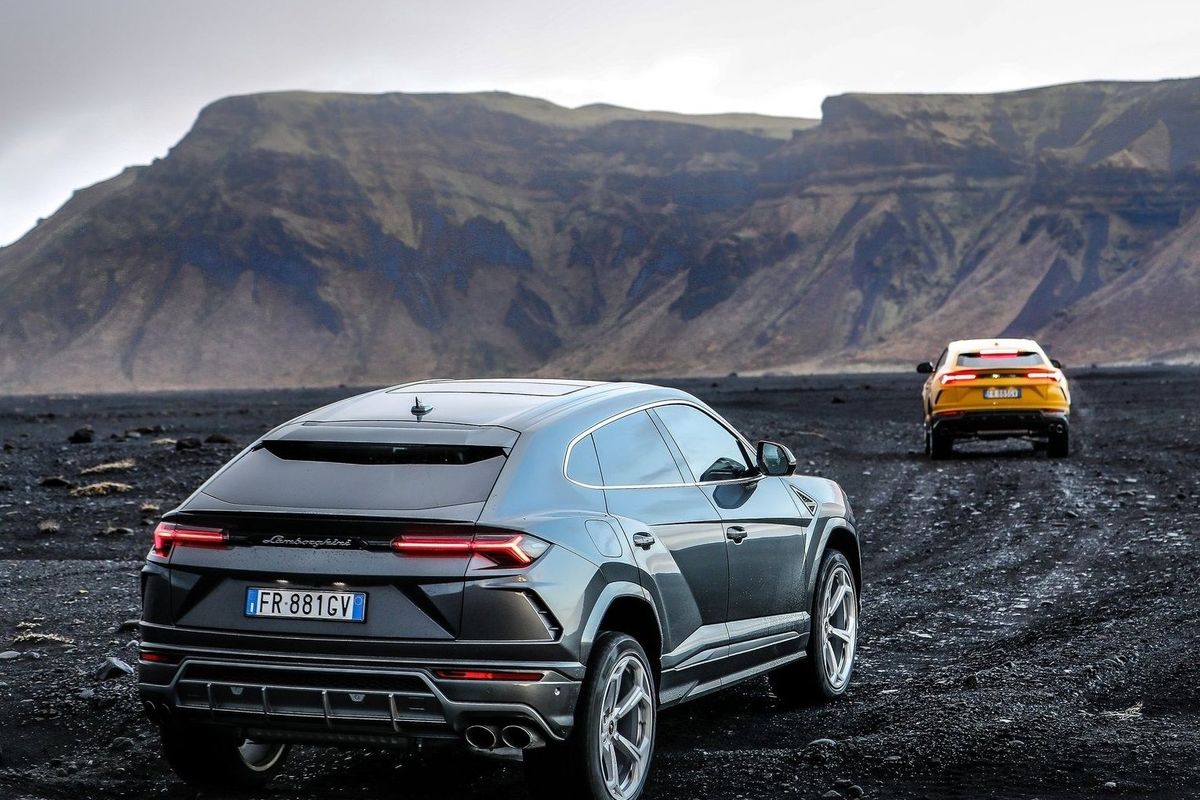
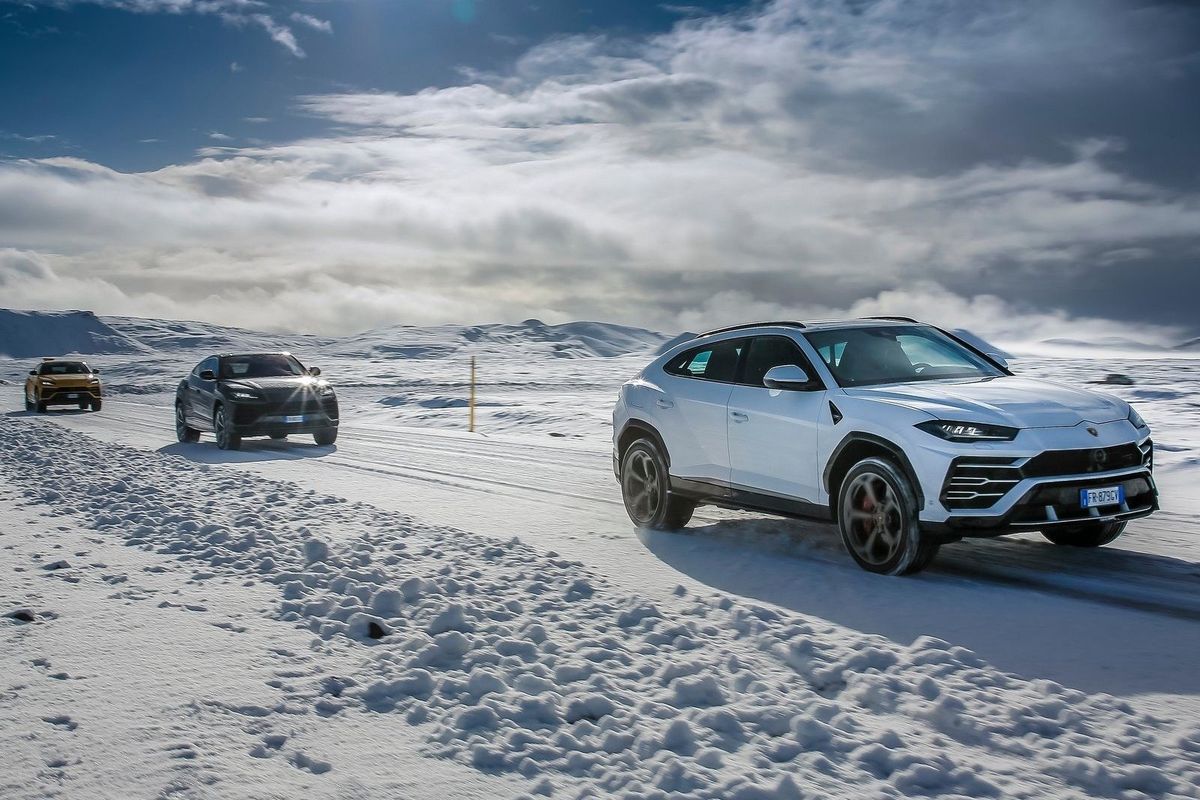
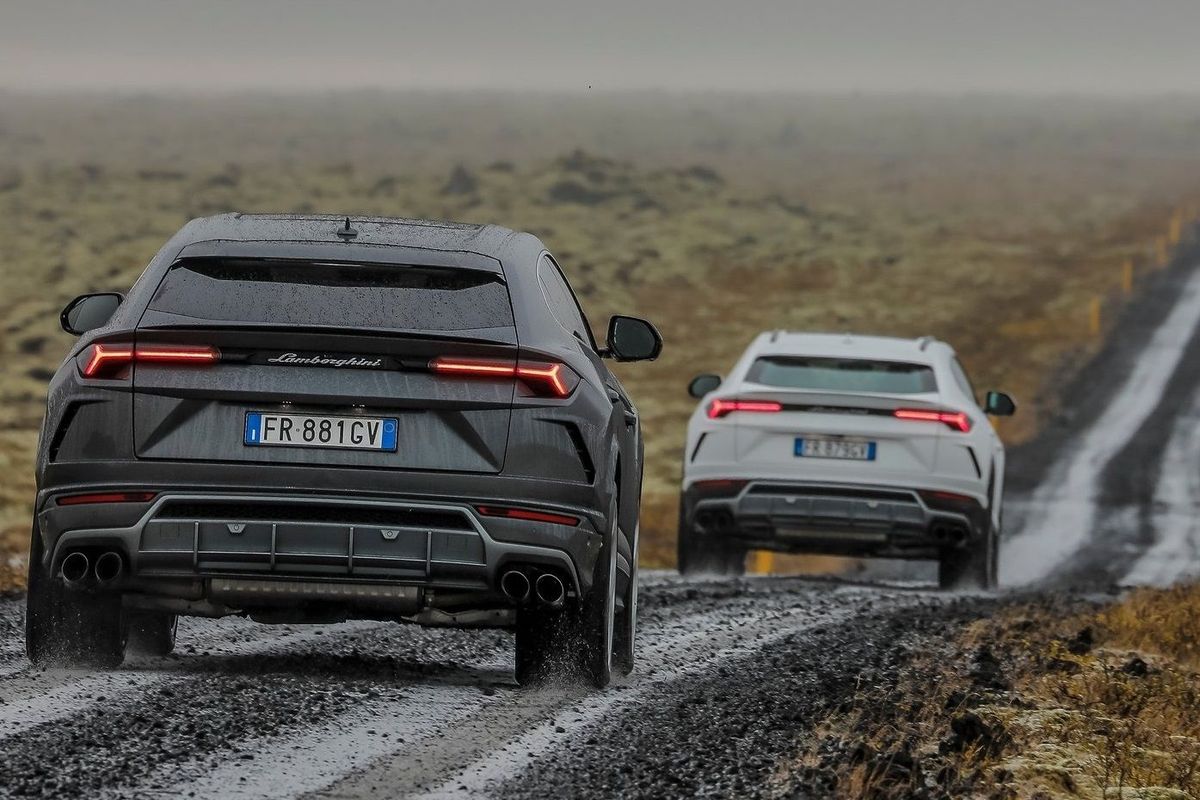
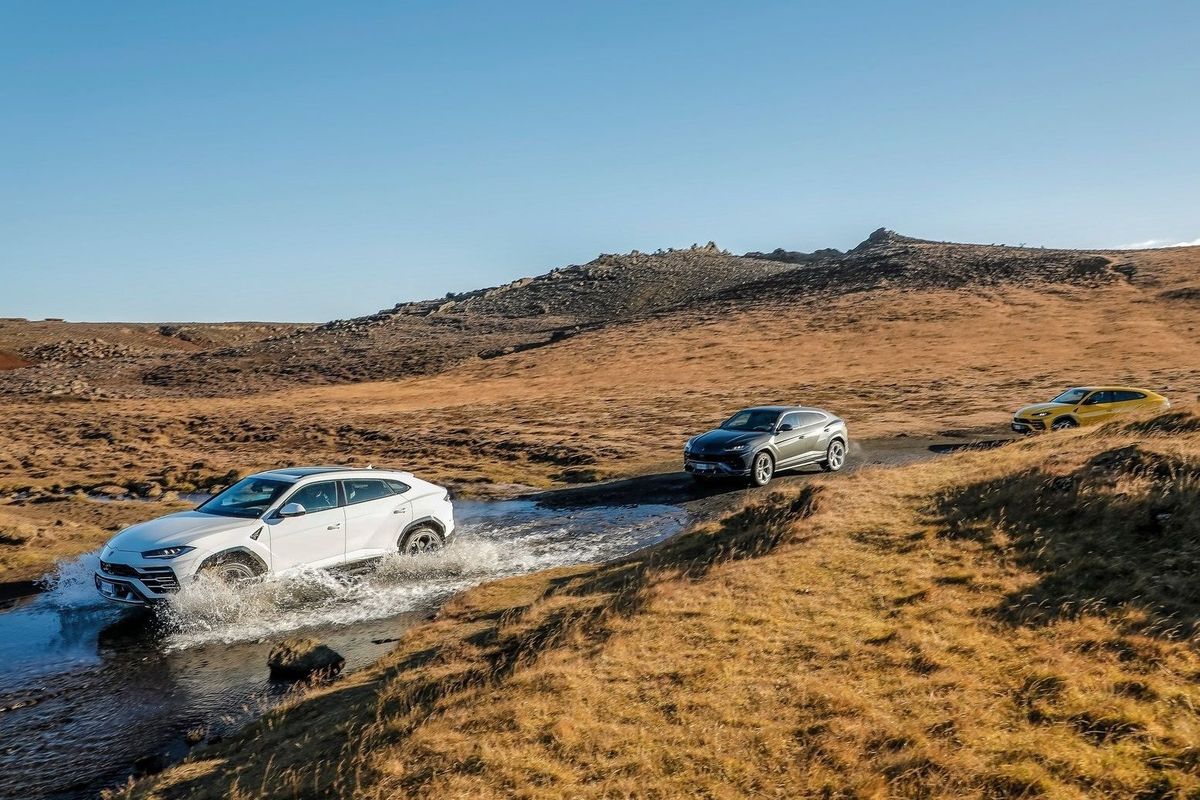
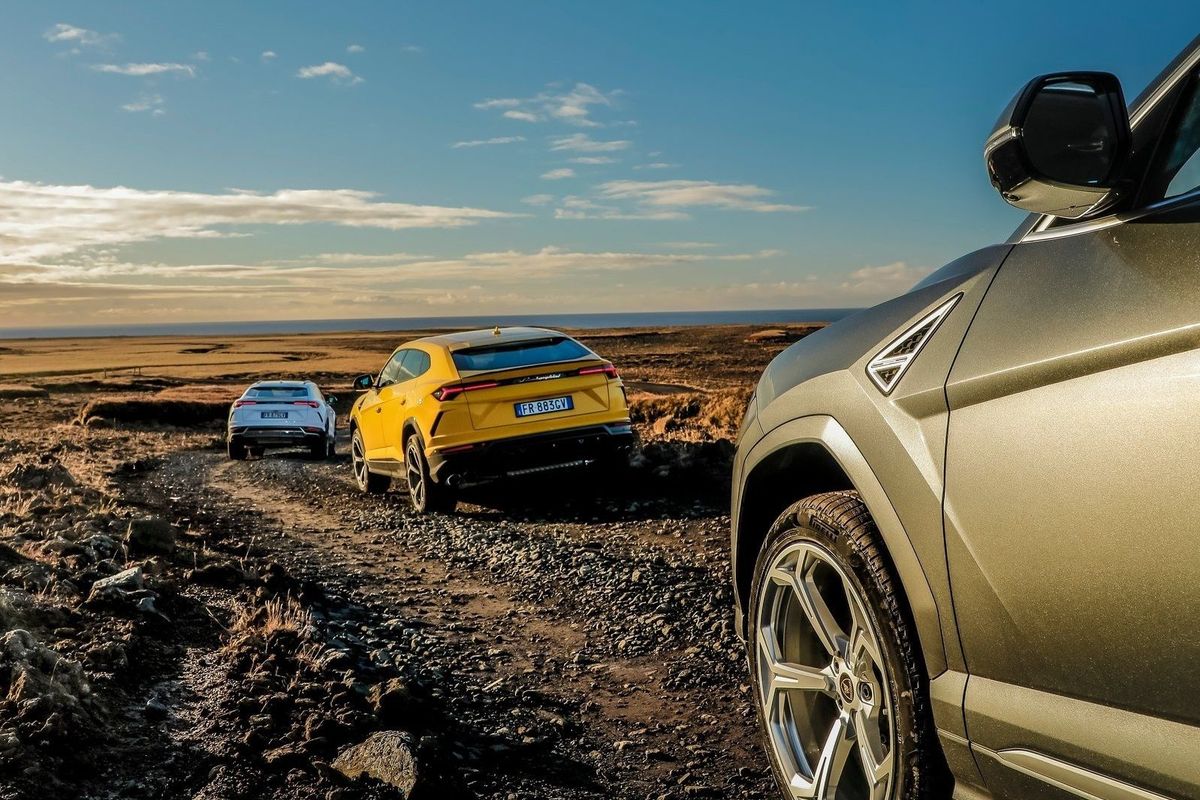
Lamborghini has released a special Off-Road Package for its Urus SUV, meaning you really can take your sports SUV offroad. Check it out!
The thought of taking the Lamborghini Urus offroad may sound a bit crazy, but it now can be done without risk of damage to the vehicle. Lamborghini has introduced the 'Off-Road Package', which enables Urus owners to venture off the tarmac with confidence.
The Off-Road Package for the Urus comprises some visual changes in the form of steel reinforcement on the bumpers, brushed steel exhaust tips and a change in ground clearance. The Urus also features metal underbody protection.
The Lamborghini Urus with Off-Road Package now offers up to 248 mm of clearance, which is 35 mm more than the standard model. 248 mm is an impressive amount and you should be able to clear many obstacles.
With the Lambo Urus now sitting higher, the approach and departure angles have changed and they're now rated at 27.9 and 28.3 degrees respectively. The standard model can only offer up from 20.3 and 26.8 degrees. This means you really can go up and down a steep mountain, if you really want to. Lamborghini has also made an all-terrain tyre available for the 21-inch alloy wheels and finally, there have been modifications to the driving modes. 'Terra' and 'Sabbia' offer more grip on slippier terrain such as grass, sand or mud, while Neve is perfect for those snowy winters.
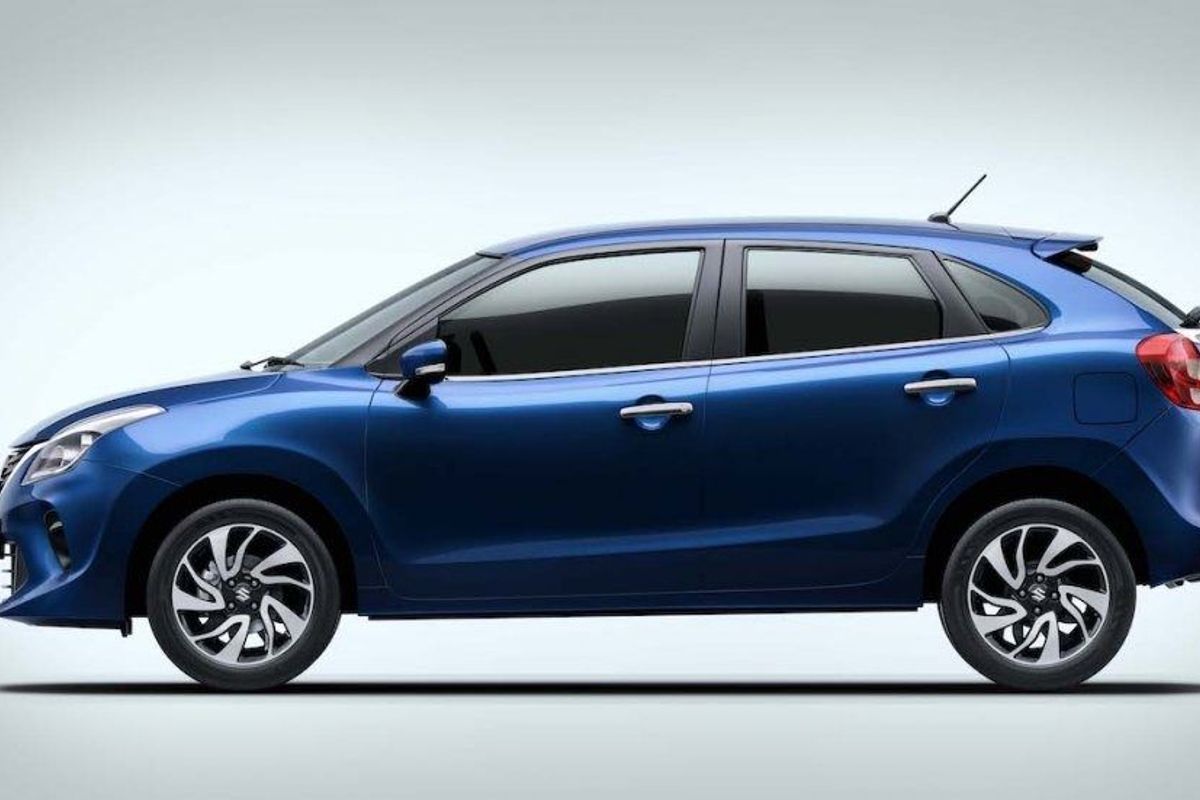
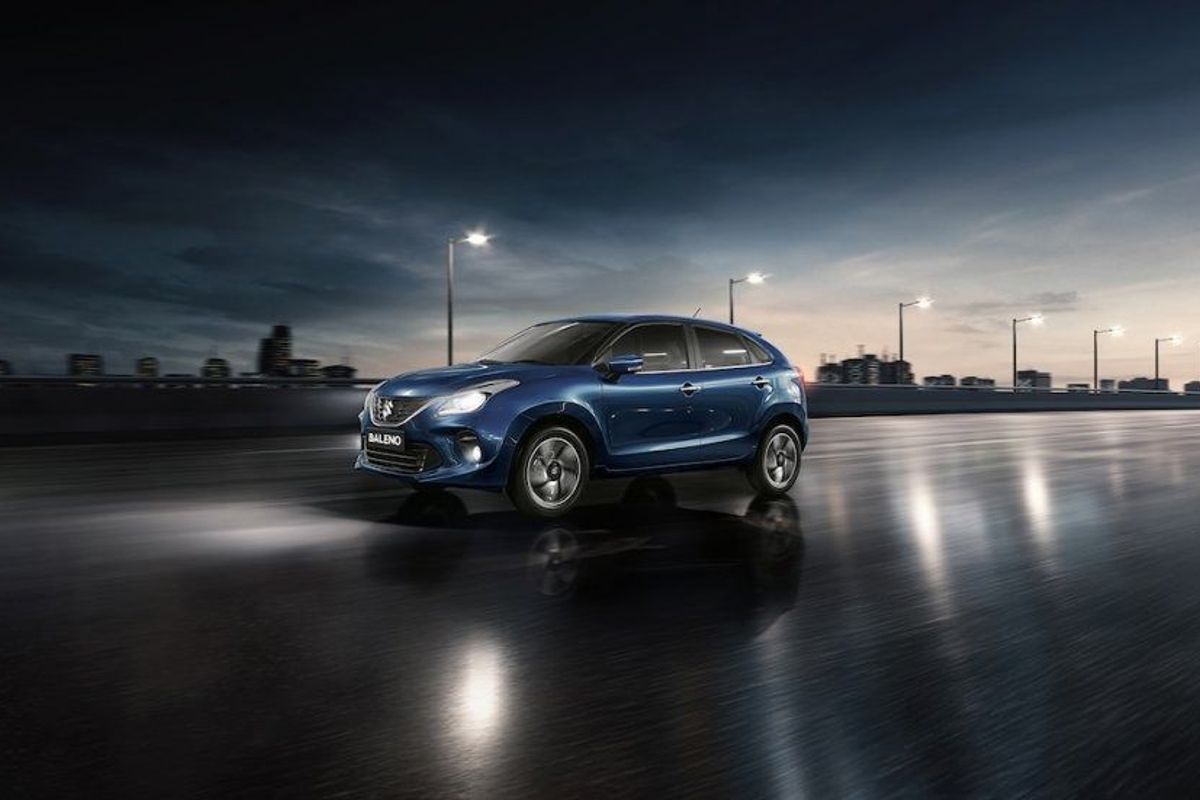
Suzuki has given its Baleno hatchback a makeover and the facelifted model is due to arrive in South Africa in September 2019.
The Baleno slots in above the Swift hatchback (2018/19 #CarsAwards Budget Car champion) in Suzuki’s local vehicle range and while it may not be as popular as the Swift, it has still managed to sell fairly well on local soil.
Now, customers can expect to see a revised Baleno arrive in South Africa in the third quarter of 2019. In terms of engine firepower, the Baleno will retain its naturally-aspirated 1.4-litre petrol engine with 68 kW and 130 Nm of torque, mated to either a 5-speed manual or a 4-speed automatic transmission.
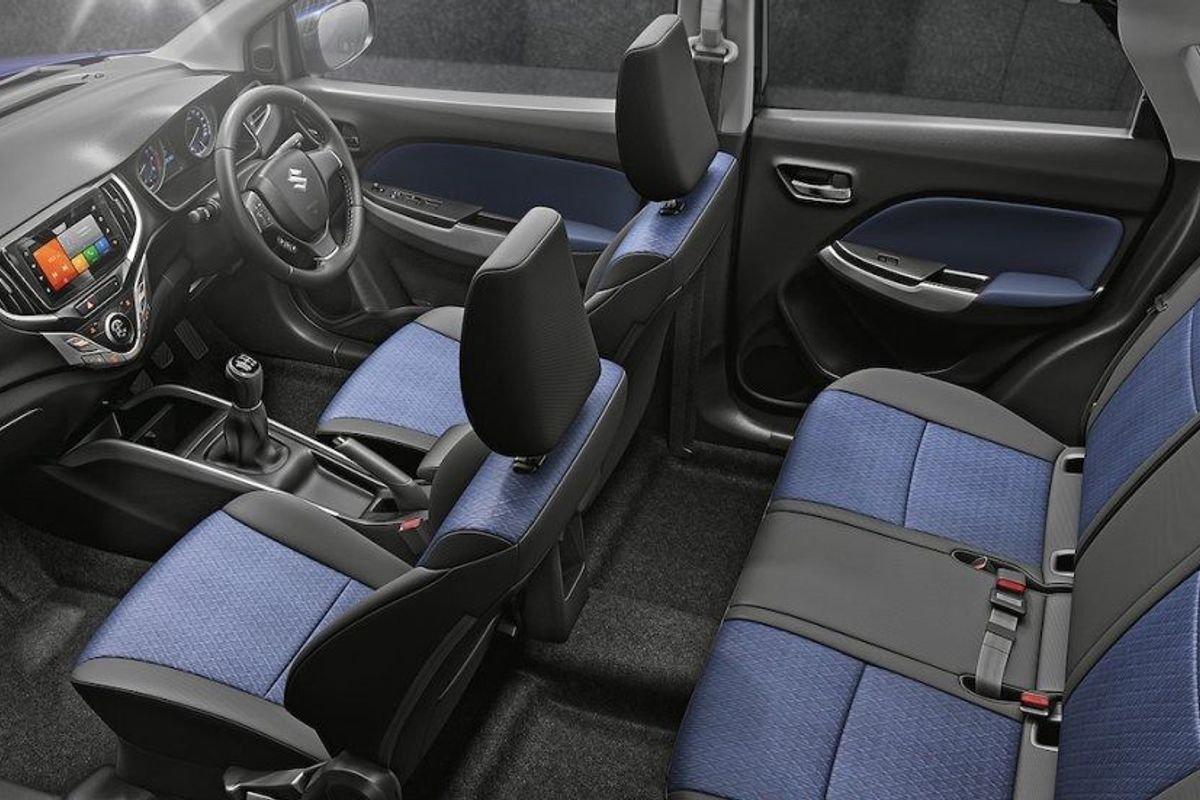
Suzuki has refined the Baleno’s face with a new upper grille section, a more striking front bumper and a revised lower air intake. The fog lamps have also been repositioned to suit the new look.
South African specification has yet to be confirmed but models currently on sale in India are fitted with 16-inch alloy wheels as well as LED projector headlights.
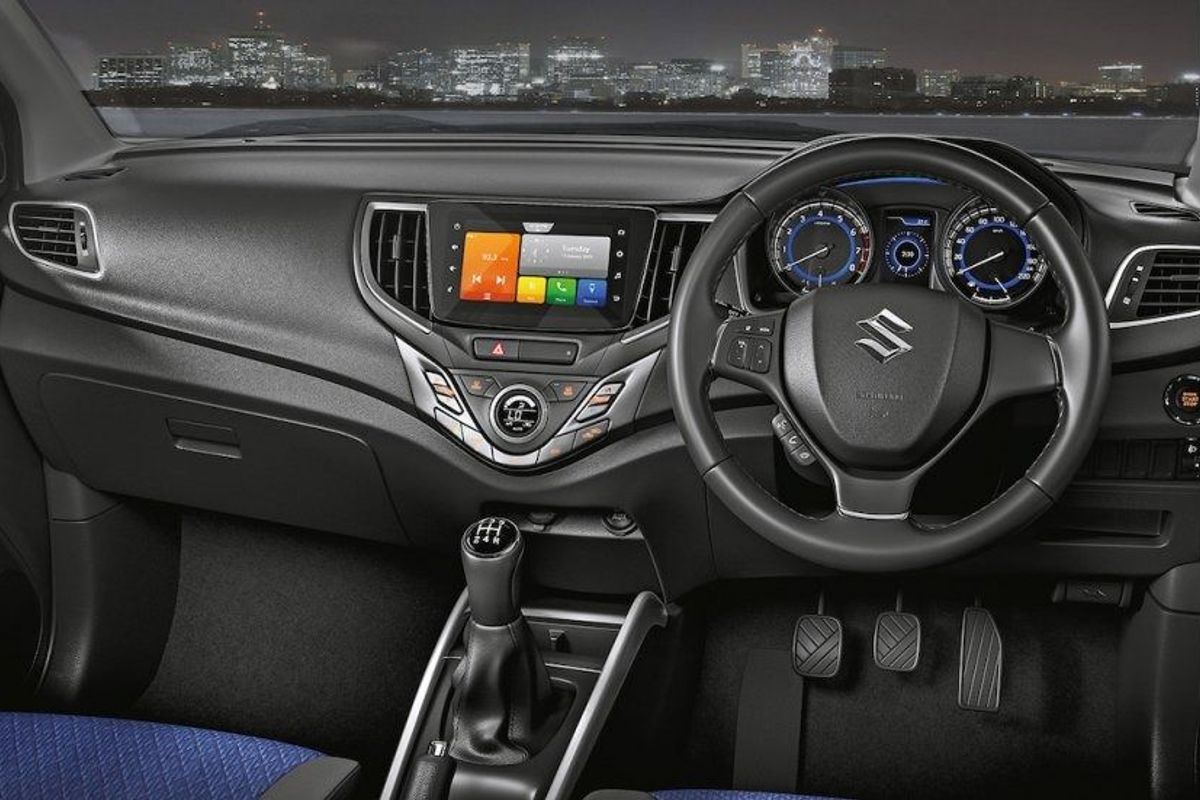
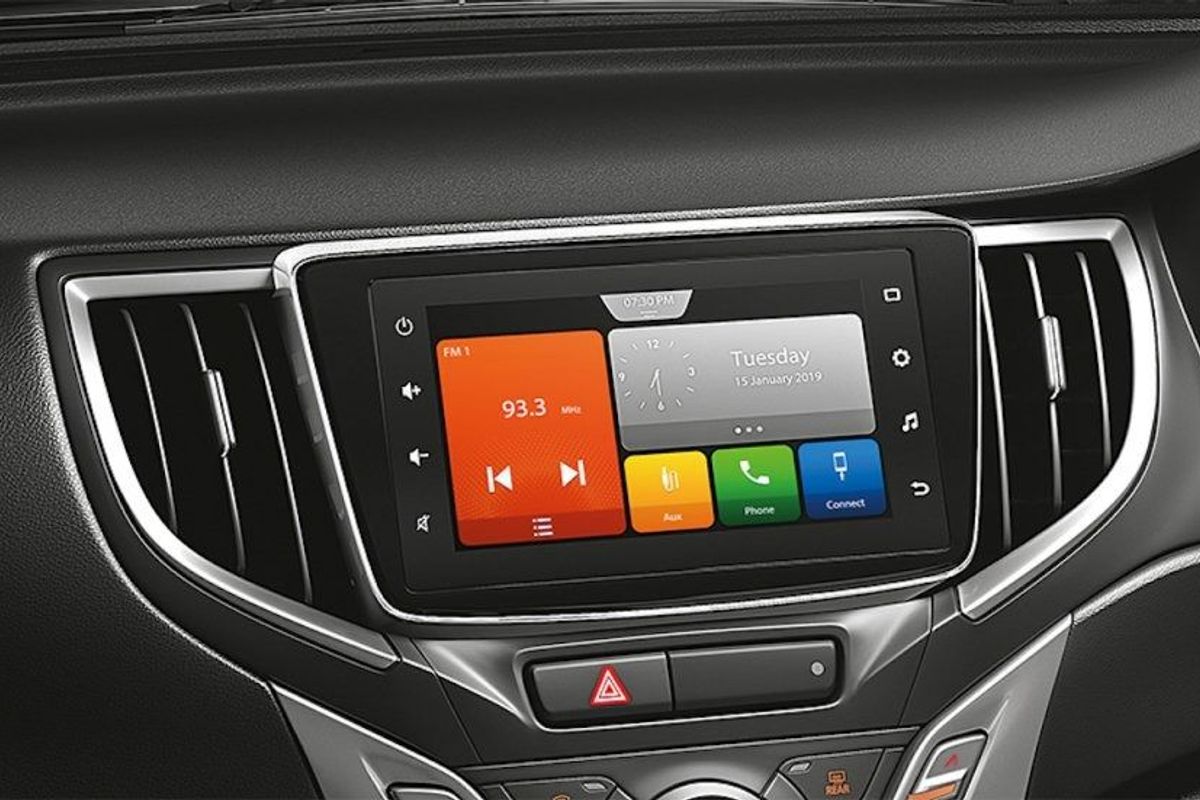
On the inside, Suzuki has upgraded the infotainment system to include a new 7-inch SmartPlay Studio system with Apple CarPlay and Android Auto functionality. Additional safety features such as parking sensors and a speed alert system have been added to the standard specification list.
We will keep you updated as soon as local pricing and specification details become available.
Are you looking to buy a new hatchback in 2019? Well, there are some stylish (and fast) products headed for our market this year and buyers have much to look forward to. Here are 7 hatchbacks worth waiting for…
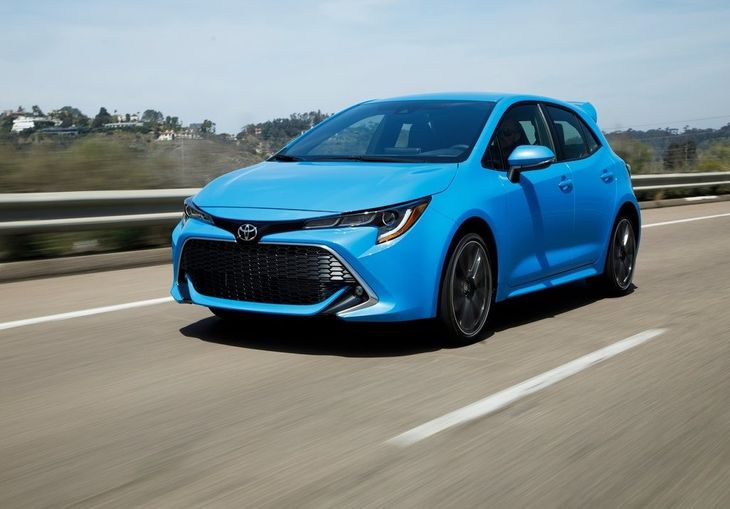
Toyota Corolla Hatchback
The new Toyota Corolla hatchback is expected to arrive in the first quarter of 2019. Local specification has yet to be confirmed but buyers can expect to see the C-HR’s 1.2-litre turbopetrol engine doing service under the bonnet of the Corolla with 85 kW and 185 Nm of torque and with either a 6-speed manual or CVT being offered.
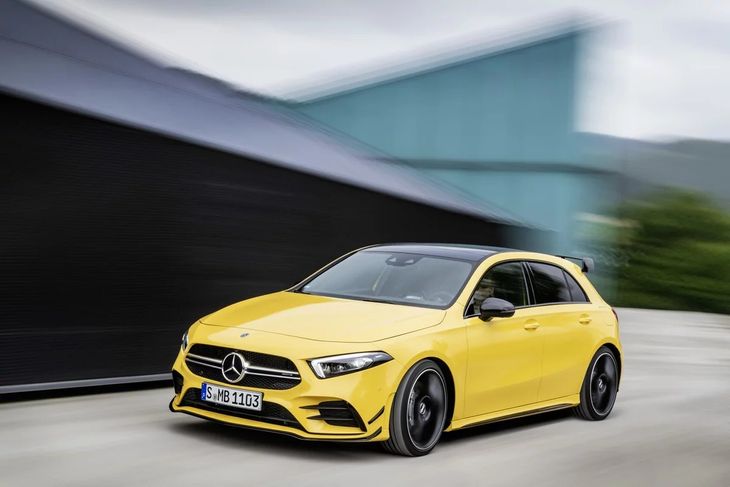
This potent hot hatch is a new addition to the A-Class family and will arrive in SA in Q1 of 2019. It will slot in below the range-topping AMG A45 4Matic derivatives which are expected to arrive later. A turbocharged 2.0-litre petrol engine with 225 kW and 400 Nm of torque will ensure brisk acceleration using a 7-speed dual-clutch transmission. The sprint from zero to 100 kph is claimed at 4.7 seconds. Volkswagen Golf R drivers beware…
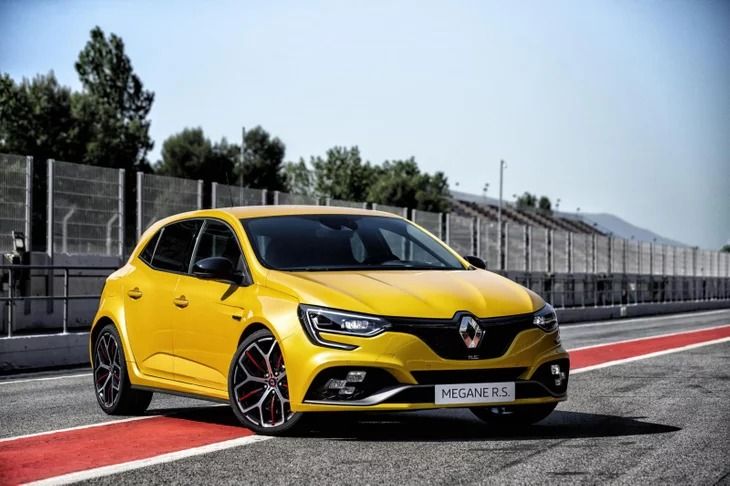
The new Renault Megane RS has impressed us so far but we can’t wait for the hardcore Megane RS Trophy to arrive in the third quarter of 2019. Fitted with a 1.8-litre turbopetrol engine that now develops 224 kW and 420 Nm when paired with a 6-speed dual-clutch transmission. A 6-speed manual is also on the cards. The track-focused Megane RS Trophy is the most powerful RS model to date. Apart from featuring stiffer suspension and a Torsen mechanical limited slip differential, it's also fitted with enhanced bi-material front brake discs and specific 19-inch 'Jerez' alloy wheels shod with high-performance Bridgestone tyres.
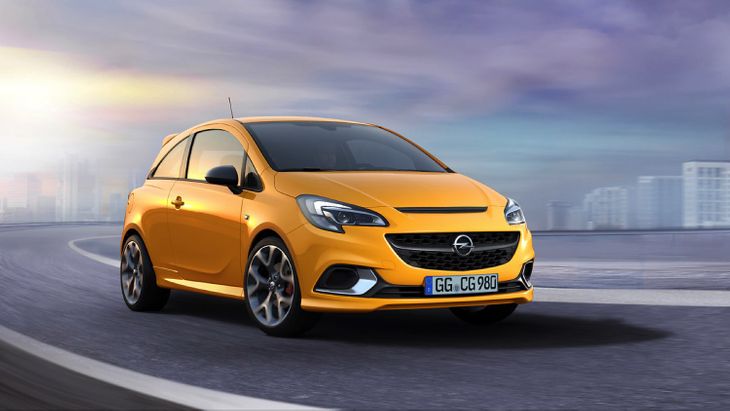
Opel will launch the 3-door Corsa GSi in April 2019! It’s expected to offer dynamic handling ability thanks to its agile OPC chassis and will be powered by a turbocharged 1.4-litre petrol with 110 kW and 220 Nm of torque and makes use of a short-ratio 6-speed manual transmission to drive the front wheels.
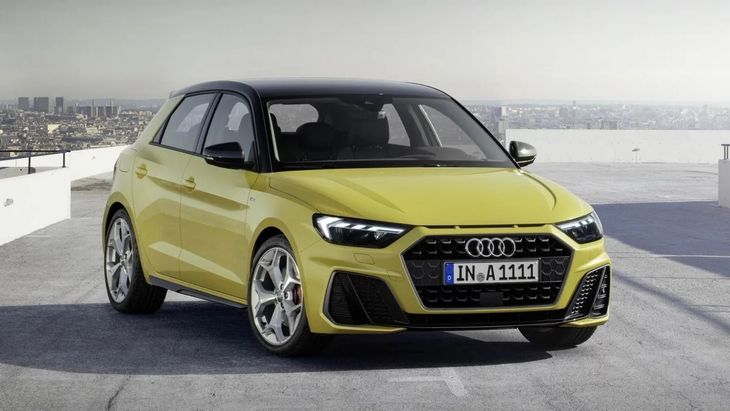
The new Audi A1 is due to arrive locally in Q4 of 2019. Not only is new A1 bigger, but its interior cabin has also been thoroughly overhauled. In terms of engines, a 1.0-litre, 3-cylinder turbopetrol engine in 2 states of tune will be offered with outputs of 70 kW/175 Nm and 85 kW/200 Nm. A 1.5-litre turbopetrol with 110 kW and 250 Nm will also be offered while the range will be headlined by a 2.0-litre turbopetrol engine with 147 kW and 320 Nm of torque.
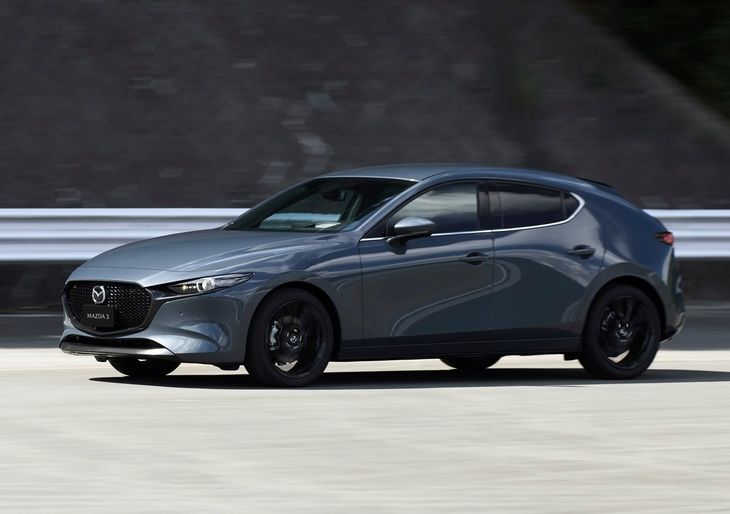
The new Mazda3 was recently revealed and it looks fantastic. It’s due to arrive in Q3 of 2019 but engines for South Africa have yet to be confirmed. Nonetheless, a new Skyactiv-X engine is expected along with updated versions of its 1.5 and 2.0-litre petrol engines. We will keep you informed as soon as local specification is confirmed.
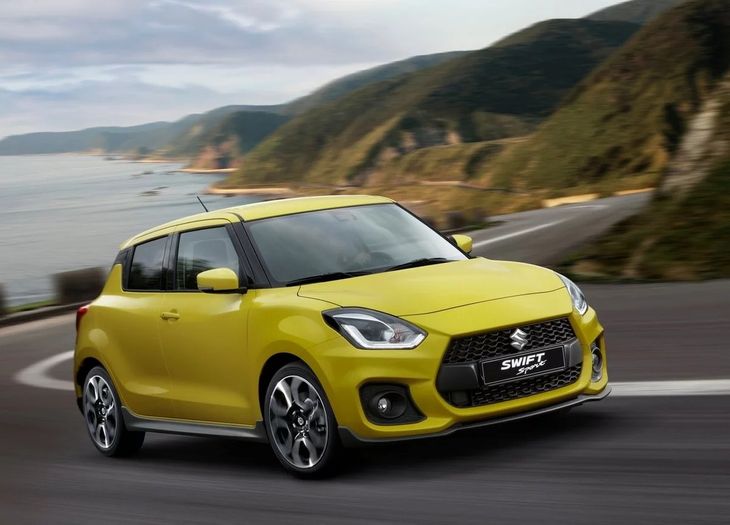
The new Suzuki Swift Sport has been confirmed for South Africa and is expected to launch in June 2019. The Swift Sport will be one of the first models to be powered by Suzuki’s turbocharged 1.4-litre ‘Boosterjet’ engine offering 103 kW and 230 Nm of torque and will be mated to a 6-speed manual transmission.