Lexus IS300h (2018) Launch Review
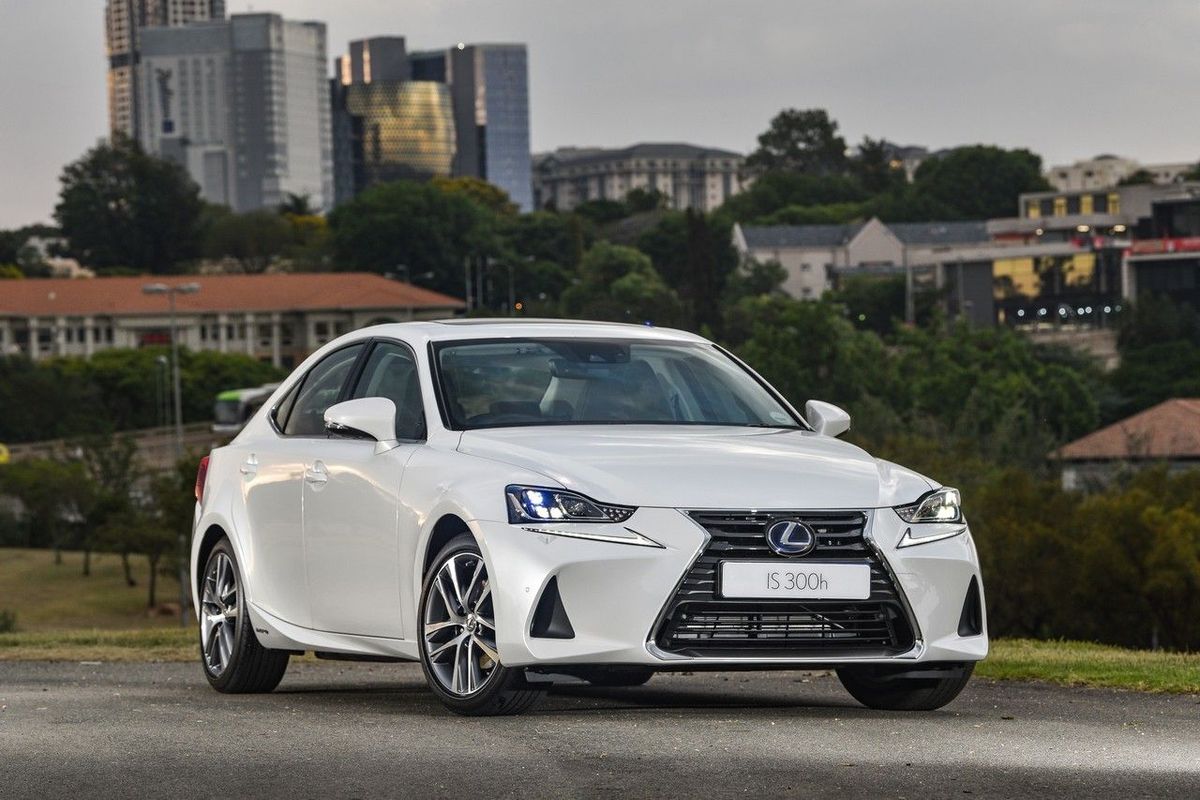
Lexus has added a petrol-electric hybrid derivative to its underrated IS business class sedan range and introduced more safety features in the IS 350 F-Sport? version.

The automotive world seems hell-bent on the wide-scale electrification of production vehicles, but it's nonetheless going to take a while for all-electric vehicles to become popular in the South African market; they're simply too expensive for most buyers and the recharging infrastructure required to support them is still in its infancy. Lexus (and parent company Toyota) have always preferred the petrol-electric hybrid route, which is claimed to offer the best of both worlds. A hybrid vehicle utilses a combination of a specially-tuned petrol engine and battery-fed electric motor(s).

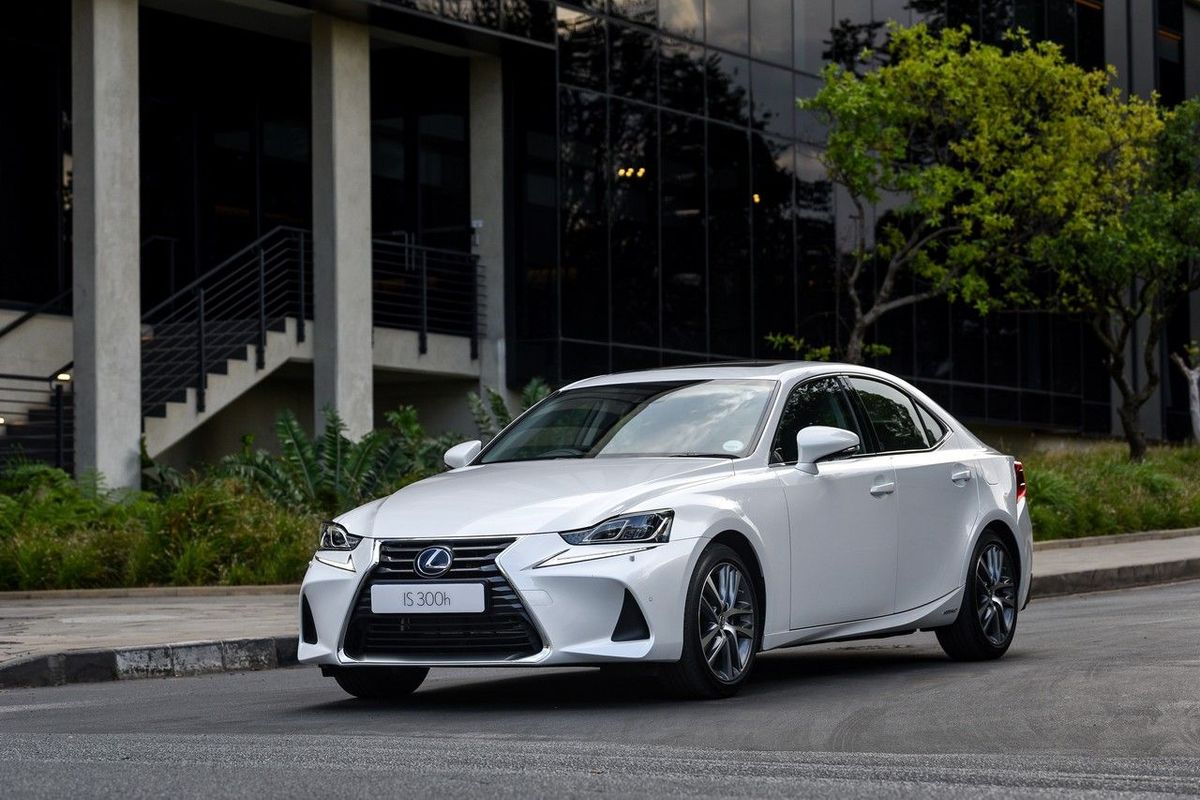
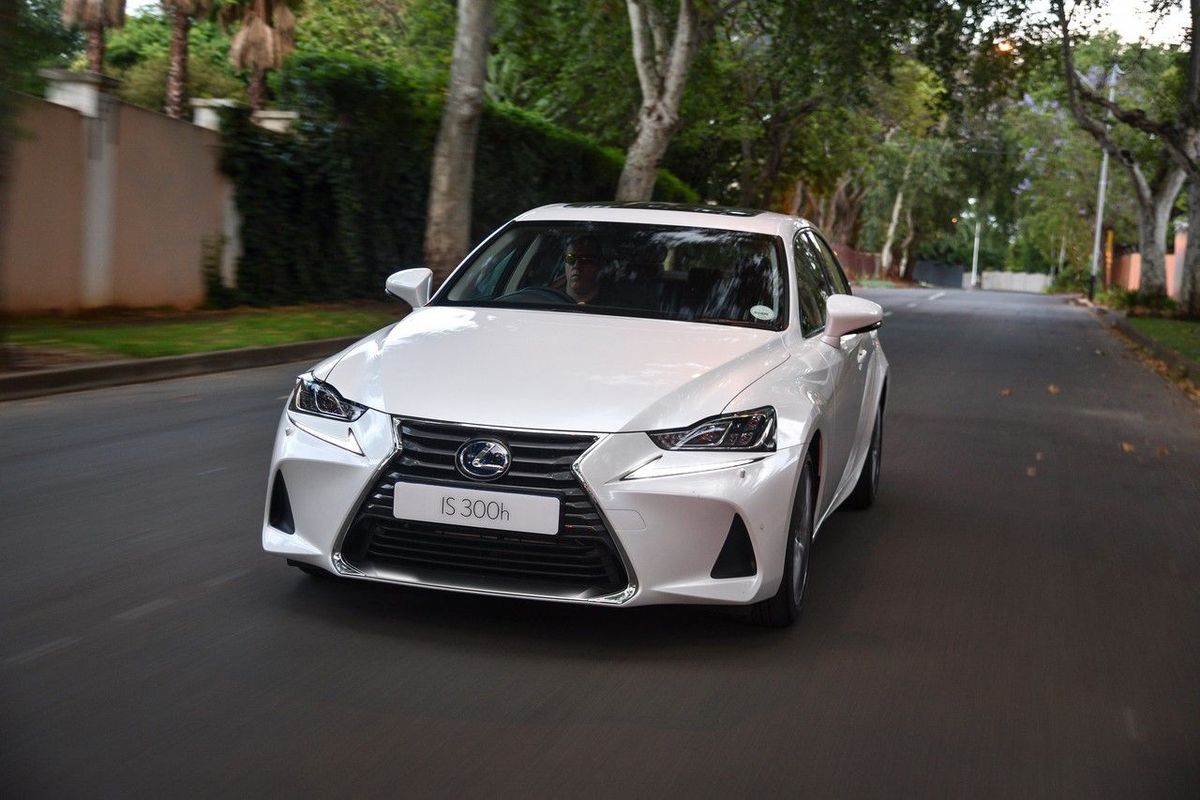
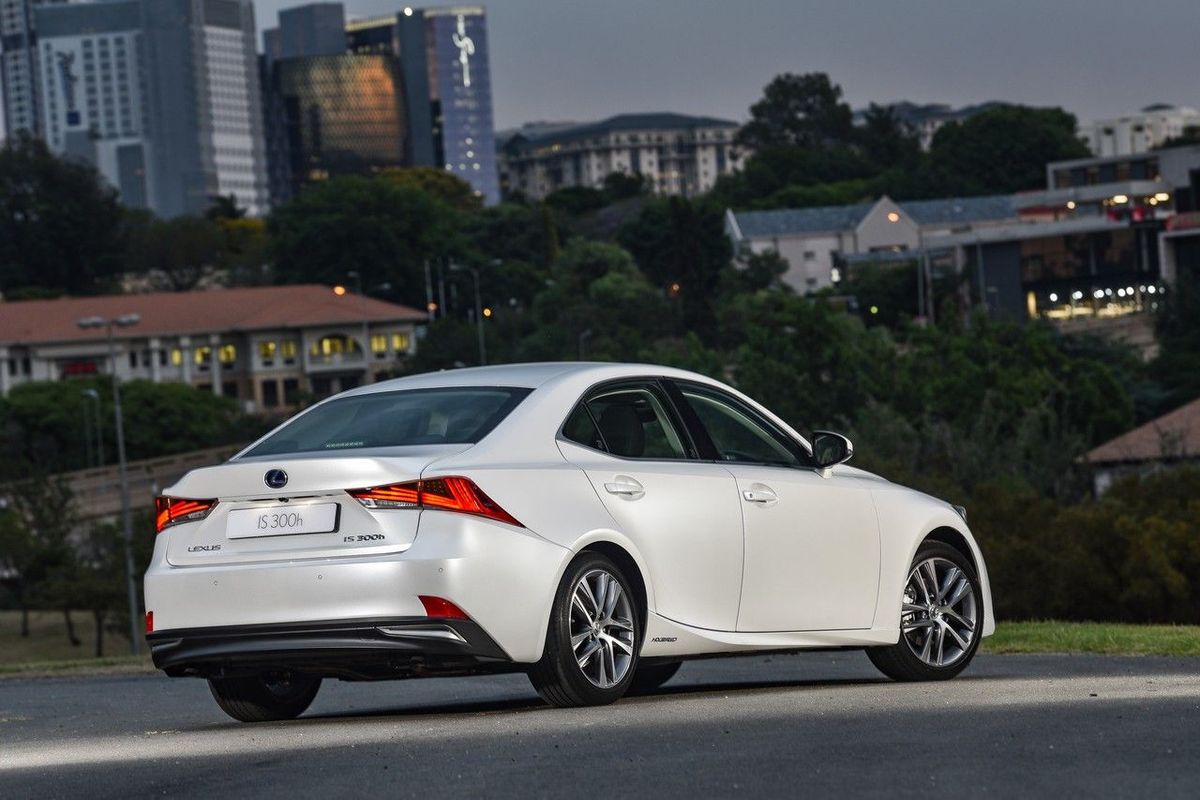
The Lexus IS sedan underwent a facelift in 2016, but it has taken the Japanese brand a further 2 years to add this new hybrid version, which coincides with a model range adjustment. The 200t has been rebadged as the 300 EX and the 350 F-Sport gains additional safety specification. You can distinguish the hybrid version from its bethren by its slightly revised rear bumper, hybrid badges and blue Lexus logos on the grille and bootlid.

Powertrain

The internal combustion engine component of the Lexus IS 300h is a 2.5-litre naturally aspirated 4-cylinder motor that produces 133 kW and 221 Nm. It features D-4S direct fuel injection, Dual VVT-i intelligent variable valve timing and high-efficiency exhaust gas recirculation, and it runs on the Atkinson cycle for maximum efficiency. With the addition of an electric motor and its boot-mounted battery, total power output is rated at 164 kW. 

Fuel efficiency is this vehicle's focus and it's said to consume just 4.9 L/100 km and emit 104 grams of CO2 per kilometre. It's reasonably brisk too, with a claimed 0-100 kph time of 8.5 seconds and a stated top speed of 200 kph. The derivative can be operated in various modes: you can drive it in petrol-electric combination mode or, if the battery's state of charge allows it, in pure electric mode at slower speeds, such as stop-start traffic.

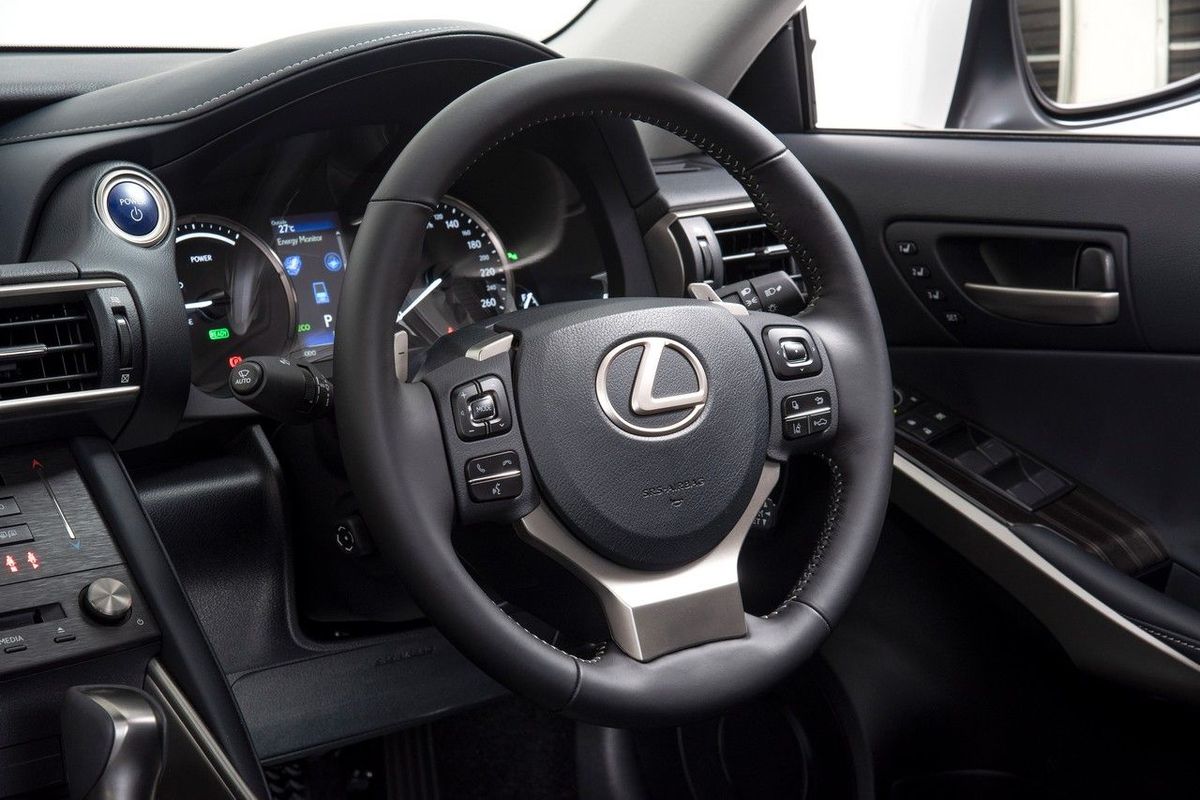
The petrol-electric setup is aided by regenerative braking, so the moment you apply the brakes, kinetic energy is converted back into electricity to charge the battery, which the petrol engine also helps to replenish. The continuously variable transmission's electronic control unit manages the workings of the petrol and electric motors simultaneously and you can simulate gear changes by using the steering-wheel-mounted paddles. 

Interior features
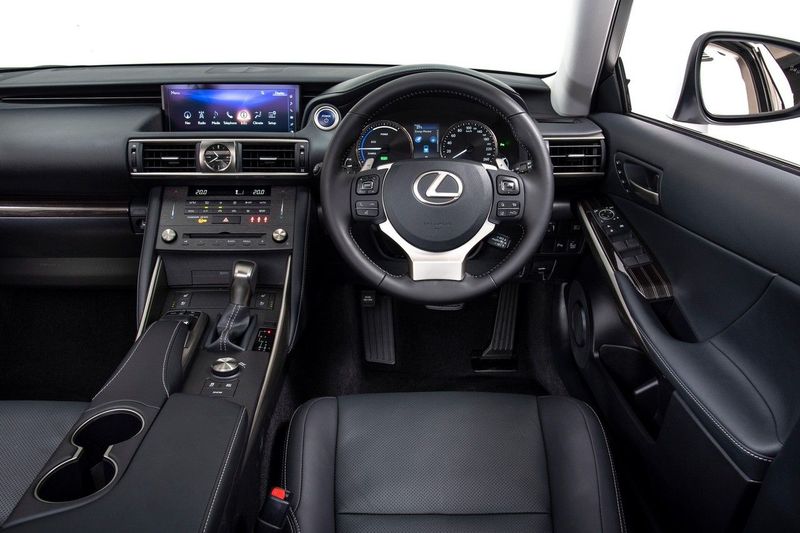

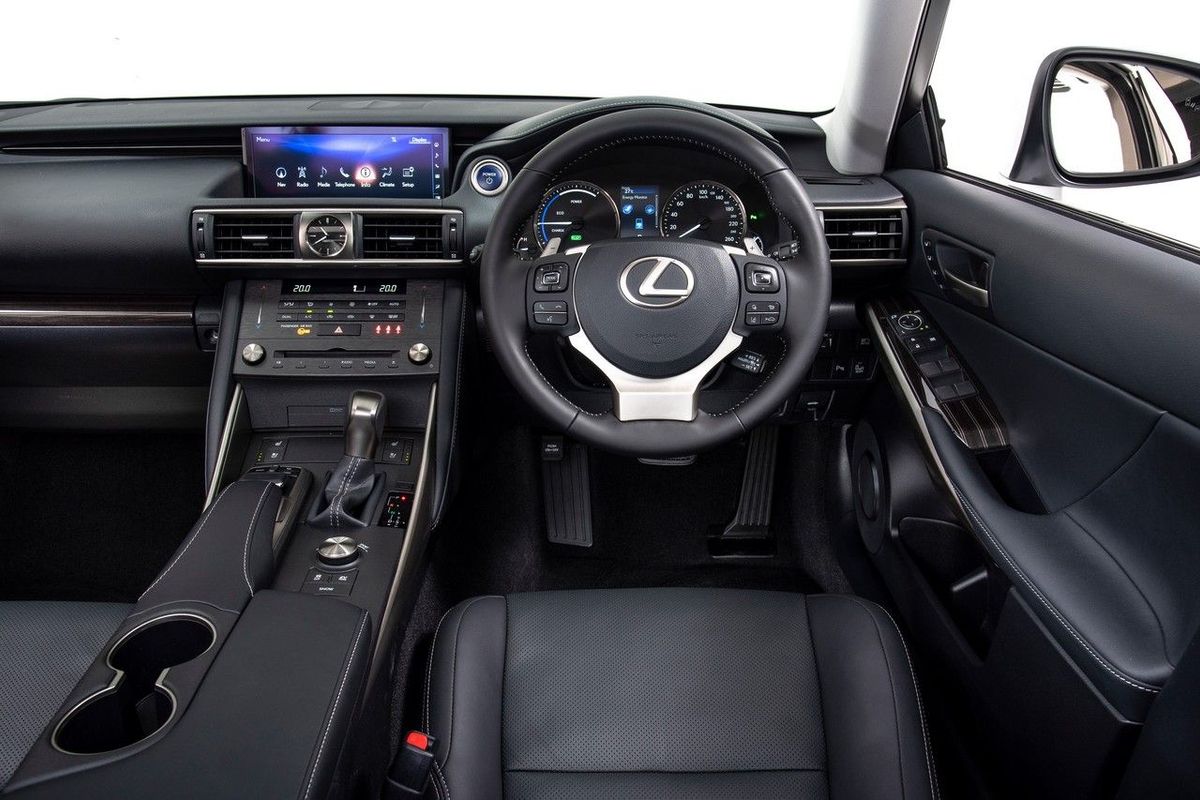
The Lexus IS cabin is well appointed. However, the touchpad menu navigator takes some time to get used to

One of the Lexus brand's major strengths is that its products are invariably packed to the hilt with features – there's no such thing as an optional extra. You'll notice there are runflat tyres on this spec list and the reason for that is because there's insufficient boot space for a spare wheel – the electric motor's battery largely occupies that space. The Lexus IS 300h comes in an SE specification and here are some of the standout features:

  • Run-flat tyres
  • Drive Mode Select 
  • Smart entry and push-button start  
  • Perforated leather upholstery
  • Electrochromatic rearview mirror
  • Dual-zone climate control with electrostatic temperature control switches 
  • LED daytime running lights 
  • LED brake lights and rear lights 
  • Tyre pressure monitoring system
  • 10-speaker Lexus display audio with DAB digital tuner and Bluetooth 
  • 10.3-inch multimedia display screen with remote dial controller 
  • Rain-sensing wipers 
  • Heated and cooling front seats (driver and passenger)
  • Reverse-view camera 
  • Front and rear parking sensors
  • Lexus Navigation system
  • Moonroof

One of the big changes for this latest update of the IS range is the addition of the new safety features on the IS 300h and IS350 F-Sport. The Lexus Safety System+ comprises adaptive cruise control, Pre-Crash System, lane keeping assist and LED automatic high beam, as well as a blind-spot monitor with rear cross traffic alert. Pre-Crash is perhaps one of the most critical features as it enables the Lexus to detect a impending collision and sound an alert. If the driver doesn't react, the car will apply the brakes in an attempt to lessen or avoid an impact. Eight airbags are standard.
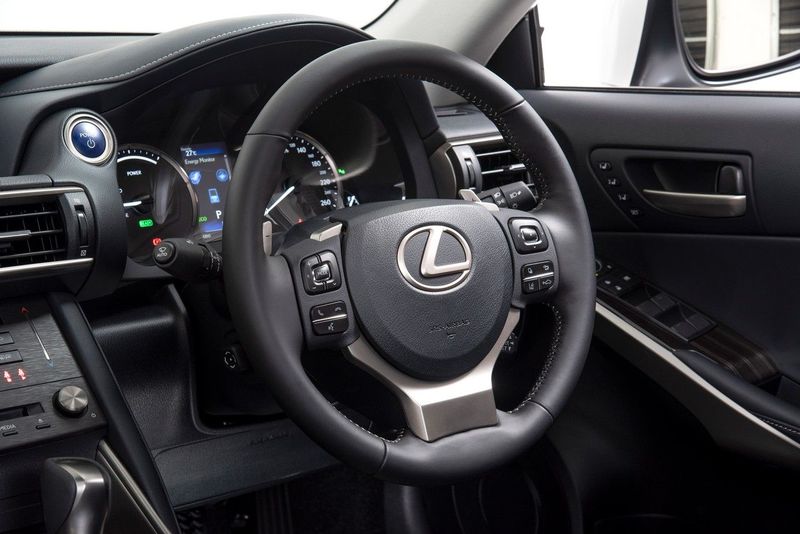

The fit and finish of the Lexus IS is still impressive, two years after its facelift.

What's it like to drive?

Our test route was very brief, but it was a pleasant experience to reacquaint ourselves with the IS. Even in (relatively expensive) hybrid form, it's still a highly underrated vehicle and its levels of build quality and refinement are commendable. Considering the Japanese sedan's abundance of standard luxury features and excellent driving manners, it's puzzling why the Lexus IS doesn't sell in larger numbers.

For those who've never driven a hybrid-powered vehicle, it's initially alarming when you start the vehicle and the car's dashboard lights up, but there's not a single sound (not even a whirr) from the engine bay. Engage Drive and the car pulls off in eerie silence, with the electric motor taking care of the low-speed propulsion. Once you've merged with traffic, the petrol engine will promptly fire up to provide additional performance. 

It might take customers a while to learn how to make the most of the hybrid system, but we expect it should be a pleasant learning curve. It initially requires forethought to coast down a hill on purpose (to capture some of that energy and recharge the battery), as well as remembering to push the electric-only mode button in dense traffic. With a measured driving style and an understanding of the hybrid drivetrain, fuel efficiency will improve.

Verdict
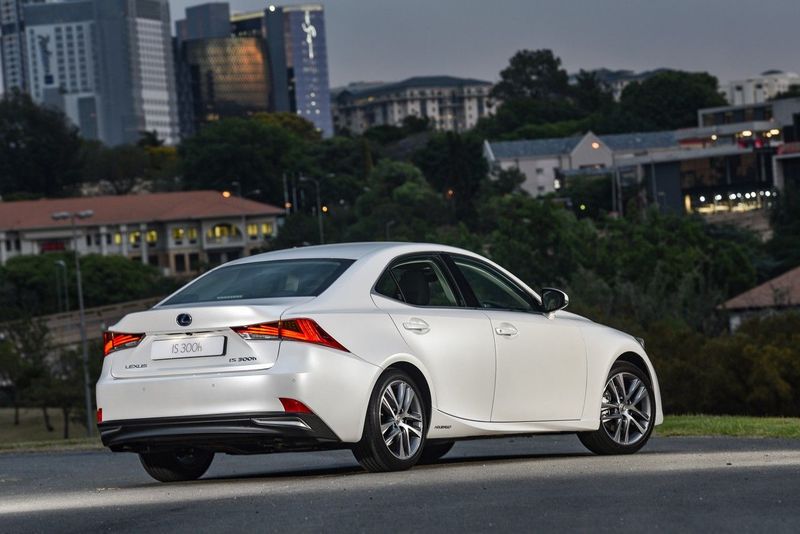

The new Lexus IS300h. Note the hybrid nomenclature on the side skirts and blue hybrid Lexus logos.

While sales of hybrids will never be rampant, Lexus has vowed to continue selling petrol-electric models. The current global situation benefits Toyota and Lexus immensely, as diesel "has become a swear word" in many markets. Since the first hybrid was sold in 1997, more than 12 million hybrid vehicles have found homes globally, with Toyota/Lexus taking 50% of that market. Currently, Toyota/Lexus offers hybrid options for its IS sedan, ES executive sedan and its RX and NX SUVs. In 2019, we'll see hybrid versions of the LS limousine, RC coupe, LC sportscar and UX compact SUV.

We expected the IS 300h to be refined and efficient, and it didn't disappoint. While we suspect the claimed economy figure may be a little ambitious, we'll try our utmost to achieve a return of close to 4.9 L/100 km when we assess the overall mertis of Lexus' newcomer in early 2019. 

Lexus IS Price in South Africa (November 2019)

The Lexus IS range features a best-in-class 7-year/105 000km warranty and full maintenance plan. The vehicle service intervals are every 15 000 km, or alternatively, once a year.

IS 300 EX – R715 400
IS 300h SE – R753 800
IS 350 F SPORT – R806 400 

Further Reading

Lexus ES (2018) Launch Review

6 of the Most Impressive In-Car Sound Systems

Lexus LS 500 (2018) Review

Lexus RX 350L EX (2018) Quick Review
Lexus NX300 F-Sport (2018) Review

Striking Lexus LC 500 Limited Edition for SA

Mercedes-AMG GT R Pro Unleashed

The Mercedes-AMG GT family has been updated and a new hardcore, limited edition Mercedes-AMG GT R Pro now tops the range. See details below…

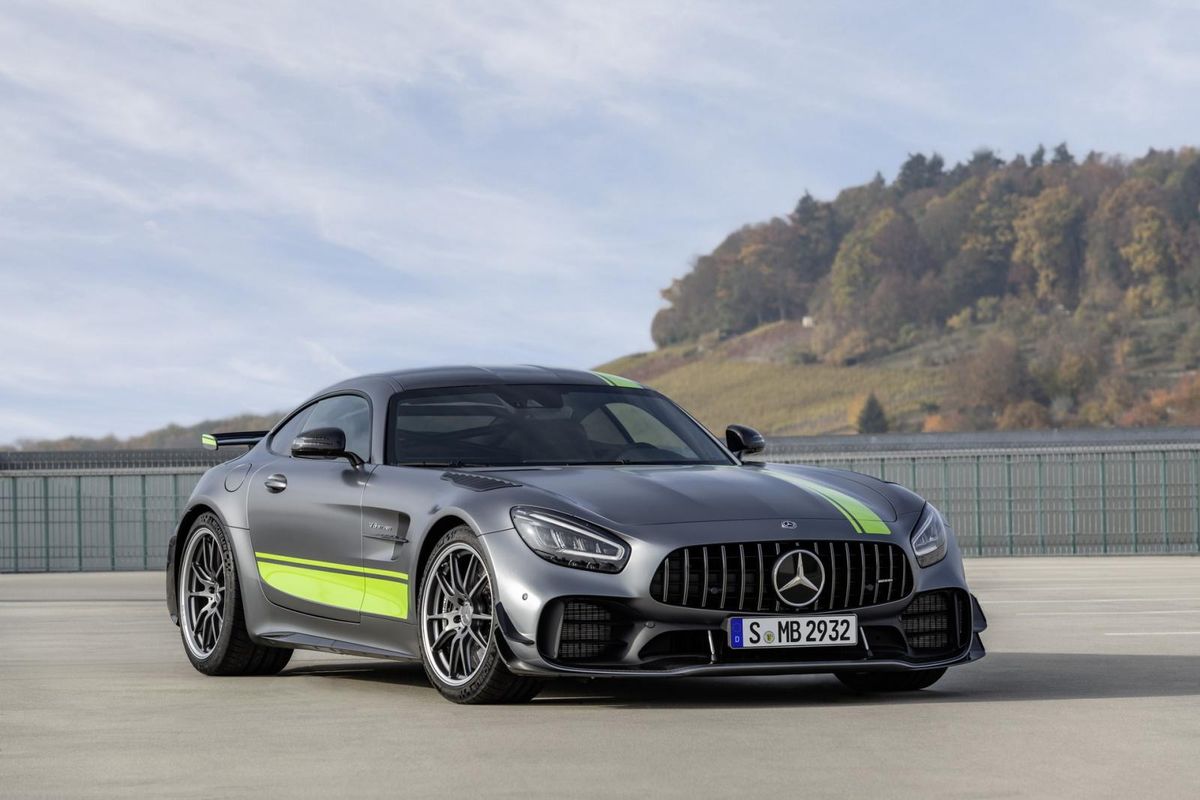
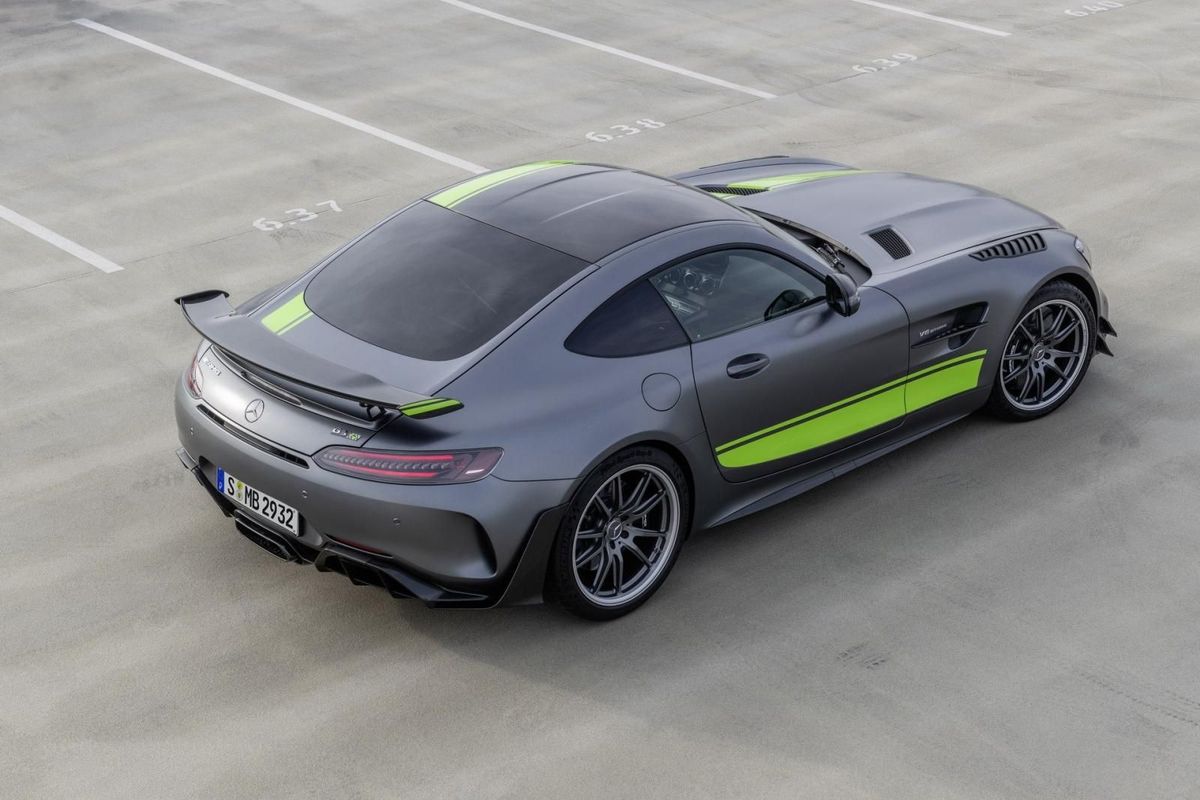
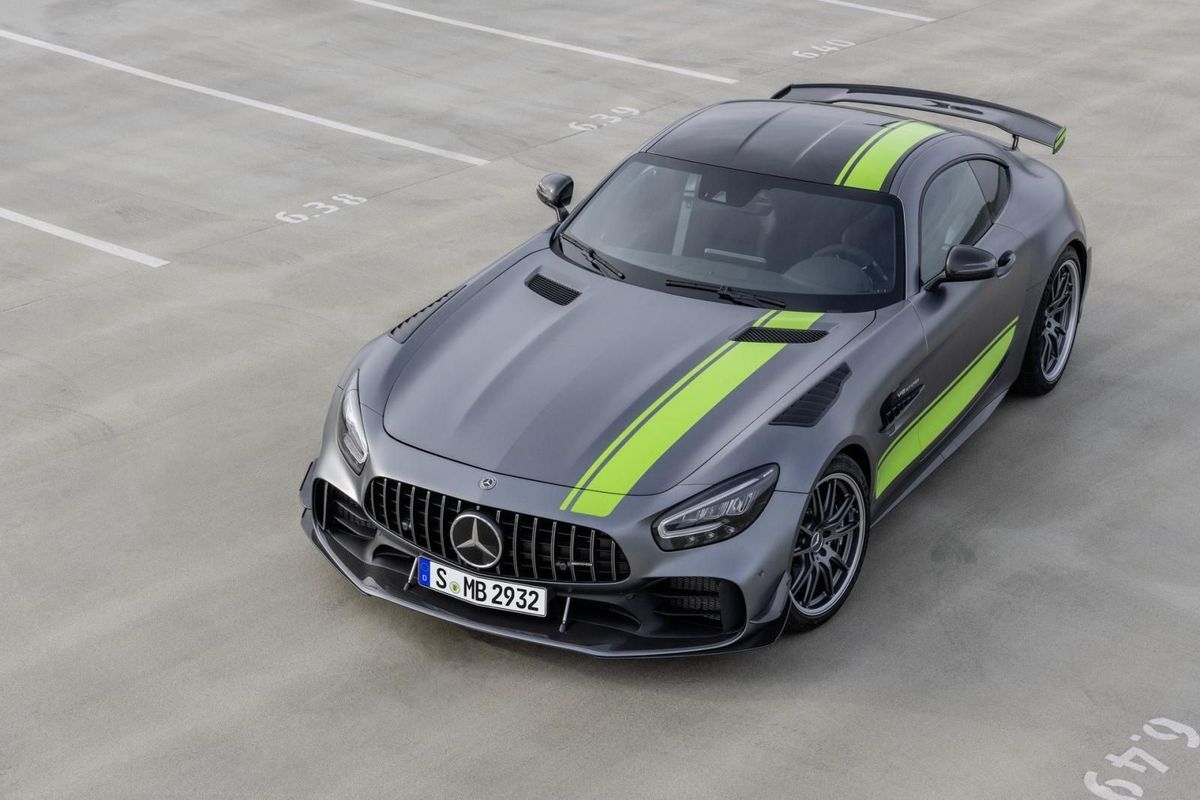
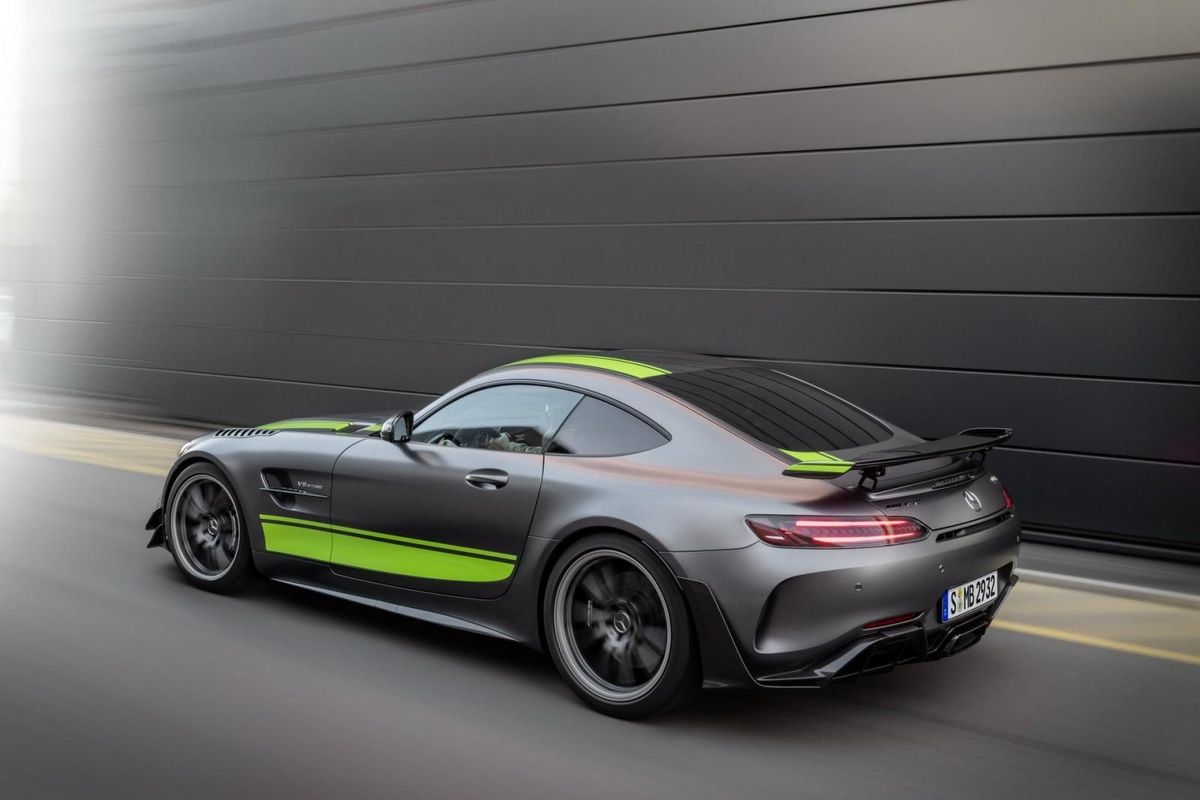
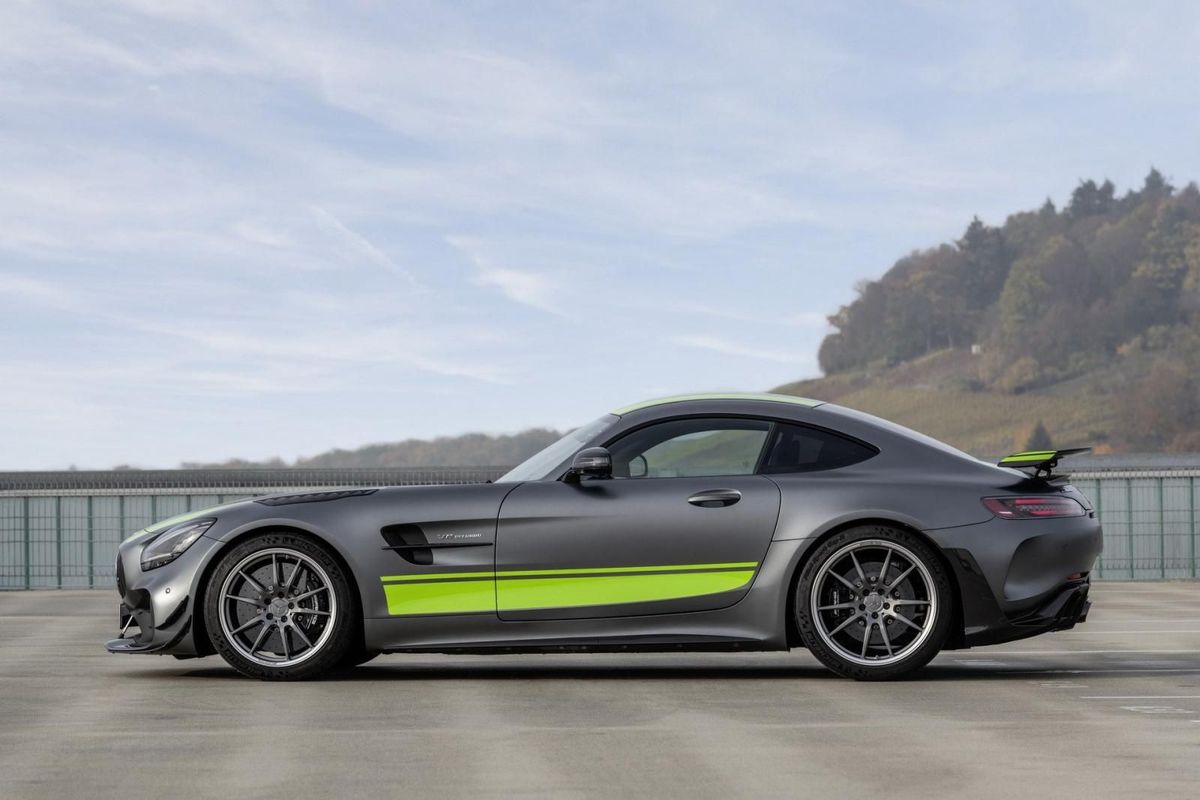
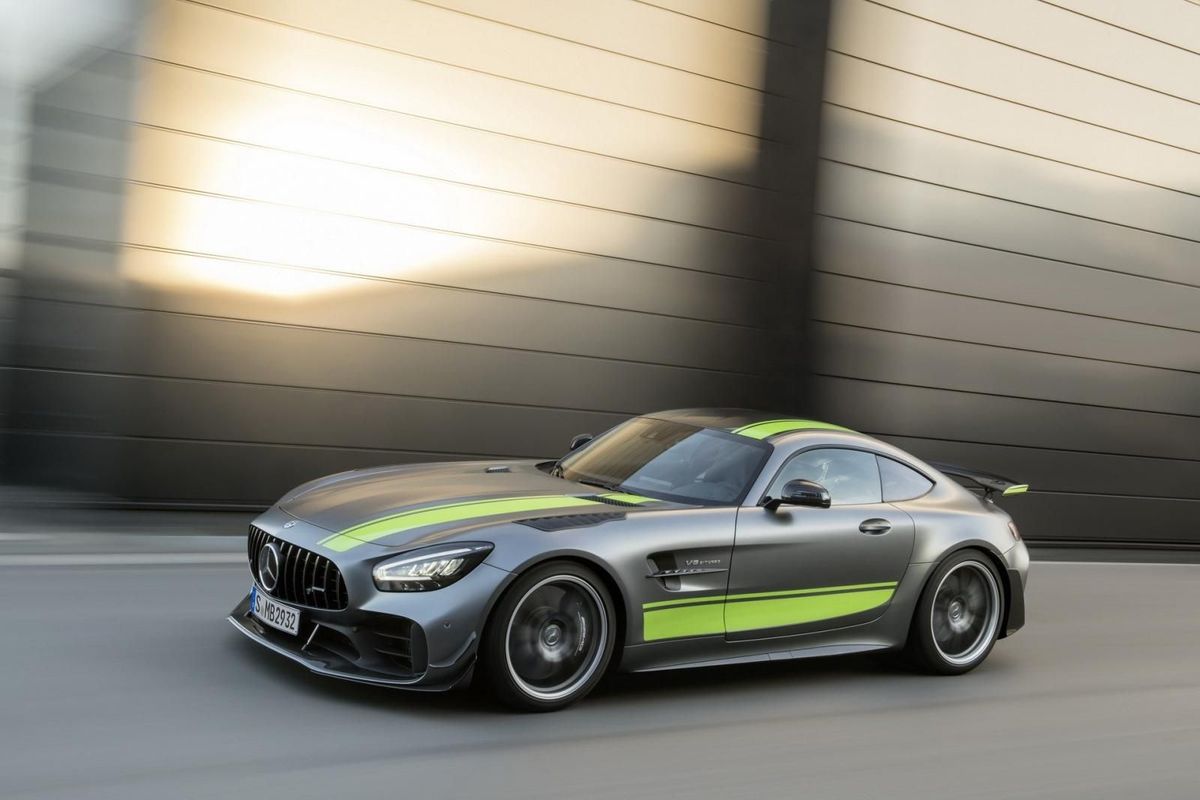
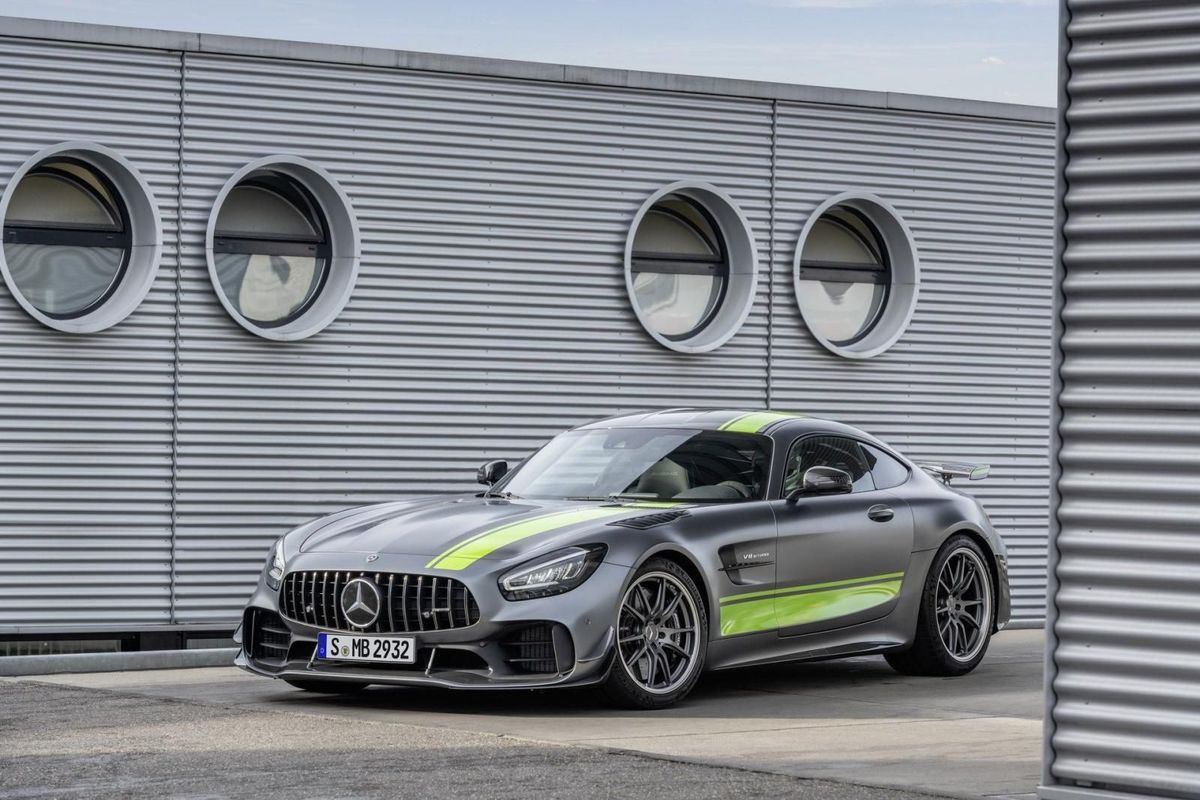
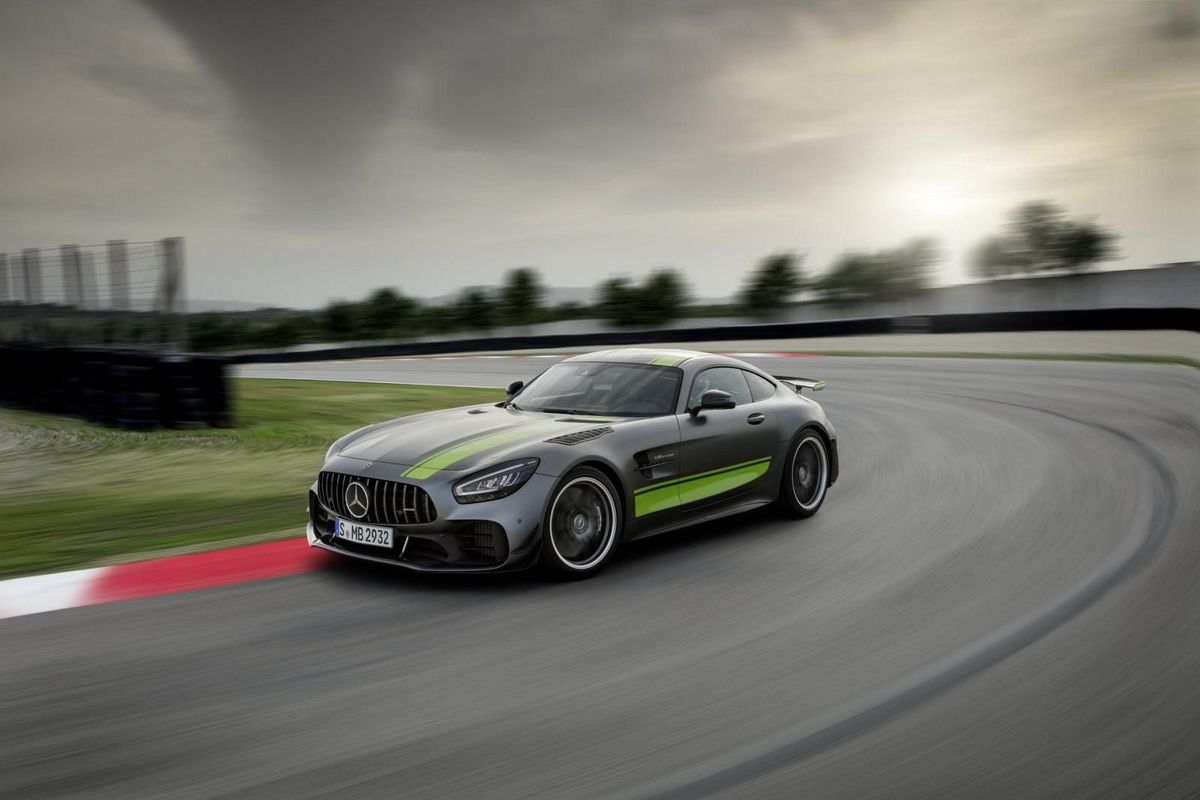
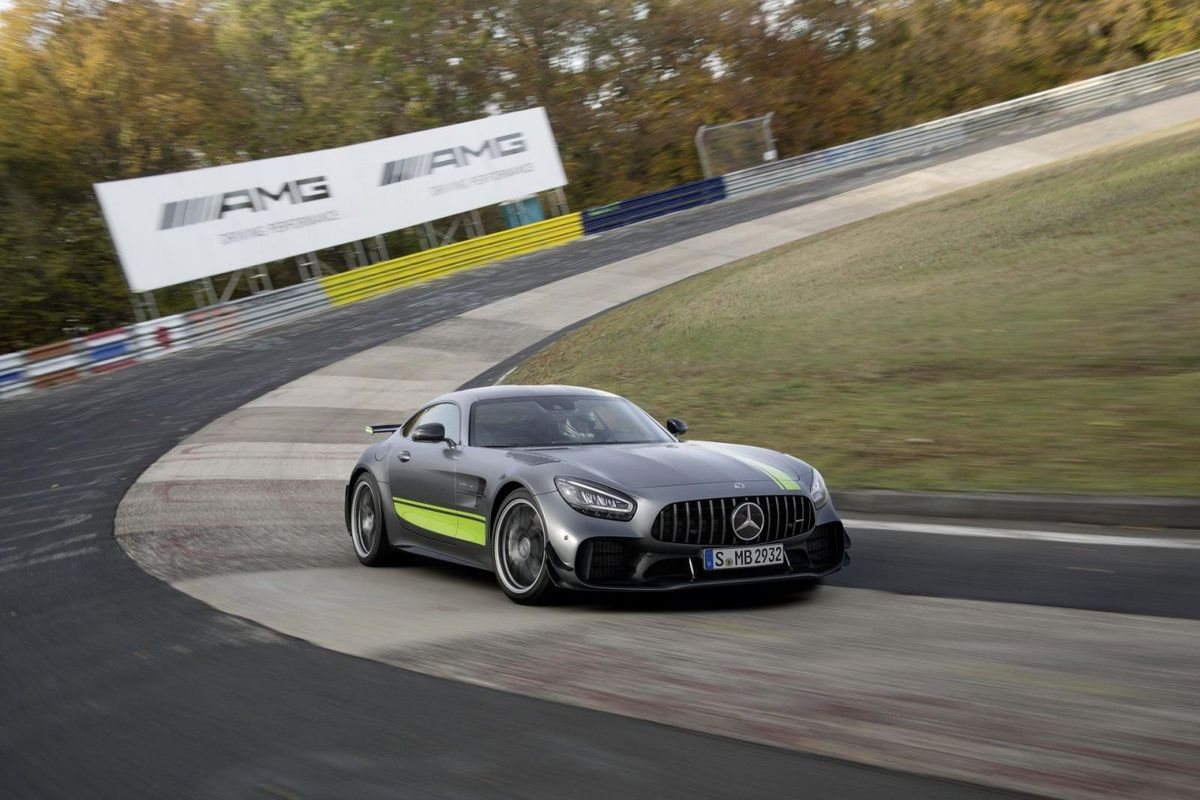
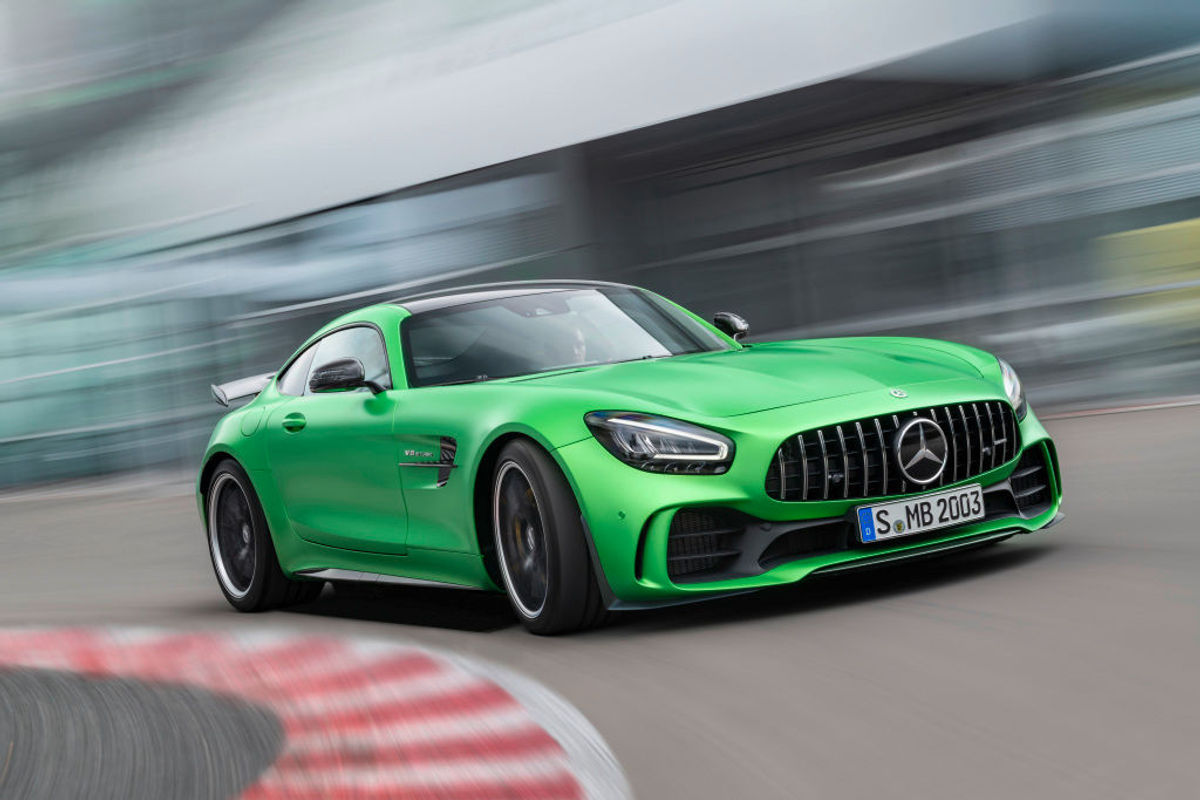
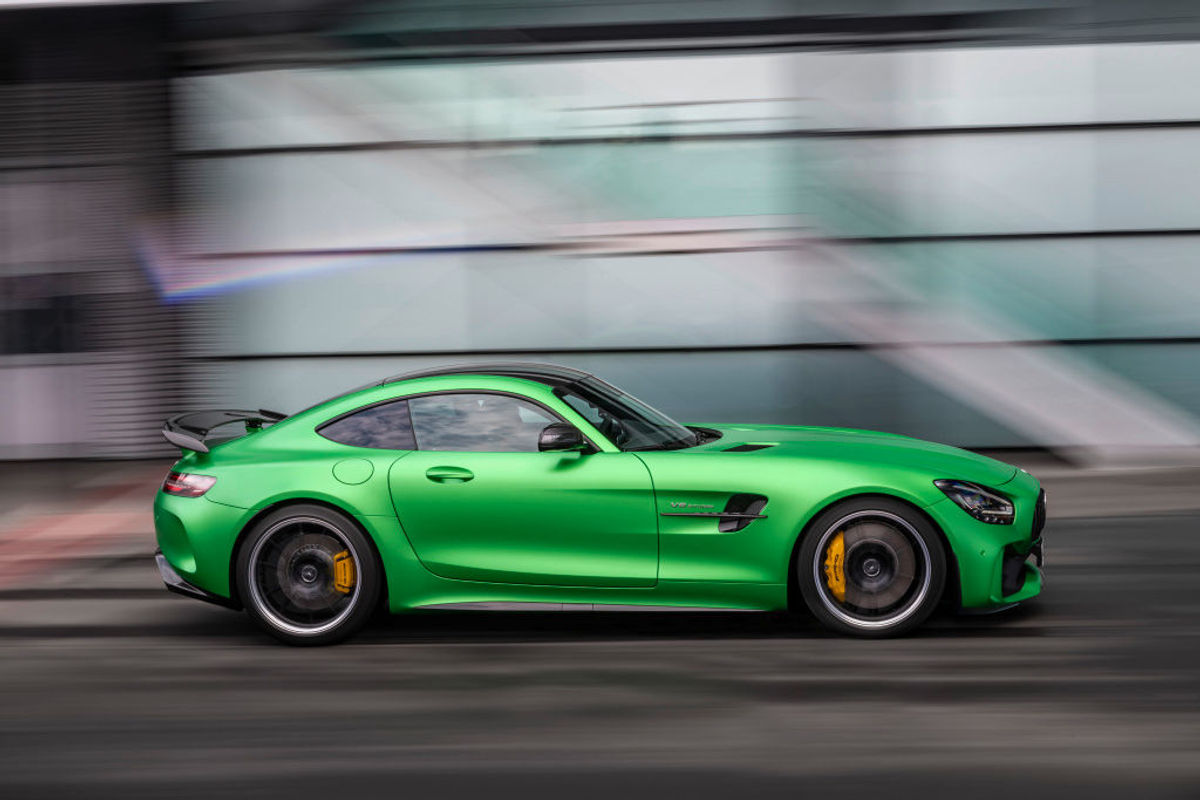
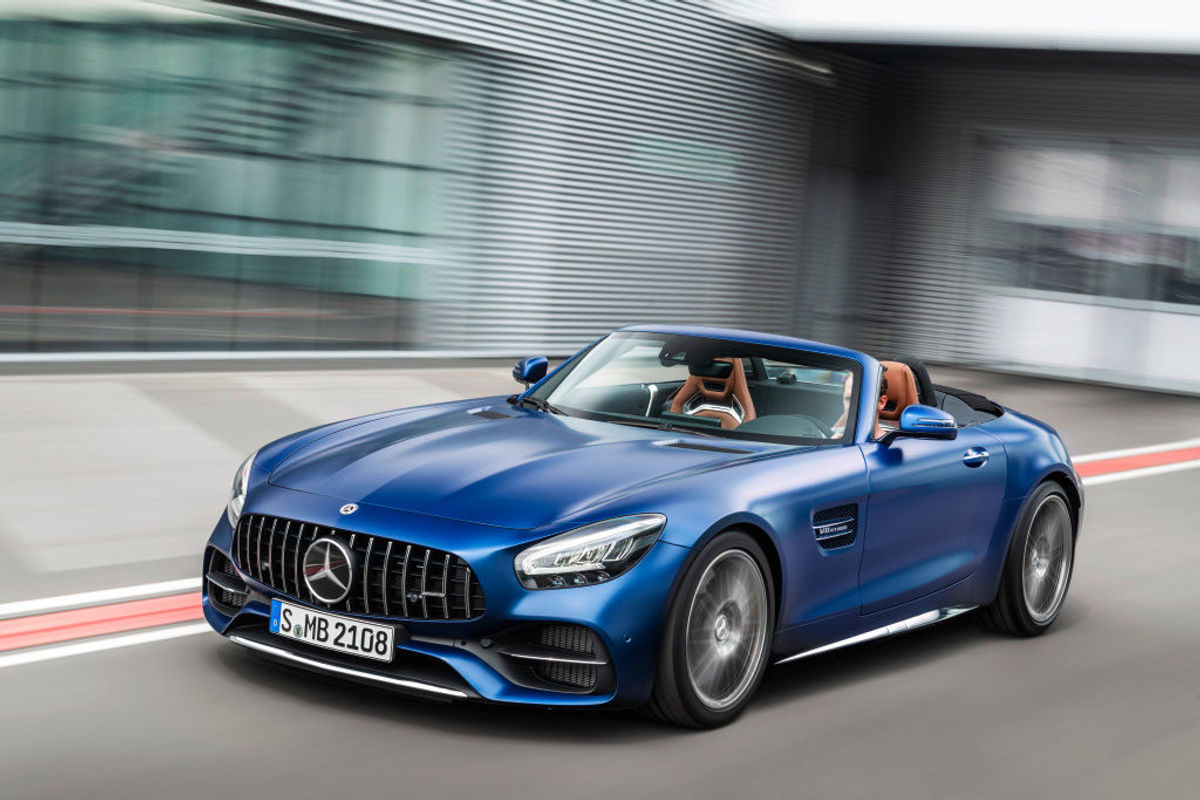
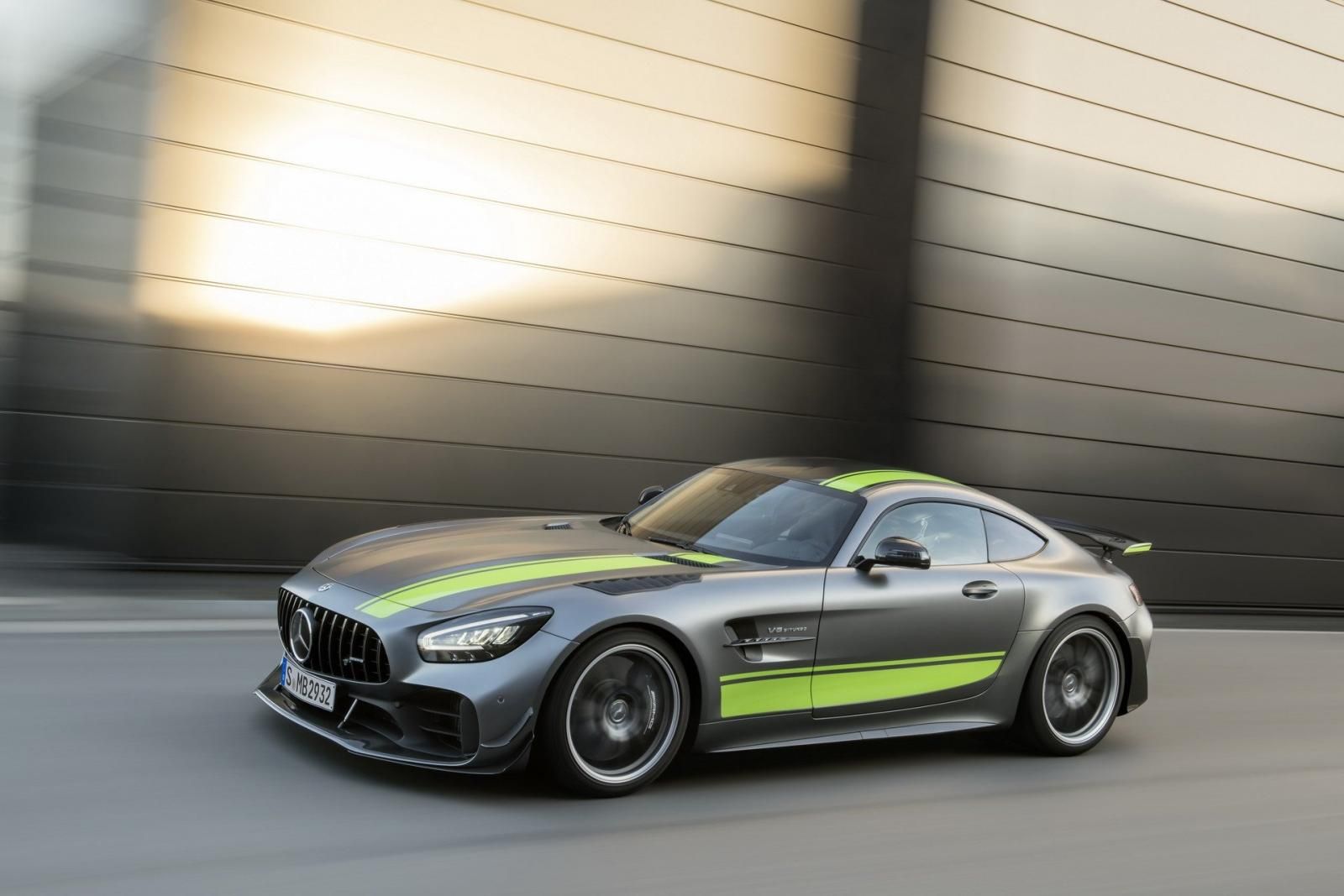
While the Mercedes-AMG GT family has benefitted from numerous updates, a limited edition, rang-topping Mercedes-AMG GT R Pro has broken cover at the Los Angeles Motor Show with a host of modifications that make it a formidable track weapon. Particular attention was paid to suspension, lightweight construction, aerodynamics and visual appeal.

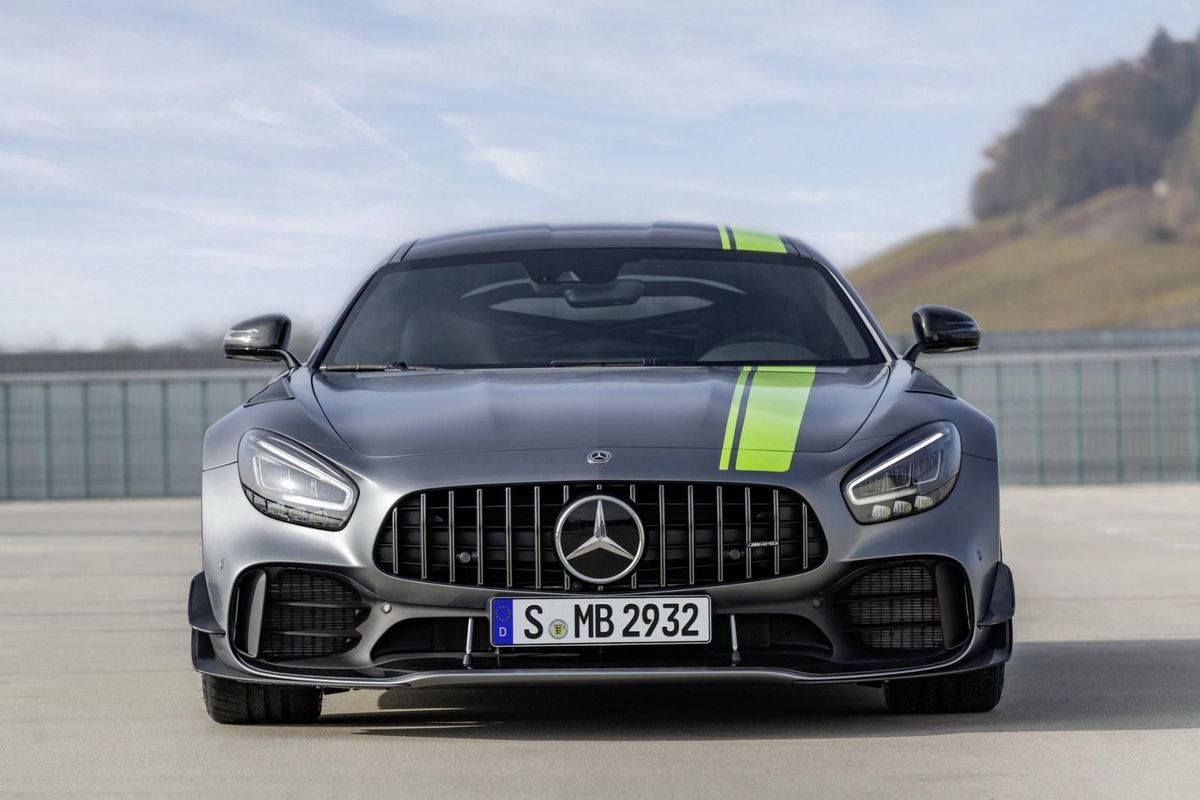
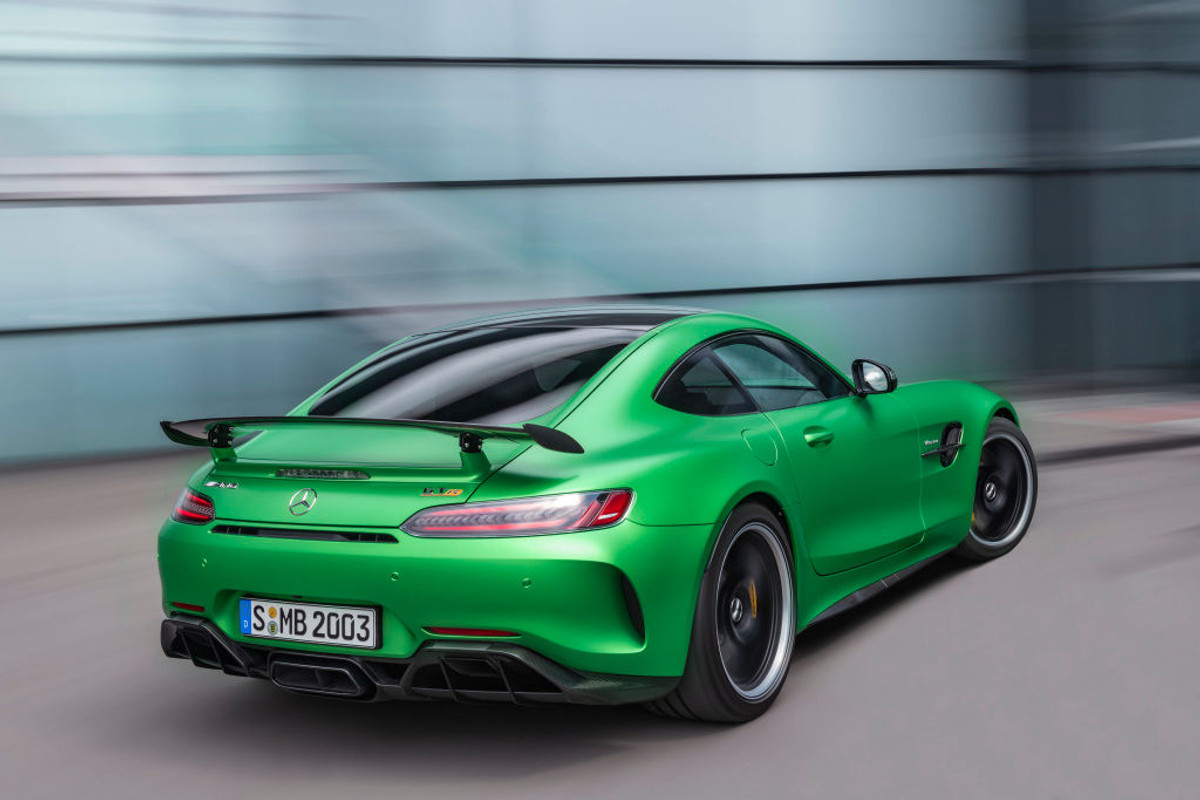
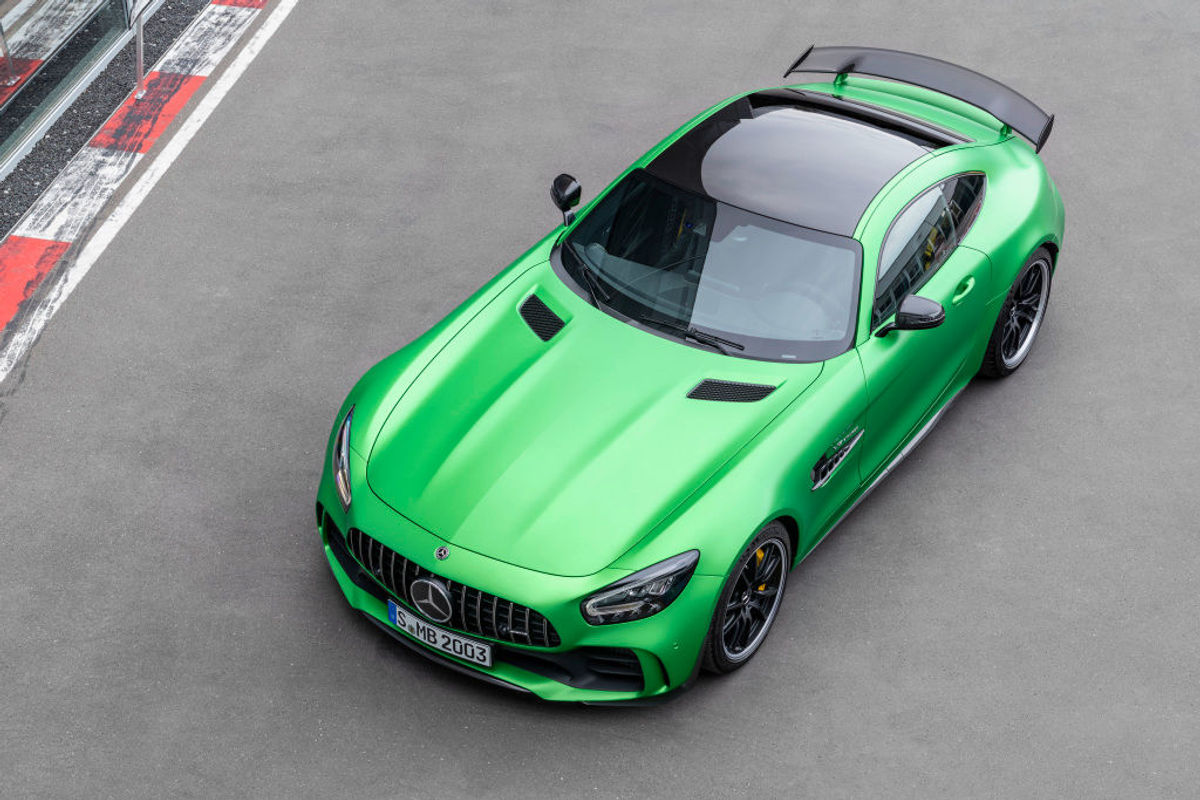
Its hardcore look is communicated with a reworked front apron with 2 carbon fibre-coated flics on the sides which stabilise the front splitter while added aerodynamic components are seen at the rear wheels arches to reduce front axle lift. Active air regulation up front and a large rear aerofoil are standard. The aerofoil has a spoiler lip for added downforce and is mounted on aluminium brackets.


The AMG GT R Pro benefits from numerous upgrades to ensure blistering on-track performance.

A new AMG coil-over suspension is fitted, allowing the driver to adjust the compression and rebound of the dampers via dial on the damper. The front axle features a lightweight, adjustable carbon fibre torsion bar while the rear is equipped with an adjustable hollow steel bar. Stopping power is provided courtesy of composite ceramic brakes and the AMG GT R Pro rides lightweight AMG Performance 5-spoke alloy wheels in titanium grey.  

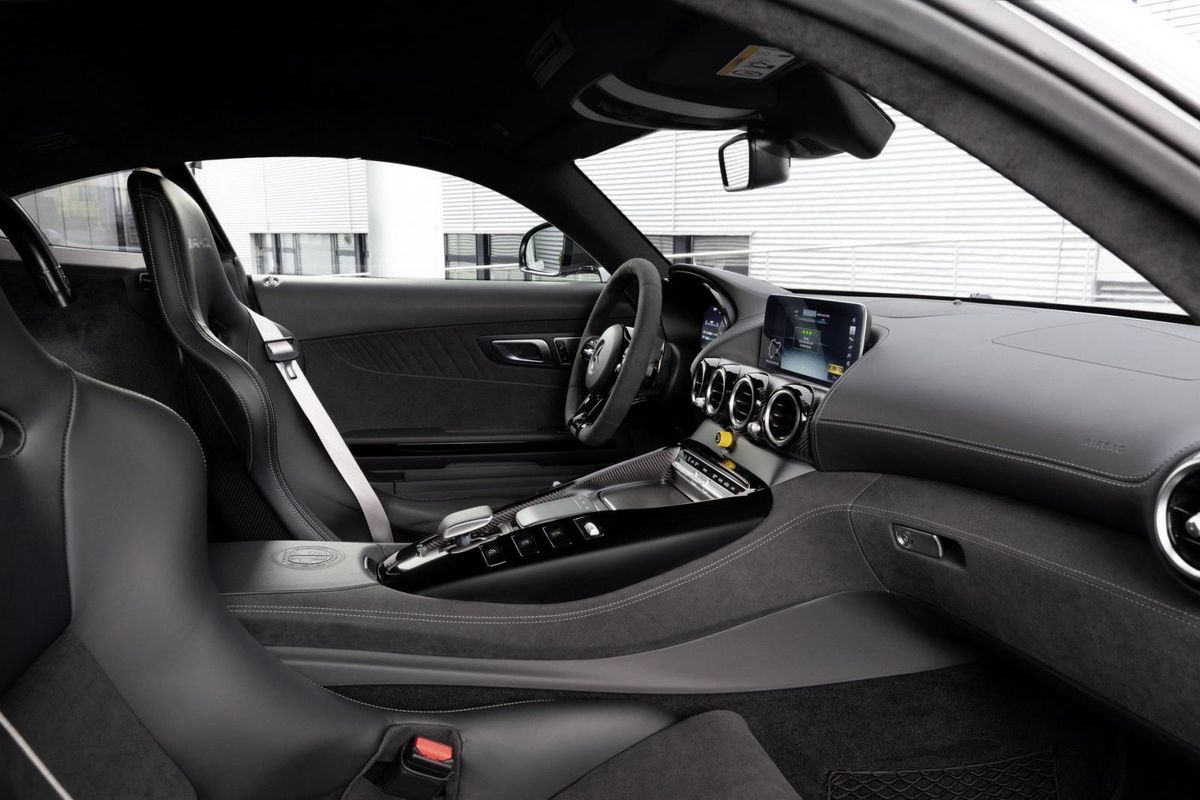
The track-ready interior features lightweight leather bucket seats with 4-point harnesses and a roll cage.

Powered by a 4.0-litre bi-turbo V8 engine, the Mercedes-AMG GT R Pro serves up 430 kW and 700 Nm using a 7-speed dual clutch transmission ensures lightning-fast shifts, accelerating the AMG GT R Pro from zero to 100 kph in 3.6 seconds before reaching a top speed of 318 kph Fuel consumption for the AMG GT R is rated at 12.4 L/100km, which is slightly more than the claimed 11.4 L/100km fuel consumption figure of the standard GT R.

Mercedes-AMG GT Updates


The AMG GT family has been updated and is expected to go on sale locally in 2019. 

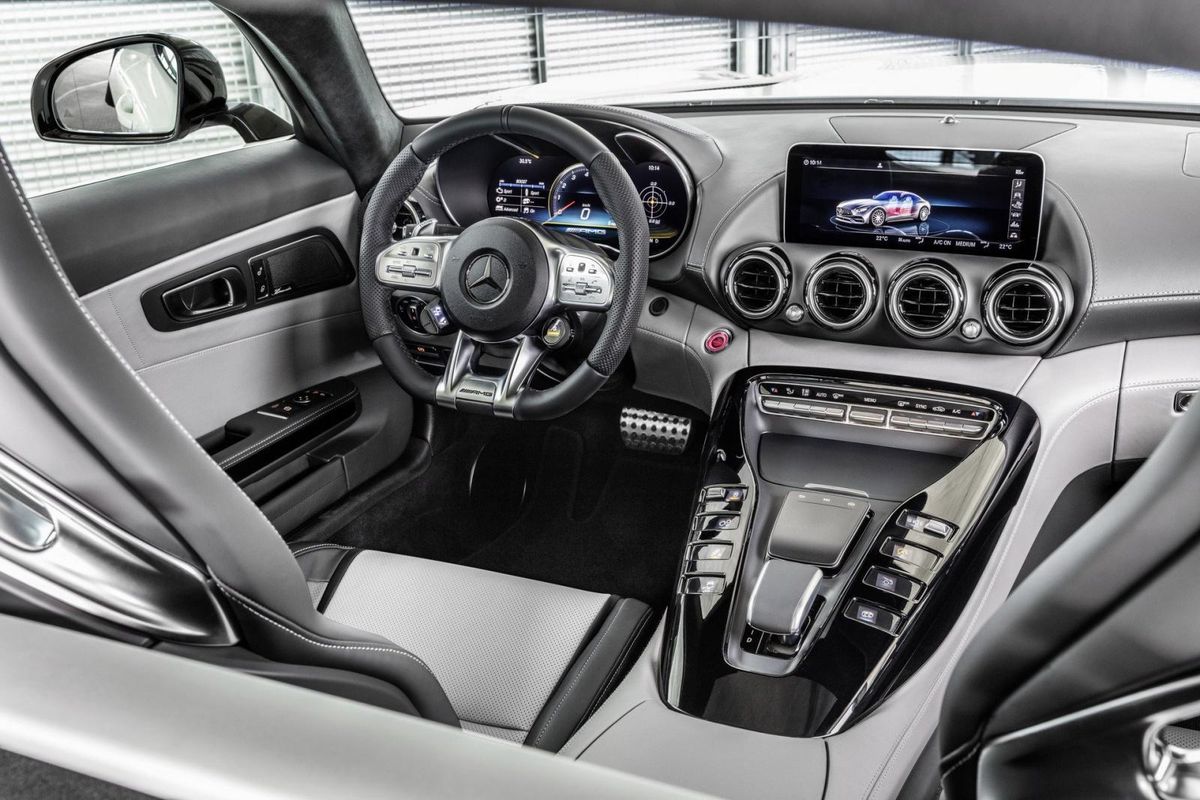
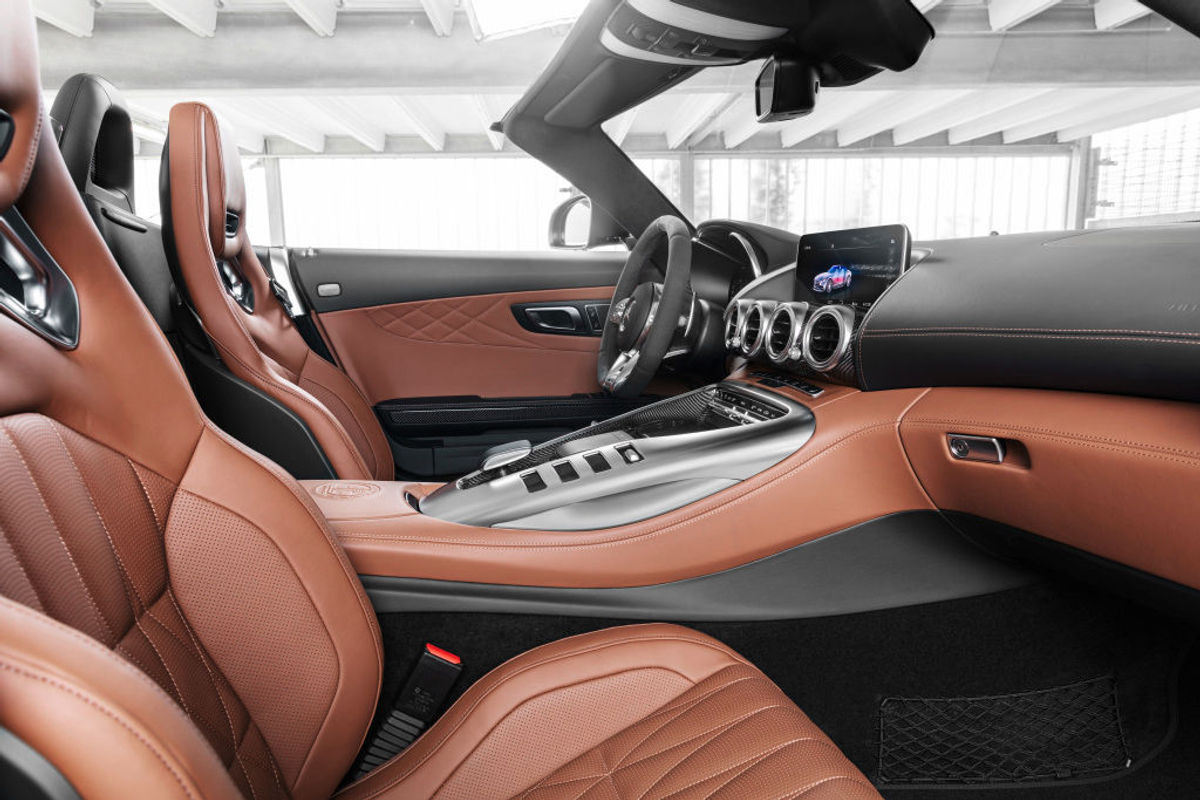
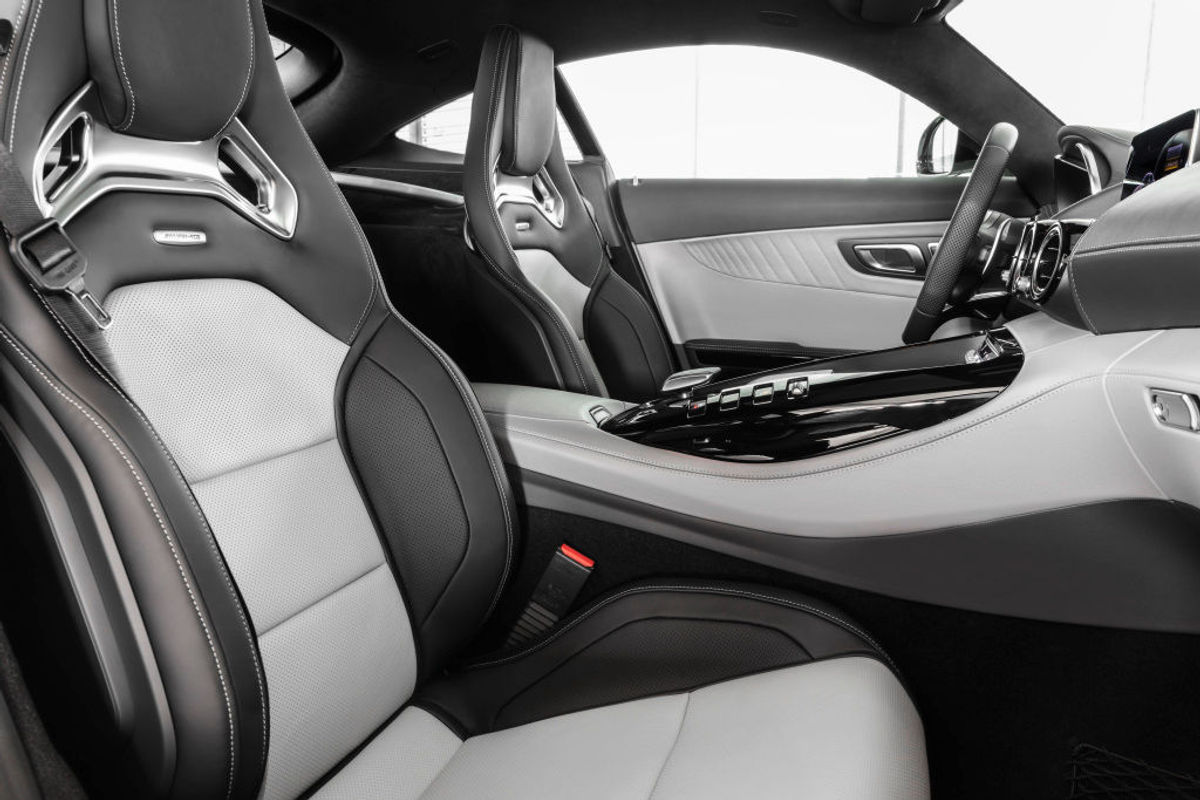
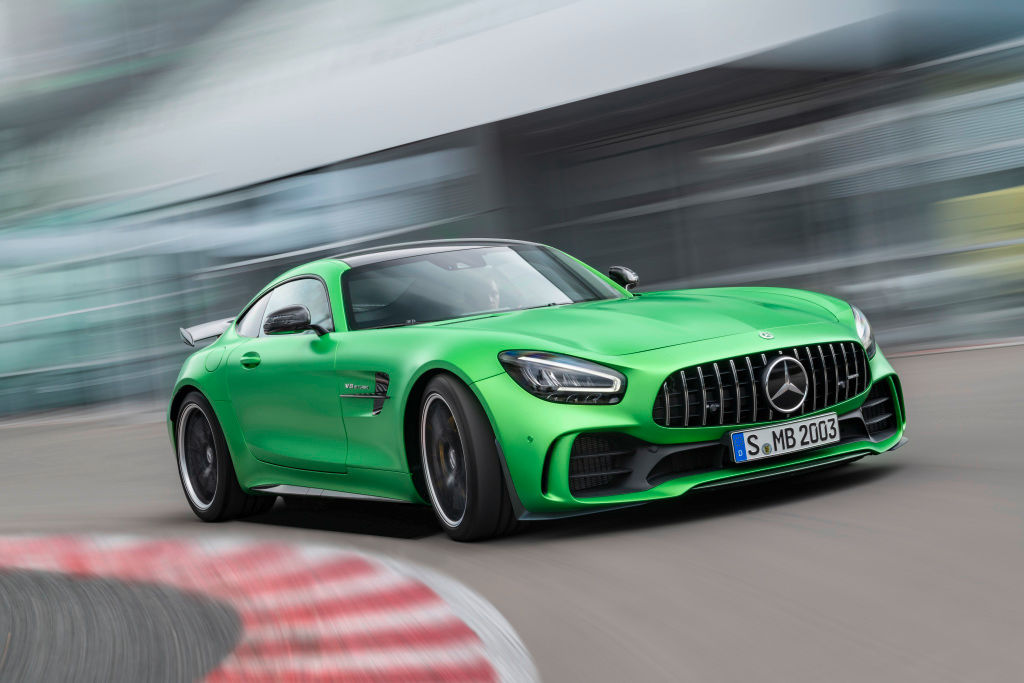
The updated AMG GT family now benefits from features found in the AMG GT 4-door. The fully digital instrument display comprising a 12.3-inch instrument cluster and 10.25-inch multimedia display will now feature in the GT family. Coloured display now feature on the centre console along with a stylised V8 design.

The AMG GT family will now also have an AMG performance steering wheel with Touch Control buttons. A round controller with an integrated display giving the driver access to AMG drive programmes. For track enthusiasts, AMG Track Pace is standard with the Comand online system and will capture driving data for you to analyse and improve your driving.

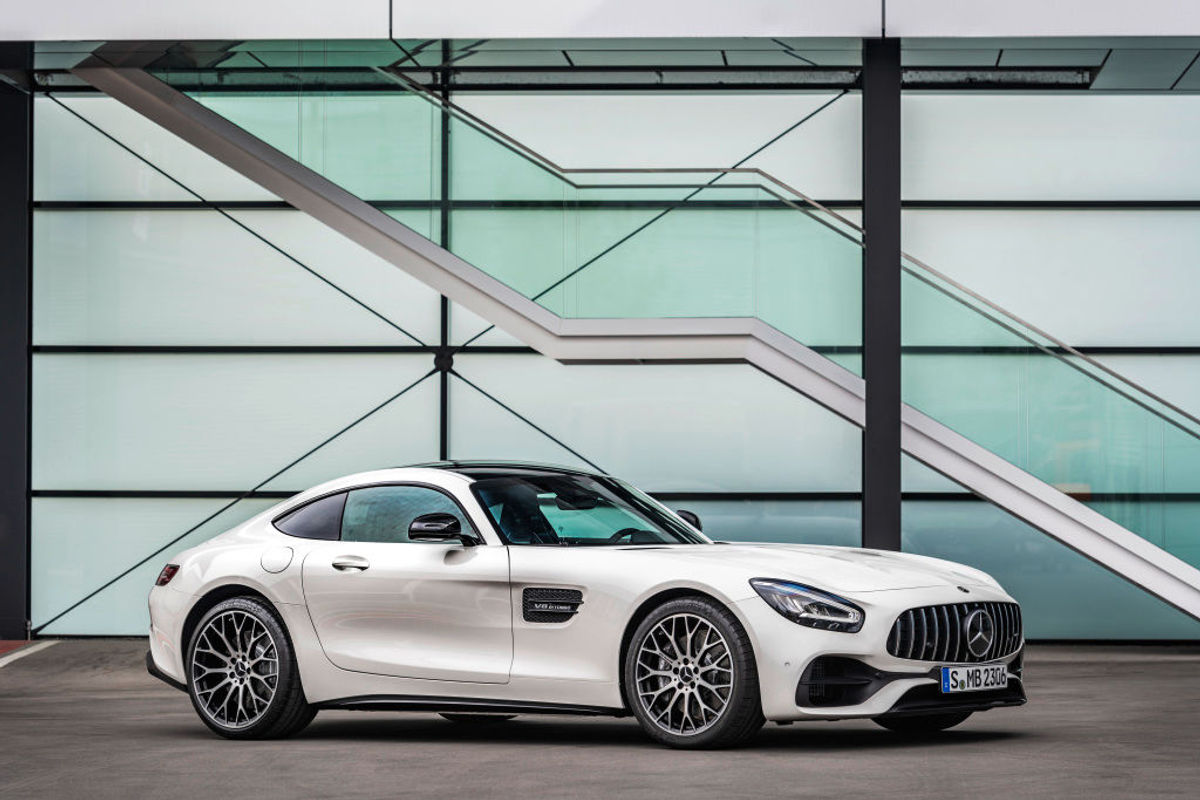
In terms of styling, AMG GT models now adopt new light controls for the LED headlights as in the GT 4-door with a tri-functional arched light guide which serves as a daytime running light, navigation light and turn signal.

The rear apron of the AMG GT, AMG GT S and AMG GT C has been redesigned with a new black diffuser insert and the tailpipe covers has also been reworked. The AMG GT and AMG GT S also gain a new black grained sill cover while new light Y-spoke alloy wheels in soft black can be had. New 10-double-spoked forged wheels in titanium grey or soft black are now offered on the AMG GT, AMG GT S and AMG GT C. Parktronic park assistant will be offered as an option with a reverse and front camera.

The AMG GT family will also be offered in brilliant blue magno and two-tone leather upholstery can also be specified.

The AMG Dynamic Select which includes modes such as Slippery, Comfort, Sport, Sport Plus and Race, will now offer AMG Dynamics which will control power distribution to the rear axle and manage steering characteristics to improve handling and agility. AMG Dynamics incorporates 4 modes including Basic, Advanced, Pro and Master.

Mercedes-Benz South Africa has confirmed that the updated AMG GT Coupe, AMG GT C Roadster and the AMG GT 4-door will arrive in the first half of 2019 while the AMG GT R Pro will arrive in the second half of 2019. 

Buy a new or used Mercedes-AMG GT on Cars.co.za

Related Content

Mercedes-AMG GT 4-Door Coupe (2018) International Launch Review

Mercedes-AMG GT 4-Door (2018) International Launch Review

Mercedes-AMG GT 4-Door Production Begins

BMW M4 DTM vs Mercedes-AMG GTR – Drag Race

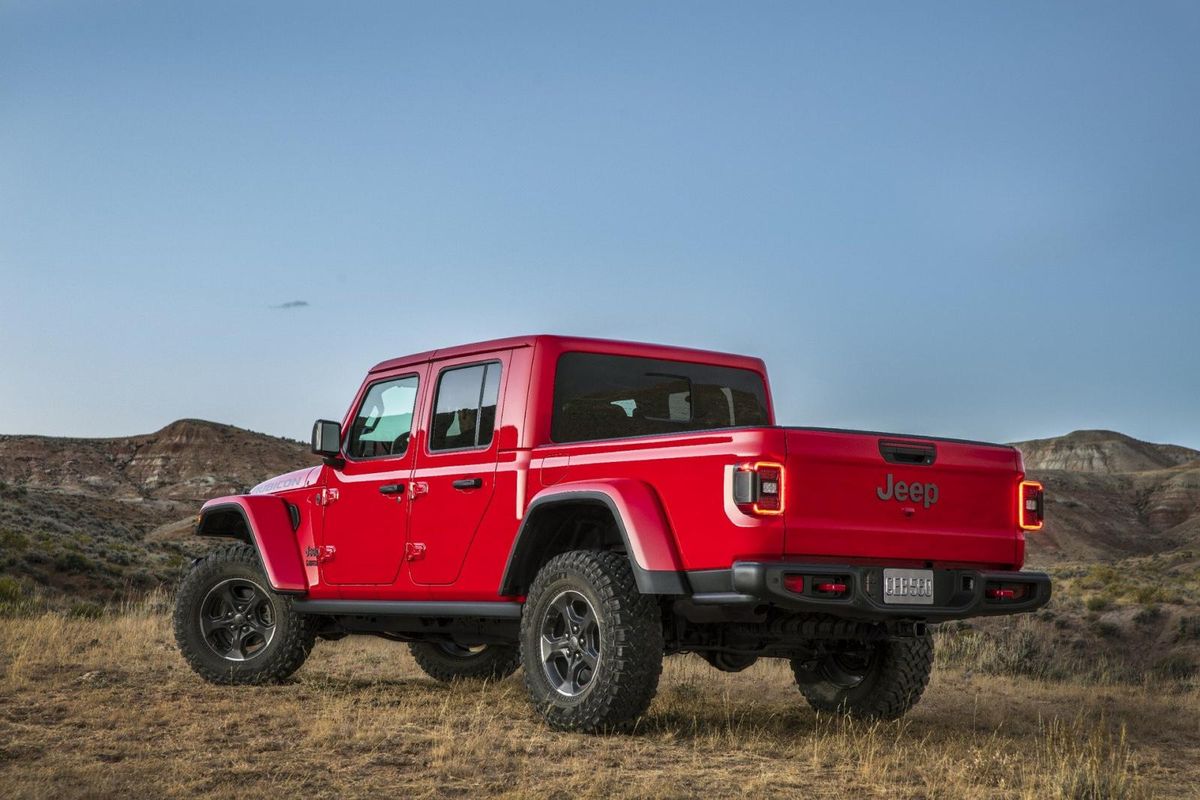
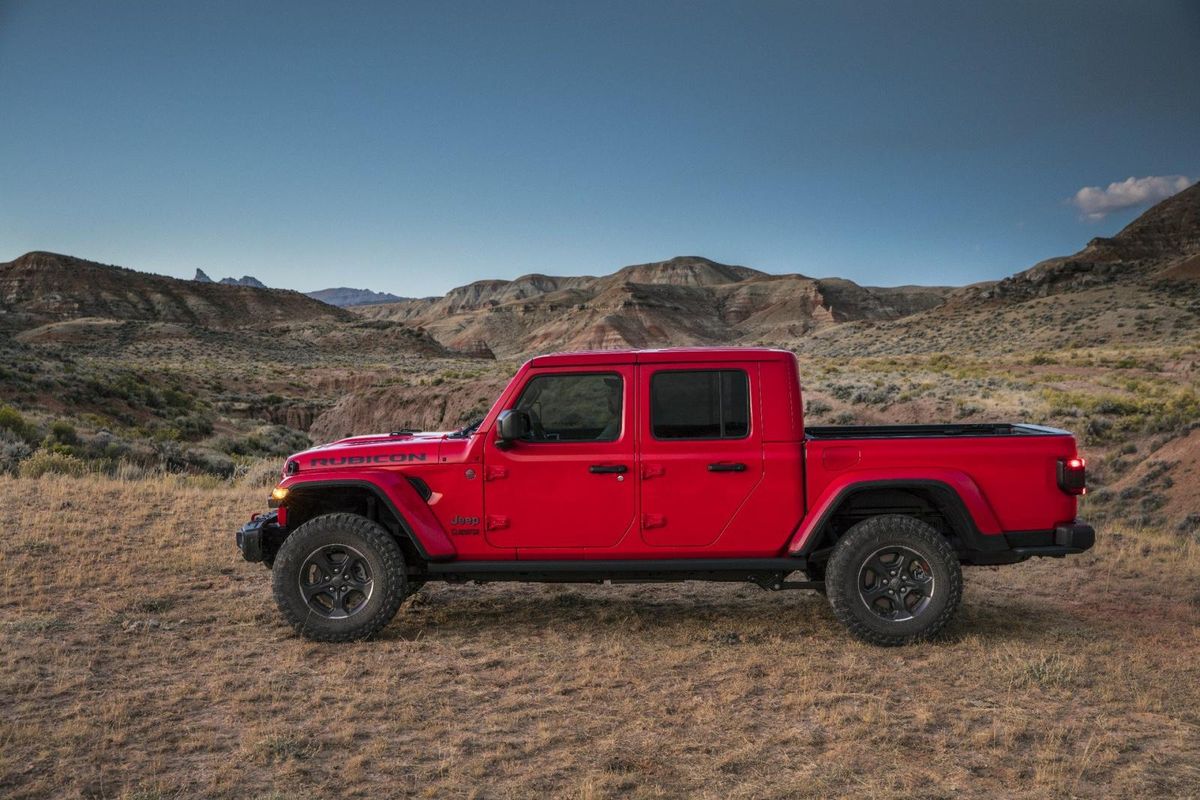
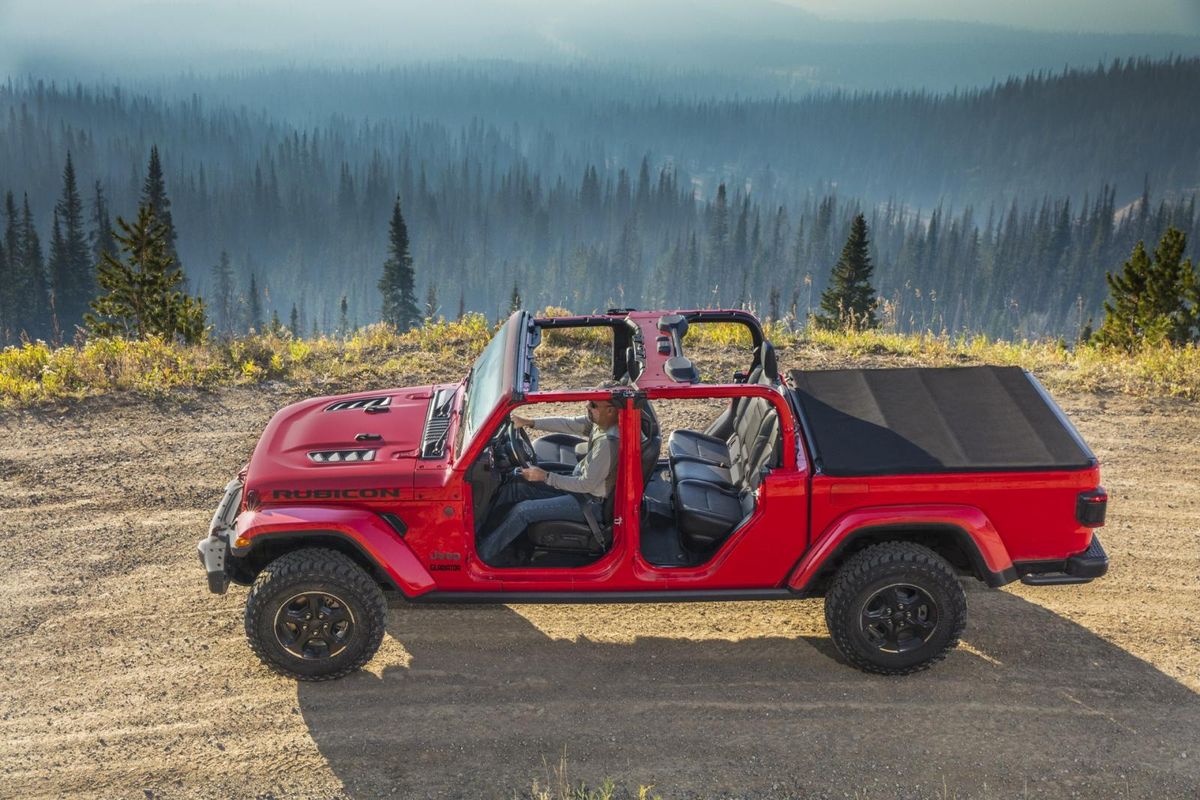
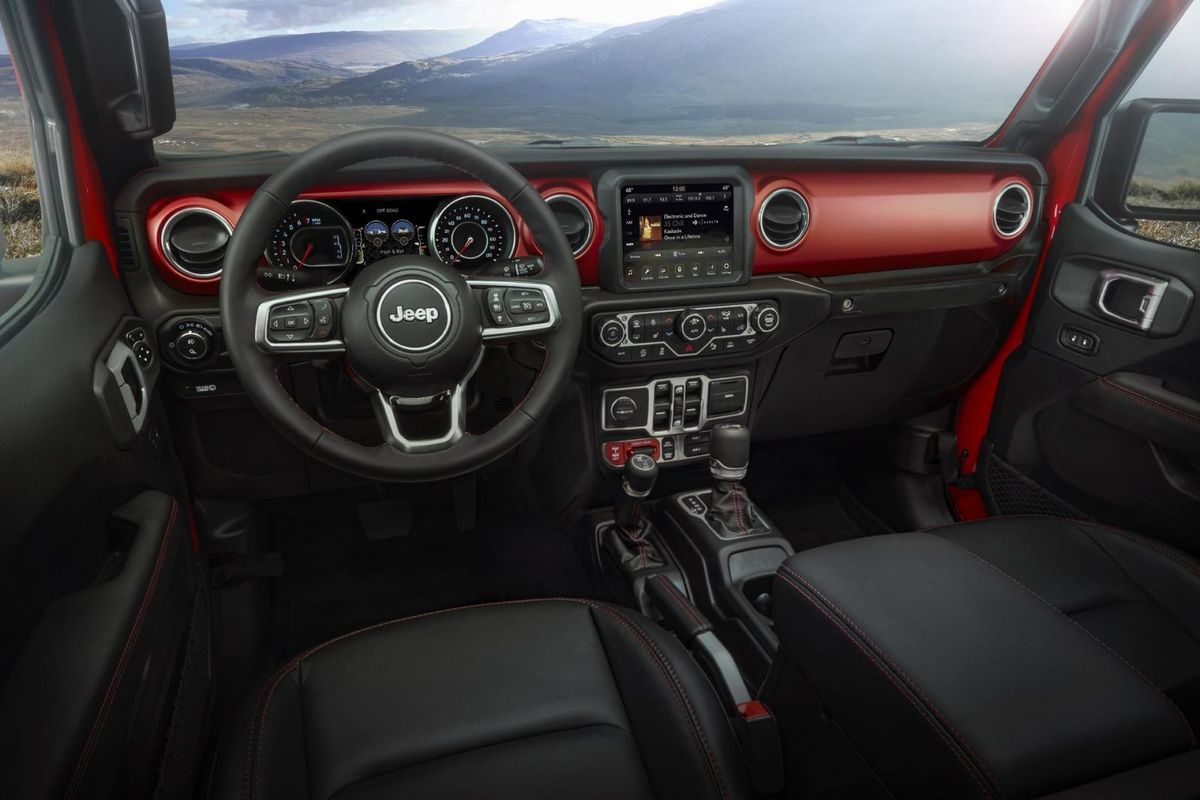
New Jeep Gladiator Bakkie Revealed

Jeep has used the LA Motor Show to reveal its new mid-size Gladiator bakkie. See details below…

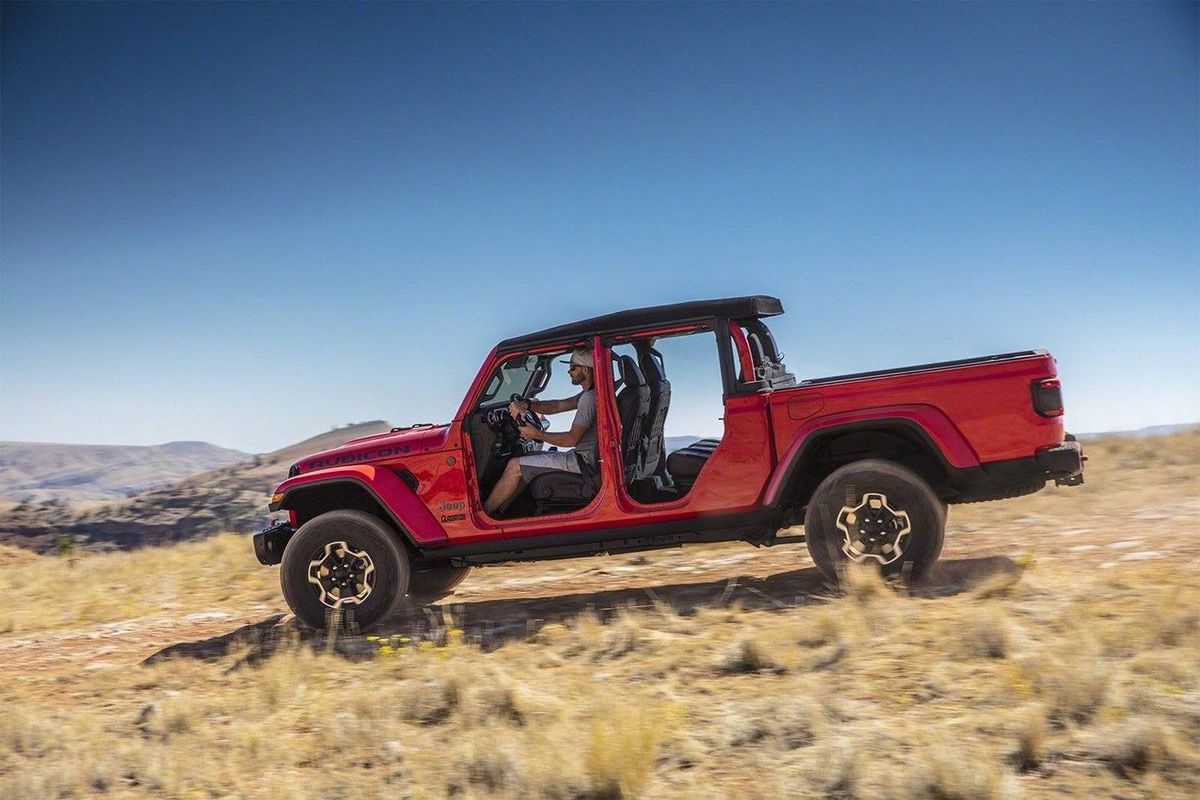
While we wait for the arrival of the new Wrangler in 2019, Jeep has revealed what it calls the most capable truck ever and it’s called the Gladiator.

"Unquestionably a truck and instantly recognizable as a Jeep, the all-new 2020 Gladiator is the ultimate vehicle for any outdoor adventure. There is tremendous demand for this unique vehicle from our loyal Jeep customers and pickup truck buyers everywhere. Born from a rich and proud heritage of tough, dependable Jeep trucks, Gladiator combines rugged utility, versatility and functionality resulting in the most capable mid-size truck ever,” said Tim Kuniskis, Head of Jeep Brand – North America.

The Gladiator is powered by a 3.6-litre Pentastar V6 with 213 kW and 353 Nm of torque and is mated with a 6-speed manual transmission as standard while an 8-speed automatic is offered as an option. A 3.0-litre EcoDiesel engine is expected to join the range in 2020.

Offroad ability is provided by two 4×4 systems (depending on the derivative) and these include a Command-Trac 4×4 system as well as a Rock Trac 4×4 system with heavy duty Dana 44 front and rear axles and Tru-Lok locking differentials. The Gladiator is shod with 17-inch off-road wheels with 33-inch tyres.

The wading depth for the Gladiator is 762 mm with a maximum towing capacity of 3 470 kg and payload capacity of 726 kg.

The Jeep Gladiator is not currently under consideration for South Africa.

Buy a new or used Jeep on Cars.co.za

Related Content

Jeep Cherokee (2019) International Launch Review

Jeep Renegade facelifted for 2019

2018 Jeep Wrangler Revealed

New Jeep Cherokee ups the charm

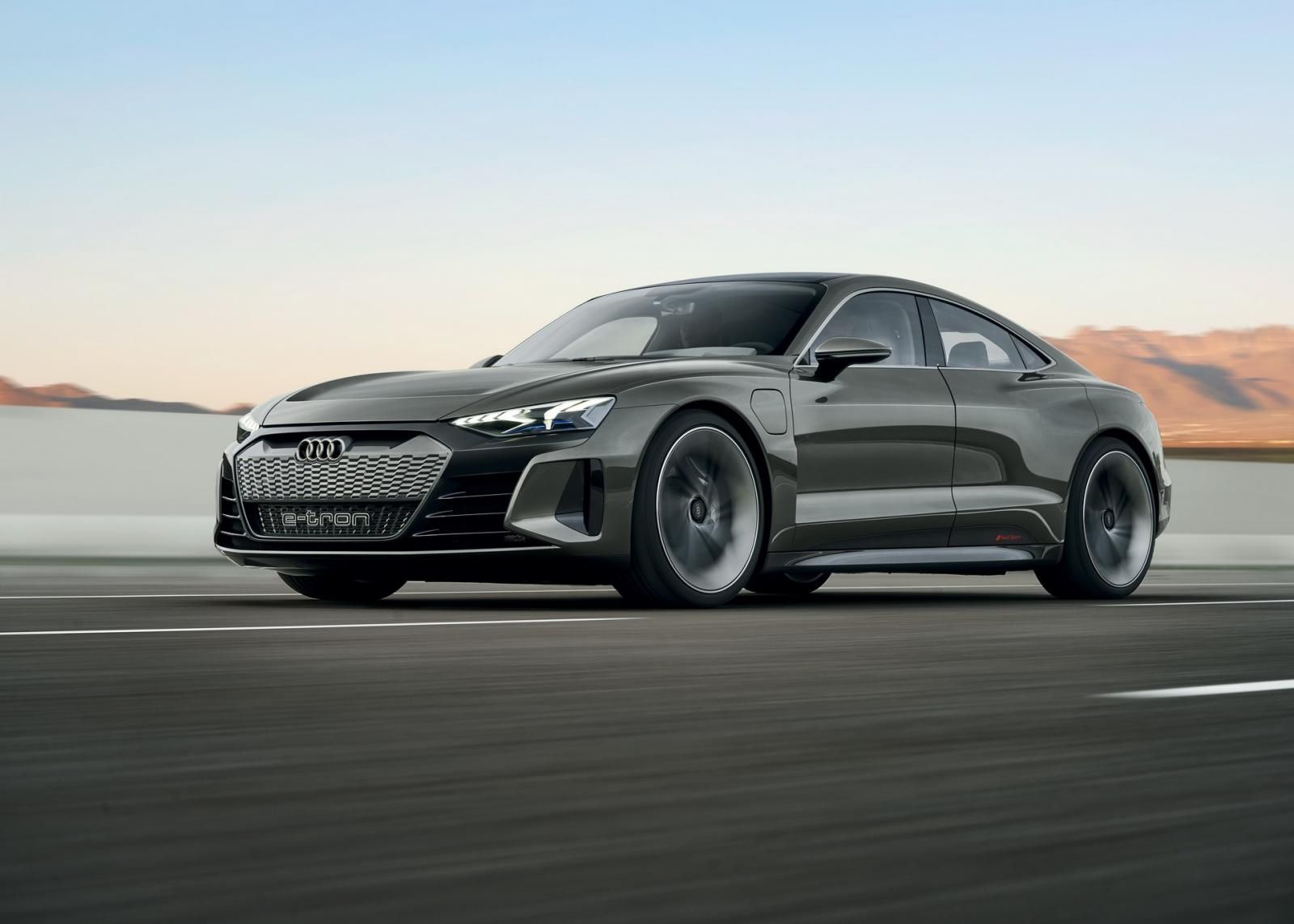
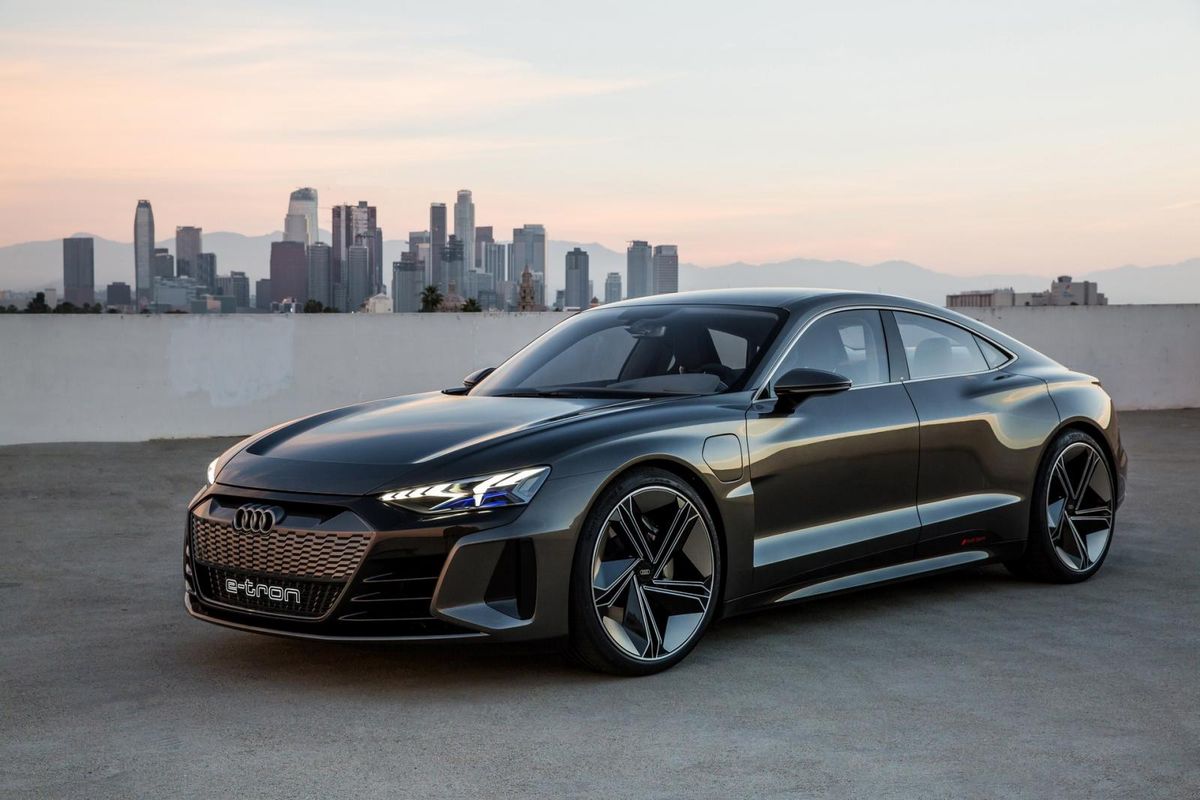
Audi e-Tron GT Concept Stuns LA

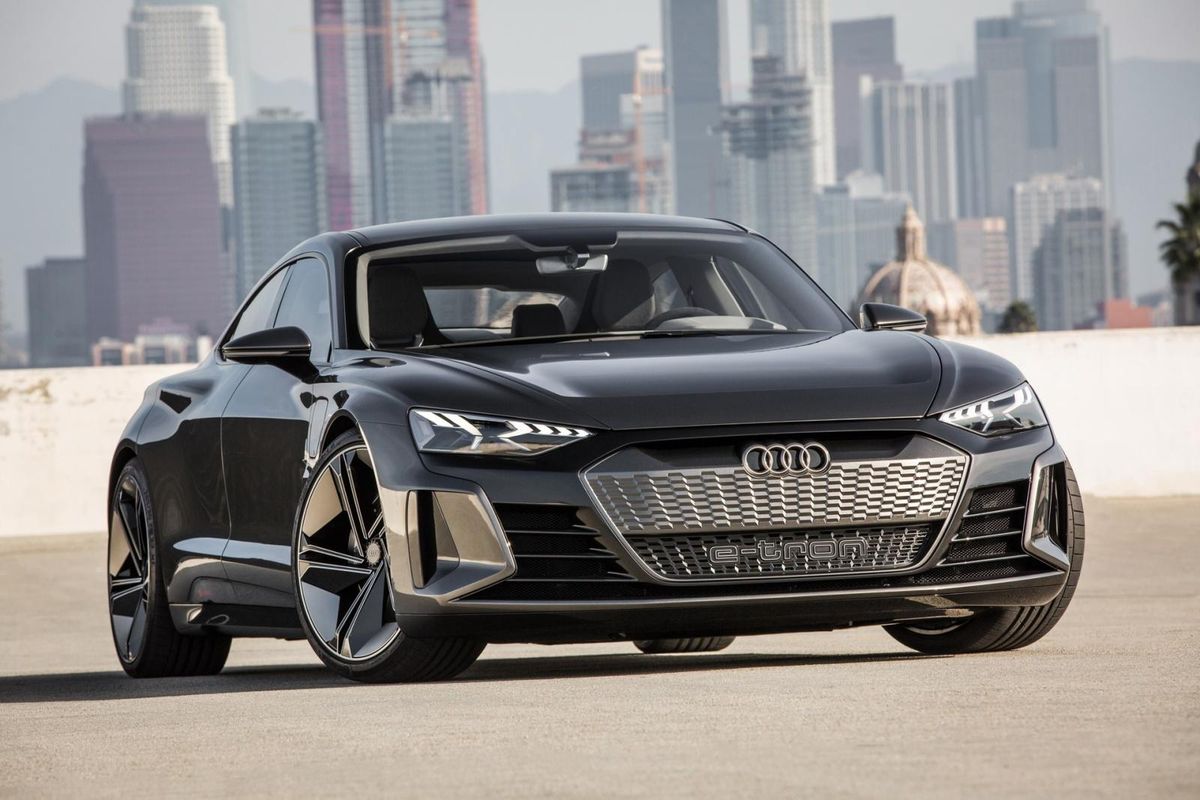
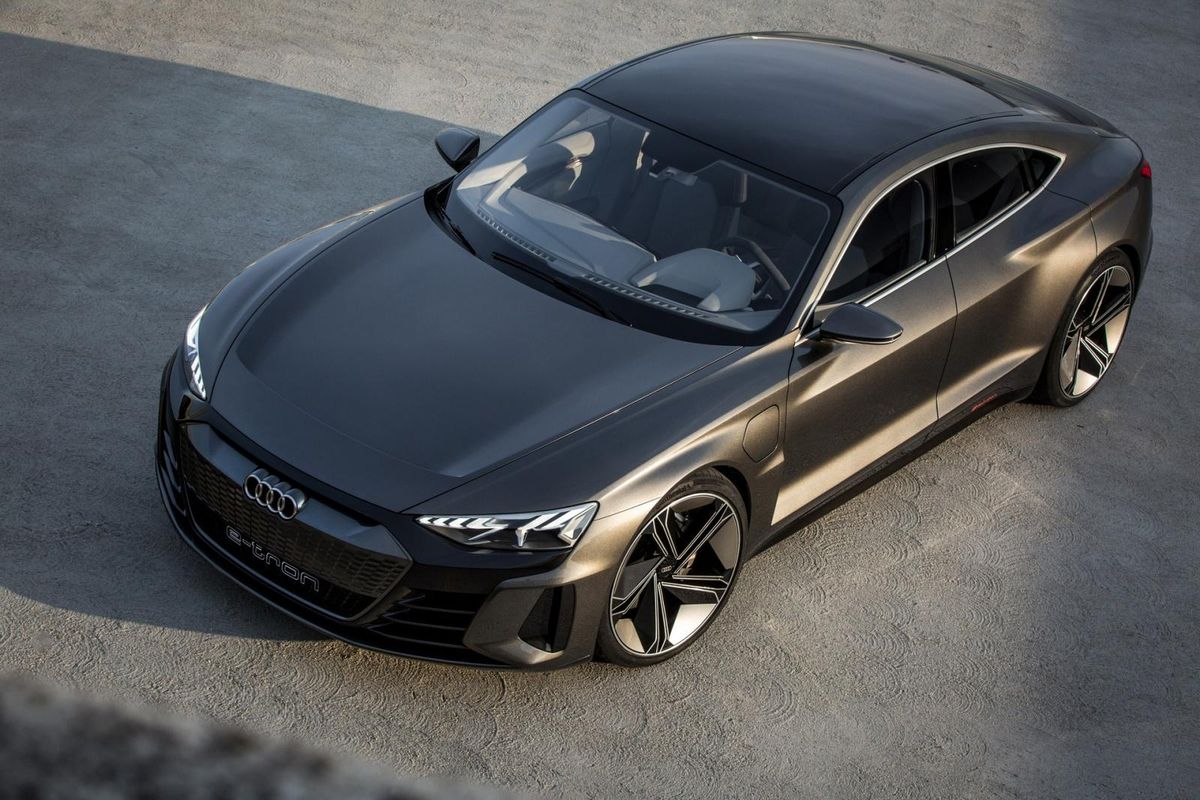
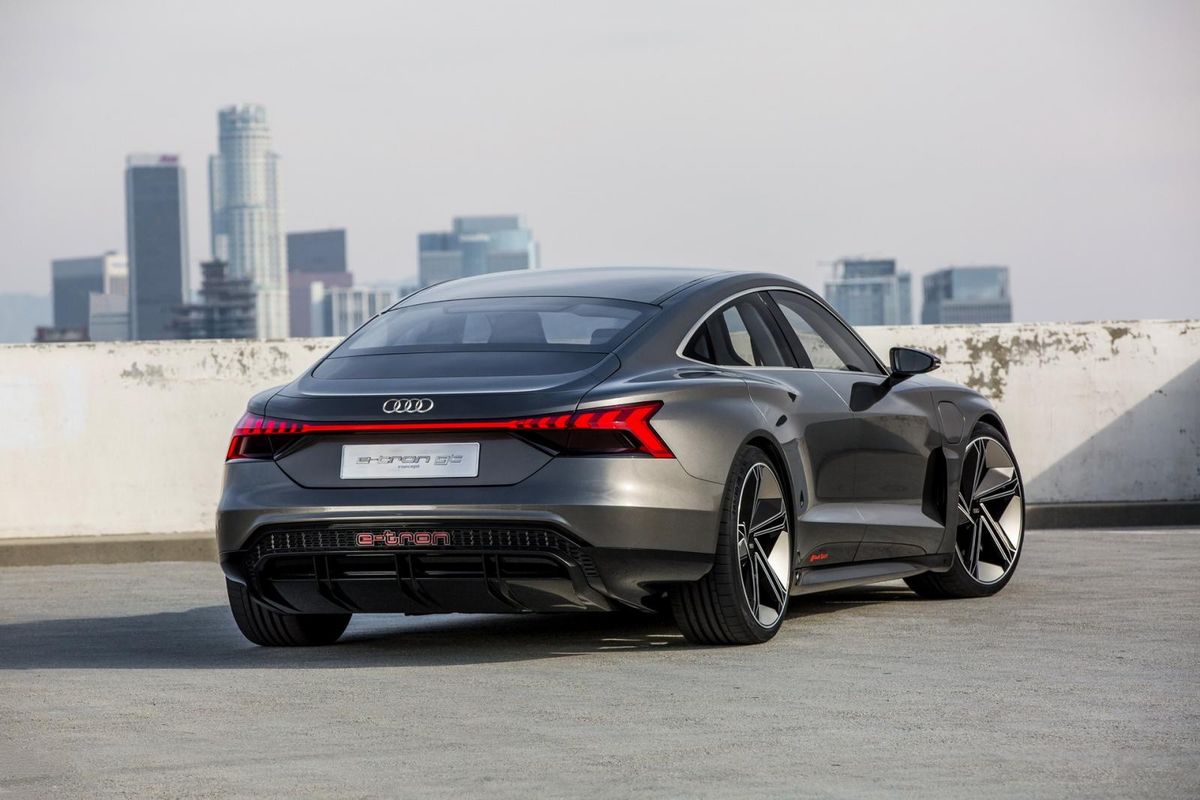
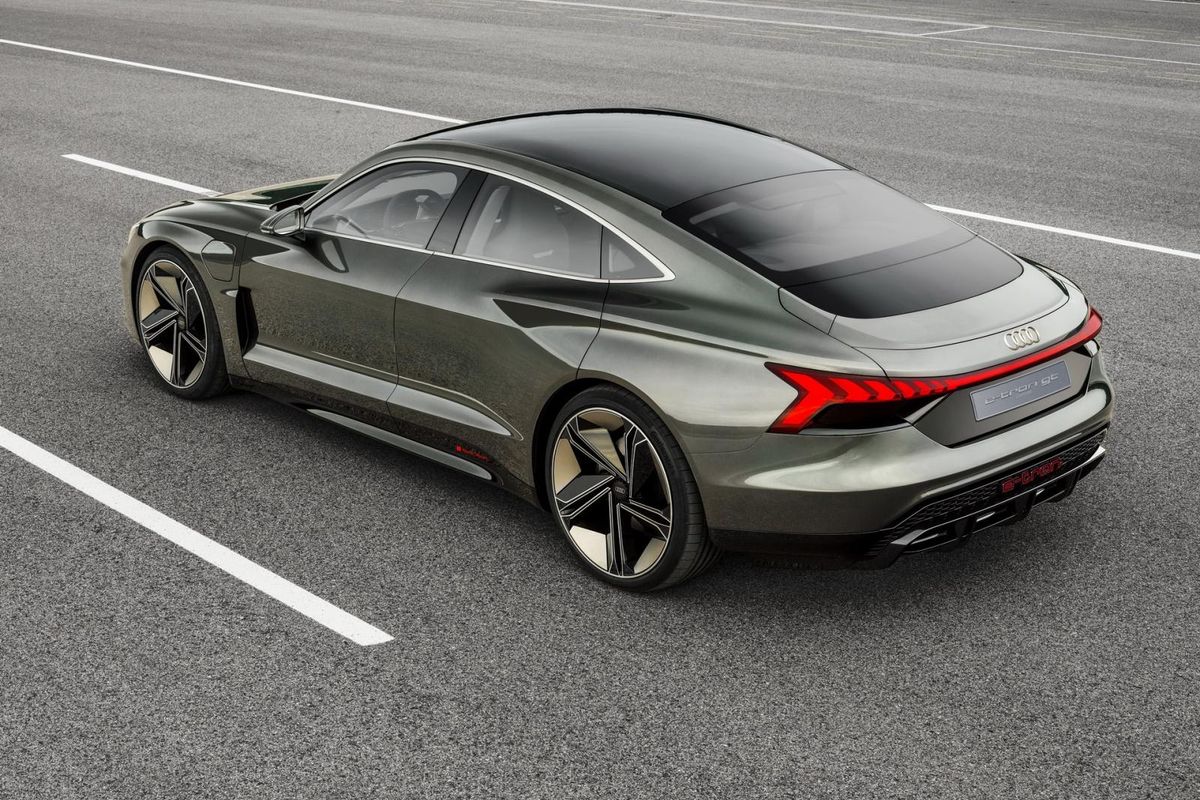
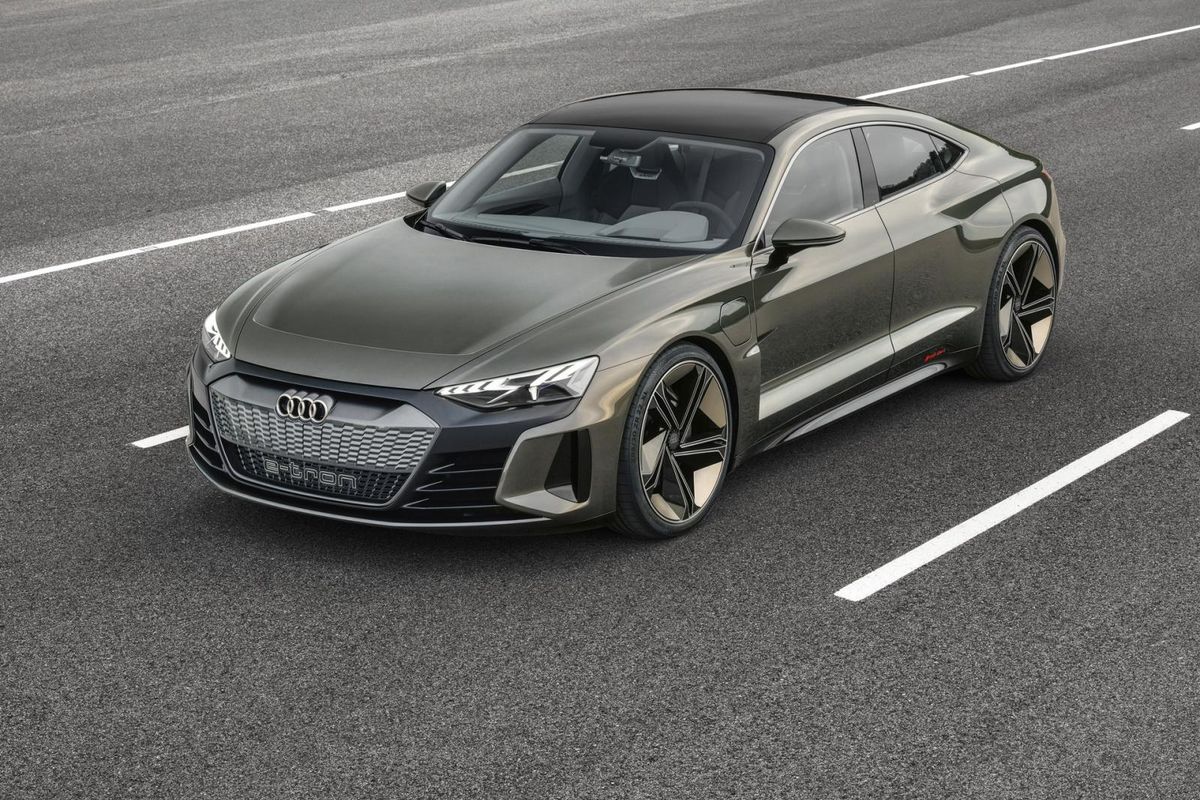
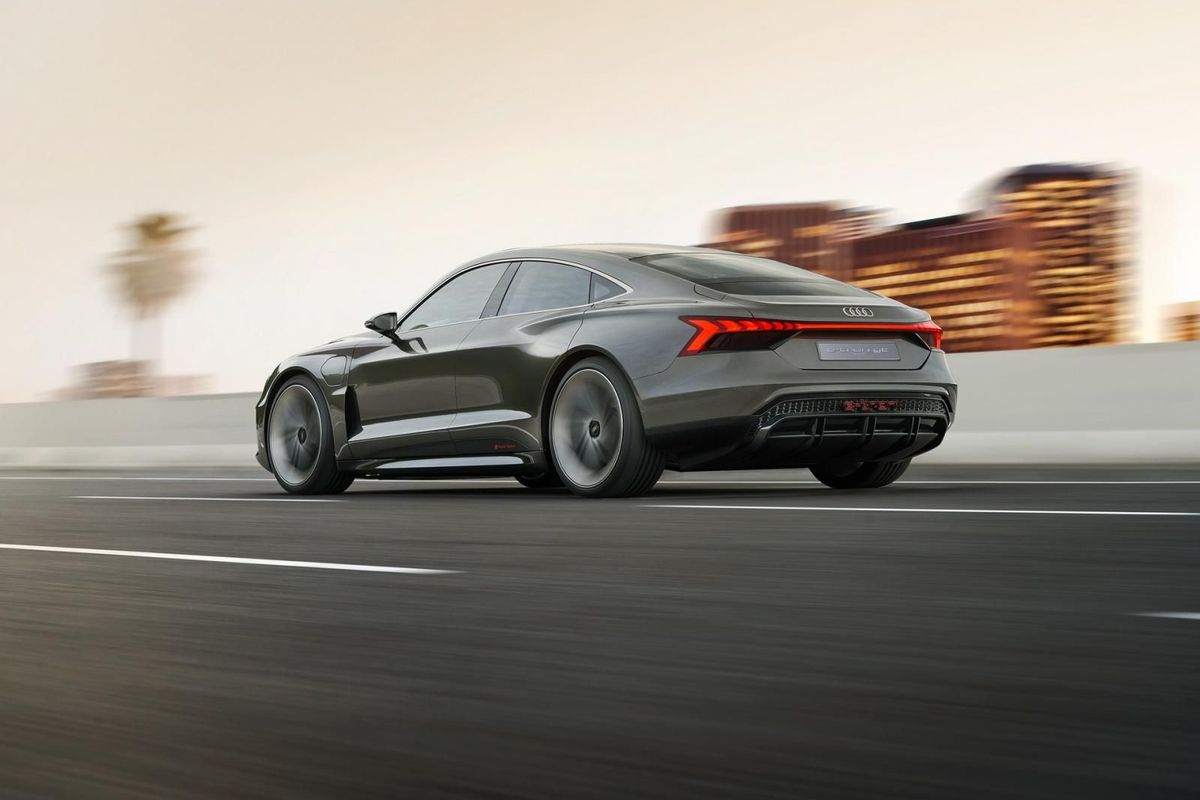
Audi has brought a fierce-looking electric e-Tron GT 4-door coupe concept to the LA Motor Show with a production version expected late in 2020.

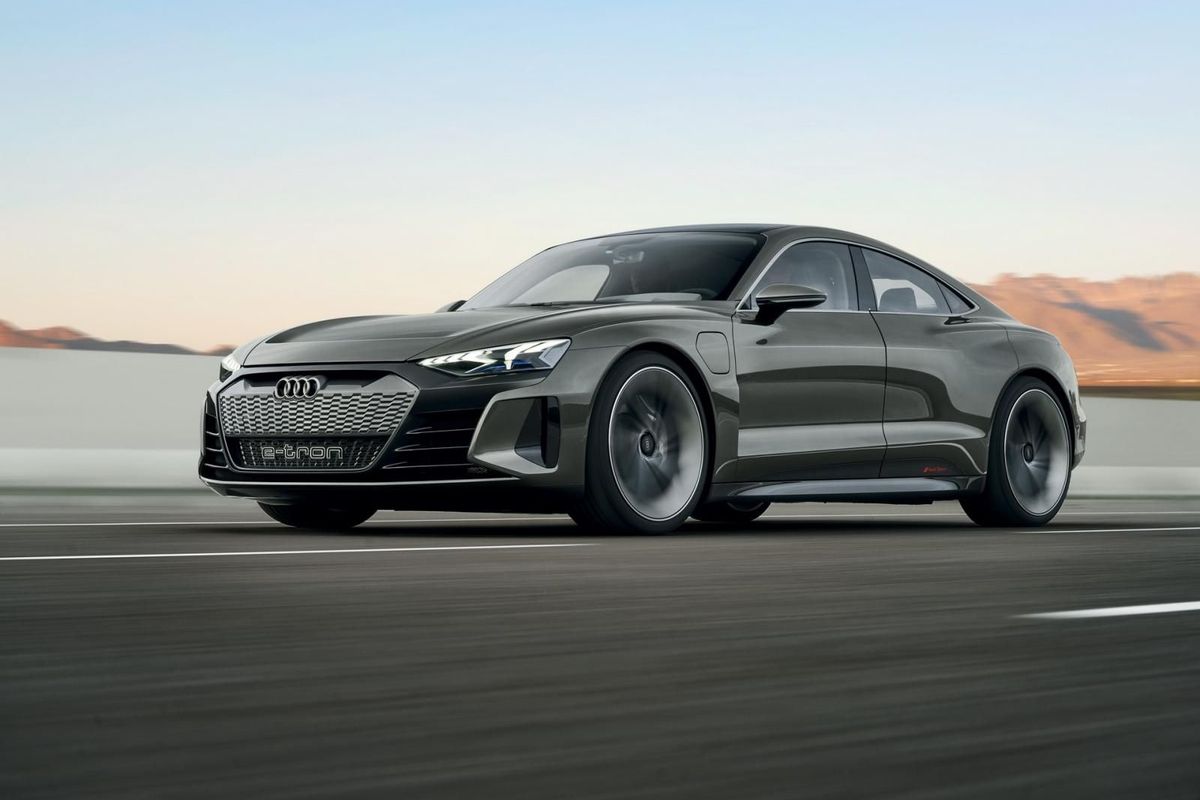
Developed in collaboration with Porsche, the striking Audi e-Tron GT Concept gives us a good idea of what to expect from the forthcoming production version in 2020 which follows on from the e-Tron SUV and the eTron Sportback.

Power output


With 434 kW, the Audi e-Tron GT Concept is cabable of sprinting from zero to 100 kph in 3.5 seconds

The Audi e-Tron GT Concept develops a total system output of 434 kW with 2 electric motors driving both the front and rear axles (1 over each axle) making this an electric quattro as there is no mechanical link between the front and rear axle. Audi says that acceleration from zero to 100 kph will take place in 3.5 seconds with a top speed of 240 kph. A 90 kWh lithium-ion battery is said to ensure a range of 400 km.  A energy recuperation system increases range by up to 30%.

In terms of charging, the e-Tron GT Concept can gain 80% charge in 20 minutes thanks to an 800-volt system using a cable. Audi Wireless Charging can also be used to charge the car overnight using a built-in charging pad on the floor where the car is parked.  

Key styling features


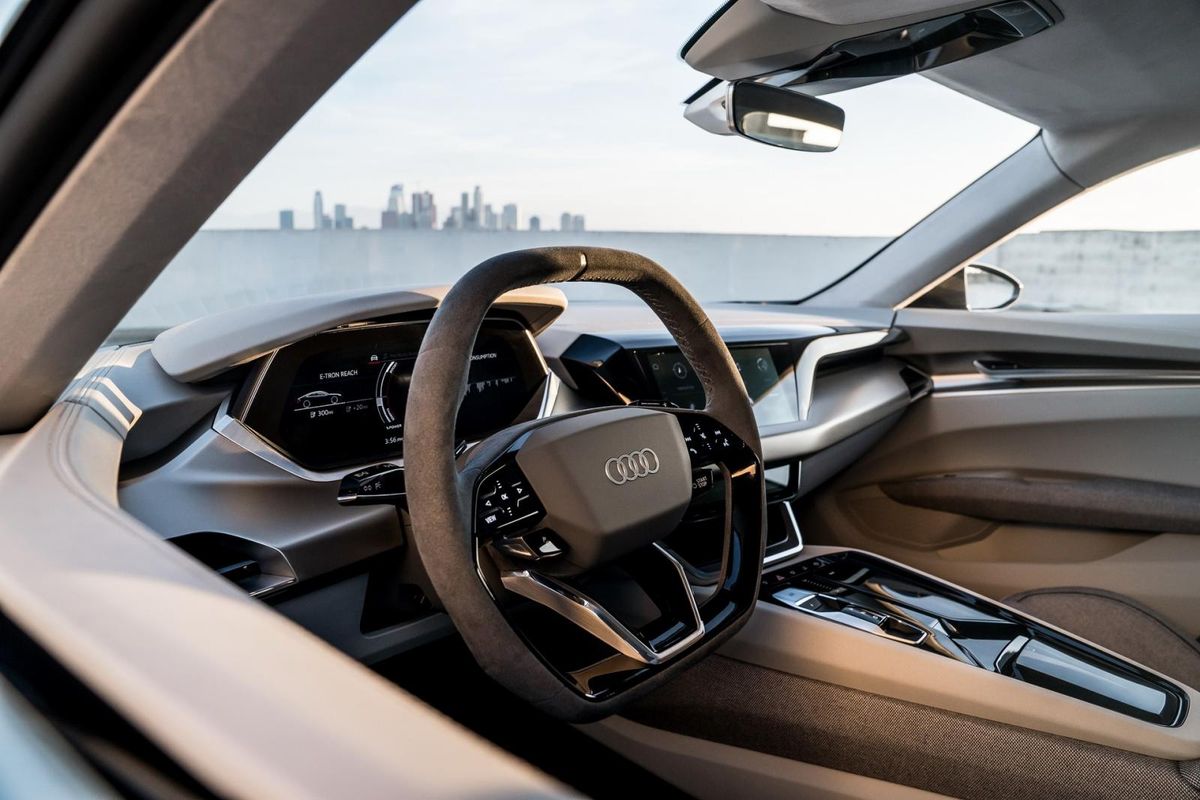
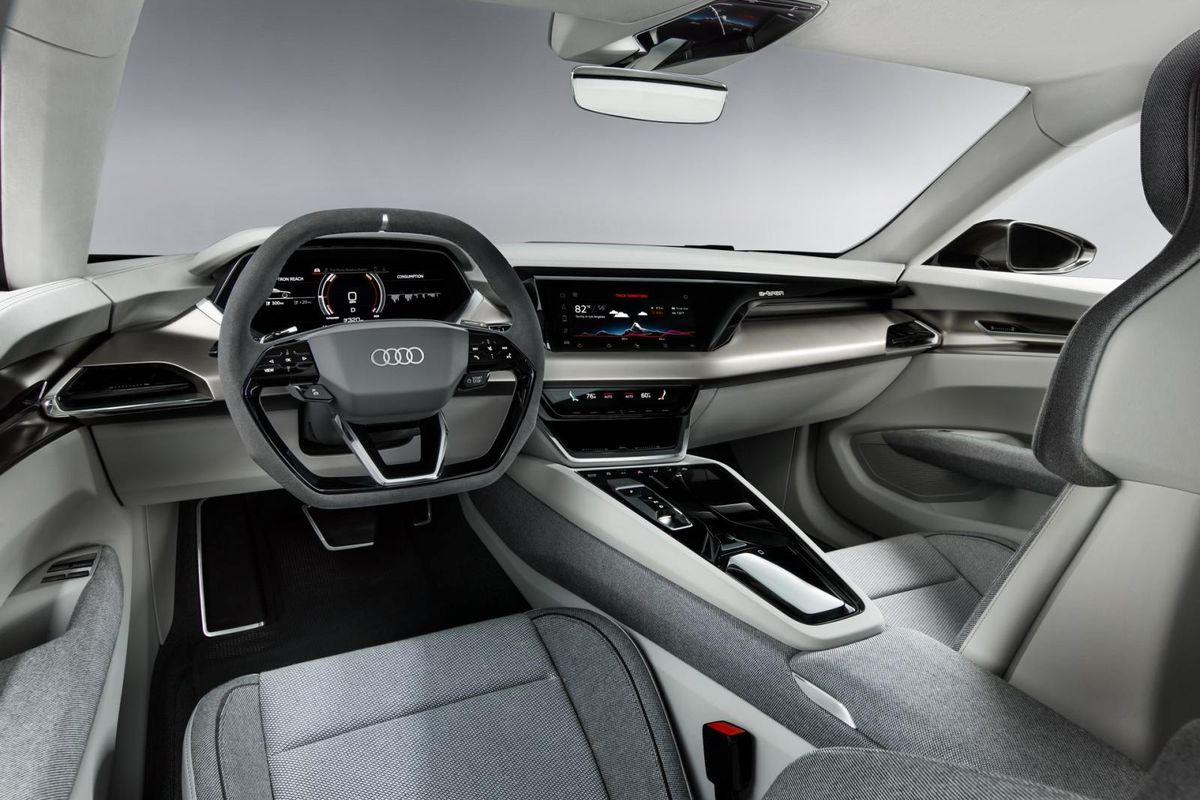
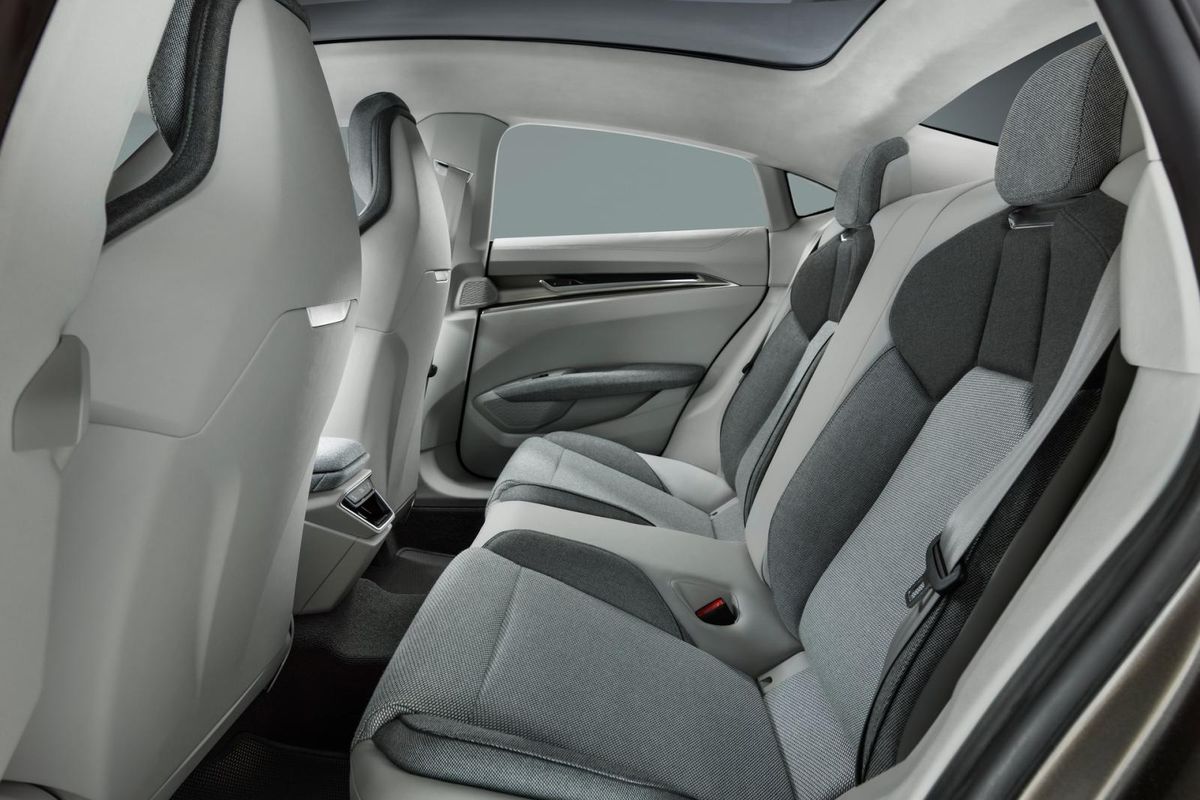
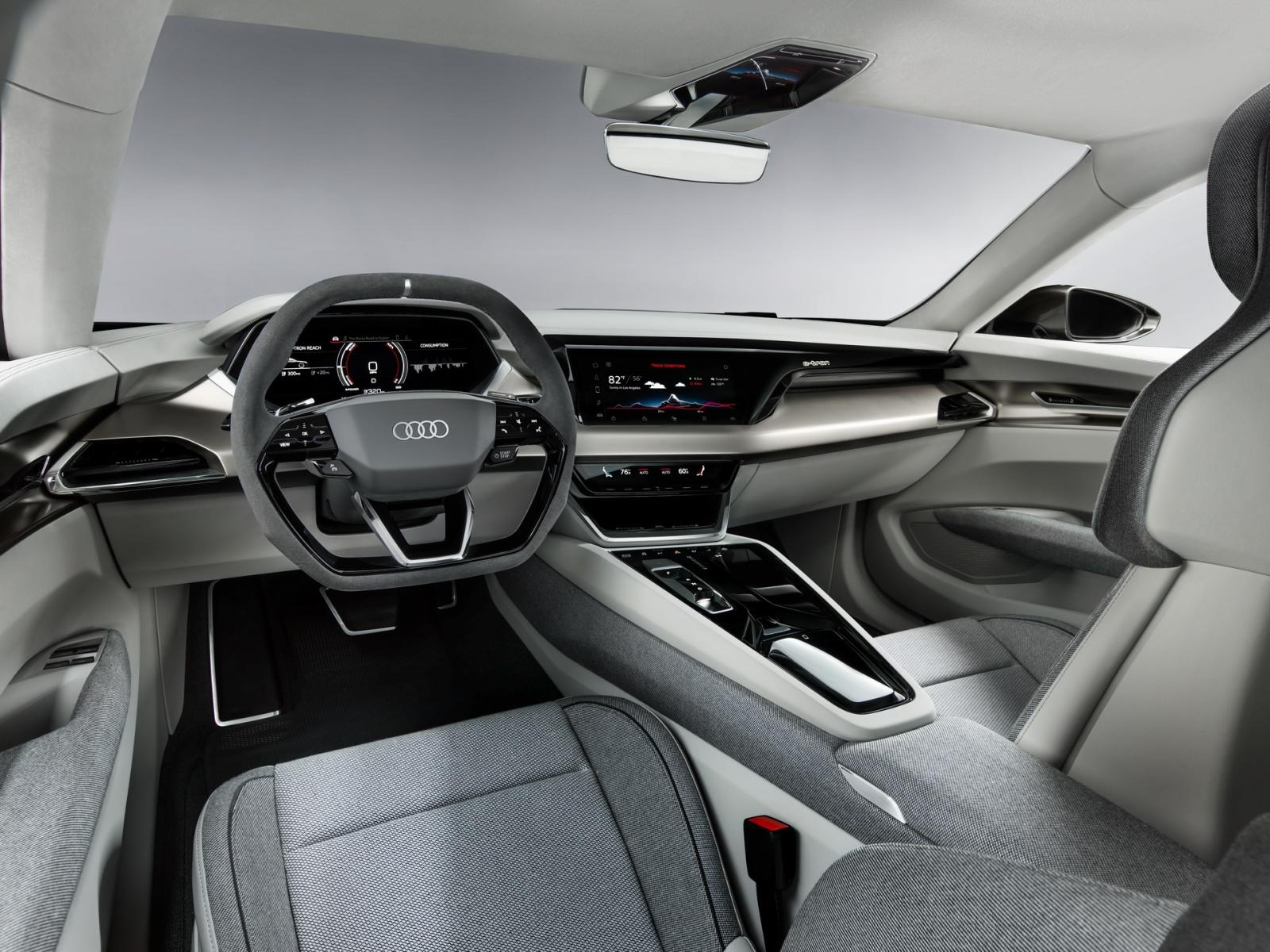
An interior made from non-animal based materials and recycled material is a thoughtful touch to what looks like a sumptous cabin. 

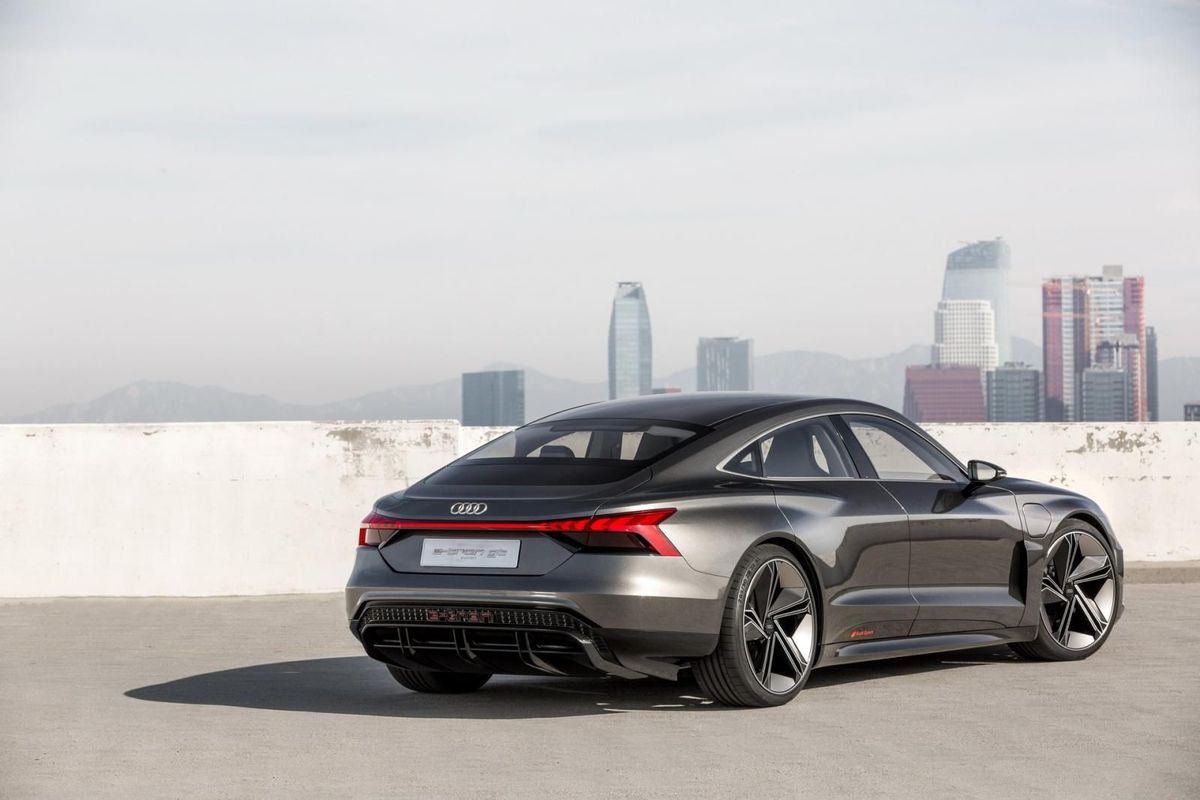
This is an electric 4-door coupe that sits low and wide with a long wheelbase of 2.9 metres. It stands 4.96 metres long, 1.96 metres wide and 1.38 metres high. The body is made from various materials such as a carbon fibre, aluminium and high-strength steel.  

The front-end is dominated by a sharp and edgy design with a singleframe grille that’s complemented with aggressive-looking Matrix LED headlights. A light strip running the length of the rear is similar to that seen on the e-Tron SUV. The exterior is finished in a new colour called Kinetic Dust.

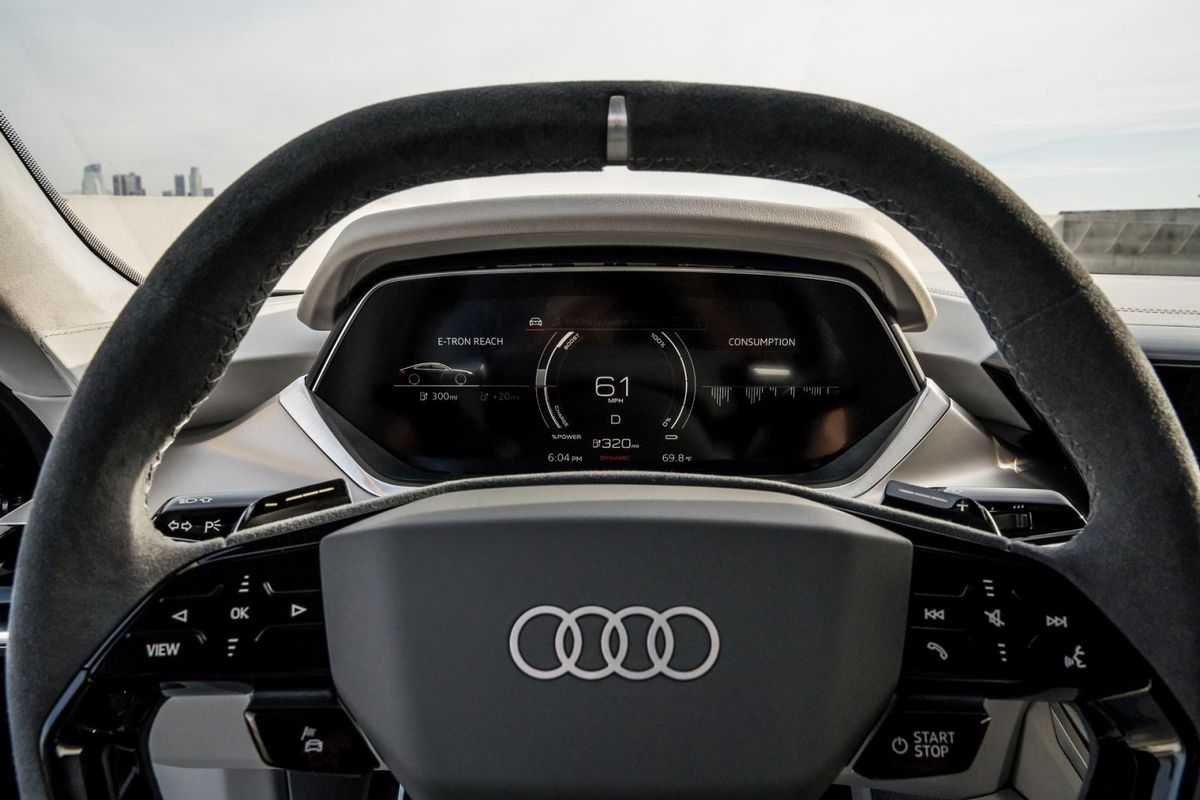
The interior design is simple and futuristic in look and feel with a clear focus placed on the driver with the large infotainment screen angled towards the driver for ease of use. As you would expect, the instrument cluster is all-digital.

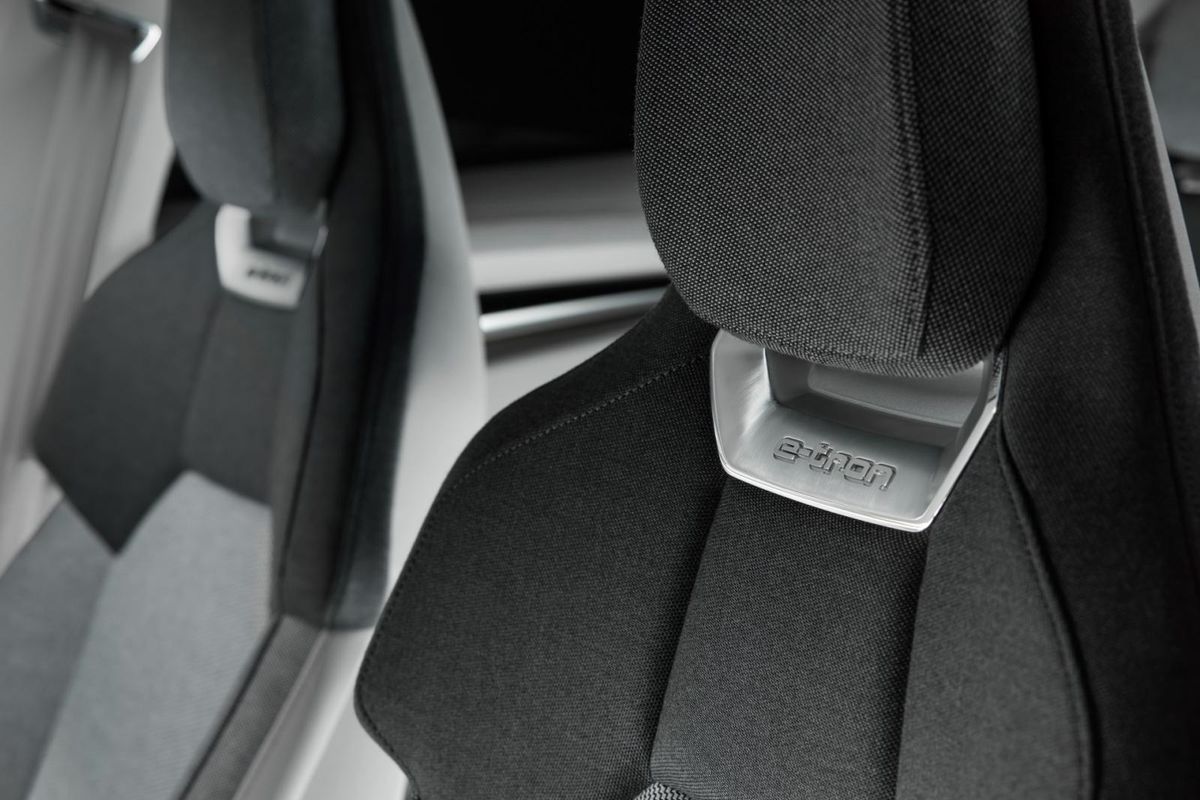
Interior materials are non-animal based, so this a vegan interior, as Audi calls it, with synthetic leather used for the seats and trim. Recycled fabric material is used on the seat cushions, armrests and centre console. The deep-pile carpets are made from Econyl yarn which is a recycled fibre made from used fishing nets. The load bay offers 450 litres of space while additional 100 litres of space is found under the bonnet.

Audi aims to have 12 all-electric drive models on the market by 2025 with its electric vehicles expected to account for one third of its sales. First customer deliveries of the production version of the e-Tron GT can be expected in 2021.  

Buy a new or used Audi on Cars.co.za

Related Content

Electric Audi e-tron Revealed

Audi E-tron: What it means for SA

Audi Is Pressing Ahead With Its Future Plans

5 New Electric Cars Destined for SA

Jaguar's Plan to Own SA's Electric Car Market


BMW X5 (2018) Launch Review

Thanks to the introduction of the X7 first-class off-roader, the X5 no longer sits at the summit of the Bavarian brand's SUV fleet. But, make no mistake, the latest iteration of the model that started BMW's Sports Activity Vehicle onslaught is raring to muscle its way through a crowd of rivals. We headed to Garden Route to sample the newcomer…

What’s new?

As new technologies arrive (and existing ones improve), car manufacturers are hell-bent on squeezing the latest features into every new product they offer. Consumers have concurrently become ever more demanding, so irrespective of whether they're interested in a 1 Series or the new X5, they want the latest, greatest safety features or connectivity options. Being an all-new model, BMW has stacked the X5 with everything it has to offer. There are so many safety, autonomous and connectivity features, it would take too long to explain them all in a short, sharp launch review.

New BMW X5 (2018) Specs & Price


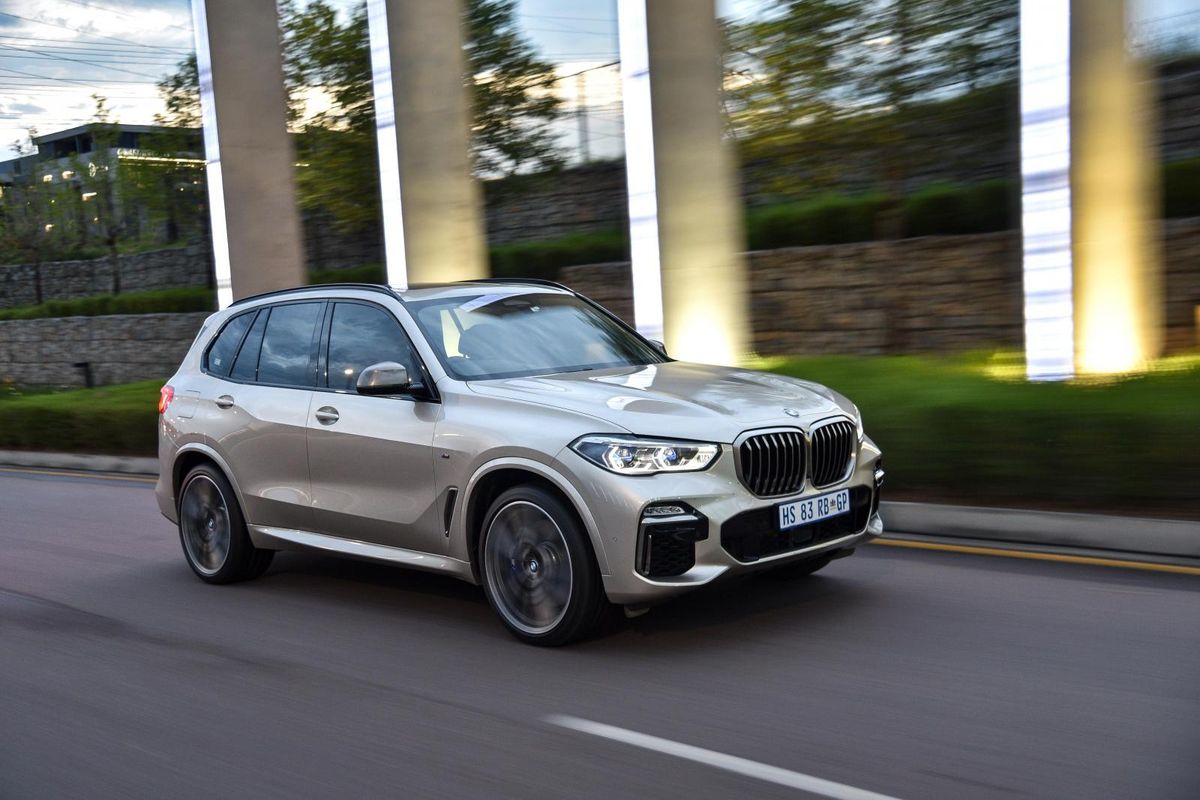
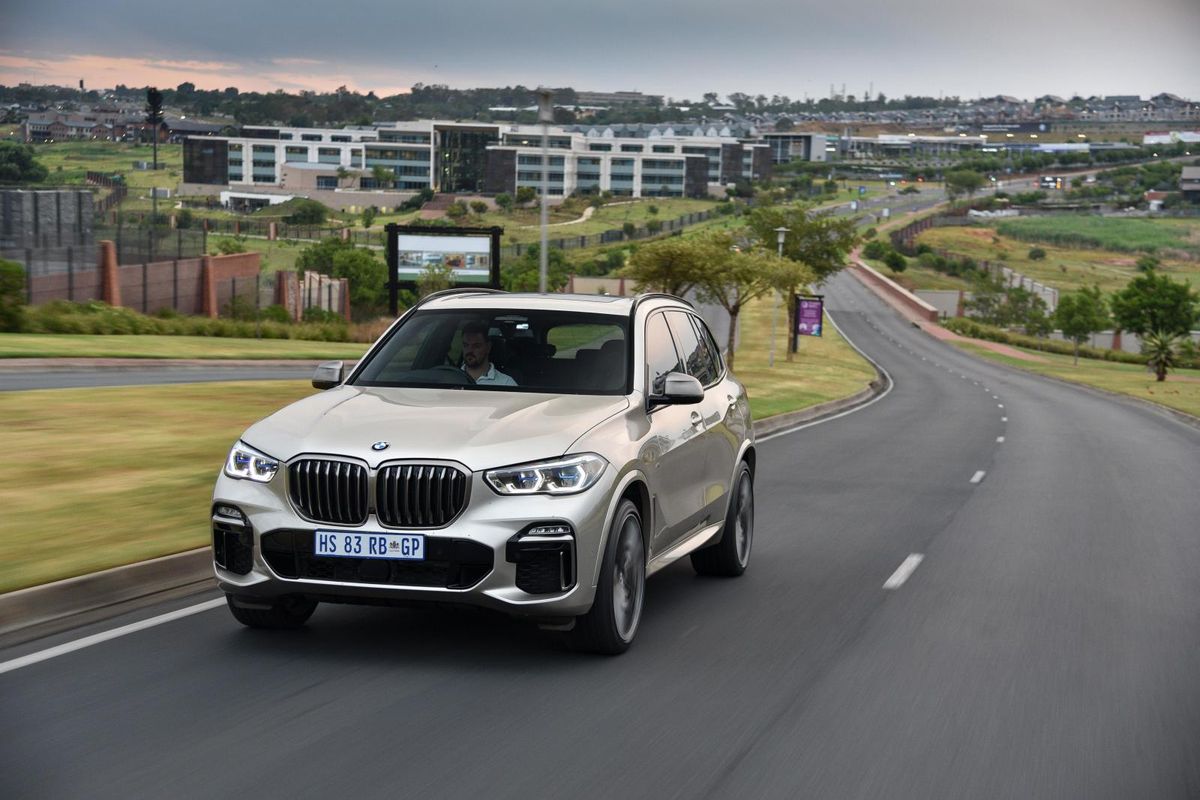
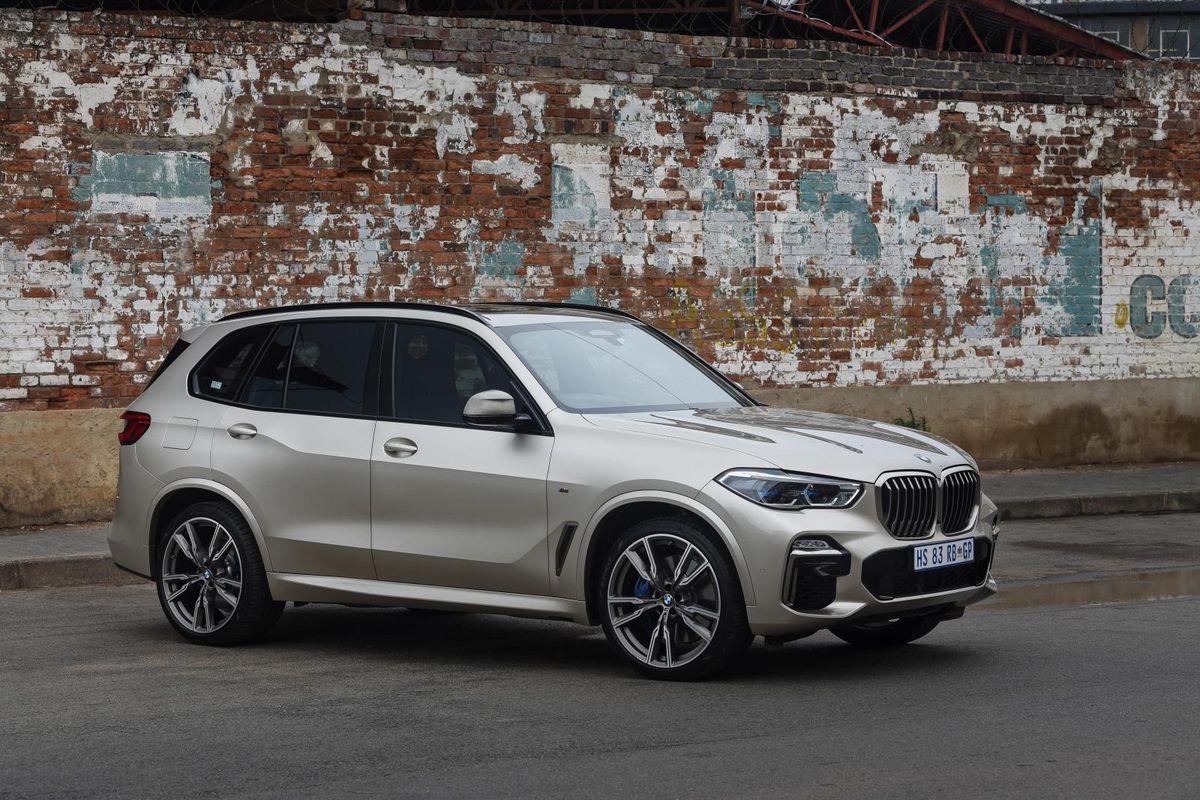
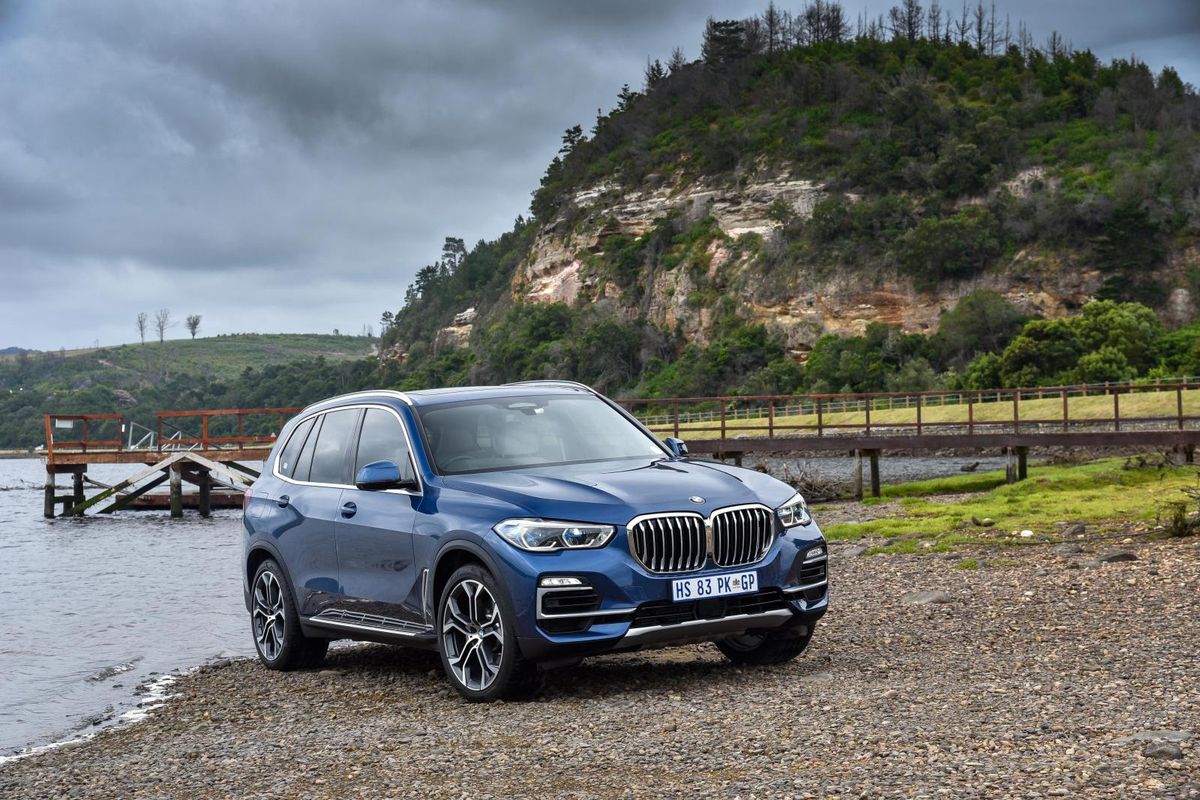
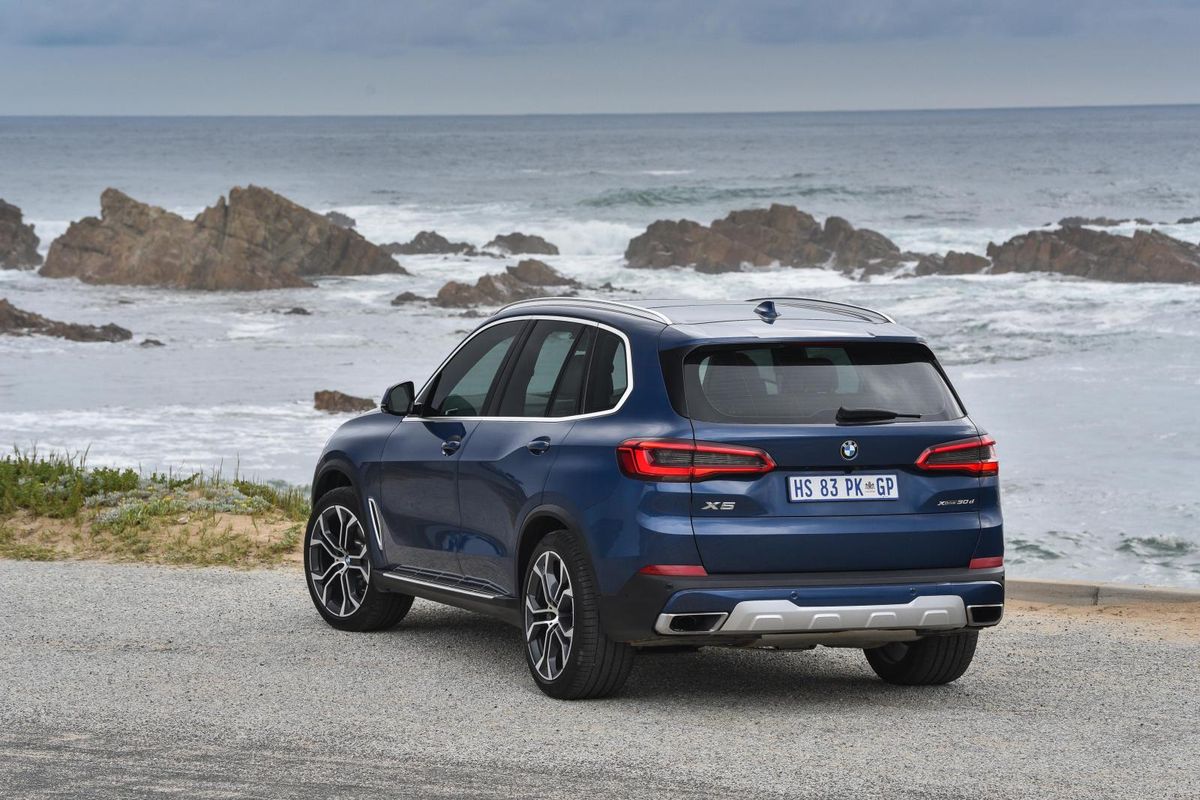
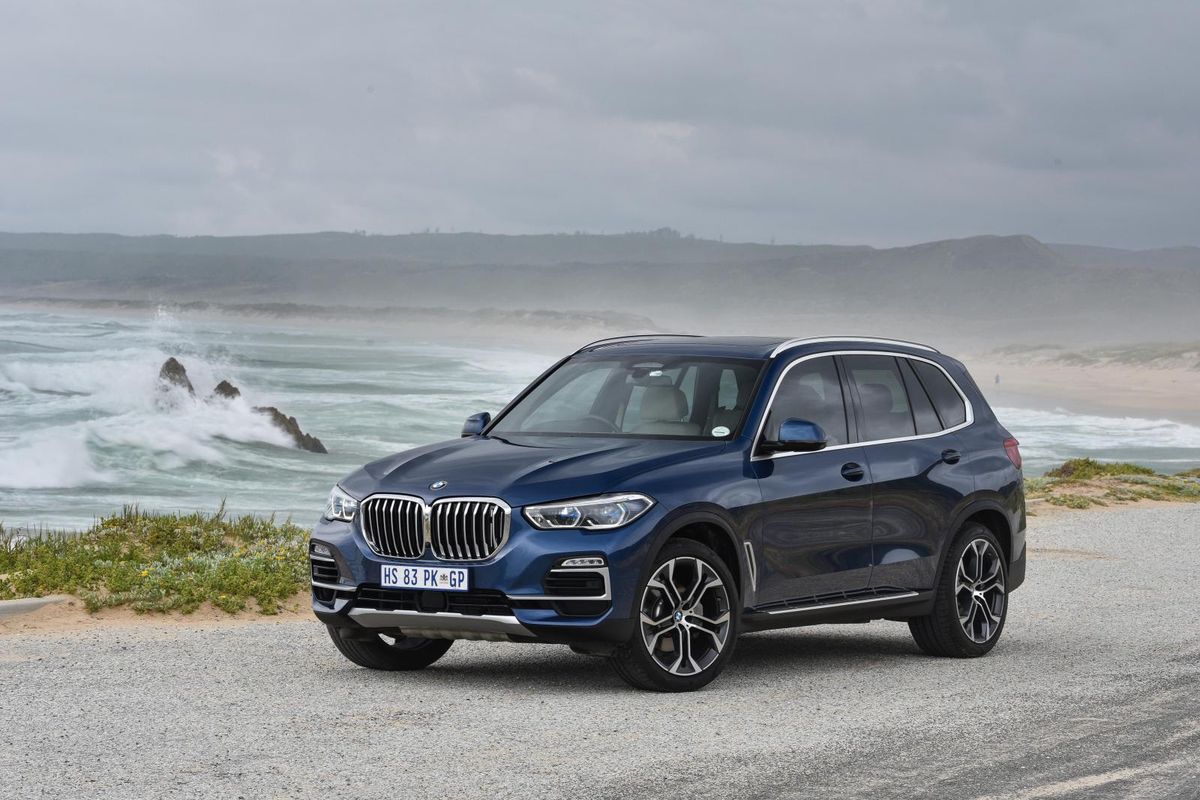
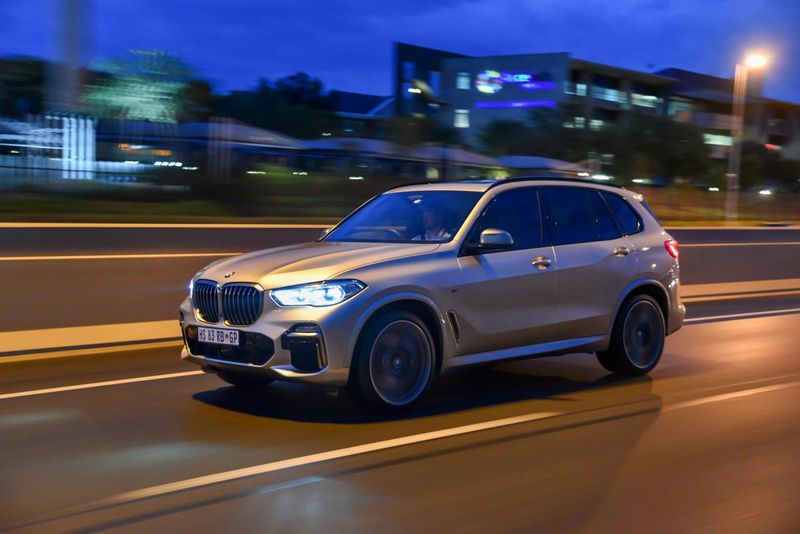
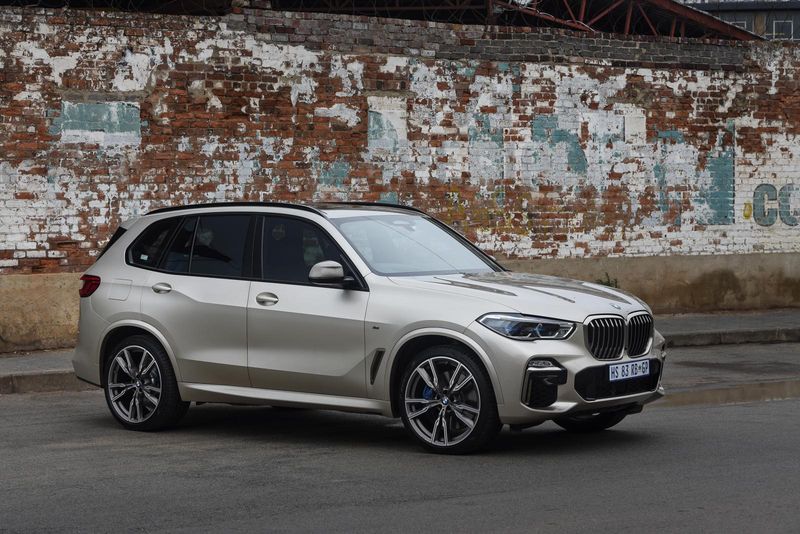
The new X5 features that huge kidney grille up front – not quite as large as the X7, but still large.

So let's focus on the important stuff. The new X5 is a little bit bigger in every direction, which sees increases in occupant and (a little more) loading space. It comes standard as a 5-seater and is optionally available as a 7-seater. At launch, there will only be a choice of 2 turbodiesel derivatives: the 30d and 50d. A petrol model may be considered for 2019, but the diesels tend to be the better sellers locally. If you want to add more intricate bumpers and design flair to your new X5, there will be M Performance parts available in 2019. Much of the takeaway from BMW’s marketing and press materials is that the G05-generation car is imbued with the newest tech innovation, still excellent on road, but now able to compete off-road.

Genuinely better off-road?

BMW SA threw a neat little trick into the launch of the new X5 by speccing some of its 30d demonstration units with optional off-road tyres. We used them (the cars and their tyres!) to traverse the Prince Albert pass that links Uniondale and Knysna. This gave us a chance to admire some of the legendary road-builder Thomas Bain’s best work as we made BMW's latest premium SUV climb and shuffle over the Outeniqua mountains.

Those optional all-terrain tyres don’t offer run-flat technology, therefore they have distinctly softer sidewalls that improve the X5's ride quality on rough surfaces. It also happened to be pouring with rain, so the extra grip from the tyres was even more noticeable. Still, if you plan on doing a fair amount of gravel driving, they are a must-have (and they don’t appear to produce extra noise when travelling at freeway speeds on tarred roads).


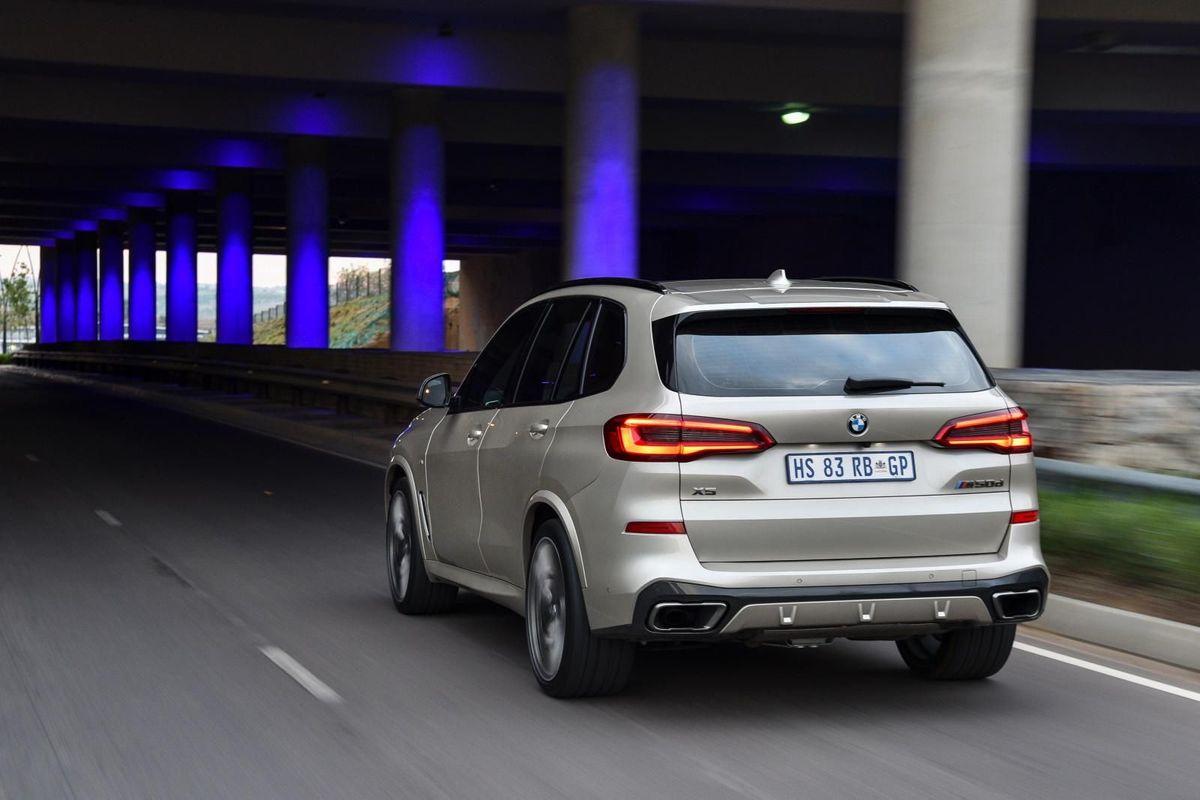
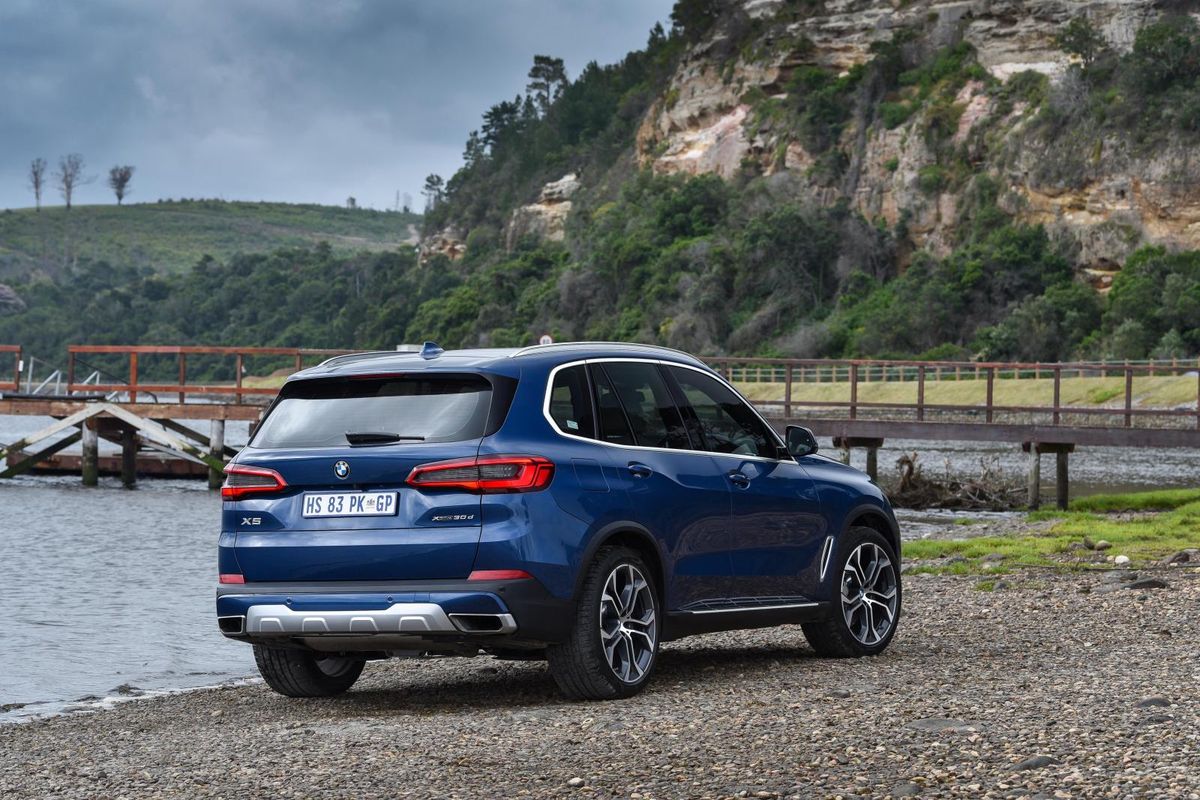
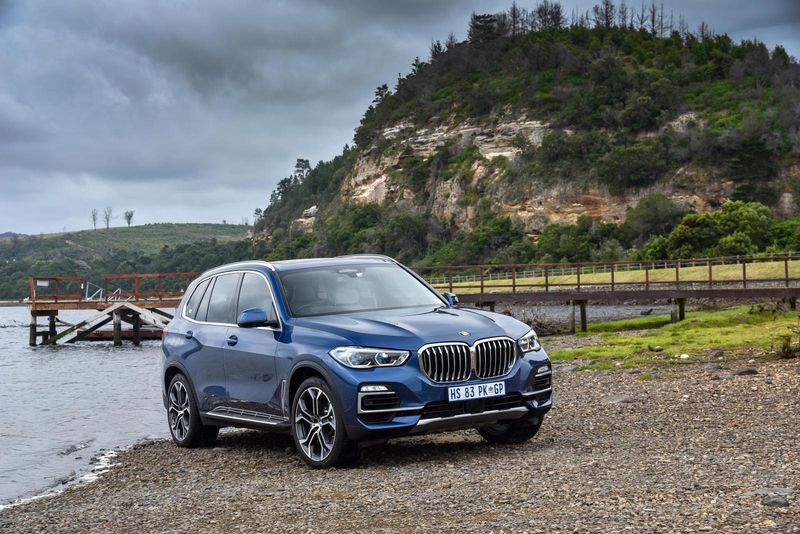
The G05 is better off-road than any X5 that has come before it.

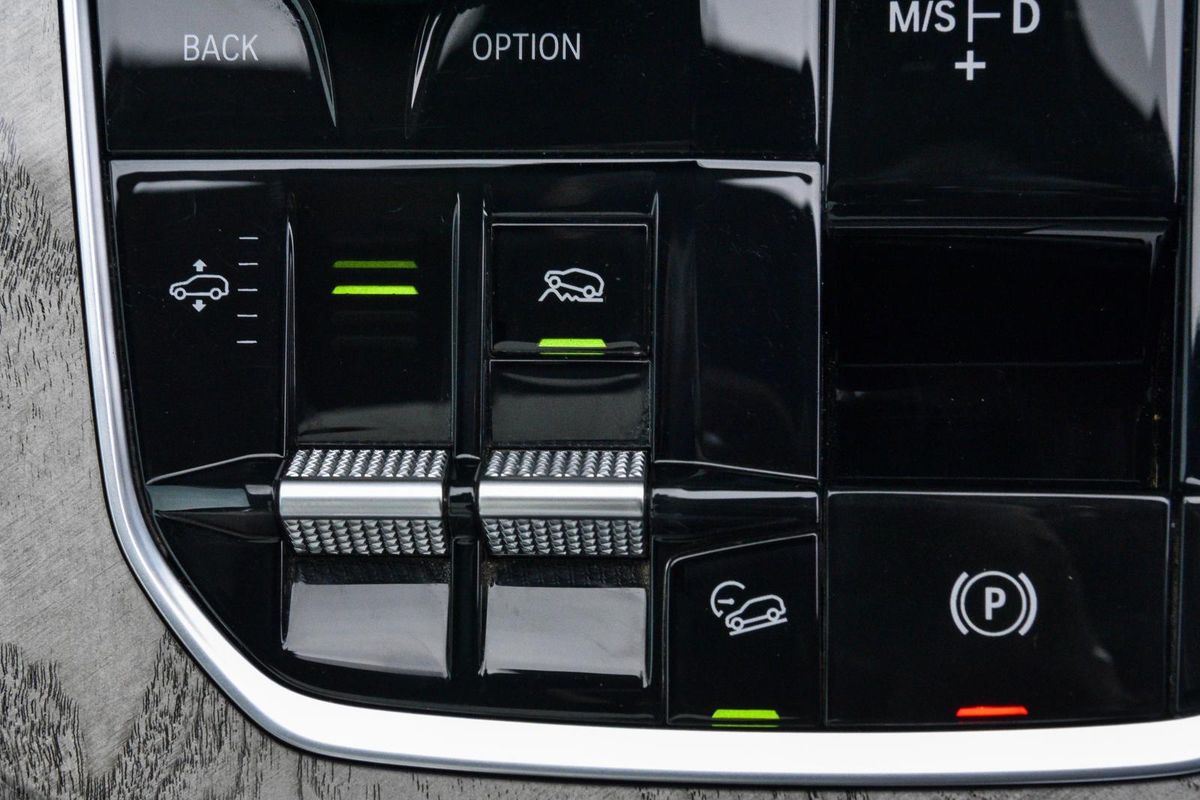
The ride quality over the 60 km dirt-road route was a standout as even on 19-inch rubber the optional air suspension reacts quickly to craters in the road. If you want to further improve the off-road credentials (and look) of the X5, there is an Off-Road Package that adds different styling cues to make it look more rugged, and includes an extra button that toggles through Sand/Rock/Gravel/Snow settings, but that's only available on the 30d.

Still the on-road benchmark?

Don't be fooled by its off-road improvements, the new X5 is right up there in terms of its tarmac prowess, which is what we expected. The newcomer tips the scales at just over 2 tonnes, but changes direction with the body control of a much lighter car. Much of the impressive dynamism can be attributed to the individual suspension management, which checks body roll and helps the X5 corner as flatly as possible when changing direction. 

It leads to a composed ride quality over bumps and instils a sense of confidence in the chassis when the newcomer scales a mountain pass (at least in an air suspension-equipped derivative, we didn't have a chance to sample an X5 equipped with the standard configuration during the event).

Engines up to scratch?

Both the 30d and 50d are powered by 3.0-litre 6-cylinder turbodiesel engines and the former offers up a competitive 195 kW and 620 Nm of torque. For most consumers, those outputs are as much as they’ll ever need, plus the 8-speed automatic transmission kept the motor within its max torque band (2 000 to 2 500 rpm) with ease. That auto 'box is metronomic in delivering timeous shifts and works almost imperceptibly in the background.


Only 2 turbodiesel engines are available at launch, a petrol derivative may be introduced in 2019.

The 50d produces the performance edge in the X5 range (for now) and whereas the 30d has 1 turbocharger, the 50d has 4. That’s right, it's a quad-turbo engine, where 2 turbochargers deal with low-rpm boost and the other 2 with higher-rpm boost. The result is 294 kW and 760 Nm of torque that will kick the 50d from 0 to 100 kph in 5.2 seconds. That grunt comes with very little guilt as the 50d is claimed to use between 6.8 and 7.2 L/100 km.

During our test drive (a 140-km stint in mixed conditions) we saw closer to 10 L/100 km, but we were "exploring" the 50d's capabilities with zeal…

The new tech?

There is a number of new tech features, but most of them focus on improving the passive safety systems and incorporating more communications functions. Most of them are optional, but BMW does allow you to pretty much spec the X5 to your liking, so you can pick and choose as you see fit.

For example, you can spec the driver assistance package that selects features such as lane keeping aid, blind-spot detection, cross traffic alert and evasion aid, all of which helps the X5 to avoid collisions with vehicles or pedestrians that suddenly venture into the path of the Bimmer. Semi-autonomous driving modes are available too, as is a follow mode, which allows the G05 to automatically follow cars in front of it in start/stop traffic.


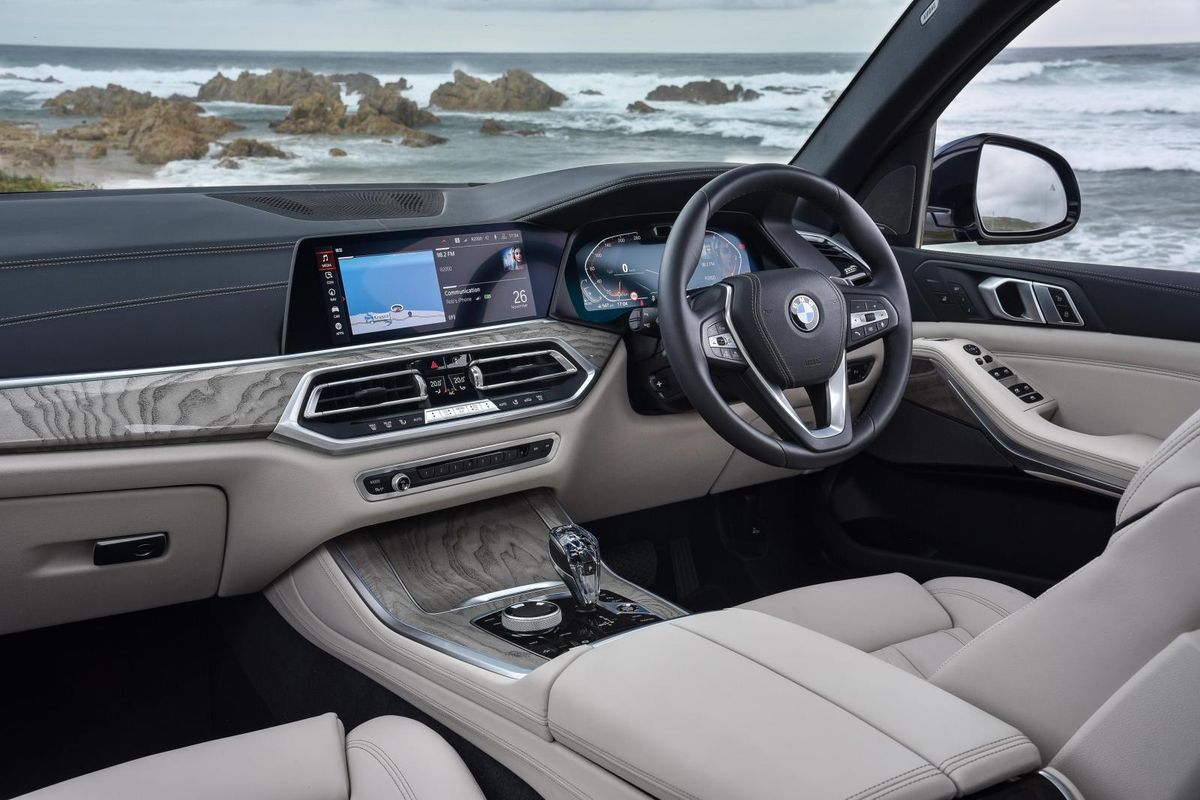
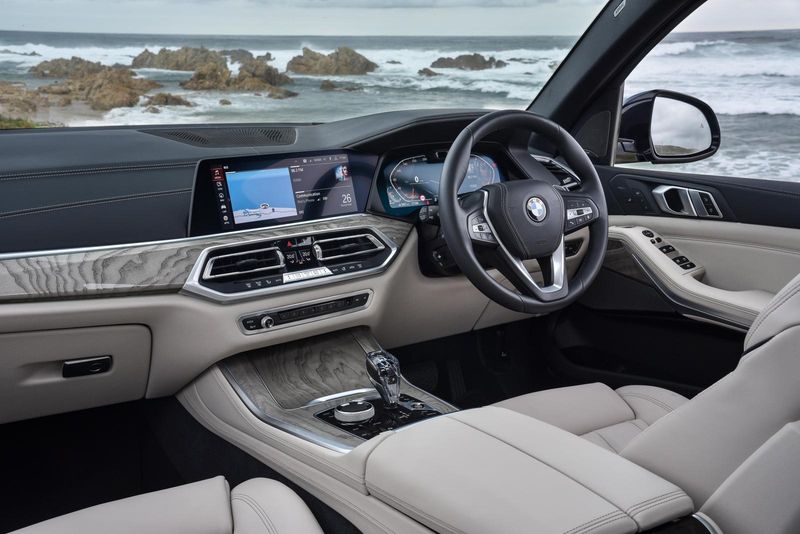
The interior of the X5 is more modern and vibrant than much of BMW's current range.

Communications-wise, you now get a wireless charging pad (certainly the must-have gizmo in new luxury vehicles), 2 USB C ports, as well as Apple Carplay compatibility (if you spec that option). For the first time, BMW SA is offering over-the-air firmware updates, which means if there’s new software installations or infotainment updates, they can be downloaded through a wifi network rather than manually installed at a dealership.

Luxurious inside, right?

There is clear evidence within the new X5’s cabin that BMW is beginning to catch up with (if not pass) its rivals in terms of interior ambience and wow factor. The fully digitised instrument cluster is crisp and clear, which lifts the mood within the cabin. The new infotainment system combines both the iDrive rotary knob with a touchscreen and is very familiar to BMW owners who will have no problem dancing through the menus quickly.

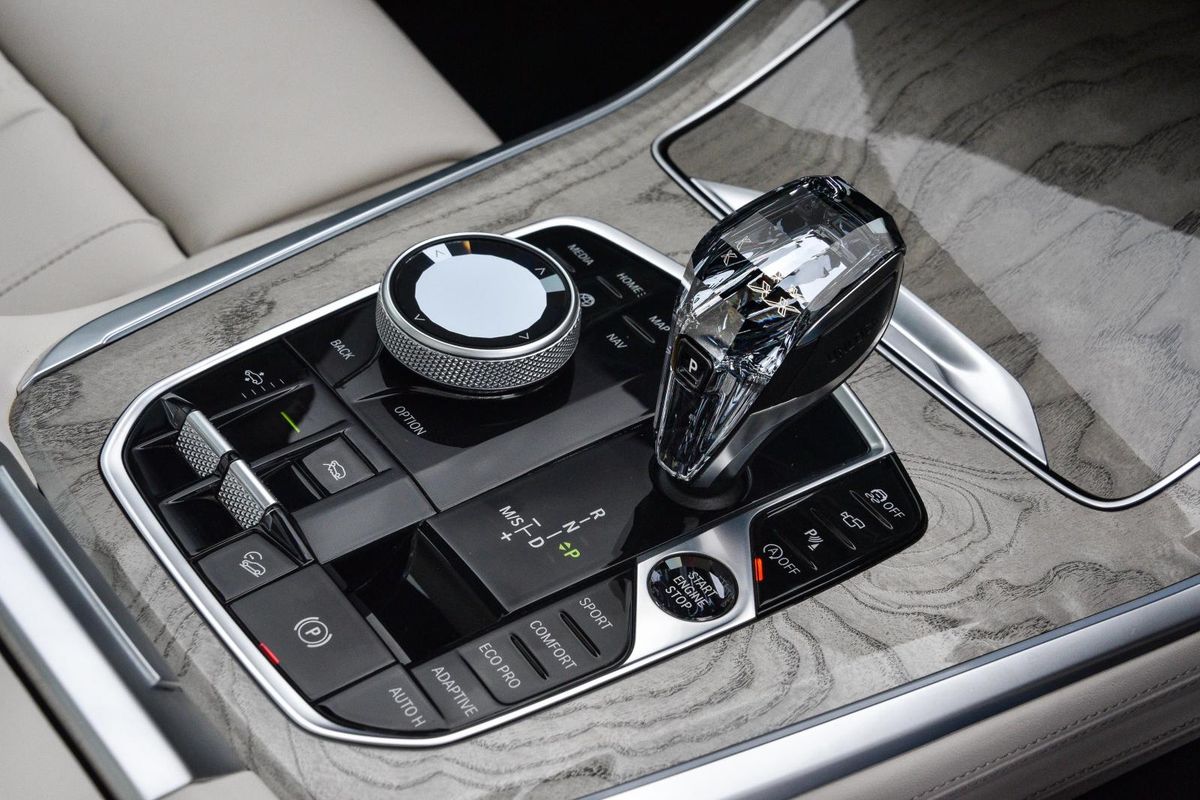
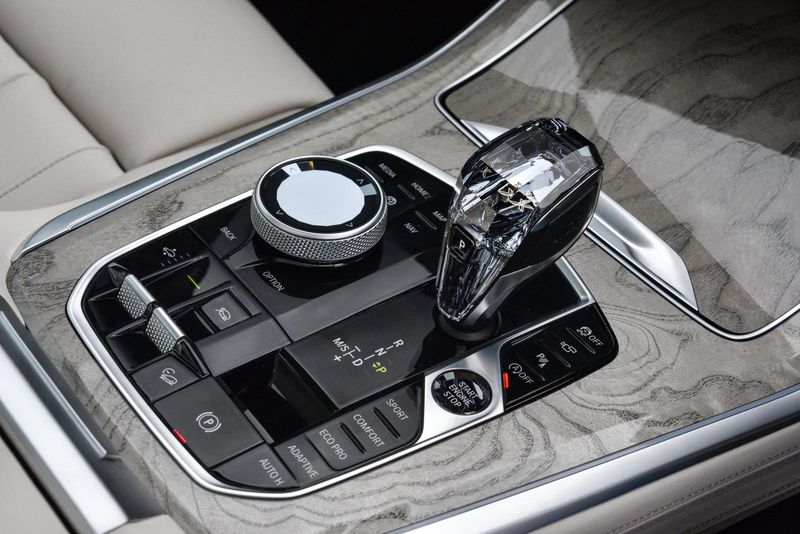
Our test units were also equipped with the optional glass-look transmission levers. These have a 3D effect, with the X logo embedded in them. It’s down to personal choice whether you like this particular adornment or not, but it does add some serious bling to the cabin.


The optional glass gear lever. Below and to the left are the off-road mode toggle switches.

Passenger space is plentiful, but I can’t yet speak for 3rd-row occupants as our test cars were 5-seater derivatives. Luggage space is claimed at 645 litres, which can expand to 1 860 litres with the rear seats folded flat. BMW has also stuck with the split-folding tailgate system, which I’ve always regarded as an excellent addition that doubles as a comfy place to sit during a picnic at, say, a Stellenbosch wine estate?

Summary

The new X5 appears to be a more capable and accomplished product than the model it replaces, which was job number 1. But where BMW has always focused on on-road ability, the new model offers notable off-road credentials too. It’s no Land Rover Discovery, but it handled 60 km of undulating, rocky and slippery dirt road with absolute ease. In those conditions, its predecessor would have shaken you until your vision went blurry.

In other areas, such as ride refinement, occupant/load space, infotainment tech and safety, the developments feel evolutionary. We’ve come to expect new models to be better overall than their forebears and the X5 does just that, but now with an added string (dirt-road prowess) in its bow.

BMW X5 (2018)  prices in SA

xDrive30d R1 194 296

M50d R1 502 582

* Prices include a 5-year/100 000 km maintenance plan.

Buy a new or used BMW X5 on Cars.co.za

Related content:

New BMW X5 (2018) International Launch Review

7 Rivals New BMW X5 Needs to Beat

2019 Mercedes-Benz GLE and 2019 BMW X5: What can we expect from these SUVs?

New Mercedes-Benz GLE Revealed

BMW X5 xDrive25d (2016) Review

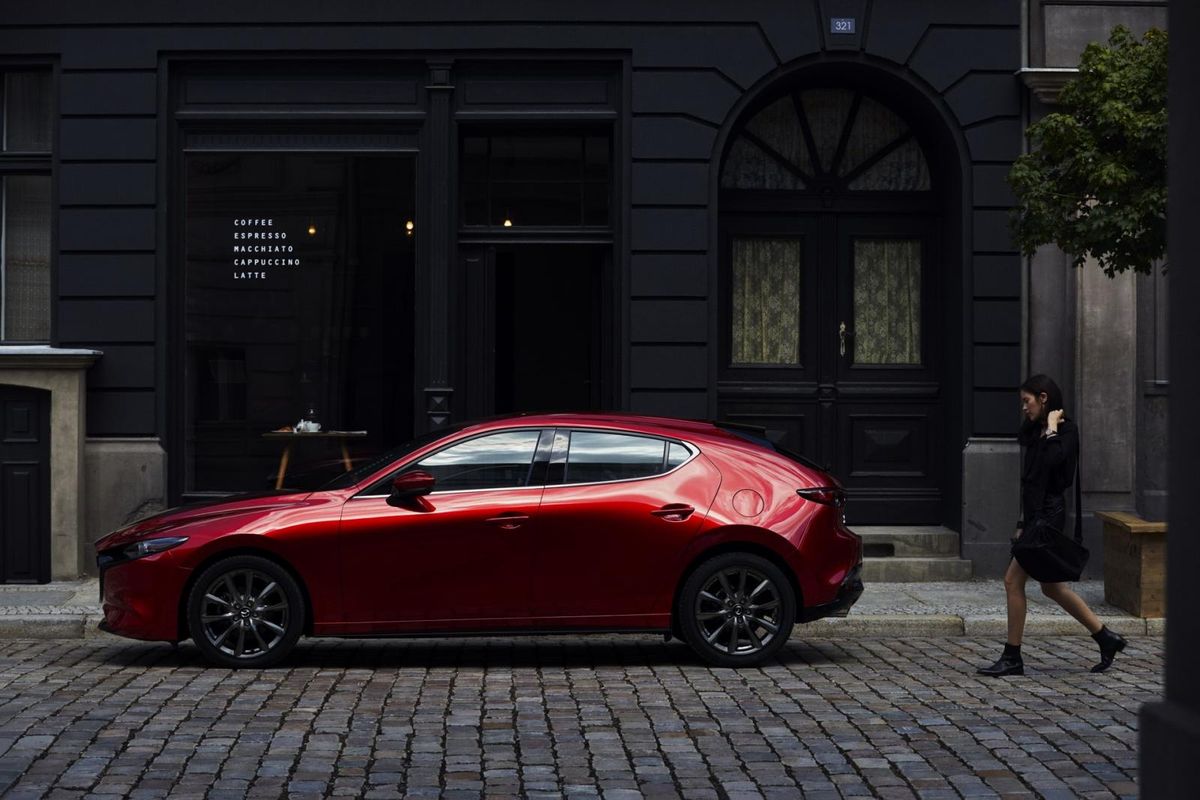
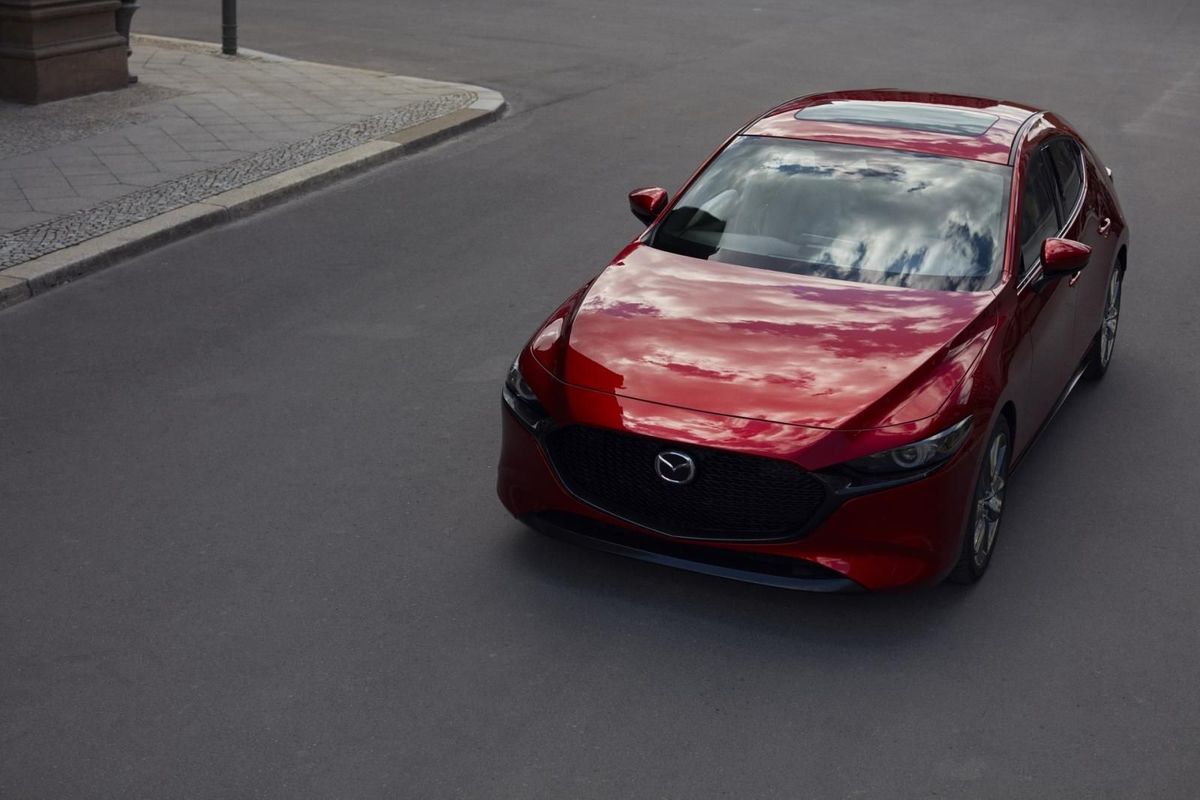
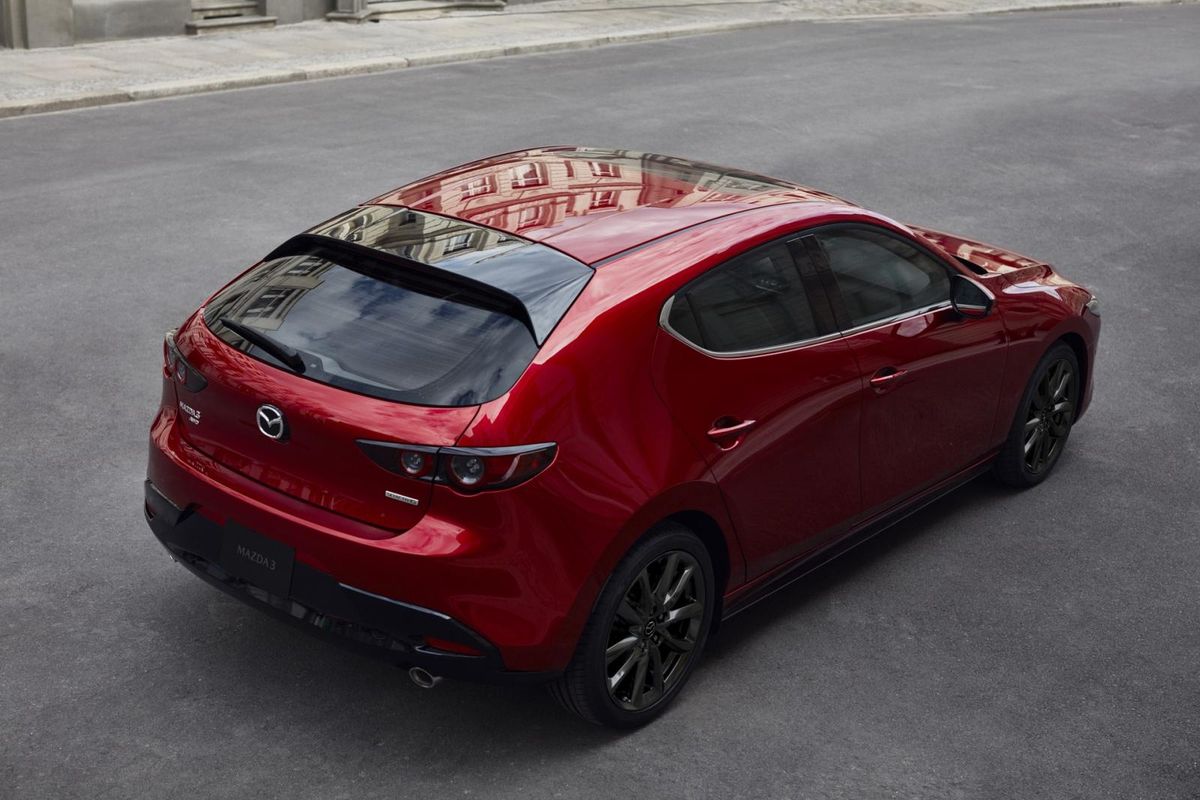
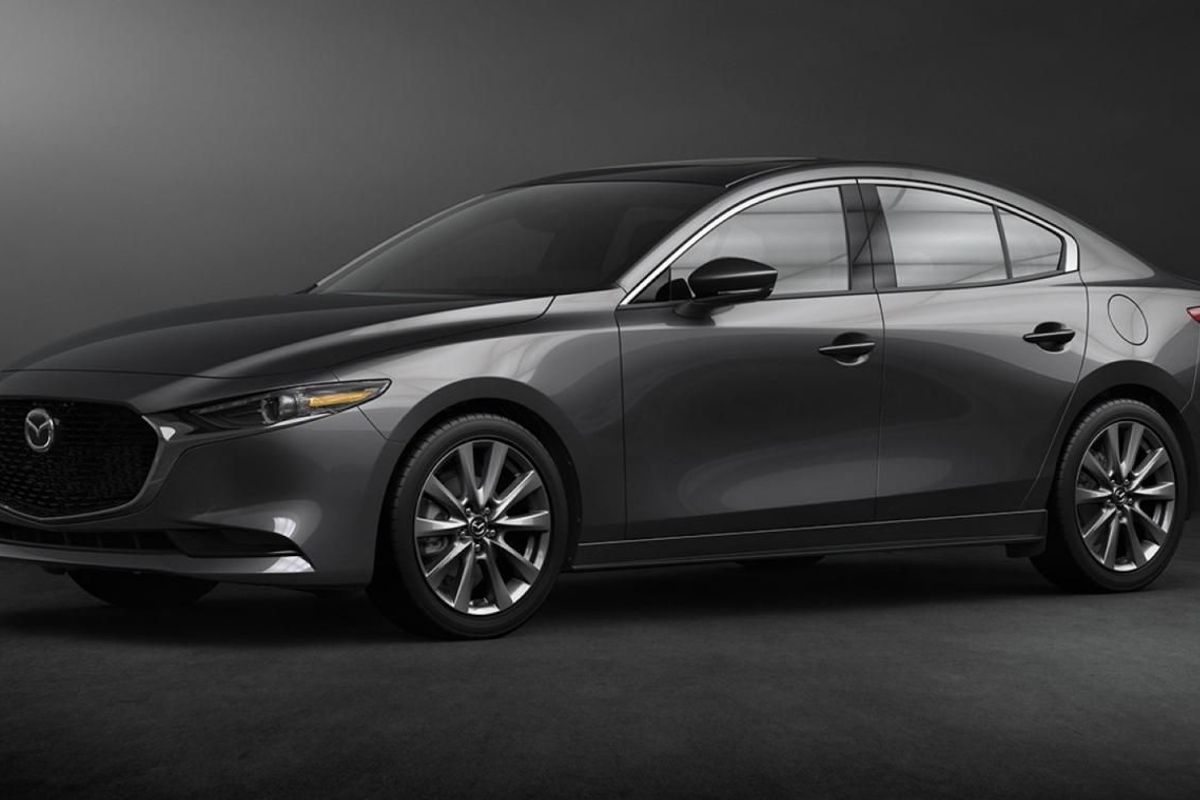
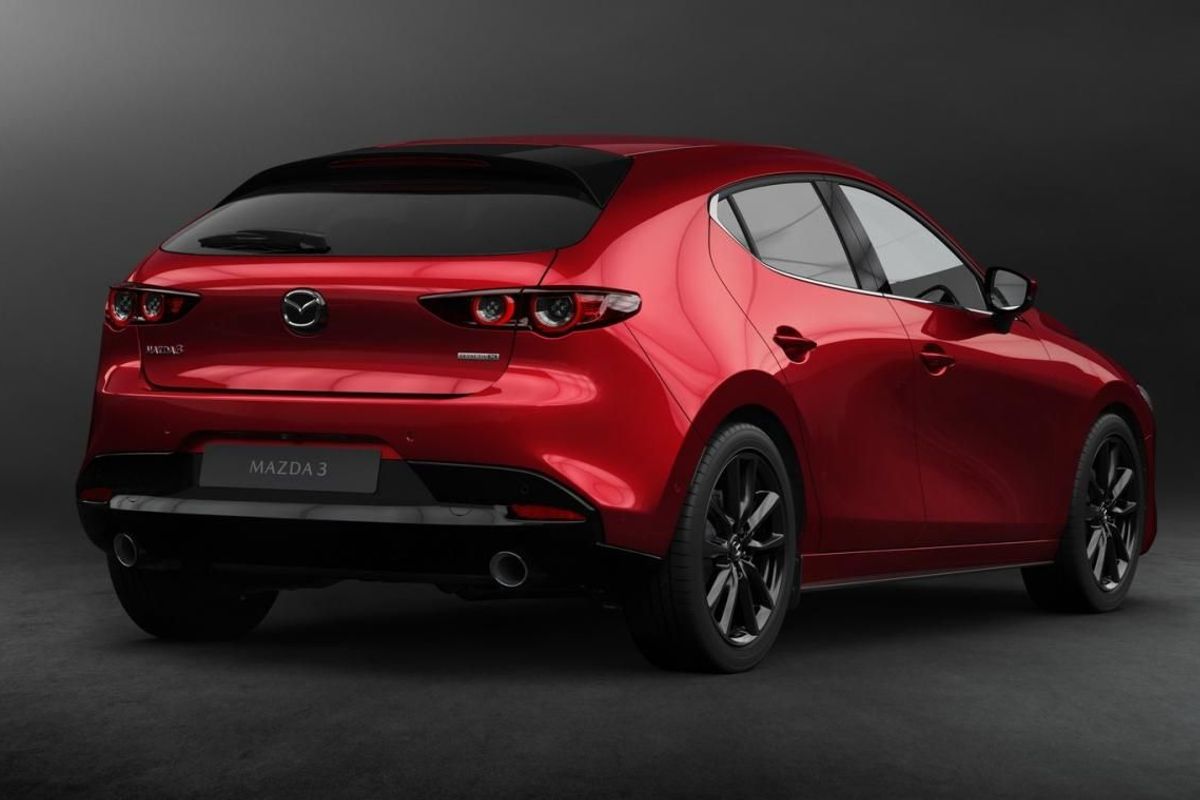
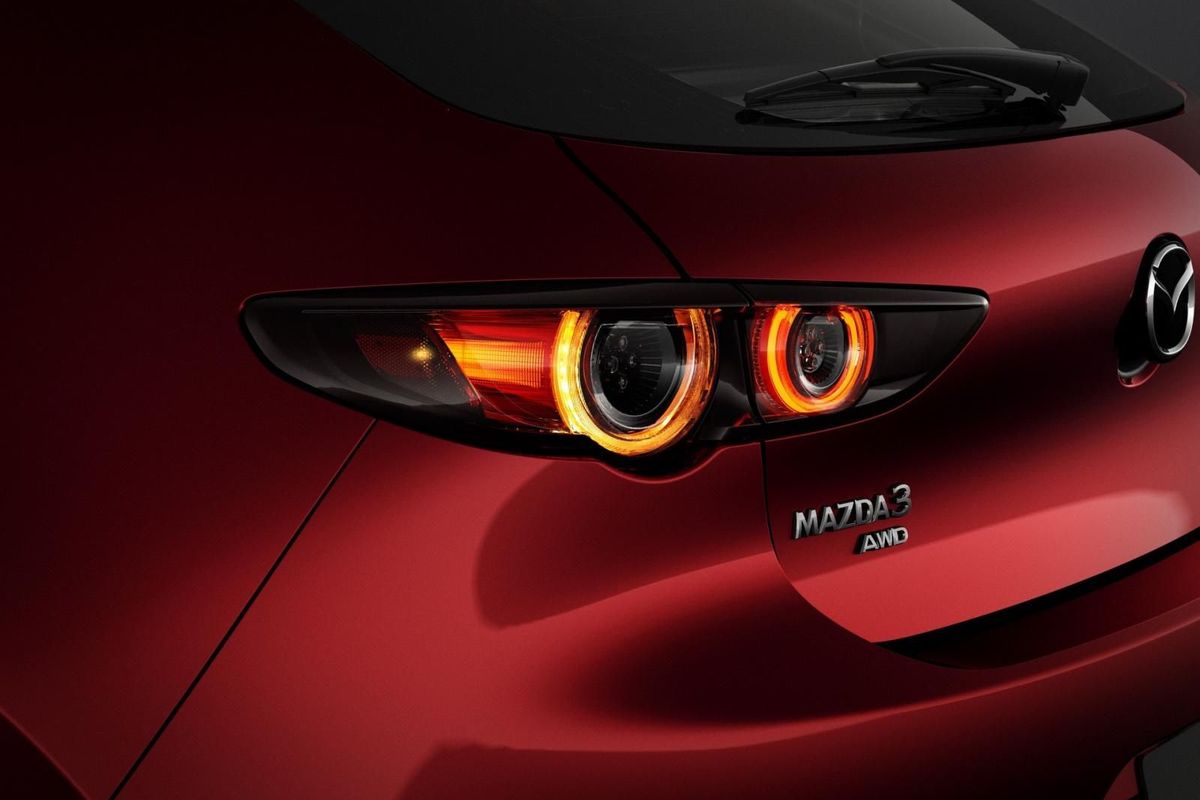
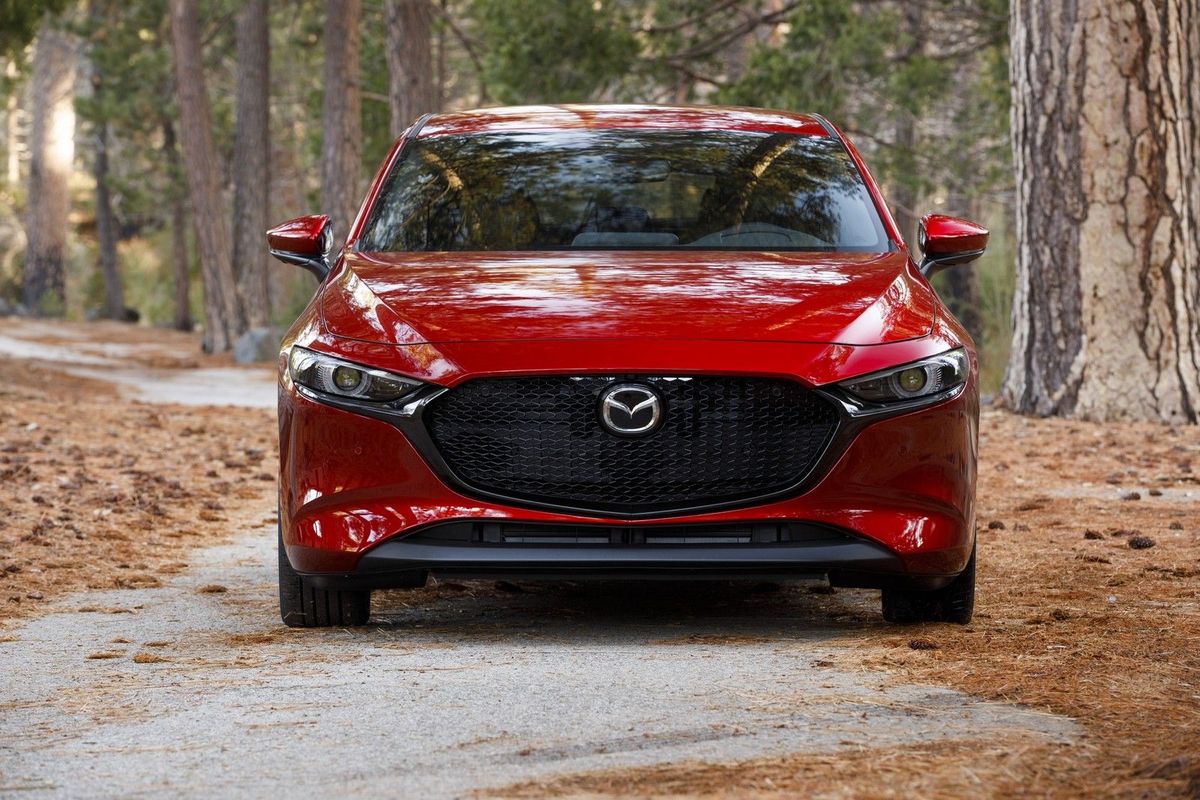
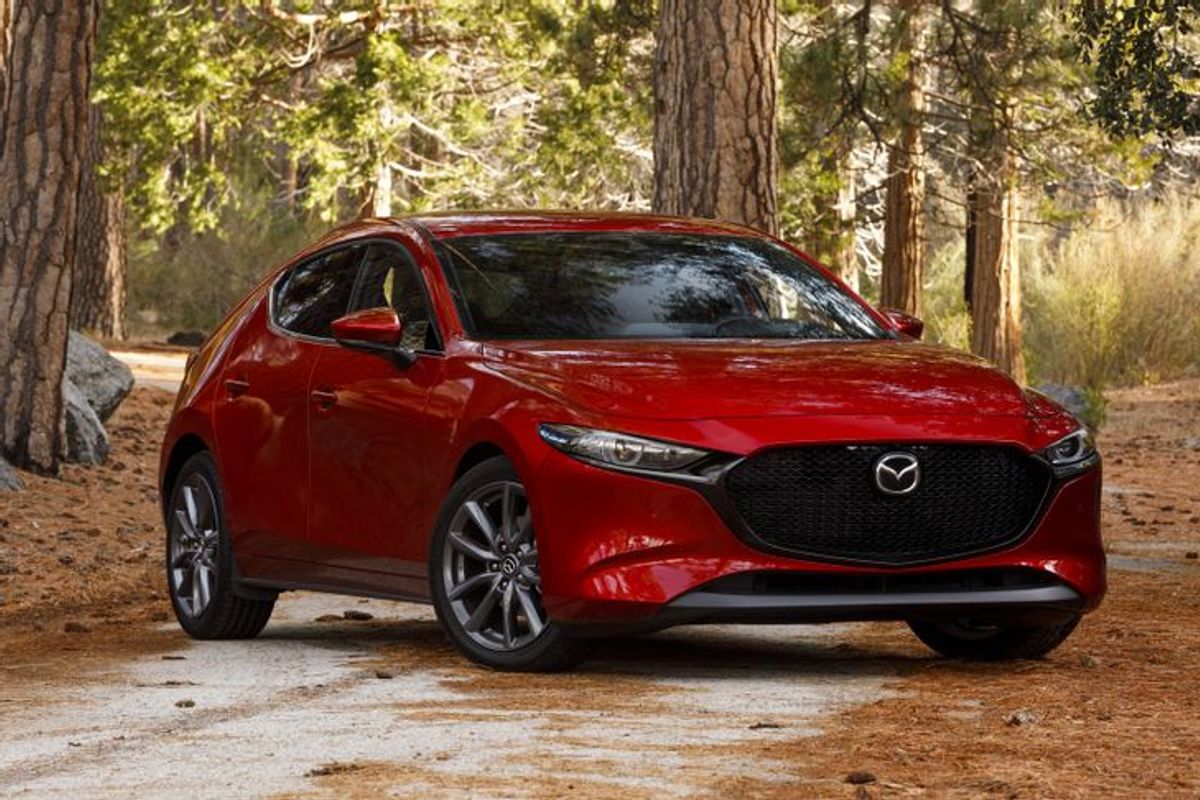
New Mazda3 Revealed [w/video]

The new Mazda3 hatchback has been revealed at the Los Angeles Motor Show, see details below. 

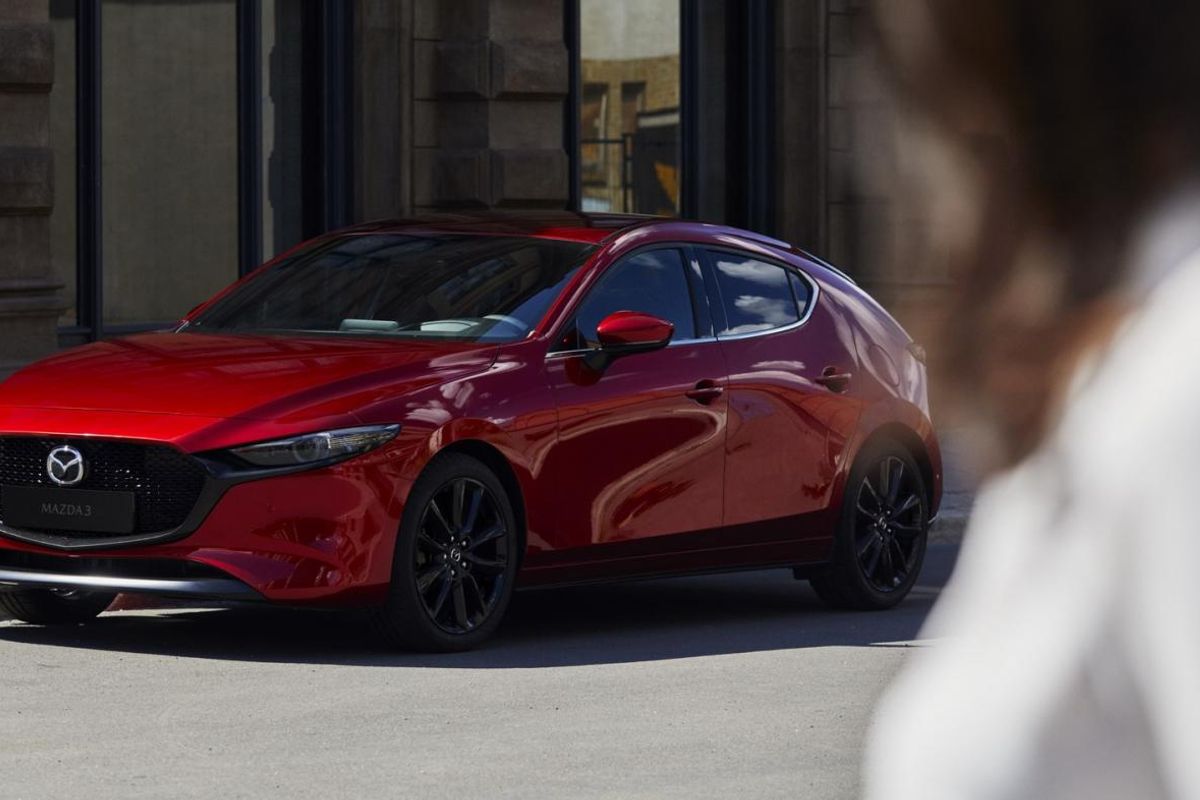
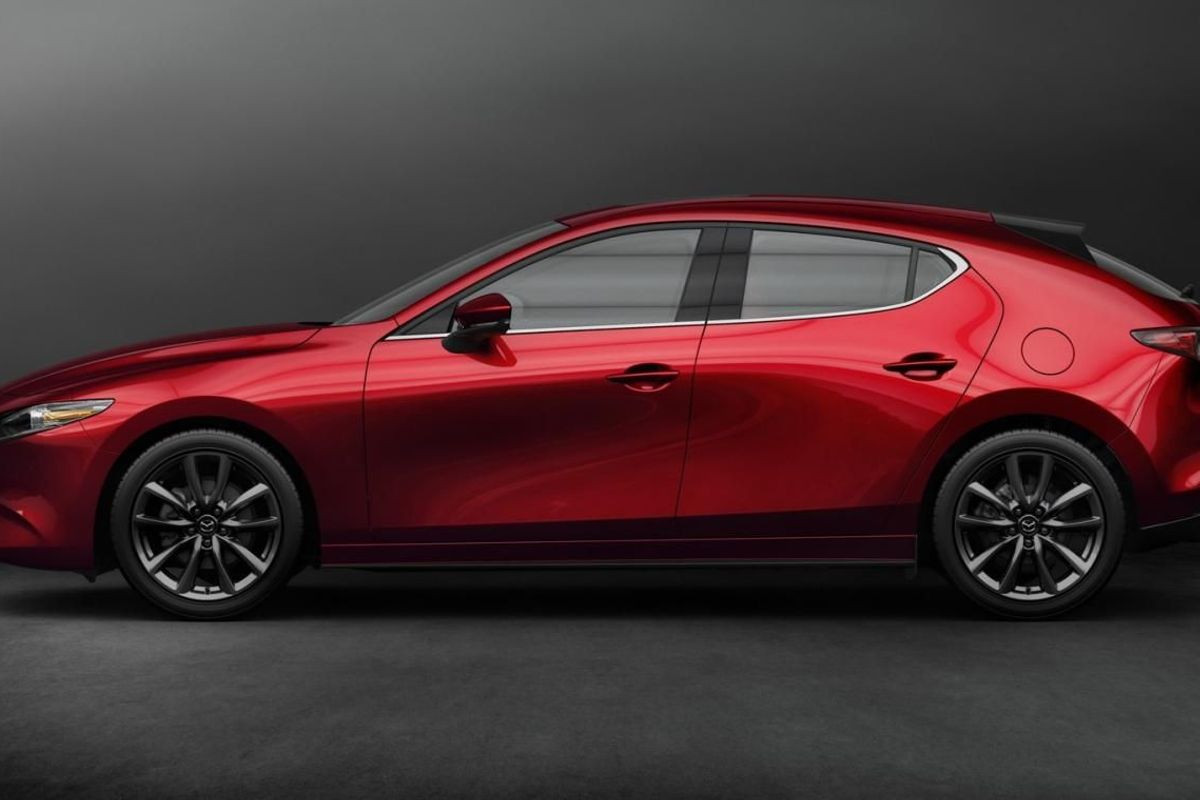
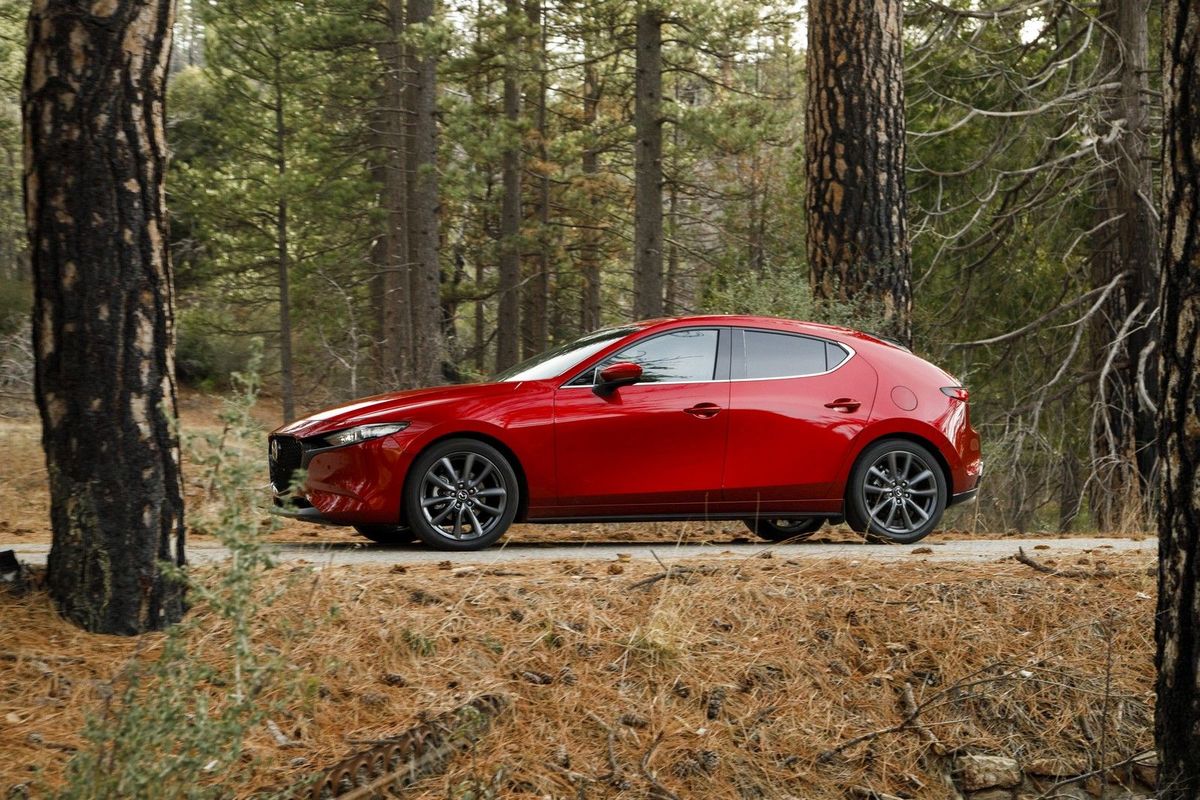
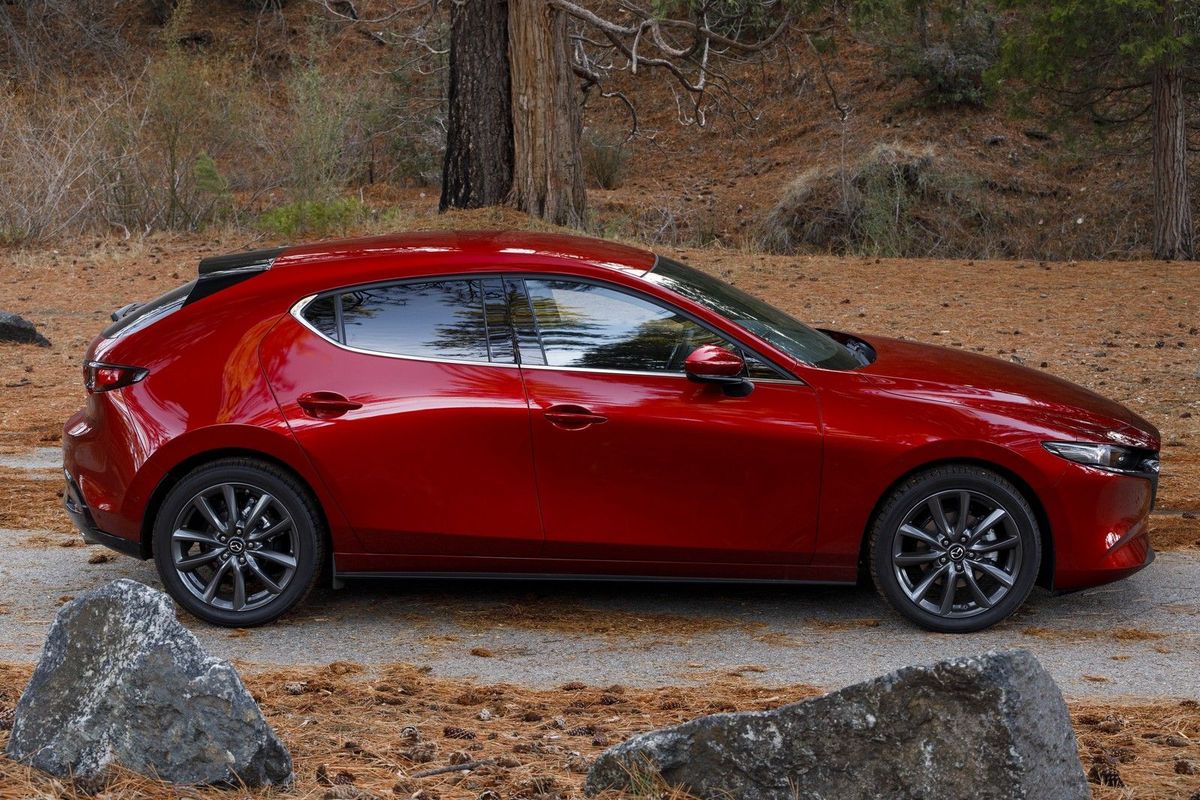
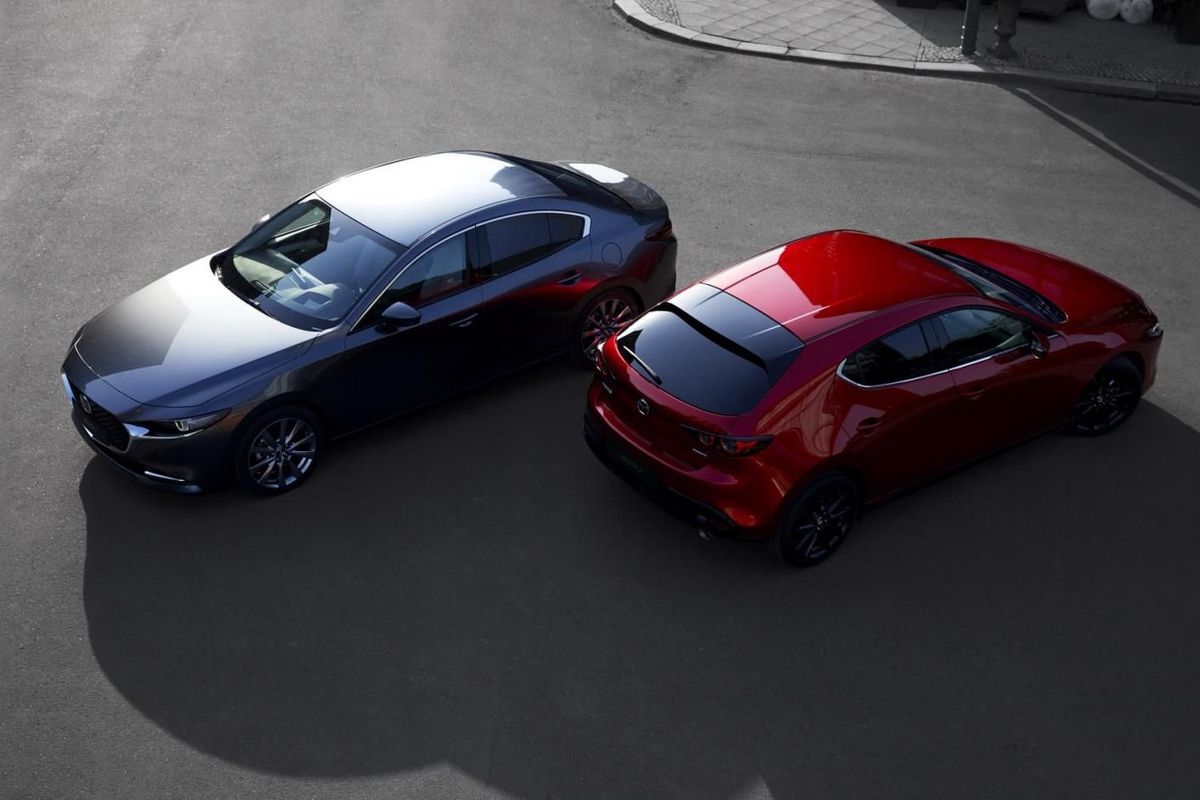
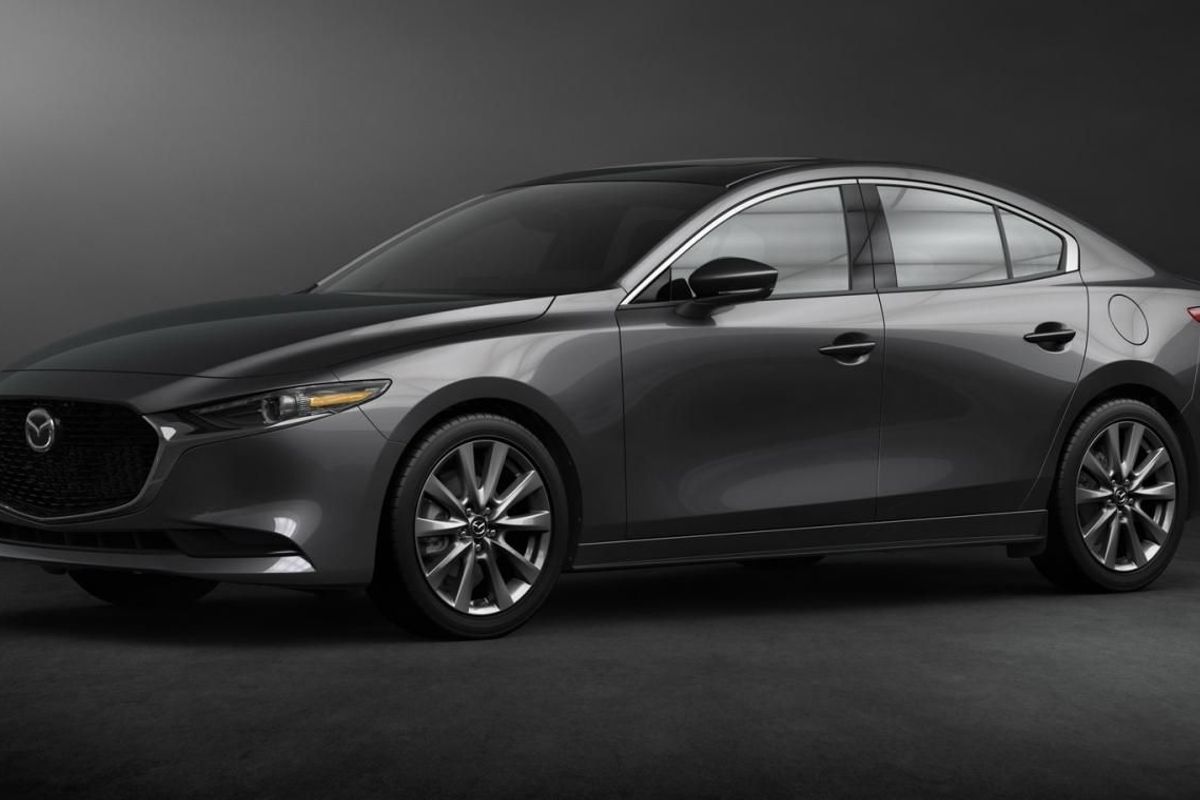
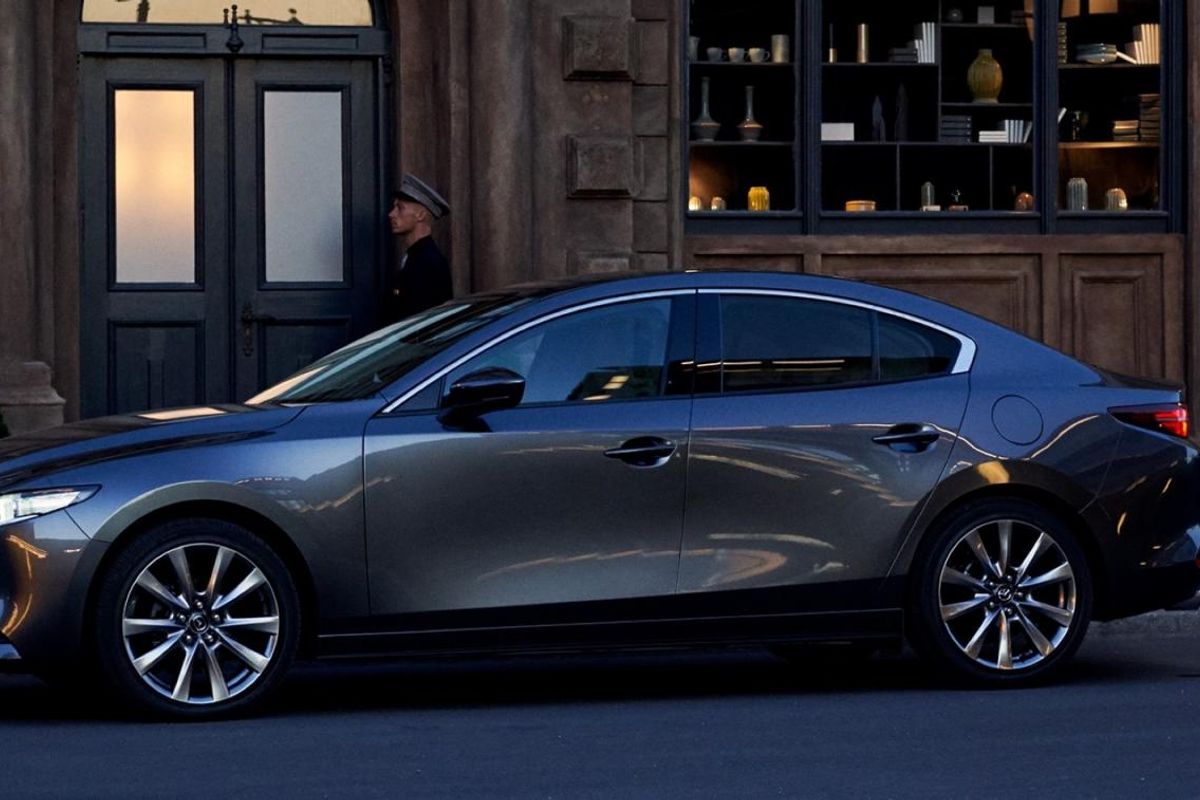
A new Mazda3 hatchback and its sedan counterpart has been shown at the Los Angeles Motor Show and draws inspiration from the striking Kai Concept which can only be a good thing because the new Mazda3 looks impressively stylish. The Mazda3 is an important model for the brand and since its launch in 2003, over 6 million units have found homes around the world. 

The new Mazda3 is built on Mazda's Skyactiv-Vehicle Architecture and while the new Mazda3 is now longer than before and is said to offer an enhanced ride with less in-cabin noise. the big news is that it's powered by a new Skyactiv-X engine with a Spark-Controlled Compression Ignition, but Mazda has yet to reveal specific details for this engine. There will also be updated versions of the current 1.5, 2.0 and 2.5-litre engines (market dependent). The new engine is expected to be up to 20-30% more efficient and will offer more torque than Mazda's current petrol engine offering and the new Mazda3 will be the first model fitted with this new engine in 2019. A 1.8-litre diesel engine will also be offered in select markets along with a choice of either a 6-speed manual or automatic transmission.


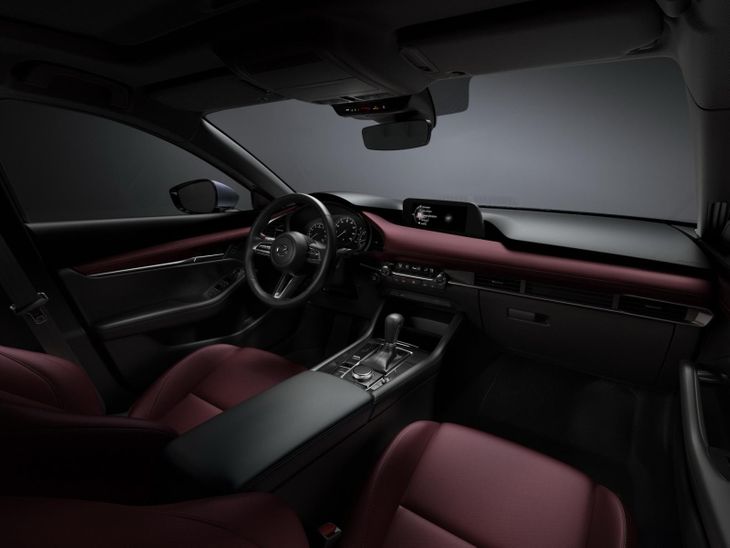
A clean and uncluttered design is a major highlight inside the new Mazda3. 

As for the interior, Mazda has adopted a "less is more" approach to the design with a particular emphasis on simplicity and focus on the task of driving. A new, wider 8.8-inch infotainment system is fitted and is controlled using the commander control in the centre console. A quality sound system and a head-up display are also fitted.

New safety features include the latest Driver Monitoring system, Front Cross Traffic Alert and the Cruising & Traffic Support system which will help the driver in congested traffic situations by assisting with acceleration, braking and steering.  

The new Mazda3 is expected to reach South Africa in the second half of 2019. We will keep you updated as soon and local specification and pricing become available.

Buy a new or used Mazda on Cars.co.za

Related Content

2018/19 Cars.co.za Consumer Awards – powered by WesBank; Finalists

Comparative Review: Mazda CX-5 2.2DE AWD Akera vs Hyundai Tucson 2.0CRDi Elite [with Video]

Mazda CX-5 vs 2017 Hyundai Tucson (2017) Comparative Video Review

Mazda MX-5 RF Automatic (2017) Quick Review
Mazda MX-5 (2015) Review

Mazda BT-50 Double Cab 3.2 4×4 SLE Auto (2017) Review

Mazda2 1.5 Individual Plus Automatic (2017) Quick Review


Updated Toyota Prius Coming to SA

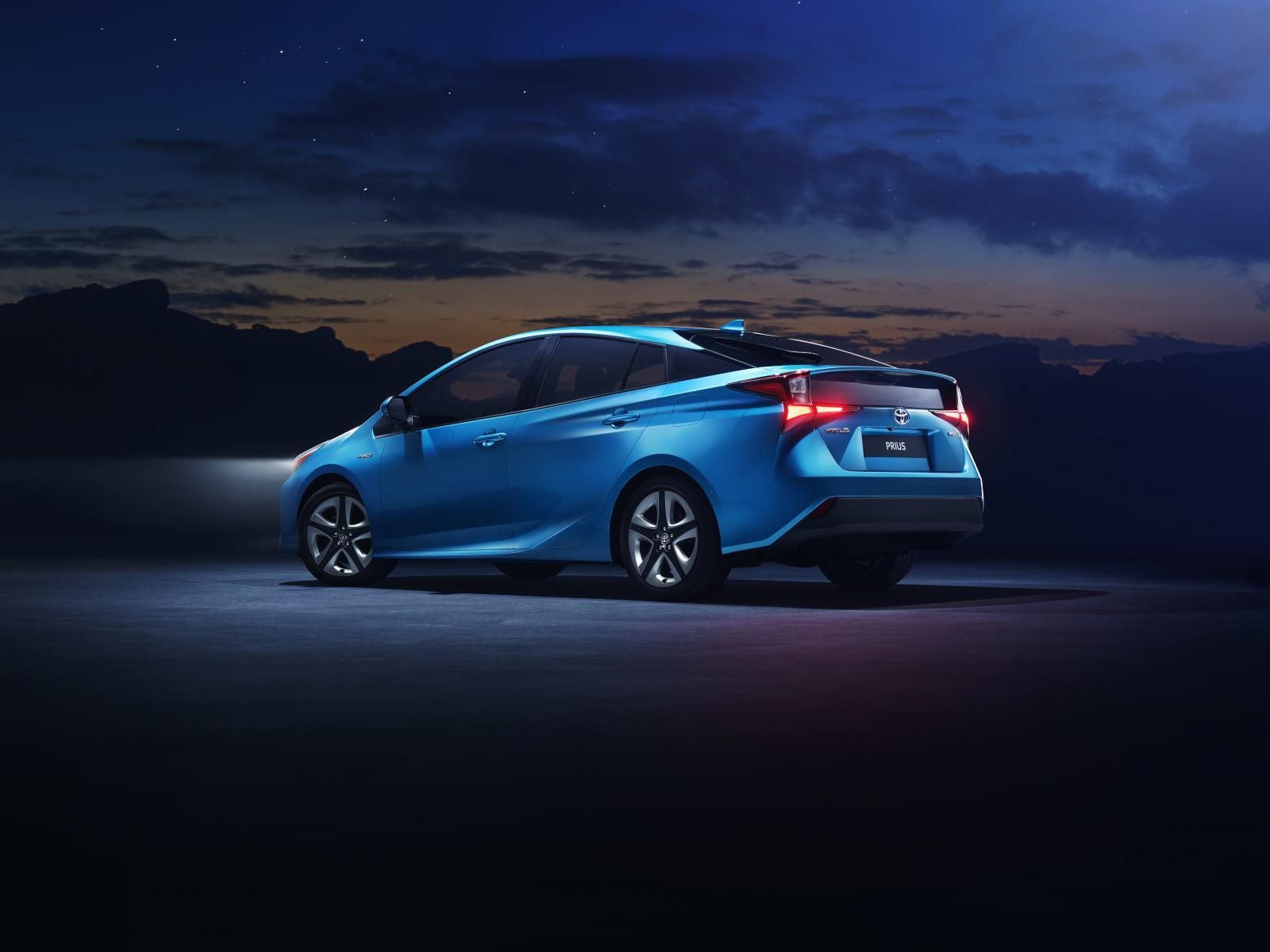
The facelifted Toyota Prius hybrid has made its debut at the LA Motor Show and will arrive in South Africa in the first quarter of 2019.

Even though the Prius has never really sold well in South Africa, potential buyers can now look forward to an updated version making landfall early in 2019. The latest Toyota Prius hybrid now benefits from Hybrid AWD-i, a new electric all-wheel drive system that makes use of a high-torque electric motor that provides additional drive through the rear axle when required. The system engages automatically at pull off and at speeds up to 11 kph or when the sensors detect low-grip conditions such as in snow or wet conditions at speeds between 11 and 70 kph.

The system does not compromise on boot space and only impacts minimally on fuel economy and emissions. The Prius Hybrid AWD-i is equipped with a new and compact nickel-metal hydride hybrid battery while the front-wheel drive version comes with a new lithium-ion hybrid battery.

Combined with the electric motor-generators and a 1.8-litre Atkinson cycle petrol engine, the Prius offers up 90 kW and 142 Nm of torque using a CVT to send power to the wheels.  

New look to match


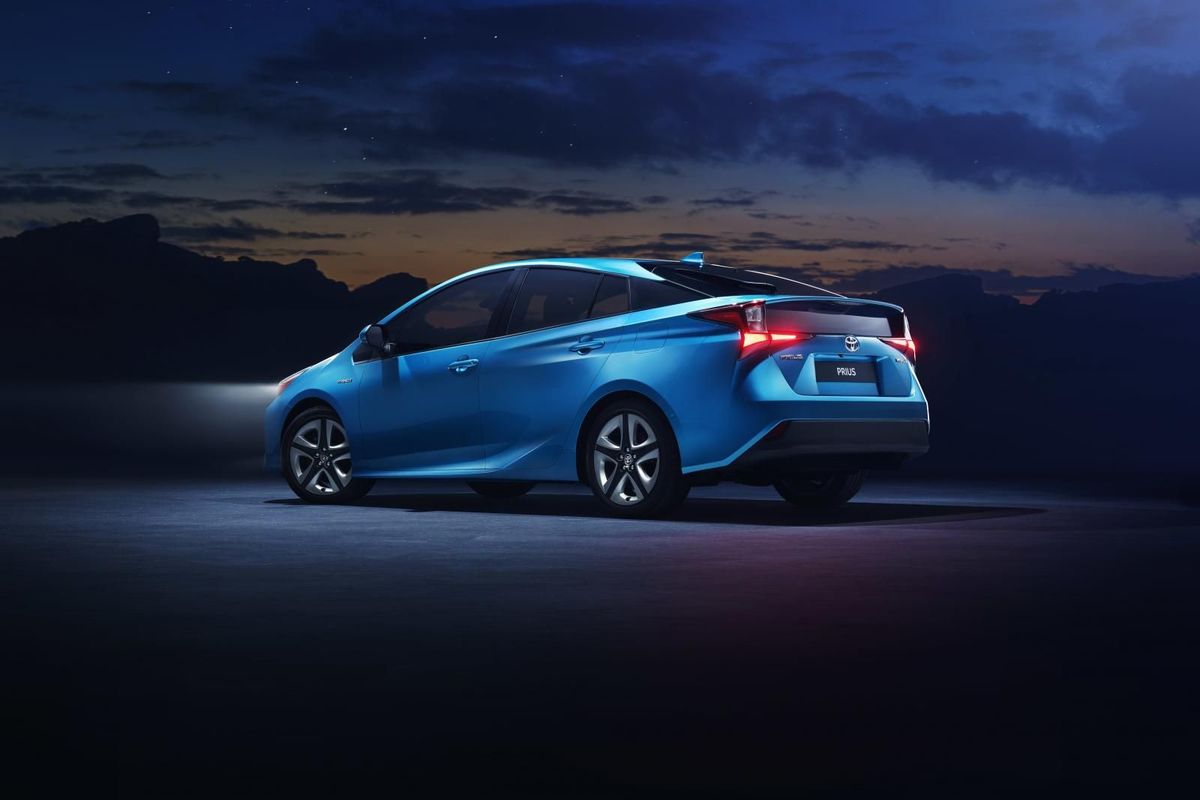
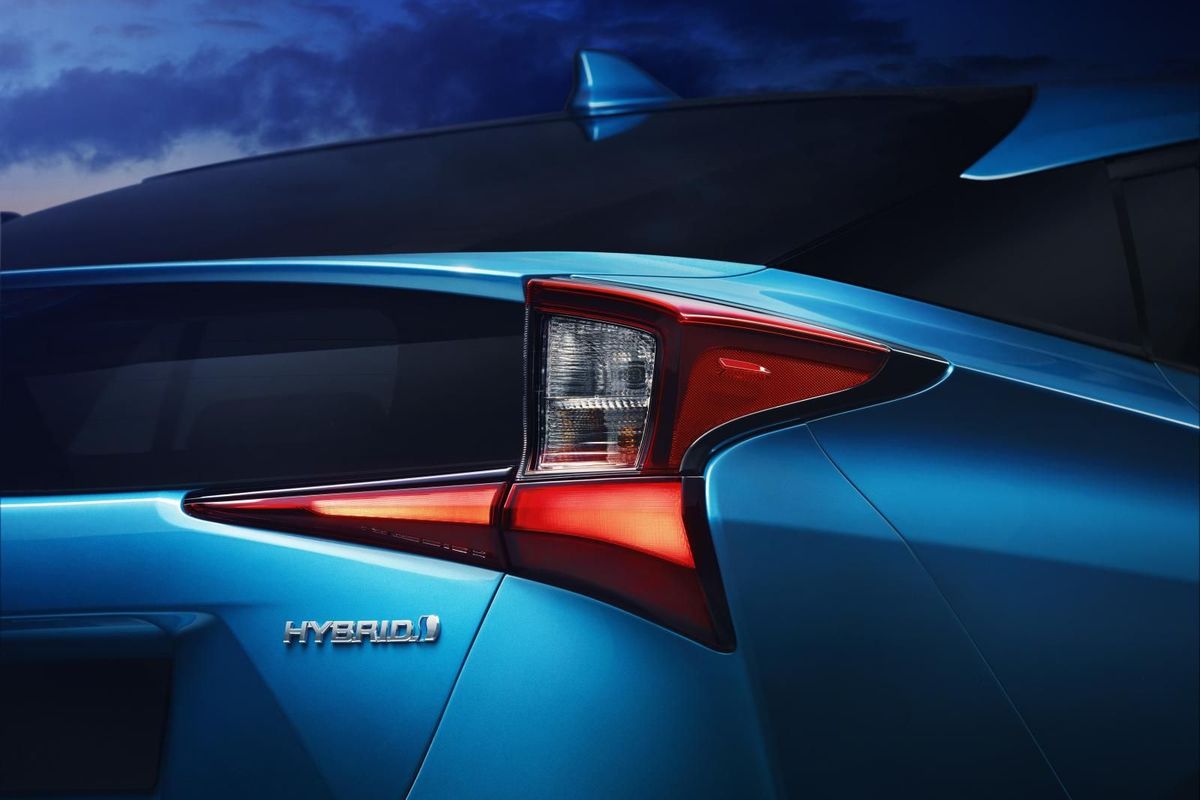
Updated styling gives the Prius a sharper, more refined appearance. A new taillight signature is a nice touch…

In terms of styling, the new Prius features a more dynamic appearance with new slim headlights with twin beam LEDs for better illumination. The rear lights also feature a new lighting signature and the Prius can be had in new colours including Emotional Red and Aqua Breeze. The Prius rides on new 17-inch alloy wheels while the 15-inch wheel caps now feature a dark grey finish.

The interior has been improved with new upholstery finishes as well as changes to the centre console arrangement and controls. A larger wireless charging tray has now been installed and the head-up display now includes turn-by-turn navigation directions. The touchscreen infotainment system has also been updated for faster, more intuitive response and incorporates pinch and flick functionality, much the same as a modern smartphone.

Toyota says that the new Prius can be expected in South Africa in the first quarter of 2019 but local specification, pricing and the availability of the Prius Hybrid AWD-i will be communicated closer to launch.

Buy a new or used Toyota Prius on Cars.co.za

Related Content

Toyota Prius Hybrid (2016) Review

New Toyota Corolla Revealed

New Toyota RAV4: 5 Things to Look Forward To

Toyota Corolla Hatchback (2019) International Launch Review

2018/19 Cars.co.za Consumer Awards – powered by WesBank; Finalists

We Tackle a Motocross Track in the New Suzuki Jimny

Fans of really small 4x4s are over the moon, because Suzuki has finally released the latest generation of the Jimny in South Africa. In this video, Ciro de Siena channels his inner Ricky Carmichael on Zone7's motocross track. 

Fans are so smitten with the new Jimny that the entire first shipment is already sold out, which is why we were pretty chuffed to get our hands on one. We were even more excited when Cape Town's Zone7 motocross facility agreed to let us hammer the new Jimny on their main circuit. The result is a slightly alternative review of the all-new Suzuki Jimny, but rest assured, in between Ciro De Siena having the time of his life, there is everything you need to know about the new Jimny contained herein. Give it a watch!

Related content:

5 Moments that Defined the Suzuki Jimny

Renault Duster (2018) Launch Review

Mercedes-AMG G63 (2018) Launch Review

Road Trip: Mini Countryman Cooper D with Autohome [w/Video]

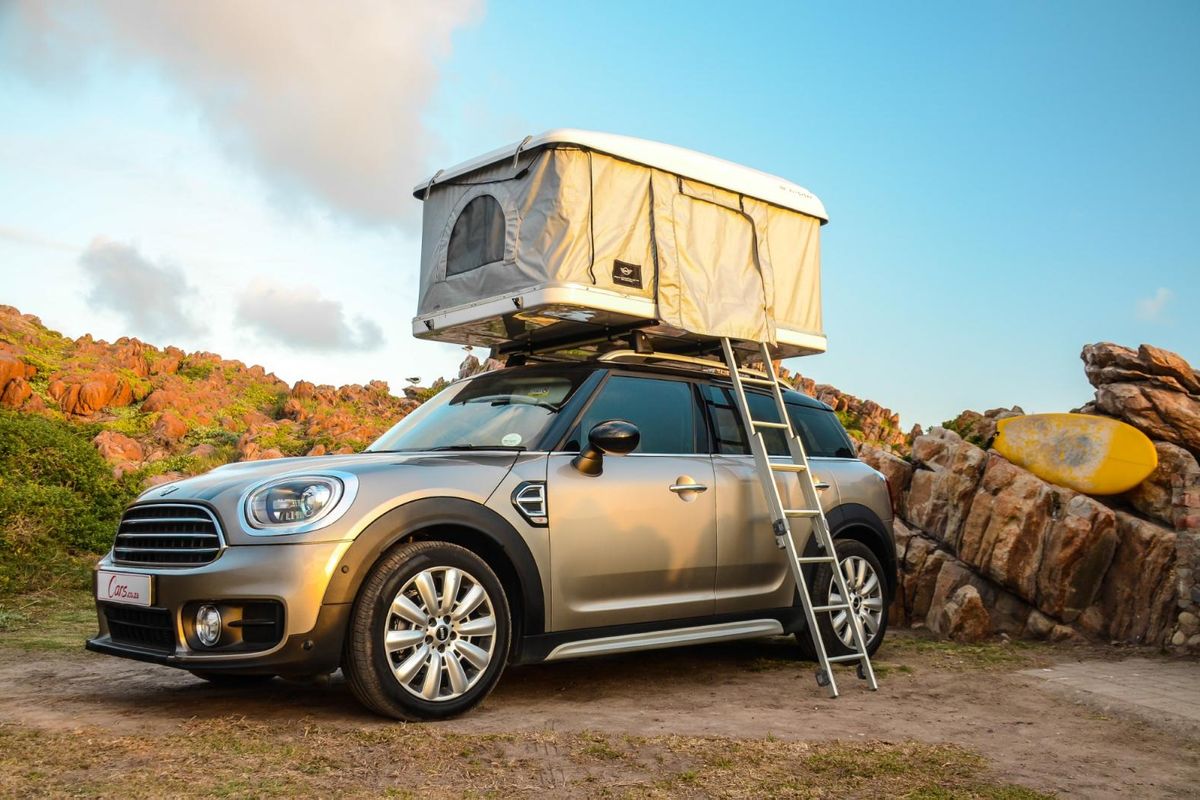
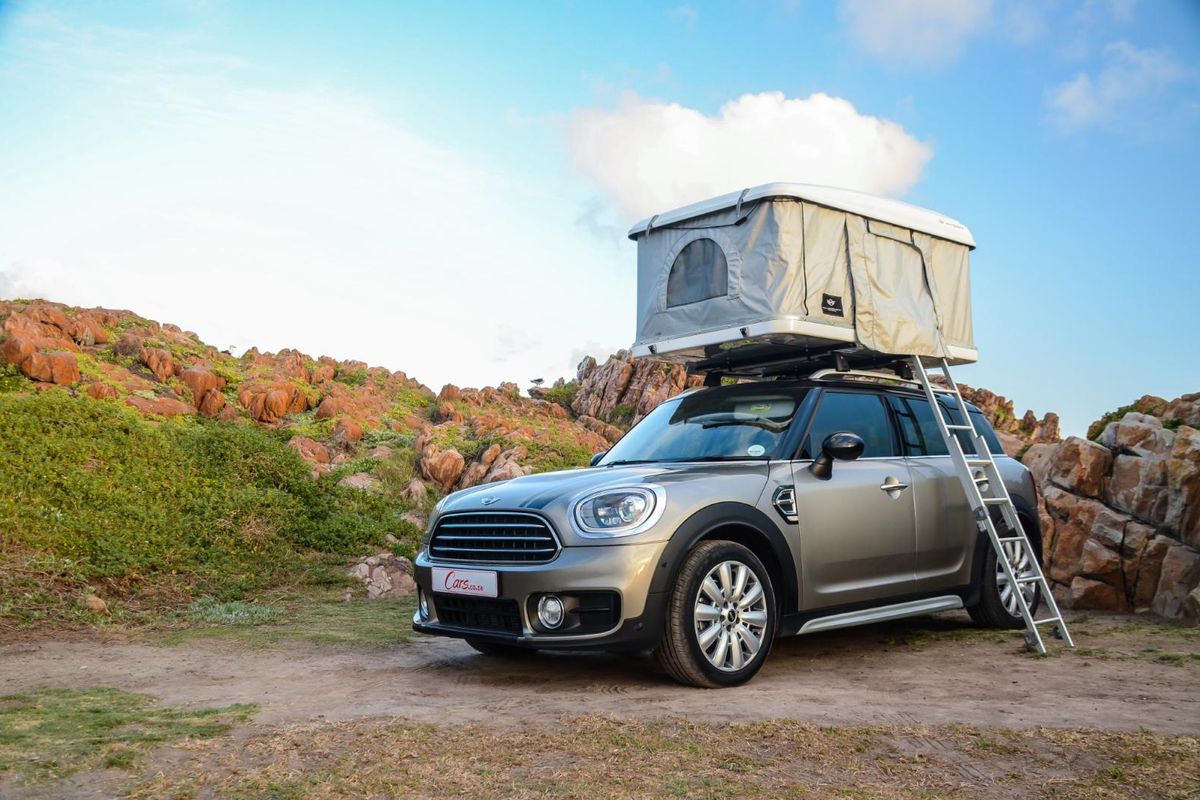
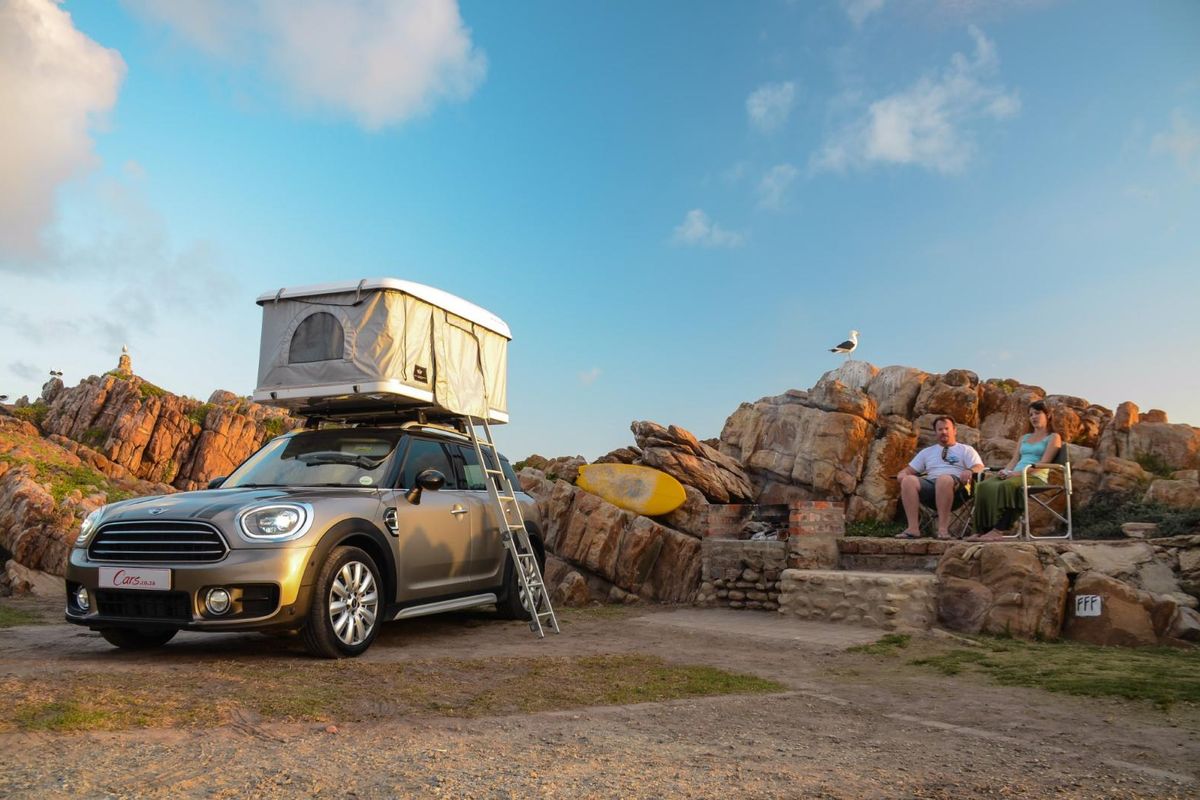
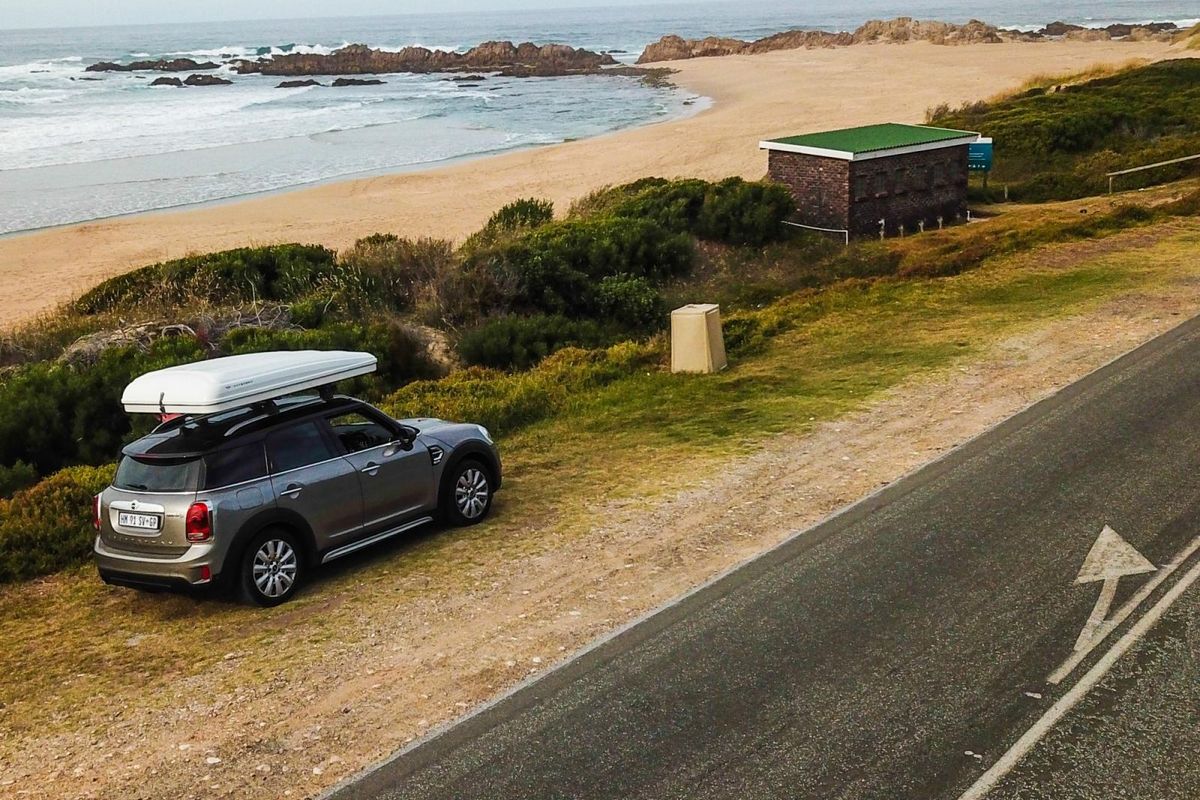
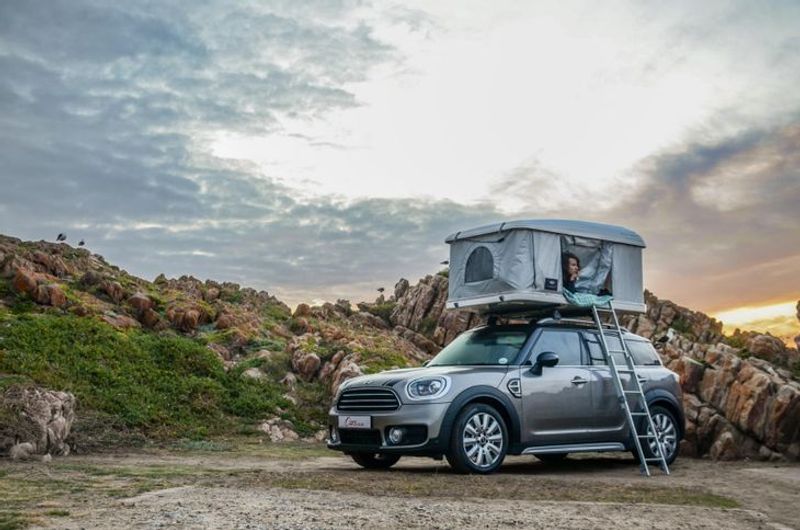
Cars.co.za journalist and photographer, Gero Lilleike, recently set off on a camping adventure on the Garden Route in a Mini Countryman Cooper D automatic equipped with a bespoke Autohome roof tent. How well does the Autohome roof tent work in this application? Read Gero’s report and watch his travel video to find out…

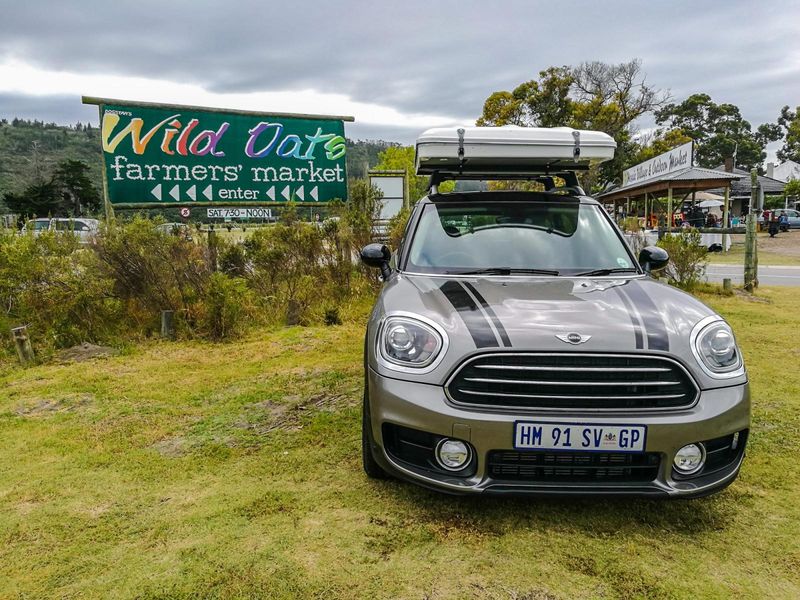
I love the outdoors and camping is one of my favourite pastimes, so when the opportunity presented itself to test the Autohome roof tent, which is specifically designed for the Mini Countryman, I simply couldn’t pass up the chance. With my wife by my side, we packed the Countryman Cooper D and set off for the Garden Route for a weekend of camping and adventure.

Practicality and performance


The Mini Countryman Cooper D combines punchy performance with good fuel economy, and it’s relatively spacious. 

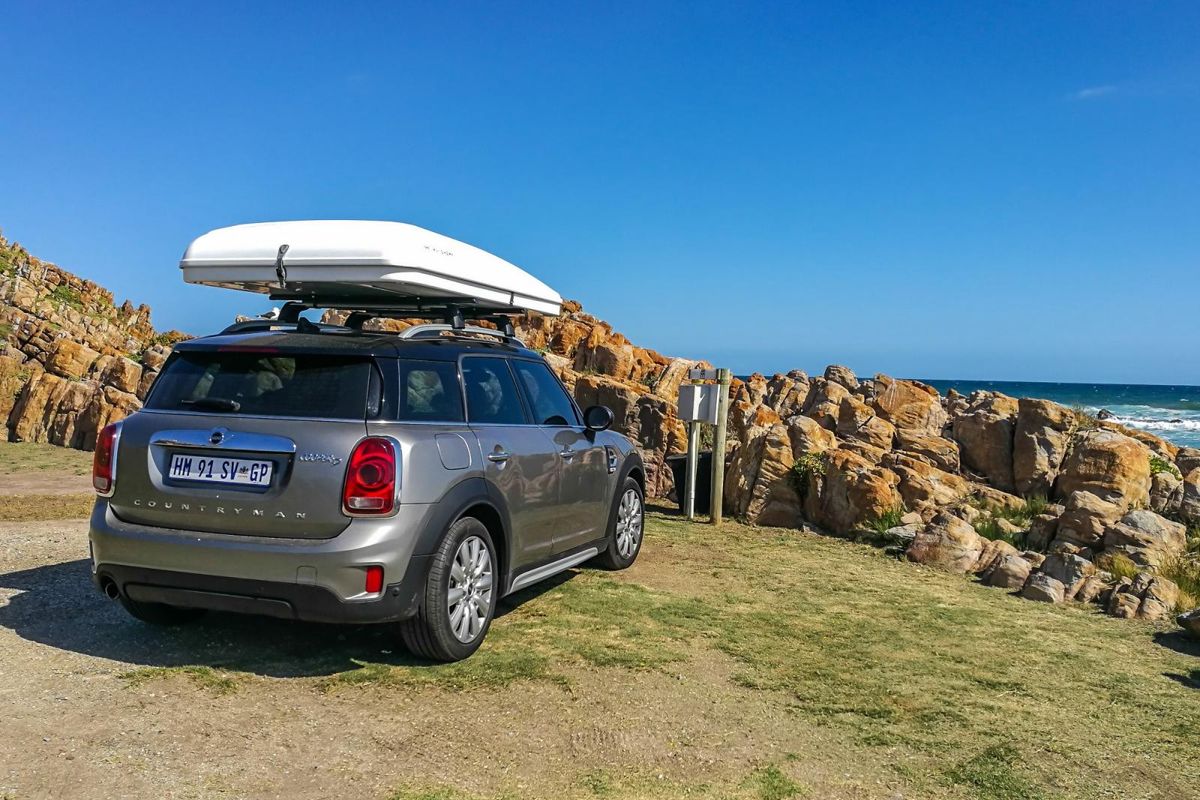
The Mini Countryman was to be our home and thankfully it’s the largest vehicle in Mini’s line-up, because we needed as much space as we could get to load up luggage, camping necessities and a surfboard. With the split rear seats folded down, there was more than enough room for our stuff.

While Cars.co.za had previously tested the Countryman Cooper D automatic (read that review here), I was keen to stretch its legs on the open road.

The 2.0-litre turbodiesel engine under the bonnet is the only diesel offering in the entire Mini range and it really is a great engine for a road trip. It’s a punchy unit with 110 kW and 330 Nm on tap and, in this case, makes use of a 6-speed automatic transmission to drive the front wheels. It’s not an all-out adventure vehicle, as it doesn’t have 4×4 capability, but it manages just fine on gravel roads of average condition.  

The diesel-powered Countryman has a good dose of grunt on the highway and executes overtaking manoeuvres easily and effectively. More so, the steering has a positive feel and its ride quality is comfortable with a hint of firmness that makes it a pleasure to drive, especially on a long journey.

Lugging the Autohome on the long haul 

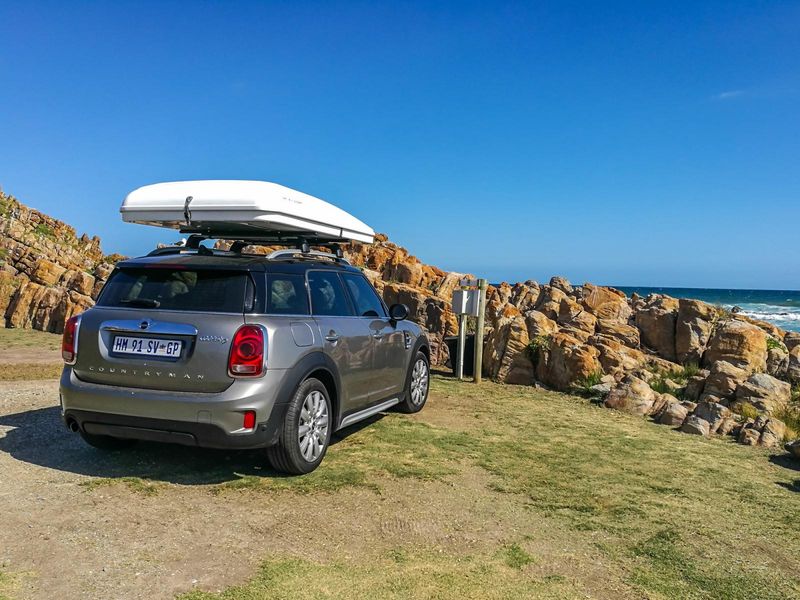
With the Autohome fitted to a set of roof racks, I was curious to see how this added piece of kit would impact on the driving experience as well as fuel economy. At highway speed, the Autohome generates a fair amount of wind noise (audible through the sunroof), but that is to be expected.

More importantly, I expected fuel consumption would suffer as a result of increased drag, but that was not the case. In fact, the Cooper D performed very well and returned an indicated average of 6.9 L/100 km over the course of our 1 200-km road trip, which is more than acceptable for a compact SUV laden with luggage and adorned with a roof-mounted box. Mini claims a fuel consumption figure of 4.7 L/100km for this derivative.    

Convenient camping


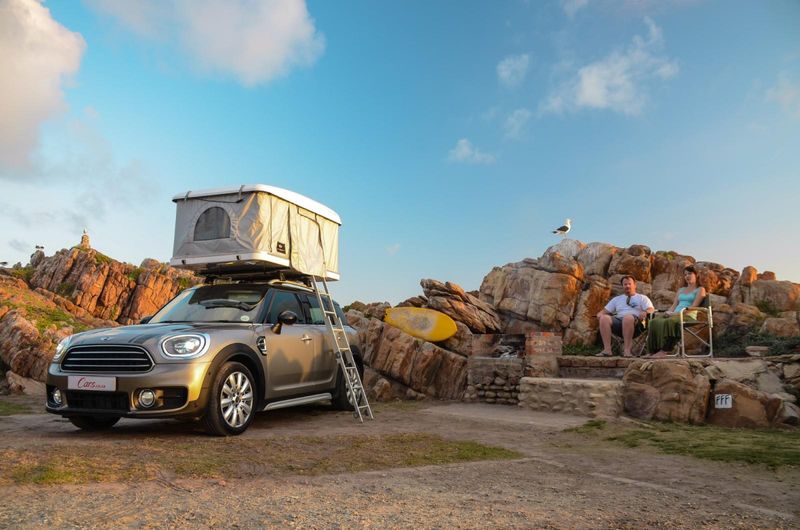
The Autohome makes camping easy and fuss-free. 

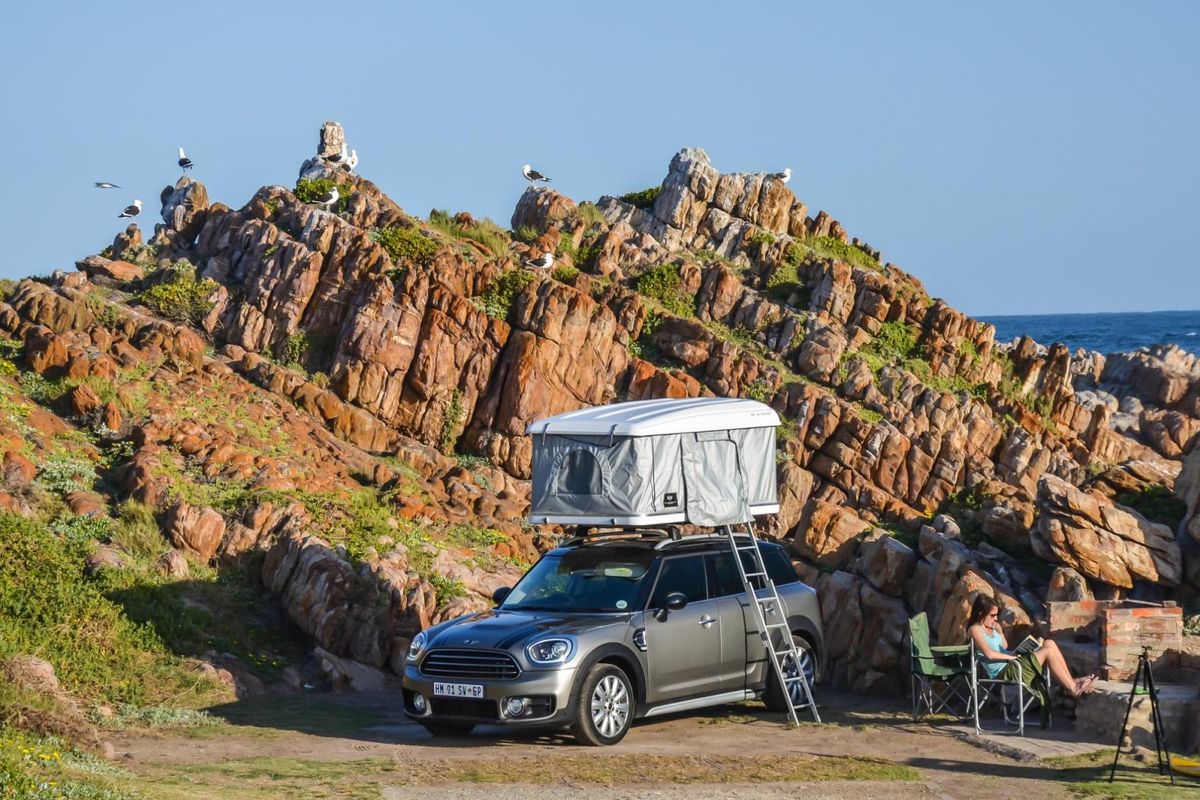
As a surfer, I wanted to camp as close as possible to the ocean so that I could have easy access to the surf – the Buffalo Bay Caravan Park was perfect and also happens to be regarded as one of the best camping sites on the Garden Route. It was a no-brainer!

Conventional camping requires you to unpack all your camping gear, pitch your tent and set up camp, all of which takes time.

That procedure isn’t necessary with the Autohome roof tent because all you have to do is to find a suitable parking spot and simply unpack what you need. The Countryman serves as virtually all the storage space you need and, as a result, your campsite is cleaner and uncluttered and, because of the added convenience, you have more time to enjoy your surroundings and to do the things that you want to do, like surfing, in my case.

It also means it’s far easier to pack up when you want to leave. When you are done, you simply drive away without having to break down a campsite. It’s simple and convenient camping, just the way I like it…

How does the Mini Autohome work?


The Autohome roof tent is easy to pitch and accommodates 2 adults. Sadly, it’s not for sale in South Africa.  

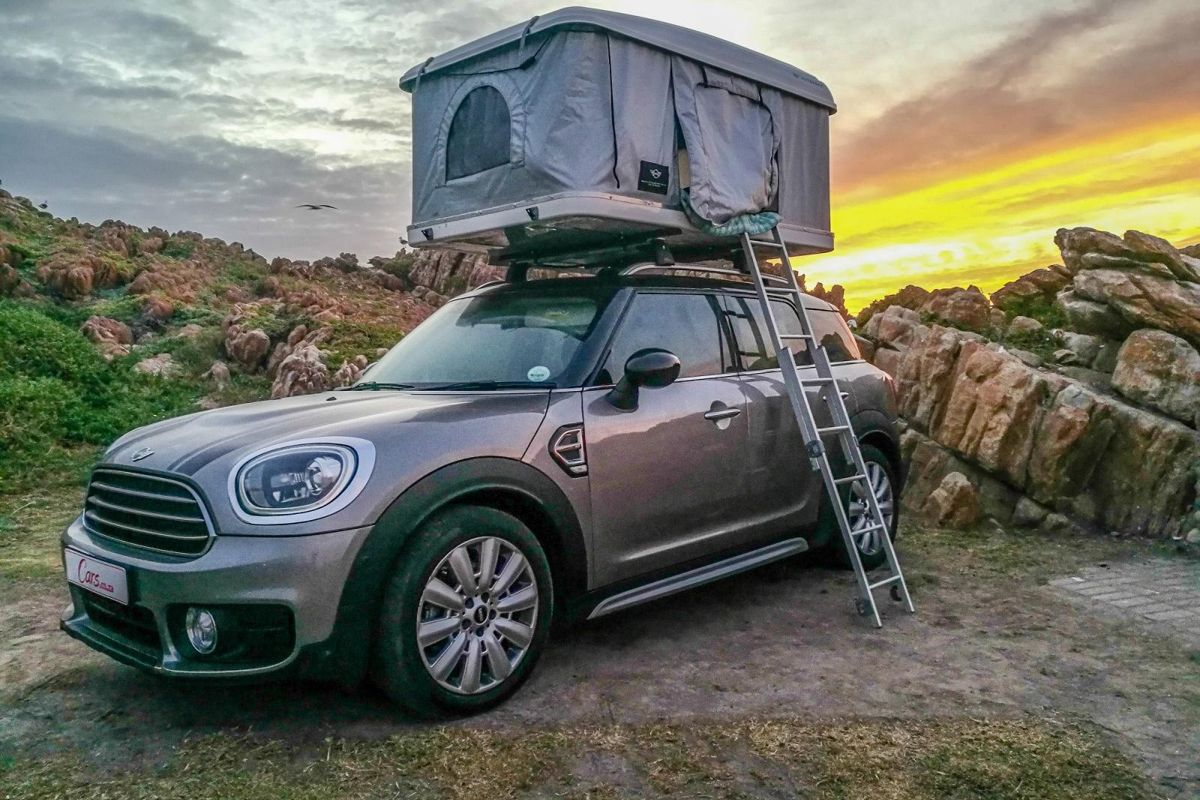
The Mini Autohome is easy to use and quick to pitch and close. Simply undo the 3 safety clips and push the front and rear roof section upwards. The 4 gas springs will pitch the tent automatically!

Inside the tent, you will find a height-adjustable aluminium ladder (with safety clamps), which you position next to the vehicle to access the tent. The tent can comfortably sleep 2 adults and is equipped with a high-density crushproof mattress, pillows and a touch-sensitive LED light with a 12V battery included. Storage inside the tent is made easy with an elastic roof net and 4 fold-away pockets for smaller items.    

The tent material itself is made from a light, weather-proof and tear-proof material that expels moisture/condensation and there are 2 doors and 2 windows with dense mosquito netting, so the tent can be easily aired while you have a first-class view of your surroundings.

Breaking the tent down is just as easy. By pulling the provided strings down at either end, the tent will collapse and then you simply fasten the safety clips and off you go!    

How much does the Mini Autohome cost?


If you want the Autohome roof tent, you will have to order direct from the supplier in Italy. It’s not cheap…

You might be disappointed to learn that Mini South Africa doesn’t offer the Autohome roof tent in South Africa; Mini doesn’t list the roof tent on its official accessories list. But if you really want one, you can order the Mini Autohome roof tent directly from Autohome in Italy, but beware, it costs €3 084 which translates to roughly R48 714, excluding shipping. The Mini Countryman Cooper D automatic is priced at R492 659 (November 2018).

If that is a push too far for you, local roof tent suppliers are also worth considering as they will be more affordable, but the products are not Mini approved and they are arguably not as slick as the Mini Autohome. The Autohome roof tent for the Mini Countryman weighs approximately 58 kg with a volume of 271 litres and is made from 100% fibreglass. The Autohome roof tent is offered in white or black depending on your taste.

Watch the Mini Autohome roof tent in action in the video below!

Buy a new or used Mini Countryman on Cars.co.za 

Related Content 

Mini Countryman Cooper D auto (2017) Quick Review
Mini Countryman JCW Automatic (2017) Quick Review

Mini Countryman Cooper (2017) Review

Mini Countryman S sports-auto (2017) Quick Review
2018/19 Cars.co.za Consumer Awards – Powered by WesBank; Semi-Finalists

Mahindra Karoo Pik Up in SA

Mahindra has launched a limited edition Karoo Pik Up double cab in South Africa. Herewith specs and pricing…

Indian automotive giant, Mahindra, has launched a limited edition Karoo Pik Up double cab to market in South Africa which heralds the introduction of the new S6 specification level to the double cab Pik Up range.  

"Over the past few years, the Pik Up has become one of Mahindra's best-selling models, thanks to its combination of rugged and reliable mechanical underpinnings and a generous specification level. With the introduction of the S6 Double Cab Pick Up, we have amplified the Pik Up's best qualities and made it available to more bakkie-buyers," says Rajesh Gupta, CEO of Mahindra South Africa.

Standard specification for the S6 double cab Pik Up includes front fog lamps, colour-coded bumpers and mirrors with side mouldings, remote central locking, a USB-enabled audio system, ABS with EBD, 2 airbags, a differential lock and power windows.

The Karoo Limited Edition adds a tow bar, tonneau cover, a nudge bar, roll bar, rain deflectors, wheel arch mouldings and Karoo decals. All the extras on the Karoo edition total over R28 000, at no cost to the customer.

The Mahindra Pik Up Karoo edition is powered by 2.2-litre turbodiesel engine with 103 kW and 320 Nm of torque and comes equipped with a 6-speed manual transmission. The Karoo edition is offered in 4×2 and 4×4 guise and features a ground clearance of 210 mm and has a load rating of 1 095 kg.  

Mahindra Karoo Pik Up – Price in SA

Karoo Pik Up 4×2 – R299 999

Karoo Pik Up 4×4 – R329 999

The Mahindra Karoo Pik Up limited edition is sold with a 4-year/120 000 km warranty and 5-year/90 000 km service plan.

Buy a new or used Mahindra Pik Up on Cars.co.za

Related Content

Mahindra XUV500 (2018) Specs & Price

Mahindra KUV100 NXT (2018) Specs & Price

8 New Cars Under R3 000 p/m

Mahindra Scorpio 2.2CRDe S11 4×4 (2018) Launch Review
Mahindra TUV300 (2017) Video Review