For the first time this year, new car sales in South Africa have registered positive gains! See the full sales summary below…
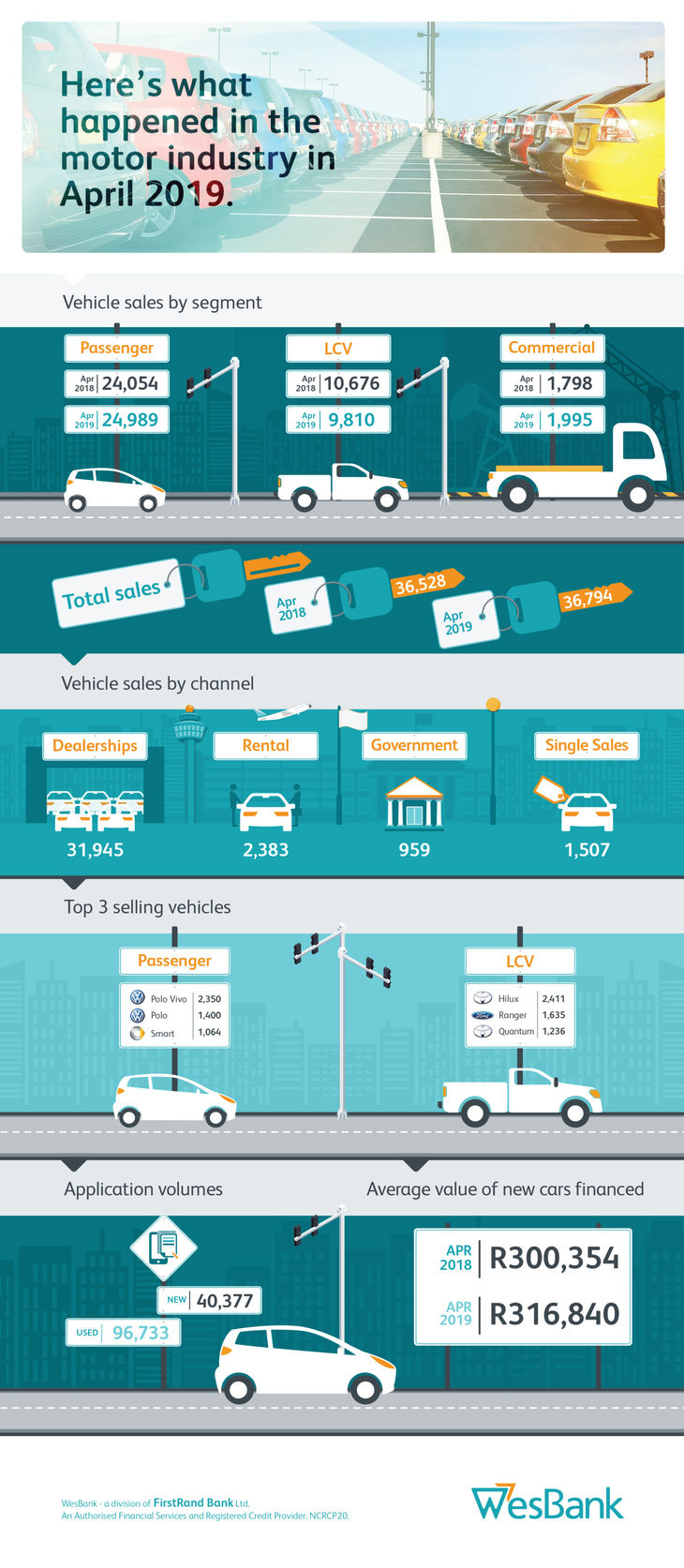
New vehicle sales have been under considerable pressure recently with negative sales trends persisting for months on end. April 2019, however, is the first month of the year that yielded a modest, positive result with 0.7% improvement compared with the same period last year. Exports remain very strong with significant gains of 53.8%. While the passenger car market showed some improvement with 3.9% gain, the Light Commercial Vehicle (LCV) sector took a knock with a decline of 8.1% compared with the same period last year.
New Car Sales Summary: April 2019
Aggregate new car sales of 36 794 units up by 0.7% (+266 units) compared with April 2018.
Passenger car sales of 24 989 units up by 3.9% (+935 units) compared with April 2018
LCV sales of 9 810 units down by 8.1% (-866 units) compared with April 2018
Export sales of 33 090 units up by 53.8% (+11 571 units) compared with April 2018
New car sales will remain under pressure for months to come due to low levels of consumer and business confidence, pressure on household income and low domestic.global economic growth prospects. However, based on the outcome of the forthcoming local election, a positive uptick in sentiment is possible and sales in the second half of 2019 could very well improve. Exports are expected to remain strong with further growth expected during the year.
Ghana Msibi, WesBank Executive Head of Motor said, “Household budgets are continuing to remain under pressure and consecutive months of petrol price increases will no doubt begin to take their toll. Combined with the natural uncertainty ahead of May elections, the April sales performance becomes even more reassuring as these conditions could easily have resulted in the continuing decline trend.”
“The April sales performance remains good news for the industry. We expect May sales to remain under pressure due to the elections and given whatever certainty from their results, South Africans will begin making informed vehicle purchase decisions during the second half,” concluded Msibi.
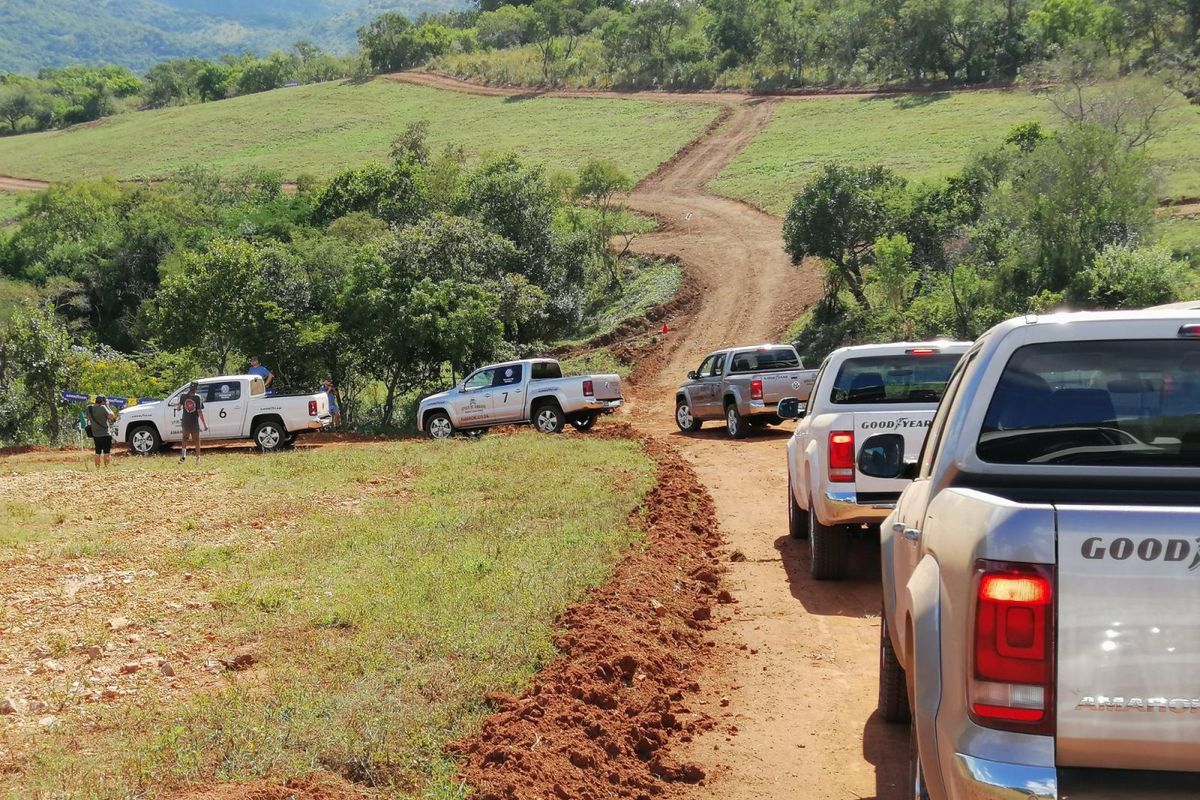
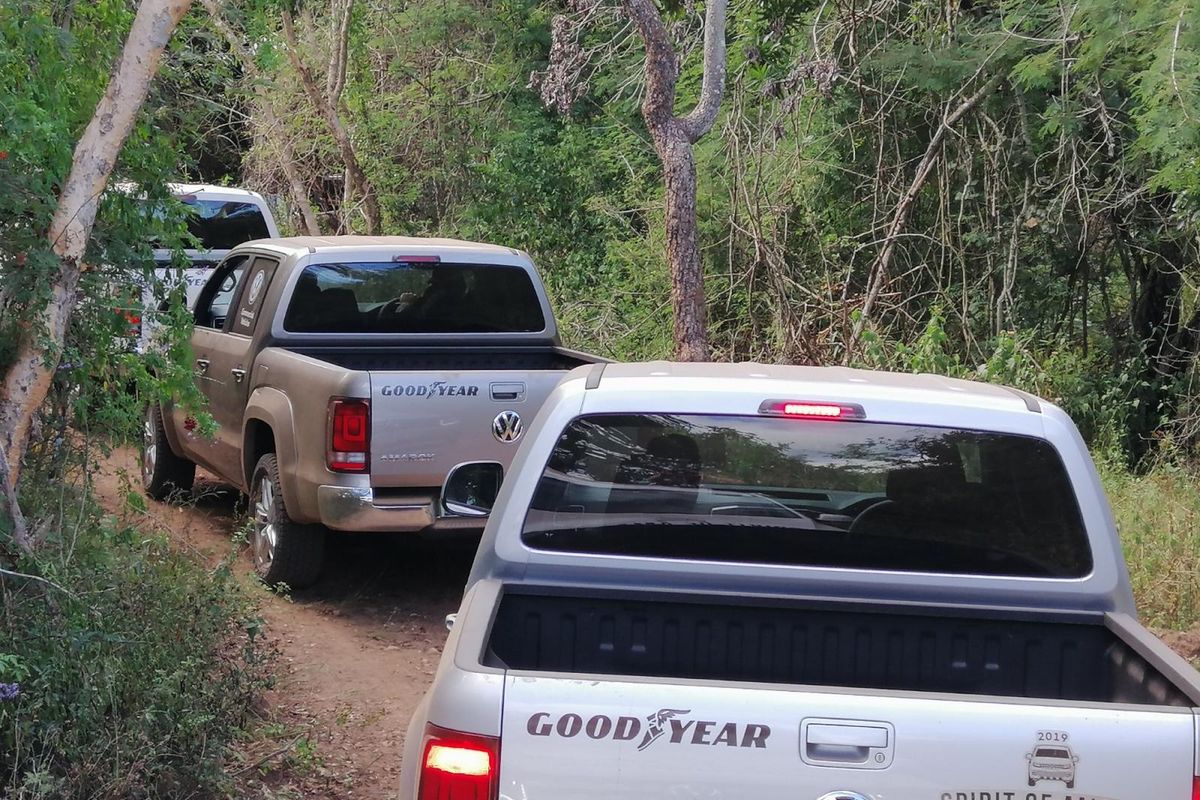
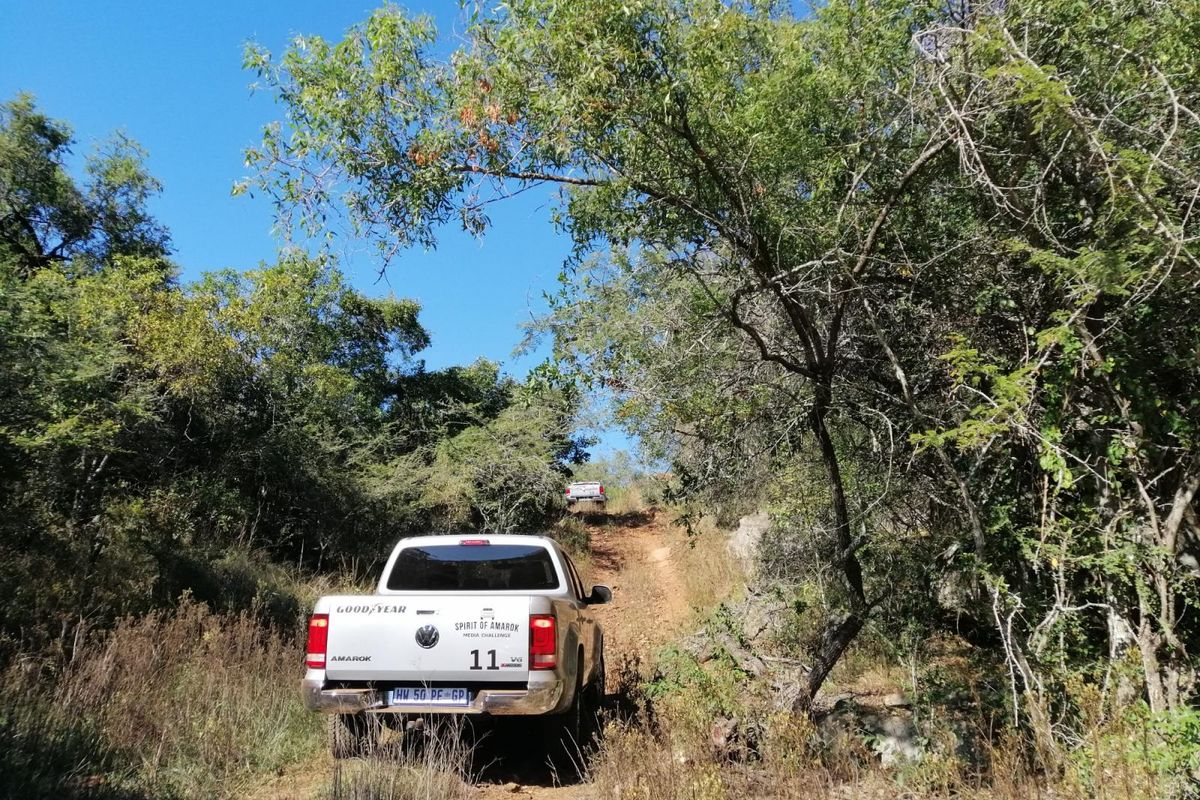
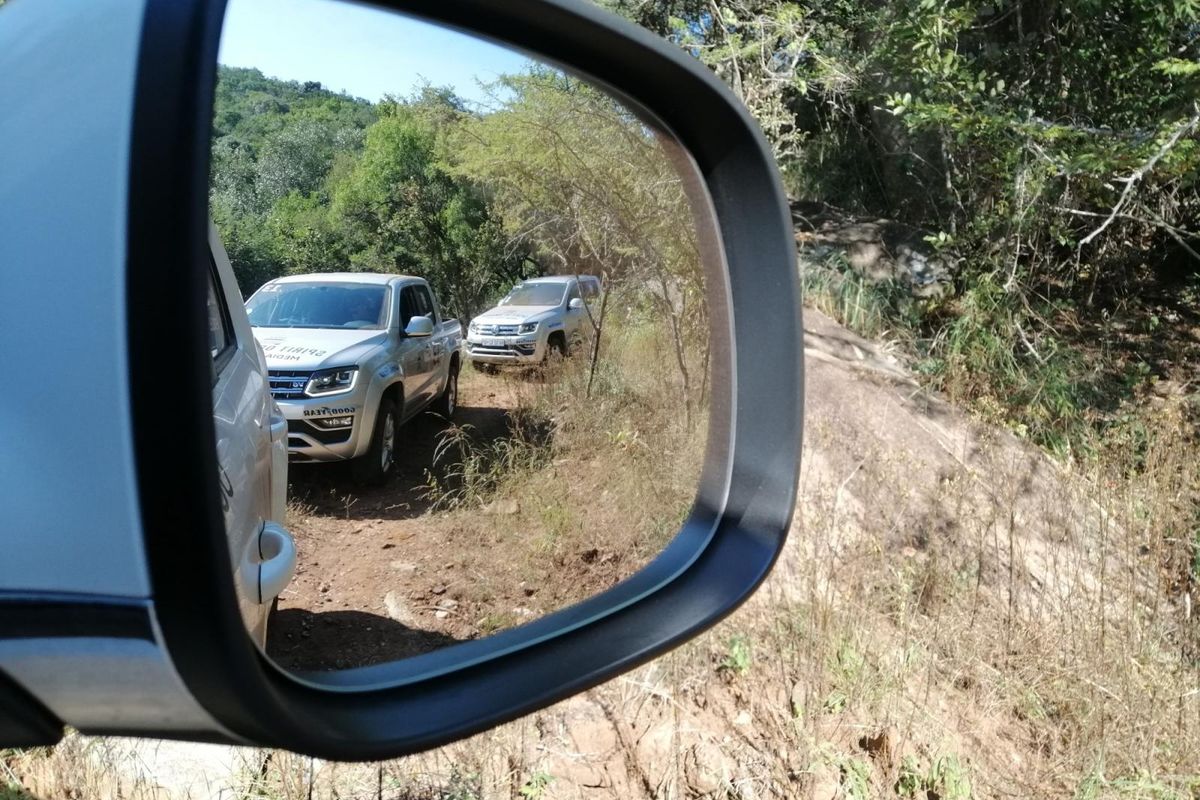
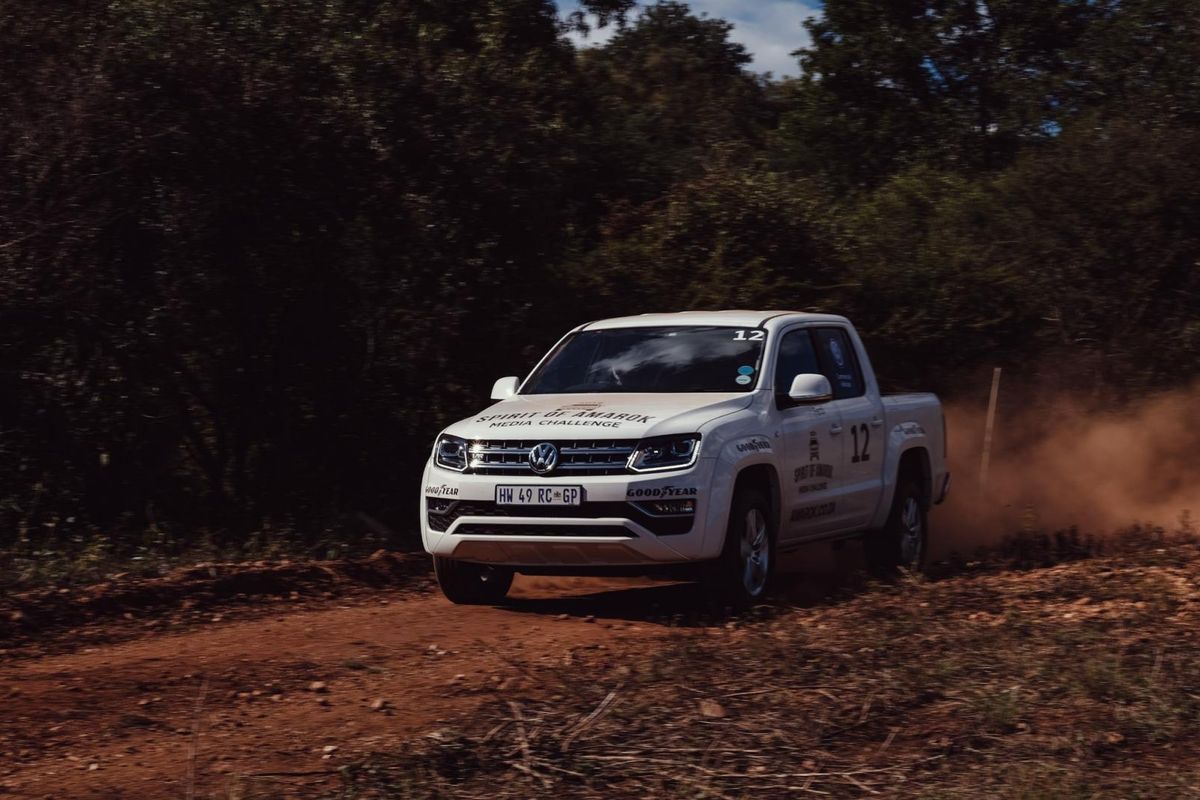
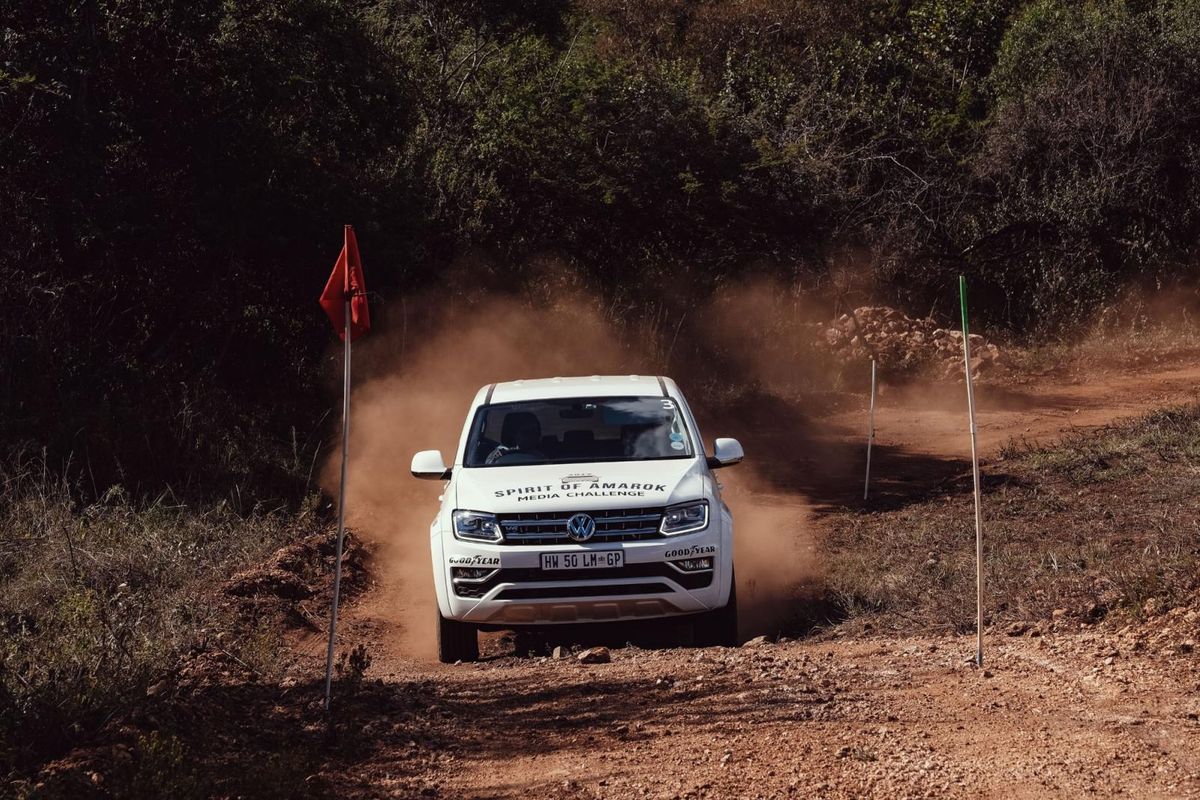
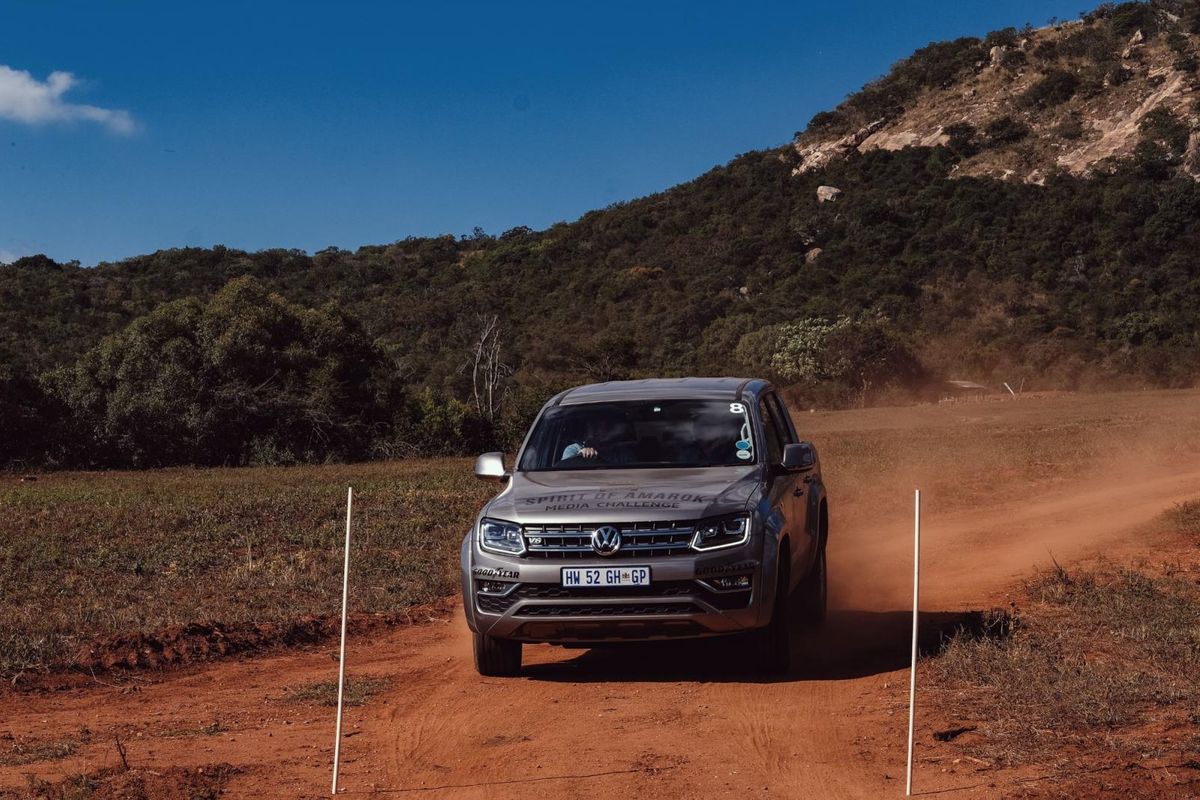
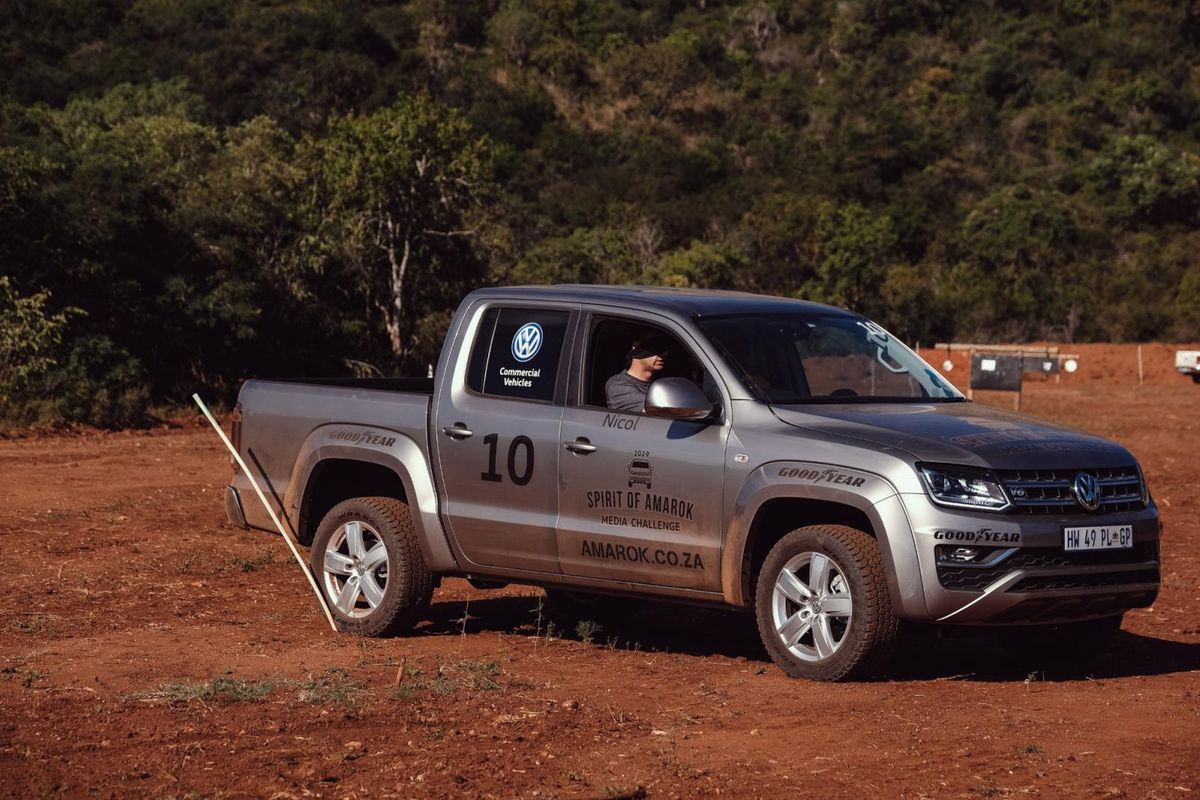
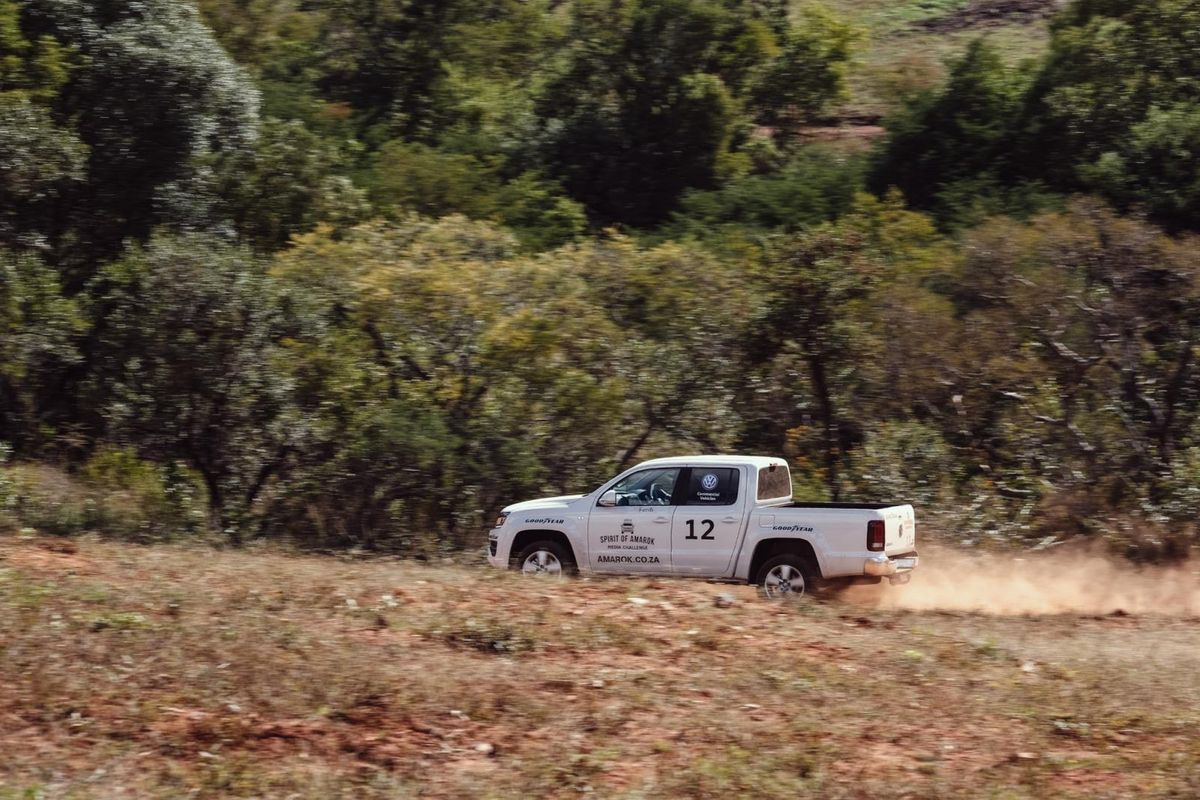
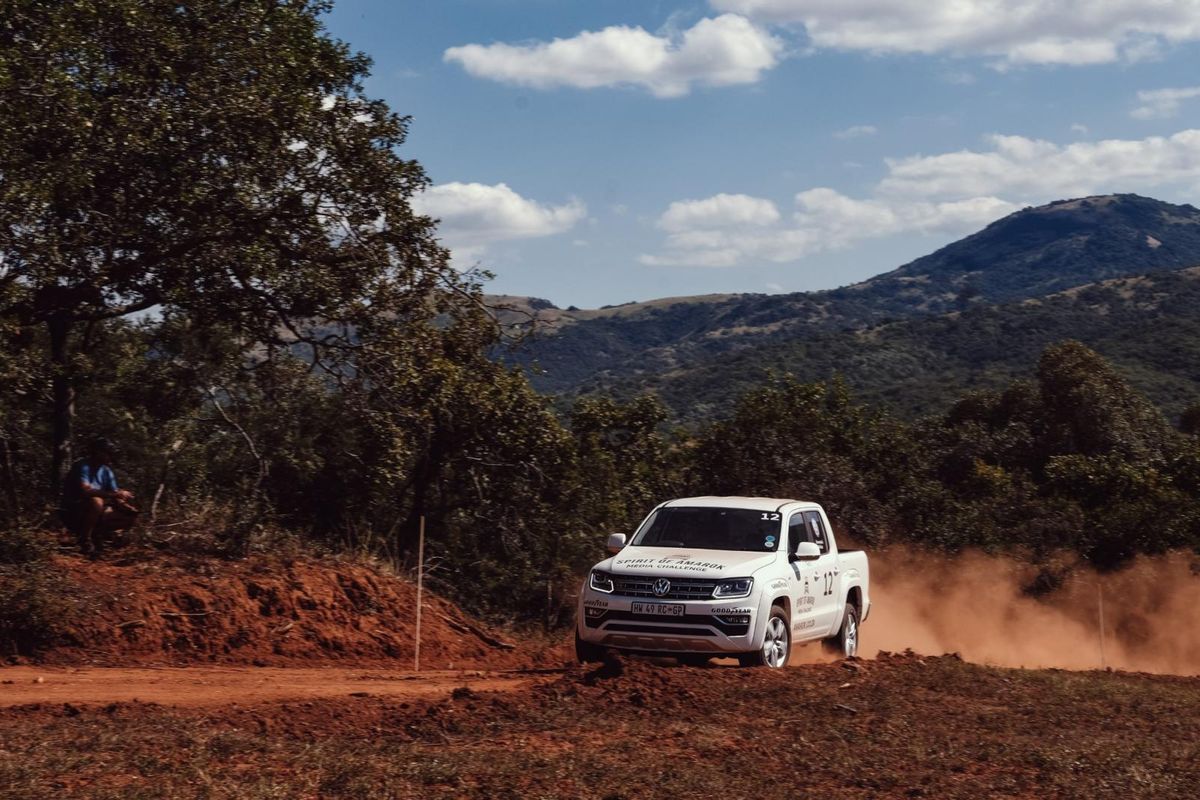
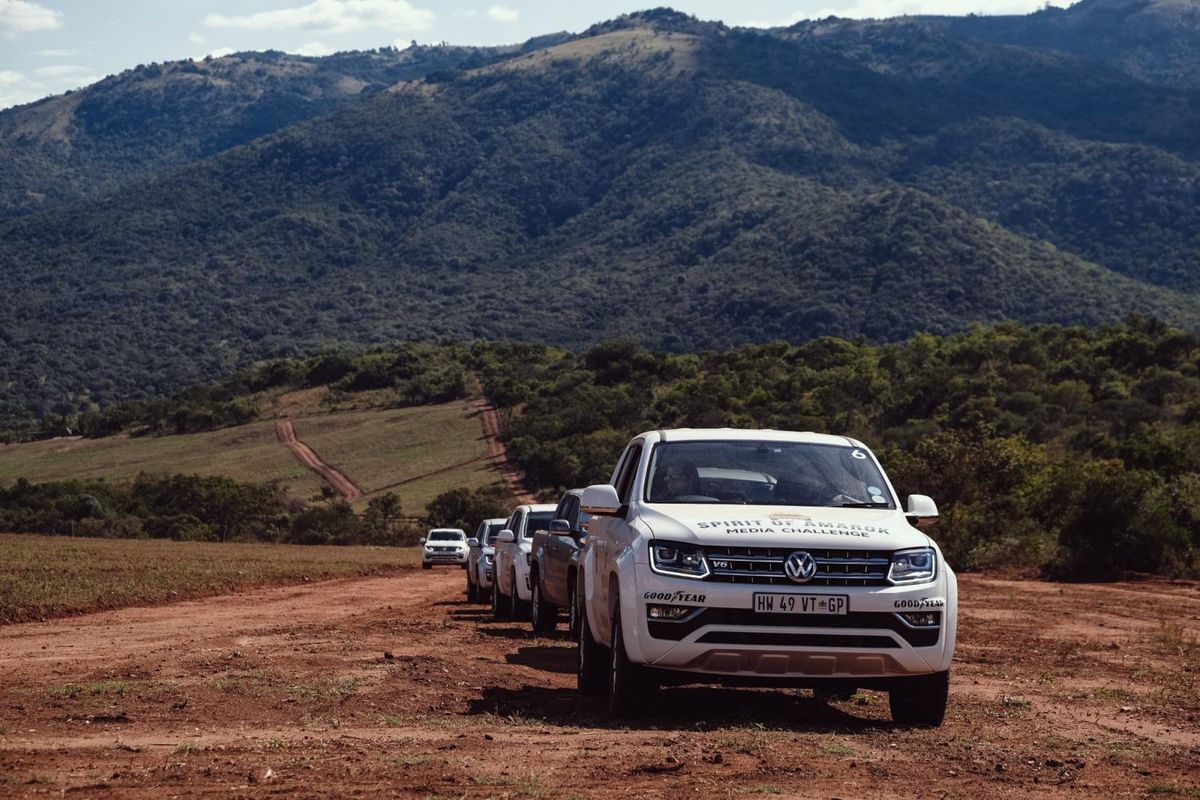
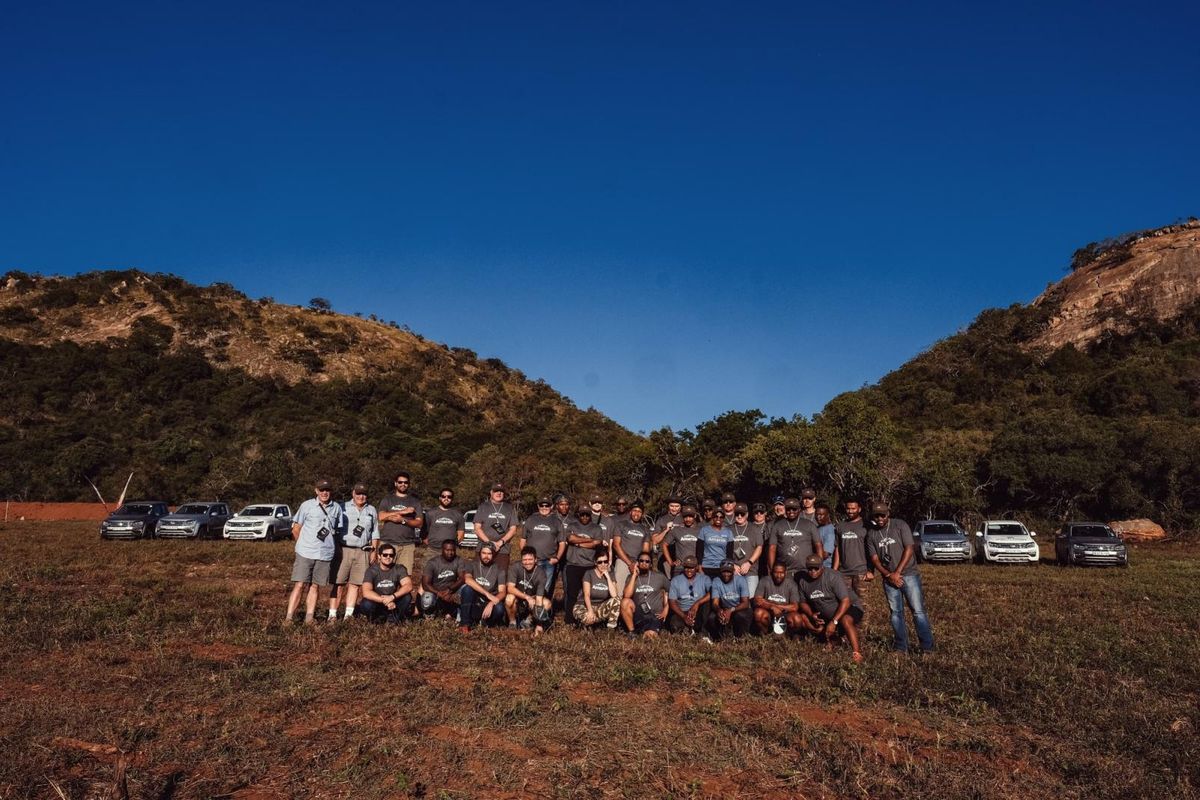
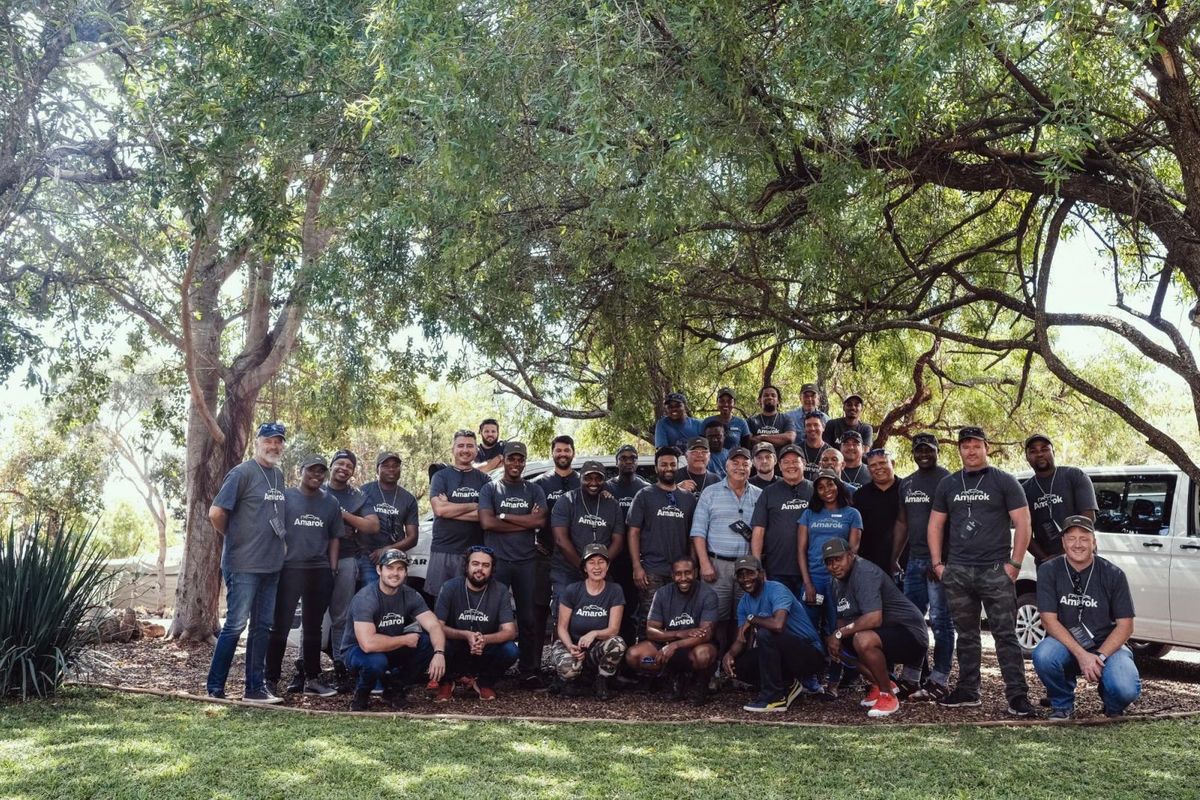
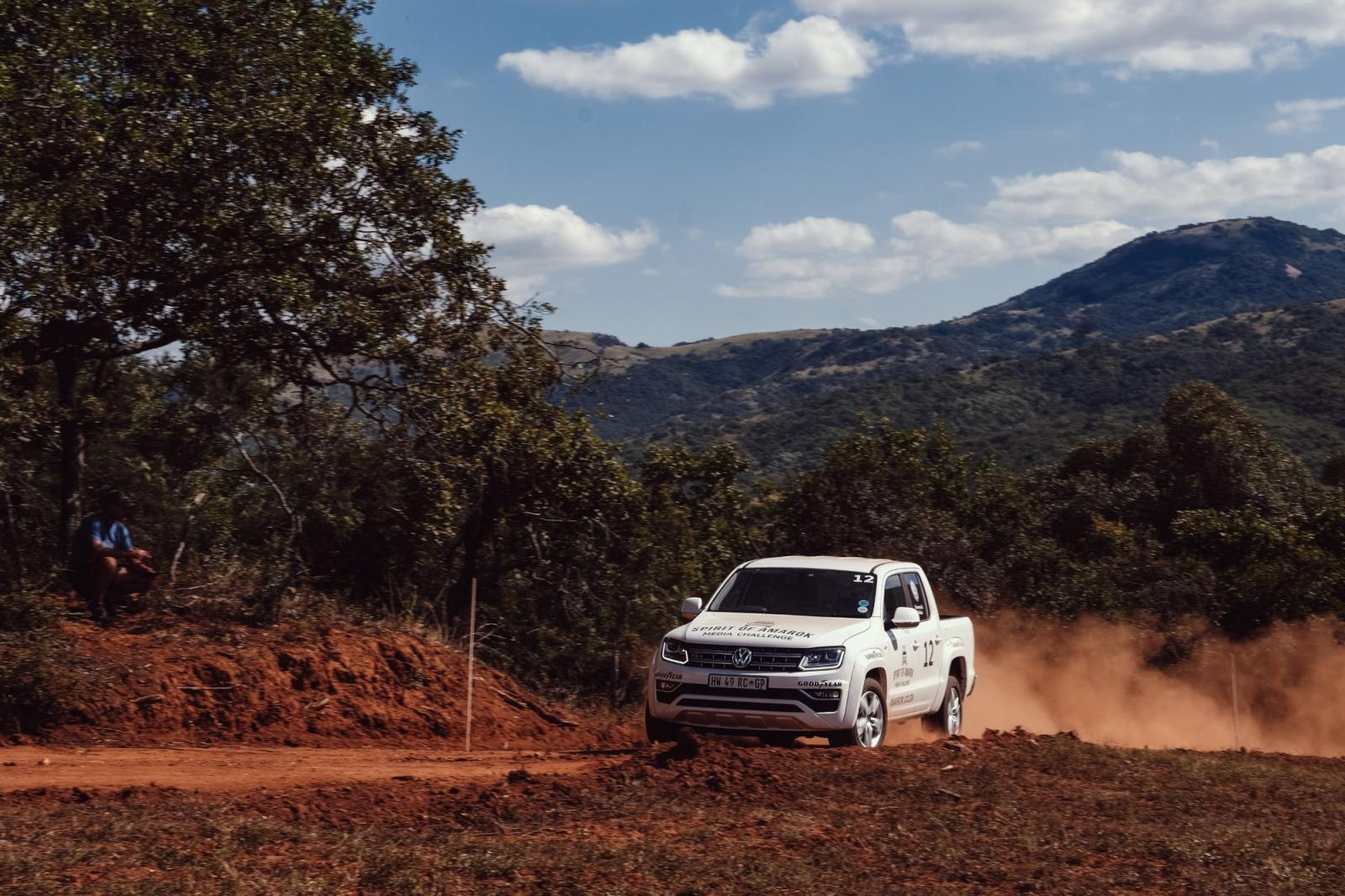
Volkswagen Commercial Vehicles recently hosted the Spirit of Amarok Media Challenge in Nelspruit, Mpumalanga which put 30 of South Africa’s motoring media through their paces behind the wheel of an Amarok 3.0 TDI V6 in an effort to find the most competent 4×4 media pair in the country.
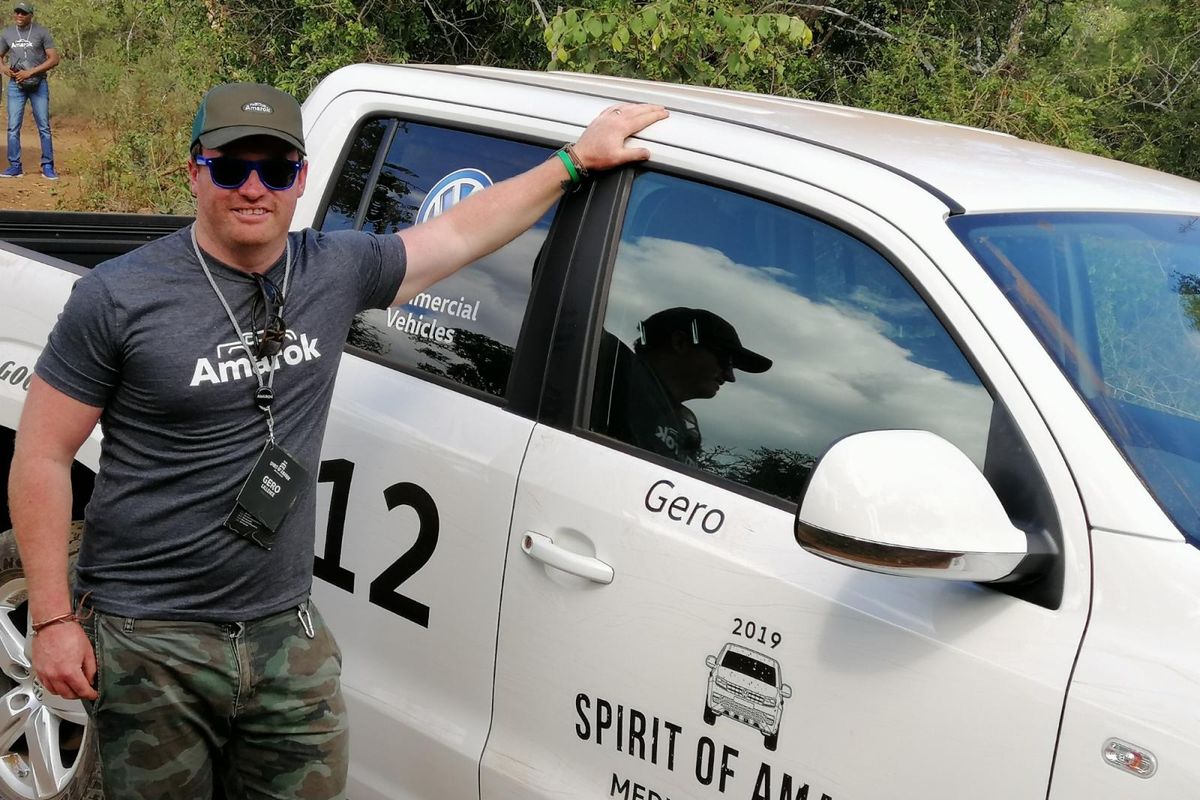
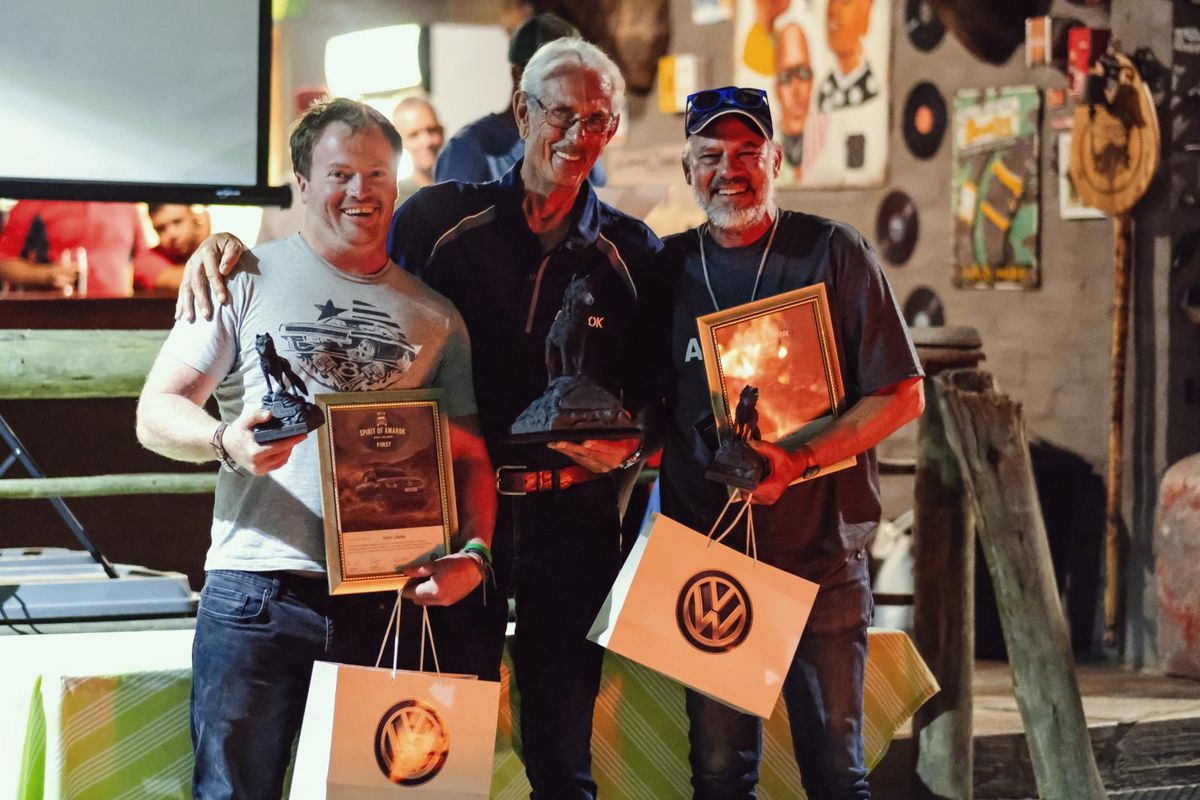
In a display of focused, skilful and precise driving, Cars.co.za journalist and photographer, Gero Lilleike and driving partner, Ferdi De Vos, claimed overall victory in the world’s first-ever Spirit of Amarok Media Challenge held last week. It was also the first time that the Amarok V6 (which is the #CarsAwards Leisure Double Cab Bakkie champion) was used in competition leading up to the Spirit of Africa and Spirit of Amarok events.
The Spirit of Africa and Spirit of Amarok 4×4 events are curated by South African motorsport and rally legend, Sarel van der Merwe, a man who knows a thing or two about kicking up dust and getting the most out of a vehicle in challenging terrain.
Sarel van der Merwe needs no introduction. He is a South African motoring legend…
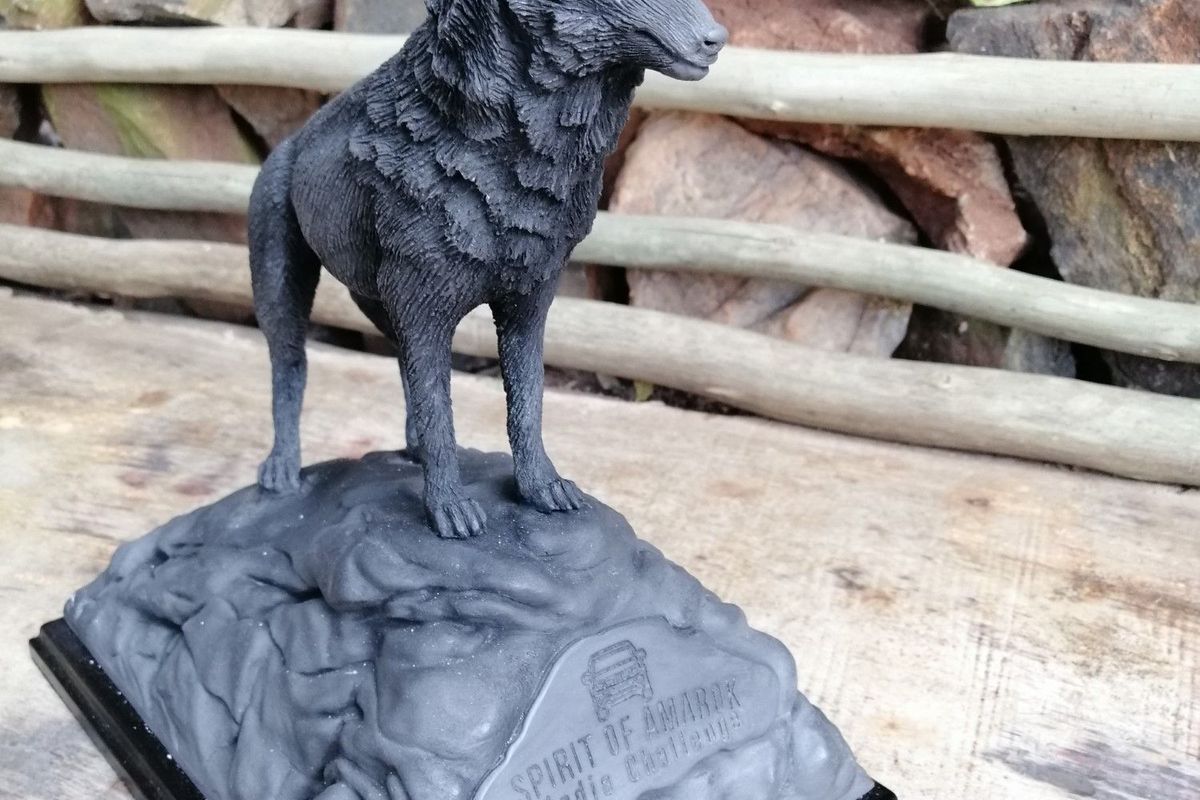
The Spirit of Amarok is a renowned amateur 4×4 championship event with international status that brings qualifying teams from across the world together to compete for the coveted Wolf Trophy which symbolises the prowess of the Volkswagen Amarok.
Teams from Namibia, Botswana and South Africa will compete in the Spirit of Africa event (currently taking place) with the top 2 teams progressing to compete in the Spirit of Amarok International event held in August 2019 where the best teams from countries such as Australia, Czech Republic, Denmark, Germany, Taiwan, China and Russia gather to battle it out for ultimate 4×4 bragging rights.
The technical 4×4 challenges require precise driving to successfully navigate the course without being penalised.
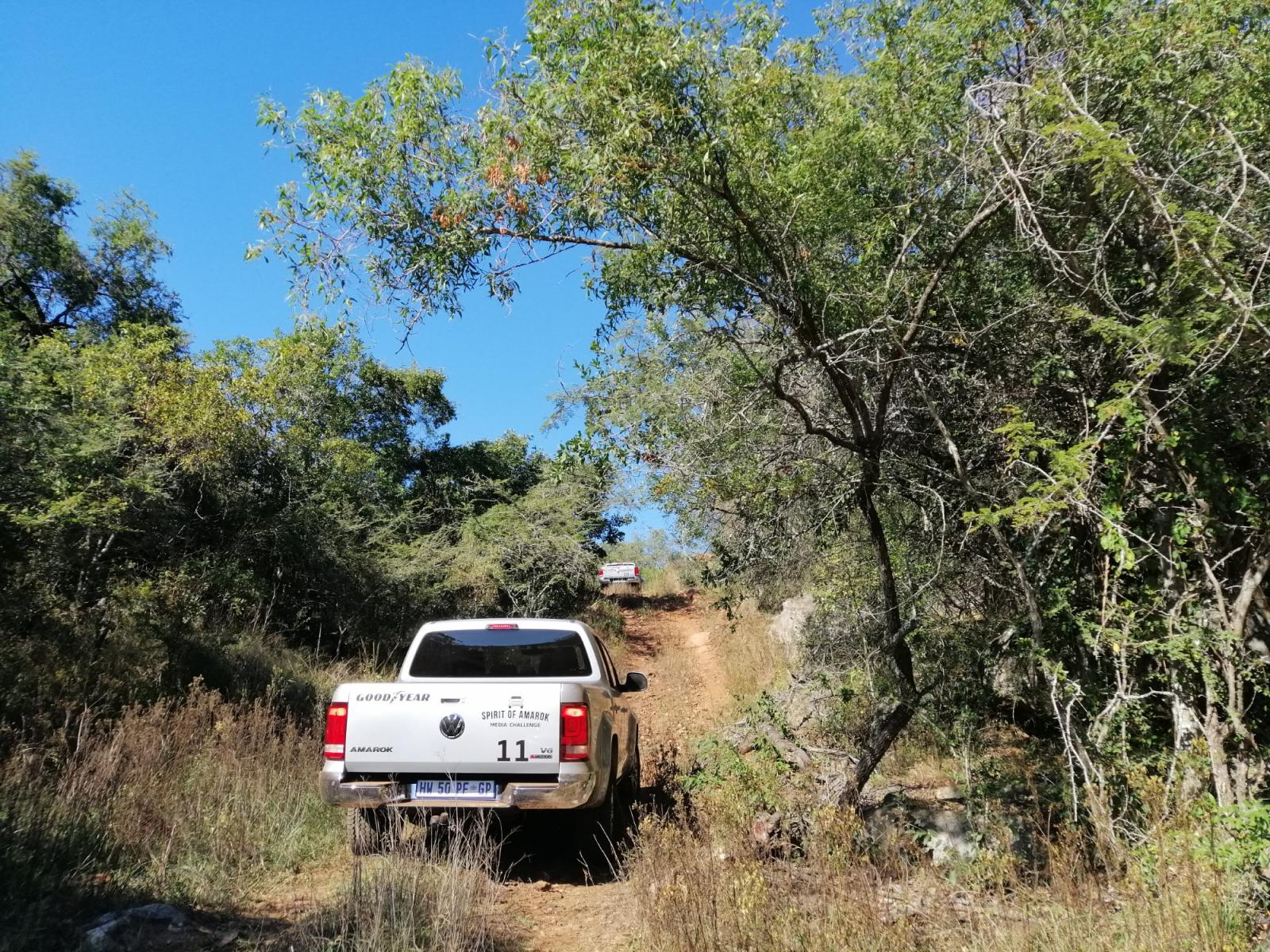
The Spirit of Amarok Media Challenge saw 30 local journalists (15 two-person teams) completing a range of difficult challenges including technical driving challenges, high-speed challenges and a tricky reverse blindfold slalom challenge.
For the technical challenges, teams are required to navigate a number of 4×4 courses in a predetermined time and all teams start each challenge with 100 points. The challenges are set against a mountainside with the tracks featuring steep gradients and loose rocks which make driving particularly difficult. Poles are strategically placed throughout the courses and if these poles come in contact with the vehicle, points are deducted. Teams are also penalised for arriving late or early at the finish line, so precise driving through the poles and planning is essential in achieving maximum scores.
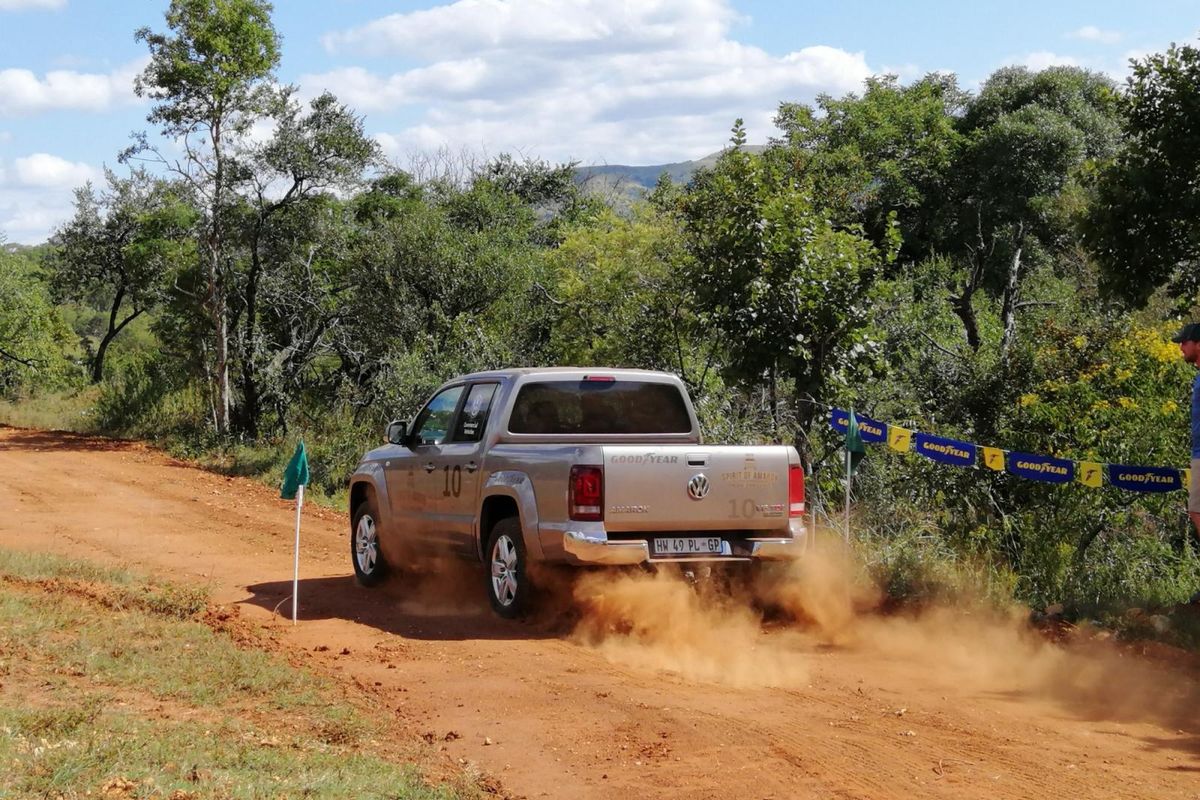
The Amarok V6 is powerful and fast, making for a thrilling drive in the high-speed challenges.
The high-speed challenges are also timed and take place on flatter terrain. Driver’s are required to drive through the course as fast as possible. The team with the fastest time gets maximum points and poles are also placed throughout the high-speed courses which demand a high level of driving precision to navigate successfully at speed without being penalised.
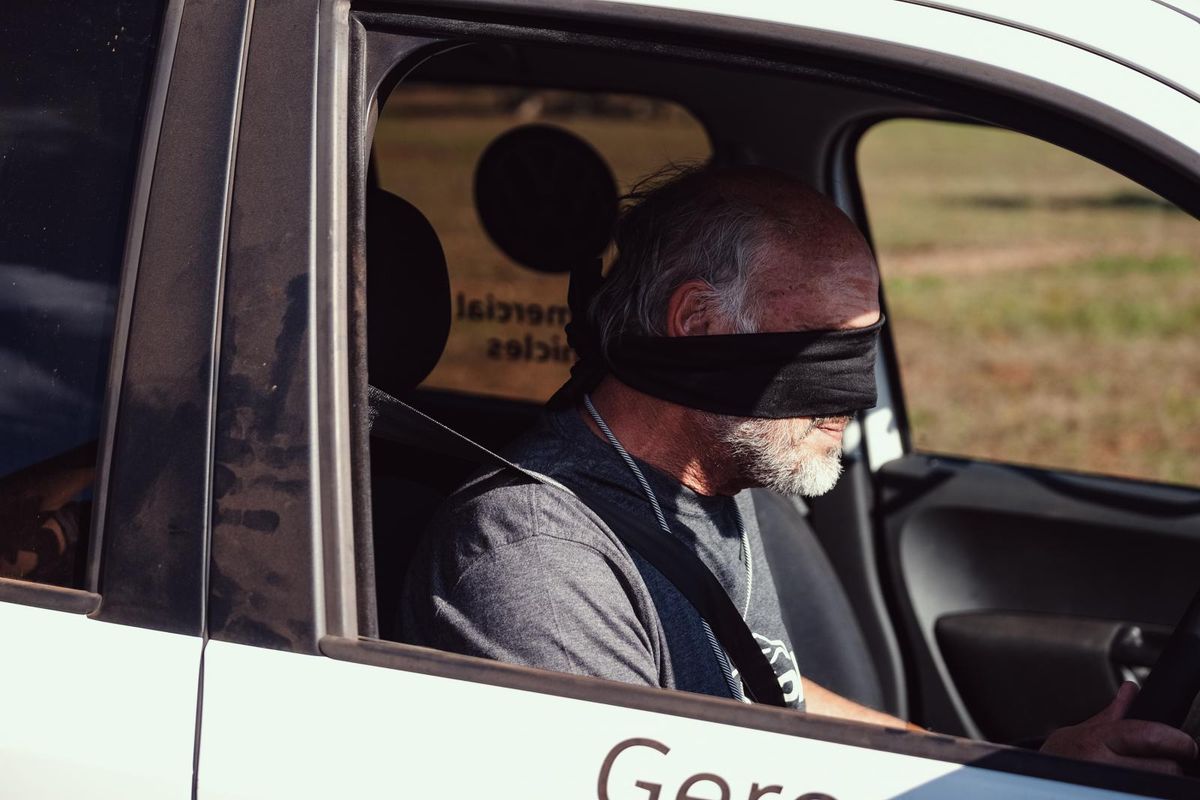
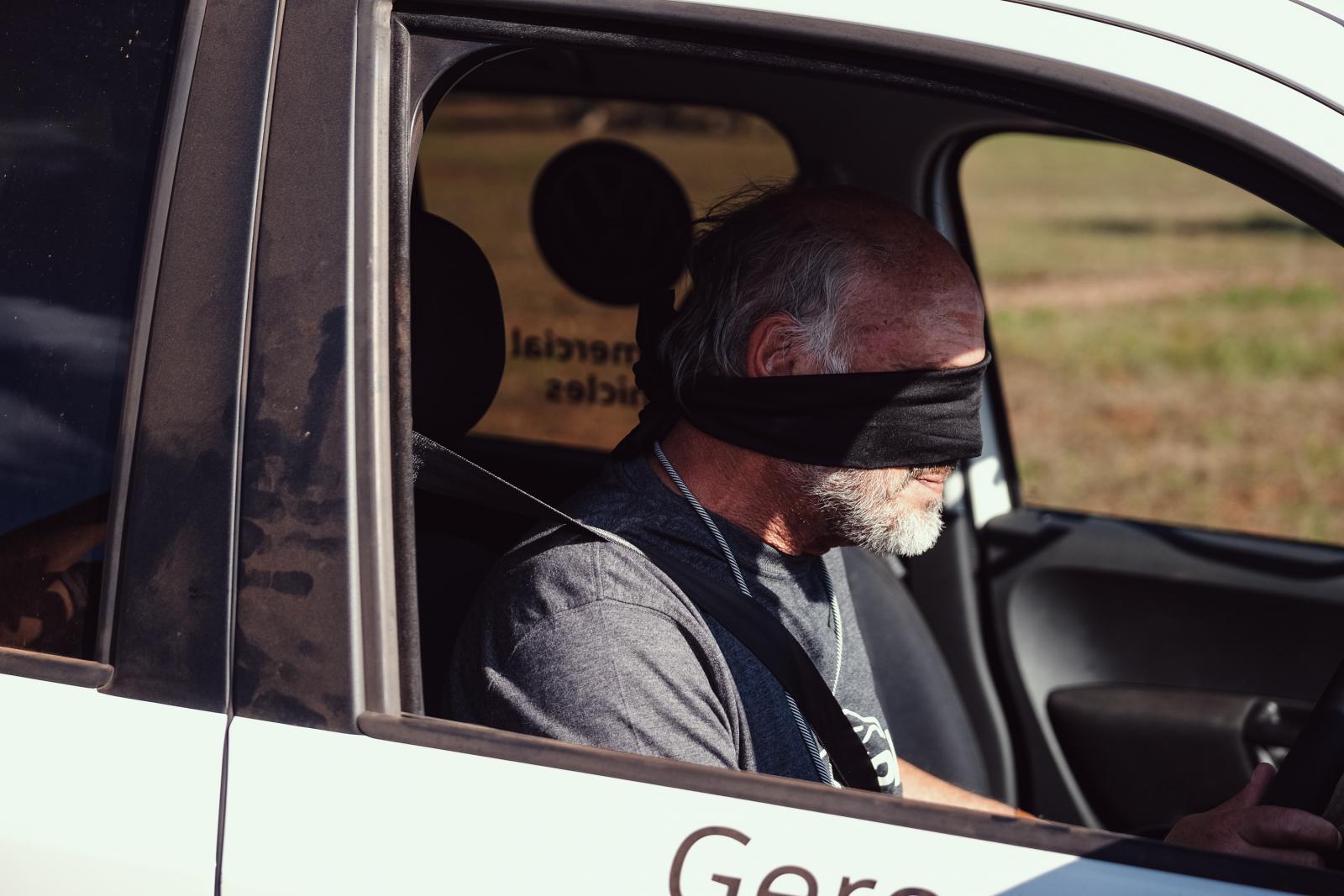
Driving blindfolded while following verbal instruction is not easy…
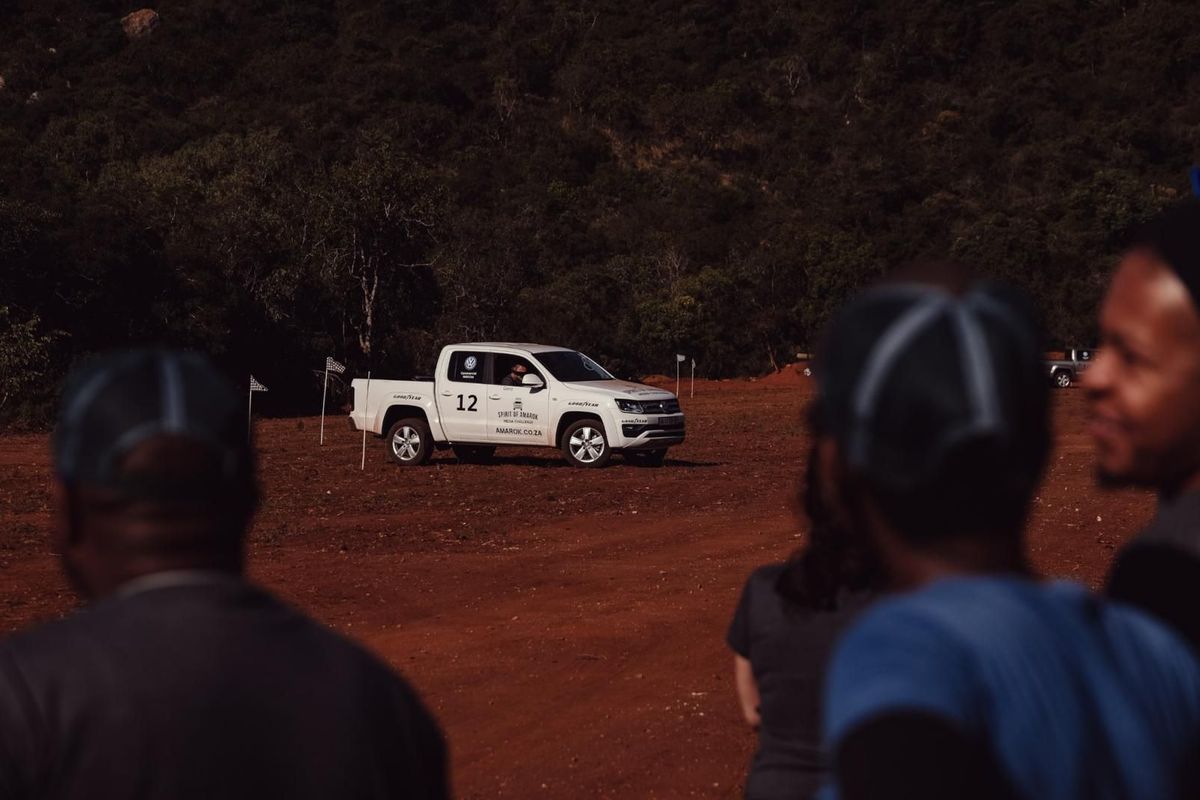
The final blindfold reverse slalom challenge required effective communication and teamwork. The driver is blindfolded and is required to reverse the Amarok V6 through a slalom course under the verbal direction of his/her driving partner, ending with the Amarok being placed between the finishing gates. While many teams failed at the task, Gero Lilleike and Ferdi De Vos were the only team to complete the challenge without hitting any poles.
With its powerful 3.0-litre turbodiesel engine with 165 kW and 550 Nm of torque, the Amarok V6 performed admirably throughout the day and tackled the most difficult 4×4 tracks with absolute confidence. A major highlight of the Amarok is how user-friendly it is in off-road situations. The driver simply presses the off-road button and then the Amarok's gear and throttle calibration are automatically primed for offroading while hill descent control and the offroad-ABS are activated. With the rear differential lock engaged, the Amarok was virtually unstoppable on the steep and rocky mountainside. The Amarok, once again, proved its capability in tough conditions.
“Consistency played a big part in this victory, but we also played off our strengths which helped us secure the win in the end,” said Gero Lilleike.
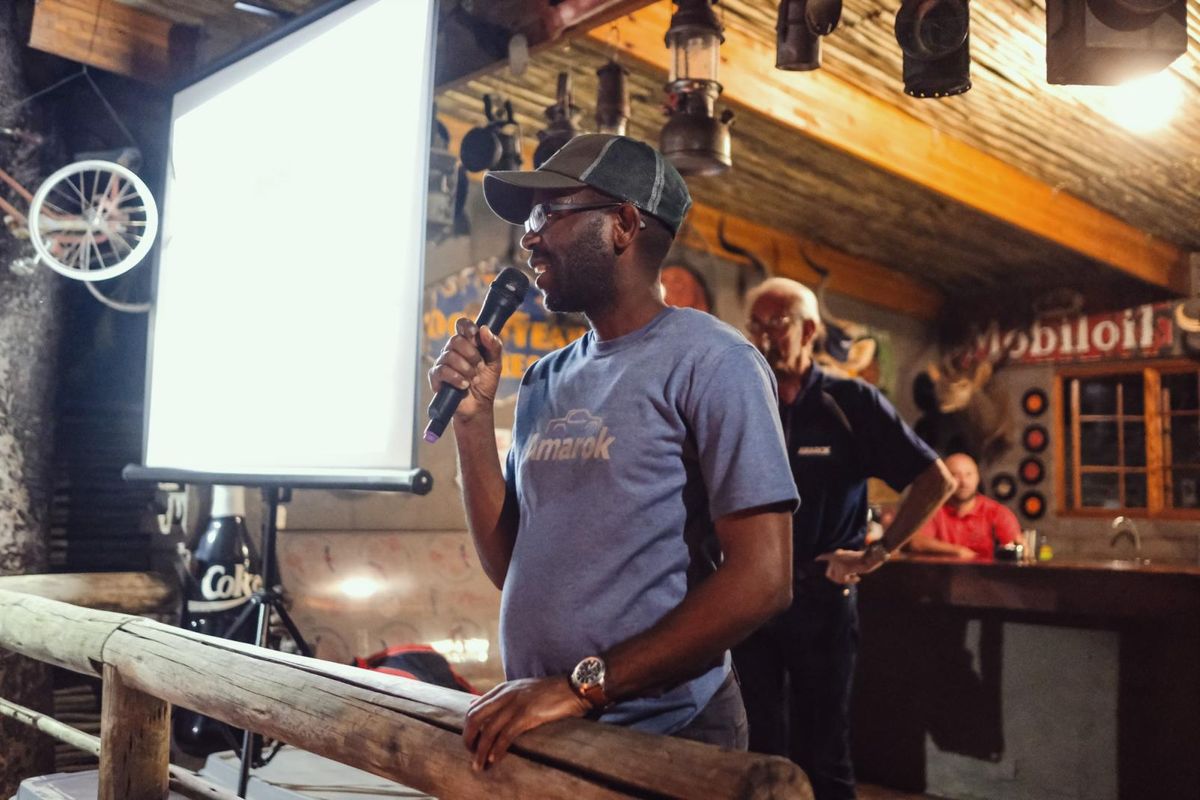
Andile Dlamini, Head of Group Communications at Volkswagen and Sarel van der Merwe announced Gero Lilleike and Ferdi De Vos as the first 2019 Spirit of Amarok Media champions and handed over the floating Wolf Trophy. Cars.co.za looks forward to defending the title in 2020!
The Top 5 standings are as follows:
Gero Lilleike (Cars.co.za) / Ferdi De Vos (RoadTrip Magazine) – 829 points
Sean Parker (Wheels24) /Brent van der Schyff (Motor Magazine) – 784 points
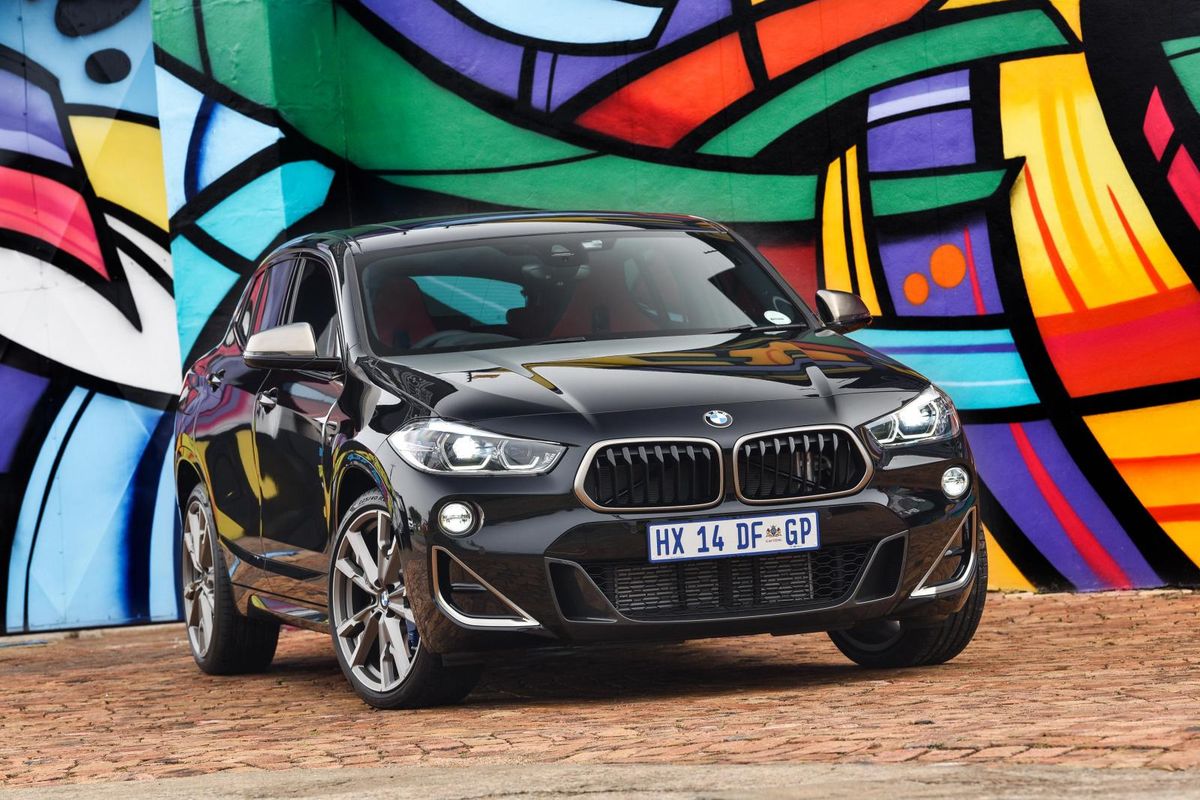
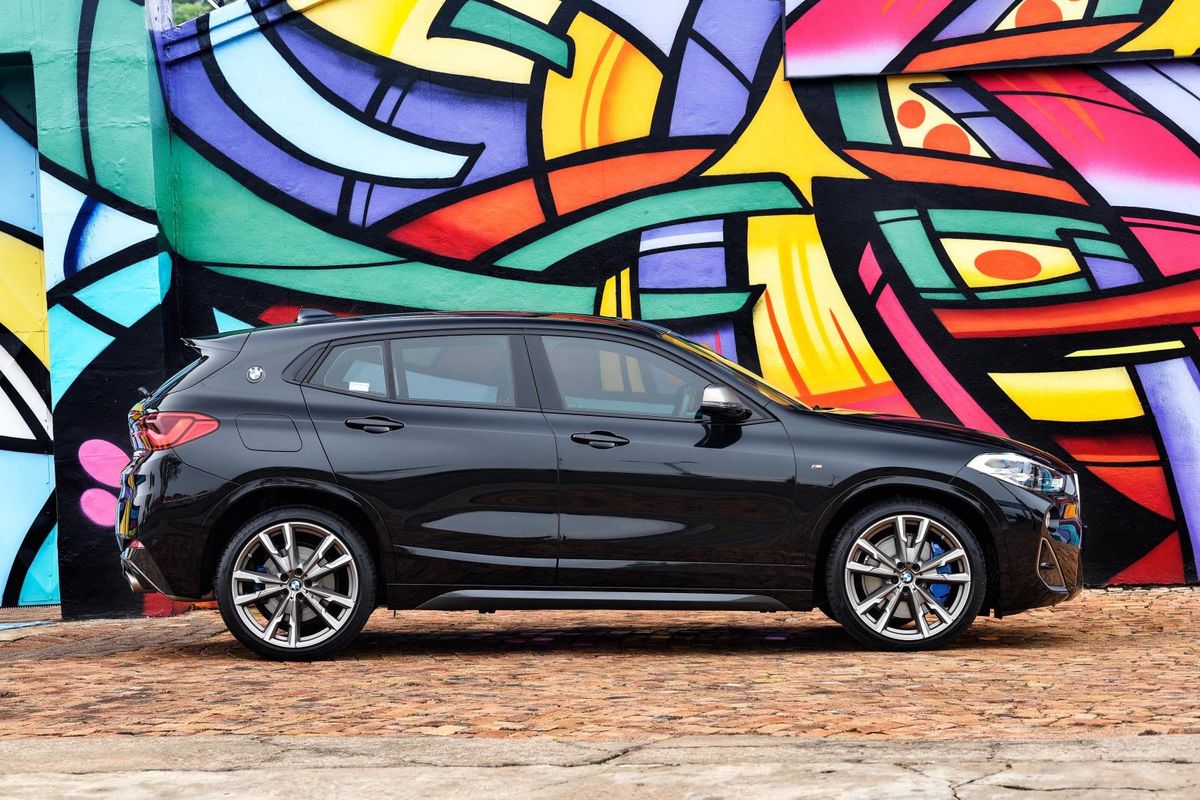
The sportiest iteration of the compact BMW X2 has arrived in South Africa. Here's how much it costs.
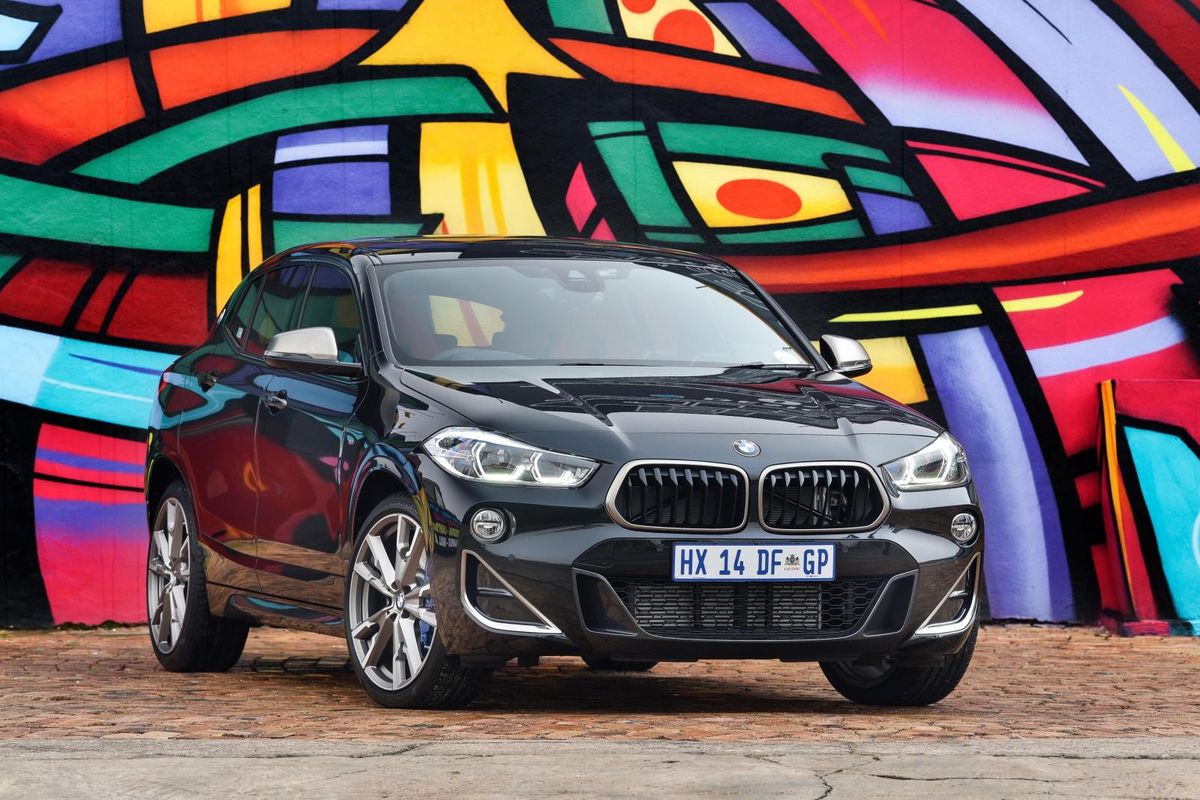
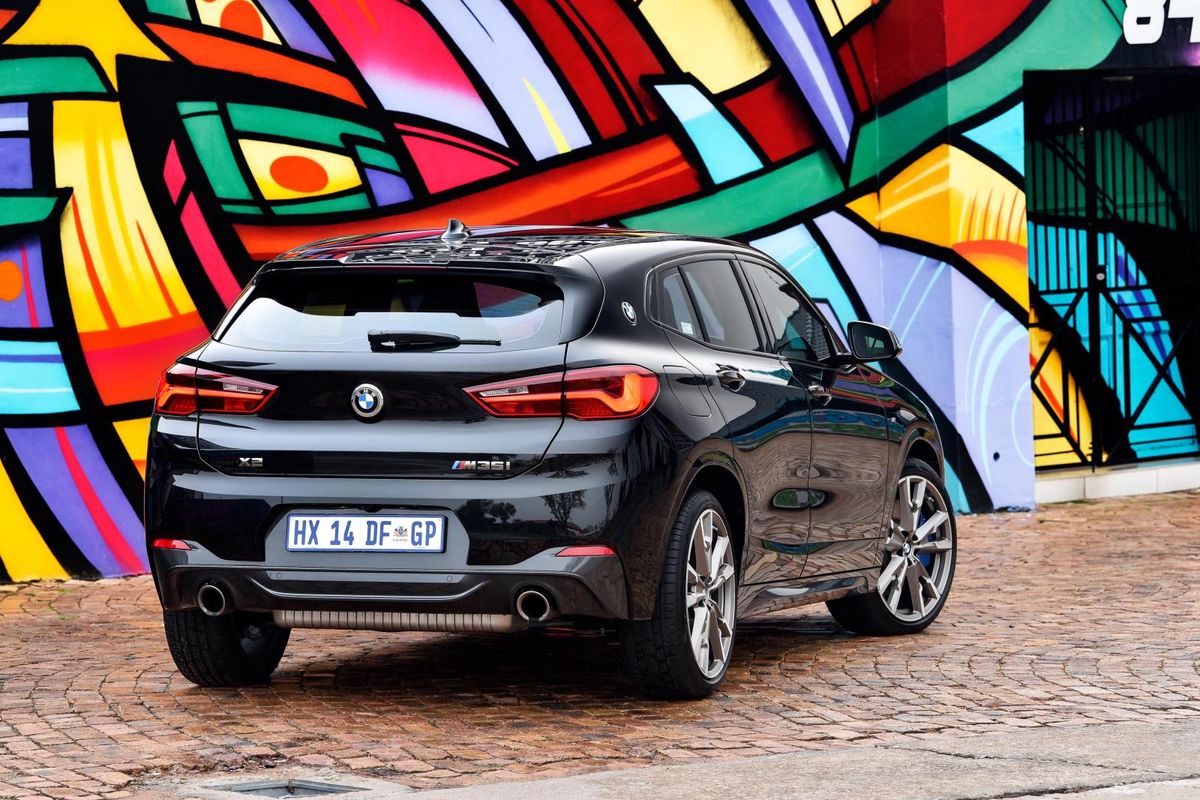
BMW South Africa has just announced the arrival of its sportiest version of the youthful X2. Called the BMW X2 35i, it'll be the fastest and most dynamic version of the compact SUV.
It's powered by a 2.0-litre turbocharged 4-cylinder petrol engine. With 225 kW and 450 Nm, this motor is the first M Performance 4-pot engine and when mated to all-wheel drive it's good for a 0-100 kph sprint of just 4.9 seconds. In terms of gearbox, the new BMW X2 M35i features an 8-speed Steptronic and the vehicle is fitted with launch control.
The BMW X2 M35i has been fitted with an M Sport suspension setup specially tuned for this model and this setup also features an M Sport differential installed on the front axle. Customers can opt for an adaptive setup too. There are also M Sport specific brakes with fixed callipers in Dark Blue metallic.
There are plenty of M Performance elements both inside and out.There are full HD headlights, fog lights and continues with the double kidney grille in Cerium Grey and the newly designed side air intakes of the same colour at the front for best possible cooling of brakes and engine. The exterior mirrors have been upgraded by special caps, likewise in Cerium Grey. At the rear, the X2 M35i boasts a distinctive M rear spoiler and an M Sport exhaust system with two tailpipes. The exhaust system is said to produce a particularly sporty sound. There are 19-inch M Sport light alloy wheels as standard with the option of 20-inch M Sport light alloy wheels.
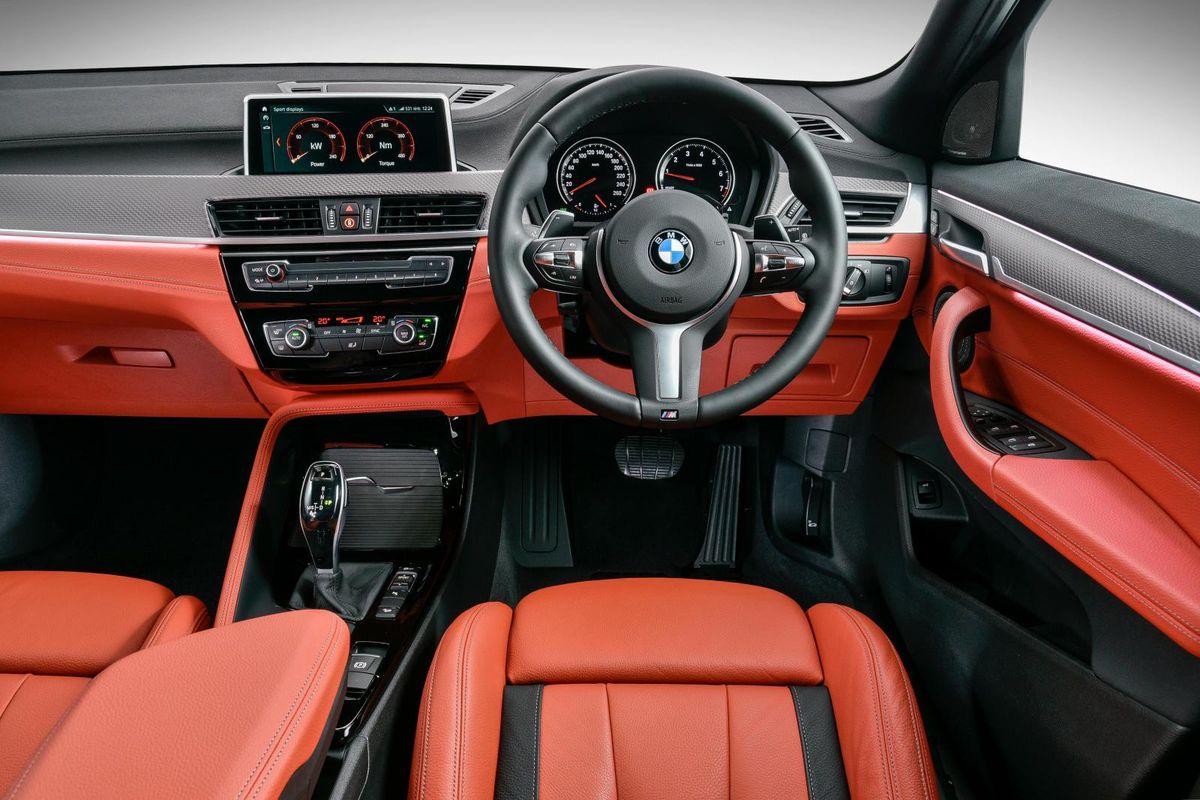
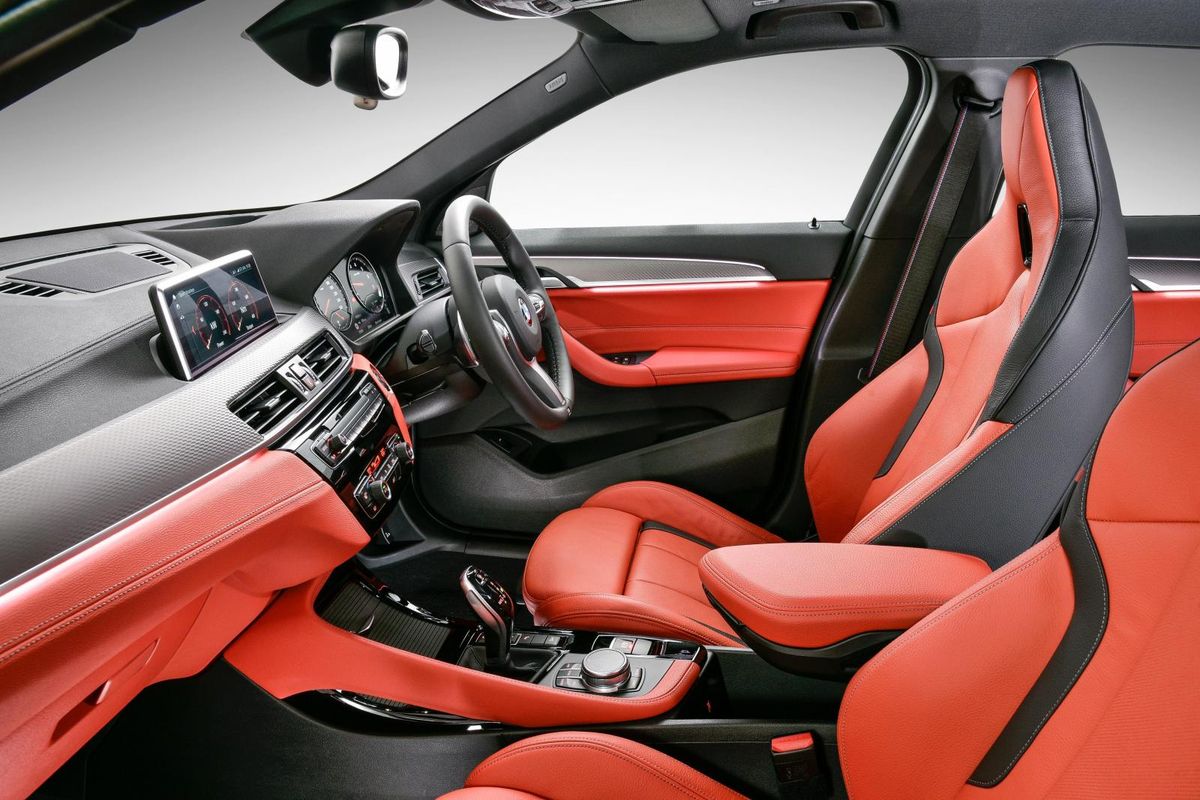
Being the sportiest of the X2, the M35i features an appropriate cabin. Based on the M Sport package, the X2 M35i features an M Sport leather steering wheel with shift paddles and door entry trims at the front bearing the lettering “M35i”. The optional M sports seats at the front are said to offer perfect lateral support for both driver and front passenger in sharp bends, but also the highest level of comfort and safety through integrated headrests. The BMW X2 M35i standard specification is generous at this price point and some standout features range from BMW ConnectedDrive Services, preparation for Apple Car Play, Intelligent Emergency Calling, Real Time Traffic Information (RTTI), TeleServices, comfort telephony with wireless charging, navigation and LED headlights.
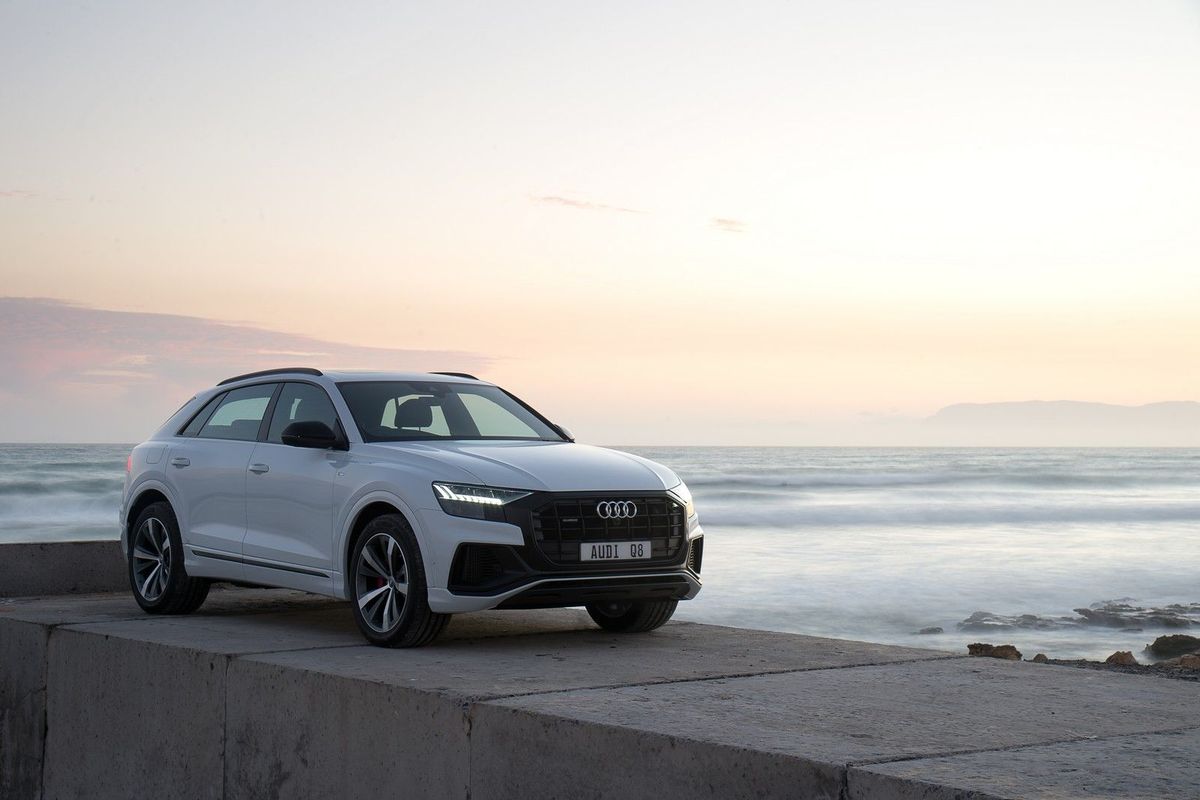
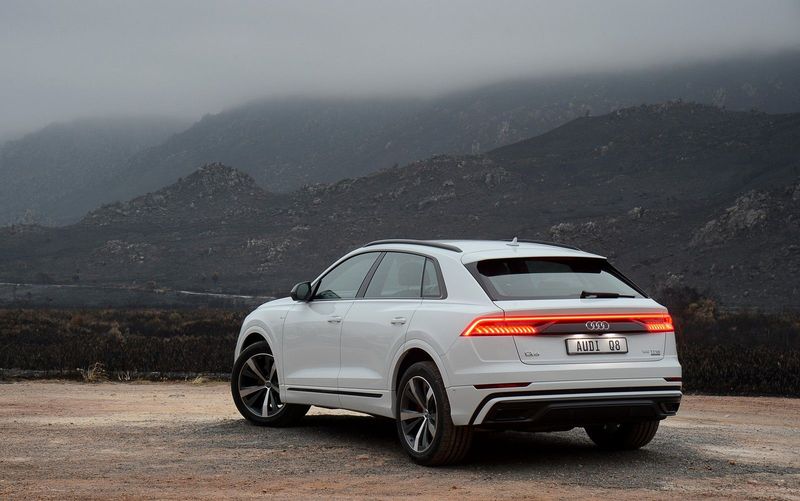
Audi has joined the Premium SUV Coupe craze with the Q8, which is now available in South Africa. It’s not short on rivals, so how does this model stack up? We sampled the newcomer during its media launch in the Western Cape.
What is it?
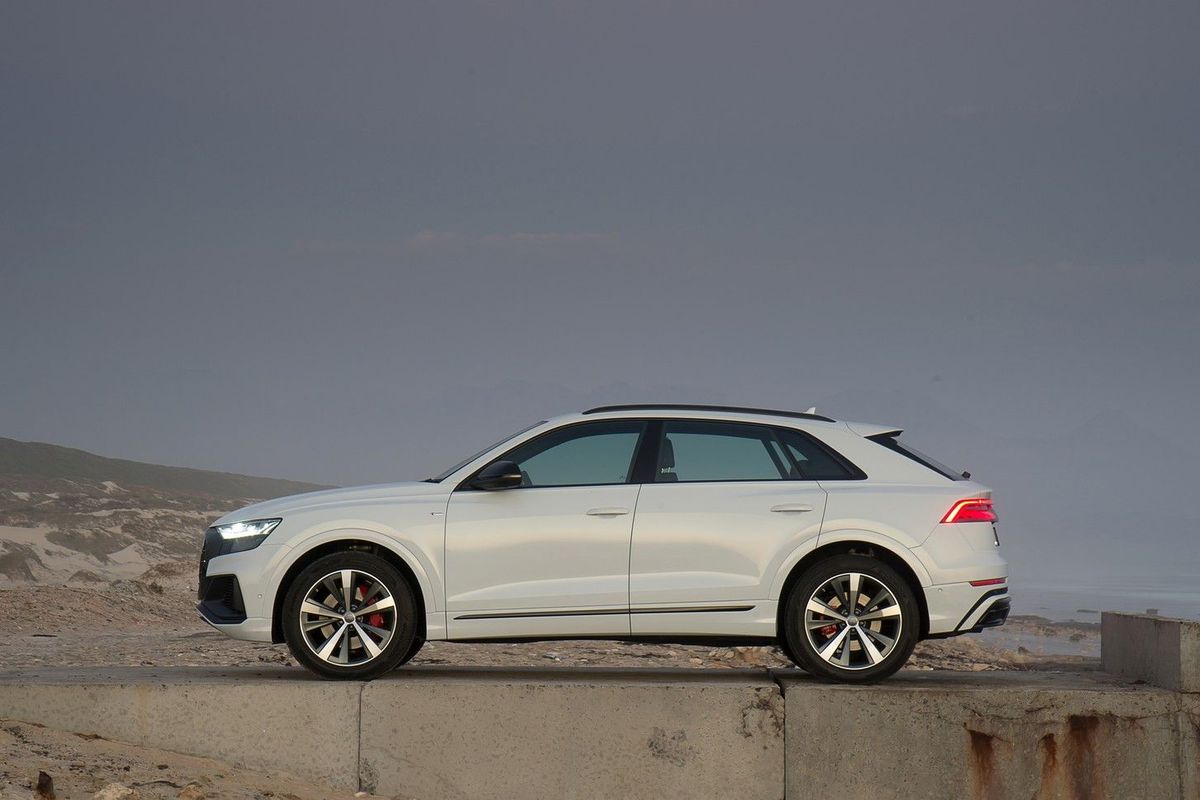
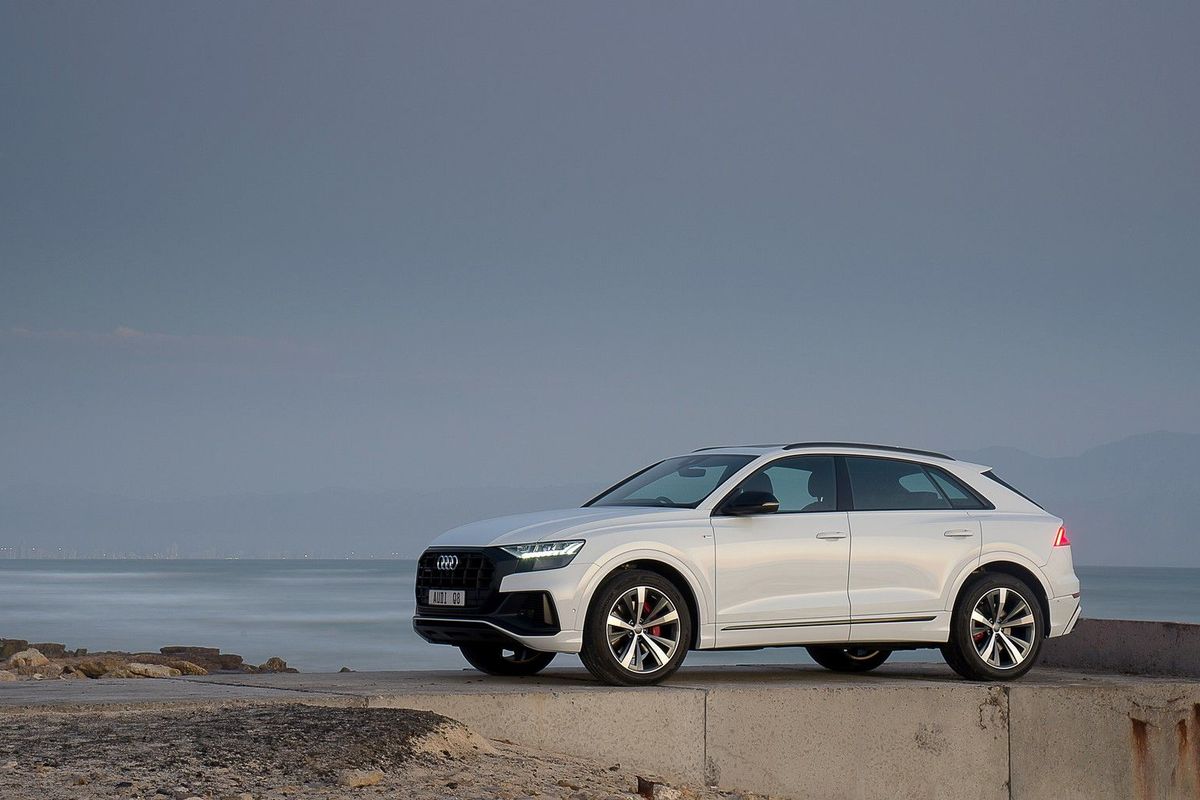
The SUV market appears to be the only one that continues to see growth, both locally and internationally. The new Q8 sits right at the top of Audi’s (otherwise ageing) SUV lineup in the local market. It is based on the Q7 and underpinned by the same MLB platform, albeit with slightly different dimensions. The Q8 is shorter and lower but slightly wider – giving it a more muscular presence. It's wheelbase, however, remains the same.
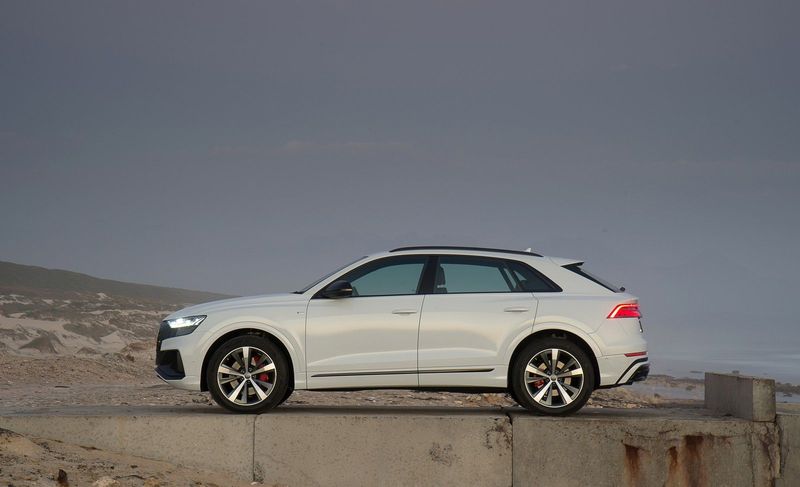
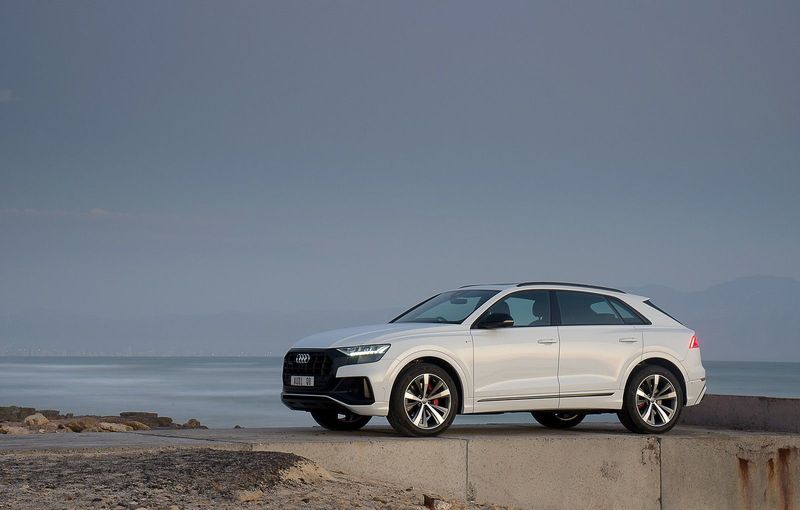
Although based on the Q7, the Q8's proportions are quite different.
In a segment where design is almost everything, this is the first time in South Africa that we get to see what Audis will look like going forward. The grille surround is more defined with different colour options to choose from to suit particular exterior finishes. The quattro blisters above the wheel arches pump up the muscular look around its shoulders and the sloping roofline of the SUV coupe gives it a more pleasing, sporty aesthetic appeal.
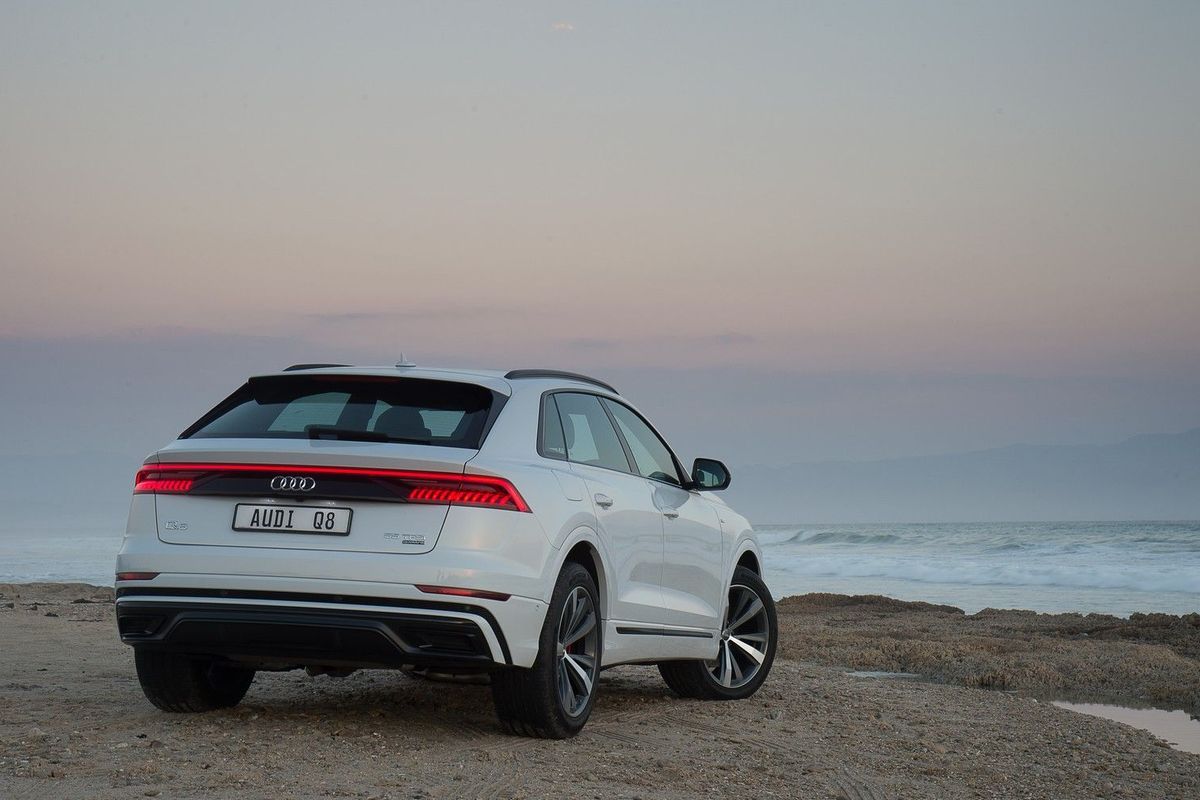
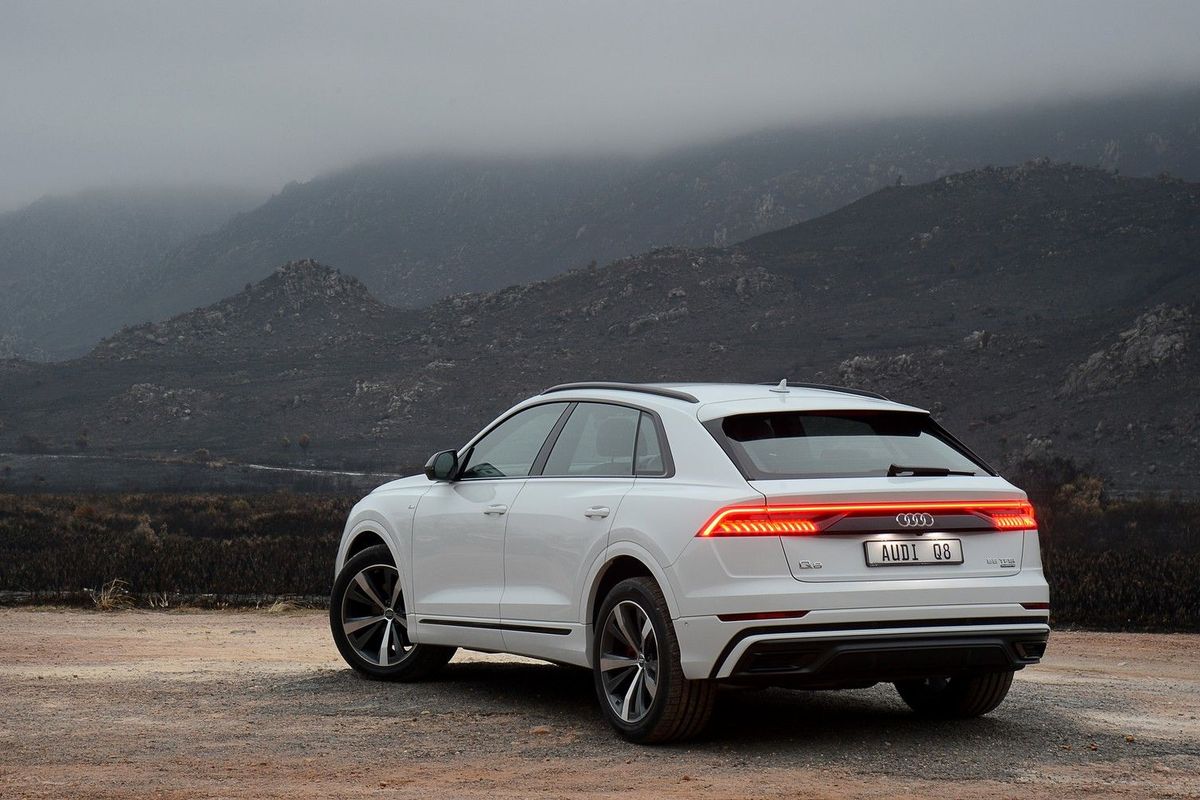
The new look is rounded off by Audi’s new HD Matrix lighting system. Those headlamp clusters are as distinctive as ever and leave no doubt as to what’s coming up in your rear-view mirror. They also include locking and unlocking animations to wow onlookers in parking lots.
Audi SA is introducing just one engine at launch, with a turbodiesel joining the fray around June this year.
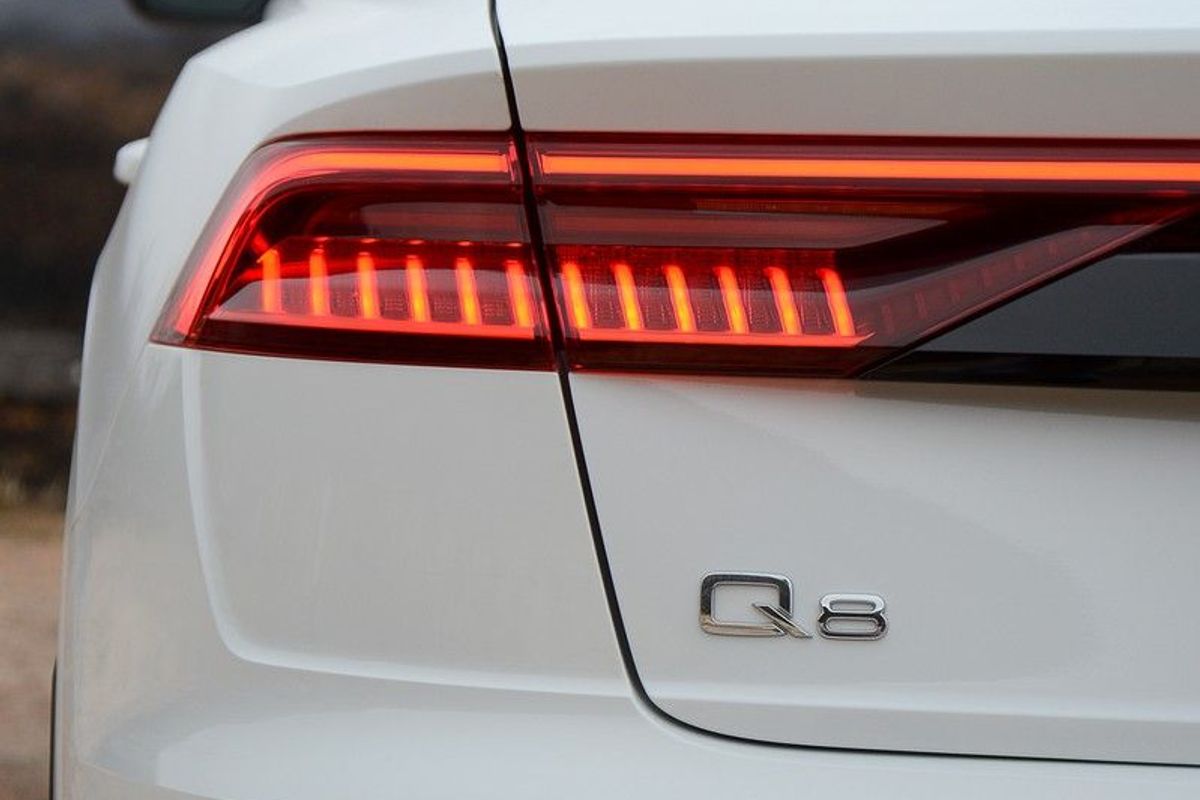
The turbopetrol motor adorned with 55 TFSI badging on the rear makes use of a 3.0-litre V6 complete with 250 kW and 500 Nm of torque. Zero to 100 kph is dispatched within 5.9 seconds and Audi claims it will use between 8.9 and 9.1L/100km (spec dependent).
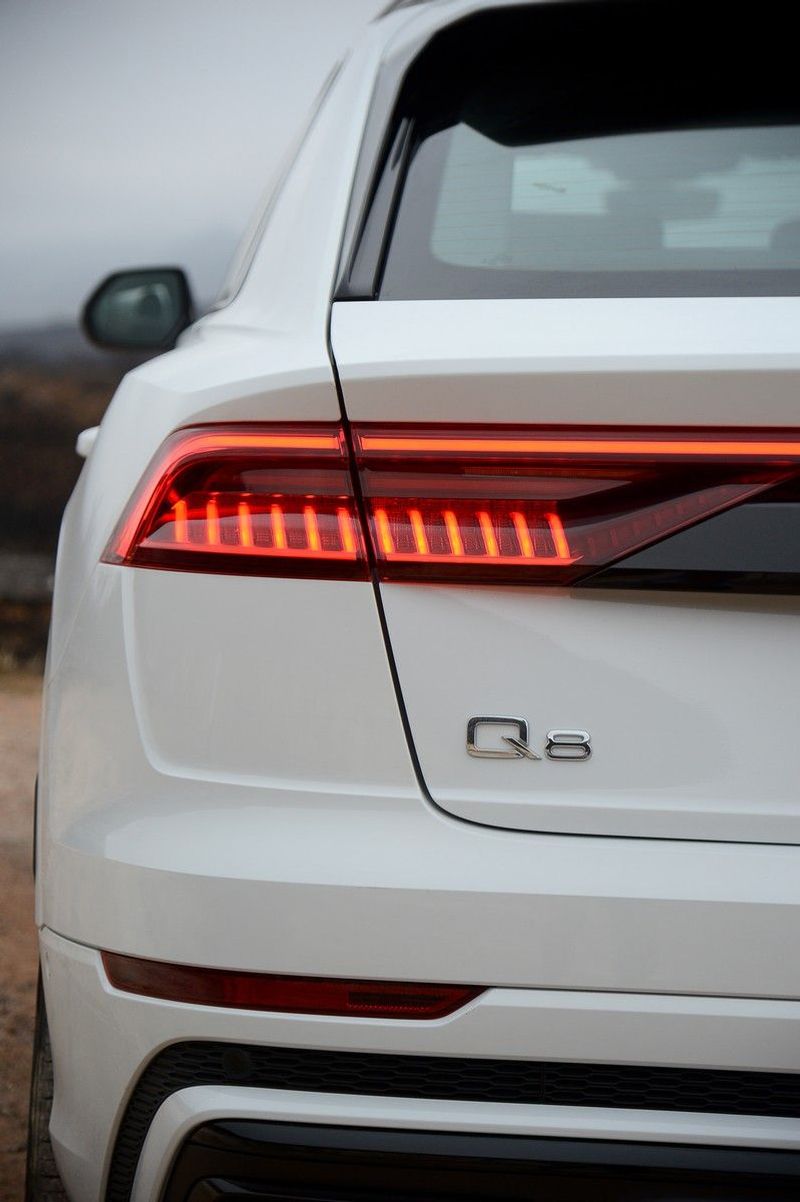
New rear light animations make the Q8 very distinctive in a crowd.
There’s a fancy 48V electrical system that will take over duty in long coasting scenarios and also fire up the alternator starter, which powers the start/stop system. The start/stop cuts in at 22 kph now, shutting off the engine at every yield sign or traffic circle, frustratingly. Thankfully this alternator starting solution reengages the engine quicker than the competing brands.
I think the turbodiesel derivative may be a better option when it arrives. The petrol is more powerful but lacks that low rpm shove that comes with extra Nm, meaning you have to work the engine a little harder and as a result economy takes a hit.
However, if petrol is your chosen propulsion method, this Audi engine is one of the better performing units on the market, it matches Mercedes-Benz’s GLE450 engine and outmatches the Range Rover Sport V6 and BMW X6 35i units. Undoubtedly, we will see upgraded units from Benz and Bimmer; their new models will be locally introduced in the next 12 months.
New internals
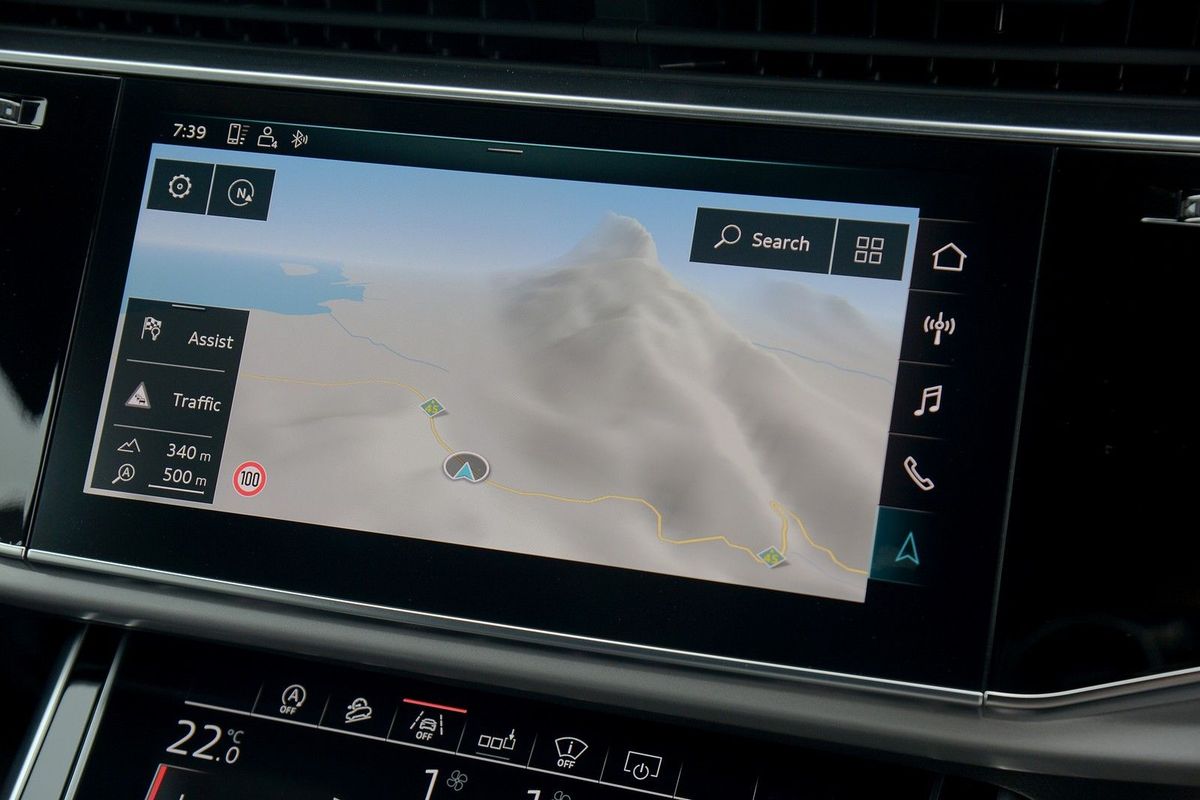
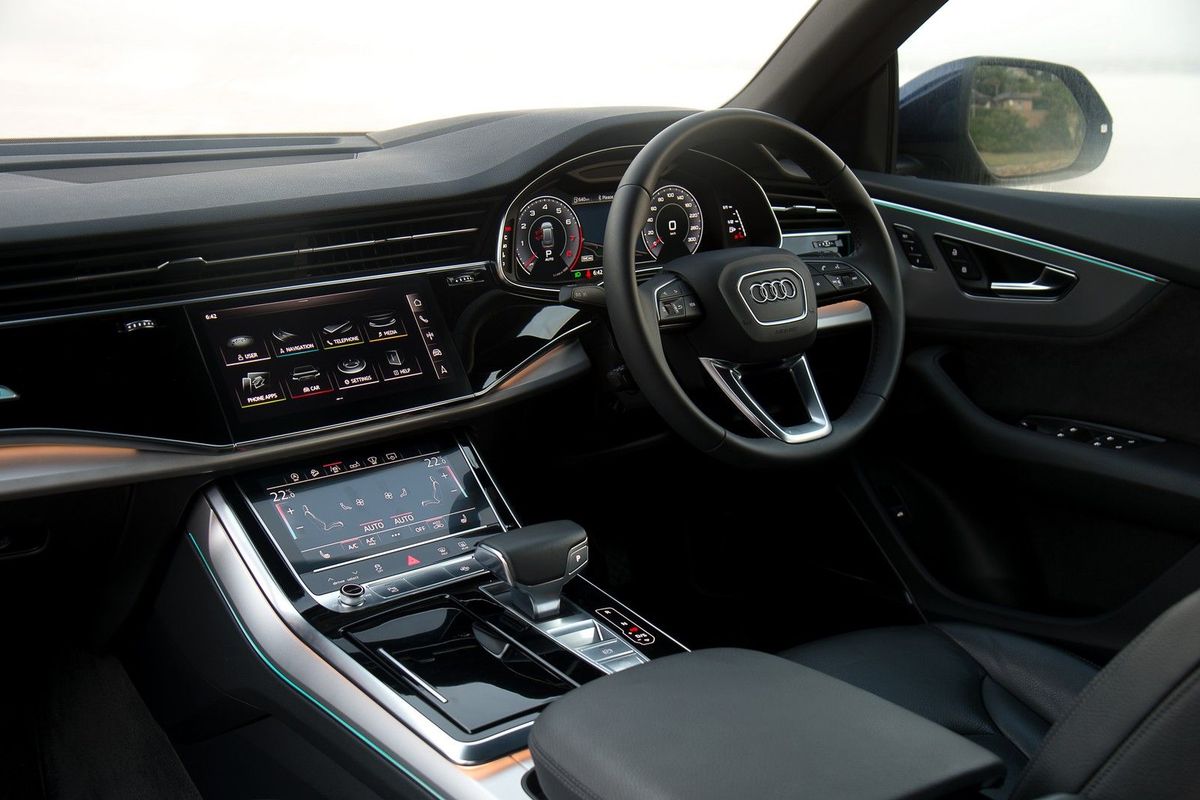
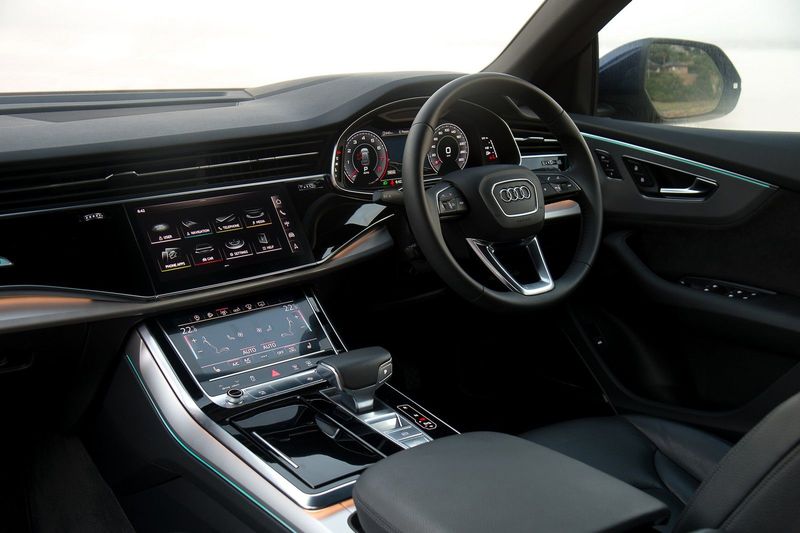
This is the first Audi in SA to feature the new MMI touchscreen system.
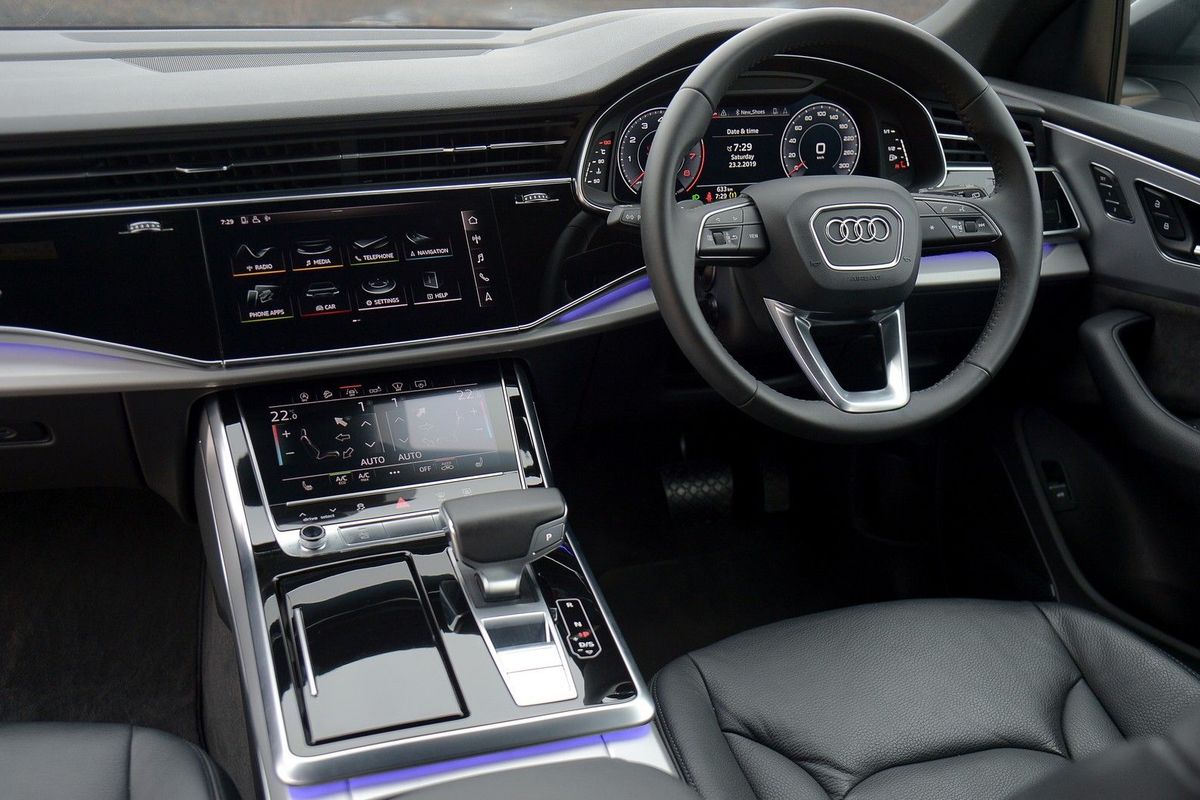
Finally, South Africa gets to see the newly designed Audi interior. It’s been on sale in Europe for well over a year and has already been installed on the A8, A7 Sportback and e-tron.
The new interior is dominated by the dual touchscreens in the centre which can be operated through touch, voice input and handwriting (for navigation inputs). The bottom screen deals with climate-related options, as well as pinned shortcuts for destinations. The top screen has all the other functionality and mirrors the design and usability of a Smartphone quite effectively. There’s also haptic and audio feedback to confirm inputs, which is useful.
The system is vastly superior to the rotary knob in the previous MMI system but you do have to deal with grubby fingerprints on your lovely and crisp screens.
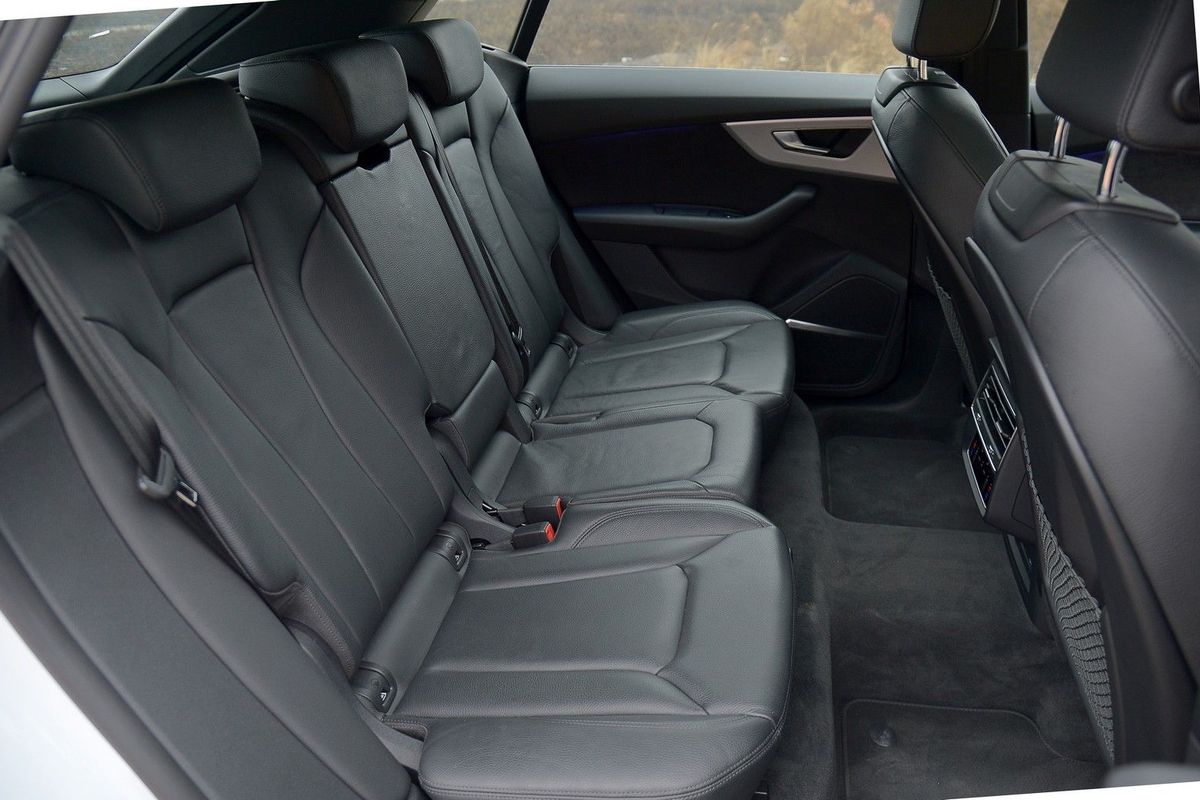
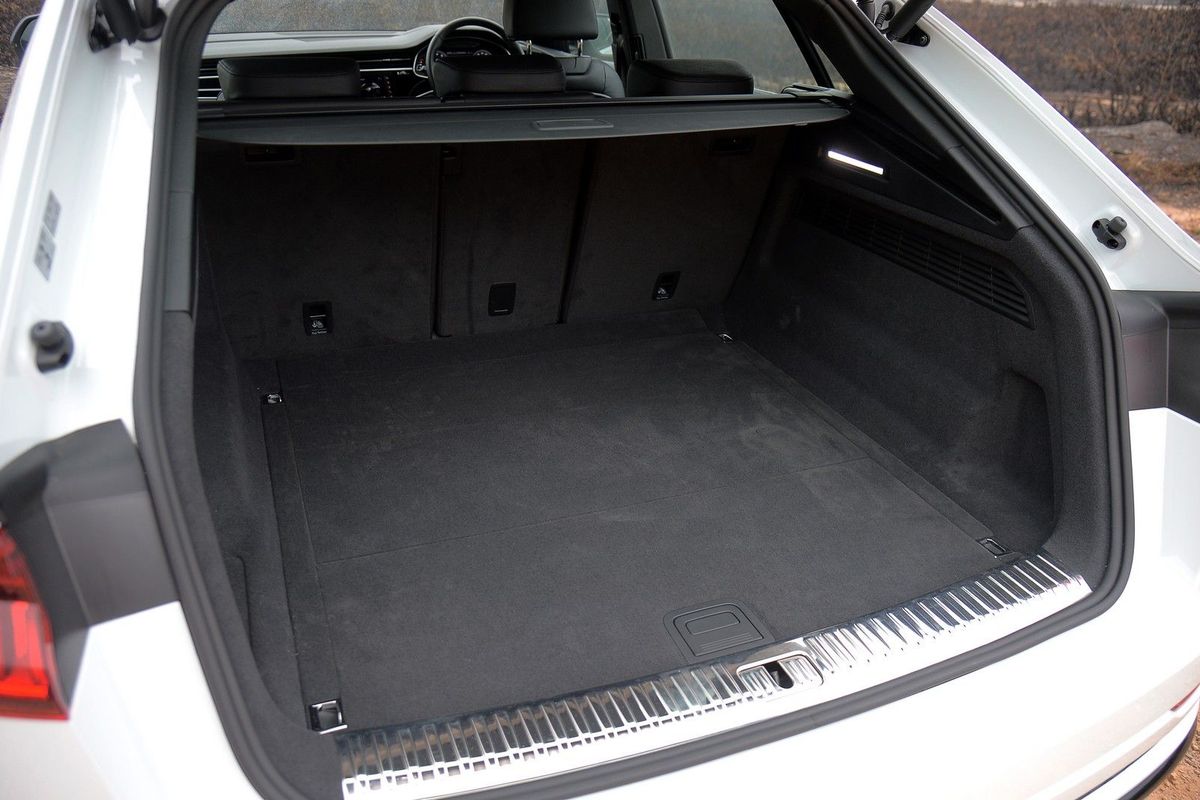
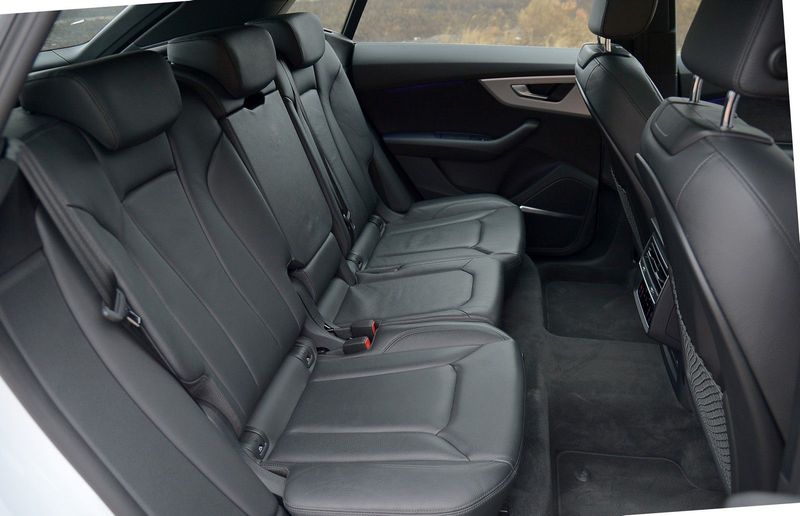
The Q8 is solely a 5-seater model and even with the sloping roofline provides good headroom for rear passengers. The rear seats also slide fore and aft for increased luggage space or legroom. The load bay is claimed to hold 605 litres' worth of luggage, but opens up to 1 755 litres with the seats folded down, which is around 300 litres less than the Q7.
Rear occupant space is rather good for an SUV coupe.
The new layout is not without fault and it appears there may be a few teething problems with the build quality, especially across the dashboard. The plastic black insert that spreads across the dash to the passenger side creaks and rattles on touch and when driving on bumpy surfaces. It wasn’t just our test unit either as a few other units exhibited similar rattles.
It is good to drive?
There’s a choice of 3 suspension setups, 1 regular coil spring with adaptive dampers and 2 adaptive air suspensions. The sport air suspension setup just adapts the normal air suspension 1 click further towards sport within the Drive Select system.
Twenty-inch wheels are standard fitment, but you can option up to 22-inch if you see fit. Our particular model was shod with 21-inch wheels with 45 profile rubber. The ride was commendable on gravel with this setup, even though we only had a brief stint on the rougher surface.
The Q8 has a choice of 3 suspension setups.
On road, the wider track keeps the Q8 steady and planted over bumps and rutted roads. The air suspension also mitigates some of that lean that SUVs have to deal with due to a higher centre of gravity.
The steering is quite heavy and weights up further the more lock you add on. It feels quite artificial, but does the job of making the big Q8 change direction quite rapidly (if needs must). There is also optional 4-wheel steering available, which adds even more stability at high speed, but also makes the big Audi easier to park and turn around. With the system installed, the Q8 has the same turning circle as an A4.
Summed up
The new Q8 gives Audi a car that stands out in a segment that requires originality as well as premium finishes.
It’s been a while since Audi has introduced a new range, as opposed to a new generation of an existing model, on local soil. This is the 1st of many new models to hit our shores this year. Audi SA has also revamped the way customers choose options and bundled obvious extras into upgrade kits. This should take some of the hassle out of speccing a car and the plethora of differently specced vehicles on the 2nd-hand market.
As for the Q8, it certainly looks the part. It’s muscular, sleek and stands out with added glitz from the new LED lights. The petrol engine may not prove as efficient as the upcoming turbodiesel, but it's a competitive powerplant that matches anything the competition can muster.
The new Audi interior is a tech junkie’s pleasuredome. It works as intuitively as your Smartphone while looking stylish and premium. There may be a few creaks and rattles among some of the dash materials, but hopefully, Audi can sort out those issues quickly.
With an entry price of R1.4 million, the Q8 squares up to the Range Rover Sport, at least until the new X6 and GLE/GLE Coupe arrive, the Q8 is certainly the best German offering in the segment right now.
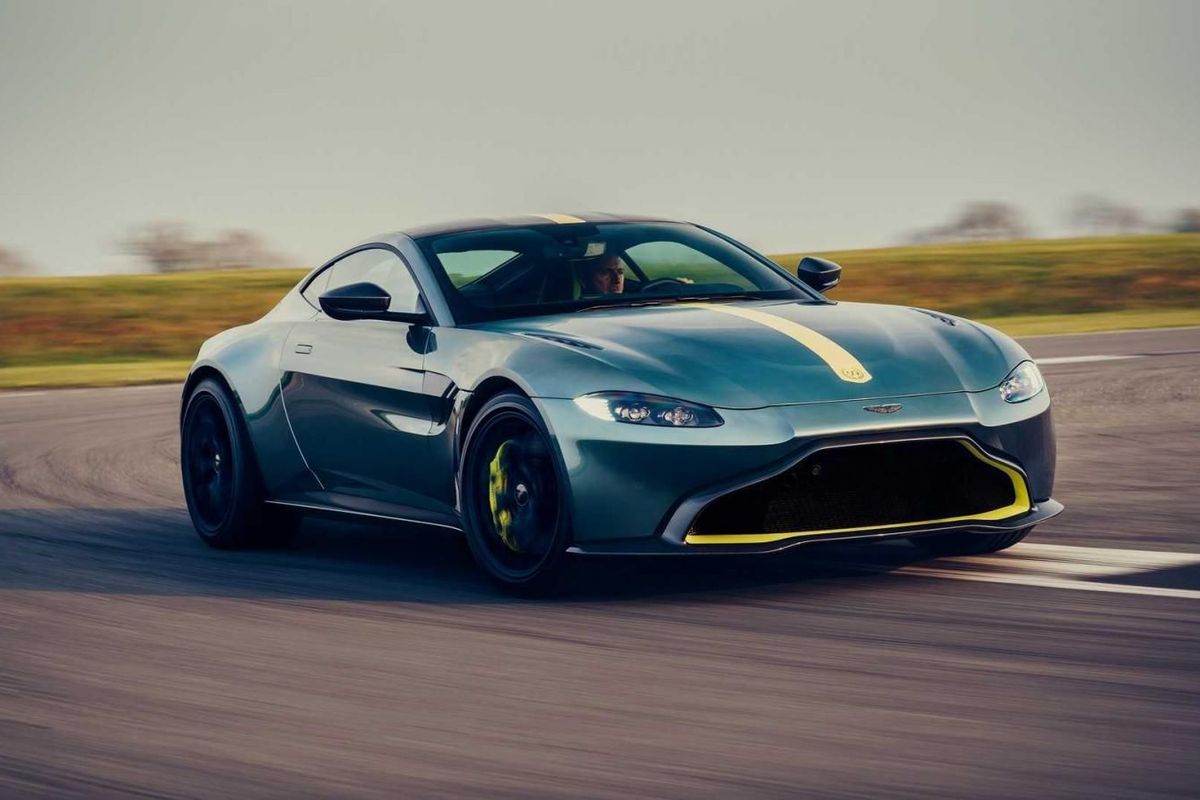
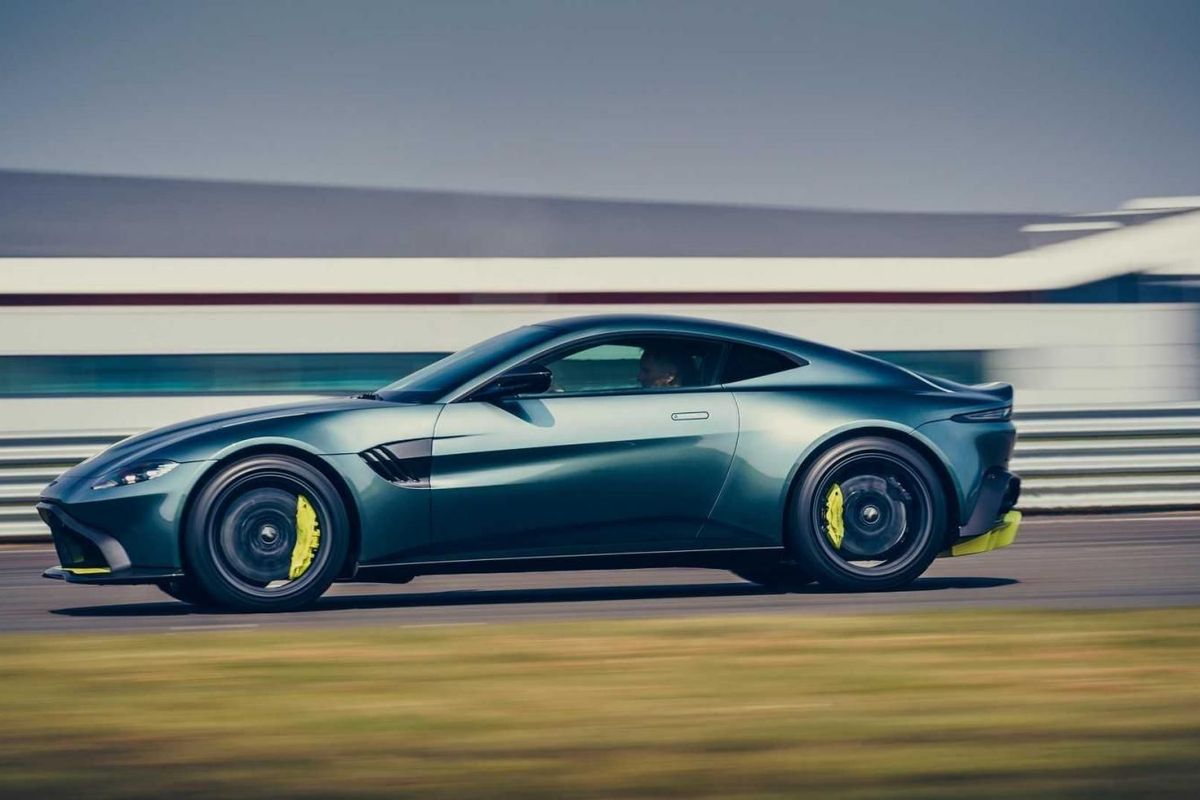
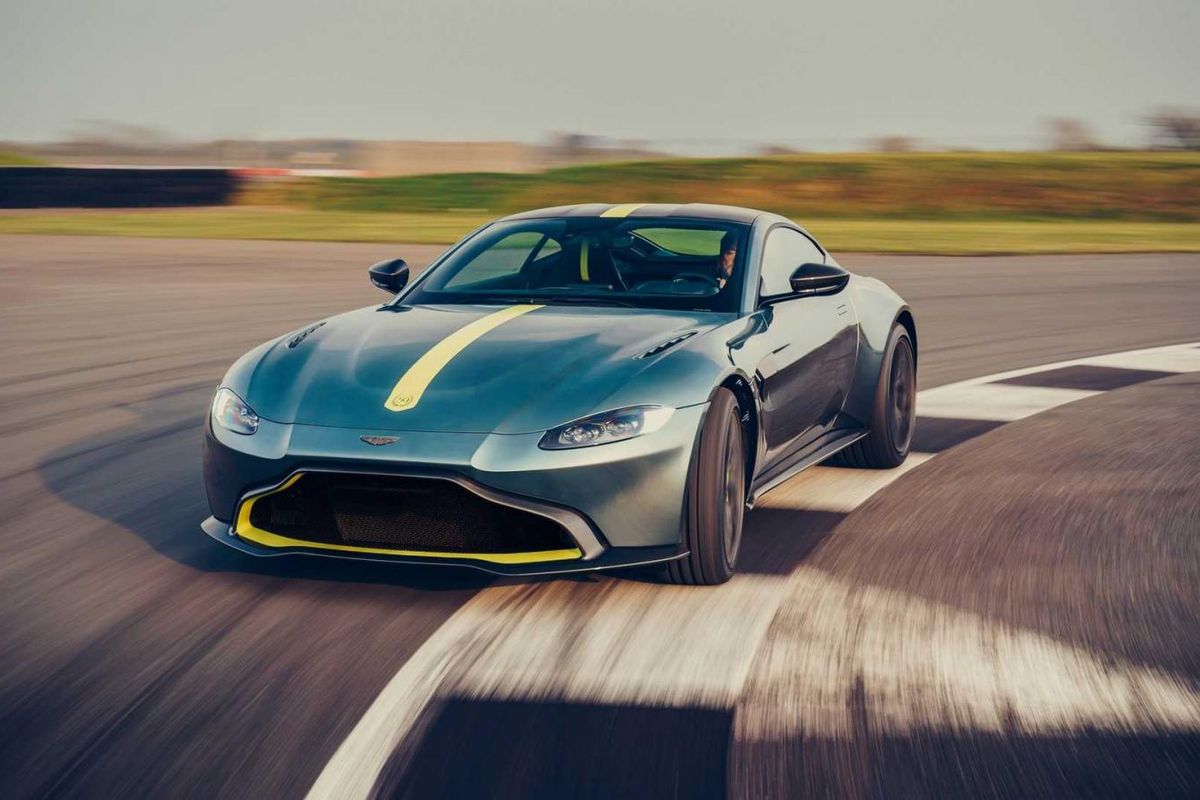
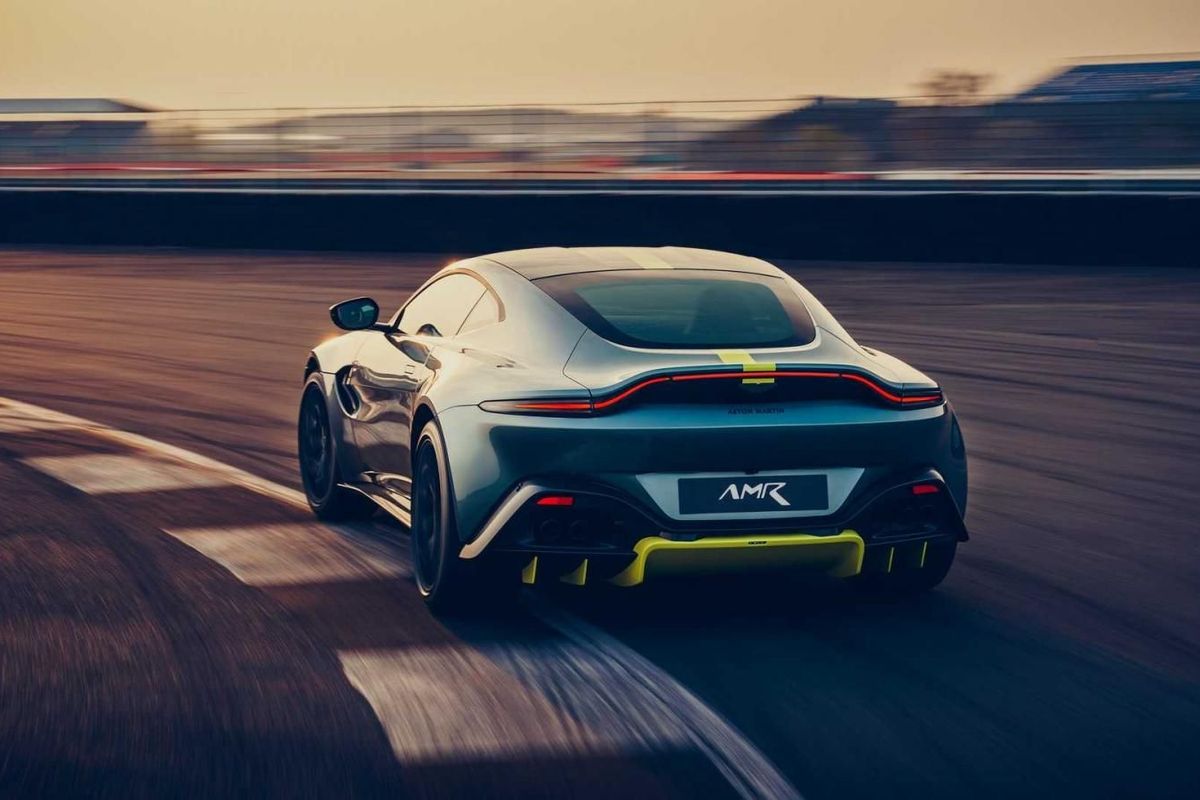
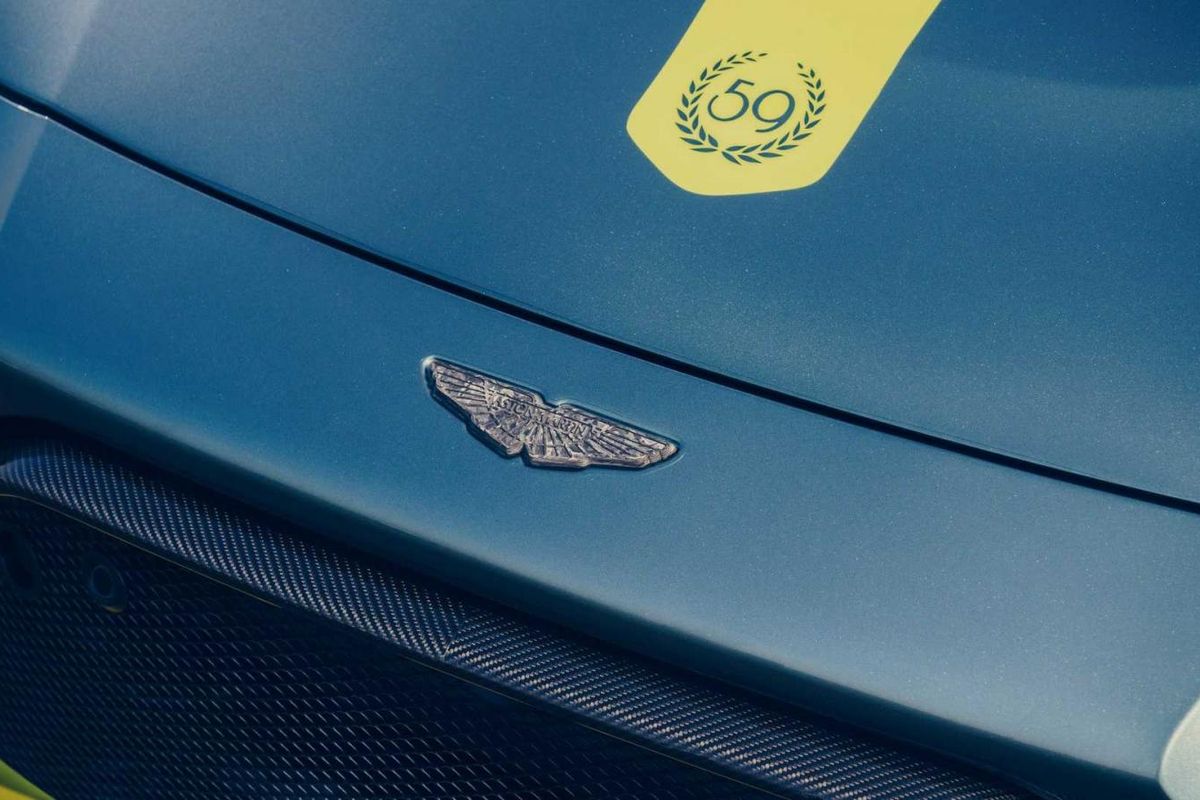
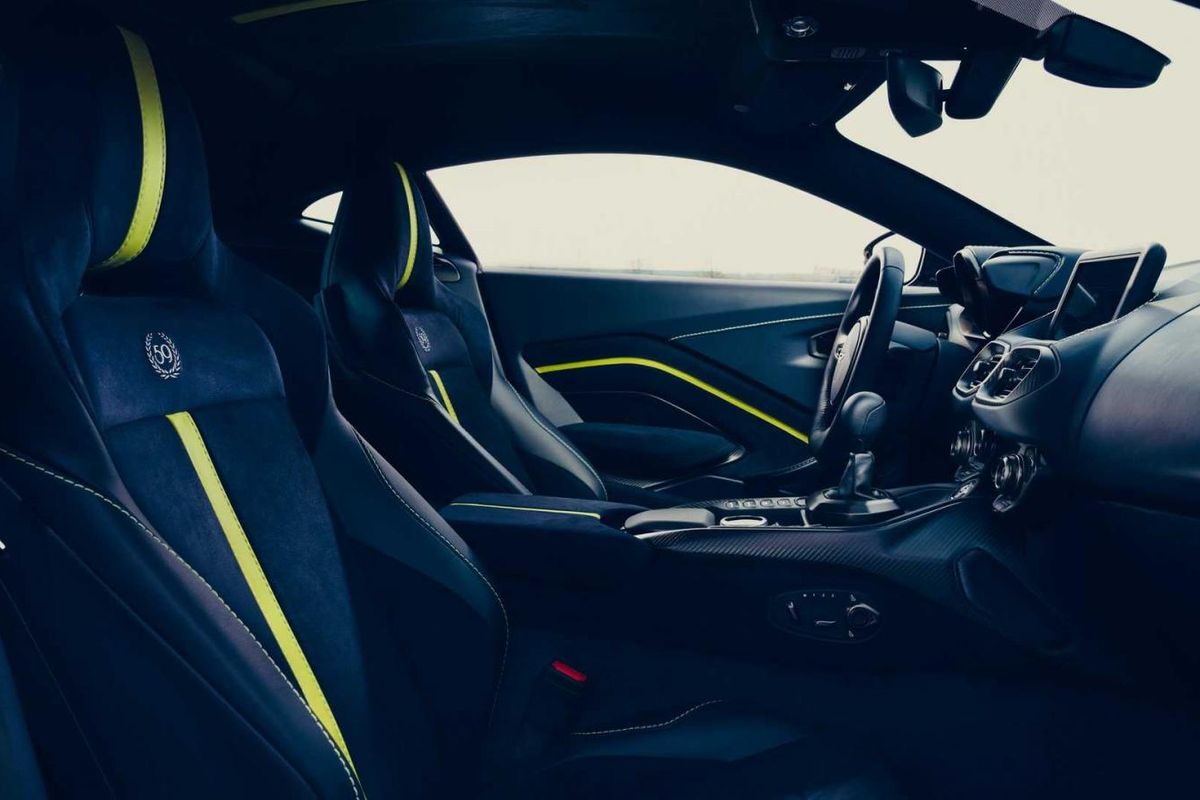
Aston Martin is doing its bit to save the manual by offering its latest Vantage AMR with a 7-speed manual transmission…
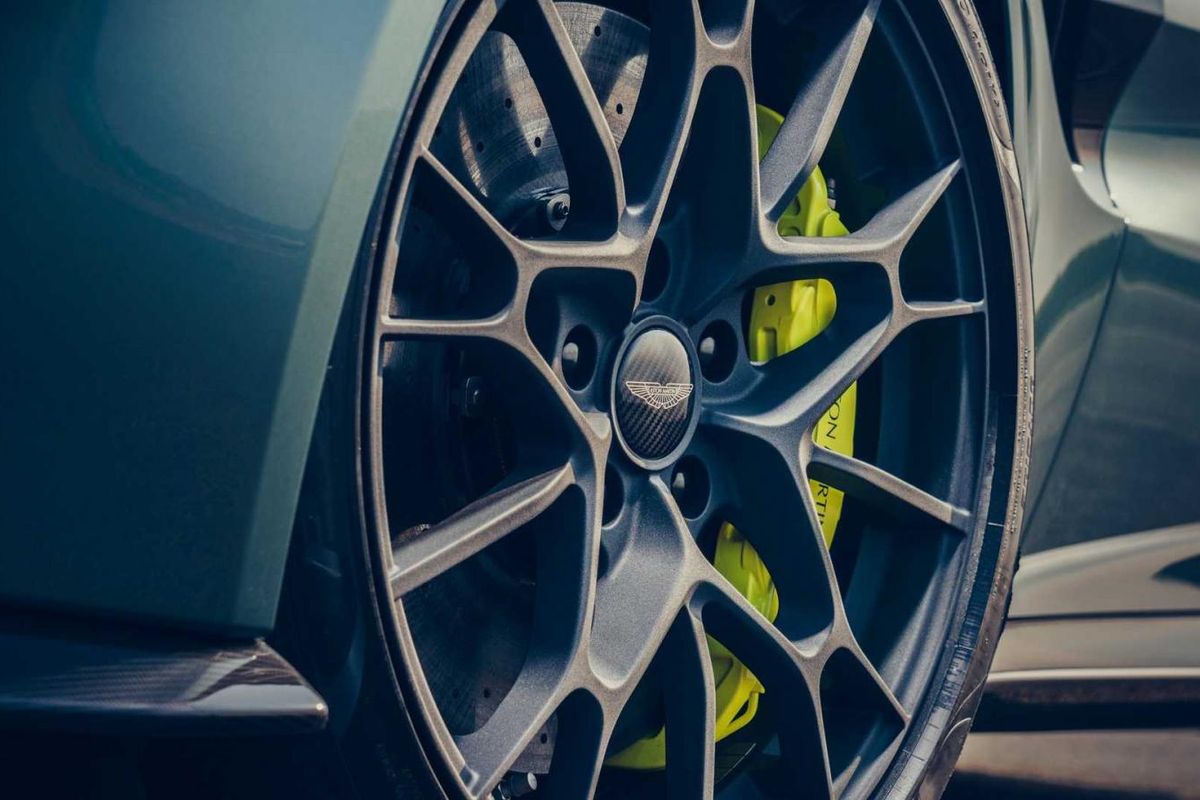
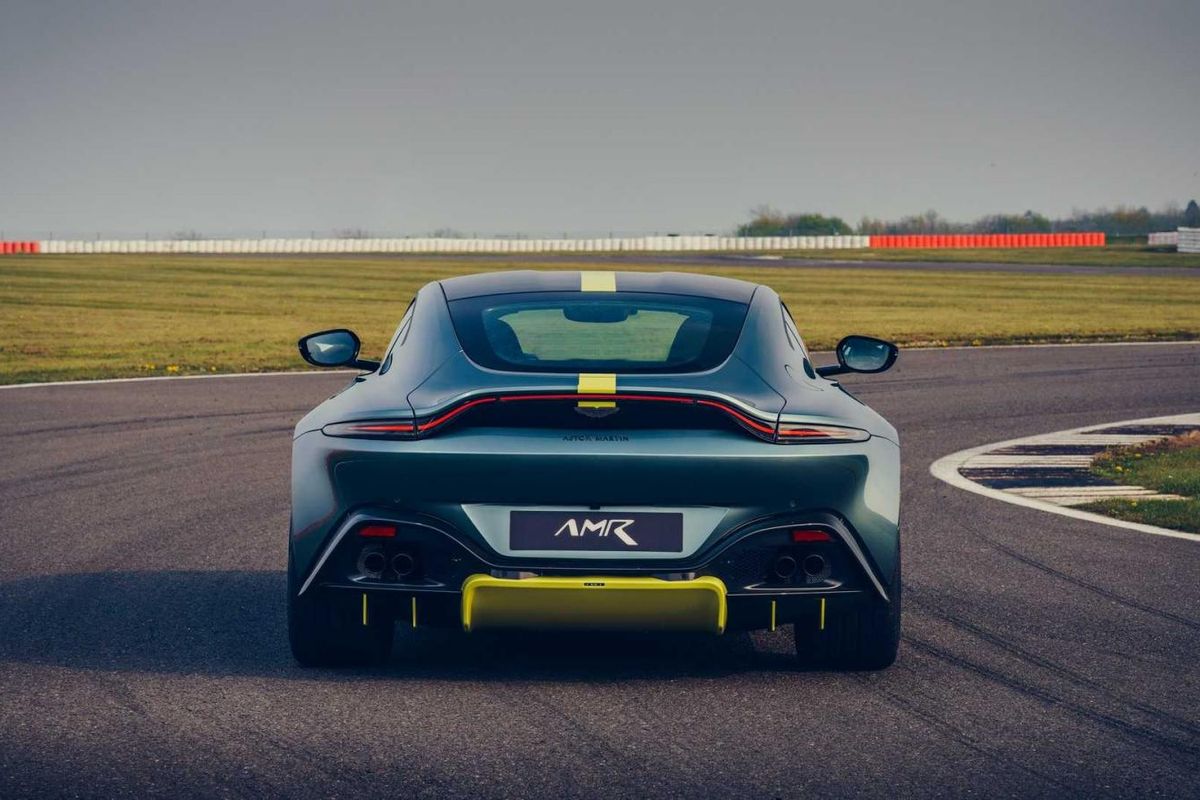
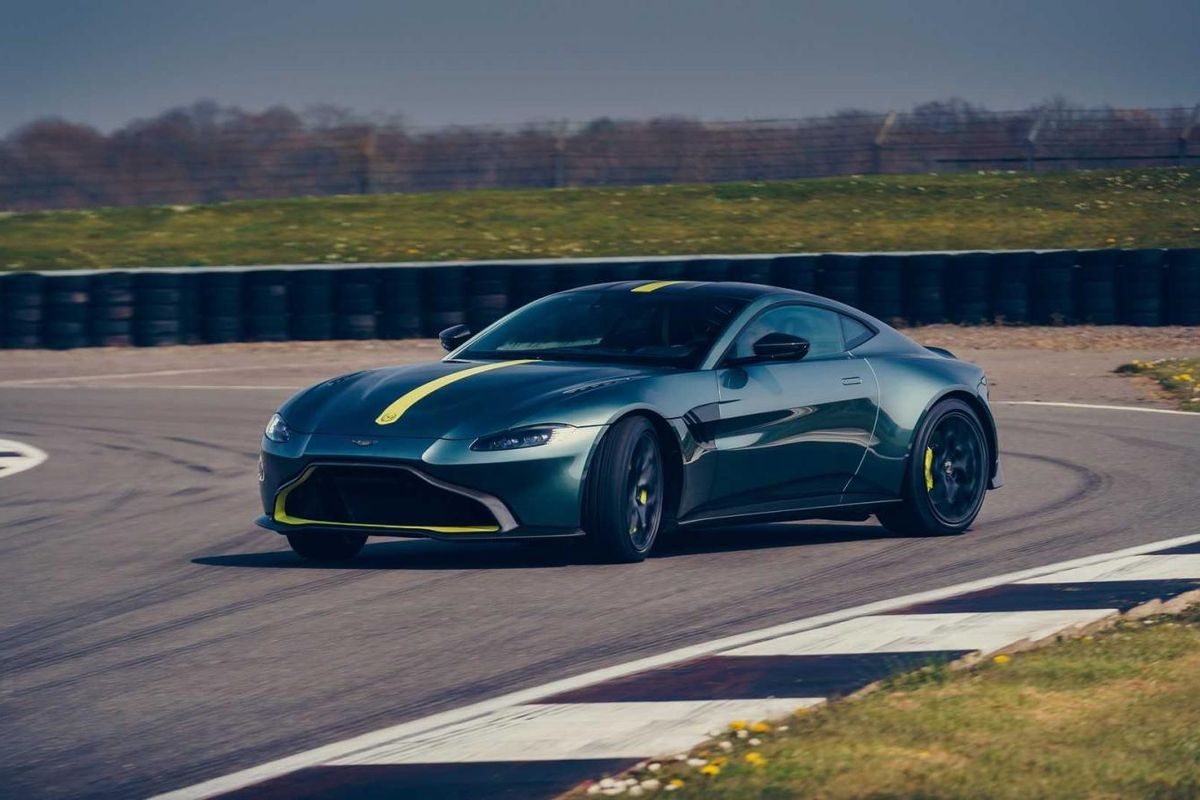
In an announcement which should pique the interest of AMG followers, Aston Martin has confirmed that its Vantage range now has a limited-edition AMR derivative.
Aston will only produce 200 of these AMRs but the anchor feature distinguishing them from other Vantages will eventually find its way into the entire entry-level range of Astons. That anchor feature is a 7-speed manual gearbox!
In a global market where manual gearboxes are increasingly rare, Aston Martin has realised that enthusiast owners who set their own driving schedules and who are unburdened by the chore of commuting in traffic have a desire to own and operate a sportscar they can shift gear in. Hence the production of these new Vantage AMRs, which feature a 7-speed manual gearbox.
The Vantage AMR is powered by an AMG-built 4.0-litre, twin-turbocharged V8 engine boasting 375kW and 625Nm of torque. Those deeply familiar with the Aston brand will notice that torque number is down a touch from the paddle-shift Vantage V8s, an adjustment made by engineers in the interest of clutch durability.
These manual shift AMRs are lighter than a paddle shift Vantage, with a notable weight saving of 95 kg gained by replacing the automatic gearbox with this new 7-speed manual. A new adaptive damping system with dedicated Sport+ and Track modes should help owners exploit the greater agility offered by the AMR’s lower overall mass, which registers a kerb weight of only 1 435 kg.
Although the Vantage AMR manual can achieve zero to 100 kph in 4 seconds, it's four tenths slower than the paddle shift version.
For those Aston fans who can’t get onto the 200-unit production list of these AMRs, fear not. Aston has announced that once they have built these limited-edition manual shifting AMRs, the option of that 7-speed gearbox will become available in other Vantages too.
All of this must have AMG GT owners wondering if Mercedes-Benz will ever be equally daring, and offer their GT sportscar in manual guise too? It's powered by the same engine, after all.
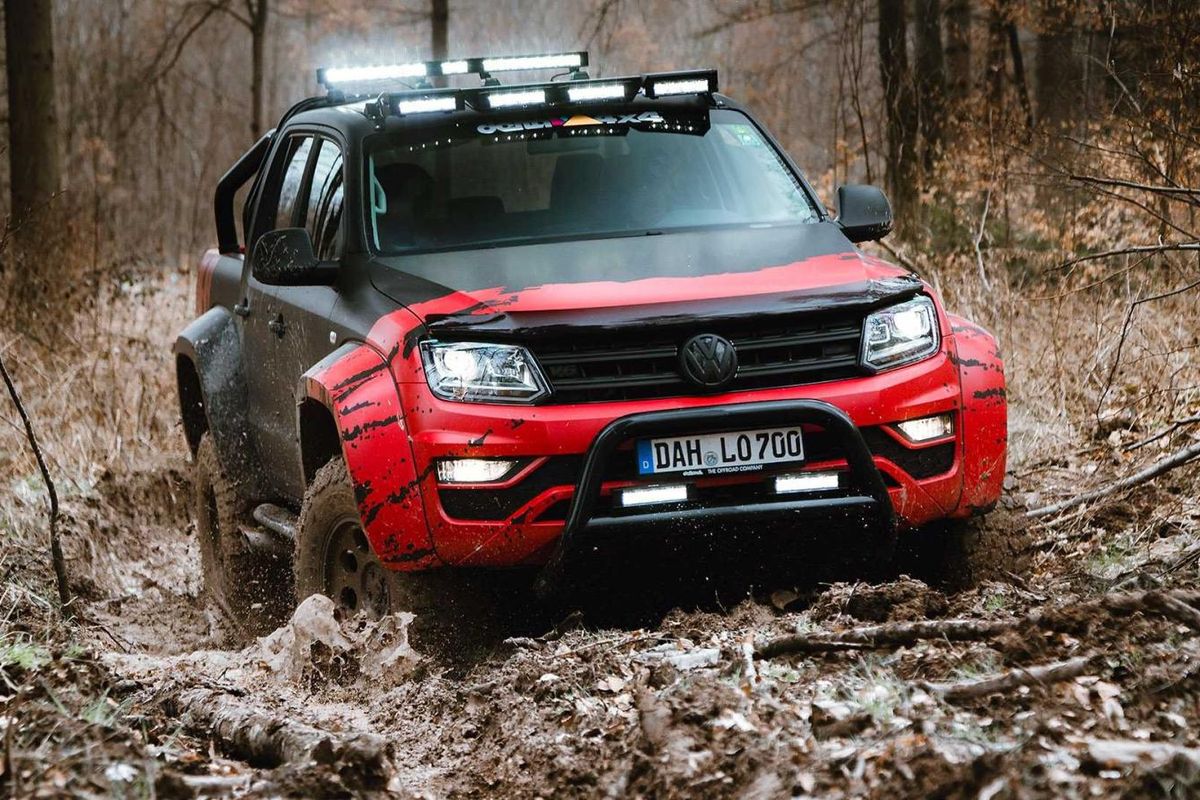
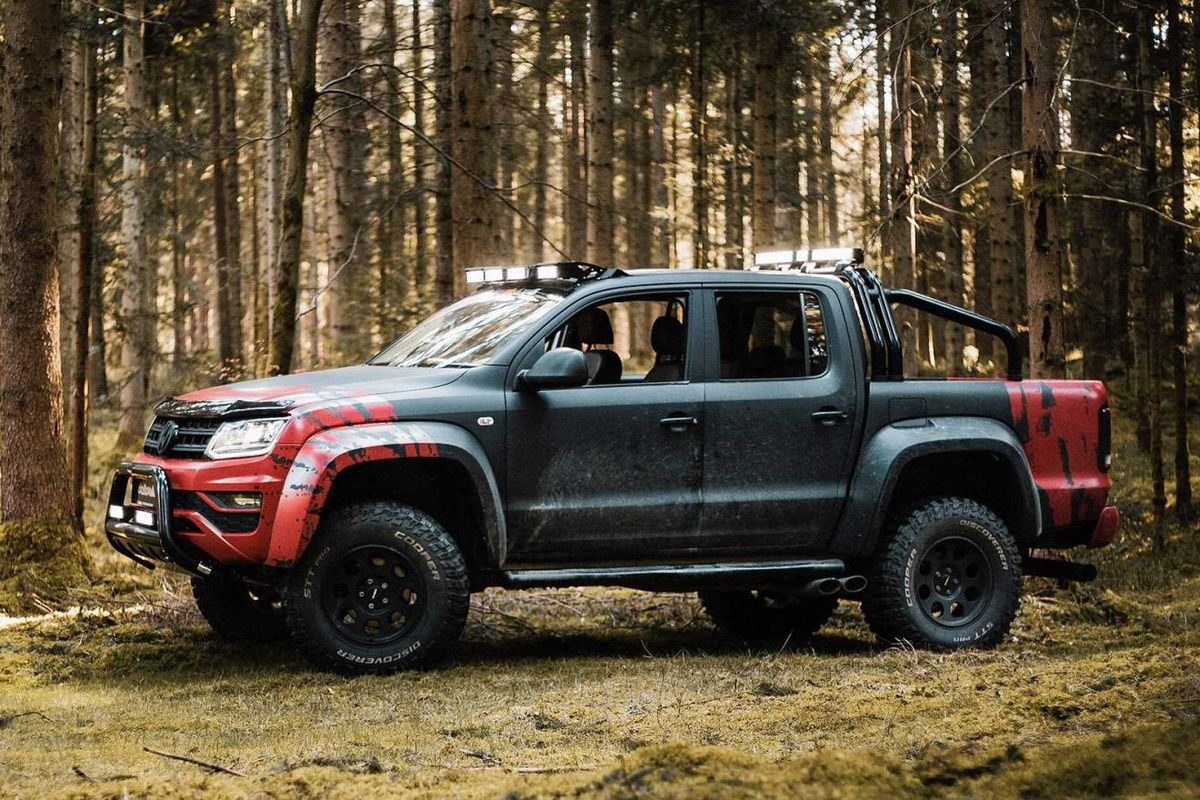
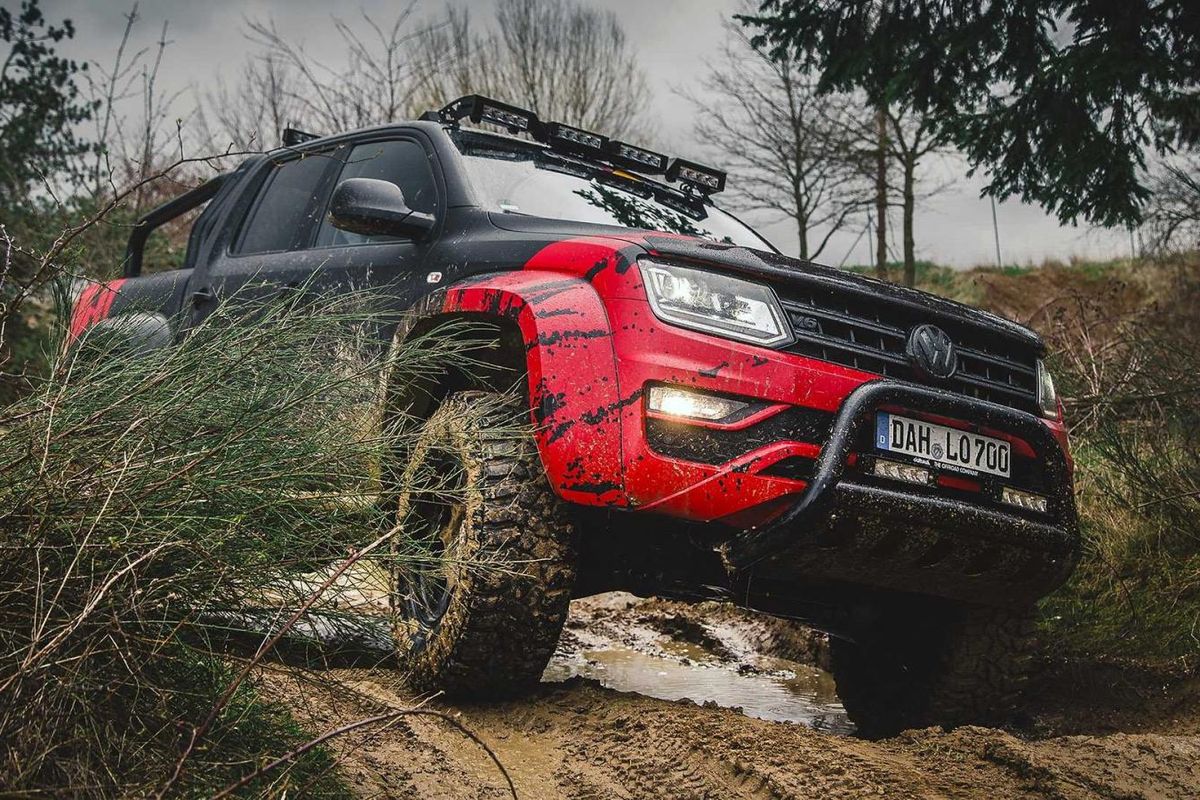
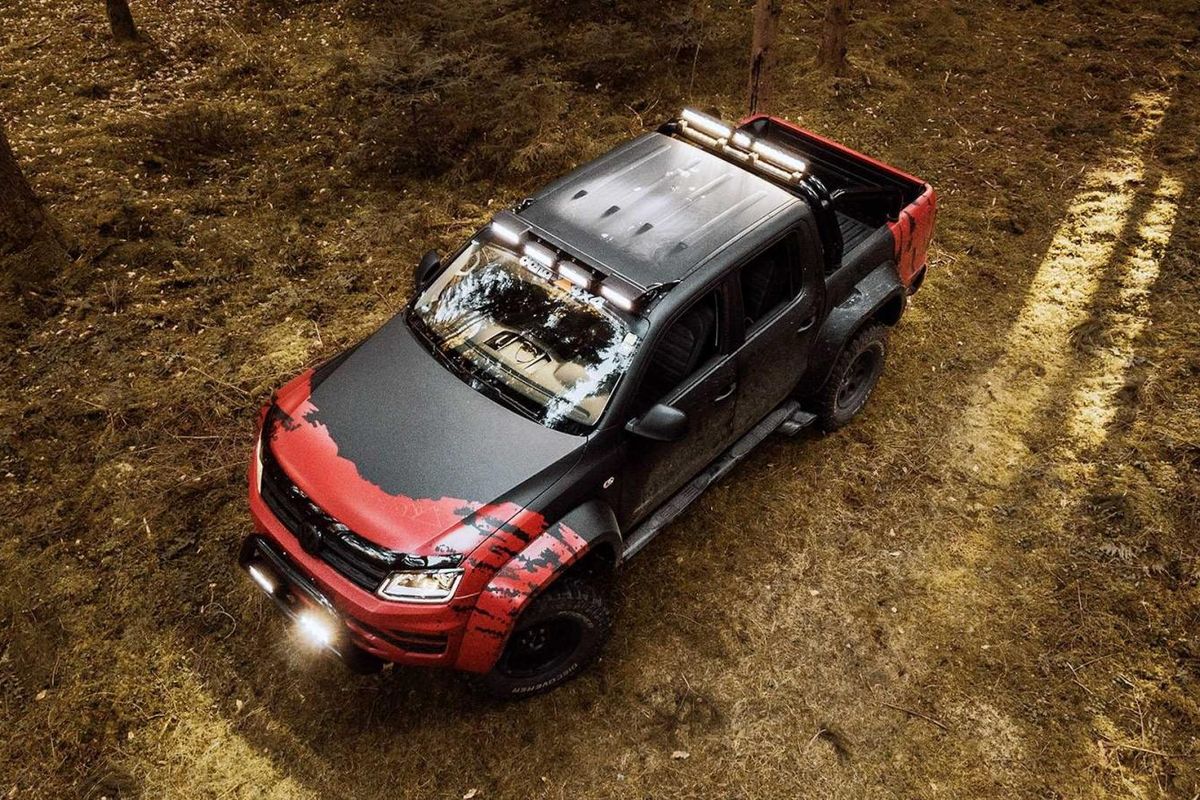
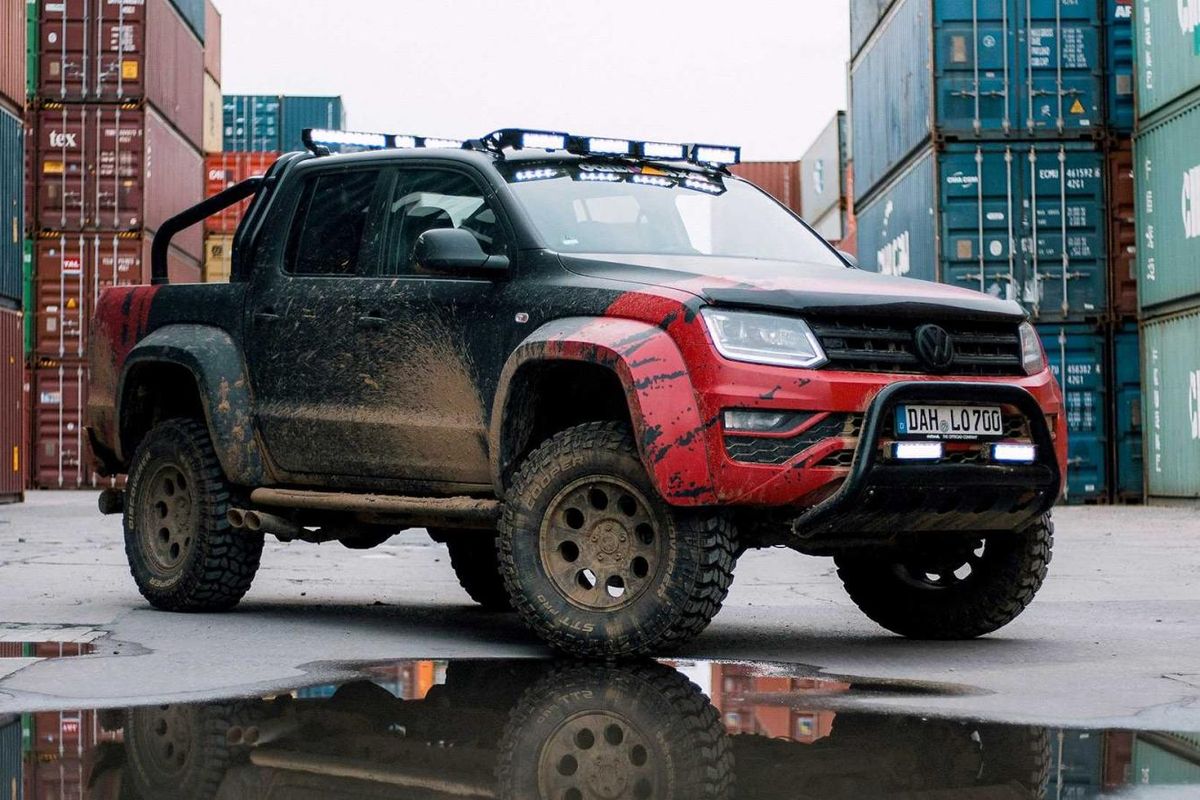
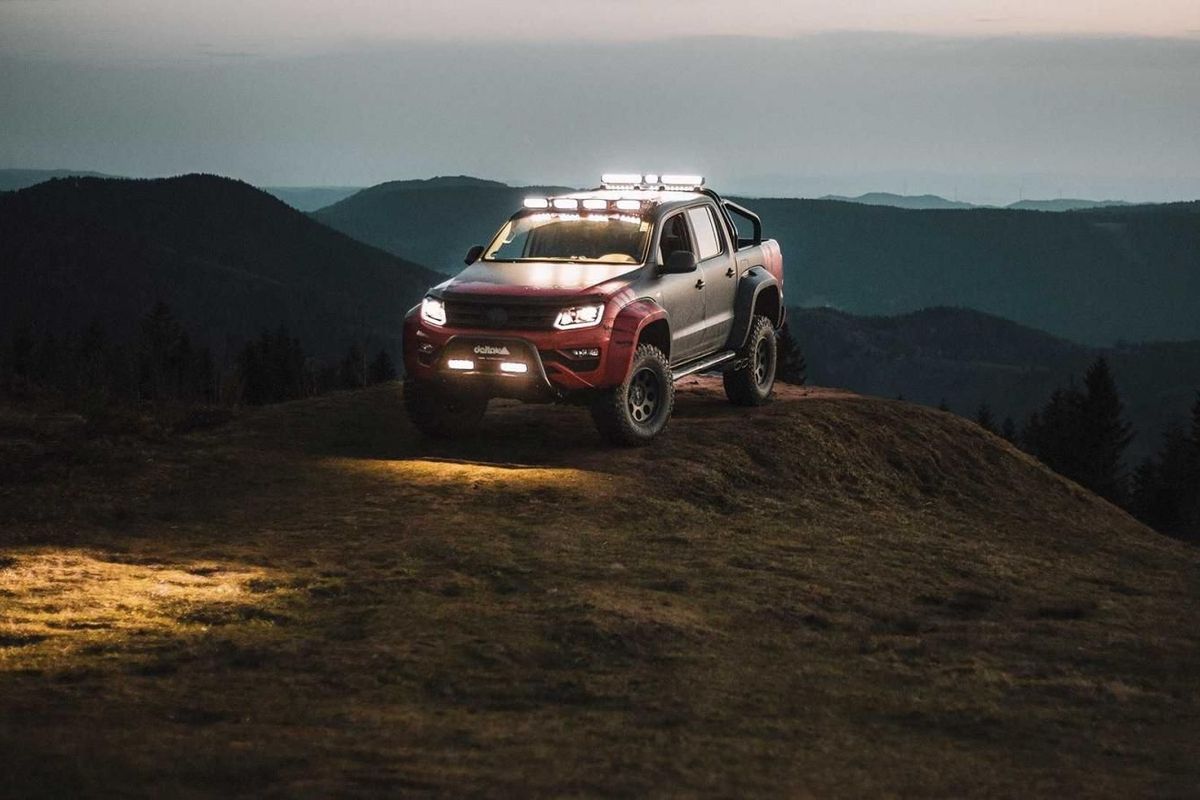
A German tuner, Delta 4×4, has beefed up a Volkswagen Amarok and it looks quite impressive. Would you agree?
The double-cab bakkie market is hotting up with the introduction of some striking product. Isuzu recently introduced the D-Max Arctic AT 35 in South Africa which is significantly wider (180 mm) with an increased ride height of 48 mm compared with the standard D-Max 4×4 LX derivative.
Also, Ford will introduce the Raptor on local soil this month which will undoubtedly have bakkie enthusiasts salivating. Nonetheless, it’s interesting to see what potential lies in the Volkswagen Amarok. Delta 4×4, a German tuner, created this beefed up version of the Amarok.
Fitted with a two-tone body wrap, modified front bumper, LED light bars and flared wheel arches which house 20-inch wheels shod with 35-inch Cooper rubber, this Amarok looks ready to take on the world. More so, the ride height has been raised substantially and Bilstein shock absorbers have allowed it to stand some 100 mm higher off the ground than a standard Amarok.
Do you like the look of this Amarok? Share your thoughts in the comments below…
The rising cost of fuel has a significant negative impact on the household budget and consumers have to find ways to make their money stretch further. One of the easiest ways to save money would be to use less fuel. By far the best (and easiest) way to do that would be to buy a newer, more efficient car, but very few of us are in a position to do that. So… how can you use your current set of wheels more efficiently?
Don't let it idle – Drive off immediately after starting the car in the morning. Do not let it idle for any length of time, especially when the engine is below normal operating temperature. This will reduce the amount of time the engine has to inhale the over-rich fuel mixture required for starting and idling. Such a mixture is wasteful and contaminates the oil to such an extent that prolonged idling can ruin an engine. Go slow at first, to allow the engine, gearbox and final drive to warm up.
Go with the flow – Drive at a reasonable pace in town. Stay with the traffic, because if you slow down too much you will not only be an obstruction but you may also have to change down to a lower gear. A lower gear usually, but not always, means your vehicle will use more fuel.
Gentle on the throttle – Accelerate slowly and use the lower gears when you start from a speed below 1 500 r/min to avoid over-stressing the engine. Large throttle openings will obviously increase the fuel flow rate.
Drive (slightly) slower – Reduce your habitual cruising speed by 10 km/h. This will result in a measurable drop in fuel consumption because the air resistance increases dramatically with an increase in speed.
Anticipate the traffic – Try to brake as little as possible. Braking converts the car’s momentum into heat energy. When you accelerate again the engine has to supply the lost energy to get the vehicle back up to speed again.
Avoid roof racks and trailers – Carry excess luggage inside the car as much as possible. A roof rack or a trailer increases the air resistance dramatically but an increase in weight only increases the amount of fuel being used by a significant amount while you accelerate, not while you’re cruising.
Check your tyre pressures every two weeks – Soft tyres not only have a negative effect on fuel consumption but are also a major cause of blowouts.
Look after your car – Have your car serviced regularly to ensure it is in optimal working condition.
Keep score – A record of fuel consumption using the tank-full to tank-full method is a good way to remind yourself about saving fuel. This system works fairly well if you do not let the pump attendant trickle fuel in after the automatic pump was activated. Investigate any unreasonable change in fuel consumption.
Windows shut – Driving with open windows or activating the air-con will increase your fuel consumption by a few per cent but you must be fanatic about reducing consumption to drive like that.
Also have a look at this video which explains the concept of "hypermiling".
At the South African launch of the Q8 SUV, Audi SA confirmed what else is in store for fans of the Ingolstadt-based brand. Here's what's coming to SA.
As we mentioned earlier this year, 2018 was not the best year for Audi and 2019 will mark a wave of new product being launched globally. South Africa will be receiving a fair amount of new Audi models, which was confirmed to the media at the local launch of the Q8 SUV in the last week of April 2019. Interestingly, there was no sign of the electric Audi e-tron, but we're awaiting official comment.
We've already experienced the first of Audi South Africa's 2019 launches. Both the Audi RS4 Avant and RS5 Sportback are terrific offerings in their respective segments.
The Audi Q8 was launched in late April/early May with the turbocharged petrol engine making landfall. A turbodiesel derivative will be offered around the middle of 2019.
For those wanting something small and compact, the all-new Audi A1 is next up on the list and should be arriving in the 3rd quarter of 2019.
The all-new Audi Q3 compact SUV will be arriving in the 3rd quarter of 2019.
There will be a mild facelift to the Audi TT sportscar in the 3rd quarter of 2019.
Finally, Audi's 2019 will draw to a close with the introduction of the A6 executive sedan and the A7 gran coupe. There could be some interesting surprise introductions too, like the facelifted Audi R8 V10.
Internationally, we're likely to see reveals of the all-new Audi RS6 and A3 to name but a few.
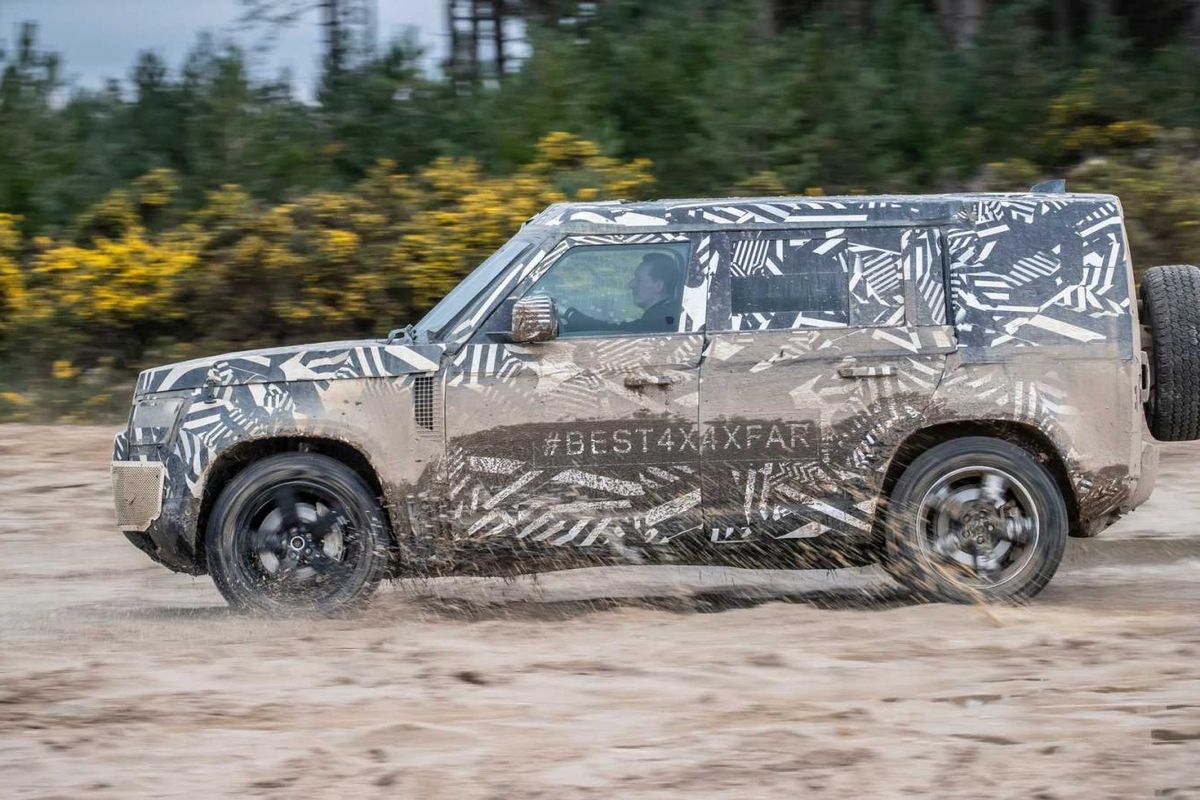
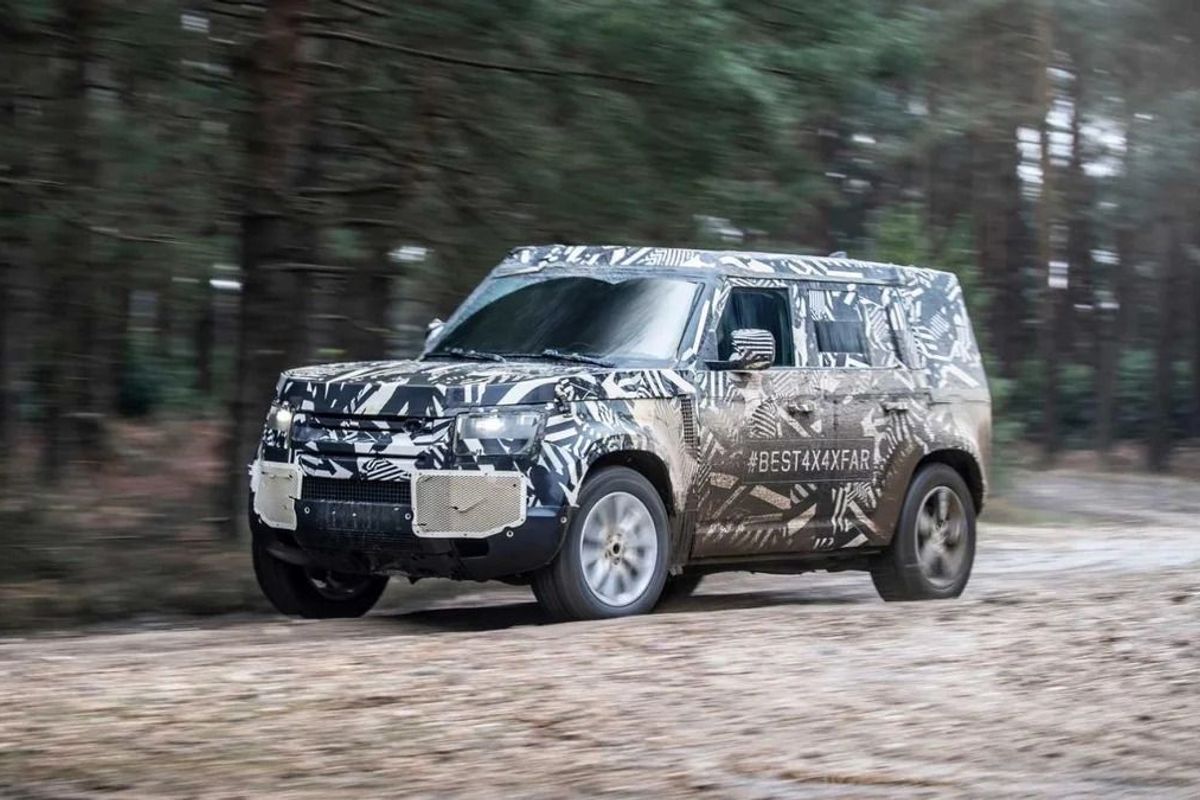
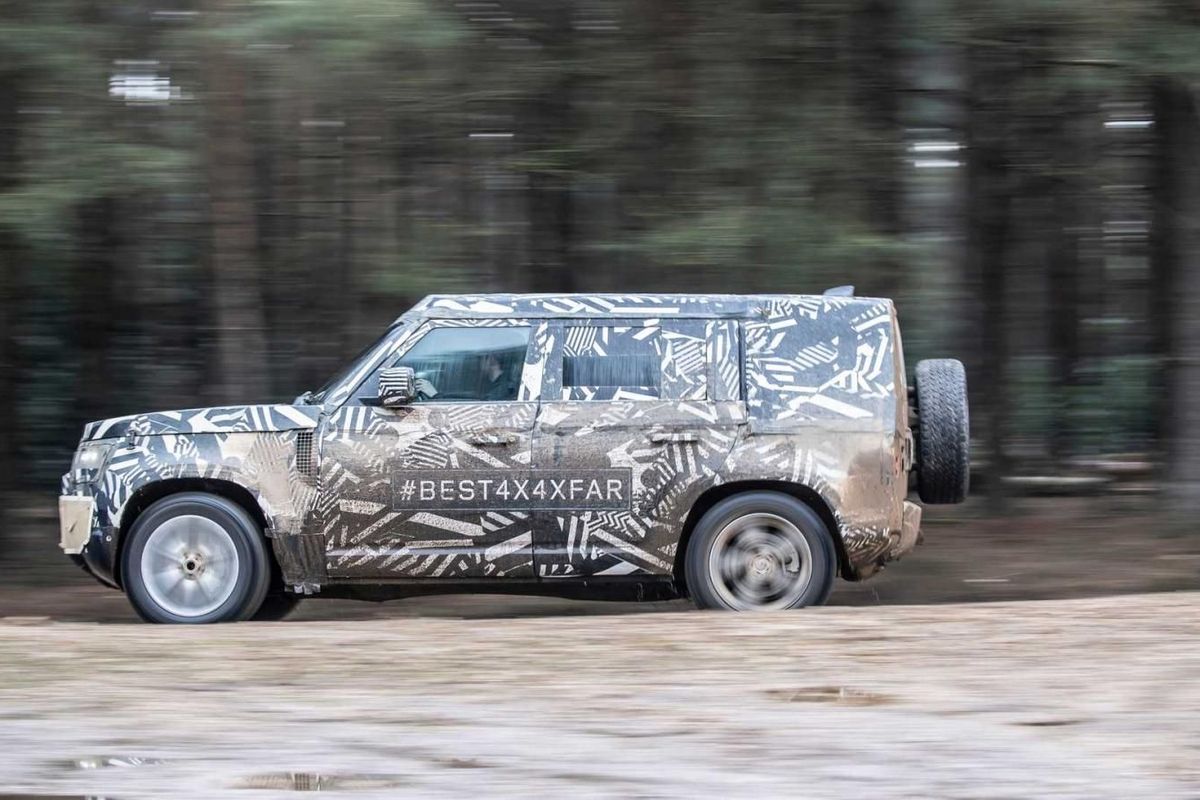
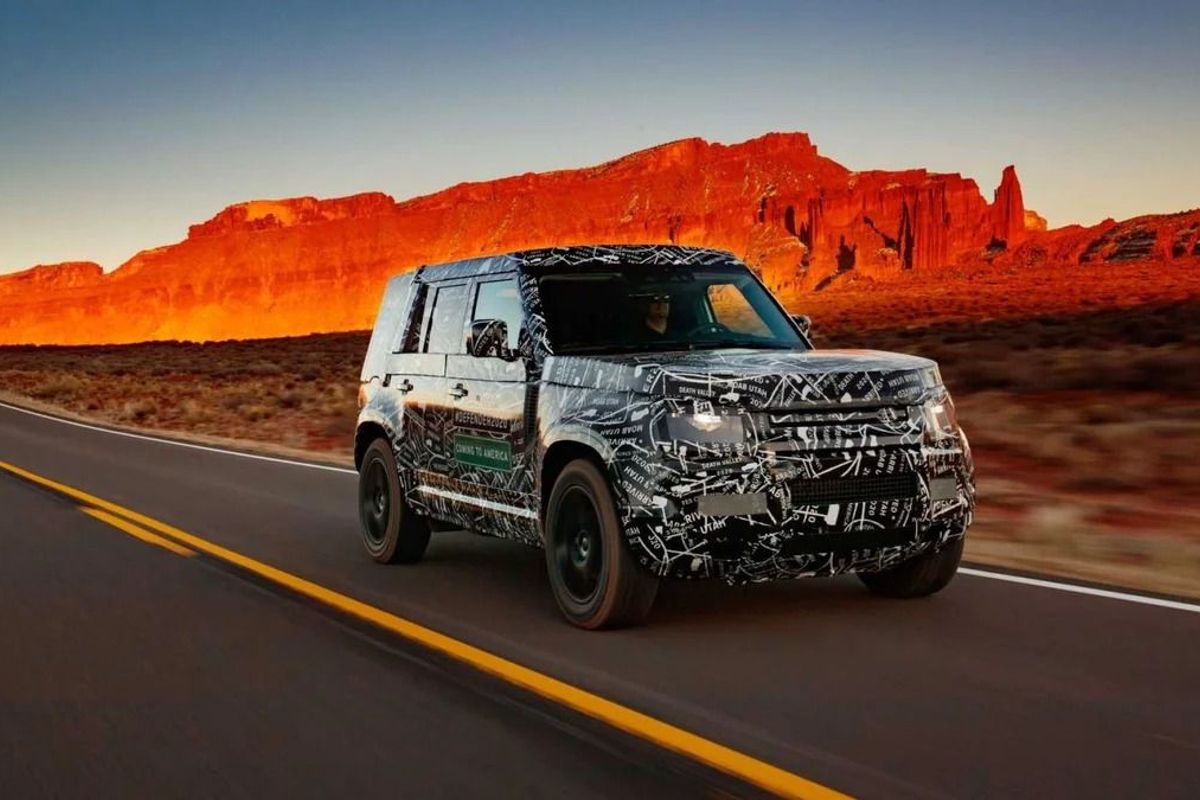
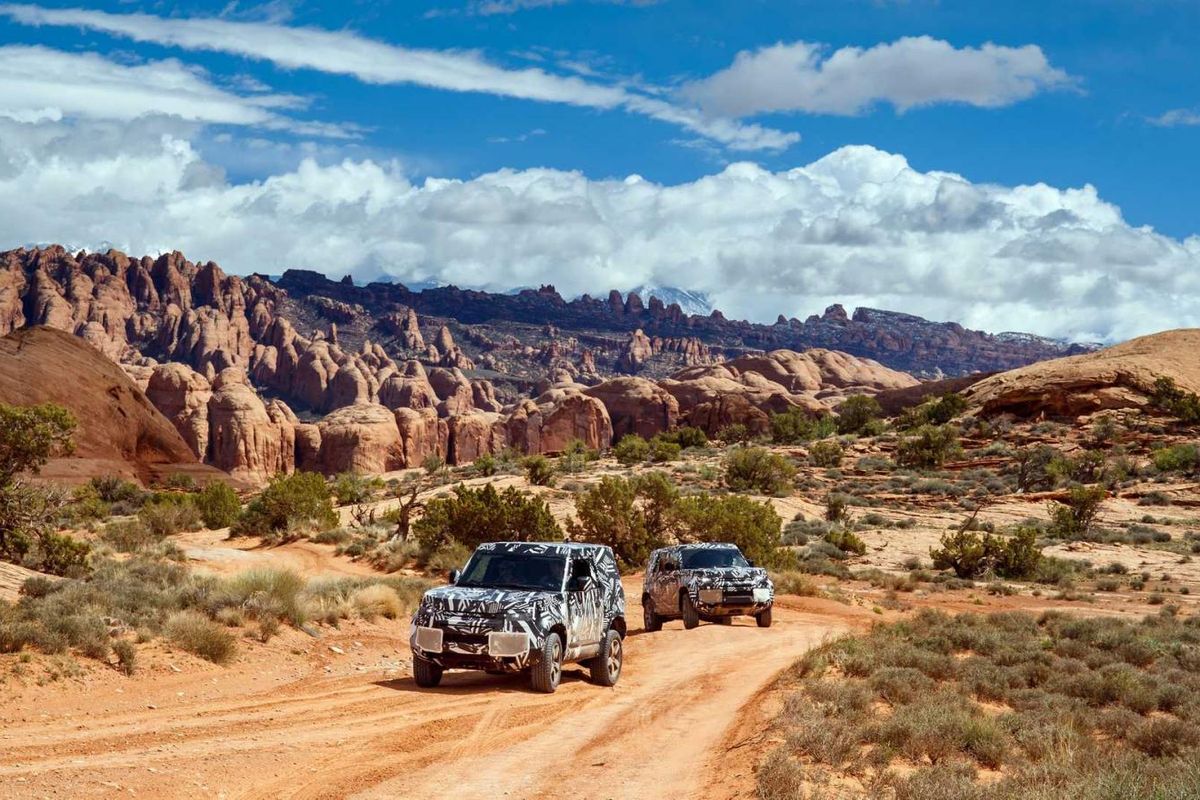
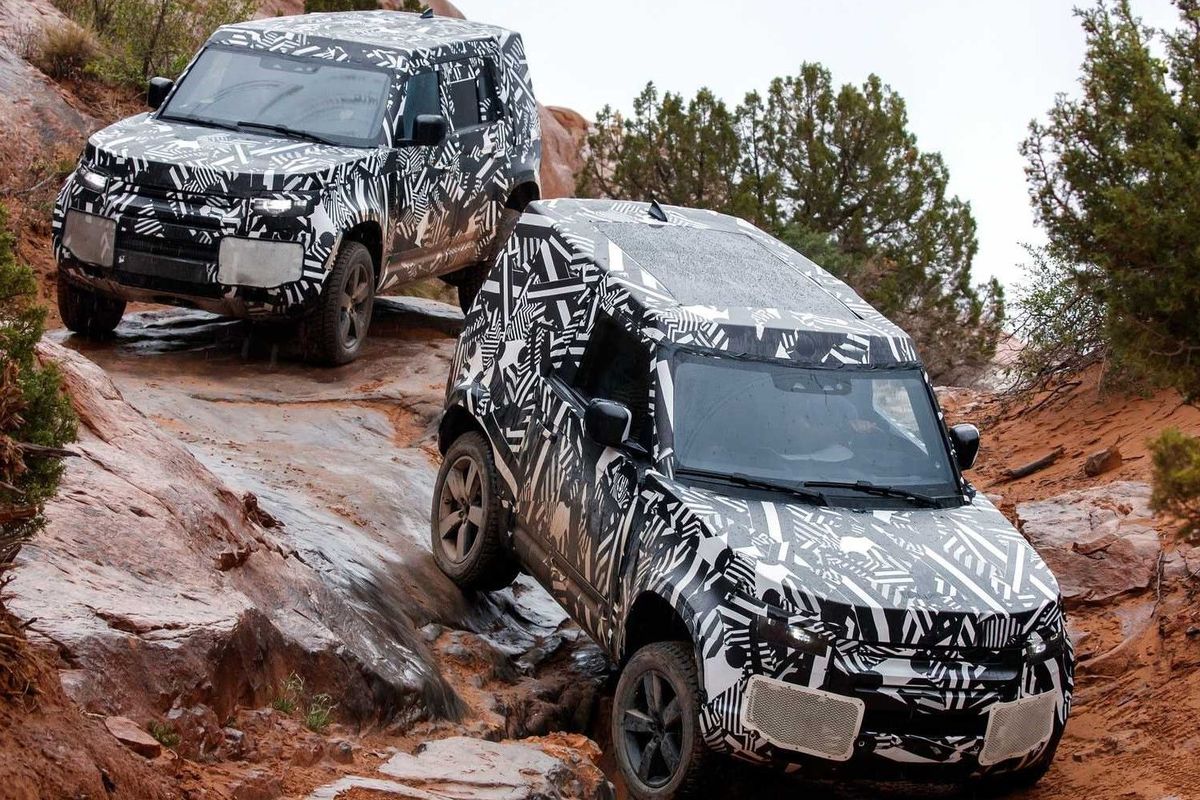
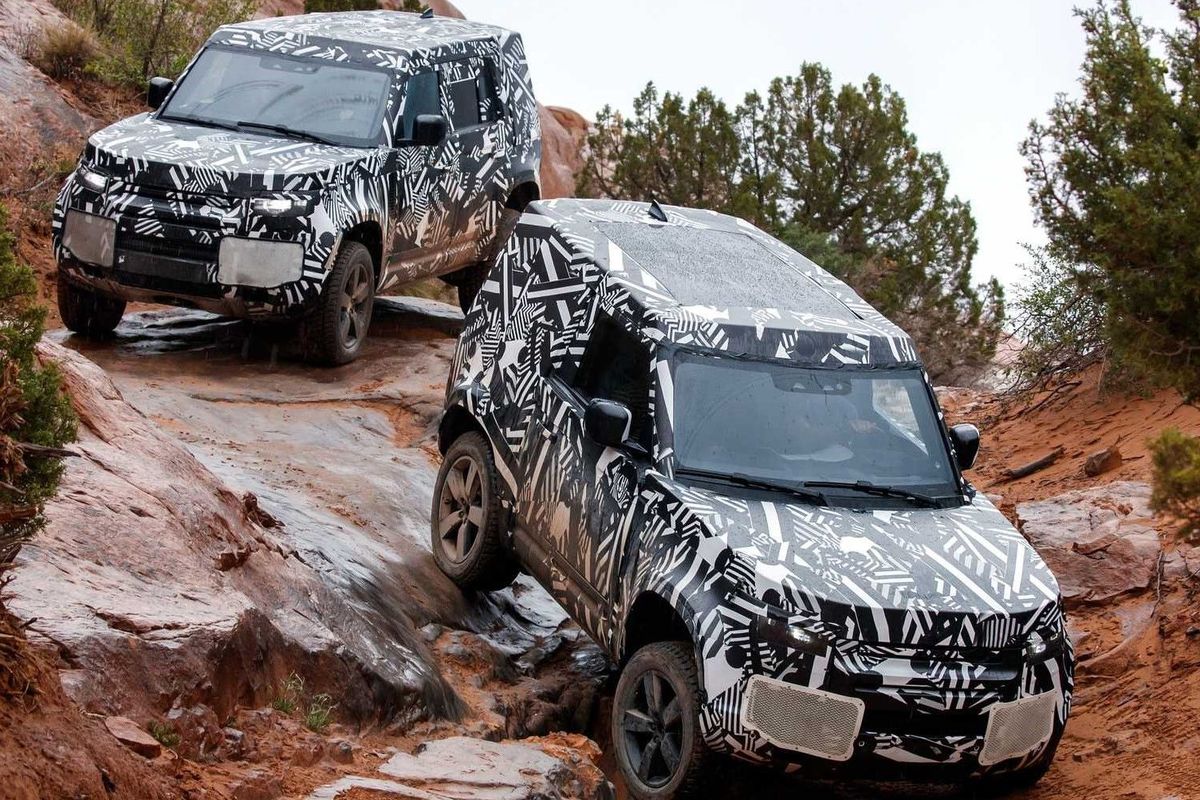
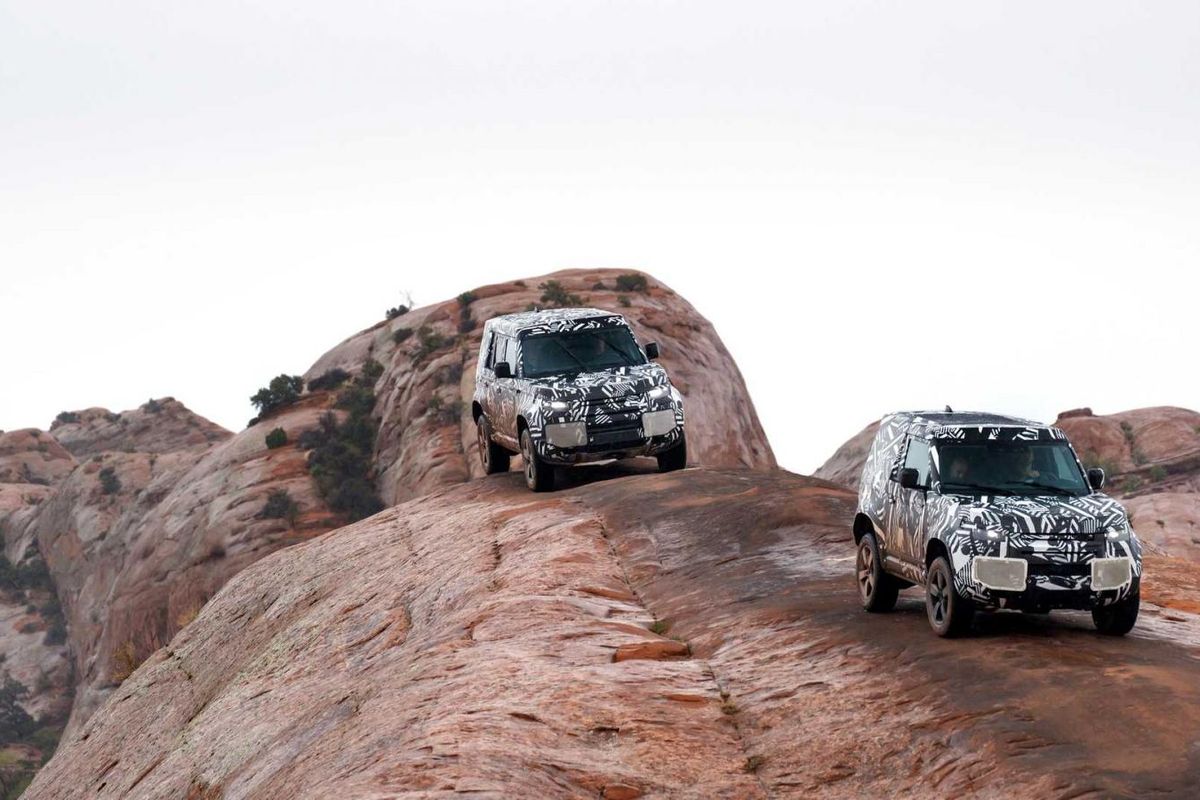
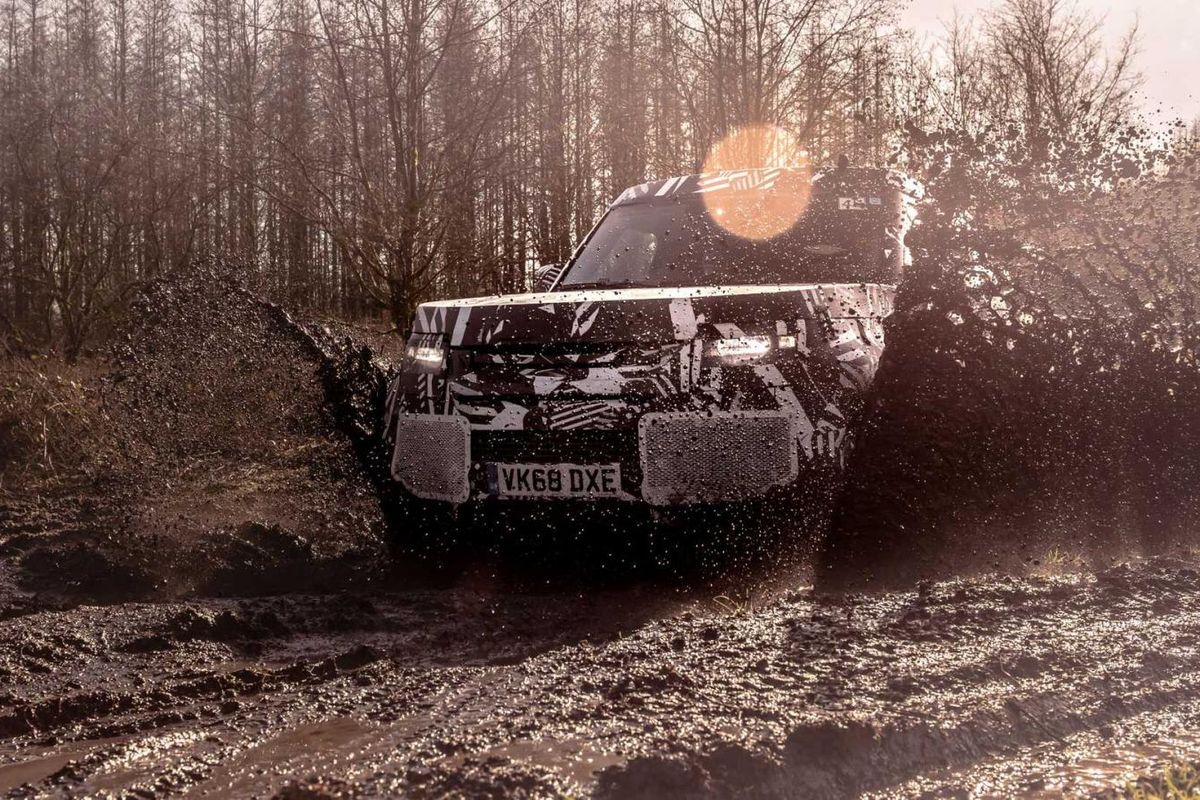
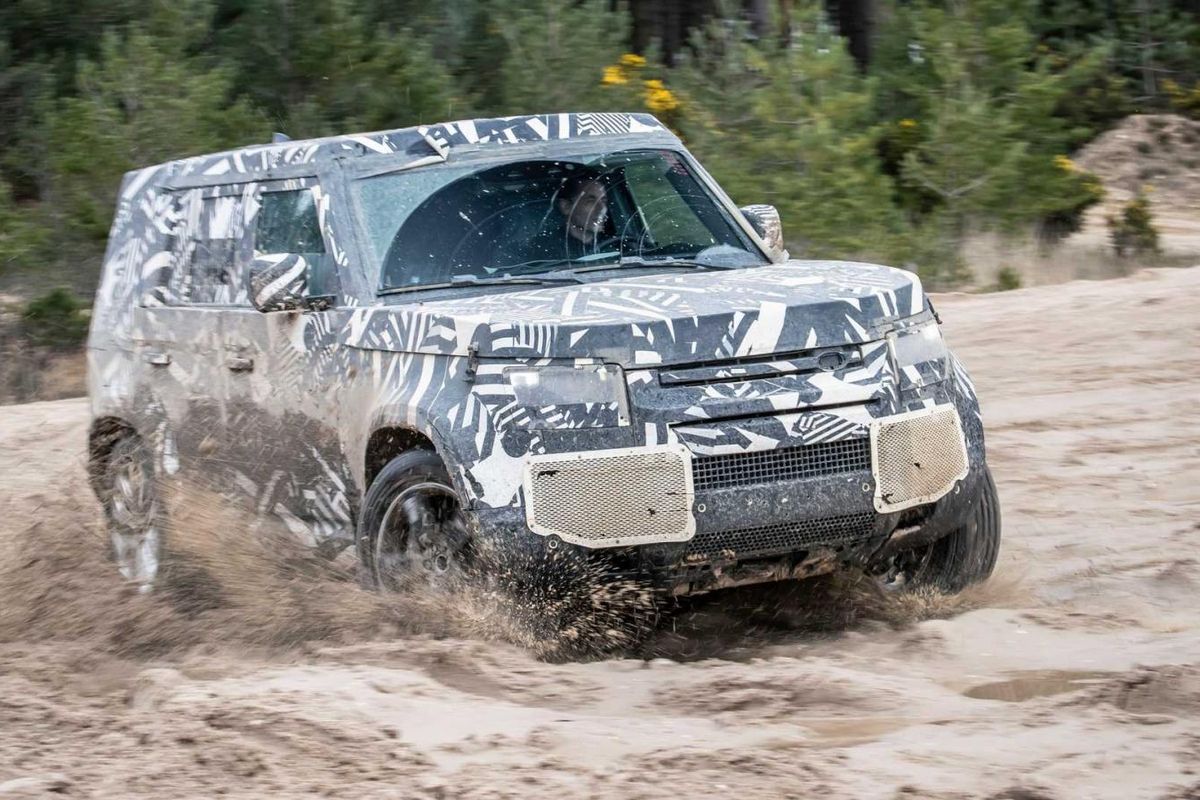
Land Rover's gruelling test schedule for the second-generation Defender is nearing completion and to celebrate World Land Rover Day, a Defender protoype will be put to work with the Tusk Trust in Kenya.
One of the most keenly anticipated vehicles in recent memory, the burden of expectation accompanying the new Defender has been keenly felt by Land Rover.
Engineers must ensure that the ruggedness and simplicity of the original Defender are carried over, but they must also adhere to requirements that are commensurate to contemporary crash safety and emissions regulation – both issues which hardly bothered the original Defender design team.
Quite fittingly the global test and evaluation schedule is currently routing through Africa, the continent of true 4×4 adventure and one where Land Rovers have been carrying those with wanderlust and a generous sabbatical for years.
30 April is world Land Rover Day, commemorating the date back in 1948 when the original Land Rover made its public debut at the Amsterdam Motor Show. To celebrate, the company’s test fleet of Defender pre-production prototypes will today venture into the Borana Conservancy in Kenya where it will undergo a final phase of field testing with the Tusk Trust wildlife conservation charity of which Land Rover has been an official partner for 15 years.
Here the new Defenders will roll through some of Kenya’s most testing off-road terrain. To date, the design validation programme for new Defender has completed 1.5-million kilometres of testing, ranging from freezing arctic conditions to scorching desert terrain.
New Defender’s final design reveal is expected in September 2019. For Land Rover, as the British automotive brand most at risk from Brexit, secure production for the new Defender has also been confirmed and it will be outside of the United Kingdom, with the most iconic and longstanding of British vehicles set for assembly in Nitra, Slovakia.
Toyota has started a global rollout of autonomous safety features for its Hilux bakkie. See details below…
The only people benefitting from the fierce global rivalry between Ford and Toyota’s double-cab bakkies, are quite rightly, customers.
Every time there's a feature update to Ranger, Toyota is required to respond with an update of its own. The latest raft of upgrades for the Hilux pertains to active safety and have already been introduced to European customers in the guise of a special edition Hilux Invincible X.
Ford’s new Ranger has significantly increased the driver assistance offering for South African volume double-cab bakkie buyers, offering autonomous emergency braking (AEB). Although most bakkie owners prioritise load ability, towing capacity and terrain taming off-road ability, the increasing number of double-cab bakkies used as family vehicles has necessitated a rethink of their dynamic safety features.
Double-cab owners, who often burden their bakkies with some garden refuse removal or a trio of mountain bikes in the back over the weekend, are demanding better active safety and collision avoidance technologies. Mercedes-Benz might have been first with AEB in the X-Class, but nothing in the local bakkie market is truly relevant until Ford or Toyota make it a product policy.
Toyota has initiated its AEB rollout, starting with Europe. In the next few months, it should spread to other global markets, including South Africa.
When Toyota eventually does introduce AEB on local Hilux bakkies, it will join Ranger and X-Class as South Africa’s only bakkies which can bring themselves to a complete stop, avoiding a collision, if the driver does not heed a hazard up ahead.
Beyond autonomous braking intervention technology, the Hilux will also become easier to drive in flowing highway traffic, thanks to range-adaptive, radar-guided cruise control. The combination of AEB and radar-guided cruise control are classified under Toyota’s Safety Sense branding, which also includes lane departure warning auto dimming high beam lighting technology.