Isuzu D-MAX (2018) Launch Review [w/Video]
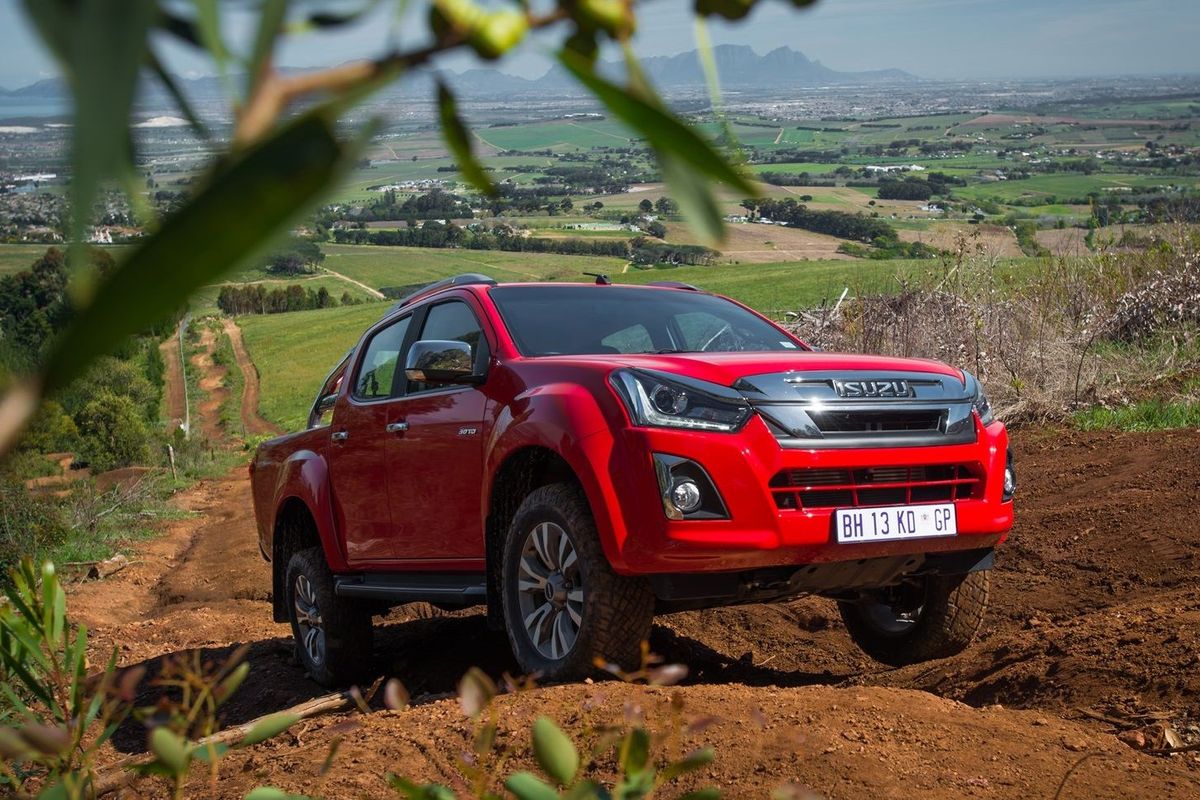
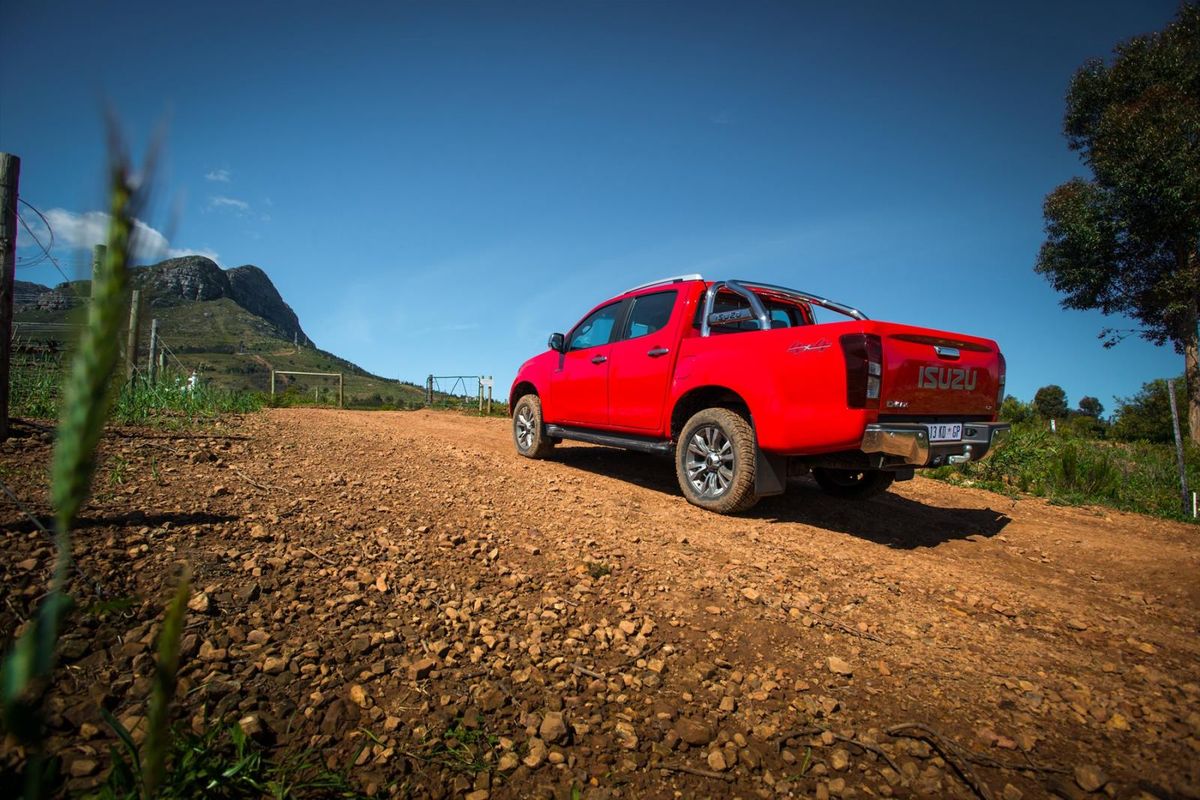
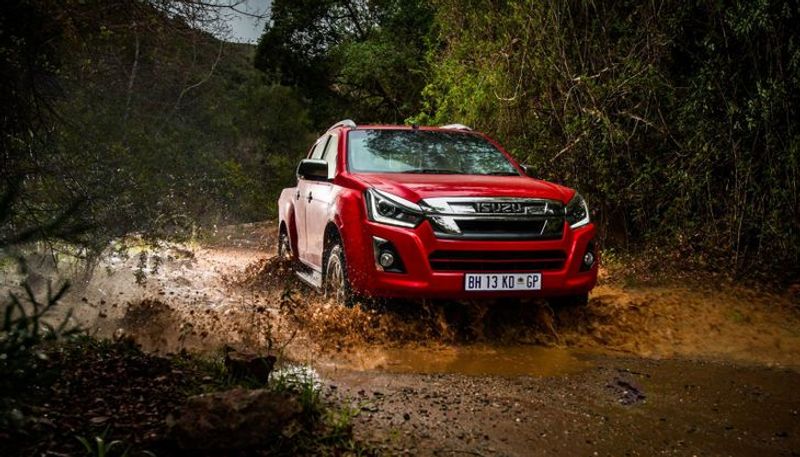
Since becoming independent from (the now departed) General Motors, Isuzu South Africa has become a fully-fledged subsidiary of the Japanese commercial vehicle brand. To align its product line-up with that of its mother company, Isuzu has now rebadged the KB model to the D-MAX. We headed off to remote parts of the Kruger National Park to spot as many of the Big 5 as we could in Isuzu's updated-for-2018 bakkie.

Isuzu D-MAX (2018) Specs & Price

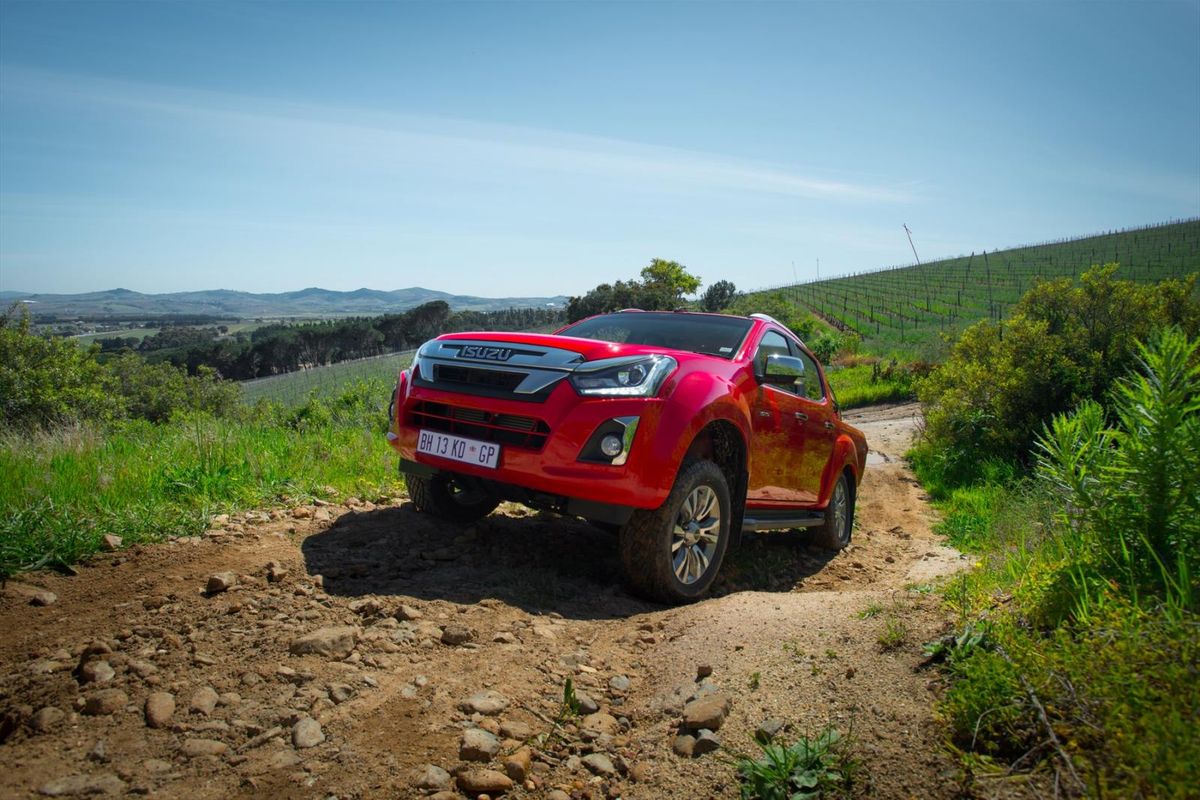
Our journey started with a stint behind the wheel of the top-of-the-range D-MAX 300 4X4 double cab LX 6-speed automatic, which of course features all of the range's bells and whistles. We traversed some tarred roads at first, but they quickly changed to endless, winding and picturesque gravel roads surrounded by wildlife and bushveld. Driving at a maximum speed of only 30 kph, we had plenty of time to inspect the D-MAX's revised interior.
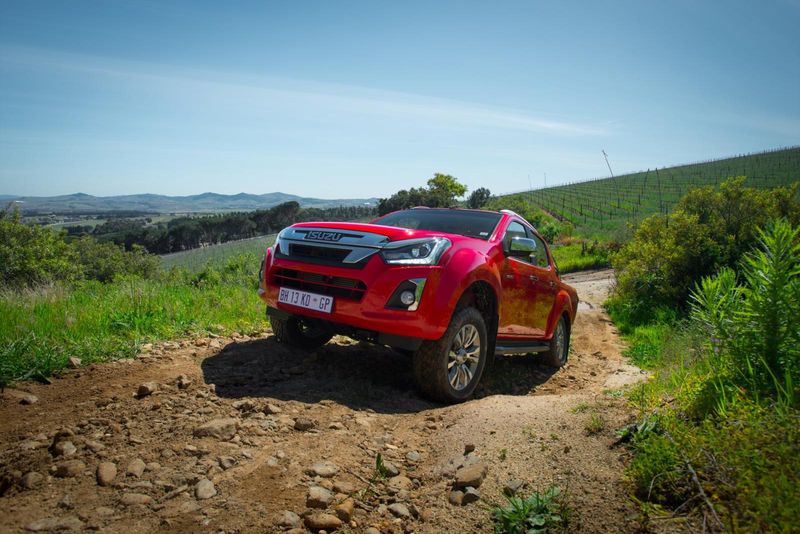

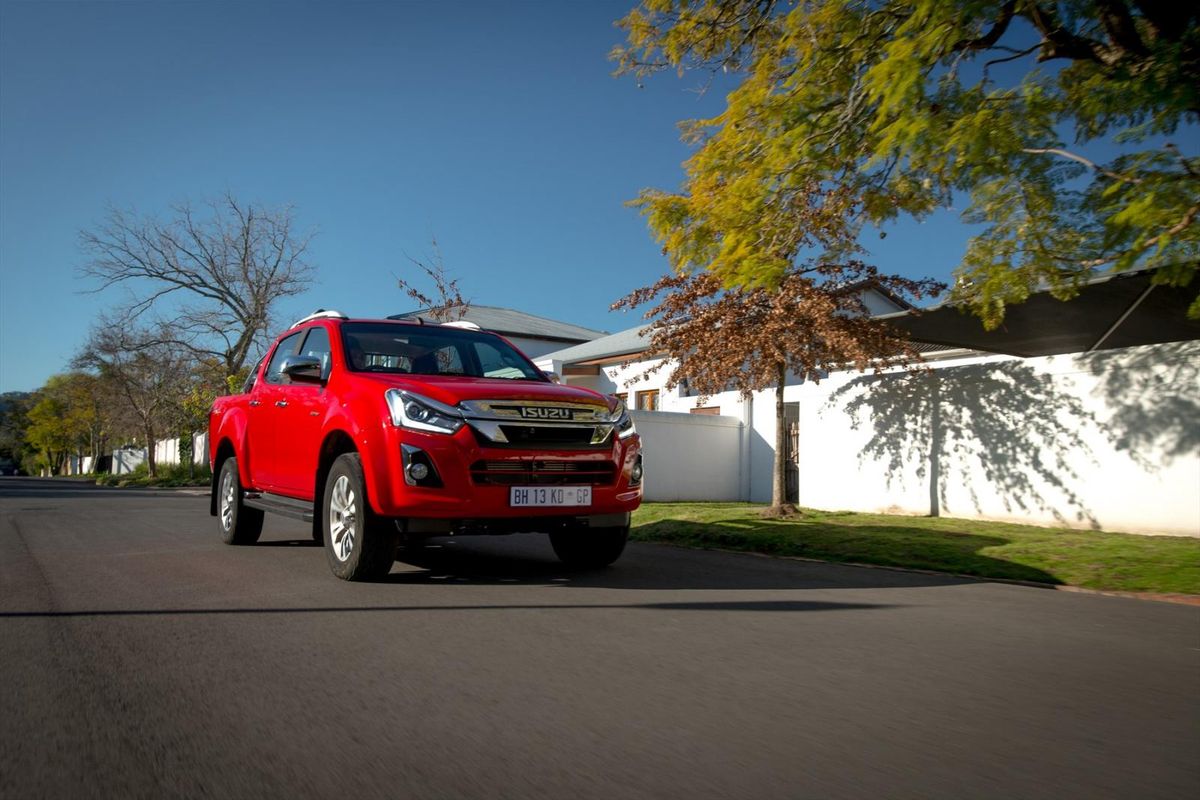
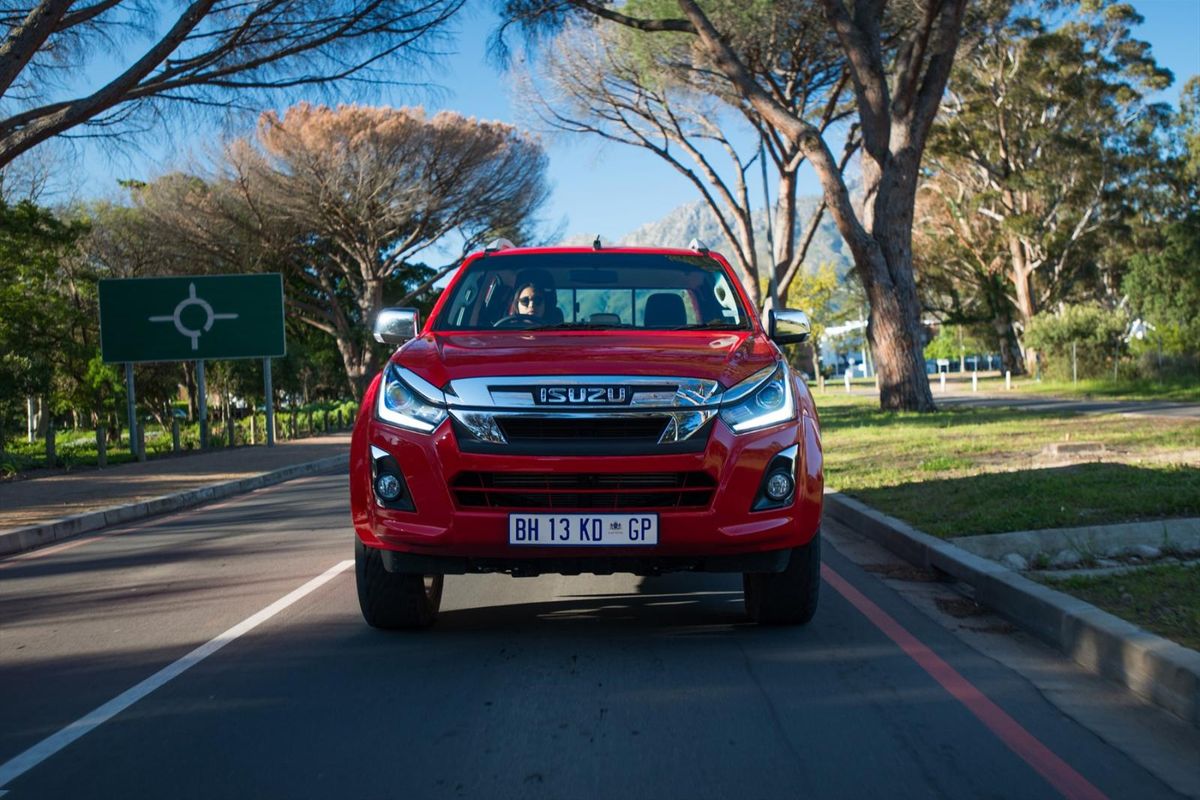
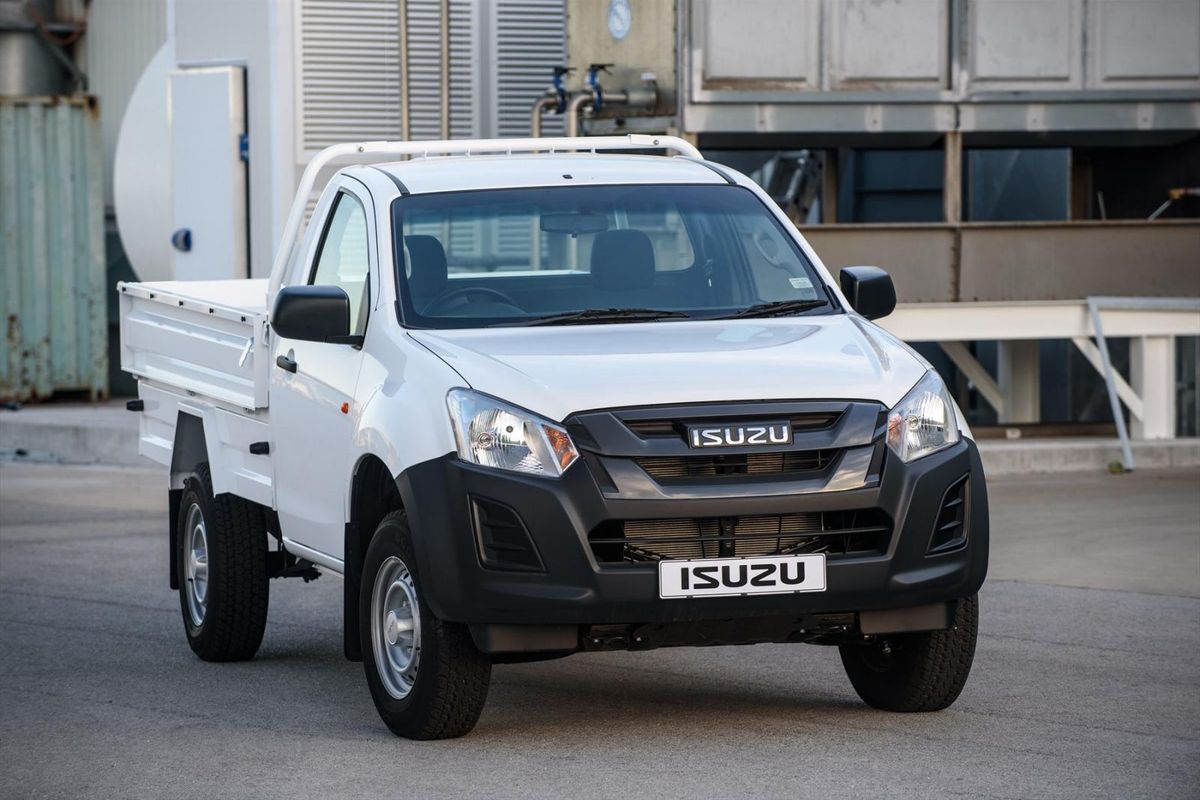
The easiest way to distinguish the KB from its D-MAX successor is by way of its revised chrome-look grille detailing. 

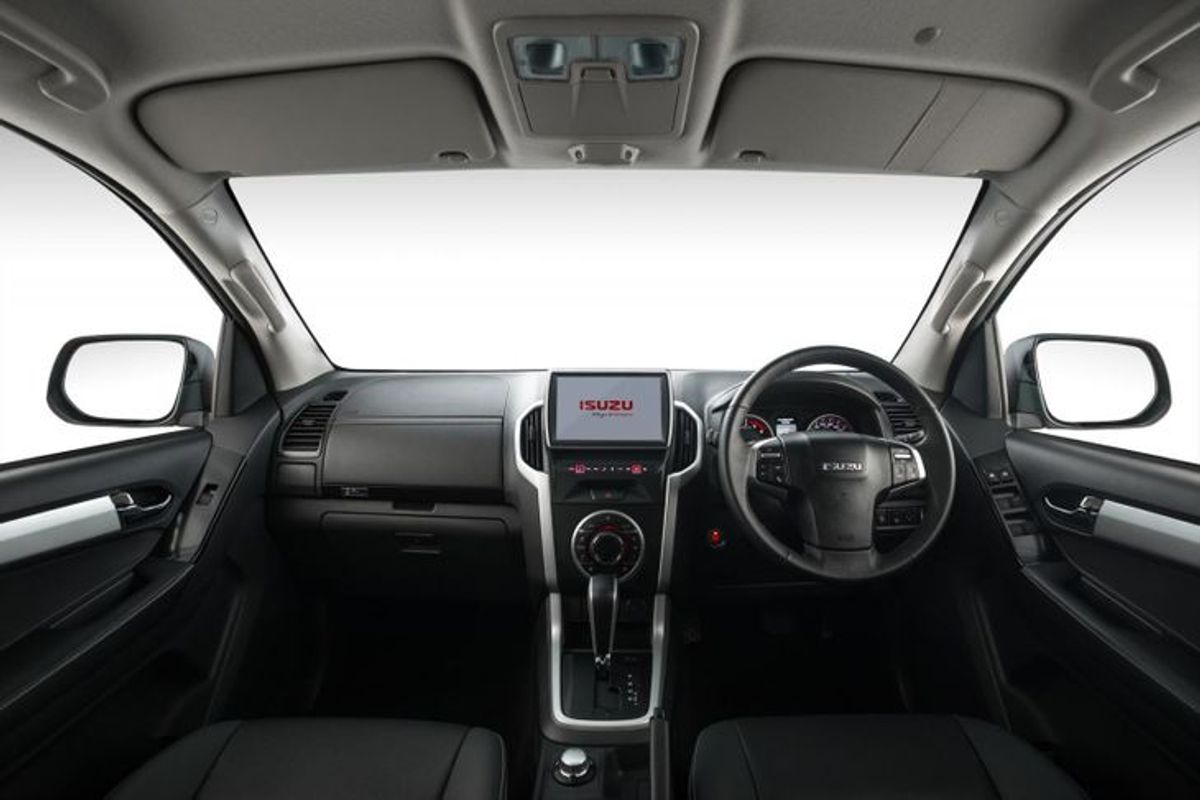
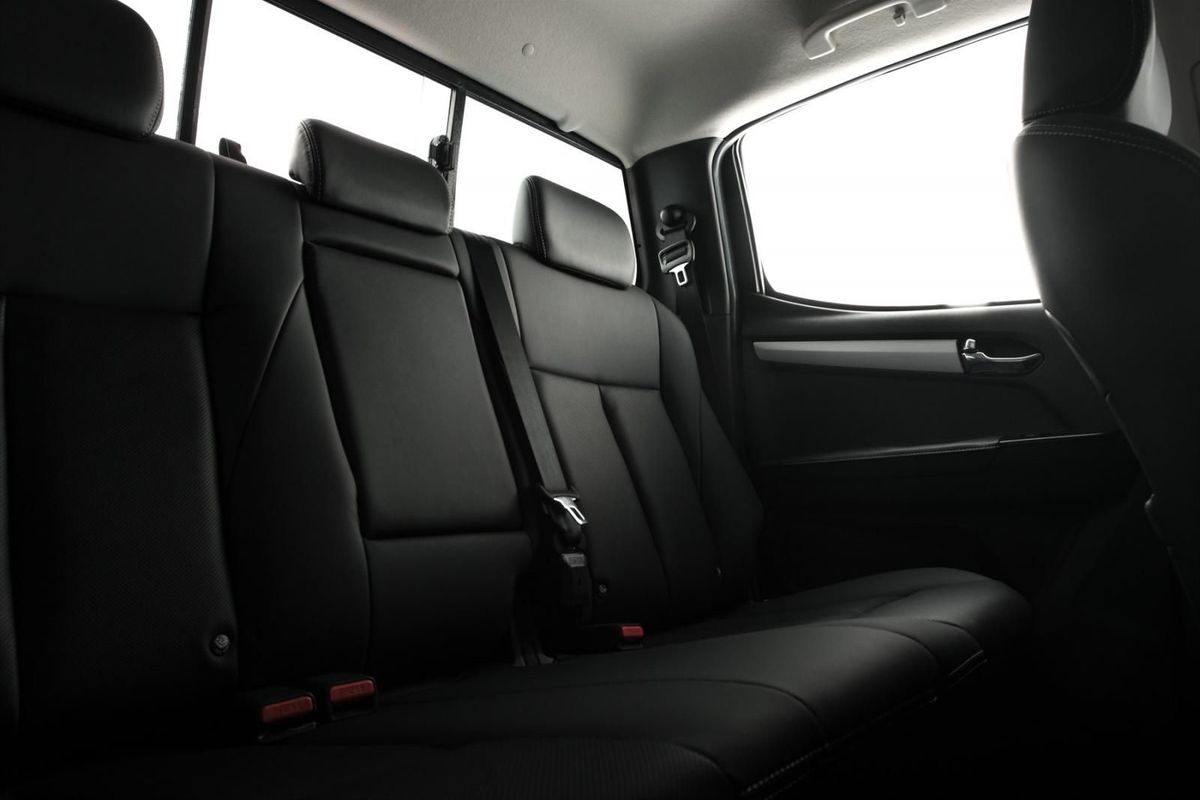
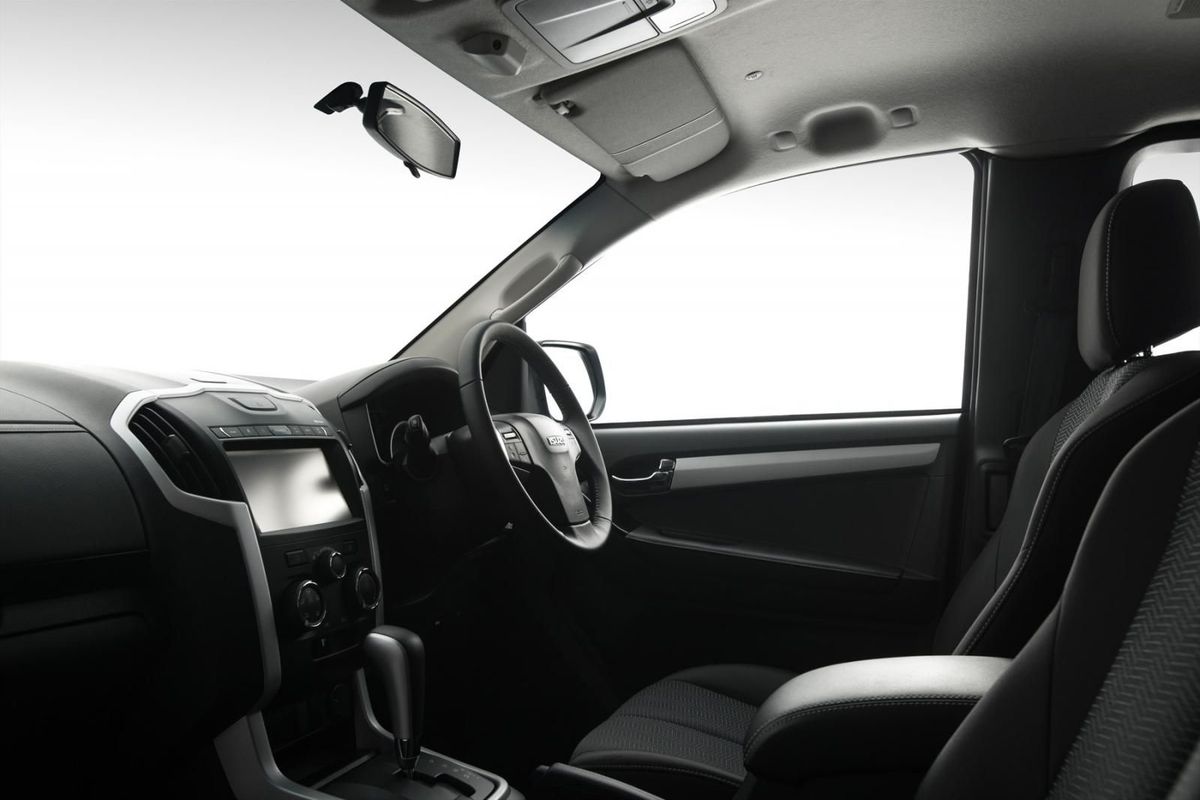
The cabin panels are similar to those of the previous model, but soft-touch materials have been applied in a few areas, making the interior feel more car-like and comfortable. Other minor interior touches include the piano black air vent louvres, and grained inserts for the dashboard and door trims.

Meanwhile, the optional 9-inch Alpine touchscreen infotainment system is exceptionally intuitive to use. It comes with Navigation, auxiliary, USB and even HDMI ports, plus it's fully compatible with Android Auto and Apple CarPlay. And, just in case owners forget, there’s a D-MAX logo positioned on the dash to remind them that this is the revised (2018) version of one of South Africa's most loved and respected bakkie models.

Upgraded Interior
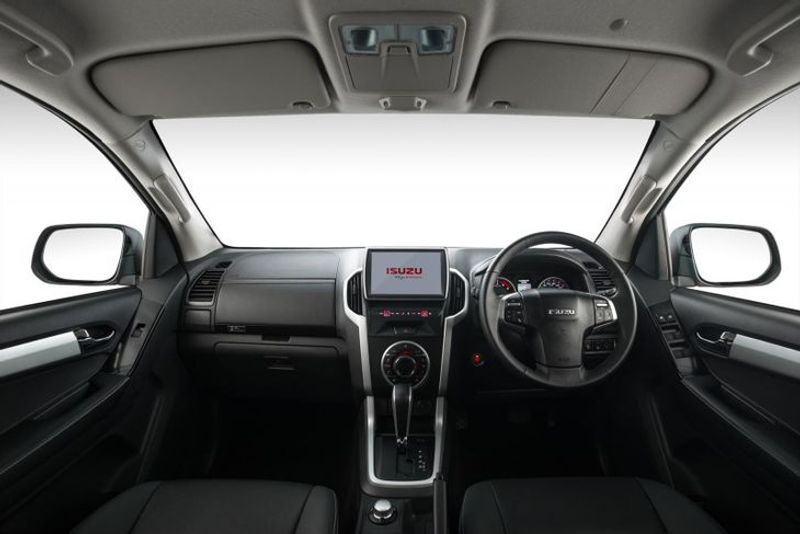

Plusher soft-touch surfaces abound in the D-Max's cabin, which now features a very useful touchscreen infotainment system too.

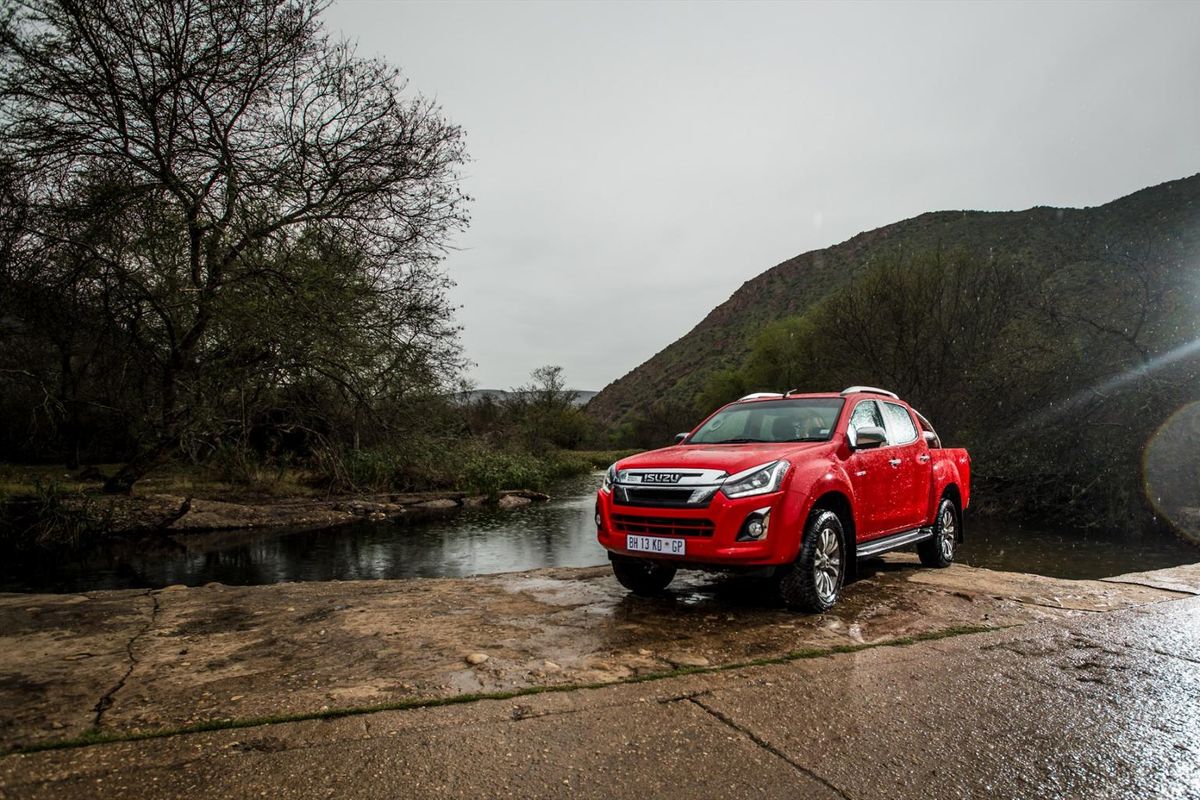
After spotting buffalo, elephants and even hippos we stopped at a river, where we were guarded by armed rangers. That would not have been a good time to spot lions, but thankfully we didn't see any of them! It also gave us an opportunity to inspect the exterior changes to the newcomer…

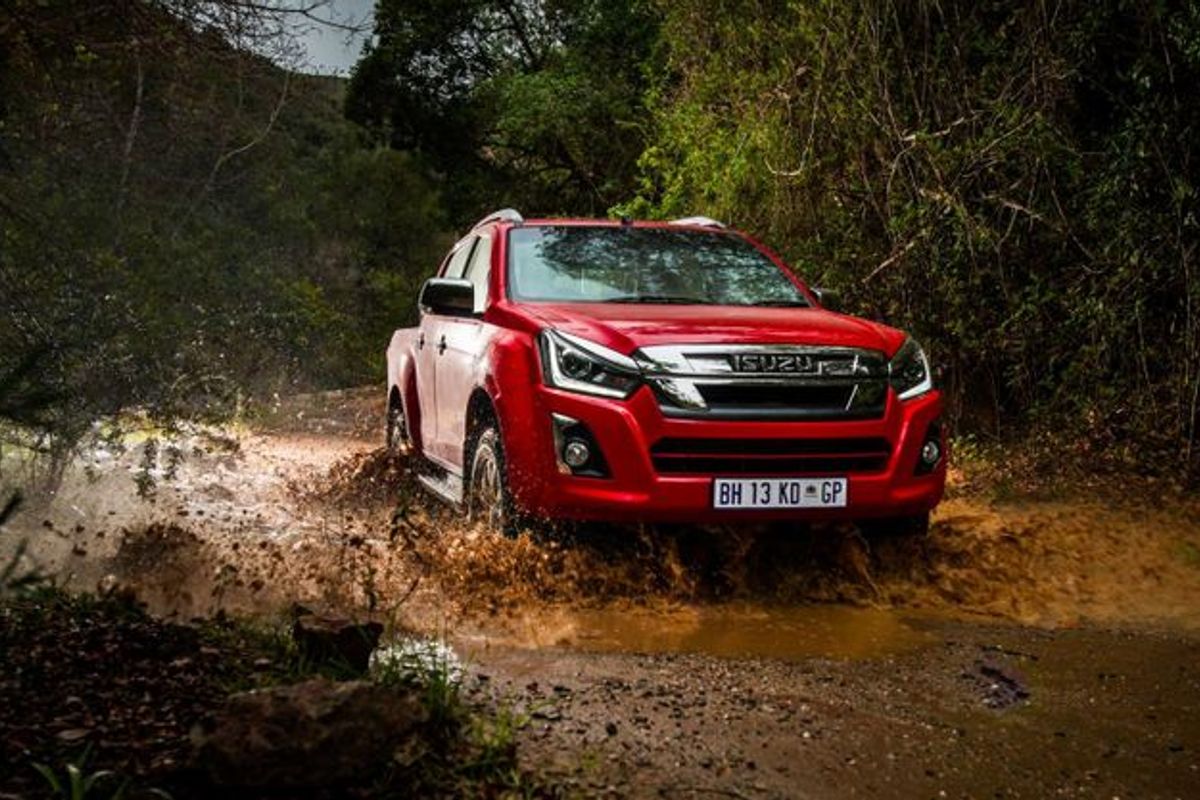
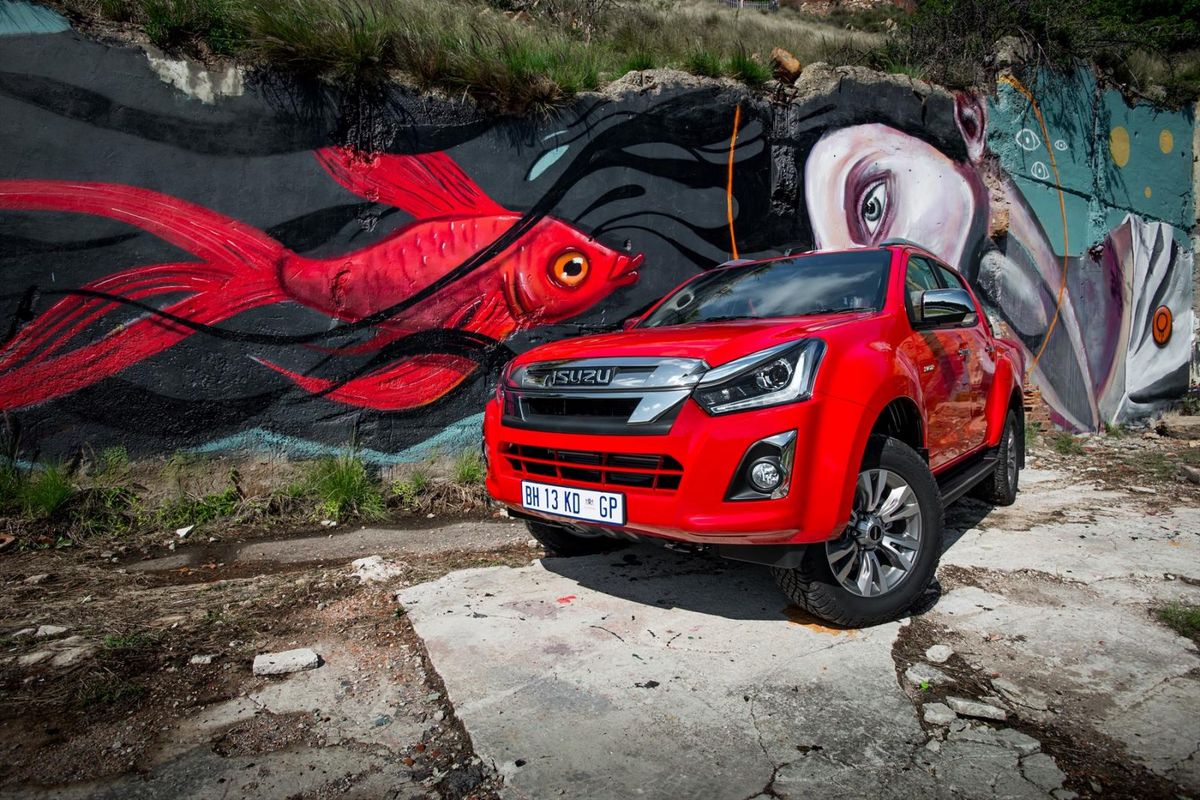
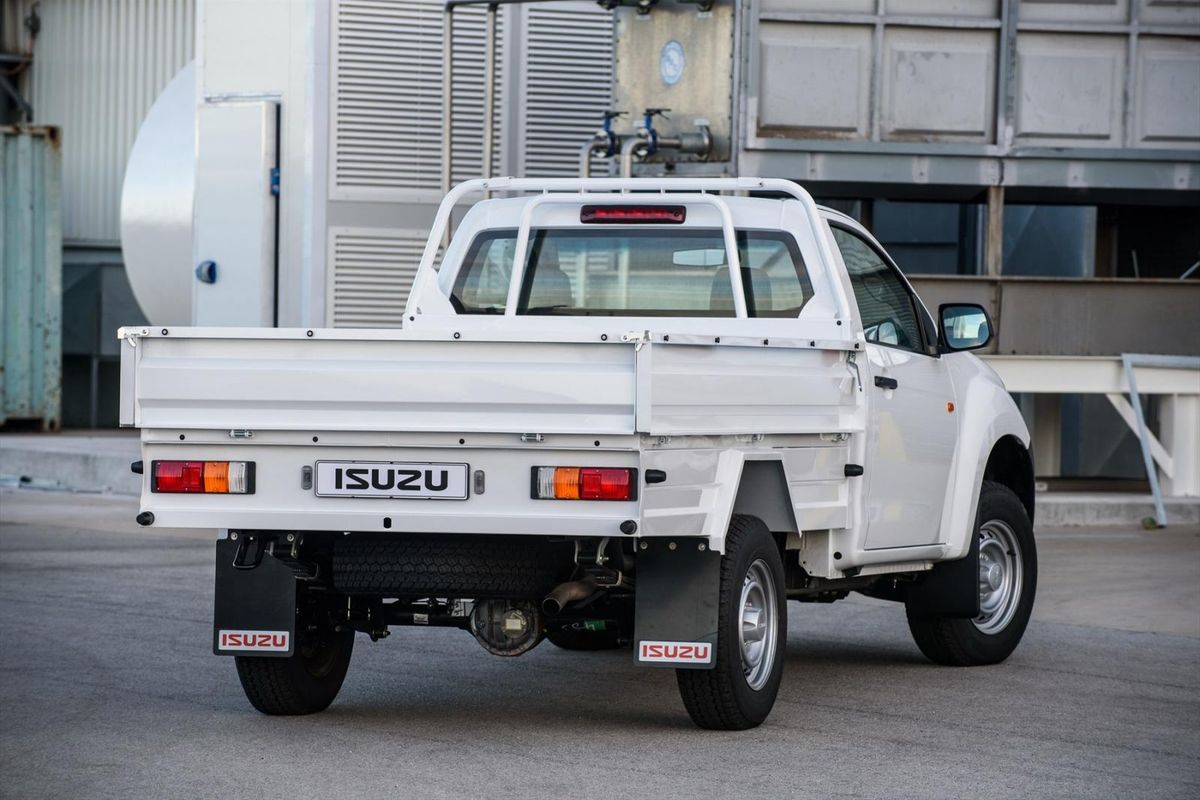
Outside, the changes are subtle but nonetheless noticeable, especially when one views the D-MAX parked side-by-side with the older version of the bakkie. Bi-LED headlights and daytime running lights are now fitted to the Extended and Double Cab derivatives and the fog light housings have been redesigned. The grille's chrome detailing is more distinctive, while at the back, the bakkie's tow bar is now integral to the rear bumper. 

Interestingly, Isuzu conducted a development programme by testing the D-MAX extensively over local terrain and in conditions that users would typically encounter in the South African market. The resultant upgrades include a thicker, stronger load bay and a revised suspension setup.

On the road

The long-serving Isuzu KB has been described (in some circles) as a tad agricultural, usually in reference to its less-than-muscular turbodiesel powerplants. However, this is not necessarily a bad thing when one considers the market this bakkie's aimed at – one in which reliability is king. 
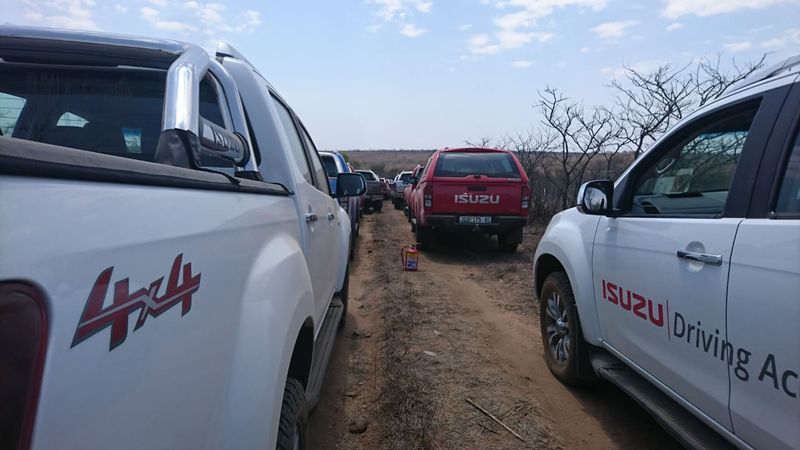

A battalion of D-MAXes stop for a game-watching opportunity somewhere deep in the Kruger National Park.

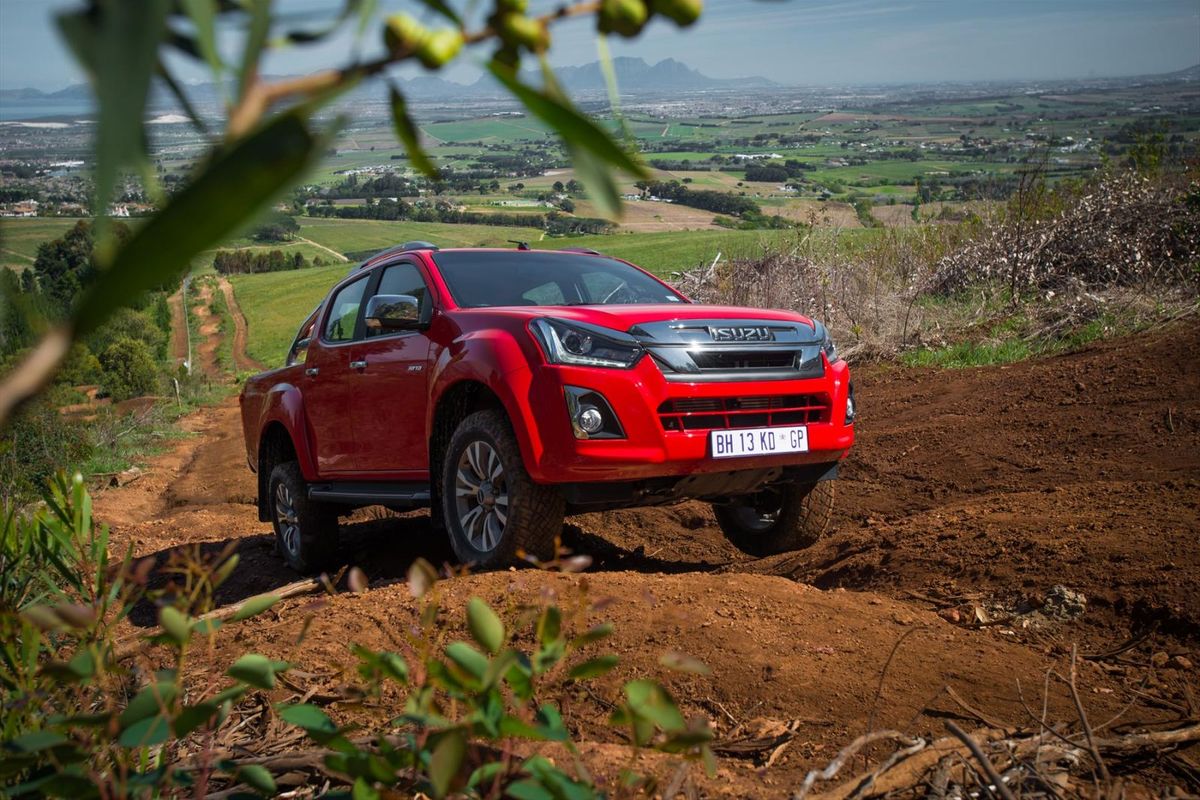
Indeed, the D-MAX appeals to, well, yes, farmers as well as business owners who require a workhorse that can take the punishment of many miles travelling on uneven roads and rough terrain. The revised Isuzu's suspension has been tuned specifically for South African roads and conditions… and it shows. We travelled many miles through the Kruger (on almost exclusively gravel roads) and the bakkie felt quite at home in those conditions.

The cabin felt suitably well-isolated from any of the dramas that the bakkie's suspension had to deal with, but not at the cost of an involving driving experience. Plus, a new 6-speed gearbox is available in either manual or automatic. The D-MAX auto felt a little less torquey and this could be due to drivetrain losses or the fact that the vehicle had nothing more than delivery mileage on its odo'. Overtaking manoeuvres at speeds of over 100 kph in the auto version felt a tad strained, which created the impression that the bakkie might struggle to tow a caravan and haul full loads over hilly roads. 
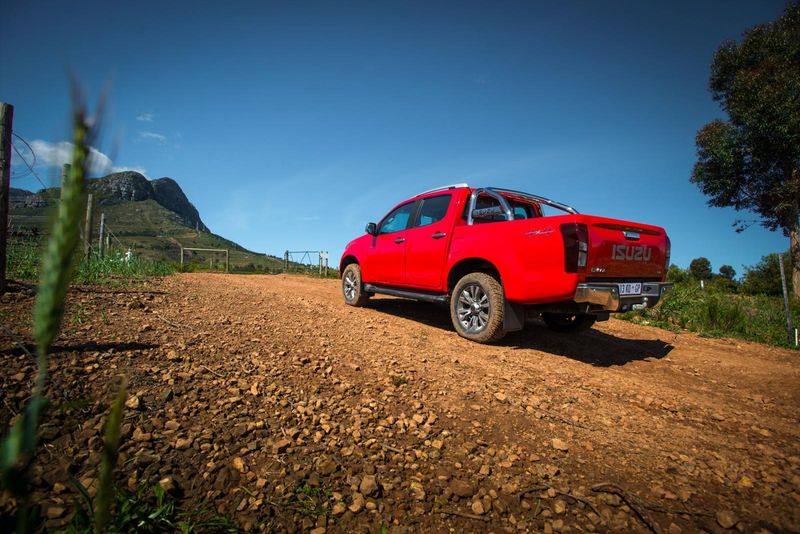

The new-look rear bumper of the Isuzu features an integrated tow bar.

The manual version of the D-MAX 300, on the other hand, felt like it could exploit the full 130 kW and 380 Nm of the 3.0-litre turbodiesel engine. The gearchange is slick and although the gate seems a bit narrow, it feels more modern than some of its counterparts. The clutch action was positive and, although most of our driving was done in 4-High, we could negotiate tricky uphill gravel tracks at 1 000 rpm with absolute ease and control.

Accessories

Off-roading enthusiasts are renowned for fitting aftermarket paraphernalia to their bakkies. D-MAX owners, however, won’t have to dodge warranty officers if they go that route… Well, at least if they choose from a range of aftermarket accessories now available from 4×4 Megaworld! 
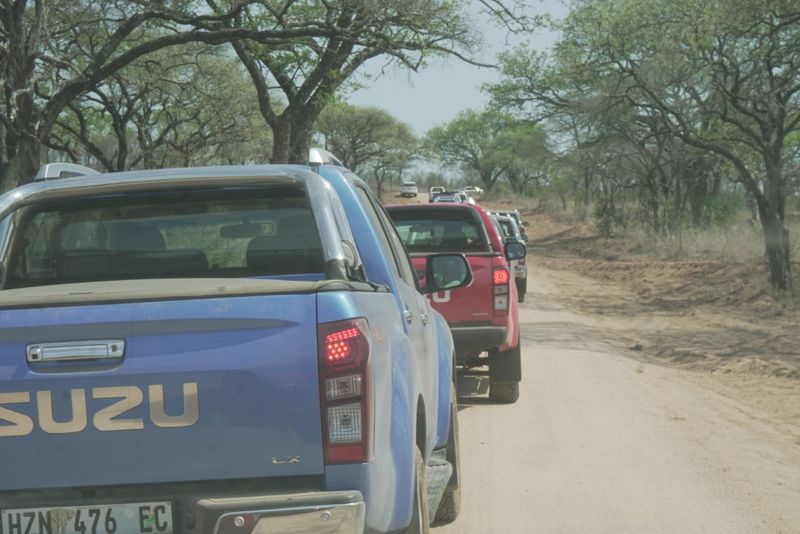

Although Isuzu engines are still considered a trifle underpowered compared with those of newer rivals, their reliability is a strong selling point.

These range from bull bars, upgraded lights, roof racks, (some very nifty) utilitarian canopies and a factory approved suspension kit, which increases the mud-plugging D-MAX's ride height without exceeding manufacturer specifications. All of these add-ons have been extensively tested, and, furthermore, the bumpers have even been crash-tested to ensure they conform with the strict safety regulations. An added bonus is that owners of older Isuzu models can now also head over to local dealerships to browse through a laundry list of factory-approved D-MAX aftermarket addenda.

Summary

The D-MAX demonstrates that Isuzu is here to stay – the re-badged, refreshed bakkie is just what the fledgeling company needed. It's exceptionally important to maintain consumer confidence and Isuzu has underlined that by improving the tried and tested KB in tasteful, but significant, ways.   

Buy a new or used Isuzu on Cars.co.za

Related Content

Isuzu Concept X Revealed (w/video)

Isuzu MU-X 3.0 4×2 (2018) Quick Review

Isuzu MU-X (2018) Video Review

Most Fuel-Efficient Double-Cab Bakkies in SA

6 Cheapest Automatic Double-Cab Bakkies in SA

2018/19 Cars.co.za Consumer Awards – powered by WesBank; Finalists
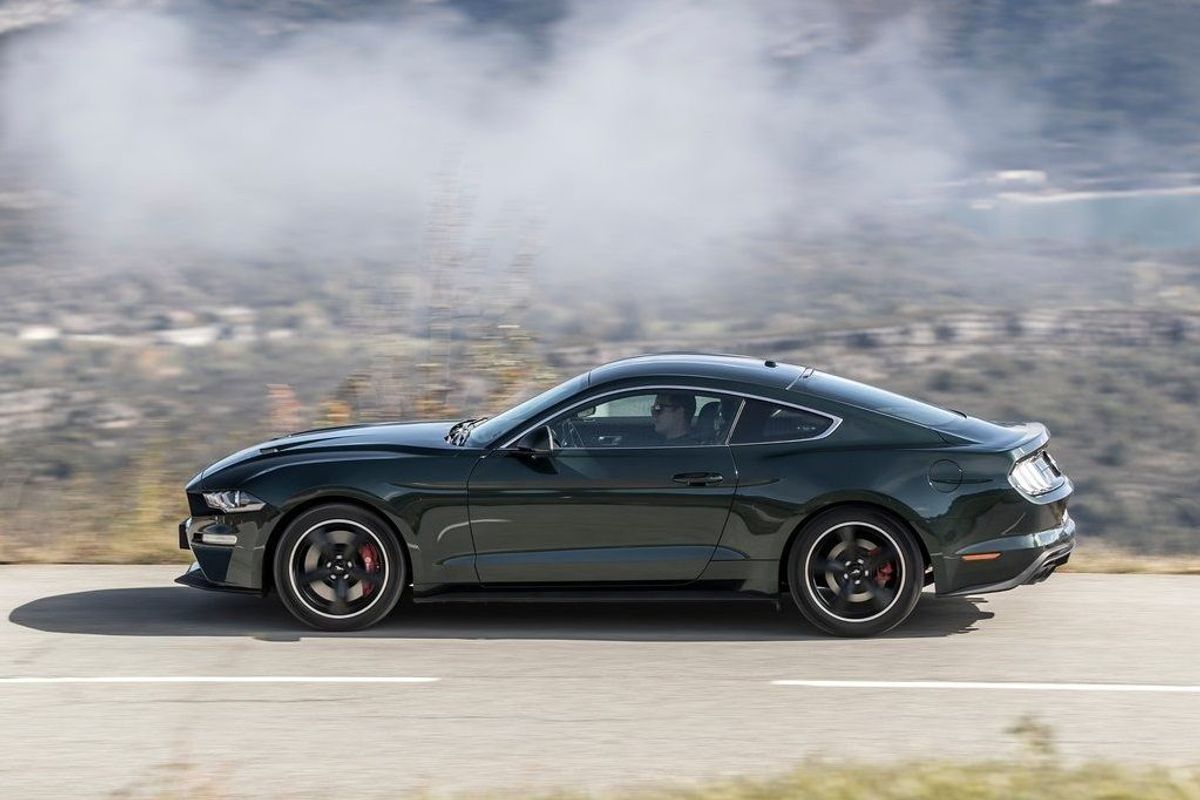
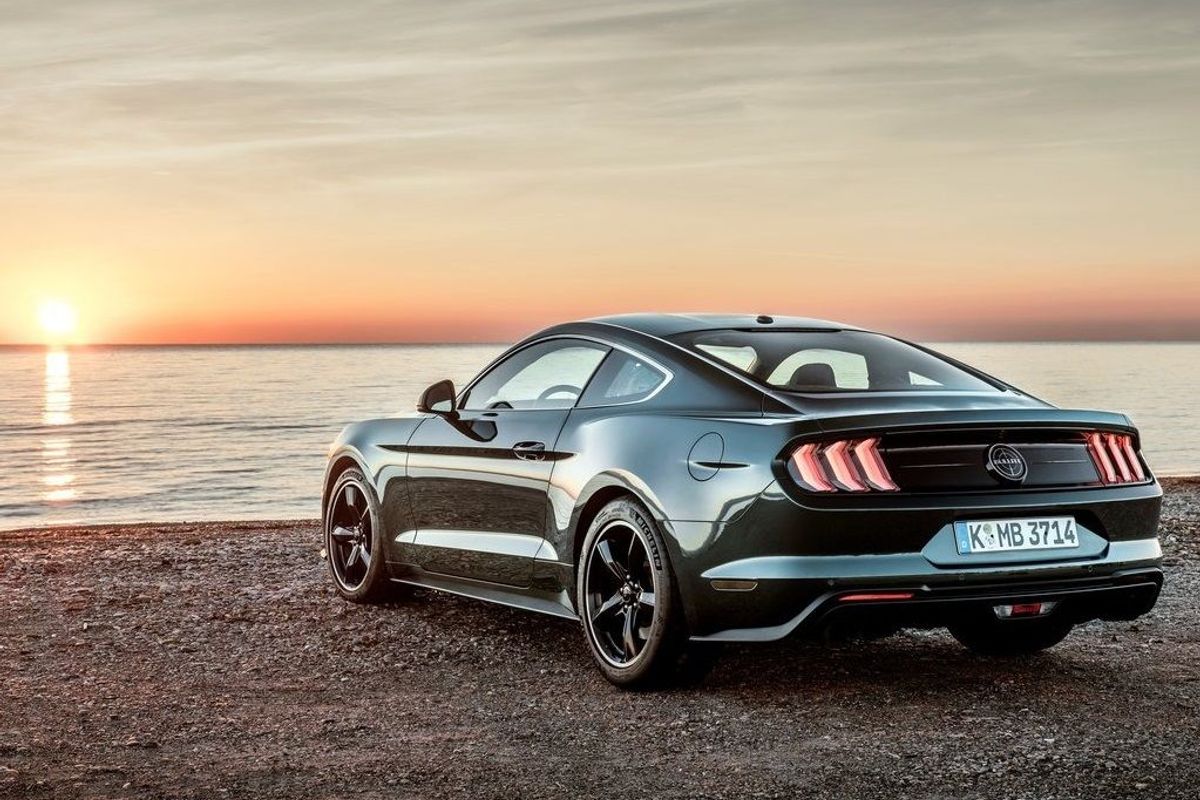
Ford Mustang Bullitt (2018) Launch Review [w/Video]

The Ford Mustang, introduced here in 2016, arguably taps into buyers’ nostalgia better than any car currently on the market. Now, with the limited-edition Mustang Bullitt, which is due in South Africa in 2019, those who even vaguely remember the iconic Steve McQueen film of the same name surely won’t be able to resist its charms. So, should you be preparing to pony-up for the latest Mustang? Ciro De Siena travelled to the South of France for the international media launch to take the Mustang Bullitt for a drive.

There are 1 000 movies to choose from on any Emirates aircraft. This presents a unique "1st world problem": What on earth should I watch on the way to France, where I’d been invited to drive the limited-edition Mustang Bullitt? As fate would have it, one of those 1 000 movies was Bullitt, a film which, up until now, I had never watched in its entirety.

Sure, I’d seen that car chase. Who hasn’t? Ironically, the rest of the film progresses slower than a commission of inquiry, which is quite ironic for a film made famous by a car chase. But, happily, I now better understood the heritage behind the car I was about to drive.

The Mustang has been an extraordinary success for the US company even though, until 2015, it was barely available outside the US. There are now in excess of 10 million Mustangs around the planet. When the Mustang debuted in America in 1965, and for the first 18 months thereafter, Ford sold roughly 100 000 Mustangs a month in the USA, so, with some back-of-the-envelope calculations, that’s 3 333 units a day, or 1 every 26 seconds. If you assume that the Ford dealerships closed at night, which they probably did, that number shrinks to an almost unfathomable figure. How on earth did they get through the paperwork so quickly?

It's all in the detail


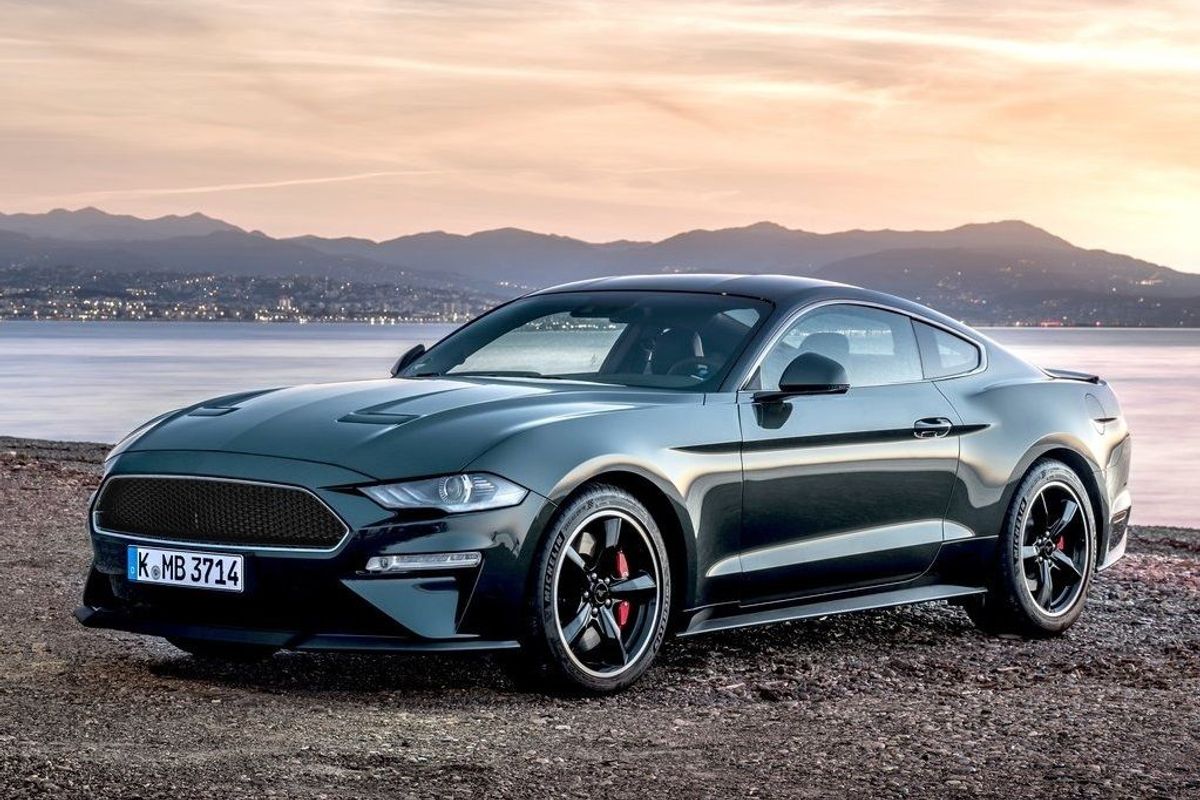
The Mustang Bullitt is destined for South Africa in 2019, but pricing for the bespoke model has yet to be revealed. 

Suffice to say, slapping the words “Mustang” and “Bullitt” onto the back of the car not only recognises the incredible history of Ford's muscle car, but also elicits the powerful force of nostalgia. And, given that the average buyer of a modern Mustang is around 50, Ford’s marketing department has got this spot on.

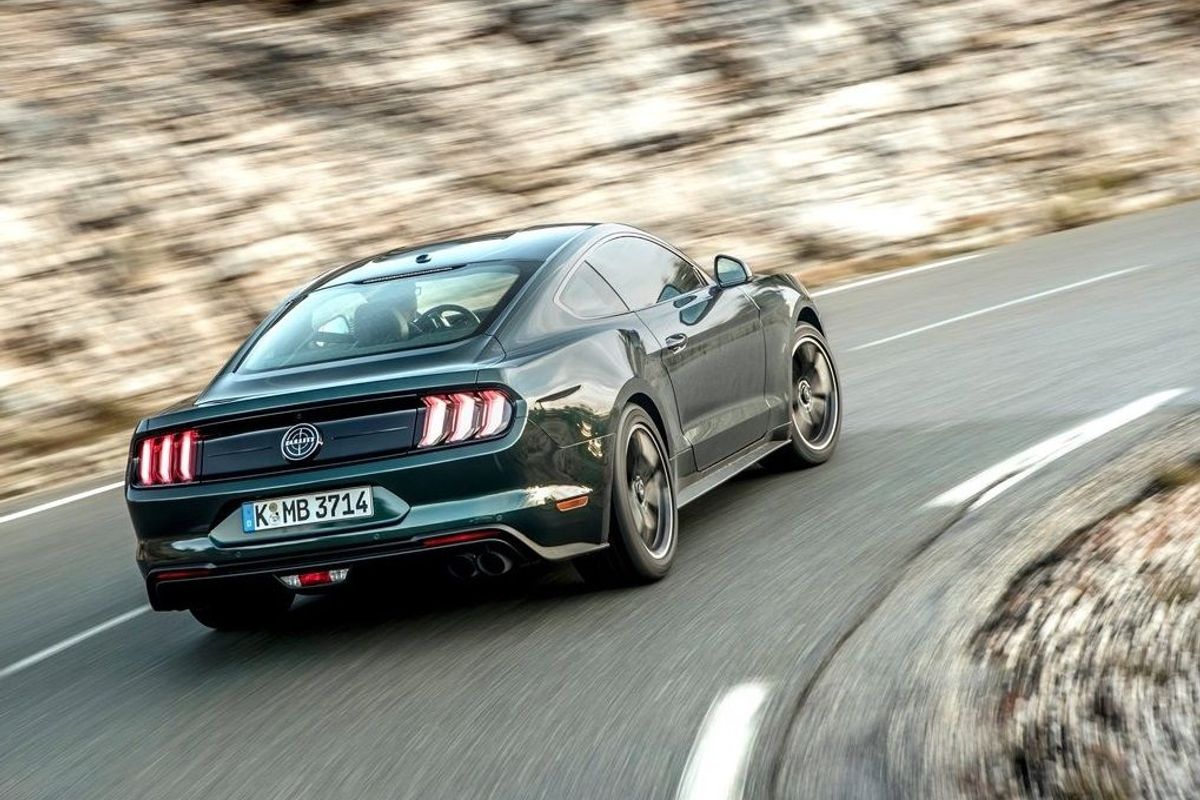
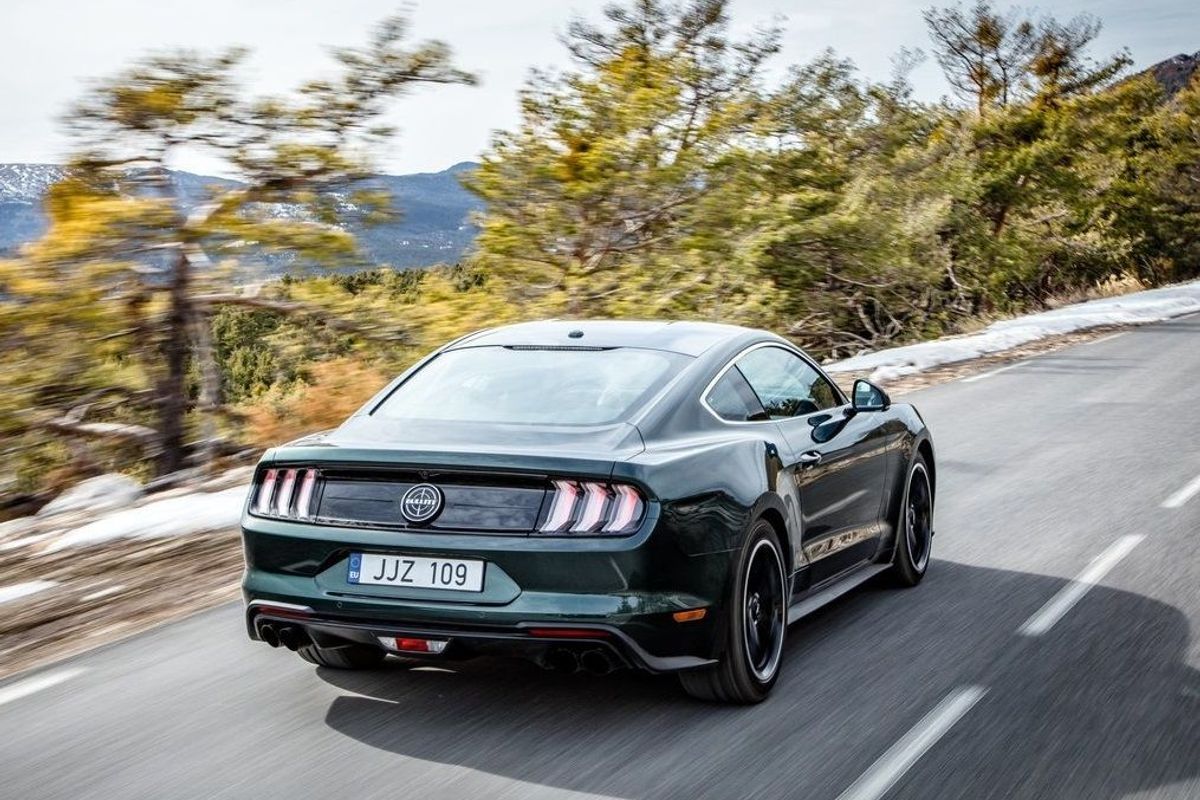
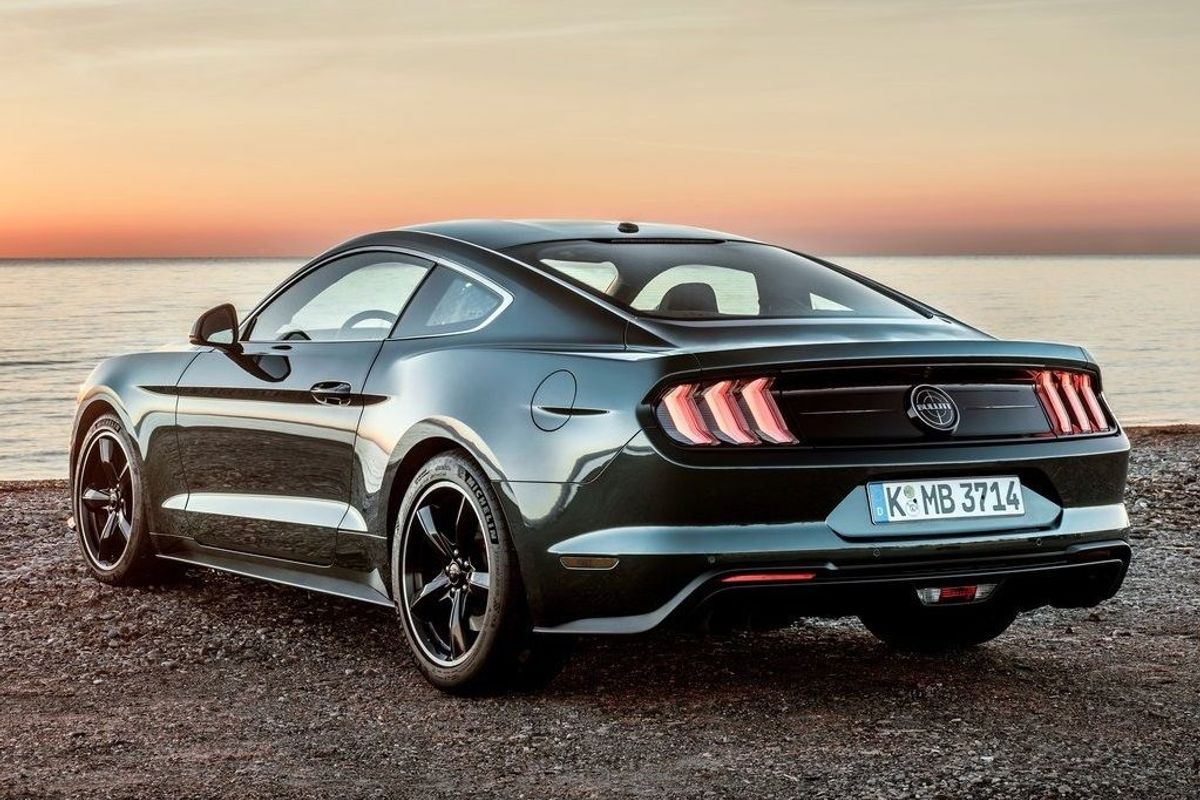
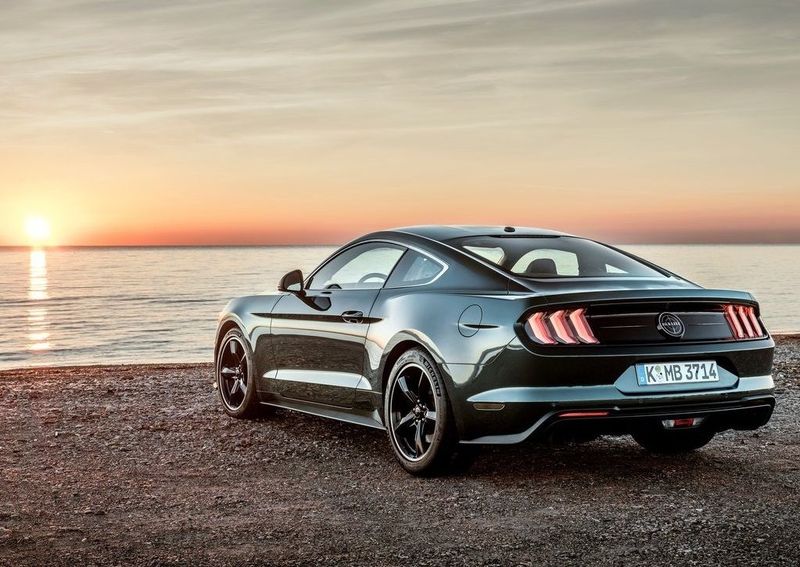
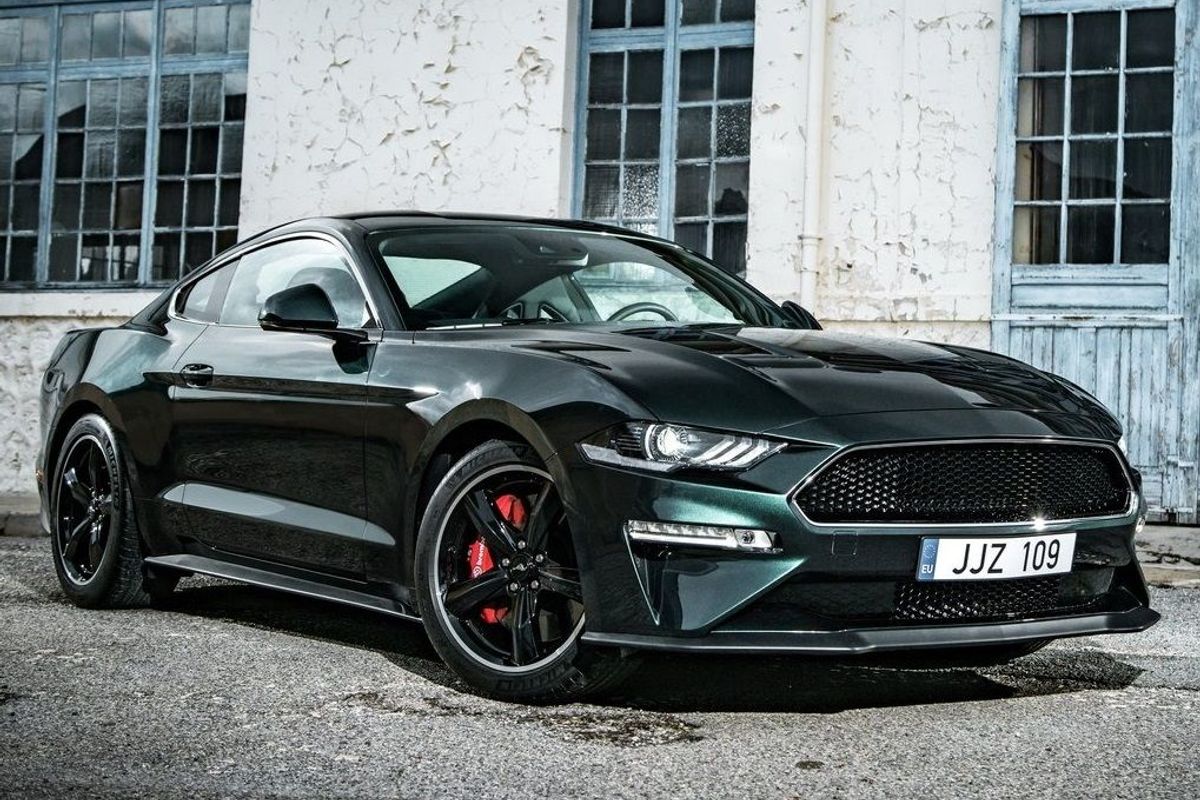
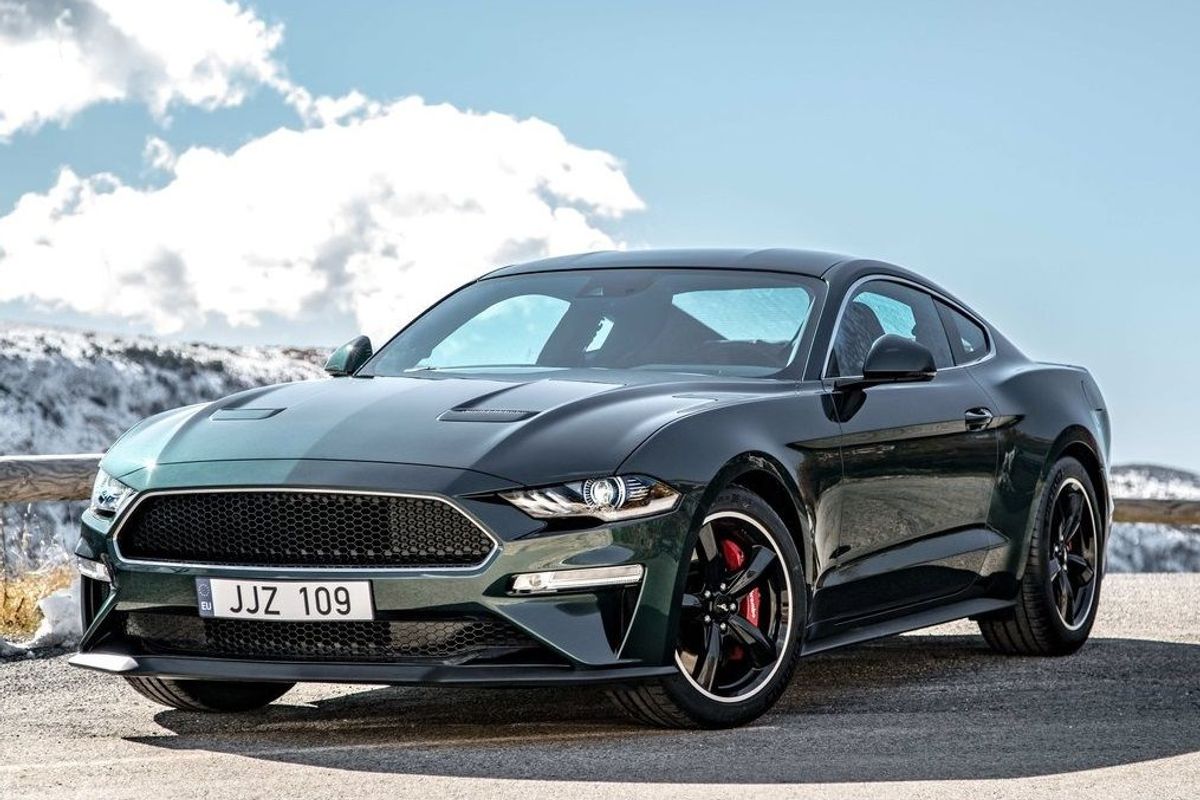
Having licensed the name from Warner Brothers, Ford has applied the famous Bullitt logo to the 2018 Mustang quite reservedly. If the unique green paint job doesn’t give the game away, the “gas cap” loses the GT lettering and now features the famous target motif, which is large enough to be spotted from across a car park.


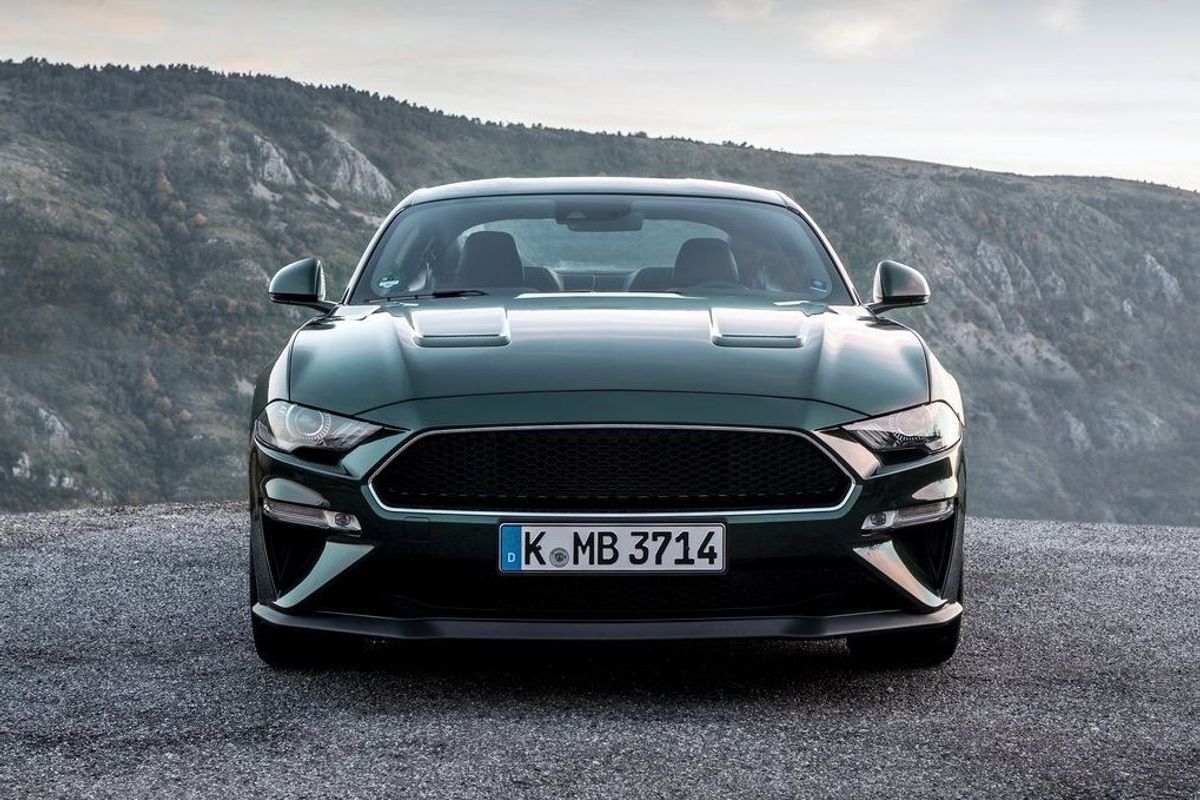
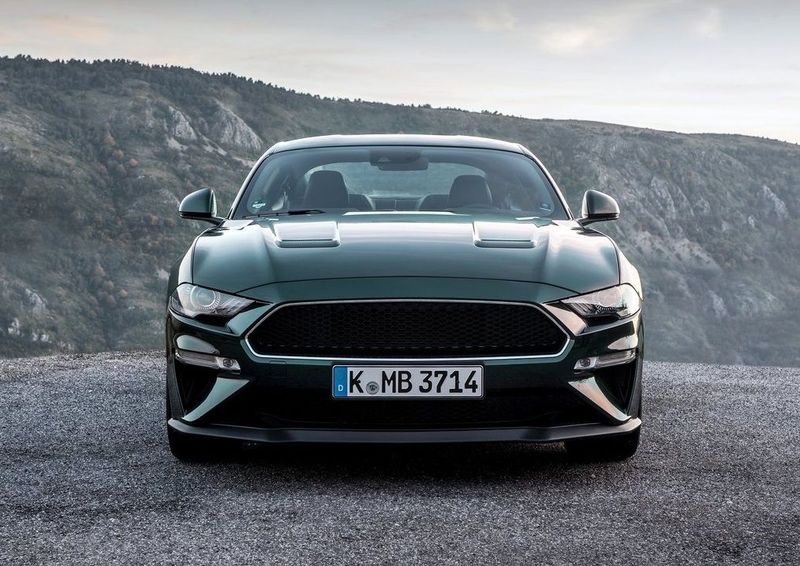
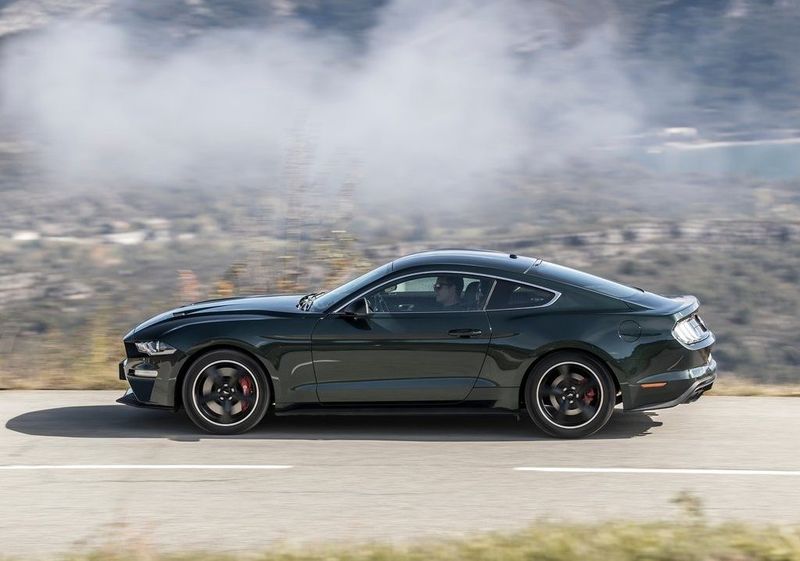
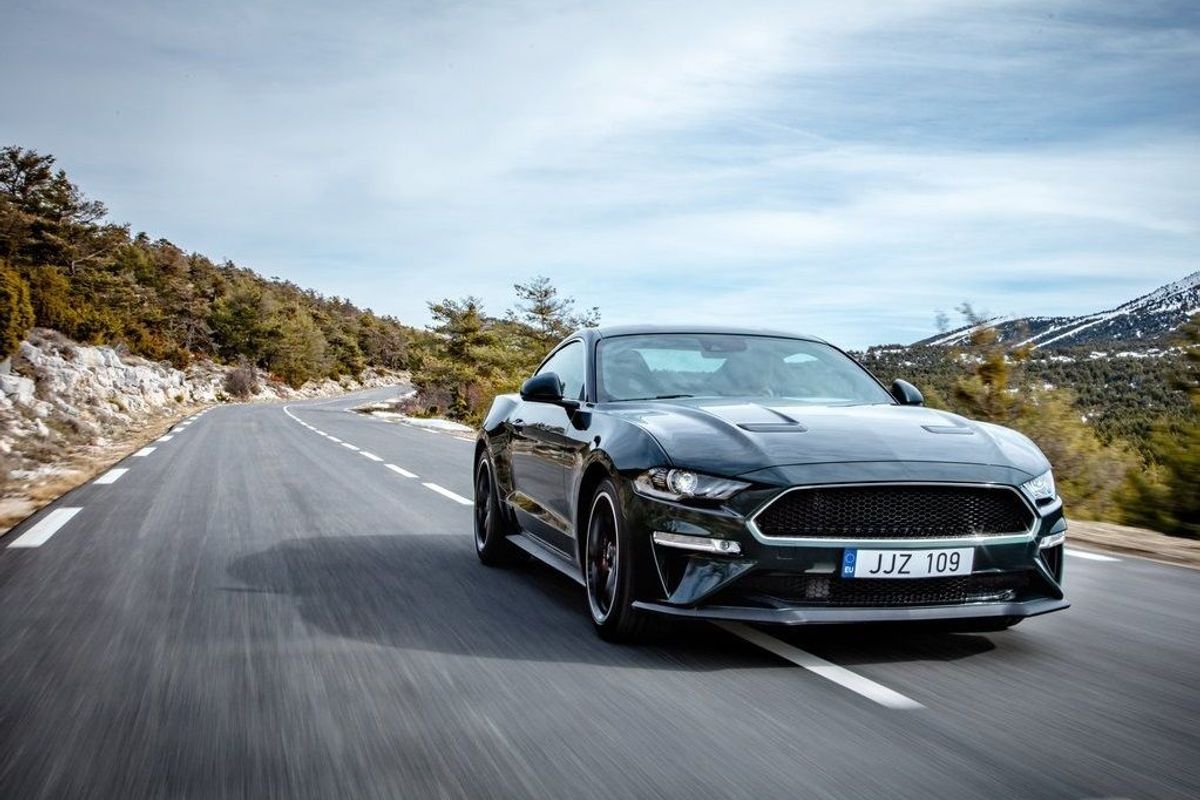
A blacked-out grille and wheels give the Bullitt a distinct, hardcore look.

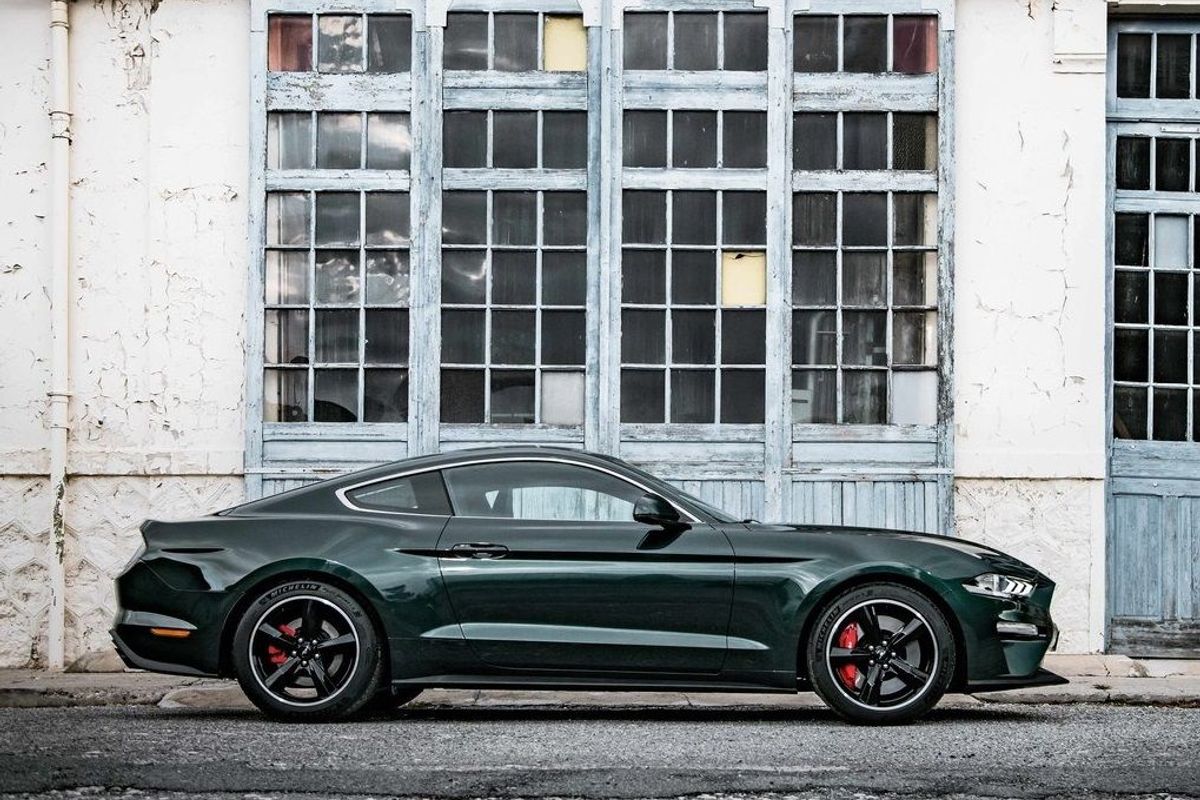
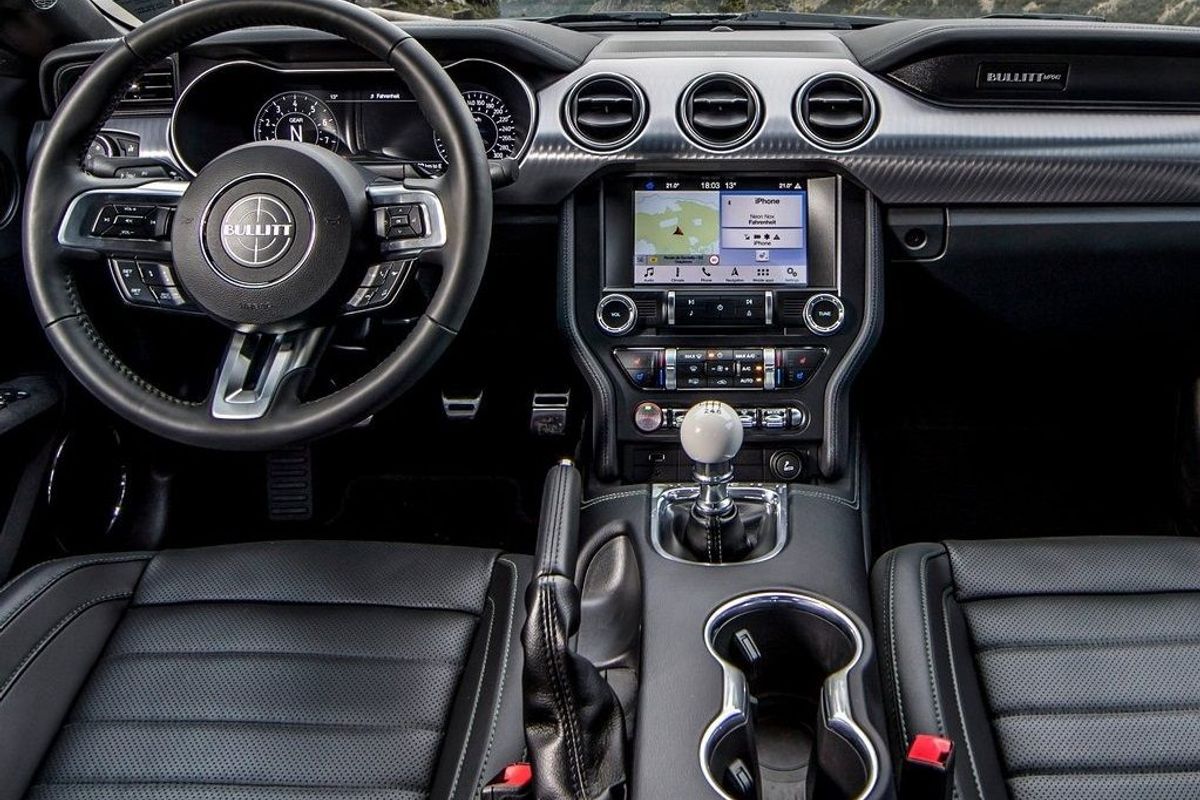
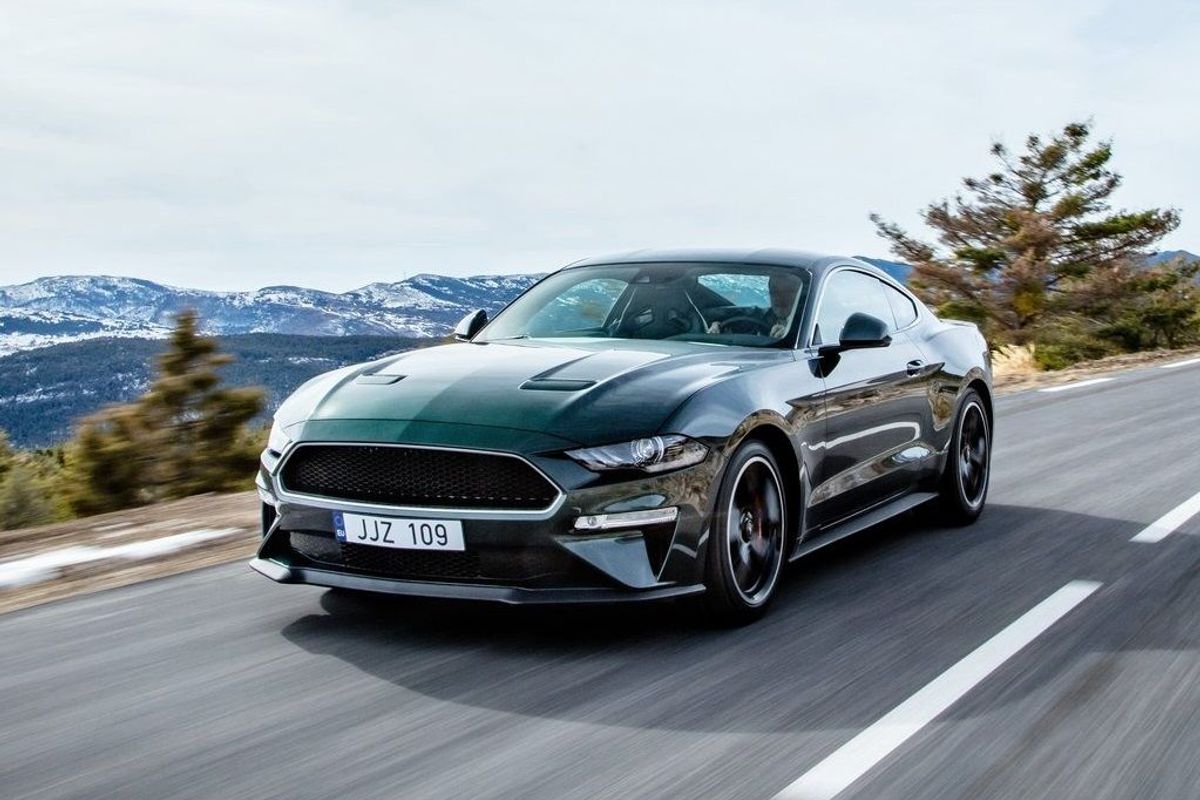
The Bullitt logo also makes an appearance in the centre of the steering wheel (in place of the galloping stallion emblem). The stallion also disappears from the front grille, which is left blacked out, just like on the 1968 Mustang GT Fastback used in the film. The retro-styled Torq-Thrust wheels are blacked out too and house red Brembo brake callipers, a detail (which the designer told me) the team deliberated about for months. Should they be black too? I think they’ve gotten away with it…

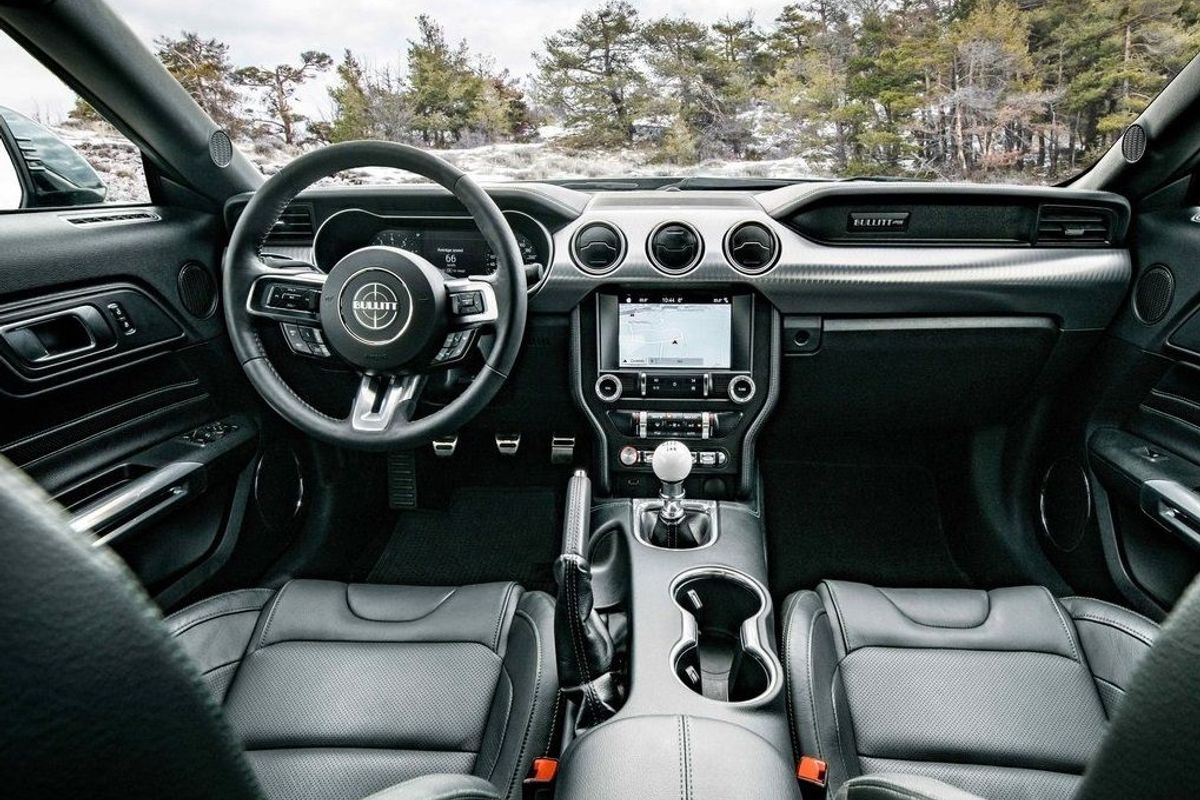
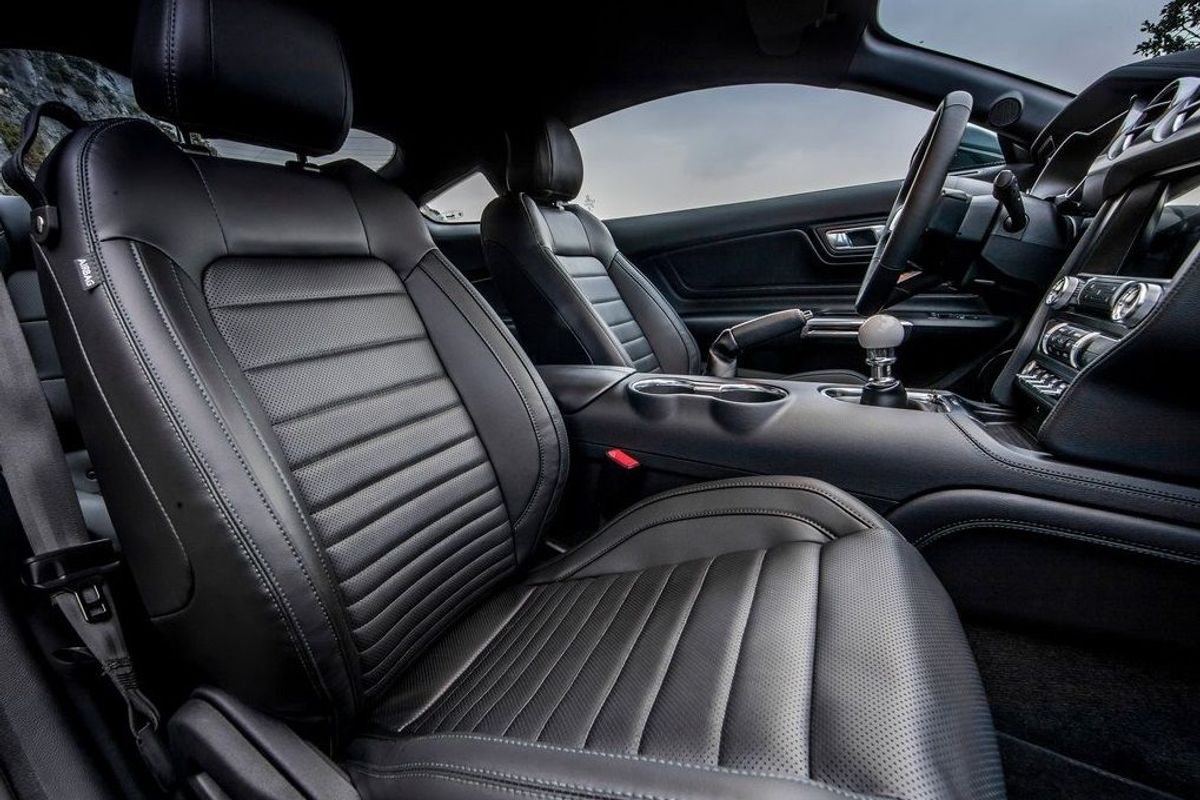
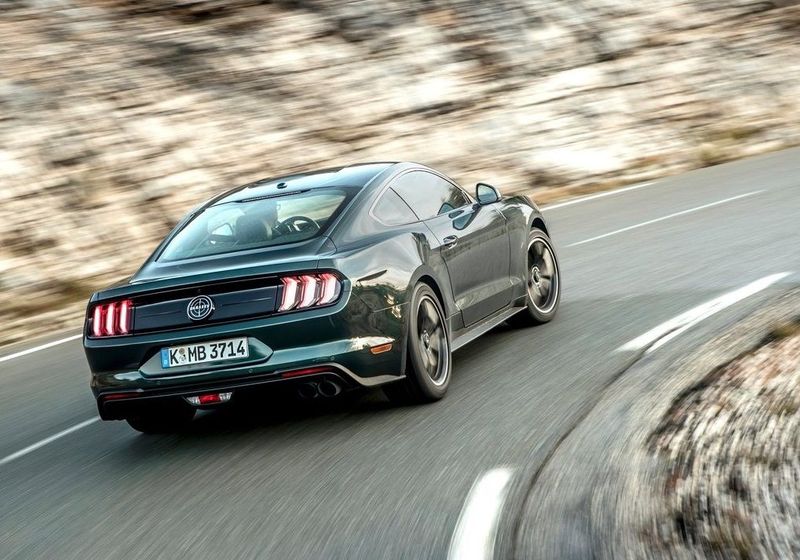
Matte-black quad tailpipes (and they are real tailpipes, not a piece of plastic integrated into the bumper) round off the rear and the colour scheme continues in the cabin, where green stitching contrasts with the soft black leather and even Recaro have come to the party and embroidered its logo onto the backrests in green.


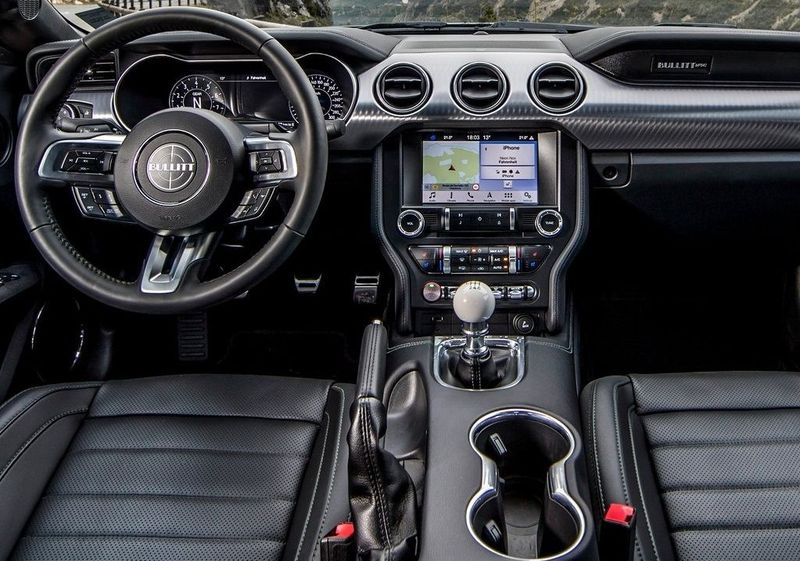
The white cue ball gear knob is identical to that found in the famous 1968 Ford Mustang GT Fastback.

As standard, the Bullitt is fitted with Ford’s latest 12-inch LCD instrument cluster, which has also been designed to echo the past; with the rev counter running up the left side and right over the top of all the instruments. It does feel like Ford has generally improved the interior for the 2018 Mustang; the plastics feel less, well, plasticky and the interior generally just feels better screwed together.

Each Bullitt edition receives a unique numbered nameplate and I was to be piloting number 005. And then, arguably, is the most important interior feature of all, the white “cue ball” gearknob, which sits atop a stubby gear shifter, connected to the 6-speed manual transmission. The Bullitt edition is only available in manual.

Driving the Mustang Bullitt is… Nice


The Bullitt is a capable GT, but transforms into a sharper and more precise sportscar at the flick of a switch. 

The location of the launch, Nice, in the South of France, is surprisingly built up. Punching through late morning traffic, the roads became steeper and narrower as high rise apartment blocks gave way to pretty, well-aged shops and homes adorned with bougainvillaeas. It was all very romantic, but the Mustang is a fairly large, unwieldy sort of car, with an impossibly long bonnet. It felt like we were trying to push a buffalo up a fire escape.

Thankfully, the villages gave way to some of the most epic mountain roads I’ve ever had the pleasure of driving on. Fast, sweeping corners with connected short straights, punctuated with chicanes and hairpins. At this point, I must state that while I have driven on the wrong side of the road more than a few times now, I have very rarely been required to operate a manual gearbox with my right hand. Auto ‘boxes and dual clutches are the order of the day these days and so my first few kilometres in the Bullitt was more of a “let’s get to know each other” kind of drive rather than maximum attack in the French countryside.

However, the very sight of 3 pedals in a large V8 coupe is more than enough to awaken your "inner driving hero". I tried to remember the last time I drove such a large capacity engine with a manual and I could only think of the Audi R8 V10 and Chevrolet Lumina, both of which don’t exist anymore. The Mustang Bullitt, in today’s motoring landscape, is a rare thing indeed.

Oddly, my brain seemed to rewire itself quite quickly, and it had to. I only had about 40 km of open road to present my dialogue to camera for our upcoming video on the car. And of course, I had to enjoy myself. Which, I’m happy to report, is very easy to do in a manual-box V8 Mustang.


A genuine quad performance exhaust system with active flaps gives the Bullitt a delectable soundtrack.

With more driving modes than you’ll probably ever use (including Racetrack and Dragstrip), the Bullitt is a proper GT car in Comfort mode. But flick it into Sport Plus and the combination of the adaptive dampers, weightier steering and new active flap in the exhaust turns this seemingly ungainly GT into a much sharper sportscar.

The driving experience is a world away from that what you might experience in a German sports coupe. While the usual suspects like BMW’s M4 or Audi’s RS5 are tightly wound, relatively highly stressed machines, the Mustang, with its 5.0-litre, naturally aspirated V8, feels decidedly more relaxed. There’s just so much engine. It feels like it could be hammered all day and barely break a sweat. With outputs of 338 kW and 529 Nm and a redline of 7 500 rpm, there’s plenty of oomph available.

I wouldn’t describe it as lazy, however. The linearity of its power delivery is at once welcome…. and disappointing. It's welcome as in that it's predictable, tractable and thanks to the manual ‘box, entirely in your control. Again, in today’s motoring landscape, these are rare and wonderful characteristics. But because they are so rare, we’ve all become so used to the elasticity (the sudden whoosh, followed by a feeling of being catapulted forward) that a turbocharged motor provides.

Coupled with very tall gearing (2nd gear takes you to over 100 kph, while 3rd will take you all the way to 180 kph), the Bullitt doesn’t feel as dramatic as its appearance suggests. The tall gearing also means its relatively difficult to get the rear to break traction at slow speed. You certainly can induce oversteer, but it happens at higher speeds than you might be comfortable with. Booting it out of a hairpin in 2nd does not produce anything near the lairy tail happy action you might associate with a Mustang.

That being said, it is capable of epic burnouts, as you’ll see in this little video we shot on location:


That being said, the setup does inspire confidence and once you learn to trust that the rear is going to largely stay put, you find yourself cornering harder and faster and getting on the throttle earlier. The gearbox action is not as notchy or mechanical as that of a Honda Civic Type R, for instance, but it shouldn’t be – this is a grand tourer. However, Ford has done more than enough to make you feel fully engaged with the 'box. And again, the fact that your left foot is actually doing something is rewarding in itself.

I’m still not sure how I feel about rev-matching software, but I’m guessing 99.5% of buyers can’t heel-and-toe (including myself) and during the test drive I came to appreciate the convenience of the car doing the work for me in that regard. The front seats are spot on in their design for application here, in that they are super comfortable as well as being supportive enough when France’s mountains throw their best curves at you.

And of course, every moment behind the wheel plays out to the background of that incredible 5.0-litre V8 soundtrack. I’m not sure which of the exhaust system's many tones I enjoyed the most; the low rpm wobble-wobble-wobble or the high speed, guttural and bassy roar that only a big-block V8 can produce…


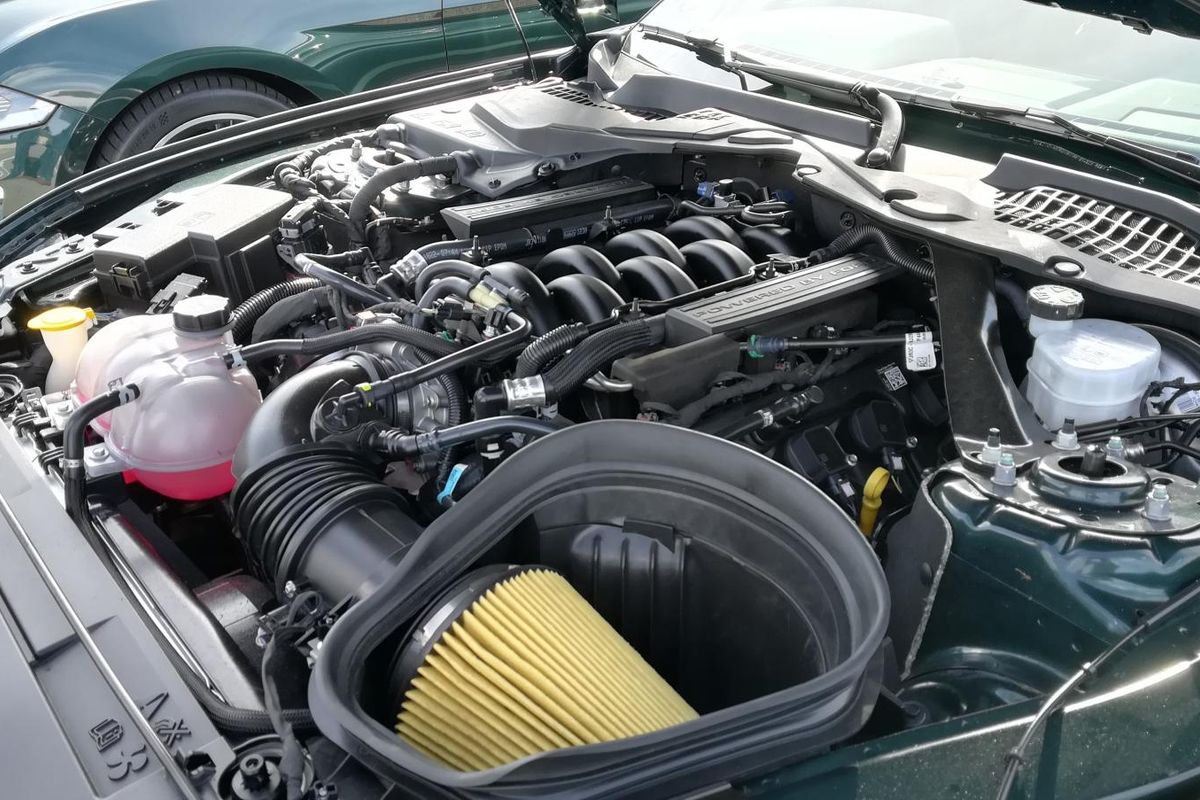
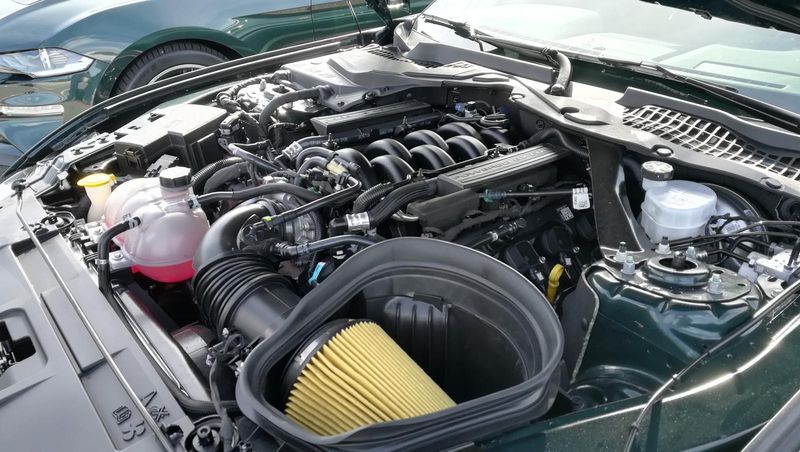
An open airbox enhances the sound of its V8 engine and adds to the Bullitt's head-turning ability.

Ford has even fitted an open airbox under the "hood", so now there’s a bit of induction noise too. And of course, because the Mustang Bullitt is manual, you can very easily blip the throttle when sitting in traffic (if you feel like being particularly anti-social). But in my defence, all the locals, who eagerly took pics of the car, loved it. And if you ever grow tired of the soundtrack, which I doubt you ever will, a 1 000W Bang & Olufsen sound system should keep you entertained.

The clutch pedal is well weighted and its bite is progressive. In totality, the driving experience is just on the right side of intimidating, and by that I mean it's quite intimidating. The Bullitt is an impressive compromise of GT and sportscar characteristics, and is likely to be sufficiently challenging (and offer enough depth of ability) to keep a very experienced driver interested for long enough to justify the purchase. If a BMW M4 is your idea of a dream driving machine, I don’t think Ford is ever going to tempt you into a Mustang. But the experience is so vastly different that if you owned both, you wouldn’t feel that you’d wasted a cent.

Summary

Happily, I feel that the 2018 Mustang, upon which the Bullitt is based, is worthy of your interest even without the Bullitt treatment. The added exterior and interior treatment exclusive to this edition is a bonus and turns the Mustang from a “cool car” into a car that stops traffic. It really does look very, very good in the metal.

And then, of course, there is the Hollywood connection. Bullitt was a phenomenon of its time, immortalised by one of the coolest guys ever to walk the planet. When you buy into the Bullitt, you own a piece of that heritage, and that alone will make you feel more interesting at dinner parties. Perhaps more than anything else on the market, the Bullitt makes you feel like the star in a blockbuster. Add to a genuinely enjoyable driving experience, and you have car that makes you feel like a hero.

Price in South Africa: To be confirmed

Availability in South Africa: All we know is that the Mustang Bullit is coming to SA in 2019. 

Number of units available: Anyone’s guess at this point. But Ford global plans to limit the numbers to keep the edition exclusive.

Buy a new or used Ford Mustang on Cars.co.za

Related Content

Ford Mustang Bullitt Coming to SA

New Ford Mustang Bullitt Appears in Geneva

Mustang Is Back: Review, Test Drive & Beauty Shots (Video)

Update: 2018 Ford Mustang Performance Figures Revealed [with Video]

Ford Mustang 5.0 GT Fastback Auto (2016) Review

Ford Mustang 2.3 EcoBoost Convertible Automatic (2016) Review

The Mustang Effect

Isuzu D-MAX (2018) Specs & Price

Isuzu has updated its KB range of bakkies which is now named D-MAX, as it’s known in international markets. See details below…

Isuzu’s hardworking KB has received an update which includes a name change to D-MAX (which originates from Thailand) as well as a specification upgrade and the introduction of a new 6-speed manual and automatic transmissions for all LX models. A total of 30 Isuzu D-MAX derivatives are on offer in South Africa while 13 are locally produced for export at Isuzu’s production facility in Port Elizabeth.

"We are also delighted to introduce the all-new six-speed manual and automatic transmissions on the 3.0-Litre LX models that improve overall performance, efficiency and refinement when compared to the previous five-speed units, while building on Isuzu's proven reputation for reliability and durability," says Dominic Rimmer, Executive Technical Services.

Out with the old, in with the new


With a new name, revised exterior and interior styling and a revised range, Isuzu will try 'Max'imise sales of this latest D-MAX. 

The changes to the D-MAX are most prominent on the LX derivatives (single, extended and double cabs) which are powered by a 3.0-litre turbodiesel engine with 130 kW and 380 Nm of torque. Styling changes include a new chrome grille design, sleeker L-shaped headlights (extended and double cabs gain Bi-LED headlights and daytime running lights) and restyled fog lamp bezels.

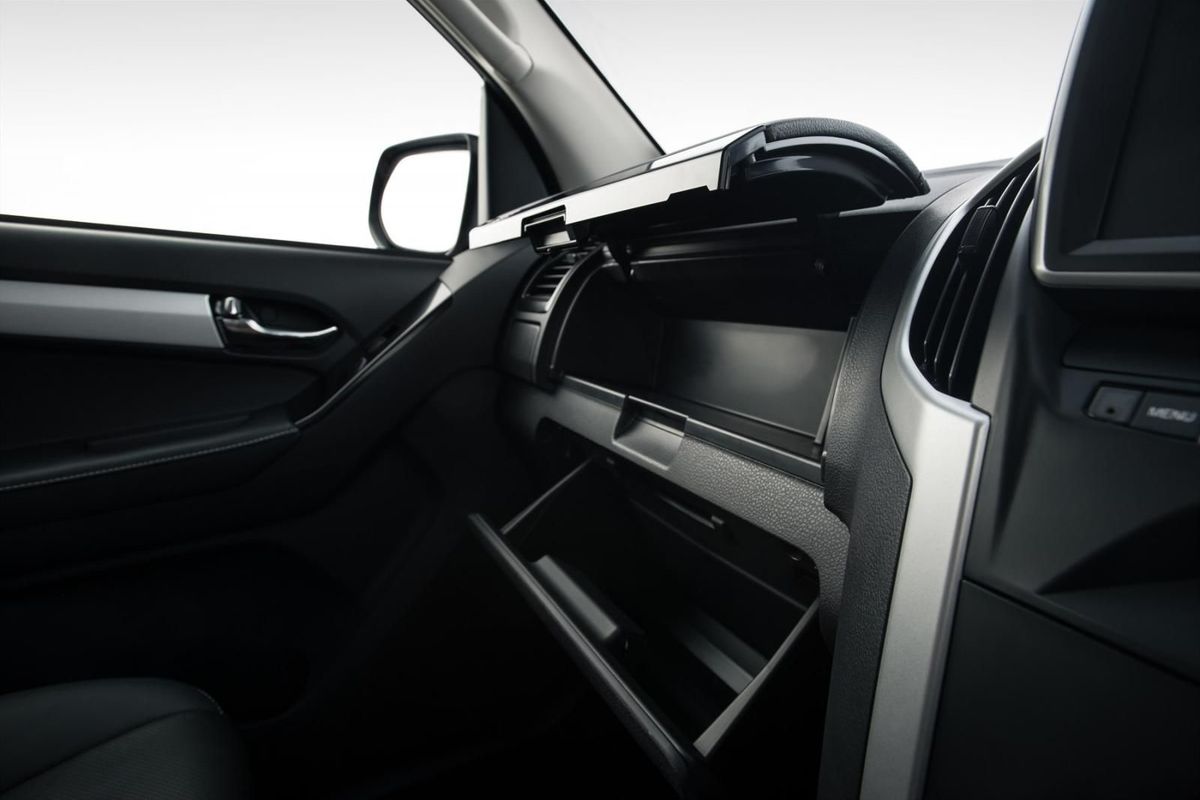
On the inside, the D-MAX in LX guise gains a soft-touch instrument cluster binnacle, a grain finish for the dashboard and door trims, piano black air vent grilles and window switches. The door handles, locking knob and air vent knobs are finished in chrome and the utility box lid now features the ‘Isuzu D-MAX logo’.

An 8-inch colour touchscreen infotainment system is fitted and offers Bluetooth and audio streaming functionality while also displaying the view from the rear view camera. A 9-inch Alpine infotainment system (from the mu-X SUV) is offered as an option and comes equipped with navigation, USB, Aux and HDMI ports while also being compatible with Apple CarPlay and Android Auto.


A larger infotainment system and a revised cabin design is a welcome change to the latest D-MAX.

The big news, however, is the introduction of a new 6-speed manual and automatic transmissions which replace the outgoing 5-speed shifters. Gear ratios and shift action have been optimised to aid optimum torque delivery while improving fuel economy. The 6-speed automatic transmission has a sequential sports mode which allows manual gear selection which is useful for towing or while off-roading in conjunction with the Hill Descent Control (HSC).

More so, the ABS on all D-MAX LX derivatives are equipped with a Brake Override System (BOS) for the first time. The system restricts accelerator input if the brake pedal is applied simultaneously, thereby reducing stopping distances in an emergency.

Trailer Sway Control (TSC) is also included, complementing the Electronic Stability Control (ESC) with Traction Control.

LX derivatives are fitted with a tow bar as standard and come with a maximum tow rating of 3.5 tons. Hi-Rider and LE derivatives can be optionally fitted with a tow bar and have a tow rating of 2.1 tons.

Revised lineup


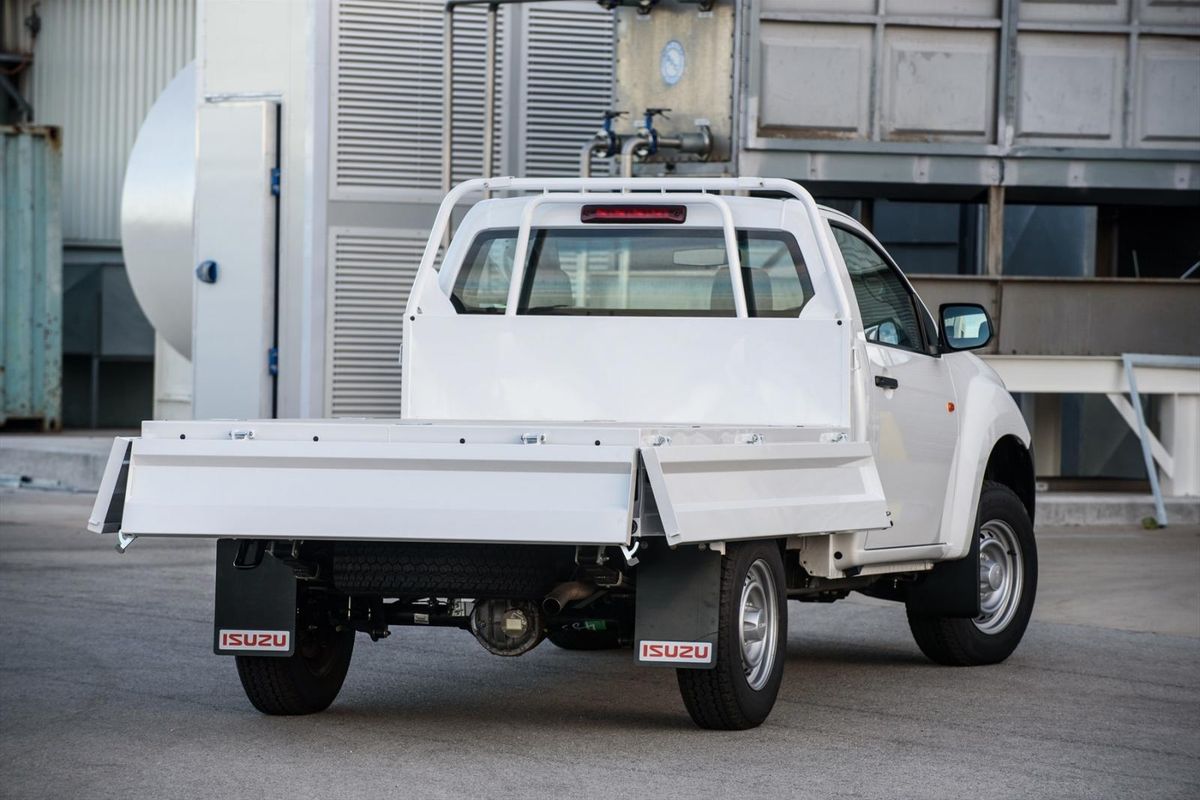
New Dropside derivatives join the D-MAX range. 

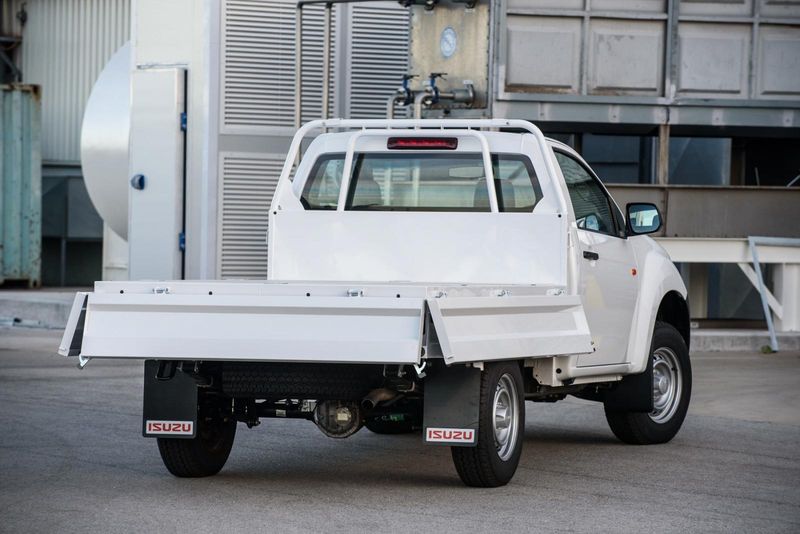
There are a total of 16 single cab D-MAX derivatives on offer and Isuzu has now included new Dropside Base models which can either be had with a factory-fitted load deck or in Dropside configuration.

Dropside Base models are offered in 2.5-litre LEED Base or Fleetside specification with 58 kW and 176 Nm of torque. A high-spec 2.5-litre HO Fleetside Safety derivative with 100 kW and 320 Nm is also available and comes equipped with dual airbags, ABS, ESC and HSA (Hill Start Assist).

Extended Cab derivatives are offered as a 2.5-litre Hi-Rider or in 3.0-litre LX guise with either a 6-speed manual or automatic transmission. A 3.0-litre 4×4 LX manaul Extended Cab is also on offer.

Isuzu D-MAX (2018) Price in South Africa

SINGLE CAB

D-MAX 250C SINGLE CAB BASE – R256 100

D-MAX 250C CHASSIS CAB BASE – R246 200

D-MAX 250CDROPSIDE BASE – R284 800

D-MAX 250C SINGLE CAB FLEETSIDE – R280 000
 

D-MAX 250C CHASSIS CAB FLEETSIDE – R270 200

D-MAX 250C DROPSIDE FLEETSIDE – R308 700

D-MAX 250 HO SINGLE CAB FLEETSIDE – R299 900

D-MAX 250 HO CHASSIS CAB FLEETSIDE – R290 000

D-MAX 250 HO DROPSIDE FLEETSIDE – R328 600

D-MAX 250 HO SINGLE CAB FLEETSIDE (Safety) – R310 500

D-MAX 250 HO CHASSIS CAB FLEETSIDE (Safety) – R300 600

D-MAX 250 HO DROPSIDE (Safety) w/ESC – R339 200

D-MAX 250 HO SINGLE CAB LE – R353 500

D-MAX 250 HO 4X4 SINGLE CAB HI-RIDER – R399 600

D-MAX 300 SINGLE CAB LX – 6-SPEED MANUAL – R413 800

D-MAX 300 4X4 SINGLE CAB LX – 6-SPEED MANUAL – R477 900

EXTENDED CAB

D-MAX 250 HO EXTENDED CAB HI-RIDER – R358 000

D-MAX 300 EXTENDED CAB LX – 6-SPEED MANUAL – R450 700

D-MAX 300 EXTENDED CAB LX – 6-SPEED AUTOMATIC – R465 200

D-MAX 300 4X4 EXTENDED CAB LX – 6-SPEED MANUAL – R513 700
    
DOUBLE CAB

D-MAX 250 HO DOUBLE CAB BASE – R332 500

D-MAX 250 HO DOUBLE CAB HI-RIDER – R387 800

D-MAX 250 HO DOUBLE CAB X-RIDER – R424 400

D-MAX 250 HO DOUBLE CAB LE – R437 200

D-MAX 250 HO 4X4 DOUBLE CAB HI-RIDER – R435 500

D-MAX 250 HO 4X4 DOUBLE CAB X-RIDER – R472 500

D-MAX 300 DOUBLE CAB LX – 6-SPEED MANUAL – R522 100

D-MAX 300 DOUBLE CAB LX – 6-SPEED AUTOMATIC – R537 100

D-MAX 300 4X4 DOUBLE CAB LX – 6-SPEED MANUAL – R591 800

D-MAX 300 4X4 DOUBLE CAB LX – 6-SPEED AUTOMATIC – R 606 400

All Isuzu D-MAX derivatives come with a 5-year/90 000 km service plan, comprehensive 5-year/120 000 km warranty and roadside assistance, as well as a 5-year unlimited distance anti-corrosion warranty. Through Isuzu Mobility, customers have the option of extending the standard service plan up to a maximum of 6 years or 200 000 km. Alternatively, the service plan can be upgraded to a full maintenance plan that covers the vehicle for planned and unplanned maintenance up to 6-years/200 000 km.

Buy a new or used Isuzu on Cars.co.za

Related Content

Isuzu Concept X Revealed (w/video)

Isuzu MU-X 3.0 4×2 (2018) Quick Review

Isuzu MU-X (2018) Video Review

Most Fuel-Efficient Double-Cab Bakkies in SA

6 Cheapest Automatic Double-Cab Bakkies in SA

2018/19 Cars.co.za Consumer Awards – powered by WesBank; Finalists
Porsche 911 Range Explained

Are you confused by the Porsche 911 hierarchy? Fear not, as Porsche has put out a video explaining each and every model in the 911 family.


Porsche 911 Speedster Concept Confirms Production Model

Porsche Cayenne (2018) Launch Review

Facelifted Porsche Macan (2019) Revealed

Porsche 911 Carrera T (2018) Launch Review

Porsche Centre Pretoria gains Classic Partner status

Want to buy a new or used Porsche?

Browse new and used stock here

Subaru WRX ES Premium (2018) Quick Review

Judging by its spec sheet, the latest iteration of the Subaru WRX should have 'Scooby enthusiasts' drooling by virtue of its enhanced styling, impressive technology and generous array of interior features. However, does the ES Premium with its (automatic) Lineartronic CVT do the nameplate justice or is its performance too compromised to warrant consideration? 

We Like: Macho styling, interior build quality, safety, handling, acceleration

We Don’t Like: Thirsty, CVT dulls engagement, firm ride, pricey

Fast Facts

Price: R631 400 (October 2018)

Engine: 4-cylinder, 2.0-litre turbocharged Boxer

Power/Torque: 197 kW @ 5 600 rpm / 350 Nm @ 2400 – 5 200 rpm

Transmission: CVT

0-100 kph: 6.3 seconds

Top Speed: 240 kph

Boot Space: 460-litres

Serious About Buying?

Check out full specification details and finance estimates here.
Some Subaru dealers regularly offer specials: Have a look here.

What is it?


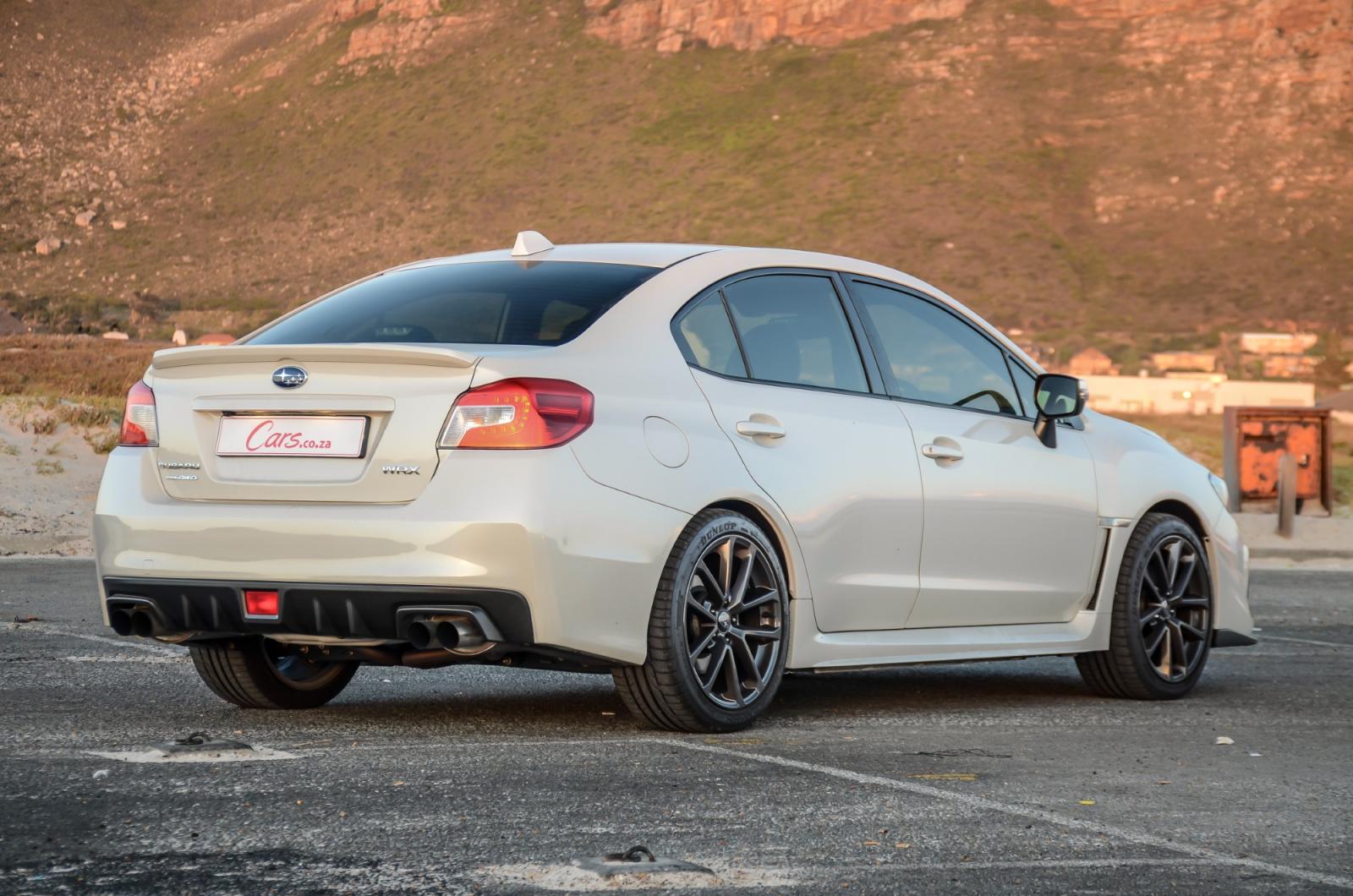
With sporty, rally-inspired looks, the WRX has visual appeal while still offering a practical cabin.  

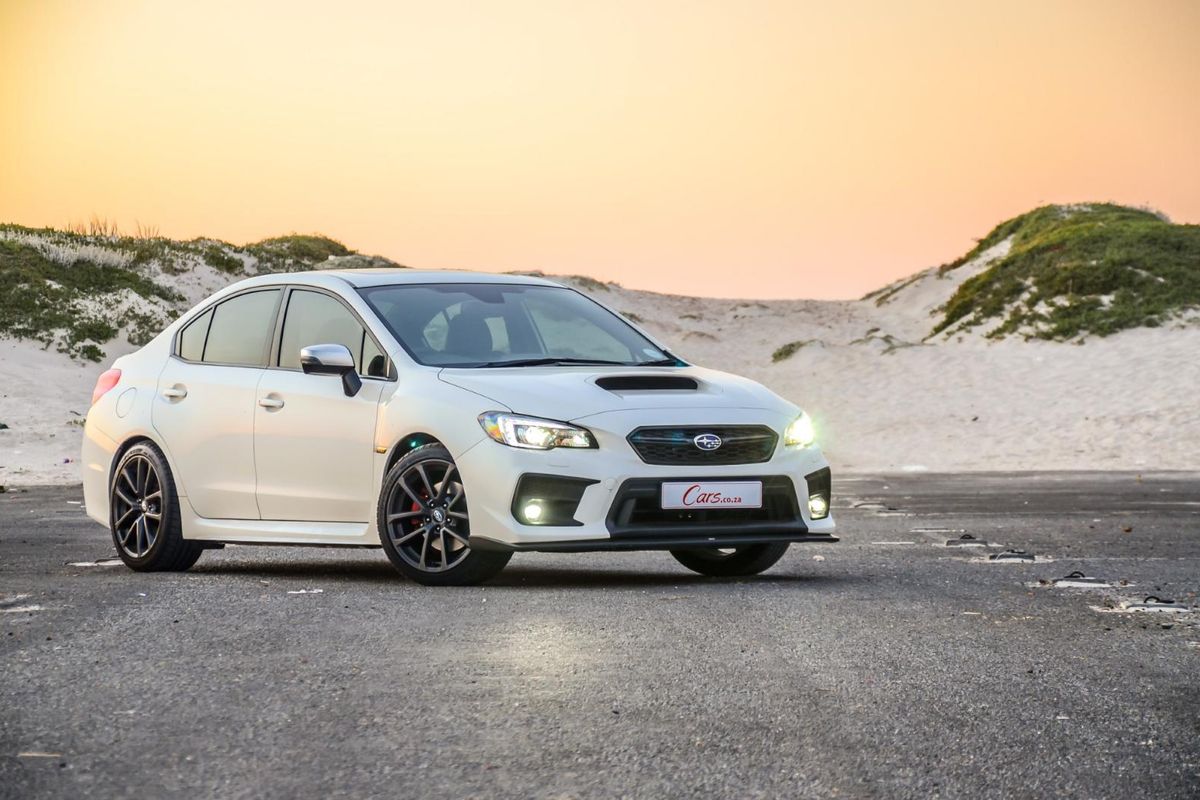
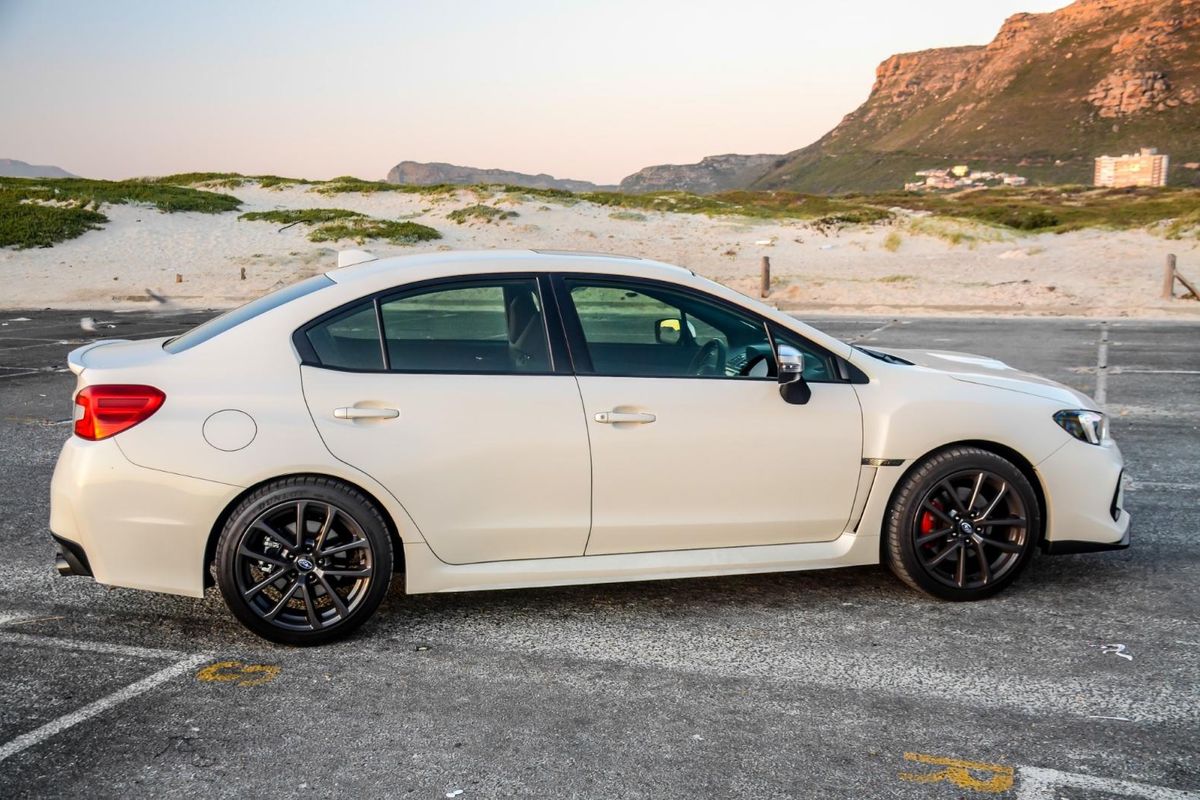
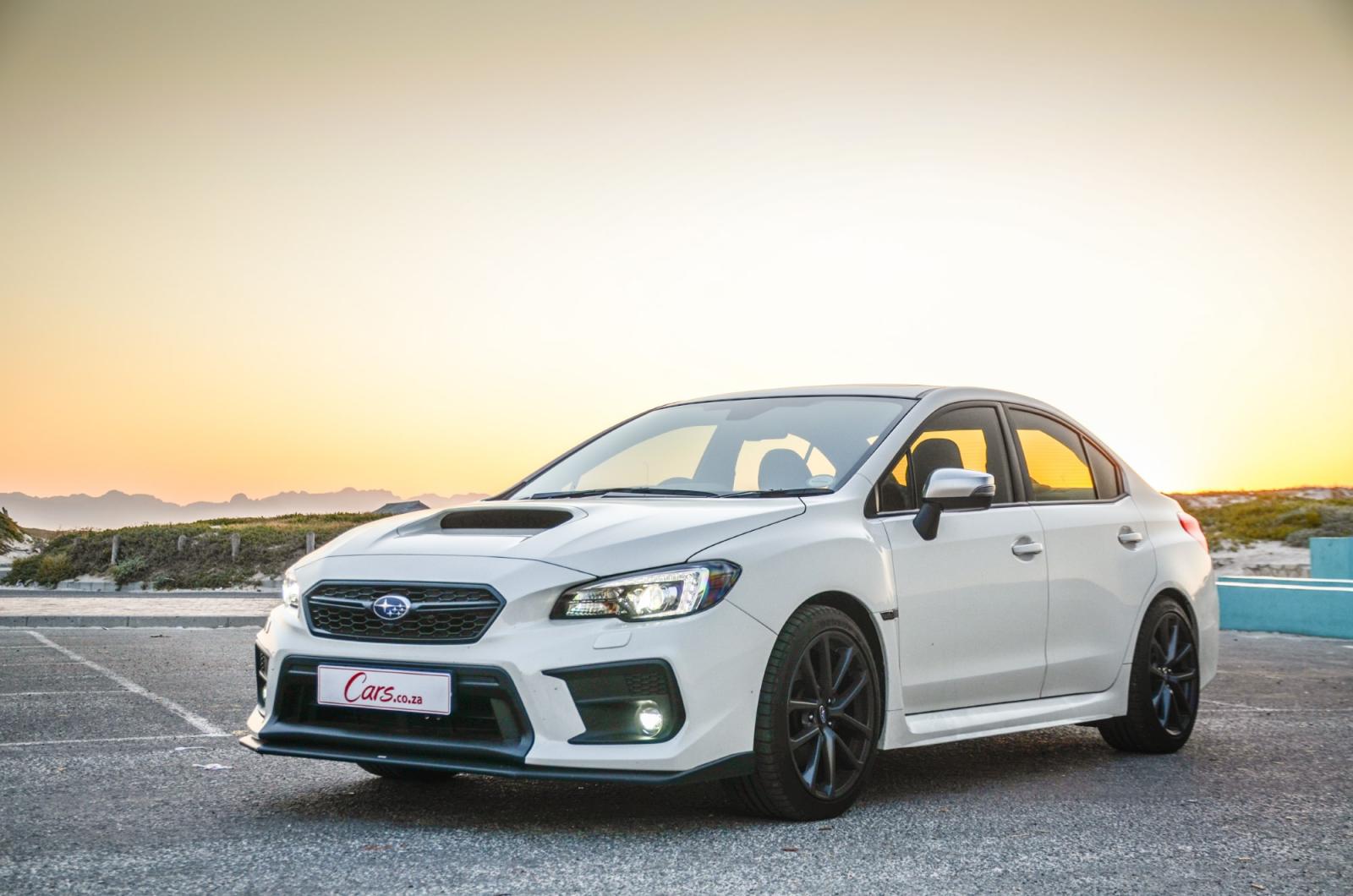
The latest Subaru WRX sports sedan draws inspiration from its rally roots (just as its celebrated predecessors did), but has donned "a suit and tie" to appeal to a wider audience, while retaining just enough of its boy-racer looks that droves of fans adore.

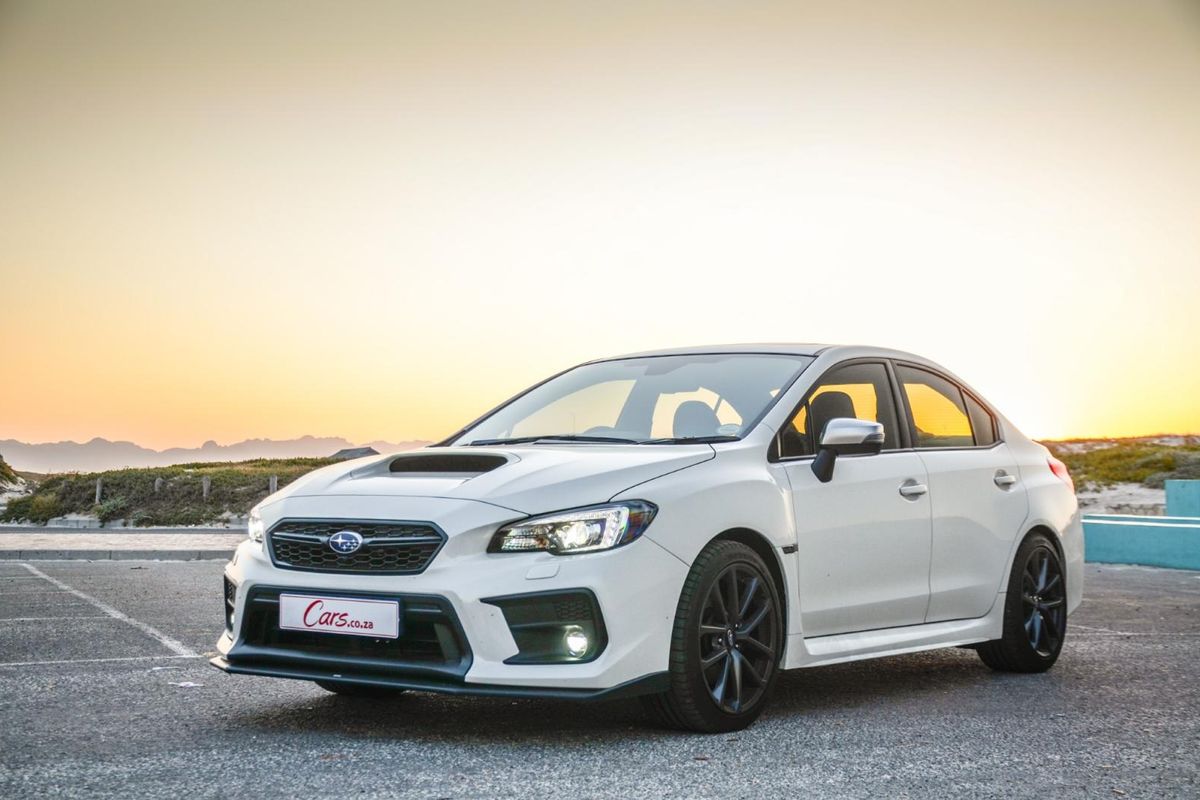
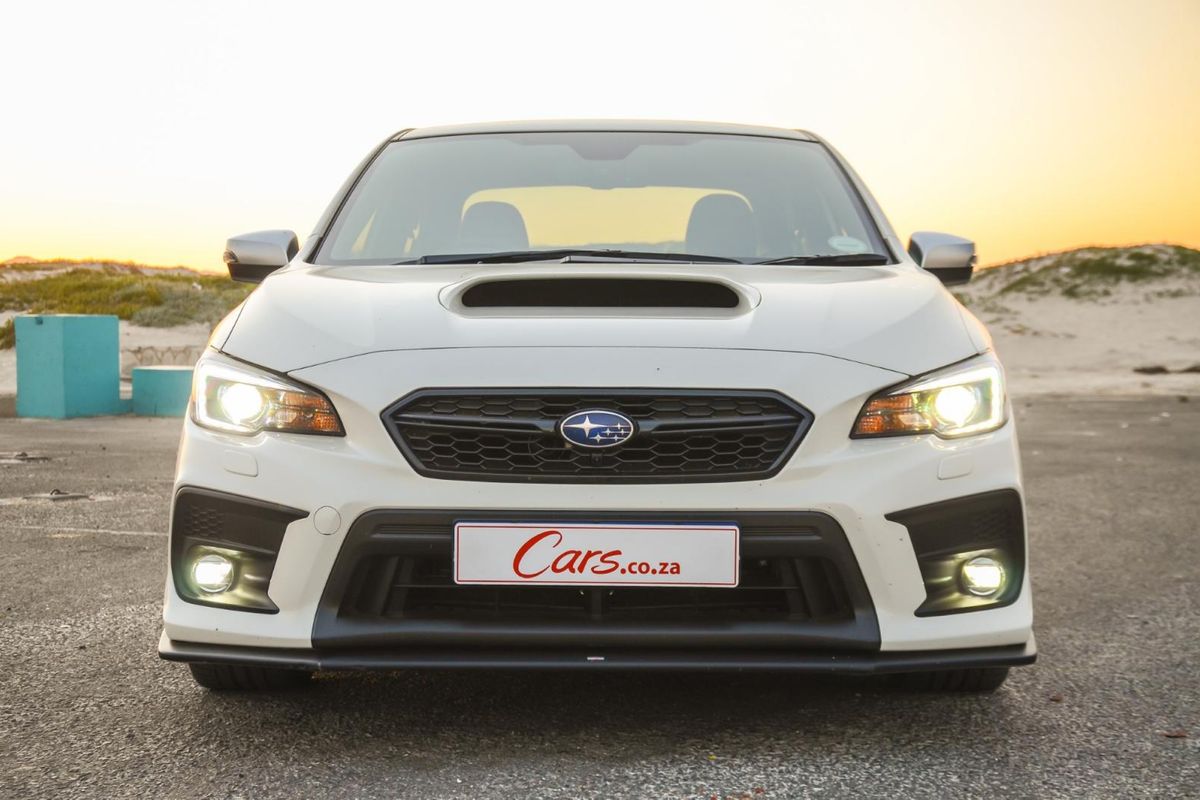
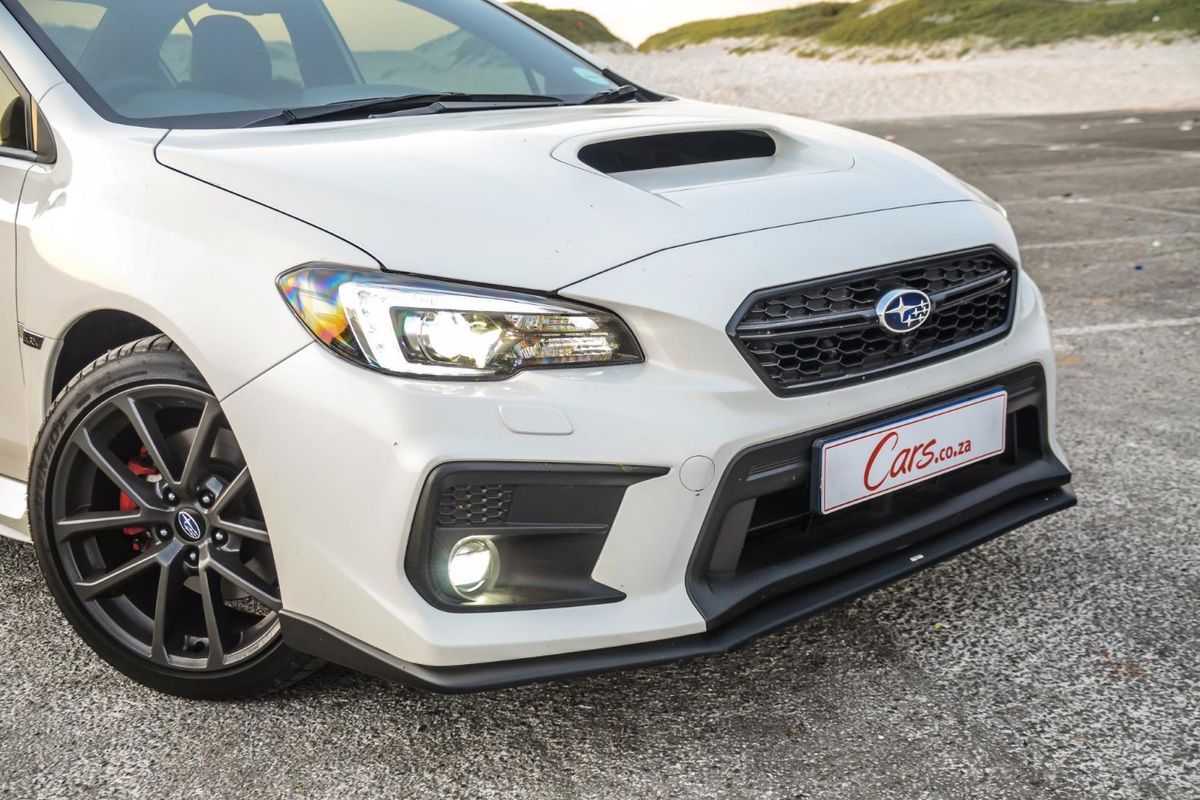
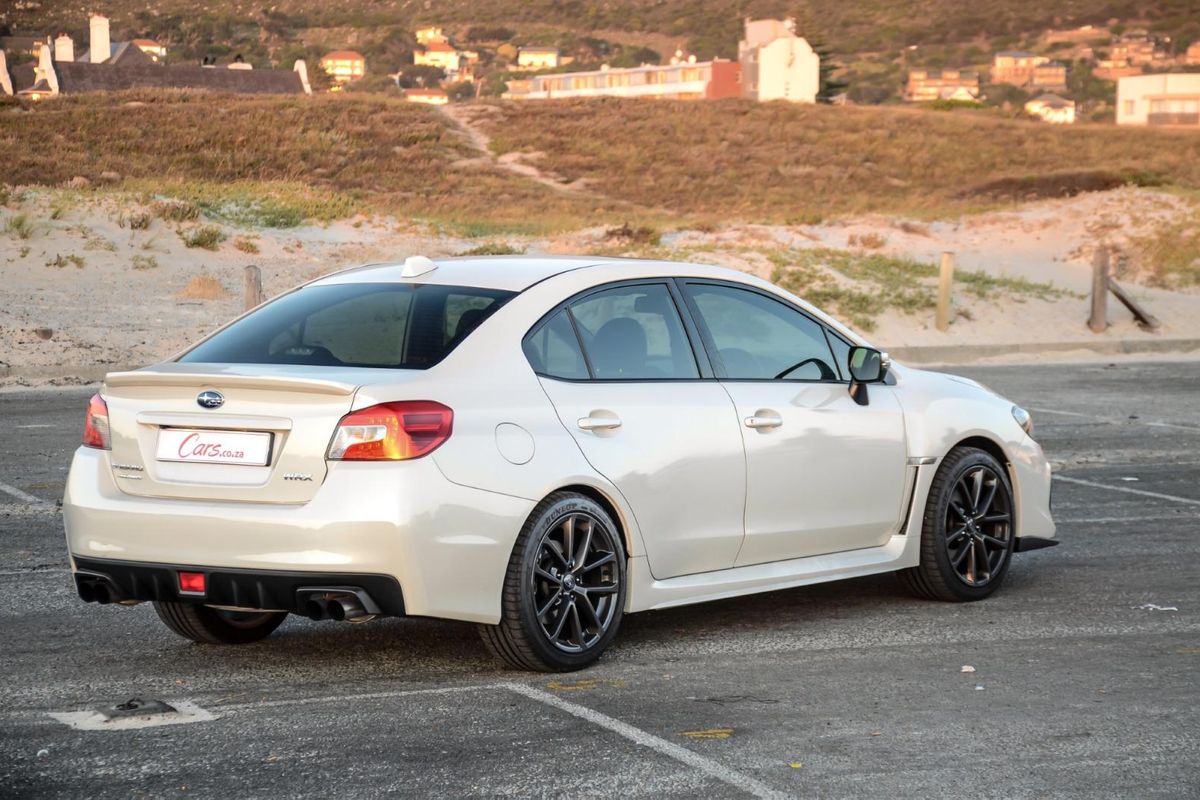
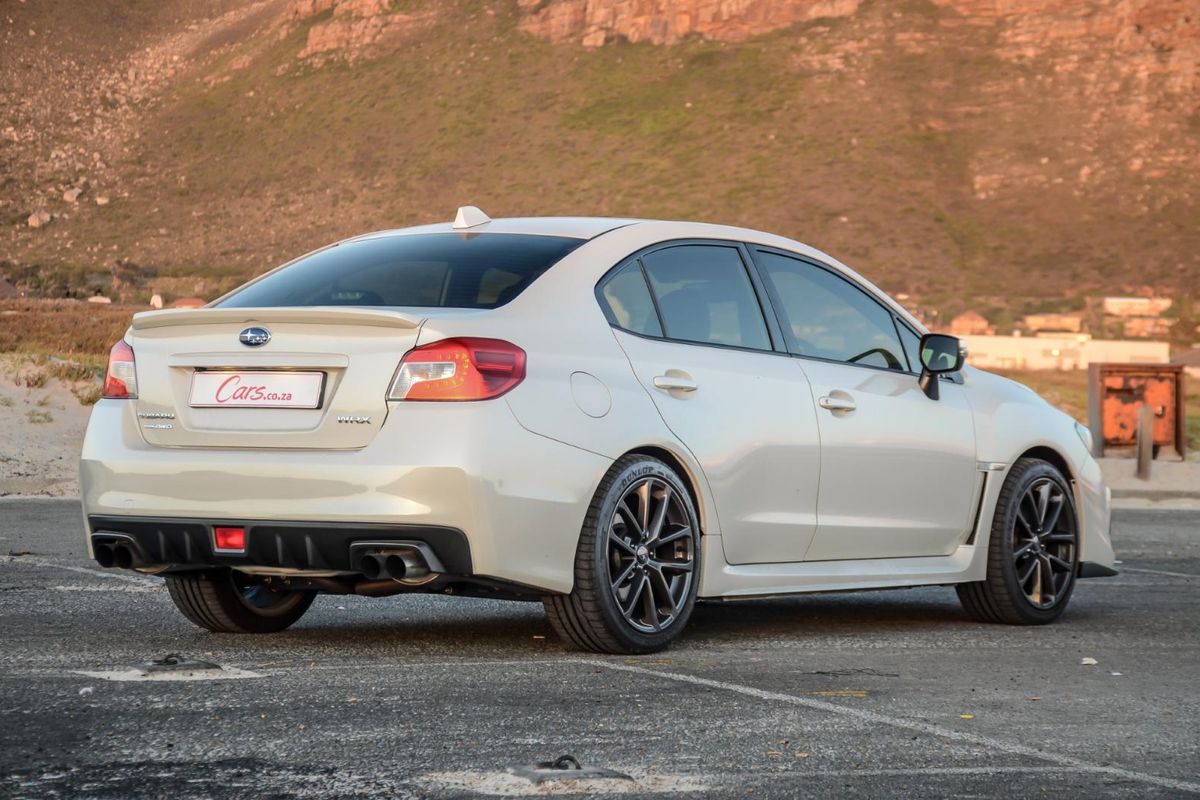
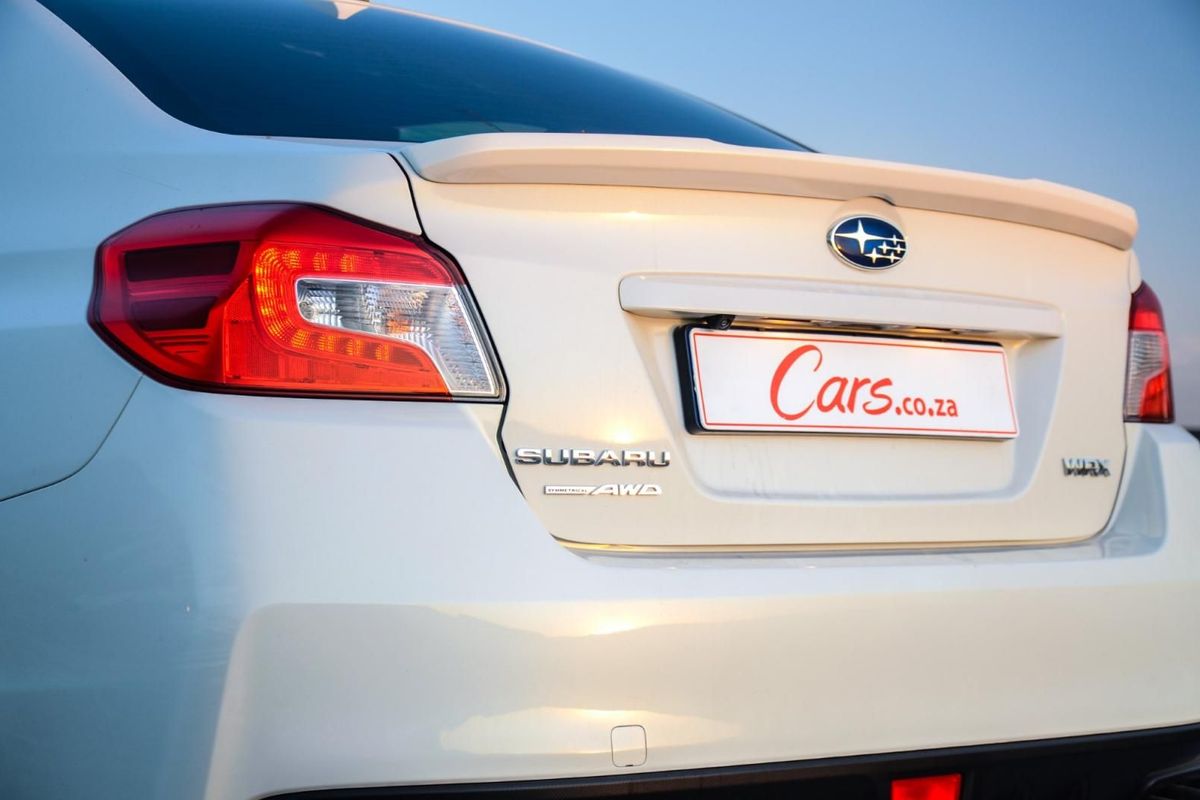
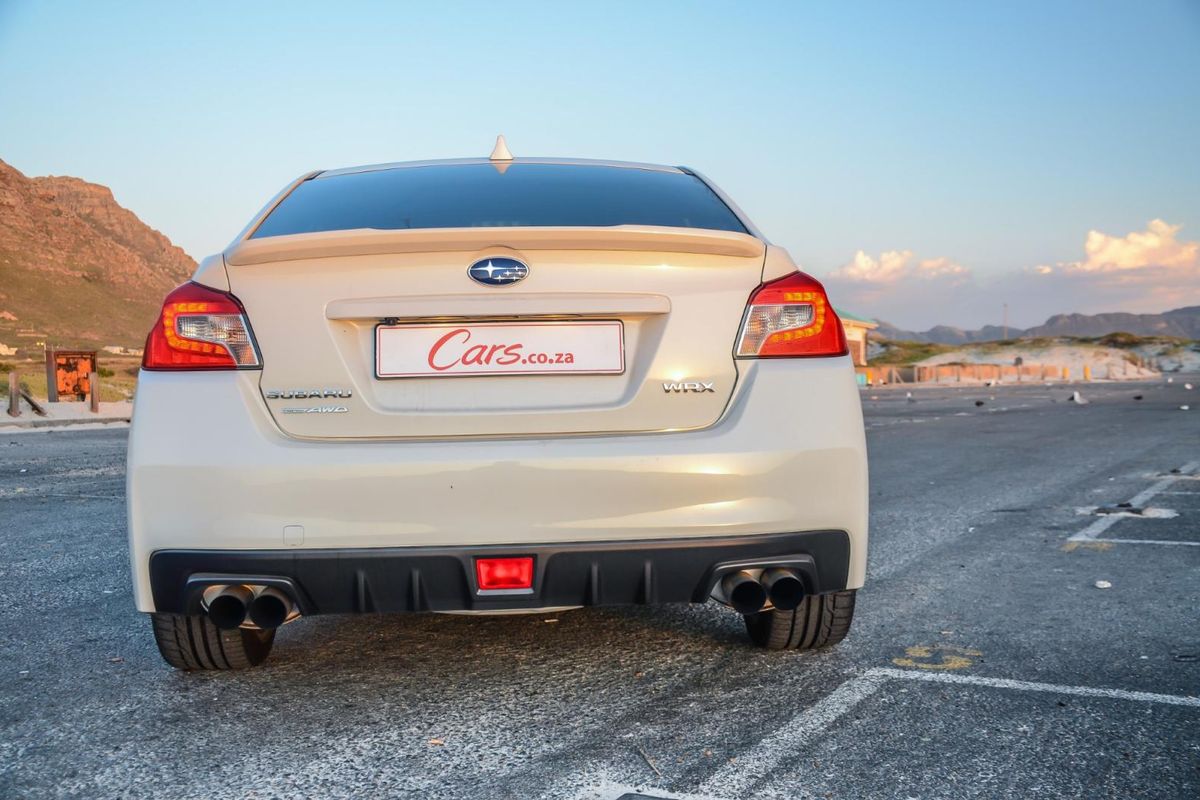
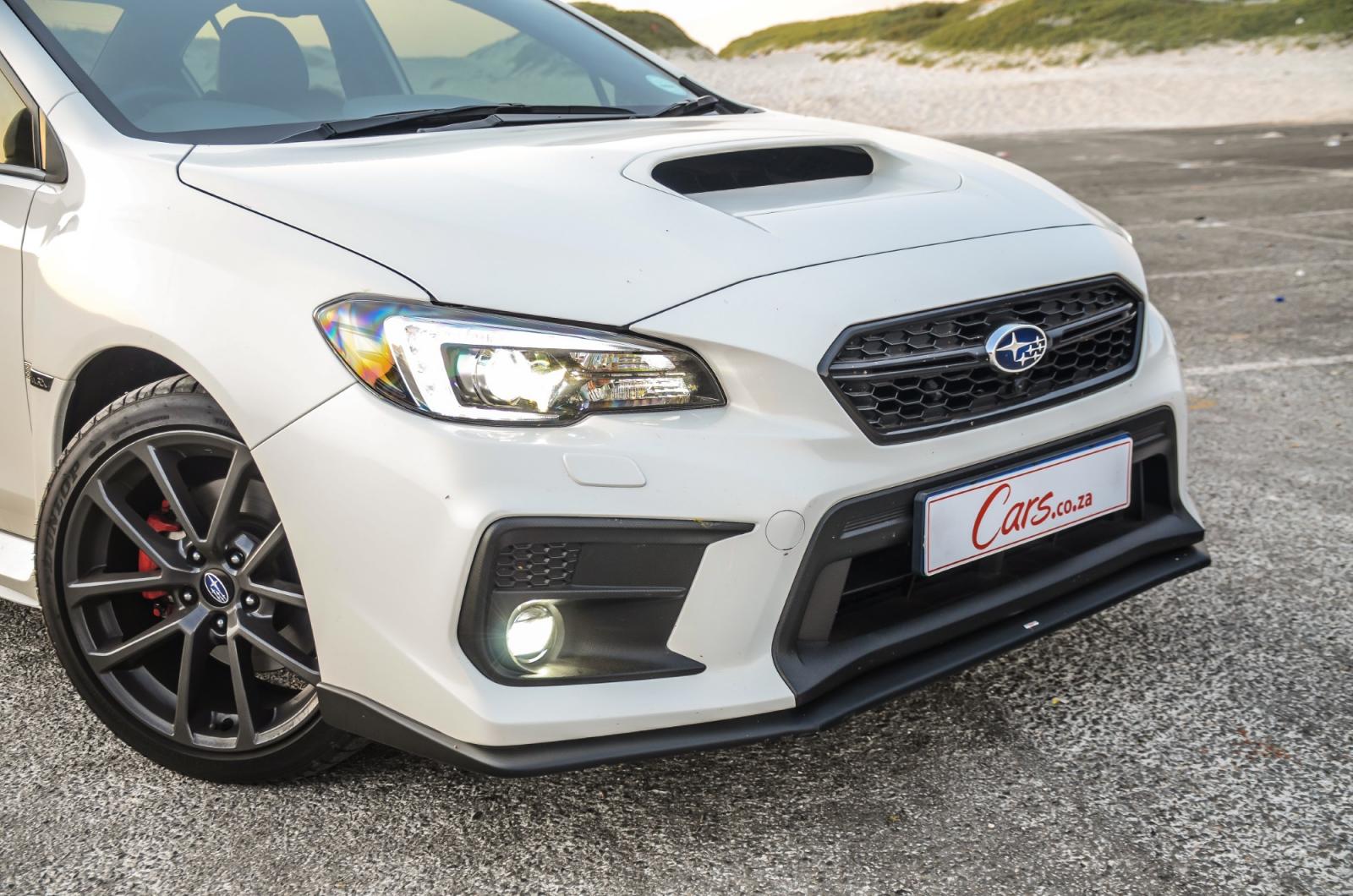
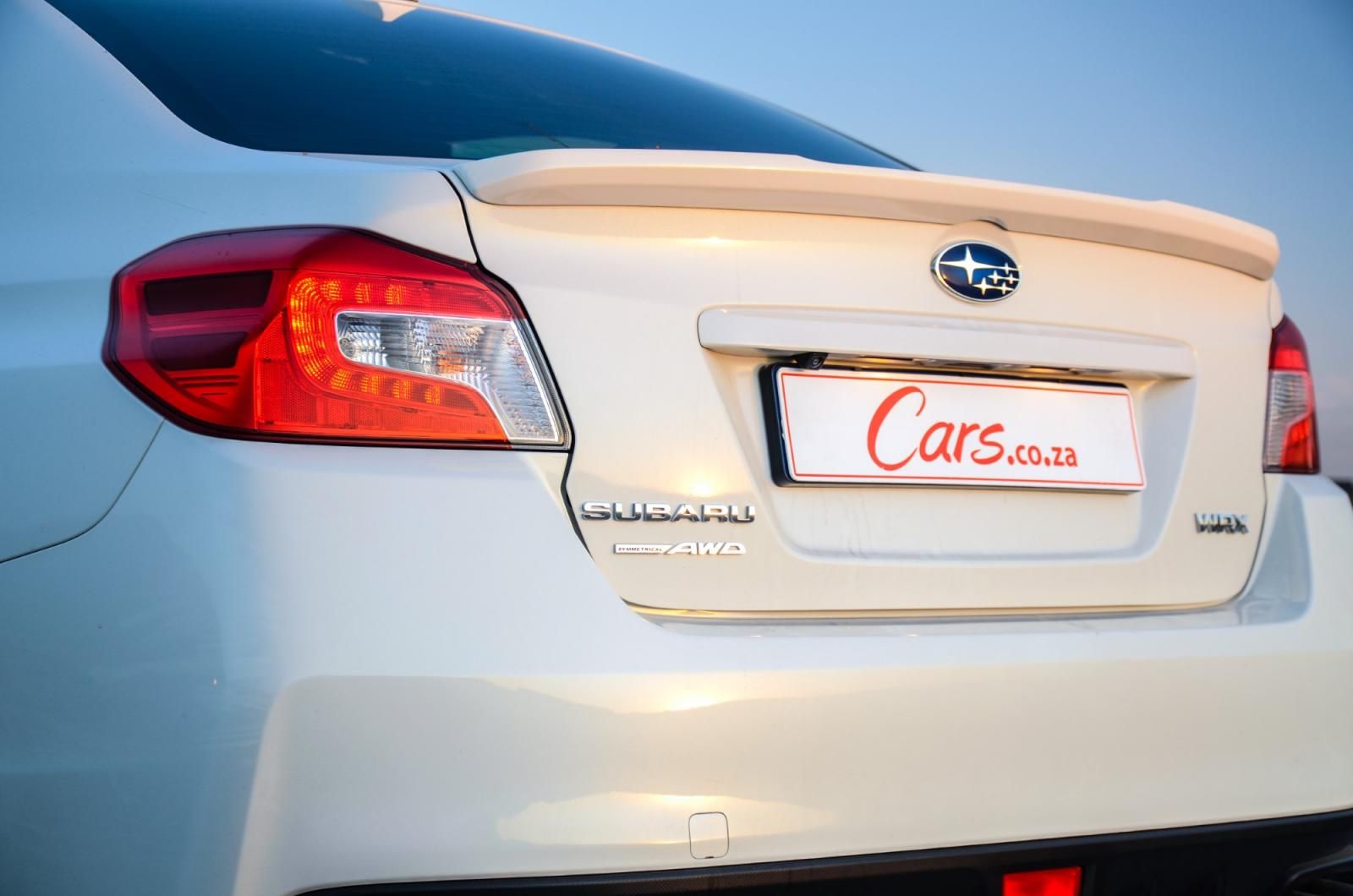
Visually, the updated WRX has a fair dose of "bad-ass" appeal; this latest iteration features an updated front-end that looks expressively menacing, especially with an STI-aping front splitter fitted. It also rides on stylish 18-inch wheels as standard, in this case dark, which contrasts nicely with the Crystal White Pearl body colour. At the rear, the carbon-fibre diffuser and the beefy quartet of exhaust ends give the WRX some added street cred.

We really like the look of this WRX, let’s see how it performs overall in this test…

What’s good?

Glut of standard interior features


The WRX ES PRemium comes well-specced with a wide range of comfort and convenience features. 

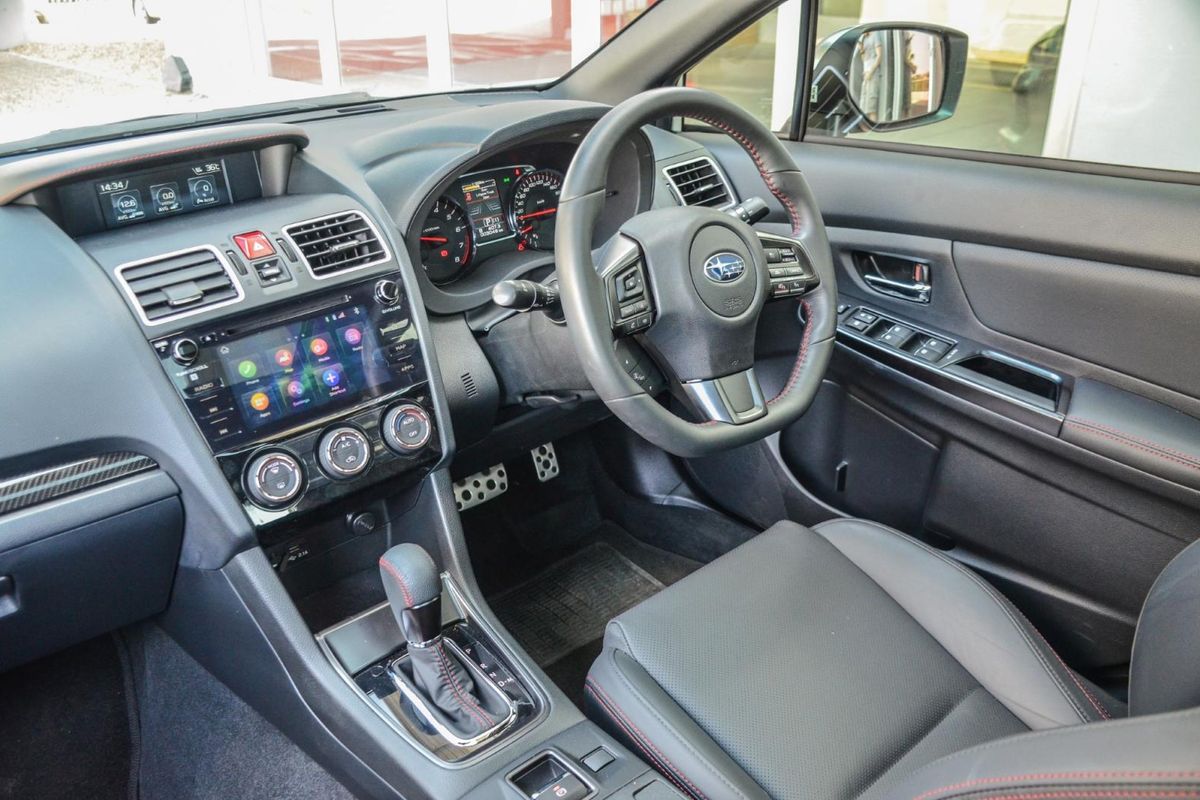
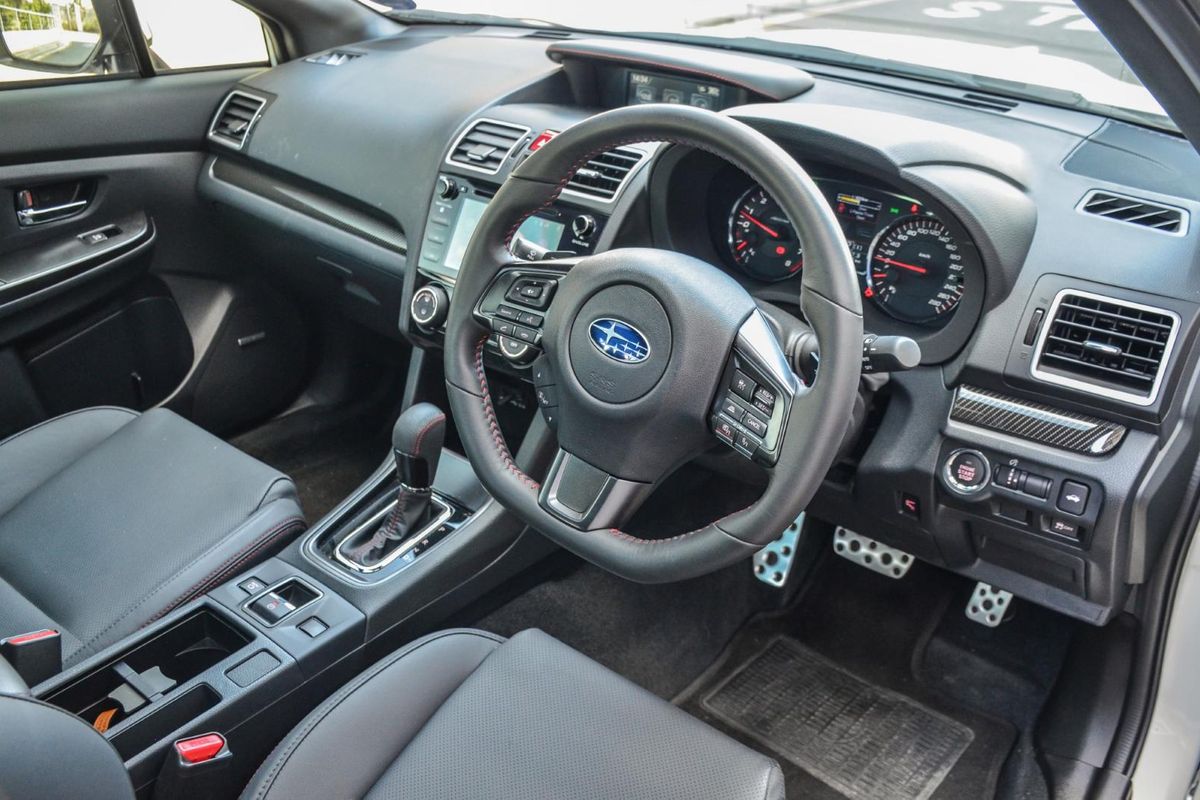
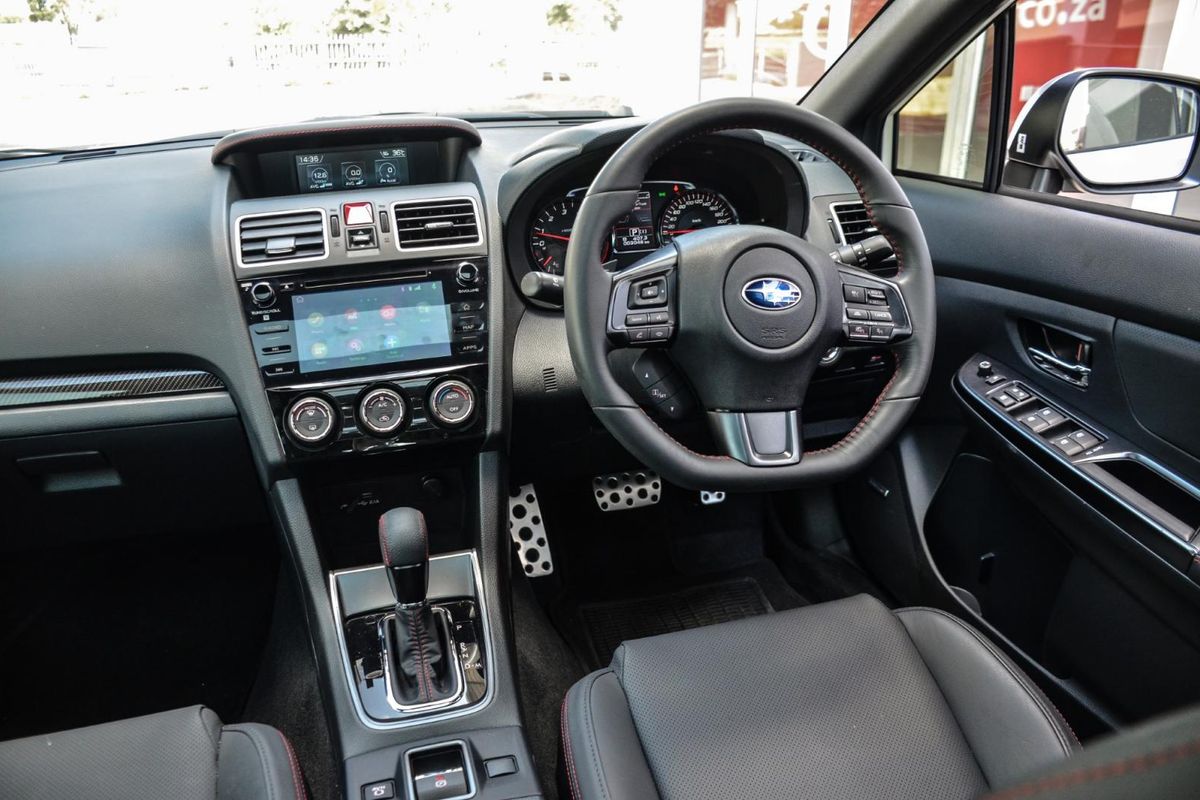
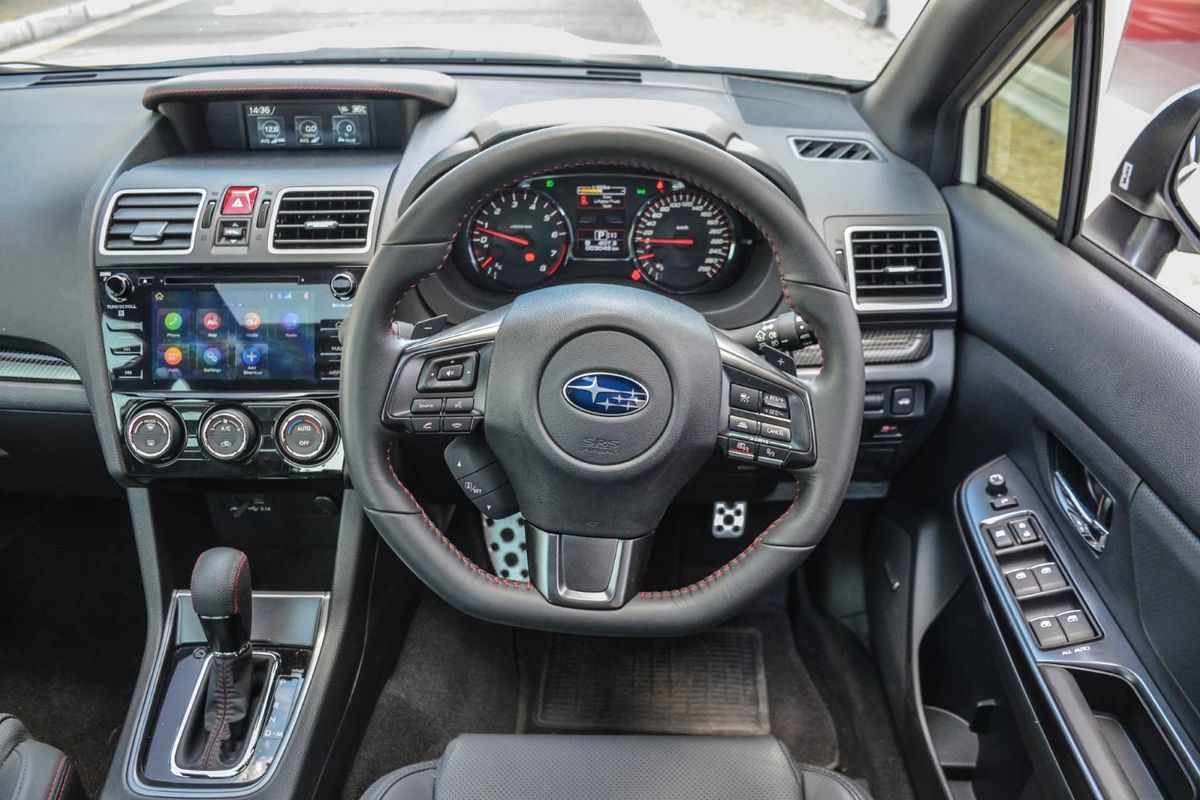
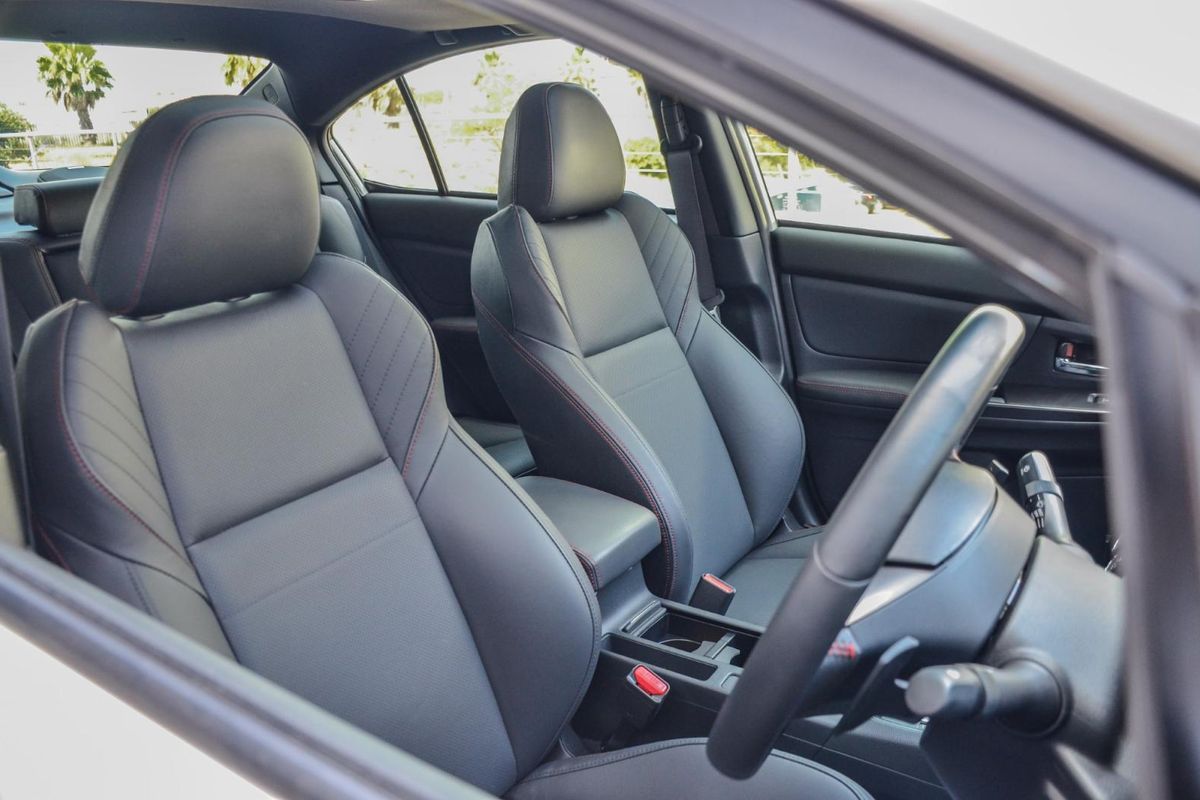
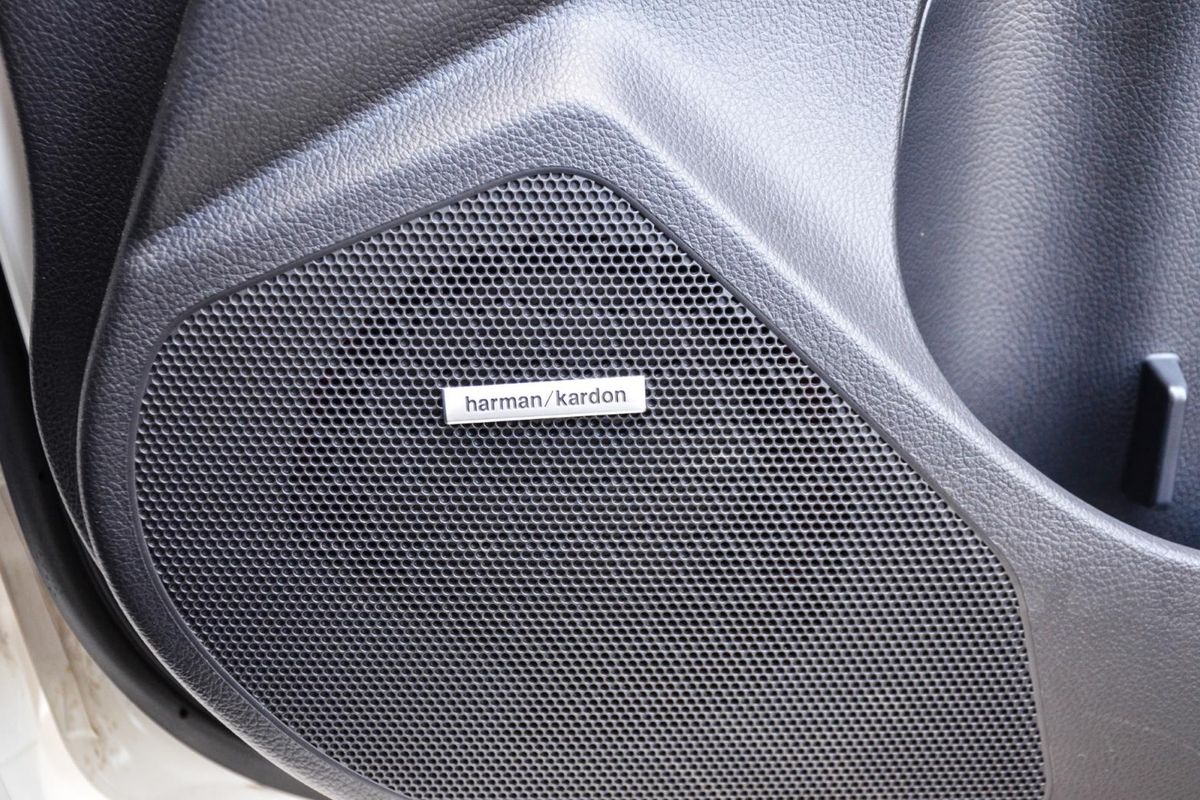
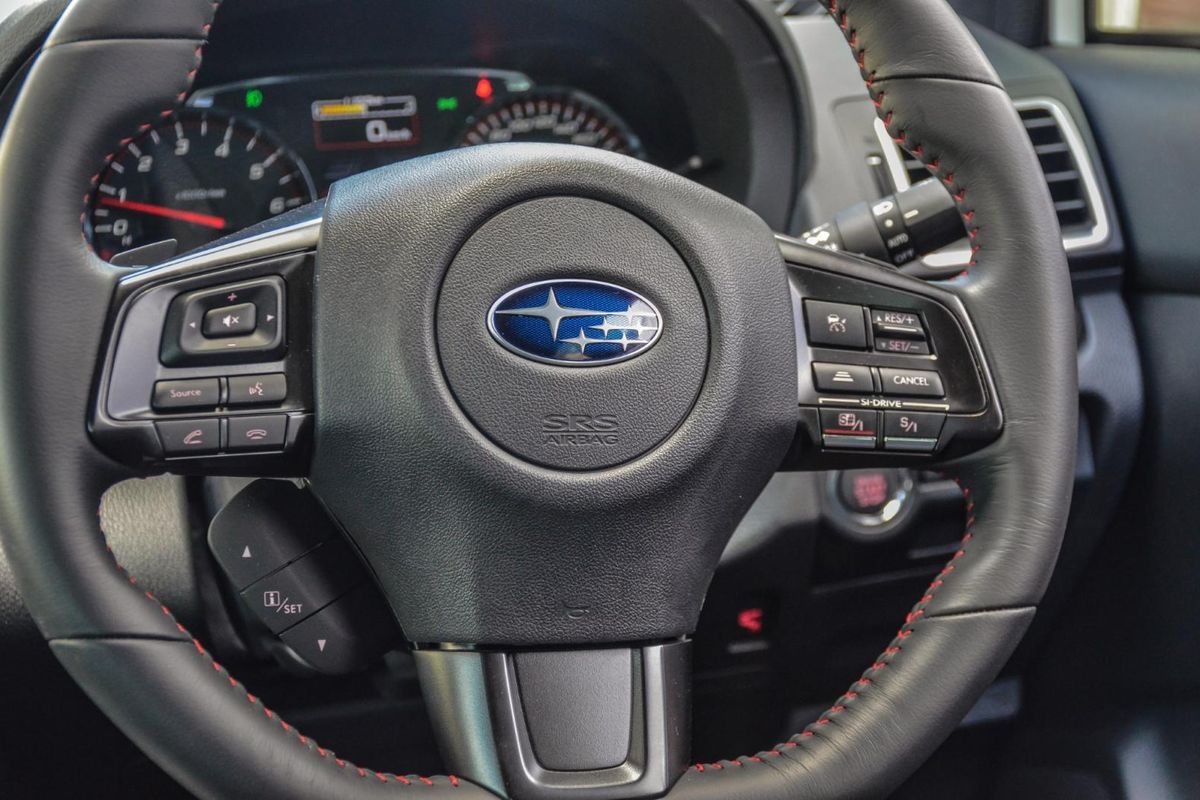
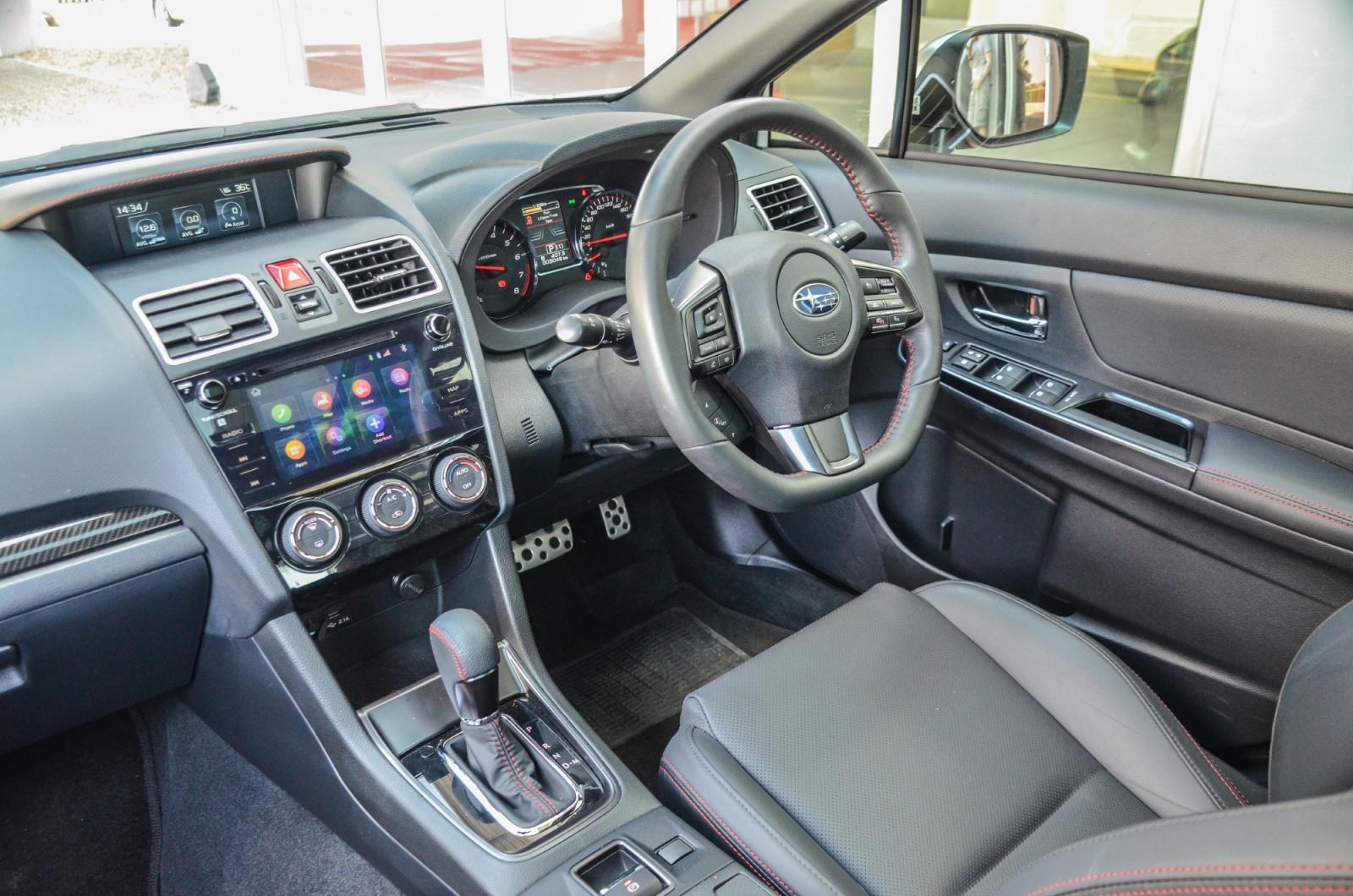
There’s much to like about the WRX's cabin, which looks and feels solidly made. The leather sports seats strike an admirable balance between comfort and support, and they're complemented by aluminium pedals, a sunroof, dual-zone climate control, automatically activated headlights, rain-sensing wipers, a rake- and reach-adjustable multifunction steering wheel, electric windows and mirrors and a Harmon Kardon sound system, to name a few.

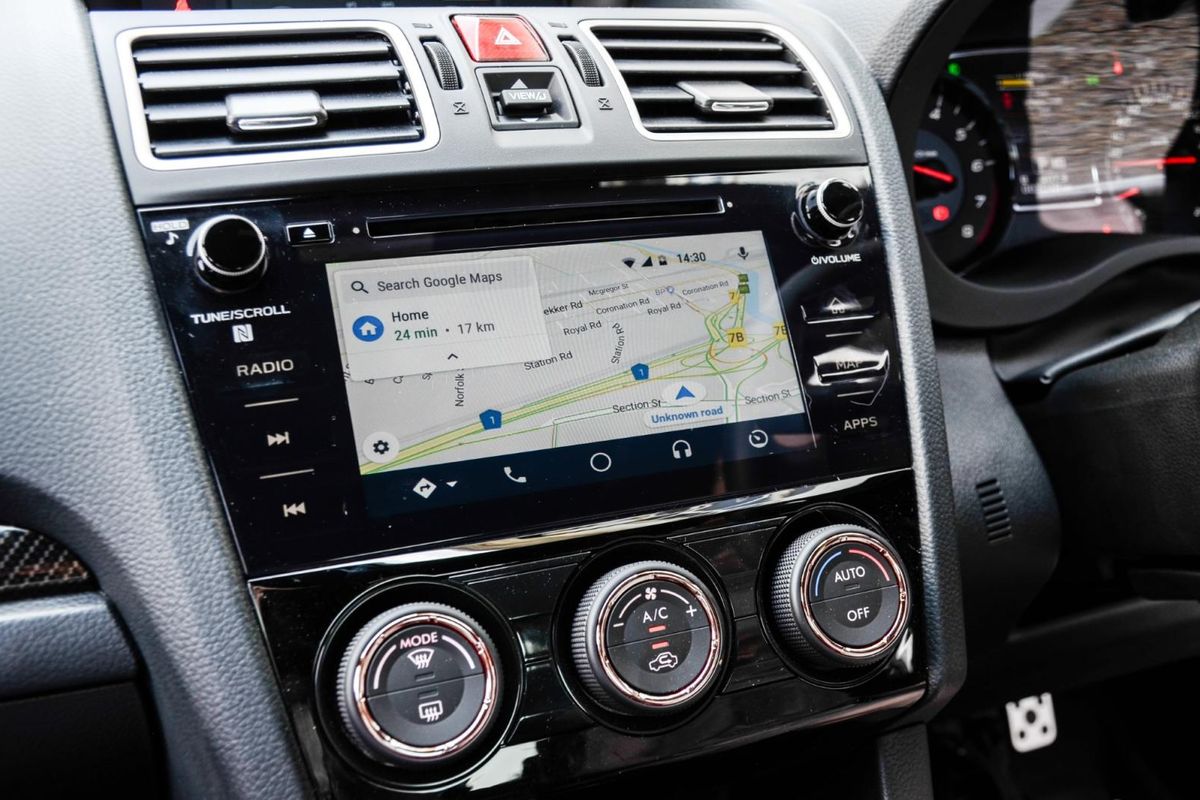
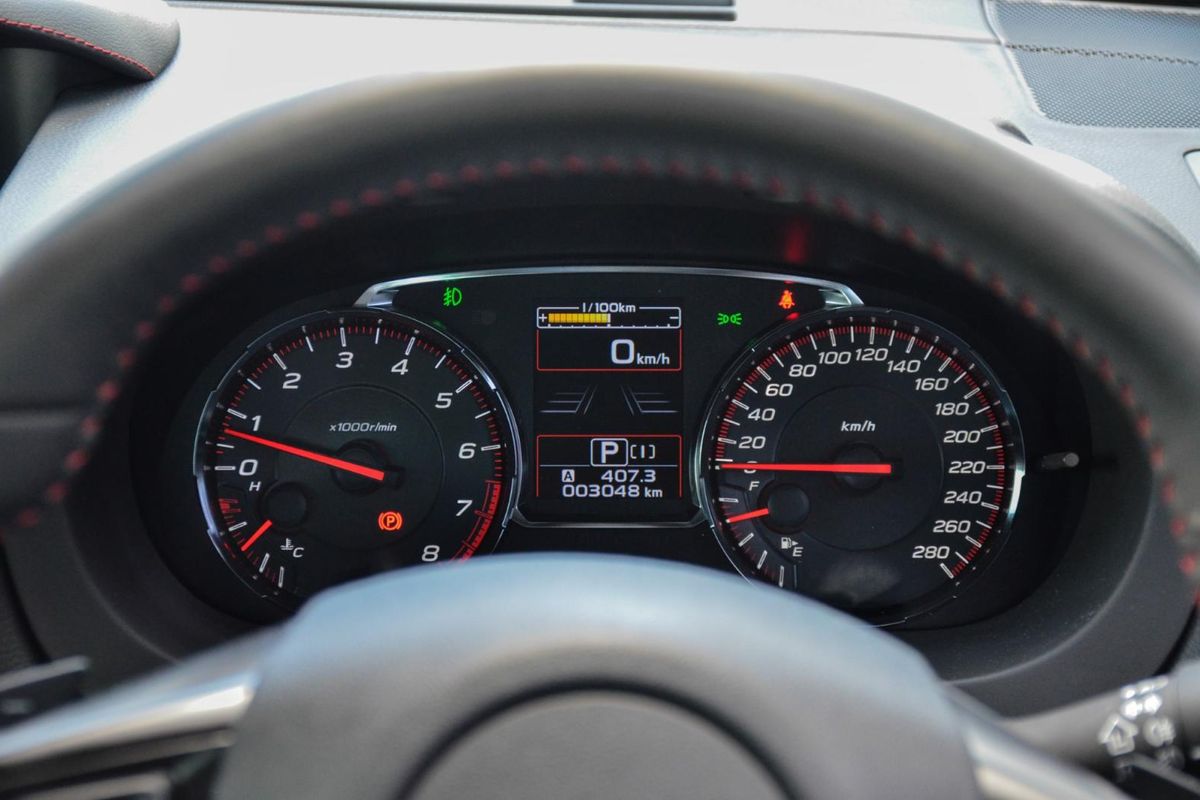
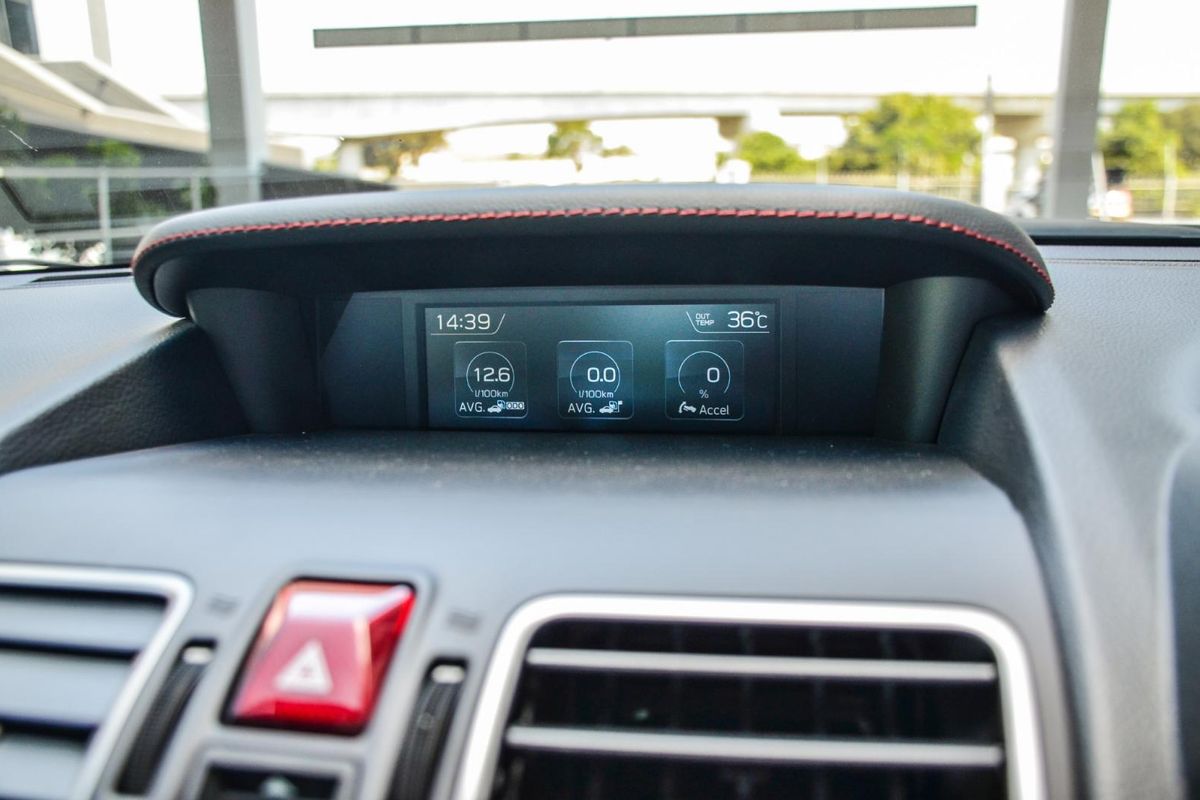
The 3.5-inch LCD multi-information display in the instrument cluster is flanked by sporty dials and we found the 7-inch touchscreen infotainment system (which includes navigation, Apple CarPlay and Android Auto compatibility, Bluetooth connectivity and voice-activated Siri Eyes Free) a pleasure to use. Furthermore, a strip-like digital panel, which displays information such as fuel economy, boost pressure, acceleration etc, is mounted on the dashboard. 


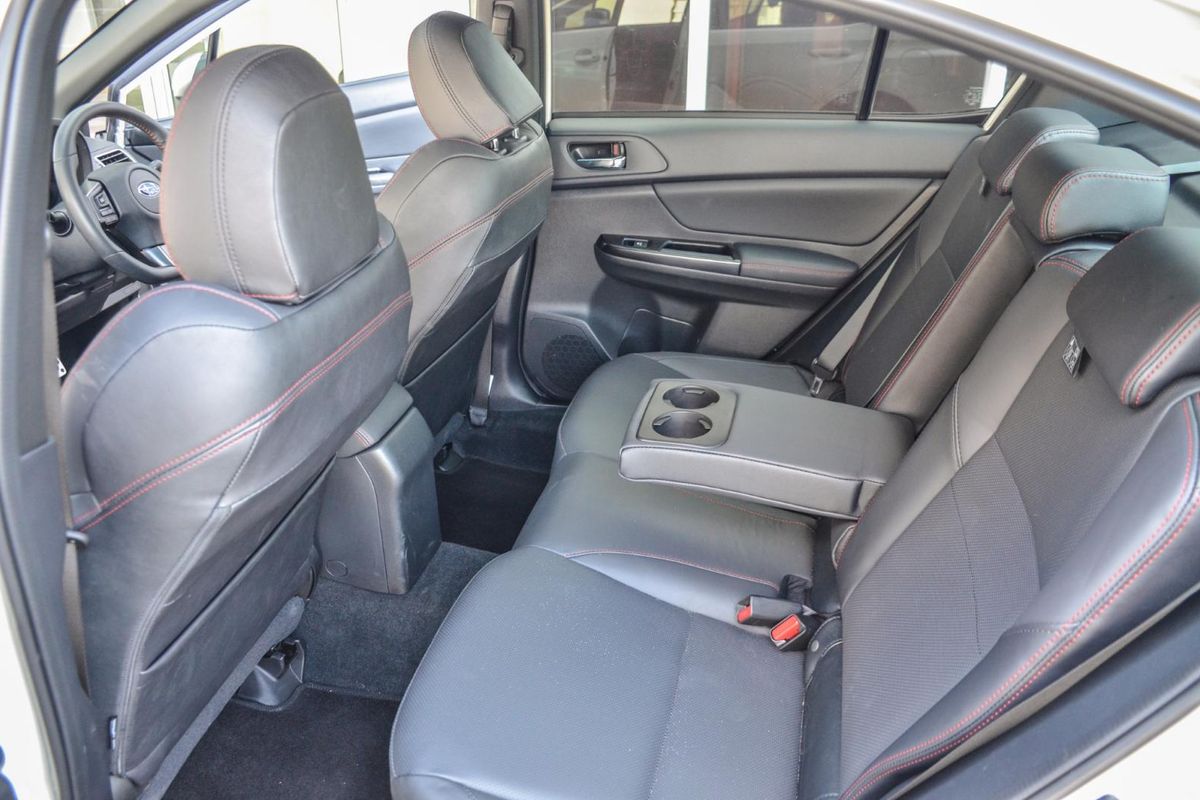
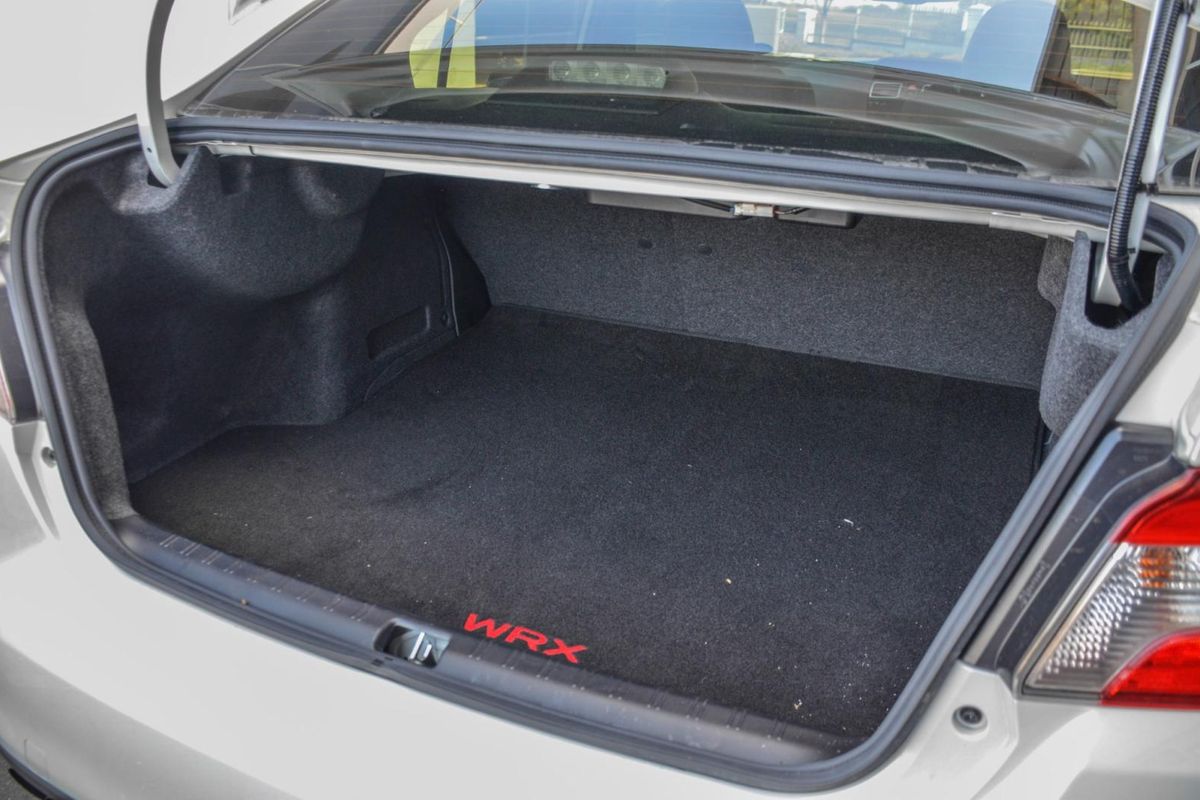
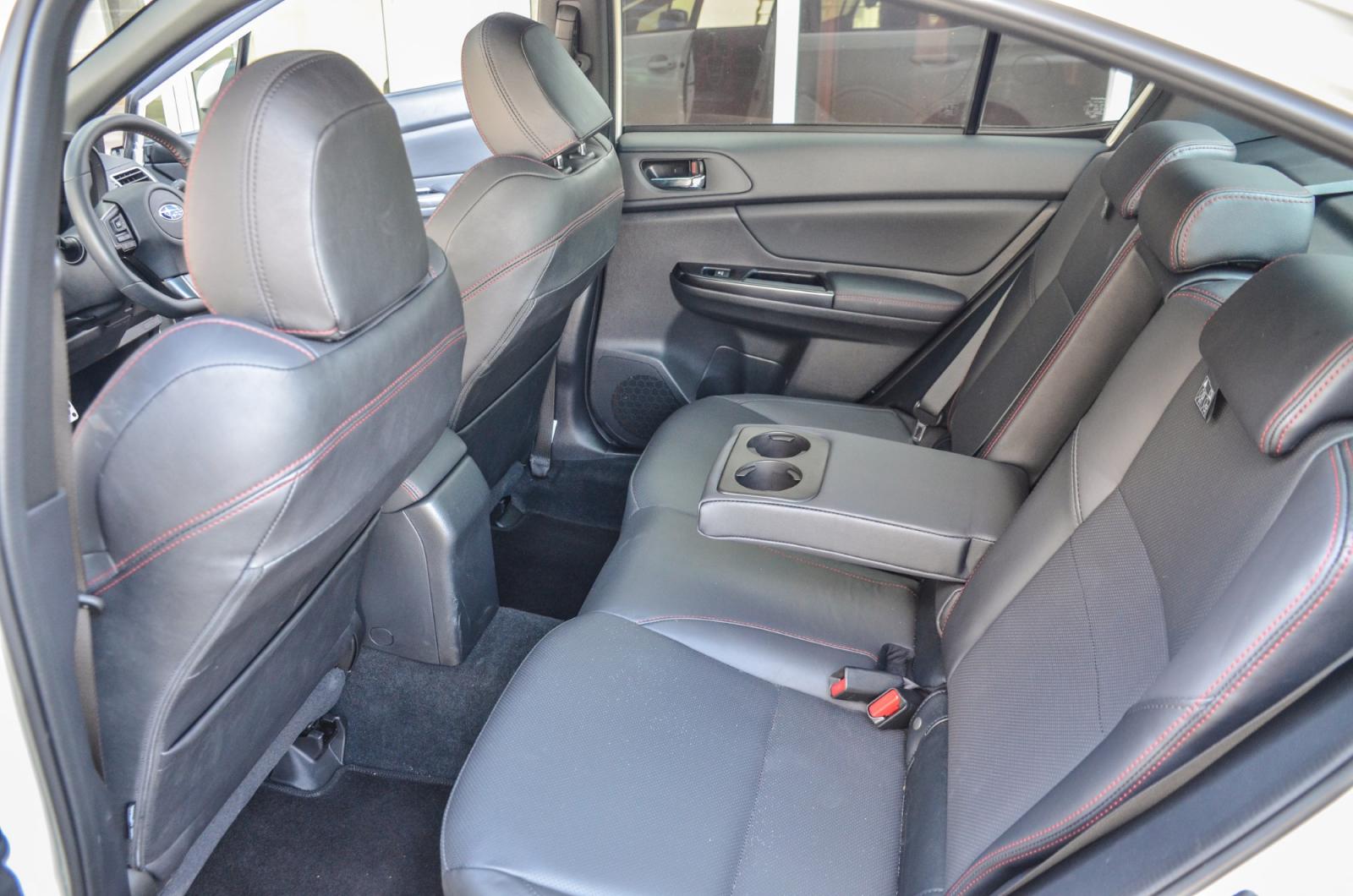
There's just enough space for rear passengers and the load bay is sizable at 460-litres. 

Although we applaud the fact that there is ample storage spaces in the cabin, rear passenger space and comfort is average. The boot is said to offer 460 litres of capacity and you can fold the rear seats down for more space, should you need it. Front and rear passengers also have access to cupholders.

It goes without saying then, the WRX is well-equipped, well connected and relatively spacious.

Comprehensive safety technology


A full suite of safety features in the WRX ensures peace of mind while driving. 

Safety is a major highlight of the WRX package and Subaru’s Eyesight driver assist technology – underpinned by a set of dual cameras mounted in front of the rearview mirror scan the road and traffic ahead for potential danger – is impressive. Key active safety features include adaptive cruise control (a rarity at this price point, at least as a standard feature), lane-keep assist, blind-spot warning, pre-collision braking and pre-collision throttle management.  

In terms of passive safety, the WRX is comprehensively equipped with 7 airbags, ABS with EBD, brake assist and electronic stability control with traction control. Isofix child seat mounts are also included.

Performance and Handling


While the WRX is quick, it's not as powerful or engaging as some of the alternatives on offer. 

At start-up, the WRX’s 2.0-litre 4-cylinder Boxer (also known as flat, or horizontally opposed) engine barks to life and settles into a hearty thrum emitted by its big-bore tailpipes (although some might tire of the boomy exhaust after a while). With 197 kW and 350 Nm of torque on tap, this performance sedan is somewhat outgunned by most of its rivals, such as the Audi S3 sedan and Honda Civic Type R, both of which offer peak outputs of 228 kW and 400 Nm.

Nonetheless, the WRX is no slouch and while most of our testers disliked the sensation of driving the CVT (more on this below), it’s still acceptably fast when going full tilt and it will probably run a VW Golf GTI close in a traffic light dice (the Subaru has a claimed 0 to 100 kph time of 6.3 seconds). There are 3 driving modes to choose from, including Intelligent (to enhance fuel economy), Sport and Sport Sharp, depending on your driving preference.

The WRX’s suspension and electric power steering characteristics have been enhanced for this updated version and we were particularly impressed by the newcomer's outright handling ability. The steering is sharp, direct and responsive. And, of course, by virtue of Subaru’s all-wheel-drive system, there’s plenty of grip on offer – the WRX can be wielded through corners with supreme confidence. So, in terms of handling thrills, this WRX truly does its name justice.

But be warned, however, that the WRX's ride quality is firm and unforgiving. You will feel just about every bump you drive over…  

What’s not so Good?

CVT an acquired taste


The CVT dulls driving engagement in the WRX. We think the manual version is the better bet. 

While the CVT in the WRX is arguably one of the better examples of the continuously variable (gear-less) transmission currently on offer in our market and undoubtedly adds a degree of convenience to the driving experience in congested traffic/the daily commute, we feel it ultimately does the WRX a disservice by diminishing its fun-to-drive character. Simply put, the CVT dulls the instantaneous powertrain responses that performance aficionados so dearly crave.  

In our experience, there is a fair amount of "delayed accelerative urge" when you apply the throttle pedal vigorously and, despite Subaru claiming improved efficiency with the CVT, we averaged just over 12.6 L/100 km during our test, which seems thirsty, especially taking the current fuel price crisis into account.

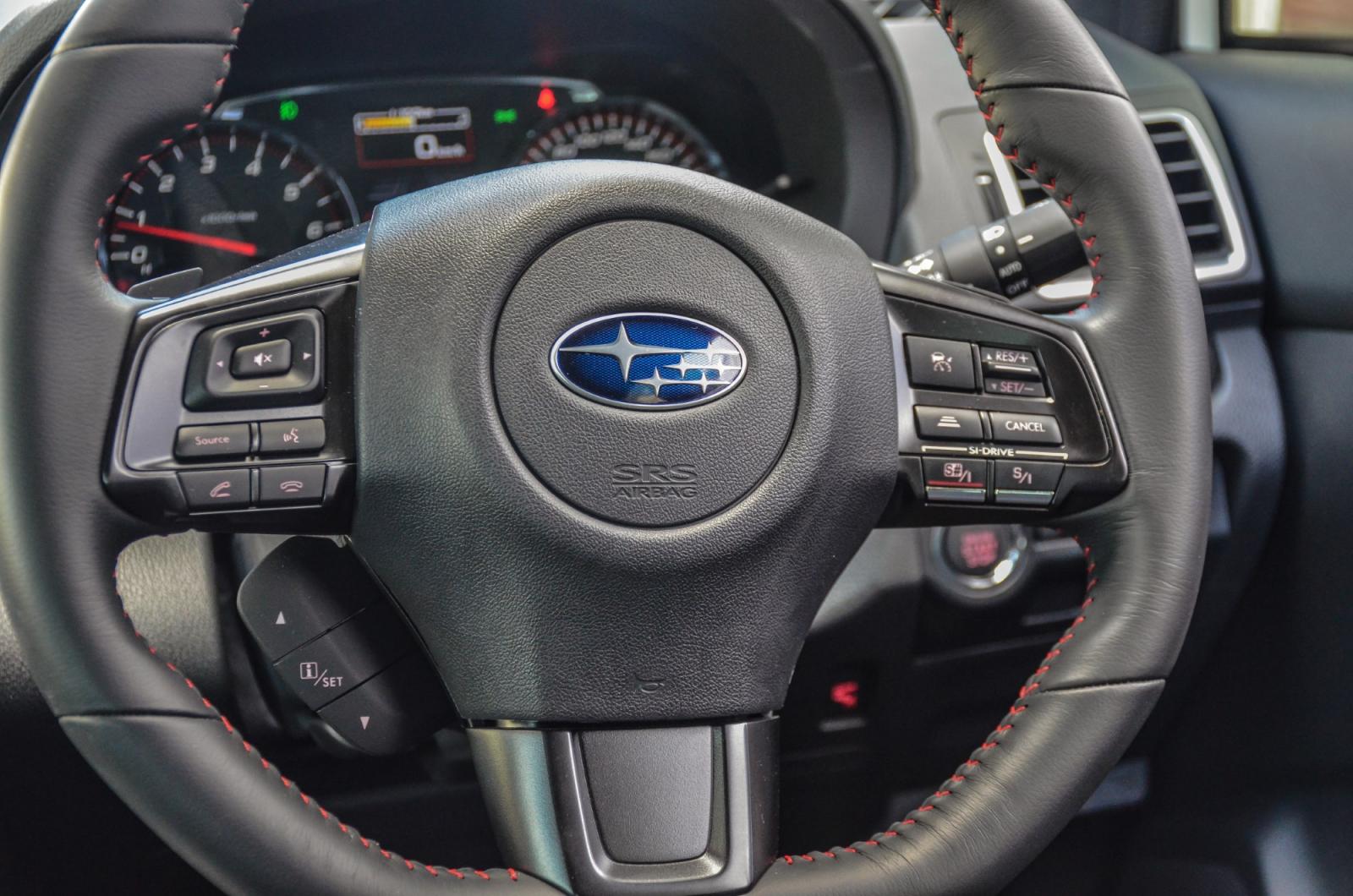
For more control and slightly better responsiveness, you can flick the CVT into manual mode and use the steering mounted paddle shifters to make the most from the rorty engine's performance characteristics; in fact, we found this method improves driving engagement markedly.

On the flipside, the CVT may make die-hard WRX enthusiasts cringe, but if you like the look and spec of the WRX and prioritise daily convenience over the ability to extract maximum engine performance instantaneously, then perhaps the traffic-friendlier automatic transmission is a worthwhile trade-off.

Price and Warranty

The Subaru WRX ES Premium CVT is priced from R631 400 while the manual WRX Premium is priced from R581 400. It’s also backed by a 5-year/150 000 km warranty and a 3-year/75 000 km maintenance plan.

Buy a new or used Subaru WRX on Cars.co.za 

Verdict


There's much to like in the WRX ES Premium, but if you want ultimate performance, the CVT doesn't deliver the goods…

We like the latest Subaru WRX and while the ES Premium Lineartronic (automatic) has much to offer in terms of kerb appeal, standard features, safety, handling and, to a degree, performance, its overall driving experience falls short of what we think most buyers would want from the WRX package. The fact that it can't match the driving excitement/engagement that may extract from the manual version (which does not come with the Eyesight technology) seems to suggest this derivative is targeted at performance-minded premium sedan buyers, as opposed to performance aficionados; yuppies, not boy racers. 

Some may argue that because most performance vehicles are only expected to perform to the limit of their abilities now and again (as opposed to all the time), it's not too much of a compromise to sacrifice some let's call it "instantaneousness" for better general ease of use. They have a point, but the ES Premium Lineartronic's unforgiving ride quality and high fuel consumption will make this car difficult to live with on a daily basis anyway. 

Besides that, more performance can be found for similar money in the Audi S3, Volkswagen Golf R or Honda Civic Type R, which is to say that this version of the WRX is quite pricey for the performance that it offers. Add these factors together and suddenly the case for buying the WRX CVT becomes weaker.

Alternatives (Click on the names for specification details)

Audi S3 quattro

The Audi S3 sedan is a strong alternative to the WRX and it offers more in way of performance with its 2.0-litre turbocharged petrol engine with 228 kW and 400 Nm of torque. It, however, uses a dual-clutch transmission to lay its power down at all 4 corners and is significantly quicker than the WRX with a claimed zero to 100kph sprint time of 4.6 seconds. The Audi S3 quattro is priced from R662 000. 

Volkswagen Golf R

The Golf R is a formidable performer in a compact body and it shares the same outputs with the Audi S3 with 228 kW and 400 Nm of torque developed from its 2.0-litre turbopetrol mill. It's also all-wheel drive and makes use of a dual clutch transmission that ensures brisk acceleration with Volkswagen claiming 4.8 seconds in the sprint from zero to 100 kph. The Golf R is priced from R667 700. 

Honda Civic Type R

For a dose of front-wheel drive bad-assery, consider the Honda Civic Type R. It has all the wings to make you fly and just like all the alternatives listed above, it too offers 228 kW and 400 Nm from its 2.0-litre turbopetrol engine. However, it makes use of an excellent 6-speed manual transmission. Its ride is not as harsh as the WRX's and it will thump from zero to 100 kph in 5.8 seconds. The Civic Type R is priced from R648 300.

Related Content

Subaru WRX STI (2014) Review

Subaru WRX (2014) Review

Subaru Viziv Performance Concept previews next WRX

New Cars Headed for SA in 2018

2018/19 Cars.co.za Consumer Awards – powered by WesBank; Finalists
 

Jaguar I-Pace (2019) Specs & Price

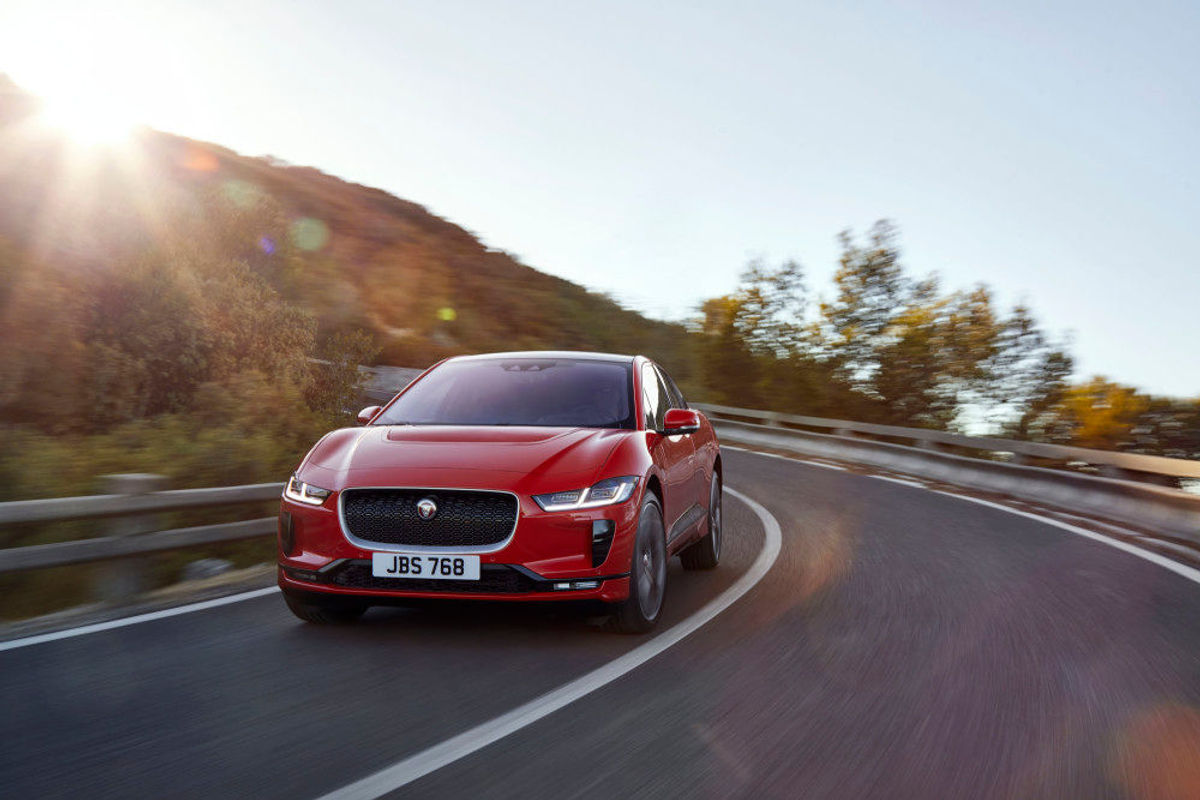
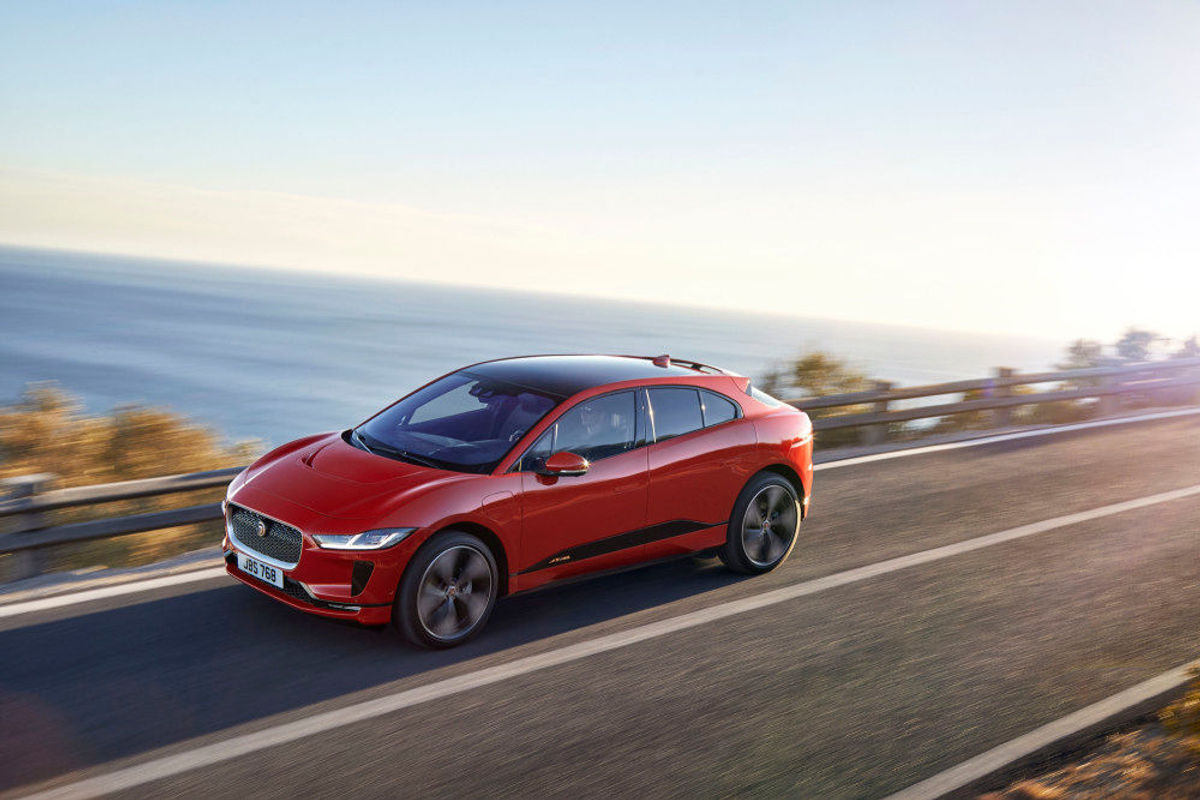
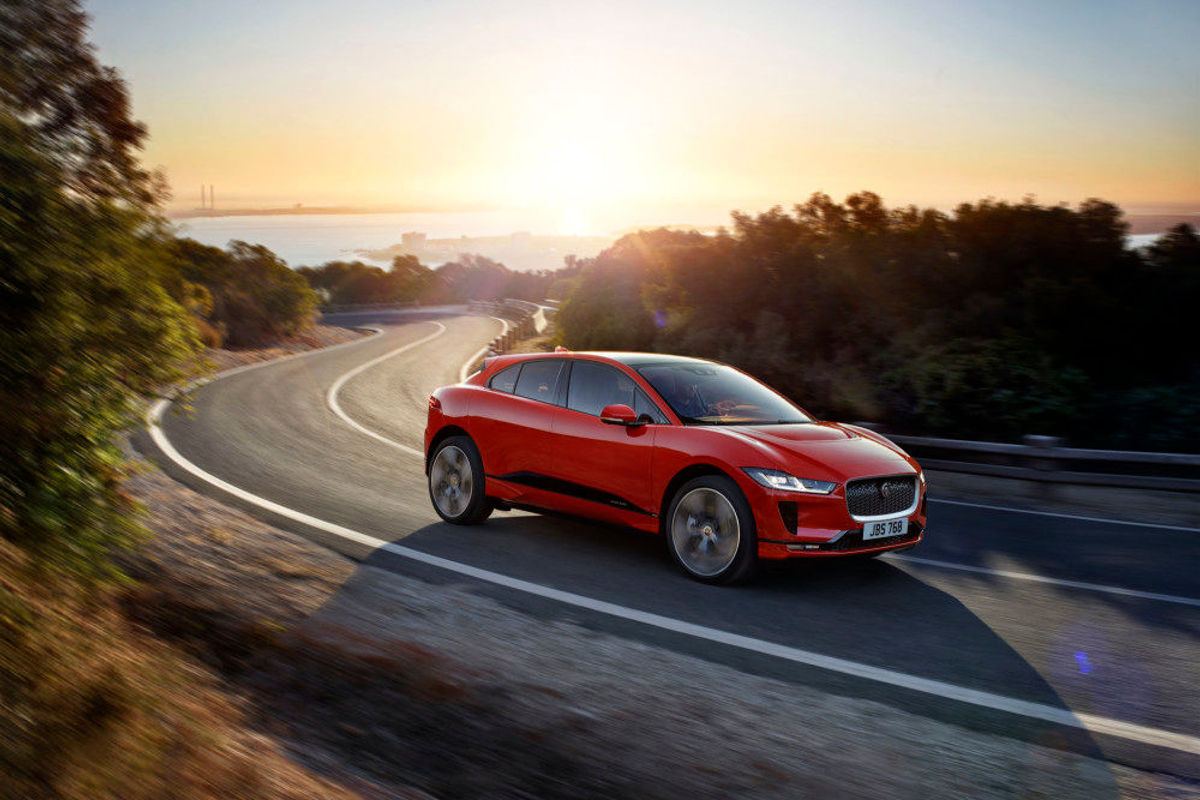
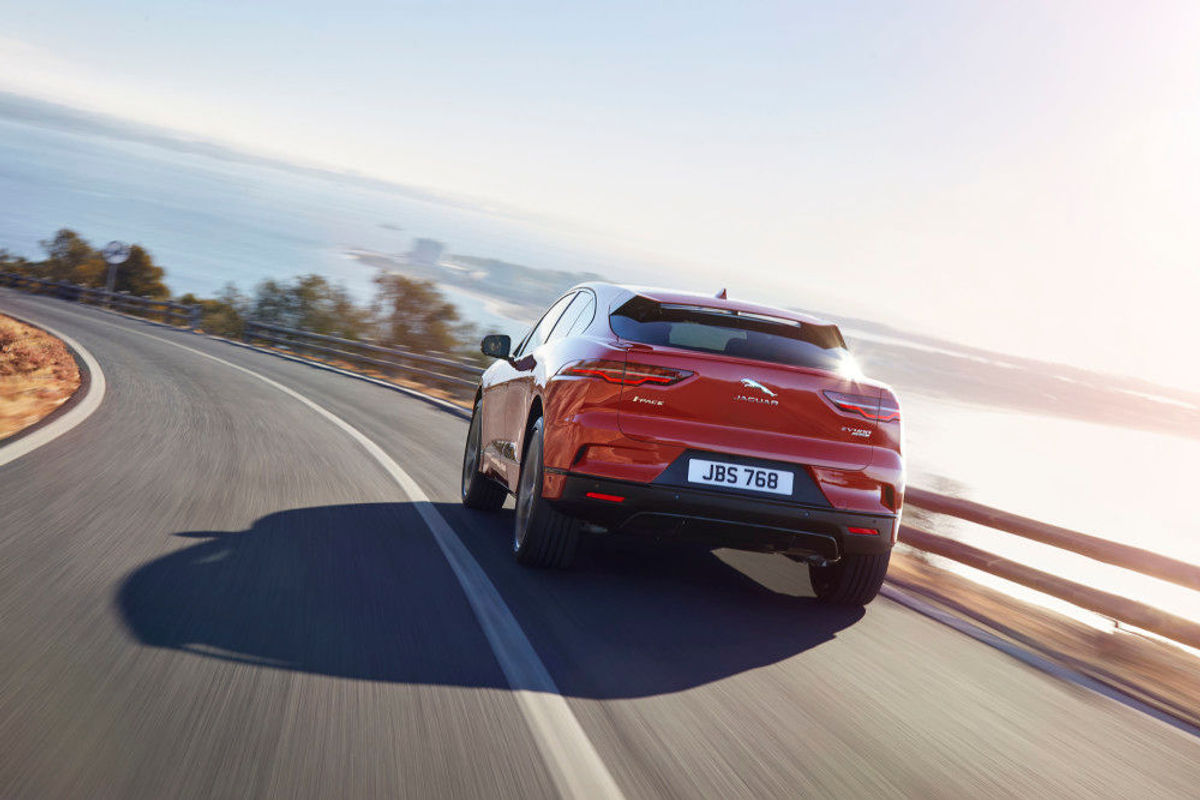
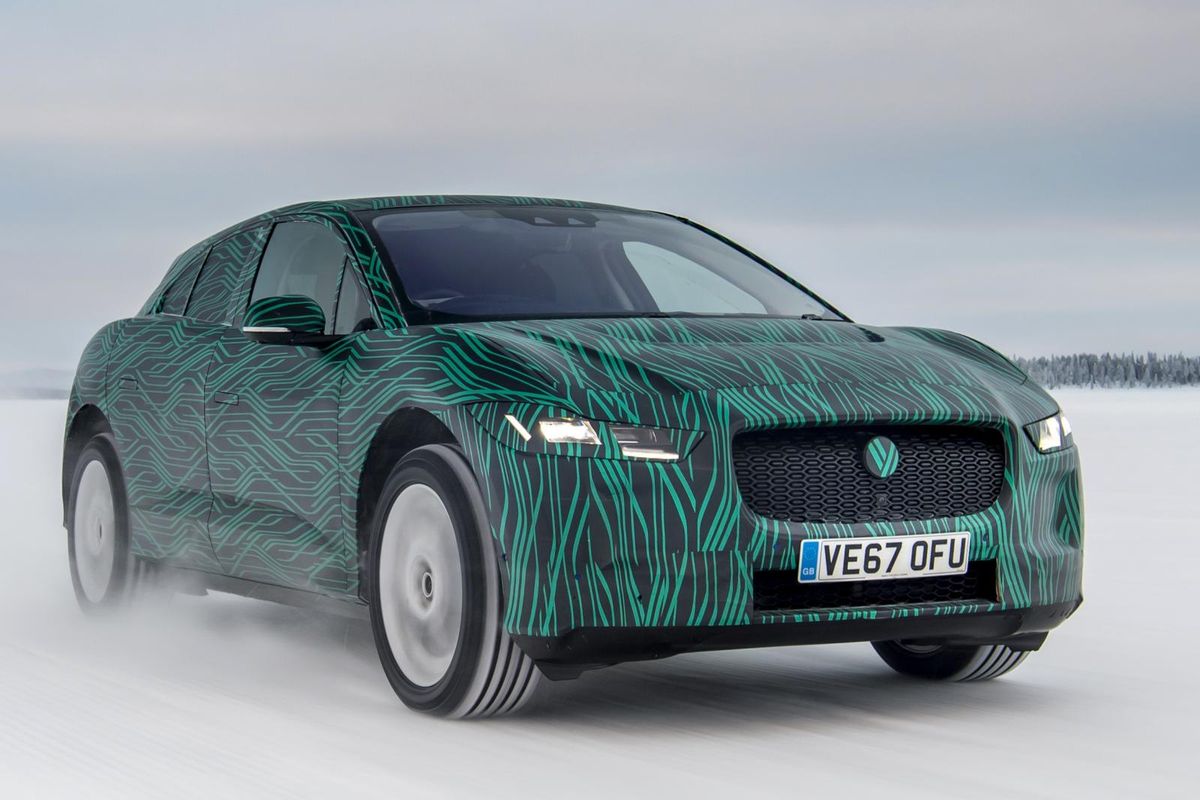
Jaguar's first all-electric vehicle, called the I-Pace, is expected to arrive in South Africa in 2019. Here's how much it will cost.

The I-Pace is fitted with an in-house designed, liquid-cooled 90 kWh Lithium-ion battery and is capable of rapid charging where it will obtain 80% charge in only 45 minutes using a DC 100kW charger. A 7 kW home charging wall box will achieve the same result in just over 10 hours. Owners will be able to pre-condition the I-Pace before a journey using the vehicle's InControl system or the Remote smartphone app, priming it for both extreme cold or hot conditions. 

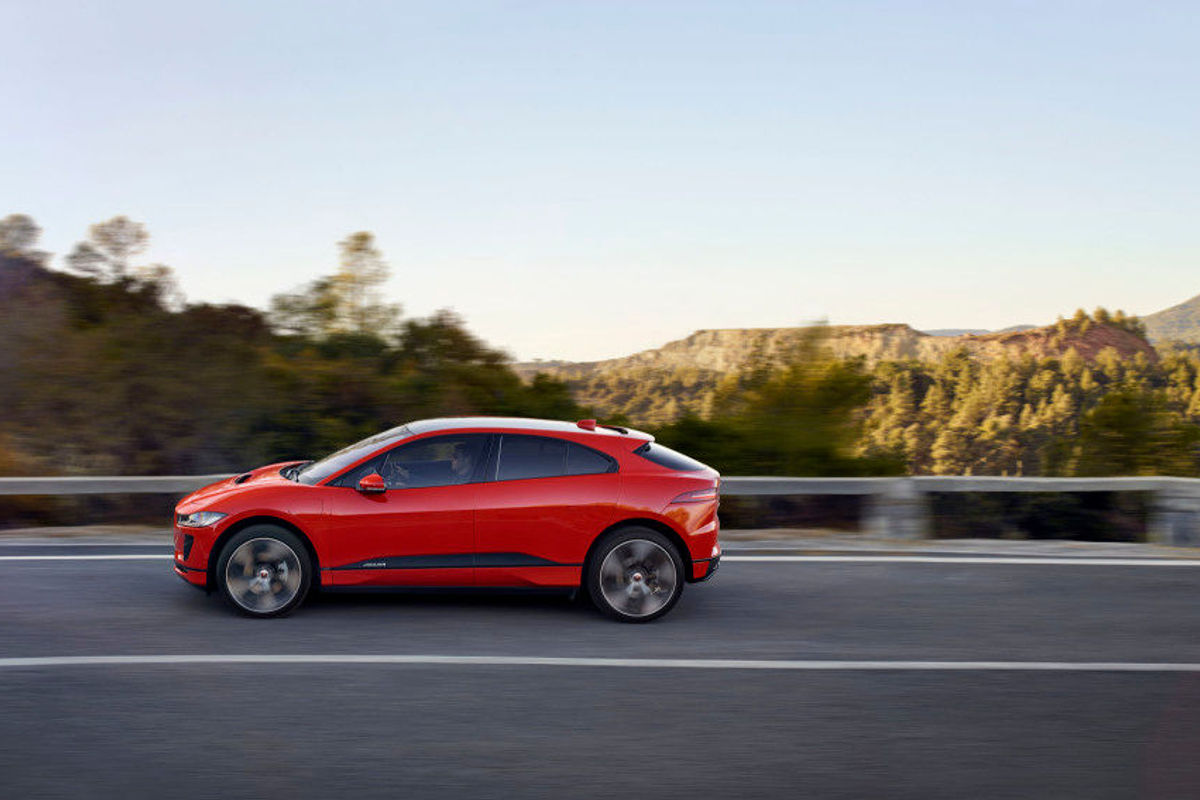
The I-Pace compact SUV is powered by electric motors driving the front and rear axles with total outputs of 294 kW and 696 Nm of torque. Jaguar says the response is immediate with no lag, which means the I-Pace will offer fast acceleration with the sprint to 100 kph taking 4.8 seconds. With the battery placed centrally between the 2 axles, a 50:50 weight distribution and low centre of gravity are achieved. Ride comfort comes courtesy of a front double wishbone and integral link rear suspension with optional air suspension and adaptive dynamics.  


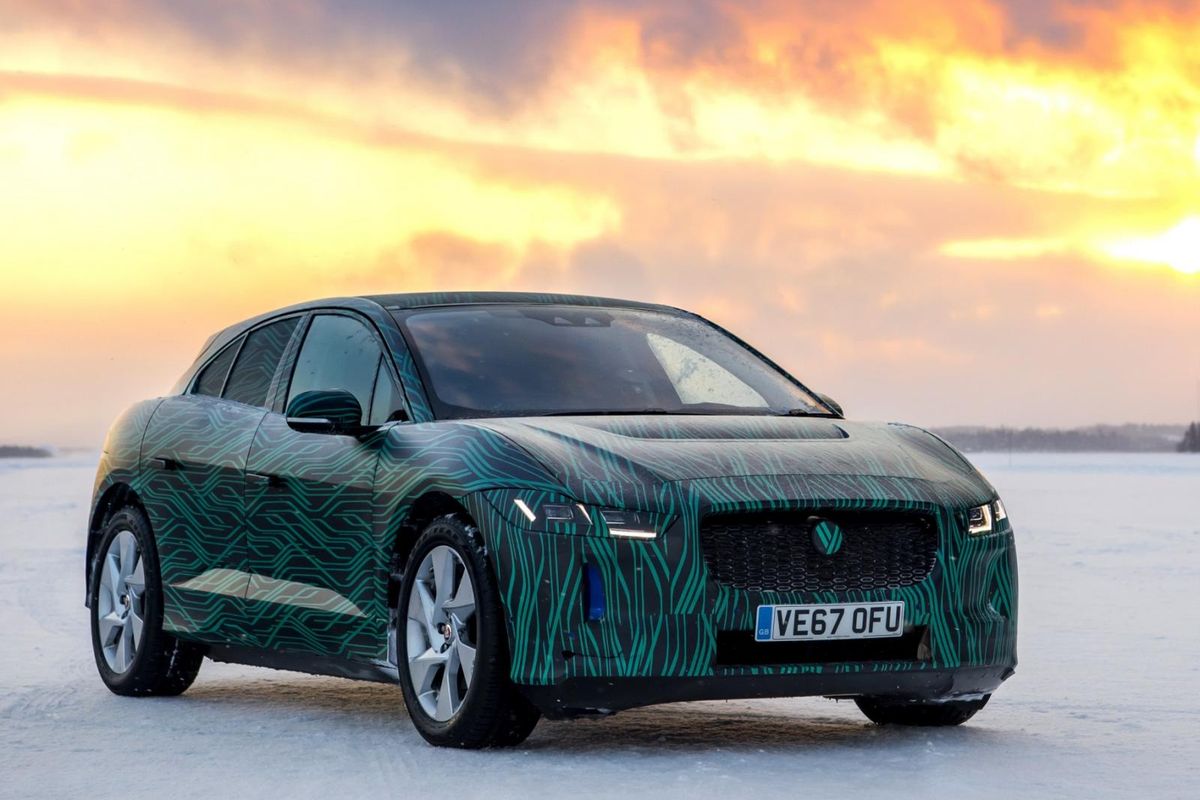
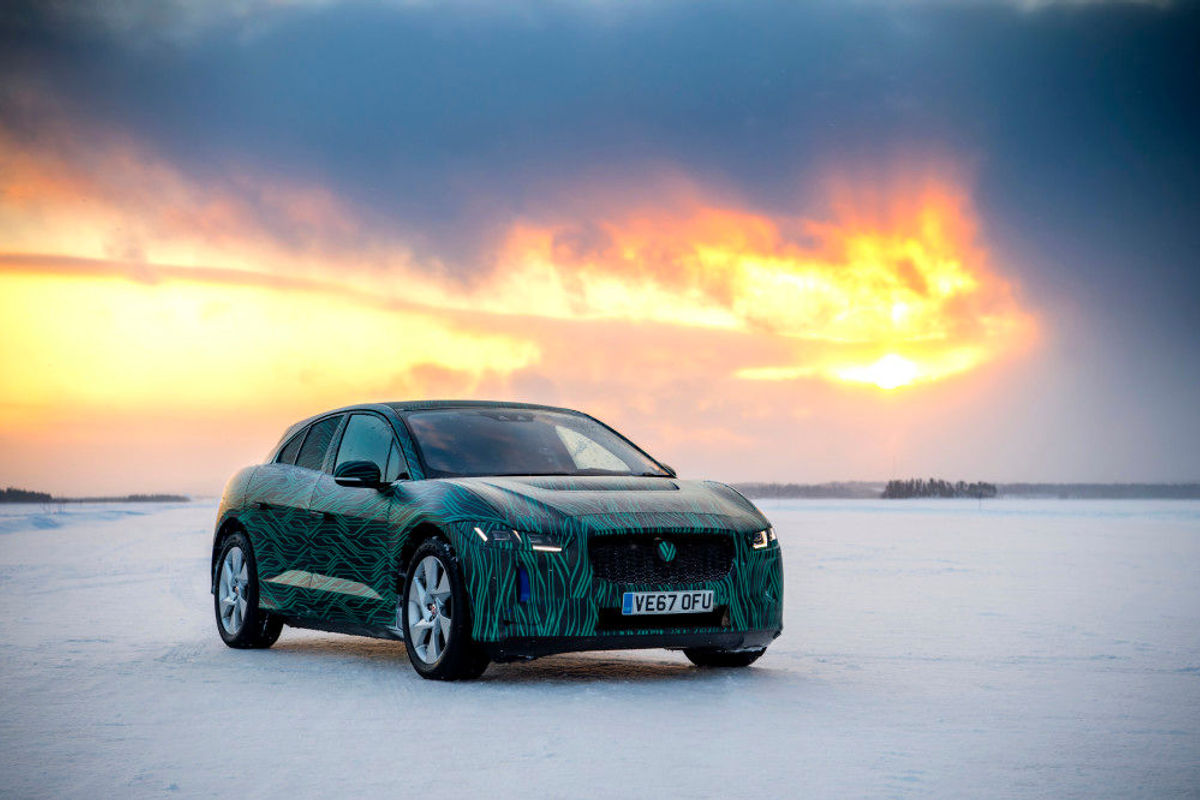
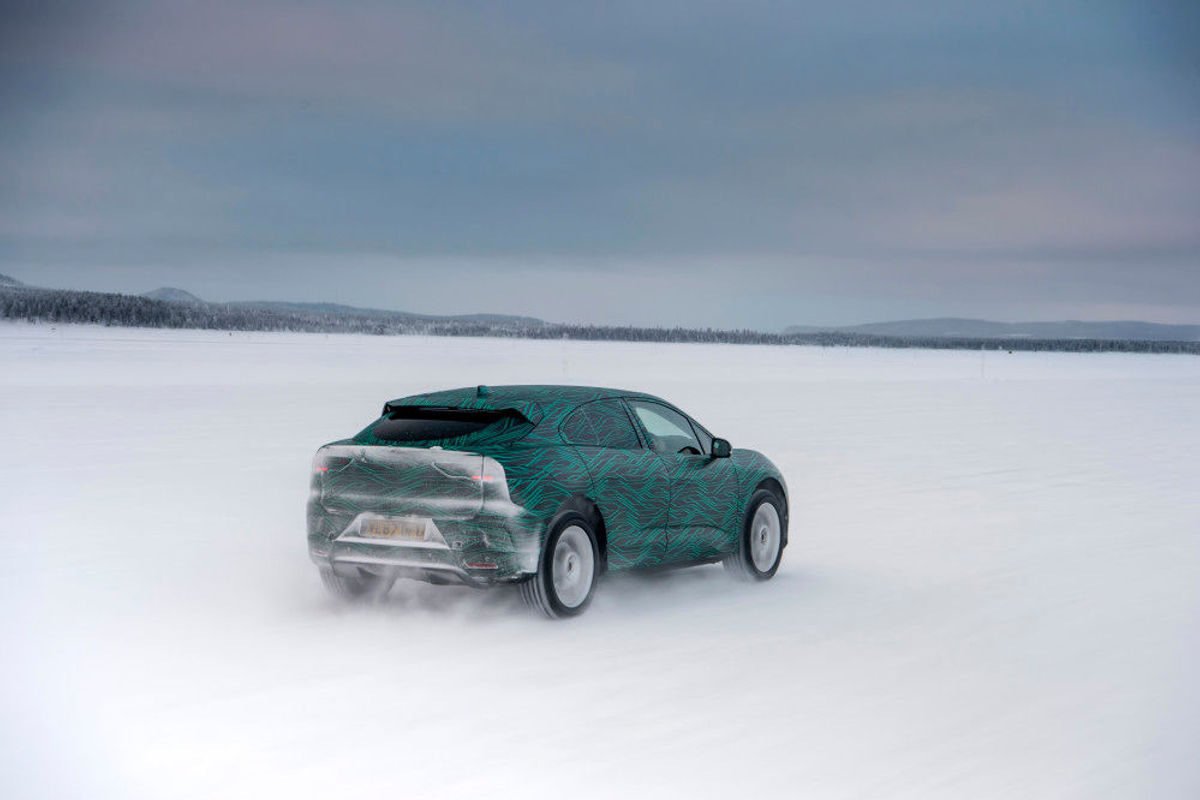
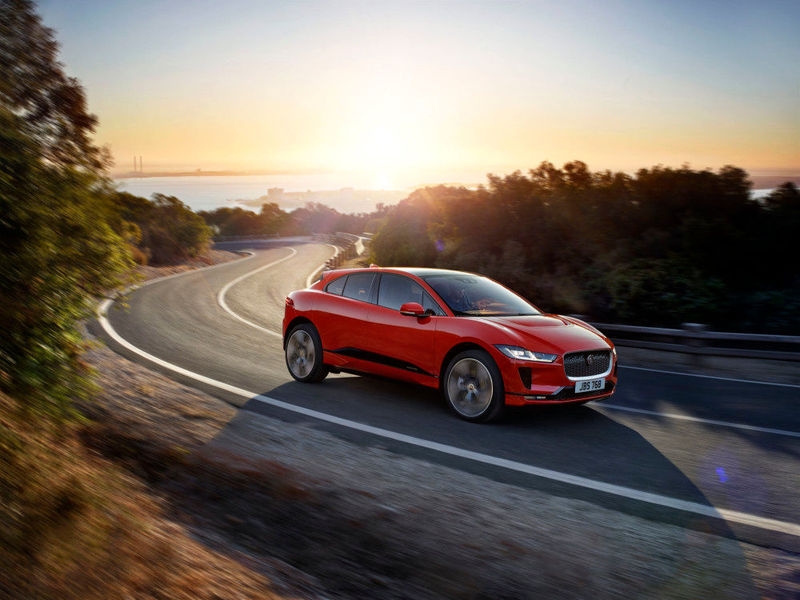
The I-Pace is capable of driving across various terrain and has an electric range of 480km.

The I-Pace also features electric all-wheel drive, All Surface Progress Control (ASPC) and Adaptive Surface Response (AdSR) to tackle more challenging terrain. It has a range of about 480km and with an average daily commute of between 40 and 50 km, the I-Pace will only have to be charged once a week. 

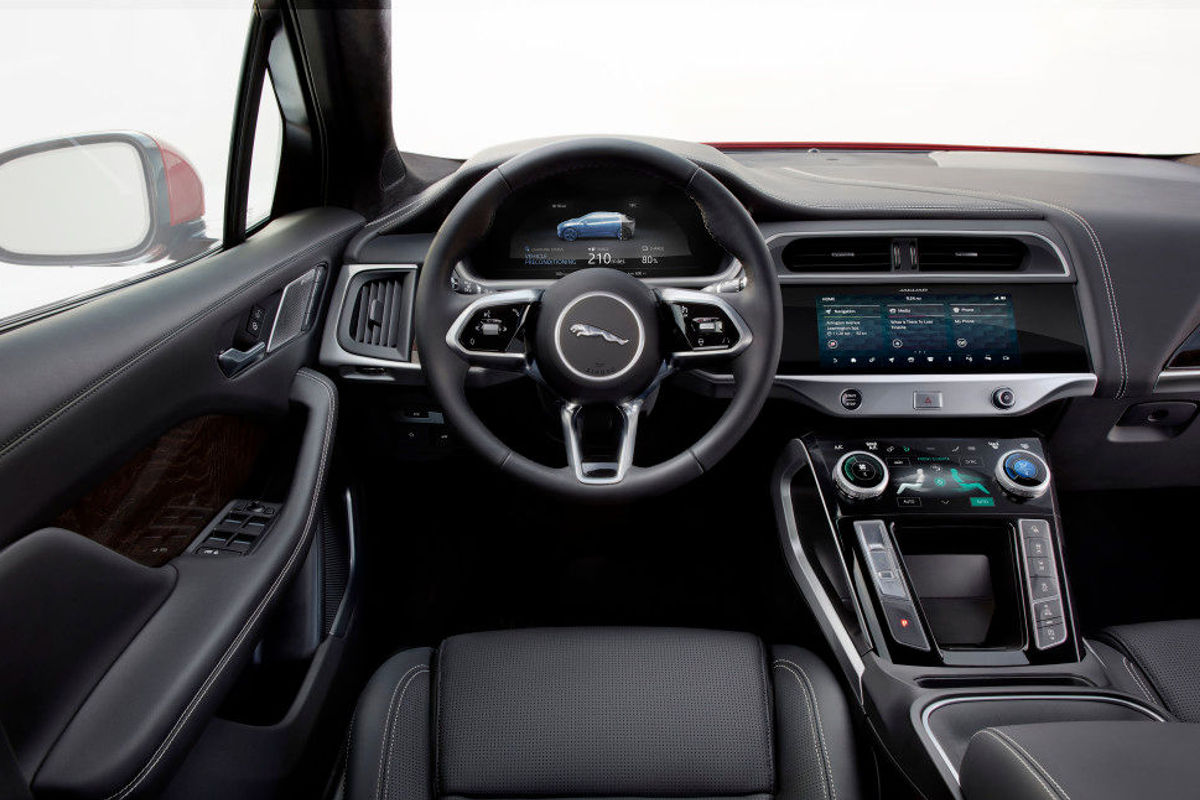
In terms of interior features, the I-Pace will be equipped with a Touch Pro Duo infotainment system with a new EV navigation system. 'Smart Settings', using AI algorithms will identify individual driver preferences and will tailor driving and interior setting to preference. More so, I-Pace will be the first Jaguar to provide software over-the-air which means updates will be seamless. 

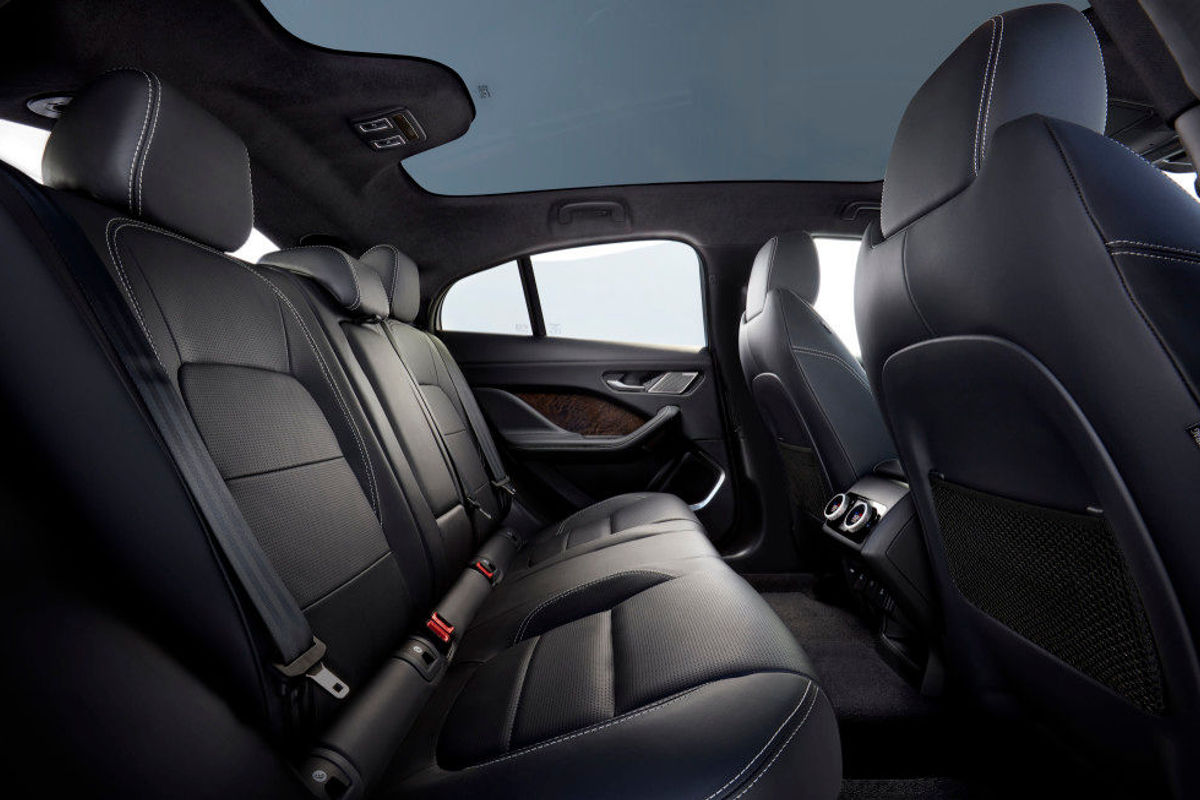
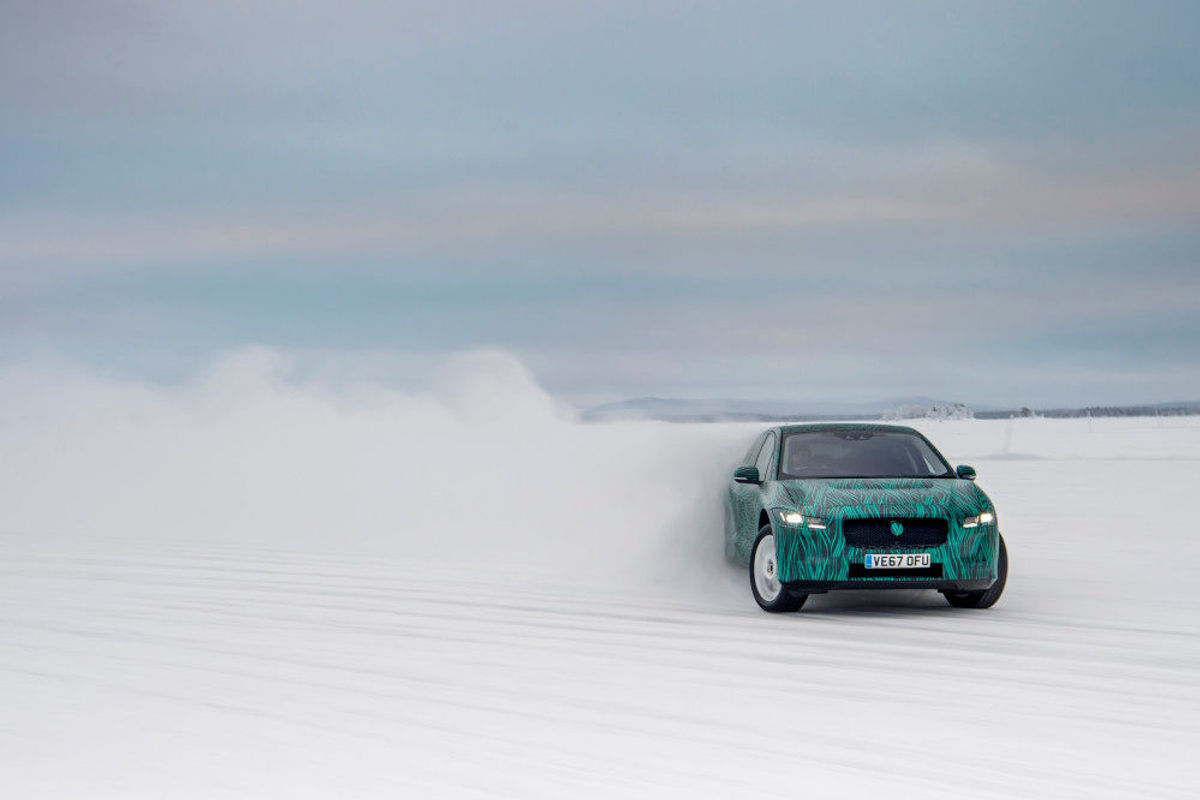
In terms of practicality, the I-Pace offers 890 mm rear legroom as well as a large 10.5-litre central storage compartment made possible by the absence of a transmission tunnel. Rear passengers can also make use of tablet/laptop stowage under the rear seat. Luggage capacity is rated at 656 litres which expands to 1 453 litres with the rear seats folded flat. Jaguar engineers invited a potential customer from Sweden to drive the I-Pace in extreme conditions, watch the video below to see what unfolded. 


Jaguar I-Pace Price in South Africa

South Africa will be getting the Jaguar I-Pace in EV400 90 kWh AWD specification, with 4 levels of trim. Pricing for Home Charging Stations will be announced closer to the time of launch in early 2019. Home charging cables compatible with normal wall sockets come as standard equipment

S                     R1 687 230

SE                   R1 745 540

HSE                R1 829 880

First Edition     R1 920 700

Buy a Jaguar on Cars.co.za

Related Content

Jaguar I-Pace Drives from Jhb to Durban

Jaguar I-Pace Concept (2018) International First Drive

Jaguar Shows Electric I-PACE SUV Concept [Updated]

5 Cool Crossovers Coming to SA in 2018

Jaguar Confirms E-Pace Compact SUV

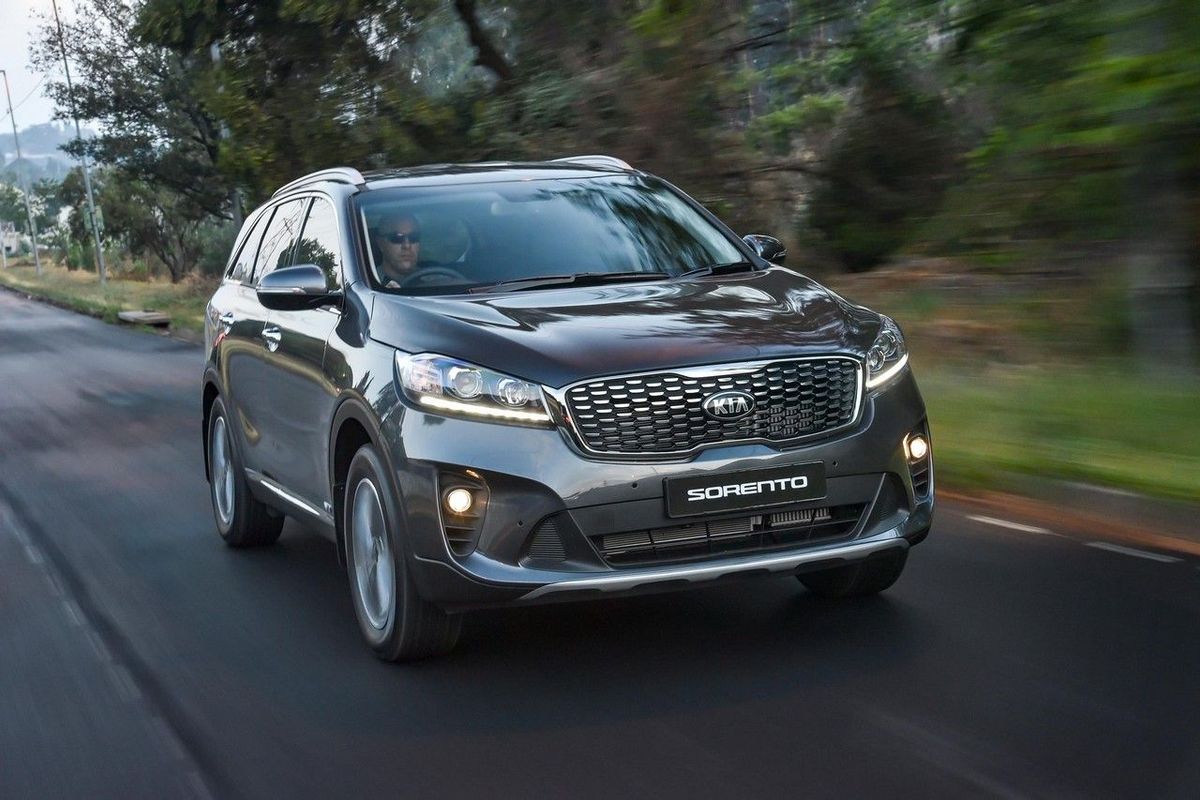
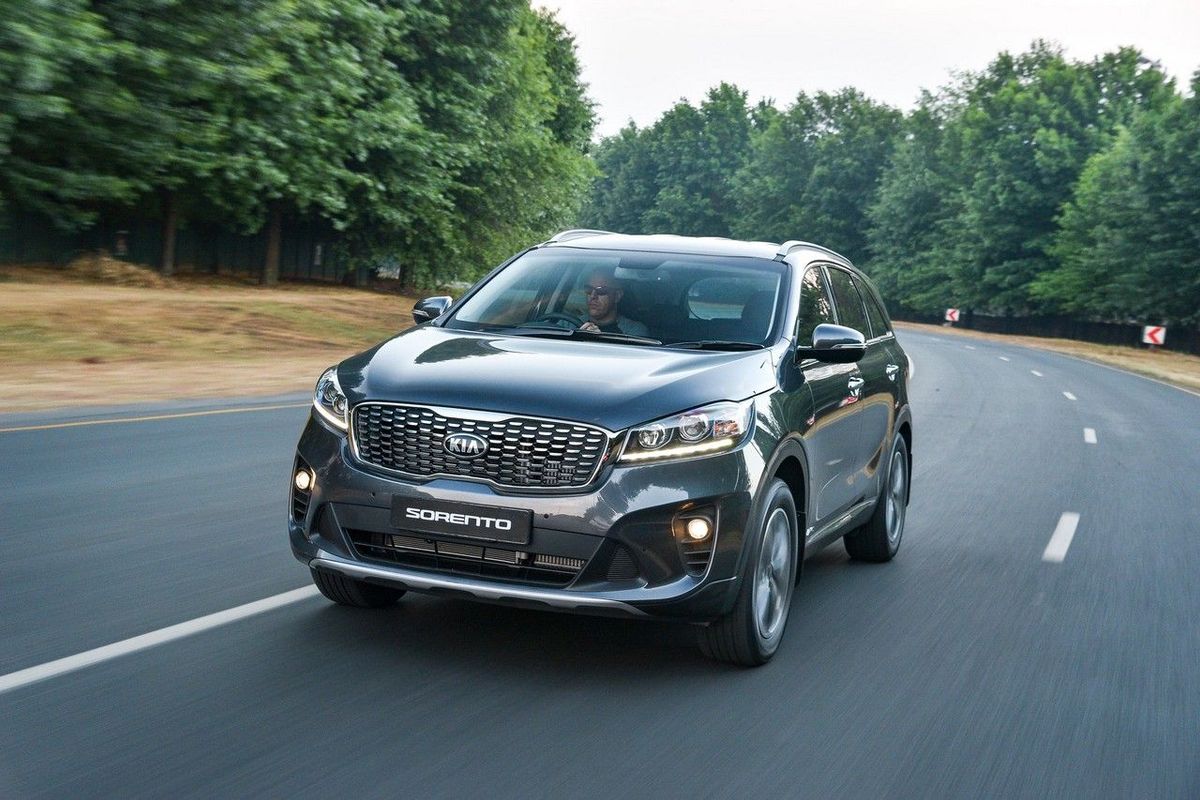
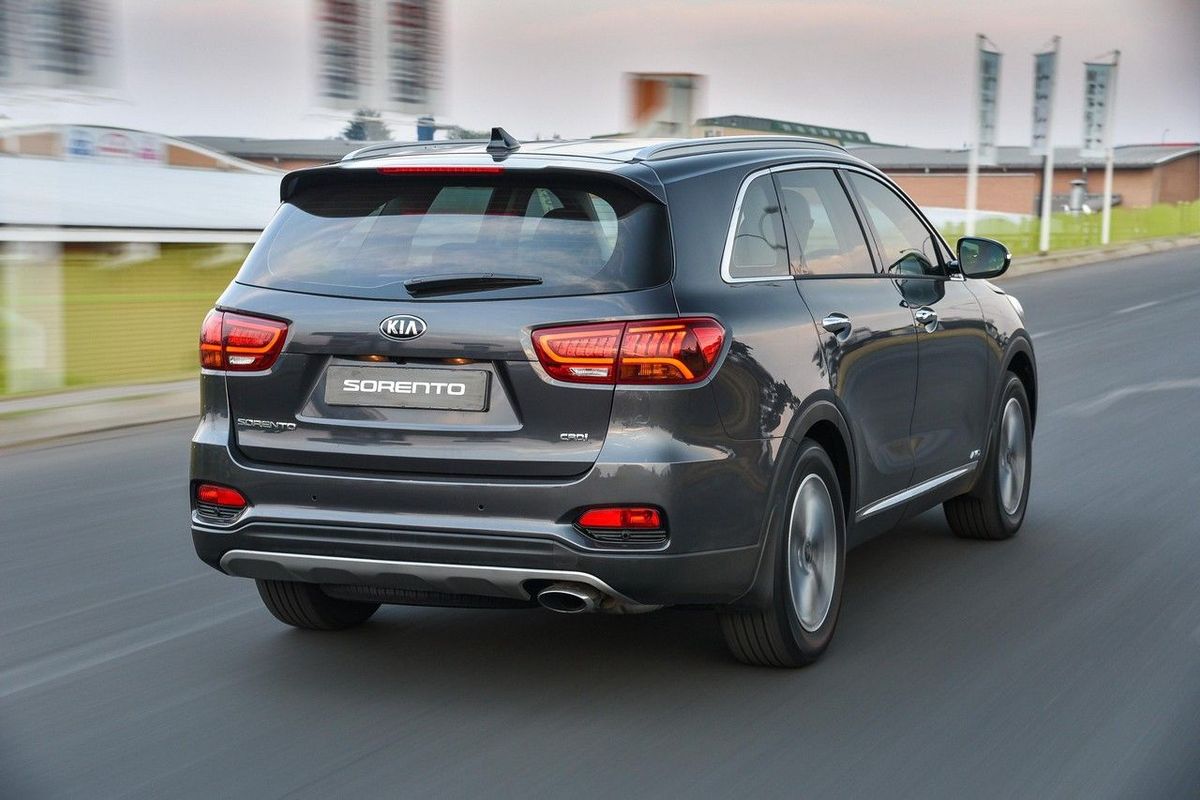
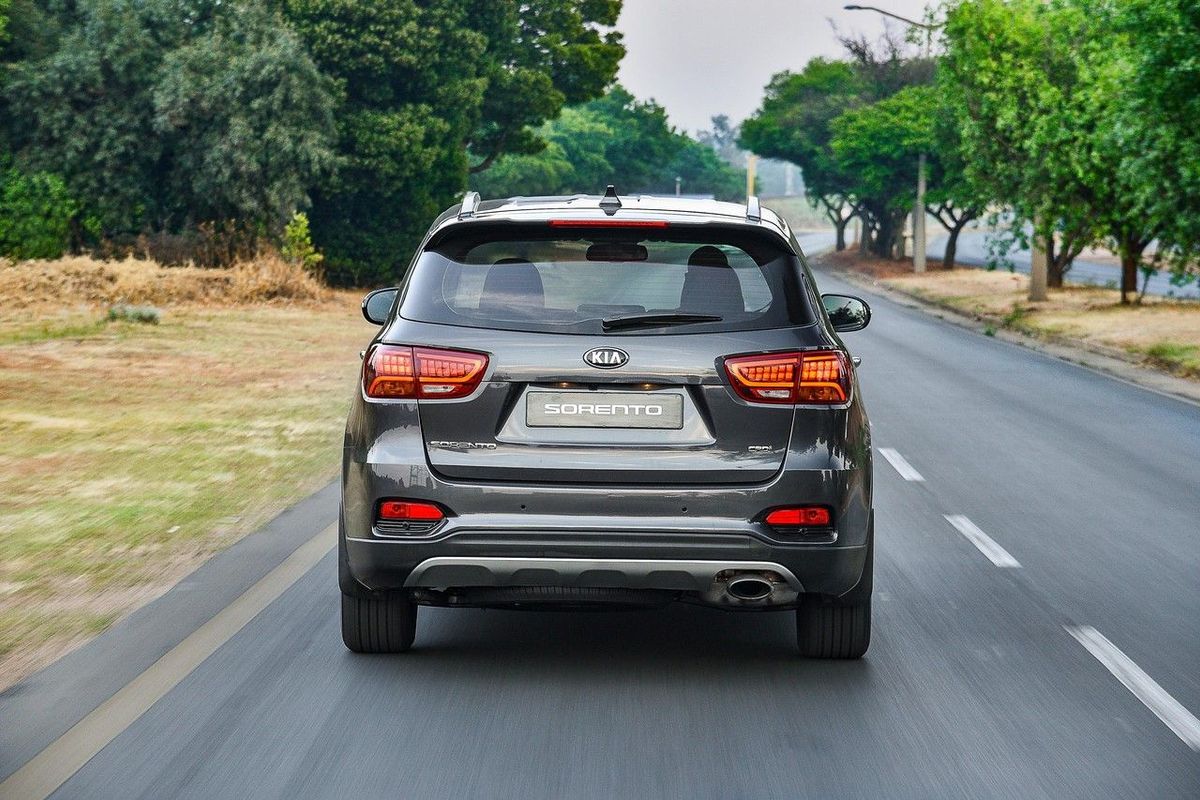
Kia Sorento (2018) Specs & Price

Kia has introduced an updated version of its Sorento Adventure SUV (now available exclusively in 7-seater guise). Herewith the range's specifications and prices 

Kia says its facelifted Sorento has been "enhanced", which is quite apt – the new car features a refreshed exterior design, as well as an upgraded interior with more standard features, all of which makes the Korean better value for money. 

“The Sorento SUV has been a proud flagbearer for Kia’s design and quality credentials since the 1st-generation model debuted in 2002,” says Gary Scott, CEO of Kia Motors South Africa. “It has not only won red dot and iF Design Awards, but is also a consistent segment leader in the annual JD Power Initial Quality Study.”

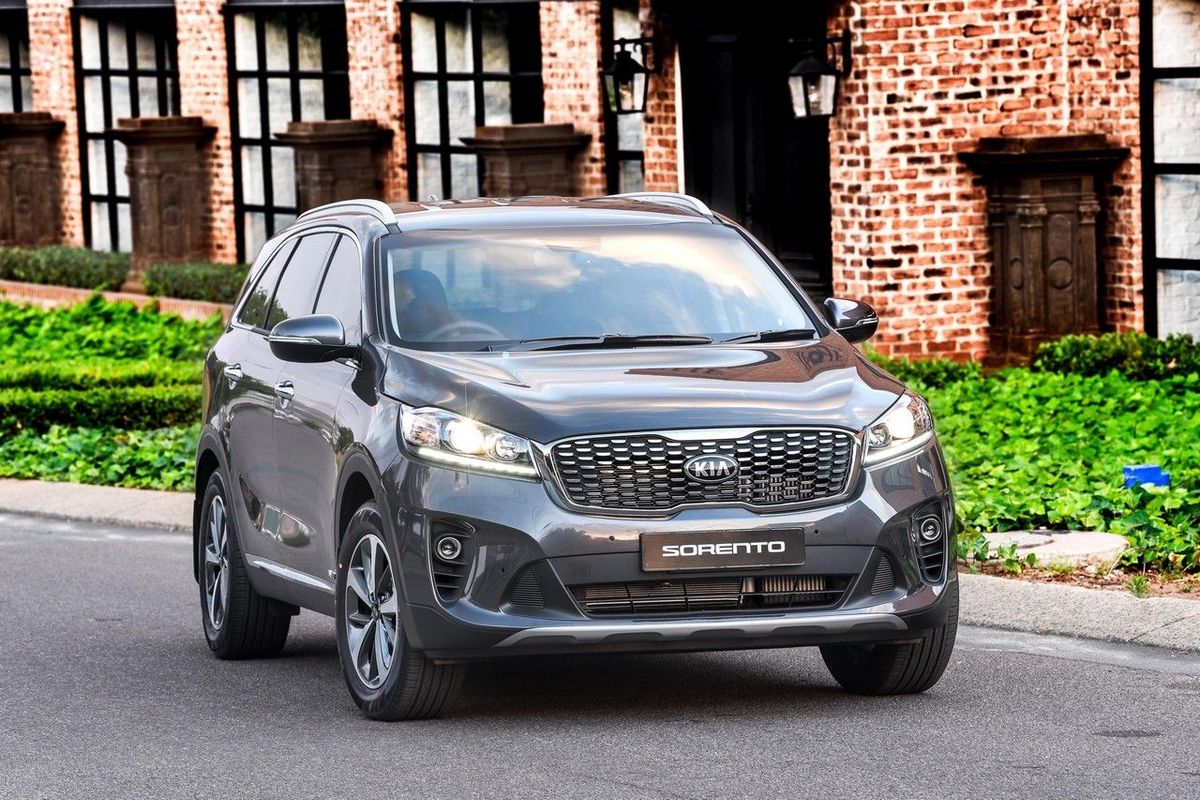
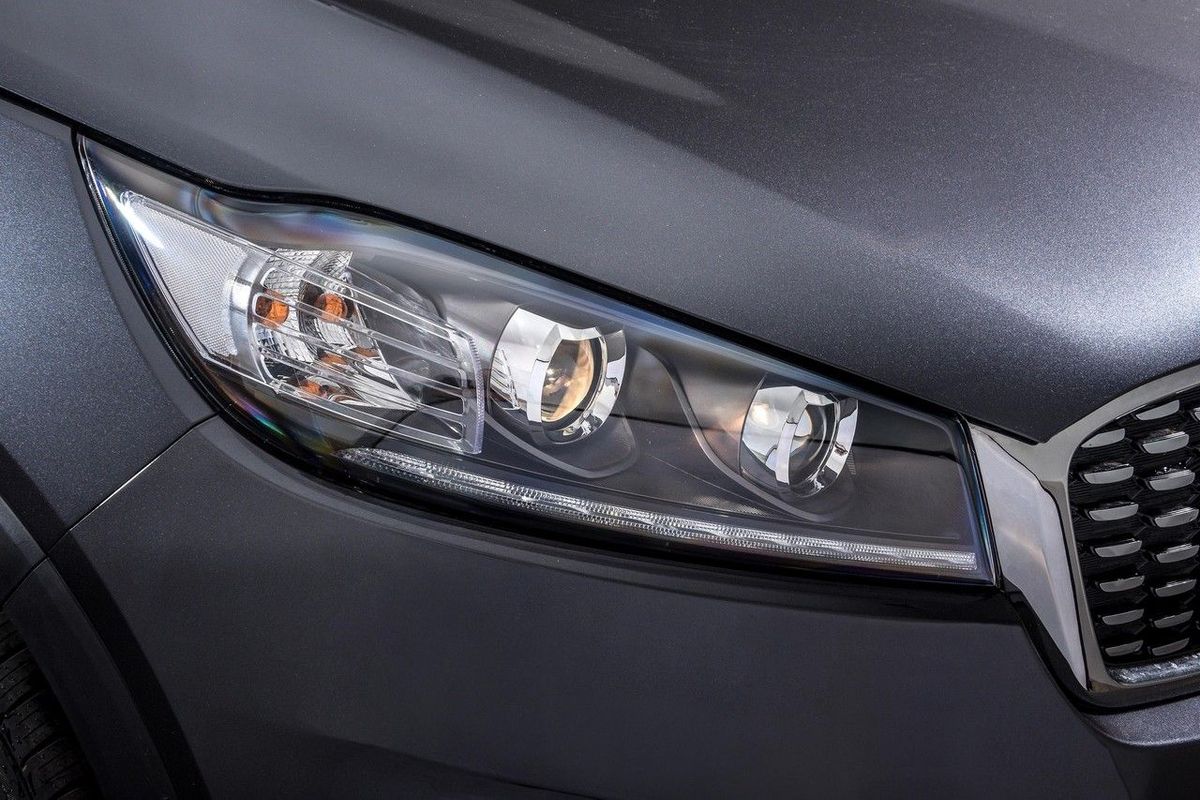
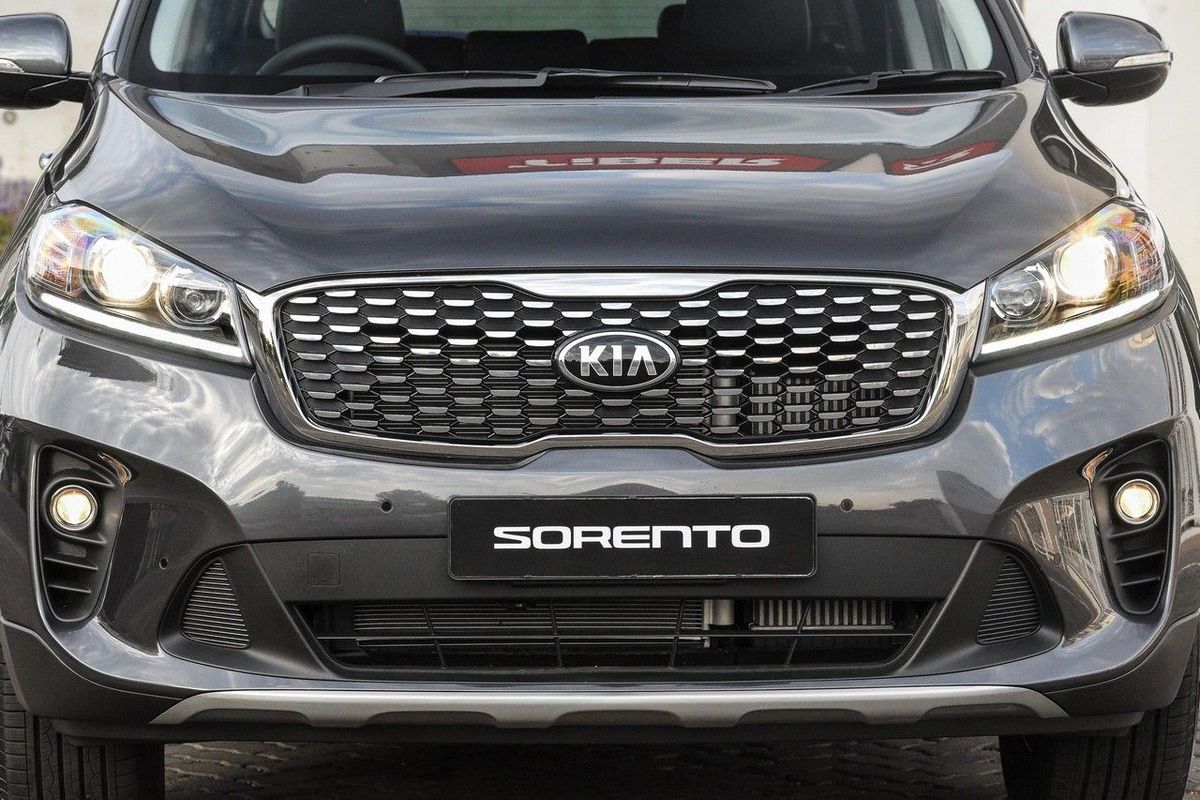
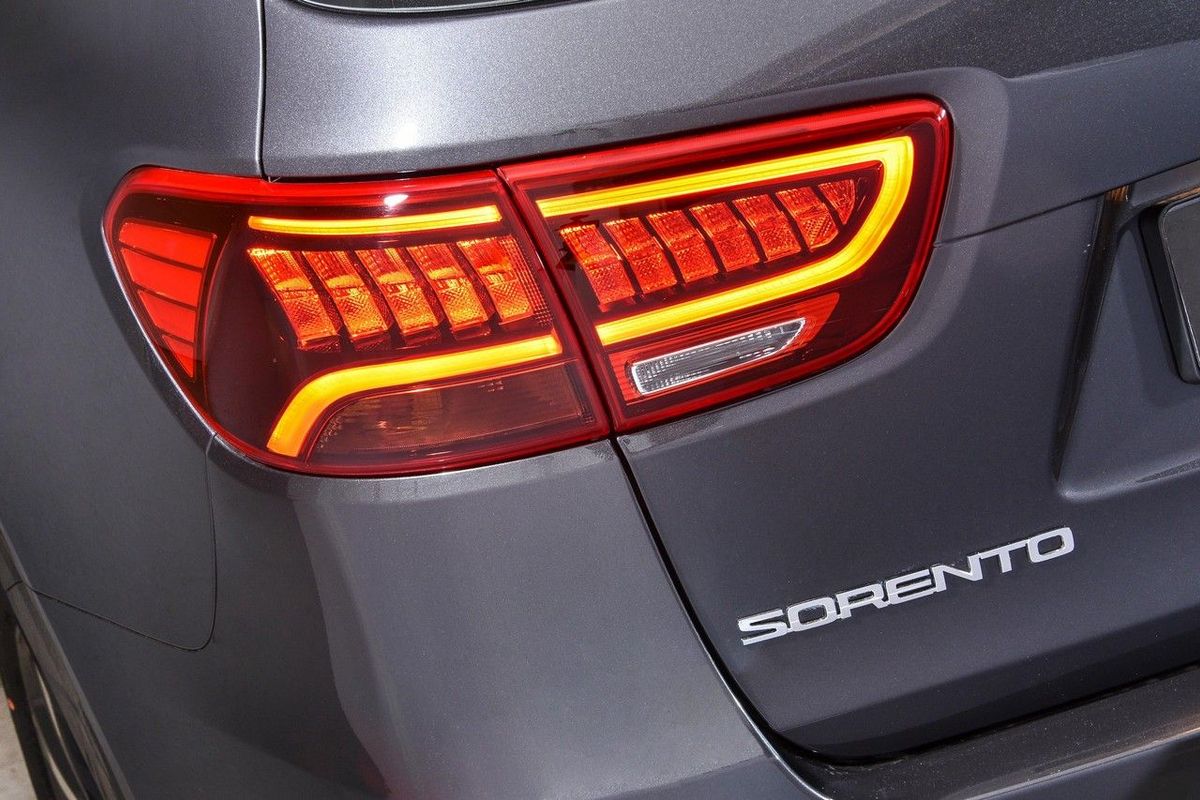
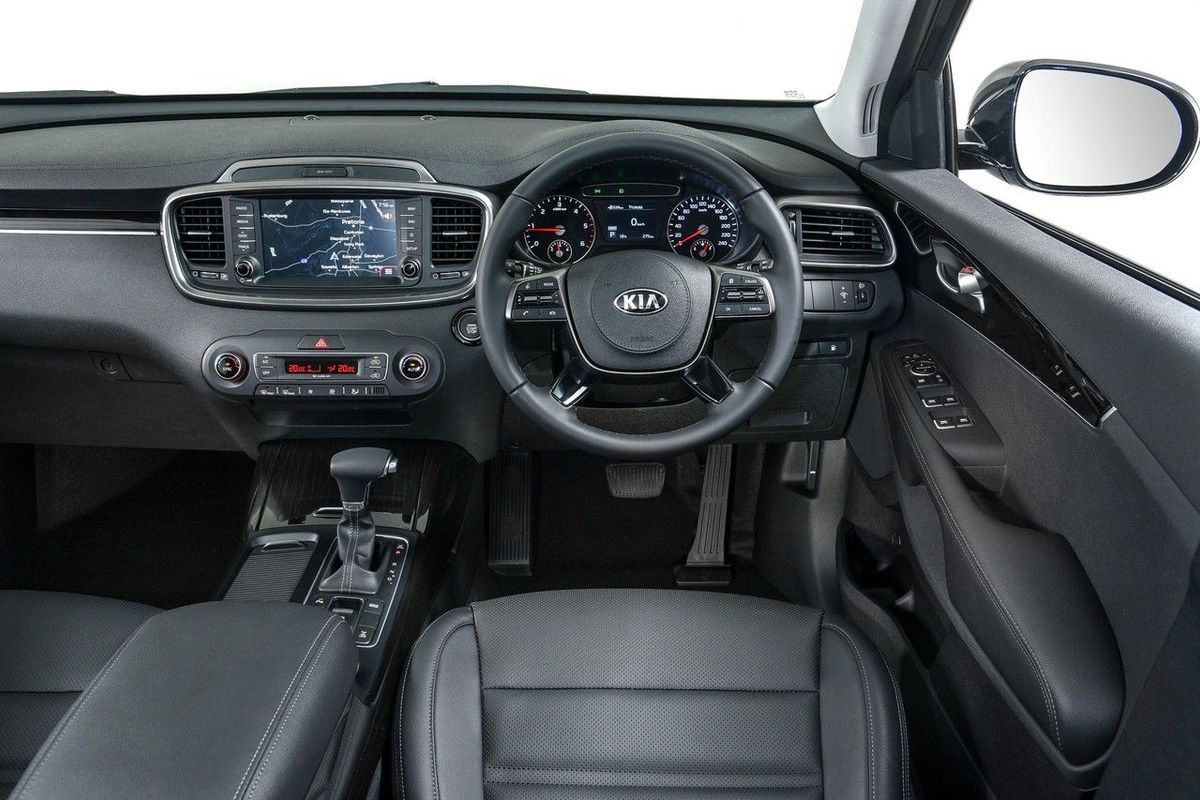
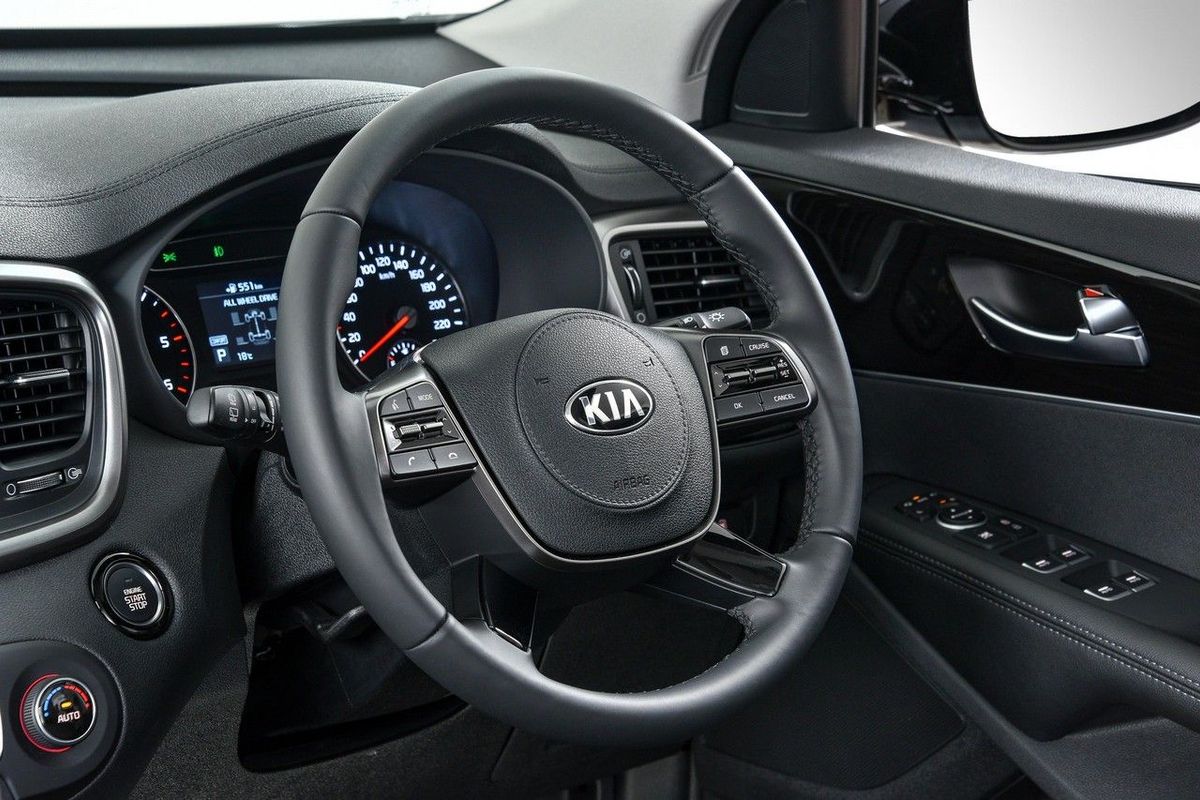
For the 2018 model, the Sorento has received a new-look front end, replete with a more detailed grille and new headlamps. (higher-spec derivatives gain projection headlights with integrated LED daytime running lights). At the rear, there are sleeker taillamp housings, as well as a revised bumper design. New-look 18-inch alloy wheels complete the aesthetic revision. Inside, there are changes to the steering wheel, gearshift lever and a new-look instrument cluster with better graphics.

Previously, the Sorento was available in 5- and 7-seater guises, but the revised line-up sees Kia discontinue the former. The 2nd row of seats can fold in a 40/20/40 configuration, while the 3rd row can be folded flat into the luggage bay floor. 


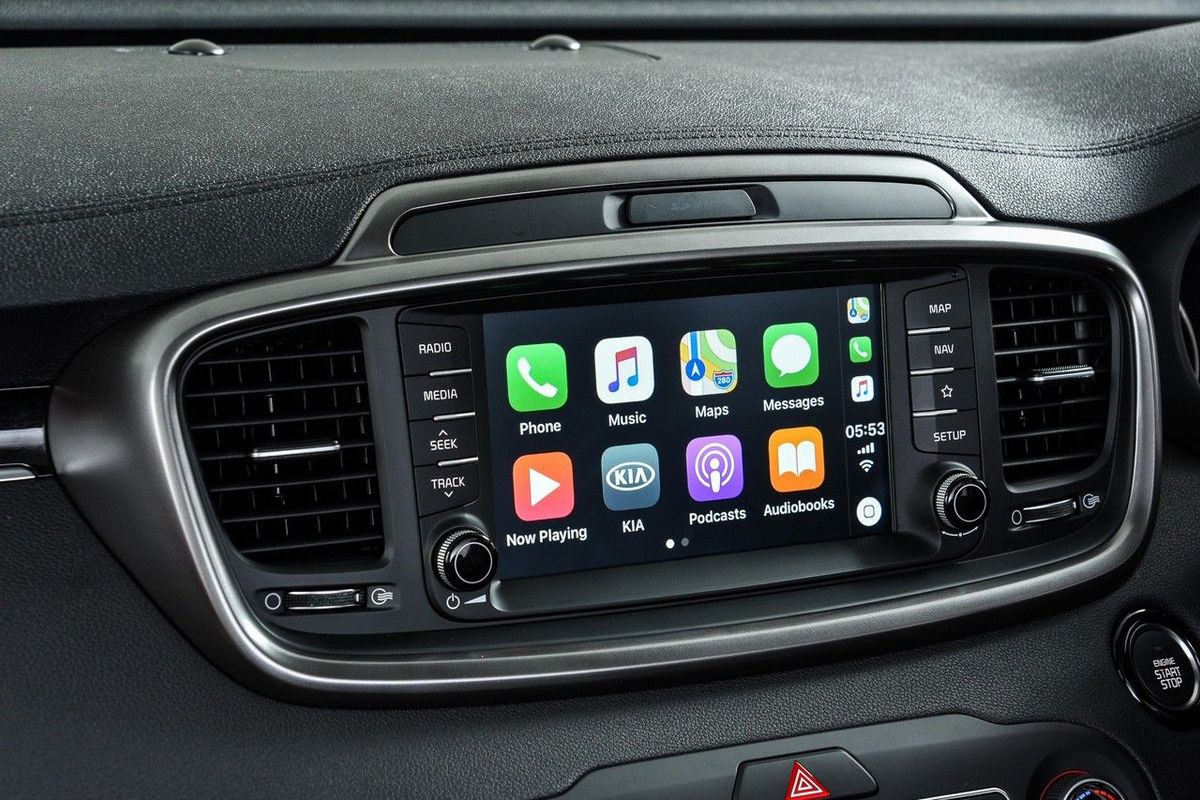
Apple CarPlay/Android Auto has made it into the new-look Kia Sorento

The base LS derivative, high-spec SX and SXL have been dropped, with the range now comprising a mid-spec LX and mid-to-high spec EX – both are available in either front- or all-wheel-drive guises. 

The enhanced LX derivatives feature a raft of standard specification features that includes, but is not limited to, dual-zone automatic air-conditioning, automatic headlamp control, auto-folding and heated side mirrors with integrated side indicators, electric windows all round and rear USB ports. 

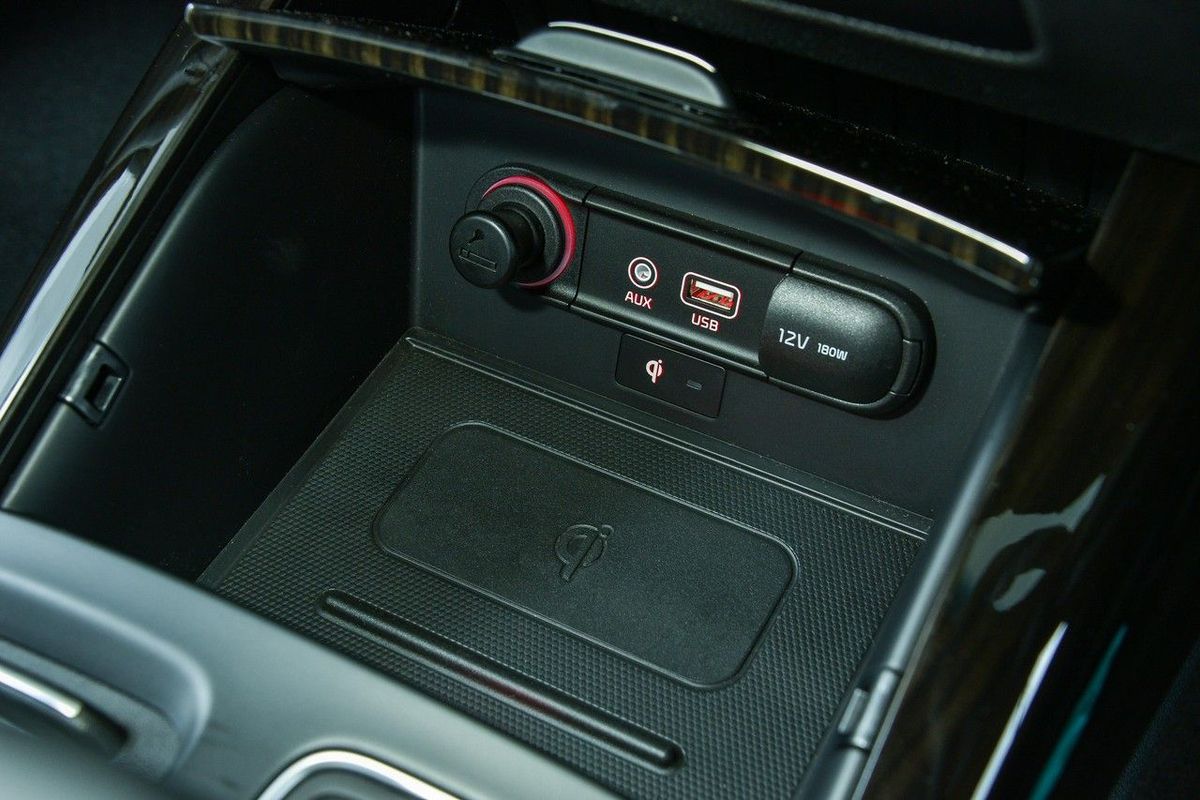
The higher-spec EX derivatives feature an auto-defog system, illuminated door scuff plates, rear sunshade blinds, electrically adjustable front seats (with 2-way adjustable lumbar support for the driver’s seat), integrated roof rails and a wireless smartphone charger.

A new 8-inch colour touchscreen infotainment system, with integrated satellite navigation, USB and auxiliary inputs and Apple CarPlay/Android Auto compatibility is now standard too.

Kia has called upon its trusty 2.2-litre turbodiesel engine to power the Sorento and it produces a healthy 147 kW and 440 Nm, which is capable of propelling the vehicle from 0 to 100 kph in a claimed 9.4 seconds. The big change is the introduction of a new 8-speed automatic transmission, which replaces the outgoing 6-speed unit. 

Kia Sorento Price in South Africa (October 2018)

The new Kia Sorento comes with a 5-year/unlimited kilometre warranty, as well as a 5-year/100 000 km service plan and 3 years' roadside assistance. View its full specs and prices here.

Sorento 2.2 CRDI LX                              R569 995

Sorento 2.2 CRDI LX AWD                     R609 995

Sorento 2.2 CRDI EX                              R599 995

Sorento 2.2 CRDI EX AWD                     R639 995

Related content:

Haval H9 2.0T 4WD Luxury (2018) Review

Hyundai Santa Fe (2018) Specs & Price

Safer Mitsubishi Pajero Sport for SA

Isuzu MU-X 3.0 4×2 (2018) Quick Review

Mazda MX-5 RF – Has Mazda Ruined the MX-5?

The much-loved manual Mazda MX-5 is no longer on sale in South Africa and customers can now only buy the heavier hard-top MX-5 version. In this review, Ernest Page takes the MX-5 RF for a whirl to find out if it can still deliver the thrills… 

This new, heavier MX-5 is now the only MX-5 you can buy in South Africa. So, the brief was pretty simple: take the new automatic, hard-top Mazda MX-5 RF to the track and put it through a series of scientific(ish) tests. With the roof adding an extra 40 kg to the top of the car, and the automatic 'box reducing the driver's transmission control, we wanted to find out – has Mazda ruined one of the world's most iconic drivers cars?

Our contributor Ernest Page got the nod for this job thanks to his remarkable ability to get a car sideways. And so he set about putting the RF through a slalom, handbrake turn and good old-fashioned drift test. Watch the video to see what he discovered…

Buy a new or used Mazda MX-5 on Cars.co.za

Related Content

Mazda MX-5 RF Automatic (2017) Quick Review

Mazda MX-5 (2015) Review

Mazda MX-5 Updated for 2019

2018/19 Cars.co.za Consumer Awards – powered by WesBank; Finalists
Audi Is Pressing Ahead With Its Future Plans

Given the diversity of manufacturers in the Volkswagen Group (and their various fields of expertise), what strategy is Audi following to stand out from its sibling brands? We button down Audi’s big plans for an electrified and (by and large) autonomous-driving future.  

Each brand within the VW Group has a plan to introduce production electric vehicles by 2020, at least that is if reports are to be believed. So, when you’re in a group that consists of Volkswagen, Porsche, Bentley, Lamborghini as well as brands we don’t get in South Africa (Skoda and Seat), what can Audi do to make itself stand out from its peers? A recent venture to a motor show in Singapore shed a bit of light on how Audi wants to be seen within the group.
By looking at Audi’s concepts, such as Elaine and Aicon, it seems Audi is determined to be the primary innovator. Positioning itself as the VW Group brand that brings ideas to market first certainly suits a premium brand that competes directly with trendsetting marques like BMW, Mercedes-Benz and Jaguar. Has the Ingolstadt-based firm got the jump on any of those brands in terms of bringing new tech to market? Well, let’s take a look at a few of these "upcoming" models and see what in store.

Audi e-tron


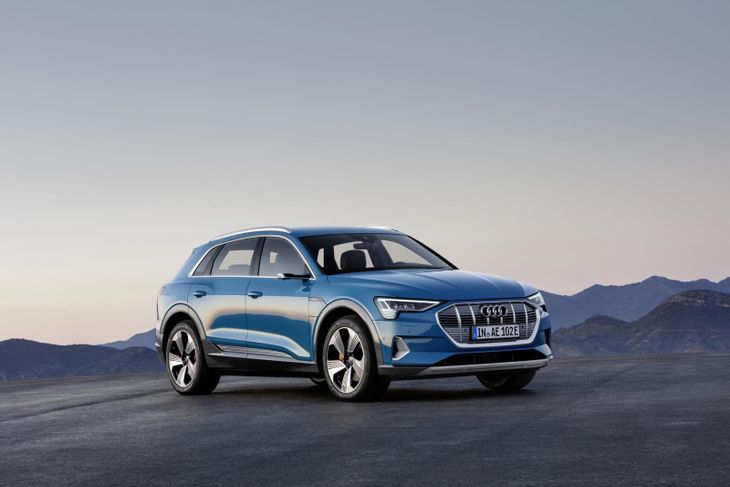
The Audi e-tron will arrive in South Africa during the 3rd quarter of 2019.

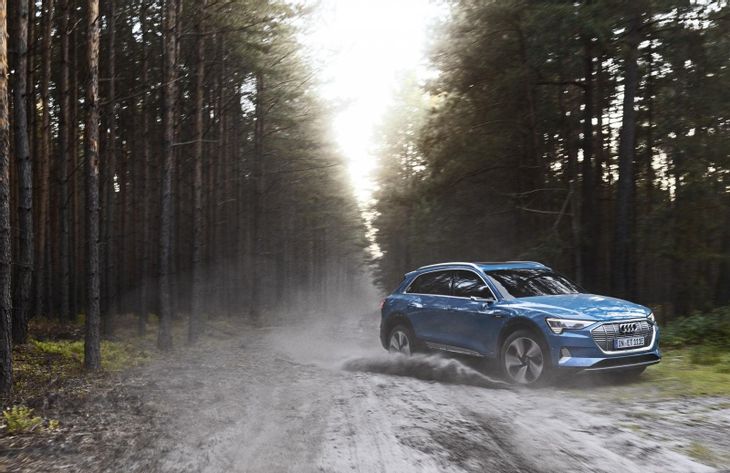
The e-tron is Audi’s first series-production electric car and we expect it to be introduced in South Africa during the 3rd quarter of 2019. It’s not innovative in the sense of being the VW Group's first electric car to market (the European market already has the Volkswagen e-Golf and e-up!). The e-tron does do something different, however. It's an electric model built to be a purpose-made electric car, as opposed to a combustion-engined car with electric bits. It also enters the segment that’s showing positive growth globally. People are stepping out of their 3-box sedans and buying SUVs, so Audi has made an electric SUV that offers enough range for long-distance trips.


400 km of range and fast charged to 80% in 30 minutes.

It's also a rebuff to "range anxiety" and "charges too slowly" detractors. Audi claims the e-tron has an effective range of 400 km per full charge and if you find a fast 150 kW charger, you can get 80% charge within 30 minutes. It’s not quite a 10-minute fuel station stop, but it will cost you about half as much to "fill your tank". Audi arch-rival BMW has electric cars on sale in South Africa, but the i3's 180-km range and compact size limit the hatchback's appeal for commuting. Audi’s major competitor will be the Jaguar iPace, which will beat it to market in SA by a good 6 months. The electric Jaguar will also be cheaper to recharge at charging stations beyond city limits.

Audi Elaine


The Audi Elaine introduces the next level of electric powertrain technology.

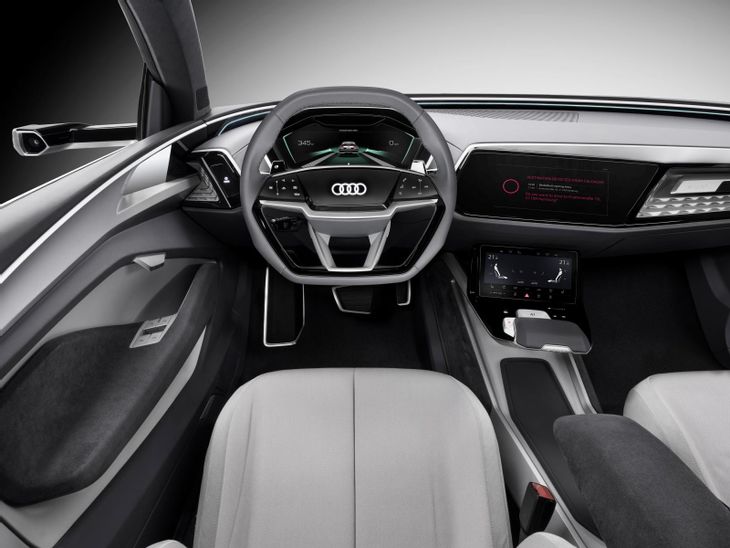
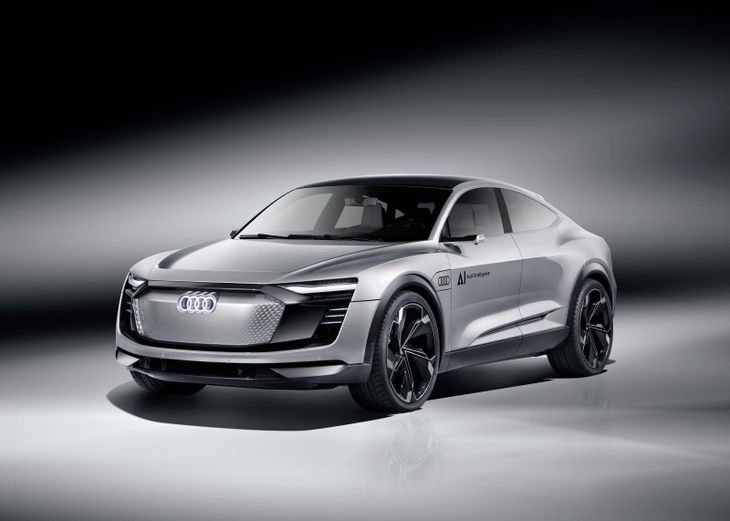
Gaze a little further into Audi’s future and you will come across the Elaine. Elaine might sound like the name of your favourite aunt, but that’s sort of the idea Audi has in mind this concept… That's because when you start integrating artificial intelligence into a vehicle, you still need it to come across as "human-like" (something that almost anyone can interact with), which goes a long way to explain why the Ingolstadt-based brand has given this concept a human name.

Audi may have been playing a little bit of catch up with the e-tron, but futuristics ideas start to align with the Elaine. For starters, it uses the next generation of electric propulsion with a projected range of in excess of 500 km. Three electric motors operate the all-wheel-drive system (2 at the rear and 1 at the front); they produce up to 370 kW collectively and are said to accelerate Elaine from 0 to 100 kph in 4.5 seconds. All this in a car that’s effectively an SUV version of the Audi A7.

The real innovation comes in the form of artificial intelligence systems that allow for autonomous freeway driving. Audi says that when travelling on a freeway, the Elaine will be able to drive itself and overtake traffic on its own at speeds of 60 to 130 kph. The driver is free to take over driving duties at any time as well.


An interior not too far-fetched from Audi's current A7 Sportback and A8.

Audi is also almost ready to roll out what it calls AI Zones. Let’s say you’re driving in the city and looking for a parking space. In that scenario, instead of searching endlessly on your own, you can get out of the car (and, basically hand over driving duties) in an AI Zone, from where the car will find a parking space in a parking lot or street all by itself. How it gets past security booms and paid parking services isn’t yet disclosed, but an "e-tag type of thing" could be an interim solution.

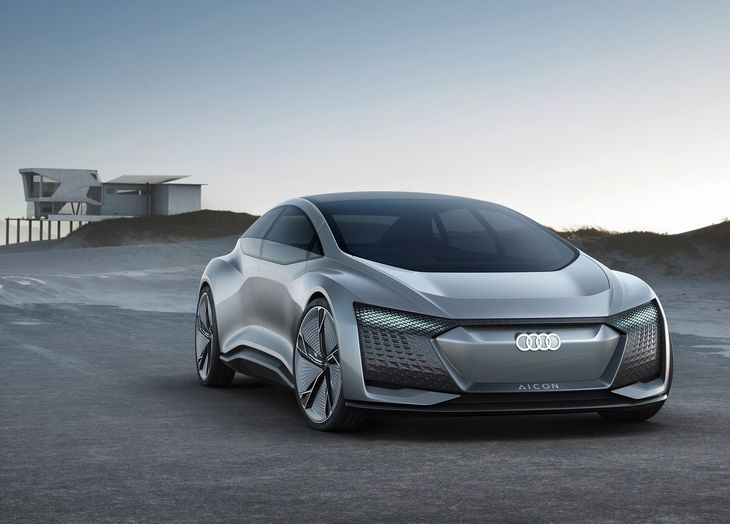
Audi Aicon


The Audi Aicon focuses on the future of mobility and beyond driver involvement.

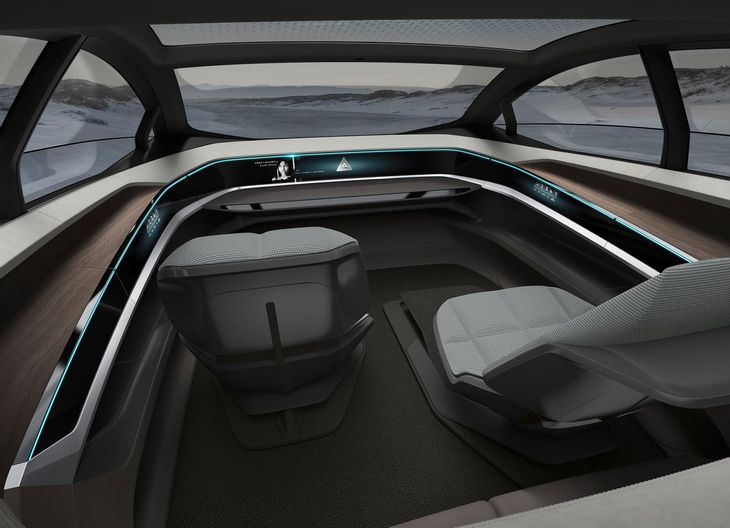
The Audi Aicon concept anticipates a time when cars are there for the sole purpose of mobility. It’s a form of personal public transport, if you will. It has no steering wheel, so it’s fully autonomous and comes with an electric motor located at each corner of the car. With no real need for driver involvement, the Aicon is set up for maximum comfort and efficiency. It is claimed to have a range of 800 km(!) per charge and by virtue of wireless charging capability, it doesn’t even need to be plugged in.

The future of mobility may seem boring for car enthusiasts right now, but for most of the public who sit in hours upon hours of traffic to and from work every day, this sort of thing could take the hassle out of commuting. The Aicon also has some gimmicky bits, such as the ability to adjust the car's interior lighting to suit the types of music being played through the audio system (in other words, "adjust the cabin mood"). And speaking of the cabin, you may have noticed that you get a stool and bar table with some screens to play with… Those screens extend to the door linings as well, which suggests you could interact with whichever feature you want from where you want.

The seats fully recline, allowing occupants to nap on the way to their destination.
The seats recline to lie flat, so, if you want, you could nap on your way to and from work. It won’t be cramped either; the Aicon is about the same length as a LWB A8.

In our lifetime?

Audi’s status as an innovator within the Volkswagen Group is underlined when you consider how much further the Ingoldstadt-based brand has developed electric vehicle and autonomous driving technology than its sibling brands. The Aicon, with all of its "blue sky" ideas, will have level 5 autonomy (steering wheel optional) ready to roll out as soon as 2021. At that point, most other manufacturers will still be bridging the gap between level 3 (hands-off periods) and level 4 (autonomous zones).

The all-out electric push is coming too, and that can be seen in its most basic form – motorsport. Manufacturers such as Audi, Jaguar, Nissan, Porsche, Mercedes-Benz and BMW have all entered into Formula E for 2018/19. If the series proves popular and lucrative, it could be the injection of development that electric and battery power needs to really become mainstream.

What are the 5 levels of autonomous driving?

Related content

Jaguar's Plan to Own SA's Electric Car Market

Jaguar Invests in EV Charging Stations for SA
BMW SA to launch more powerful i3

5 New Electric Cars Destined for SA

McLaren Speedtail leaks early

Photos of the new McLaren hypercar have leaked online ahead of the vehicle's official reveal later today. Let's check out the McLaren Speedtail.

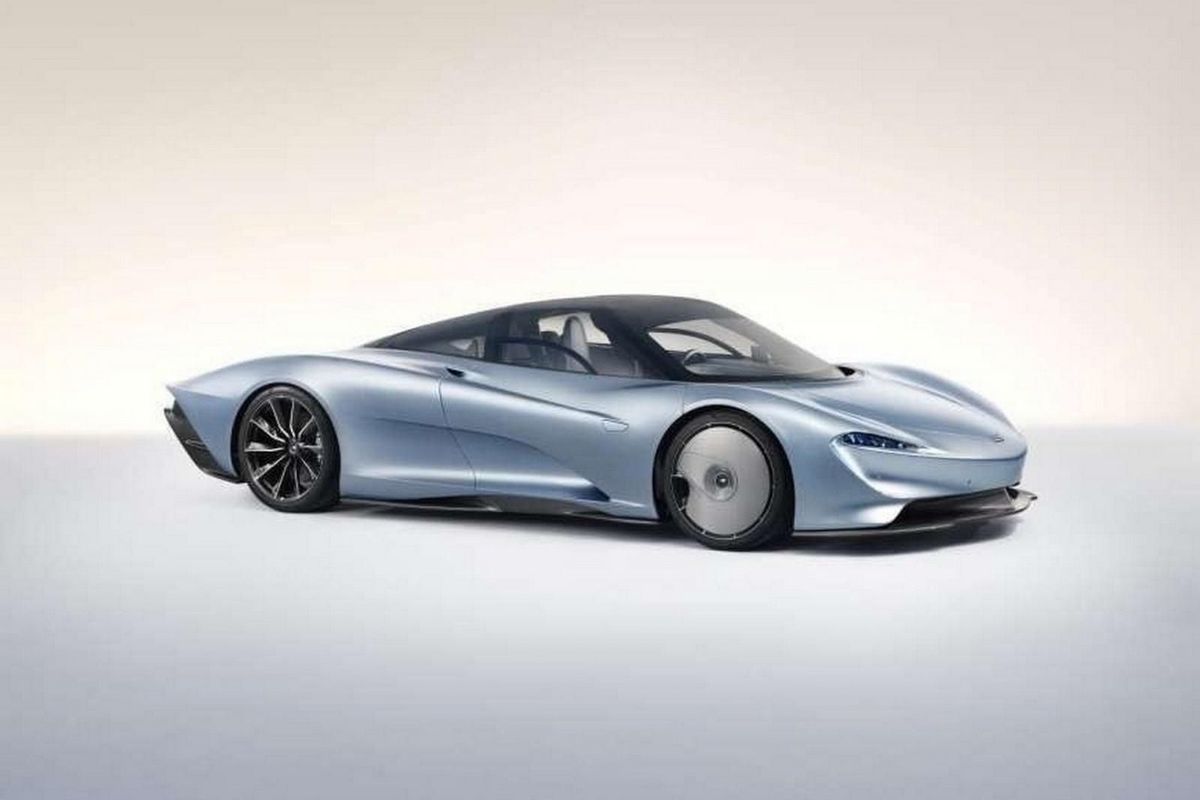
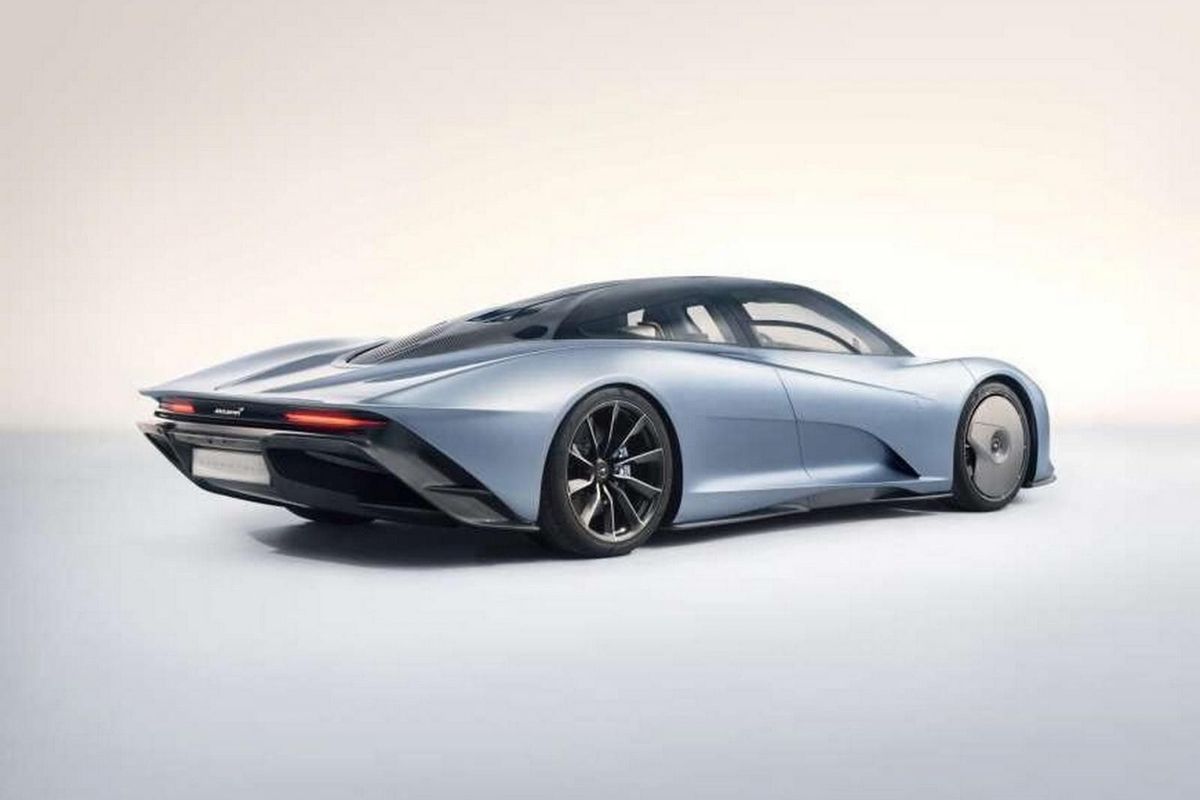
The McLaren Speedtail is the Woking-based brand's entry into the hypercar segment. McLaren is claiming a top speed of just over 390 kph from a highly modified version and hybrid version of the twin-turbocharged V8 engine that is used in other products in its portfolio.
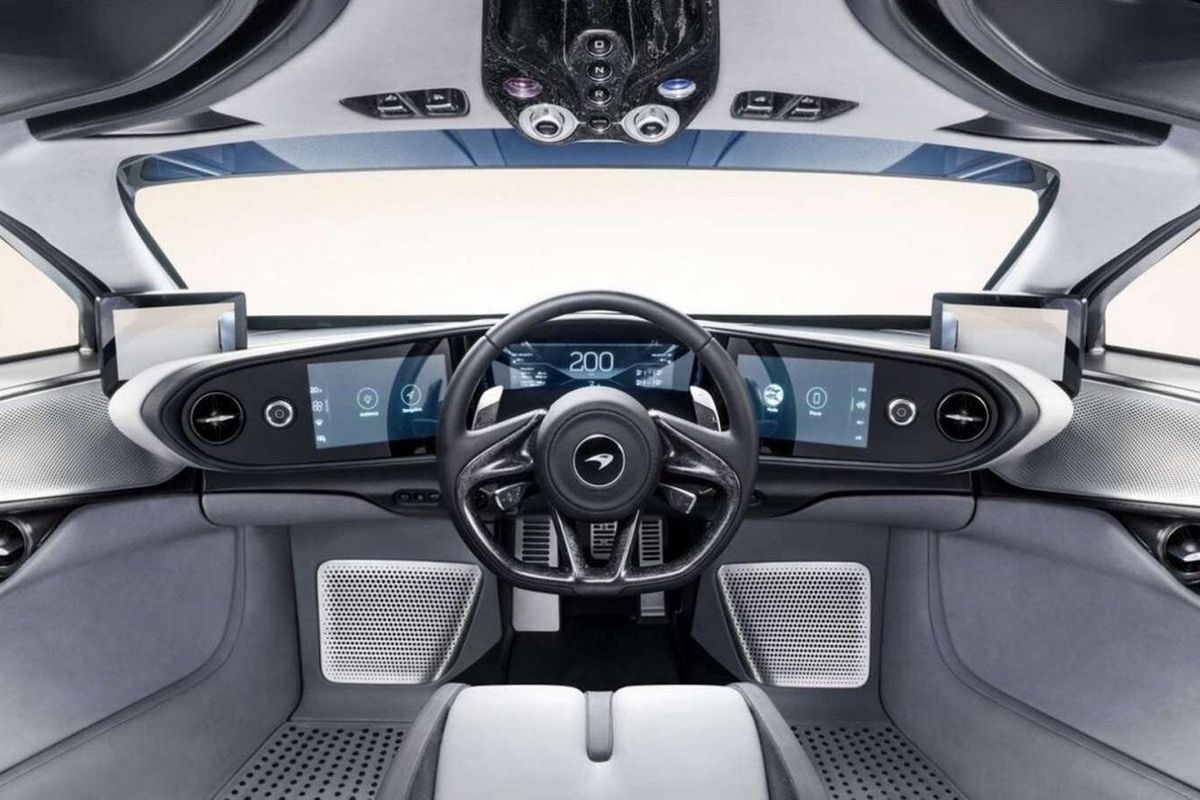
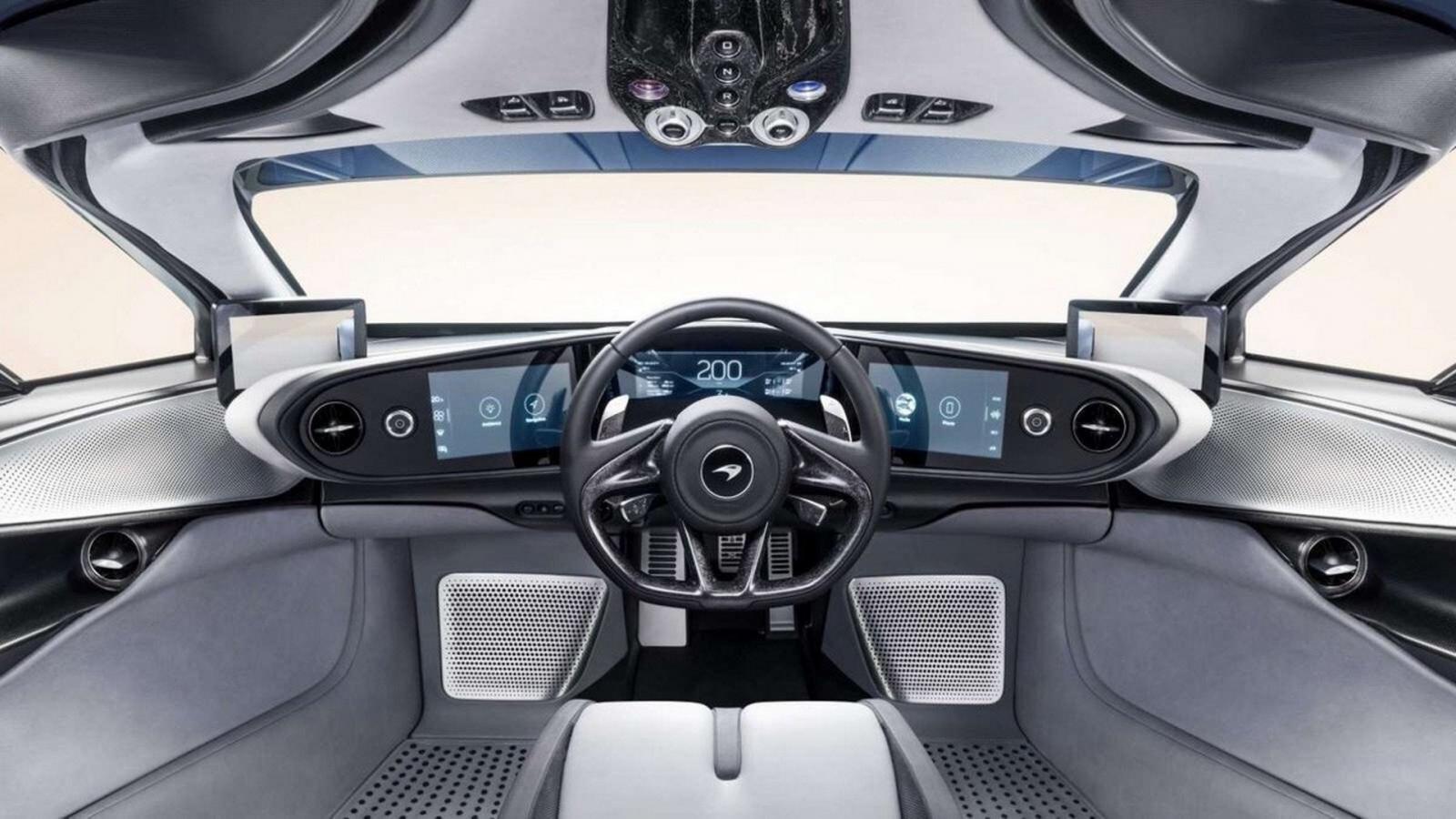
One interesting aspect of the McLaren Speedtail is its cabin layout. Much like the iconic McLaren F1 from the 1990s, the Speedtail uses a 3-seat setup with the driver in the middle and a passenger either side. There are an array of touchscreens and the cabin can truly be called driver-focused. It appears that conventional wing mirrors have been replaced by cameras too. 

McLaren will be building 106 Speedtail models and all have been snapped up despite the $2.1 million price tag. That's almost R31 million. We'll have more details after the official reveal later today.


The McLaren Speedtail adopts the same three-seat setup as the iconic McLaren F1 supercar of the 90s

Further Reading

McLaren 720S now even faster with Track Pack

McLaren goes on product offensive

New McLaren 600 LT: Faster track-focused model announced

New McLaren Senna Revealed

McLaren 570S Spider (2018) Review

McLaren 720S Video Review | The Big Mac Attacks