New car sales in South Africa continued its downward spiral in March 2019, bringing a rather disappointing end to the first quarter of the year. See the details below…
It was another tough month for new car sales with the National Association of Automobile Manufacturers of South Africa (NAAMSA) reporting an overall decline of 3.1% compared with the same period last year. However, gloomy passenger car sales numbers stand in contrast to strong growth in export sales which realised gains of 23.7% while Light Commercial Vehicle (LCV) sales increased marginally by 1.9%.
A poor performing Rand and declining consumer and business confidence in anticipation of possible rating downgrades contributed to the results and rising fuel prices and uncertainty in the energy sector i.e. load shedding, will continue to put the new car market under pressure.
“Household budgets also continue to take strain as a result, directly impacting demand for new vehicles as motorists continue to hold onto their vehicles for longer. At least interest rates remained unchanged, providing some small form of relief for consumers. WesBank data shows a slowly shifting trend away from fixed rate deals – good finance practice in a low-interest rate environment – towards linked deals, although linked deals remain the majority. With interest rates unlikely to decline in the short term, the opportunity to fix rates in your finance contract remains” says Ghana Msibi, WesBank Executive Head of Motor.
New Car Sales Summary – March 2019
Aggregate new car sales of 47 718 units down by 3.1% (-1 512 units) compared with March 2018.
New passenger car sales of 30 348 units down by 5.6% (-1 805 units) compared with March 2018.
LCV sales of 14 994 units up by 1.9% (+275 units) compared with March 2018.
Export sales of 37 296 units up by 23.7% (+7 135 units) compared with March 2018.
Projections for the first half of 2019 remain subdued but NAAMSA predicts that LCV sales should register growth in the medium term but passenger car sales are likely to remain under pressure in the short term. Exports, however, are expected to grow substantially throughout the course of 2019 with a closing projection of close to 400 000 units expected for the year (compared with 351 139 vehicles exported in 2018).
“The market will remain under pressure during April, which will be impacted by public holidays and resultant fewer selling days, as well as a wait-and-see mentality heading up to elections in May,” said Msibi. WesBank, however, predicts an uptick in the second half of 2019, “While sobering, the market picture is not all doom and gloom, nor unexpected. We forecast first half sales to be slow with a better-performing second half.”
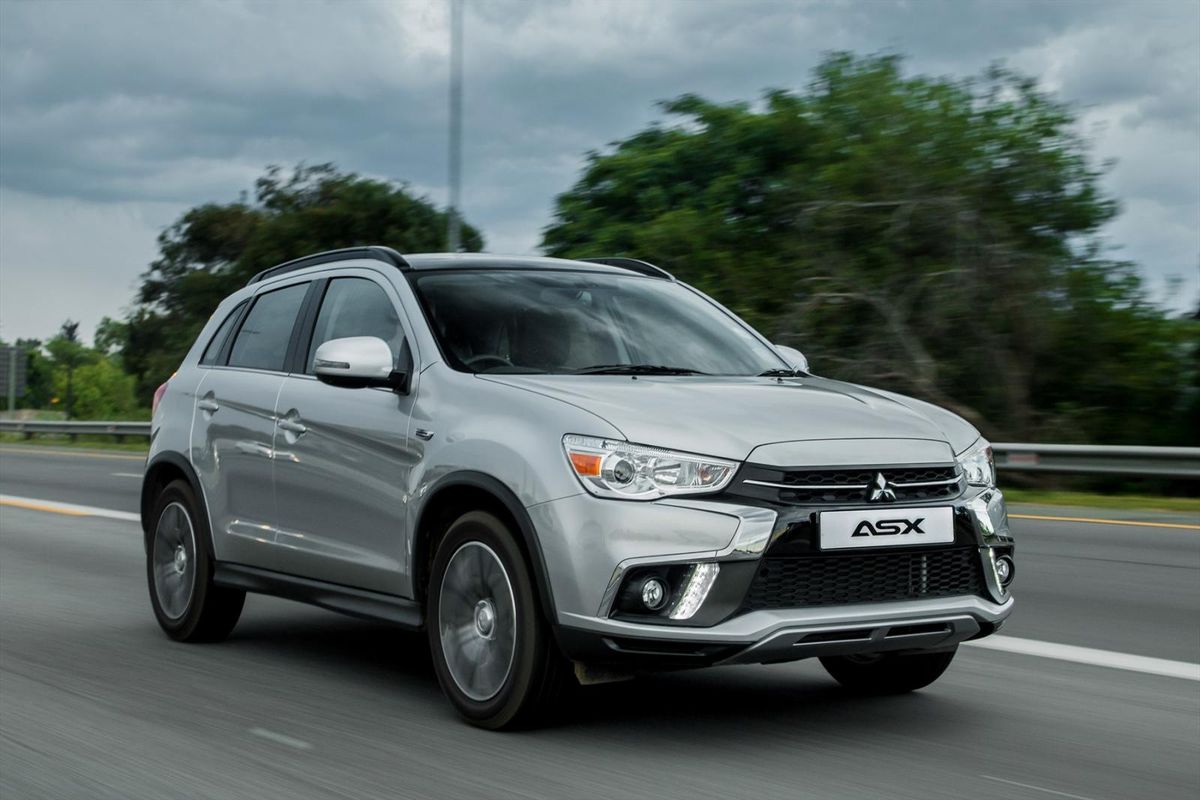
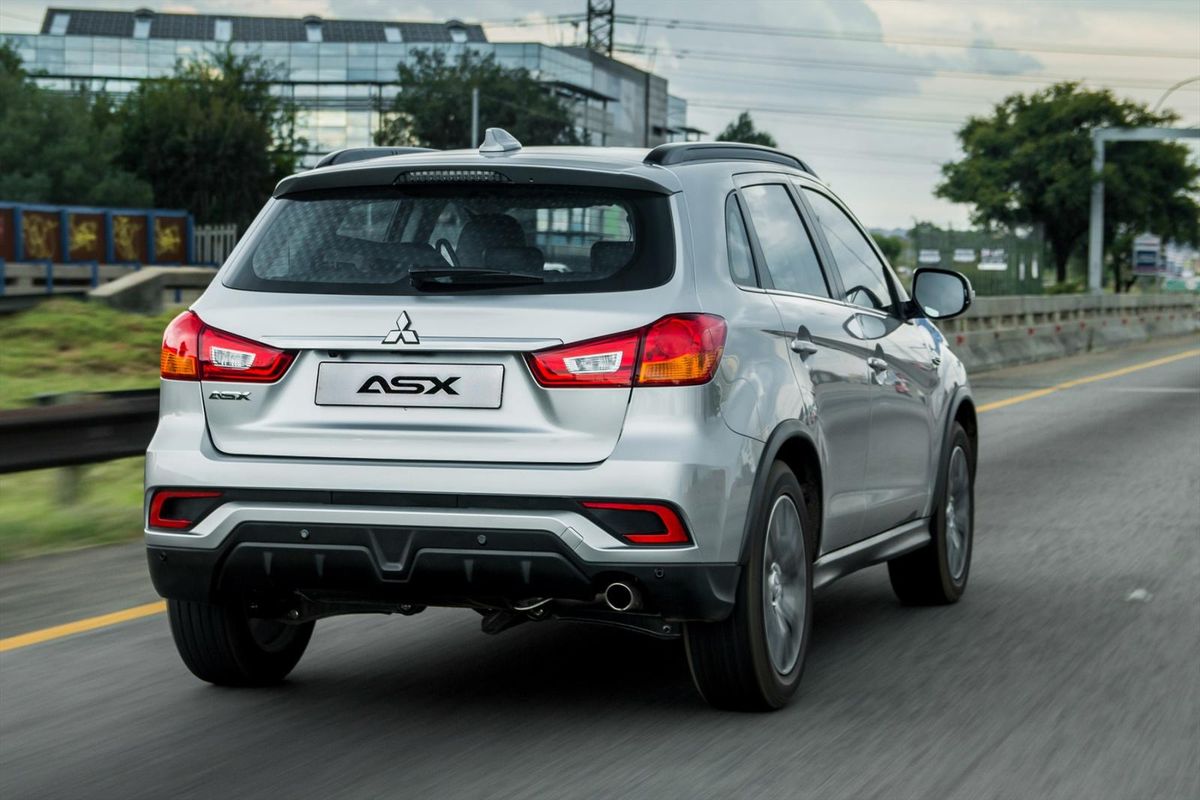
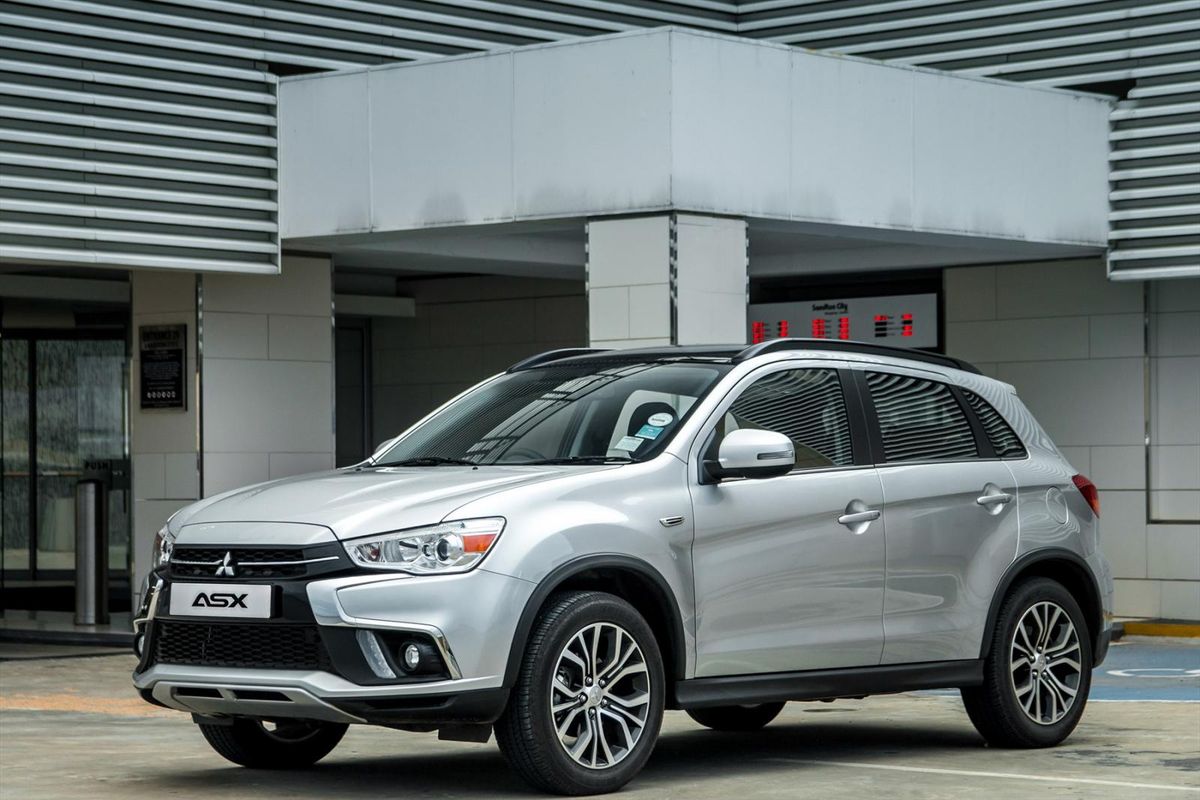
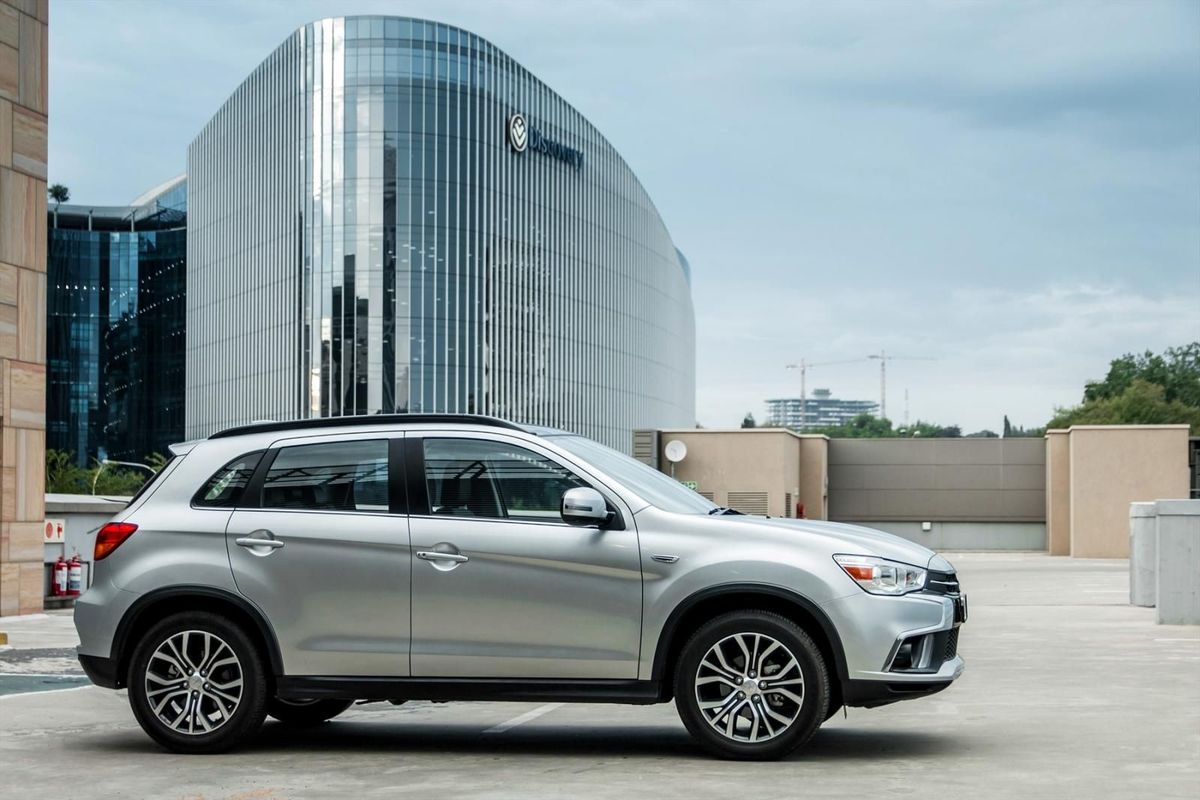
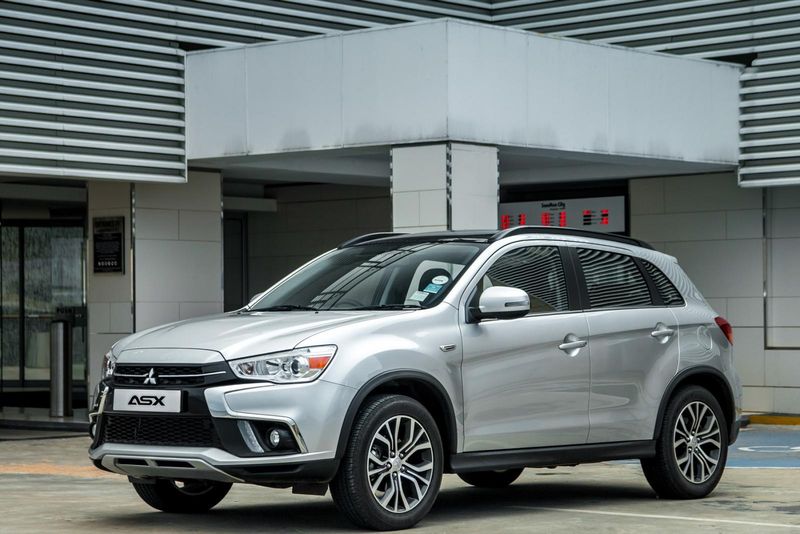
With the recent introduction of the Eclipse Cross, Mitsubishi Motors South Africa expanded its family car line-up to 3 models, which now begins with a standalone ES derivative of the long-serving ASX crossover.
Nic Campbell, general manager of Mitsubishi Motors South Africa says the Japanese marque’s new market strategy is to “emphasise the value for money offered by its (family car/compact SUV) product range. The ASX, Eclipse Cross and Outlander, all come in “at under the R500 000 mark.”
As before, the ASX ES is powered by a 2.0-litre 4-cylinder petrol engine (110 kW, 197 Nm), mated with a 5-speed manual or 6-step continuously variable (automatic) transmission. By virtue of a 63-litre tank capacity and identical claimed economy figures of 7.5 L/100 km (manual and auto), ES derivatives are said to be capable of travelling up to 800 km on a single fill-up.
Although the ES does not yet feature Mitsubishi's latest design language (as shown at the Geneva Show recently) it wears its age well.
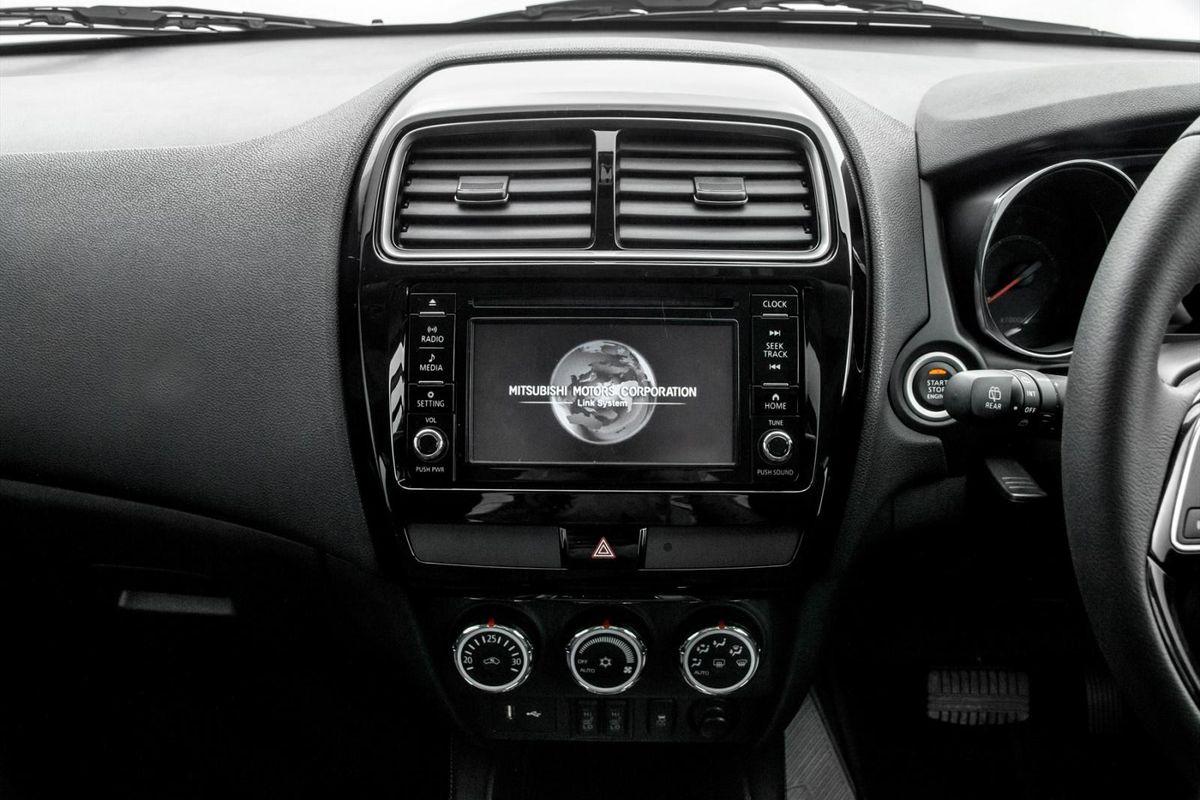
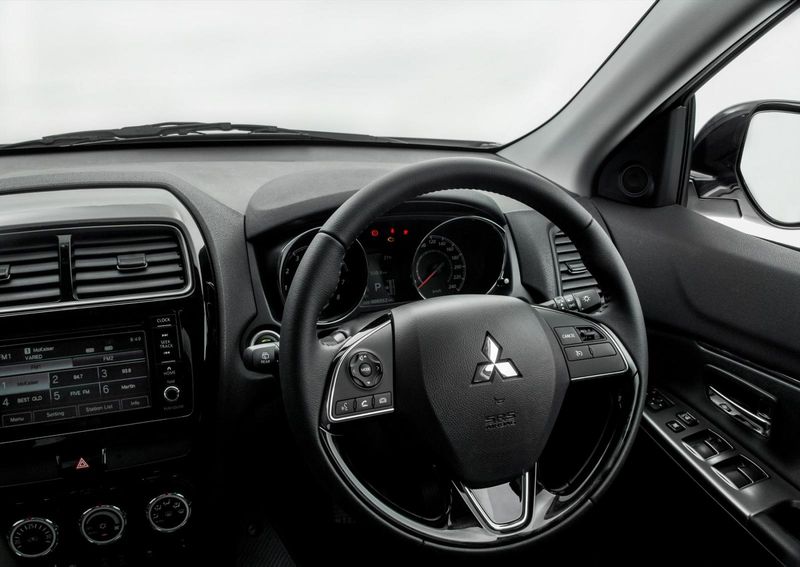
In terms of interior spec, the ES comes with a rake and reach-adjustable steering column, while its multifunction leather-trimmed wheel offers remote toggles for the audio system (an MP3-compatible radio/CD setup with a touchscreen interface, appended by USB and accessory sockets), Bluetooth telephony, voice-recognition function and the cruise control system.
Other nice-to-have features include electric windows, automatic aircon, keyless entry, push-button start, a panoramic glass roof, a reverse-view camera, rear park distance control and speed-sensing auto door locks.
The ASX comes well equipped in terms of interior features. The leather-trimmed steering wheel includes cruise control toggles.
Plus, in terms of practicality, the ES’s load bay has a 442-litre capacity, which can be expanded to 1 193 litres by folding the rear seats forward.
The safety spec is particularly impressive at the ASX ES’ price point – R359 995 for the manual, R379 995 for the CVT (April 2019). Over and above the RISE (Reinforced Impact Safety Evolution) body construction, both derivatives come side-impact protection bars, a collapsible steering column, brake-pedal recession protection and whiplash-injury-reduction seats, as well as a total of 7 airbags and ISOfix child-seat anchors.
Extra safety spec on Auto derivative
The manual ES comes with ABS, EBD and brake assist, while the CVT version additionally features hill-start assist and traction control.
The range is covered by a manufacturer’s warranty of 3 years or 100 000 km, a 5-year/90 000 km service plan and a 5-year/unlimited mileage roadside assistance. Service intervals are every 15 000 km.
A substantial fuel price increase comes into effect in April 2019. Details below.
South African motorists will be hit hard in the month of April 2019 as fuel tax adjustments and rising fuel prices tighten its grip on household budgets.
The increase in fuel prices have been compounded by fuel tax adjustments which include an additional 15 cents per litre towards the fuel levy as well as an additional 5 cents per litre which will be fed into the Road Accident Fund (RAF) levy.
In addition to this, the Rand performed poorly against the US Dollar in March 2019, depreciating from R13.80 to R14.36 while prices of Brent Crude oil also increased. These, and other, factors have contributed to fuel price increases that consumers will have to absorb.
The price of 93 and 95 octane petrol will increase by R1.34 and R1.31 per litre respectively as of Wednesday 3 April 2019 while the price of 0.05% and 0.005% sulphur diesel will increase by 81.7 cents and 82.7 cents per litre respectively. Illuminating Paraffin will increase by 63 cents per litre.
The AA commented: “We are exceptionally concerned about the Rand's trajectory, given that no specific factors have arisen this month which could account for the decline. The currency's slide might reflect an accelerating loss of appetite for foreign direct investment in South Africa. We urgently call on the government to take concrete steps to address the economic weaknesses which are affecting the country's attractiveness to foreign capital.”
South African households are already under tremendous financial pressure and fuel price increases will have a negative impact on both the economy and household budgets as transport and food costs increase further.
Nissan will be at the 2019 New York Auto Show and has plans for special anniversary editions of its GT-R and 370Z.
The 2019 New York Motor Show takes place on the 19th April 2019, with media days just prior. One such manufacturer who will be exhibiting is Nissan, who will be using the stage to celebrate 50 years of Nissan Z and Skyline GT-R. With both vehicles going into production back in 1969, it's expected the Japanese brand will be showing off special anniversary models.
Nissan hasn't said much else other than using the event to introduce what they're calling "the ultimate dream garage." The teaser image shows 8 vehicles, with some hidden in shadows. From the outlines, we can see that 3 are GT-Rs, while the 4th is a Nissan 370Z.
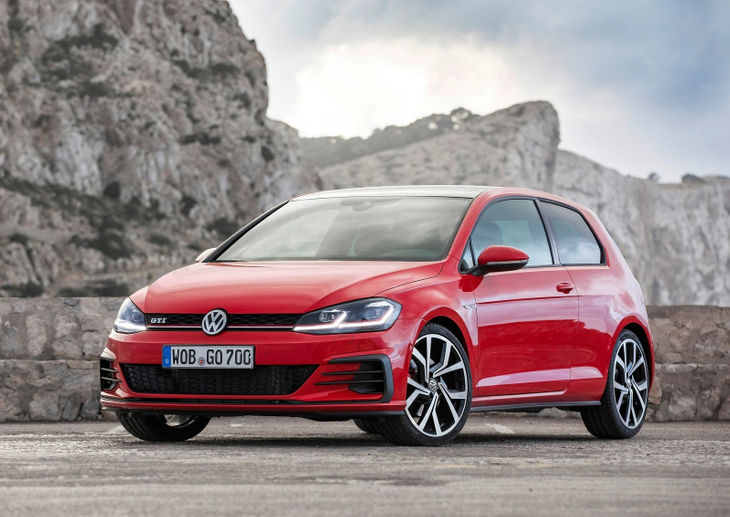
GTI is the most famous badge in the hot-hatch fraternity and although Volkswagen hasn't had exclusive use of those 3 letters – they're still most associated with evocative, visceral performance Golfs. From their humble beginnings to the turbocharged era, we look back at memorable GTIs, including what to expect from the forthcoming Golf 8 GTI.
Forty-three years. That’s how long the Golf GTI has been around. And, over those 4 decades, the Wolfsburg-based brand has refined and mastered its GTI recipe and spawned segment-defining hot hatchbacks that offer better all-round performance, driver involvement and refinement with each and every new iteration. Okay, so there have been a few lemons, but the iconic badge has lived up to its name for the most part; the GTI may not be the most potent hot hatch in the market, but it continues to outclass its rivals as a premium package. Here is how I rank the iconic hatch models:
5. A New Hope – Mk 4 GTI
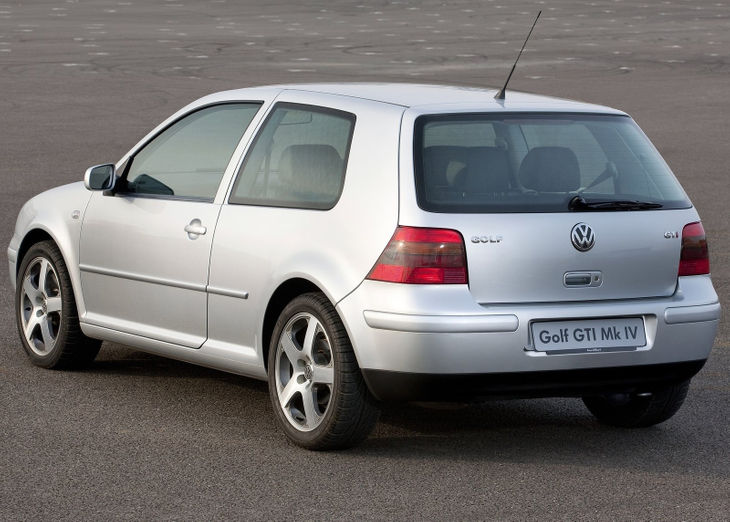
After underwhelming hot hatch aficionados with the tepid Mk 3 GTI, Volkswagen was forced to rethink the GTI formula. When the Wolfsburg-based brand launched the highly anticipated 4th instalment in 1997 (1999/2000 in South Africa), the Mk 4 GTI represented a new hope for the hallowed nameplate. And, while it took refinement and ergonomics to another level, it still failed to push the visual boundaries that made the first 2 editions of the GTI so successful. What it did bring to the party, however, was a brand-new engine configuration: a 1.8-litre 4-pot with 5 valves per cylinder.
Launched originally with a drive-by-cable throttle system (peak outputs of 110 kW and 210 Nm), it was later upgraded to electronic actuation that together with a marginally bigger turbocharger boosted maximum power and torque to 132 kW and 235 Nm respectively. It wasn’t blisteringly quick, but its 7.9-second 0 to 100 kph sprint time made it the quickest GTI at the time. Various additions were launched during its 5-year life cycle (including a 25-year celebratory GTI R edition), but still, it lacked the necessary visual and performance thrills to eclipse its rivals…
4. The Original Pocket Rocket – Mk 1 GTI
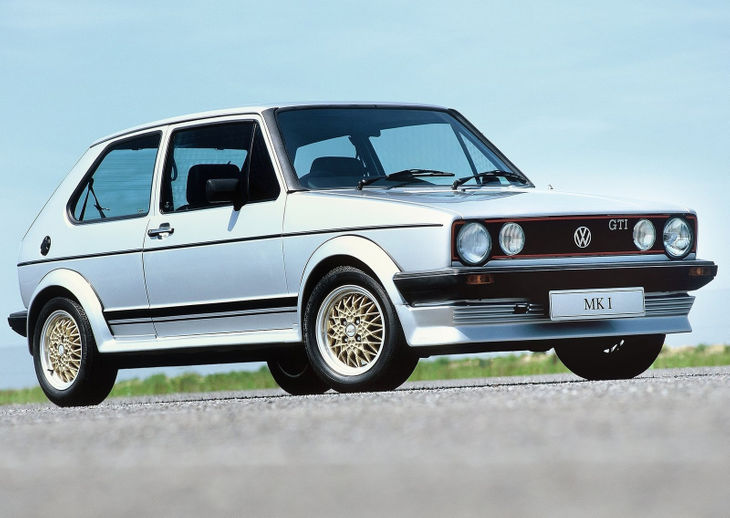
Launched in 1976, the Volkswagen Golf Mk1 GTI rewrote the rules for a pint-sized performance car with an affordable price tag. Its 80 kW/130 Nm 1.6-litre, K-Jetronic mechanical fuel-injected mill was later upgraded to a 1.8-litre engine (with a 5-speed gearbox) that produced 82 kW and 150 Nm of torque. It’s only when factoring in its incredibly lean kerb weight of 840 kg that those figures become even remotely appetising: 98 kW per tonne!
This translated into a 0-100 kph sprint time of 8 seconds flat, a feat that was only bettered by the Mk 4 GTI 26 years later. The Mk 1's single biggest accomplishment was that it pioneered a segment that didn't quite exist at the time. After all, few of us remember that the first GTI was not designed to be an out-and-out performance car, but rather a small, fuel-efficient runabout for the people – especially in the wake of the mid-70s oil crisis.
3. Operation Jumbo Drop – Mk 2 GTI
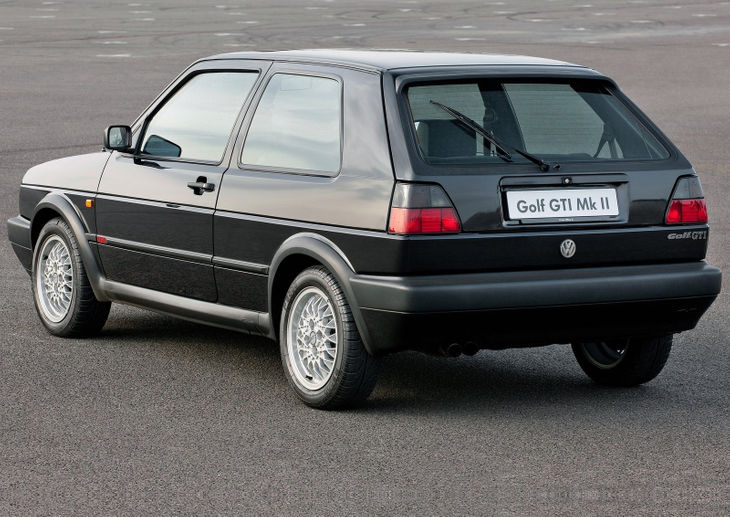
Often referred to as the Jumbo Golf owing to its bigger dimensions, the Mk 2 GTI was available in 2 variants, which included an 82 kW/150 Nm 1.8-litre 8-valve and a 102 kW/170 Nm 1.8-litre 16-valve. It comes as no surprise that the latter was the most popular with enthusiasts, a tasteful collection of (red) 16V badges differentiated it from the 8-valve model. The Mk 2 was an improvement over its predecessor in almost every way (except perhaps in terms of its design), but it did a sterling job incorporating style elements that had already come to represent the GTI sub-brand – the red-pinstriped grille, golf ball gearknob, and a subtle GTI badge on the back. It was wider, longer and heavier than the Mk 1, which compromised its performance potential to a certain extent, but it paved the way for future GTIs, particularly when it came to dynamics, refinement and safety.
2. 'Better than a 3 Series' – Mk 7 GTI
One of the keys to the GTI’s success has been its knack for making the most of its power band, especially considering it has often produced notably less power than its rivals. The Mk 7 GTI, however, blew its rivals away with luxury and refinement on par with (if not better) than some C-segment sedans. Some of its most alluring features are undoubtedly the collection of styling cues that pay homage to bygone models, such as the narrow grille and beading line of the Mk 1 and the C-pillar design of the Mk 2 and Mk 4 editions – nostalgic touches that found favour with many enthusiasts.
As far as performance was concerned, the Mk 7 delivered a good balance between power and torque (162 kW/350 Nm), which ensured impressive dynamics thanks in part to the XDS electronic differential and 2-stage ESC stability control. Adding options such as Adaptive Chassis Control (ACC) took handling finesse to another level completely. The Mk 7 GTI is a polished all-rounder and segment benchmark when it comes to refinement and executive appeal, proving the hot-hatch concept is not just about performance ability, but also overall polish. It’s undoubtedly the best GTI to date.
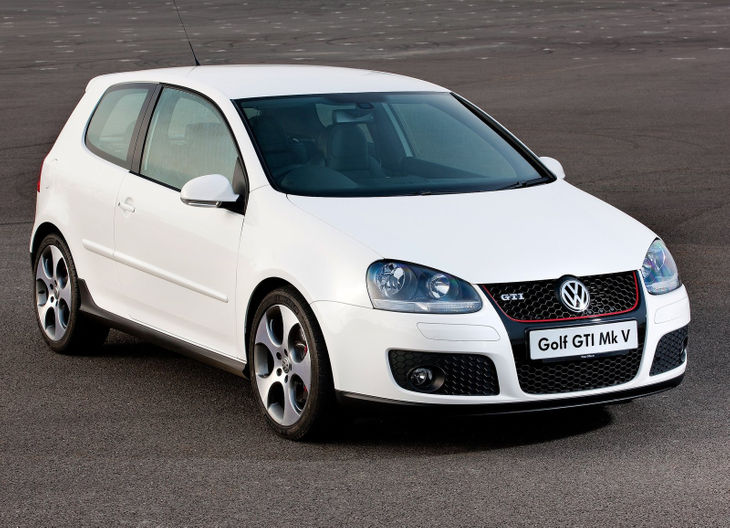
1. Dawn of a new era – Mk 5 GTI
The Mk 5 GTI "knocked it out of the park" as far as visual clout was concerned. It changed up the somewhat bland visuals of the Mk 4 version with a meld of bold, progressive styling cues and its muscular proportions equipped it with a malevolent and purposeful presence. It also brought back the iconic red pinstripes and introduced the now-famous Detroit alloy wheels. In short, the Mk 5 rekindled everything that was awesome about the Mk 1 and repackaged it in a way that made up for the shortcomings of its immediate predecessors.
The biggest change came under the bonnet, in the form of a 2.0-litre turbocharged 16-valve mill. Offering peak engine outputs of 147 kW and 280 Nm harnassed by either a 6-speed manual 'box or a 6-speed DSG, the Mk 5 heralded a new era for GTI nameplate with a spirited 0-100 kph sprint time of 7.2 seconds, not to mention a significantly improved fuel efficiency figure (8 L/100 km) owing to the clever use of fuel stratified injection.
It was rapid – more so when it came to the mid-range shunt, where the Mk 5's huge shards of torque ensured tractability levels of the highest order.
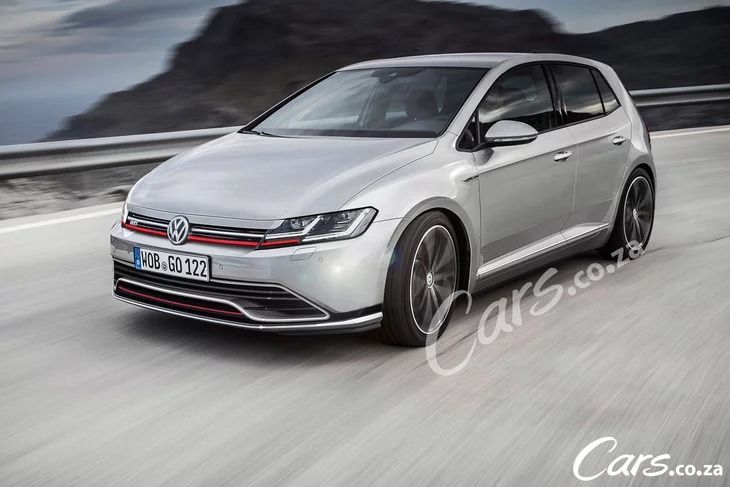
PREVIEW: Forging a Legacy – Mk 8 GTI
*Artist's impression. Credit: Wayne Batty.
While the technical specifications of the Mk 8 GTI have yet to be officially confirmed by Volkswagen AG, it’s no secret that the firm’s broadly employed MQB platform will undoubtedly underpin the newcomer (in 2020). For it to build on the success of the Mk 7 and 7.5 versions, "8.0" will have to feature sharper, more expressive styling, more pronounced crease lines, as well as incorporate nostalgic touches from the GTI lineage.
With the GTI's rivals becoming ever-sharper and agile, Volkswagen will, in all likelihood, offer a dedicated mechanical differential in the next GTI and incorporate further improvements to the progressive steering and handling dynamics that made the Mk 7 so impressive to thread through the bends.
In terms of firepower, the firm’s EA888 2.0-litre 16-valve turbocharged engine (with outputs of around 195 kW and 380 Nm) is likely to power the front wheels. The added grunt should have little to no bearing on fuel economy what with the addition of a 10-speed DSG transmission, but the cabin should yet again stymie its rivals with dropdown tech from the Touareg set to redefine the segment standard… We’re talking LCD screens, ultra-suave materials and a cockpit more akin to the Arteon than Golf. If all goes to plan we’re in for possibly the most exciting GTI of recent times.
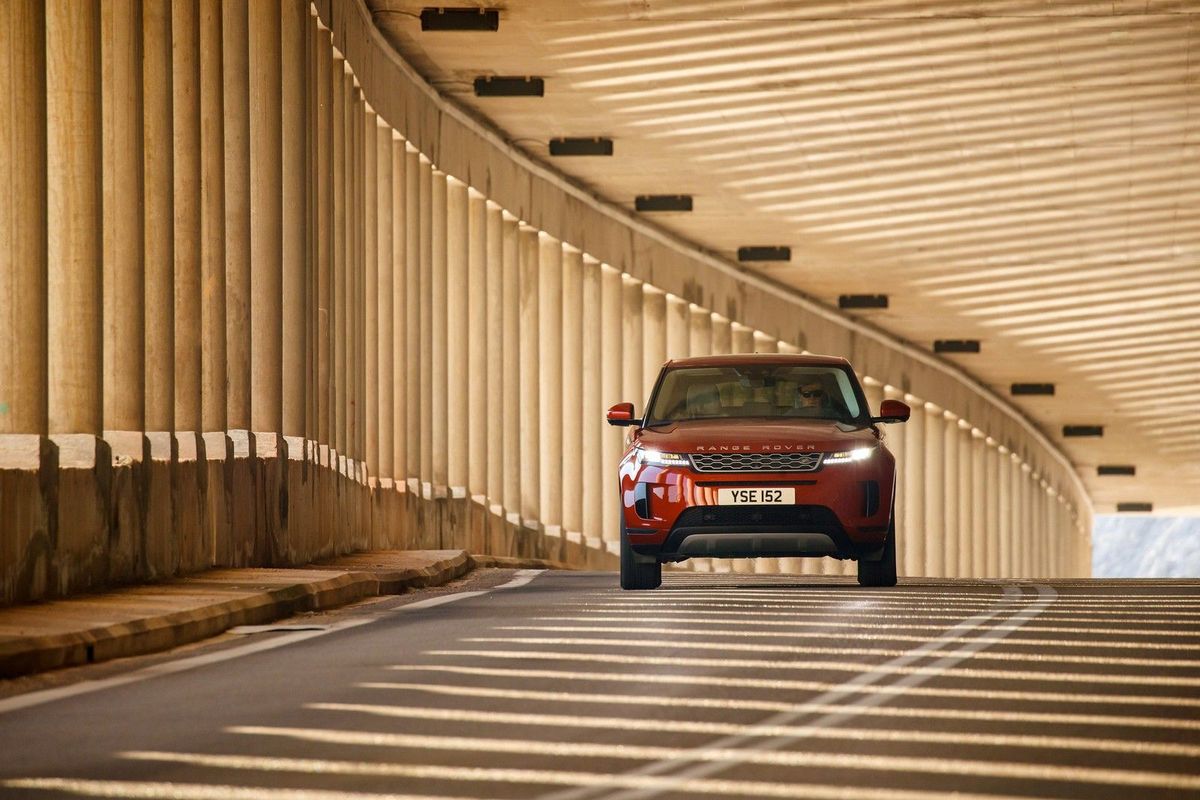
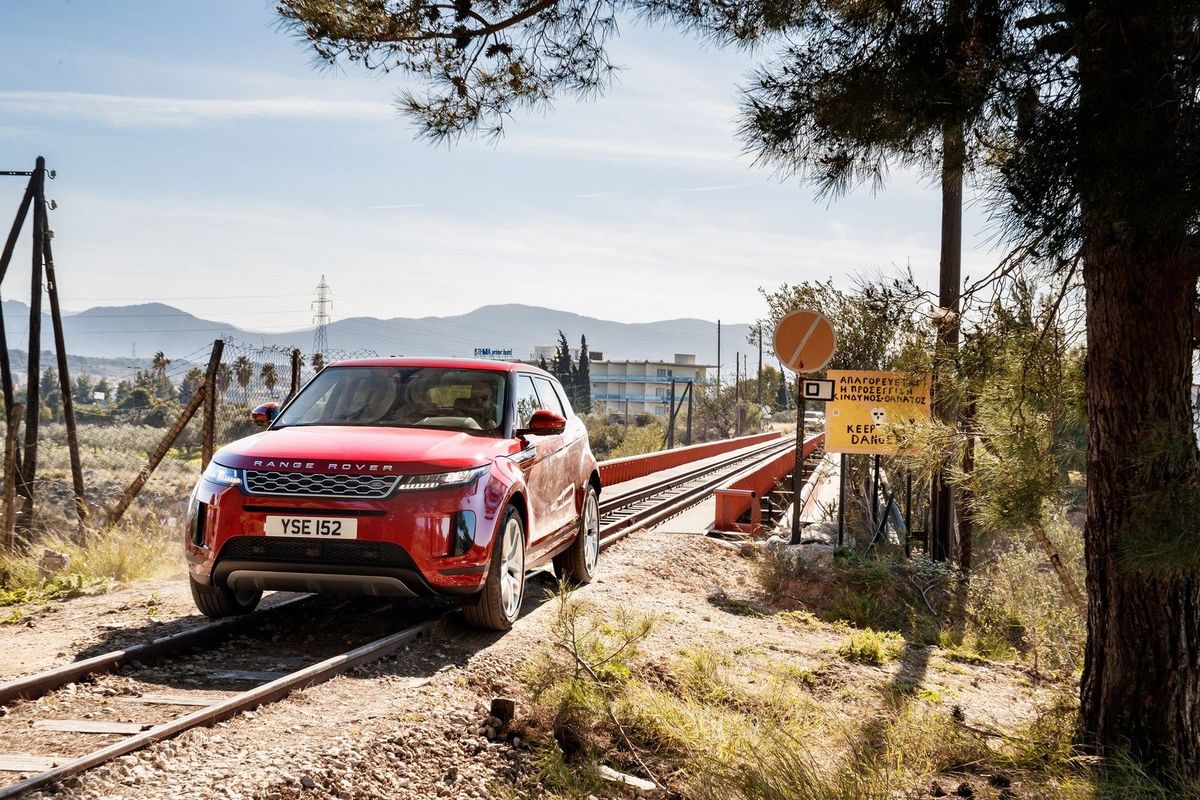
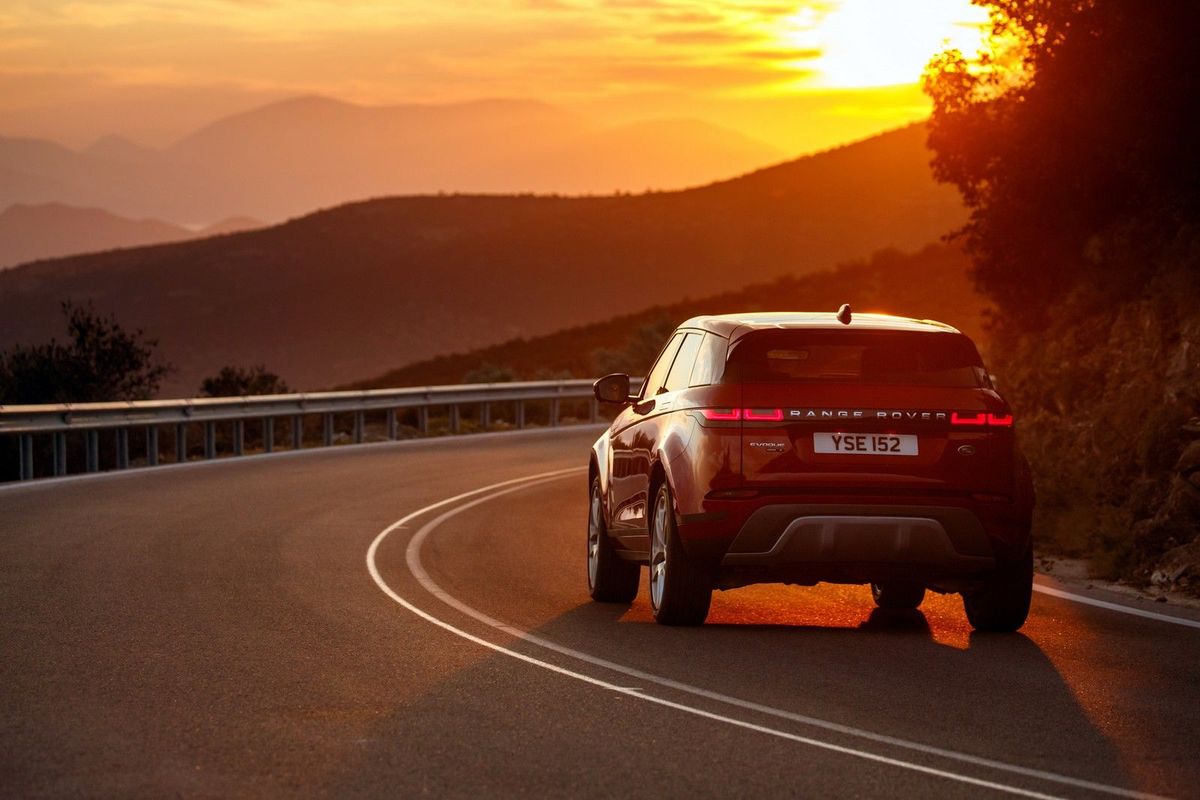
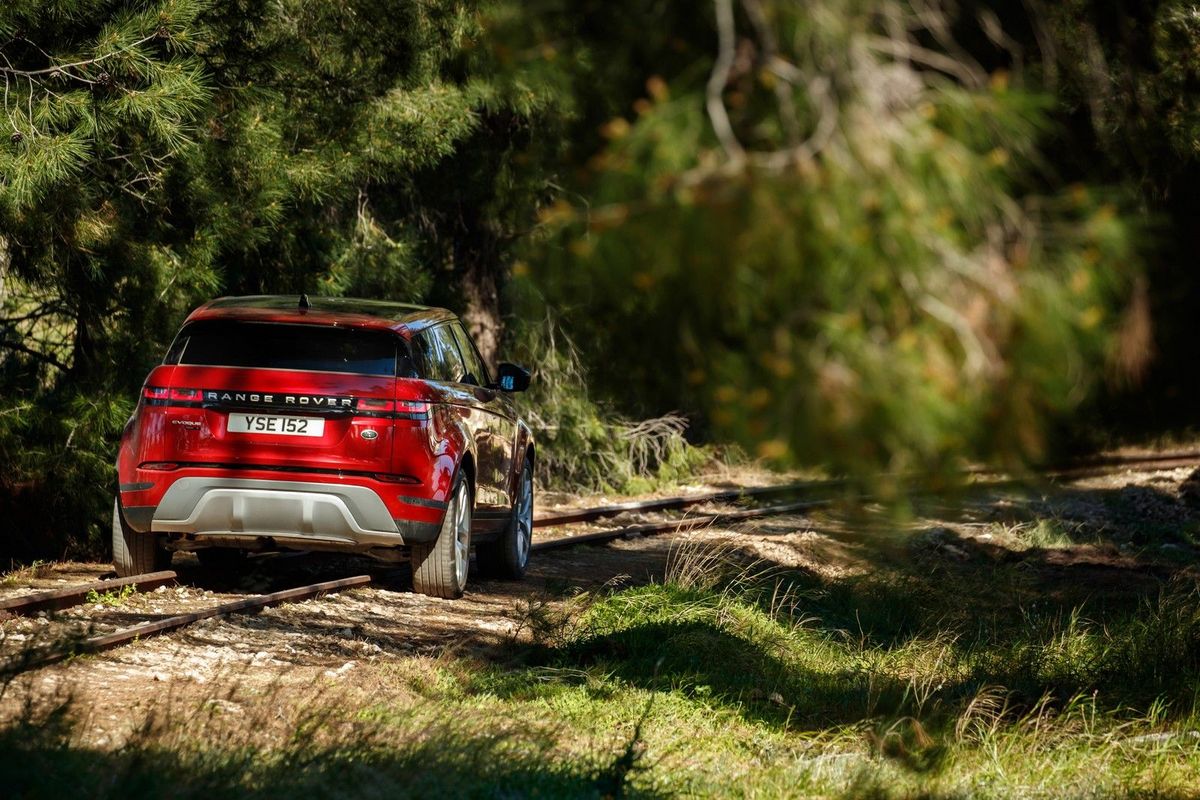
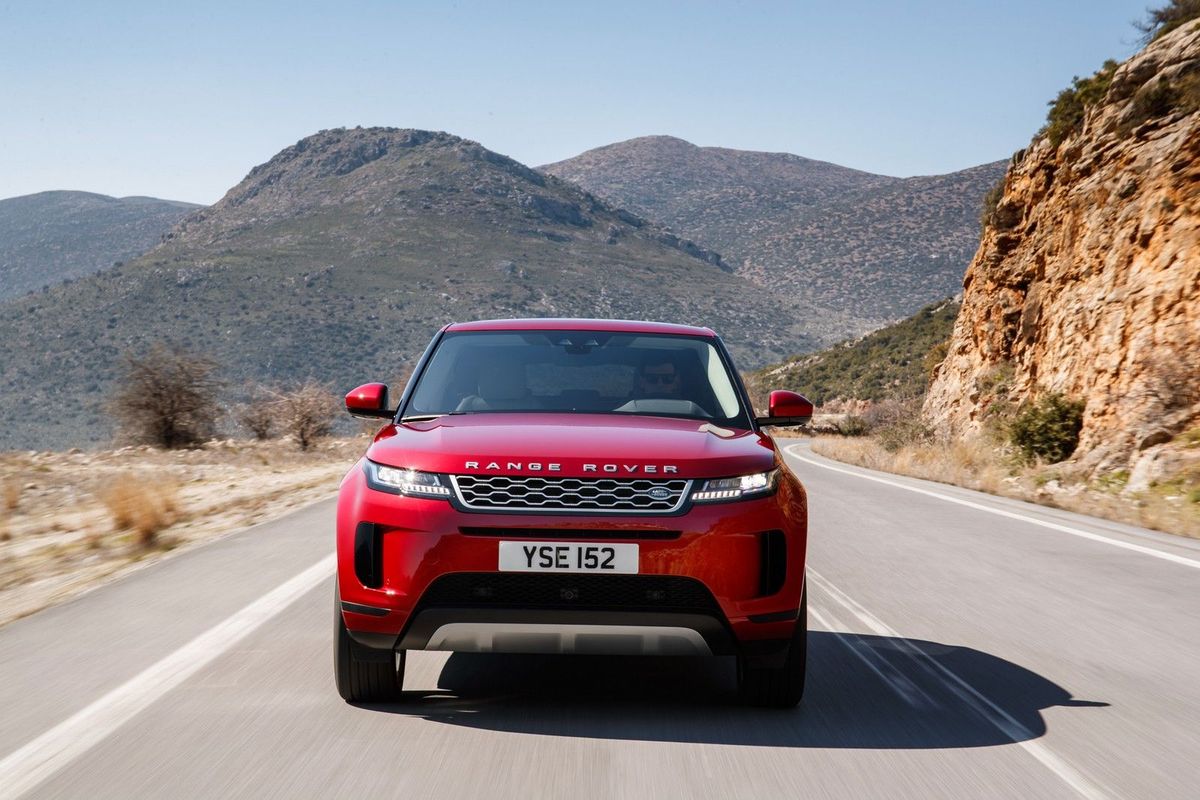
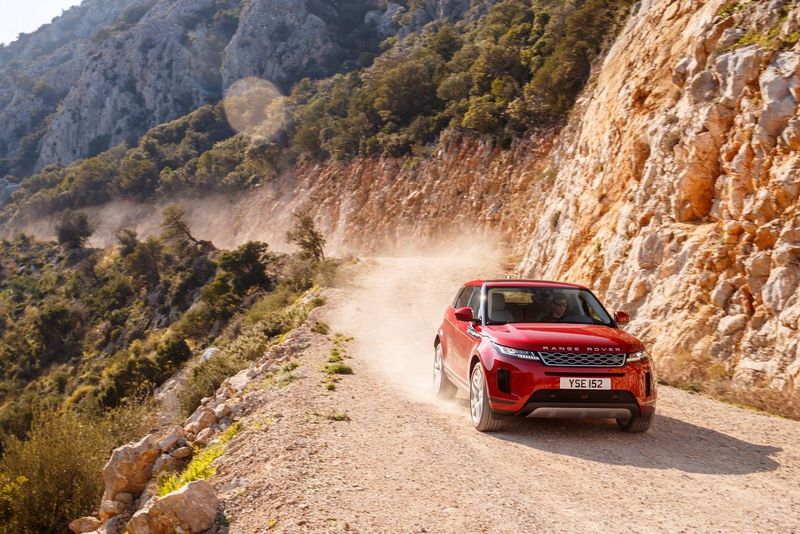
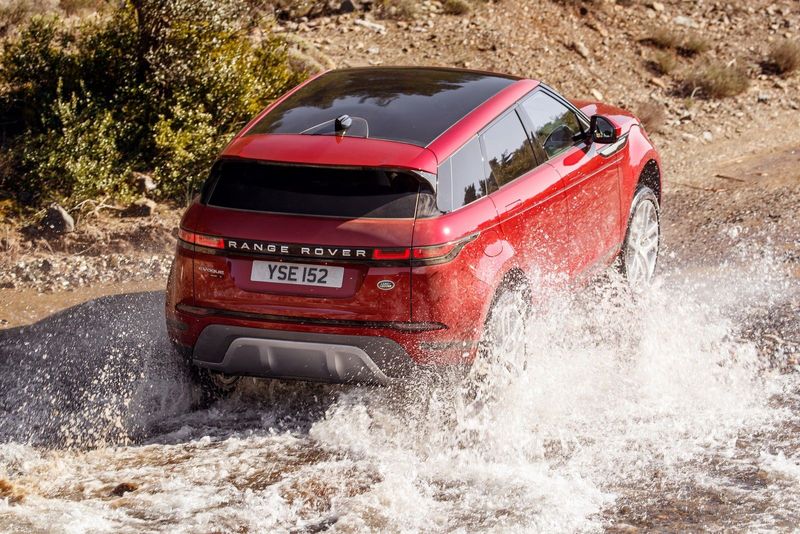
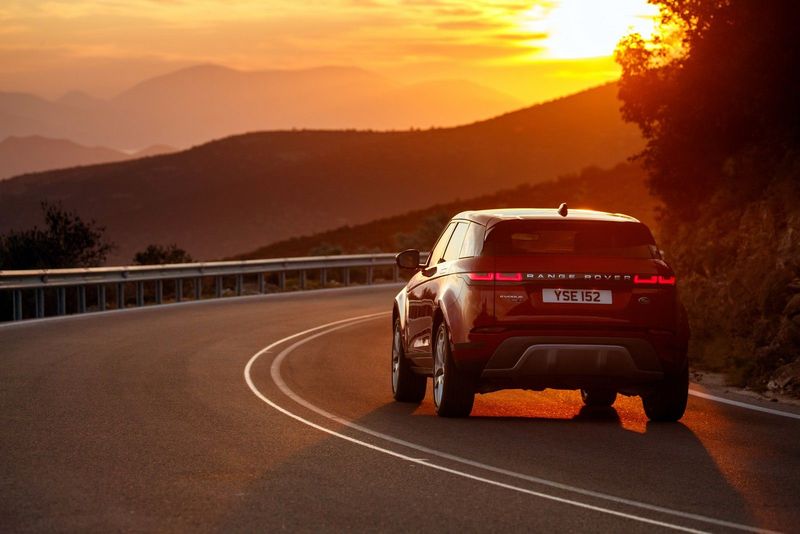
Range Rover Evoque (2019) International Launch Review
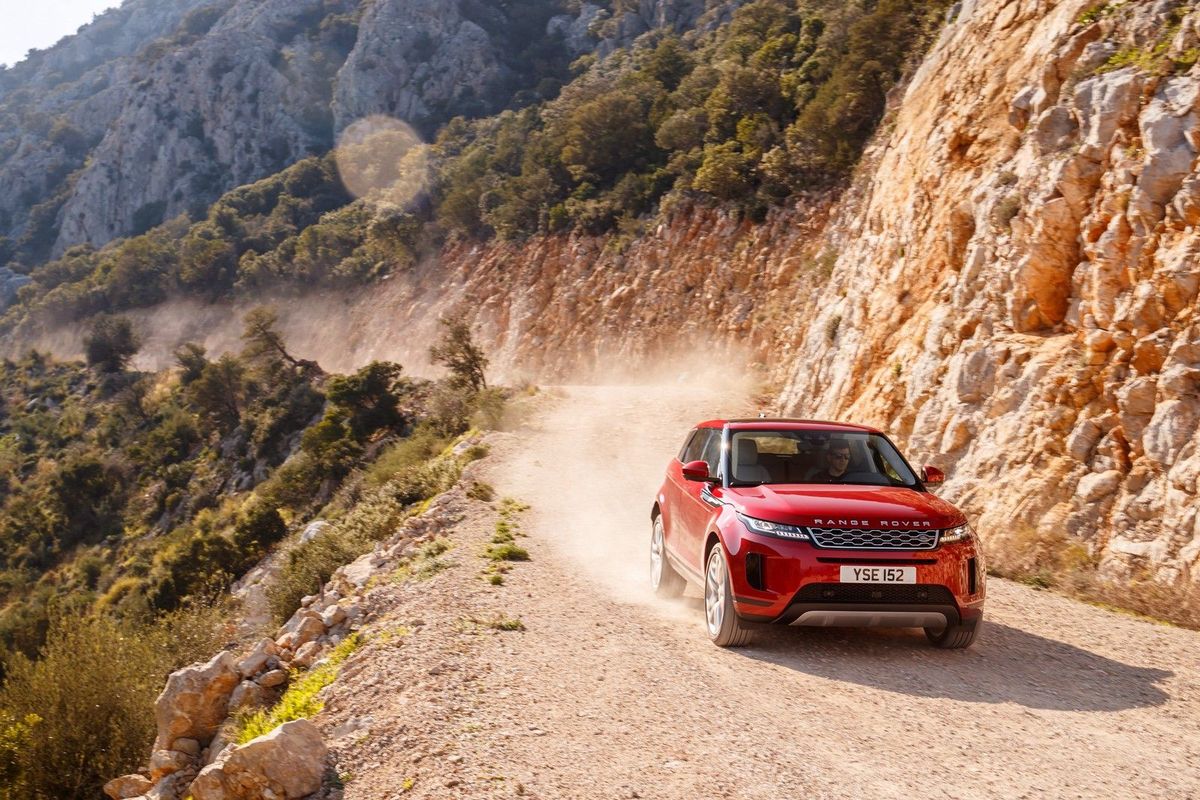
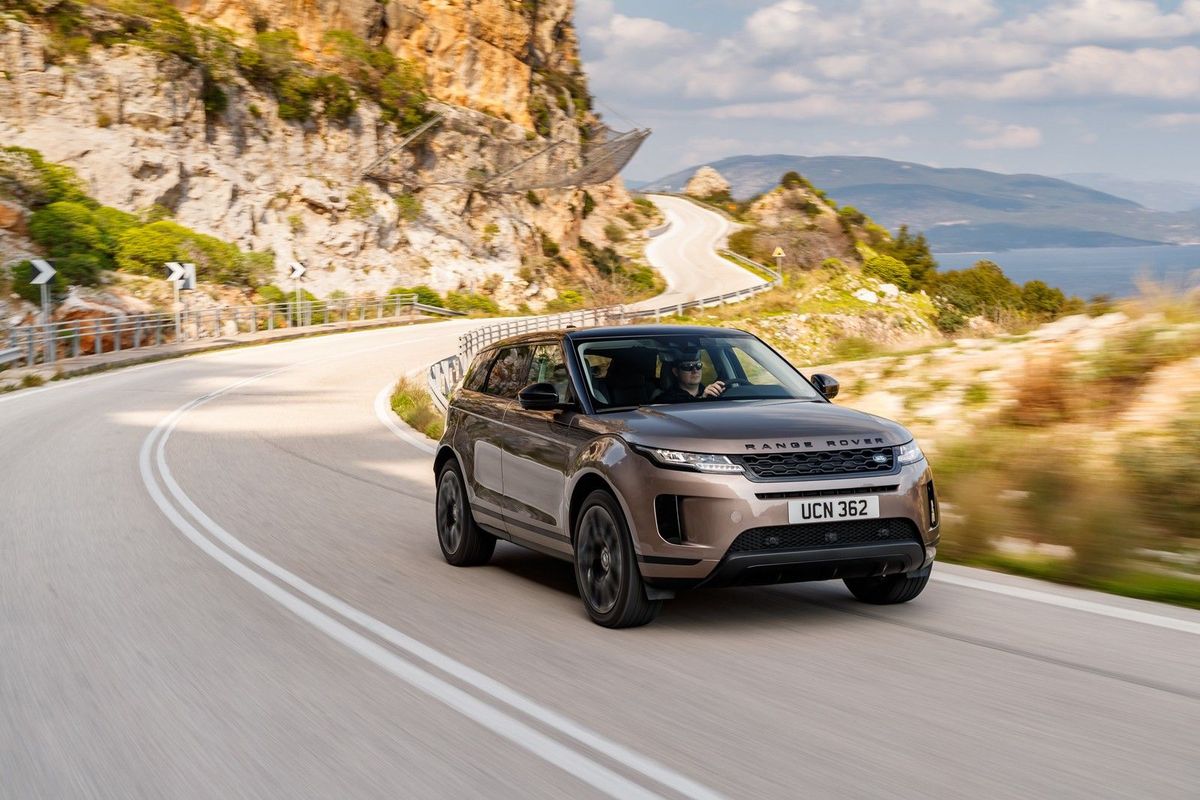
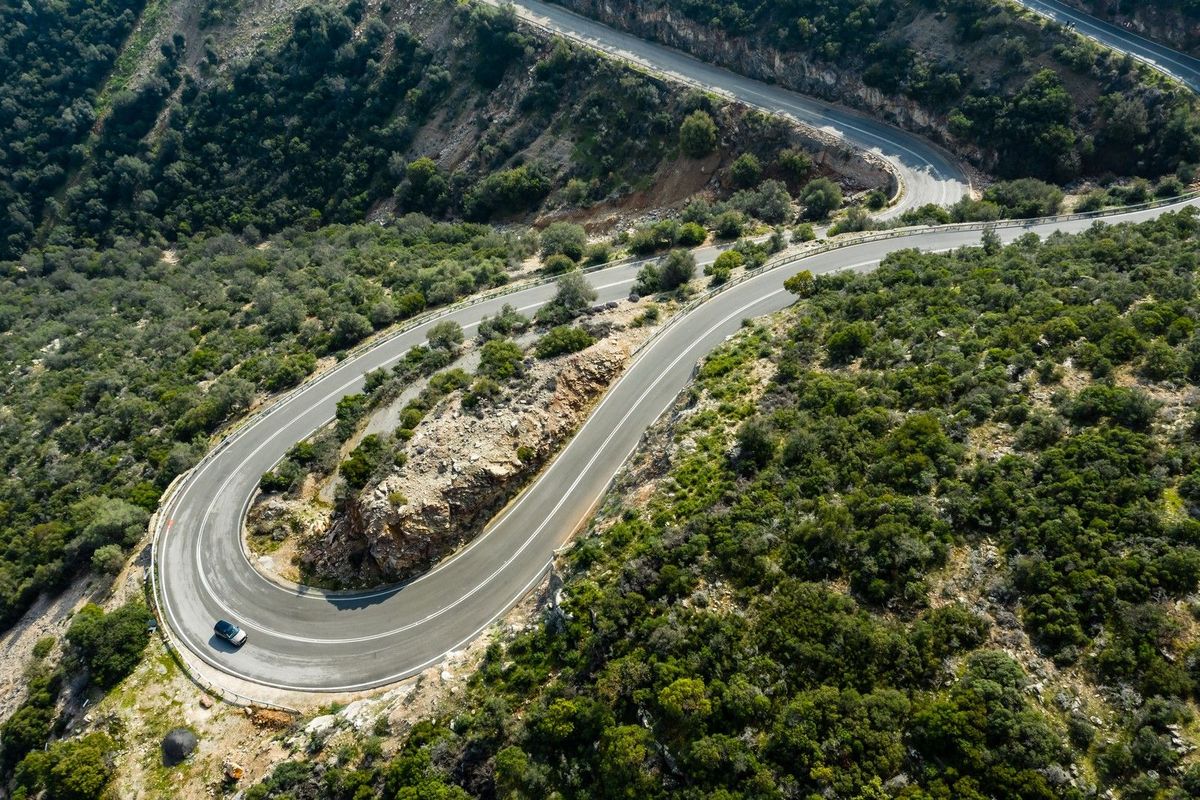
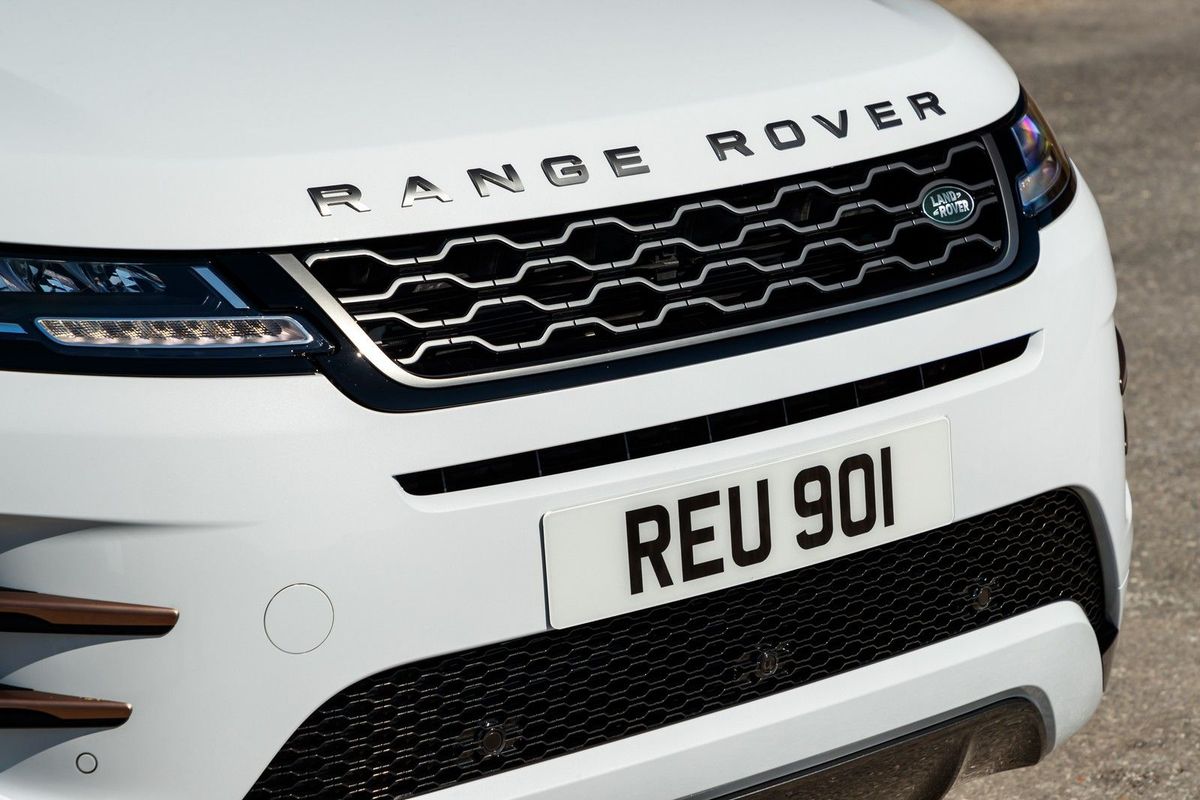
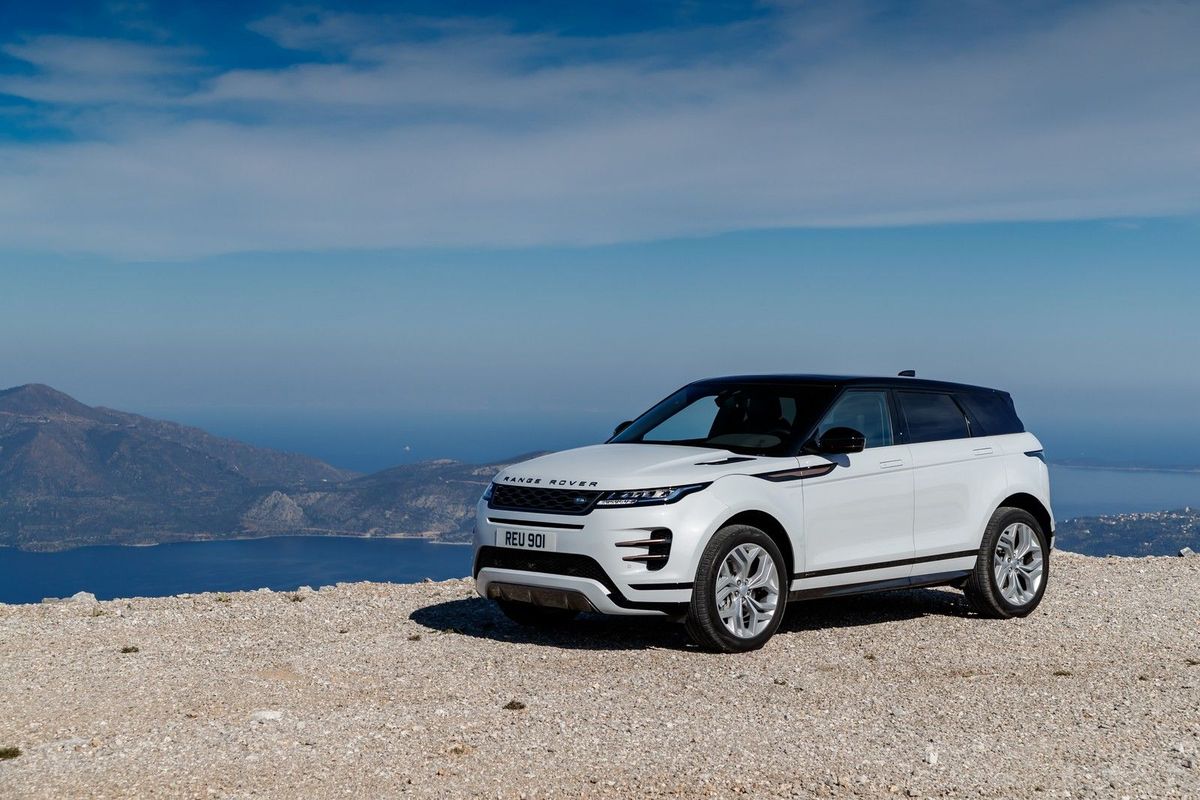
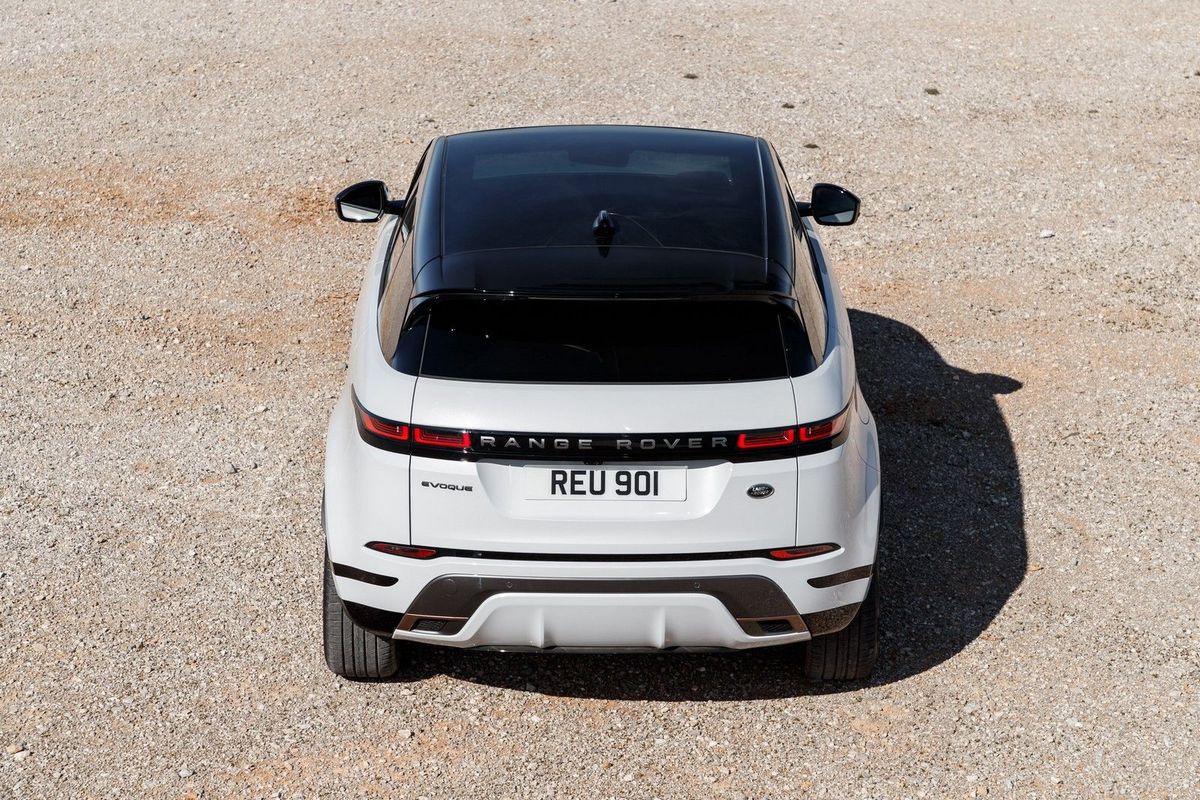
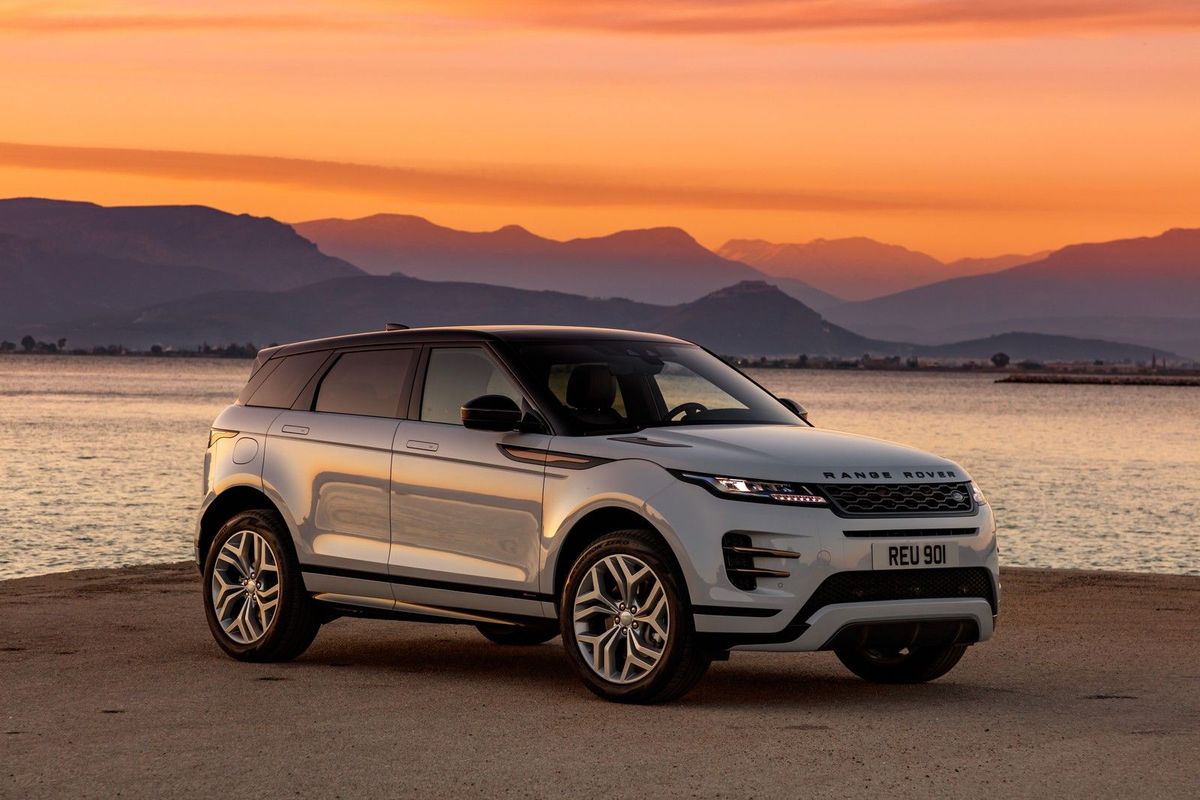
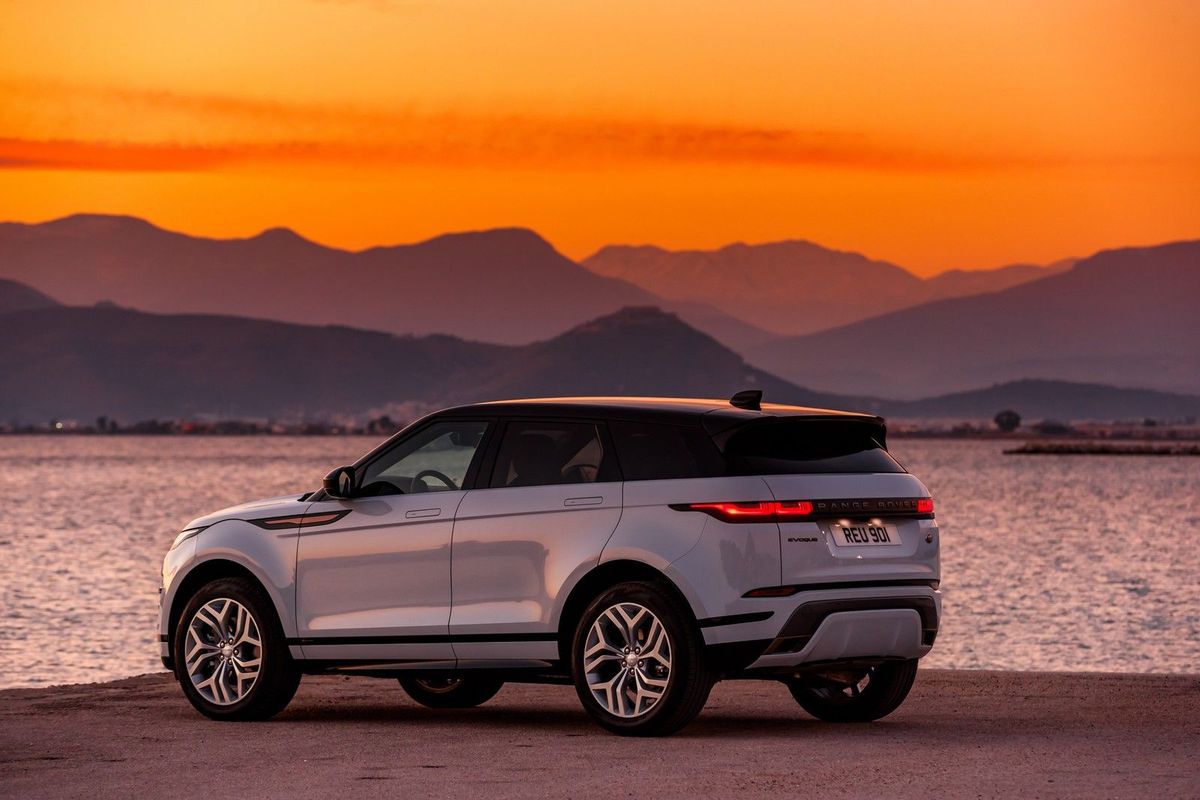
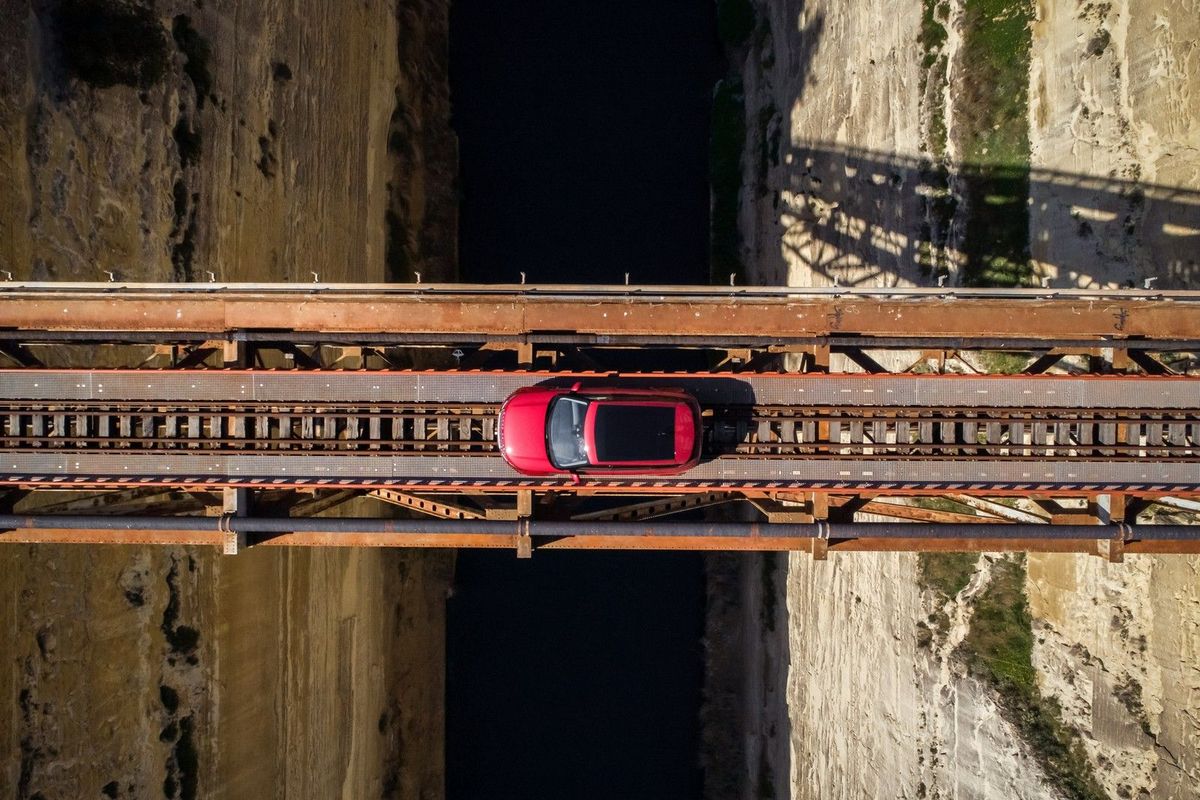
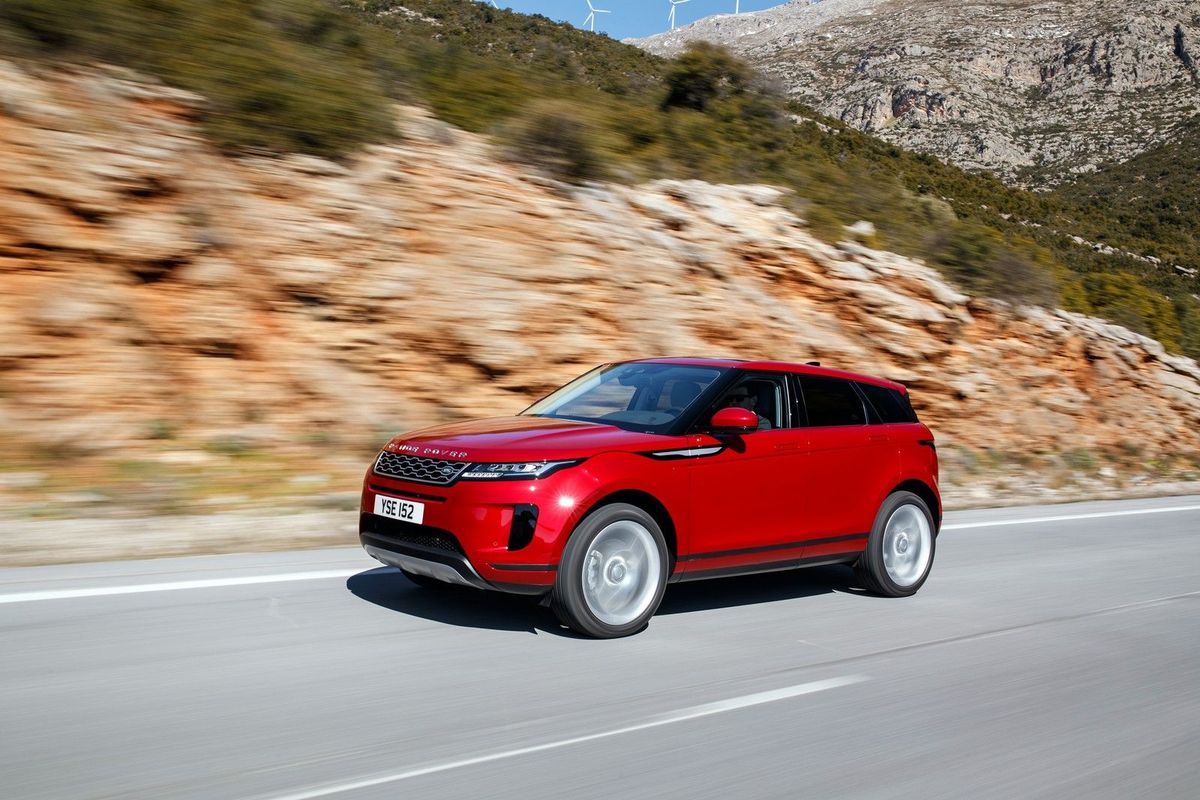
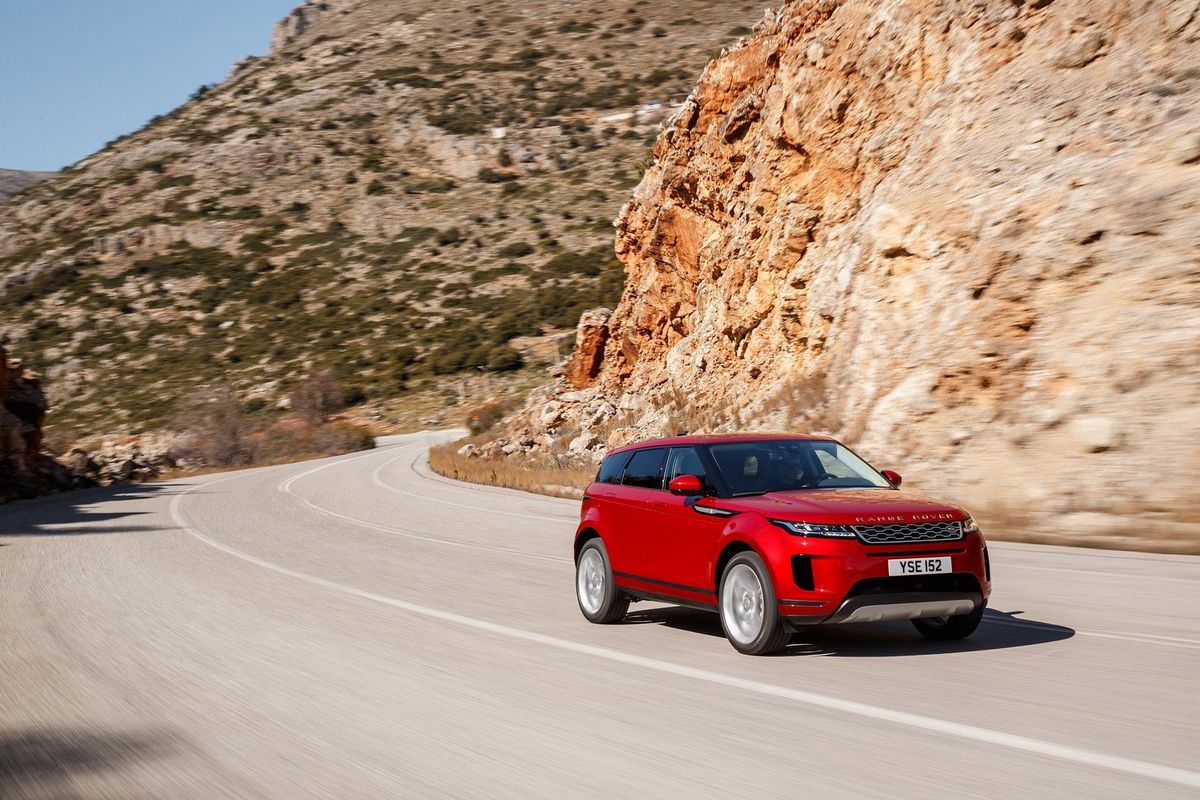
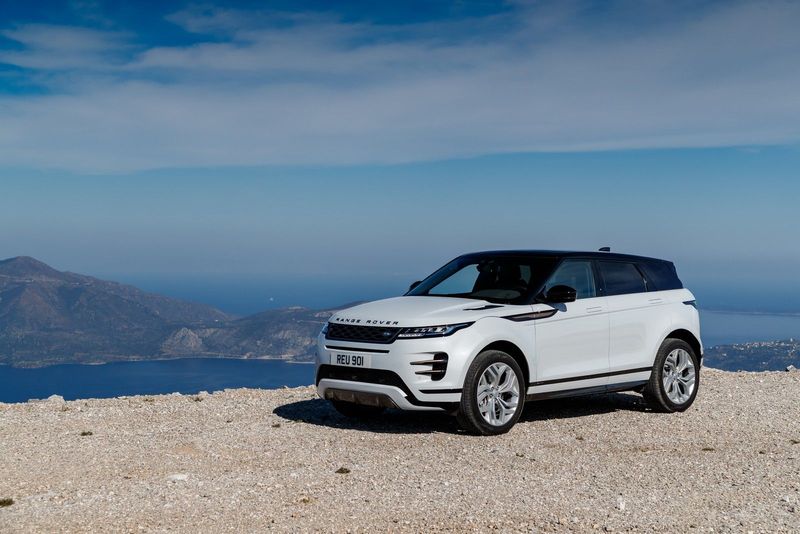
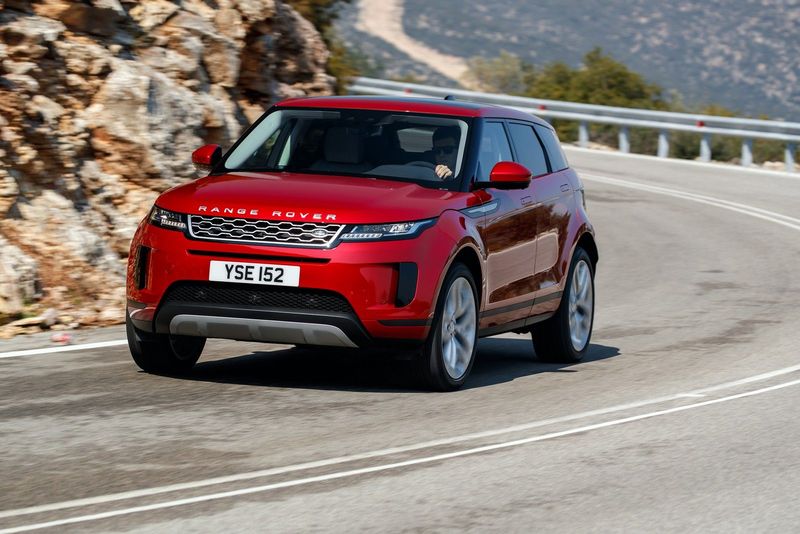
The second-generation Range Rover Evoque sets out to conquer the premium small SUV segment. With a sleeker design (though only a five-door), the Evoque oozes kerbside appeal, but its Land Rover DNA means that it’s one of the most capable cars in its class when it comes to the rough stuff off-road. International correspondent Dave Humphreys attended the global launch and reports back.
What’s new?
The Evoque will now only come in a 5-door model.
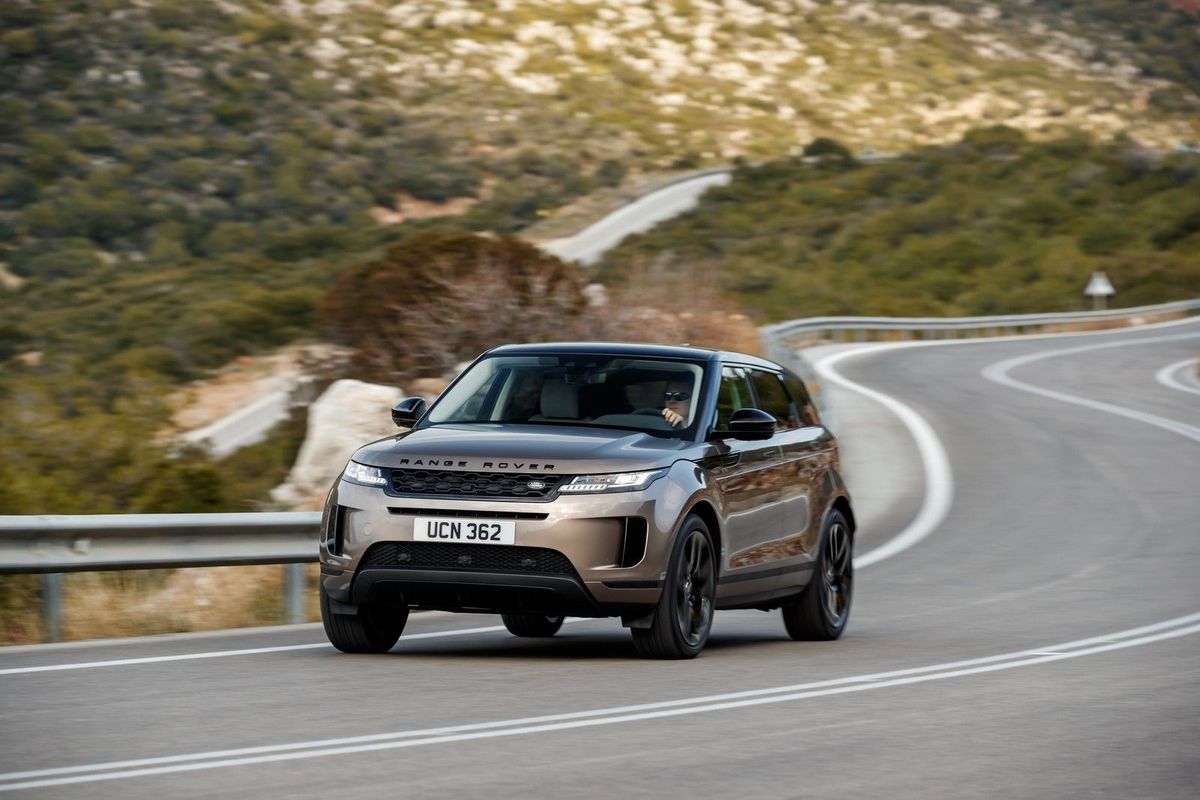
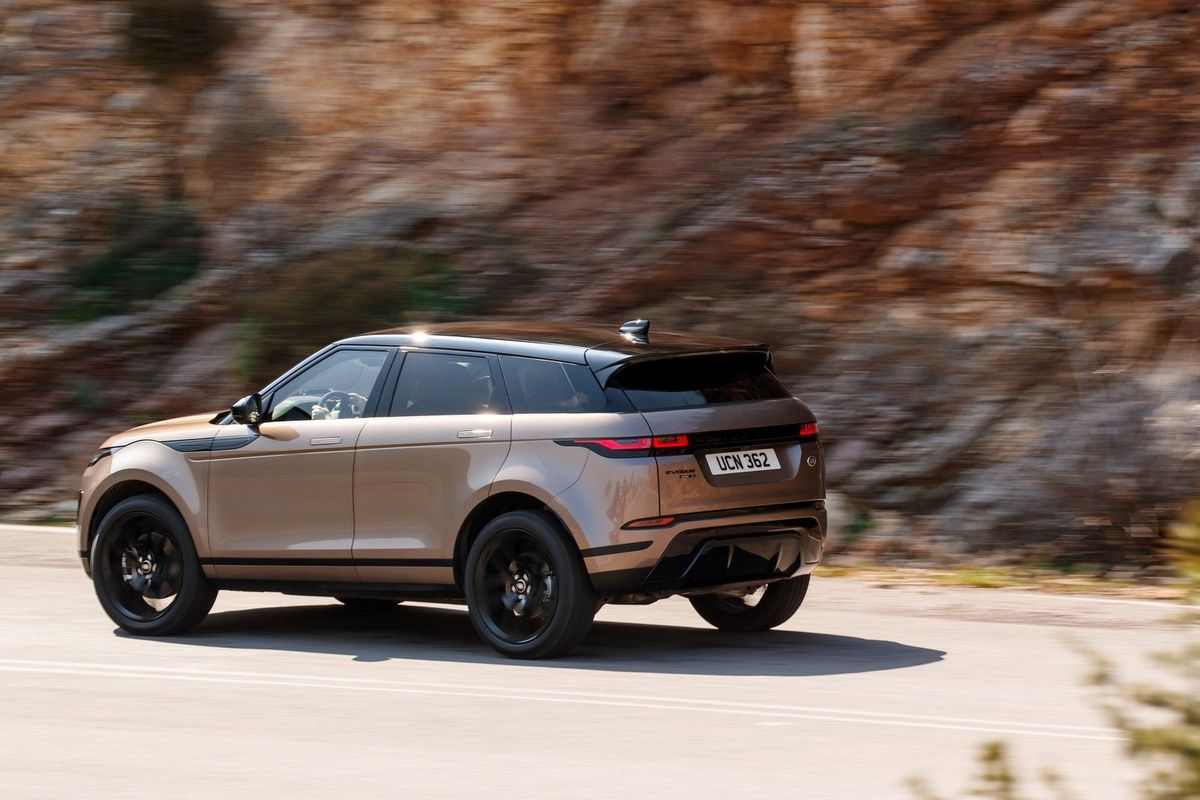
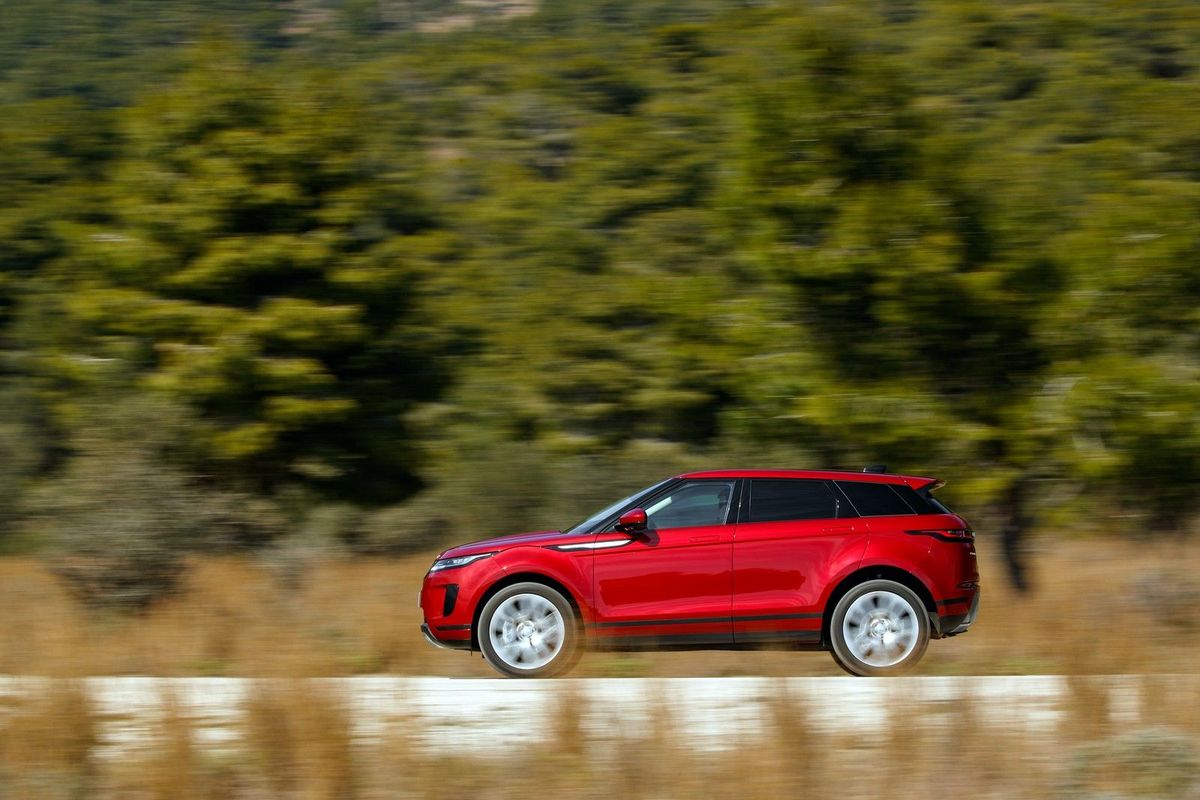
Since its first introduction in 2011, the Range Rover Evoque has been a massive hit with buyers, and now comes the difficult second album. At first glance, you might wonder what exactly is new, and more cynical readers would describe the exterior design as something more like a mid-life facelift. If it ain’t broke…
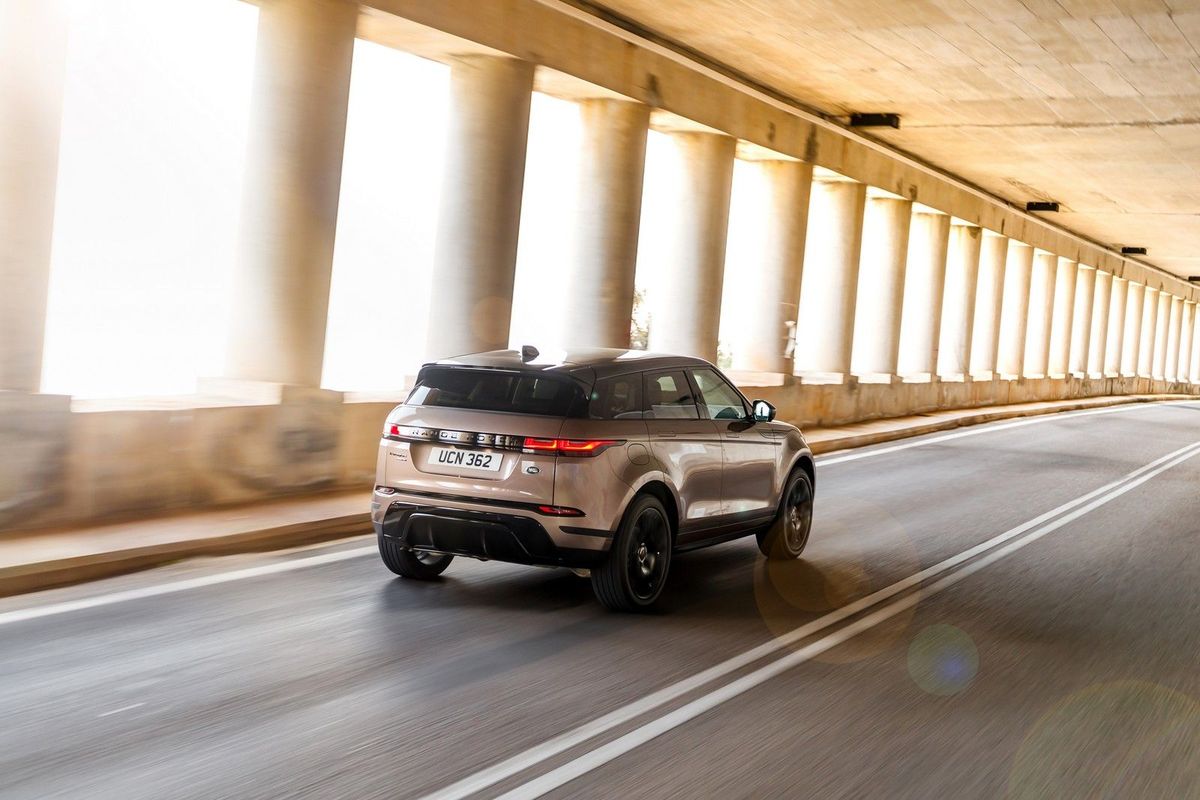
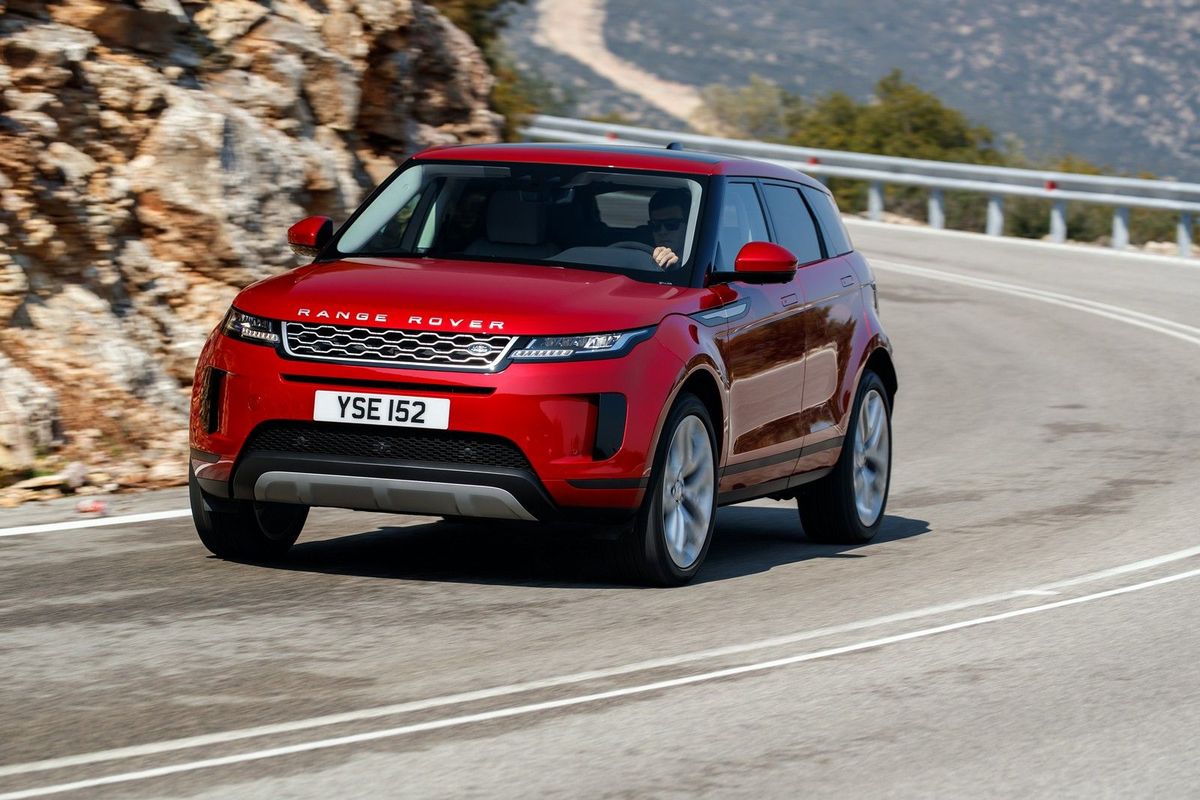
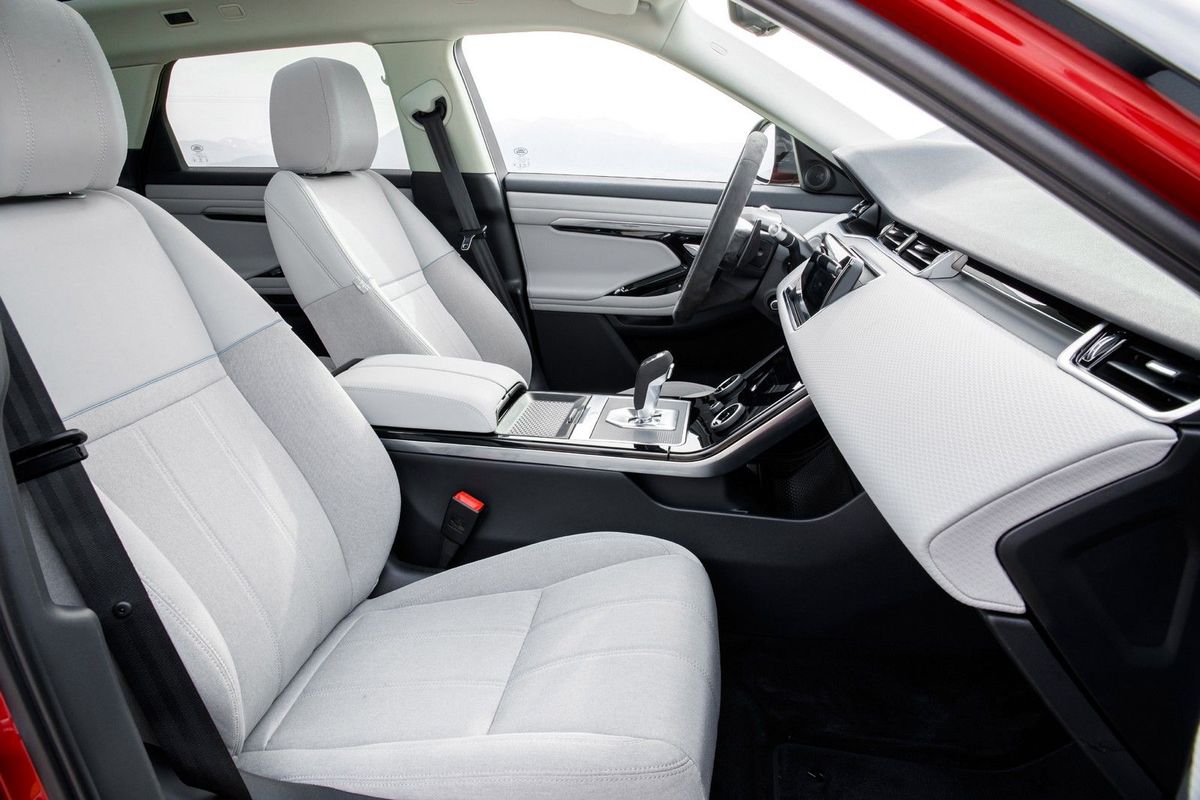
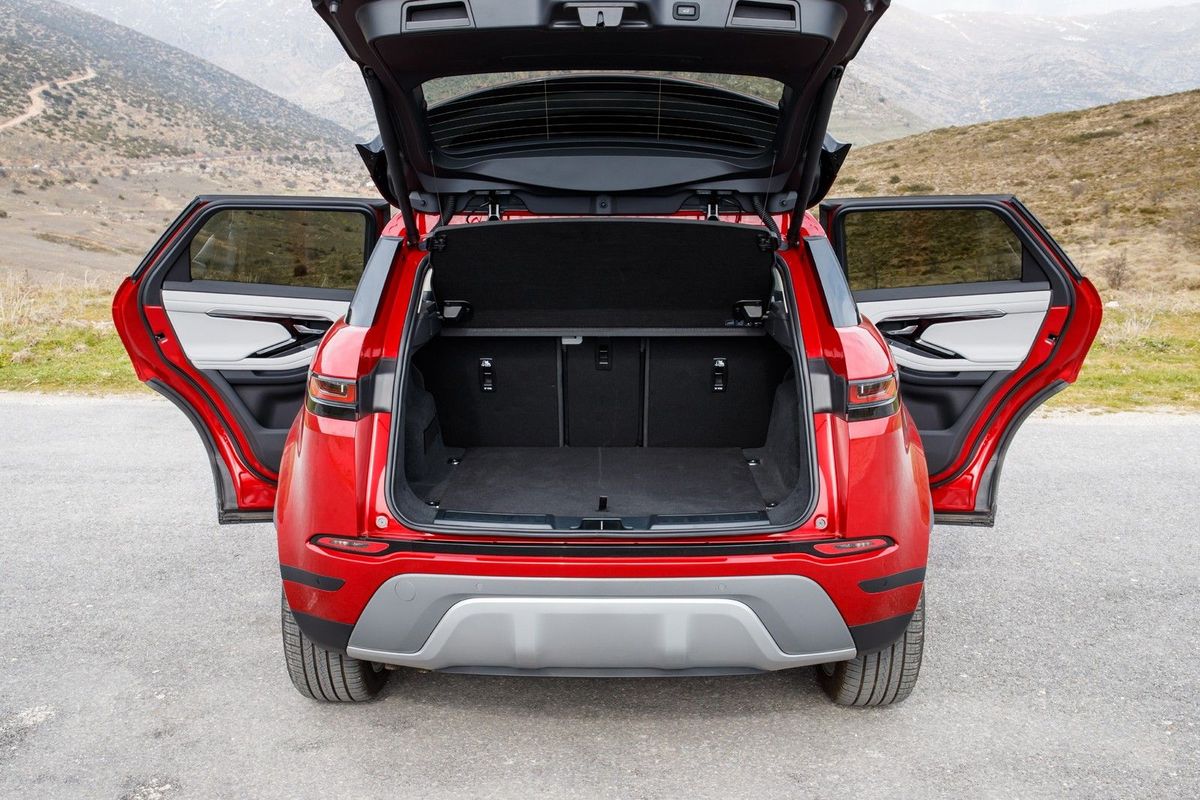
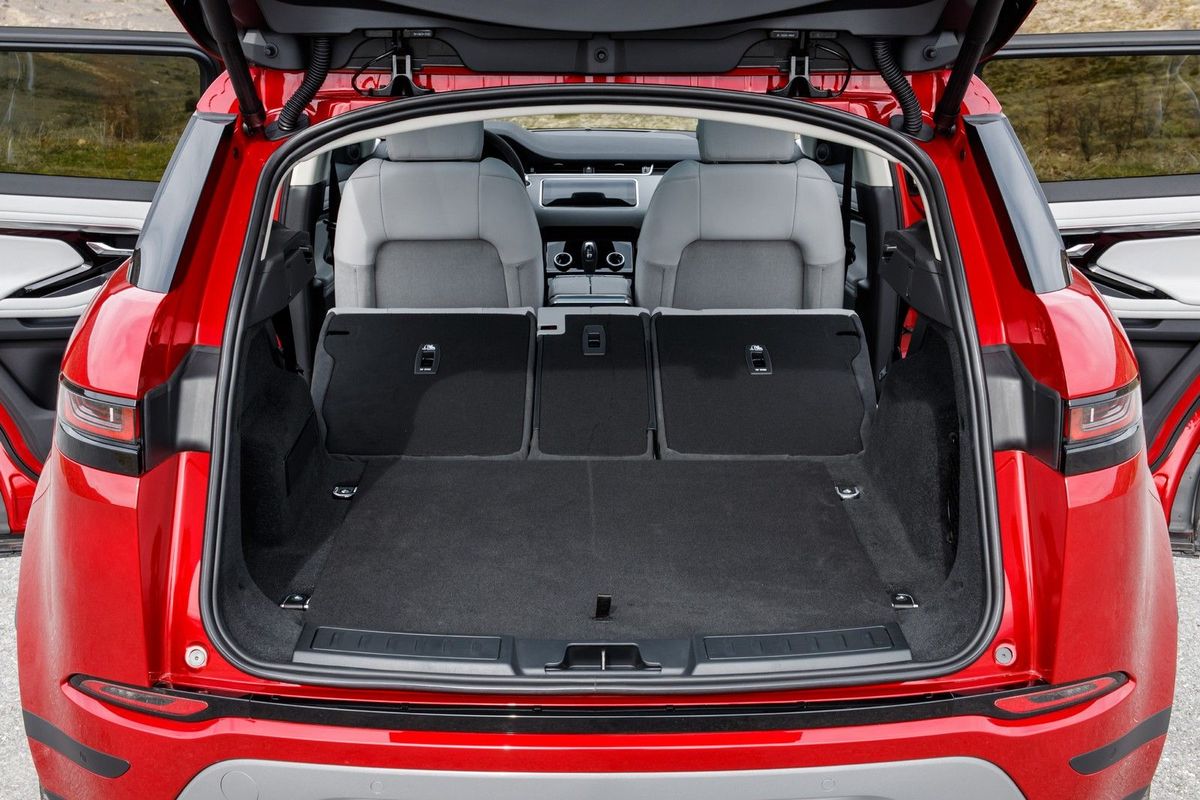
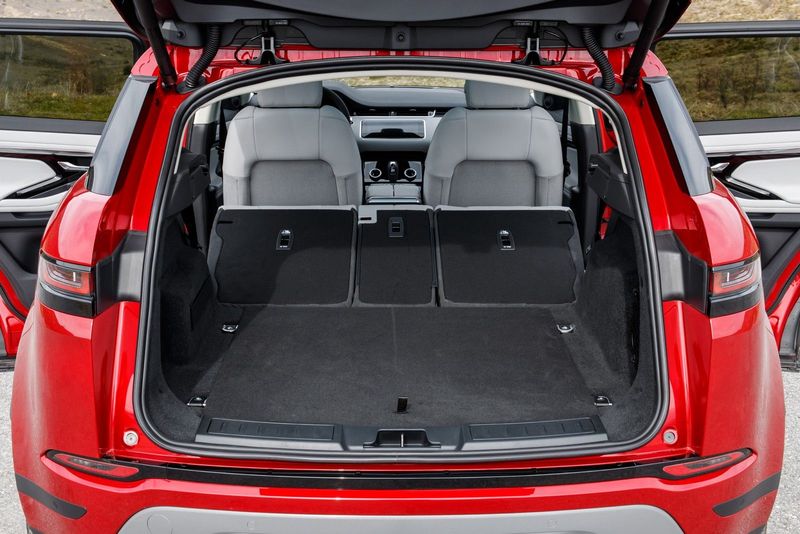
Those looks draw heavily on the larger Range Rover Velar, and once you look a little closer you’ll see that quite a lot has changed. Apparently, the door hinges are the only carry-over part from the first Evoque, and this time around, Land Rover plans to offer only a five-door version. It measures in just 1 millimetre longer than its predecessor but gains a longer wheelbase thanks to it being built on a new platform. That results in better space inside, where rear passengers will enjoy 20 millimetres more knee room. Cargo capacity is also slightly better, with 591 litres of boot space and the rear seats can fold in a 40:20:40 split.
A big boot is now available with as much as 591 litres of space before you fold down the seats.
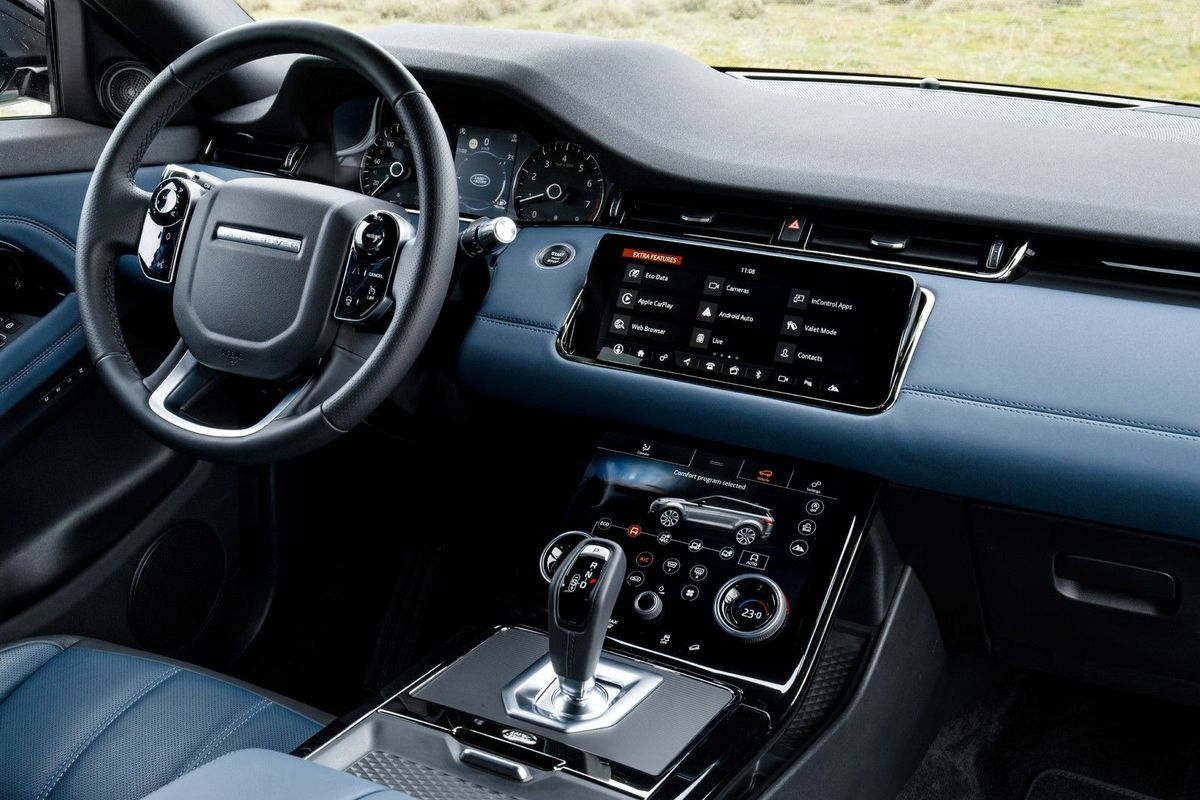
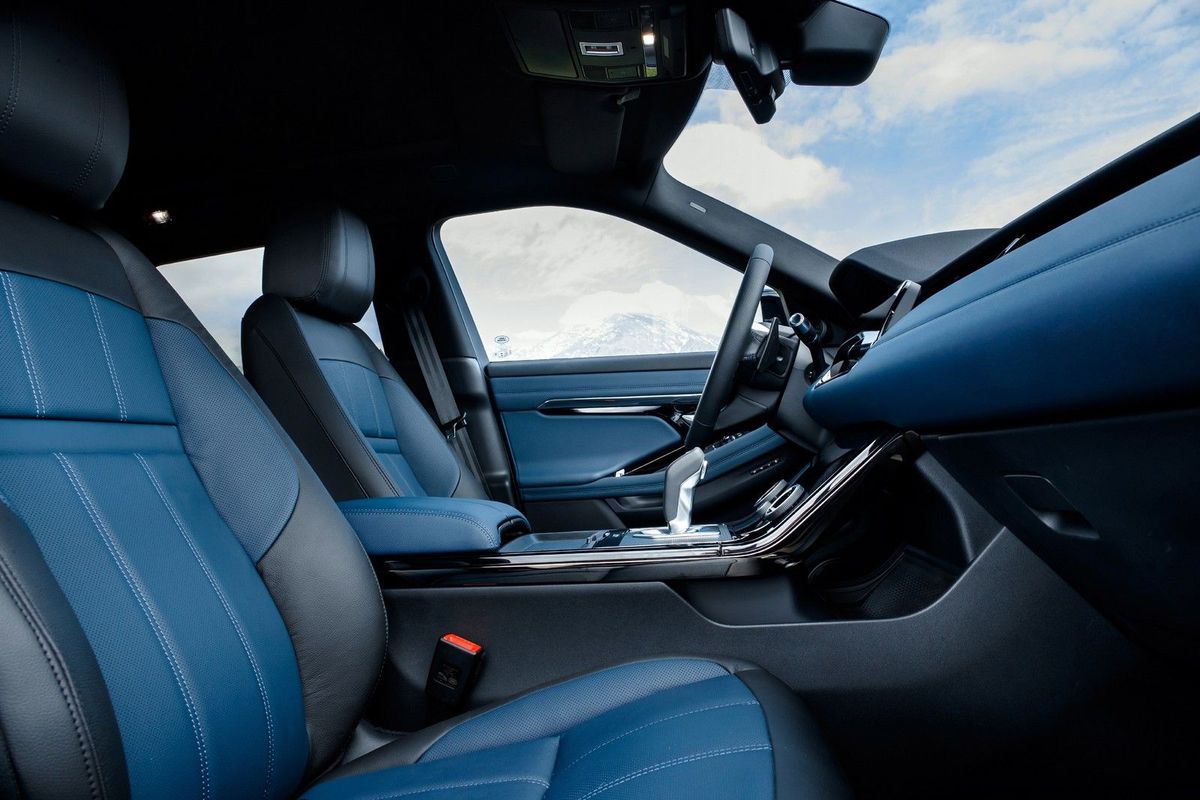
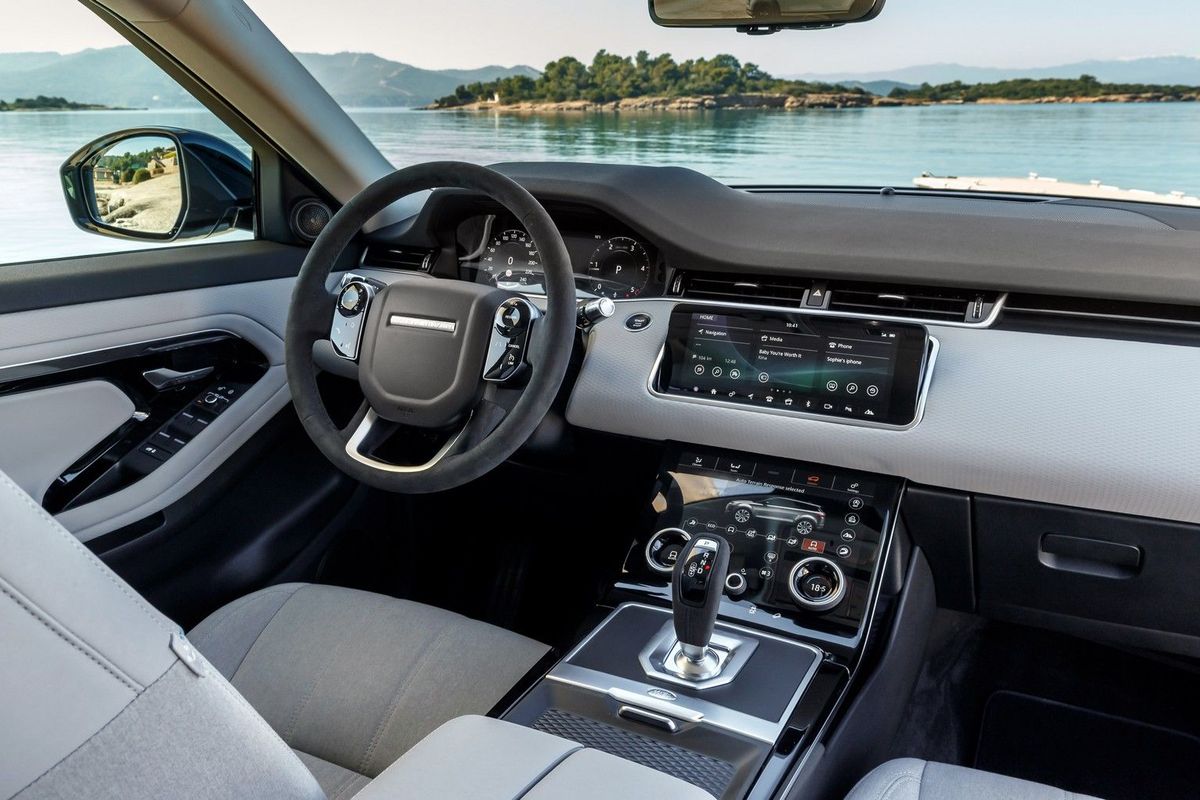
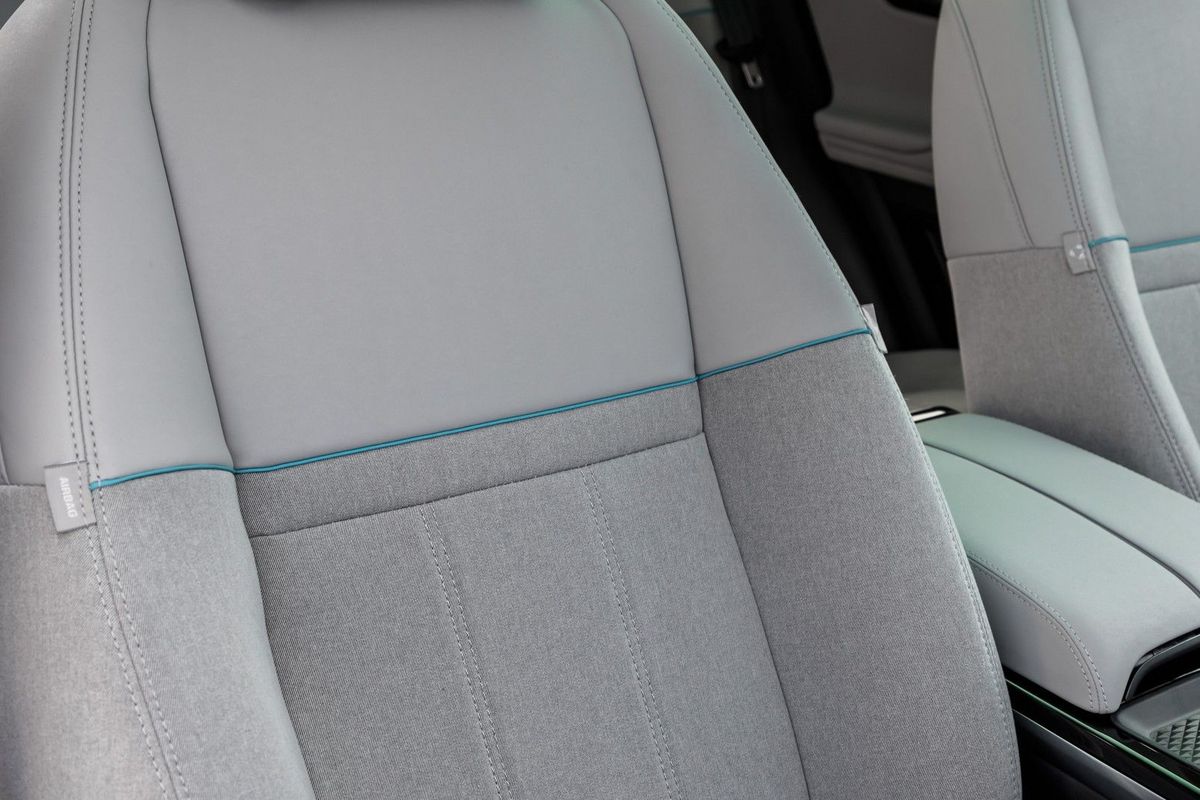
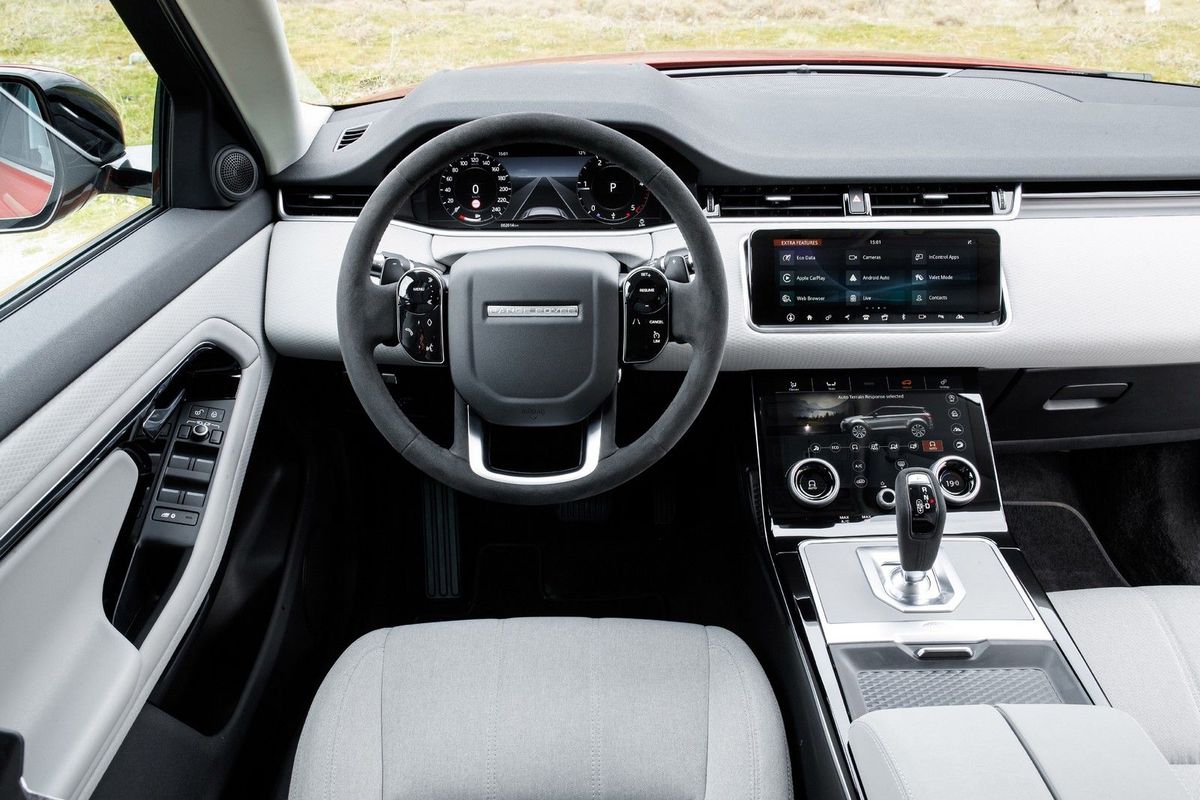
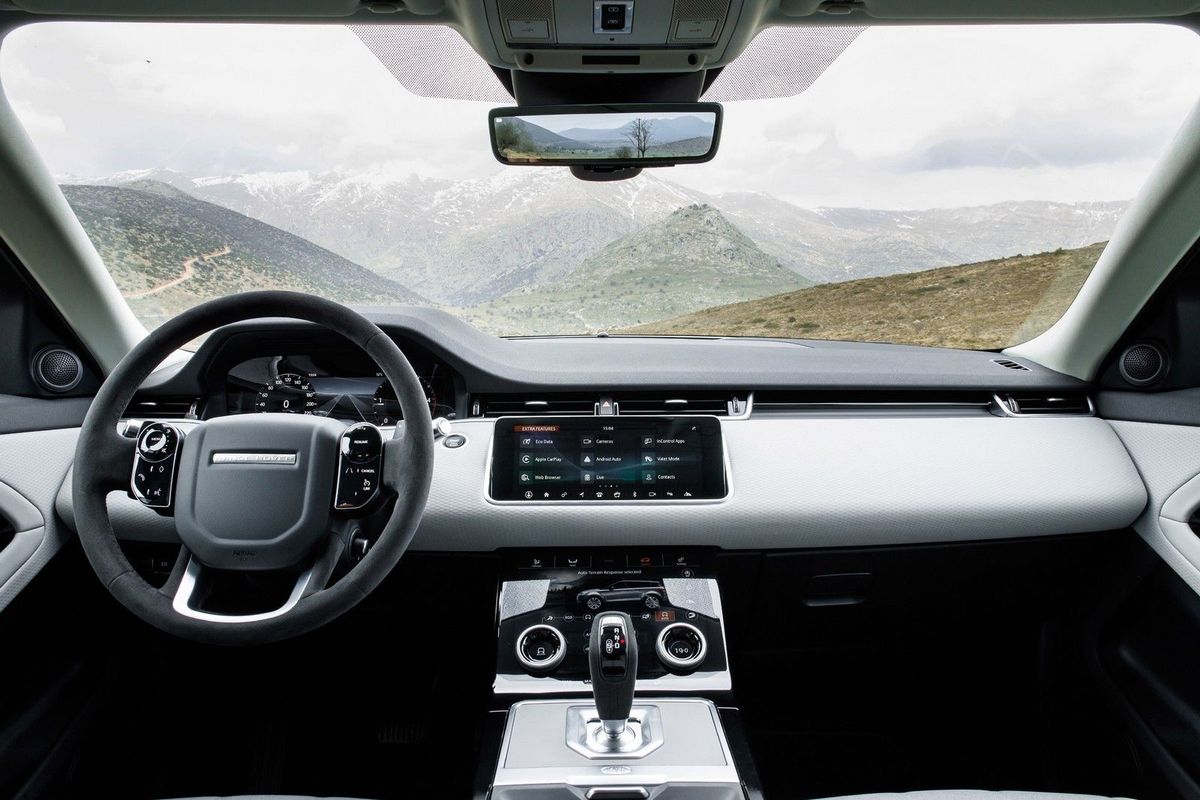
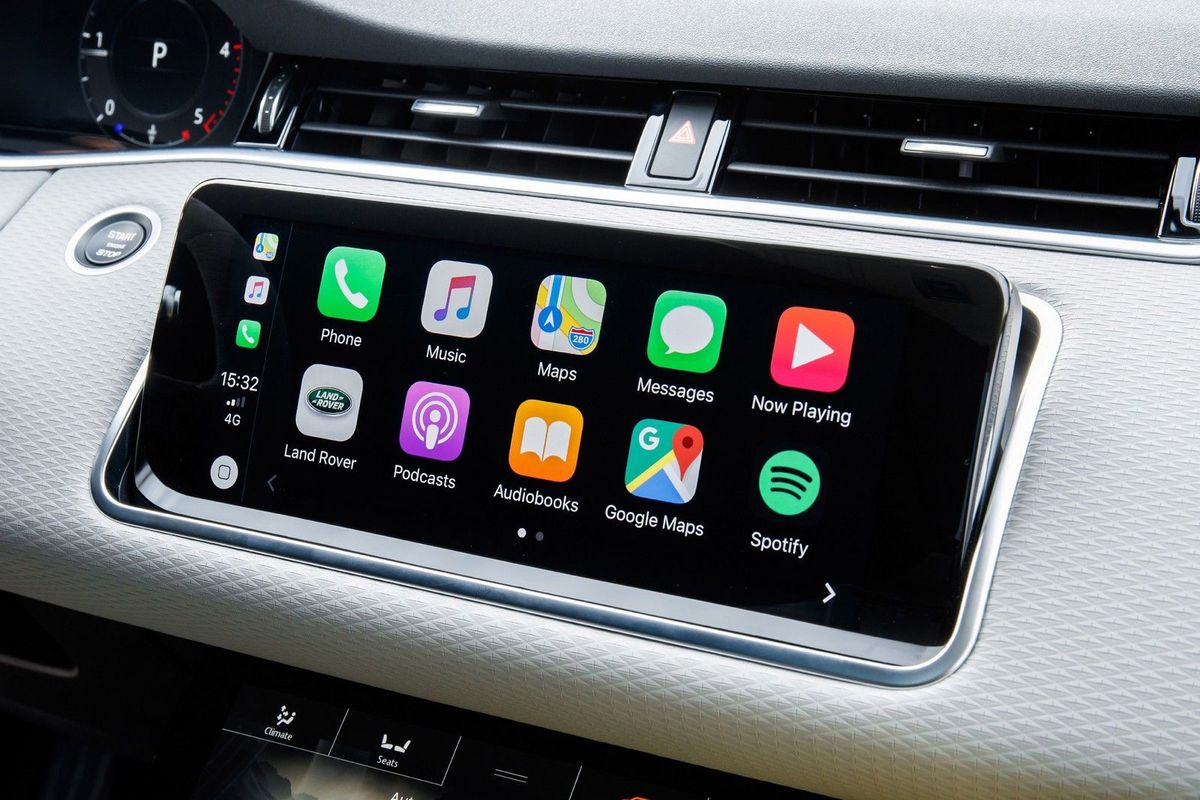
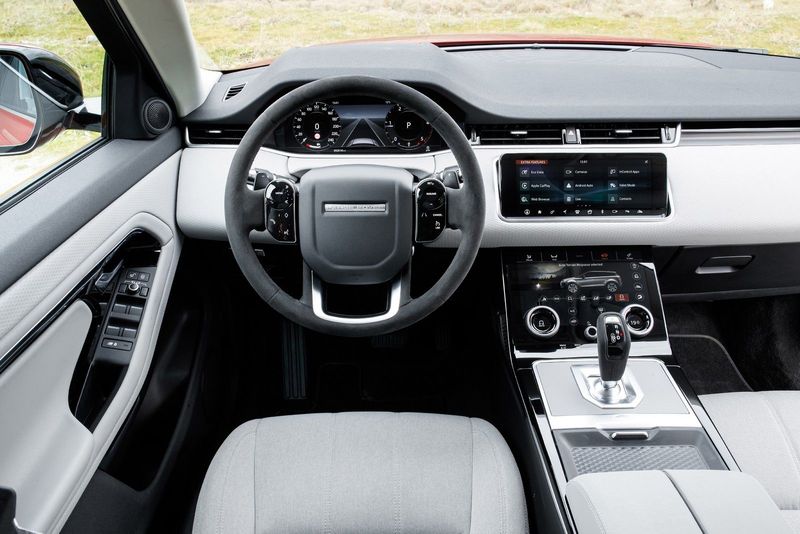
The plastic cladding on the sills and wheel arches is gone, and the Evoque’s sleeker image is helped by snazzy new door handles that retract to sit flush with the bodywork when the car is locked. More significant changes occur inside where the quality is high and, depending on specification grade, comes with an almost button-free design. Spending extra on the SE specification gets you the Touch Pro Duo setup for the centre console. It consists of two 10-inch touchscreen displays, the top one titling outwards from the dashboard upon start-up. Below that are the functions for climate control and drive settings. At this grade, buyers also get a 12.3-inch digital instrument display.
The cabin is well insulated and NVH levels have been improved.
We spent quite some time behind the wheel of the new Evoque and drove on a variety of different surfaces, revealing a cabin that is much quieter than its predecessor’s. Both engine and road noise are reduced and other than some wind noise picking up around the door mirrors at higher speeds the baby Range Rover seems as good as any of its premium German rivals.
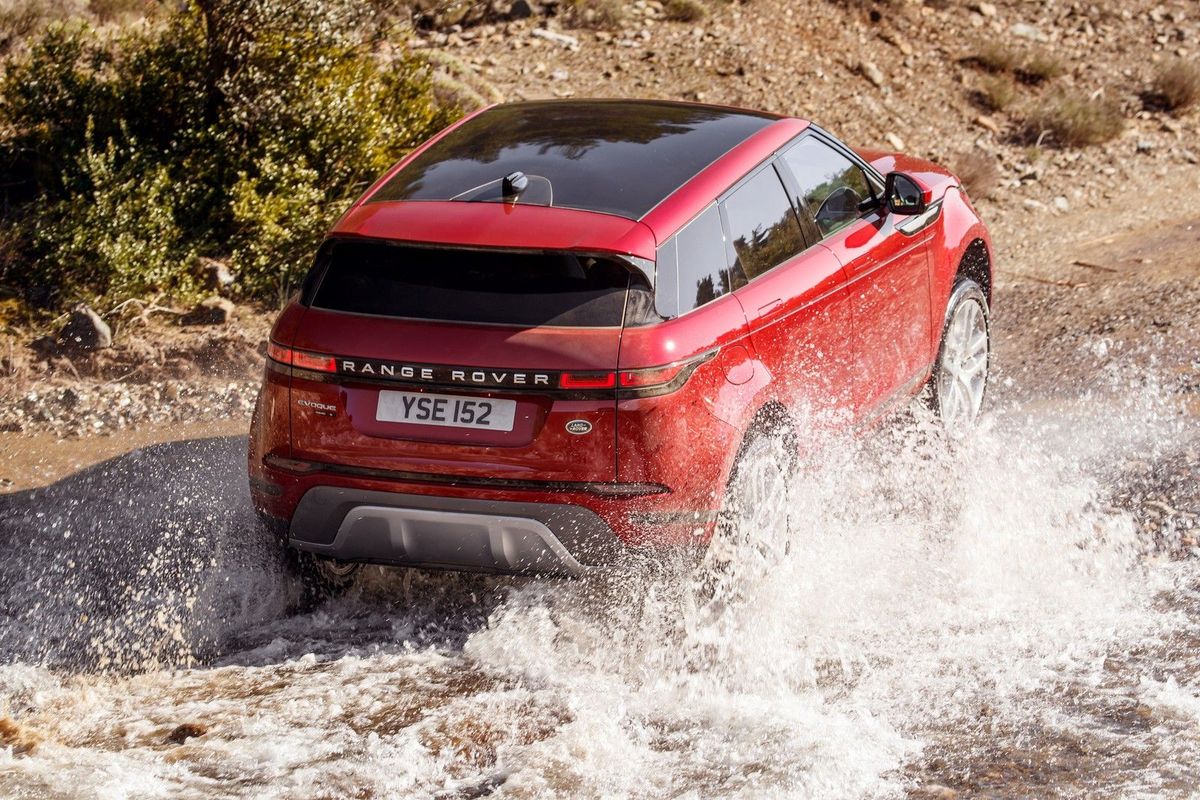
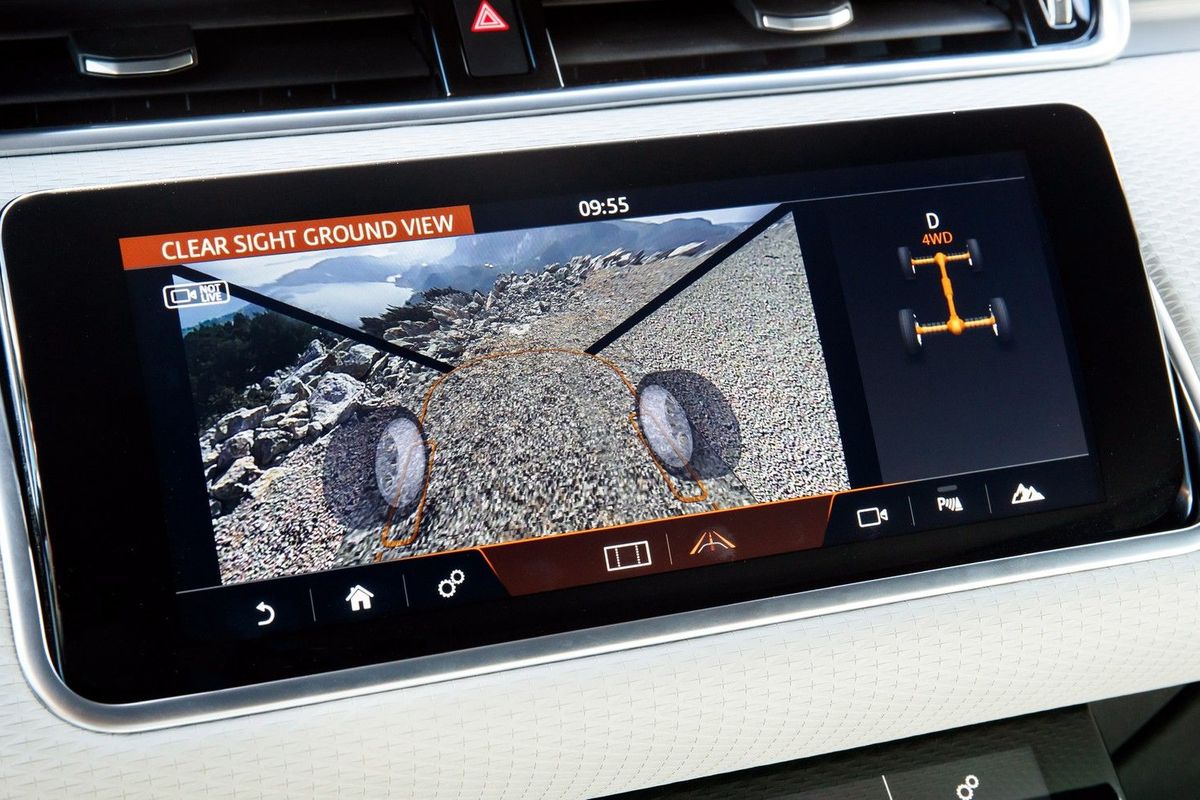
Along with the added refinement, the new Evoque offers there is a wide range of new in-car features and assistance systems to keep tech fans happy. One such item is the Clear Sight rear view mirror. Initially, it doesn’t look any different, but flicking the tab at the bottom switches to a wide camera view from a high-resolution camera mounted in the shark fin antenna on the car’s roof. Offering a full, unobstructed view, it works well at night and is particularly useful if you regularly have adults sitting in the back seats that would otherwise obstruct your view out. Another camera-based system is the Ground View feature. Ideal when you need to drive into a narrow car park with high kerbs, this takes the front-facing camera and tweaks the image to show you exactly where the front wheels are in relation to the surroundings, as if you’re looking through a transparent engine bay.
Ride and drive
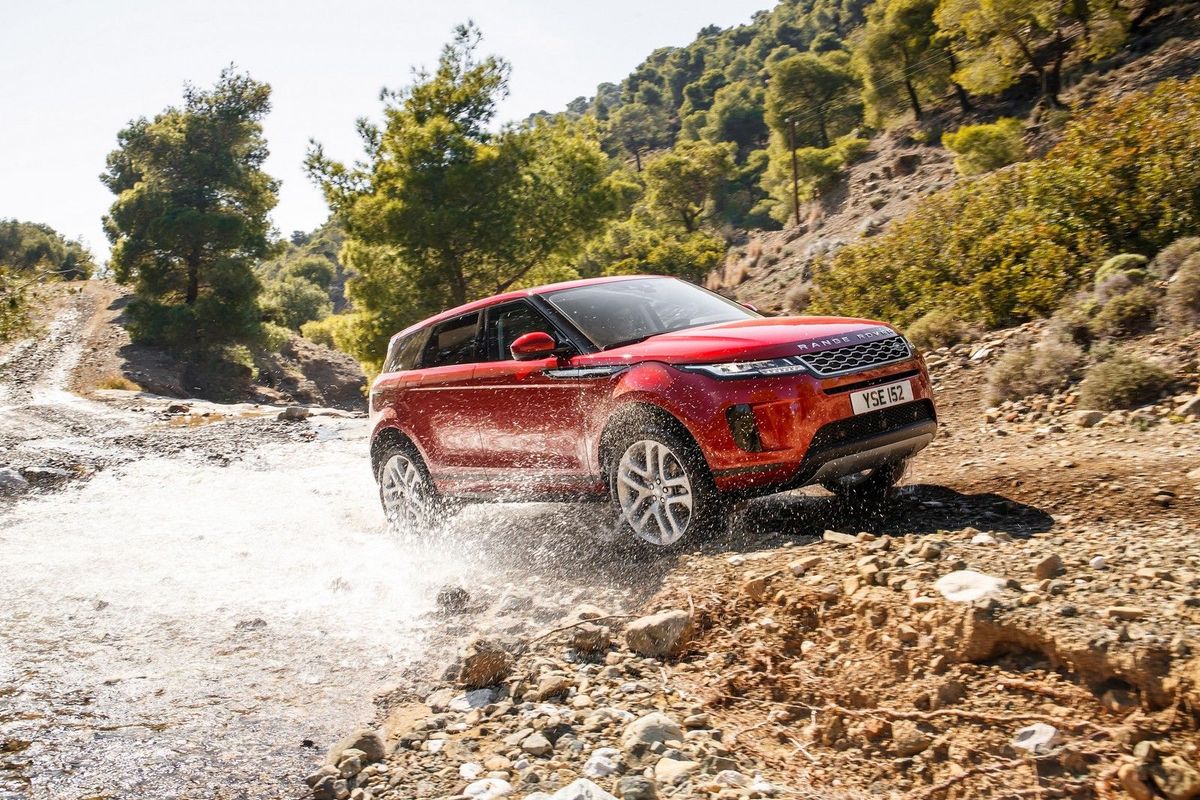
Even though most owners will never venture beyond a dirt panhandle, the Evoque has best in class off-road abilities.
Most Evoques come with a passive suspension setup that delivers a high level of comfort even on 20-inch wheels. Should you opt for the 21-inch rims, then Land Rover’s adaptive suspension is included, but having driven both versions back to back, we don’t think you’re missing out by sticking with the standard suspension.
One of the reasons that the Evoque now drives better is due to a new chassis with an aluminium front subframe that is three times stiffer. To that, new suspension components are attached, which are between 11- and 16 per cent softer than before. The result is that rough surfaces aren’t transmitted through the cabin nearly as much and the suspension does a better job of absorbing the bigger bumps like potholes and speed humps. If you’re keen on a sportier drive then a BMW X2 may serve you better, but the Evoque is happy to be hustled along by any measure.
At launch, the new Evoque will be available with the choice of 1 petrol and 1 diesel engine.
The mild hybrid system uses a belt-integrated starter generator that recovers energy when you lift off the throttle and replenishes the lithium-ion battery – mounted beneath the front passenger seat. Where you notice the benefit of such a setup is as you roll up to a stop, as the engine can shut off from 17 kph. The restart is also smoother than more conventional start-stop systems. Driving the Evoque in a city is mostly hassle-free thanks to the nine-speed automatic transmission. It shifts up and down gears smoothly, keeping the engine within its optimum operating window. However, out on more open stretches, there are times when the automatic transmission can seem a little hesitant, namely when going for a quick overtake.
While the Evoque is equipped with all-wheel drive, for the most part, it only sends power to the front wheels until it detects any loss of grip, in which case it seamlessly switches to all-wheel-drive mode. With Land Rover’s Terrain Response 2 system the Evoque can take on more severe off-road conditions, helped by its 212 mm of ground clearance. Decent approach and departure angles mean that you’re unlikely to leave a bumper behind along the way.
The not-so-good
There's a lot of Velar in the interior, which is probably a good thing.
Even with the introduction of a mild hybrid system to help alleviate the load on the engine, fuel consumption during our time with the car was quite a way wide of Land Rover’s official figures. We experienced a similar result when driving the higher-powered diesel variant (though the South African market will only get the 132 kW D 180 diesel at launch).
Verdict
The new Evoque ticks all the boxes for a modern premium SUV buyer.
With head-turning looks and an interior that is befitting of the Range Rover name, the new Evoque has all the right ingredients to make it another hit. Even those who aren’t concerned about its off-road abilities might be interested in its new in-car tech options. Either way, this is now one of the more refined small SUVs on the market today.
Pricing & Warranty
The Evoque range starts at R734 300. Land Rover offers a 3-year/100 000 km warranty alongside a 5-year/100 000 km service plan. Land Rover plans to introduce the new Evoque into SA during the second week of May 2019.
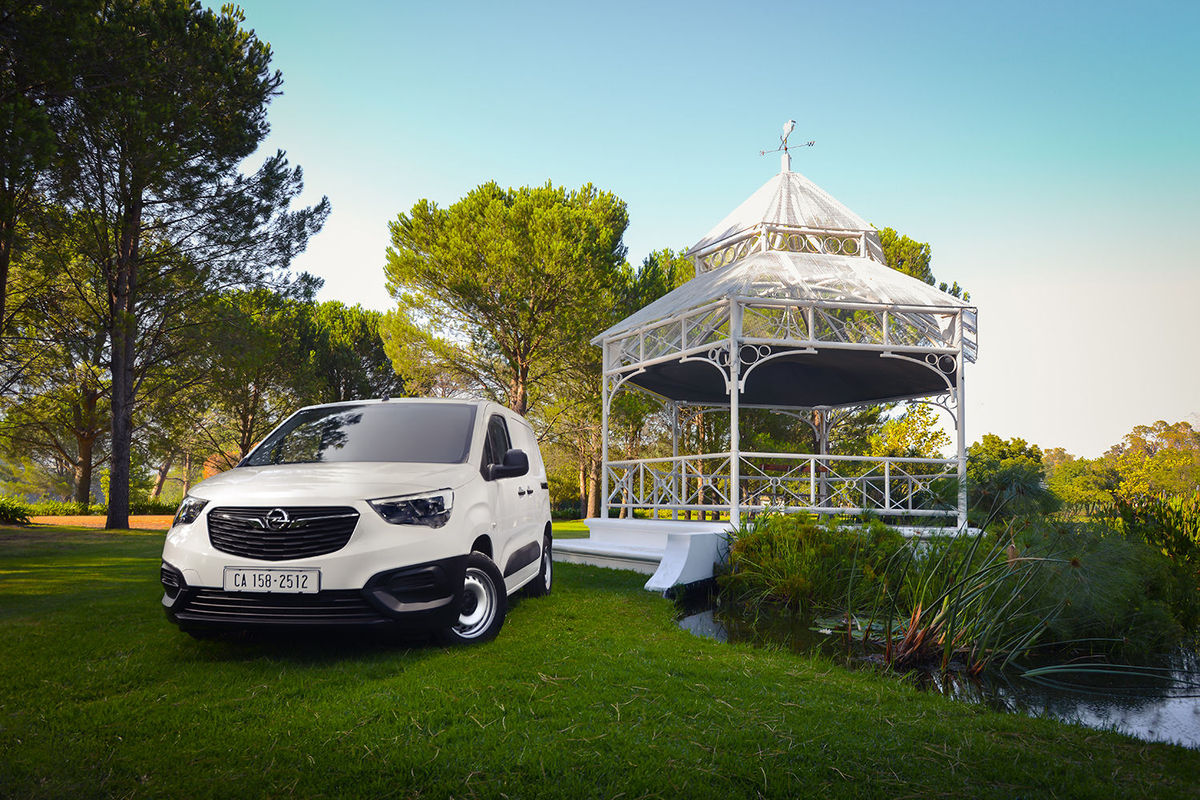
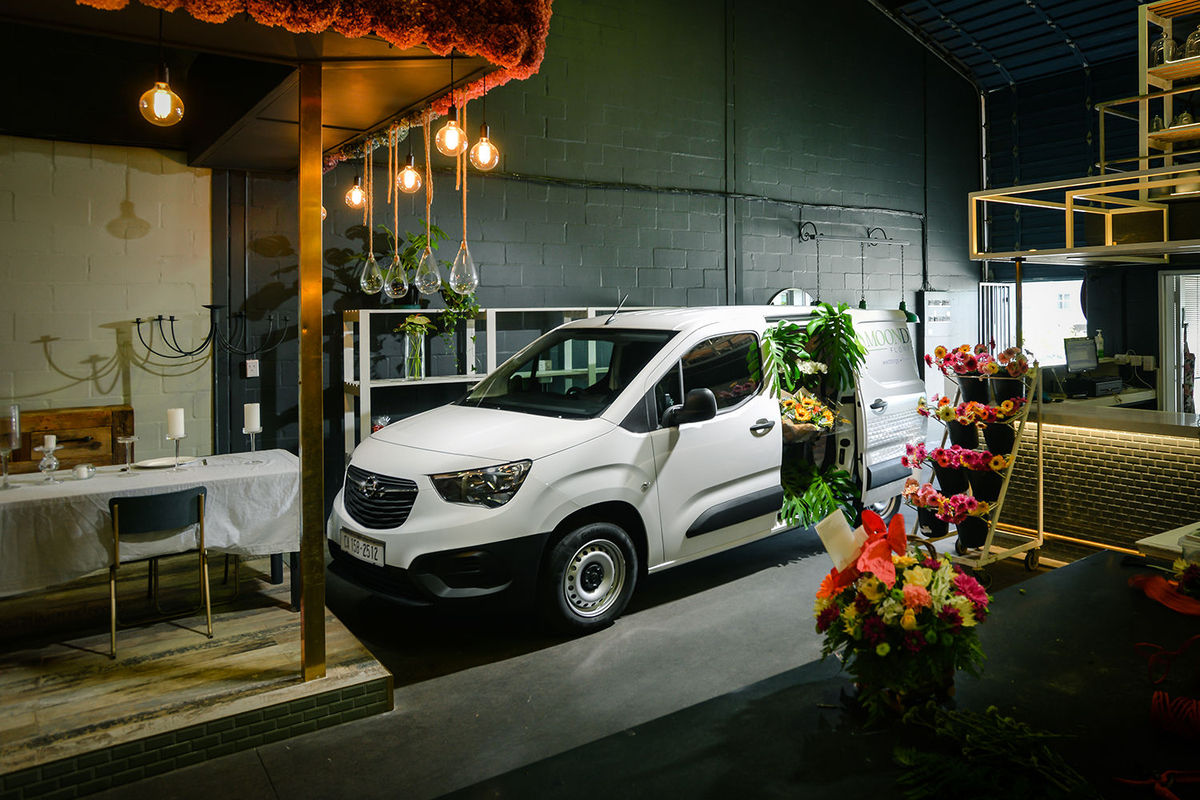
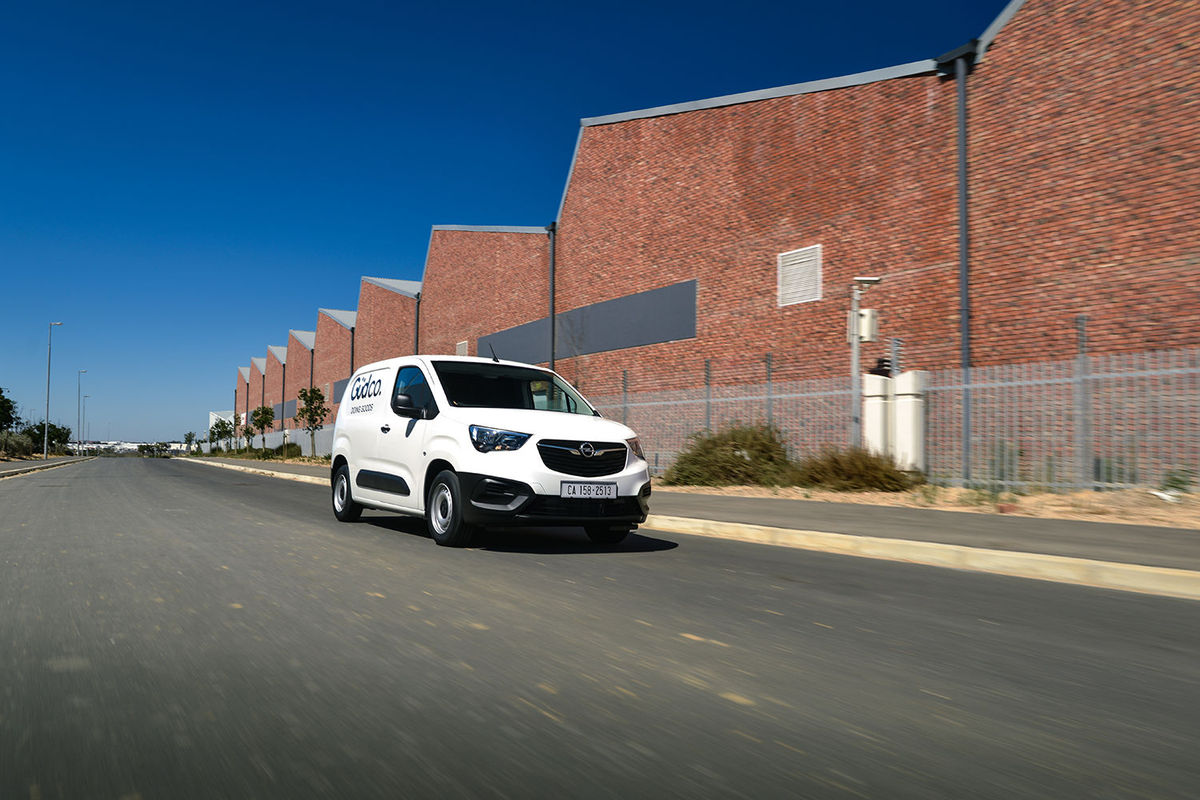
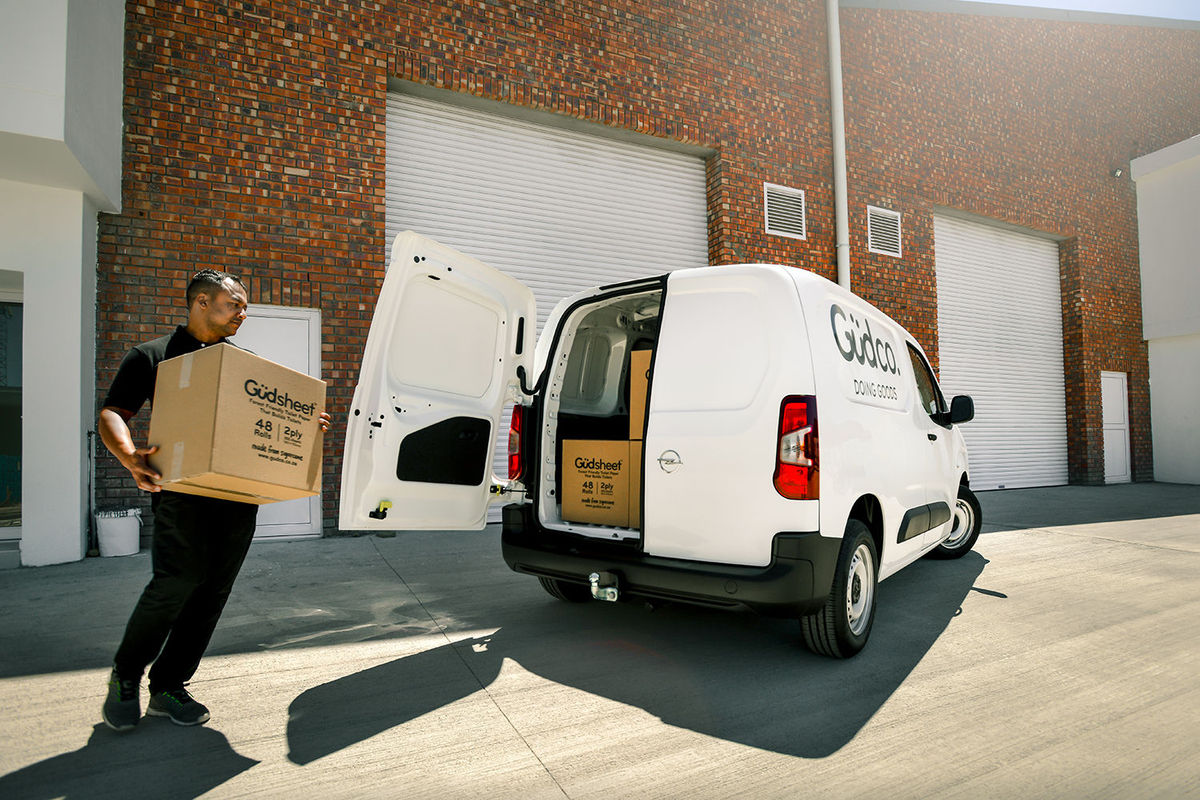
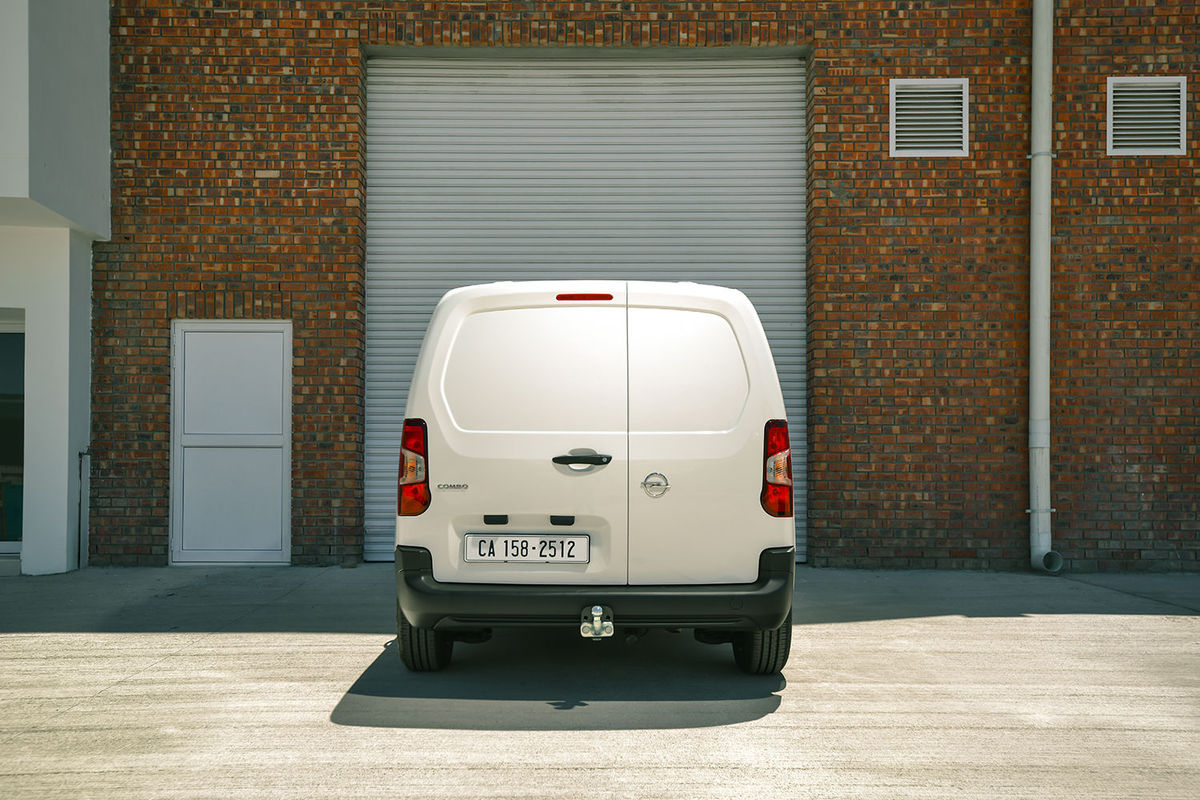
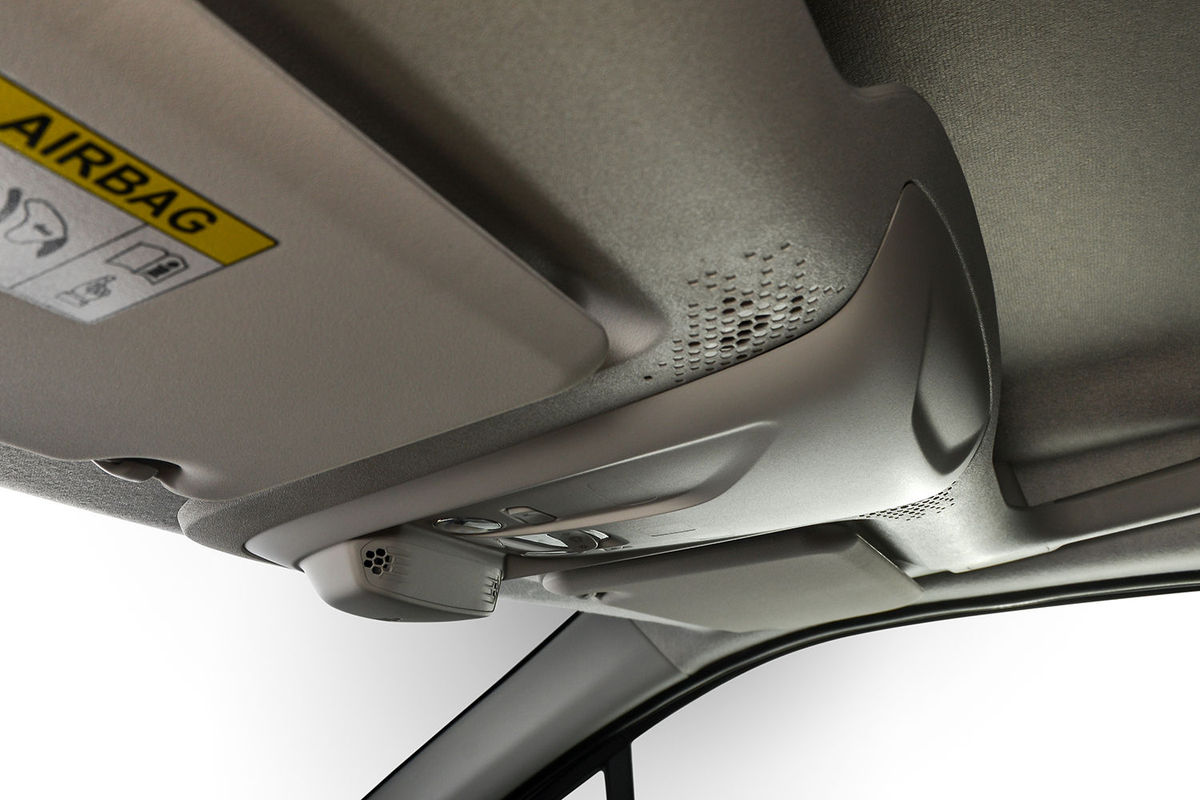
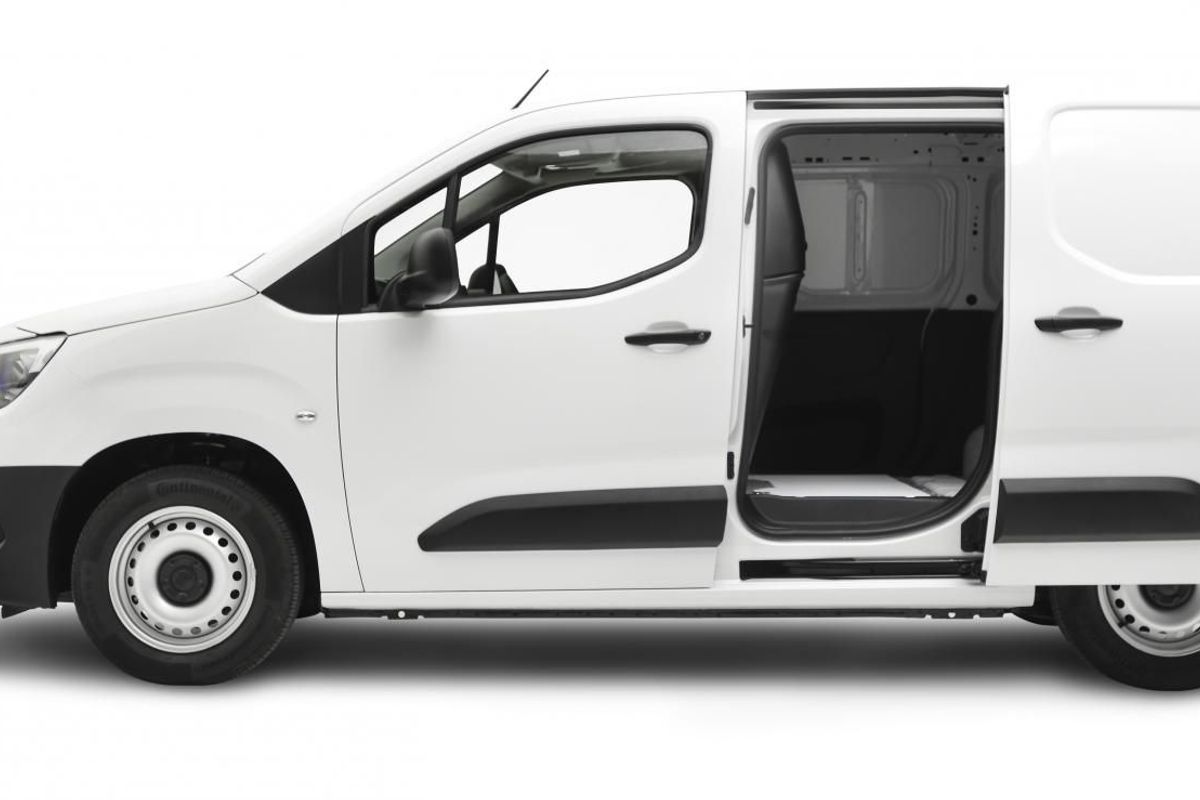
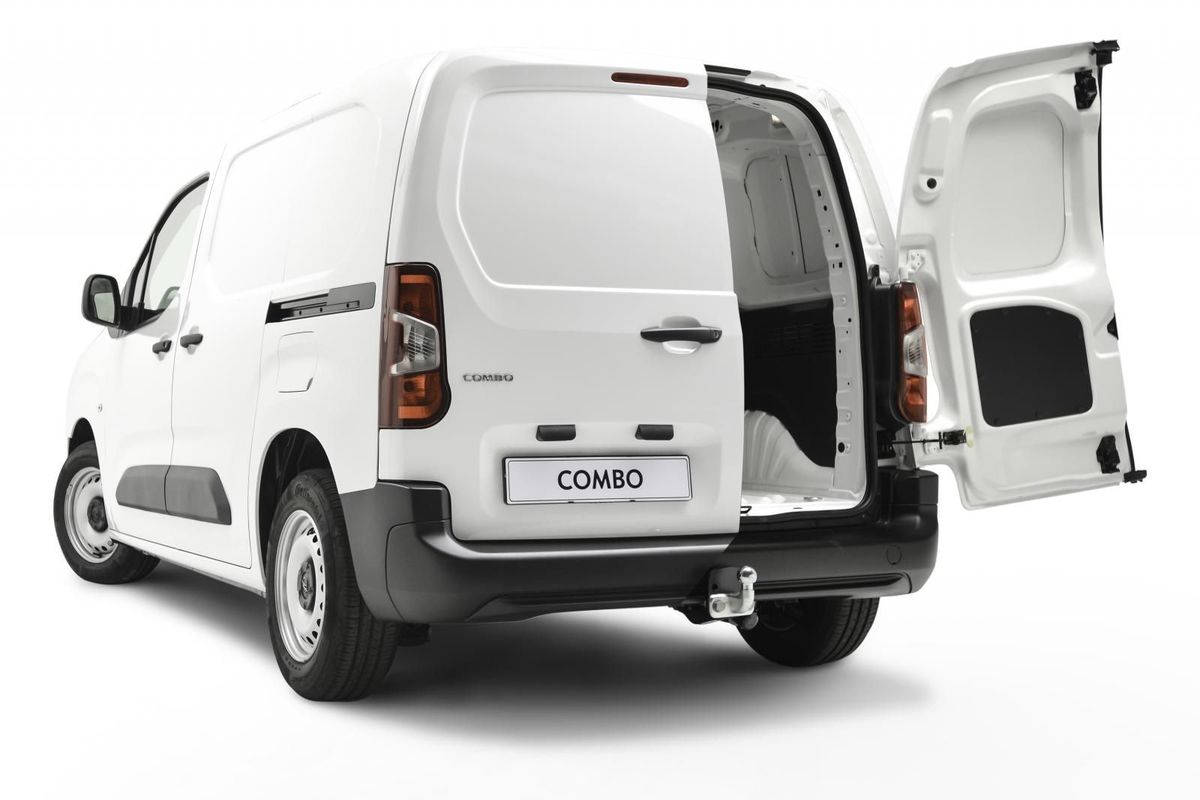
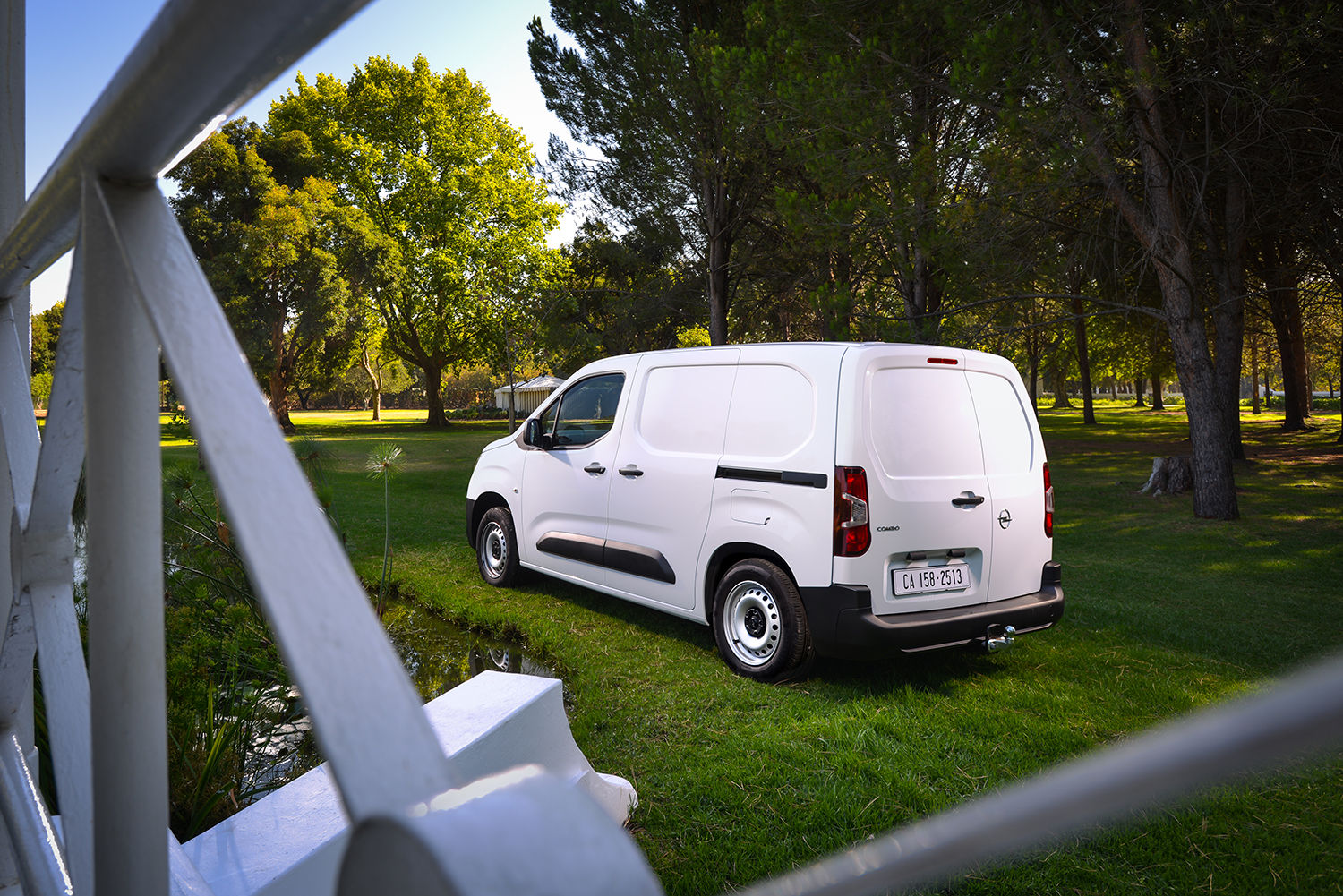
The Opel Combo Cargo, which was named the International Van of the Year 2019 at the IAA commercial-vehicles trade show in Hannover, Germany last year, is now available on pre-order in South Africa. What's more, the 1.6DT derivative of this ultra-safe, customisable and multi-purpose panel van is available from only R305 600*.
ADVERTORIAL
The new Combo Cargo is powered by a 1.6-litre turbodiesel engine. The motor's peak outputs (230 Nm of torque and 68 kW of power) give it the "go" that ambitious business owners require – but the 1.6DT remains economical, with a claimed combined fuel consumption of 5.0 L/100 km.
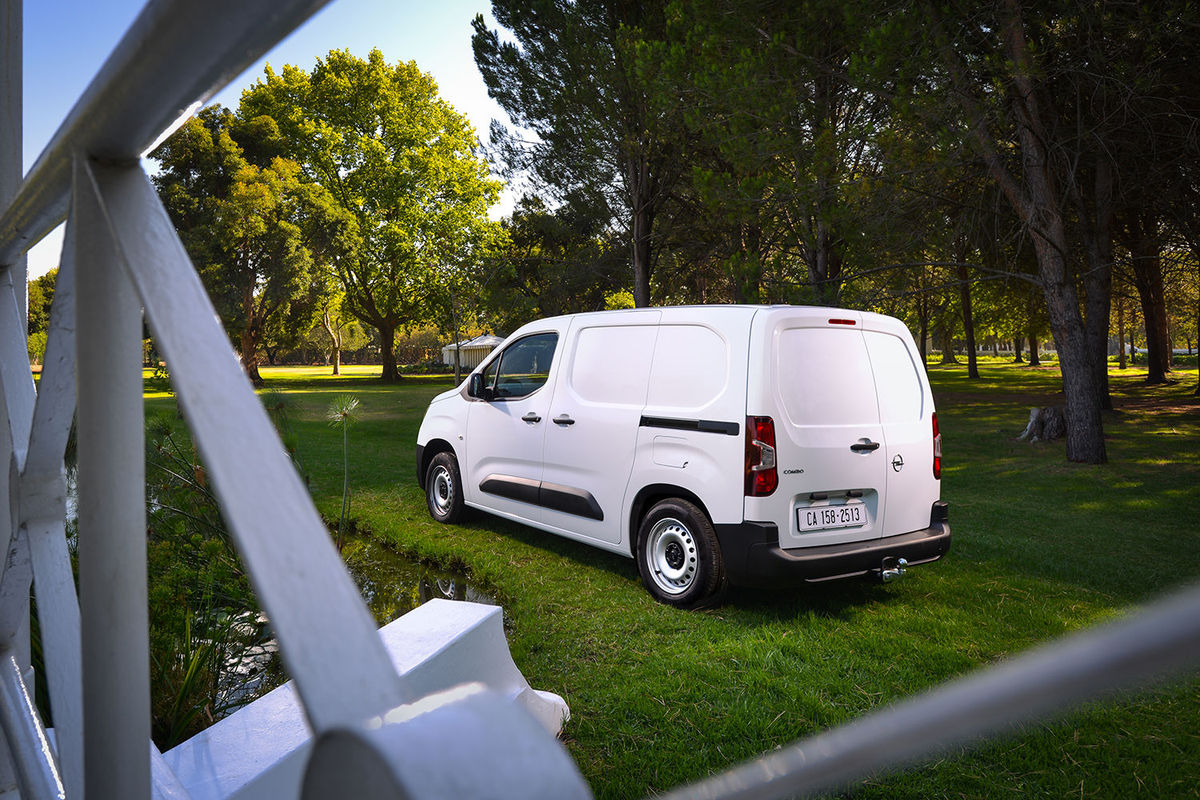
Opel's award-winner fits perfectly into the South African market – it's available in standard and LWB configurations that measure 4 403 mm and 4 753 mm in length respectively. This versatile van has a 1-tonne payload, as well as a towing capacity of up to 1 250 kg (with a braked trailer).
The Opel Combo Cargo is available in both short- and long-wheelbase guises.
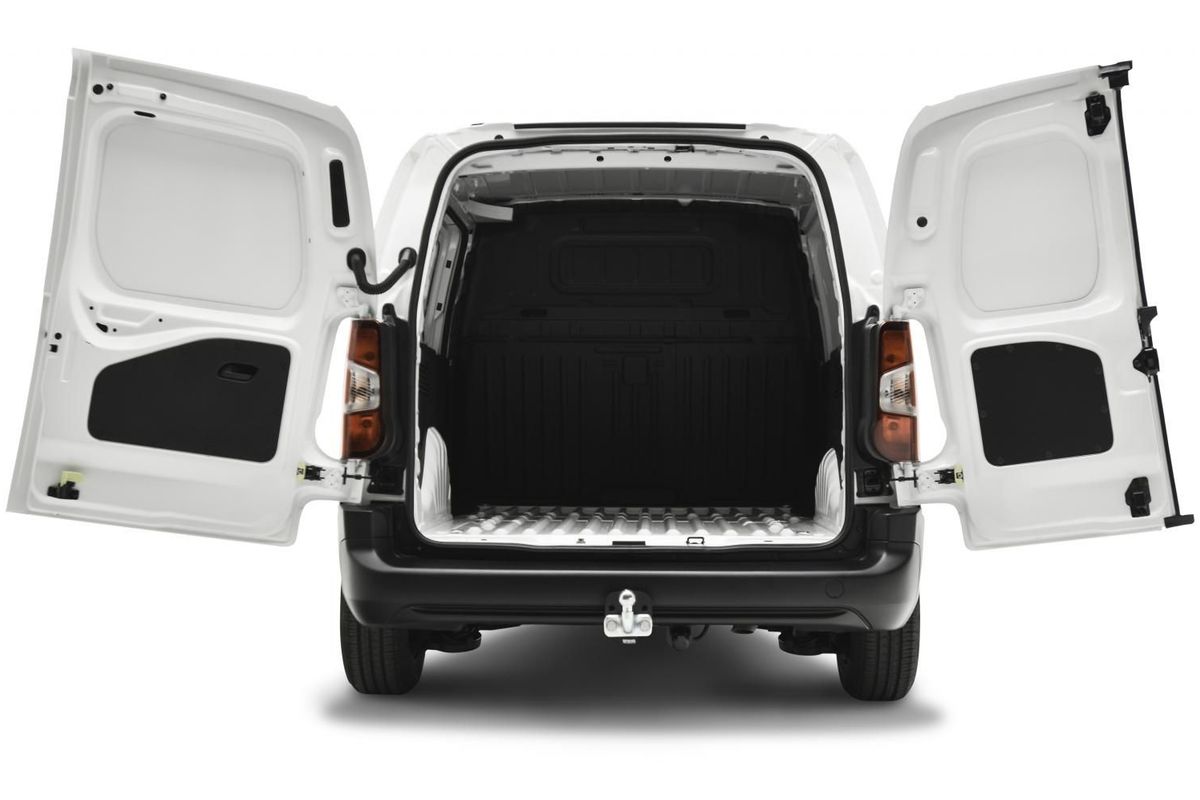
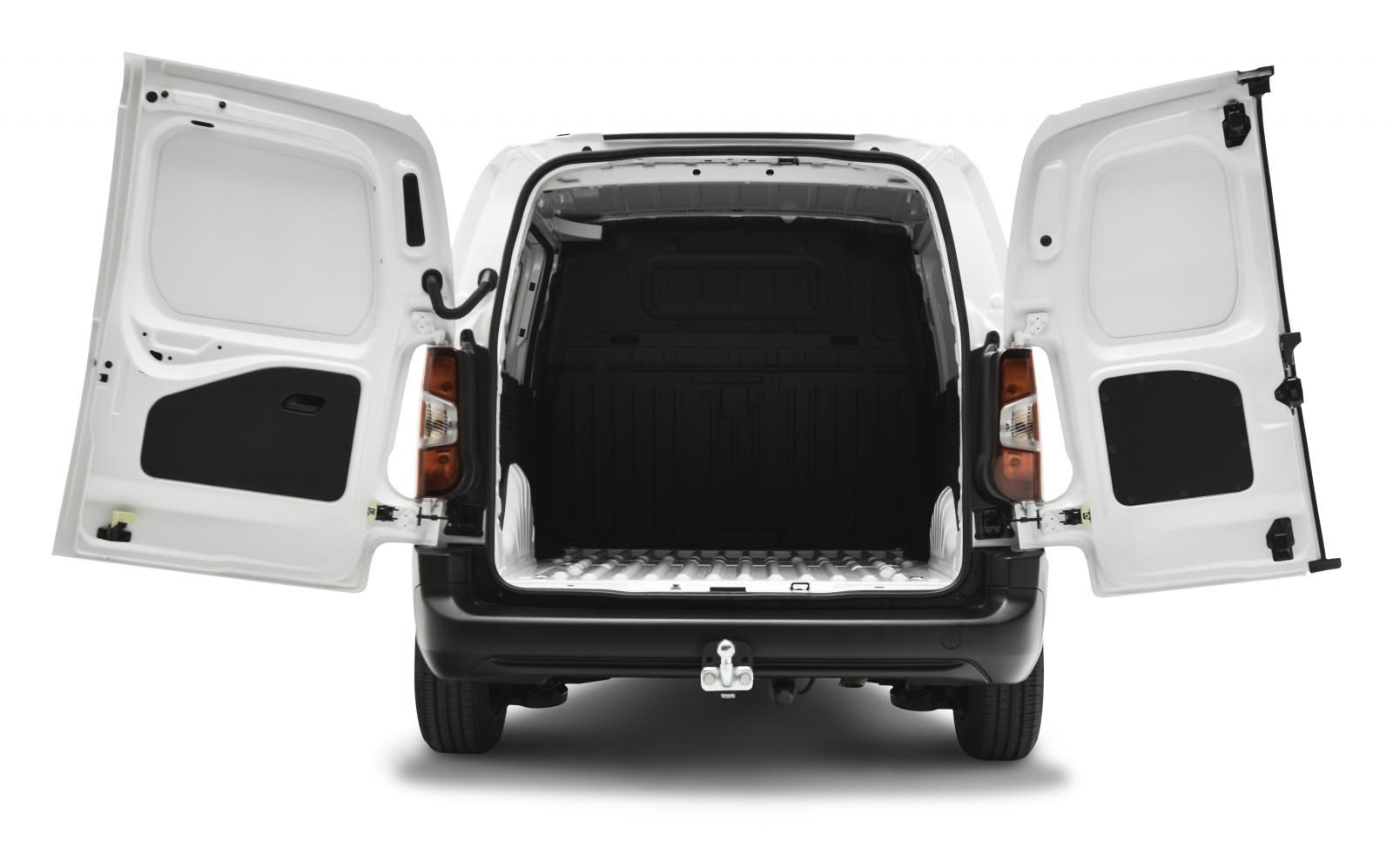
Furthermore, the newcomer is capacious: it offers up to 4.4 m2 of load space with a flat floor and no intrusion from the rear wheel arches. That means it's as simple to load as unload, plus the task is a lot less taxing on your back by virtue of the low load-floor height. And the list of fitment opportunities for the Combo Cargo is almost endless (consider building in shelving, storage bins, toolboxes, refrigeration, compressor etc).
Top-quality security measures are in place to protect your valuable goods. All of your equipment is kept out of sight in an enclosed and alarmed secure shell, with blacked-out windows, remote central locking, a rear interior-door lock and an anti-theft immobiliser.
By eliminating the intrusion of the wheel arches, Opel has flattened the Combo Cargo's load floor.
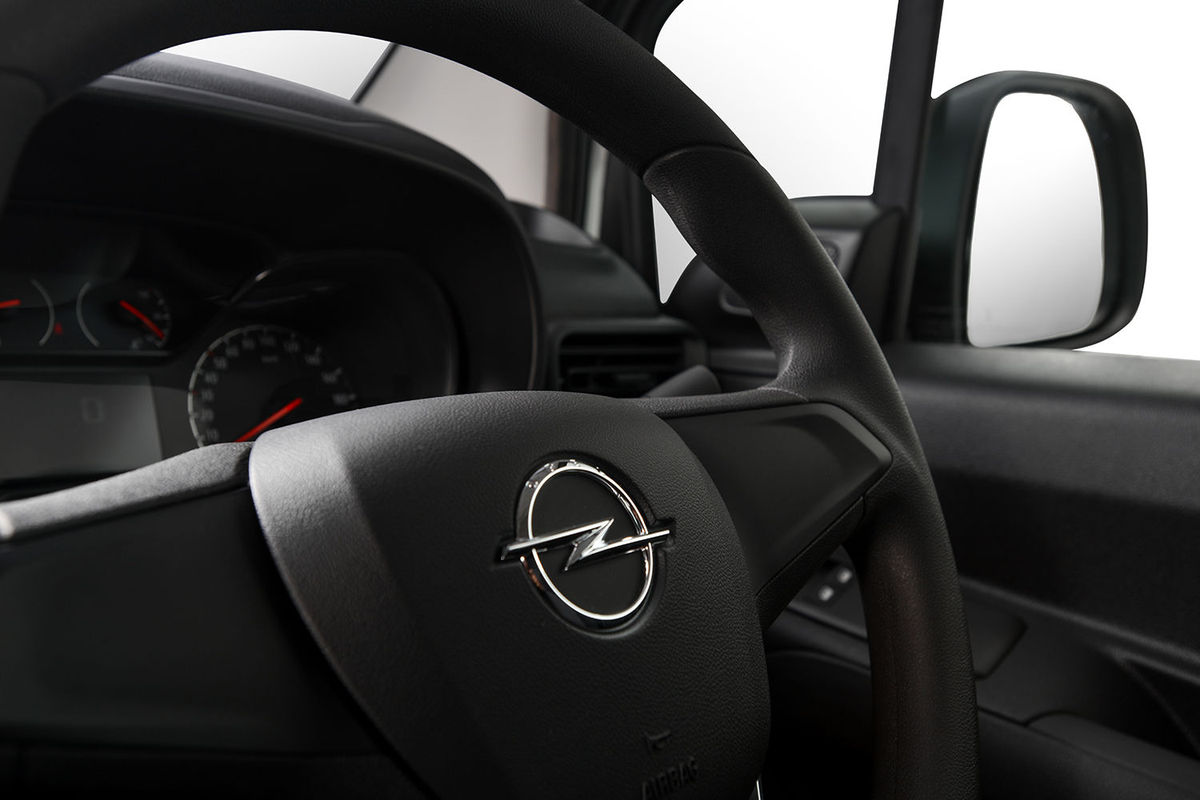
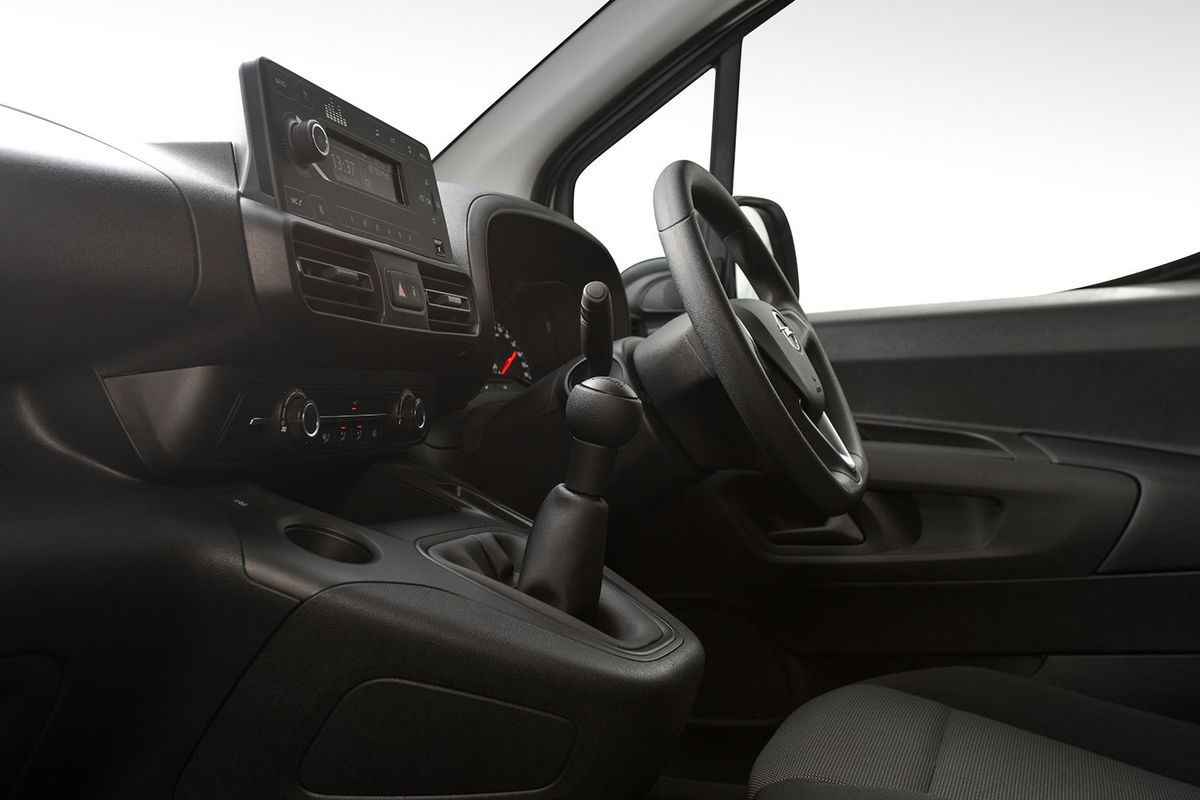
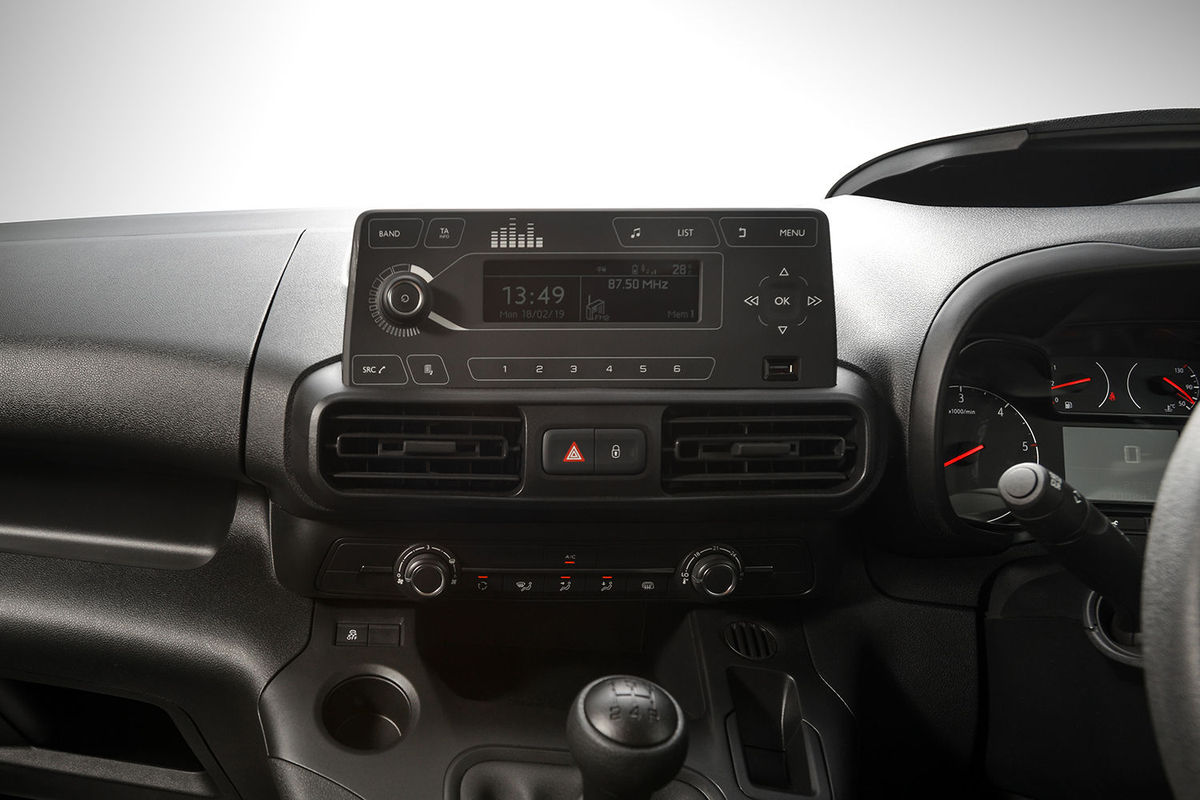
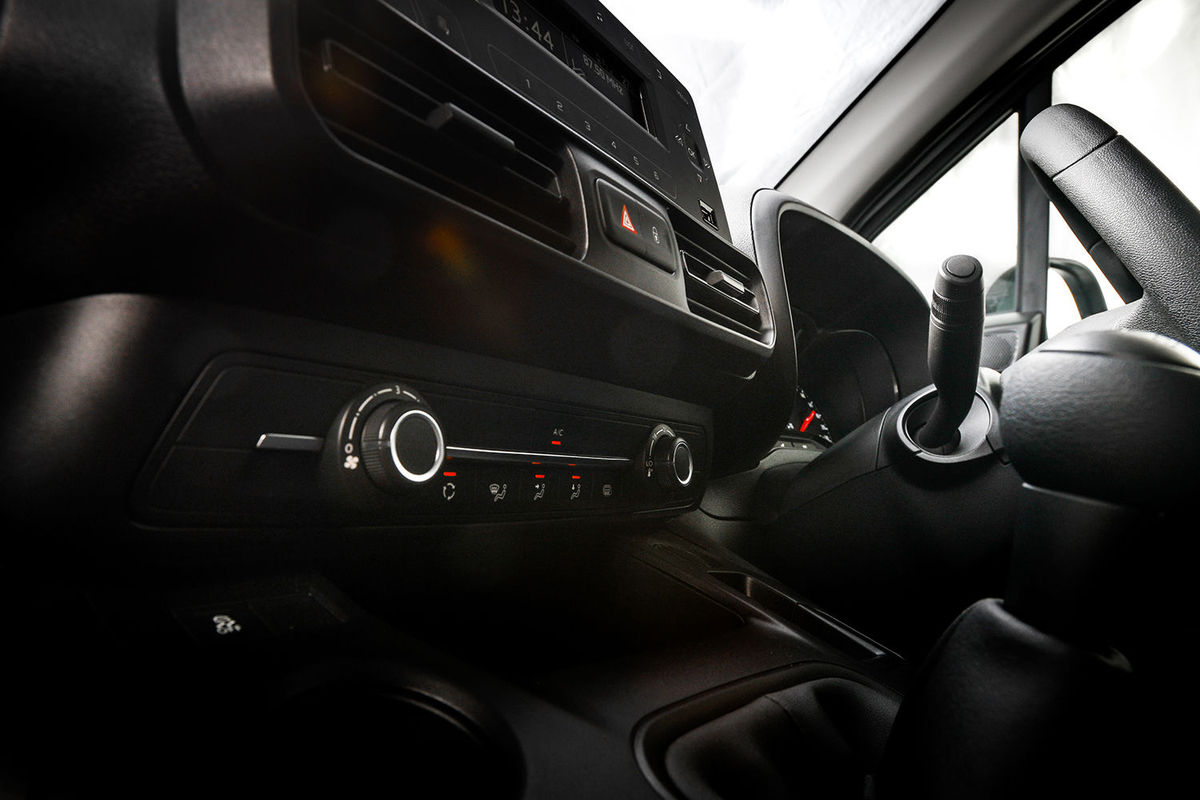
Unlike older-generation cargo vehicles, the Combo comes with a handful of bells and whistles. Its audio system is Bluetooth- and MP3-enabled and has a USB input. Other features include speed-sensitive power steering, foldable side-mirrors, intermittent wipers and front power windows.
Safety-wise, driver and front passenger airbags and a full-height steel bulkhead (to separate the cargo and passenger areas) are fitted. In addition, ABS, electronic stability- and traction control, hill-start assist and emergency brake-assist systems offer the driver complete peace of mind.
* Offer valid until 31 March 2019. On-the-road costs & registration fees excluded. Model/s shown may differ. Terms and Conditions apply.
Godzilla returns with official 2019 parts catalogue.
In an announcement which is sure to carry great favour with Japanese performance car enthusiasts, Nissan has confirmed reproduction plans for one of its most legendary engines.
Since last year the company has been providing official support to owners of R33 and R34 Skyline GT-Rs, and that programme has now been extended to include the original R32 model too.
The catalogue of parts Nissan has committed to supplying include bodywork and engine components. Nissan has restarted production of original RB26 specification engine blocks, heads, wiring harnesses and fuel pump assemblies – all crucial bits to ensure that an original GT-R keeps running in appropriate order.
Pricing for an official reproduction R32 engine block is set at R22 400 and for the matching cylinder head, it’s R25 000. For Japanese sportscar devotees who become anxious at the thought of replacing crucial engine components, the news of an official Nissan parts supply chain being restarted for the R32 is splendid news.
Nissan’s commitment to supporting owners of all three its previous-generations of Skyline GT-R follows on from a recent global trend of vehicle manufacturers supporting individuals who run vehicles which are symbolic to the history and achievement of said automotive brand. With tooling for these continuation parts fully amortized in cost and paid for, it’s also a tidy little profit stream, involving minimal risk or complexity.
Nissan’s production of original R32 parts totals 15 components, ranging from wiper motors to bumpers. For R33 its supplies a basket of eight reproduction parts and R34’s reproduction catalogue is seven components strong.
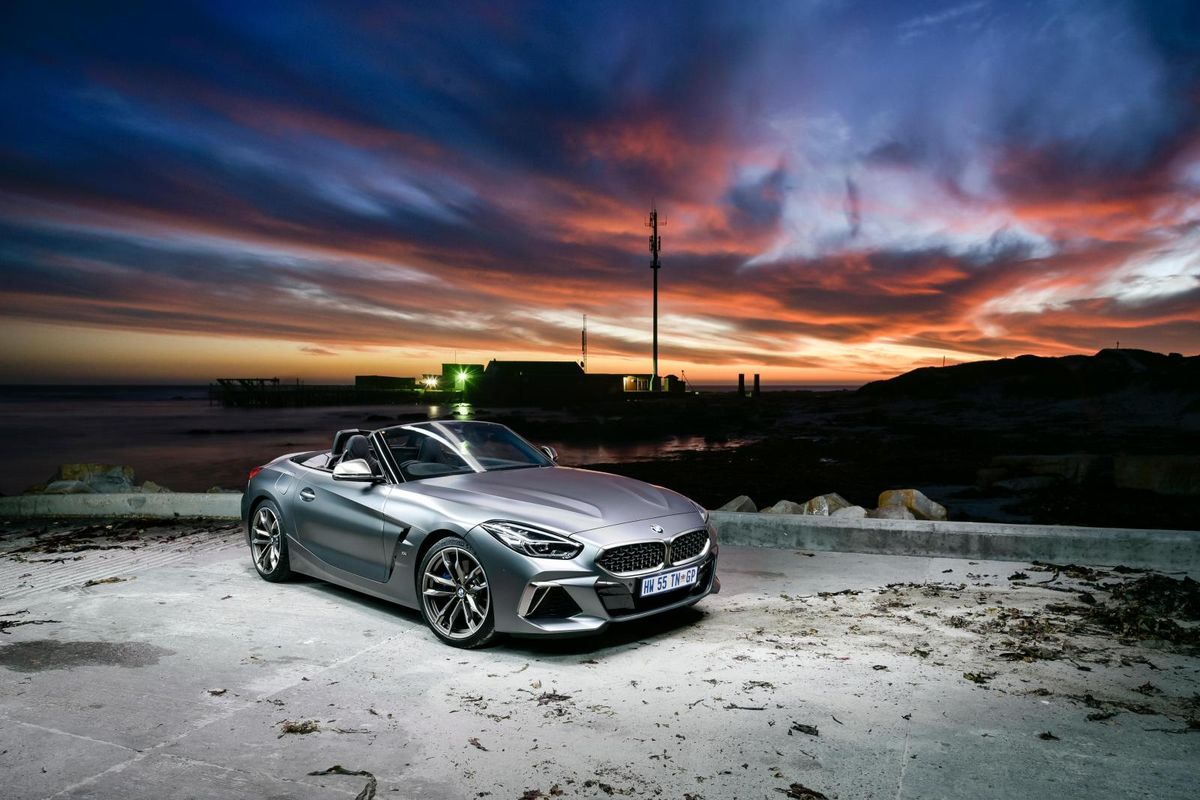
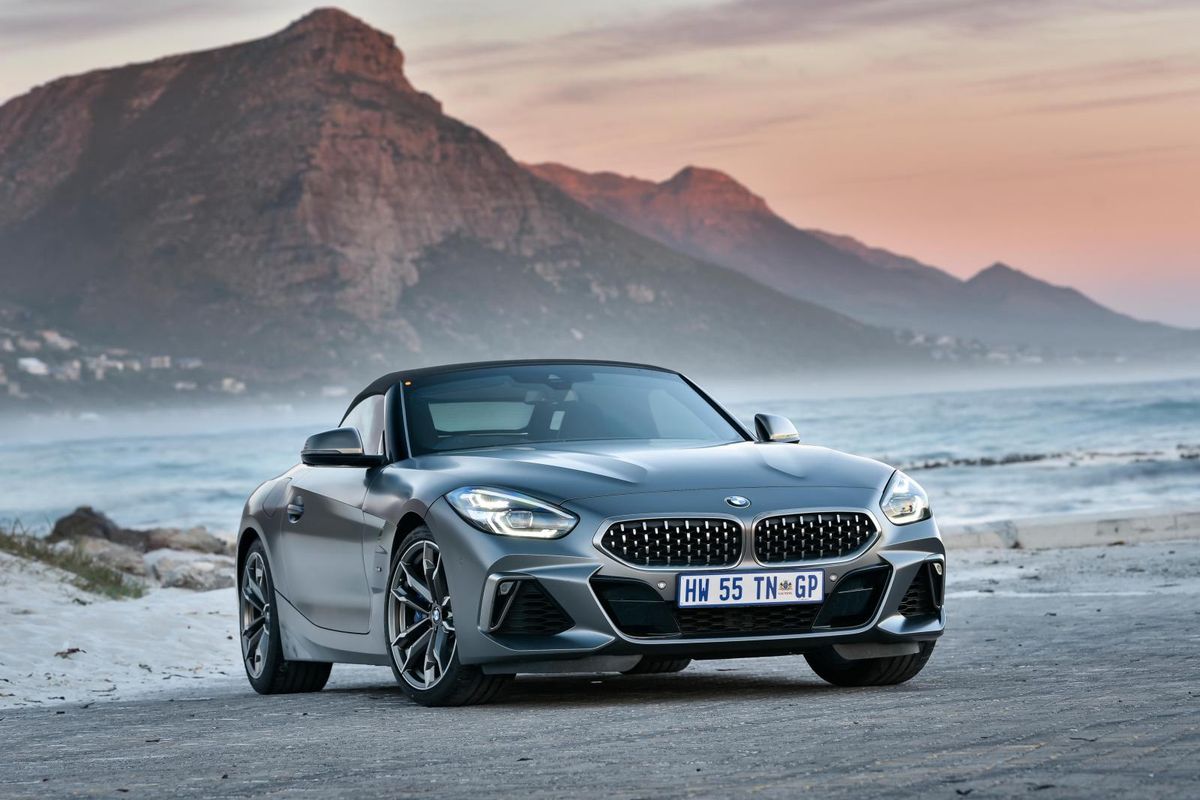
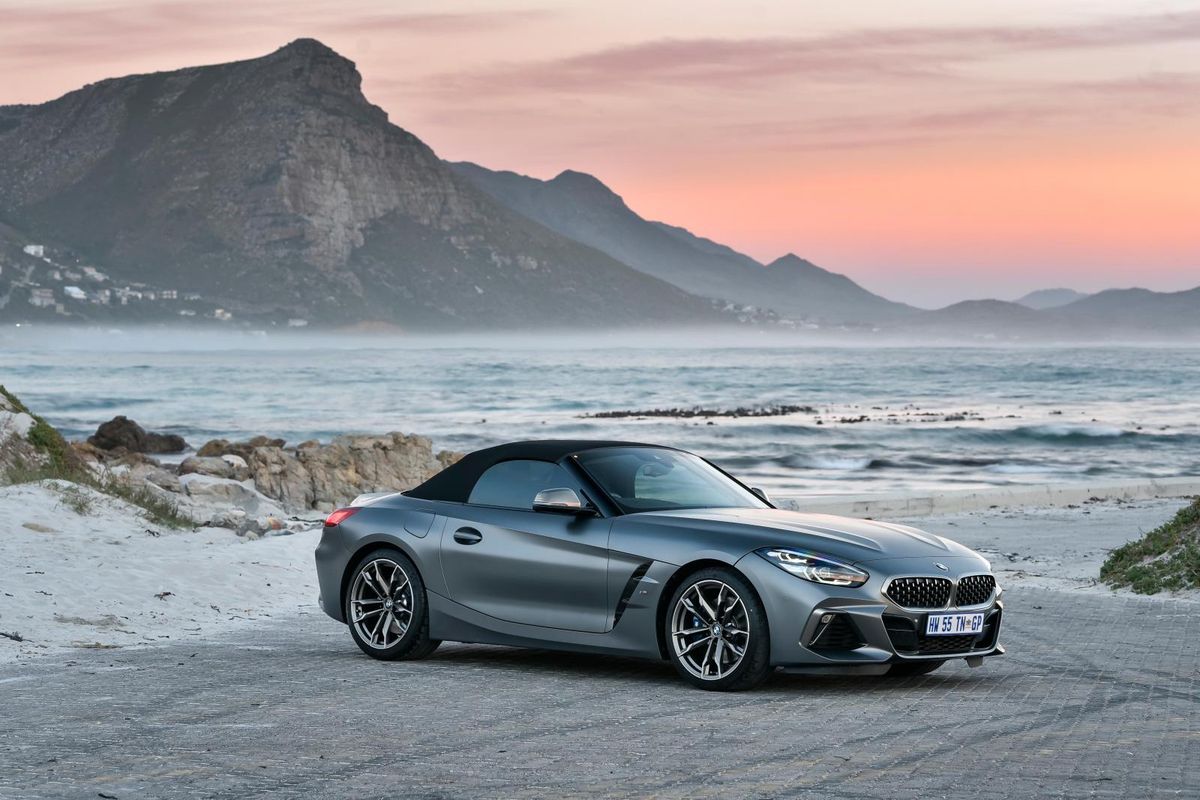
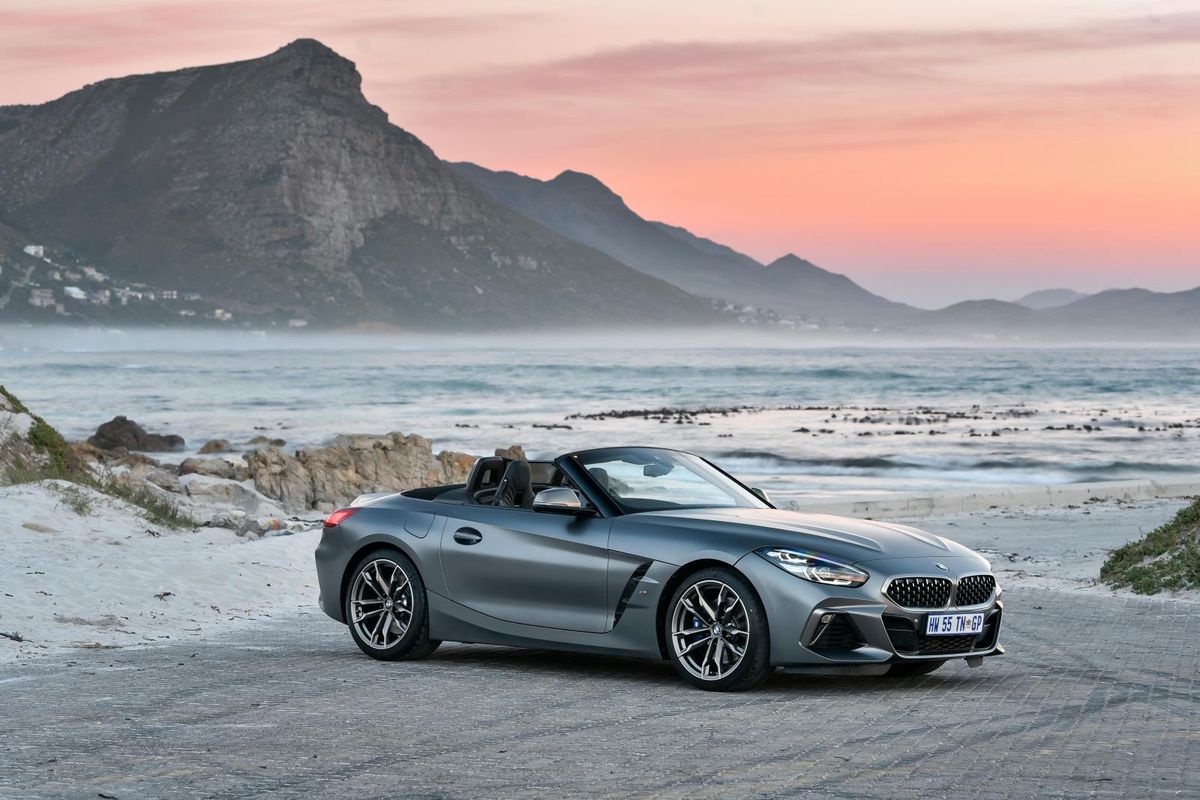
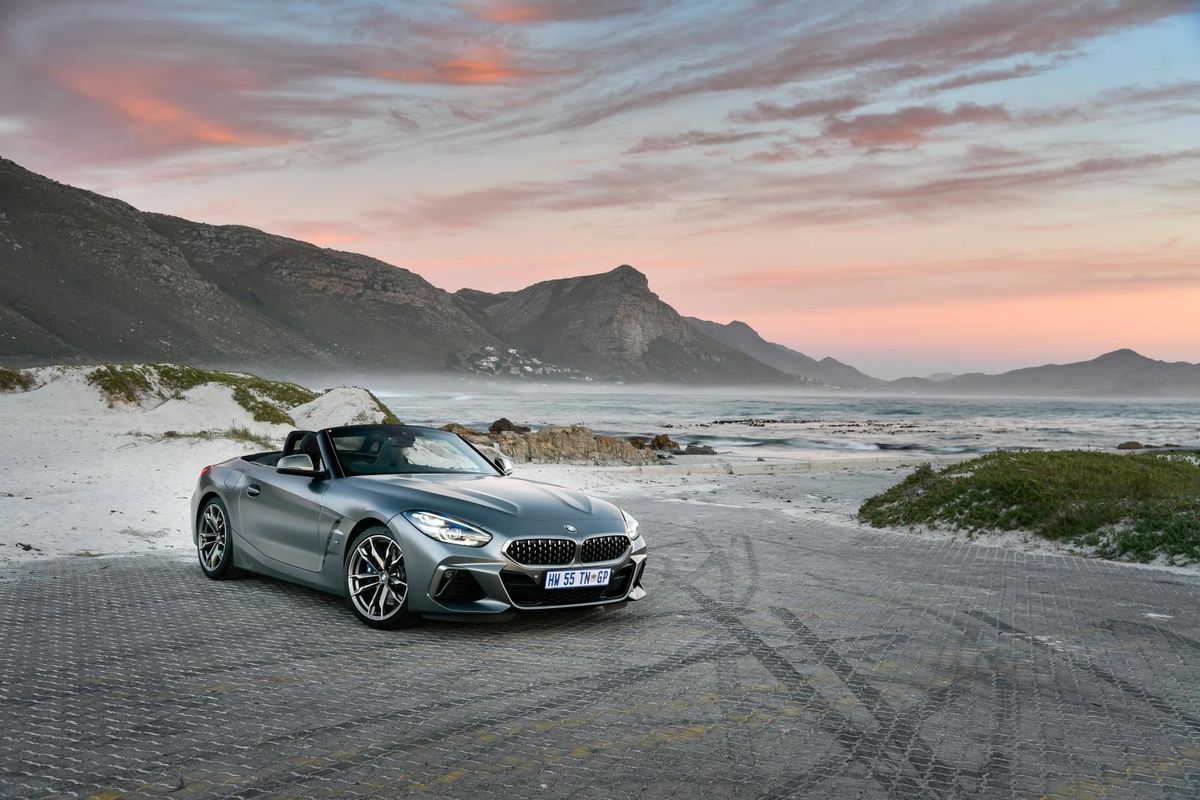
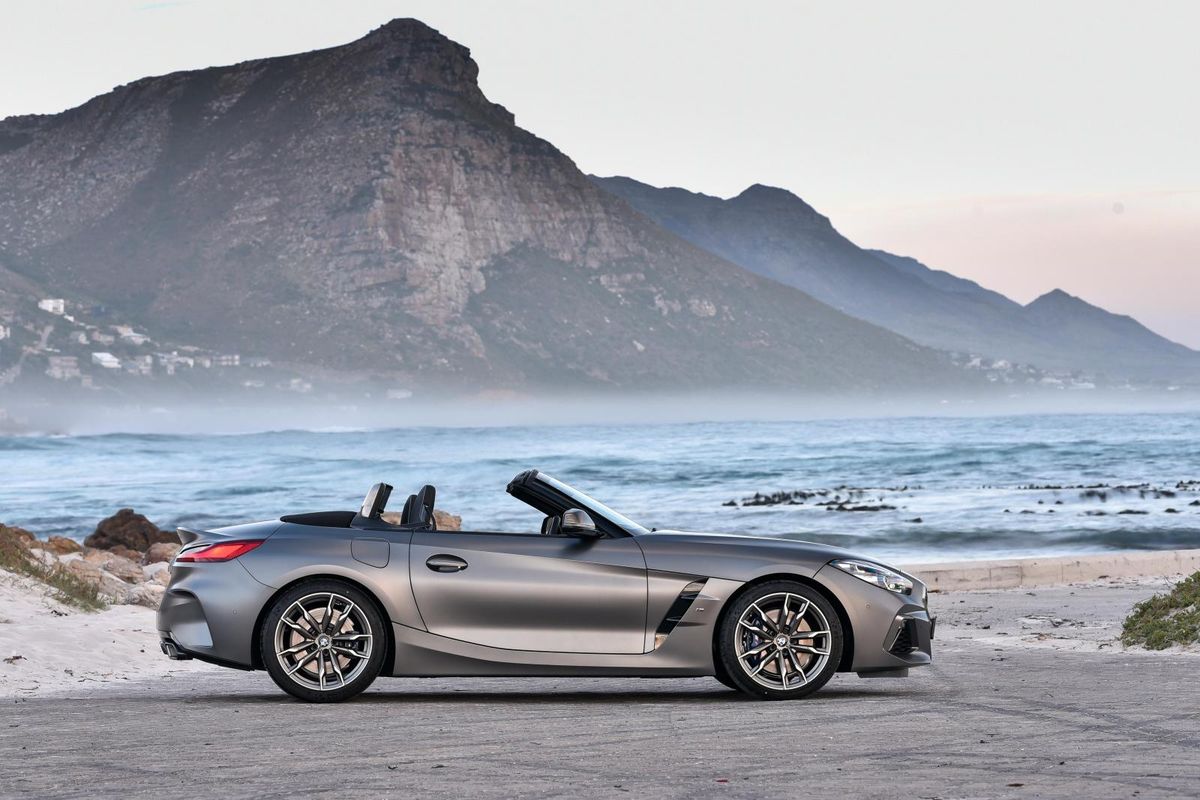
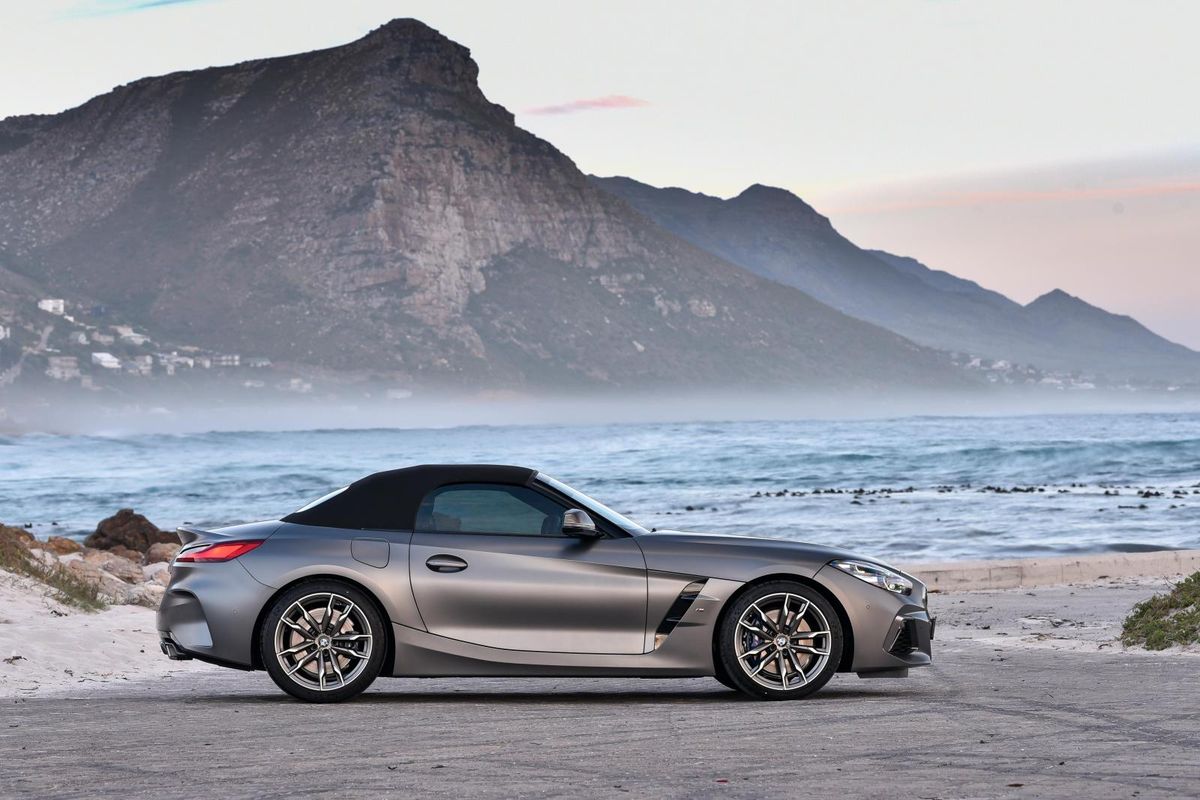
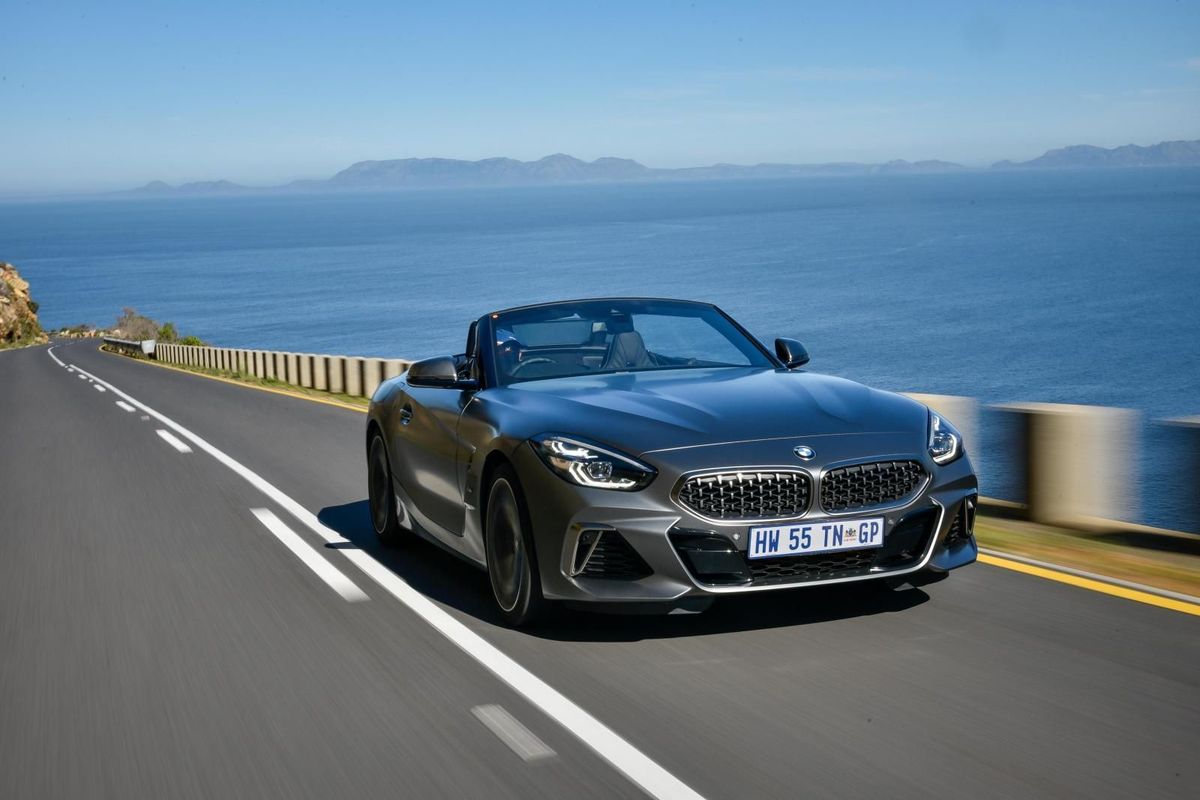
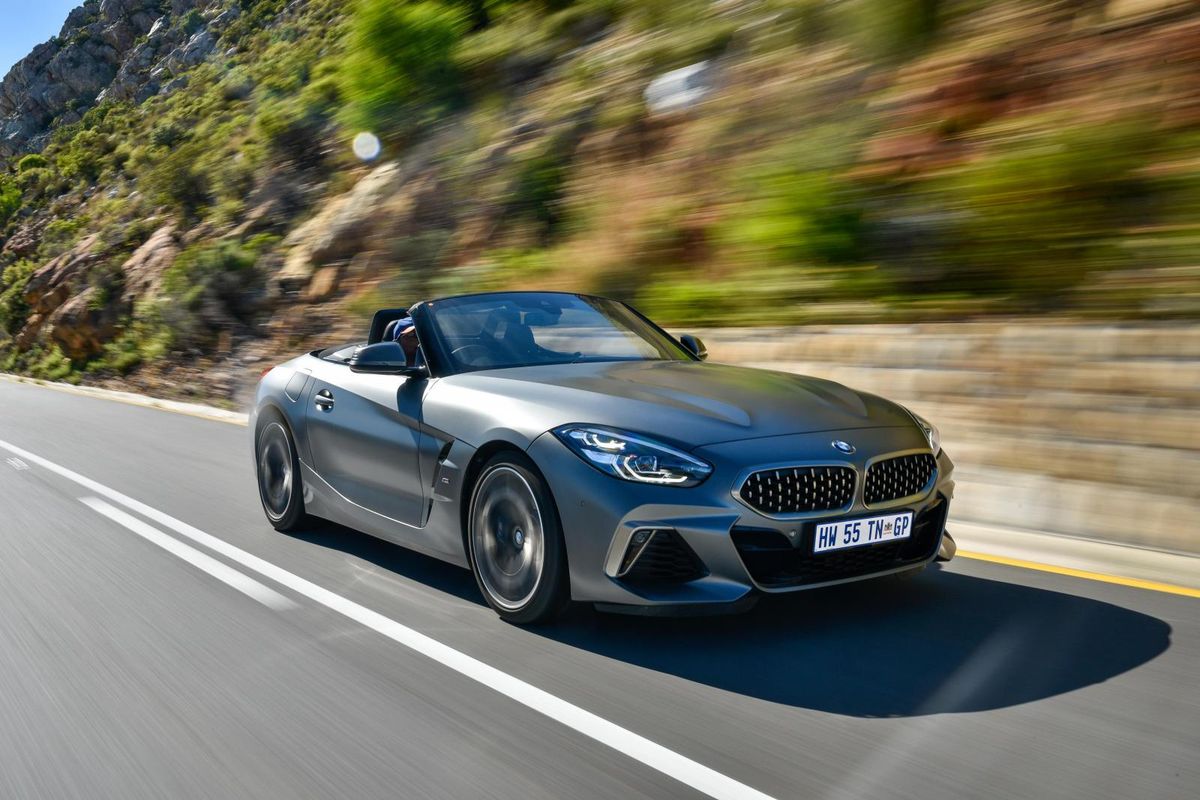
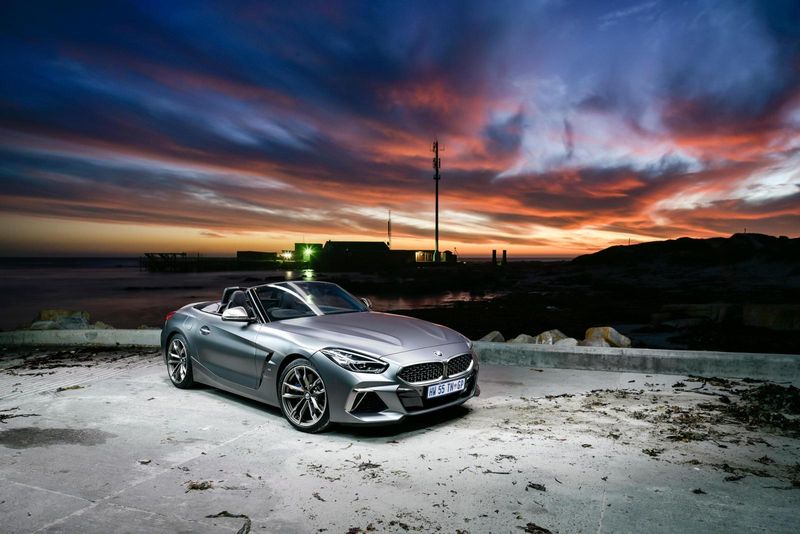
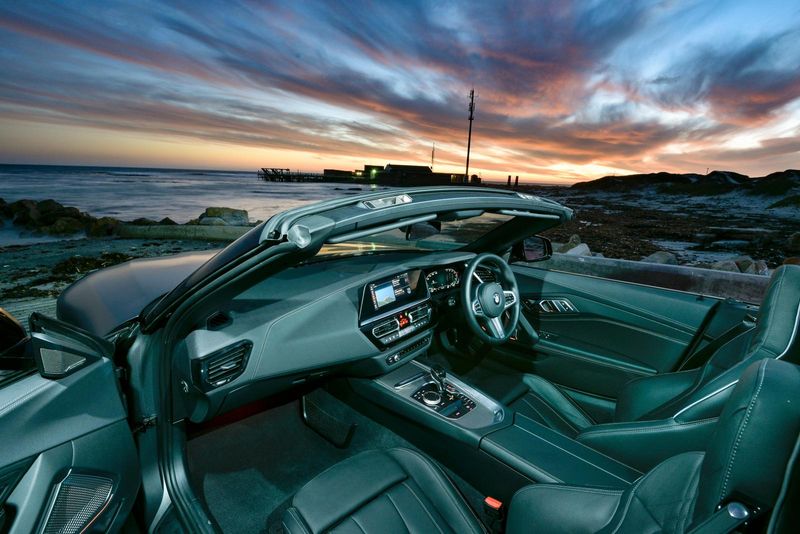
BMW’s small sportscar is back with a vengeance. The new Z4 raises hopes that BMW can once again make a light, agile and fun-to-drive roadster that can go toe-to-toe with the Audi TT, Jaguar F-Type and of course, Porsche Boxster.
The market for soft-top 2-seater sportscars is a niche if ever I saw one. Roasters are impractical, difficult to get in and out of and promote hedonistic behaviour. They're perfect, then, at least in my eyes. The previous Z4, with its folding hardtop, steep price and iffy dynamics, has been swept under the carpet – it was a piecemeal, humdrum poseur-mobile. Plus there was also no M version, much to the chagrin of performance aficionados.
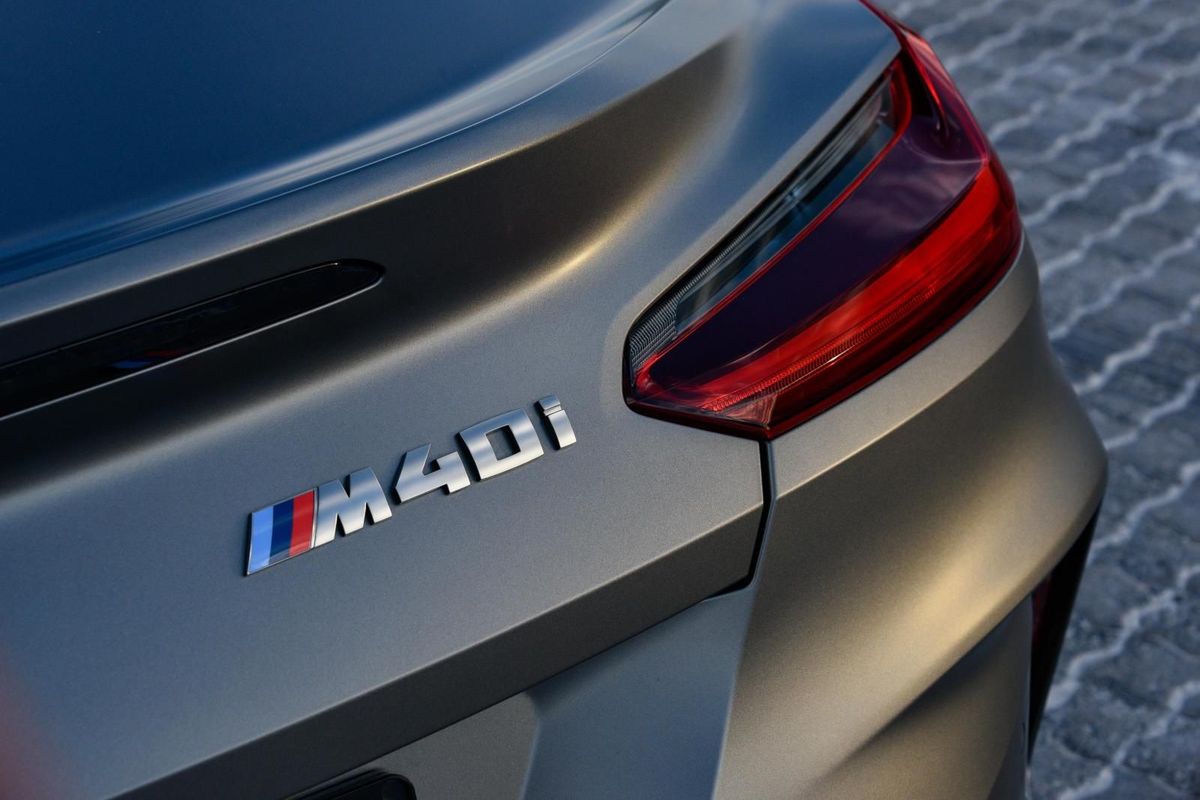
The new model is being introduced to the South African market in just 2 derivatives (to start with). A 2.0-litre 4-pot turbopetrol (140 kW and 320 Nm) and the M40i, which is powered by a 3.0-litre straight-6 turbopetrol with peak outputs of 250 kW and 500 Nm of torque. These 2 versions of the G29-generation Z4 cover the entry-level buyer, who just wants enjoy the ownership of a soft-top sportscar without feeling the need to have to prove that they're a driving god, as well as the enthusiast, who craves serious performance kicks when they drive out into the mountains (or onto racetracks).
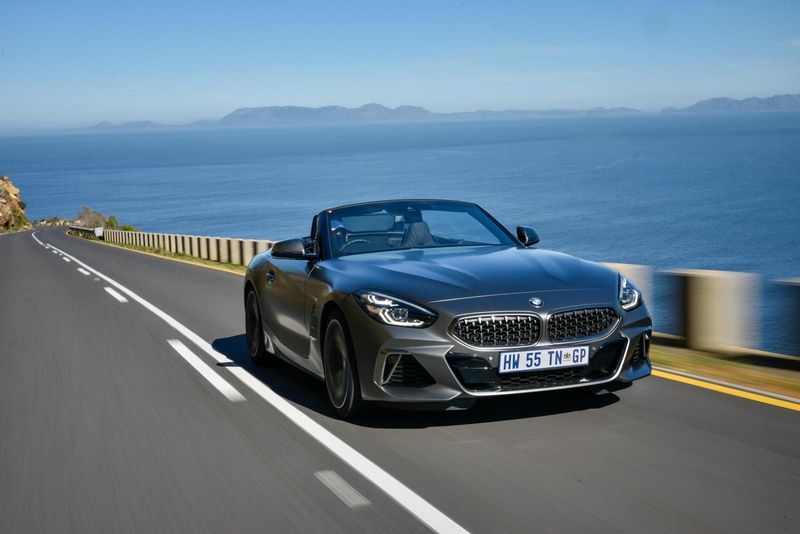
The new Z4 design invloves lots of creases and a studded front grille.
Looks are subjective, but public reaction to the new Z4 seems generally positive. I like the fact that the kidney grille hasn’t been overly enlarged like on some of the latest BMW models (X7!), although its studded-jewel "mesh" does resemble the previous-generation Mercedes A-Class, not so?
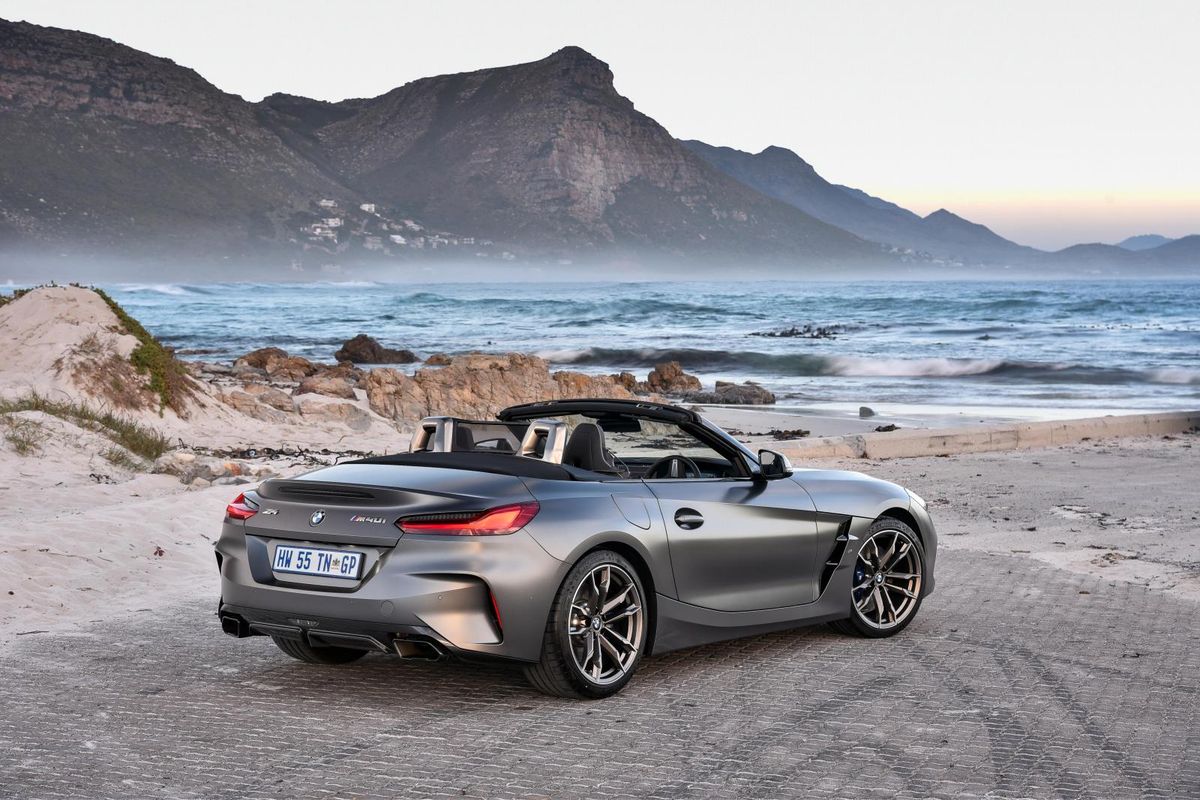
The stubby tail from a few generations ago has been tossed aside in favour of a more sweeping, elongated rear-end. Some will like it as it's on-trend right now, plus it allows for a bit more boot space once the roof is folded away. Personally, I miss the older design and would have liked to have seen BMW take a modern look at a retro design that’s proving extremely popular at motor shows. Think of the Nissan IDx and that Peugeot eLegend…
Ugh, just tell me what it's like to drive…
With a shortened wheelbase, the Z4 is palpably agile; it can be whipped from one bend to another with laughable ease.
BMW wanted this Z4 to be a real sportscar, something that would live up to its time-honoured "Sheer Driving Pleasure" ethos. The M40i laps the fabled Nordschleife in under 8 minutes, which is seriously quick for a non-M model (this is badged as M Performance, a tier below standalone M).
The newcomer's rear track has been widened more than the front (98 mm wider at the rear, 57 mm wider at the front) to reduce the oversteer effect. To counter this, the wheelbase has been shortened by 27 mm, which gives the Z4 noticeably faster reactions to steering inputs.
In action on the tightest of passes connecting Wellington to Slanghoek, the Z4 M40i remained poised, well-balanced and eminently reactive to driver inputs and, what's more, the Bavarian roadster resisted the urge to get twitchy. You can confidently (and rapidly) swing the steering wheel 1 way and then the other without unsettling the car. There is mechanical grip for days, which allows you to stomp on the power quite early when exiting bends.
The roof comes down in just 10 seconds.
Unlike BMW’s M engines, the 40i motor delivers its torque in less of a hit; it’s more progressive as you introduce power to the rear wheels. I’ve always felt that M engines (especially those of larger displacement) have the propensity to produce too many heart-in-mouth "moments", whereas with the 40i, the engine produces more progressive torque delivery and therefore facilitates a more confidence-inspiring drive.
And if I don’t want to be a racing driver?
By virtue of modern suspension technology, replete with all its electronic adaptability, the Z4 calms down within city limits and turns into a subtle, relatively pliantly-sprung, sunset cruiser. For something so squat (and shod with low-profile rubber) it’s surprising how well the BMW soaks up the irregularities of inner-city roads with their manhole covers, holes and bumpy surfaces.
The soft-top roof is a blitz to open or close. The "ragtop" takes a mere 10 seconds to fully close or open and can be done up to 50 kph. Just take care as the roof button is adjacent to the handbrake and both buttons are shaped identically. It’s easier than you think to confuse them.
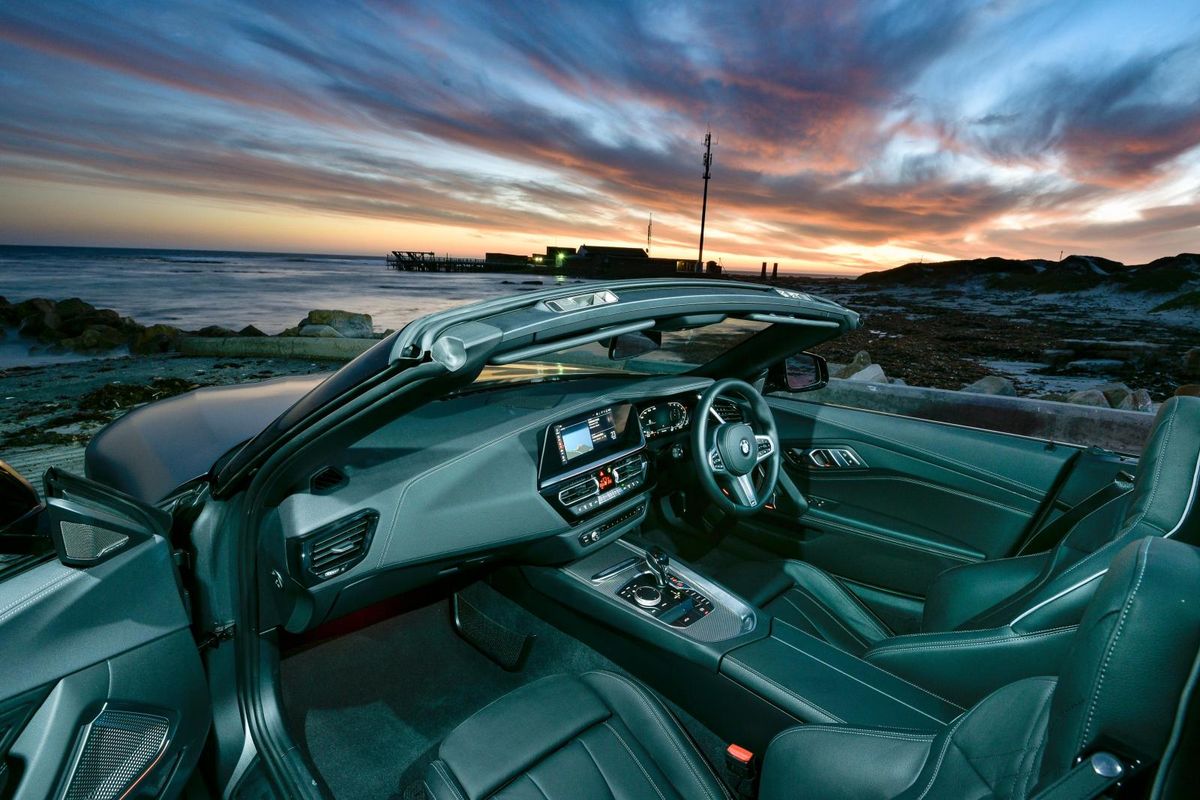
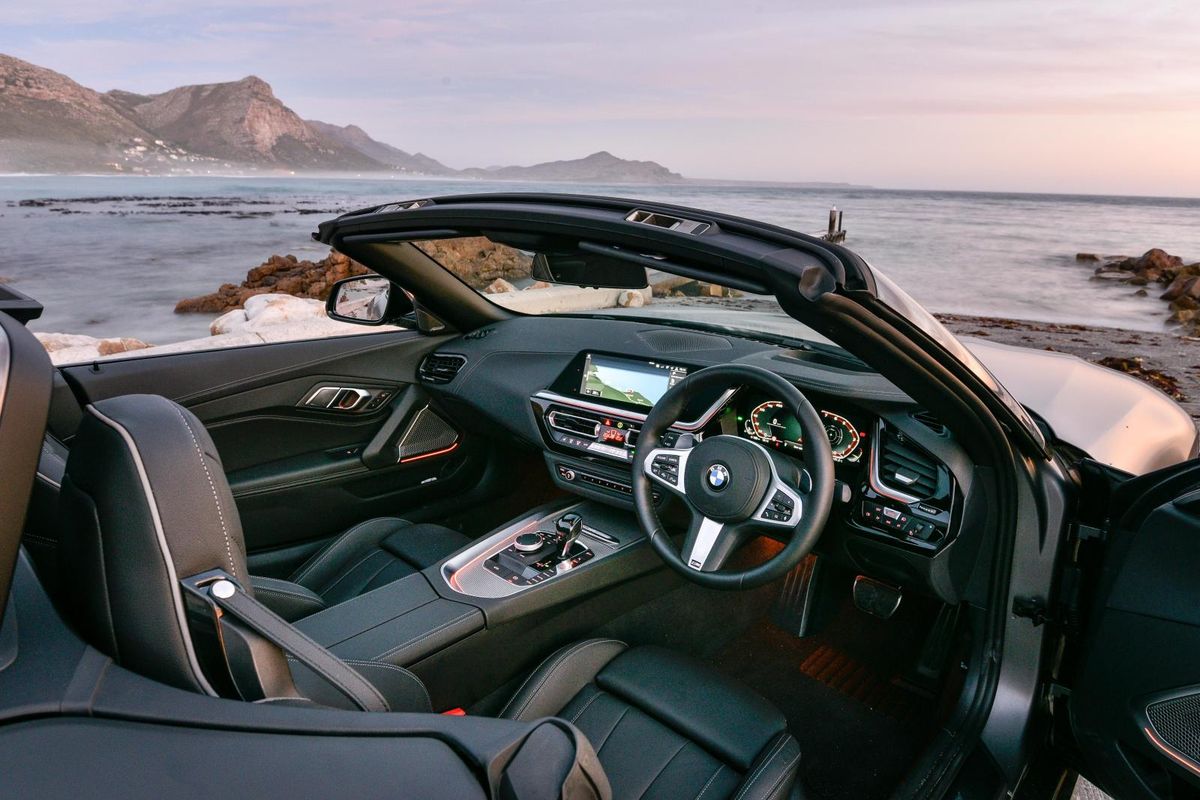
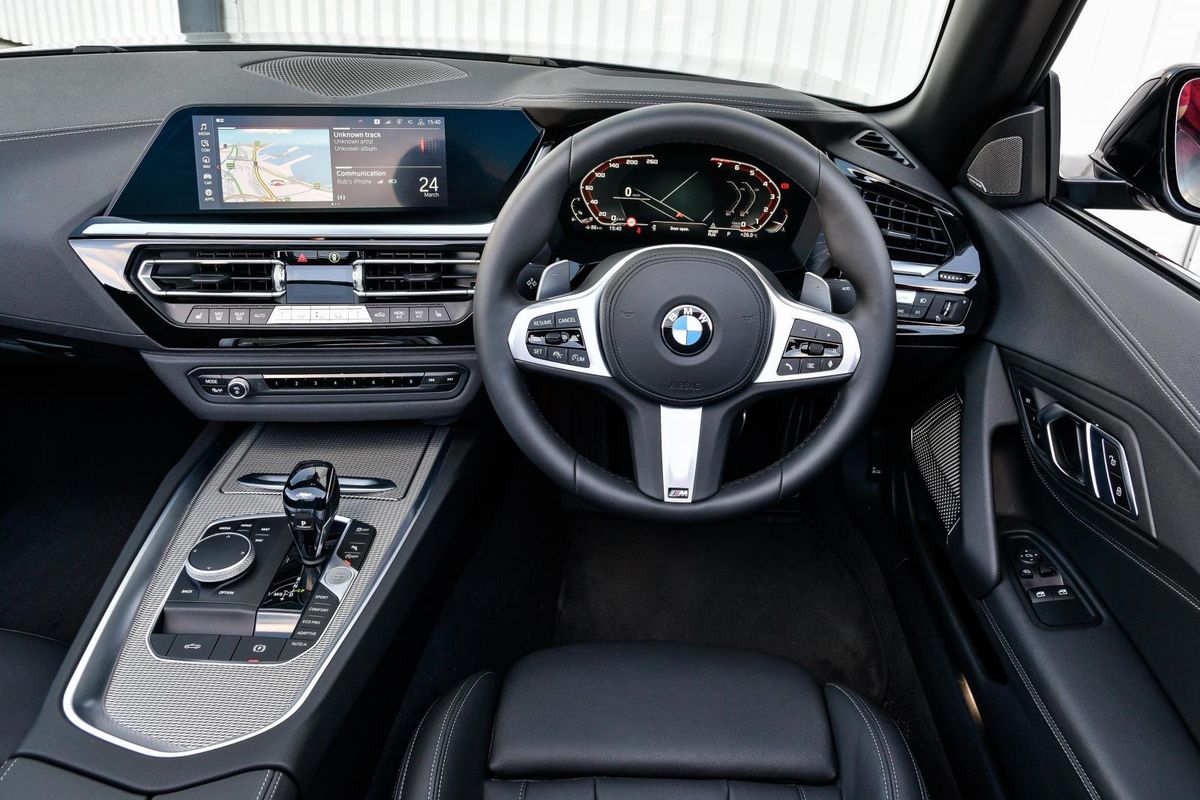
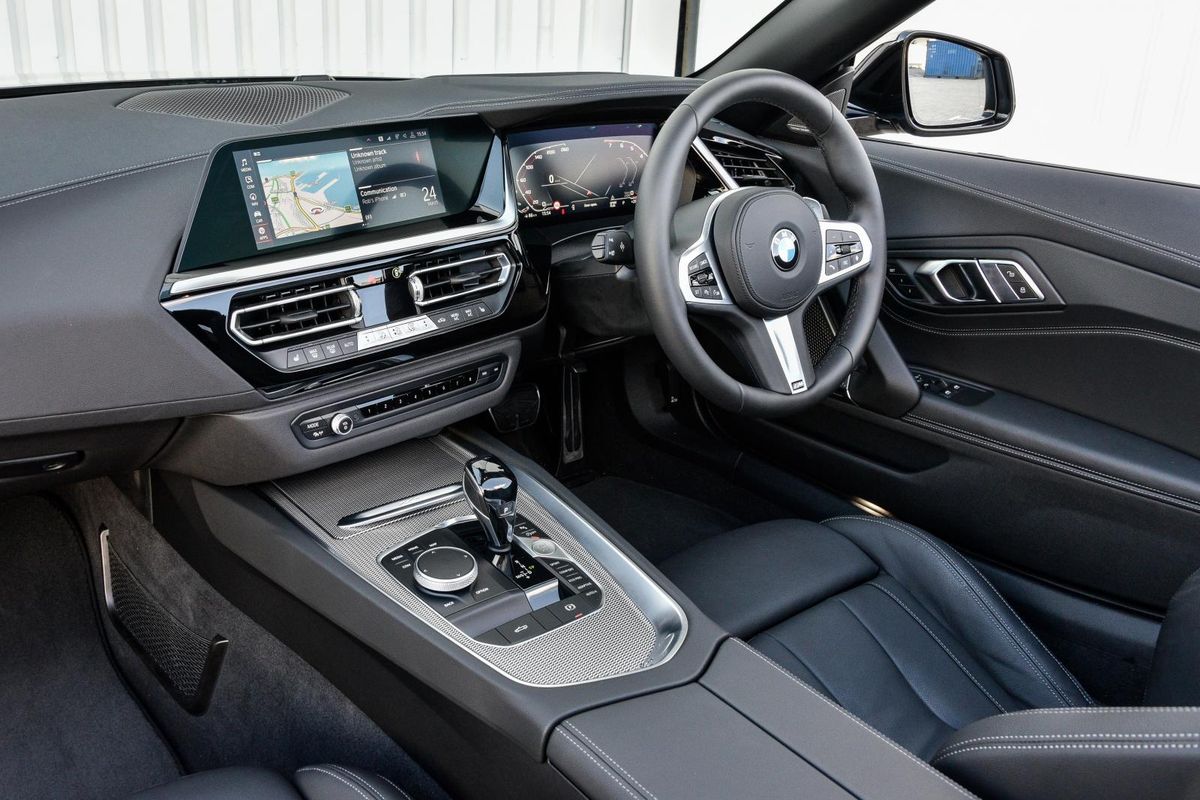
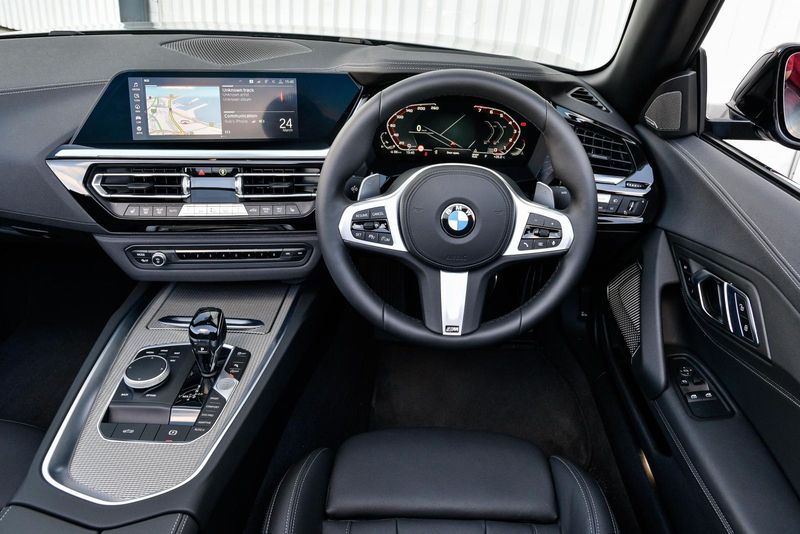
Infotainment screen can be controlled by touch and with the iDrive controller.
The dashboard is tilted towards the driver making it easier to reach buttons and get to the very corner of the touchscreen. As for the infotainment system, its 10.25-inch screen is crisp, clear and hi-res. If you don’t want to dirty it with grubby fingerprints, you can use the standard i Drive rotary dial in the centre console, but using Android Auto and Apple Carplay can be awkward without resorting to touch inputs.
As for space in the boot, with the top up or down, the capacity is 281 litres. That’s reasonable for a sportscar and matches most modern hatchbacks.
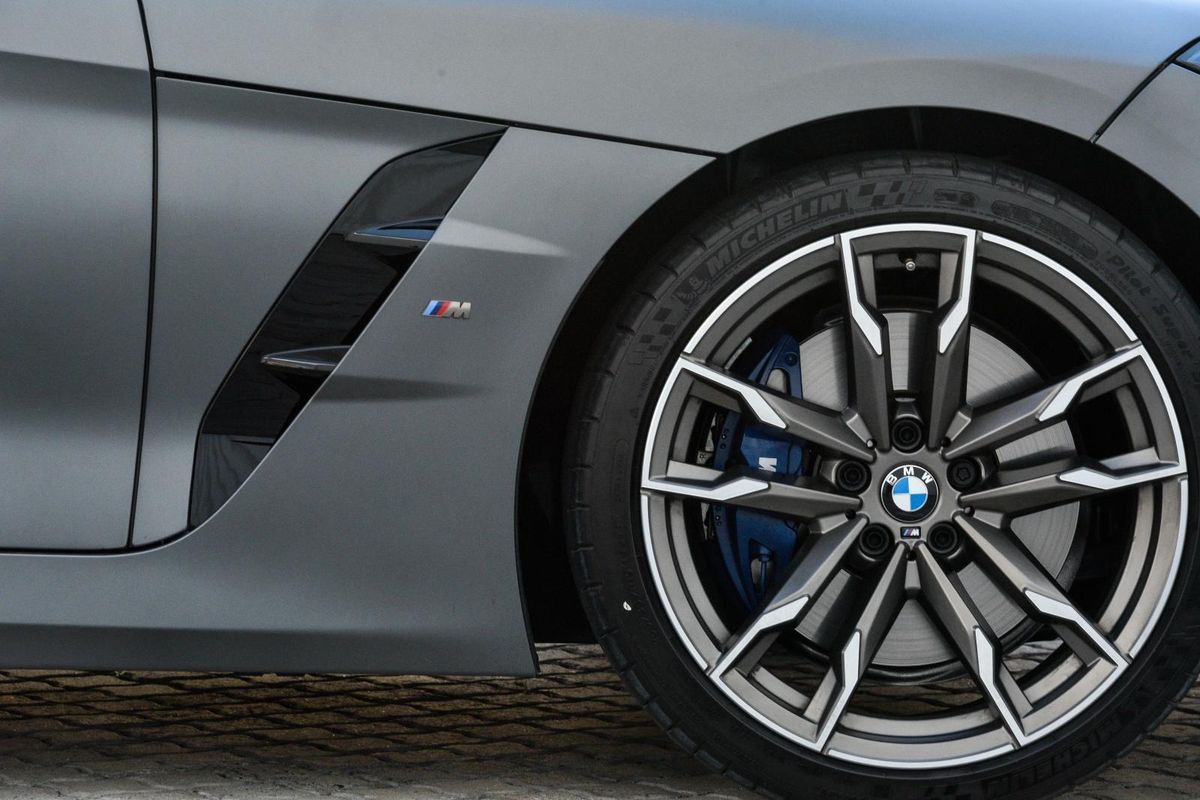
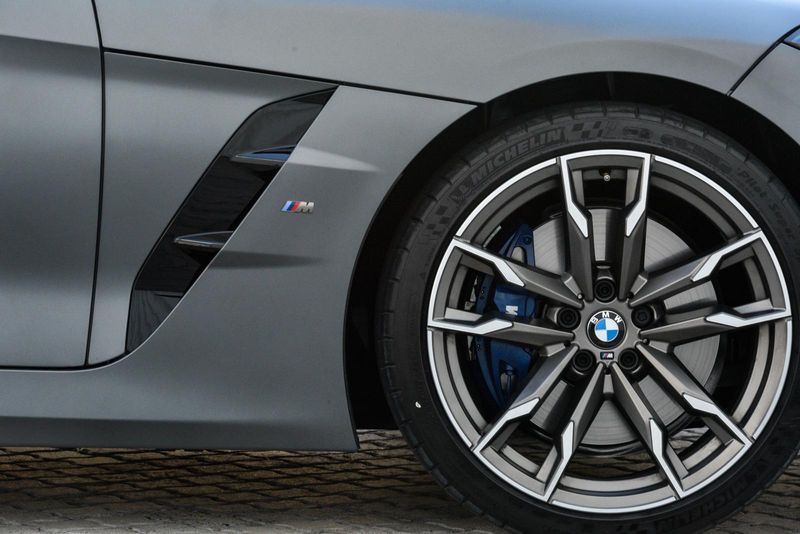
M Performance models get subtle M badges as well as blue M calipers.
Summary
Having only sampled the M40i during the media launch of the new Z4 range, I am happy to report that the range-topper's definitely got a chassis that’s capable of handling more power. This obviously bodes well for higher-output versions in future, although they have not been confirmed yet.
The third-generation Z4 has plenty of mechanical grip and feels neutral on the limit. It’s not a scary car to drive fast, which makes a welcome change for performance BMWs of late. It’s also comfortable and compliant when you want to take it slow and enjoy open-top driving.
It’s difficult to pin down what exactly BMW was trying to achieve with the Z4, as it’s a consummate all-rounder. It hasn’t gone as far towards the sportscar ethos as a Porsche Boxster and it’s not as good looking as an F-Type, but it does have an excellent 6-cylinder engine, a fantastic transmission and well-sorted dynamics. On balance, it probably blends the best of both worlds. What more could Z4 loyalists have asked for?
Kia has revealed a possible rival to Toyota’s Land Cruiser.
The Seoul auto show always sees Korean domestic auto brands reveal something special to impress attendees. At the 2019 Seoul show, Kia revealed something unusual.
Named the Mohave Masterpiece, it’s a large ladder-frame platform SUV. Encountering a new ladder-frame platform vehicle from a leading manufacturer at an international auto show is an increasingly rare experience, with most opting to produce unibody SUVs instead of the traditional body-on-frame design.
Toyota is one of the few brands which actively markets and achieves notable sales success with luxury SUVs which run on a ladder-frame chassis. Both its Land Cruiser models, the Prado and larger 200 GX-R, are built in this way.
Kia’s Mohave Masterpiece is sized more towards Prado than 200 GX-R dimensions and uses a chassis first seen on the new Telluride SUV, which specifically targets the U.S. market and will go on sale there soon, in both front- and all-wheel-drive configurations.
What distinguishes the Mohave Masterpiece design is its radical headlights, which feature a row of exposed LED probes, without any conventional headlamp shielding. The grille is notable too, showcasing a different interpretation of Kia’s recent design language, with a series of horizontal and vertical chrome details.
There is some context to consider regarding this new Korean adder-frame concept SUV. Kia has produced the first-generation Mohave since 2008, delivering the large SUV to select global markets. For many years it has been the only Kia with low-range gearing for dedicated off-road exploration work. After more than a decade in production, the time is due for a new model and this Masterpiece show car could possibly become the second-generation Mohave.
For those who like Korean reliability and Kia’s intuitive digital interfaces, a new Mohave Masterpiece could offer some pseudo-Prado off-road ability with a more pleasing appearance.